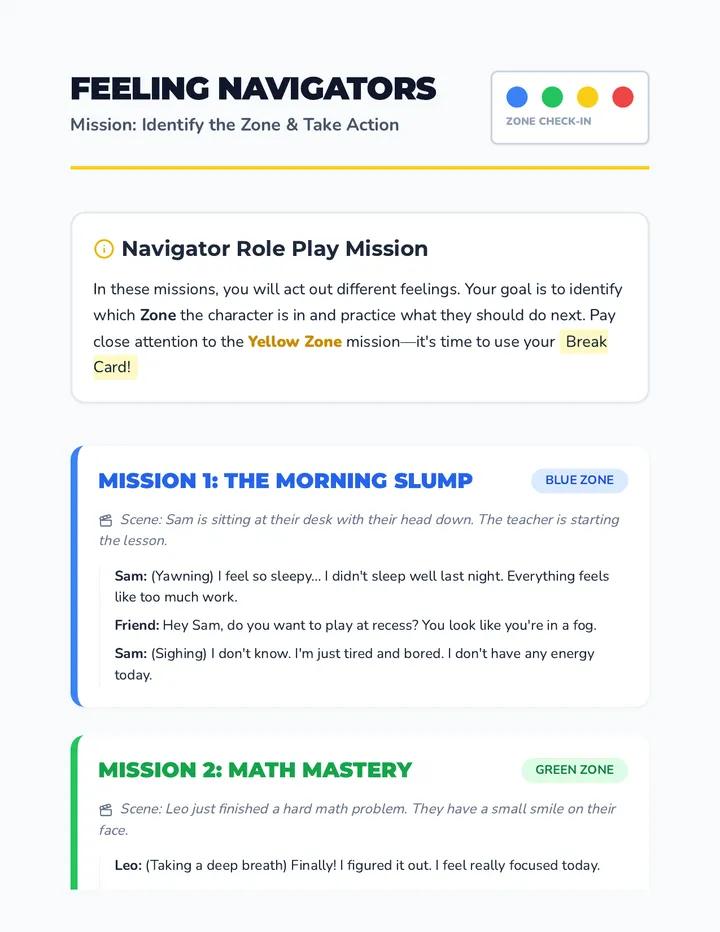
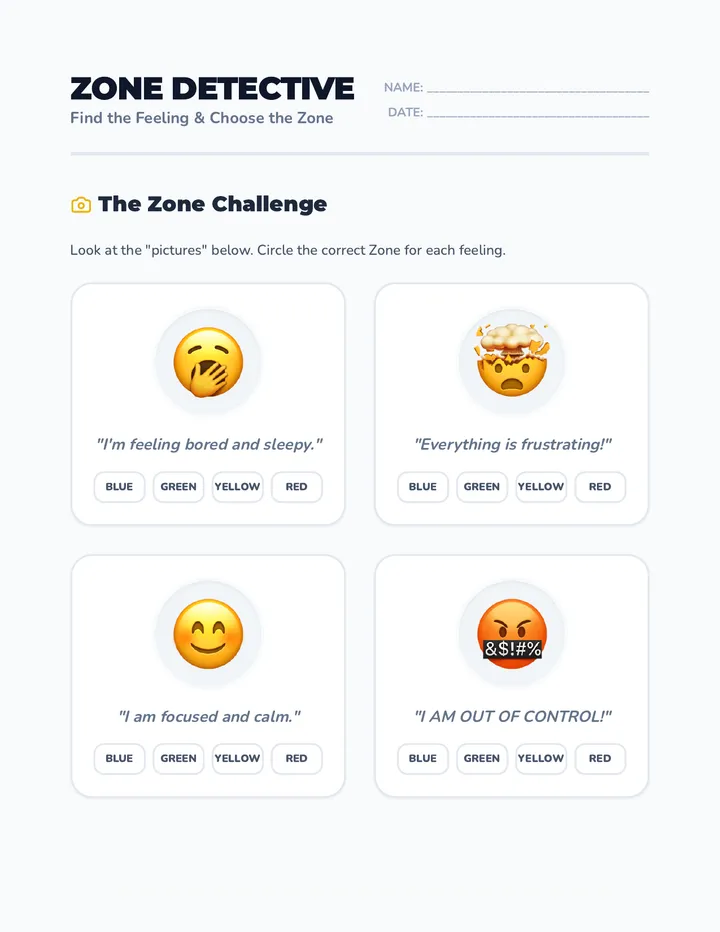
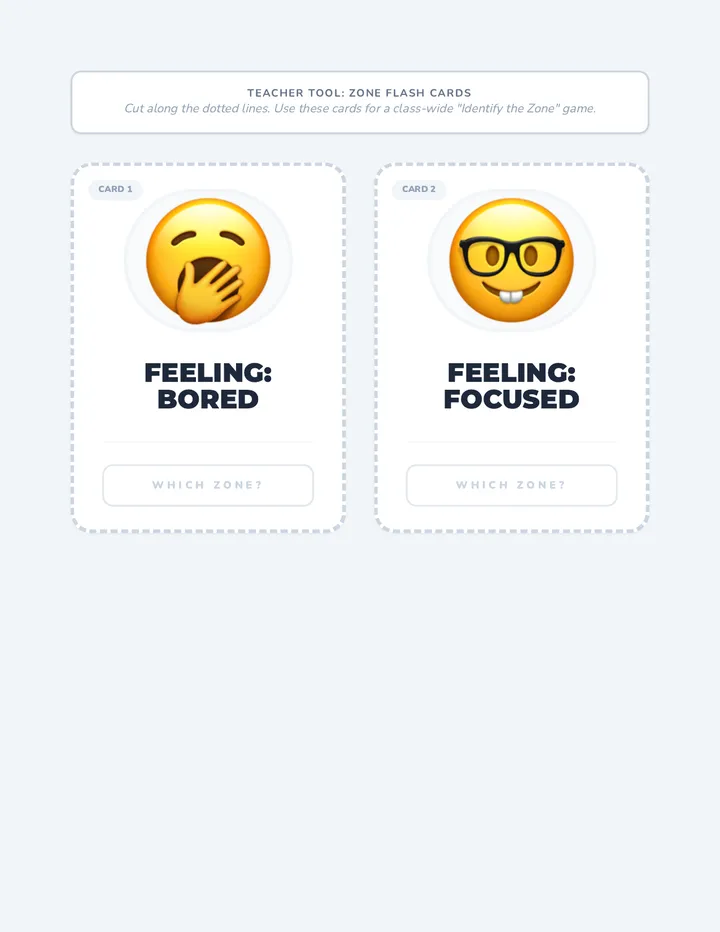
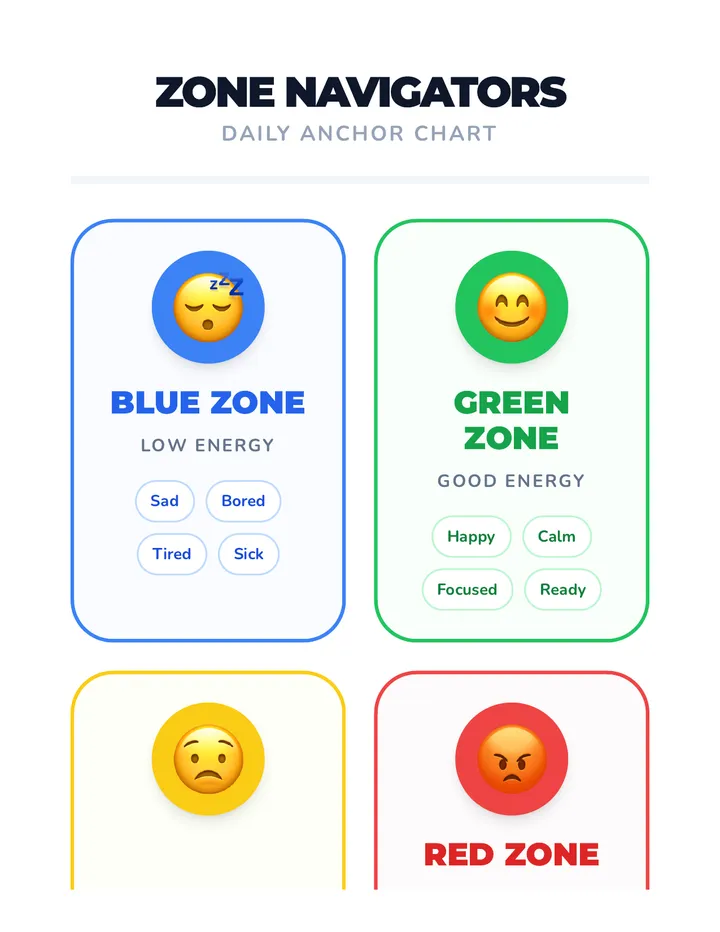
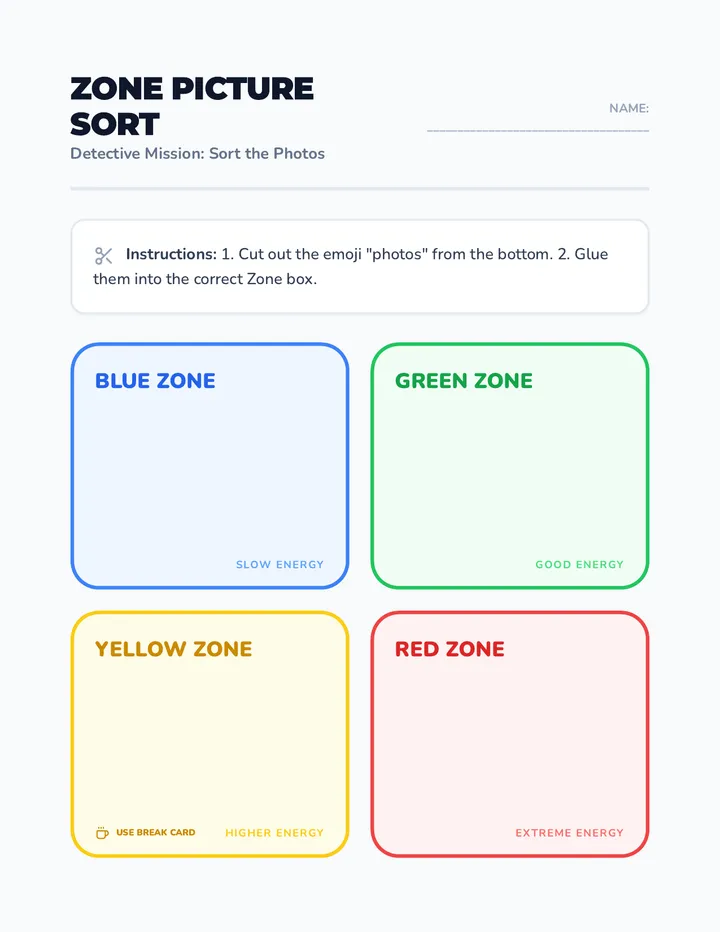
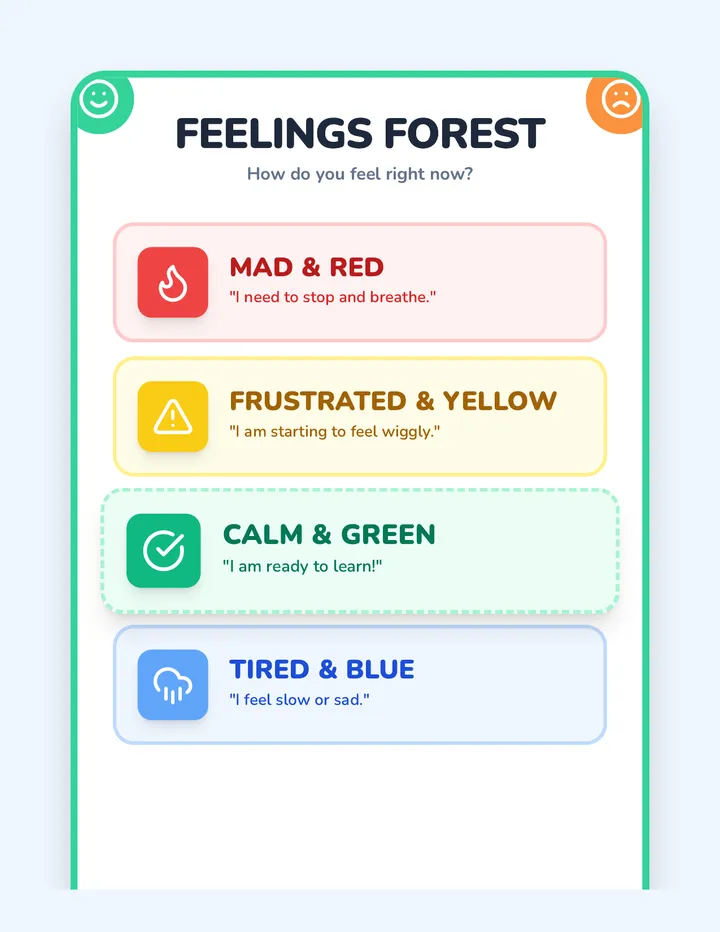
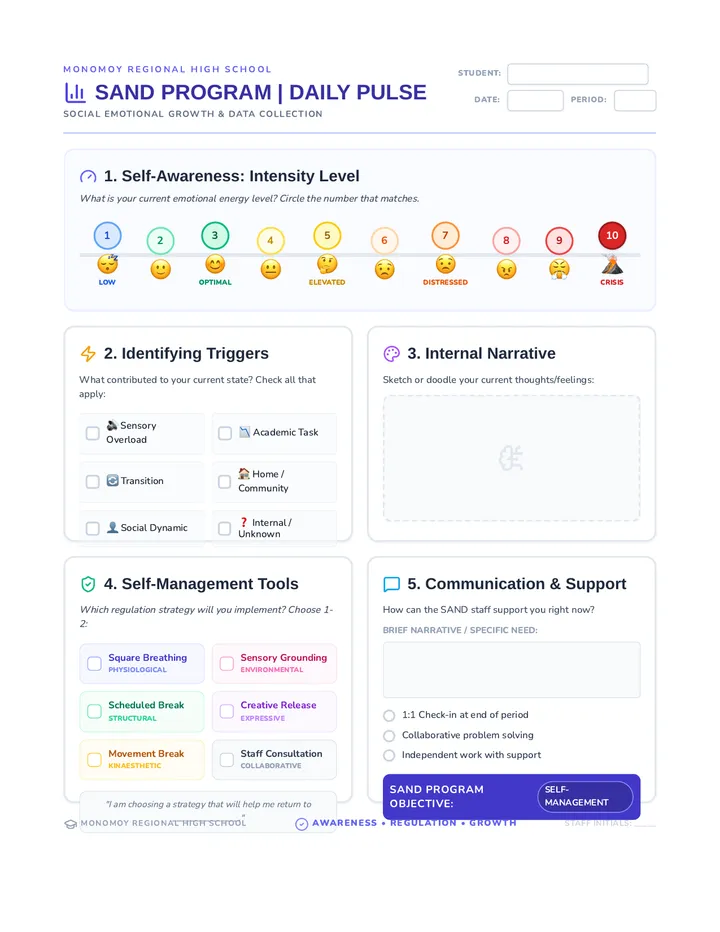
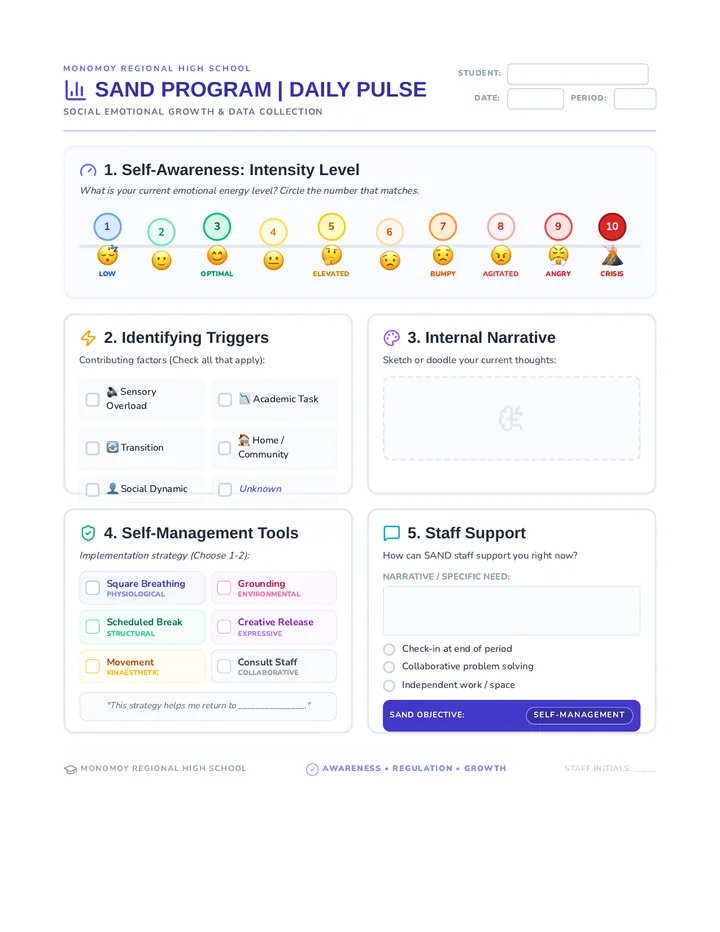
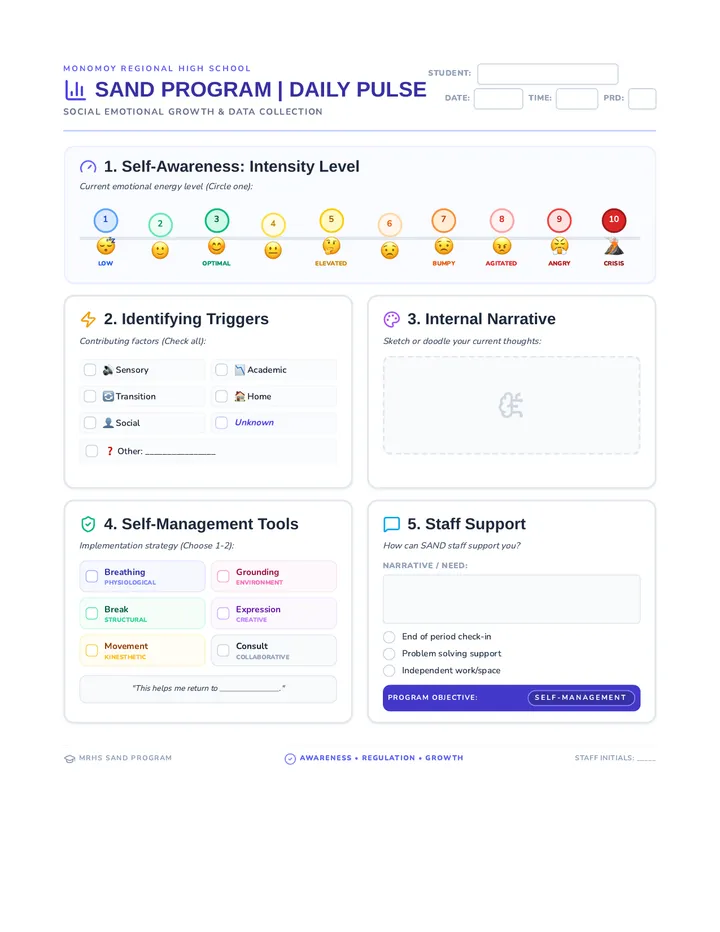
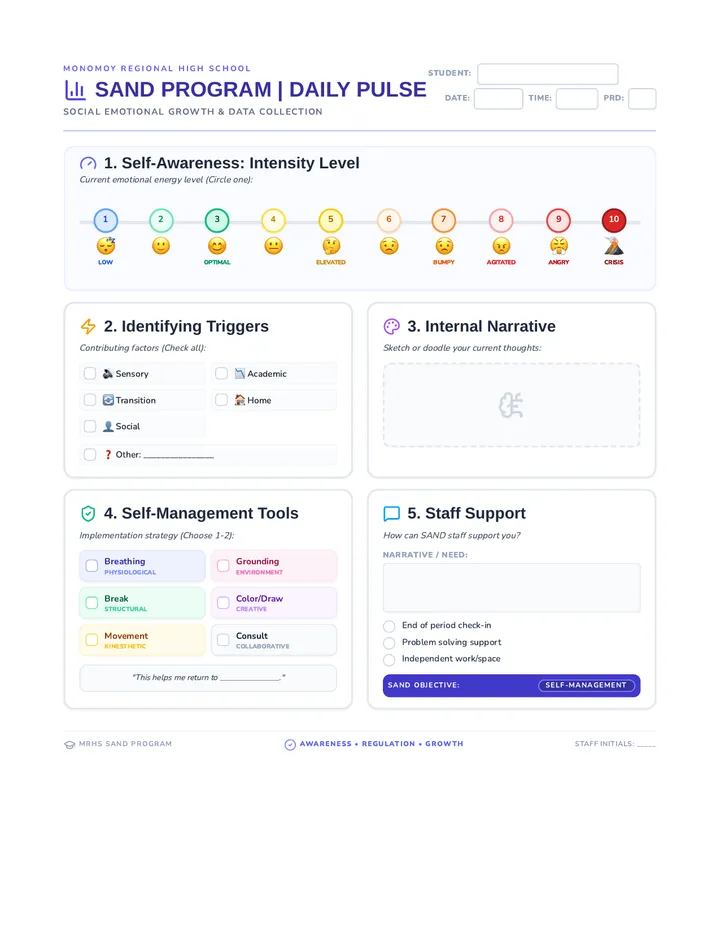
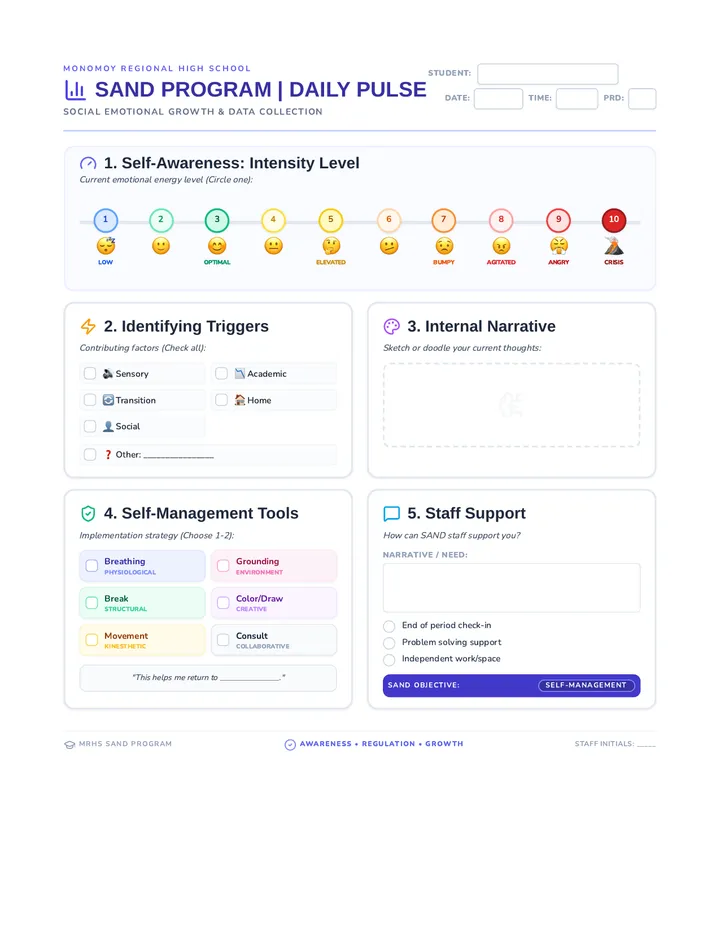
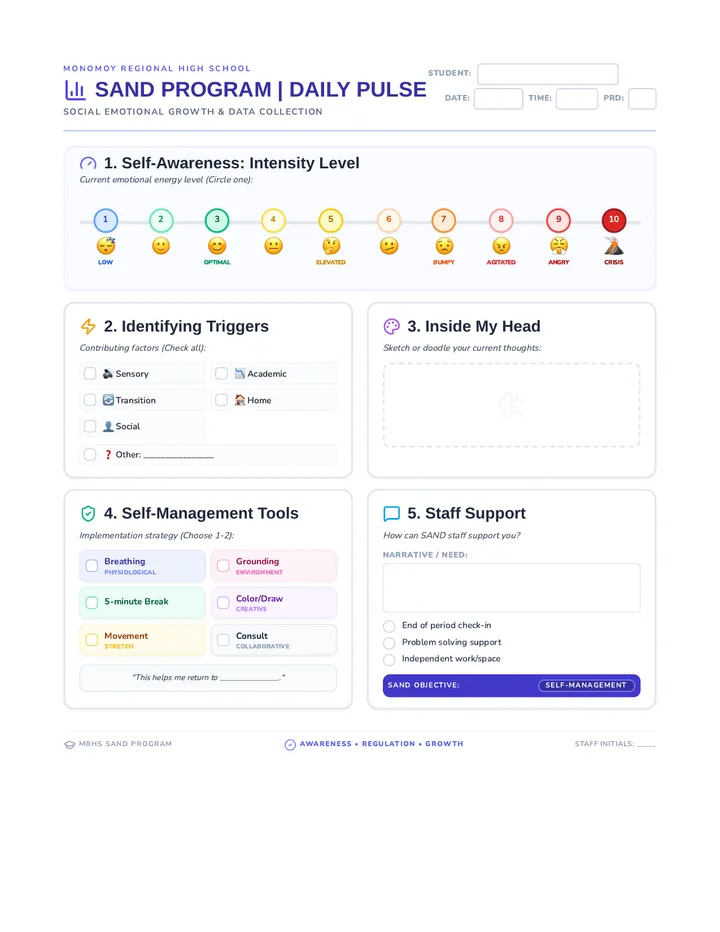
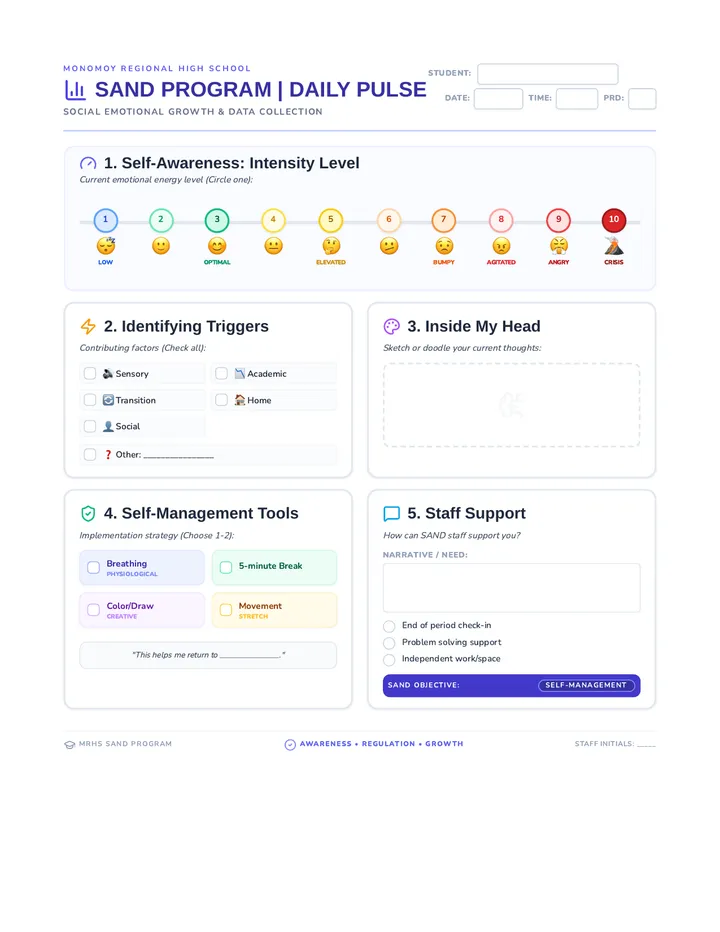
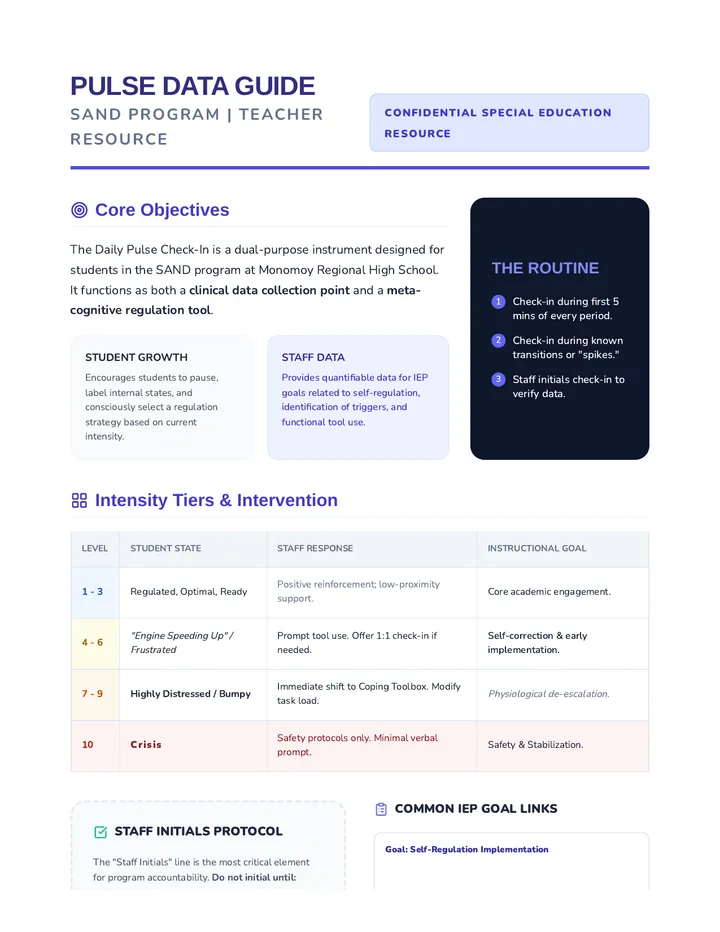
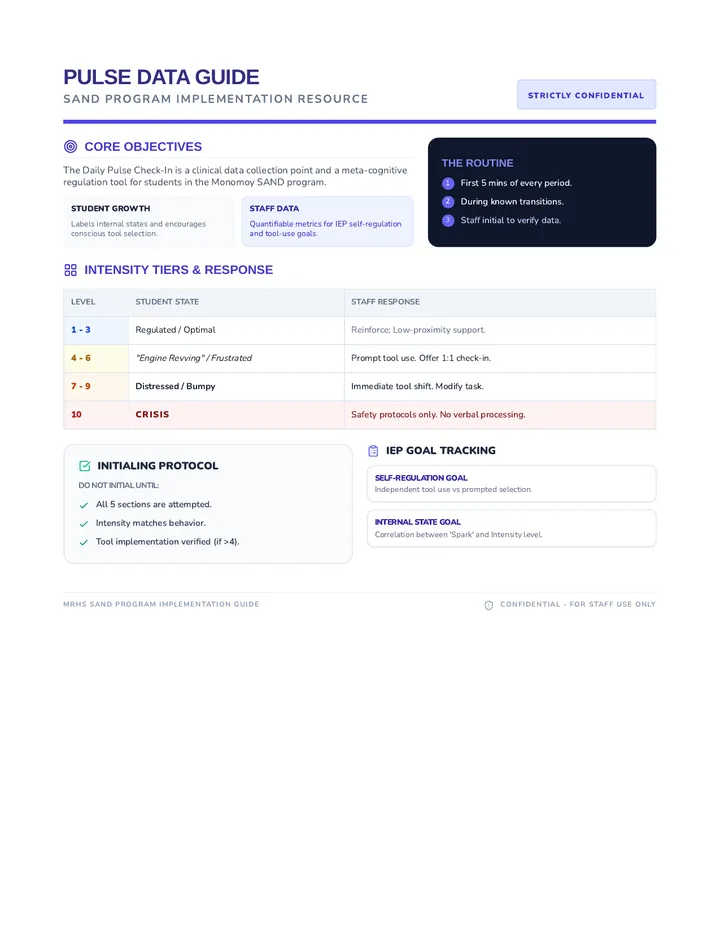
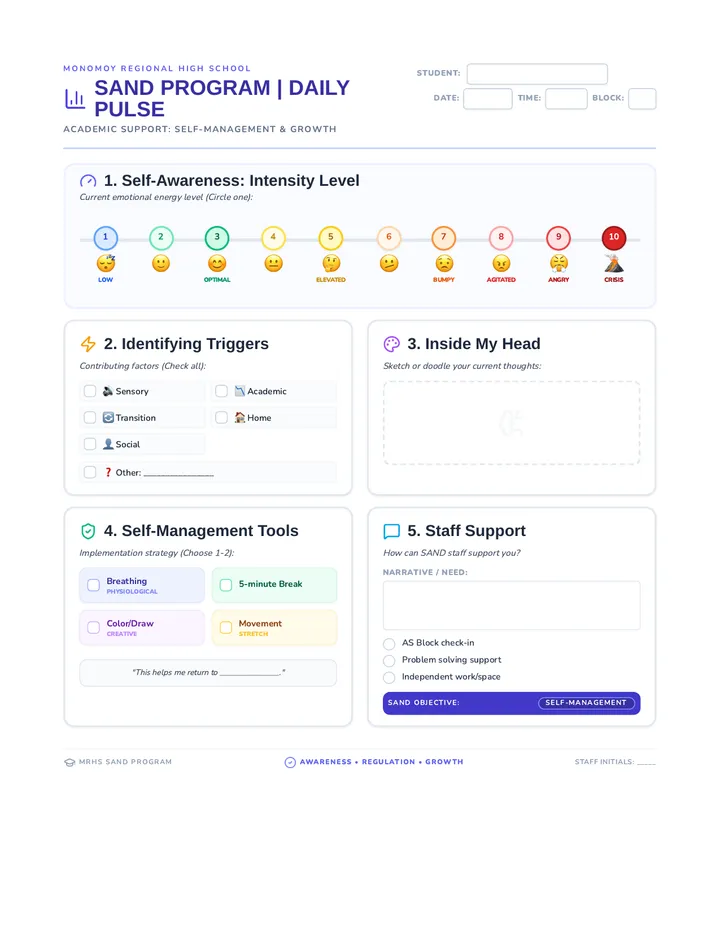
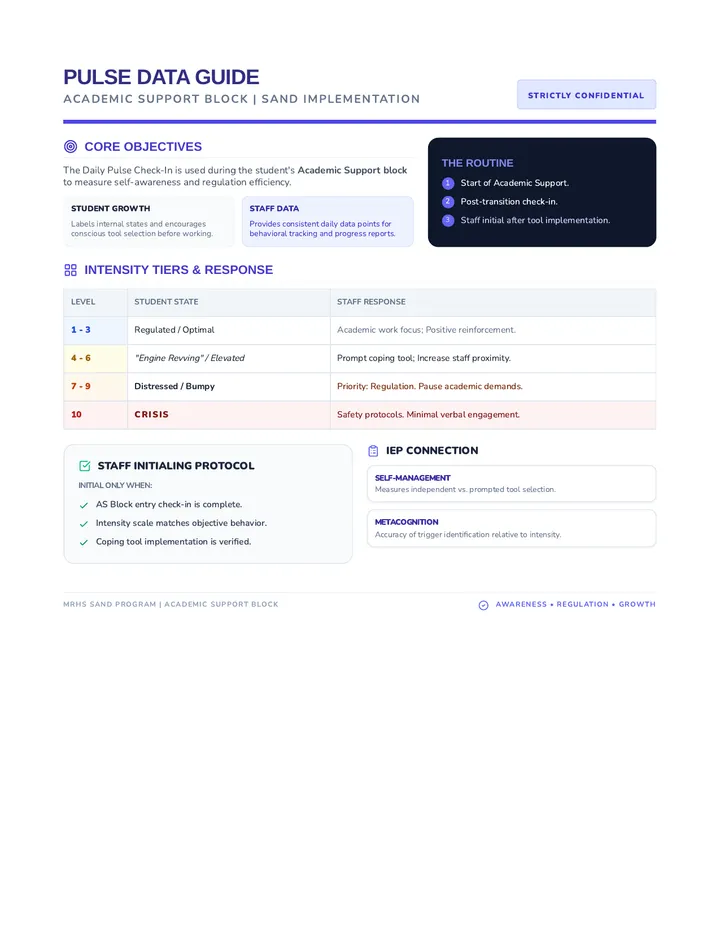
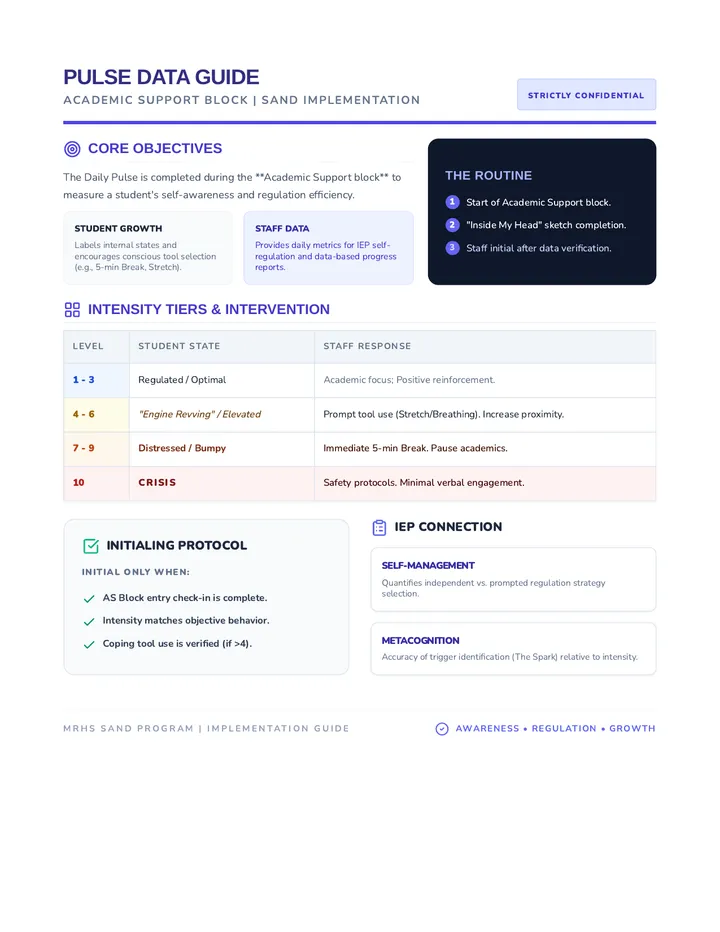
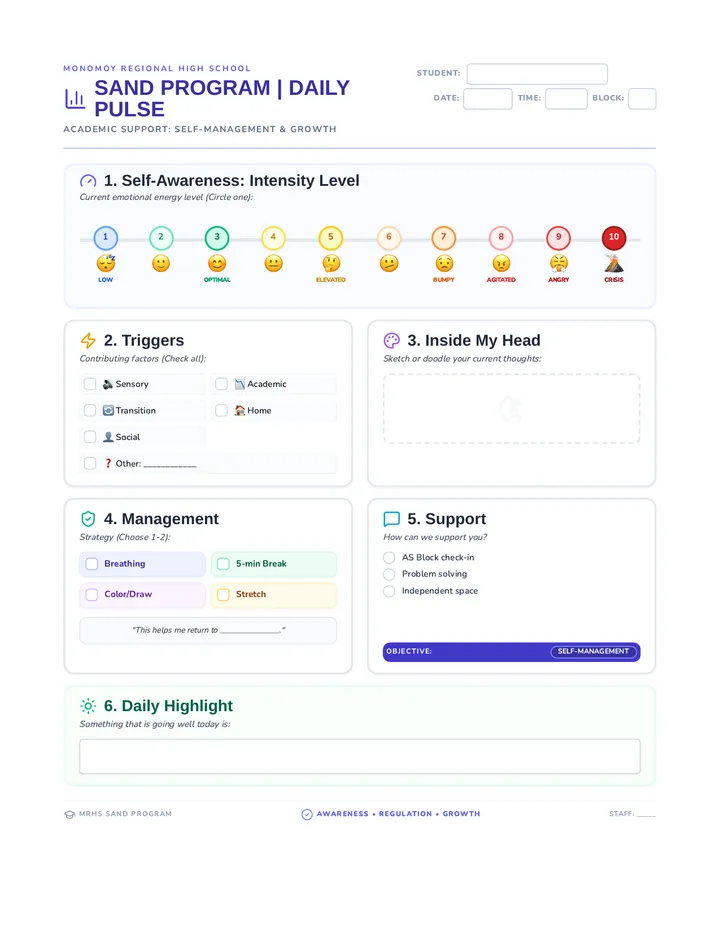
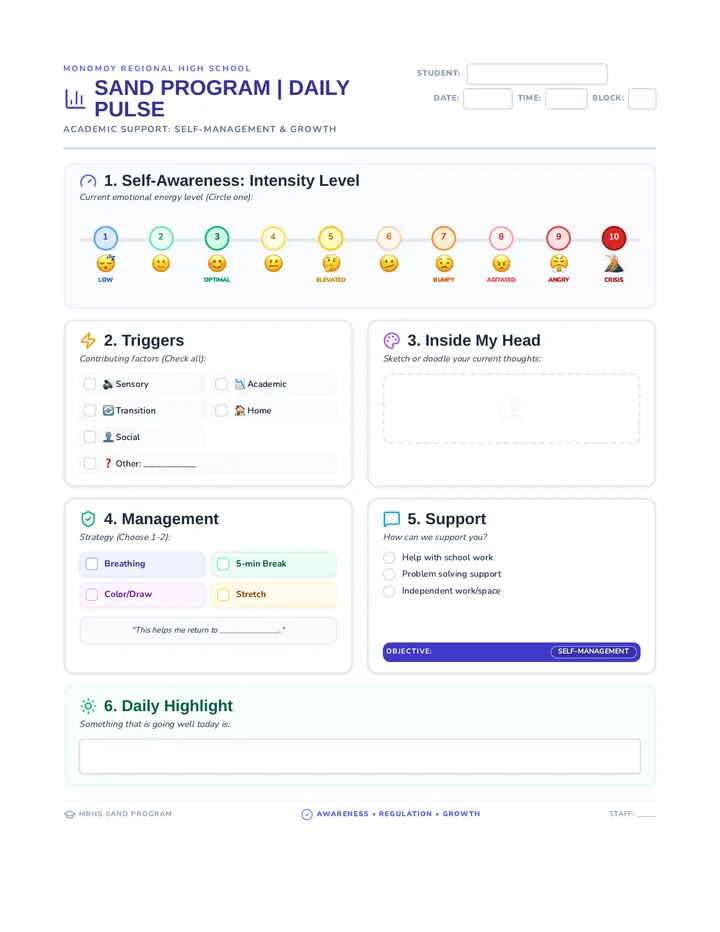
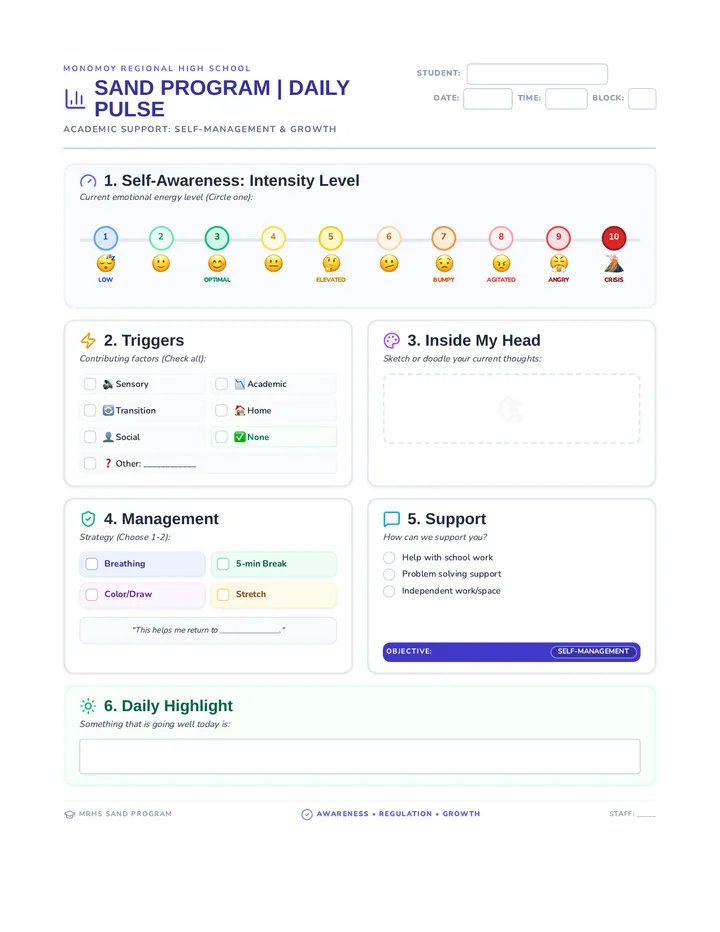
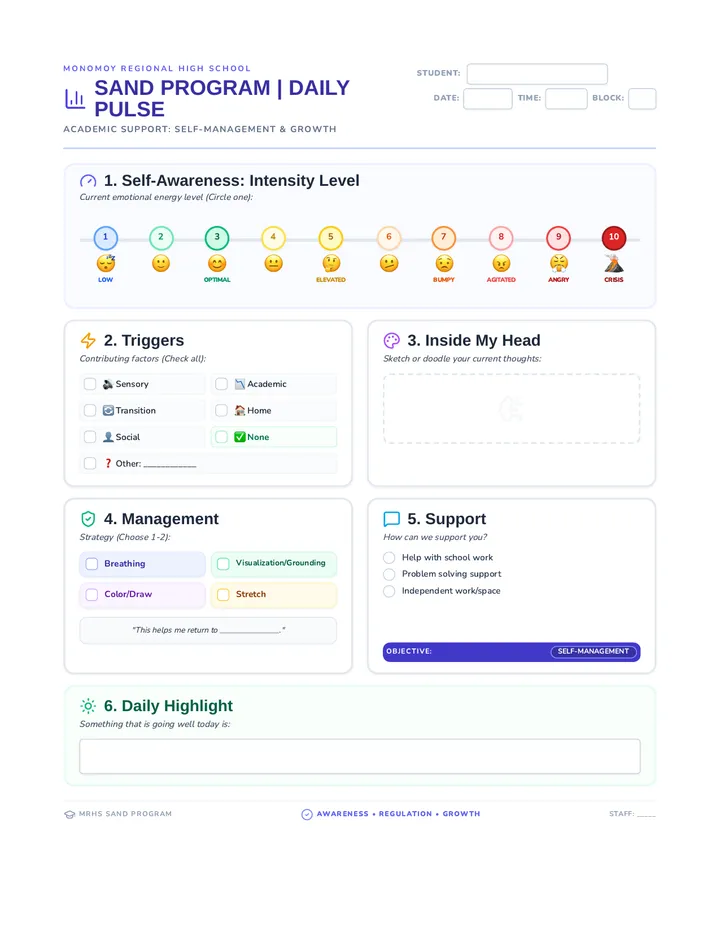
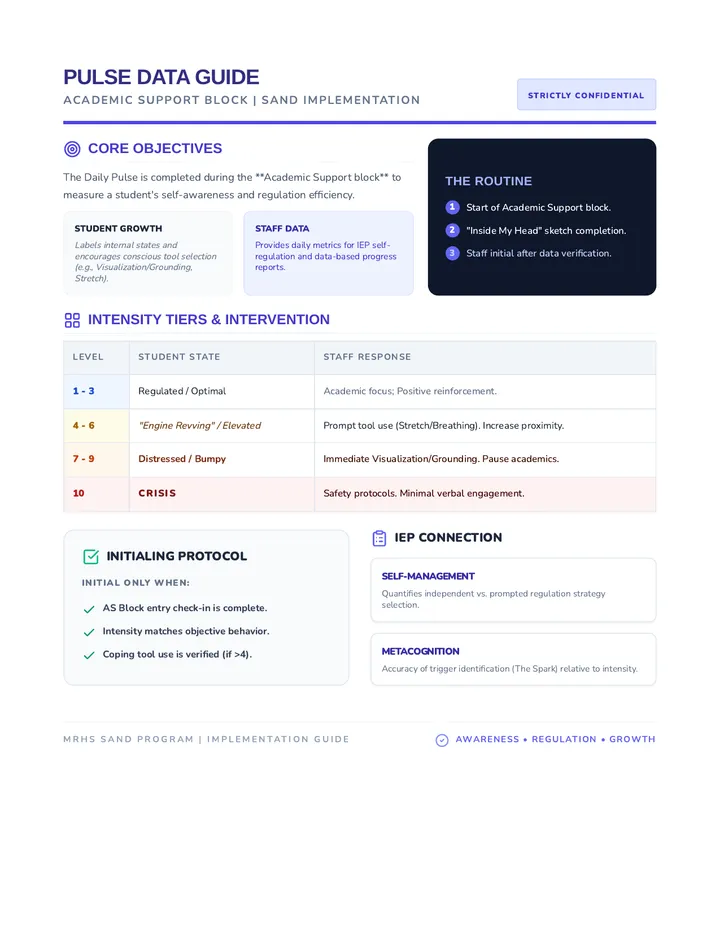
Identification of emotional magnitude using visual scales and physiological cues. Differentiates between mild, moderate, and extreme reactions to help students match their coping strategies to the level of intensity.
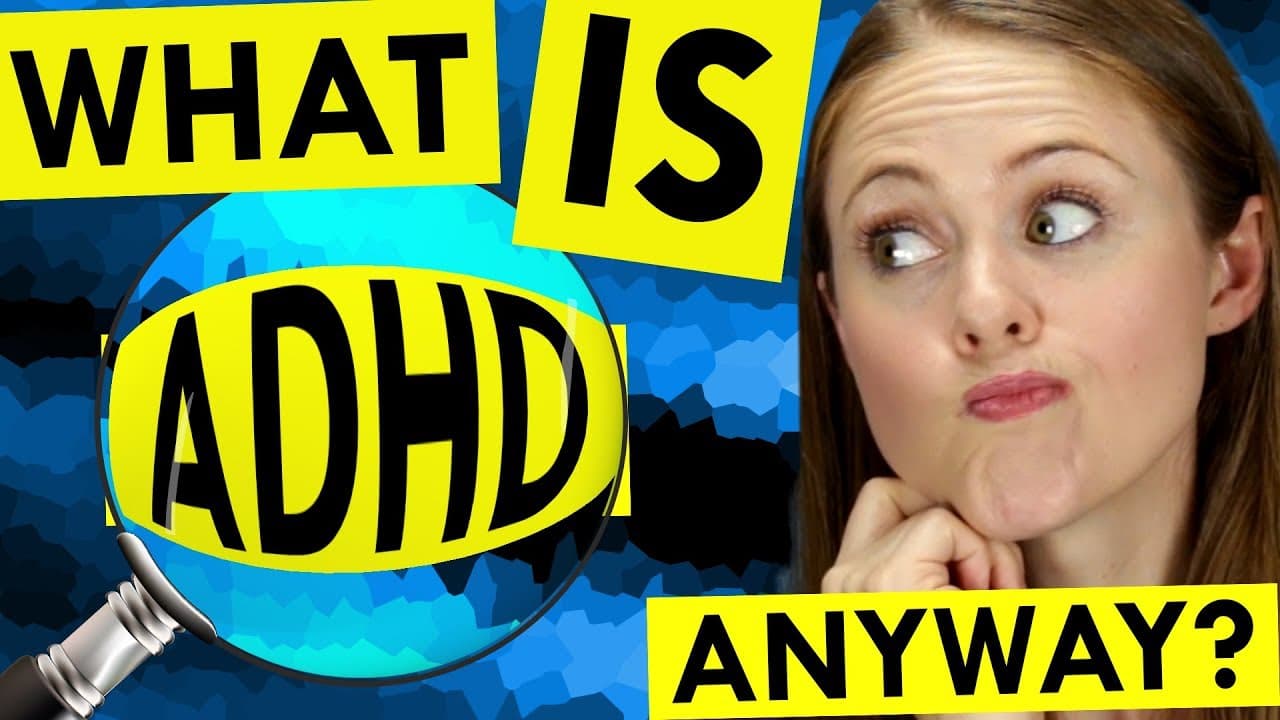
This educational video demystifies Attention Deficit Hyperactivity Disorder (ADHD) by exploring the internal experience of living with the condition. Hosted by Jessica McCabe, the video moves beyond clinical definitions to offer relatable, concrete metaphors that describe executive dysfunction, working memory challenges, and emotional dysregulation. It emphasizes that ADHD behaviors are not character flaws but rather neurological differences in how the brain regulates attention and emotion. The content breaks down complex neurological concepts into accessible analogies, such as comparing the brain to a CEO with a bad secretary, working memory to a whiteboard that constantly needs erasing, and emotional regulation to a severe sunburn. The video addresses key themes including the myth of "attention deficit" (versus attention regulation), the invisibility of the struggle, and the strengths that often accompany ADHD brains, such as creativity and out-of-the-box thinking. For educators, this resource is invaluable for fostering empathy and understanding in the classroom. It provides a shared language for teachers and students to discuss learning differences without stigma. By framing ADHD through mechanical and situational metaphors—like a race car with bicycle brakes—it offers students with ADHD a way to articulate their experiences and helps neurotypical peers understand why certain tasks are more challenging for their classmates.
7mins 39s
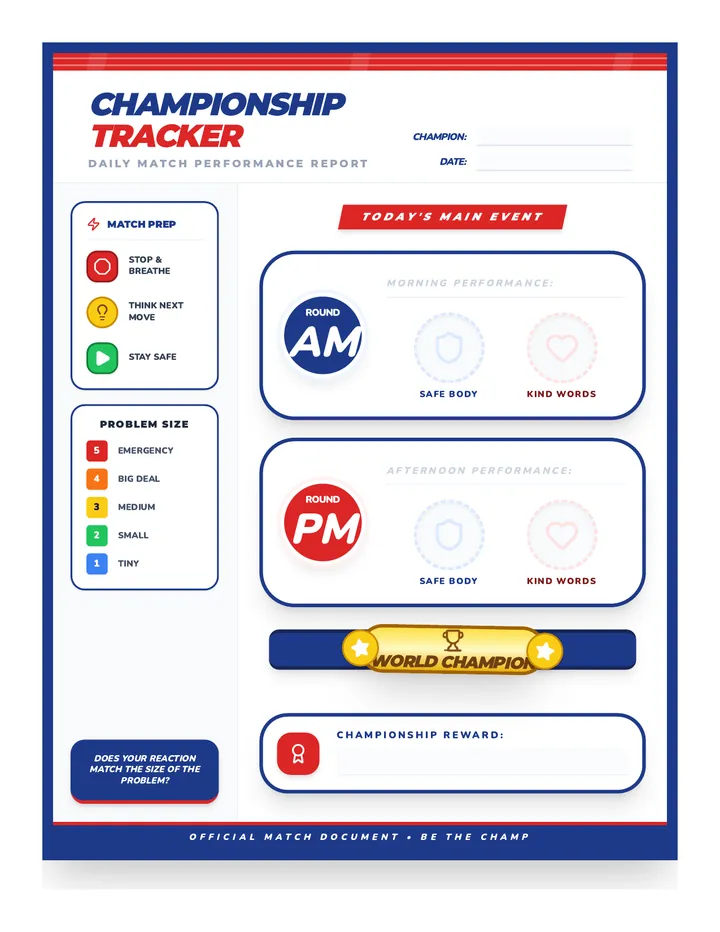
A wrestling-themed behavior tracker optimized for a single 8.5x11 page. It includes AM/PM match rounds with sticker spots for Safe Body and Kind Words, a sidebar with strategy tips and problem levels, and a World Champion title belt section for rewards. All elements are scaled and positioned to ensure a perfect fit without overflow.
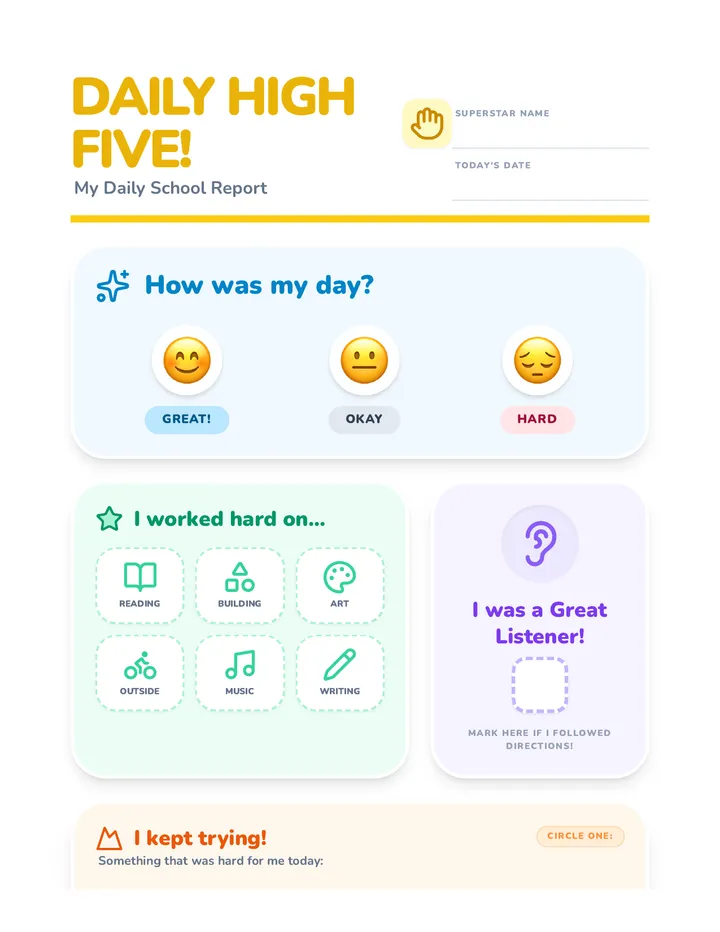
An updated daily communication log for non-readers featuring a "sticker-style" aesthetic. It includes a mood scale, activity icons for hard work, a listener check-box, and a dedicated challenging task section with circle-able icons for Math, Reading, Gym, OT, PT, and Speech, plus a drawing space.
A set of two printable desk strips featuring a 1-10 numerical regulation scale. Includes one strip with space for custom coping strategies and a compact version featuring just the numerical chart.
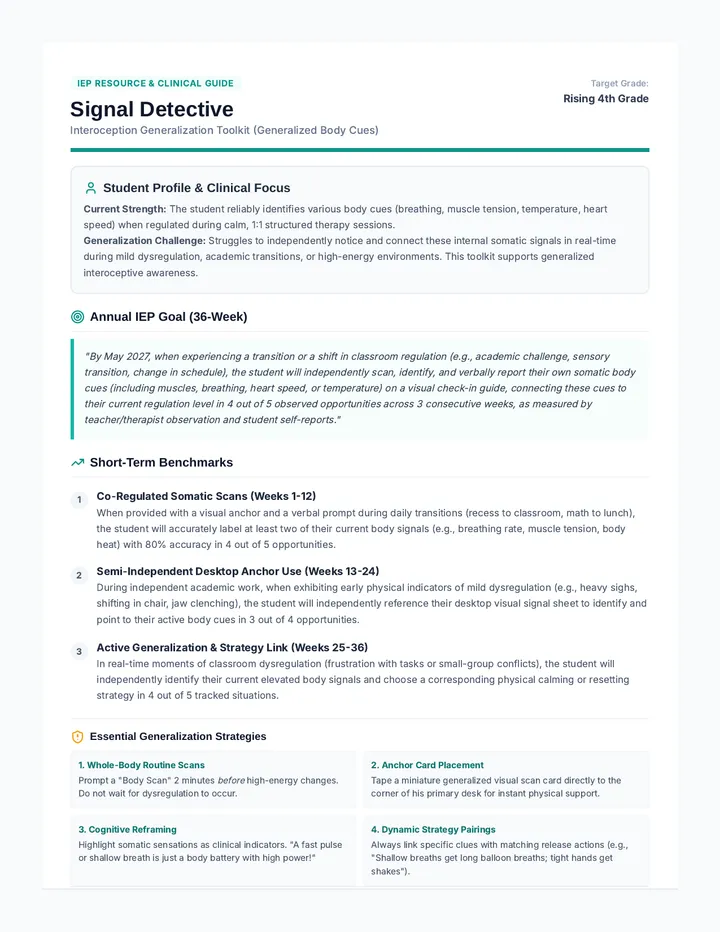
A comprehensive interoception IEP benchmark toolkit designed for a rising 4th grader. Covers a general range of somatic body cues (breathing, muscles, heart rate, temperature, stomach tension). Includes a teacher framework, data-collection tracker, student dashboard check-in, and four roleplay scenarios.
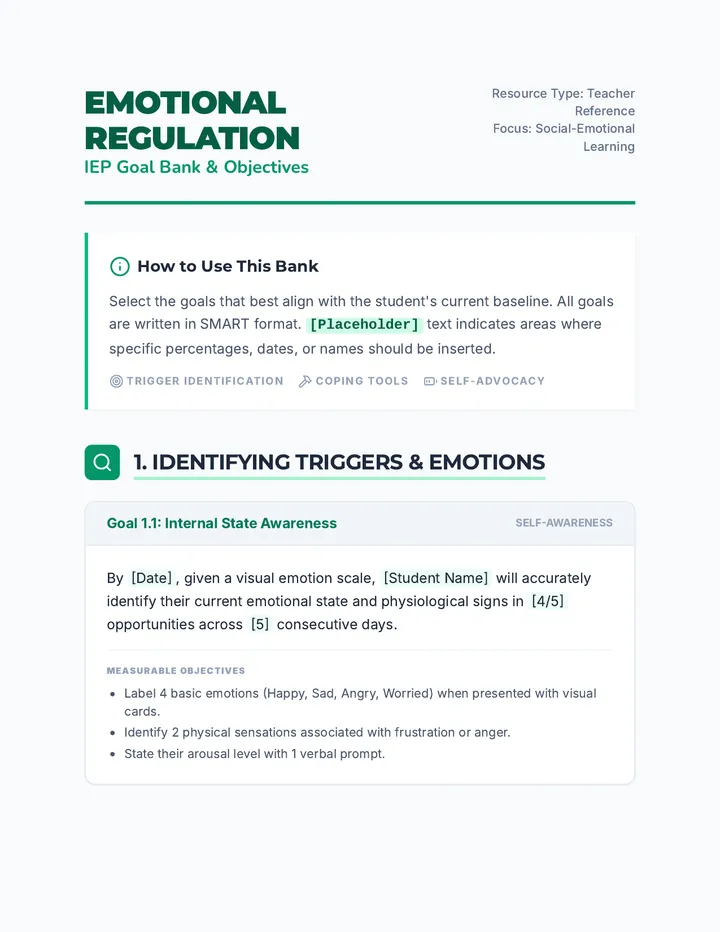
A comprehensive IEP goal bank for emotional regulation, focusing on trigger identification, independent use of coping tools, and functional break requests. Each goal category includes specific objectives and measurement standards.
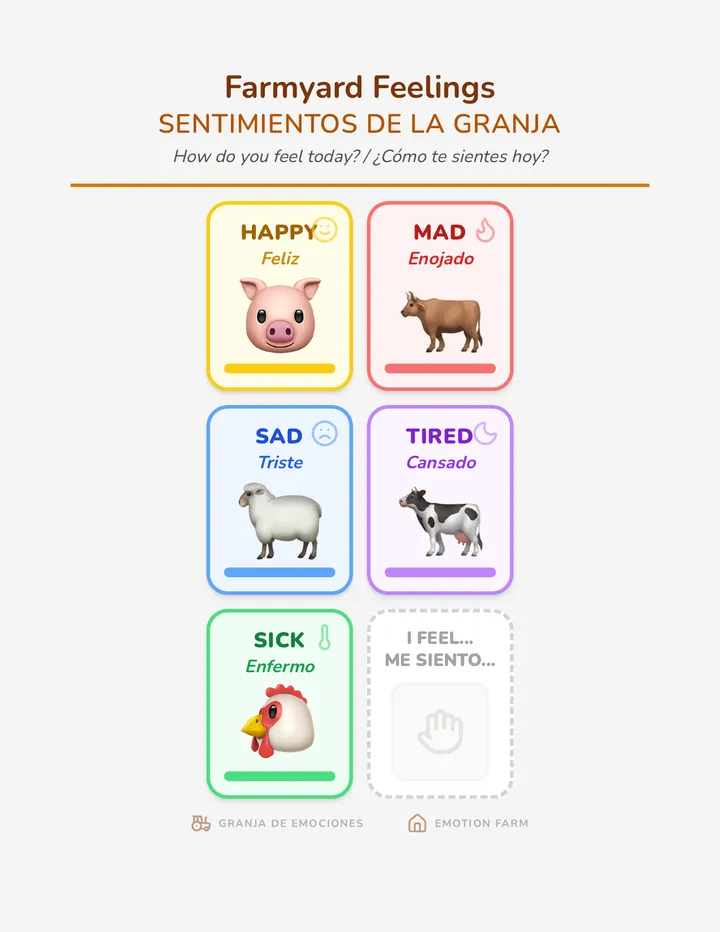
A bilingual (English/Spanish) feelings chart for high-needs students featuring farm animals representing five core emotions: happy, mad, sad, tired, and sick. Includes a "My Feeling" space for non-verbal identification.
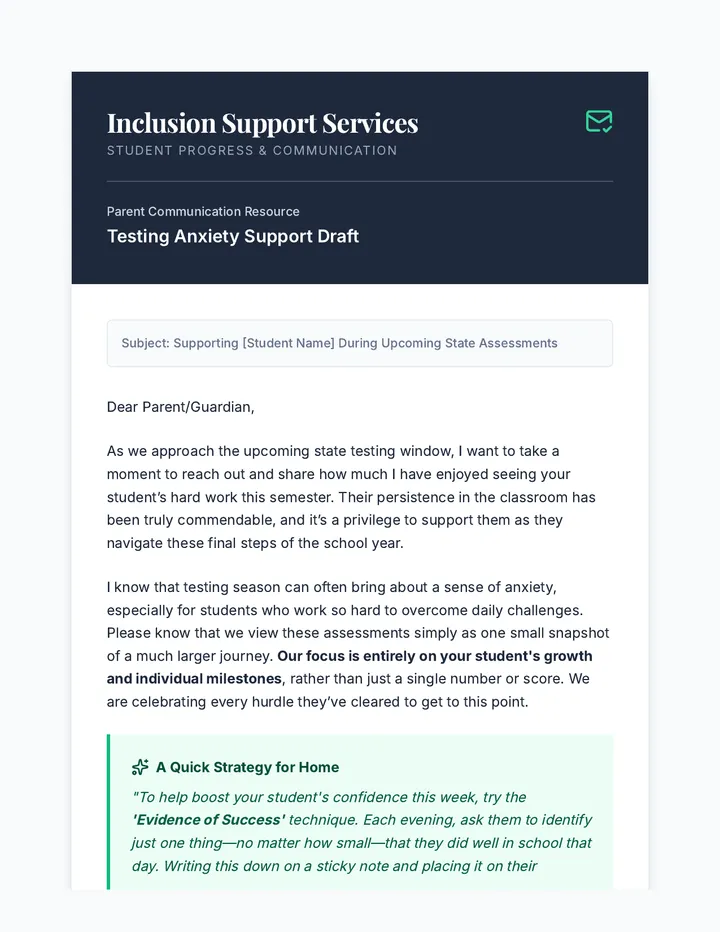
A warm, professional email template for high school inclusion caseworkers to send to parents. It acknowledges student effort, emphasizes growth over scores, suggests a confidence-building activity for home, and provides a clear schedule for before-school, after-school, and Saturday tutoring.
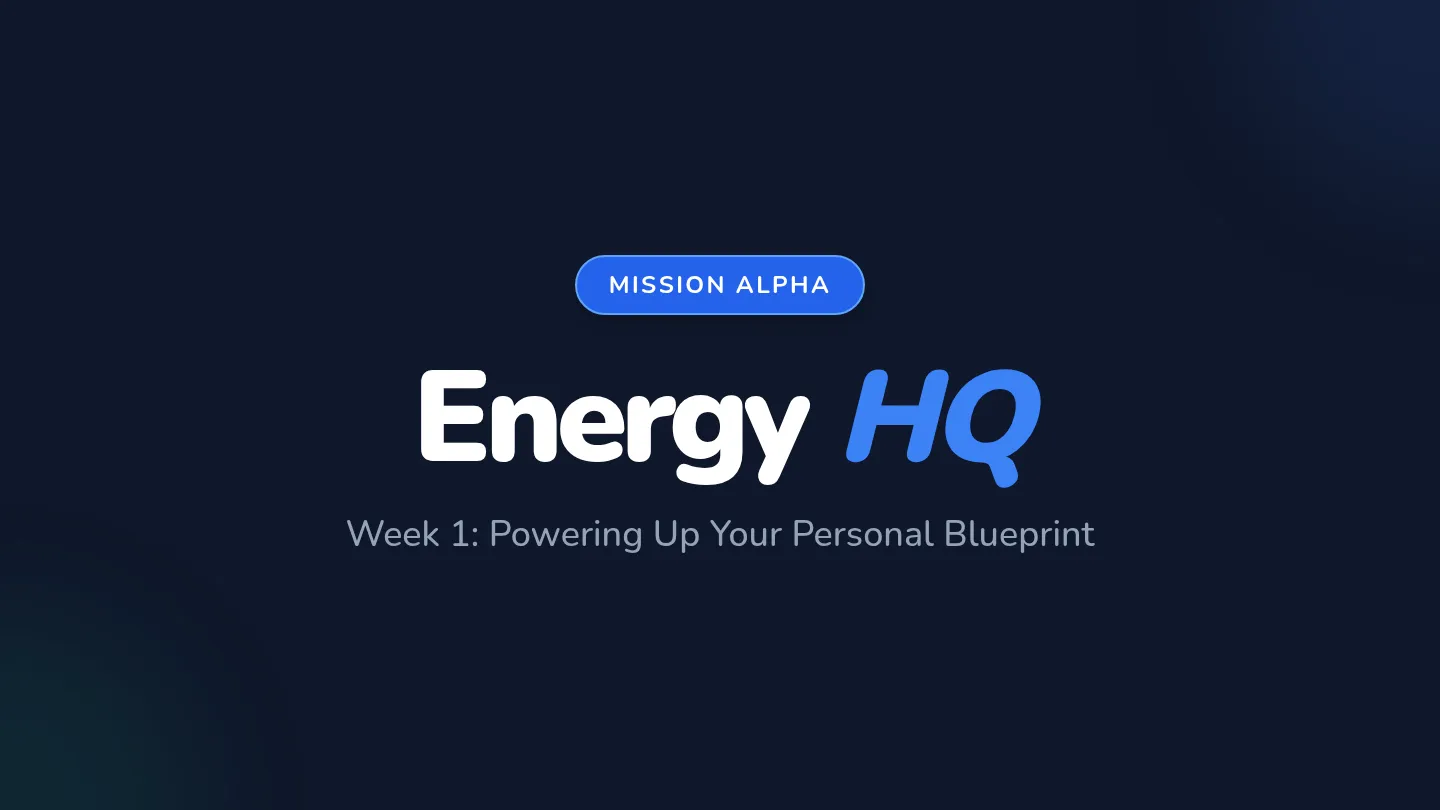
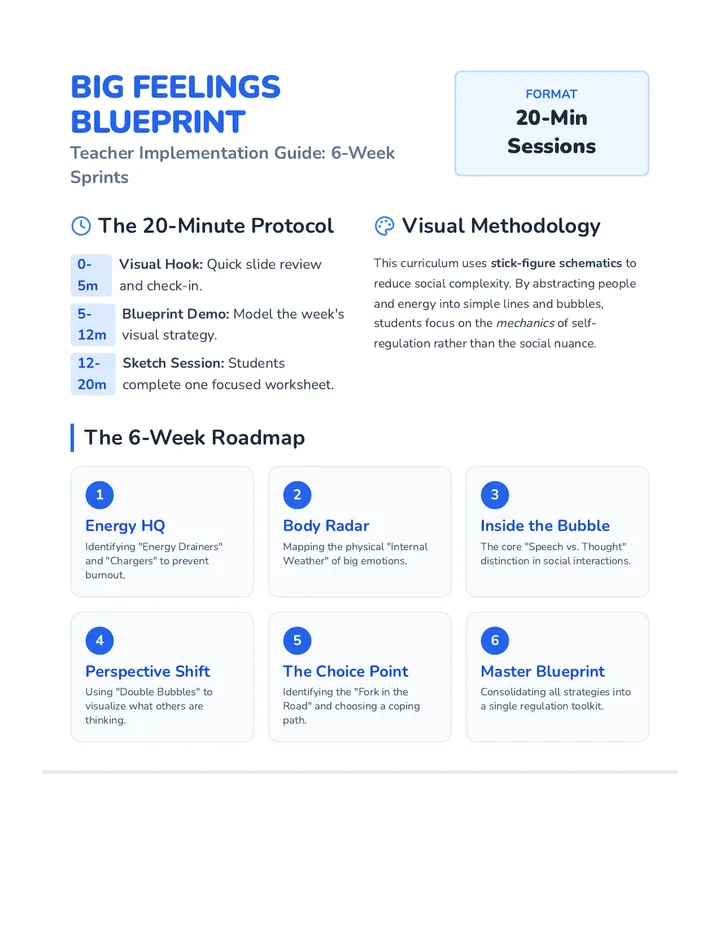
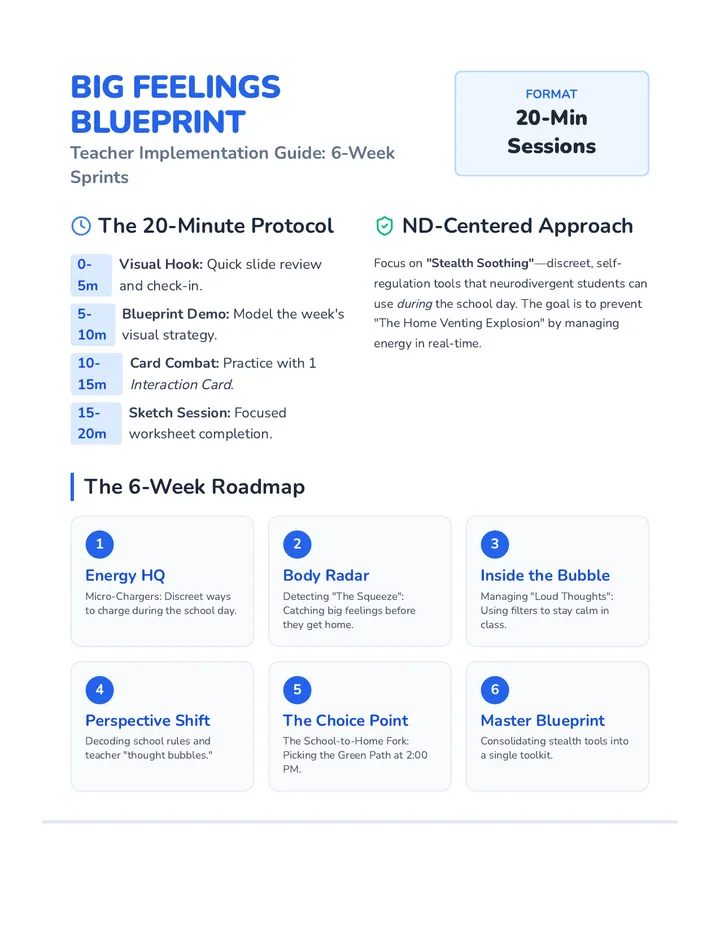
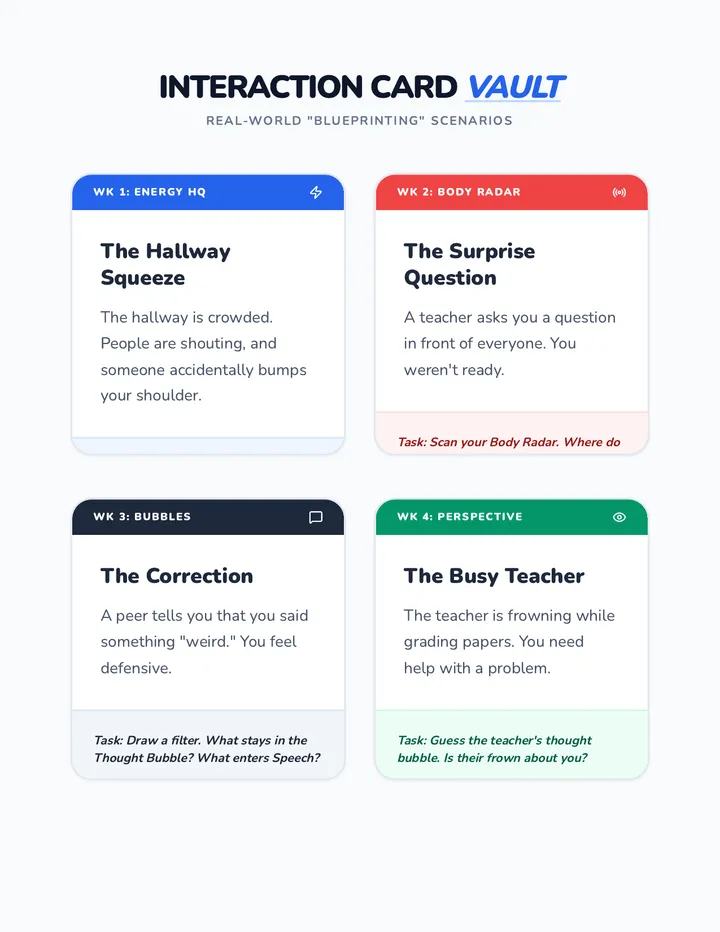
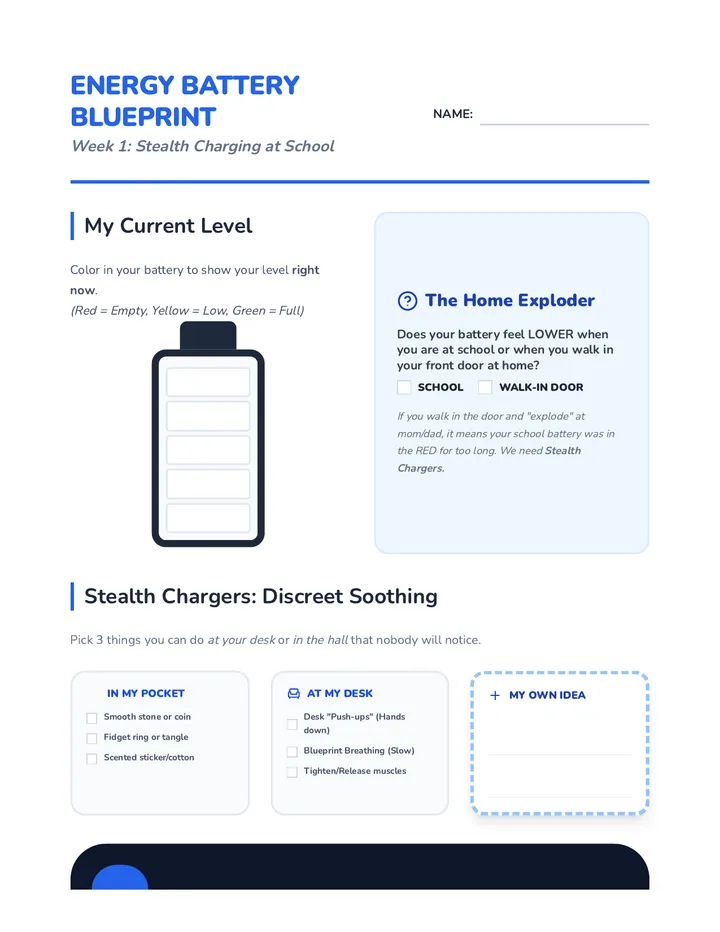
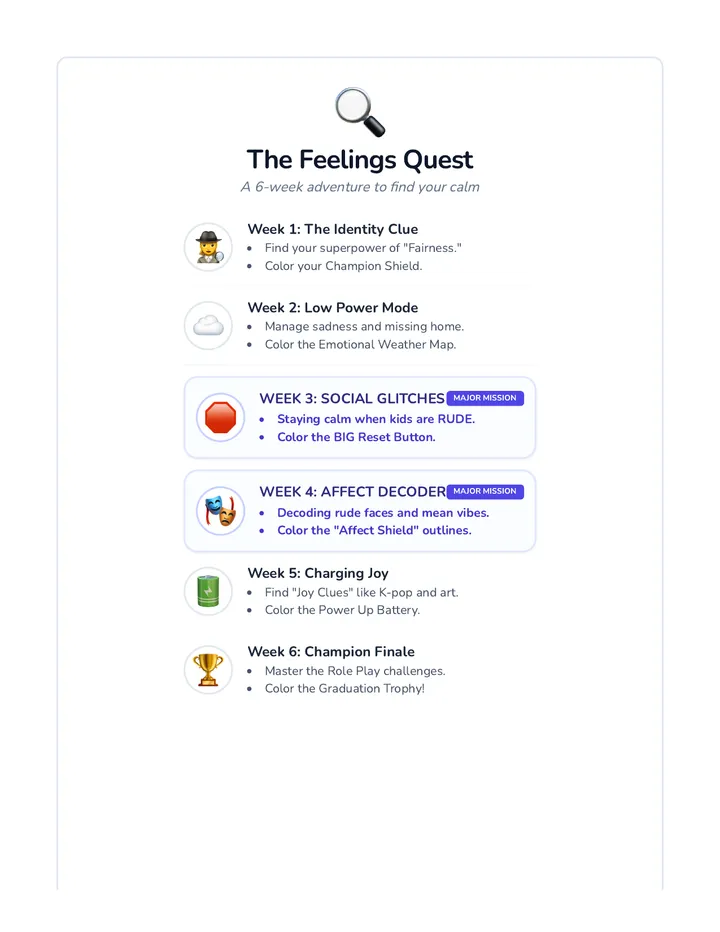
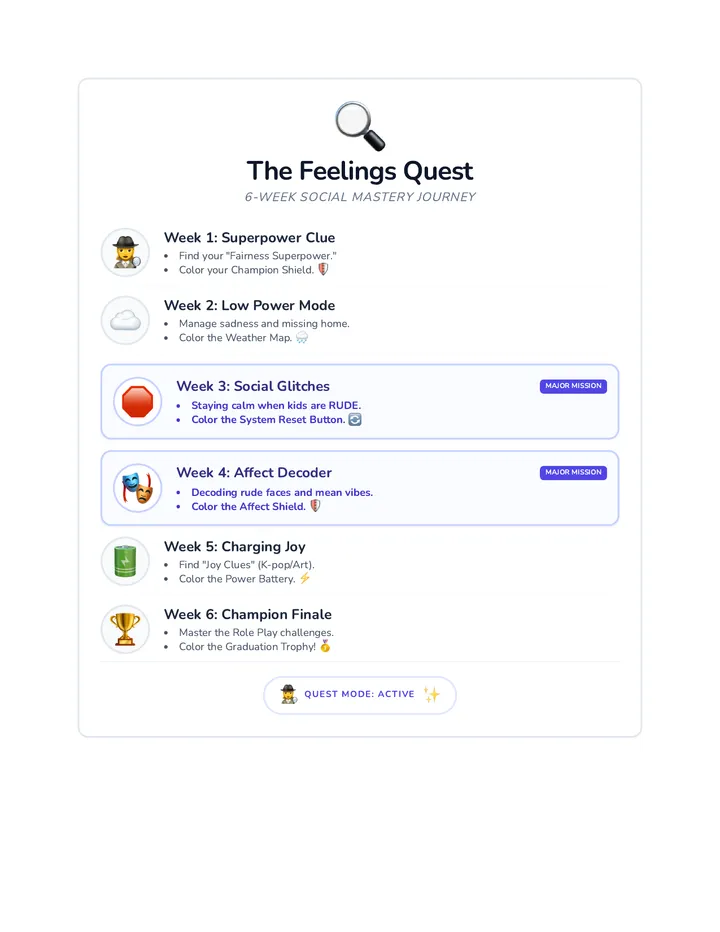
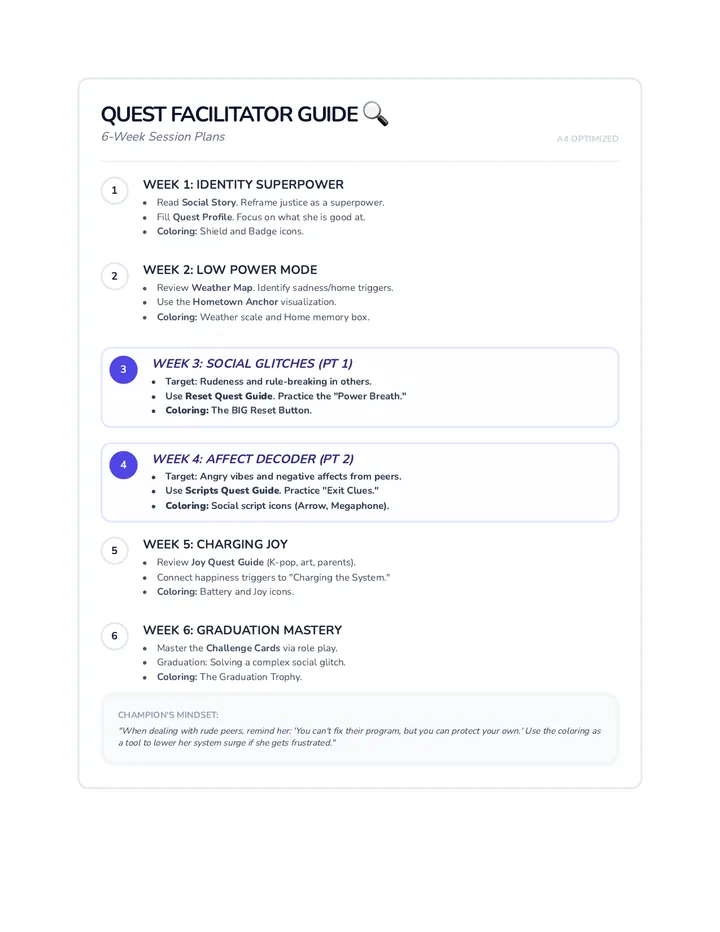
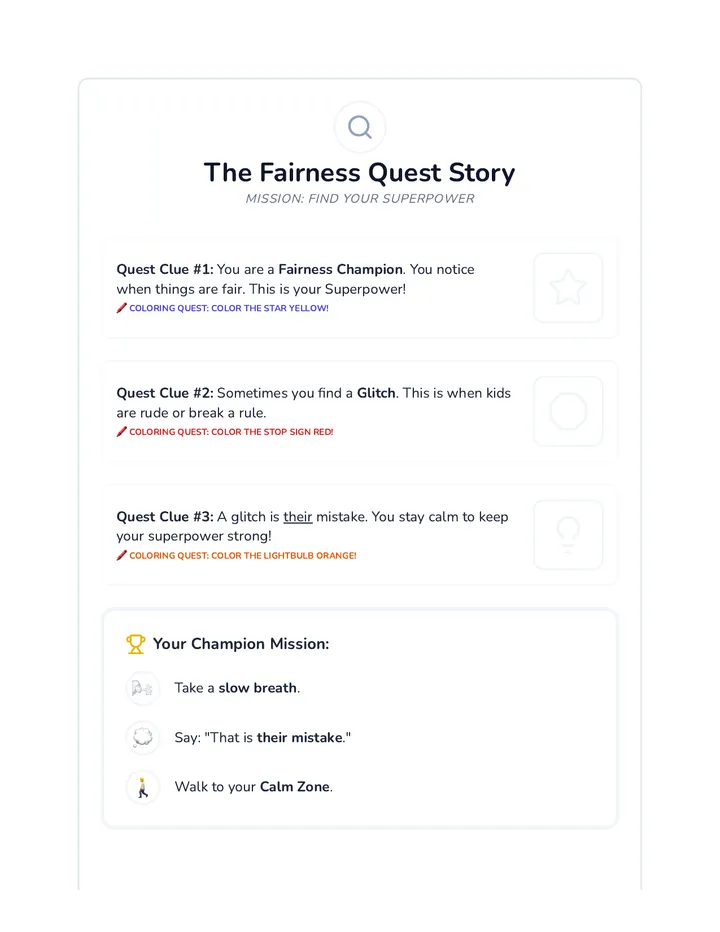
A 6-week social-emotional learning program for teenagers on the autism spectrum, delivered in focused 20-minute sessions. The program uses visual "blueprints" to teach energy management, body awareness, and Comic Strip Conversation techniques for emotional regulation and perspective taking.
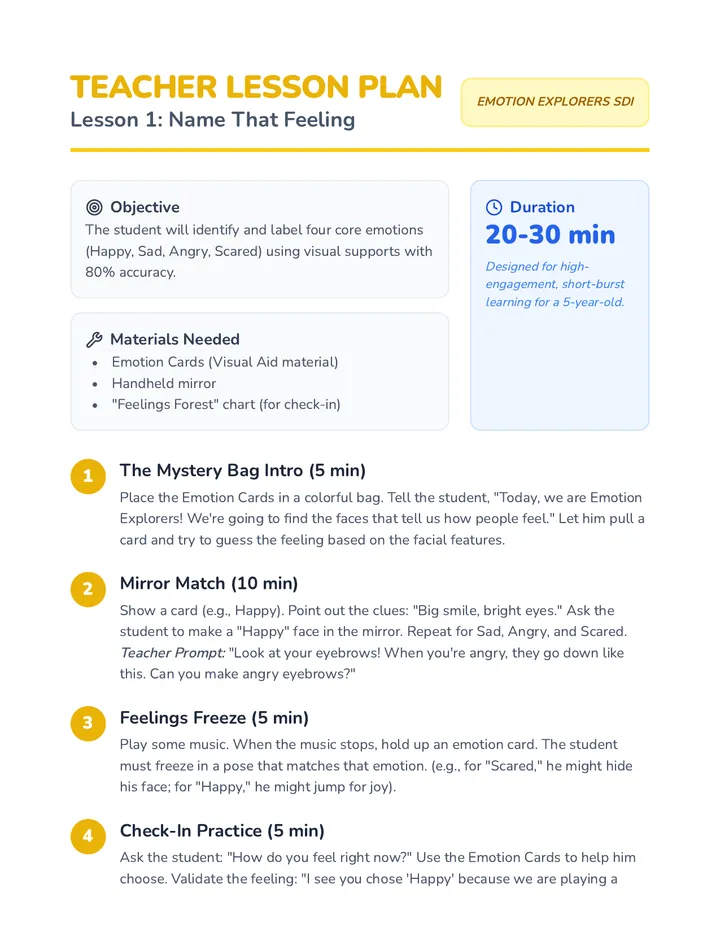
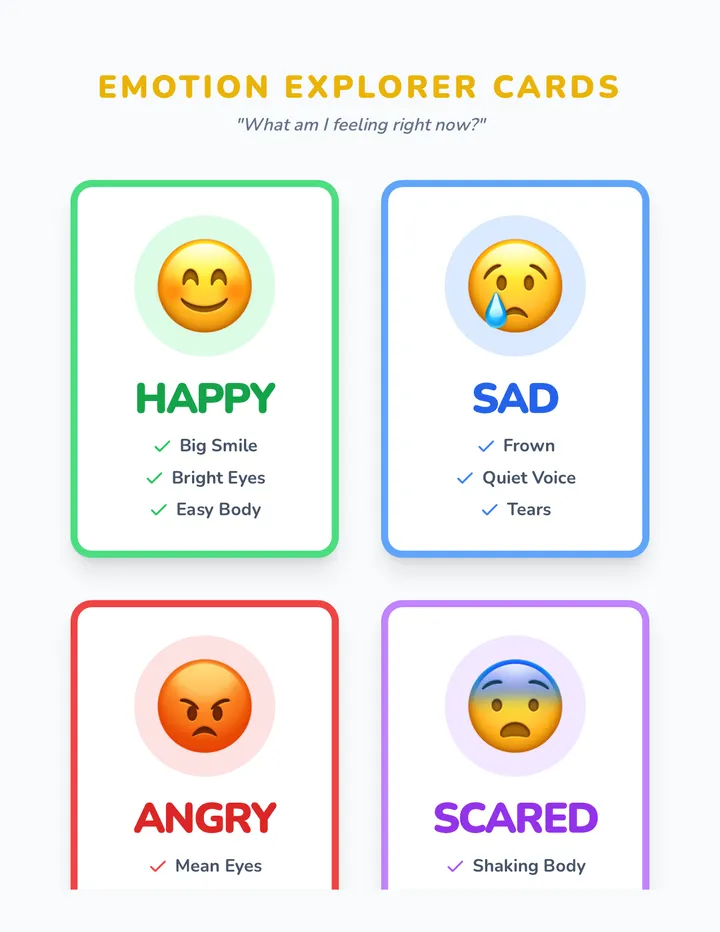
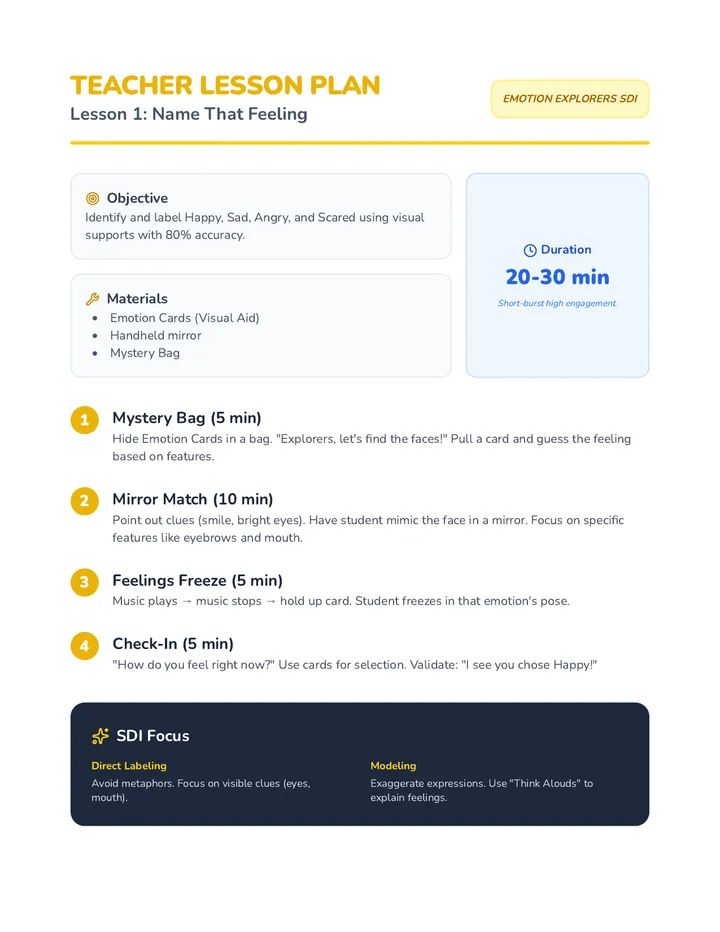
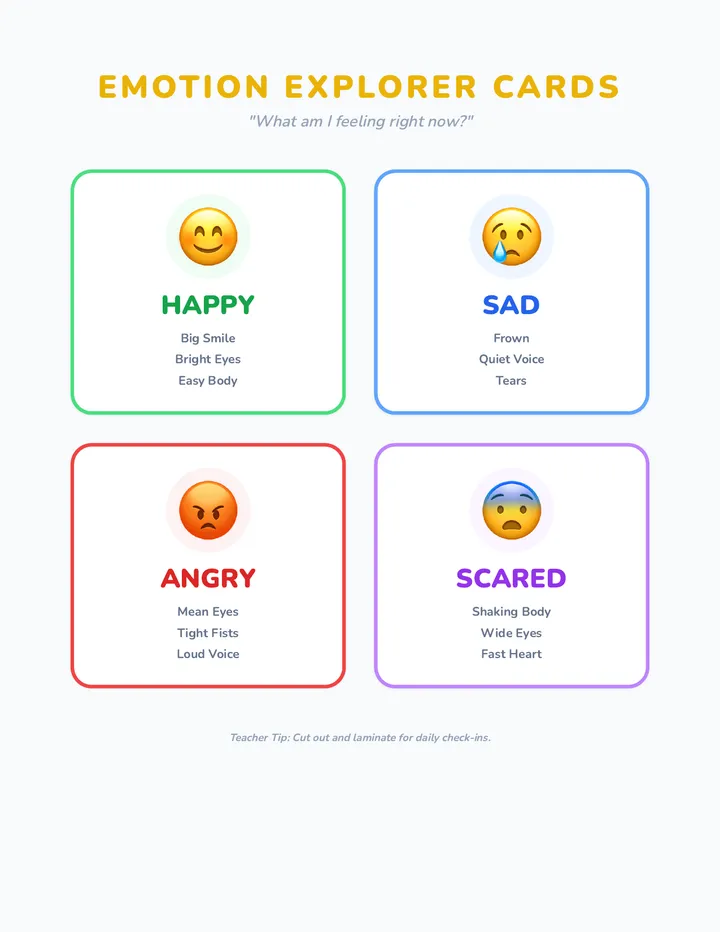
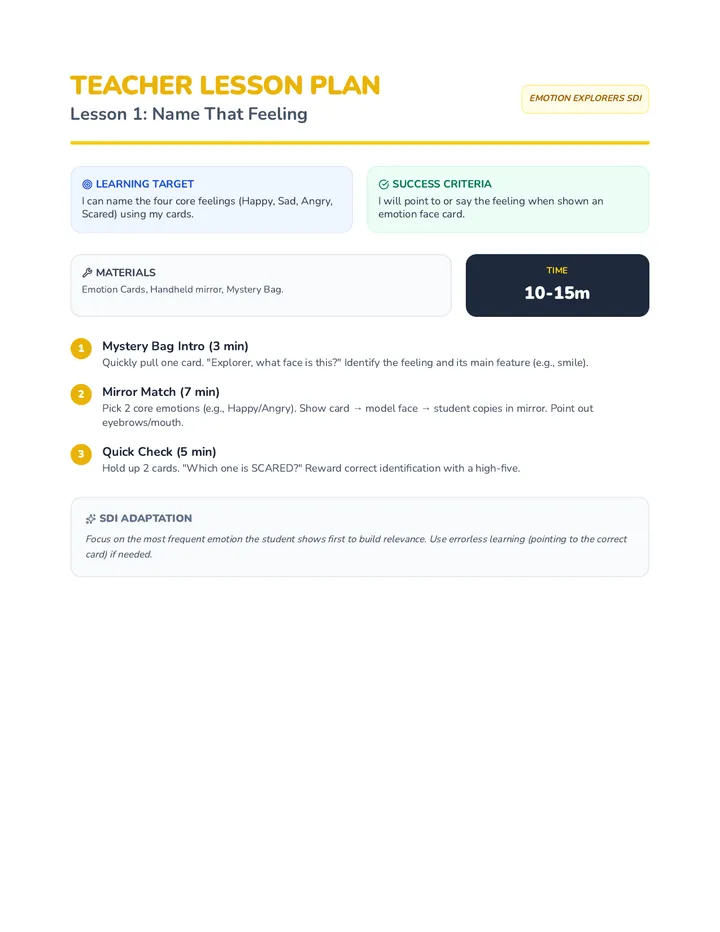
An 8-lesson SDI series designed for a 5-year-old student to develop emotional regulation skills, covering emotion identification, body awareness, and specific calming strategies like breathing and sensory tools.
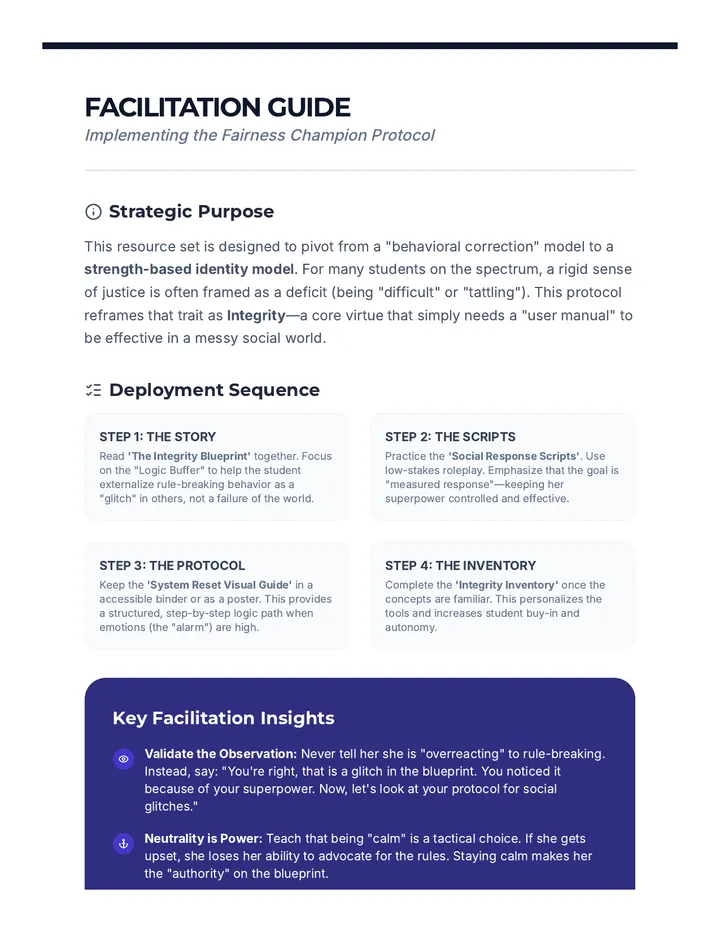
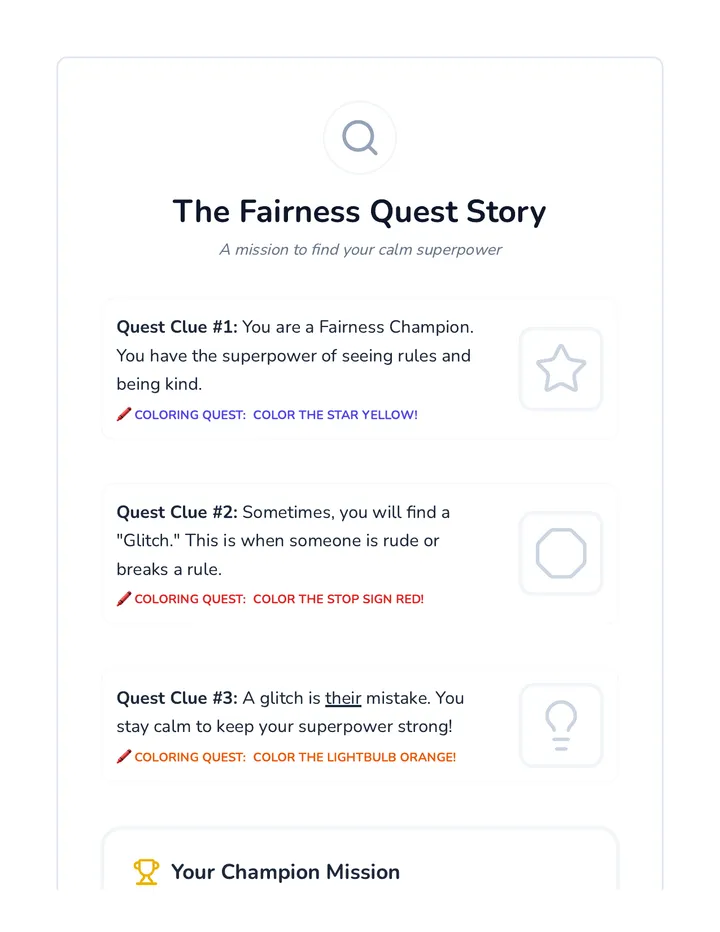
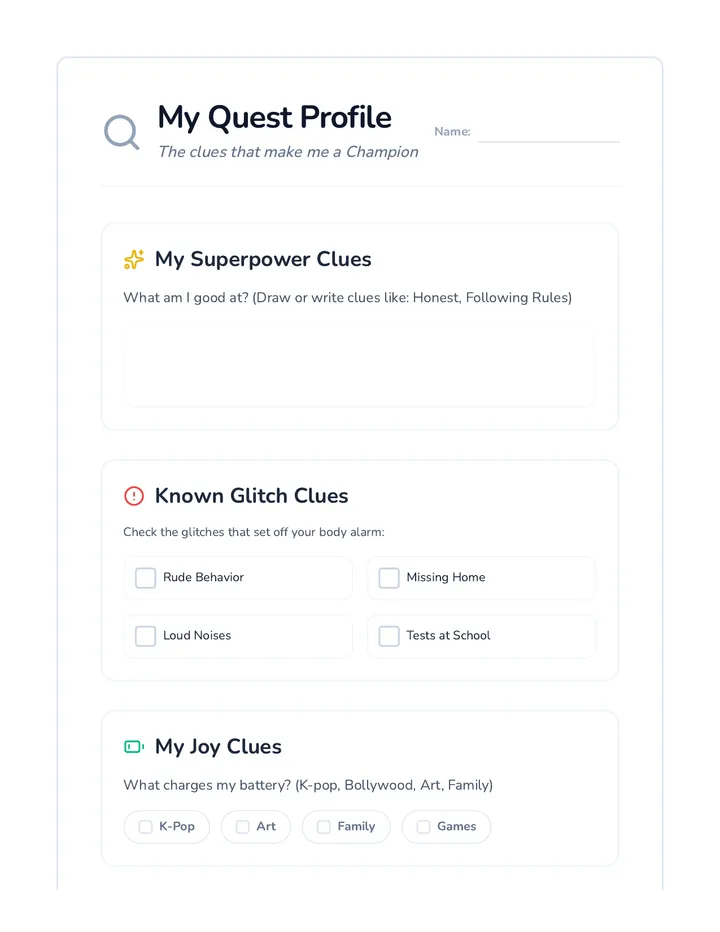
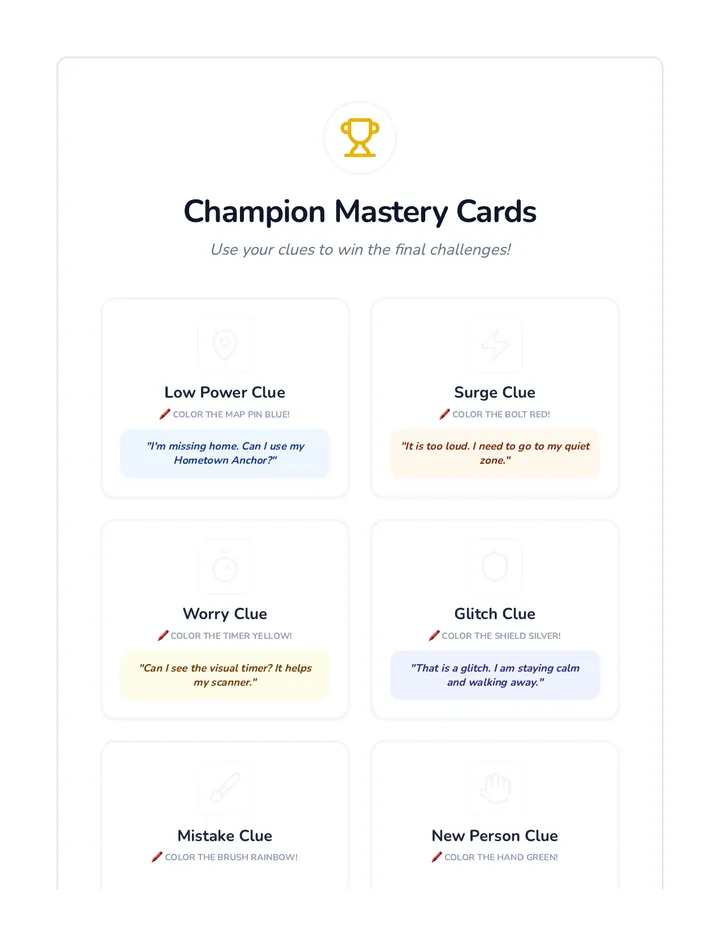
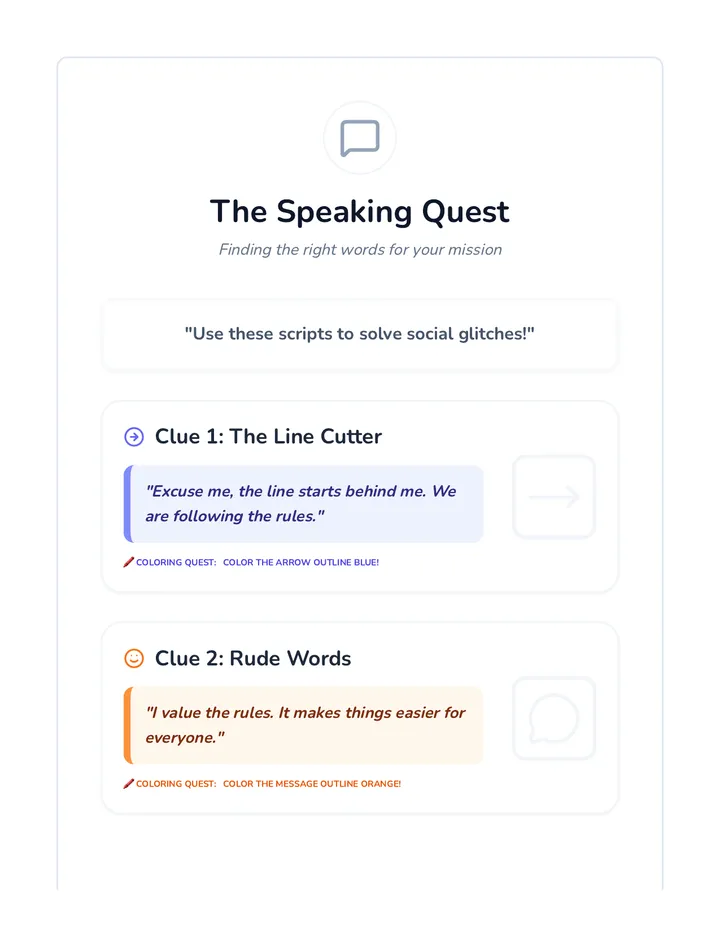
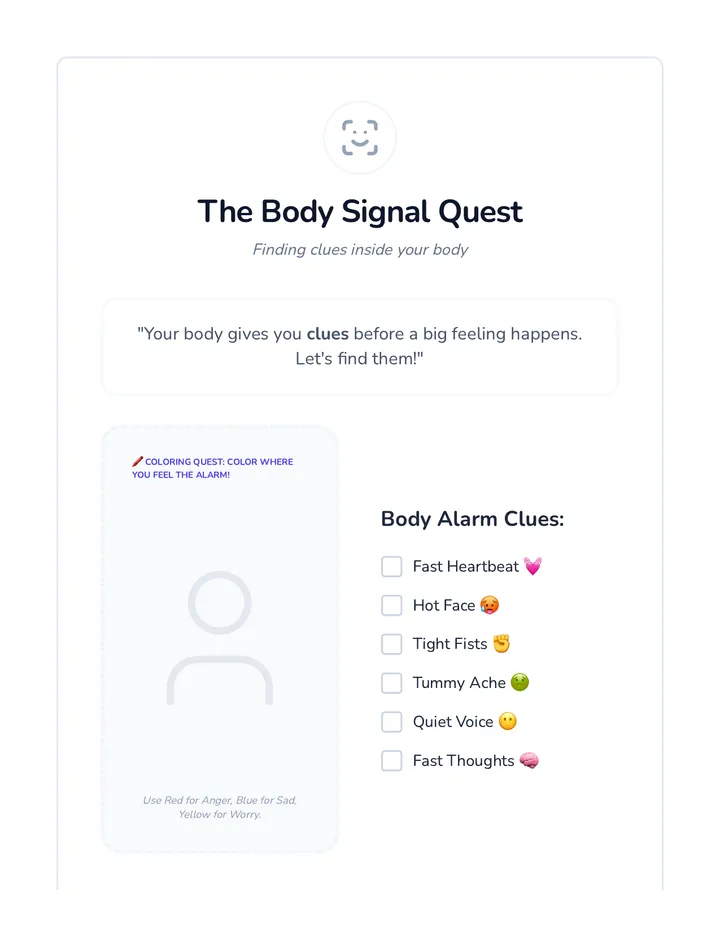
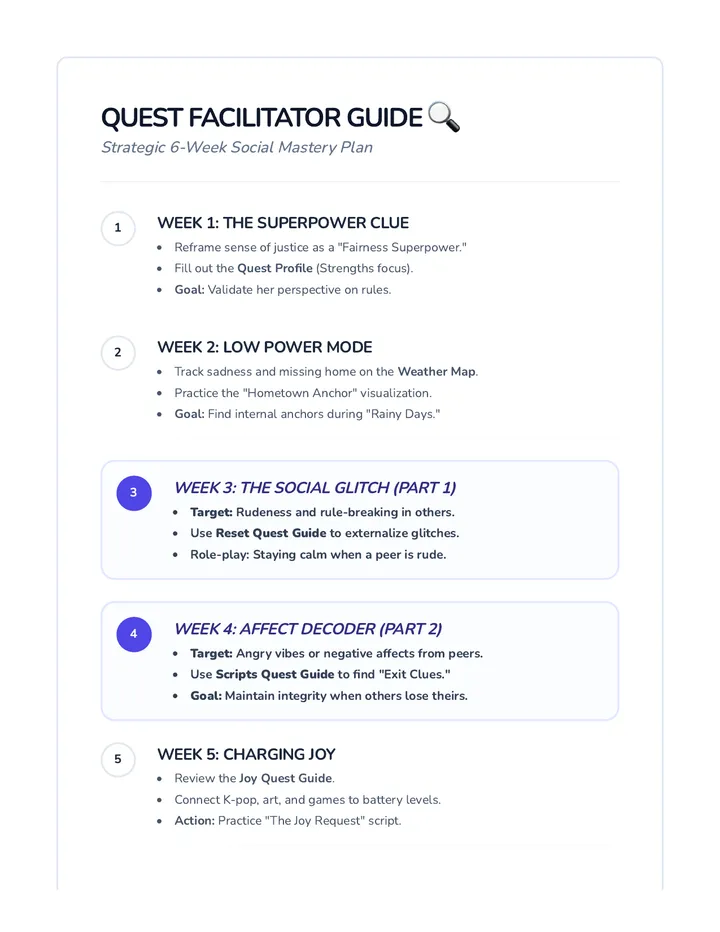
A 6-week social-emotional learning curriculum for a 13-year-old girl on the autism spectrum, focusing on managing specific triggers through a strength-based "Integrity Blueprint" lens.
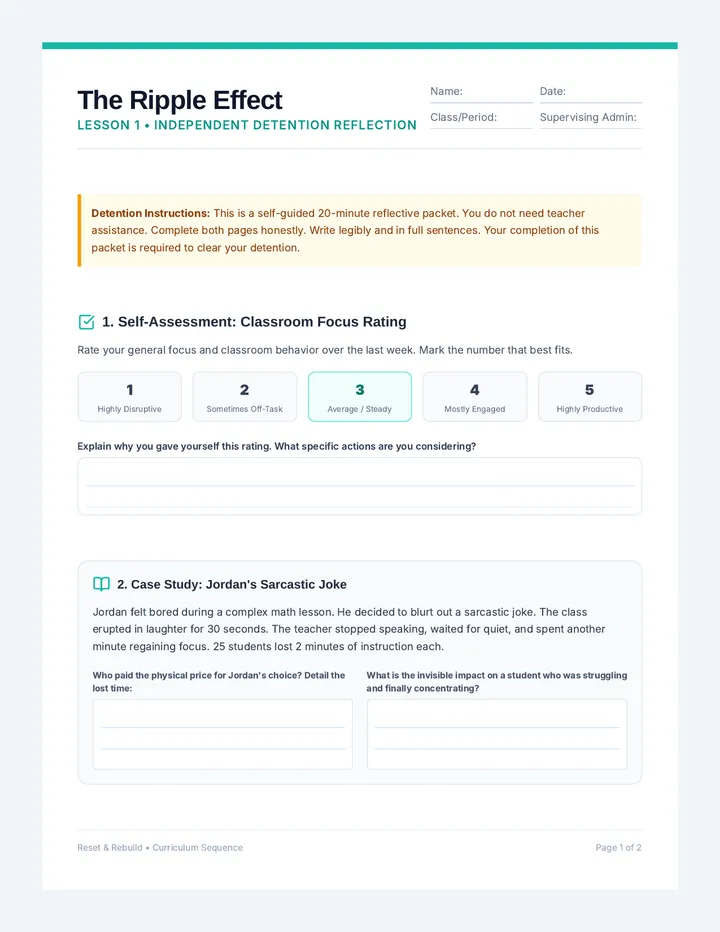
A ten-part progressive behavior intervention sequence designed for 7th and 8th-grade students who disrupt classroom environments. Each independent lesson contains a visual instructional slide deck and a reflective worksheet that guide the student through self-regulation, empathy, and accountability.
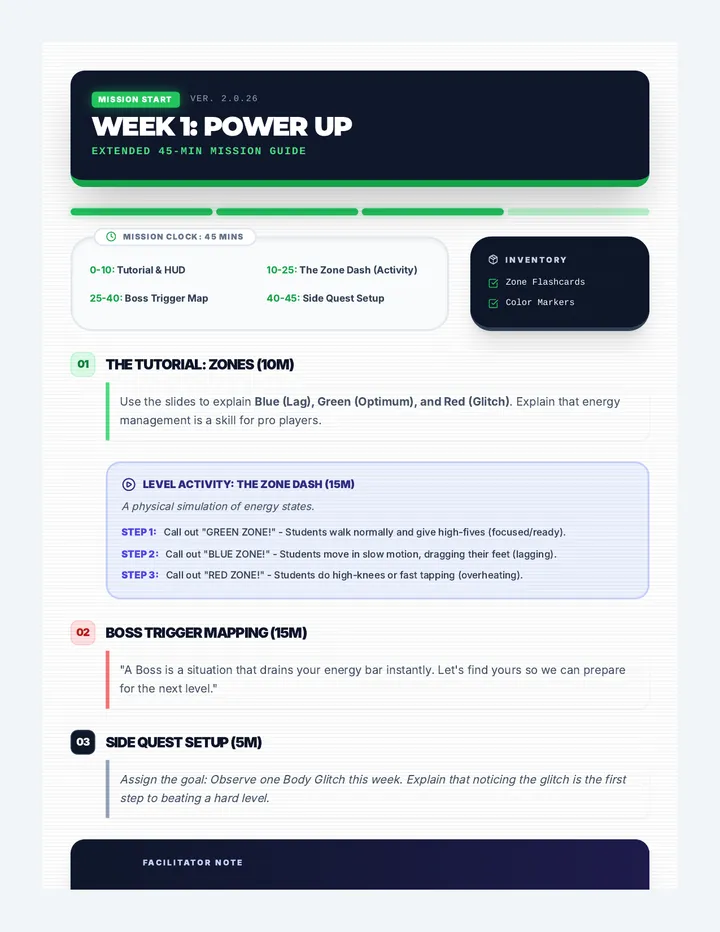
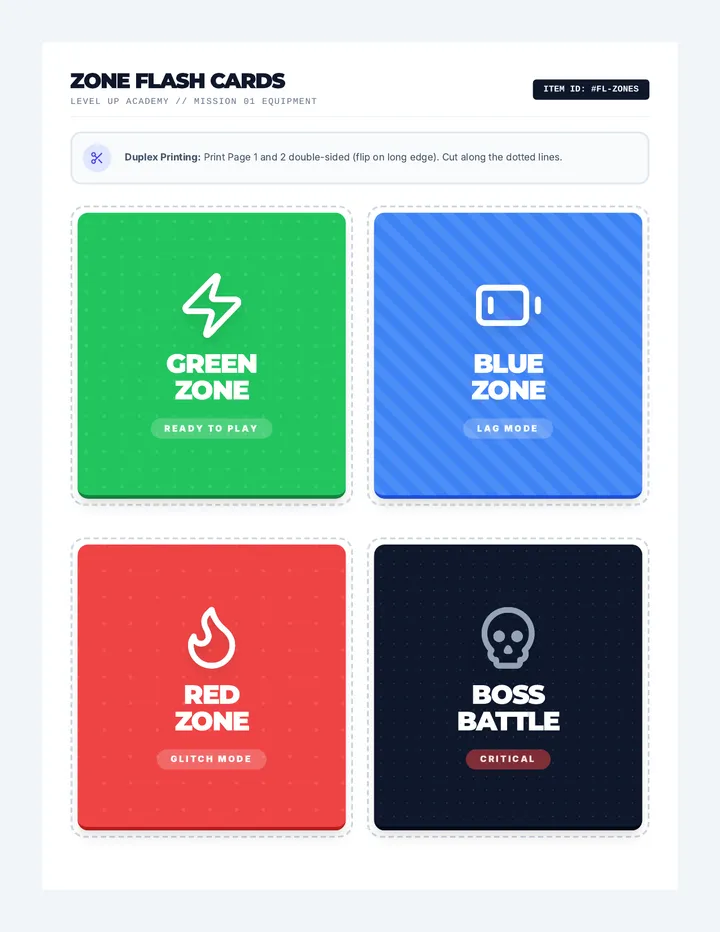
A 6-week social-emotional learning curriculum designed for 4th-grade students with ADHD, focusing on self-regulation, flexible thinking, and respectful communication through a high-engagement 'Level Up' video game theme.
A comprehensive unit on emotional self-regulation, covering the identification of internal states and the application of effective regulation strategies to maintain focus and well-being.
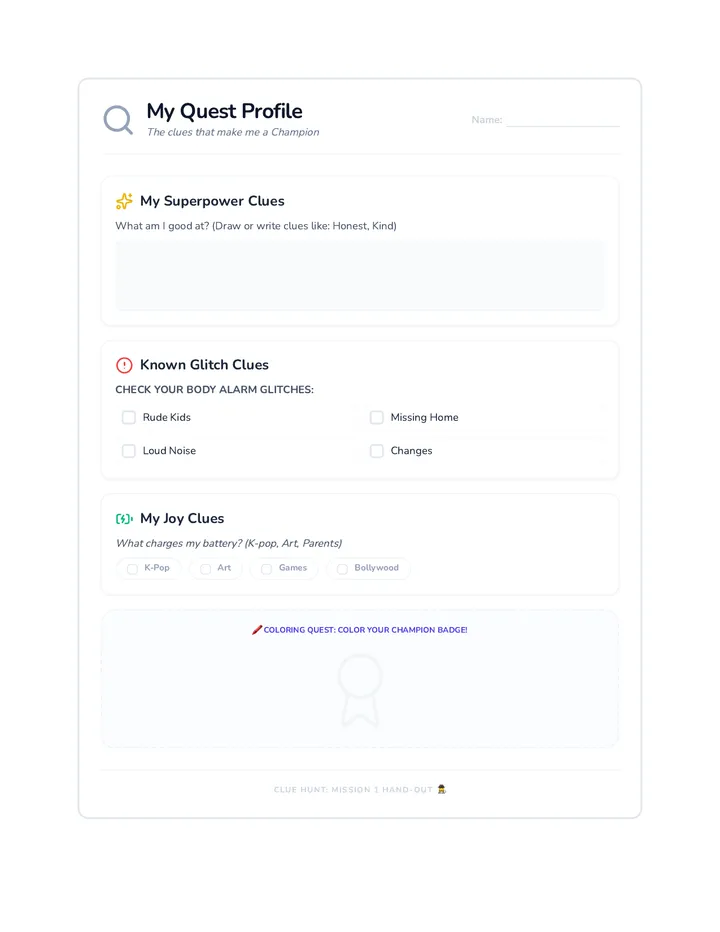
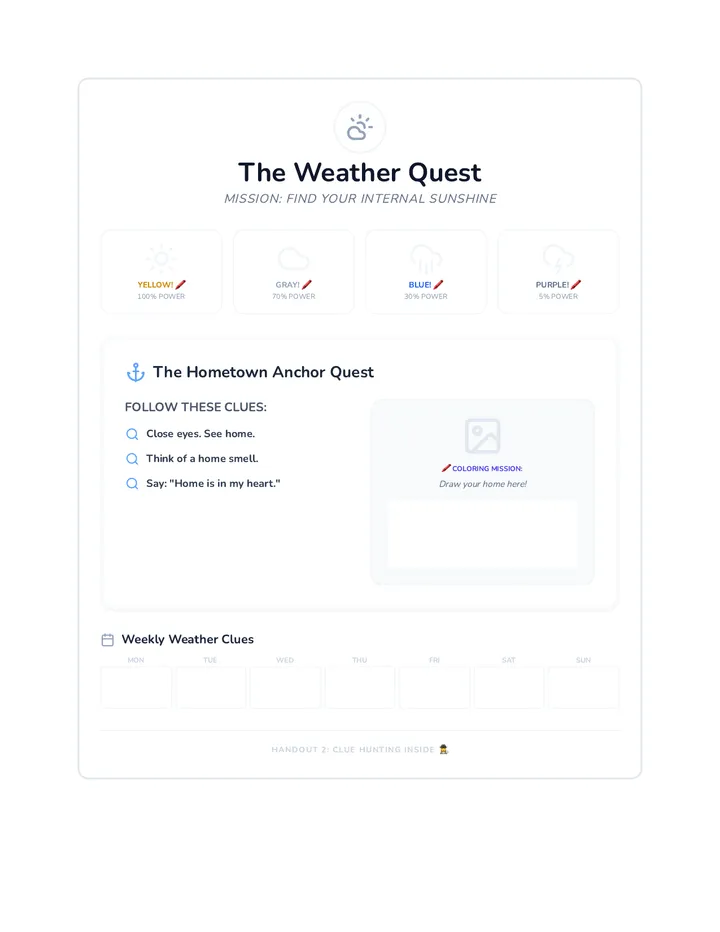
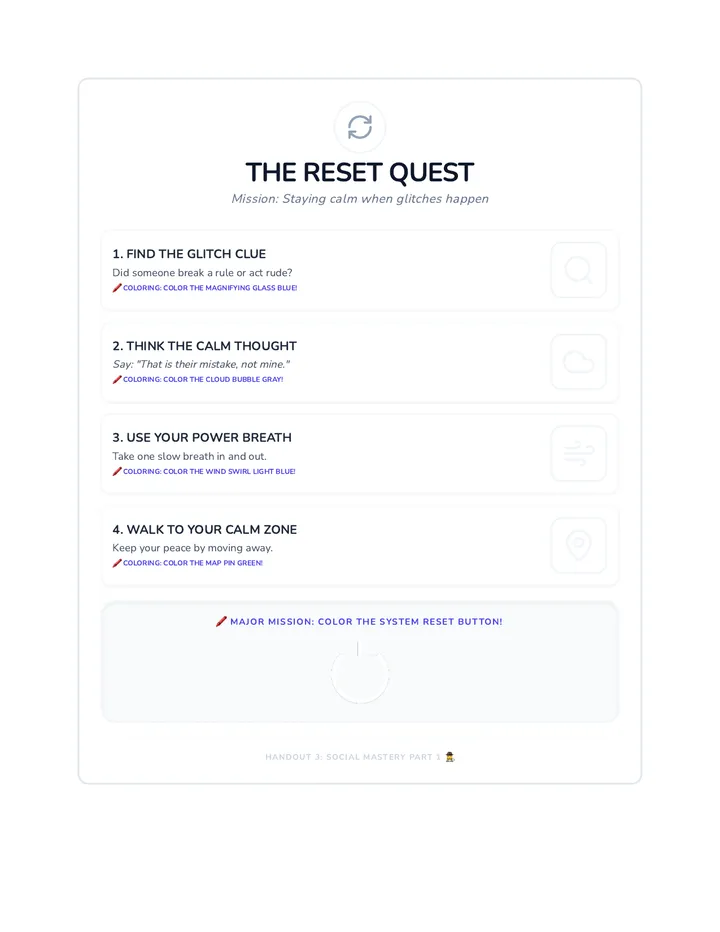
A comprehensive 6-week social skills and problem-solving program designed specifically for 2nd-grade students with ASD. The sequence uses a 'Social Detective' theme to teach self-regulation, perspective taking, empathy, and social problem-solving through visual supports and concrete activities.
A comprehensive detective-themed curriculum designed to help students with ASD develop interoceptive awareness. Students learn to identify physical clues for a wide range of emotions through movement, visual mapping, and scenario-based problem solving.
A Tier 3 social-emotional curriculum designed for middle school students on the autism spectrum, focusing on self-regulation, social cues, and conflict resolution through a 'Social Architect' theme.
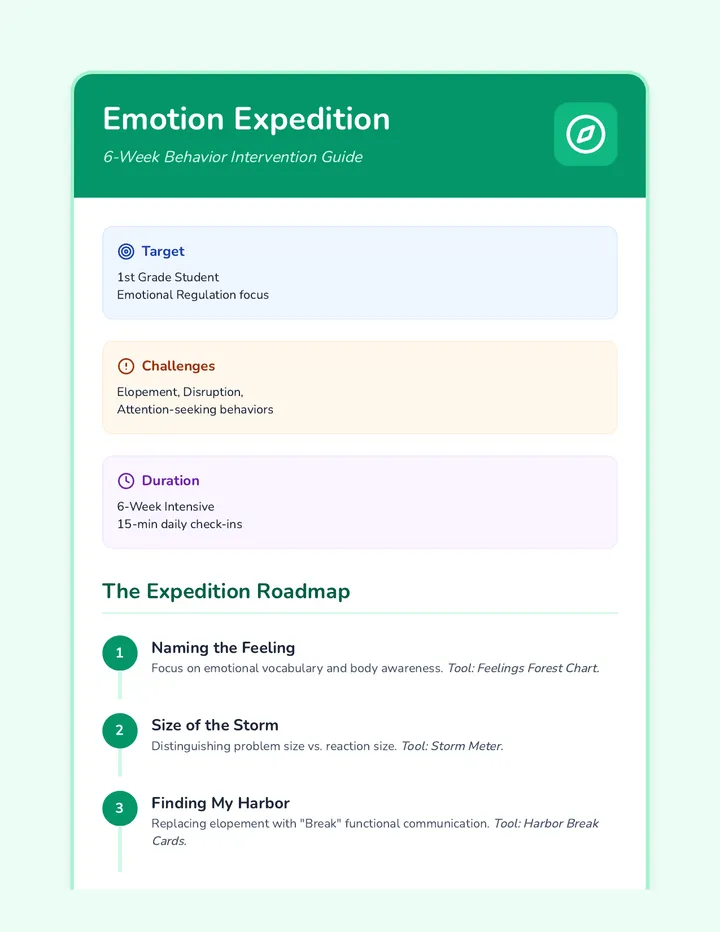
A 6-week individual behavior intervention sequence for 1st grade students struggling with emotional regulation, elopement, and attention-seeking behaviors. The sequence focuses on identifying feelings, sizing problems, and using functional communication to seek attention appropriately.
A 10-session social skills curriculum designed for 1st graders with autism and ADHD, focusing on social behaviors, boundaries, and emotional regulation using a "Social Stars" space quest theme.
A Kindergarten sequence focused on building cognitive flexibility and emotional regulation when visual schedules change. Students learn to use specific visuals like 'Oops' cards, substitution icons, and 'Surprise' markers to navigate transitions and unexpected events calmly.
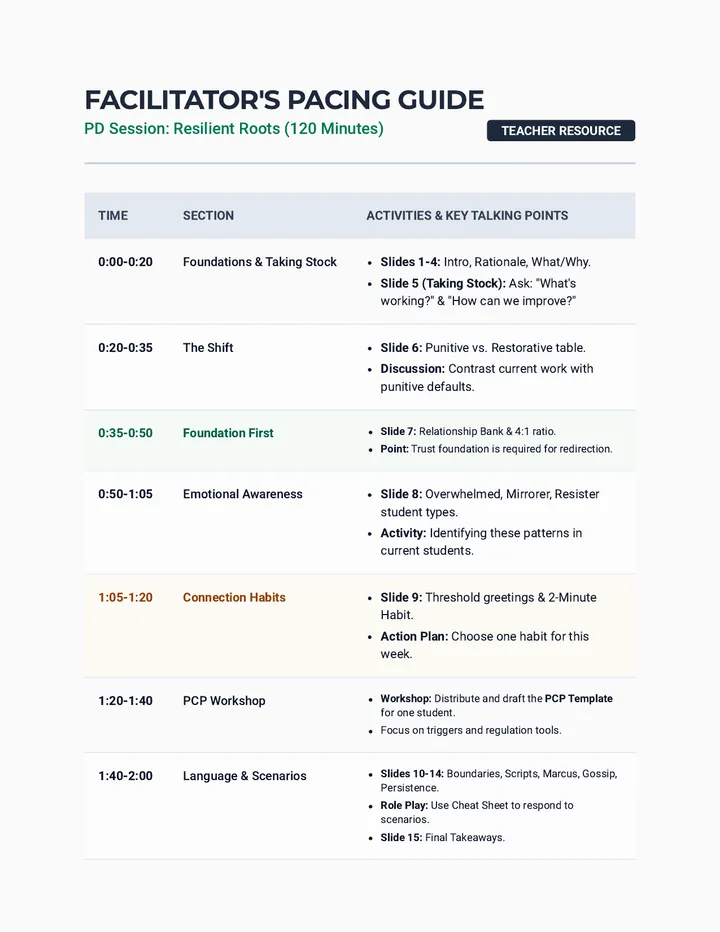
A professional development session focused on the GAIN MTSS framework for the Learning and Behavior Cycle. Participants will explore the neuroeducation of stress, stressload, and the eight specific zones of student regulation to implement more effective, attuned responses.
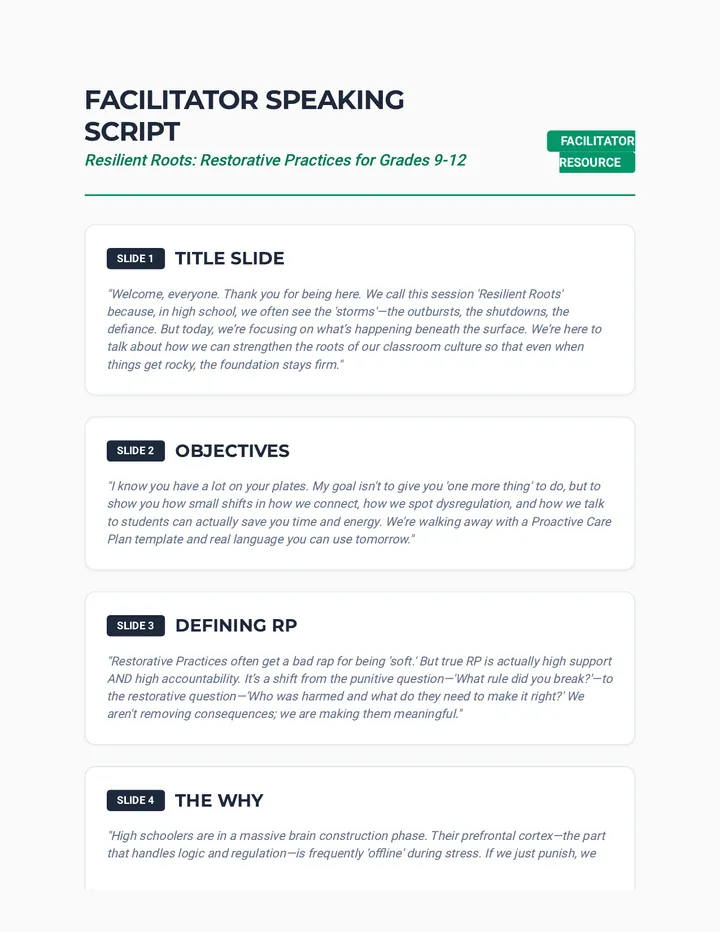
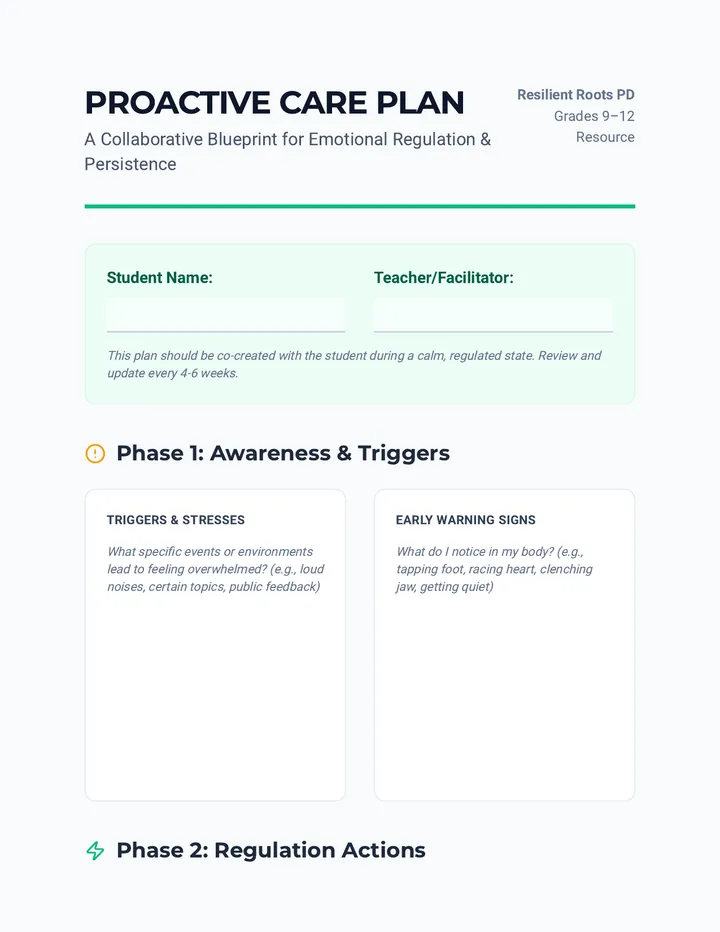
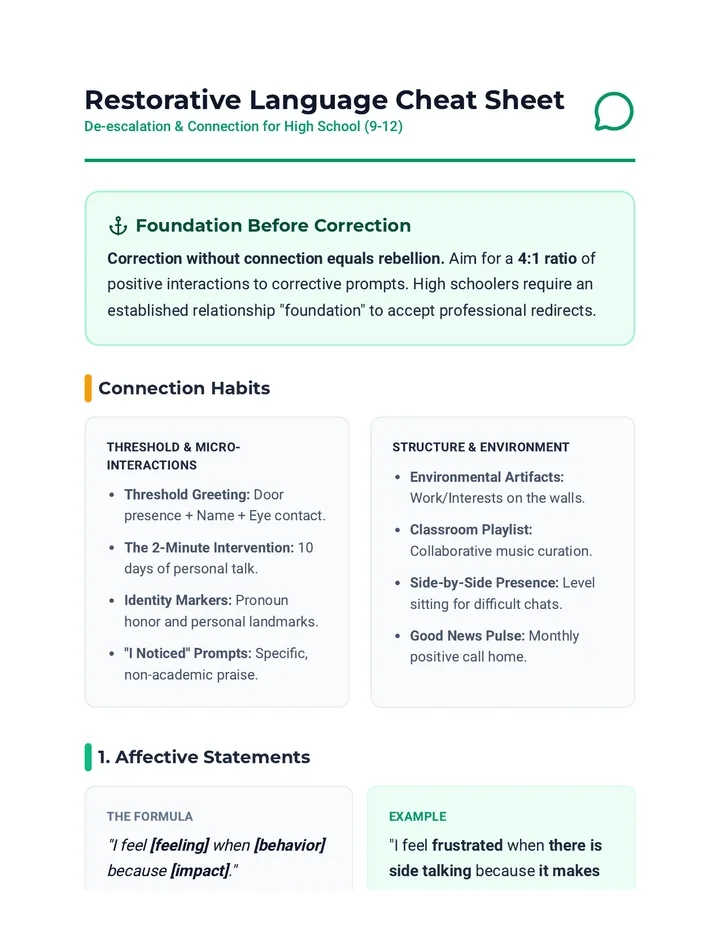
A professional development session for high school teachers focusing on restorative practices, emotional regulation, and the implementation of proactive care plans. This lesson equips educators with the tools to handle chronic emotional challenges and foster deep connection with students in grades 9-12.
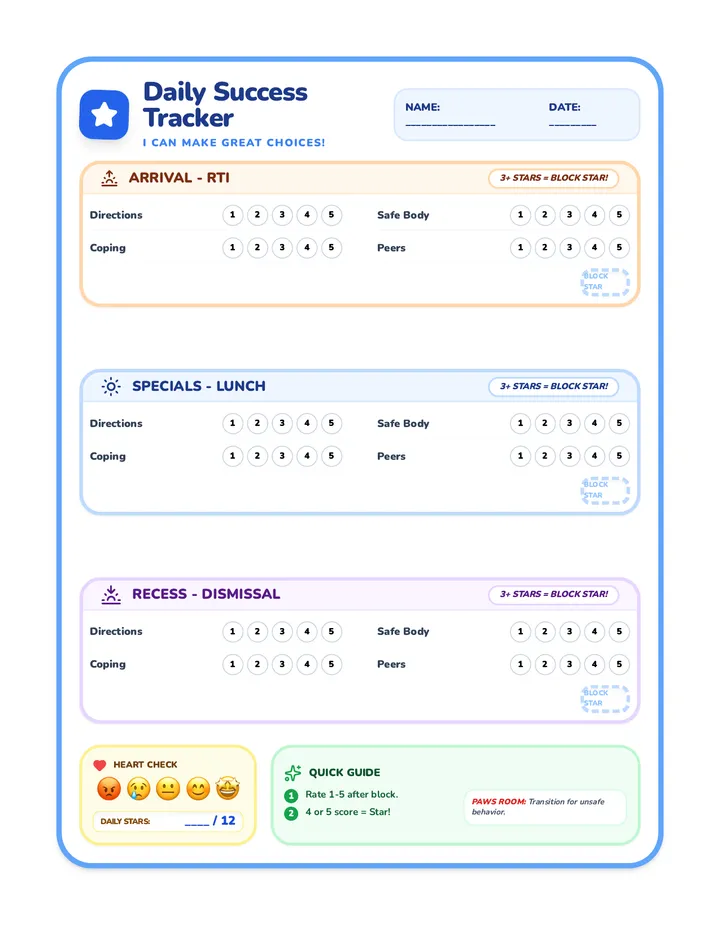
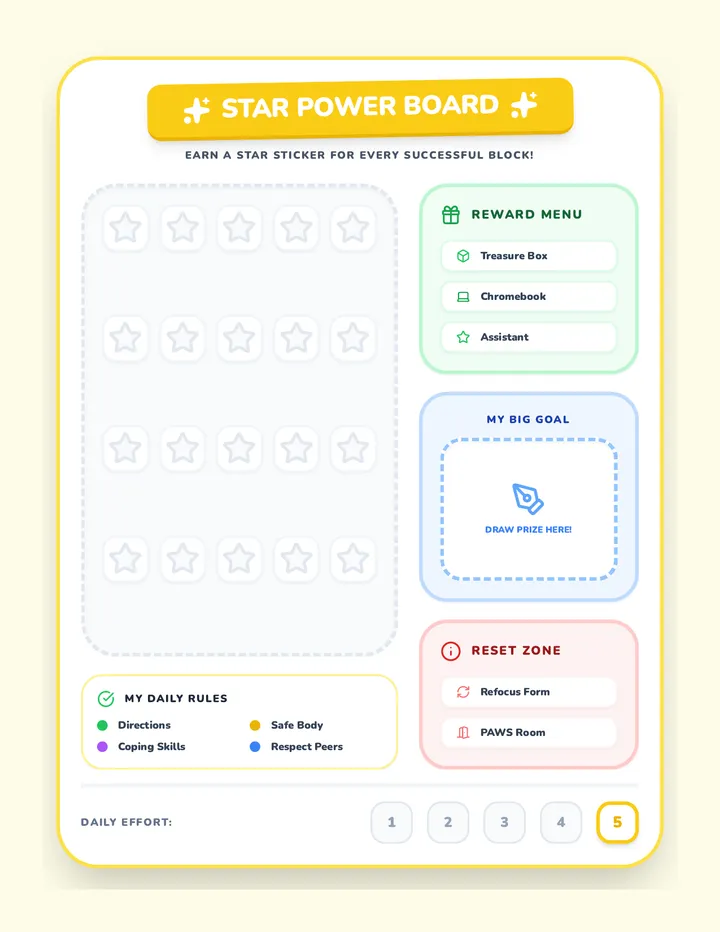
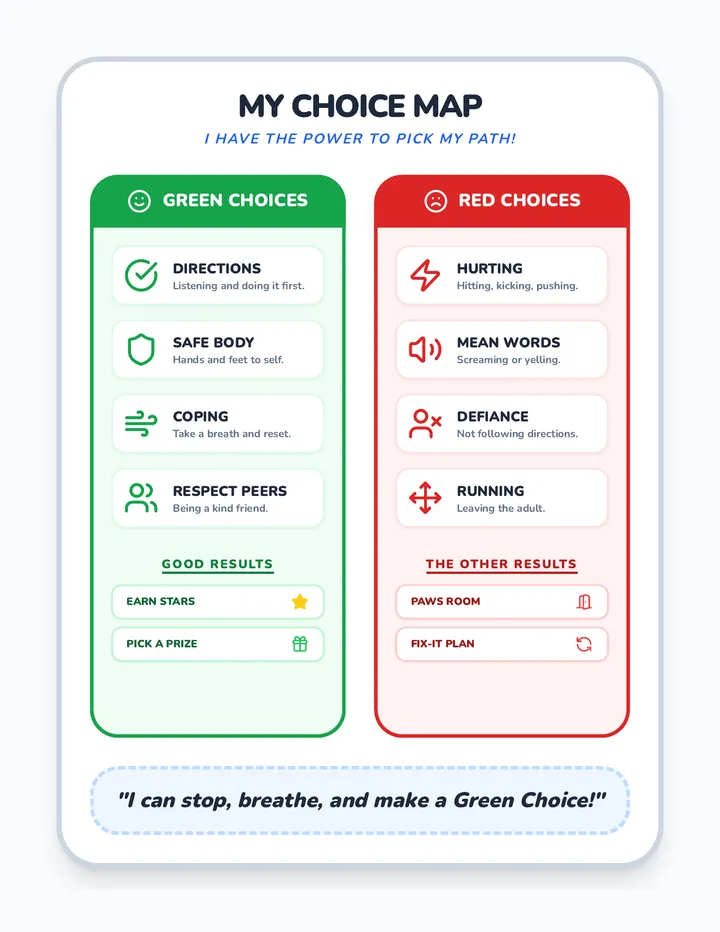
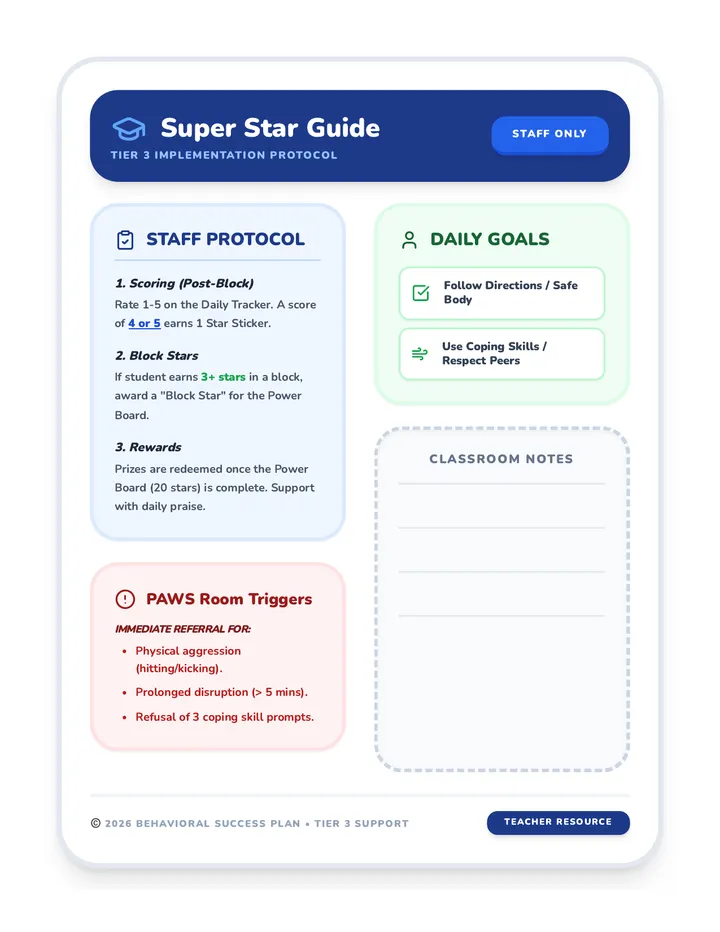
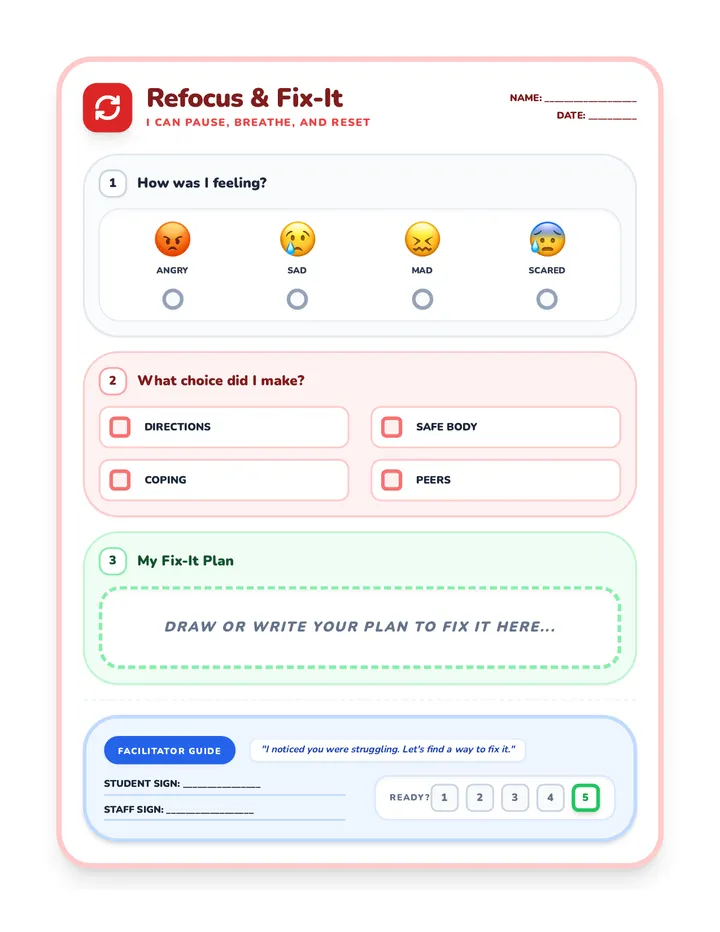
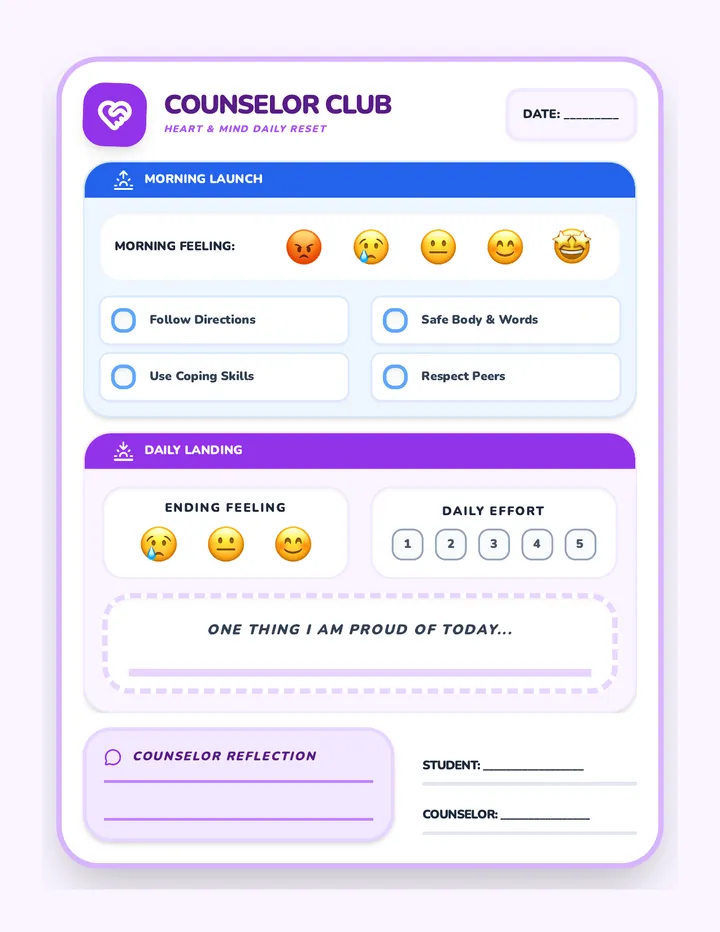
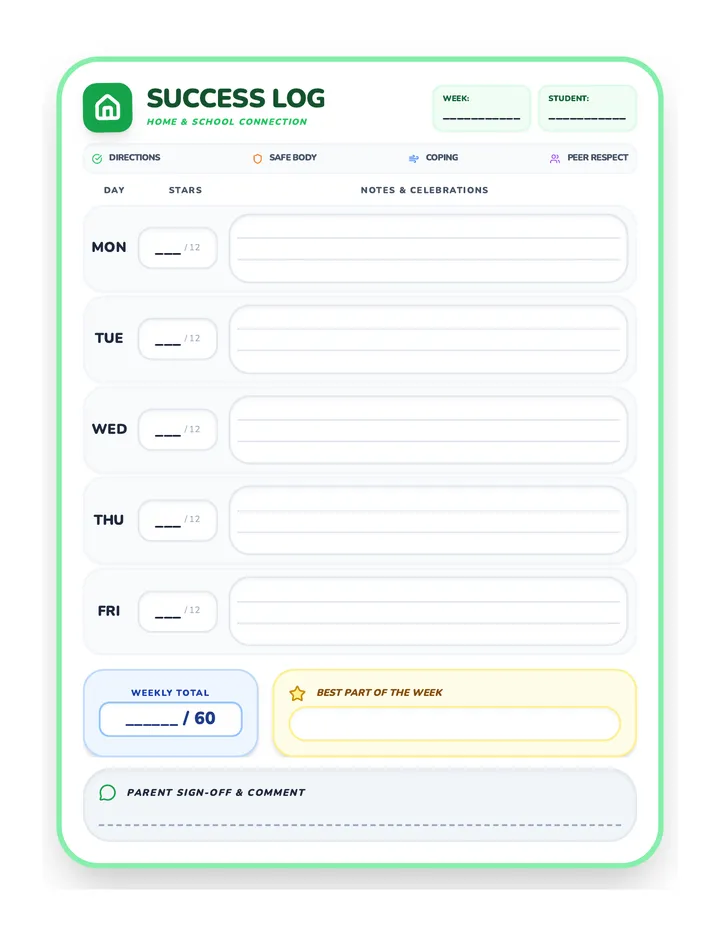
A comprehensive Tier 3 behavior support system for a second-grade student with ADHD, focusing on emotion regulation, safe choices, and positive reinforcement through a structured daily check-in/check-out (CICO) process.
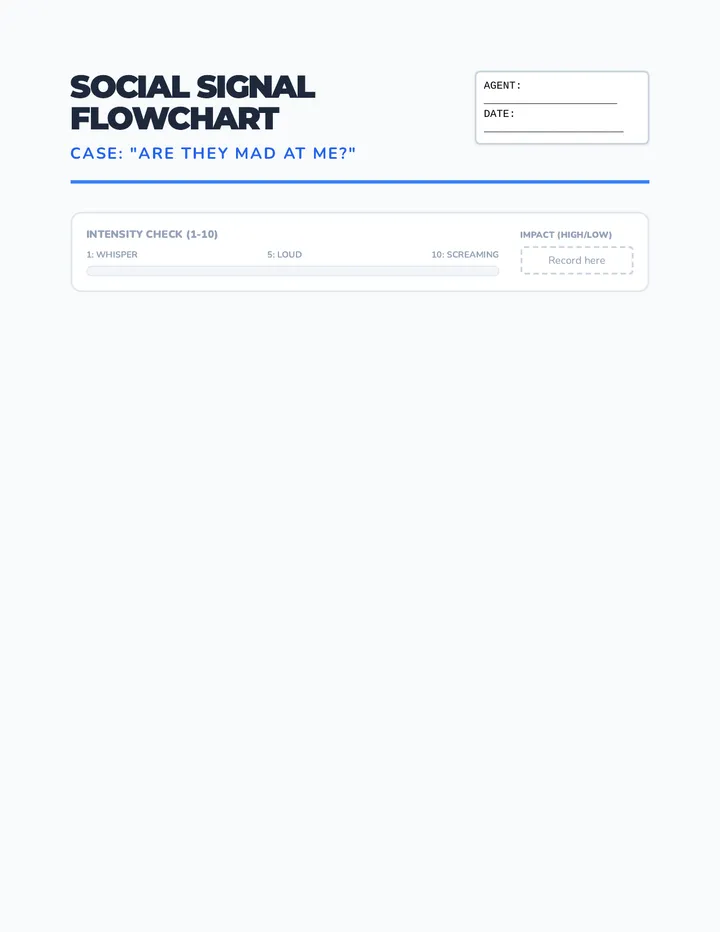
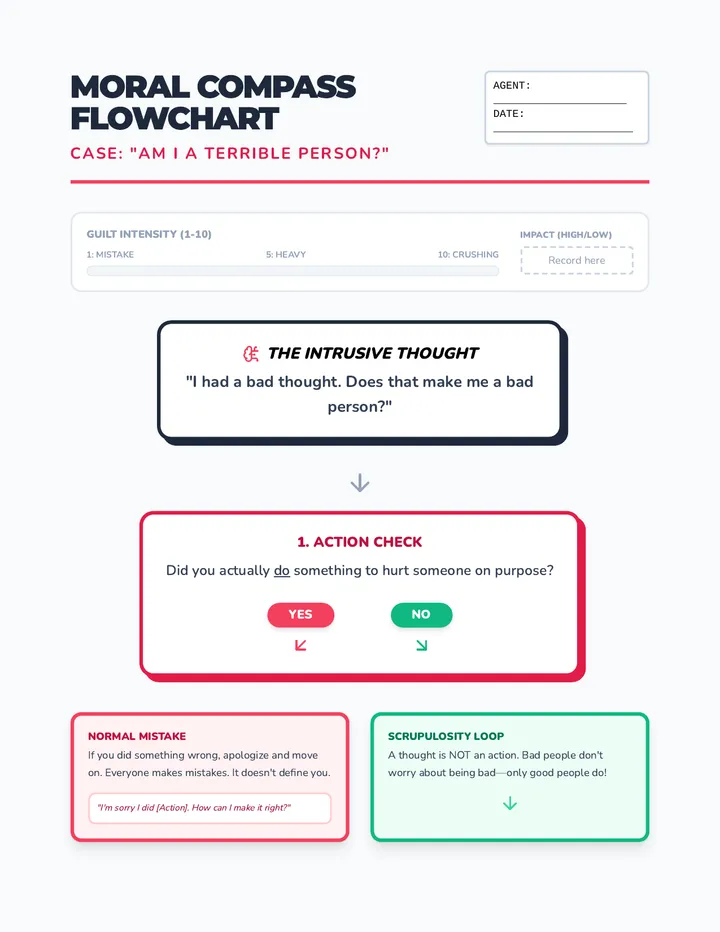
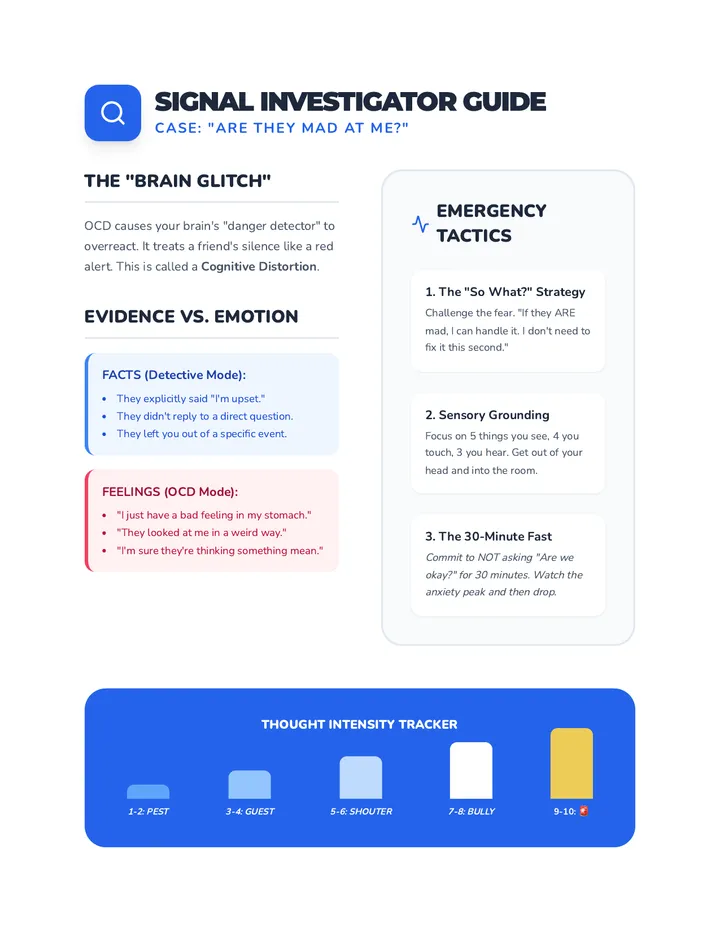
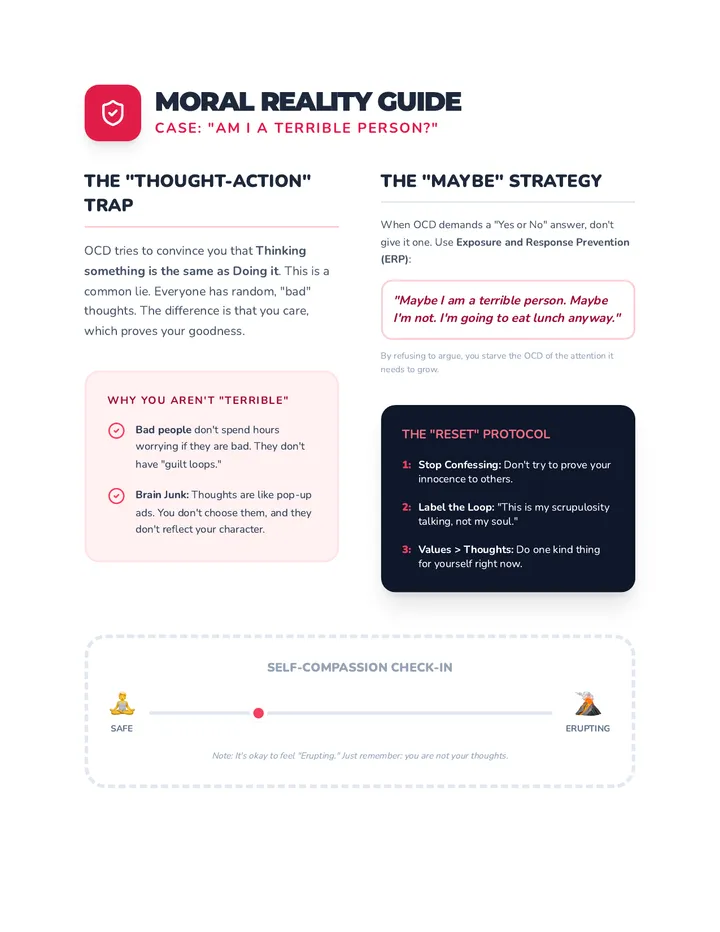
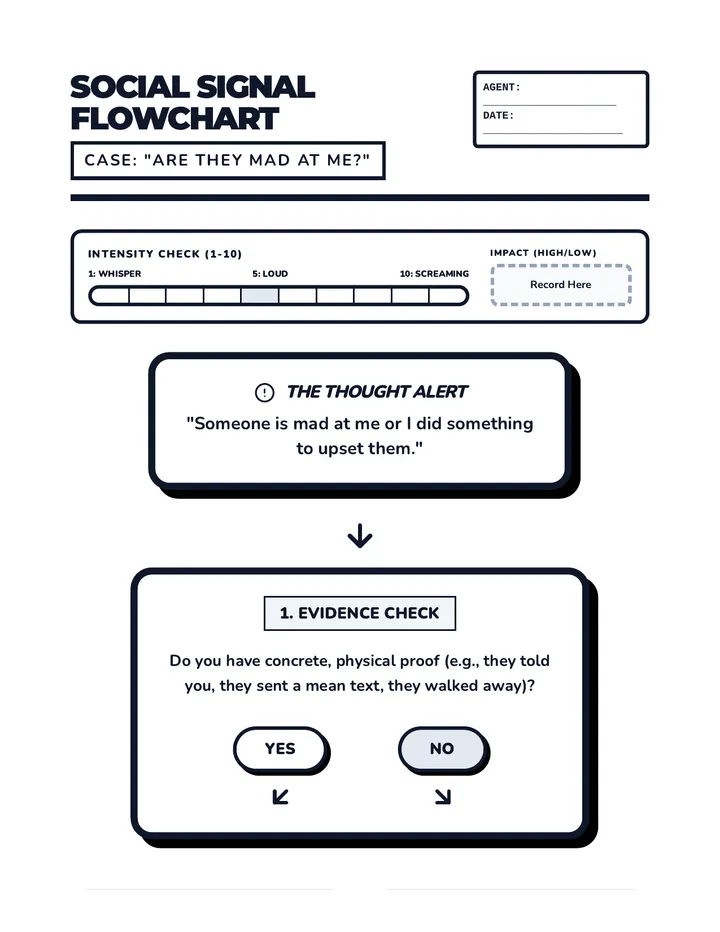
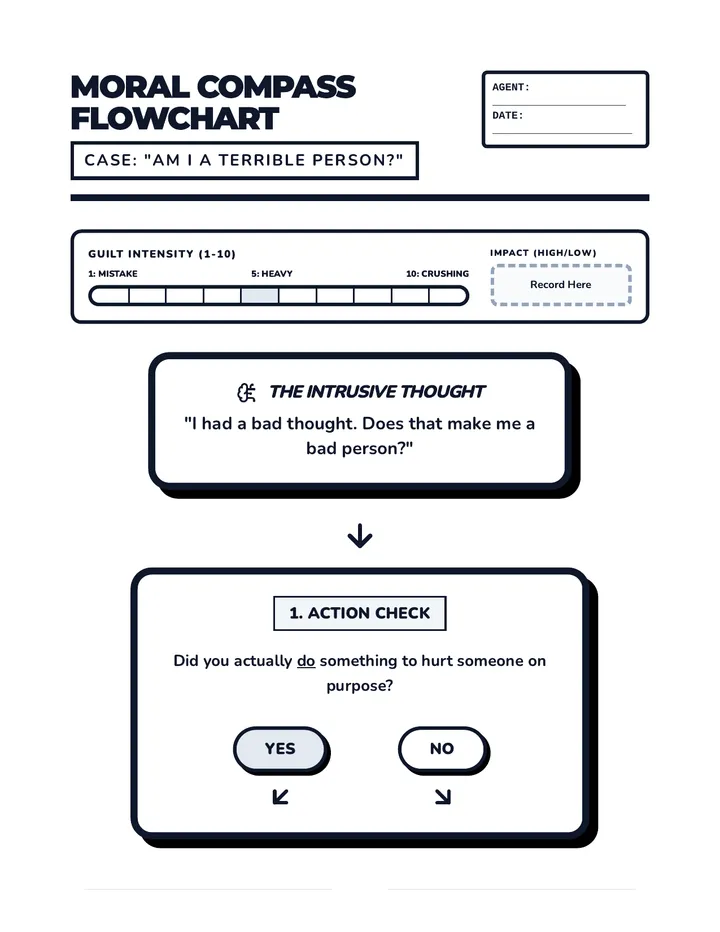
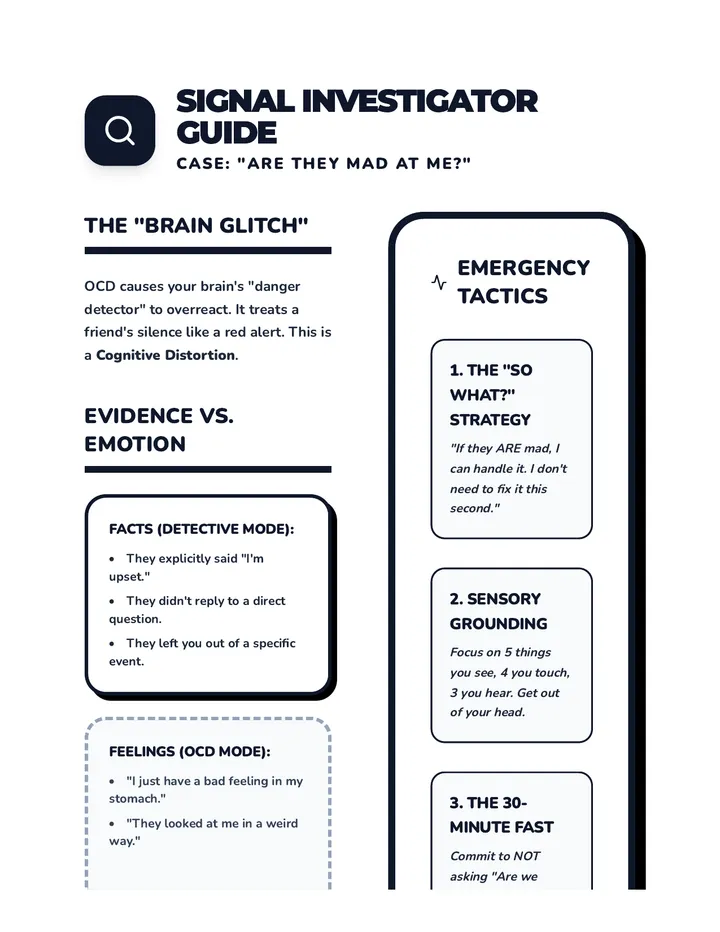
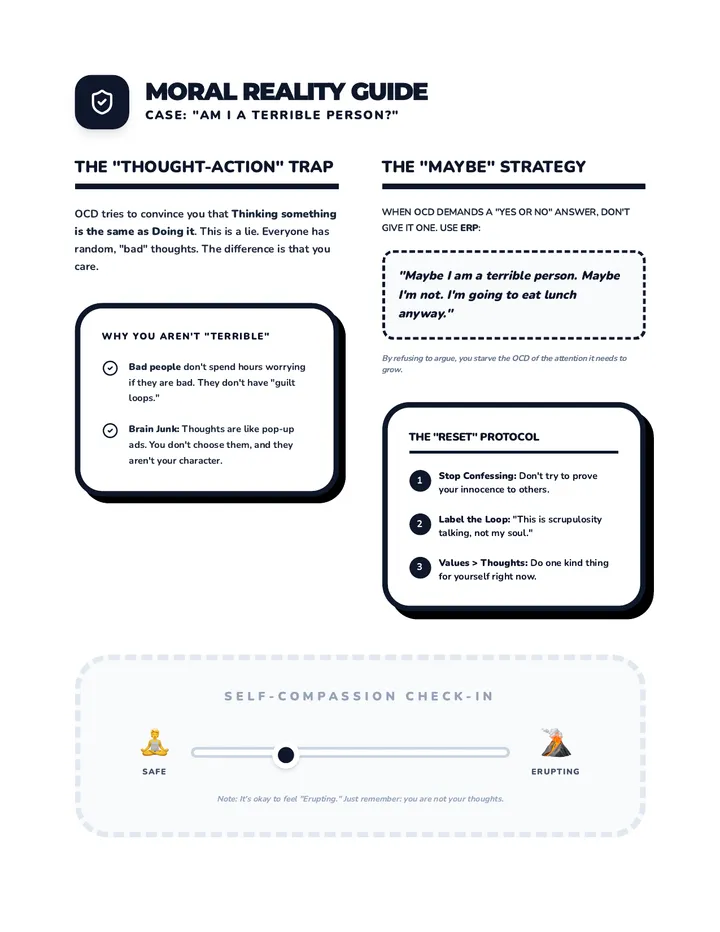
A set of cognitive behavioral tools and flowcharts designed to help students with OCD navigate intrusive thoughts about social rejection and moral scrupulosity.
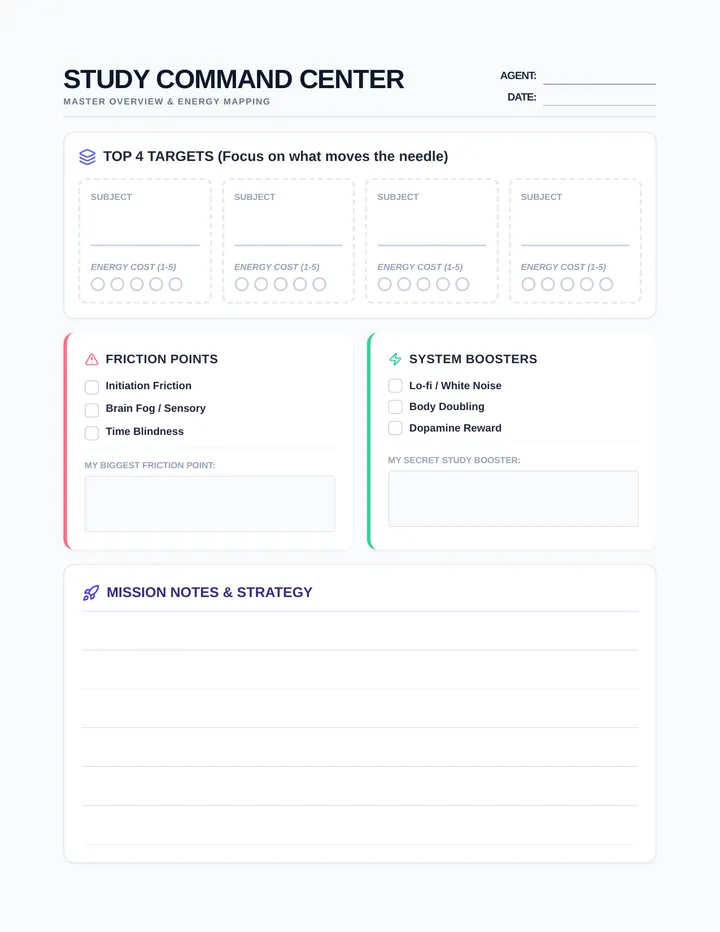
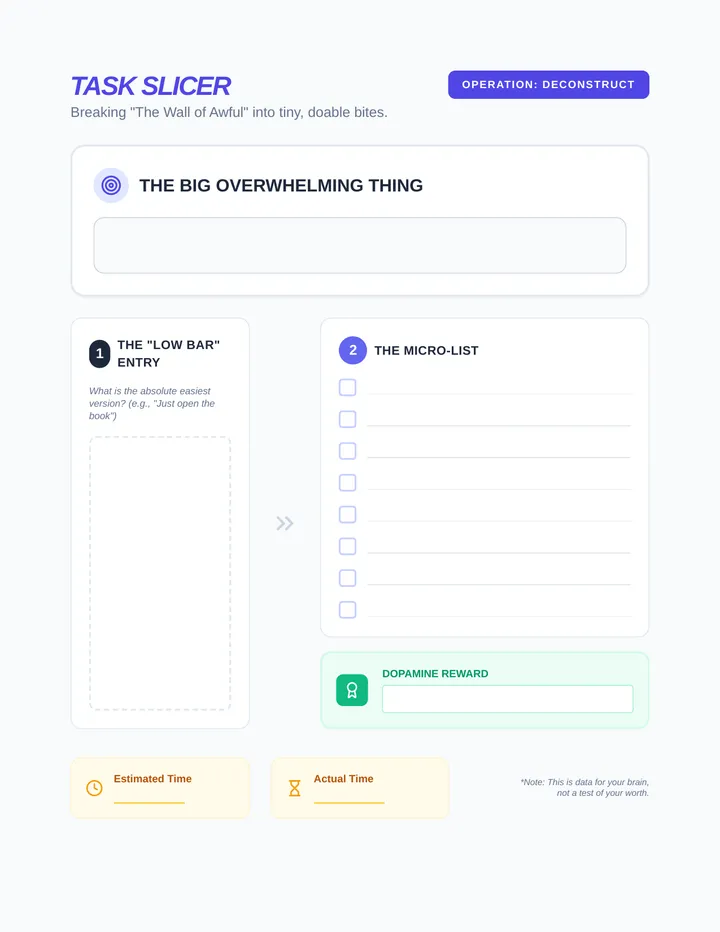
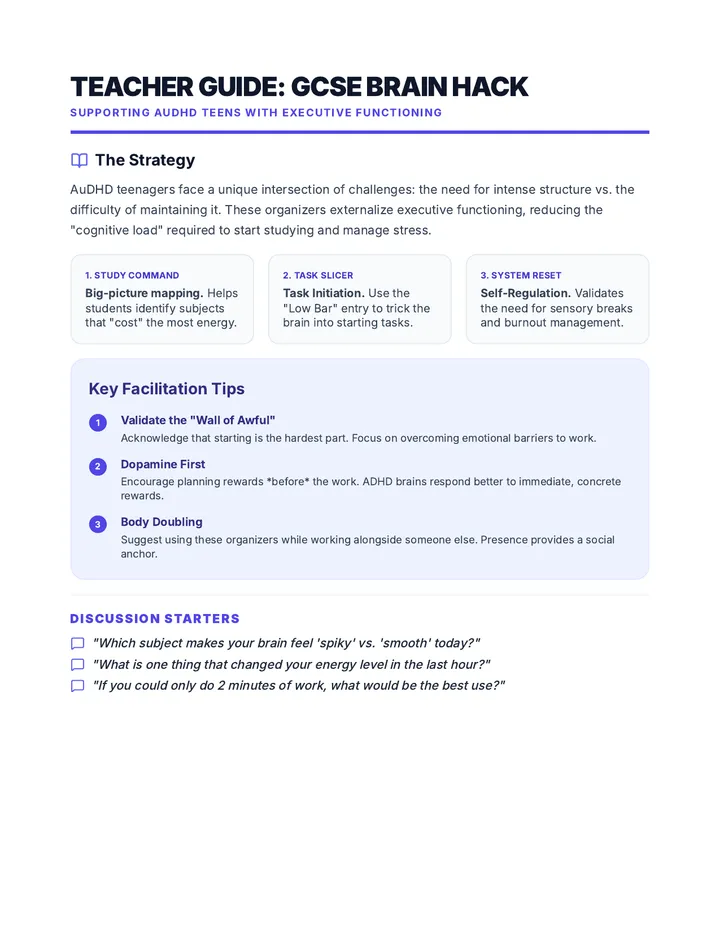
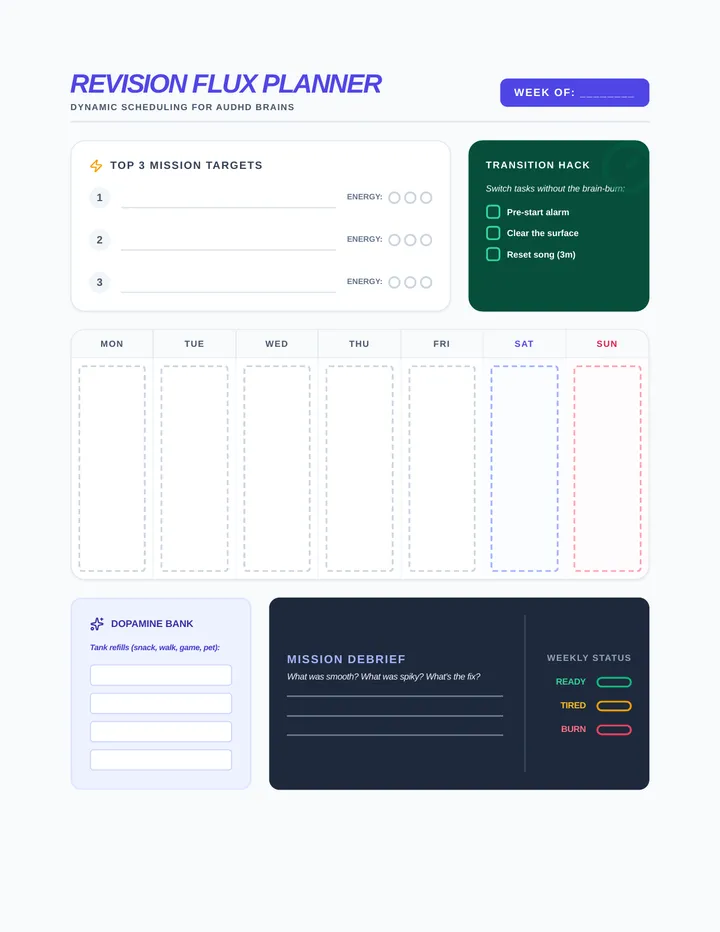
A collection of graphic organizers and strategies designed specifically for AuDHD teenagers to manage executive functioning and stress during GCSE exam preparation.
A social-emotional learning lesson designed for 1st grade students with ASD to identify and practice five specific coping skills and create a personalized visual toolbox.
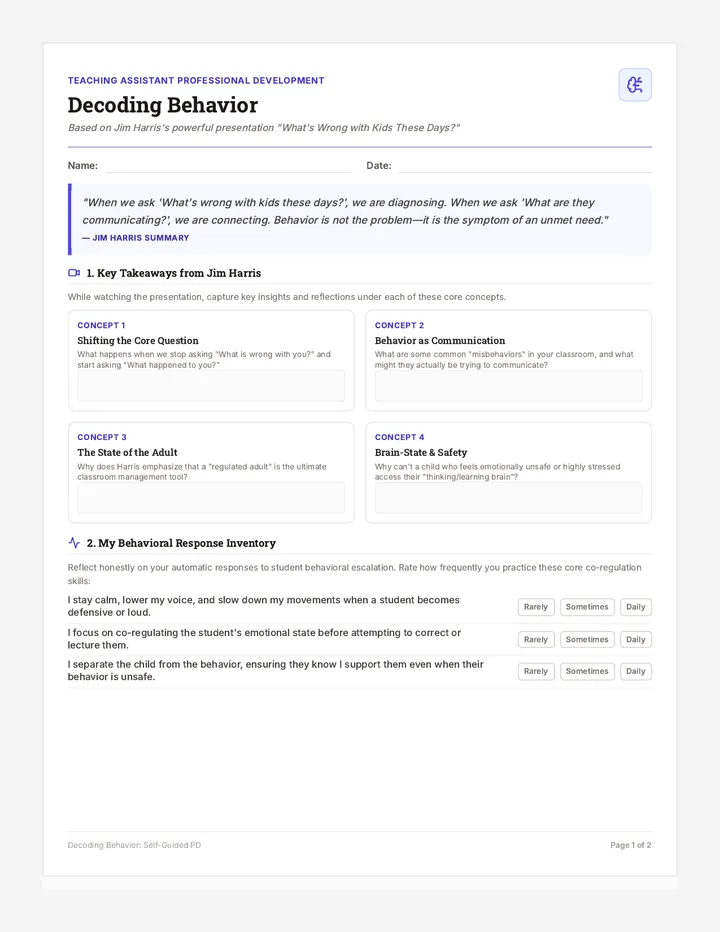
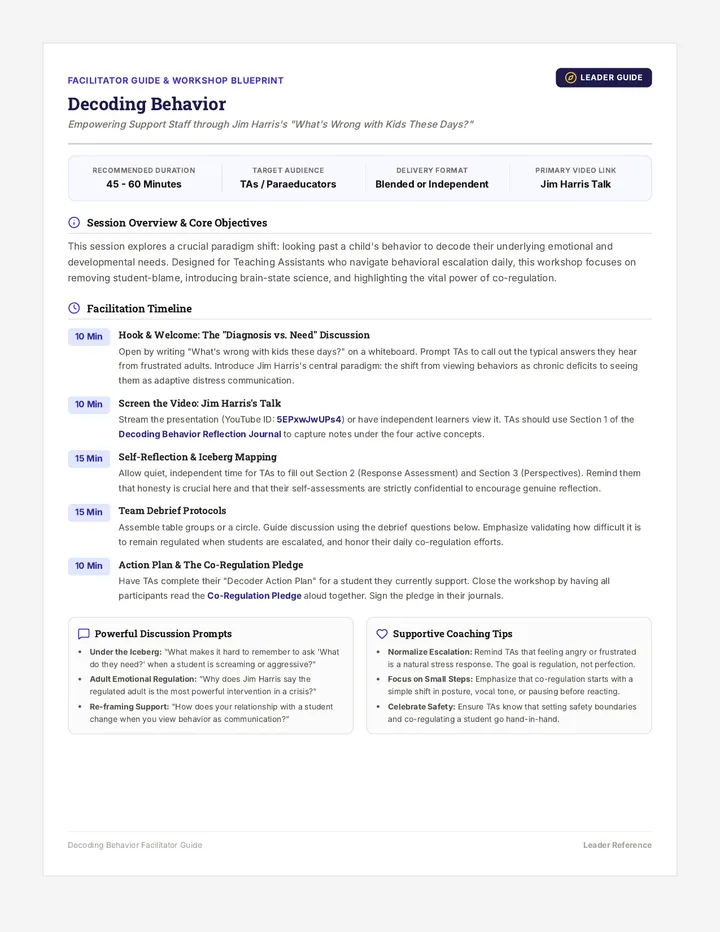
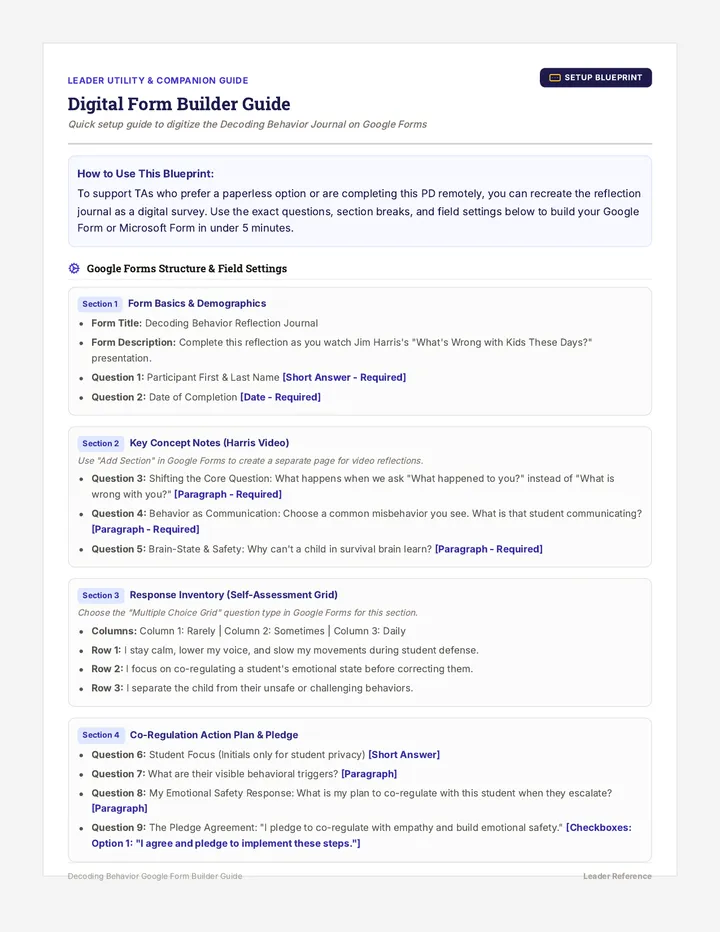
A powerful professional development lesson for teaching assistants based on Jim Harris's eye-opening presentation "What's Wrong with Kids These Days?". This lesson shifts the perspective from diagnosing student deficits to decoding behavioral communication and building emotional safety.
A lesson designed to help students in behavior support programs identify their current emotional state, recognize triggers, and select appropriate coping strategies for self-regulation.
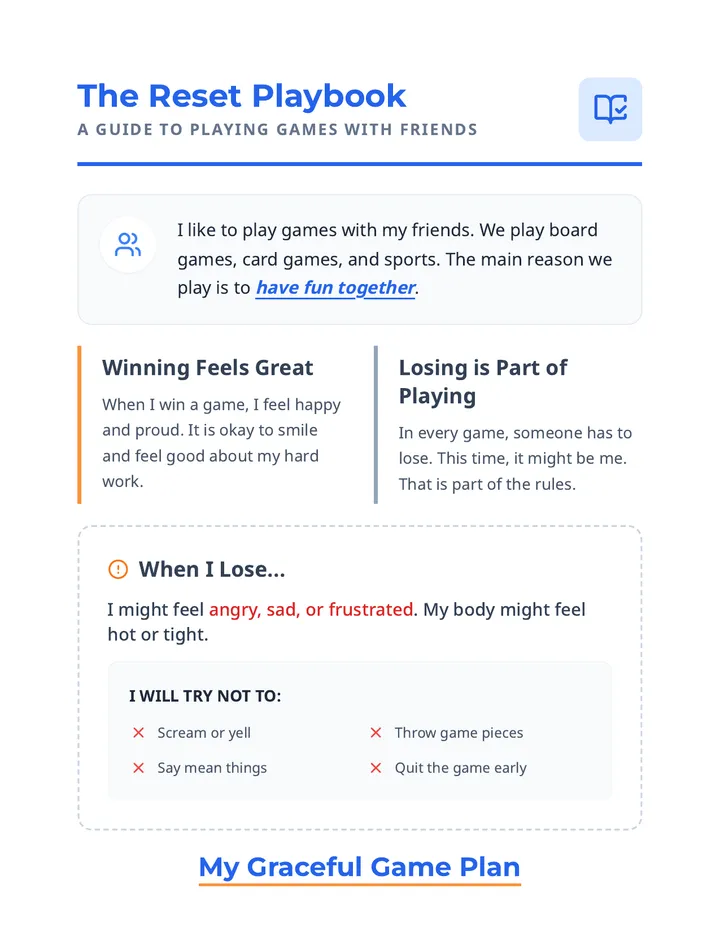
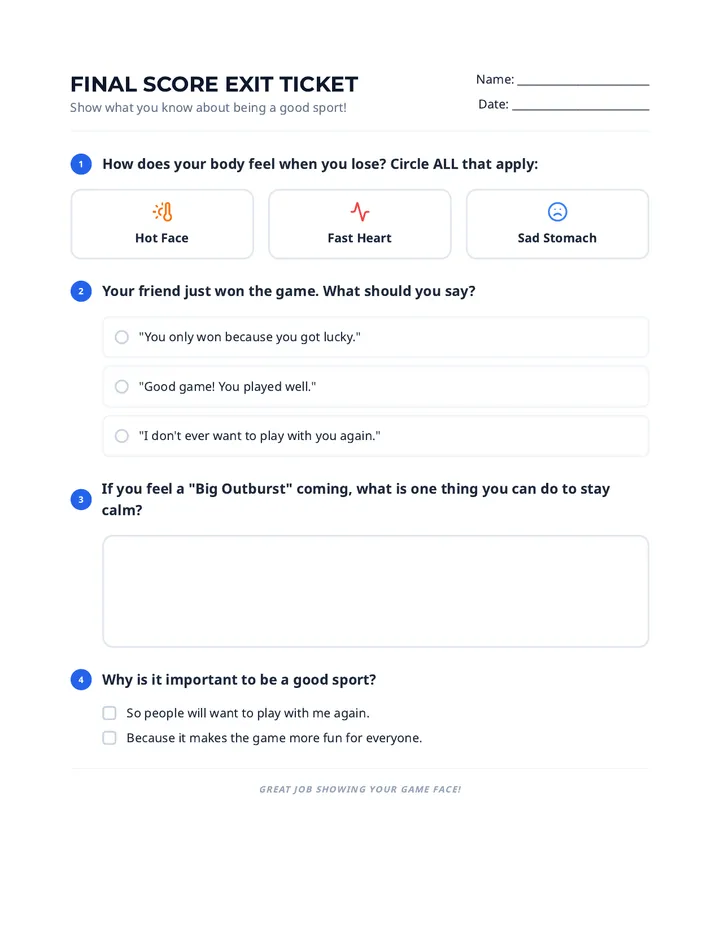
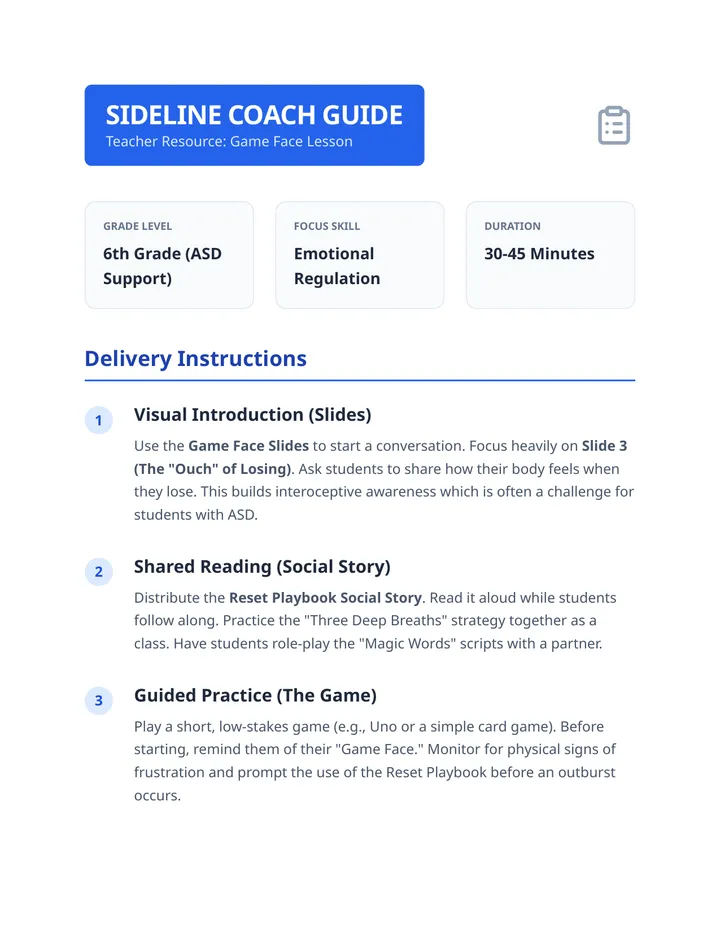
A lesson designed for 6th-grade students with ASD to develop the social skills needed to lose gracefully during games, featuring a social story, visual slides, and an exit ticket.
A set of SEL resources for 4th graders with ADHD and Autism focused on distress tolerance using the Volcano Brain vs Hero Brain metaphor. Includes guided practice worksheets and creative coloring activities.
A comprehensive set of resources designed to help a 6th-grade student understand and manage classroom call-outs and volume control using a 'Sound Engineer' metaphor. The lesson includes a social story, visual prompts for staff, and a coaching guide for implementation.
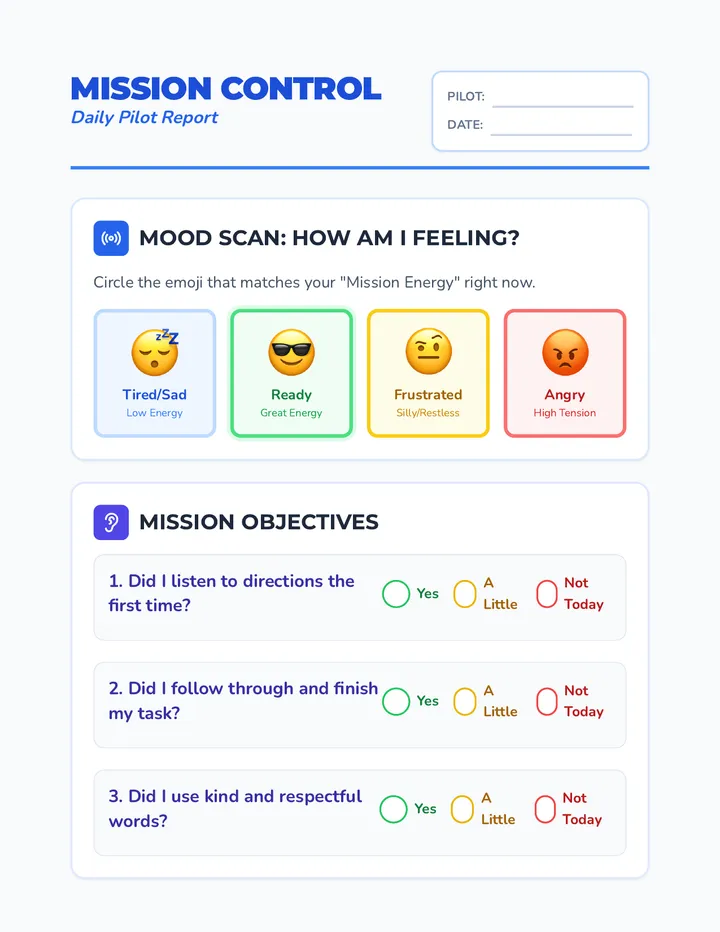
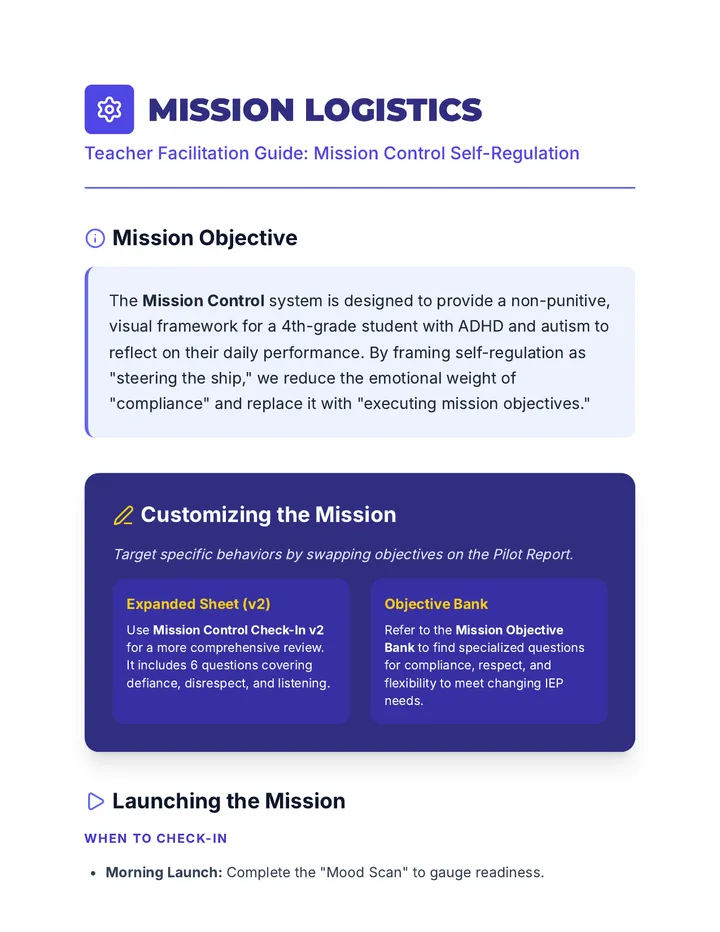
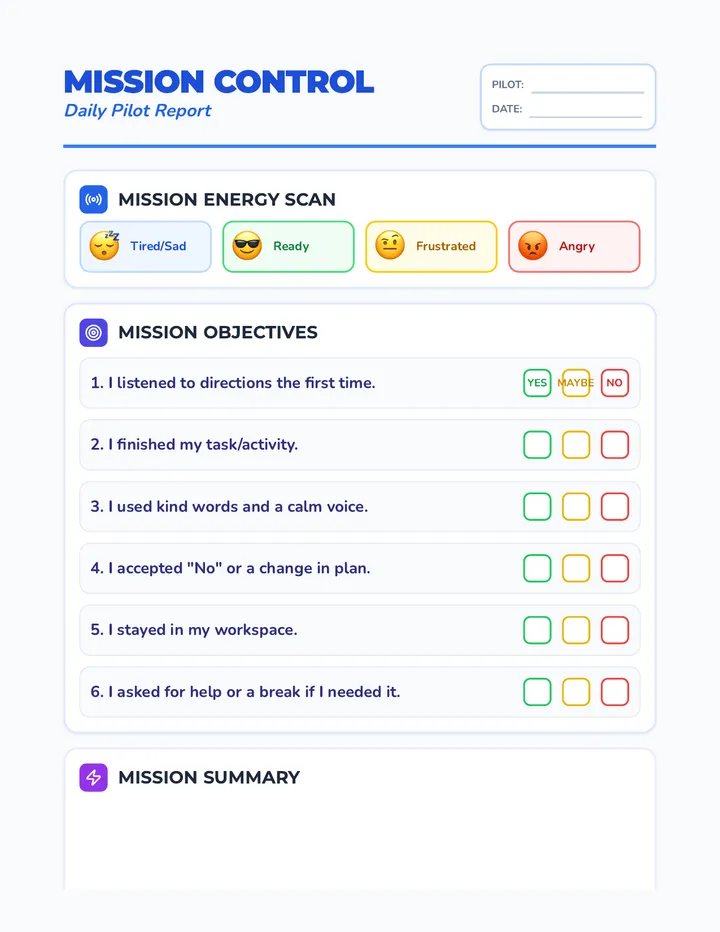
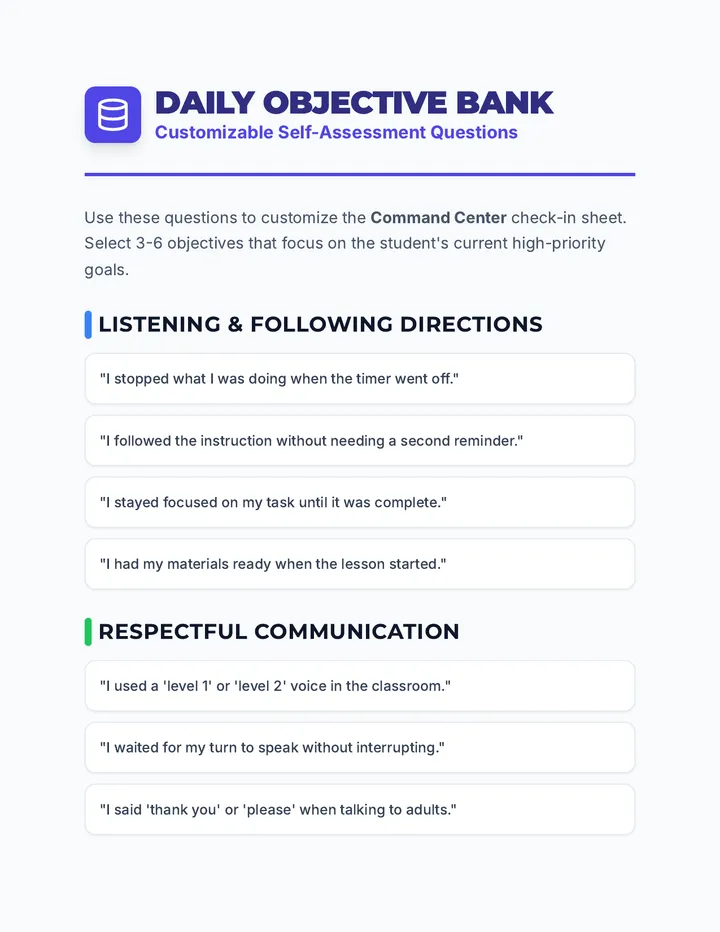
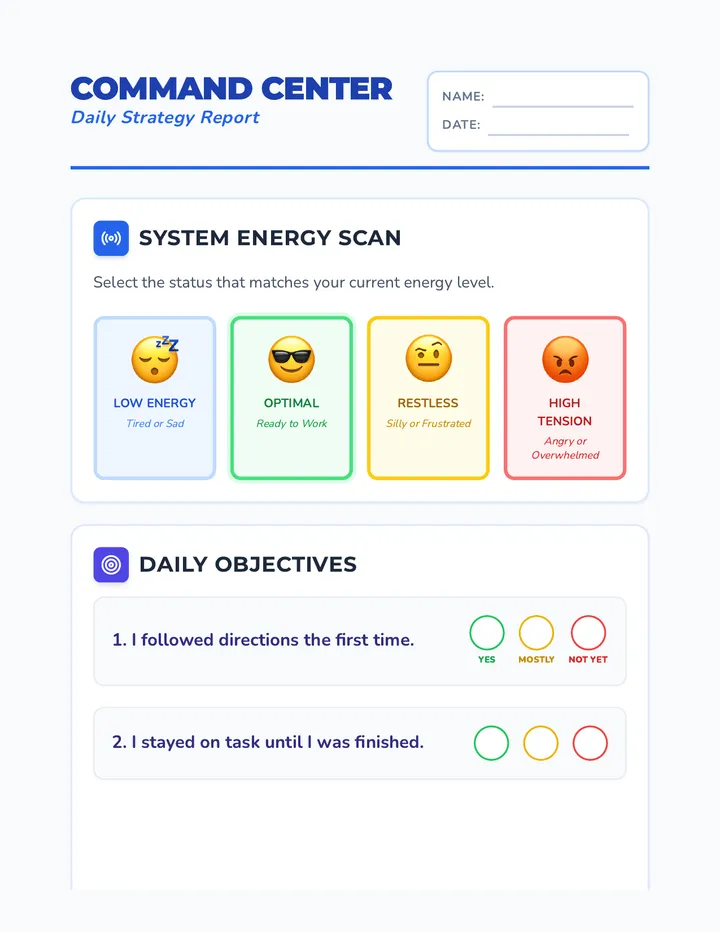
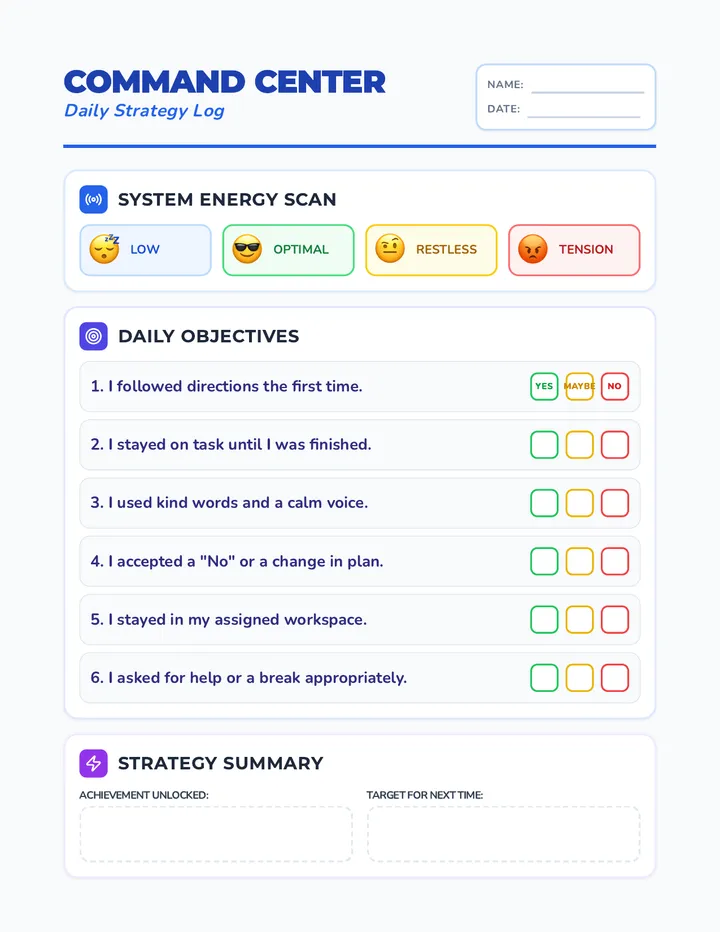
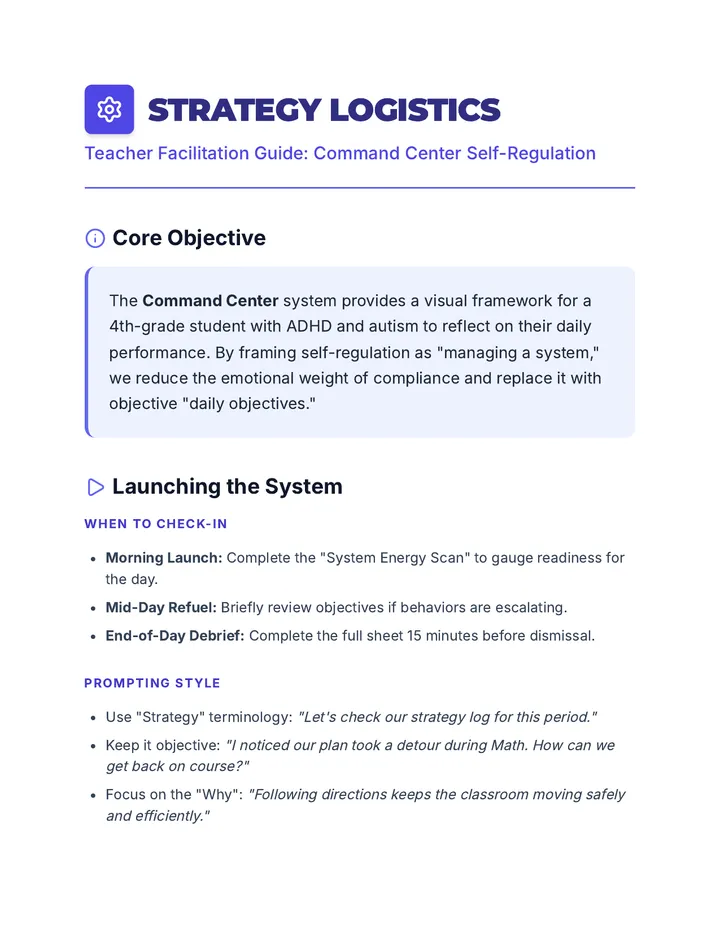
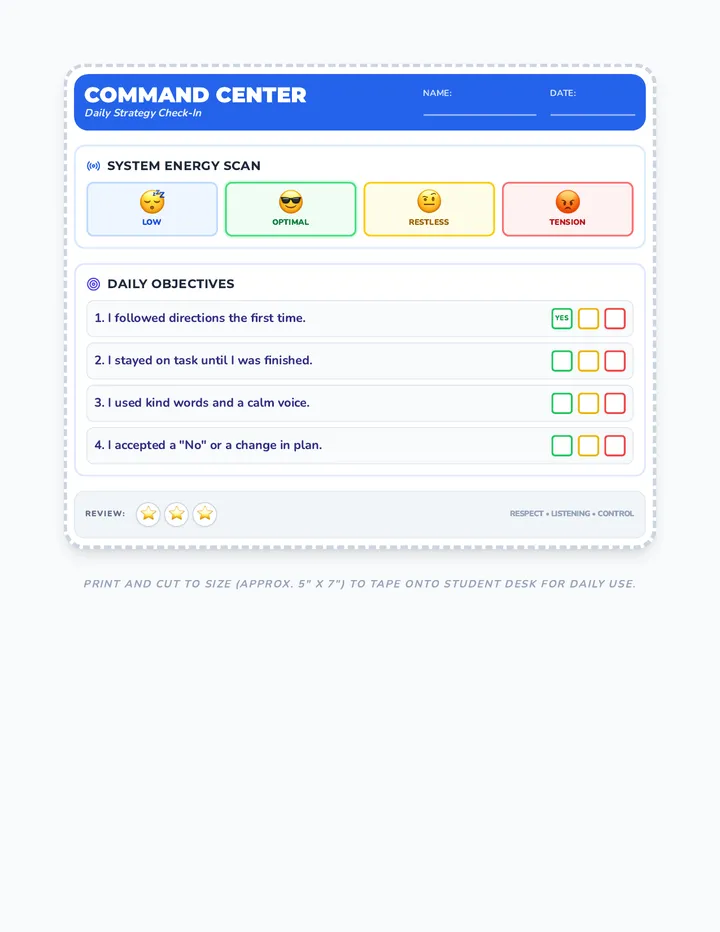
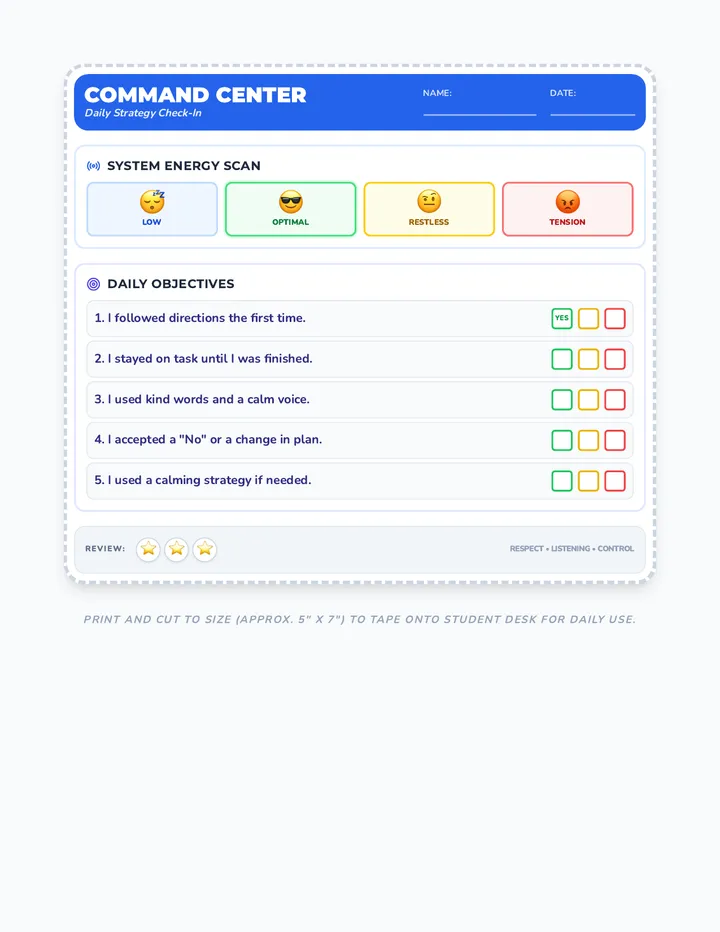
A set of resources designed to help a 4th-grade student with ADHD and autism symptoms track their own mood, behavior, and compliance using a 'Mission Control' metaphor. This lesson focuses on self-regulation and positive behavior reinforcement.