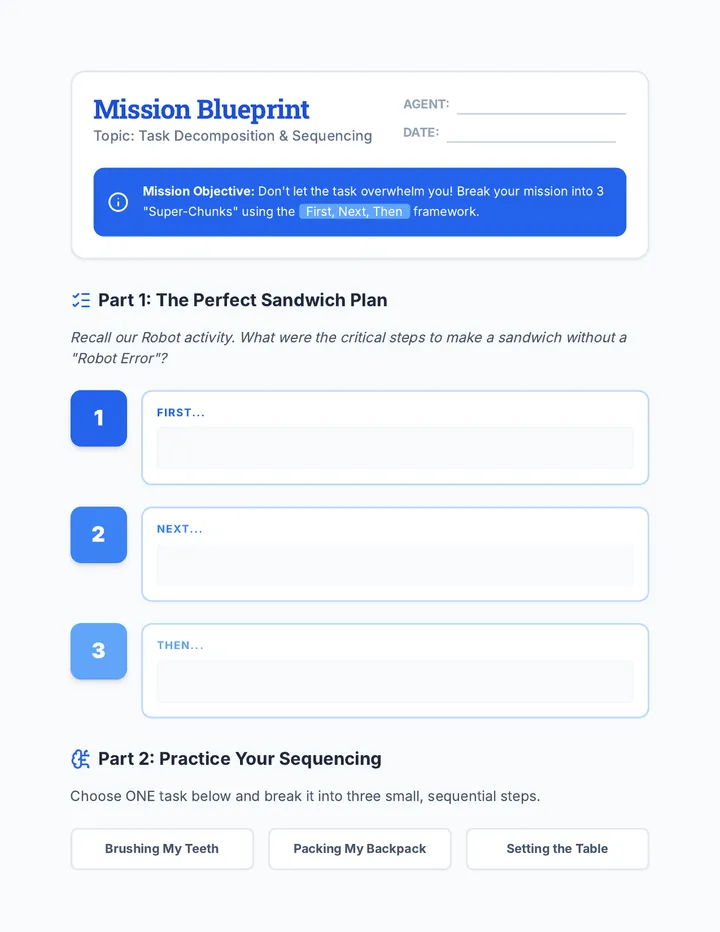
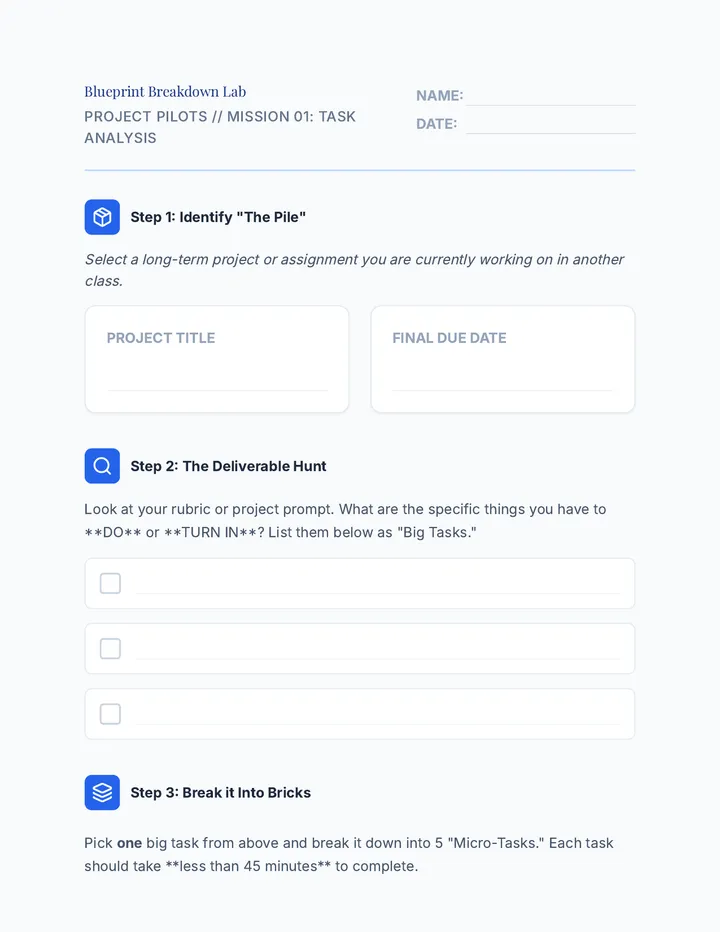
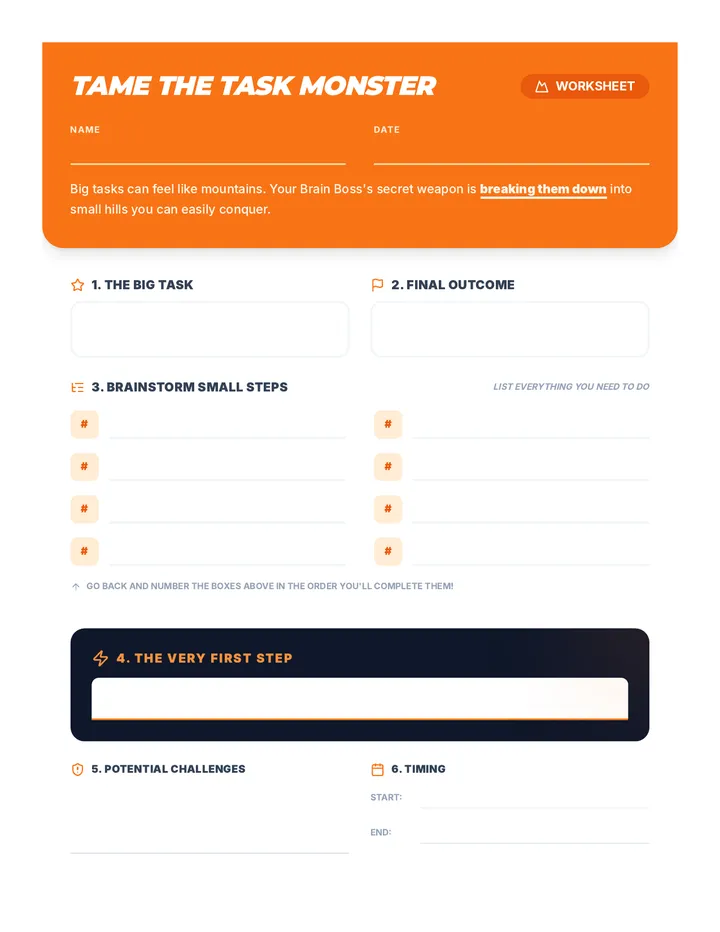
Task analysis and milestone tracking for multi-step assignments. Supports executive functioning through visual schedules, prioritization tools, and scaffolded planning templates.
A comprehensive 9-session curriculum for 6th-grade students to master executive functioning skills like organization, planning, self-control, and emotional regulation through the metaphor of becoming their own 'Brain CEO'.
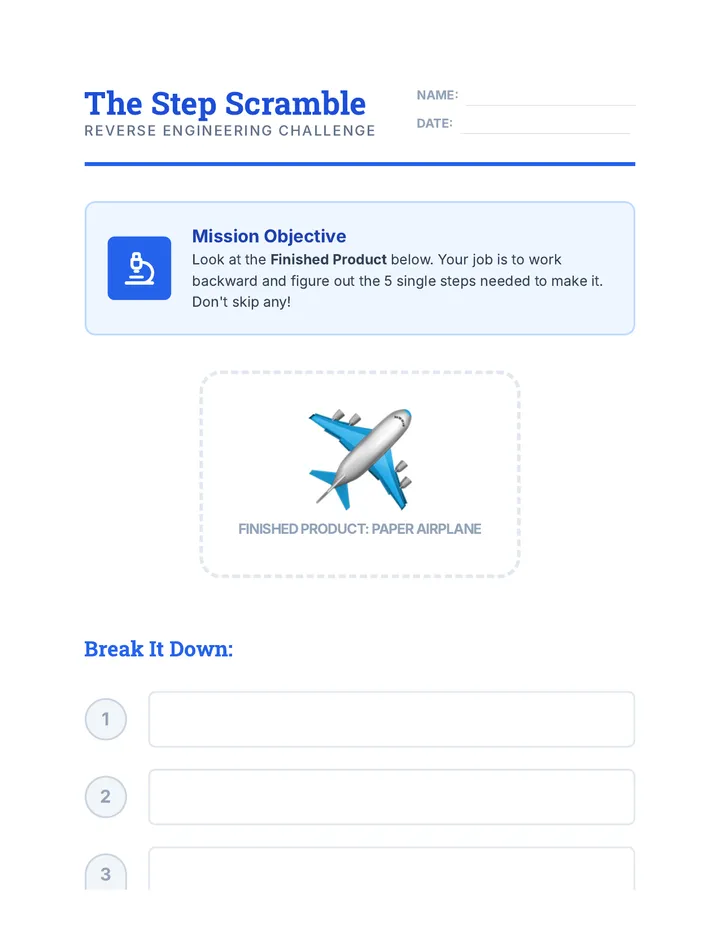
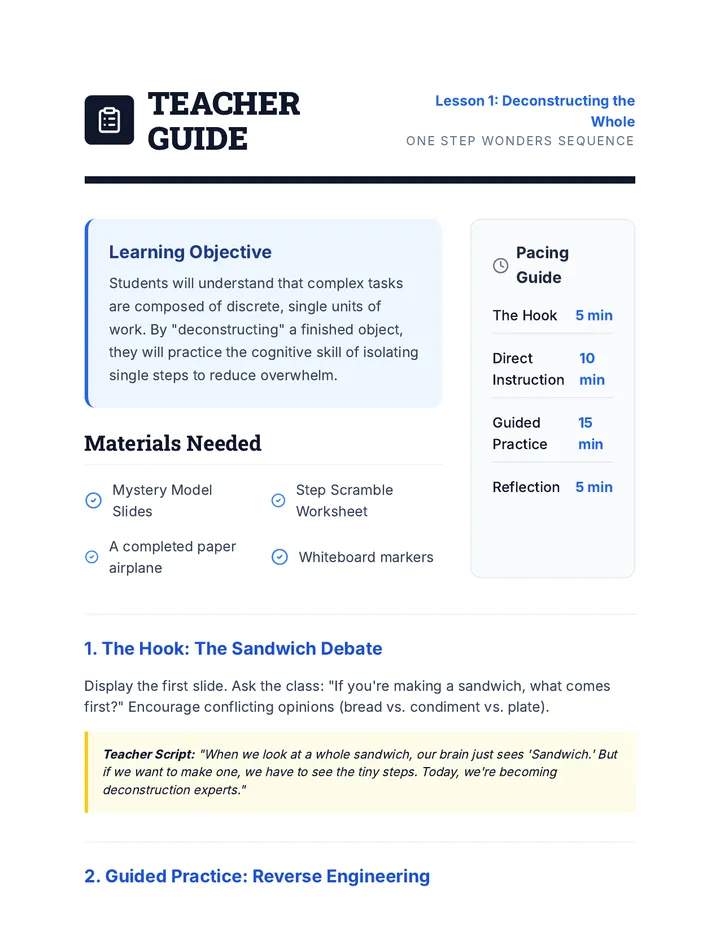
A specialized sequence for 5th-grade students focusing on working memory support through task segmentation. Students learn to break complex tasks into single steps, using digital pacing and physical checklists to manage cognitive load and reduce anxiety.
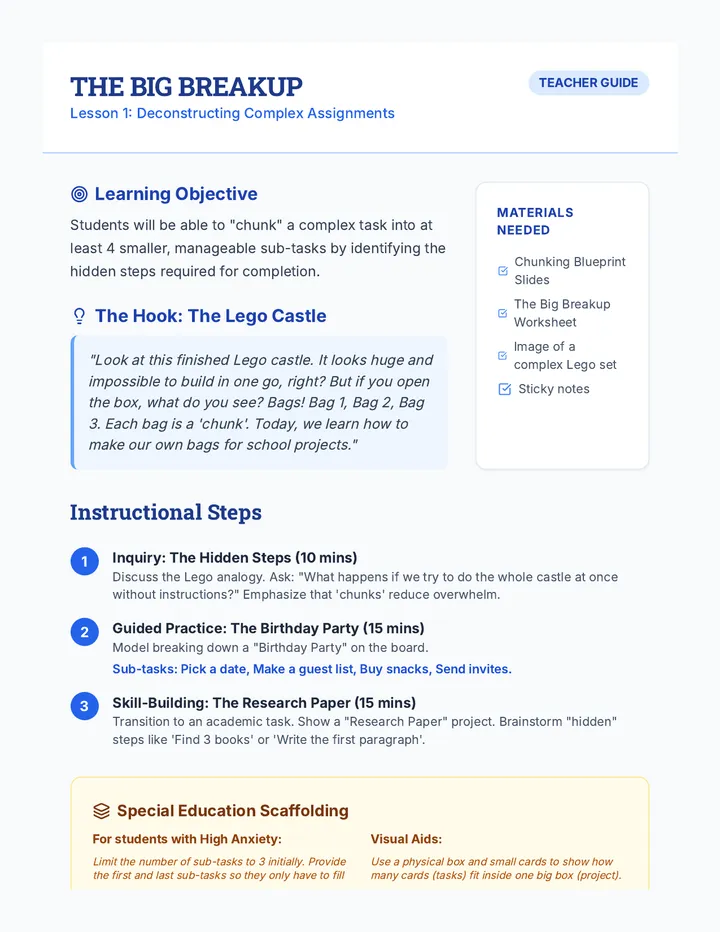
A 5-lesson series for 6th-grade special education students focused on executive functioning. Students learn to deconstruct complex assignments, estimate time accurately, plan backwards from deadlines, and maintain visual organization systems like Kanban boards to manage their middle school workload.
A comprehensive 5-lesson sequence designed for 4th-grade students (with a focus on Special Education) to master executive function skills for multi-day project completion. Using an aviation-inspired 'Project Pilot' theme, students learn backward design, milestone identification, task chunking, time estimation, and flexible problem-solving.
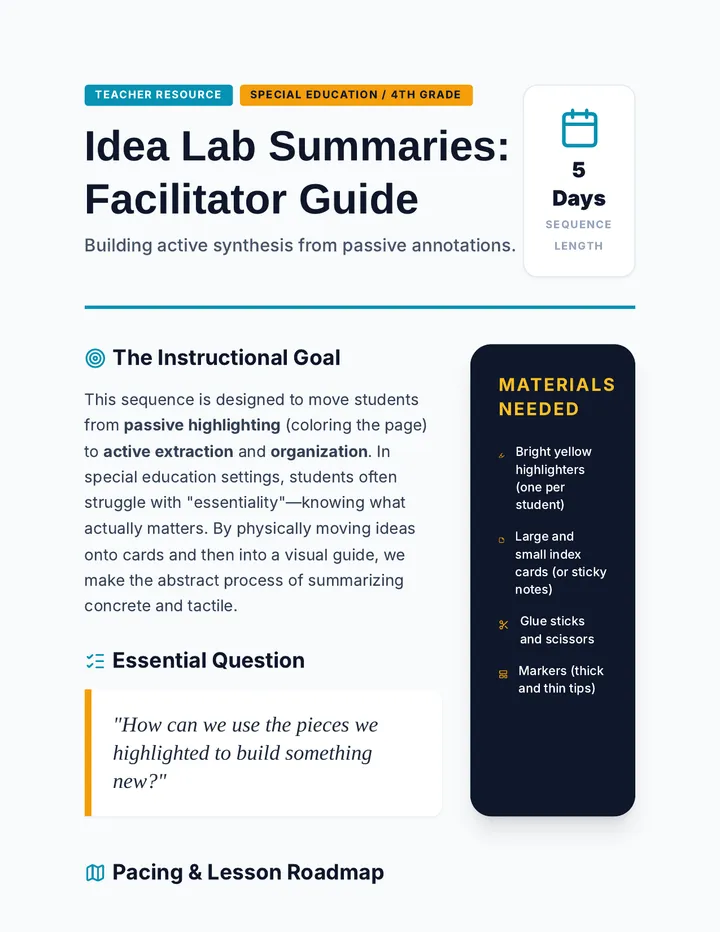
A project-based sequence for 4th-grade students in special education settings, focusing on moving from passive highlighting to active extraction, organization, and synthesis. Students learn to refine highlights, extract them onto cards, sort ideas logically, and create a visual 'One-Page Expert Guide' as a summary tool.
A 5-lesson sequence for 5th-grade students focused on decomposing complex academic tasks into manageable steps to support working memory and sustained attention. Students progress from non-academic sequencing to math word problems and independent project planning.
A game-based transition planning simulation where 9th-grade students manage a monthly budget, navigate adult responsibilities, and make decisions about housing, transportation, and daily living. This sequence integrates financial literacy with practical life skills tailored for students with disabilities.
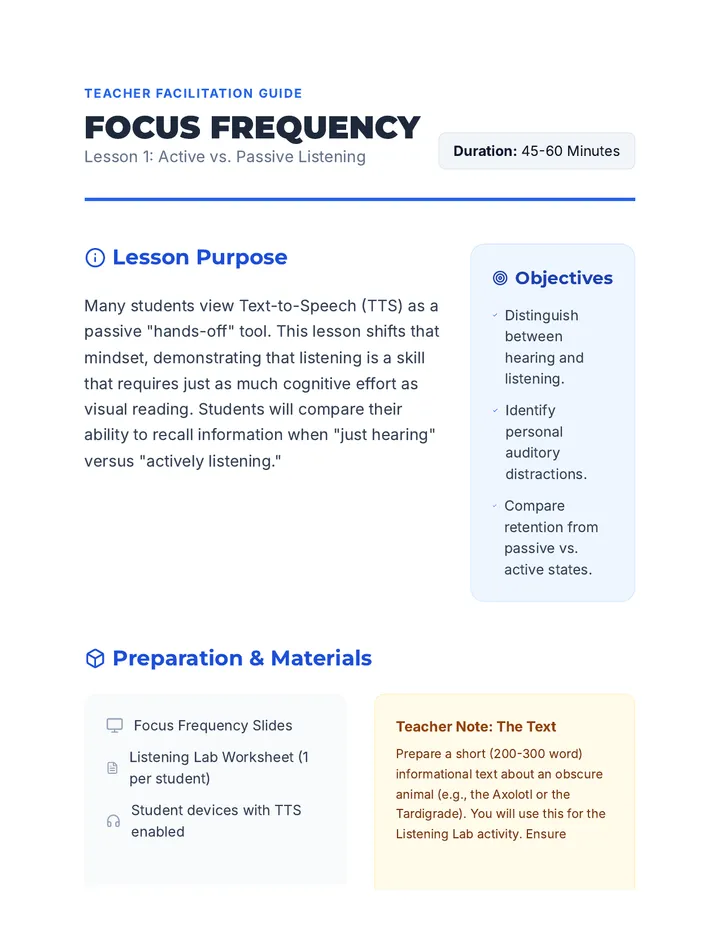
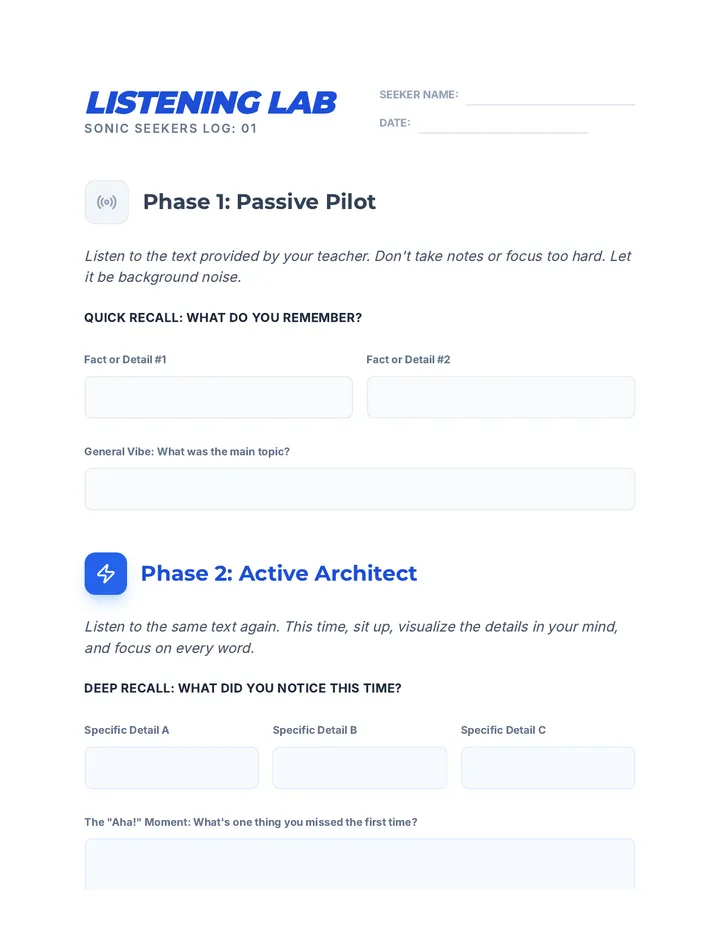
This sequence shifts the focus from assistive technology to the cognitive strategies required for auditory learning. Students engage in inquiry-based activities to distinguish between passive hearing and active listening, applying specific comprehension strategies while using text-to-speech (TTS) to access grade-level texts.
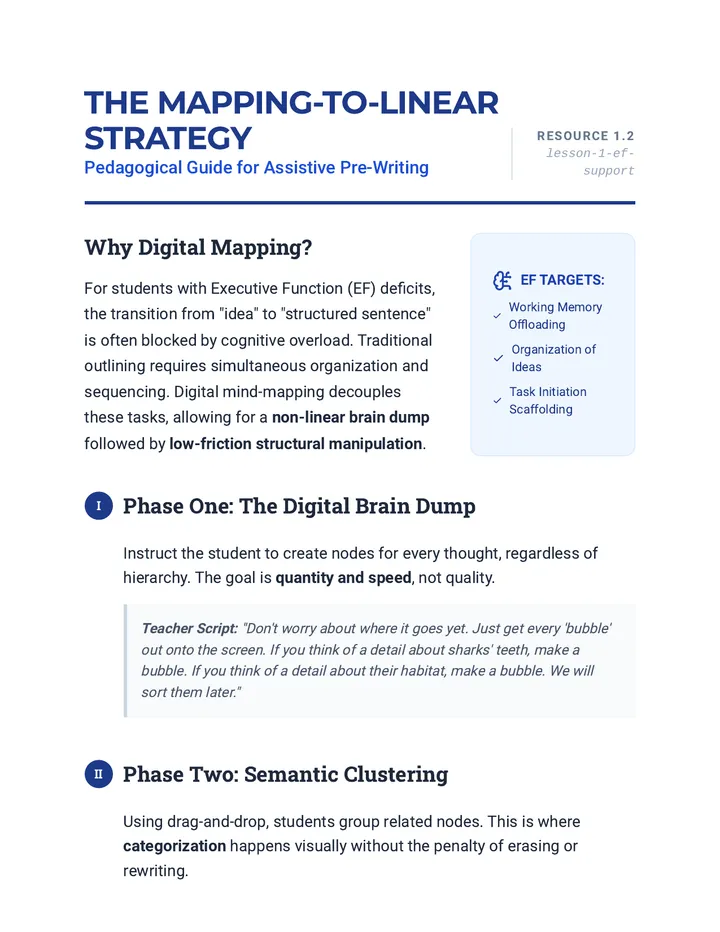
A comprehensive graduate-level sequence focused on the pedagogical implementation of assistive writing technology. It shifts the focus from tool selection to instructional methodologies that scaffold digital organizers, dictation, and text-to-speech for student autonomy.
A specialized sequence for 9th-grade students with executive function challenges, focusing on deconstructing long-term projects, backward planning, overcoming procrastination, and building accountability structures.
This sequence teaches 11th-grade students the essential skills of long-term project management through the lens of special education compliance. Students will master backwards planning, data collection scheduling, professional communication, and year-long calendar management to ensure legal deadlines are met without burnout.
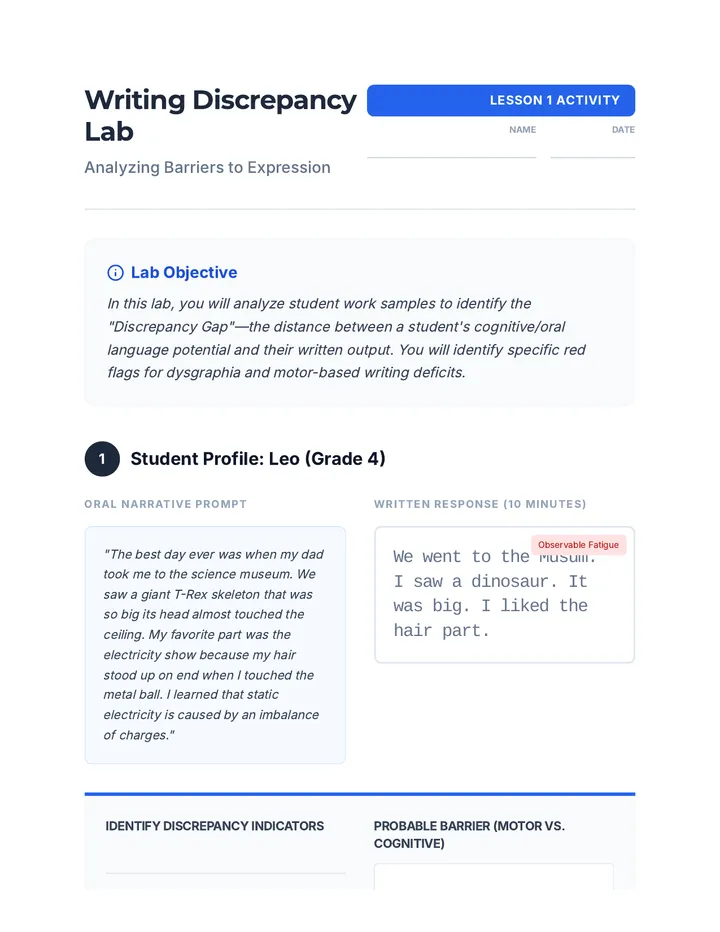
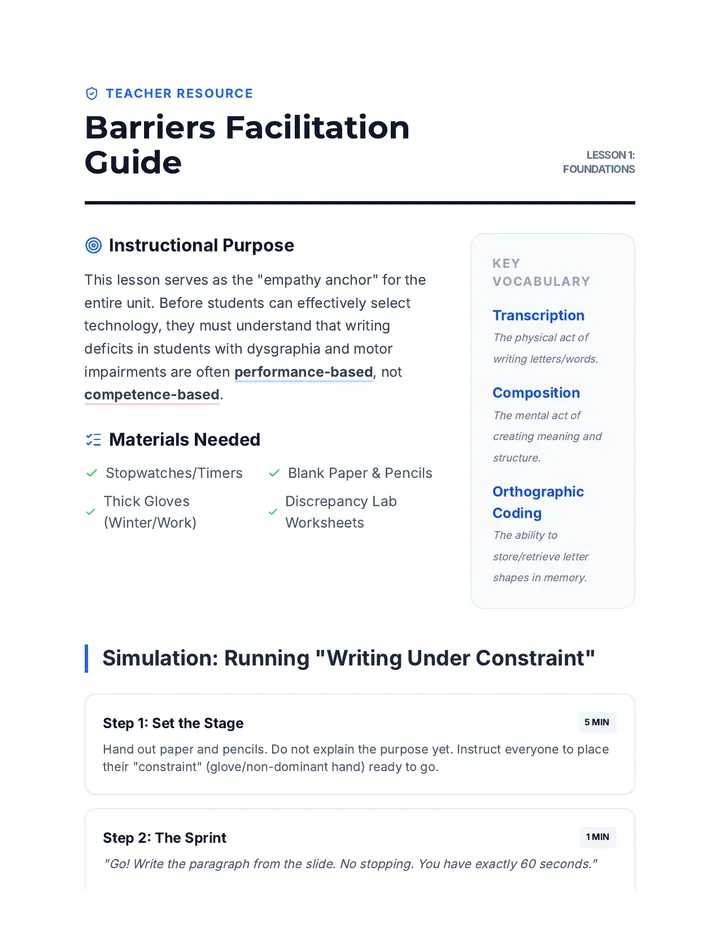
This sequence prepares pre-service teachers to evaluate, select, and implement assistive technology (AT) tools specifically designed for students with dysgraphia and physical motor impairments. Students will move from understanding neurological barriers to designing comprehensive, data-driven AT implementation plans.
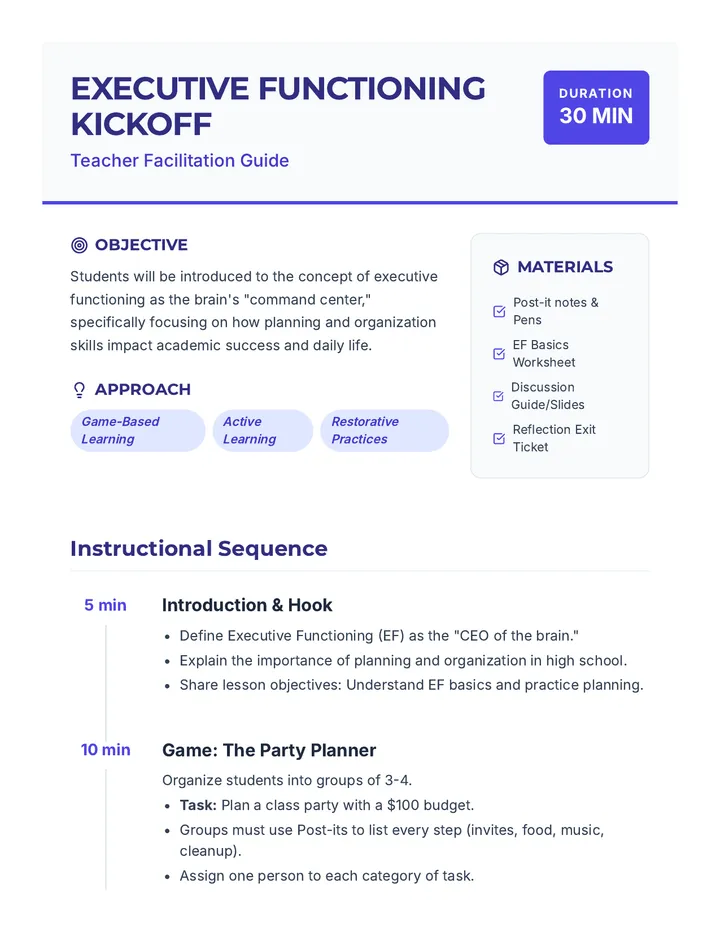
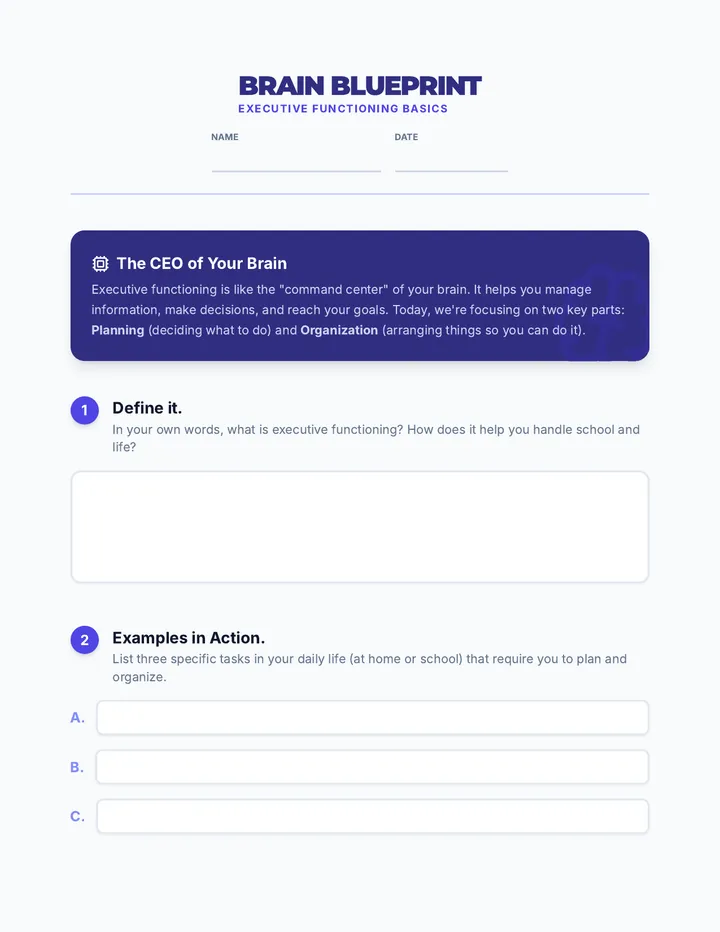
This lesson introduces high school freshmen to executive functioning, focusing on planning and organization through game-based learning. Students explore how these brain functions serve as the 'command center' for academic and personal success.
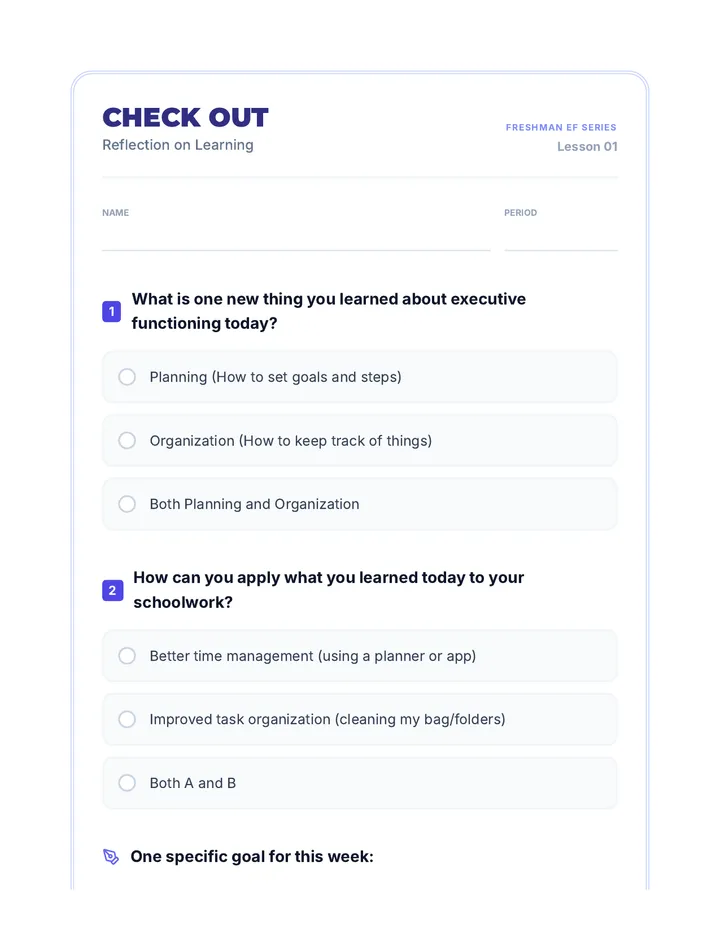
A 45-minute lesson for 6th-grade small groups to reflect on flexibility, organization, and planning. Students engage in a collaborative storytelling mission and individual reflection to solidify their executive functioning strategies.
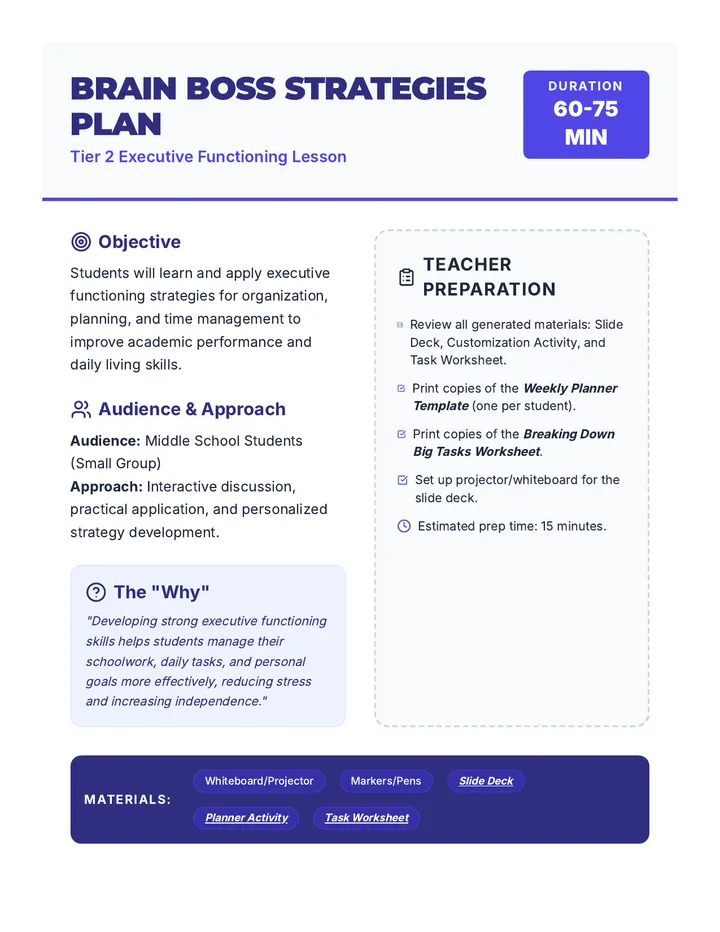
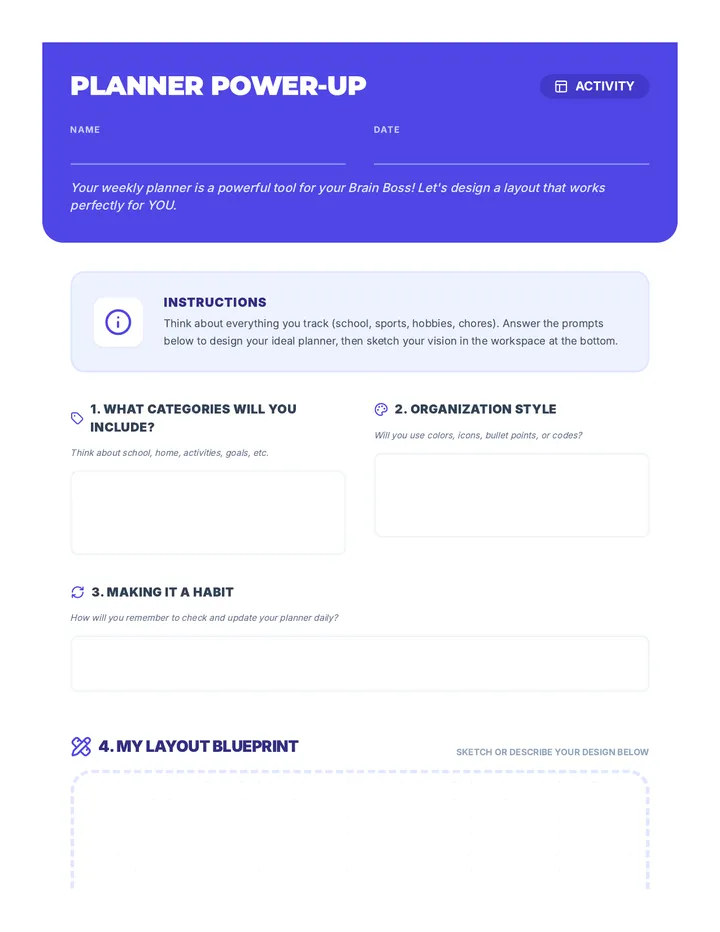
A comprehensive 60-75 minute lesson for middle schoolers focusing on executive functioning skills like organization and task management through the 'Brain Boss' metaphor.
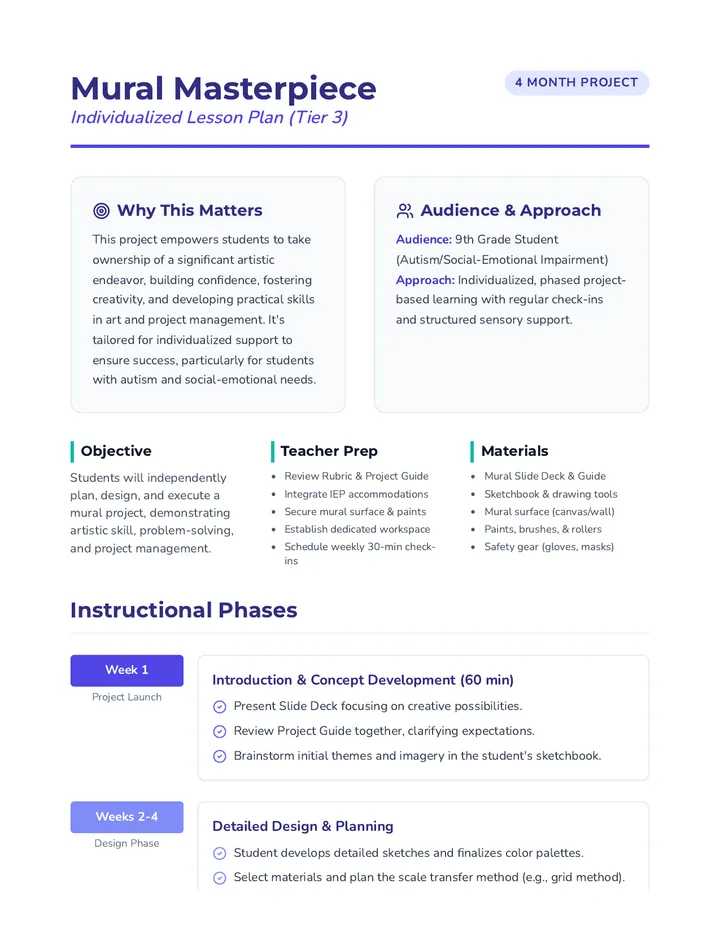
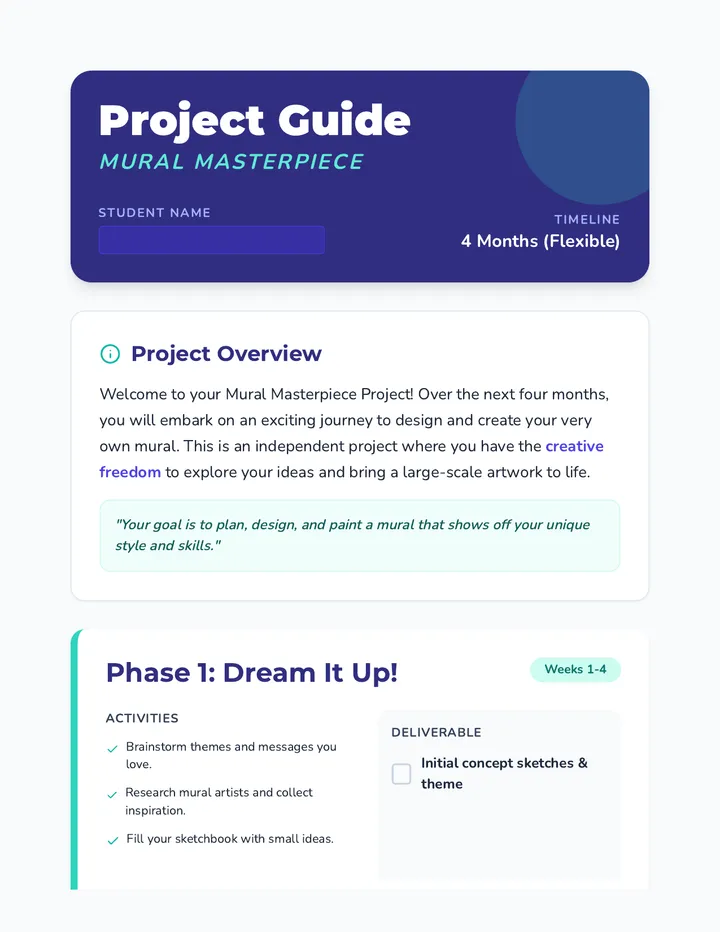
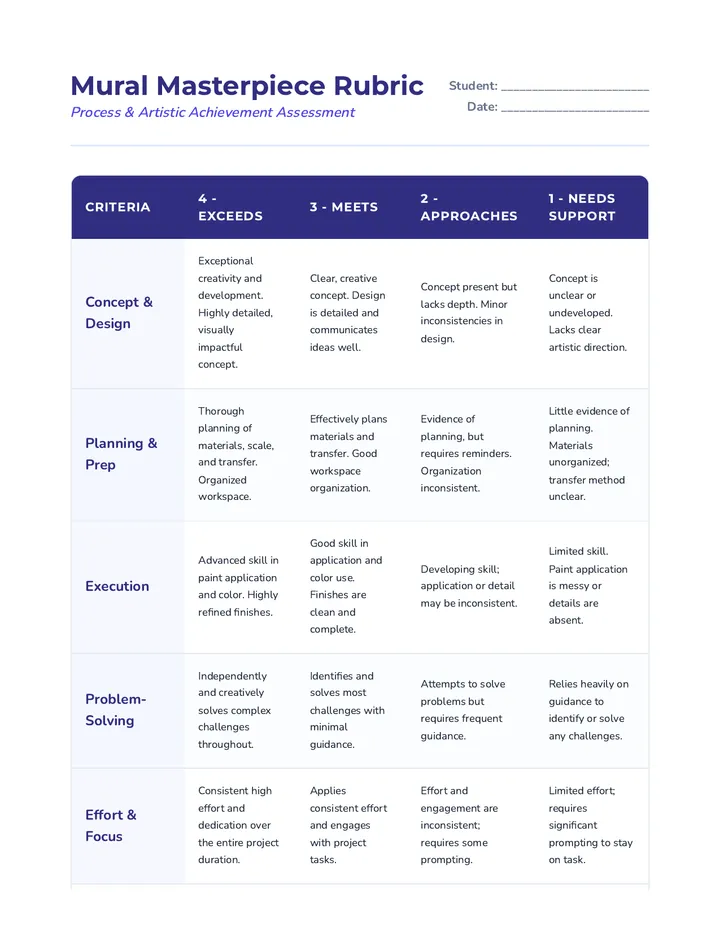
A comprehensive four-month individual project for a 9th-grade student with autism, focusing on the creation of a mural to develop artistic skills, project management, and self-expression.
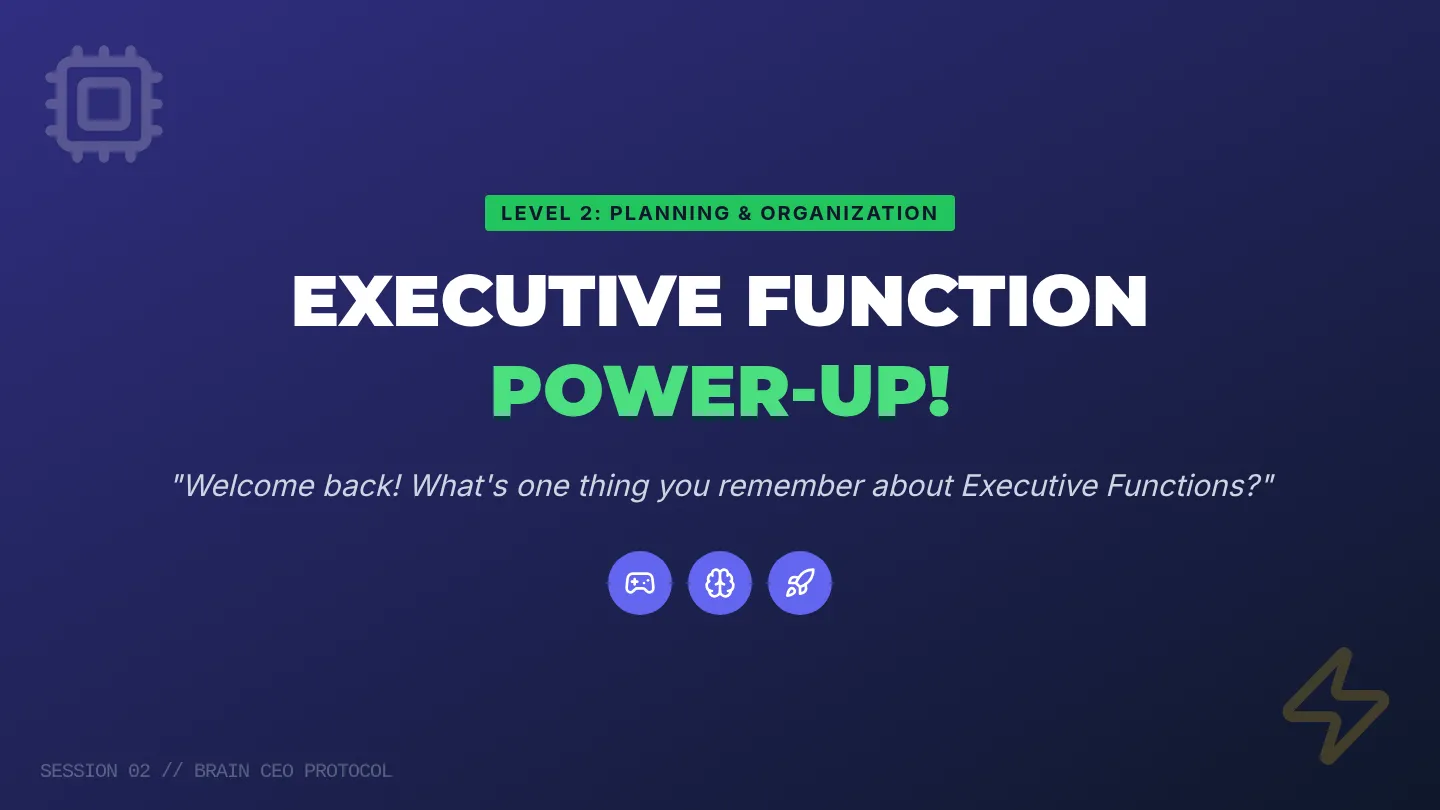
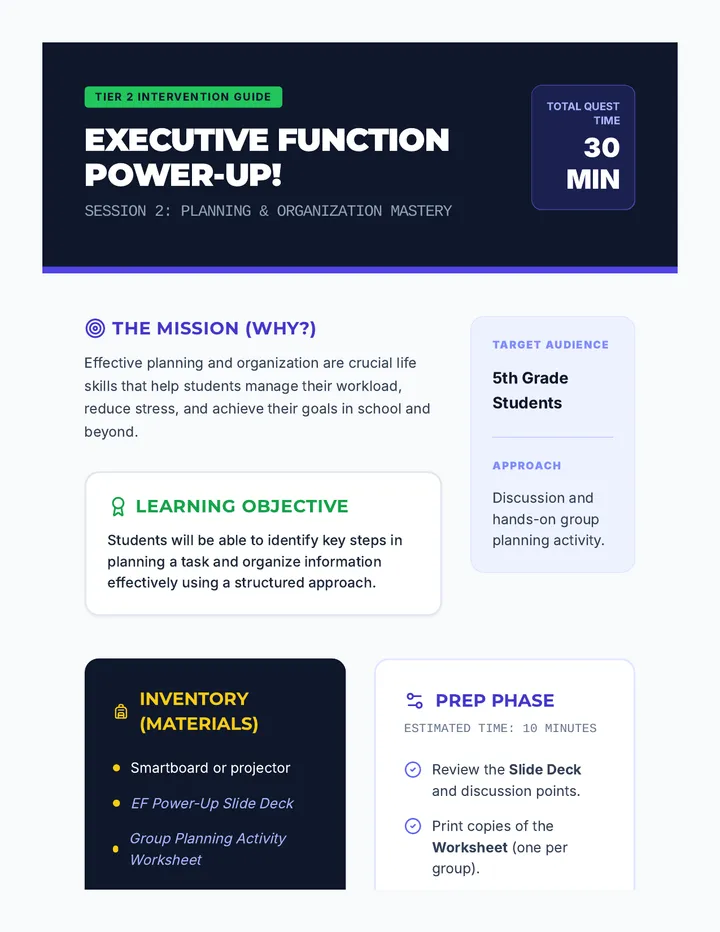
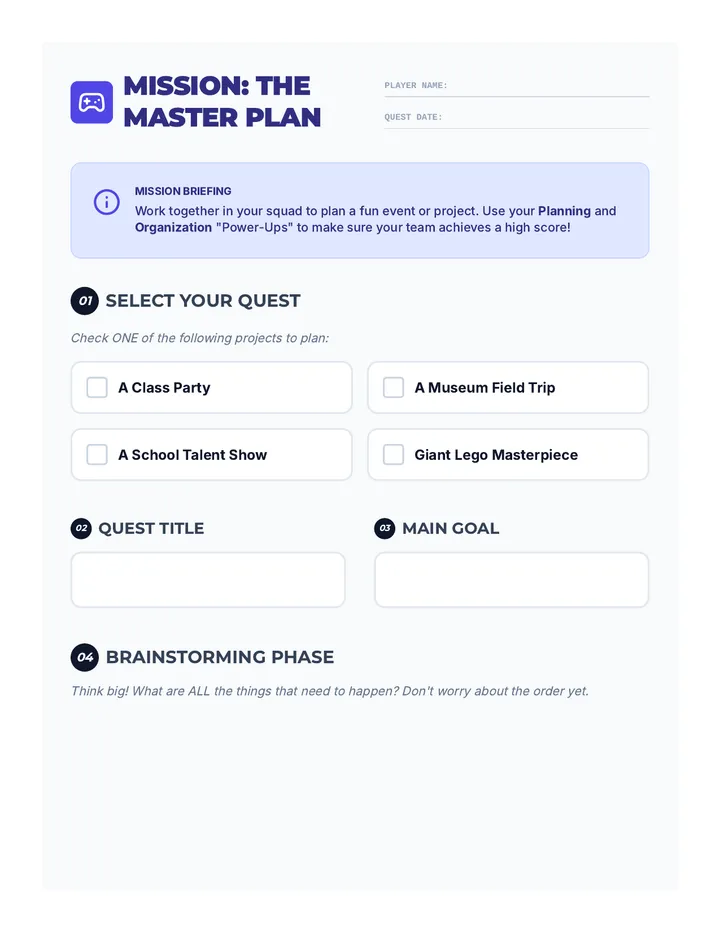
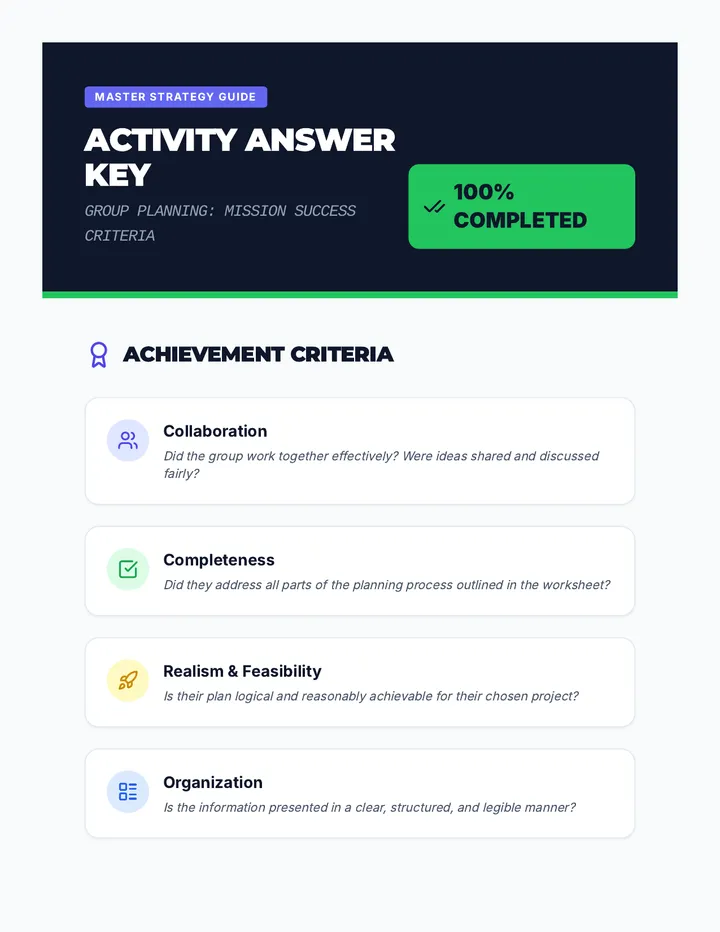
A 30-minute Tier 2 support session for 5th graders focused on strengthening executive function skills through a collaborative planning activity with a video-game 'Power-Up' theme.
This 15-minute, Tier 3 lesson is designed for individual 9th-grade students struggling with executive functioning. It helps them identify specific executive function challenges and begin developing personalized strategies to overcome them, fostering greater independence and academic success.
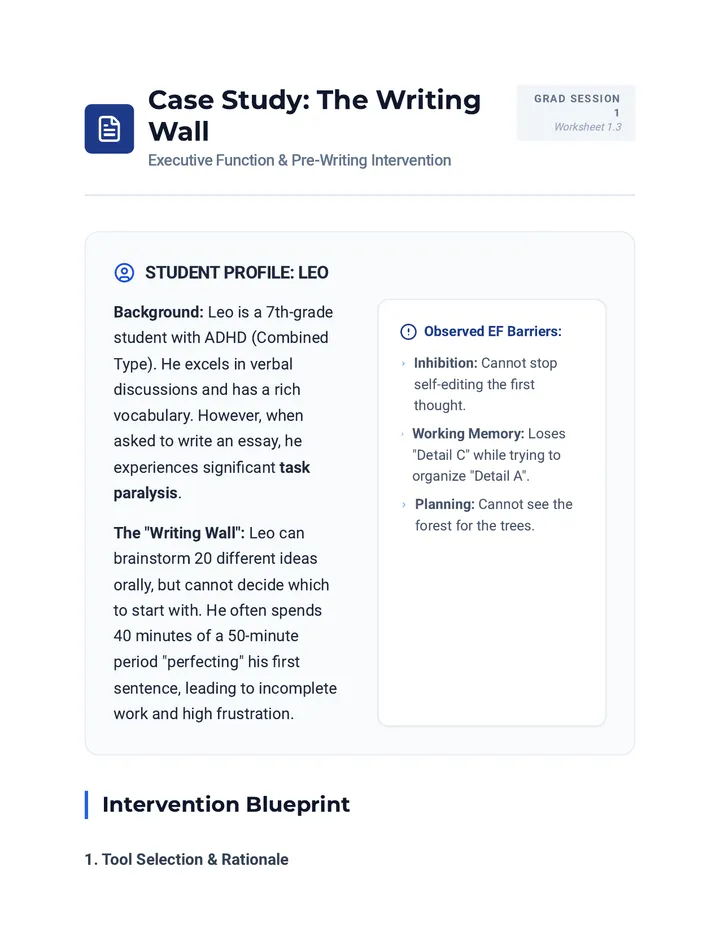
A 60-minute professional development session for teachers focusing on advanced executive function, emotional regulation, and scaffolding strategies to support students with ADHD. Educators will analyze case studies and develop personalized action plans.
A targeted individual session for 10th-grade students to master executive functions: planning, organization, and task initiation. Includes interactive slides and a practical task-breaking workshop.
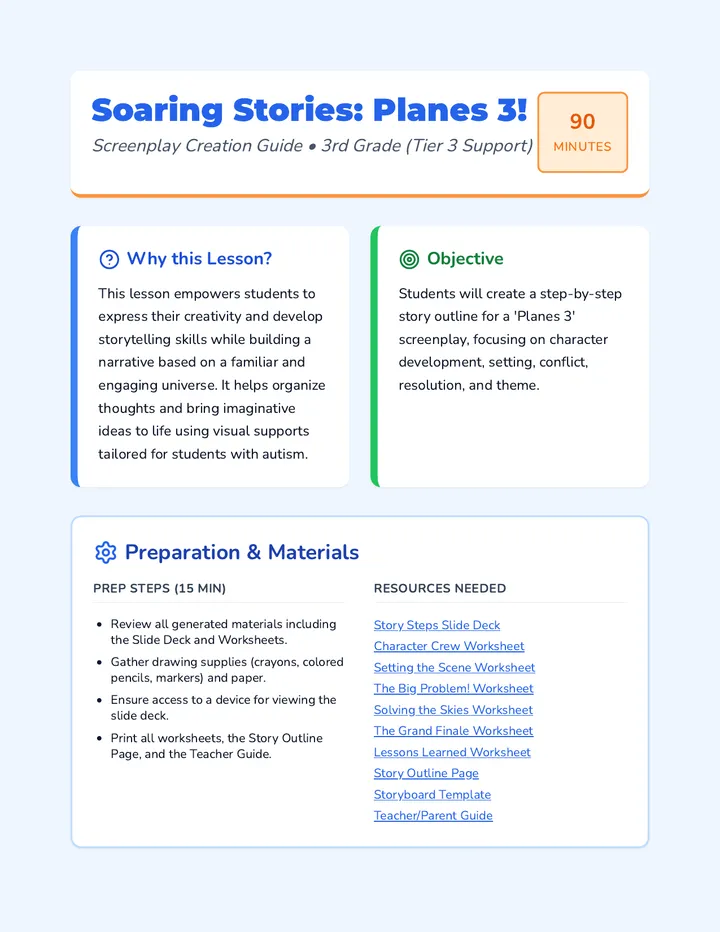
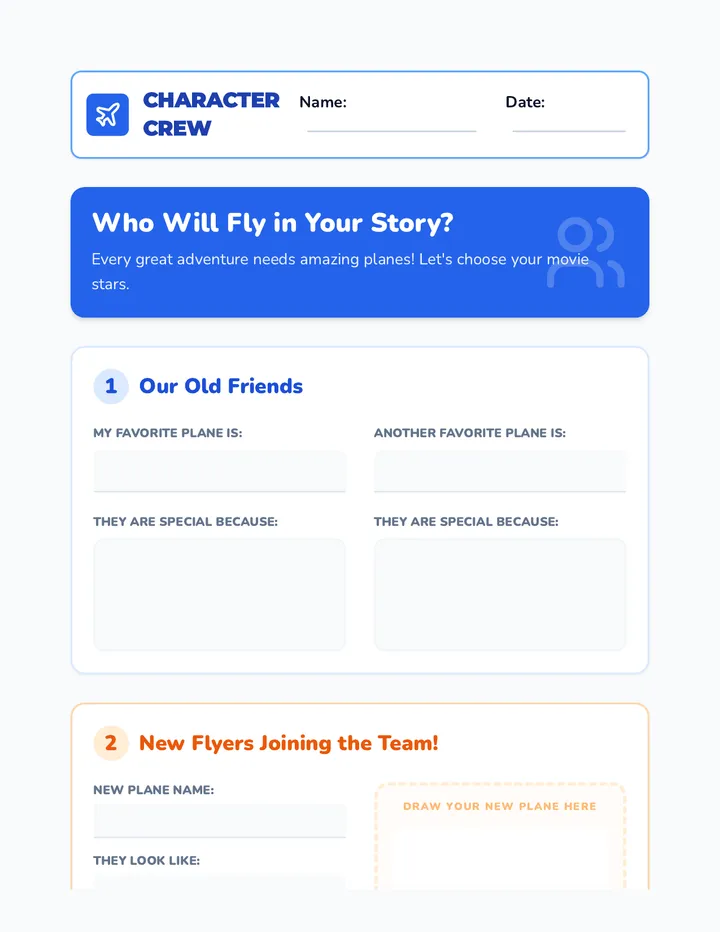
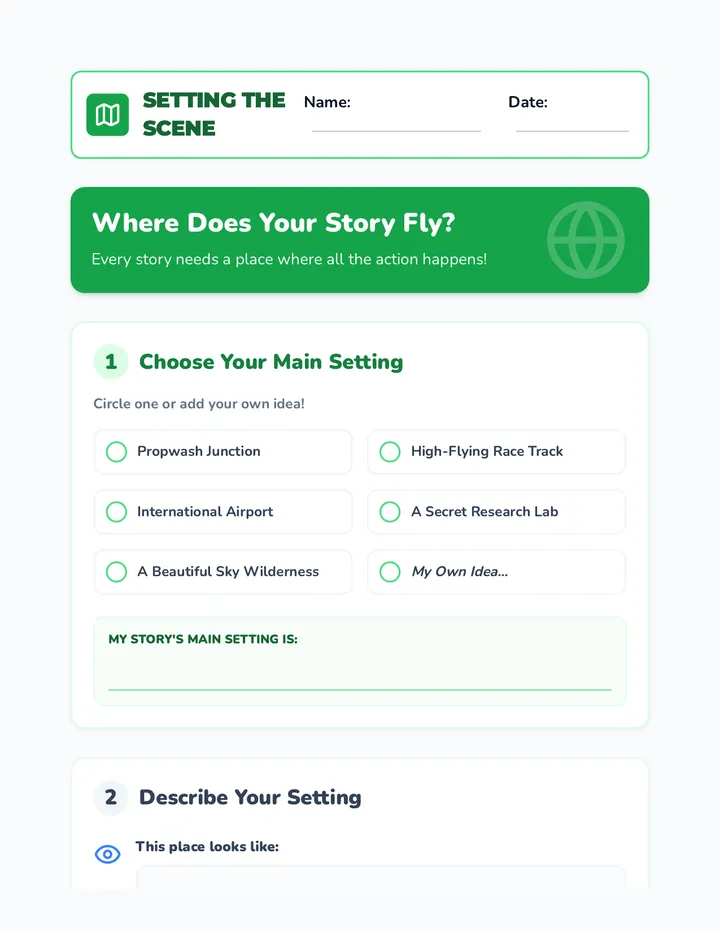
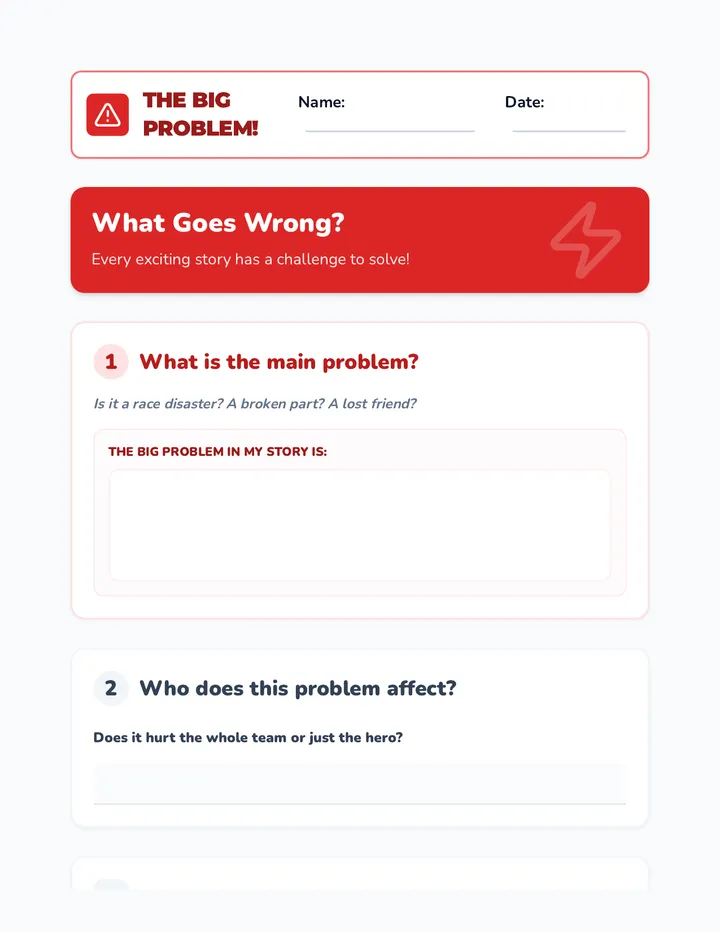
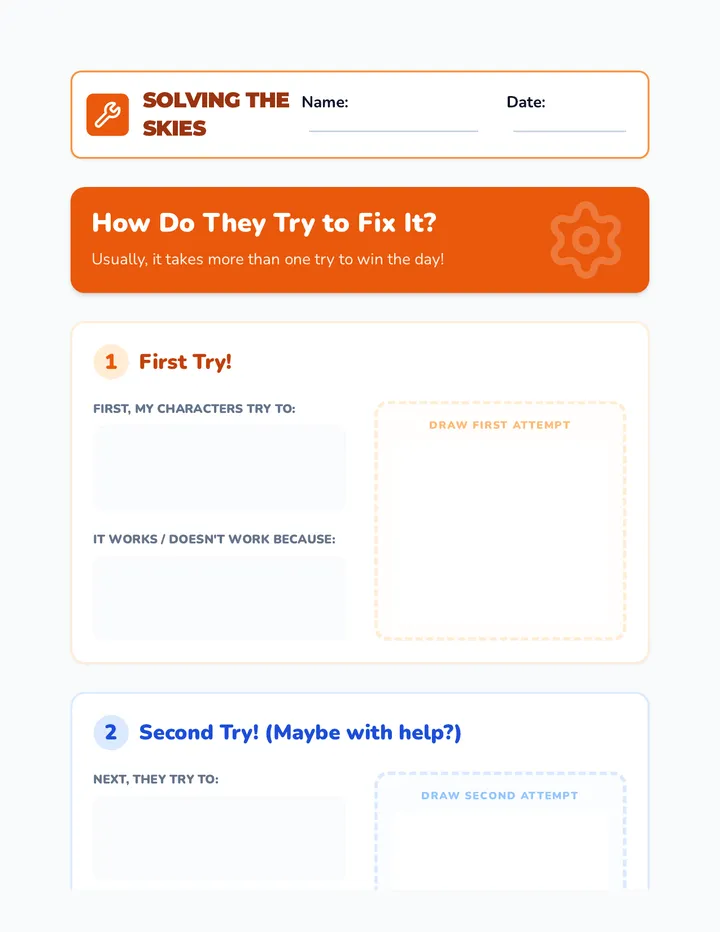
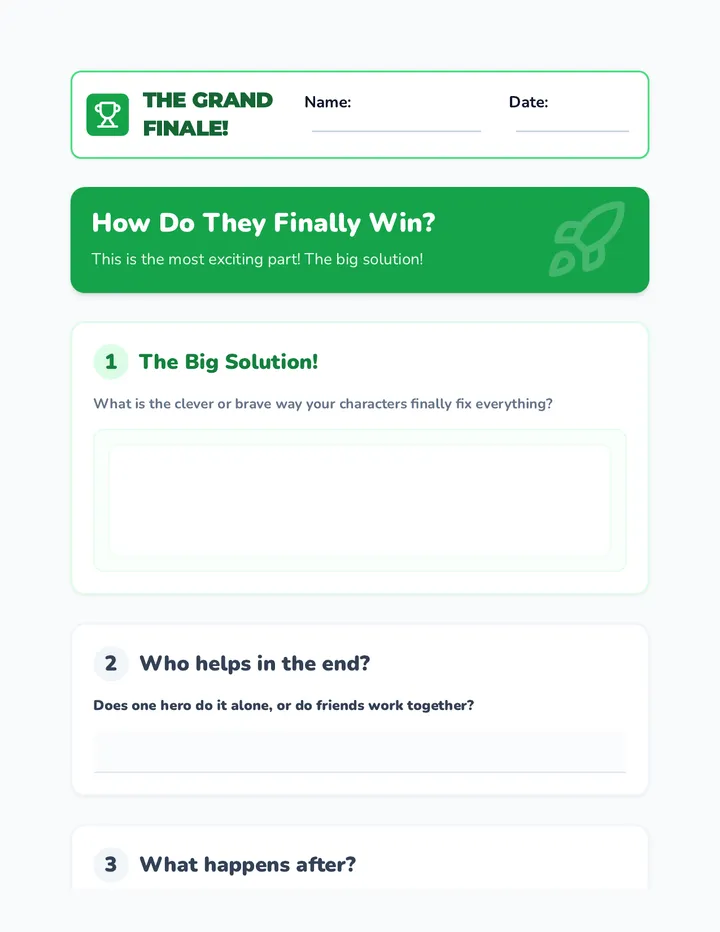
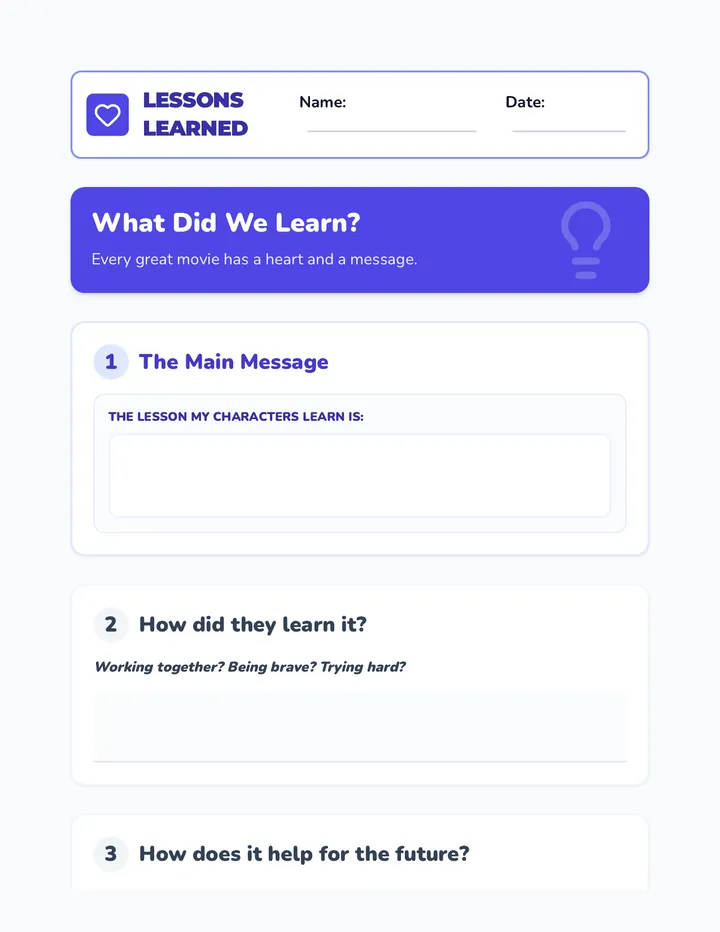
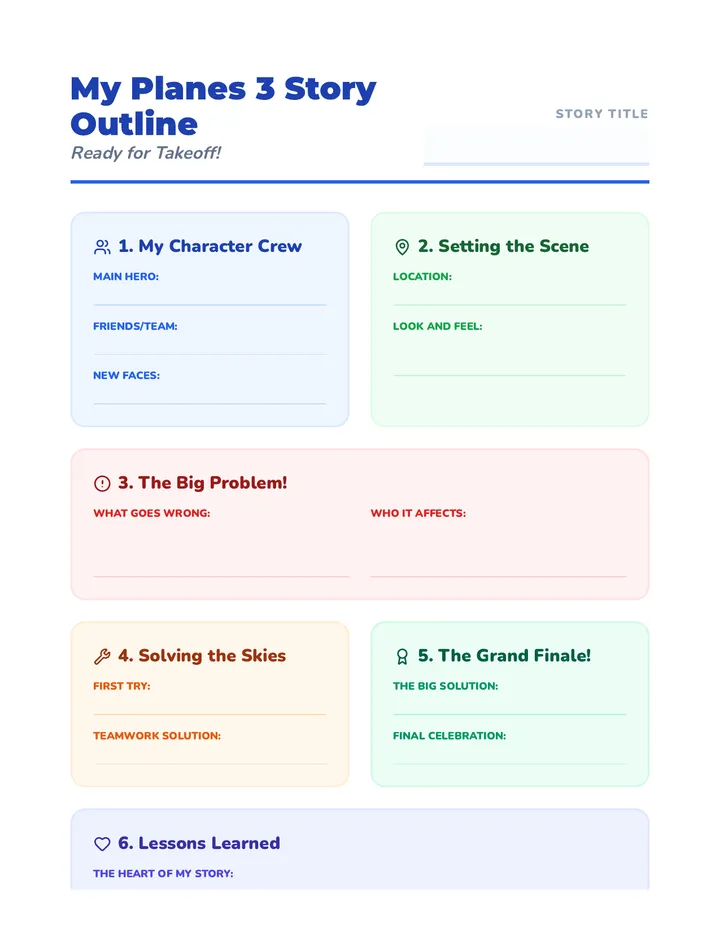
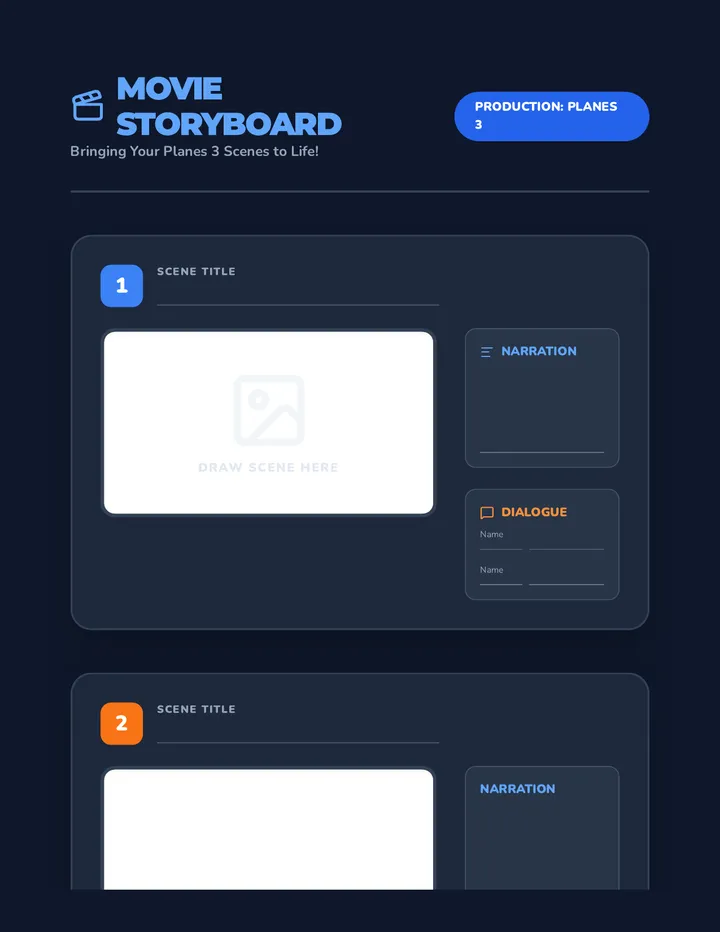
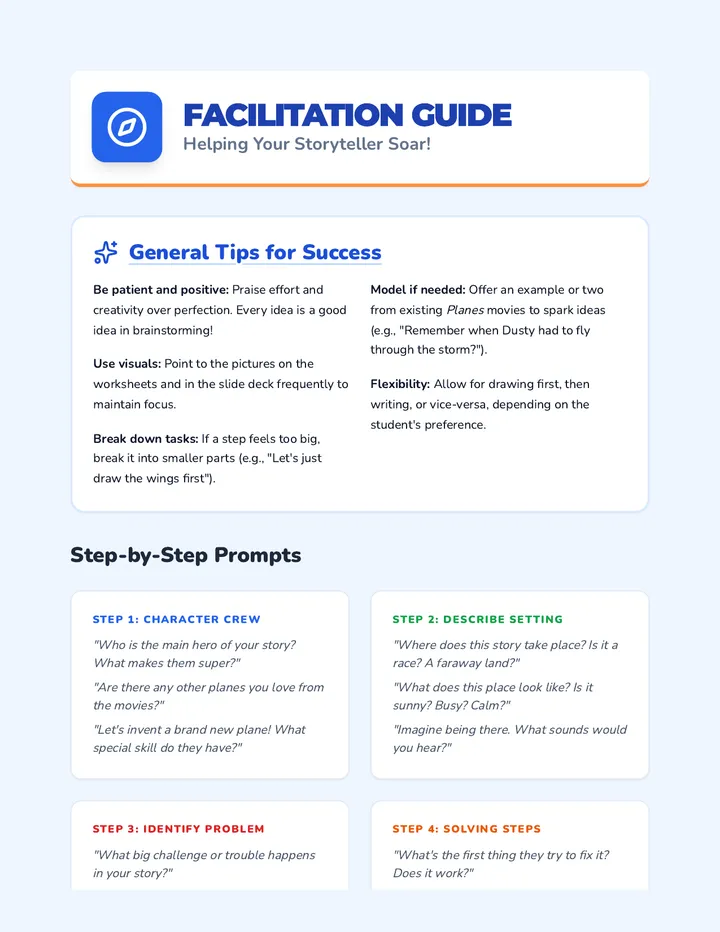
This lesson guides a 3rd-grade student with autism through a visual, step-by-step process to create their own 'Planes 3' screenplay. It focuses on developing characters, setting, plot, and themes through creative writing and storyboarding.
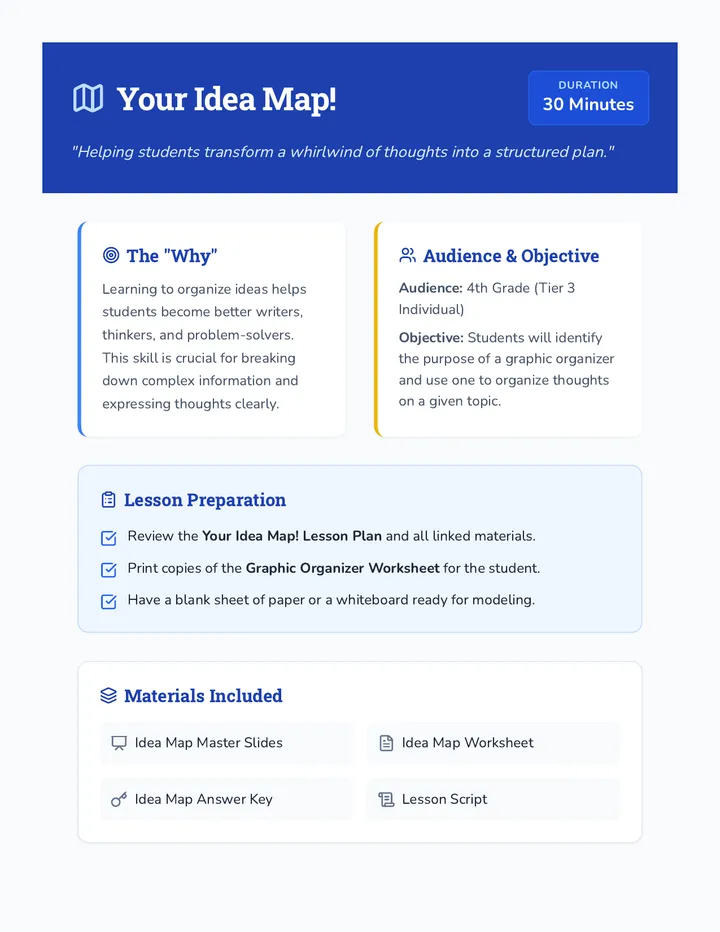
A 30-minute individual session helping 4th-grade students master brainstorming and organizing thoughts using visual maps.
A 30-minute Tier 2 intervention designed for 3rd-grade students with ADHD and learning disabilities to develop executive function skills for organizing thoughts and sequencing ideas into sentences and paragraphs.
A 30-minute one-on-one Tier 3 lesson designed to help middle school students build stamina for non-preferred tasks using executive functioning strategies like planning, chunking, and self-monitoring.