Targeted skill development for daily life activities including budgeting, meal preparation, and personal safety. Prepares students with IEPs for successful transitions to autonomous living environments.
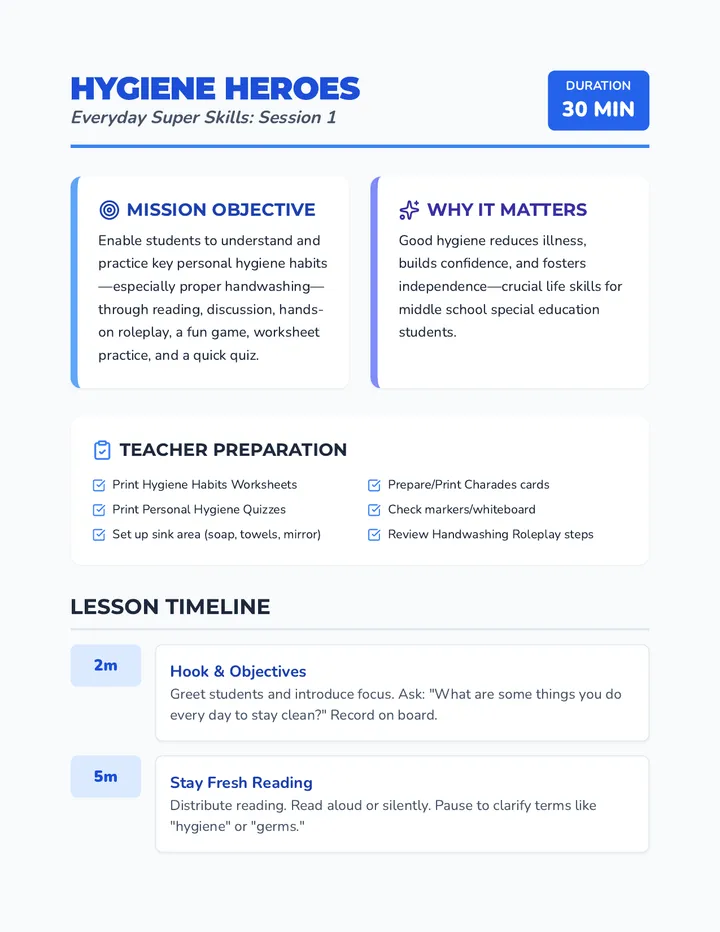
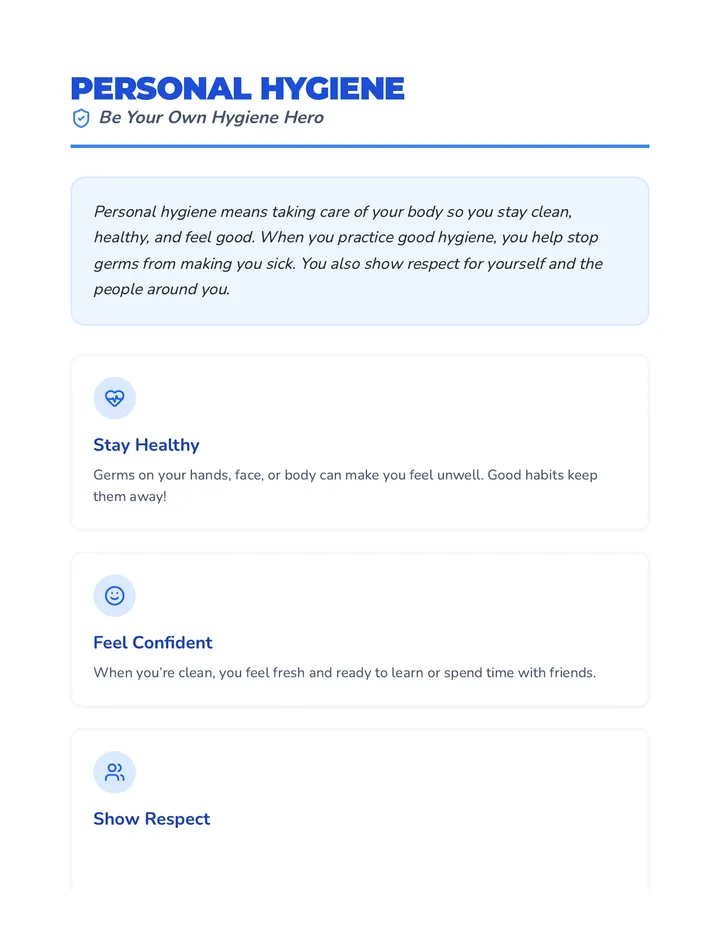
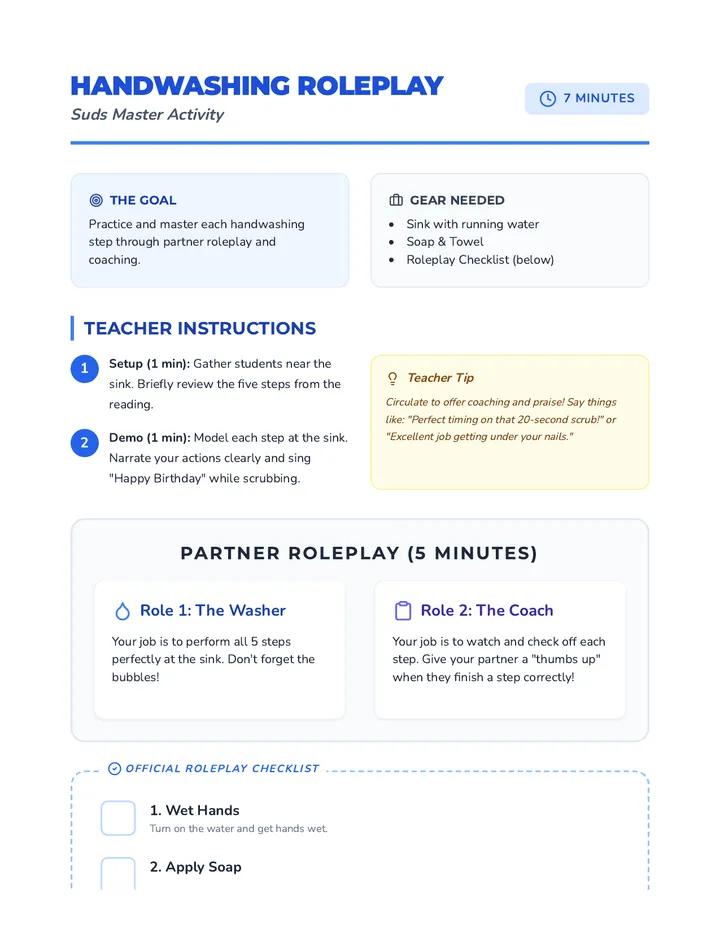
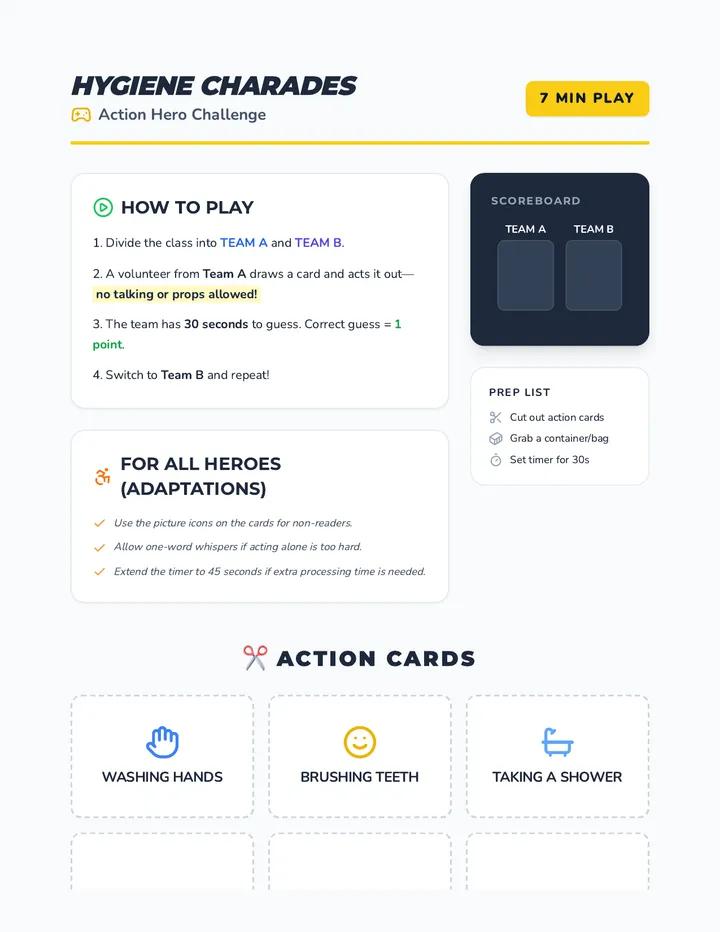
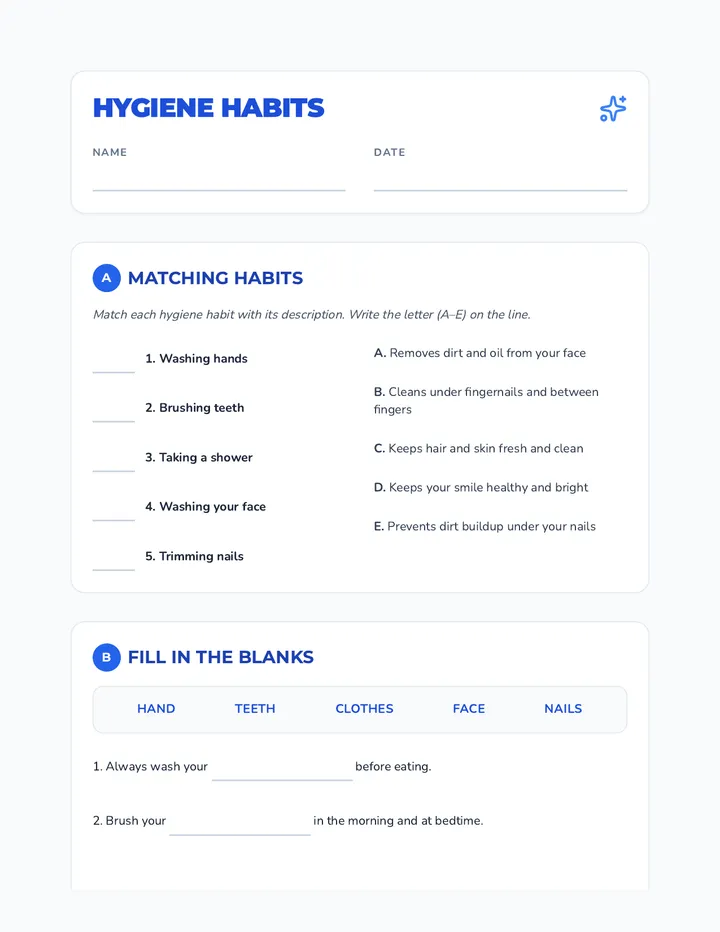
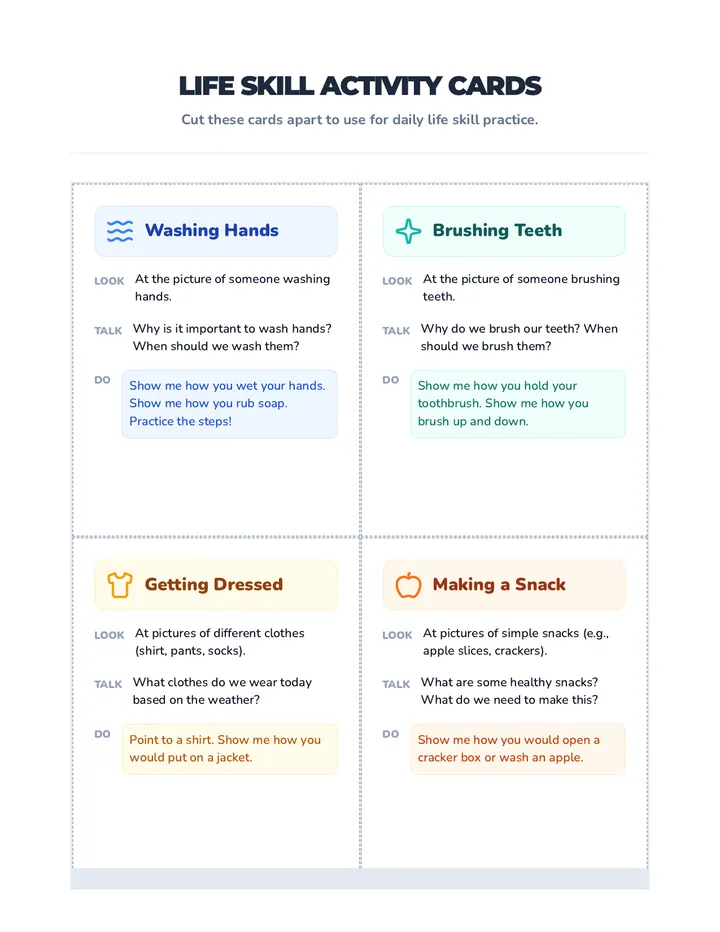
A two-session sequence designed for middle school special education students to develop essential life skills in personal hygiene and healthy meal preparation. Each session combines interactive reading, hands-on activities, and gamified learning to foster independence and confidence.
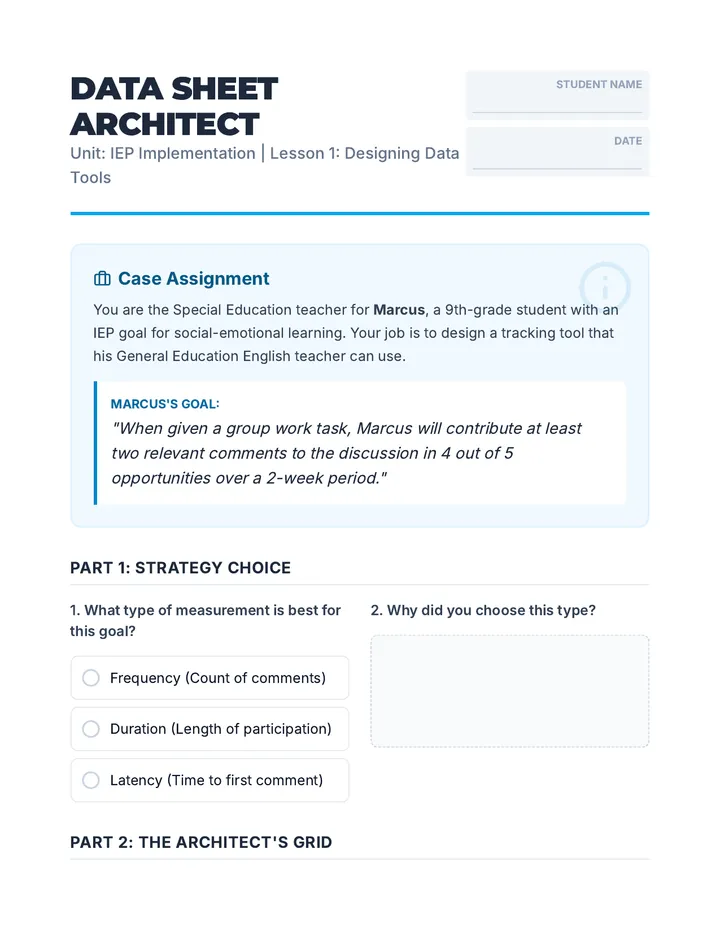
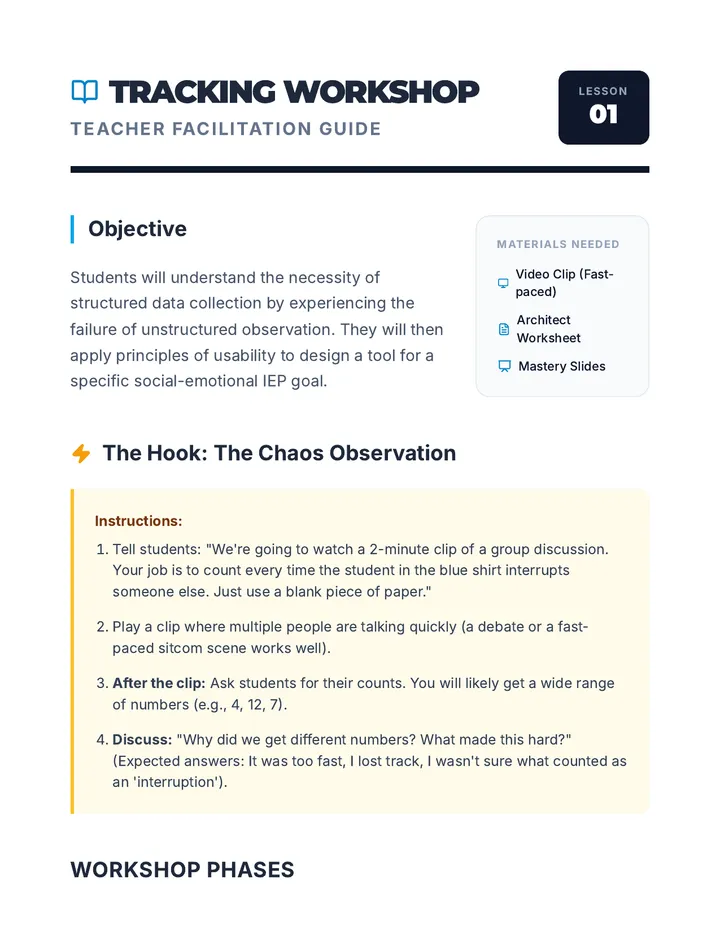
This sequence explores the implementation and monitoring of IEPs for 11th-grade students, focusing on data collection, progress reporting, secondary transition planning (ITP), and the ethical balance between legal compliance and educational quality. Students transition from being passive participants to active designers and evaluators of the IEP process.
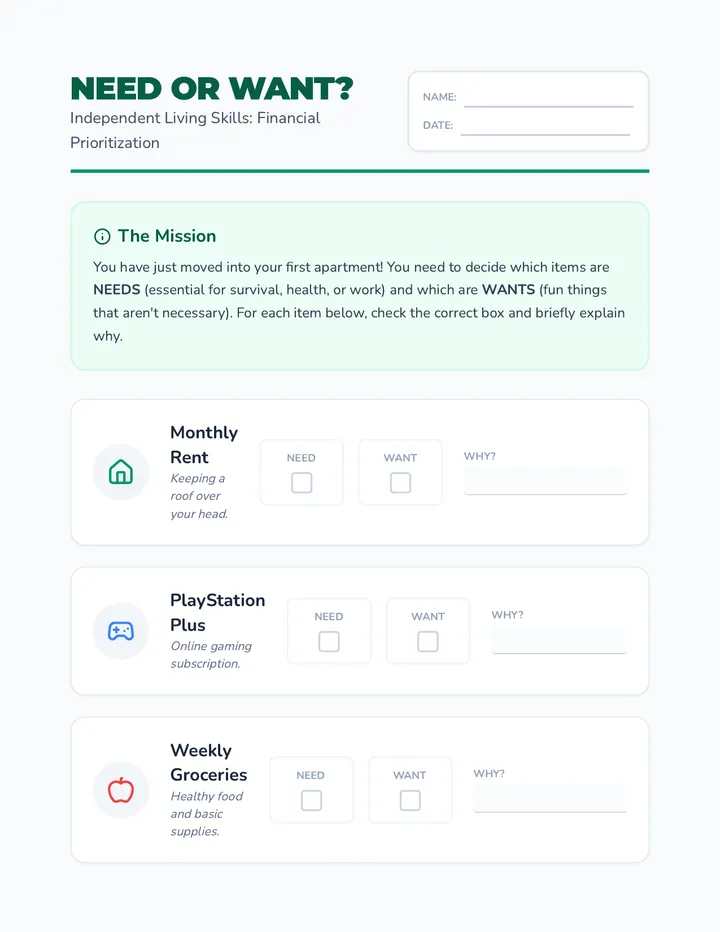
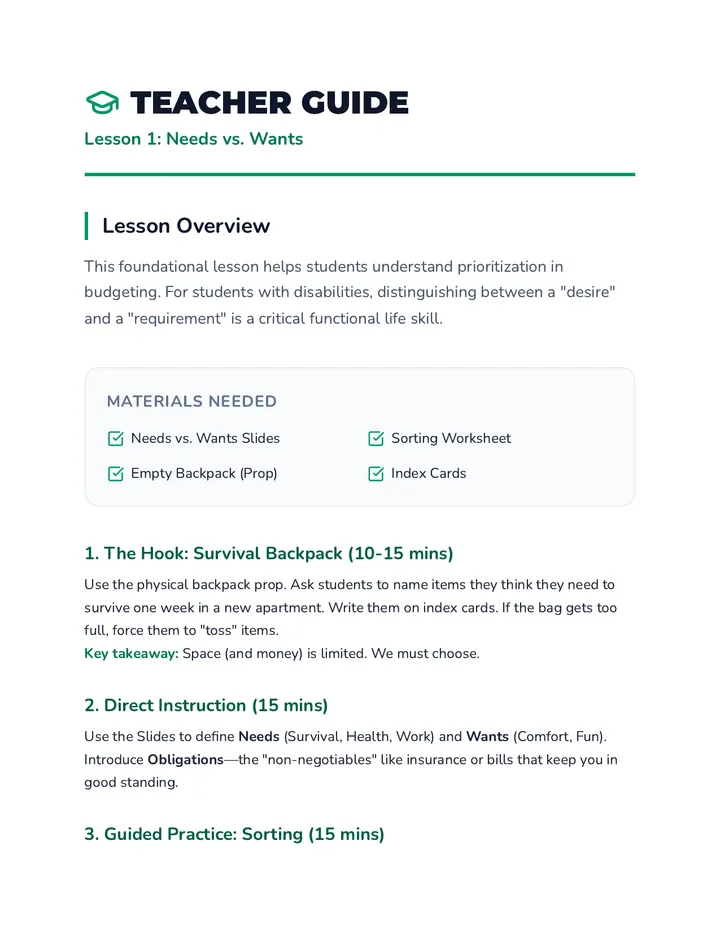
A comprehensive financial literacy sequence for Special Education students focusing on real-world budgeting, income analysis, and banking skills for independent living.
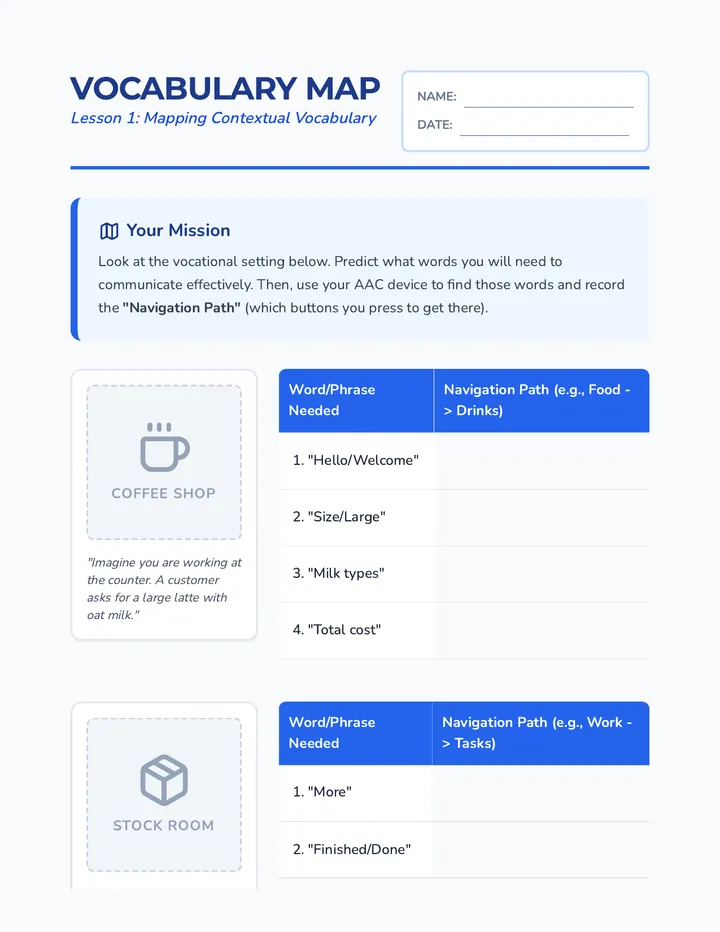
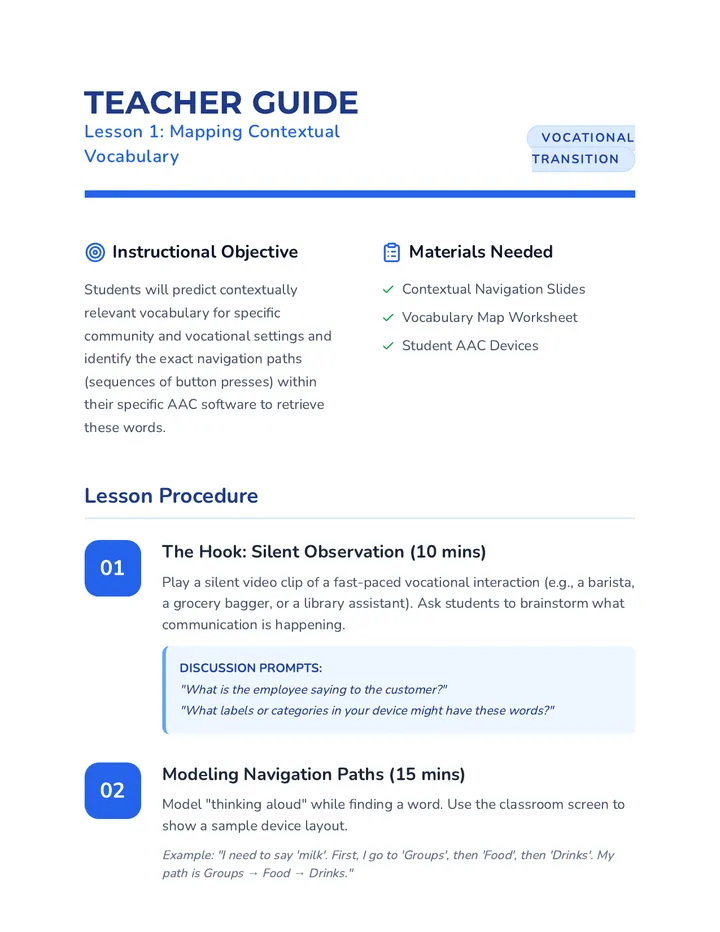
This sequence prepares 10th-grade students for the transition to community and vocational life by mastering the navigation of Augmentative and Alternative Communication (AAC) devices. Students progress from identifying context-specific vocabulary to navigating complex, multi-folder social and professional interactions.
A comprehensive curriculum for transition-age learners (18–22) to develop essential independence skills across six domains: daily living, finance, work, communication, health, and community.
A game-based transition planning simulation where 9th-grade students manage a monthly budget, navigate adult responsibilities, and make decisions about housing, transportation, and daily living. This sequence integrates financial literacy with practical life skills tailored for students with disabilities.
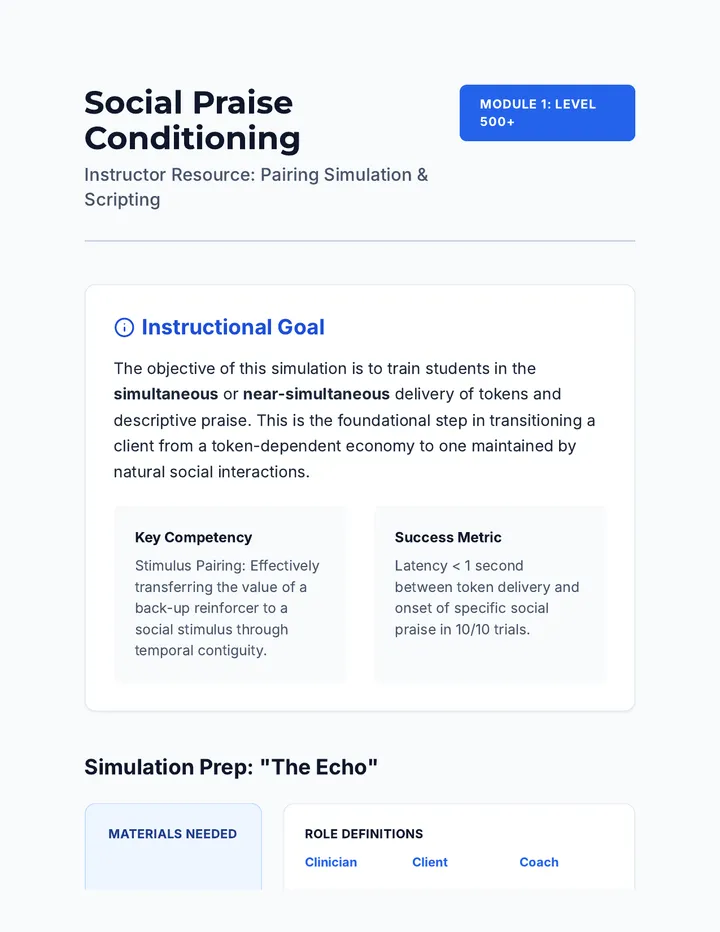
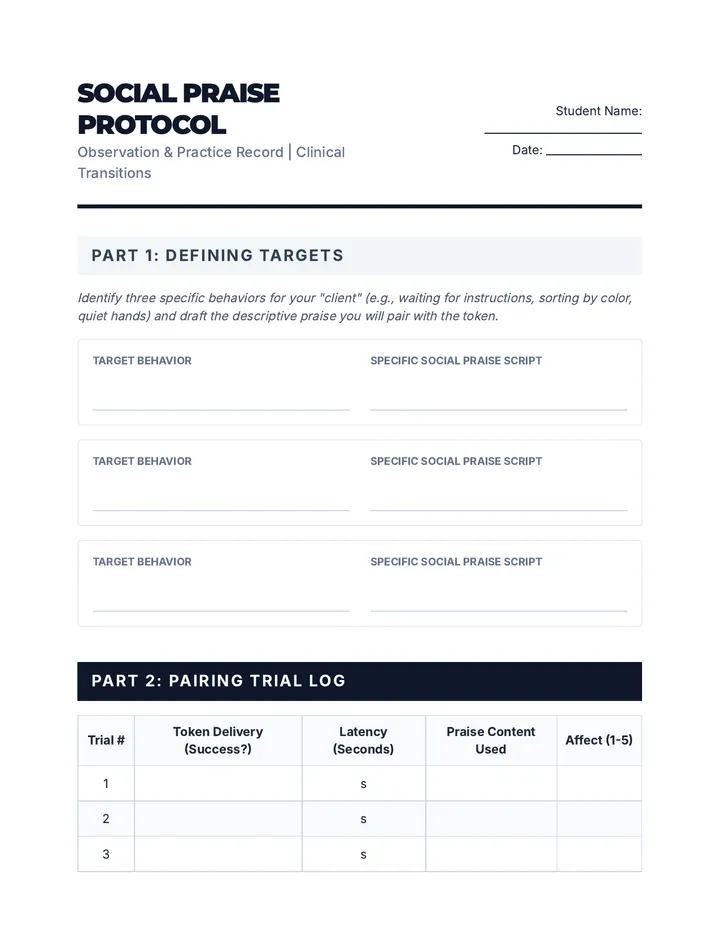
A graduate-level sequence focused on the clinical transition from contrived token systems to natural reinforcement, covering social praise conditioning, schedule thinning, level systems, self-monitoring, and long-term exit strategies.
A professional, project-based sequence where students act as behavioral consultants to design, budget, and pitch a comprehensive token economy intervention. Students analyze complex cases, manage resources, and develop staff training protocols to ensure sustainable behavioral change.
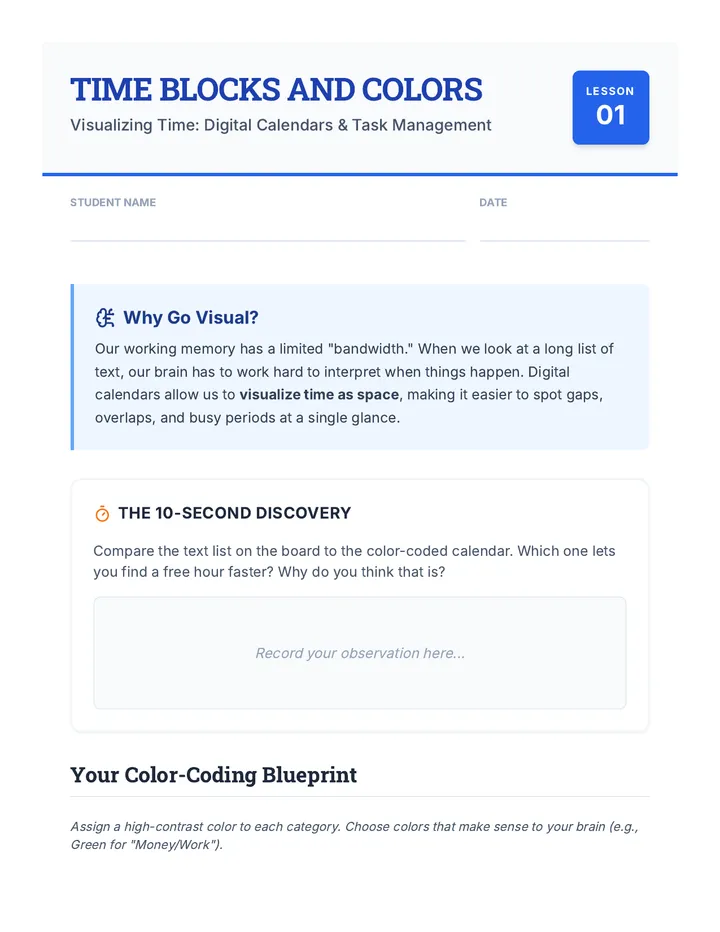
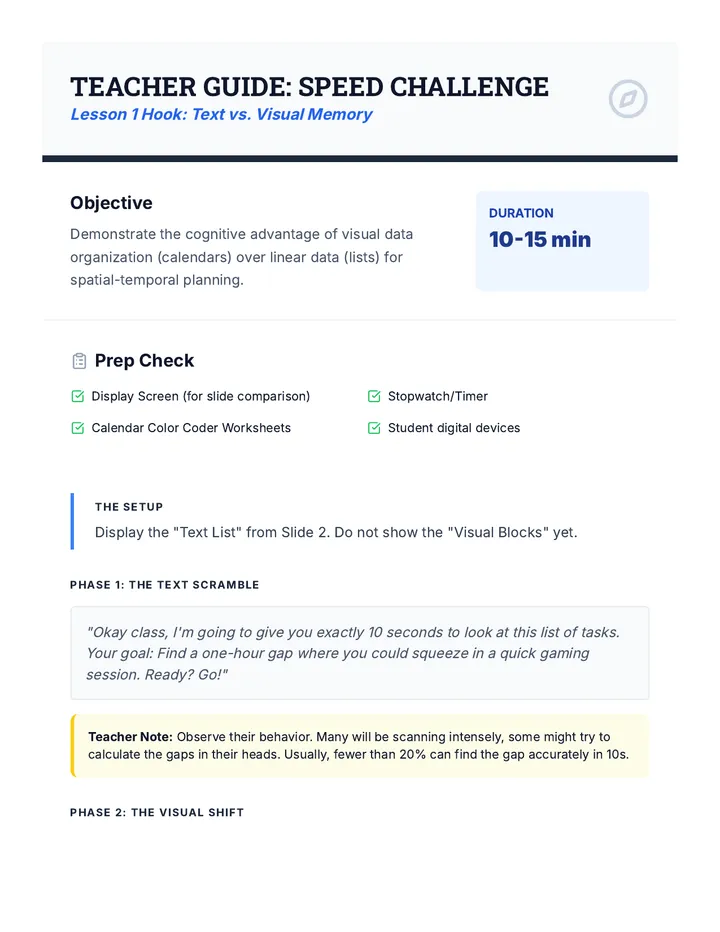
This sequence teaches 11th-grade students how to use digital visual systems (calendars, Kanban boards, and widgets) to support working memory and executive function. Students transition from reactive list-making to proactive visual time and task management, preparing them for the demands of college and career environments.
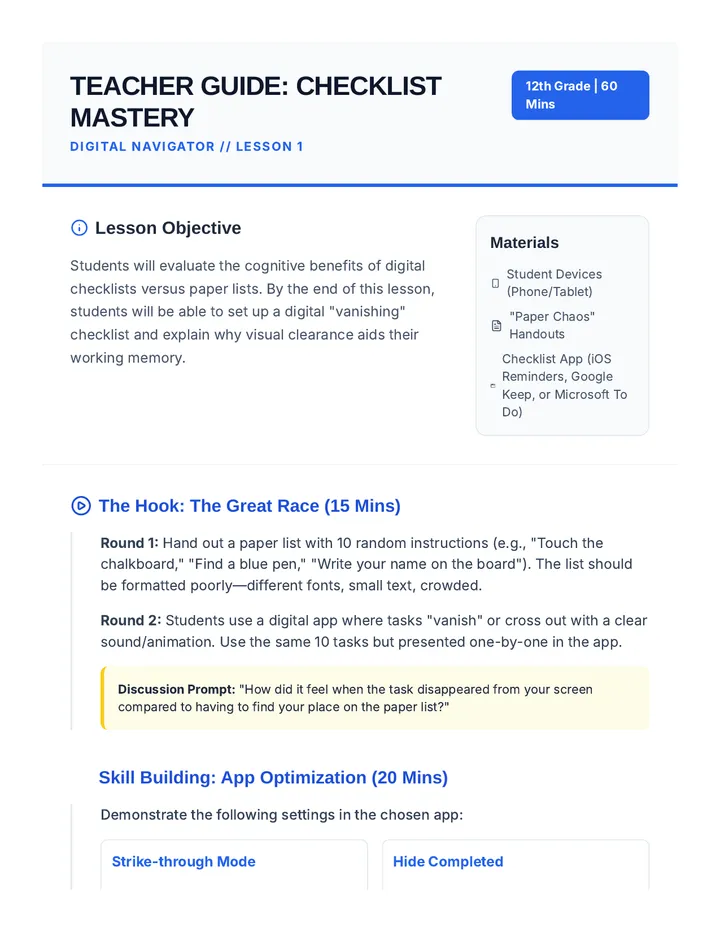
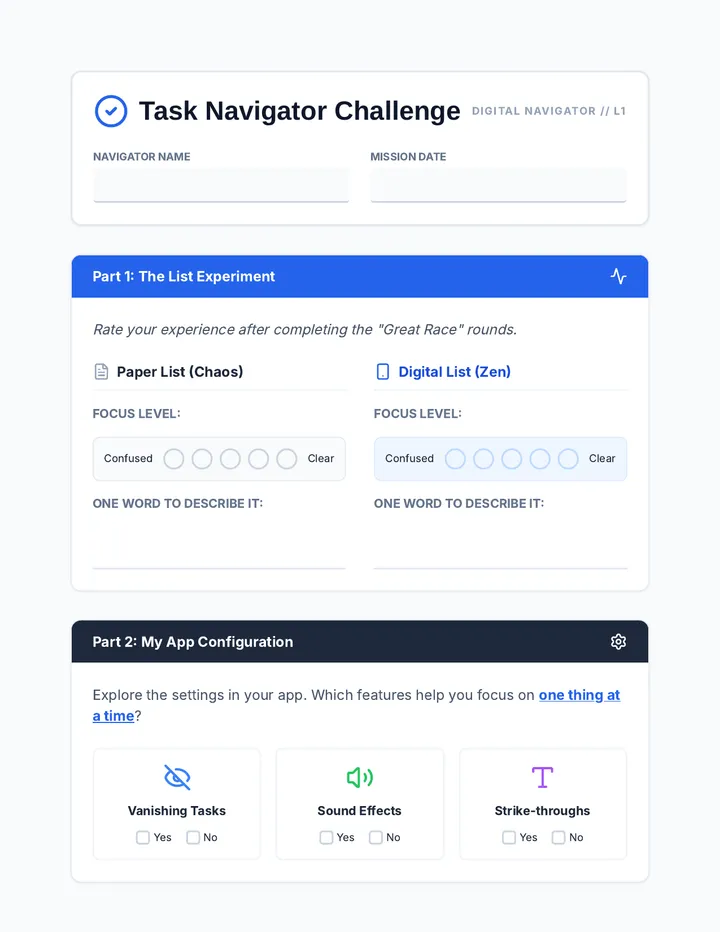
A 5-lesson sequence for 12th-grade students with working memory challenges, focusing on using assistive technology to break down complex tasks into manageable single-step directions. Students explore checklists, voice assistants, photo-based instructions, and QR codes to build independence through digital literacy.
A specialized instructional unit for 12th-grade students focusing on overcoming working memory challenges through single-step task execution. This sequence teaches students to use 'masking', task deconstruction, and binary decision-making to master complex home maintenance and independent living tasks.
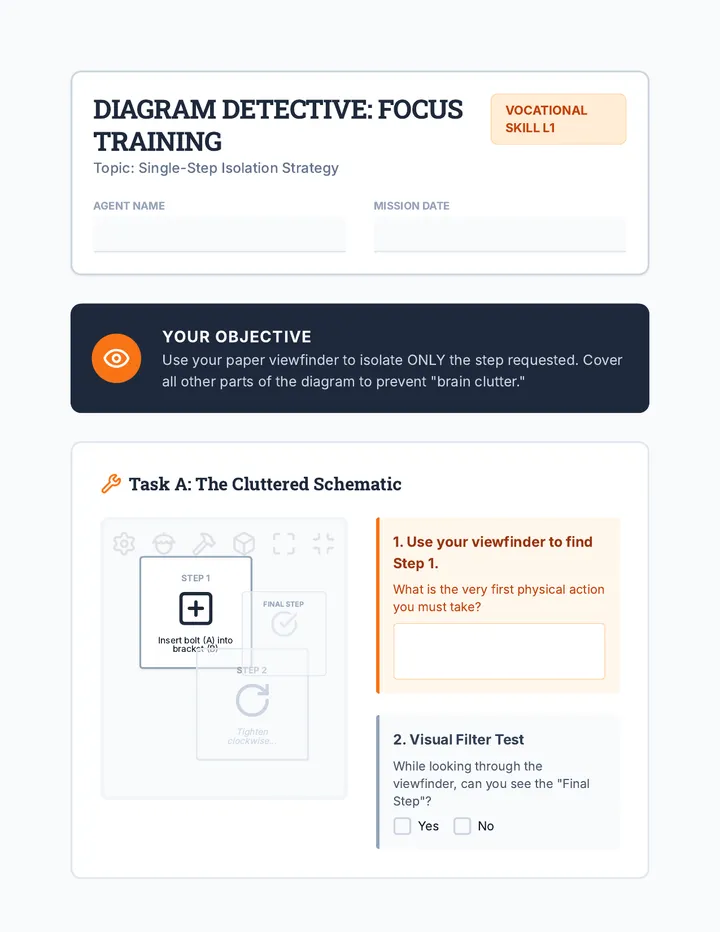
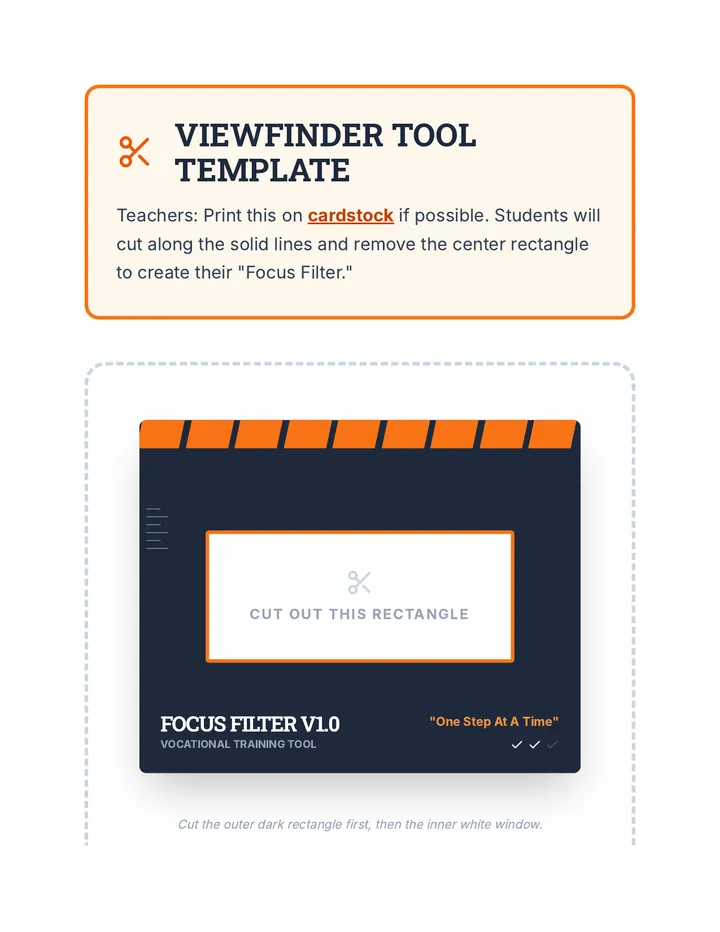
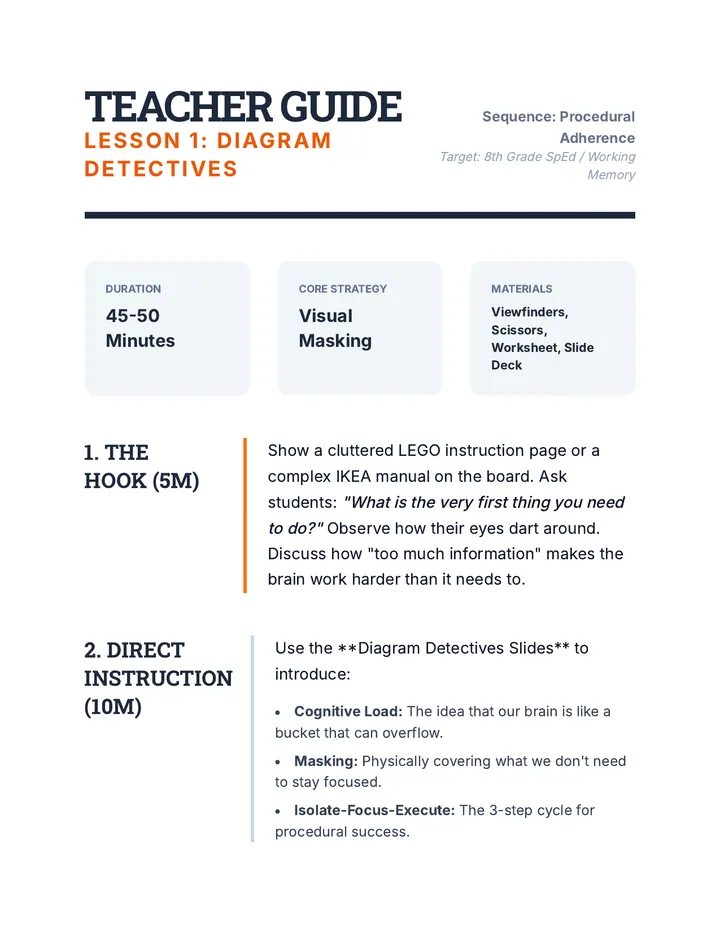
This sequence focuses on vocational and life skills, applying single-step direction following to physical assembly and procedural tasks. Students learn to navigate technical diagrams and standard operating procedures by isolating one action at a time to support working memory.
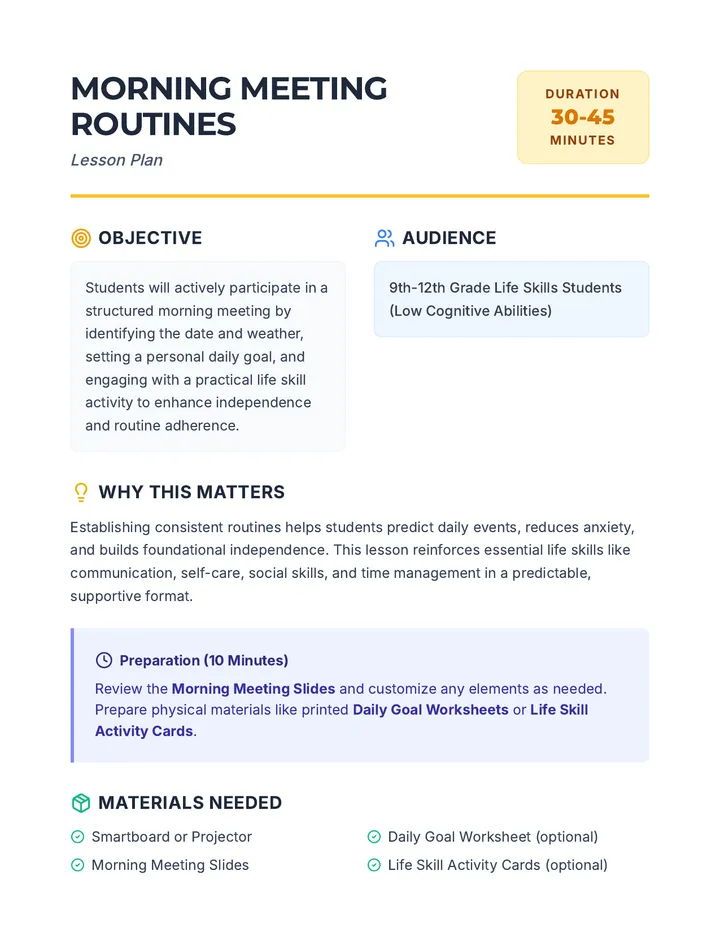
A structured morning meeting routine for 9th-12th grade life skills students focusing on communication, calendar, weather, goal setting, and practical life skills practice.
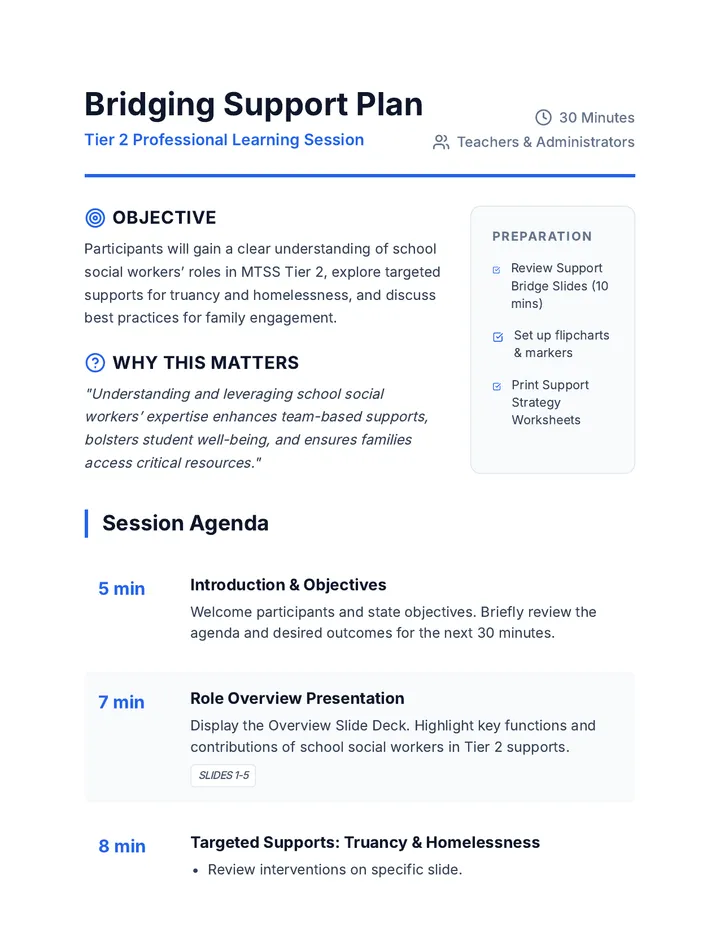
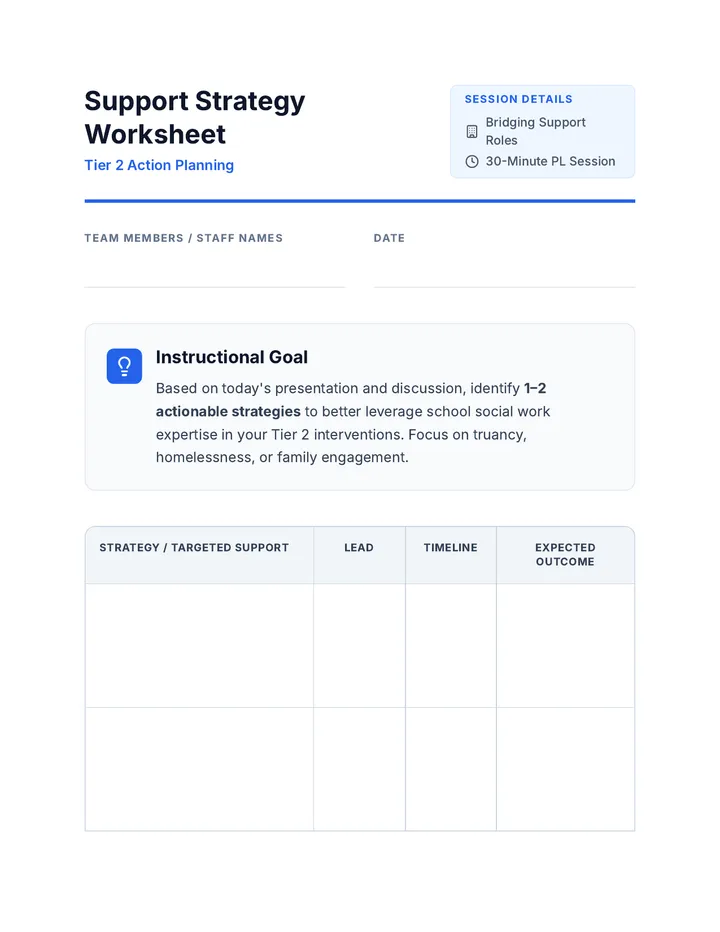
A 30-minute Tier 2 professional learning session for teachers and administrators to explore the evolving role of school social workers and plan actionable student support strategies.
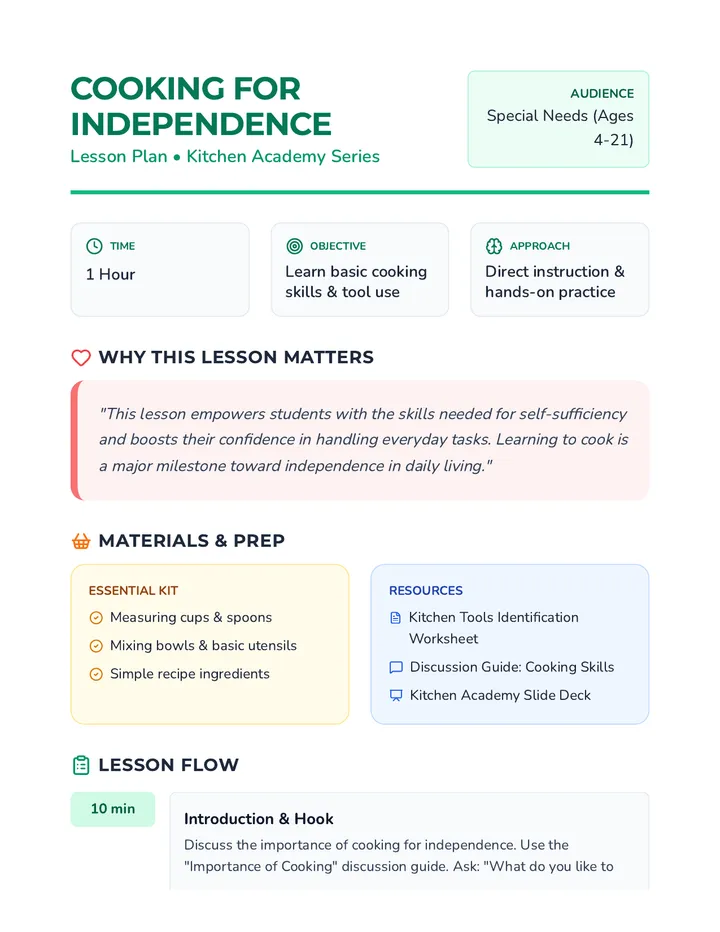
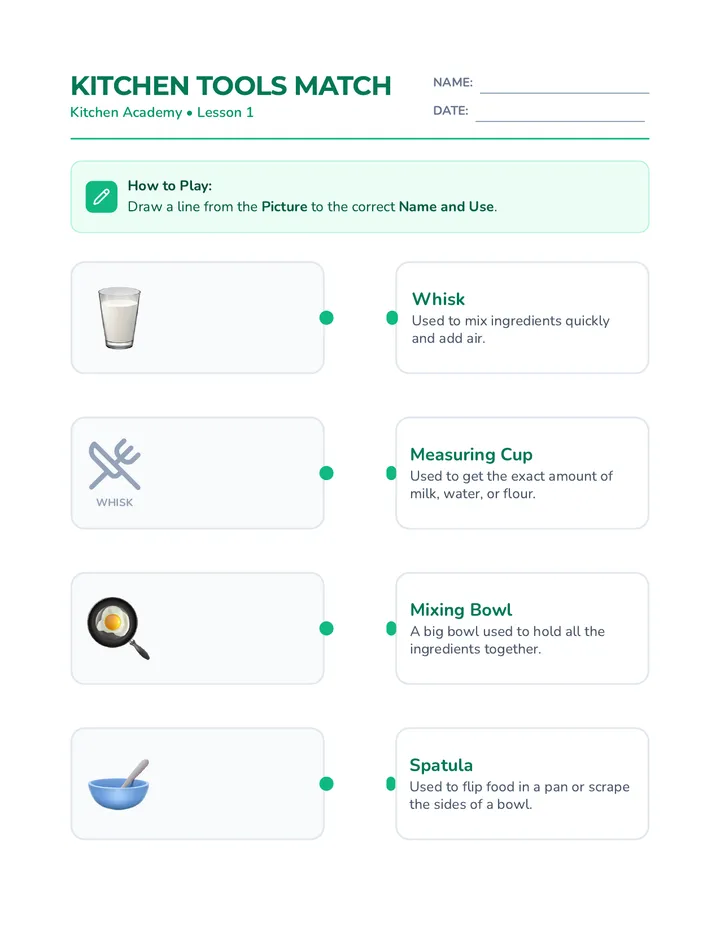
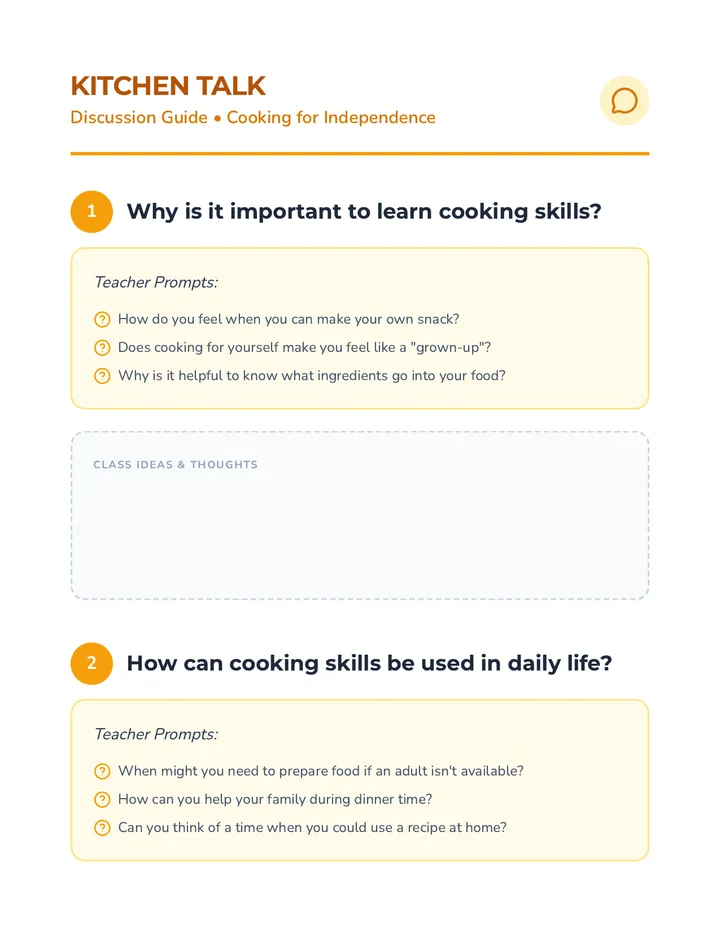
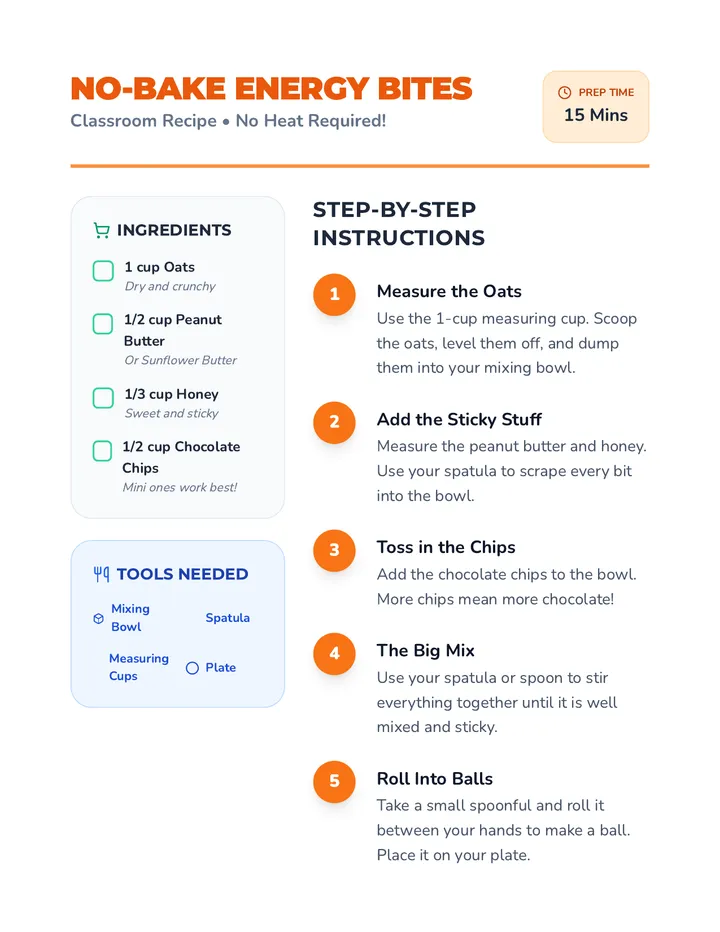
A foundational lesson for special needs students to learn basic kitchen skills, tool identification, and the importance of cooking for independence. includes hands-on measuring and simple recipe preparation.
A 30-minute Tier 3 lesson for adults with special needs focused on identifying early signs of overwhelm and creating a personalized three-step 'reset button' routine to regain composure and emotional regulation.
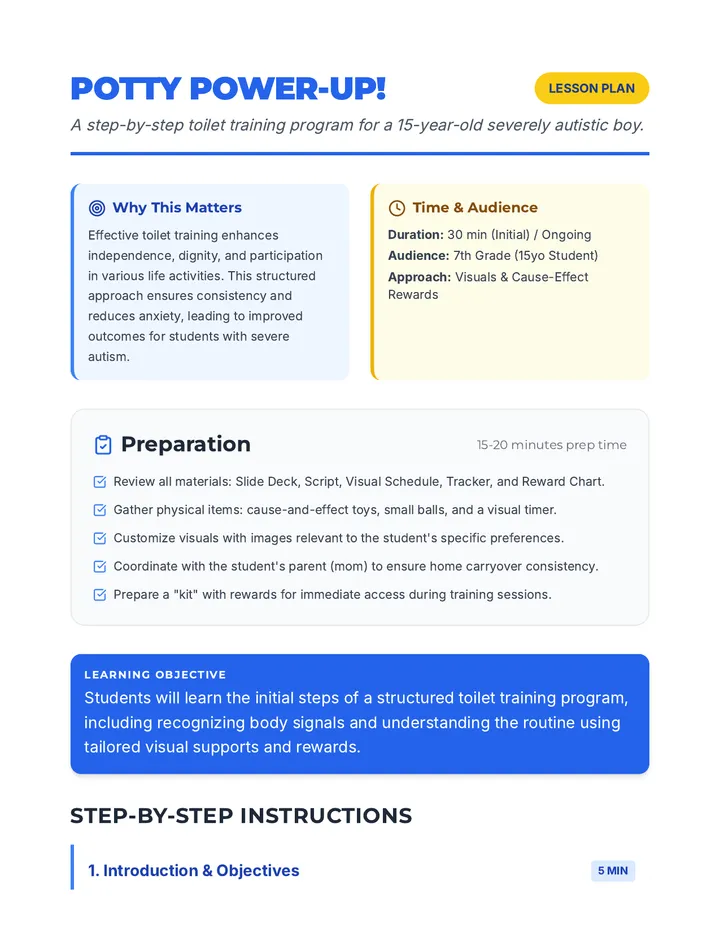
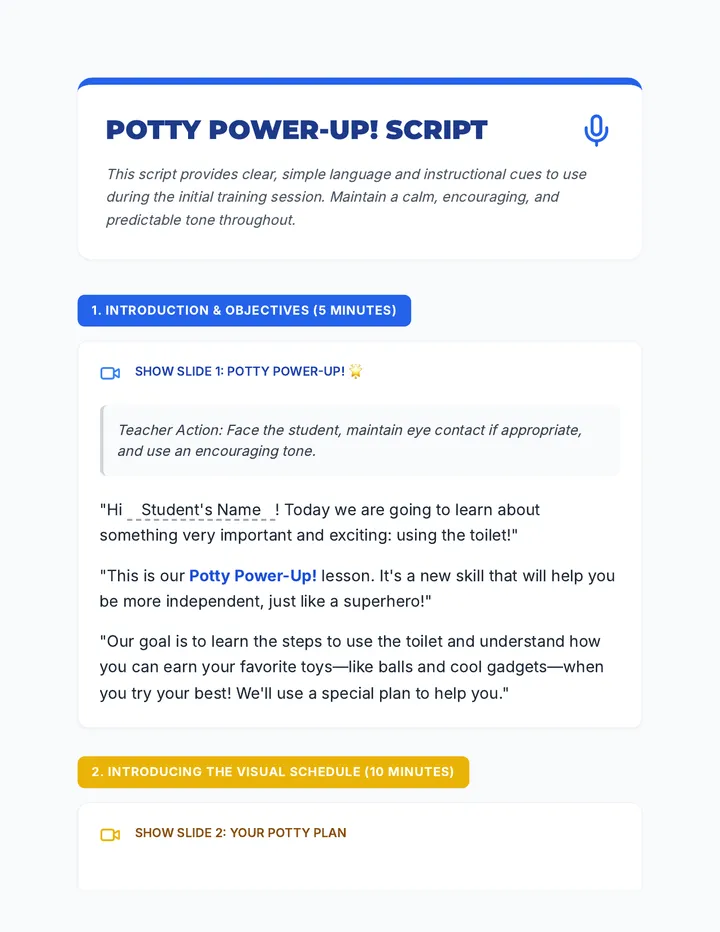
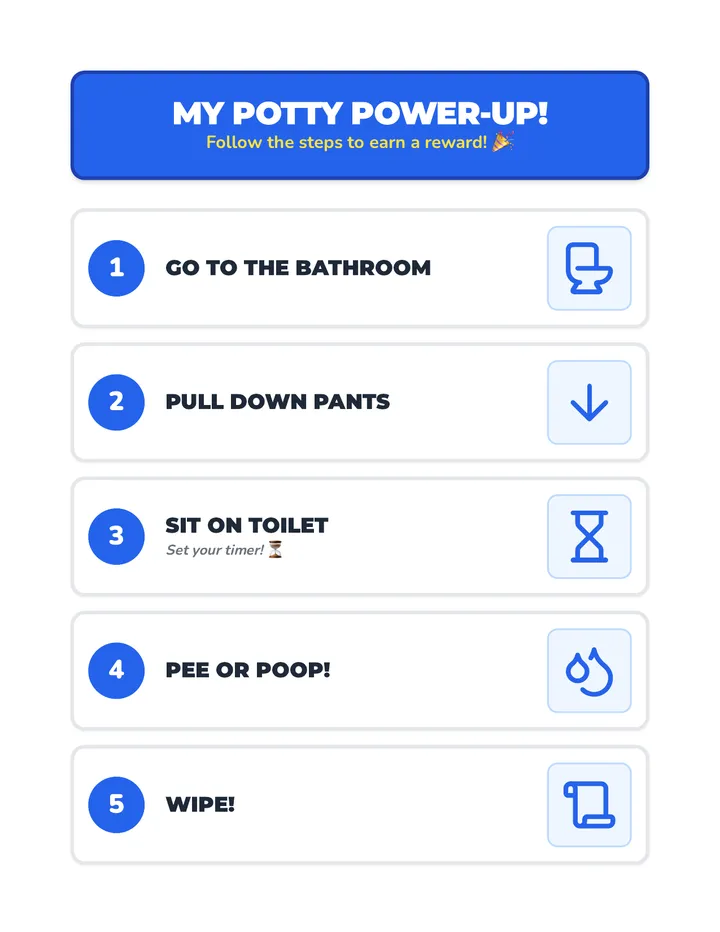
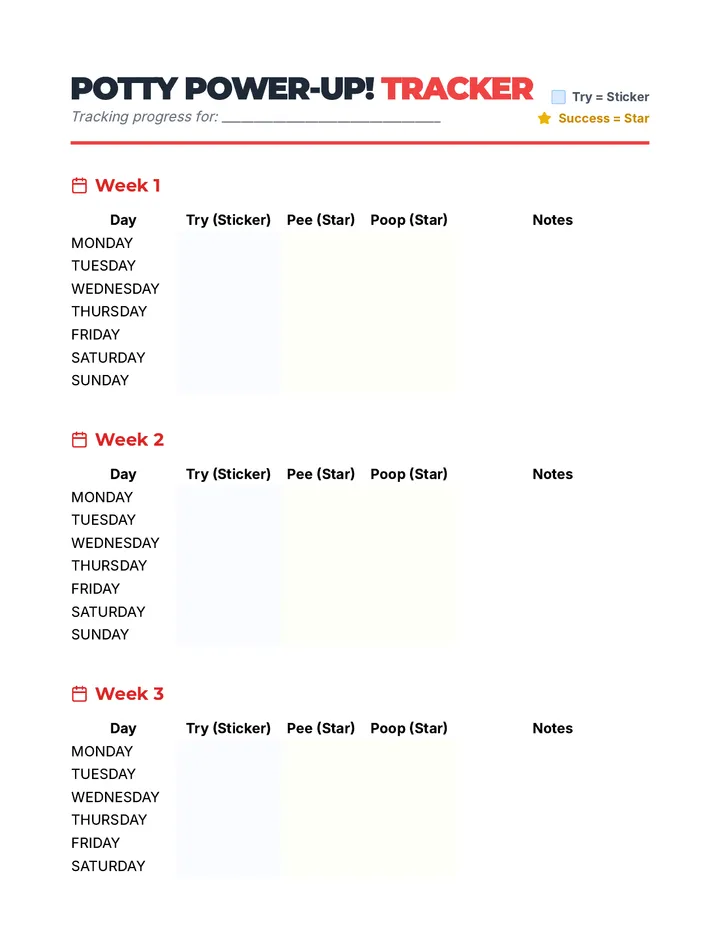
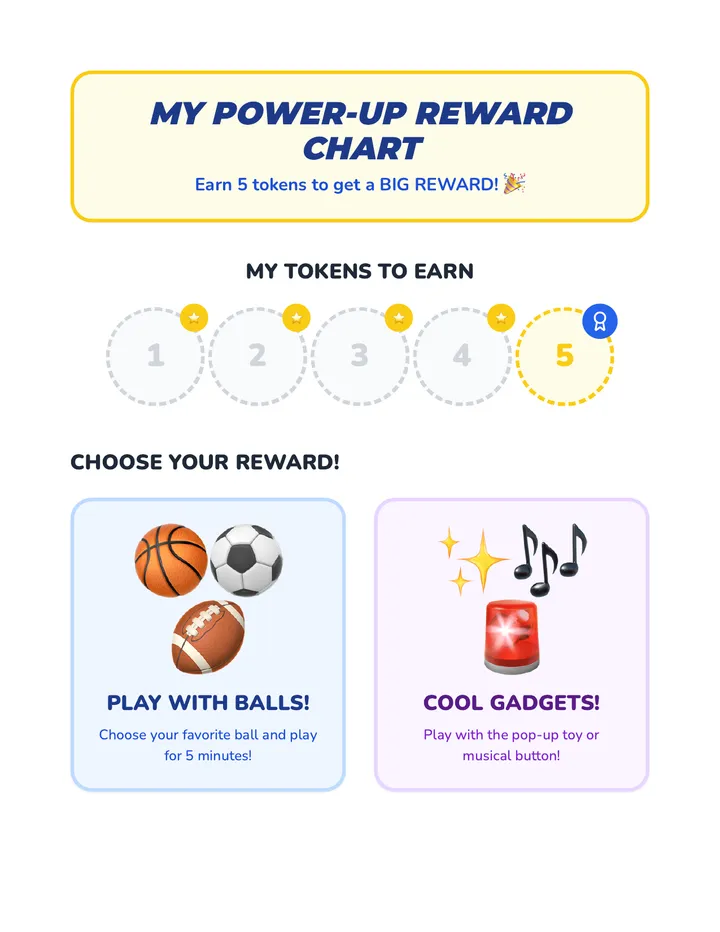
A structured toilet training program for a 15-year-old severely autistic boy, utilizing visual supports, cause-and-effect rewards, and systematic tracking to build independence.
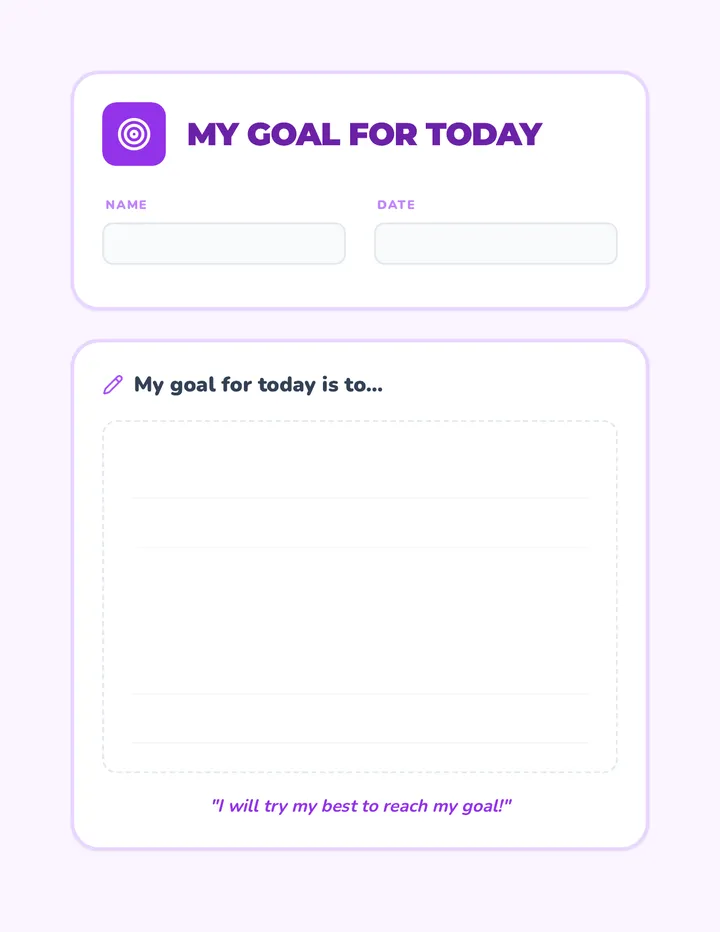
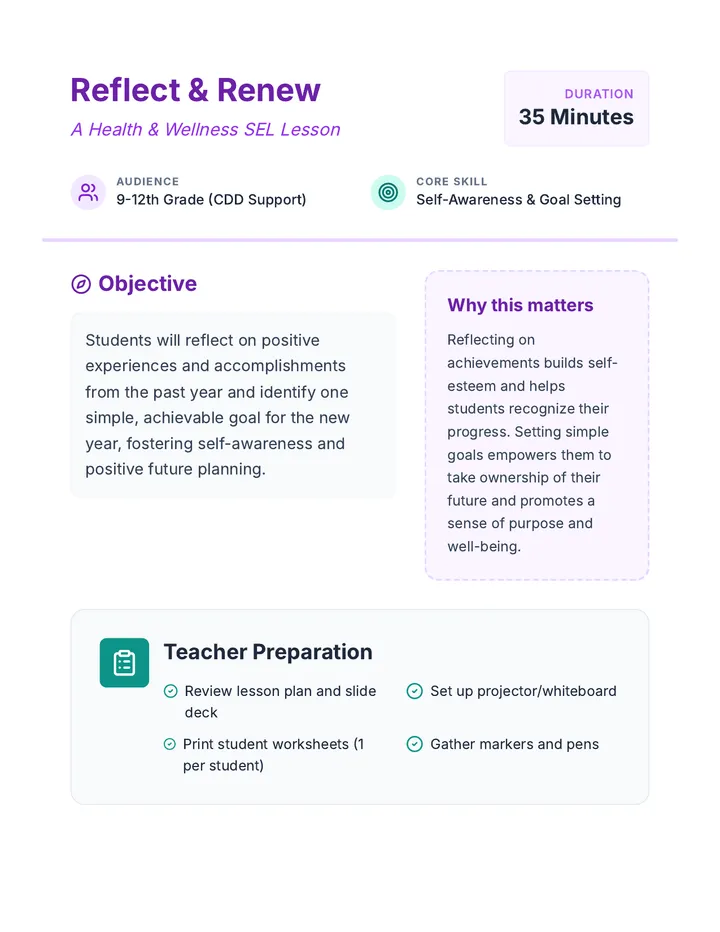
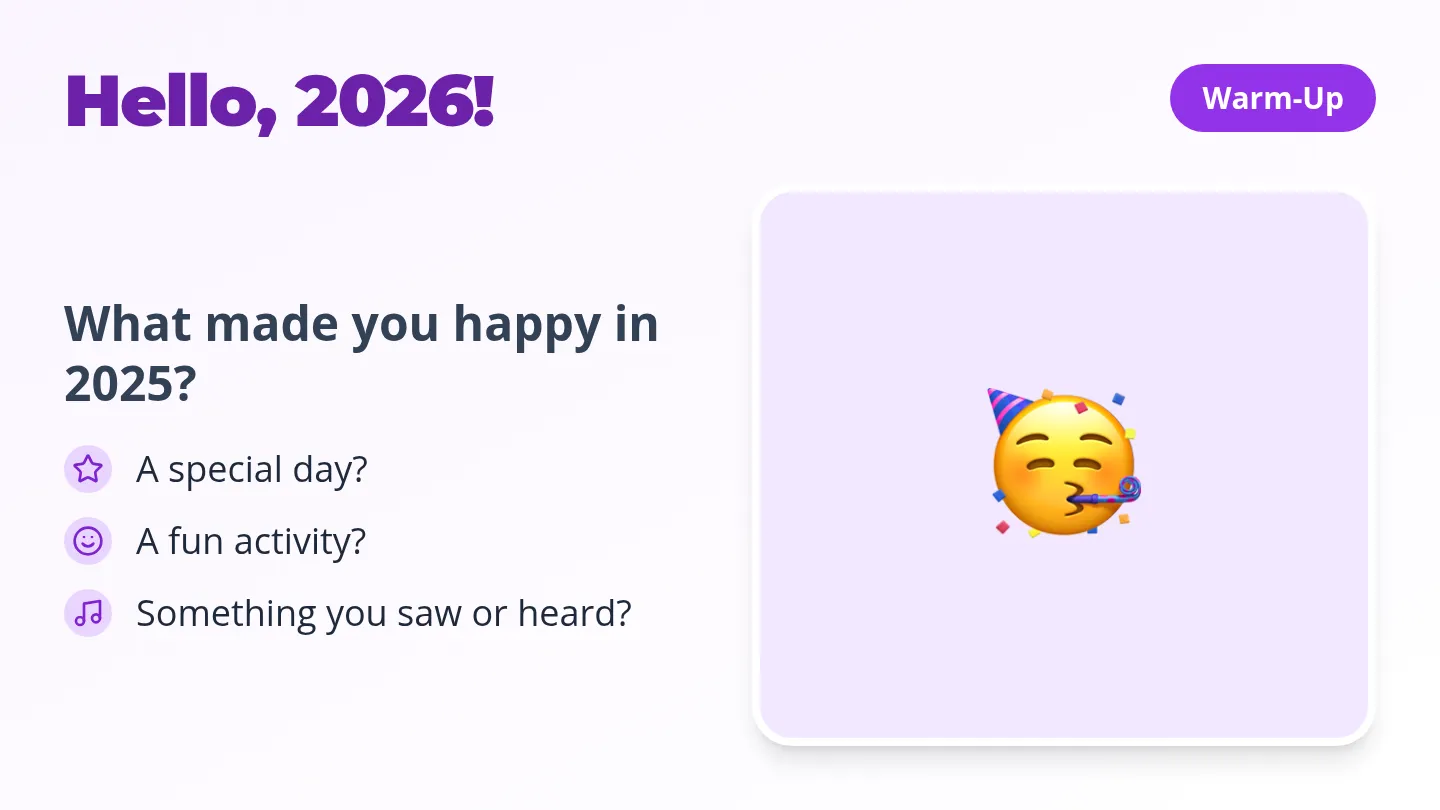
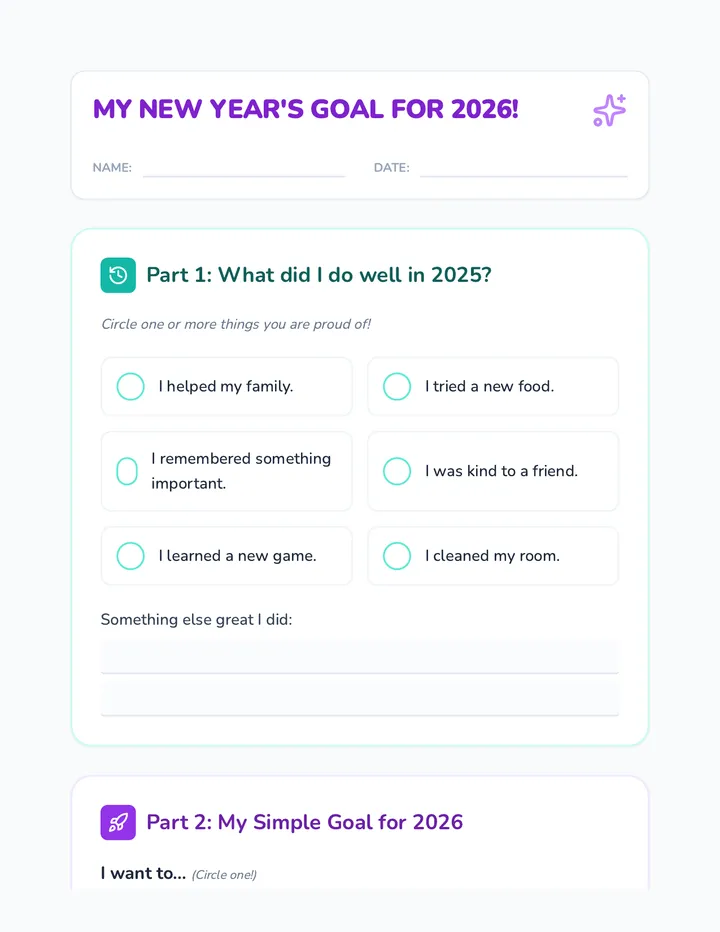
A 35-minute Health and Wellness SEL lesson for high school students with cognitive developmental disabilities, focusing on reflecting on past achievements and setting simple, achievable goals for the new year.
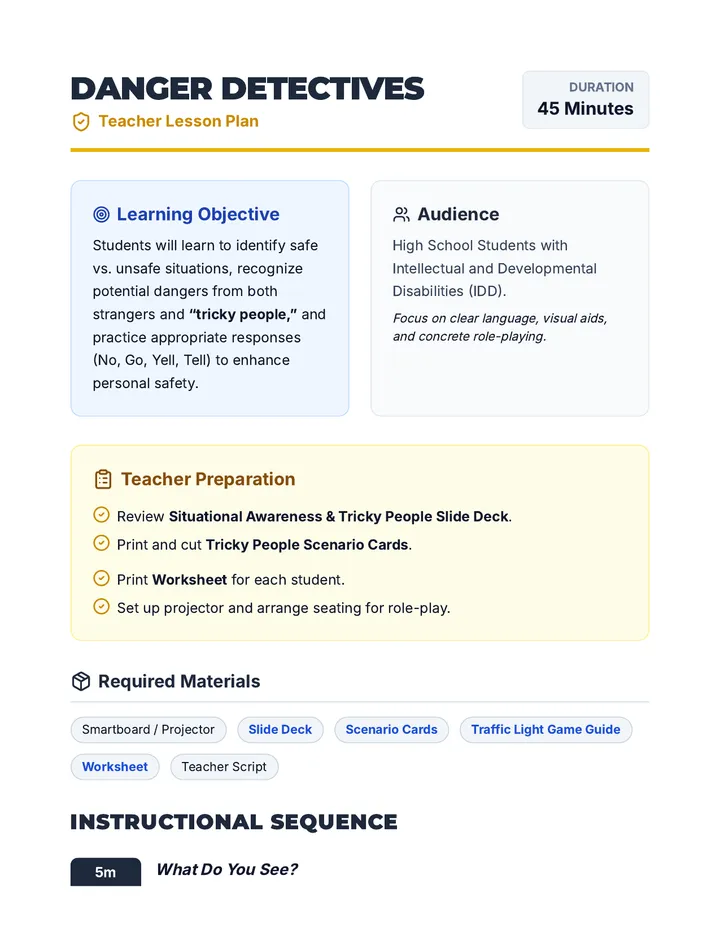
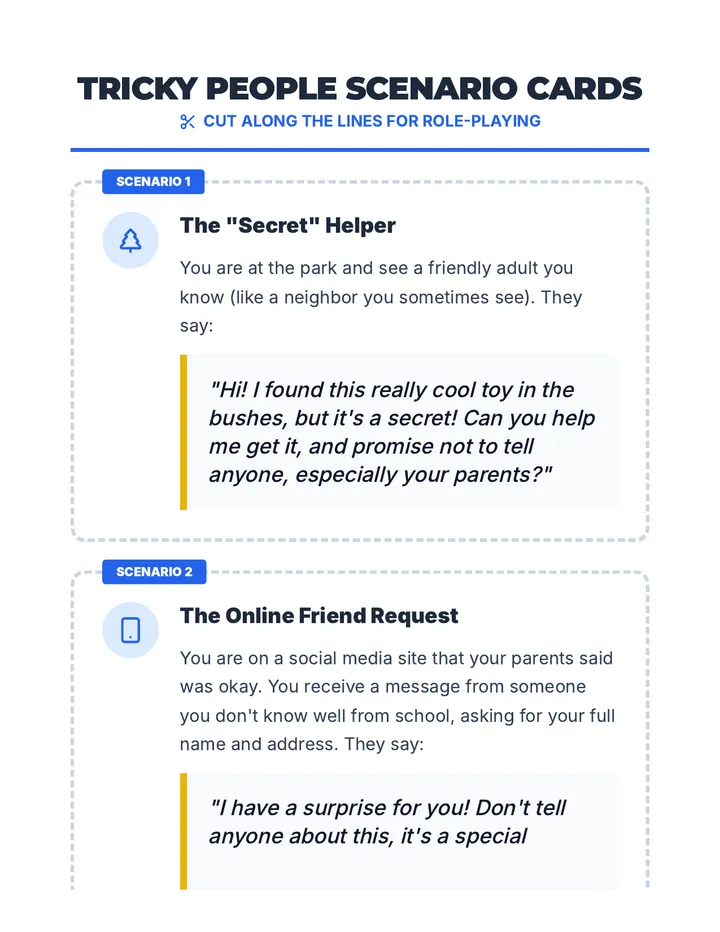
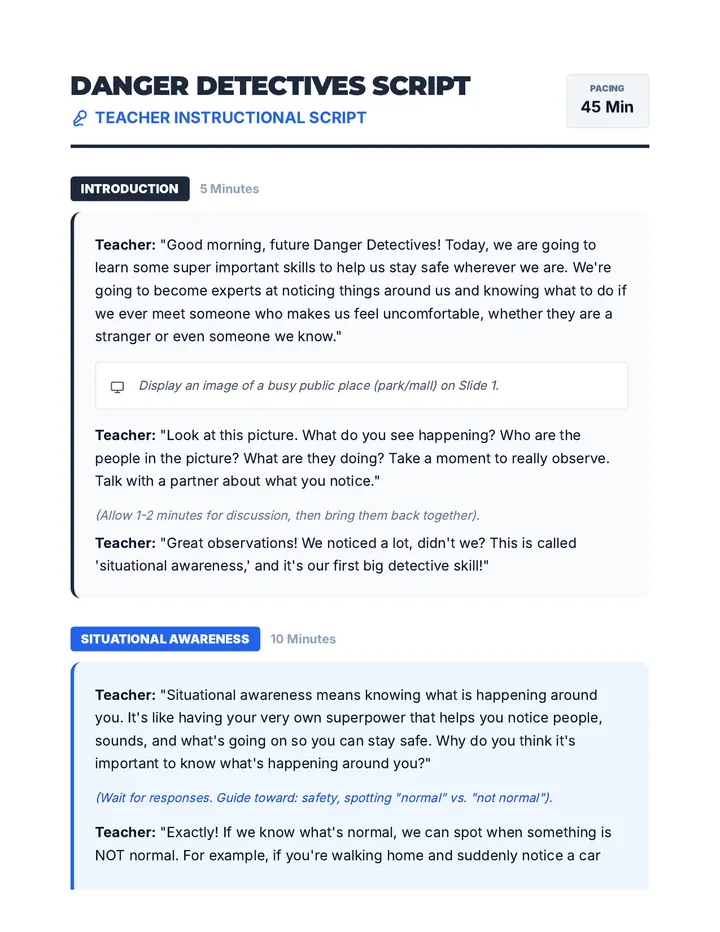
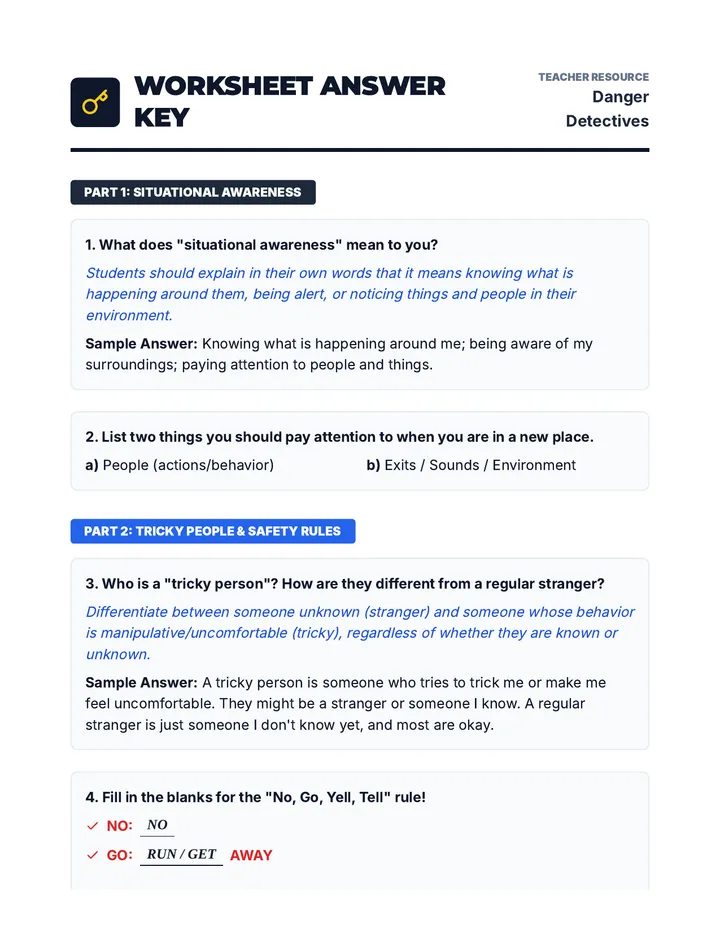
This lesson equips high school students with intellectual and developmental disabilities with situational awareness skills and a nuanced understanding of 'tricky people' to enhance their personal safety and independence.
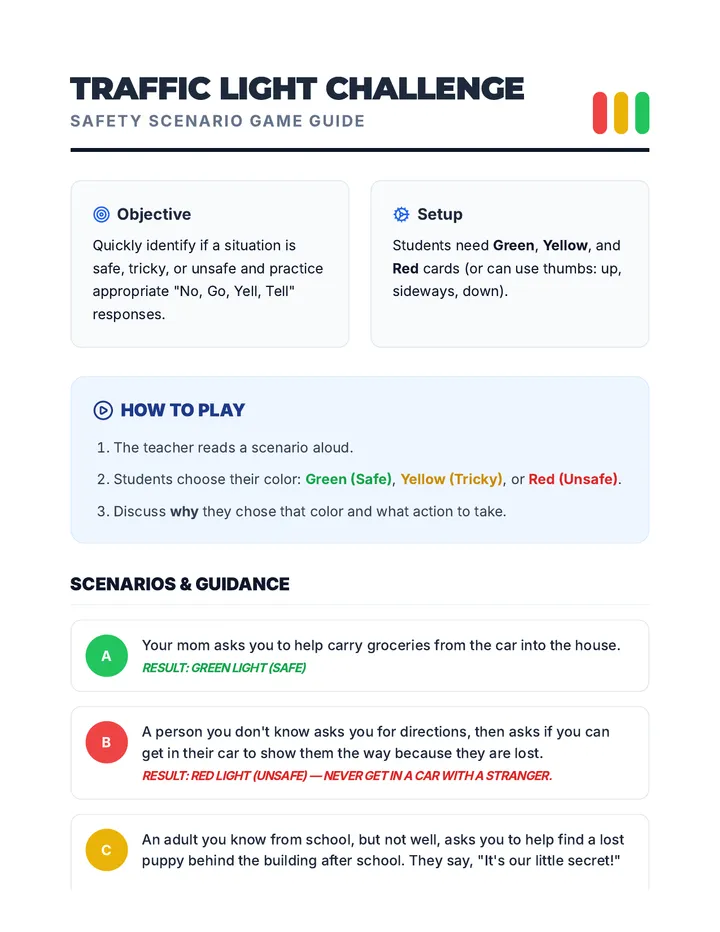
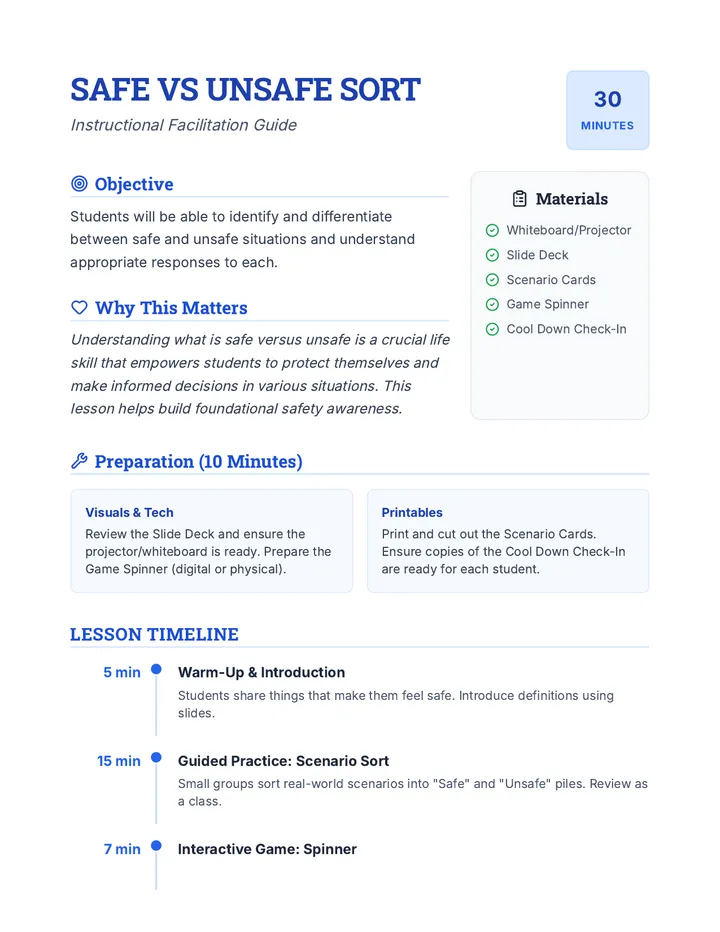
A 30-minute lesson for special education students to identify and distinguish between safe and unsafe situations through sorting, discussion, and games.
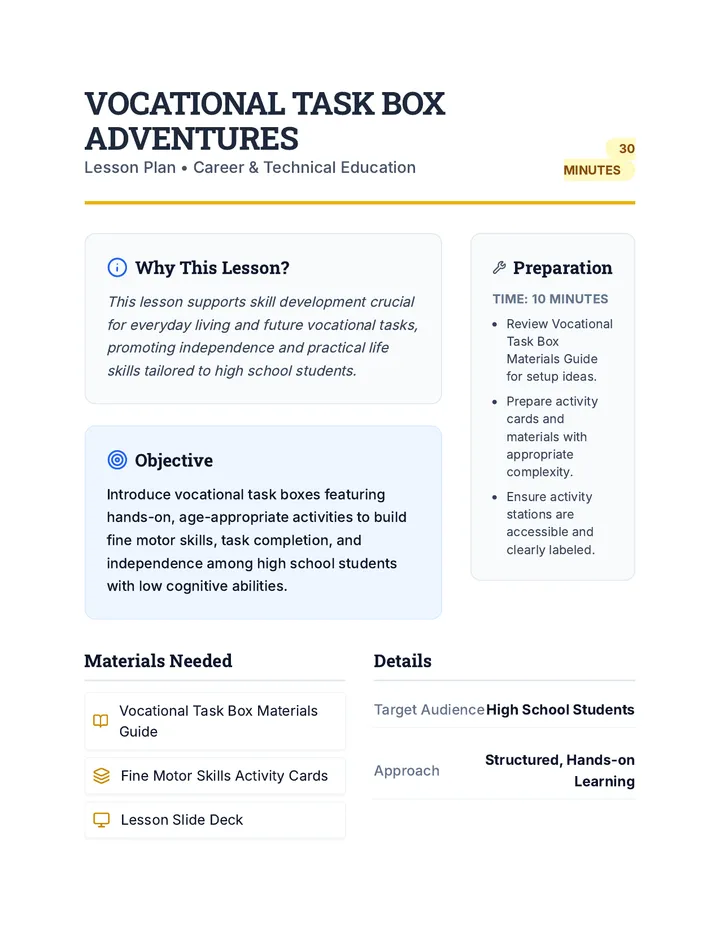
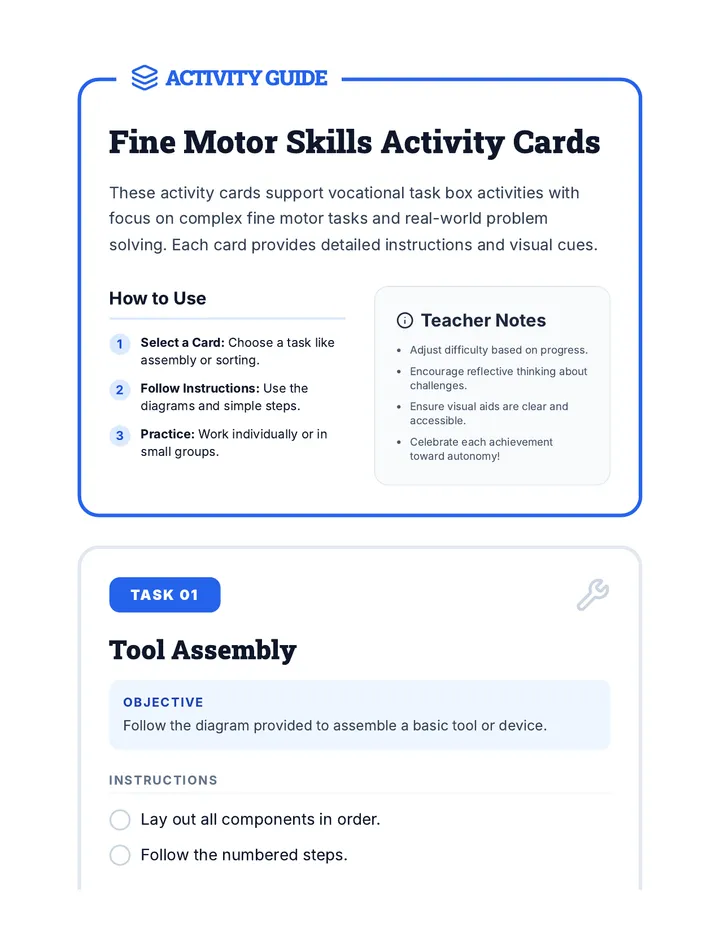
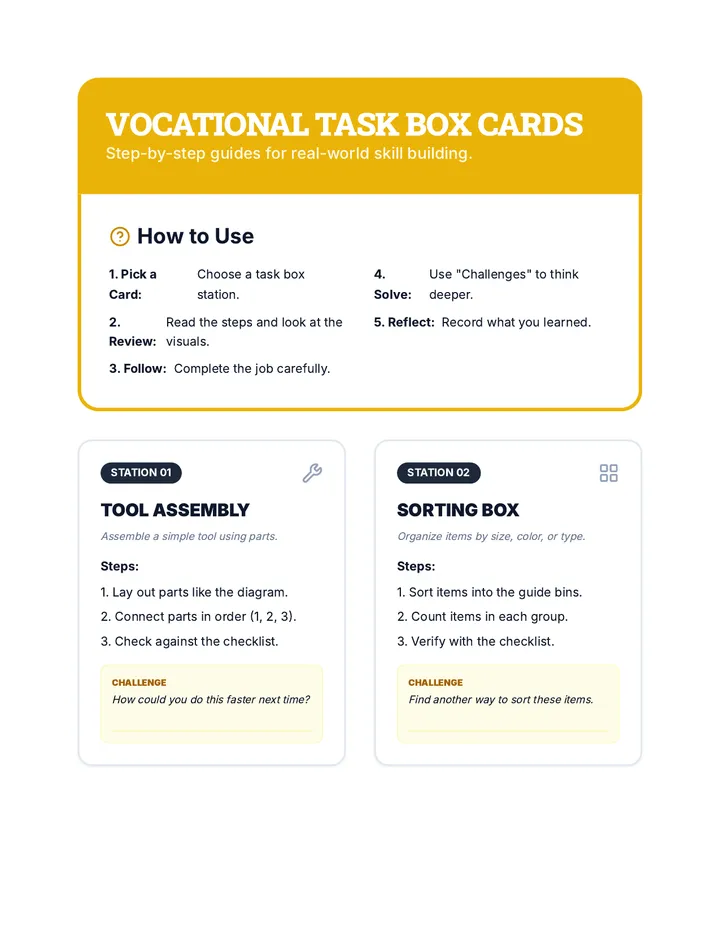
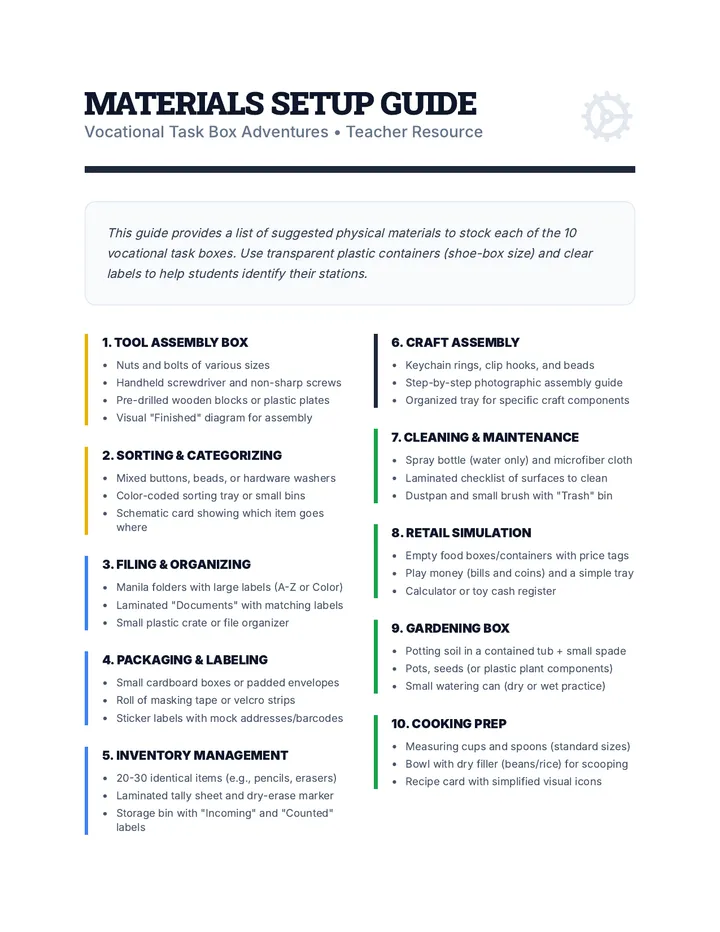
This lesson introduces vocational task boxes for high school students with low cognitive abilities, focusing on hands-on activities that build fine motor skills, task completion, and independence.
A 60-minute interactive lesson designed for 9th-grade special education students to explore daily routines and self-care skills, fostering independence and life readiness.
A 30-minute interactive lesson for 9th-grade students with cognitive disabilities focused on privacy, identifying trustworthy content, and responding to cyberbullying.
A comprehensive 120-minute session focused on empowering students with practical safety knowledge for home, community, and the workplace. Includes interactive activities, visual aids, and specific accommodations for students with diverse learning needs.