Real World Readiness Plan
Ready for the Real World
Lesson Plan: Real World Readiness
Tier 1 • 60 Minutes
Objective
Students will identify and plan key daily routines and self-care tasks through interactive discussion, timeline mapping, hands-on checklists, and personal reflection to build independence and life skills.
Why This Matters
Teaching daily routines and self-care empowers students with critical life skills, fostering independence and confidence as they transition beyond school.
Quick Info
- Audience: 9th Grade SPED
- Approach: Interactive
- Prep Time: 15 Minutes
Required Materials
- Daily Routine Explorer Slide Deck
- Morning-to-Evening Timeline Activity
- Self-Care Checklist Worksheet
- One New Habit Reflection
Teacher Preparation
- Review the lesson flow in this plan.
- Familiarize yourself with the Daily Routine Explorer slide deck.
- Print copies of the Morning-to-Evening Timeline for each student.
- Print copies of the Self-Care Checklist and One New Habit Reflection.
- Arrange classroom stations for the self-care activity: Hygiene, Nutrition, Organization, Relaxation.
Lesson Flow
5 min
Introduction and Goal Setting
- Greet students and introduce the objective: building independence through routines.
- Display title slide on Daily Routine Explorer.
- Ask: "What daily routines do you follow before school? After school?"
10 min
Explore Daily Routines
- Advance through key slides on Daily Routine Explorer.
- Pause for group brainstorming: list morning, afternoon, evening tasks on chart paper.
- Encourage students to share personal routines.
15 min
Morning-to-Evening Timeline Activity
- Distribute Morning-to-Evening Timeline.
- Instruct students to plot their own typical day by writing times and tasks.
- Circulate to support students in sequencing and time estimation.
20 min
Self-Care Checklist Stations
- Set up four stations: Hygiene, Nutrition, Organization, Relaxation.
- At each station, students complete the relevant section on the Self-Care Checklist.
- Rotate groups every 5 minutes; use timers or auditory cues.
- Observe and assist with any task challenges to reinforce skills.
5 min
One New Habit Reflection
- Distribute One New Habit Reflection.
- Prompt students to write and illustrate one new self-care habit they will try.
- Encourage brief sharing with a partner.
5 min
Conclusion and Assessment
- Gather students and recap key routines and self-care tasks.
- Collect timelines, checklists, and reflections for review.
- Provide positive feedback; discuss next steps for habit practice.
Daily Routine Explorer Slides
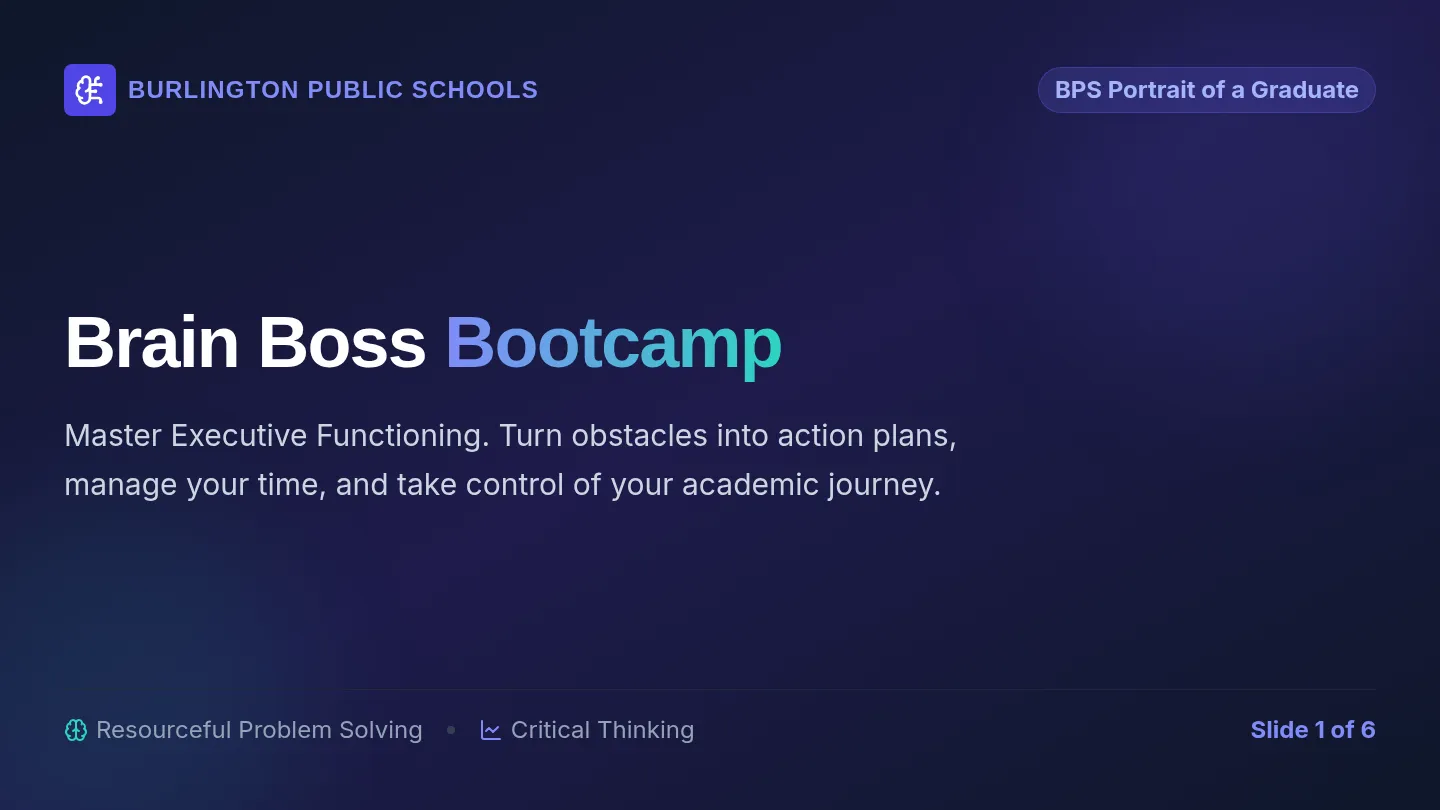
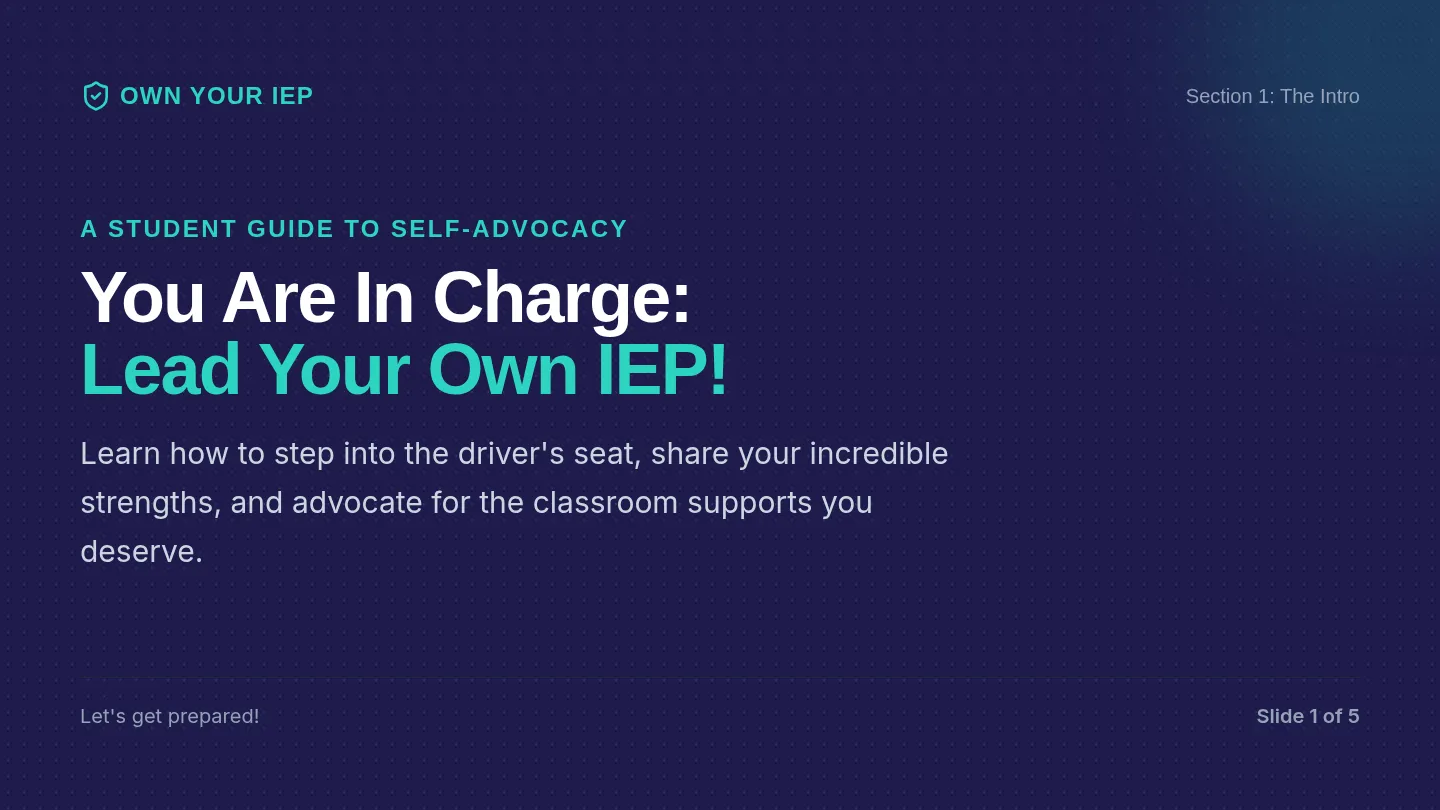
Ready for the
Real World?
Explore Daily Routines & Self-Care Skills
9th Grade • Special Education
TEACHER NOTES: Welcome students and introduce the module. Highlight how practicing routines builds independence.
Lesson Objectives
- 1 Identify common routines: morning, afternoon, and evening
- 2 Map your own typical day using a personal timeline
- 3 Practice key self-care tasks at interactive stations
- 4 Choose one new habit to try in your daily life
TEACHER NOTES: Review the objectives and why routines matter. Point out how today’s activities connect to life beyond school.
Morning Routines
What we do before school:
- Wake up & get out of bed
- Brush teeth & wash face
- Eat a healthy breakfast
- Pack backpack & check schedule
☀️
Start Strong
How does your morning start? What is the first thing you do when you wake up?
TEACHER NOTES: Use images or icons (e.g., sunrise, breakfast) to spark ideas. Invite volunteers to share their morning steps.
Afternoon Routines
Between school and home:
- Eat lunch or a snack
- Complete homework or chores
- Sports, clubs, or activities
- Take breaks or relax
🍎
The Mid-Day Map
What do you do as soon as you get home? Do you have a snack or jump into work?
TEACHER NOTES: Show pictures of lunchtime or after-school activities. Encourage students to describe their own afternoon routines.
Evening Routines
Winding down for bed:
- Eat dinner with family
- Shower or change clothes
- Pack things for tomorrow
- Relax & prepare for bed
🌙
Rest & Reset
How do you prepare for the next day? Does it help you feel ready for tomorrow?
TEACHER NOTES: Use sunset or bedtime visuals. Ask students about preparing for the next day.
Brainstorm Your Day
In groups, list all the routines you do:
🌅
Morning
What's first?
☀️
Afternoon
What's middle?
🌙
Evening
What's last?
Write or draw each on your chart paper!
Morning-to-Evening Timeline Activity
Morning-to-Evening Timeline
Map out your daily routine!
Name:
Date:
How to complete this:
- Look at the Time in the first column.
- Write what you do at that time in the My Activity column.
- Sketch a quick picture of that activity in the Drawing column.
| Time | My Activity | Drawing |
|---|
| 6:00 AM | | |
| 8:00 AM | | |
| 10:00 AM | | |
| 12:00 PM | | |
| 2:00 PM | | |
| Time | My Activity | Drawing |
|---|
| 4:00 PM | | |
| 6:00 PM | | |
| 8:00 PM | | |
| 10:00 PM | | |
| Add Other: | | |
"Routine is not a cage, but a ladder to freedom."
Self-Care Checklist Worksheet
Self-Care Checklist
Building healthy habits for every day
Student Name
Date
Check off each task as you talk about it or try it. Add your own task at the bottom of each list!
Hygiene
- Brush teeth
- Wash face
- Shower or bathe
- Comb or brush hair
- Put on clean clothes
- My hygiene task...
Nutrition
- Eat a healthy breakfast
- Drink water during the day
- Eat fruits or vegetables
- Eat a balanced lunch
- Have a healthy snack
- My nutrition task...
Organization
- Pack backpack for school
- Make my bed
- Put away my clothes
- Check my schedule
- Clean my desk or room
- My organization task...
Relaxation
- Take deep breaths
- Stretch or quick exercise
- Listen to music
- Read or draw quietly
- Spend time outside
- My relaxation task...