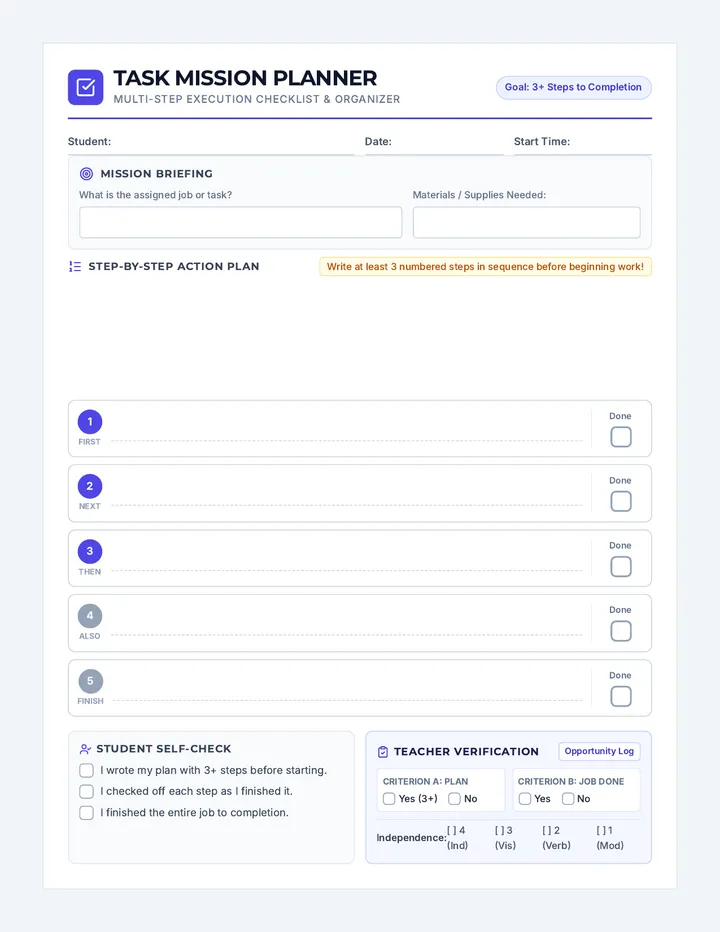
Support Matrix GuideSupport Matrix Comparing Tier 1 & Tier 2 Classroom Interventions Focus Area Tier 1: Universal (For all students) Tier 2: Targeted (For some students) Academic Skills Reading, Math, Literacy Differentiated instruction based on readiness. Universal scaffolding (e.g., sentence stems). Frequent formative assessments. Wait time (3-5 seconds) for processing. Small group intensive instruction (3-5 students). Pre-teaching vocabulary/concepts before lessons. Increased opportunities for guided practice. Scaffolded note-taking (CLOZE procedures). Behavioral Support On-task, Rule Following Co-created classroom norms and routines. 4:1 positive to negative interaction ratio. Proximity control and non-verbal cues. Clearly posted visual expectations. Individualized behavior contracts. Preferred seating (near teacher or peer model). Pre-correction and planned ignoring for minor behaviors. Visual "First-Then" boards for work completion. Social-Emotional Regulation, Peer Interaction 5-minute "connection check-ins" at door. Embedded mindfulness/calm-down breaks. Social-emotional literacy in curriculum. Collaborative group work structures. Check-In/Check-Out (CICO) systems. Designated "cool down" area within classroom. Social skills coaching during group transitions. Frequent adult-student conferencing (1-on-1). Executive Function Organization, Planning Visual agendas posted daily on board. Consistent 10-minute "wrap up" routine. Chunked assignments with interim deadlines. Standardized digital classroom layout (LMS). Daily planner/agenda checks (exit ticket). Step-by-step checklists for multi-part tasks. Organizational support (bin/folder audits). Graphic organizers provided for all writing tasks. The 80% Rule If 80% of your class is struggling with a concept or behavior, it's time to evaluate your Tier 1 strategies rather than individual Tier 2 interventions. Data Driven Monitor Tier 2 interventions for 4-6 weeks before deciding to adjust, discontinue, or escalate to Tier 3 support.
Support Systems PosterStaff Room Quick-Reference Support Systems MTSS Intervention Framework: High School 2 Targeted Support Some Students (10-15%) Intensive Small Group Instruction Check-In / Check-Out (CICO) Individualized Behavior Contracts Pre-teaching Key Concepts 1 Universal Foundation All Students (100%) Visual Daily Agendas 4:1 Positive Feedback Ratio Differentiated Content Scaffolds Relationship-First door Greets Academic Social-Emotional Executive Behavioral
Intervention Inventory ChecklistIntervention Inventory Classroom Implementation Checklist: Tier 1 & 2 Date: Course: Academic Skills Tier 1: Universal Scaffolded notes (CLOZE, Cornell, or skeleton) Sentence stems and academic word walls Wait time (3-5 seconds) for processing Tier 2: Targeted Pre-teaching vocabulary/concepts (1:1 or small group) Targeted re-teaching during independent work Audio versions of texts / speech-to-text tools Behavioral Support Tier 1: Universal Visual expectations posted for each activity Proximity control and non-verbal redirection 4:1 Positive feedback / behavior narration Tier 2: Targeted Individual behavior contract or goal sheet Self-monitoring checklist on student desk Preferential seating (low distraction/near teacher) Social-Emotional Tier 1: Universal Daily greeting at the door by name 2-minute mindfulness or transition breaks Collaborative grouping with assigned roles Tier 2: Targeted Check-In/Check-Out (CICO) monitoring Designated "calm down" or reflection zone Regular 1:1 "connection conferences" (5 mins) Executive Function Tier 1: Universal Daily agenda and learning objectives on board Standardized file naming/LMS organization Chunked assignments with interim deadlines Tier 2: Targeted End-of-period planner/agenda check Step-by-step task checklist for long projects Organizational audit (folders/backpack/bin) Implementation Notes & Reflection For professional development use only • MTSS Toolkit