Material Science Toaster Lesson Plan
Daily Lesson Plan
Northeast
Metro Tech
<table class="w-full border-collapse border-2 border-slate-900 text-[10.5px]"><tbody><tr class="border-b border-slate-900"><td class="w-1/2 px-2 py-1 border-r border-slate-900 bg-white"><span class="font-bold text-slate-900">Name:</span> Geraldine Desmond</td><td class="w-1/2 px-2 py-1 bg-white"><span class="font-bold text-slate-900">Class/Shop/Grade:</span> <span class="text-slate-800 ml-1">Grade 11 • Material Science</span></td></tr><tr><td class="w-1/2 px-2 py-1 border-r border-slate-900 bg-white"><span class="font-bold text-slate-900">Date:</span> <span class="text-slate-800 ml-1">Monday, September 21, 2026</span></td><td class="w-1/2 px-2 py-1 bg-white"><span class="font-bold text-slate-900">Unit/Topic:</span> <span class="text-slate-800 ml-1">Unit 1: History of Materials & The Toaster Project</span></td></tr></tbody></table>
P O S T E D
Agenda
- Do Now: Dissecting a Toaster (5 min)
- TED Talk: Thomas Thwaites — How I Built a Toaster from Scratch (15 min)
- Guided Notes: Epochs of Materials (Stone, Bronze, Iron, Silicon) (20 min)
- Pair Analysis: Raw Ore vs. Engineered Alloys (12 min)
- Closure: Exit Ticket & Reflection (8 min)
Learning Objectives
Students will be able to (SWBAT):
- Trace how civilizational eras are defined by human capacity to manipulate materials (Stone → Bronze → Iron → Silicon).
- Analyze why modern consumer goods require specialized extraction, refining, and alloy synthesis.
- Differentiate raw ores/crude feedstocks from engineered structural and electrical materials.
Language Objectives
Students will (Functions & Vocab):
- Use technical domain vocabulary: smelting, ore, polymer, alloy, nichrome, mica, conductivity.
- Orally explain extraction challenges using causal frames: "Because iron ore requires high blast-furnace temperatures to reduce, early civilizations..."
- Annotate structured graphic notes on material lifecycles.
Learning Activities & Strategies (UDL Guidelines)
Do Now / Opener / Morning Meeting
(5 min)
Appliance Deconstruction Prompt: Display a disassembled $4 discount toaster and an exploded diagram. Students list 4 distinct materials observed (steel casing, mica insulator sheets, nichrome heating coils, plastic base/lever) and identify whether each material exists ready-to-use in nature or requires chemical/thermal synthesis.
Direct Instruction / Project-based & Collaborative Learning (Resources, Tools, Technology)
(35 min)
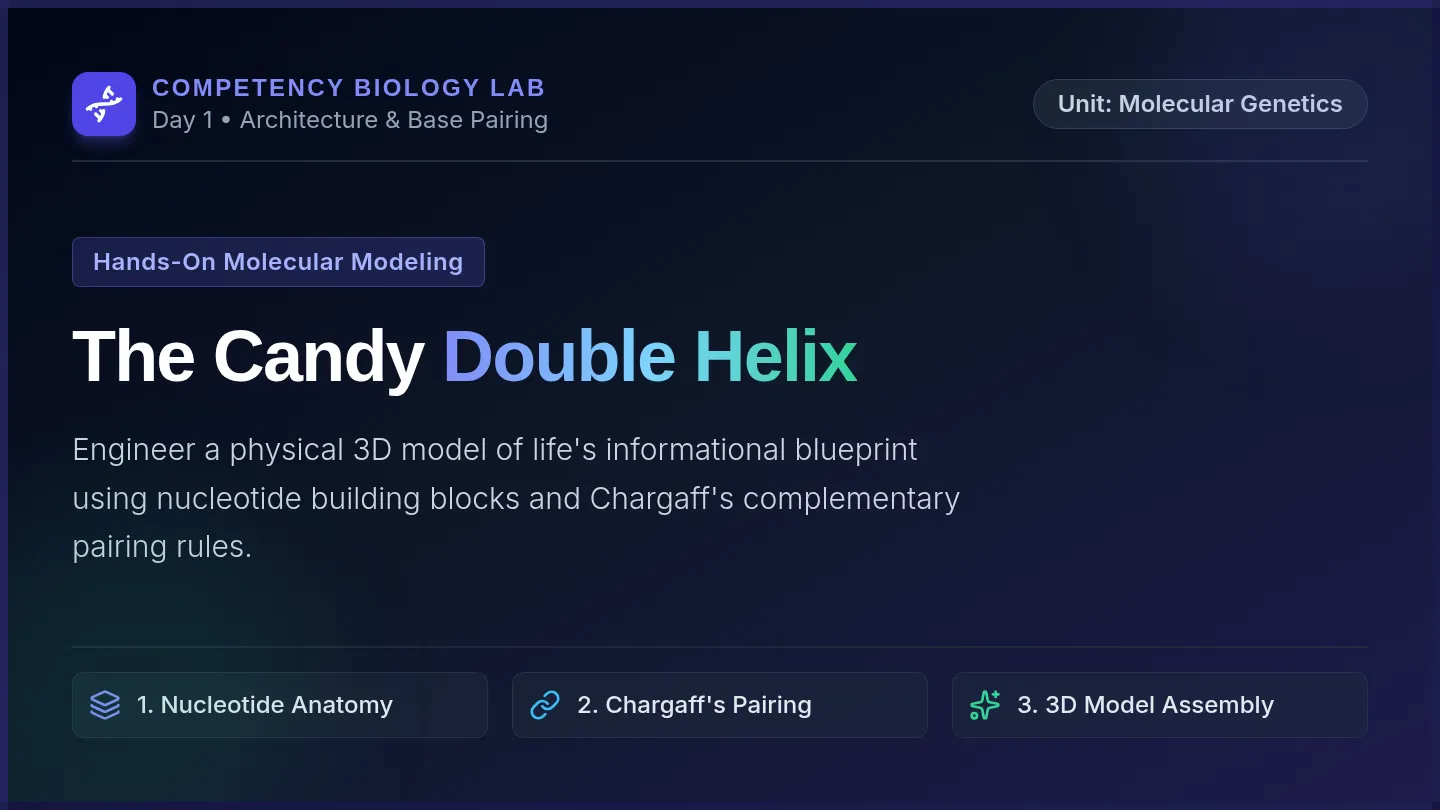
1. Video Case Study (15 min): Screen TED Talk Thomas Thwaites: How I built a toaster — from scratch (11 min + 4 min check-ins). Students track Thwaites' attempts to smelt iron from Welsh ore in a microwave, extract copper from mine run-off water, and mold crude plastic casing from potato starch and oil. Key discussion question: "Why is artisanal manufacturing of modern electronics virtually impossible for a single human?"
2. Direct Instruction & Guided Notes (12 min): Presentation on The Epochs of Materials Science. Walk through humanity's technological timeline: Stone Age (cleavage/flaking, ceramics), Bronze Age (copper/tin alloy, lower melt temp), Iron Age (blast furnace reduction, carbon tempering), Industrial Era (Bessemer process, vulcanized rubber), and Modern Era (semiconductors, petrochemical polymers, nanomaterials).
3. Collaborative Synthesis Matrix (8 min): Partner protocol where student pairs map each toaster sub-component to its historical era and origin material (e.g., heating element = nickel-chromium alloy, 1905; insulation plate = natural muscovite mica).
Differentiation & Accommodations (IEPs, 504s, & MLs) DESE IEP Guide pg. 14-20
IEP / 504 Accommodations:
Pre-printed cloze graphic timeline organizer; closed captions enabled on TED Talk; structured pauses at timestamps 3:15, 6:40, and 9:20 for comprehension checks.
ML / Language Scaffolds:
Visual illustrated glossary of mining & metallurgy terms (ore, slag, smelting, alloy, insulator); bilingual technical dictionary; bilingual sentence frames provided for pair discussion.
Extensions / Advanced:
Prompt advanced students to compare Thwaites' energy footprint against industrial mass manufacturing and calculate the embodied energy of home-smelted iron.
Exit Ticket / Summarizer / Wrap-up / Afternoon Meeting
(8 min)
3-2-1 Material Breakdown Slip: On a printed slip, students submit: (3) Three natural geological resources required to build a simple electric toaster; (2) Two reasons why humanity lived in the Bronze Age before smelting iron; (1) One societal insight Thomas Thwaites discovered when attempting to build consumer goods in isolation.
Assignments/Projects/Homework (Due Date)
- Homework: "Home Appliance Material Audit" — choose 1 household item, identify 3 distinct materials, and predict their historical era of origin (Due: Tuesday, Sept 22).
- Read Section 1.2 in Materials Science text (pp. 14–22) on smelting and refining processes.
Summative Assessments (Graded)
- Exit Ticket: Scored on 4-point DESE rubric for accuracy in material lineage and extraction vocabulary.
- Unit 1 Capstone (Oct 2): "Reverse Engineering & Lifecycle Assessment" poster project evaluating product material chains.
Reflection (What worked? What adjustments are needed?)
Observations / What Worked:
The visual hook of Thomas Thwaites melting iron ore inside a modified microwave immediately captured vocational/shop students' curiosity. Connecting ancient smelting history to a modern $4 retail appliance anchored abstract chemistry concepts in tangible engineering.
Adjustments / Follow-up Needed:
Allocate an extra 3 minutes tomorrow to unpack the chemical difference between iron ore (iron oxide, Fe2O3) and elemental iron. Ensure lab display safety goggles are ready for the hands-on nichrome resistance wire demonstration.