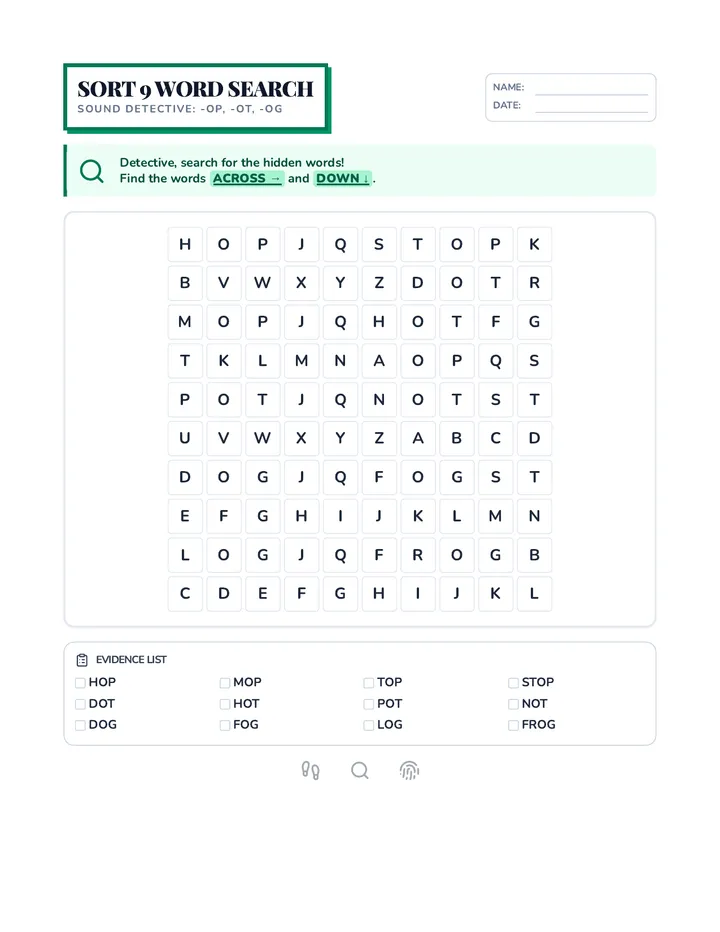
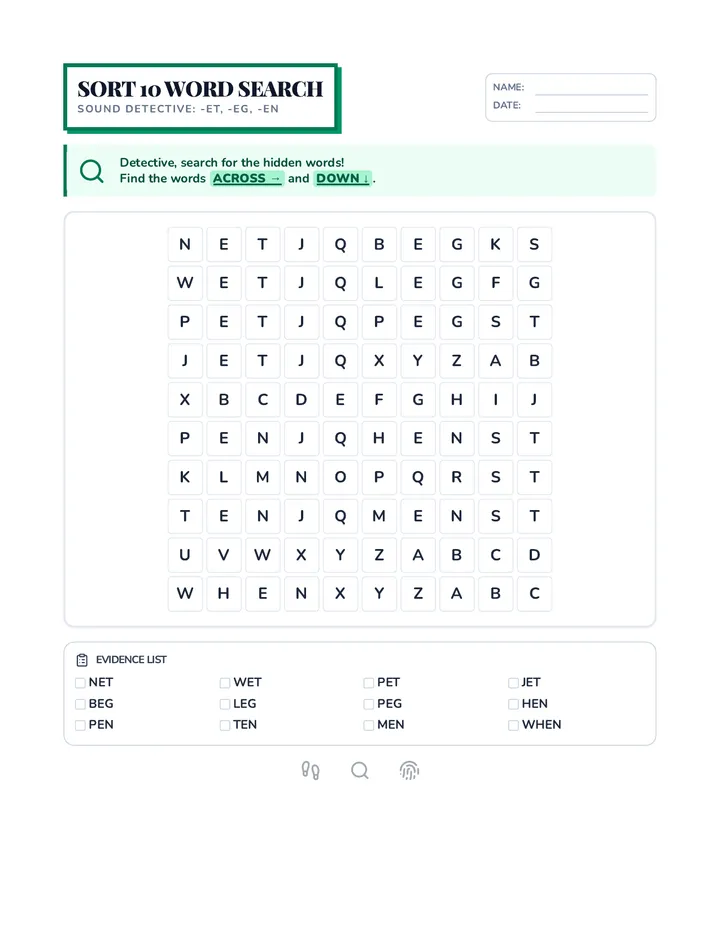
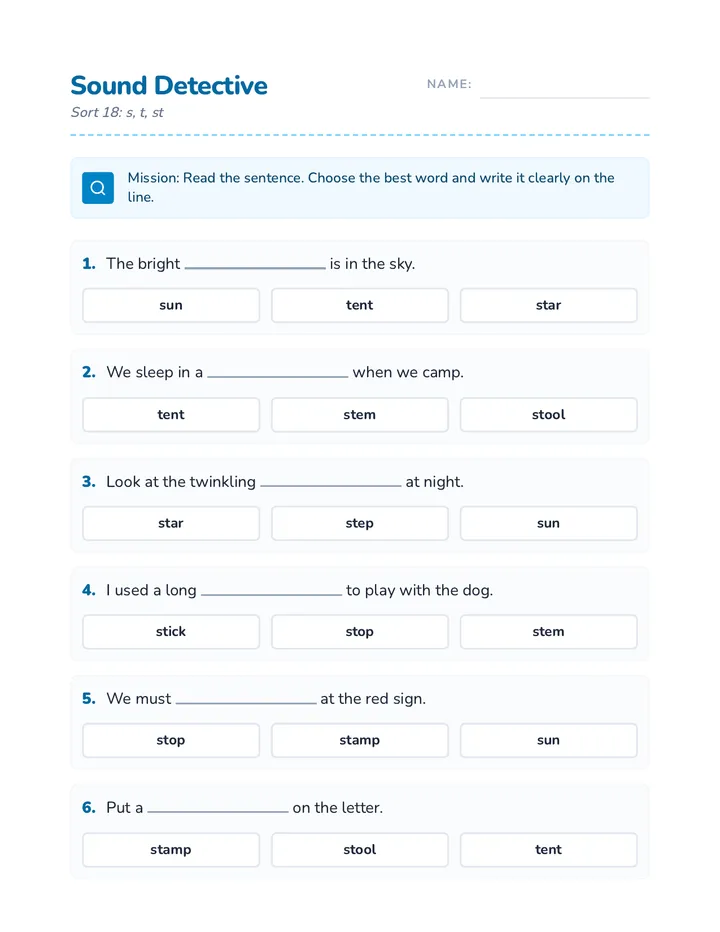
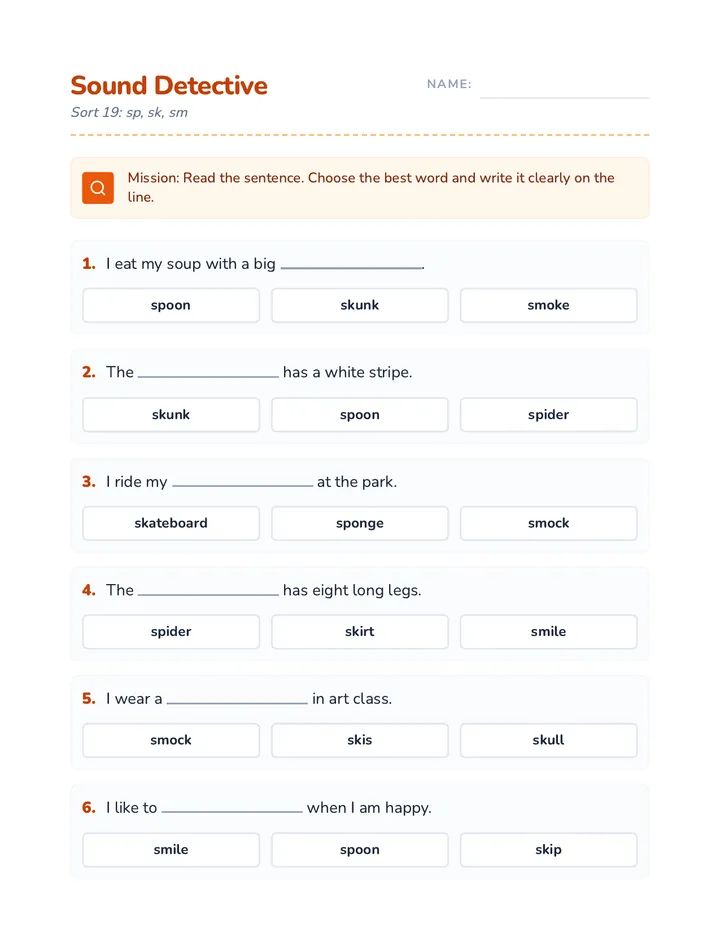
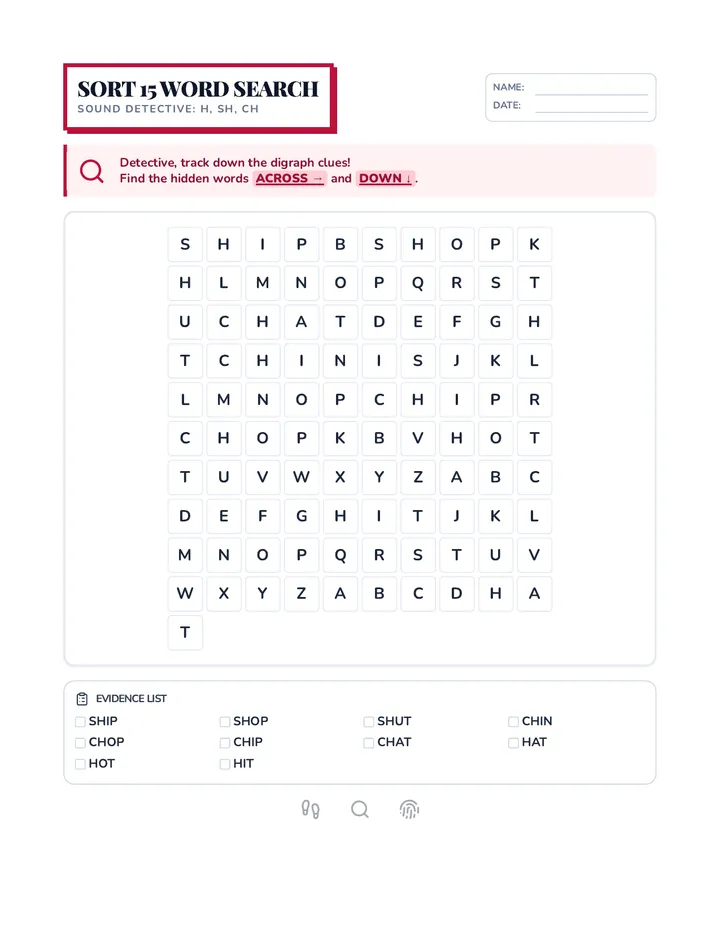
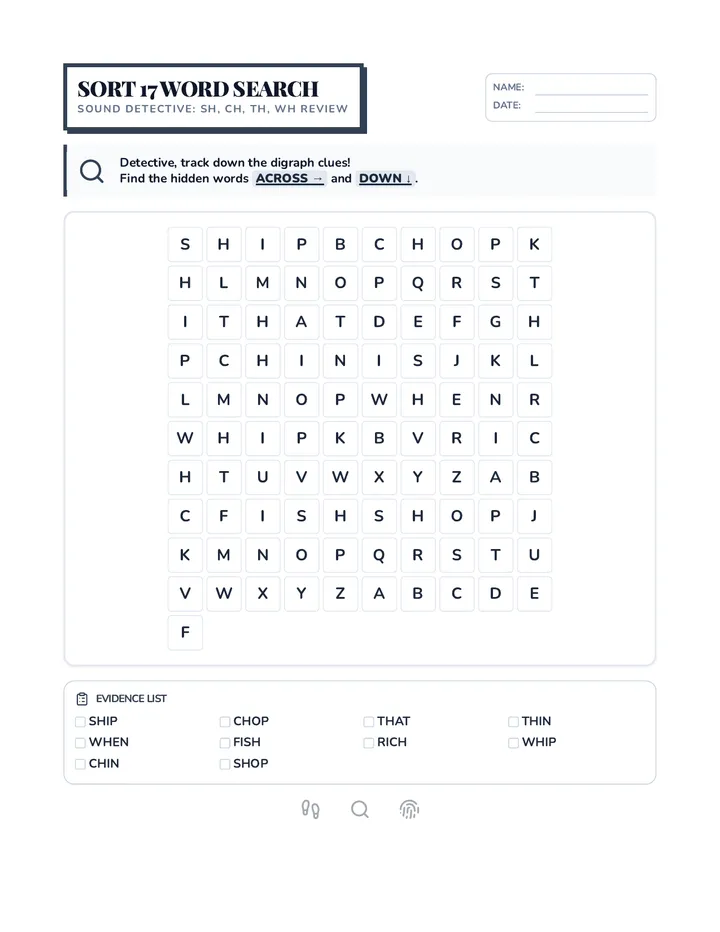
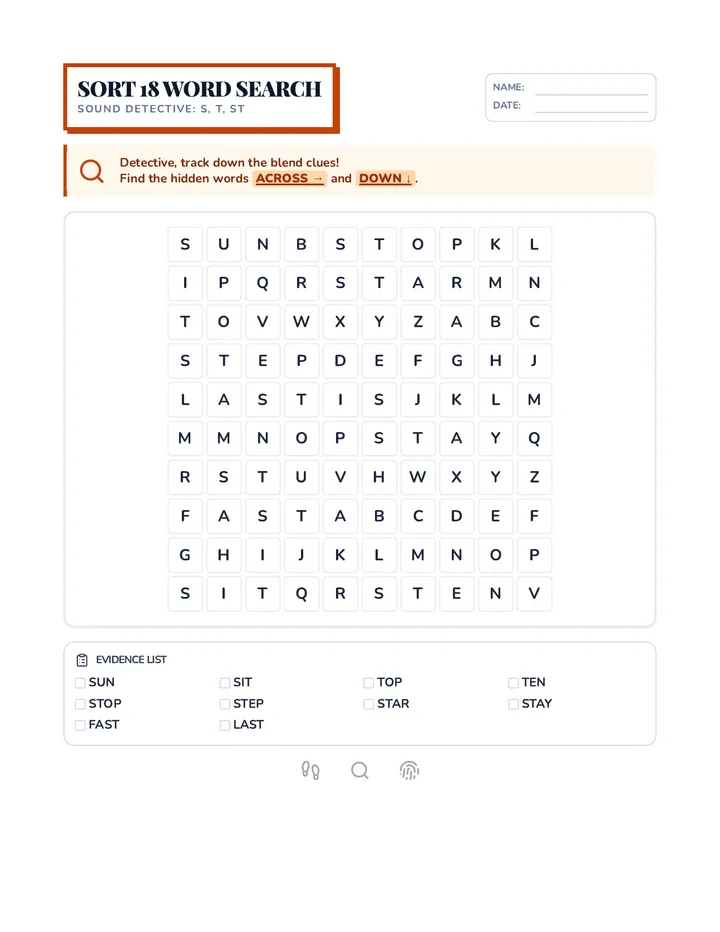
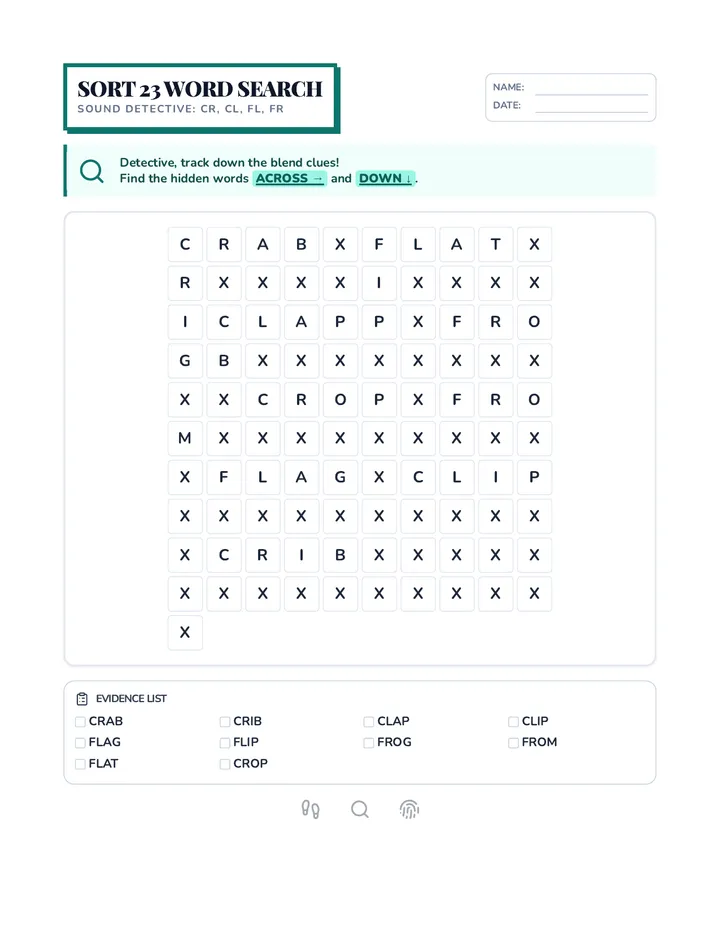
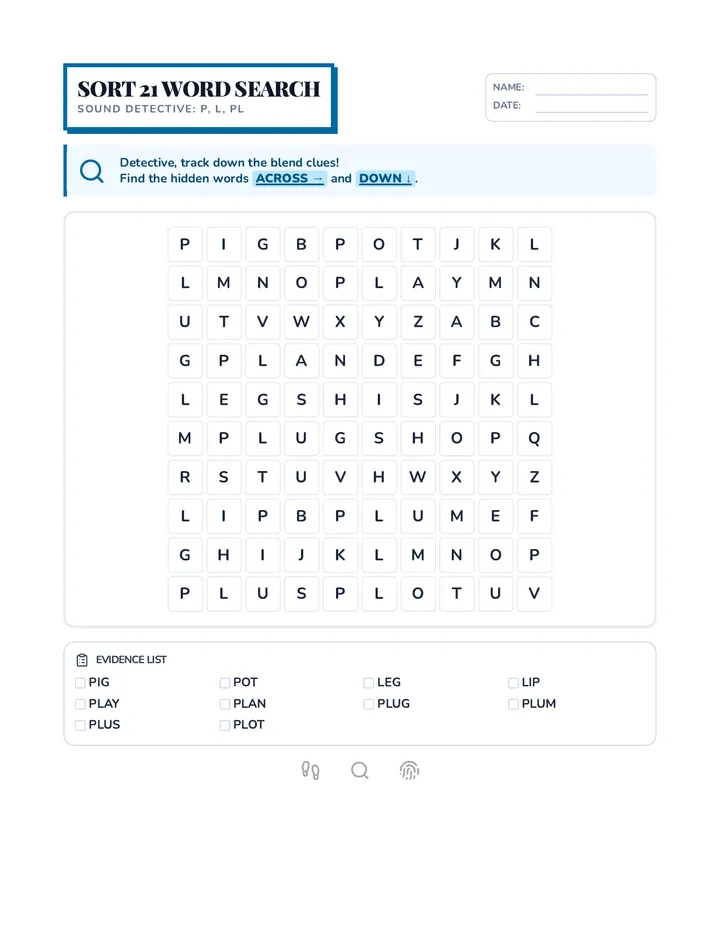
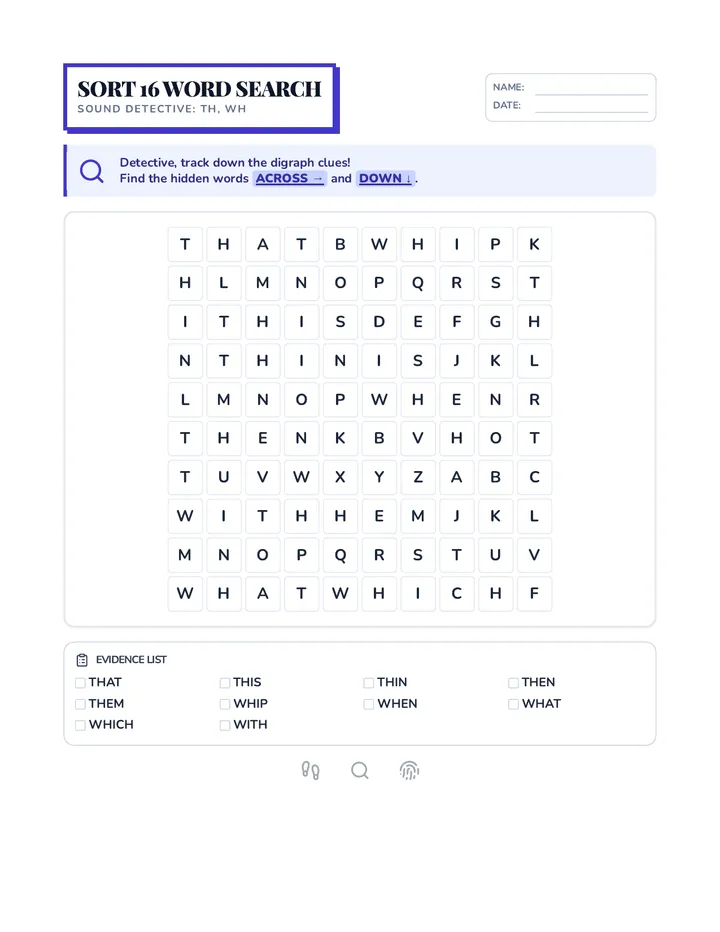
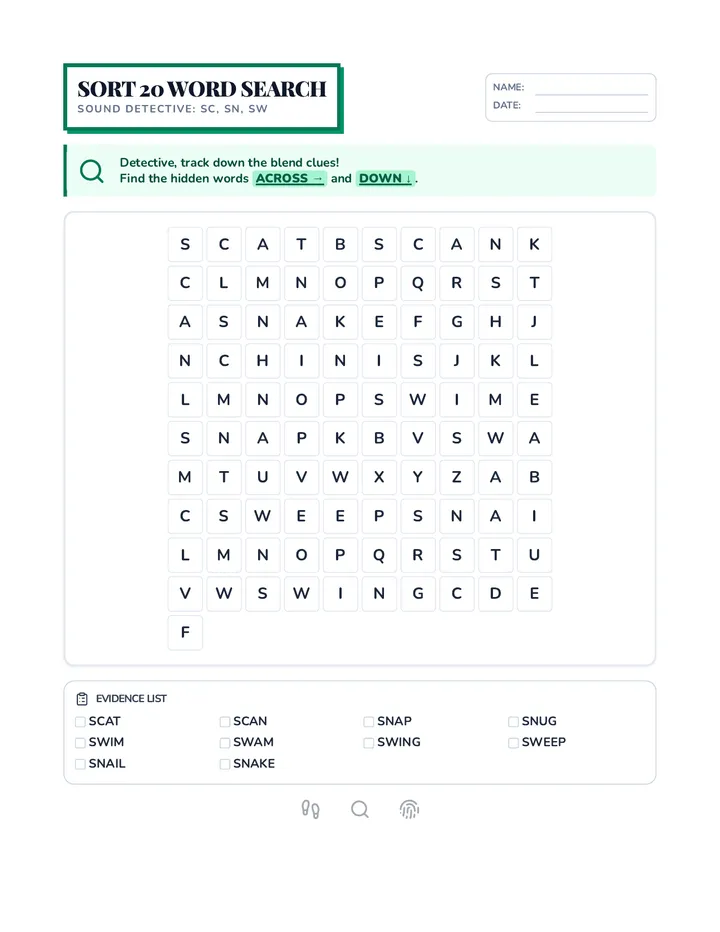
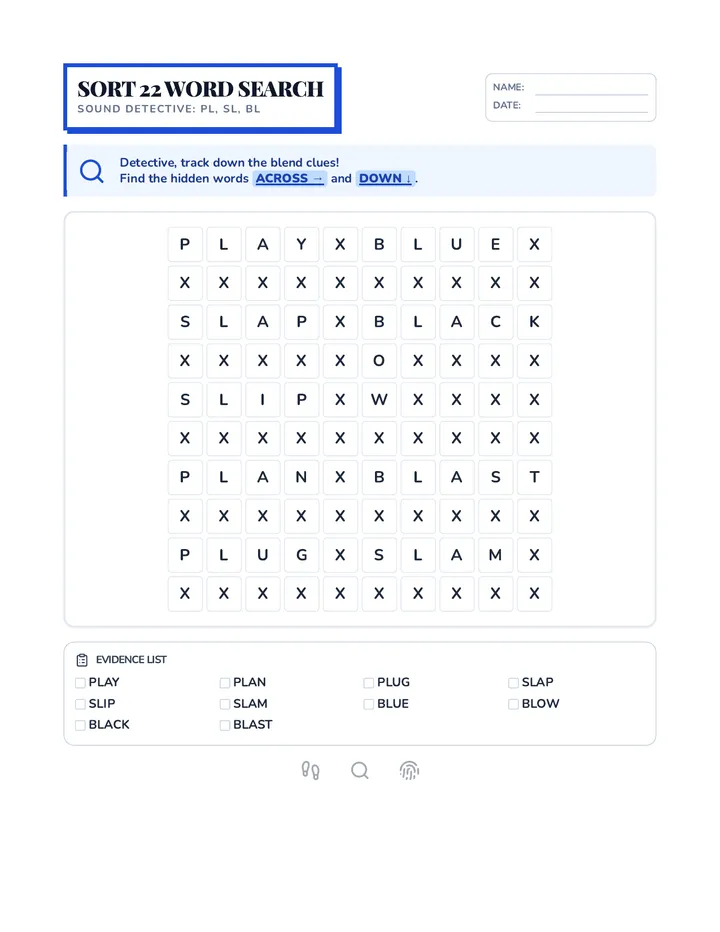
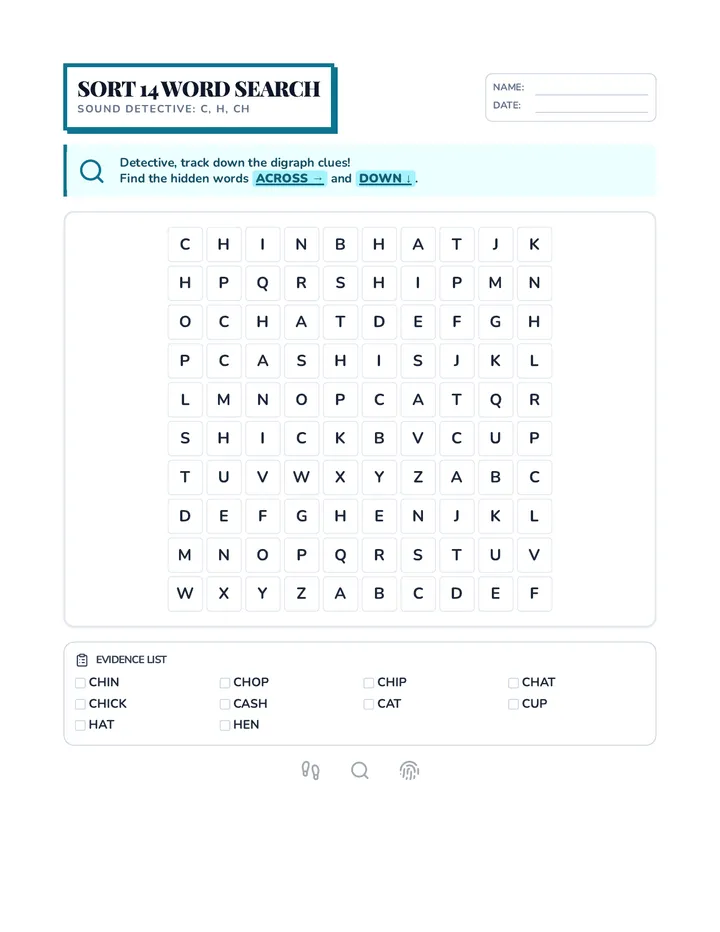
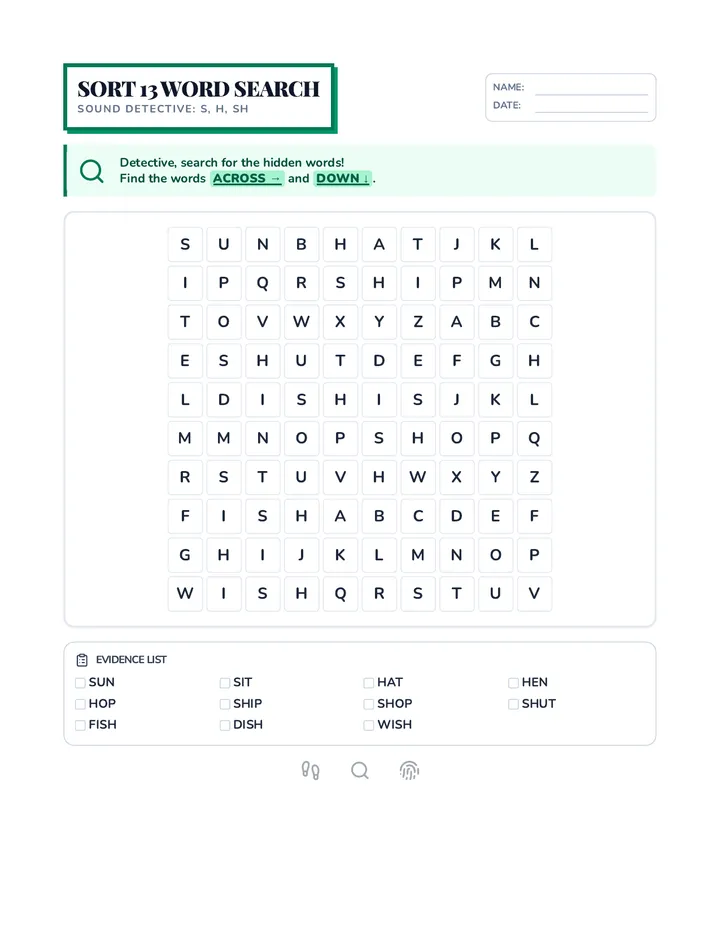
Techniques for breaking down complex instructions and long-form data into smaller, manageable units. Strengthens recall through categorization and pattern recognition for students with executive functioning challenges.
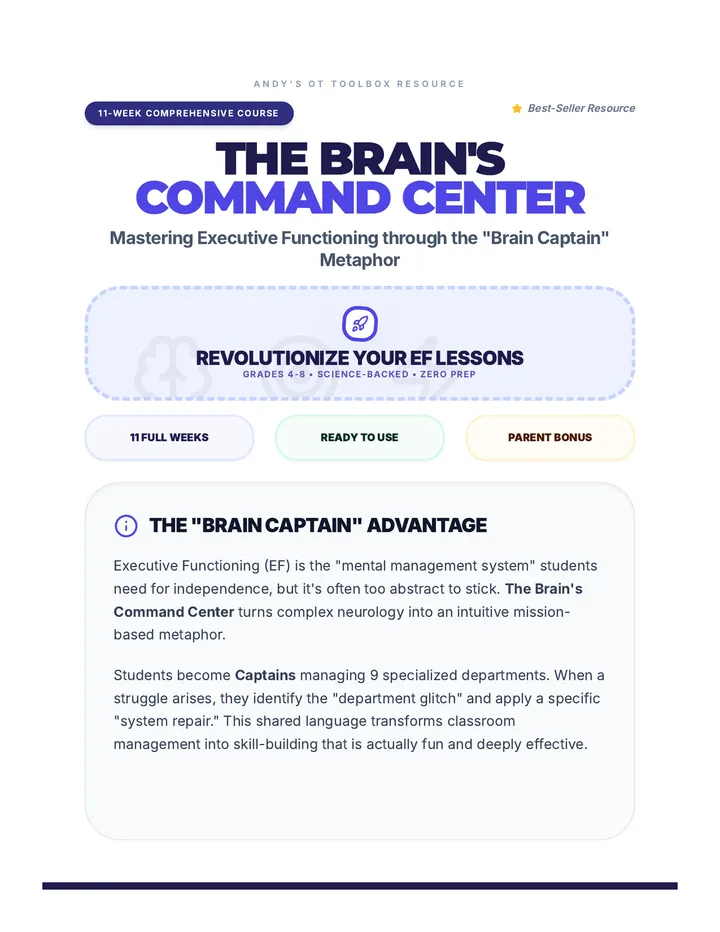
A 5-page Teachers Pay Teachers (TpT) product page for an 11-week Executive Functioning course, featuring a bold 'Command Center' theme, departmental skill highlights, parent guide mockups, and testimonials. Page 4 has been adjusted to ensure the 'missions' text is fully visible without cutoff.
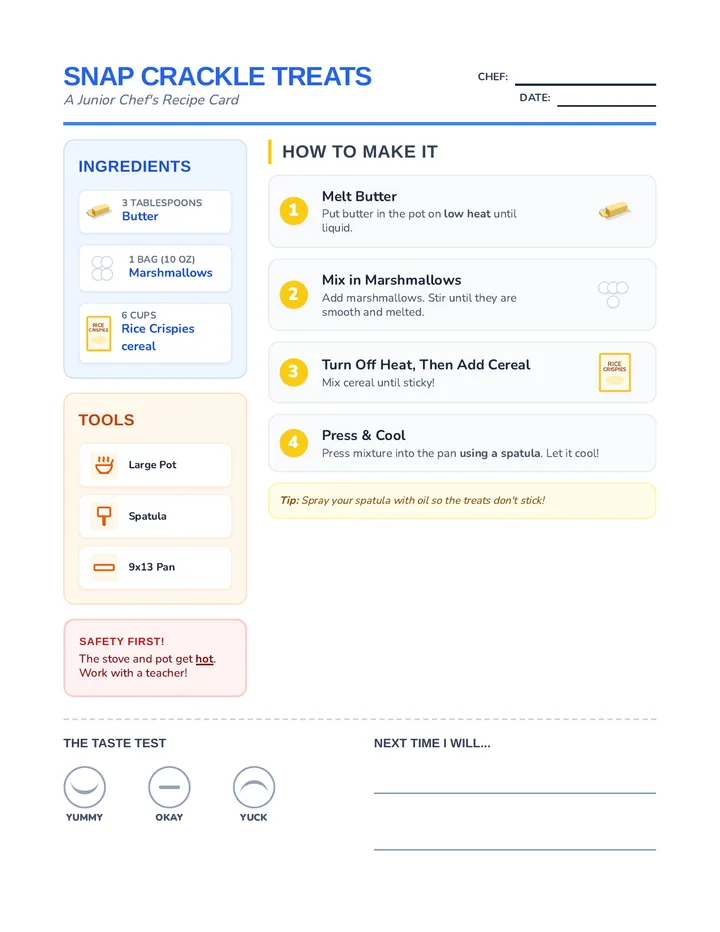
A simplified, single-page picture recipe for Rice Krispie treats. It features illustrations for the three core ingredients (including a labeled Rice Crispies box) and the three kitchen tools, with clear stovetop instructions and an expanded student reflection area. Safety instructions have been updated for a classroom setting. Step 3 heading explicitly includes turning off the heat. Cereal is labeled as "Rice Crispies cereal" in the ingredients list.
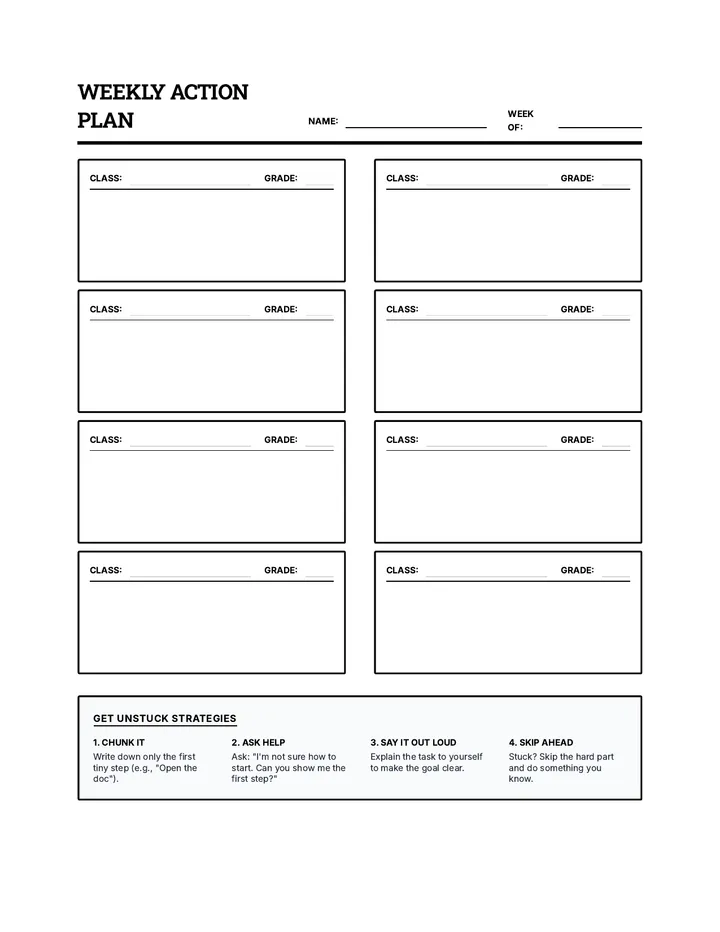
A highly efficient, single-page Weekly Action Plan designed for students with executive functioning needs. It features 8 streamlined class boxes with space for subjects and grades, plus a concise footer with 'Get Unstuck' strategies, all formatted to fit within a single printable page.
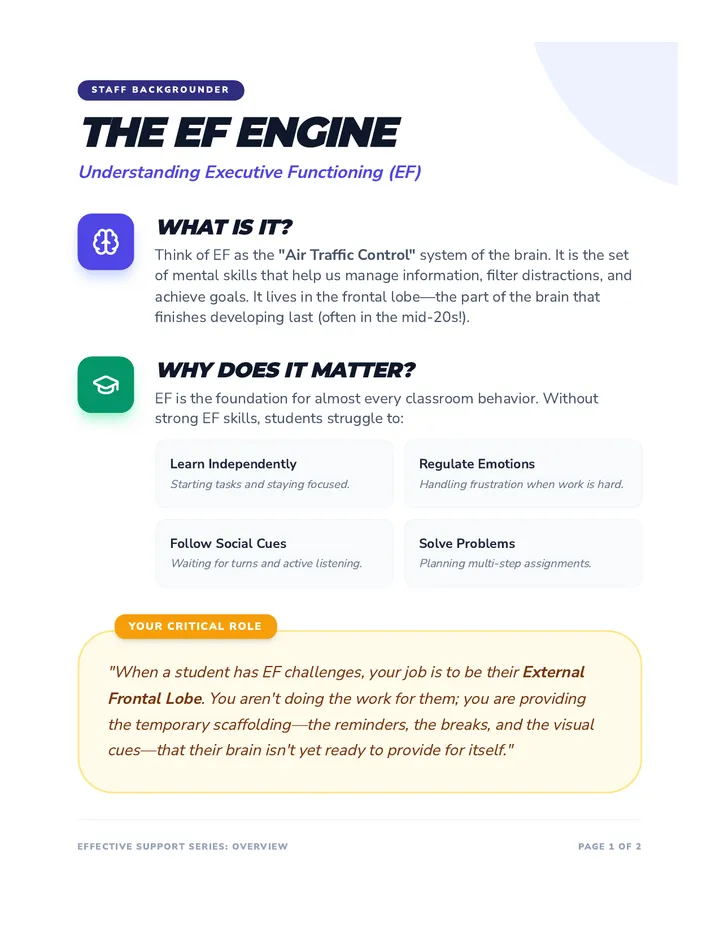
A two-page resource for teaching assistants. Page 1 provides a concise overview of what executive functioning is and why it's critical for student success. Page 2 contains four printable, color-coded reference cards with "look-fors" and actionable classroom strategies, sized to fit perfectly on a single sheet.
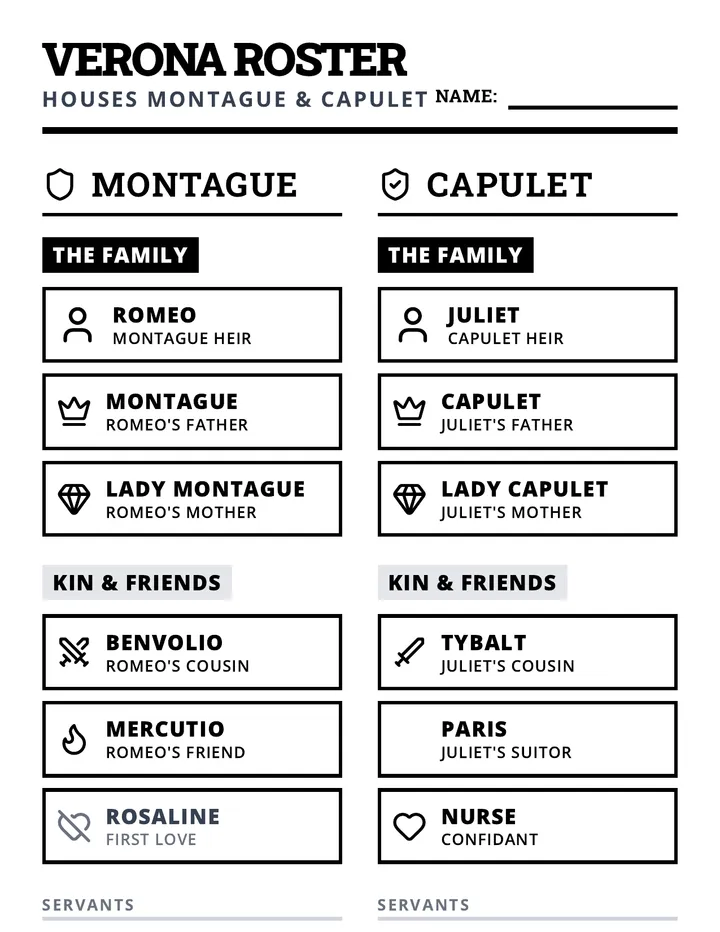
A specialized character list for Romeo and Juliet, optimized for dyslexia and vision impairments. Reverts to the two-column layout with 1-2 word descriptions, and is structured for front-and-back printing with family houses on the front and neutral characters with a large note area on the back.
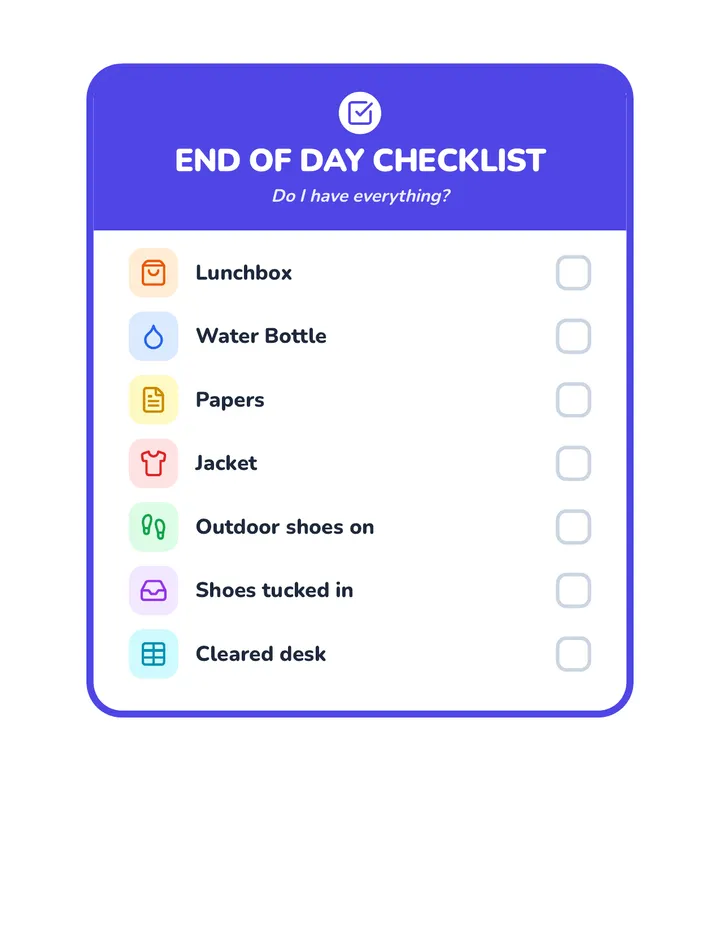
A bold, vertical "End of Day Checklist" for a student cubby. It includes visual icons for lunchboxes, water bottles, papers, jackets, shoes, and a cleared desk.
A 10-trial Minecraft-themed slide presentation that teaches students how to compare and contrast objects based on color, shape, size, function, and category. Each slide presents a pair of game items like blocks, tools, or mobs, prompting students to identify similarities and differences.
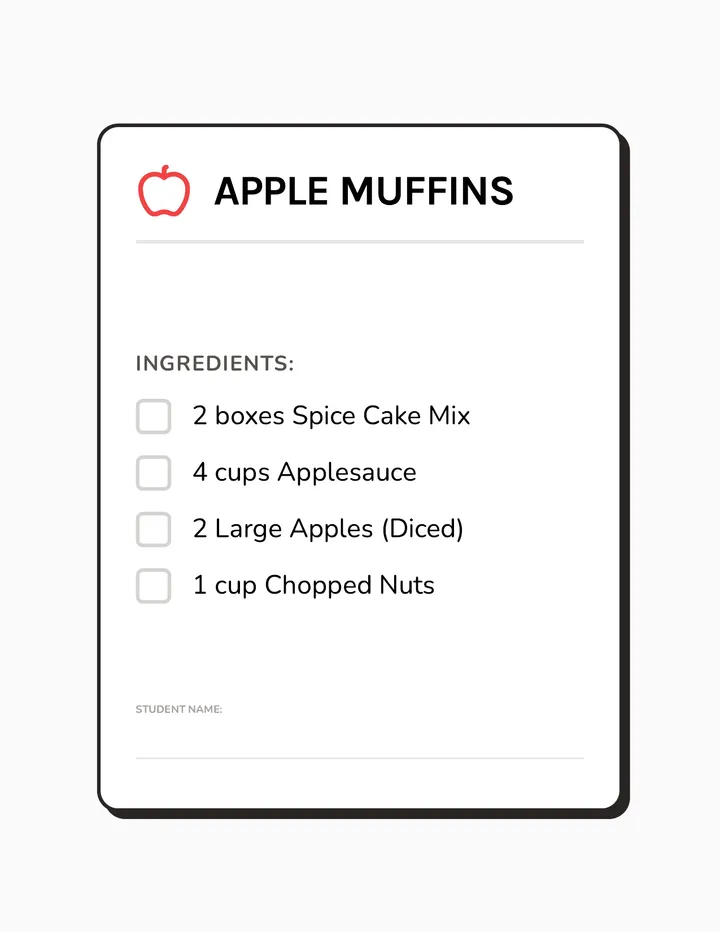
A set of large-format visual recipe task cards for 3-Ingredient Apple Muffins, with one card per page. Designed for easy viewing in a classroom or kitchen, these cards feature bold line-art illustrations, a tools checklist, and step-by-step baking instructions.
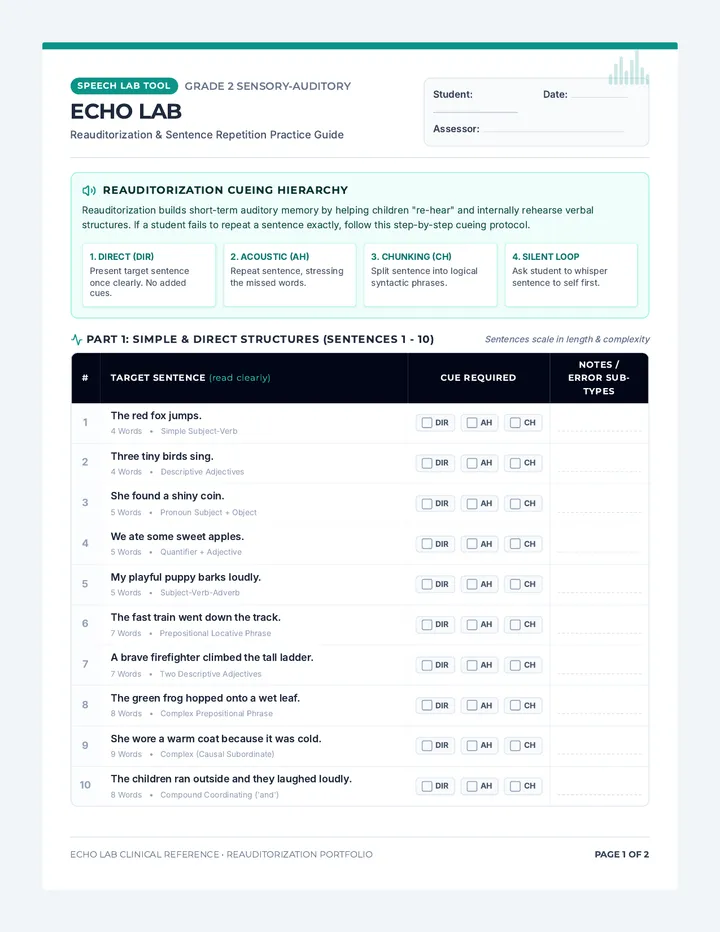
A professional teacher-facing diagnostic and therapeutic guide featuring 20 progressively complex Grade 2 sentences. Includes a structured step-by-step reauditorization cueing hierarchy, tracking checkboxes for clinical/classroom recording, and scoring guidelines.
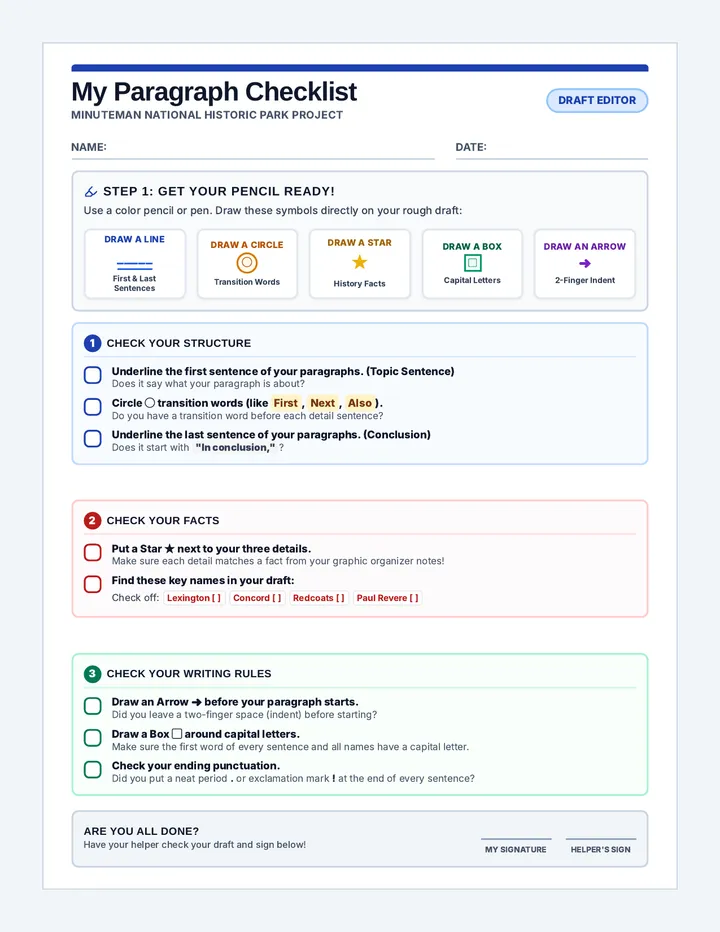
A simplified, accessible, and high-contrast version of the editing checklist designed for students with challenges in reading, writing, and executive function. It uses chunked micro-steps, extremely clear visual symbols, direct vocabulary, and a distraction-free, structured layout to support self-regulation and focus.
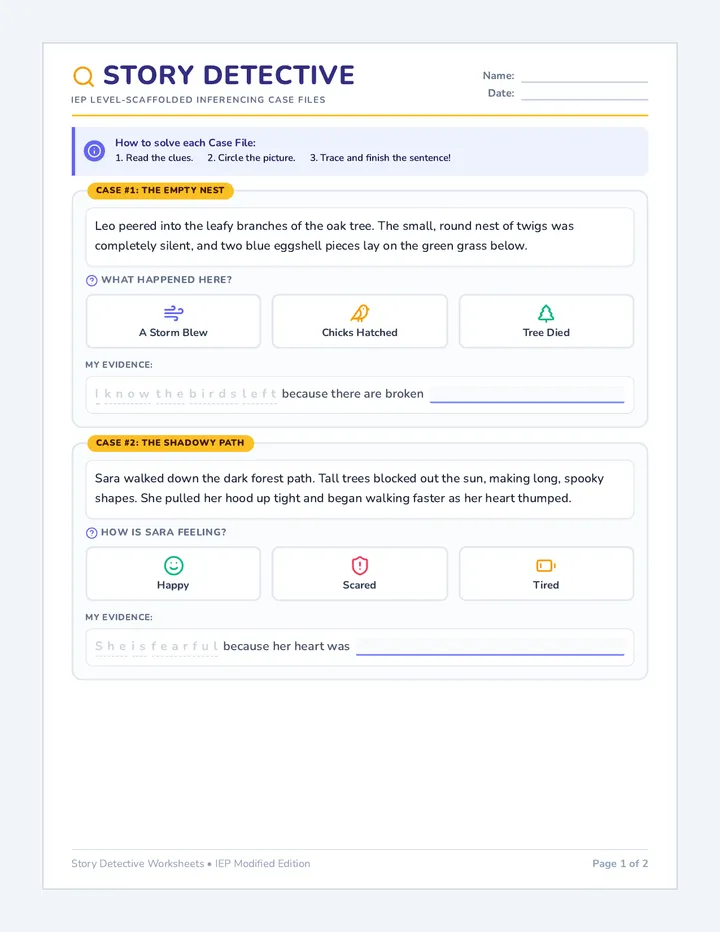
An upgraded IEP-friendly inferencing worksheet featuring slightly more complex paragraphs, abstract inferences (emotions, changes over time, past memories), visual choices, and traceable sentence frames to build student reasoning.
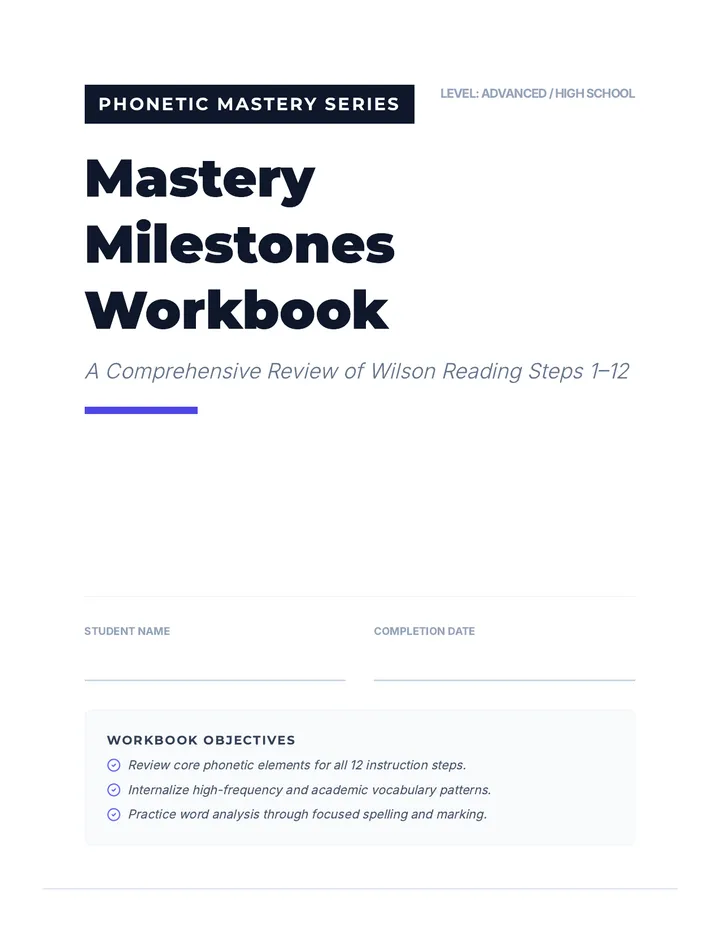
A 12-step review workbook based on the Wilson Reading System, specifically designed with high-school appropriate vocabulary and a professional aesthetic. It includes clear explanations of each phonetic element, word lists, and student practice areas for structural analysis.
A collection of highly visual, simplified resources designed for students with reading and word comprehension challenges to master the basics of Python programming.
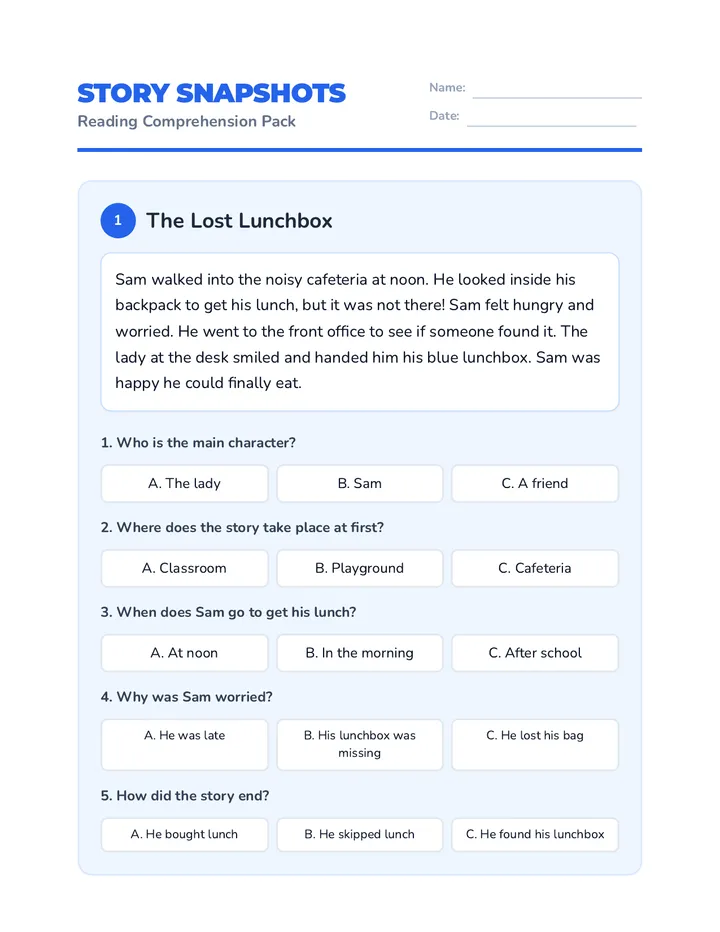
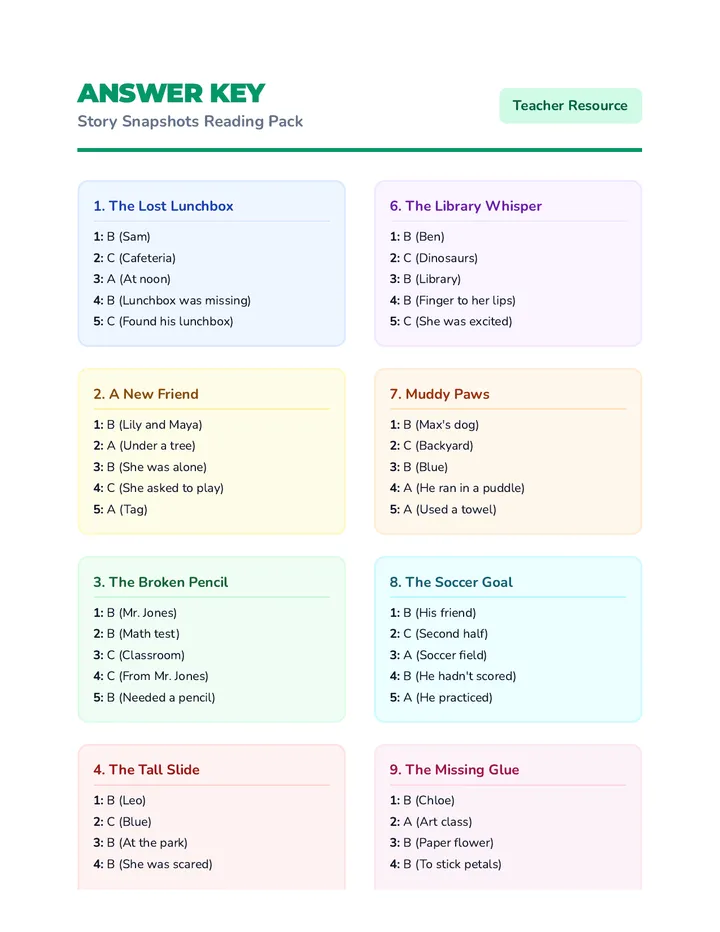
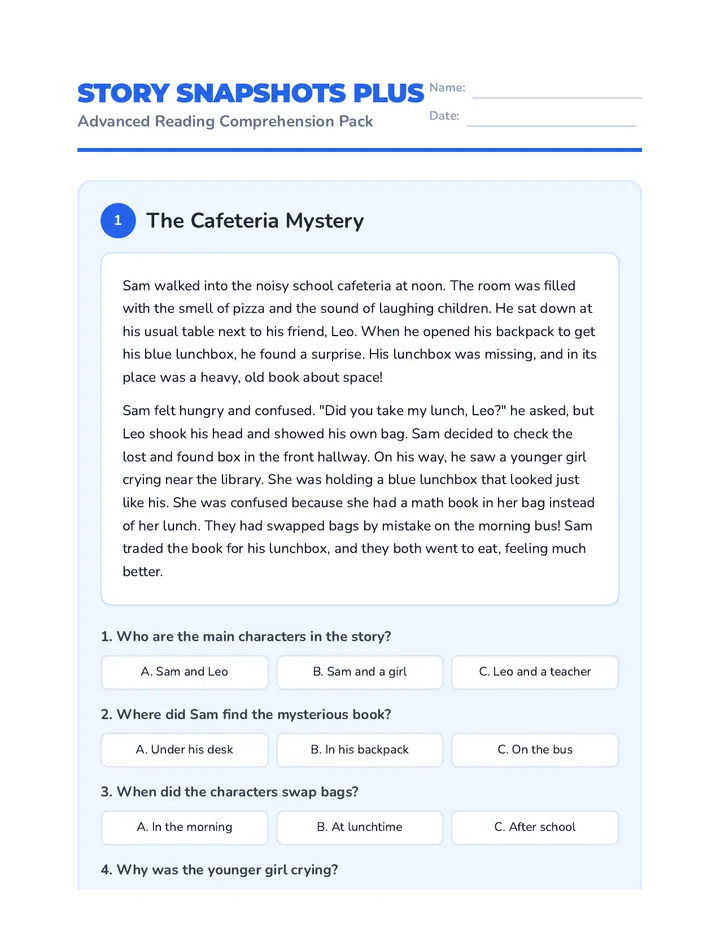
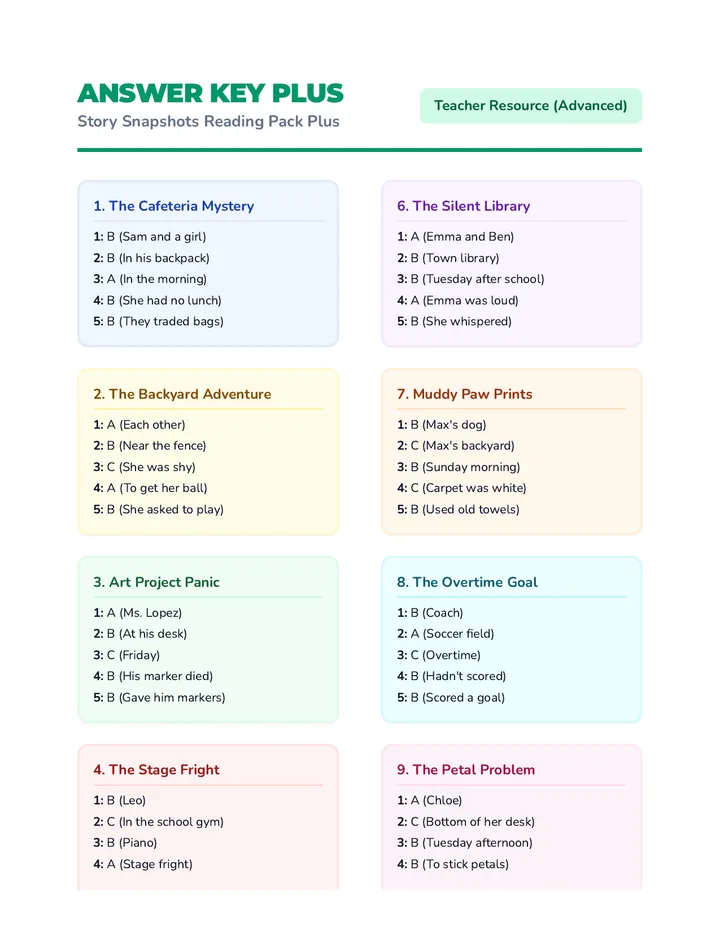
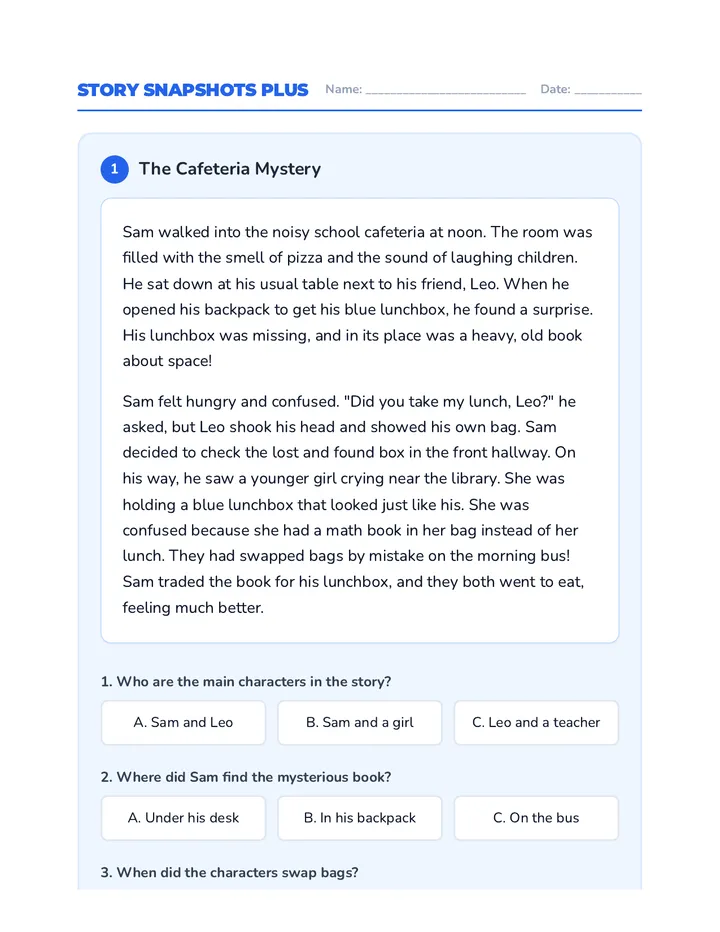
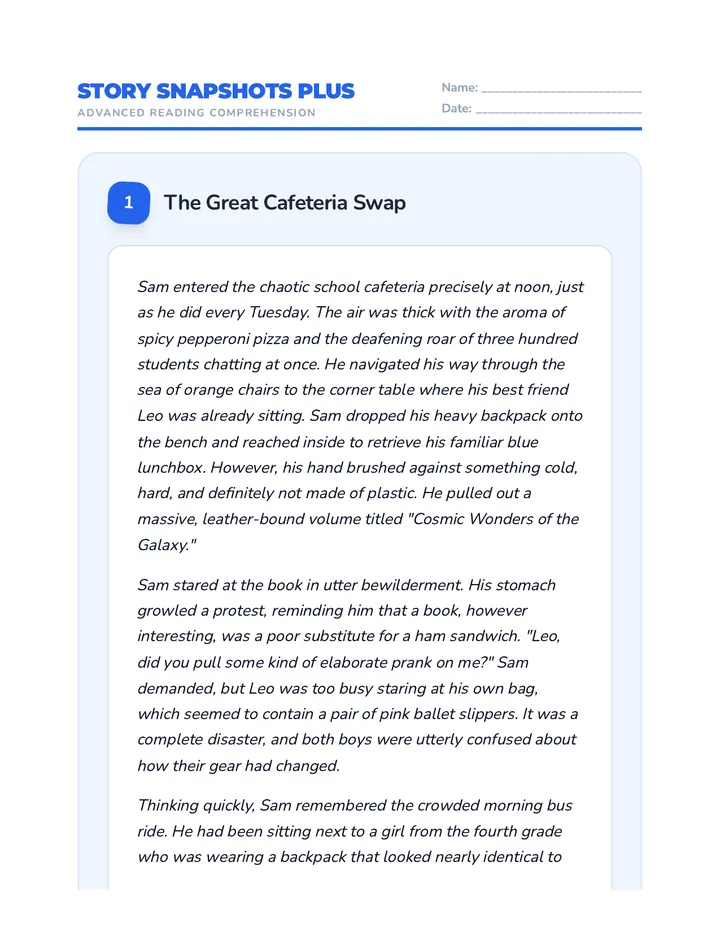
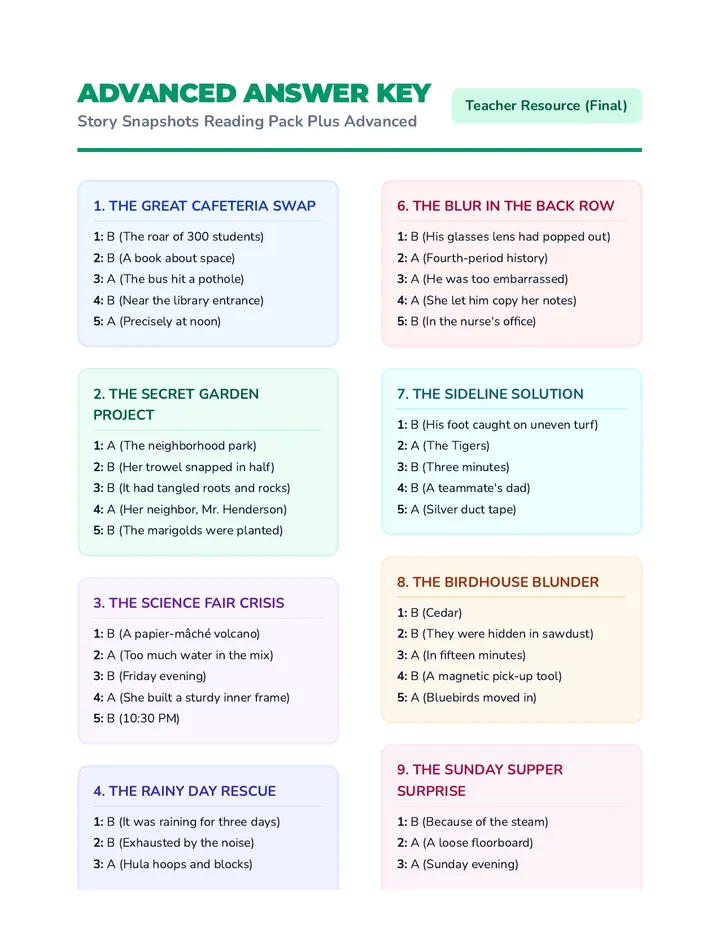
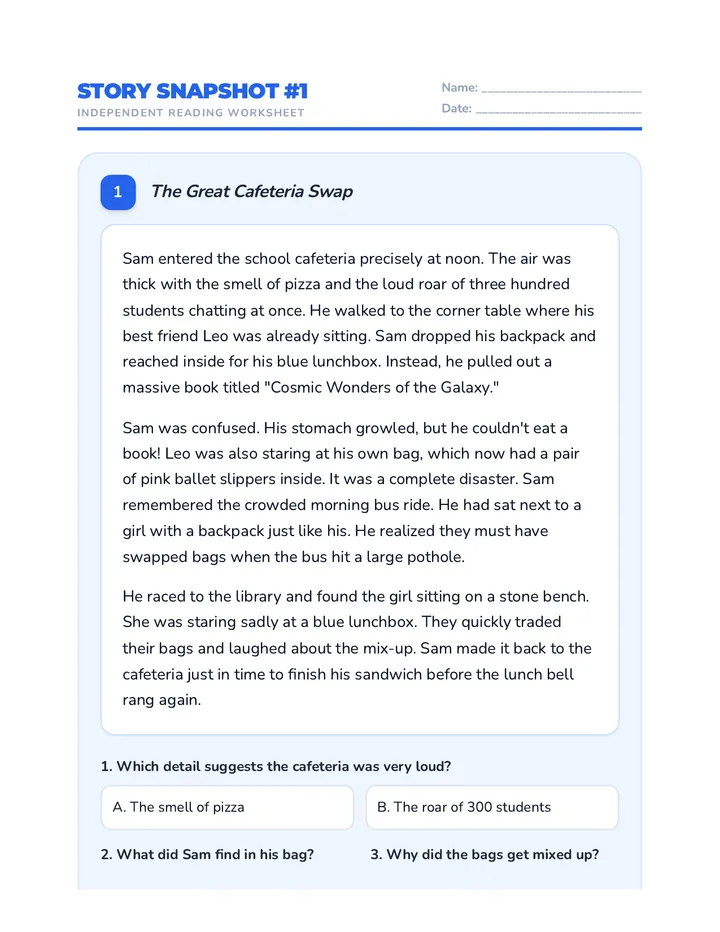
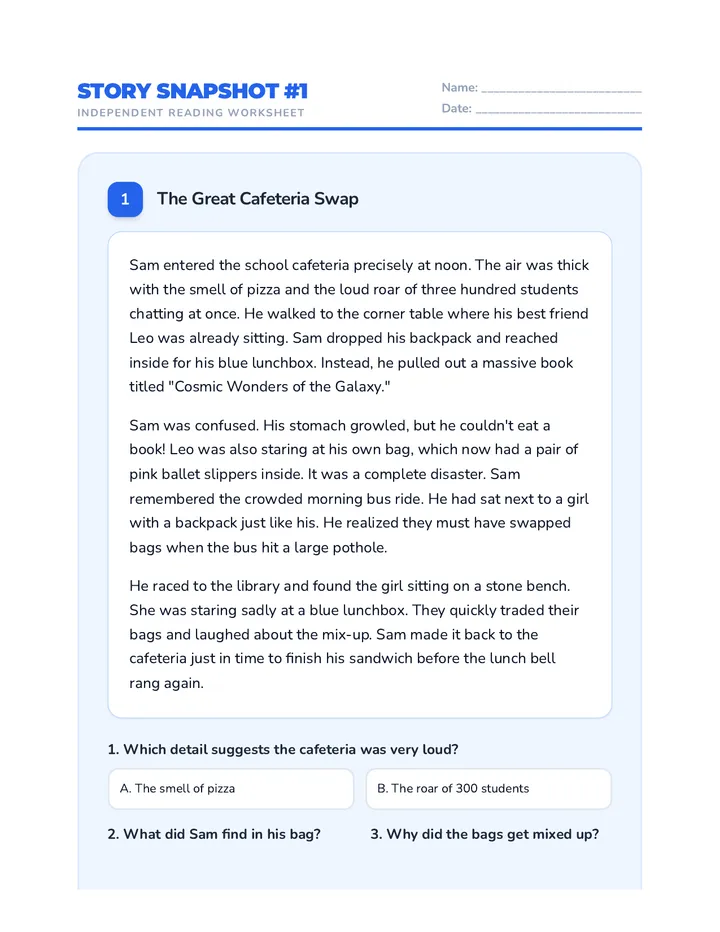
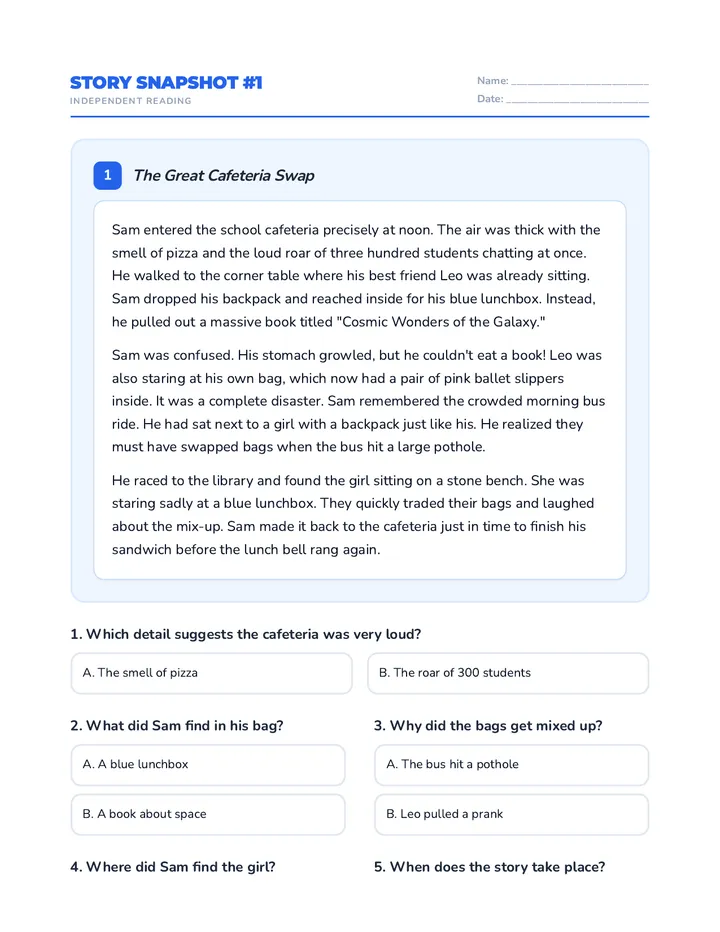
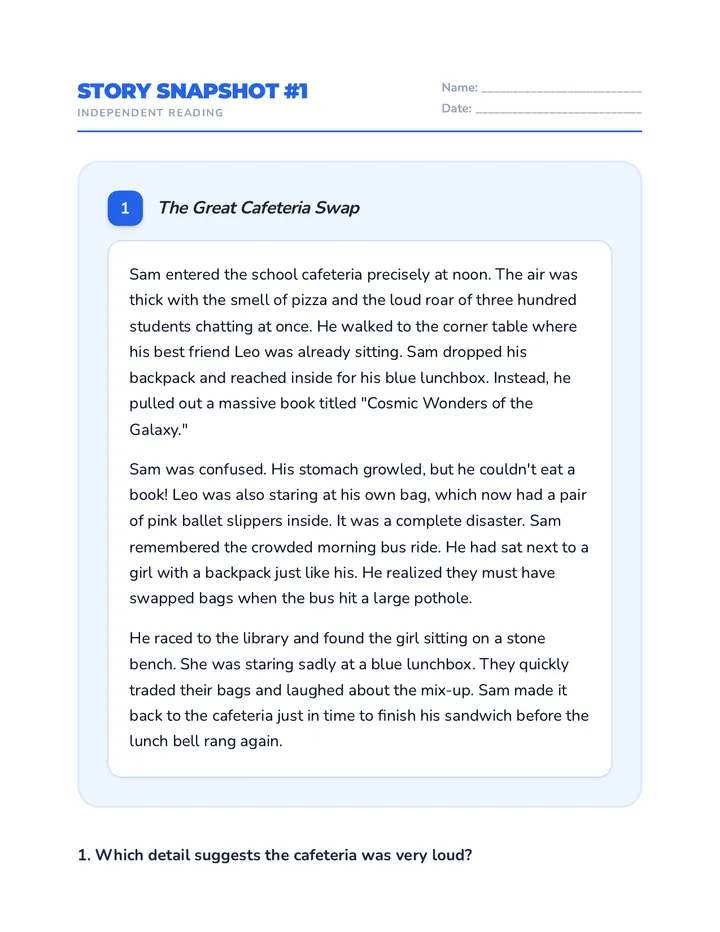
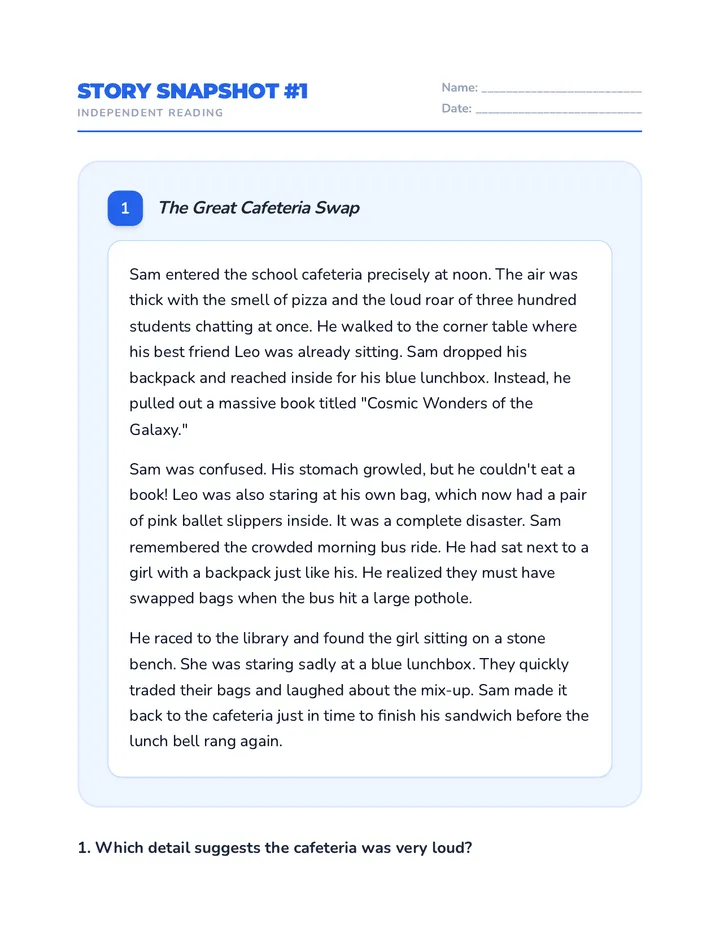
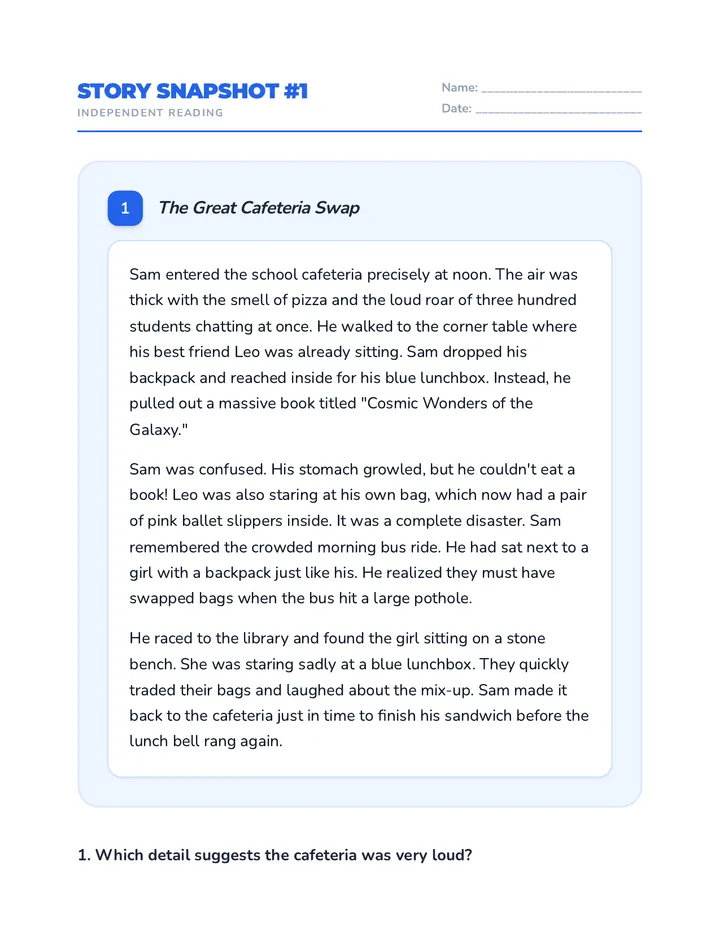
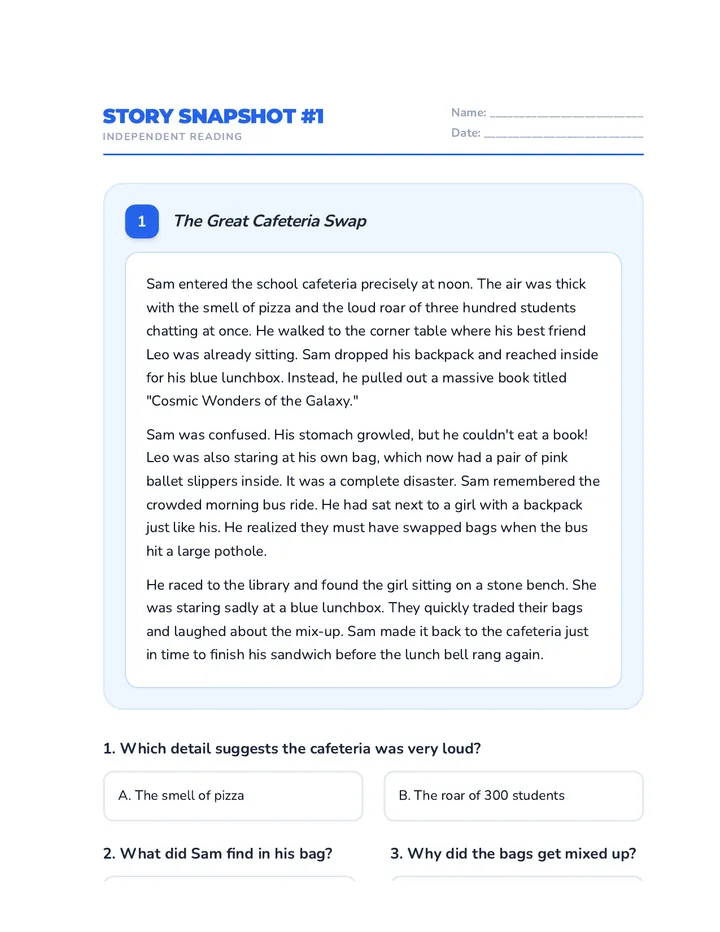
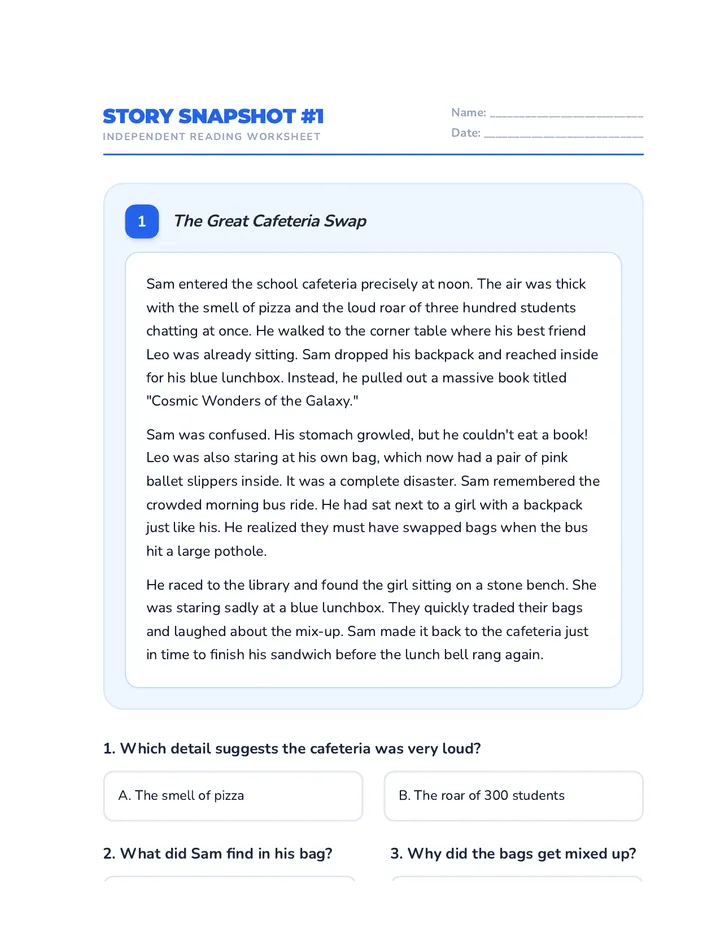
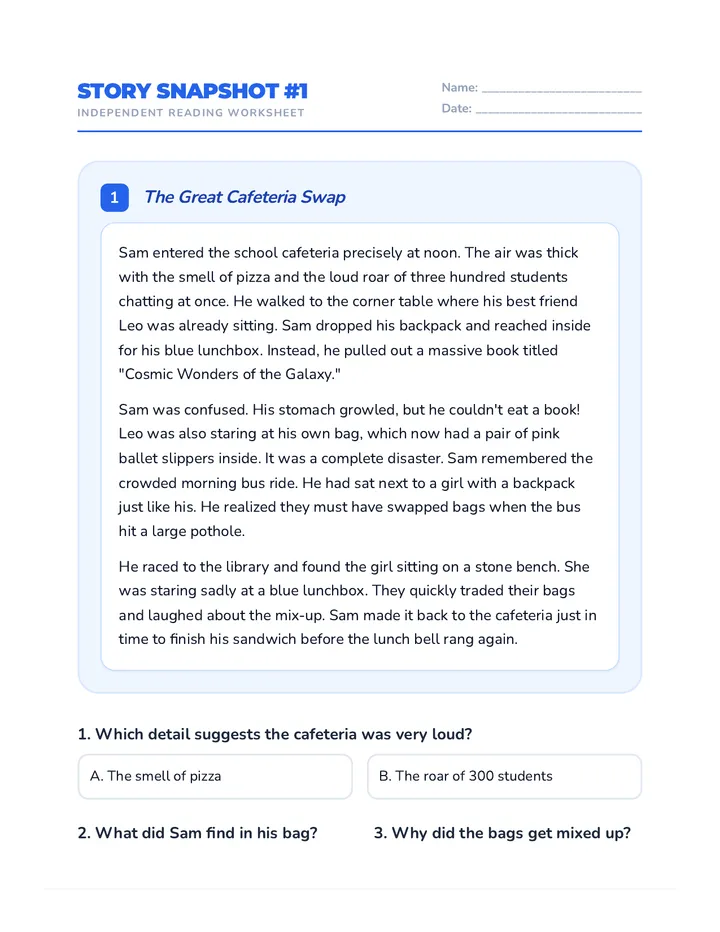
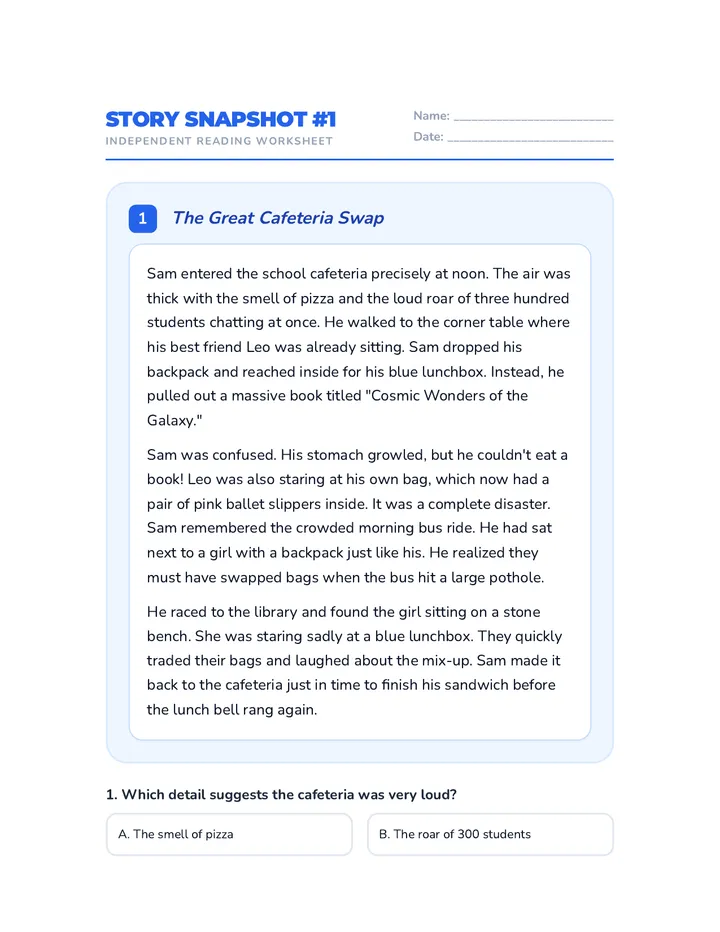
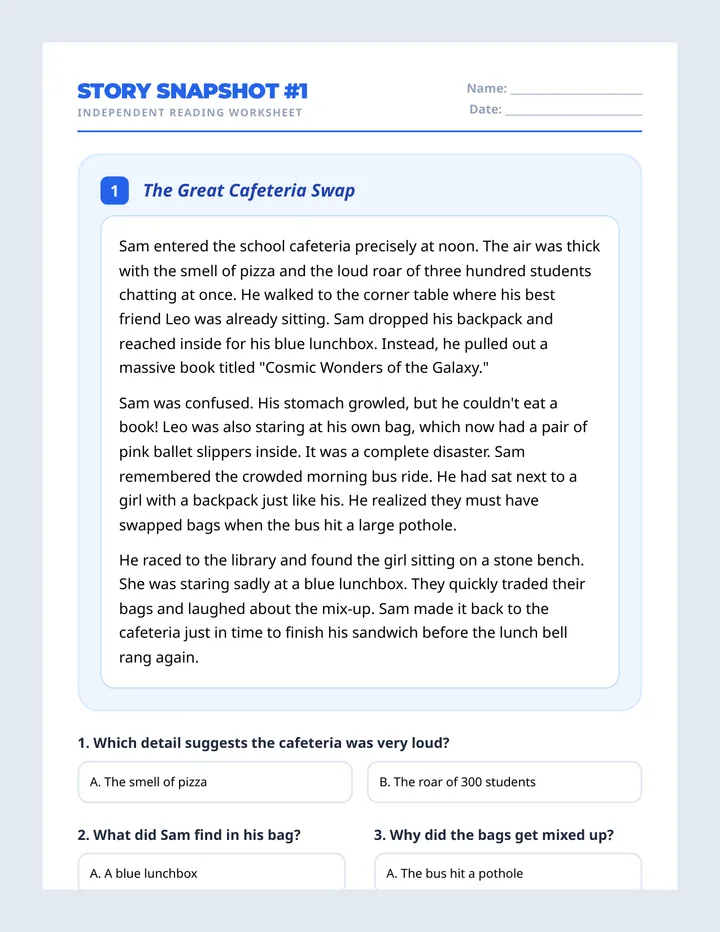
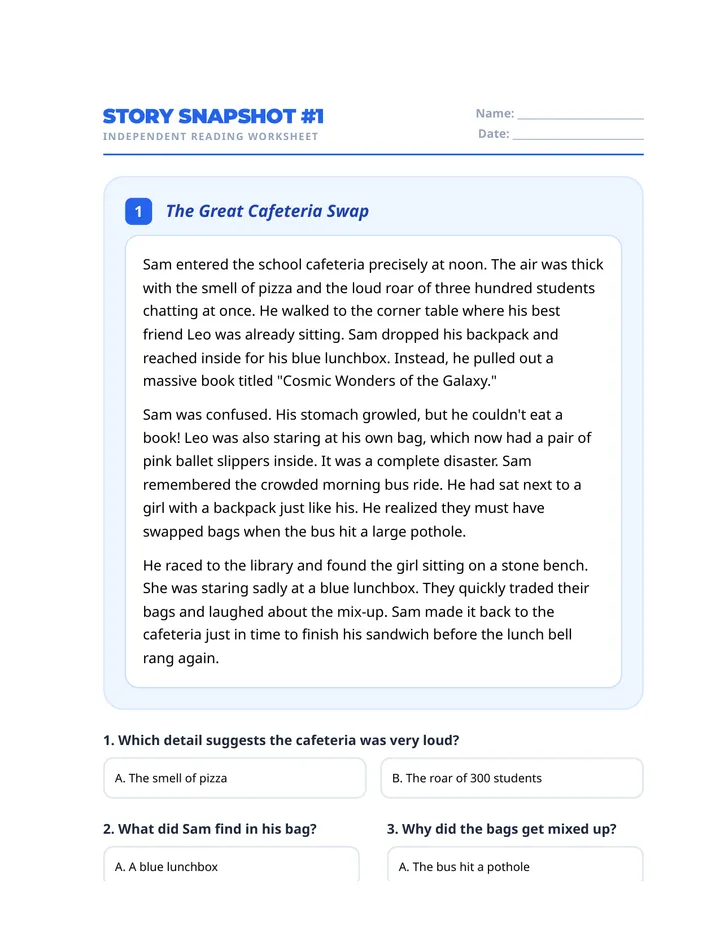
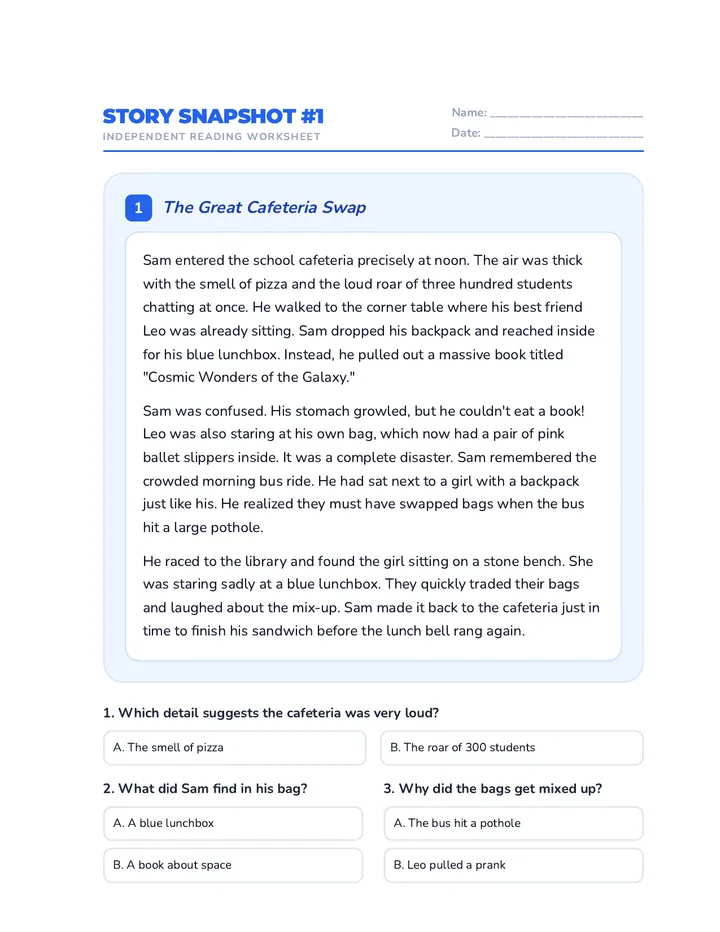
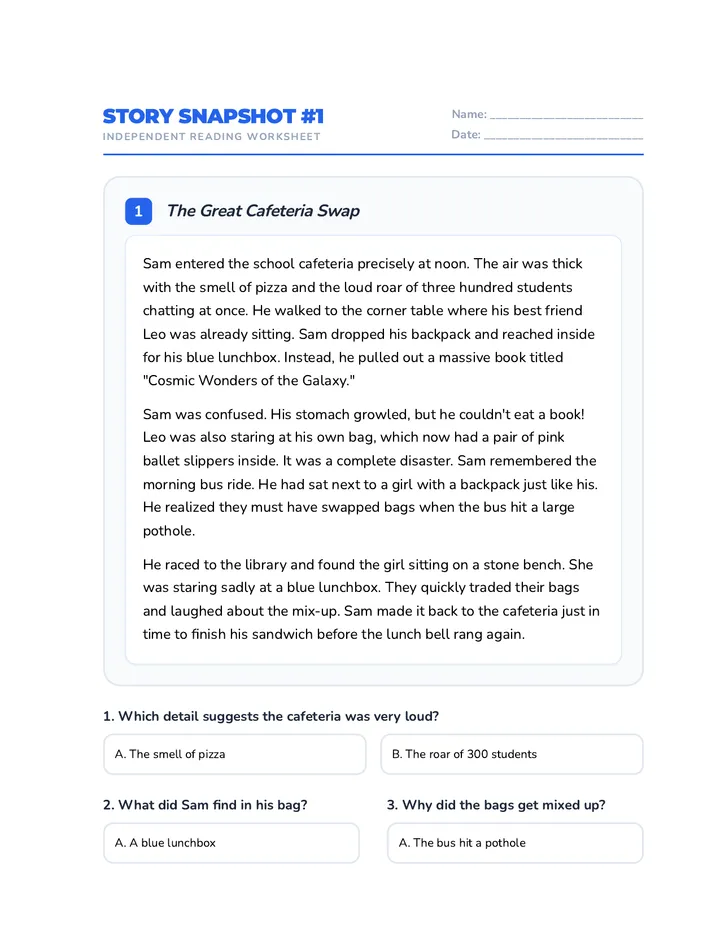
A collection of 10 longer, more complex short stories designed for 3th-4th grade level readers. Focuses on identifying character, setting, and plot elements through multi-paragraph narratives and literal comprehension questions.
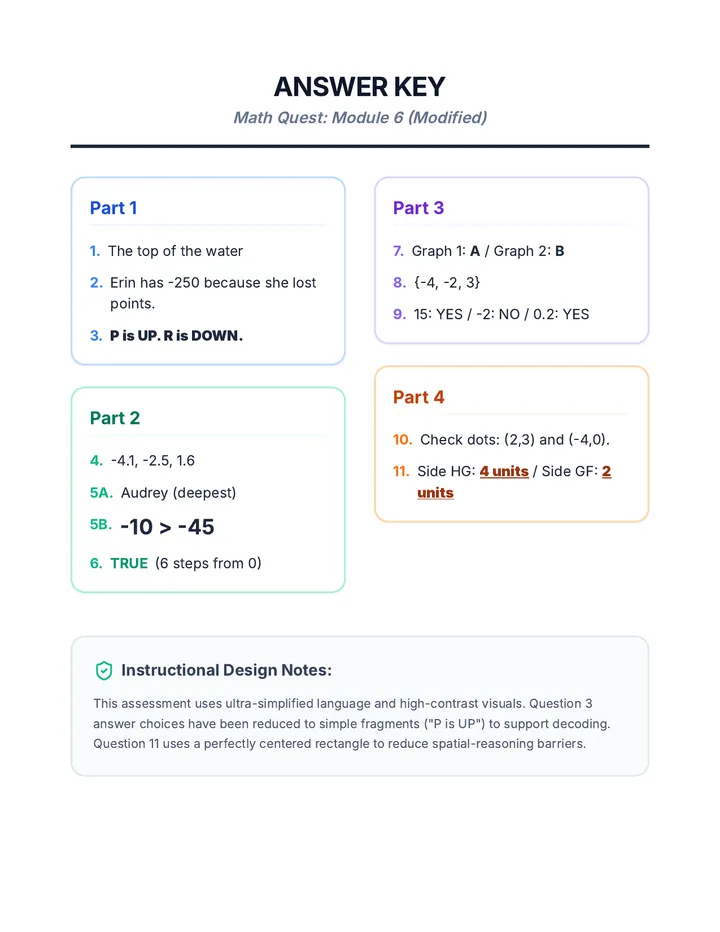
A modified version of the Grade 6 Module 6 Assessment, specifically designed for students with IEPs. The assessment is broken into bite-sized chunks with simplified language, visual supports, and reduced response options to increase accessibility.
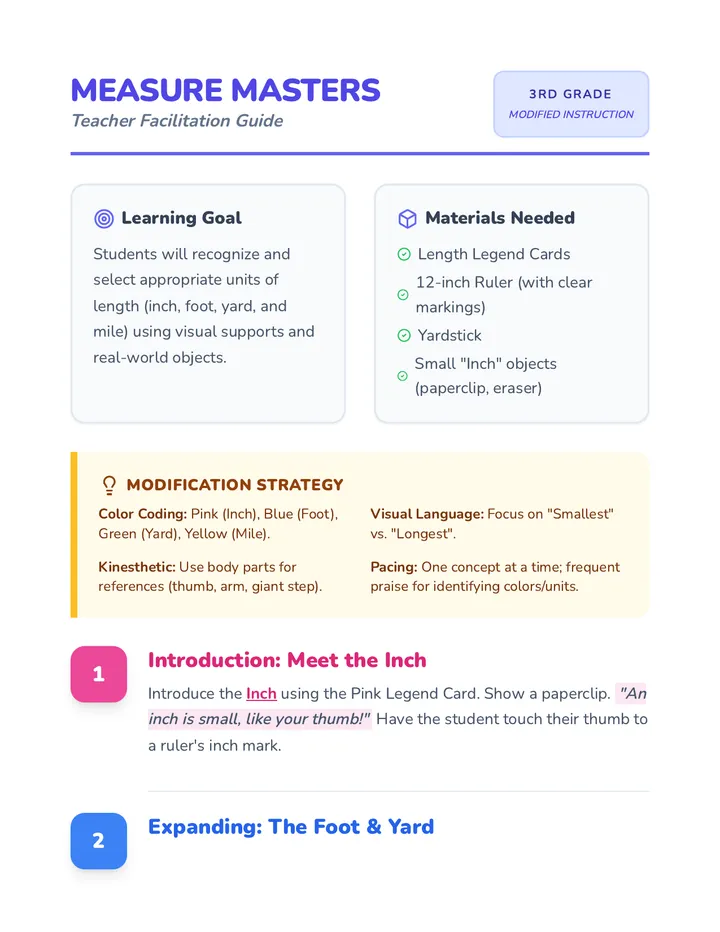
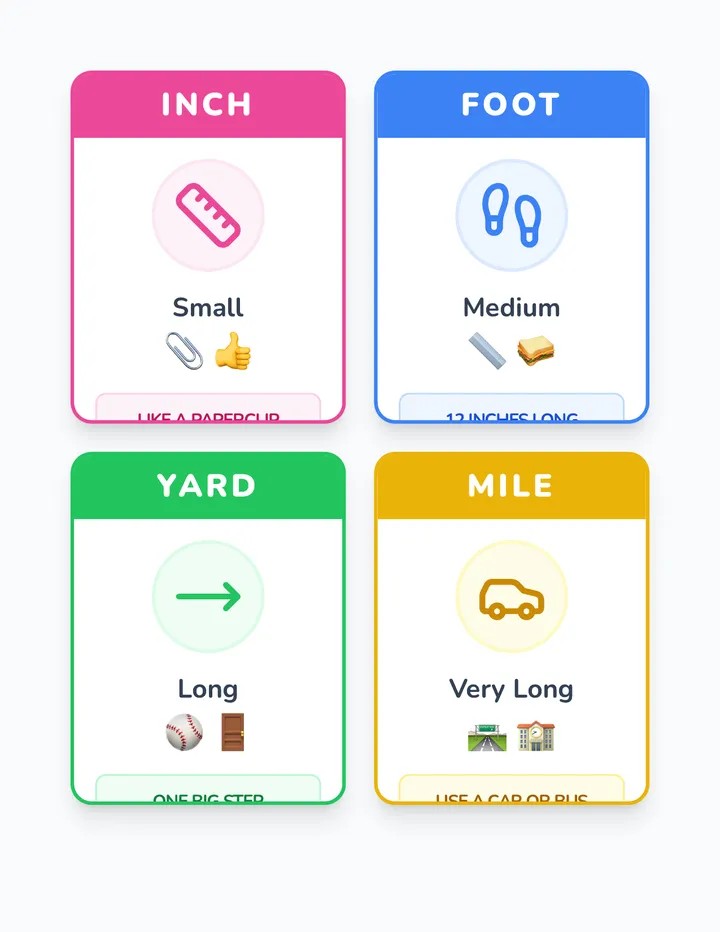
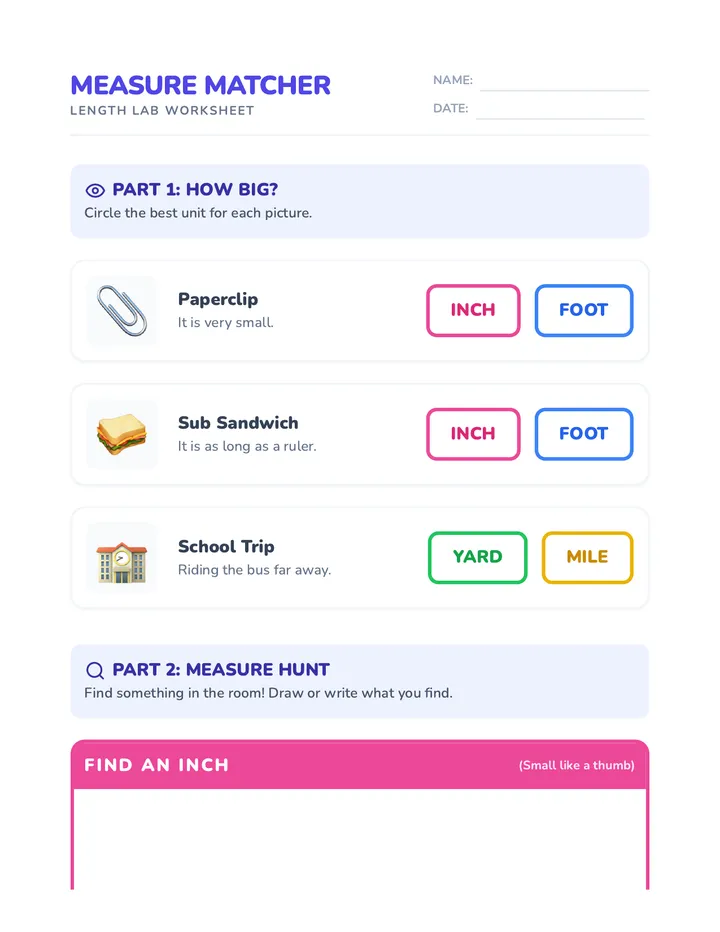
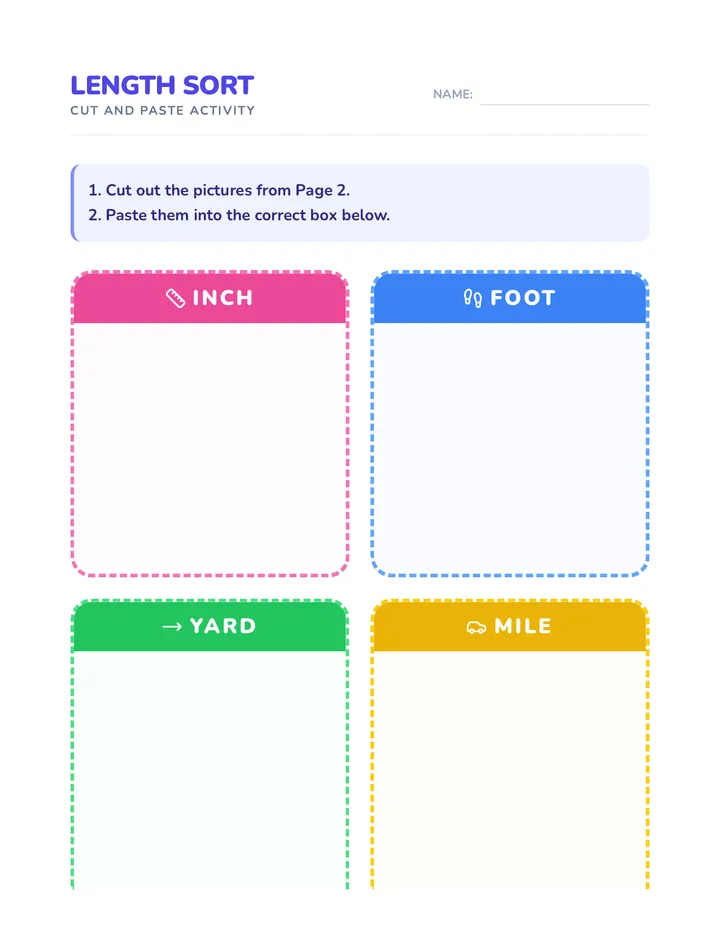
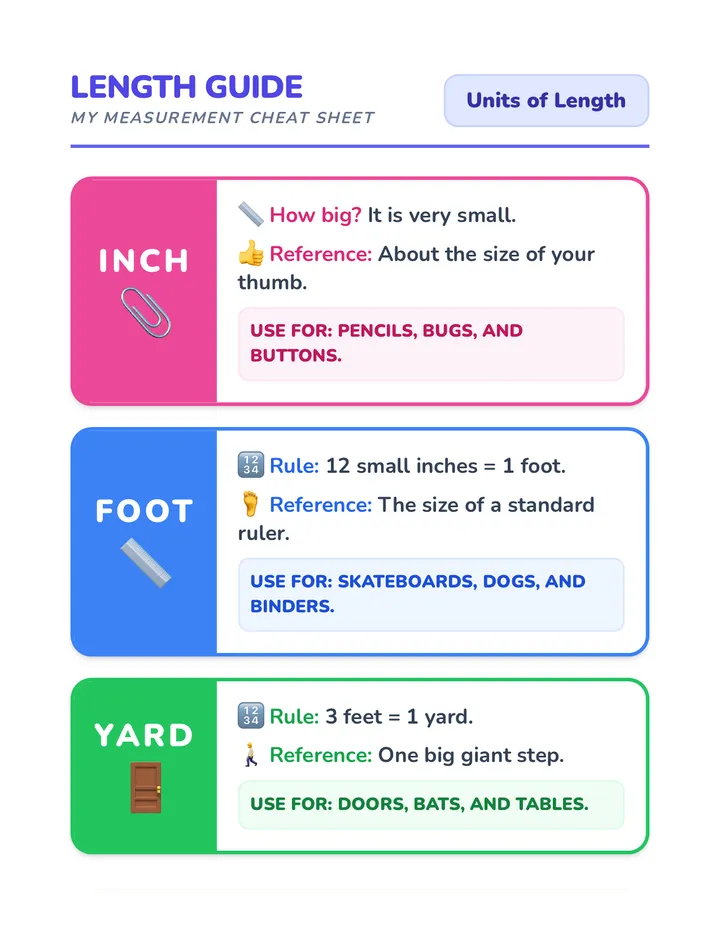
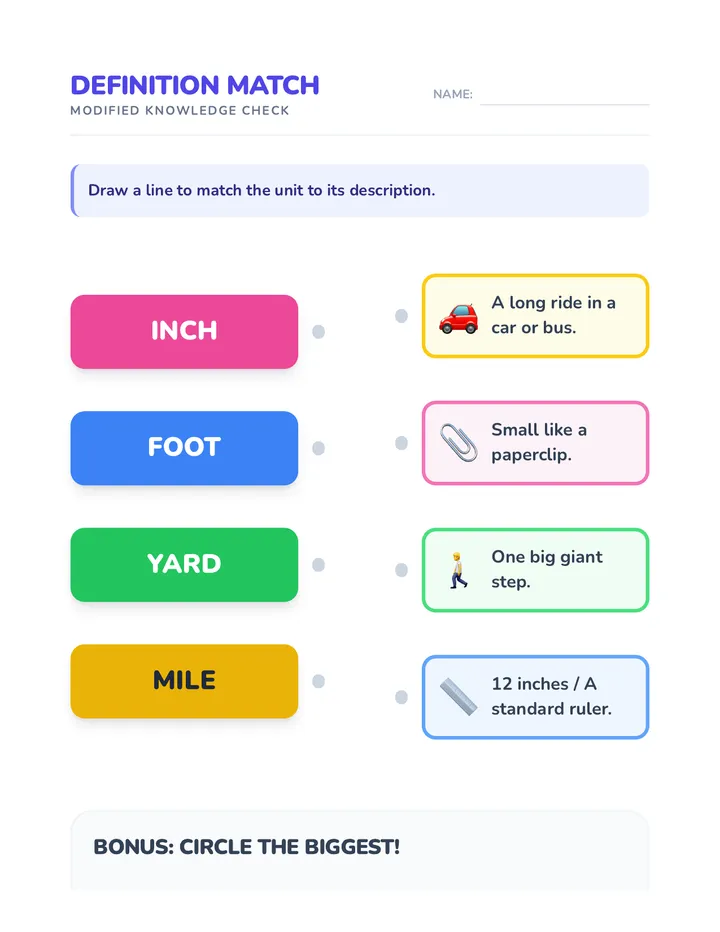
A modified math lesson for 3rd-grade students, focusing on understanding and comparing units of length (inch, foot, yard, and mile) through visual aids, color-coding, and hands-on activities.
A modified geometry lesson for 3rd grade students focusing on identifying sides, angles, and polygons through clear visuals and color-coded cues.
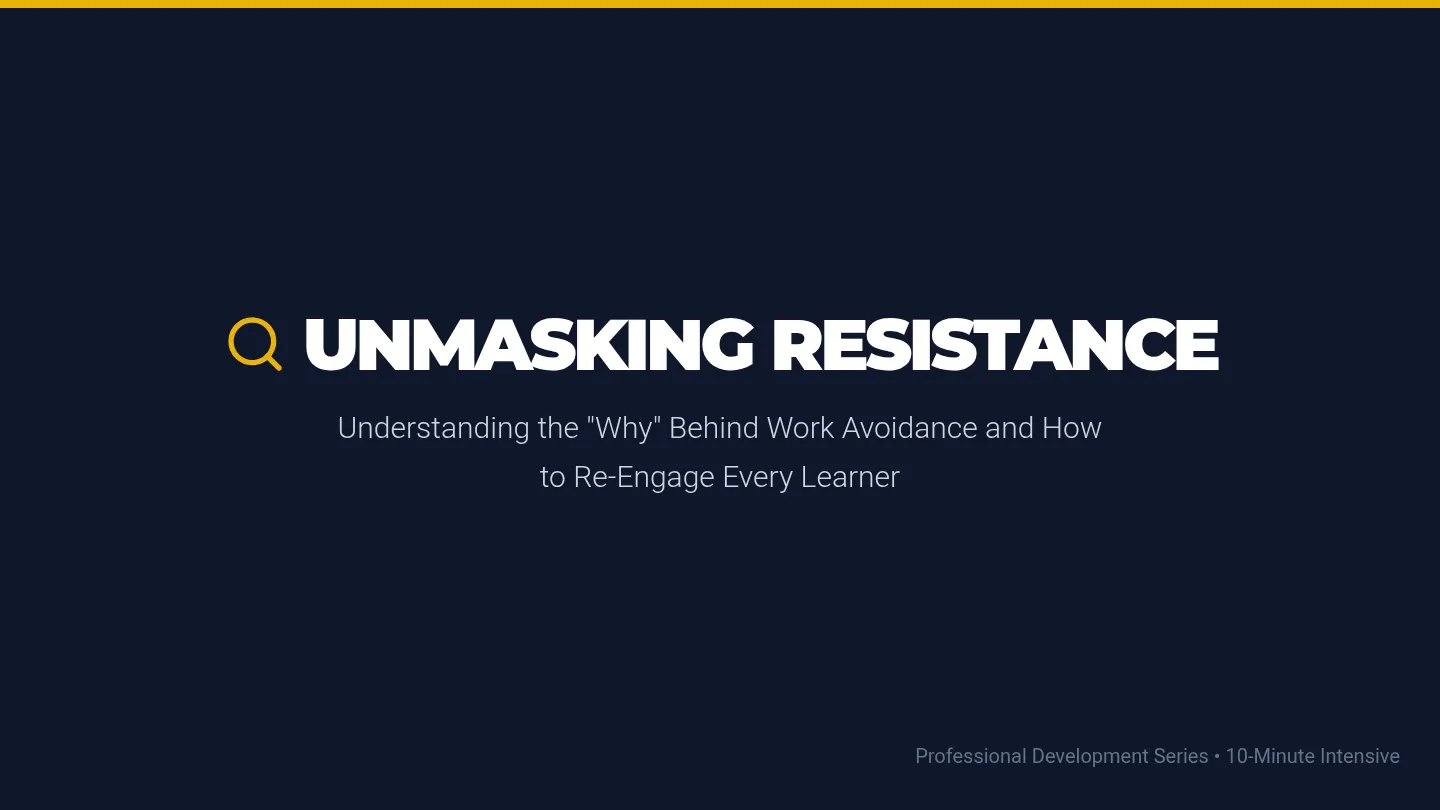
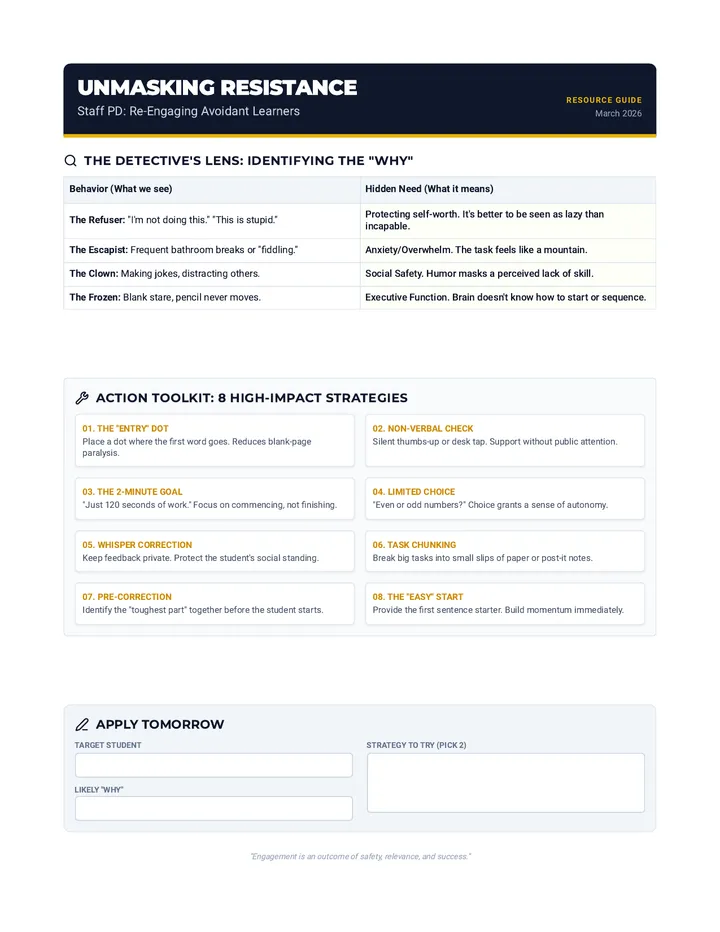
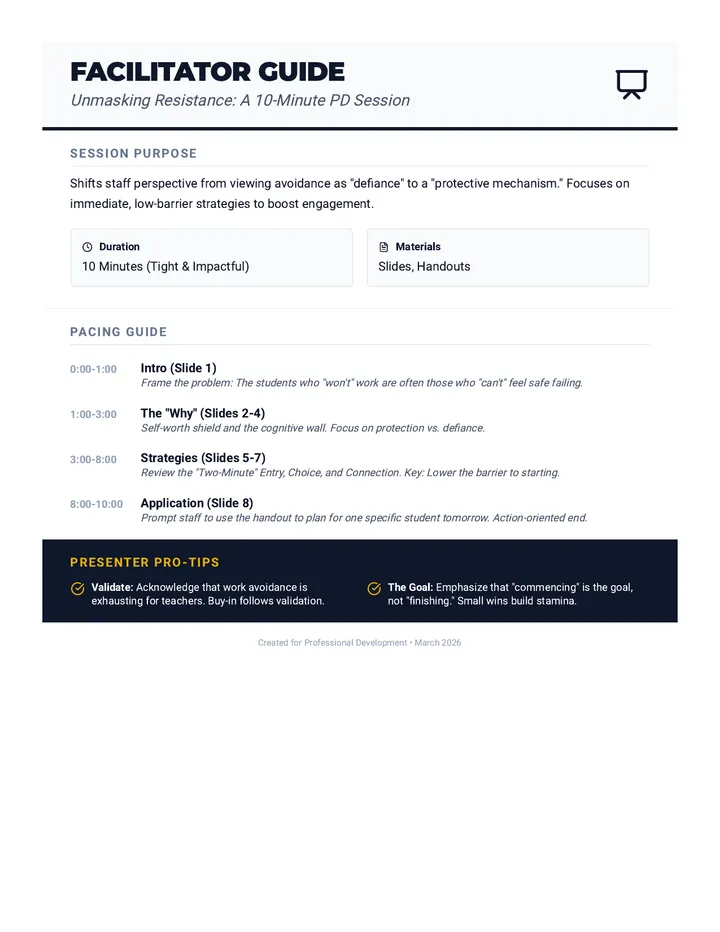
A short, high-impact PD session for school staff focusing on identifying the root causes of student work avoidance and implementing practical classroom strategies to boost engagement.
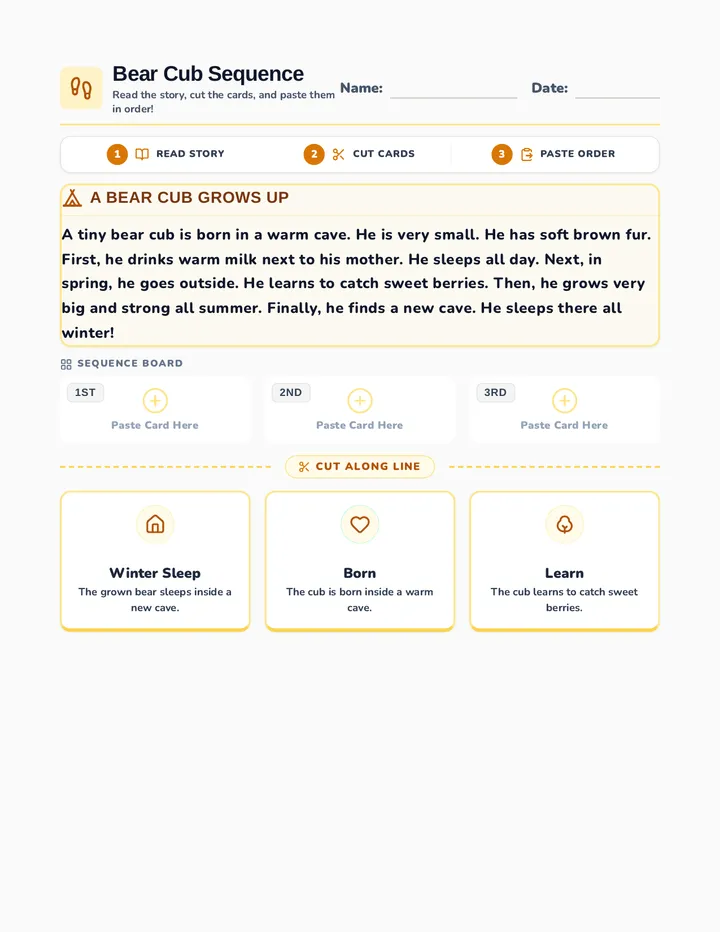
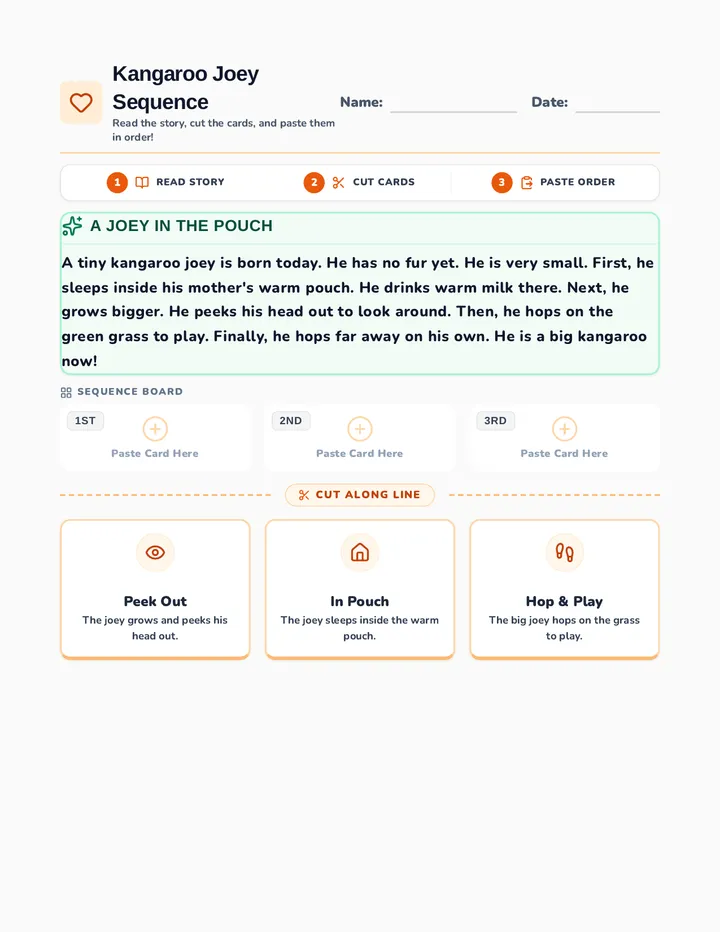
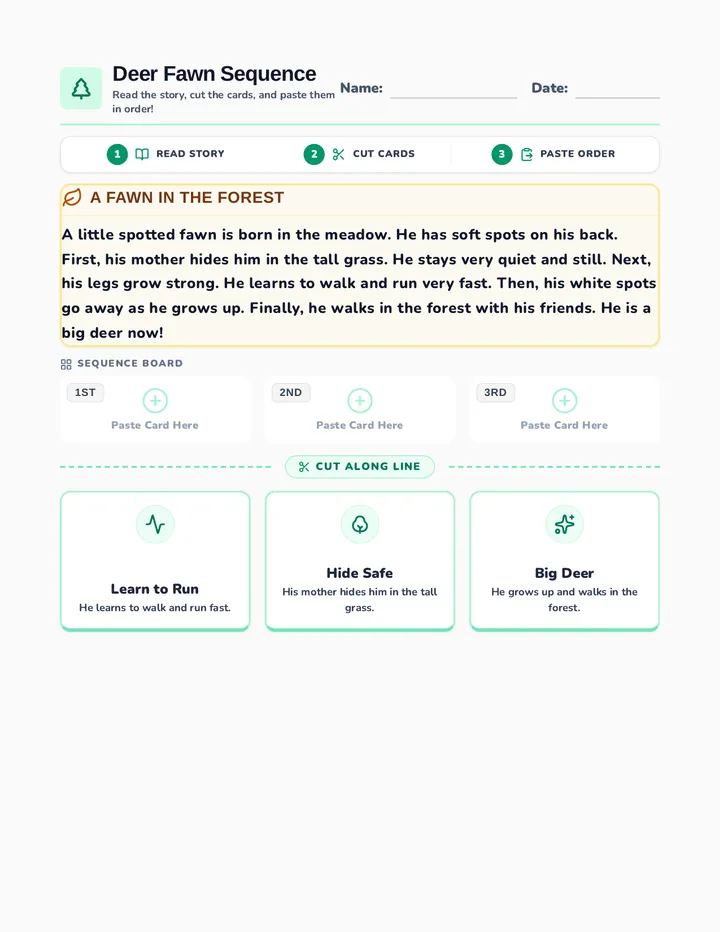
A structured, high-visual lesson designed for students with autism to practice 3-step sequencing using different animal life cycles. Includes printable worksheets with matching card designs.
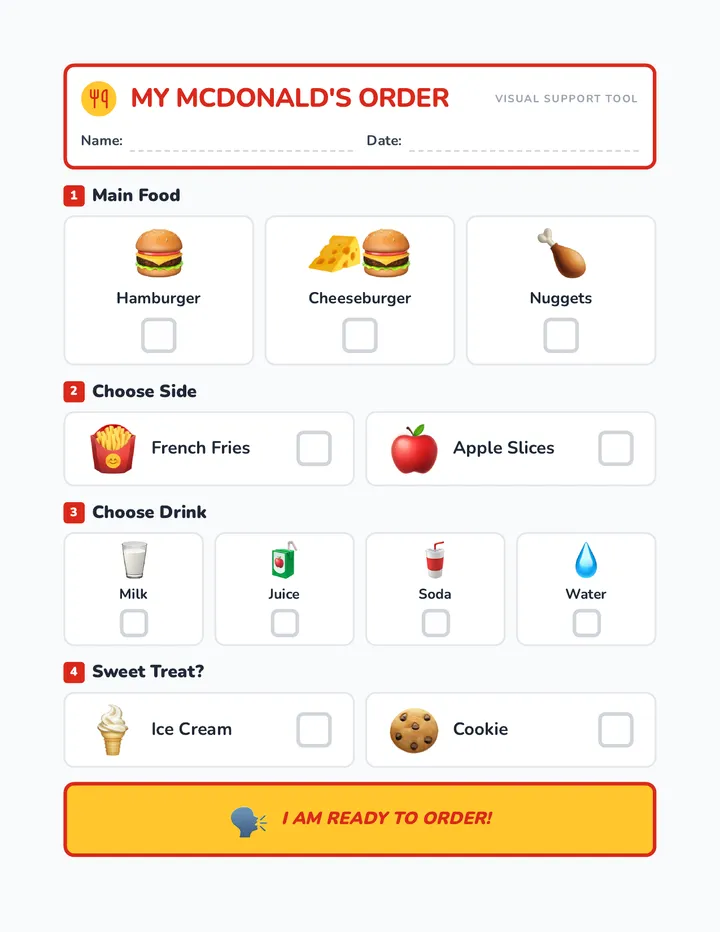
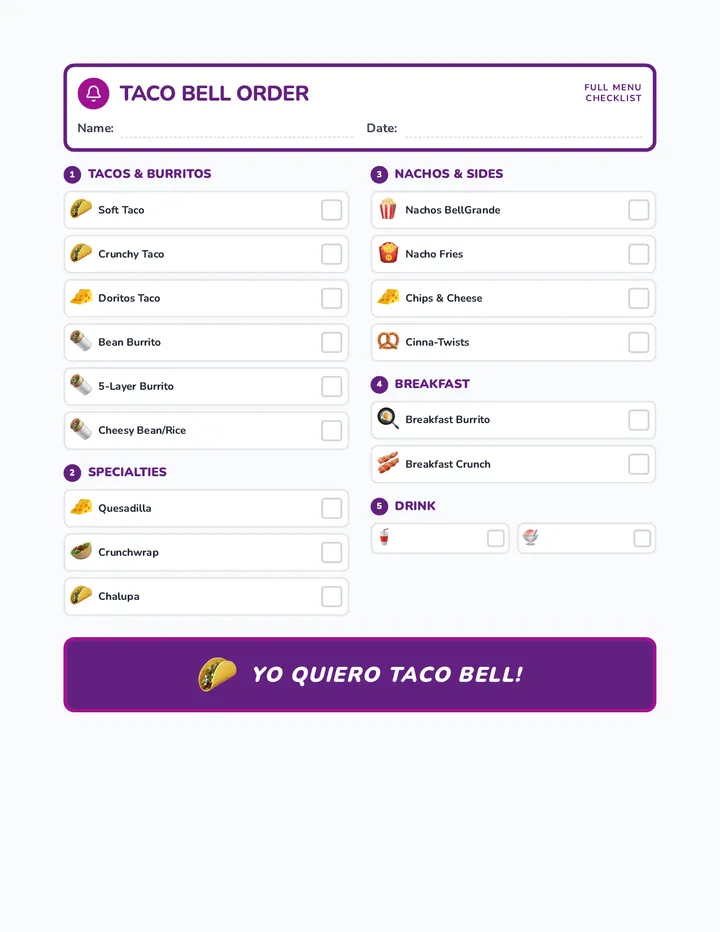
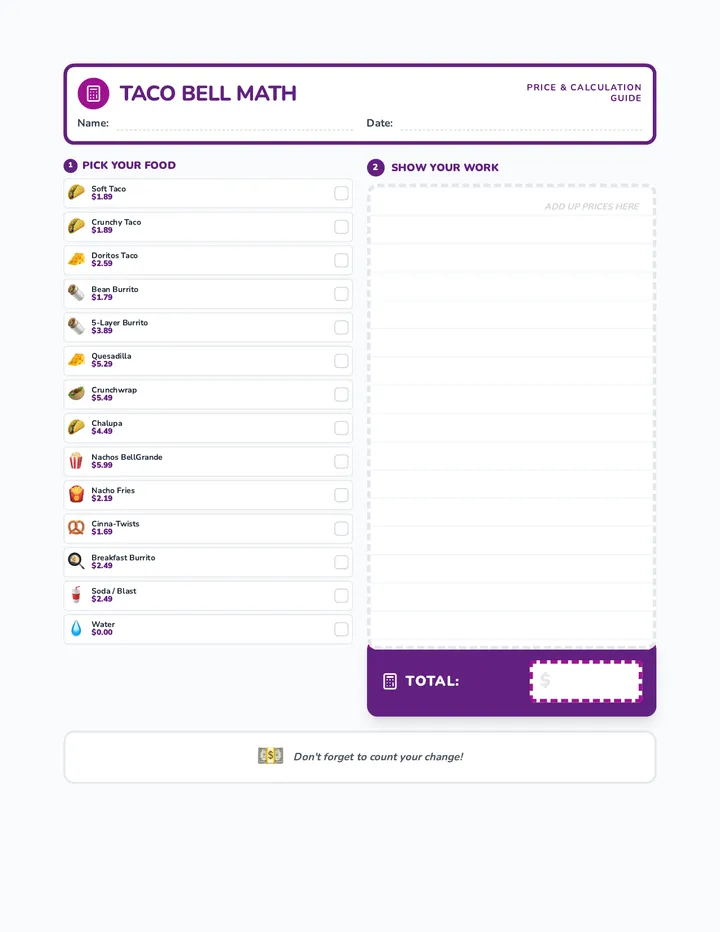
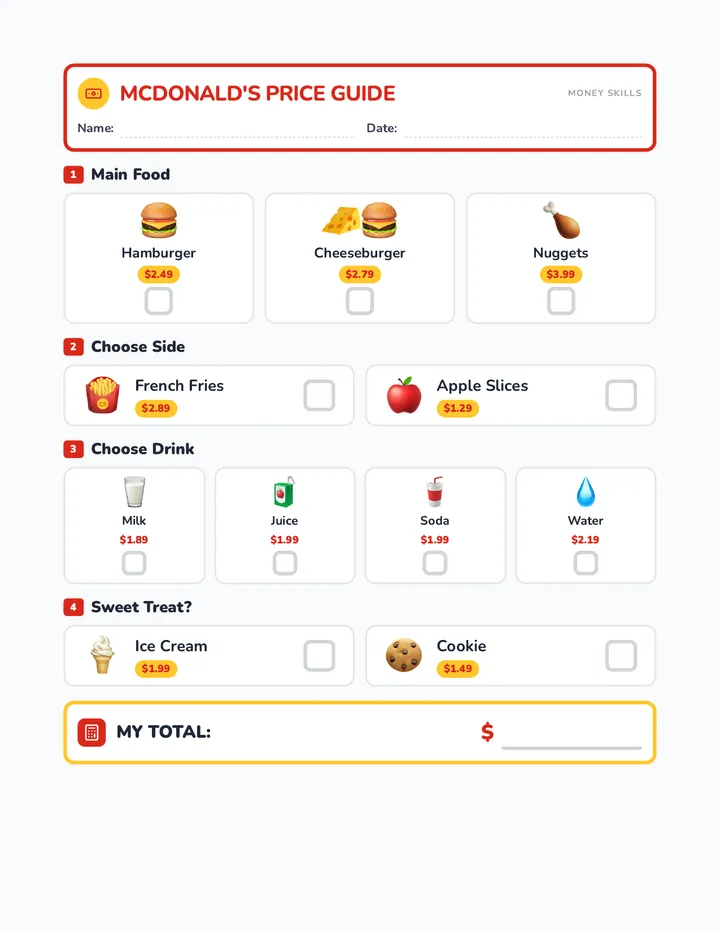
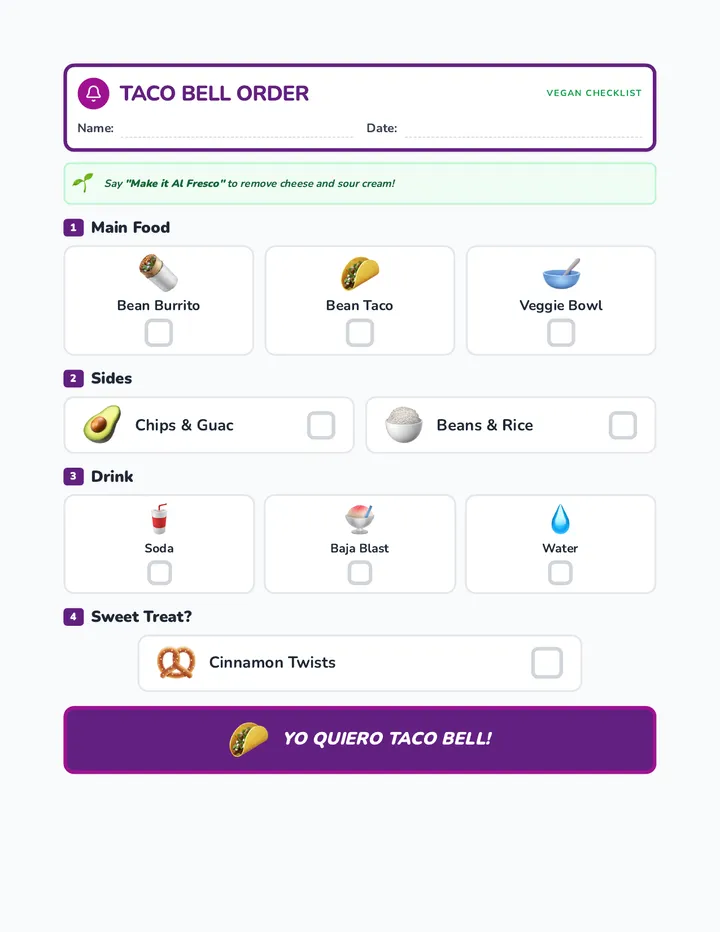
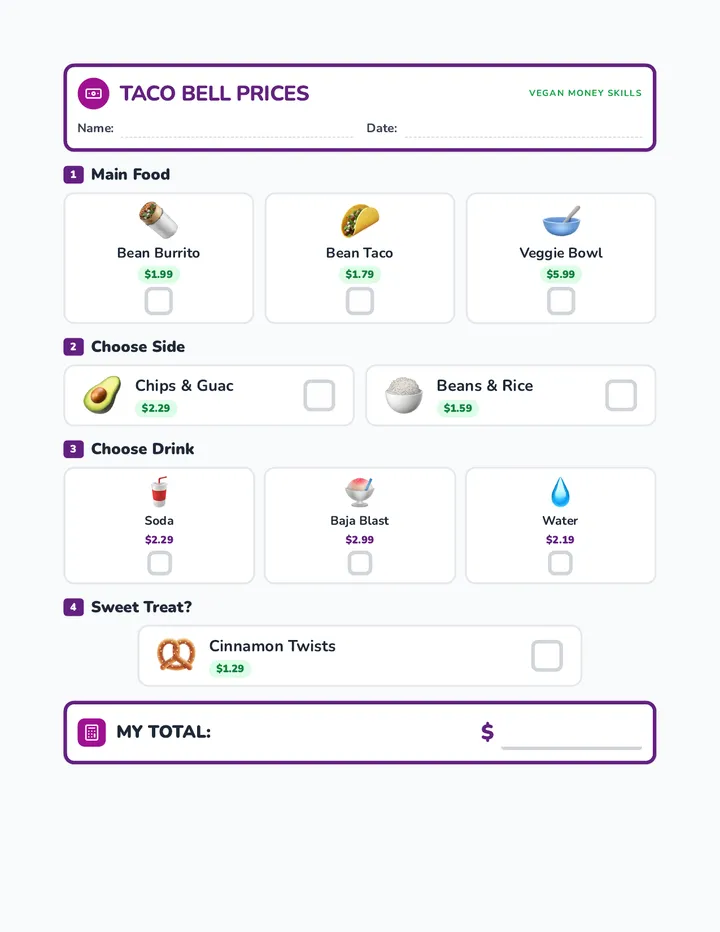
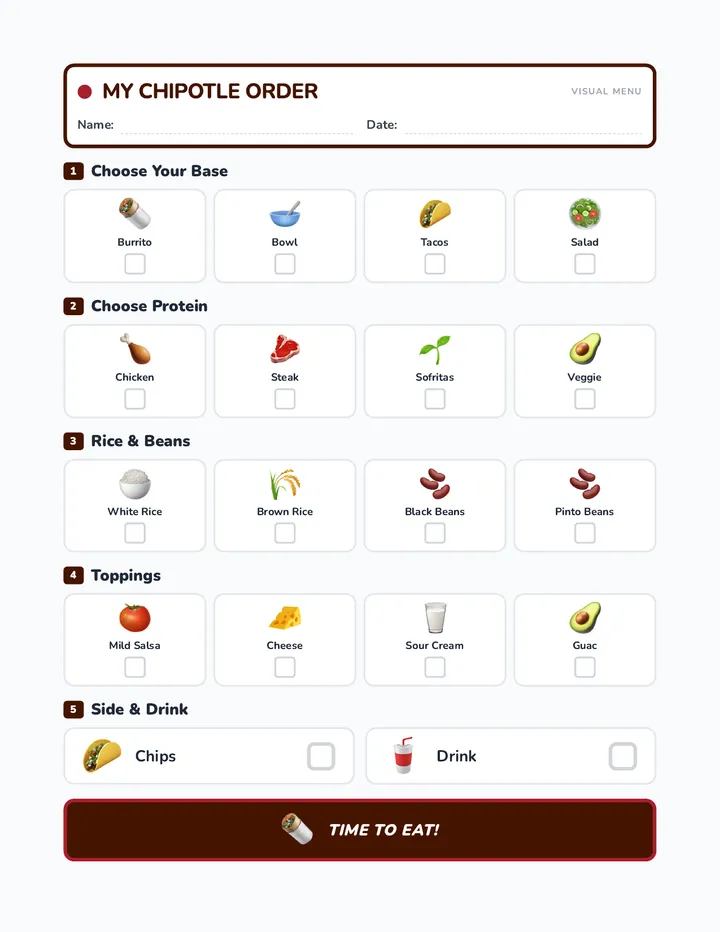
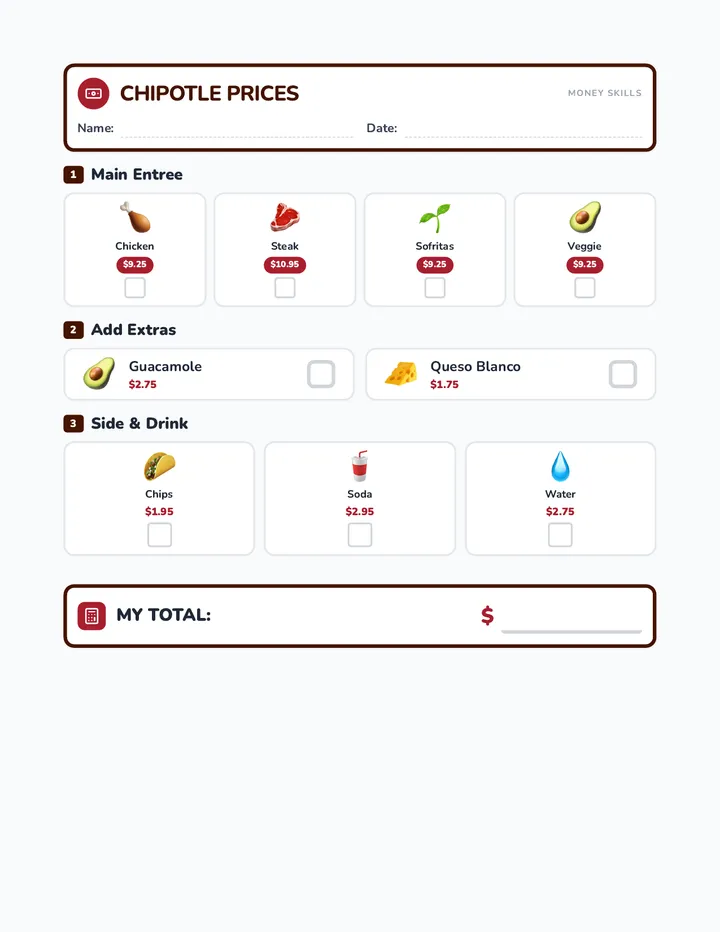
A set of visual supports to help students with special needs practice ordering and money skills at a fast food restaurant.
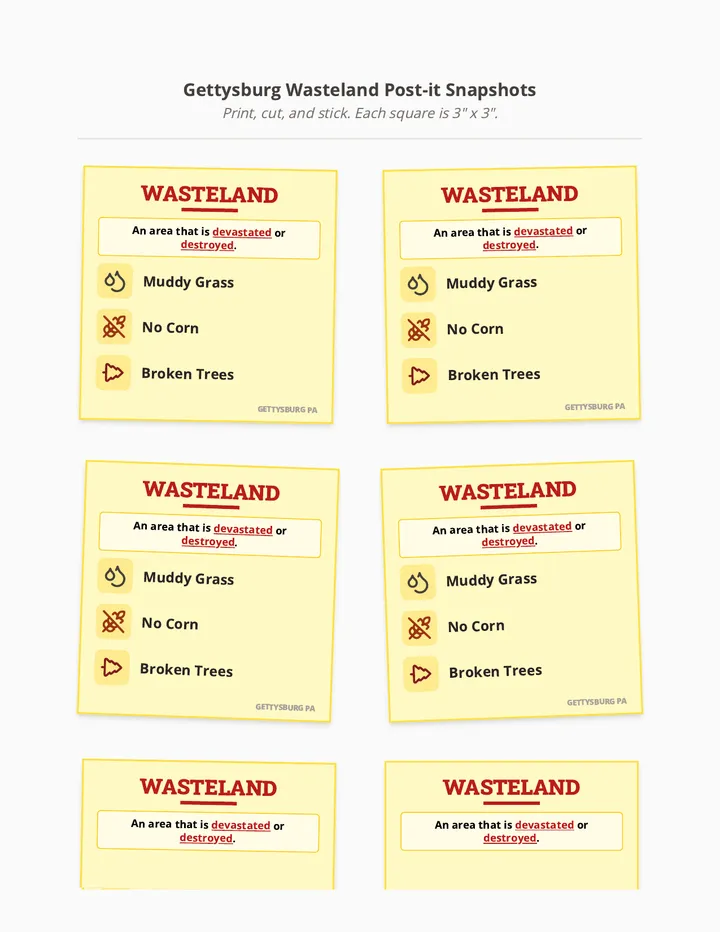
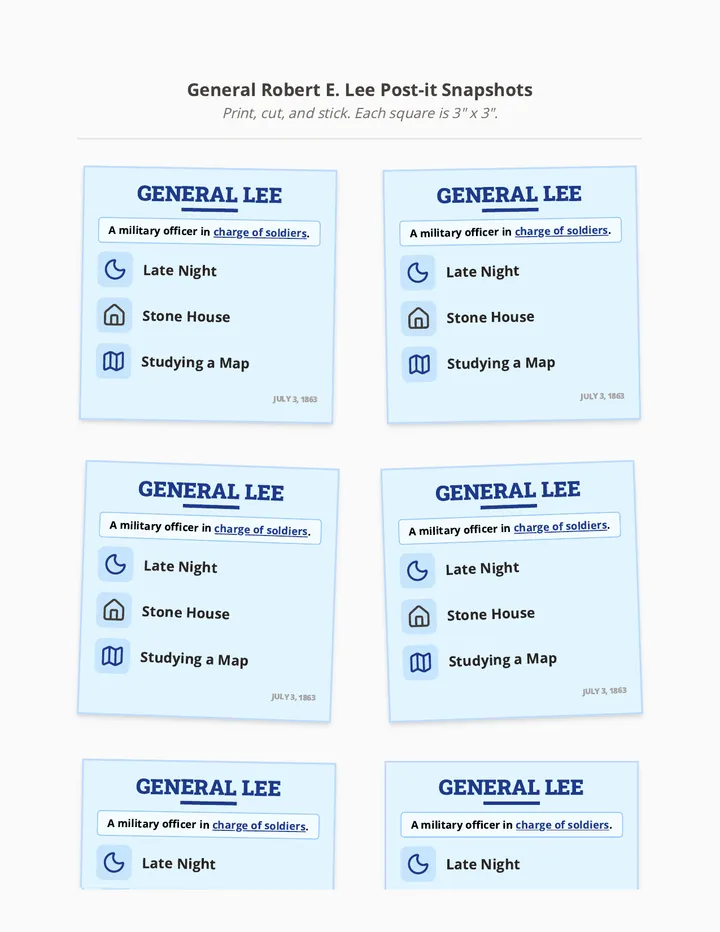
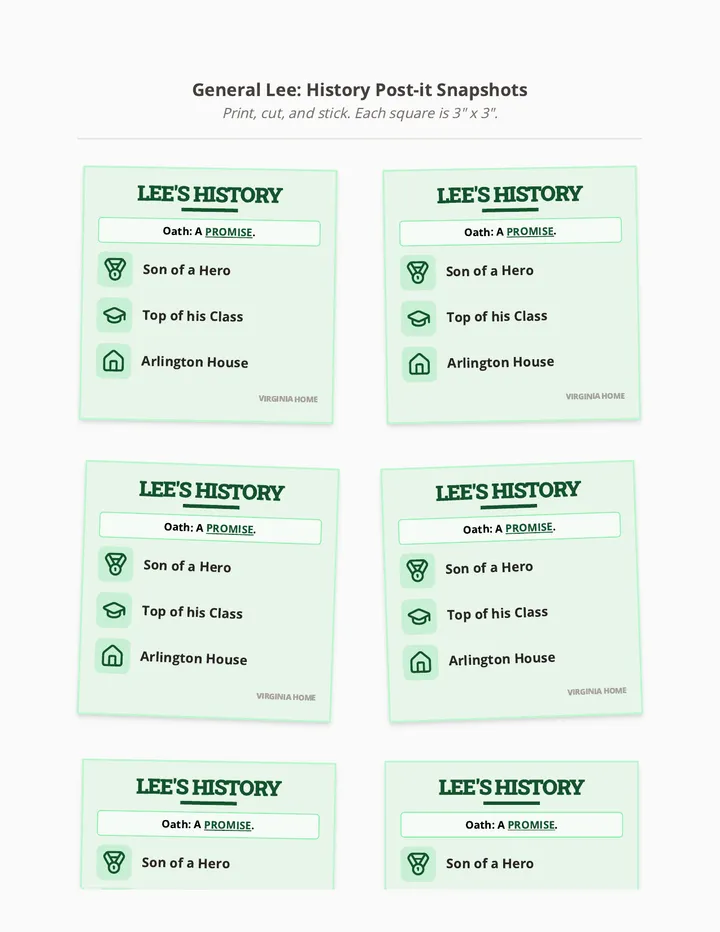
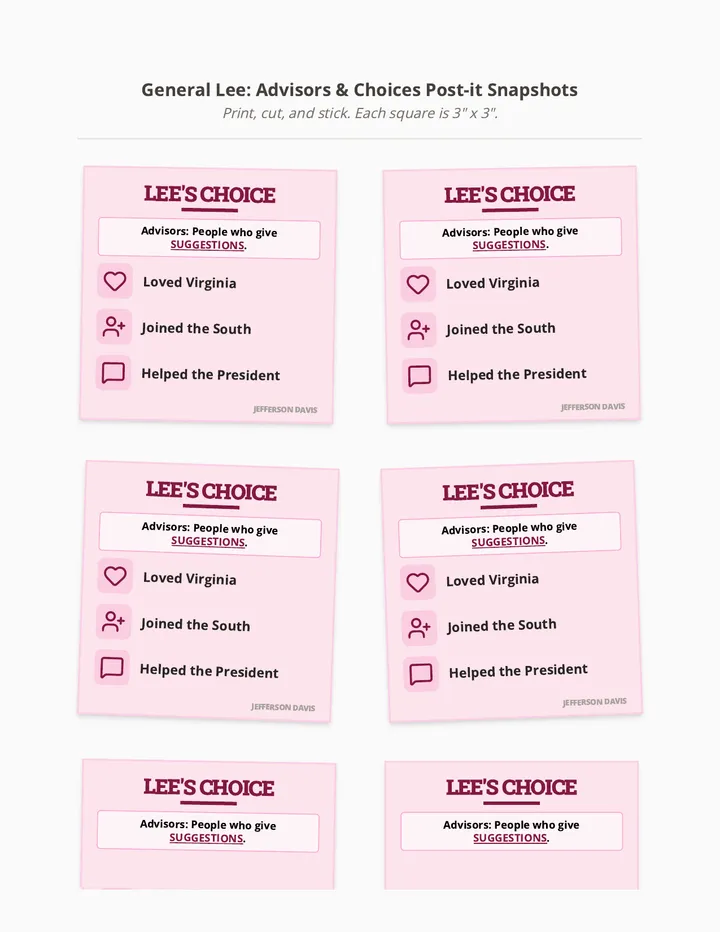
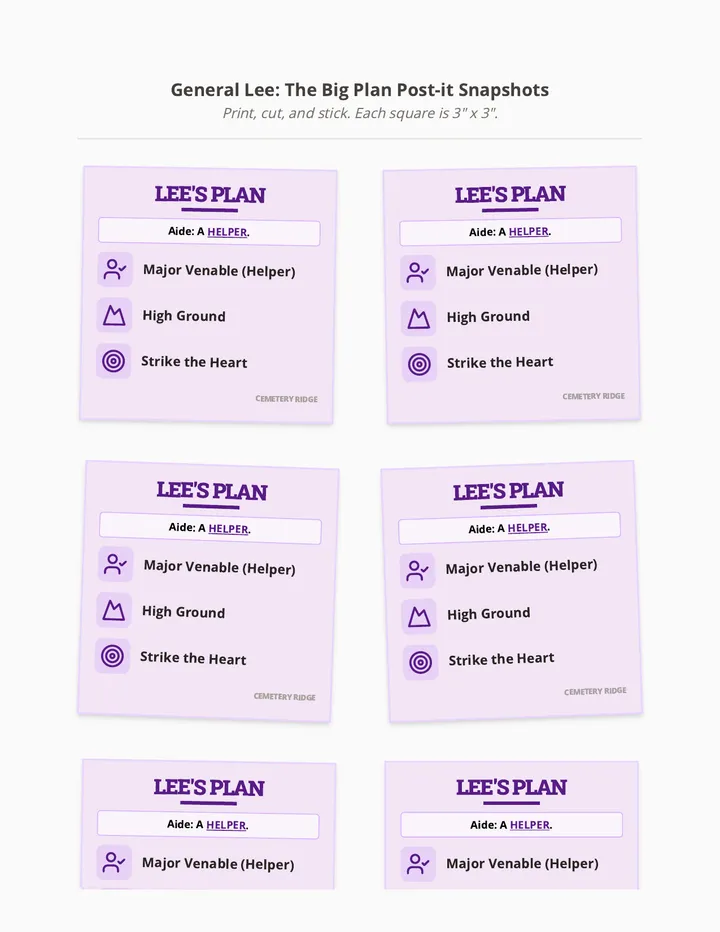
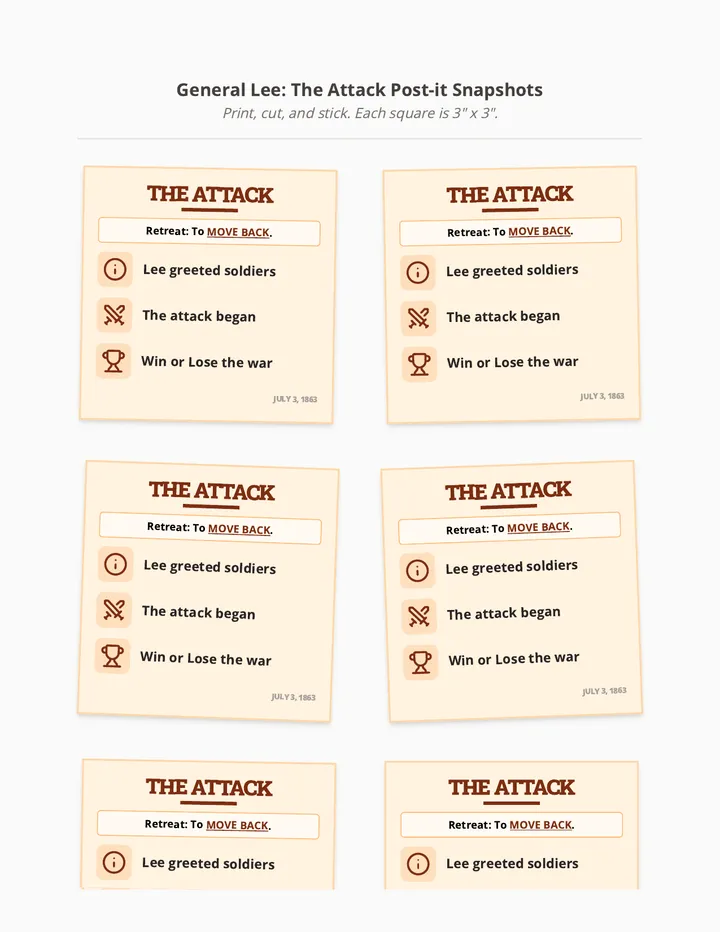
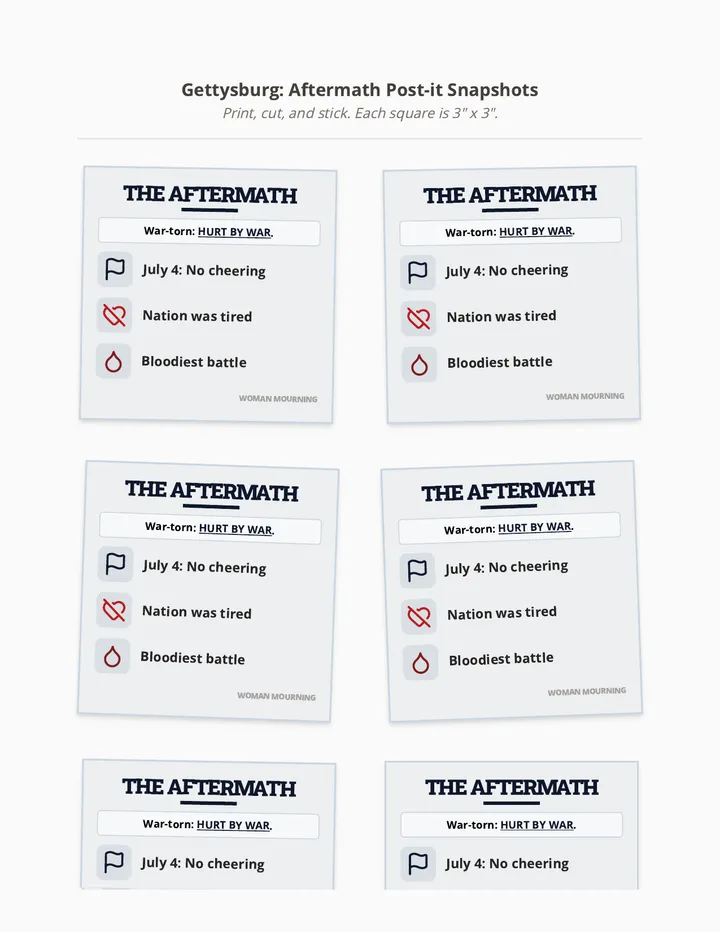
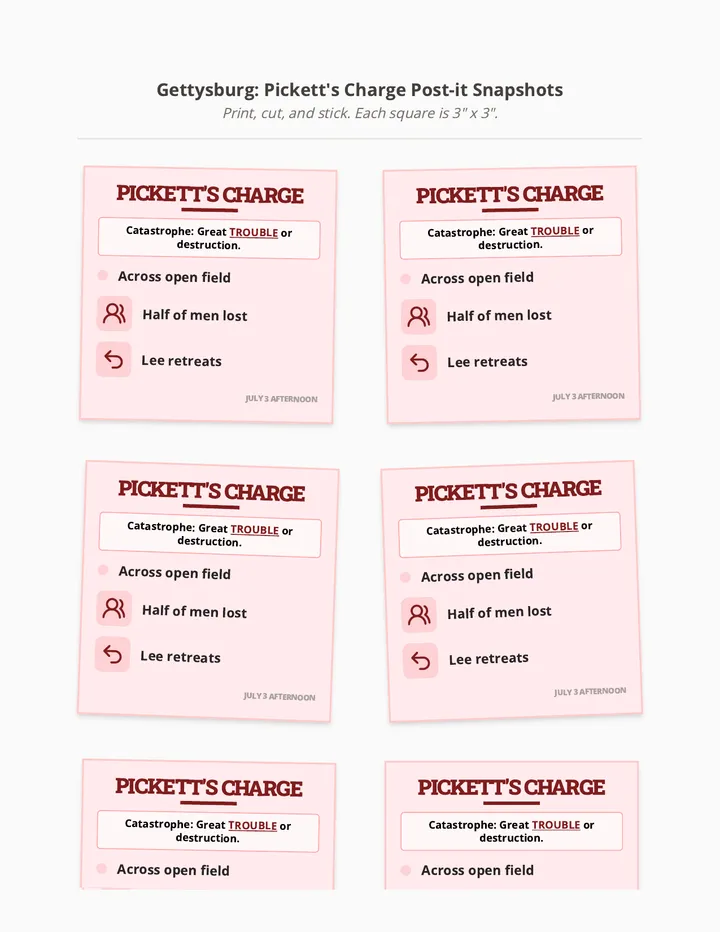
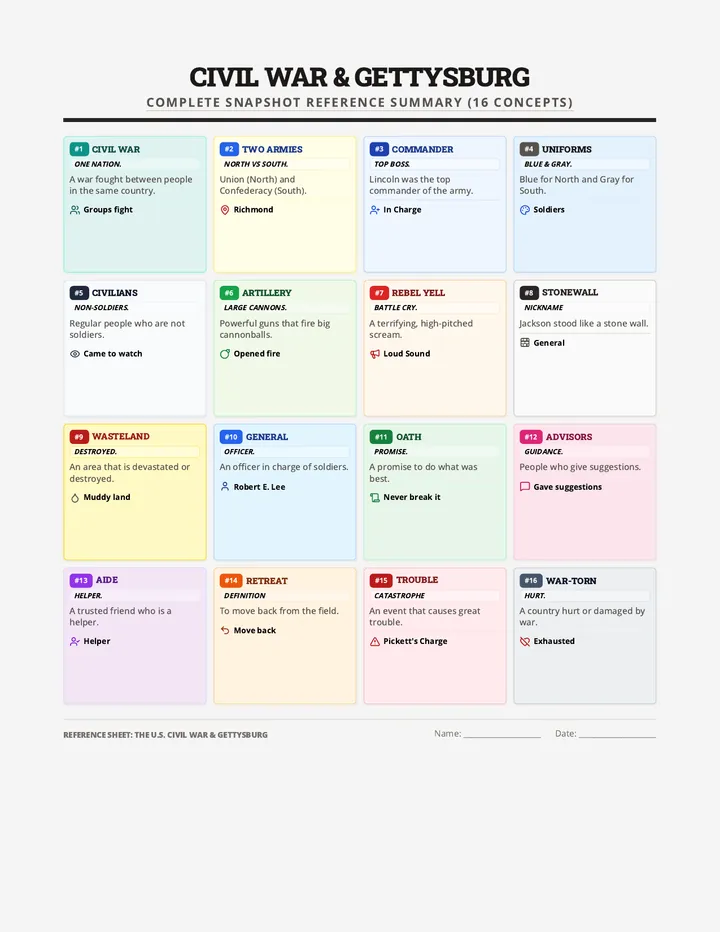
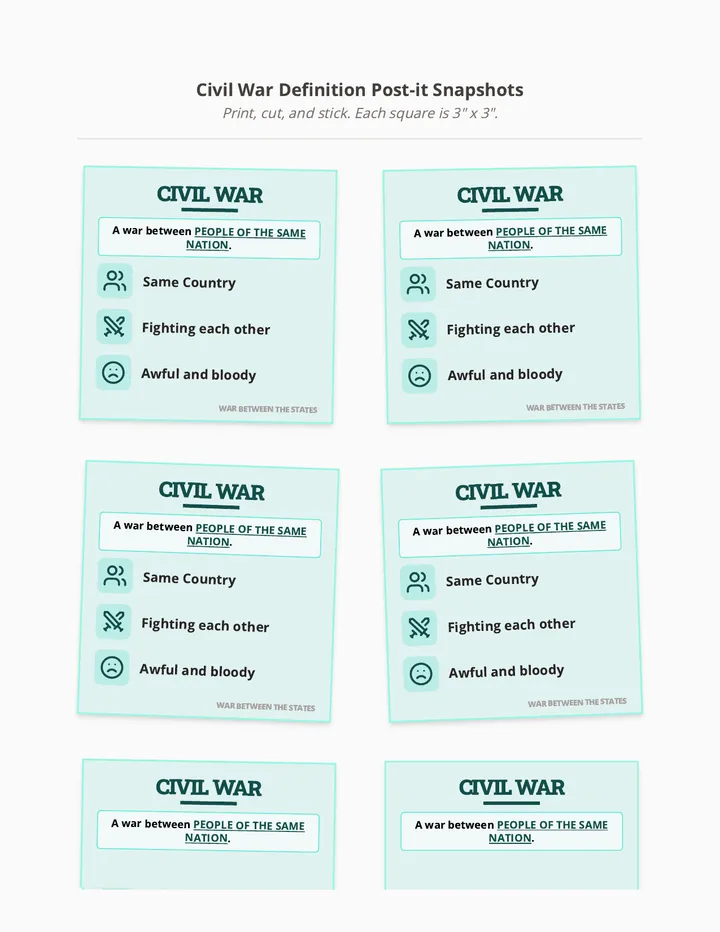
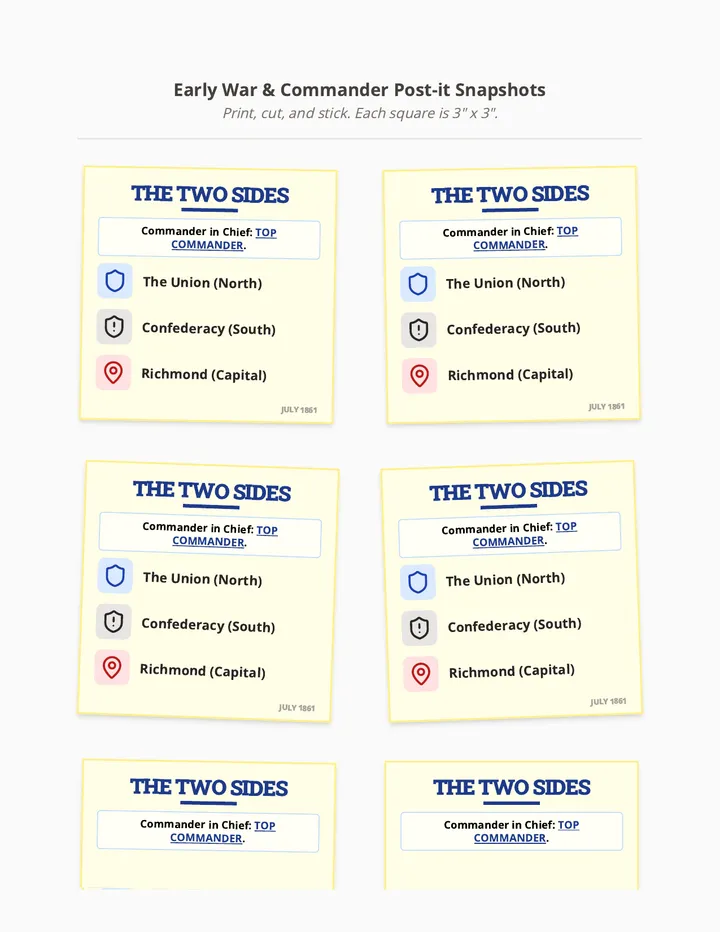
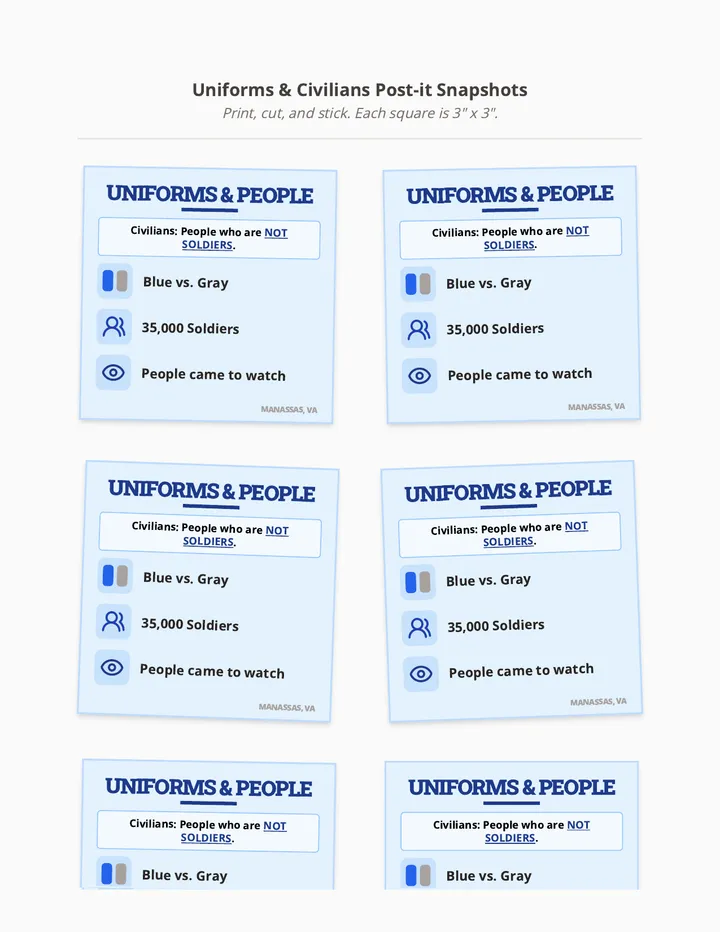
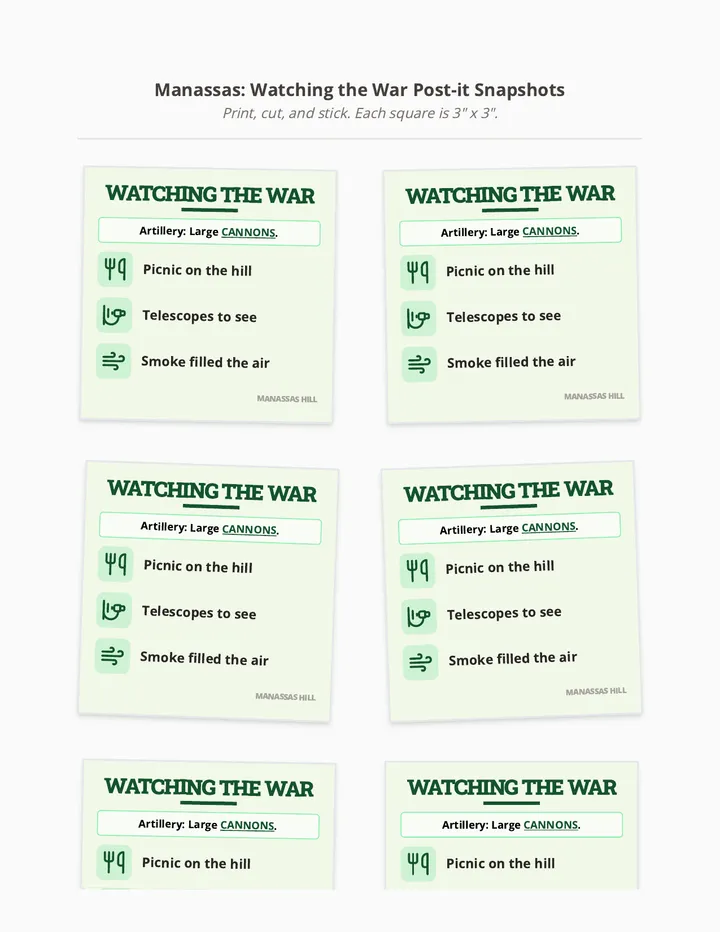
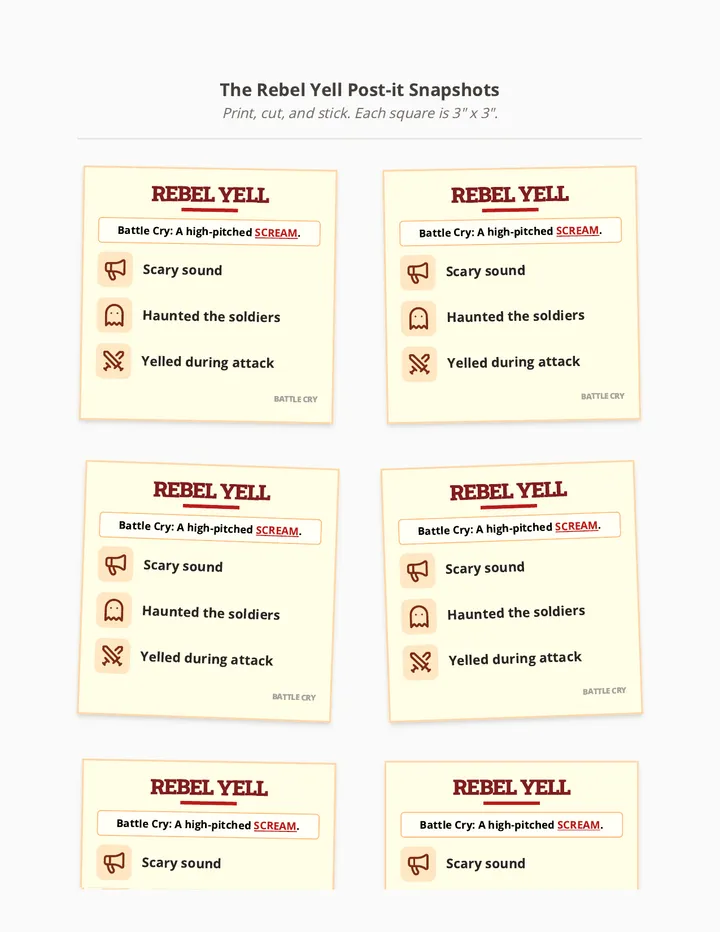
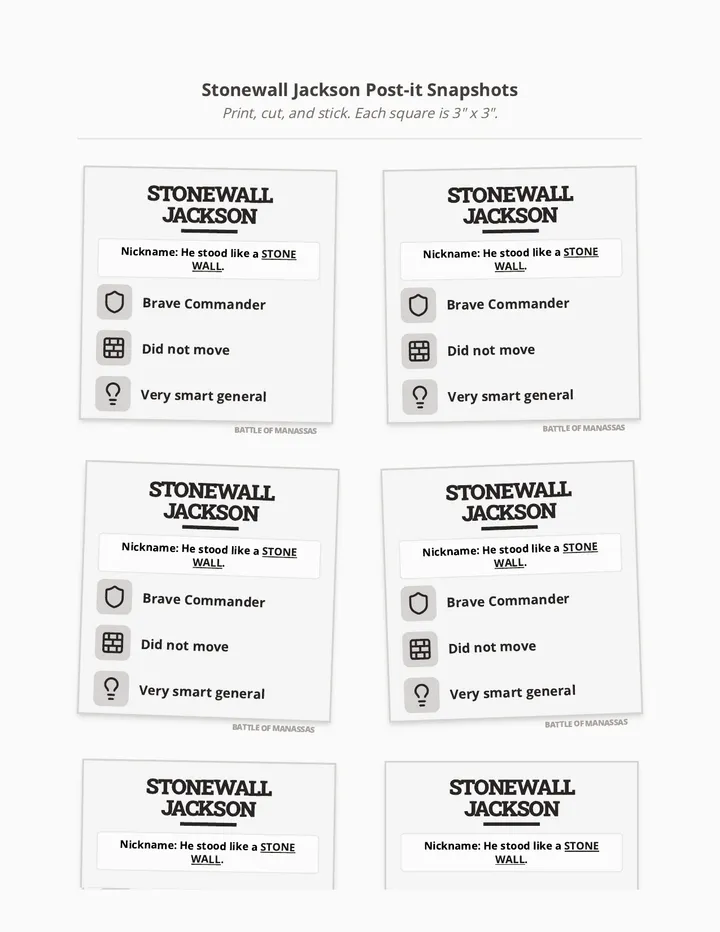
This lesson provides visual 'snapshot' cards for key moments and figures of the Battle of Gettysburg, specifically focusing on the environmental impact (wasteland) and General Robert E. Lee's leadership.
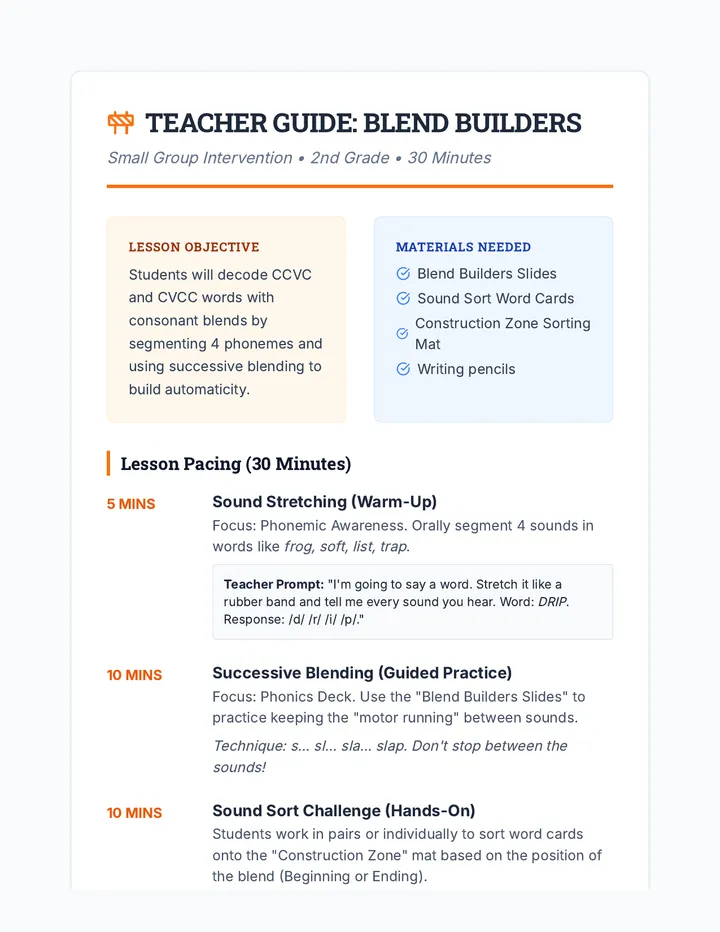
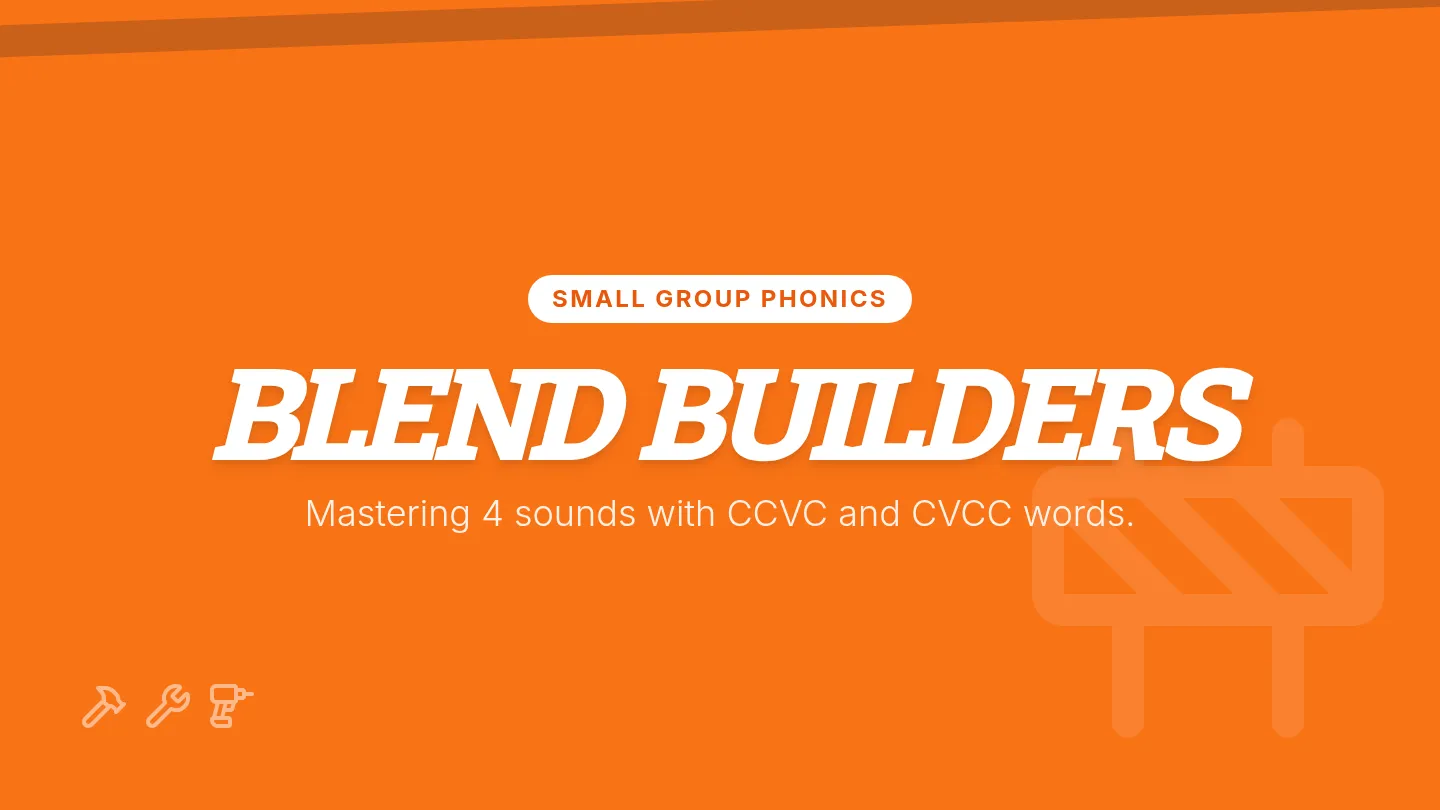
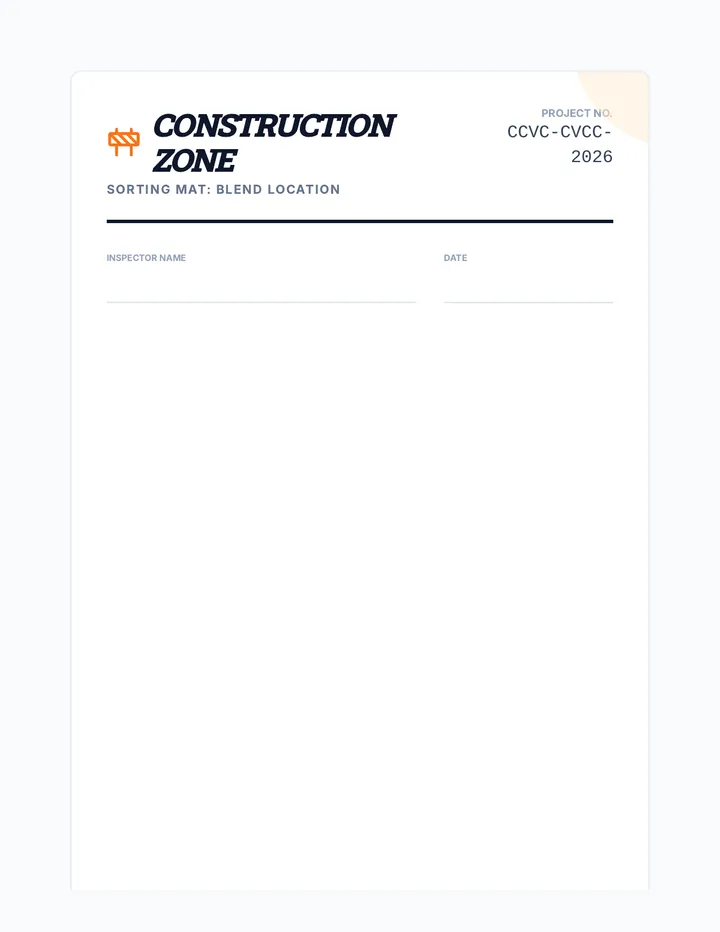
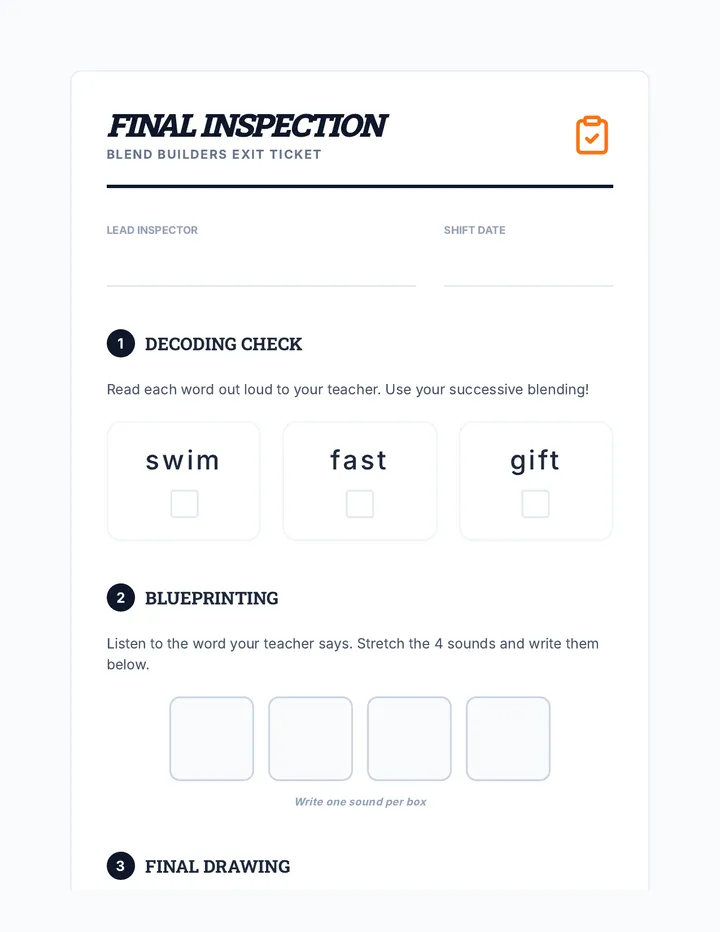
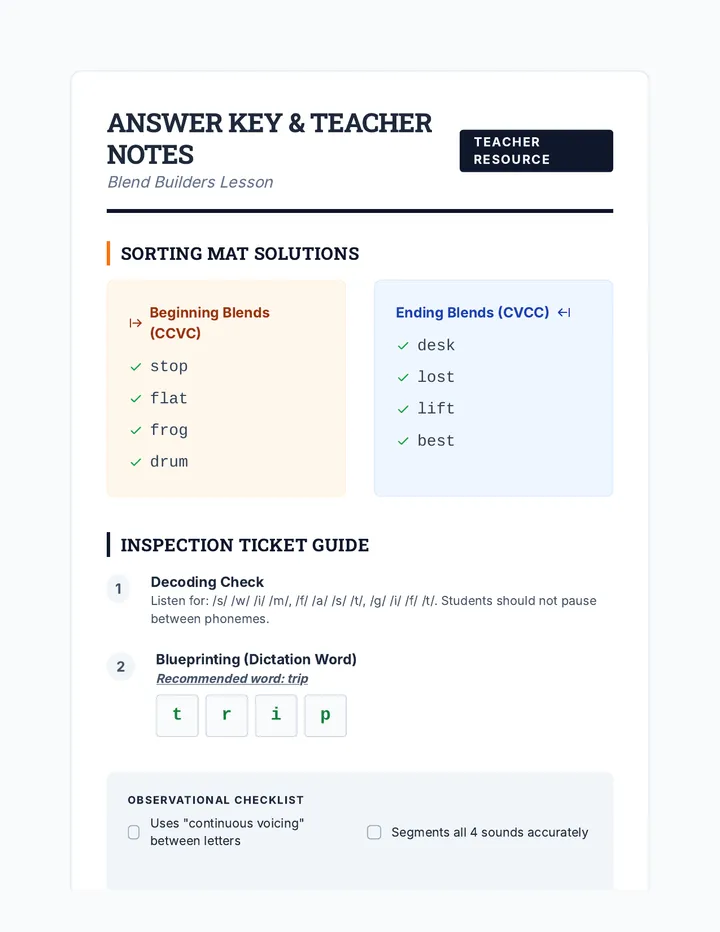
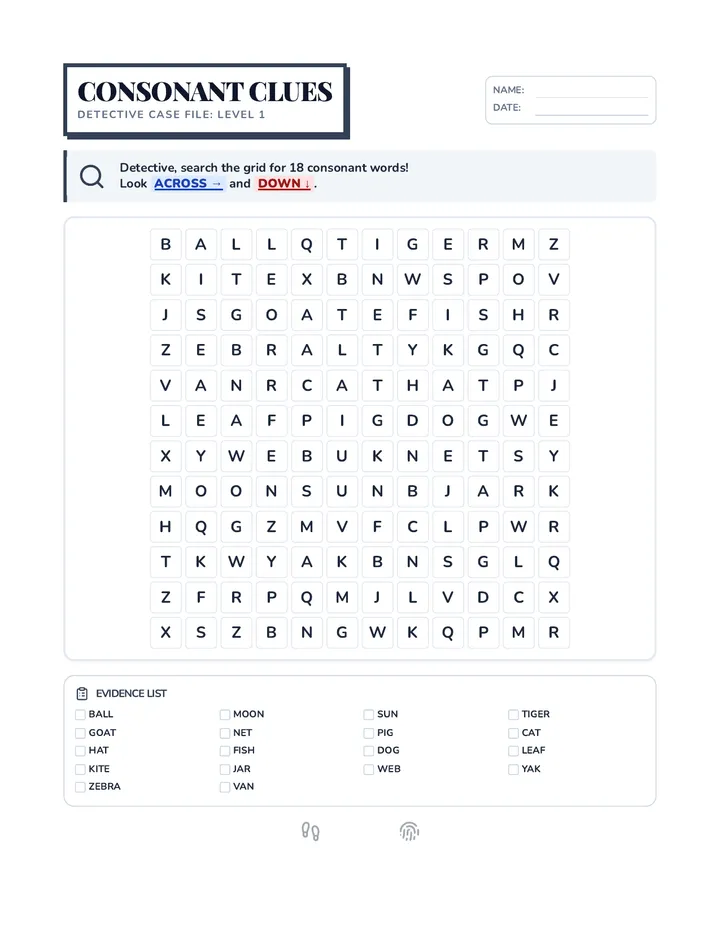
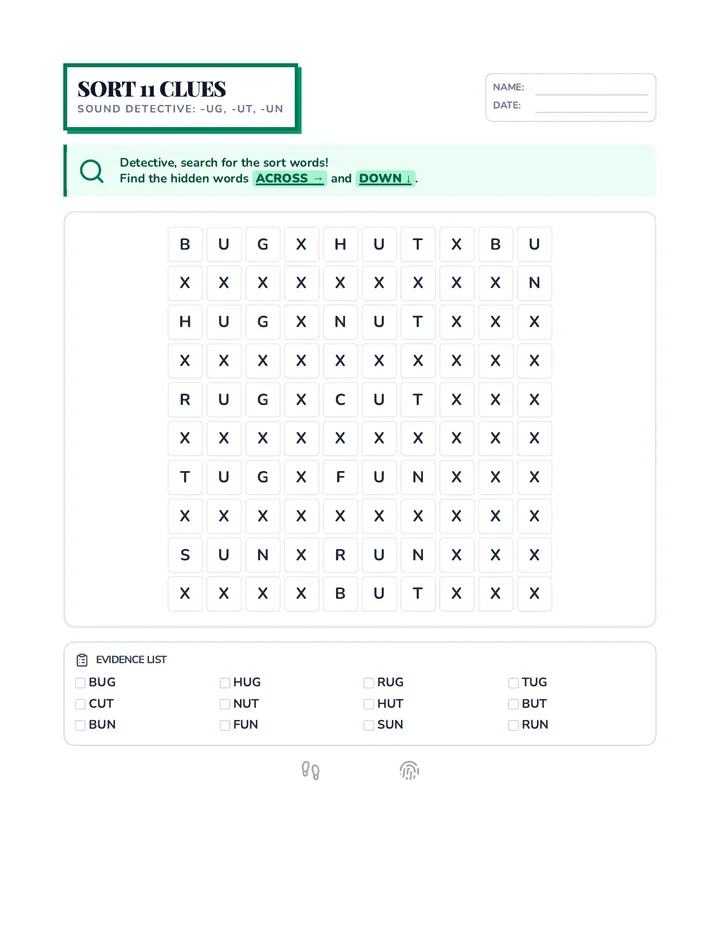
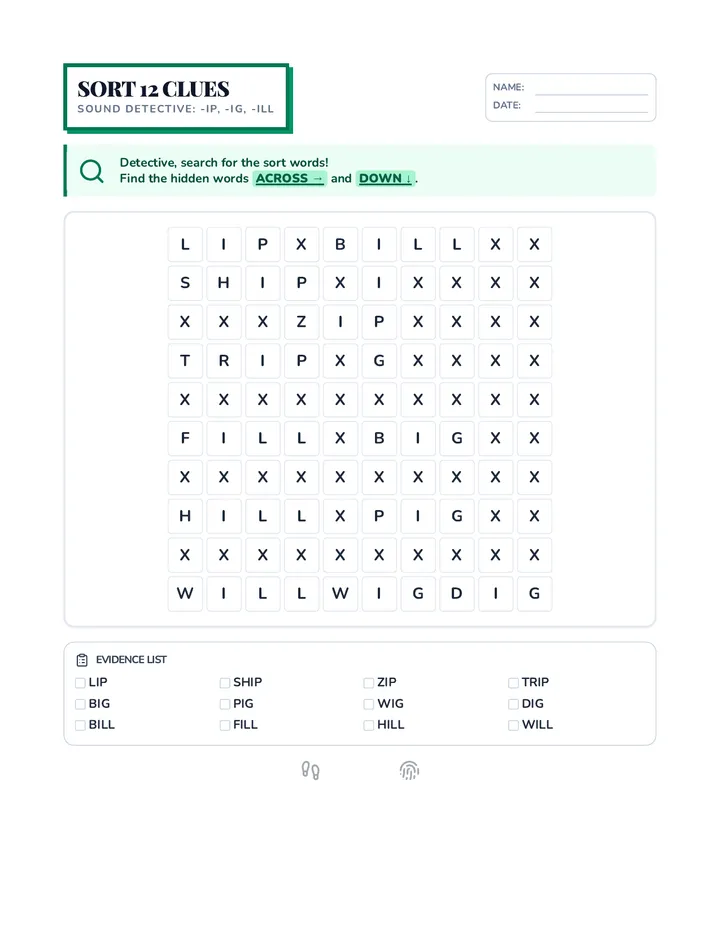
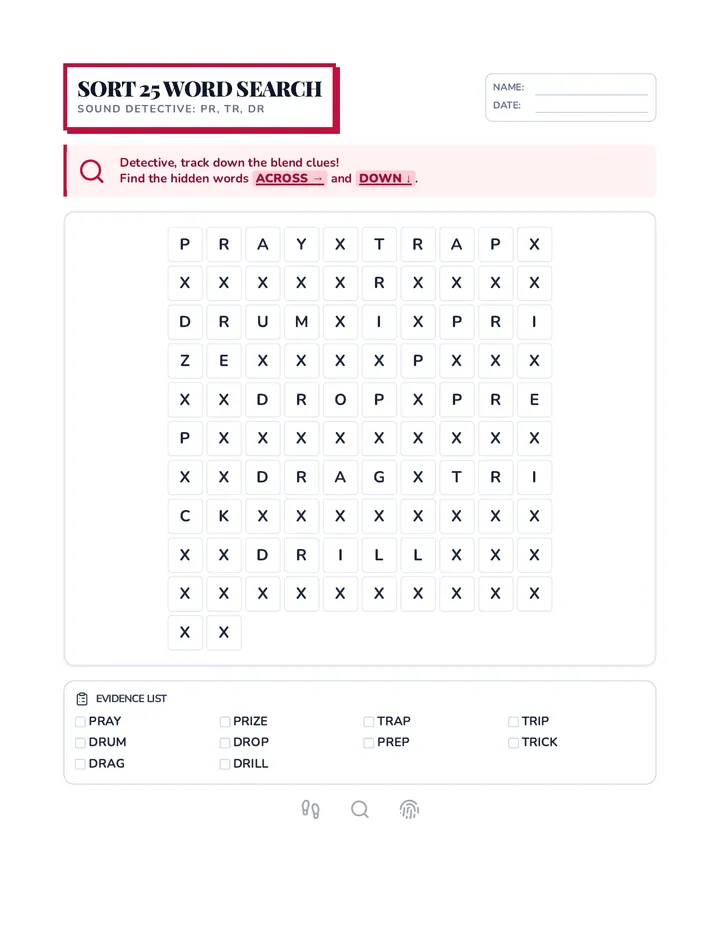
A focused 30-minute small group lesson for 2nd graders to master decoding CCVC and CVCC words with consonant blends through successive blending and hands-on sorting.
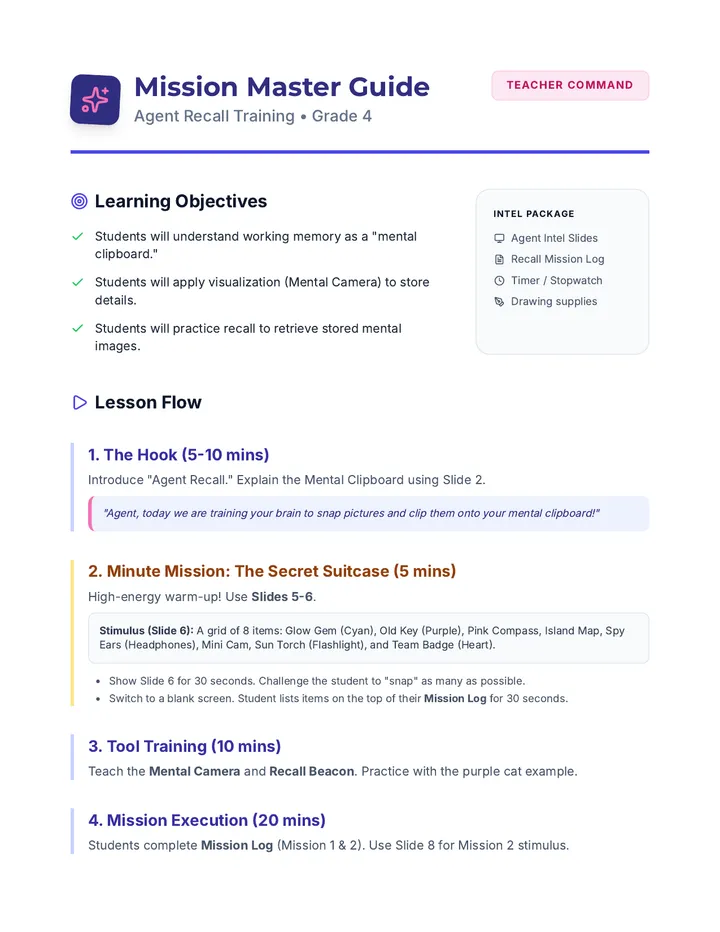
A high-energy working memory training session where students act as secret agents, focusing on mental visualization and recall techniques to solve missions.
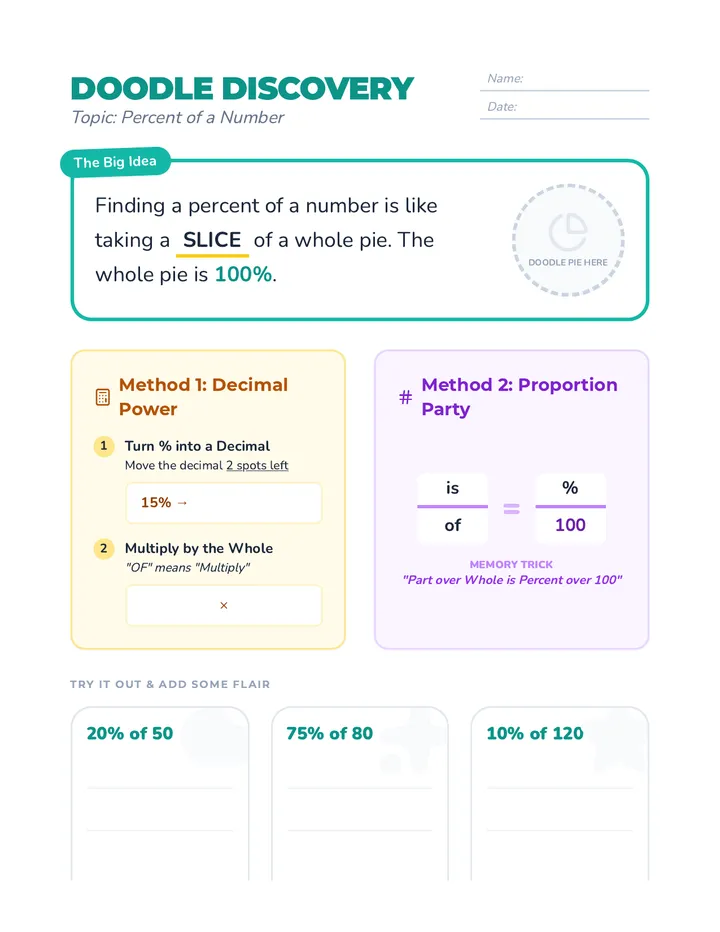
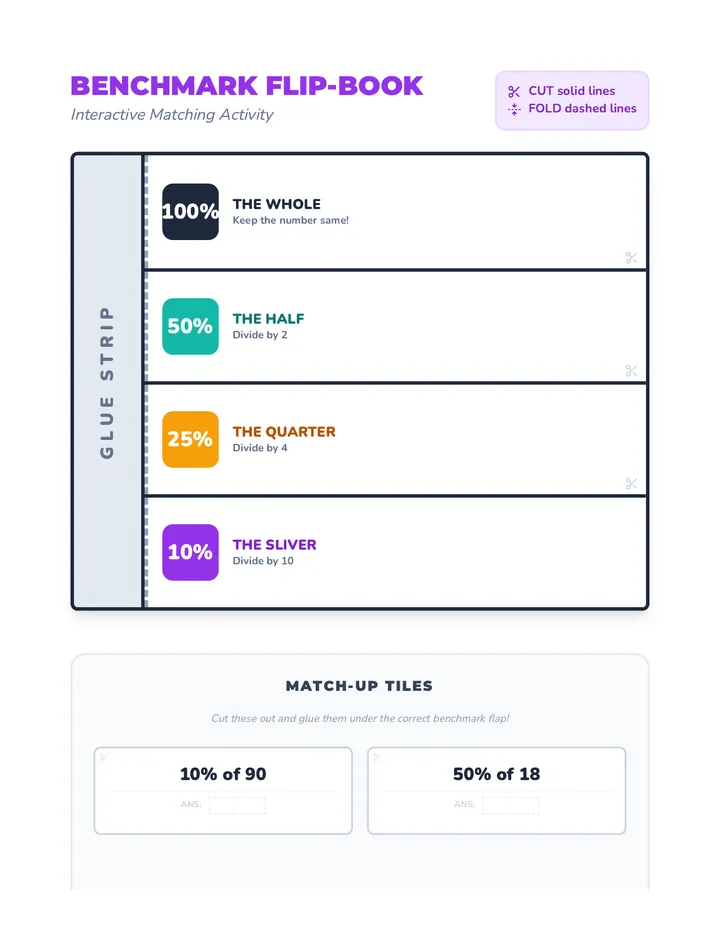
A comprehensive set of visual, interactive doodle notes and practice activities designed to help students with ADHD master the concept of finding a percent of a number through single-concept focus and hands-on elements.
An 8-week deep dive into Kafka's Metamorphosis for special education students, focusing on abstract thinking, social value, and the human condition through high-engagement activities and visual organizers.
A series of four 15-minute lessons designed for first-grade students with learning disabilities, focusing on developing attention skills to follow 1 and 2-step directions independently using kindergarten-level tasks.
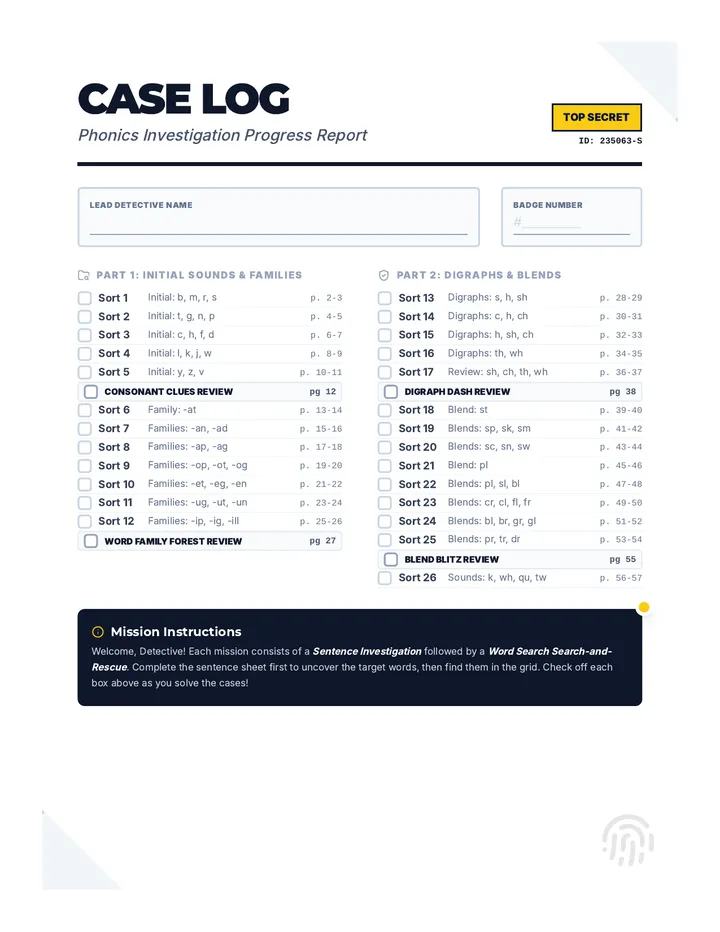
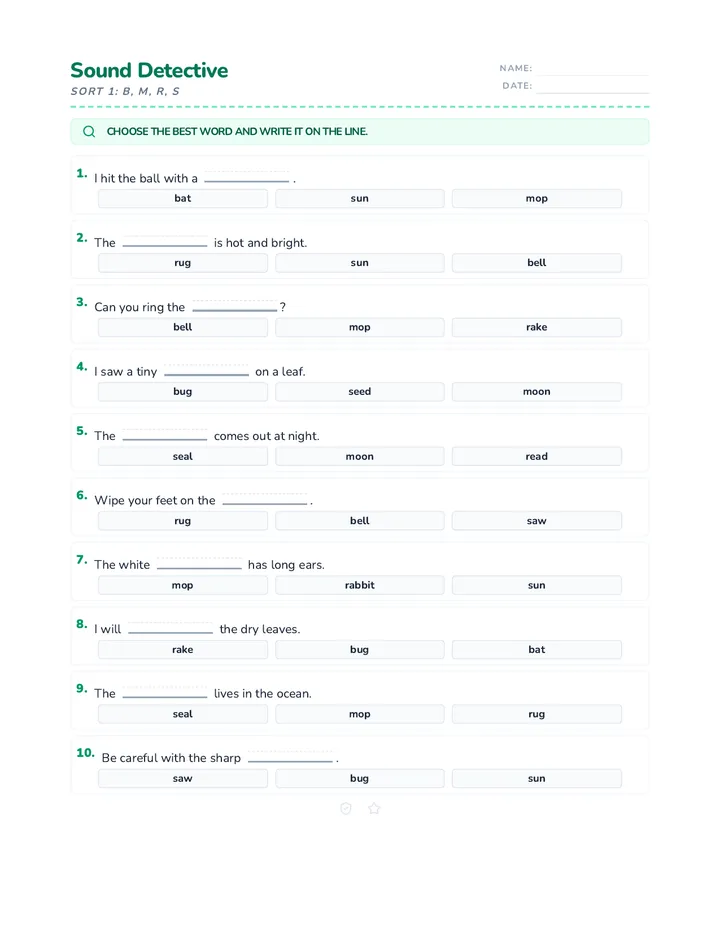
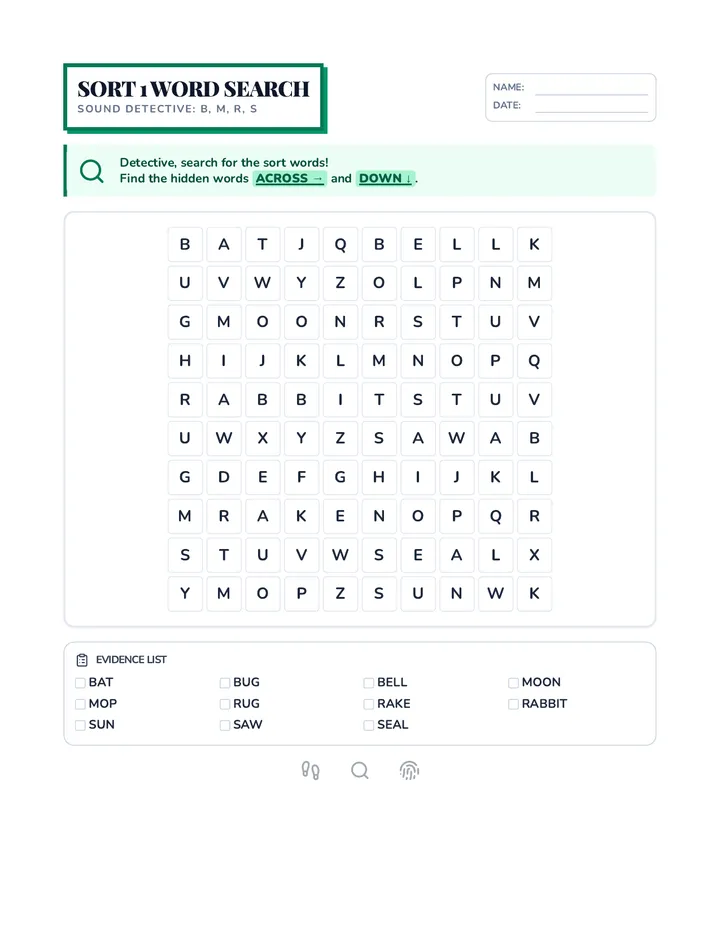
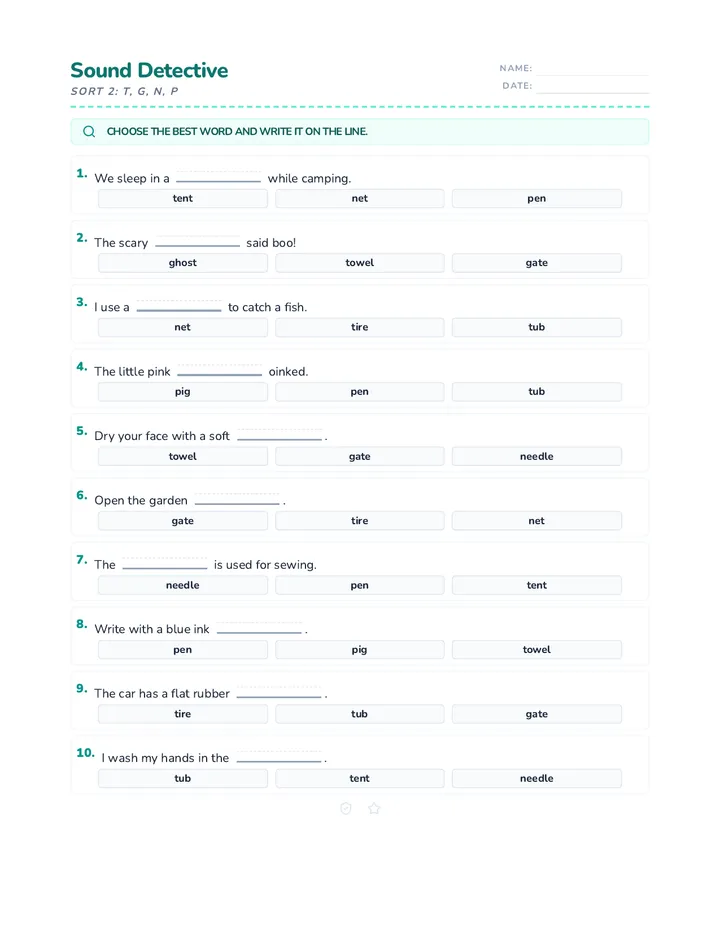
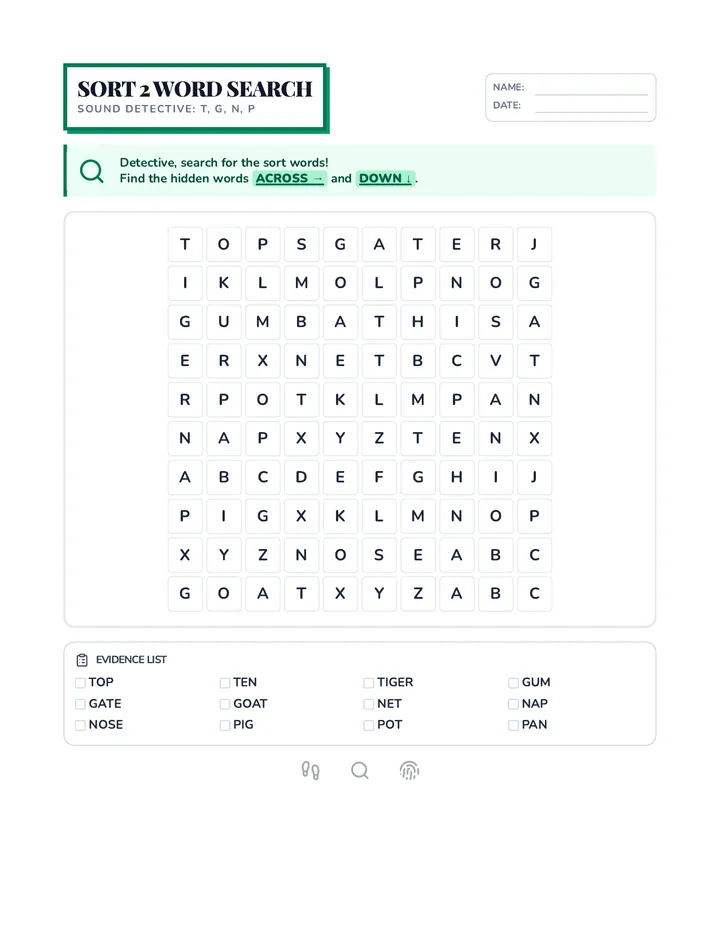
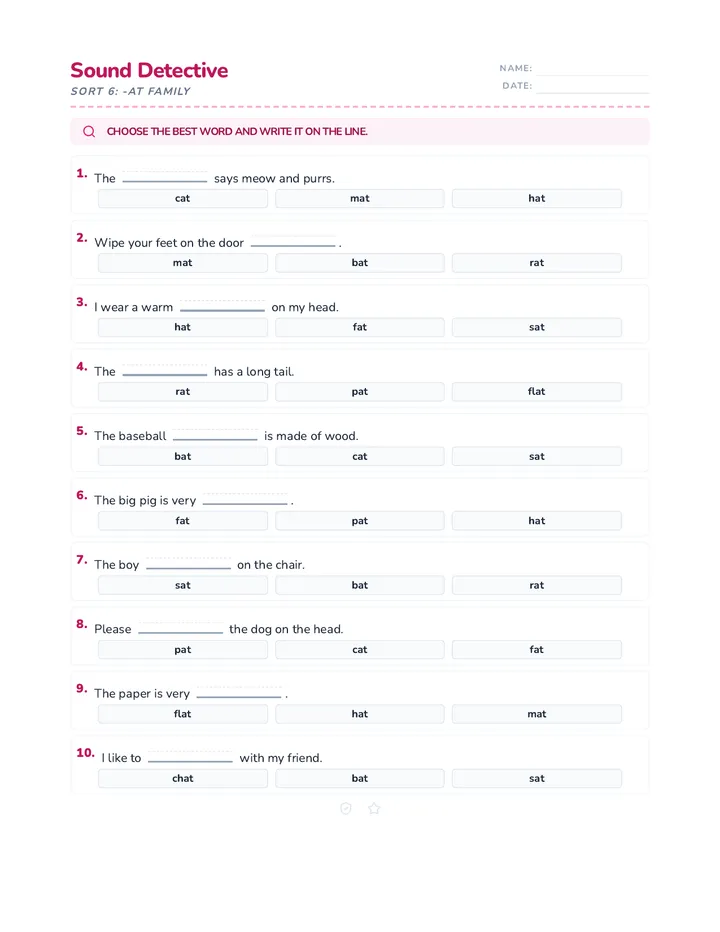
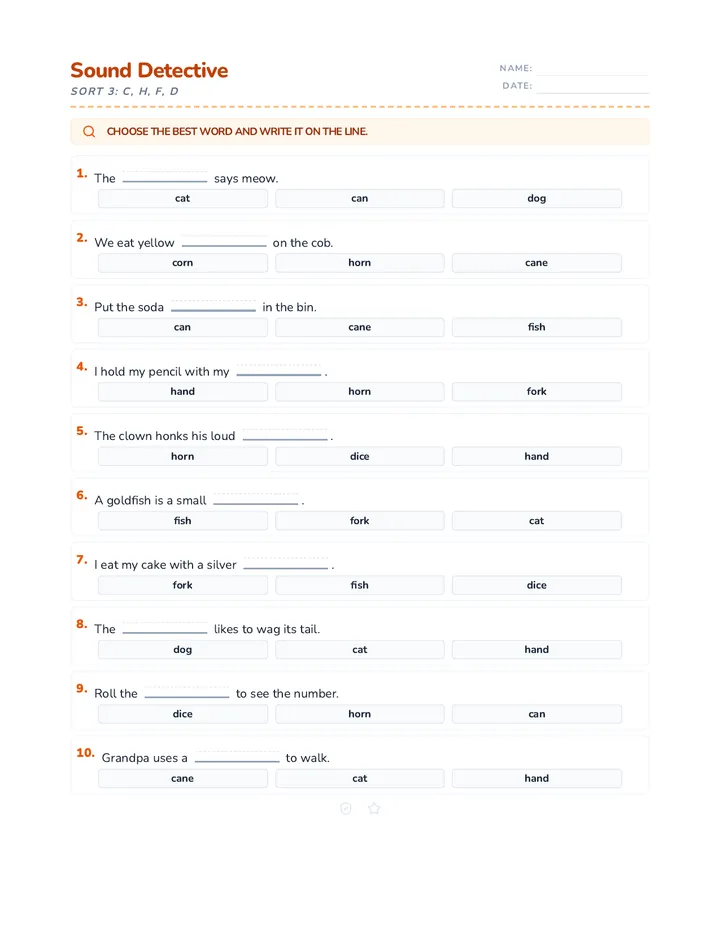
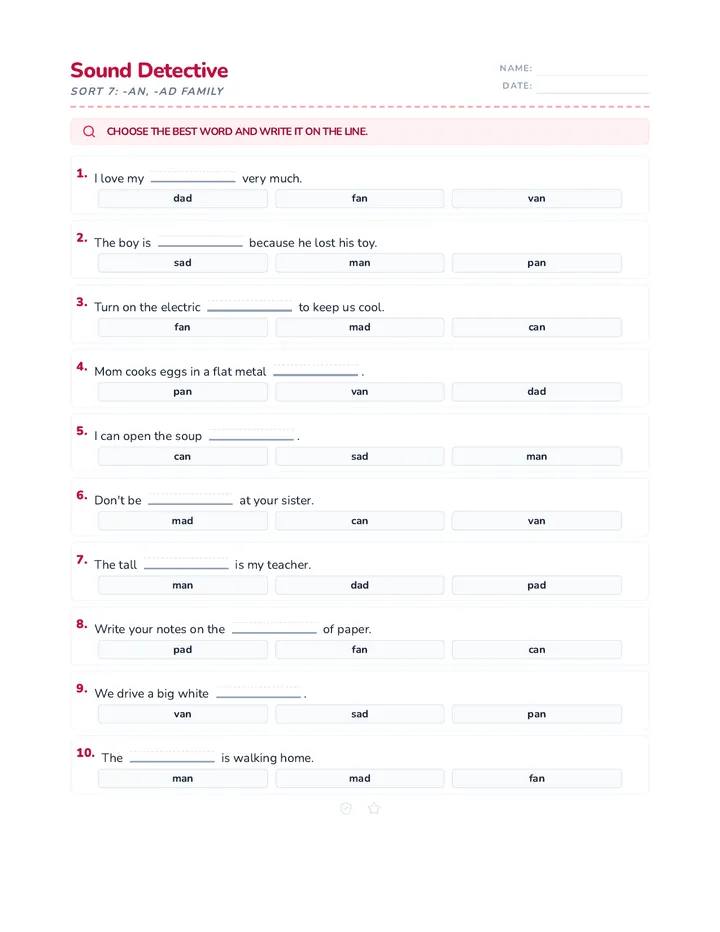
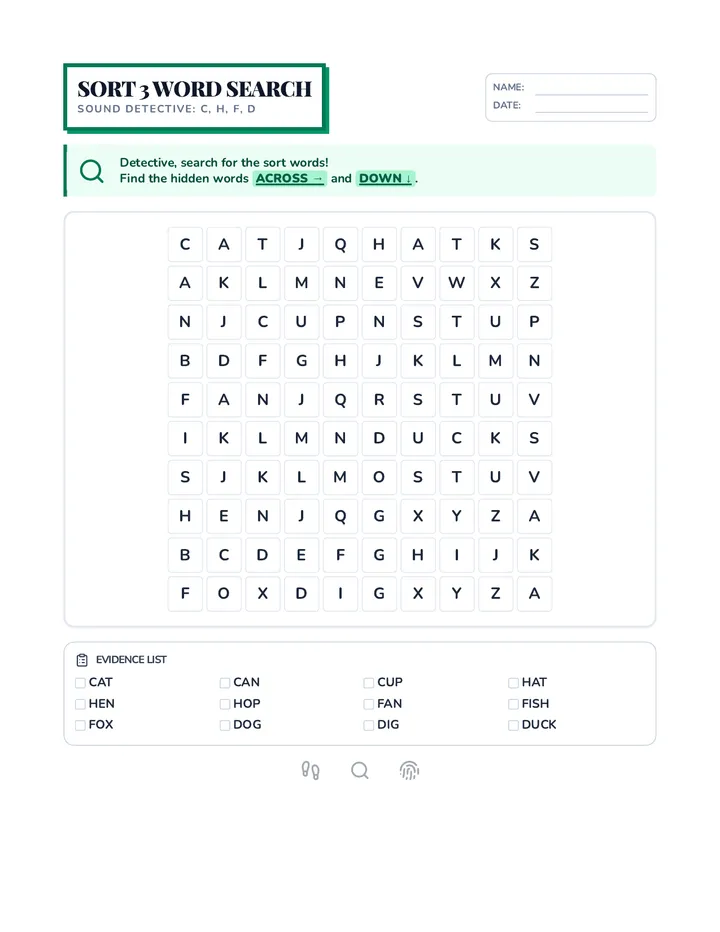
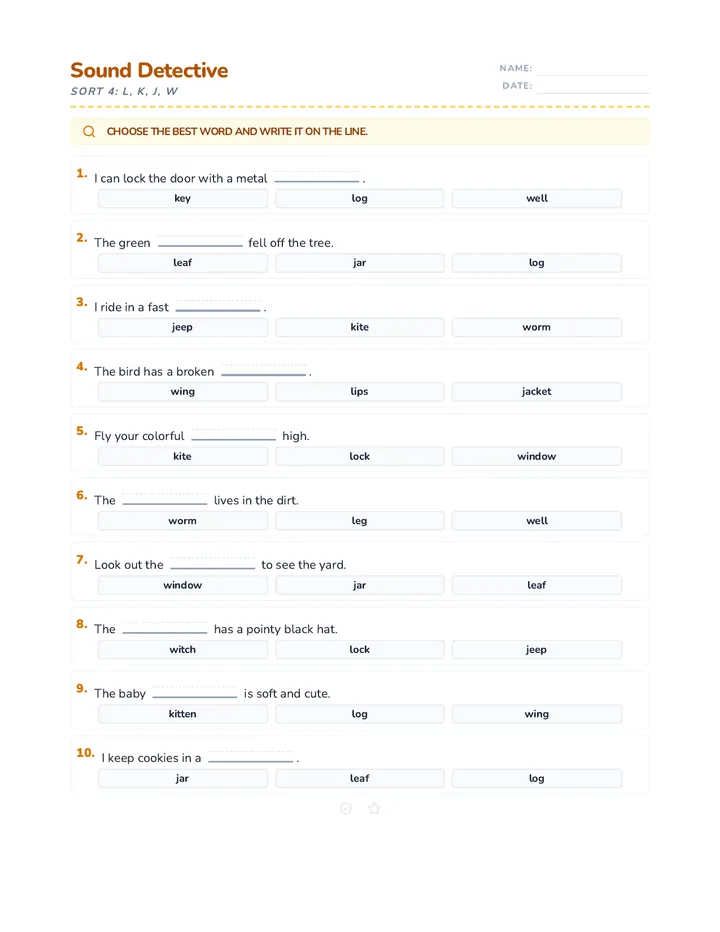
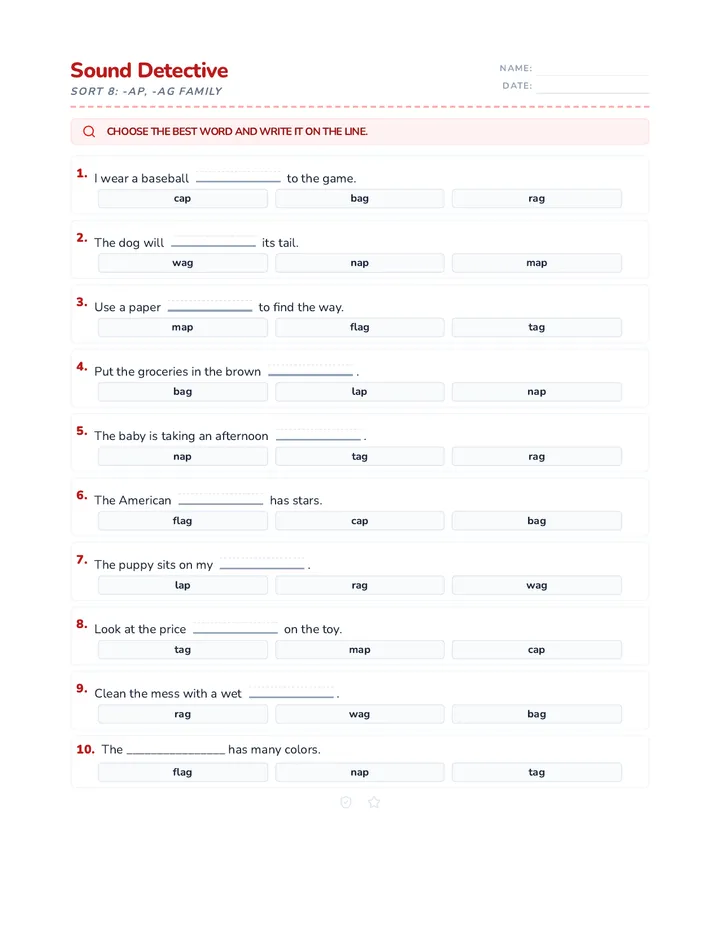
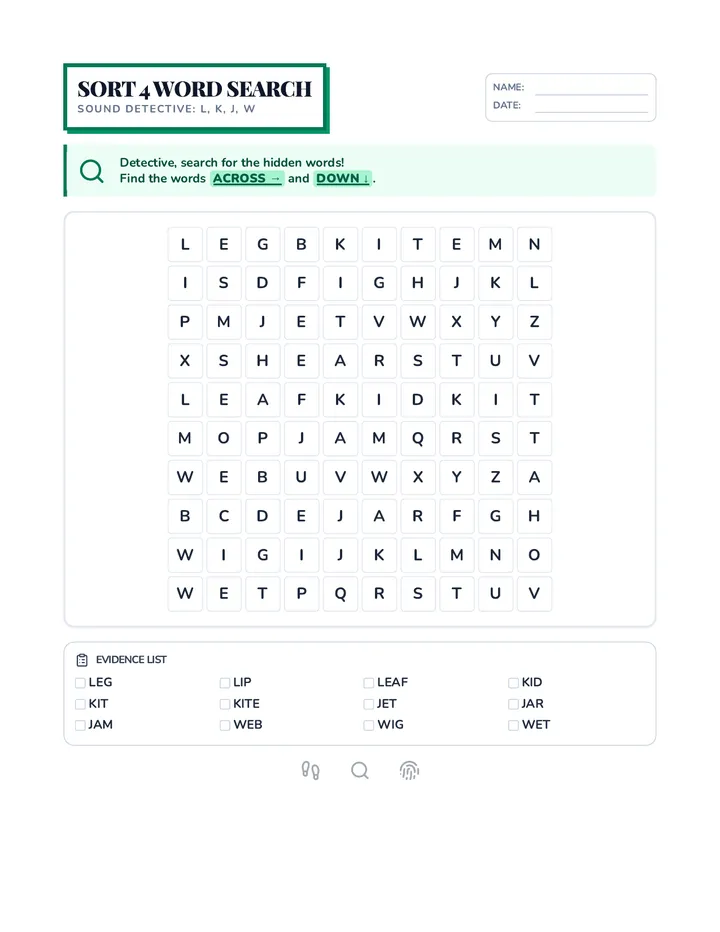
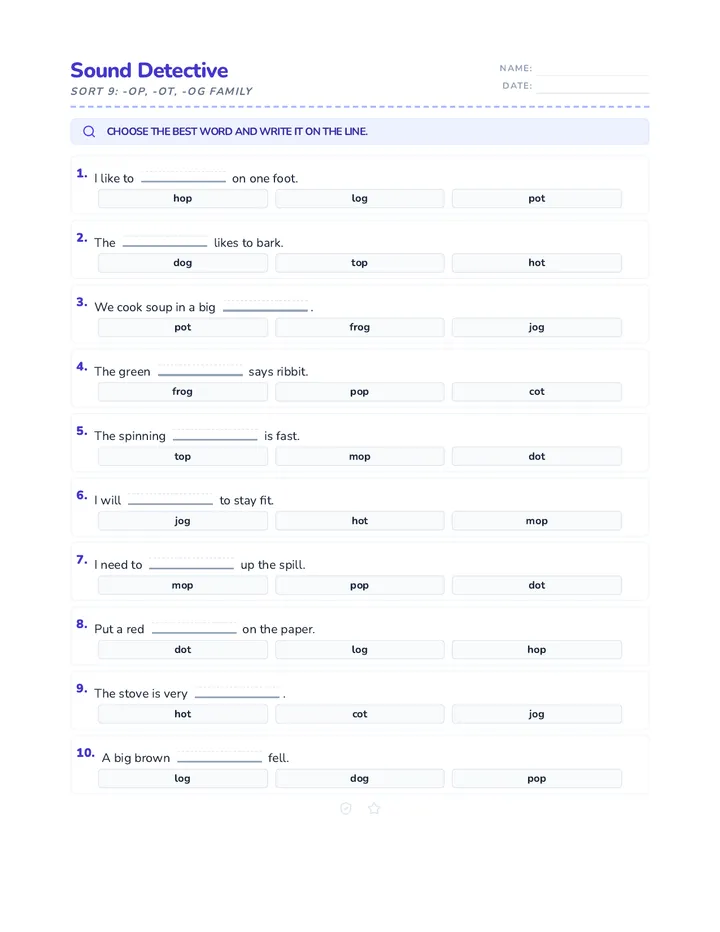
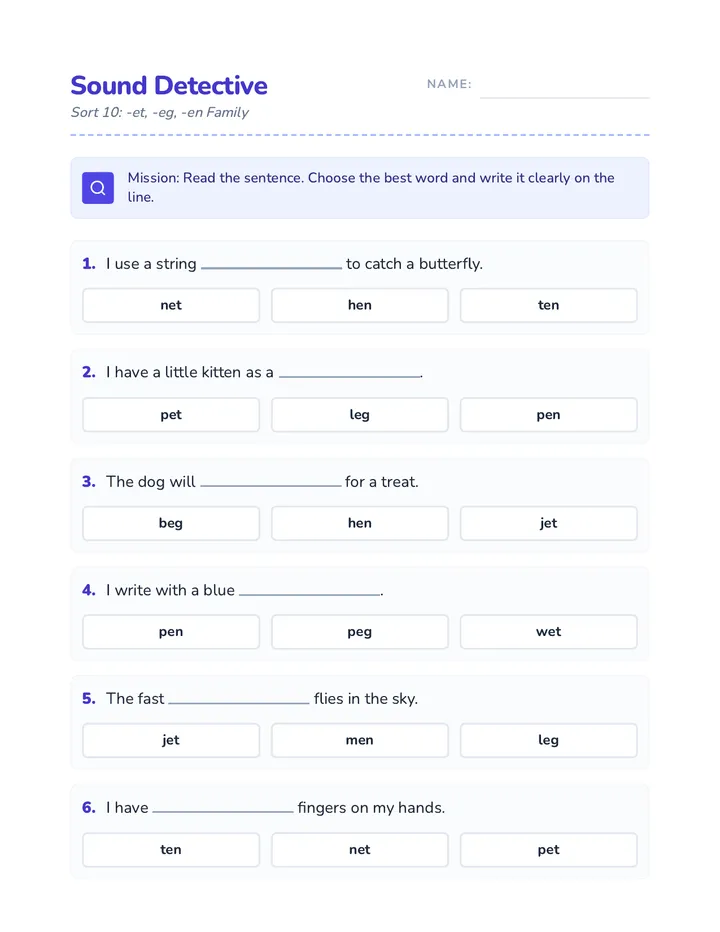
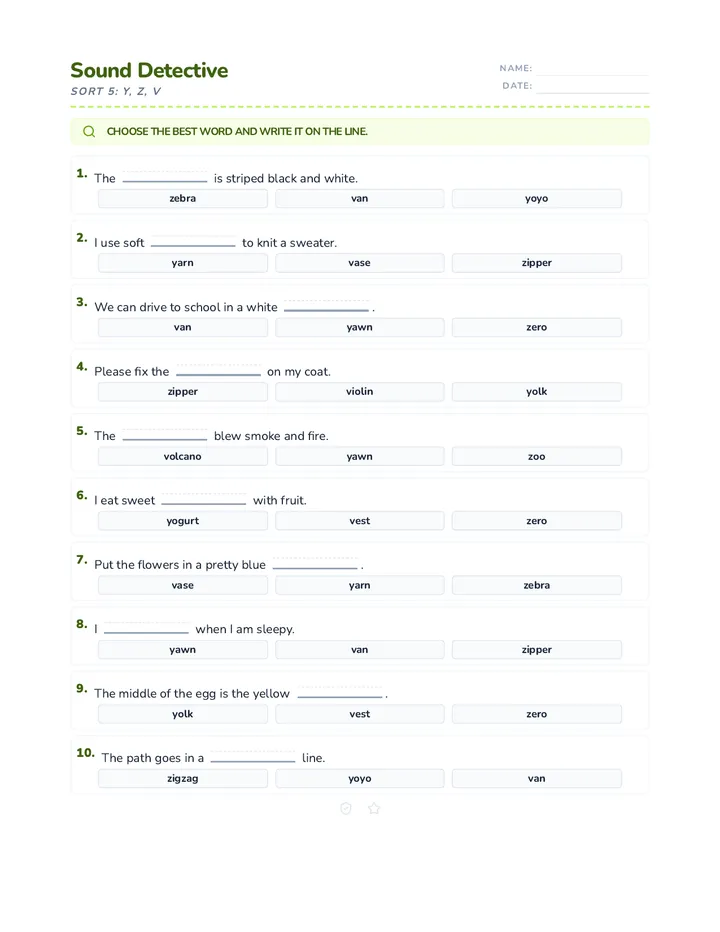
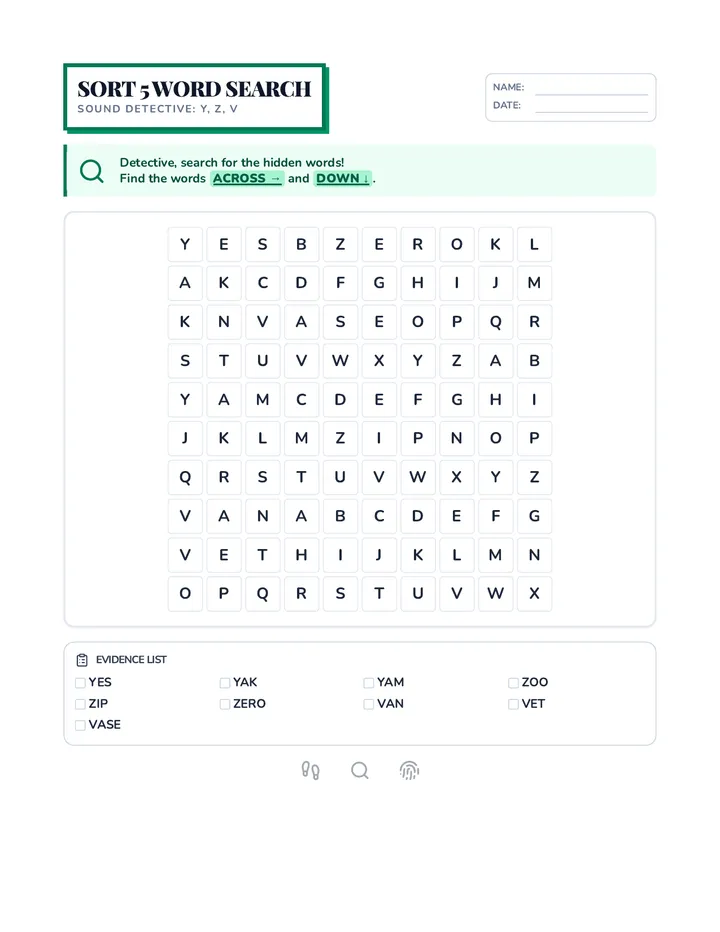
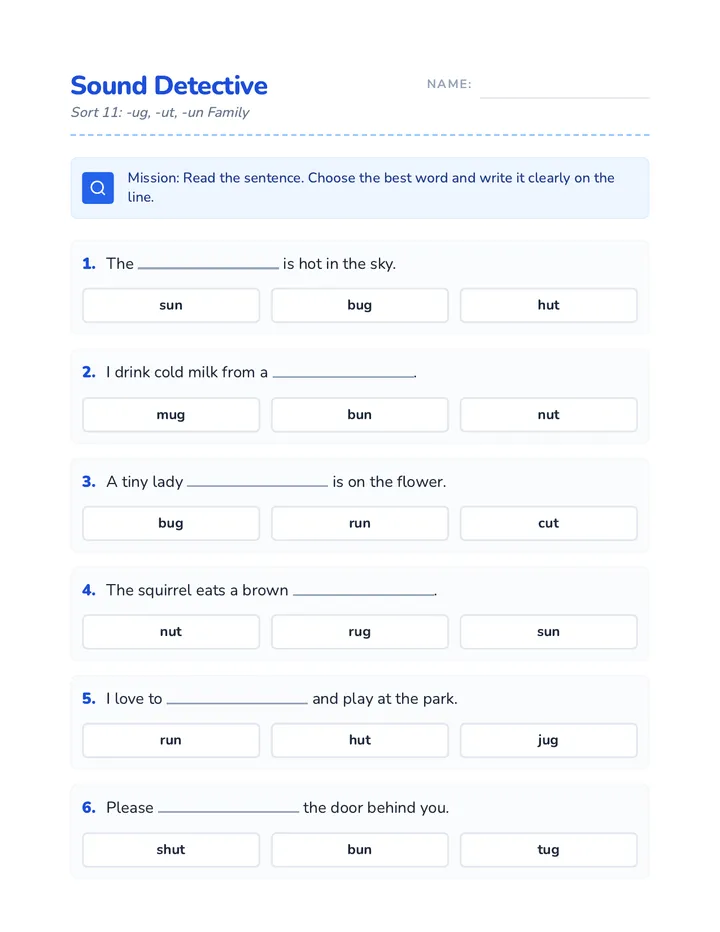
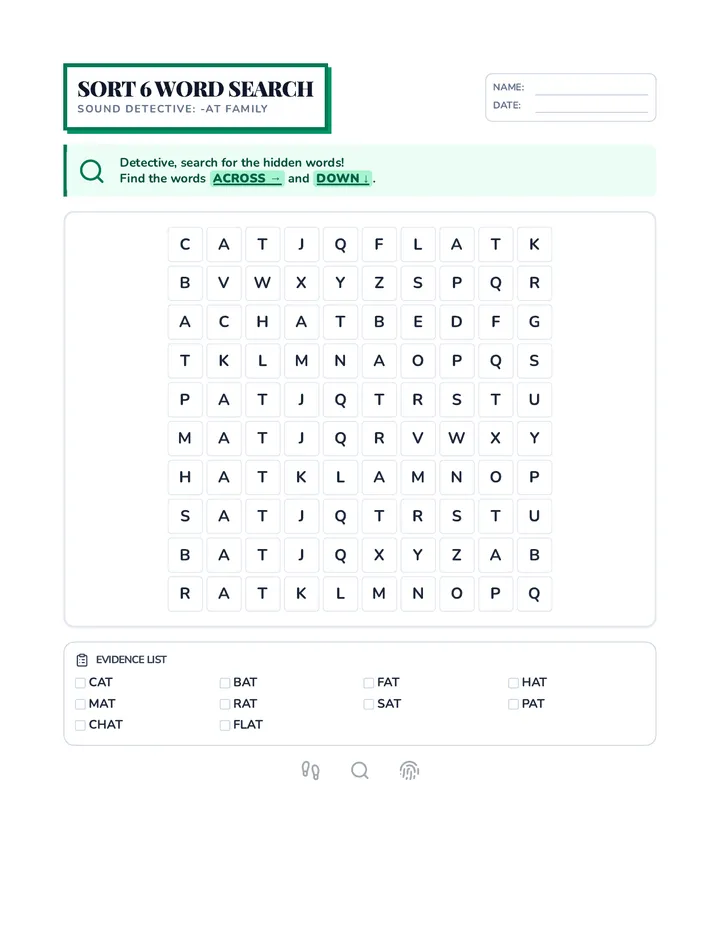
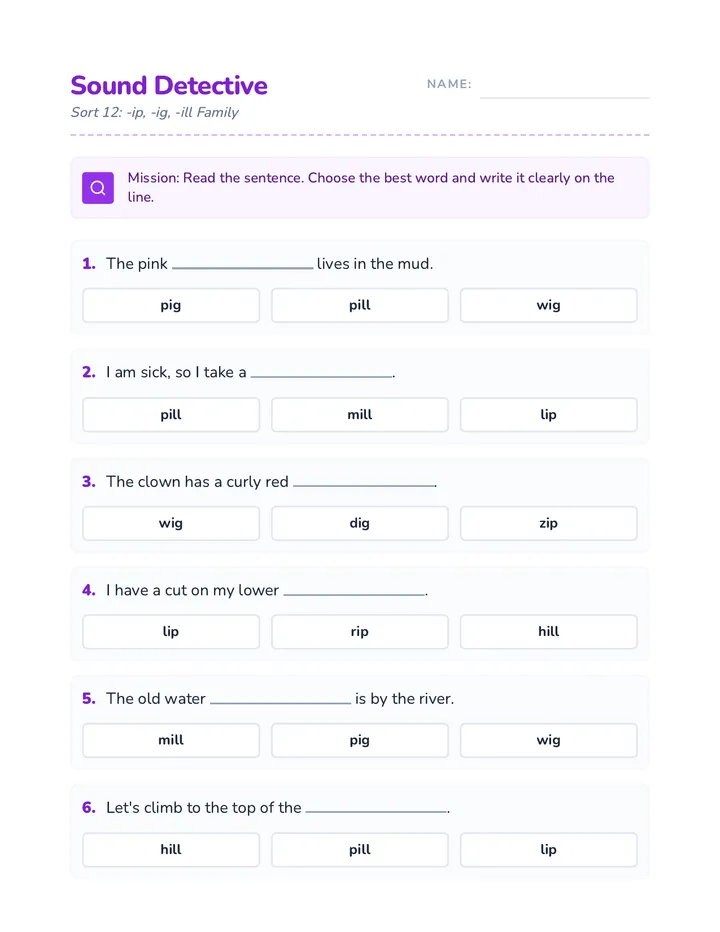
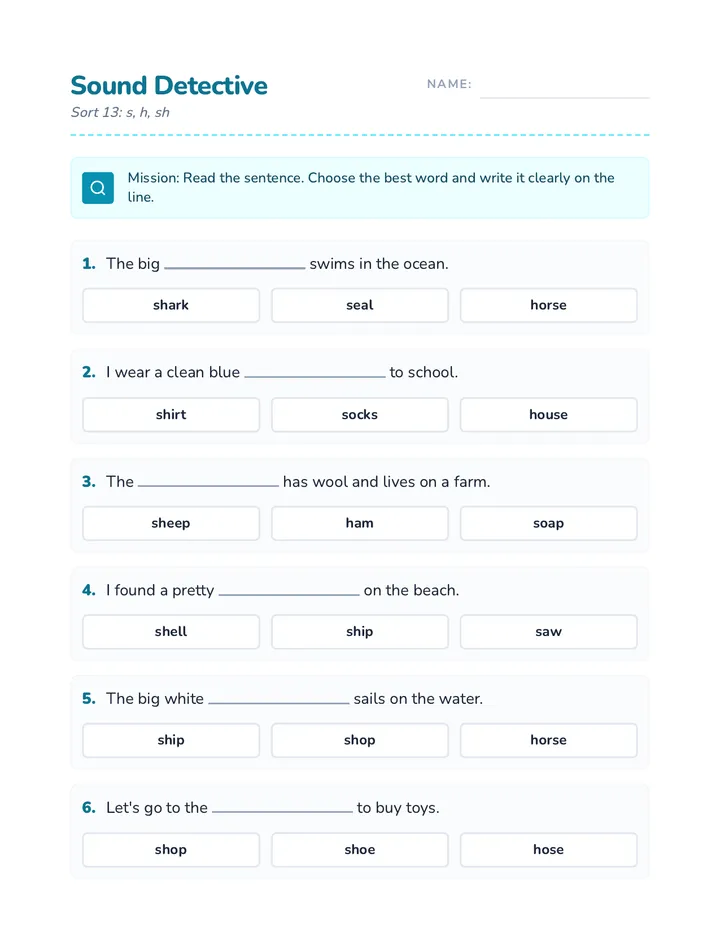
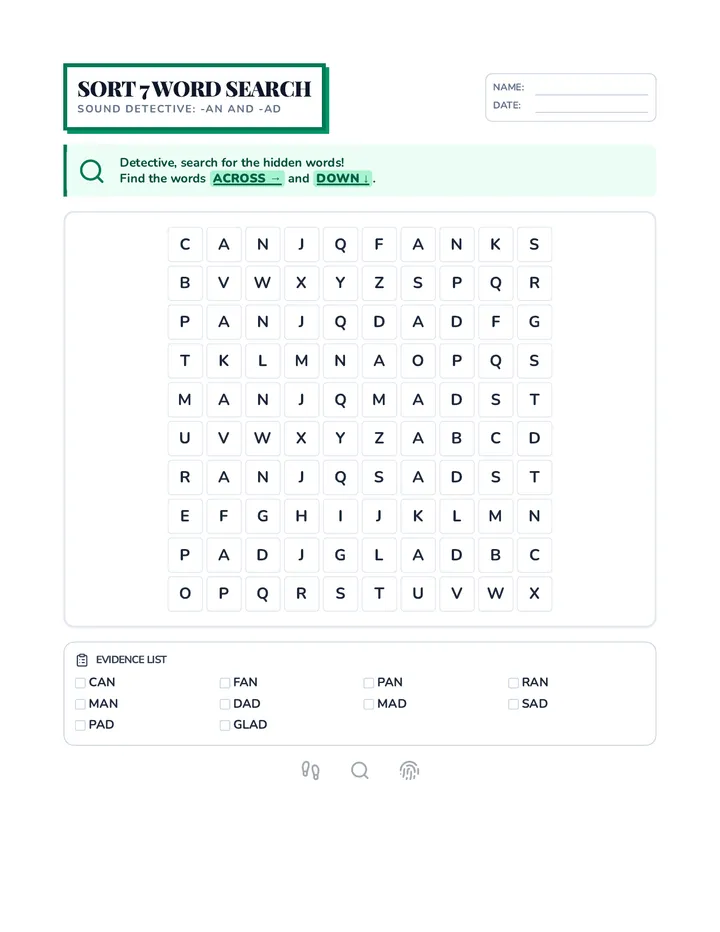
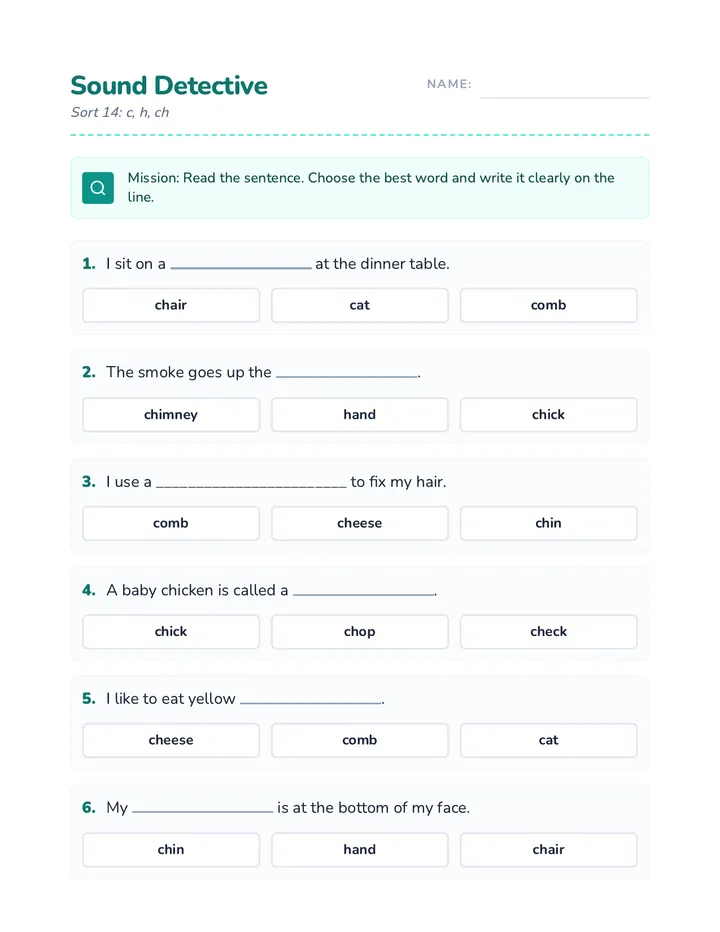
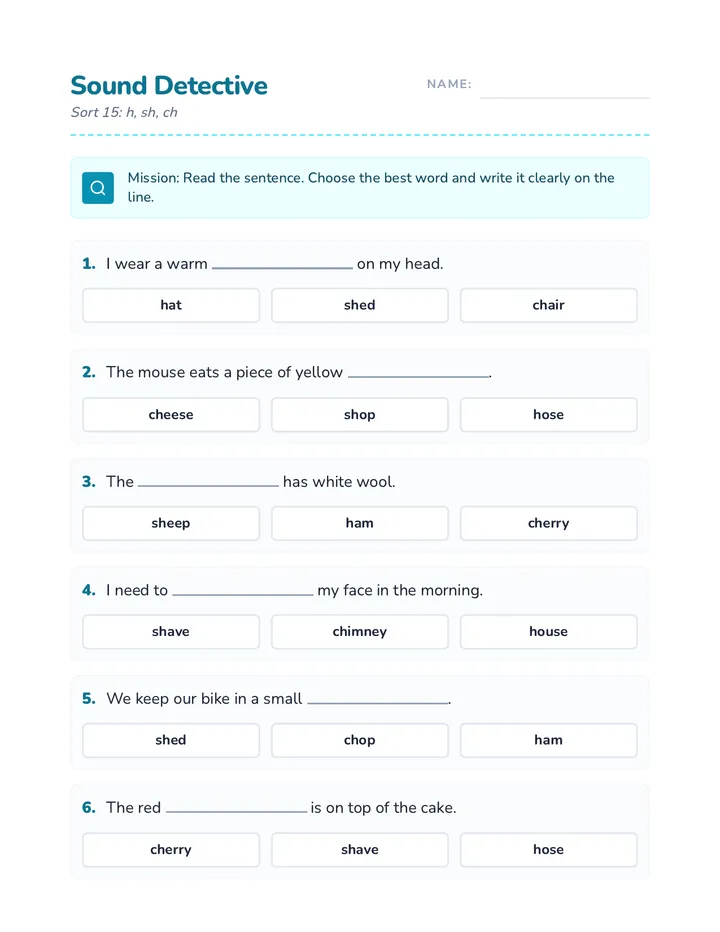
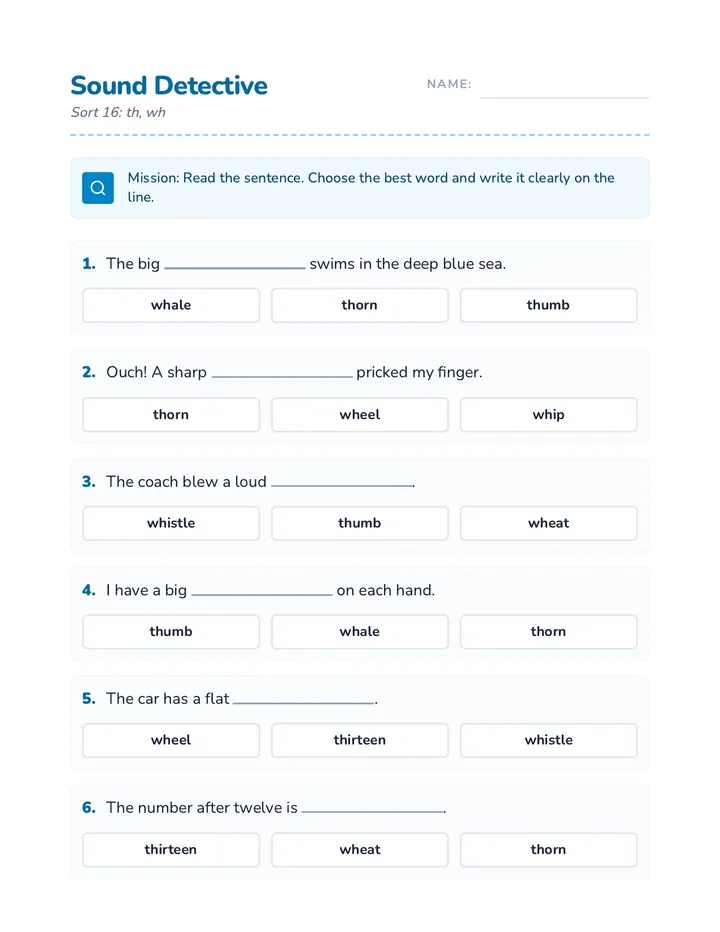
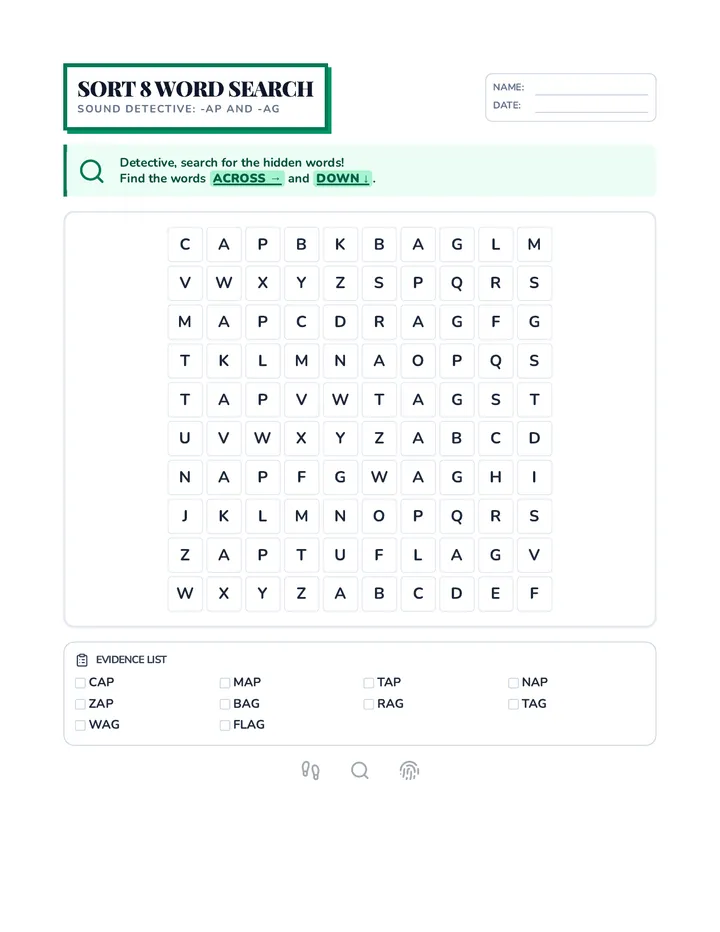
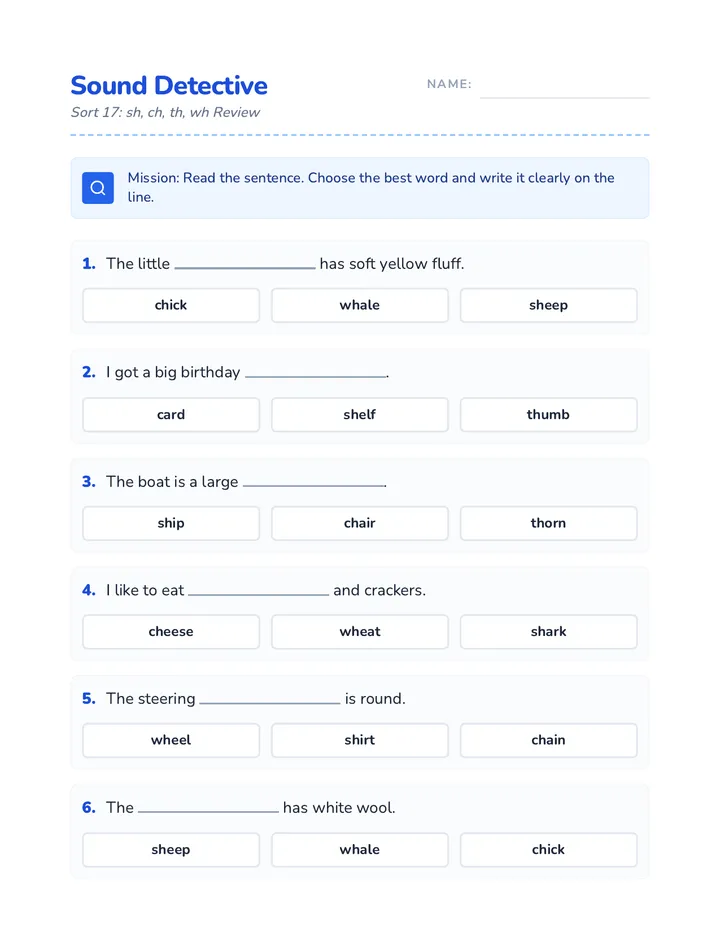
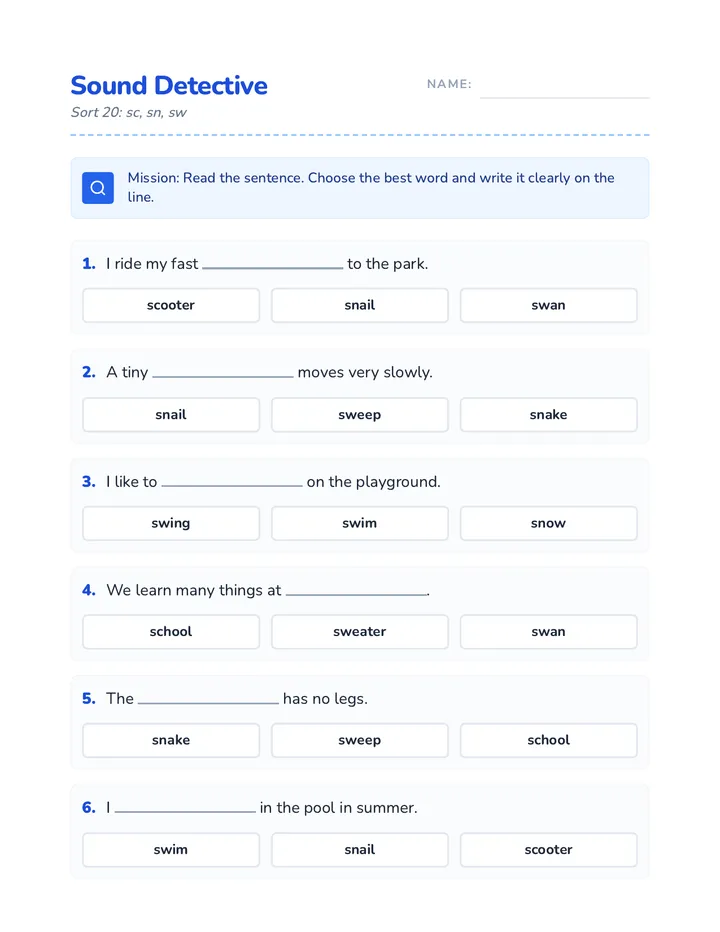
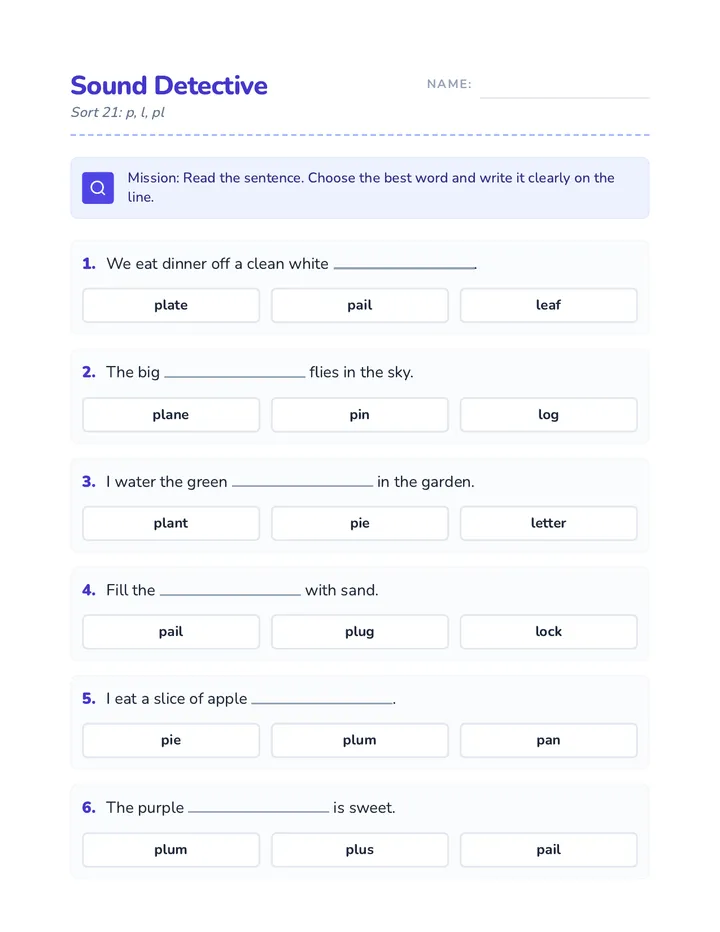
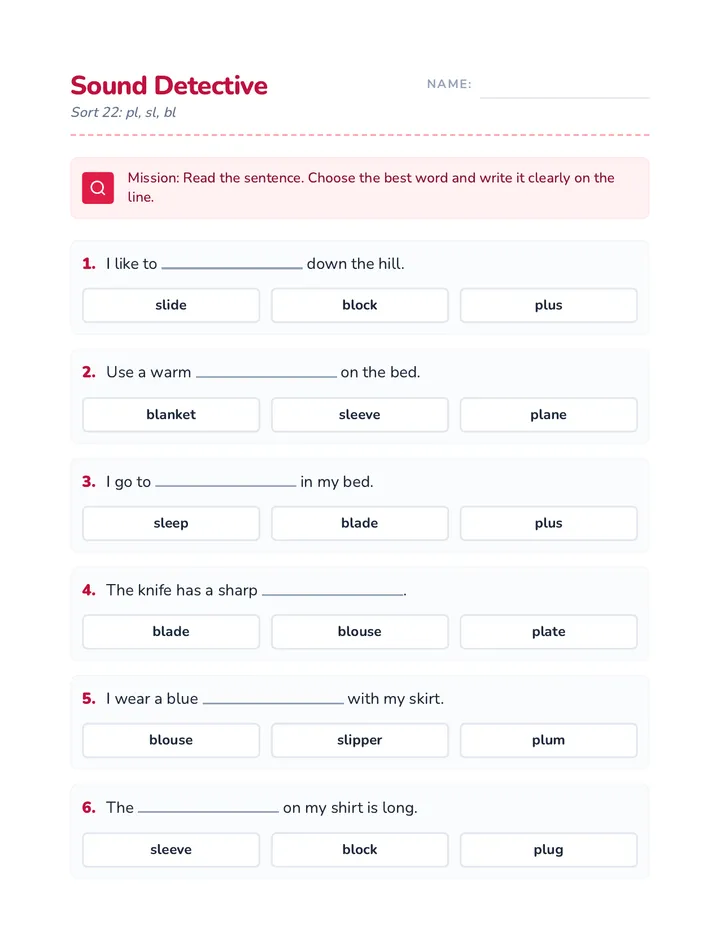
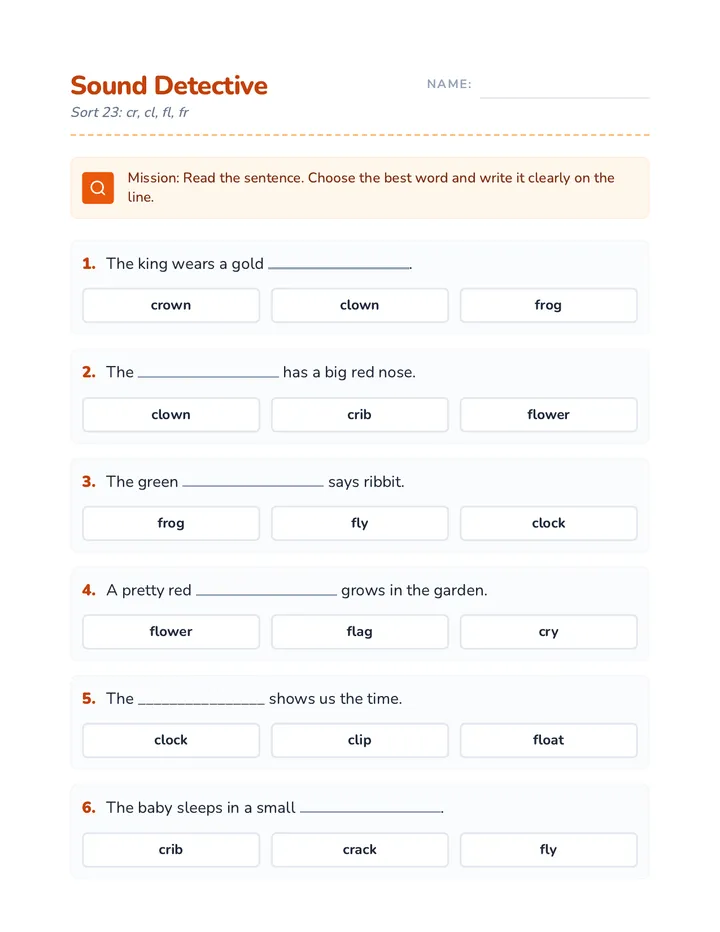
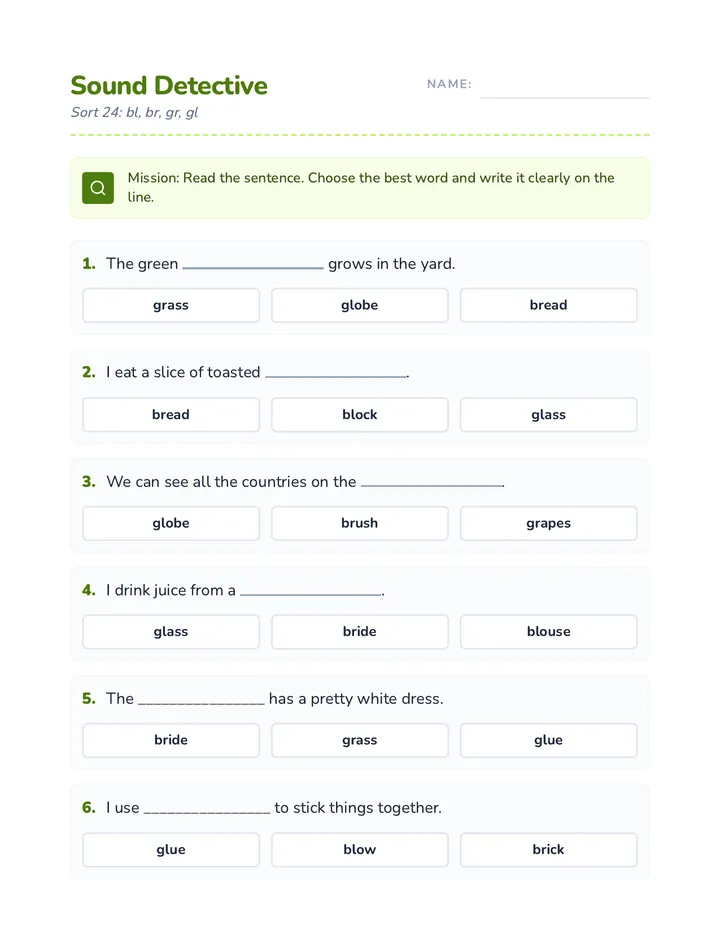
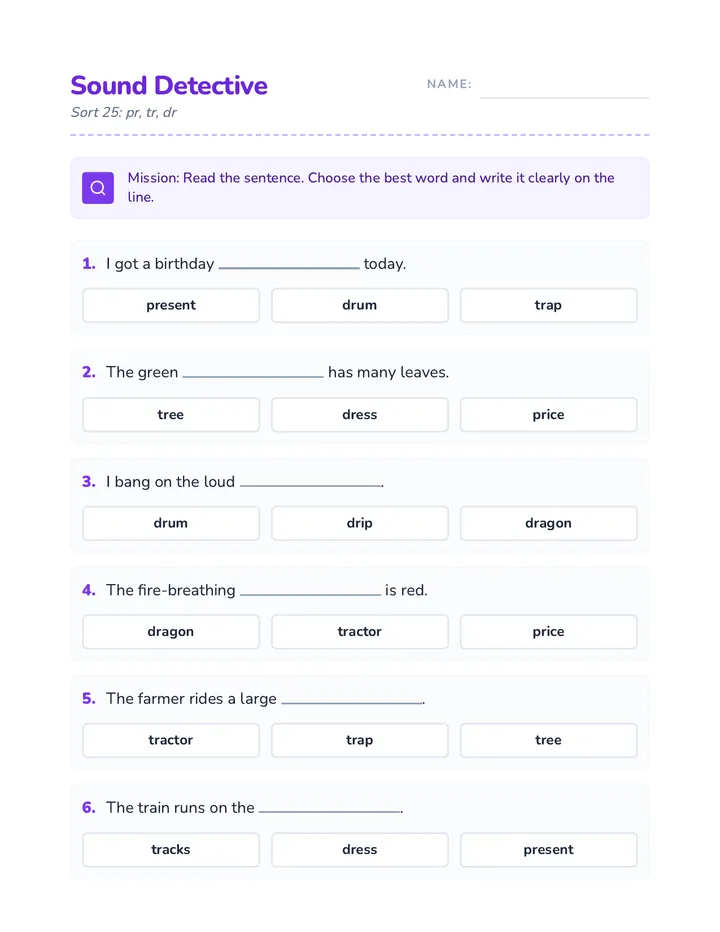
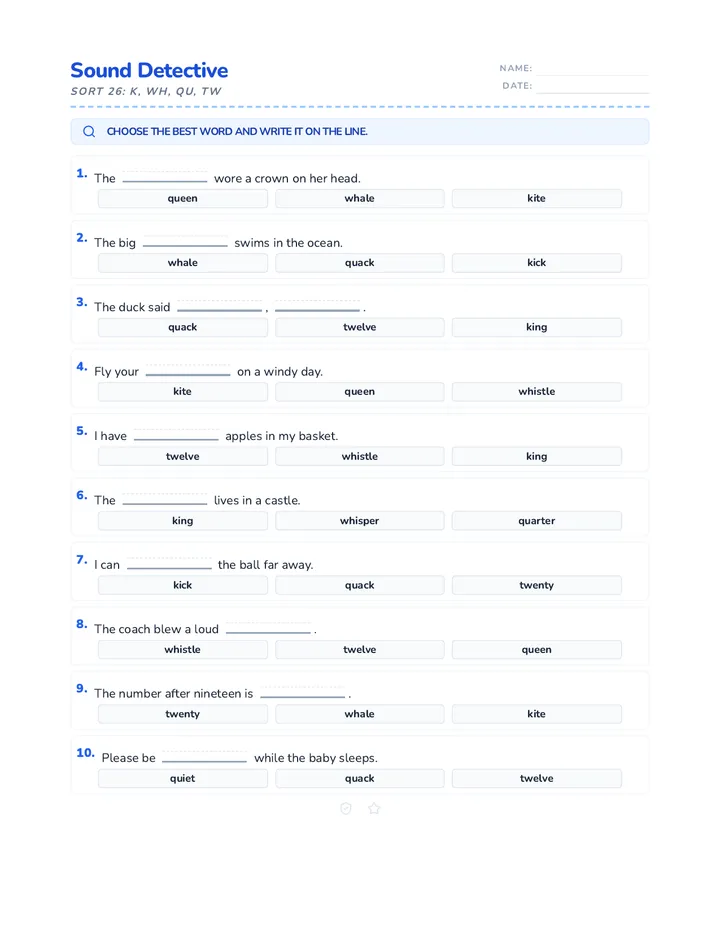
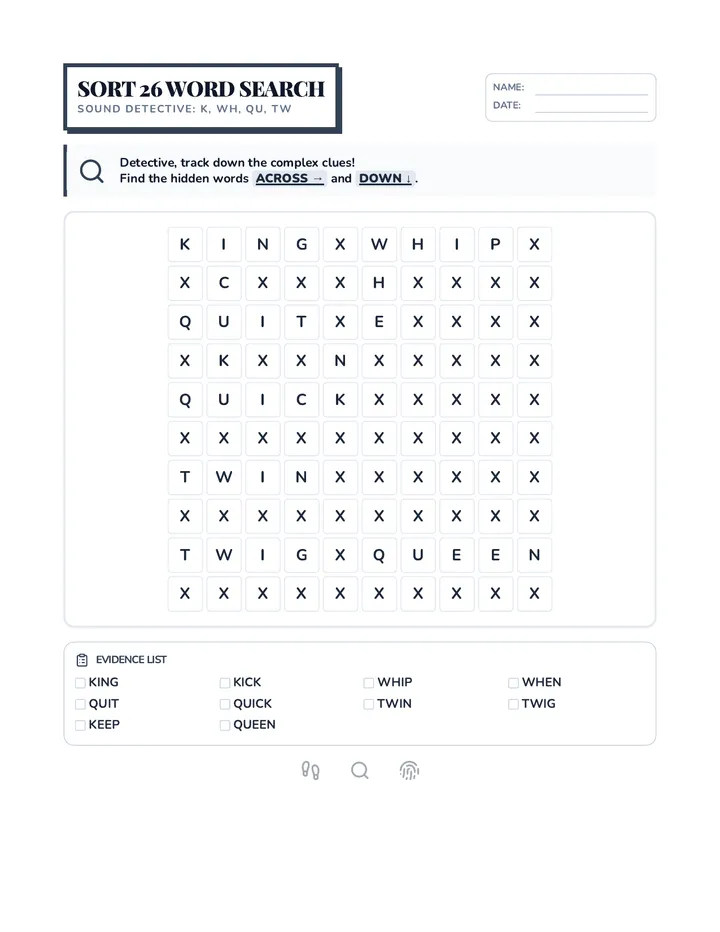
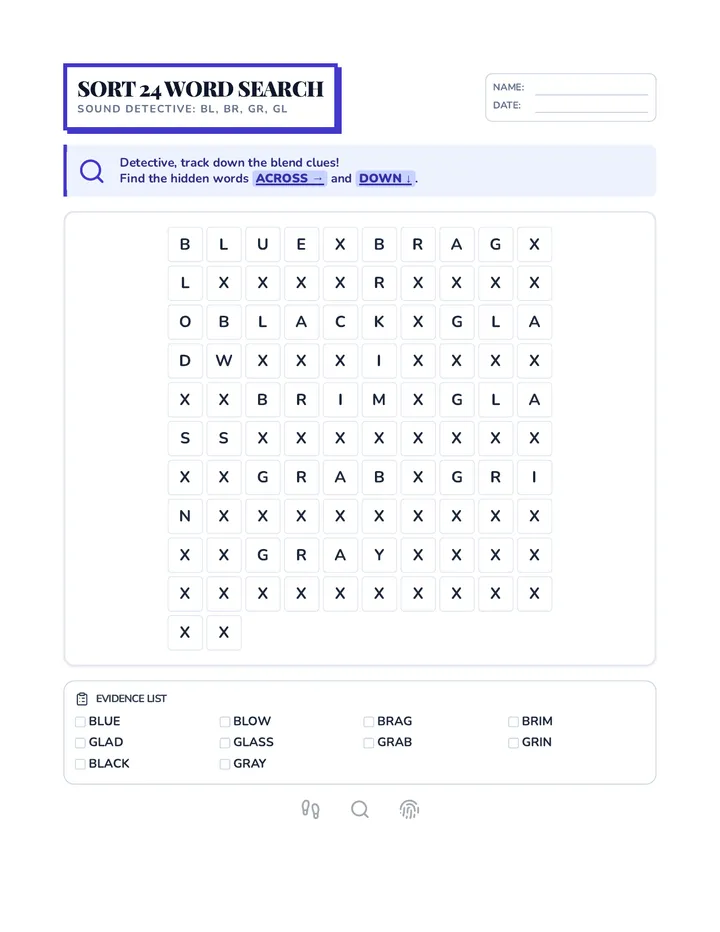
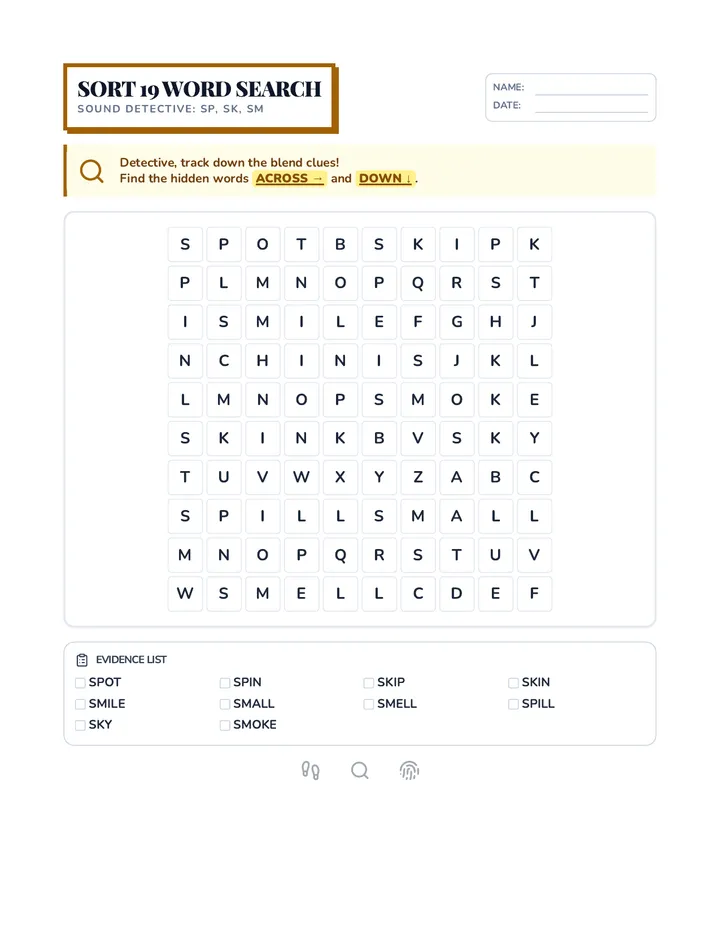
A complete phonics journey covering letter-name alphabetic spelling stages, featuring randomized word sort practice through interactive sentence completion.
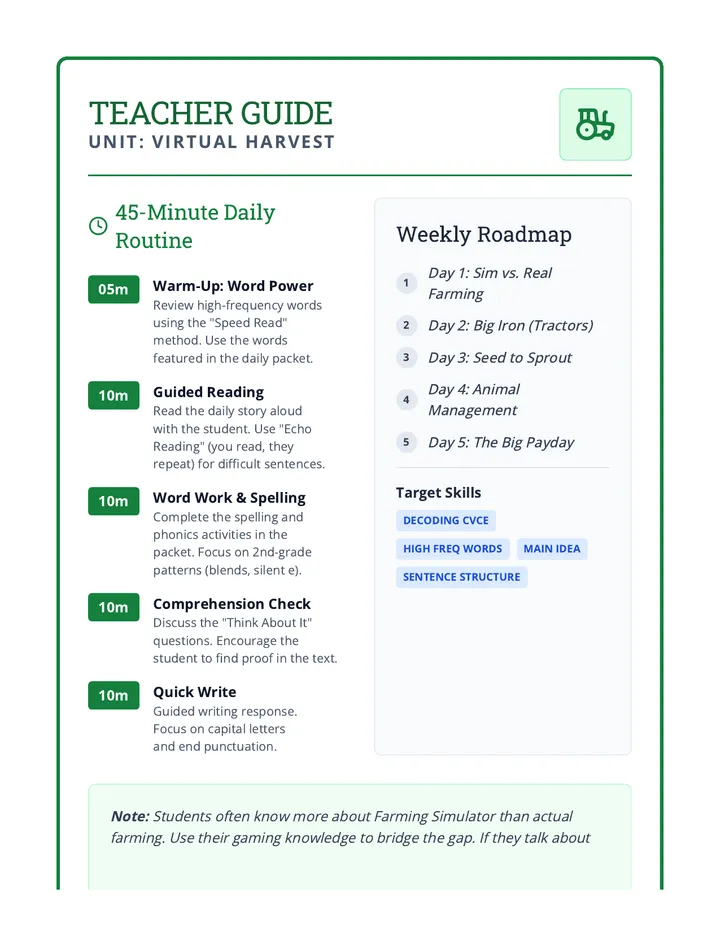
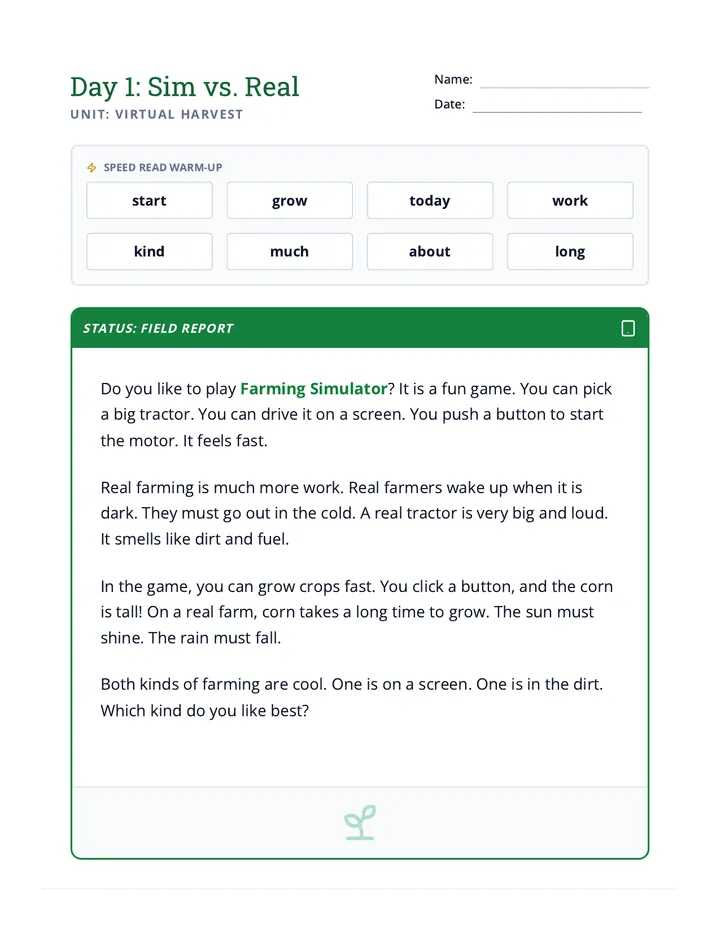
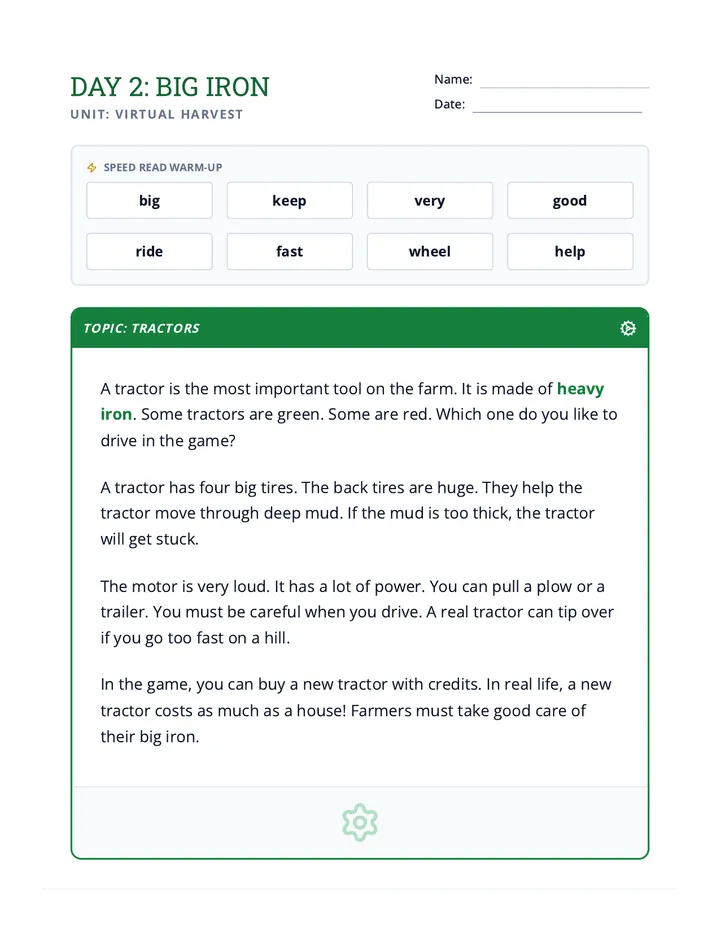
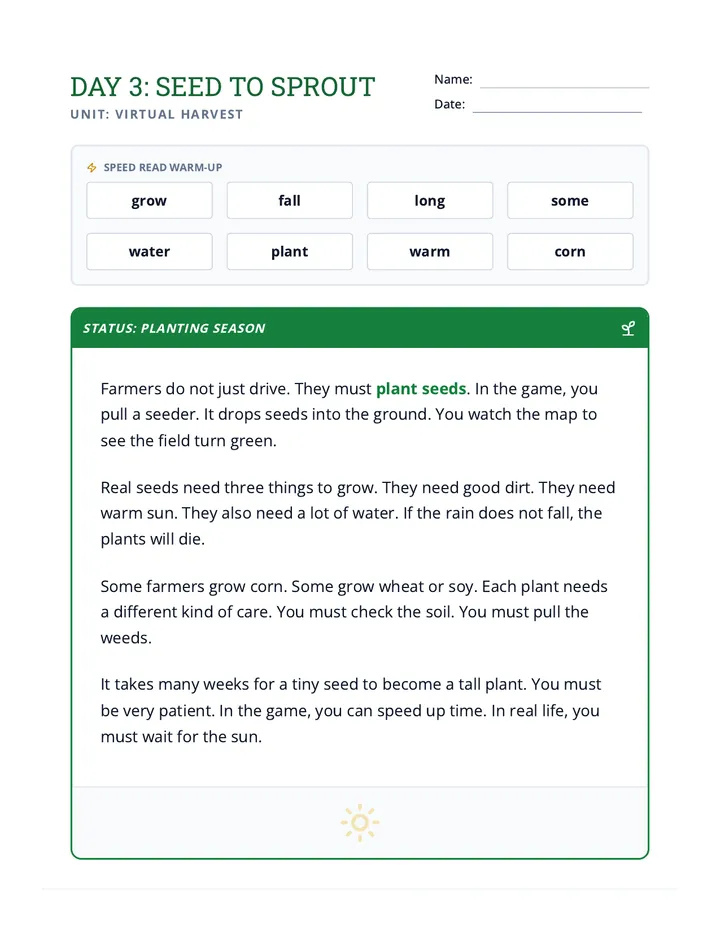
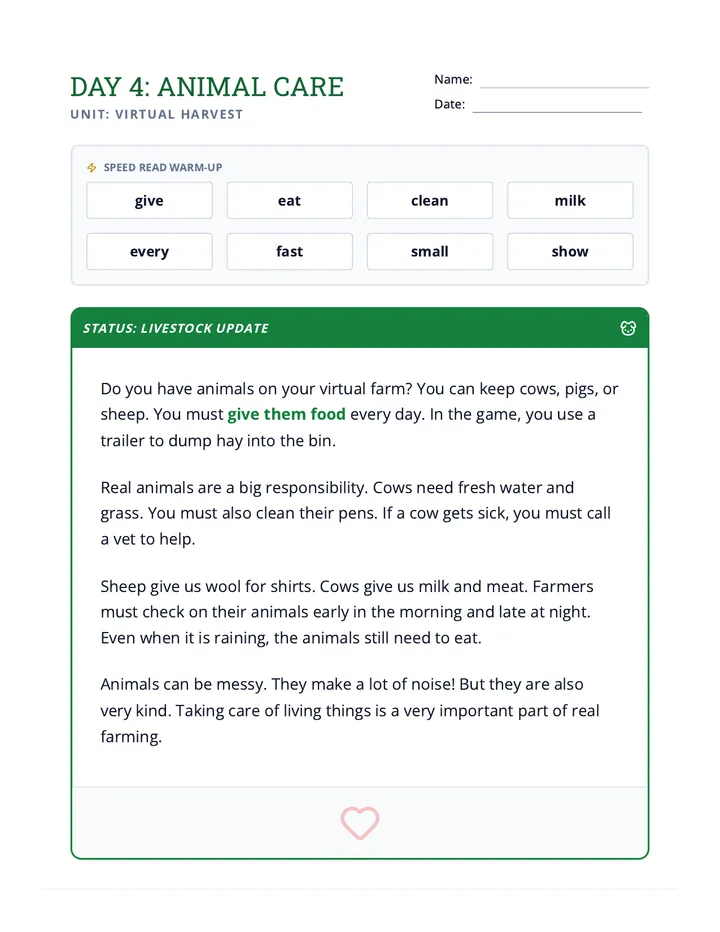
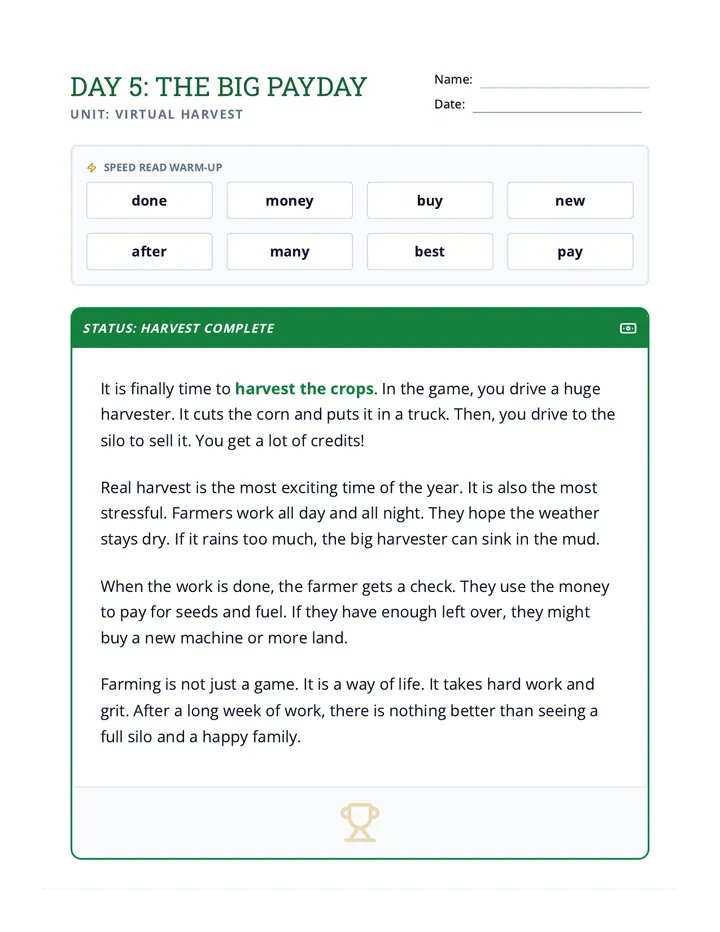
A 5-day reading comprehension and writing unit for struggling readers, blending the world of Farming Simulator with real-world agriculture. Focuses on 2nd-grade level literacy skills within a high-interest 5th-grade context.
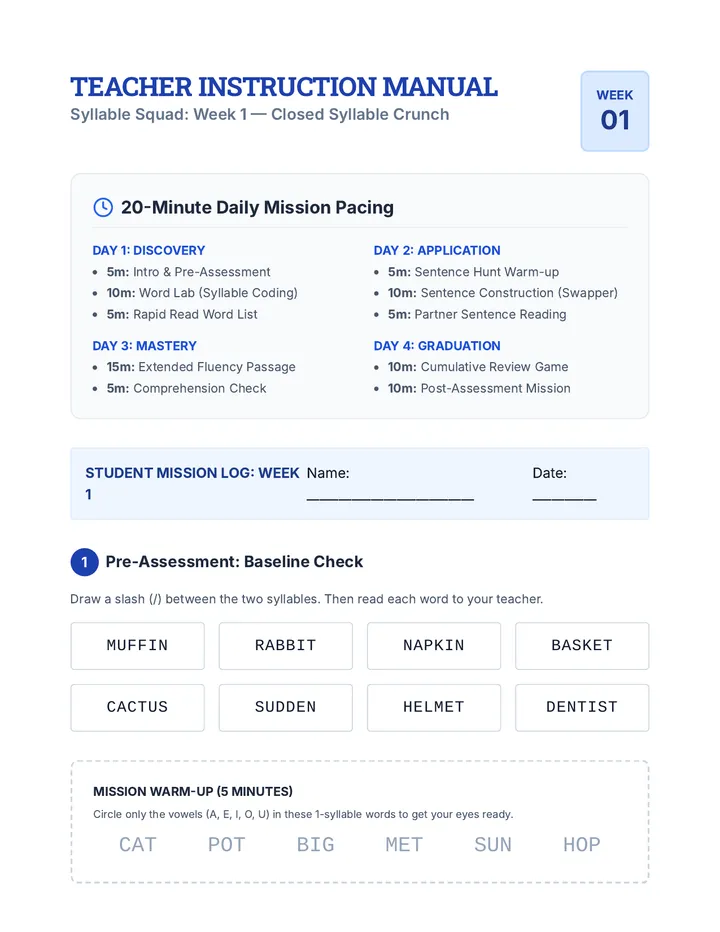
A comprehensive 5-week phonics intervention focused on decoding two-syllable words across five major syllable types. Each week includes a pre-assessment, daily lessons with specific targets, student practice sheets, and a post-assessment.
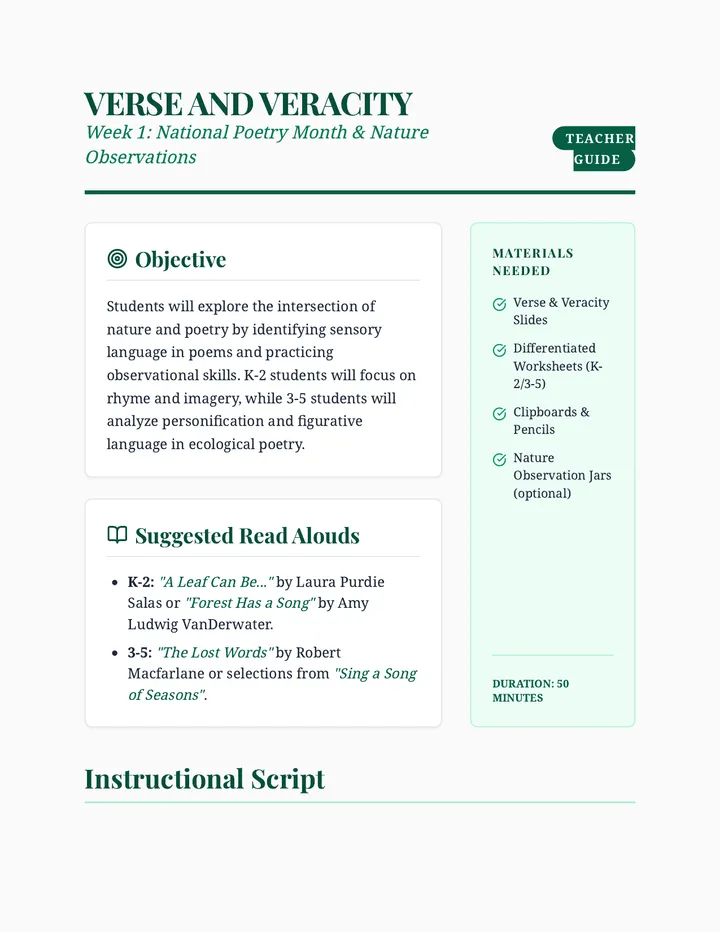
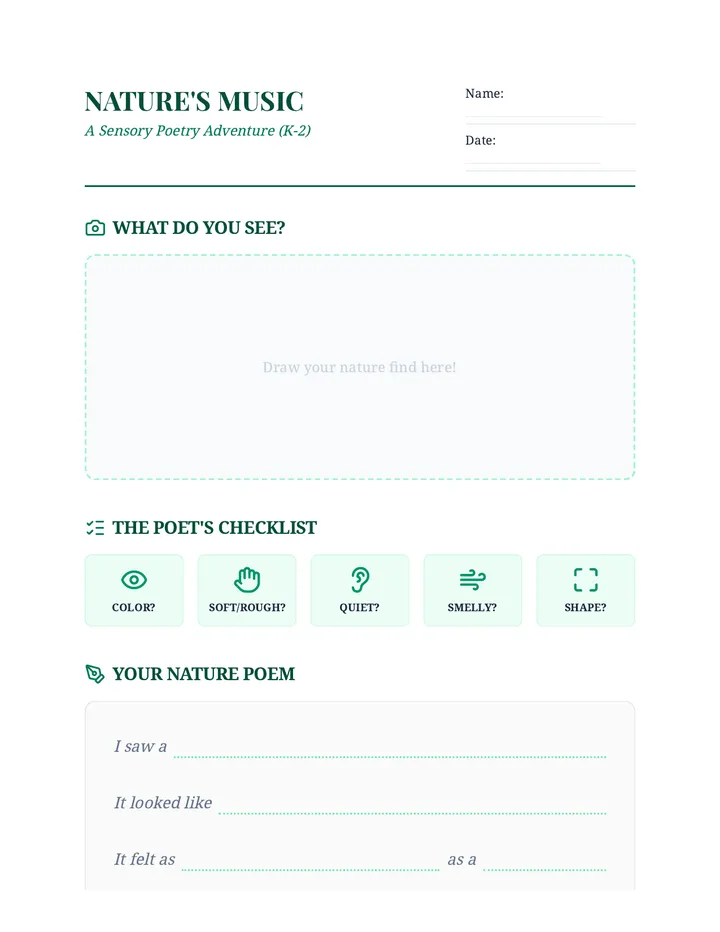
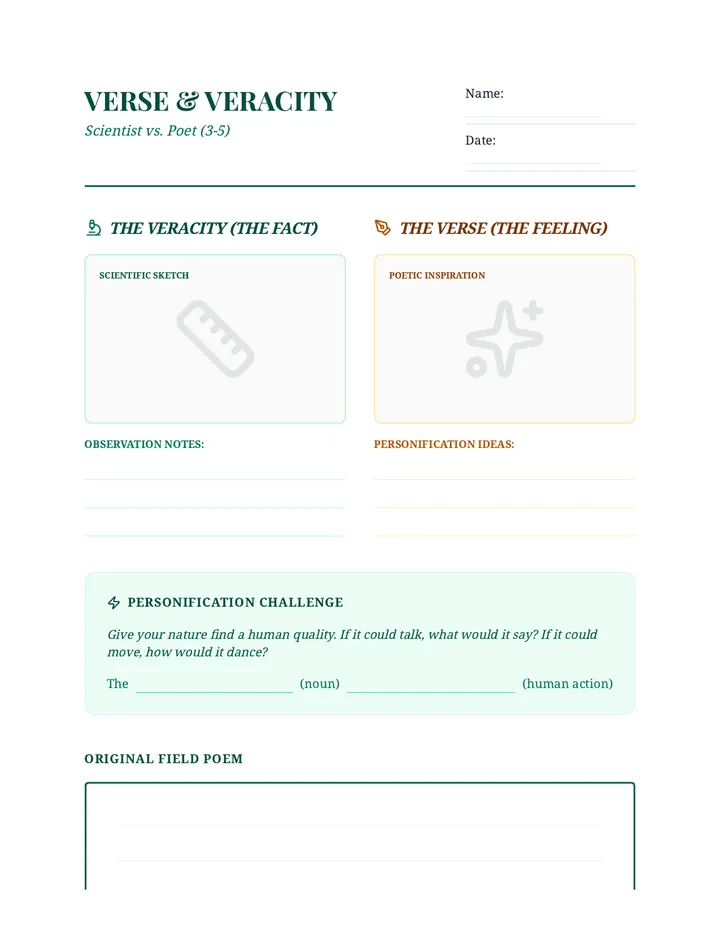
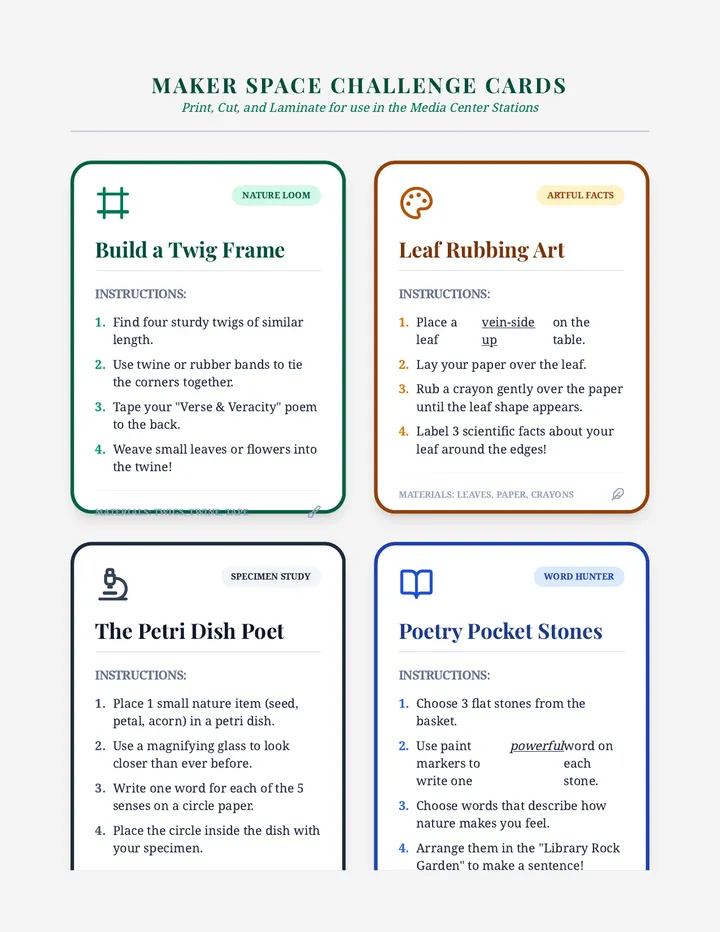
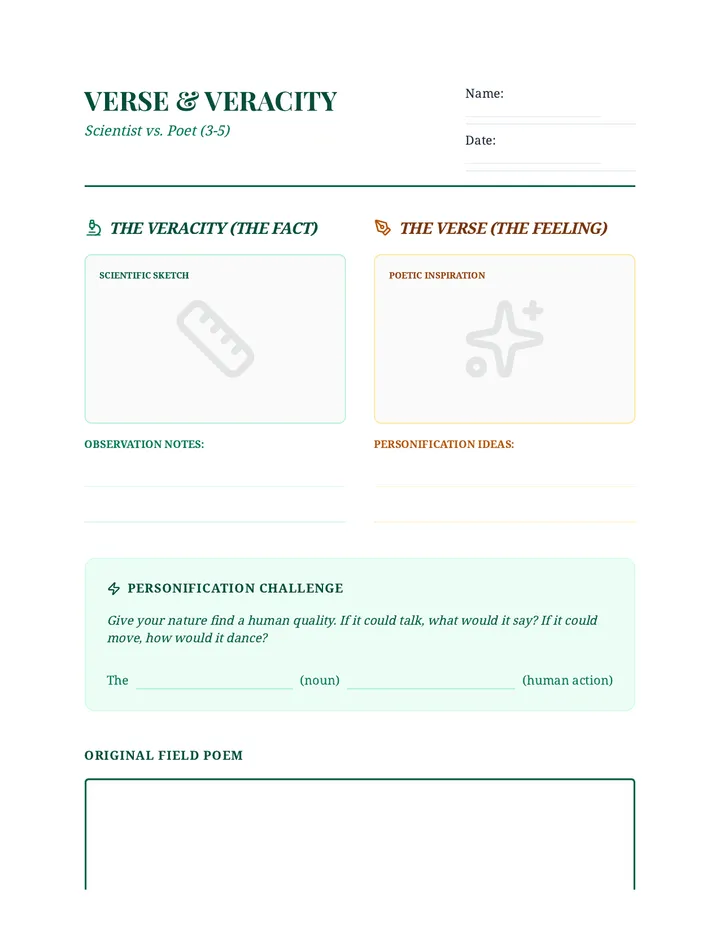
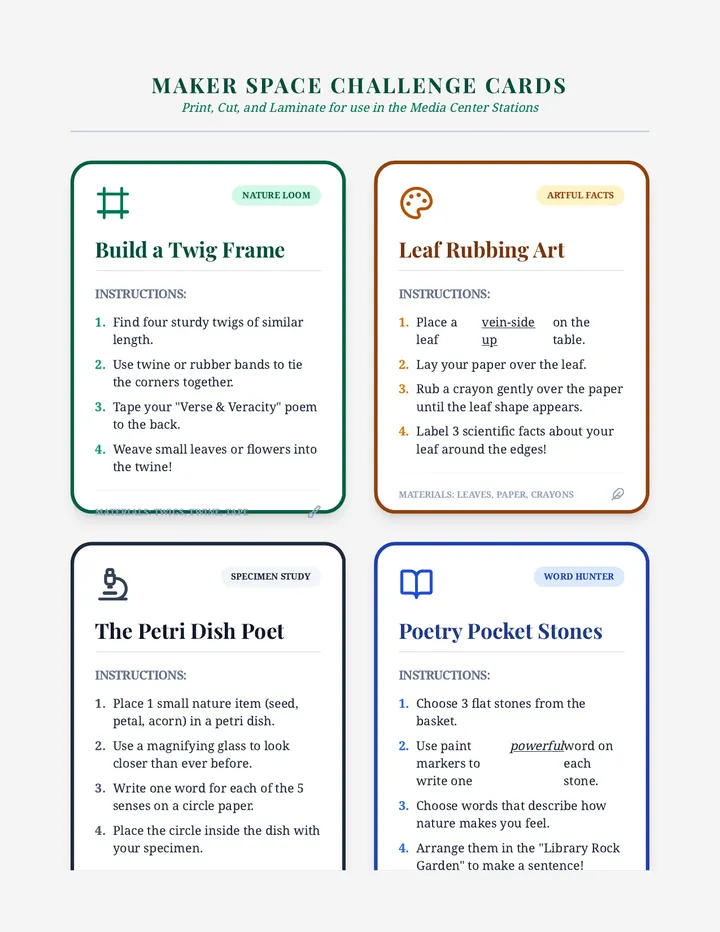
A comprehensive K-5 Media Center curriculum spanning August to May. Each month features a thematic unit integrating library skills (Dewey Decimal System, research, digital citizenship), literacy (poetry, biographies, informational texts), and STEM/Maker Space challenges. Resources are differentiated for K-2 and 3-5.
A series of reading comprehension materials aligned with Wilson Reading System Step 1 sub-steps, featuring controlled text and targeted skill practice.
A comprehensive series of lessons designed for high school special education students to master metacognitive skills. The unit focuses on 'Mind Mechanics'—teaching students how to monitor their own thinking processes and build a personalized 'toolbox' of learning strategies.
A comprehensive unit focused on developing core executive function skills for high school students, including planning, organization, cognitive flexibility, and self-regulation.
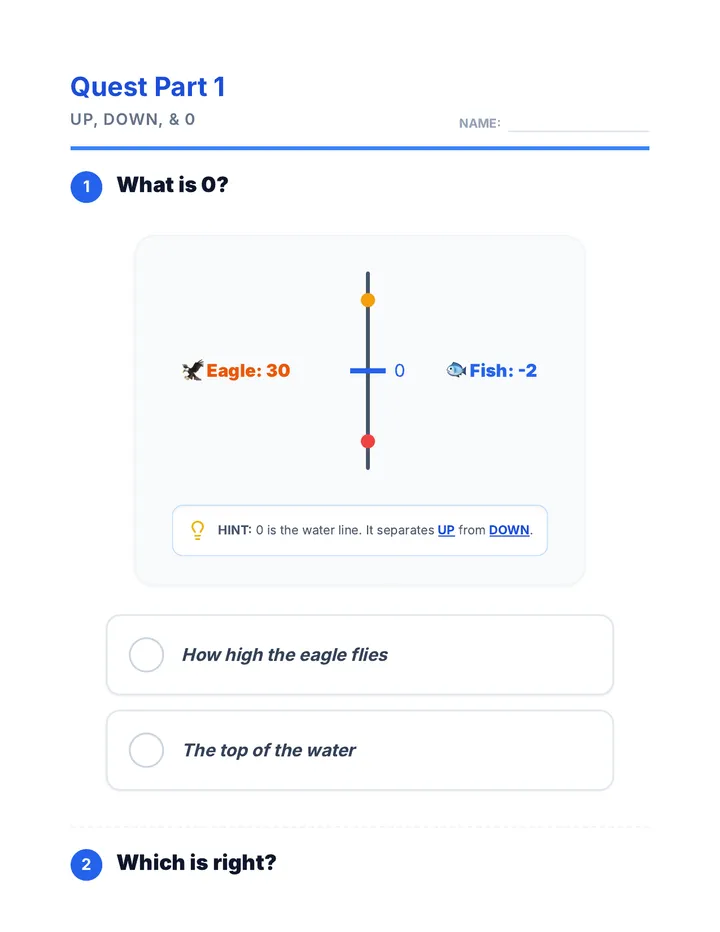
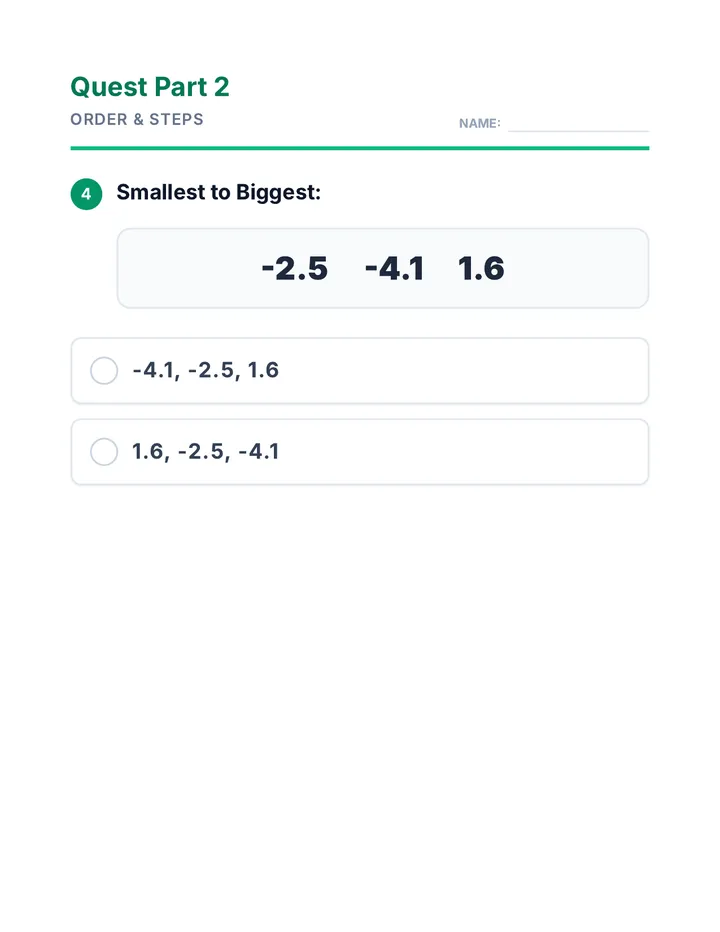
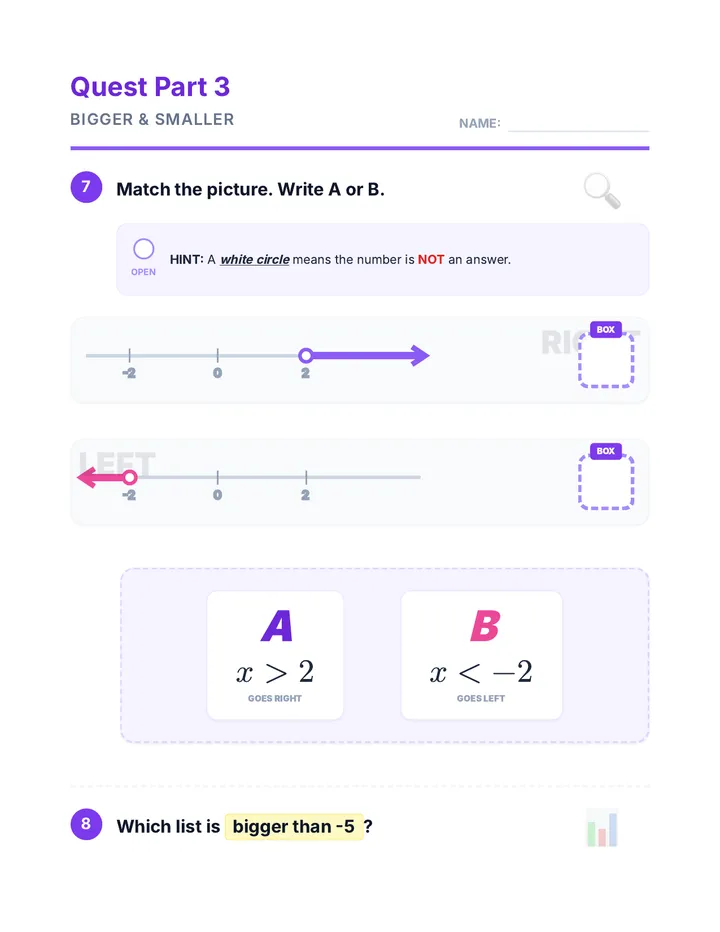
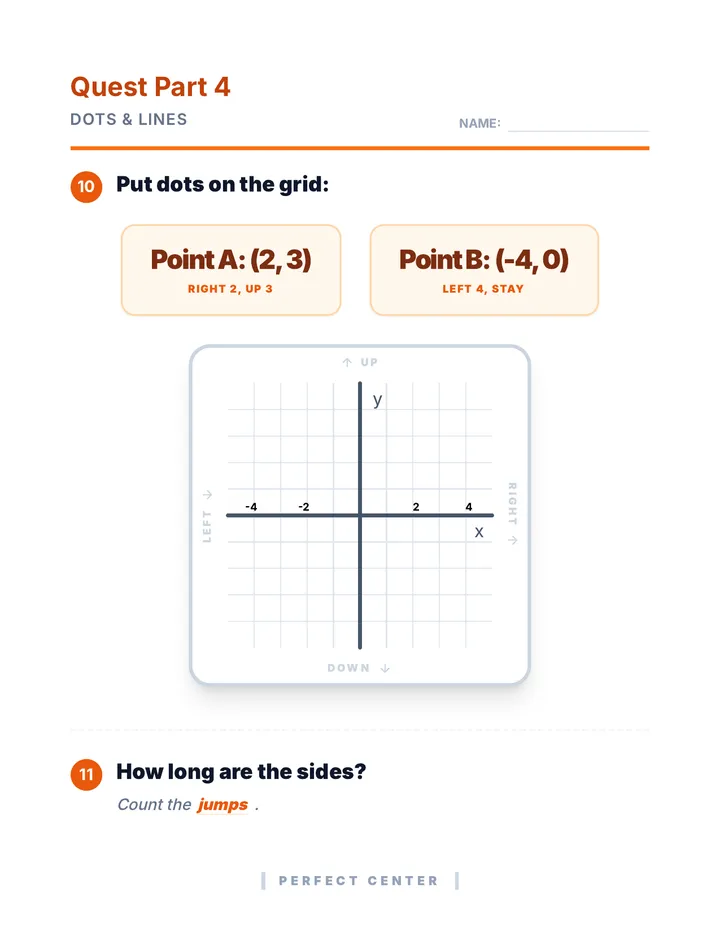
A foundational math sequence for special education students (grades 5-6) focusing on algebraic thinking and spatial reasoning through highly visual, themed units.
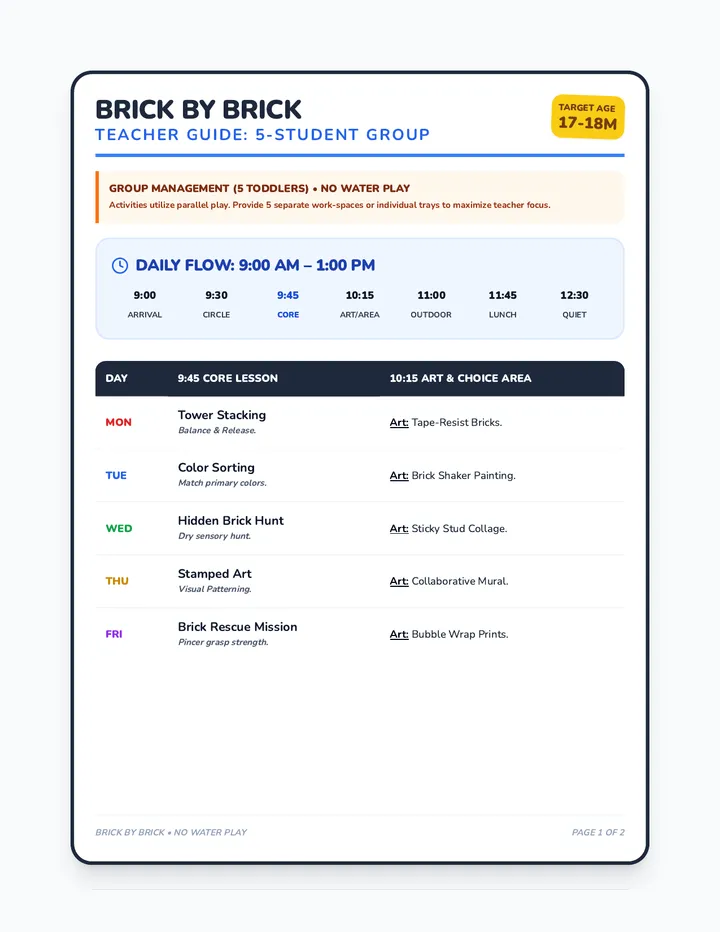
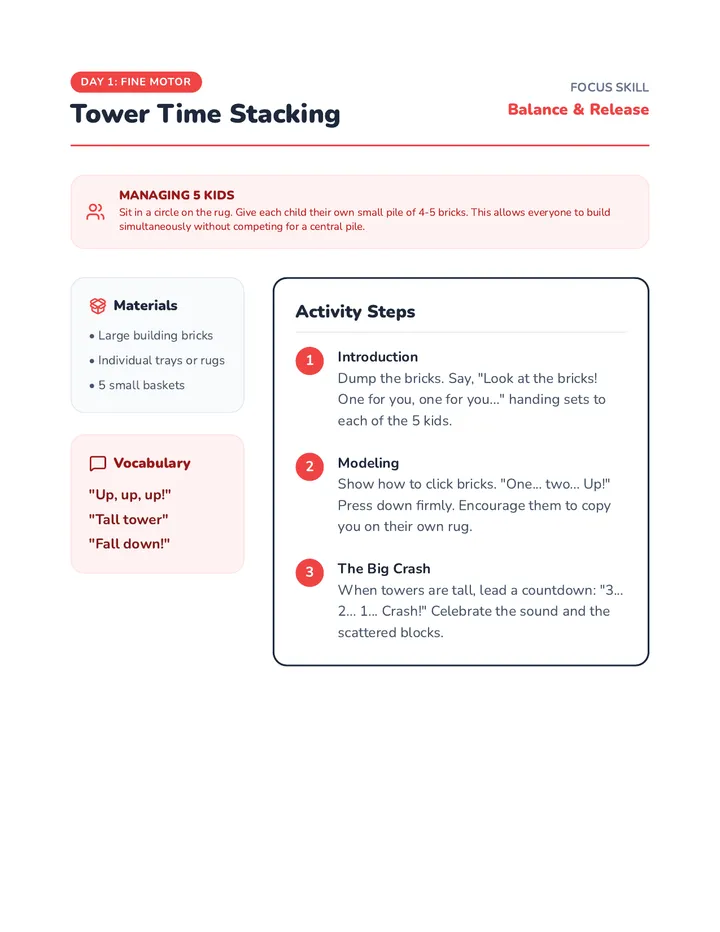
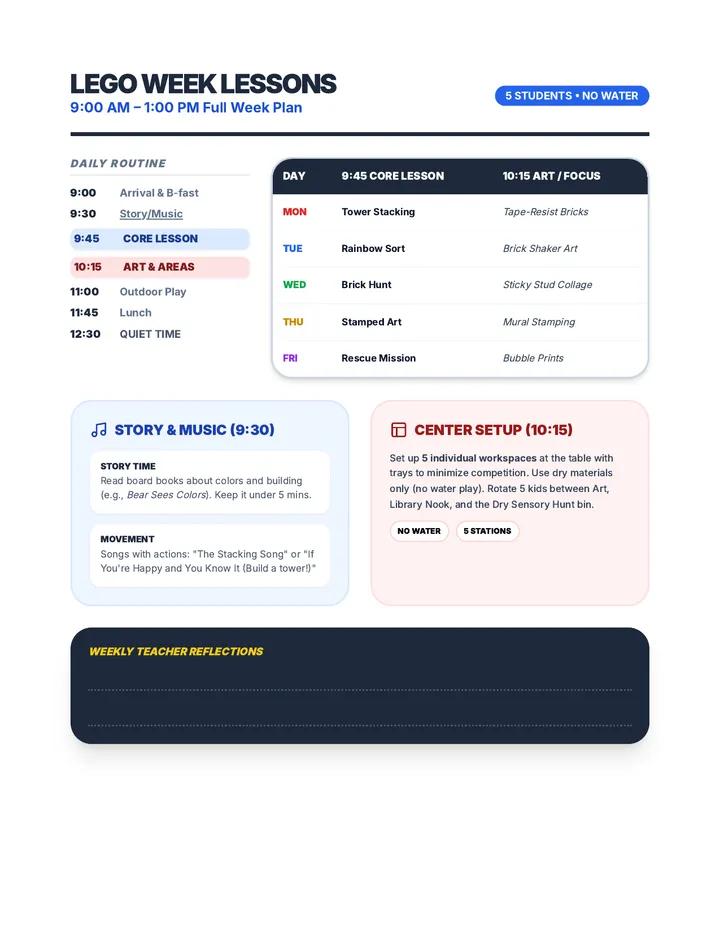
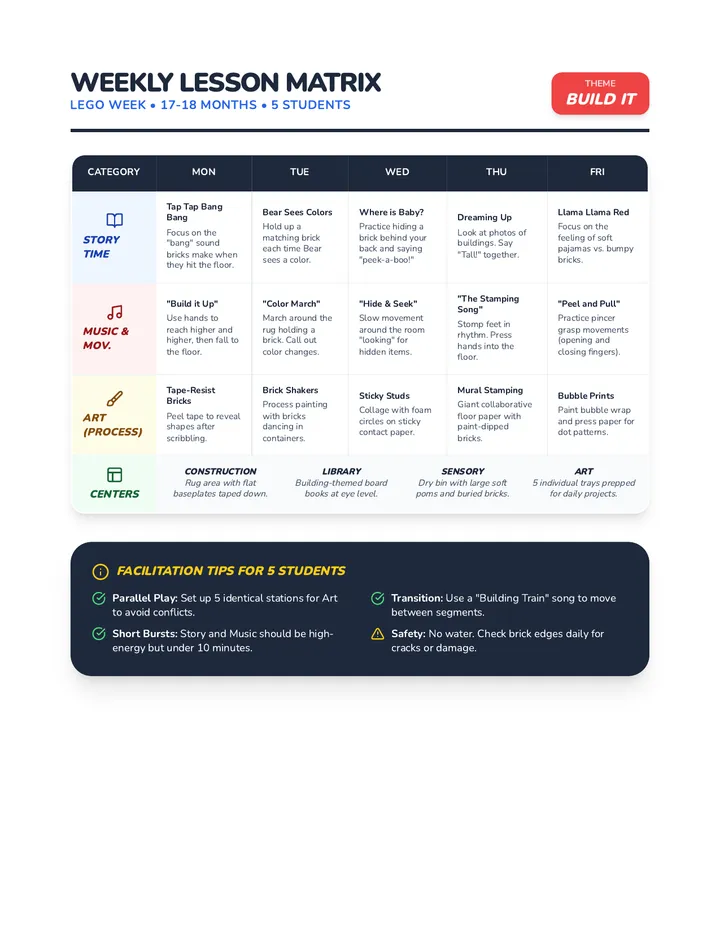
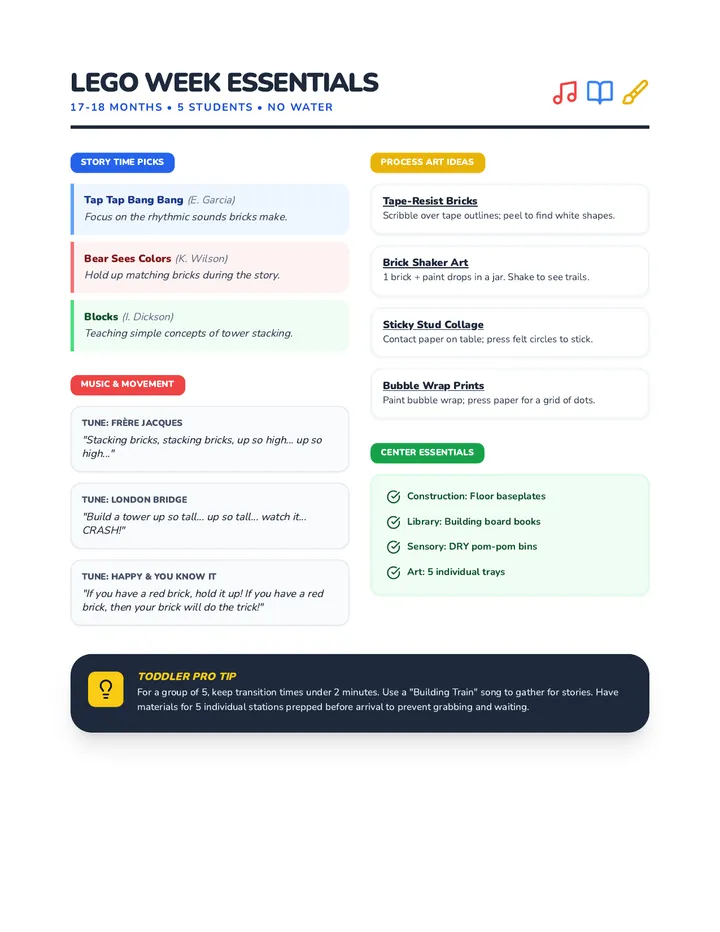
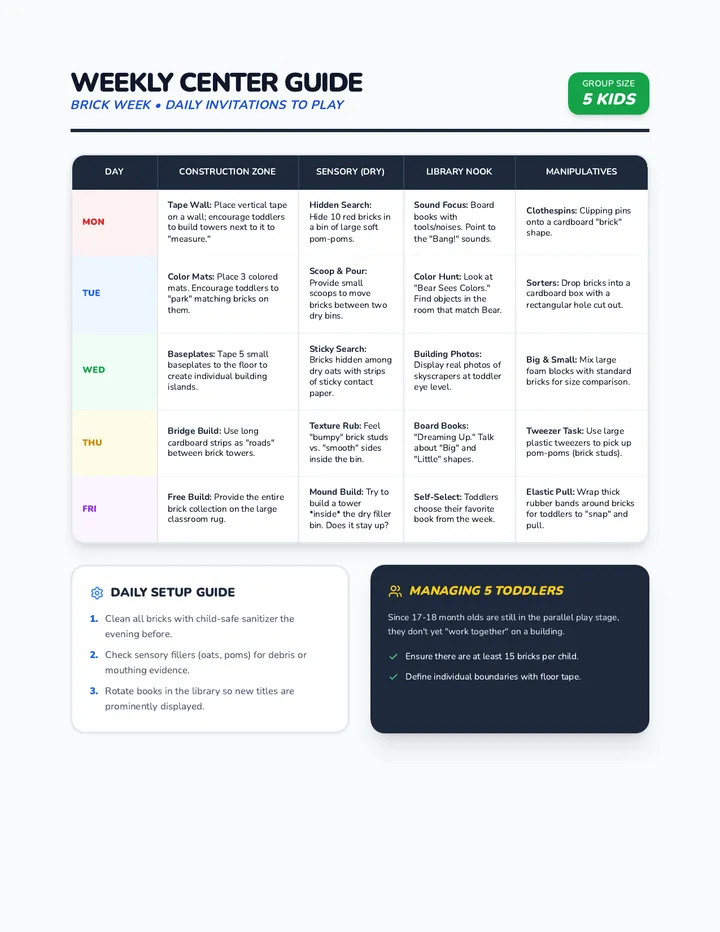
A collection of comprehensive week-long curricula for toddlers aged 17-18 months. Each themed week focuses on developmental play, sensory exploration, and fine motor skills for a group of 5 students with zero water play.
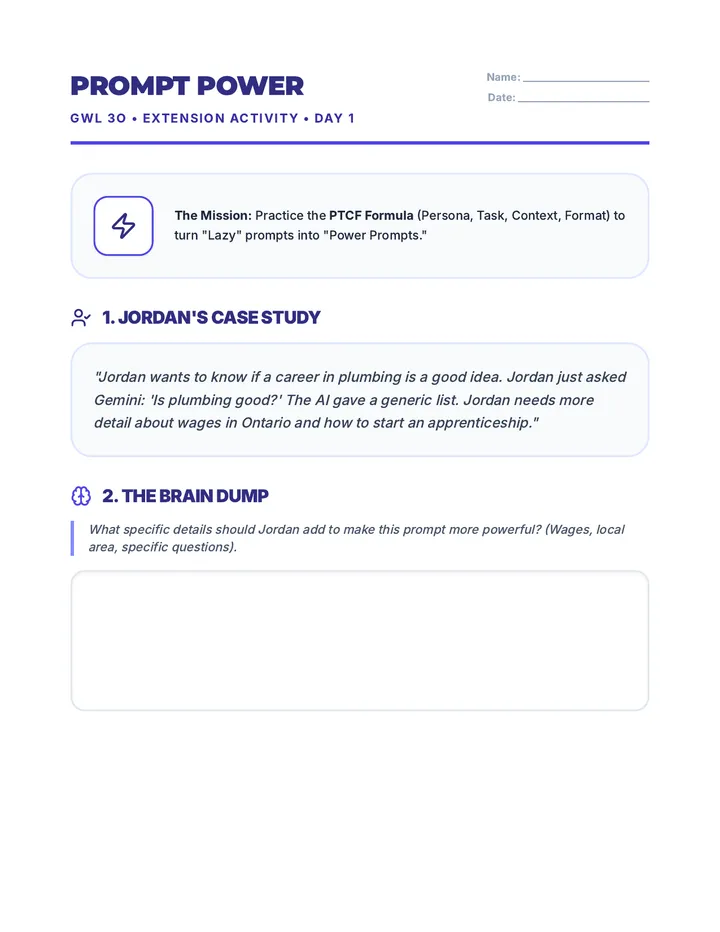
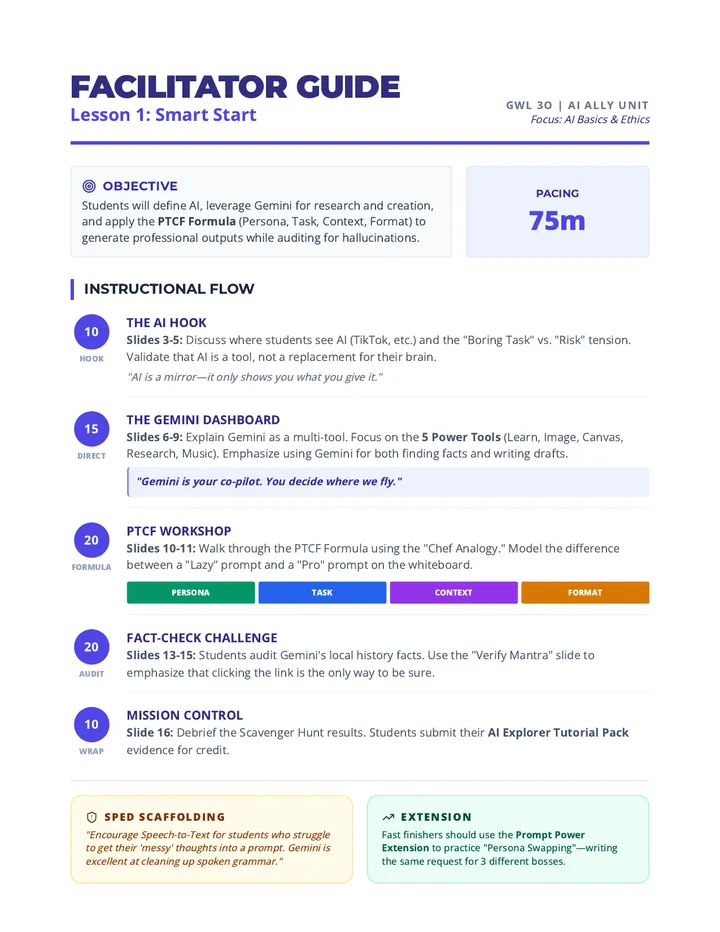
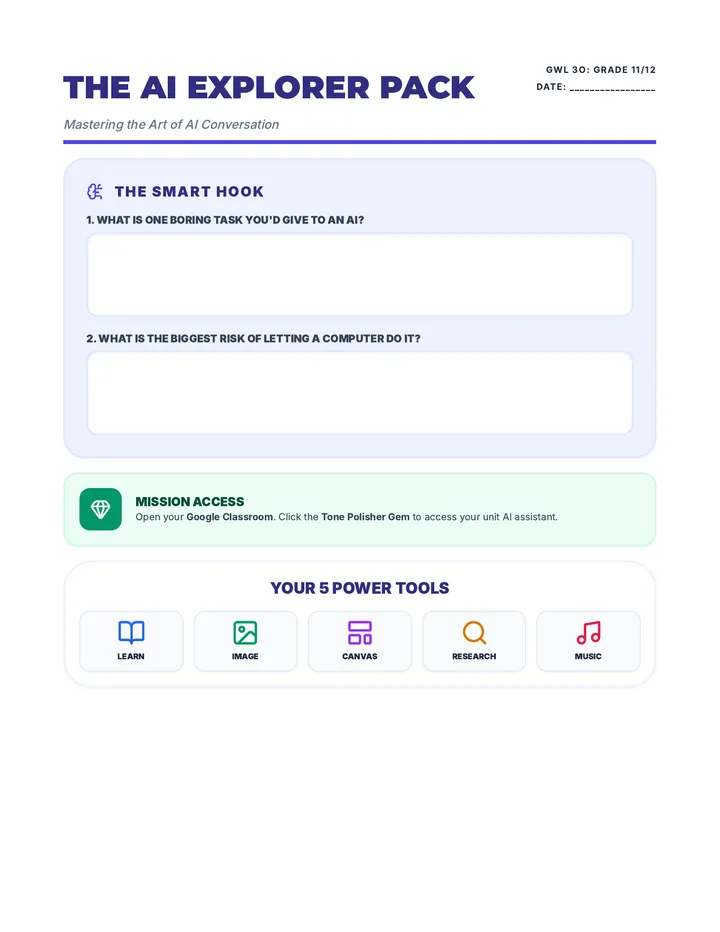
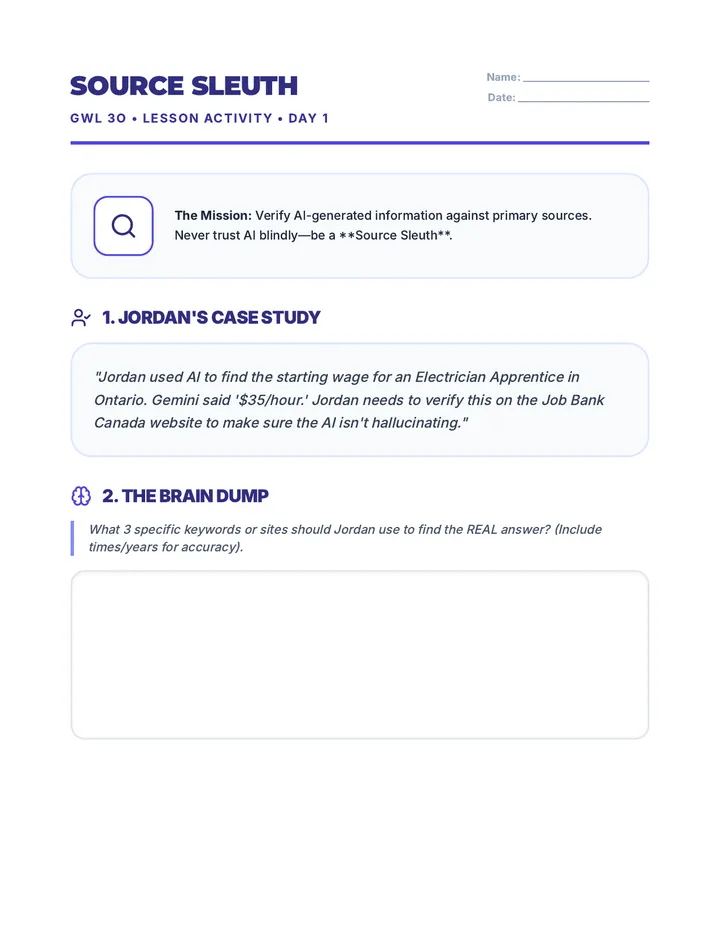
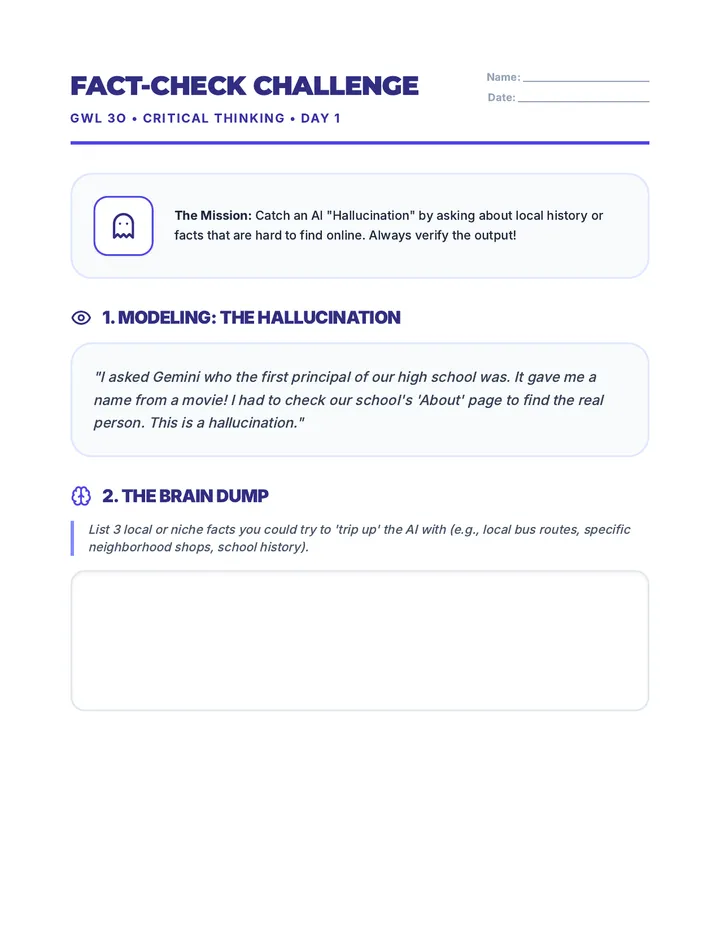
A comprehensive 7-day unit for Grade 11/12 Designing Your Future students, focusing on leveraging AI tools like Gemini for workplace and college success. Designed for special education contexts, it emphasizes self-advocacy, professional communication, research, and project management through visual and digital tasks.