Body Radar Slides
Small Group Workshop • 40 Minutes
Interoception & Self-Advocacy
Targeted Skill: Early Cue Detection & Practice
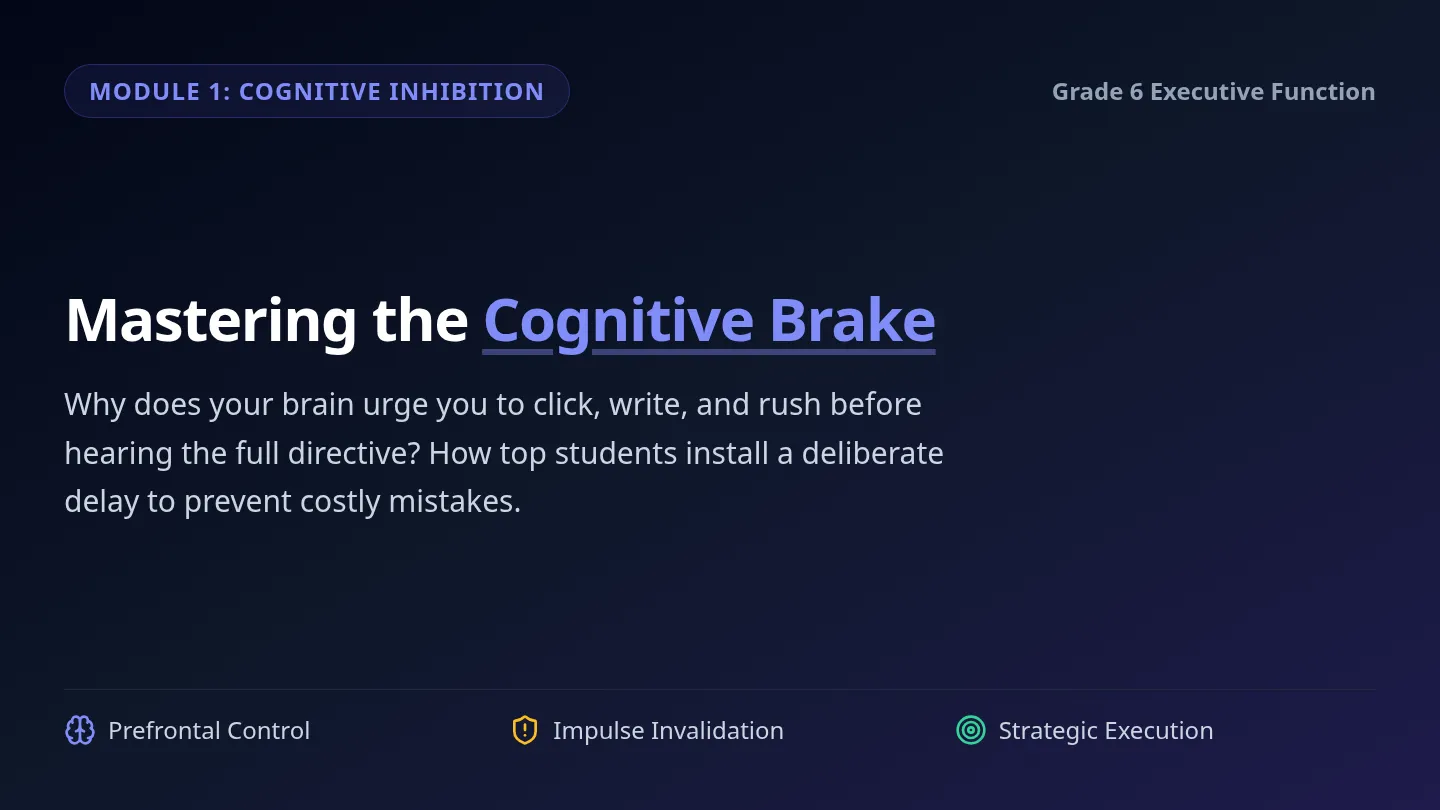
Body Radar: Catching Clues
Before the Alarm Rings
Your body gives you silent notifications before big feelings explode or shut you down. Learn to read your personal internal dashboard.
1
Spot Body Clues
2
Know Your Yellow Zone
3
Roleplay & Reset
Our Group Comfort Rules
Zero Pressure Zone
Share Your Way
You can talk aloud, point to pictures, write on your worksheet, or just listen and nod. All participation styles are welcome.
No Wrong Feelings
Your body signals belong to you. One person feels a knot in their stomach; another person feels sleepy or numb. Both are real.
Sensory Friendly
Need to fidget, look away from the screen, or wear headphones? Do whatever helps your nervous system stay regulated.
Take a Pause Pass
If you feel overwhelmed at any point during this lesson, hold up your break card or signal the teacher for quiet space.
We are scientists investigating how our own bodies send messages!
The Internal Alert System
The Power of the Yellow Zone
Green: Calm
Body feels settled, muscles relaxed, thinking brain is wide open.
• Steady breathing
• Able to listen & chat
• Feels in control
Action: Keep doing what you're doing
Sweet Spot!
Yellow: Warning
Early body clues are whispering! Pressure, buzzing, heat, or tension.
• Clenched jaw / stomach drop
• Faster heart / sensory itch
• Brain feels crowded
Action: USE COPING STRATEGY NOW!
Red: Overload
Meltdown or Shutdown. Thinking brain goes offline into survival mode.
• Screaming / crying / flight
• Total silence / freezing
• Cannot process words
Action: Safe space & quiet reset
The Secret: If we wait until Red, thinking is hard. When we catch the Yellow Clues, coping strategies work 10x faster!
Body Clues: Head & Thoughts
Signal Detection #1
What happens upstairs when frustration, sensory overload, or anxiety starts building?
Sensory Amplification
Fluorescent lights feel glaring; pencil scratching or chewing sounds feel unbearable.
Mental Traffic Jam
Repeating the same sentence over and over in your head; inability to shift tasks.
Pressure or Heat
Forehead feels hot, temples throbbing, or head feels like a balloon ready to pop.
Brain Fog or Staring Blankly
Words from your teacher sound like muffled radio static. You want to hide or zone out.
Quick Vote: Does your brain get loud and buzzing or foggy and blank?
Notice how these head signals warn you minutes before you lose control.
Body Clues: Heart & Breathing
Signal Detection #2
The Engine (Heart)
- • Thumping in your ears: You can literally hear or feel your pulse thudding.
- • Fluttering: Feels like a bird fluttering inside your ribcage.
- • Sudden speedup: Even though you are sitting in a chair, heart is racing.
The Airflow (Lungs & Throat)
- • Shallow sips of air: Chest moves up and down fast, not filling belly.
- • Lump in throat: Hard to swallow, or feels like words are physically trapped.
- • Holding your breath: Forgetting to exhale when stressed or anxious.
Interoception Check: Take a deep breath right now. Put one hand on your chest. What rhythm do you feel? Try it now
Body Clues: Stomach, Hands & Muscles
Signal Detection #3
The Stomach
Tied to nerves and emotions:
• Knots or twisting feeling
• Fluttery "acid butterflies"
• Sudden nauseous ache
• Total loss of appetite
Often confused with hunger or illness!
Hands & Jaw
Where tension gathers:
• Clenched white-knuckle fists
• Grinding or clamping jaw
• Picking at nails/cuticles
• Cold, clammy palms
Look at your hands right now: relaxed or tight?
Legs & Motion
Motor energy overflow:
• Rapid leg bouncing/tapping
• Urge to bolt out of the room
• Stiff, robotic posture
• Heaviness / feeling frozen
Fight, flight, or freeze activating!
When you feel even one of these, your Body Radar is beeping: "Yellow Zone Alert!"
Matching Clues to Strategies
The "If-Then" Formula
IF Sensory Overload:
Noise hurts, lights sting, room feels overwhelming.
→ Put on noise reducers, lower gaze, dim brightness, or request 2-min quiet corner.
IF Muscle Tension:
Fists clenched, jaw tight, jittery bouncing legs.
→ Heavy work (wall push-ups, chair push-ups), squeeze putty/fidget, or walk errand.
IF Heart / Brain Racing:
Breathing shallow, stomach in knots, brain buzzing.
→ Sip ice-cold water, 4-count exhale box breathing, hold cold ice pack or touch cool desk.
Autism Self-Advocacy Script: "My body radar is in the Yellow Zone. I need a 2-minute reset."
Easy & Clear
Different clues need different tools. You choose what works for your sensory profile.
Roleplay Squad: The 3 Jobs
Team Simulation
A
The Actor
Shows the physical clue! (E.g. hunches shoulders, clenches fists, or reads the short script).
Zero pressure: can act with gesture or words.
D
The Detective
Consults the Radar Map and announces: "Yellow Zone clue detected: Stiff neck and fast breathing!"
Job: Spot the cue early.
C
The Coach
Hands the Actor their coping tool card or prompts the self-advocacy phrase: "Try your 2-minute pass!"
Job: Deliver the winning strategy.
We practice in this room so your brain remembers what to do out in the hallway.
Live Simulation: The Cafeteria Sound Wall
Scenario Card #1
The Scene (Sensory Surge)
The cafeteria is deafening. Chairs are screeching on tile, 200 voices are shouting, and someone crashes a metal tray right behind you.
Actor Script & Body Action:
“My head feels like a beehive and my shoulders are glued to my ears.”
Team Roleplay Moves
Detective Callout:
“Yellow Zone! Head buzz and shoulder freeze!”
Coach Action:
Offers noise-reducing headphones + points to quiet hallway pass.
Result:
Actor puts on headphones • Regains control before Red shutdown!
✓ Practice Complete • Switch Roles!
Next: Grab your Radar Roleplay Cards to test Scenarios 2 through 6!
How to Ask for What You Need
Scripts & Non-Verbal Tools
Verbal Quick Scripts
Short phrases you can say to a teacher or aide:
“My body is in the Yellow Zone. I need to get a drink of water.”
“The noise level is too high for my brain right now. Can I put on headphones?”
“I need 2 minutes of quiet time at the side desk before I begin.”
When Words Are Hard (Shutdown)
When your throat feels locked, use visual tools:
•
Break Card: Place your colored card on the corner of your desk.
•
Visual Hand Signal: Tap 2 fingers on desk or show pre-agreed sign.
•
Sticky Note: Write “Need 3 min break” or point to written card.
Using coping tools is not getting out of work — it is preparing your brain to do your best work!
Closing Reflection & Next Step
Mission Accomplished
What is Your #1 Body Clue?
Look at your Body Radar Map worksheet. When your alarm starts beeping, where do you feel it first?
Brain Buzz
Noise or racing thoughts
Fast Heart
Thumping chest or tight breath
Stomach Knot
Nausea, drops, or flutters
Clenched Jaw
Tight fists or frozen body
→ Today's Challenge: Spot your body radar clue once today before 3:00 PM!
Small Group Wrap-up • Great Work!
Body Clues Worksheet
BODY RADAR: MY SIGNAL MAP
Small Group Interoception Investigation
Name:
Date:
Mission: Your body sends quiet warning clues before you reach full overload. Read each zone below and check [ ✓ ] or circle the signals that happen in your body.
1. Head, Mind & Senses UPSTAIRS
Lights feel glaring or sounds feel way too loud Brain buzz / thoughts racing too fast Brain fog / zoning out / hard to hear words Head feels heavy, hot, or tight like a balloon
Other clue:
2. Jaw, Throat & Neck TENSION
Clenched teeth, grinding jaw, or biting lip Throat feels tight / lump in throat / hard to speak Shoulders glued up toward ears / stiff neck Voice gets super quiet or sharp and short
Other clue:
3. Heart & Breathing INTERNAL ENGINE
Heart beating fast or thudding in ears Short, shallow breathing (chest only) Holding breath without realizing it Feeling hot or sudden rush of warmth
Other clue:
4. Stomach & Core GUT RADAR
Tight knots or twisting feeling in stomach Sour, fluttery "nervous butterflies" Sudden stomach ache or nausea Hollow drop feeling inside belly
Other clue:
5. Hands & Arms MOTOR ACTIONS
Clenching fists tightly or digging nails in Hands feel cold, clammy, or shaky Picking at cuticles, clothing tags, or hair Pressing hands over ears or hiding eyes
Other clue:
6. Legs & Whole Body Drive FIGHT / FLIGHT / FREEZE
Bouncing knees, tapping feet, restless body Urge to bolt out of the room or hide under desk Feeling frozen, stiff, or glued in place Sudden heavy exhaustion or wanting to sleep
Other clue:
My Personal #1 and #2 Early Warning Clues
When I feel these, I am entering the YELLOW ZONE
Clue #1 (Where & What):
Clue #2 (Where & What):
Body Radar • Interoception Worksheet • Page 1 of 2 Turn page for your Coping Action Plan →
MY EARLY WARNING ACTION PLAN
Matching Body Signals to Coping Tools
Yellow Zone Sweet Spot
When your body sends a Yellow Zone clue, pick a tool below before your alarm moves into Red.
Coping Strategy Menu (Choose what fits your nervous system)
Sensory Reset
- • Put on headphones
- • Lower gaze / close eyes
- • Sip ice-cold water
- • Wear hood / tinted lenses
Heavy Work
Radar Roleplay Cards
RADAR ROLEPLAY CARDS
Low-Demand Practice for Autistic Middle Schoolers
Scenarios 1 – 3
A
The Actor: Acts out or reads the body clues (can just point or make gesture).
D
The Detective: Names the early warning clue from the Body Map.
C
The Coach: Offers a Yellow Zone tool card or self-advocacy phrase.
CARD 1
The Cafeteria Sound Wall (Sensory Trigger)
Noise Overload
Situation: The lunchroom is deafening. Chairs are screeching on tile, 200 kids are shouting, and someone drops a metal tray with a huge crash.
Actor Clues to Show:
• Shoulders hunch up to ears
• Hands hover over ears or tighten on tray
• Script: "My head feels like a buzzing beehive."
Detective & Coach Solution:
• Detective: "Yellow Zone! Noise pressure in head!"
• Coach Tool: Hand over noise-canceling headphones or flash the "Quiet Hallway Table" pass.
CARD 2
Locker Jam & The Late Bell (Anxiety / Time Crunch)
Motor Panic
Situation: The warning bell rings. Jordan's locker combination won't turn. Everyone else has cleared the hallway, and the hallway monitor is walking closer.
Actor Clues to Show:
• Rapid, shallow panting breathing
• Knees jittery, urge to kick locker or bolt
• Script: "My heart is thumping right in my throat."
Detective & Coach Solution:
• Detective: "Yellow Zone! Racing heart & fight/flight!"
• Coach Tool: 3 count-to-four box breaths, then show monitor the written note: "Locker stuck."
CARD 3
The Surprise Substitute (Routine Disruption)
Predictability Lost
Situation: You walk into English expecting silent reading with Ms. Rivera. Instead, there's a stranger at the desk saying, "Put books away, we're doing partner skits!"
Actor Clues to Show:
• Body freezes stiff like a statue
• Clenched jaw, teeth grinding together
• Script: "My stomach just dropped into a black hole."
Detective & Coach Solution:
• Detective: "Yellow Zone! Stomach drop and jaw freeze!"