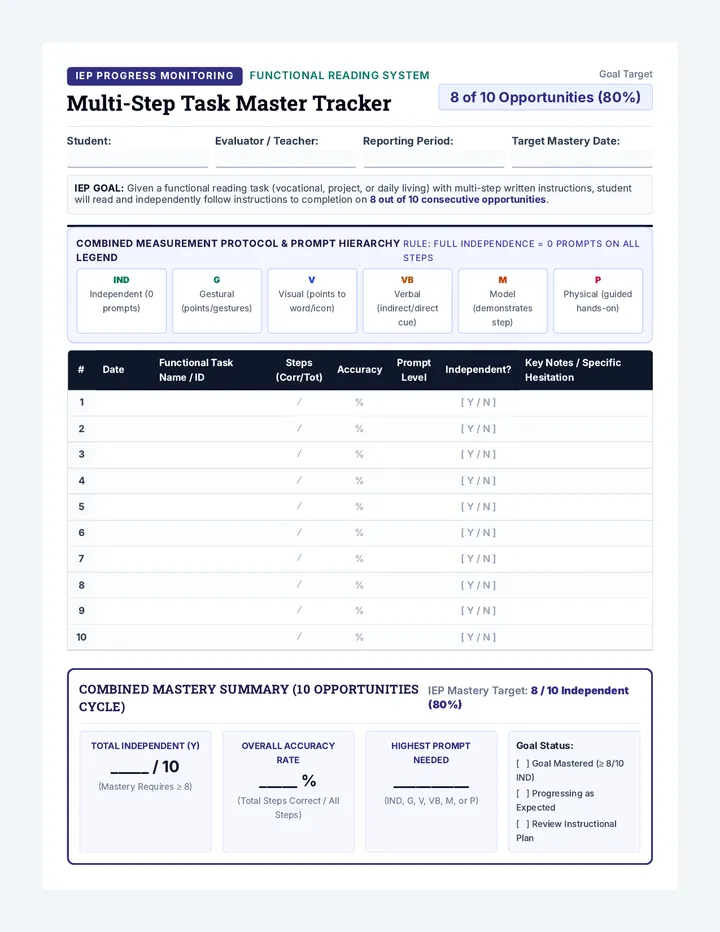
ABC Incident Log ABC Incident Log
Antecedent • Behavior • Consequence
Student:
Date:
Antecedent (A)
What happened immediately before the behavior? (e.g., transition, demand, peer interaction, sensory input)
Behavior (B)
What did the student specifically do? (e.g., hit peer, refused direction, yelled for 5 minutes)
Consequence (C)
What happened immediately after the behavior? (e.g., time-out, verbal prompt, escaped task)
Time Antecedent (A) Behavior (B) Consequence (C) Intervention Notes
Target Behaviors for Observation
Refusal of Directions
Physical Aggression
Tantrum Behavior
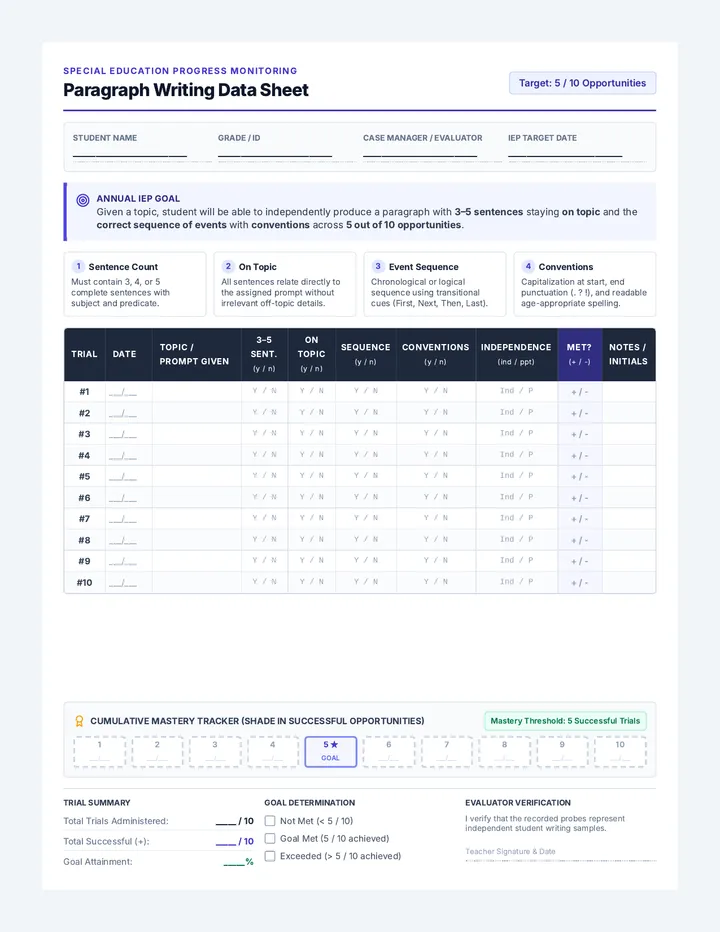
Daily Frequency Dashboard Behavioral Frequency Dashboard
Daily Quantitative Tracking System
Student Name
Week Of
R: Refusal
Non-compliance with adult directives within 10 seconds.
A: Aggression
Physical contact with intent to harm others or property.
T: Tantrum
Screaming, crying, or dropping to the floor for >1 min.
Time Block Monday Tuesday Wednesday Thursday Friday Arrival / Entry R A T
|
R | A | T
|
R | A | T
|
R | A | T
|
R | A | T
|
| Academic Block 1 | | | | | |
| Academic Block 2 | | | | | |
| Specialist/PE | | | | | |
| Lunch / Recess | | | | | |
| Academic Block 3 | | | | | |
| Pack Up / Exit | | | | | |
| Daily Total | | | | | |
Trend Analysis (Weekly)
Highest Frequency Time/Subject:
Common Triggers Observed:
Successful Interventions
What strategies were used when behavior was prevented or de-escalated?
* Use tally marks in the spreadsheet cells above. Reference the ABC Incident Log for detailed qualitative data during significant outbursts.
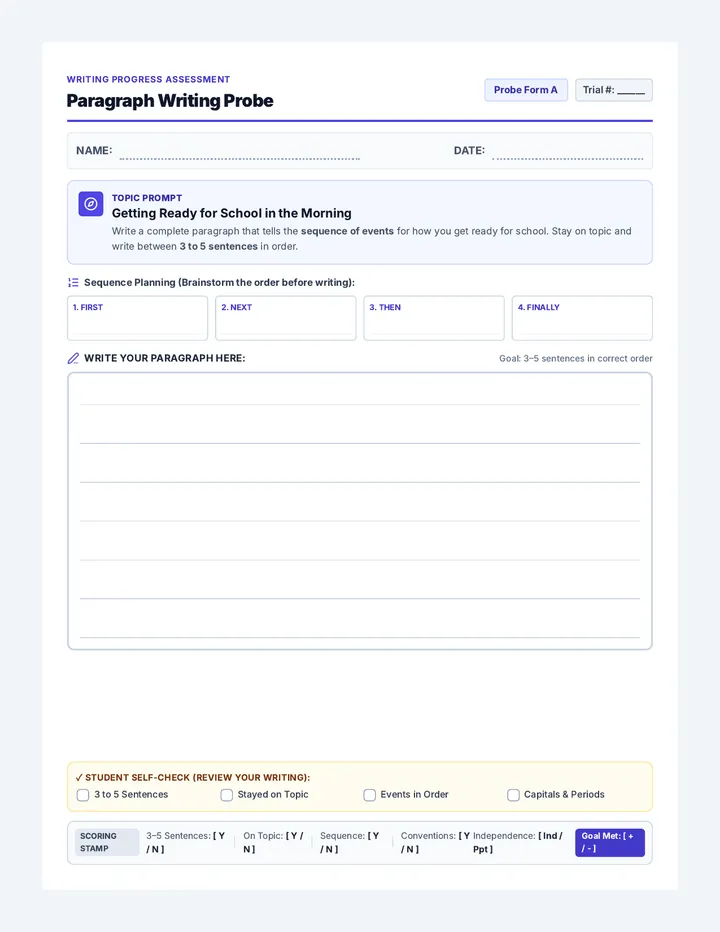
Support Strategy Planner Support Strategy Planner
Data-Driven Intervention Development
Tier 2/3 Support
Data Synthesis
Primary Function(s) identified from ABC Logs:
Escape / Avoidance
Attention Seeking
Tangible (Item/Activity)
Sensory / Internal
Key Triggers / Patterns:
Replacement Behavior
What should the student do instead of the target behavior to get their needs met?
New Skill to Teach:
Success Criteria:
Intervention Menu (Check all that apply)
Antecedent (Prevent)
Visual Schedule
First/Then Board
Scheduled Breaks
Choice Boards
Task Modification
Teaching (Replace)
Social Stories
Role-Playing
Self-Regulation Tools
"I Need Help" Card
Waiting Protocol
Consequence (Respond)
Behavior Contract
Differential Reinforcement
Token Economy
Planned Ignoring
Error Correction
Implementation Plan
Immediate Intervention Steps:
De-escalation Protocol:
Reinforcement Schedule (How often?):
Review Date
Set a date to review the frequency data and adjust the plan if progress is not made.
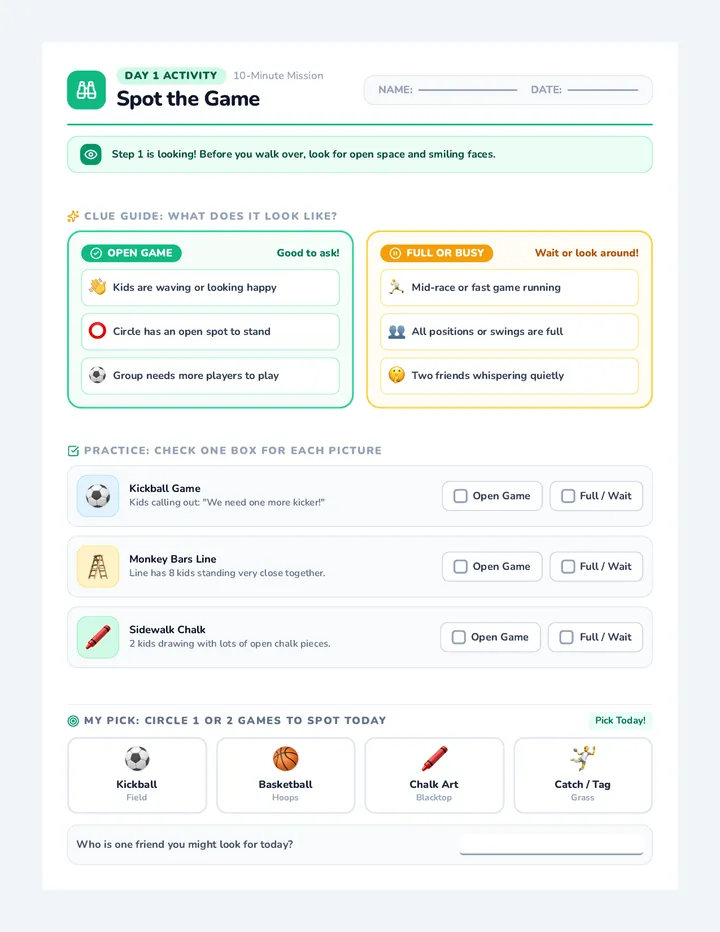
Support Systems Guide Teacher Guide
Behavioral Blueprint System
A three-step protocol for data-driven student support and behavior analysis.
1
Capture Data
Use the ABC Incident Log for qualitative "deep-dives" into specific outbursts.
2
Track Frequency
Use the Frequency Dashboard for a bird's-eye view of trends and time-of-day triggers.
3
Build Support
Use the Support Planner to synthesize data into a formal intervention plan.
Phase 1: Real-Time Recording (ABC)
Best Practices:
Objective Language: Instead of "the student was angry," write "the student yelled 'no' and pushed desk."Immediate Entry: Fill out logs as soon as the student is safe and the incident concludes to ensure accuracy.Hidden Antecedents: Look for "slow triggers" like lack of sleep or hunger that set the stage.
ABC Glossary
Antecedent: What happened immediately before (e.g., transition, math worksheet given).
Behavior: Observable and measurable action (e.g., hitting, refusing, tantrum).
Consequence: What happened immediately after (e.g., teacher proximity, task removal).
Phase 2: Frequency & Trend Analysis
The Frequency Dashboard is your "Spreadsheet View." It transforms chaotic days into actionable data points.
Tracking Code: R | A | T
• Use tally marks in the grid for every occurrence.
• Highlight rows where behaviors occur >3 times daily.
• Look for "Yellow Zones": Blocks where behaviors consistently emerge (e.g., always at Literacy).
Weekly Debrief
At the end of Friday, count the totals. If Refusal is high but Aggression is low, focus on antecedent strategies (choices/visuals) rather than safety protocols.
Phase 3: The Functional Plan
Behavior is communication . The Support Strategy Planner helps you decode what the student is saying. Use the "Intervention Menu" to pick one strategy from each category to ensure a balanced approach.
Prevent
Change the environment so the behavior isn't triggered.
Teach
Teach a new way for the student to get what they want.