Sensory Systems Parent Guide Sensory Systems Parent Guide
Understanding how your child processes the world
What is Sensory Processing?
Sensory processing is the way the nervous system receives messages from the senses and turns them into appropriate motor and behavioral responses.
Proprioception (Body Position)
Input from muscles and joints. Helps us know where our body is without looking.
Vestibular (Movement)
Inner ear signals. Detects gravity and movement, influencing balance and posture.
Tactile (Touch)
Processing light touch, deep pressure, temperature, and pain through the skin.
Interoception (Internal)
Internal signals like hunger, thirst, and the need to use the bathroom.
Visual (Sight)
Making sense of what we see, tracking moving objects, and focusing on tasks.
Auditory (Hearing)
Interpreting sounds and filtering out background noise to focus on speech.
Olfactory (Smell)
Detecting scents which can strongly influence mood and alertness levels.
Gustatory (Taste)
Detecting flavors and textures in food, influencing eating habits and safety.
Key Concepts for Home
The Sensory Diet: A tailored set of sensory activities to help your child stay focused and organized throughout the day.Over-responsive: Feeling "too much" (e.g., covering ears at loud noises).Under-responsive: Feeling "too little" (e.g., not noticing messy hands).Heavy Work: Pushing, pulling, or carrying weight—this usually helps ground and calm the nervous system.
Work with your OT to identify which systems are most sensitive for your child.
Regulation Station Worksheet Regulation Station
How is your engine running today?
Name: ____________________
Date: ____________________
1. Mark your engine speed right now
Too Slow
Just Right
Fast/Wiggly
Too Fast
Color in the section that matches how your body feels.
2. My Body Feels...
Tired or sleepy
Calm and ready
Frustrated or mad
Excited or silly
3. I need to...
Speed up (Wake up)
Slow down (Calm)
Stay green!
4. Tools for my toolbox
Draw or write 3 things that help you get back to "Just Right":
Pediatric OT Toolkit Emotional Regulation
Calm Down Cards Visual Aid Calm Down Cards
Cut these out for your Regulation Station
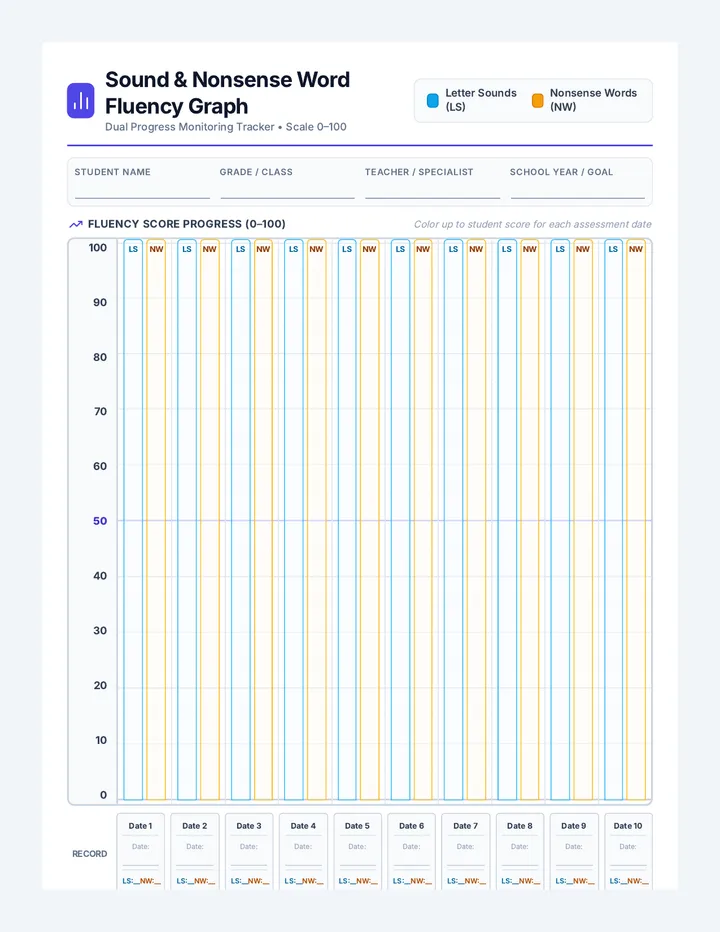
Deep Breaths
Breathe in for 4, out for 4
Wall Pushes
Heavy work for hands
Read a Book
Quiet time for eyes
Listen to Music
Calming auditory input
Weighted Item
Deep pressure touch
Drink Water
Cold & alerting sip
Ask for a Hug
Co-regulation help
Color/Draw
Creative refocus
Take a Break
Step away for 5 mins
Tip: Laminate these cards and keep them in a "Calm Down Kit" at home or school.
Motor Milestones Parent Guide Motor Mastery Guide
Building the foundation for physical success
Primitive Reflex Integration
Reflexes are involuntary movements that help babies survive. As children grow, these reflexes should "integrate" into more complex movements. If they stick around, they can cause challenges.
STNR (Symmetrical Tonic Neck Reflex)
Difficulty with: Sitting still, poor posture, w-sitting, copying from a board.
Moro Reflex (Startle)
Difficulty with: Anxiety, light/sound sensitivity, poor emotional regulation.
Gross Motor
Large muscle groups: Core, arms, legs.
Postural Stability (Sitting upright)
Bilateral Coordination (Using both sides)
Crossing the Midline
Fine Motor
Small muscle groups: Hands, fingers.
Pencil Grasp & Handwriting
In-Hand Manipulation
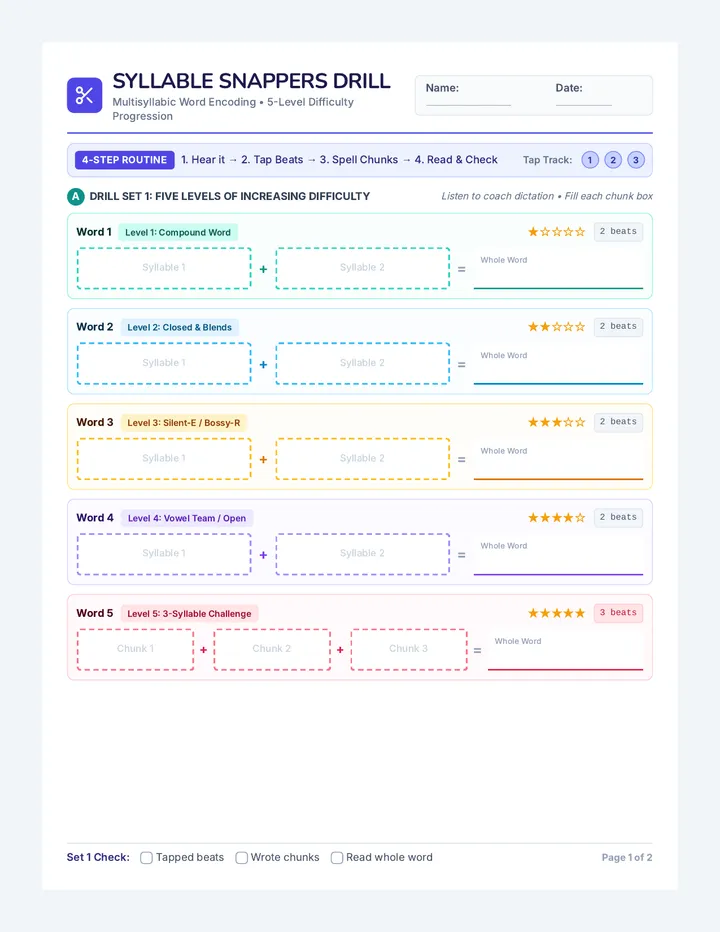
Scissor Skills
Quick Home Activities
Gross Motor: Bear crawls, animal walks, trampoline jumping, yoga poses.
Fine Motor: Play-dough, bead stringing, spray bottles, Legos.
Pencil Power Worksheet Pencil Power
Finger Strength & Control Challenge
1. Trace the Maze (Stay on the path!)
2. Bullseye Dots (Dot in the center)
3. Pencil Pushups
The Challenge:
Hold your pencil with a proper grip. "Walk" your fingers to the eraser and back without using your other hand!
1
2
3
Name: ____________________ Goal: Finger Isolation
Motor Mission Task Cards Motor Mission Ideas
Quick intervention task cards for reflex & gross motor
Reflex: STNR
Cat-Cow Stretch
Child on all fours. Arch back up (Cat) and look at belly, then drop belly down (Cow) and look at ceiling. Focus on head-neck-hip coordination.
Gross: Core
The Human Statue
Wall sit with back flat against the wall. Hold for 30 seconds while playing "I Spy" or catching a soft beanbag to build postural stability.
Reflex: Moro
Slow Snow Angels
Child lies on back. Move arms and legs out and in very slowly (count of 10). Encourages controlled, rhythmic movement to calm the nervous system.
Gross: Midline
Lazy 8s
Using a large piece of paper or a chalkboard, have the child draw a large infinity symbol (horizontal 8) using their dominant hand, then non-dominant.
Fine: Strength
Feed the Tennis Ball
Cut a "mouth" in a tennis ball. Child squeezes the ball with one hand to open the mouth and "feeds" it coins or beads with the other hand.
Visual Motor
Balloon Keep-Up
Keep a balloon in the air using only fingertips, then only elbows, then only head. Great for eye-tracking and body awareness.
These activities are intended for use under the guidance of an Occupational Therapist. Ensure the environment is safe before beginning gross motor tasks.
Daily Routine Visual Schedule Daily Success Schedule
Predictable routines lead to regulated days
Morning Mastery
Wake Up & Stretch
Bathroom & Get Dressed
Eat Breakfast
Brush Teeth & Hair
Evening Ease
Pick Up Toys
Pajamas On
Bedtime Story
My Own Tasks: ADL Success Parent Guide Independence at Home
Mastering Activities of Daily Living (ADLs)
What are ADLs?
Activities of Daily Living are the basic tasks of everyday life: dressing, eating, bathing, and toileting. Occupational therapy helps children perform these tasks more independently.
Effective Strategy: Backward Chaining
Instead of doing the whole task for them, let them do the very last step . This builds immediate success and confidence.
Example: Putting on a Sock
1. Parent puts sock over the toes.
2. Parent pulls sock over the heel.
3. Child pulls the sock up the leg. (SUCCESS!)
Next time, the child starts at step 2.
Dressing
• Use loose-fitting clothes.
• Use visual cues for front/back.
• Try adaptive closures (Velcro).
Feeding
• Use a non-slip mat under plates.
• Try weighted or built-up utensils.
• Use a straw for easier drinking.
Patience is the Best Tool
Give your child 10 seconds of wait time before helping. Their brains often need a few extra moments to process the motor plan for a task.
Brain Plan Worksheet The Brain Plan
Planning, Organizing, and Doing!
Executive functioning is like the Air Traffic Controller of your brain. It helps you decide what to do first, what tools you need, and how to finish.
1. What is my goal?
e.g., Cleaning my desk, making a sandwich, packing my bag
2. What tools do I need?
3. My Action Steps
1
2
3
4
5
4. How did I do?
Easy
Just Right
Hard