Market Math Slides
Market Math
Adding and Subtracting at the Store
The Addition Aisle
3
2
=
?
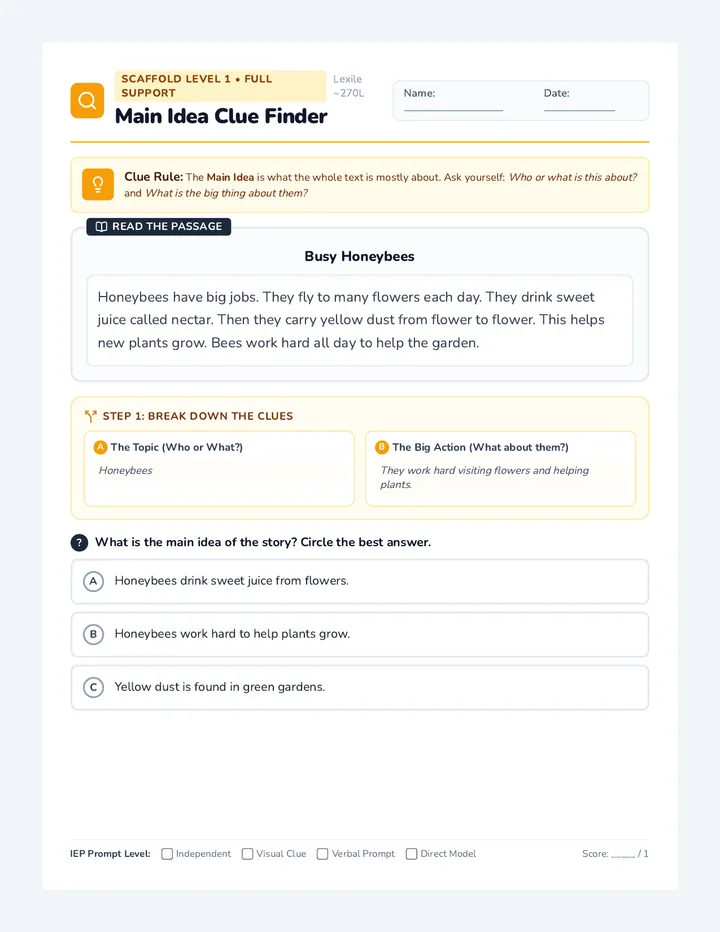
When we add, we put things together!
Count All the Apples
1
2
3
4
5
3 + 2 = 5
The Subtraction Stand
4
-
1
=
?
When we subtract, we take things away!
How many carrots are left?
1
2
3
4 - 1 = 3
Your Turn!
Let's go to our desks and practice our Market Math.
Use your counters if you need help!
Market Math Teacher Guide
Market Math Teacher Guide
Instructional Resource
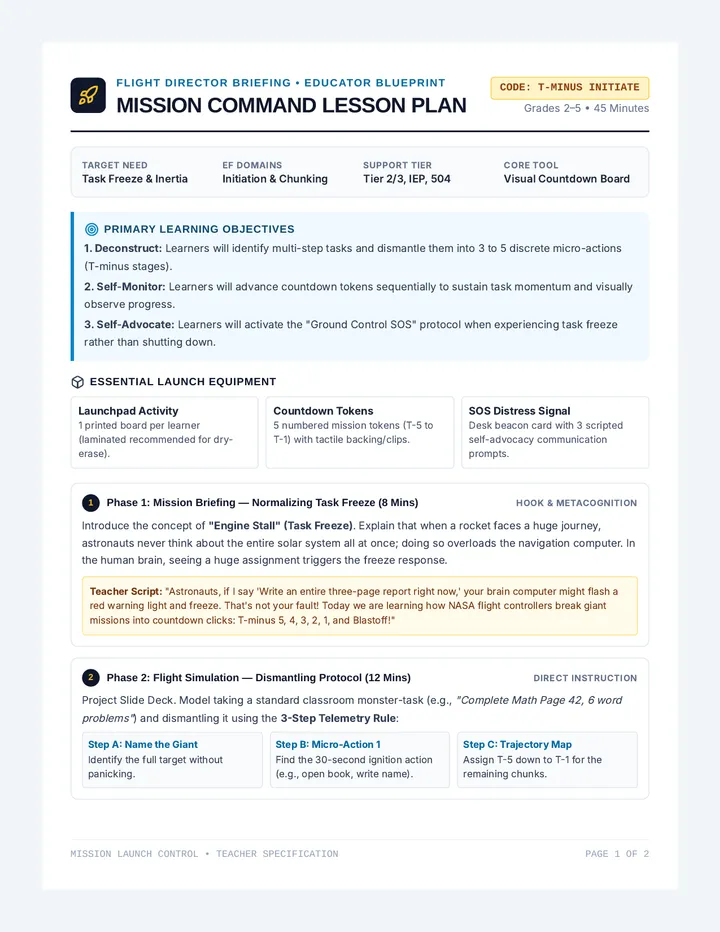
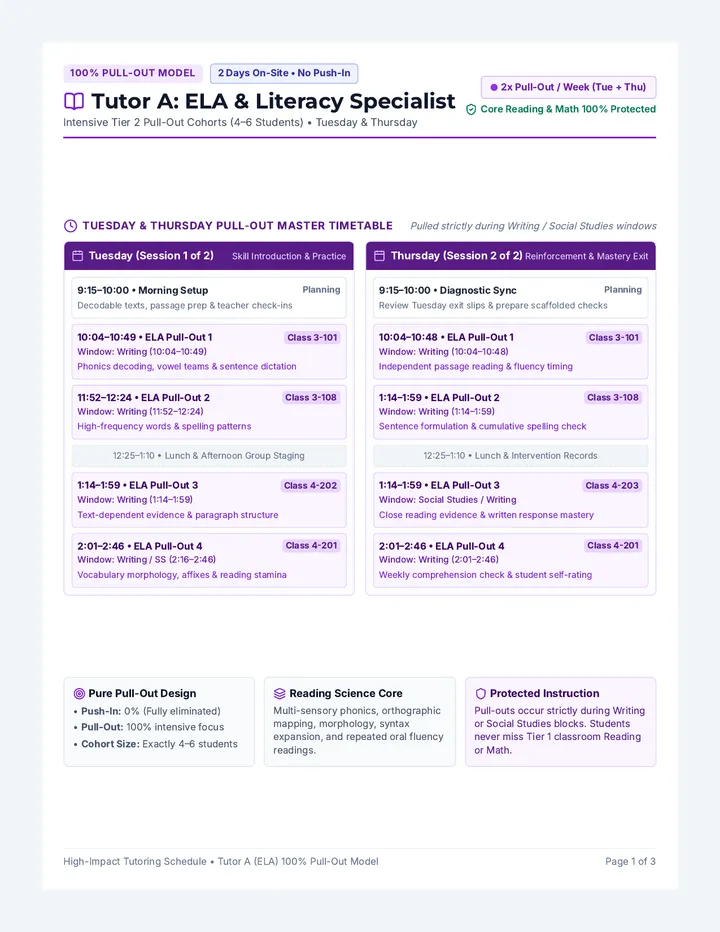
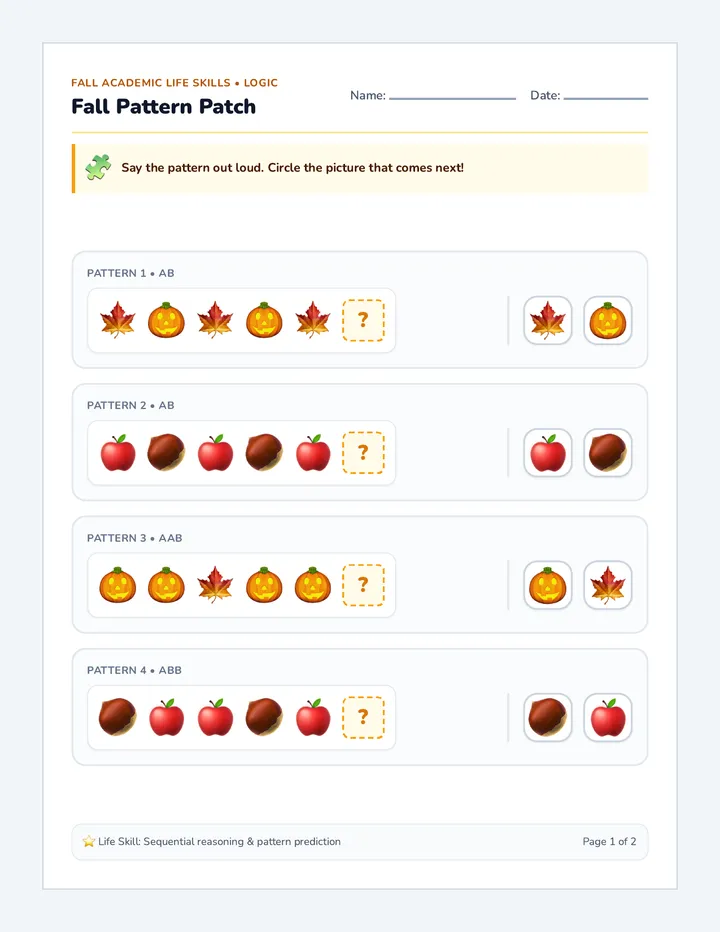
Lesson Overview
This lesson uses a functional "Market Math" theme to teach basic addition and subtraction within 10. It is specifically designed for teens with developmental disabilities, focusing on visual literacy, 1-to-1 correspondence, and scaffolded practice.
Materials
- Market Math Slide Deck
- Practice Worksheets (Add & Subtract)
- Counters (plastic fruit or beads)
- Visual number line (1-10)
Facilitation Guide
1
Warm-Up (5 mins)
Ask students what their favorite fruits are. Show the slides and introduce the concept of "buying more" (addition) and "eating or selling" (subtraction).
2
Direct Instruction (10 mins)
Use the Slide Deck to model counting objects together. For subtraction, physically use a "cross-out" motion on the screen to show items being removed.
3
Guided Practice (15 mins)
Distribute the Addition Aisle Worksheet. Work through the first two problems together. Encourage students to count icons and write the numbers in the provided boxes.
4
Independent Practice (10 mins)
Students complete the Subtraction Stand Worksheet. Circulate to assist with the "cross-out" method, ensuring they only count the remaining items.
5
Closure & Review (5 mins)
Review one addition and one subtraction problem on the board. Ask: "How did we know to add?" and "How did we know to take away?"
Differentiation Strategies
For Extra Support
- Use real manipulatives alongside the worksheets
- Trace numbers before writing independently
- Focus on totals only within 5
For Enrichment
- Add "Cost" labels ($) to create multi-step problems
- Have students draw their own "Market" problems
- Identify the bigger number before adding
Addition Aisle Worksheet
Addition Aisle
Name: __________________________ Date: __________________________
Add Them Up
Count the pictures. Write the numbers in the boxes. Find the total!
=
Total
=
Total
=
Total
=
Total
=
Total
Subtraction Stand Worksheet
Subtraction Stand
Name: __________________________ Date: __________________________
Take Away
Cross out items to subtract. Count what is left!
5
2
=
Left
4
3
=
Left
6
1
=
Left
5
4
=
Left
3
2
=
Left