504 Meeting Staff Email
504 Meeting Staff Email
Case Manager & 504 Coordinator Communication Template
Staff Invitation Notice
SUBJECT: Upcoming Section 504 Meeting – [Student Name] • Teacher Input & Coverage
TO: [Grade Level / Content Area Teaching Team]
FROM: [504 Coordinator / Counselor Name]
Hi Team,
An upcoming Section 504 Plan meeting has been scheduled for [Student Name] on [Date] during your team's lunch block ([Start Time – End Time] in [Location / Room Number / Virtual Link]).
What is a Section 504 Meeting?
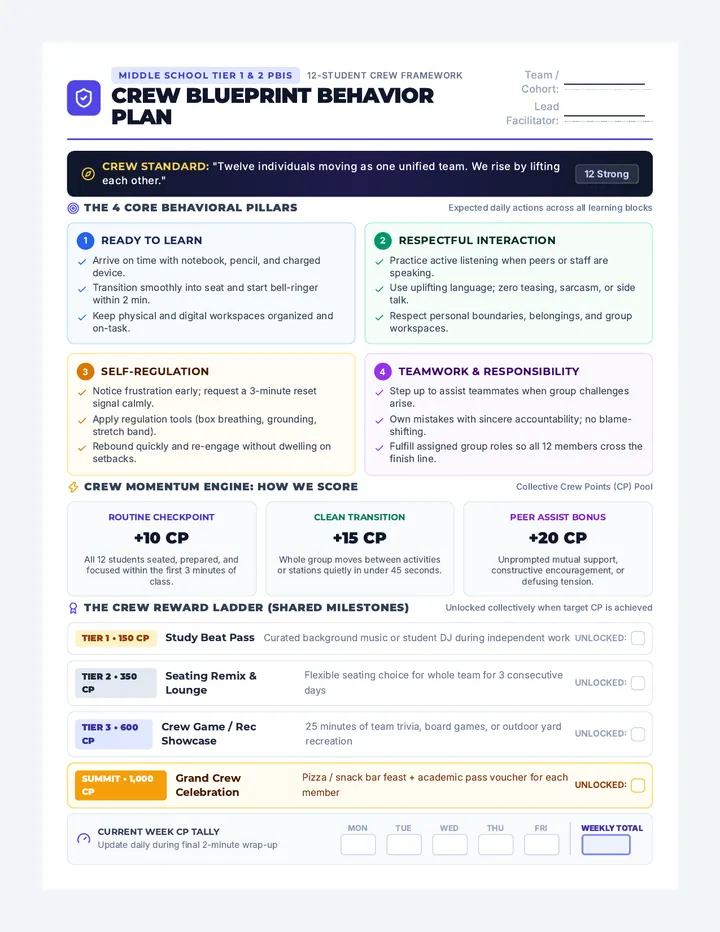
A Section 504 meeting is a collaborative conference under federal civil rights law designed to ensure students with identified physical or mental impairments receive equal access to learning. During this meeting, our team reviews student data and determines or refines reasonable classroom accommodations (e.g., preferential seating, extended time, frequent breaks) to remove learning barriers.
Your Role: Providing Classroom Input
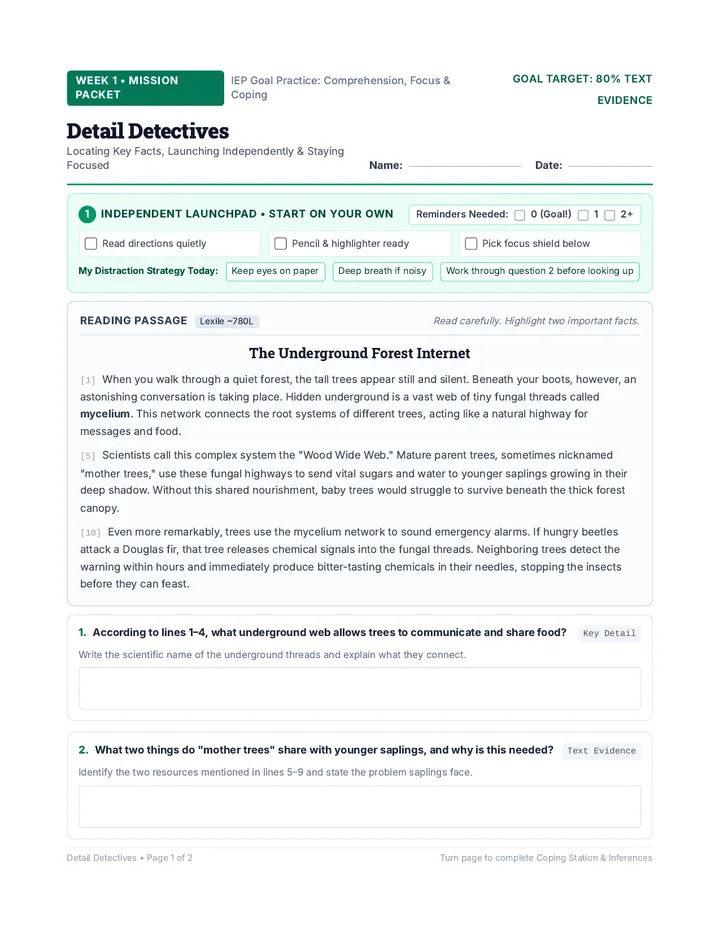
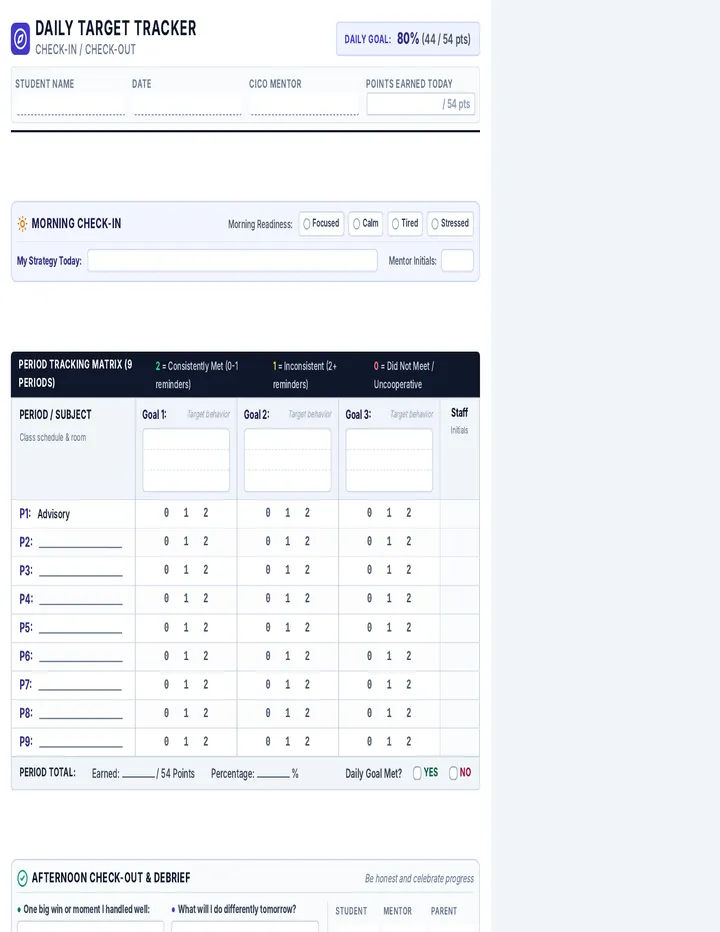
Your firsthand observations are the most valuable part of this process! During the meeting, you will share qualitative input directly with the parent regarding how the student functions day-to-day in class—academic strengths, focus and stamina, social-emotional habits, and how existing supports or scaffolds are working.
Meeting Timing & Lunch Duty Coverage
Because this meeting is held during the lunch period, only one representative teacher from the team needs to attend. Please coordinate within your grade-level team: whichever teacher is not assigned to lunch duty that day should be the one to attend. If you are not attending in person, please pass along any brief notes or data to the attending colleague beforehand.
Next Step: Please keep an eye out for the formal calendar invitation hitting your inbox shortly to lock this into your schedule.
Thank you for your dedicated advocacy and support for our students!
[Your Name / 504 Coordinator Title]
Teacher Quick Reference • What to Bring / Share with Parents
1. Academic Evidence Current grades, recent work samples, and areas where the student shows strong effort or struggles.
2. Learning Behaviors Observations on focus, task initiation, self-advocacy, stamina, and transitions between activities.
3. Helpful Supports Specific informal scaffolds that already help the student succeed (e.g., visual schedules, quiet cues).