Mental imagery techniques and sensory mapping to bridge the gap between decoding and comprehension. Supports memory retention through sketching, verbalizing scenes, and identifying descriptive language.
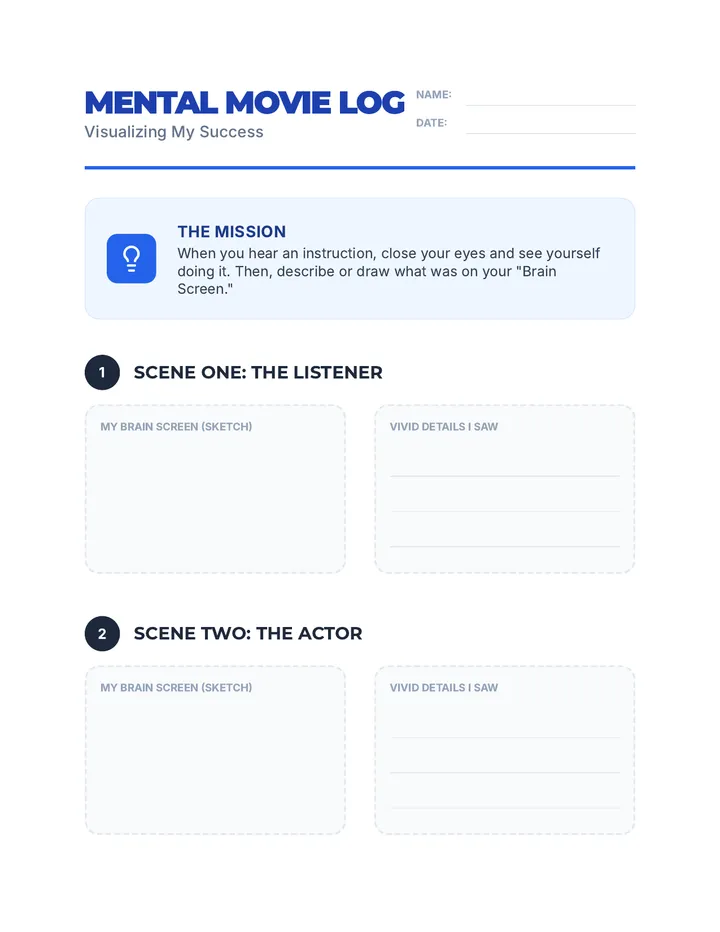
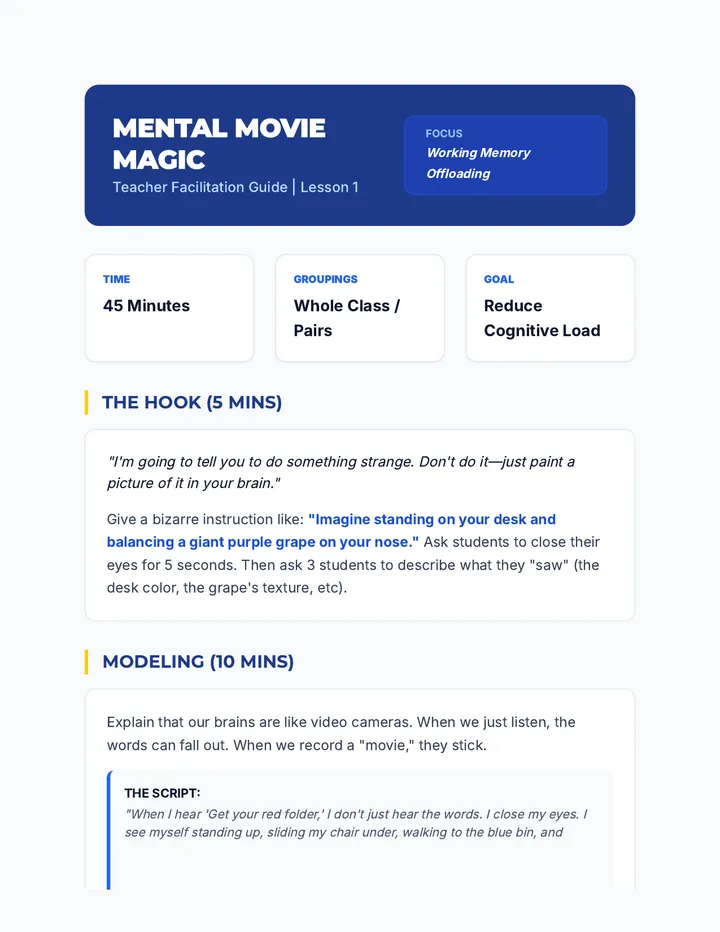
A specialized sequence for 6th-grade students focusing on working memory support through visual encoding. Students learn to transform auditory single-step directions into mental images and physical sketches to improve recall and task execution.
A detective-themed sequence for 1st-grade special education students to master inferencing through concrete objects, body language, sensory details, and text clues.
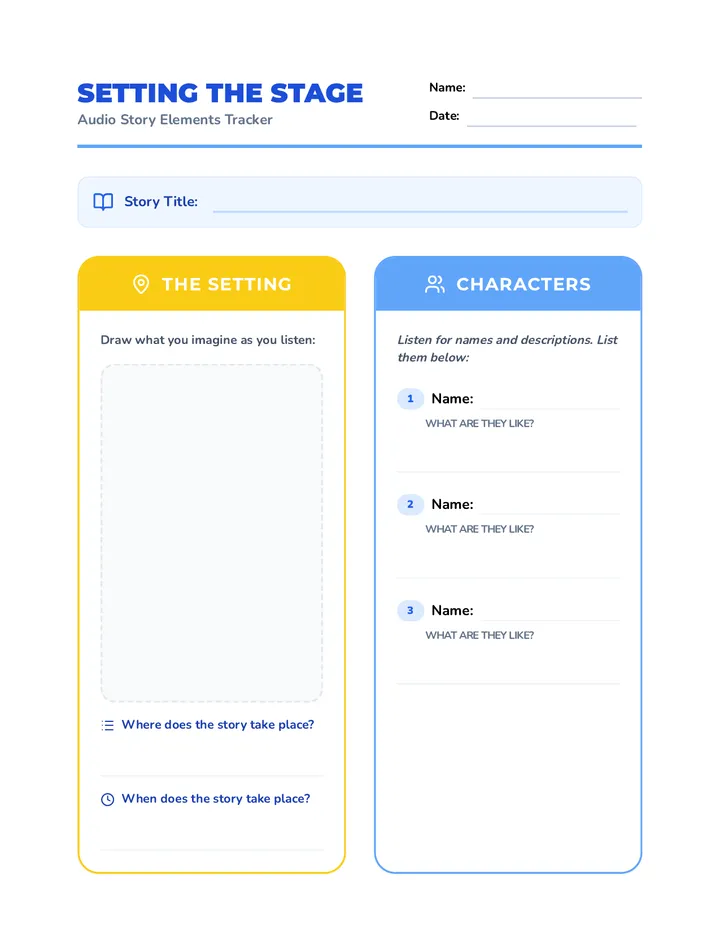
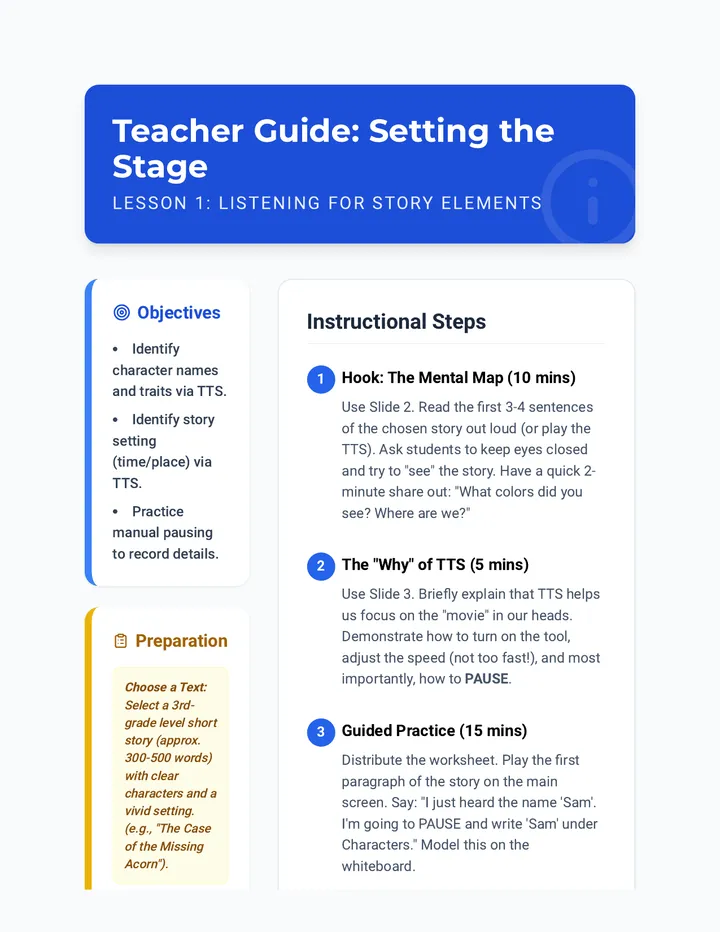
This sequence teaches 3rd-grade students how to use text-to-speech (TTS) as a strategic tool for narrative comprehension. Students learn to use audio for identifying story elements, summarizing via the 'Listen-Stop-Think' routine, citing evidence by re-listening, and visualizing descriptive text.
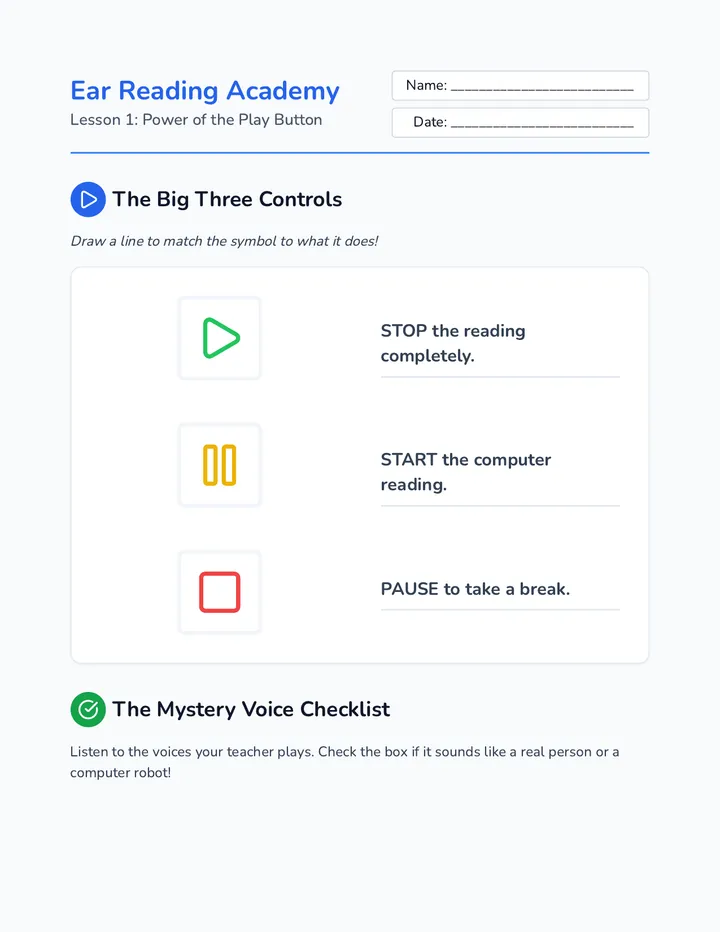
A 5-lesson sequence for 3rd graders to master text-to-speech (TTS) technology. Students progress from identifying basic controls to independent 'ear reading' with grade-level digital texts.
A sequence for 2nd Grade students to master text-to-speech (TTS) as a tool for reading comprehension. Students transition from decoding mechanics to deep understanding by using auditory support to predict, pause, answer questions, visualize, and sequence stories.
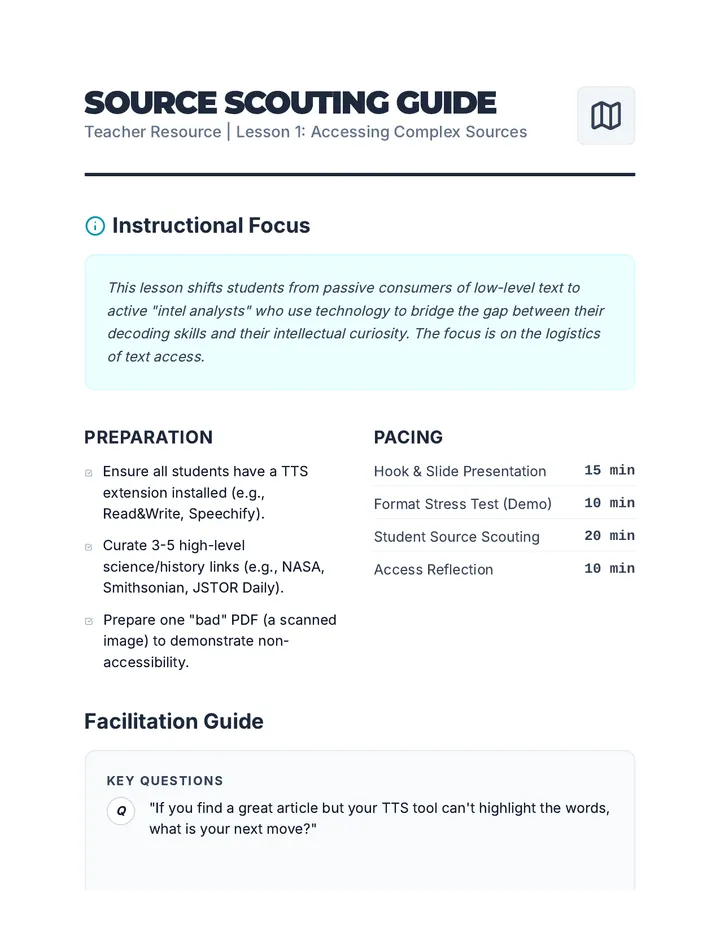
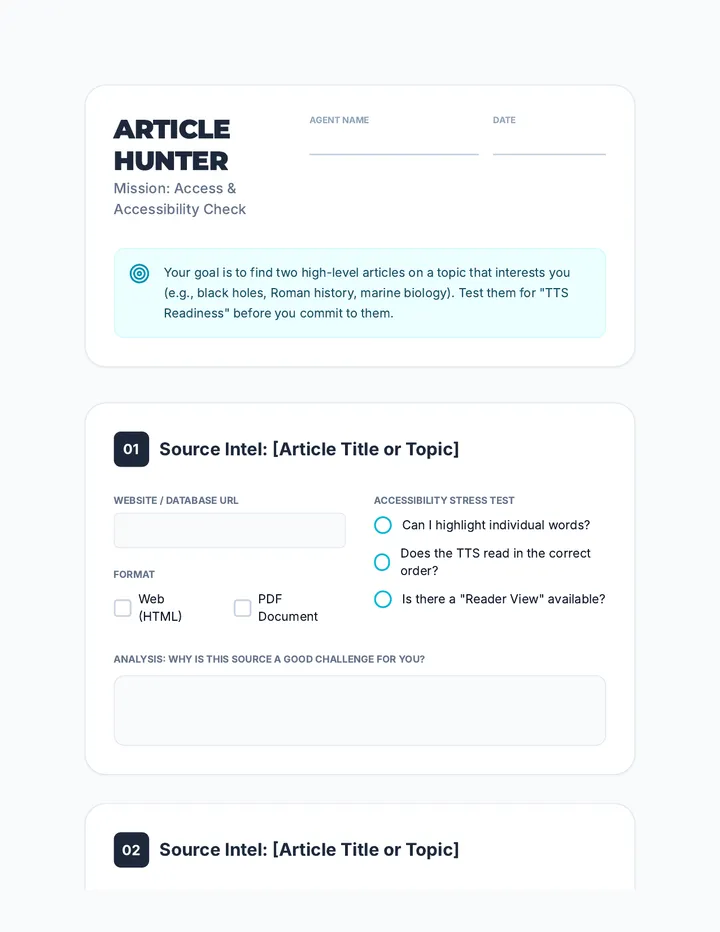
A project-based unit where 6th-grade students use text-to-speech technology to access and analyze complex informational texts. Students develop research skills, digital literacy, and metacognitive awareness of their own learning tools.
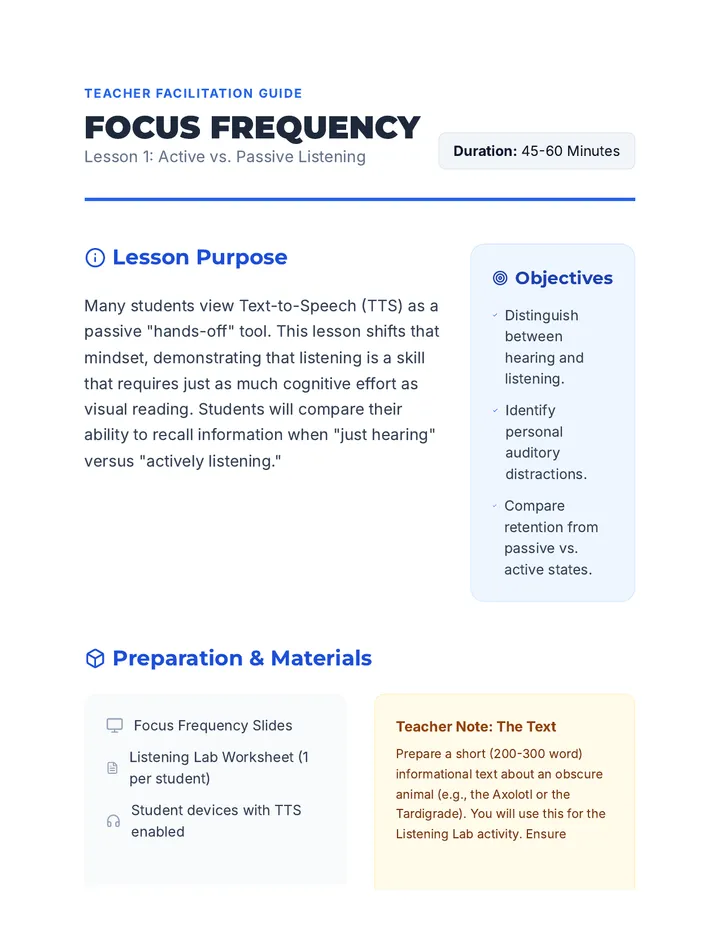
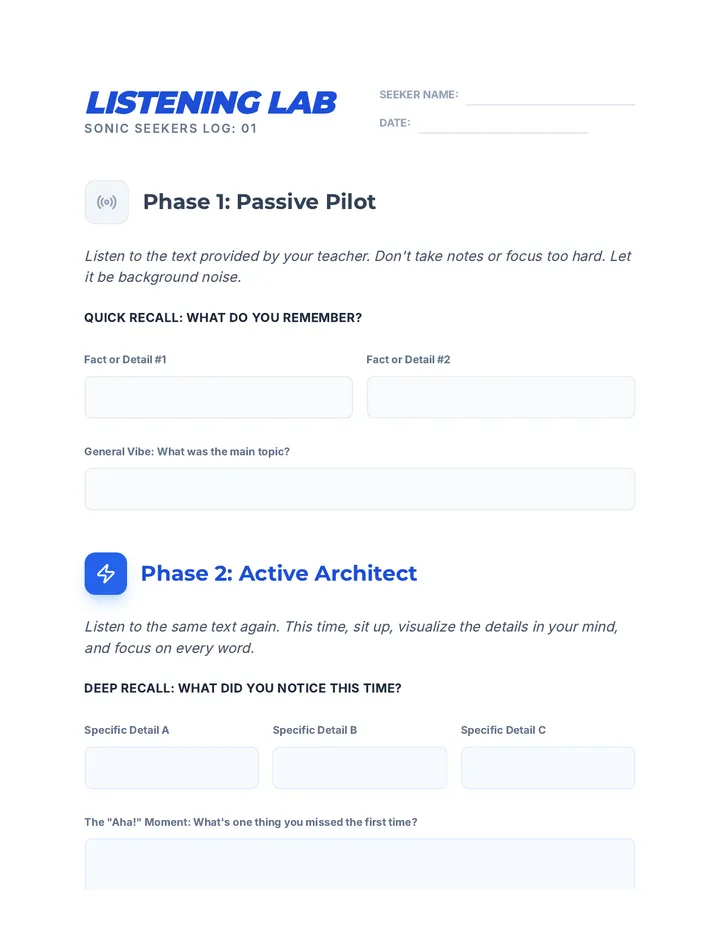
This sequence shifts the focus from assistive technology to the cognitive strategies required for auditory learning. Students engage in inquiry-based activities to distinguish between passive hearing and active listening, applying specific comprehension strategies while using text-to-speech (TTS) to access grade-level texts.
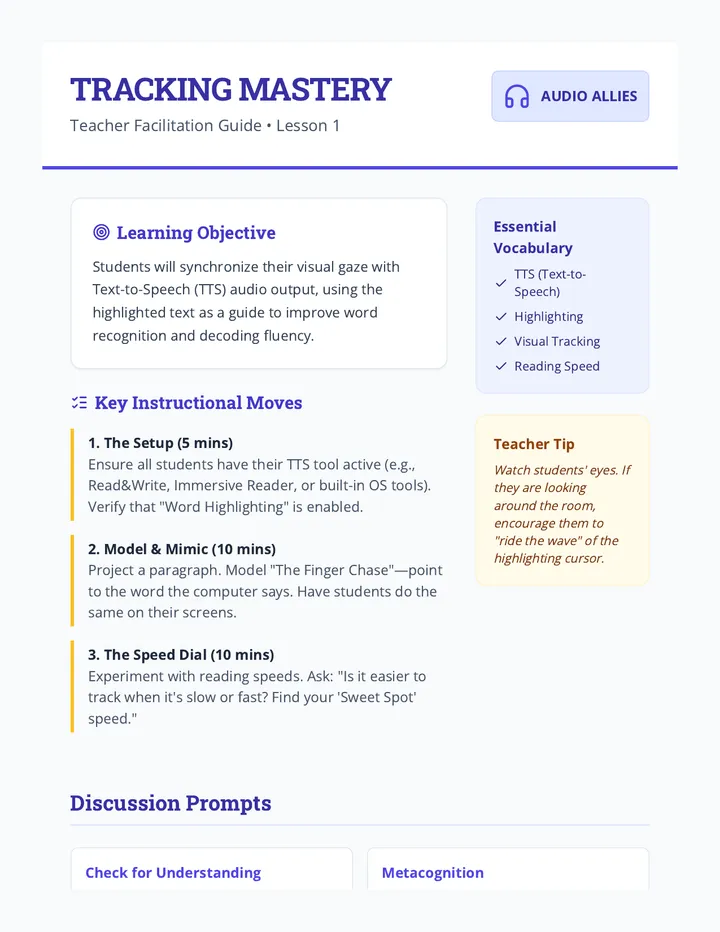
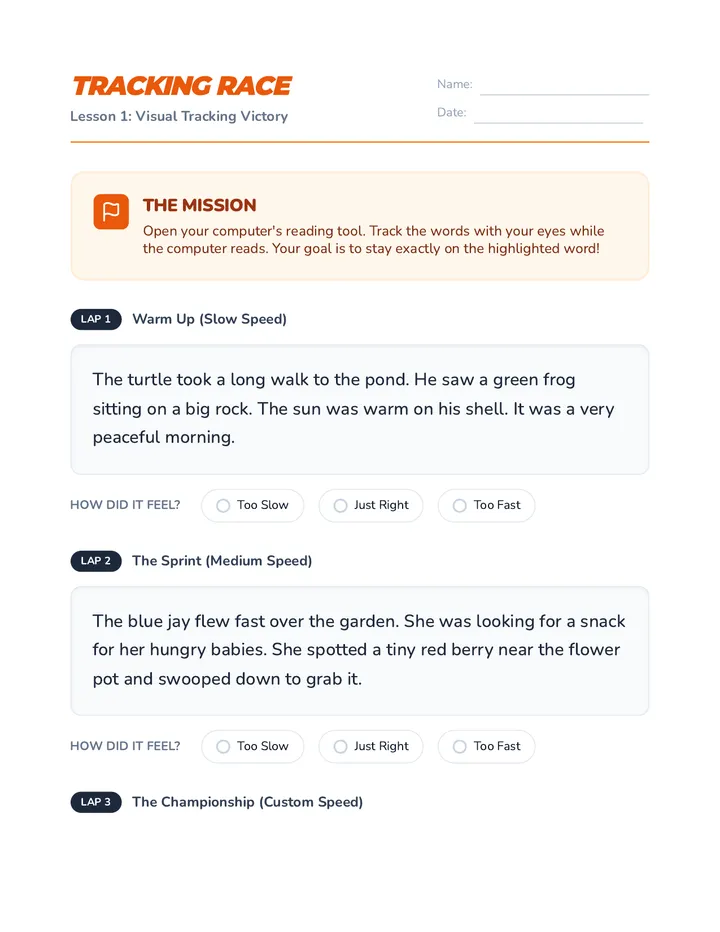
A 4th-grade sequence focused on using Text-to-Speech (TTS) technology as a multi-sensory reading comprehension tool. Students learn to synchronize visual tracking with audio, visualize content through pauses, clarify vocabulary, re-read for evidence, and summarize narratives.
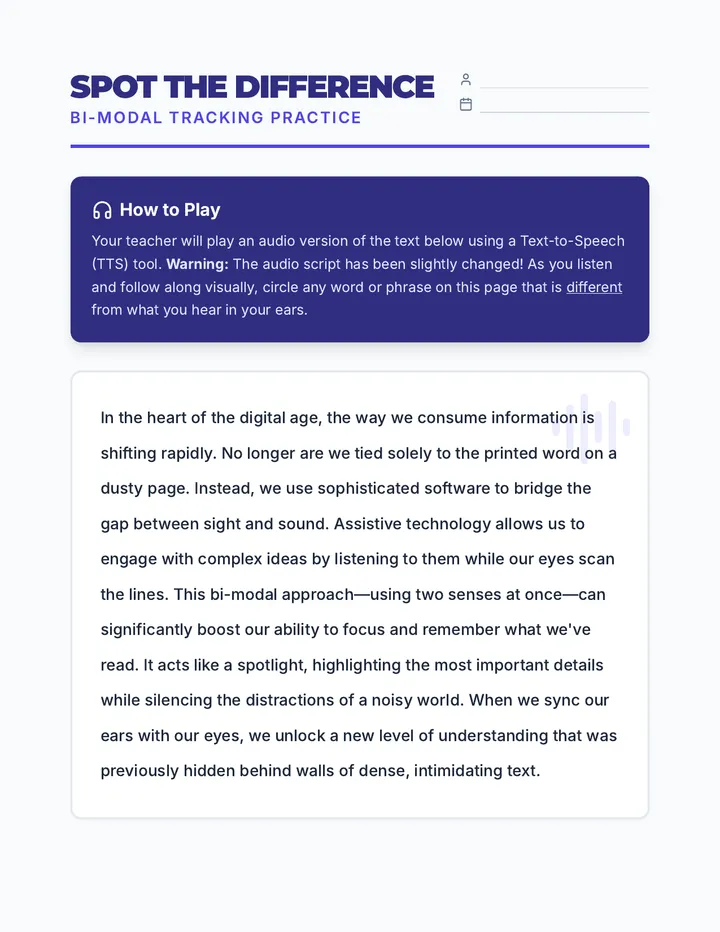
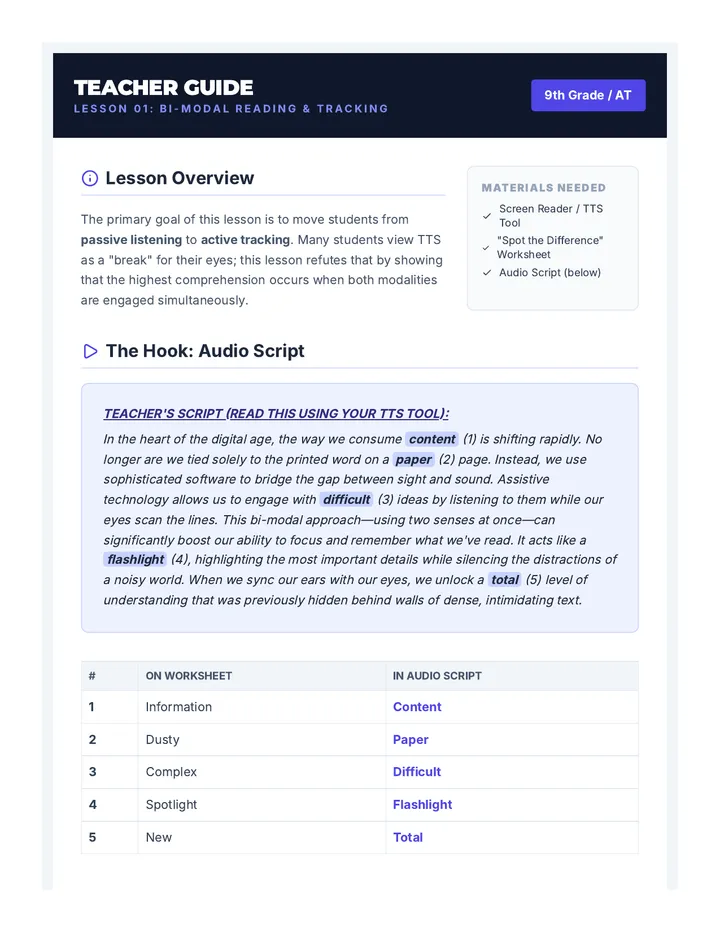
This sequence guides 9th-grade students through the cognitive strategies of using Text-to-Speech (TTS) for deep comprehension. It moves from basic bi-modal tracking to advanced digital annotation and genre-specific strategy adaptation, culminating in a rigorous auditory comprehension assessment.
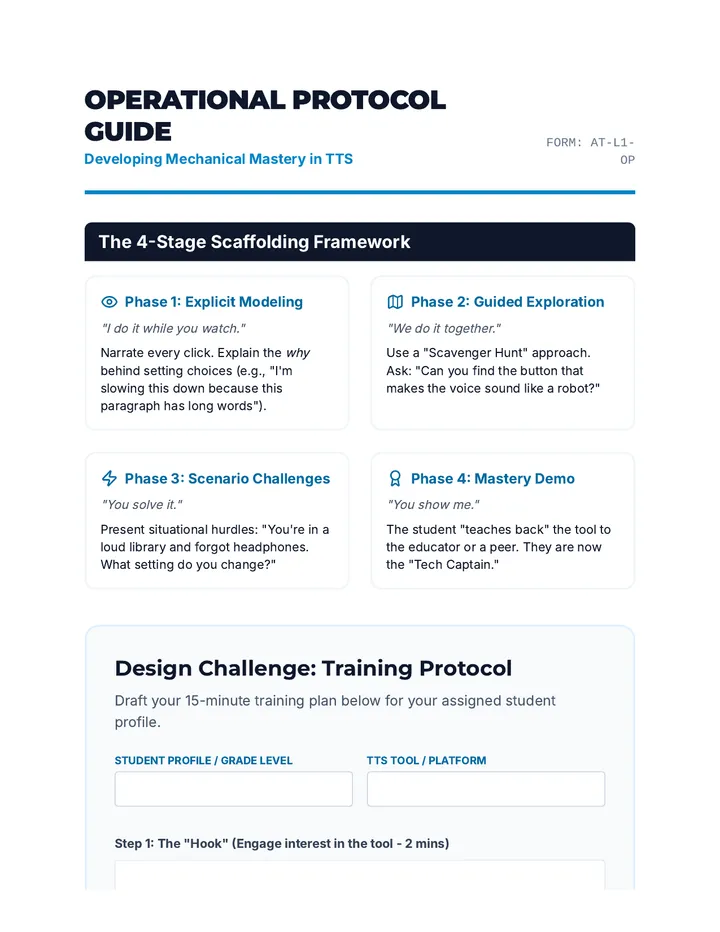
This sequence equips graduate students with the pedagogical and administrative skills to integrate text-to-speech (TTS) effectively within K-12 settings. It moves from mechanical operational training to strategic metacognitive instruction, psychosocial management, and data-driven evaluation, culminating in a school-wide implementation plan.
A comprehensive sequence for undergraduate special education students focused on tailoring text engagement and annotation strategies for learners with SLD, ADHD, and visual processing needs. Students analyze case studies, evaluate assistive technologies, and design bespoke support plans.
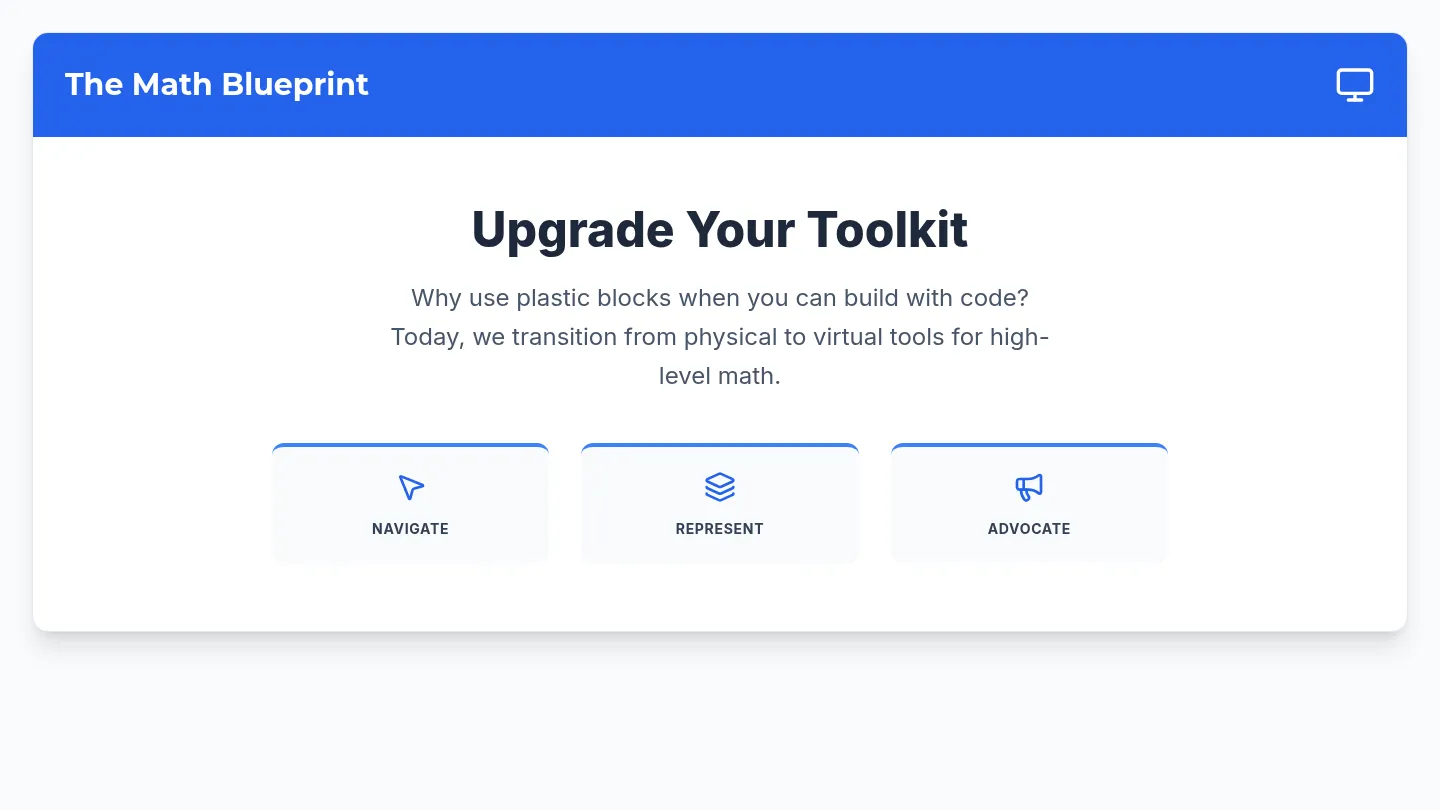
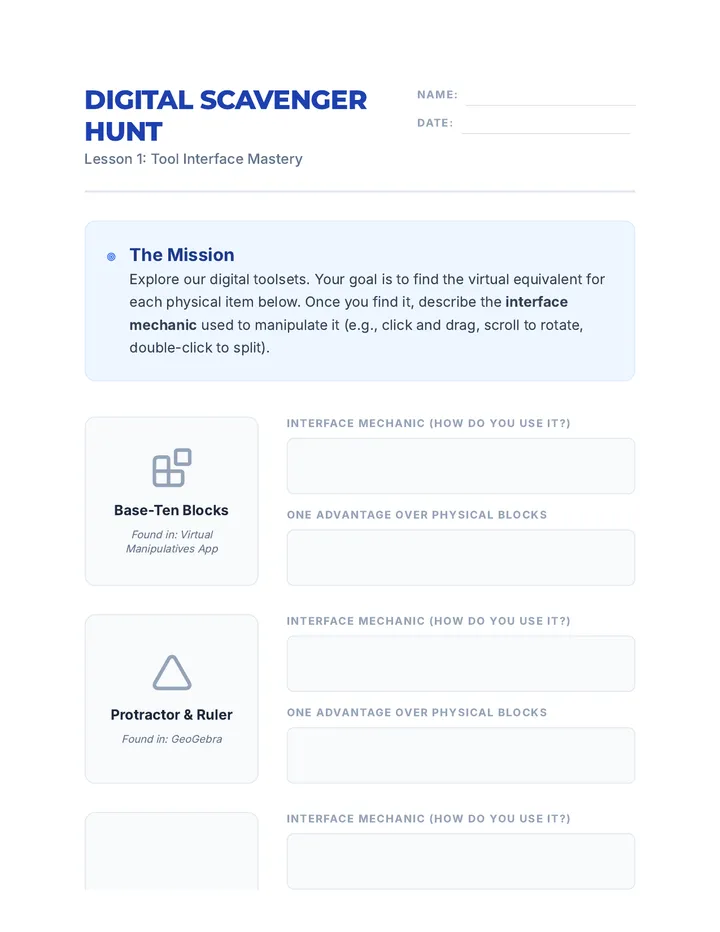
A 5-lesson sequence for 11th-grade students transitioning from physical math manipulatives to virtual tools. The curriculum emphasizes digital literacy, strategic tool selection, and self-advocacy to prepare students for post-secondary academic environments.
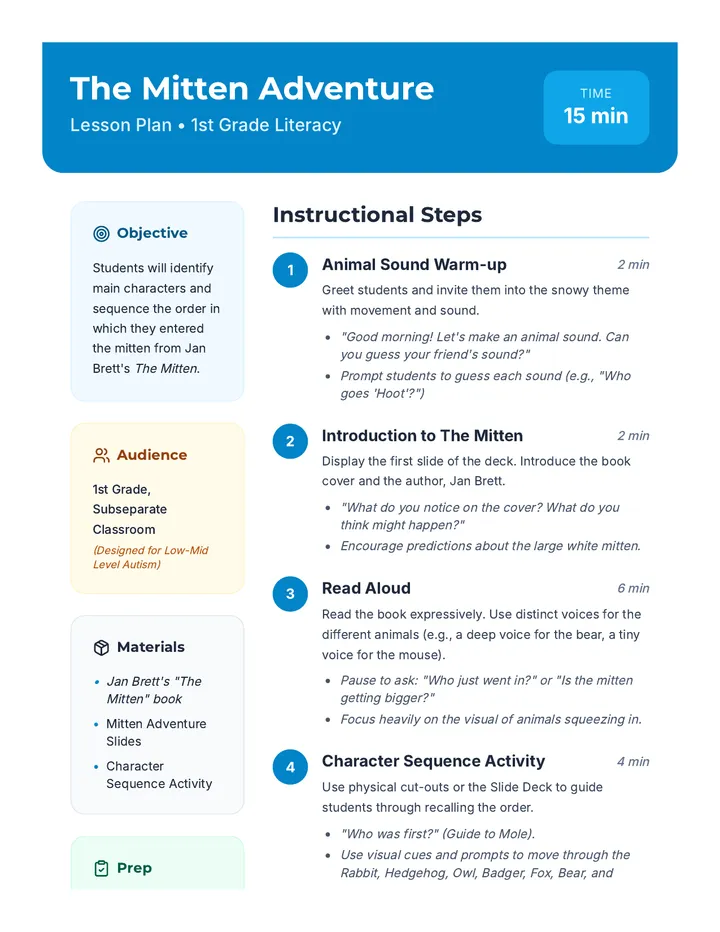
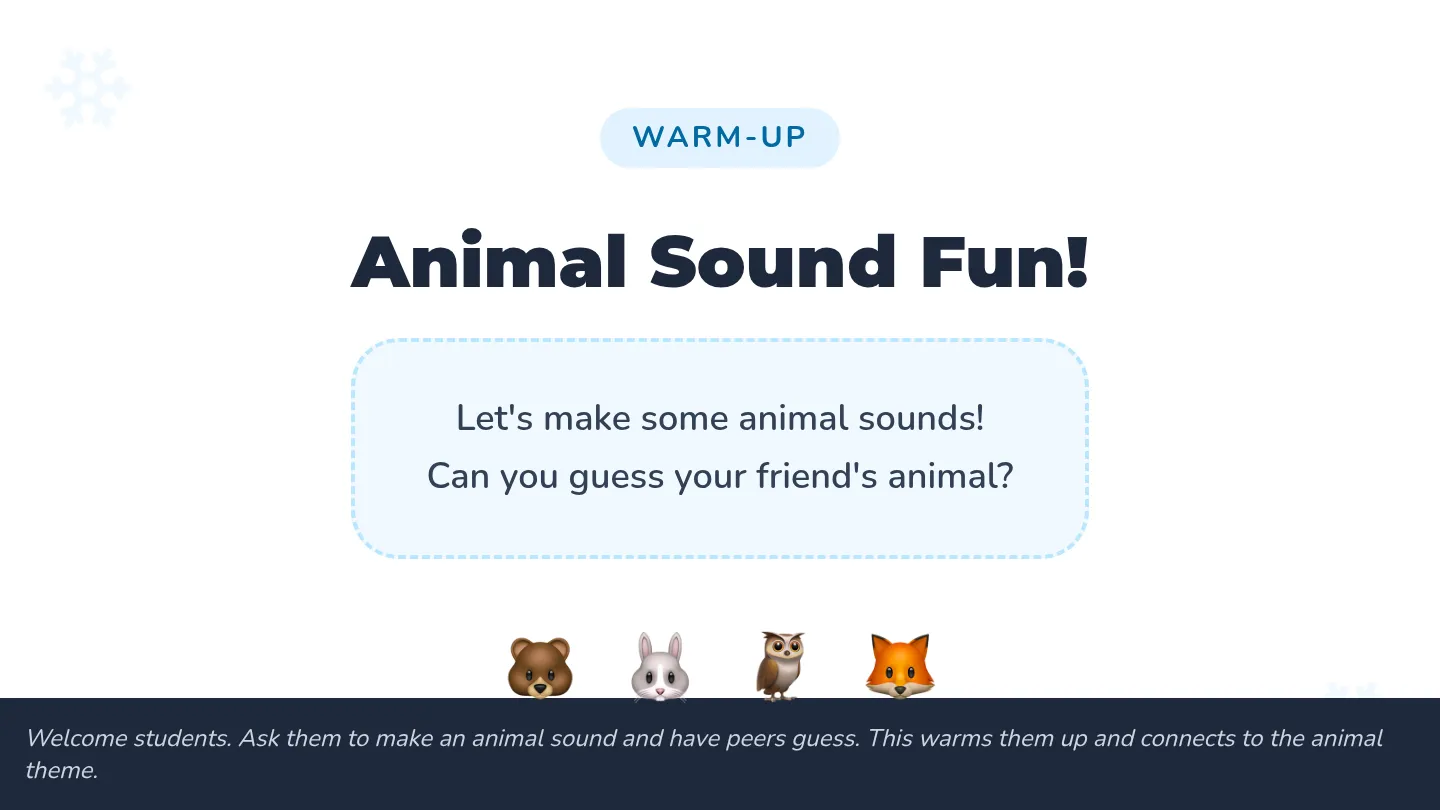
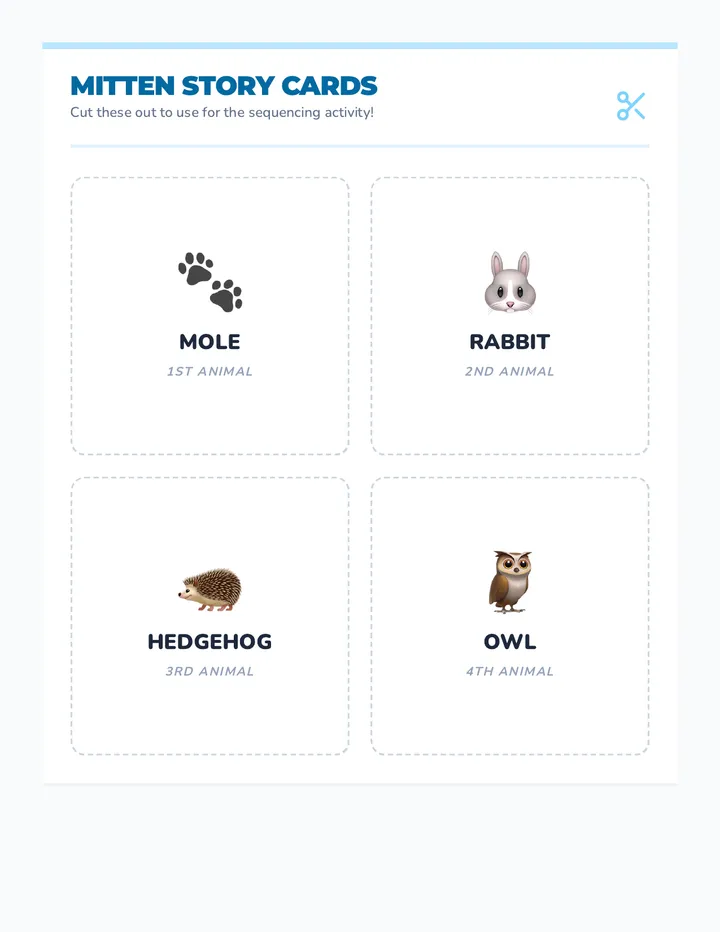
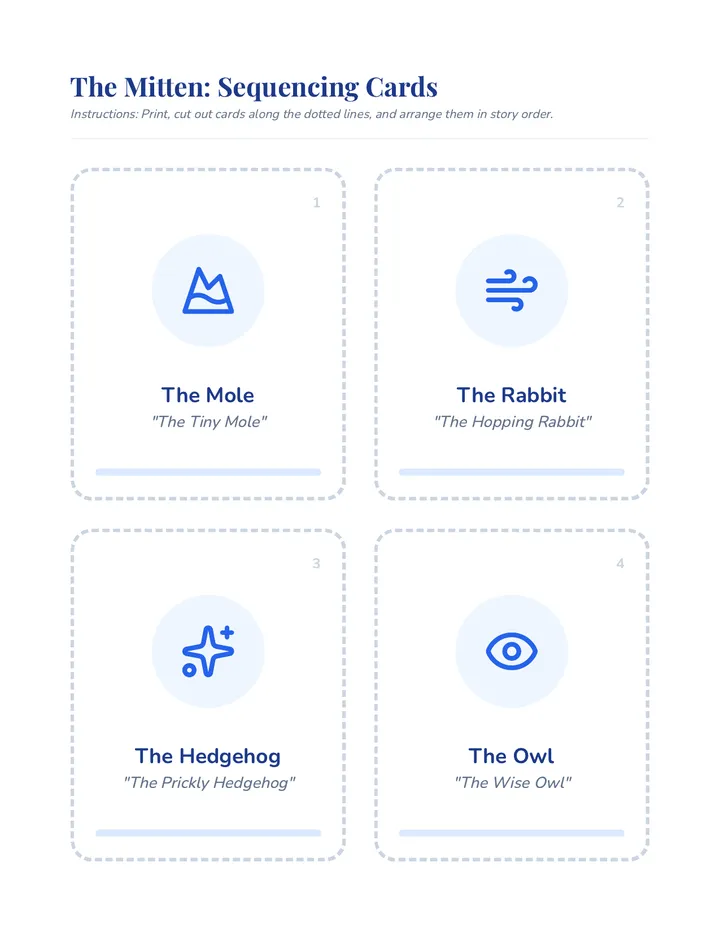
A 15-minute interactive literacy lesson for 1st-grade subseparate classrooms based on Jan Brett's 'The Mitten,' focusing on animal identification and narrative sequencing.
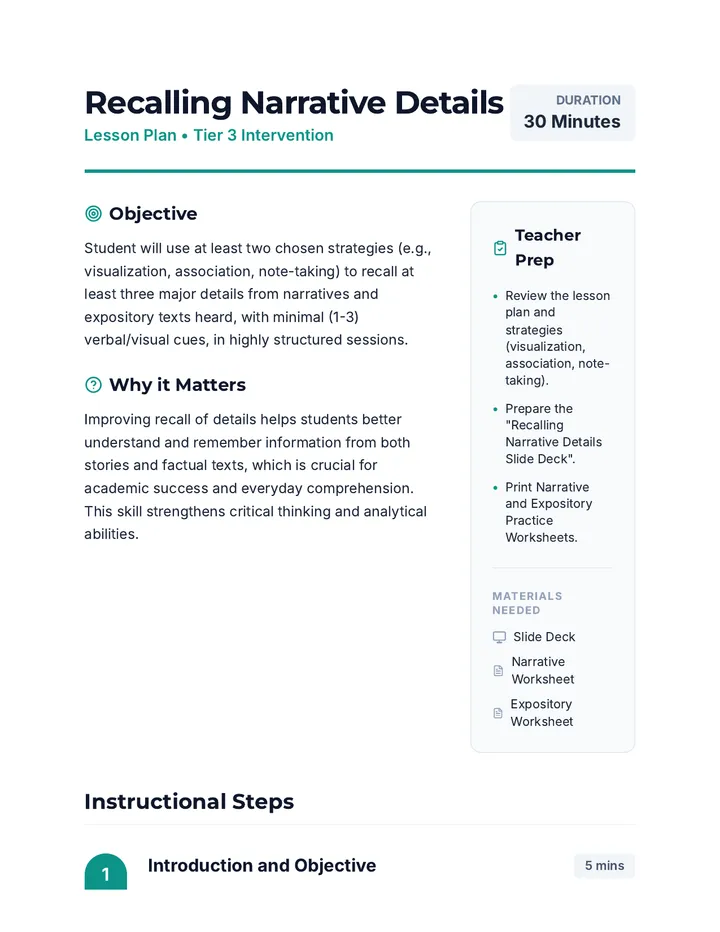
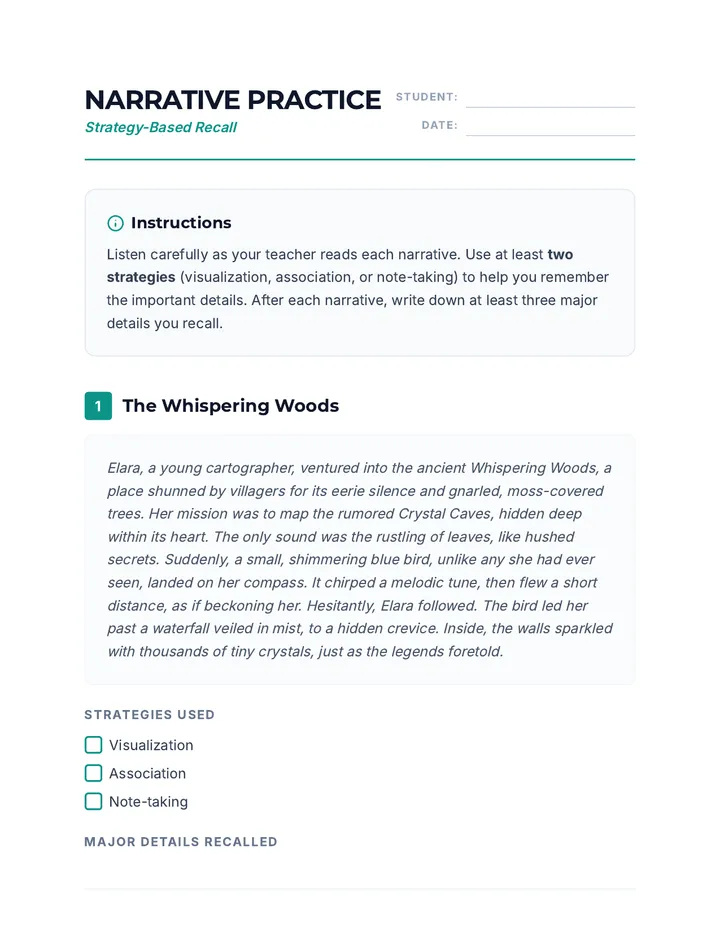
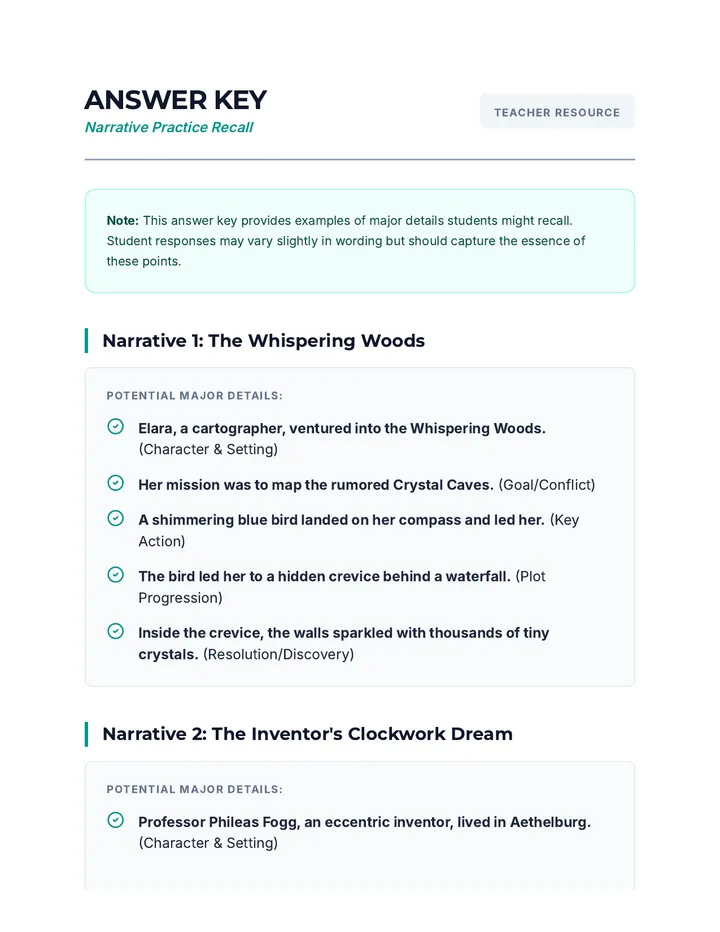
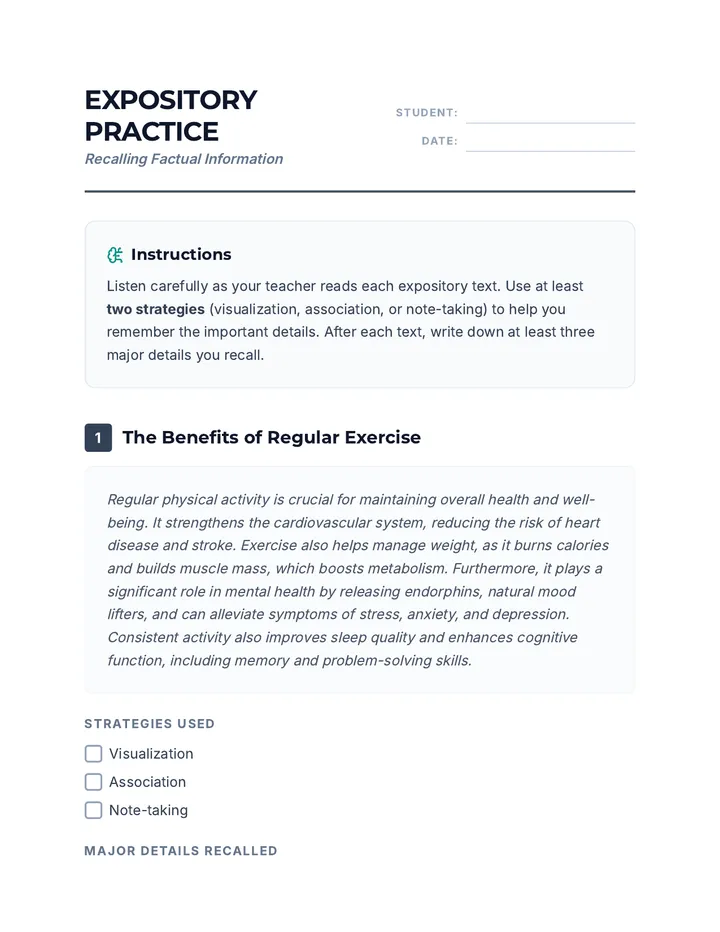
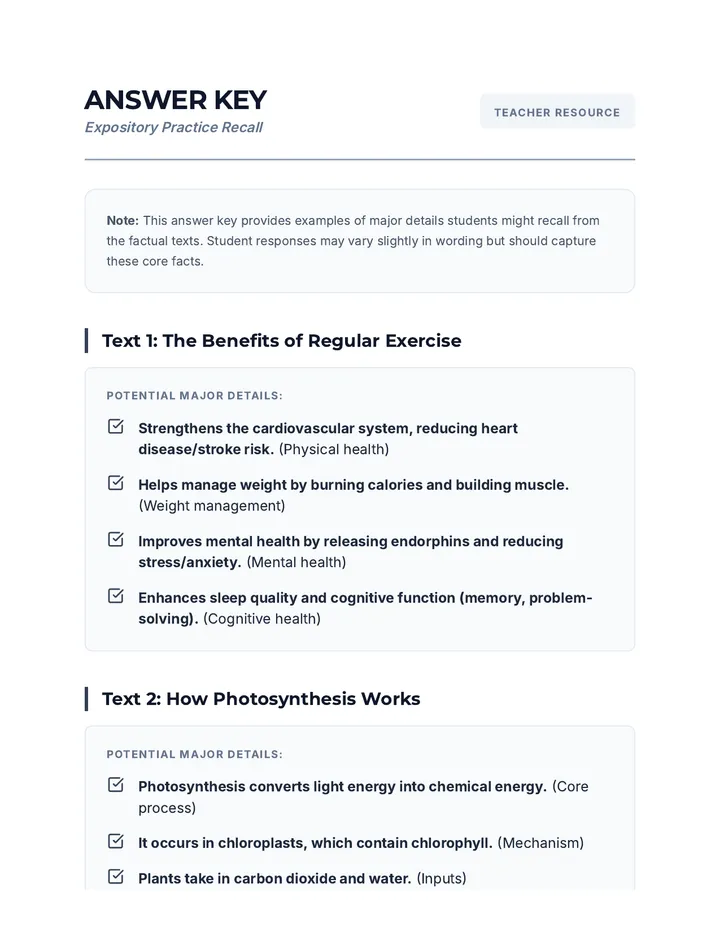
This lesson focuses on helping a 12th-grade student improve their ability to recall major details from narratives and expository texts using visualization, association, and note-taking strategies. It is designed for individual, highly structured sessions.
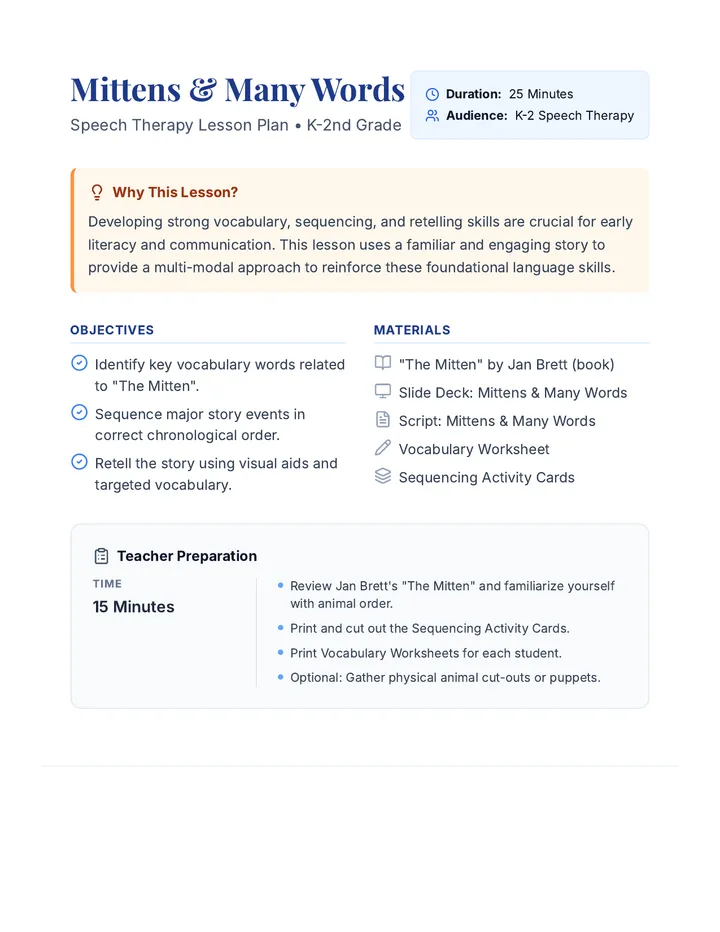
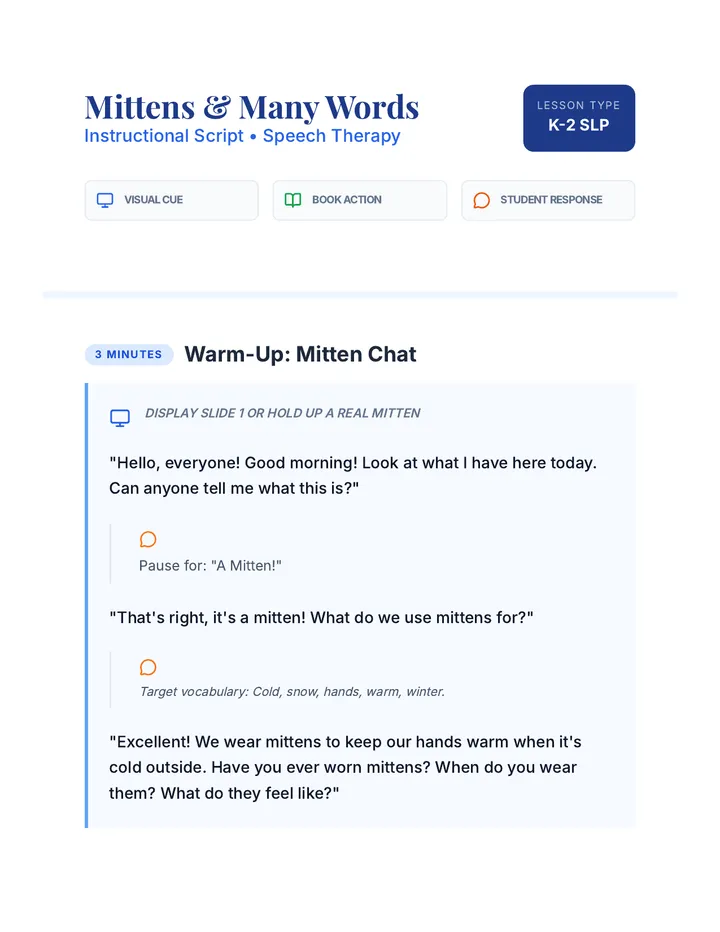
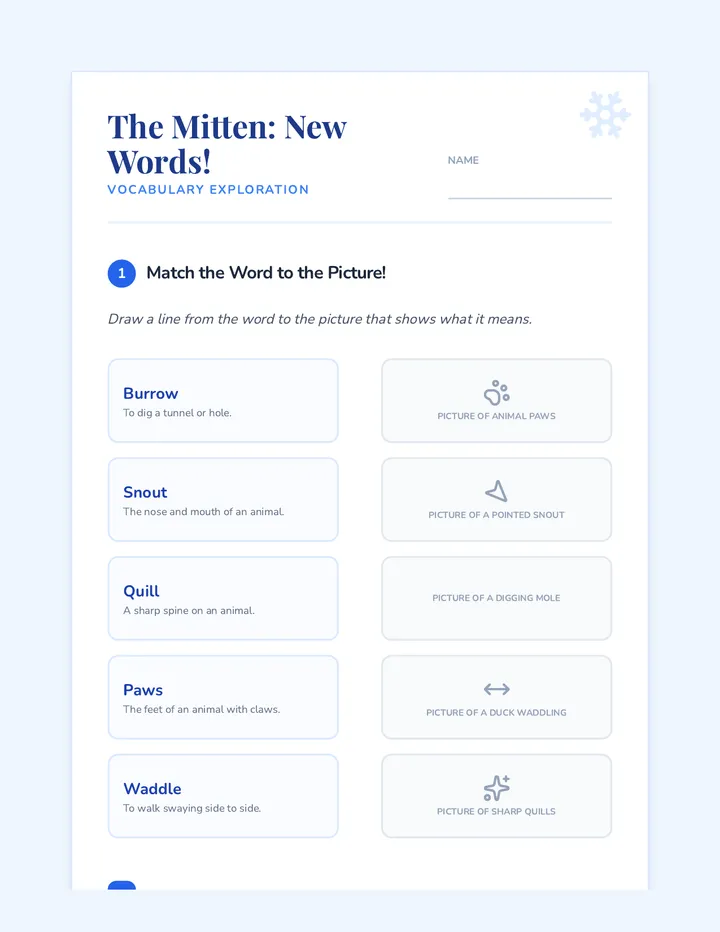
A single-session speech therapy lesson for K-2 students focused on vocabulary, sequencing, and retelling using Jan Brett's 'The Mitten'. Students engage with the story through interactive slides, a guided script, and hands-on sequencing activities.
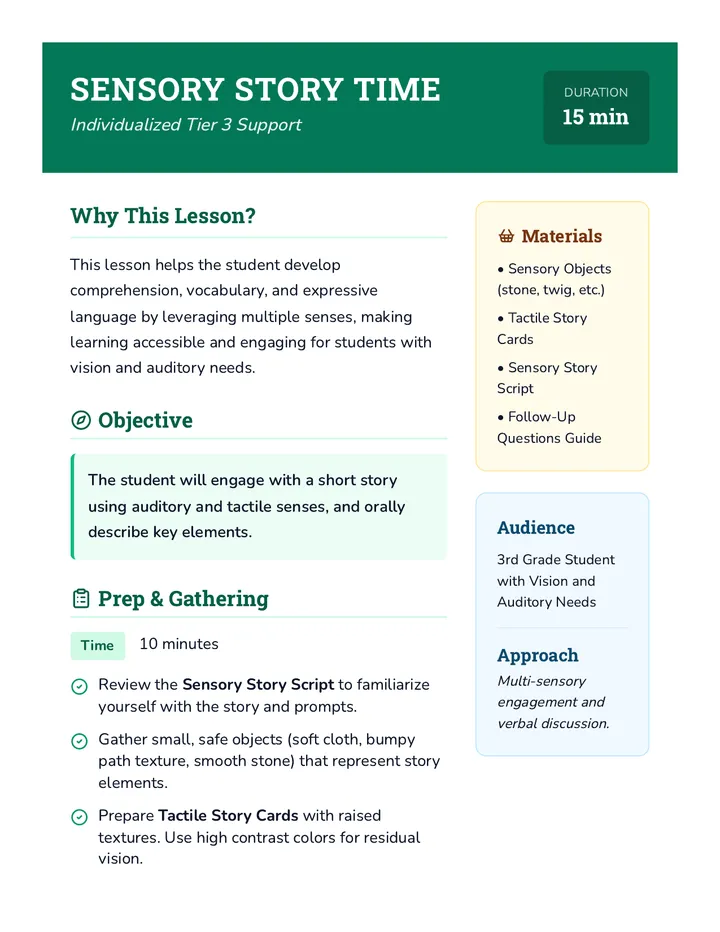
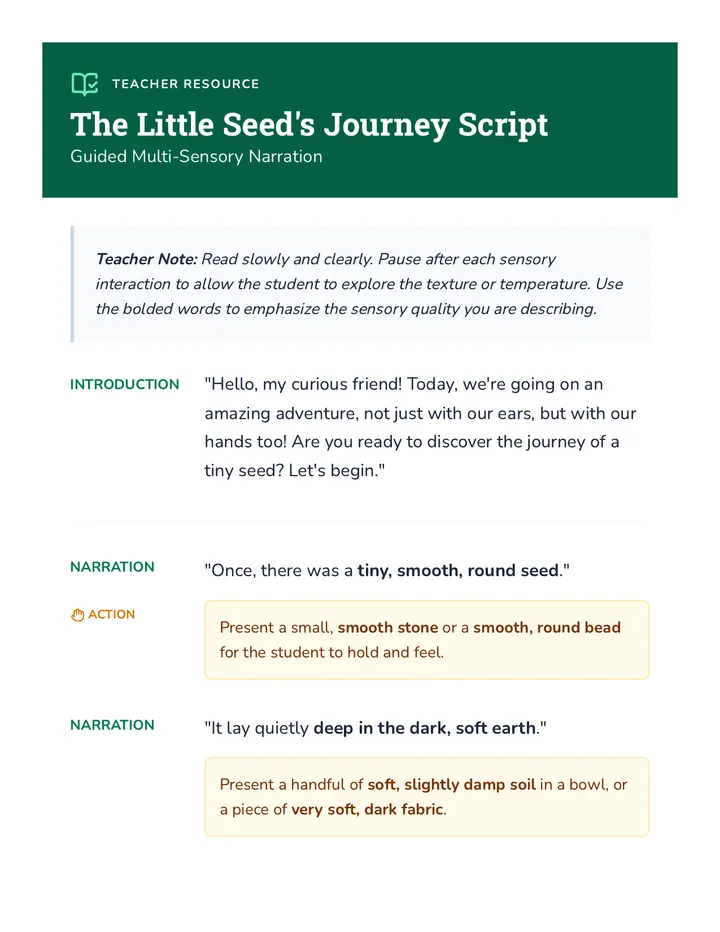
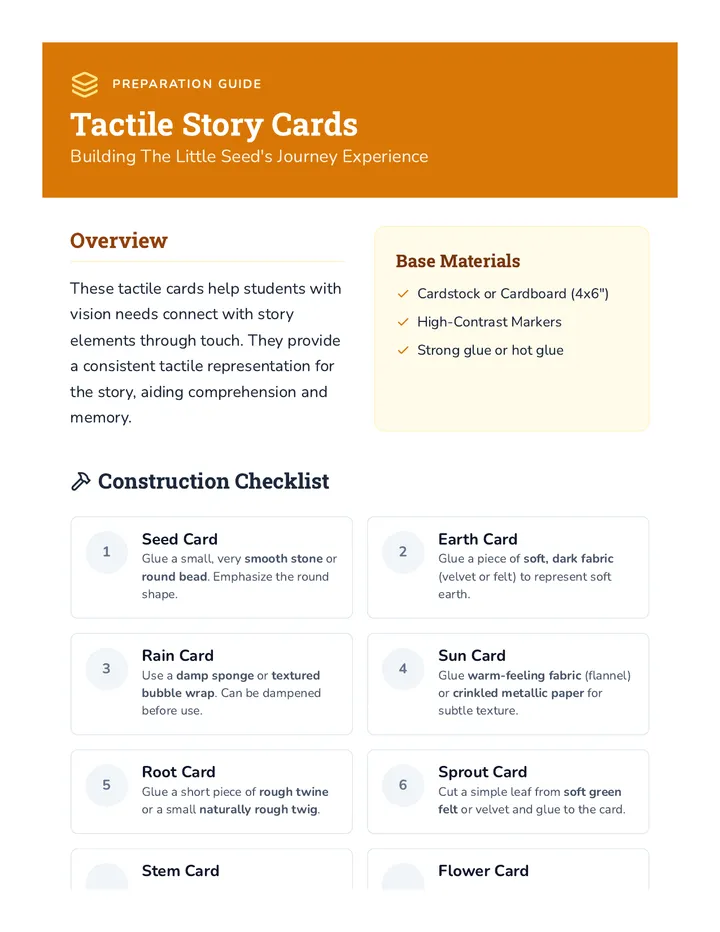
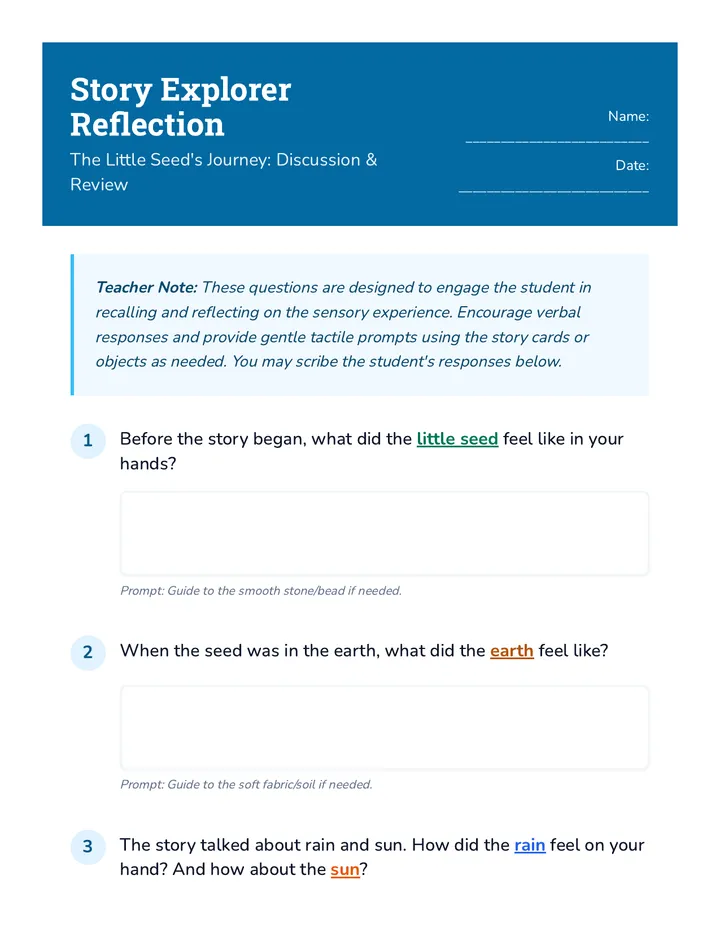
An individualized 15-minute lesson for a 3rd-grade student with vision and auditory needs, focusing on multi-sensory story engagement to build comprehension and vocabulary.
A 30-minute introductory lesson for kindergarten special education students about winter weather, snow, and appropriate clothing using interactive slides, a sorting activity, and a matching worksheet.
A specialized Tier 3 intervention for 10th-grade students focused on building working memory through direct instruction and personalized strategies.
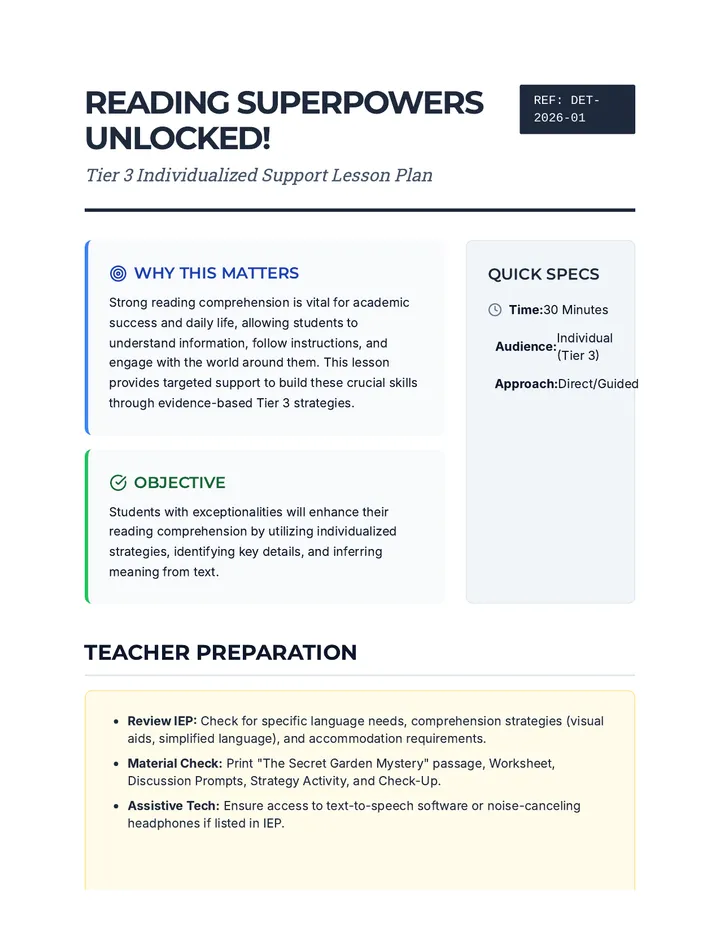
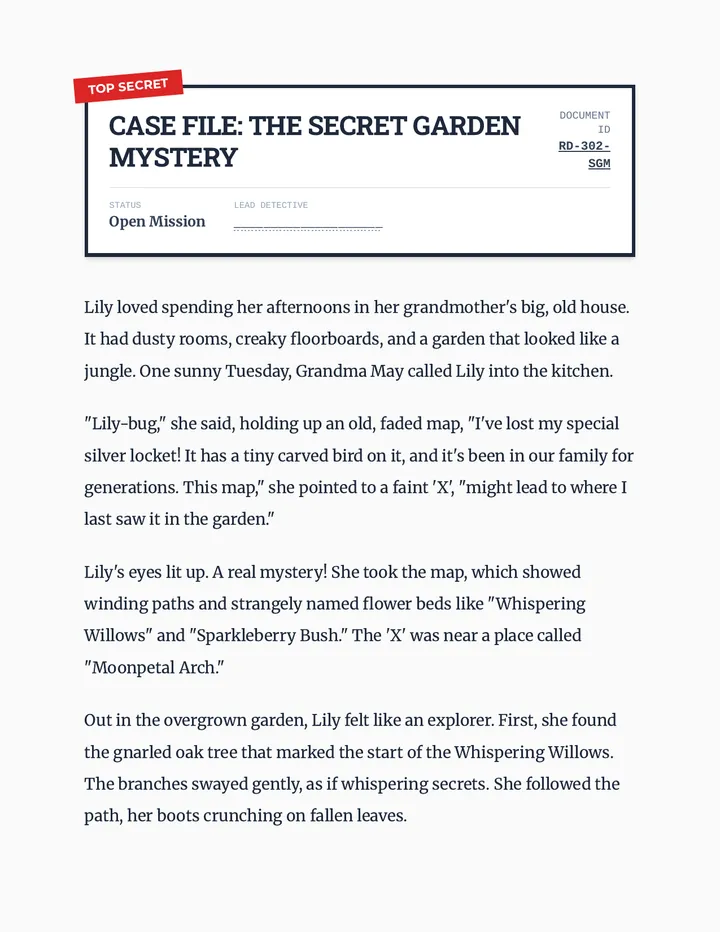
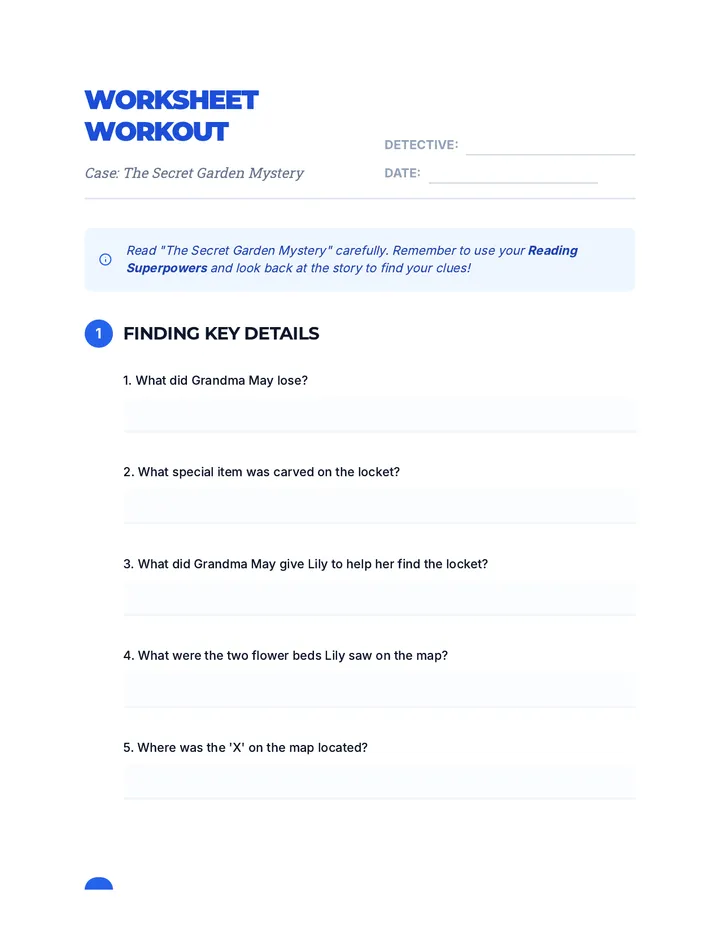
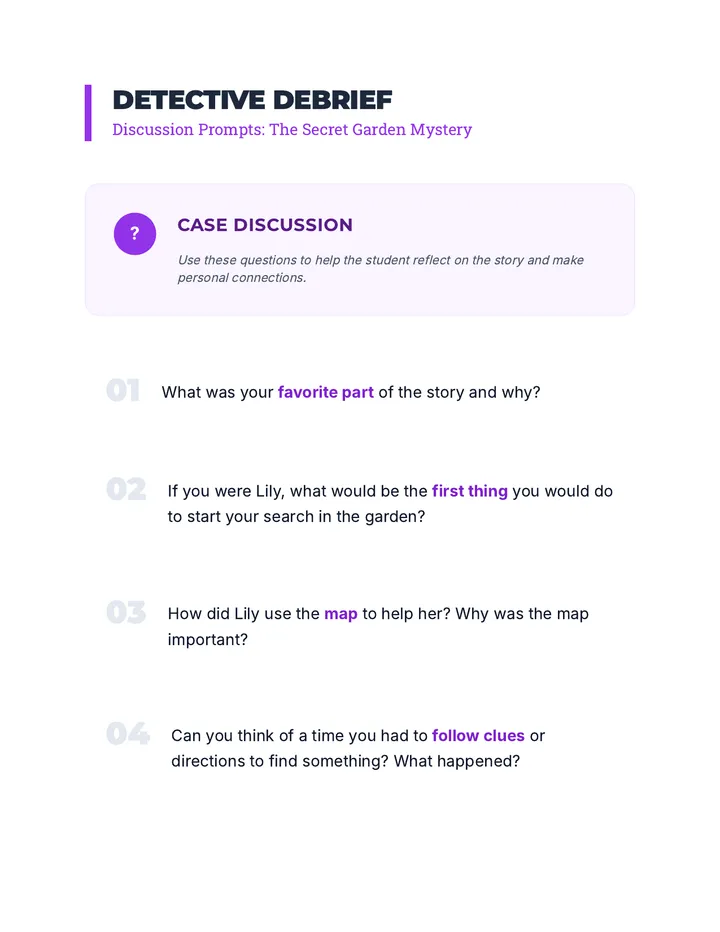
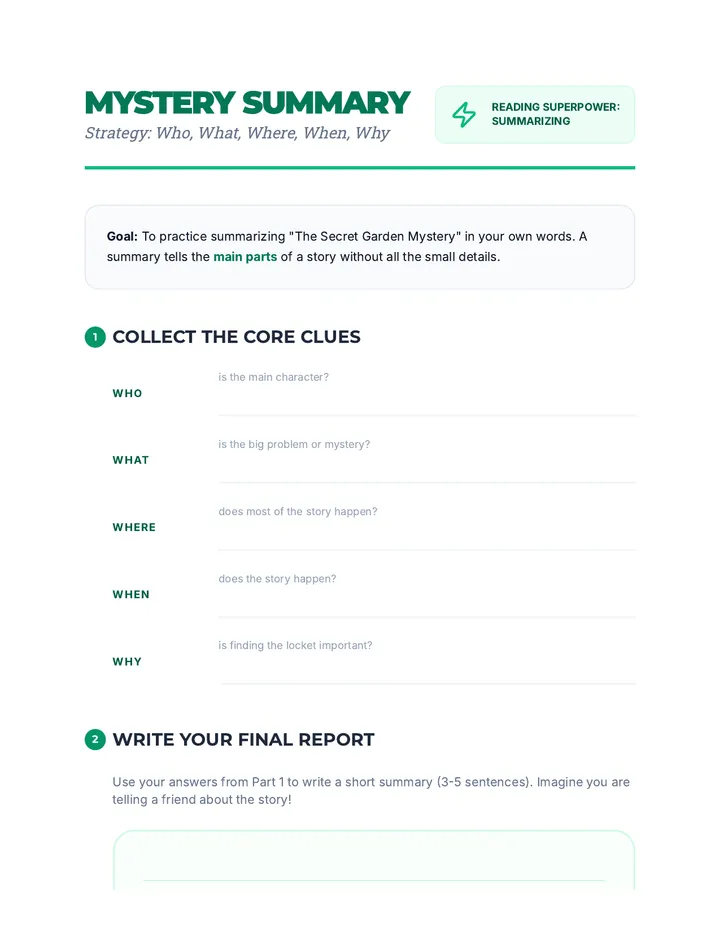
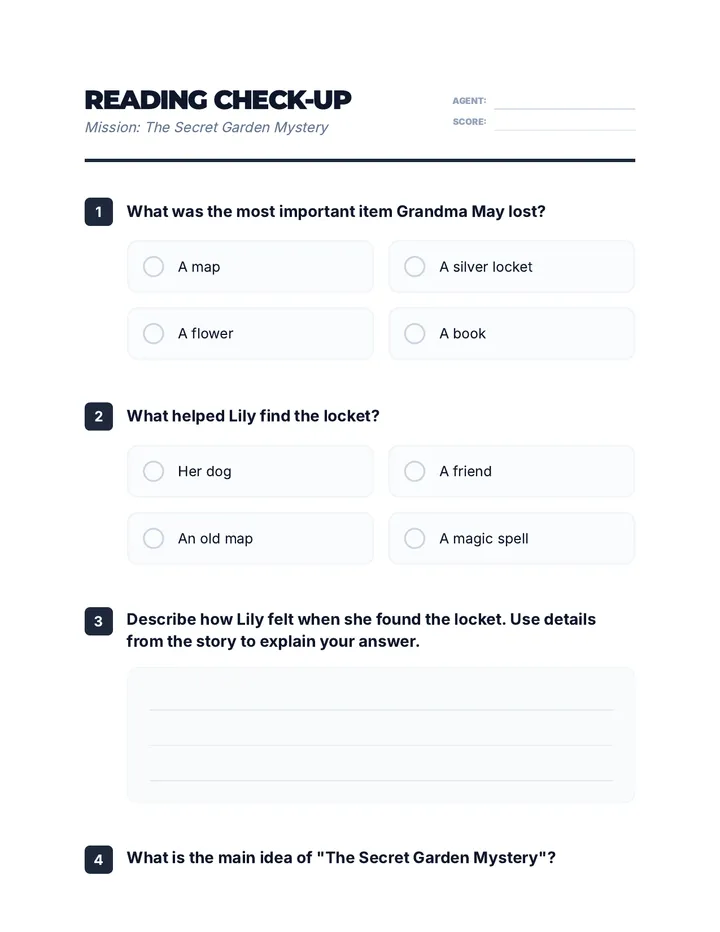
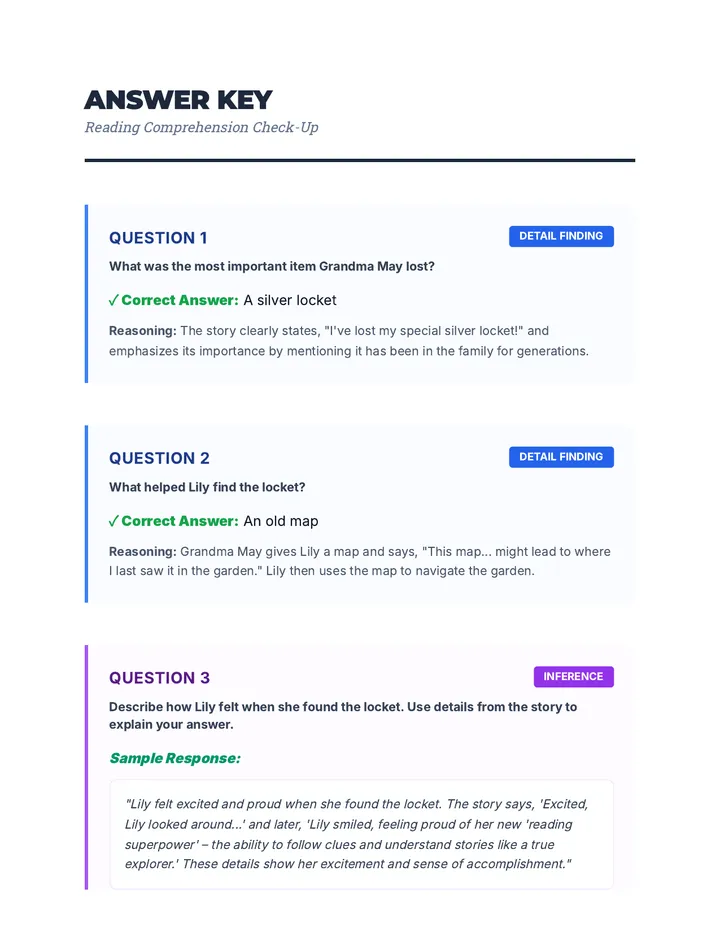
A 30-minute Tier 3 lesson designed for students with exceptionalities, focusing on reading comprehension through a "detective" lens. Students learn to use reading "superpowers" to decode mysteries and find key details.
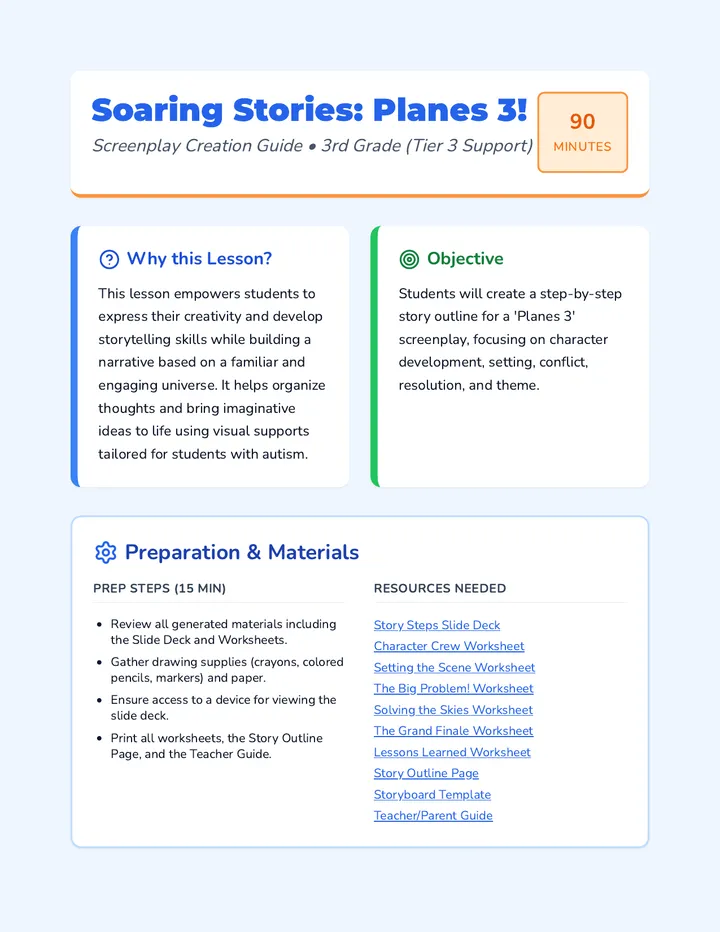
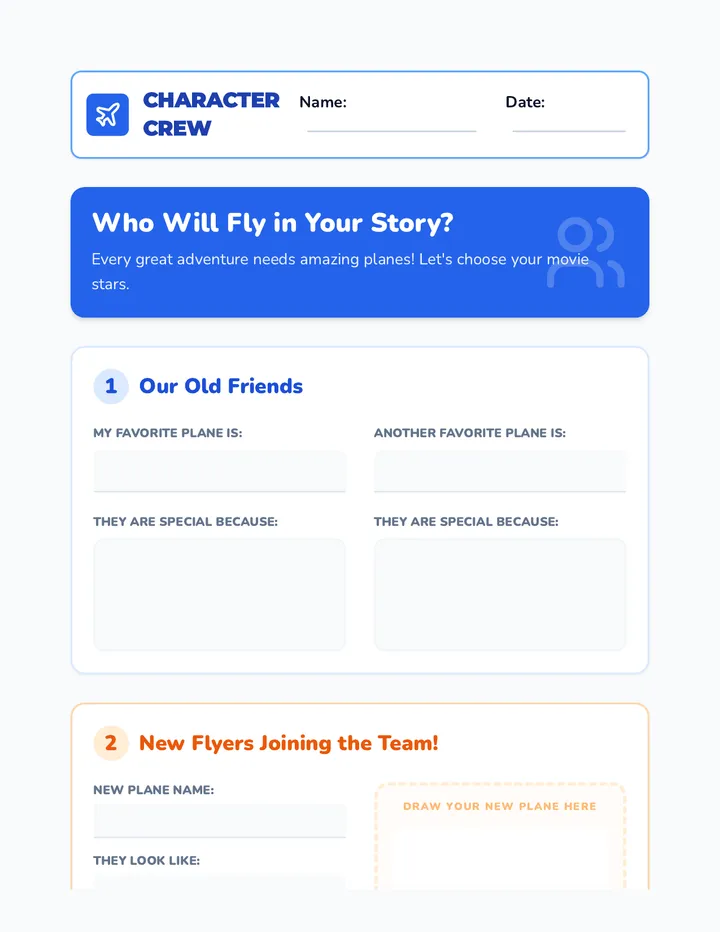
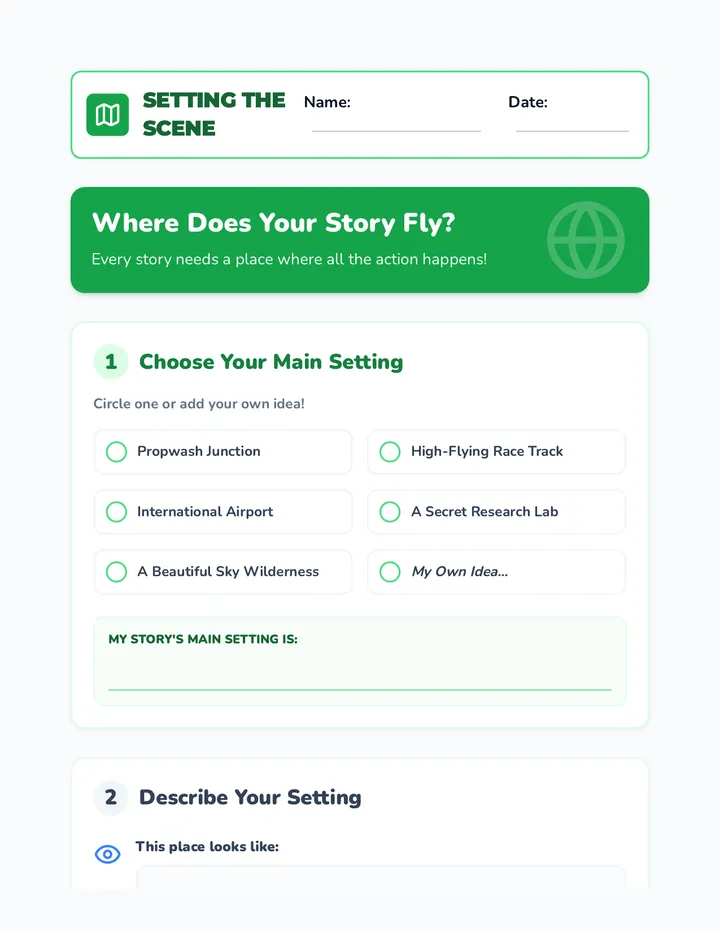
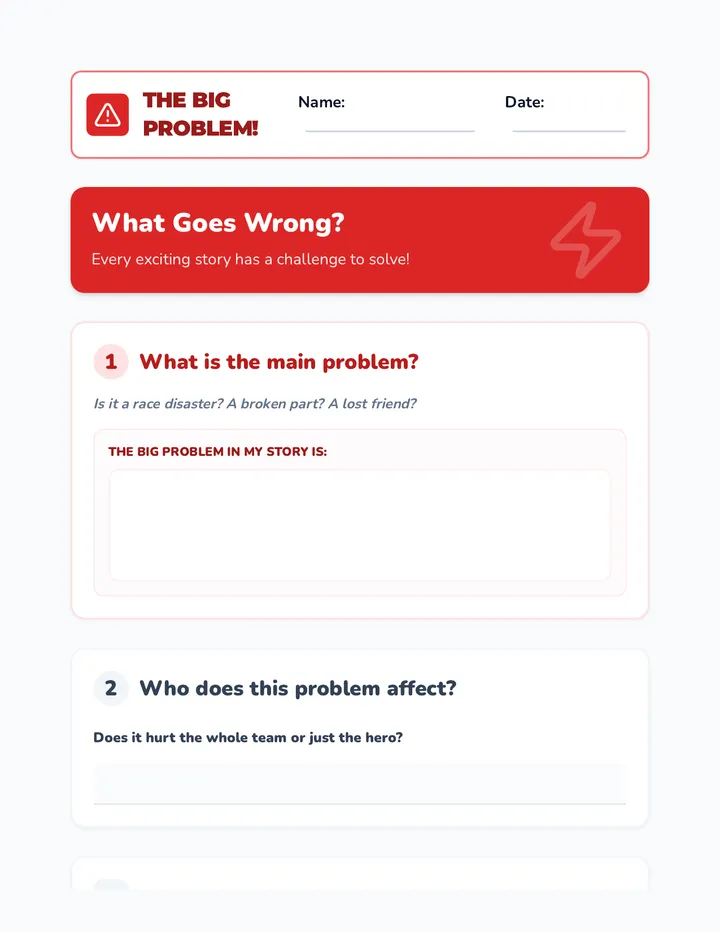
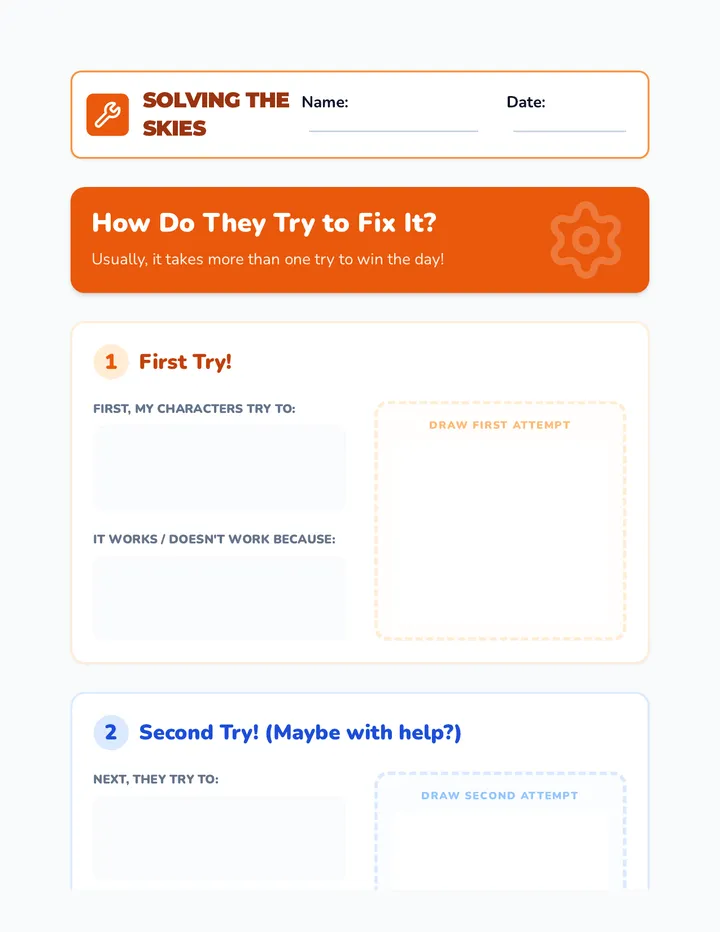
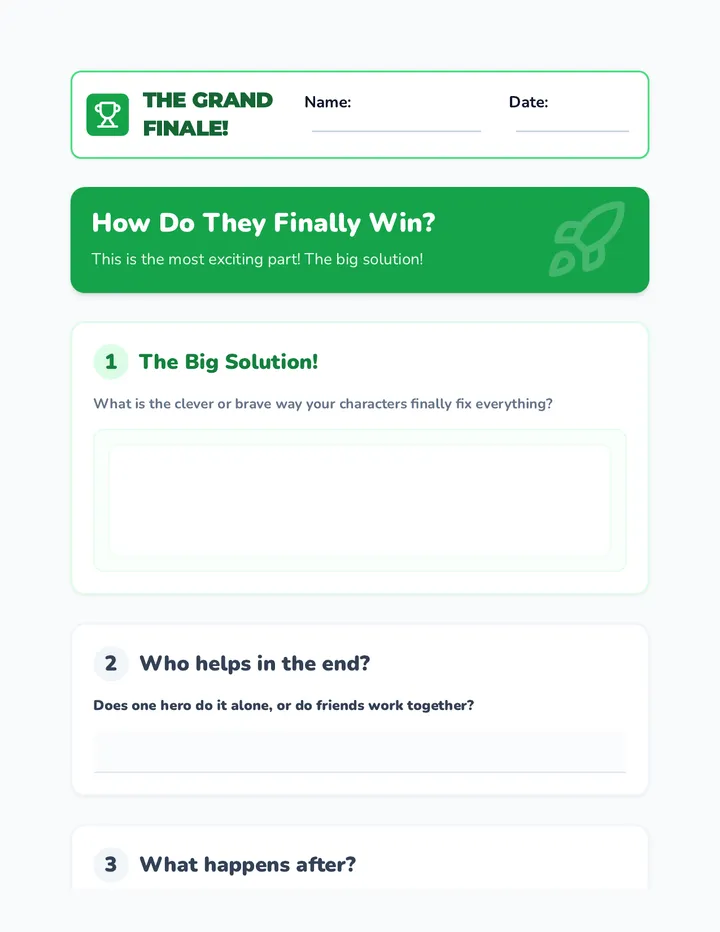
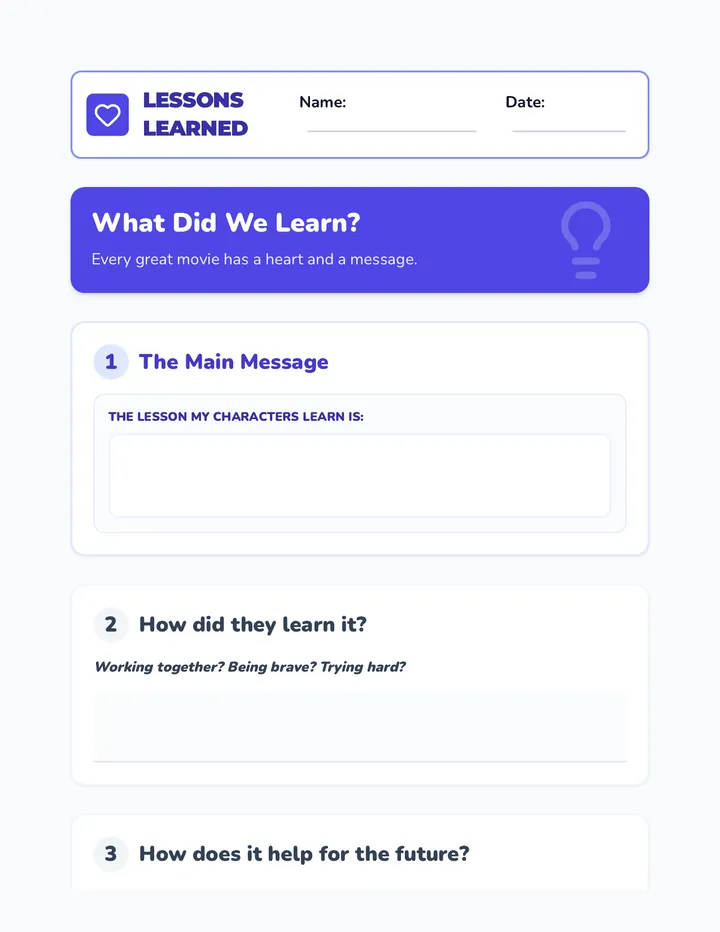
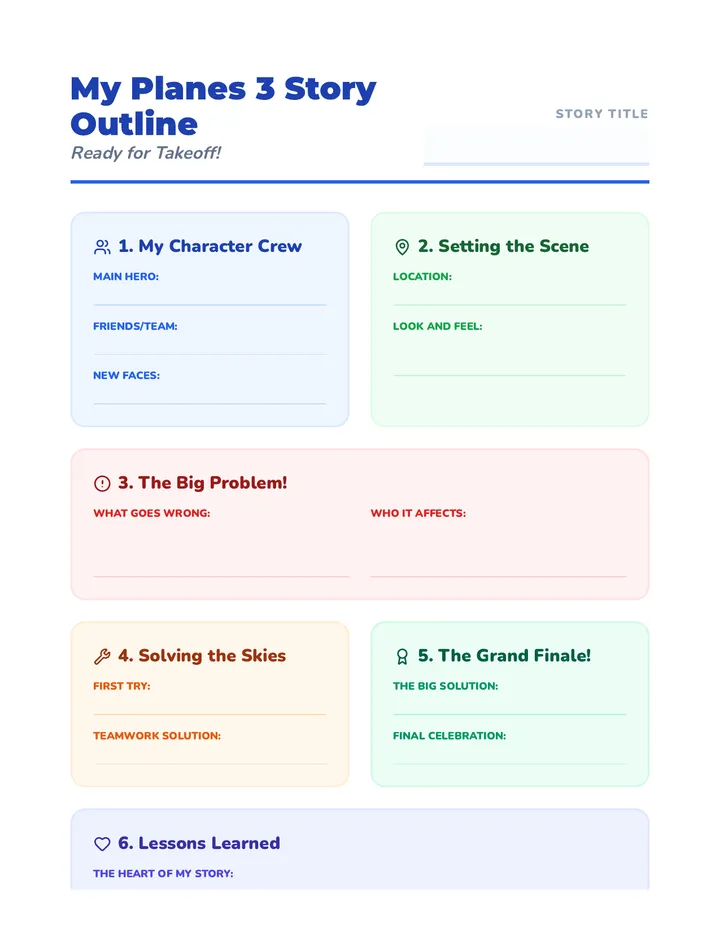
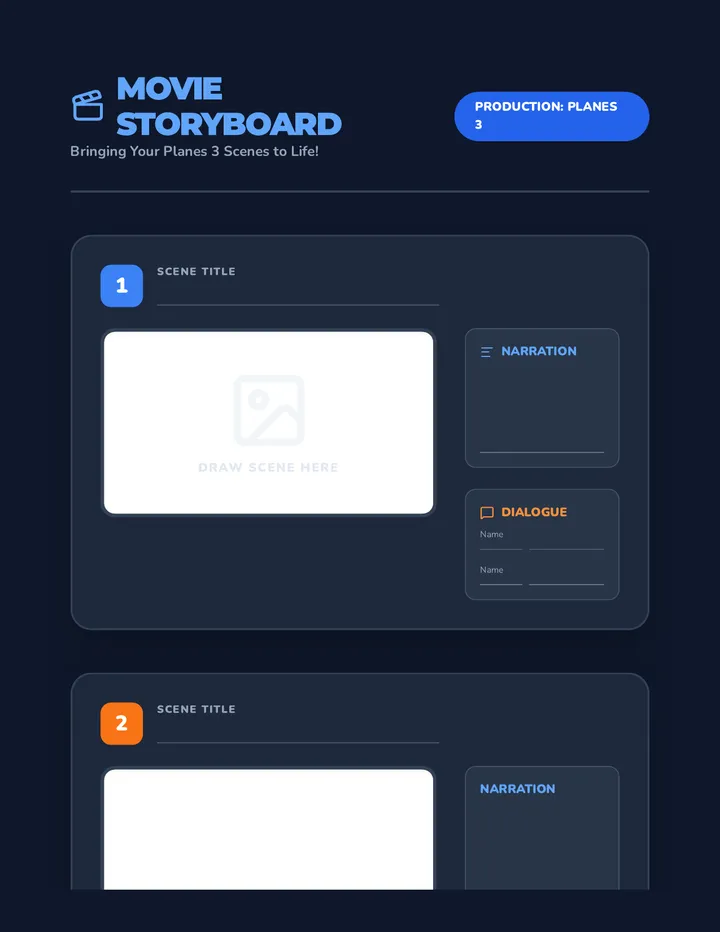
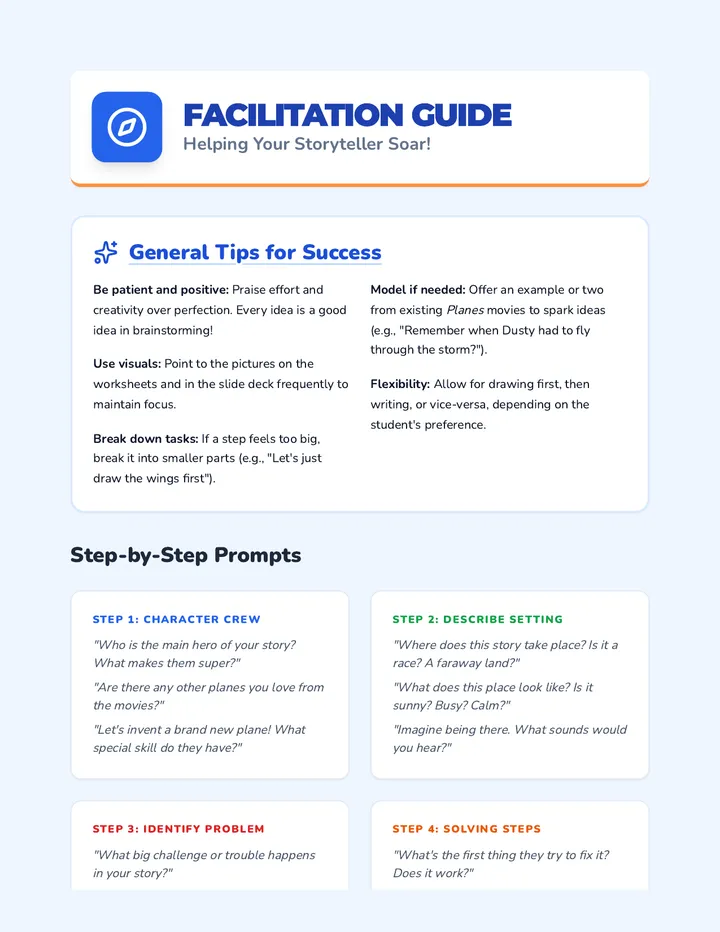
This lesson guides a 3rd-grade student with autism through a visual, step-by-step process to create their own 'Planes 3' screenplay. It focuses on developing characters, setting, plot, and themes through creative writing and storyboarding.
A targeted 15-minute speech therapy drill for individual 4th-grade students focusing on segmenting and blending 'sh' and 'ch' sounds through baseball-themed activities.
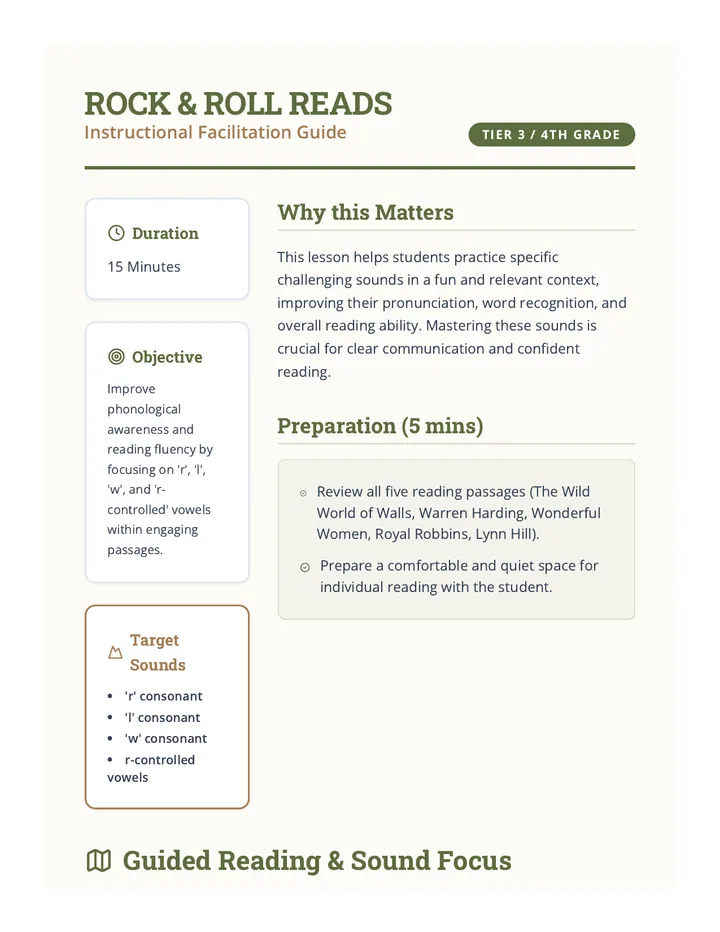
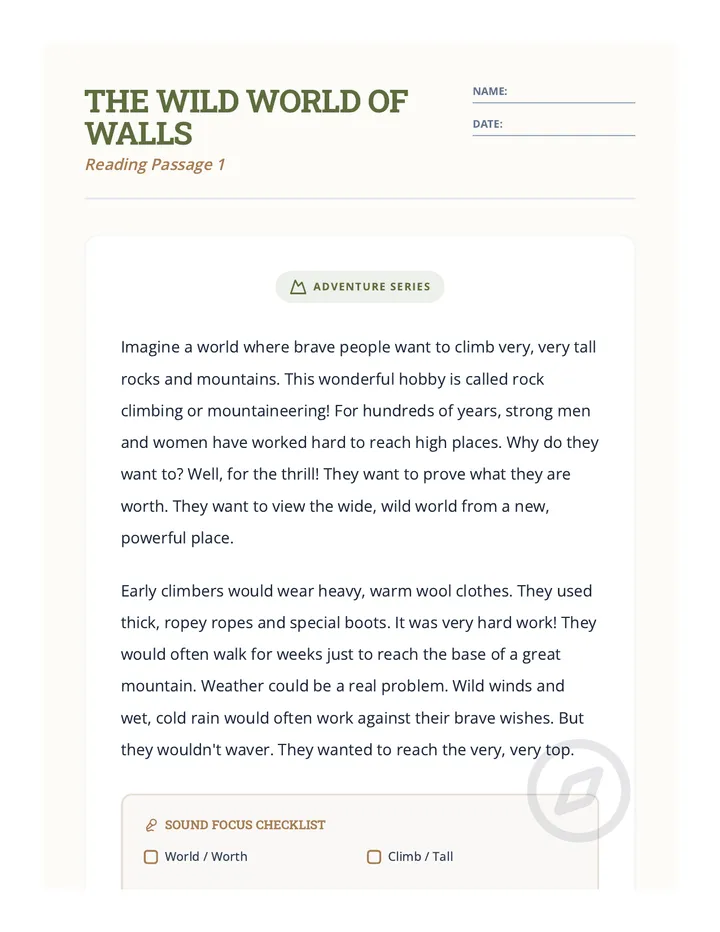
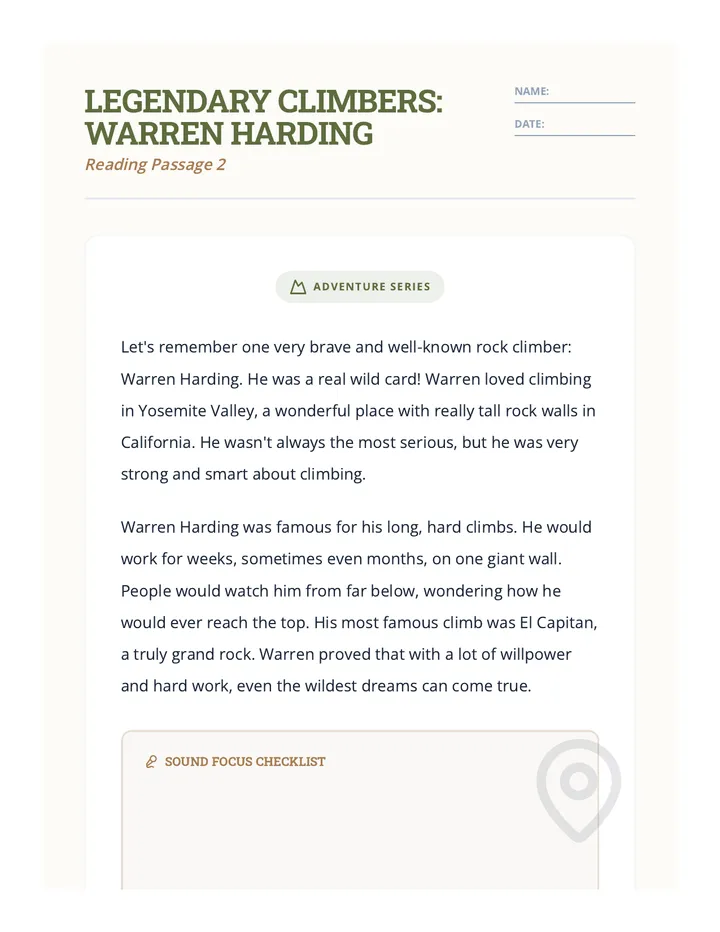
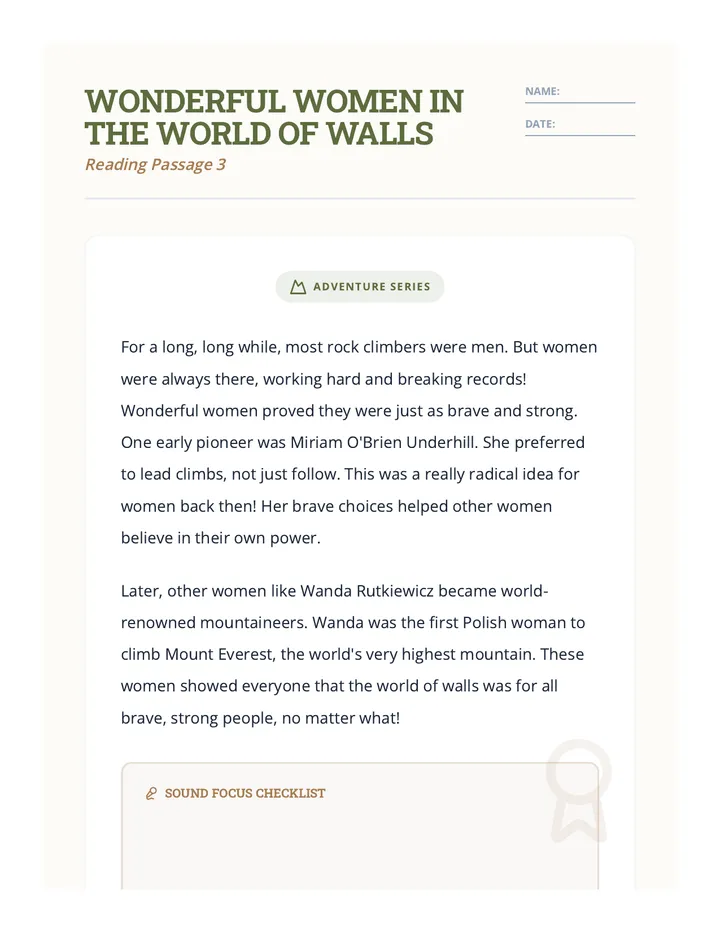
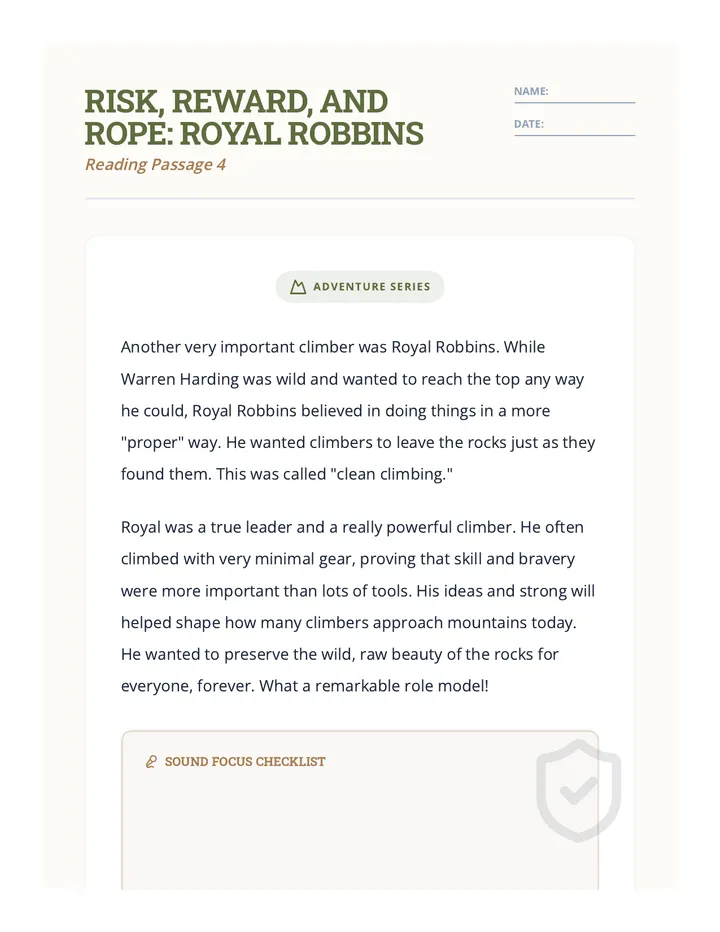
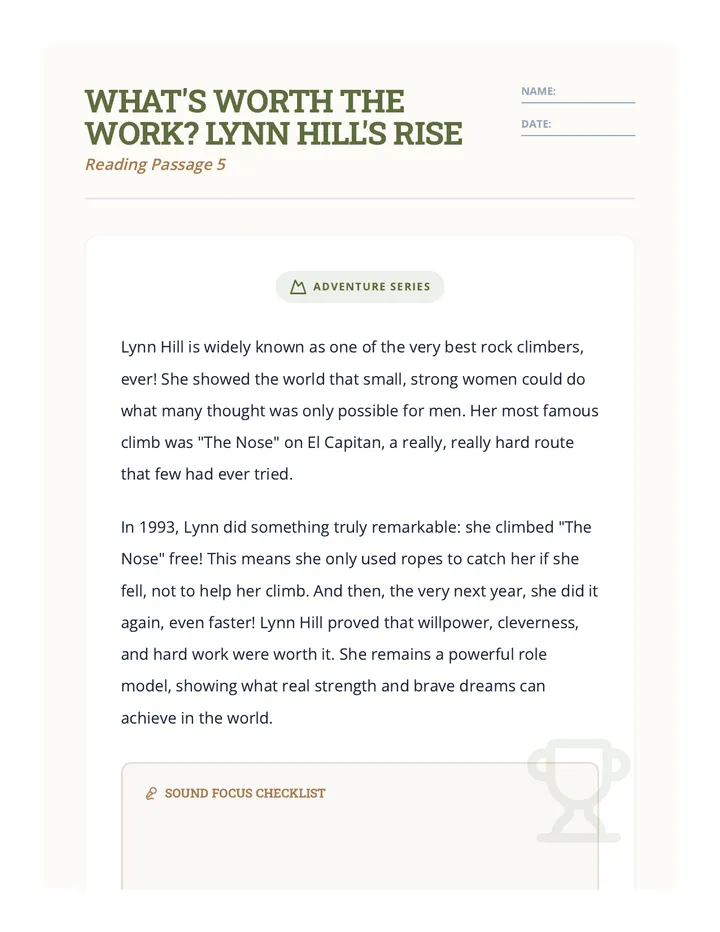
A Tier 3 phonics lesson for 4th graders focusing on 'r', 'l', 'w', and r-controlled vowels through the lens of rock climbing history and famous mountaineers.
A targeted 50-minute individual lesson for 6th graders to strengthen working memory through visualization, chunking, and rehearsal strategies. This session includes interactive games, reading tasks, and structured reflection to build cognitive confidence.
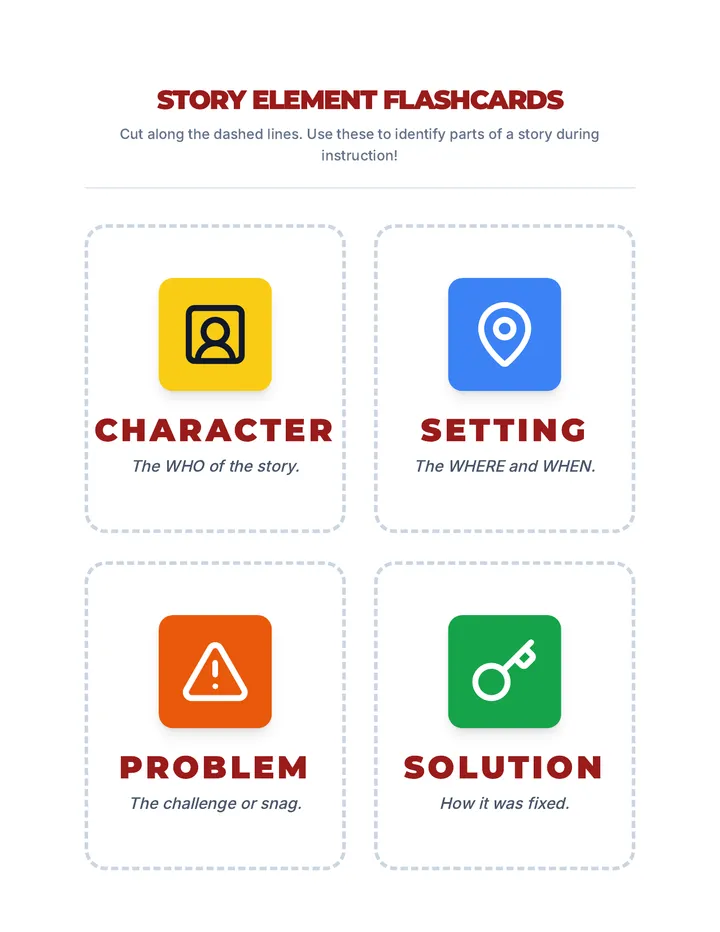
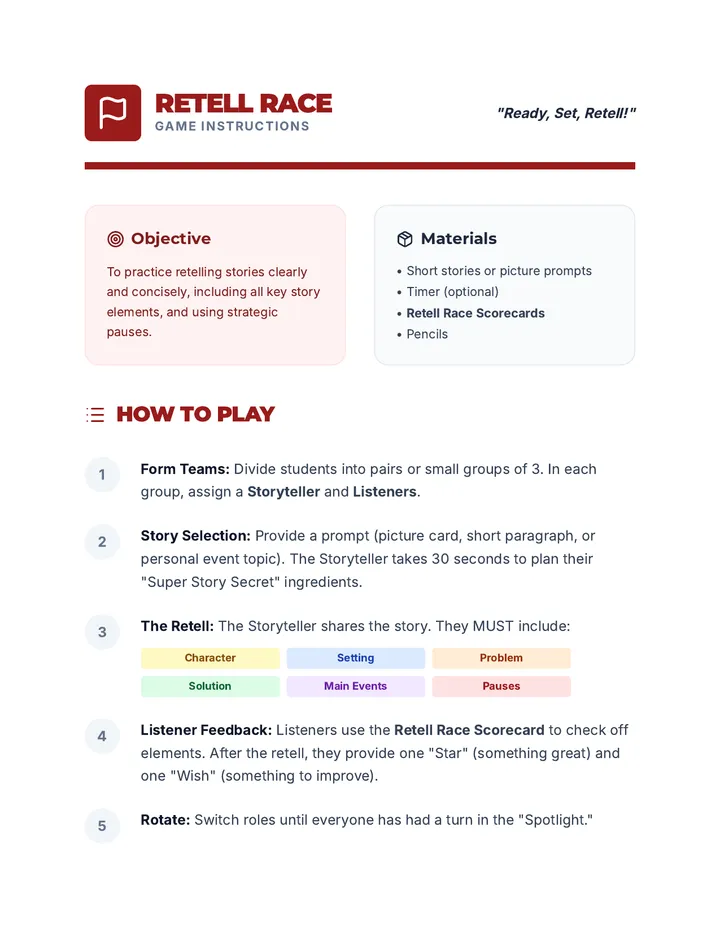
A 30-minute Tier 2 lesson for 5th-graders focusing on narrative retell skills, including story element identification, concise summaries, and strategic pausing. Students engage in interactive instruction and a peer-reviewed retelling game to build confidence and clarity.