Spot the Difference Worksheet Spot the Difference
Bi-Modal Tracking Practice
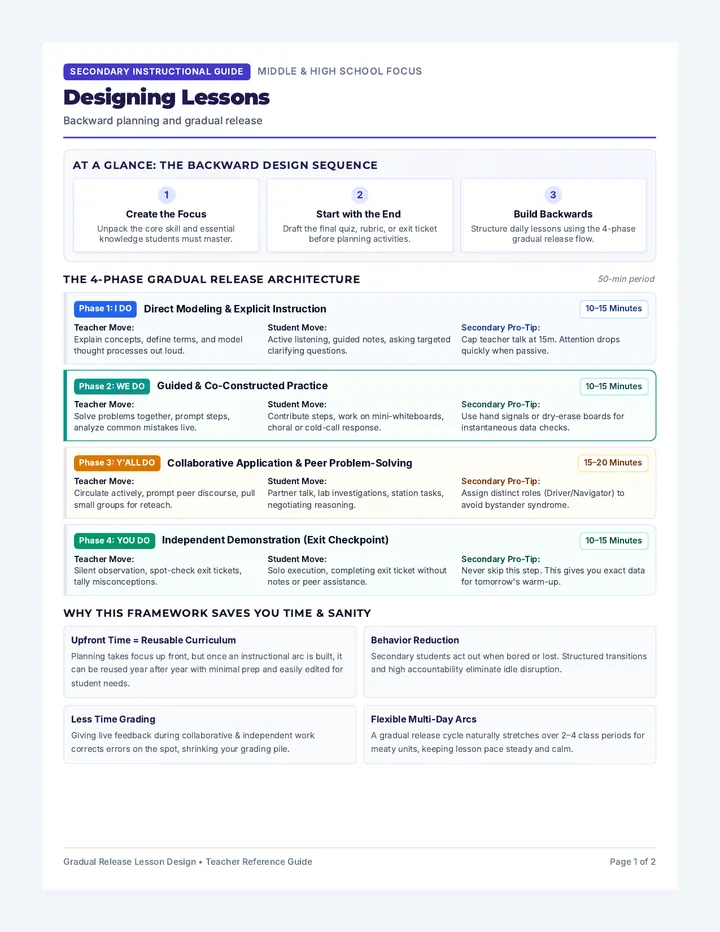
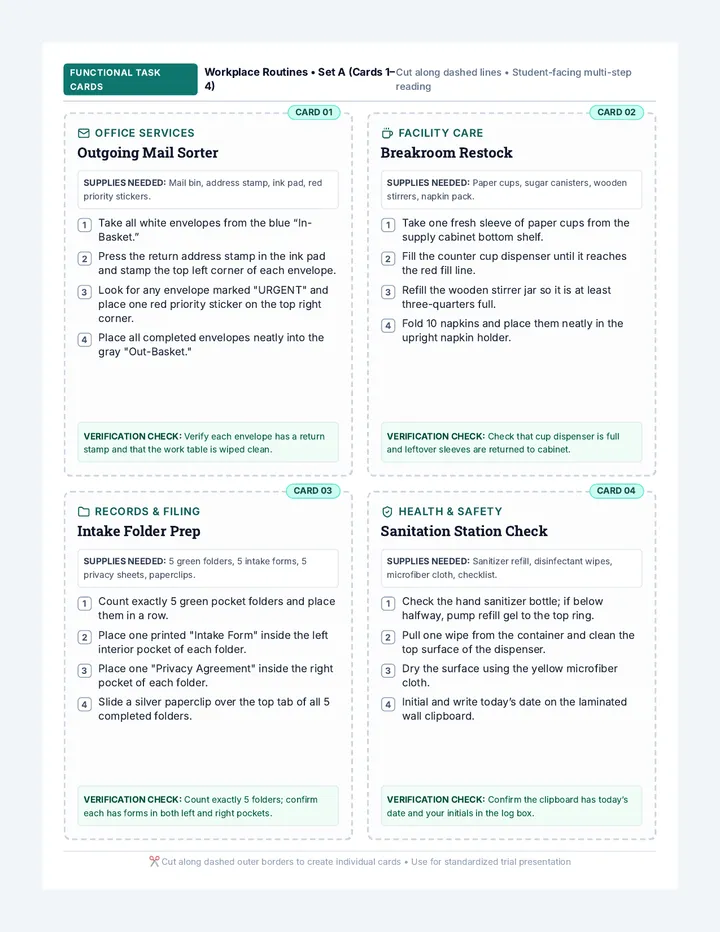
How to Play
Your teacher will play an audio version of the text below using a Text-to-Speech (TTS) tool. Warning: The audio script has been slightly changed! As you listen and follow along visually, circle any word or phrase on this page that is different from what you hear in your ears.
In the heart of the digital age, the way we consume information is shifting rapidly. No longer are we tied solely to the printed word on a dusty page. Instead, we use sophisticated software to bridge the gap between sight and sound. Assistive technology allows us to engage with complex ideas by listening to them while our eyes scan the lines. This bi-modal approach—using two senses at once—can significantly boost our ability to focus and remember what we've read. It acts like a spotlight, highlighting the most important details while silencing the distractions of a noisy world. When we sync our ears with our eyes, we unlock a new level of understanding that was previously hidden behind walls of dense, intimidating text.
Total Differences Found
/ 5
The Secret to Tracking
What tool did you use (finger, cursor, highlight) to keep your eyes on the right word?
Post-Listening Reflection
1. On a scale of 1-10, how much harder was it to focus when you knew you were looking for errors?
Too Easy Just Right Brain Overload
1
2
3
4
5
6
7
8
9
10
2. What happened if your eyes moved faster or slower than the audio?
Syncing Eyes and Ears Slides Eyes and Ears in Sync
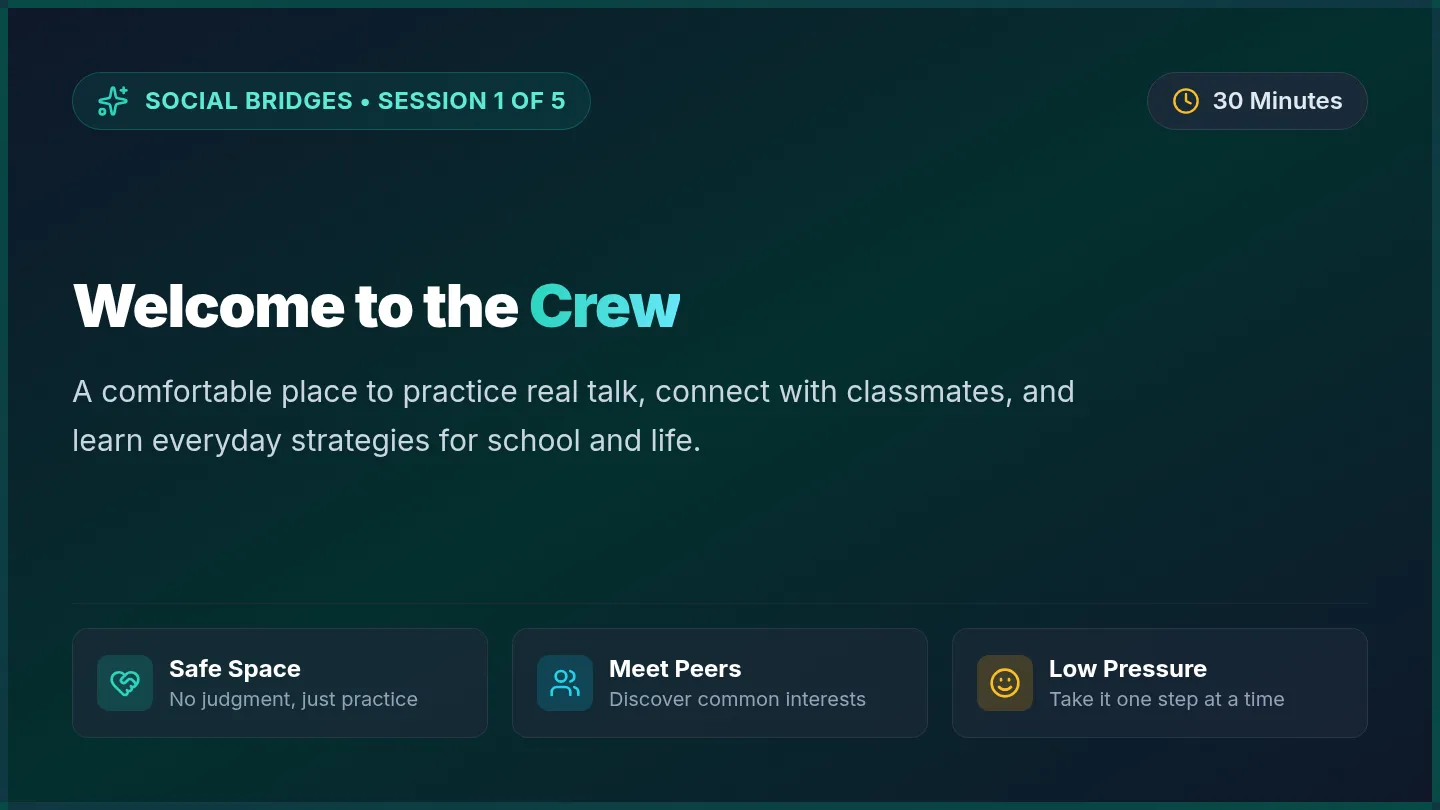
Mastering Bi-Modal Reading
Lesson 01
Spot the Difference
We're going to play a game. You have a text in front of you.
"Your job is to catch the mistakes I've hidden in the audio."
Listen with your ears.
Follow with your eyes.
Circle the differences!
Warning
If your eyes wander for even 5 seconds, you might miss a discrepancy!
The Power of "Ear Reading"
Reduces Fatigue
Your brain works less hard to decode letters, leaving more energy for understanding the story.
Laser Focus
Combining two senses (sight + sound) acts like a spotlight on the words.
Better Memory
Two paths to the brain are better than one. It sticks!
Tracking Strategies
1
The Digital Finger
Use your mouse cursor to point at the word being read. Move it like a physical finger.
2
The Active Highlight
Use your TTS tool's "Follow Along" highlight. Customize the color so it's easy to see.
Sample Text Reading...
Next line is waiting...
Let's Try It
Open your workshop materials. We're going to practice bi-modal reading with a challenging text.
Ready?
Syncing Eyes Teacher Guide Teacher Guide
Lesson 01: Bi-Modal Reading & Tracking
9th Grade / AT
Lesson Overview
The primary goal of this lesson is to move students from passive listening to active tracking . Many students view TTS as a "break" for their eyes; this lesson refutes that by showing that the highest comprehension occurs when both modalities are engaged simultaneously.
Materials Needed
Screen Reader / TTS Tool
"Spot the Difference" Worksheet
Audio Script (below)
The Hook: Audio Script
Teacher's Script (Read this using your TTS tool):
In the heart of the digital age, the way we consume content (1) is shifting rapidly. No longer are we tied solely to the printed word on a paper (2) page. Instead, we use sophisticated software to bridge the gap between sight and sound. Assistive technology allows us to engage with difficult (3) ideas by listening to them while our eyes scan the lines. This bi-modal approach—using two senses at once—can significantly boost our ability to focus and remember what we've read. It acts like a flashlight (4), highlighting the most important details while silencing the distractions of a noisy world. When we sync our ears with our eyes, we unlock a total (5) level of understanding that was previously hidden behind walls of dense, intimidating text.
# On Worksheet In Audio Script 1 Information Content 2 Dusty Paper 3 Complex Difficult 4 Spotlight Flashlight 5 New Total
Facilitation Prompts
If students struggle:
Slow down the TTS voice to 0.75x speed. Tell them which paragraph the error is in to narrow their visual search field.
Extension:
Ask students to read the text again at 1.5x speed. Is it harder to "sync" their eyes at higher speeds? Why?
The Chunk and Chew Slides The Chunk & Chew
Active Listening & Synthesis
Lesson 02
The 2-Minute Test
I'm going to play an audio clip for 2 minutes straight.
"NO PAUSING ALLOWED."
Try to remember every detail. Afterward, we'll see how much you actually "digest."
"When we don't pause, the information just washes over us like a wave... then it's gone."
The Chunk & Chew Method
Chunk
Listen to a manageable section (usually 1 paragraph).
Pause
Stop the TTS. Give your brain a moment of silence.
Chew
Summarize or synthesize what you just heard in your own words.
Stop the "TTS Washout"
Passive Listening
Letting the voice play while daydreaming.
Hearing words but not sentences.
Reaching the end and asking "What just happened?"
Active Listening
Pausing after every "big idea."
Predicting what comes next.
Mentally summarizing the "Chunk."
Ready to Chew?
We're going to use the TTS tool to read a story about a scientific discovery. We will pause together.
Open "Chunk and Chew Practice"
Chunk and Chew Practice Worksheet Chunk & Chew Practice
Active Listening Workshop
NAME: ____________________
REMEMBER: Use your TTS tool to play one "CHUNK" at a time. Hit PAUSE , then "CHEW" on the info by writing a 1-sentence summary in the box.
1
The Chunk
In 1928, Alexander Fleming returned to his laboratory and discovered a strange mold growing in a Petri dish of bacteria. To his surprise, the area around the mold was clear—the bacteria had been killed. This accidental discovery of penicillin would eventually revolutionize medicine, saving millions of lives from infections that were once considered fatal.
The Chew (Summary)
2
The Chunk
However, Fleming couldn't find a way to mass-produce the mold's active ingredient. It wasn't until ten years later that two other scientists, Howard Florey and Ernst Chain, figured out how to purify penicillin and manufacture it in large quantities. By World War II, it was being used on the battlefield to treat wounded soldiers, drastically reducing the death rate.
The Chew (Summary)
3
The Chunk
Despite its success, Fleming warned that bacteria would eventually become resistant to the drug if it were used too often. This warning proved true. Today, "superbugs" that cannot be killed by standard antibiotics are a major global health threat, forcing scientists to constantly hunt for new ways to keep humans safe from evolving microscopic enemies.
The Chew (Summary)
The Big Picture (Chew the Whole Thing)
Combine your three summaries into one cohesive main idea statement. What is the most important lesson from this text?
The Pause Point Exit Ticket Reflection Log
The Pause Point
1 How did pausing change your focus?
Did you find yourself "tuning out" less or more than when you listen without stopping?
2 The "Chew" Challenge
Was it difficult to put the information in your own words? Why or why not?
Next Time, I will:
Pause more frequently (every few sentences).
Wait until the end of the page to pause.
Read the text *before* listening to it.
AUDITORY COMPREHENSION SERIES NAME: ____________________________ DATE: ____________
Marking the Waves Slides Marking the Waves
Digital Annotation & Auditory Flow
Lesson 03
The 1-Listen Quiz
You're going to listen to an article ONLY ONCE.
"How will you remember the key facts for the quiz?"
Answer: You must annotate (take notes) while you listen.
Real-Time Cheat Sheet
The Digital Workflow
01
Track
Eyes on text, audio playing.
02
Pause
Hit that button the moment you hear a key fact!
03
Mark
Highlight or leave a digital comment.
04
Resume
Let the waves continue.
What's Worth a Mark?
Key Terms
Vocabulary you haven't heard before.
Confusing Bits
Sections you need to replay at a slower speed.
Evidence
Facts that support the main idea.
"Annotation is like leaving a trail of breadcrumbs through a forest of sound."
Let's Annotate
Open the "Cheat Sheet Challenge" document. Prepare your TTS and your highlighter tool.
Ready to mark
The Cheat Sheet Challenge Worksheet The Cheat Sheet Challenge
Lesson 03: Digital Annotation Workshop
QUIZ PREP
Challenge Rules
Listen to the text below ONCE using TTS.
You may PAUSE as much as you need to annotate.
Highlight key facts that might be on a quiz.
After one full listen, cover this page and take the mini-quiz.
The Secret Lives of Cephalopods
Deep beneath the ocean's surface lives a group of creatures known as cephalopods, which includes octopuses, squid, and cuttlefish. These "ink-jets" of the sea are far more intelligent than most people realize. For instance, the Giant Pacific Octopus has nine brains—one central brain and a mini-brain in each of its eight arms! This allows its arms to taste, touch, and move independently without always waiting for instructions from the head.
Furthermore, cephalopods are masters of disguise. They use specialized skin cells called chromatophores to change color and texture in less than a second. This isn't just for hiding from predators; it's also a form of communication. A cuttlefish might flash vibrant neon colors to warn a rival or blend into a coral reef to ambush a tasty crab. Despite having no bones, they can squeeze through gaps no larger than their own eyeball, making them the ultimate escape artists of the animal kingdom.
Wait, 9 brains?! Check if Central Brain handles movement.
Chromatophores = skin cells for color change.
The 1-Listen Mini Quiz
1. How many brains does a Giant Pacific Octopus have in total?
2. What are the skin cells called that allow for color change?
3. Why would a cephalopod flash neon colors?
4. What is the smallest gap an octopus can fit through?
© AUDITORY COMPREHENSION WORKSHOP STUDENT ID: _________________
Genre Speed Dial Slides Genre Speed Dial
Fiction vs. Non-Fiction Strategies
Lesson 04
The Contrast Test
Action Scene
"Leo dove behind the crate as sparks flew. The roar of the engine was deafening. He had five seconds to reach the lever or the entire hangar would blow..."
Goal: The "Movie" Flow
Biology Text
"The mitochondria are the powerhouses of the cell. They generate adenosine triphosphate (ATP), which is used as a source of chemical energy..."
Goal: The "Knowledge" Build
Dialing In Your Settings
1.2x
Fiction Flow
Go slightly faster to keep the story's excitement and "hear" the dialogue like a movie.
0.8x
Non-Fiction Deep Dive
Slow down for dense info. Give your brain time to process those big multi-syllable words.
There is no "One Size Fits All" speed!
The Pacing Guide
Story Pacing
Pause after a Scene Change .
Pause when a New Character enters.
Pause to Visualize the setting.
Textbook Pacing
Pause after every Heading .
Pause after a Key Definition .
Pause to look at a Diagram .
Test Your Gear
We're going to listen to two very different texts. Your mission: Find the "Perfect Speed" for each.
Open "Genre Comparison Chart"
Genre Comparison Chart Worksheet Genre Comparison Chart
FINDING THE OPTIMAL SETTINGS
Lesson 04 / Strategy Workshop
MISSION: You will listen to two short passages using TTS. For each one, experiment with the playback speed and pausing frequency. Your goal is to find the "Sweet Spot" where you understand everything without getting bored or overwhelmed.
Fiction: "The Storm"
"The thunder clapped like a giant's hands. Maya ran, her boots splashing through puddles that felt like lakes. 'Hurry!' her brother yelled from the porch, his voice barely audible over the wind's howl. The sky was no longer blue; it was a bruised purple that threatened to swallow the whole town."
My Ideal Speed
______ x
Pausing Frequency
Example: Every paragraph
Non-Fiction: "Atmospheric Pressure"
"Atmospheric pressure is the force exerted by the weight of air molecules in the atmosphere above a specific point. High-pressure systems typically bring clear skies and calm weather, whereas low-pressure systems are often associated with storms. Barometers measure this pressure in millibars (mb) or inches of mercury."
My Ideal Speed
______ x
Pausing Frequency
Example: Every sentence
The Insight
Why was the ideal speed different for these two texts? (Think about vocabulary and "Movie Flow")
© GENRE ANALYSIS LAB NAME: _________________ PERIOD: ____
The Locked Box Assessment Mastery Assessment
The Locked Box
Auditory Comprehension Final Challenge
Mission Briefing
Inside a digital vault is a secret code. To find the code, you must use your TTS tools to analyze the text below. You must use all your strategies: Tracking, Chunk & Chew, and Genre-Specific Speed. The clues for the code are hidden within the deep meaning of the text.
TEXT FOR AUDITORY ANALYSIS
The Enigma Machine was a cipher device used during the mid-20th century to protect sensitive military communications. It resembled a large typewriter but featured a complex series of rotors that scrambled letters into a seemingly random jumble. The breakthrough in breaking this code occurred at Bletchley Park, where a team led by Alan Turing developed the "Bombe," an electromechanical machine designed to decipher Enigma-encrypted messages.
Cracking the Enigma code is often cited as a turning point in the war, potentially shortening the conflict by two years. However, the operation was so secret that even the soldiers on the front lines didn't know their intelligence was coming from a decoded source. To maintain the illusion that the code was still secure, the team had to selectively allow some German attacks to happen, a harrowing ethical choice made to save millions more lives in the long run.
DIGIT A
How many years was the war potentially shortened?
DIGIT B
Count the number of letters in the team leader's last name.
DIGIT C
If the team was successful, write the digit "9". If they failed, write "0".
Deep Intelligence Report
Why did the team at Bletchley Park have to "selectively allow" some attacks to happen? Explain the ethical choice described in the text.
AT Mastery Reflection Rubric Mission Debrief
Self-Reflection & Strategy Audit
Which strategies did you deploy today?
Bi-Modal Tracking
Chunk & Chew (Pausing)
Speed Adjustment
Digital Annotation
Comprehension Level
Compare your understanding of this text (using TTS) to a similar text you read with eyes only.
Worse
1
2
3
4
5
Much Better
The Final Word
How has your view of "Assistive Technology" changed throughout this unit? Is it a crutch or a superpower?
End of Sequence AT Mastery Log Grade 09
The Locked Box Answer Key Answer Key
Assessment: The Locked Box
TEACHER ONLY
The Locked Box Code
DIGIT A
2
"shortening the conflict by 2 years"
DIGIT B
6
"Turing" = T-U-R-I-N-G
DIGIT C
9
The team was successful.
MASTER CODE: 269
Analysis Rubric
Question: Why did they "selectively allow" attacks?
Proficient Response: The student should identify that if they stopped every attack, the Germans would realize the code was broken and change it. To keep the long-term advantage and save more lives overall, they had to pretend they didn't know about some smaller attacks. This is an ethical "trolley problem" mentioned in the text.
What to look for:
Did the student pause the audio to write down the numbers for the code? (Active Listening)
Did they use a slower speed for the "dense" technical description of rotors and Bombes? (Strategy Adaptation)
Are there highlights or notes on the passage itself? (Annotation)