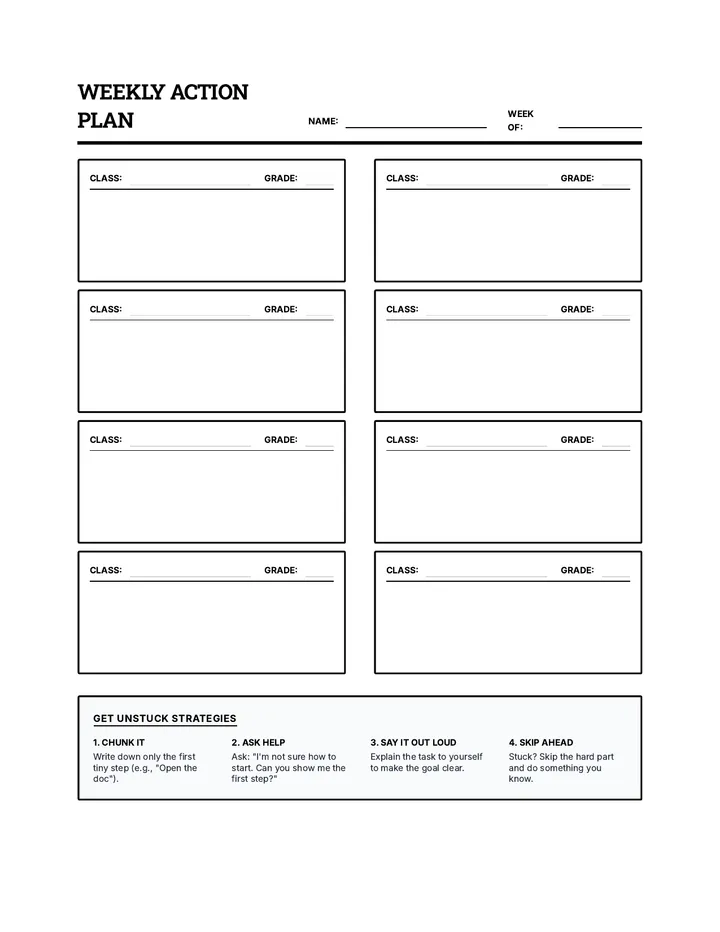
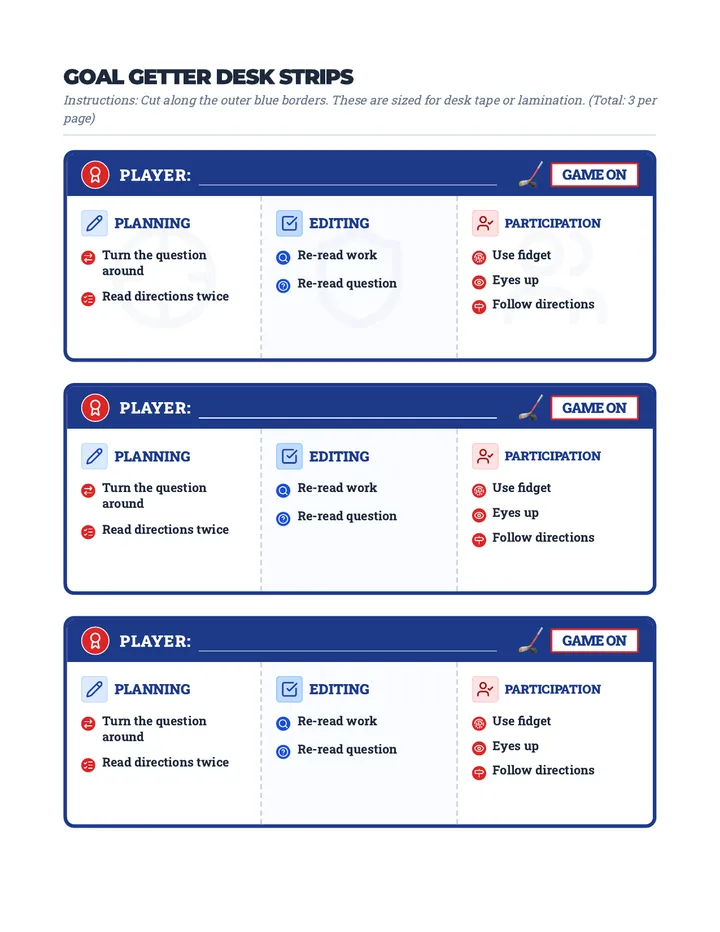
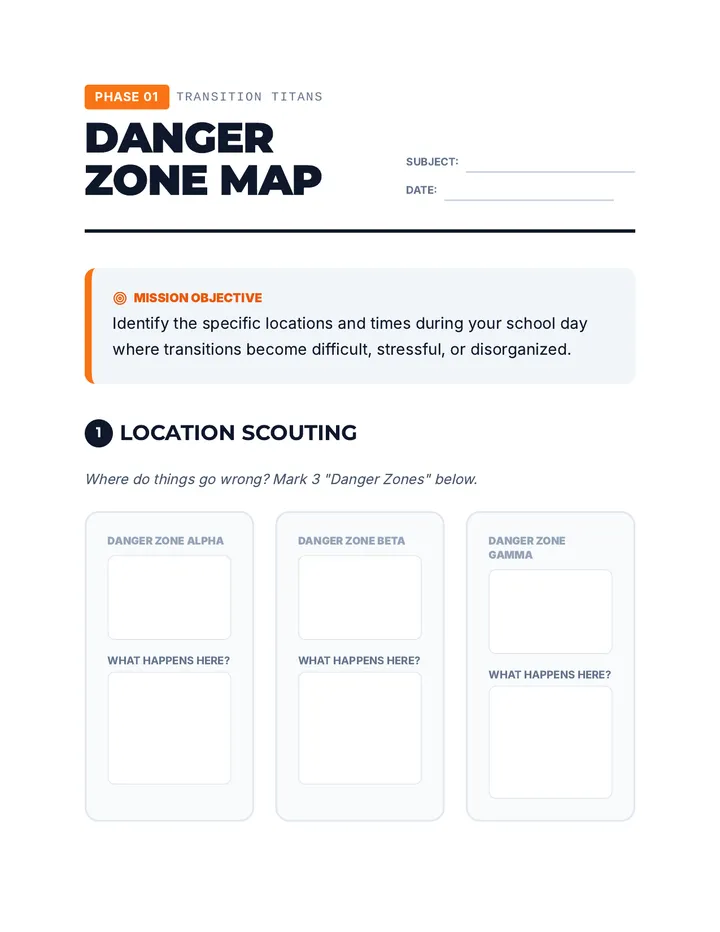
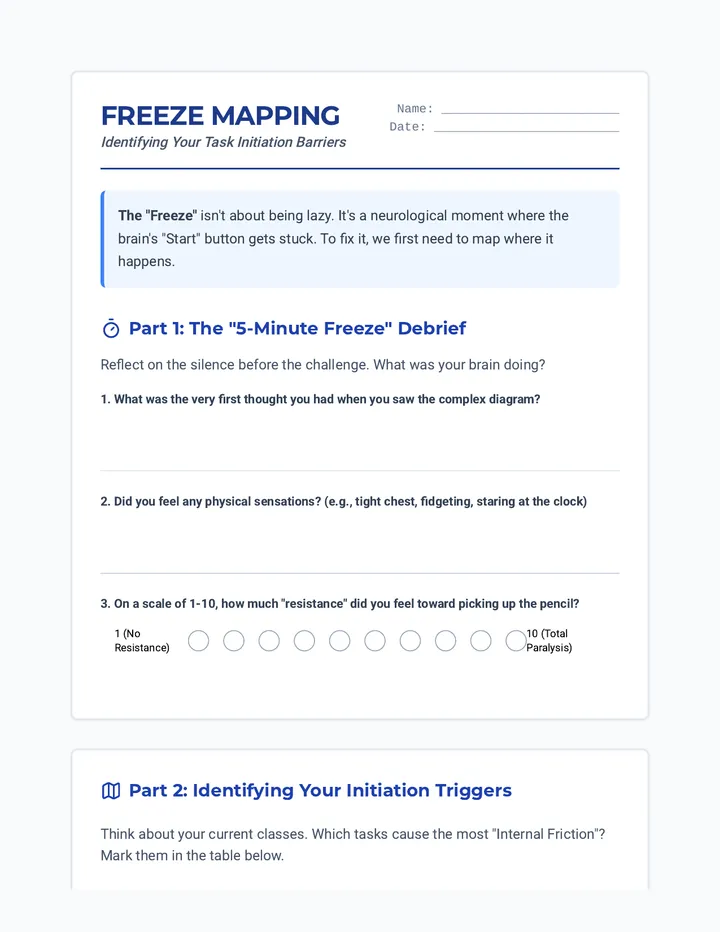
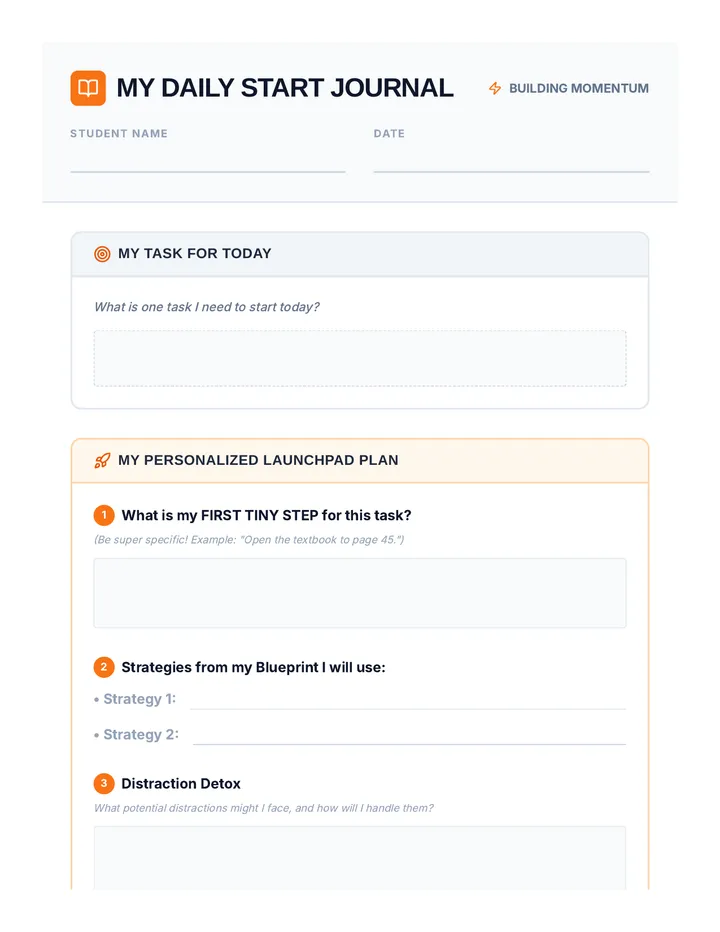
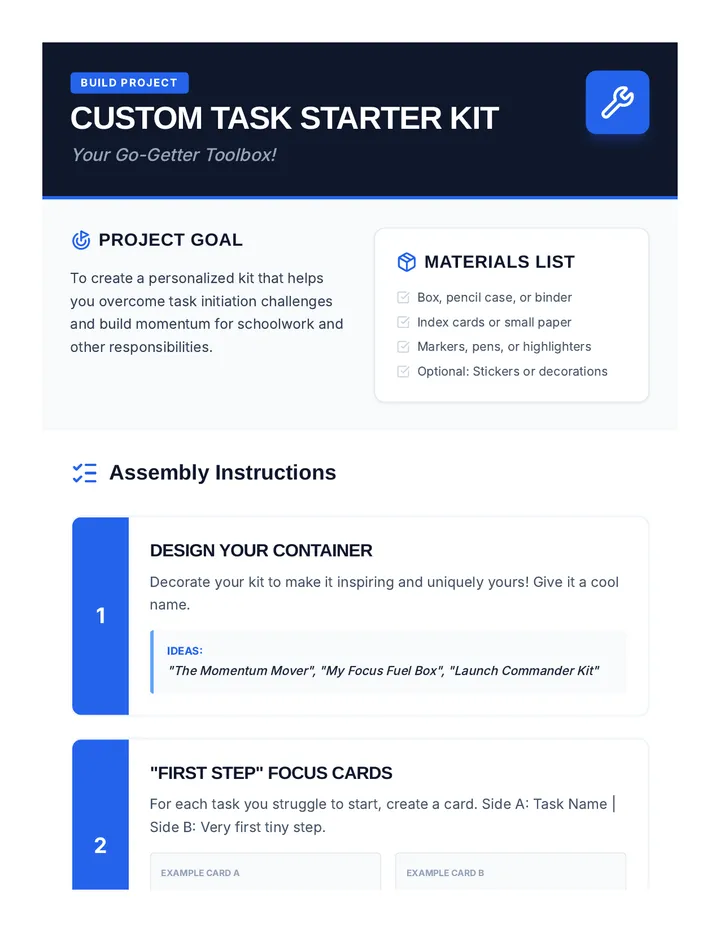
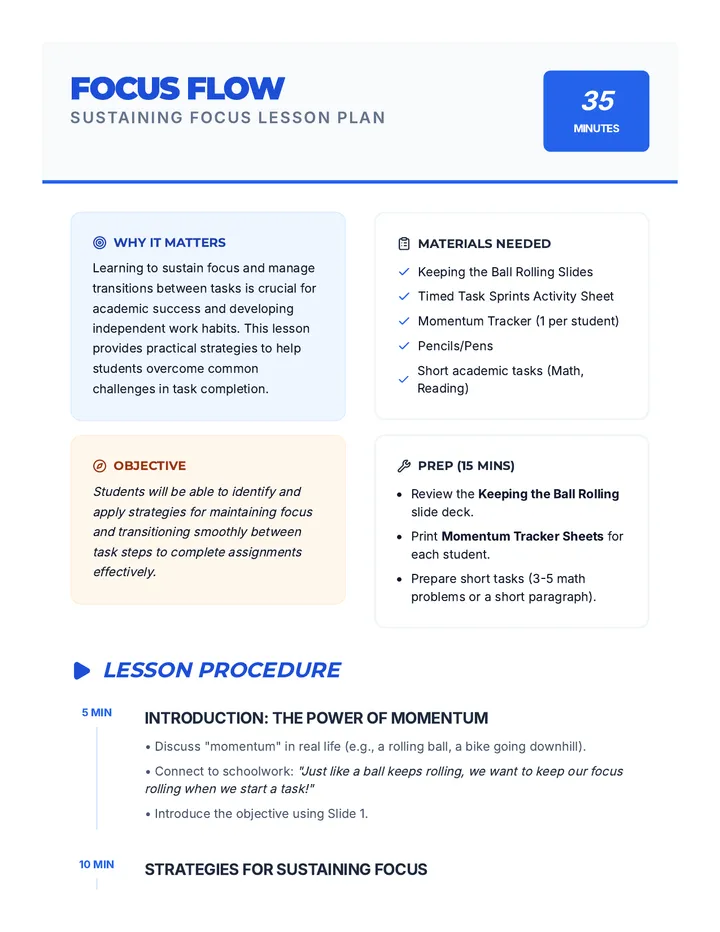
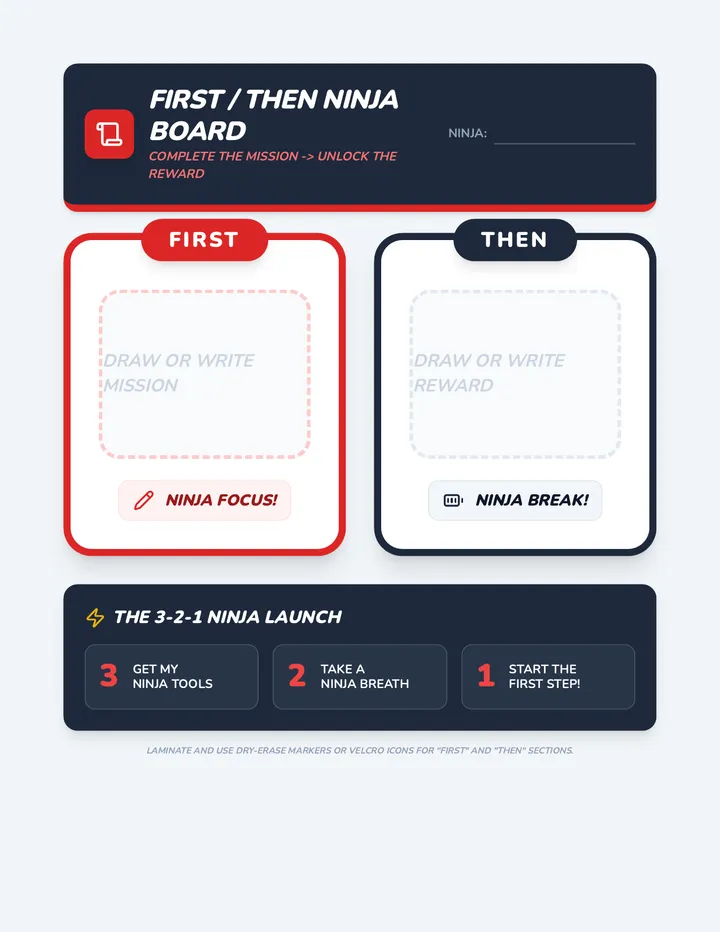
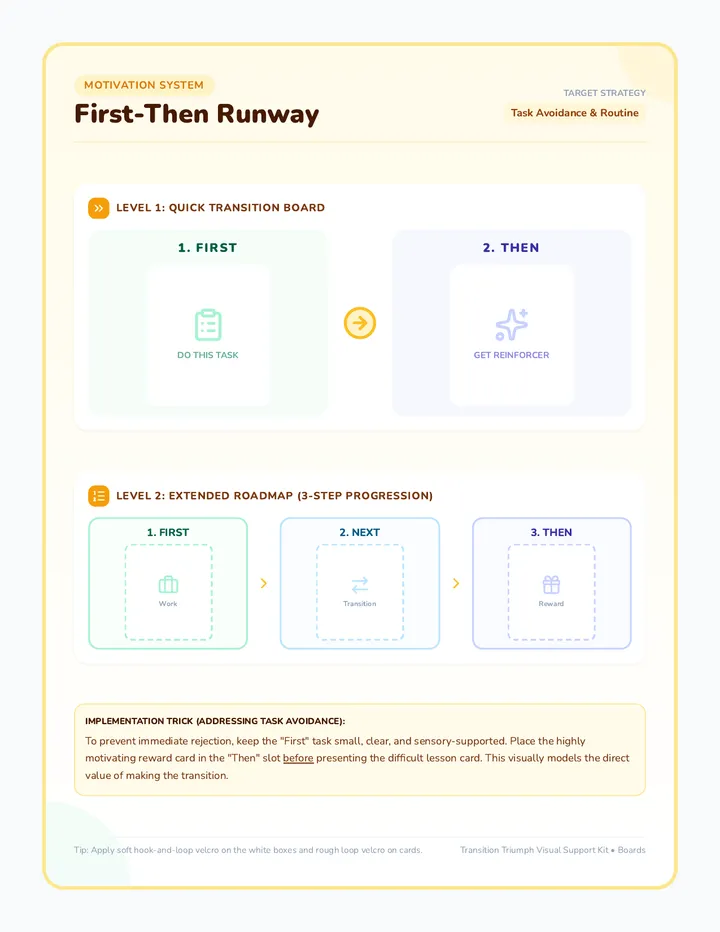
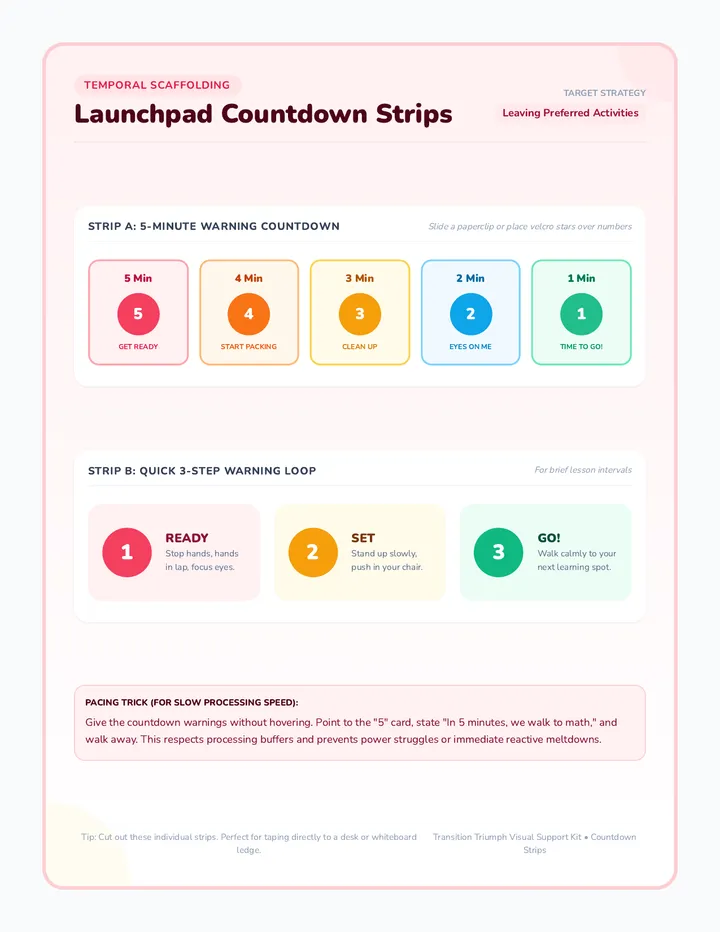
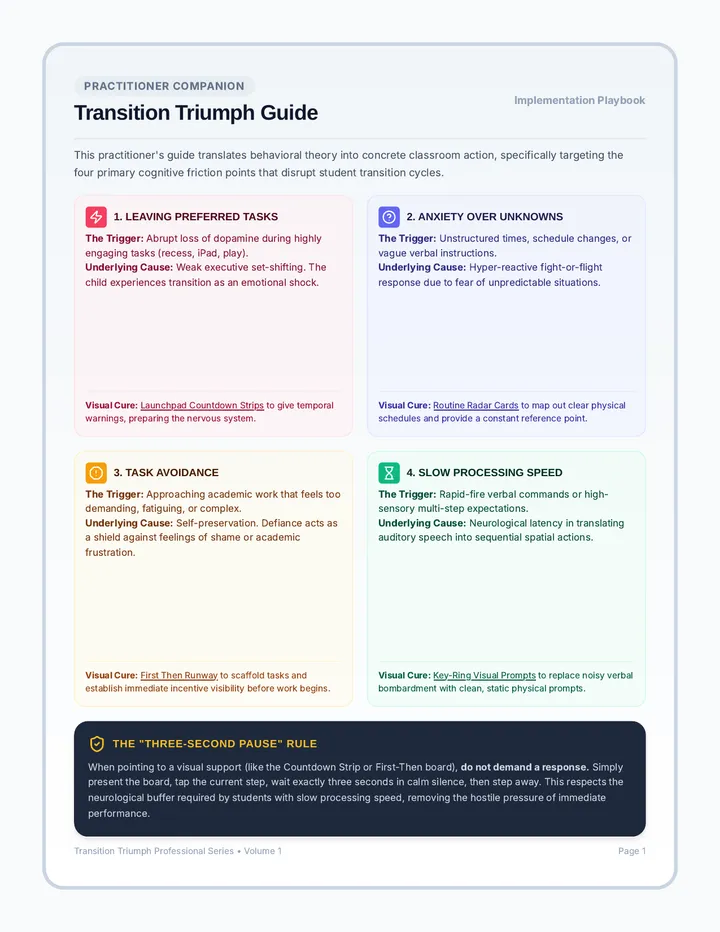
Techniques for task initiation, strategic break management, and navigating transitions through minimal prompting and self-talk strategies. Addresses multi-day project completion, adaptive planning, and problem-solving when facing obstacles.
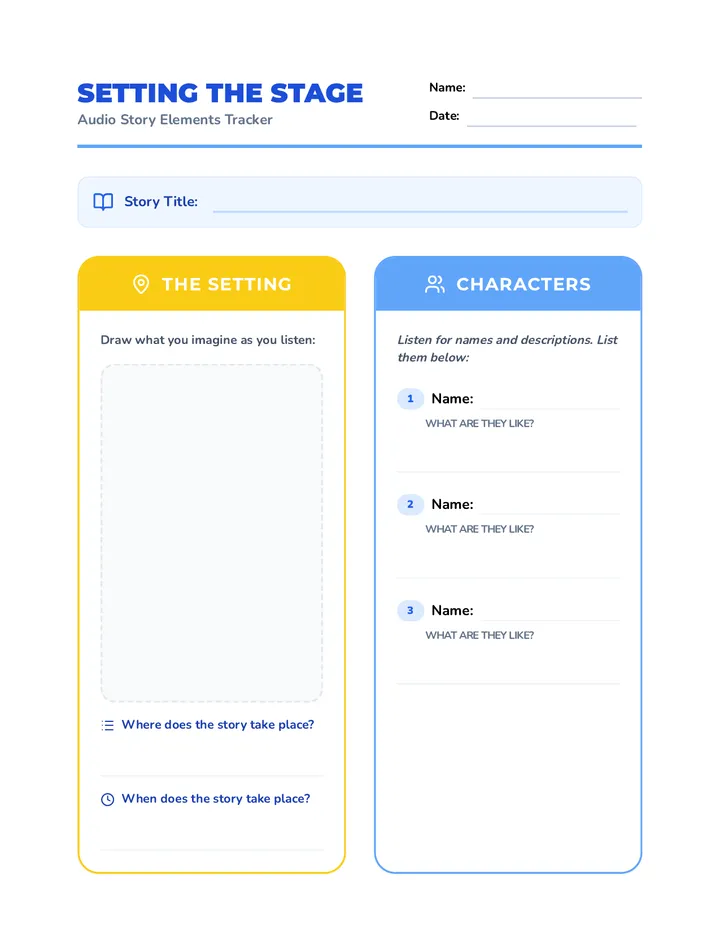
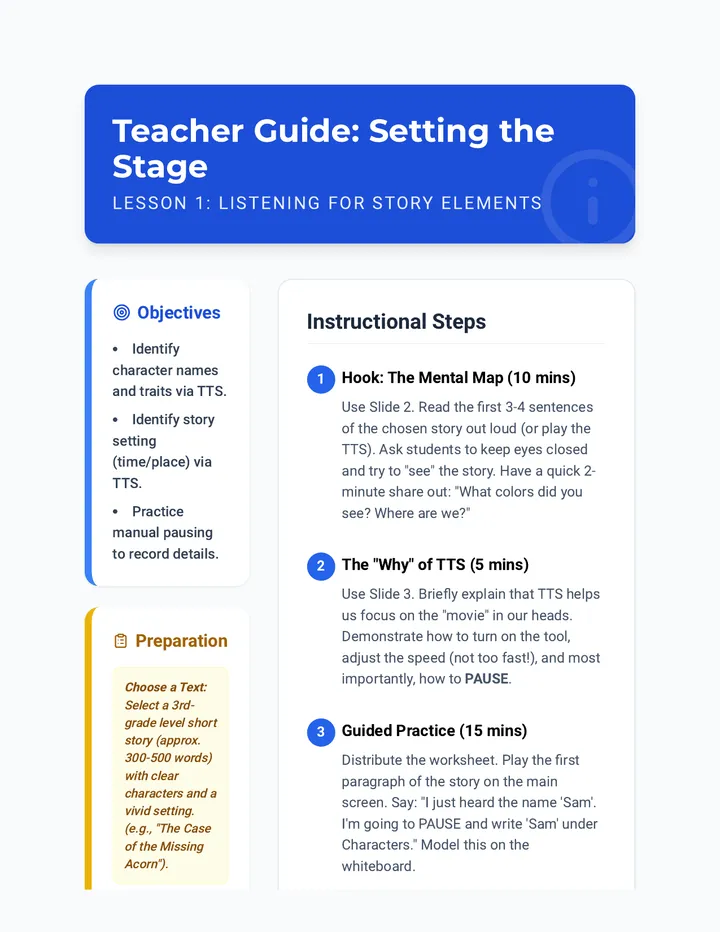
This sequence teaches 3rd-grade students how to use text-to-speech (TTS) as a strategic tool for narrative comprehension. Students learn to use audio for identifying story elements, summarizing via the 'Listen-Stop-Think' routine, citing evidence by re-listening, and visualizing descriptive text.
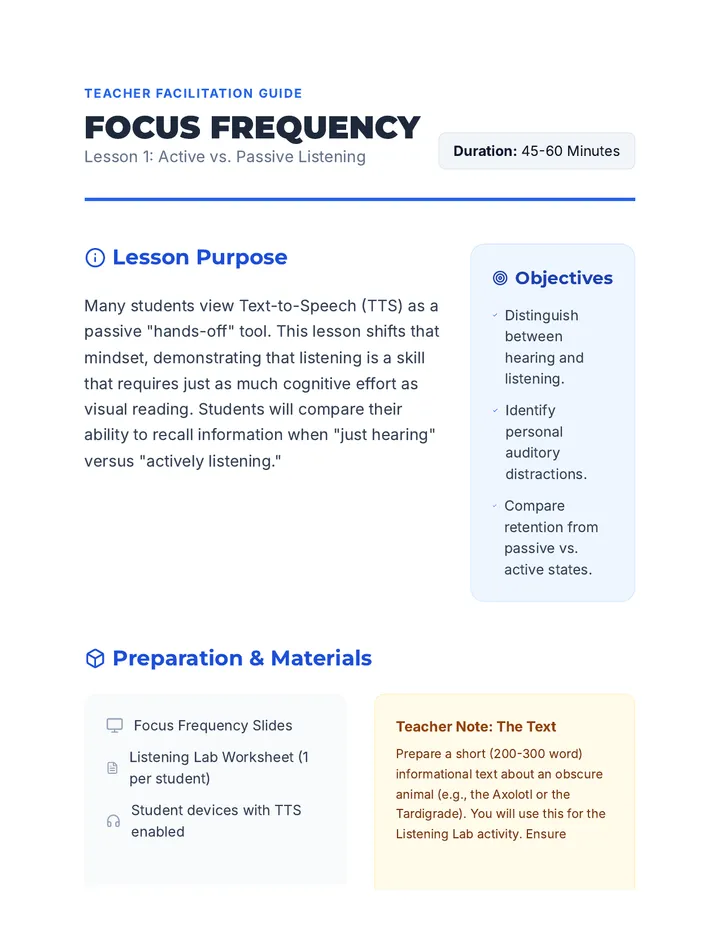
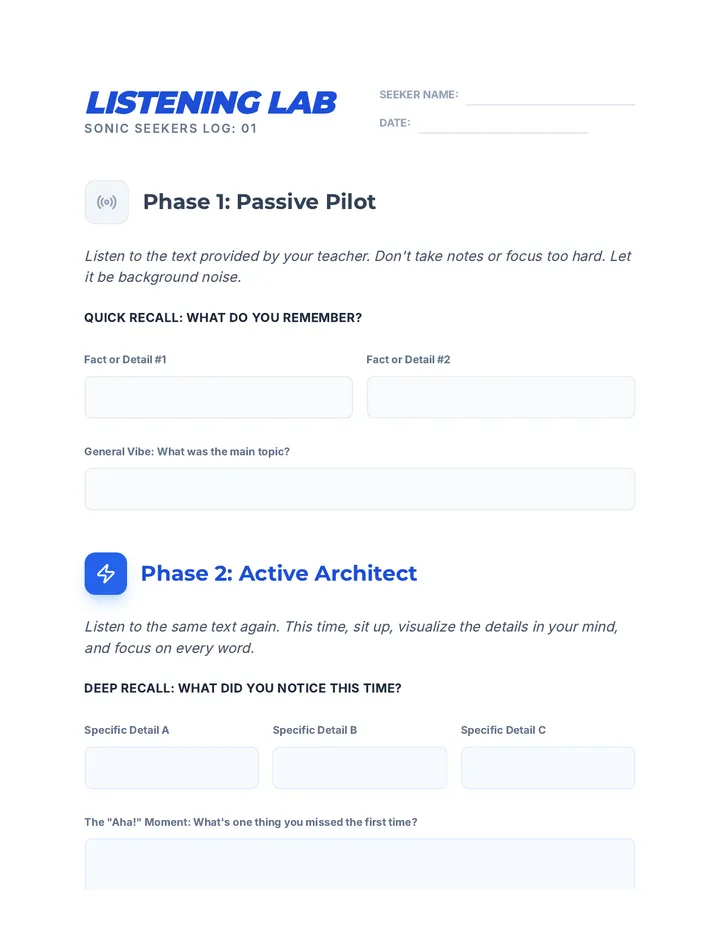
This sequence shifts the focus from assistive technology to the cognitive strategies required for auditory learning. Students engage in inquiry-based activities to distinguish between passive hearing and active listening, applying specific comprehension strategies while using text-to-speech (TTS) to access grade-level texts.
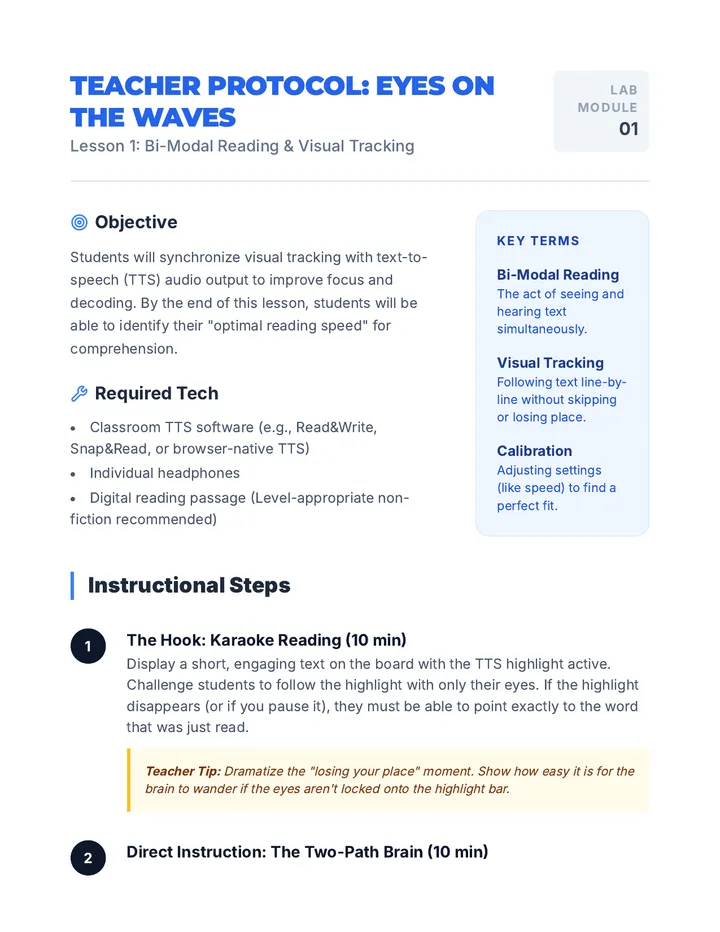
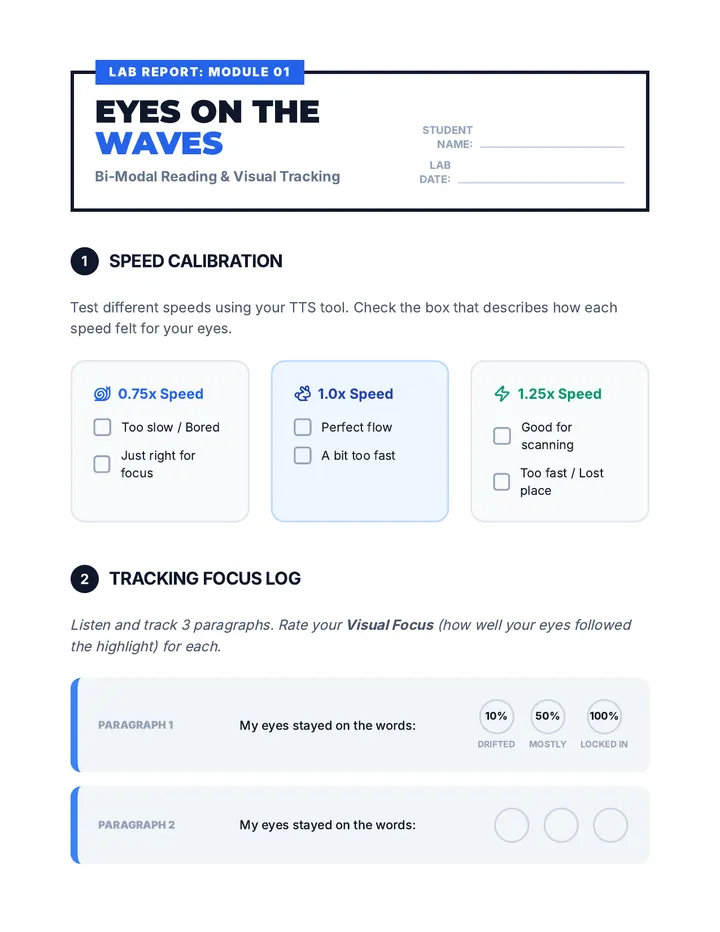
A 5th-grade sequence focused on using Text-to-Speech (TTS) technology as a cognitive strategy for reading comprehension. Students learn bi-modal reading, text chunking, evidence collection, and active annotation to transition from passive listening to active engagement with digital text.
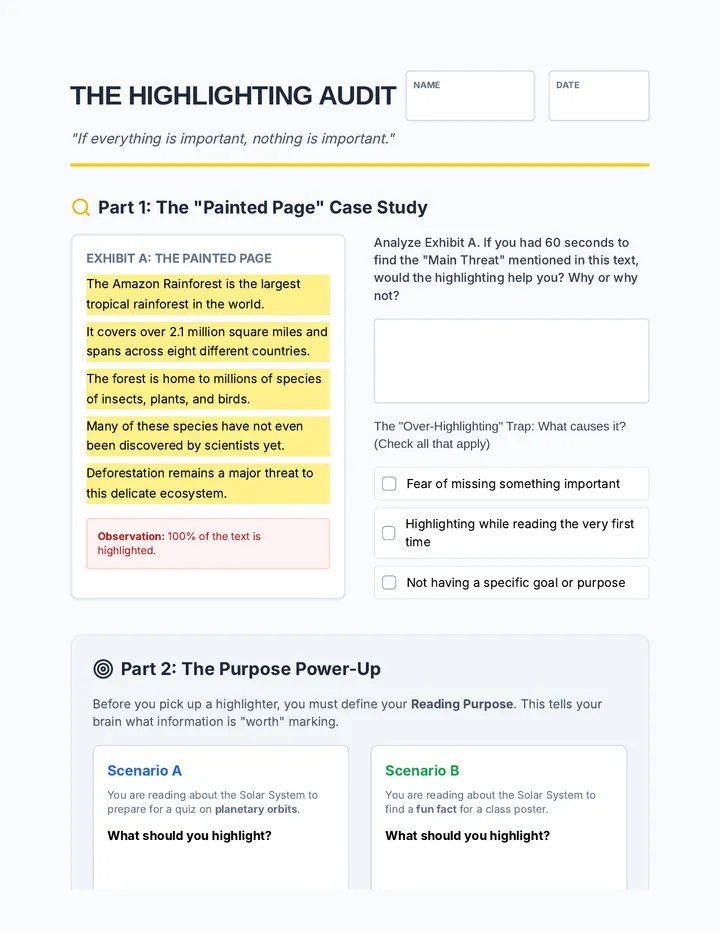
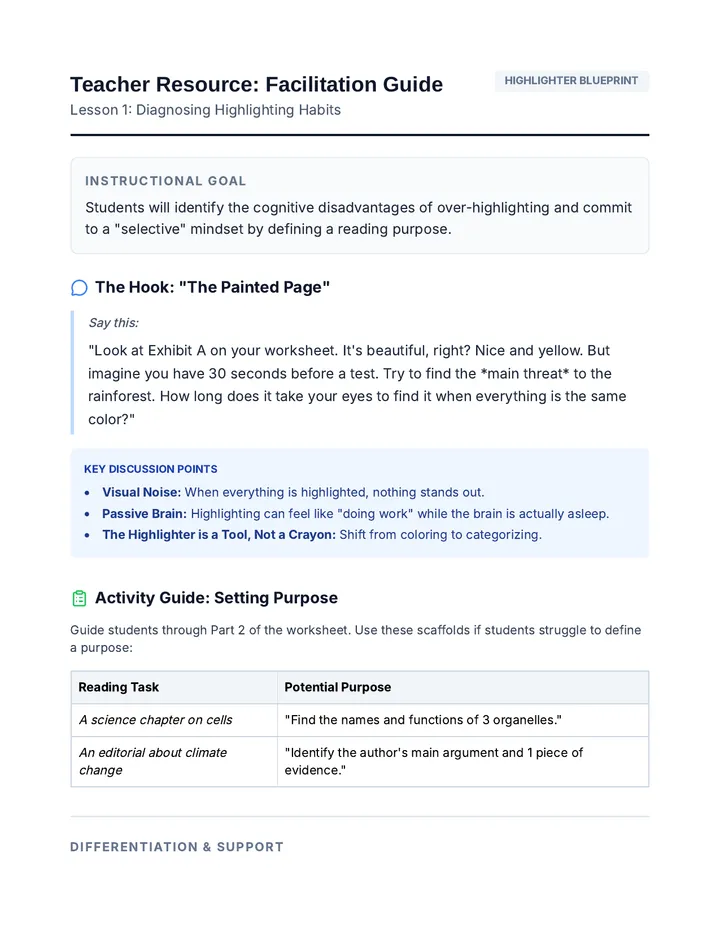
A 5-lesson sequence for 9th-grade students to master a systematic, three-color highlighting strategy, moving from identifying 'over-highlighting' pitfalls to independent application on non-fiction texts.
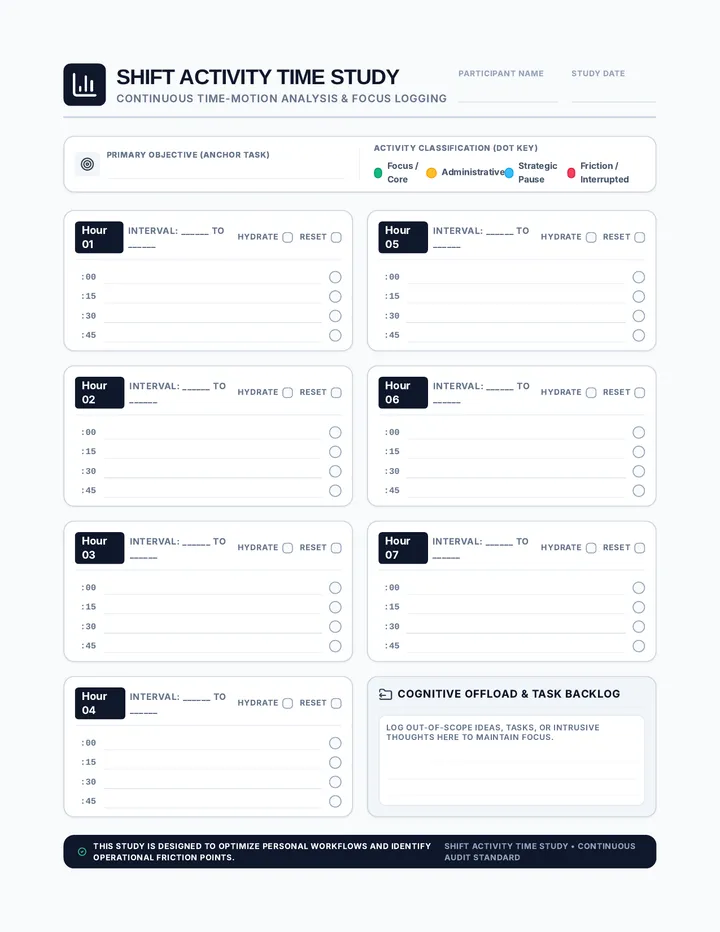
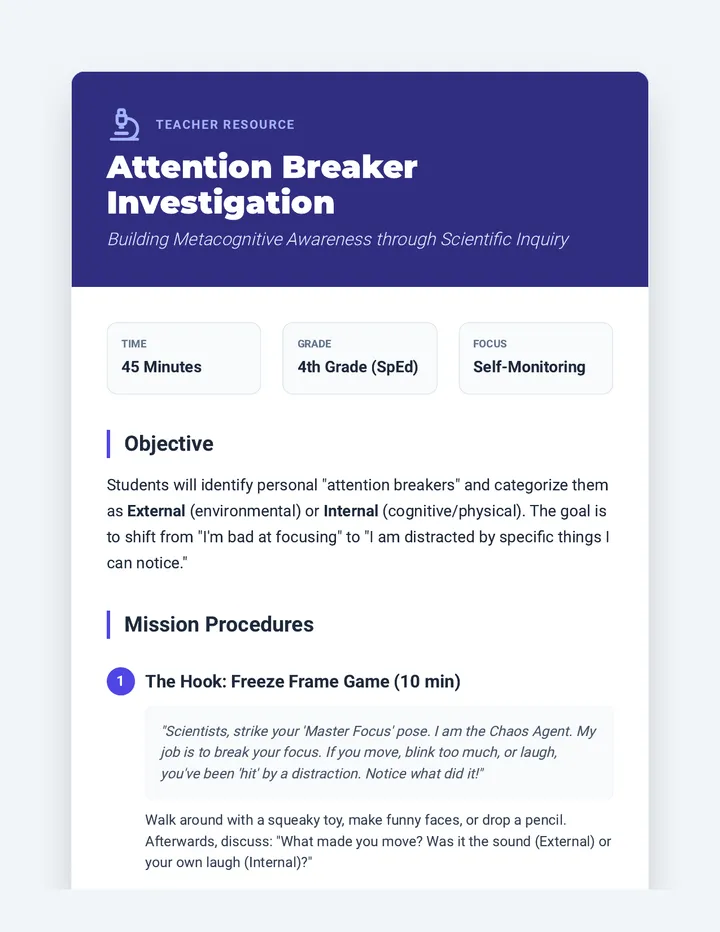
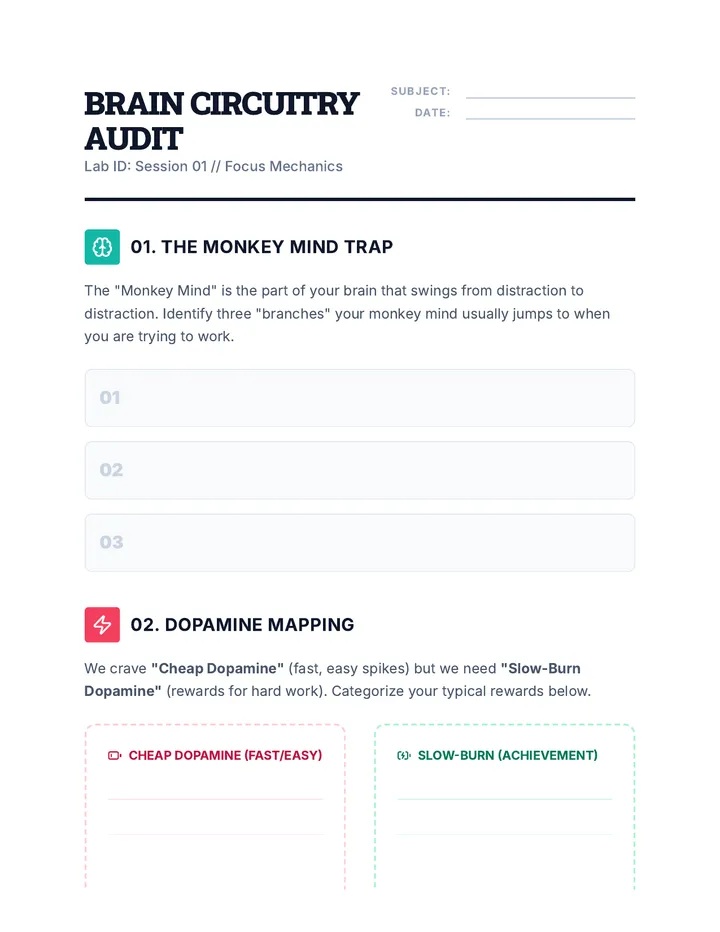
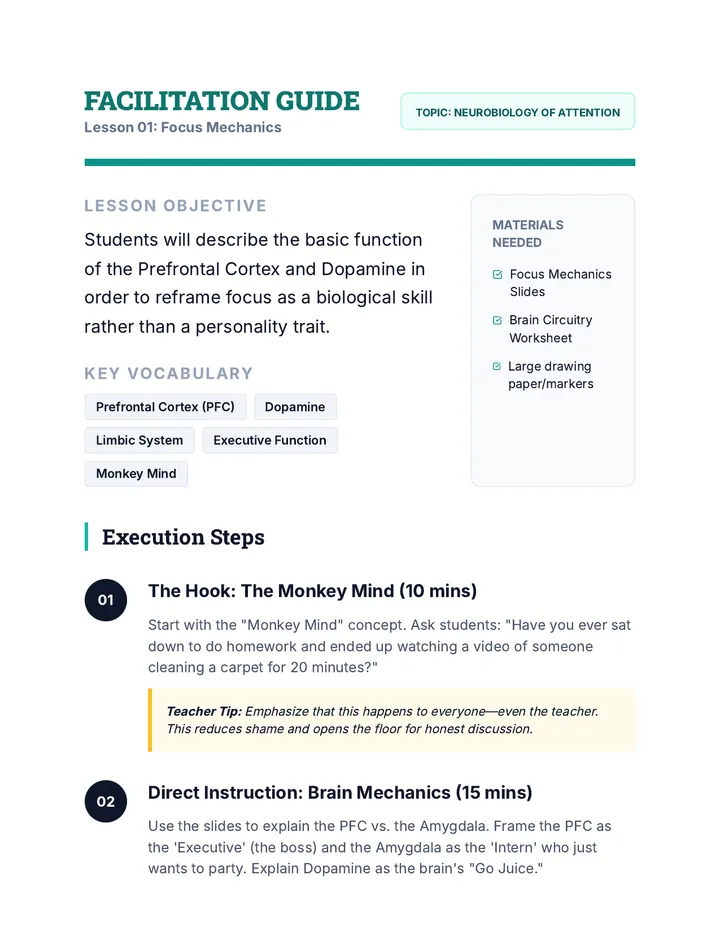
A 5-lesson sequence for 9th Grade Special Education students focused on the neurobiology of attention, interval-based work techniques, environmental management, and energy regulation to improve task execution and self-regulation.
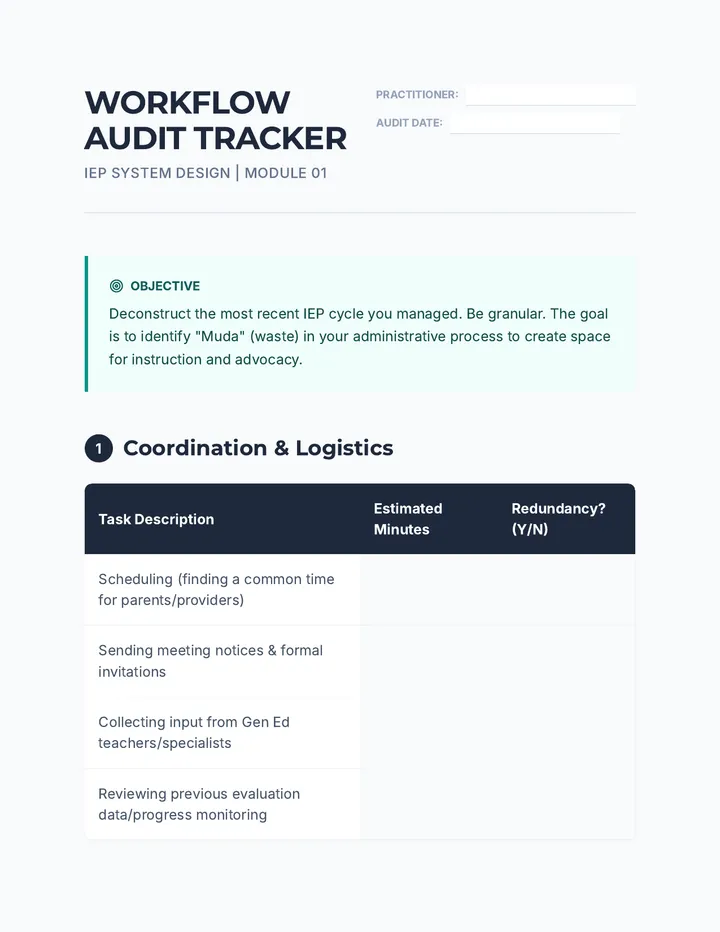
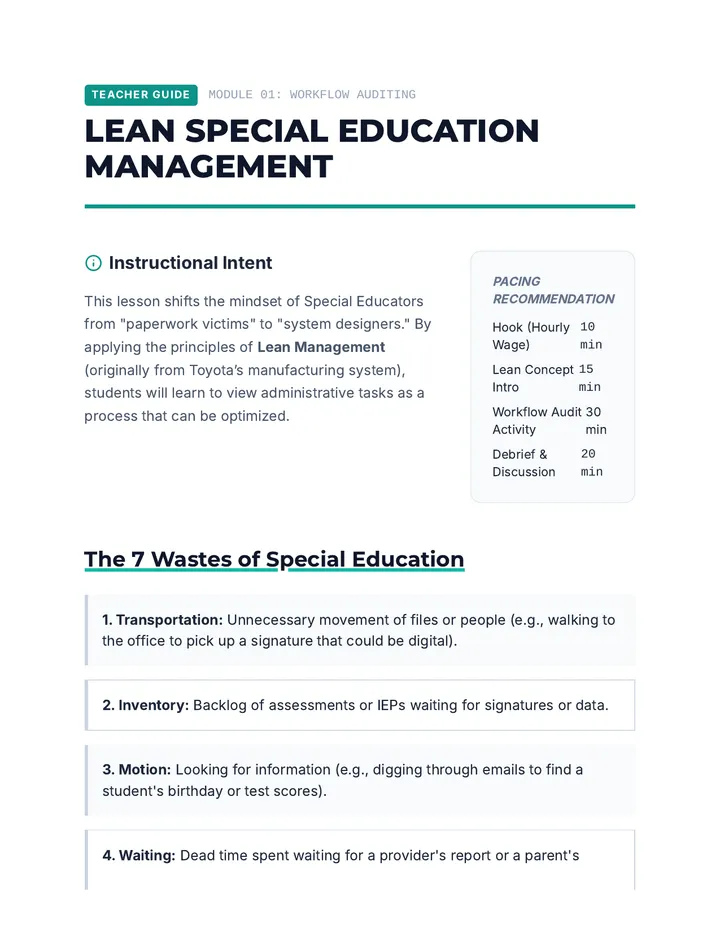
A graduate-level sequence focused on the mechanics of administrative compliance in Special Education. Students will design and implement a comprehensive IEP workflow system using project management principles, automation, and deep work strategies to prevent burnout and ensure 100% legal compliance.
A comprehensive sequence for 11th-grade students to master Text-to-Speech (TTS) technology for high-level academic research. Students progress from software evaluation and auditory optimization to advanced annotation strategies and troubleshooting complex document formats.
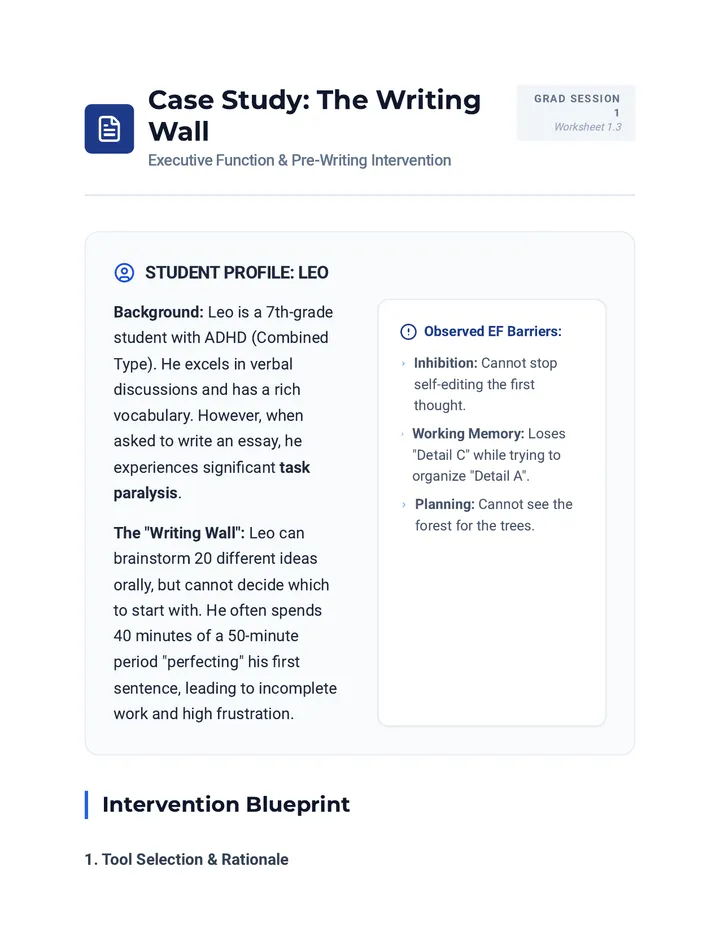
A comprehensive sequence for undergraduate special education students focused on tailoring text engagement and annotation strategies for learners with SLD, ADHD, and visual processing needs. Students analyze case studies, evaluate assistive technologies, and design bespoke support plans.
A Kindergarten sequence focused on task persistence and emotional regulation for Special Education students. Students learn to identify frustration, use 'yet', ask for help strategically, break tasks into steps, and apply these skills in an obstacle course.
A 10th-grade special education sequence focused on the strategic use of virtual manipulatives to bridge the gap between concrete modeling and abstract algebraic reasoning. Students progress from tool exploration to independent selection and justification.
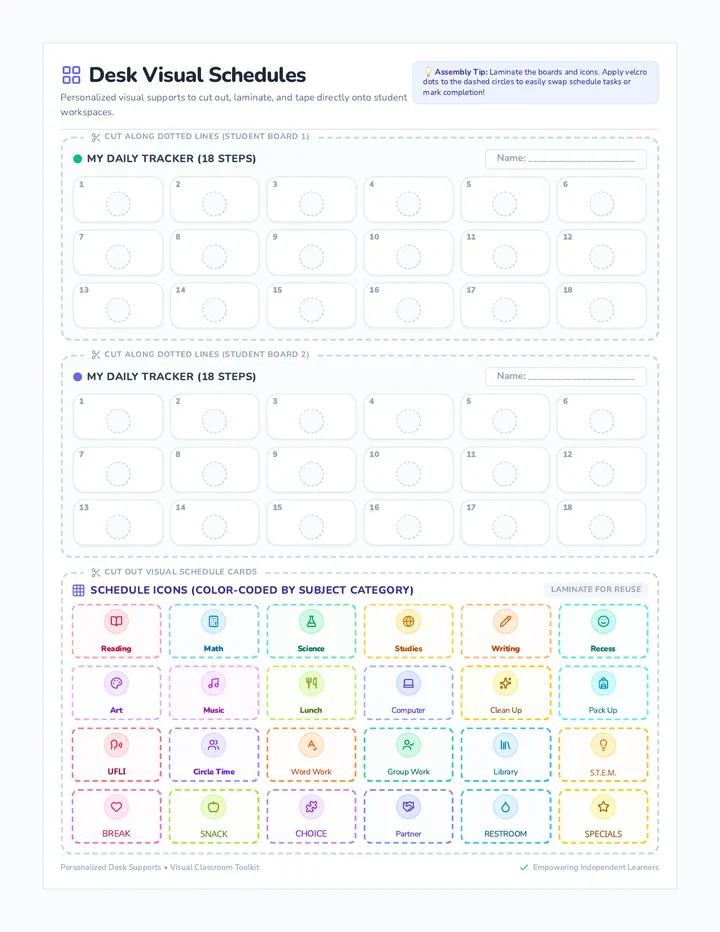
A Kindergarten sequence focused on reducing cognitive load for multi-step directions using visual supports. Students move from teacher-led cues to self-directed visual sequencing through movement-based activities and games.
A comprehensive unit designed for 2nd-grade special education students to develop executive functioning skills, focusing on task persistence, stamina, and self-regulation through concrete strategies like chunking and positive self-talk.
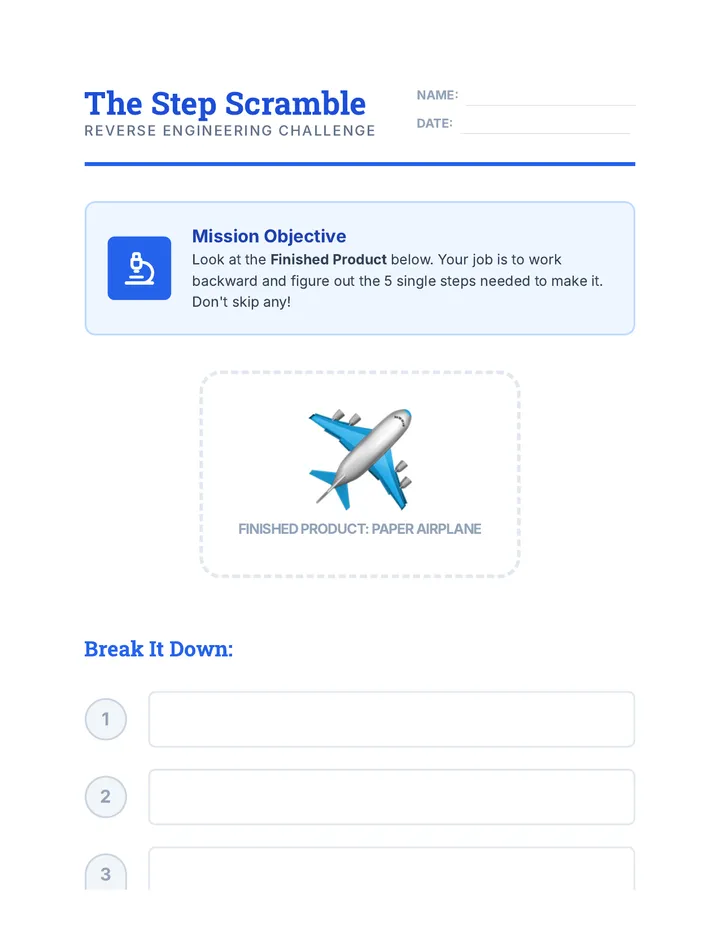
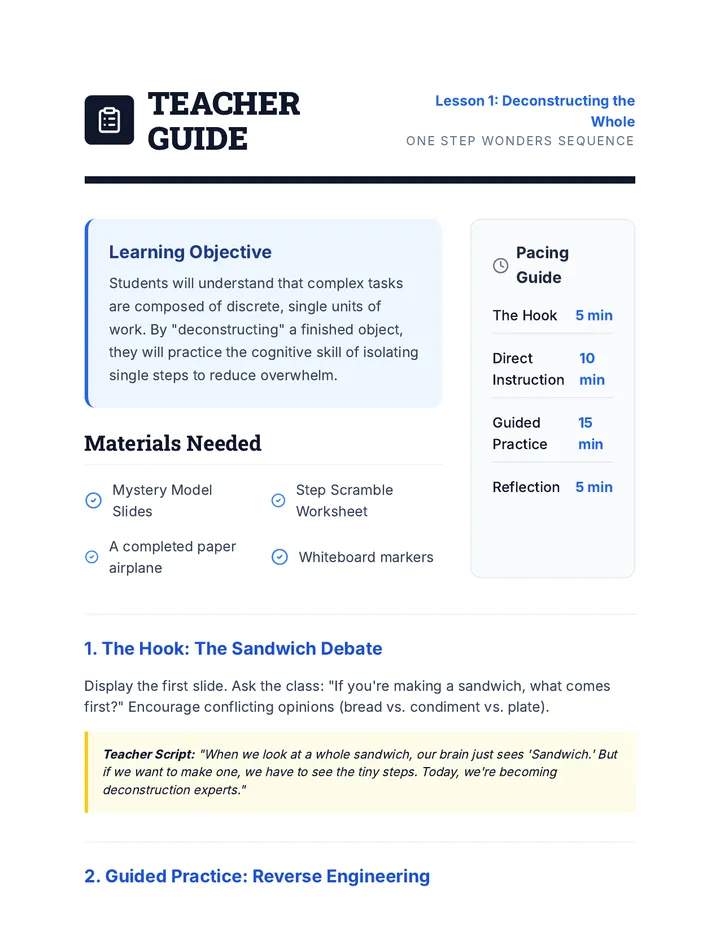
This sequence teaches 6th-grade students how to manage cognitive load by breaking down complex instructions into single, manageable steps. It covers reverse engineering, chunking text, prioritizing the first step, digital task management, and logical sequencing.
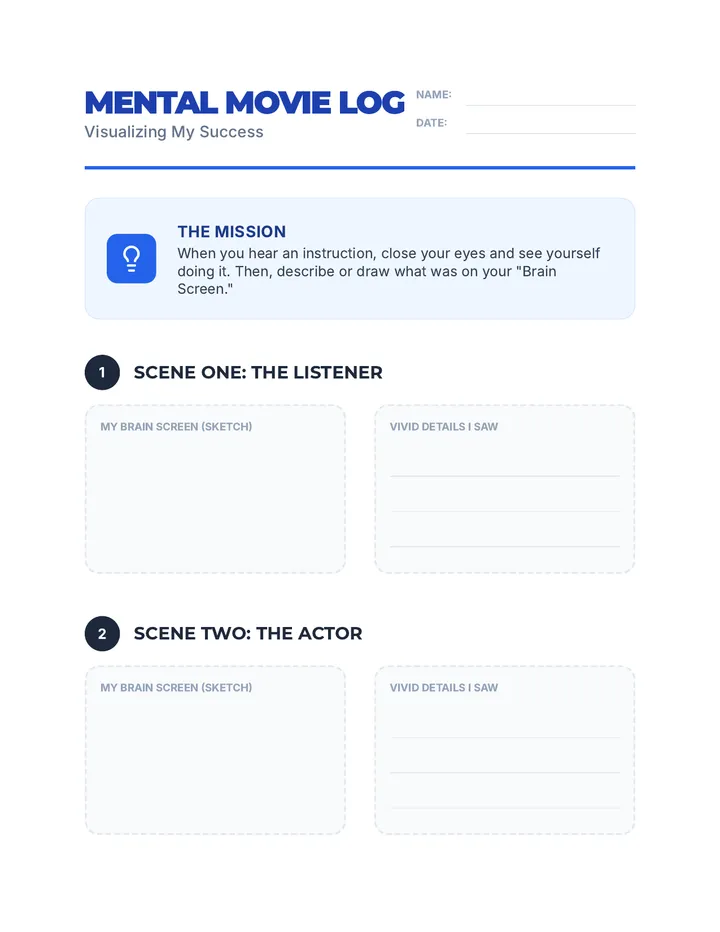
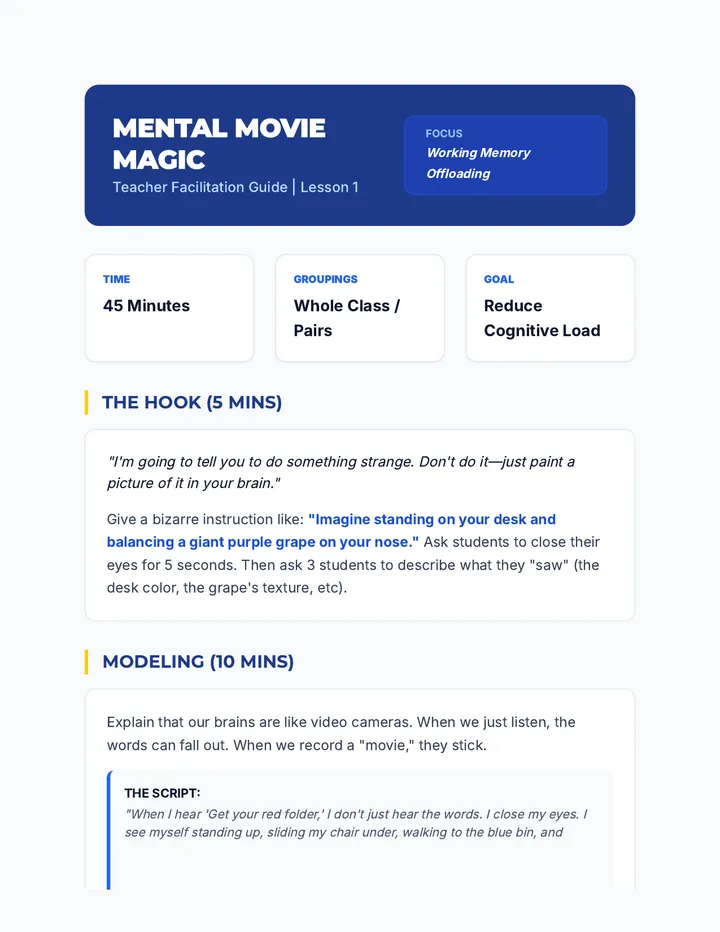
A specialized sequence for 6th-grade students focusing on working memory support through visual encoding. Students learn to transform auditory single-step directions into mental images and physical sketches to improve recall and task execution.
A systematic program designed for 6th grade students to improve working memory and auditory processing. Students learn specific strategies like verbal rehearsal, verb isolation, and impulse control to successfully capture and execute single-step instructions in various environments.
A specialized sequence for 5th-grade students to develop working memory strategies, specifically focusing on following single-step directions through verbal rehearsal, keyword identification, and distraction management.
A high-energy, game-based sequence designed for 3rd-grade students with working memory needs. This unit focuses on mastering single-step directions through barrier games, physical challenges, and collaborative construction tasks to build cognitive stamina and attentional control.
A project-based sequence for 4th-grade students focusing on working memory support through single-step direction following, using construction and assembly tasks to reinforce precision and patience.
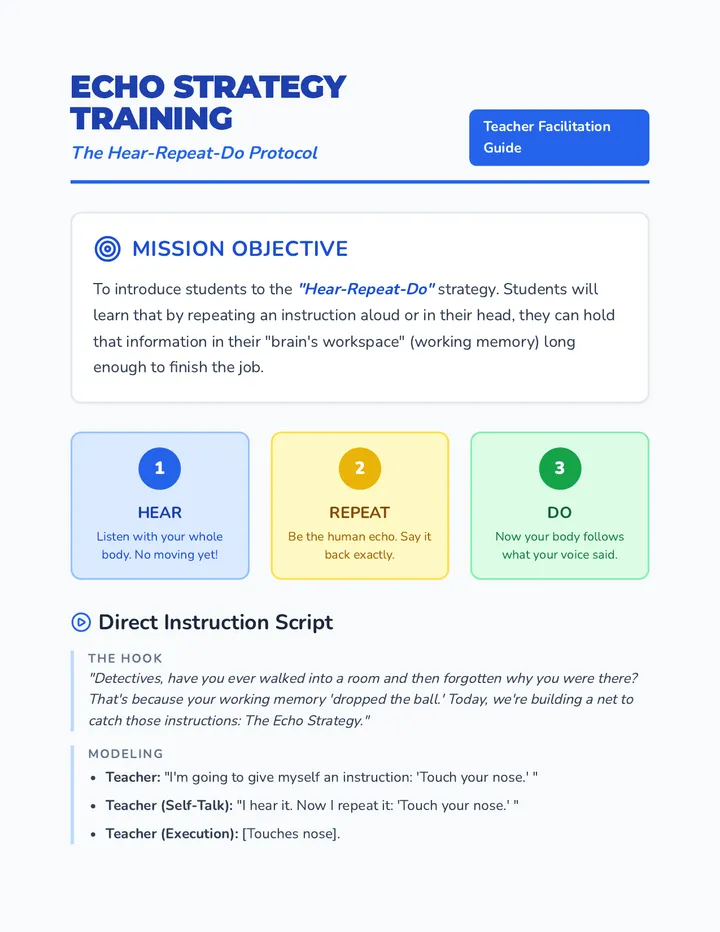
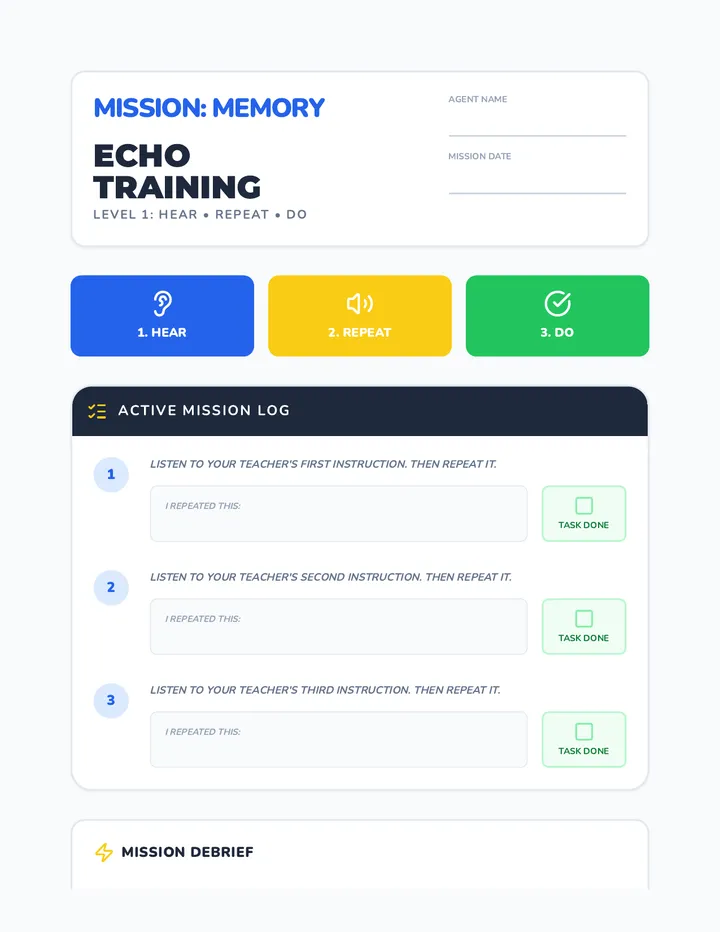
A specialized sequence for 4th-grade students to develop working memory through verbal rehearsal. Students practice the 'Hear-Repeat-Do' strategy, identify action keywords, utilize processing pauses, and verify their work to improve follow-through on single-step directions.
A vocational training sequence for 11th-grade students focusing on working memory through single-step directions in workplace safety contexts. Students practice interpreting signs, filtering auditory distractions, and following strict protocols in high-stakes simulations.
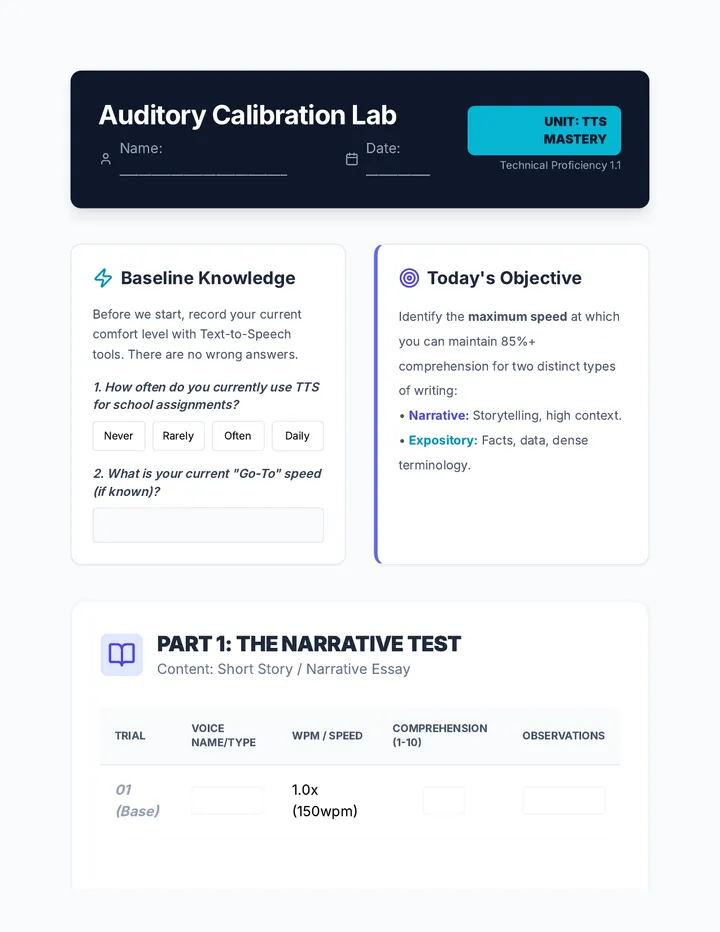
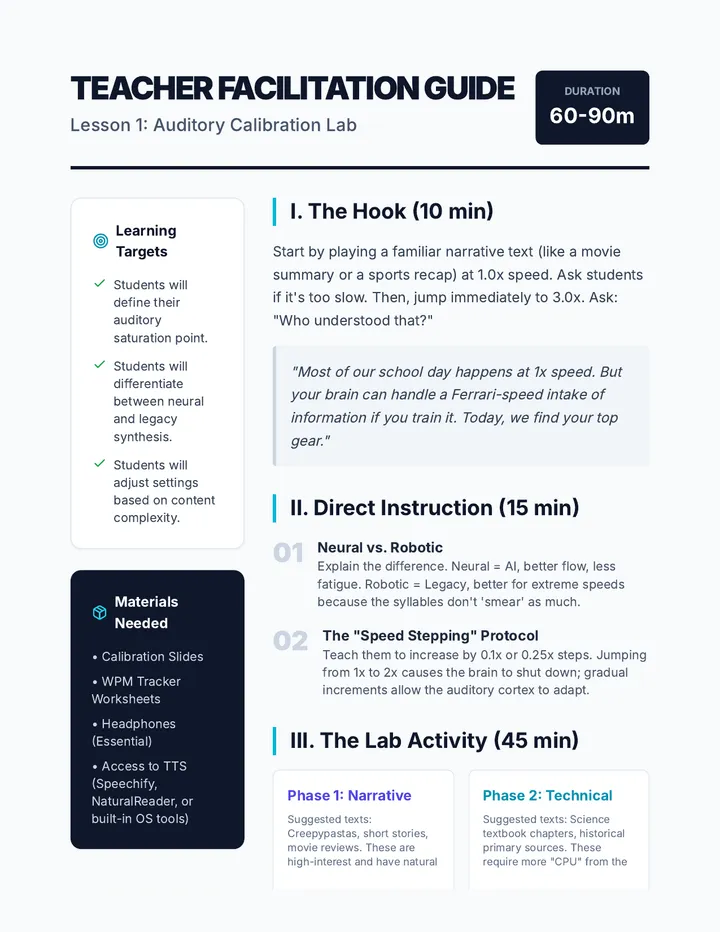
This sequence equips 12th-grade students with advanced technical skills in Text-to-Speech (TTS) technology. It moves beyond basic tool usage to professional-grade workflows, including auditory calibration, OCR conversion, immersion reading, mobile synchronization, and technical troubleshooting, preparing students for the heavy reading demands of post-secondary environments.
A graduate-level sequence focused on the clinical transition from contrived token systems to natural reinforcement, covering social praise conditioning, schedule thinning, level systems, self-monitoring, and long-term exit strategies.
This sequence introduces Pre-K students in Special Education to visual timers to manage transitions. It covers exploring timers, practicing waiting, working during timed intervals, responding to 'all done' signals, and moving to break zones.
A comprehensive sequence designed to teach 6th-grade students the executive function skill of 'chunking.' Students learn to analyze complex assignments, use backward planning, estimate time accurately, and set milestones to manage long-term projects without feeling overwhelmed.
A sequence designed for Kindergarten students to develop self-regulation and executive function skills through the use of visual checklists. Students learn to analyze tasks, sequence steps, and monitor their own progress to support working memory and independence.
This sequence teaches 11th-grade students how to use digital visual systems (calendars, Kanban boards, and widgets) to support working memory and executive function. Students transition from reactive list-making to proactive visual time and task management, preparing them for the demands of college and career environments.
A simulation-based sequence for 6th graders to strengthen working memory and focus through precise, single-step instructions. Students engage in collaborative building, robotic programming, and assembly line tasks to master the art of sequential processing.
A specialized sequence for 5th-grade students focusing on working memory support through task segmentation. Students learn to break complex tasks into single steps, using digital pacing and physical checklists to manage cognitive load and reduce anxiety.
A 5-lesson sequence for 3rd-grade students with working memory challenges. It uses Total Physical Response (TPR) and kinesthetic anchors to help students focus on and remember single-step instructions through body movement.
A comprehensive 5-lesson unit for 6th-grade students in special education, focusing on assistive technology and keyboard-only navigation. The sequence uses a gamified 'Cyber Cadet' theme to teach focus indicators, application launching, multitasking, and file management.
Une formation complète de 9h destinée aux AED pour transformer une salle polyvalente (permanence, foyer, cours) en espace flexible, abordant les postures professionnelles et l'aménagement spatial.
A 3-day introductory course on exterior home maintenance for students working independently. Covers seasonal tasks, tool identification, hazard reporting, and safety protocols.
A comprehensive support plan for a 4th-grade student with autism, focusing on emotional regulation, proactive classroom strategies, and visual communication tools to replace threatening language during escalation.
A comprehensive 5-lesson unit designed to help 5th graders master key executive functioning skills: planning, organization, time management, working memory, and flexibility.
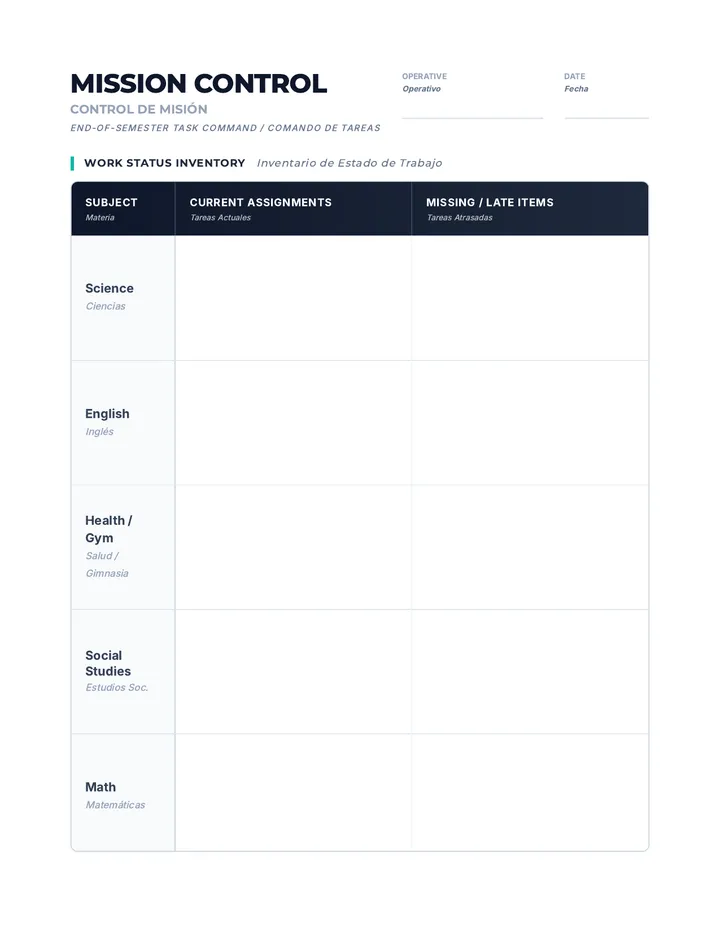
A four-lesson sequence designed for a 10th-grade student with ADHD to manage boredom, prevent elopement, and develop self-regulation strategies when work is completed early. The sequence uses a 'Mission Control' theme to empower the student as the pilot of her own classroom experience.
A 6-week Tier 2 executive functioning intervention focused on developing goal-setting and problem-solving skills. Students use an engineering/blueprint theme to "design" their success and navigate challenges.
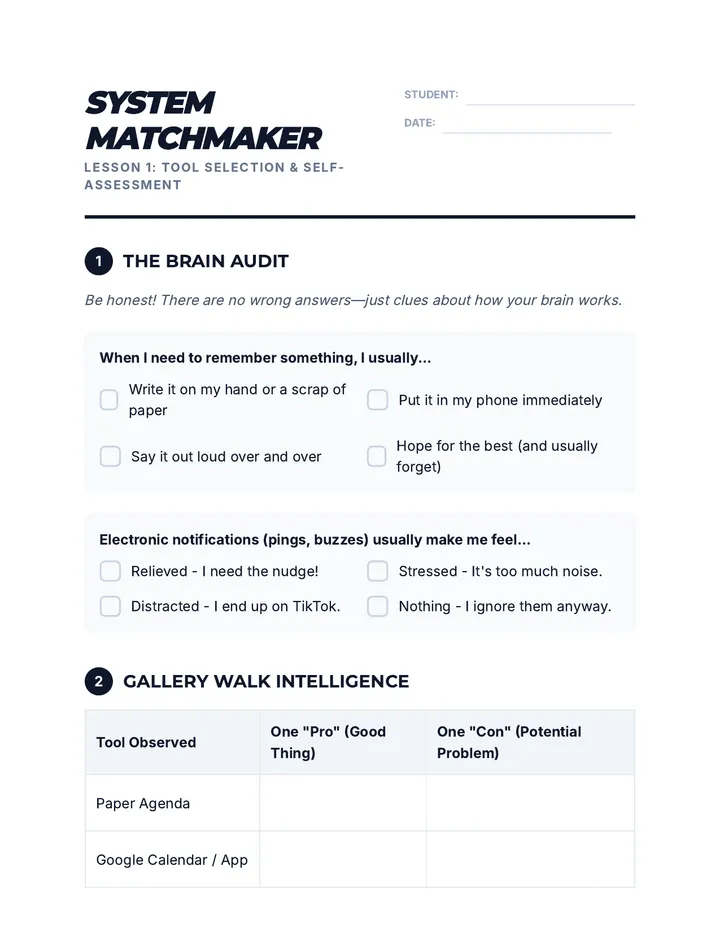
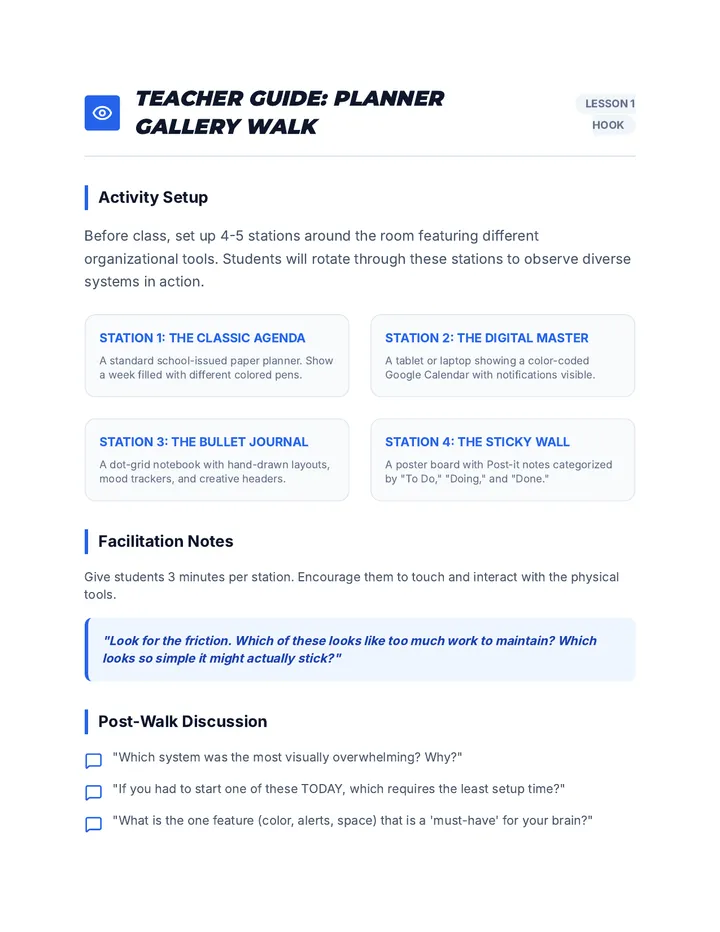
A comprehensive sequence designed to help 9th-grade students with executive function challenges develop, implement, and test personalized organizational systems. Students explore analog and digital tools, master calendar management, organize digital and physical spaces, and simulate real-world 'stress tests' to refine their chosen frameworks.
An immersive caseload management simulation for undergraduate special education students, focusing on organization, task-switching, and professional composure.
This sequence equips undergraduate special education students with practical frameworks for prioritizing tasks, managing crises, delegating effectively, and maintaining professional boundaries in a high-pressure school environment.
An advanced sequence for graduate students exploring the intersection of Assistive Technology and systems-level collaboration to support student task prioritization and executive functioning.
A 5-lesson series for 6th-grade special education students focused on executive functioning. Students learn to deconstruct complex assignments, estimate time accurately, plan backwards from deadlines, and maintain visual organization systems like Kanban boards to manage their middle school workload.
A sequence designed for 10th-grade students to master long-term project management through visual workflow systems like Kanban, daily self-monitoring routines, and adaptive problem-solving. Students learn to externalize executive memory and pivot when plans change.
A comprehensive 5-lesson sequence designed for 4th-grade students (with a focus on Special Education) to master executive function skills for multi-day project completion. Using an aviation-inspired 'Project Pilot' theme, students learn backward design, milestone identification, task chunking, time estimation, and flexible problem-solving.
A comprehensive workshop-style sequence for 8th-grade students to master executive function skills for long-term project management. Students learn to deconstruct complex tasks, estimate time realistically, plan backward from deadlines, and use visual systems like Kanban to track progress and troubleshoot obstacles.
This simulation-based sequence immerses 3rd-grade students in the role of 'Time Travelers' to master digital calendars and reminder systems. Students learn to distinguish between tasks and events, manage time blindness through alerts, and organize their schedules using visual color coding and flexible editing.
A Kindergarten Special Education unit that helps students understand why routines change through social narratives and logical analysis. Students transition from being surprised by changes to becoming 'Plan B' detectives who can identify external factors and propose alternatives.
This sequence introduces Pre-K students to visual schedules and specific visual markers for routine changes. It moves from simple First-Then boards to full daily timelines, eventually introducing the 'Change' card to build cognitive flexibility and reduce transition-related anxiety.
This sequence guides 4th-grade students through the process of selecting and configuring digital productivity tools to support executive functioning, moving from identifying personal organizational hurdles to creating and maintaining a personalized digital workflow.
A 5-lesson sequence designed for 1st Grade students in Special Education settings. This unit focuses on developing cognitive flexibility by teaching the concepts of 'Plan A' and 'Plan B', helping students transition from rigid to flexible thinking when expectations change.
This sequence teaches 1st-grade students how to use and modify visual schedules to navigate daily routines and adapt to unexpected changes. Through hands-on workshops and guided practice, students learn to identify change icons, physically update their schedules, and build cognitive flexibility by associating change with positive surprises.
A comprehensive sequence designed for Kindergarten students in Special Education to master the concept of time, transitions, and break management using visual timers and structured protocols.
A comprehensive sequence for 11th-grade students to master the logistical and strategic elements of building a Special Education master schedule. Students progress from identifying fixed school-wide constraints to managing personnel and grouping students for maximum instructional impact.
An undergraduate-level course focusing on the data-driven application of break strategies for neurodivergent learners. Students analyze learner profiles, design schedules, create data collection tools, and draft legally sound IEP accommodations to optimize regulation and task management.
A workshop-style sequence for undergraduate education students focusing on the neurobiology, design, and implementation of strategic break systems for neurodivergent learners. Students transition from theoretical understanding to creating tangible visual supports and transition protocols.
A movement-based sequence where Pre-K students use visual cues and memory aids to follow multi-step directions, building working memory and impulse control through play.
A foundational sequence for Pre-K students to develop working memory skills using visual supports. Students move from simple object-to-picture matching to using multi-step visual schedules and personal checklists.
A 5-lesson sequence designed for 5th-grade students focusing on working memory through physical navigation. Students practice spatial vocabulary, single-step commands, and sequential logic through movement-based activities.
A sequence focused on teaching 5th-grade students to use visual tools to manage working memory and follow single-step directions, moving from symbol recognition to independent flip-book use.
This sequence helps 3rd-grade students with working memory challenges use visual supports to follow single-step directions independently. It progresses from basic icon recognition to the creation and use of personal desk checklists.
A 5-lesson sequence designed for 4th-grade students with working memory challenges, focusing on auditory processing and following single-step directions through gamified, high-engagement activities. The sequence uses a 'Secret Agent Training' theme to build inhibitory control and attention.
A specialized sequence designed to support 4th-grade students with working memory challenges by teaching them to use visual icons and checklists as external memory aids. The sequence builds from symbol recognition to independent task completion using visual command lines.
This sequence teaches 11th-grade students with working memory challenges how to use digital tools as external memory aids. Students learn to capture, process, and execute instructions using voice-to-text, micro-tasking, auditory alarms, and visual freezing techniques.
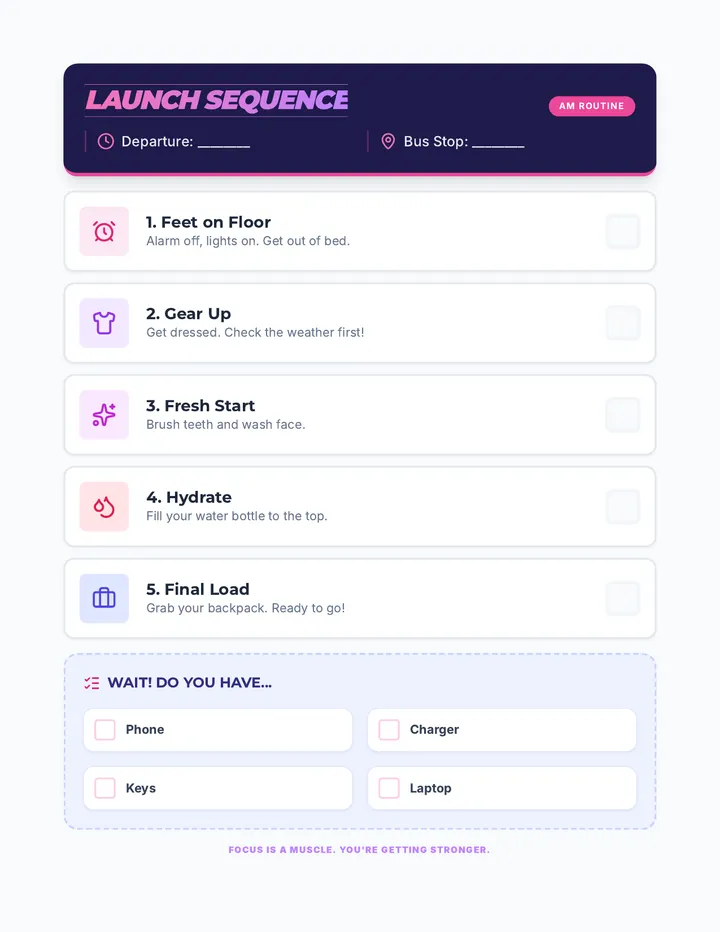
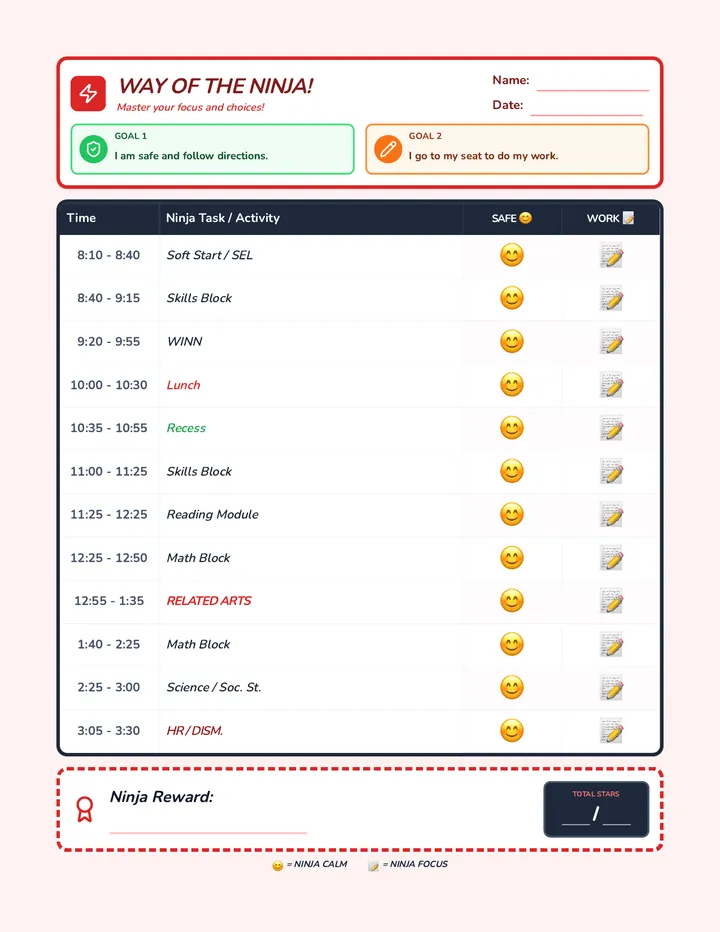
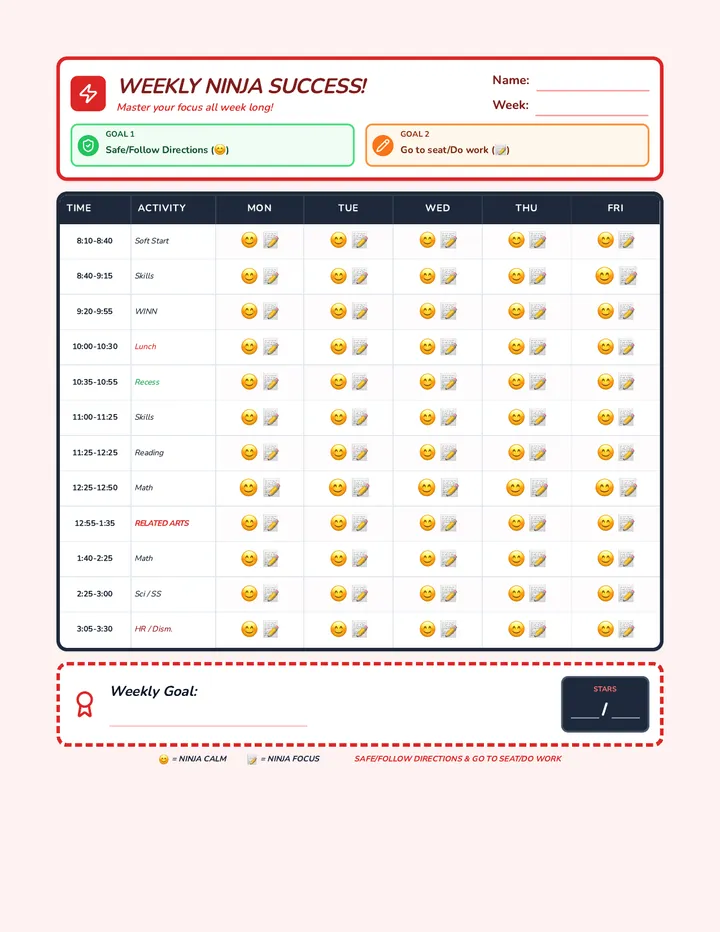
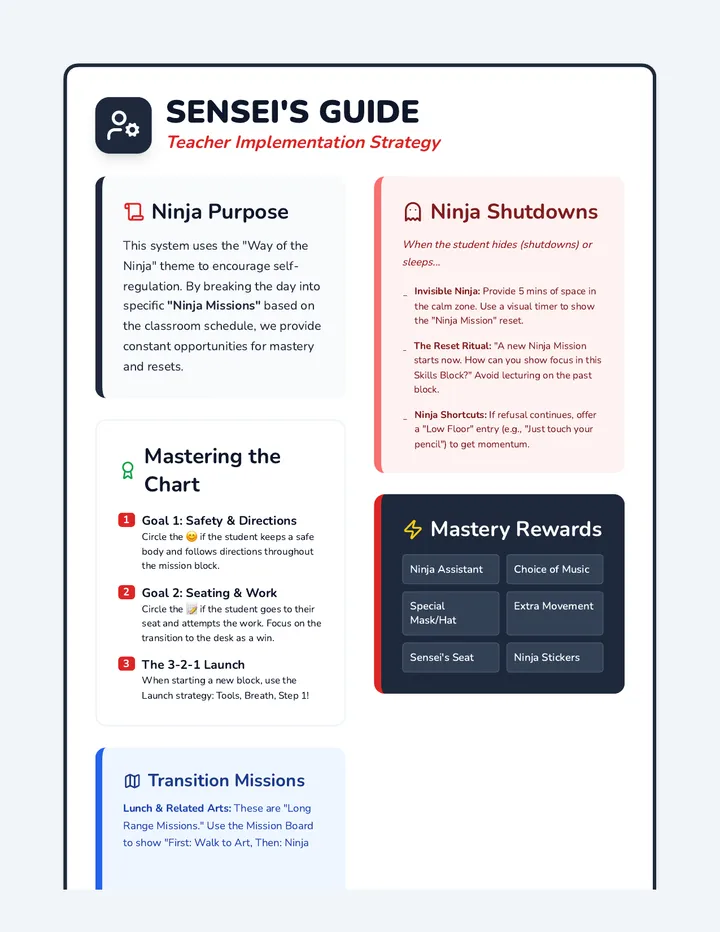
A comprehensive sequence designed for 3rd-grade students with IEPs to build self-regulation, task initiation, and focus skills through visual supports and structured routines.
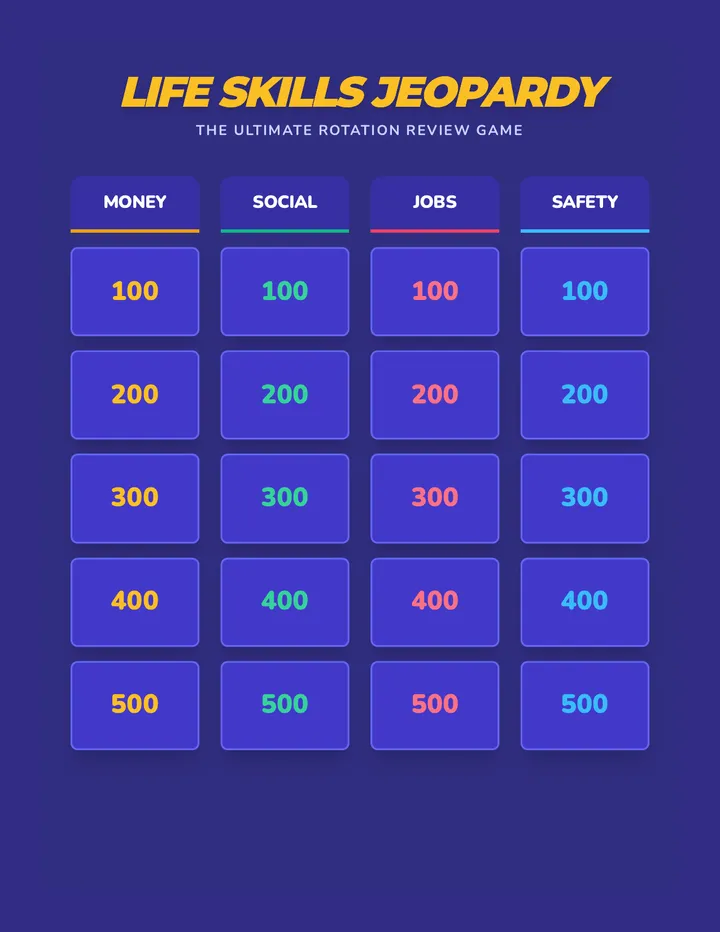
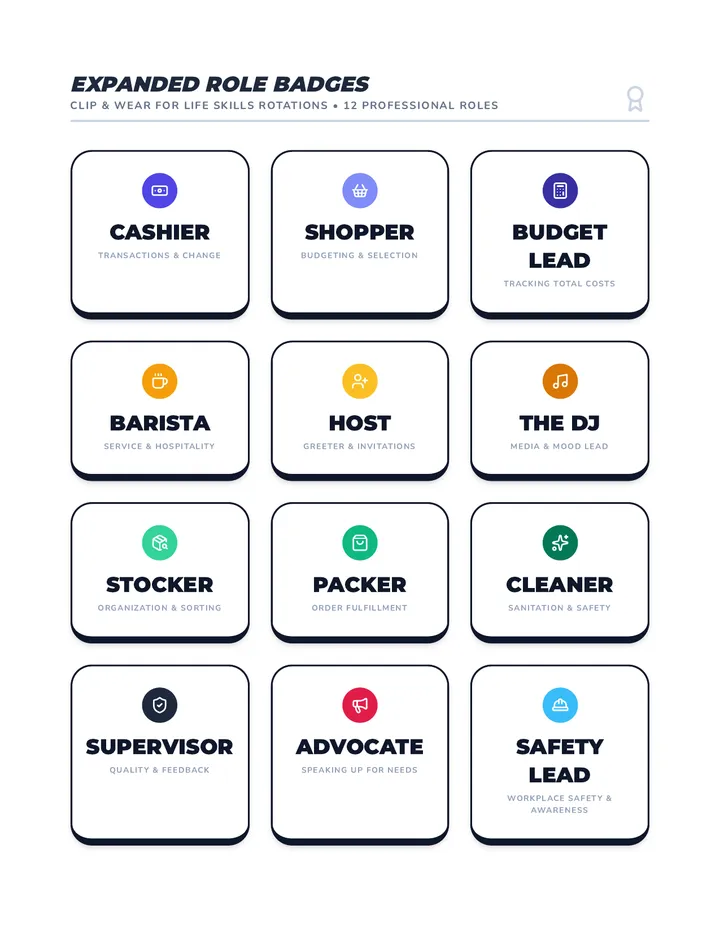
A series of seasonal and social-emotional learning activities designed to build professional soft skills, teamwork, and functional independence for adults with IDD.
A comprehensive sequence designed to help adults with disabilities develop time management skills and engage in meaningful community activities like work, volunteering, and hobbies.
A 3-day life skills sequence for high school special education students to master the safe use of household tools and kitchen appliances through graphic organizers and project-based learning.
A comprehensive bulletin board system designed to motivate adult students with disabilities as they prepare for the workforce. The materials focus on essential soft skills like workplace communication, emotional regulation, and professional habits using positive, empowering language.
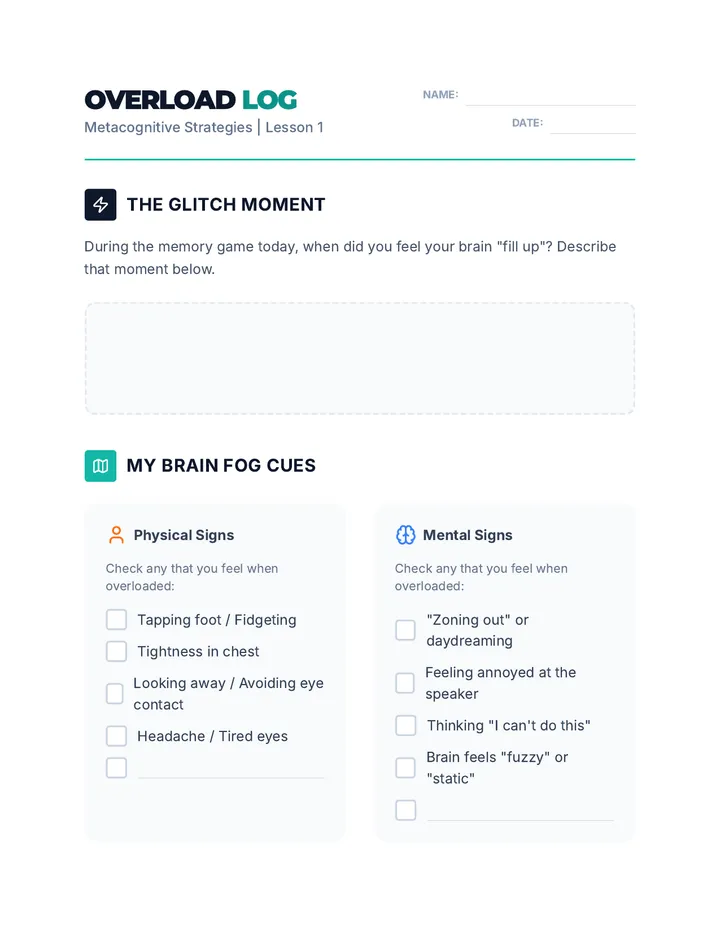
A series of mini-lessons designed to help students understand and optimize their working memory through environmental organization and cognitive strategies.
A comprehensive collection of social stories and visual supports designed by an Occupational Therapist to help students ages 5-14 navigate essential school routines, personal boundaries, and classroom expectations.
A series of tools designed to help middle schoolers with ADHD master self-regulation through technical movement and mindfulness. The sequence frames focus as a high-performance 'tactical' skill.
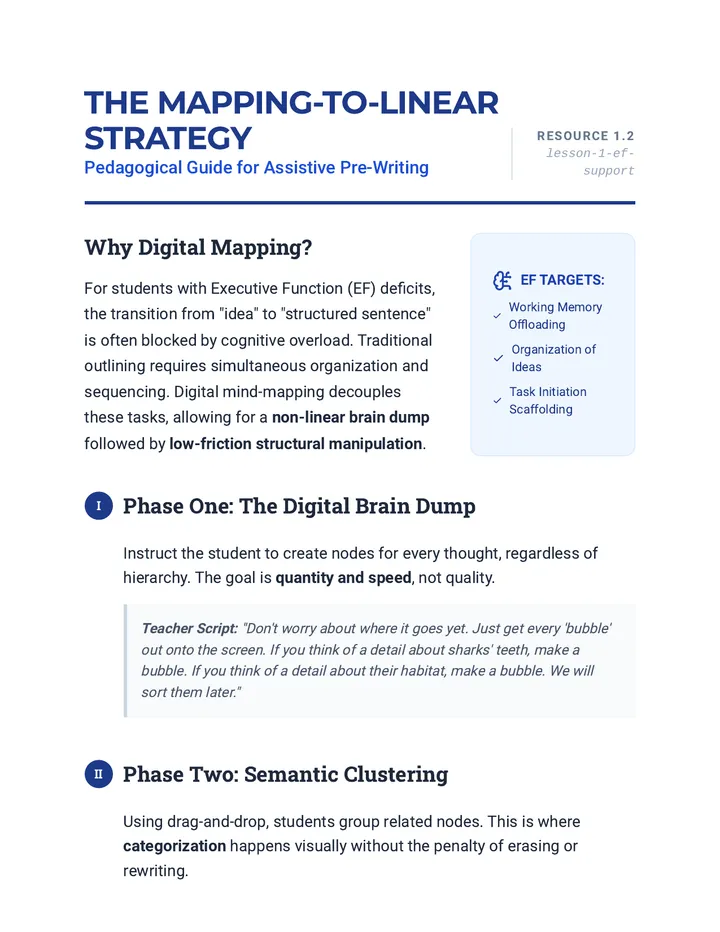
A comprehensive graduate-level sequence focused on the pedagogical implementation of assistive writing technology. It shifts the focus from tool selection to instructional methodologies that scaffold digital organizers, dictation, and text-to-speech for student autonomy.
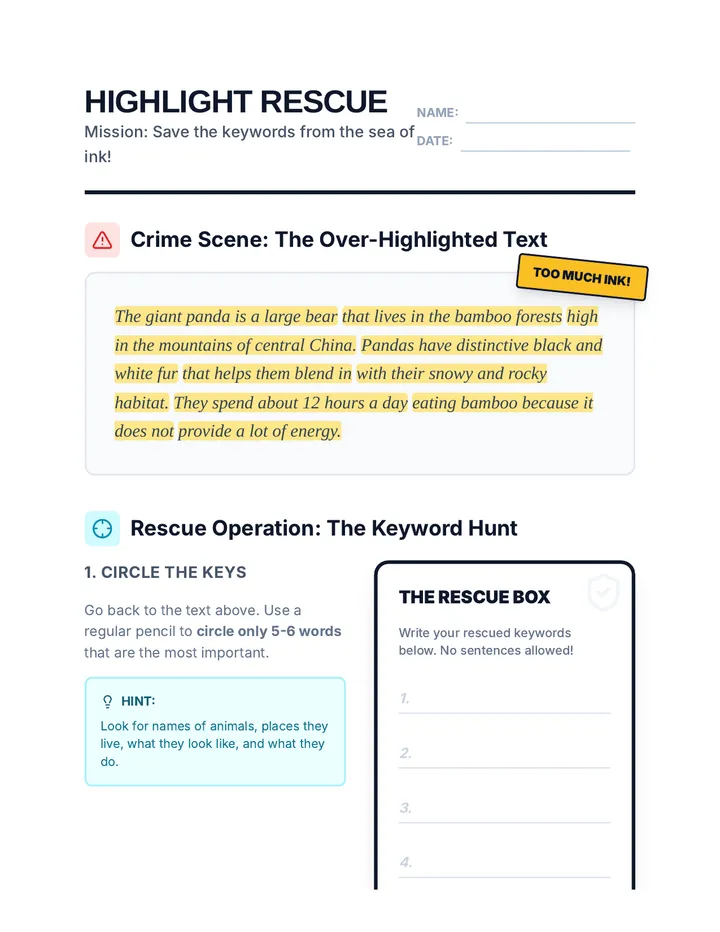
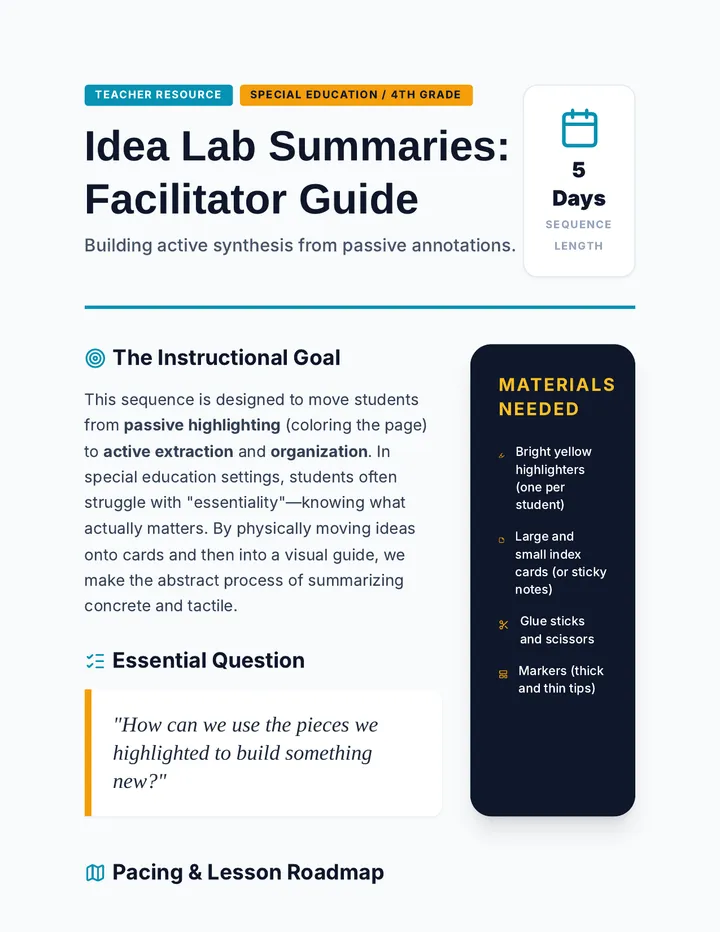
A project-based sequence for 4th-grade students in special education settings, focusing on moving from passive highlighting to active extraction, organization, and synthesis. Students learn to refine highlights, extract them onto cards, sort ideas logically, and create a visual 'One-Page Expert Guide' as a summary tool.
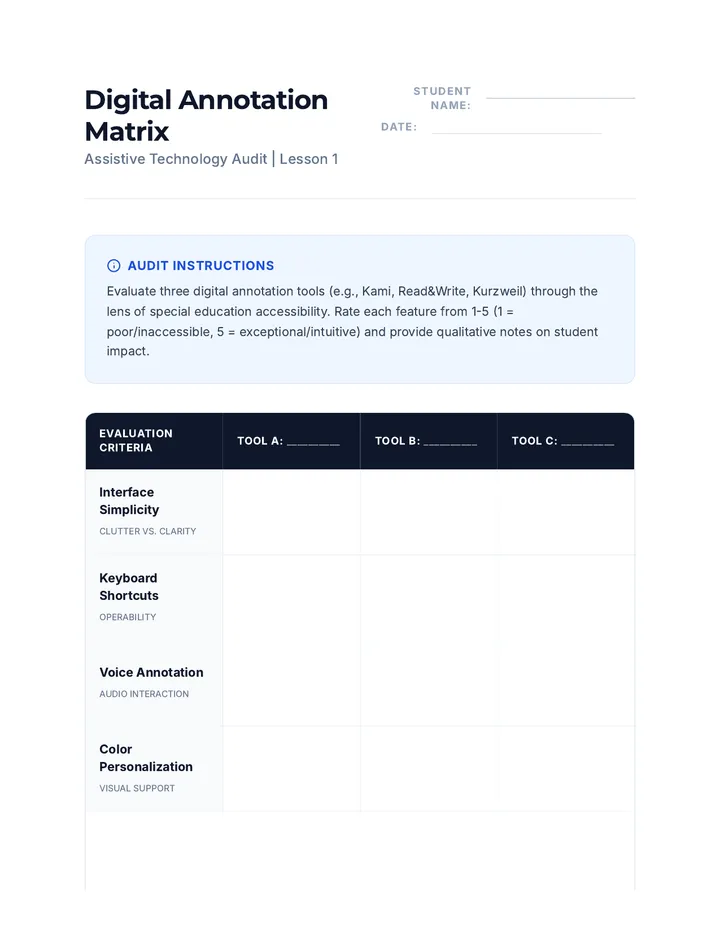
This sequence explores how graduate students can leverage assistive technology for digital annotation, moving from basic tool audits to advanced data extraction and AI integration to support students with disabilities.
This sequence introduces 12th-grade students to the complex workload management required in Special Education. Students will learn to categorize tasks into instruction, compliance, and assessment pillars, improve their time estimation skills, and apply productivity strategies like time-blocking and task-batching to create a functional weekly schedule.
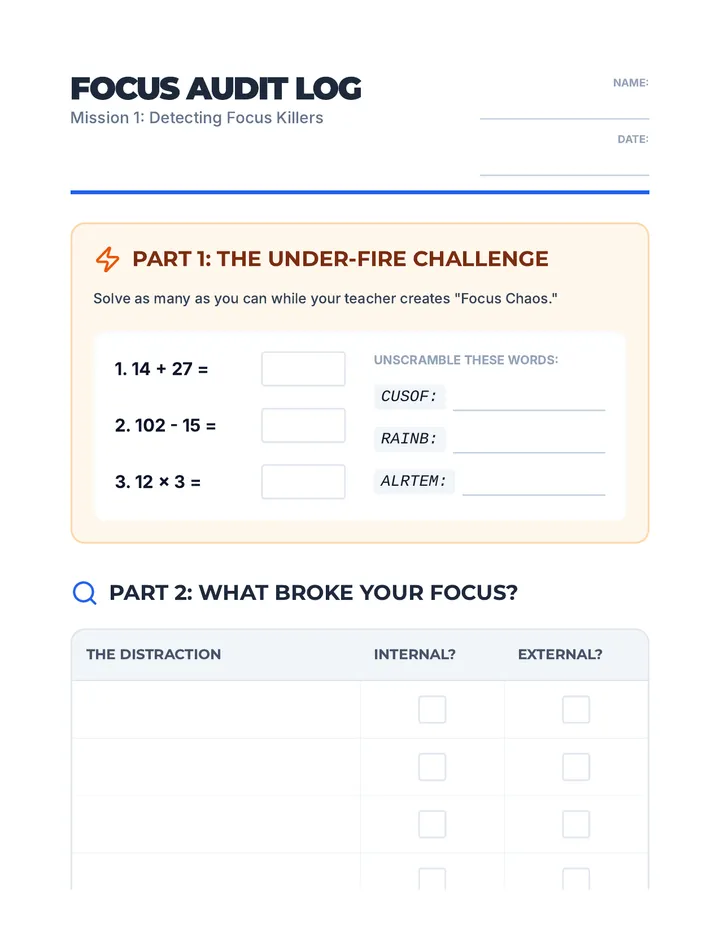
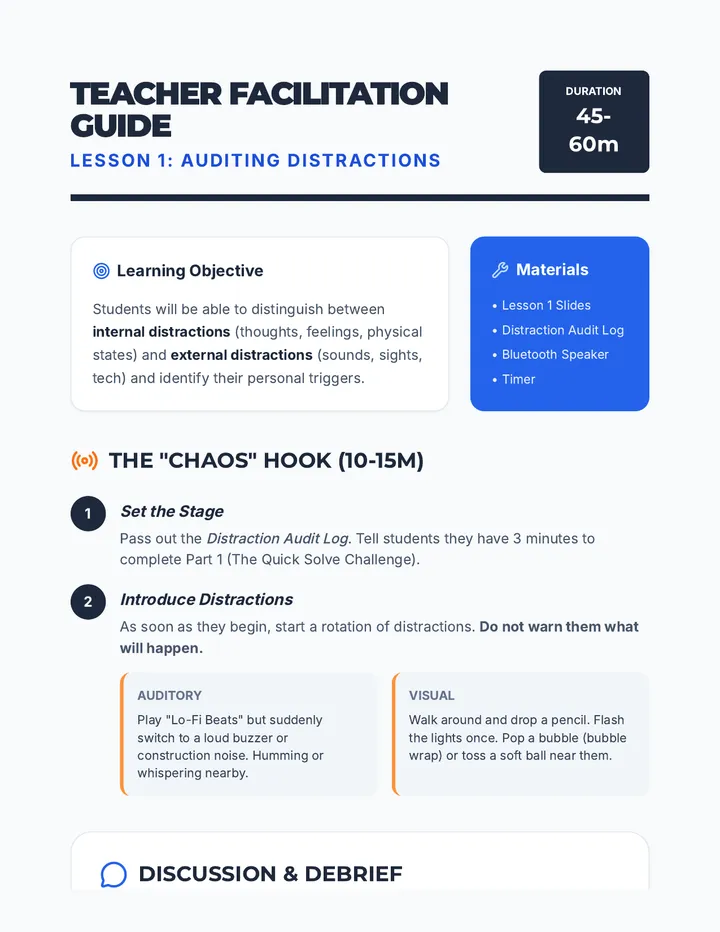
A sequence for 6th-grade students focusing on identifying distractions, designing effective workspaces, and mastering time-management techniques like Pomodoro and single-tasking to improve executive function and focus.
A 5-lesson sequence for 12th-grade students with working memory challenges, focusing on using assistive technology to break down complex tasks into manageable single-step directions. Students explore checklists, voice assistants, photo-based instructions, and QR codes to build independence through digital literacy.
A specialized sequence for 2nd-grade special education students focusing on working memory through single-step directions and peer collaboration. Students progress from simple physical commands to complex barrier games and leadership roles, using a 'Mission Control' theme to emphasize clear communication.
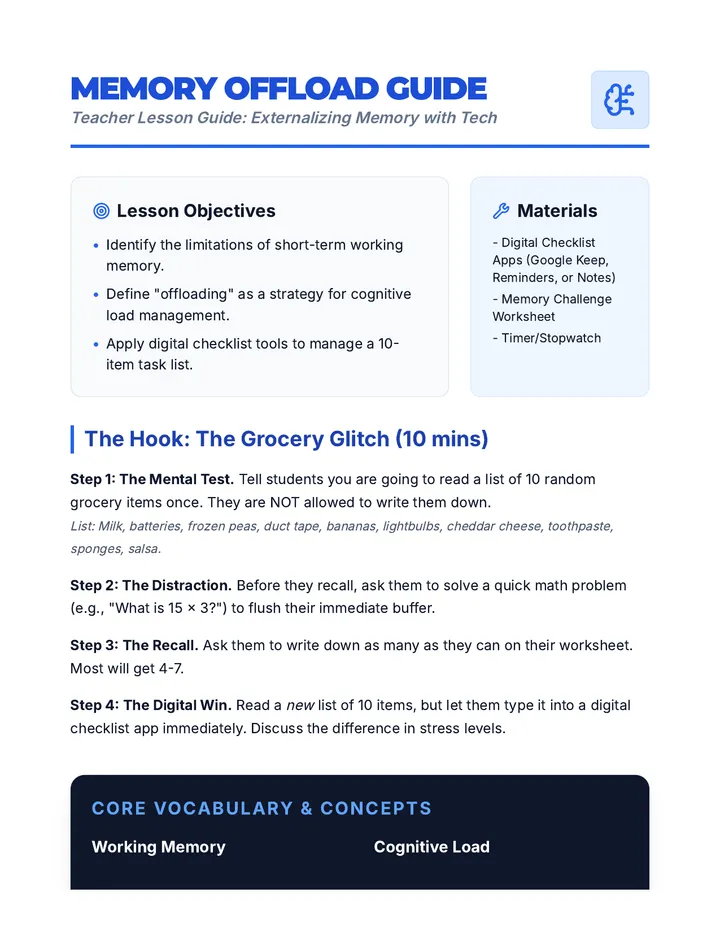
A 5-lesson unit for 8th-grade students focusing on using digital tools to offload working memory and manage cognitive load. Students learn to use task managers, focus modes, sequential reminders, and assistive speech technologies to create a personalized digital workflow for school success.
A comprehensive 30-minute interactive lesson plan focused on communication, motor skills, and social engagement for early childhood autistic students using Eric Carle's 'Around the Farm'.
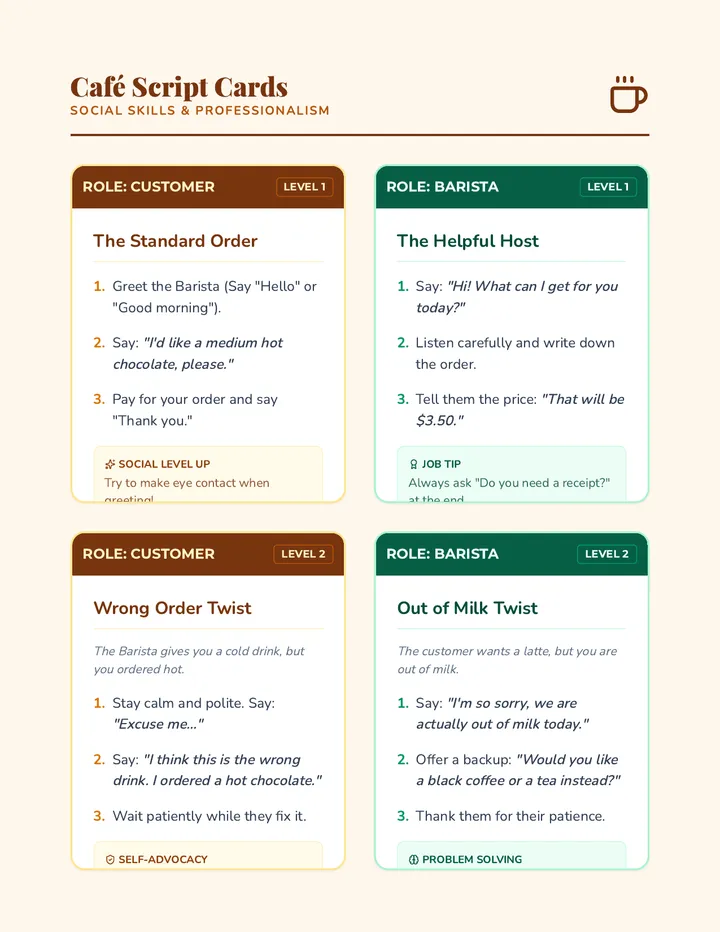
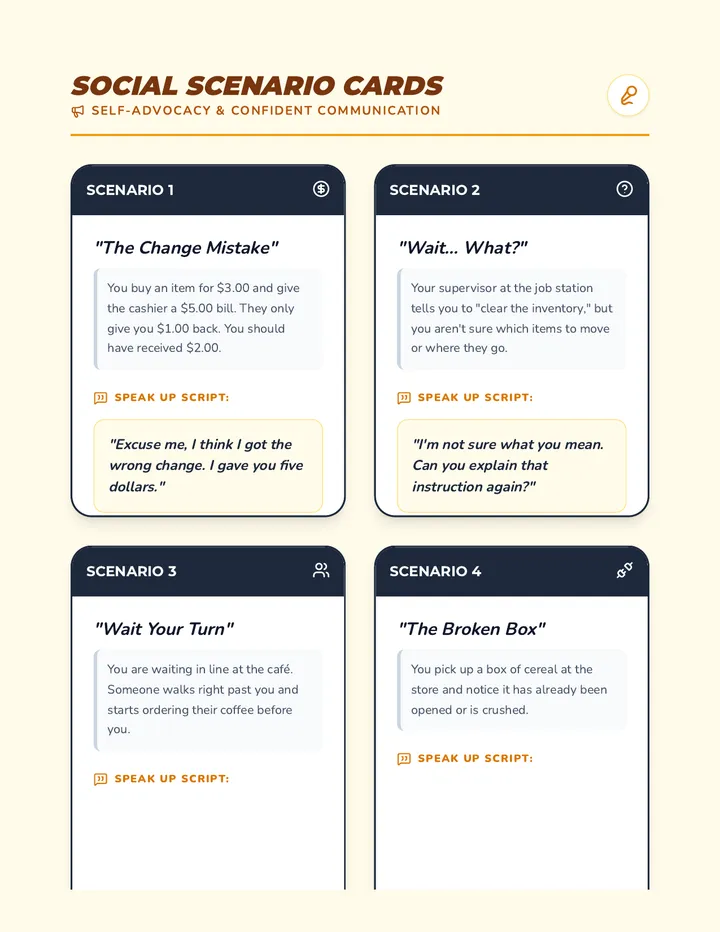
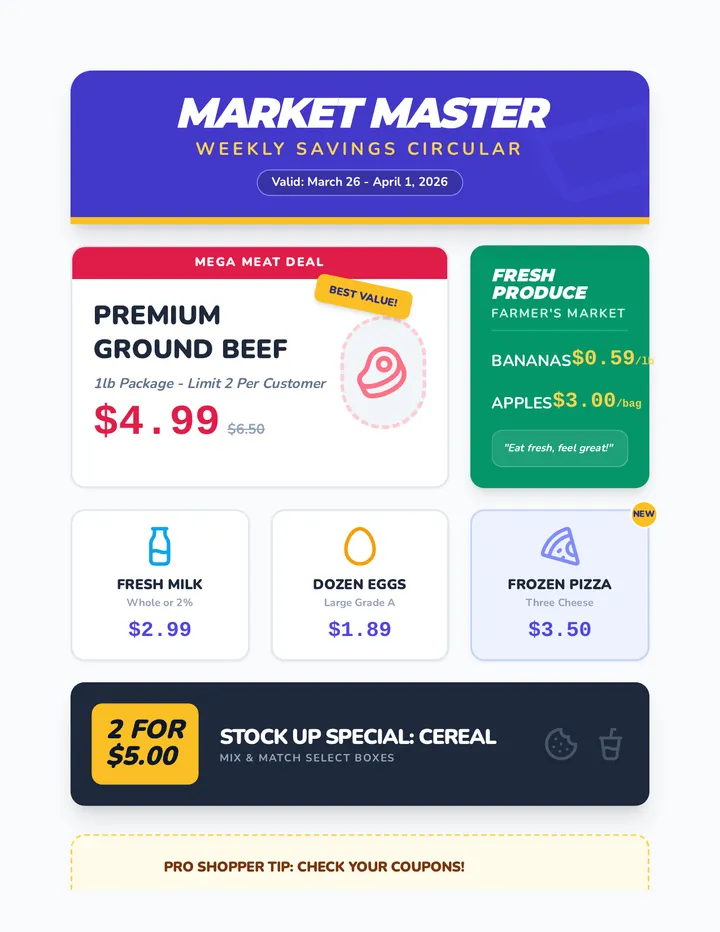
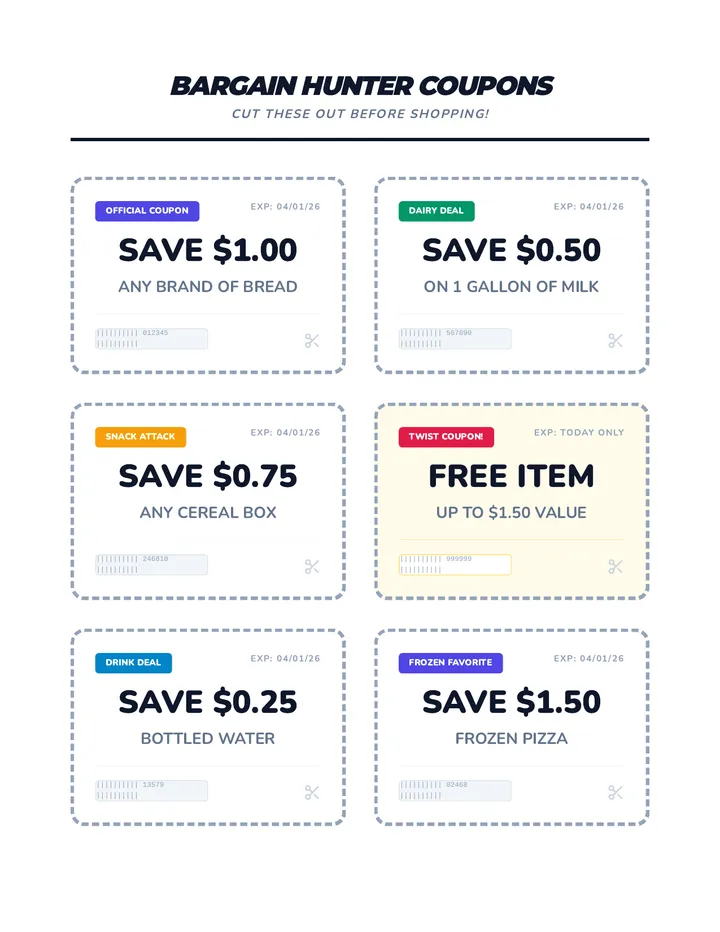
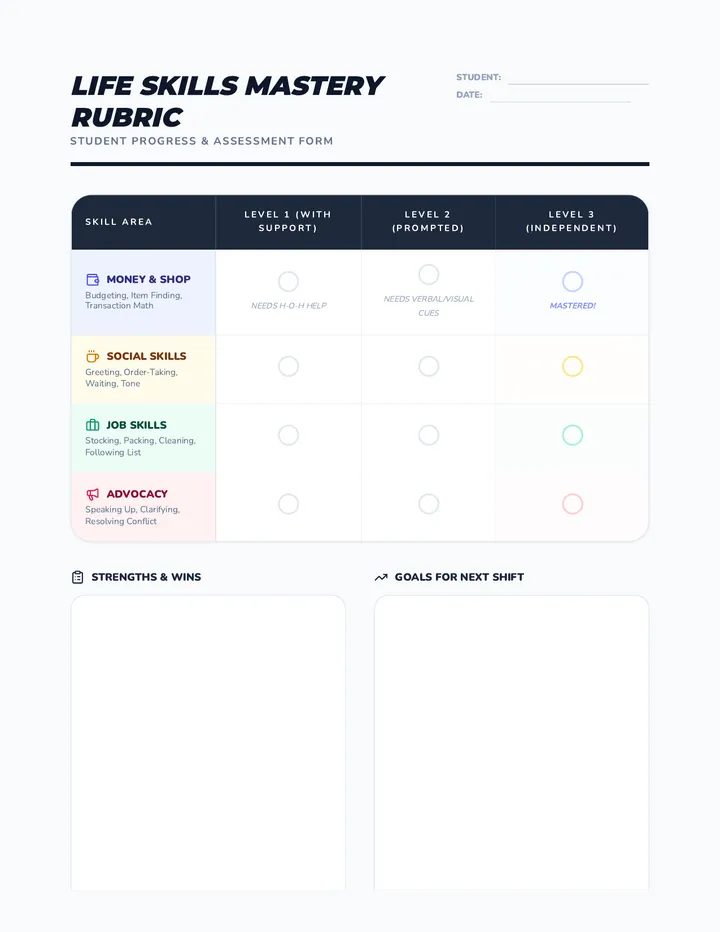
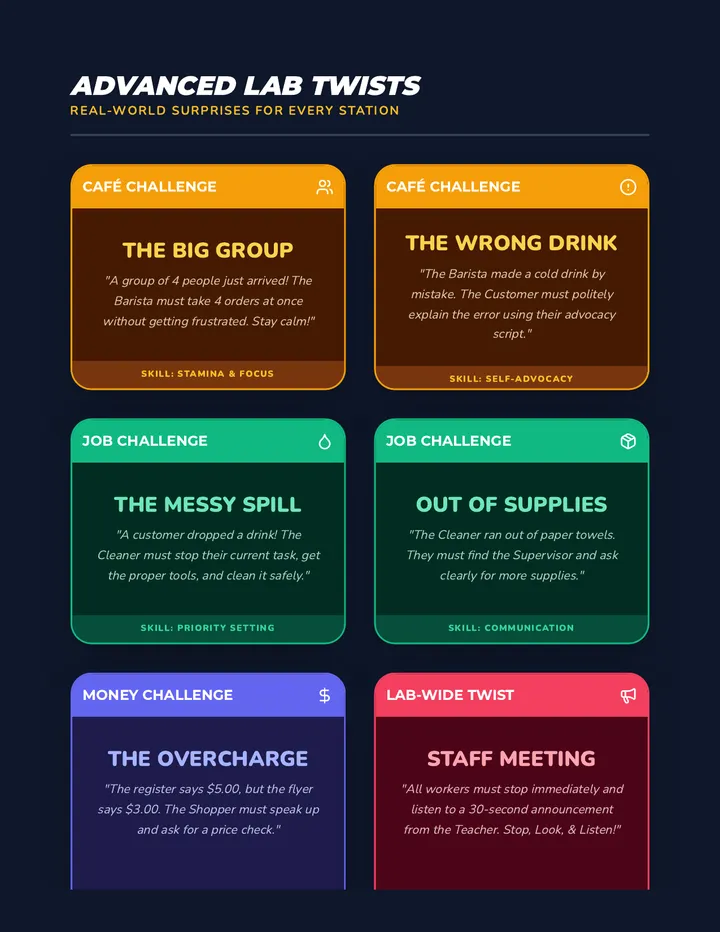
A comprehensive series of lessons designed to build community independence for students with intellectual disabilities, focusing on navigation, social interaction, and transactions in local spaces like CVS, the library, and cafes.
This life skills sequence for high schoolers with low cognitive abilities uses a traffic light model (Green, Yellow, Red) to teach digital safety. Students learn to navigate teen-relevant scenarios like social media requests, online shopping ads, and interacting with strangers in gaming or apps, focusing on the 'Pause and Ask' reflex.
A series of drawing-based challenges designed to improve active listening and following complex, multi-step instructions through creative output.
A graduate-level sequence exploring the cognitive science of text highlighting and annotation, focusing on memory, cognitive load, and evidence-based interventions for students with learning disabilities.
A specialized sequence for 9th-grade students with executive function challenges, focusing on deconstructing long-term projects, backward planning, overcoming procrastination, and building accountability structures.
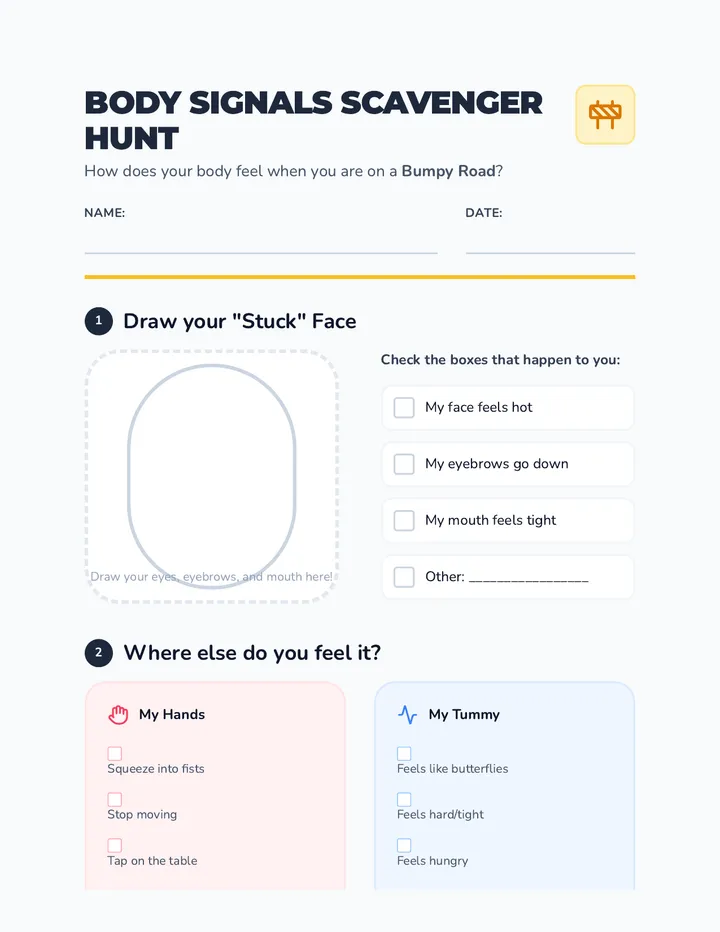
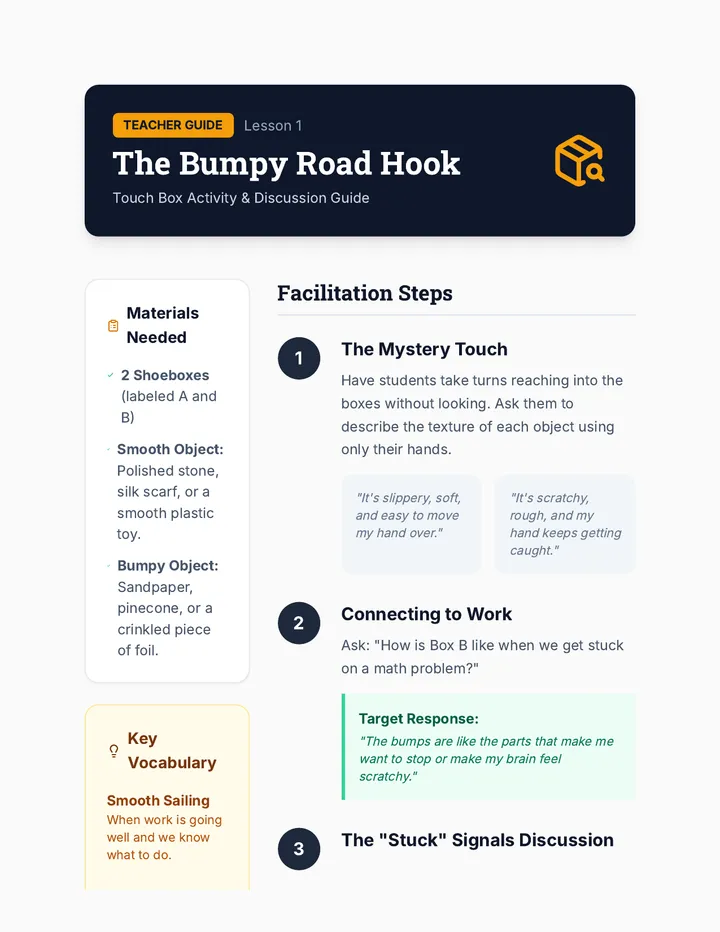
A 2nd-grade special education unit focused on executive function. Students learn to recognize the physical signs of being 'stuck' and categorize barriers into materials, comprehension, and environment.
A sequence for Pre-K students in Special Education focused on troubleshooting physical obstacles in play. Students learn rotation, force modulation, alignment, and workspace organization to solve mechanical problems with toys and materials.
A comprehensive sequence for 11th-grade students focusing on the systems and environmental designs necessary for effective Special Education caseload management. Students explore physical workspace optimization, digital workflow tools, paperwork automation, and legal confidentiality requirements to build a personalized organizational toolkit.
This sequence teaches 11th-grade students the essential skills of long-term project management through the lens of special education compliance. Students will master backwards planning, data collection scheduling, professional communication, and year-long calendar management to ensure legal deadlines are met without burnout.
Students design a comprehensive 'Teacher Command Center' for special education case management, focusing on reducing cognitive load through automated systems, checklists, and organized filing.
A project-based sequence for 11th-grade special education students focusing on working memory through procedural assembly. Students learn to manage cognitive load by isolating single-step instructions and verifying their work during fabrication tasks.
This sequence teaches 11th-grade students with working memory challenges how to deconstruct complex academic prompts into single, manageable steps using masking, checklists, and verification protocols.
A project-based sequence for 10th-grade students to create external memory aids and visual anchors that compensate for working memory limitations. Students explore visual processing, color-coding, and linear design to build a personalized 'Visual Toolkit' for managing single-step directions.