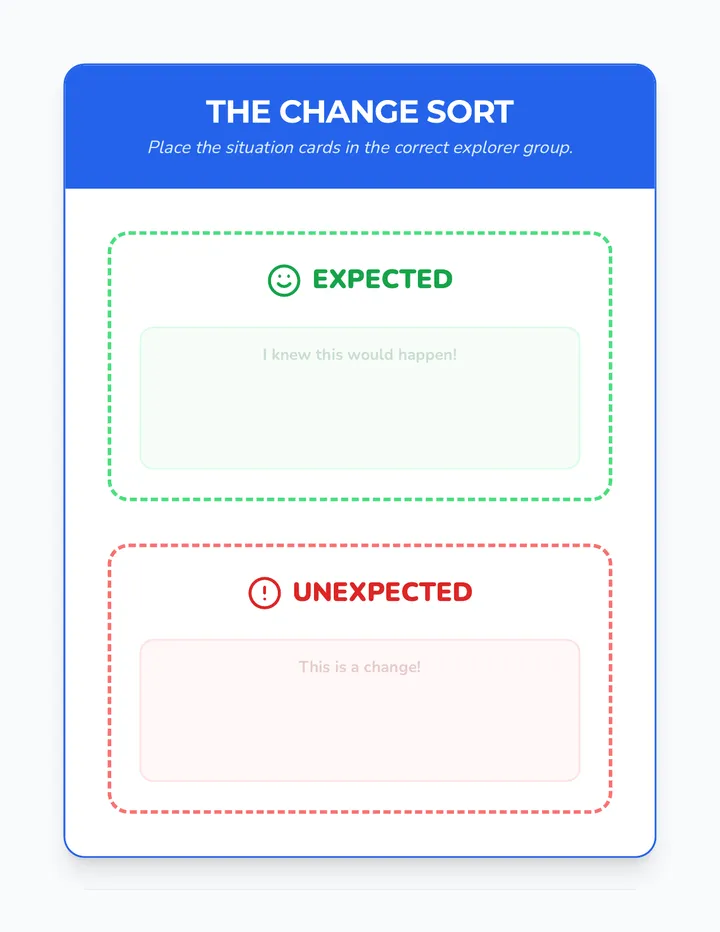
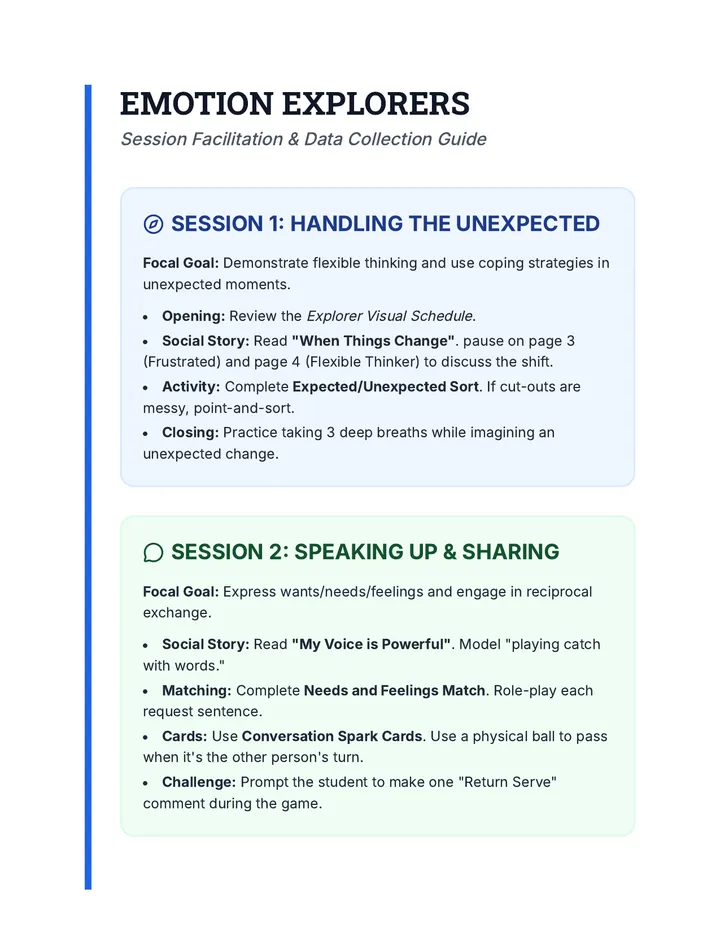
A 3-day introductory course on exterior home maintenance for students working independently. Covers seasonal tasks, tool identification, hazard reporting, and safety protocols.
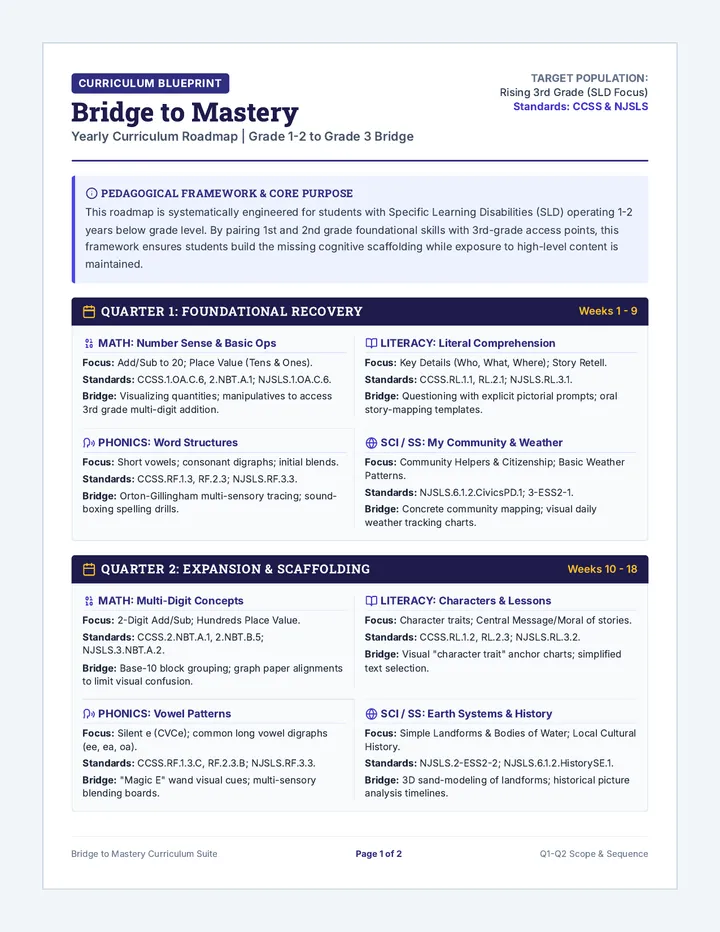
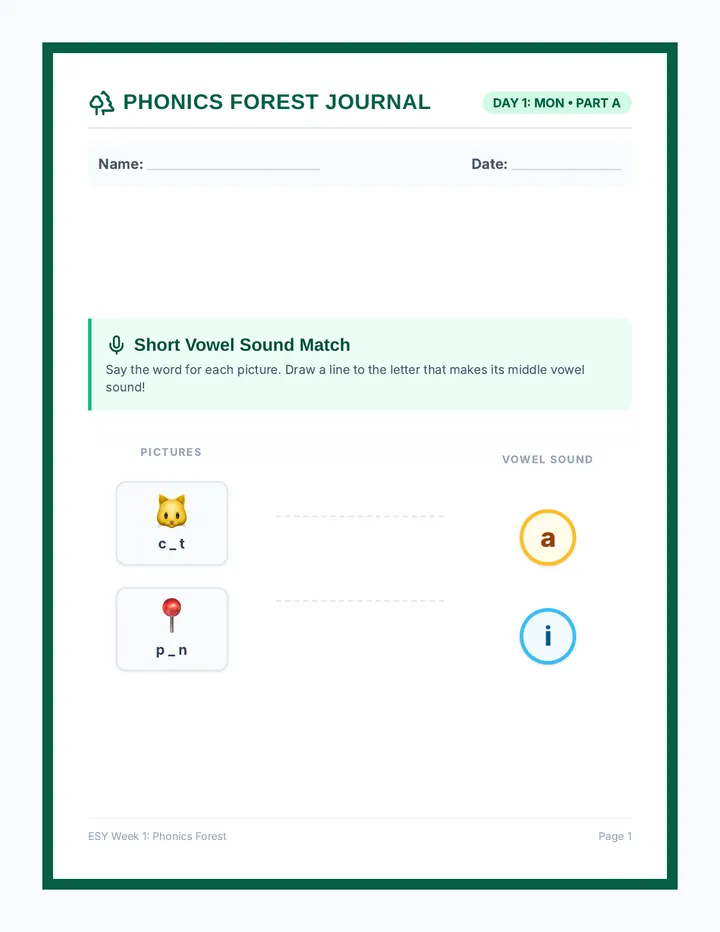
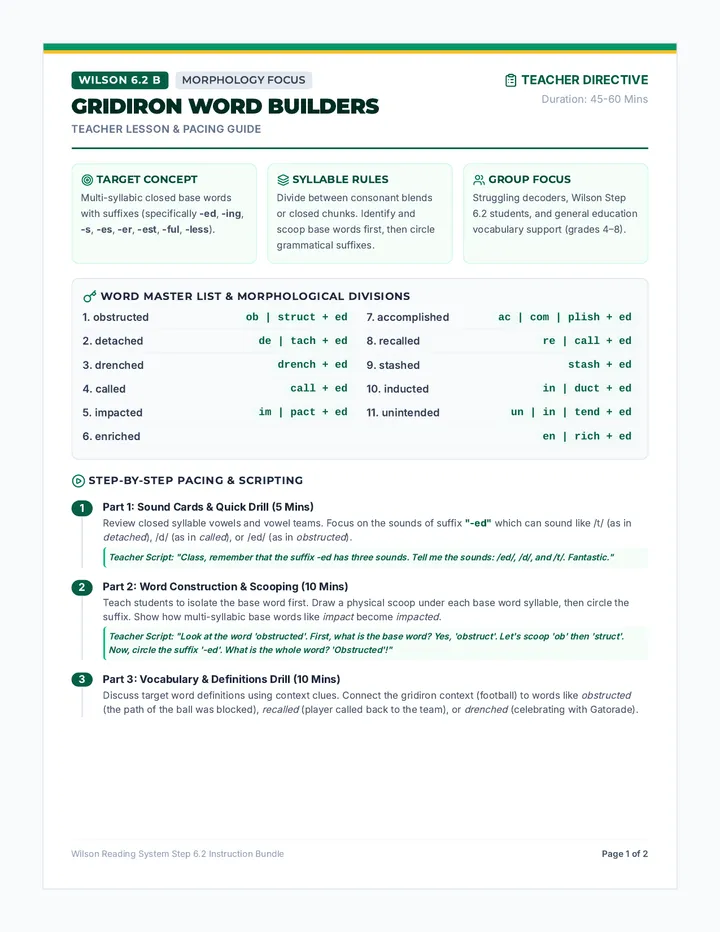
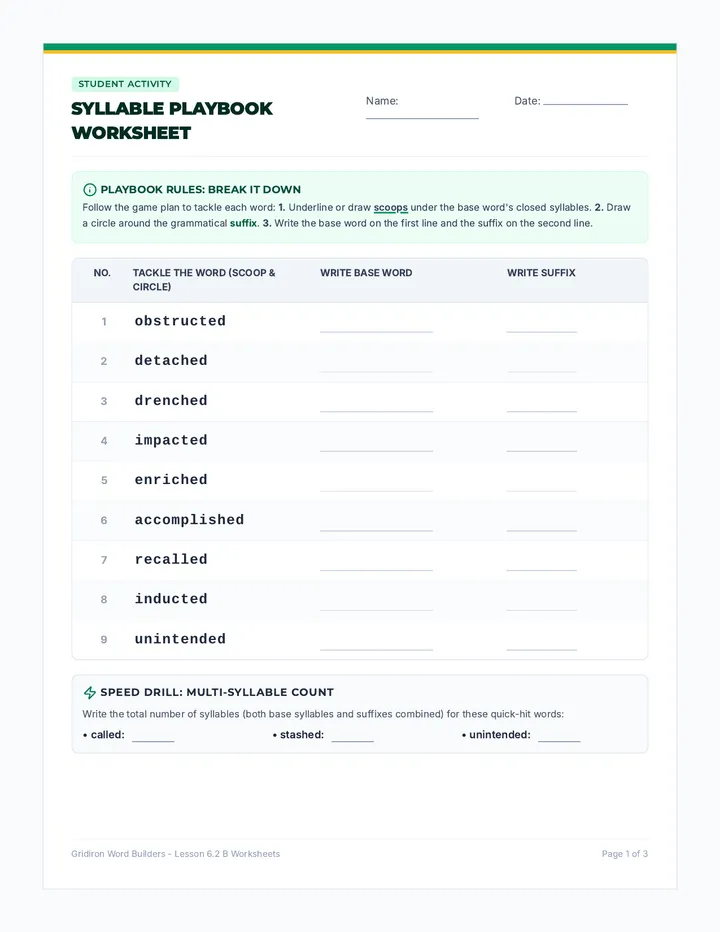
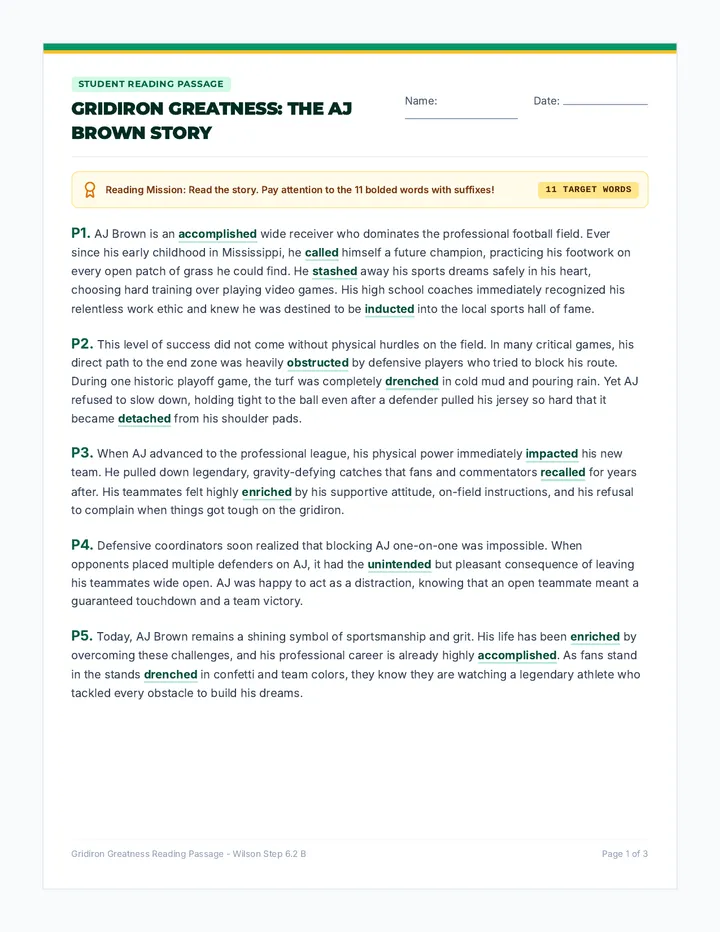
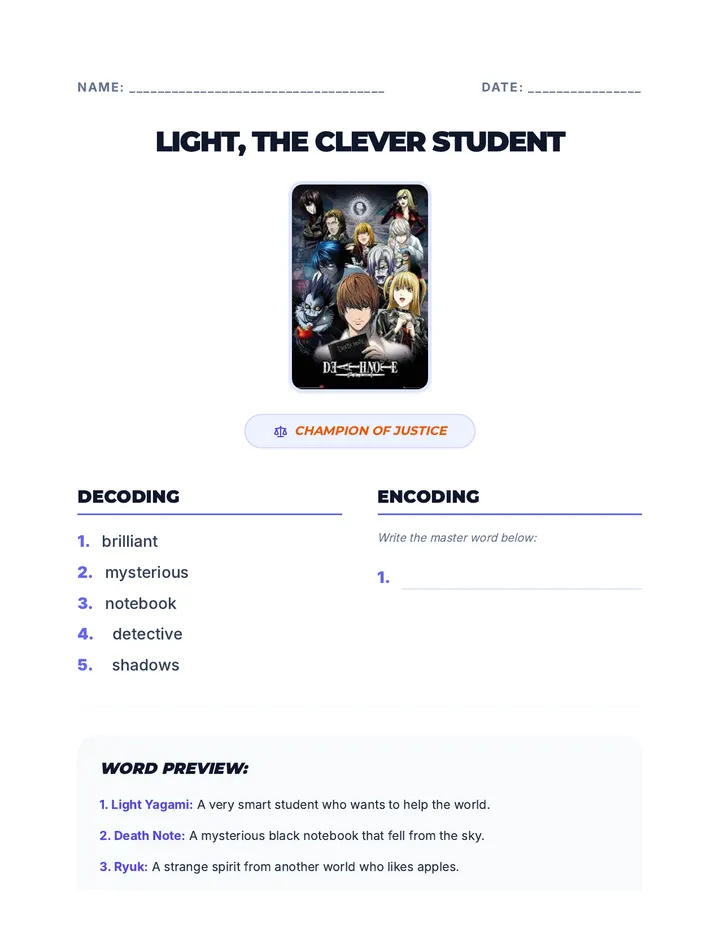
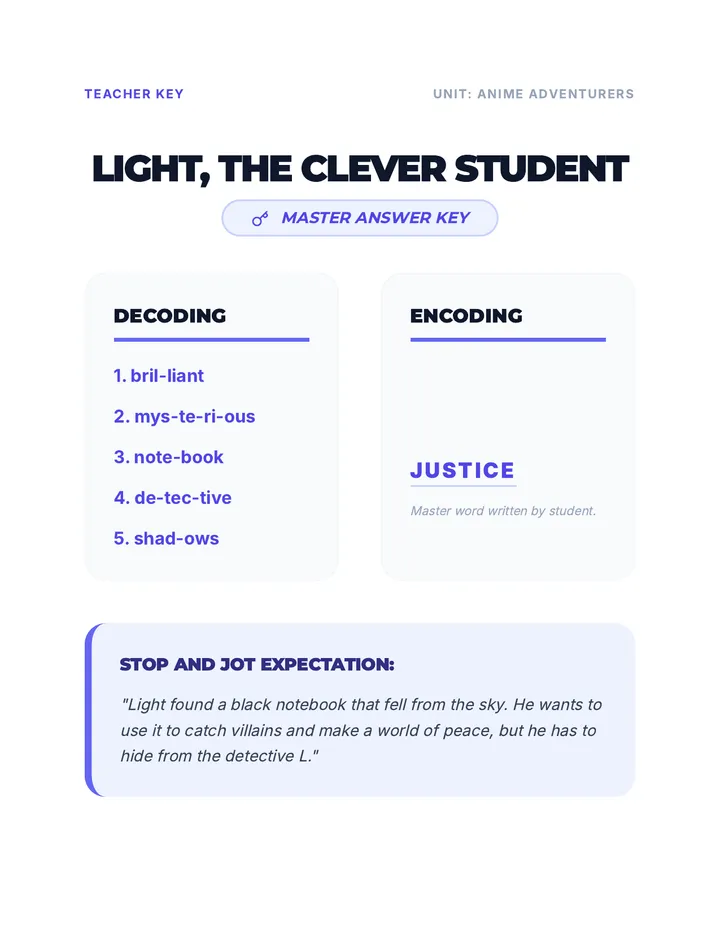
A comprehensive unit focused on Wilson Reading System Step 5.2, covering open syllables in multi-syllabic words. Includes instructional slides, hands-on activities, and a full week's teaching guide.
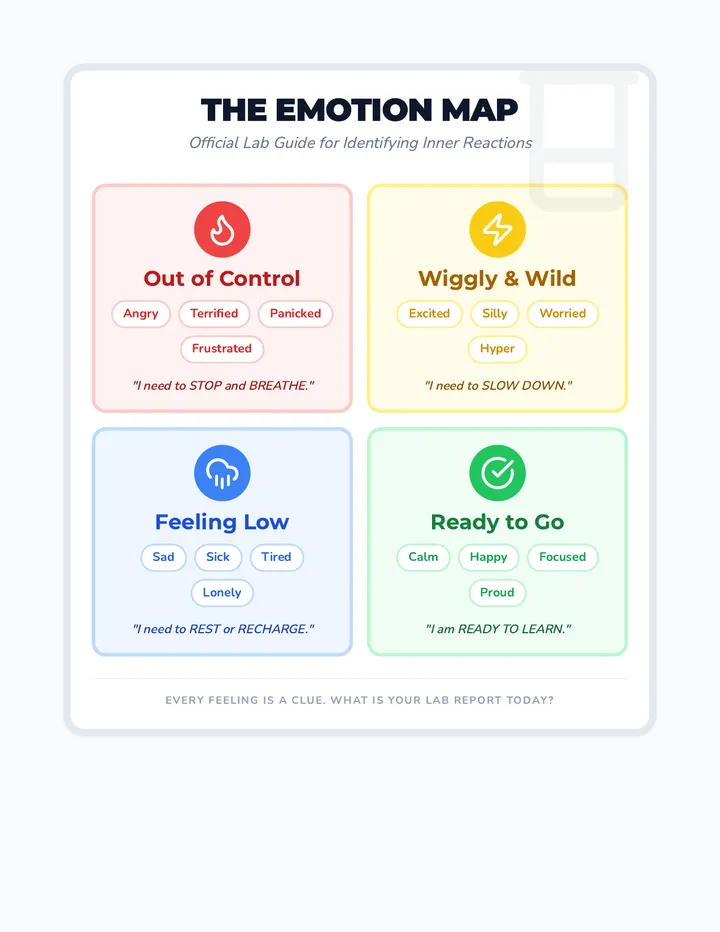
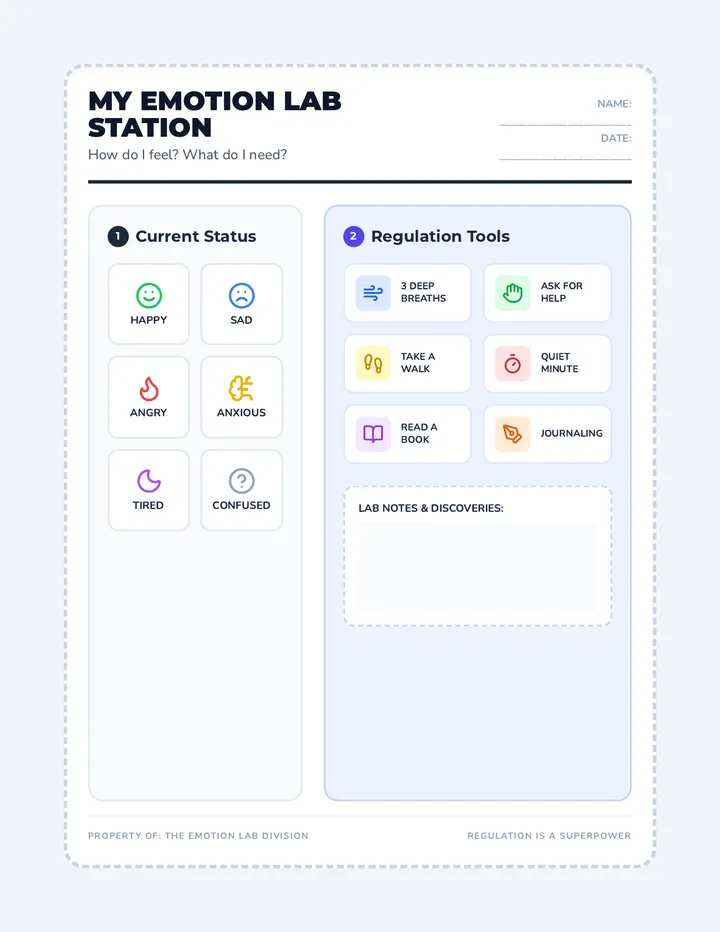
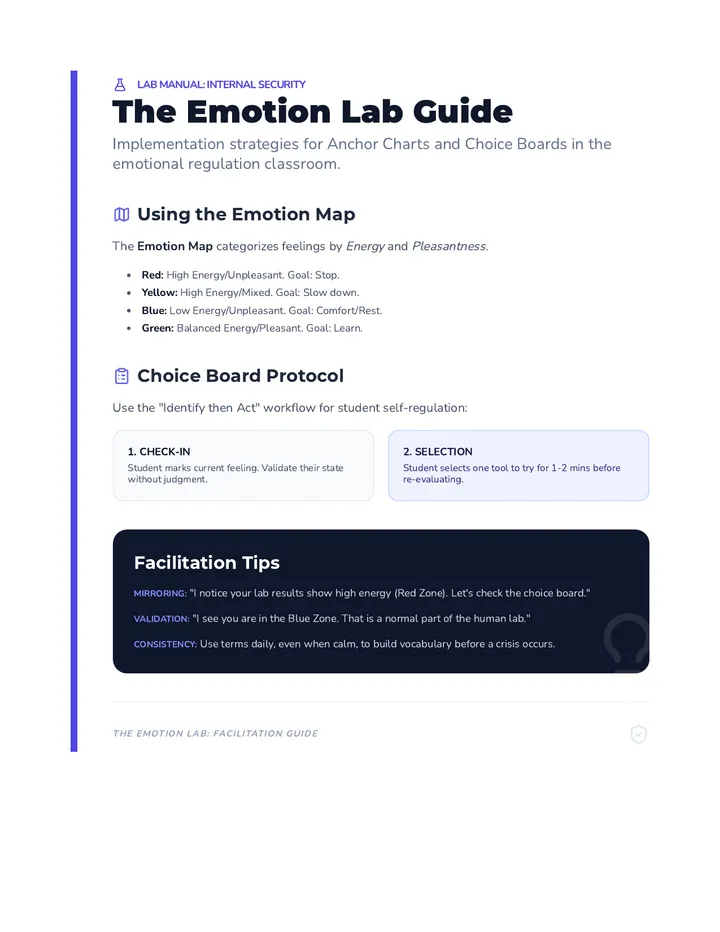
A comprehensive toolkit designed for a 6th-grade student to navigate emotional dysregulation. This sequence focuses on identifying internal triggers, building a personalized strategy toolkit, and establishing a clear safety protocol for crisis moments, providing stability in both school and home environments.
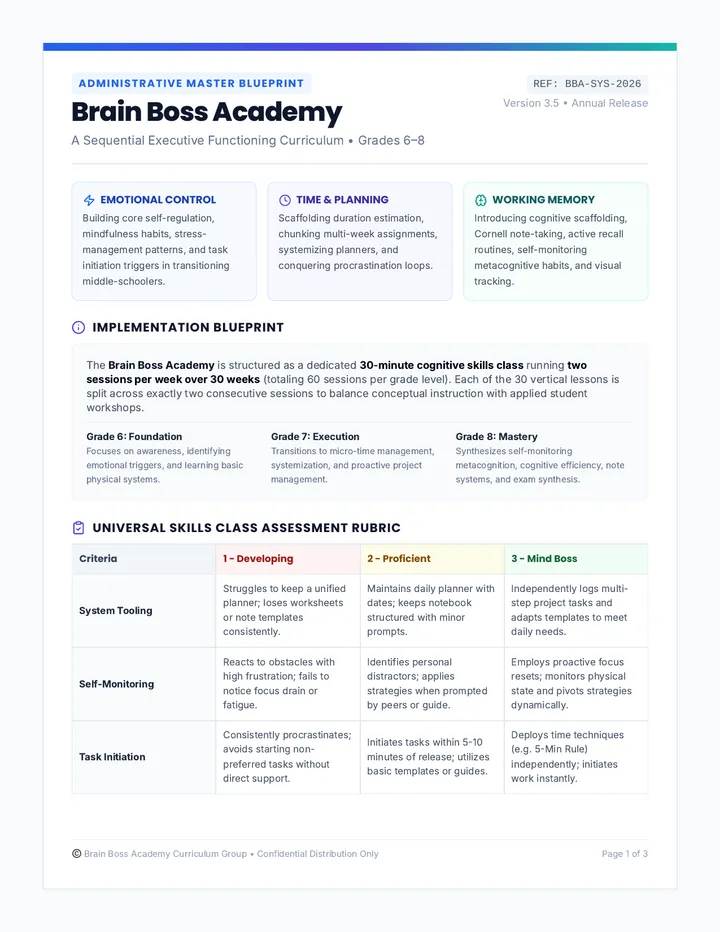
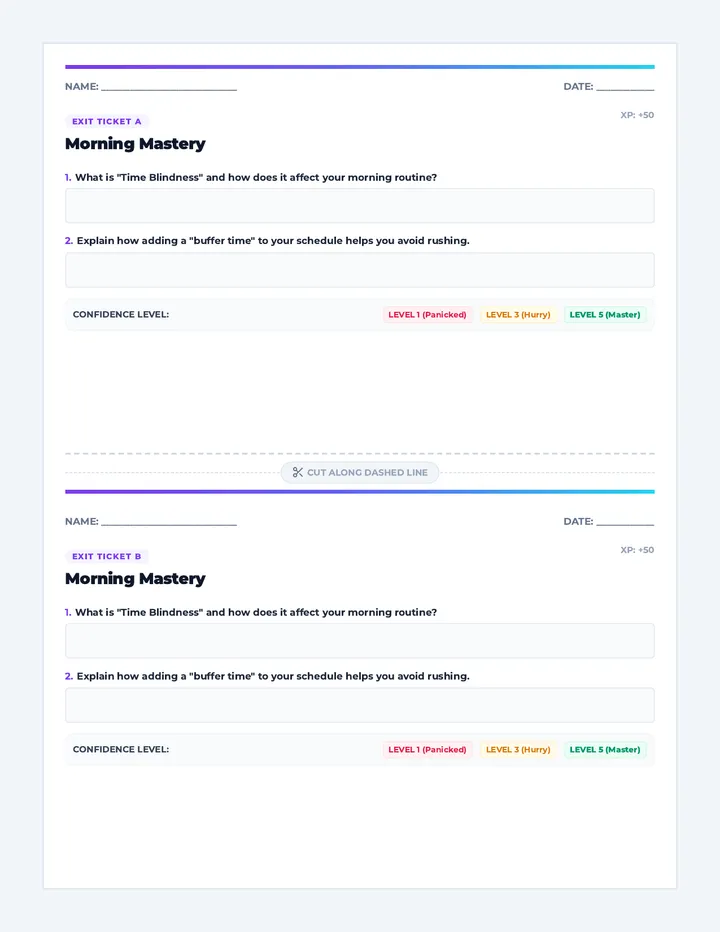
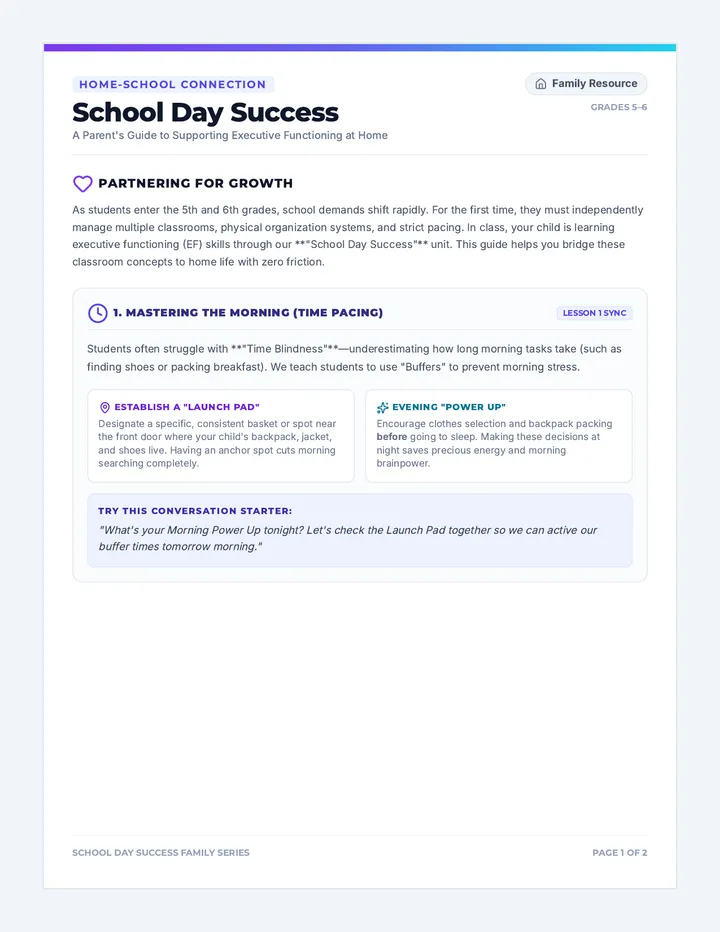
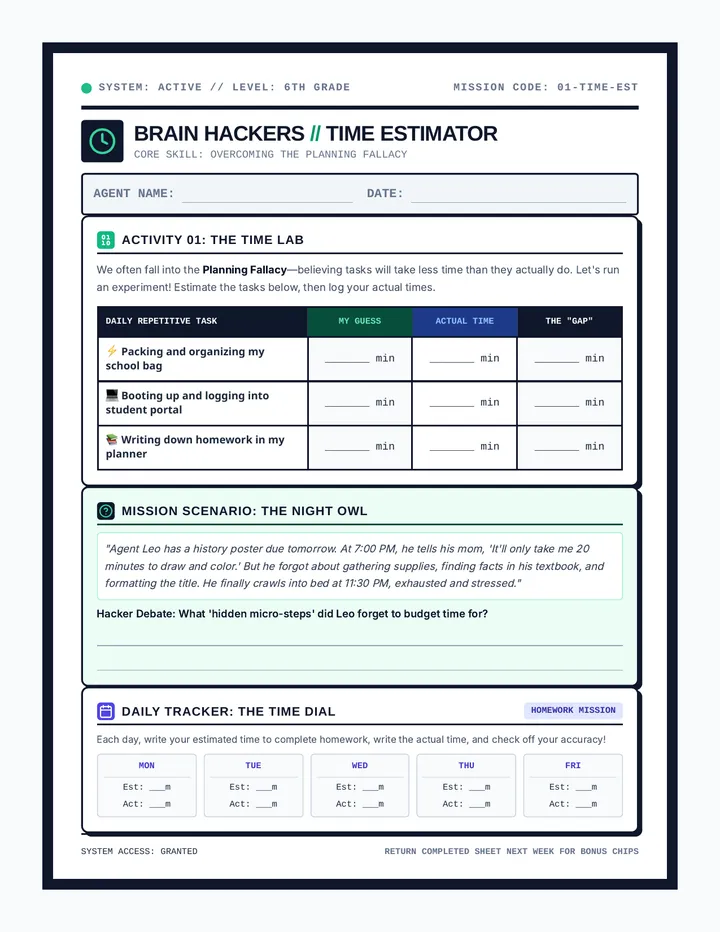
A series of lessons exploring the intersection of neuroscience and daily behavior, focusing on executive function and neurodivergence.
A comprehensive 9-week instructional sequence designed for students with Blind and Low Vision needs, focusing on mastery of common Braille contractions through repetitive practice, tracing, and dictation.
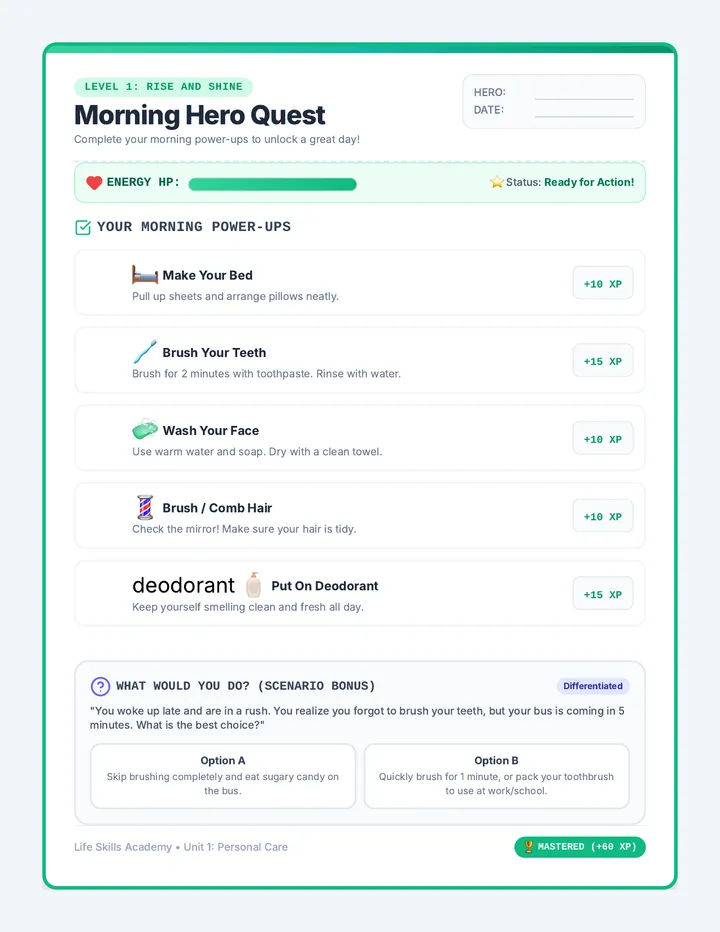
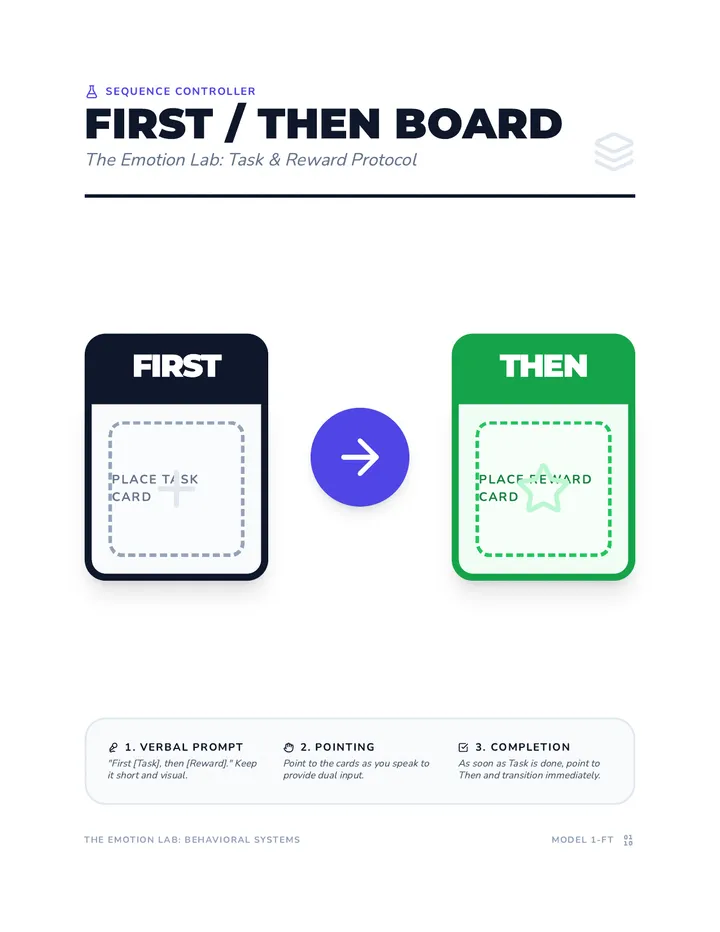
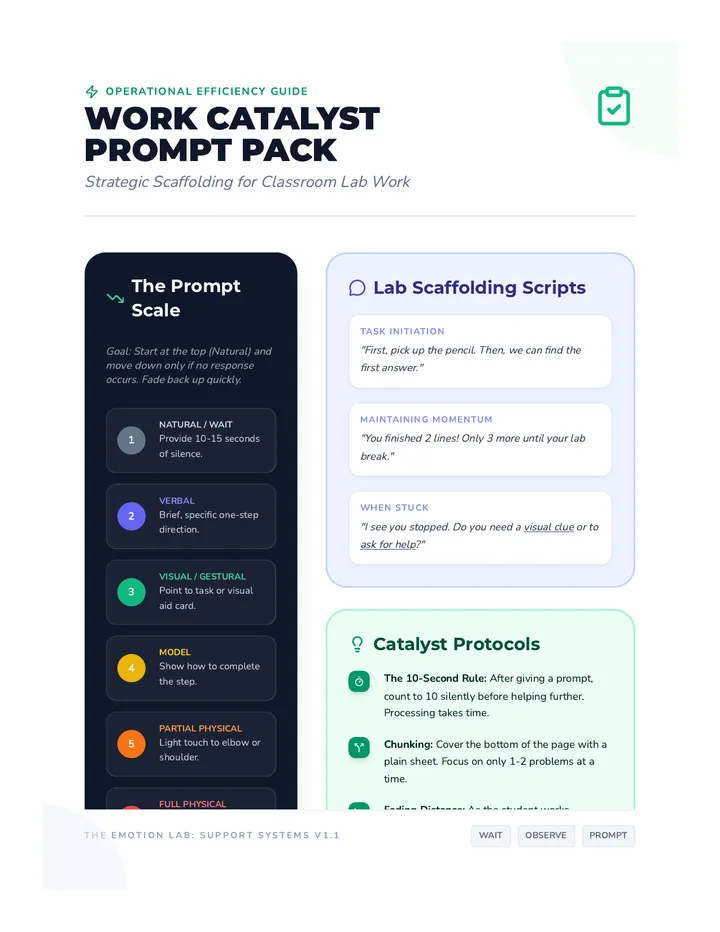
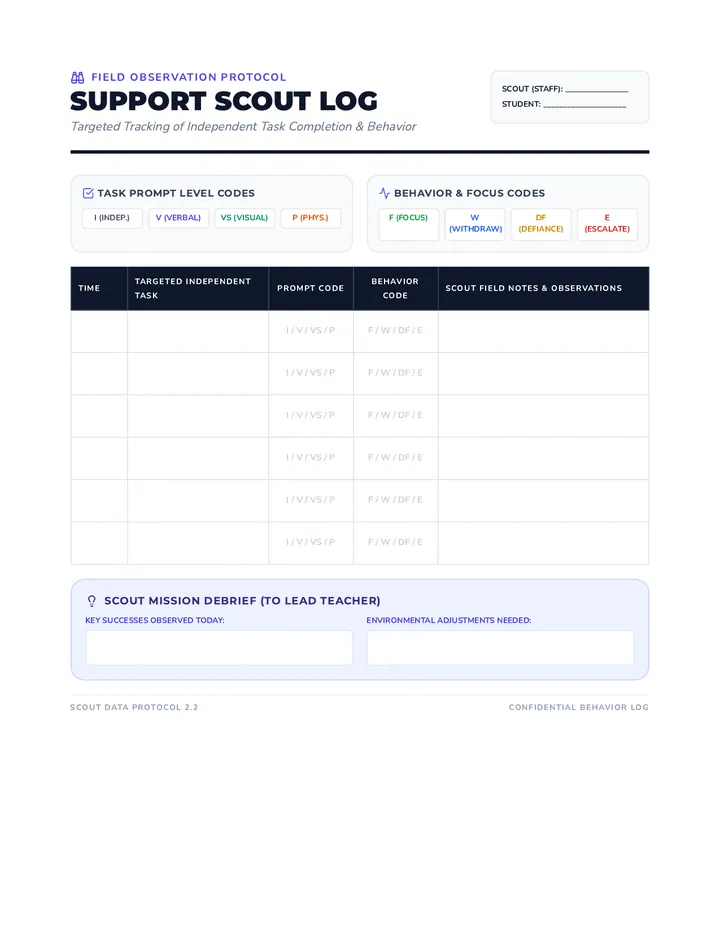
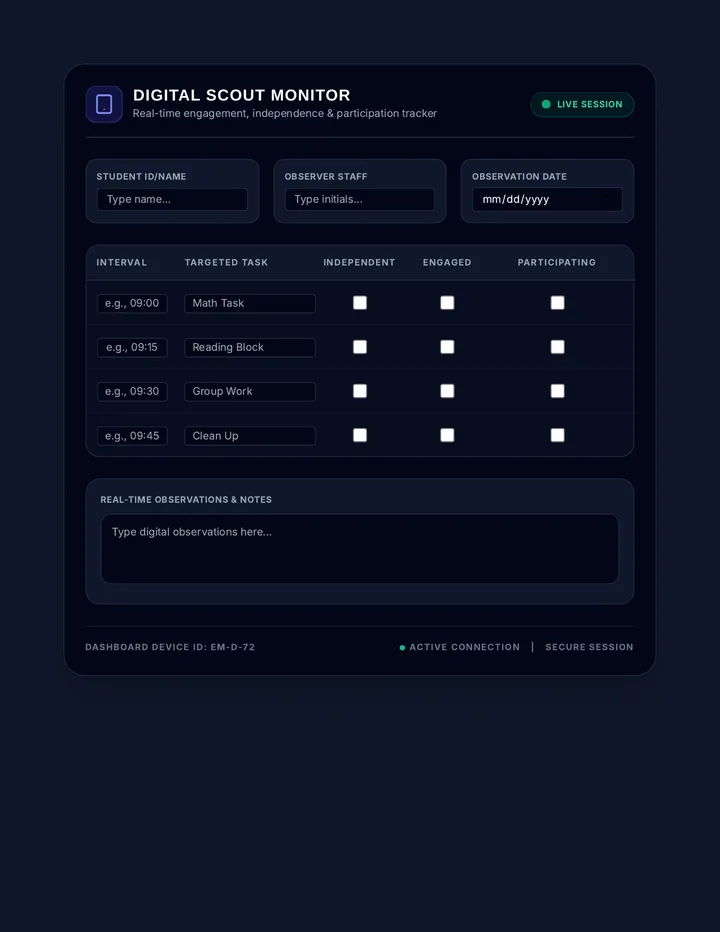
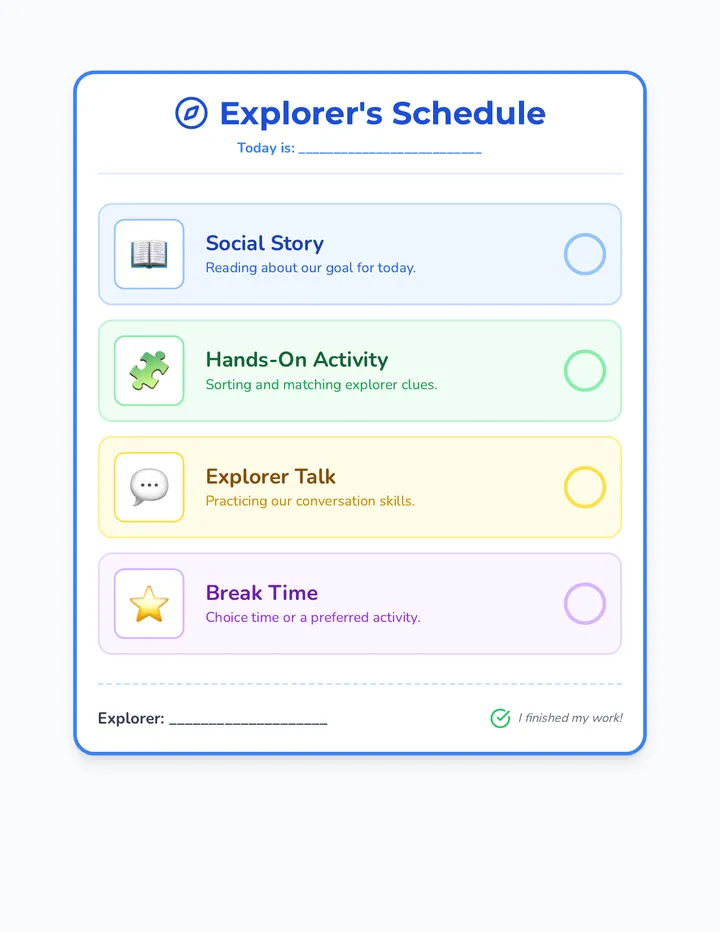
A comprehensive sequence designed for 3rd-grade students with IEPs to build self-regulation, task initiation, and focus skills through visual supports and structured routines.
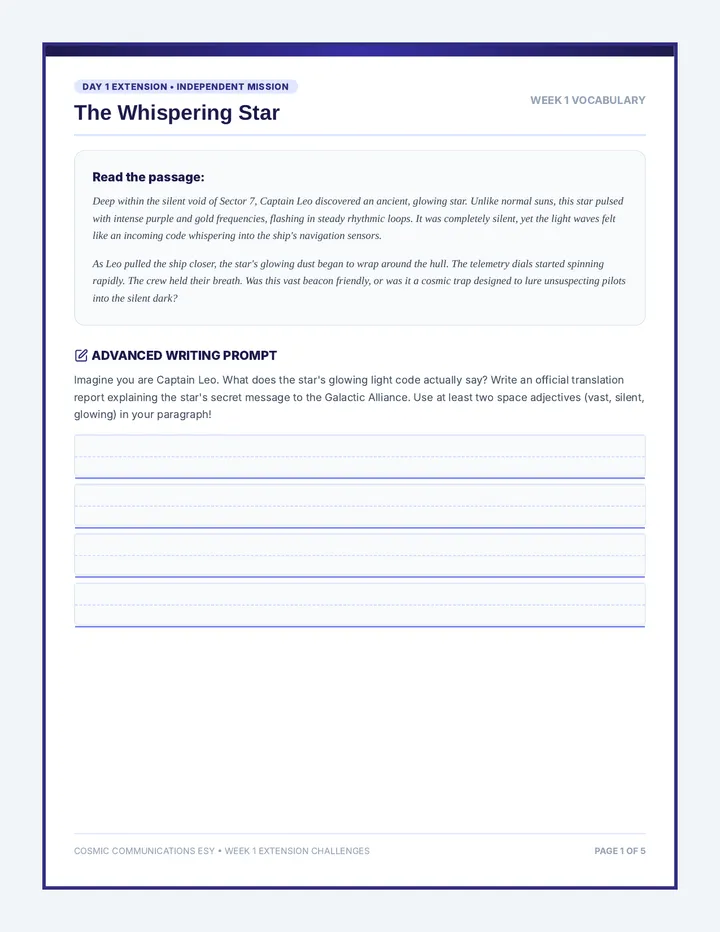
A specialized set of resources designed for 3rd-grade students with Oppositional Defiance, focusing on empowerment, autonomy, and emotional regulation through a space-themed narrative.
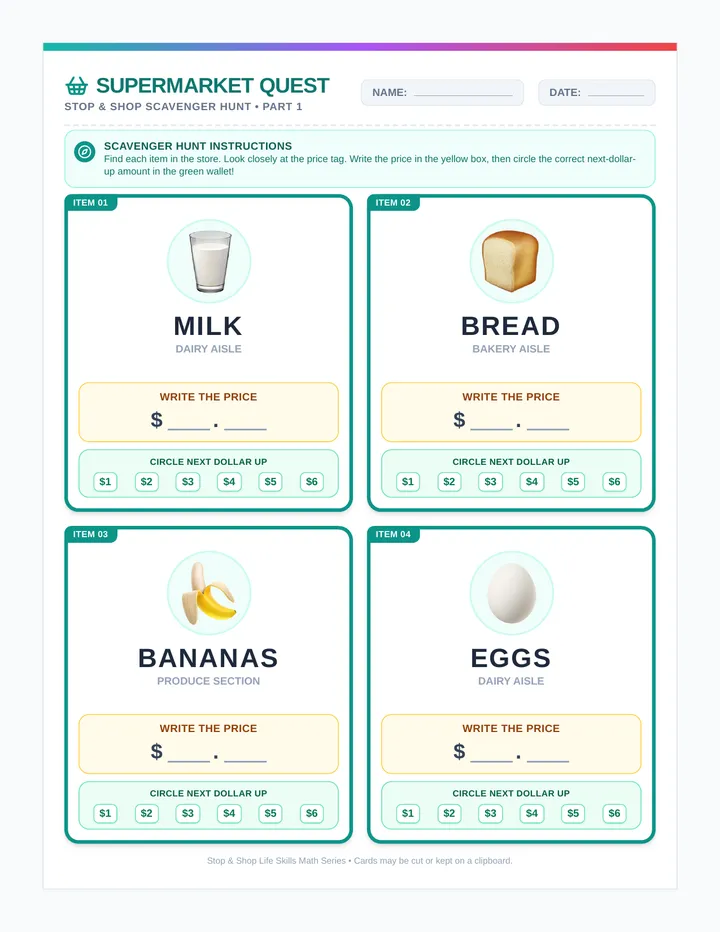
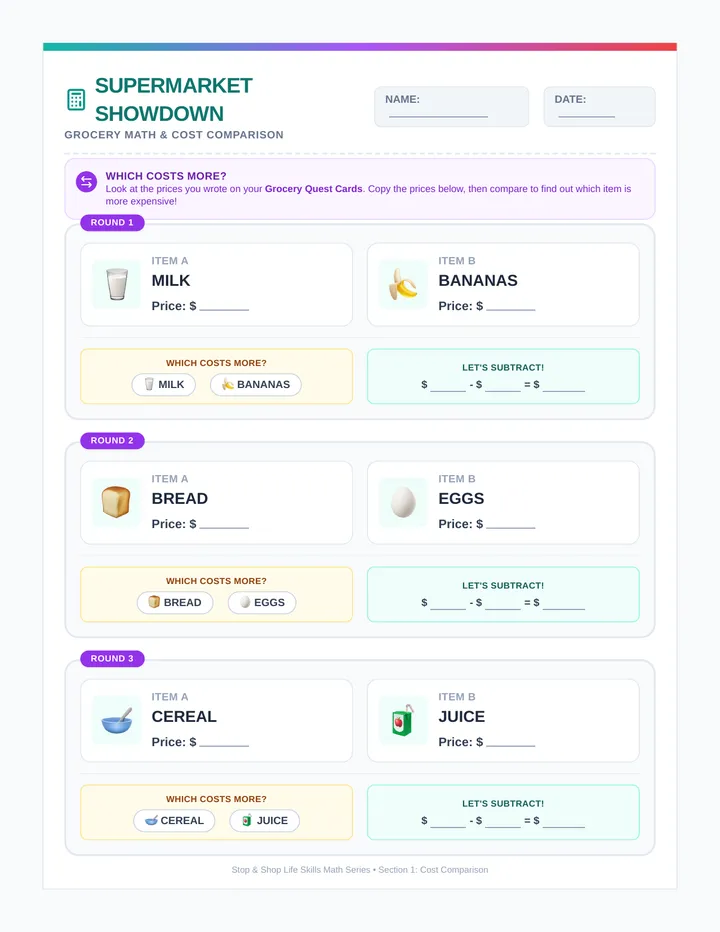
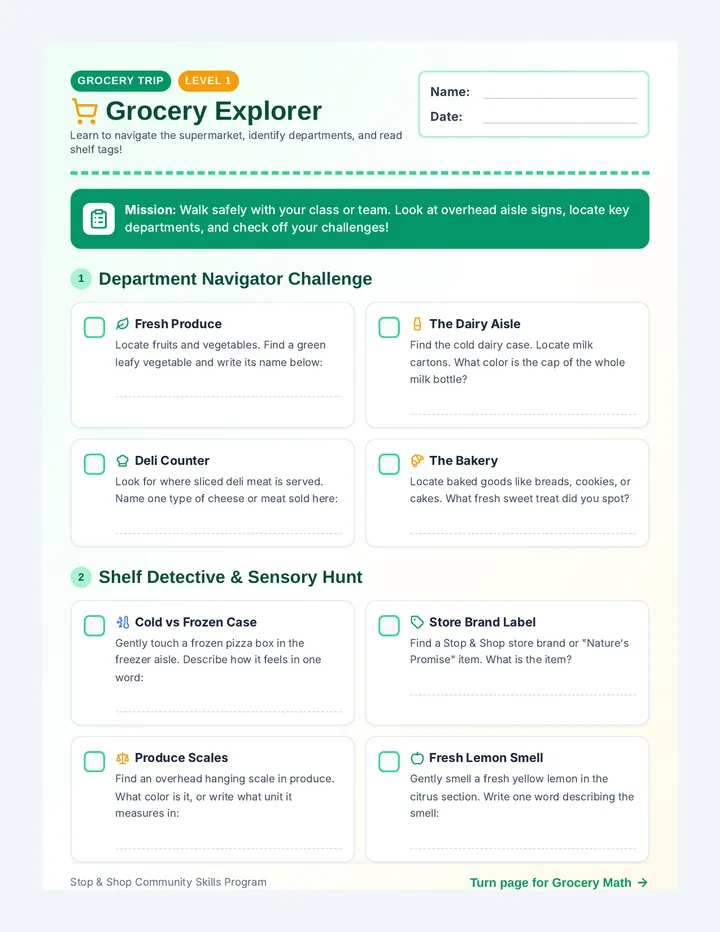
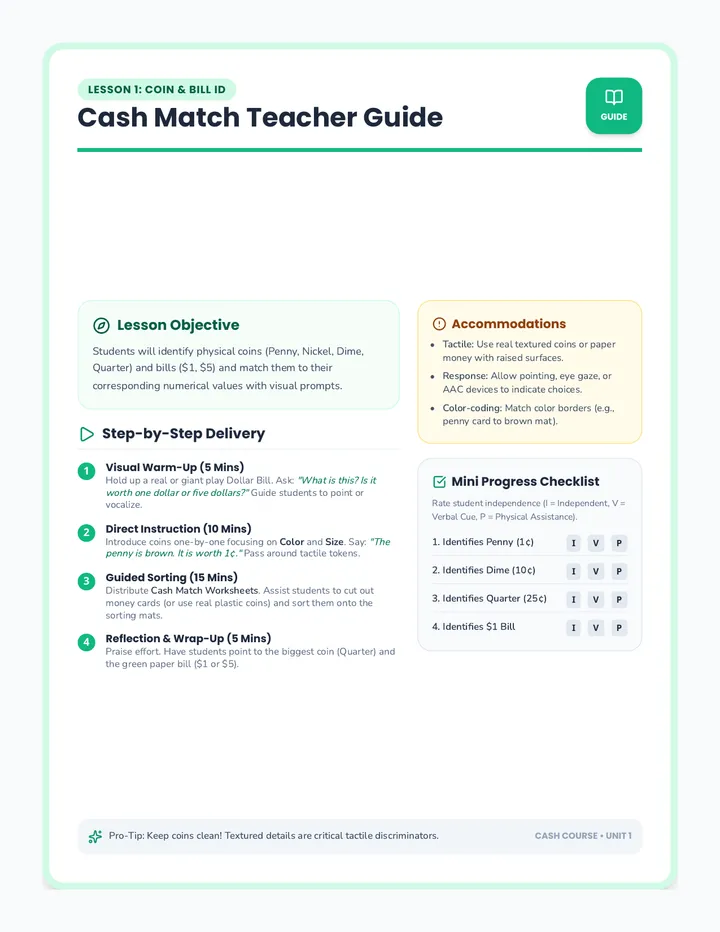
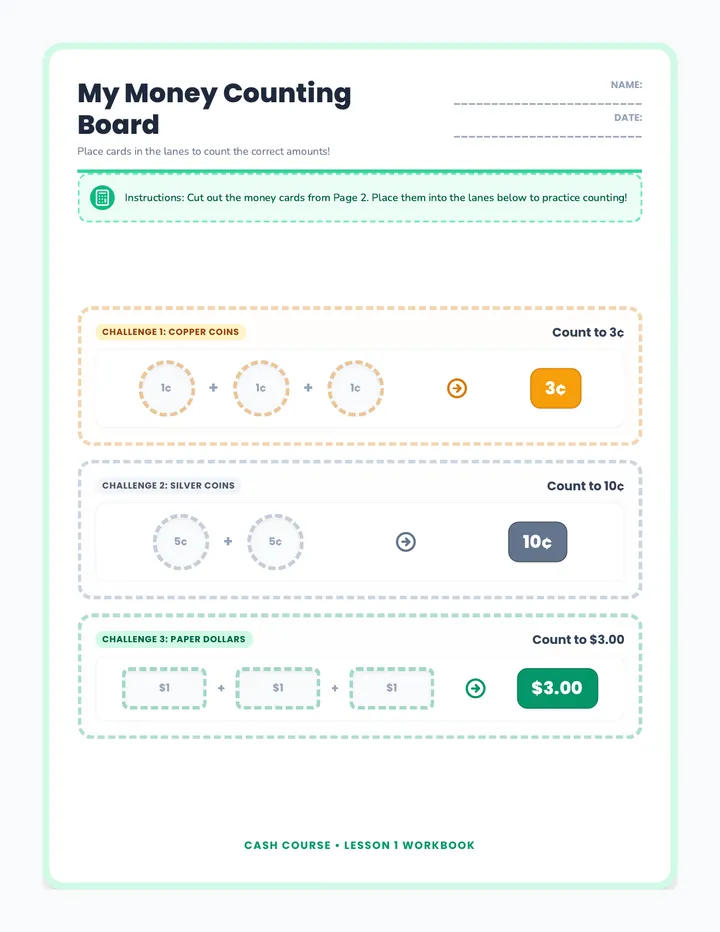
A comprehensive series of lessons designed to build community independence for students with intellectual disabilities, focusing on navigation, social interaction, and transactions in local spaces like CVS, the library, and cafes.
A gentle and empowering sequence designed for students with low cognitive skills to build self-confidence and emotional awareness through positive affirmations and creative expression.
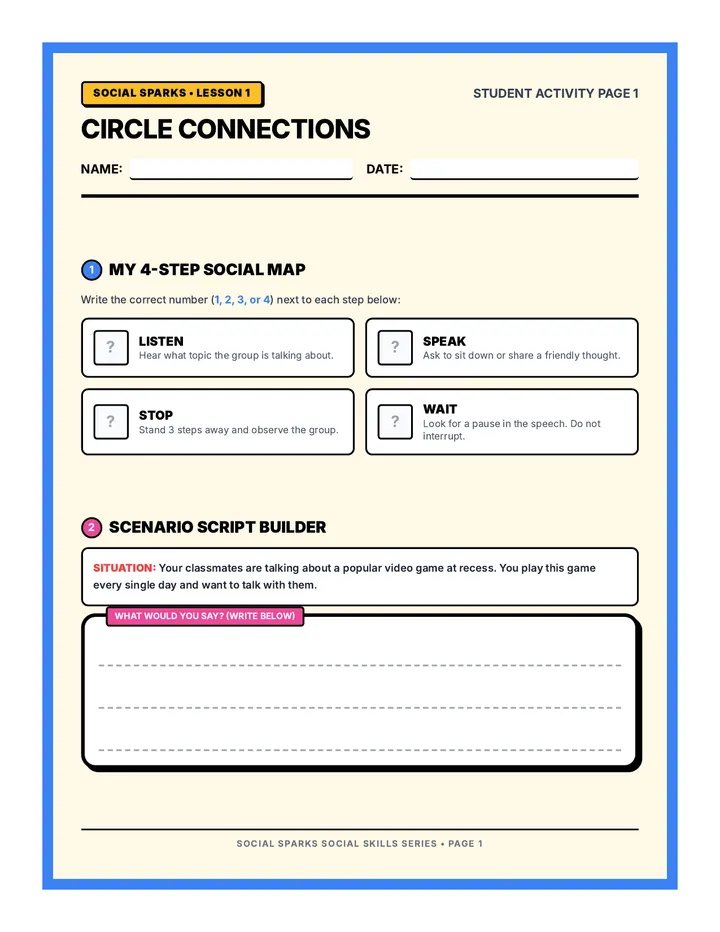
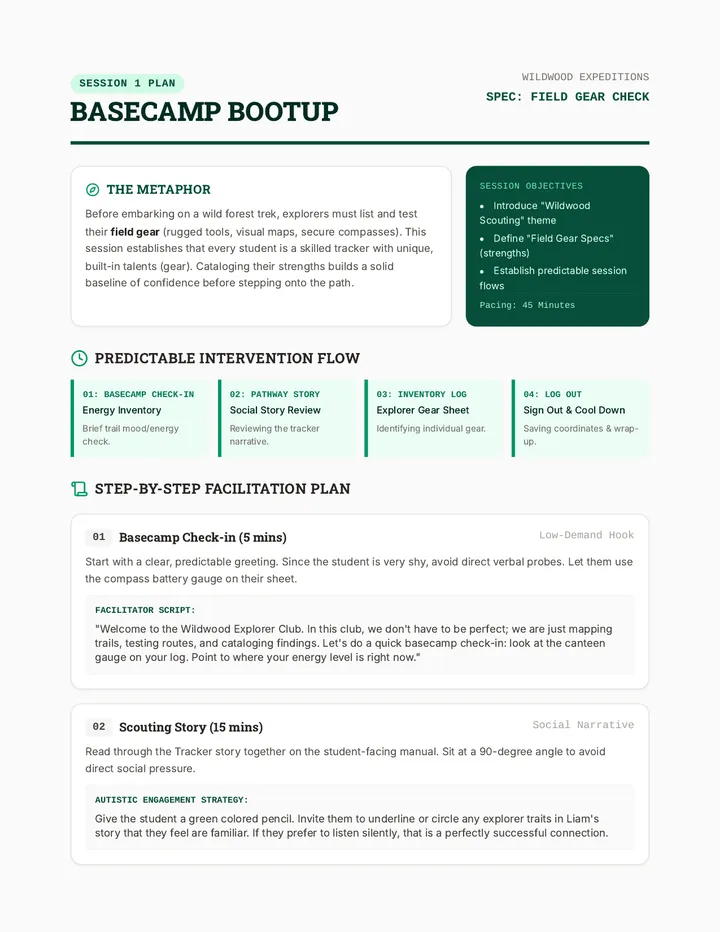
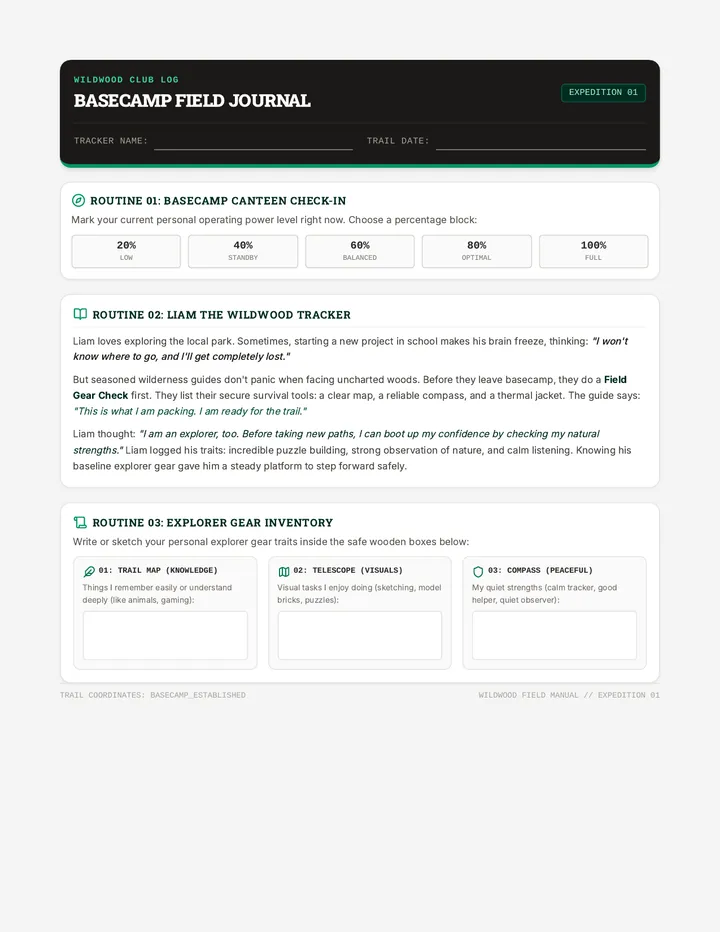
A Tier 3 social-emotional curriculum designed for middle school students on the autism spectrum, focusing on self-regulation, social cues, and conflict resolution through a 'Social Architect' theme.
A comprehensive unit designed for 7th and 8th-grade special education students to strengthen executive functions. Through a 'mental fitness' theme, students practice working memory, cognitive flexibility, and impulse control through games and reflective journaling.
A comprehensive detective-themed curriculum designed to help students with ASD develop interoceptive awareness. Students learn to identify physical clues for a wide range of emotions through movement, visual mapping, and scenario-based problem solving.
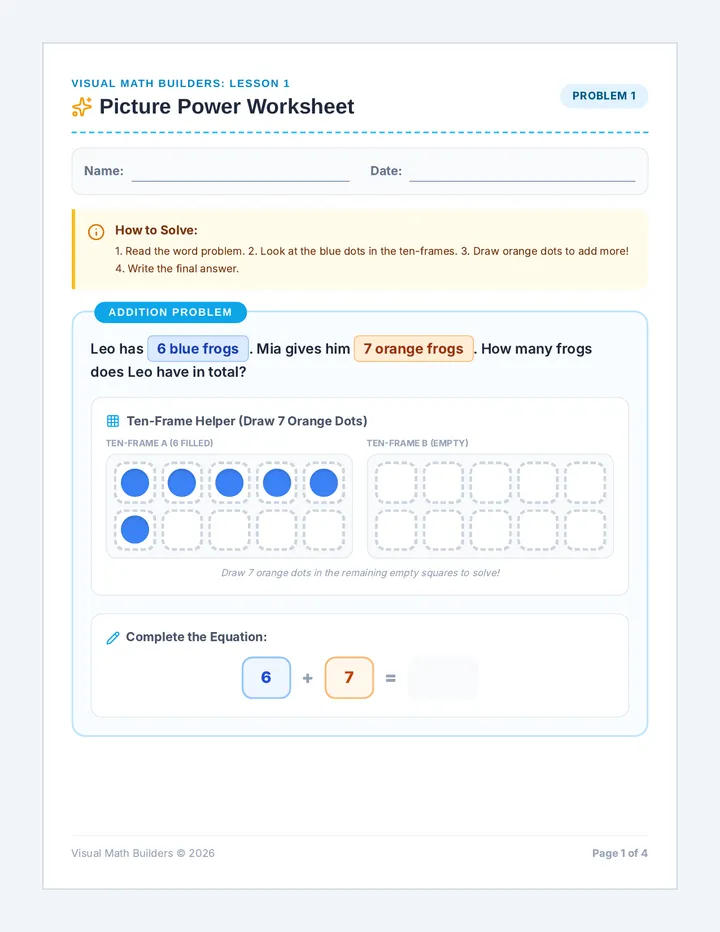
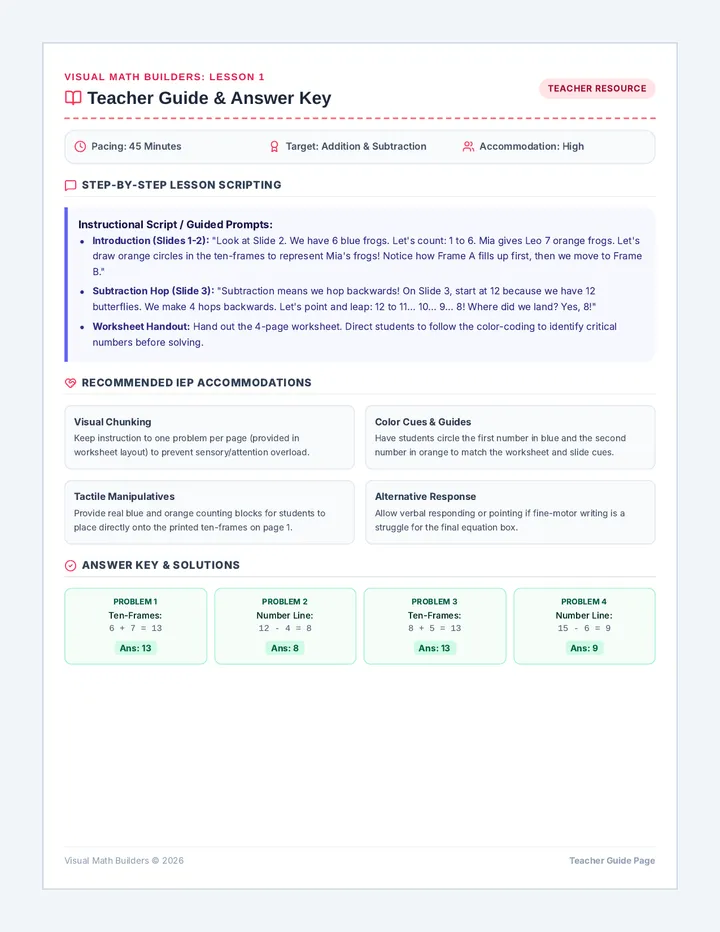
A comprehensive week-long intervention designed for students working on multiplication facts for 2, 3, 5, and 10 using multi-sensory, explicit instruction and visual arrays. This sequence includes teacher guides, instructional slides, visual worksheets, matching games, and task cards to support IEP goal mastery.
A comprehensive set of 10 evidence-ready work samples for the MCAS-Alt synonym identification strand, featuring consistent formatting for accuracy and independence tracking.
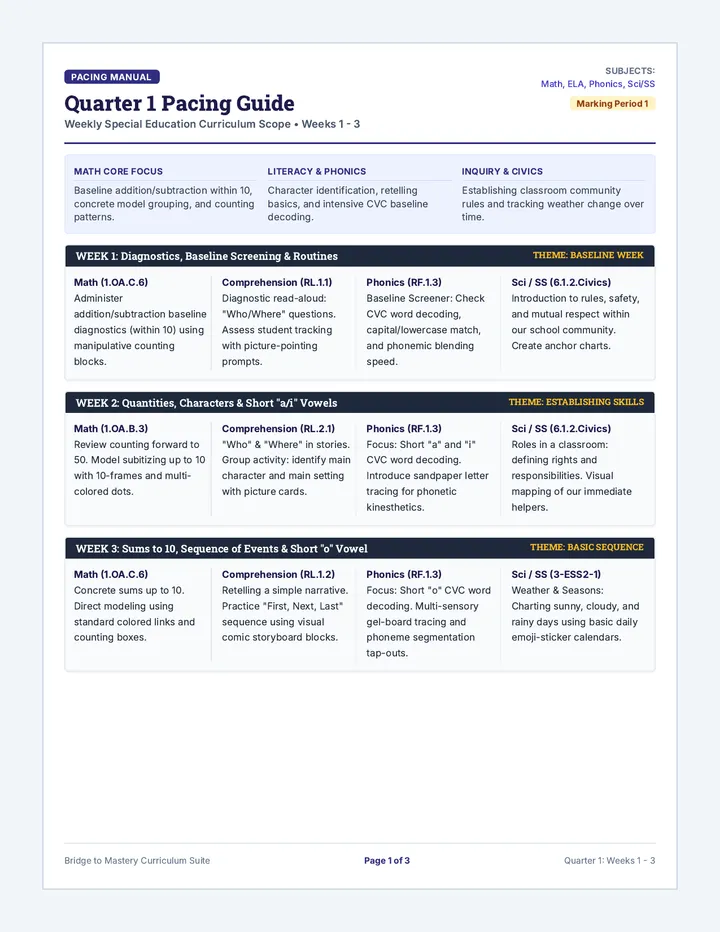
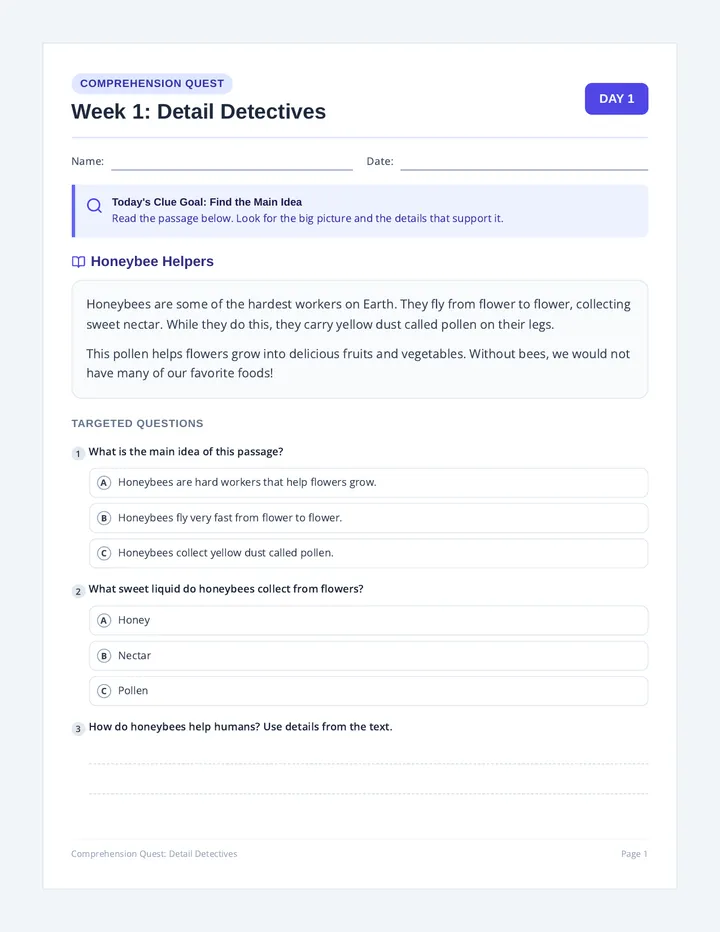
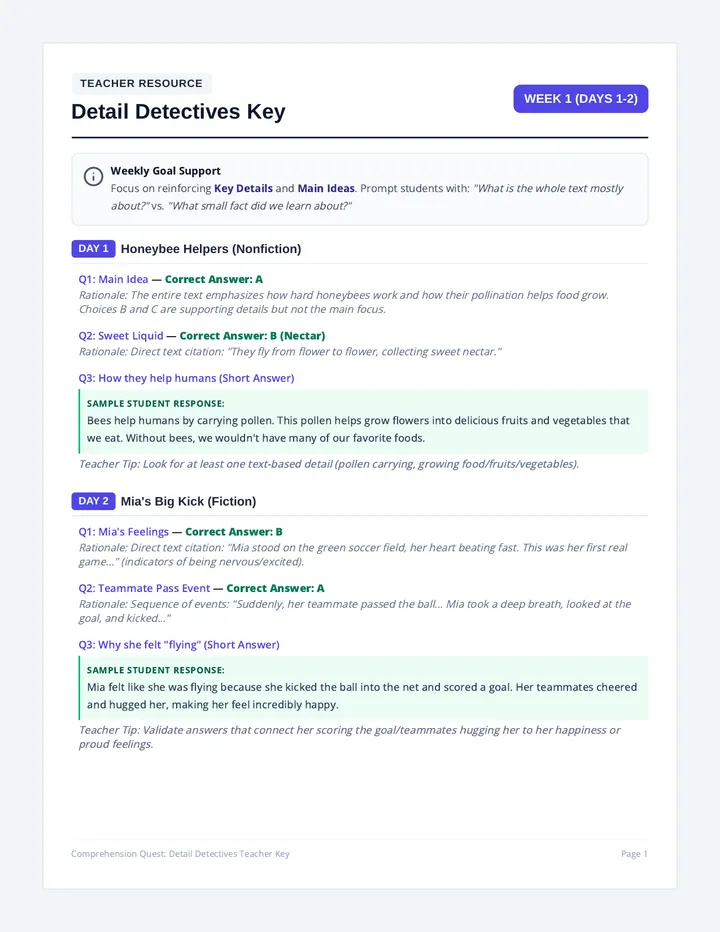
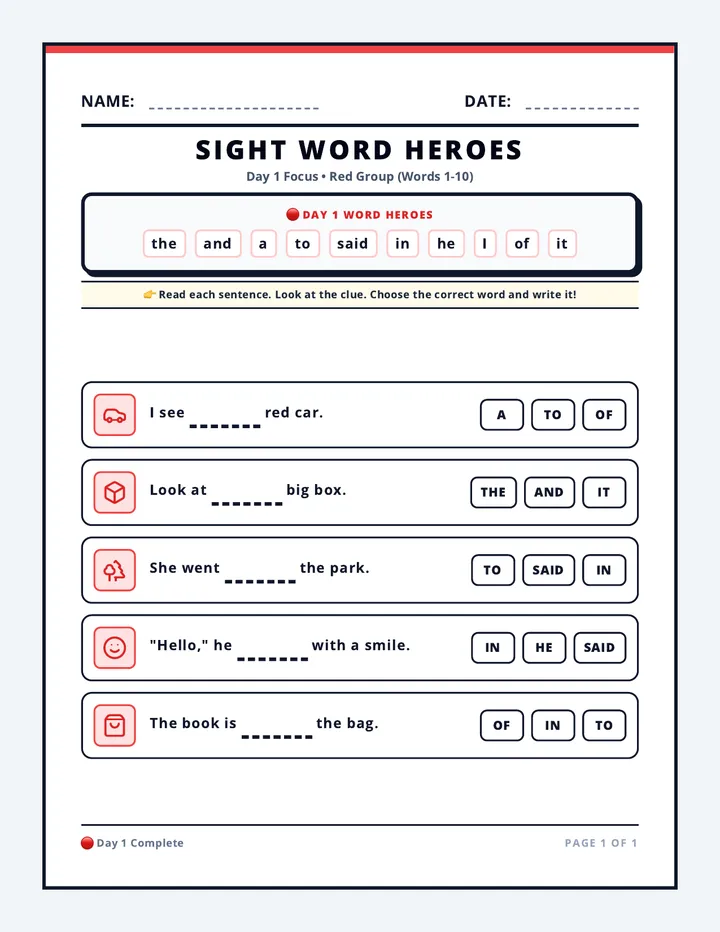
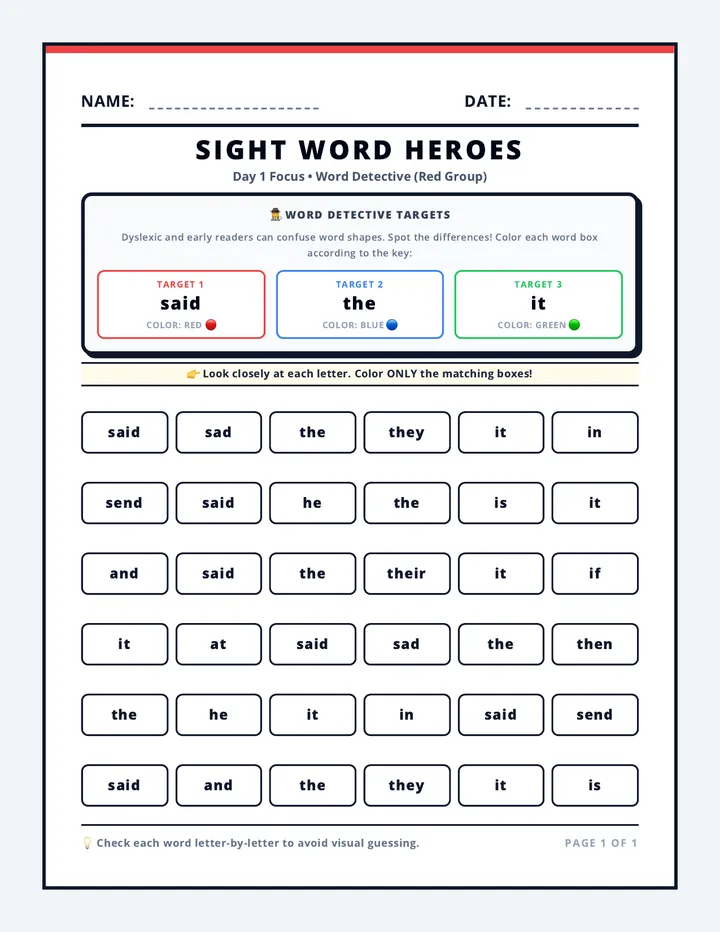
A comprehensive 4-day planning framework and resource set for Tier 2 reading intervention in a Title 1 setting, aligned with the Science of Reading.
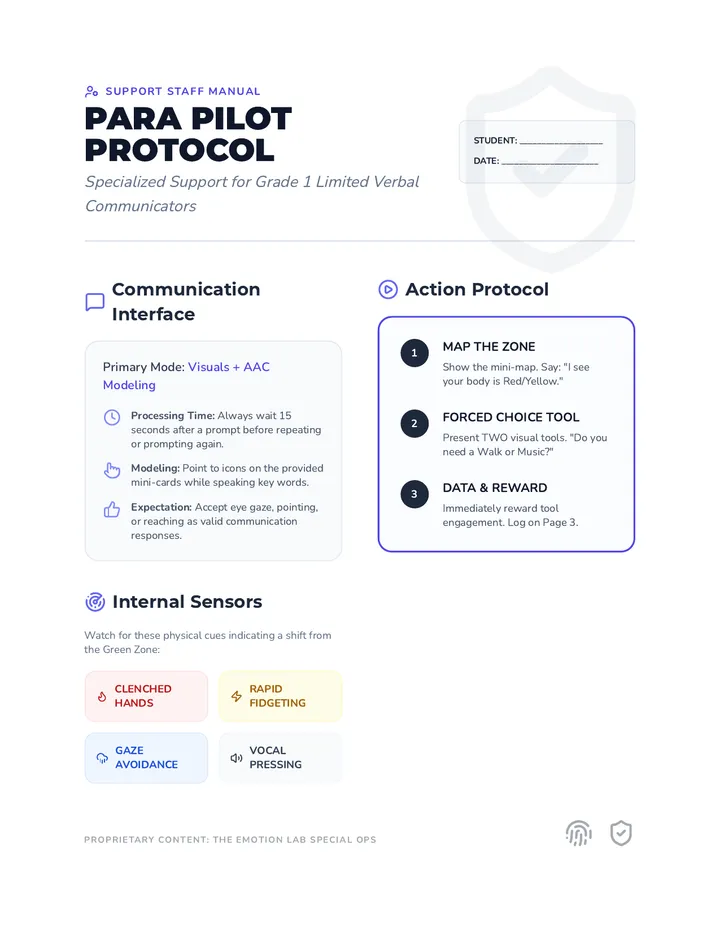
A comprehensive support plan for a 4th-grade student with autism, focusing on emotional regulation, proactive classroom strategies, and visual communication tools to replace threatening language during escalation.
A 6-session social-emotional learning sequence designed for a 4th-grade student in special education. The program focuses on identifying stressors, labeling emotions, and practicing specific coping strategies like deep breathing and break cards to manage anger and reduce tantrums.
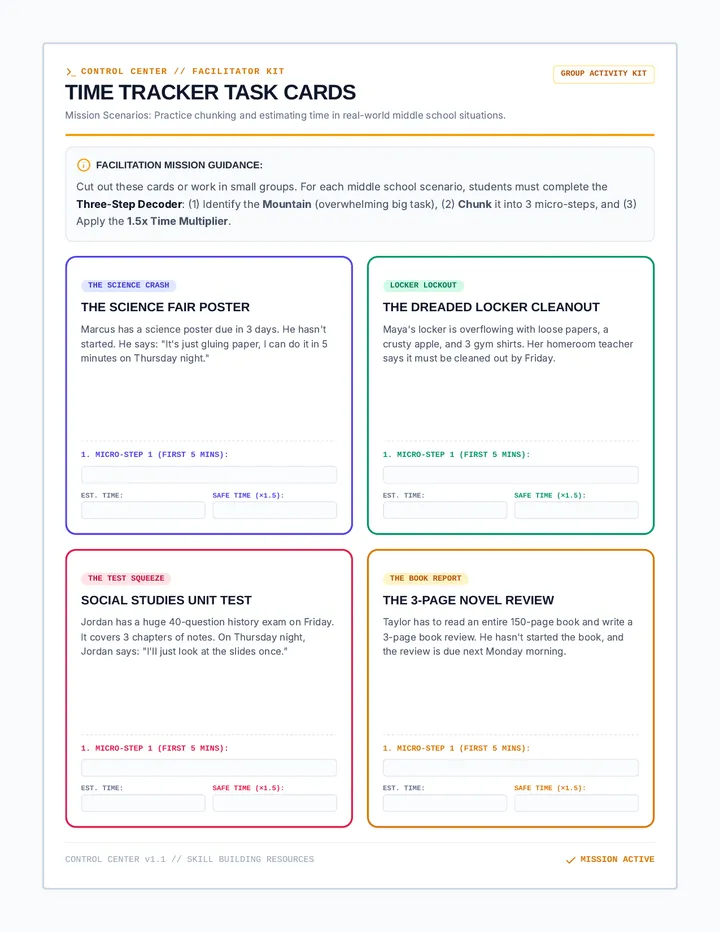
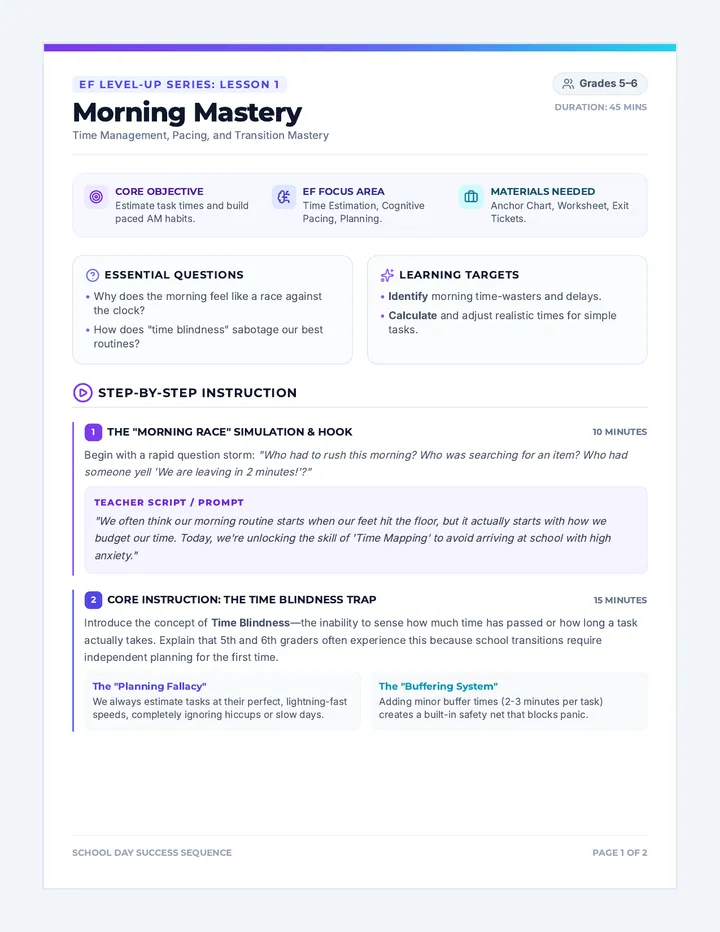
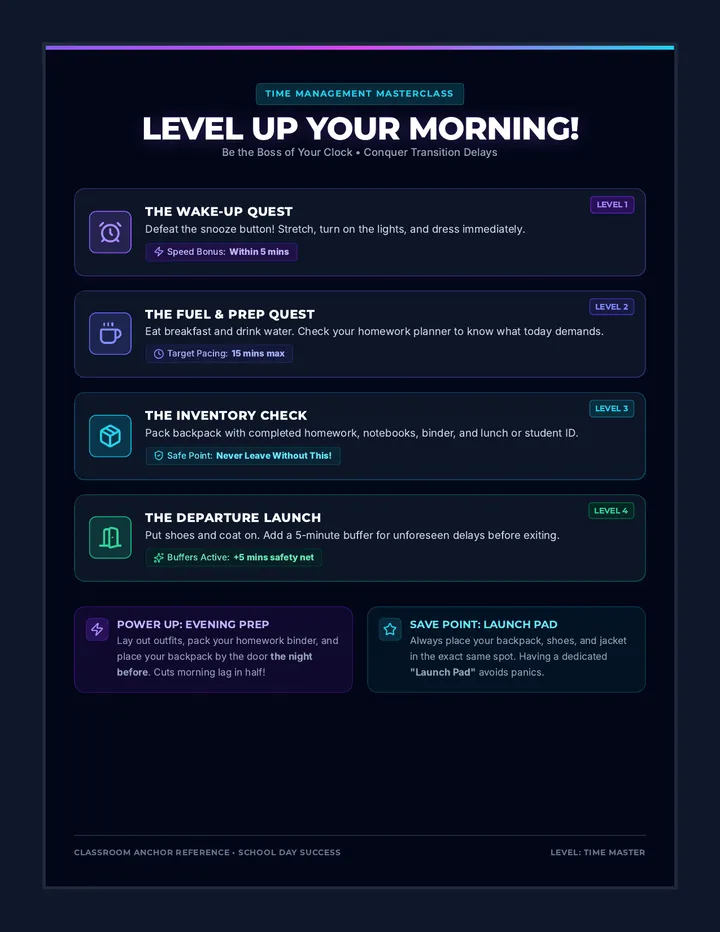
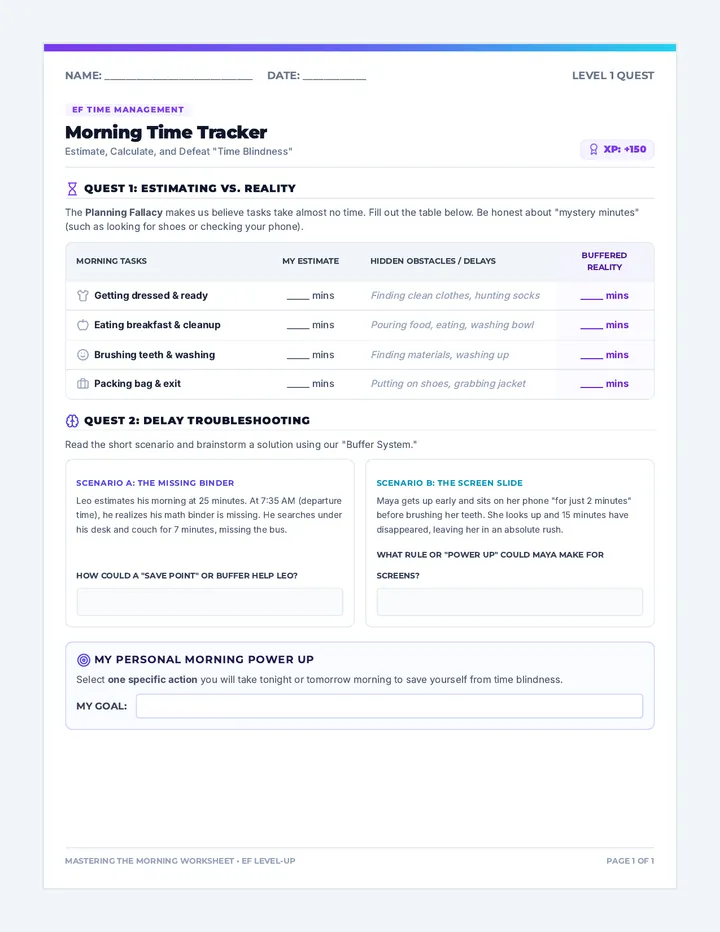
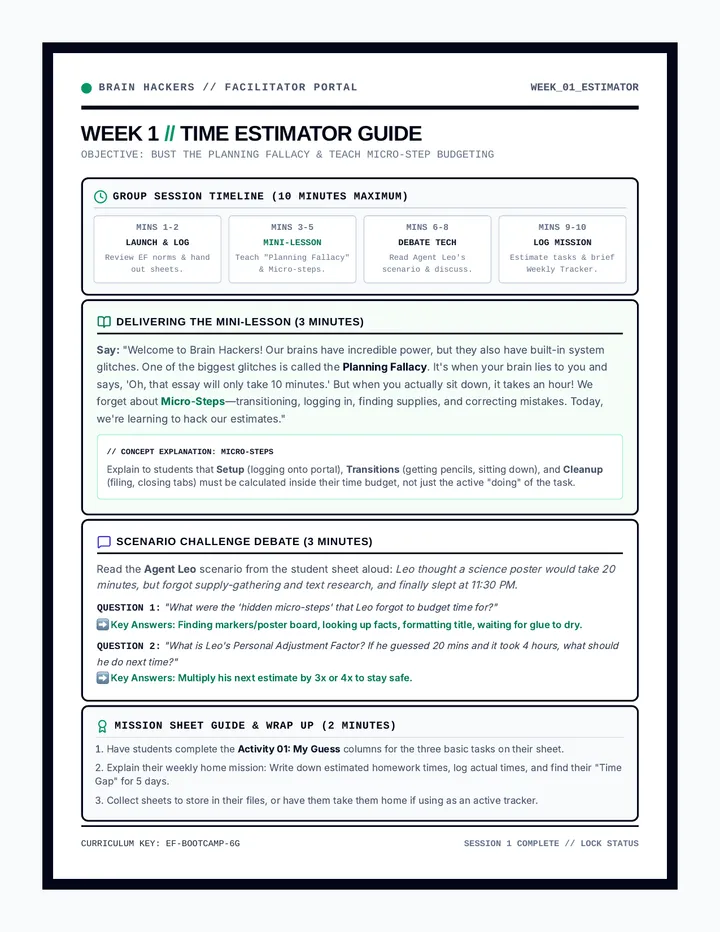
A comprehensive 5-lesson unit designed to help 5th graders master key executive functioning skills: planning, organization, time management, working memory, and flexibility.
A series of mini-lessons designed to help students understand and optimize their working memory through environmental organization and cognitive strategies.
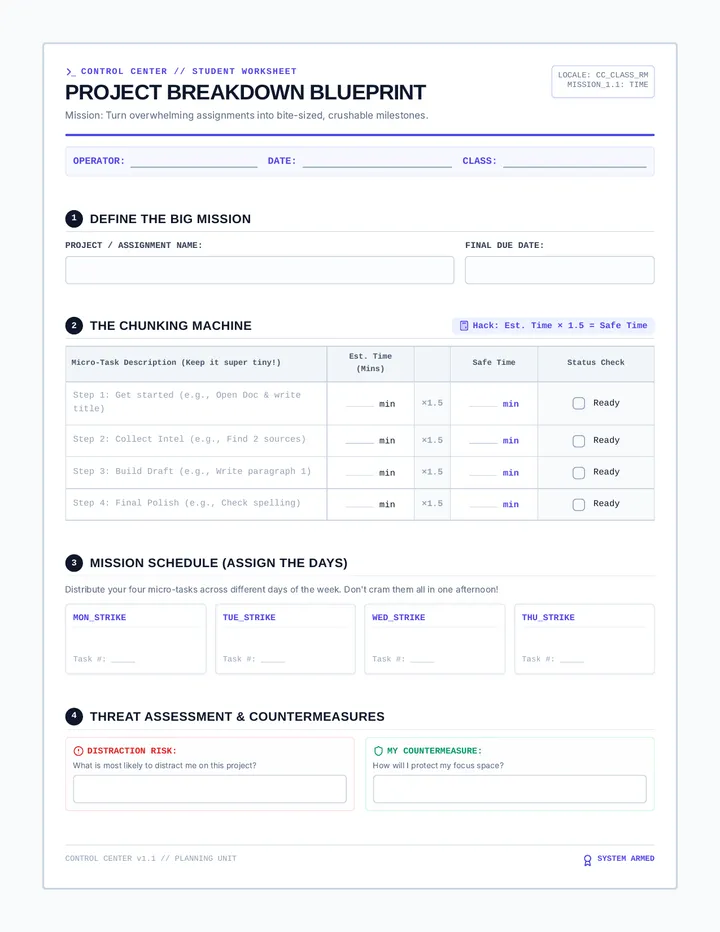
A 6-week Tier 2 executive functioning intervention focused on developing goal-setting and problem-solving skills. Students use an engineering/blueprint theme to "design" their success and navigate challenges.
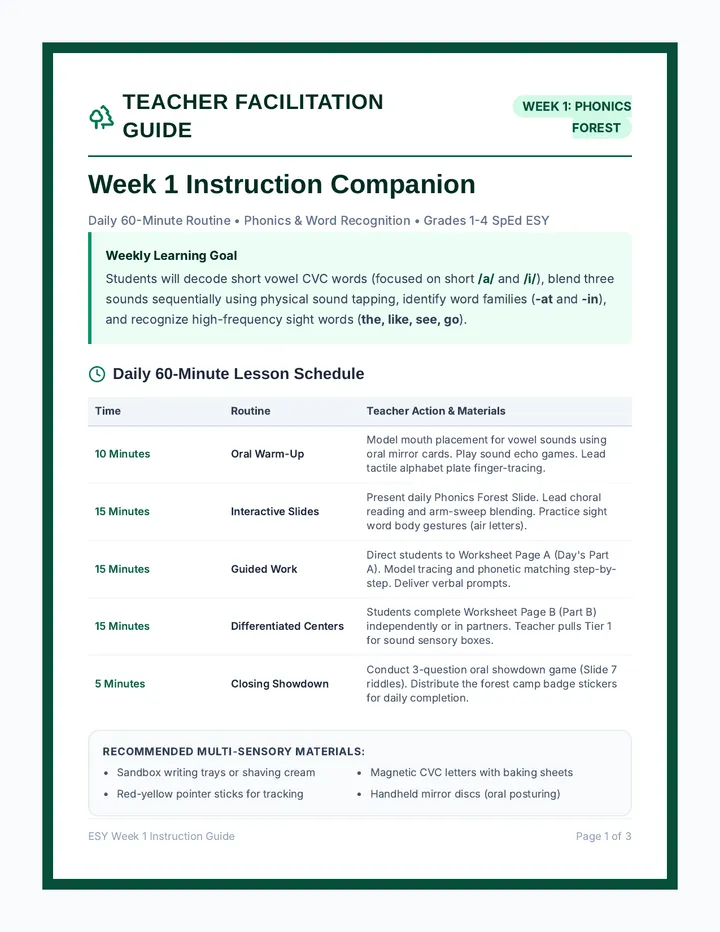
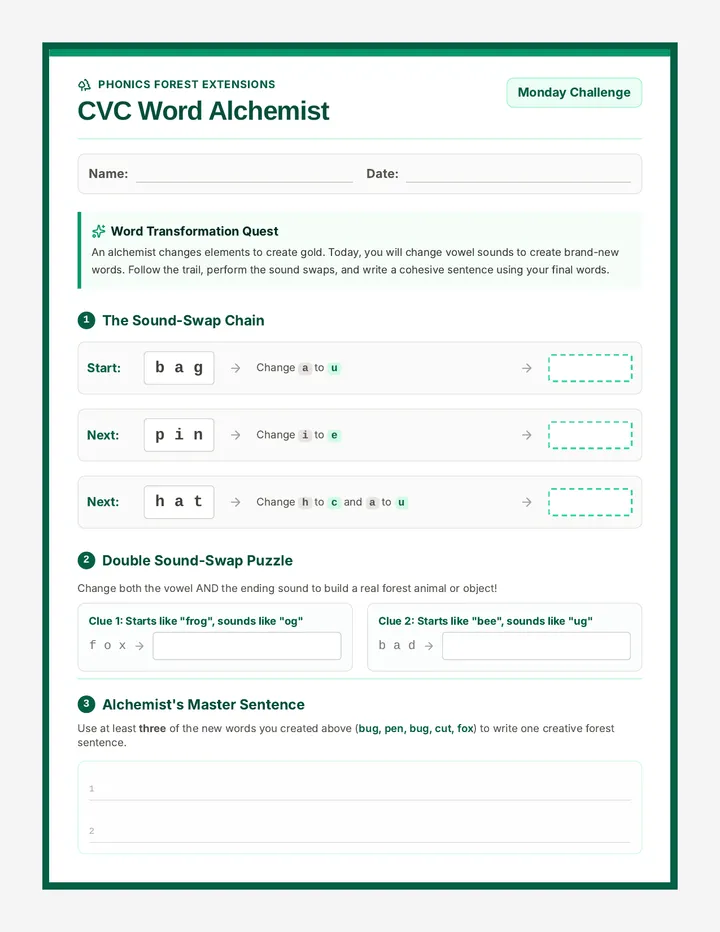
A comprehensive 4-part series designed for 7th grade students to master multisyllabic word decoding using syllable division patterns. This sequence follows a 'Word Architect' theme, framing syllable division as the structural blueprint of language.
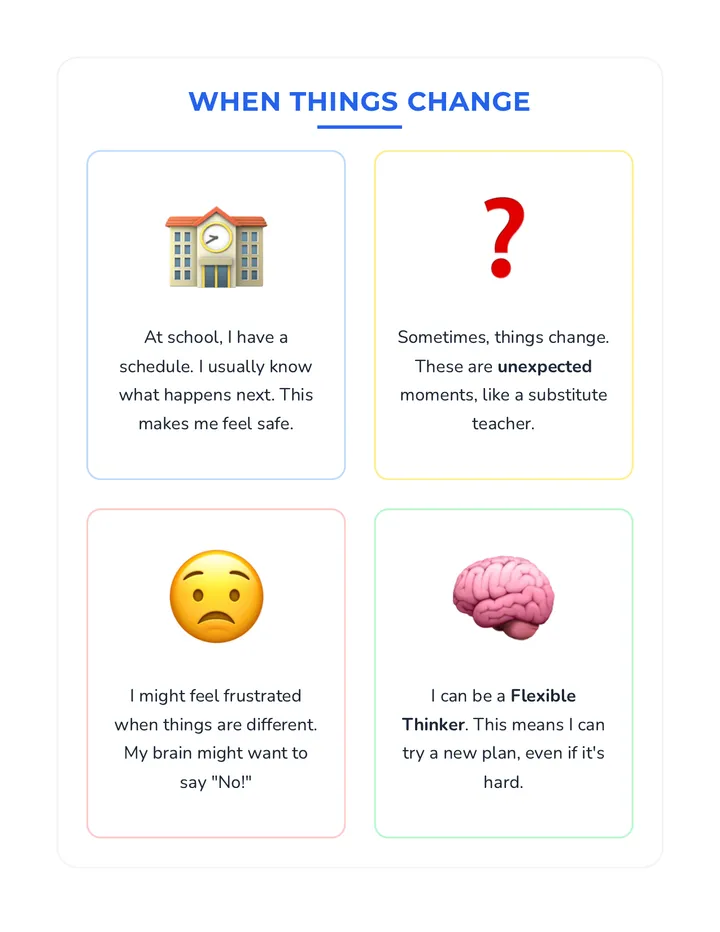
A CBT-based sequence for an 8th-grade student with autism, focusing on managing difficult transitions and recovering from behavioral incidents through restorative practices and emotional regulation.
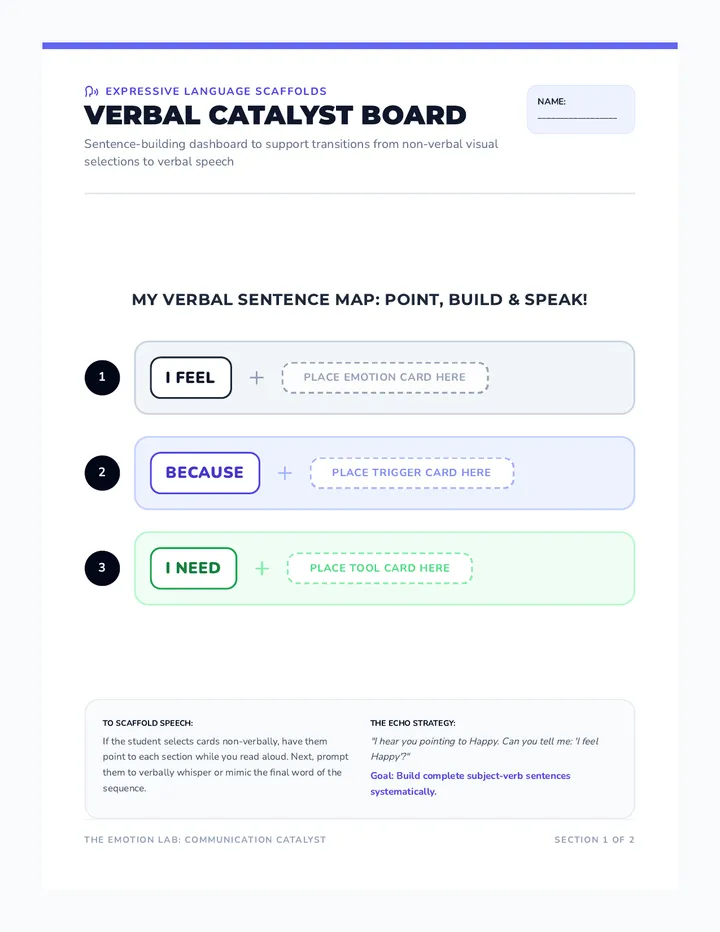
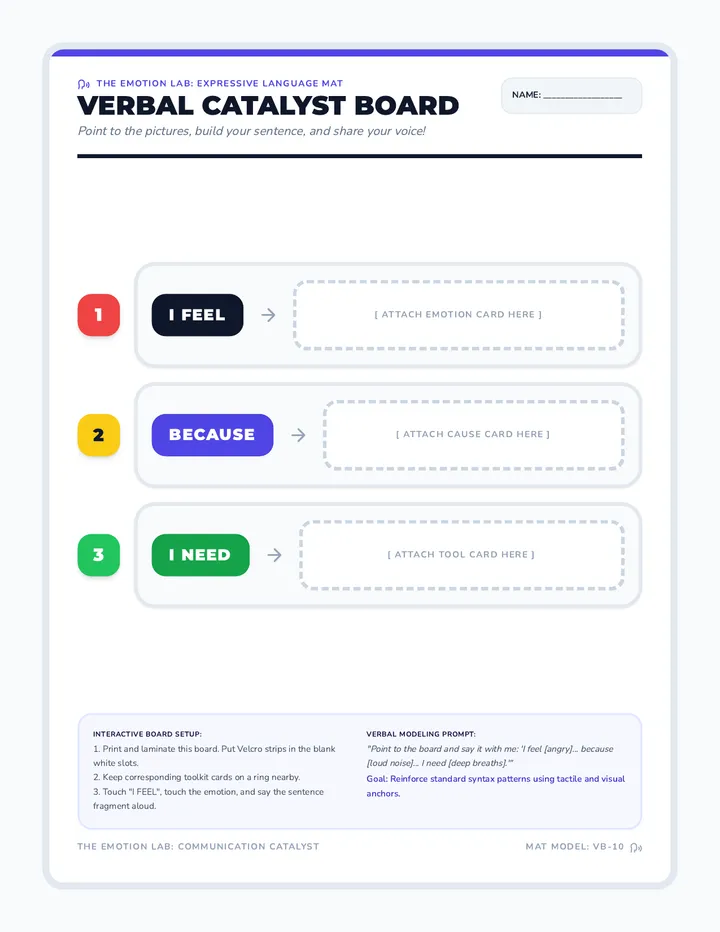
A 10-session series for IRR nonverbal autism students to establish a consistent morning routine using visual supports for date, weather, and mood tracking.
A series of drawing-based challenges designed to improve active listening and following complex, multi-step instructions through creative output.
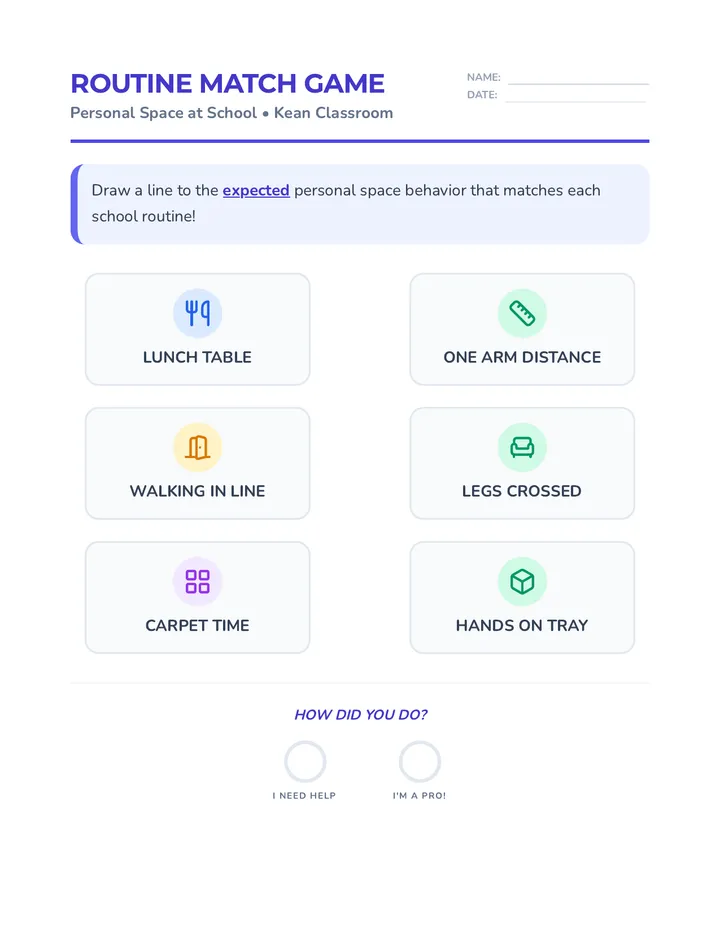
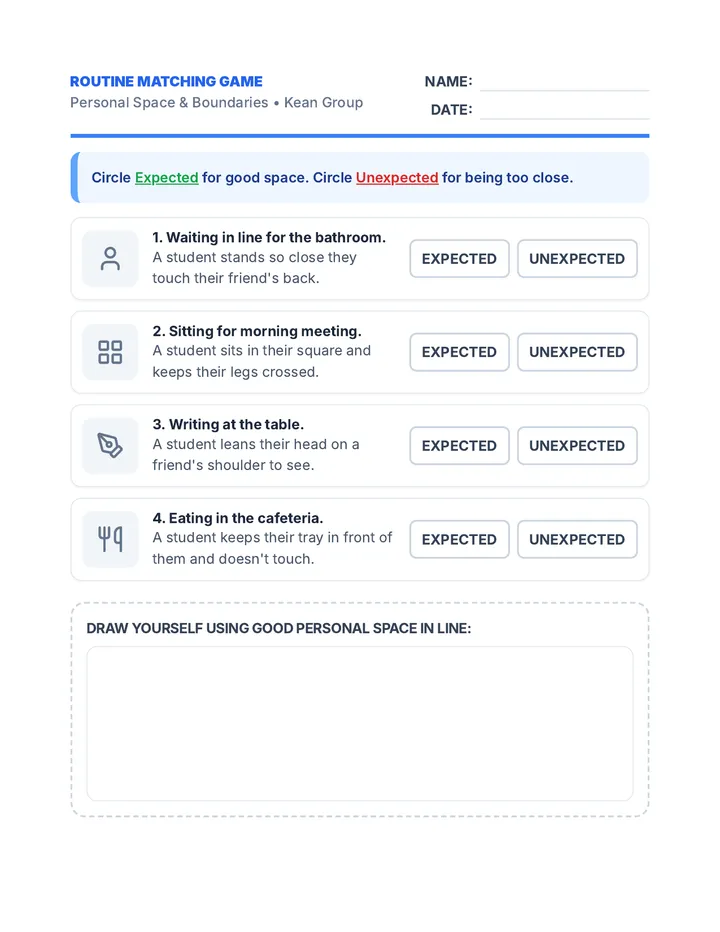
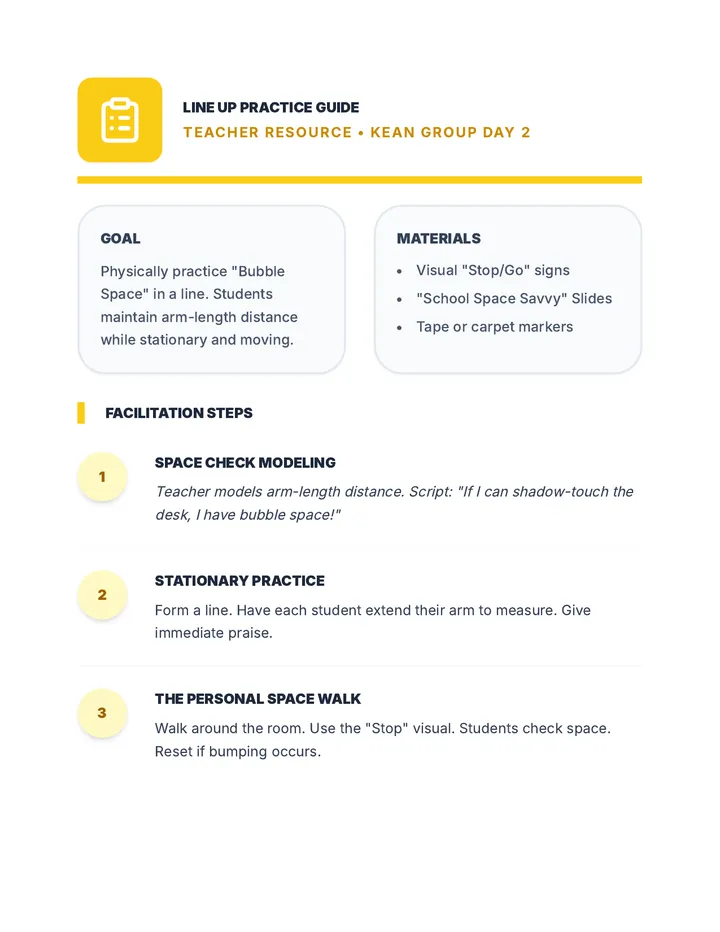
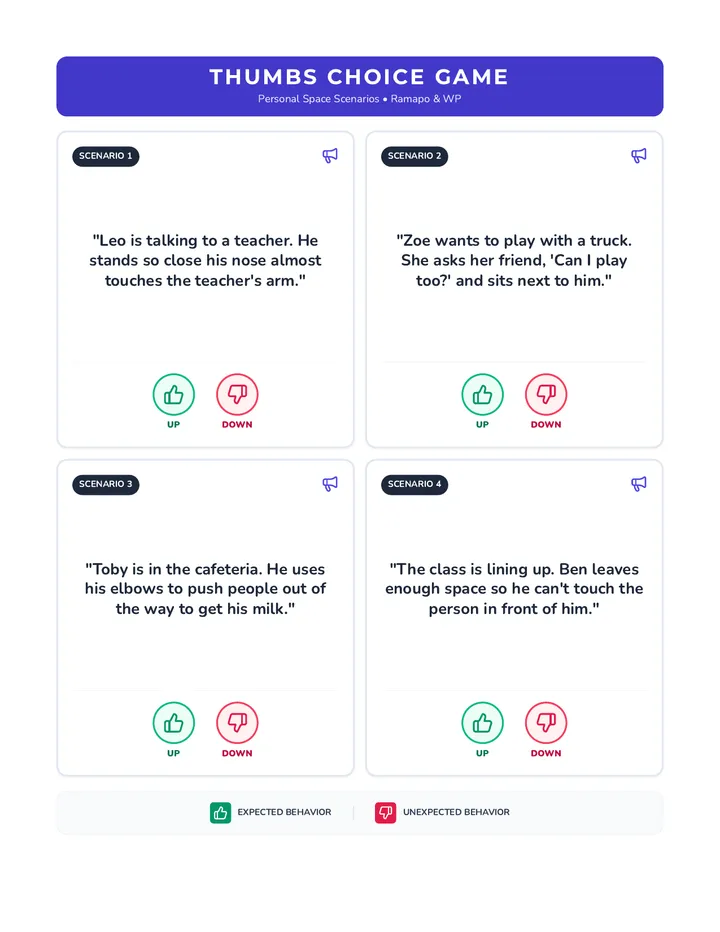
A comprehensive collection of social stories and visual supports designed by an Occupational Therapist to help students ages 5-14 navigate essential school routines, personal boundaries, and classroom expectations.
A thematic unit centered on winter and snow, exploring grammar, functional language, and descriptive comparison skills.
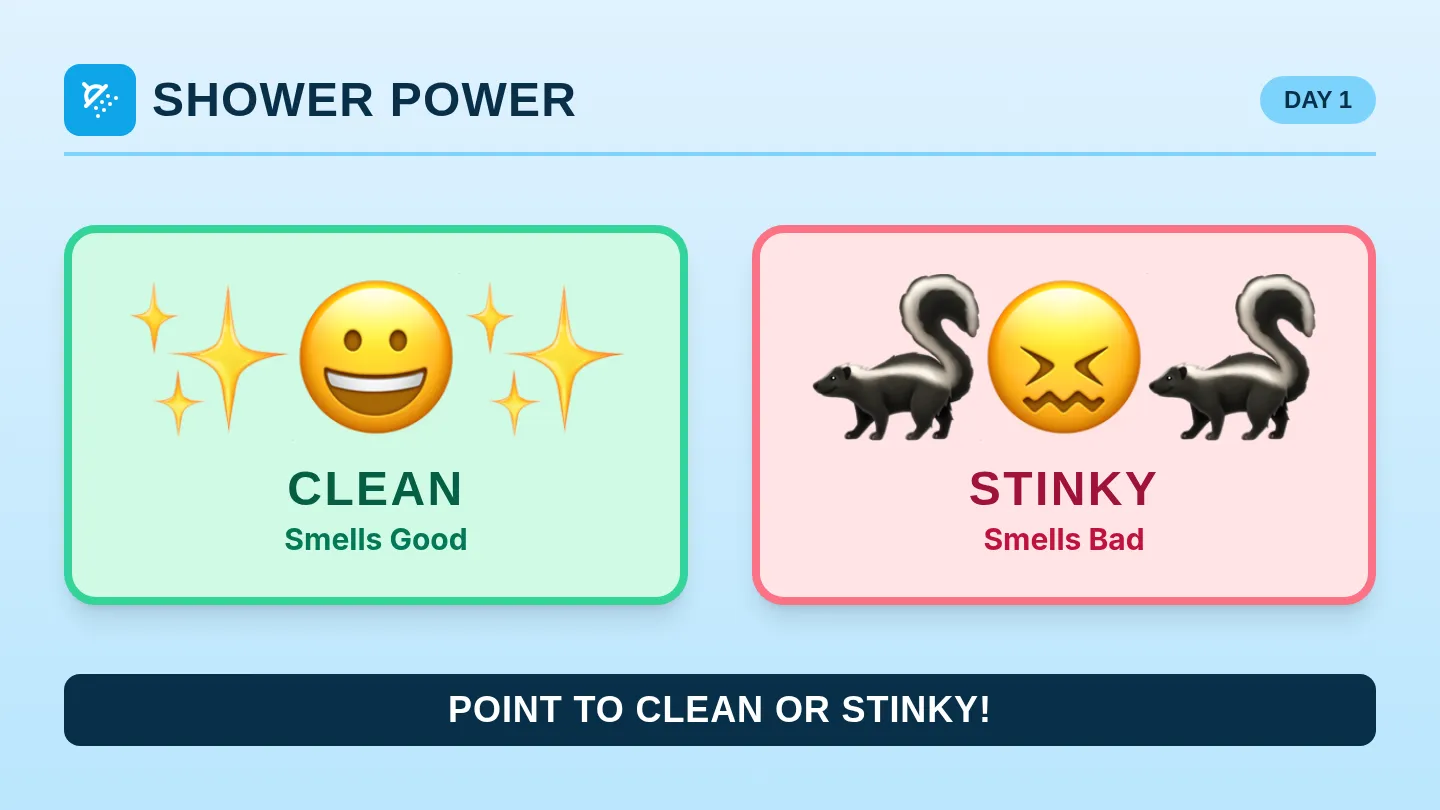
A series of tools designed to help middle schoolers with ADHD master self-regulation through technical movement and mindfulness. The sequence frames focus as a high-performance 'tactical' skill.
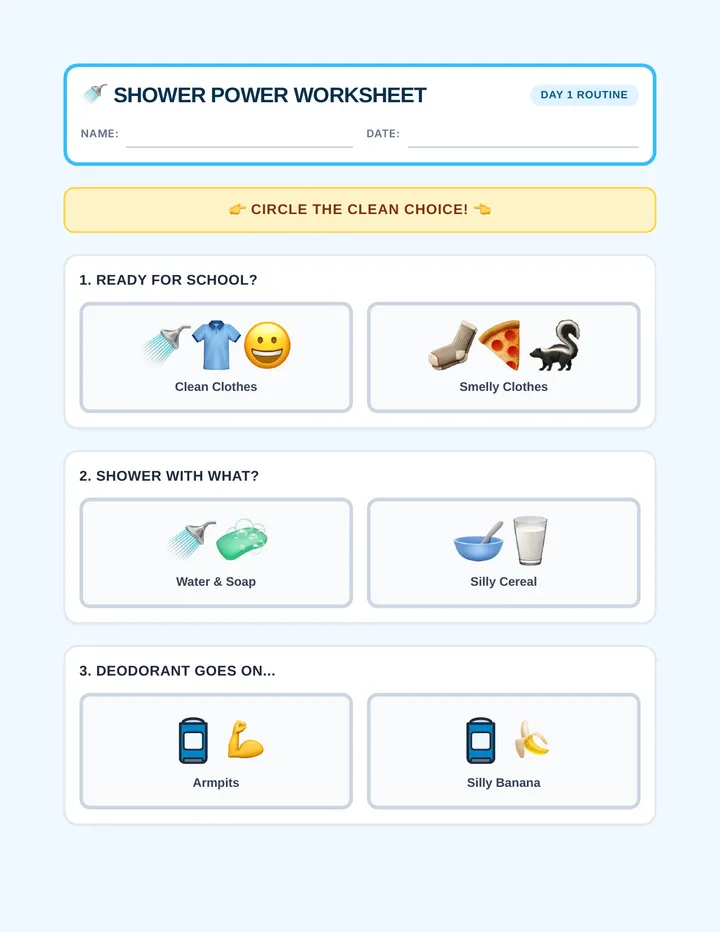
A 6-week social-emotional learning sequence for 4th-grade students with IEPs, focusing on perspective-taking, tone of voice recognition, and decoding the function of communication.
A 5-lesson sequence designed for 3rd-grade students to master the use of text-to-speech (TTS) technology for decoding informational texts, academic vocabulary, and non-linear text features like captions and sidebars. Students progress from decoding individual words to synthesizing information from multiple sources for research and presentation.
A sequence focused on empowering 3rd-grade students to customize their text-to-speech settings. Students experiment with speed, voice, and visual highlighting to create a personalized 'Assistive Tech Profile' for better reading retention and comfort.
This sequence teaches 3rd-grade students how to use text-to-speech (TTS) as a strategic tool for narrative comprehension. Students learn to use audio for identifying story elements, summarizing via the 'Listen-Stop-Think' routine, citing evidence by re-listening, and visualizing descriptive text.