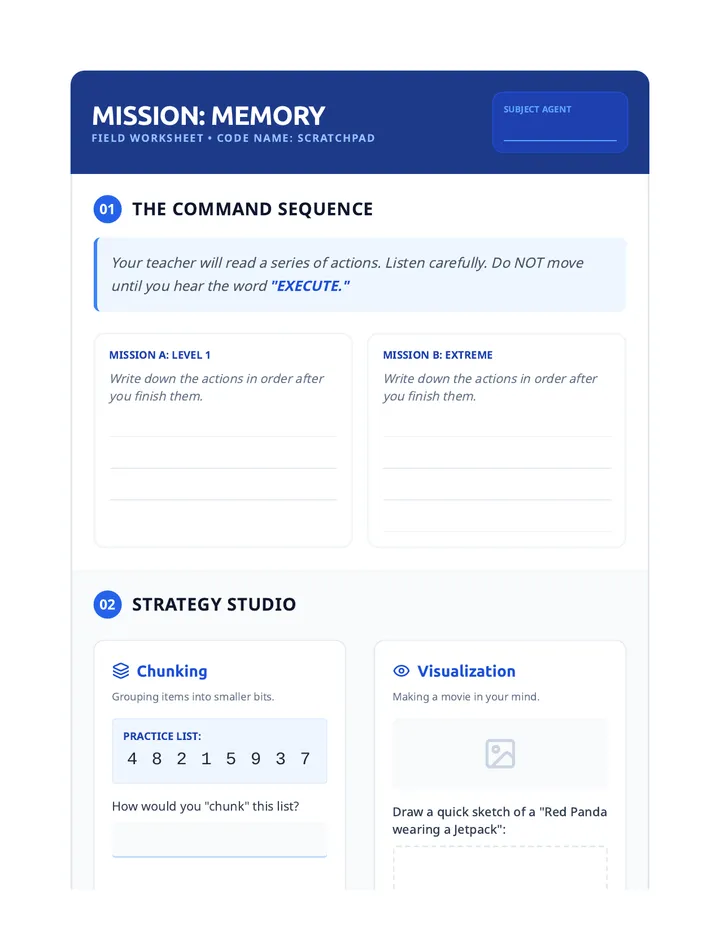
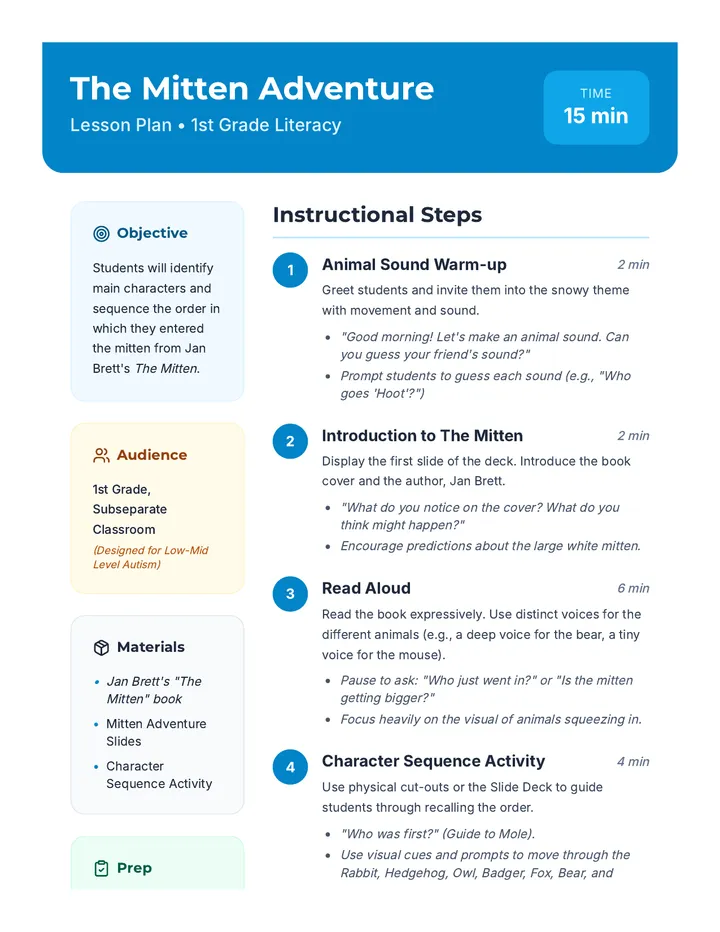
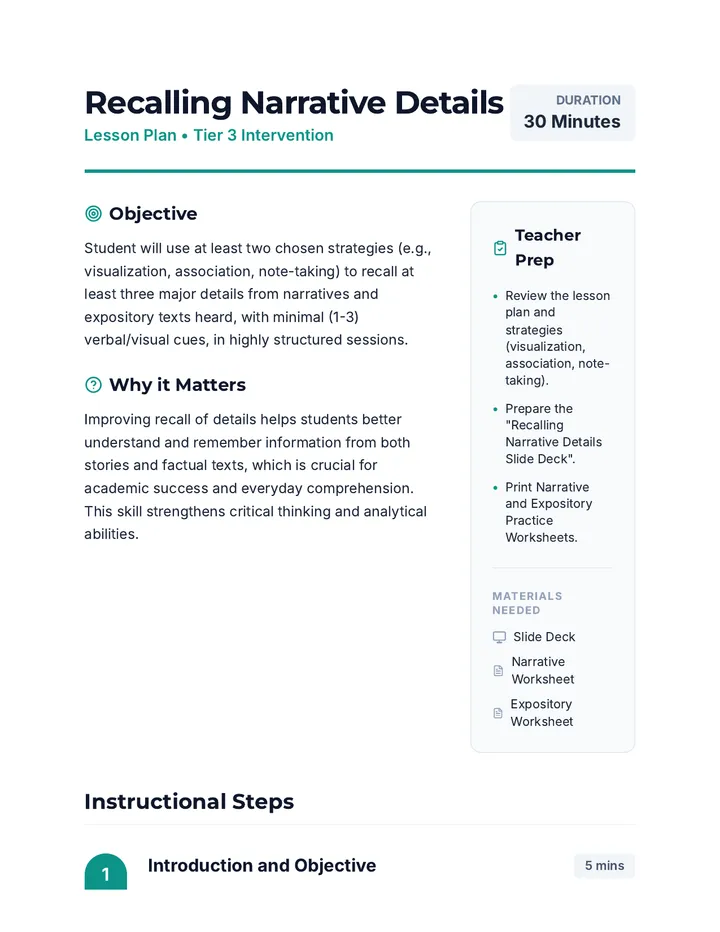
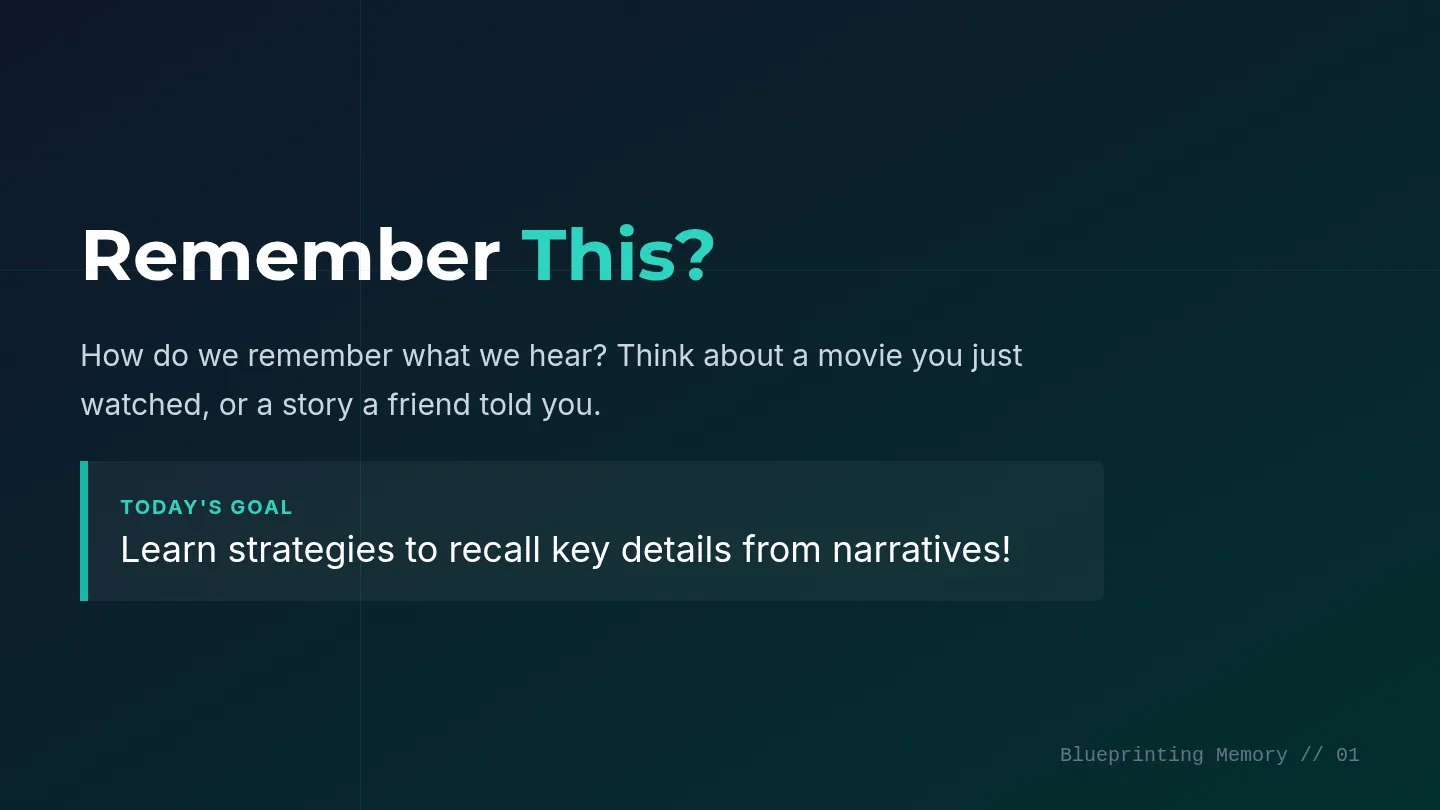
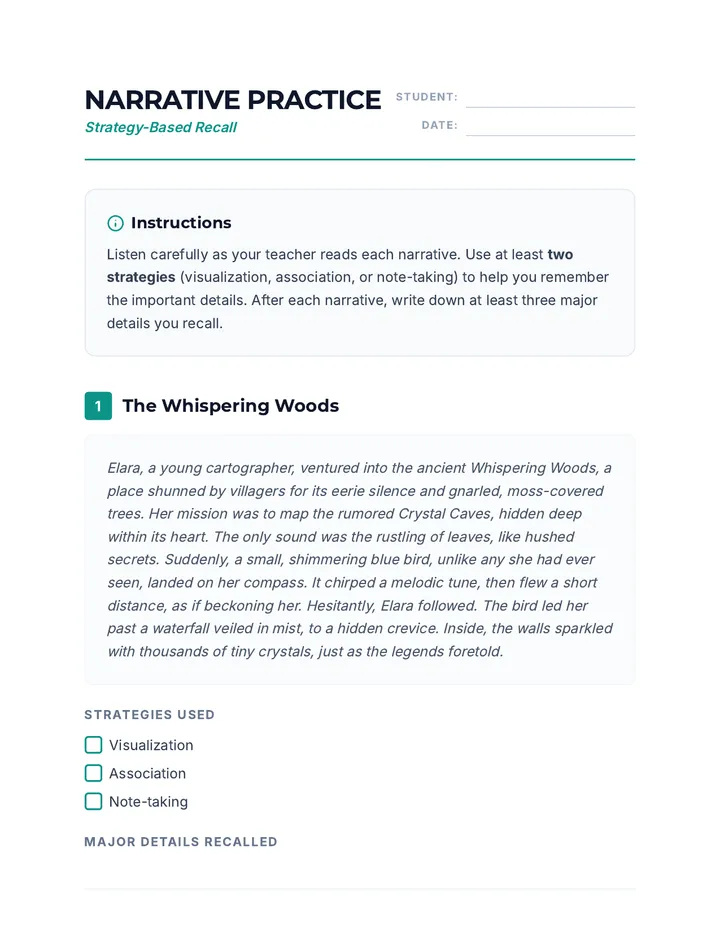
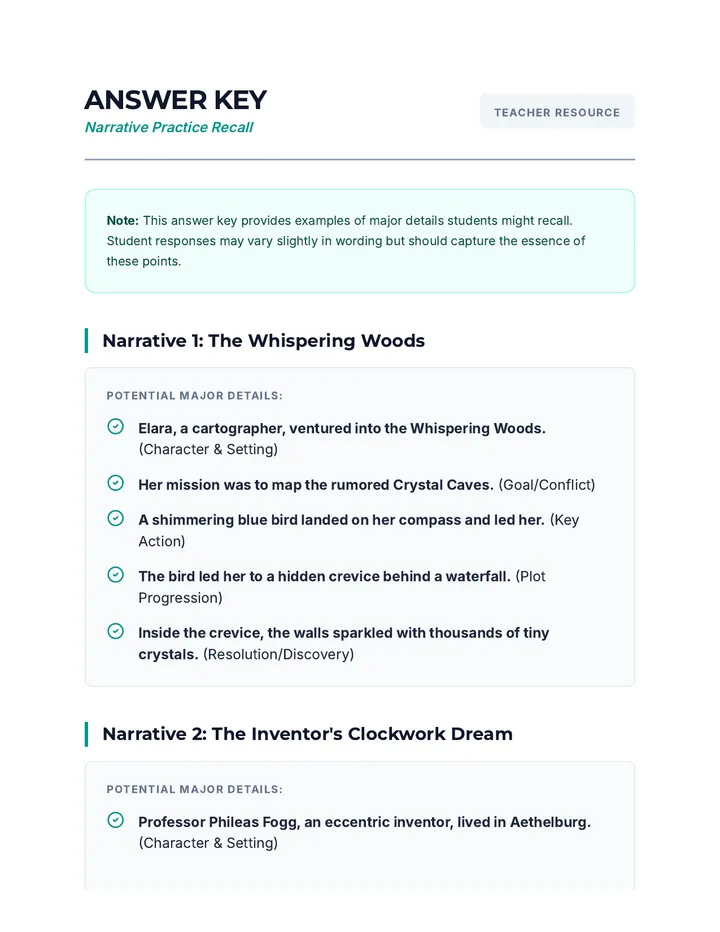
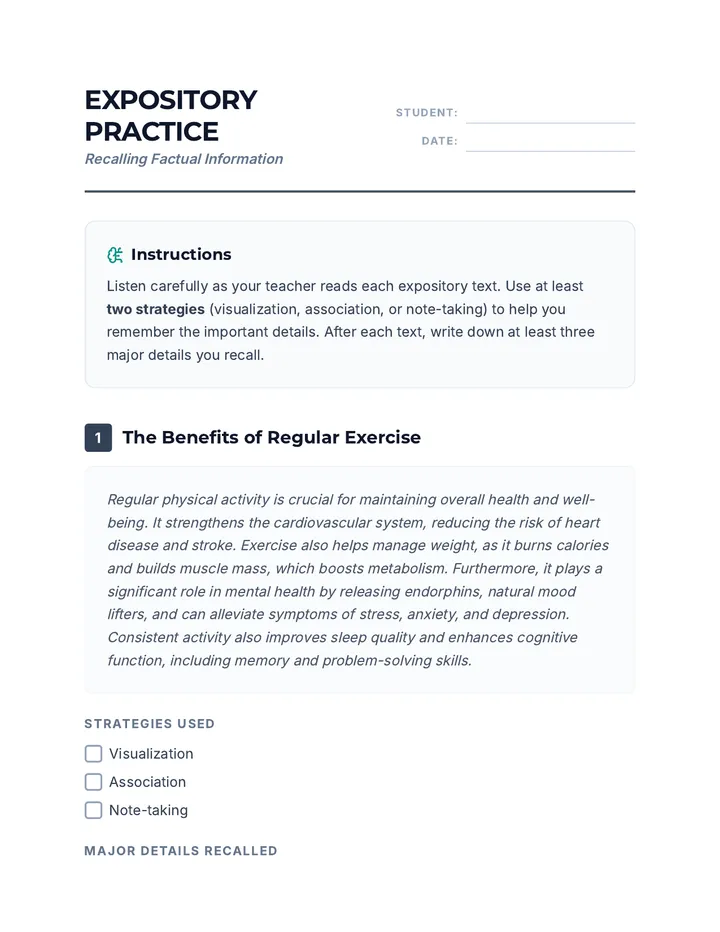
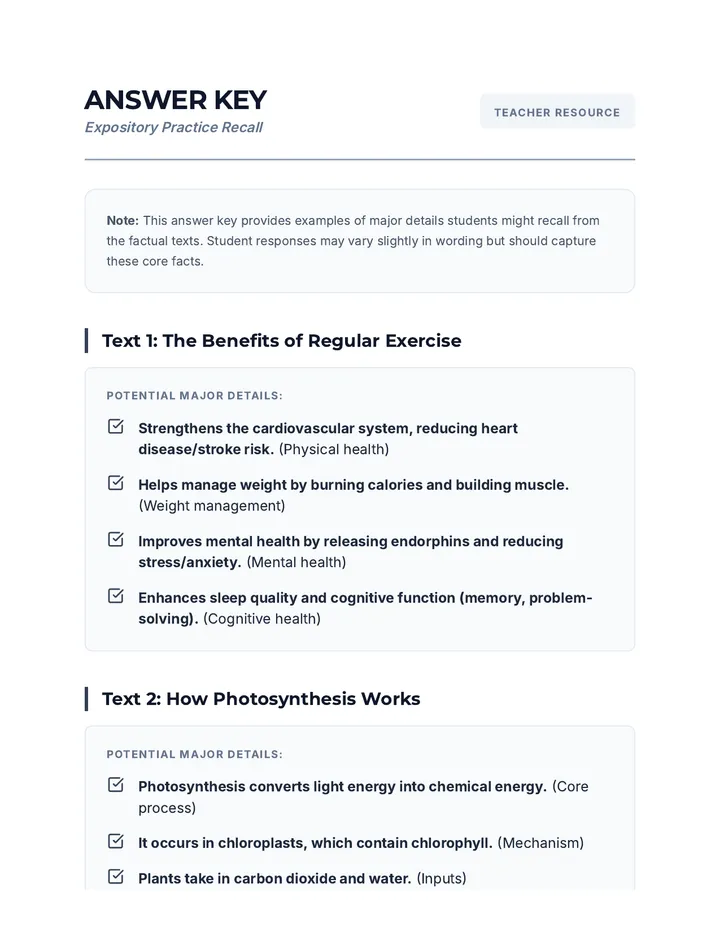
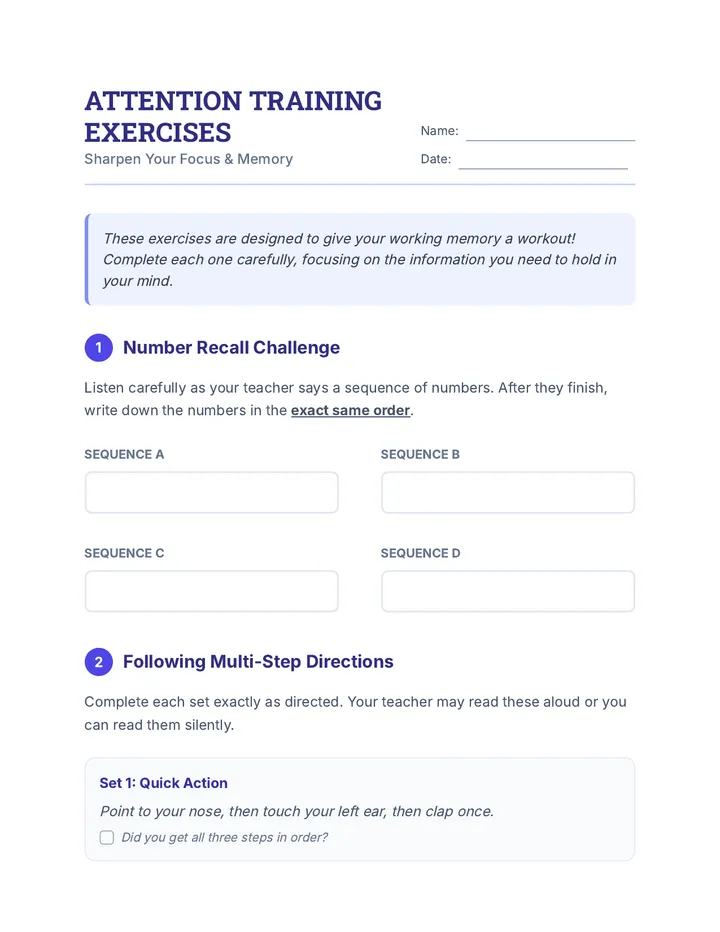
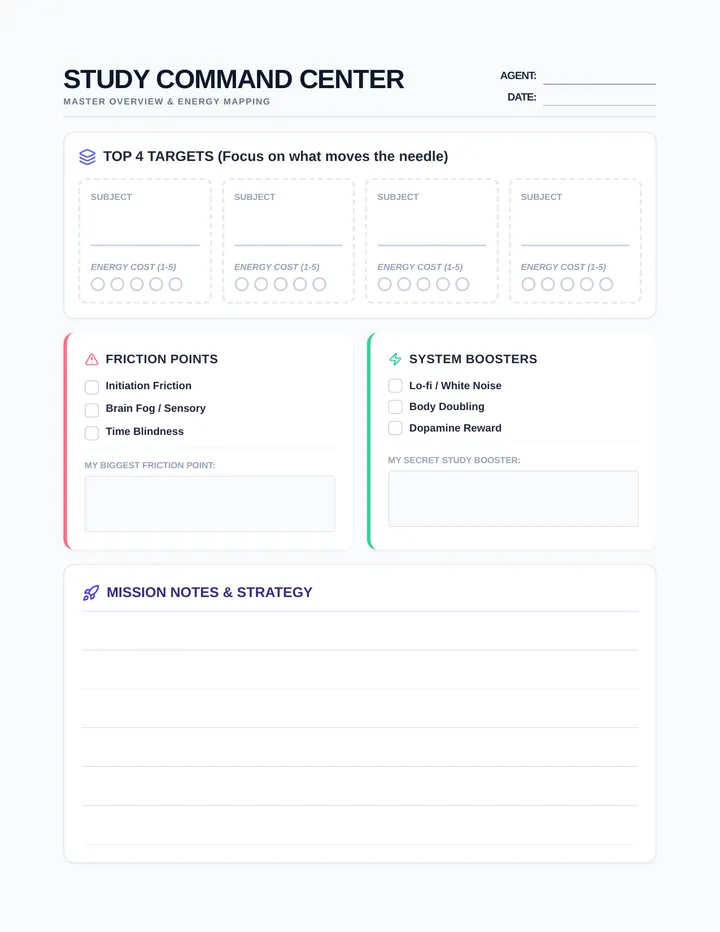
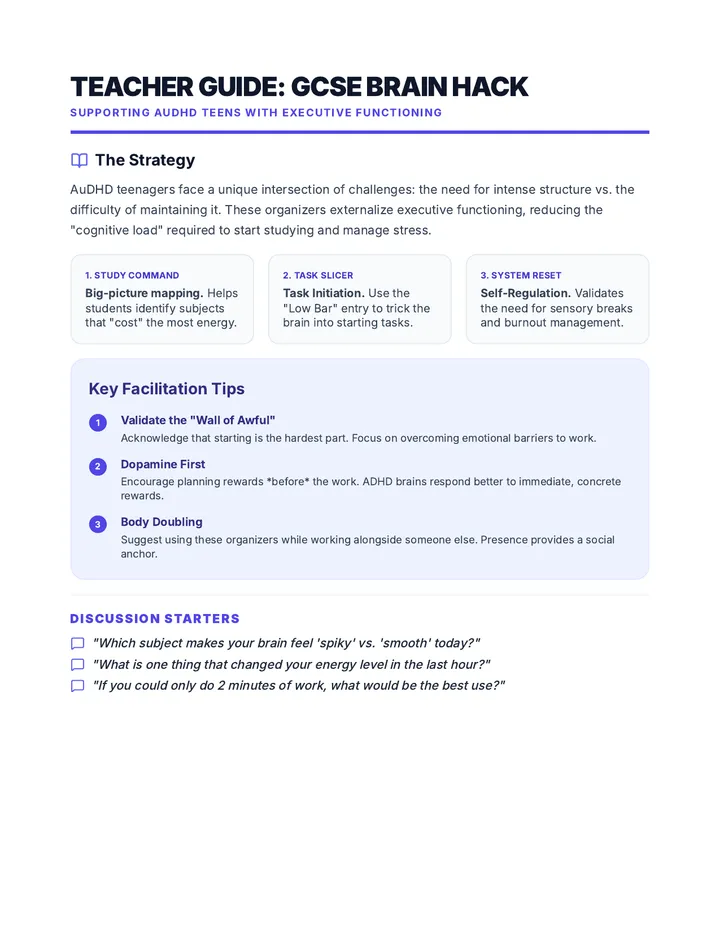
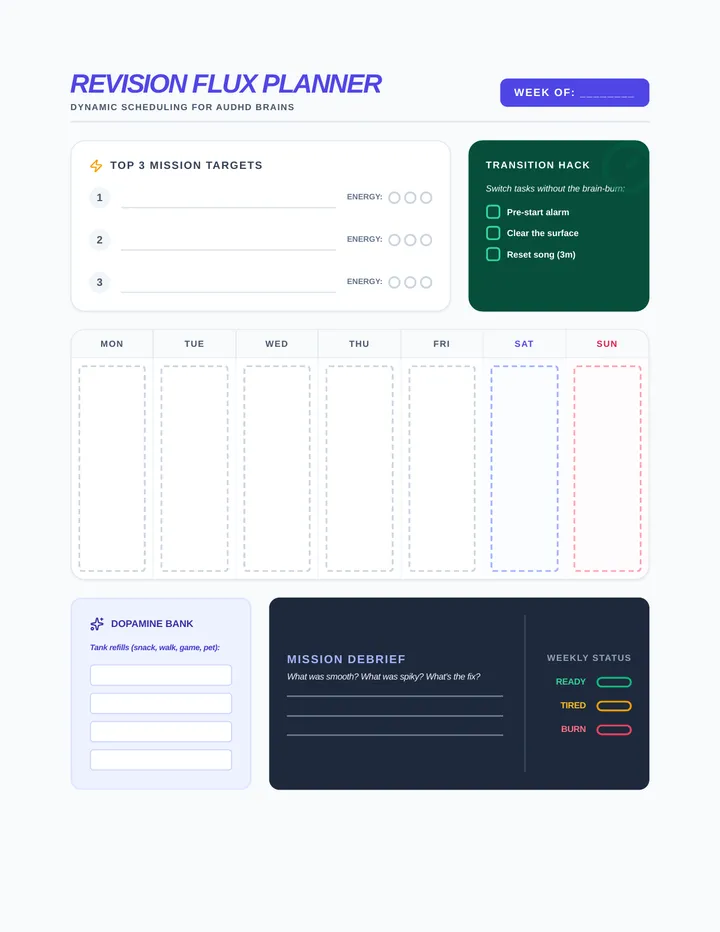
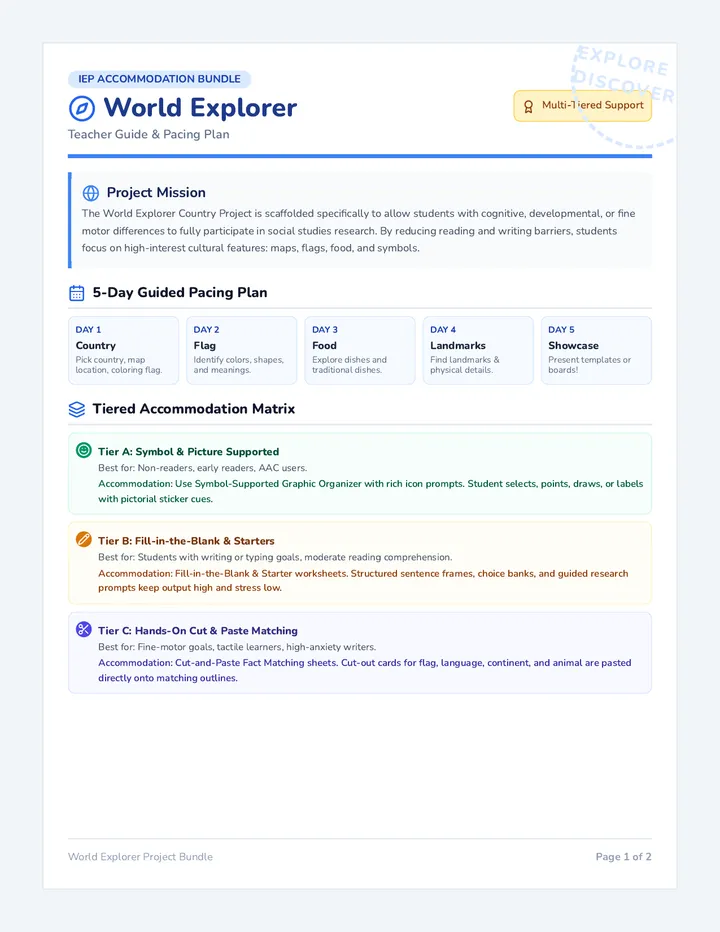
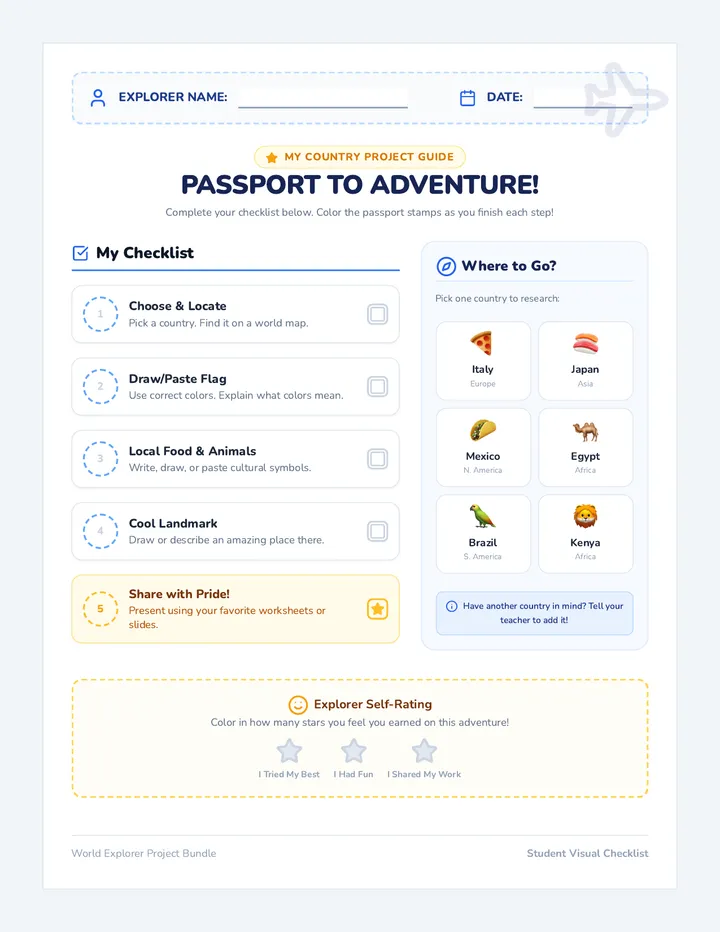
Mnemonic strategies, information chunking, and visual supports for processing and retaining classroom information. Strengthens focus on complex tasks and multi-step directions through organized note-taking and graphic organizers.
A sequence for 2nd Grade students to master text-to-speech (TTS) as a tool for reading comprehension. Students transition from decoding mechanics to deep understanding by using auditory support to predict, pause, answer questions, visualize, and sequence stories.
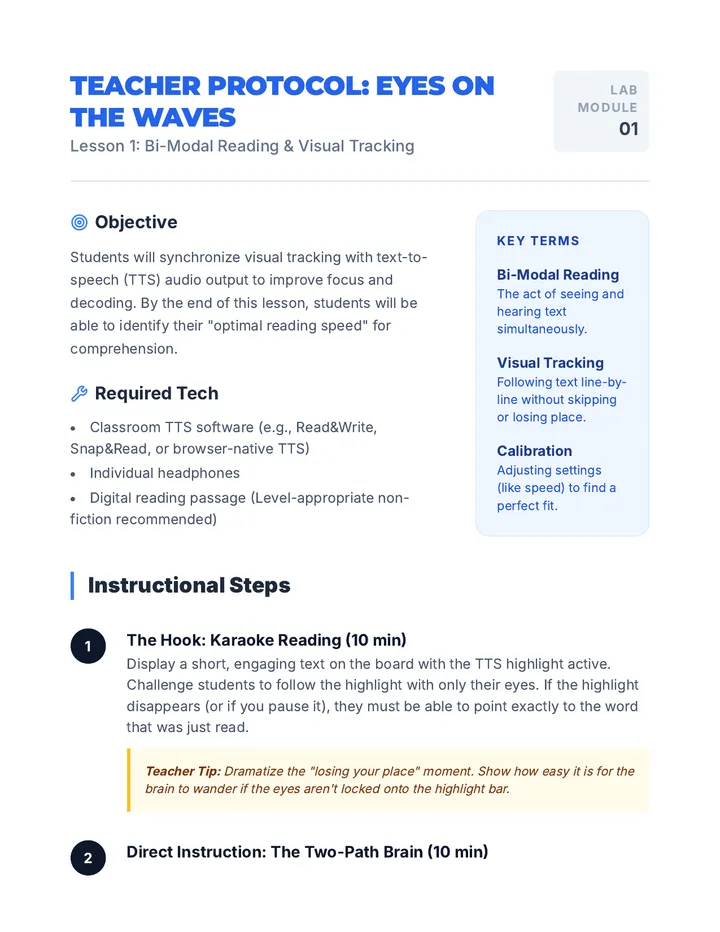
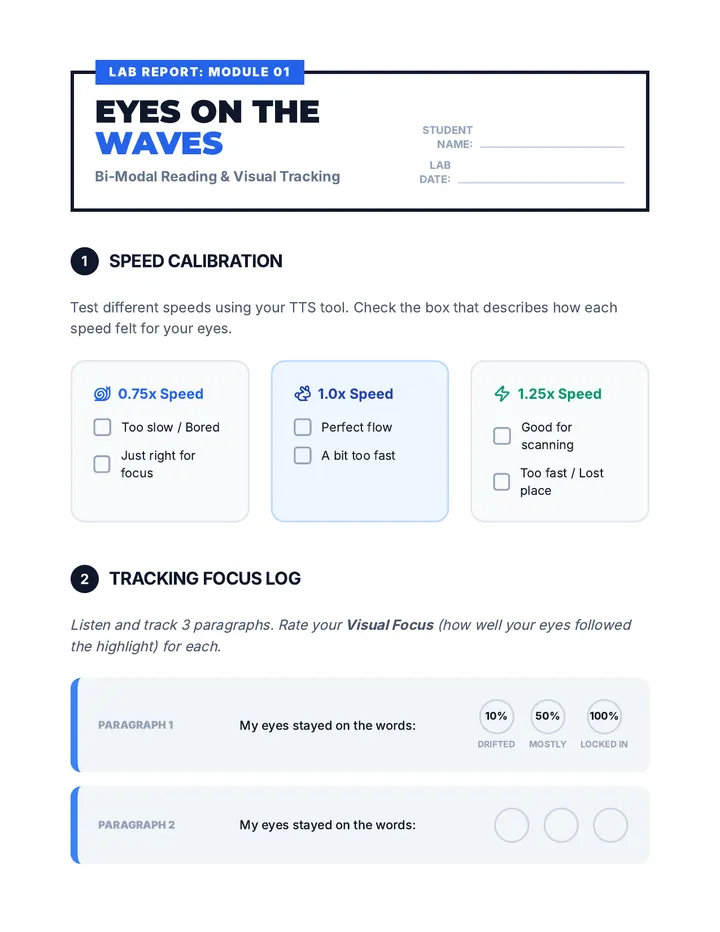
A comprehensive 2nd-grade sequence focused on mastering Text-to-Speech (TTS) tools. Students learn to synchronize visual tracking with audio, adjust speech rates for optimal processing, and use digital tools to support decoding and fluency.
This sequence shifts the focus from assistive technology to the cognitive strategies required for auditory learning. Students engage in inquiry-based activities to distinguish between passive hearing and active listening, applying specific comprehension strategies while using text-to-speech (TTS) to access grade-level texts.
A comprehensive sequence for 4th-grade students to master Text-to-Speech (TTS) assistive technology. Students learn to navigate complex text features, clean up cluttered webpages, tackle math word problems, conduct research, and take effective notes using auditory tools.
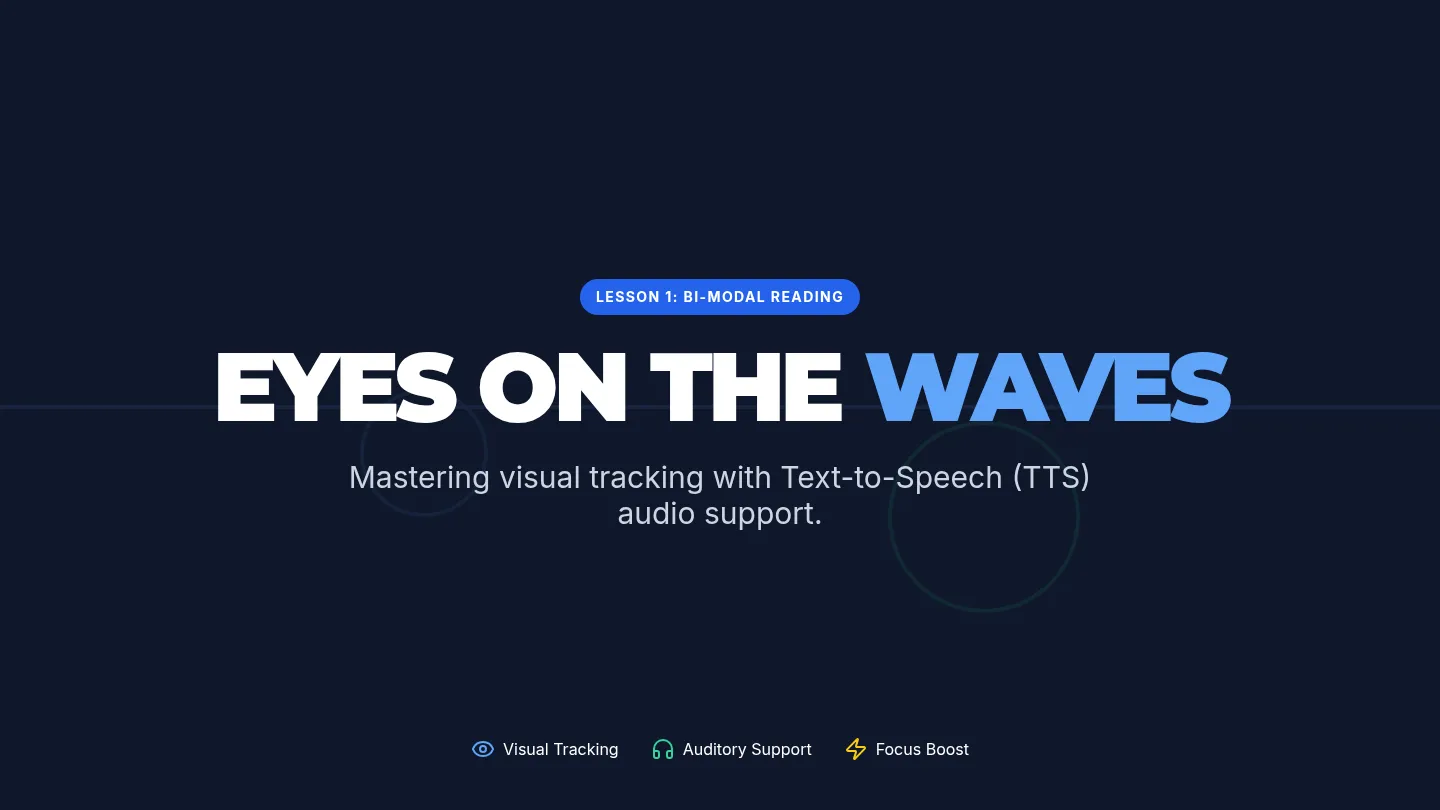
A 5th-grade sequence focused on using Text-to-Speech (TTS) technology as a cognitive strategy for reading comprehension. Students learn bi-modal reading, text chunking, evidence collection, and active annotation to transition from passive listening to active engagement with digital text.
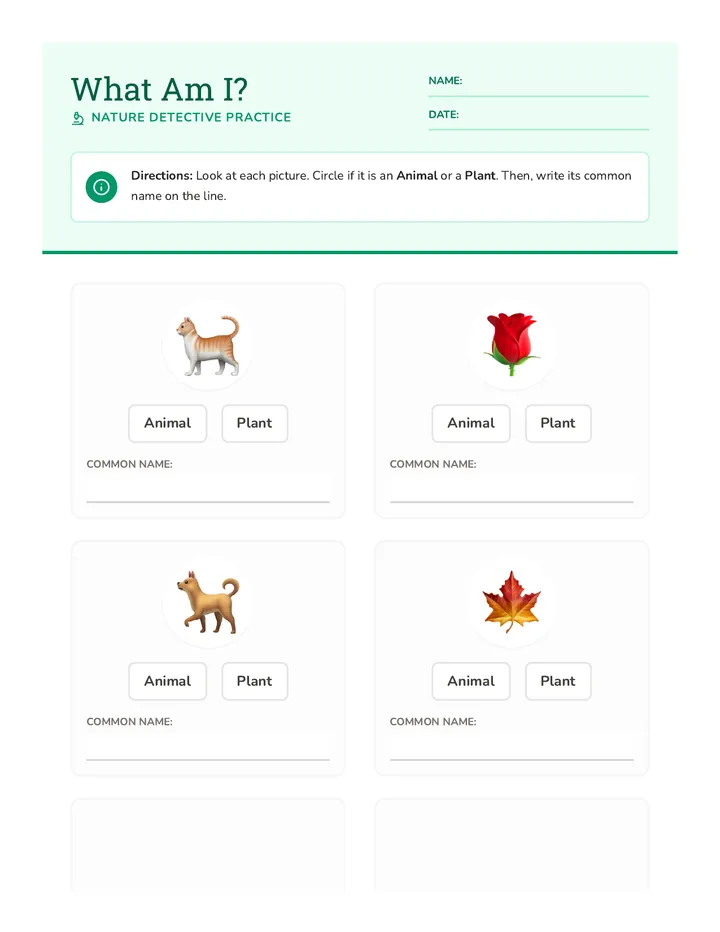
A 3rd-grade sequence focused on teaching students with processing difficulties how to navigate informational texts using annotation and highlighting techniques. Through a 'text detective' theme, students analyze informational articles as 'specimens' to identify features, vocabulary, and main ideas.
A comprehensive graduate-level sequence focused on the pedagogical implementation of assistive writing technology. It shifts the focus from tool selection to instructional methodologies that scaffold digital organizers, dictation, and text-to-speech for student autonomy.
This graduate-level sequence prepares educators to evaluate and select assistive writing technologies using evidence-based frameworks like SETT. It covers the neurology of dysgraphia, technical analysis of speech-to-text and word prediction, and the legal requirements for IEP implementation.
A project-based sequence for 4th-grade students in special education settings, focusing on moving from passive highlighting to active extraction, organization, and synthesis. Students learn to refine highlights, extract them onto cards, sort ideas logically, and create a visual 'One-Page Expert Guide' as a summary tool.
This sequence guides 9th-grade students through the cognitive strategies of using Text-to-Speech (TTS) for deep comprehension. It moves from basic bi-modal tracking to advanced digital annotation and genre-specific strategy adaptation, culminating in a rigorous auditory comprehension assessment.
A graduate-level professional development sequence focused on designing customized text annotation and highlighting protocols for students with diverse learning needs, specifically targeting executive function and processing speed deficits.
This sequence explores how graduate students can leverage assistive technology for digital annotation, moving from basic tool audits to advanced data extraction and AI integration to support students with disabilities.
A graduate-level sequence exploring the cognitive science of text highlighting and annotation, focusing on memory, cognitive load, and evidence-based interventions for students with learning disabilities.
A technical workshop series designed to transition 10th-grade students from passive assistance to active mastery of Text-to-Speech technologies and OCR tools for academic independence.
This sequence teaches 6th-grade students with diverse learning needs how to move beyond passive highlighting to active text annotation. Using a metacognitive approach, students learn to 'talk back' to text through symbolic shorthand, inquiry questions, synthesis summaries (gists), and personal connections to improve comprehension and memory.
A 5-lesson sequence designed for 6th-grade special education students to master text highlighting and annotation. Students act as 'Text Detectives' to identify, scan, categorize, and evaluate textual evidence to support argumentative writing.
This sequence equips pre-service teachers with evidence-based frameworks for teaching text interaction to students with executive function deficits. It moves from cognitive science foundations to the practical design and assessment of systematic annotation protocols.
A comprehensive sequence for undergraduate special education students focused on tailoring text engagement and annotation strategies for learners with SLD, ADHD, and visual processing needs. Students analyze case studies, evaluate assistive technologies, and design bespoke support plans.
This sequence transitions students from passive reading to active engagement using systematic annotation strategies designed for diverse learners. Students learn to distinguish essential information, apply a color-coding system, use marginalia, and extract evidence for writing.
A Kindergarten sequence focused on teaching students to use environmental visual cues as memory aids to support working memory and independence in the classroom. Students learn to recognize labels, match objects to shadows, use color-coding, and create their own organizational systems.
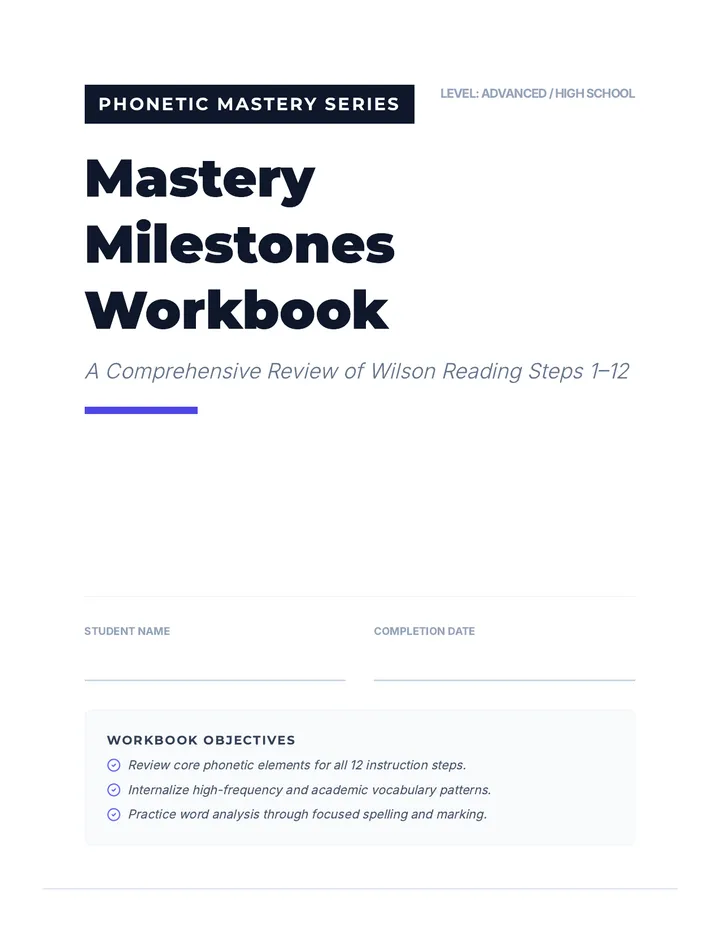
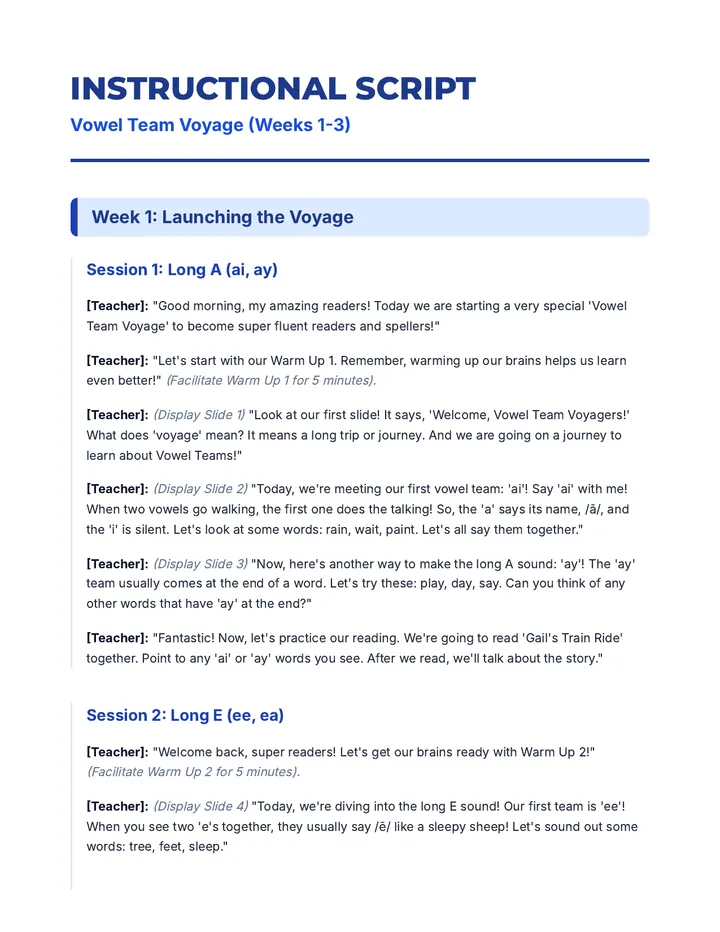
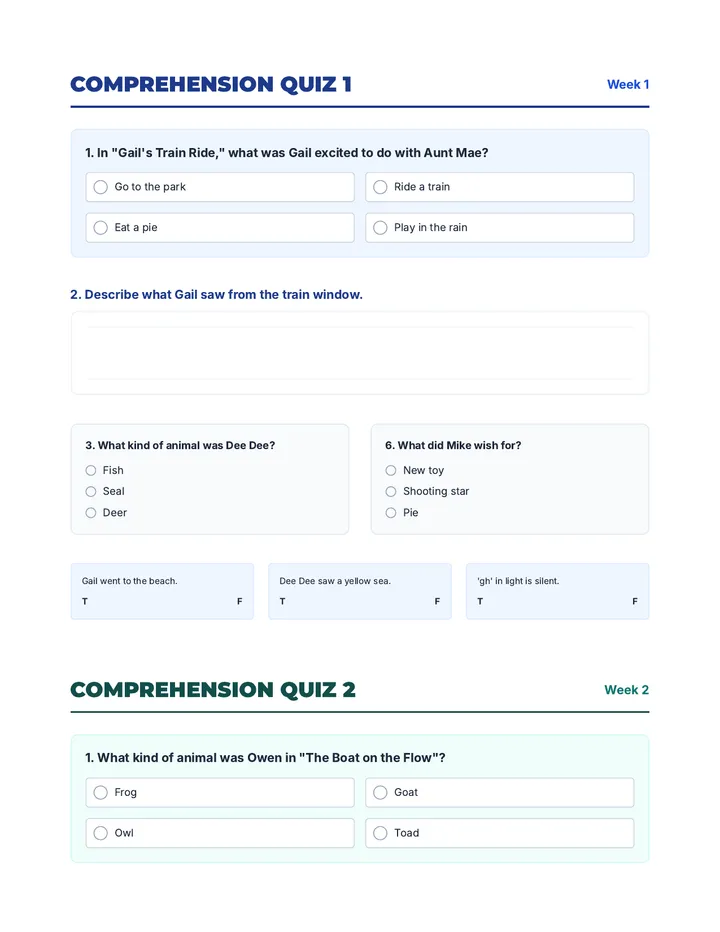
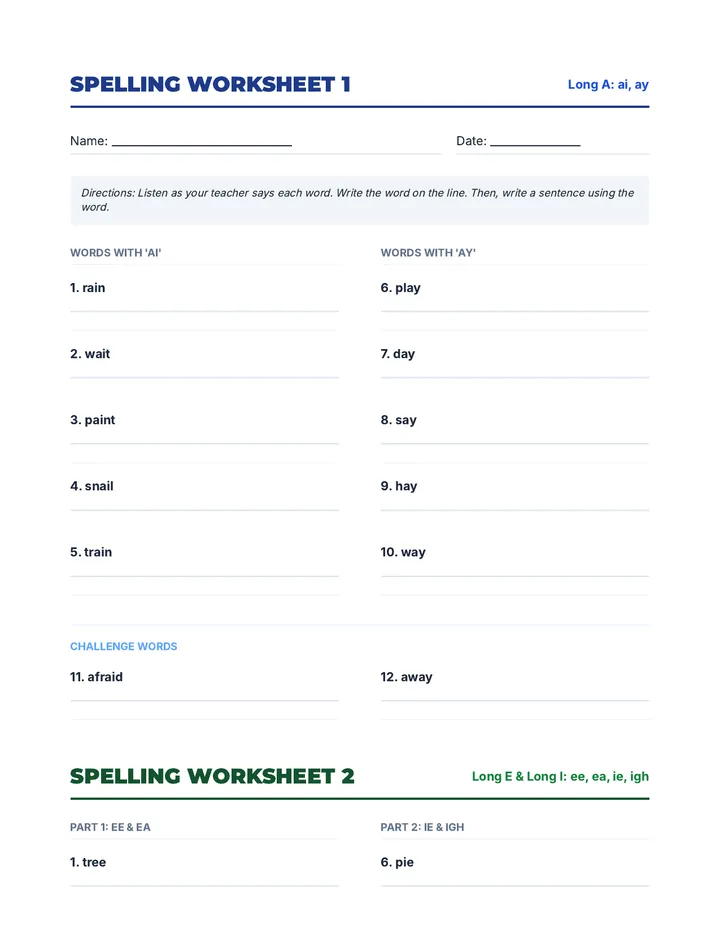
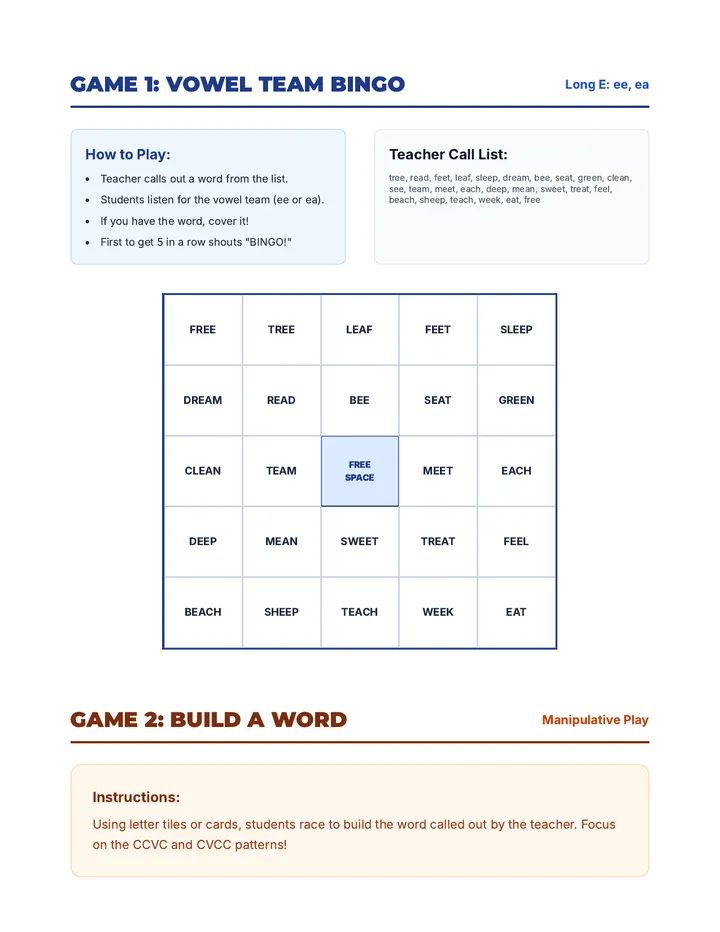
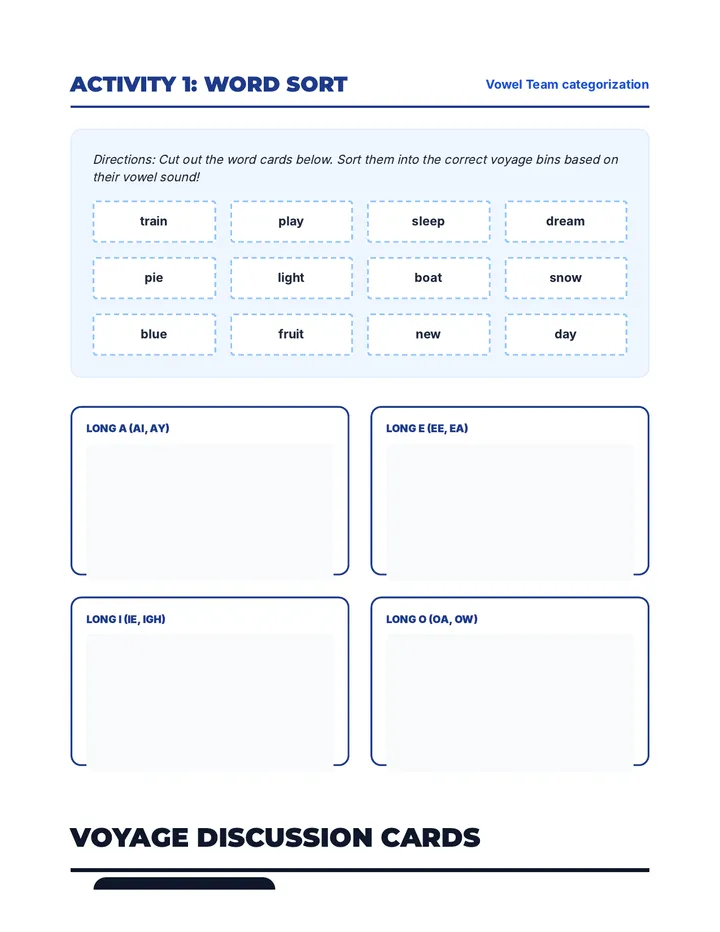
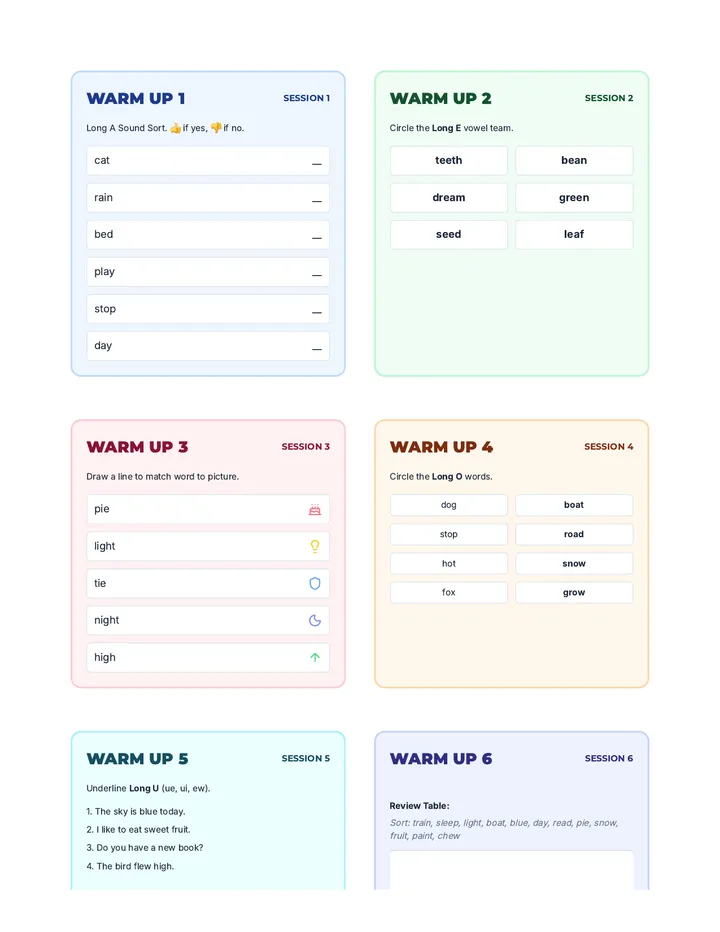
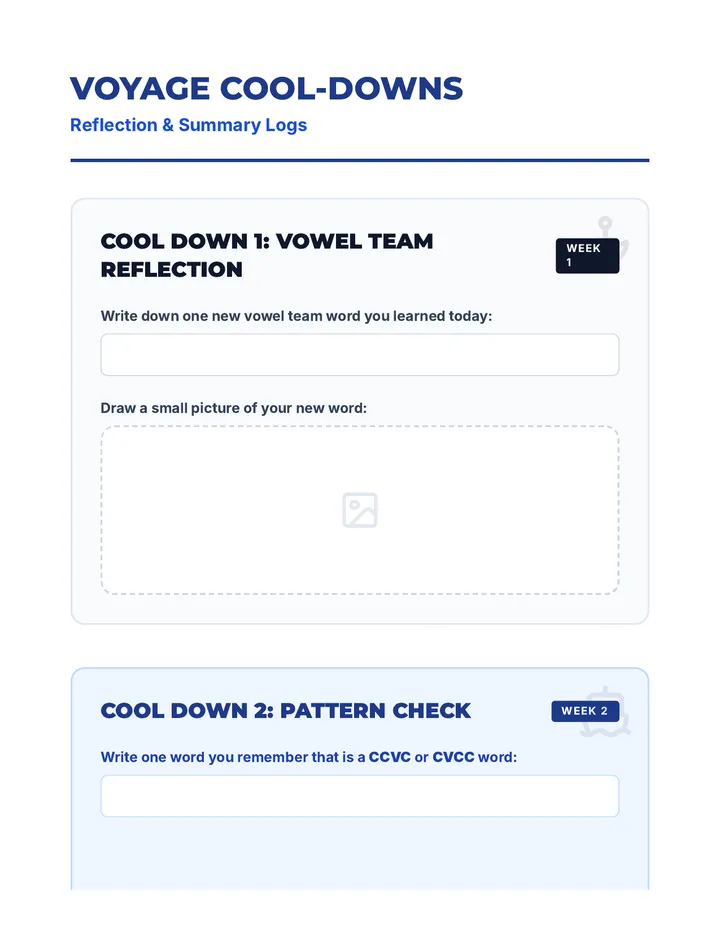
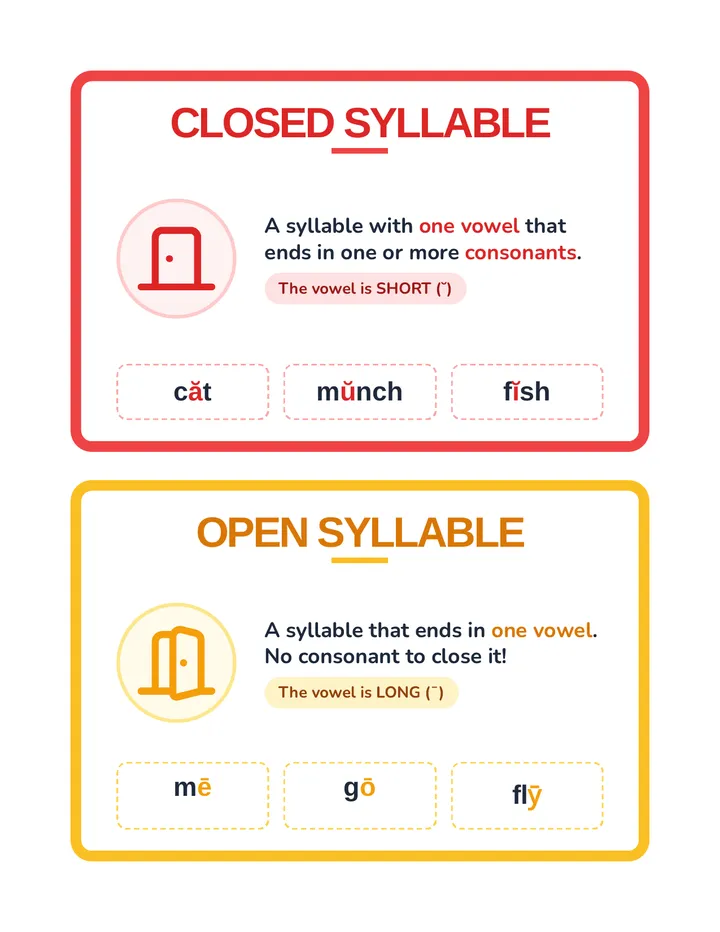
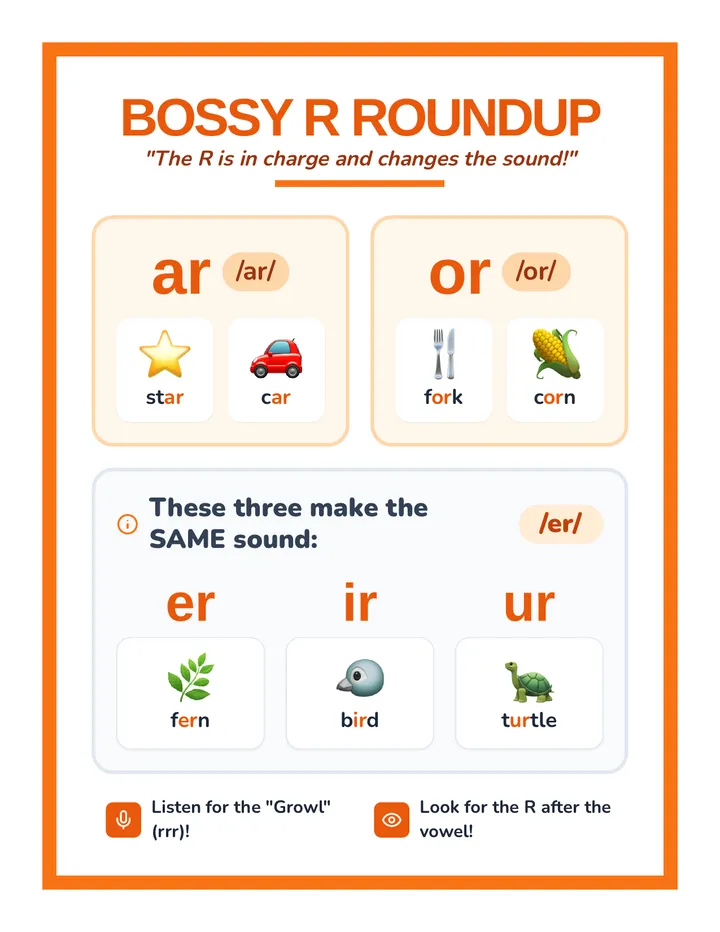
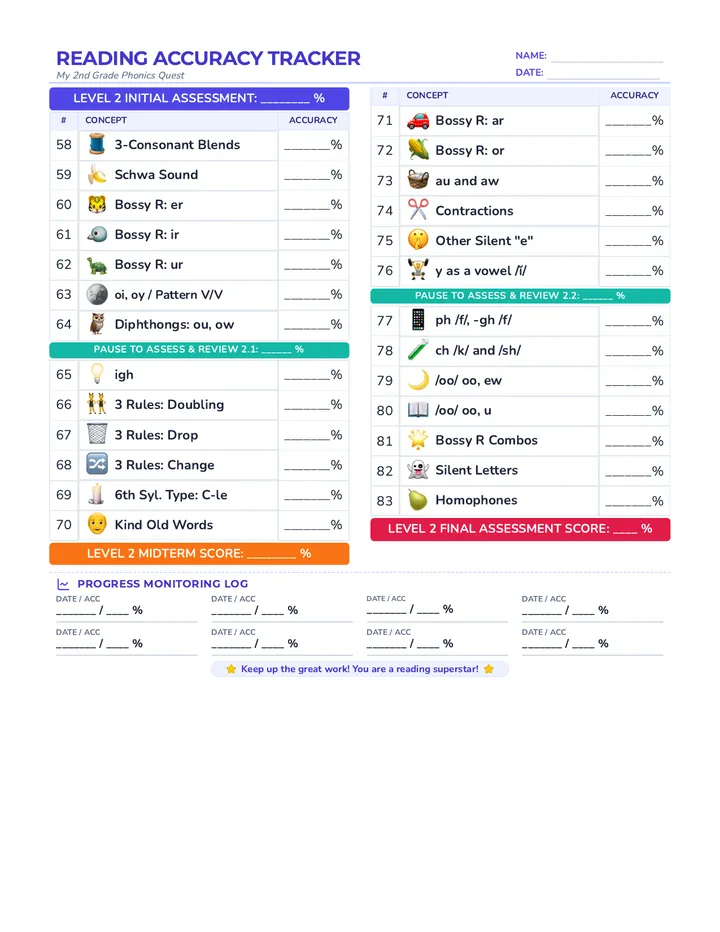
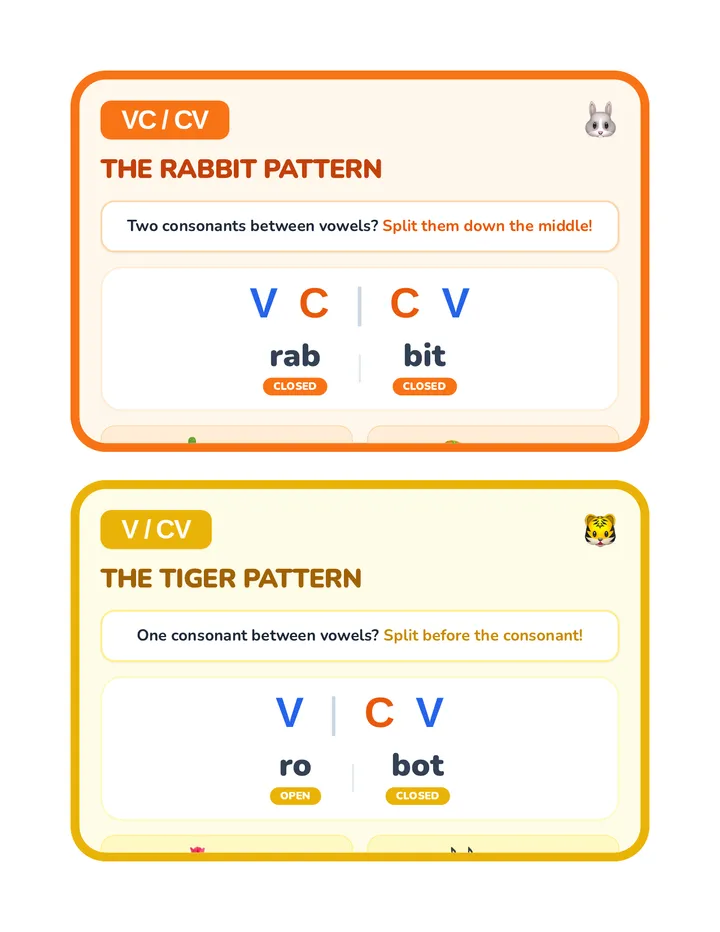
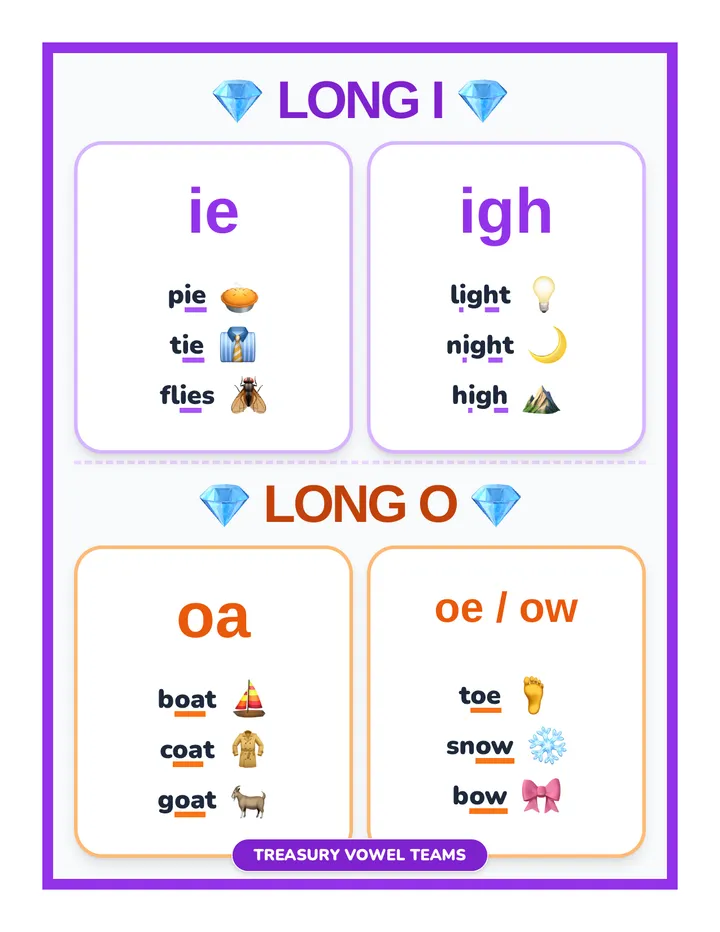
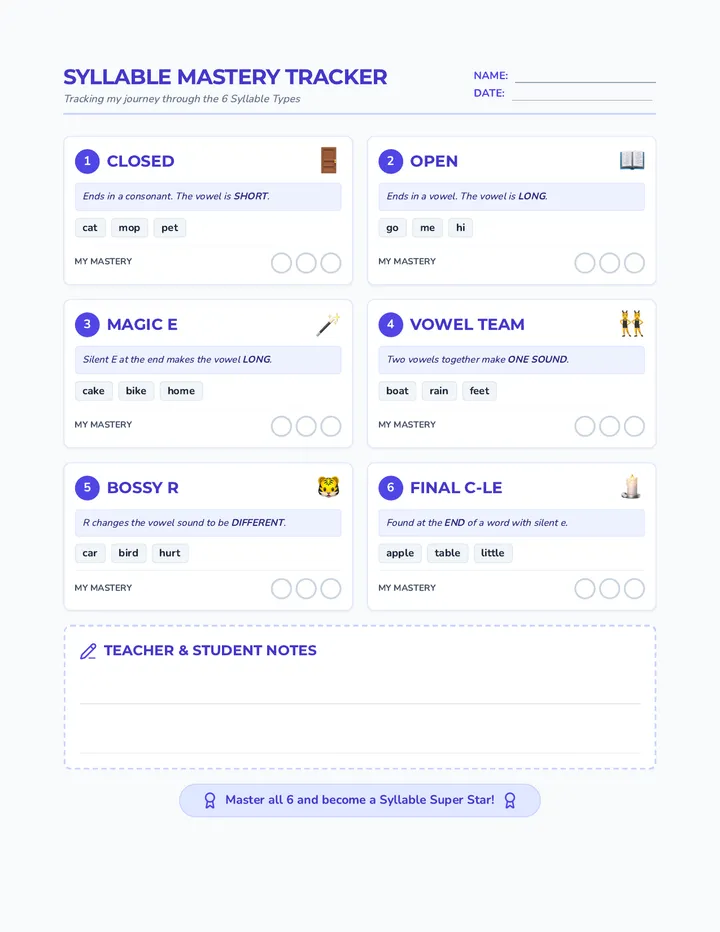
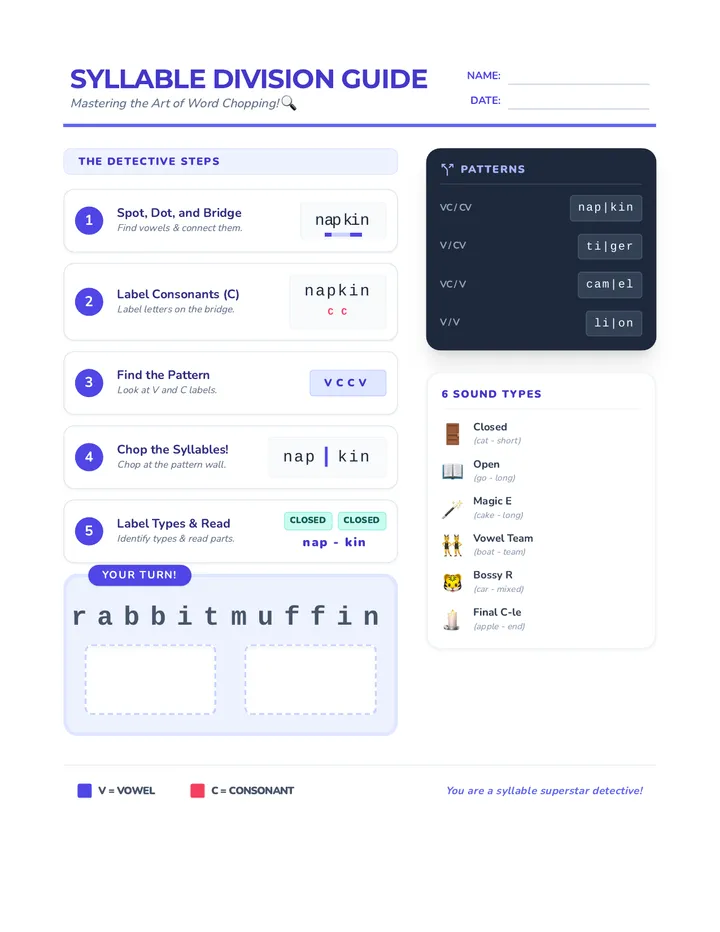
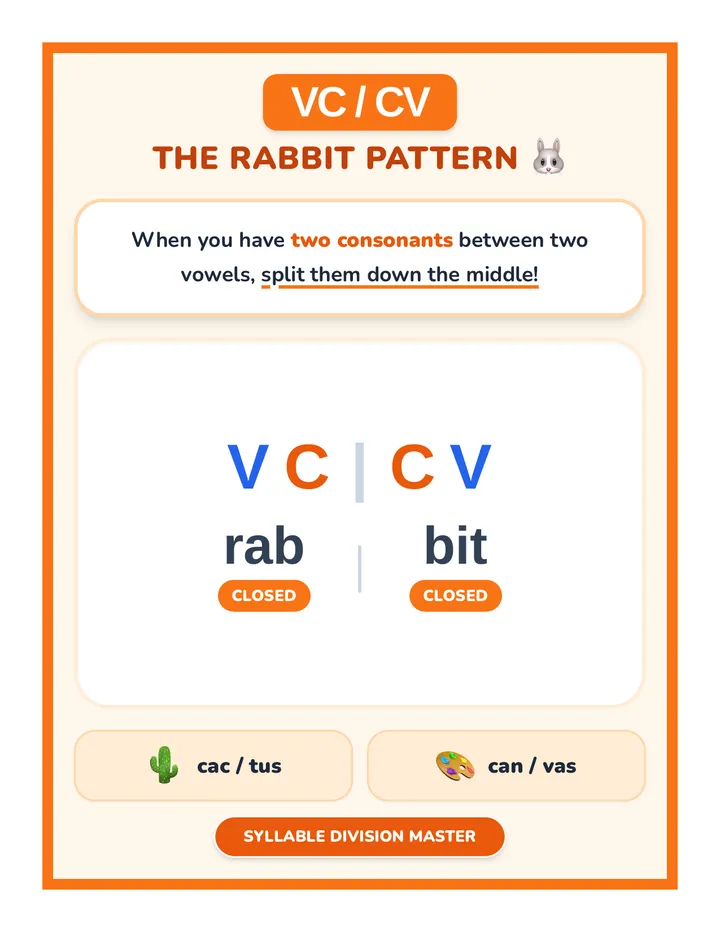
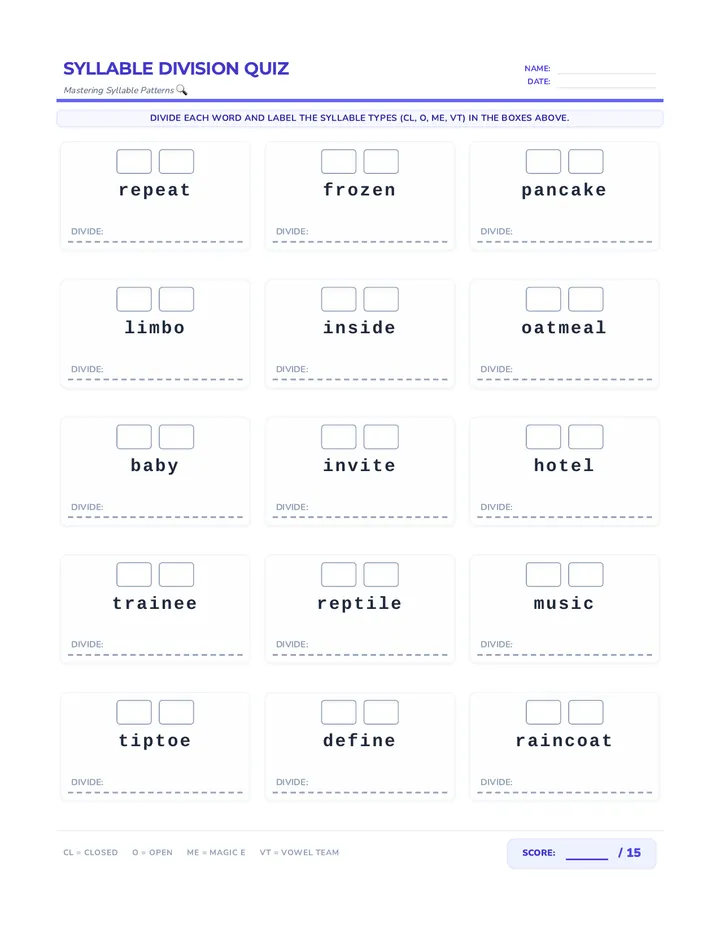
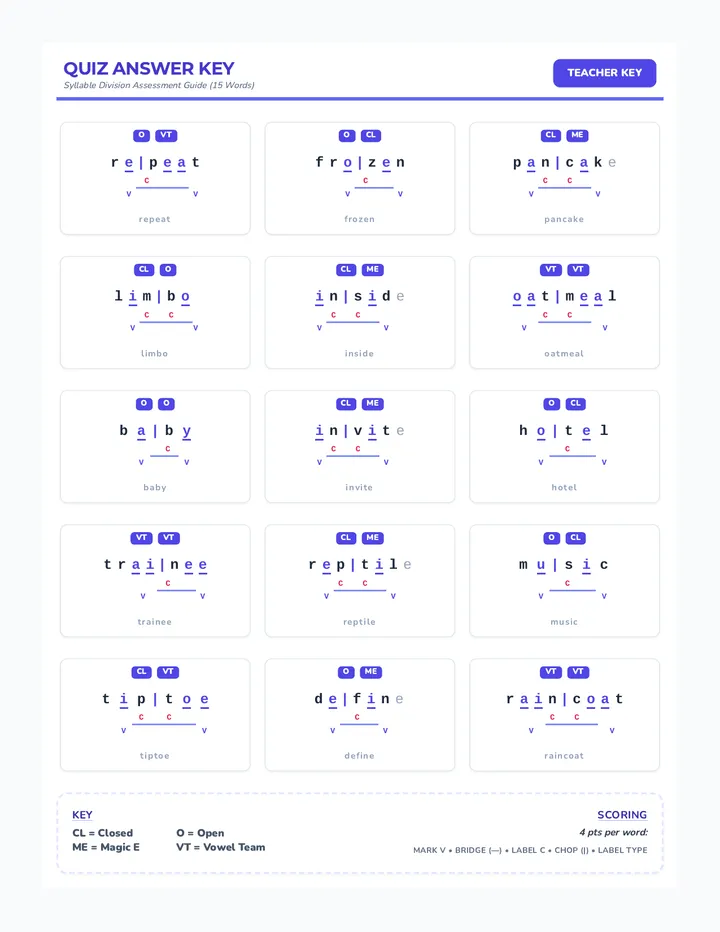
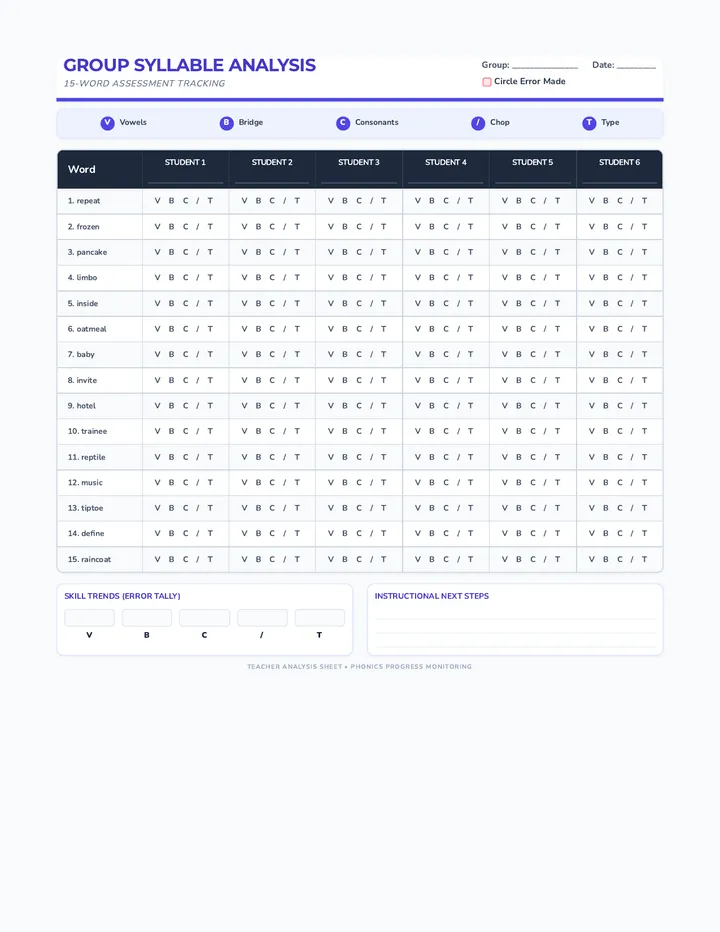
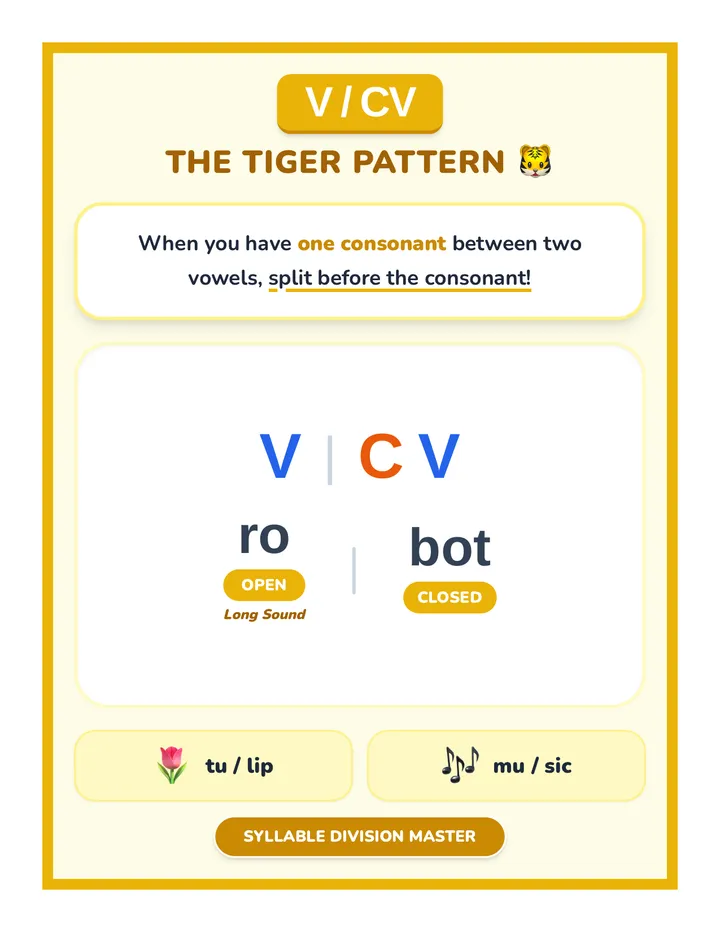
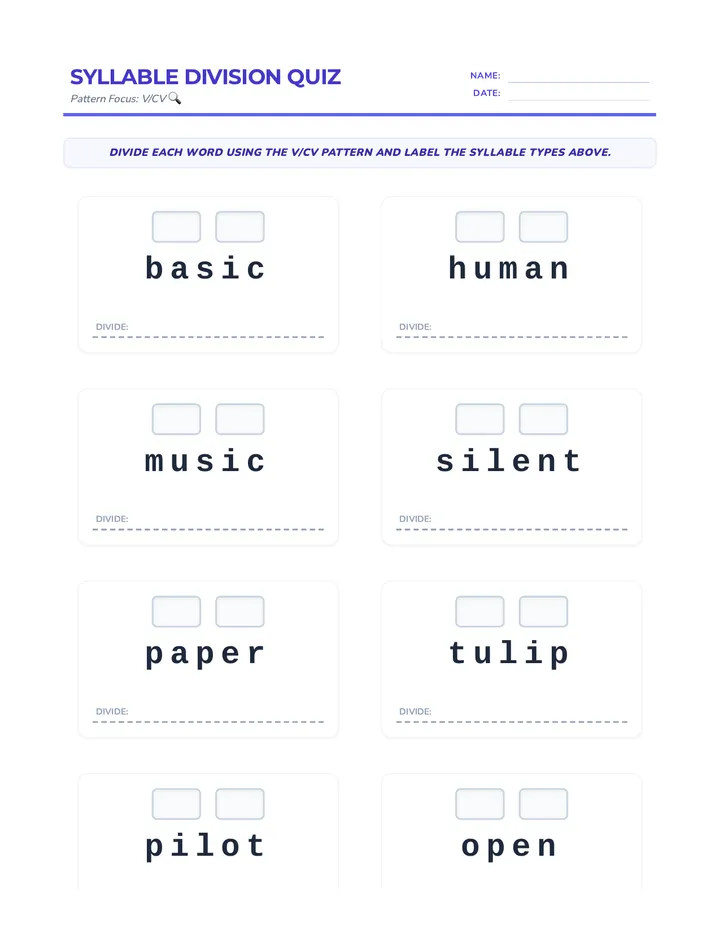
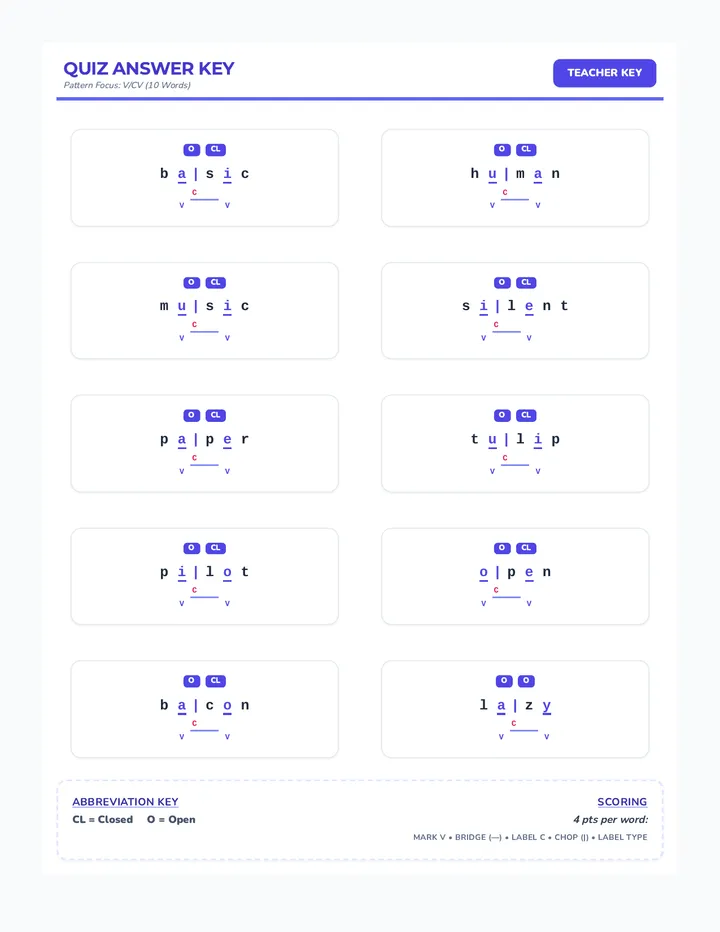
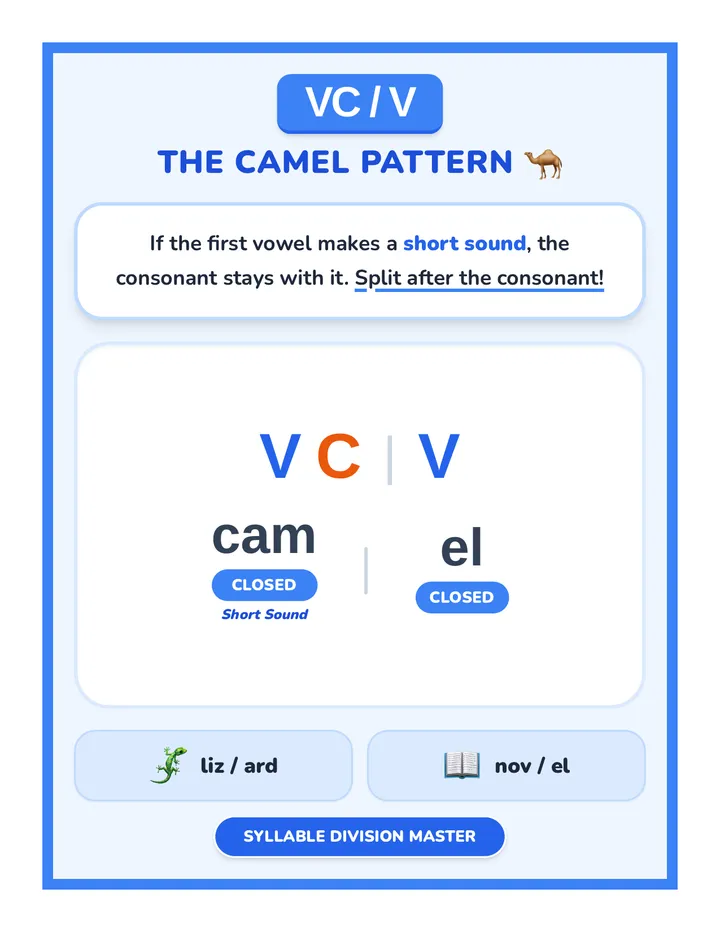
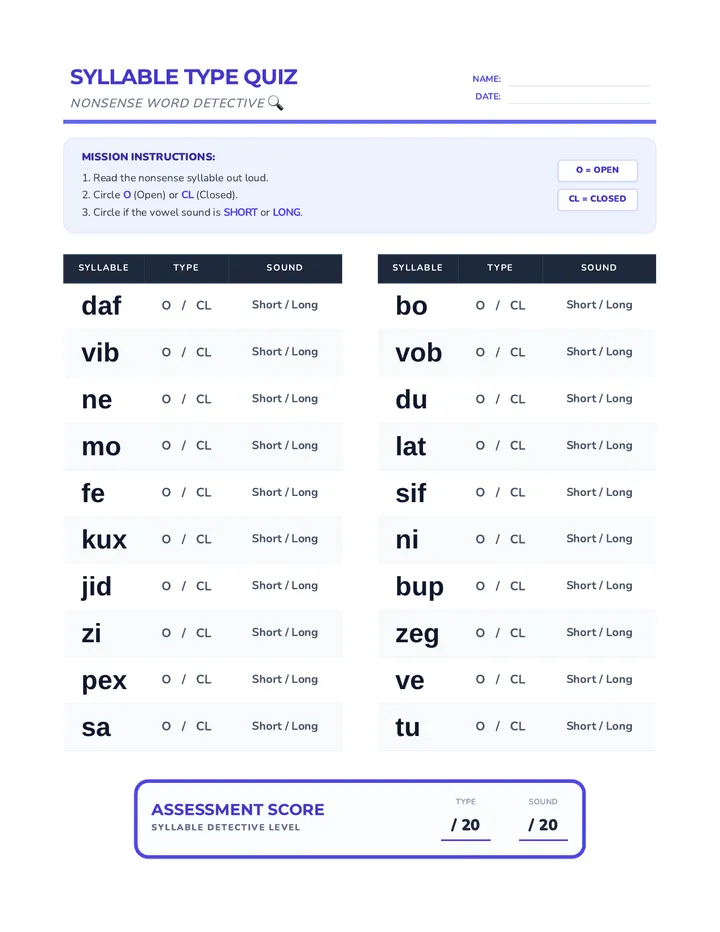
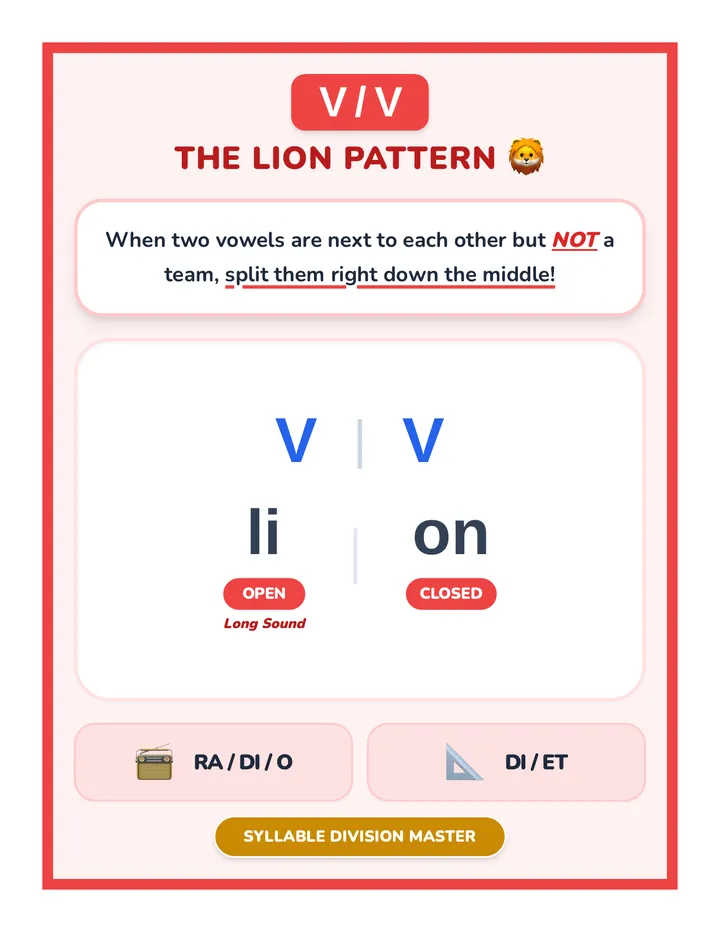
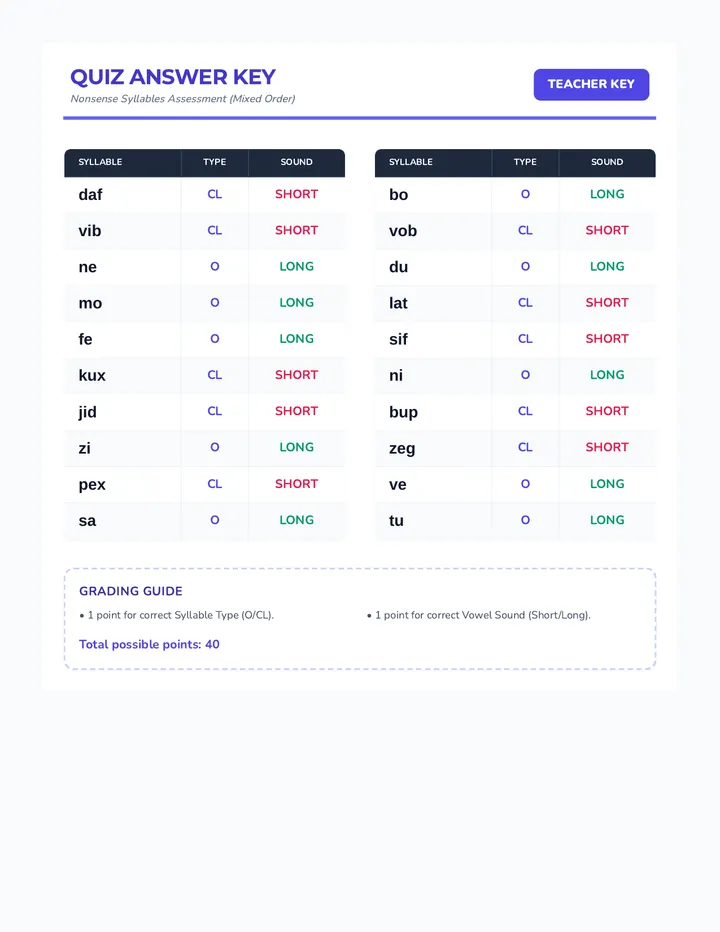
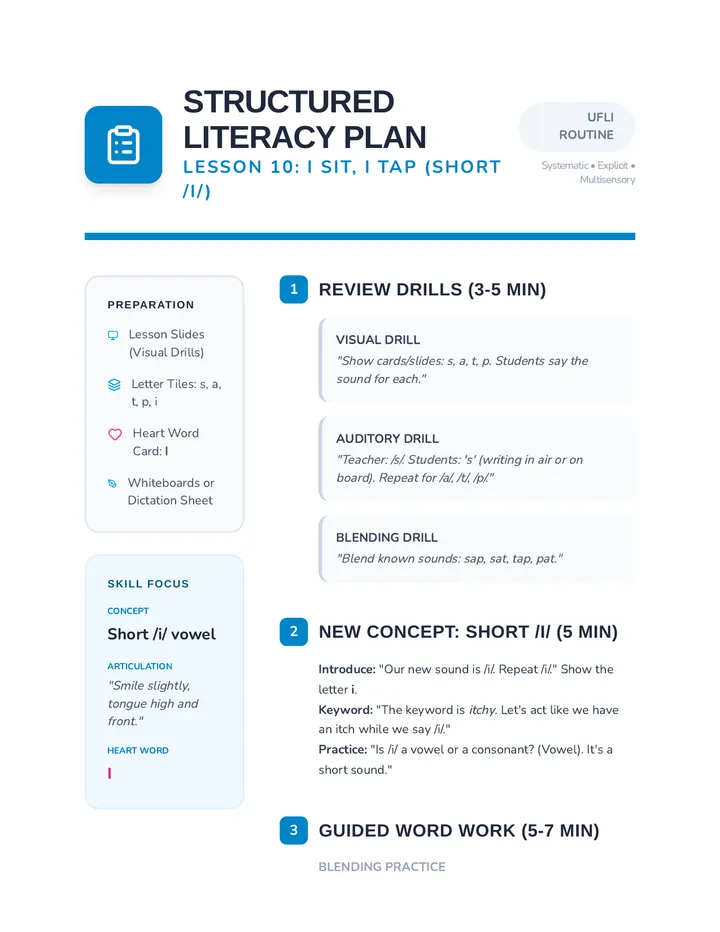
A comprehensive unit focused on Wilson Reading System Step 5.2, covering open syllables in multi-syllabic words. Includes instructional slides, hands-on activities, and a full week's teaching guide.
A week-long series of Valentine's Day themed activities designed for nonverbal students at a 1st/2nd grade level. The sequence focuses on fine motor skills, basic numeracy, literacy through tracing, and visual logic through patterns and matching.
A series of seasonal and social-emotional learning activities designed to build professional soft skills, teamwork, and functional independence for adults with IDD.
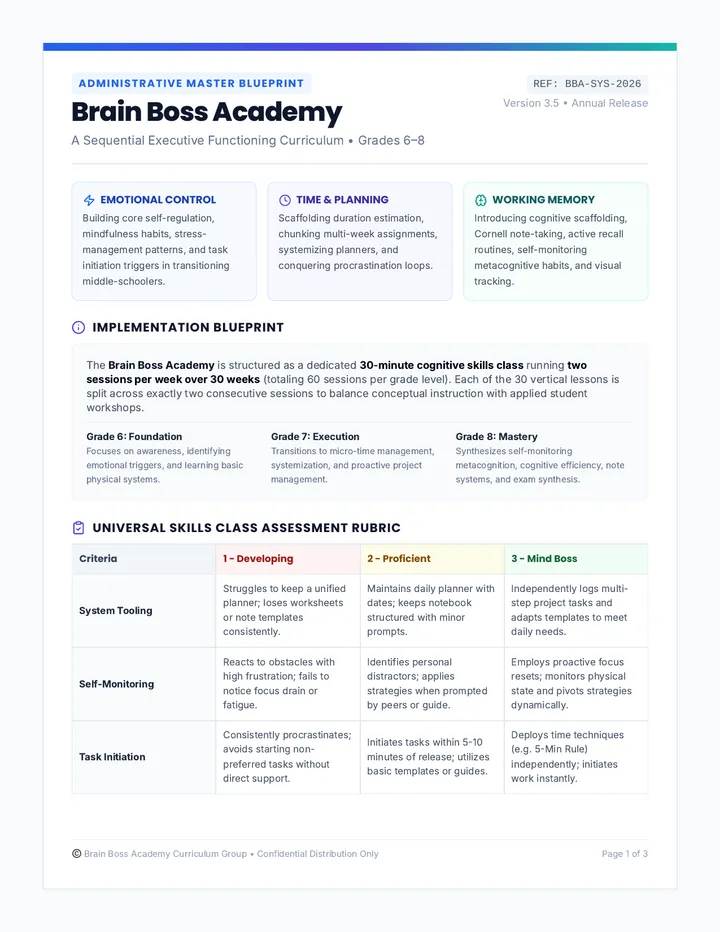
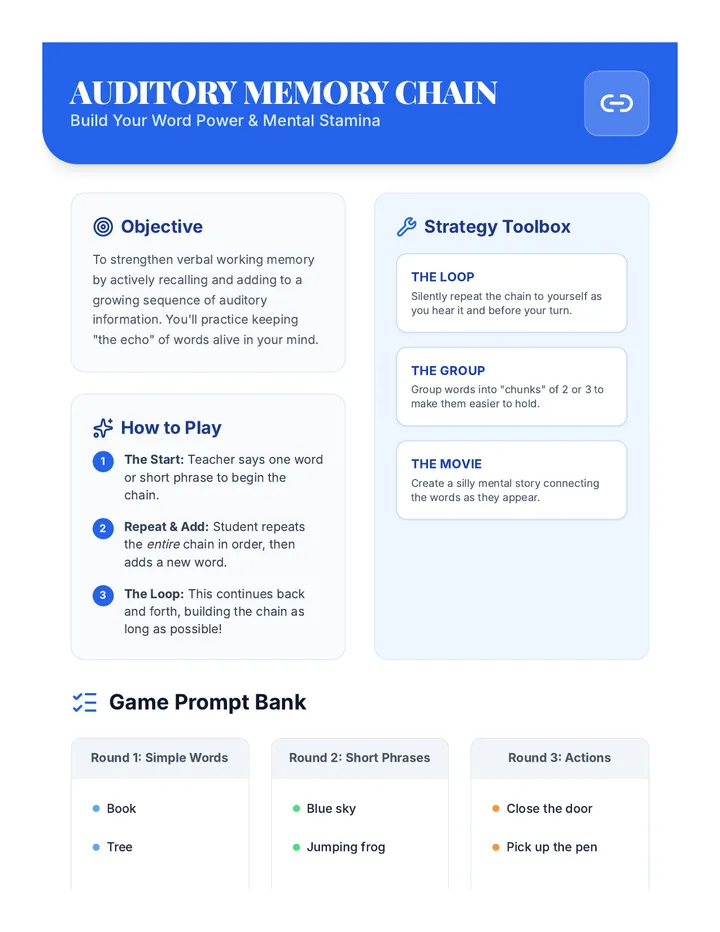
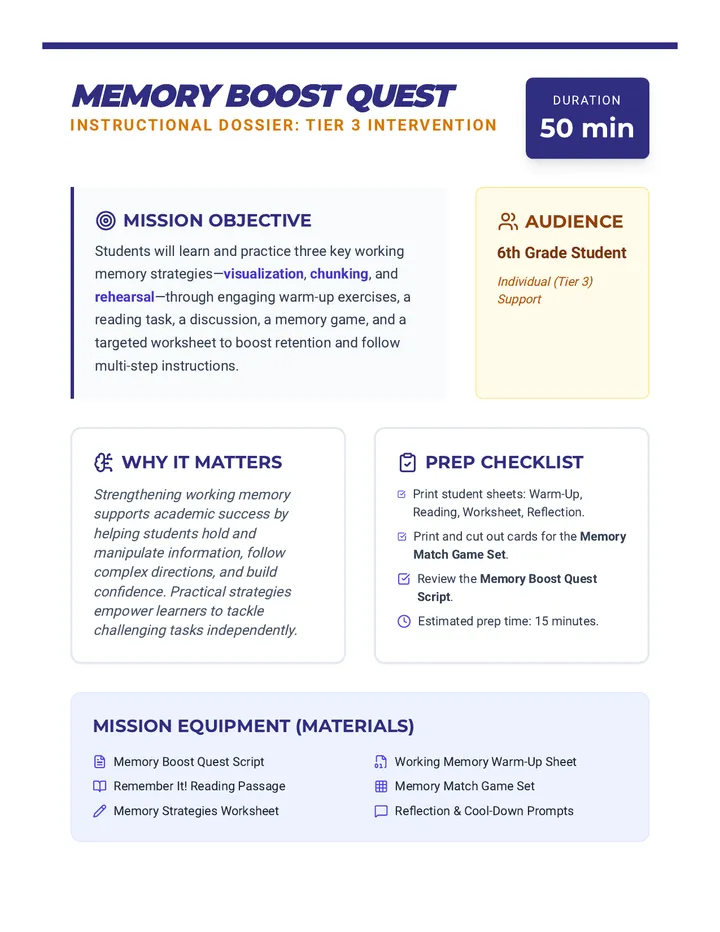
A comprehensive unit designed for 7th and 8th-grade special education students to strengthen executive functions. Through a 'mental fitness' theme, students practice working memory, cognitive flexibility, and impulse control through games and reflective journaling.
A comprehensive 4-day planning framework and resource set for Tier 2 reading intervention in a Title 1 setting, aligned with the Science of Reading.
A comprehensive 5-lesson unit designed to help 5th graders master key executive functioning skills: planning, organization, time management, working memory, and flexibility.
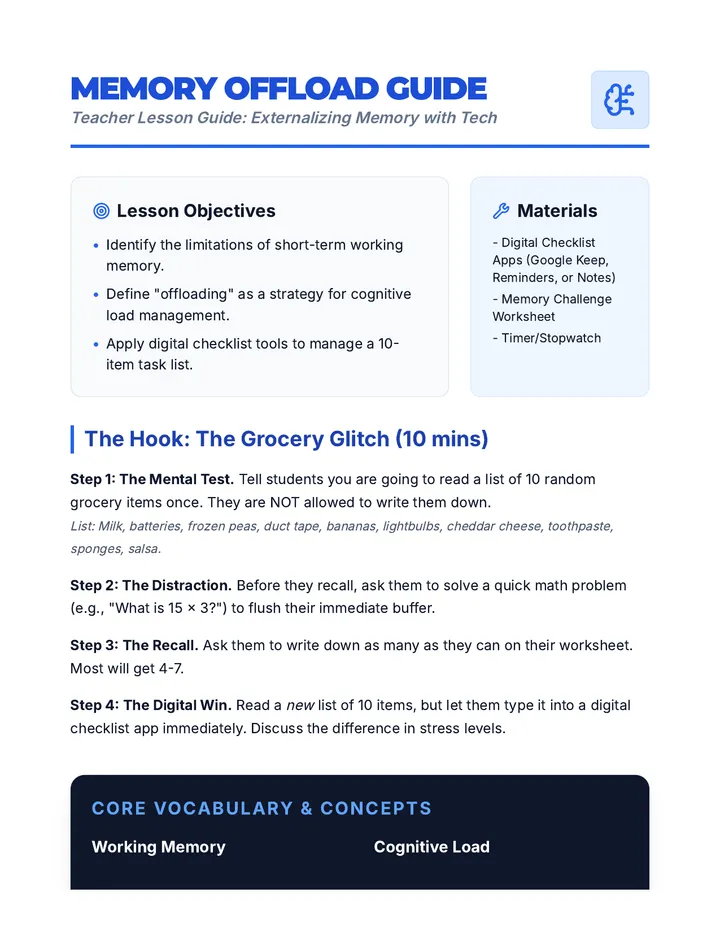
A series of mini-lessons designed to help students understand and optimize their working memory through environmental organization and cognitive strategies.
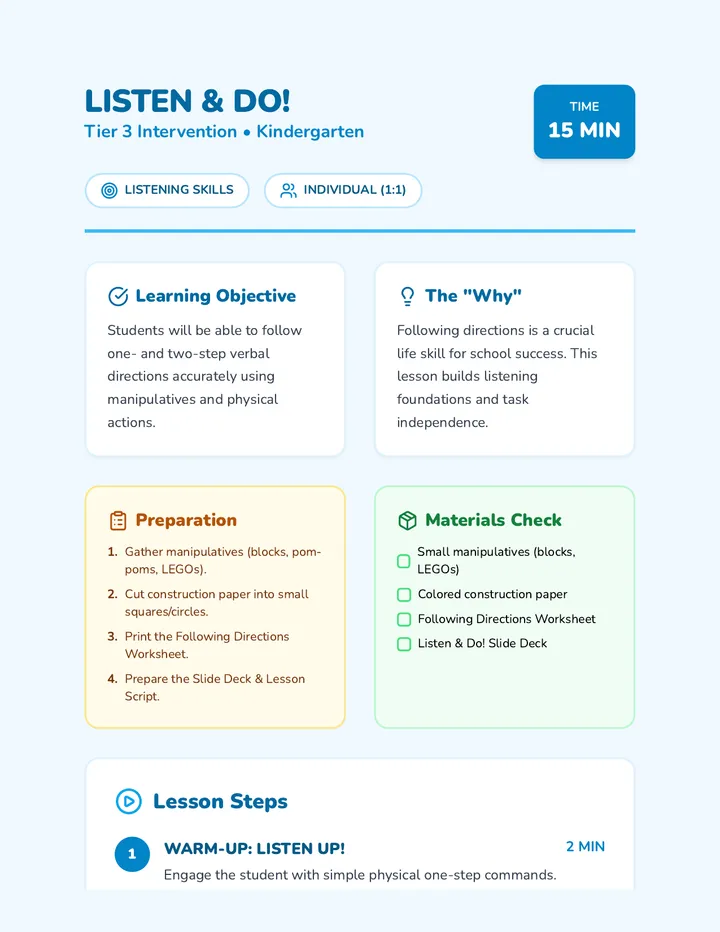
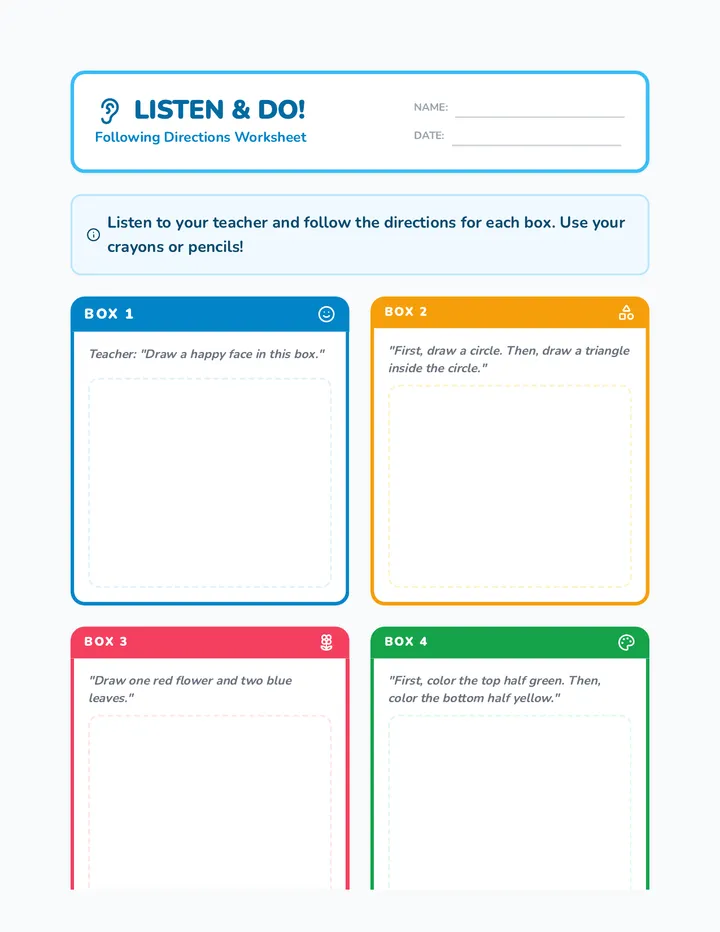
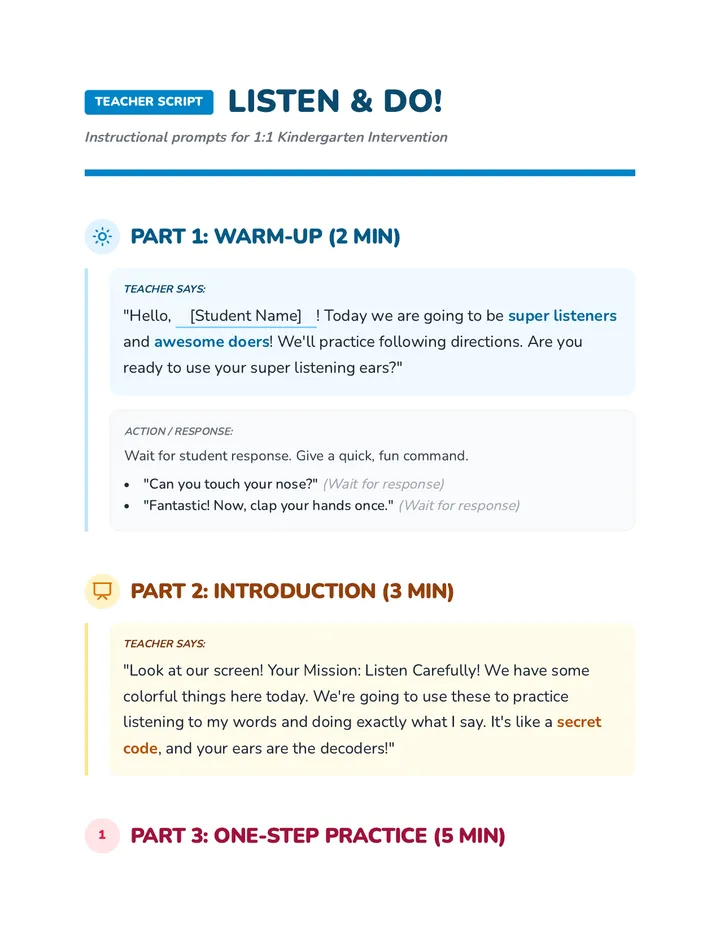
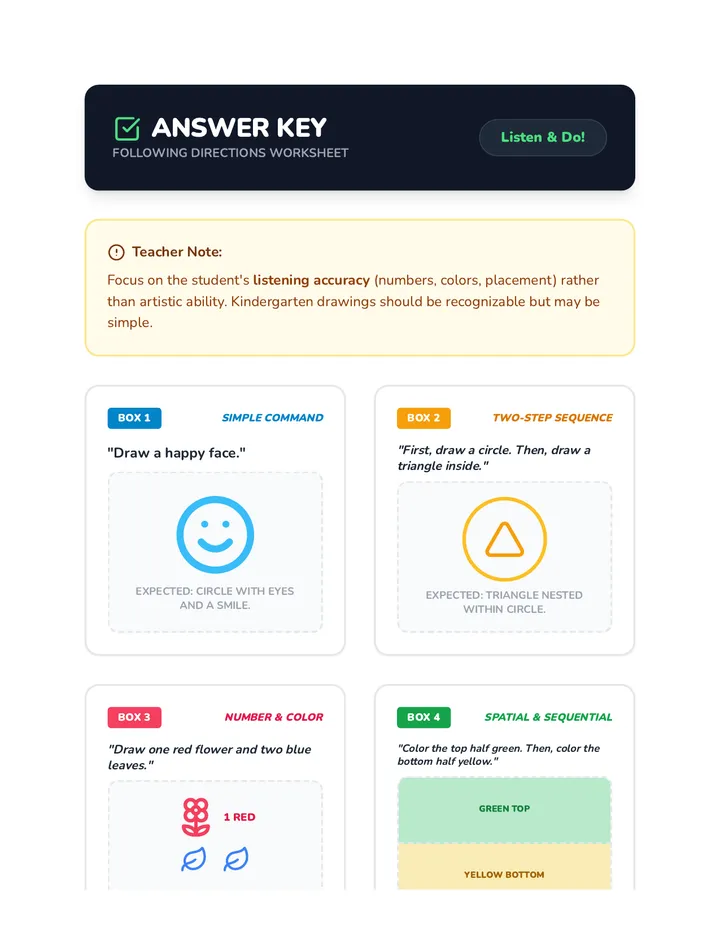
A series of drawing-based challenges designed to improve active listening and following complex, multi-step instructions through creative output.
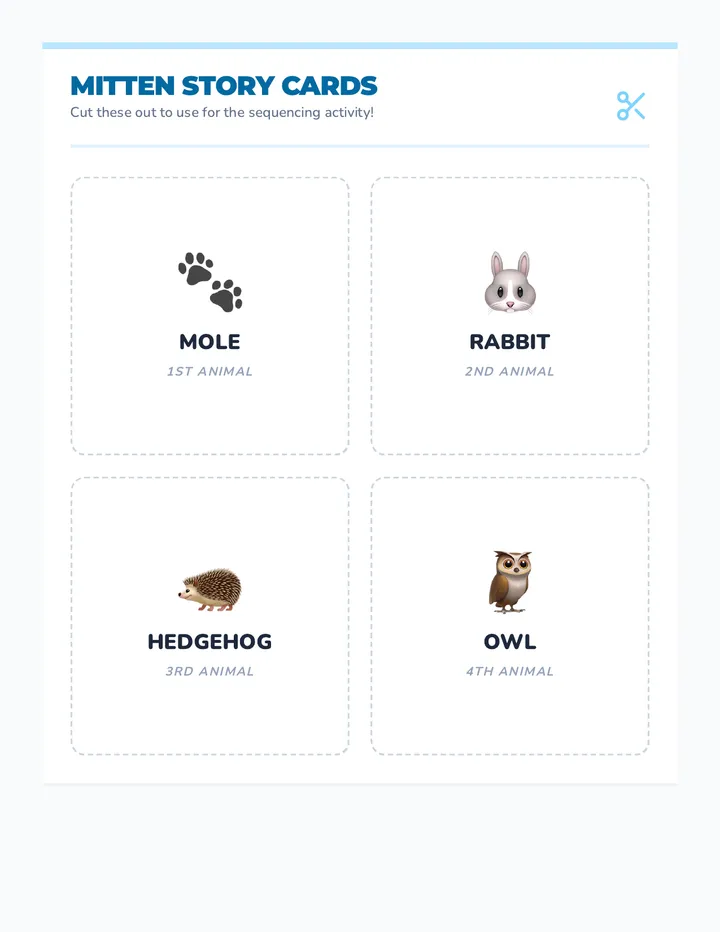
A Kindergarten sequence designed to support academic working memory by using 'First, Next, Last' graphic organizers. Students learn to structure narratives visually, reducing the cognitive load of retelling stories.
A sequence designed for Kindergarten students to develop self-regulation and executive function skills through the use of visual checklists. Students learn to analyze tasks, sequence steps, and monitor their own progress to support working memory and independence.
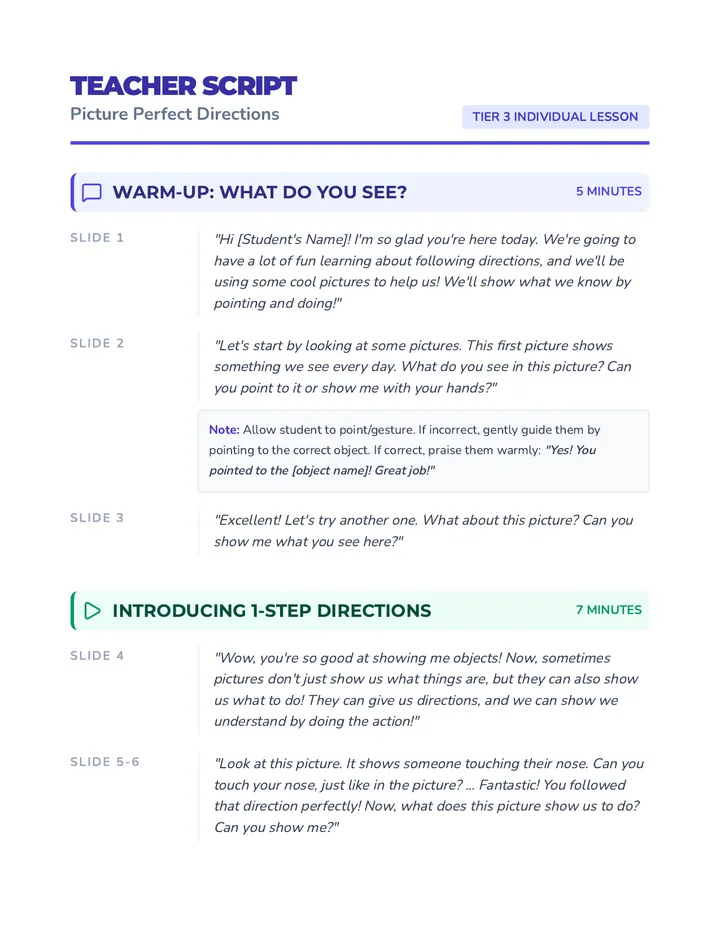
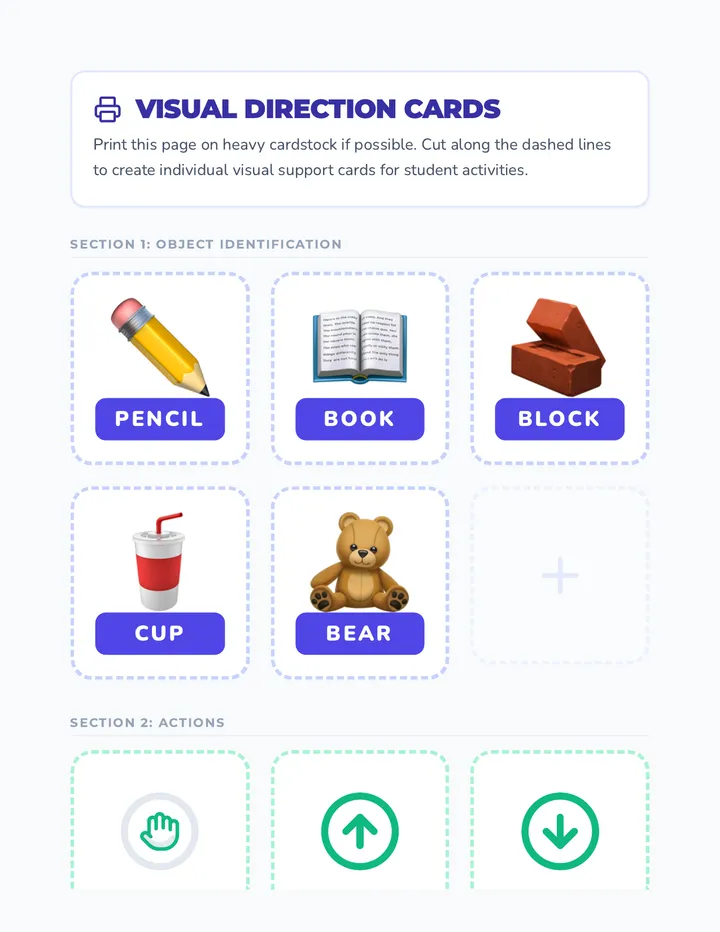
A Kindergarten sequence focused on reducing cognitive load for multi-step directions using visual supports. Students move from teacher-led cues to self-directed visual sequencing through movement-based activities and games.
A metacognitive sequence for 11th-grade students to audit their own working memory challenges and design personalized visual support aids. Students transition from passive recipients of support to active designers and advocates for their own learning environments.
This sequence teaches 11th-grade students how to use digital visual systems (calendars, Kanban boards, and widgets) to support working memory and executive function. Students transition from reactive list-making to proactive visual time and task management, preparing them for the demands of college and career environments.
This sequence empowers 6th-grade students with working memory challenges to recognize cognitive overload and advocate for single-step directions. Students develop metacognitive awareness and a practical 'clarification toolkit' to manage learning inputs effectively.
A simulation-based sequence for 6th graders to strengthen working memory and focus through precise, single-step instructions. Students engage in collaborative building, robotic programming, and assembly line tasks to master the art of sequential processing.
This sequence teaches 6th-grade students how to manage cognitive load by breaking down complex instructions into single, manageable steps. It covers reverse engineering, chunking text, prioritizing the first step, digital task management, and logical sequencing.
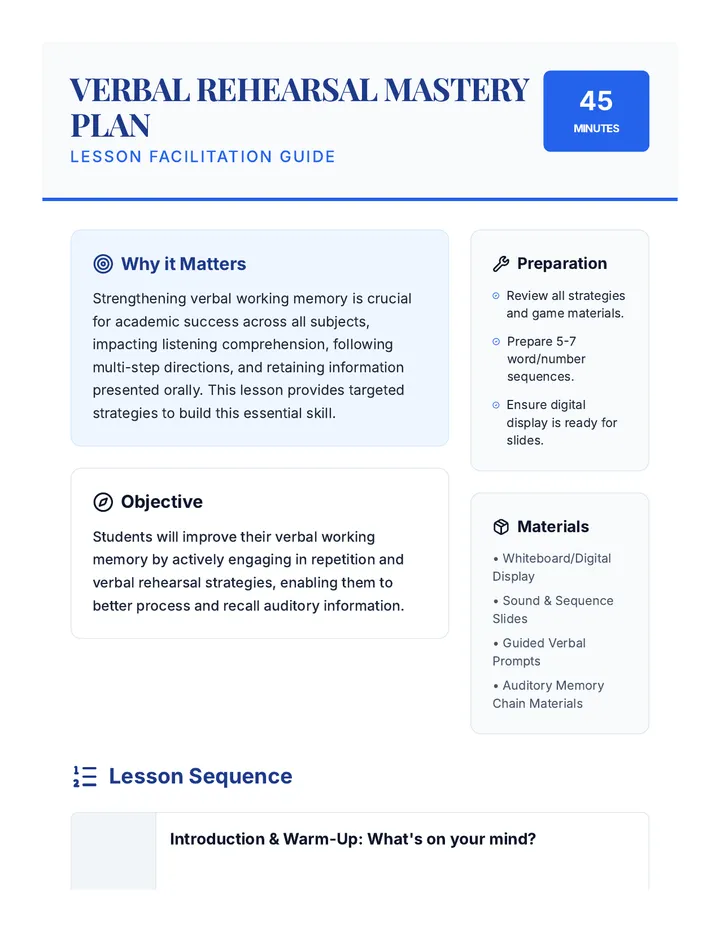
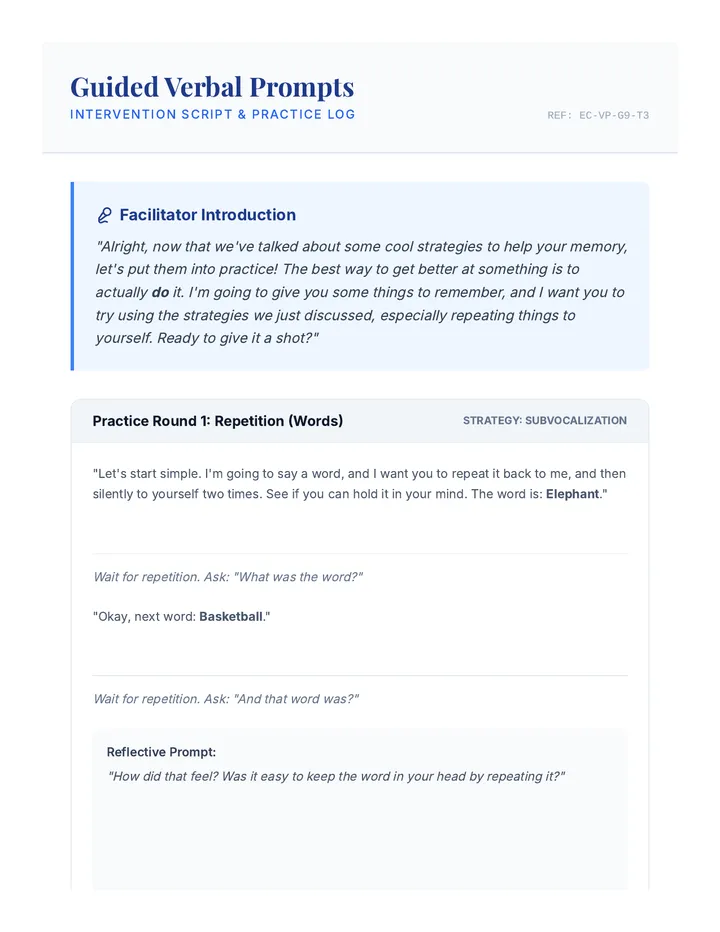
A systematic program designed for 6th grade students to improve working memory and auditory processing. Students learn specific strategies like verbal rehearsal, verb isolation, and impulse control to successfully capture and execute single-step instructions in various environments.
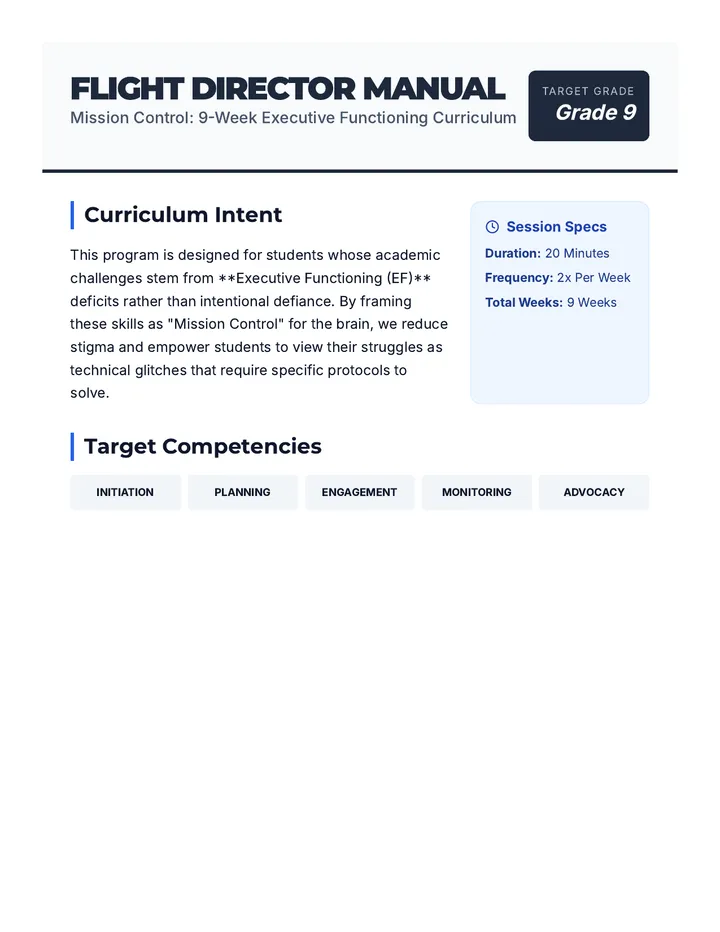
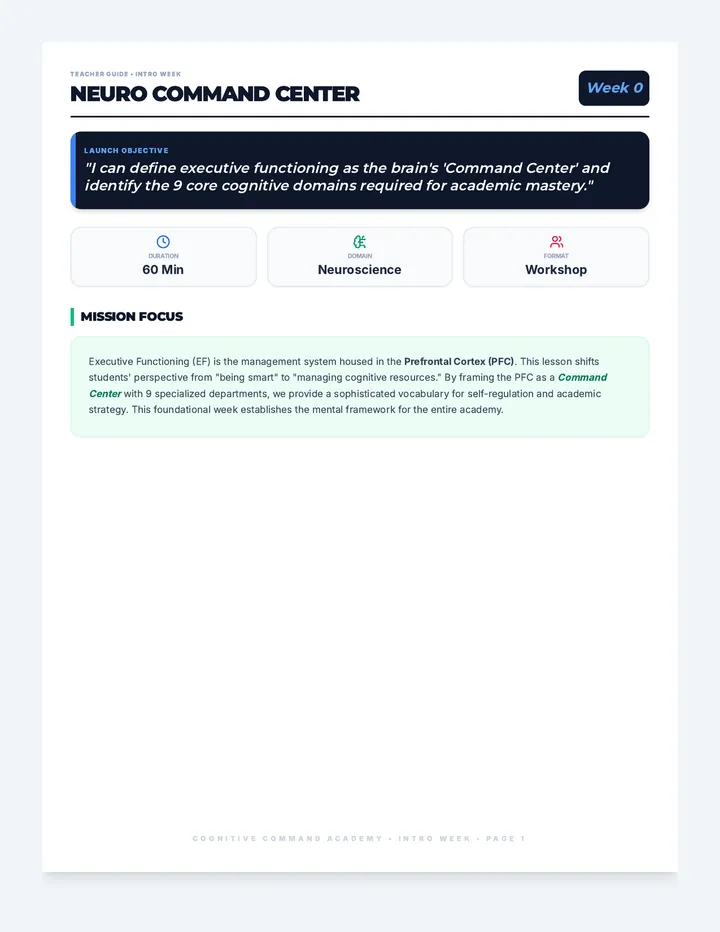
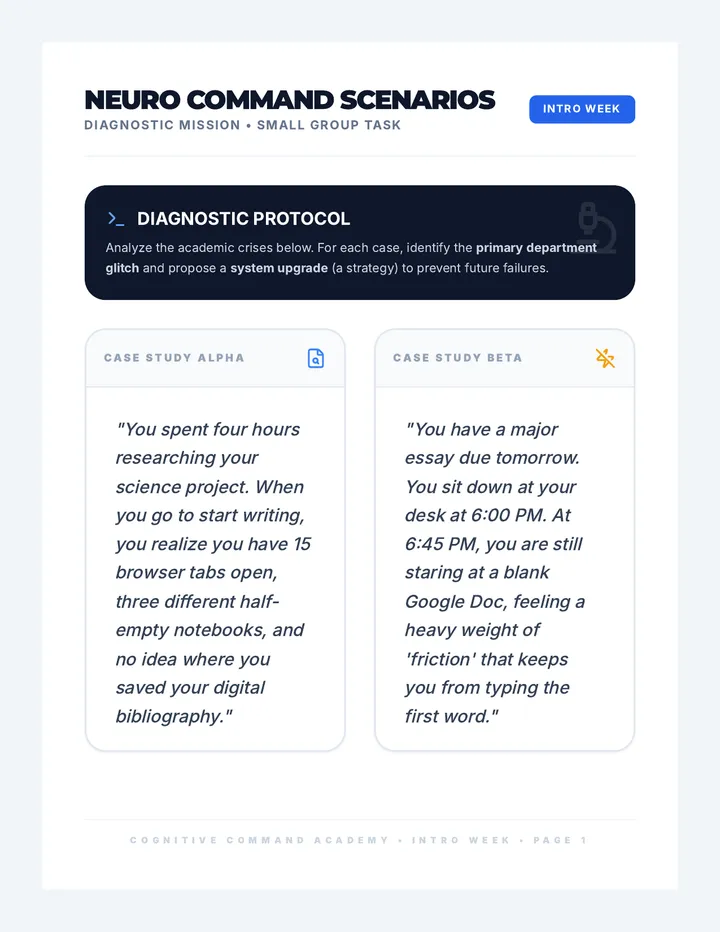
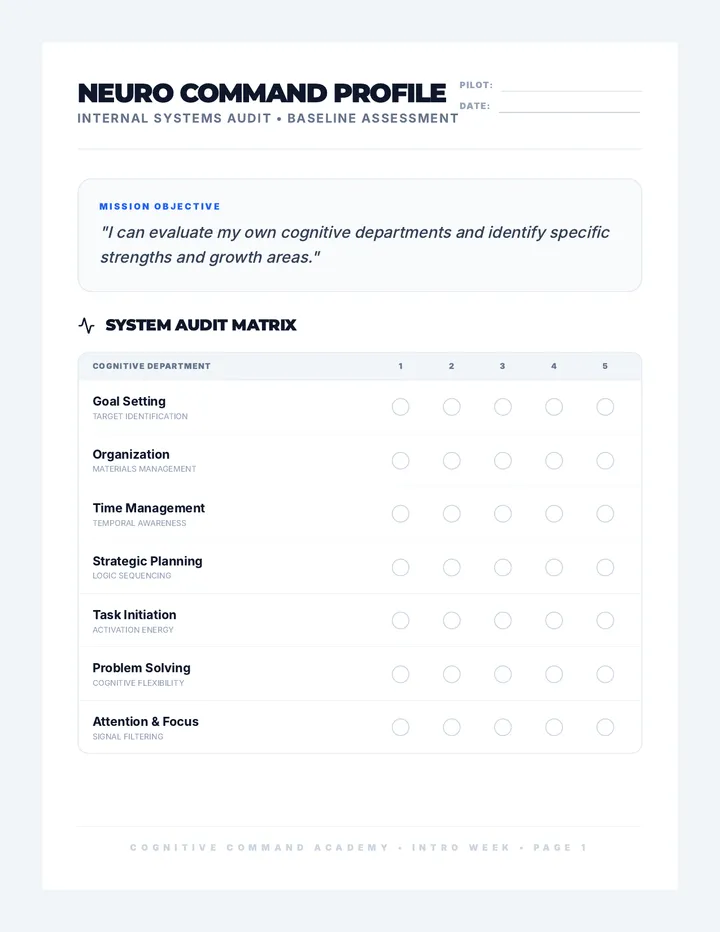
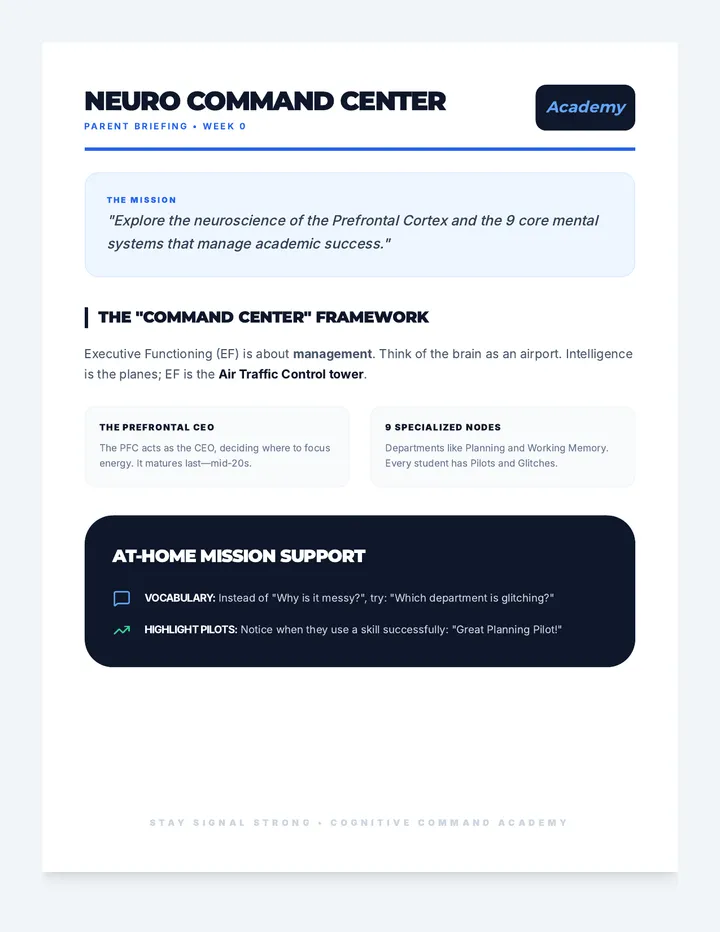
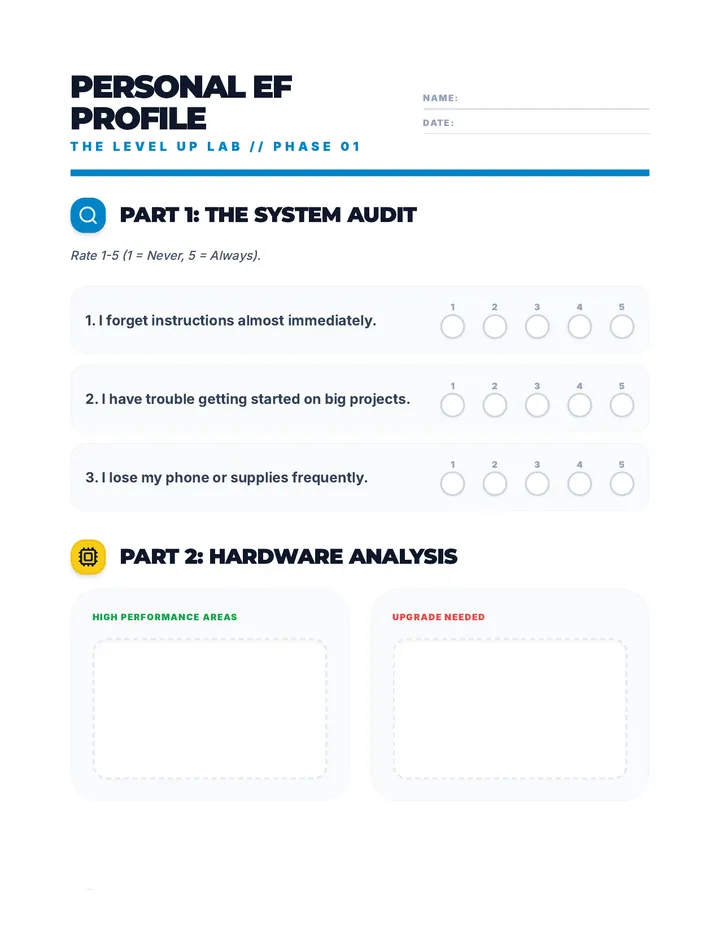
A series of lessons exploring the intersection of neuroscience and daily behavior, focusing on executive function and neurodivergence.
A comprehensive collection of interactive, visual-heavy resources designed for nonverbal preschool students to practice communication, choice-making, and pre-writing skills.
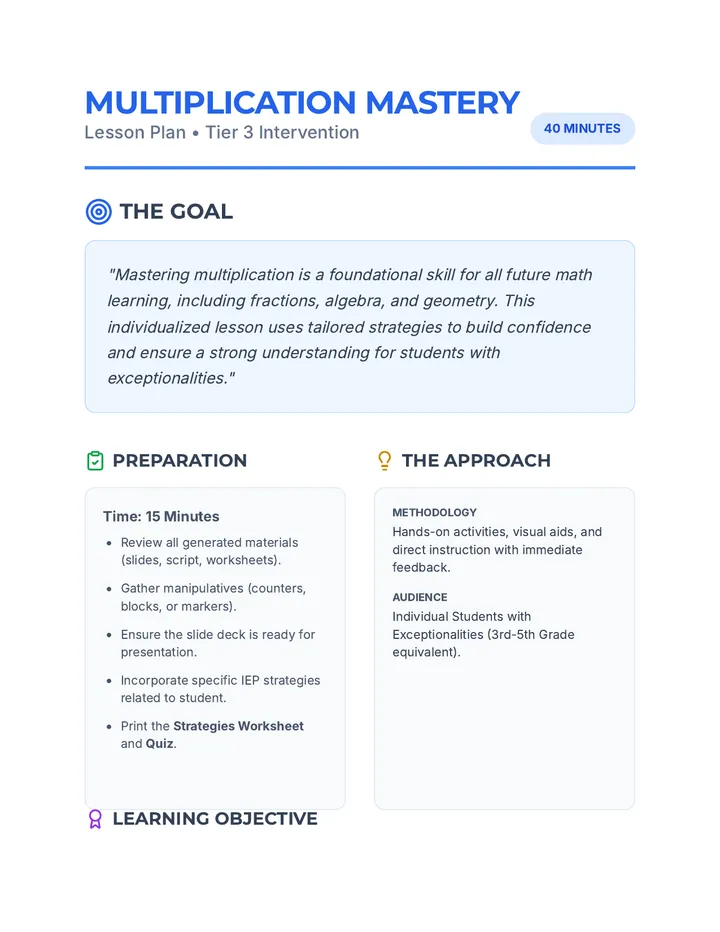
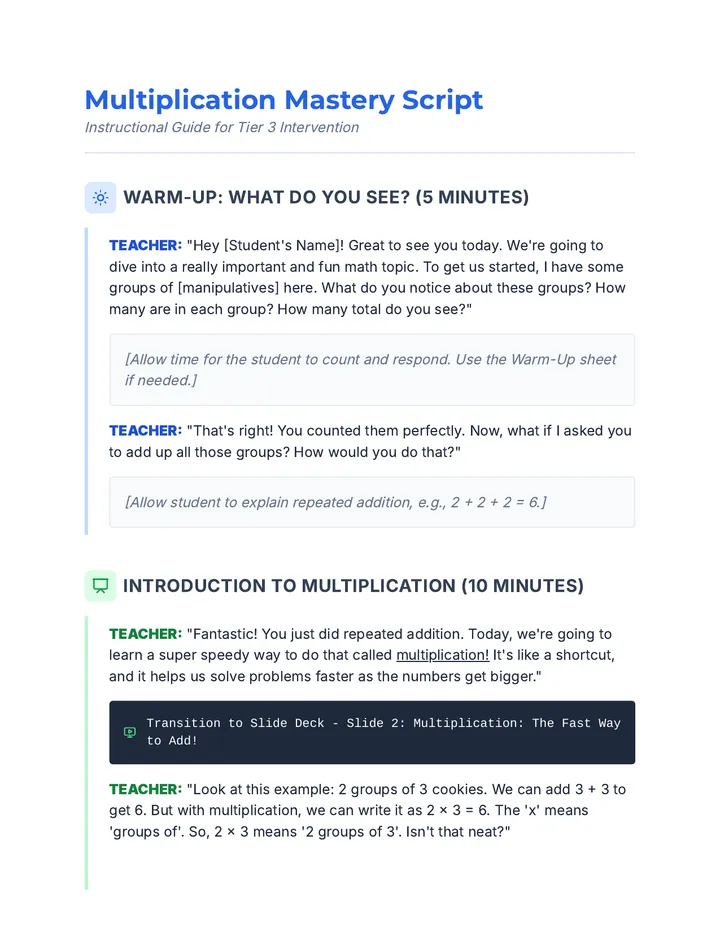
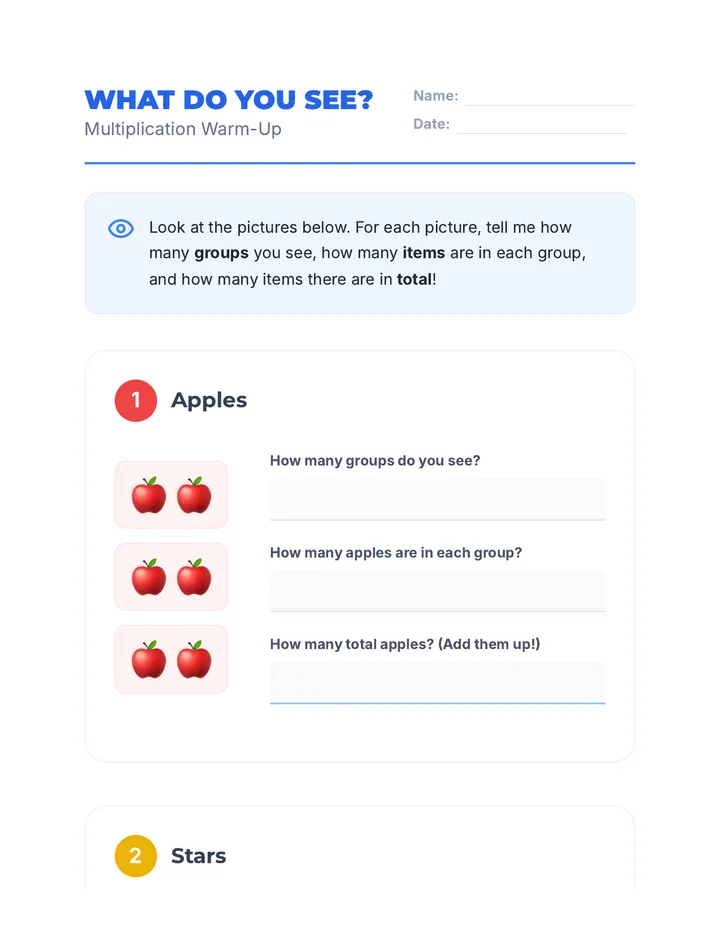
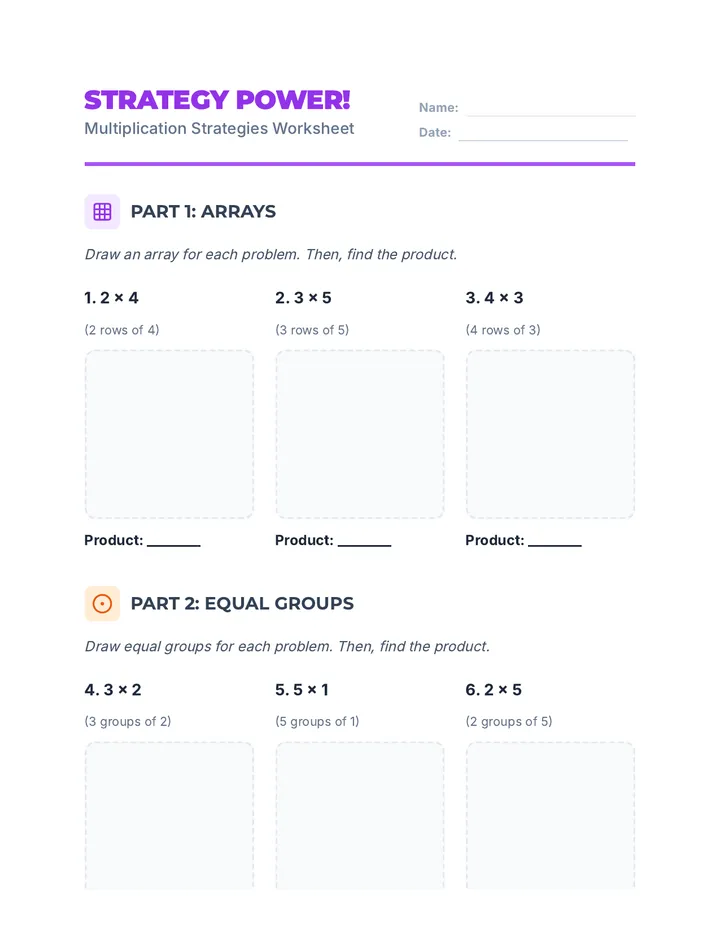
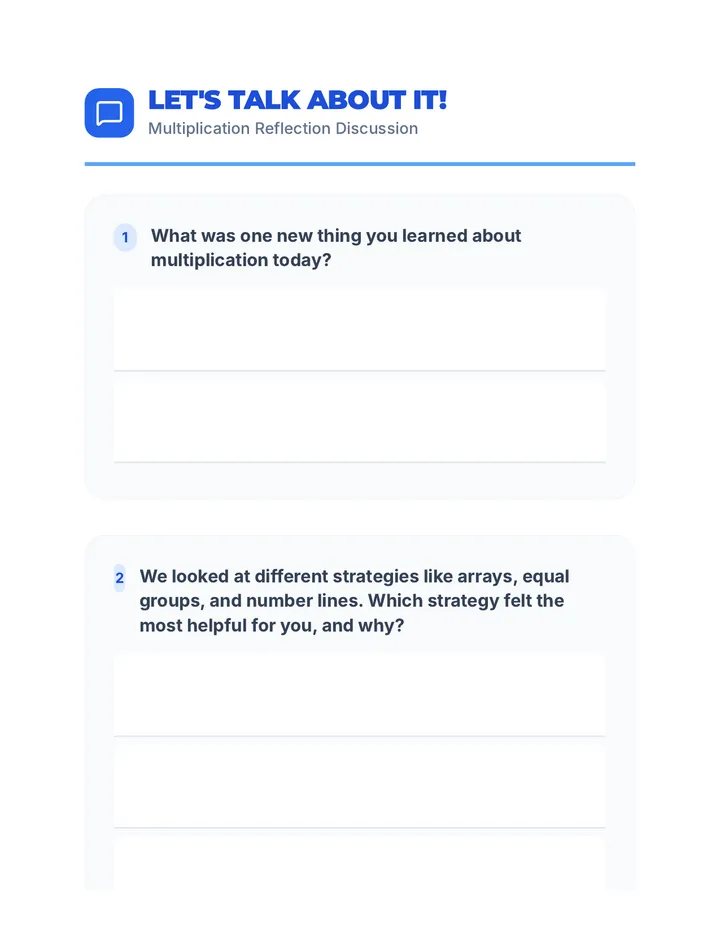
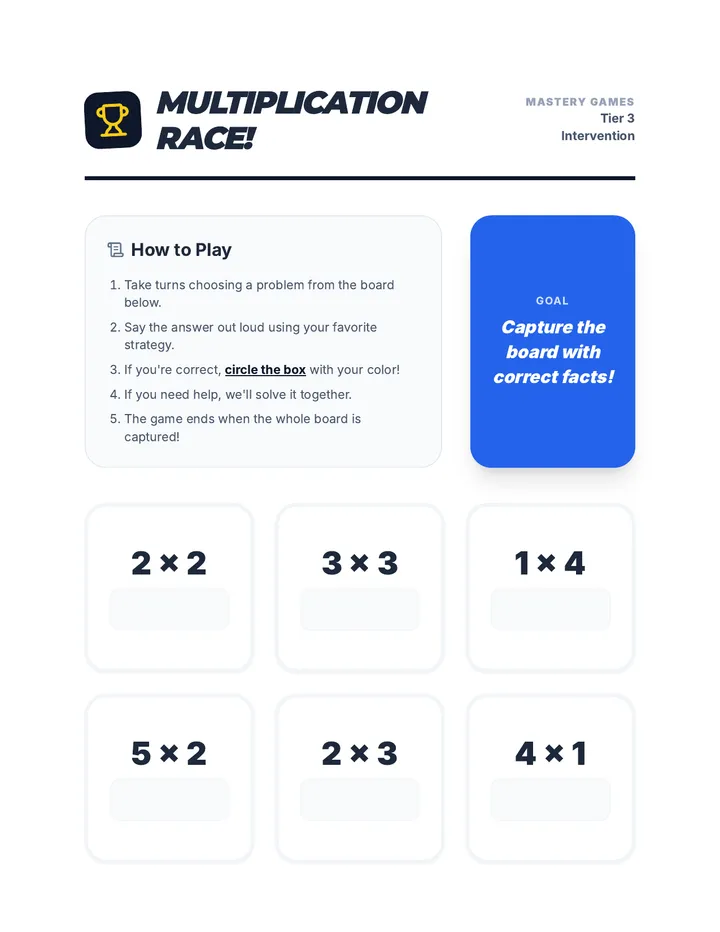
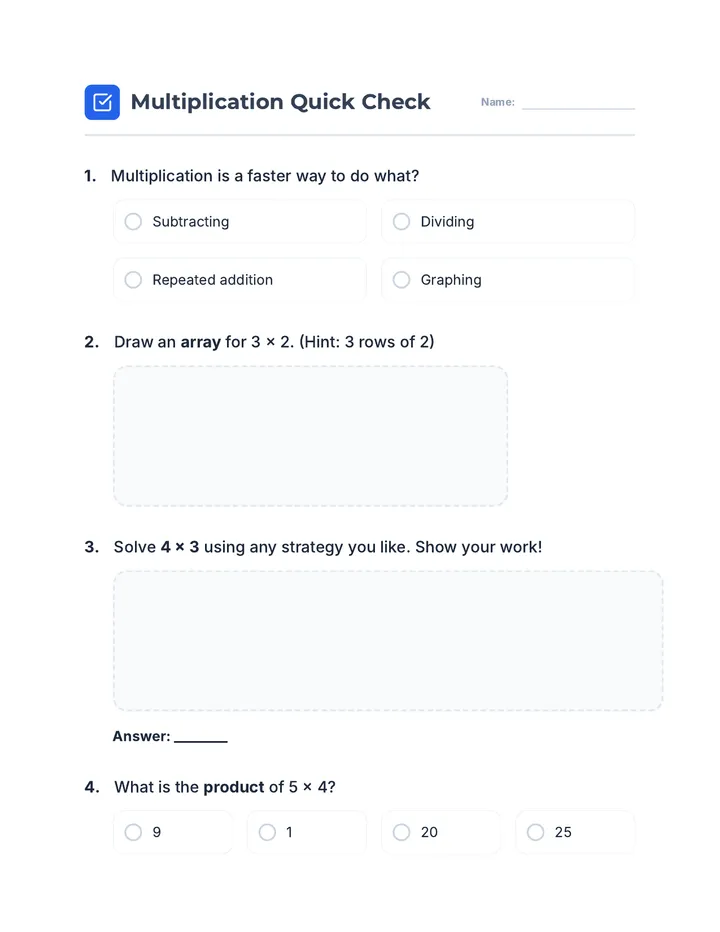
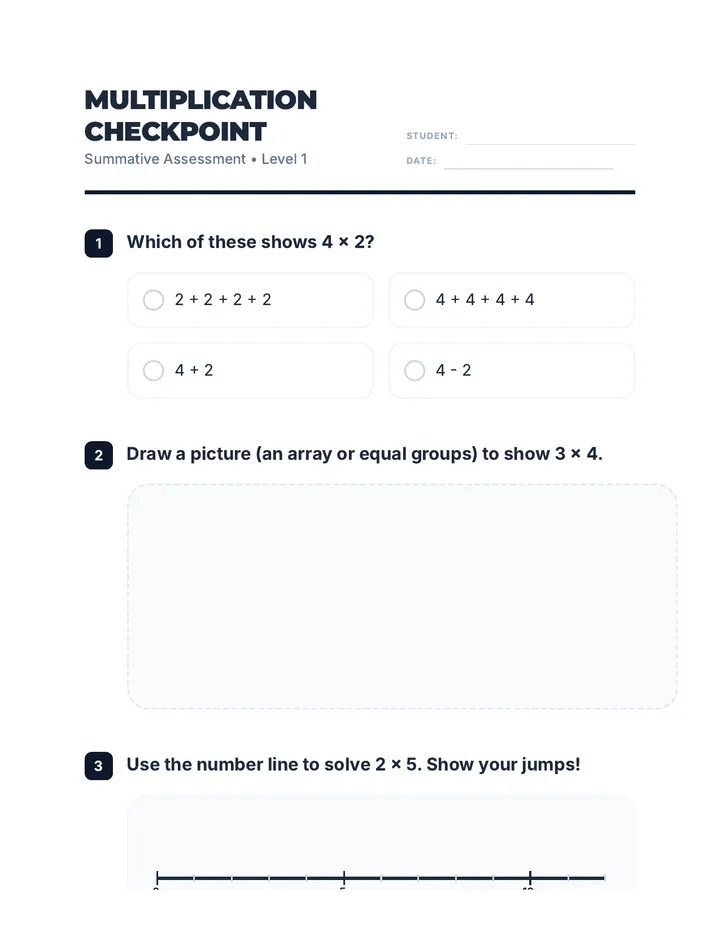
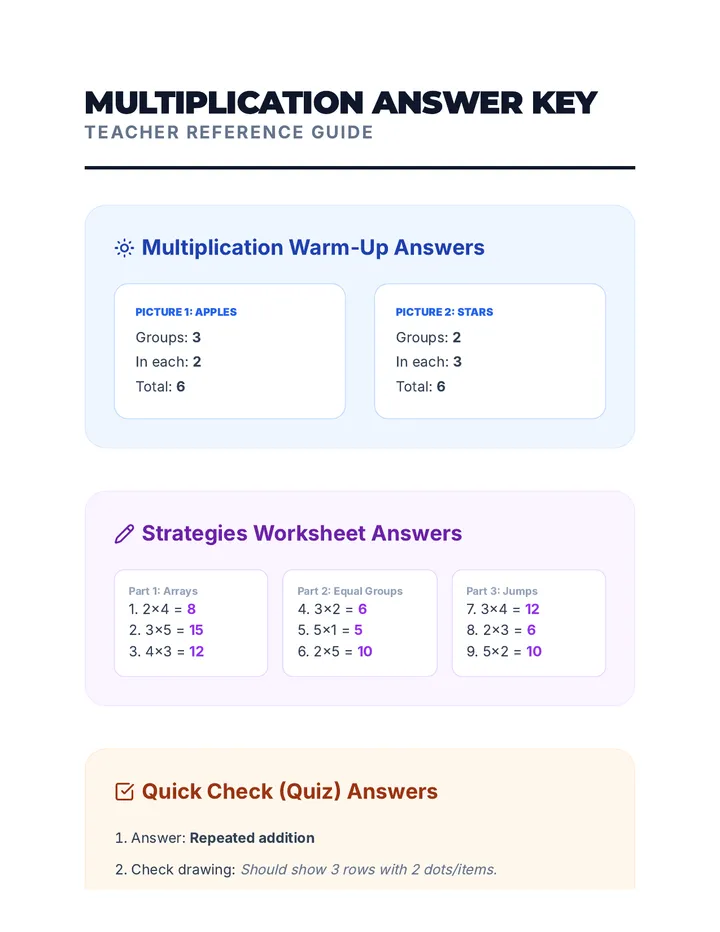
A comprehensive week-long intervention designed for students working on multiplication facts for 2, 3, 5, and 10 using multi-sensory, explicit instruction and visual arrays. This sequence includes teacher guides, instructional slides, visual worksheets, matching games, and task cards to support IEP goal mastery.
A specialized sequence for 6th-grade students focusing on working memory support through visual encoding. Students learn to transform auditory single-step directions into mental images and physical sketches to improve recall and task execution.
A movement-based sequence where Pre-K students use visual cues and memory aids to follow multi-step directions, building working memory and impulse control through play.
A 5-lesson sequence designed for 5th-grade students focusing on working memory through physical navigation. Students practice spatial vocabulary, single-step commands, and sequential logic through movement-based activities.
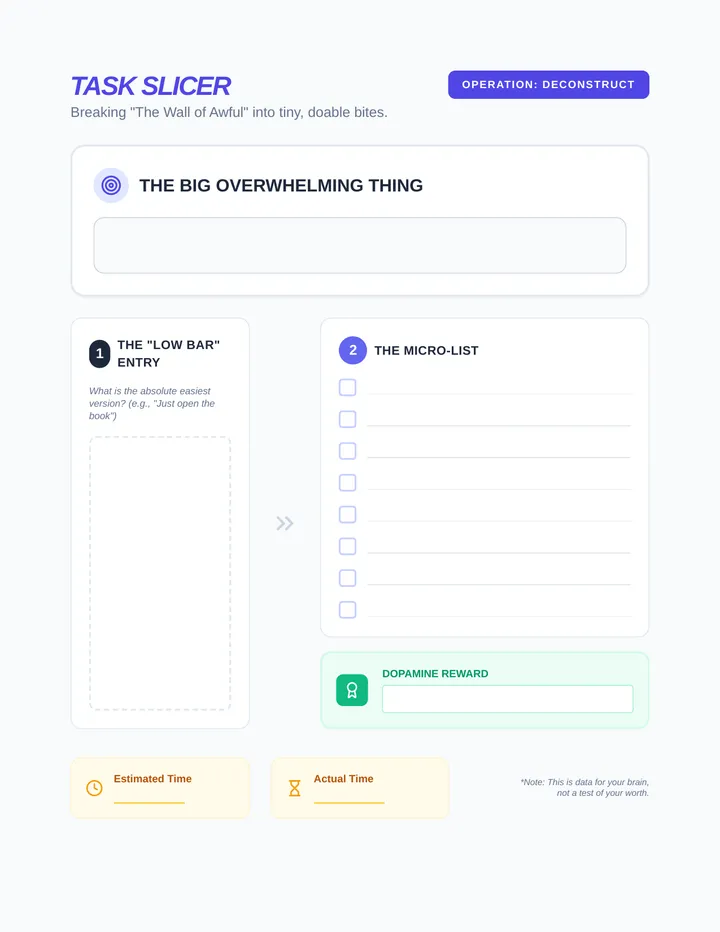
A specialized sequence for 5th-grade students focusing on working memory support through task segmentation. Students learn to break complex tasks into single steps, using digital pacing and physical checklists to manage cognitive load and reduce anxiety.
A specialized sequence for 5th-grade students to develop working memory strategies, specifically focusing on following single-step directions through verbal rehearsal, keyword identification, and distraction management.
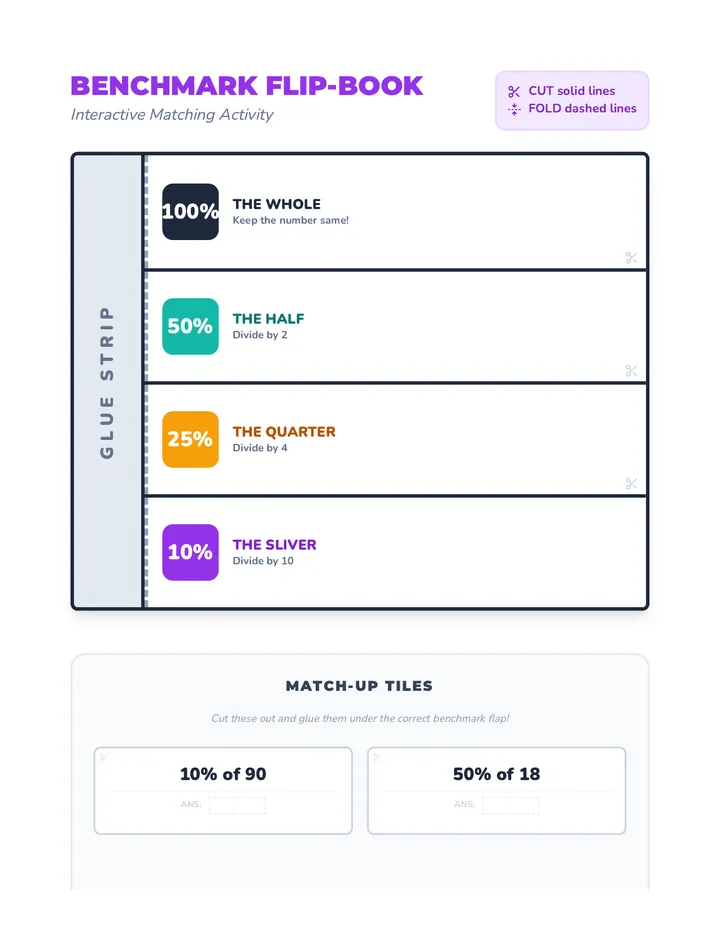
A sequence focused on teaching 5th-grade students to use visual tools to manage working memory and follow single-step directions, moving from symbol recognition to independent flip-book use.
A 5-lesson sequence for 3rd-grade students with working memory challenges. It uses Total Physical Response (TPR) and kinesthetic anchors to help students focus on and remember single-step instructions through body movement.
A high-energy, game-based sequence designed for 3rd-grade students with working memory needs. This unit focuses on mastering single-step directions through barrier games, physical challenges, and collaborative construction tasks to build cognitive stamina and attentional control.
A 5-lesson sequence for 3rd-grade students focused on breaking down complex, multi-step tasks into manageable single-step directions to support working memory and executive function. Students learn to identify the first step, 'debug' complex instructions, and use metacognitive strategies to manage overwhelm.
This sequence helps 3rd-grade students with working memory challenges use visual supports to follow single-step directions independently. It progresses from basic icon recognition to the creation and use of personal desk checklists.
A 5-lesson sequence designed for 4th-grade students with working memory challenges, focusing on auditory processing and following single-step directions through gamified, high-engagement activities. The sequence uses a 'Secret Agent Training' theme to build inhibitory control and attention.
A project-based sequence for 4th-grade students focusing on working memory support through single-step direction following, using construction and assembly tasks to reinforce precision and patience.
A specialized sequence designed to support 4th-grade students with working memory challenges by teaching them to use visual icons and checklists as external memory aids. The sequence builds from symbol recognition to independent task completion using visual command lines.
A specialized sequence for 4th-grade students to develop working memory through verbal rehearsal. Students practice the 'Hear-Repeat-Do' strategy, identify action keywords, utilize processing pauses, and verify their work to improve follow-through on single-step directions.
A self-advocacy sequence for 11th-grade students to manage working memory challenges by requesting single-step directions and professional modifications in fast-paced environments.
A vocational training sequence for 11th-grade students focusing on working memory through single-step directions in workplace safety contexts. Students practice interpreting signs, filtering auditory distractions, and following strict protocols in high-stakes simulations.
A specialized sequence for 2nd-grade students focusing on working memory and motor planning. Through gamified physical activities, students learn to inhibit immediate action, process single-step auditory commands, and execute precise movements.
A comprehensive graduate-level sequence for future Assistive Technology specialists, focusing on the pedagogical strategies required to teach keyboard navigation and shortcuts to individuals with disabilities. The course covers assessment, scaffolding, gamification, and emotional resilience in AT training.
A comprehensive training program for future special educators on the pedagogy of speech recognition. This sequence focuses on transitioning students from traditional writing to verbal composition by addressing cognitive load, instructional modeling, command scaffolding, and error resilience.
A specialized workshop-style sequence for 1st-grade students to build auditory working memory through verbal rehearsal strategies. Students learn the 'Hear, Say, Do' method to internalize and execute single-step directions, moving from choral repetition to whisper-talk and independent application.
This sequence empowers graduate students to utilize Spaced Repetition Systems (SRS) as robust data generation tools. Students learn to interpret the backend analytics of SRS platforms—viewing retention rates, ease factors, and response times—to diagnose learning bottlenecks and make data-driven instructional adjustments.
A graduate-level sequence focused on the design and implementation of Spaced Repetition Systems (SRS) in special education. Students progress from understanding analog mechanics to evaluating digital algorithms and creating tailored academic interventions.
This inquiry-based sequence teaches 10th-grade students with working memory challenges how to use visual note-taking strategies to capture spoken information. Students explore the 'cognitive bottleneck,' practice spatial page segmentation, develop a personal visual shorthand, and use their notes for retrieval practice.
This sequence teaches 3rd-grade students verbal rehearsal strategies to improve auditory working memory. Students progress from vocal repetition to whispered self-talk and finally silent inner speech, using games and mnemonics to hold information active while completing complex tasks.
A comprehensive sequence designed to equip 9th-grade students with creative memory strategies. Students will master acronyms, acrostics, rhythmic mnemonics, visual associations, and the Method of Loci to enhance academic retention.
A 5-lesson sequence for 3rd-grade students in special education settings to master mnemonic strategies and auditory techniques for improved memory retention. The sequence uses a 'Brain Lab' theme to make abstract memory strategies concrete and engaging through games, movement, and creative expression.
A comprehensive sequence for pre-service teachers on designing study aids for students with disabilities, focusing on Cognitive Load Theory, visual organization, mnemonics, and digital accessibility.
A professional development sequence for graduate-level educators on implementing explicit imagery instruction protocols to support reading comprehension. This sequence covers the progression from basic questioning to independent student visualization.
A comprehensive 5-lesson unit designed for 4th-grade students with diverse learning needs. This sequence transforms study habits from passive reading to active creation using color-coding, graphic organizers, mnemonics, and interactive foldables.
A specialized intervention sequence for 12th-grade students who struggle with verbal processing, focusing on 'Sketch-to-Stretch' strategies to improve memory retention and reading comprehension through visual transcoding. Students progress from simple icons to complex thematic maps, learning to anchor abstract academic concepts in physical drawings.
This sequence helps 4th-grade students in special education settings develop mental modeling skills for informational texts. By moving from concrete comparisons to abstract processes, students learn to visualize size, structure, sequence, and vocabulary to improve comprehension and retention of non-fiction material.
A sequence for 3rd-grade special education students focusing on visualization strategies to improve memory retention and recall. Students learn to create 'sticky' mental images, link concepts, and sequence information using mental imagery.
A 5-lesson sequence designed for 9th-grade students in an academic support setting to master digital annotation, highlighting, and collaborative text analysis tools. The sequence focuses on transitioning traditional paper-based strategies to digital environments like Google Docs and PDFs, emphasizing visible thinking and peer collaboration.
An advanced workshop sequence for high school seniors to transition from passive reading to active text analysis. Students develop personalized systems for color-coding, marginalia, and strategic filtering to navigate complex academic texts.
This sequence teaches 11th-grade students with working memory challenges how to use digital tools as external memory aids. Students learn to capture, process, and execute instructions using voice-to-text, micro-tasking, auditory alarms, and visual freezing techniques.
A 5-lesson sequence designed for 8th-grade students to improve working memory and auditory processing. Students learn verbal rehearsal, active listening, and self-advocacy strategies to effectively manage and execute single-step instructions.
An advanced sequence for graduate students exploring the intersection of Assistive Technology and systems-level collaboration to support student task prioritization and executive functioning.
A graduate-level sequence focused on the pedagogy of speech recognition. Students shift from learning the technology to designing instructional protocols that address the cognitive demands of oral composition, specifically for K-12 learners with executive function challenges.
A 5-lesson sequence for Pre-K students focusing on visual supports and graphic organizers to aid working memory in narrative sequencing. Students use tactile and visual aids like story stones and picture cards to categorize elements, sequence events, and retell stories.
A project-based sequence for 10th-grade students to create external memory aids and visual anchors that compensate for working memory limitations. Students explore visual processing, color-coding, and linear design to build a personalized 'Visual Toolkit' for managing single-step directions.
A 5-lesson sequence for 9th-grade Special Education students focusing on using digital tools and assistive technology to create accessible, interactive study materials. Students progress from digital flashcards to comprehensive multimedia study hubs and personalized tech plans for exam prep.
A 5-lesson sequence for 9th-grade students on transforming complex academic information into visual study guides. Students learn chunking, comparison matrices, flowcharts, and concept maps to improve comprehension and memory.
A metacognitive workshop for 12th-grade students to master cognitive load theory and develop personal 'Standard Operating Procedures' for complex academic tasks. The sequence focuses on externalizing working memory demands through visual anchors, active processing, and self-correction protocols.
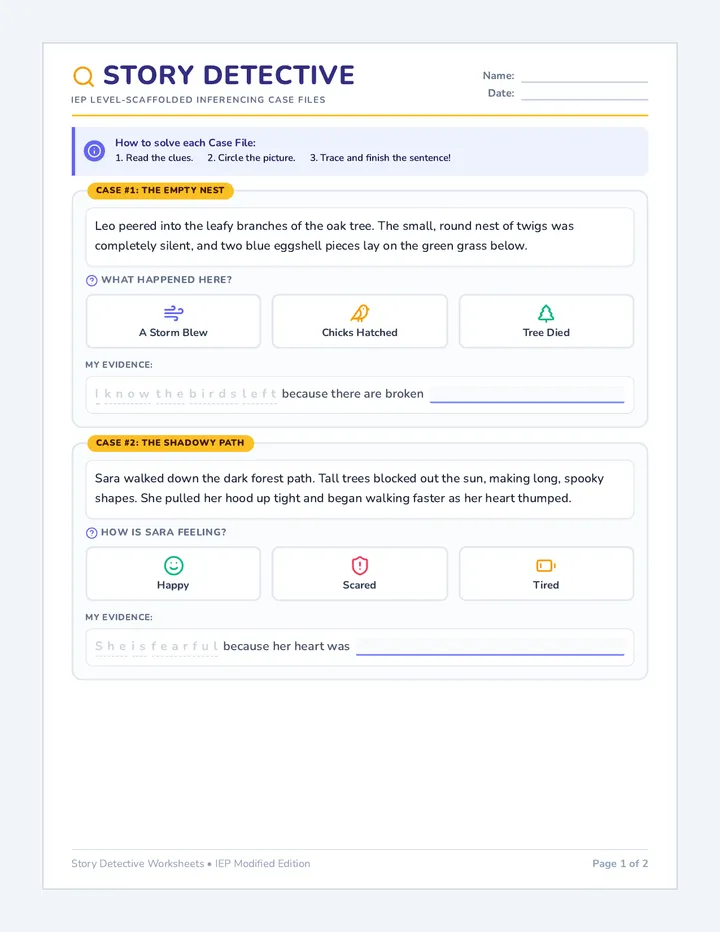
A 3rd-grade Special Education sequence focused on making inferences and citing evidence using a 'Text Detective' theme. Students learn the 'It Says... I Say... And So...' strategy to synthesize text clues with background knowledge (schema) to form valid conclusions.
A sequence for 11th-grade students focused on fostering metacognitive independence by teaching them how to analyze academic tasks and select, adapt, and apply the most effective graphic organizers and digital tools for their specific learning needs.
A sequence designed for 11th-grade students to master digital tools that support working memory. It focuses on audio-synced note-taking, dictation, digital annotation, and file organization to bypass processing speed barriers.
A 5-lesson sequence designed for 11th-grade students to master the Cornell Note-Taking System. The curriculum focuses on reducing cognitive load and supporting working memory through structured page formatting, keyword identification, synthesis, and retrieval practice.
A comprehensive graduate-level sequence on implementing digital assistive technology for note-taking. It covers the transition from traditional methods to audio-synchronization, AI-driven summarization, and executive function-focused organization, concluding with IEP documentation.
A graduate-level workshop sequence focused on designing analog scaffolding tools like guided notes and modified Cornell systems to support learners with working memory and executive functioning challenges.
This sequence provides undergraduate students with advanced note-taking strategies designed to mitigate working memory overload. It covers cognitive load theory, the Cornell system, mind mapping, digital assistive technologies, and systematic revision cycles.