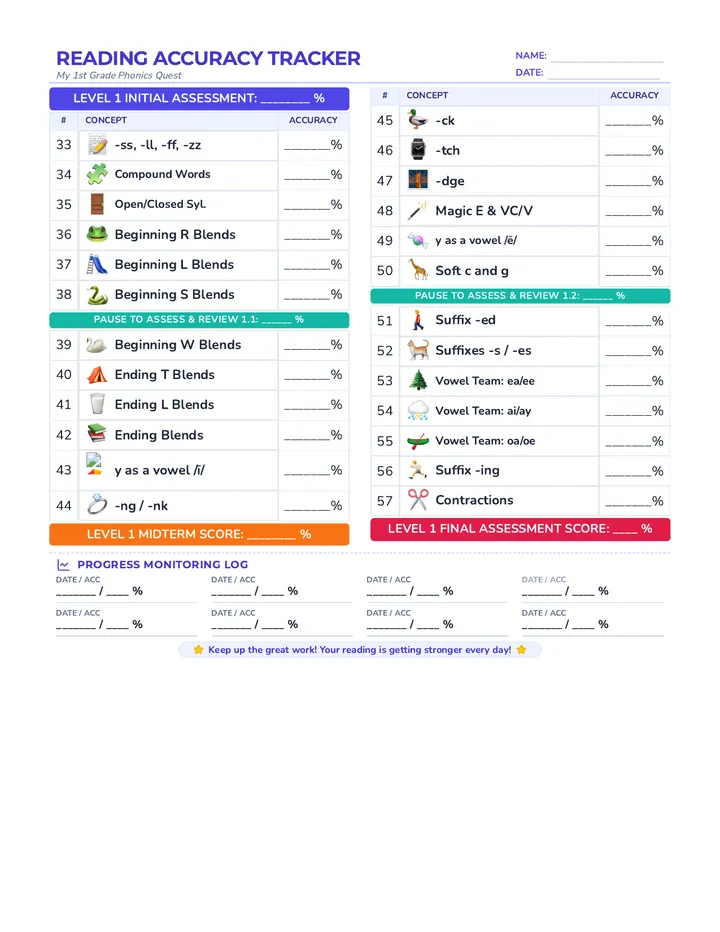
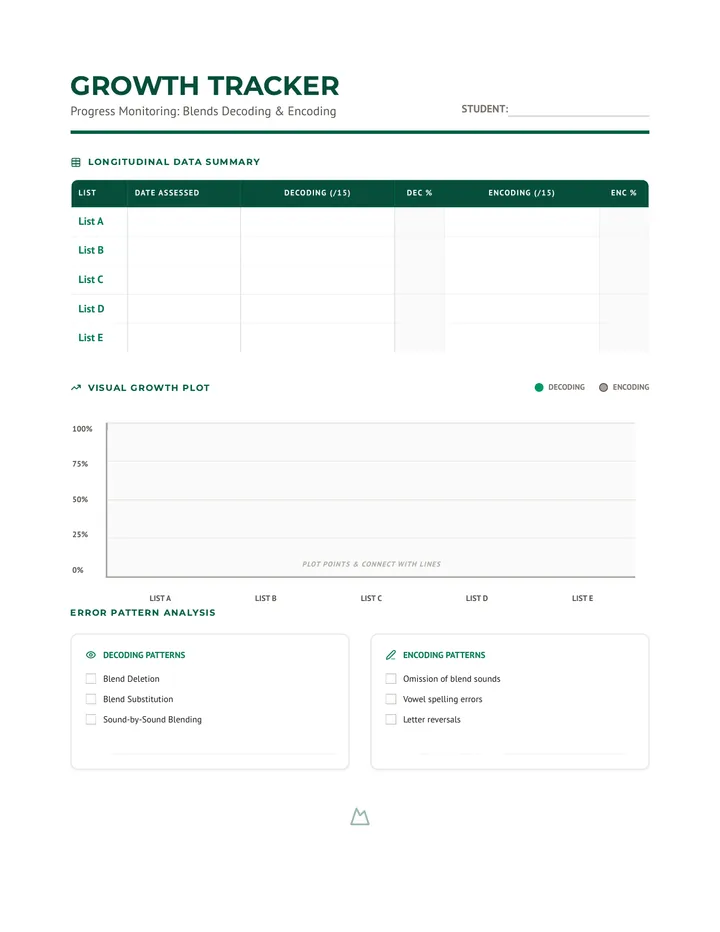
Systematic tracking of IEP goal progress and analysis of student achievement data. Equips educators to make data-informed instructional adjustments and document growth over time.
An 8-week deep dive into Kafka's Metamorphosis for special education students, focusing on abstract thinking, social value, and the human condition through high-engagement activities and visual organizers.
A series of four 15-minute lessons designed for first-grade students with learning disabilities, focusing on developing attention skills to follow 1 and 2-step directions independently using kindergarten-level tasks.
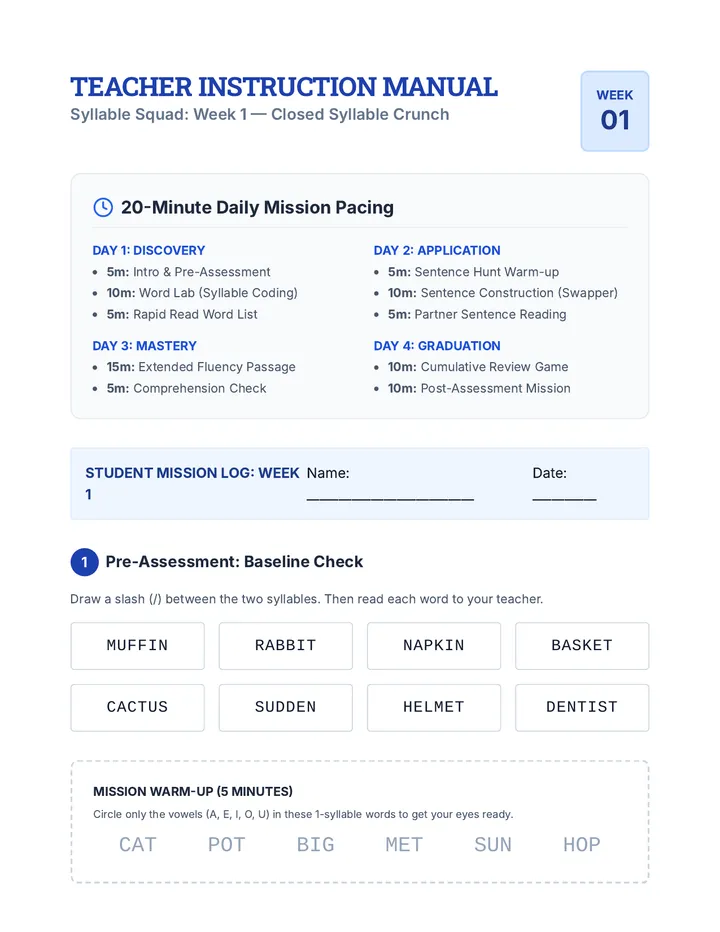
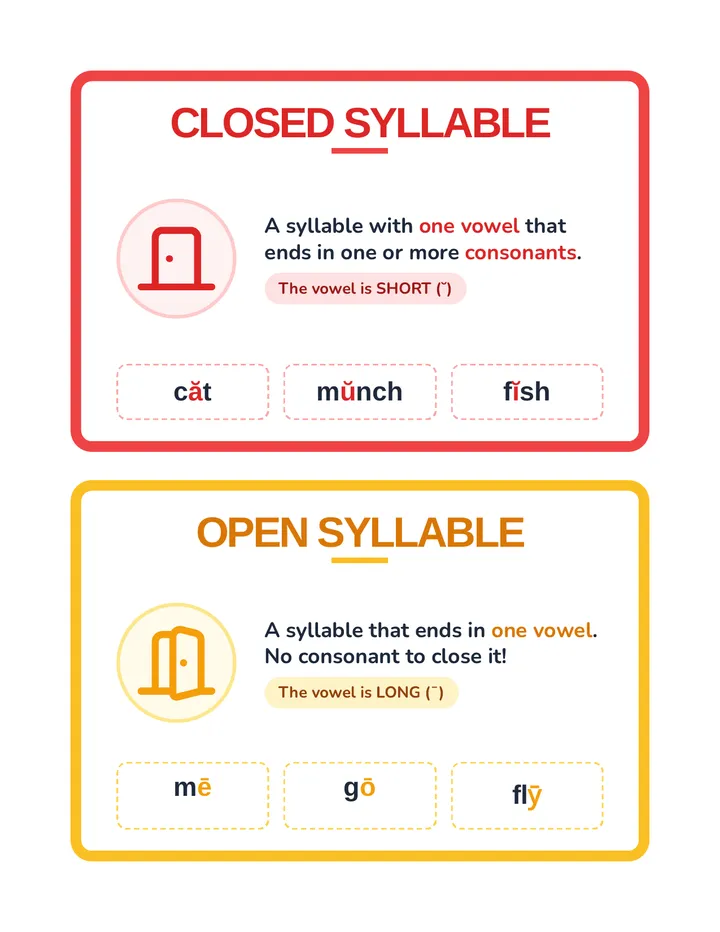
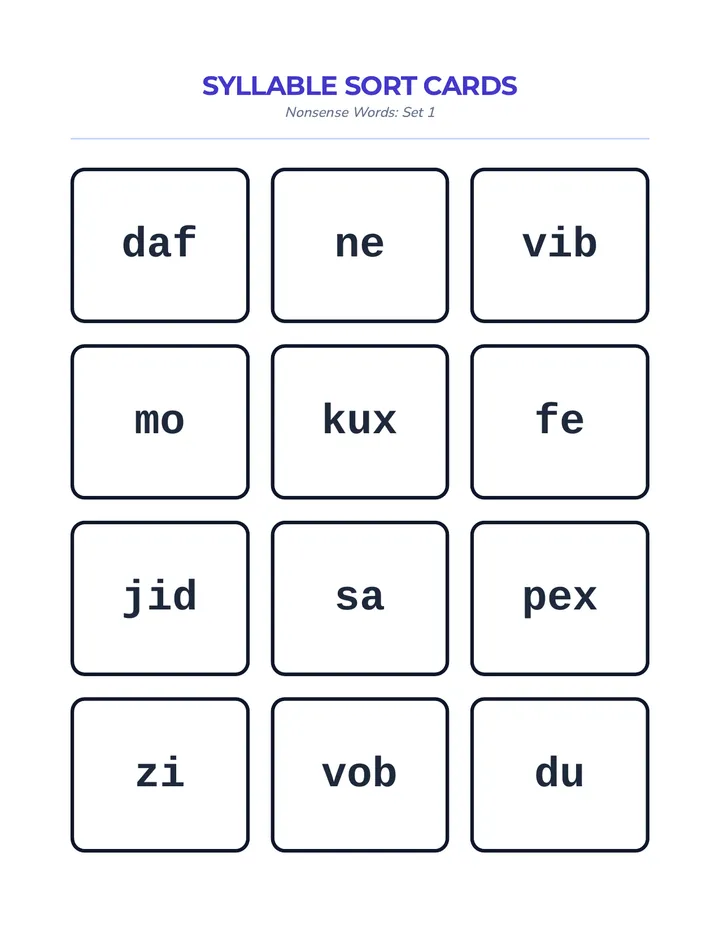
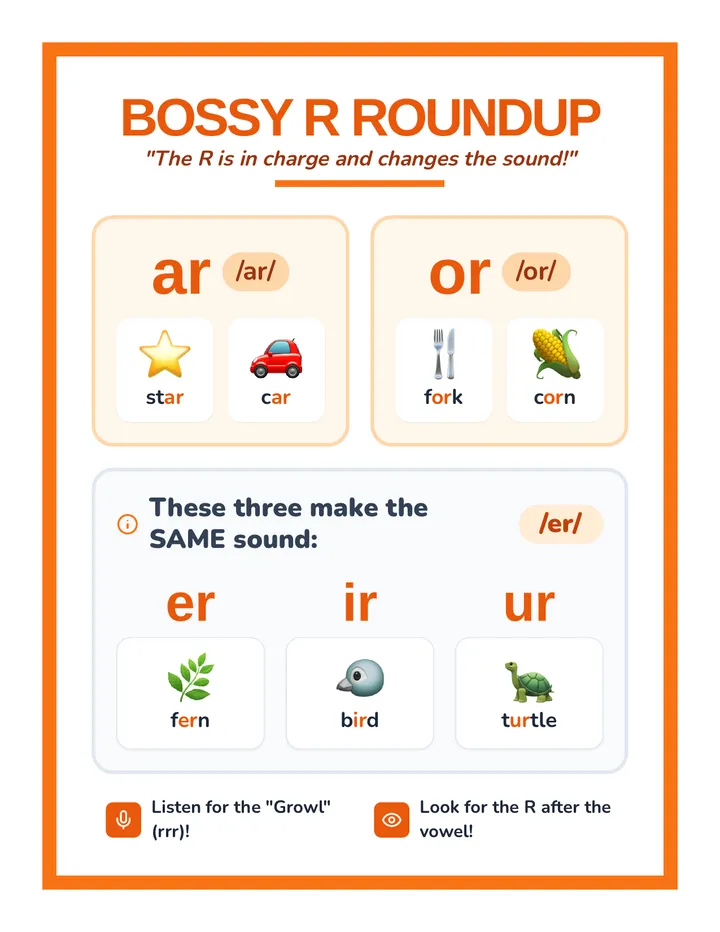
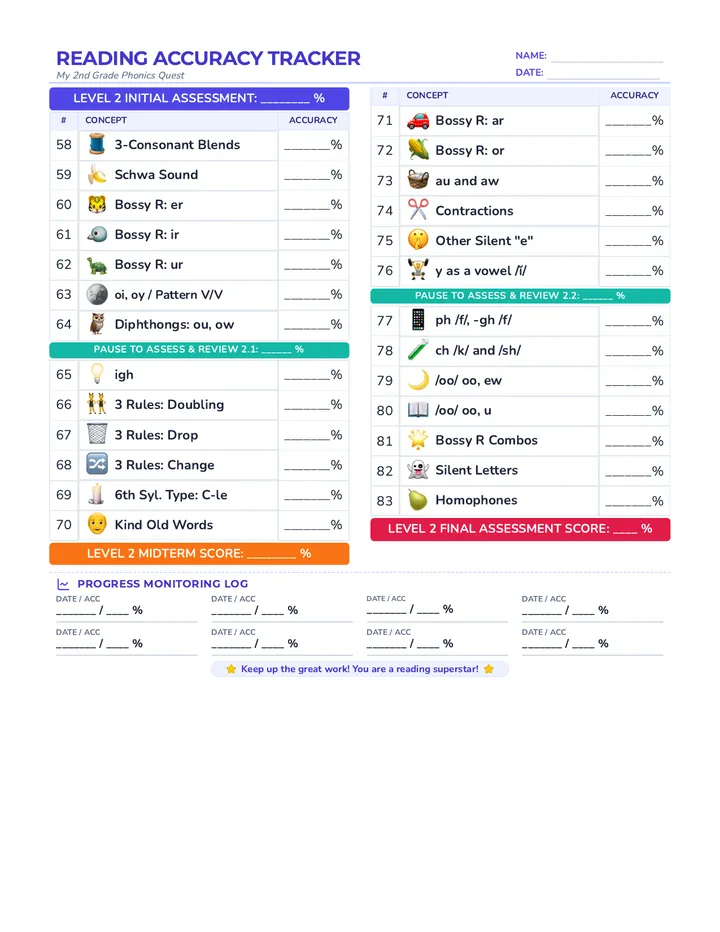
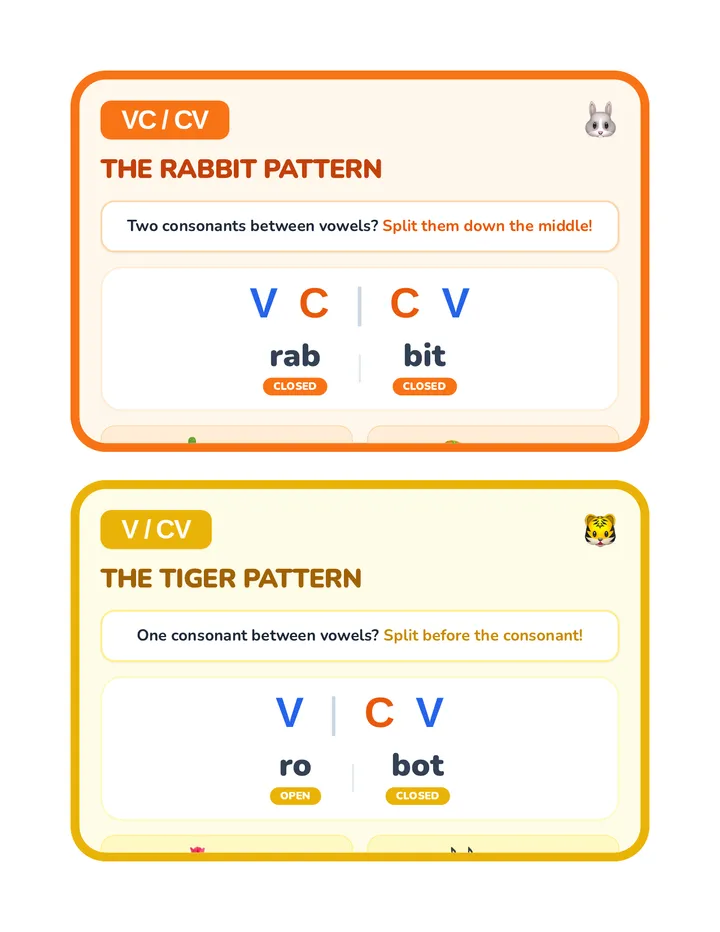
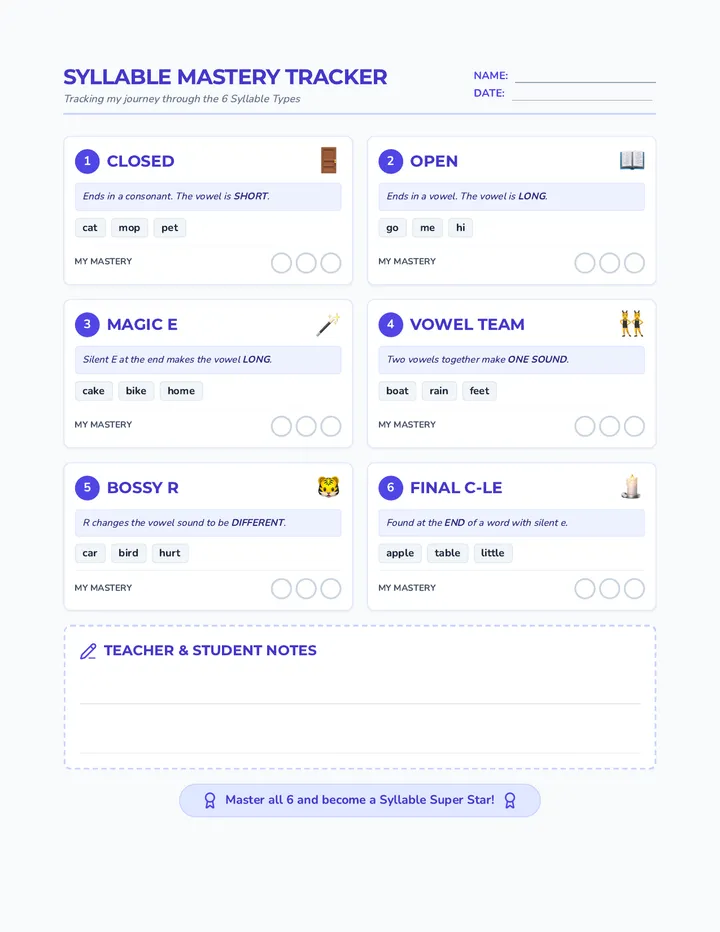
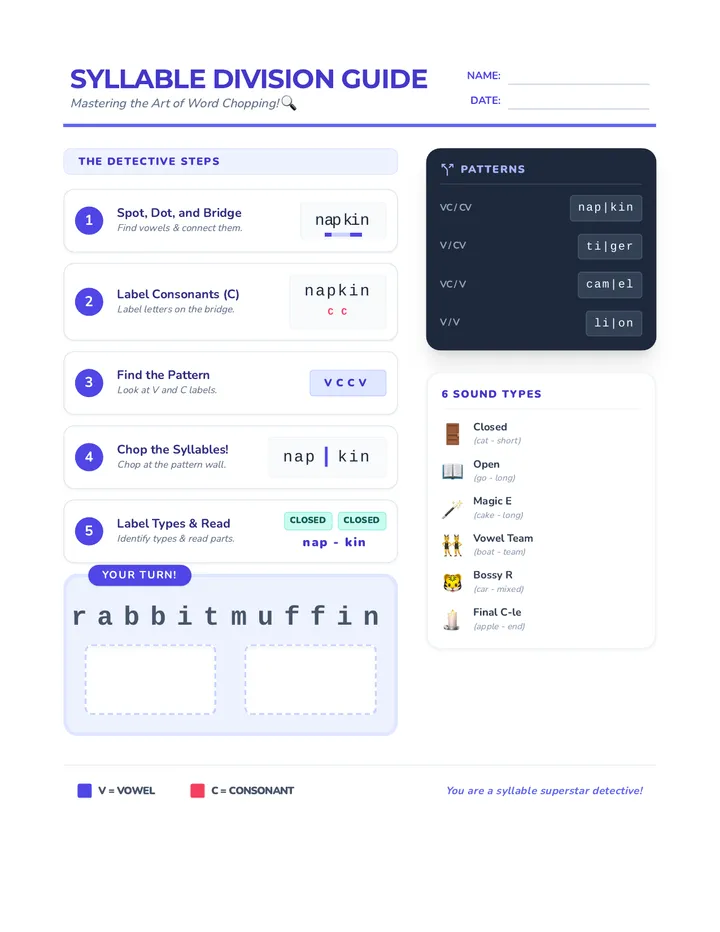
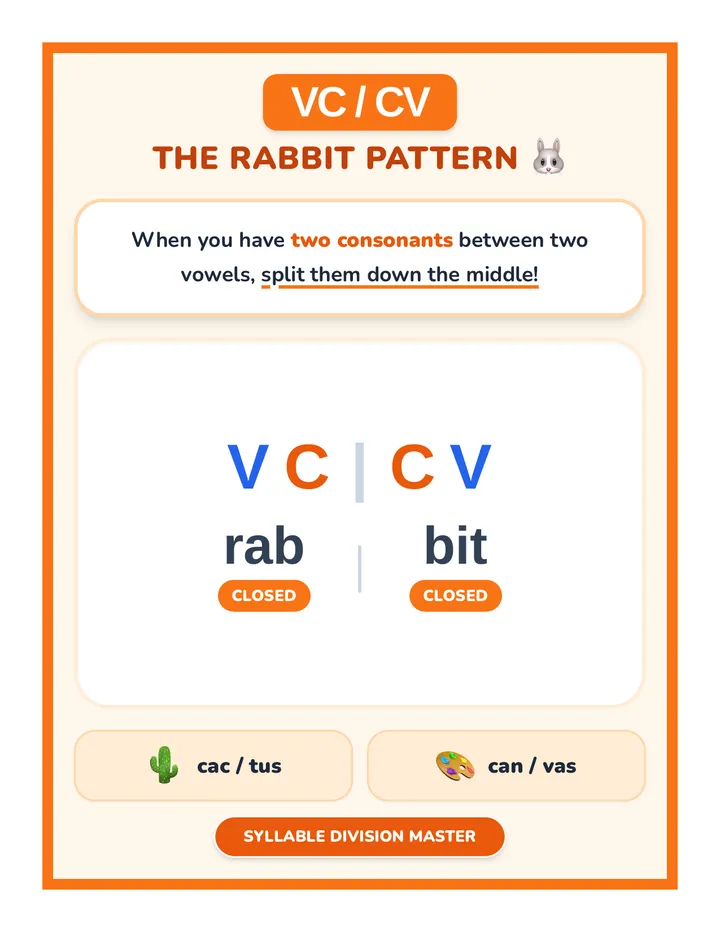
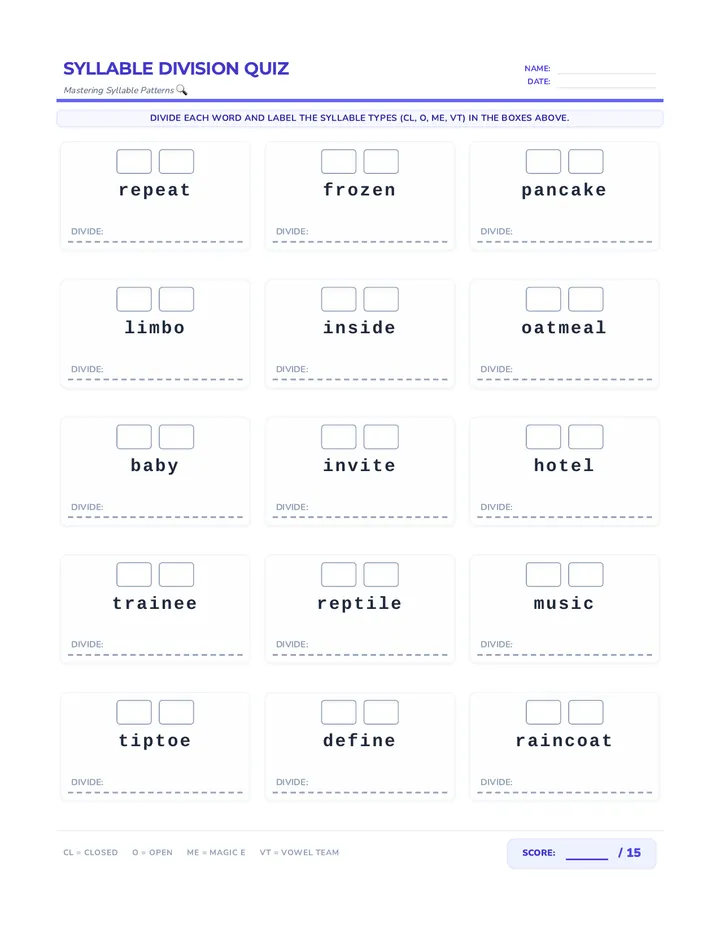
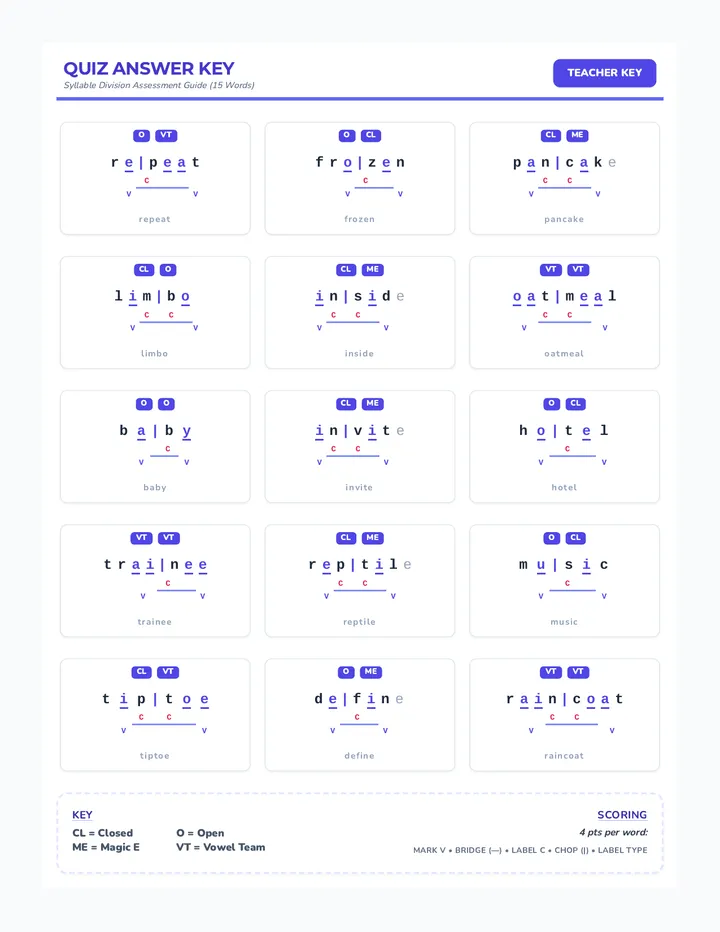
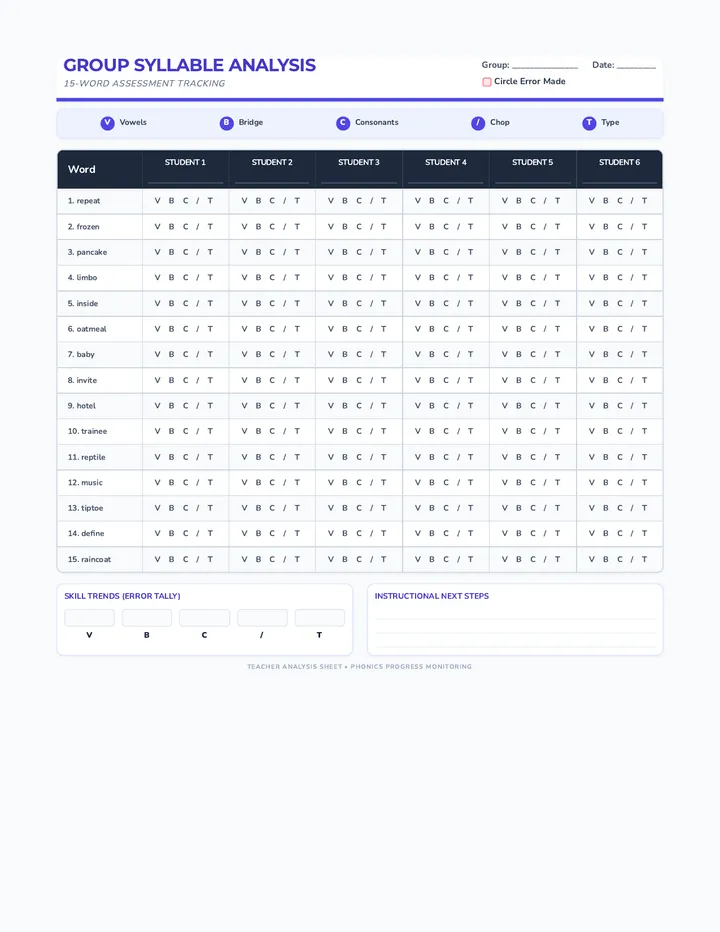
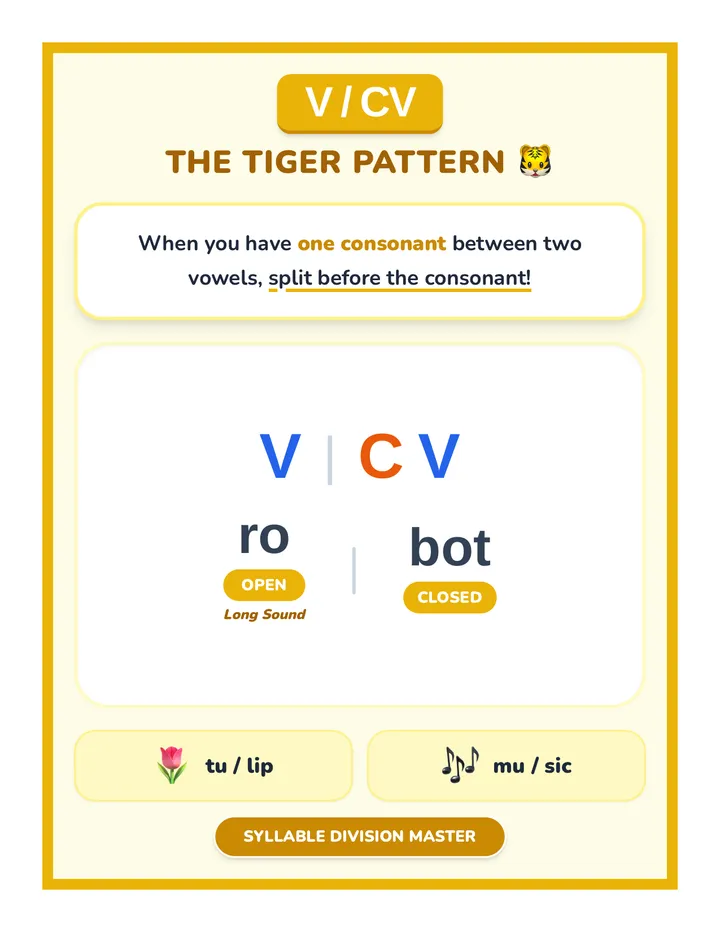
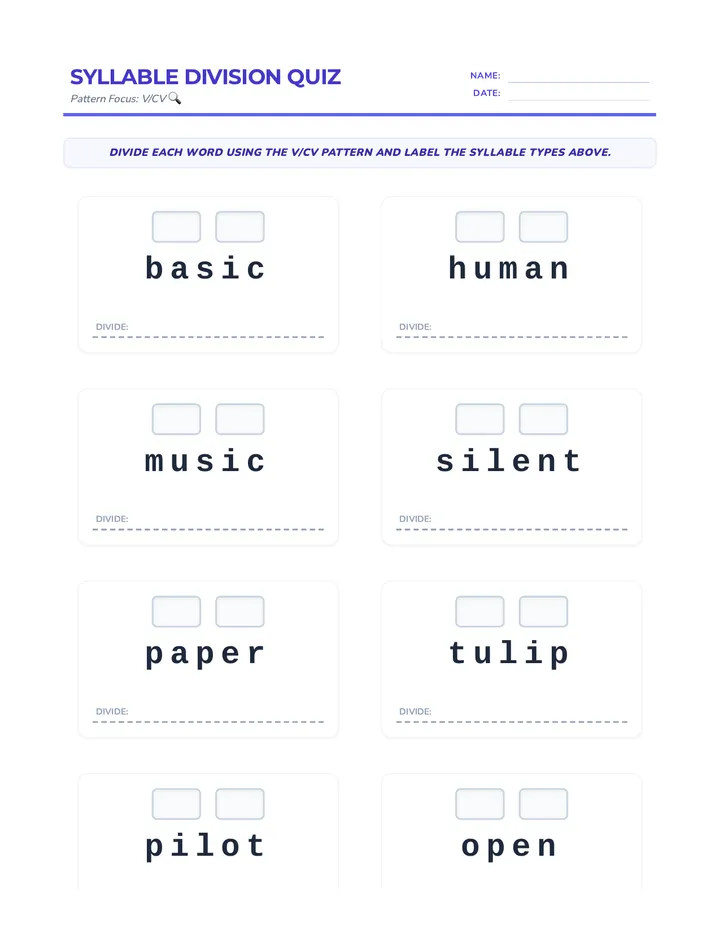
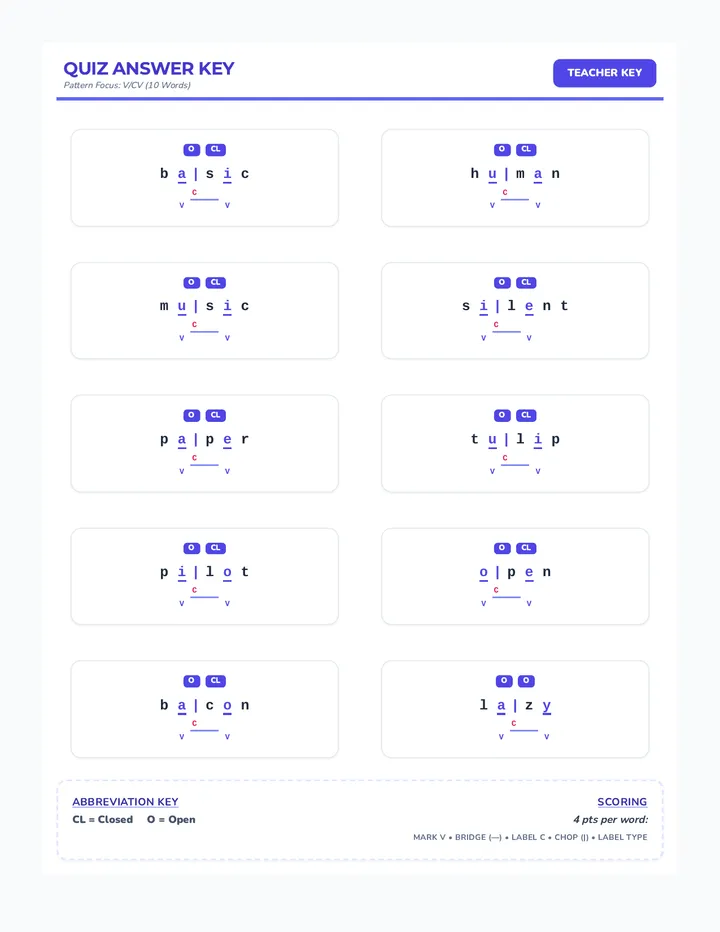
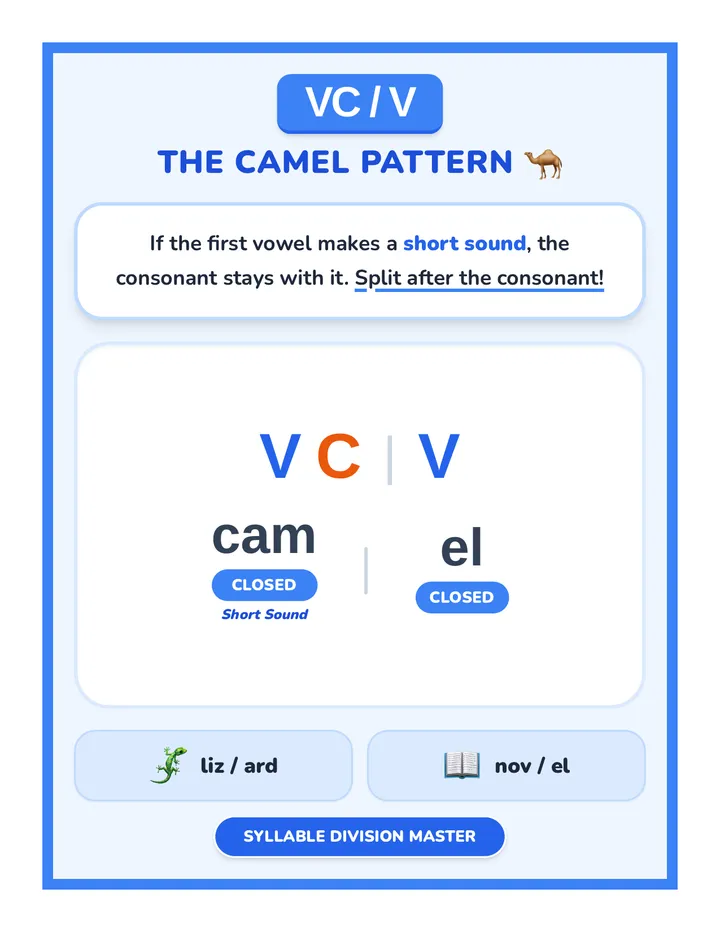
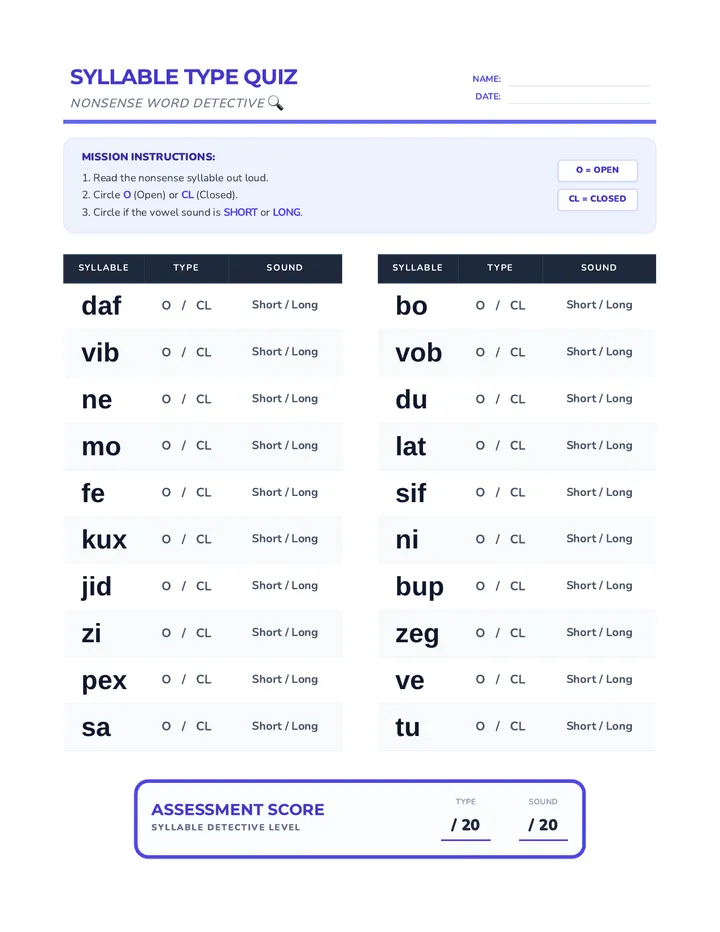
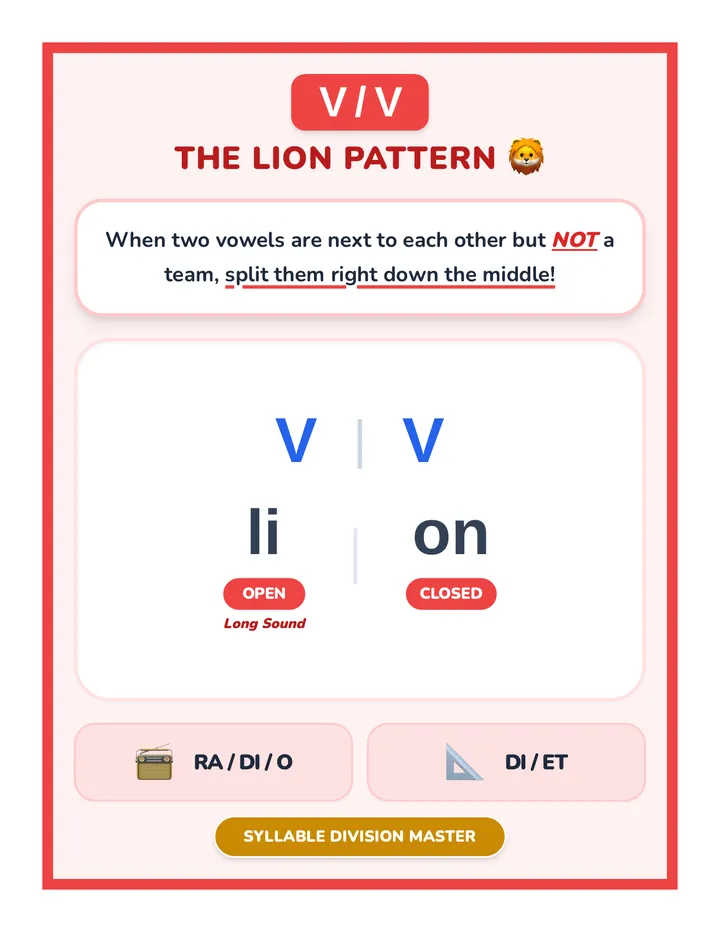
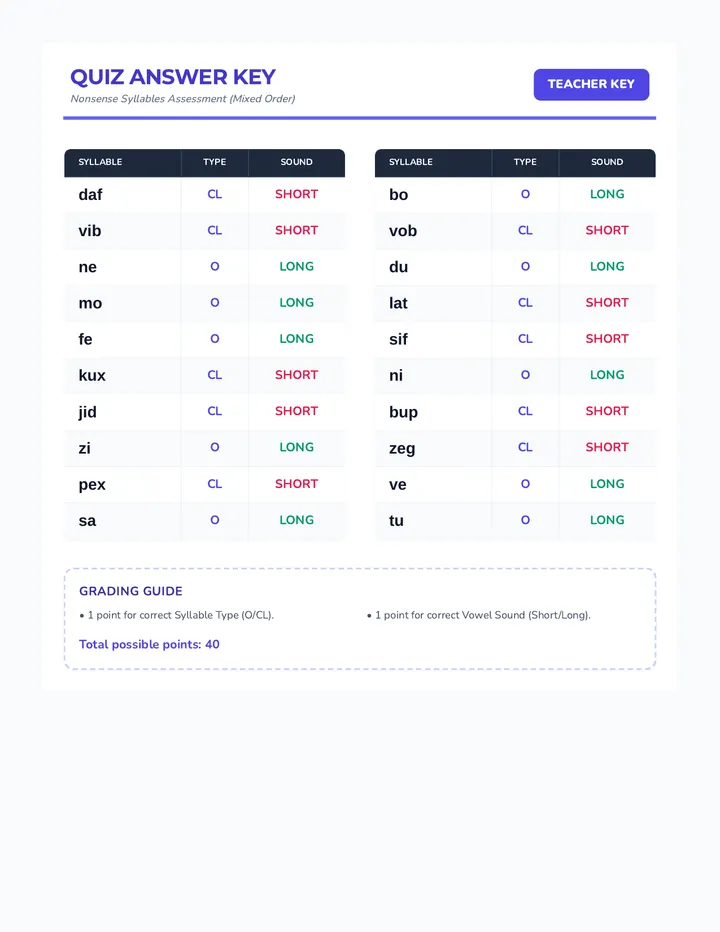
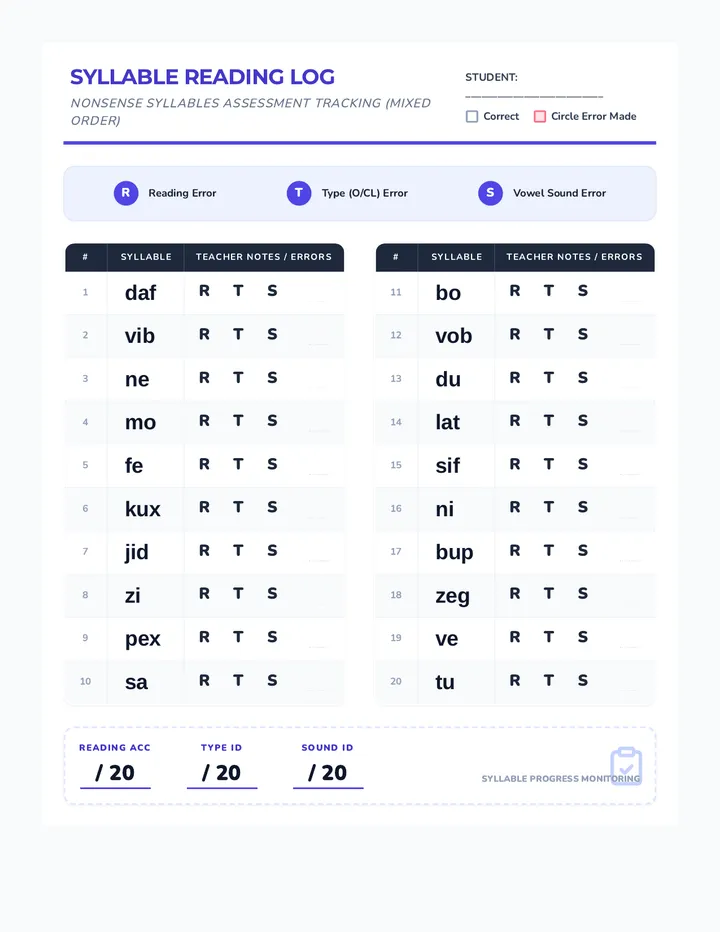
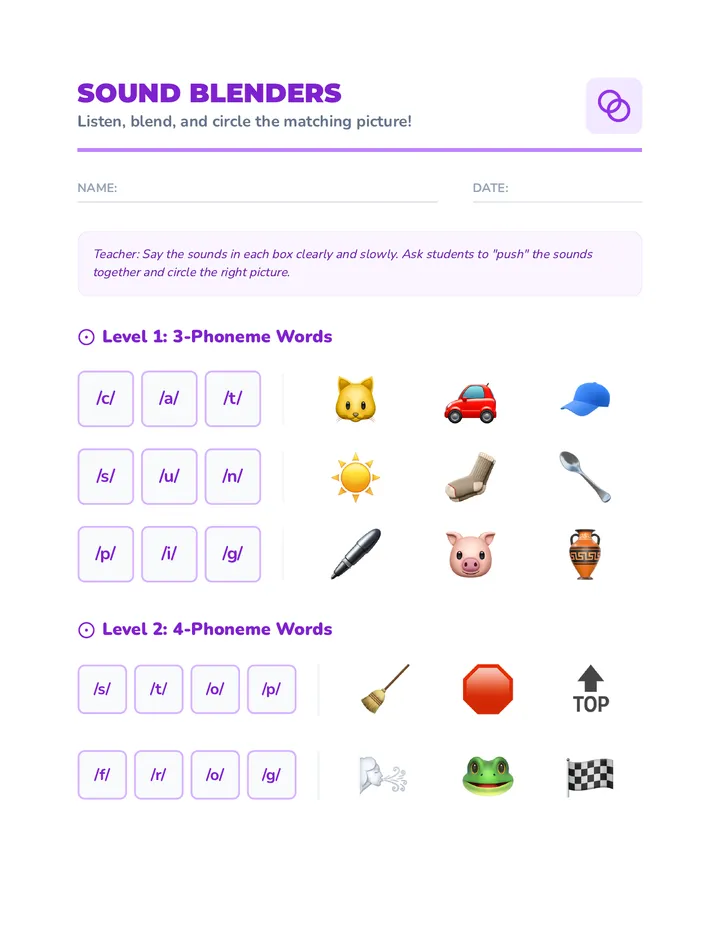
A comprehensive 5-week phonics intervention focused on decoding two-syllable words across five major syllable types. Each week includes a pre-assessment, daily lessons with specific targets, student practice sheets, and a post-assessment.
A comprehensive series of lessons designed for high school special education students to master metacognitive skills. The unit focuses on 'Mind Mechanics'—teaching students how to monitor their own thinking processes and build a personalized 'toolbox' of learning strategies.
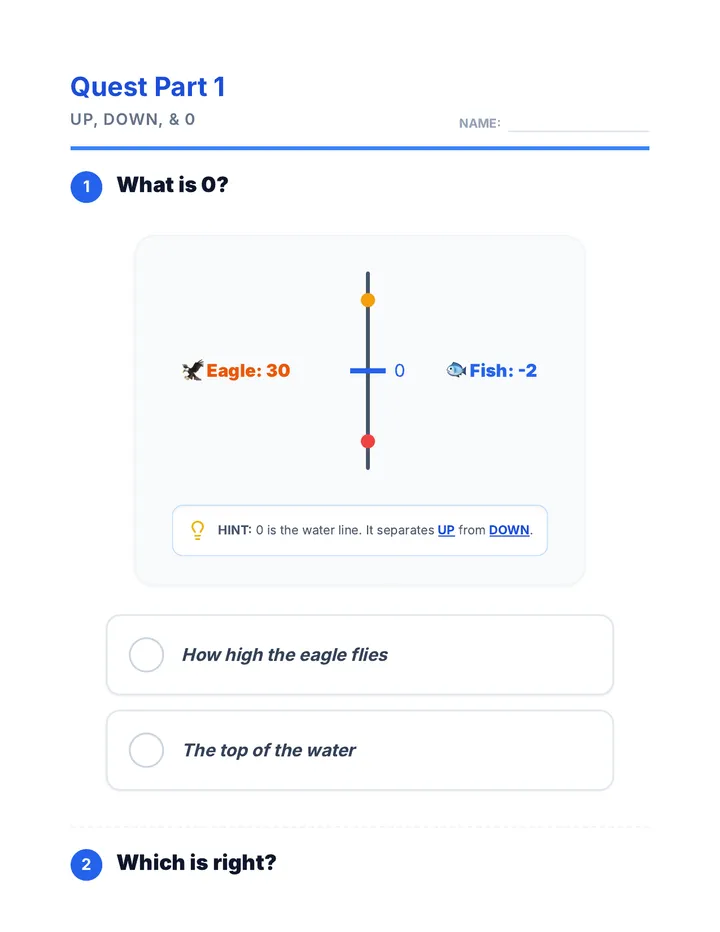
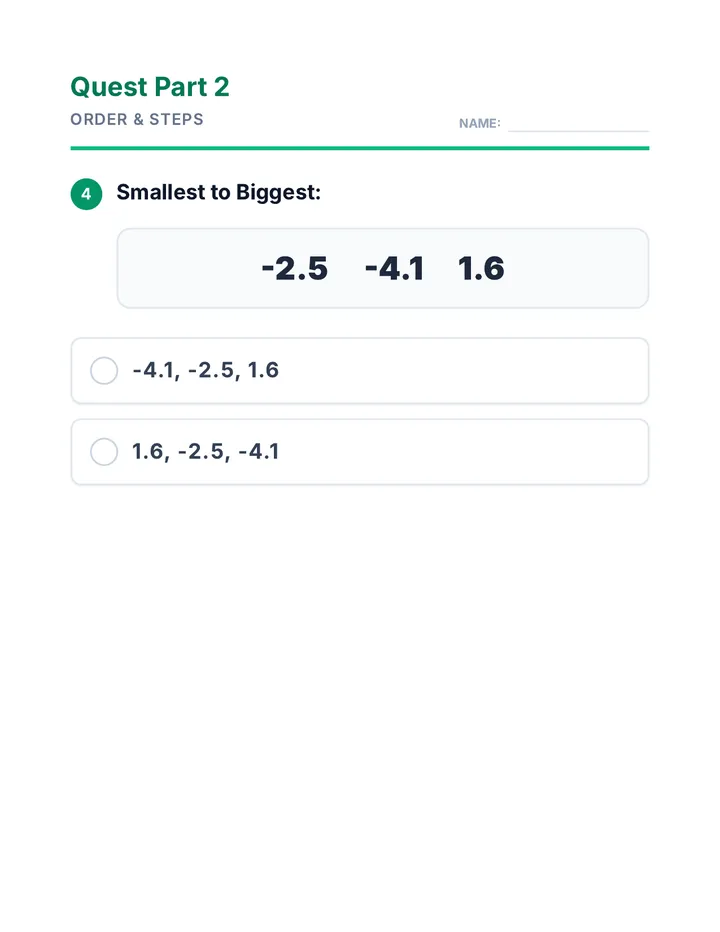
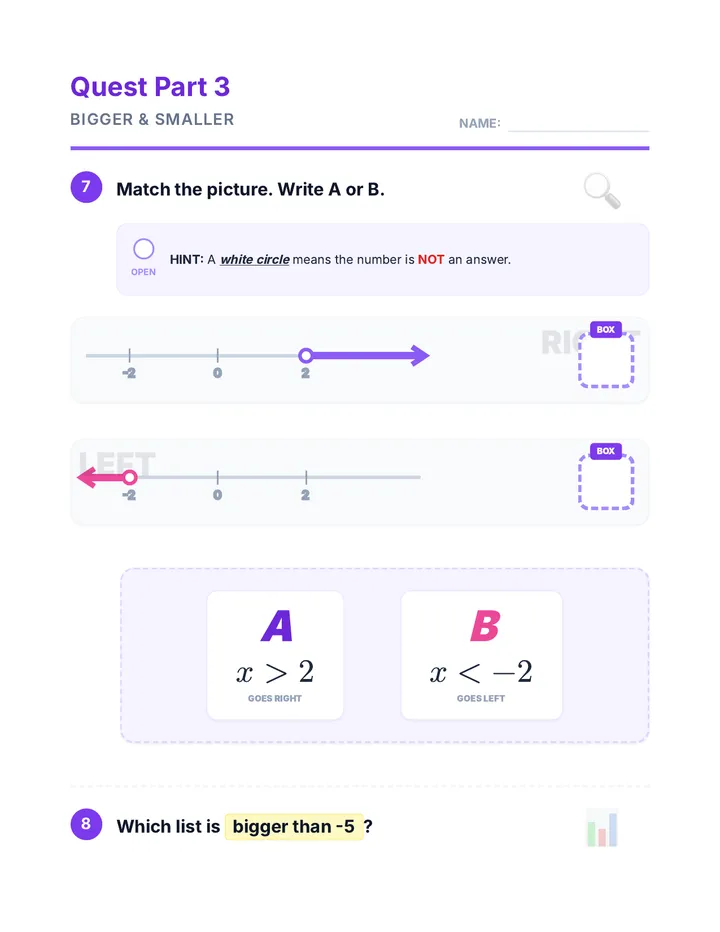
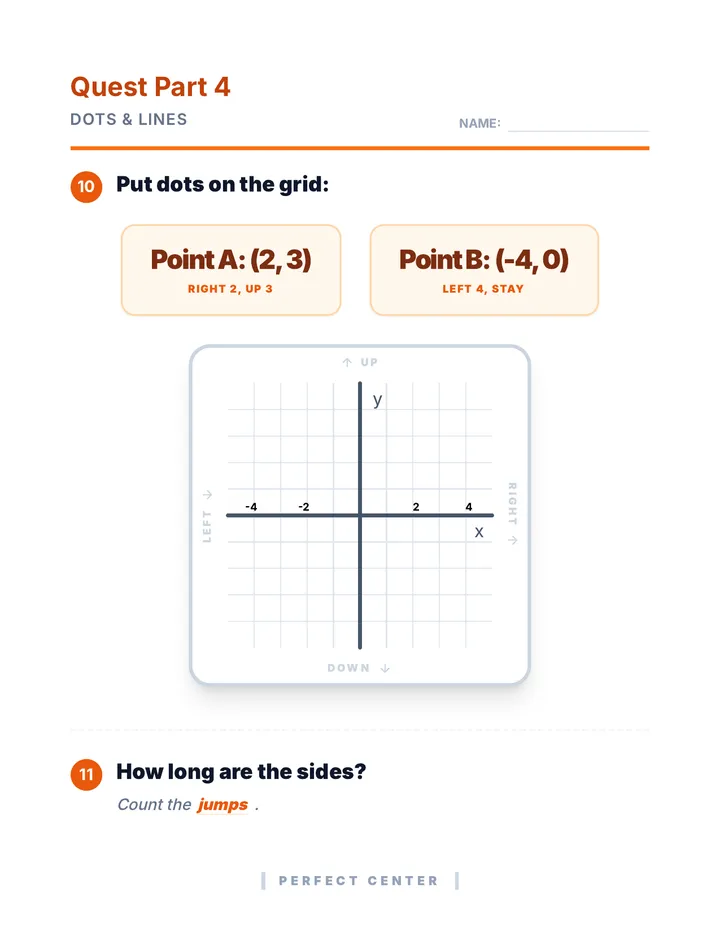
A foundational math sequence for special education students (grades 5-6) focusing on algebraic thinking and spatial reasoning through highly visual, themed units.
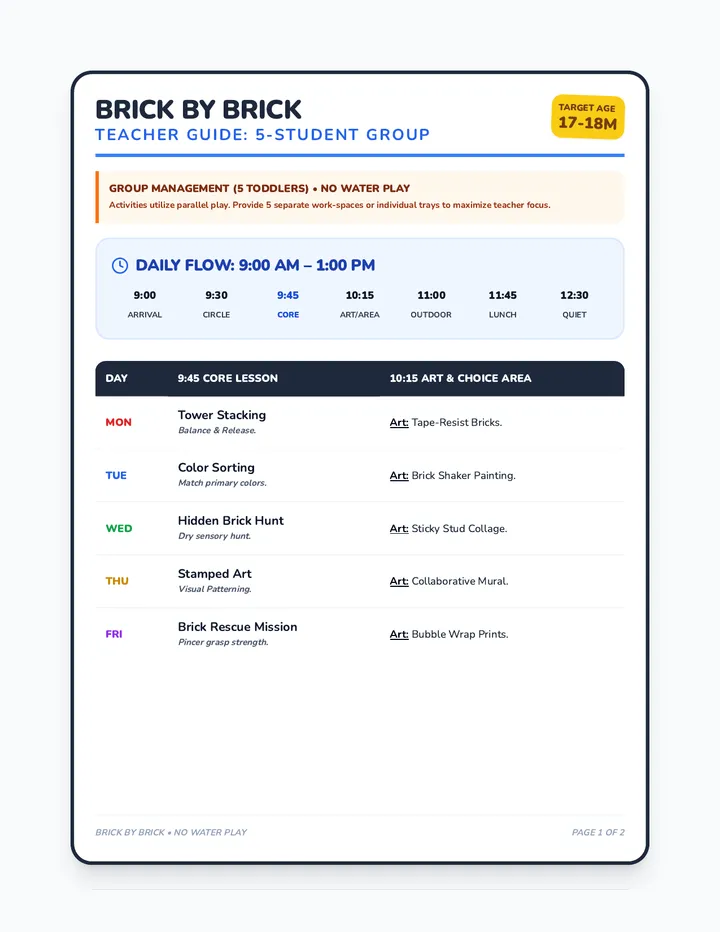
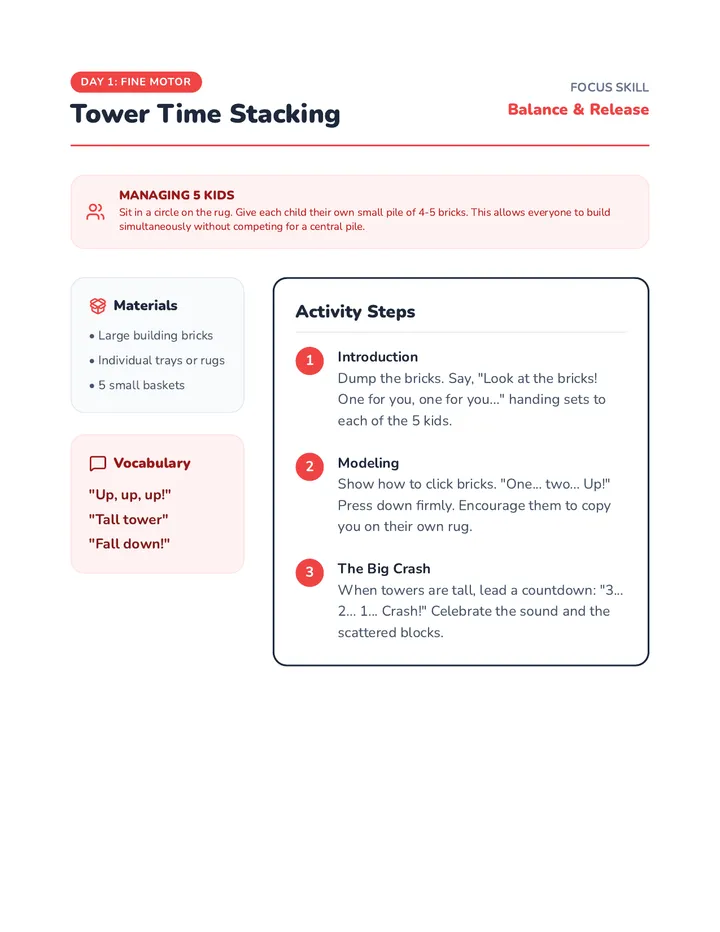
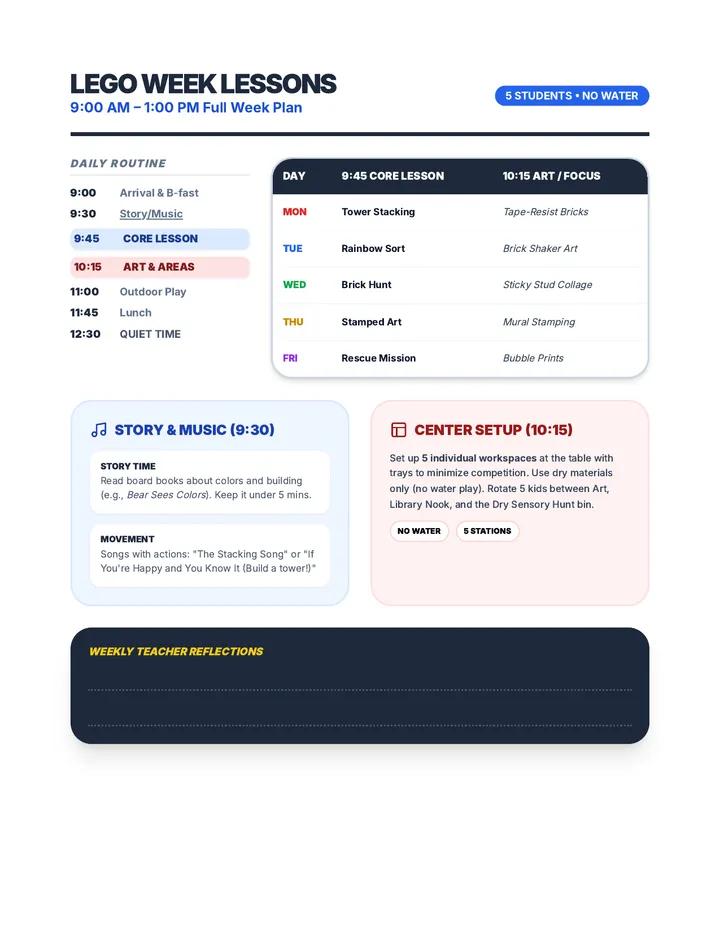
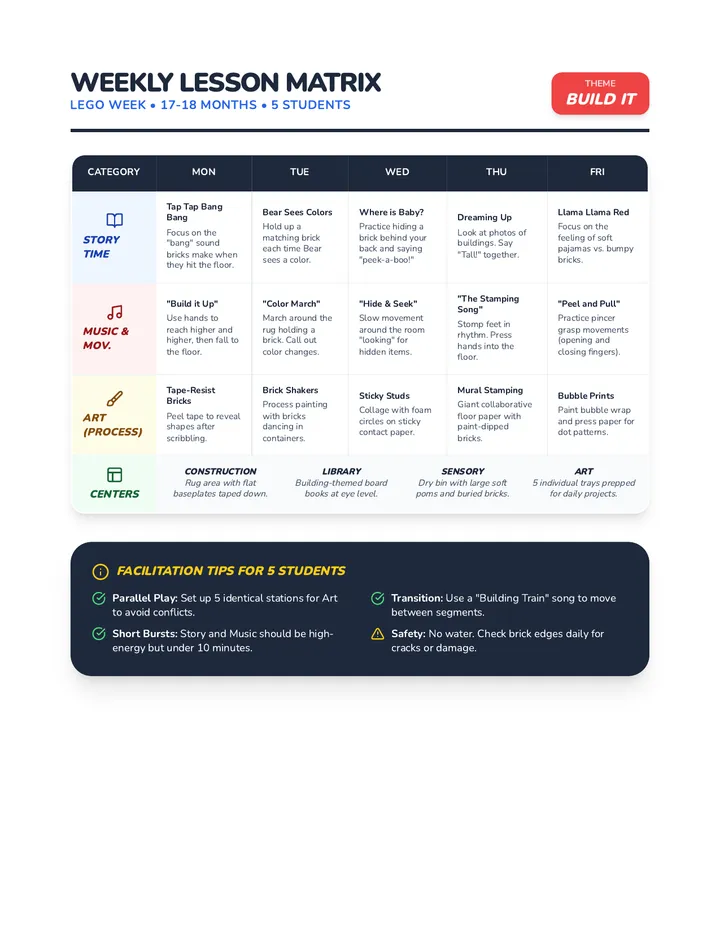
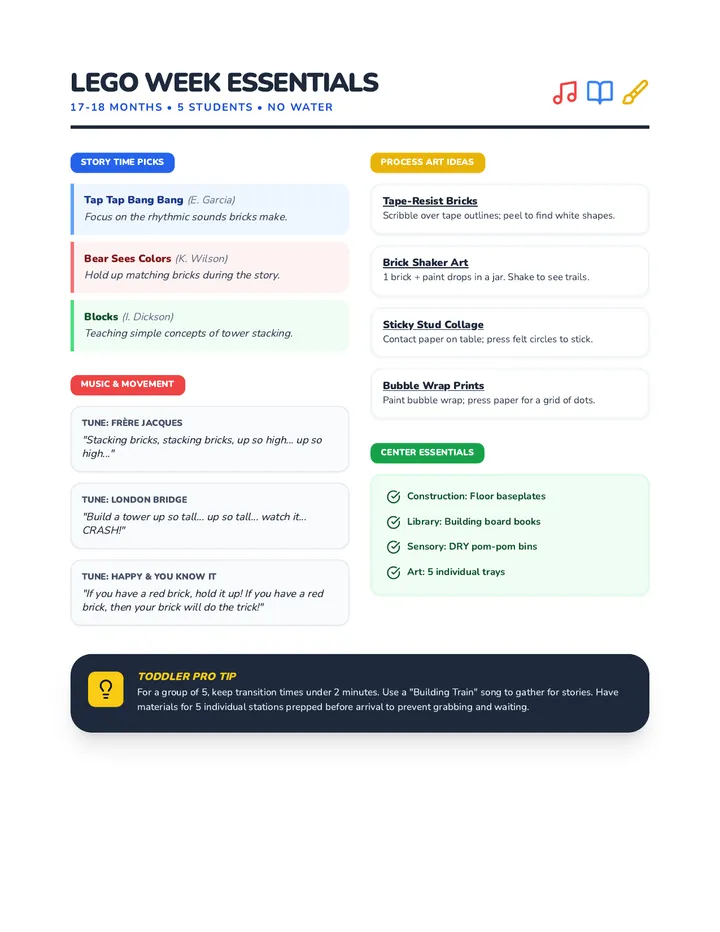
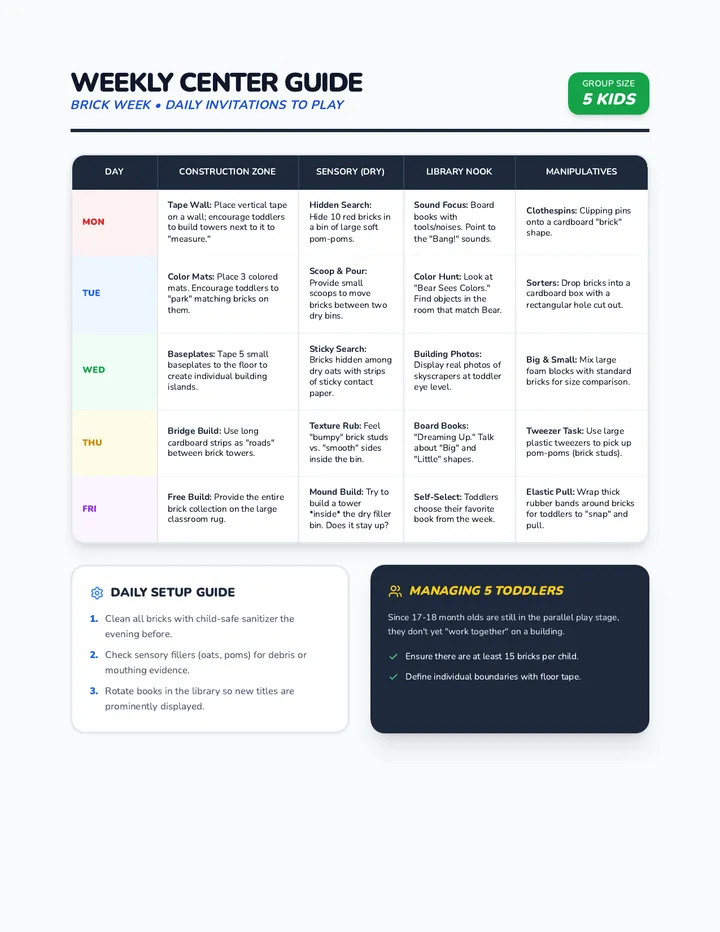
A collection of comprehensive week-long curricula for toddlers aged 17-18 months. Each themed week focuses on developmental play, sensory exploration, and fine motor skills for a group of 5 students with zero water play.
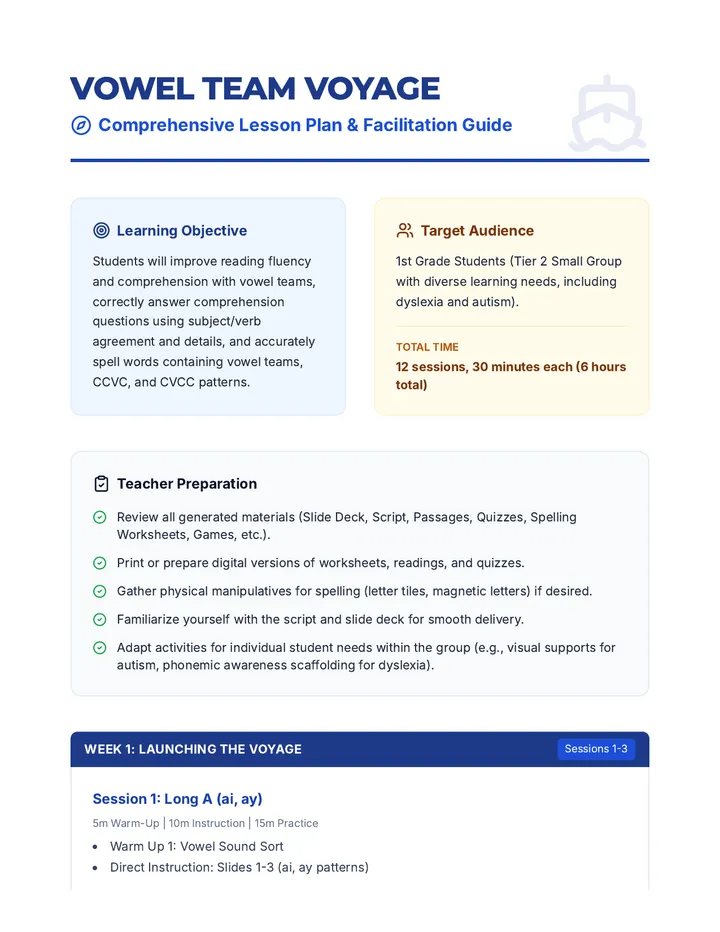
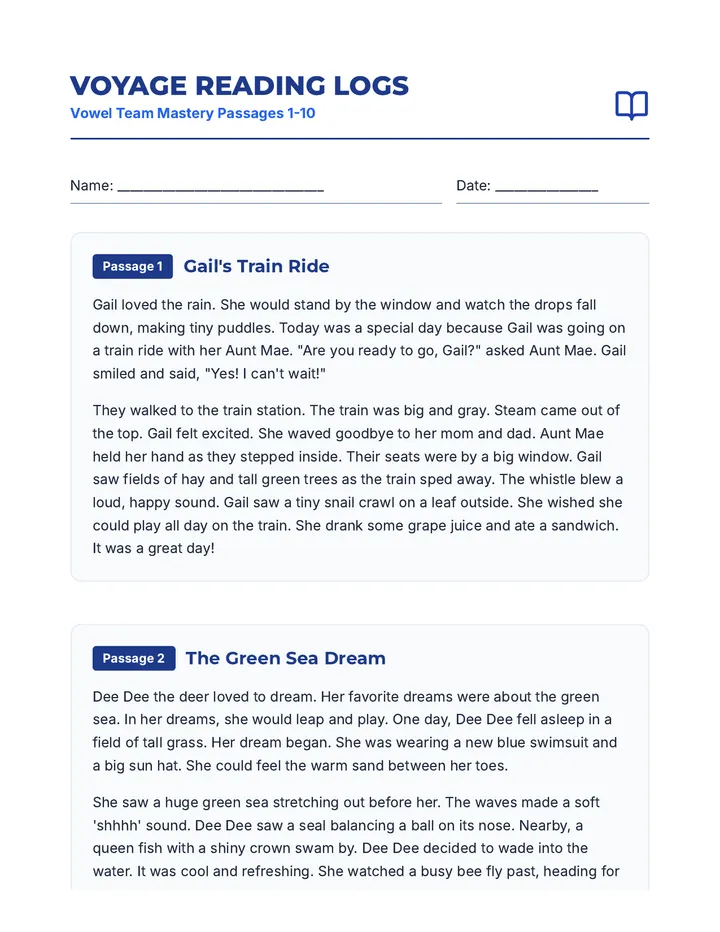
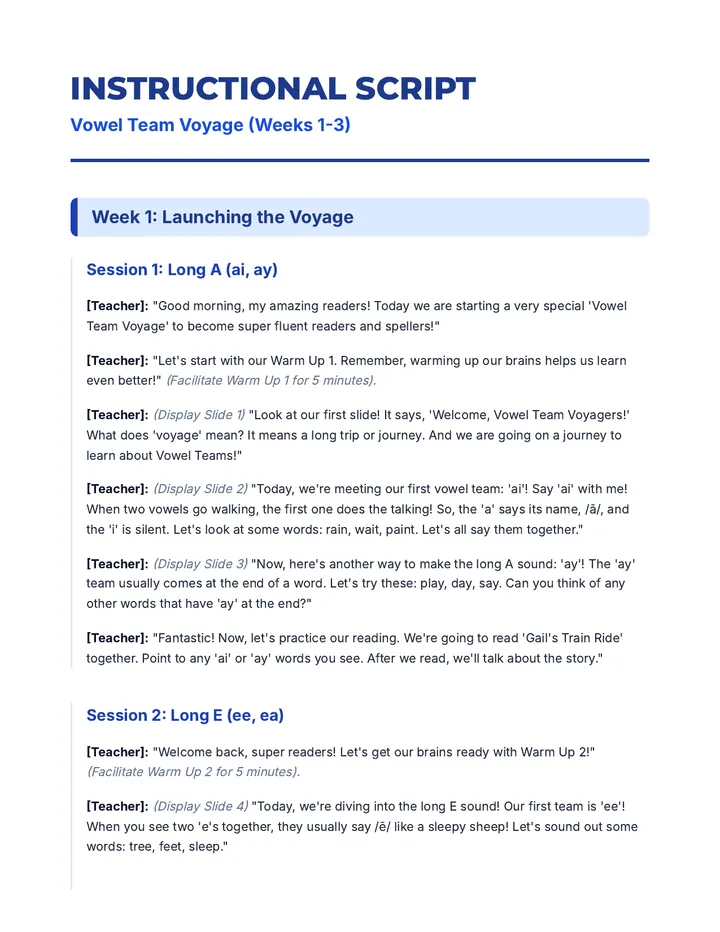
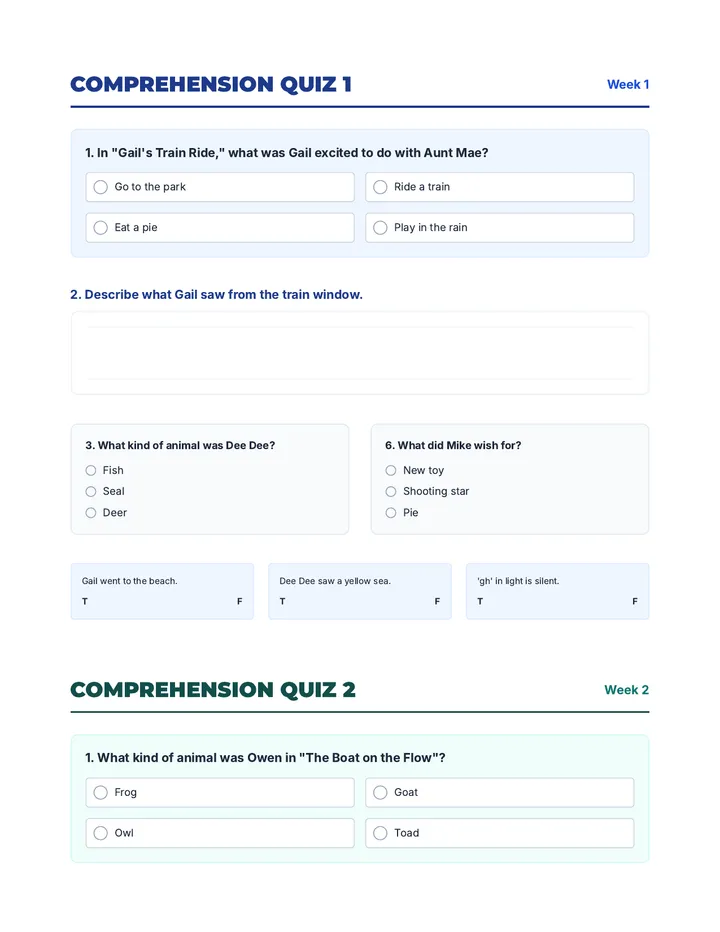
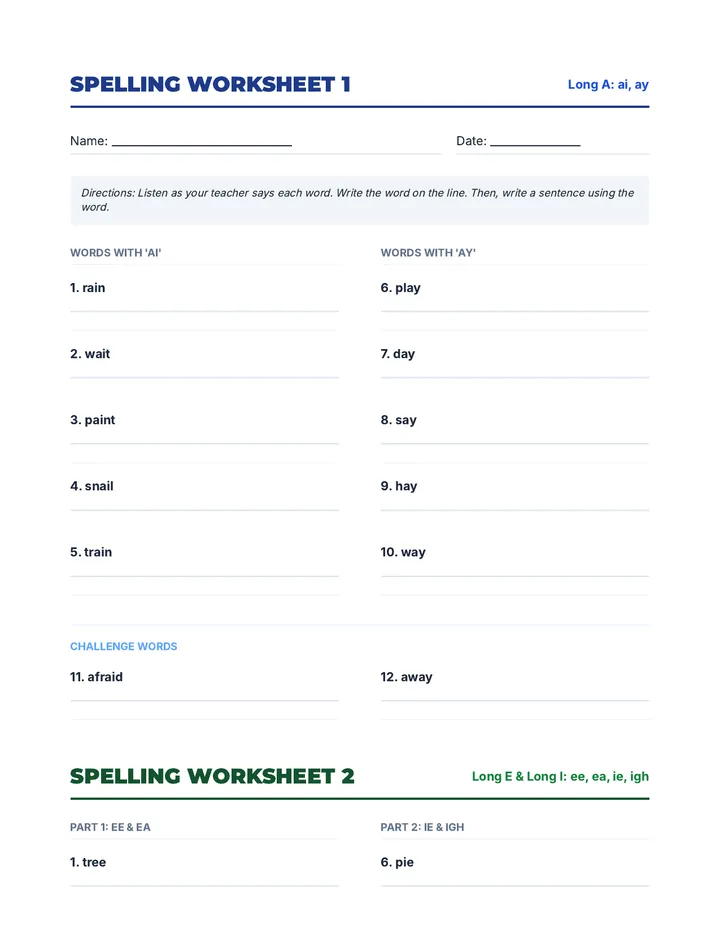
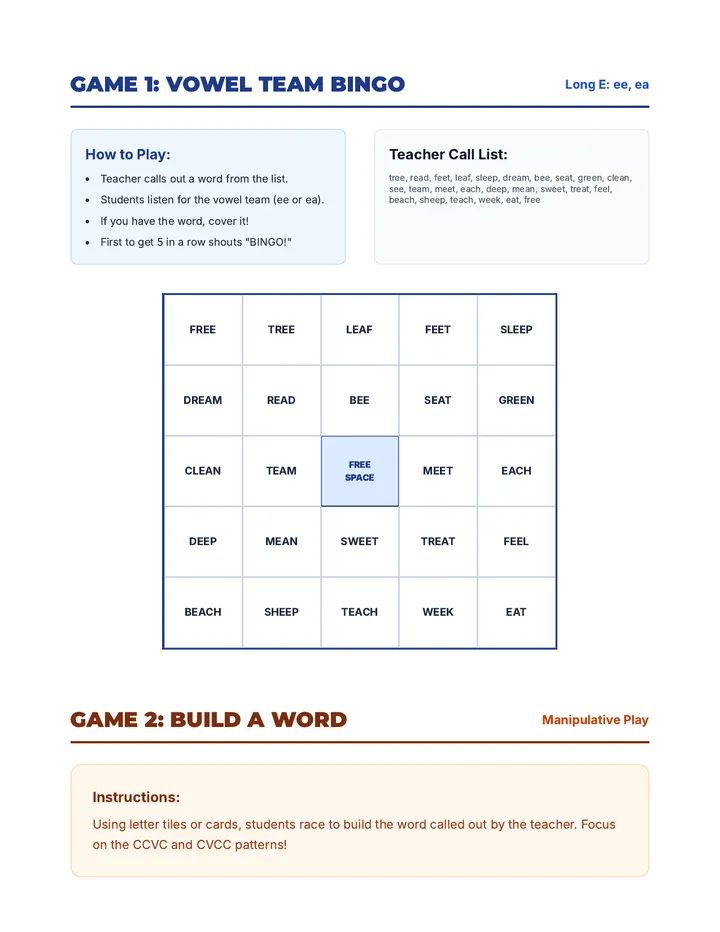
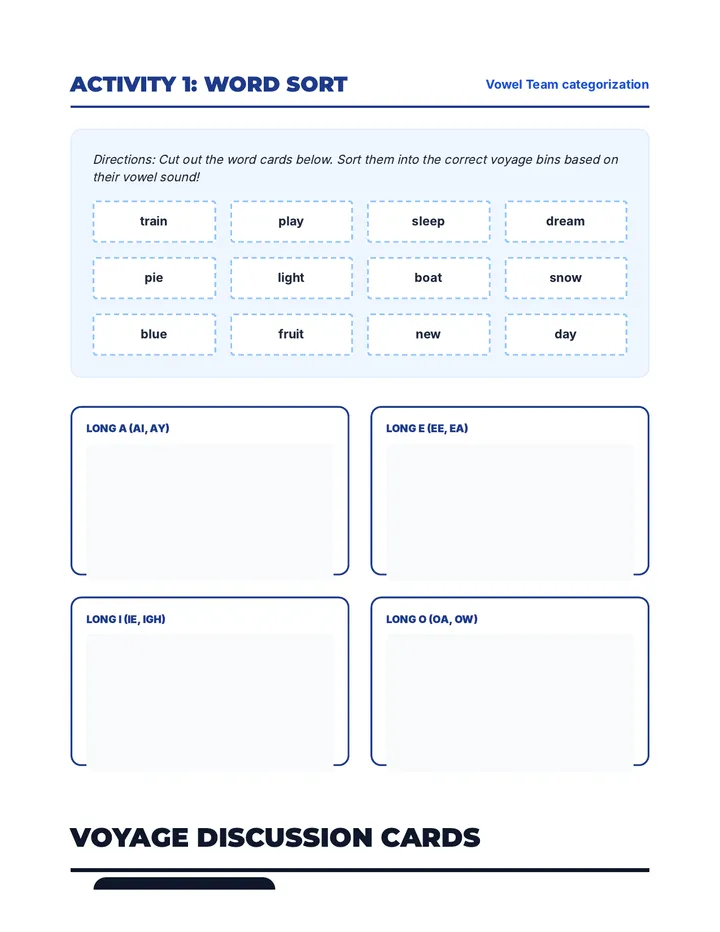
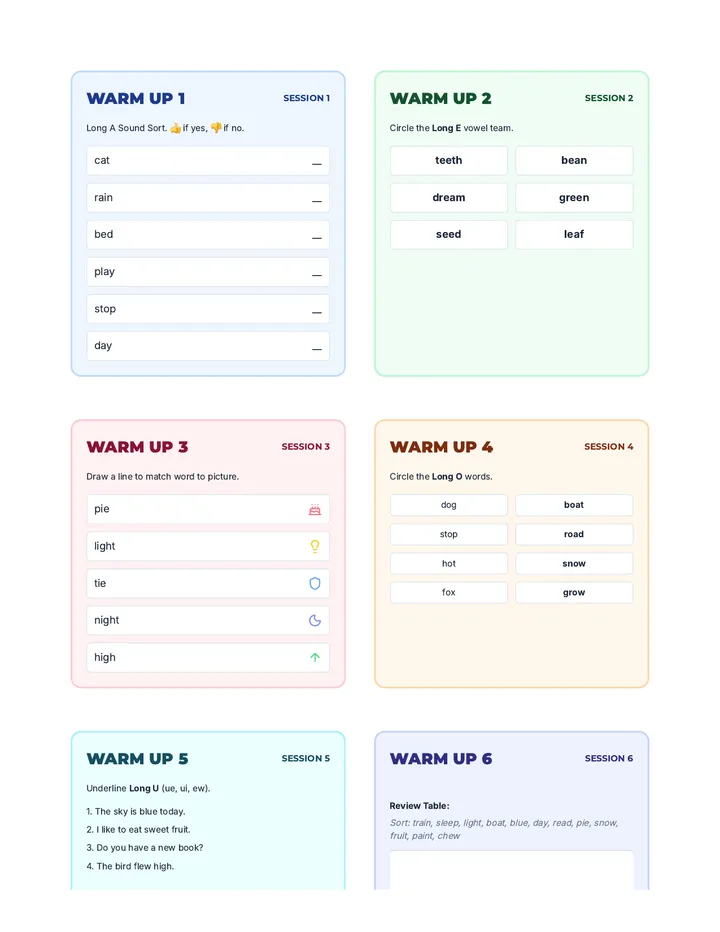
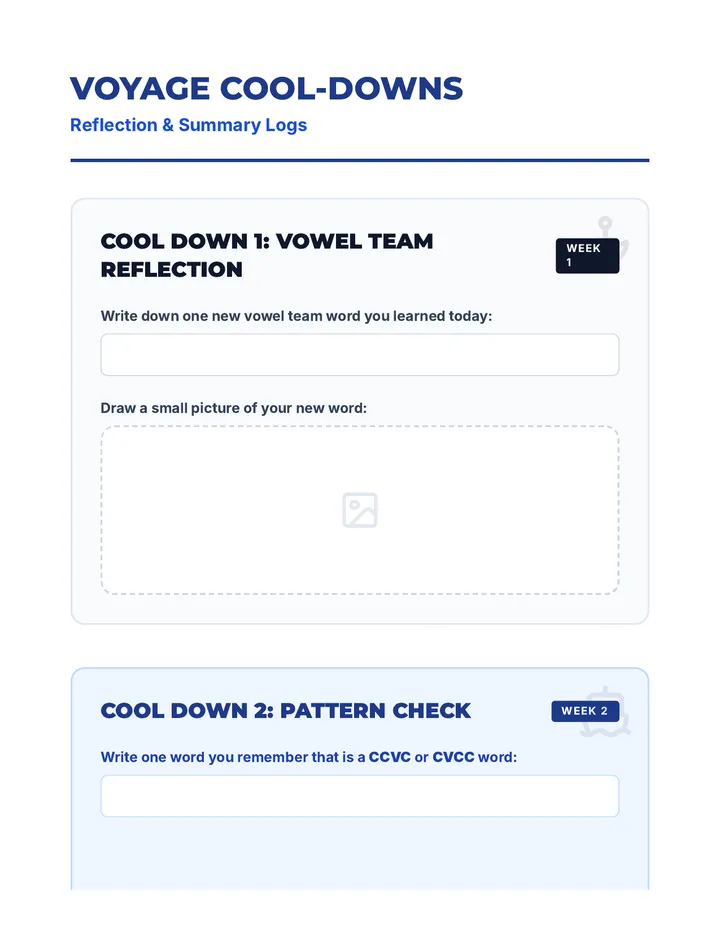
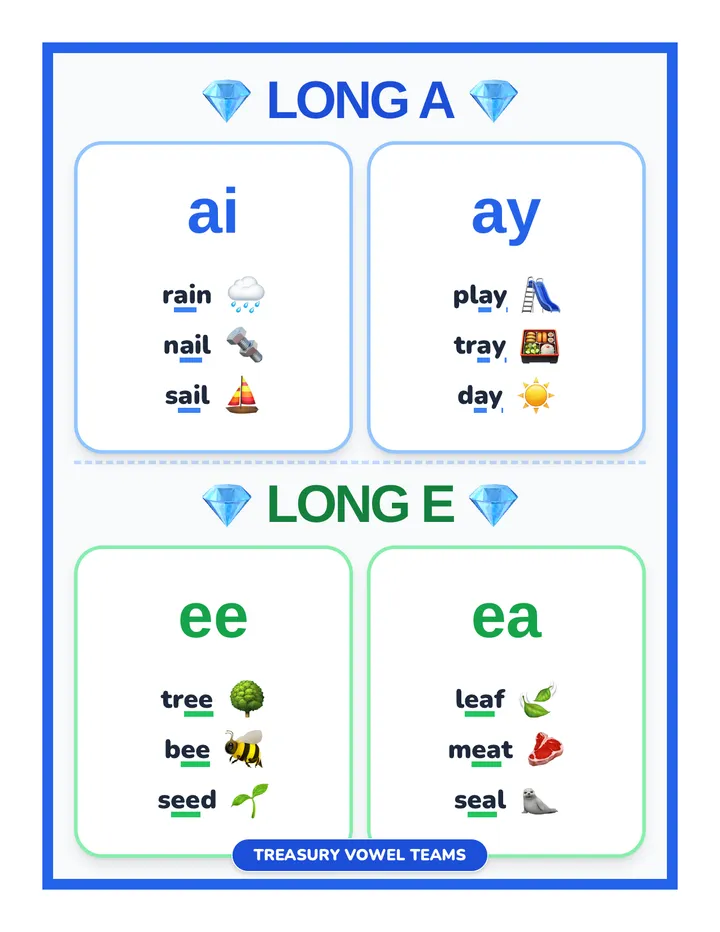
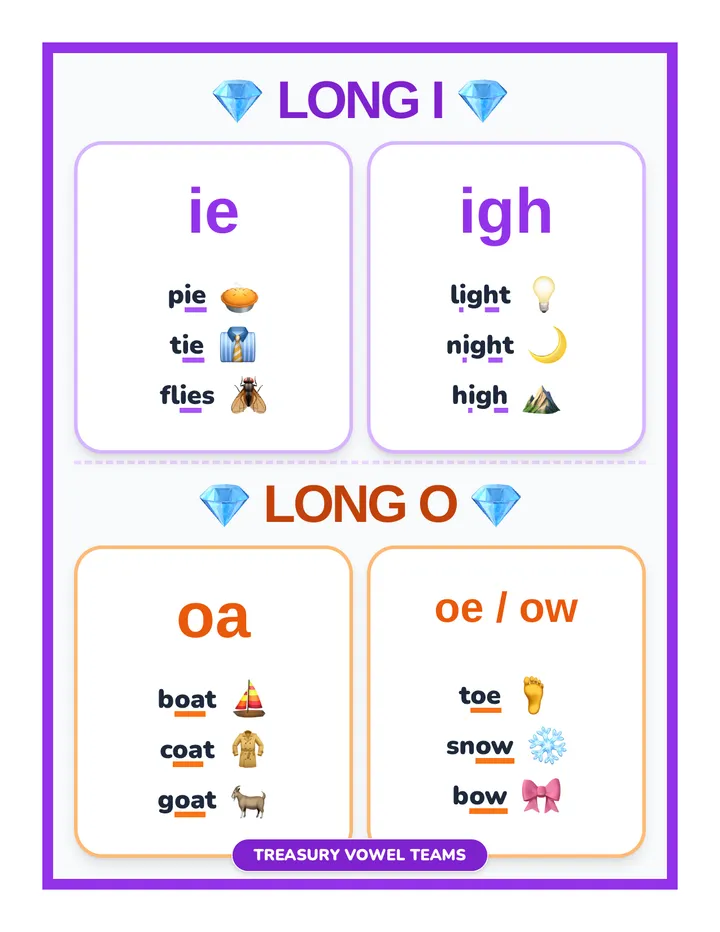
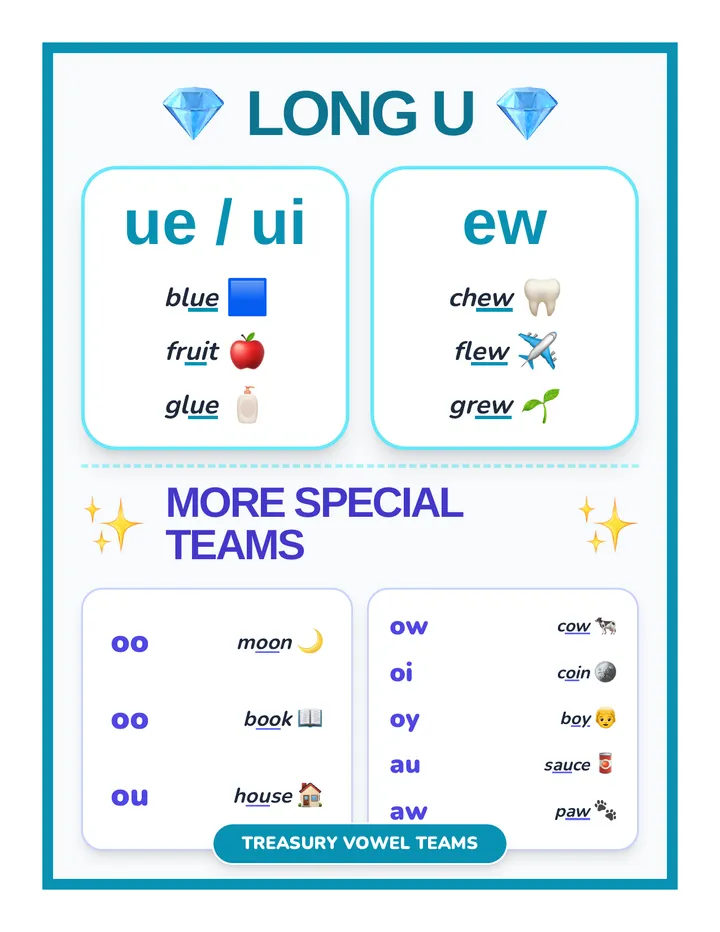
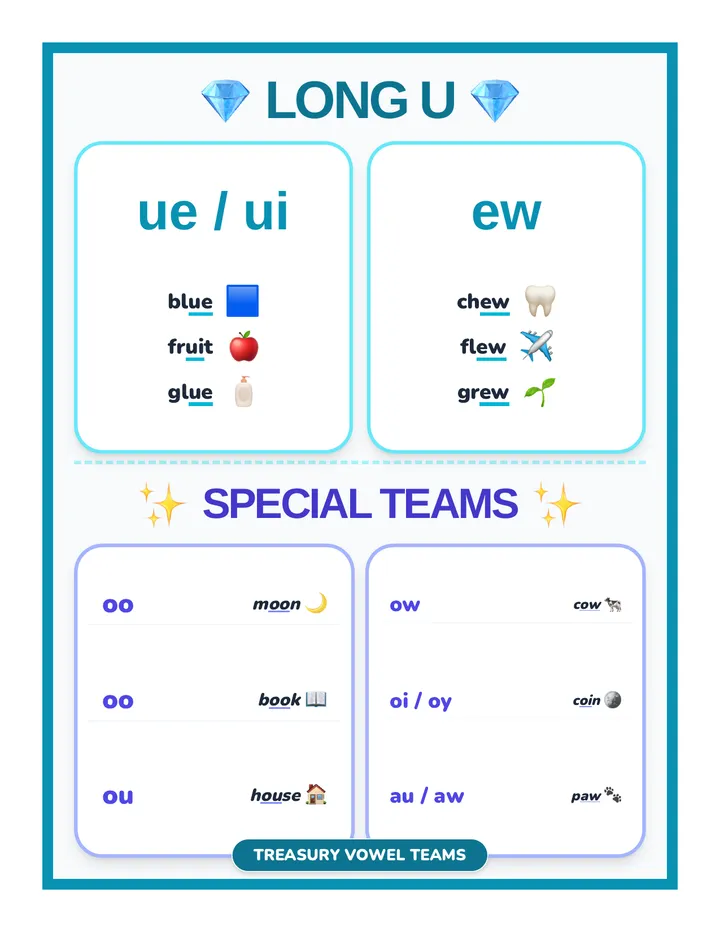
A 3-week Tier 2 intervention program for first-grade students, focusing on vowel teams, CCVC/CVCC patterns, and reading comprehension through a nautical-themed voyage.
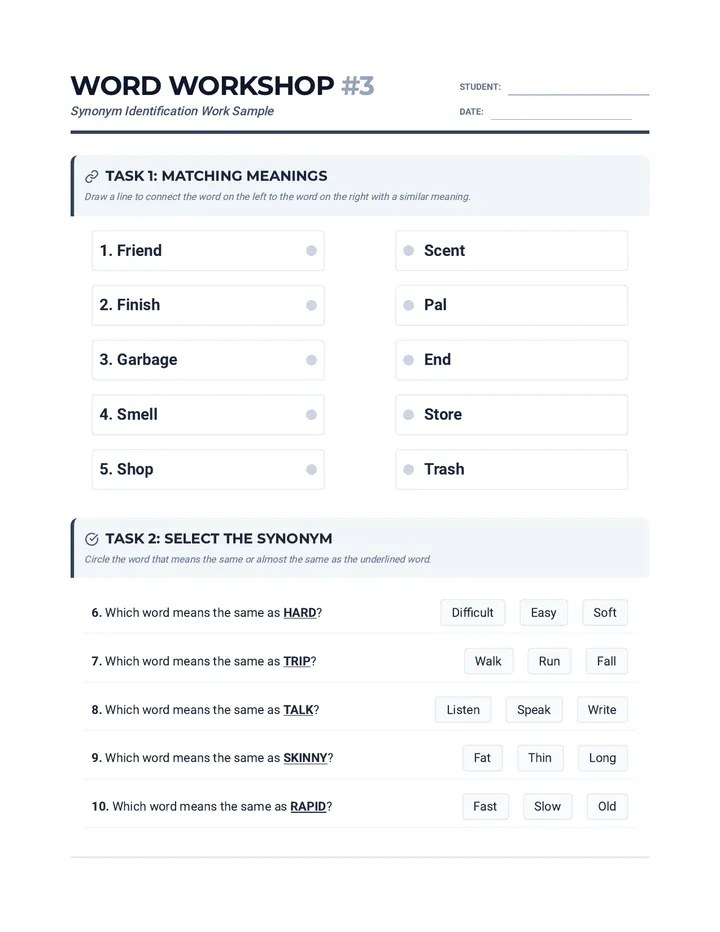
A comprehensive set of 10 evidence-ready work samples for the MCAS-Alt synonym identification strand, featuring consistent formatting for accuracy and independence tracking.
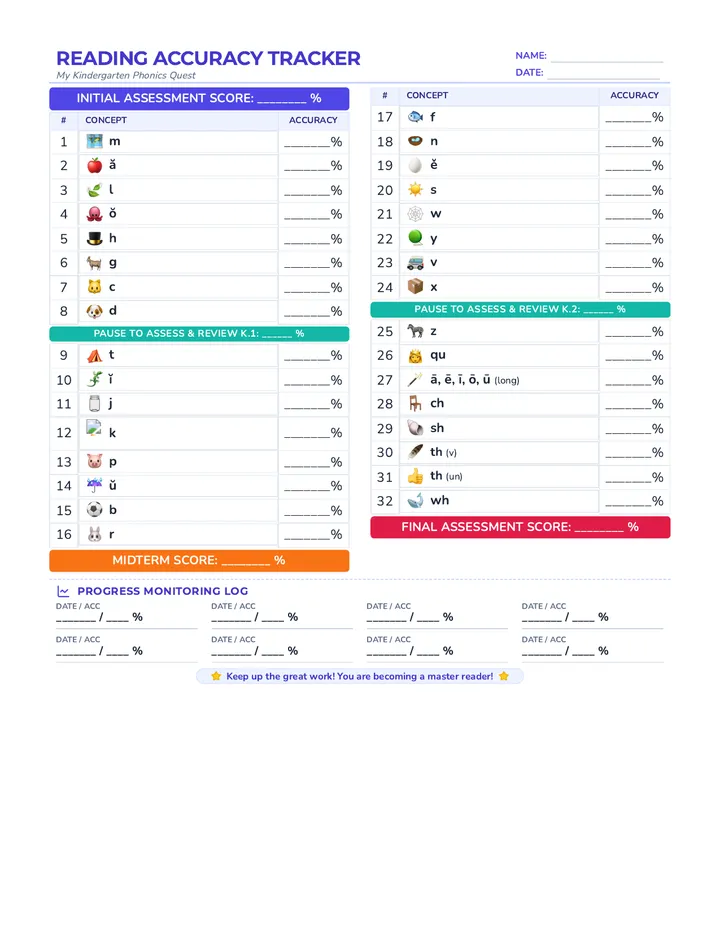
A foundational skills unit covering literacy progress tracking and early numeracy strategies for decomposition and missing addends.
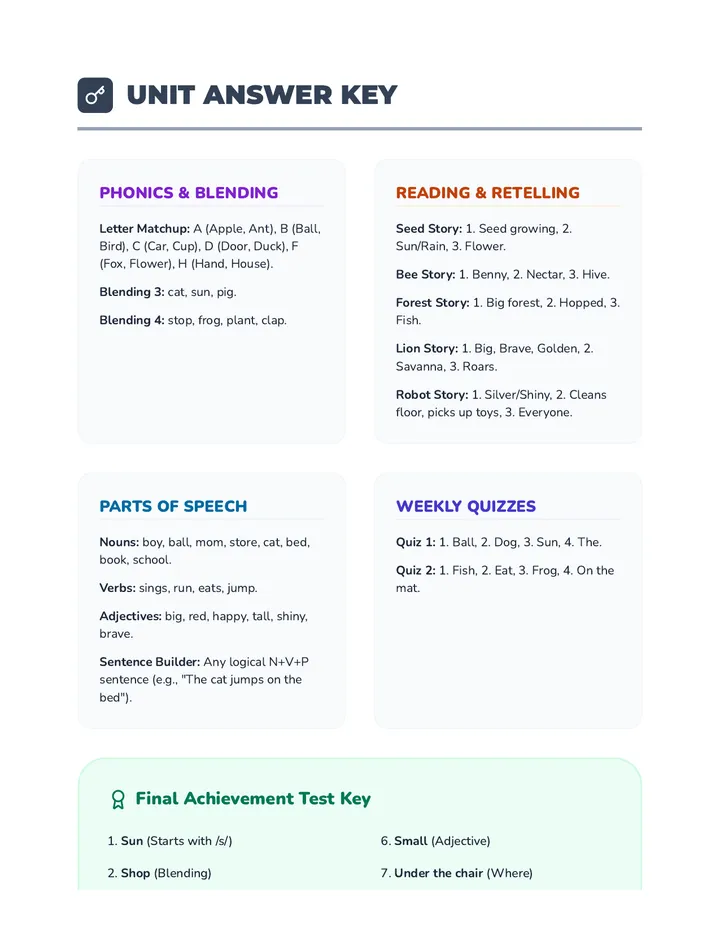
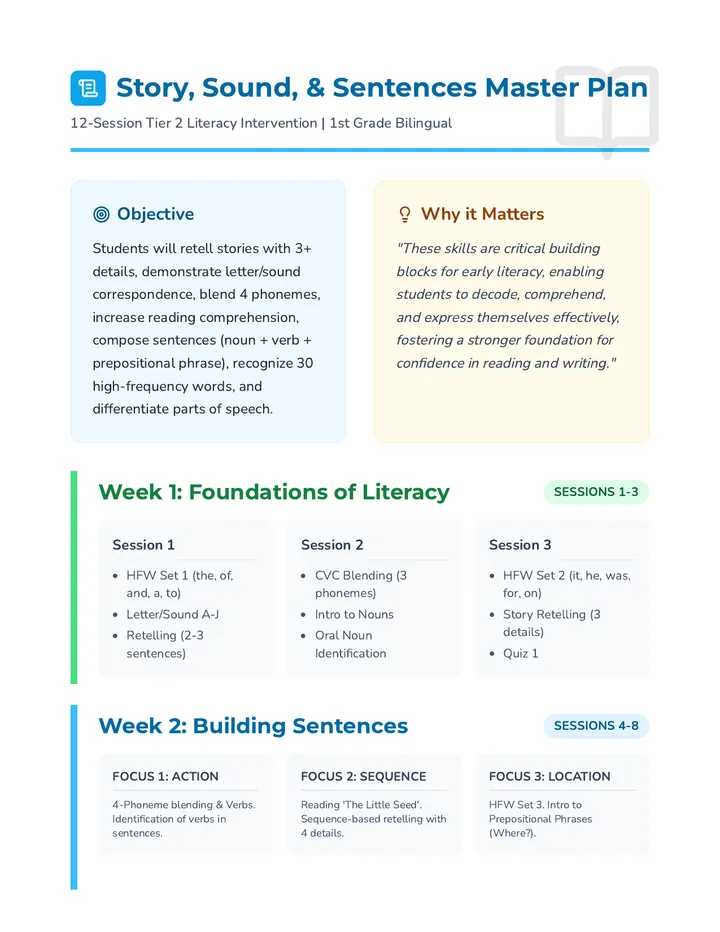
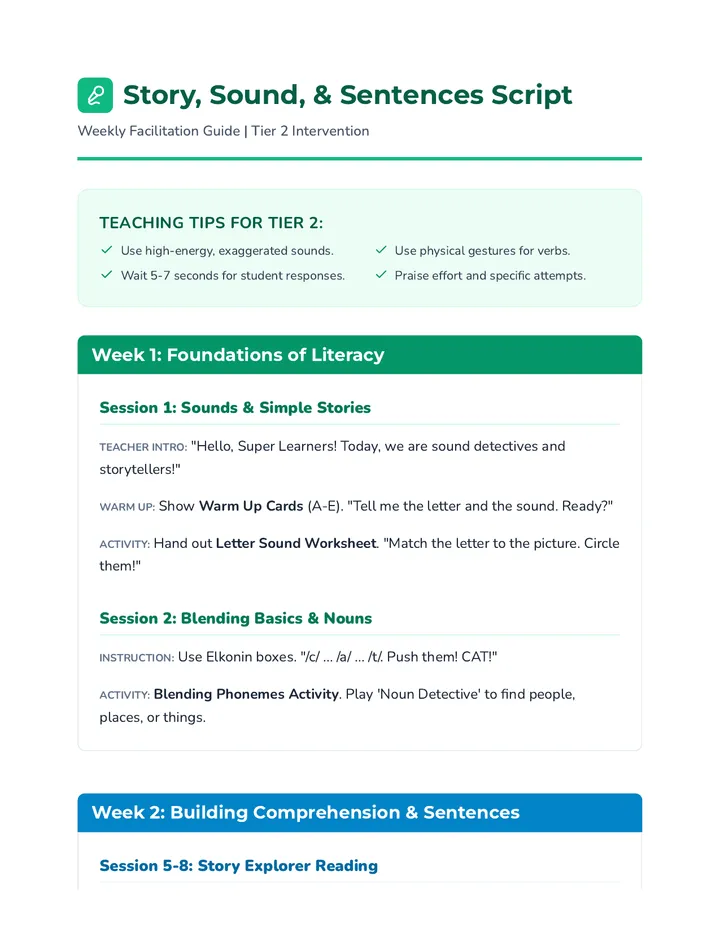
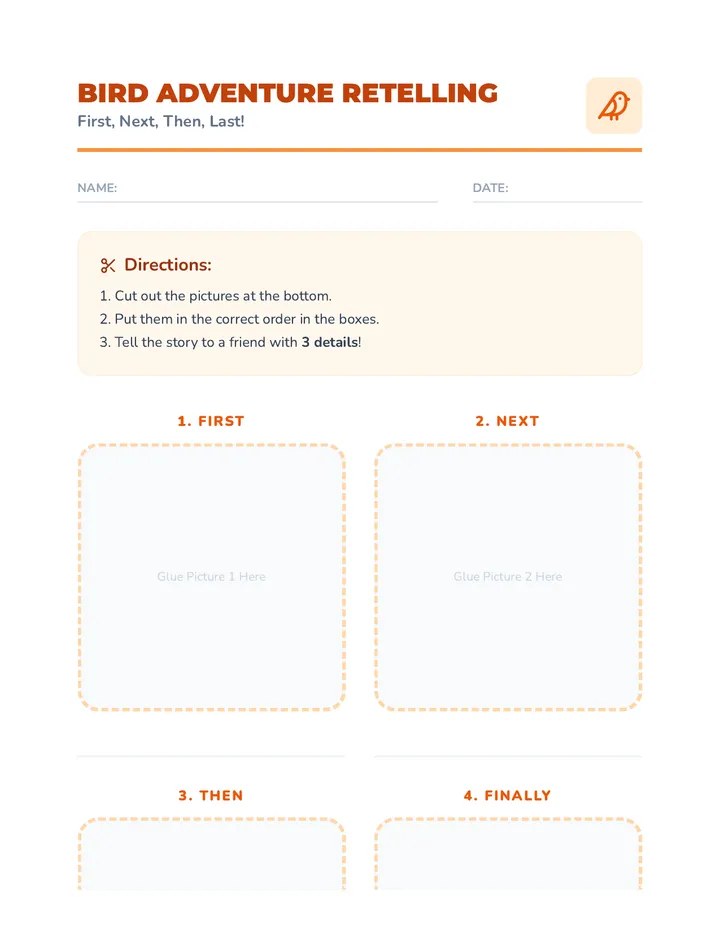
A 12-session, 3-week literacy program for 1st-grade bilingual students with intellectual disabilities, focusing on phonics, retelling, comprehension, and sentence structure.
A multi-lesson unit for 4th-grade students with limited literacy, focusing on mastering and applying foundational academic vocabulary words like fact, information, alike, difference, and topic.
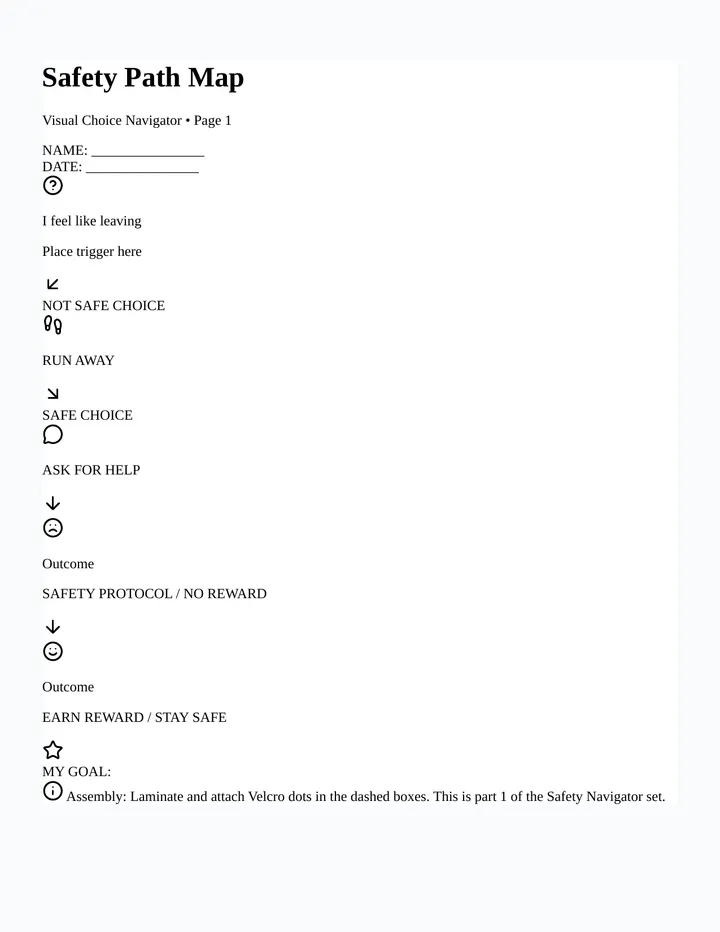
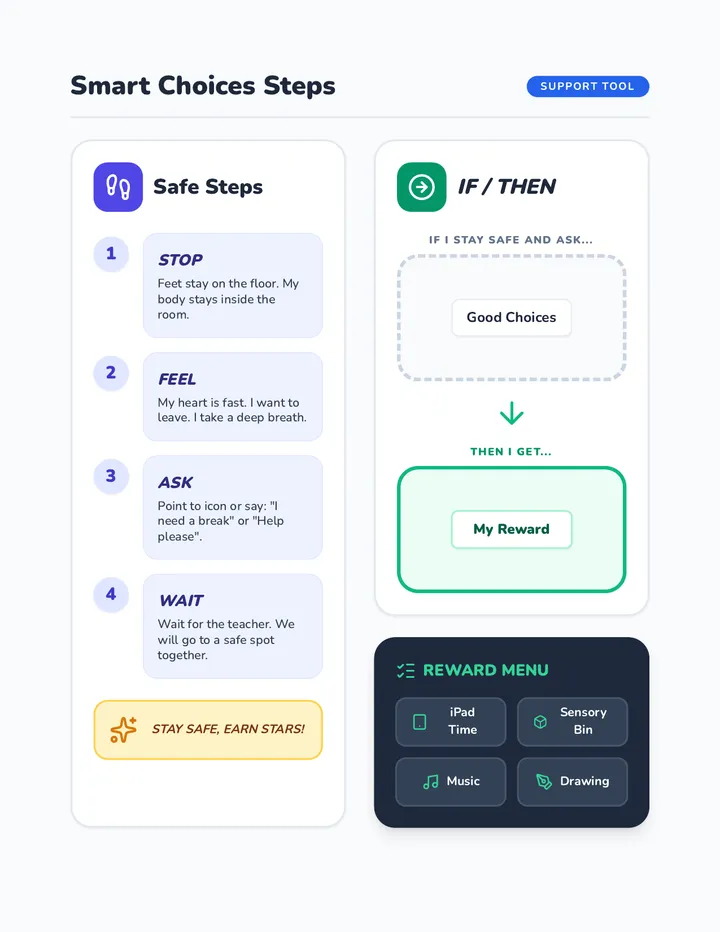
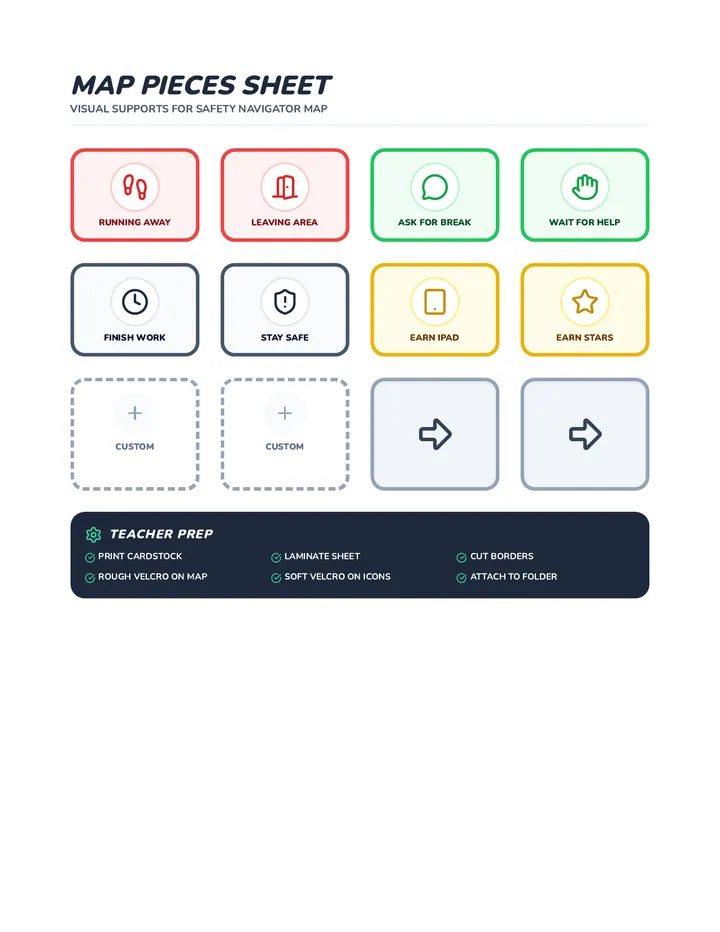
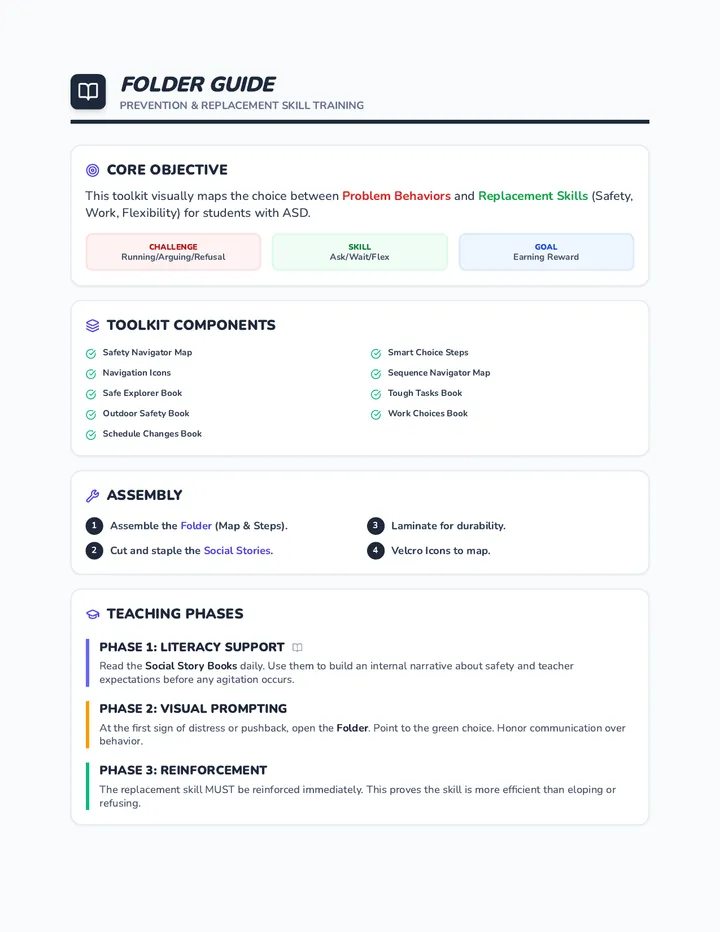
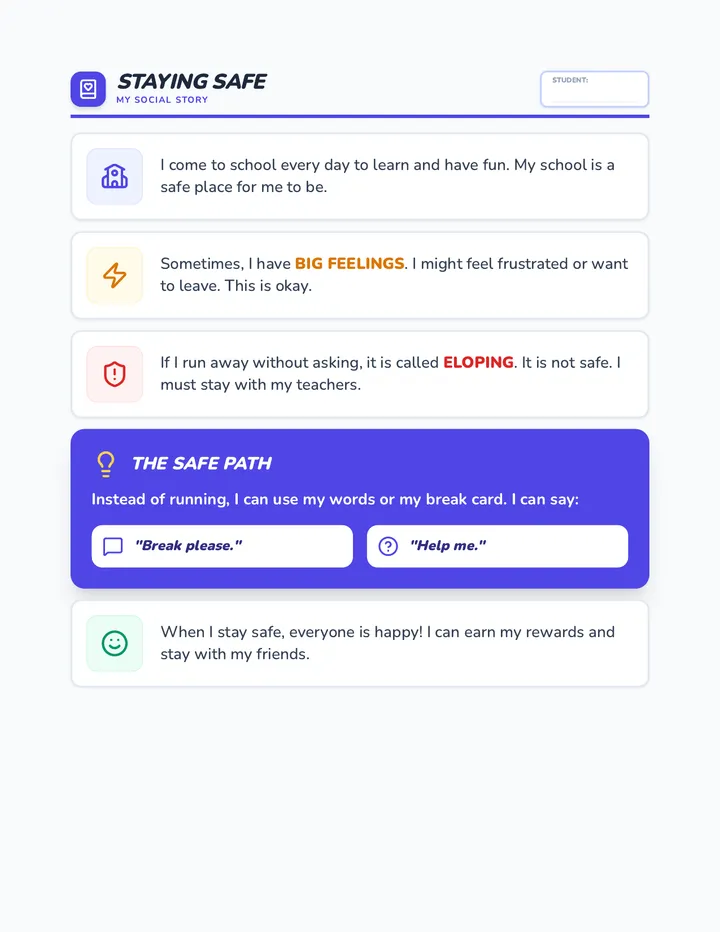
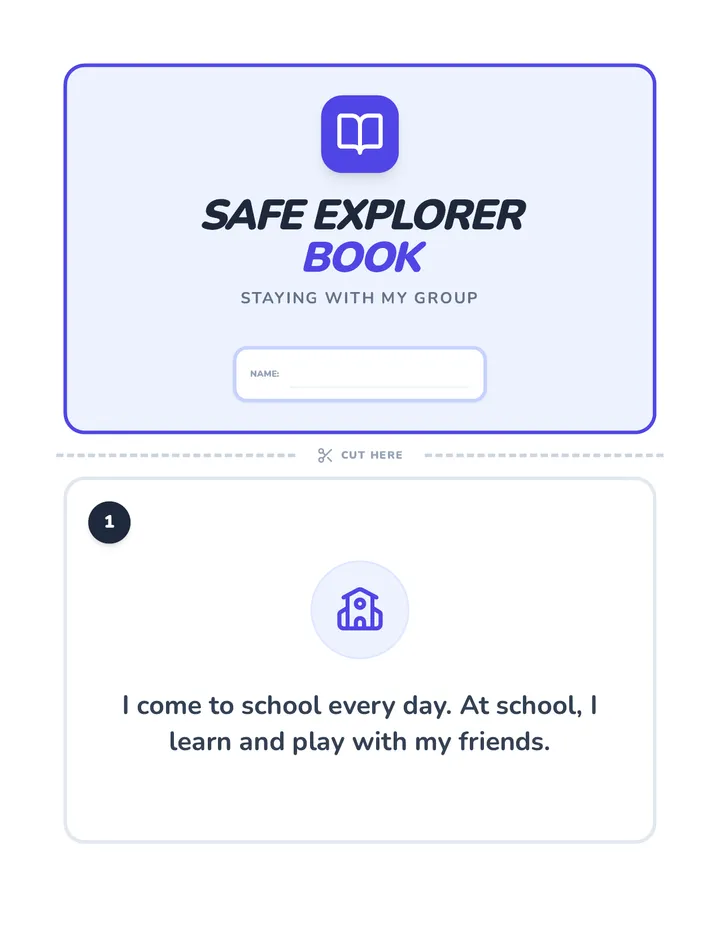
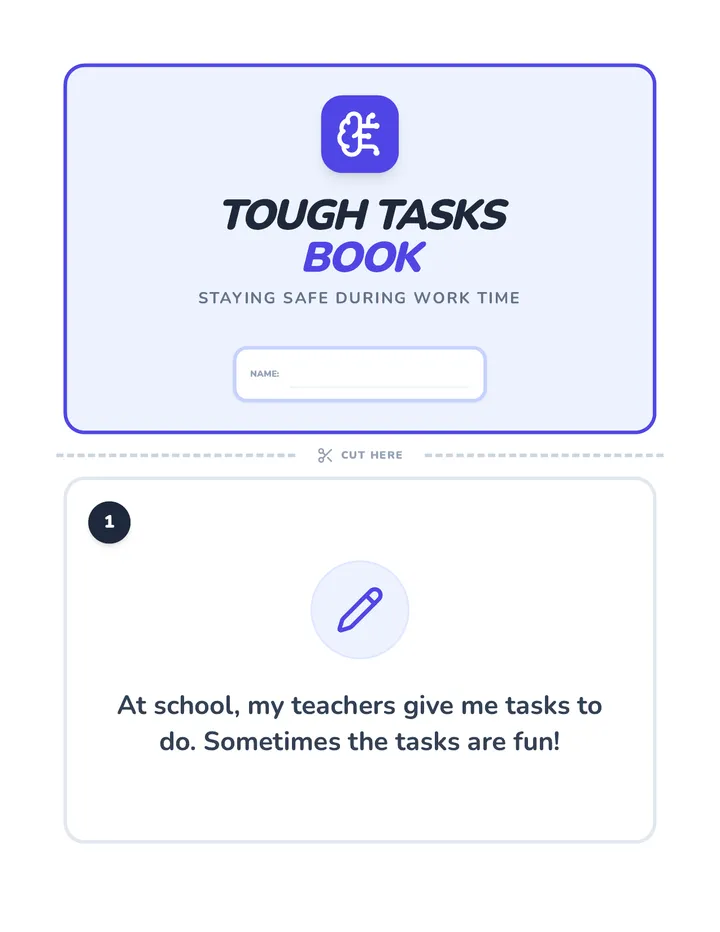
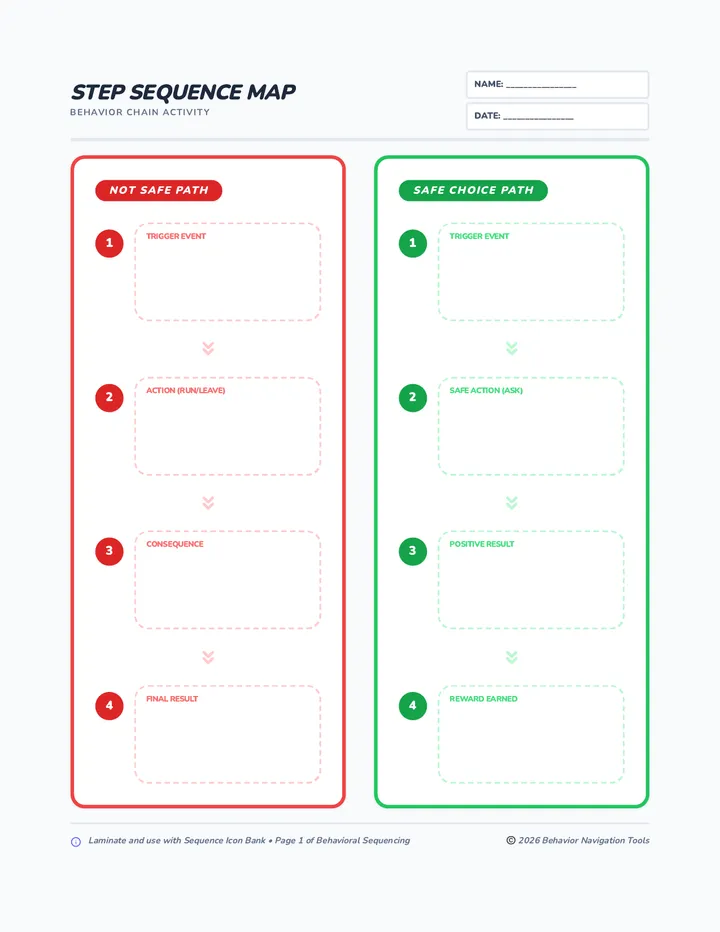
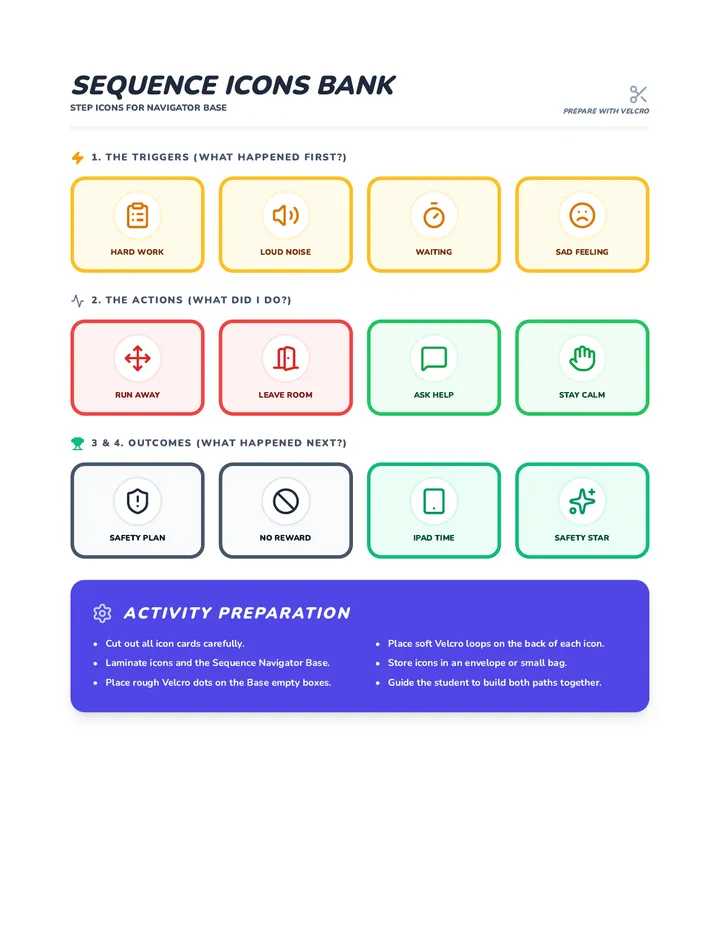
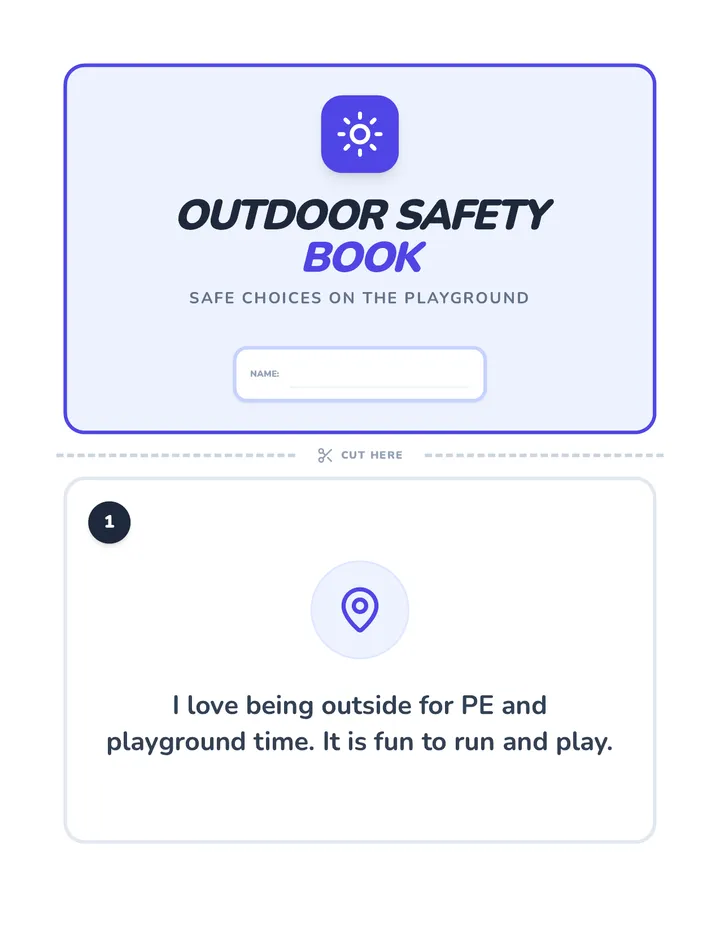
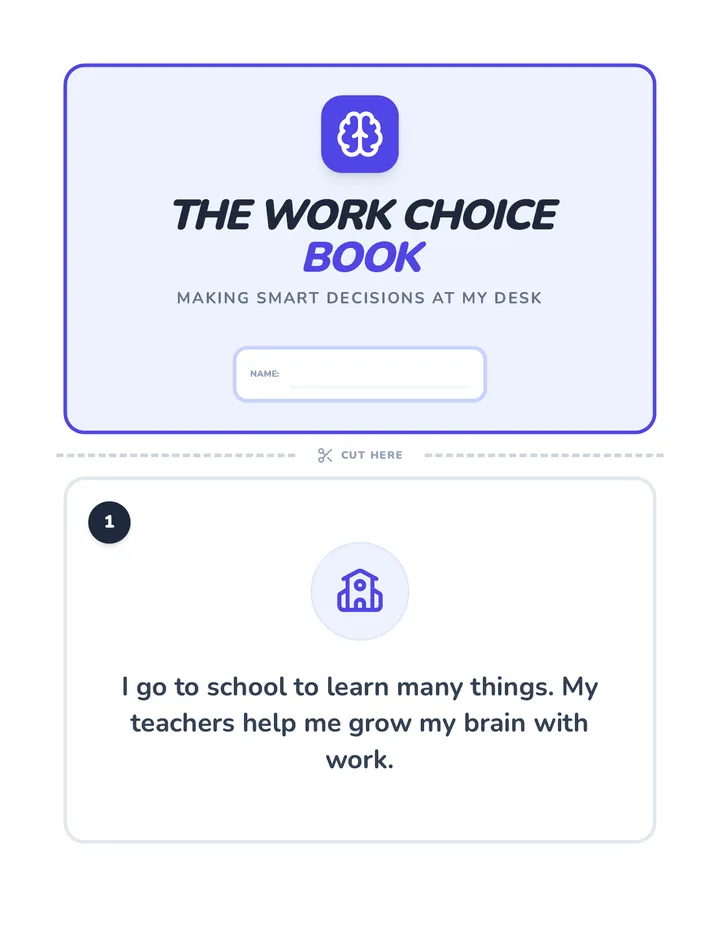
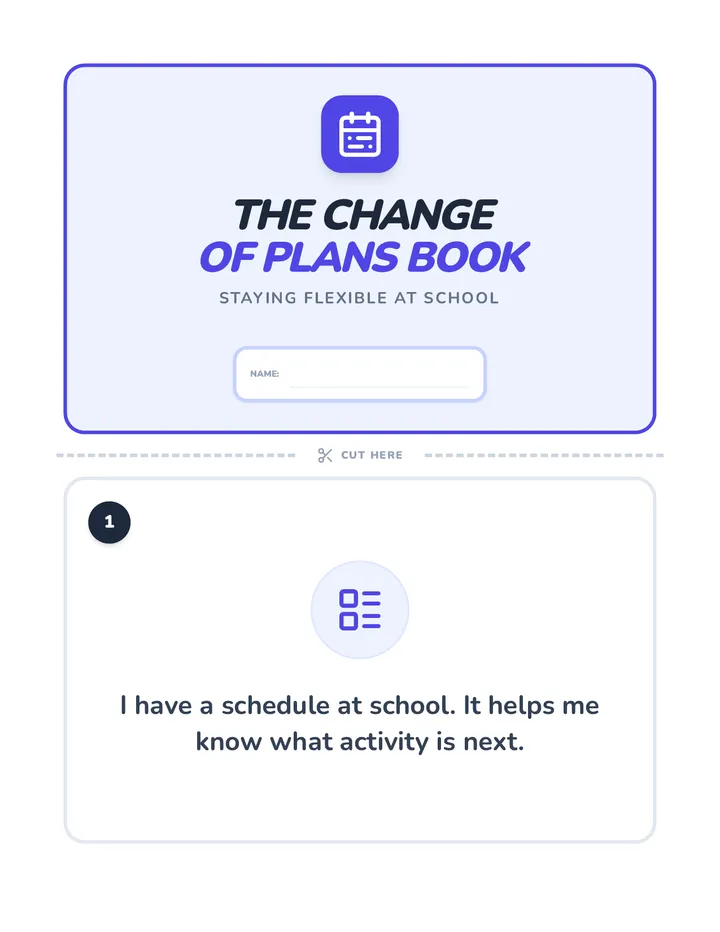
A set of visual supports and interactive activities designed to help students with ASD understand the consequences of elopement and learn safe replacement behaviors.
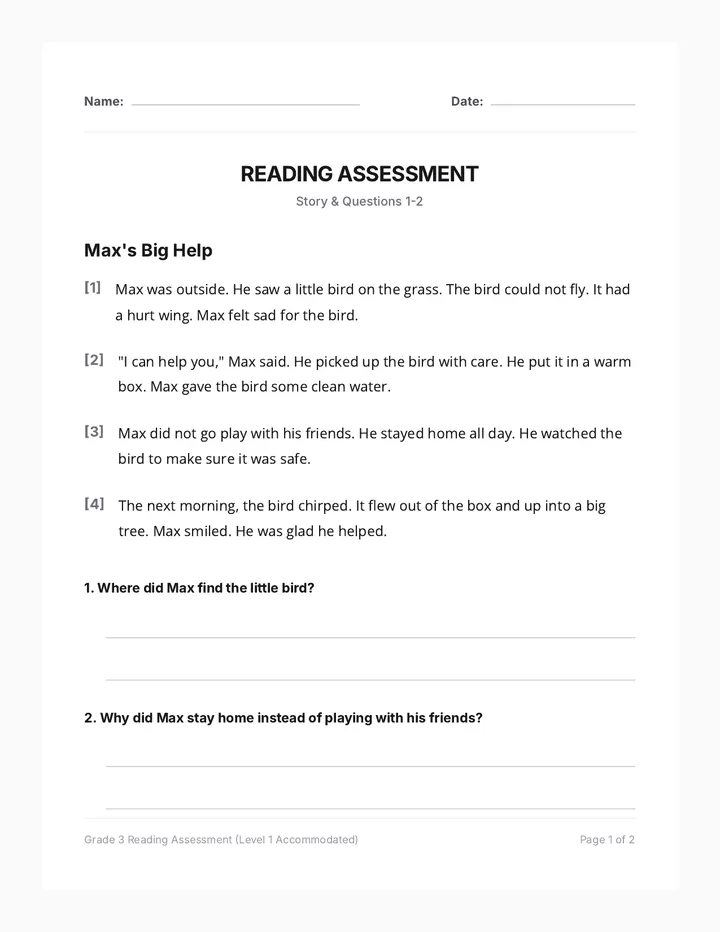
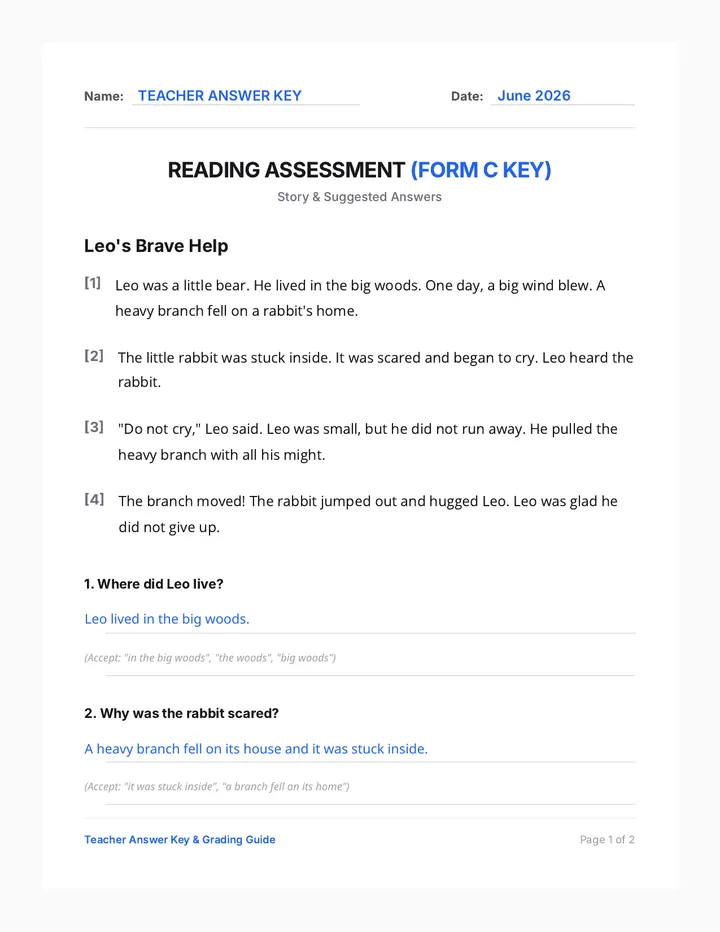
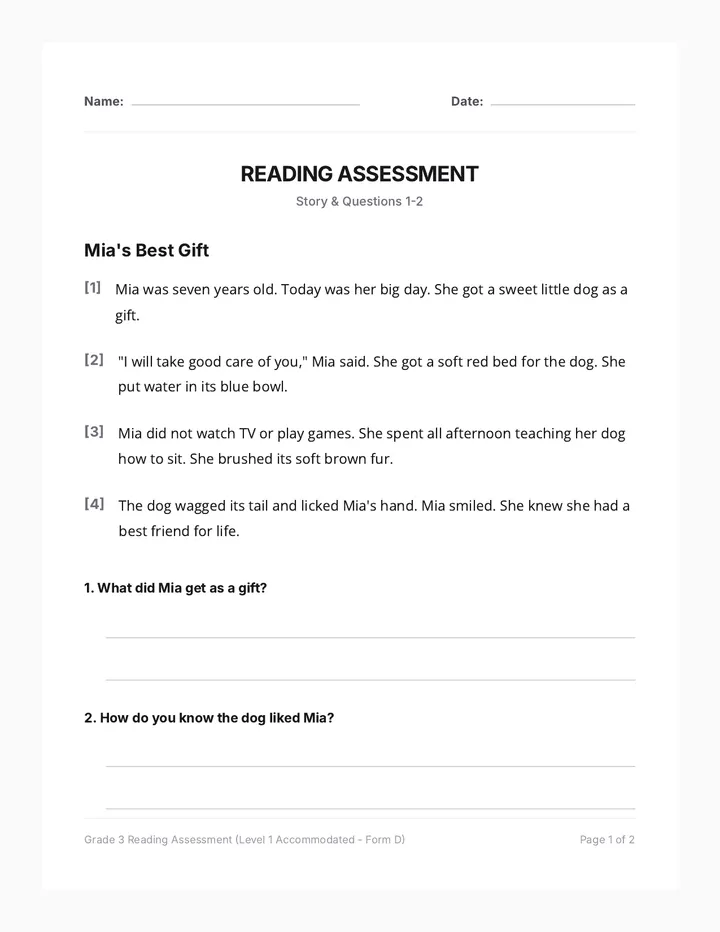
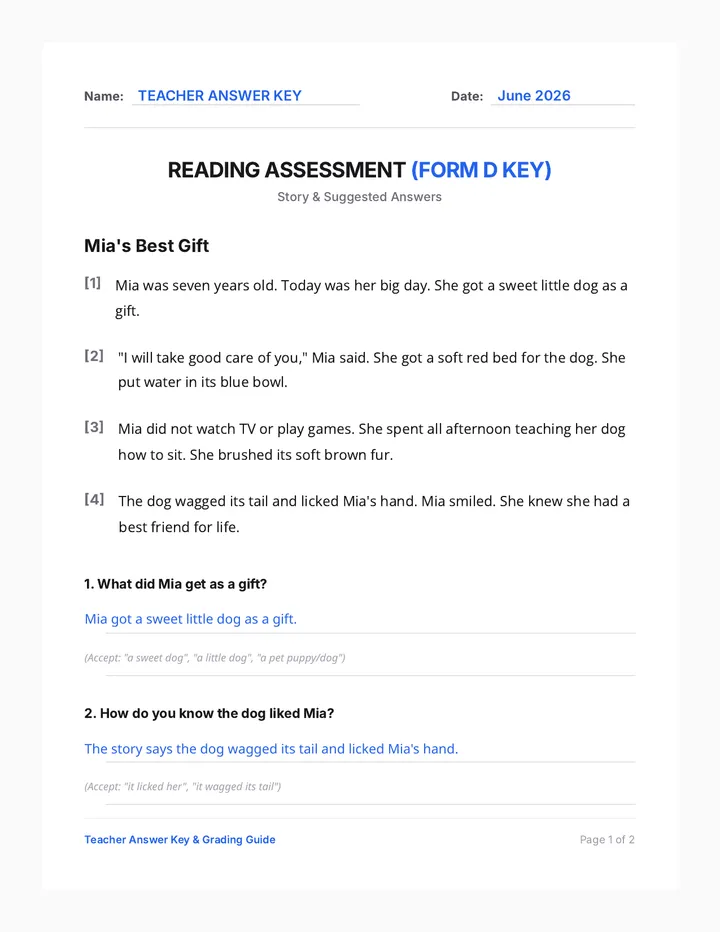
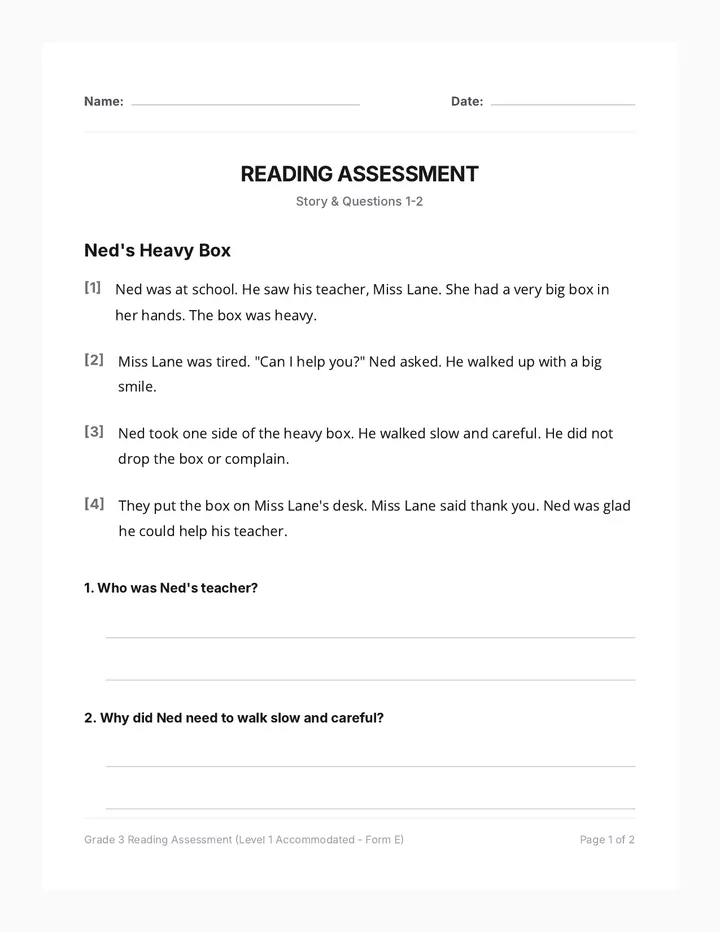
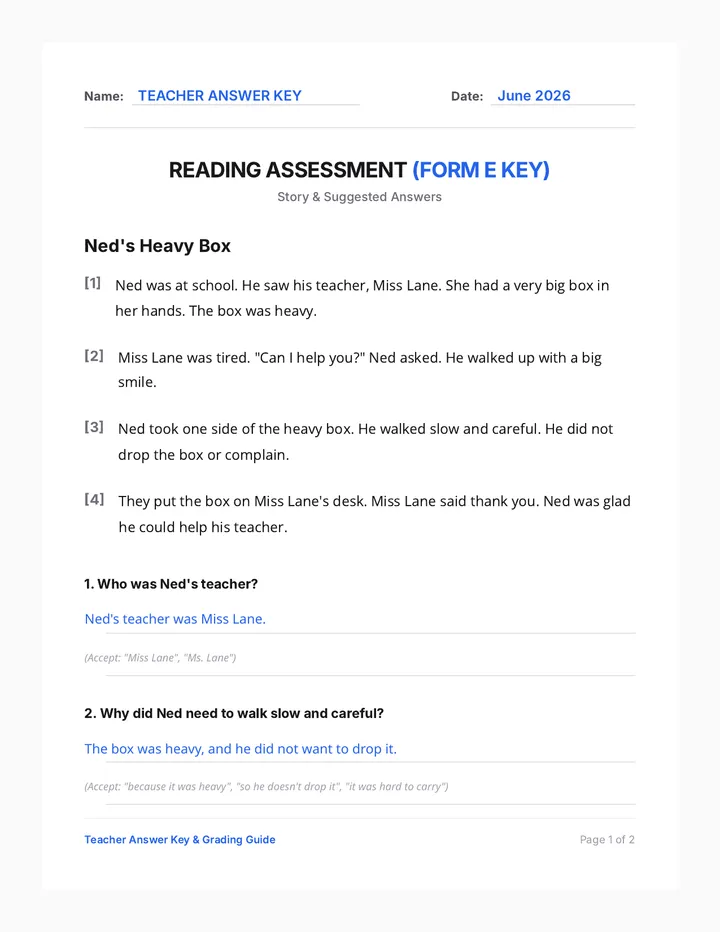
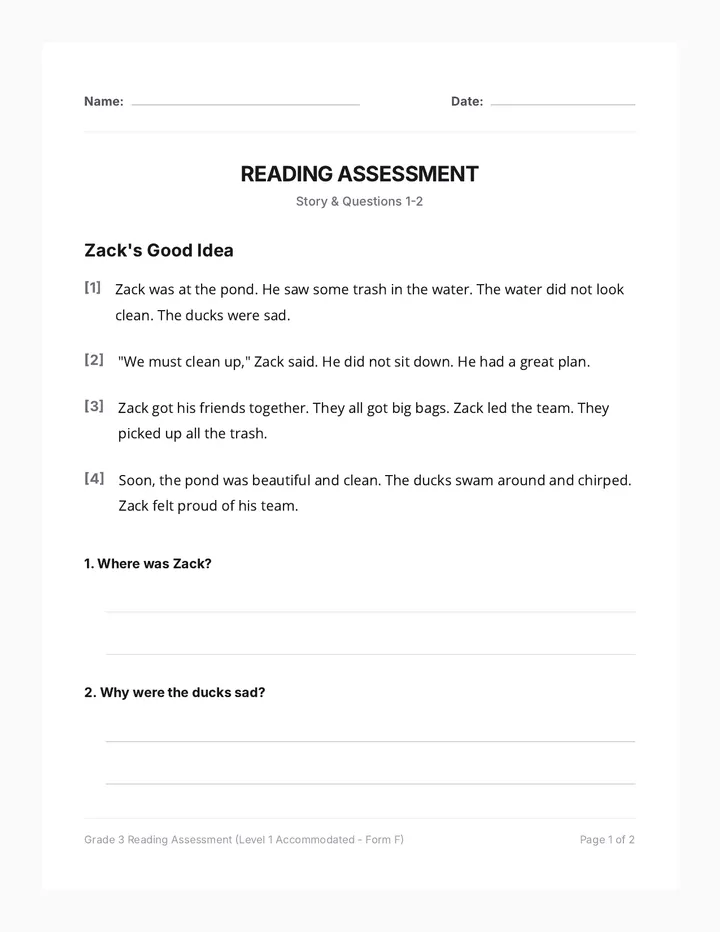
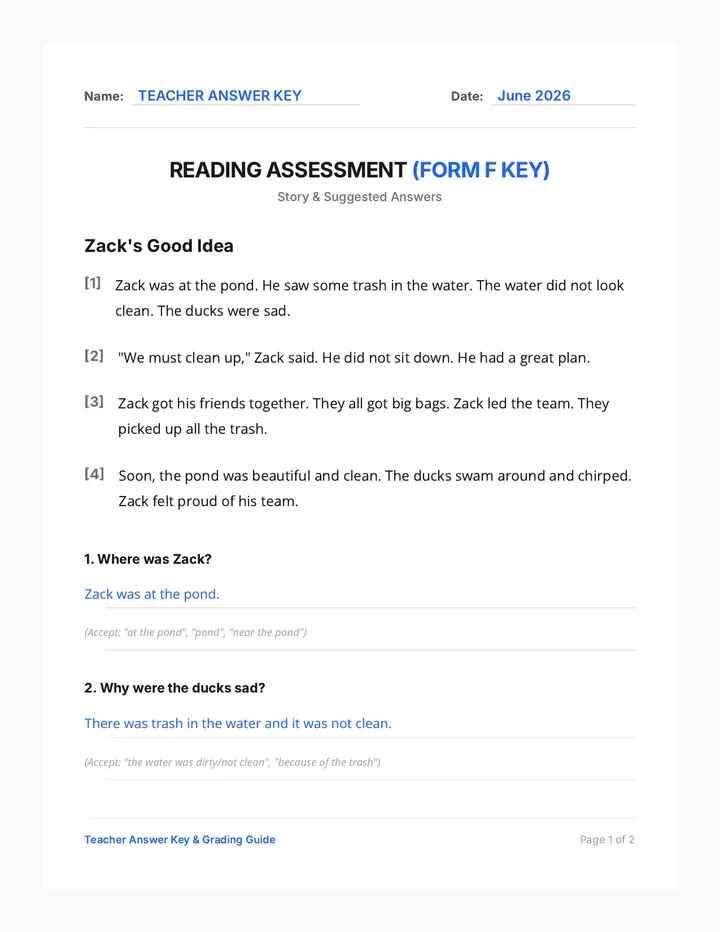
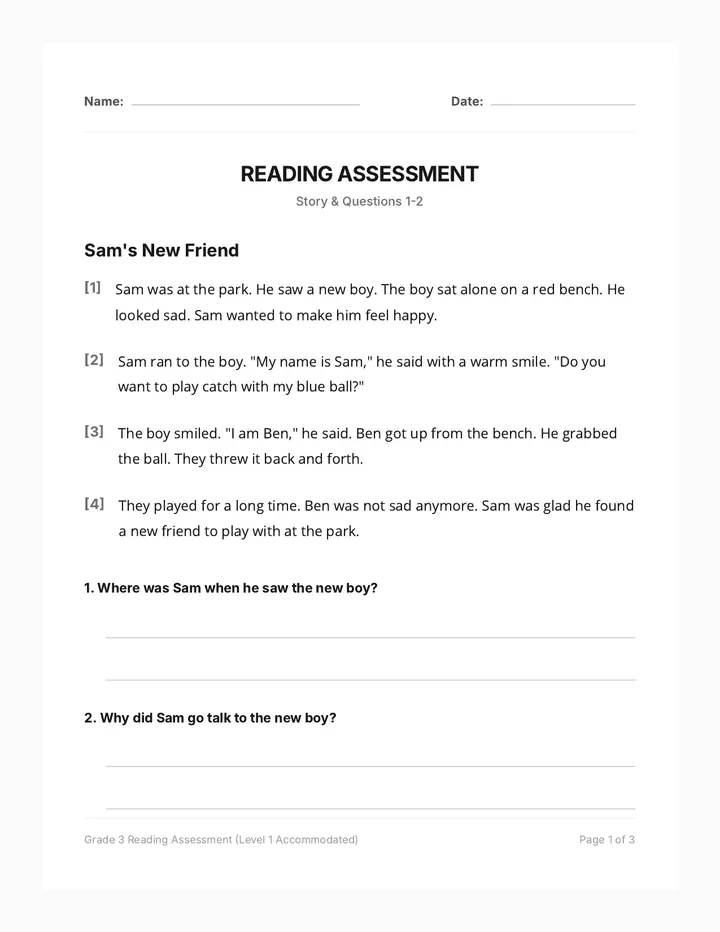
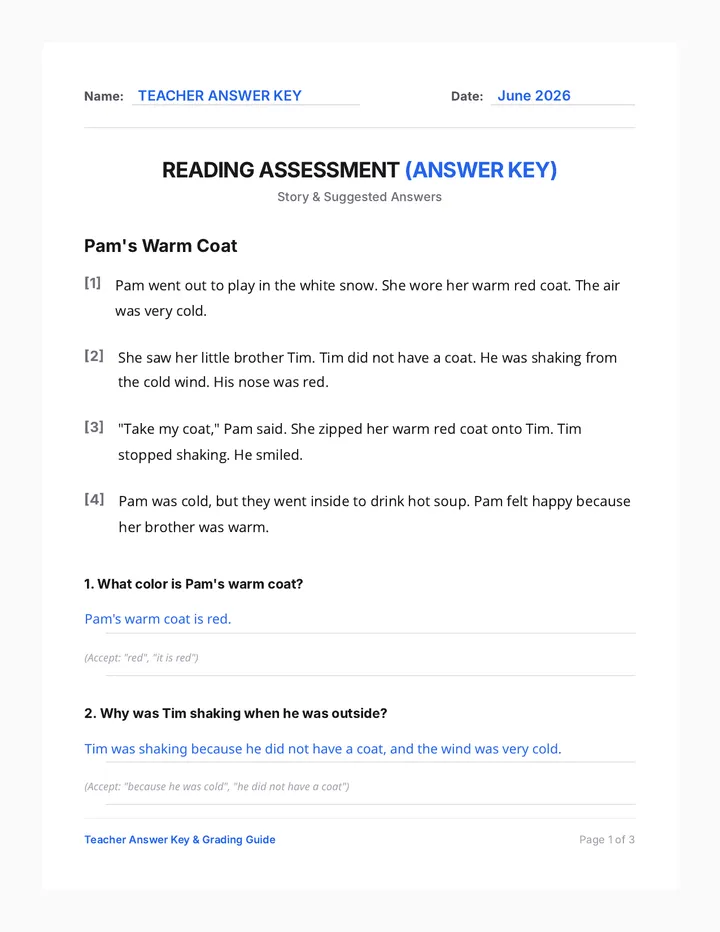
An accommodated reading assessment designed for a third-grade student reading at a first-grade level. Features a highly accessible passage, generous writing lines, explicit and implicit comprehension questions, and simplified layouts.
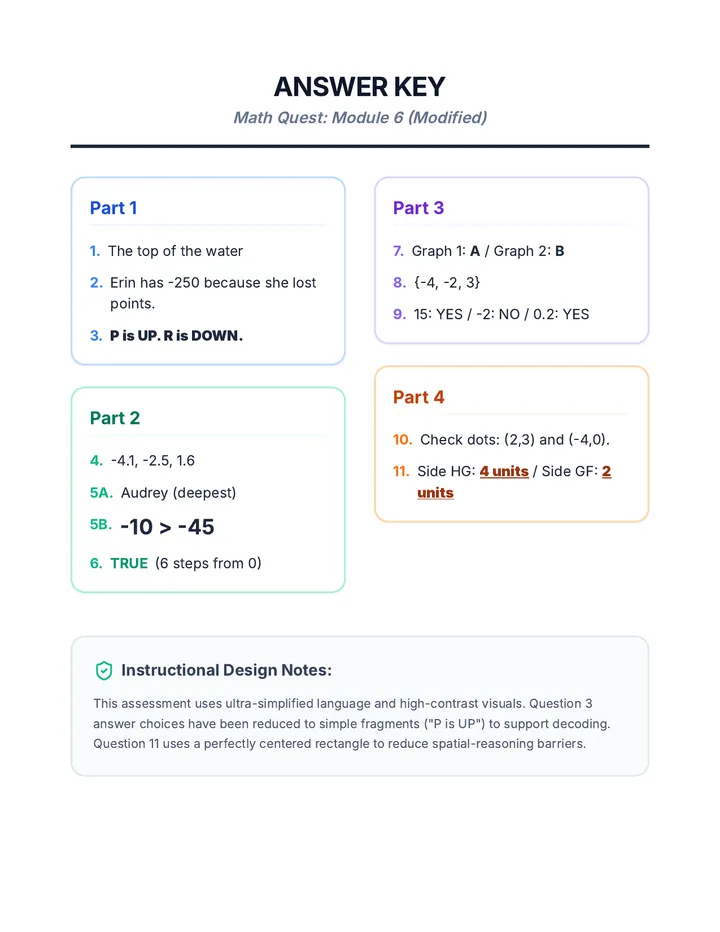
A modified version of the Grade 6 Module 6 Assessment, specifically designed for students with IEPs. The assessment is broken into bite-sized chunks with simplified language, visual supports, and reduced response options to increase accessibility.
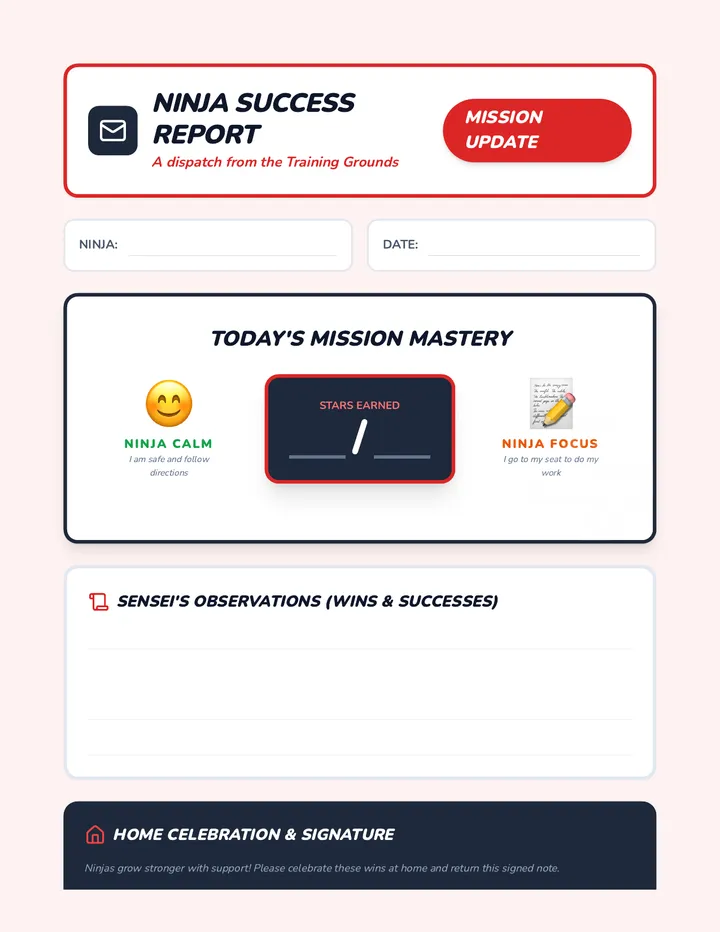
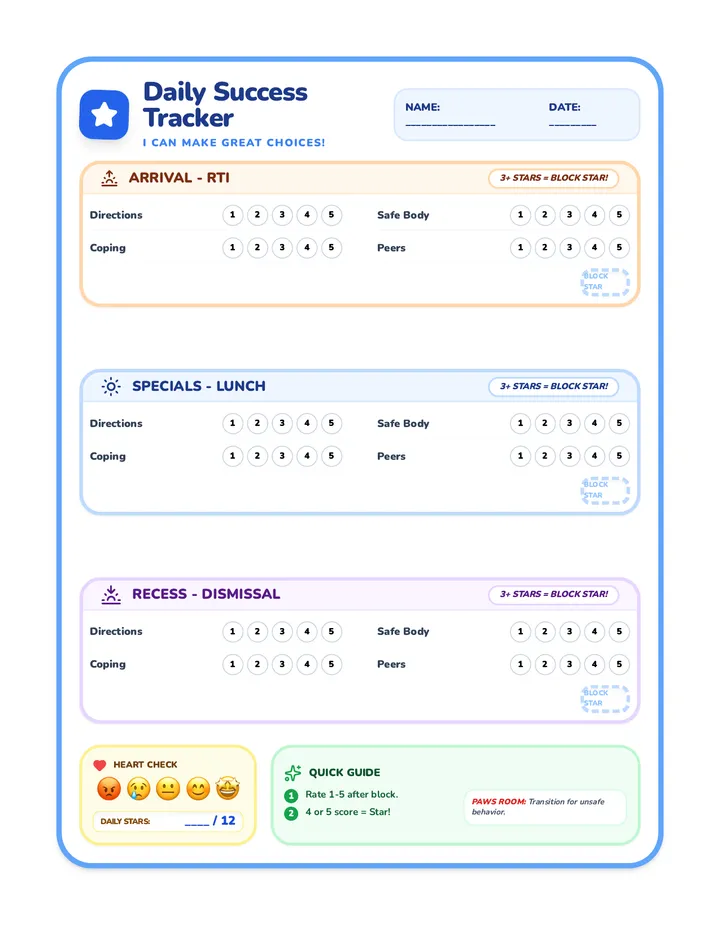
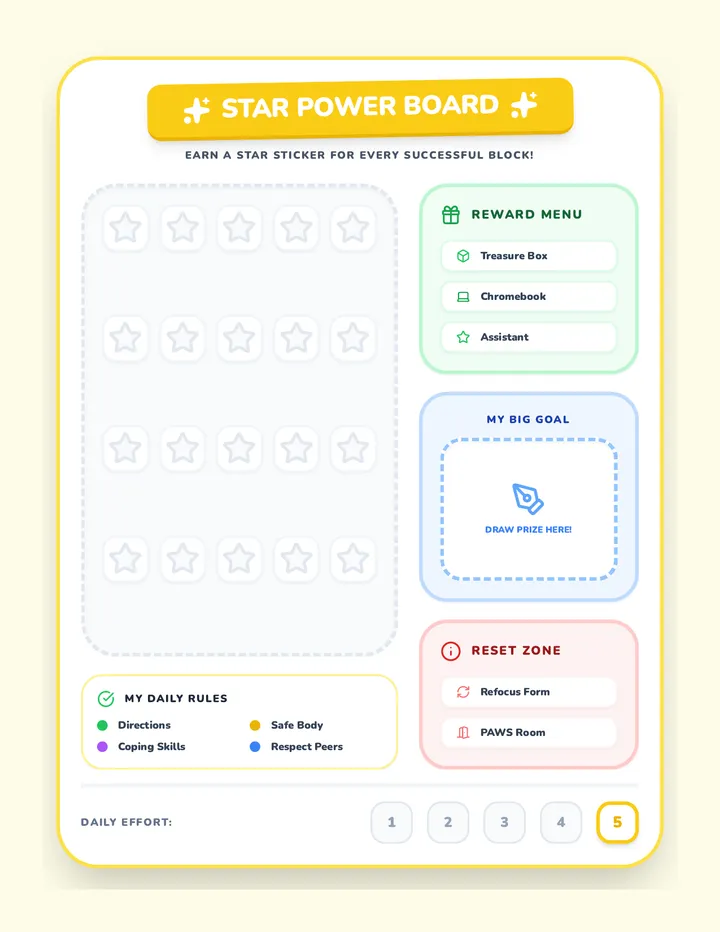
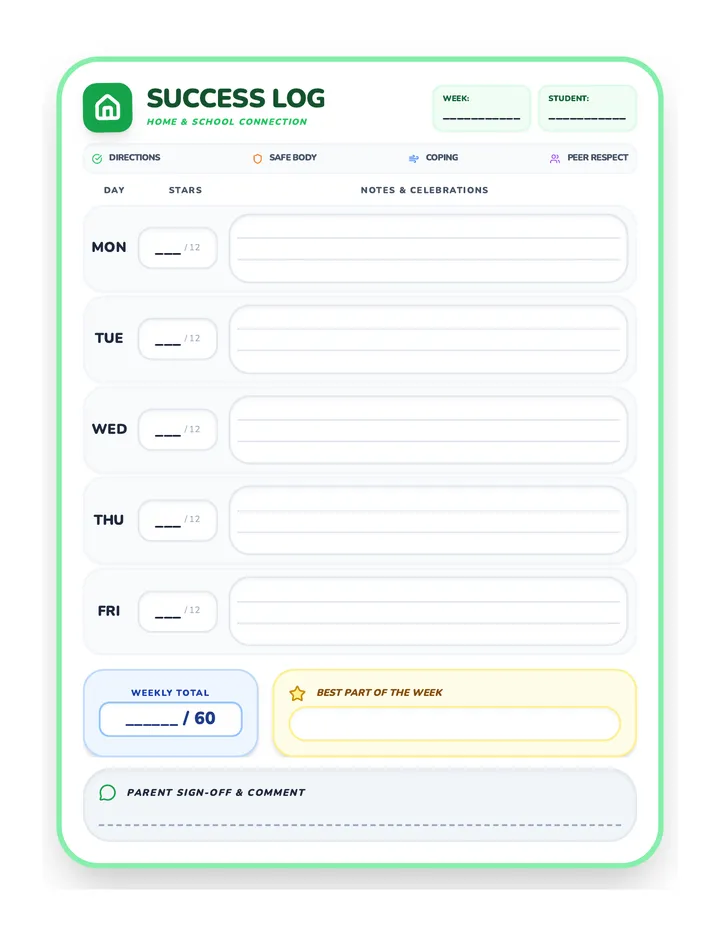
A behavioral tracking system designed to help students manage work completion and social interactions across subjects using daily point sheets and reflections.
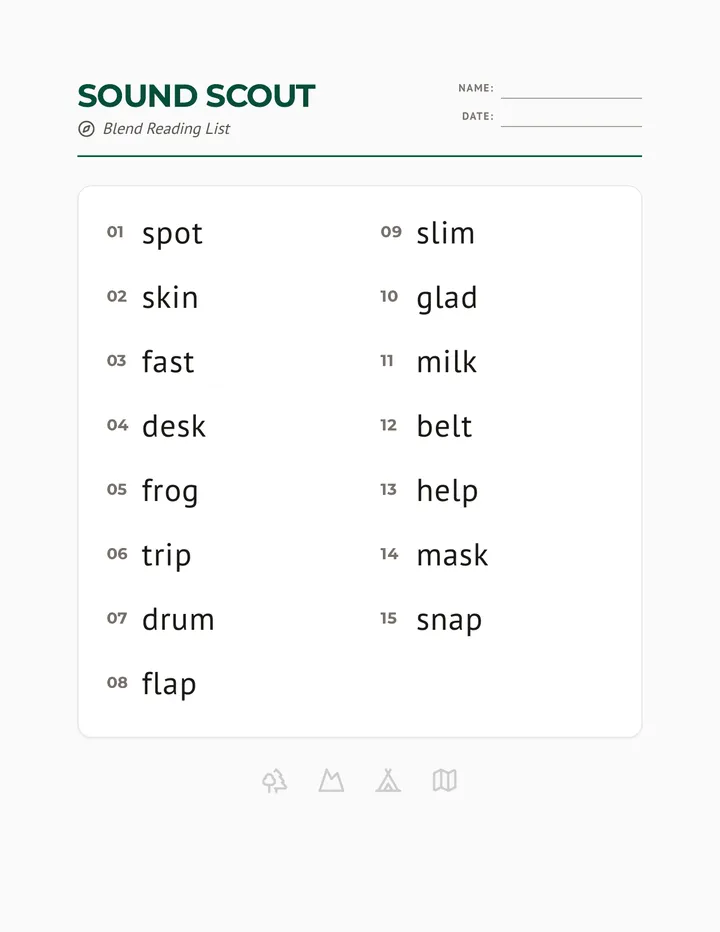
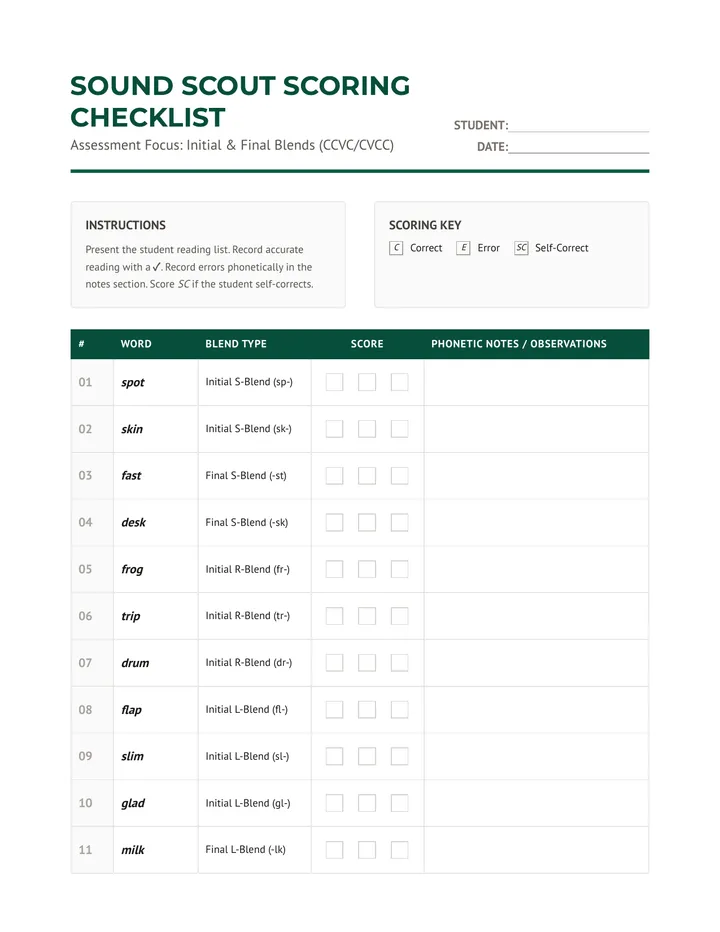
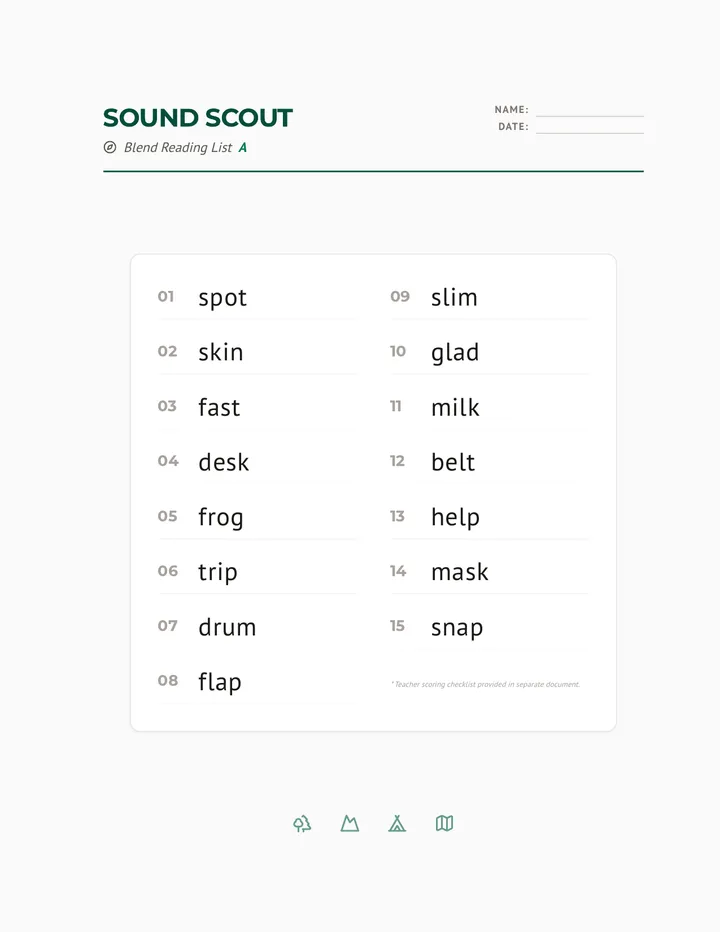
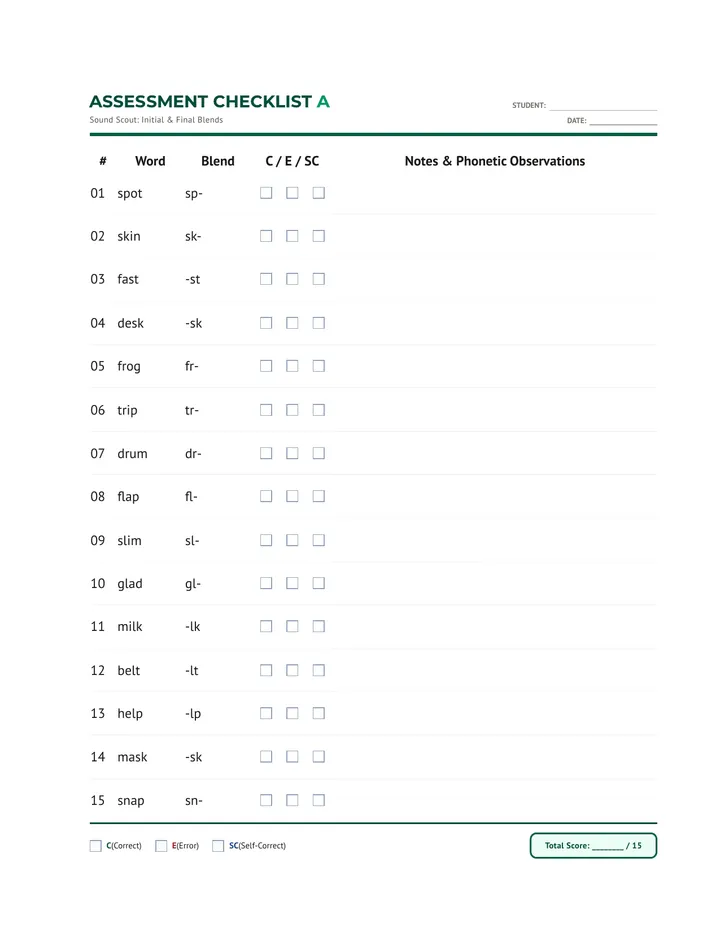
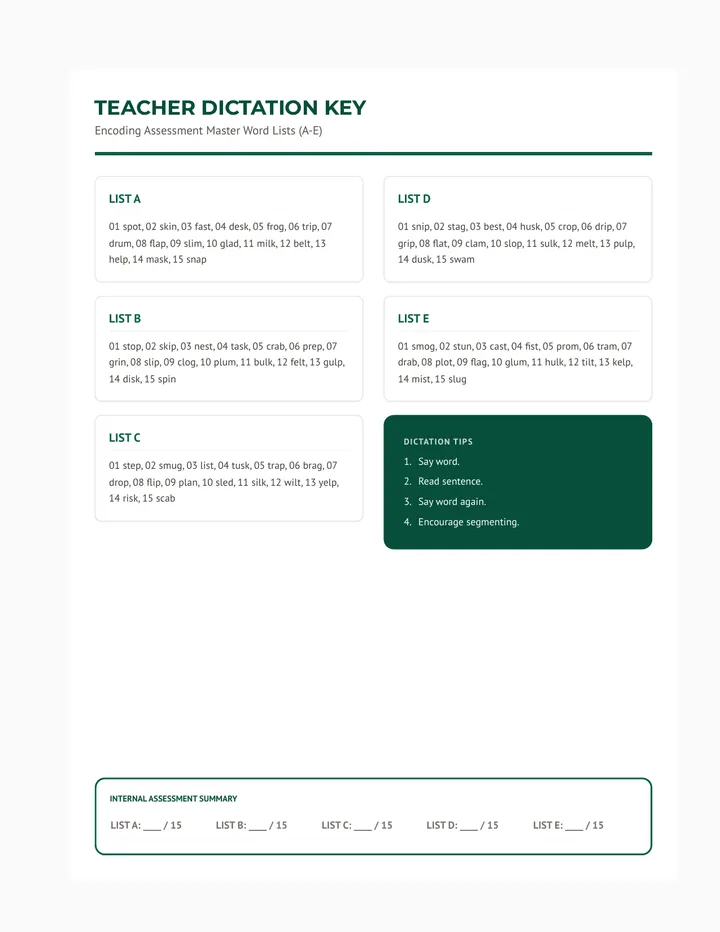
A progress monitoring tool designed to assess a student's ability to decode words with initial and final s-blends, r-blends, and l-blends. This lesson includes a student reading list and a teacher scoring checklist.
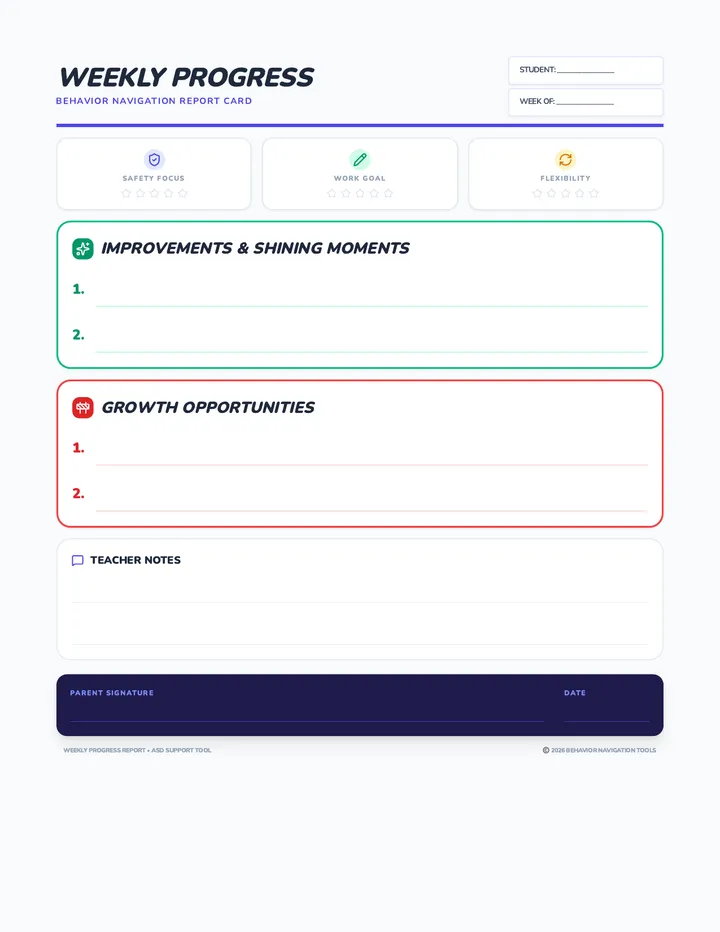
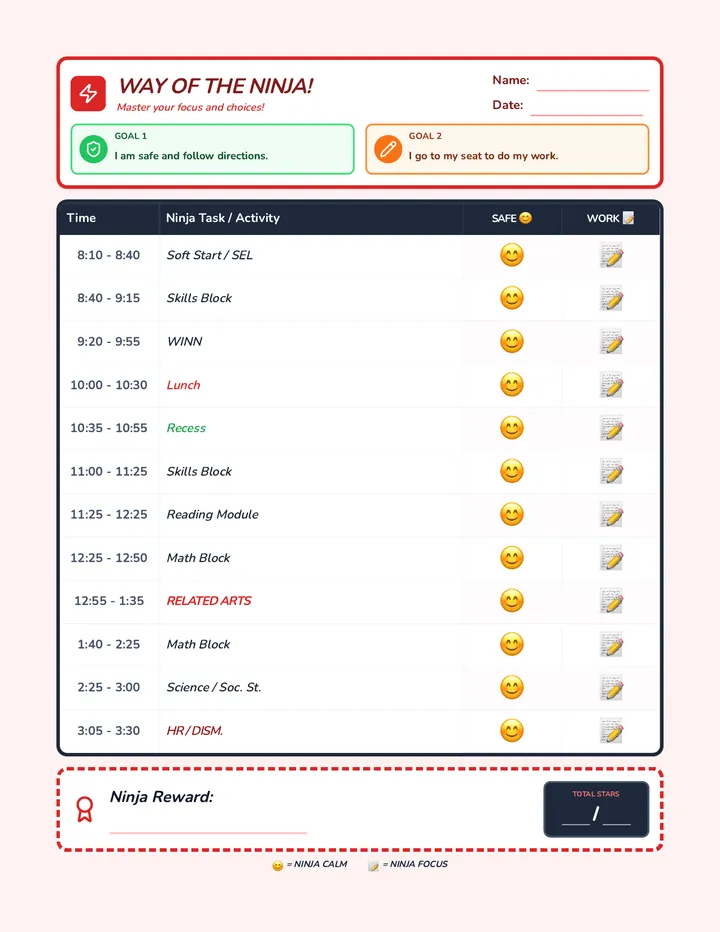
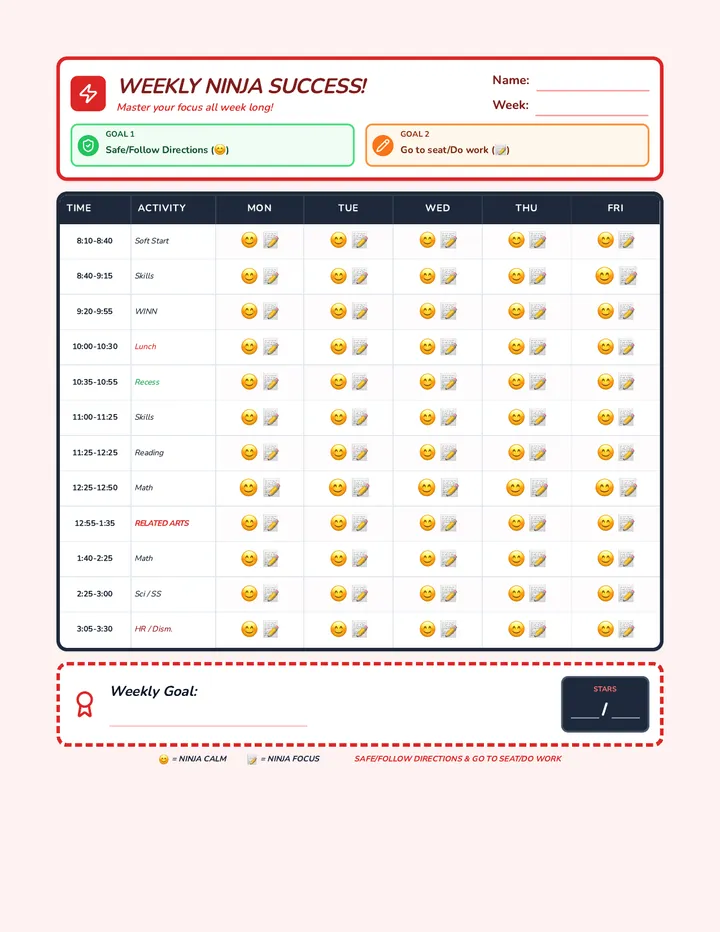
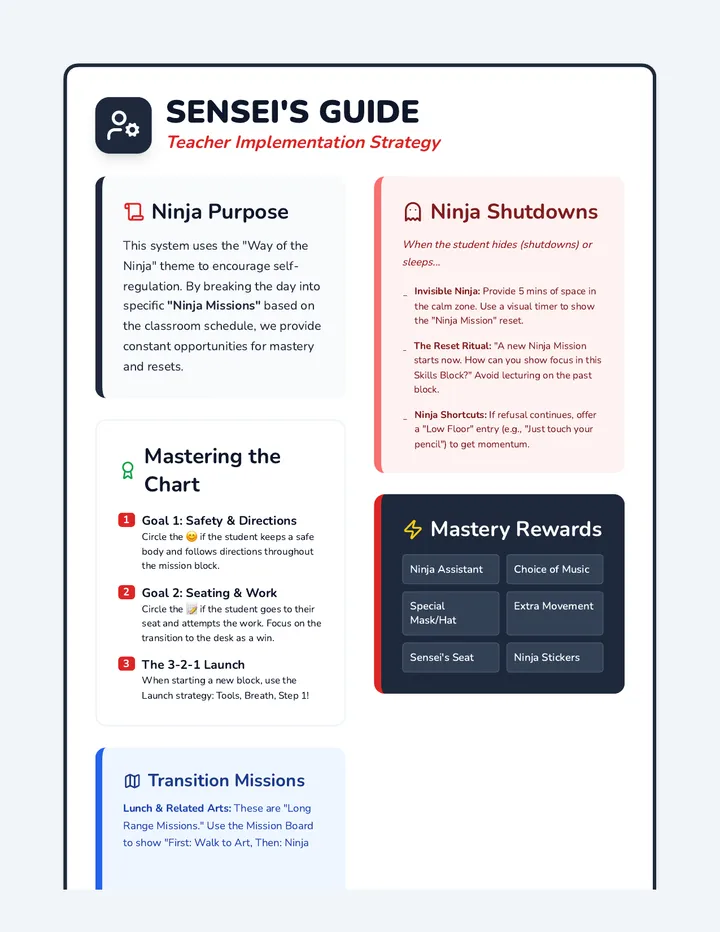
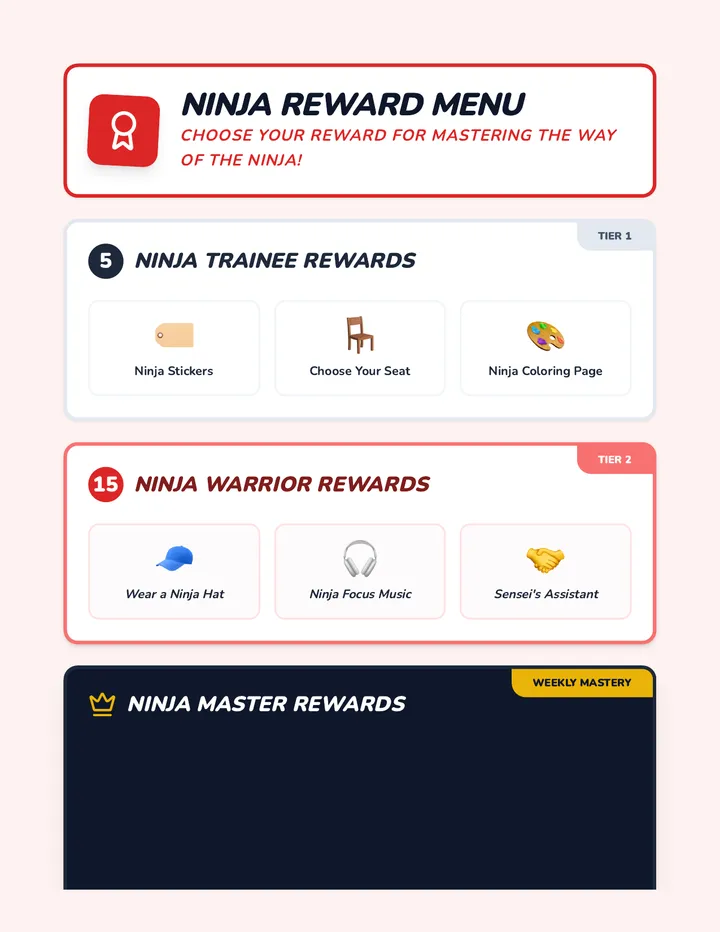
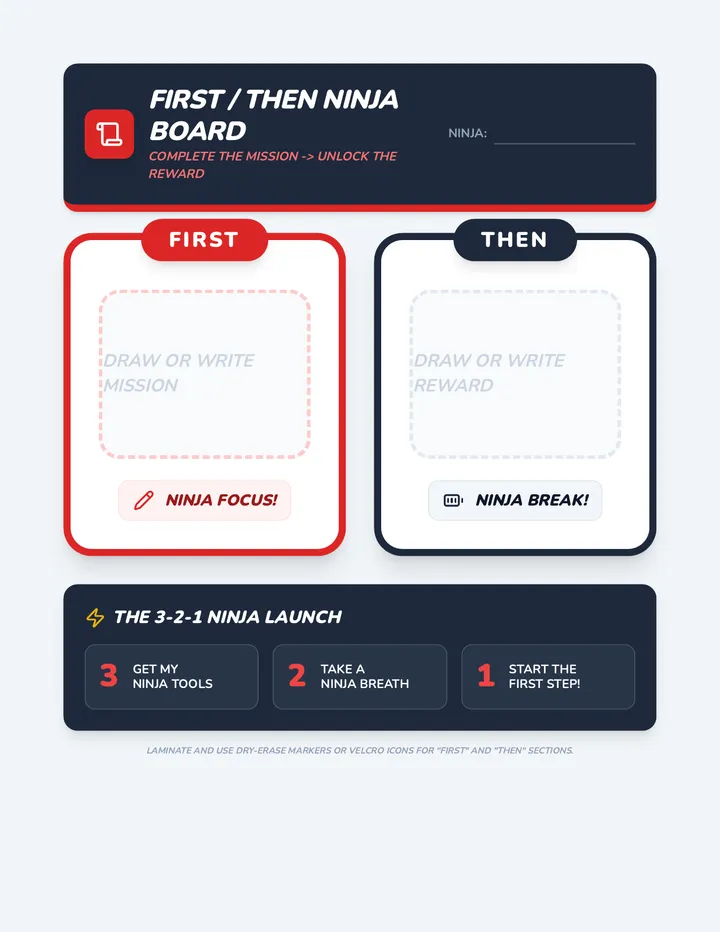
A comprehensive behavior tracking system designed for a 1st-grade student struggling with work refusal and transitions. The system uses a 30-minute incremental tracker, visual desk reminders, and a teacher implementation guide to foster safety and academic engagement.
A comprehensive toolkit for teachers to track, document, and support student English language proficiency growth using TELPAS criteria across all four domains.
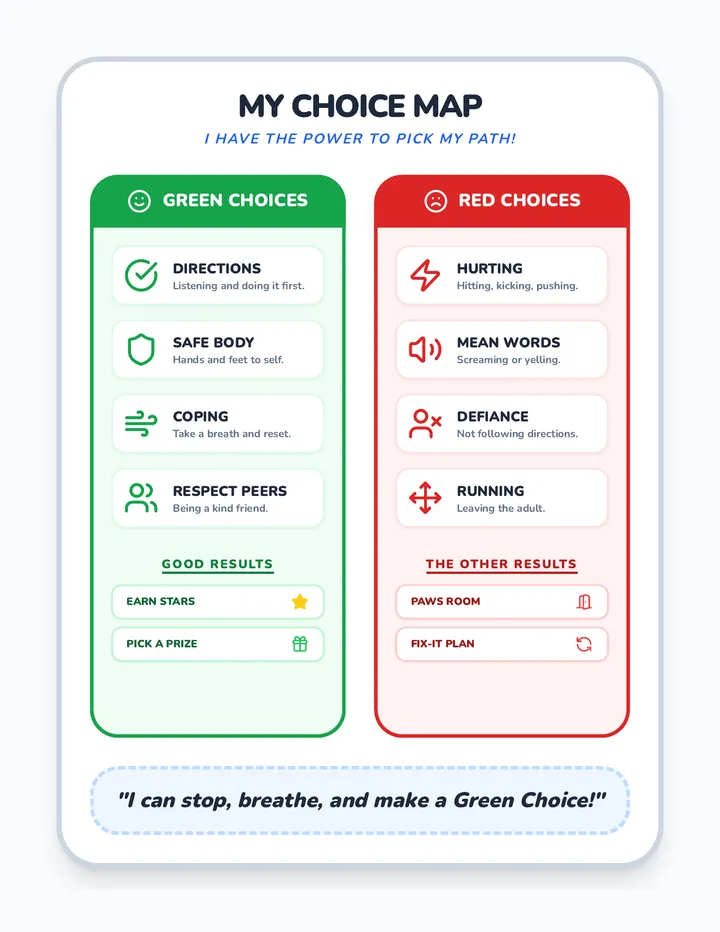
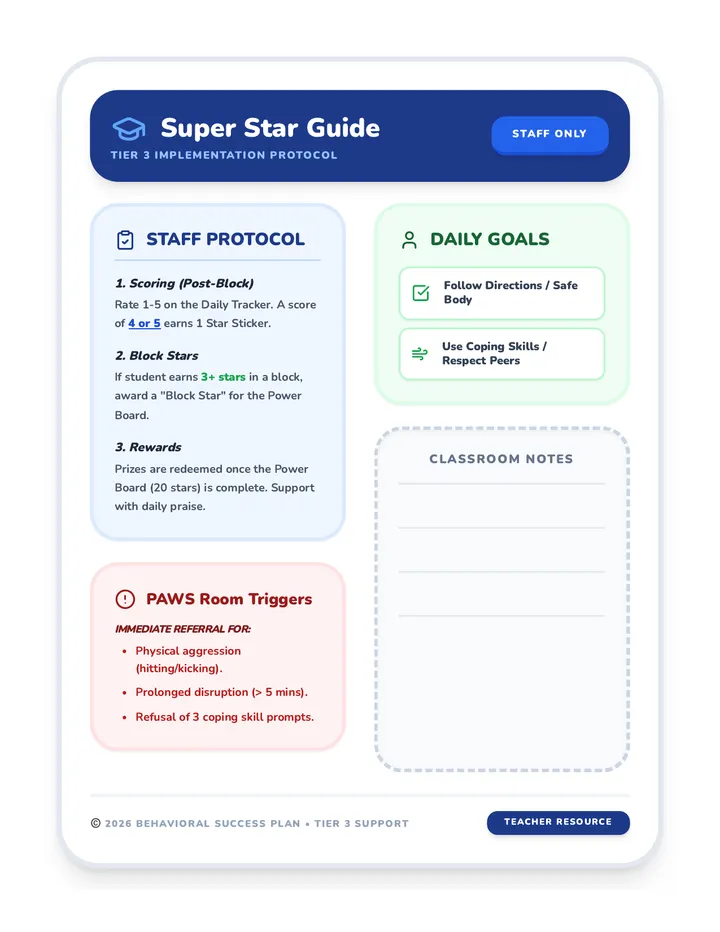
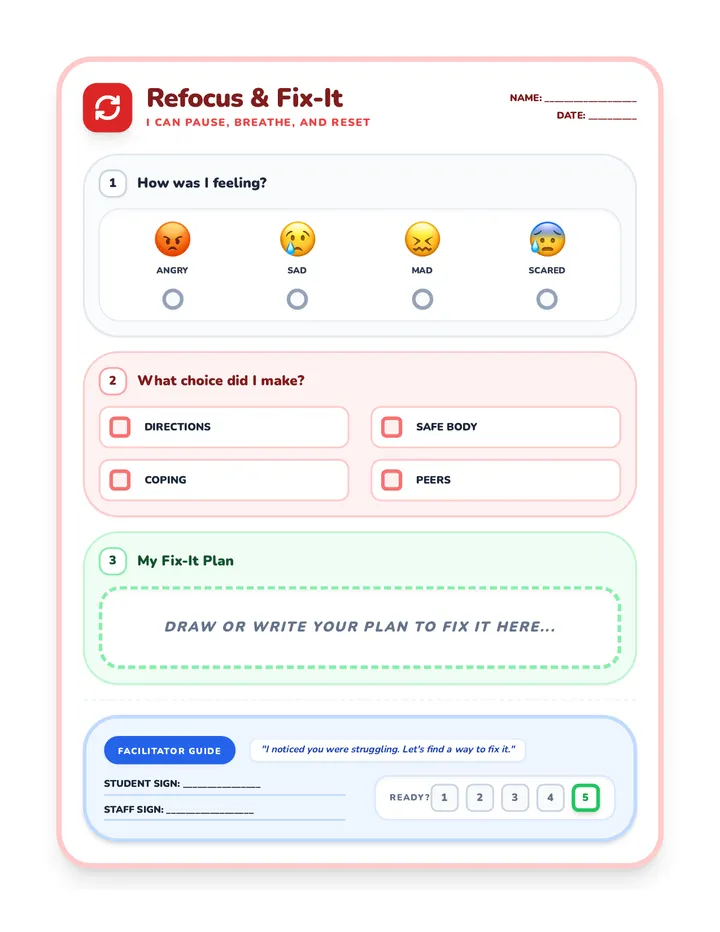
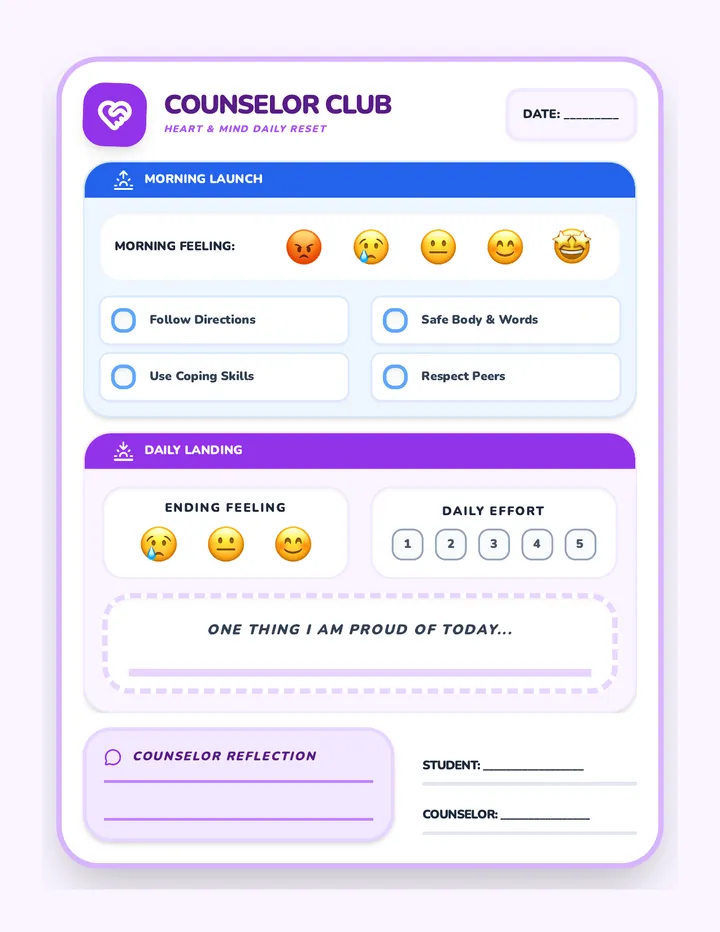
A comprehensive Tier 3 behavior support system for a second-grade student with ADHD, focusing on emotion regulation, safe choices, and positive reinforcement through a structured daily check-in/check-out (CICO) process.
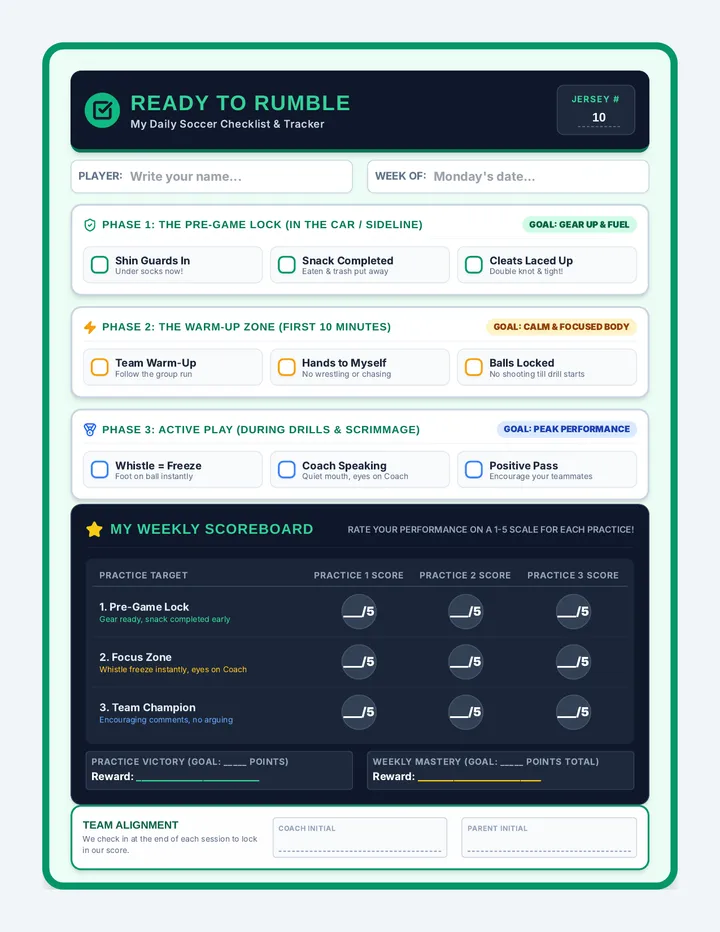
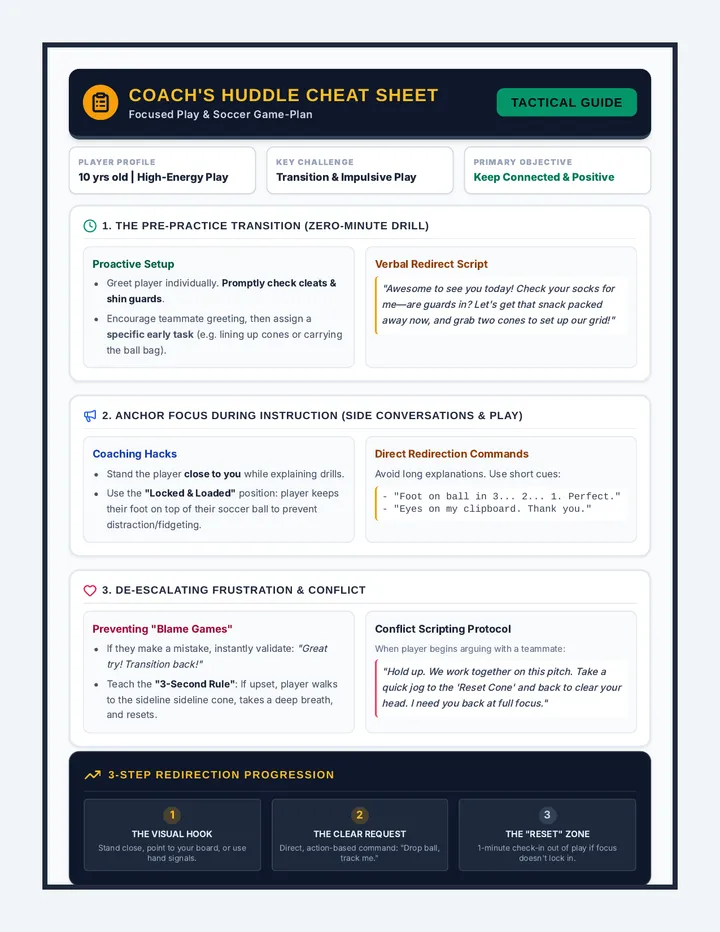
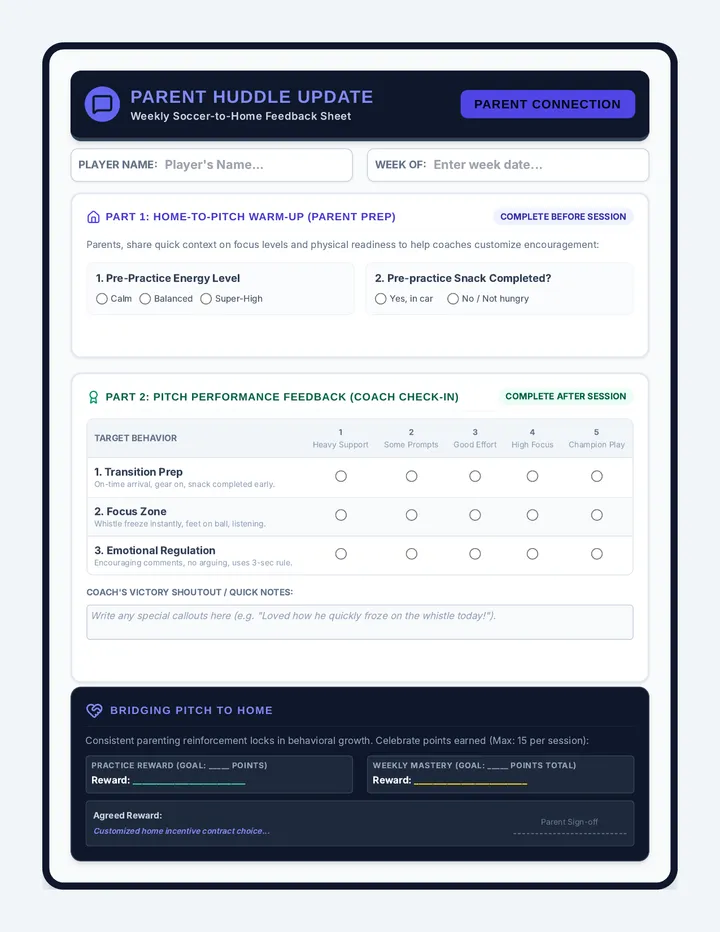
A comprehensive behavior modification support system designed for coaches, parents, and a high-energy 10-year-old player. It targets pre-practice preparation, in-session focus, impulse control, and emotional regulation during soccer practice.
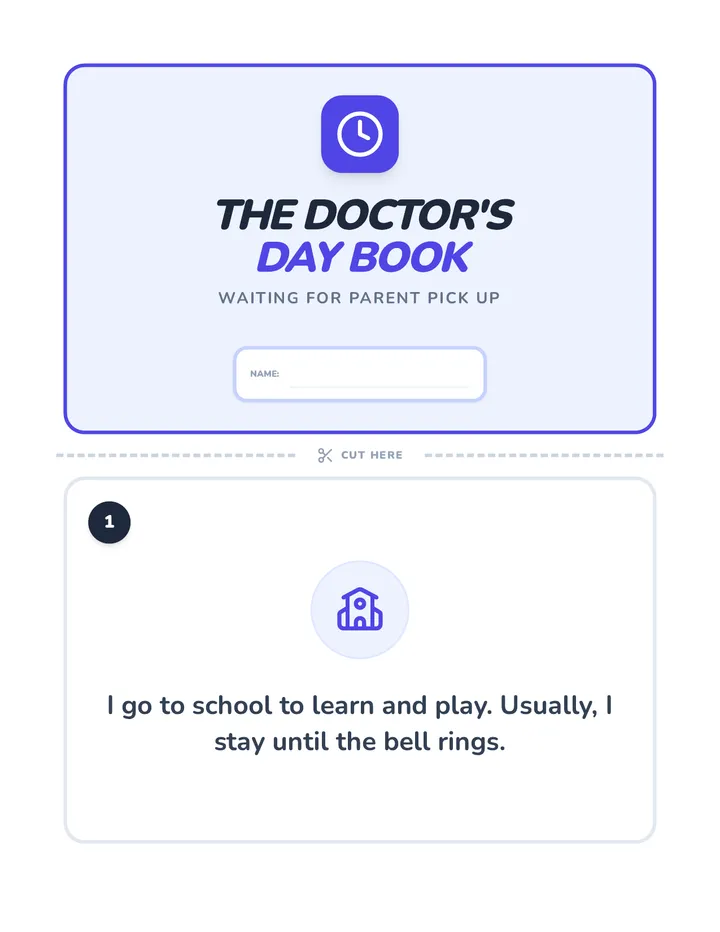
A comprehensive social story and supporting tools designed for an academically advanced 2nd grader to manage non-preferred tasks, transitions, and big emotions using verbal communication and solution-seeking strategies instead of screaming or eloping.
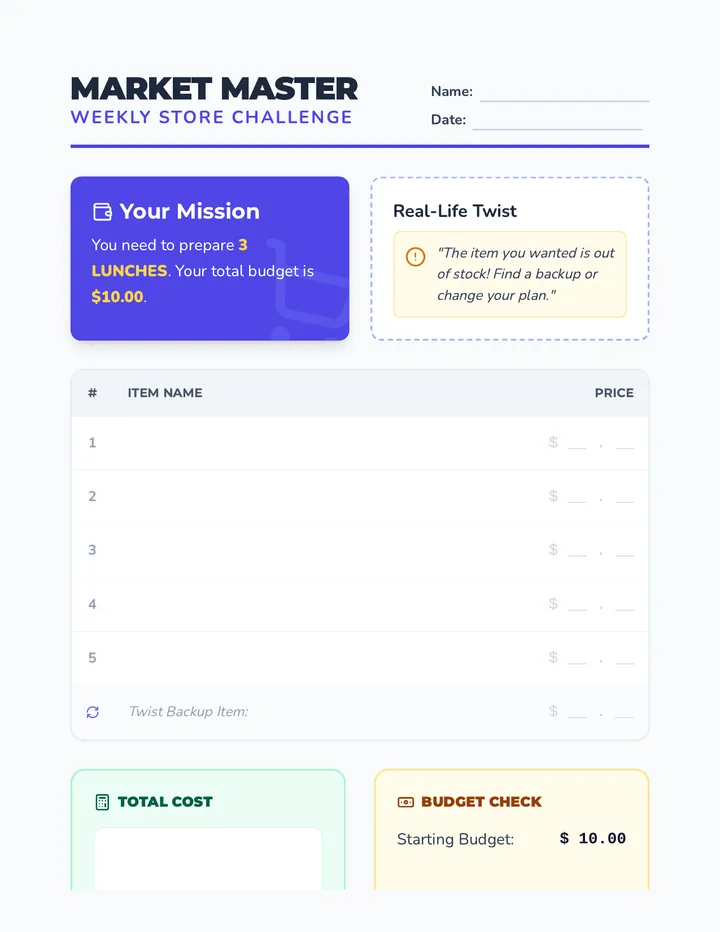
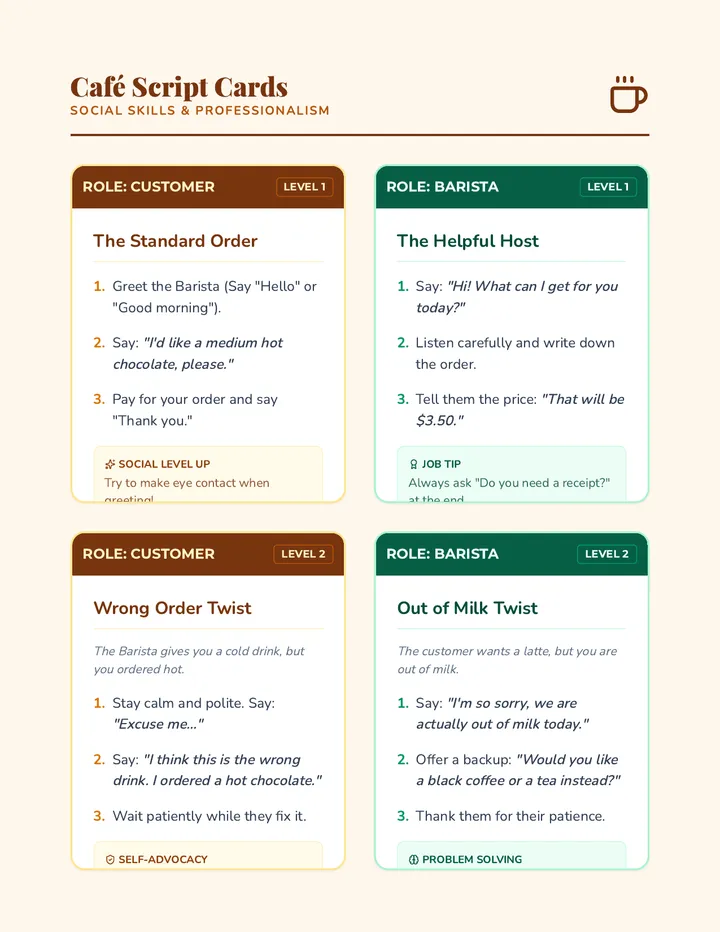
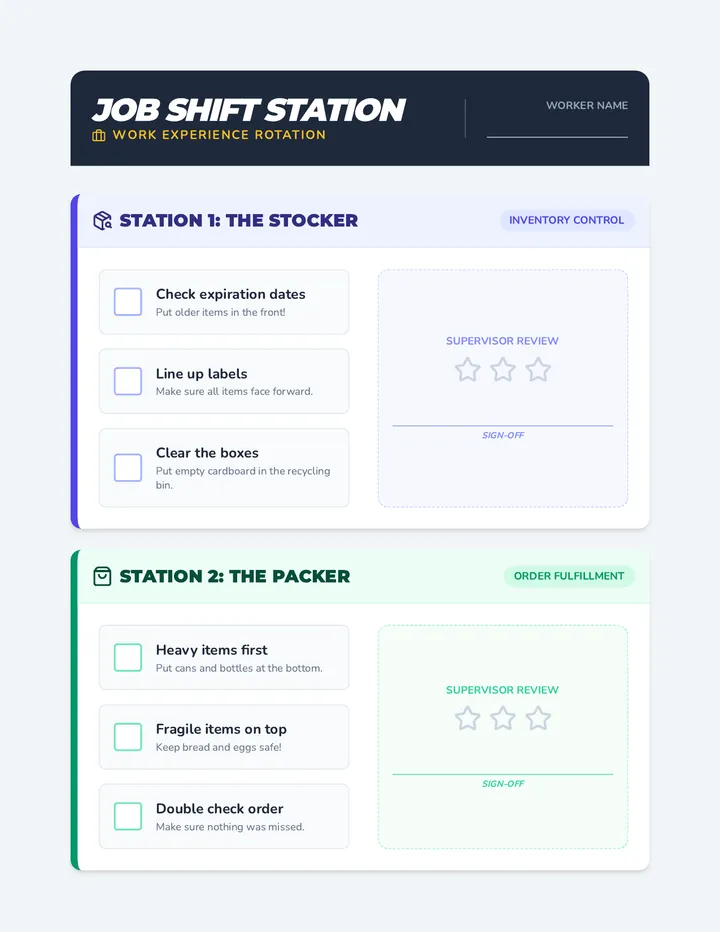
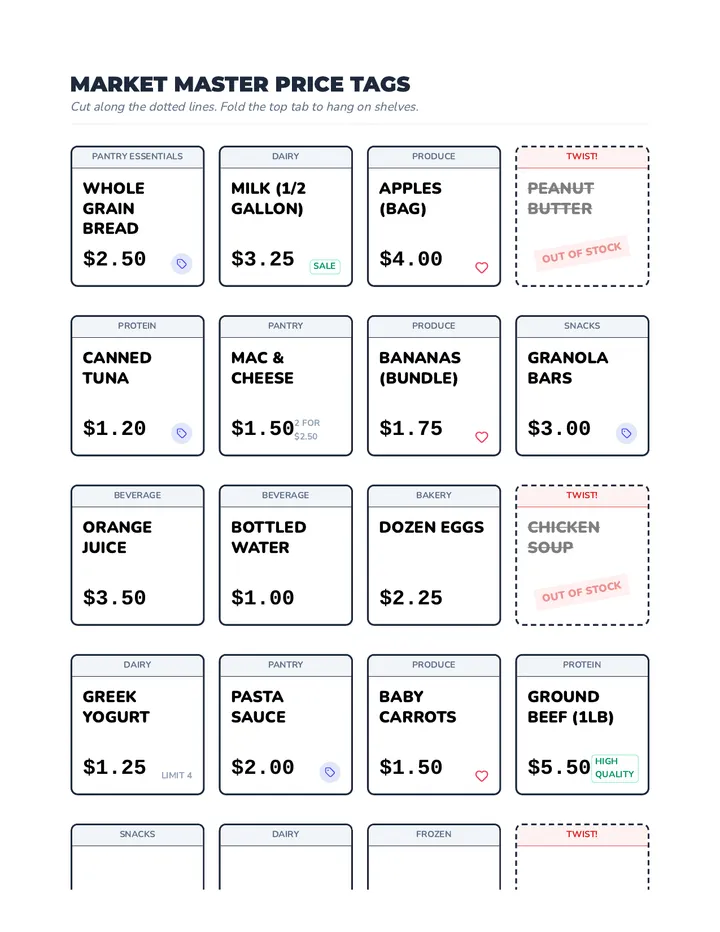
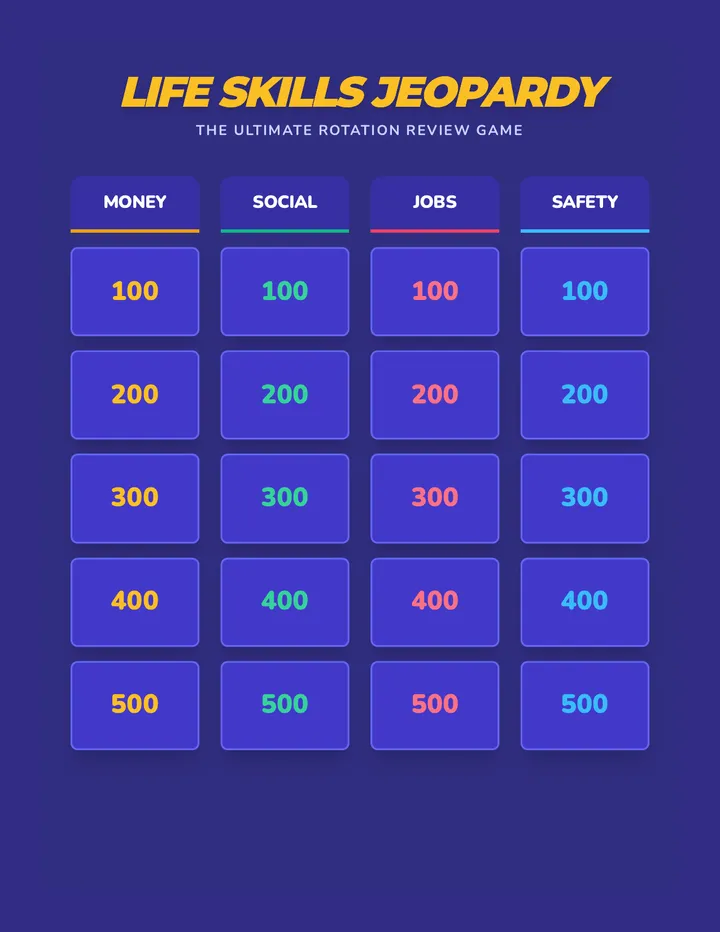
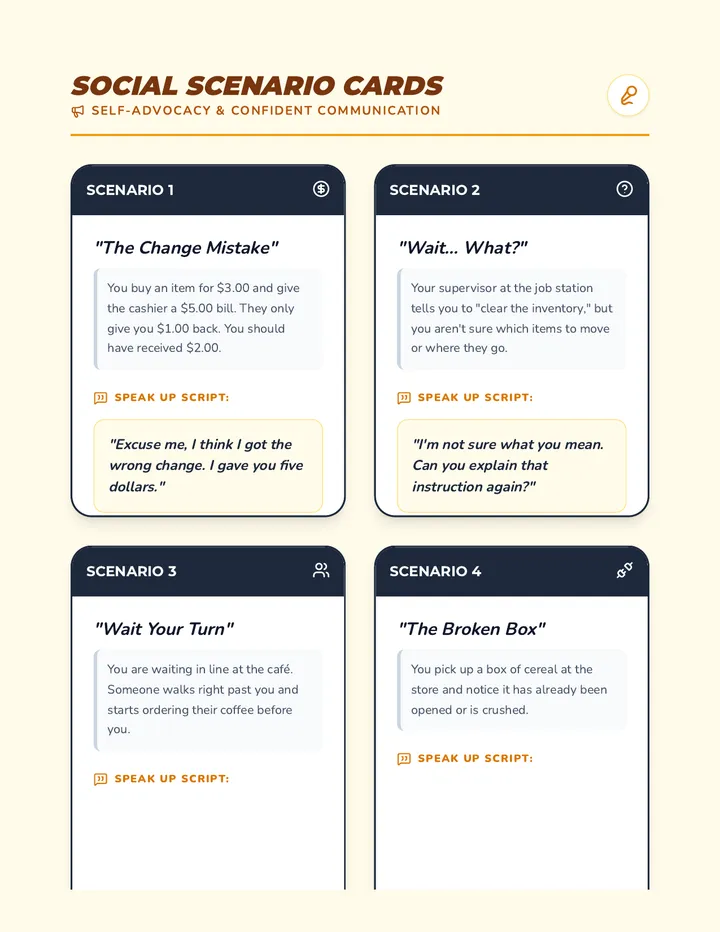
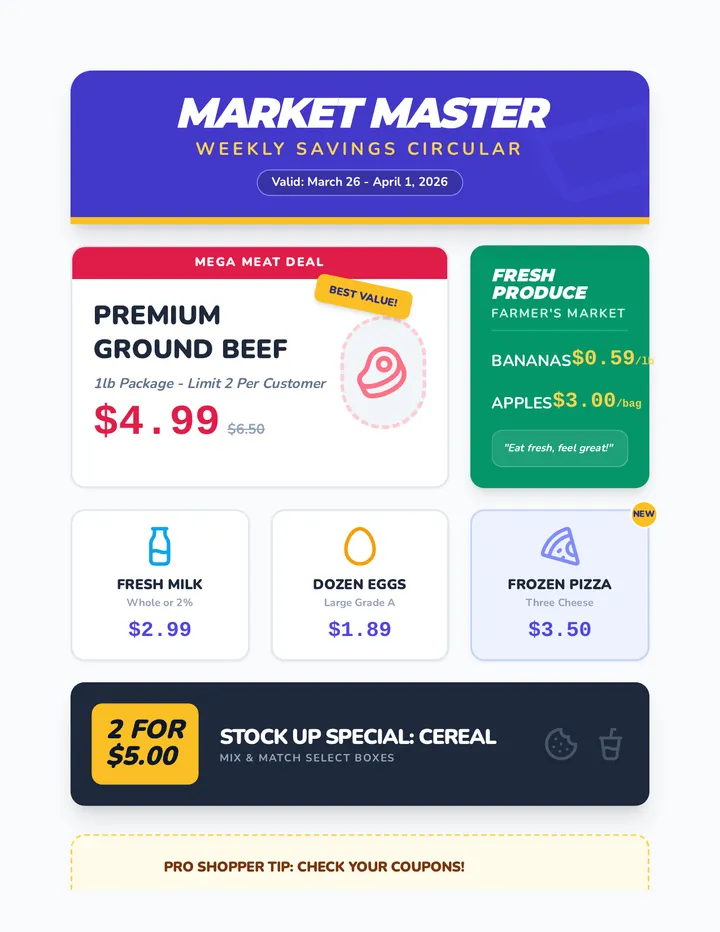
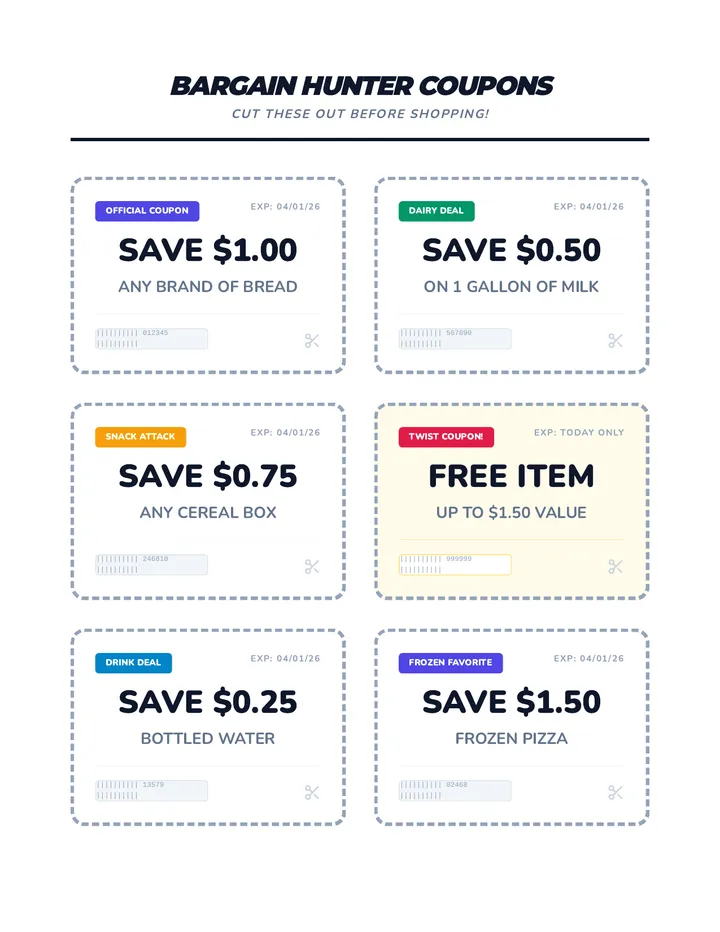
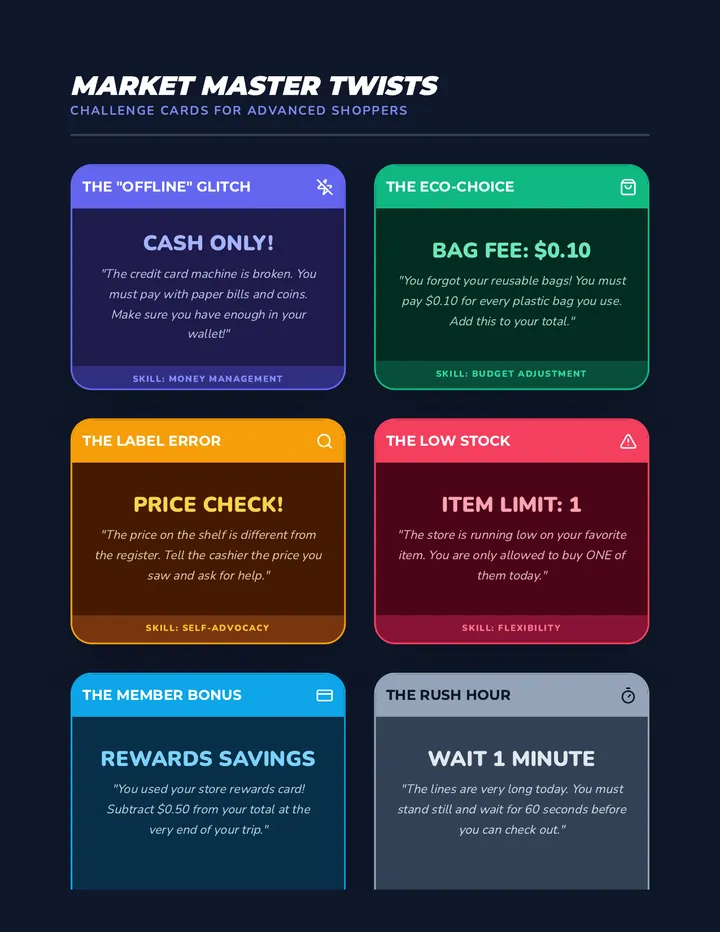
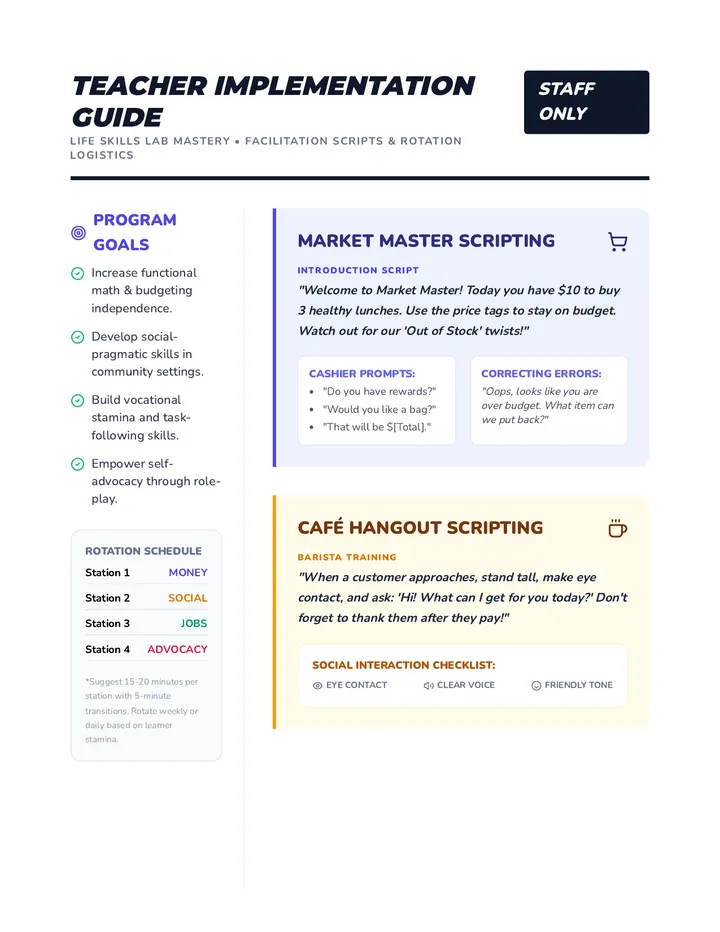
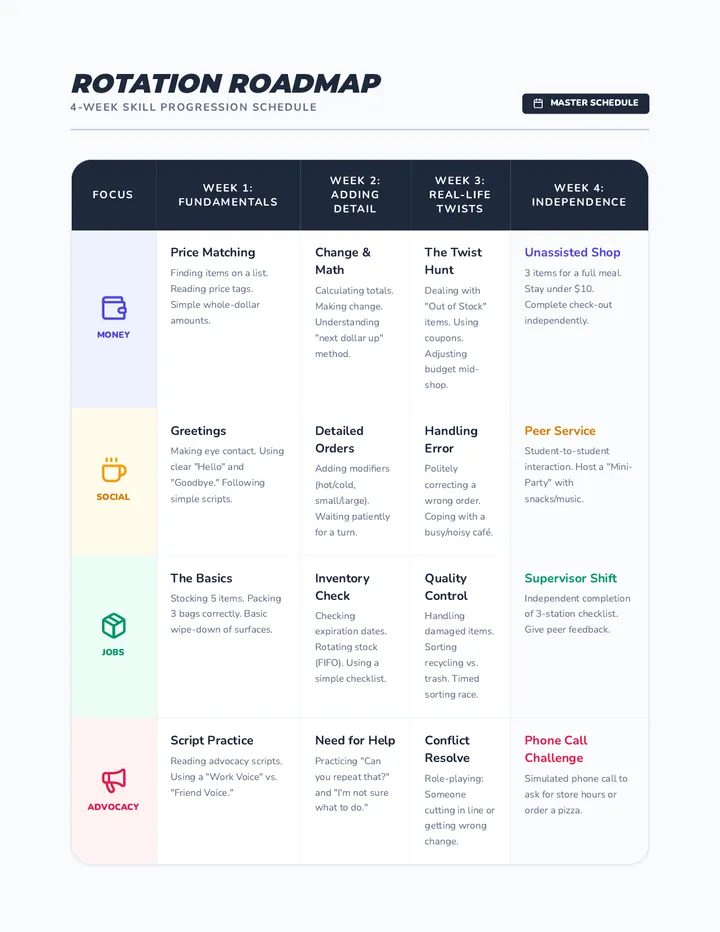
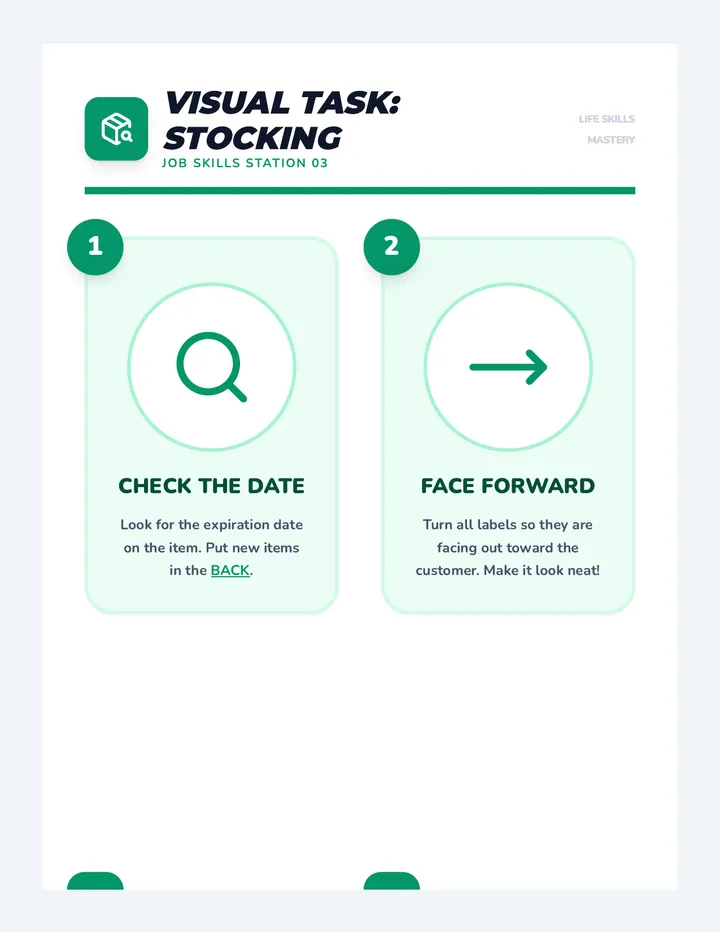
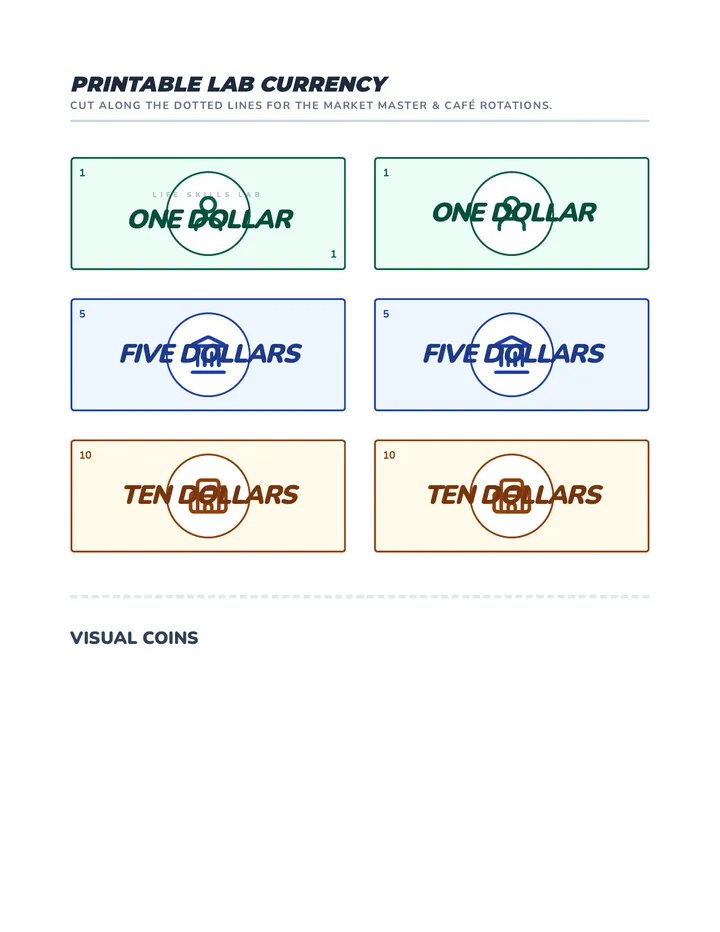
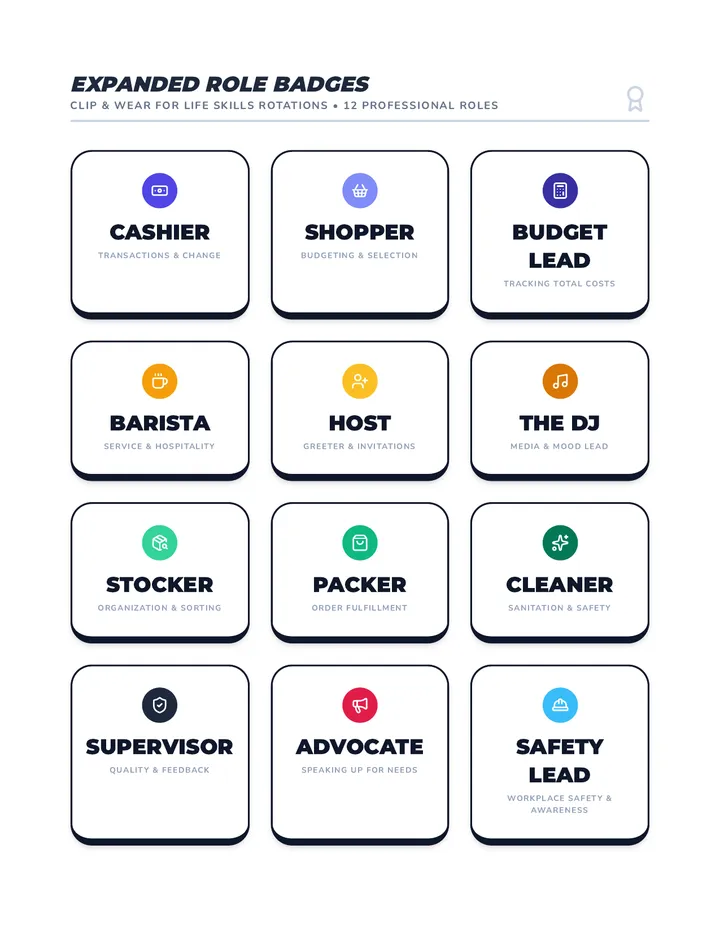
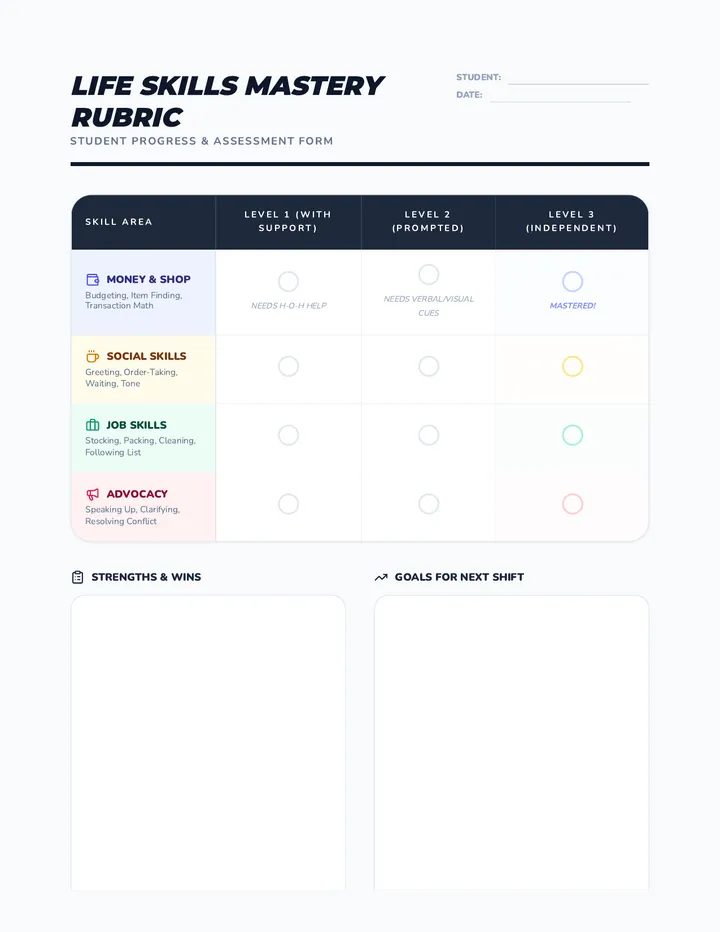
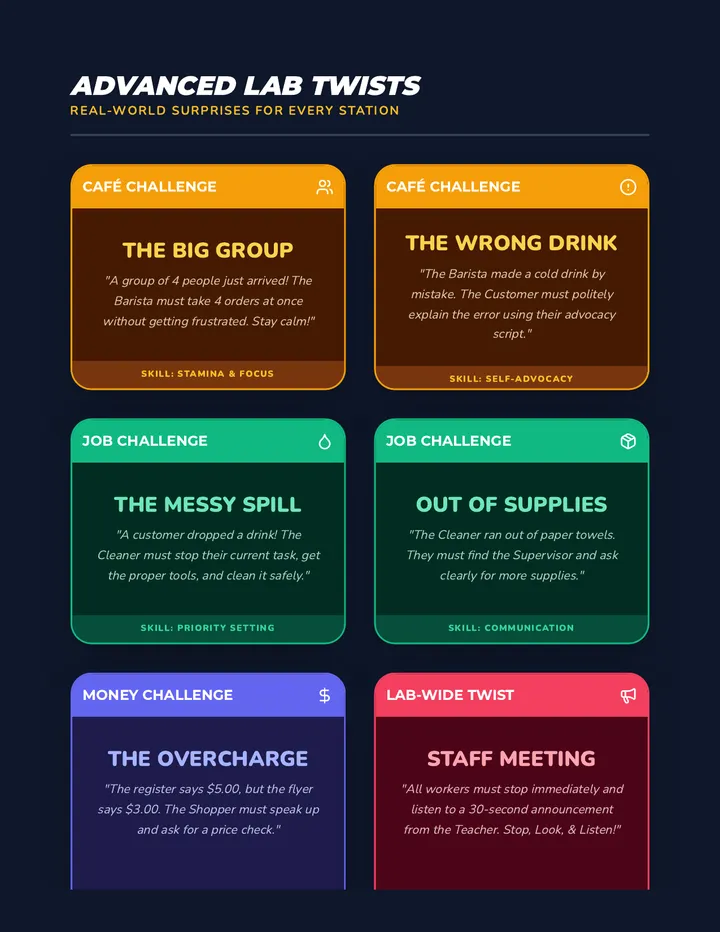
A comprehensive life skills rotation lesson covering budgeting, social interactions at a cafe, job skills (stocking/packing), and self-advocacy through role-play and game-based learning.
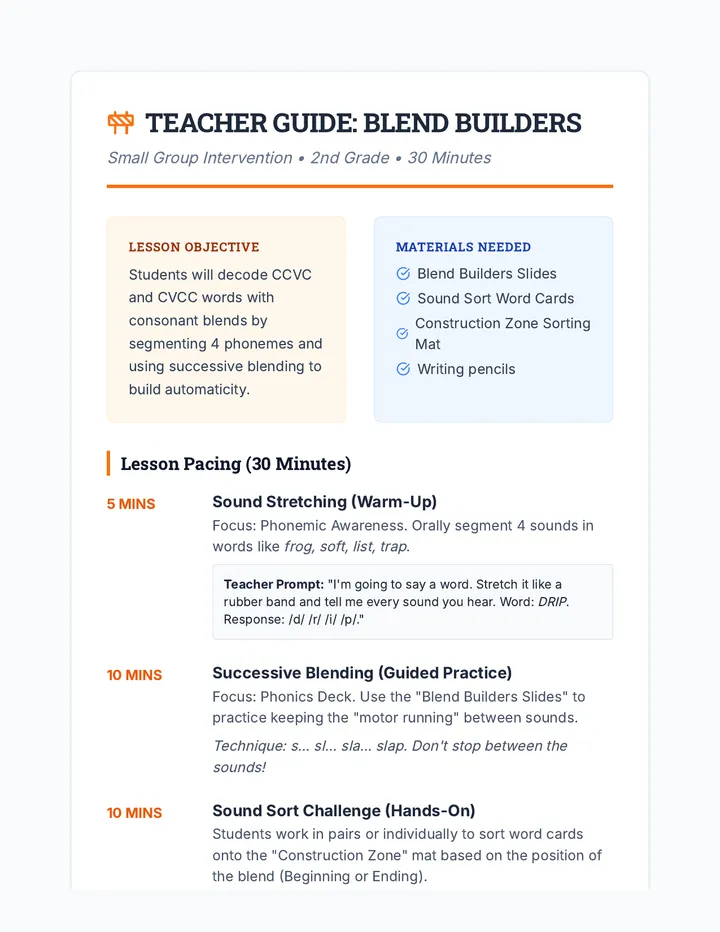
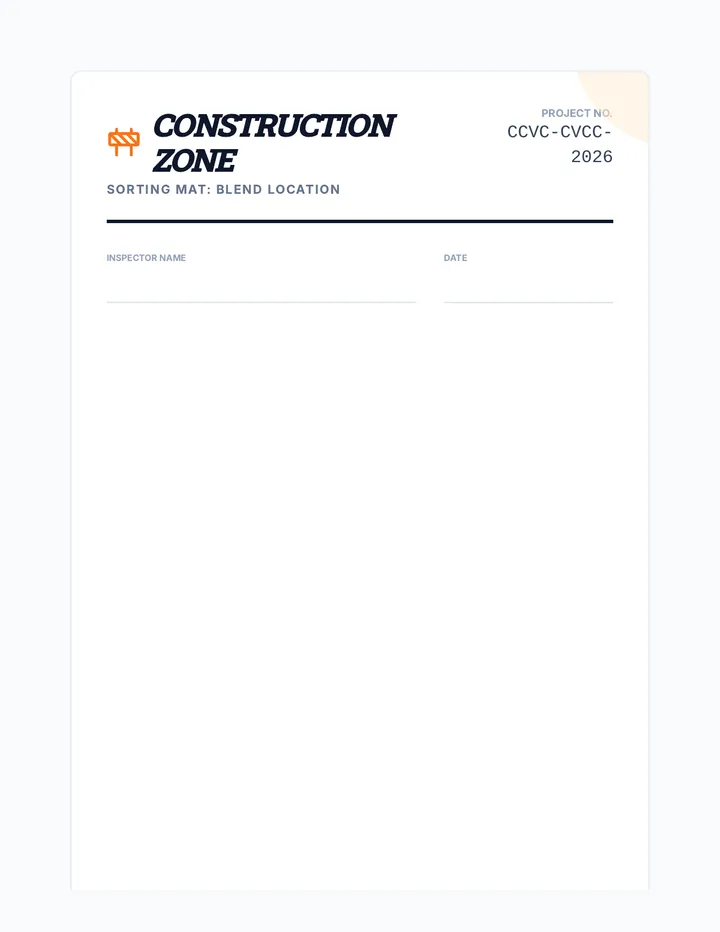
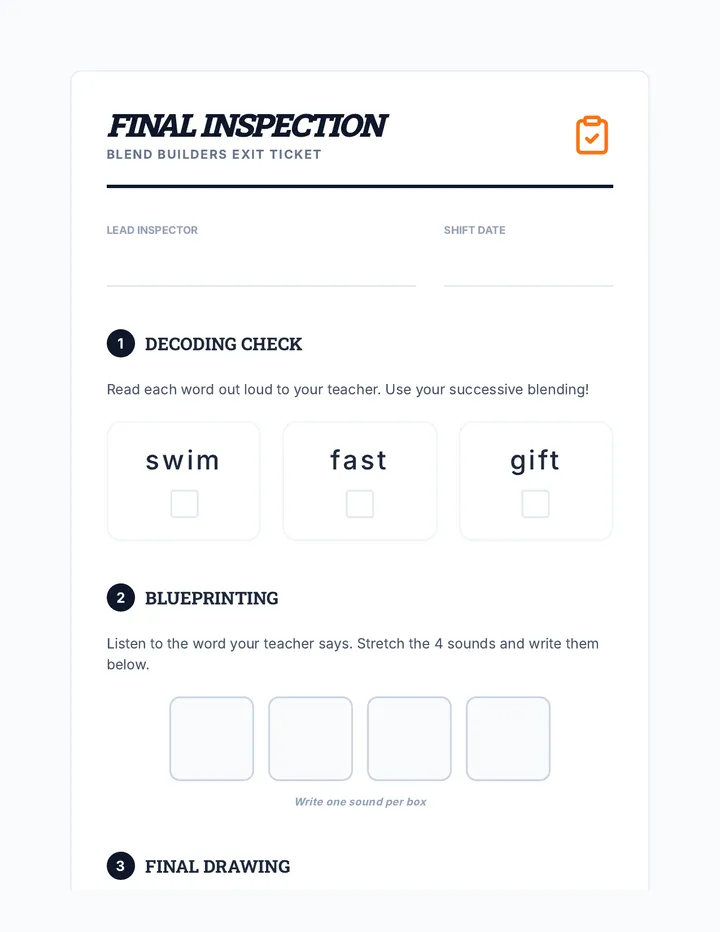
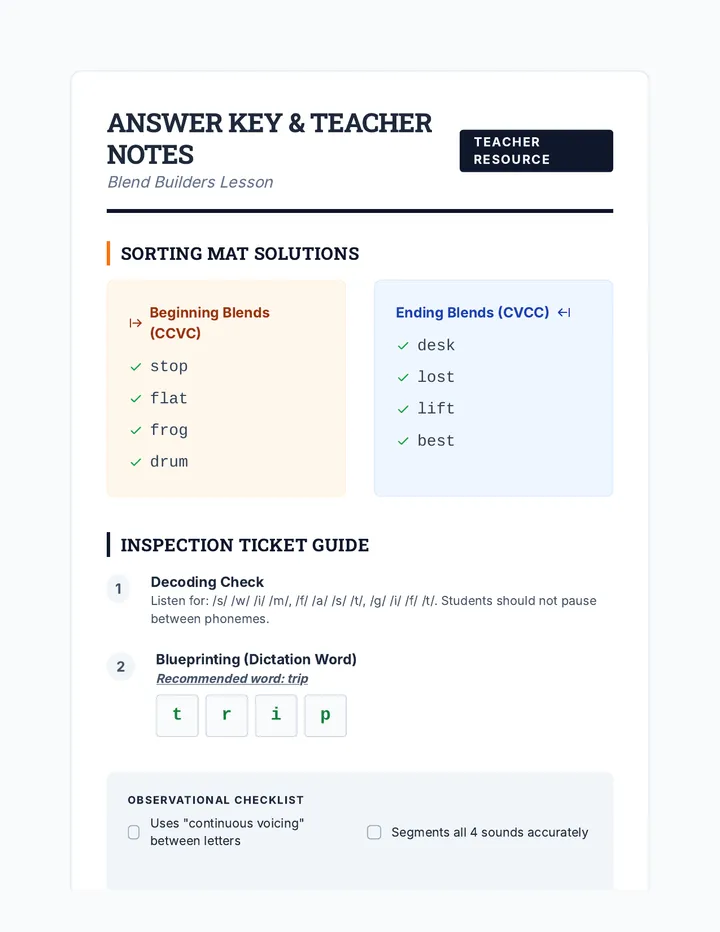
A focused 30-minute small group lesson for 2nd graders to master decoding CCVC and CVCC words with consonant blends through successive blending and hands-on sorting.
A comprehensive set of counting task cards focusing on identical items up to 20, designed for children with autism using clear visuals and predictable layouts across four high-interest themes: bugs, animals, trucks, and cars.