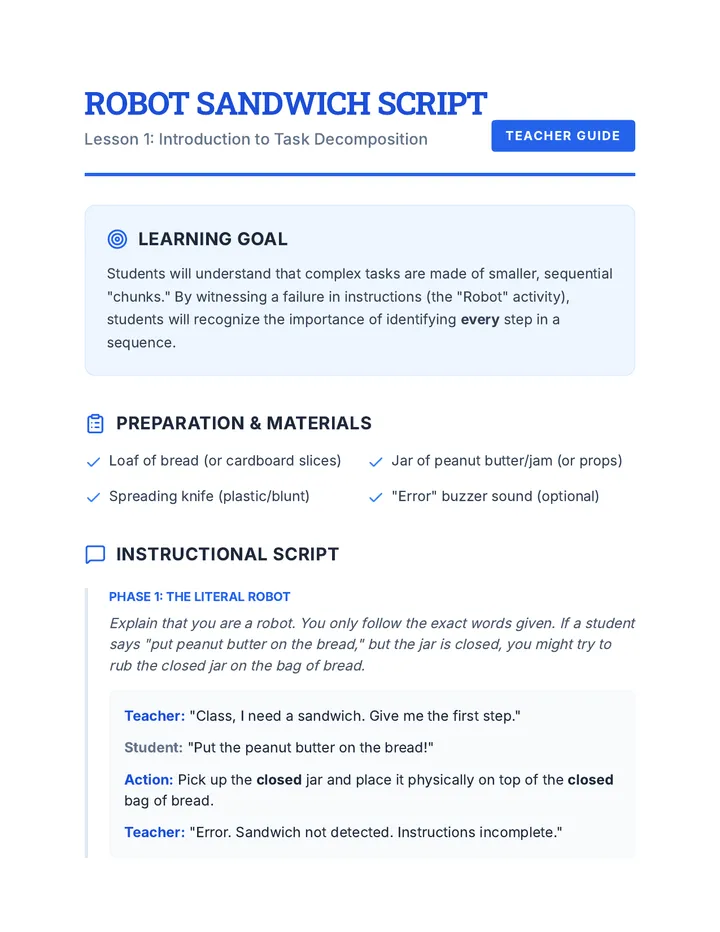
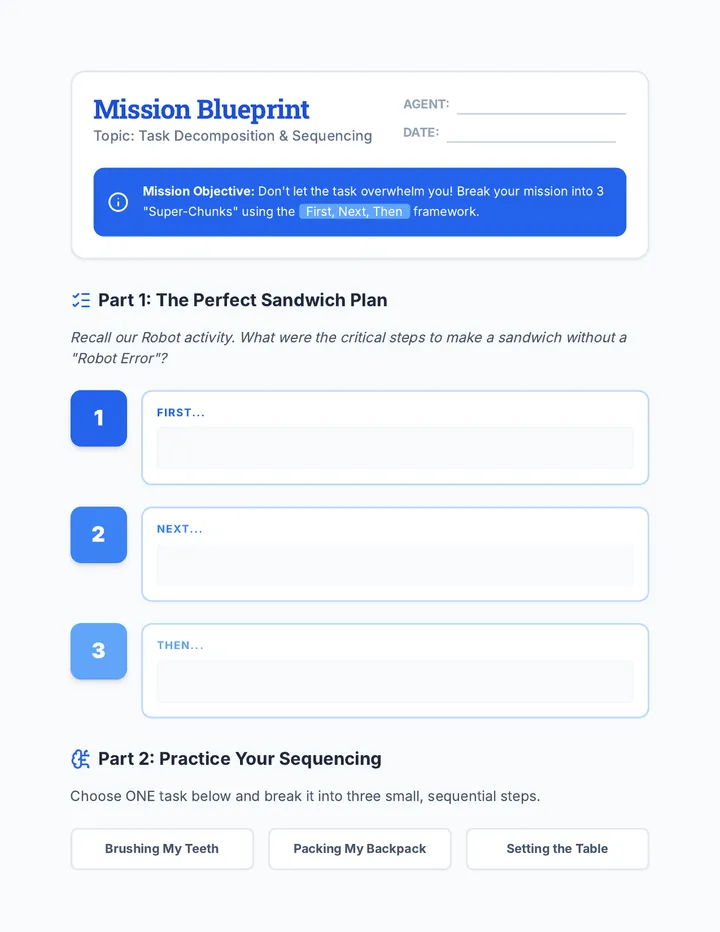
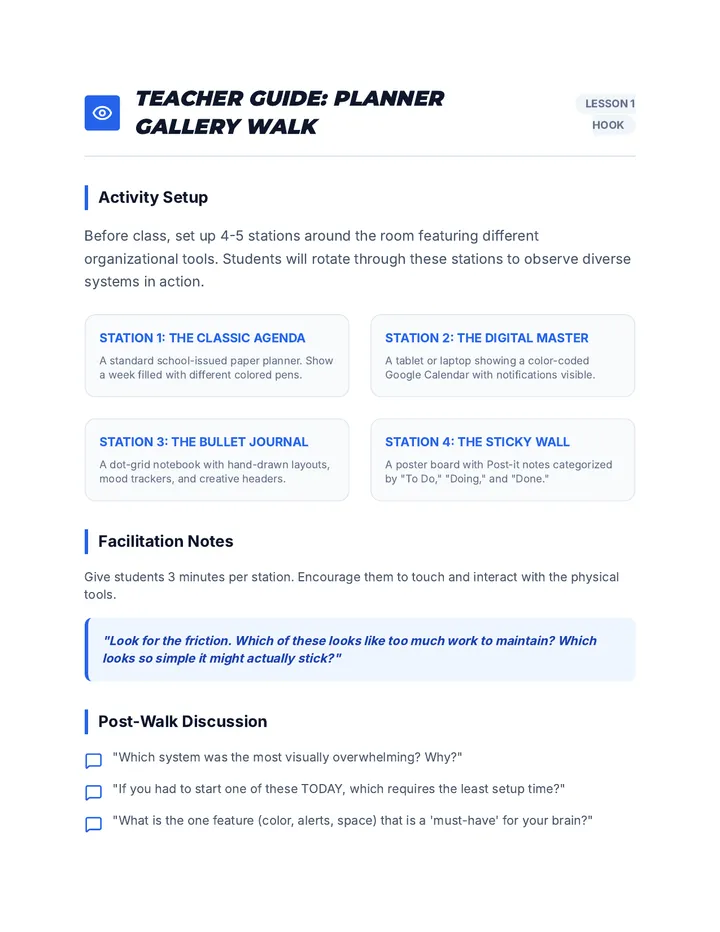
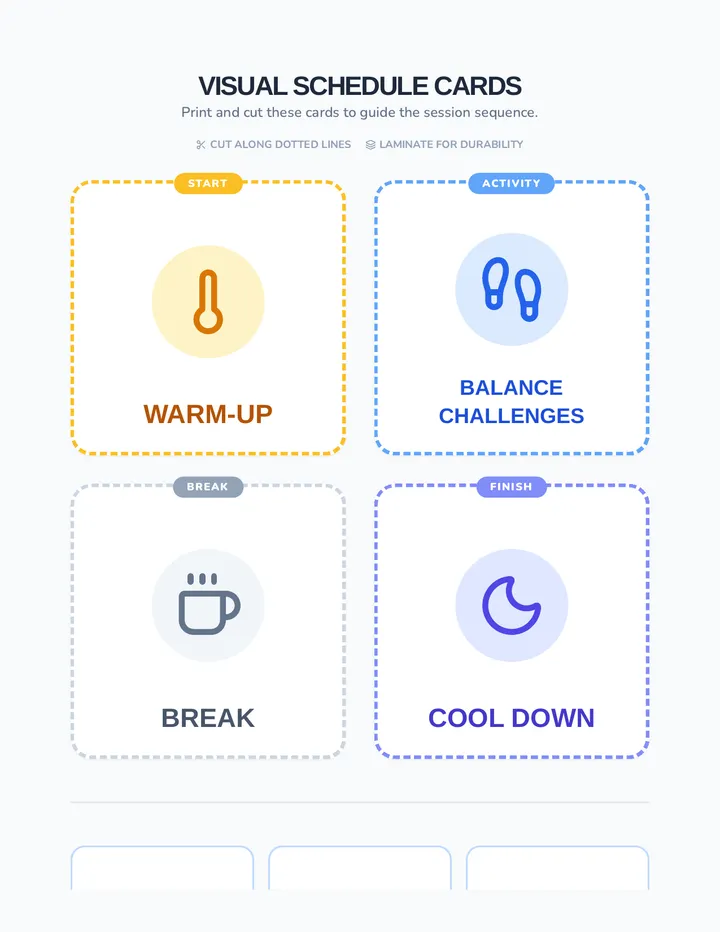
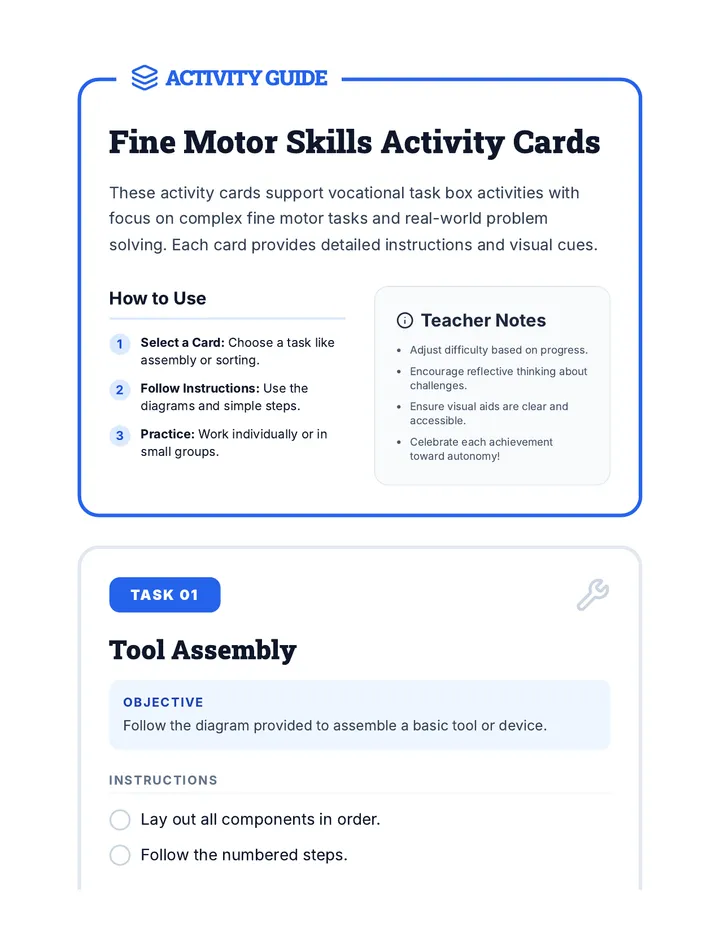
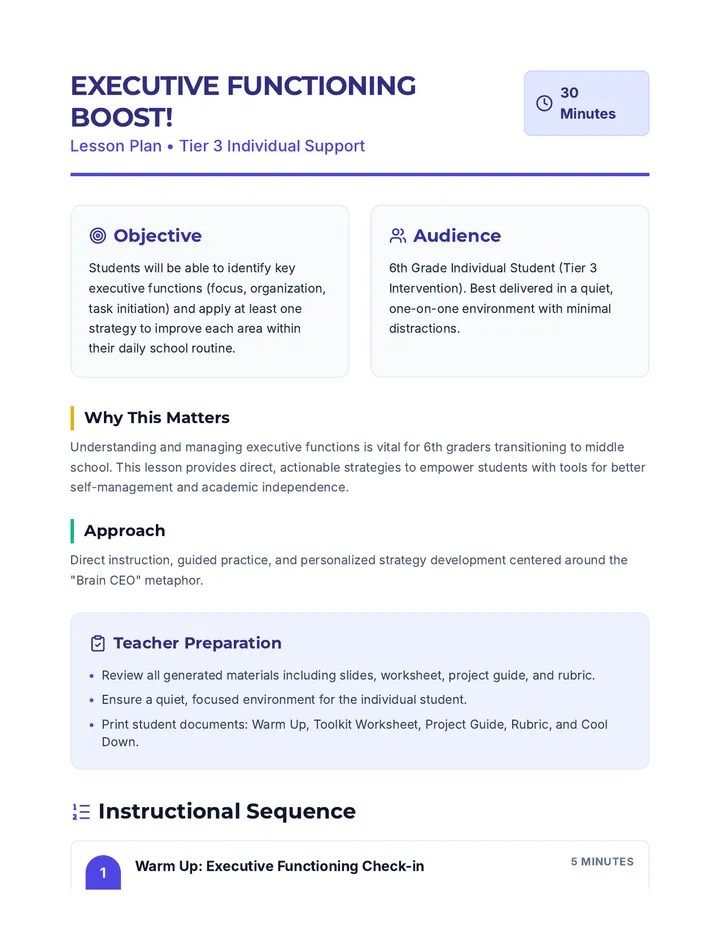
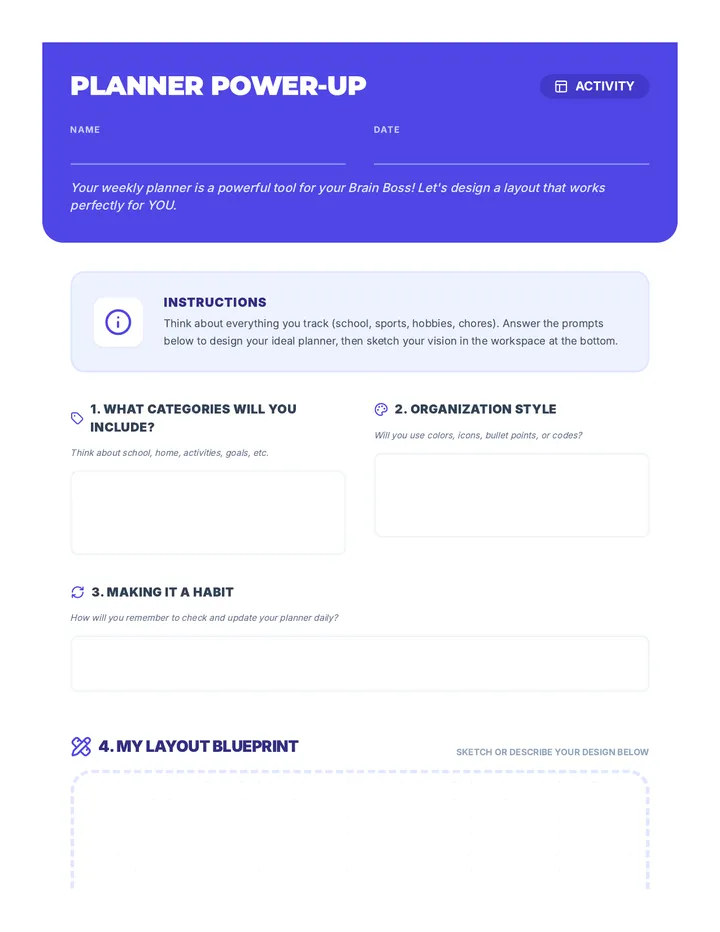
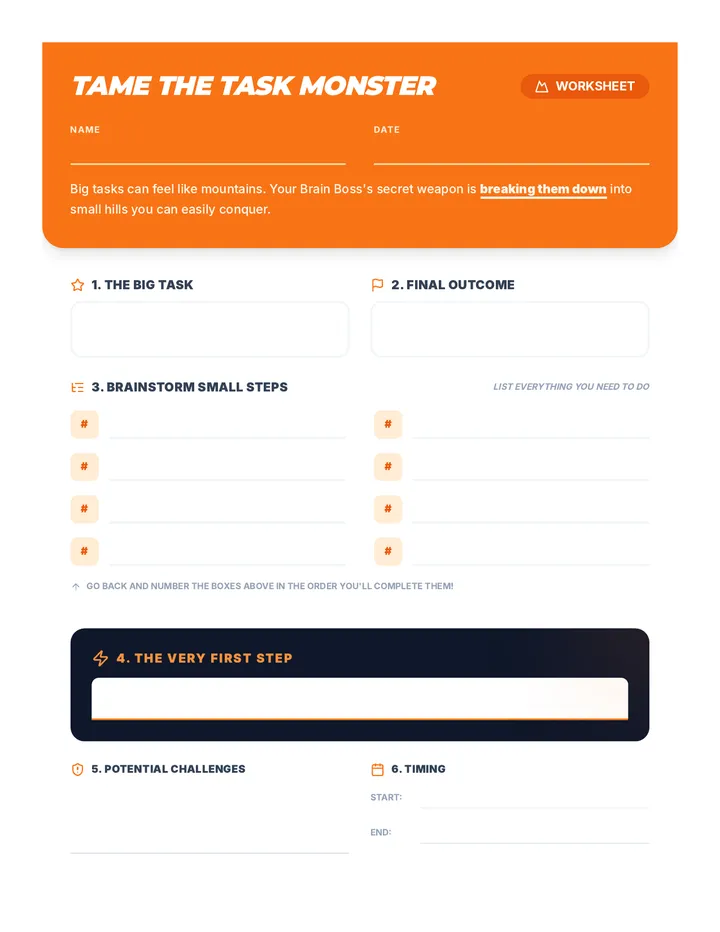
Visual schedules, timers, and task prioritization techniques to support executive functioning and independent workflow. Addresses workspace management, time estimation, and sequential task breakdown for diverse learning needs.
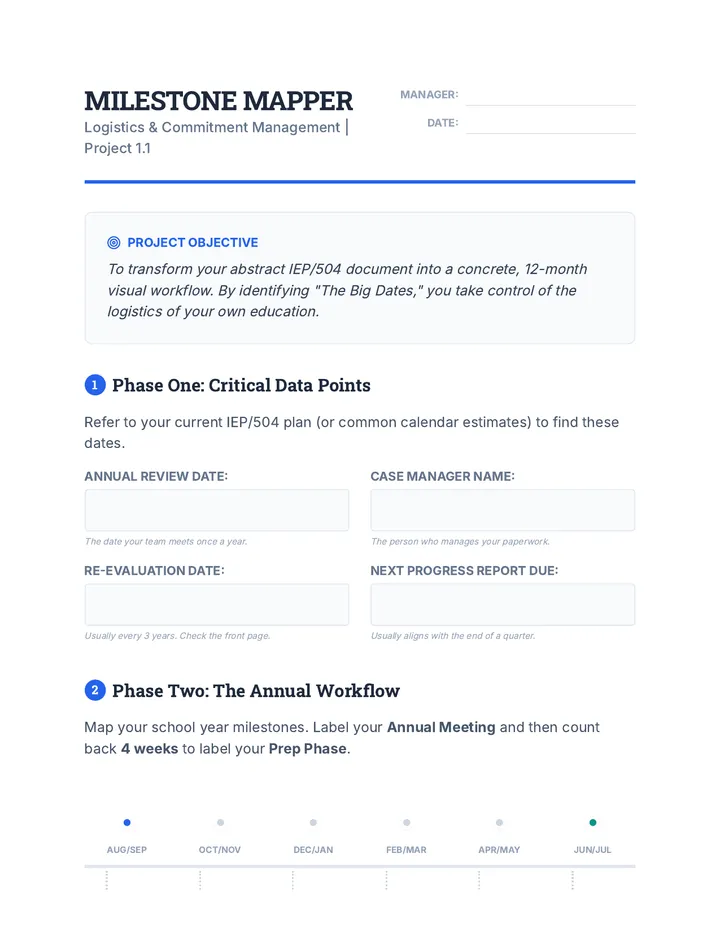
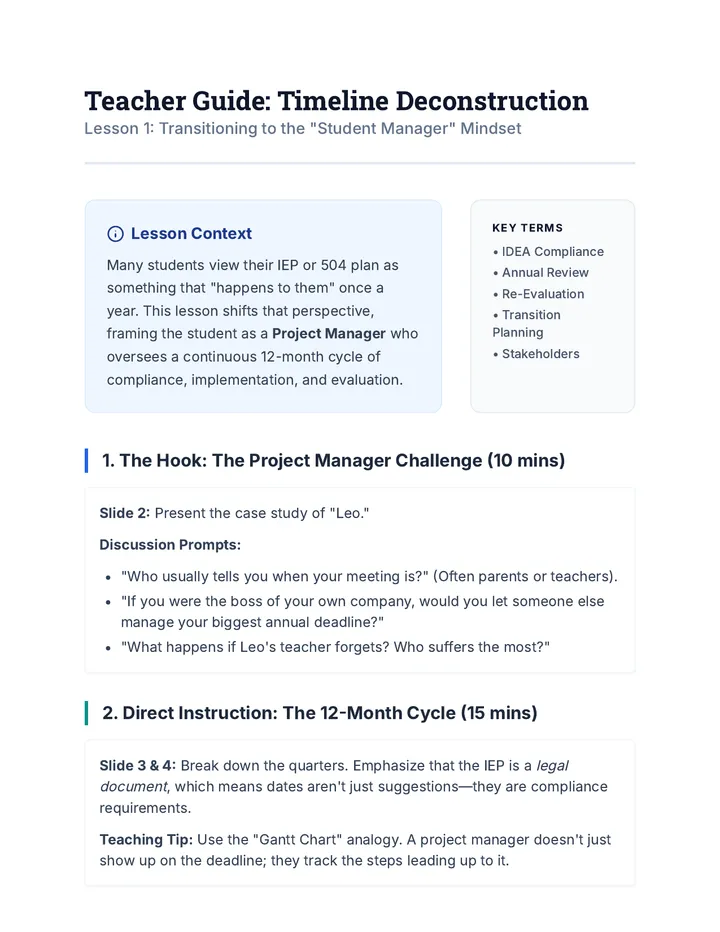
A 10th-grade sequence focused on empowering students to manage their own IEP/504 timelines, accommodations, and administrative responsibilities through the lens of project management. Students transition from passive recipients of services to active managers of their educational milestones.
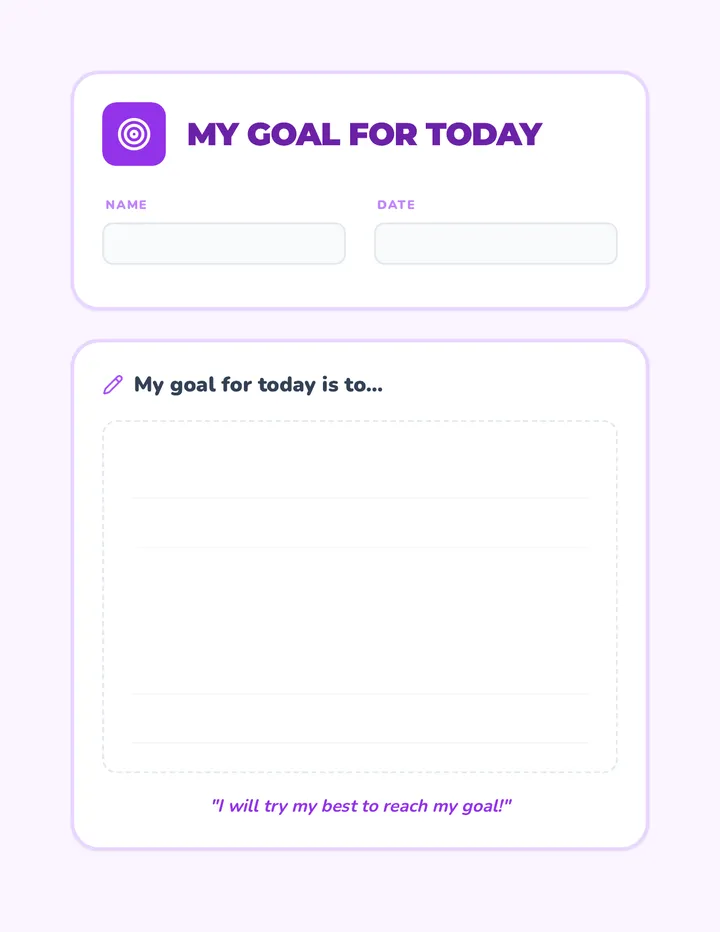
A 2nd-grade special education unit focused on executive function. Students learn to recognize the physical signs of being 'stuck' and categorize barriers into materials, comprehension, and environment.
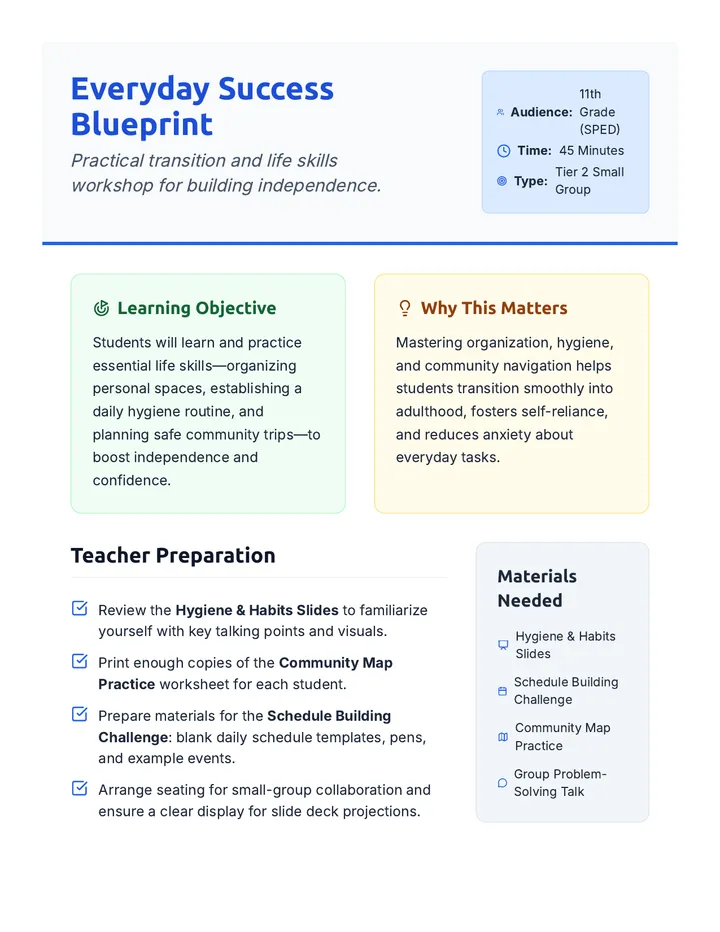
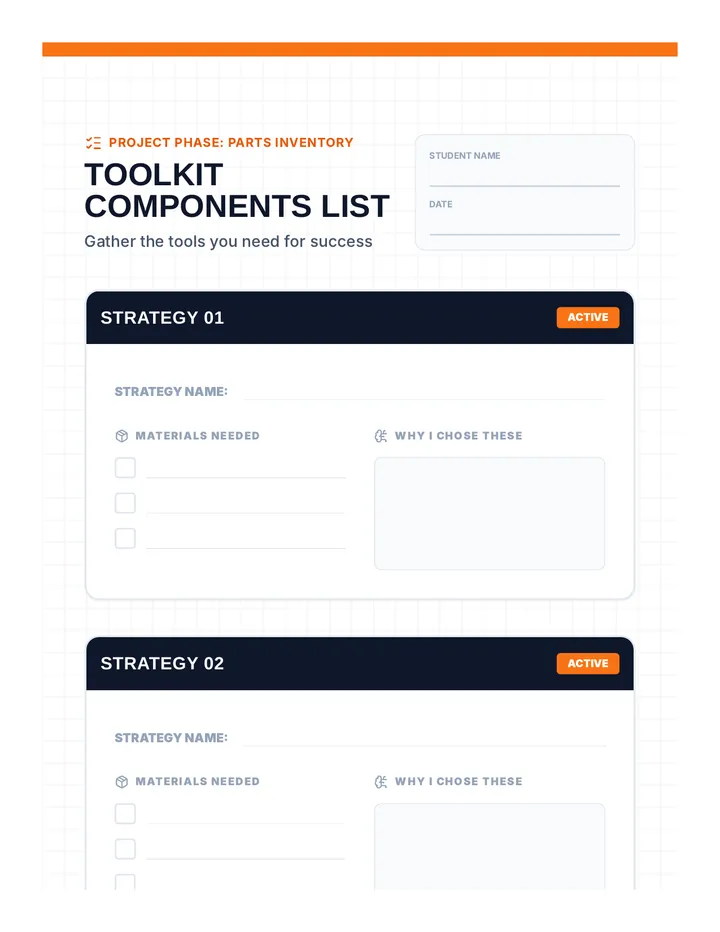
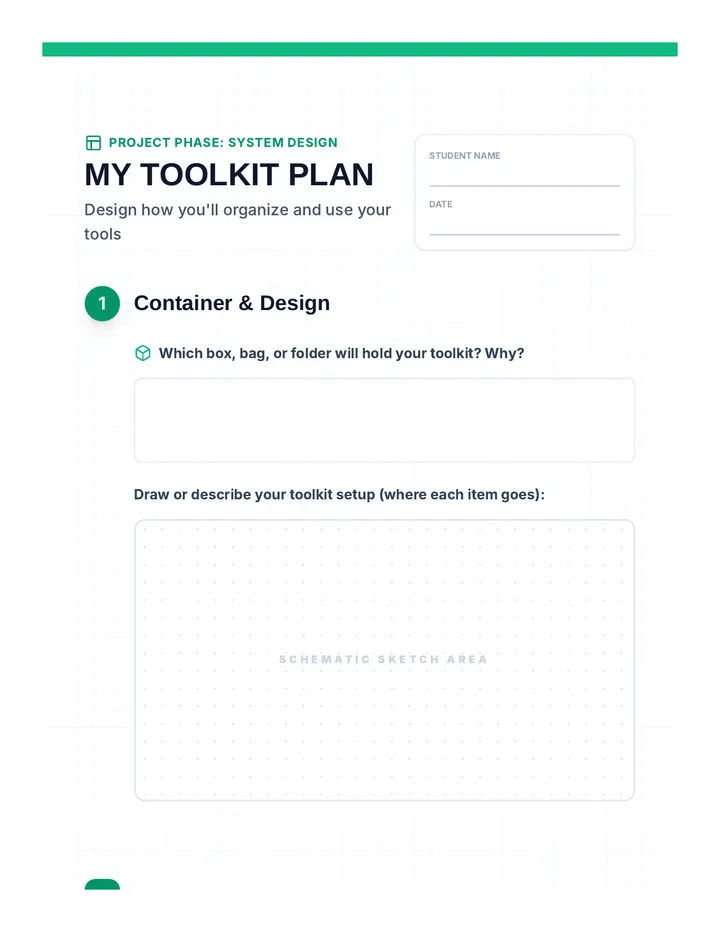
A comprehensive sequence for 11th-grade students focusing on the systems and environmental designs necessary for effective Special Education caseload management. Students explore physical workspace optimization, digital workflow tools, paperwork automation, and legal confidentiality requirements to build a personalized organizational toolkit.
Students design a comprehensive 'Teacher Command Center' for special education case management, focusing on reducing cognitive load through automated systems, checklists, and organized filing.
A Kindergarten sequence focused on teaching students to use environmental visual cues as memory aids to support working memory and independence in the classroom. Students learn to recognize labels, match objects to shadows, use color-coding, and create their own organizational systems.
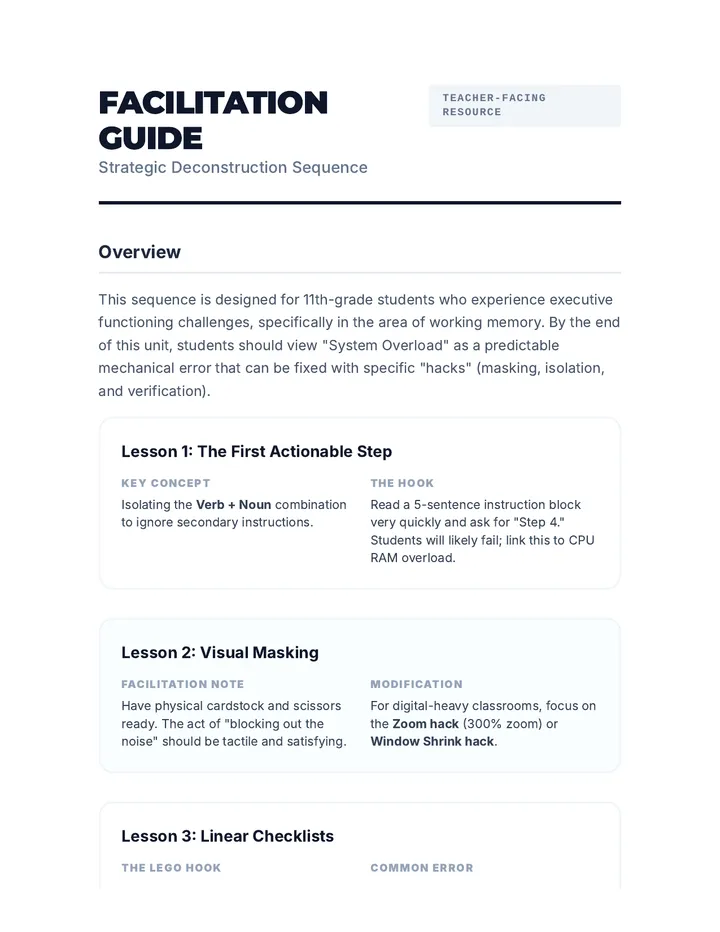
A project-based sequence for 11th-grade special education students focusing on working memory through procedural assembly. Students learn to manage cognitive load by isolating single-step instructions and verifying their work during fabrication tasks.
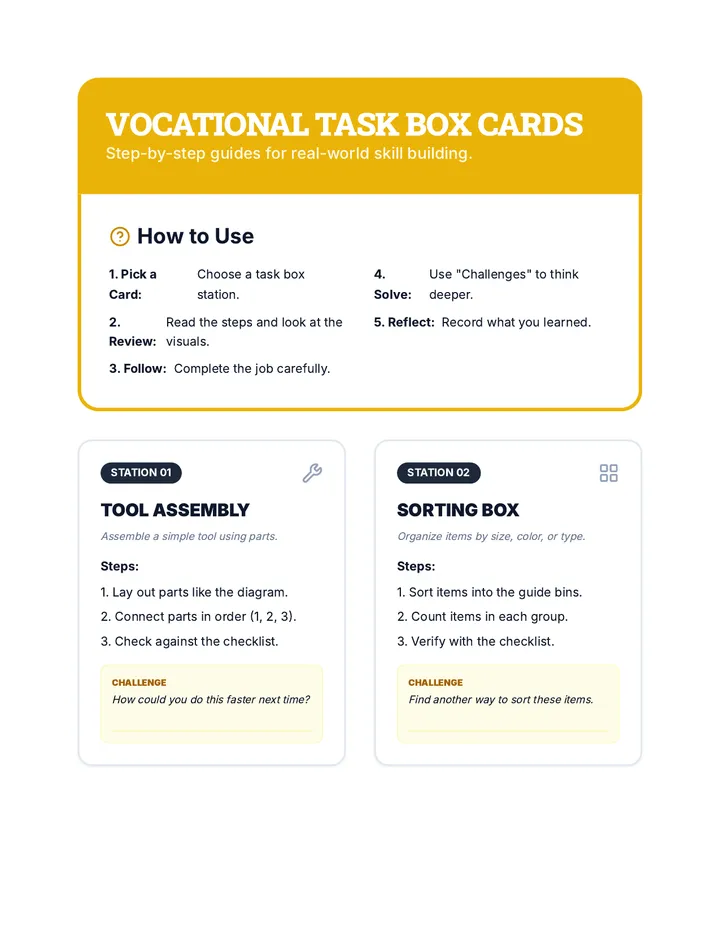
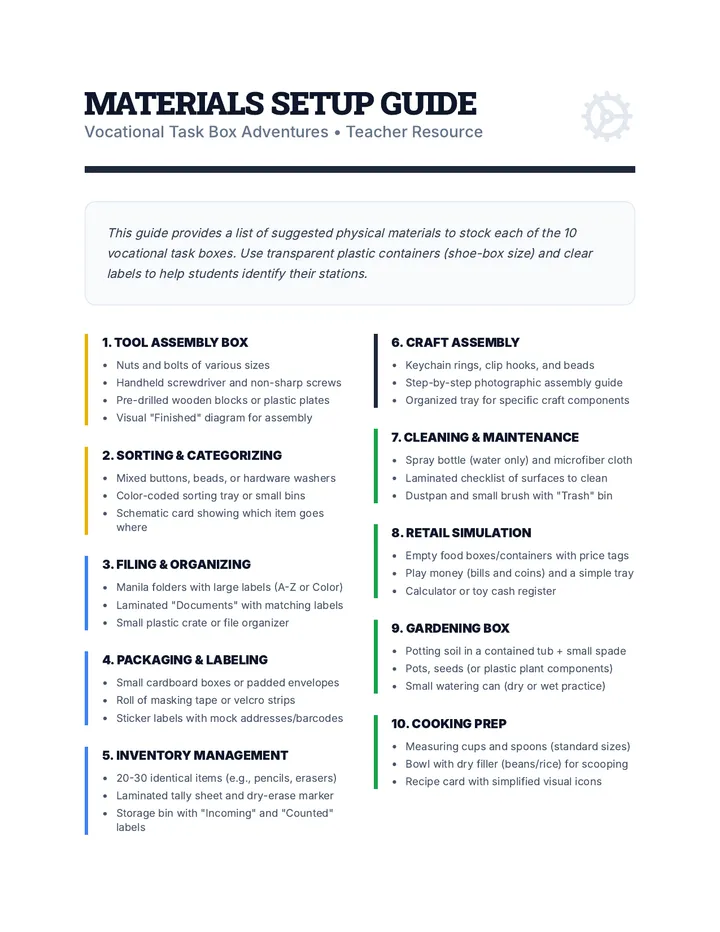
This sequence focuses on vocational and life skills, applying single-step direction following to physical assembly and procedural tasks. Students learn to navigate technical diagrams and standard operating procedures by isolating one action at a time to support working memory.
A 5-lesson unit for 3rd graders on mastering memory using the Leitner System of spaced repetition. Students learn to build, manage, and reflect on a physical flashcard system to improve long-term retention of academic facts.
This sequence empowers 8th-grade students to take ownership of their learning by building and maintaining a student-led data binder. Students learn to translate IEP goals, organize physical evidence, graph their own progress, and use their data to advocate for themselves in educational settings.
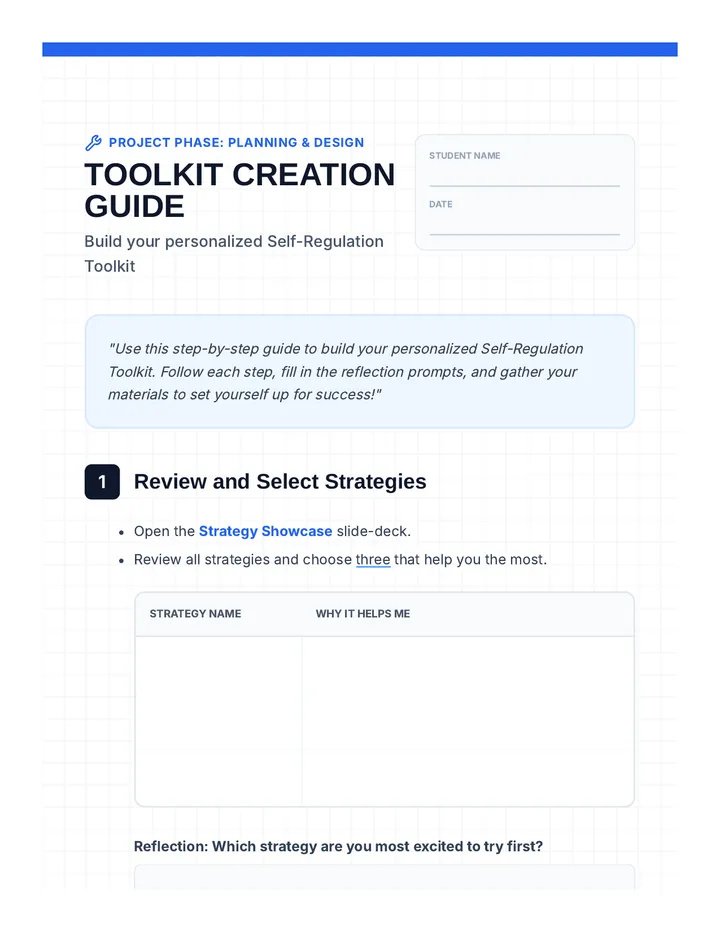
A 5-lesson sequence designed for 8th-grade students to investigate, organize, and manage their personal sensory regulation tools. Students move from exploring sensory needs to designing personal storage systems and establishing protocols for non-disruptive use in the classroom.
A comprehensive sequence designed for 8th-grade special education students to master physical organization. Through a workshop approach, students audit their current materials, implement color-coded systems, optimize their binders, plan leur storage spaces, and establish sustainable weekly routines.
A comprehensive sequence for 12th-grade students focusing on physical material organization through the lens of sensory regulation and universal design. Students learn to analyze environments, zone functional areas, and design accessible workstations for personal and professional success.
This sequence teaches 6th-grade students how to responsibly manage, maintain, and advocate for sensory tools in the classroom. It transitions students from identifying tools to becoming independent managers of a shared resource library.
A 5-lesson sequence for 6th-grade students focusing on physical organization through visual supports and color-coding. Students move from identifying classroom systems to designing and auditing them to build independence and shared responsibility.
This sequence focuses on the physical organization of sensory tools and self-regulation aids for 9th-grade students. It guides them through inventorying their tools, assembling portable kits, mapping accessibility zones, and maintaining their equipment with social awareness and discretion.
A 5-lesson sequence for 9th-grade students to build and maintain a physical 'Advocacy Portfolio' of their Special Education documentation. This unit teaches document literacy, physical organization, and the importance of record-keeping for self-advocacy.
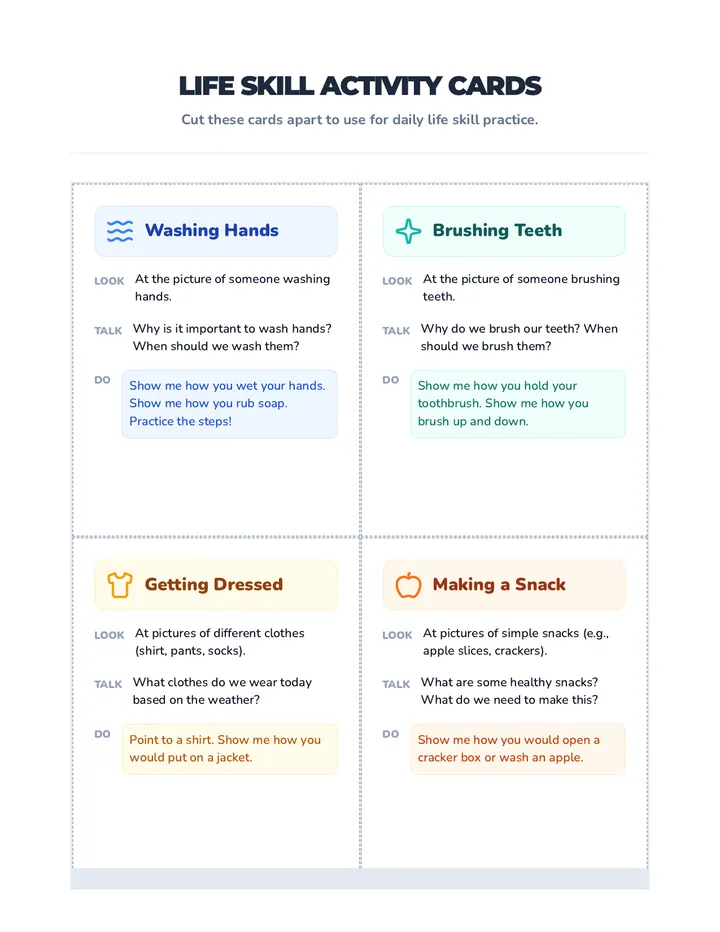
A sequence focused on using color-coding and visual symbols to help 1st-grade special education students organize classroom materials. Students progress from simple color matching to organizing personal subject folders and creating their own visual labels.
A comprehensive sequence for 11th-grade students to master the organization, maintenance, and management of sensory tools and classroom resources. Students transition from identifying tools to designing professional-grade inventory and hygiene systems.
A comprehensive sequence for 11th-grade students focusing on the design, psychology, and fabrication of visual organizational supports. Students learn to reduce cognitive load through effective visual hierarchy, standardized systems, and durable material creation.
A game-based sequence designed for 11th-grade students to master physical organization. Through time-motion studies, 'pit crew' simulations, and TEACCH-inspired workflow systems, students learn to minimize 'lost learning time' and maximize efficiency in educational environments.
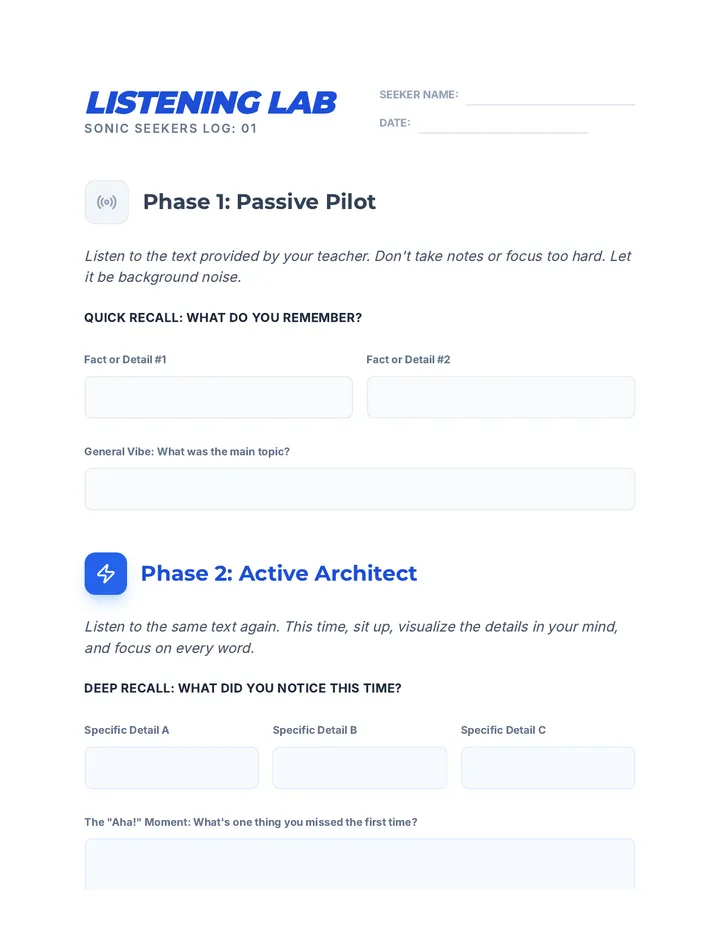
This sequence shifts the focus from assistive technology to the cognitive strategies required for auditory learning. Students engage in inquiry-based activities to distinguish between passive hearing and active listening, applying specific comprehension strategies while using text-to-speech (TTS) to access grade-level texts.
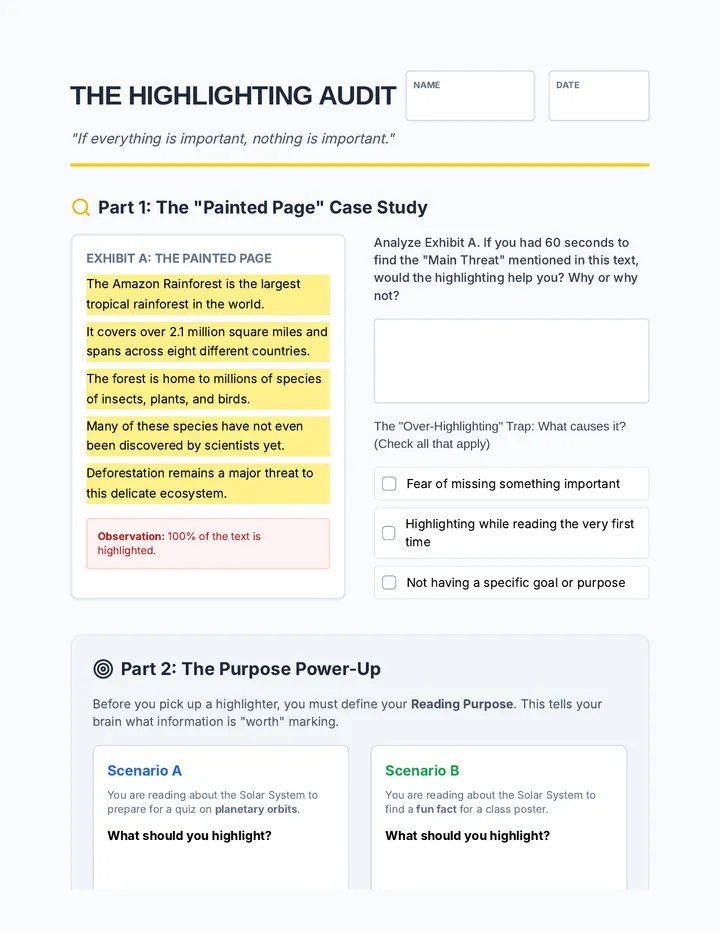
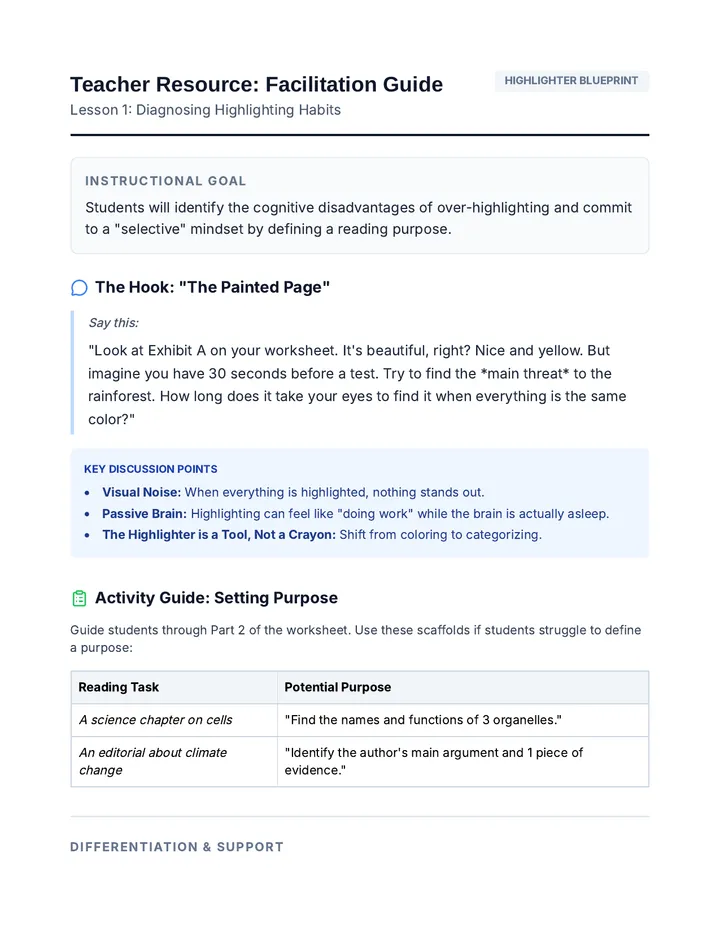
A 5-lesson sequence for 9th-grade students to master a systematic, three-color highlighting strategy, moving from identifying 'over-highlighting' pitfalls to independent application on non-fiction texts.
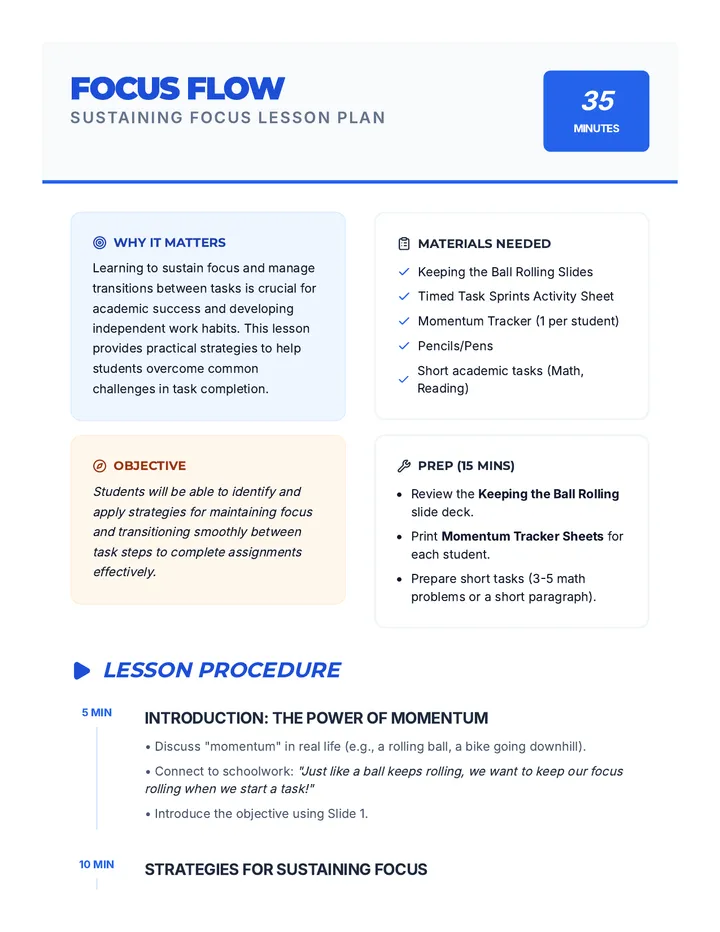
A 5-lesson sequence for 9th Grade Special Education students focused on the neurobiology of attention, interval-based work techniques, environmental management, and energy regulation to improve task execution and self-regulation.
A 2nd-grade Special Education sequence focused on cognitive flexibility, emotional regulation during transitions, and problem-solving when routines change. Students learn to transition from 'rigid' to 'flexible' thinking using the 'Plan B' detour metaphor.
A comprehensive sequence designed for Kindergarten students in Special Education to master the concept of time, transitions, and break management using visual timers and structured protocols.
This sequence introduces Pre-K students in Special Education to visual timers to manage transitions. It covers exploring timers, practicing waiting, working during timed intervals, responding to 'all done' signals, and moving to break zones.
An undergraduate-level course focusing on the data-driven application of break strategies for neurodivergent learners. Students analyze learner profiles, design schedules, create data collection tools, and draft legally sound IEP accommodations to optimize regulation and task management.
A workshop-style sequence for undergraduate education students focusing on the neurobiology, design, and implementation of strategic break systems for neurodivergent learners. Students transition from theoretical understanding to creating tangible visual supports and transition protocols.
A sequence for 6th-grade students focusing on identifying distractions, designing effective workspaces, and mastering time-management techniques like Pomodoro and single-tasking to improve executive function and focus.
This advanced sequence guides graduate students through the design, implementation, and evaluation of strategic break protocols for neurodivergent learners. It covers the neurobiological basis for self-regulation, visual supports, sensory modality matching, and data-driven efficacy evaluation to foster student independence.
A Kindergarten sequence focused on task persistence and emotional regulation for Special Education students. Students learn to identify frustration, use 'yet', ask for help strategically, break tasks into steps, and apply these skills in an obstacle course.
A sequence designed for Kindergarten students to develop self-regulation and executive function skills through the use of visual checklists. Students learn to analyze tasks, sequence steps, and monitor their own progress to support working memory and independence.
A Kindergarten sequence focused on reducing cognitive load for multi-step directions using visual supports. Students move from teacher-led cues to self-directed visual sequencing through movement-based activities and games.
This sequence teaches 11th-grade students how to use digital visual systems (calendars, Kanban boards, and widgets) to support working memory and executive function. Students transition from reactive list-making to proactive visual time and task management, preparing them for the demands of college and career environments.
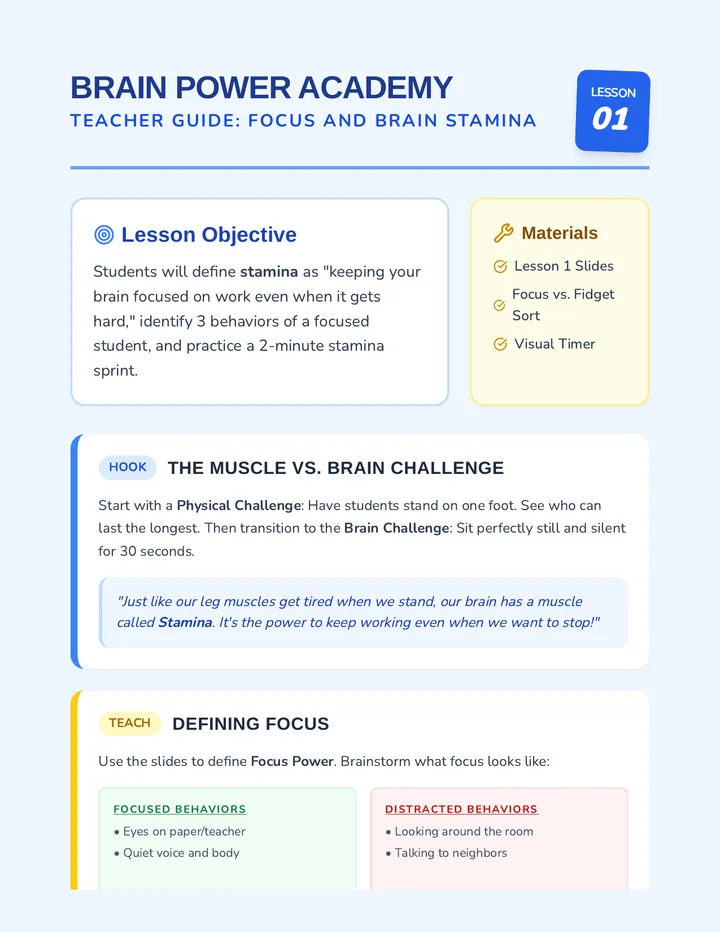
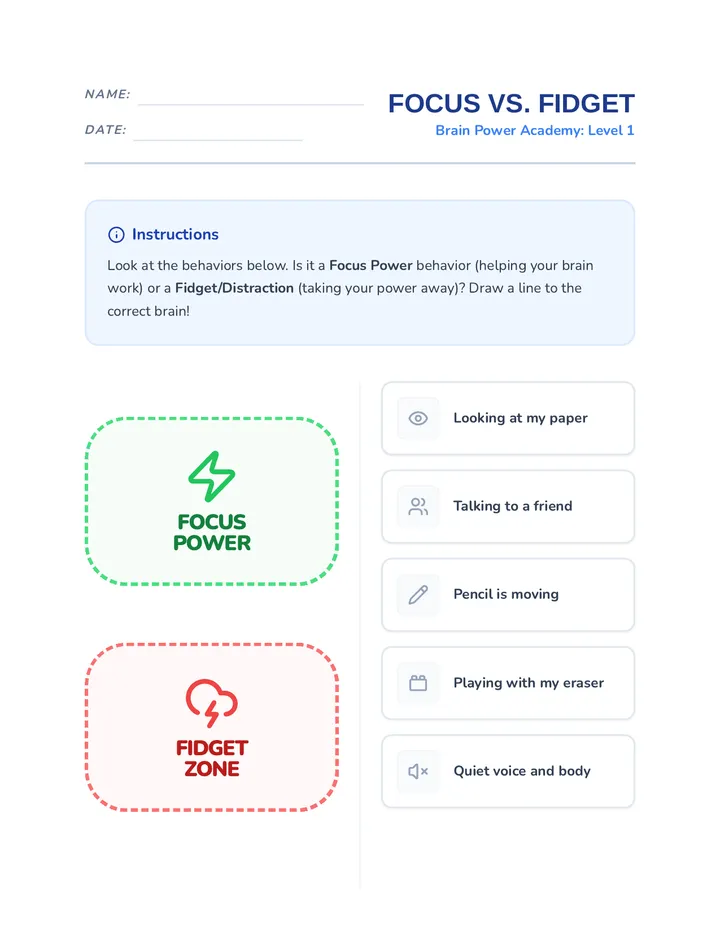
A comprehensive unit designed for 2nd-grade special education students to develop executive functioning skills, focusing on task persistence, stamina, and self-regulation through concrete strategies like chunking and positive self-talk.
This sequence teaches 6th-grade students how to manage cognitive load by breaking down complex instructions into single, manageable steps. It covers reverse engineering, chunking text, prioritizing the first step, digital task management, and logical sequencing.
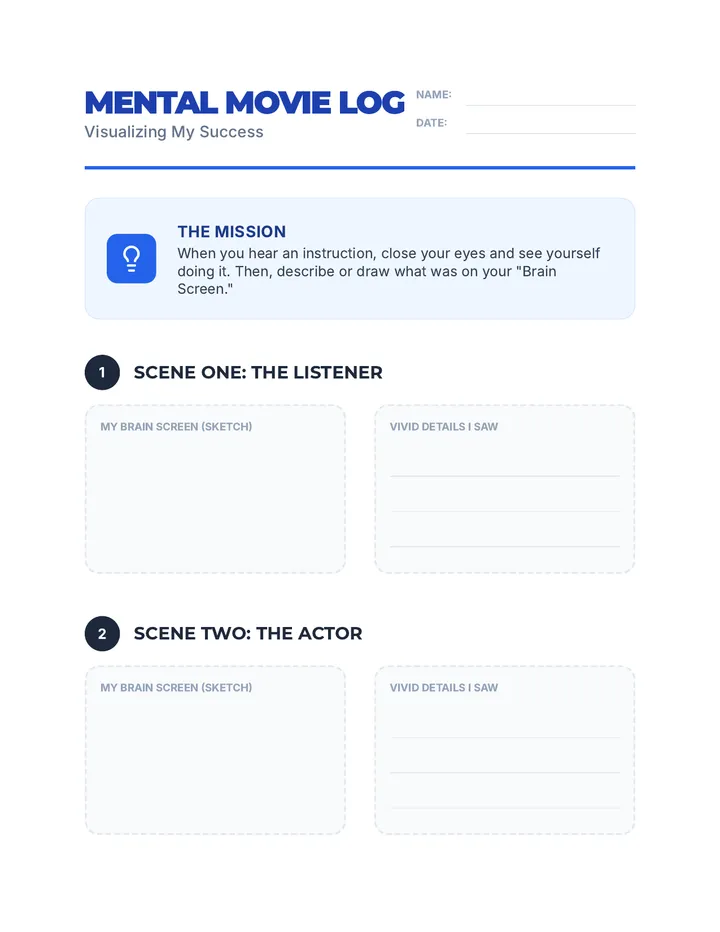
A specialized sequence for 6th-grade students focusing on working memory support through visual encoding. Students learn to transform auditory single-step directions into mental images and physical sketches to improve recall and task execution.
A foundational sequence for Pre-K students to develop working memory skills using visual supports. Students move from simple object-to-picture matching to using multi-step visual schedules and personal checklists.
A 5-lesson sequence designed for 5th-grade students focusing on working memory through physical navigation. Students practice spatial vocabulary, single-step commands, and sequential logic through movement-based activities.
A specialized sequence for 5th-grade students focusing on working memory support through task segmentation. Students learn to break complex tasks into single steps, using digital pacing and physical checklists to manage cognitive load and reduce anxiety.
This sequence equips 12th-grade students with advanced technical skills in Text-to-Speech (TTS) technology. It moves beyond basic tool usage to professional-grade workflows, including auditory calibration, OCR conversion, immersion reading, mobile synchronization, and technical troubleshooting, preparing students for the heavy reading demands of post-secondary environments.
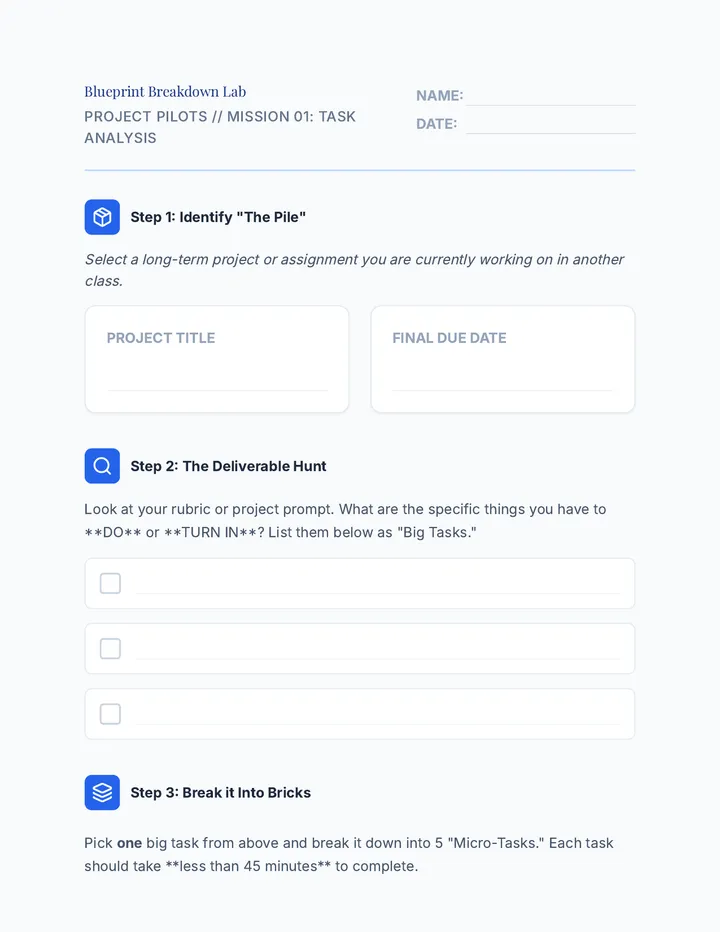
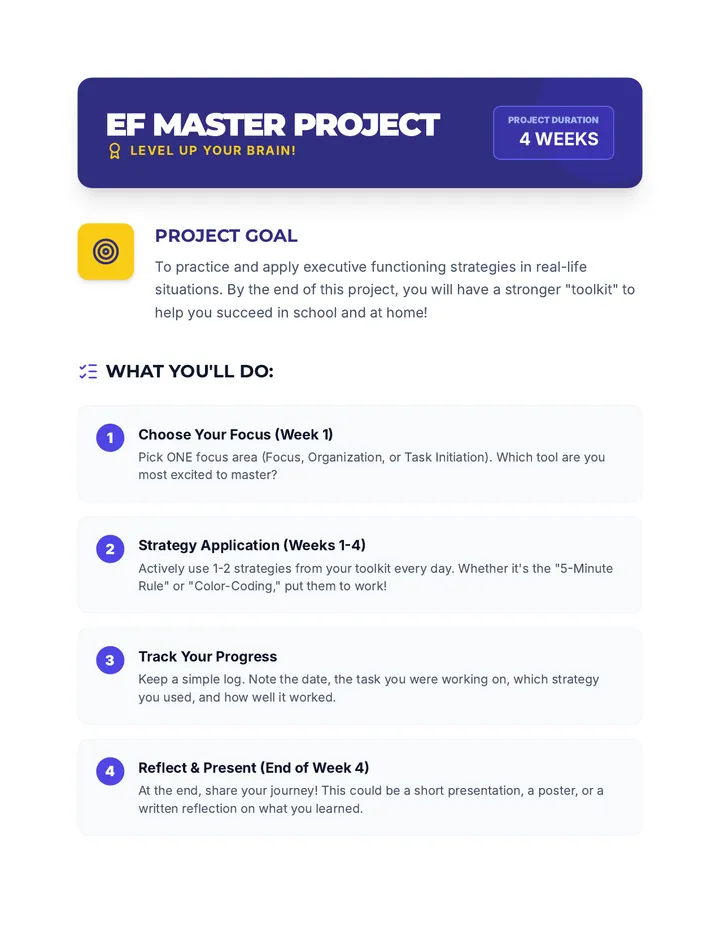
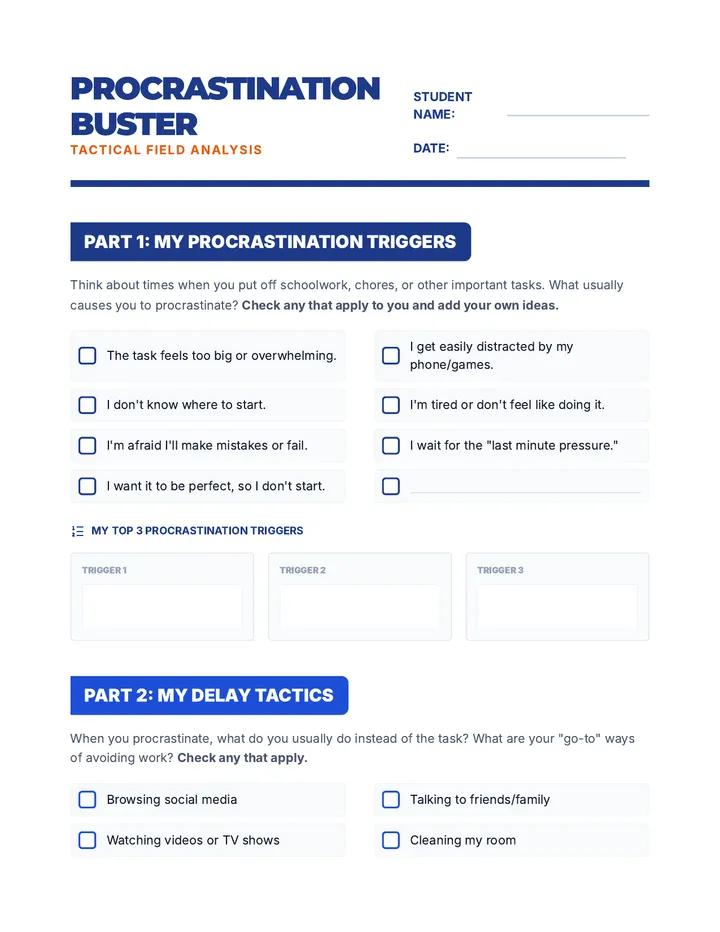
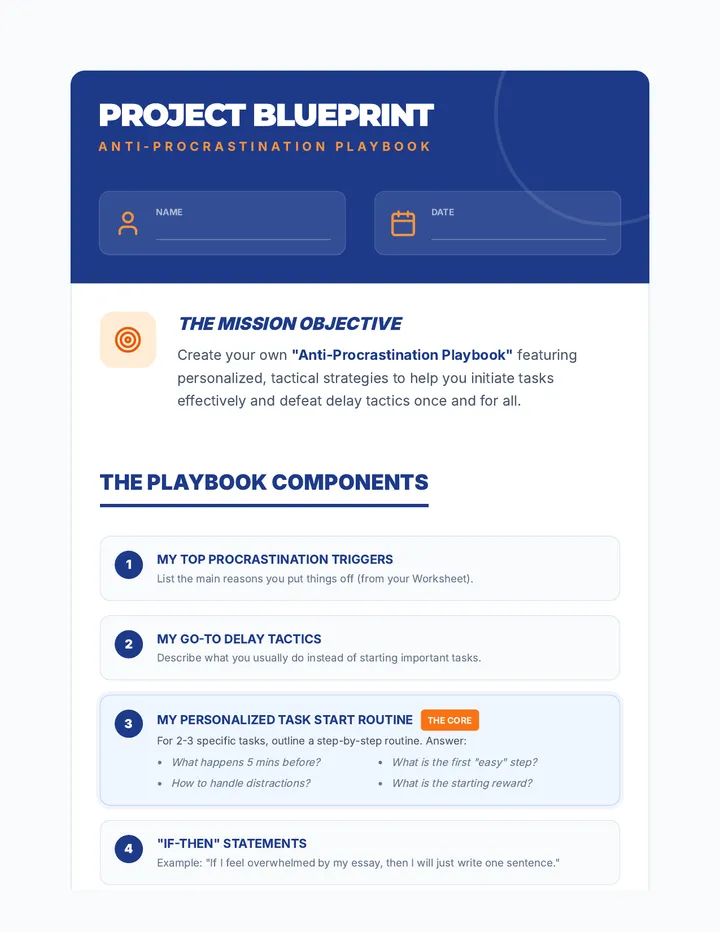
A specialized sequence for 9th-grade students with executive function challenges, focusing on deconstructing long-term projects, backward planning, overcoming procrastination, and building accountability structures.
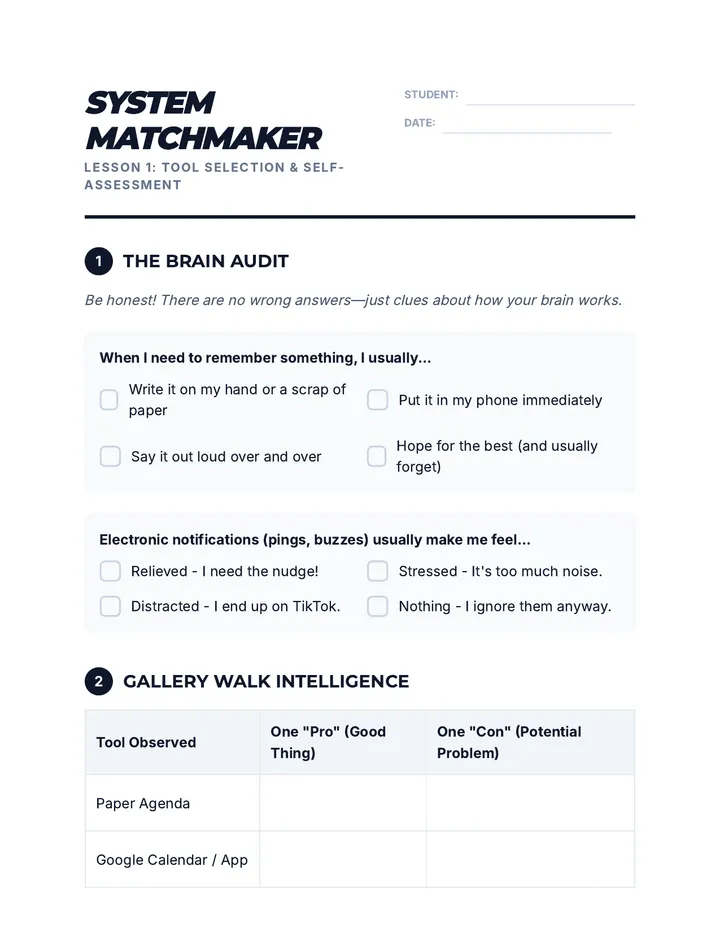
A comprehensive sequence designed to help 9th-grade students with executive function challenges develop, implement, and test personalized organizational systems. Students explore analog and digital tools, master calendar management, organize digital and physical spaces, and simulate real-world 'stress tests' to refine their chosen frameworks.
This sequence equips graduate-level special education students with the systems-thinking and logistical skills required to manage complex caseloads. It covers the mathematical realities of service delivery, the strategic selection of instructional models, master scheduling, and compliance-driven contingency planning.
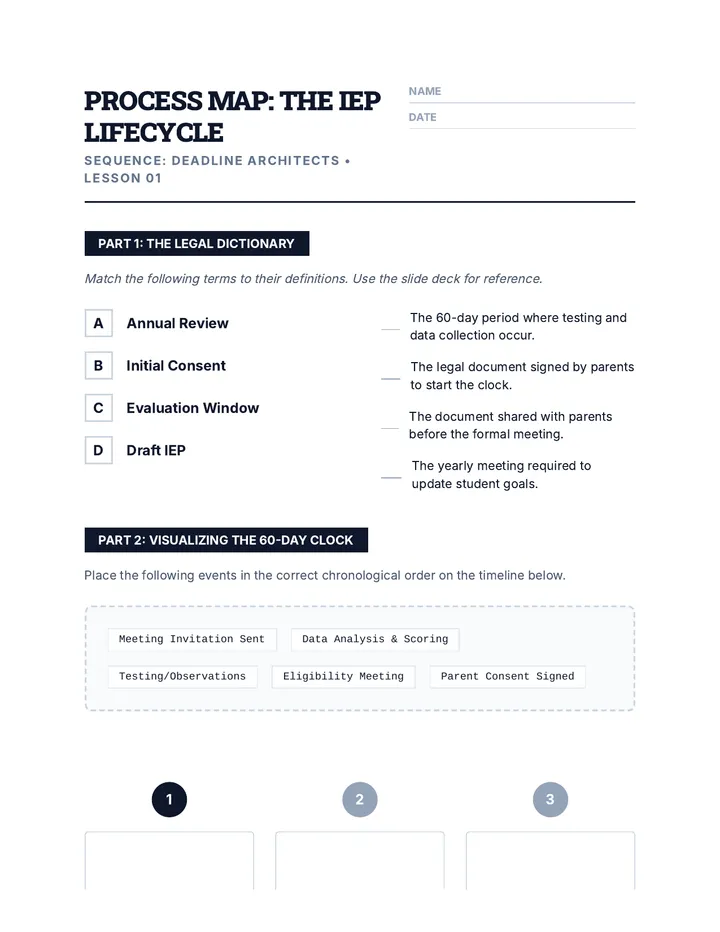
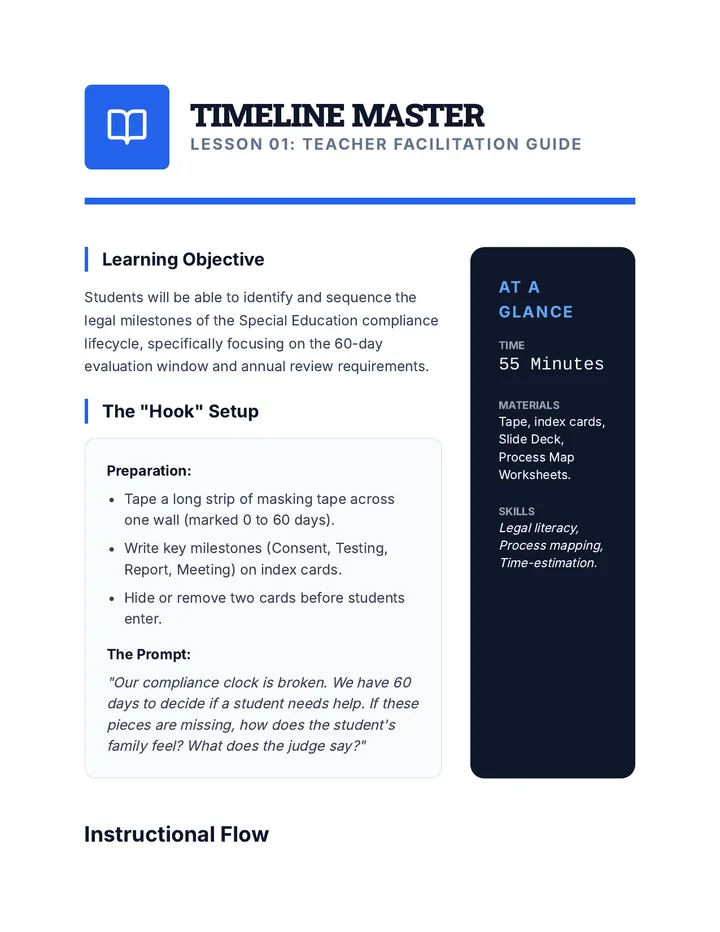
This sequence teaches 11th-grade students the essential skills of long-term project management through the lens of special education compliance. Students will master backwards planning, data collection scheduling, professional communication, and year-long calendar management to ensure legal deadlines are met without burnout.
This sequence introduces 12th-grade students to the complex workload management required in Special Education. Students will learn to categorize tasks into instruction, compliance, and assessment pillars, improve their time estimation skills, and apply productivity strategies like time-blocking and task-batching to create a functional weekly schedule.
A case-study driven sequence for 12th-grade students exploring the professional and legal challenges of balancing special education administrative duties with direct student support. Students analyze IDEA timelines, ethical decision-making frameworks, and professional communication strategies to manage competing priorities effectively.
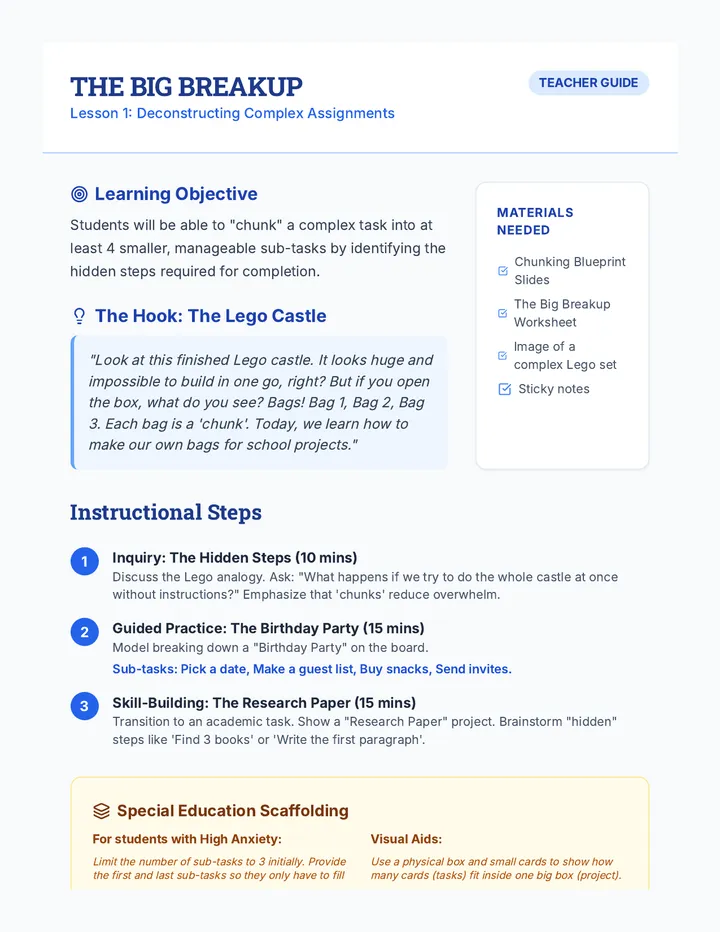
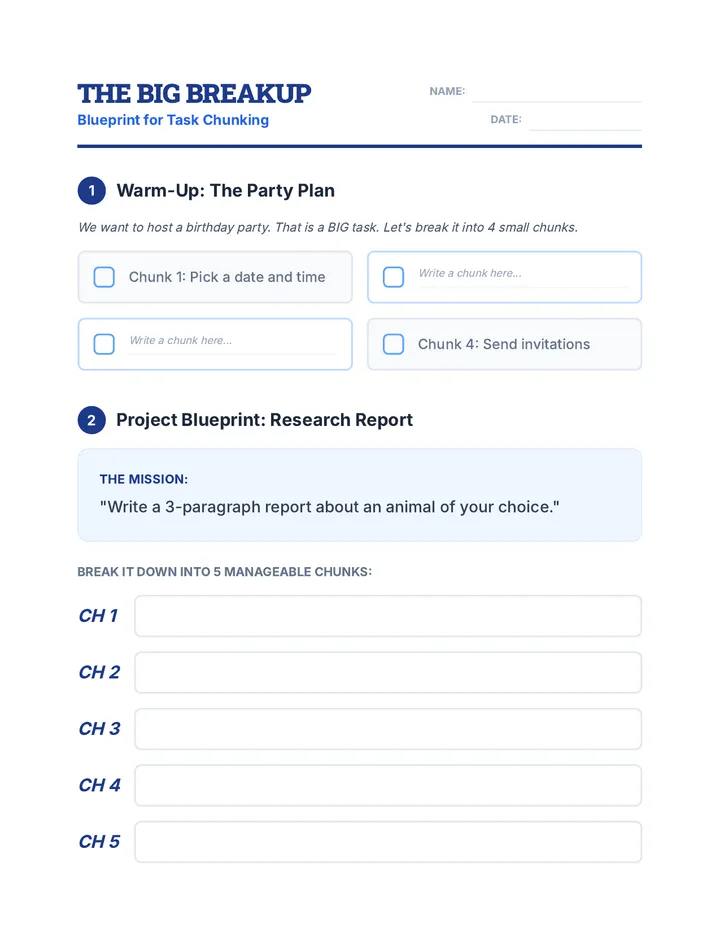
A comprehensive sequence designed to teach 6th-grade students the executive function skill of 'chunking.' Students learn to analyze complex assignments, use backward planning, estimate time accurately, and set milestones to manage long-term projects without feeling overwhelmed.
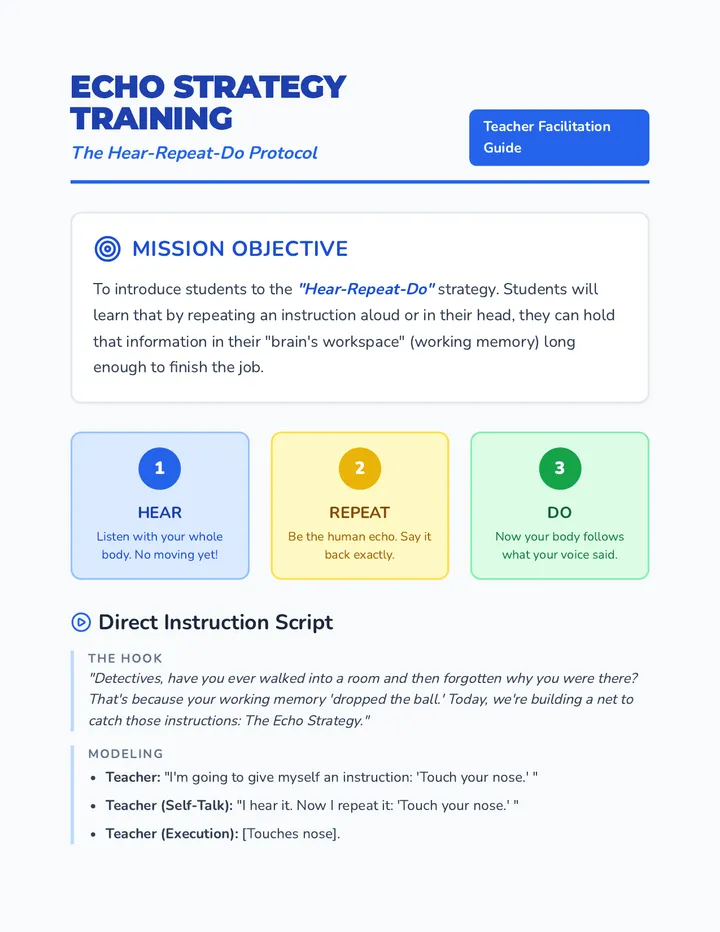
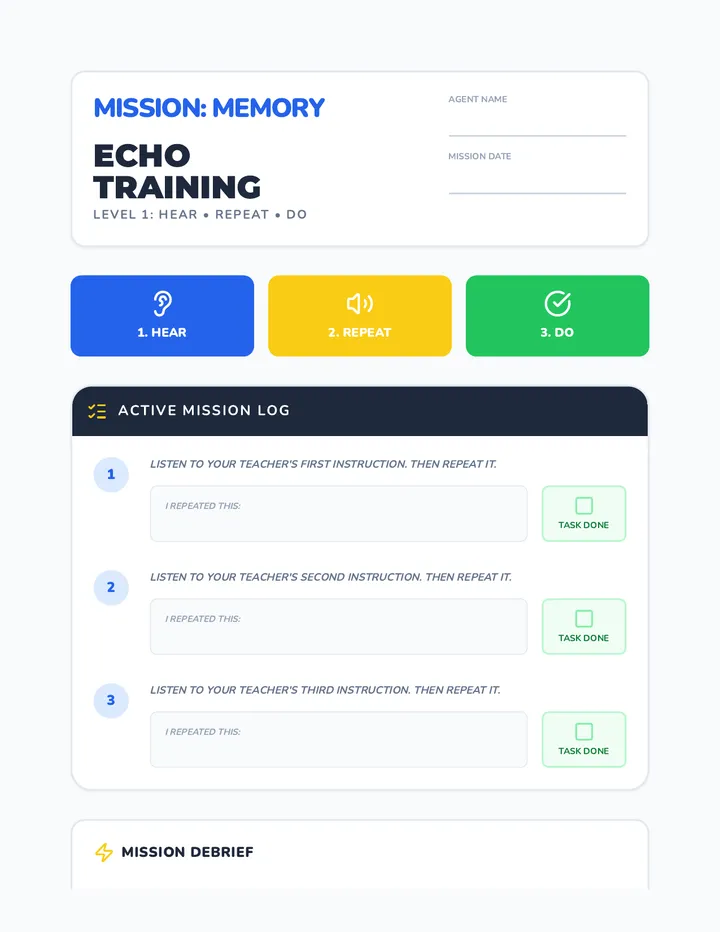
A specialized sequence for 4th-grade students to develop working memory through verbal rehearsal. Students practice the 'Hear-Repeat-Do' strategy, identify action keywords, utilize processing pauses, and verify their work to improve follow-through on single-step directions.
A specialized instructional unit for 12th-grade students focusing on overcoming working memory challenges through single-step task execution. This sequence teaches students to use 'masking', task deconstruction, and binary decision-making to master complex home maintenance and independent living tasks.
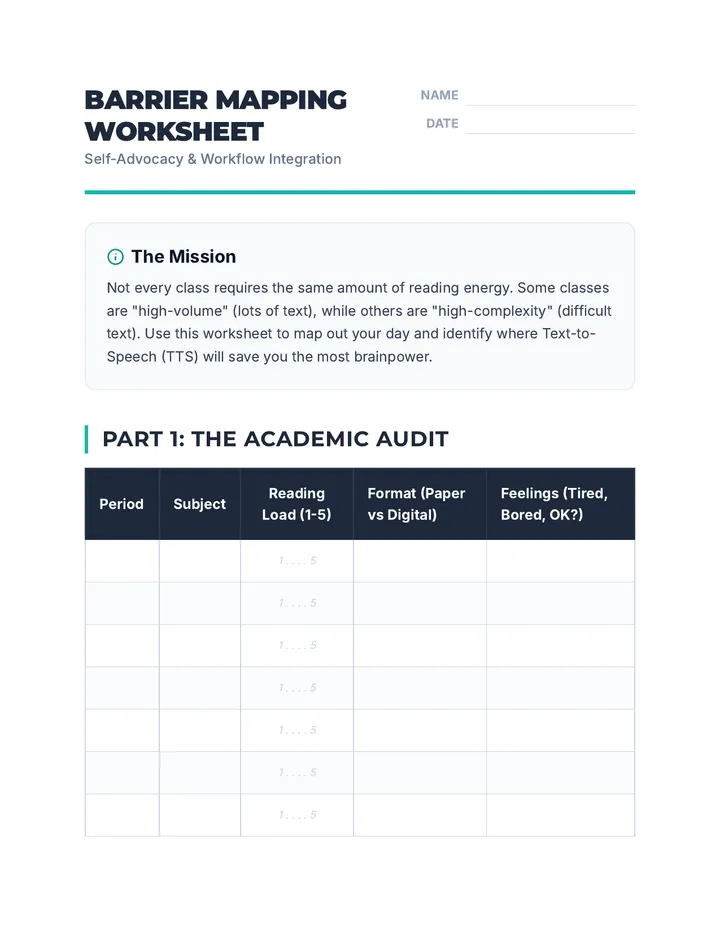
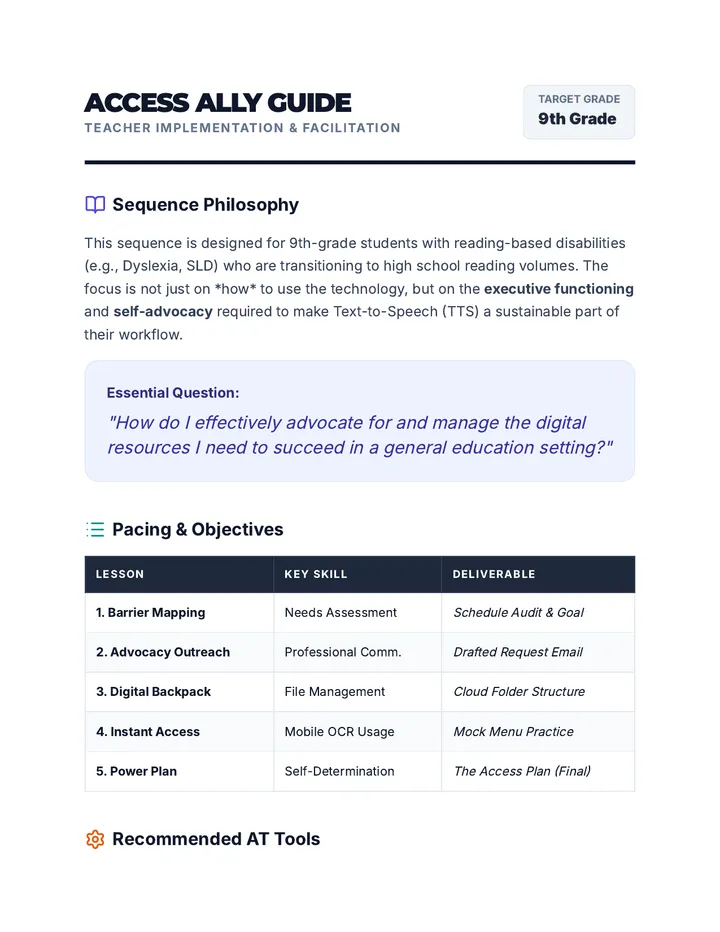
This sequence empowers 9th-grade students to integrate Text-to-Speech (TTS) into their high school workflows through self-advocacy and digital organization. Students move from identifying reading barriers in their schedules to creating a professional Access Plan for their teachers.
A comprehensive sequence for 11th-grade students to master Text-to-Speech (TTS) technology for high-level academic research. Students progress from software evaluation and auditory optimization to advanced annotation strategies and troubleshooting complex document formats.
A sequence for Pre-K students in Special Education focused on troubleshooting physical obstacles in play. Students learn rotation, force modulation, alignment, and workspace organization to solve mechanical problems with toys and materials.
Students explore the dual role of Special Education teachers: instruction and case management. They analyze the impact of time management on student outcomes and develop strategies to balance competing professional demands.
This sequence empowers 3rd-grade students to bypass physical writing barriers using assistive technology tools like speech-to-text, digital organizers, and word prediction. Students progress from basic dictation mechanics to publishing a fully edited personal narrative, fostering independence and confidence in their writing abilities.
This sequence equips pre-service teachers with evidence-based frameworks for teaching text interaction to students with executive function deficits. It moves from cognitive science foundations to the practical design and assessment of systematic annotation protocols.
A comprehensive sequence for undergraduate special education students focused on tailoring text engagement and annotation strategies for learners with SLD, ADHD, and visual processing needs. Students analyze case studies, evaluate assistive technologies, and design bespoke support plans.
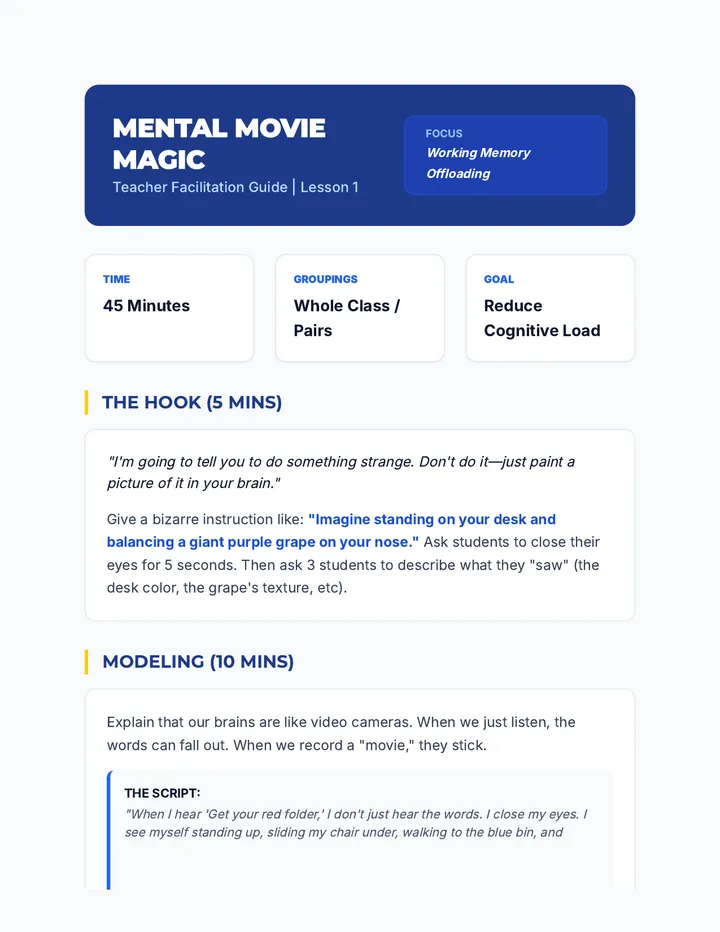
A project-based sequence for preservice special education teachers to design a digital organizational ecosystem. Students learn to evaluate tools, build central dashboards, automate data collection, and streamline communications to reduce administrative burden.
A metacognitive sequence for 11th-grade students to audit their own working memory challenges and design personalized visual support aids. Students transition from passive recipients of support to active designers and advocates for their own learning environments.
A 5-lesson sequence for Pre-K students designed to support working memory through visual organization and sorting. Students learn to chunk information using color, category, and environmental cues to reduce cognitive load.
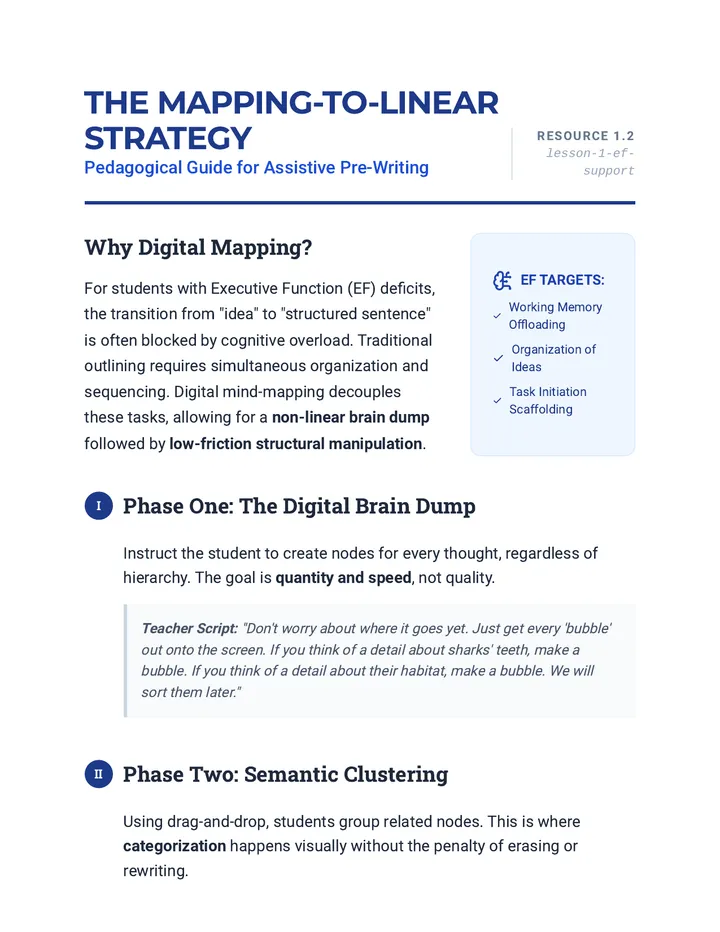
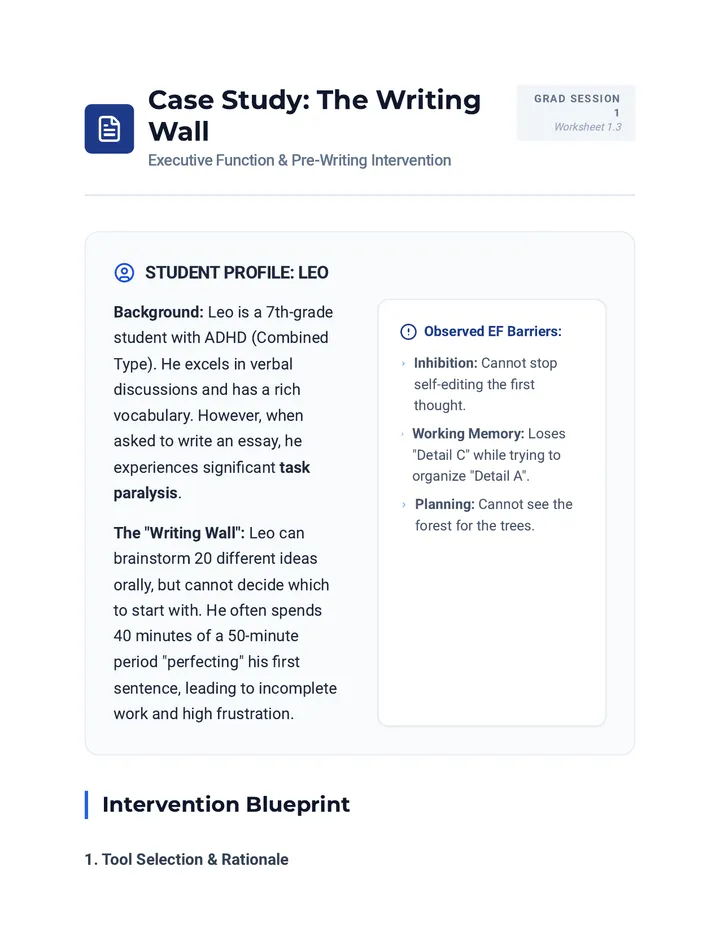
A comprehensive graduate-level sequence focused on the pedagogical implementation of assistive writing technology. It shifts the focus from tool selection to instructional methodologies that scaffold digital organizers, dictation, and text-to-speech for student autonomy.
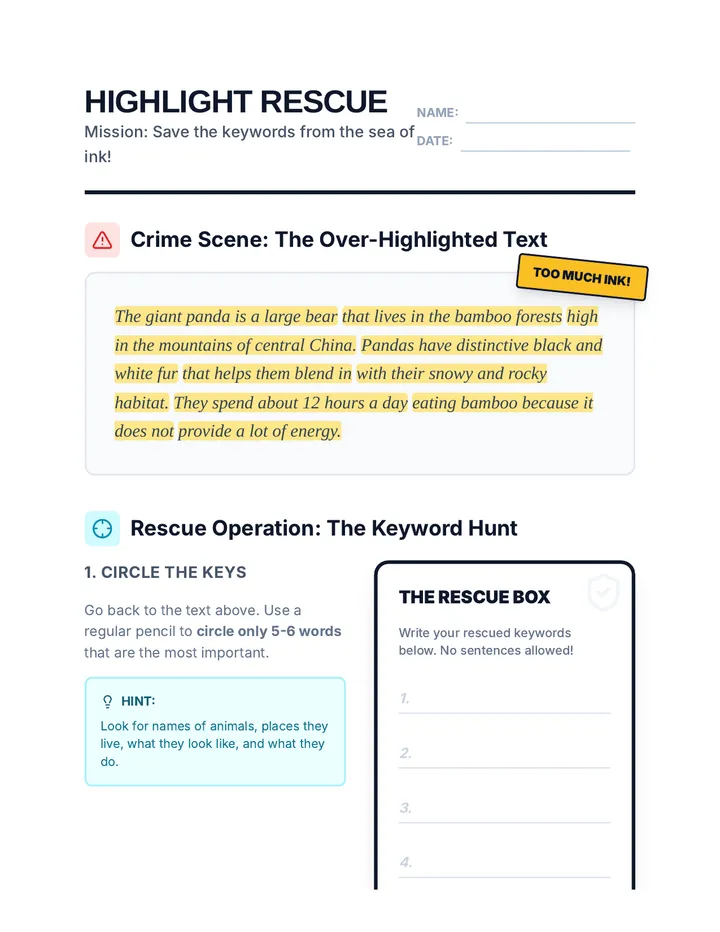
A project-based sequence for 4th-grade students in special education settings, focusing on moving from passive highlighting to active extraction, organization, and synthesis. Students learn to refine highlights, extract them onto cards, sort ideas logically, and create a visual 'One-Page Expert Guide' as a summary tool.
This graduate-level sequence focuses on the explicit instruction of text highlighting and annotation strategies. It prepares future special educators and coaches to move beyond 'assigning' annotation toward systematically 'teaching' it through cognitive modeling, guided practice, and implementation fidelity monitoring.
A graduate-level professional development sequence focused on designing customized text annotation and highlighting protocols for students with diverse learning needs, specifically targeting executive function and processing speed deficits.
This sequence explores how graduate students can leverage assistive technology for digital annotation, moving from basic tool audits to advanced data extraction and AI integration to support students with disabilities.
An advanced workshop sequence for high school seniors to transition from passive reading to active text analysis. Students develop personalized systems for color-coding, marginalia, and strategic filtering to navigate complex academic texts.
This sequence explores the ethical complexities, troubleshooting strategies, and fading protocols for token economies in clinical and educational settings. It emphasizes moving from extrinsic rewards to intrinsic motivation and natural reinforcers while maintaining ethical standards and client autonomy.
A comprehensive sequence for 11th-grade students to master the logistical and strategic elements of building a Special Education master schedule. Students progress from identifying fixed school-wide constraints to managing personnel and grouping students for maximum instructional impact.
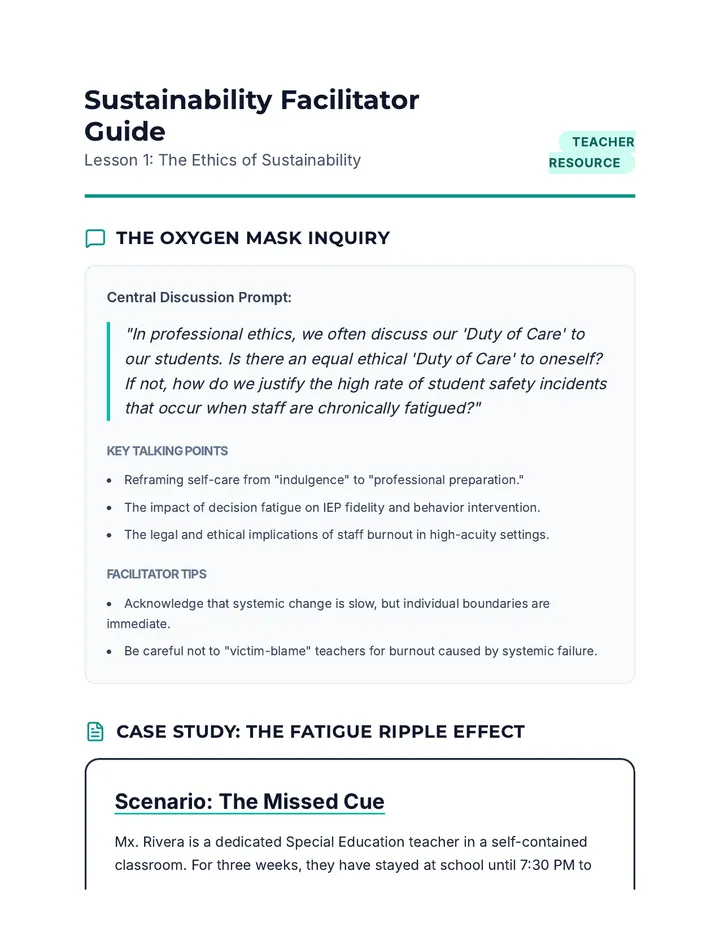
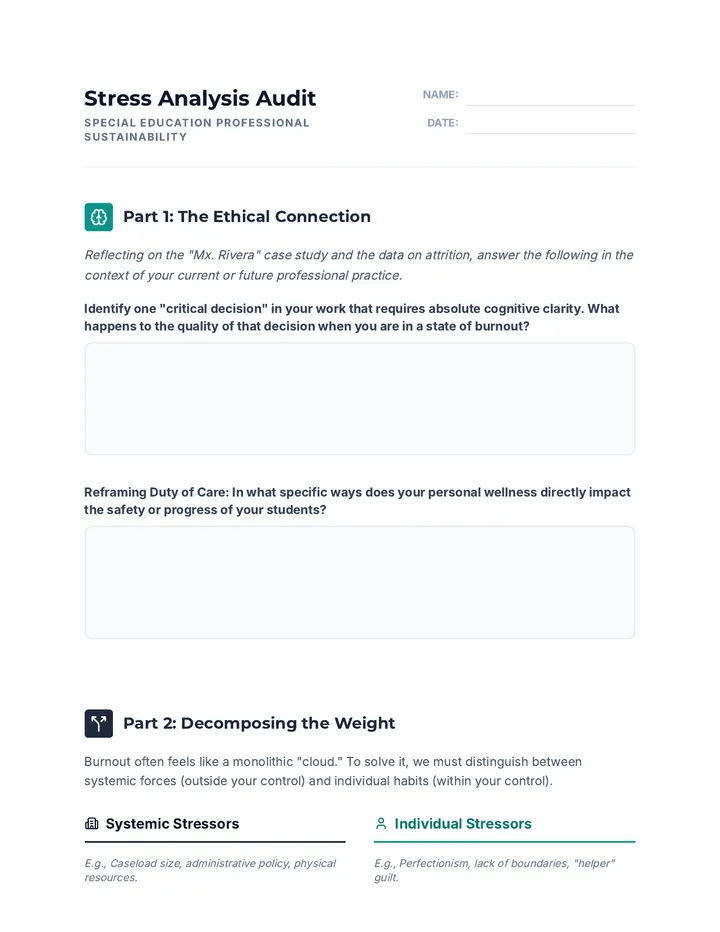
A comprehensive graduate-level sequence designed to combat special education attrition by reframing self-care as a professional ethical competency. This inquiry-based unit moves students from systemic analysis of burnout to the creation of a personalized, sustainable professional lifestyle plan.
A graduate-level sequence focused on the mechanics of administrative compliance in Special Education. Students will design and implement a comprehensive IEP workflow system using project management principles, automation, and deep work strategies to prevent burnout and ensure 100% legal compliance.
A graduate-level sequence focused on the complex task of balancing multiple commitments in special education through triage protocols, legal risk assessment, and crisis management frameworks. Students move from theoretical time management to high-stakes simulation involving caseload management and compliance fidelity.
A professional development sequence for graduate-level special educators focused on transitioning from individual contributors to team leaders. The sequence emphasizes delegation, paraprofessional management, interdisciplinary collaboration, and meeting efficiency to maximize time and instructional impact.
An inquiry-based exploration for 12th-grade students into the sustainability of the special education profession. Students investigate the causes of teacher burnout and develop strategic organization, delegation, and boundary-setting habits to ensure long-term career success and mental well-being.
An immersive caseload management simulation for undergraduate special education students, focusing on organization, task-switching, and professional composure.
This sequence equips undergraduate special education students with practical frameworks for prioritizing tasks, managing crises, delegating effectively, and maintaining professional boundaries in a high-pressure school environment.
A comprehensive sequence designed for pre-service special educators to master the logistics of caseload management, legal compliance, and instructional time protection through strategic scheduling and backward planning.
A comprehensive training sequence for 11th-grade students on managing sensitive Special Education documentation, focusing on physical organization, legal compliance (FERPA), and data system design. Students transition from understanding privacy laws to building and auditing professional-grade organizational systems.
An advanced sequence for graduate students focusing on the systemic implementation, monitoring, and generalization of mnemonic strategies within IEP and RTI frameworks. Students will master matching strategies to neuropsychological profiles, writing measurable goals, and designing data-driven intervention plans.
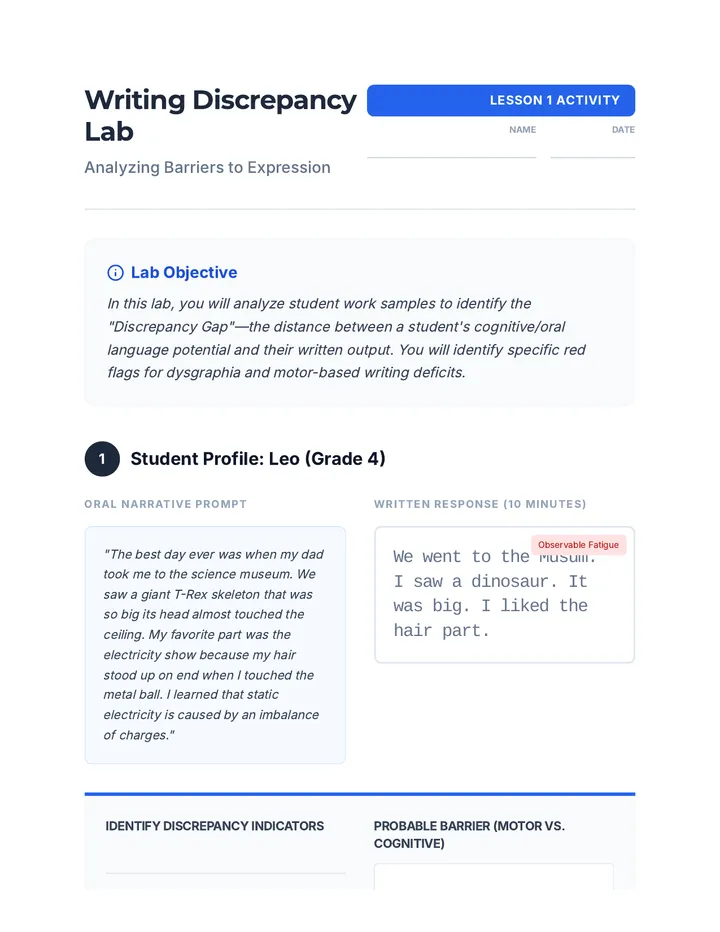
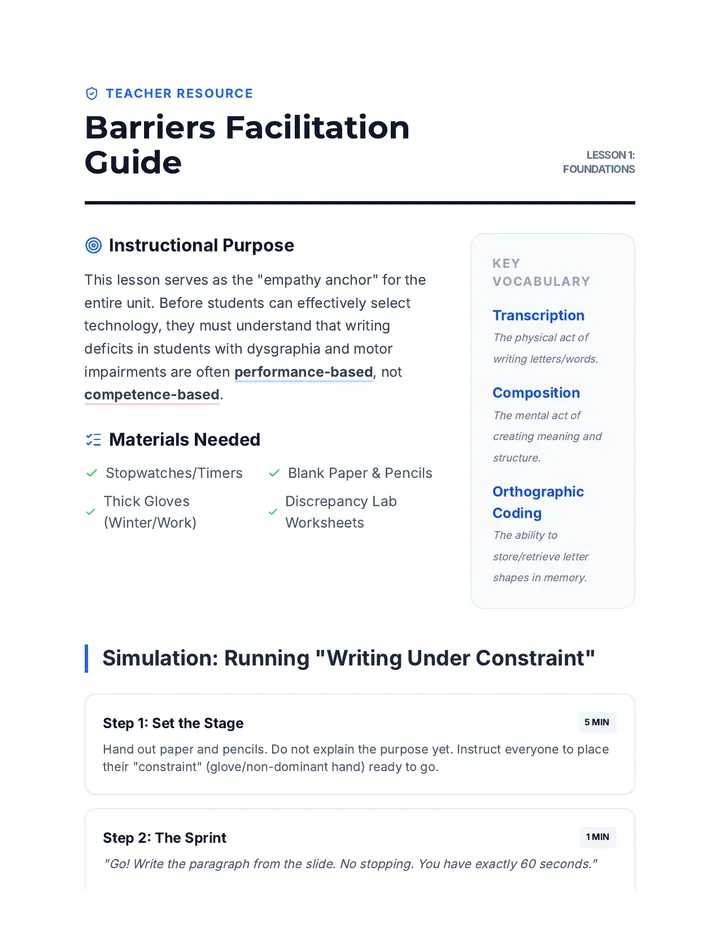
This sequence prepares pre-service teachers to evaluate, select, and implement assistive technology (AT) tools specifically designed for students with dysgraphia and physical motor impairments. Students will move from understanding neurological barriers to designing comprehensive, data-driven AT implementation plans.
A 5-lesson unit for 6th-grade students focused on mastering assistive writing technologies, including speech-to-text, word prediction, and digital graphic organizers, culminating in a personal narrative and a self-advocacy tech plan.
This sequence teaches 11th-grade students with working memory challenges how to use digital tools as external memory aids. Students learn to capture, process, and execute instructions using voice-to-text, micro-tasking, auditory alarms, and visual freezing techniques.
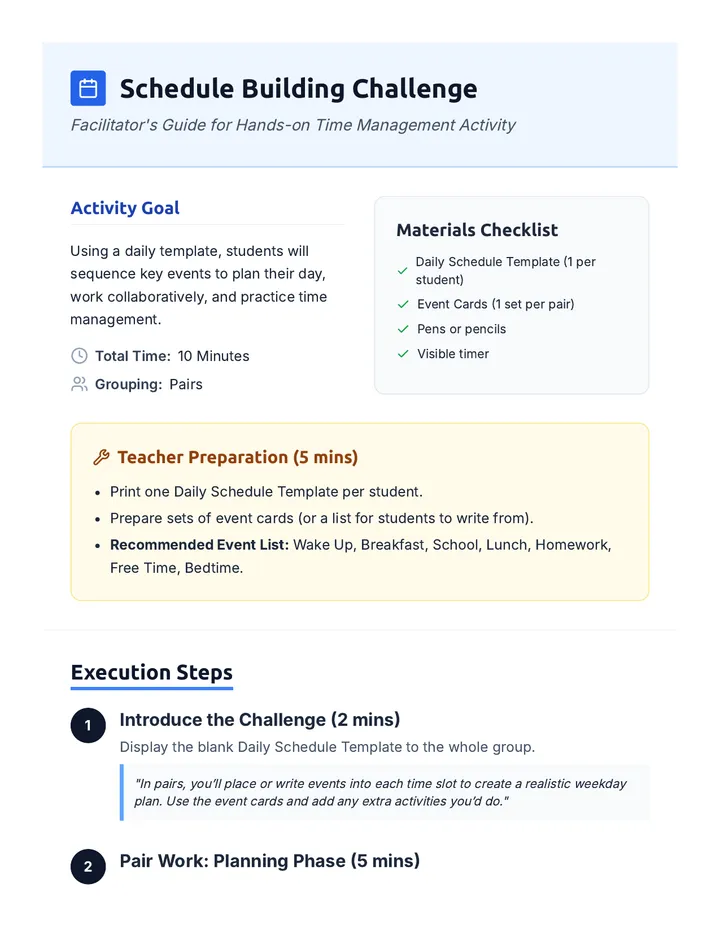
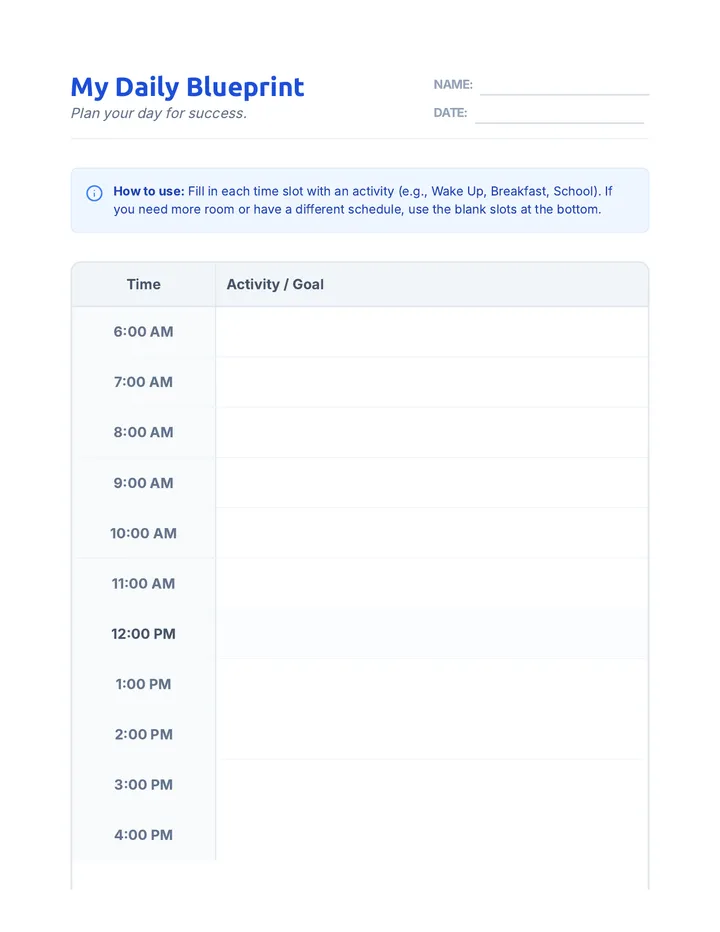
A 5-lesson sequence for 12th-grade students with working memory challenges, focusing on using assistive technology to break down complex tasks into manageable single-step directions. Students explore checklists, voice assistants, photo-based instructions, and QR codes to build independence through digital literacy.
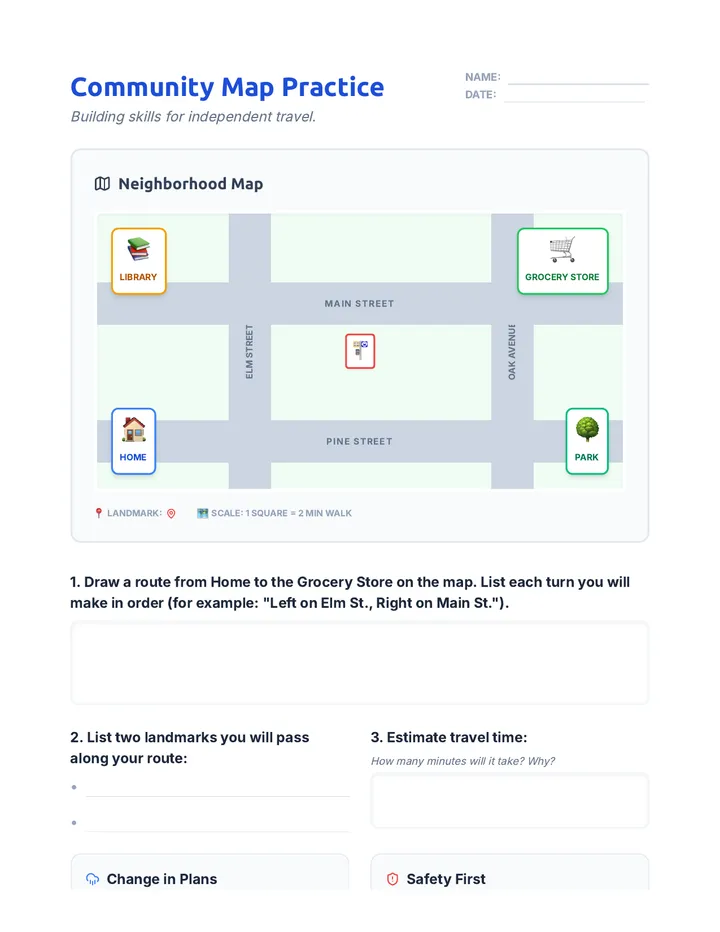
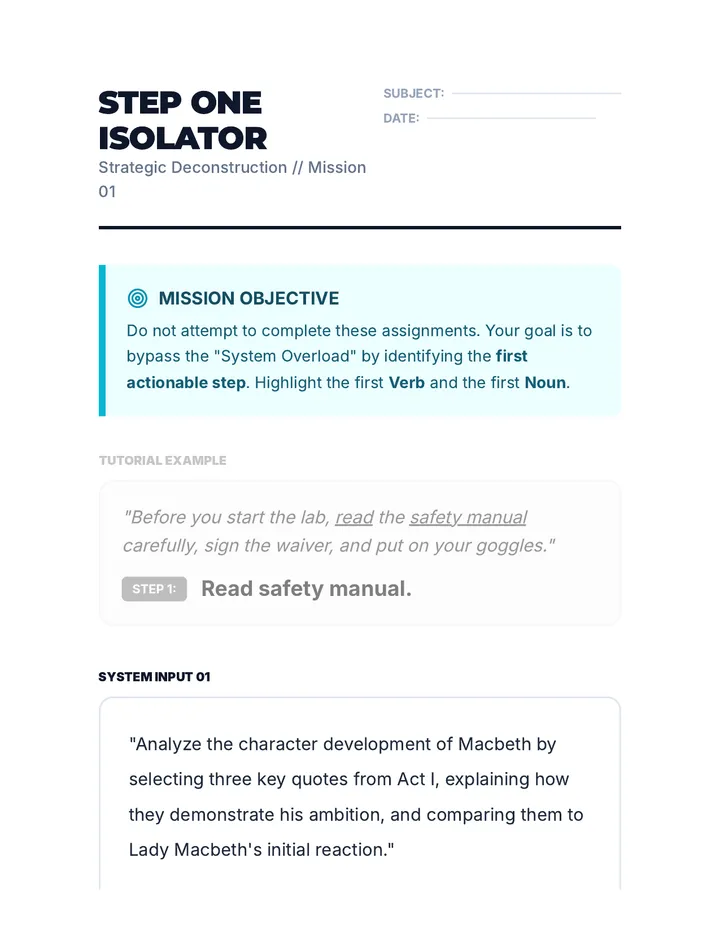
A sequence for 9th-grade students focused on reducing cognitive load by deconstructing complex academic assignments into single-step actions. Students learn to isolate tasks visually, create checklists, and use verbal self-cueing to improve accuracy and independence.
A project-based sequence for 1st-grade students to master task initiation using visual anchors and self-talk. Students transition from analyzing complex tasks to creating and using a personalized 'Start Strip' to guide their independent work.
This sequence provides graduate students with a deep dive into the diagnostic and theoretical underpinnings of task prioritization. It covers neurocognitive foundations, assessment methodologies, environmental demand analysis, decision-making frameworks, and the synthesis of data into legally defensible IEP goals.
A 5-lesson sequence for 7th-grade students to support working memory by teaching them how to deconstruct complex academic instructions into actionable, single-step checklists. Students learn markup strategies, vertical listing, and compound task decomposition.