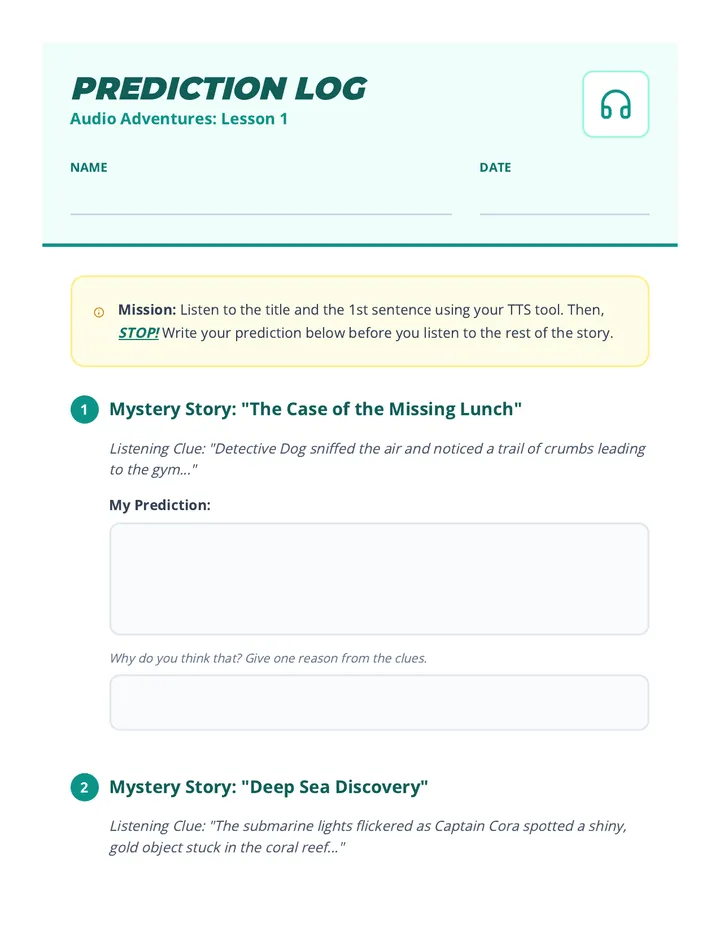
Evidence-based scaffolds and explicit modeling techniques for synthesizing textual clues with prior knowledge. Includes graphic organizers and guided prompts to build critical thinking and reading comprehension.
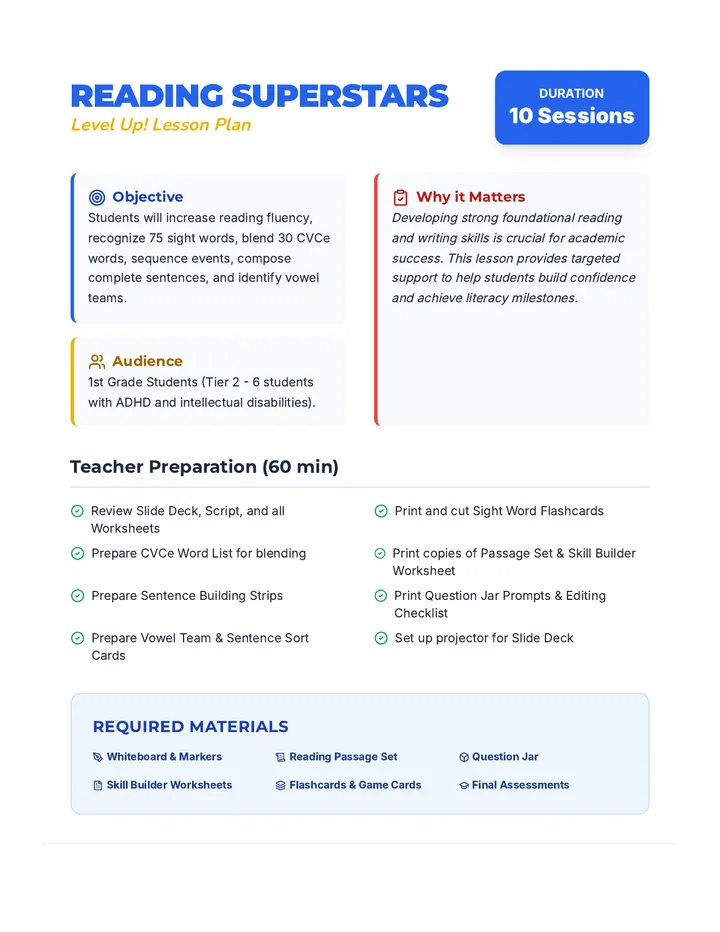
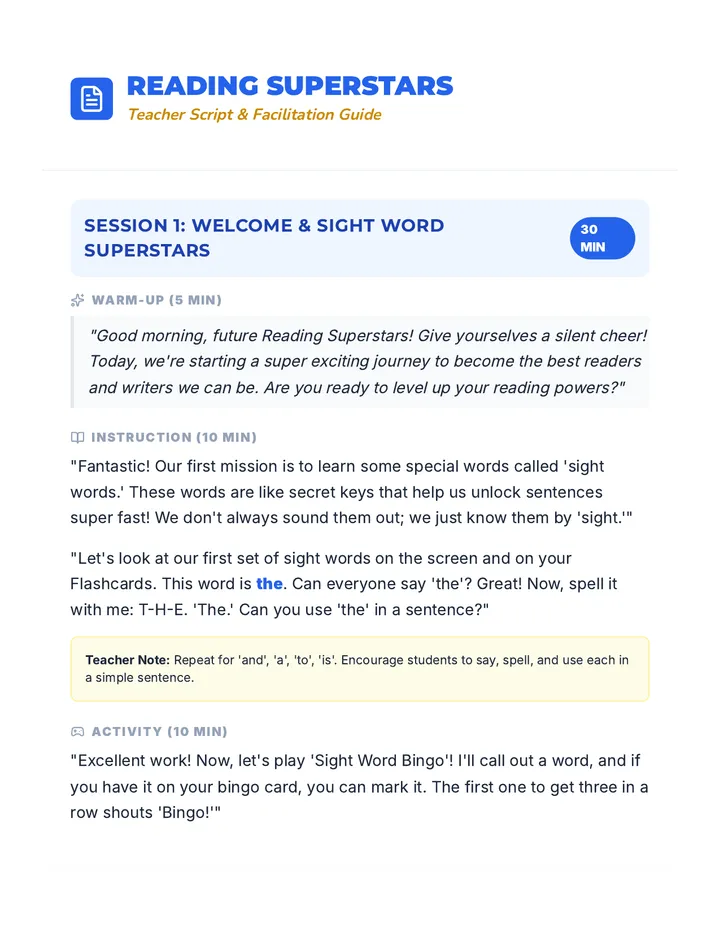
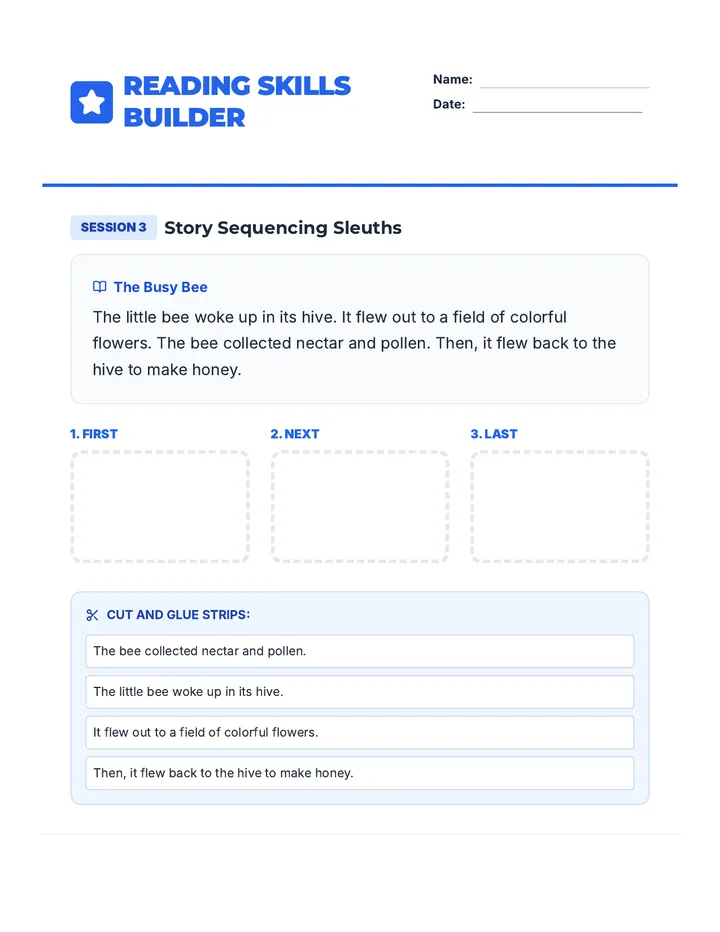
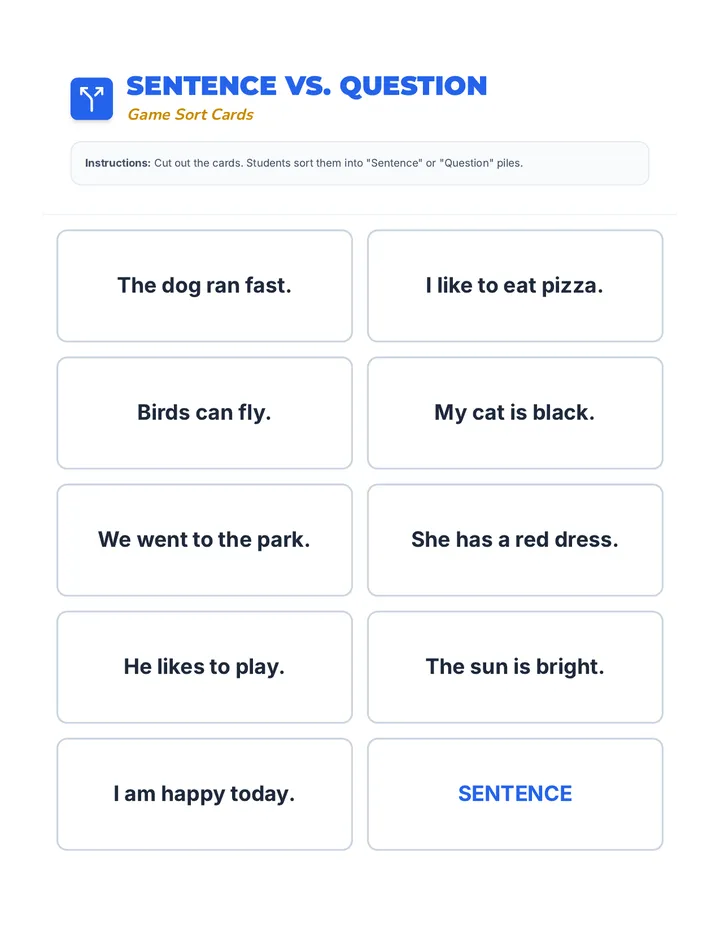
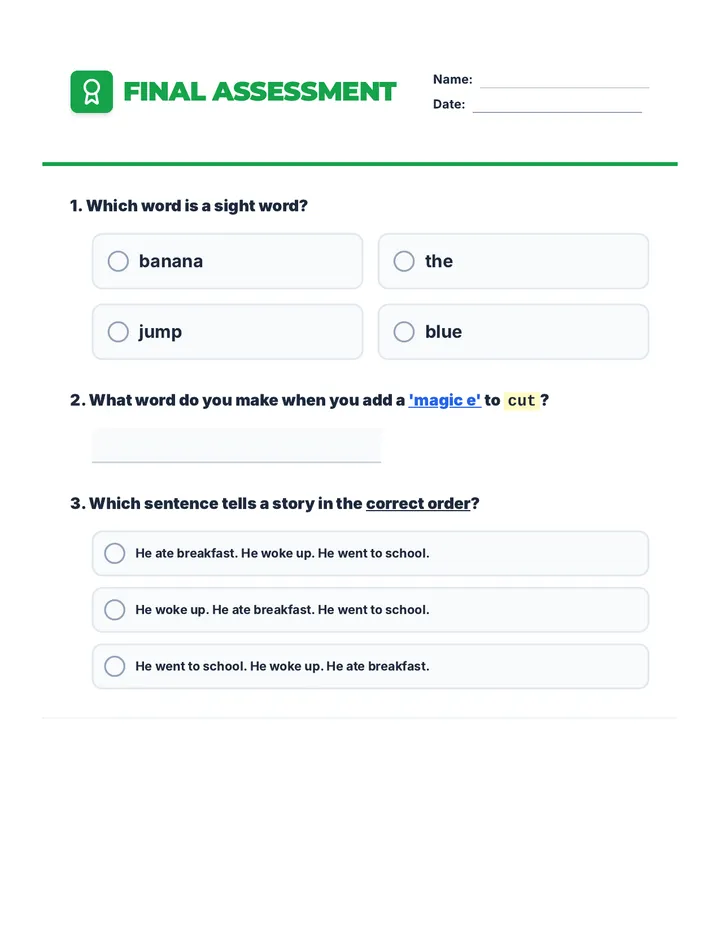
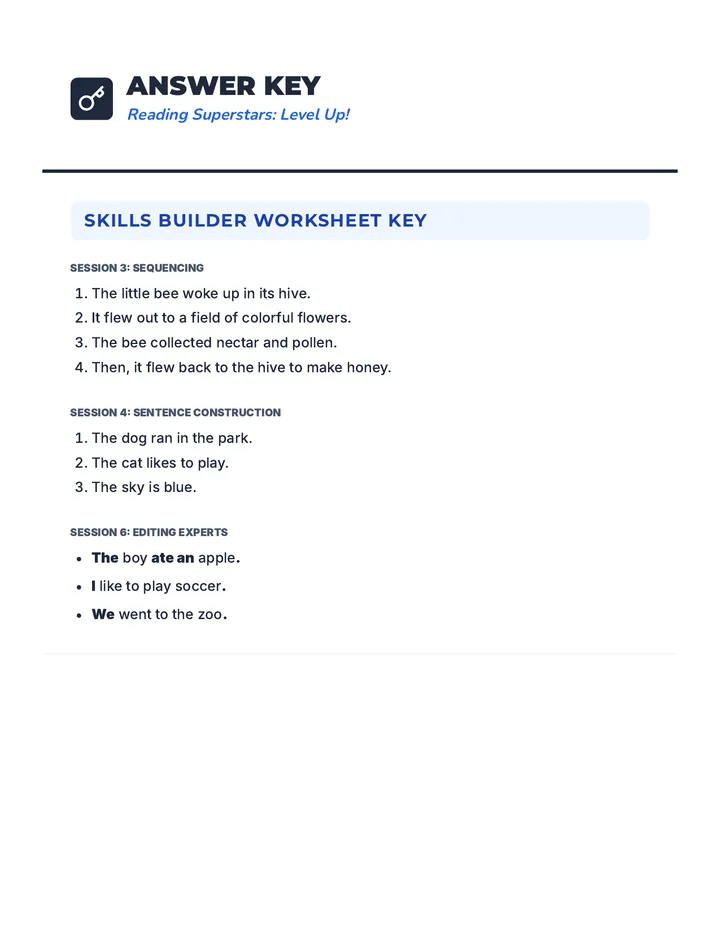
A targeted reading intervention program designed for 1st-grade students with ADHD and intellectual disabilities to build foundational literacy skills through multi-sensory activities.
A detective-themed sequence for 1st-grade special education students to master inferencing through concrete objects, body language, sensory details, and text clues.
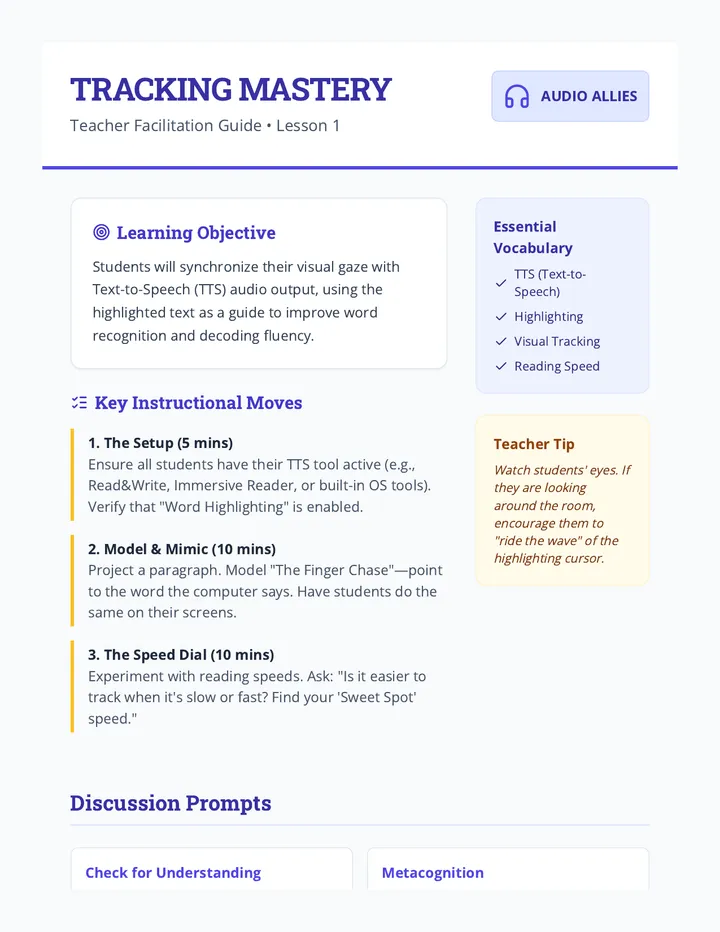
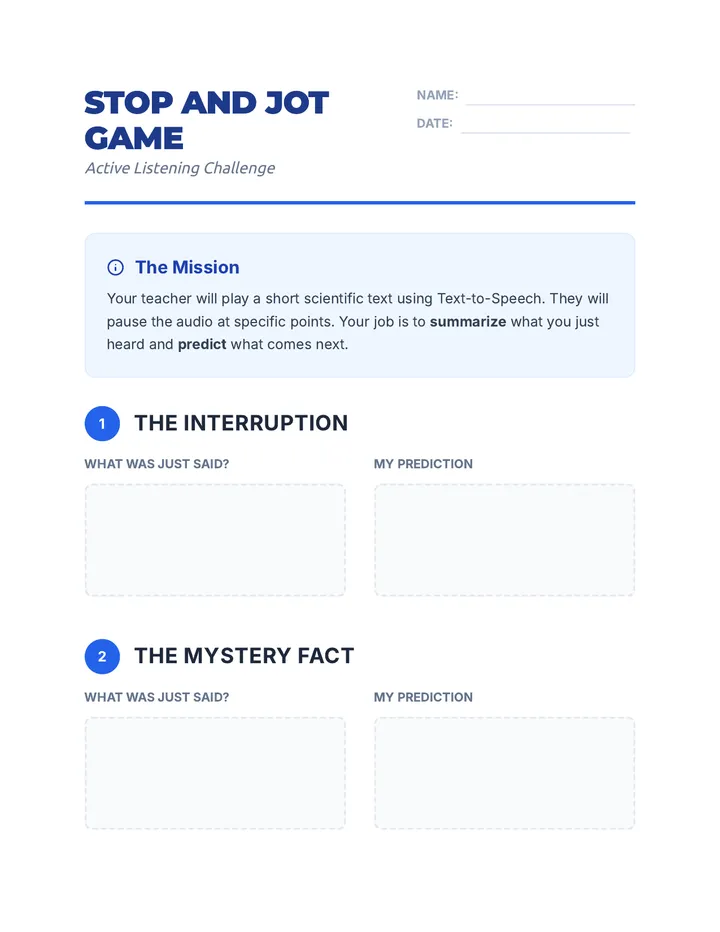
A sequence for 2nd Grade students to master text-to-speech (TTS) as a tool for reading comprehension. Students transition from decoding mechanics to deep understanding by using auditory support to predict, pause, answer questions, visualize, and sequence stories.
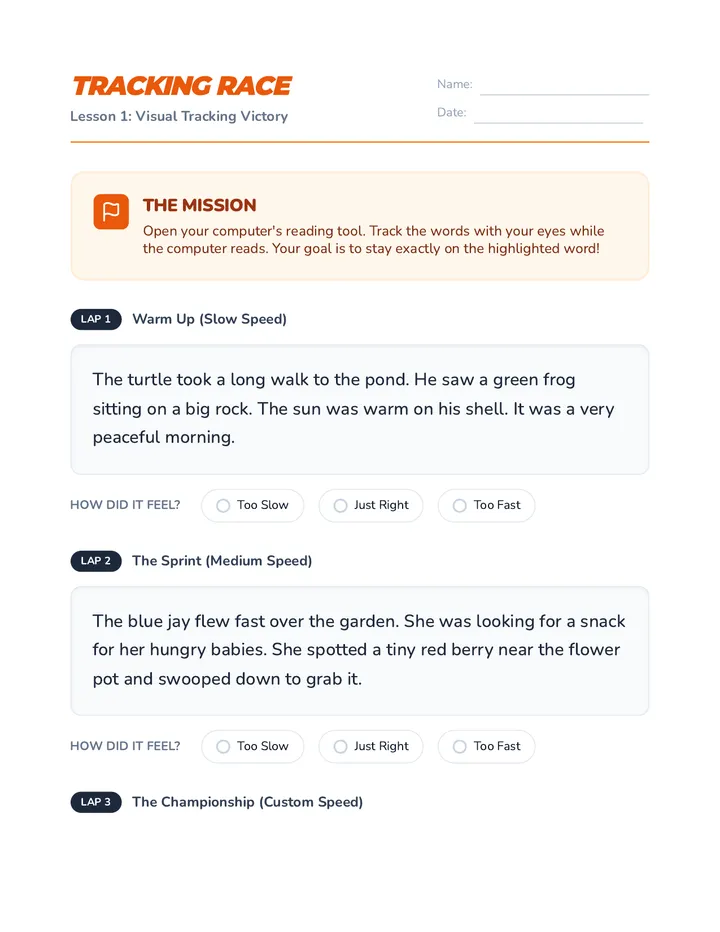
A 4th-grade sequence focused on using Text-to-Speech (TTS) technology as a multi-sensory reading comprehension tool. Students learn to synchronize visual tracking with audio, visualize content through pauses, clarify vocabulary, re-read for evidence, and summarize narratives.
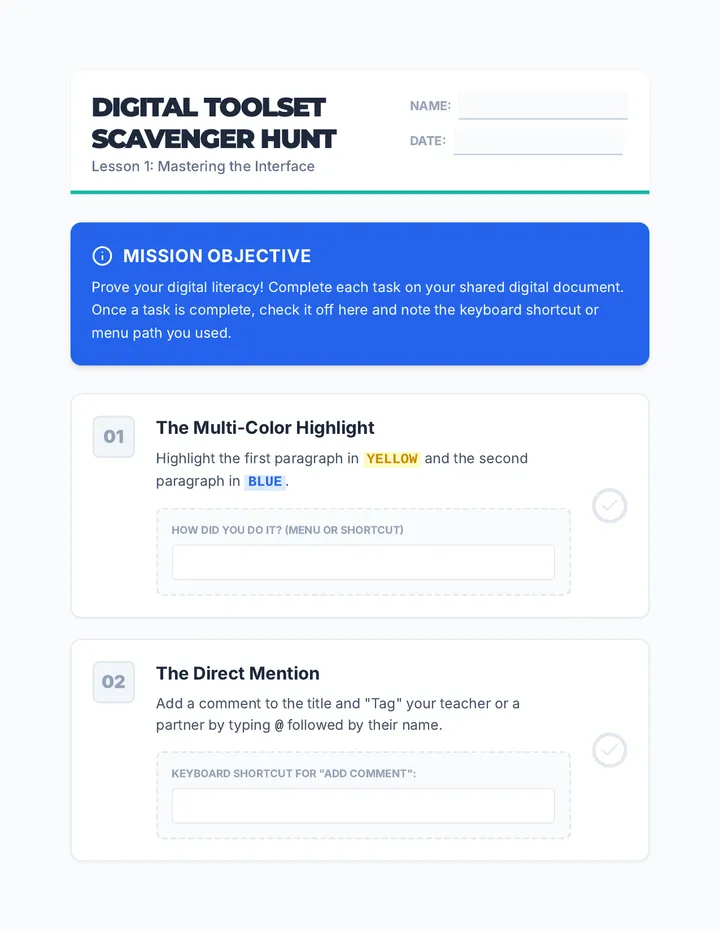
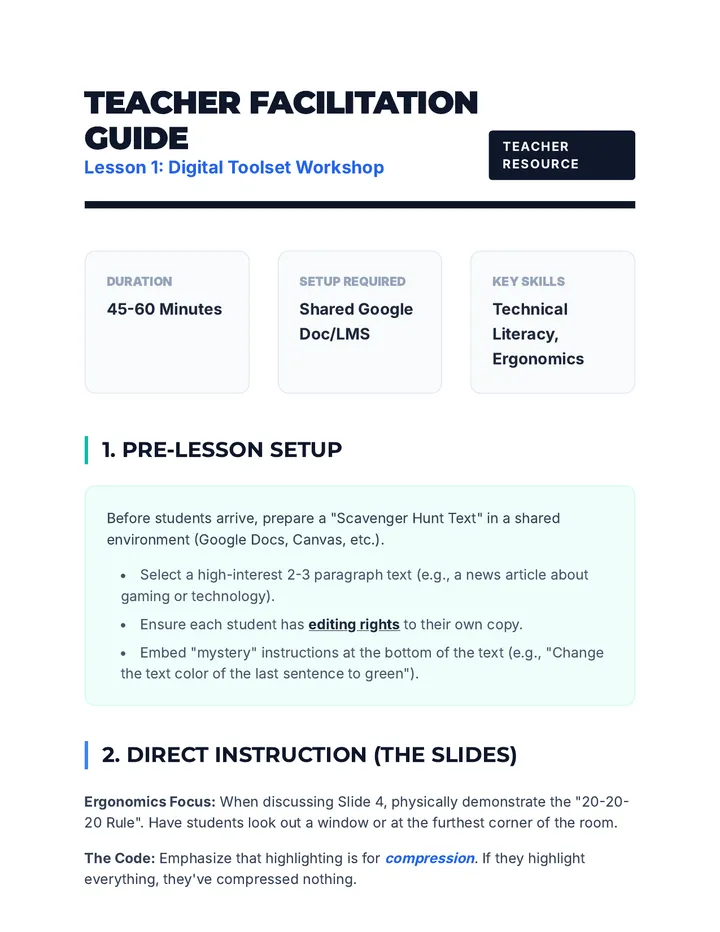
A 5-lesson sequence designed for 9th-grade students in an academic support setting to master digital annotation, highlighting, and collaborative text analysis tools. The sequence focuses on transitioning traditional paper-based strategies to digital environments like Google Docs and PDFs, emphasizing visible thinking and peer collaboration.
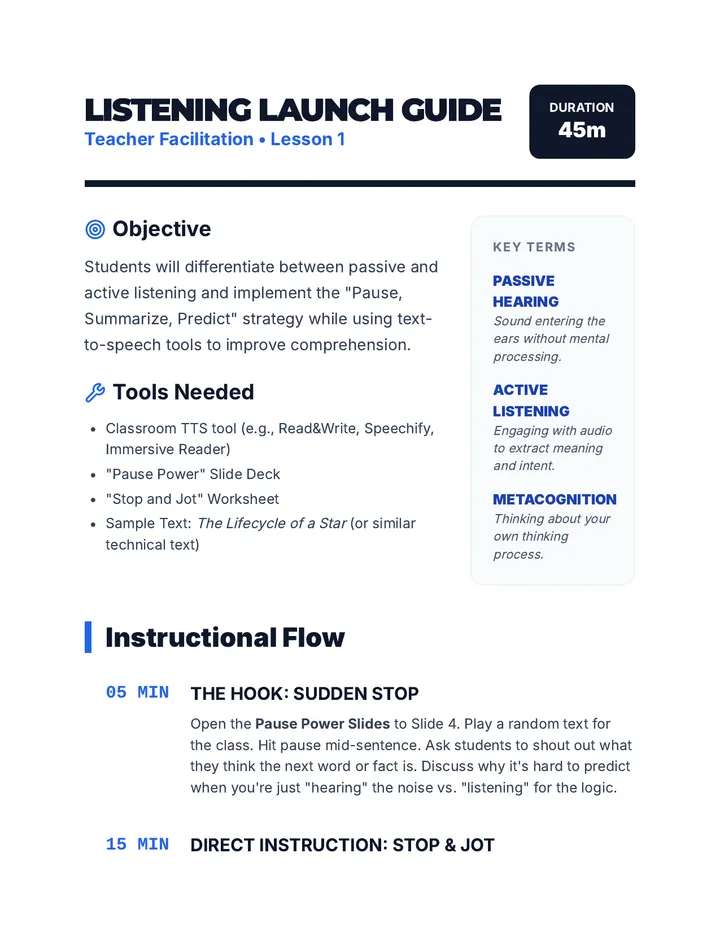
This sequence teaches 7th-grade students how to use text-to-speech (TTS) tools strategically to improve reading comprehension. Students progress from basic active listening habits to advanced multi-tasking and synthesis, transforming TTS from a passive hearing aid into a powerful active reading strategy.
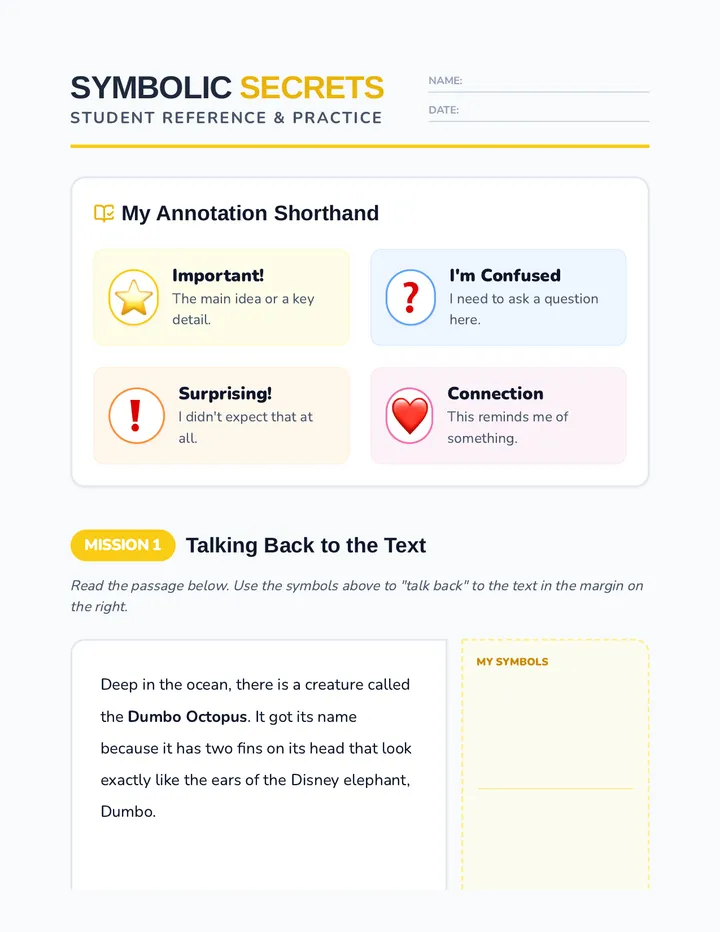
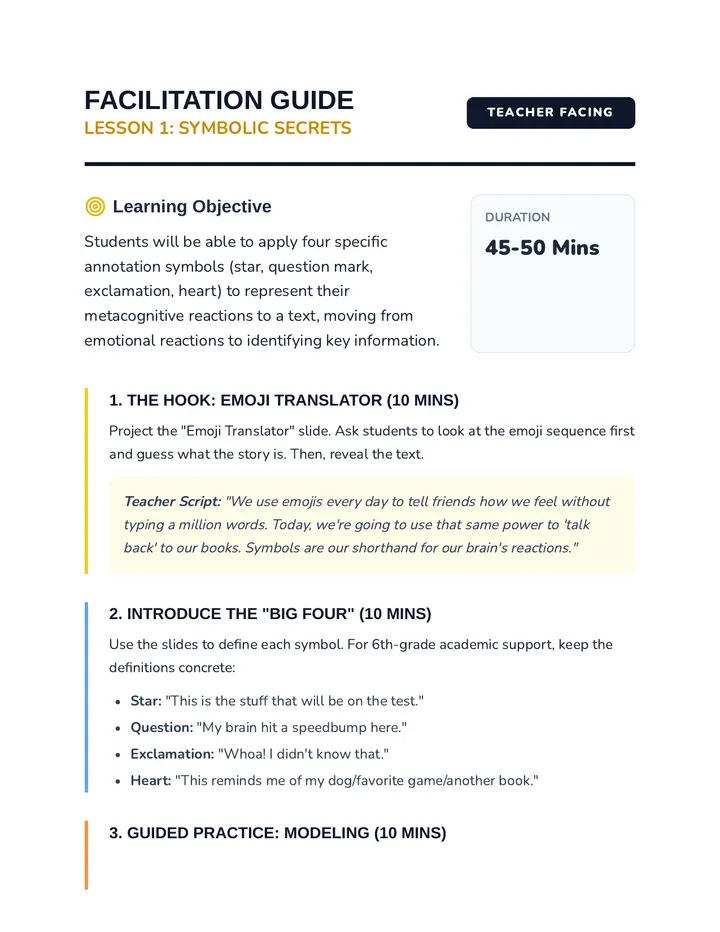
This sequence teaches 6th-grade students with diverse learning needs how to move beyond passive highlighting to active text annotation. Using a metacognitive approach, students learn to 'talk back' to text through symbolic shorthand, inquiry questions, synthesis summaries (gists), and personal connections to improve comprehension and memory.
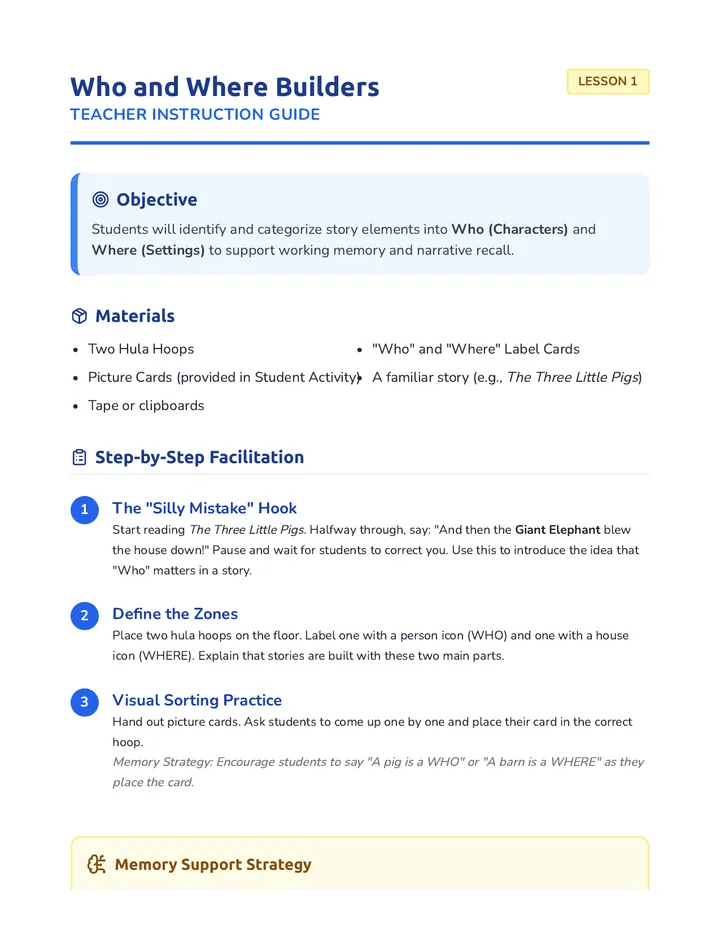
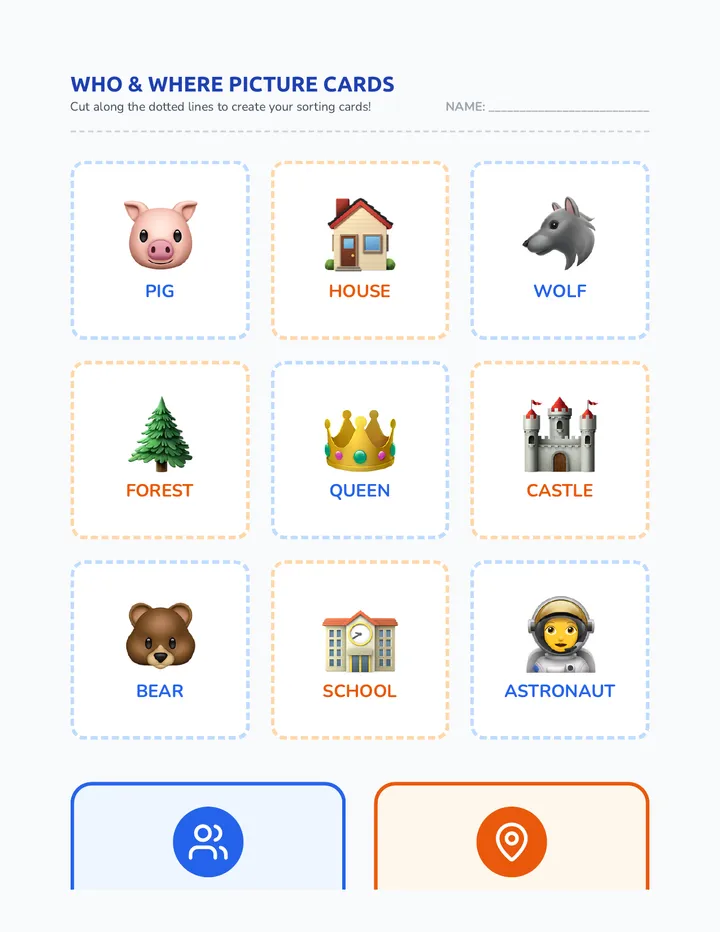
A 5-lesson sequence for Pre-K students focusing on visual supports and graphic organizers to aid working memory in narrative sequencing. Students use tactile and visual aids like story stones and picture cards to categorize elements, sequence events, and retell stories.
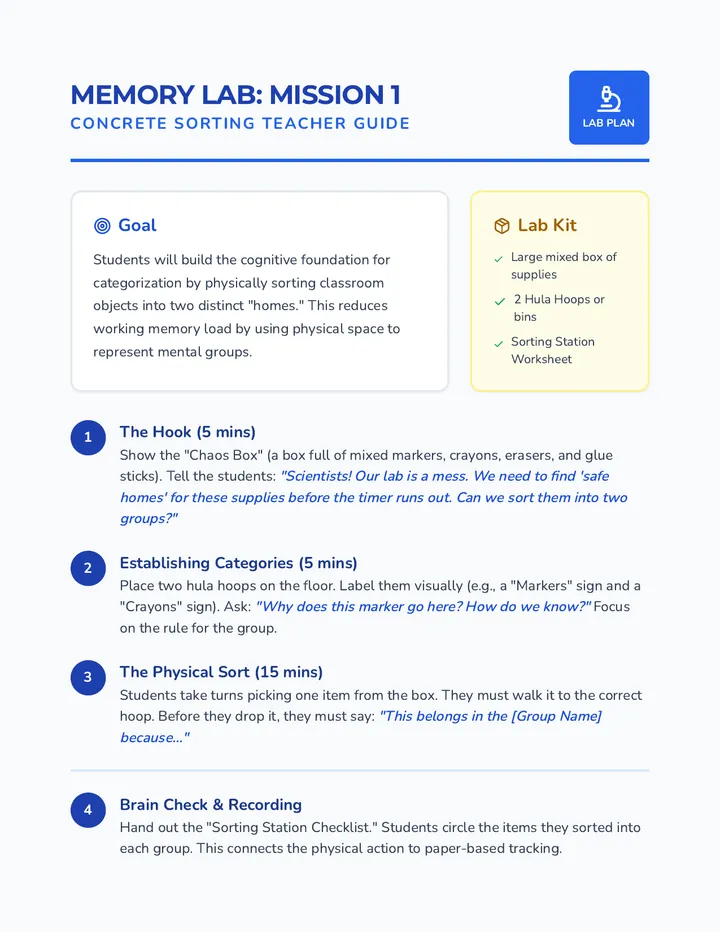
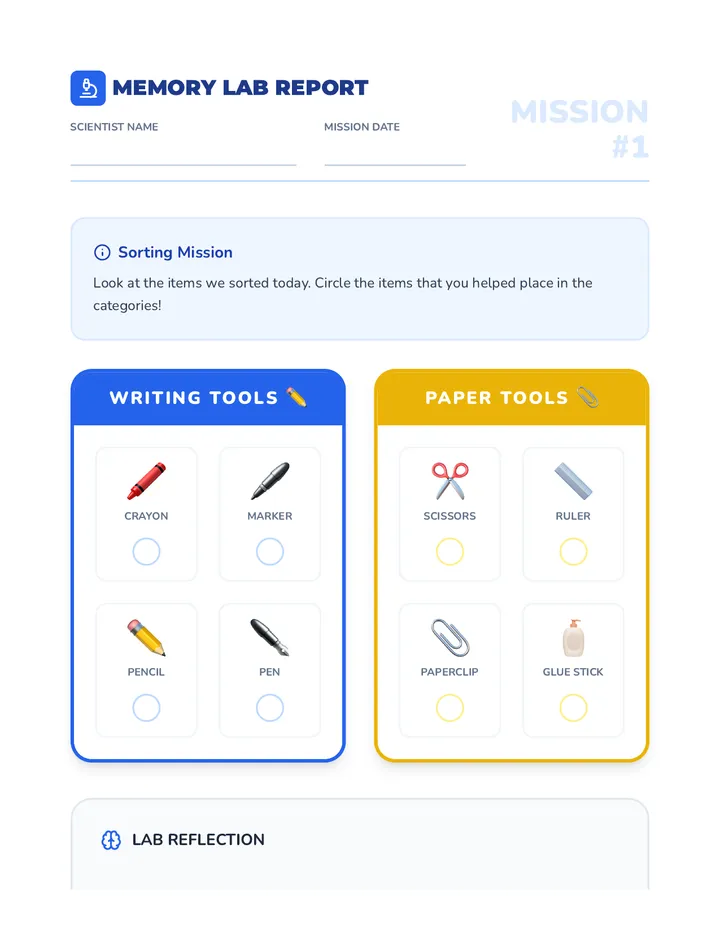
A 5-lesson sequence for 2nd-grade students focusing on working memory support through graphic organizers. Students move from physical sorting to auditory classification and finally to independent T-chart note-taking to aid information recall.
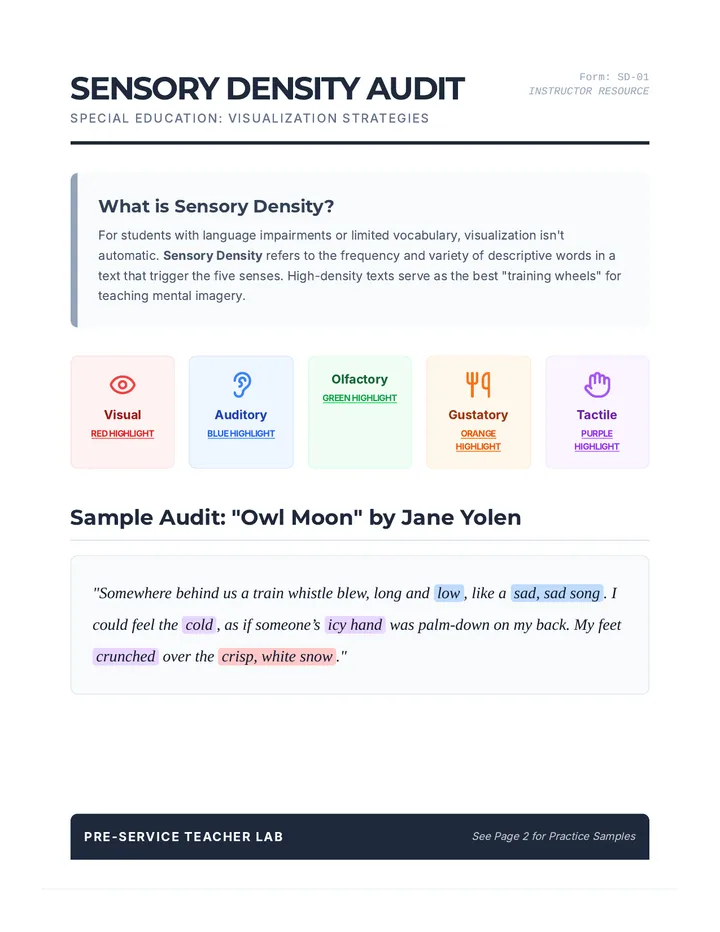
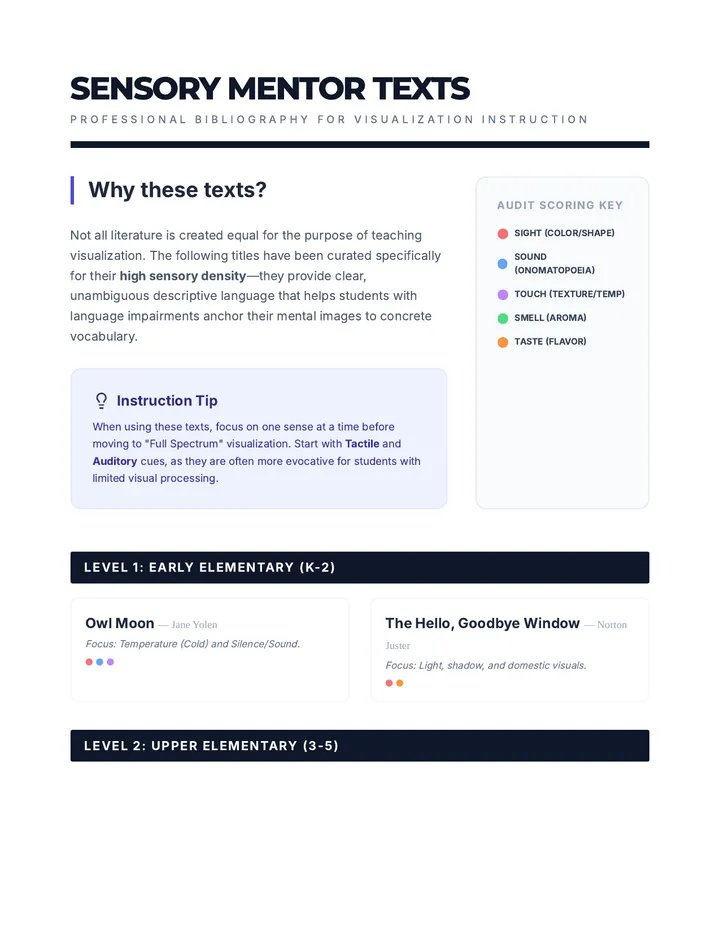
A comprehensive sequence for pre-service teachers on teaching visualization strategies through sensory mapping. This sequence covers text selection, instructional gamification, inference-building, ELL support, and higher-order comprehension.
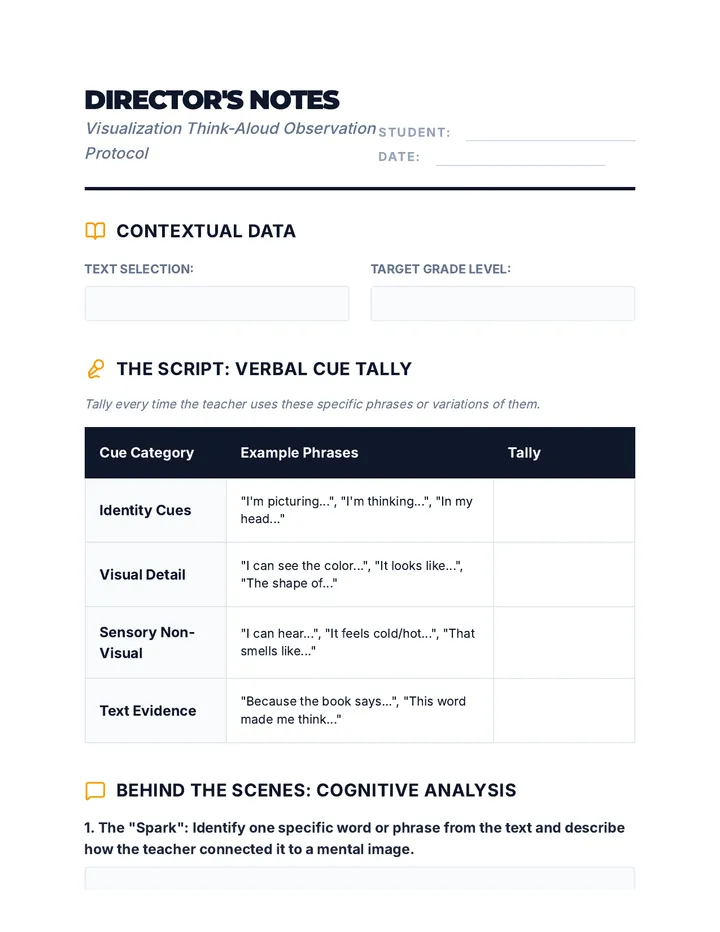
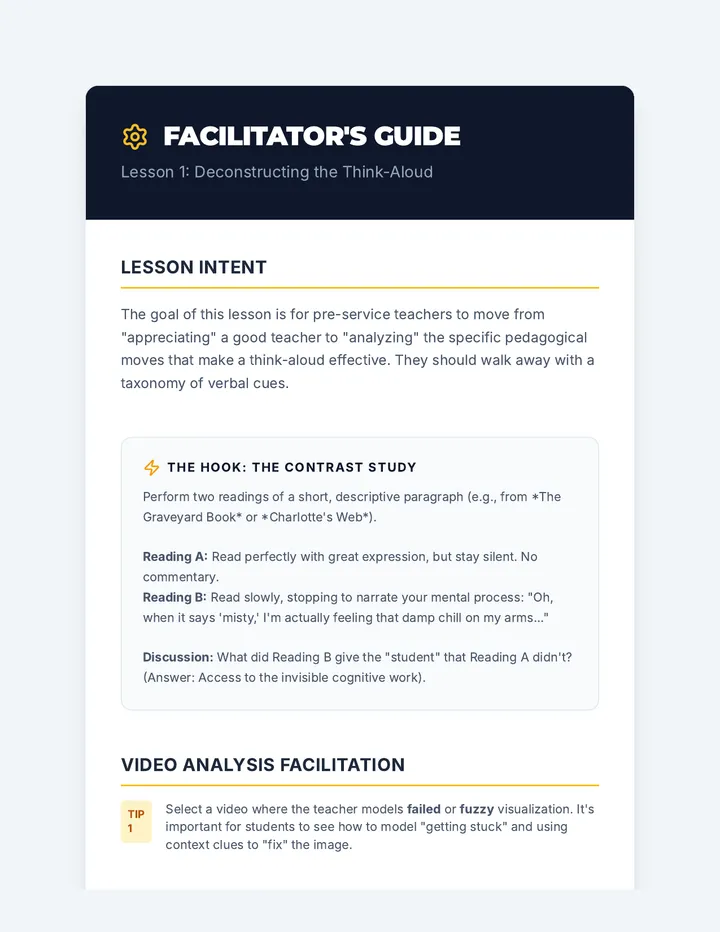
A comprehensive sequence for pre-service teachers on mastering the art of the 'Think-Aloud' protocol to teach visualization. Students progress from analyzing expert models to scripting sensory prompts and designing a full gradual release lesson plan.
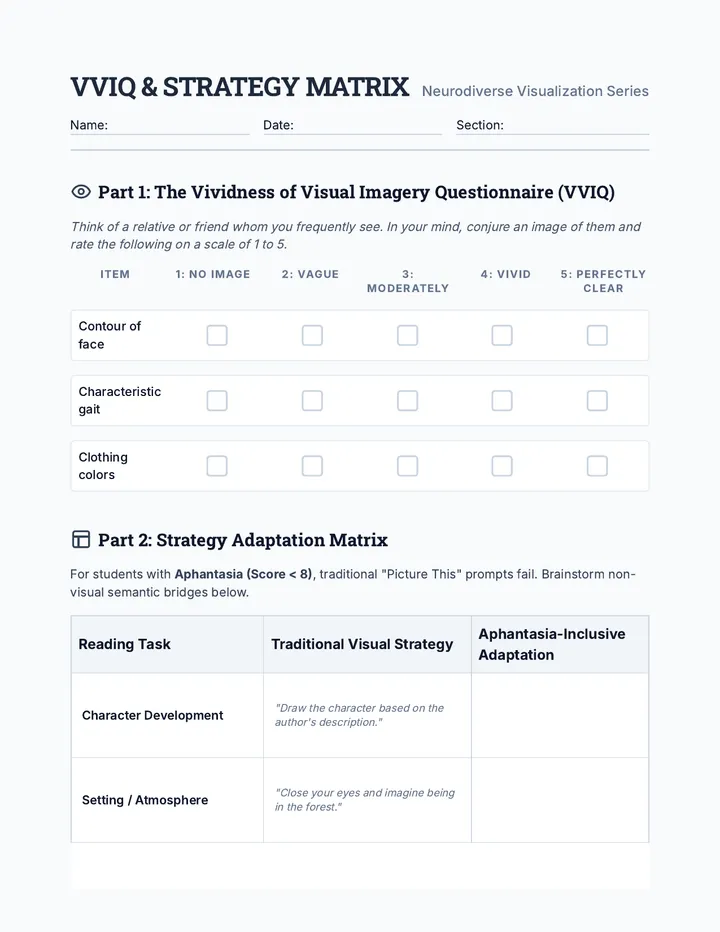
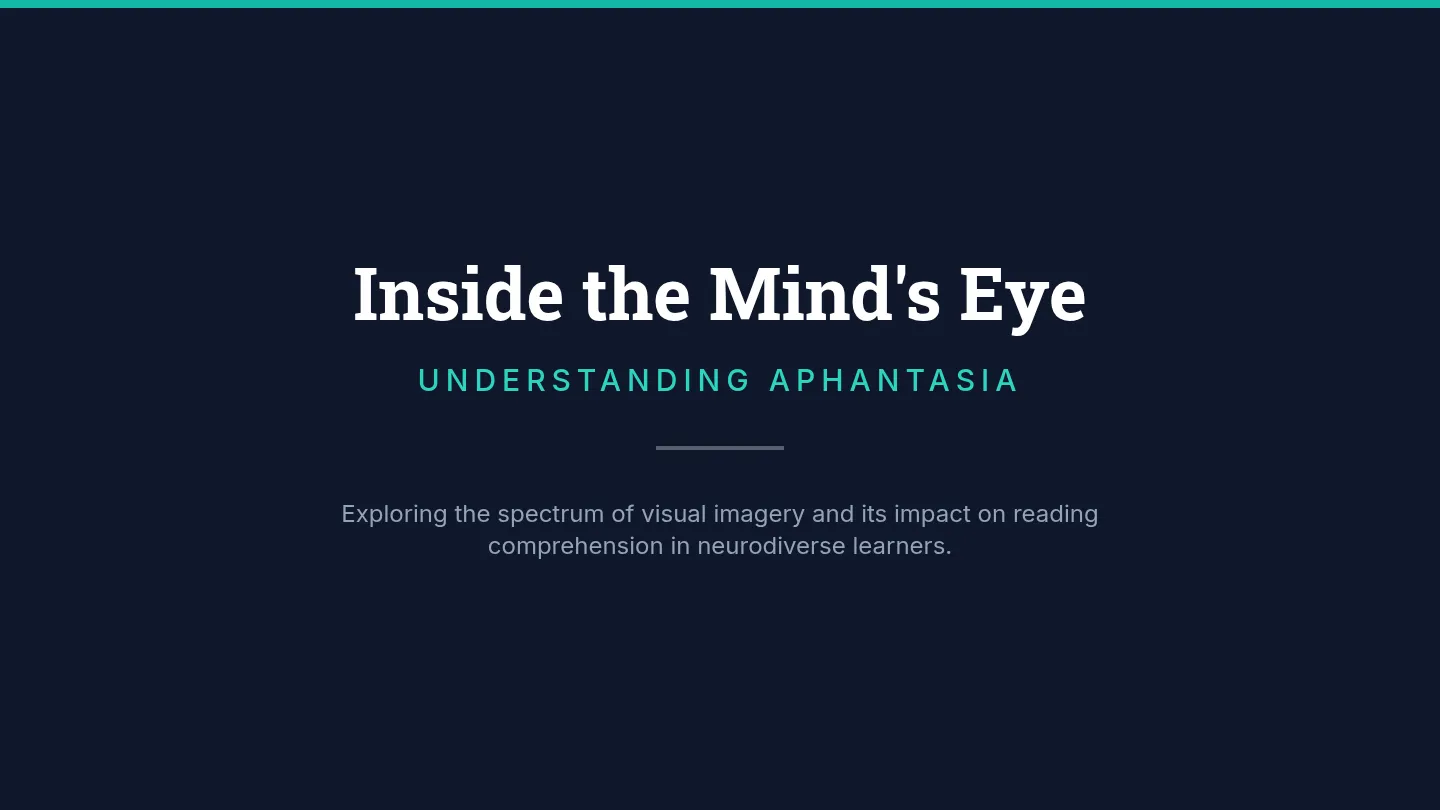
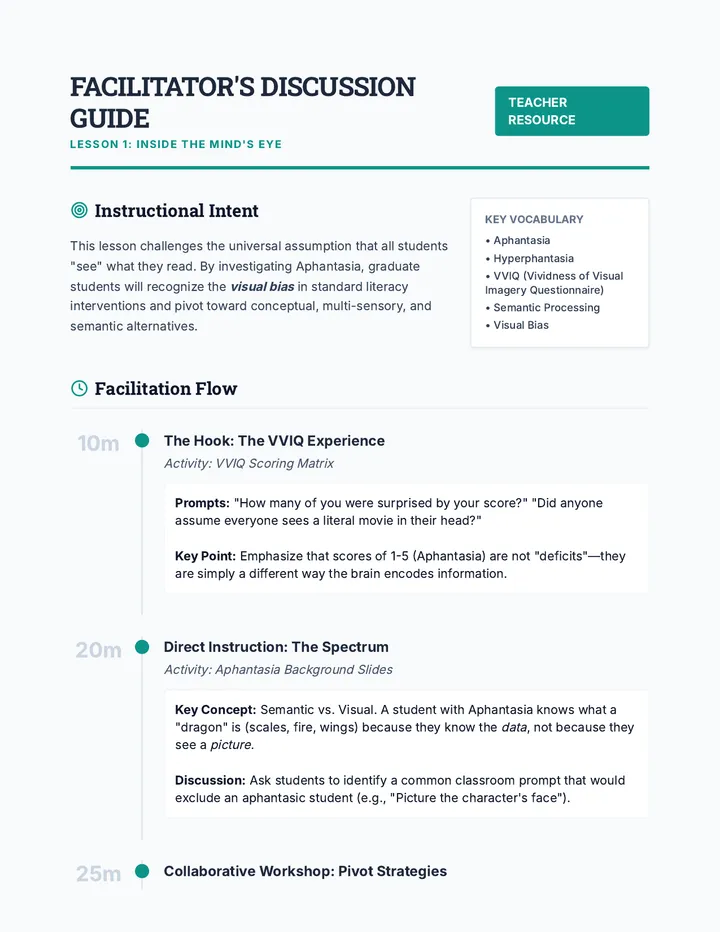
A graduate-level sequence exploring how to adapt visualization strategies for neurodiverse learners, specifically addressing Aphantasia, ASD, and ADHD to create inclusive academic support.
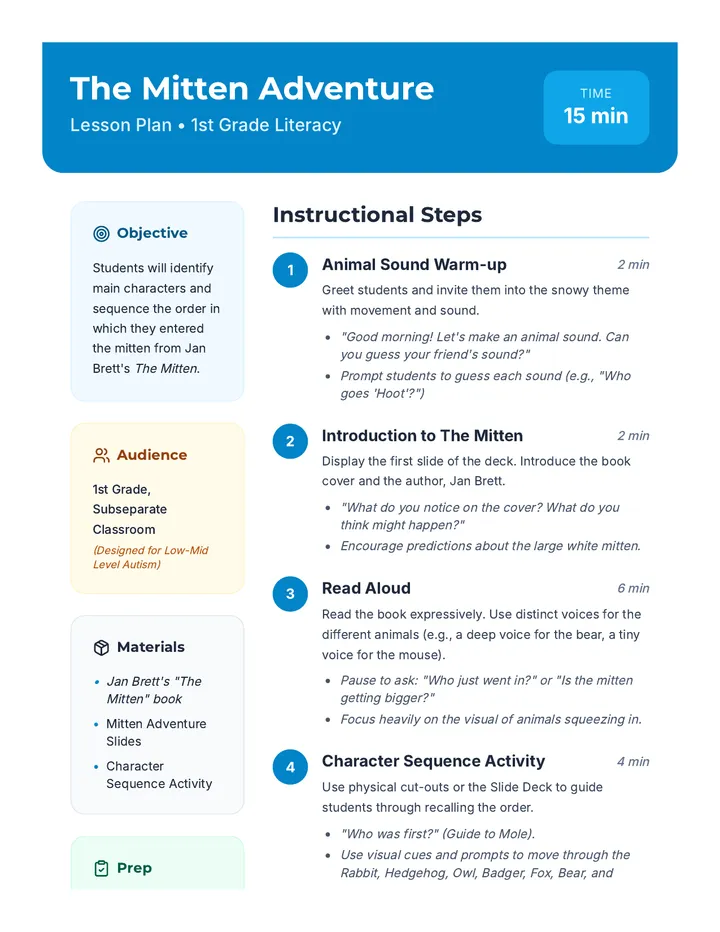
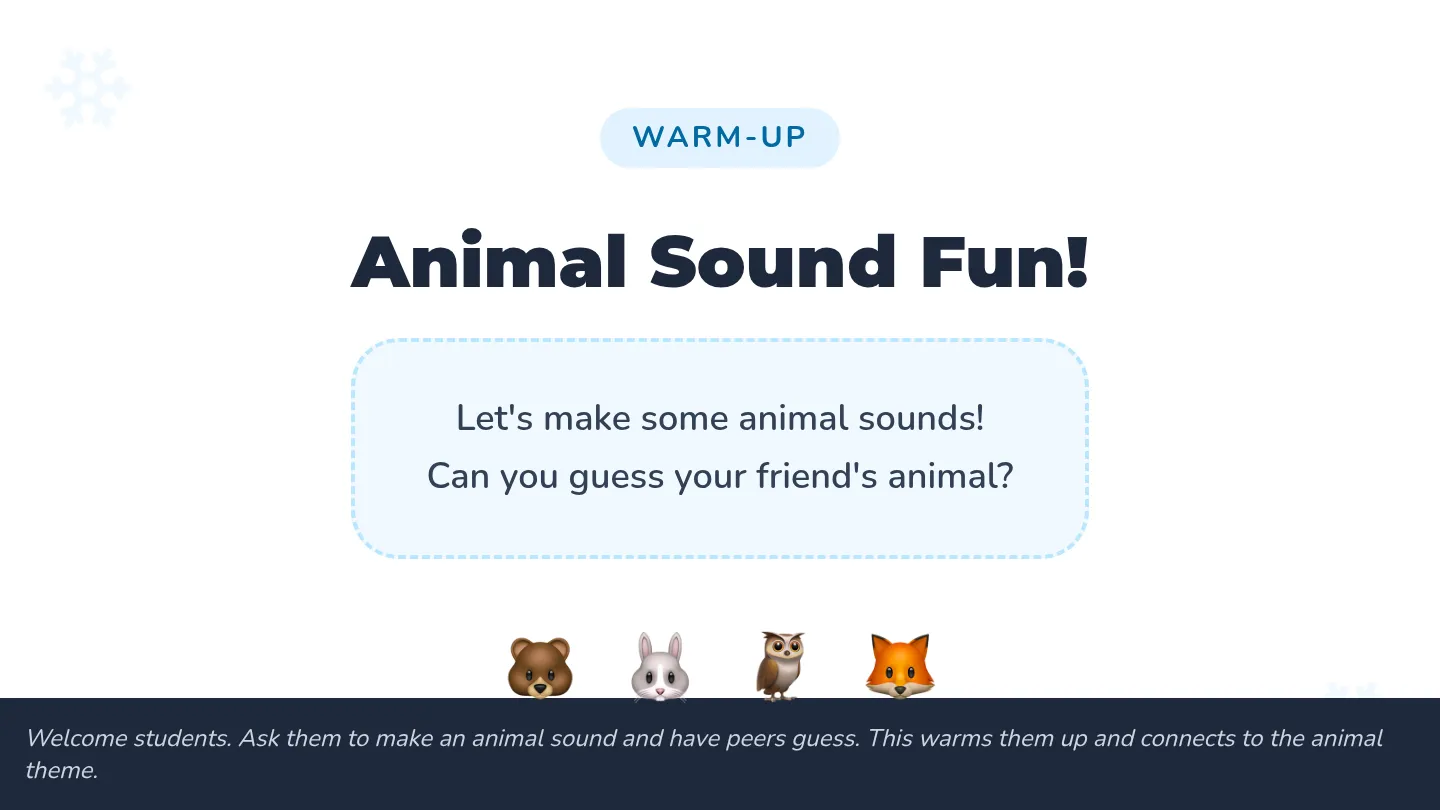
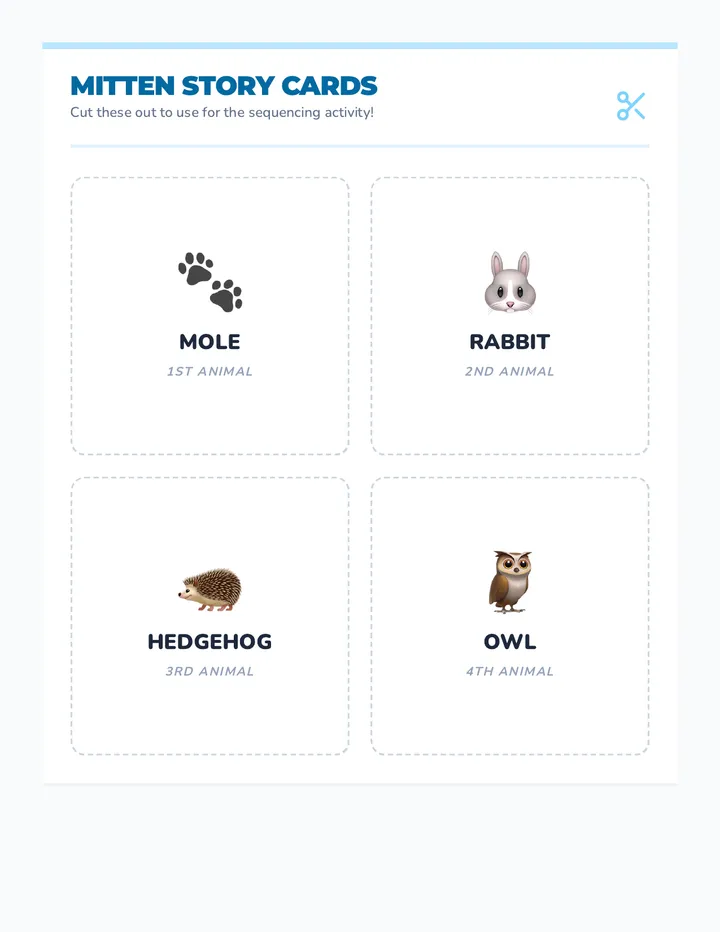
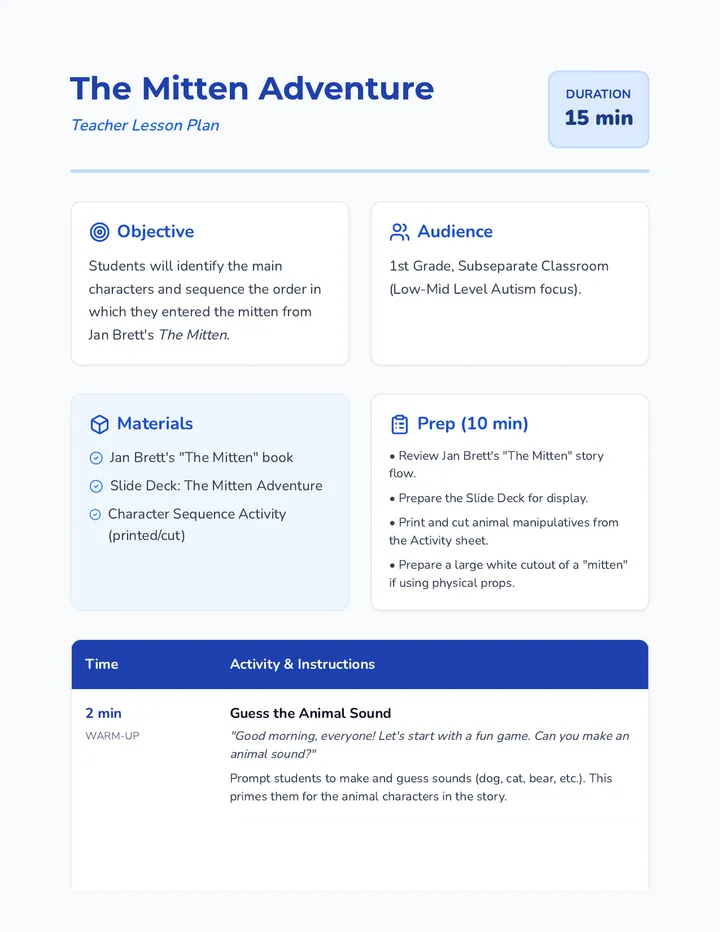
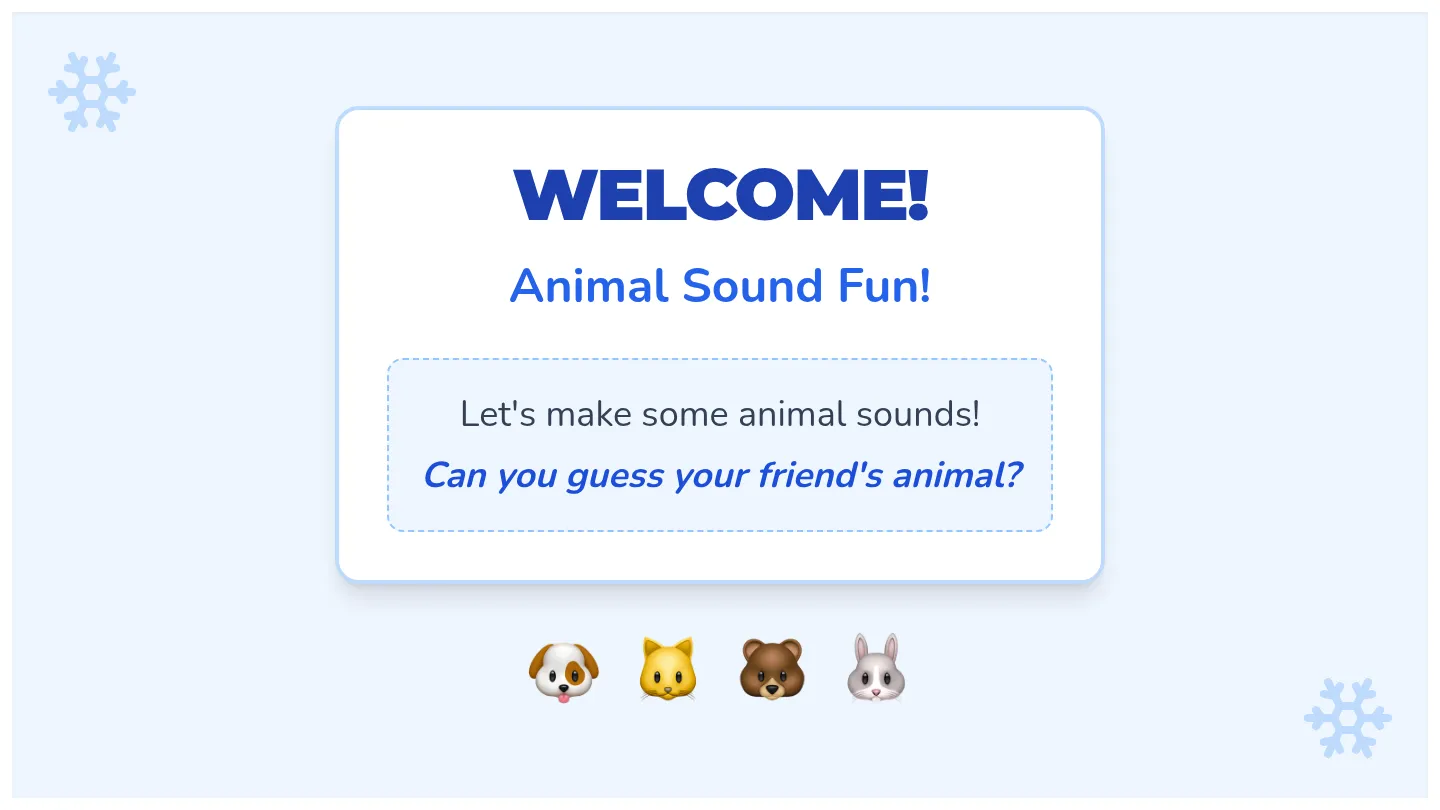
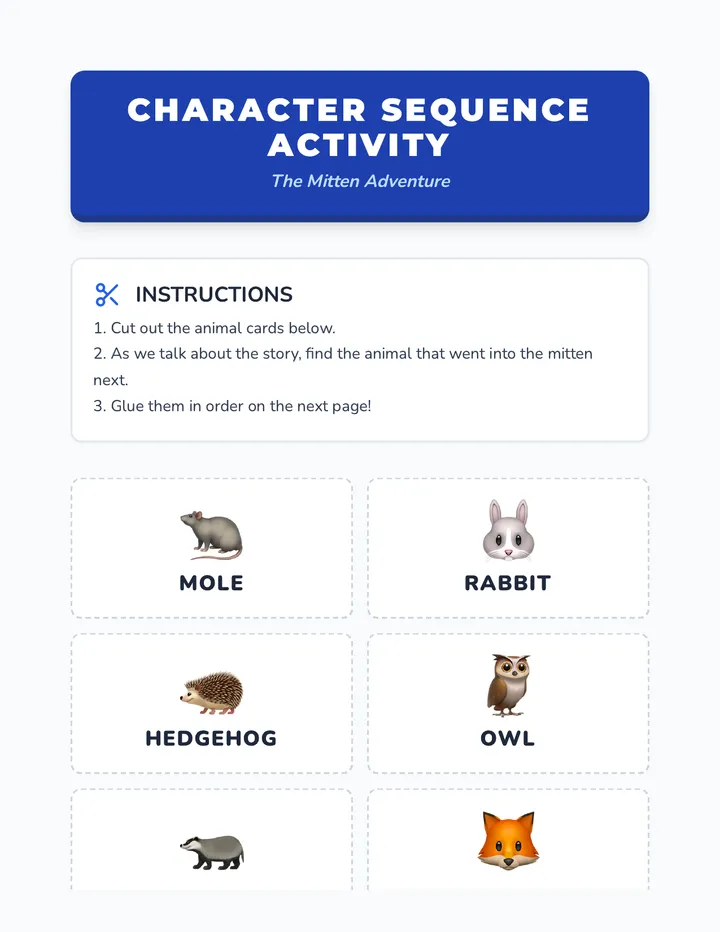
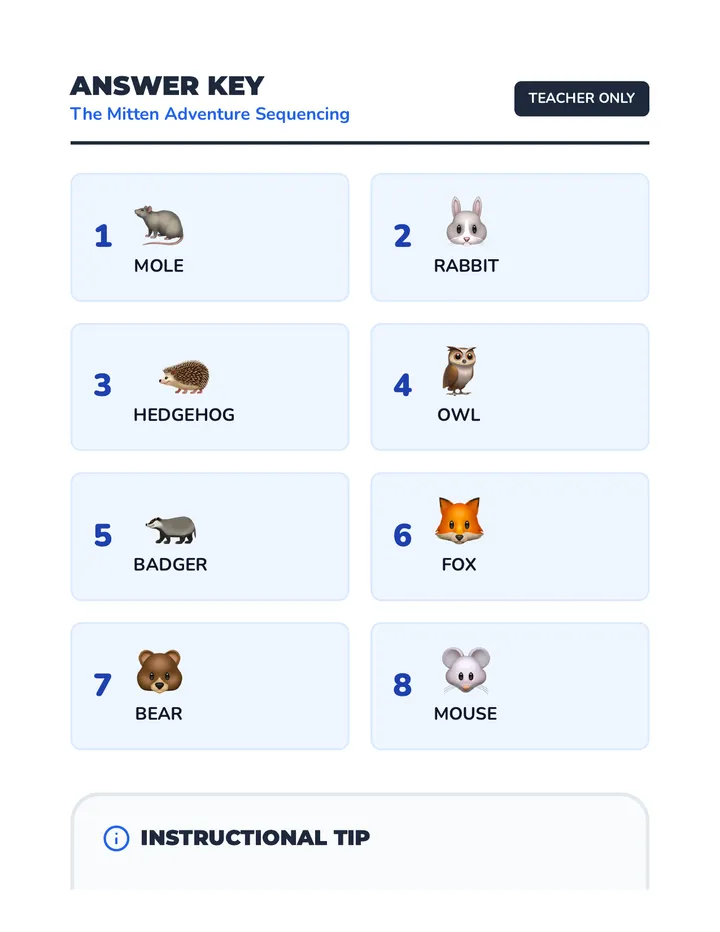
A 15-minute interactive literacy lesson for 1st-grade subseparate classrooms based on Jan Brett's 'The Mitten,' focusing on animal identification and narrative sequencing.
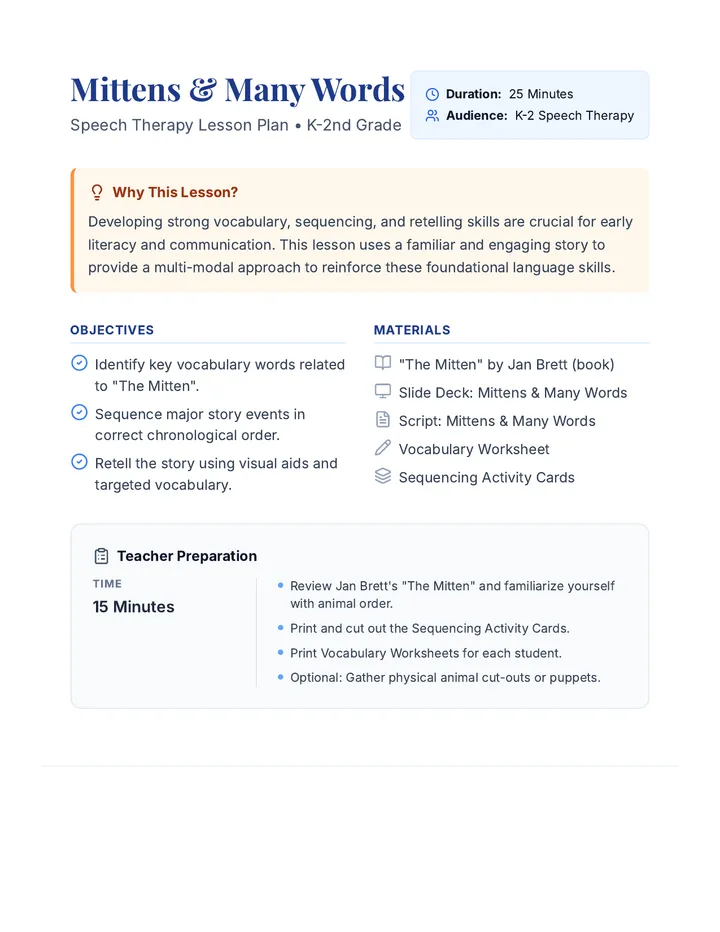
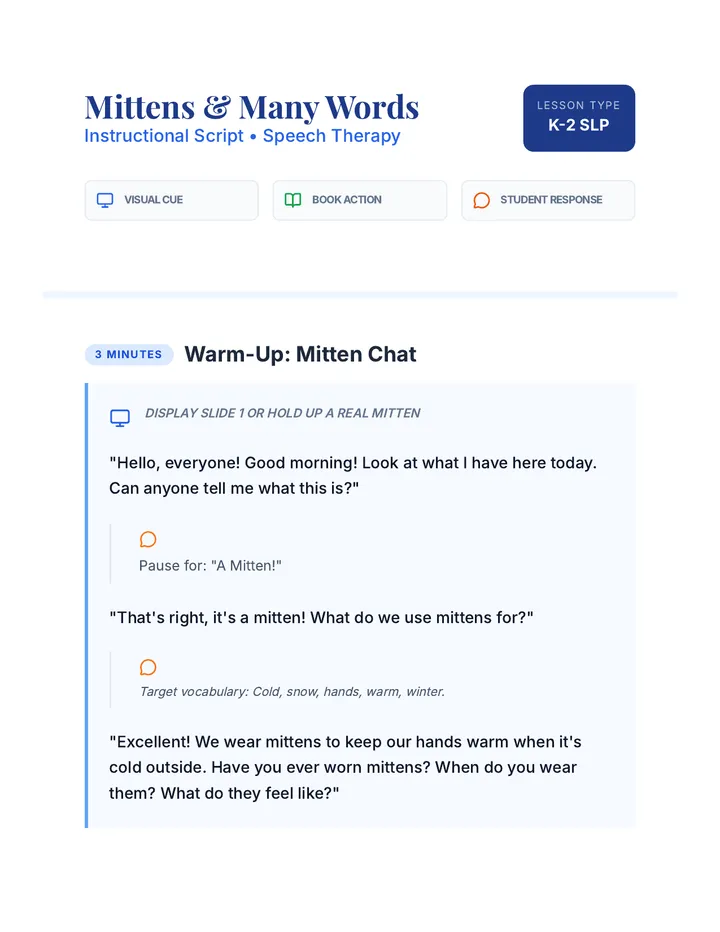
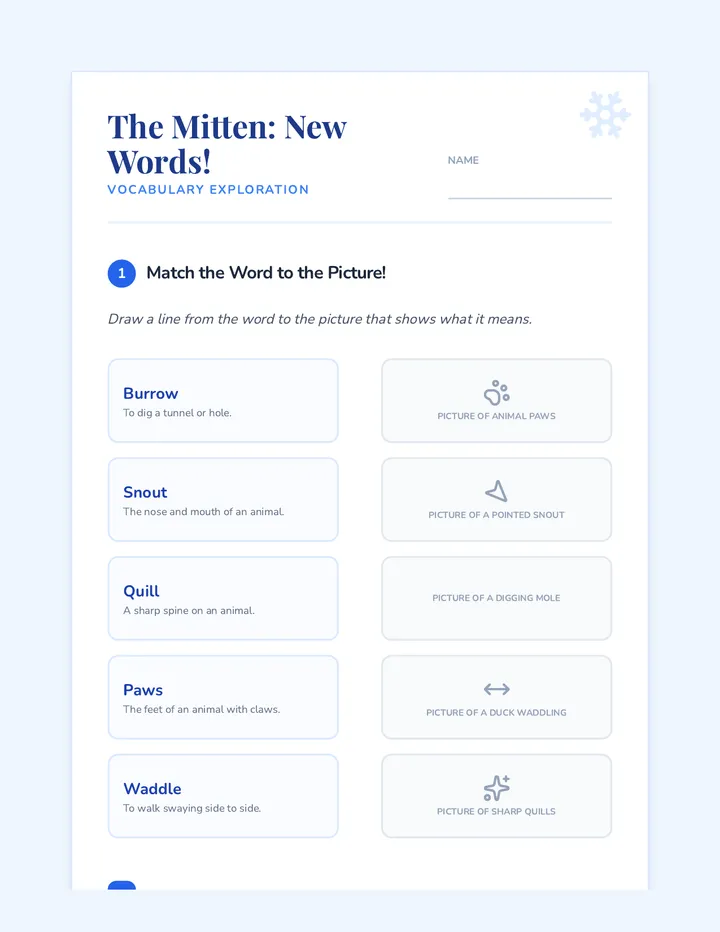
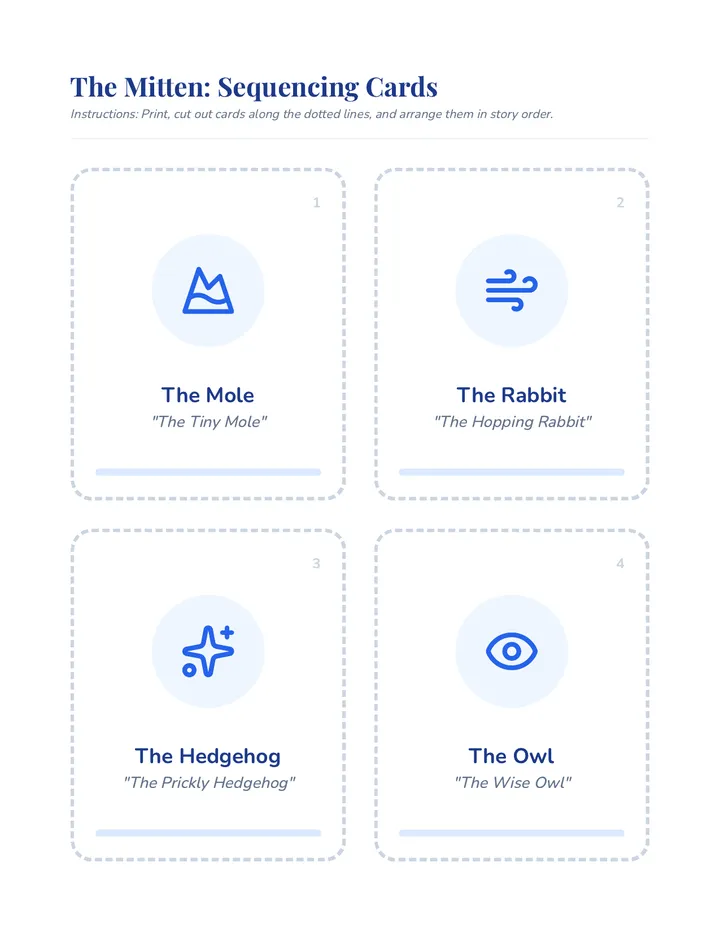
A single-session speech therapy lesson for K-2 students focused on vocabulary, sequencing, and retelling using Jan Brett's 'The Mitten'. Students engage with the story through interactive slides, a guided script, and hands-on sequencing activities.
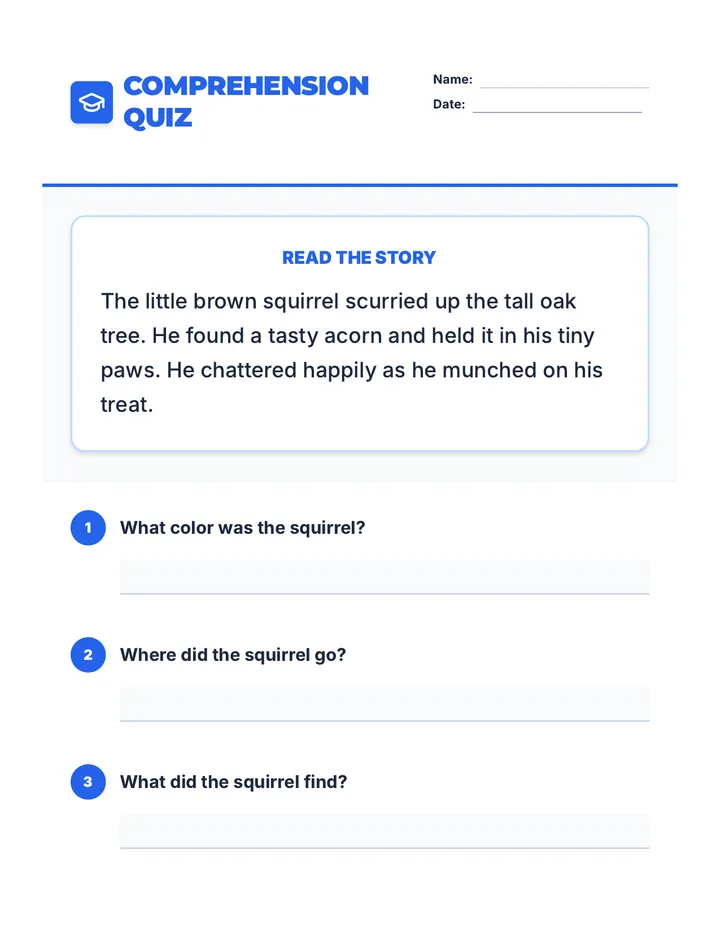
A 2nd-grade Tier 2 reading comprehension lesson where students become 'reading detectives' to find key details in 'The Sleepy Bear Story'. Includes guided reading, discussion, and a comprehension worksheet.
A structured, interactive morning meeting routine for middle school students with significant cognitive disabilities, focusing on communication, temporal concepts, and social-emotional check-ins.
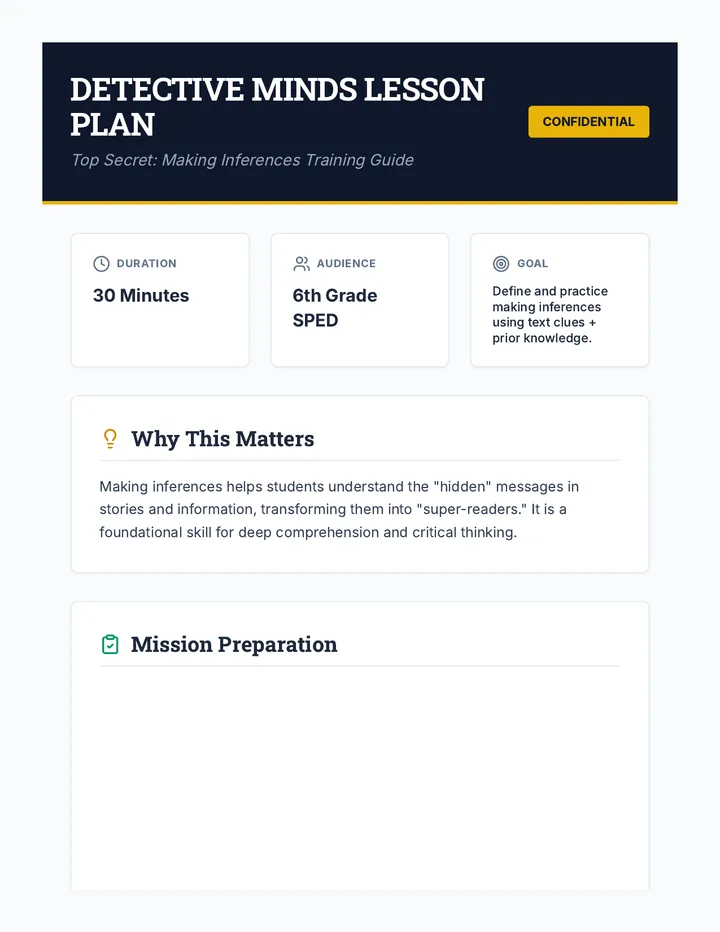
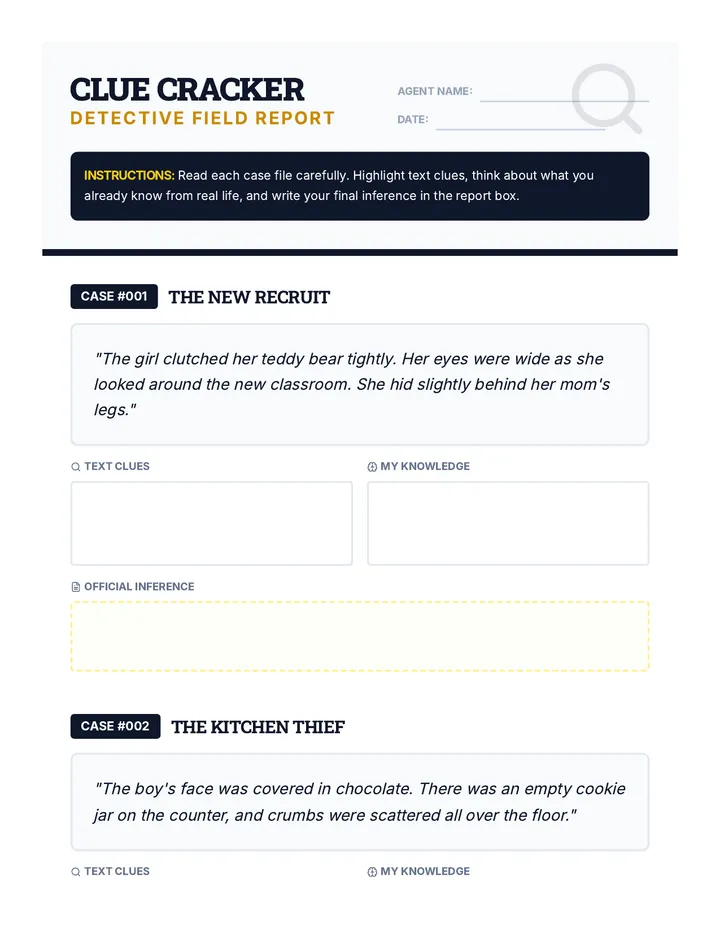
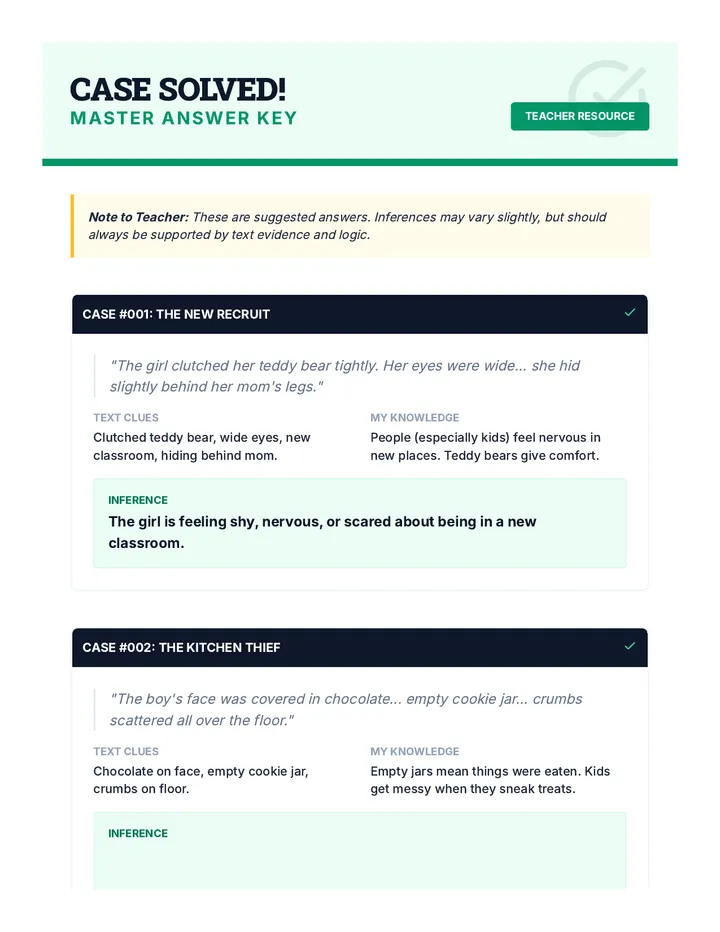
A foundational lesson for 6th-grade special education students on making inferences. Using a detective theme, students learn to combine text clues with background knowledge to uncover implied meanings in short passages.
A 30-minute Tier 3 individualized lesson for 6th-grade students focusing on making inferences, main idea identification, and vocabulary acquisition using an adapted version of The Giver, Chapter 1.
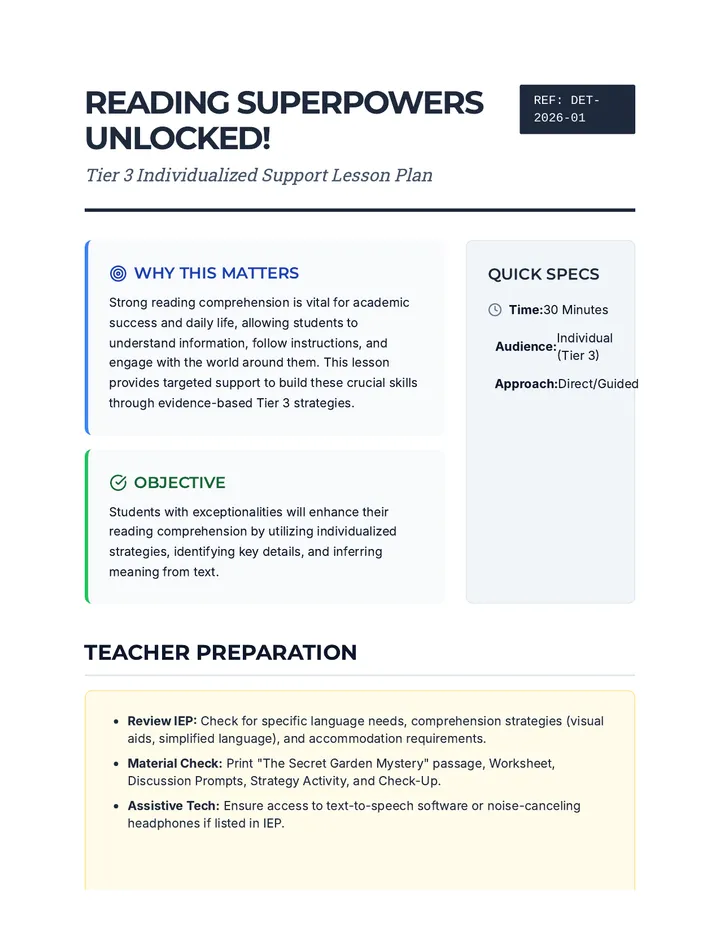
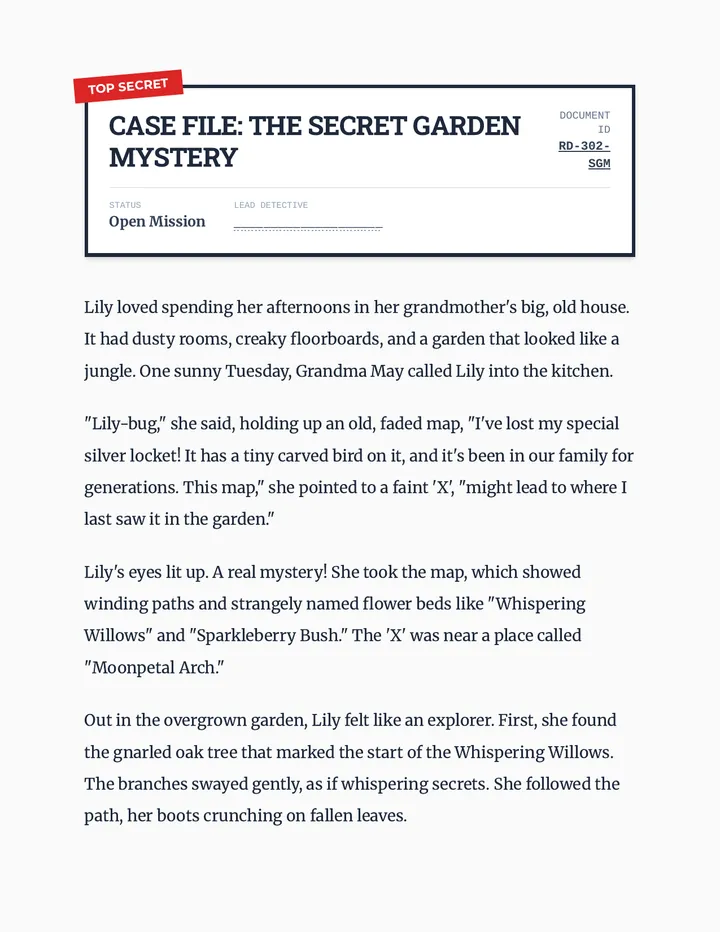
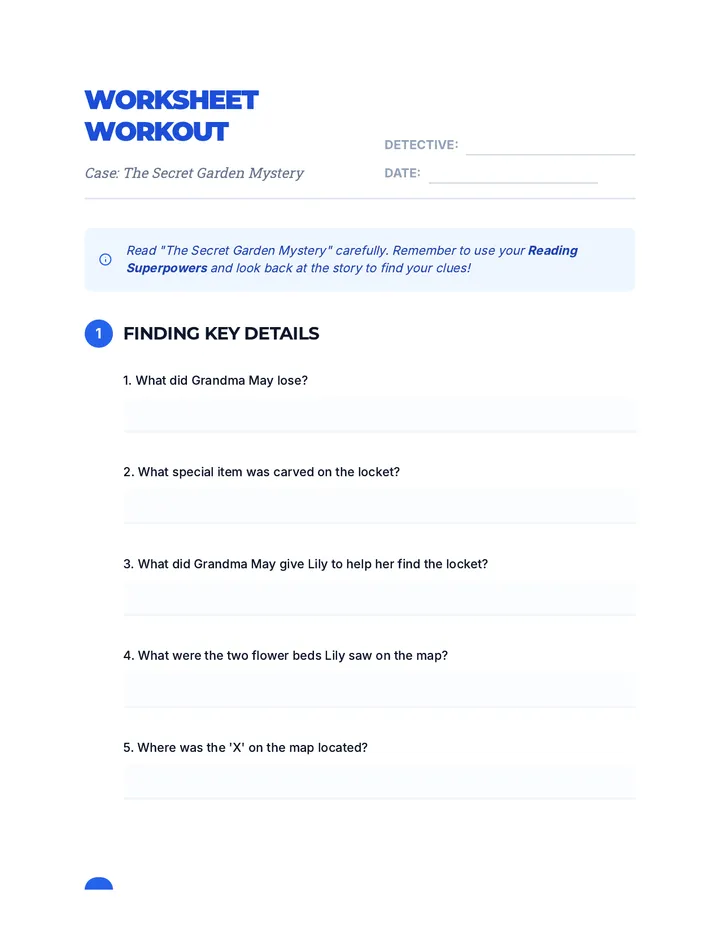
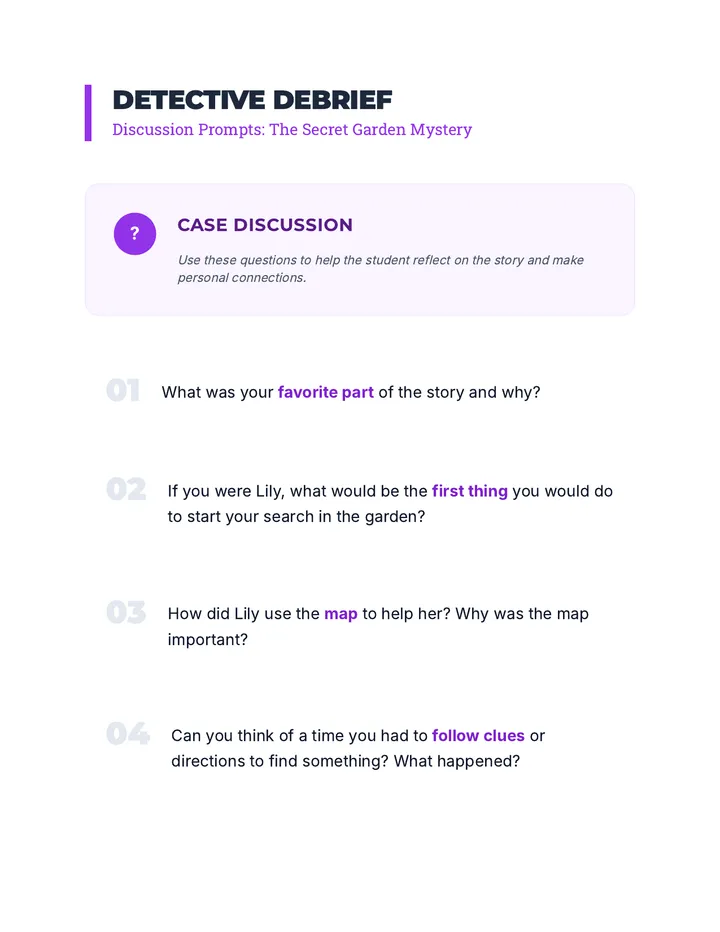
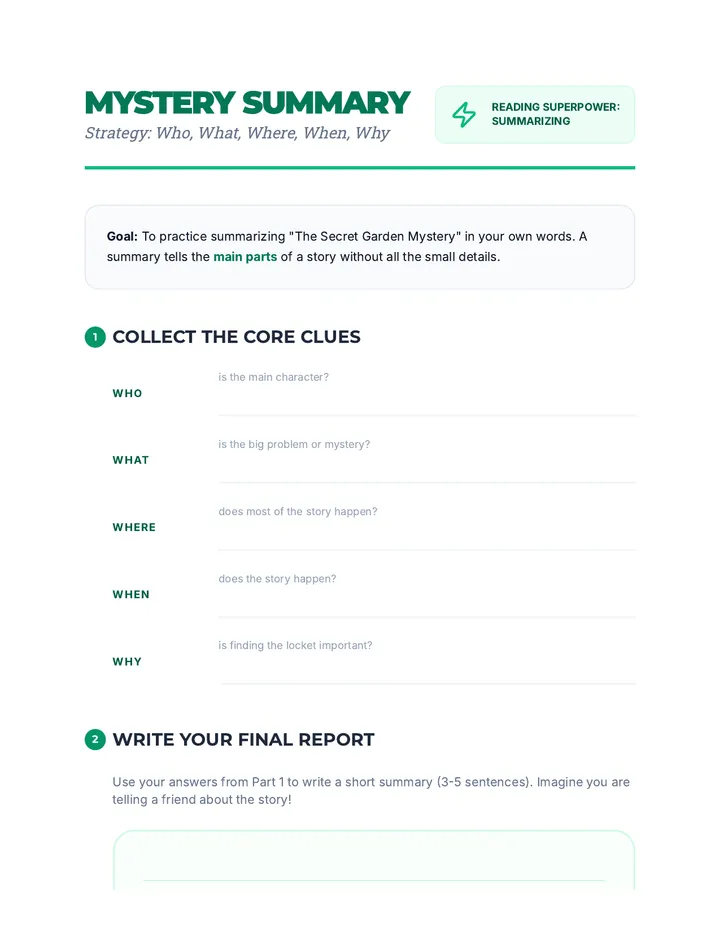
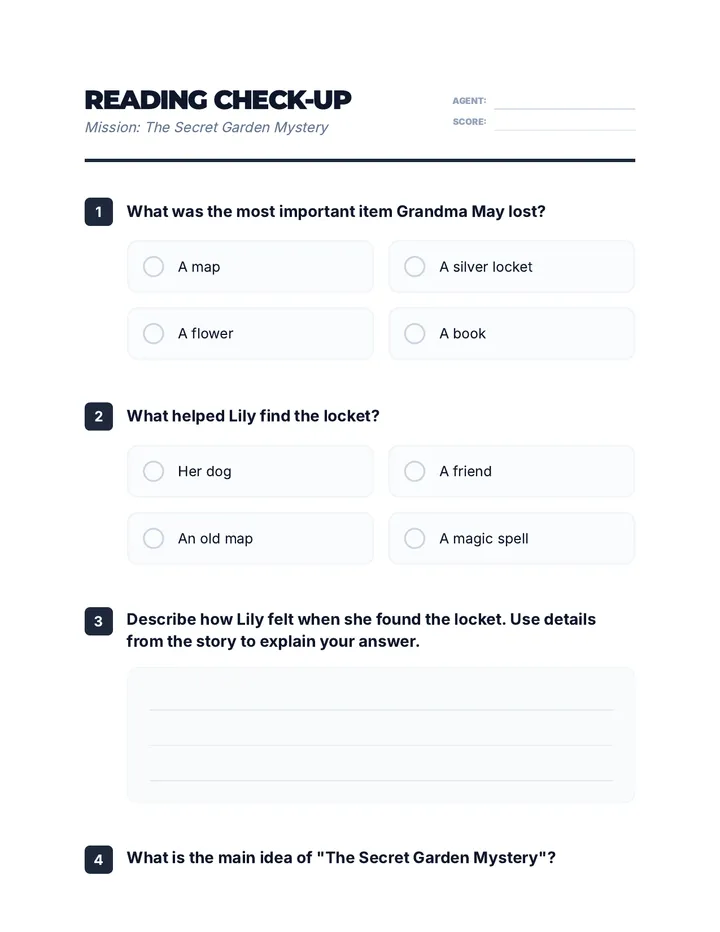
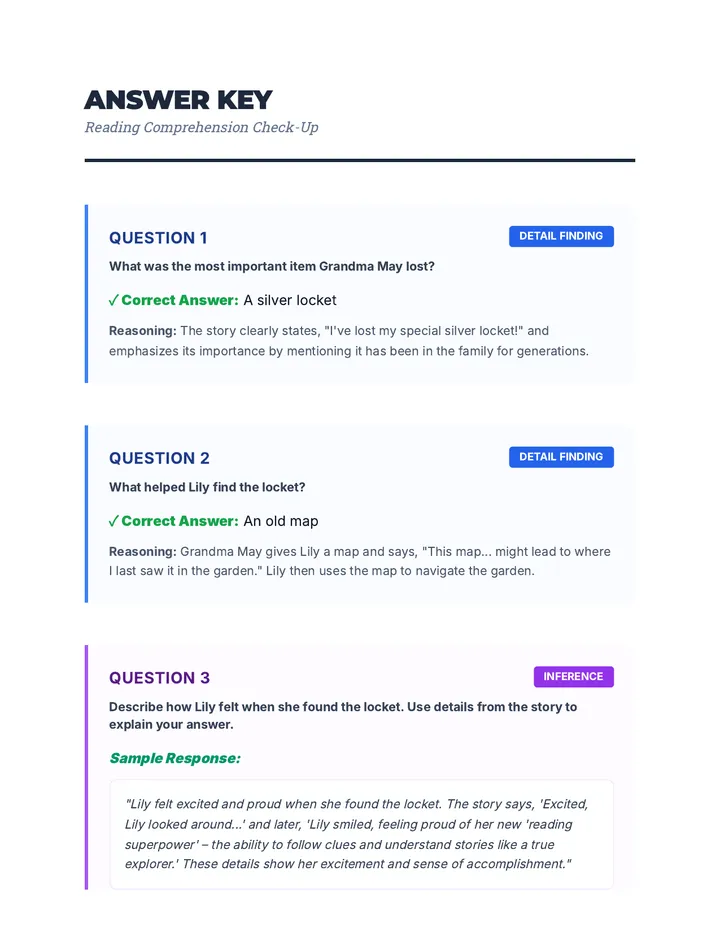
A 30-minute Tier 3 lesson designed for students with exceptionalities, focusing on reading comprehension through a "detective" lens. Students learn to use reading "superpowers" to decode mysteries and find key details.
A Tier 2 ESE lesson for 2nd and 3rd-grade students focused on predicting using visual story sequences. Designed for small groups with heavy visual support for non-verbal learners.
A 90-minute professional development session for Tier 1 teachers focused on transforming student mistakes into powerful learning opportunities using reflective tools and growth mindset strategies.
A 30-minute Tier 2 group lesson for 3rd graders focusing on following multi-step directions and answering WH questions using a space-themed Mission Control concept.
A cozy 15-minute literacy lesson for 1st-grade subseparate classrooms based on Jan Brett's 'The Mitten,' focusing on animal identification and sequencing.
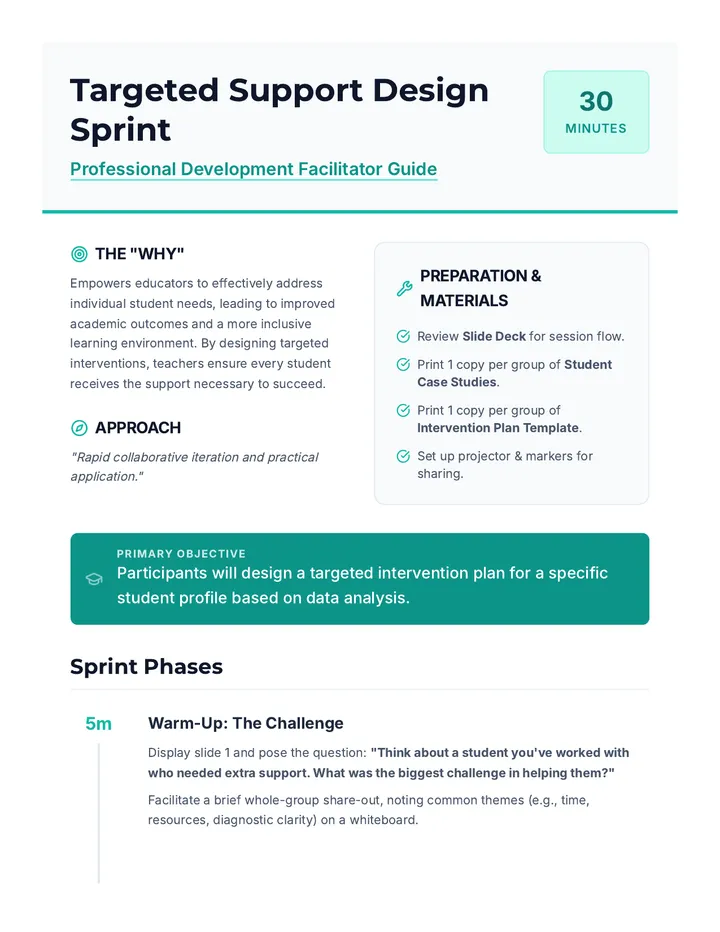
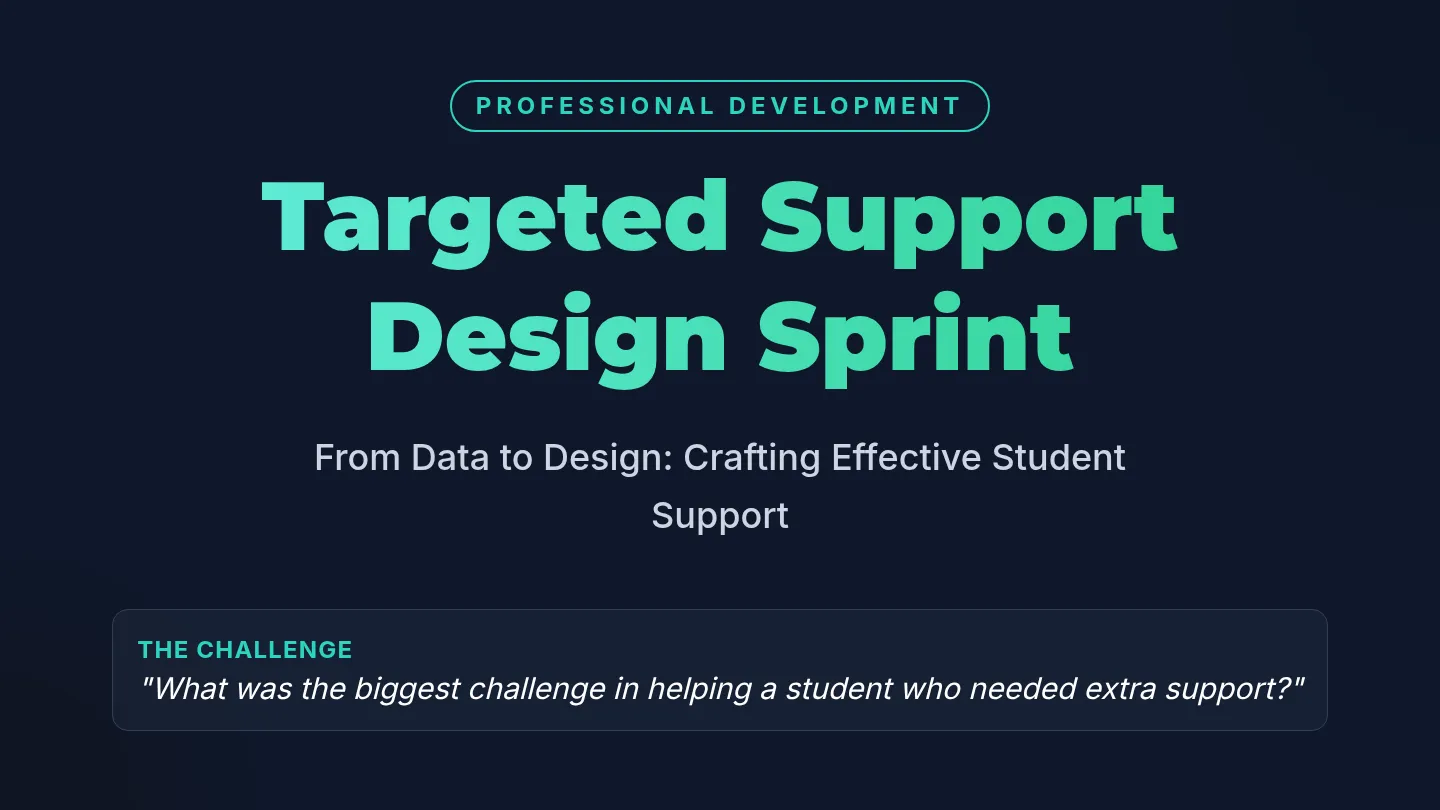
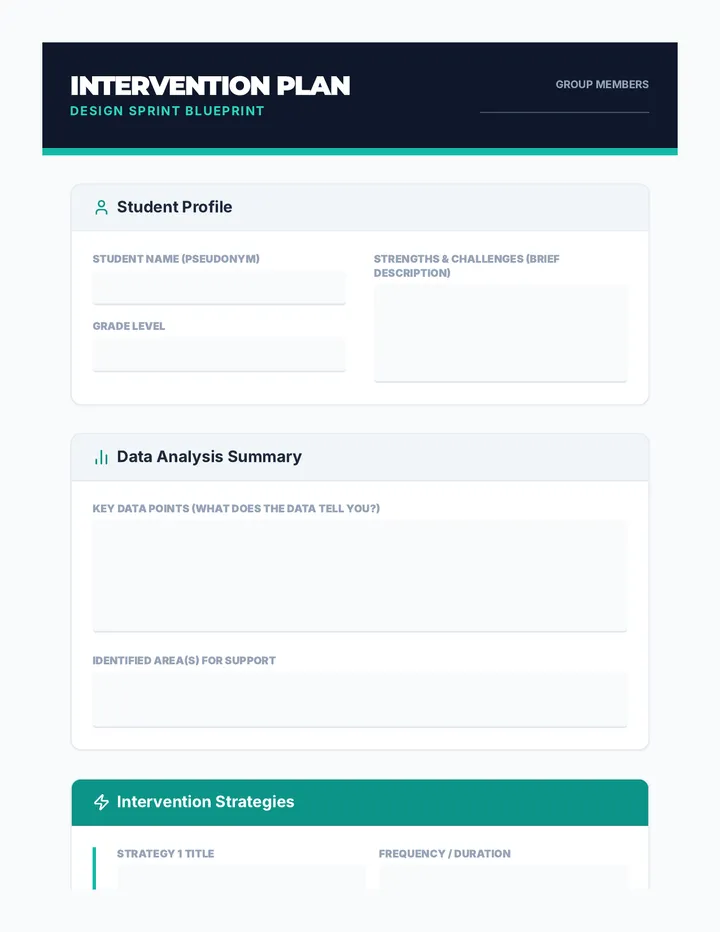
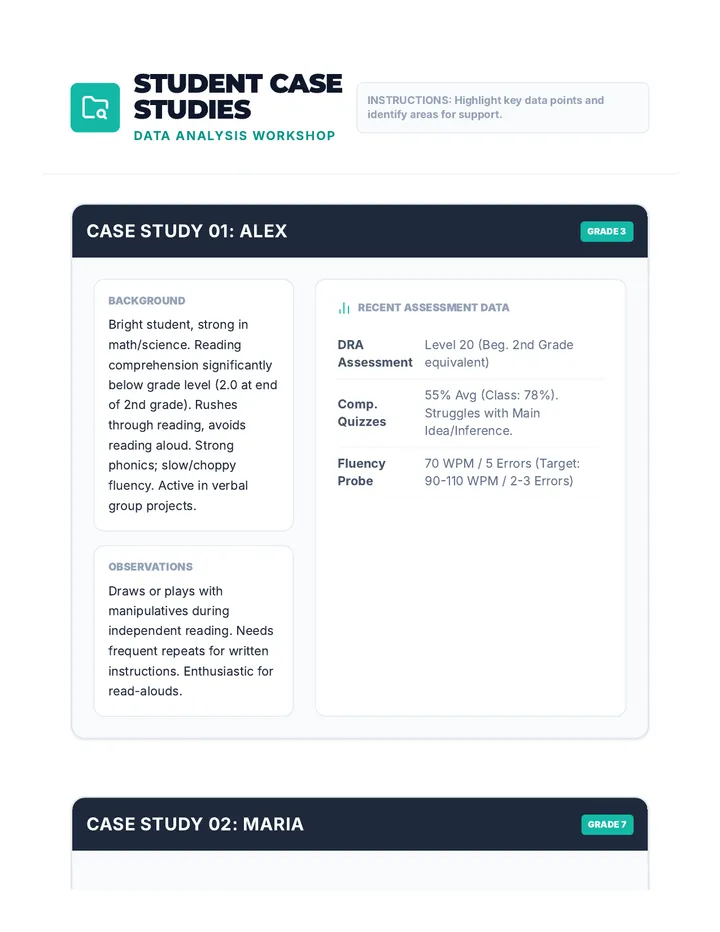
A 30-minute professional development session empowering educators to design data-driven intervention plans through a collaborative design sprint approach. Participants analyze case studies, brainstorm strategies, and set SMART goals for student support.