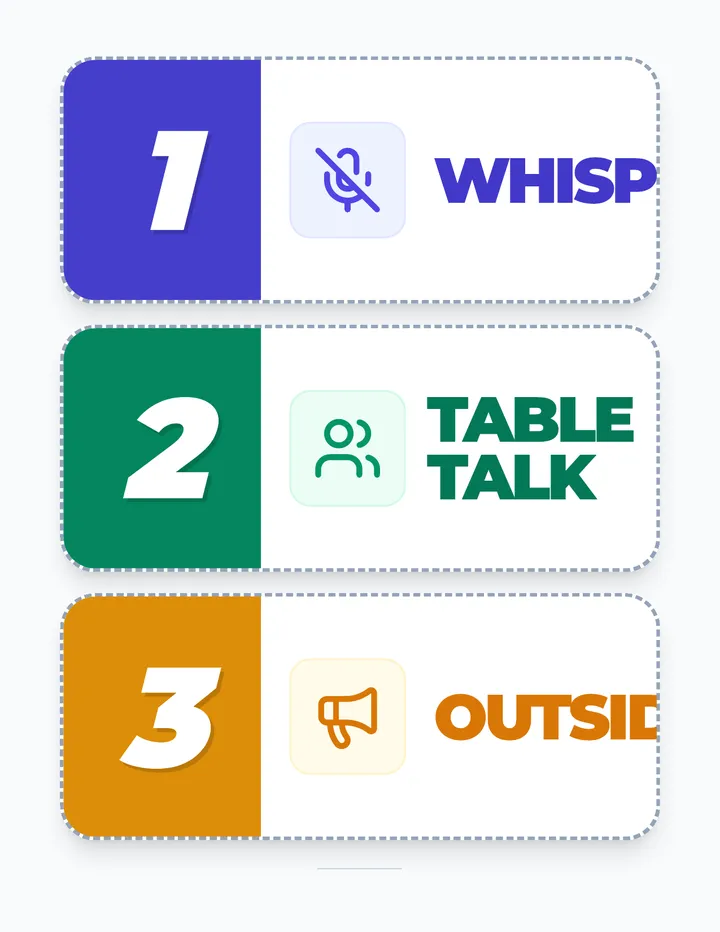
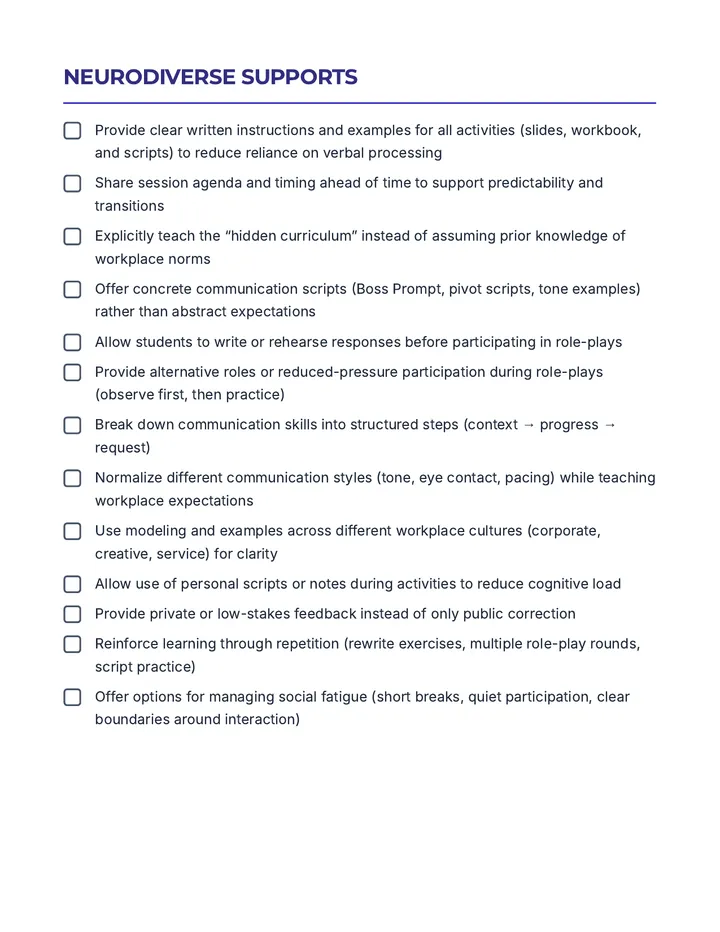
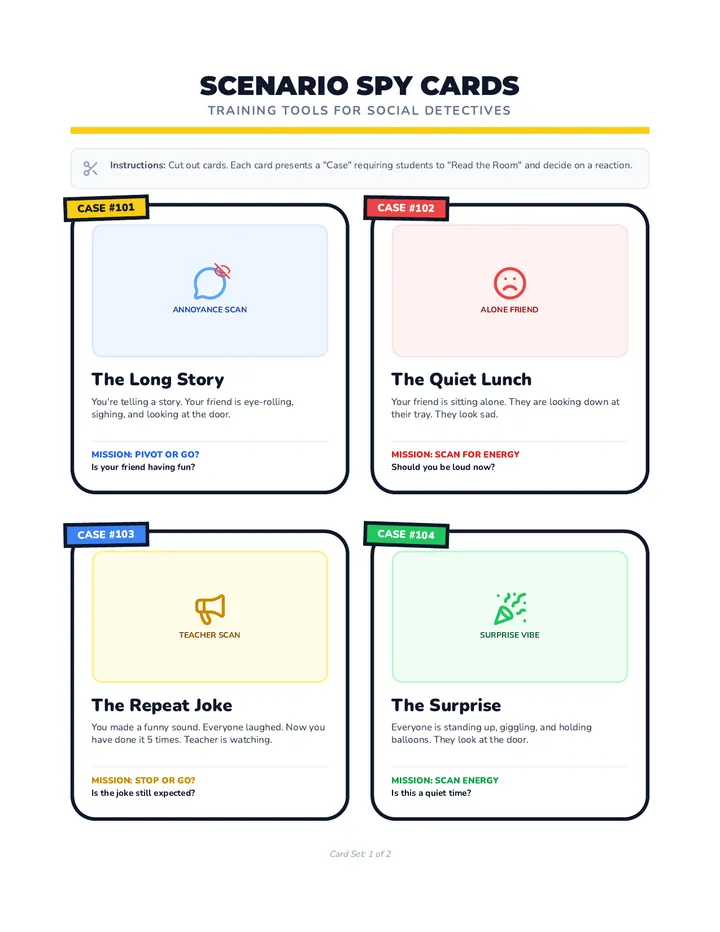
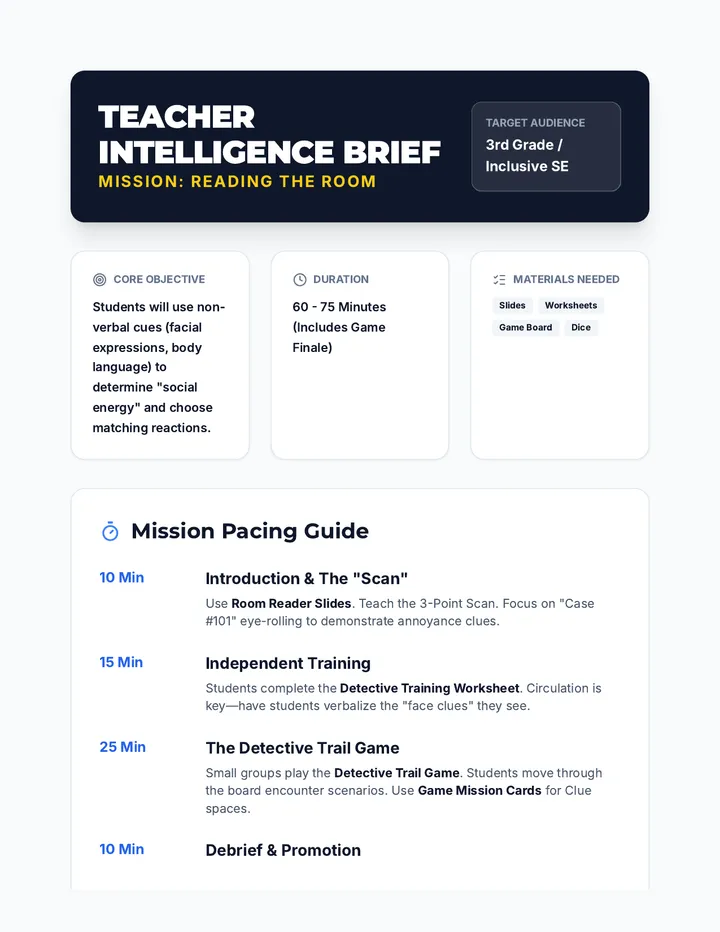
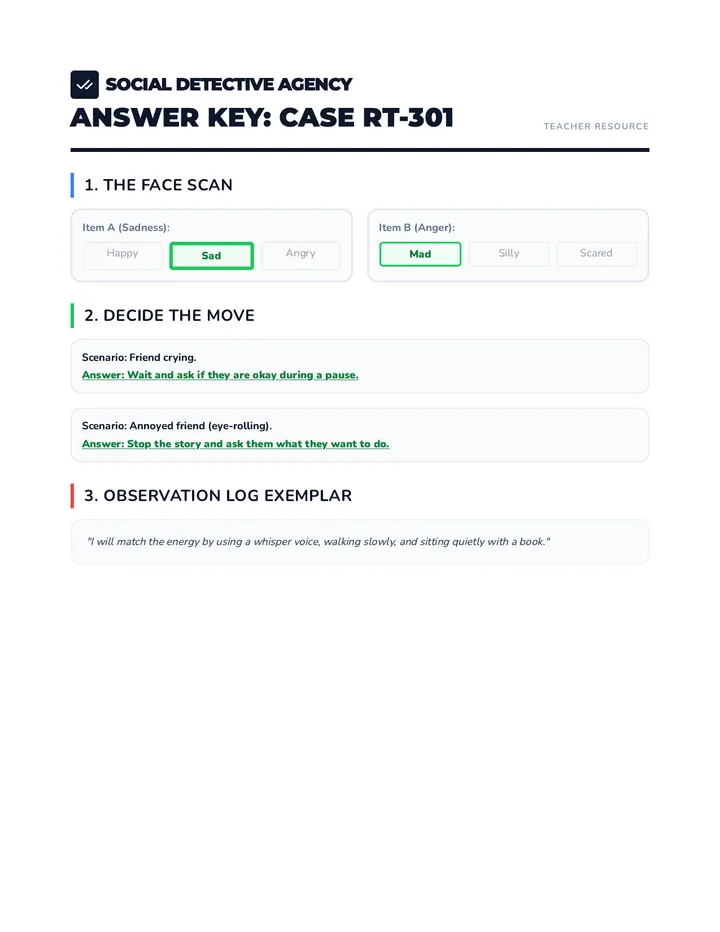
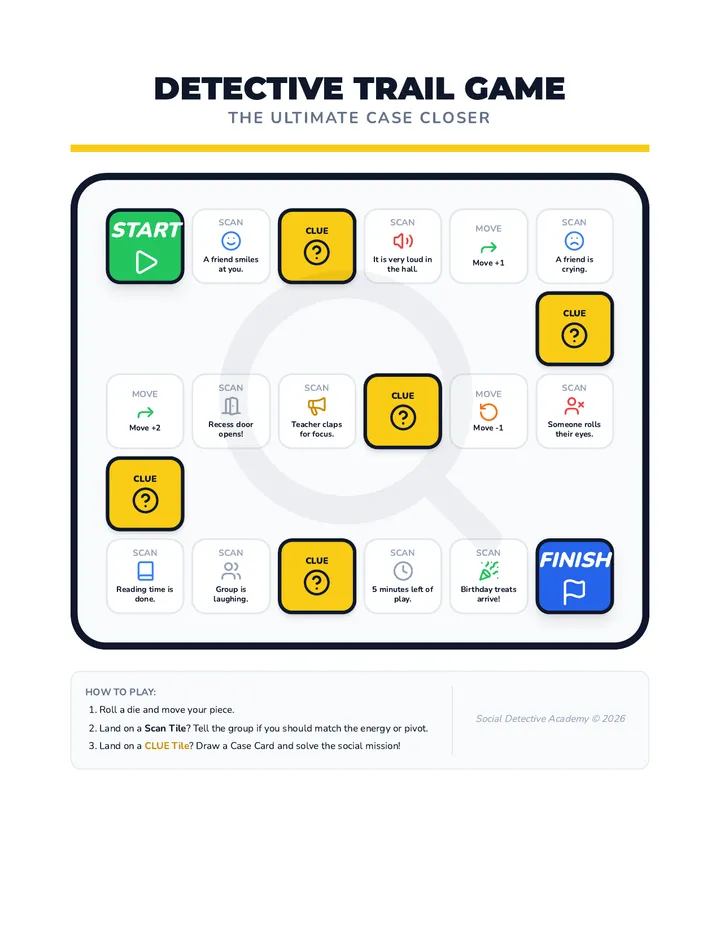
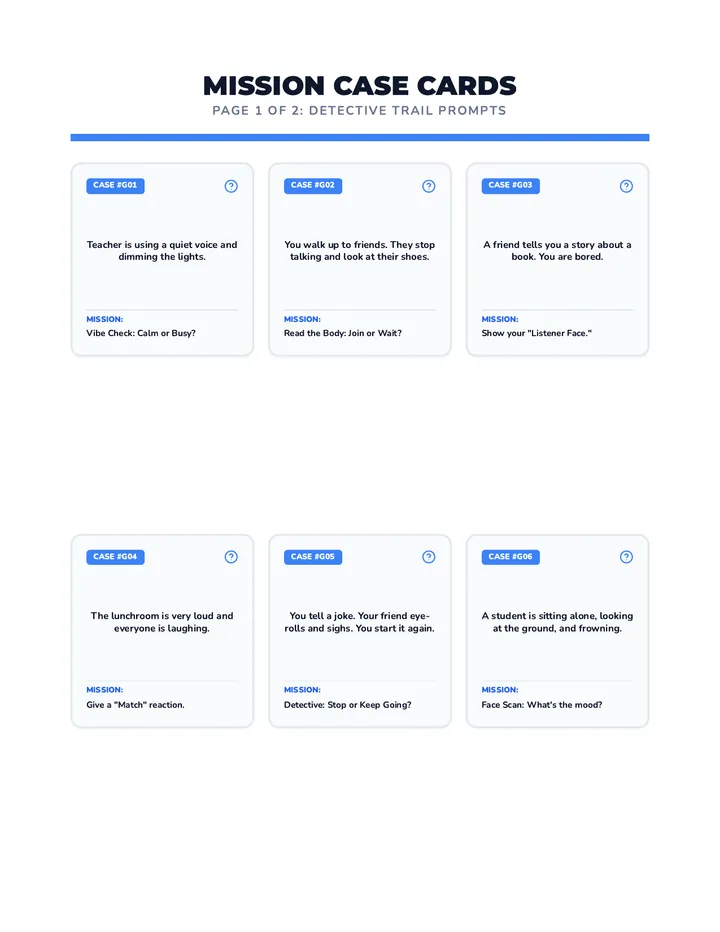
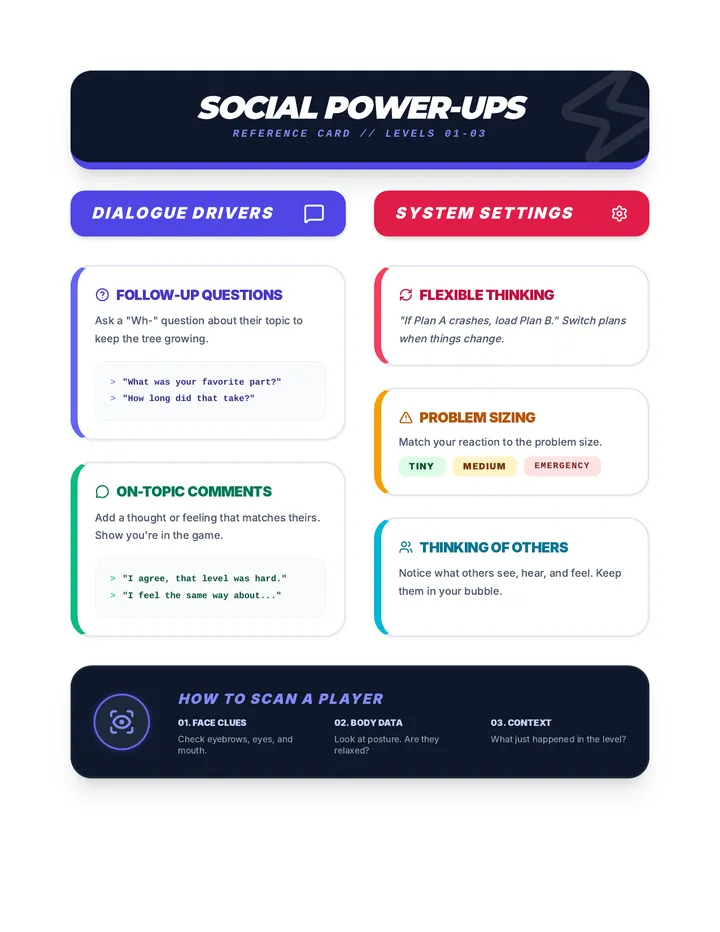
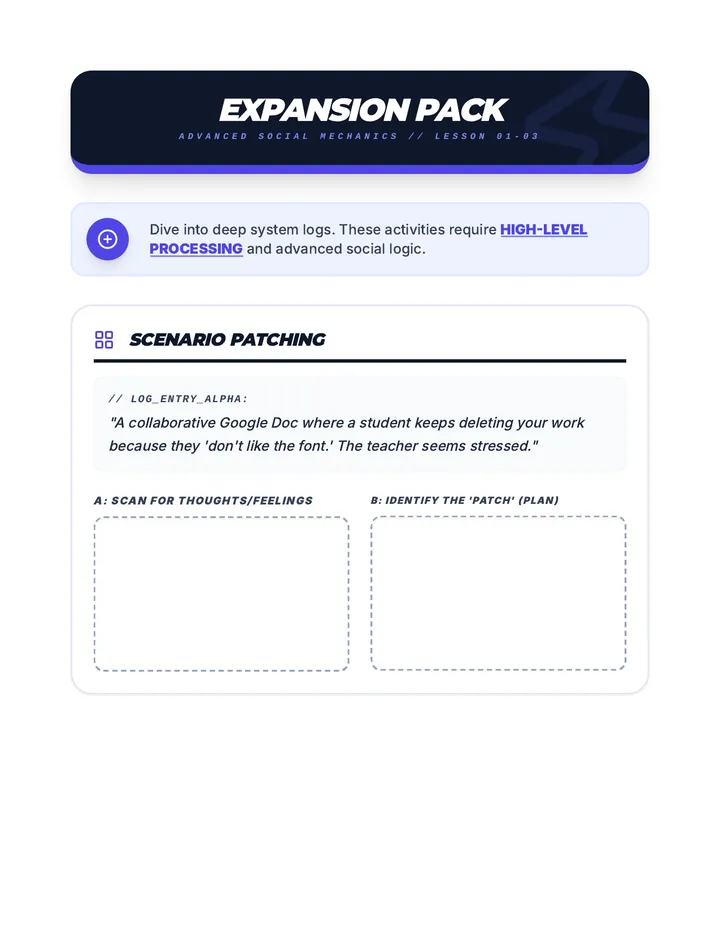
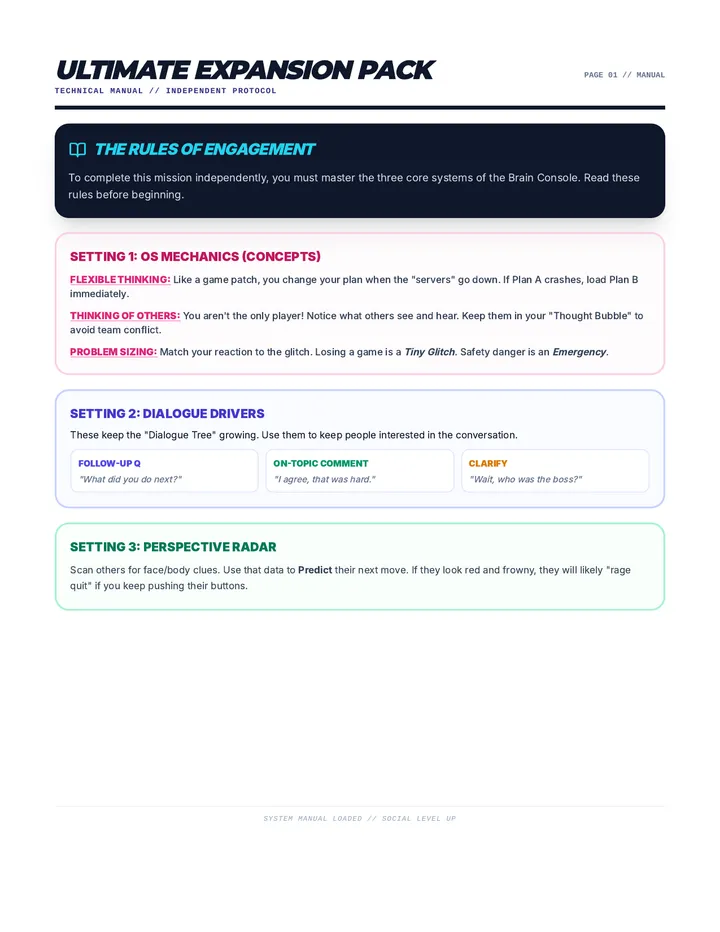
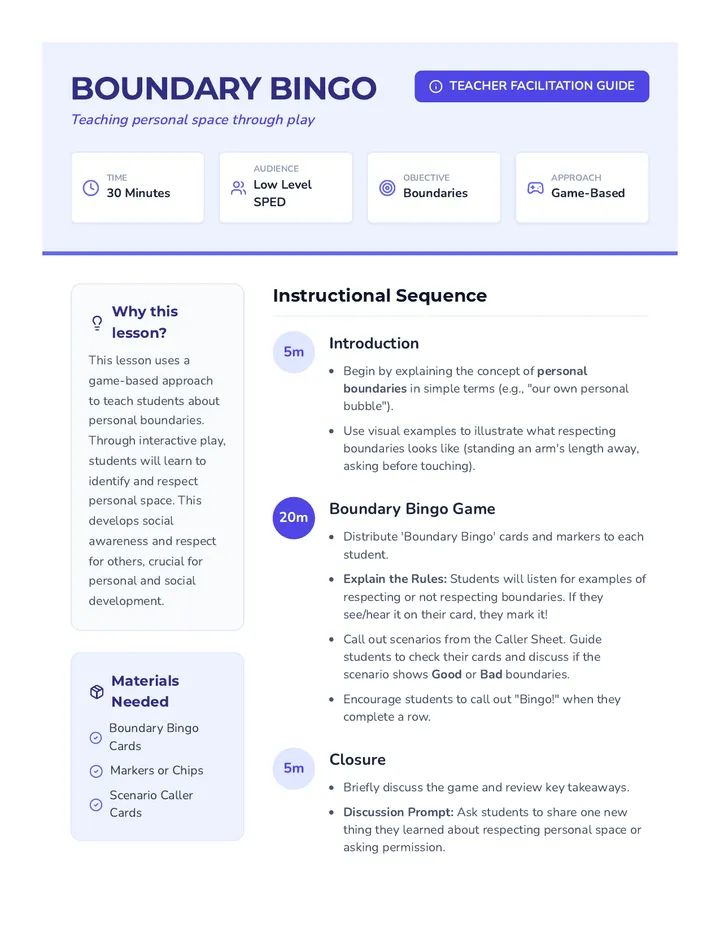
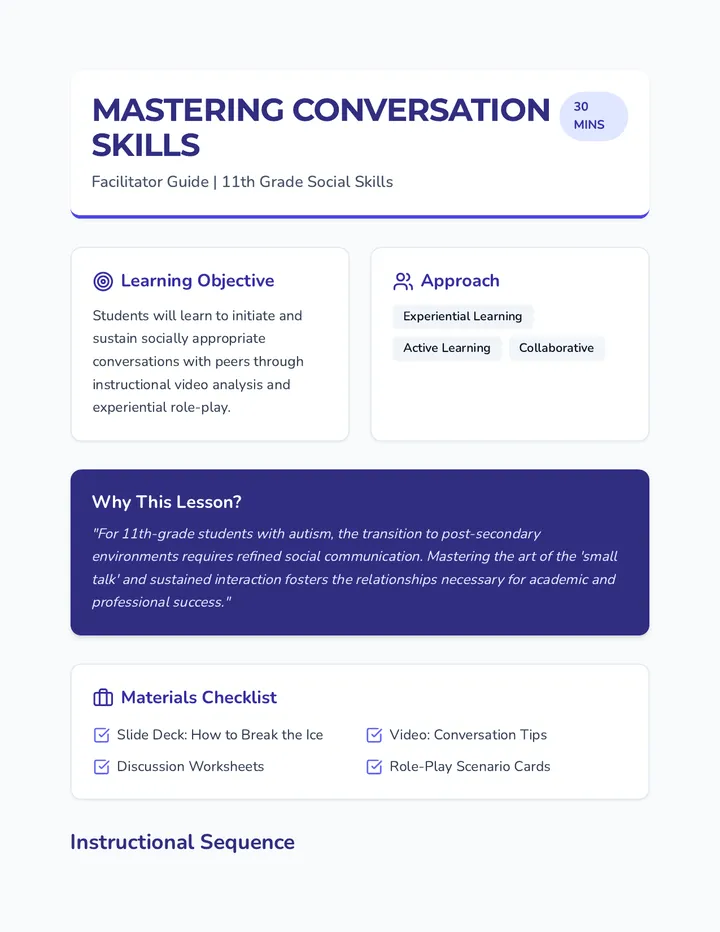
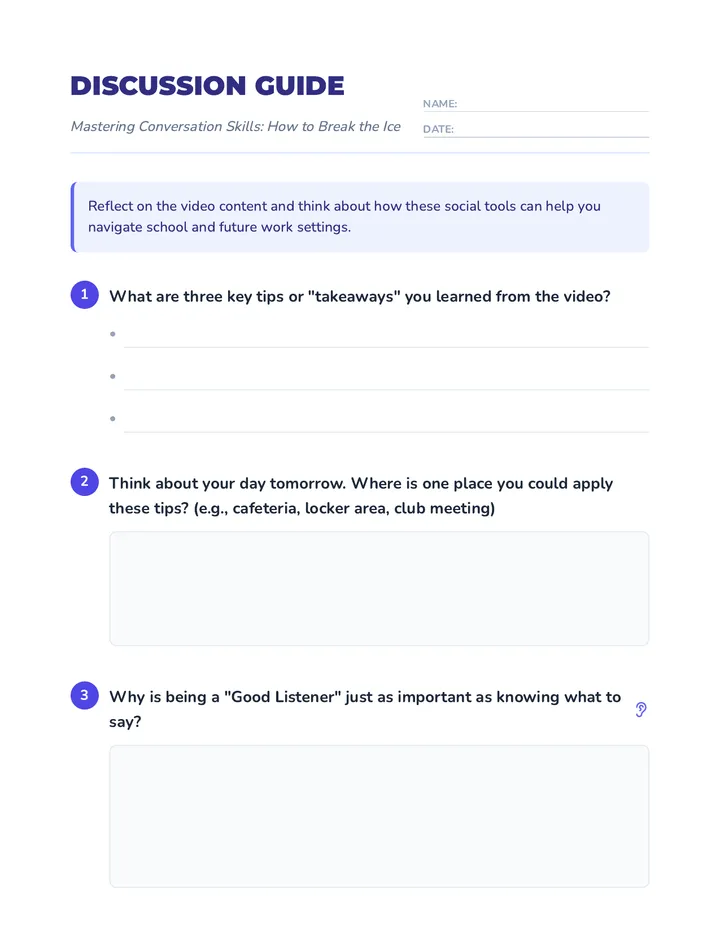
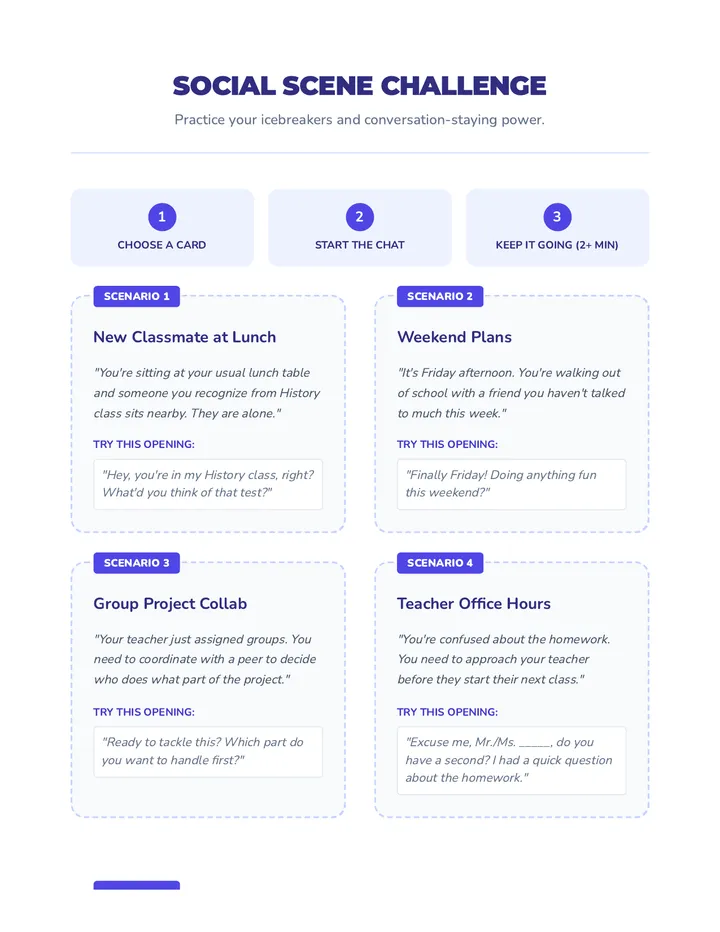
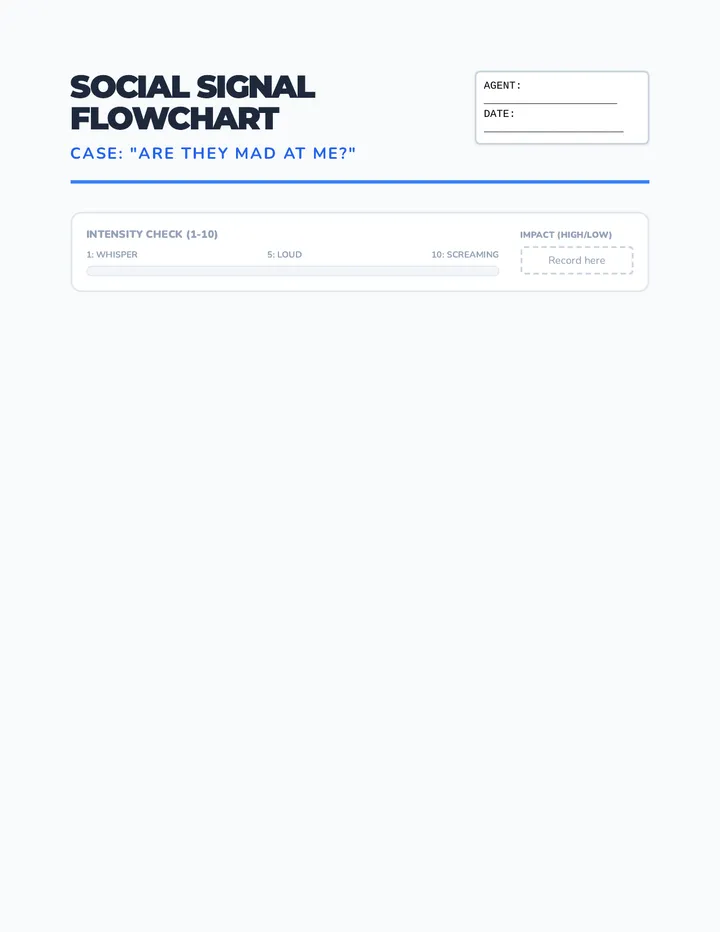
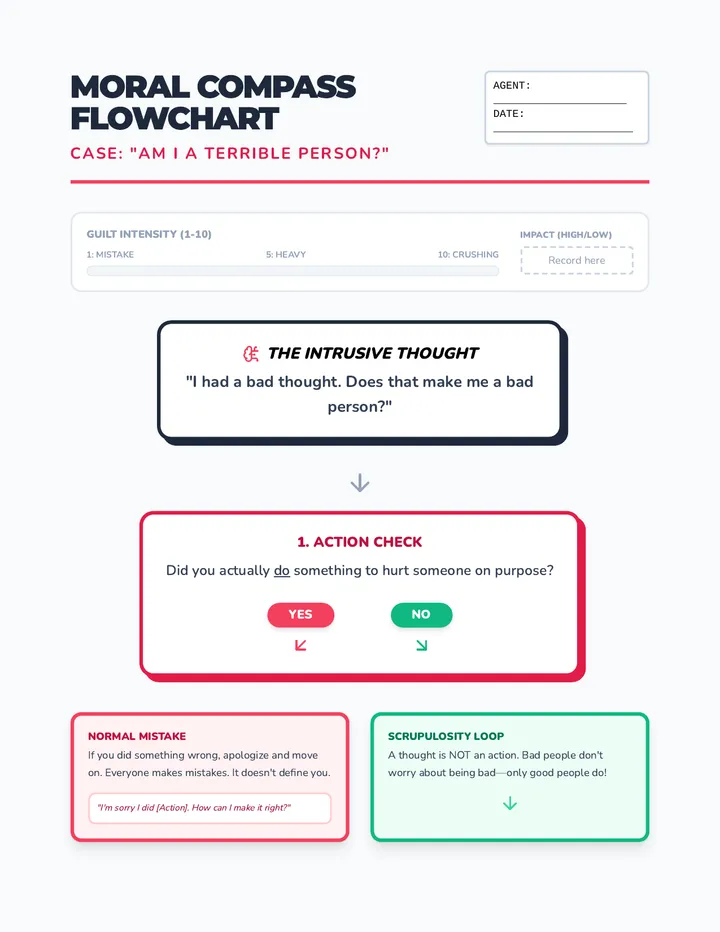
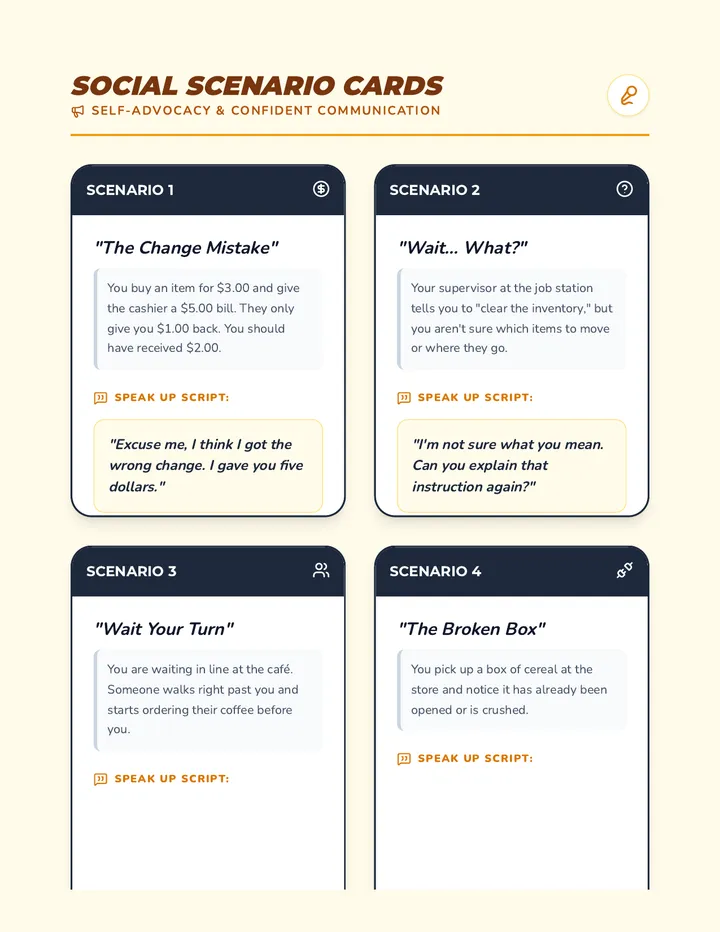
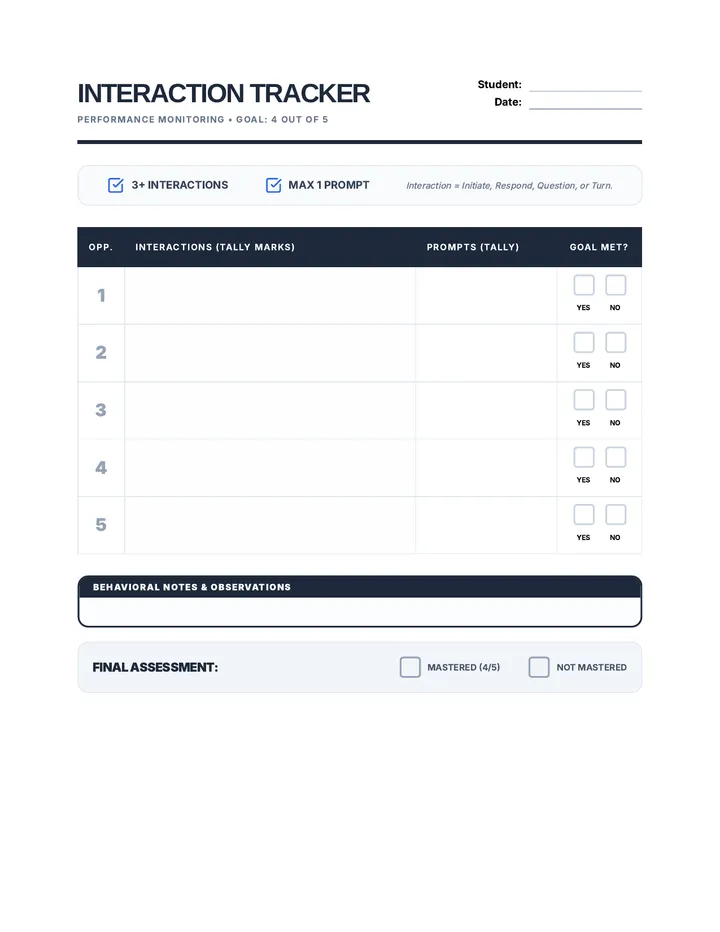
Verbal modulation, body language interpretation, and turn-taking strategies for effective social interaction. Addresses social problem identification, help-seeking, and the comprehension of figurative language across varied contexts.
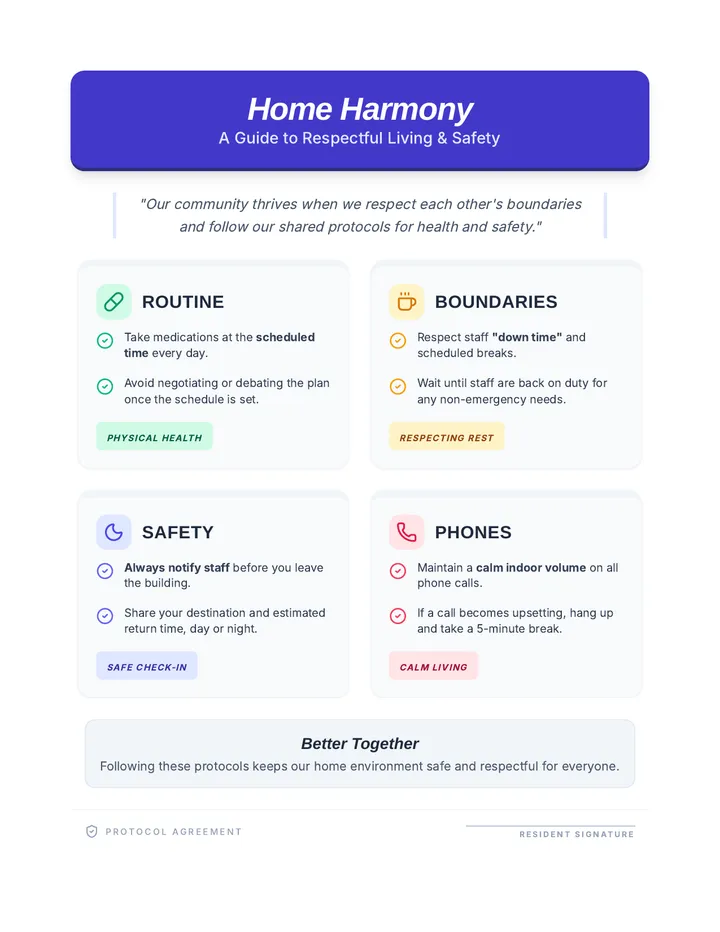
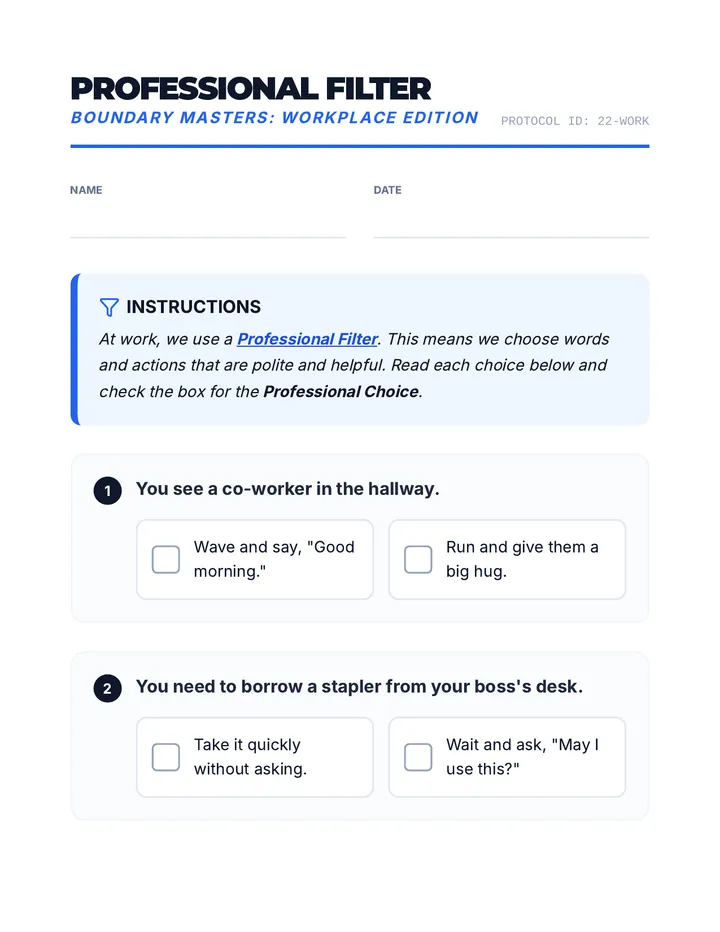
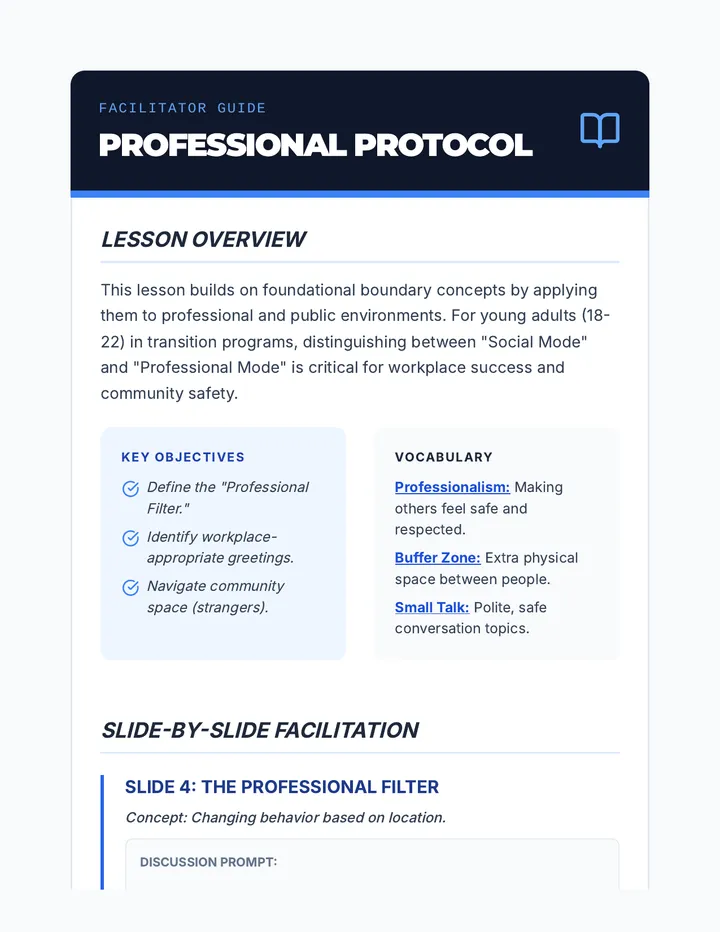
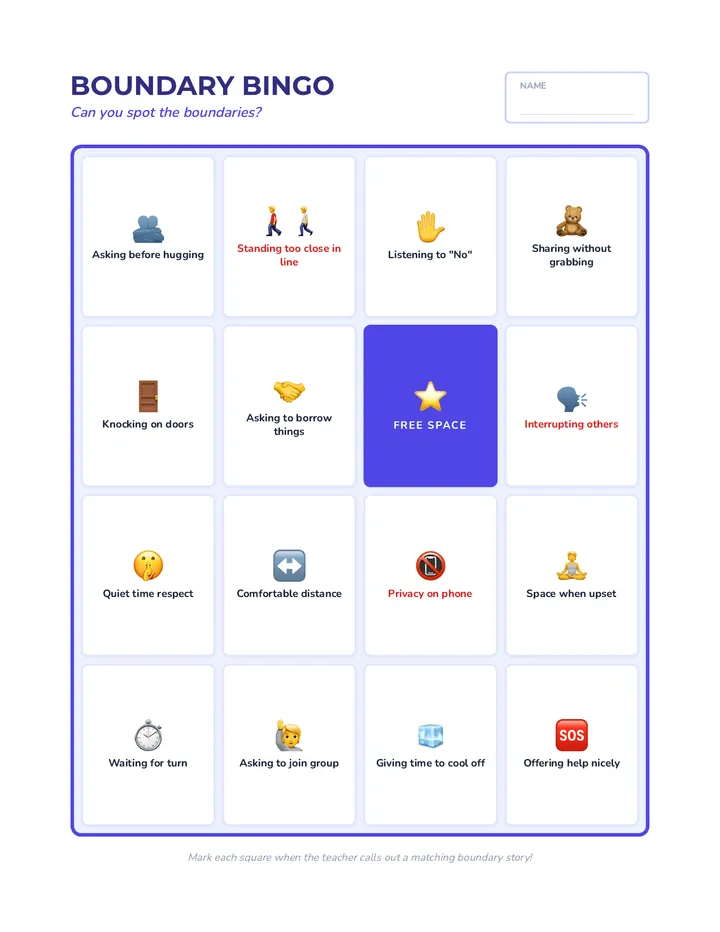
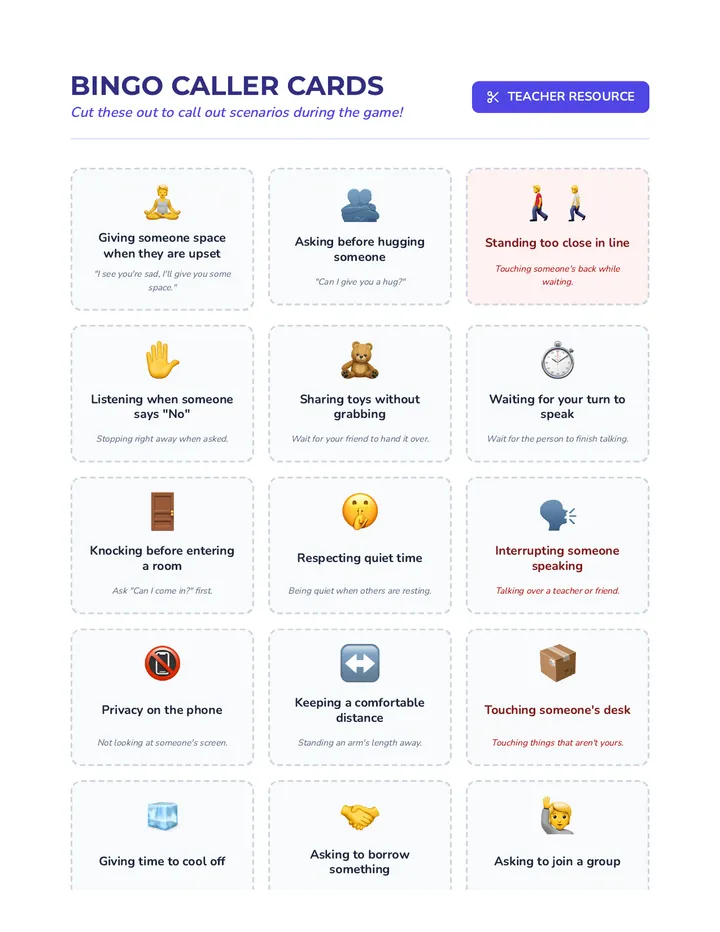
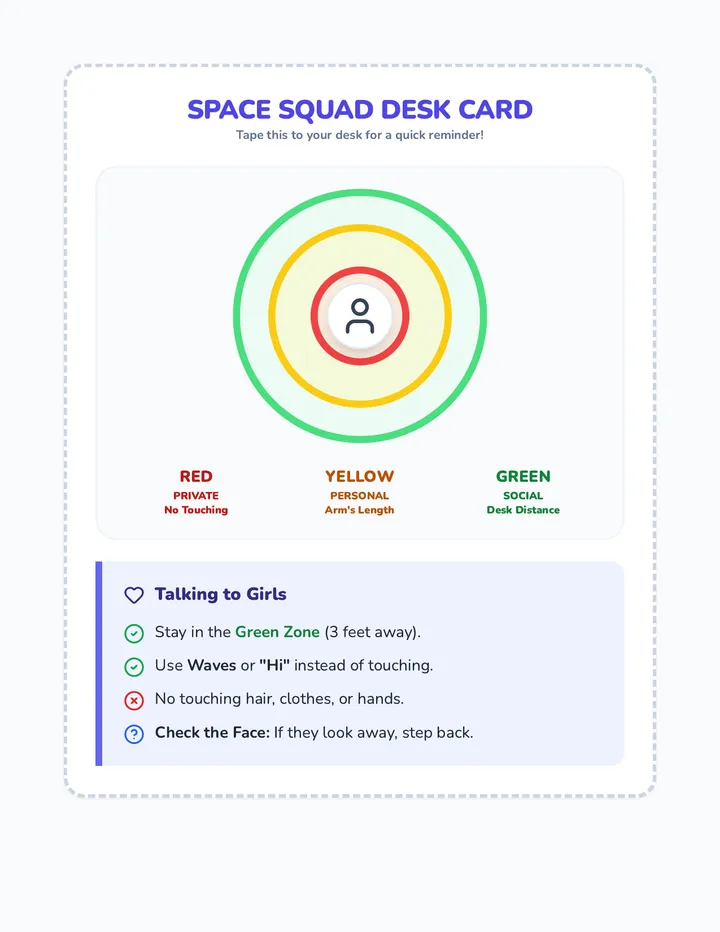
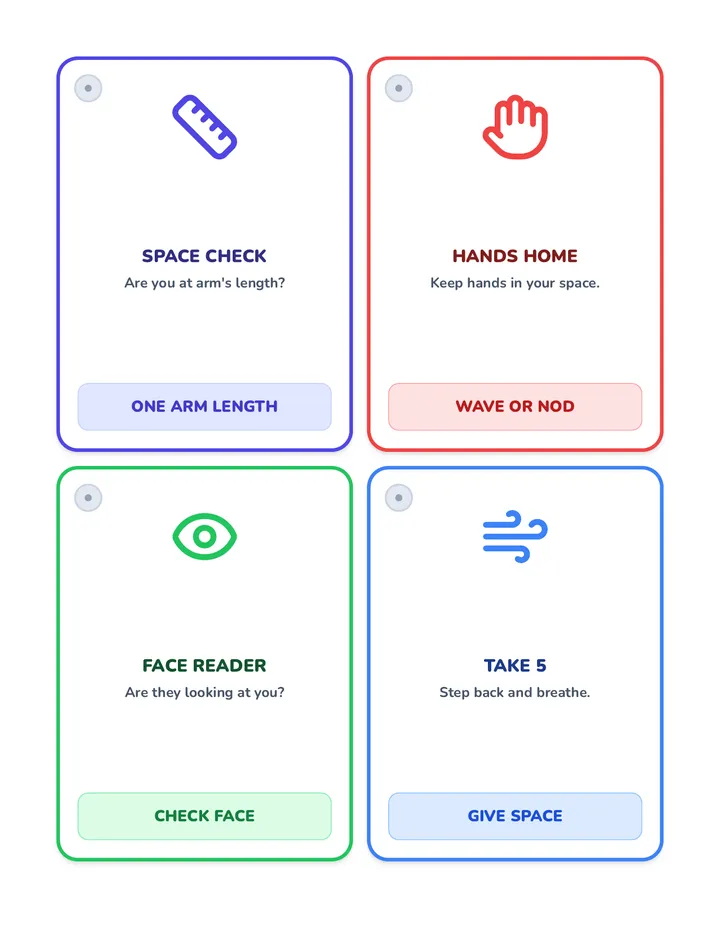
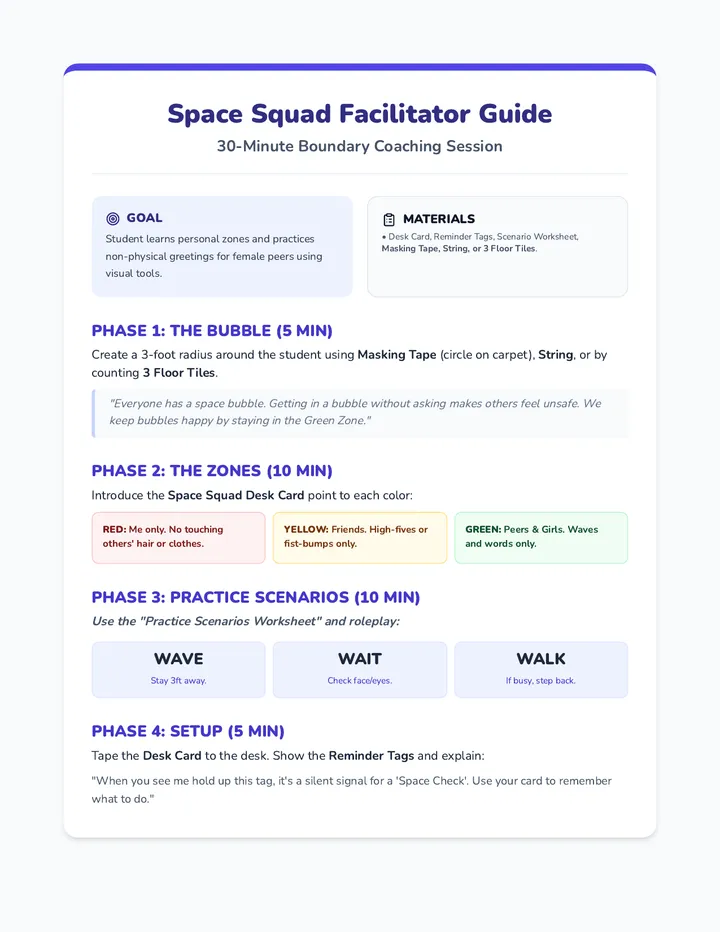
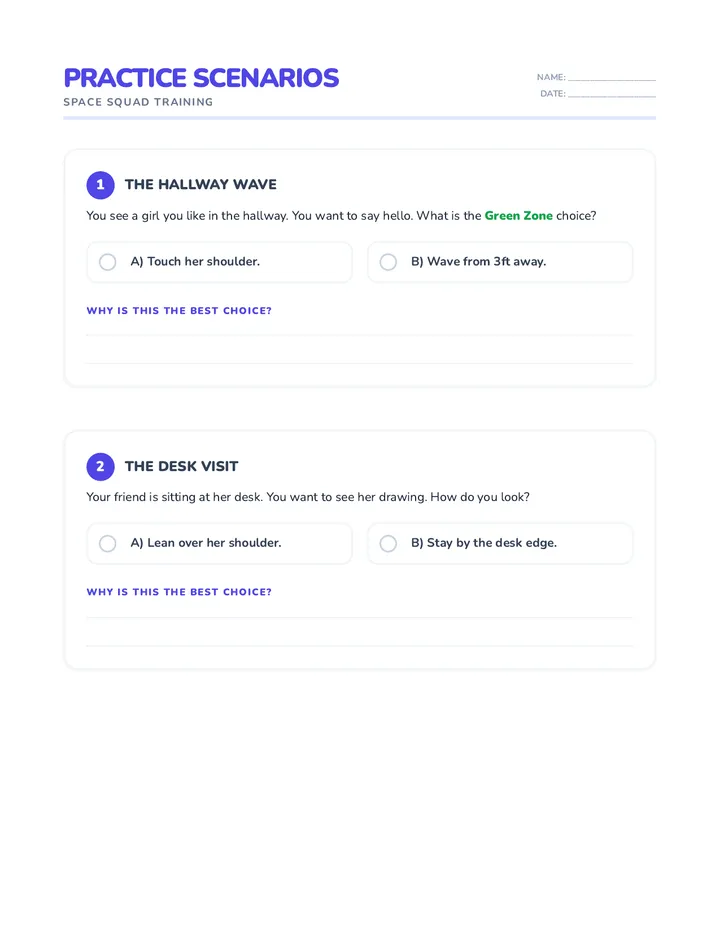
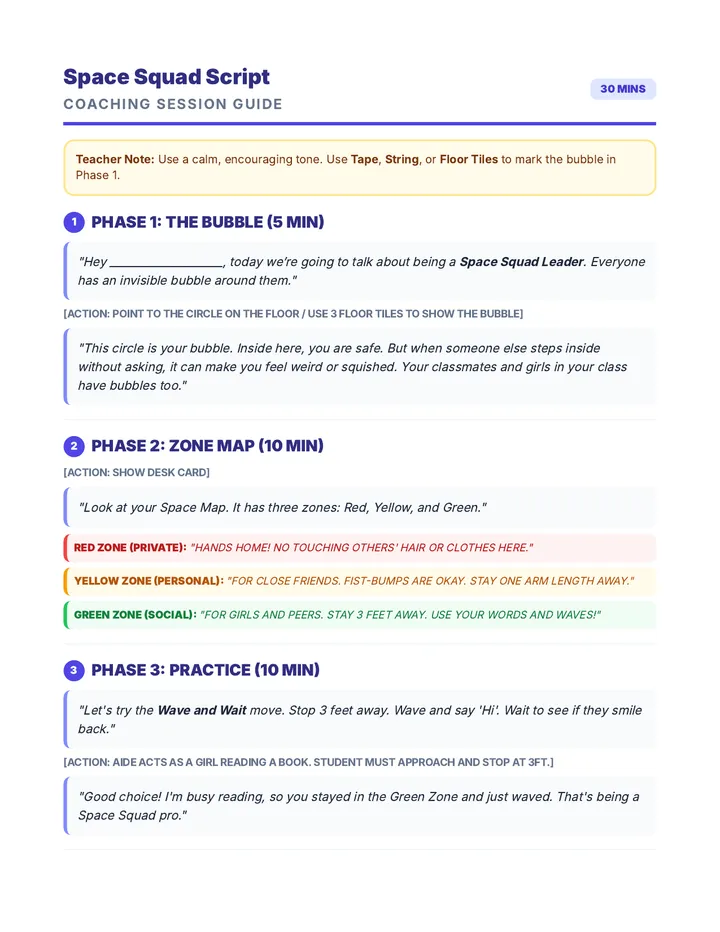
A sequence of lessons designed for young adults with cognitive disabilities to navigate social boundaries and consent. It transitions from foundational personal boundaries to complex professional and community-based interactions.
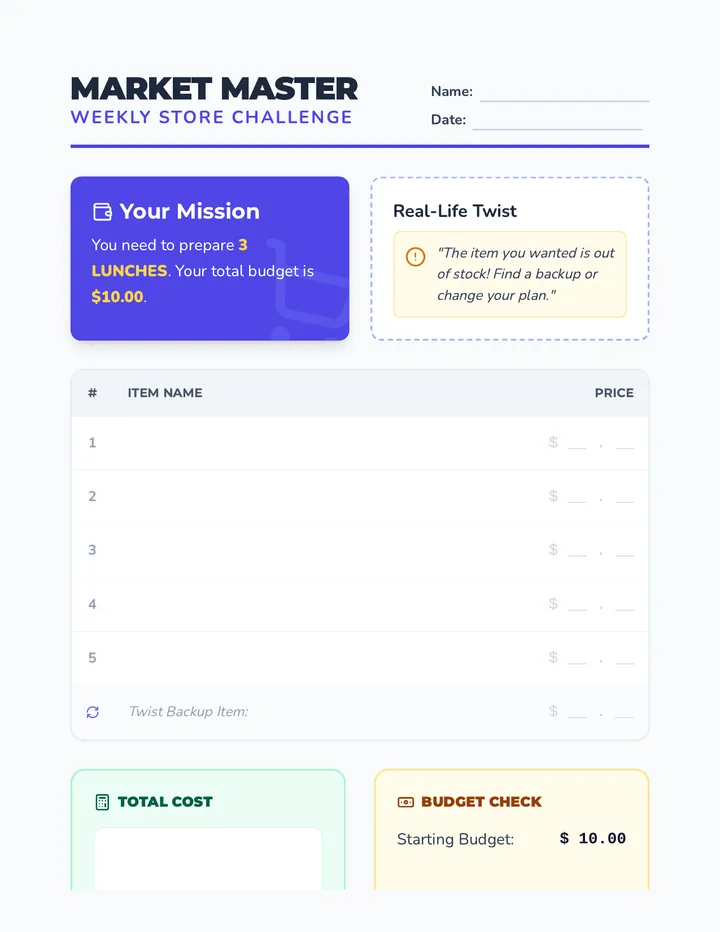
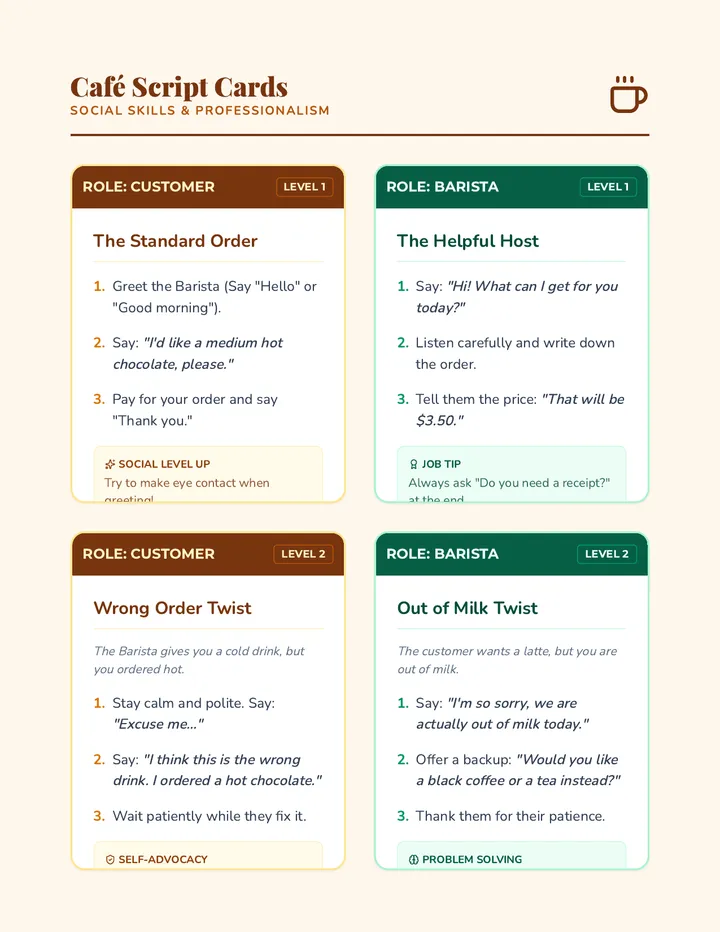
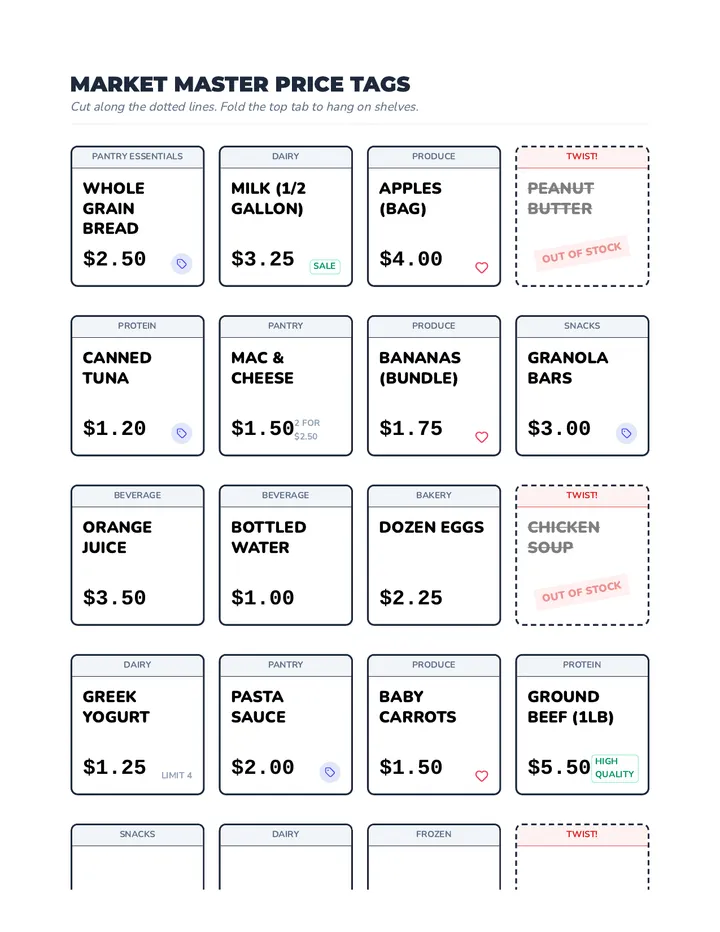
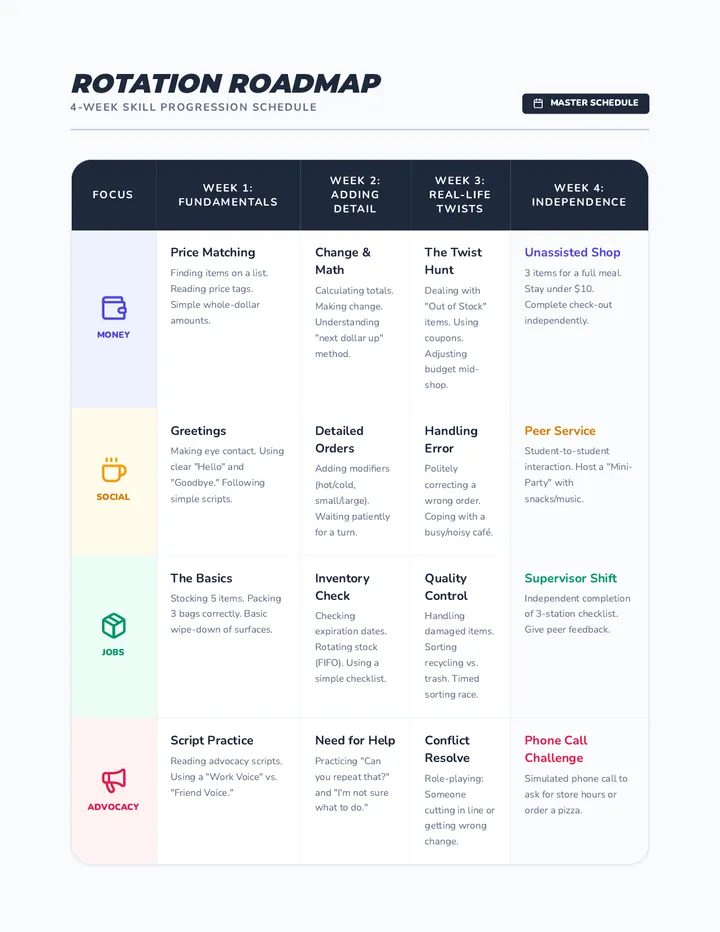
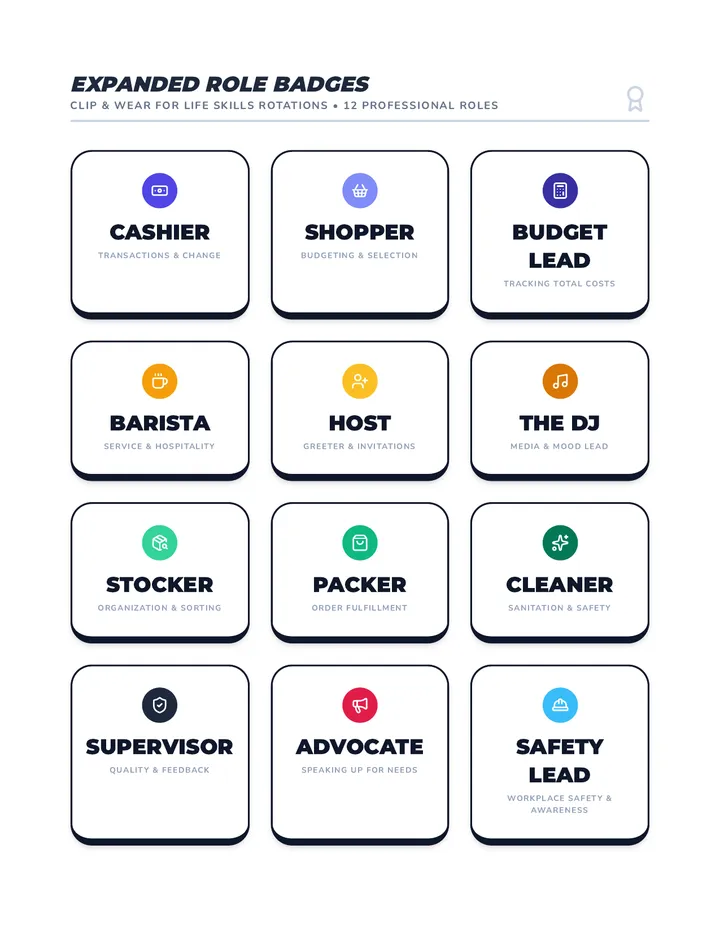
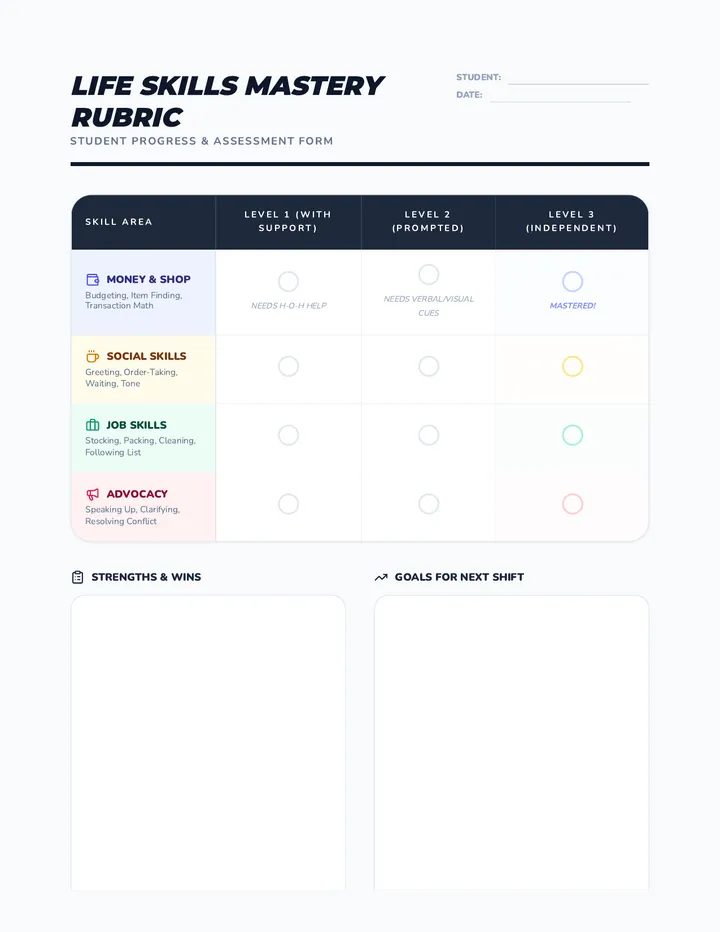
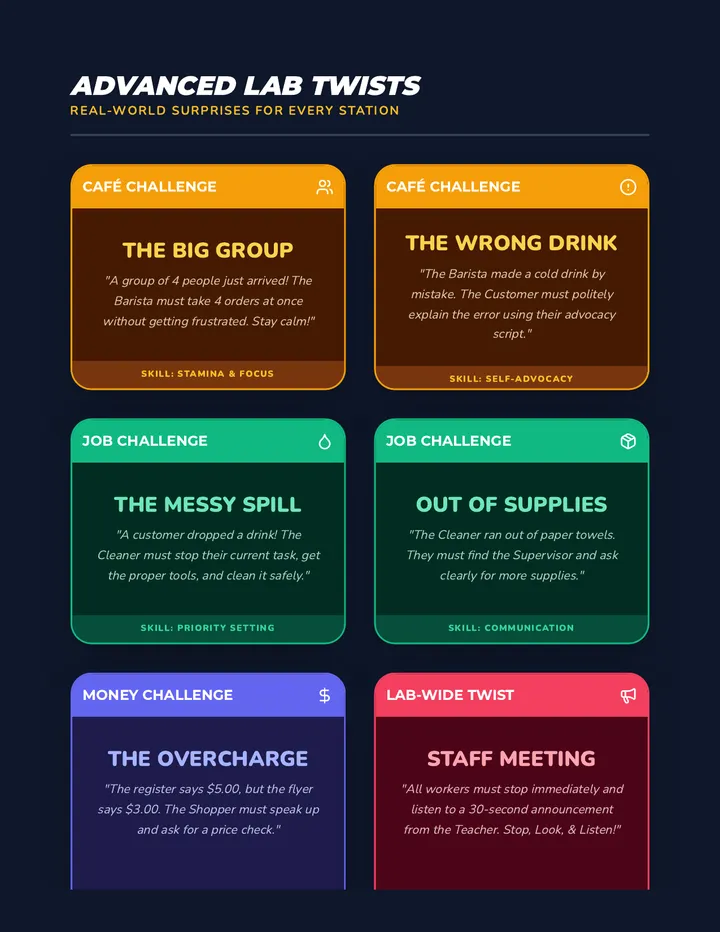
A comprehensive series of lessons designed to build community independence for students with intellectual disabilities, focusing on navigation, social interaction, and transactions in local spaces like CVS, the library, and cafes.
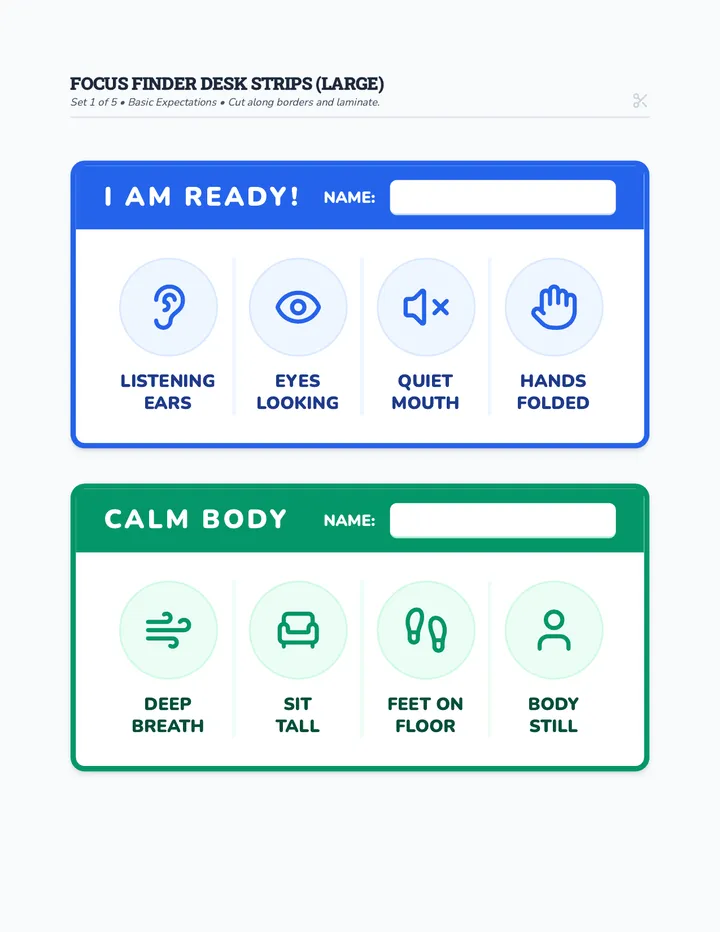
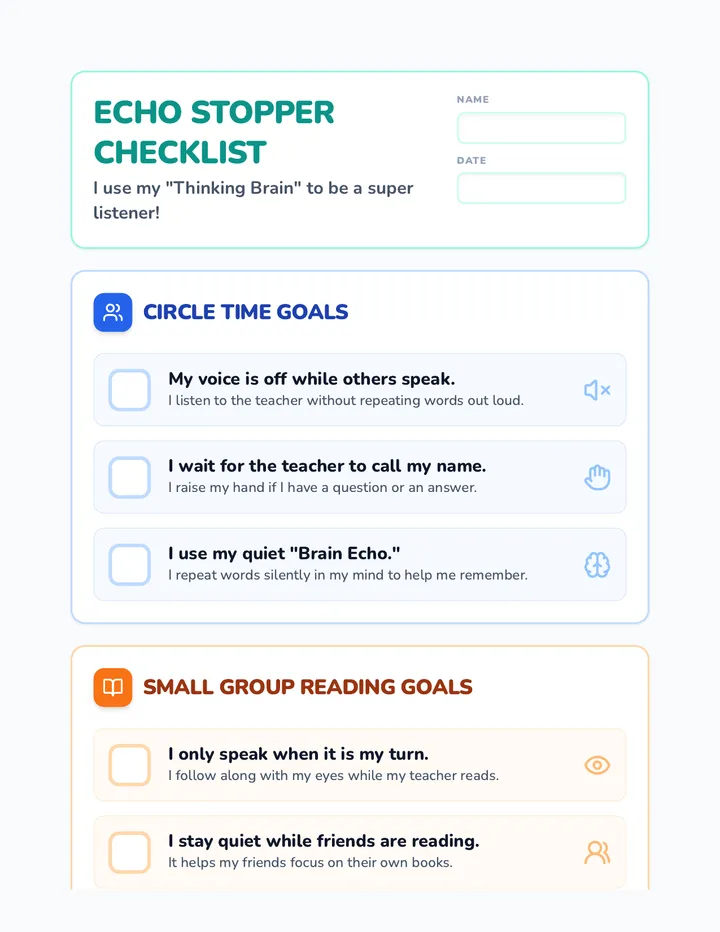
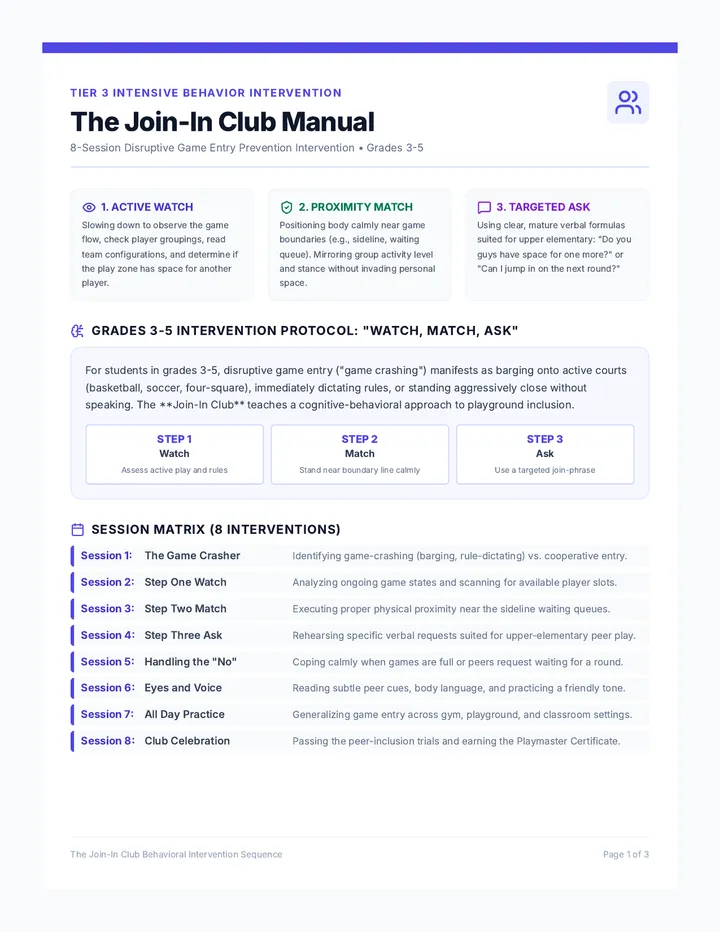
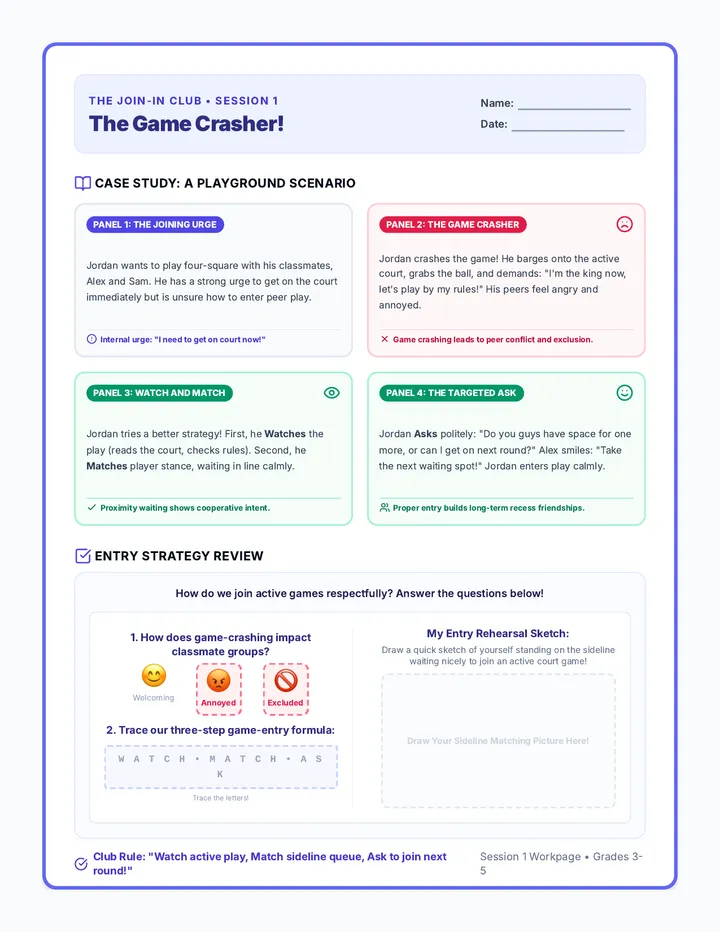
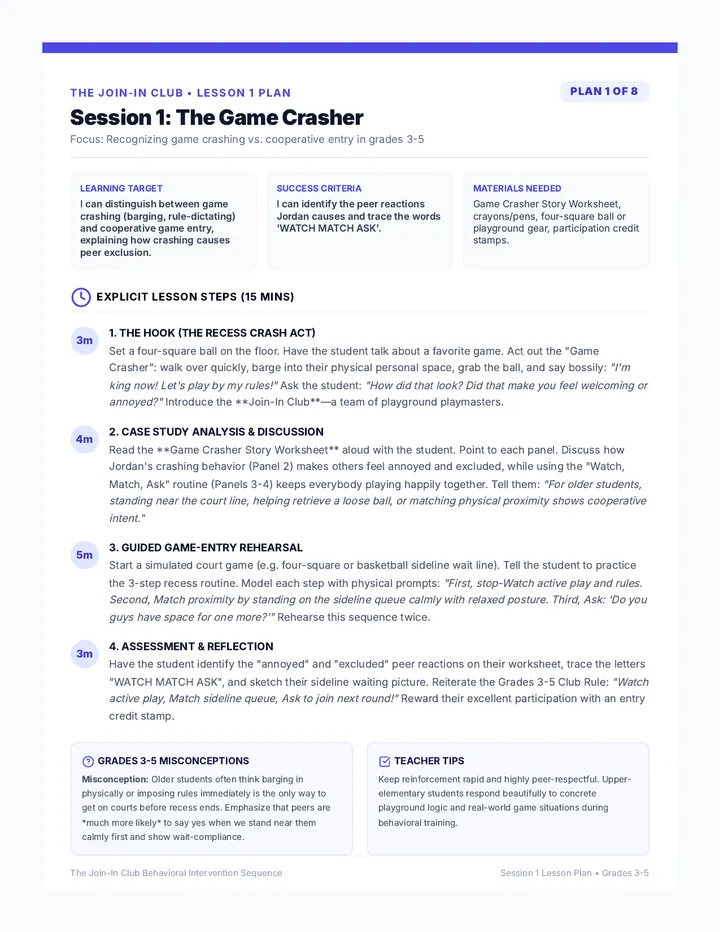
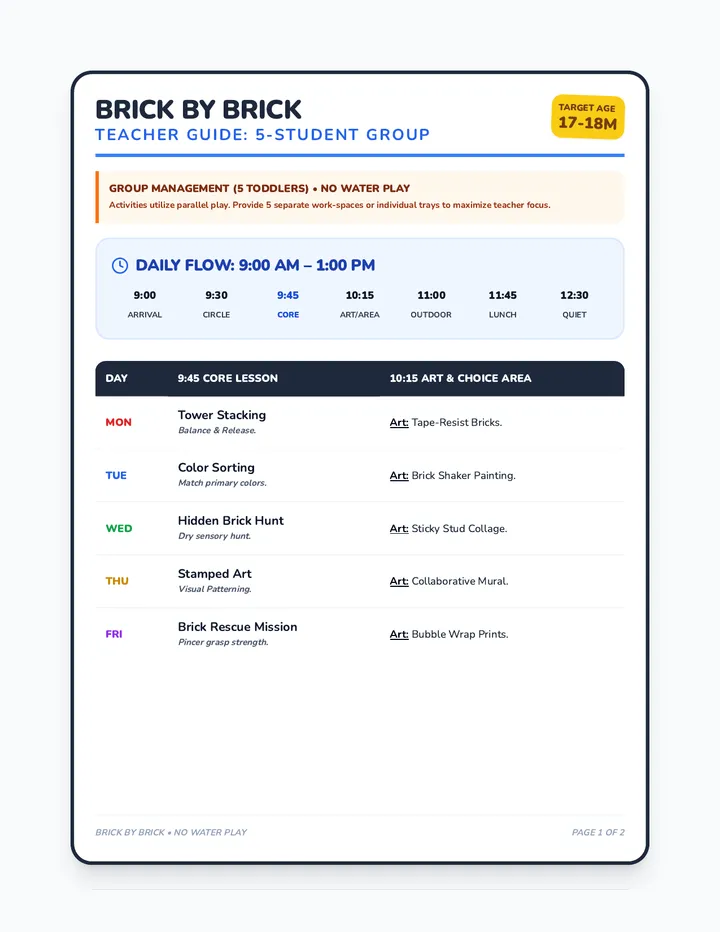
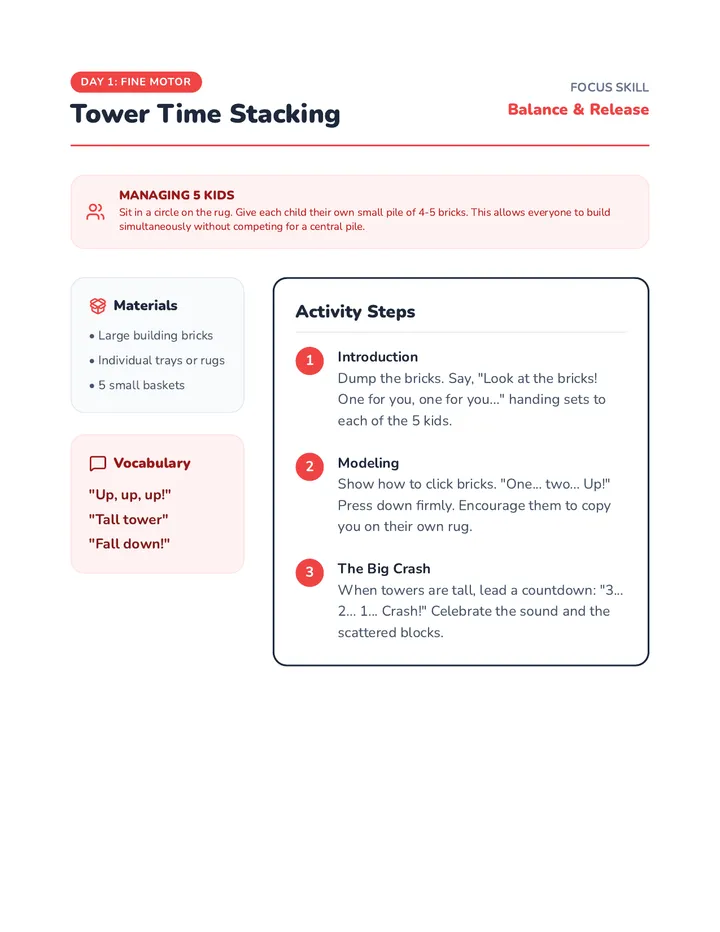
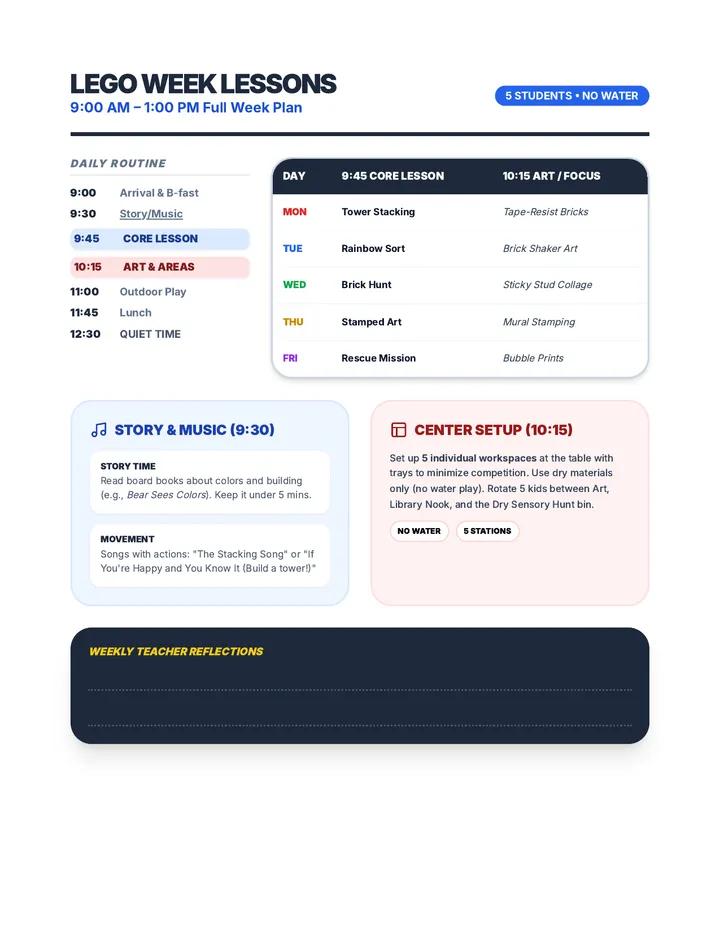
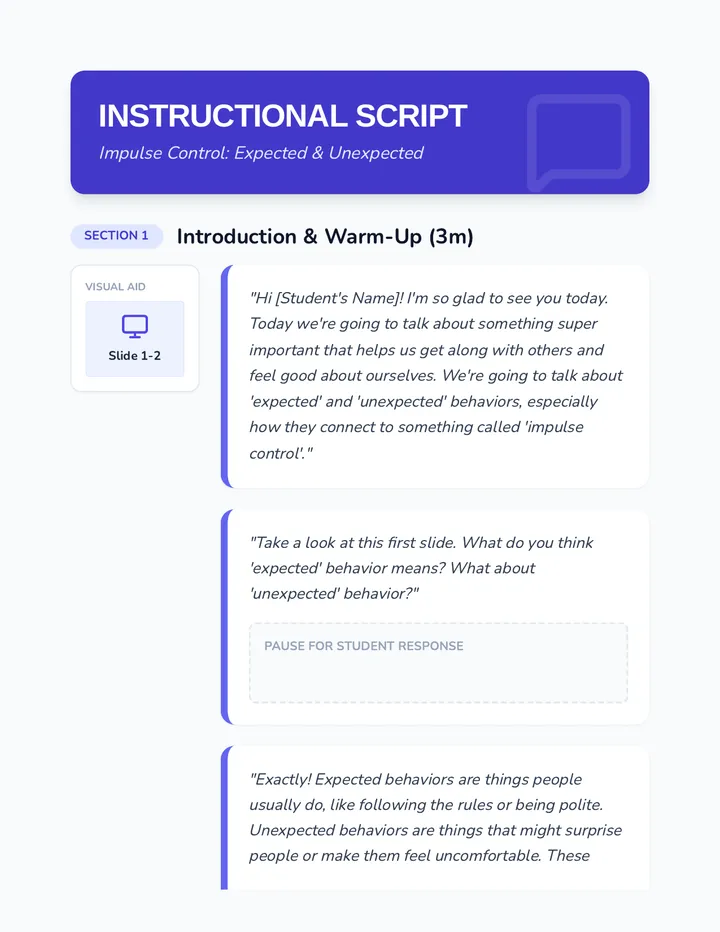
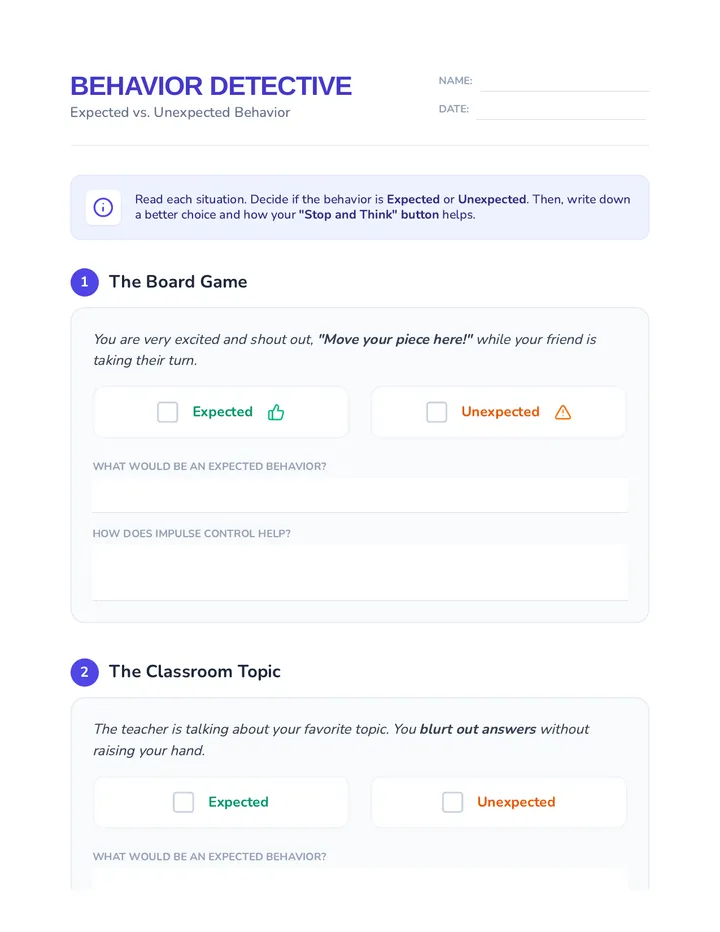
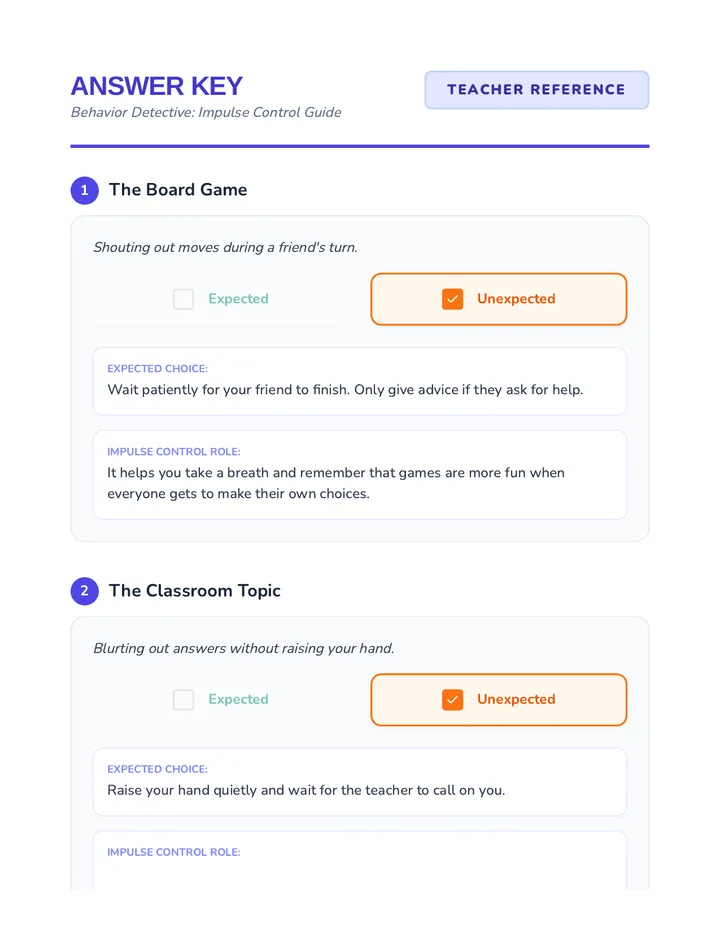
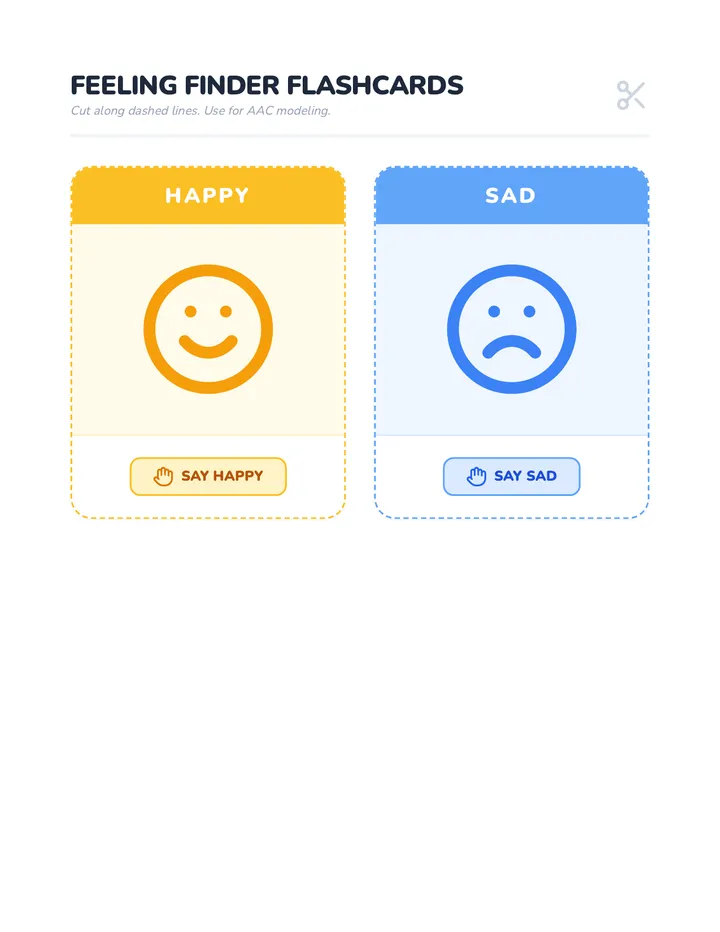
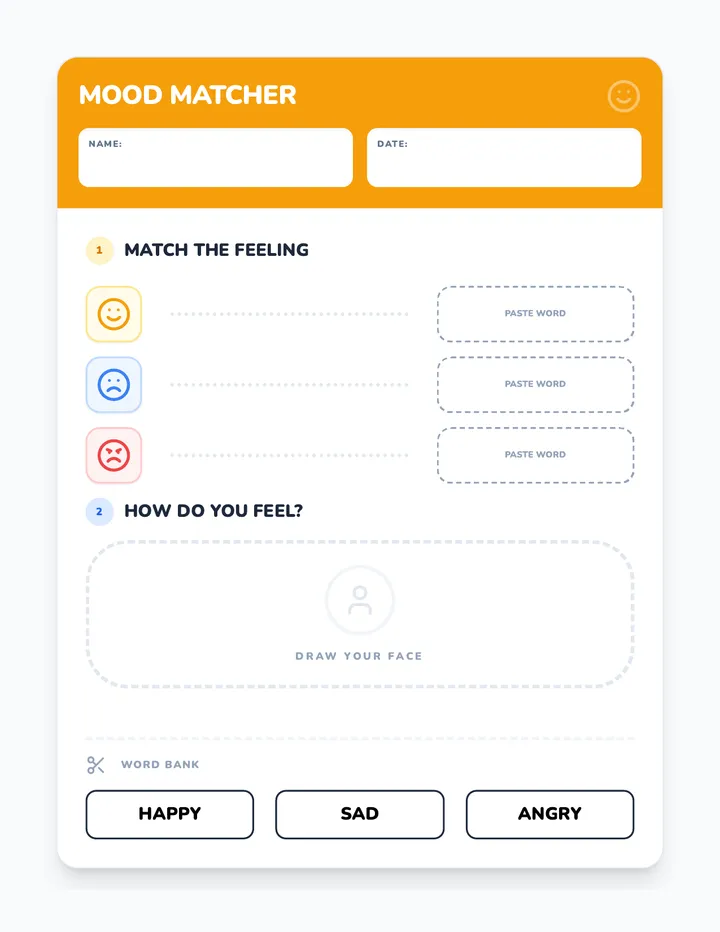
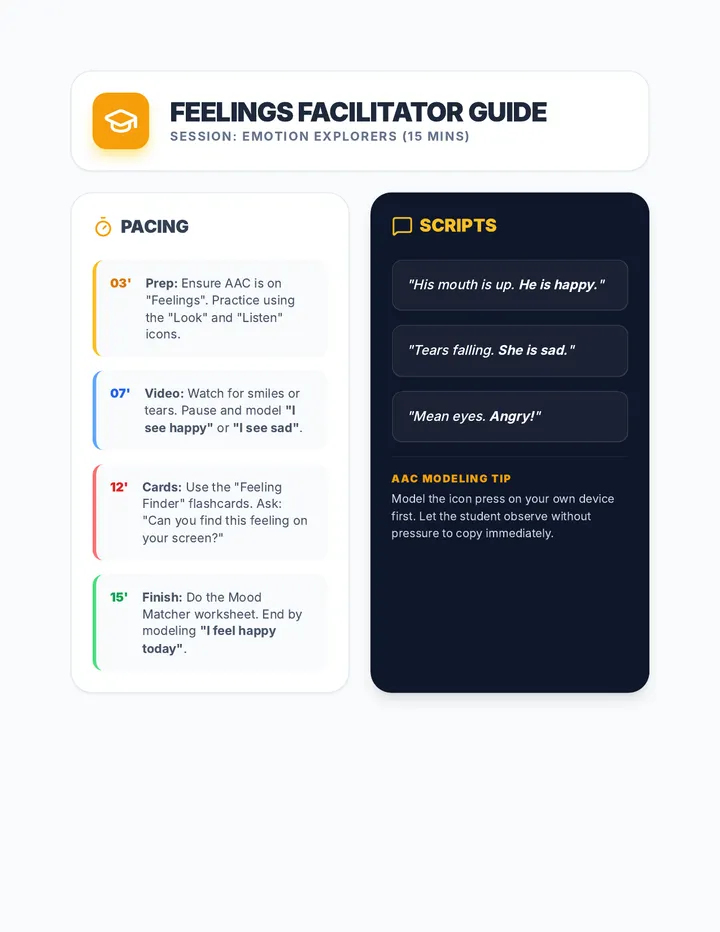
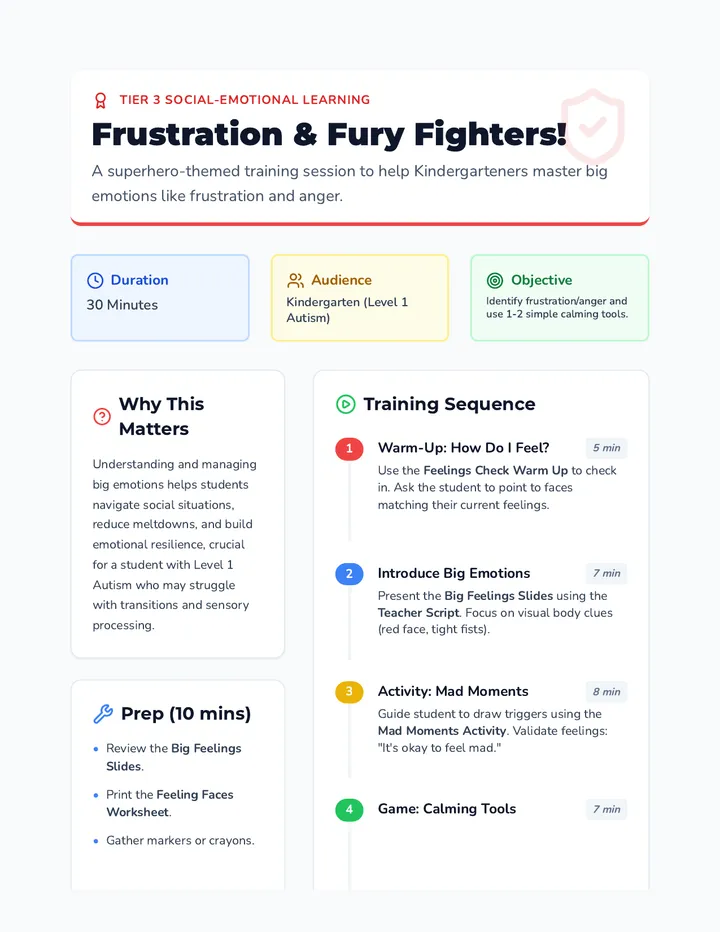
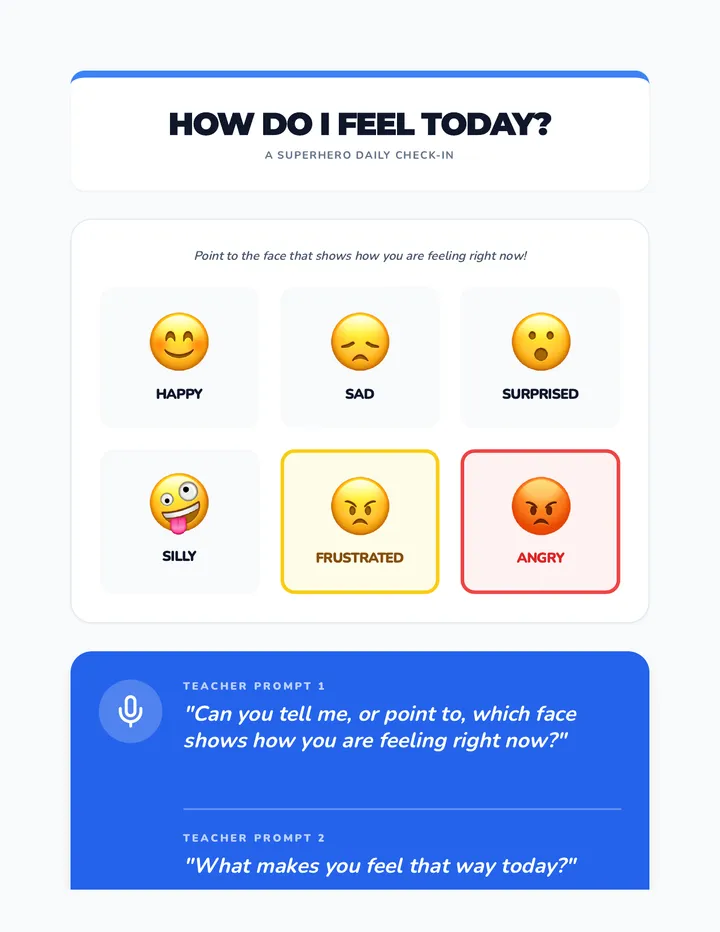
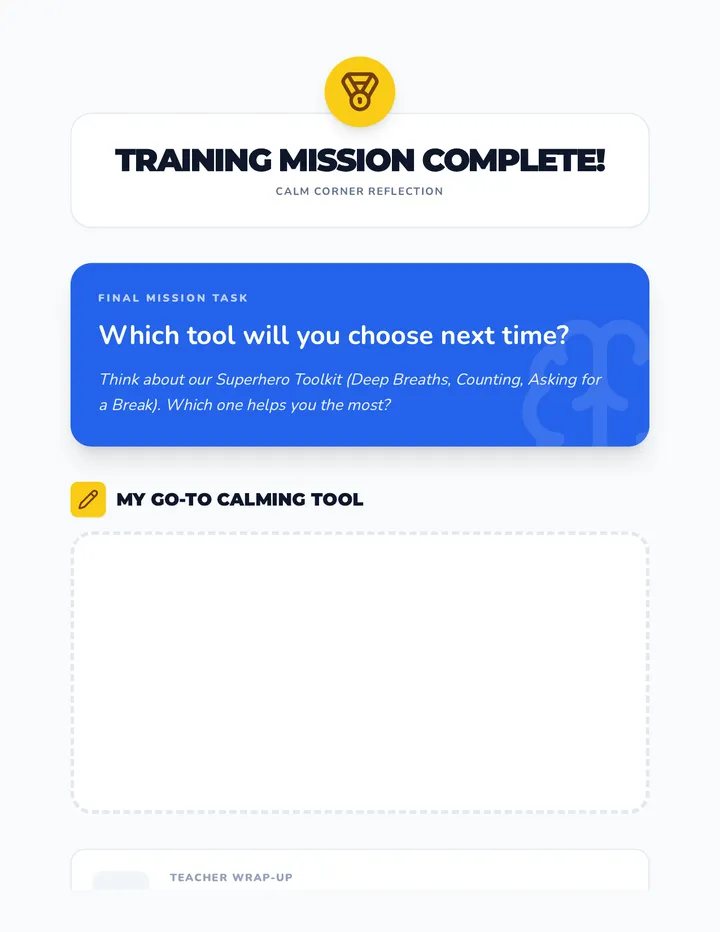
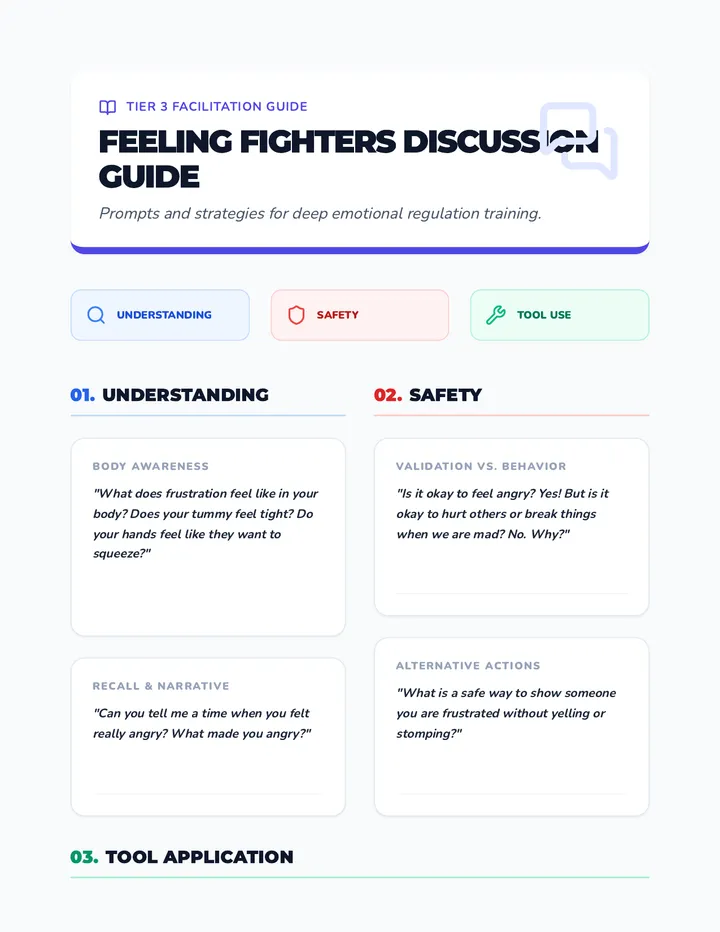
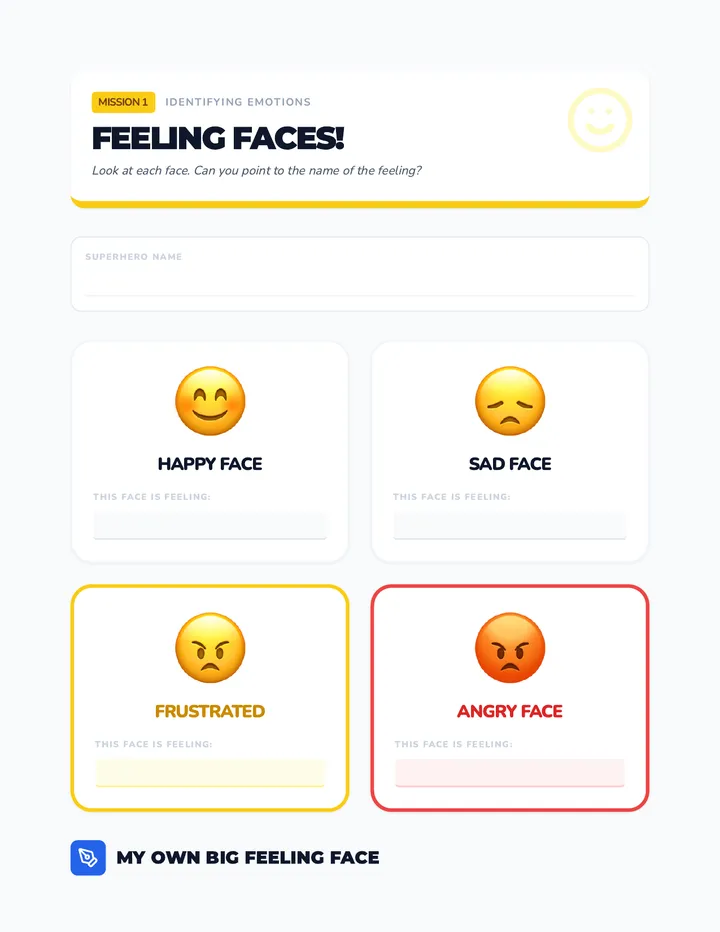
A series of lessons focused on fundamental social skills for early learners, emphasizing self-regulation, cooperative play, and effective communication.
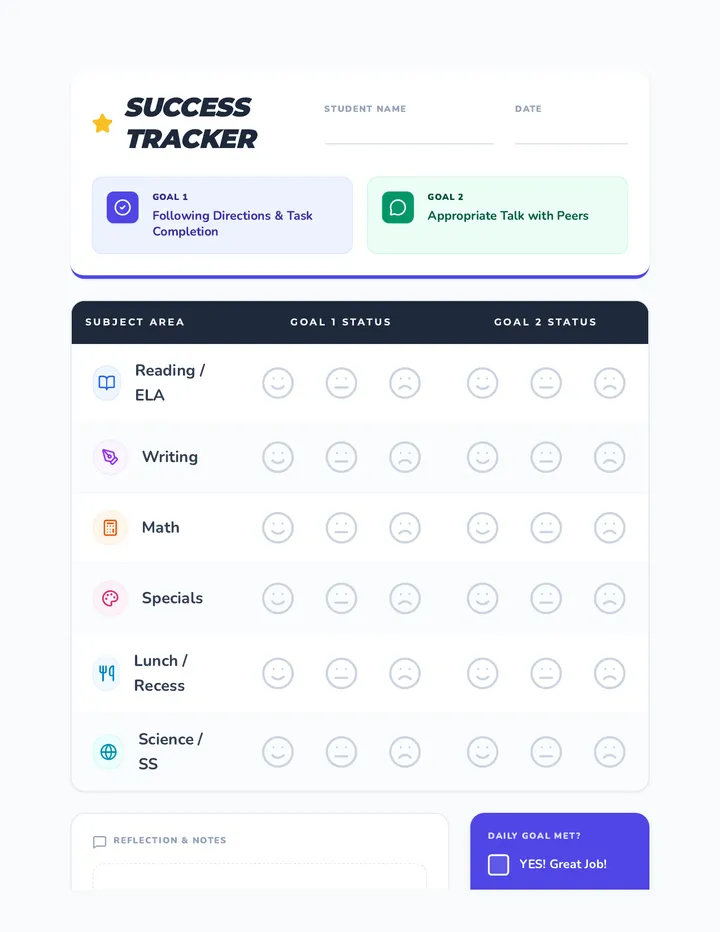
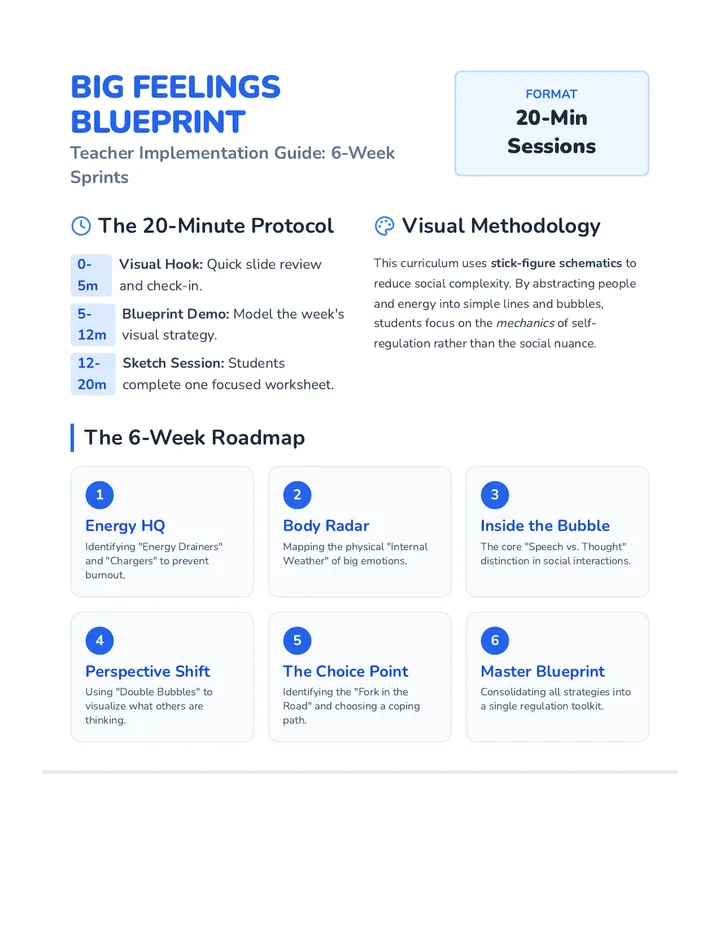
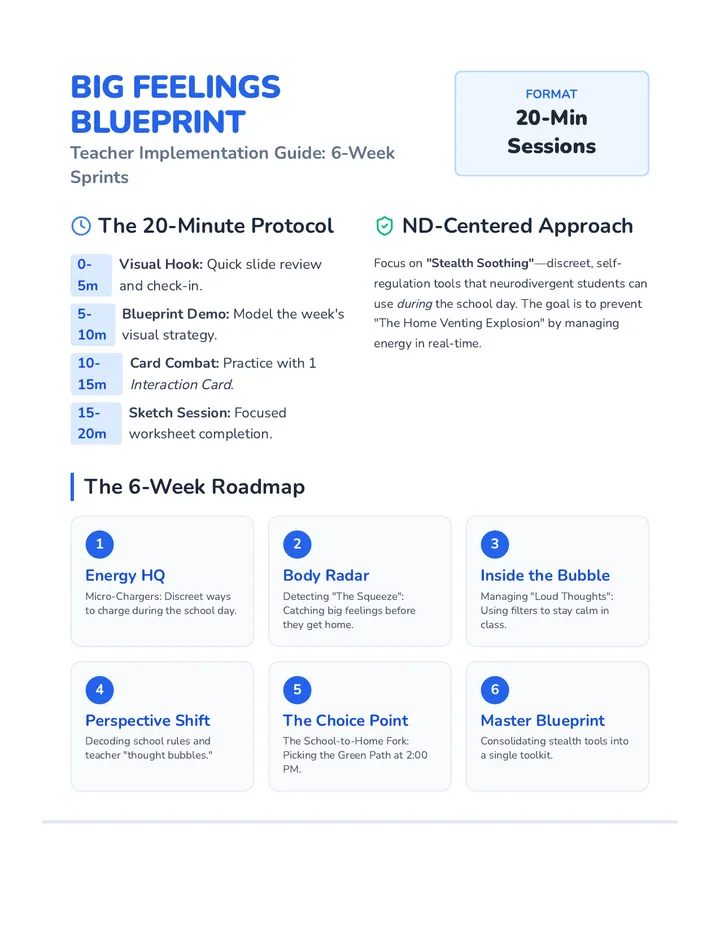
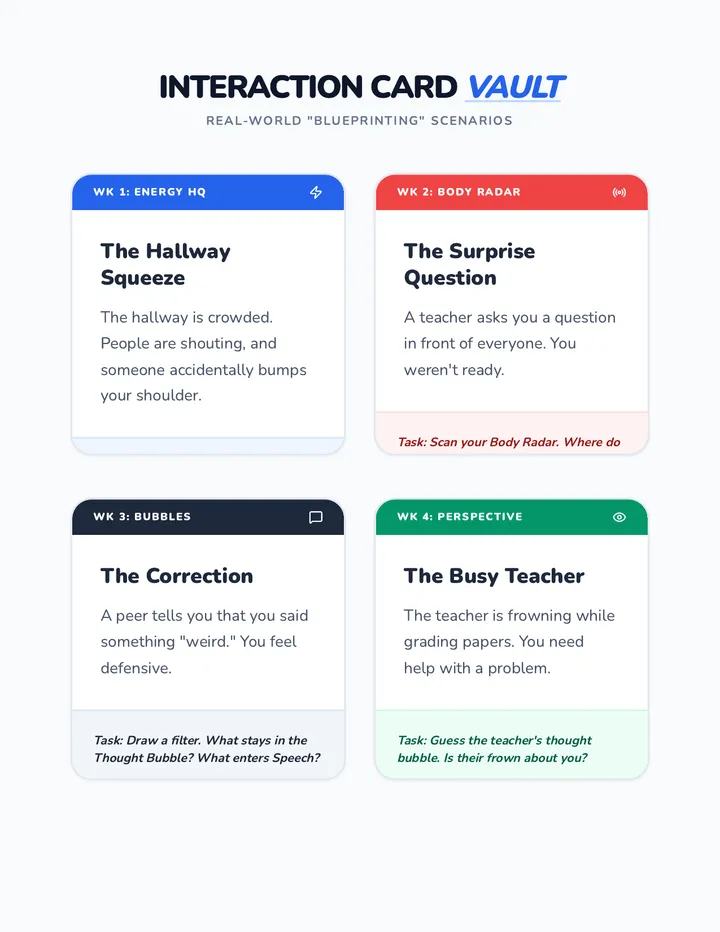
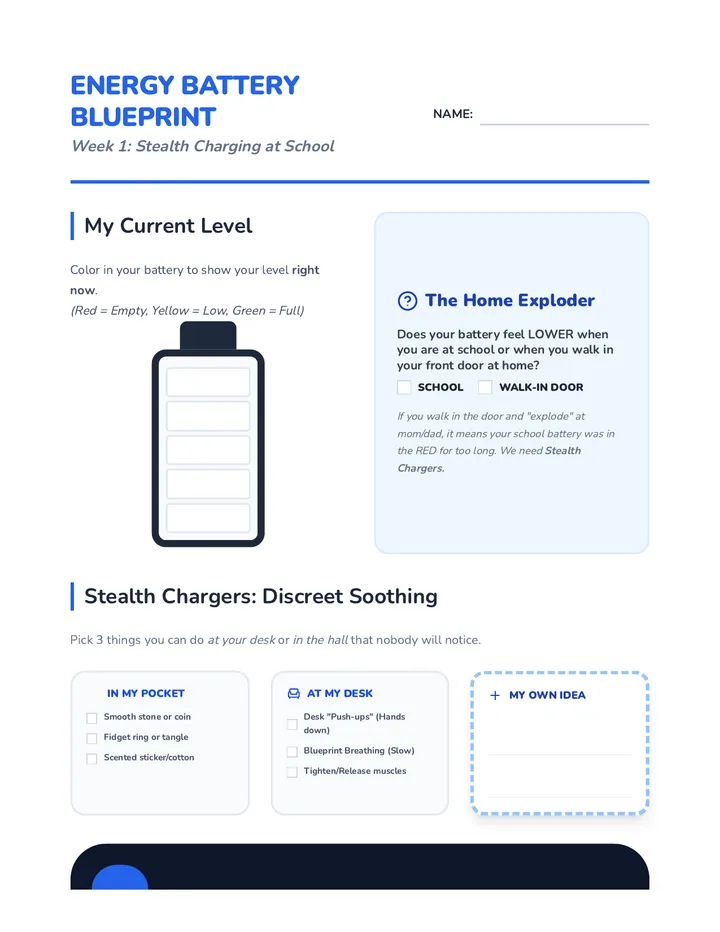
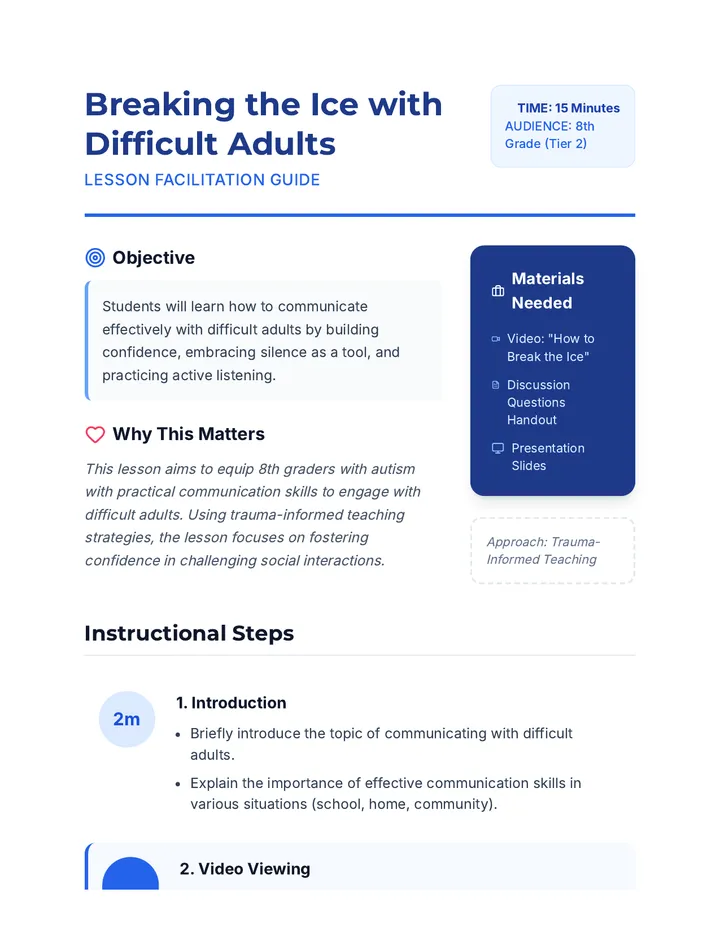
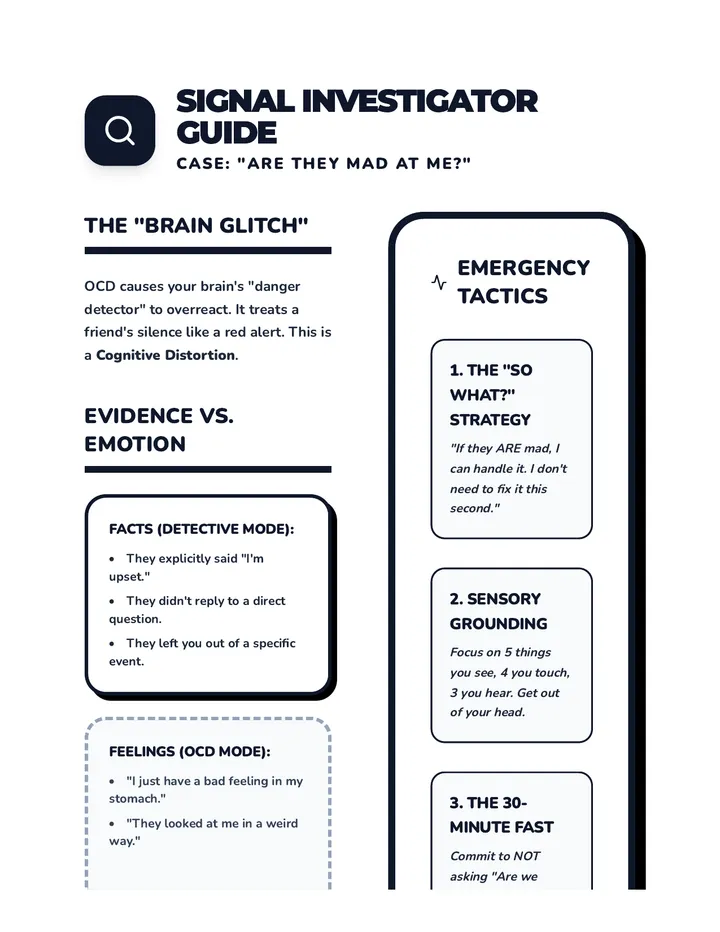
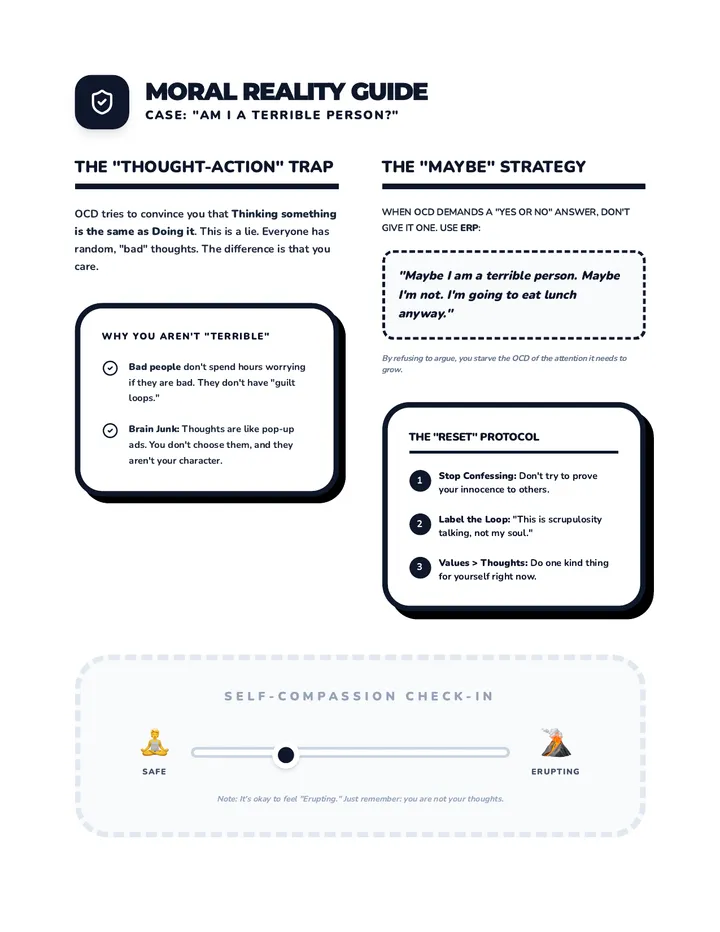
A Tier 3 social-emotional curriculum designed for middle school students on the autism spectrum, focusing on self-regulation, social cues, and conflict resolution through a 'Social Architect' theme.
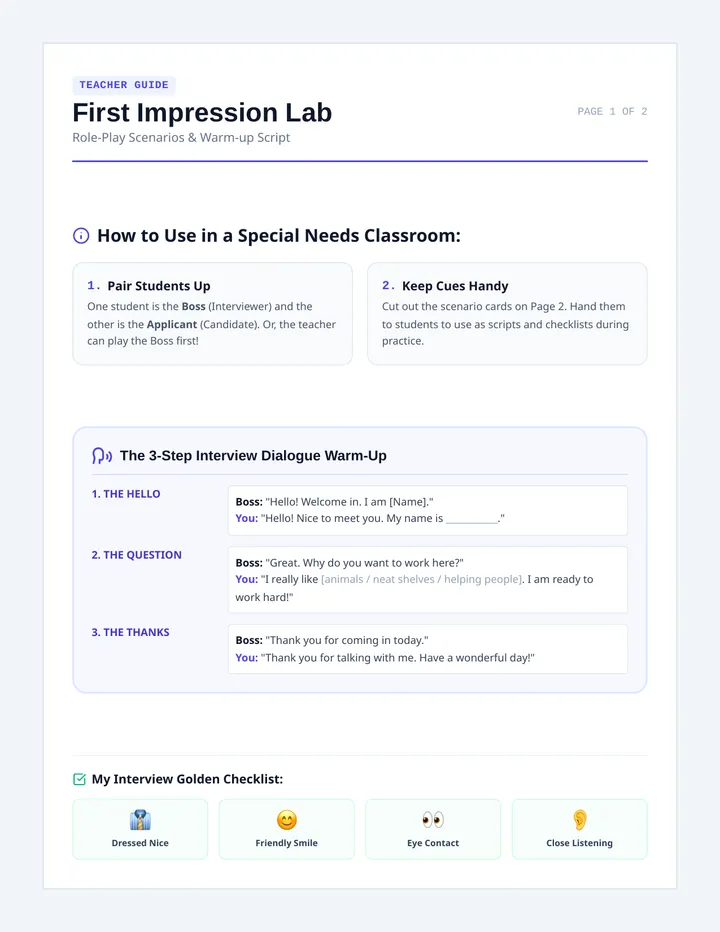
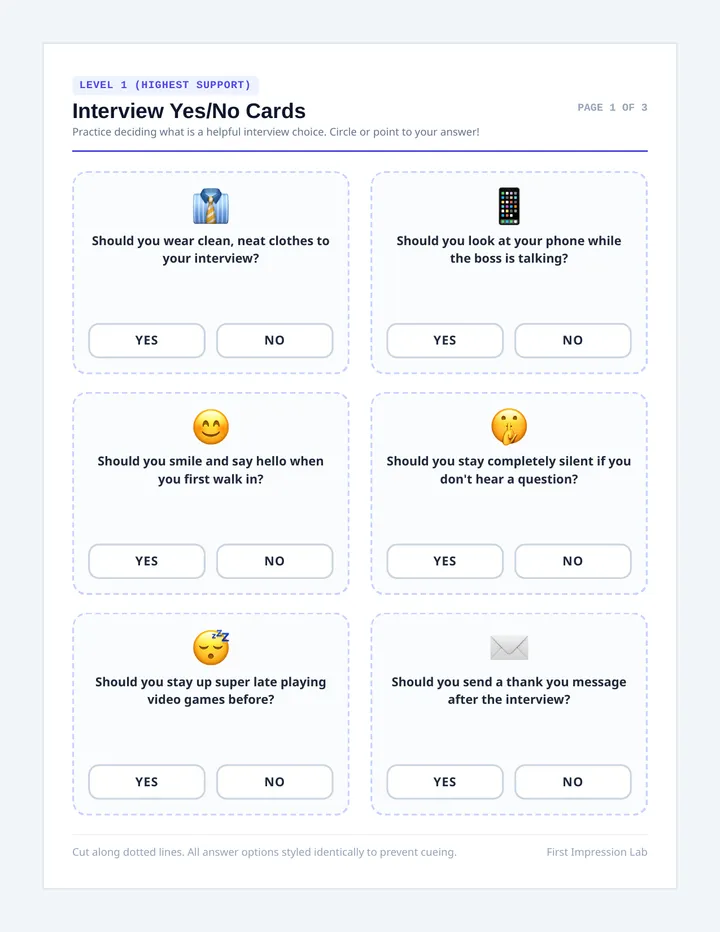
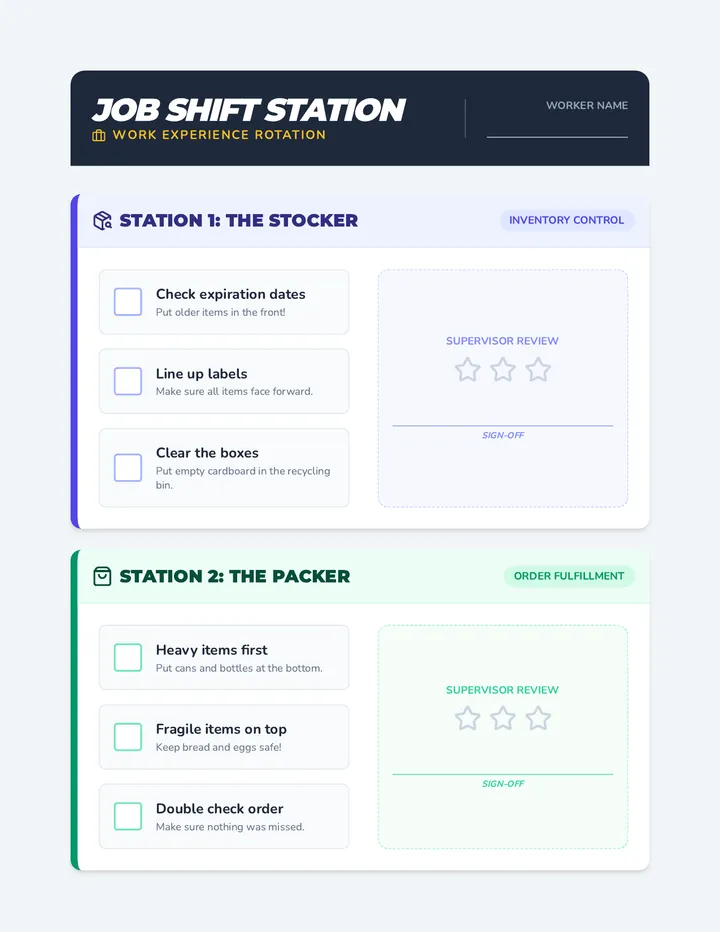
A 6-week life skills unit designed for high school students with low cognitive abilities, focusing on vocational readiness through visual resumes, on-campus job site visits, and simplified interview practice.
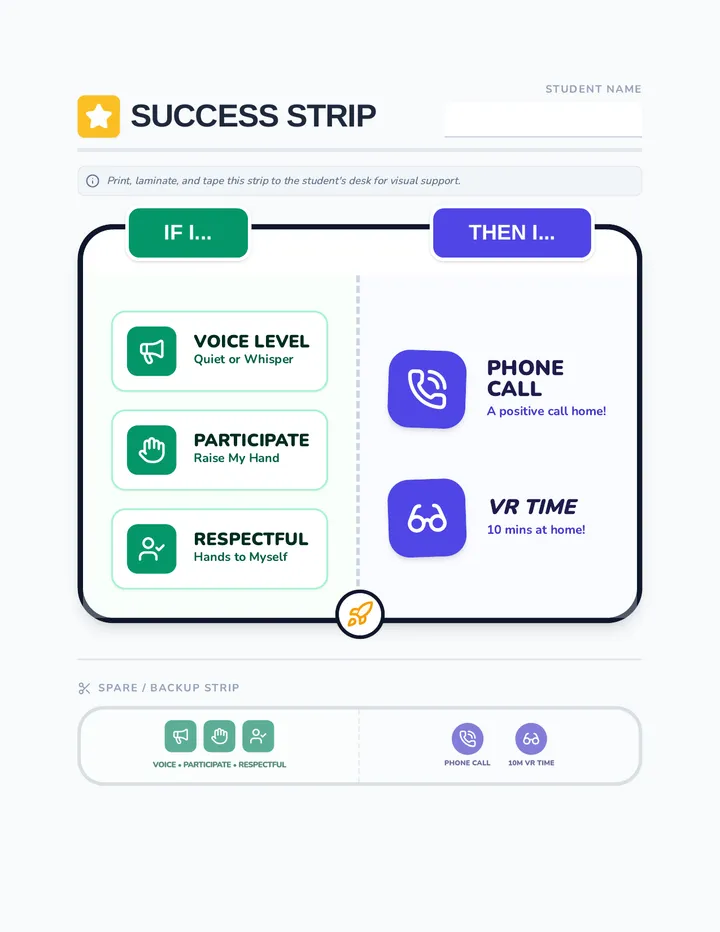
A comprehensive bulletin board system designed to motivate adult students with disabilities as they prepare for the workforce. The materials focus on essential soft skills like workplace communication, emotional regulation, and professional habits using positive, empowering language.
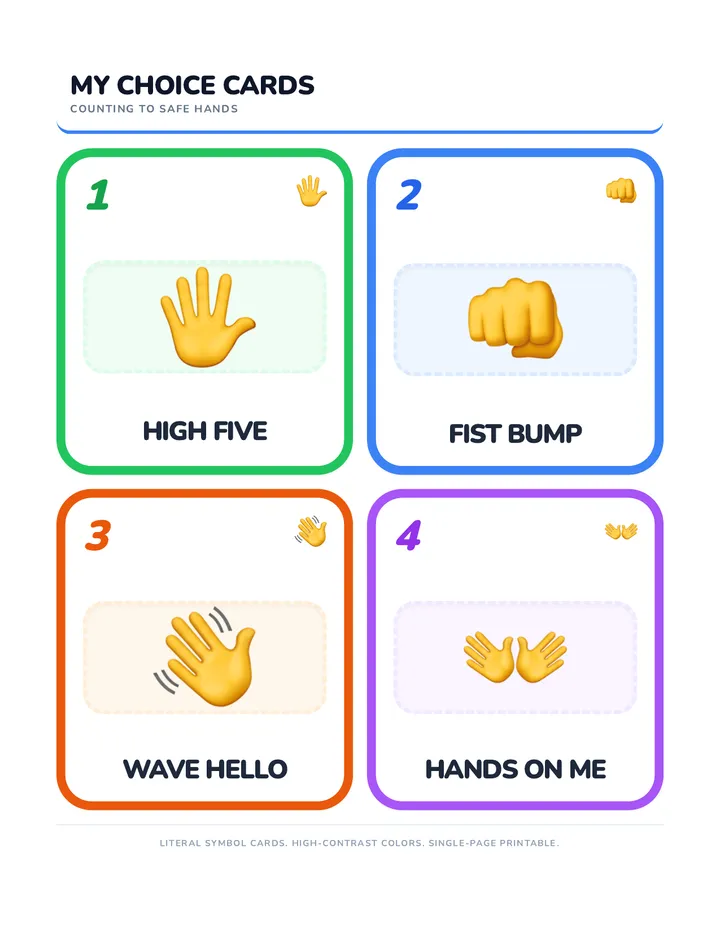
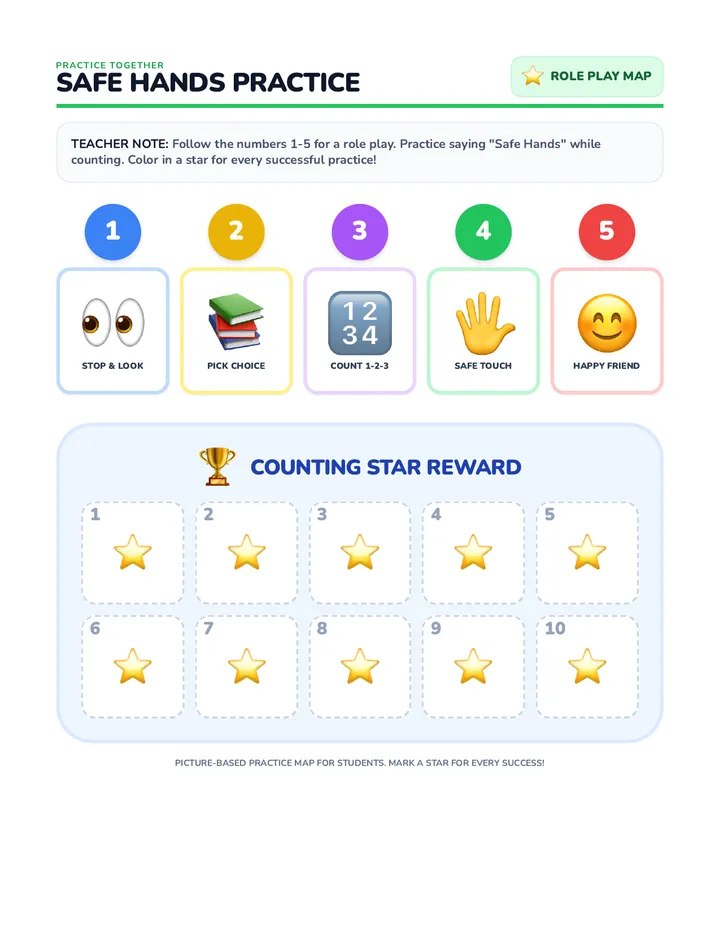
A series of movement-based lessons for Pre-K students with cognitive delays, focusing on 'Safe Body' (hands and feet) and personal space. Each lesson uses a station-based model with high adult support and minimal verbal directions.
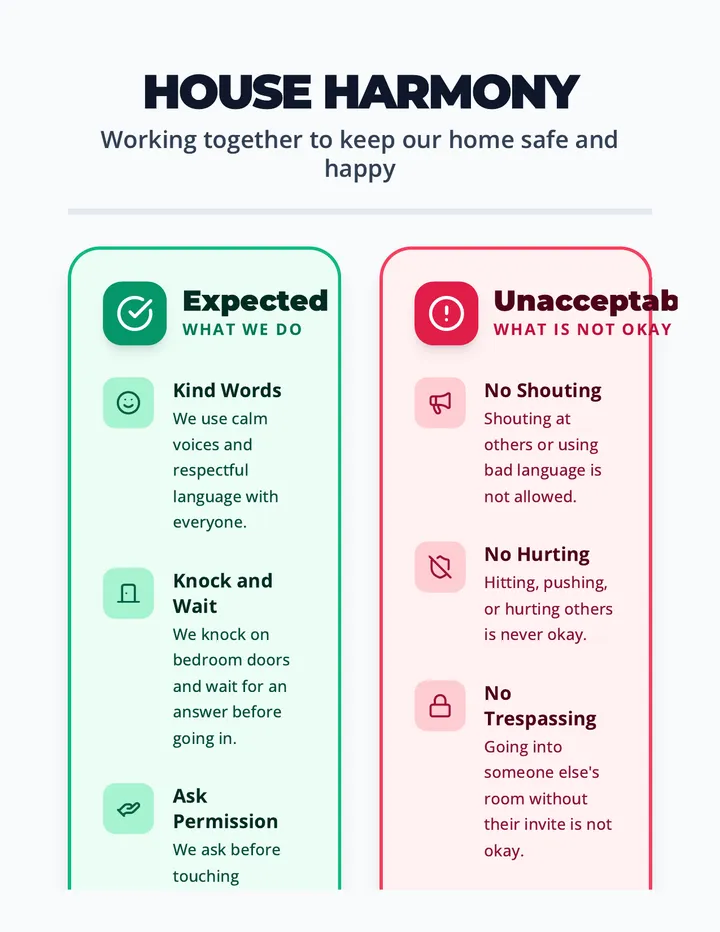
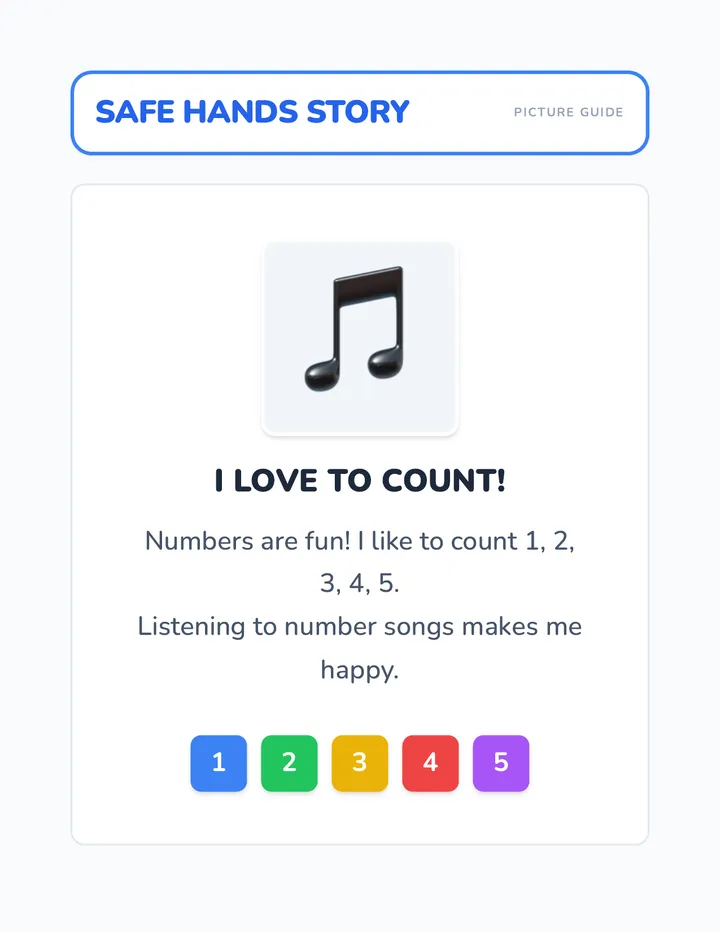
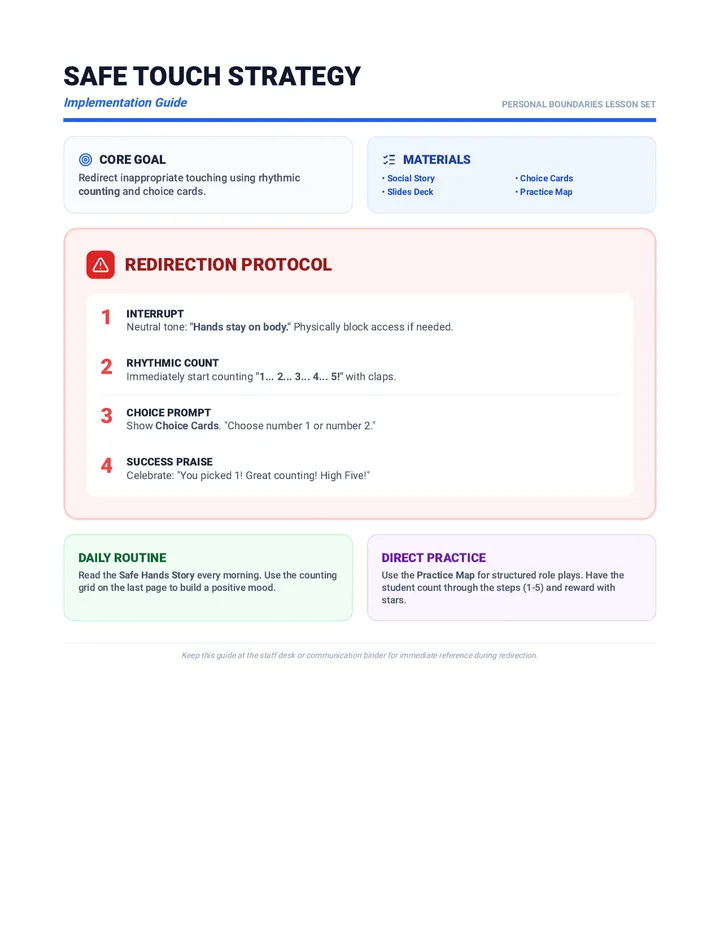
A comprehensive collection of social stories and visual supports designed by an Occupational Therapist to help students ages 5-14 navigate essential school routines, personal boundaries, and classroom expectations.
This sequence empowers 5th-grade students to understand, use, and advocate for Text-to-Speech (TTS) as a vital learning tool. It focuses on the distinction between fairness and sameness, identifying specific tasks where TTS is most effective, and building the social-emotional confidence to communicate needs to teachers and peers.
A graduate-level sequence focused on the implementation phase of token economies, emphasizing data-driven decision making, treatment fidelity, and the mechanics of behavioral reinforcement. Students move from basic delivery skills to complex data analysis and system adjustment.
A graduate-level sequence focused on the instructional methodology for teaching self-advocacy skills, specifically requesting accommodations. Graduate students will learn to task-analyze requests, design tiered scripts, facilitate behavioral rehearsals, collect data on advocacy behaviors, and plan for generalization.
A vocational training sequence for 11th-grade students focusing on working memory through single-step directions in workplace safety contexts. Students practice interpreting signs, filtering auditory distractions, and following strict protocols in high-stakes simulations.
A 5-lesson sequence designed for 3rd-grade students to build the communication skills needed to request accommodations. Students move from defining self-advocacy to practicing scripts, understanding social timing, role-playing scenarios, and building resilience for when requests aren't immediately met.
A sequence designed to empower 3rd-grade students with the verbal and social skills needed to advocate for their IEP or 504 supports respectfully and effectively. Students will learn to distinguish between communication styles, construct effective request scripts, and handle various responses from adults.
A comprehensive sequence for 7th-grade students focusing on the systematic organization, care, and maintenance of shared classroom resources and sensory tools. Students learn through inquiry, simulation, and leadership roles to foster independence and collective responsibility.
A specialized literacy sequence for 12th-grade students focused on using visualization strategies to decode and analyze complex narrative texts. Students adopt the persona of film directors to translate descriptive language into vivid mental imagery, enhancing comprehension, memory retention, and inference skills.
A visualization strategy sequence for 10th-grade students using a 'Director's Chair' metaphor to improve reading comprehension. Students learn to create and maintain a 'mental movie' of text, tracking character movement, pacing, and time jumps while monitoring for comprehension 'glitches'.
A 5-lesson sequence for 6th Grade SpEd students focusing on inferring character feelings, motivations, and changes using a 'Detective' theme. Students move from decoding physical body language to writing complex internal monologues.
A graduate-level sequence focused on interrogating and redesigning behavioral check-in procedures through a lens of cultural responsiveness and equity. Students will move from deconstructing implicit bias to designing asset-based, family-engaged systems.
A comprehensive 30-minute interactive lesson plan focused on communication, motor skills, and social engagement for early childhood autistic students using Eric Carle's 'Around the Farm'.
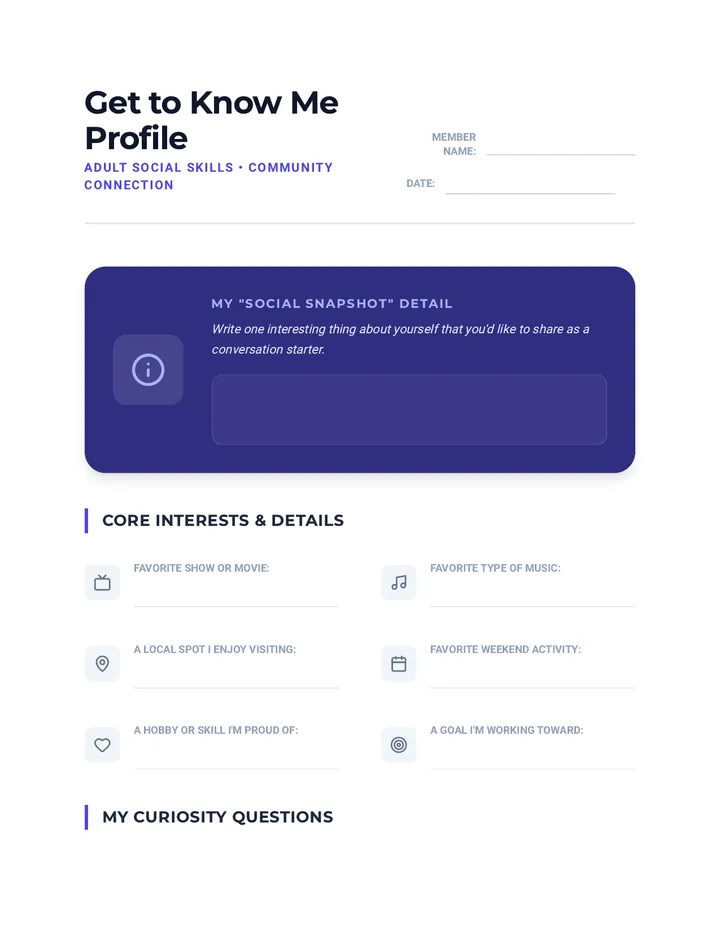
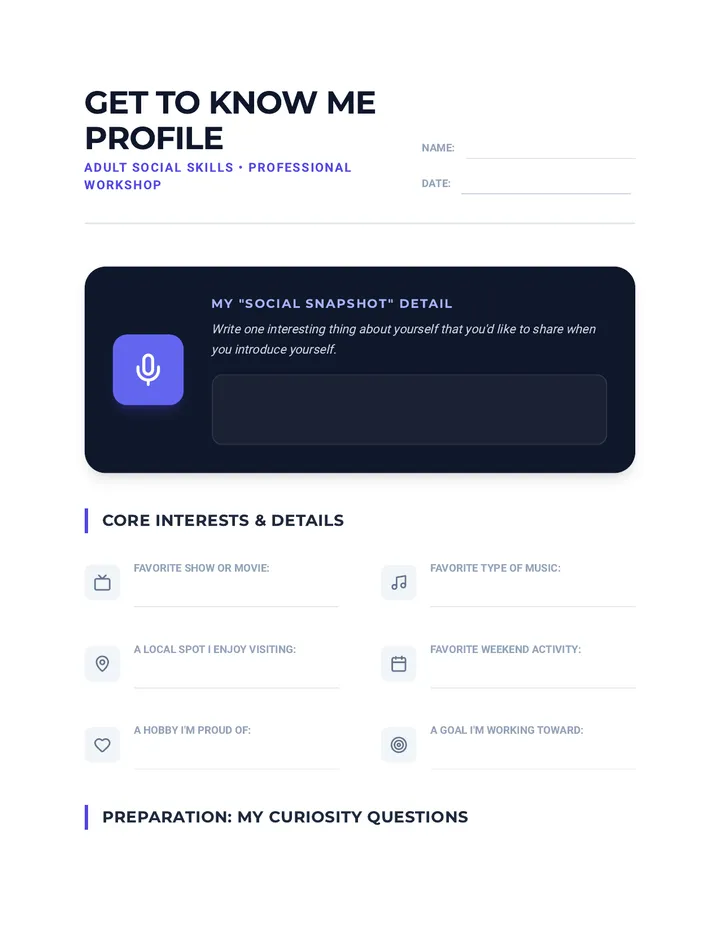
A comprehensive 3-hour one-on-one employment readiness curriculum designed for adults with disabilities. The sequence focuses on self-discovery, workplace etiquette, and practical application skills through engaging, accessible worksheets.
A series of seasonal and social-emotional learning activities designed to build professional soft skills, teamwork, and functional independence for adults with IDD.
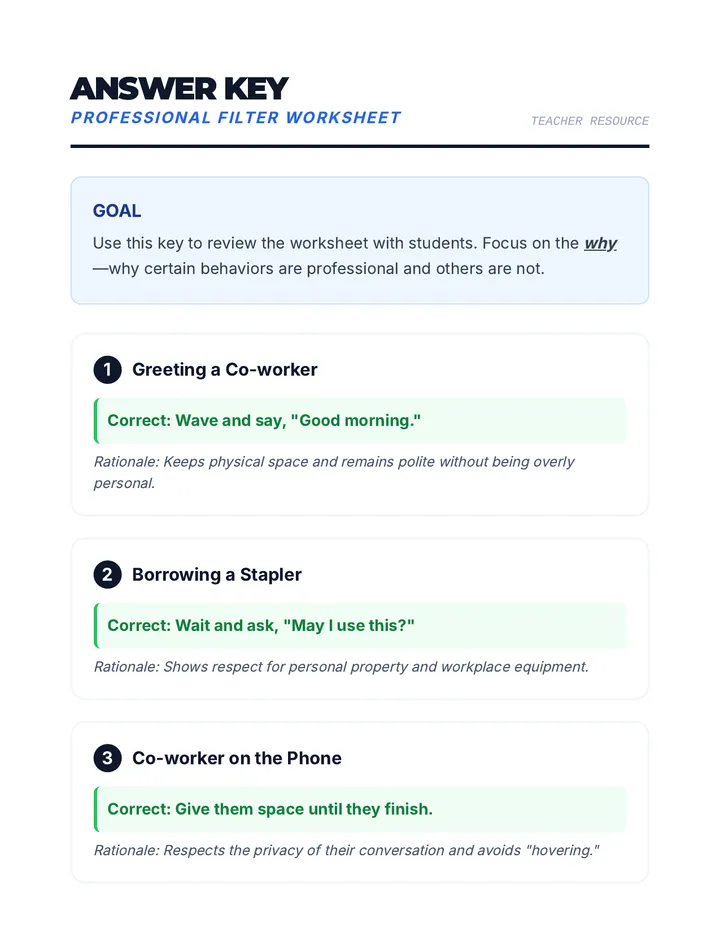
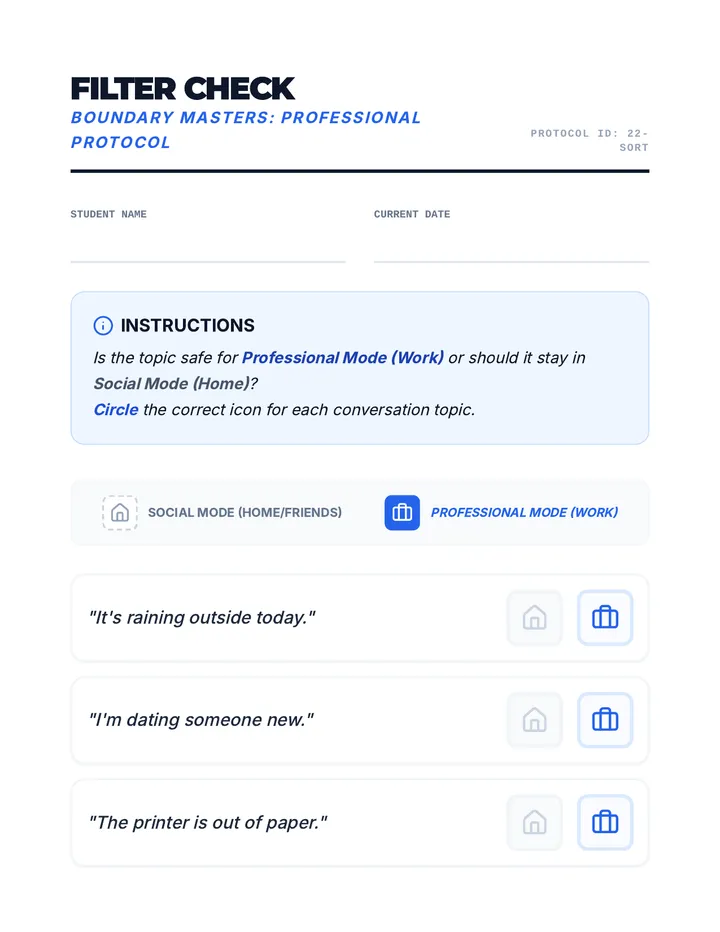
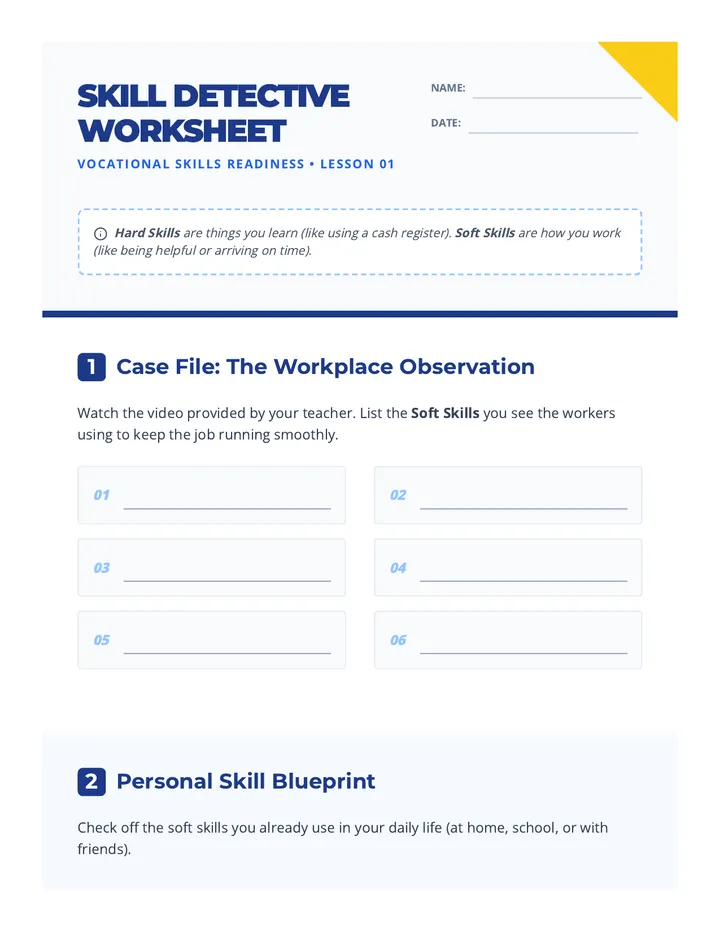
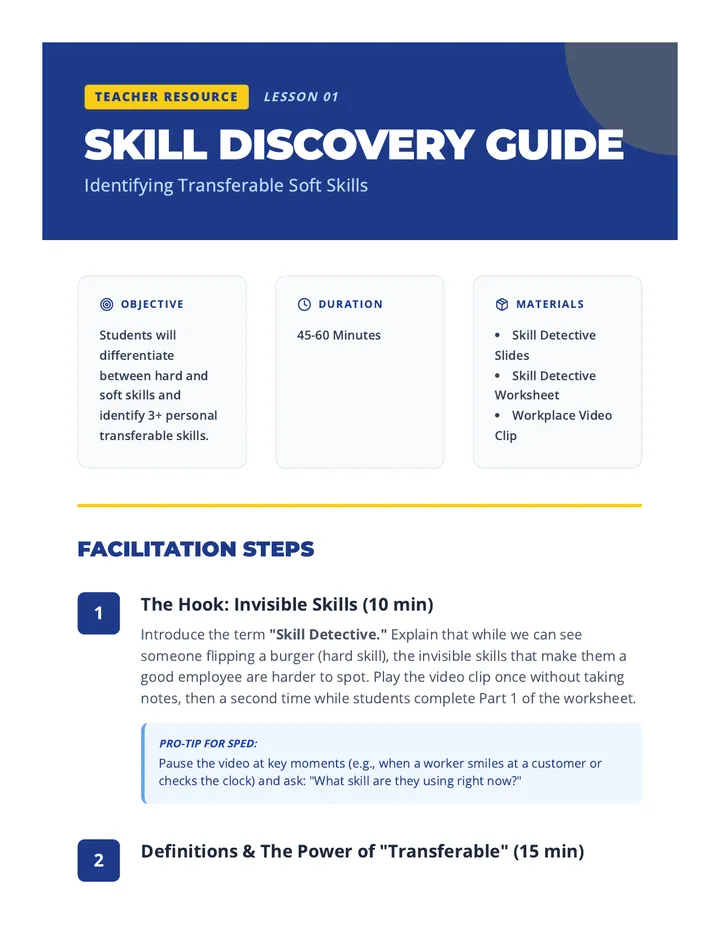
A comprehensive unit designed for high school life skills students with intellectual disabilities to distinguish between hard (technical) and soft (interpersonal) job skills through visual aids and interactive sorting activities.
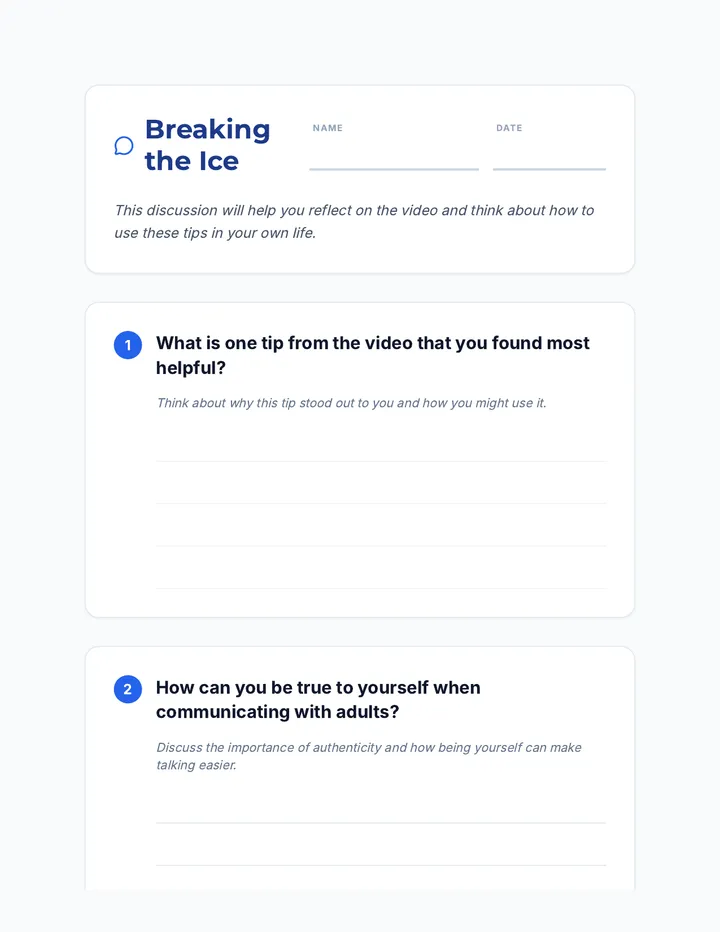
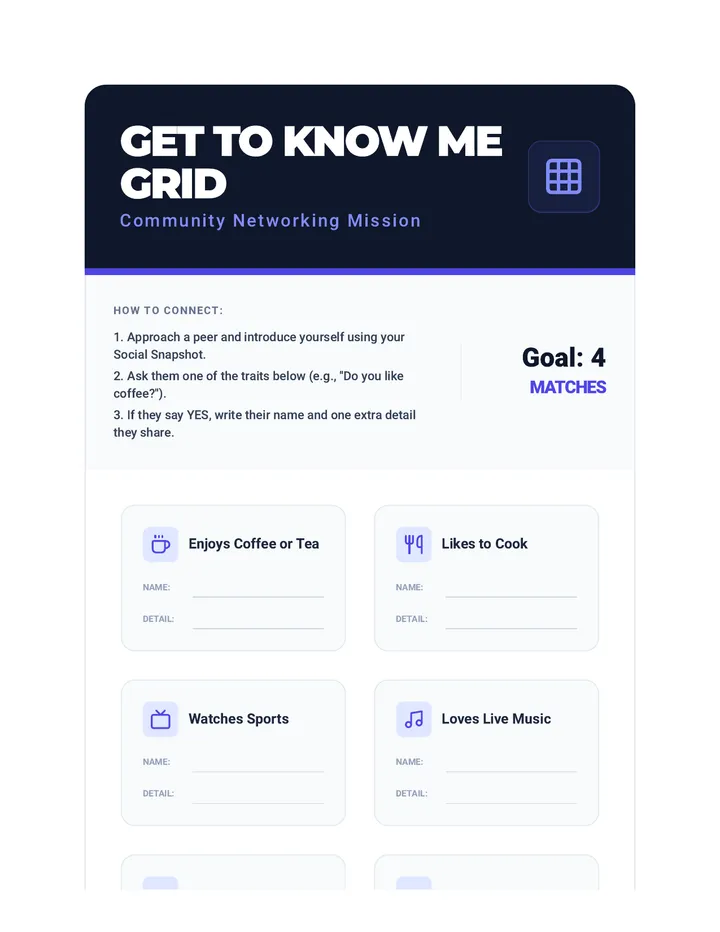
A pair of engaging icebreaker activities designed for students with significant disabilities to foster social connections and reduce anxiety through structured interaction.
This graduate-level sequence critiques traditional Social Story interventions through the lens of the neurodiversity movement, focusing on ethical adaptation, declarative language, and the Double Empathy Problem. Students move from critical theory to clinical application, learning to co-create narratives that affirm autistic identity rather than enforcing compliance.
This sequence introduces 5th-grade students to the structure and purpose of social narratives. Students learn to deconstruct stories into descriptive, perspective, and directive sentences to better understand social expectations and hidden rules.
A specialized sequence for 8th-grade students using Comic Strip Conversations to navigate social interactions, resolve conflicts, and understand the distinction between thoughts and speech. Students move from learning visual social narratives to participating in a live social simulation.
A comprehensive unit designed to empower 10th-grade students to lead their own IEP meetings. Students transition from passive attendees to active facilitators by learning team roles, preparing evidence-based summaries, practicing professional communication, and simulating the meeting process.
A comprehensive sequence designed for 10th-grade Special Education students to build vocational readiness. It covers identifying soft skills, crafting resumes, completing applications, mastering workplace etiquette, and practicing mock interviews to prepare students for the transition to employment.
A comprehensive 5-lesson sequence for 9th-grade students focused on building independent living skills through safe community navigation, social boundaries, digital awareness, and emergency preparedness.
A specialized sequence for 11th-grade AAC users focused on transitioning from basic needs-based communication to complex social interaction, storytelling, and peer connection through advanced device navigation.
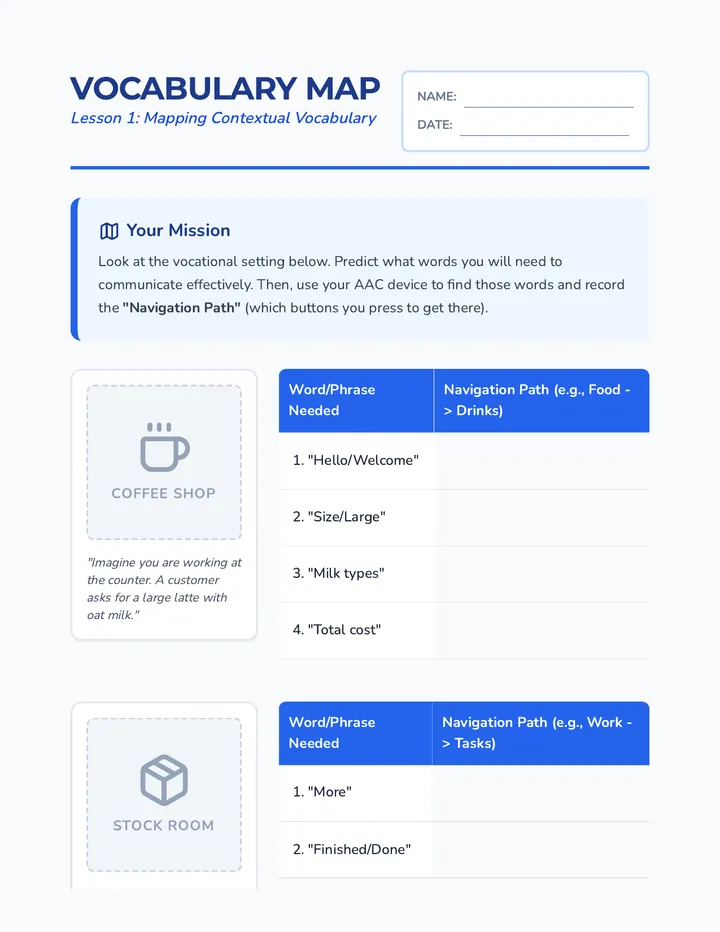
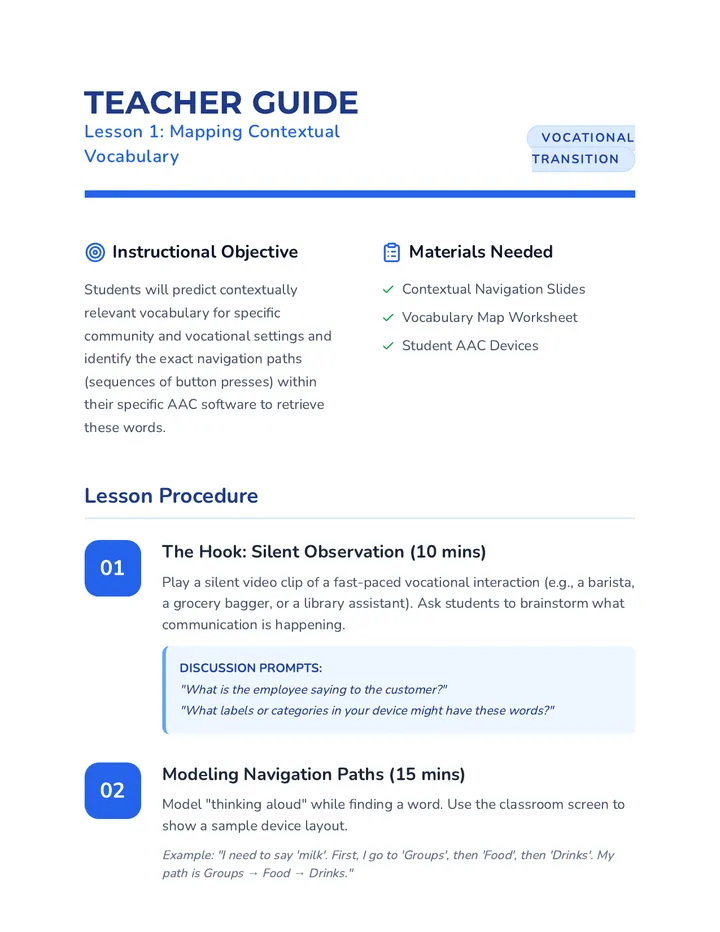
A comprehensive 5-lesson sequence designed for 11th-grade AAC users to master device navigation within vocational settings. Students progress from vocabulary mapping to high-stakes workplace simulations, focusing on speed, accuracy, and professional communication strategies.
This sequence bridges technical AAC navigation skills with pragmatic social application, teaching 3rd-grade students how to access specific pages for greetings, questions, repair strategies, and slang in real-world scenarios.
A specialized sequence for 3rd-grade students to build motor automaticity and muscle memory when navigating AAC devices. The unit progresses from single-word location to complex multi-step phrase construction, culminating in a blind navigation challenge to prove mastery.
This sequence provides undergraduate students with hands-on skills in programming and customizing high-tech AAC devices. It balances technical proficiency with ethical considerations to ensure robust, user-centered communication systems.
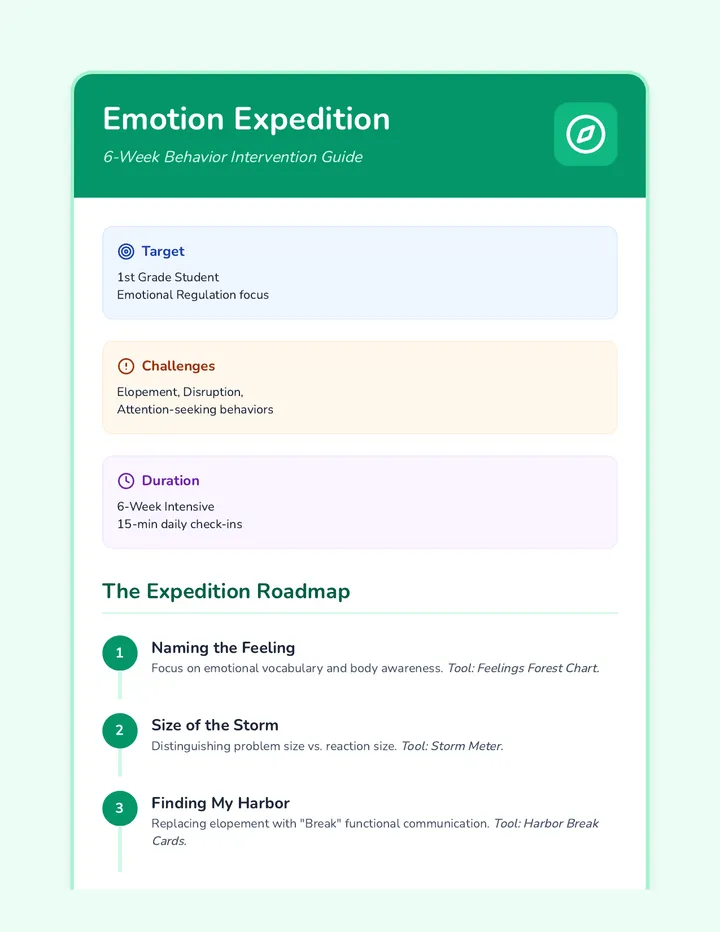
A comprehensive support plan for a 4th-grade student with autism, focusing on emotional regulation, proactive classroom strategies, and visual communication tools to replace threatening language during escalation.
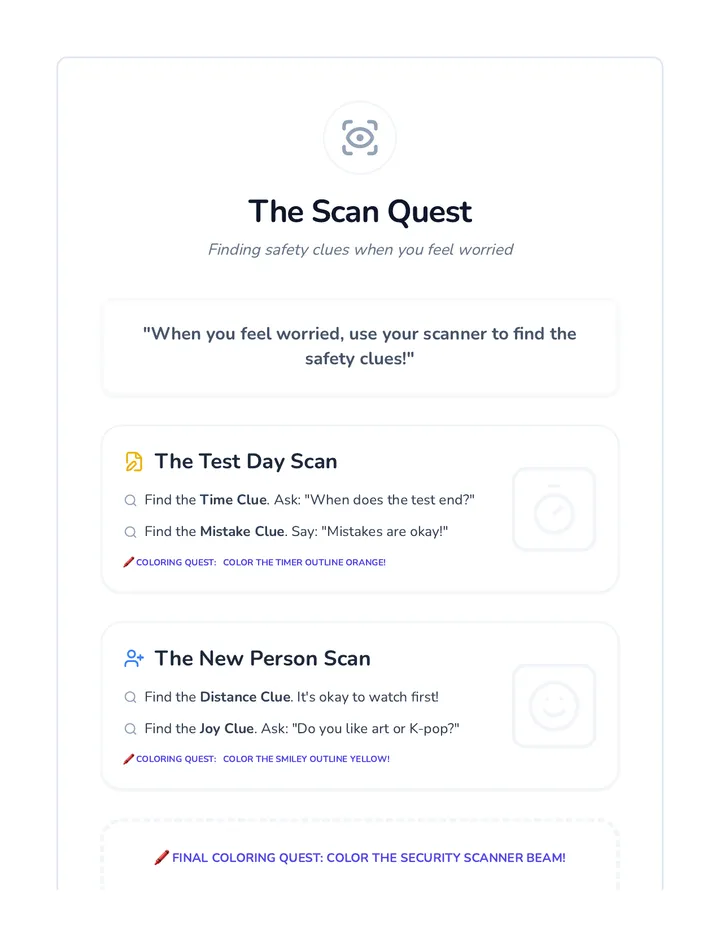
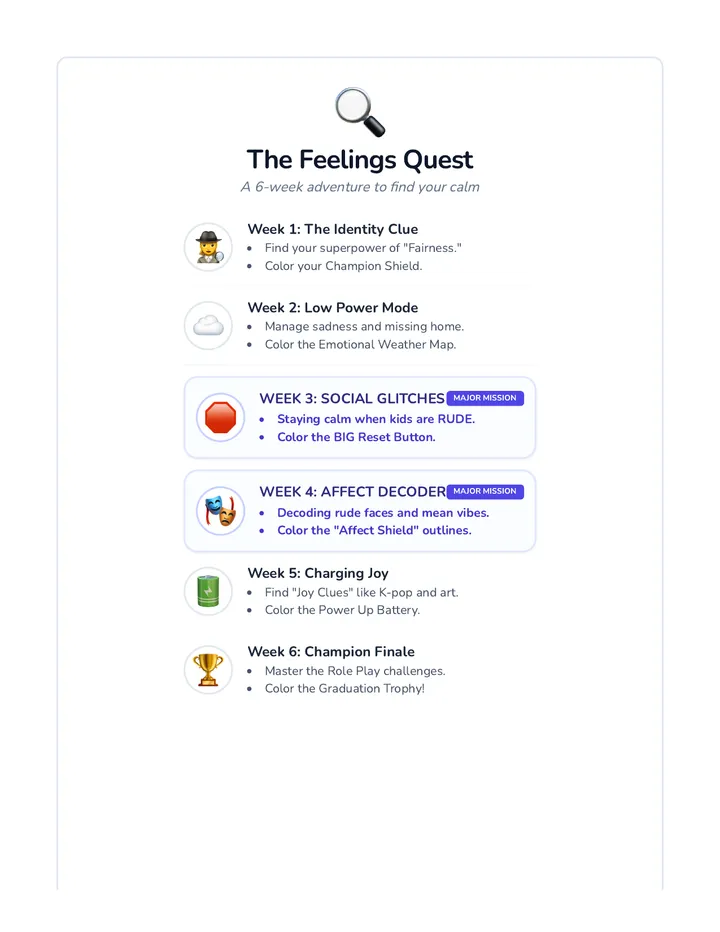
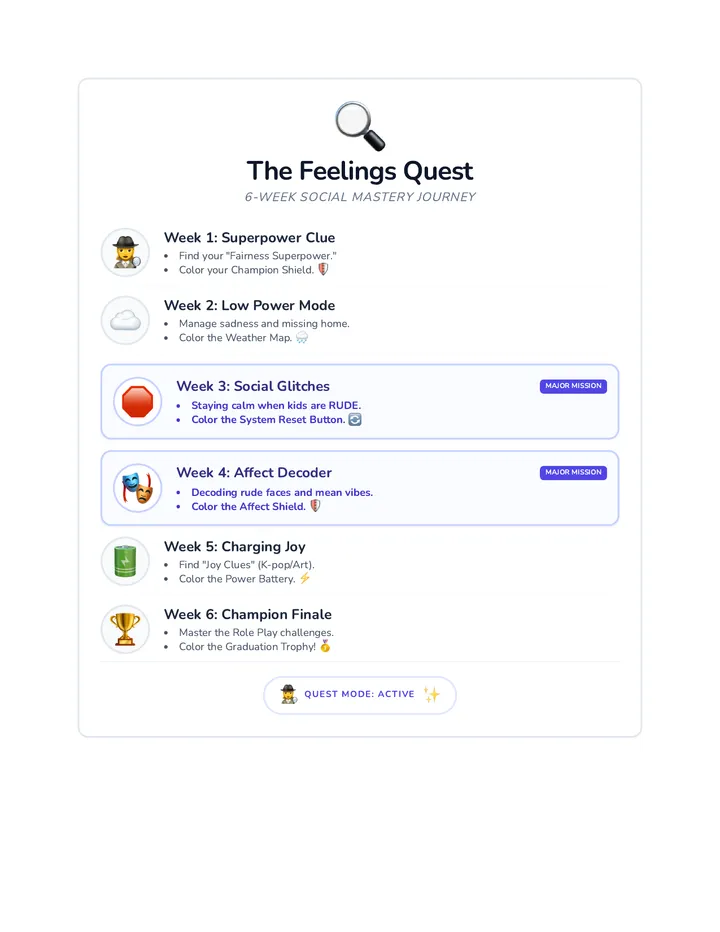
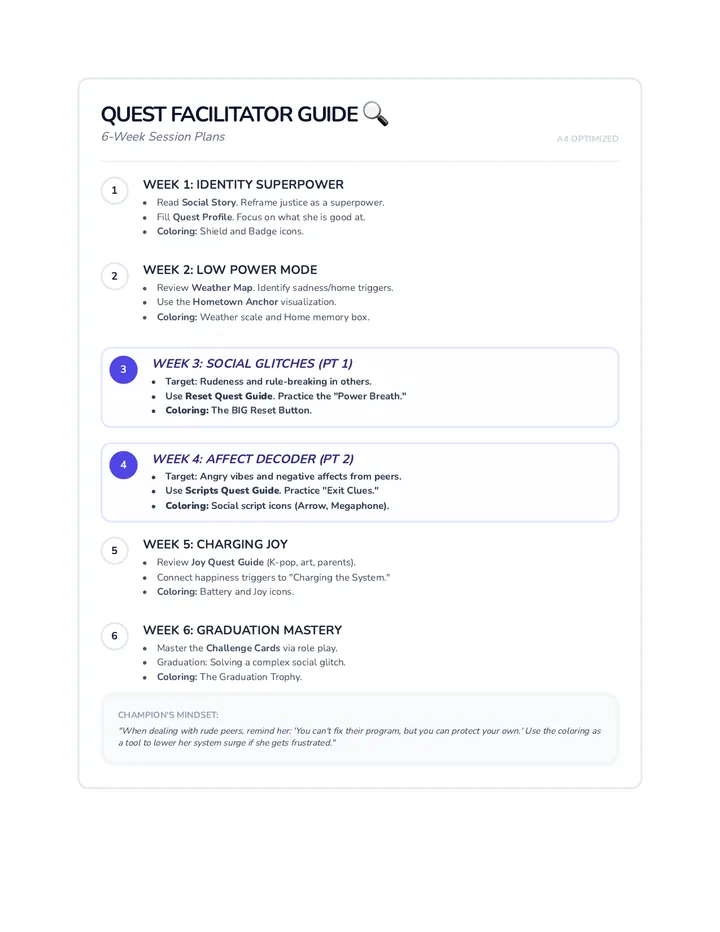
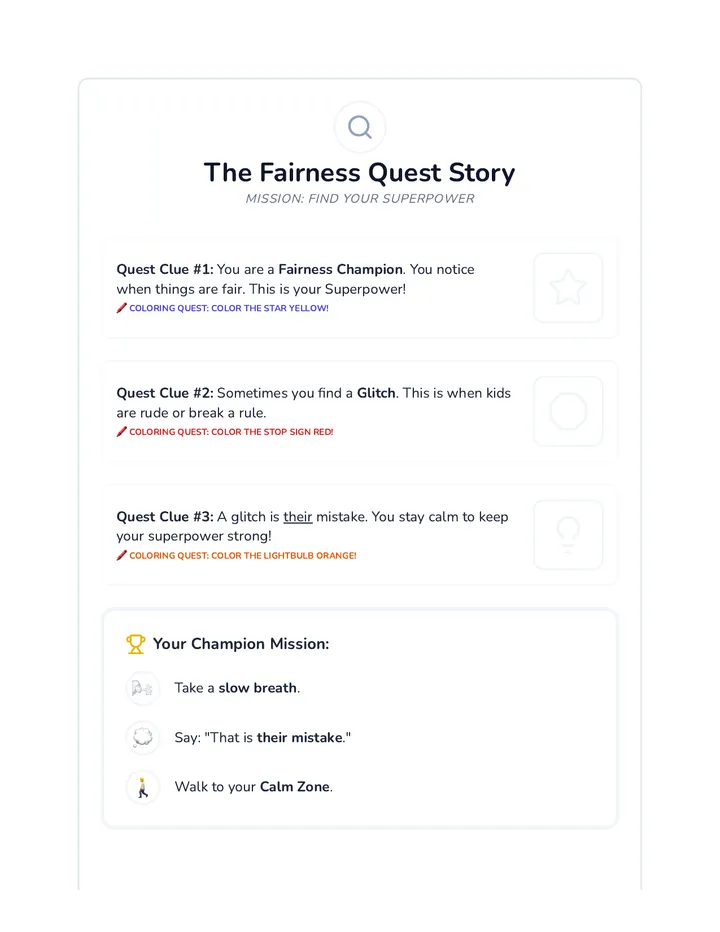
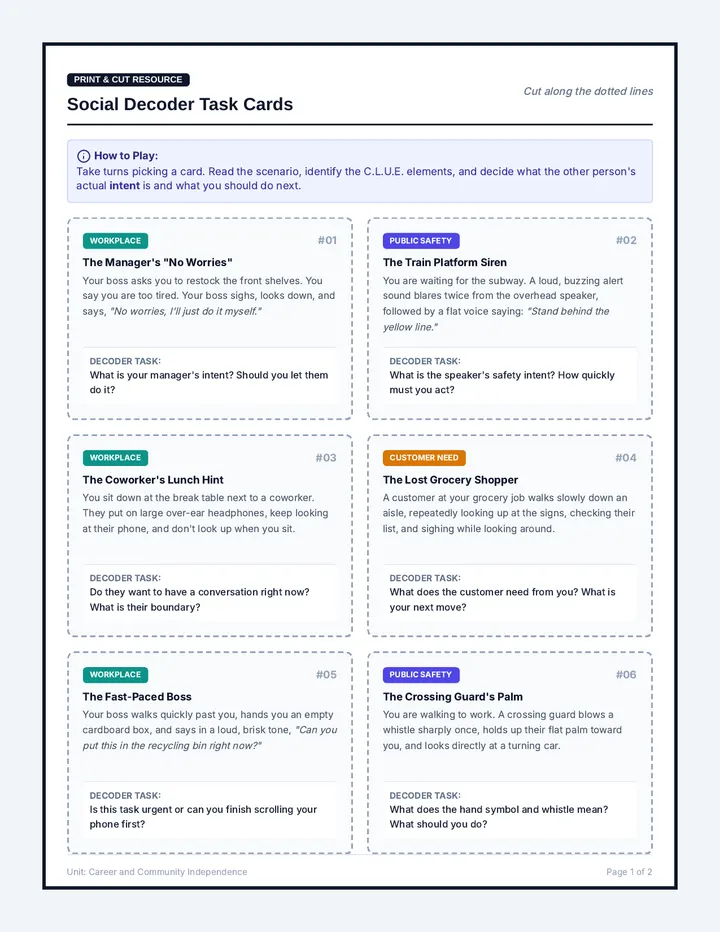
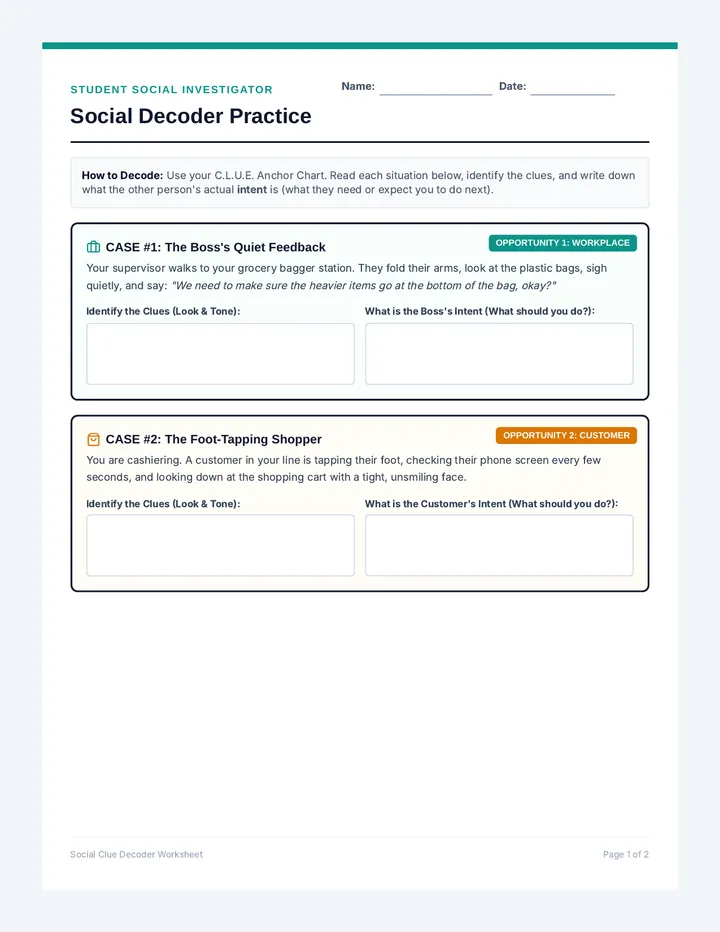
A 6-week social-emotional learning sequence for 4th-grade students with IEPs, focusing on perspective-taking, tone of voice recognition, and decoding the function of communication.
An advanced clinical sequence for graduate students focusing on the detection of subtle non-verbal and paraverbal cues of behavioral escalation. Students will master micro-expression analysis, vocal acoustic decoding, and postural tension mapping to intervene before physical escalation occurs.
A comprehensive sequence for 11th-grade students on objectively documenting and communicating behavioral escalation signs. Students transition from subjective judgment to objective measurement using the FID and ABC models, culminating in a professional behavioral safety plan.
A 10th-grade special education sequence focused on self-advocacy and working memory. Students learn to recognize cognitive overload and professionally request single-step instructions in academic and professional settings.
This sequence focuses on teaching 12th-grade students with working memory needs how to isolate, rehearse, and verify single-step verbal and visual instructions in a vocational setting. Through simulations and skill-building activities, students learn to filter extraneous information and prioritize safety and accuracy over speed.
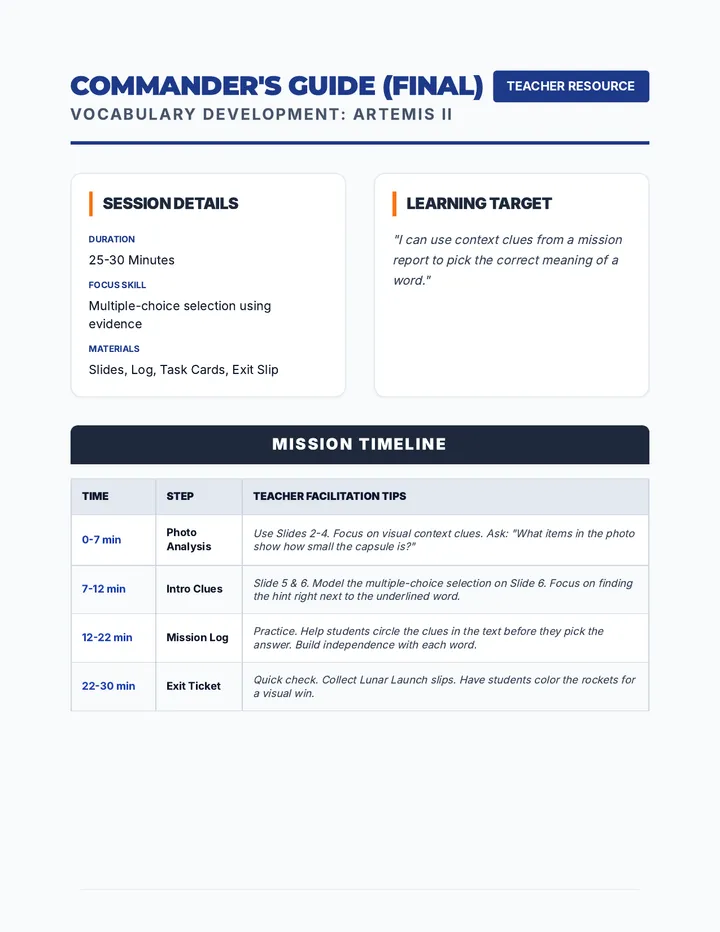
A specialized sequence for 2nd-grade special education students focusing on working memory through single-step directions and peer collaboration. Students progress from simple physical commands to complex barrier games and leadership roles, using a 'Mission Control' theme to emphasize clear communication.
This project-based sequence prepares graduate students in Special Education to teach effective 'listen-read-edit' workflows for speech recognition technology. Participants move from identifying unique phonetic errors to designing instructional scaffolds and facilitating inclusive peer reviews for students with physical disabilities.
A 5-lesson sequence designed for 9th-grade students in an academic support setting to master digital annotation, highlighting, and collaborative text analysis tools. The sequence focuses on transitioning traditional paper-based strategies to digital environments like Google Docs and PDFs, emphasizing visible thinking and peer collaboration.
A simulation-based sequence for 6th graders to strengthen working memory and focus through precise, single-step instructions. Students engage in collaborative building, robotic programming, and assembly line tasks to master the art of sequential processing.
A self-advocacy sequence for 11th-grade students to manage working memory challenges by requesting single-step directions and professional modifications in fast-paced environments.
A project-based sequence for 11th-grade special education students focusing on working memory through procedural assembly. Students learn to manage cognitive load by isolating single-step instructions and verifying their work during fabrication tasks.
A vocational and life skills sequence focusing on procedural assembly for 12th-grade students with working memory needs. Students practice strict single-step adherence through inventory, fastening, partner systems, and spatial orientation tasks to ensure structural success.
A 5-lesson series designed for 7th-grade students to build auditory working memory and inhibitory control. Students progress through gamified challenges that emphasize processing single-step directions, filtering verbal information, and advocating for clarity.
A project-based sequence for 4th-grade students to master keyboard shortcuts as assistive technology. Students progress from reviewing and categorizing shortcuts to identifying personal high-value commands, ultimately designing a personalized accessibility guide and teaching peers.
A Kindergarten Social Communication sequence that uses the 'Topic Train' metaphor to teach students how to identify, maintain, and contribute to conversational topics. students progress from basic categorization to generating connected comments in peer play.
This sequence explores the intersection of metacognition and cultural responsiveness in reading instruction for preservice teachers. It focuses on empowering students with disabilities to use their cultural funds of knowledge to master inferential thinking and self-regulated reading strategies.
A Kindergarten sequence focused on teaching special education students how to make predictions using the 'because' bridge to connect thoughts to evidence. Students transition from wild guessing to substantiated predictions using visual aids and sentence frames.
A specialized sequence for 9th-grade students focusing on working memory strategies within vocational contexts. Students learn to deconstruct complex protocols, use checklists, chunk tasks, and utilize professional communication to manage multi-step directions effectively in the workplace.
A comprehensive sequence for 11th grade students with working memory challenges, focusing on active listening, signal word recognition, rapid note-taking, and self-advocacy in auditory environments.
A comprehensive 5-lesson sequence designed for 12th-grade special education students to master workplace procedural accuracy. Students learn to deconstruct SOPs, use communication loops, chunk auditory information, visualize workflows, and manage multi-step tasks in high-pressure simulations.
A graduate-level sequence focused on the transition from behavioral assessment to function-matched intervention. Students will master the Competing Behavior Pathway model, learn to select functionally equivalent replacement behaviors (FERBs), and design comprehensive Behavior Intervention Plans (BIPs) that address the root cause of problem behaviors.
This sequence for undergraduate students explores the design and implementation of Functionally Equivalent Replacement Behaviors (FERBs). Students will learn to apply the Matching Law, design Functional Communication Training (FCT) protocols, and use shaping and chaining to teach adaptive skills that serve the same purpose as challenging behaviors.
This sequence teaches 12th-grade students how to replace challenging behaviors with adaptive skills. Students explore the ethics of behavior change, master Functional Communication Training, learn instructional techniques like shaping and chaining, and design comprehensive intervention plans based on differential reinforcement.
A thematic unit centered on winter and snow, exploring grammar, functional language, and descriptive comparison skills.
A comprehensive sequence for pre-service teachers on teaching visualization strategies through sensory mapping. This sequence covers text selection, instructional gamification, inference-building, ELL support, and higher-order comprehension.
A 6th-grade special education sequence focusing on inferring meaning from informational texts, including headlines, advertisements, historical documents, and scientific data. Students move from decoding word choice to creating their own implicit messaging in a final project.
A 10th-grade academic support sequence focused on the social and pragmatic aspects of inference. Students progress from interpreting social subtext in emails and texts to analyzing bias in news and advertisements, culminating in synthesizing implied arguments.
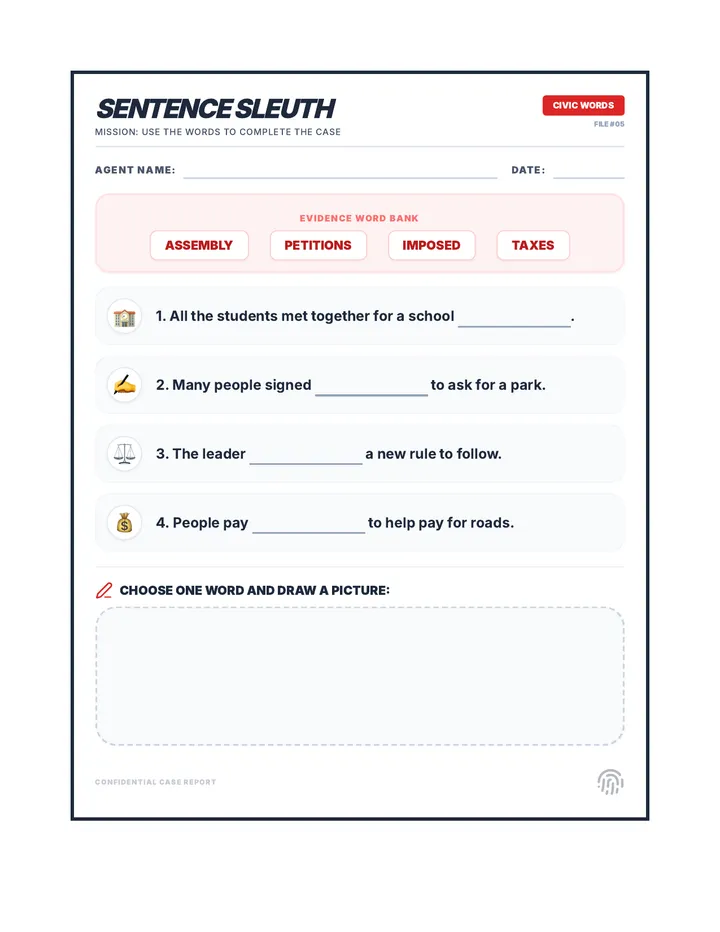
This 9th-grade Special Education sequence uses a 'detective' theme to teach inference and prediction. Students move from concrete observations of a 'crime scene' to analyzing witness bias, synthesizing multiple data points, and constructing evidence-based arguments (CER) to solve a fictional mystery.
A 5-lesson sequence for 7th-grade students, specifically designed for academic support in Special Education. Students learn to infer character motivations, feelings, and relationships by analyzing body language, character actions, subtext in dialogue, and predicting reactions, culminating in a comprehensive empathy mapping project.
A comprehensive sequence for 3rd-grade students to master non-literal language in social contexts. Students learn to decode emotion metaphors, use idioms appropriately in conversation, and apply repair strategies when communication breakdowns occur.
A comprehensive 4th-grade sequence for special education students to master common idioms through visual analysis, context clues, and creative application. Students move from recognizing the 'silly' literal meanings to applying figurative language in social contexts.
A comprehensive graduate-level exploration of the theoretical, empirical, and technical foundations of Social Stories\u2122. Students will analyze cognitive frameworks, evaluate research efficacy through meta-analyses, and master the fidelity of the 10.2 criteria to justify narrative interventions within behavior support plans.
This sequence challenges undergraduate special education students to shift from compliance-based social stories to neurodiversity-affirming social narratives. Students explore the Double Empathy Problem, audit existing stories for harmful 'masking' language, and learn to co-create narratives that prioritize student autonomy and self-advocacy.
A comprehensive sequence designed for 11th-grade students with social communication needs, focusing on cognitive strategies to decode unfamiliar figurative language independently. Through substitution, visualization, emotional analysis, and social self-advocacy, students build a toolkit for navigating idiomatic expressions in real-world contexts.
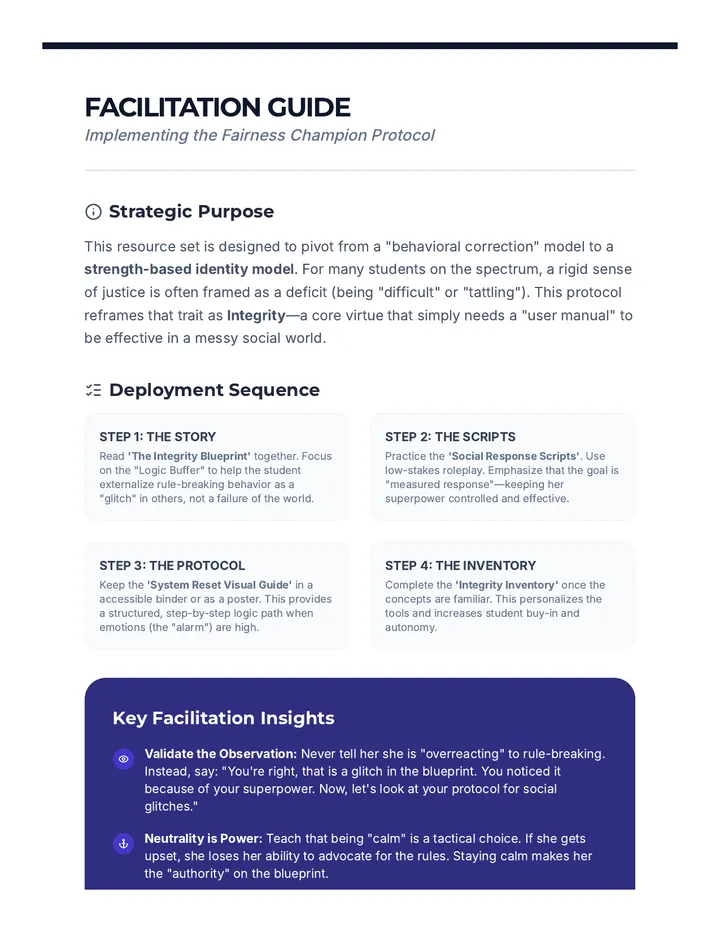
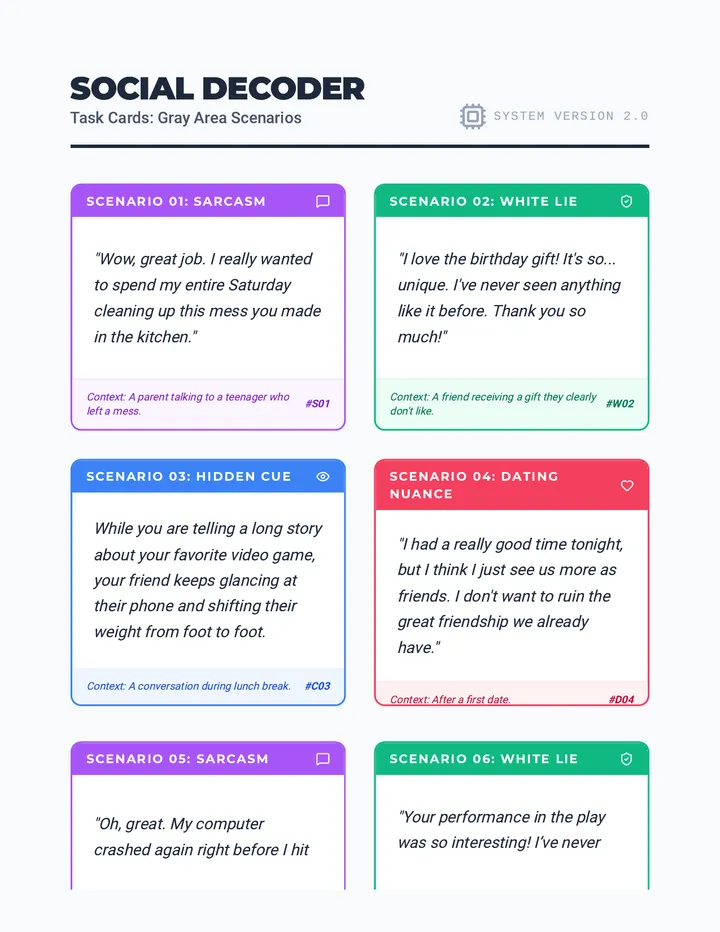
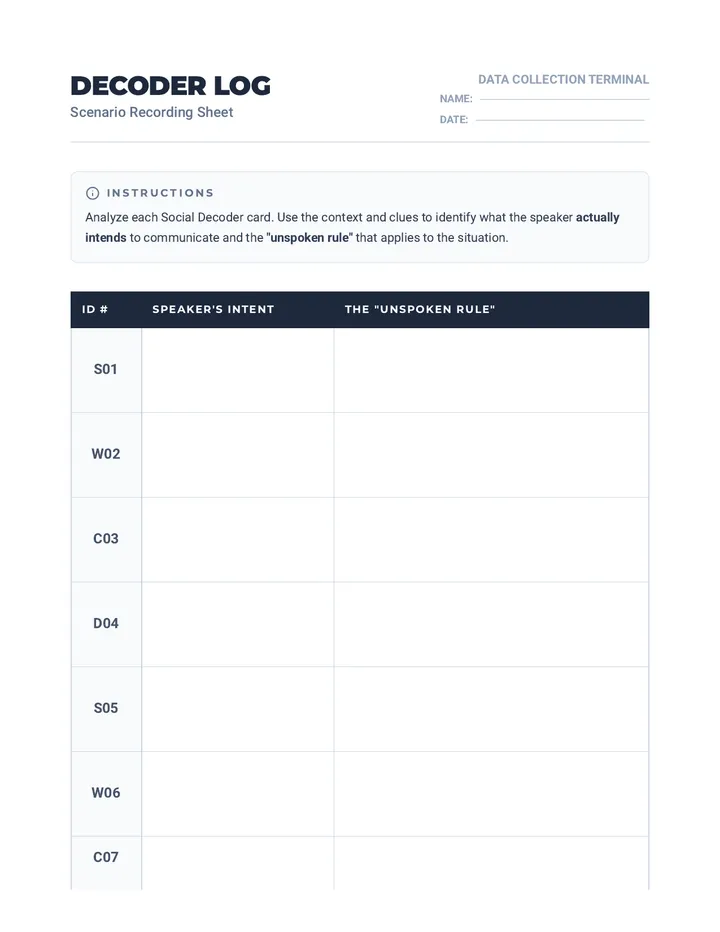
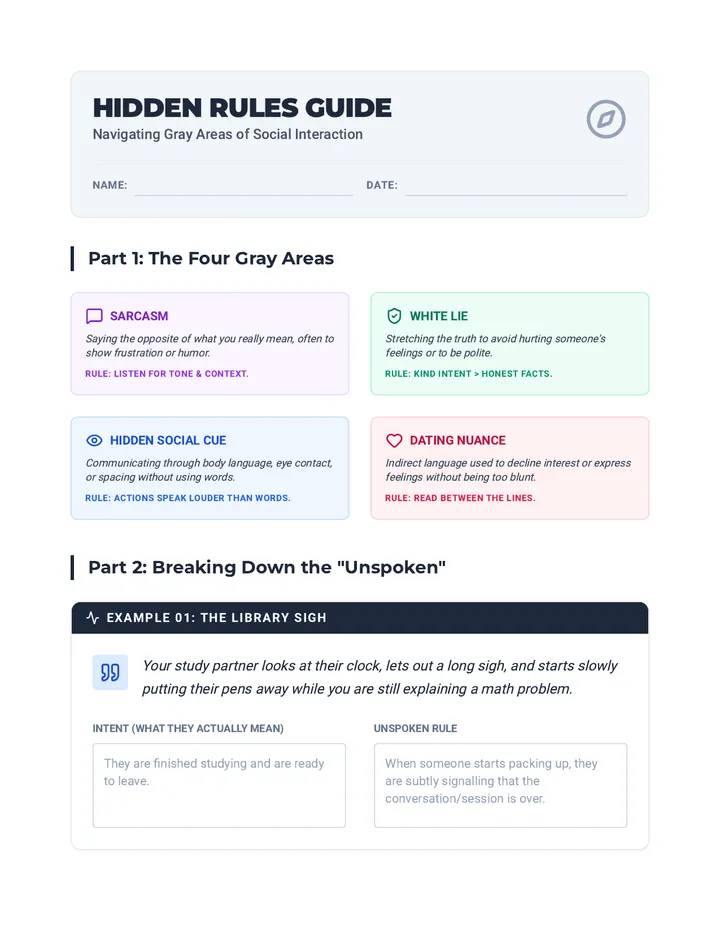
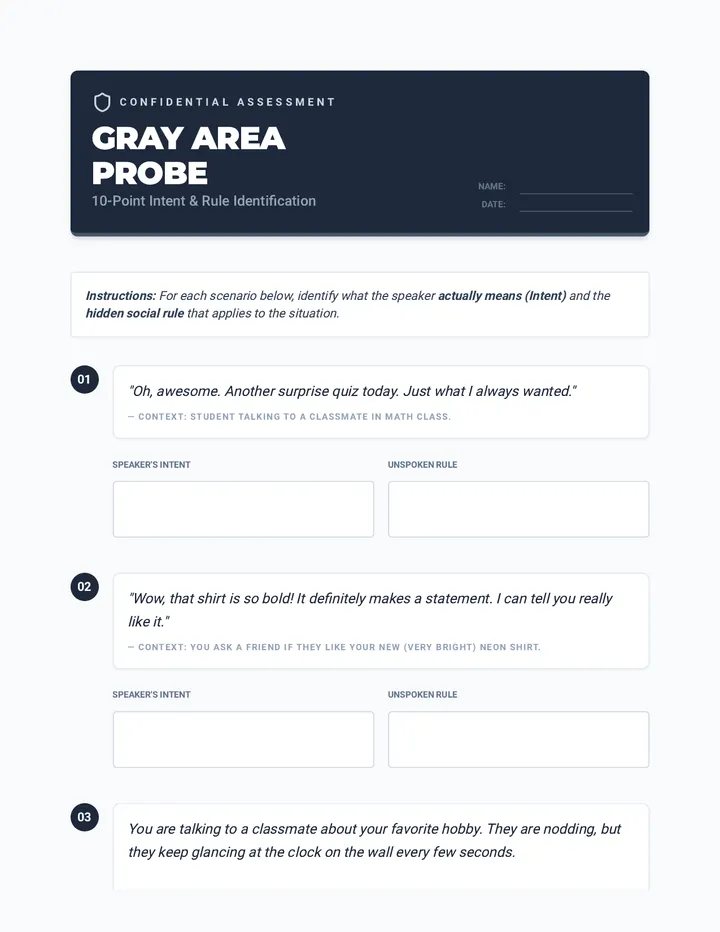
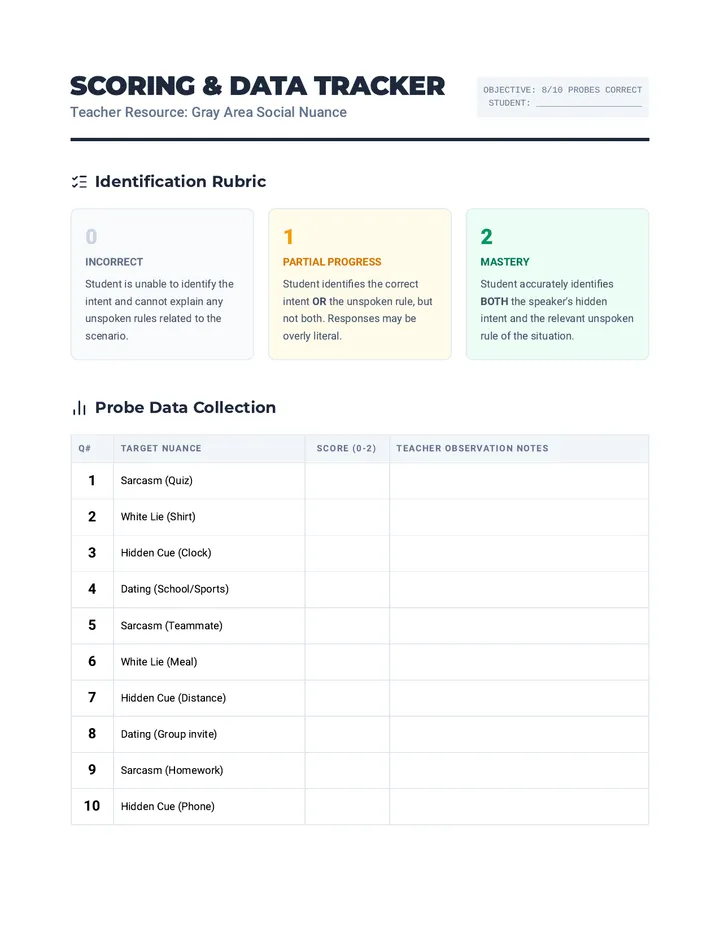
A comprehensive 5-lesson sequence for high school students focusing on the nuances of sarcasm, irony, and social communication through tone, facial expressions, and context clues.
A technical and analytical sequence for 11th-grade students to master vocal volume and prosody through data-driven self-monitoring, waveform visualization, and digital audio production.
A 12th-grade social communication sequence focused on self-advocacy and repair strategies when encountering ambiguous or figurative language in real-world scenarios.
A specialized sequence for 10th-grade social communication students focused on detecting sarcasm and vocal nuance through paralinguistic cues and context analysis.
This sequence helps 10th-grade students with social communication needs master idioms and figurative language. Through visualization, context clue strategies, and social application, students learn to decode common expressions and use them appropriately in conversation.
A 5-lesson sequence for 9th-grade social communication students focusing on the analytical deconstruction of tone, volume, and inflection. Students move from identifying basic vocal cues to analyzing complex social conflicts and professional interactions through a 'Vocal Lab' investigative lens.
Una introducción suave y atractiva a la neurodiversidad para estudiantes jóvenes, utilizando analogías de animales para celebrar las diferentes formas de pensar, aprender y socializar.
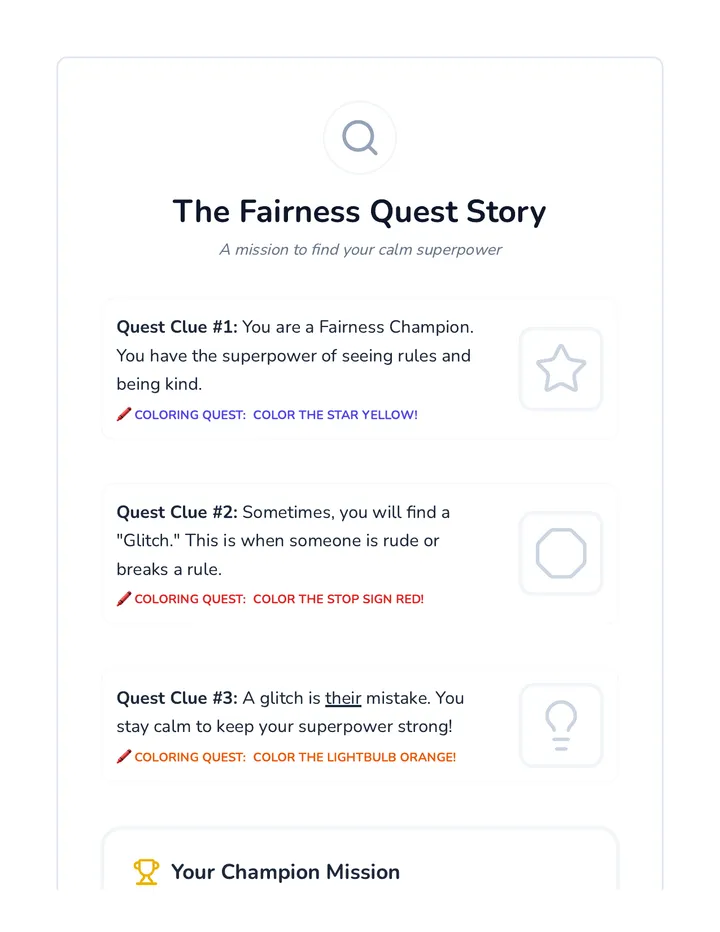
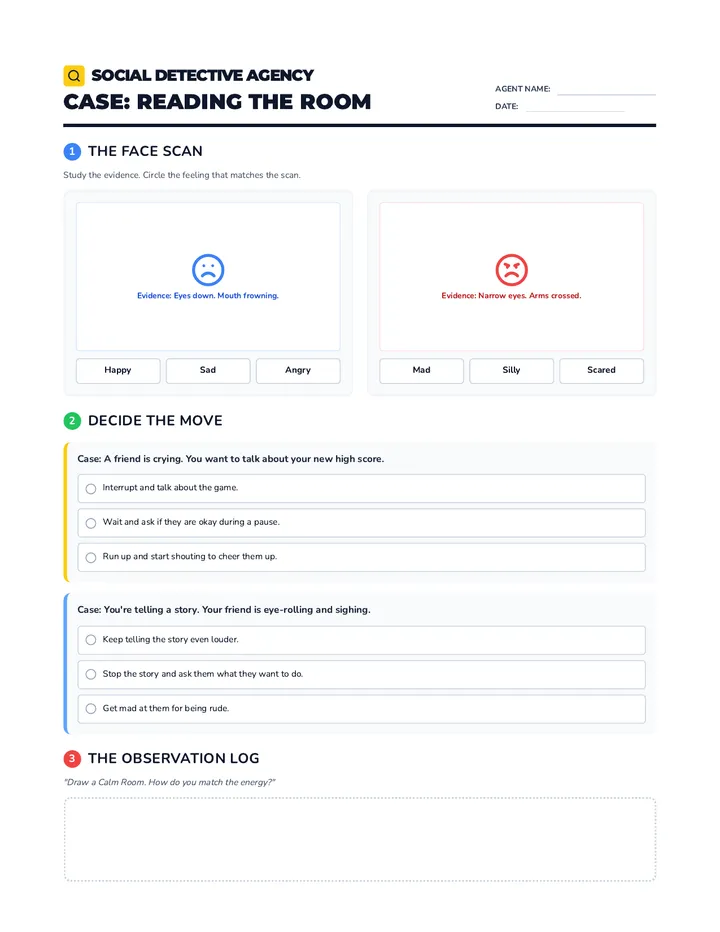
A comprehensive 6-week social skills and problem-solving program designed specifically for 2nd-grade students with ASD. The sequence uses a 'Social Detective' theme to teach self-regulation, perspective taking, empathy, and social problem-solving through visual supports and concrete activities.
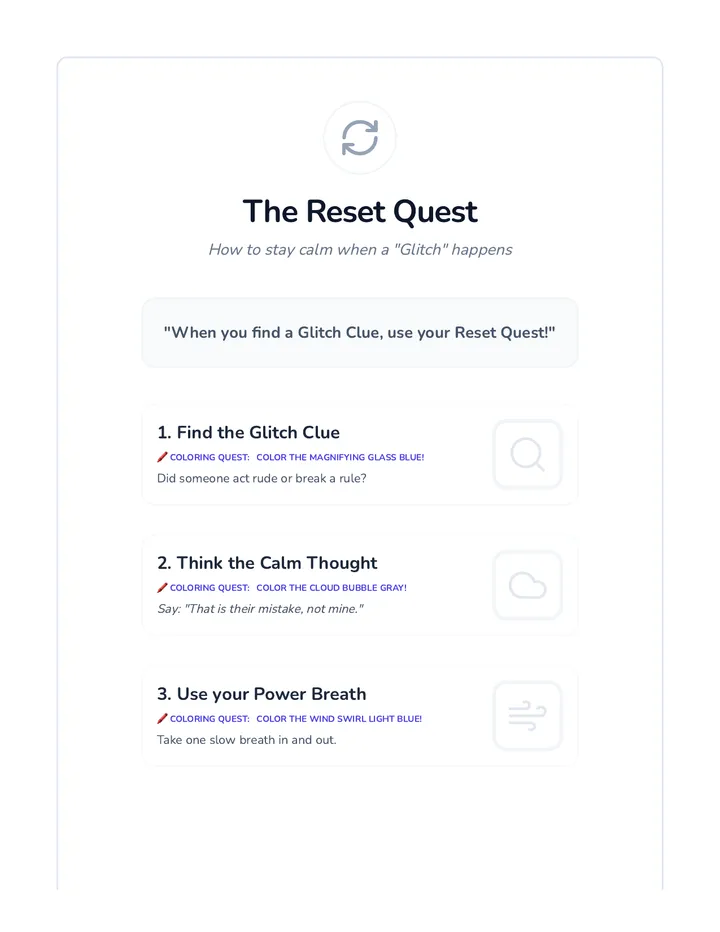
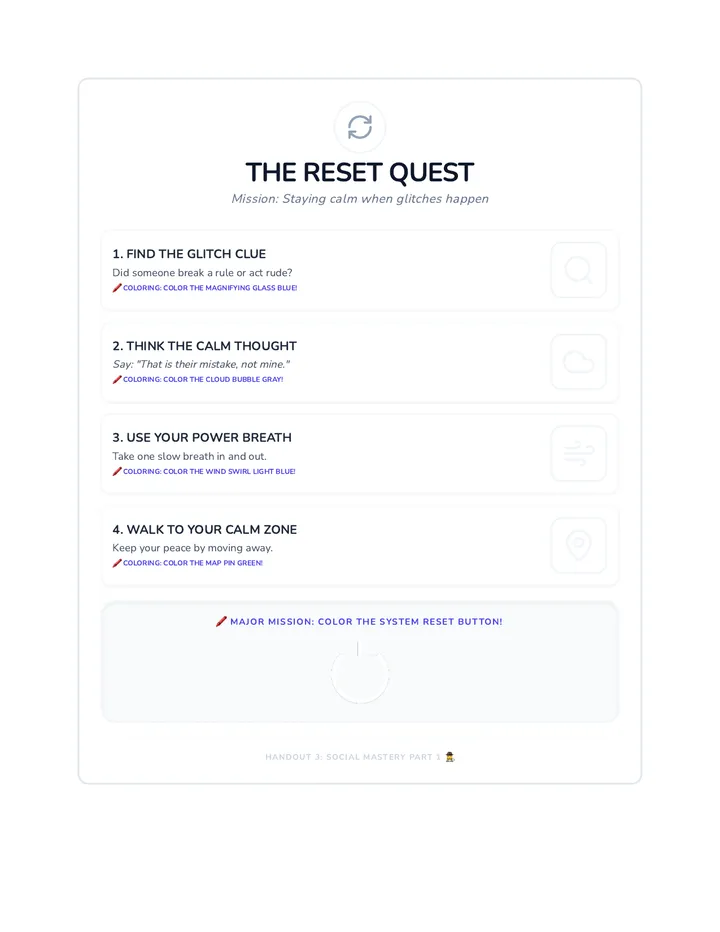
A CBT-based sequence for an 8th-grade student with autism, focusing on managing difficult transitions and recovering from behavioral incidents through restorative practices and emotional regulation.
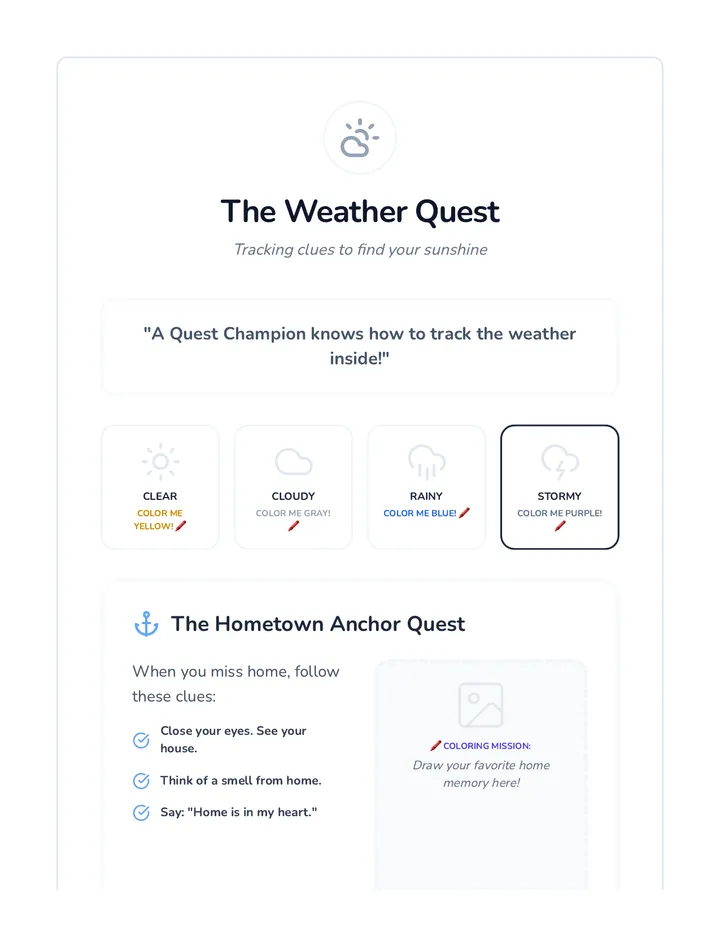
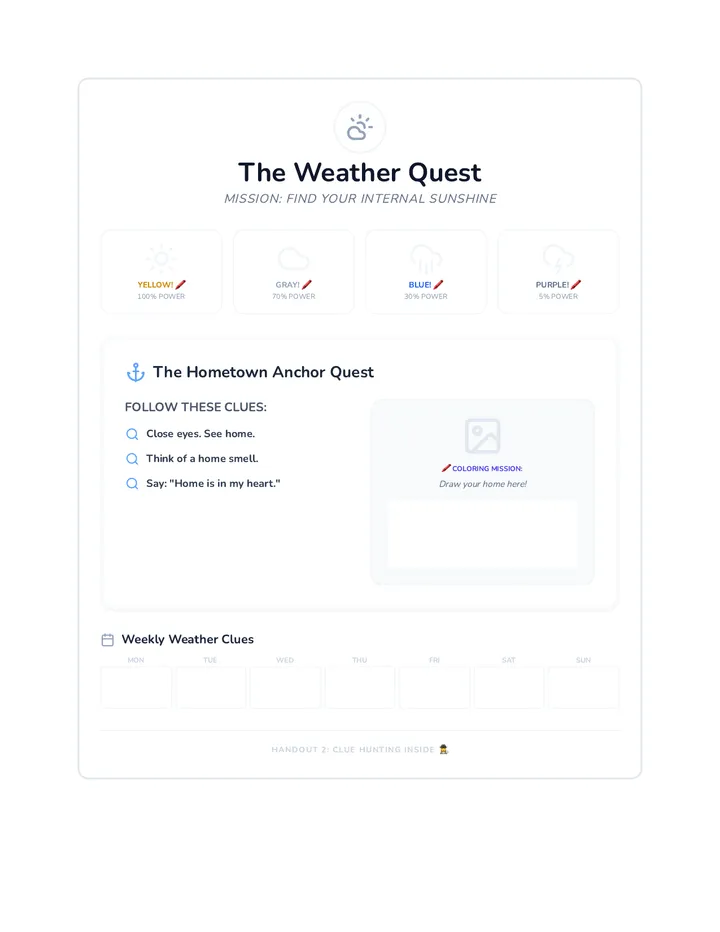
A 10-session series for IRR nonverbal autism students to establish a consistent morning routine using visual supports for date, weather, and mood tracking.
A comprehensive sequence designed for Pre-K students to develop interoception skills and functional communication for requesting breaks. Students learn to recognize high-energy body states and use a visual break card to self-regulate.
A comprehensive graduate-level sequence focused on designing evidence-based interventions for facial expression recognition. Students transition from diagnostic assessment to instructional scaffolding and technology integration, culminating in a professional intervention plan.
A specialized sequence for Pre-K students in special education, focusing on building routines and emotional regulation during activity transitions through visual timers, organizational strategies, sensory input, and peer support.
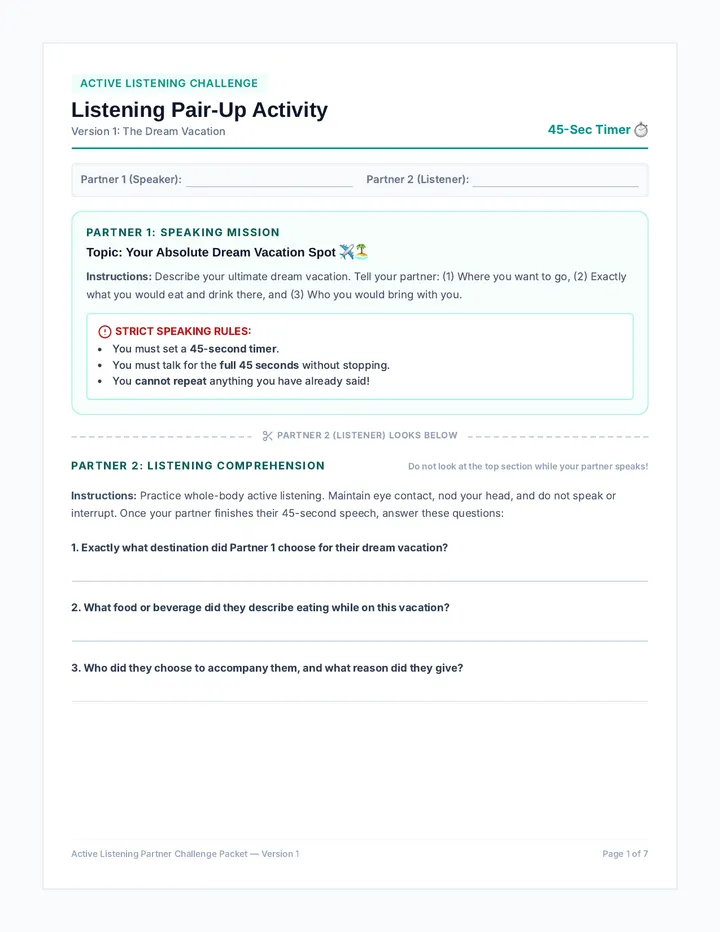
A 5-session unit for middle school special education students to build active listening, paraphrasing, tone detection, and multi-step direction skills through a secret agent training theme.
A 5-session unit designed for middle school special education students to develop foundational listening skills, including active listening, paraphrasing, tone detection, and following multi-step directions. through interactive games and structured practice.
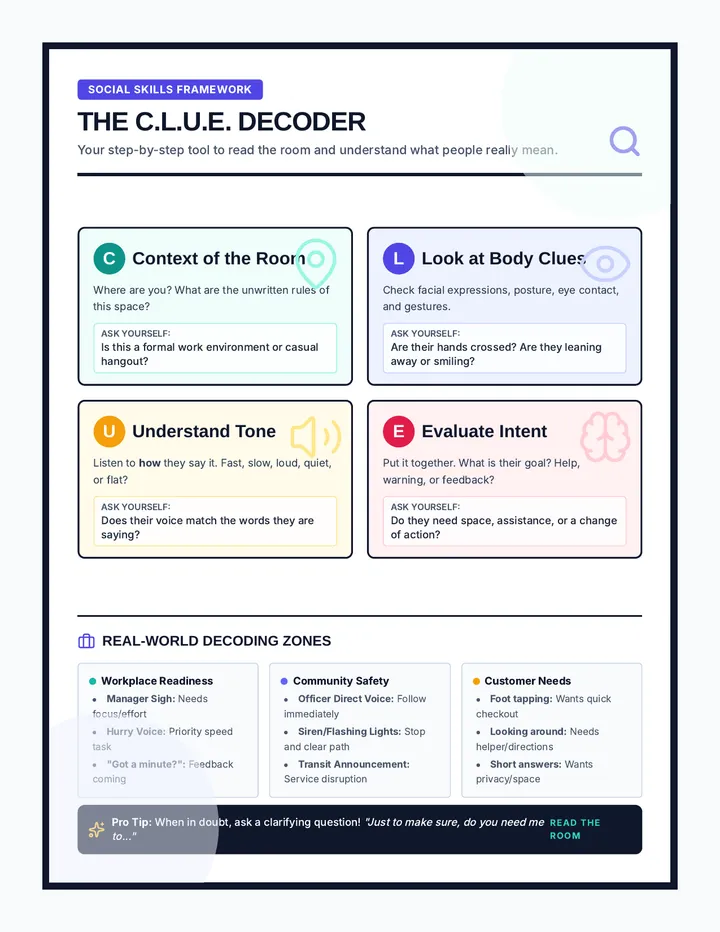
This inquiry-based sequence addresses the 'hidden curriculum'—the unwritten rules of social interaction—through the lens of perspective-taking. Students analyze case studies to understand how different people might perceive the same event differently and how social stories bridge these gaps.
A three-session conversational turn-taking program for 4th-grade students with Autism, focusing on visual cues, extended dialogue, and follow-up questions.
A 1st Grade Special Education sequence focused on identifying common classroom obstacles. Students learn to recognize the feeling of being 'stuck' and categorize barriers like missing supplies, sensory distractions, and unclear instructions through game-based learning.
A Pre-K Special Education sequence focused on collaborative problem-solving. Students learn to work in pairs to overcome physical and communication-based obstacles through games, role-play, and hands-on tasks.
A Pre-K Special Education sequence focused on identifying obstacles and seeking help effectively. Students move from recognizing the physical sensation of being 'stuck' to using specific communication tools to solve problems.
A 5-lesson sequence designed for 3rd-grade students to transition from general problem-solving to self-advocacy. Students learn to distinguish between complaining and advocating, identify appropriate sources of help, draft personal advocacy scripts, and create a physical 'Help Menu' tool for daily use.
A Kindergarten sequence focused on task persistence and emotional regulation for Special Education students. Students learn to identify frustration, use 'yet', ask for help strategically, break tasks into steps, and apply these skills in an obstacle course.
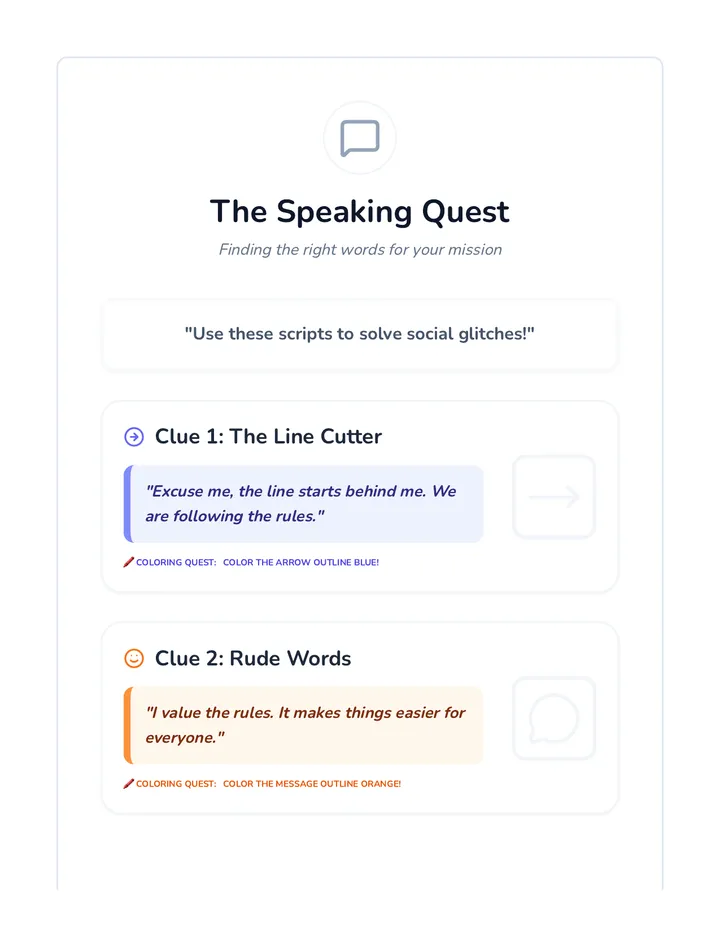
A comprehensive sequence for graduate students to master the implementation of Student-Led IEPs (SLIEPs). This sequence explores the continuum of student involvement, preparation protocols, visual advocacy aids, meeting facilitation techniques, and post-meeting reflection to empower students as self-advocates for their own accommodations.
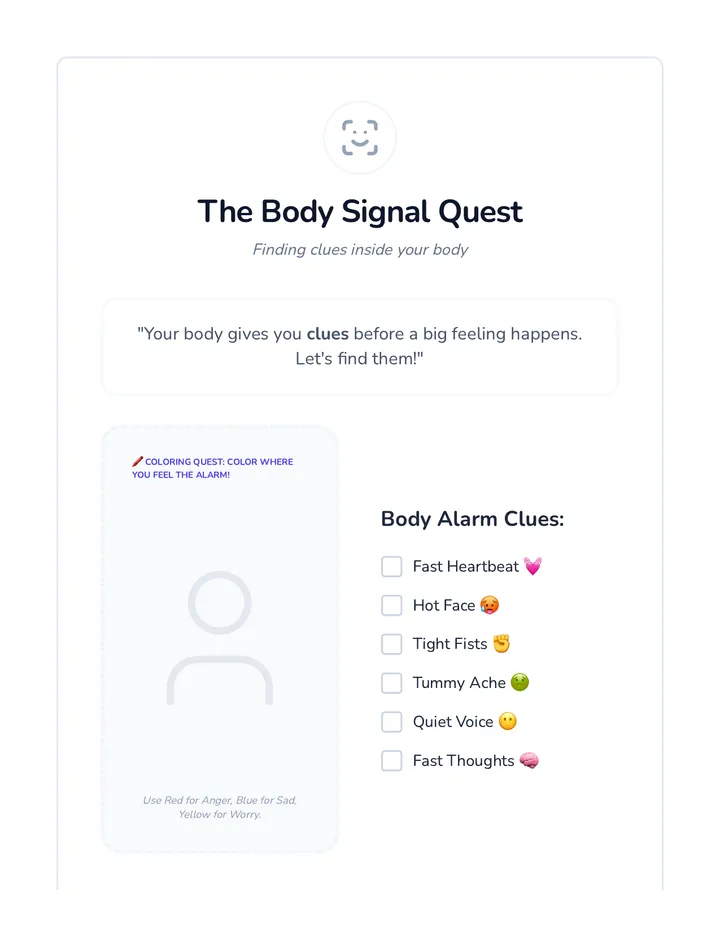
A specialized sequence for 10th-grade students focusing on auditory working memory. Through five gamified lessons, students master verbal rehearsal, paraphrasing, and self-advocacy techniques to improve their ability to focus on and execute single-step oral directions.
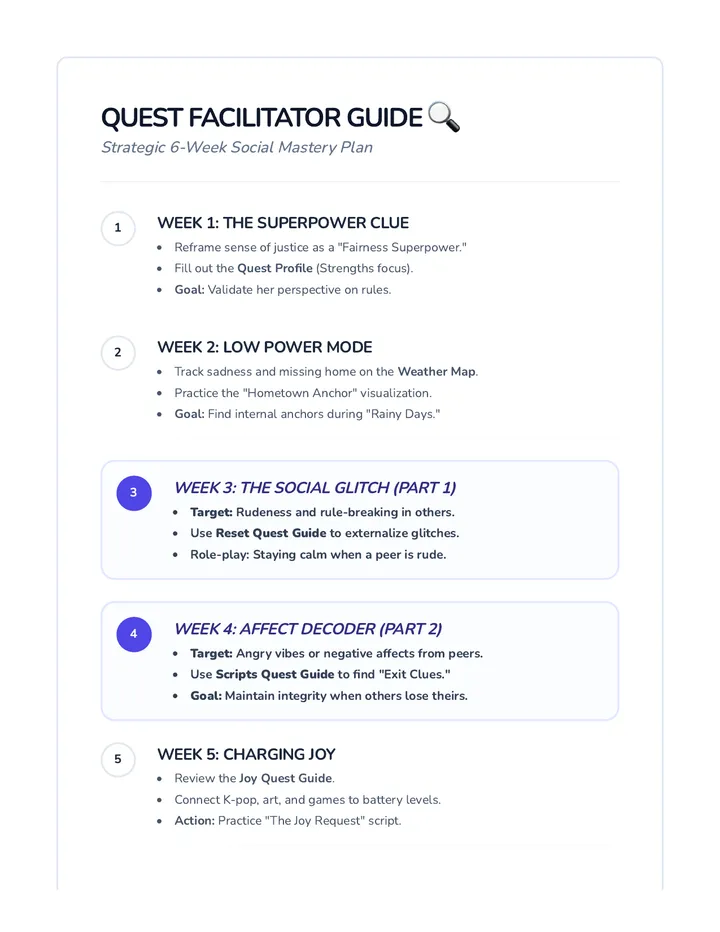
This sequence empowers 8th-grade students with metacognitive strategies to recognize cognitive overload and advocate for single-step directions. It covers identifying personal cues of overload, deconstructing complex instructions, and practicing self-advocacy scripts.
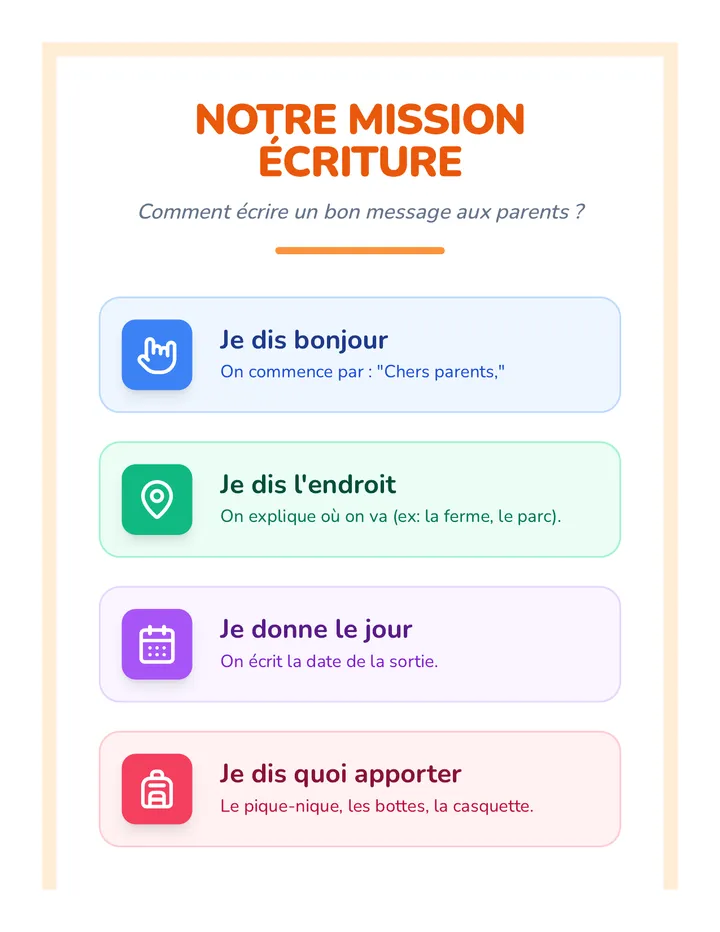
A 5-lesson unit for 9th-grade students focusing on the self-advocacy skills needed to use speech recognition technology effectively in academic and professional environments. Students learn about their legal rights, practice social navigation, and create professional materials to communicate their accommodation needs to instructors.
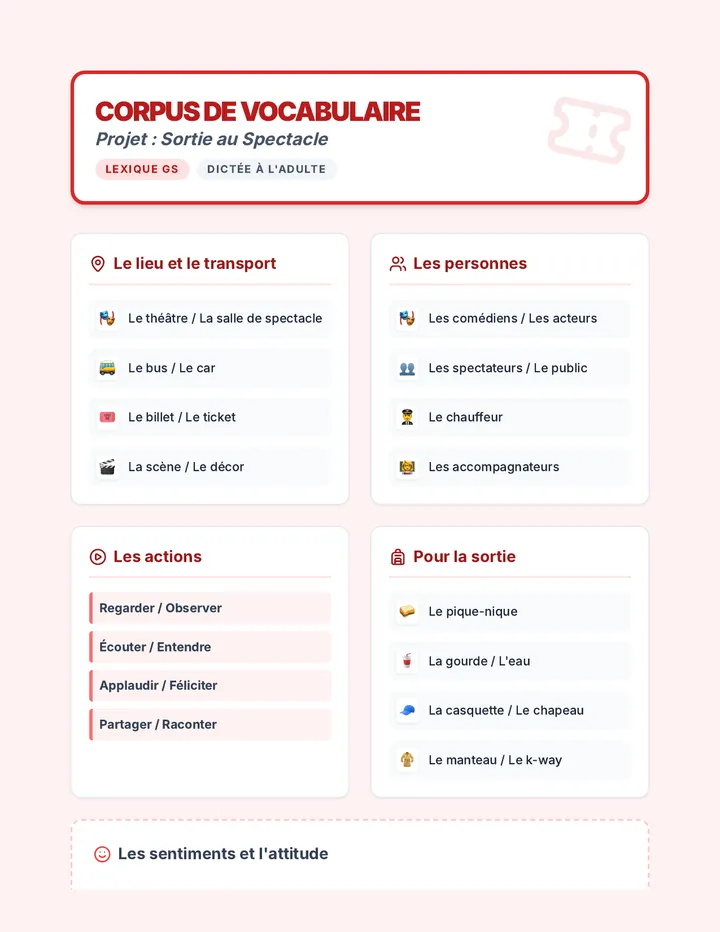
This life skills sequence for high schoolers with low cognitive abilities uses a traffic light model (Green, Yellow, Red) to teach digital safety. Students learn to navigate teen-relevant scenarios like social media requests, online shopping ads, and interacting with strangers in gaming or apps, focusing on the 'Pause and Ask' reflex.
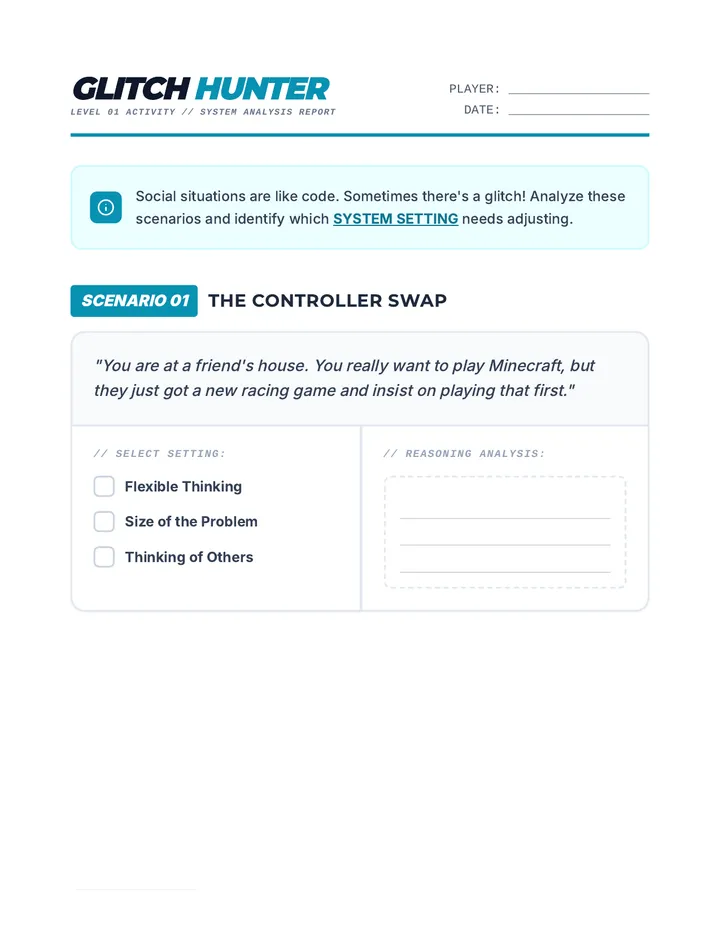
A 2nd-grade Special Education sequence focused on cognitive flexibility, emotional regulation during transitions, and problem-solving when routines change. Students learn to transition from 'rigid' to 'flexible' thinking using the 'Plan B' detour metaphor.
This sequence empowers 5th-grade students to master their environment and advocate for their assistive technology needs. Students move beyond basic software use to analyze noise levels, troubleshoot hardware issues, practice social etiquette, and design their ideal workspace for speech-to-text success.
A comprehensive sequence for 11th-grade students focusing on the design, psychology, and fabrication of visual organizational supports. Students learn to reduce cognitive load through effective visual hierarchy, standardized systems, and durable material creation.
A comprehensive 5-lesson unit for 4th graders to develop self-advocacy skills, focusing on vocabulary, sentence structures, situational awareness, and role-playing to request accommodations effectively.
A comprehensive collection of interactive, visual-heavy resources designed for nonverbal preschool students to practice communication, choice-making, and pre-writing skills.
A foundational inference sequence for Kindergarten Special Education students, moving from concrete sensory experiences (touch, sound, sight) to abstract story-based predictions. Students learn the 'Clue + Schema = Inference' formula through tactile, auditory, and visual activities.
A detective-themed sequence for 1st-grade special education students to master inferencing through concrete objects, body language, sensory details, and text clues.
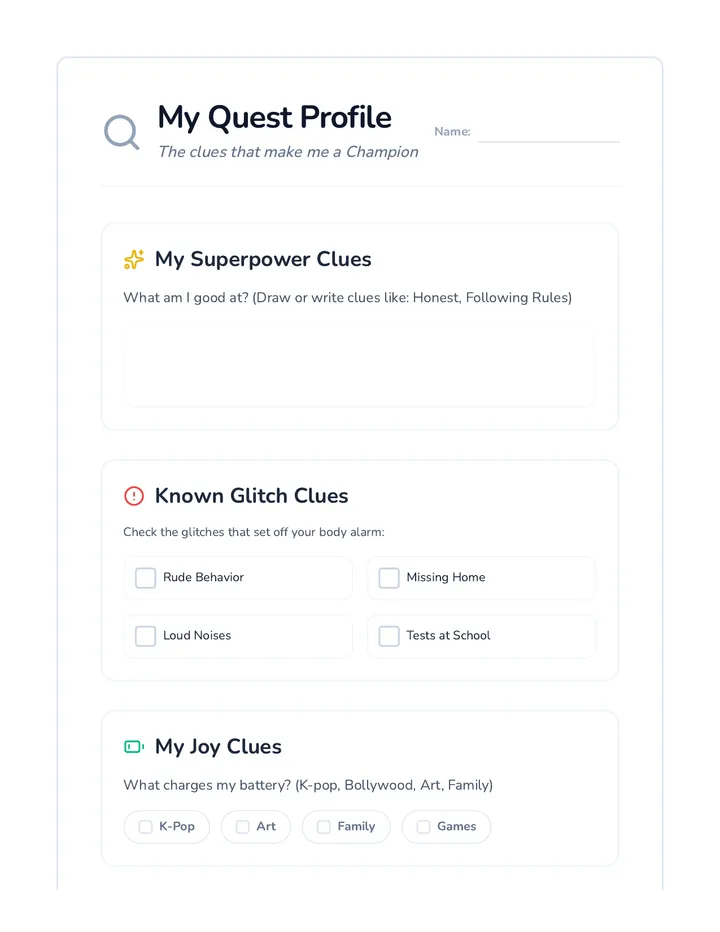
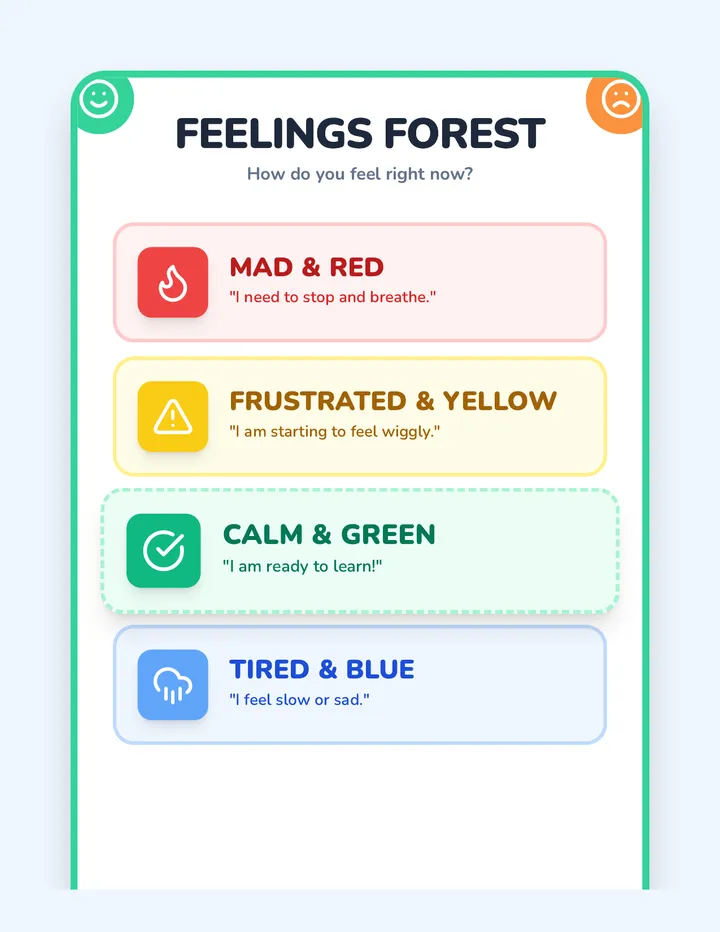
A 10-session social-emotional learning unit for an individual 4th grade student with ASD to master identifying emotions, recognizing dysregulation, and applying self-regulation strategies independently. The unit follows a "Regulation Rocket" mission theme to build self-awareness and coping skills.