A specialized sequence for 10th-grade social communication students focused on detecting sarcasm and vocal nuance through paralinguistic cues and context analysis.
A series of lessons exploring the intersection of neuroscience and daily behavior, focusing on executive function and neurodivergence.
A comprehensive unit on self-advocacy and the ADA, helping students understand their rights in school, at home, and in the workplace. Students will learn how to navigate IEP accommodations, address non-compliance, and build independence.
A comprehensive 9-week instructional sequence designed for students with Blind and Low Vision needs, focusing on mastery of common Braille contractions through repetitive practice, tracing, and dictation.
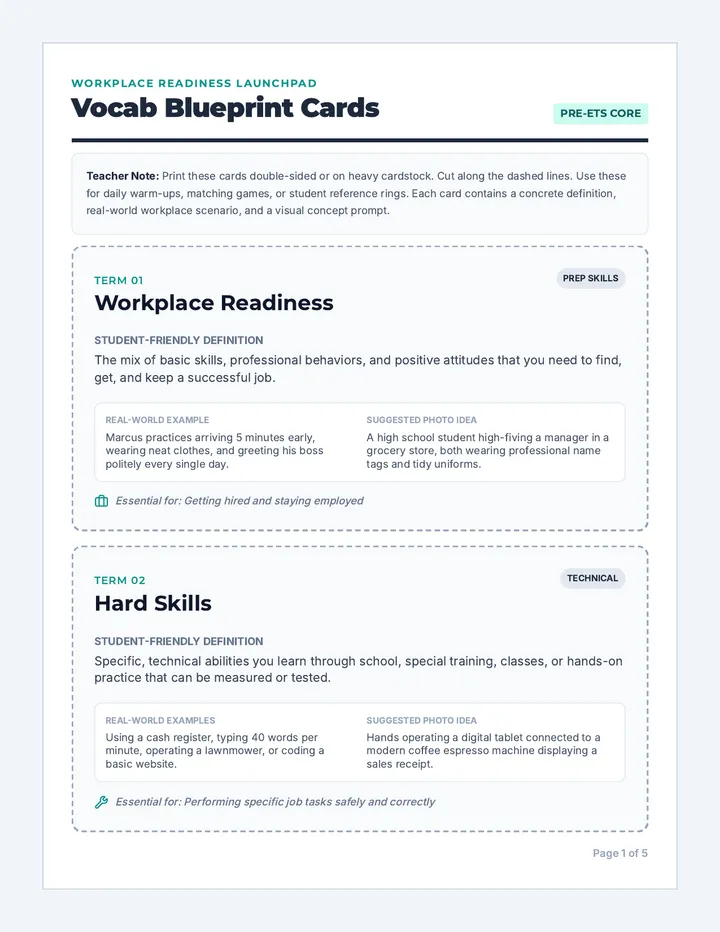
A comprehensive unit designed for high school life skills students with intellectual disabilities to distinguish between hard (technical) and soft (interpersonal) job skills through visual aids and interactive sorting activities.
Une formation immersive de 12 heures destinée aux professeurs-documentalistes pour maîtriser les codes de la littérature adolescente actuelle et concevoir des stratégies de médiation innovantes au CDI.
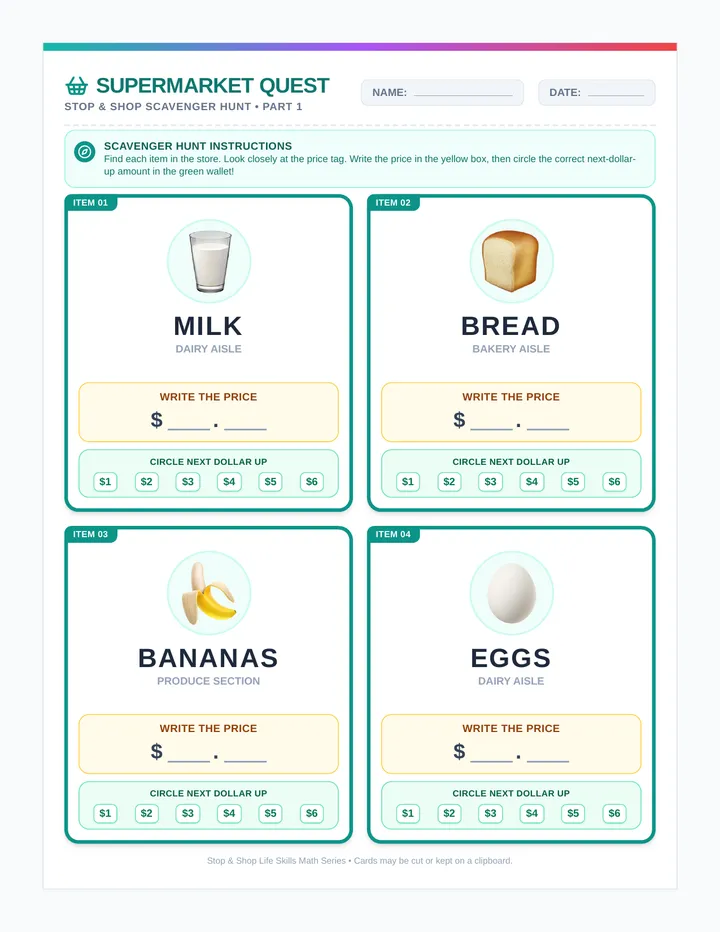
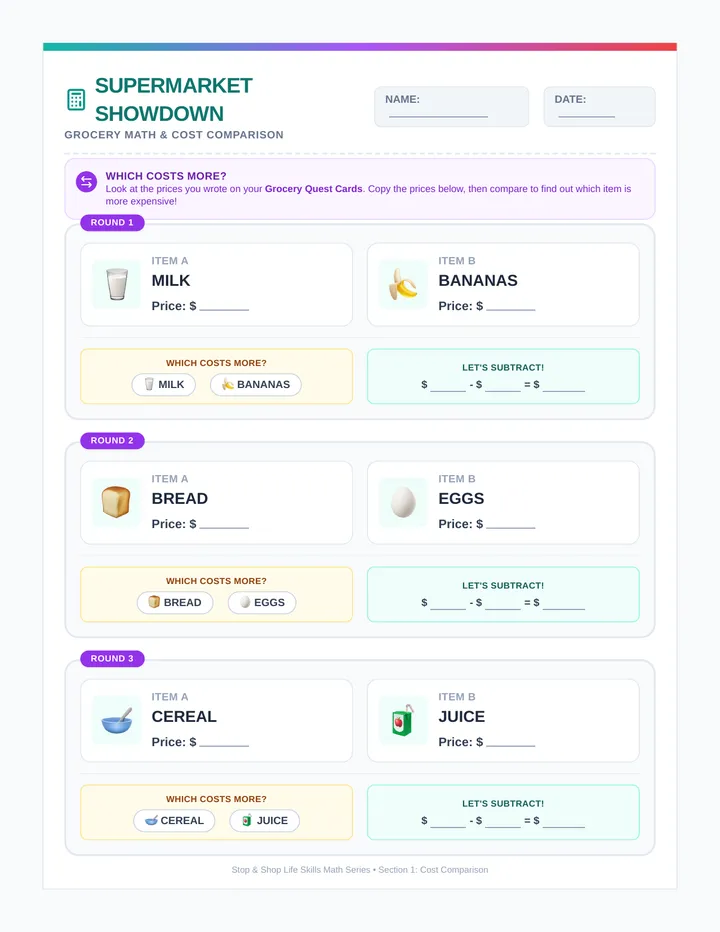
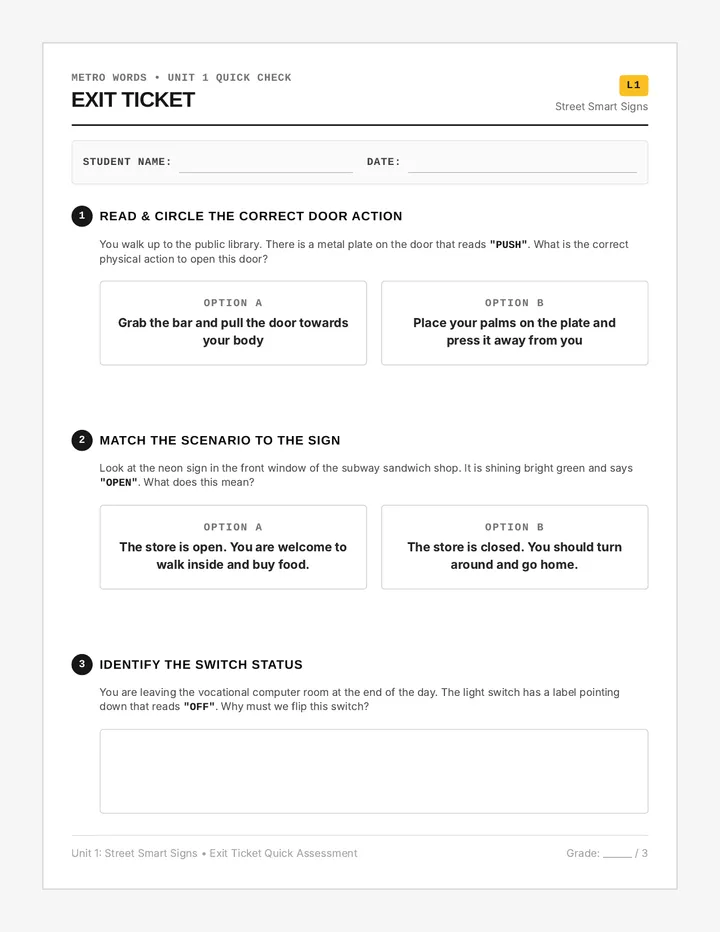
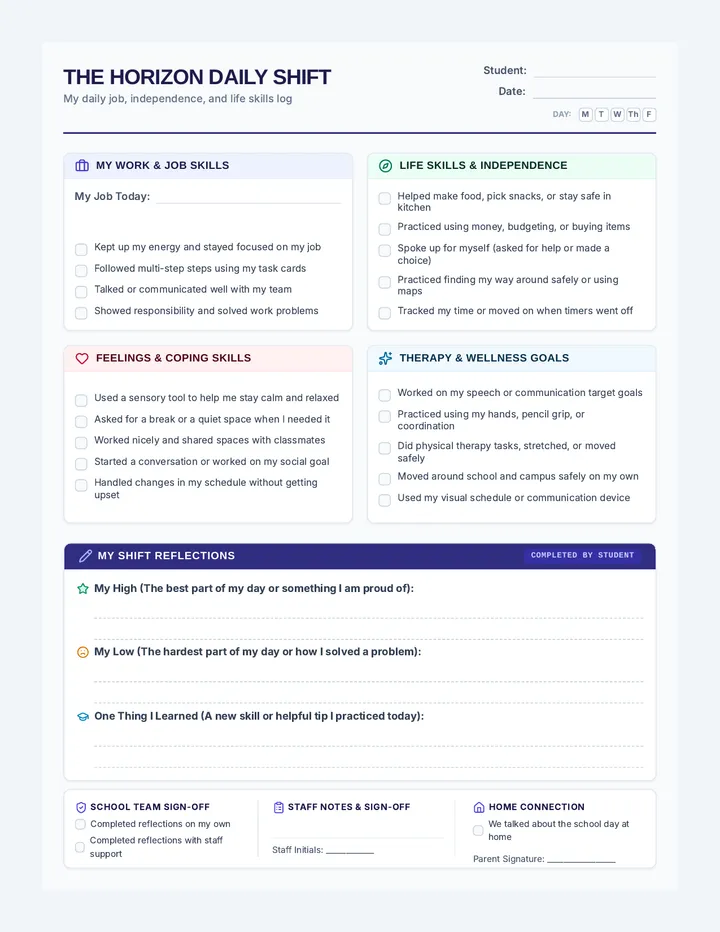
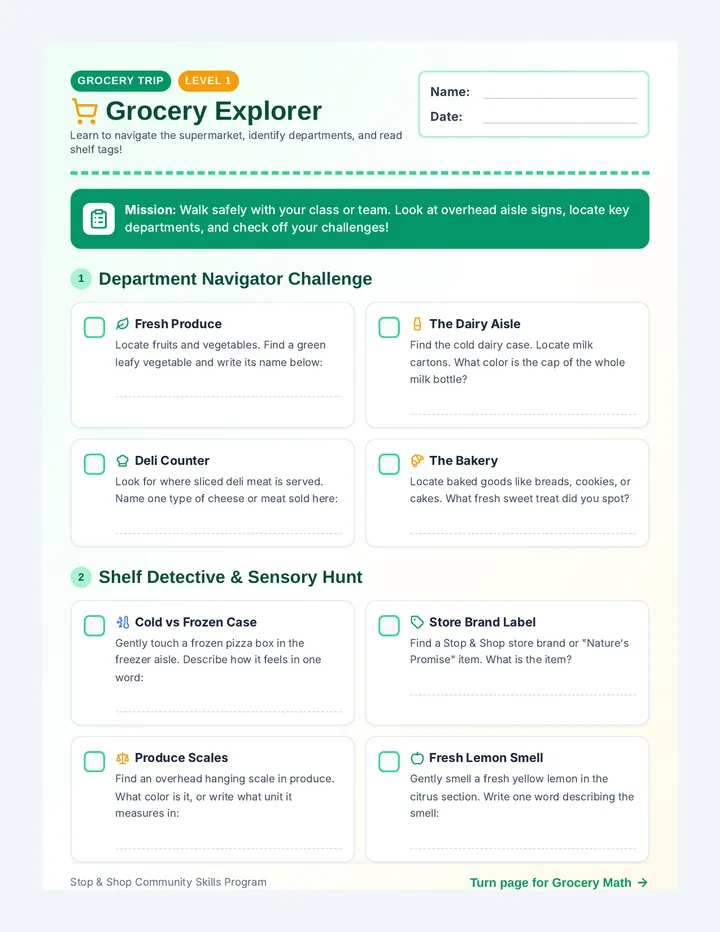
A comprehensive series of lessons designed to build community independence for students with intellectual disabilities, focusing on navigation, social interaction, and transactions in local spaces like CVS, the library, and cafes.
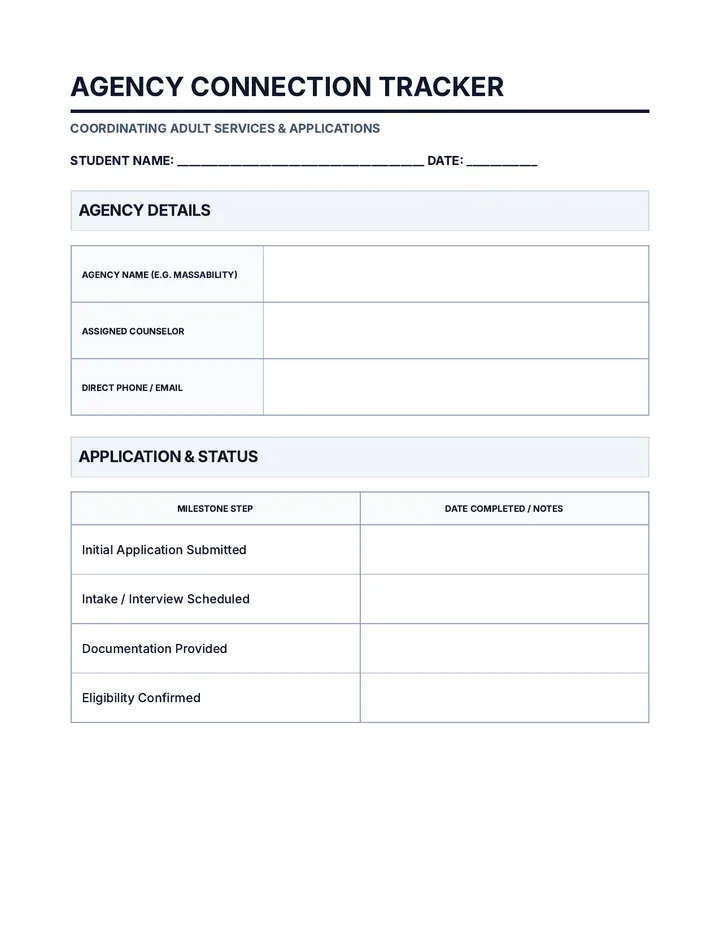
A 6-week life skills unit designed for high school students with low cognitive abilities, focusing on vocational readiness through visual resumes, on-campus job site visits, and simplified interview practice.
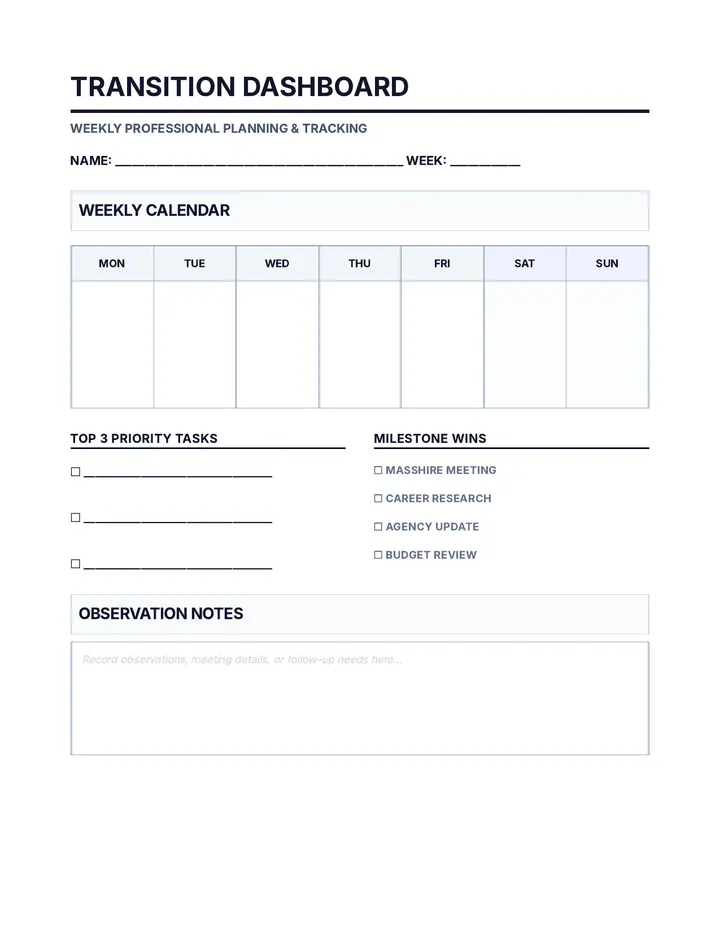
A comprehensive set of 10 evidence-ready work samples for the MCAS-Alt synonym identification strand, featuring consistent formatting for accuracy and independence tracking.
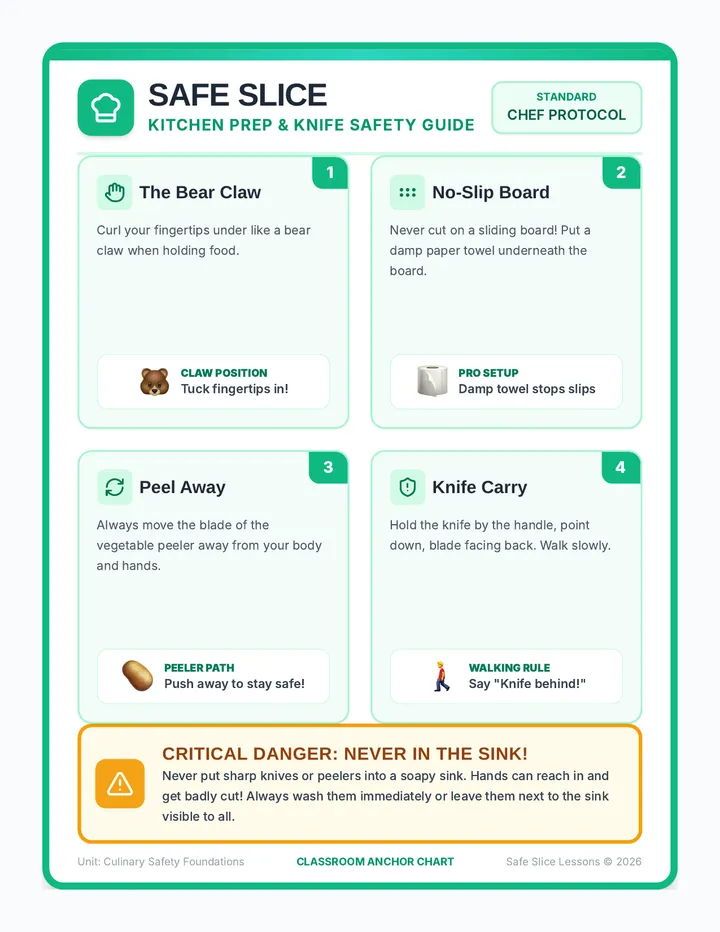
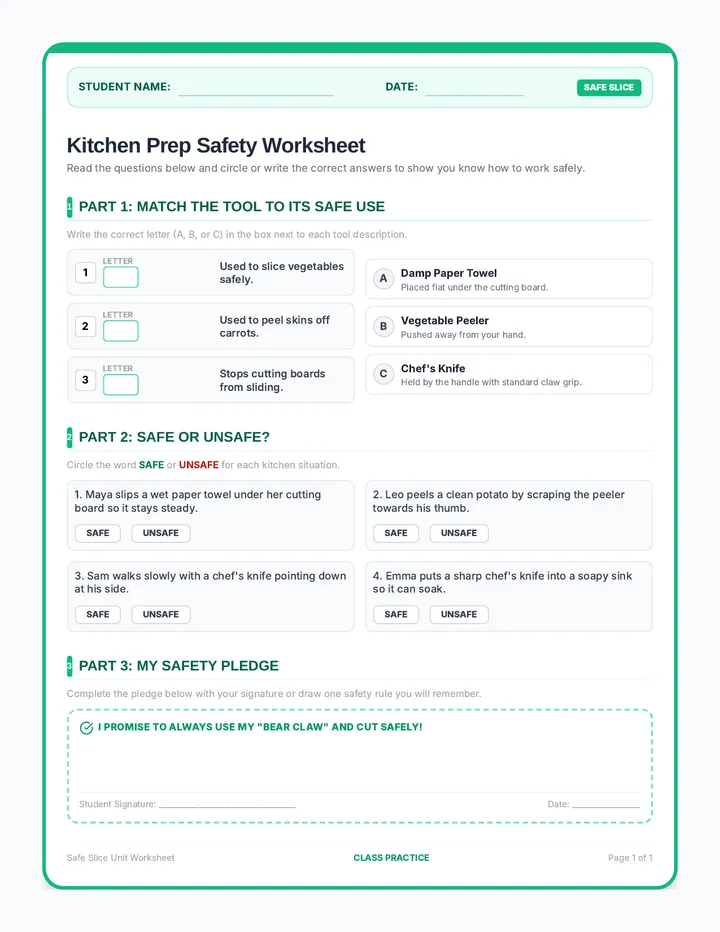
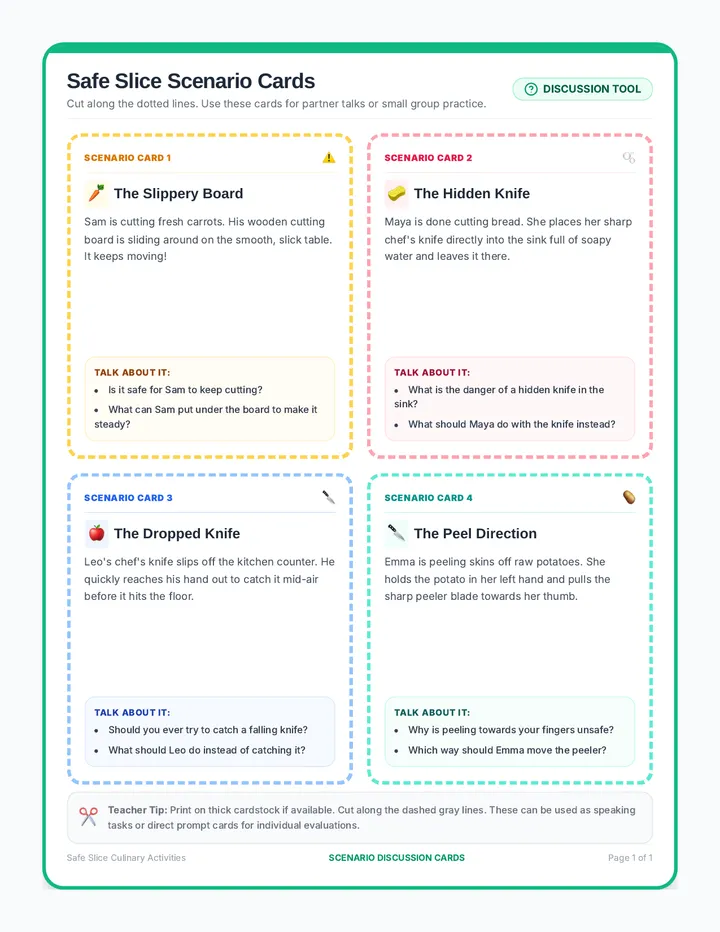
A 3-day life skills sequence for high school special education students to master the safe use of household tools and kitchen appliances through graphic organizers and project-based learning.
A series of mini-lessons designed to help students understand and optimize their working memory through environmental organization and cognitive strategies.
This life skills sequence for high schoolers with low cognitive abilities uses a traffic light model (Green, Yellow, Red) to teach digital safety. Students learn to navigate teen-relevant scenarios like social media requests, online shopping ads, and interacting with strangers in gaming or apps, focusing on the 'Pause and Ask' reflex.
A four-lesson sequence designed for a 10th-grade student with ADHD to manage boredom, prevent elopement, and develop self-regulation strategies when work is completed early. The sequence uses a 'Mission Control' theme to empower the student as the pilot of her own classroom experience.
A specialized social skills sequence for high school students focusing on executive function, emotional regulation, and social boundaries. This sequence uses a modern, tech-inspired 'Social Navigator' theme to engage 9th-grade students in self-monitoring and problem-solving.
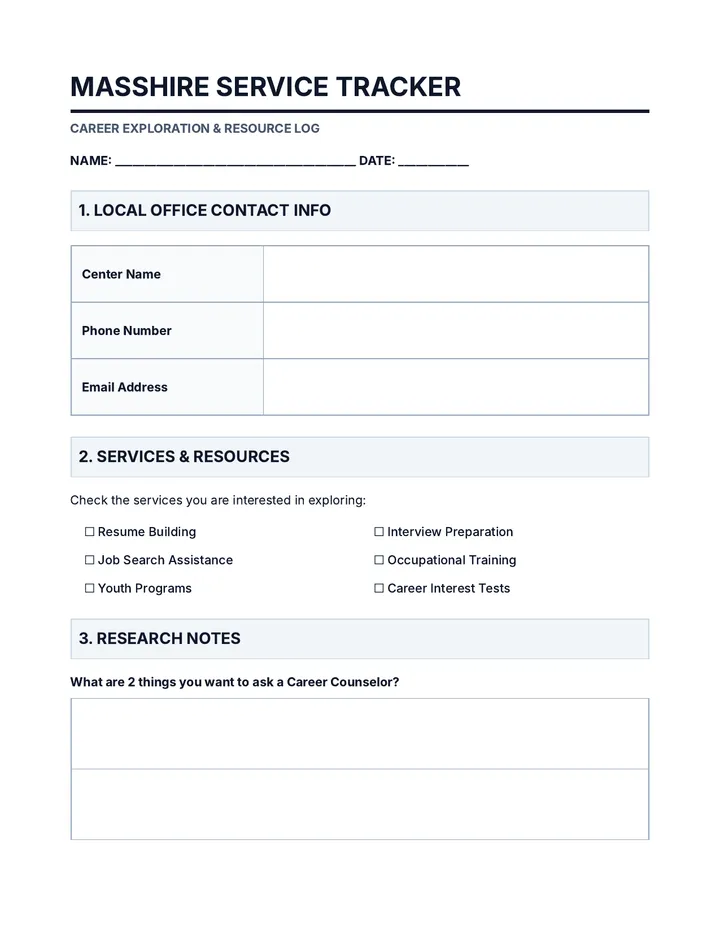
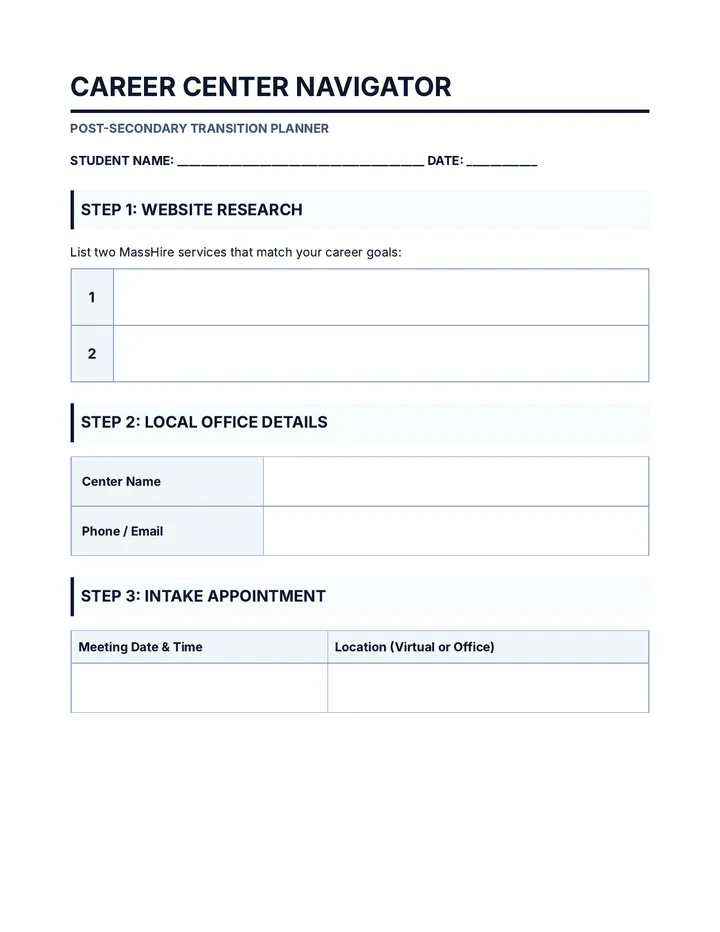
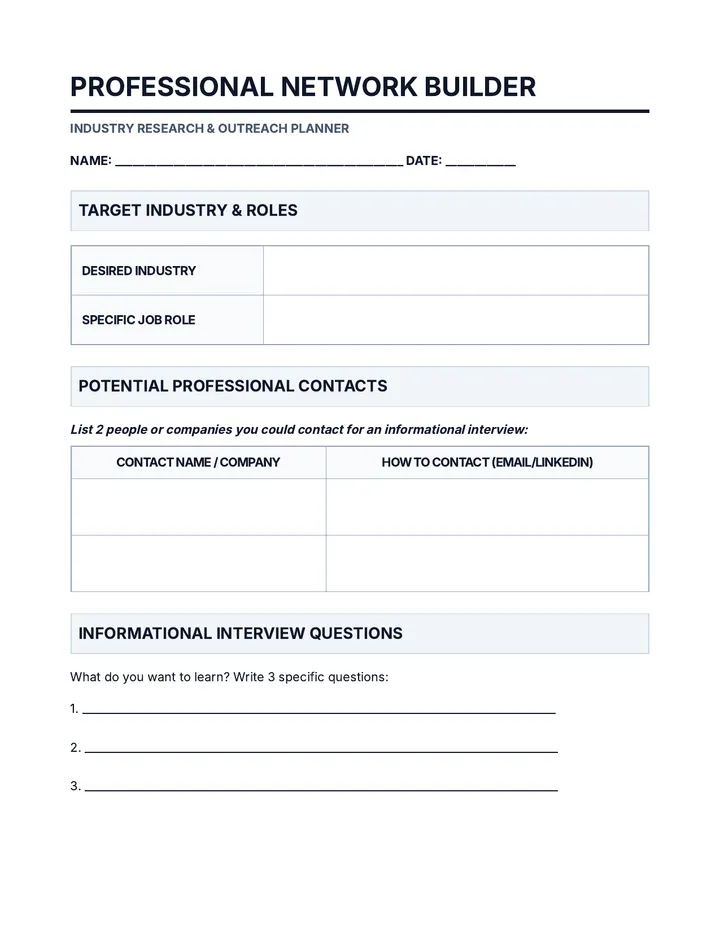
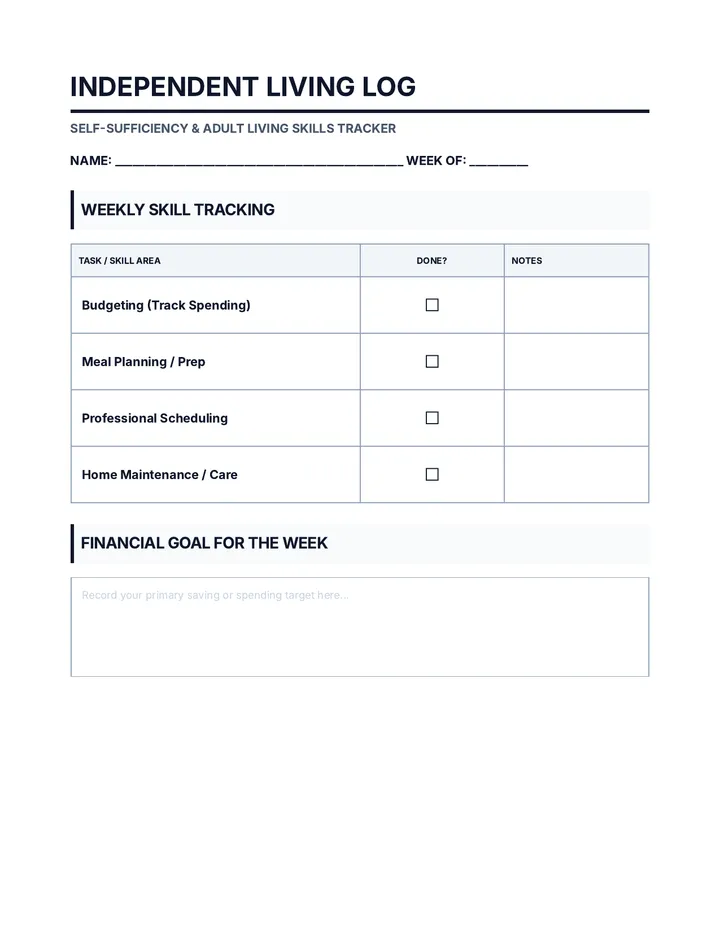
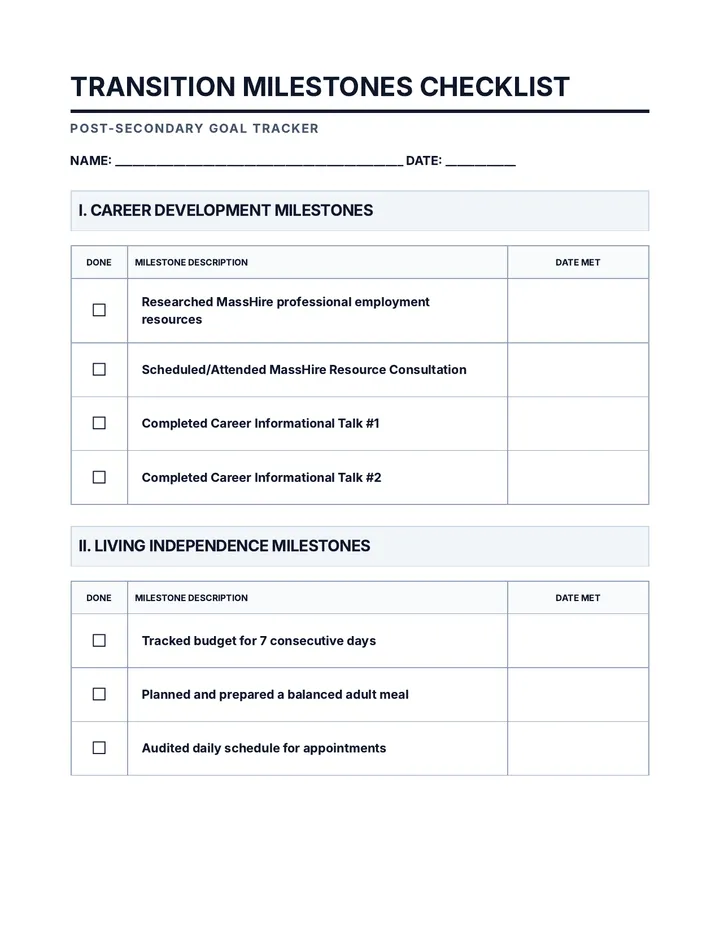
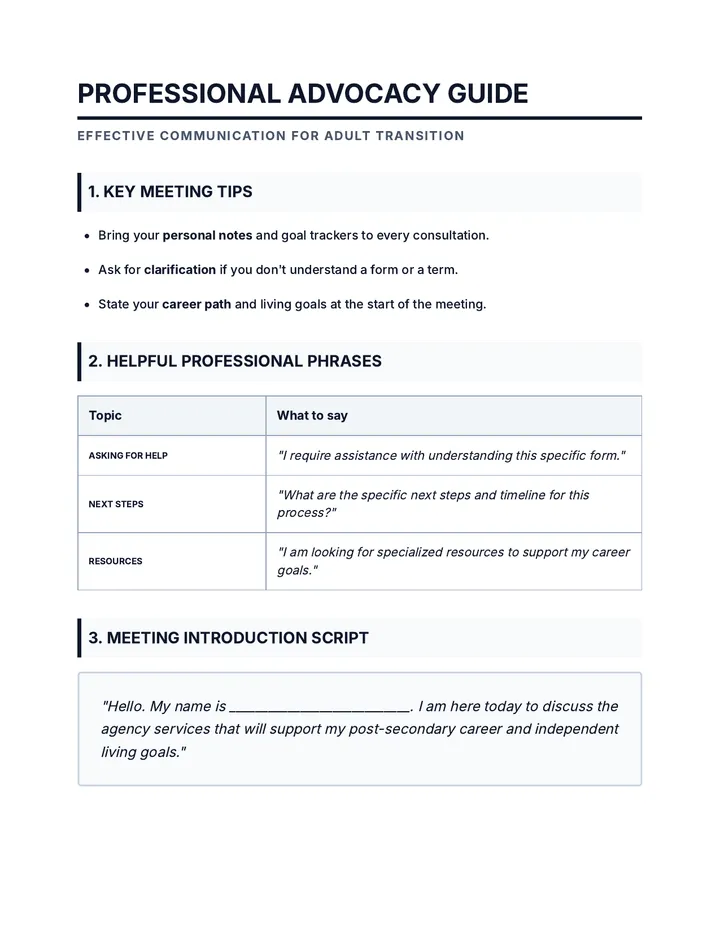
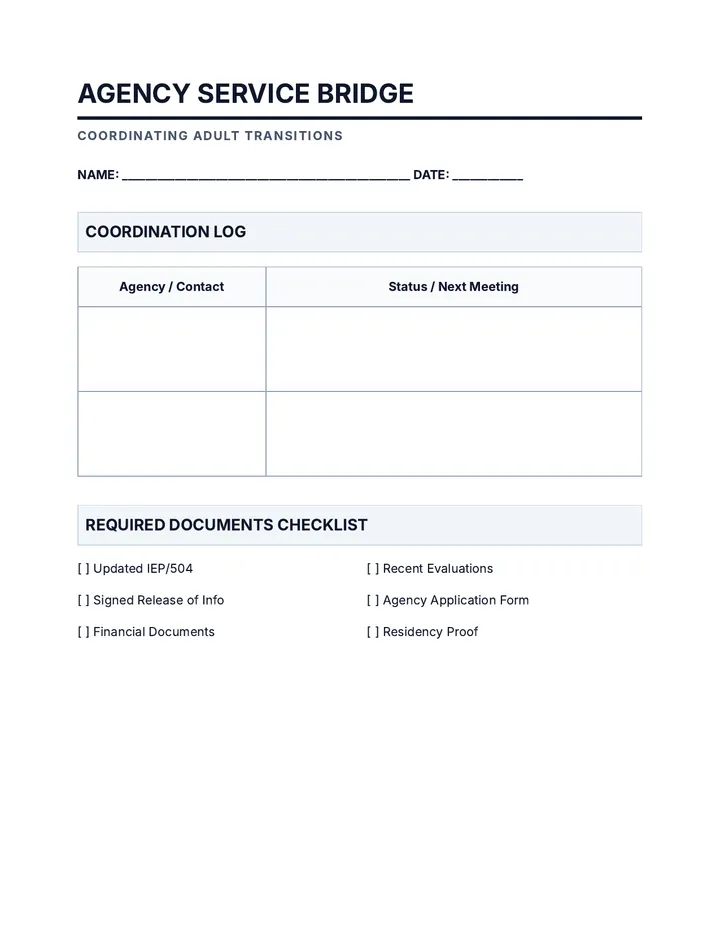
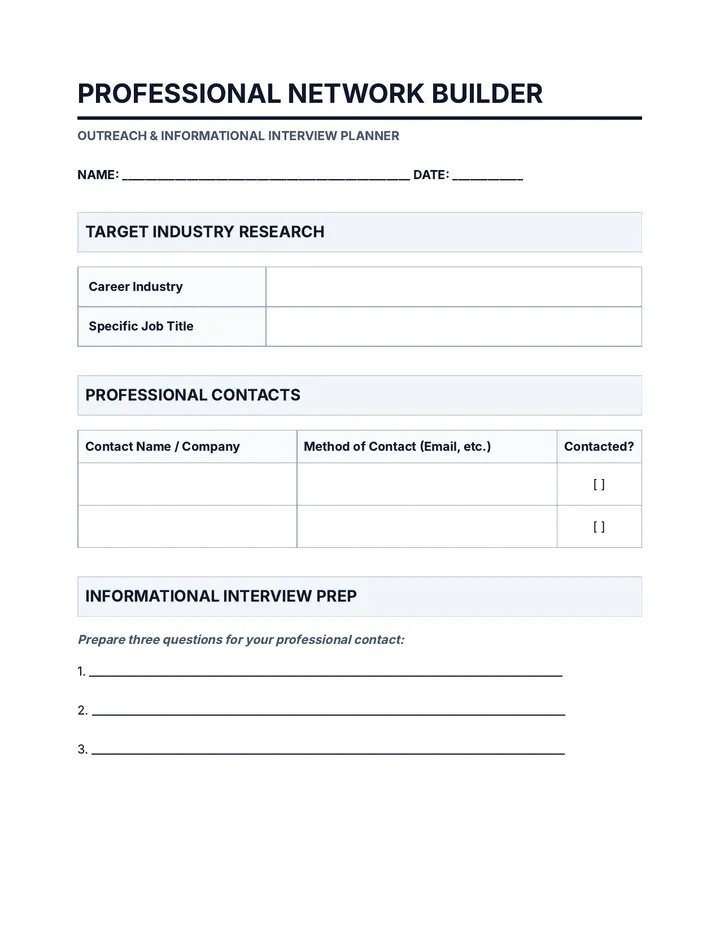
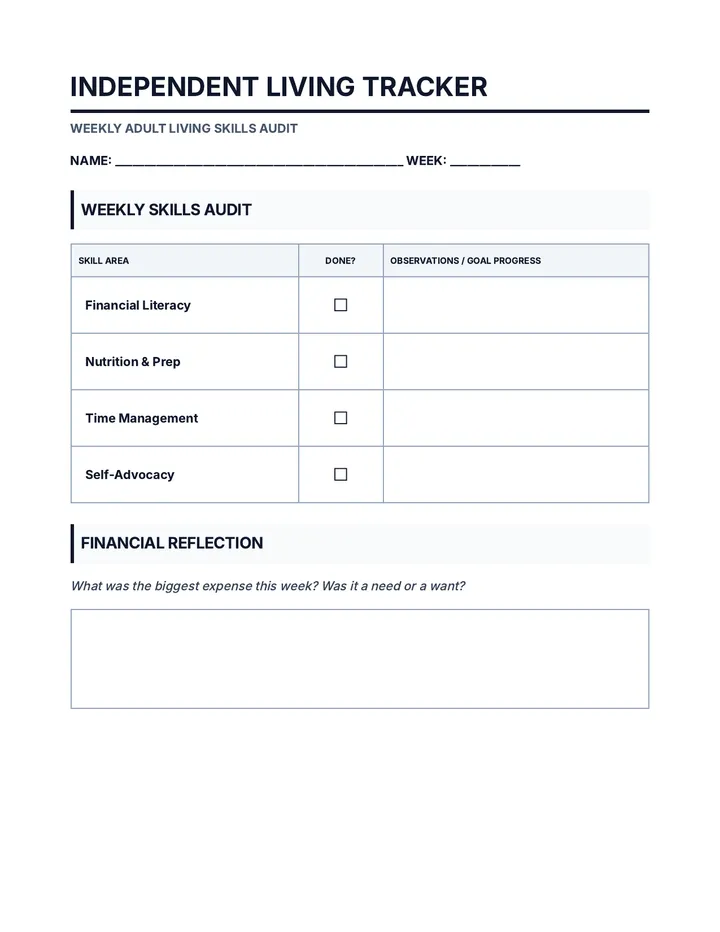
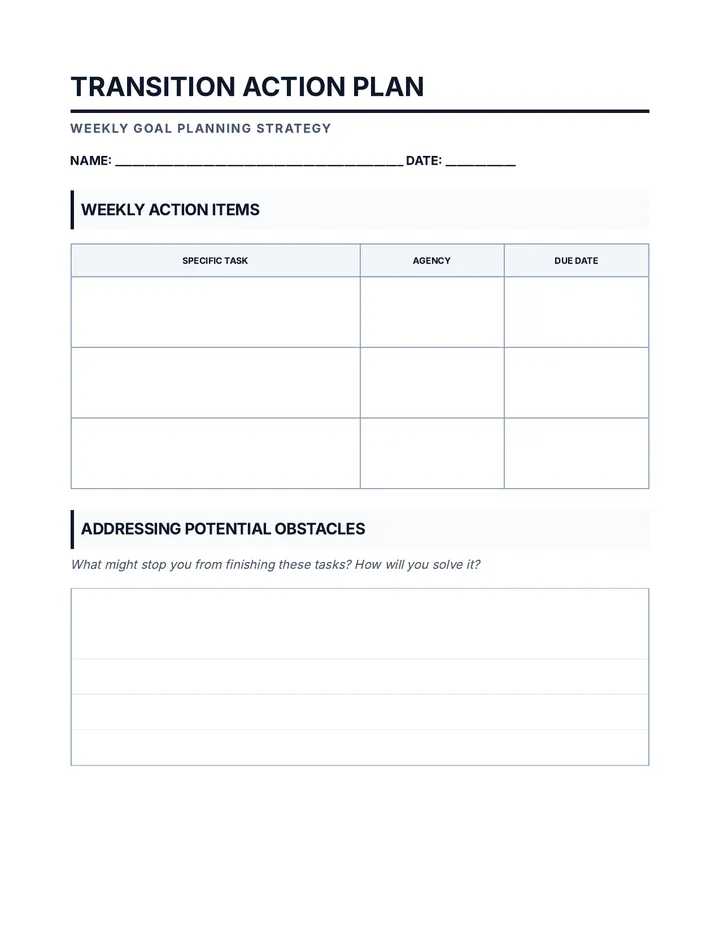
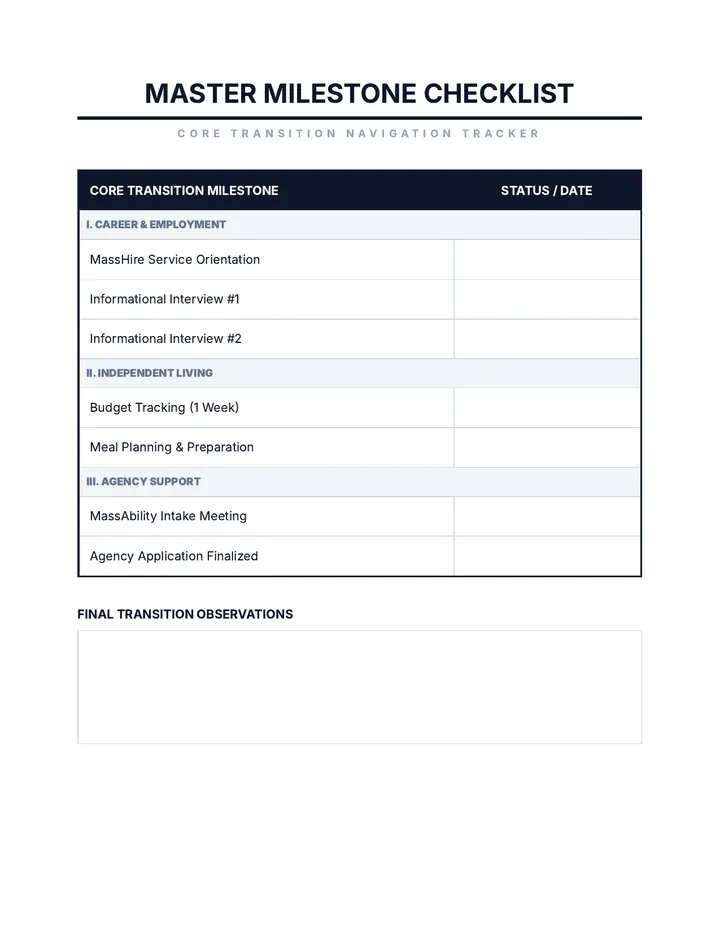
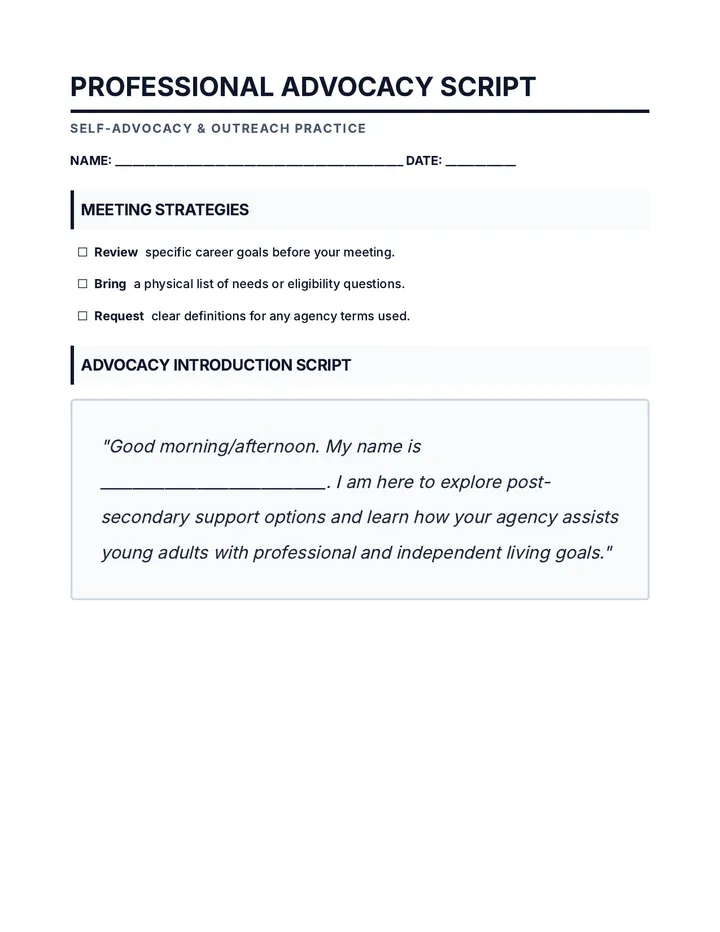
A comprehensive unit focused on preparing students with disabilities for the transition to post-secondary life, emphasizing self-advocacy, legal rights, and strategic disclosure.
A 10th-grade sequence focused on empowering students to manage their own IEP/504 timelines, accommodations, and administrative responsibilities through the lens of project management. Students transition from passive recipients of services to active managers of their educational milestones.
This sequence shifts the focus from assistive technology to the cognitive strategies required for auditory learning. Students engage in inquiry-based activities to distinguish between passive hearing and active listening, applying specific comprehension strategies while using text-to-speech (TTS) to access grade-level texts.
This sequence empowers 9th-grade students to integrate Text-to-Speech (TTS) into their high school workflows through self-advocacy and digital organization. Students move from identifying reading barriers in their schedules to creating a professional Access Plan for their teachers.
A technical sequence designed for high school students to master text-to-speech (TTS) tools. It covers tool selection, voice optimization, navigation shortcuts, troubleshooting inaccessible formats like PDFs, and ends with students creating a personal accessibility profile for independent academic success.
A comprehensive sequence designed to help 9th-grade students with executive function challenges develop, implement, and test personalized organizational systems. Students explore analog and digital tools, master calendar management, organize digital and physical spaces, and simulate real-world 'stress tests' to refine their chosen frameworks.
A technical workshop series designed to transition 10th-grade students from passive assistance to active mastery of Text-to-Speech technologies and OCR tools for academic independence.
A 10th-grade sequence focusing on the cognitive and analytical applications of Text-to-Speech (TTS). Students transition from using TTS as a basic accommodation to leveraging it as a sophisticated tool for proofreading, literary analysis, and research efficiency, culminating in a self-advocacy project.
A 10th-grade special education sequence focused on the strategic use of virtual manipulatives to bridge the gap between concrete modeling and abstract algebraic reasoning. Students progress from tool exploration to independent selection and justification.
This 5-lesson sequence focuses on identifying behavioral escalation patterns through objective observation, environmental analysis, and real-time simulation. Students learn to distinguish facts from interpretations, map environmental triggers, and track the escalation curve to improve early intervention strategies.
A project-based sequence for 10th-grade students to create external memory aids and visual anchors that compensate for working memory limitations. Students explore visual processing, color-coding, and linear design to build a personalized 'Visual Toolkit' for managing single-step directions.
A cognitive strategy sequence for 10th-grade students focused on deconstructing complex academic prompts into manageable single-step tasks to support working memory and executive function.
A 10th-grade special education sequence focused on self-advocacy and working memory. Students learn to recognize cognitive overload and professionally request single-step instructions in academic and professional settings.
A specialized sequence for 10th-grade students focusing on auditory working memory. Through five gamified lessons, students master verbal rehearsal, paraphrasing, and self-advocacy techniques to improve their ability to focus on and execute single-step oral directions.
This 5-lesson sequence empowers 9th-grade students to manage cognitive load through self-advocacy. Students explore working memory, identify overload signals, develop communication scripts, and practice negotiating accommodations for single-step directions.
This sequence empowers students with working memory challenges to use digital tools to linearize tasks. Students learn to offload cognitive burden by using task managers, voice assistants, QR codes, and accessibility features to focus on one step at a time.
A 5-lesson sequence for 9th-grade students focusing on working memory through sequential task completion. Students learn to manage complex tasks by breaking them into single, manageable steps using culinary and assembly-based projects.
This sequence focuses on vocational and life skills, applying single-step direction following to physical assembly and procedural tasks. Students learn to navigate technical diagrams and standard operating procedures by isolating one action at a time to support working memory.
A 5-lesson unit for 8th-grade students focusing on using digital tools to offload working memory and manage cognitive load. Students learn to use task managers, focus modes, sequential reminders, and assistive speech technologies to create a personalized digital workflow for school success.
A 10th-grade Special Education sequence focusing on mastering keyboard shortcuts within vocational contexts like email, scheduling, and troubleshooting to build professional independence.
A sequence designed for 10th-grade students to master keyboard shortcut navigation within web browsers, promoting independence and accessibility for students with diverse needs. The progression moves from basic window and tab management to advanced search techniques and full keyboard-only research.
A comprehensive sequence for 10th-grade students with motor or visual impairments to master operating system navigation using only keyboard shortcuts. It covers focus indicators, menu navigation, file management, and system settings.