A 5-lesson sequence for 9th-grade students focusing on working memory through sequential task completion. Students learn to manage complex tasks by breaking them into single, manageable steps using culinary and assembly-based projects.
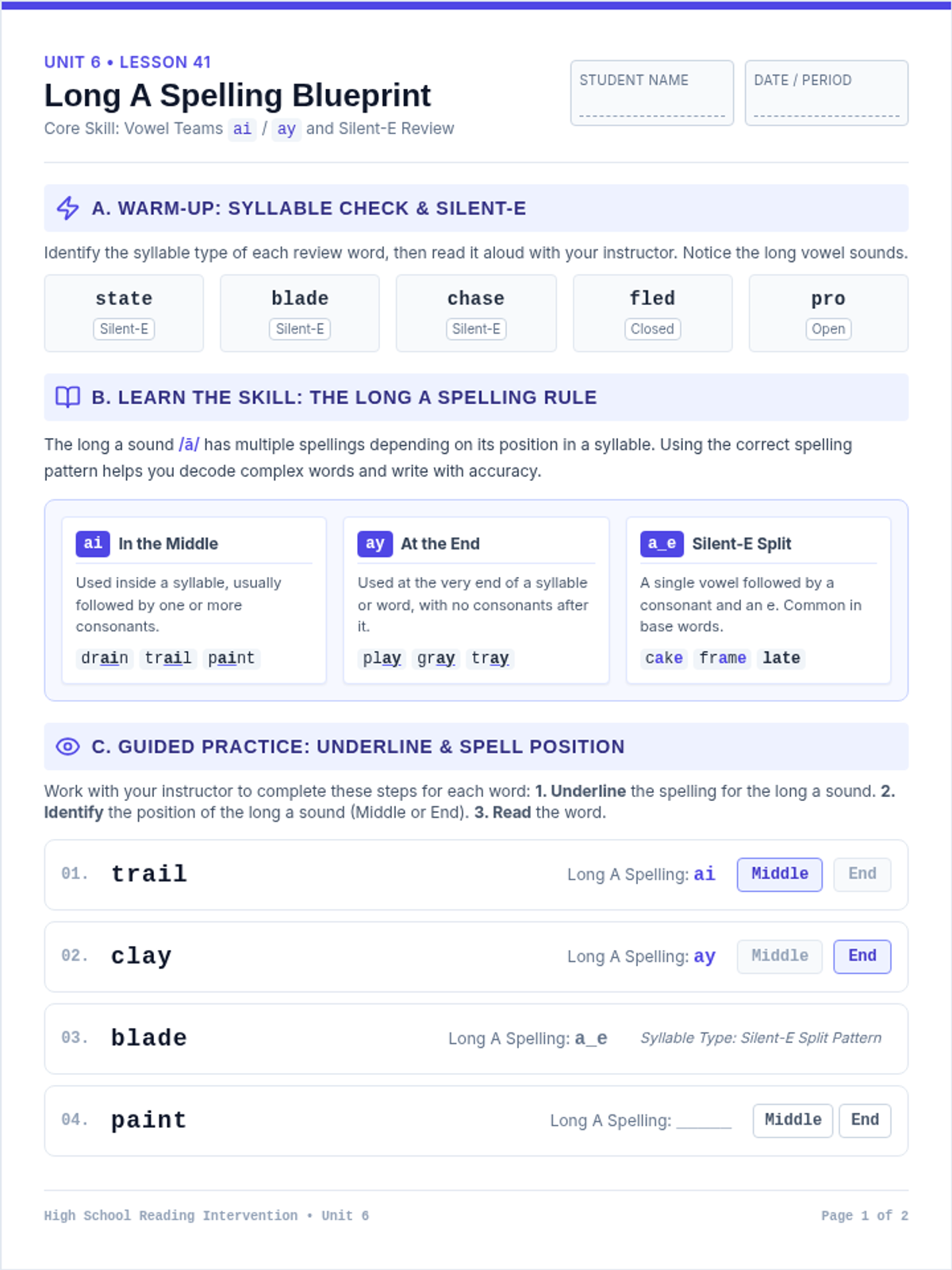
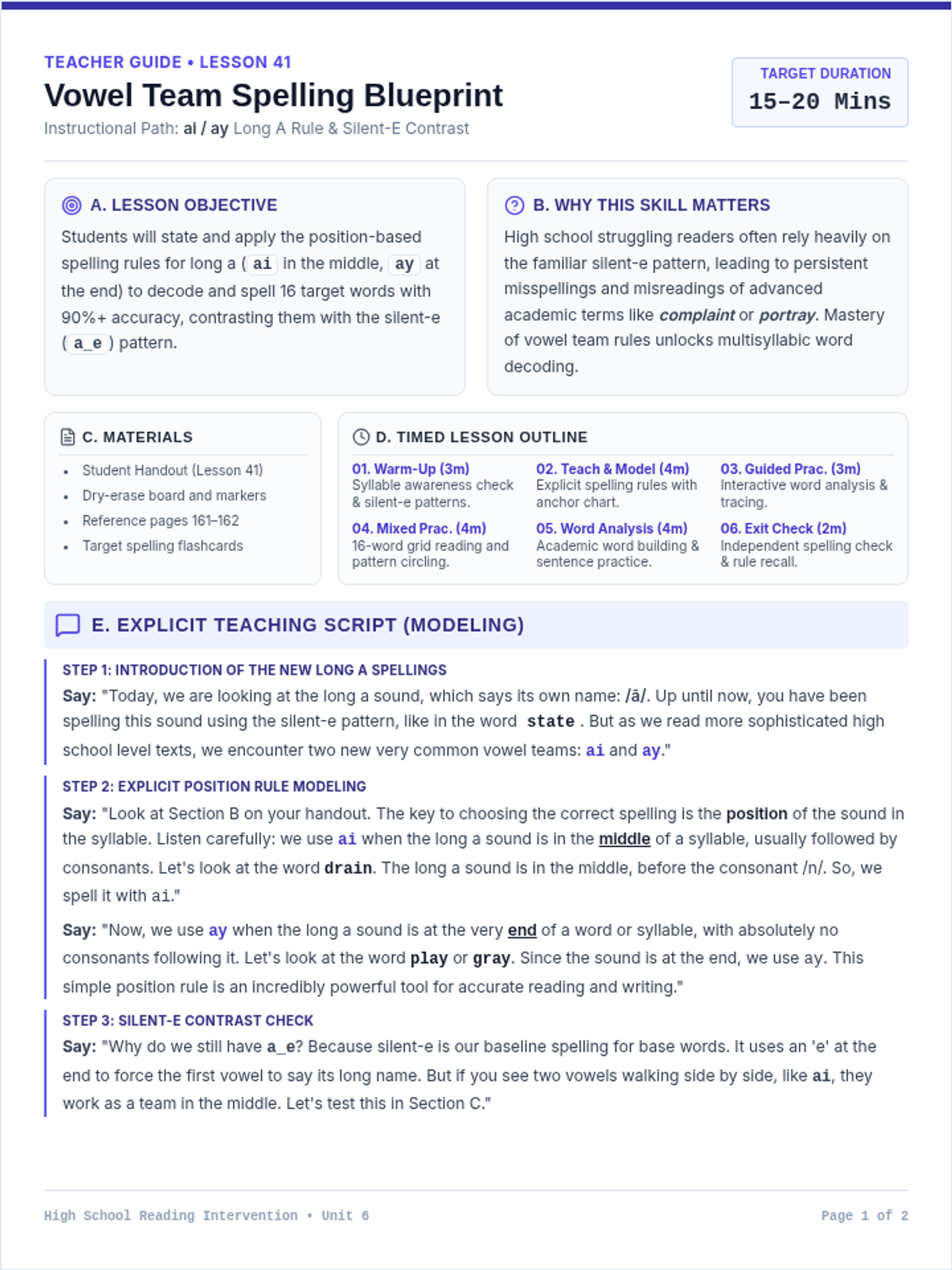
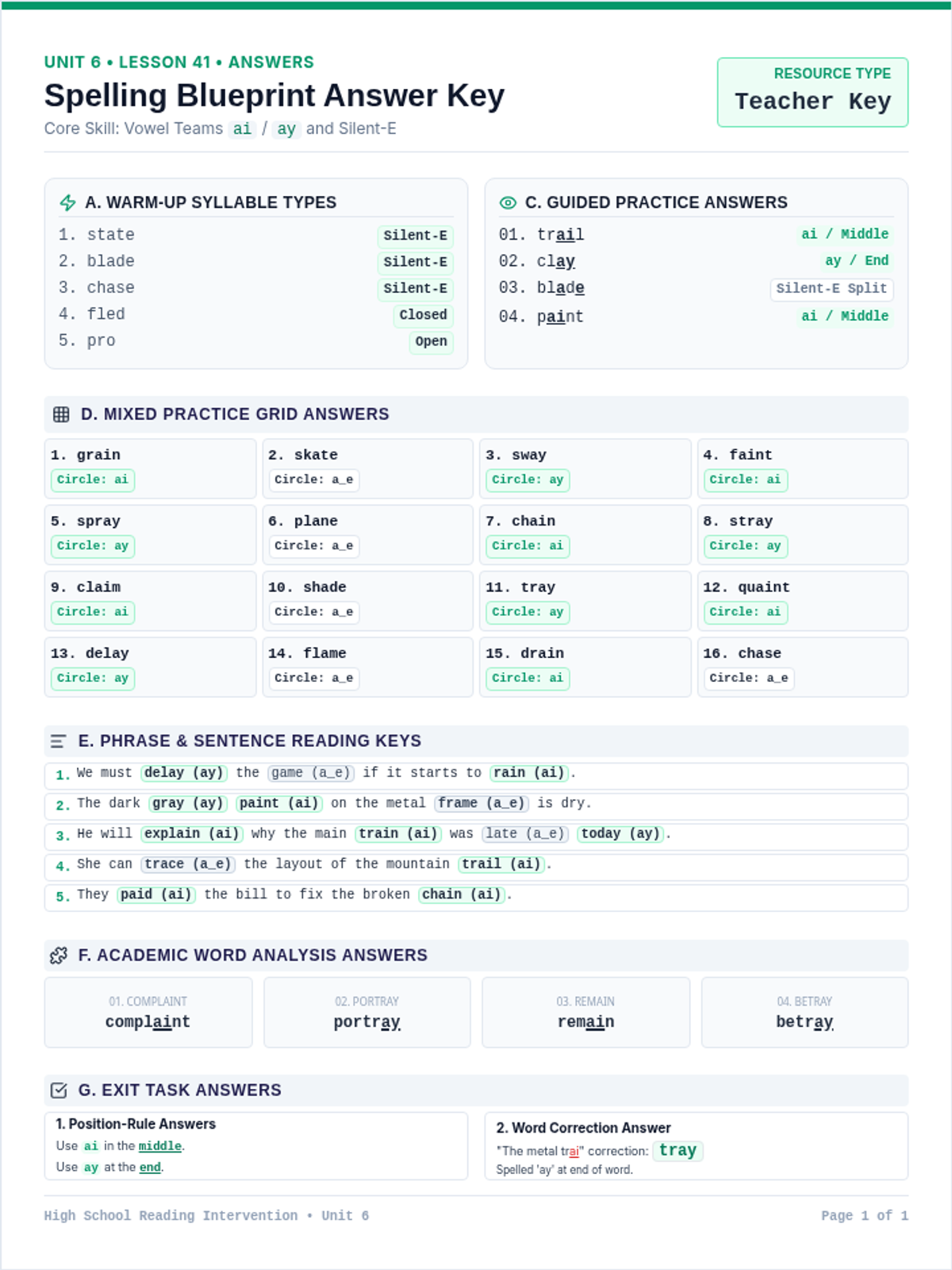
A cohesive 5-lesson intervention sequence for high school struggling readers focusing on long vowel teams (ai/ay, ee/ea/ey, oa/ow/oe, ie/igh), contrasting them with silent-e patterns and reinforcing cumulative syllable types.
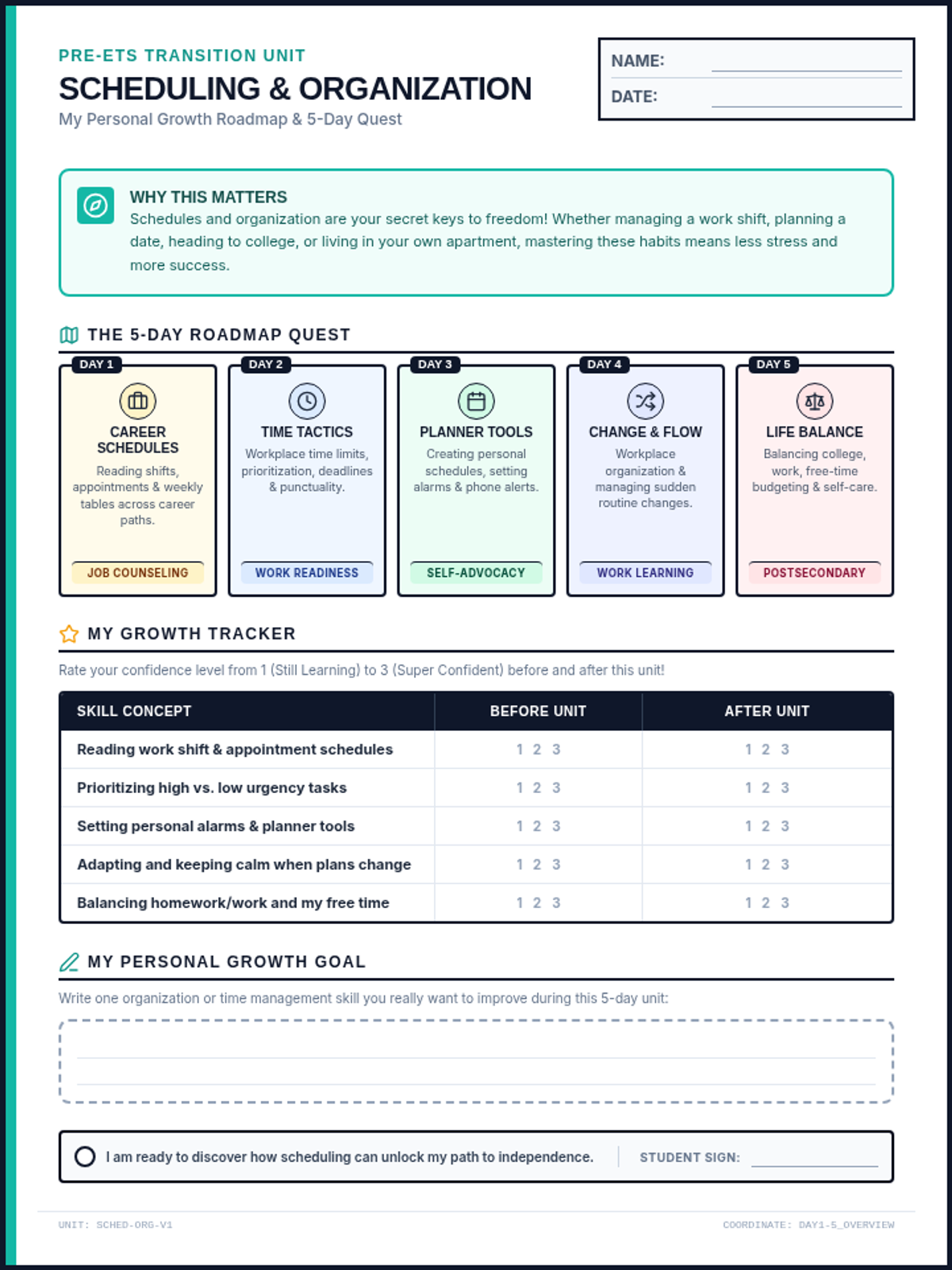
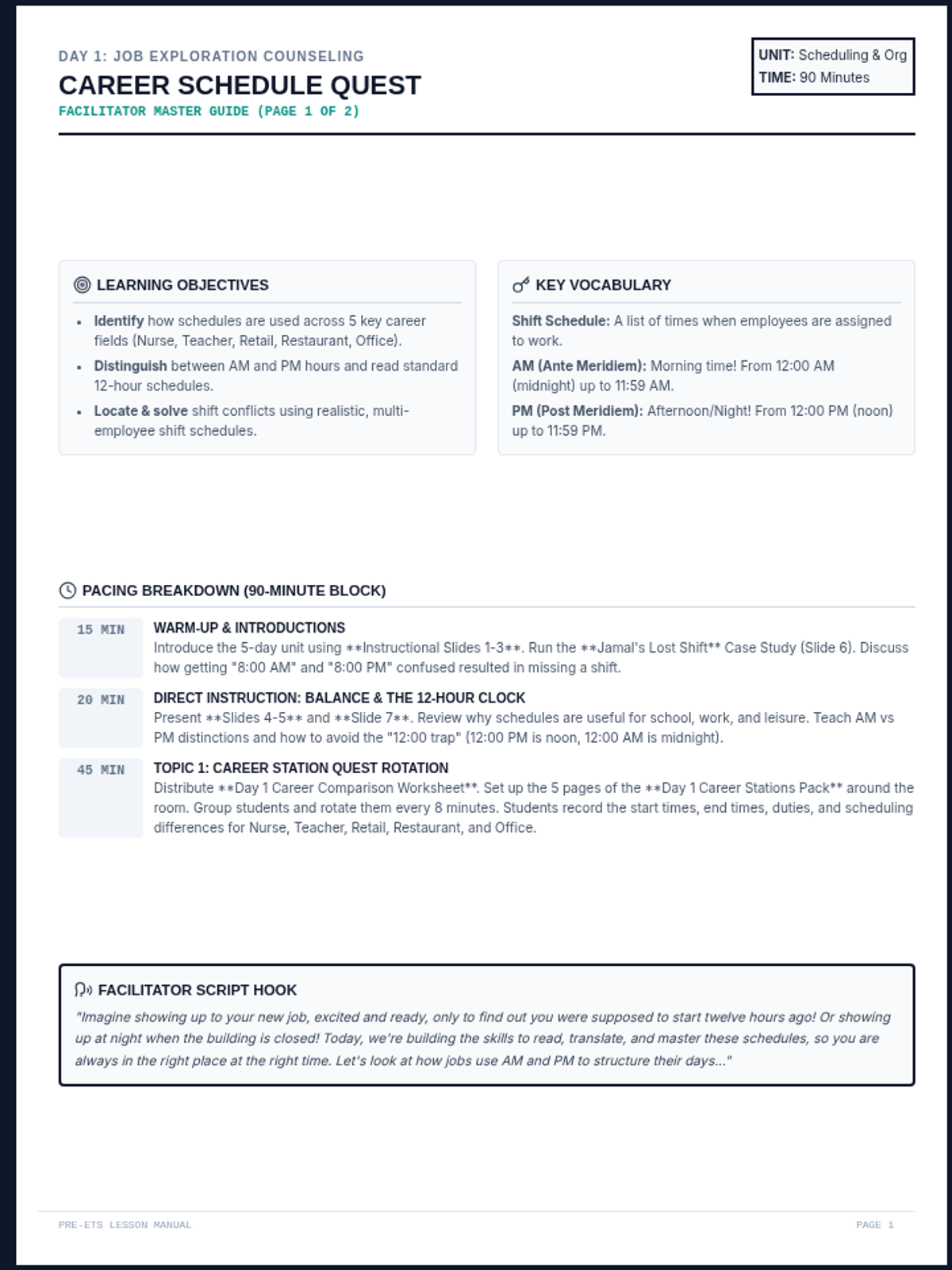
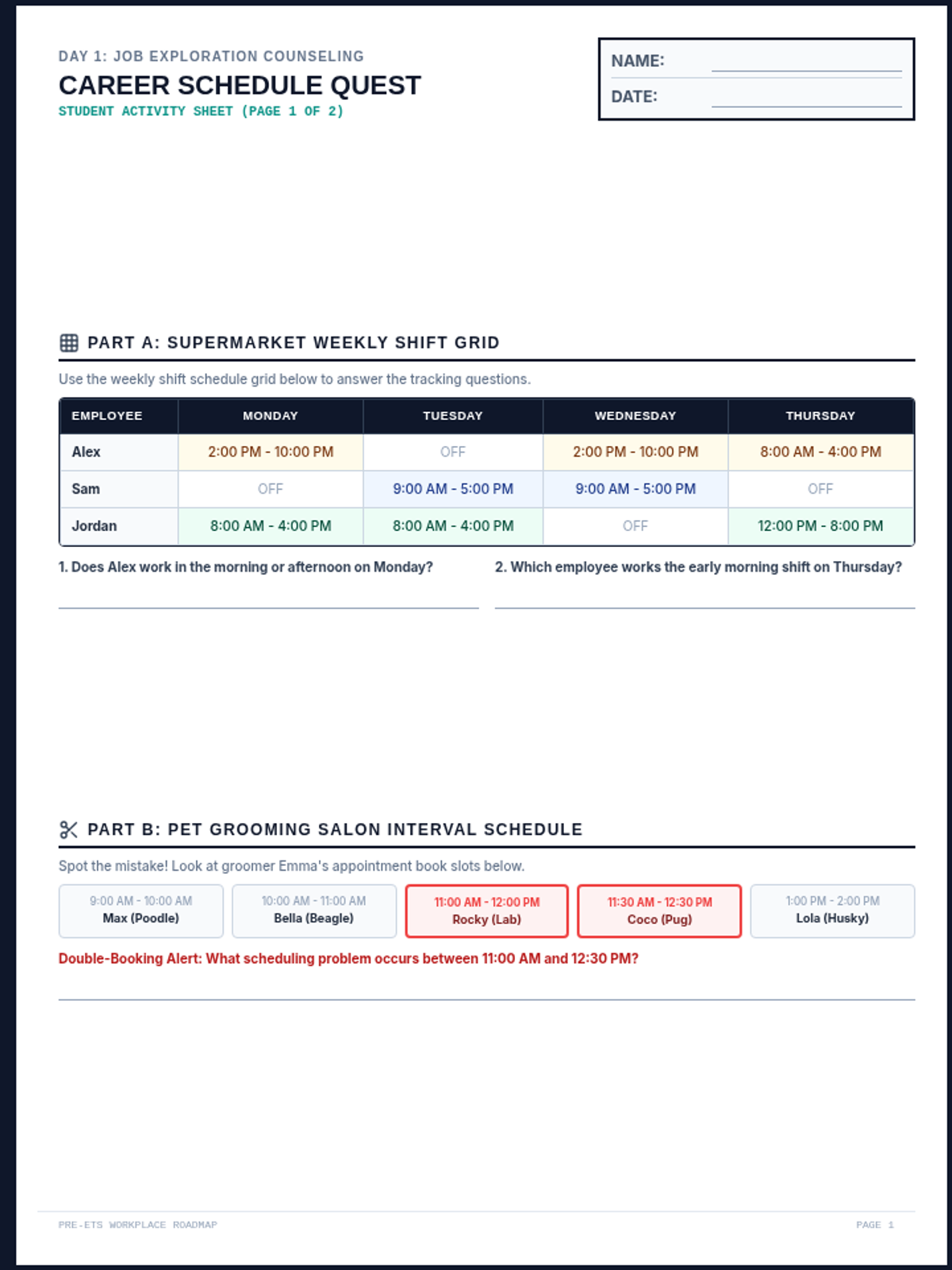
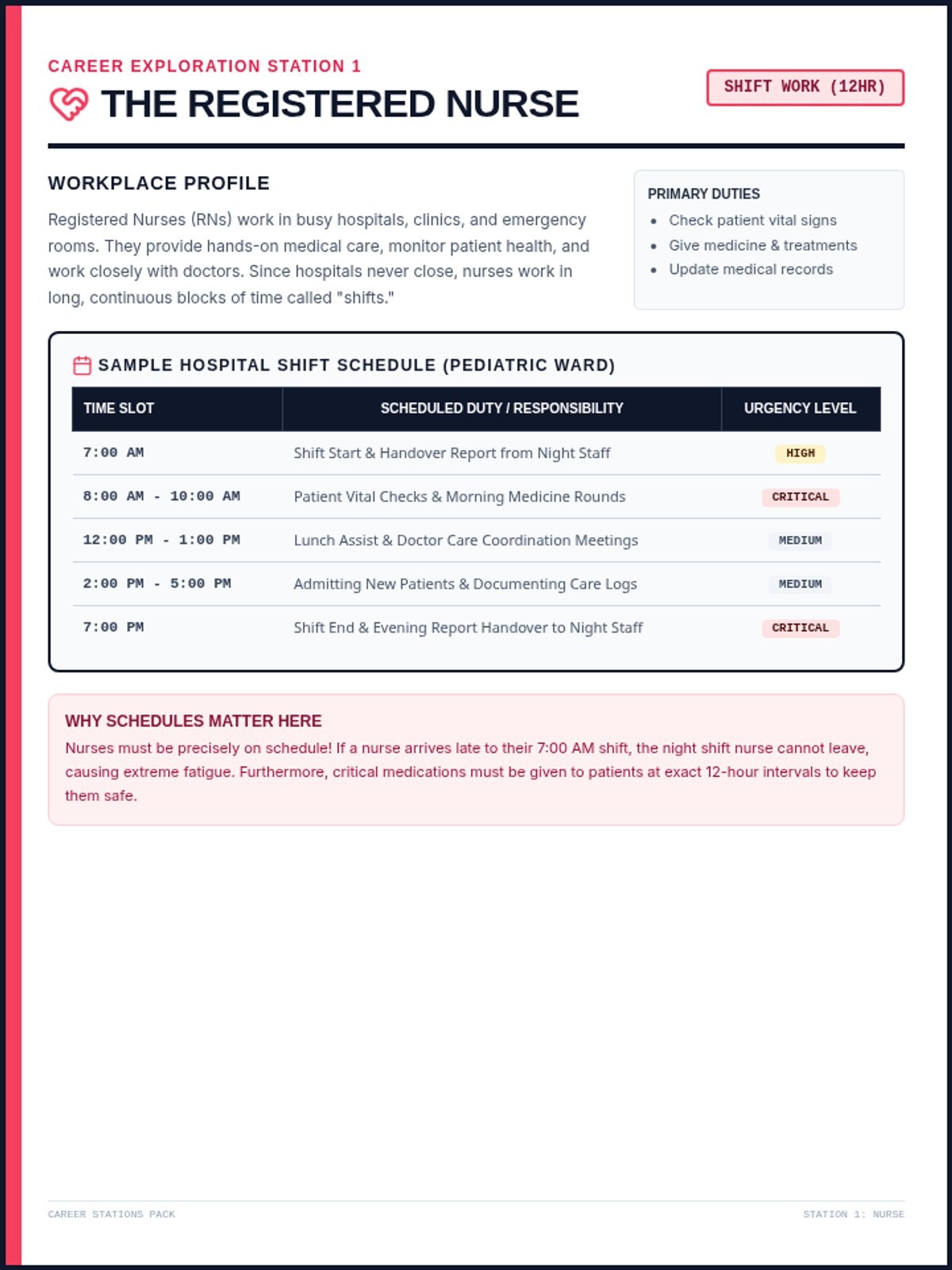
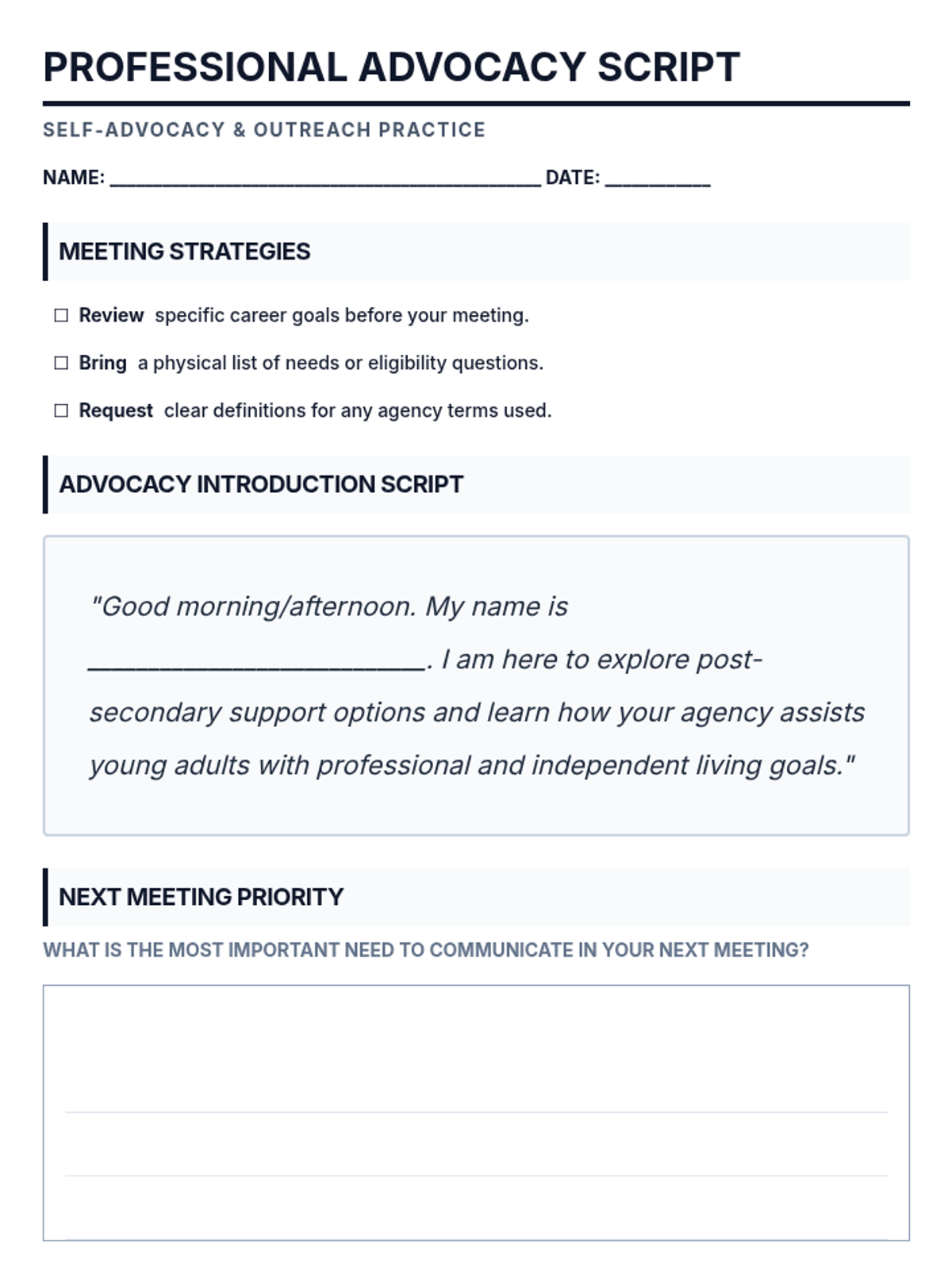
A comprehensive 5-day transition curriculum designed for high school SPED students to master real-world scheduling, time management, workplace organization, and self-advocacy.
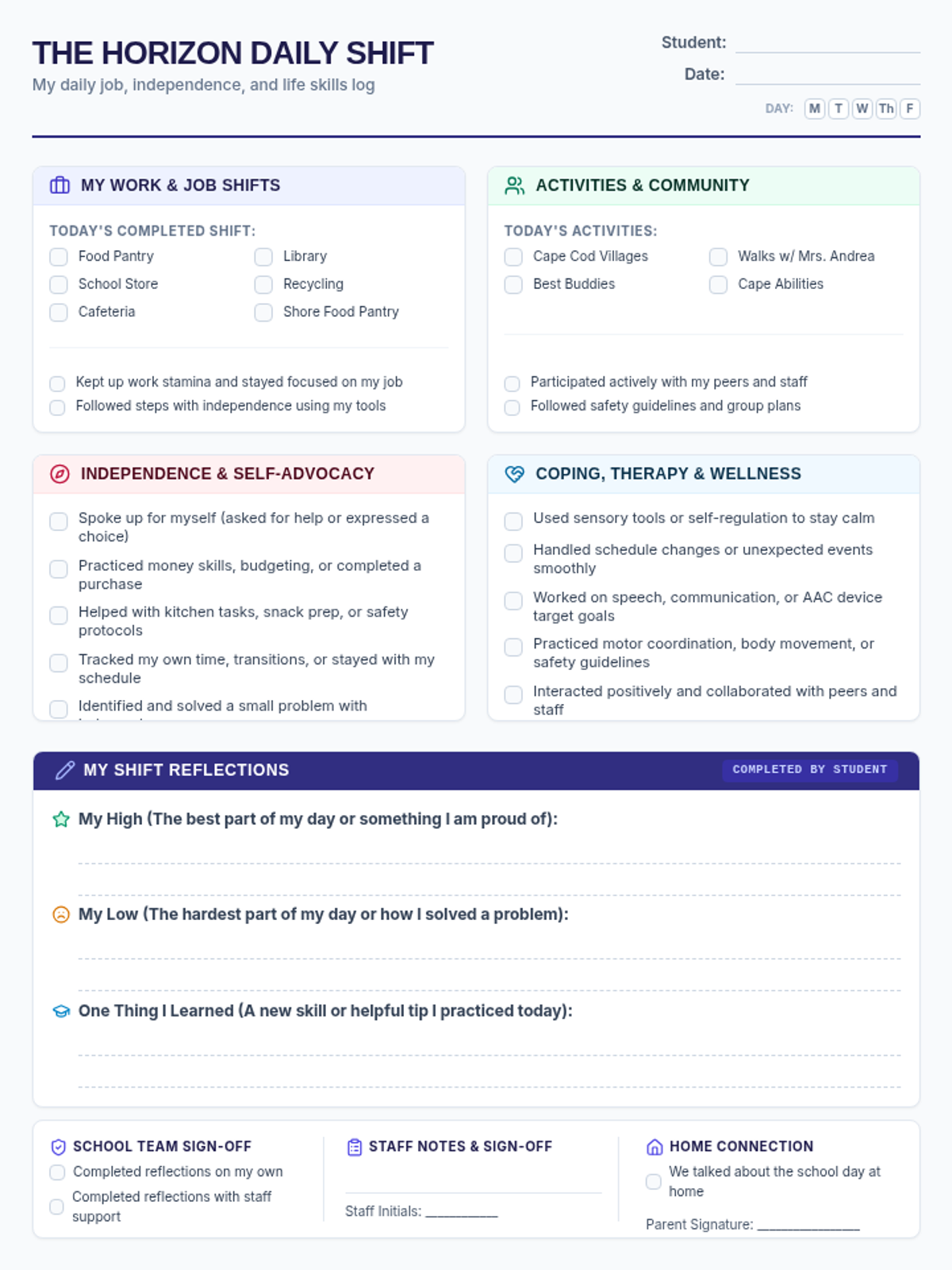
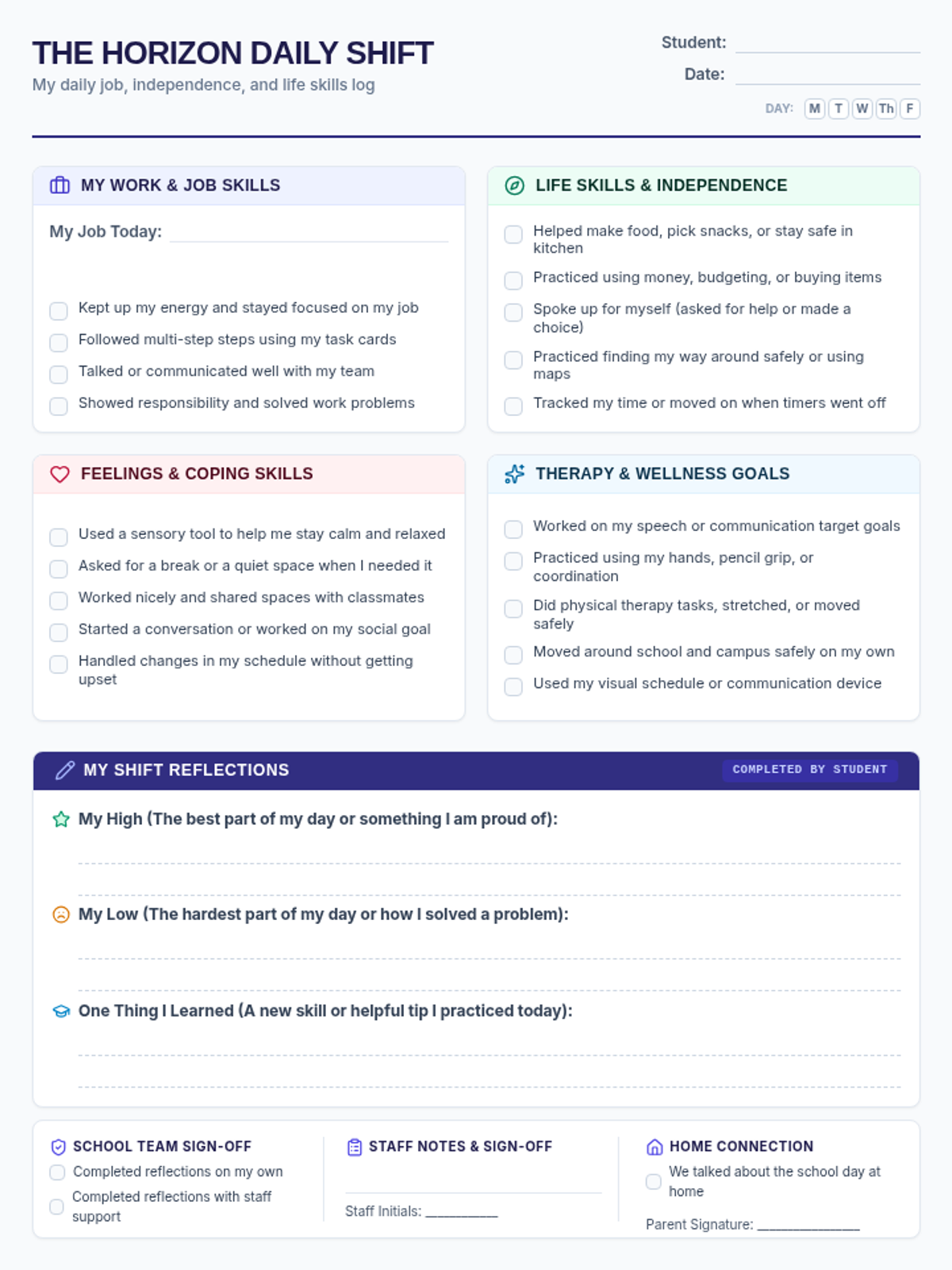
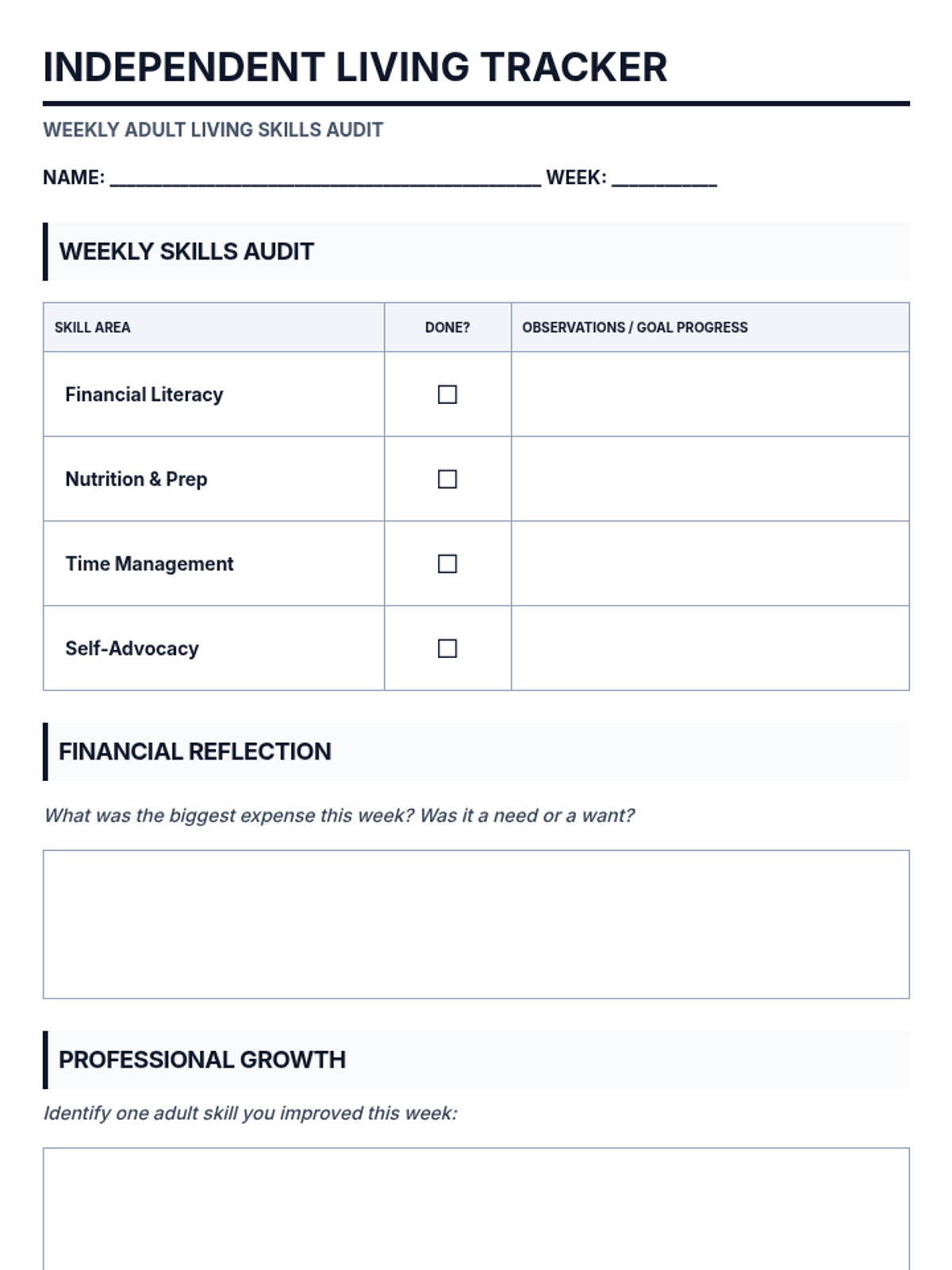
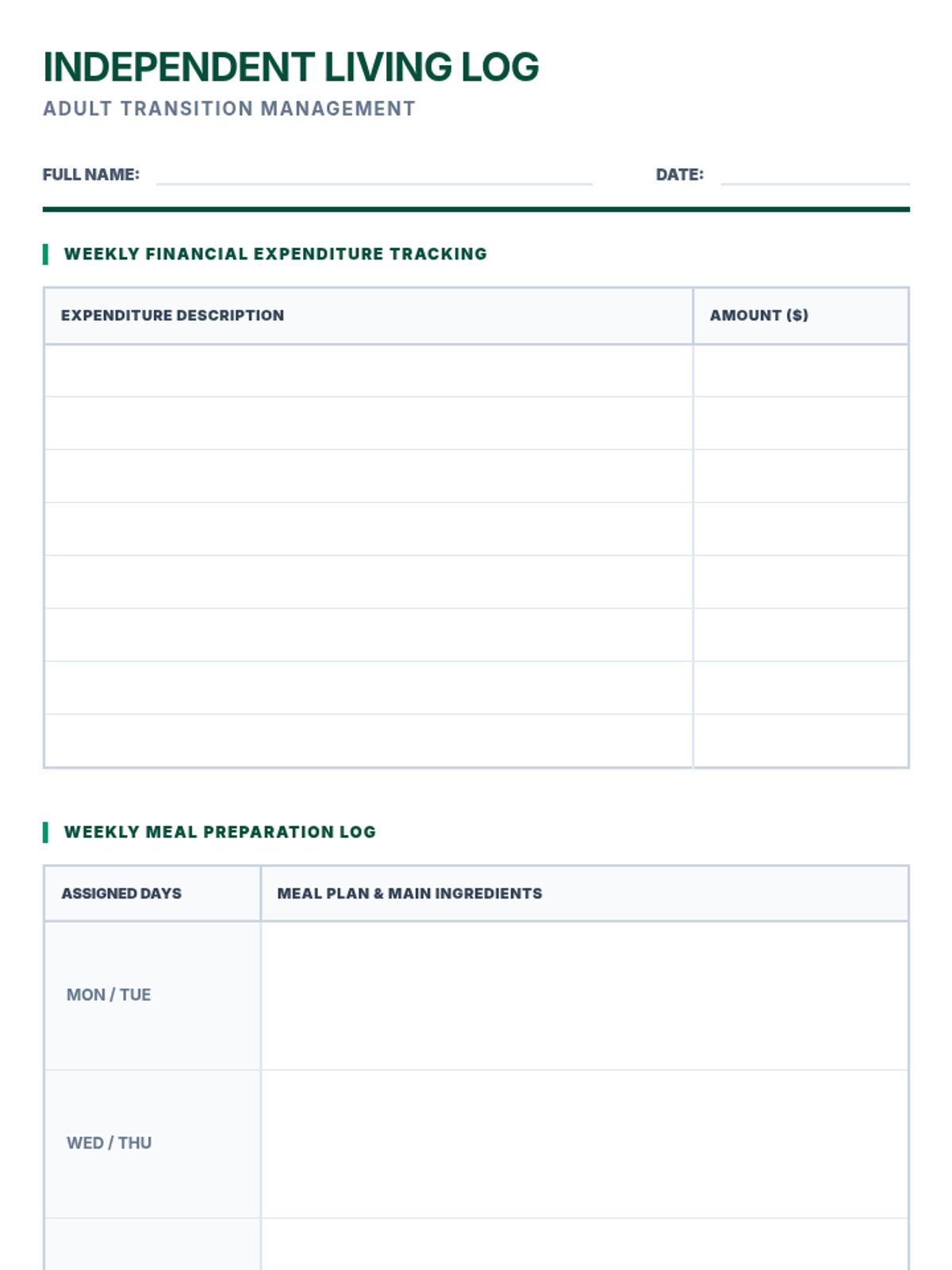
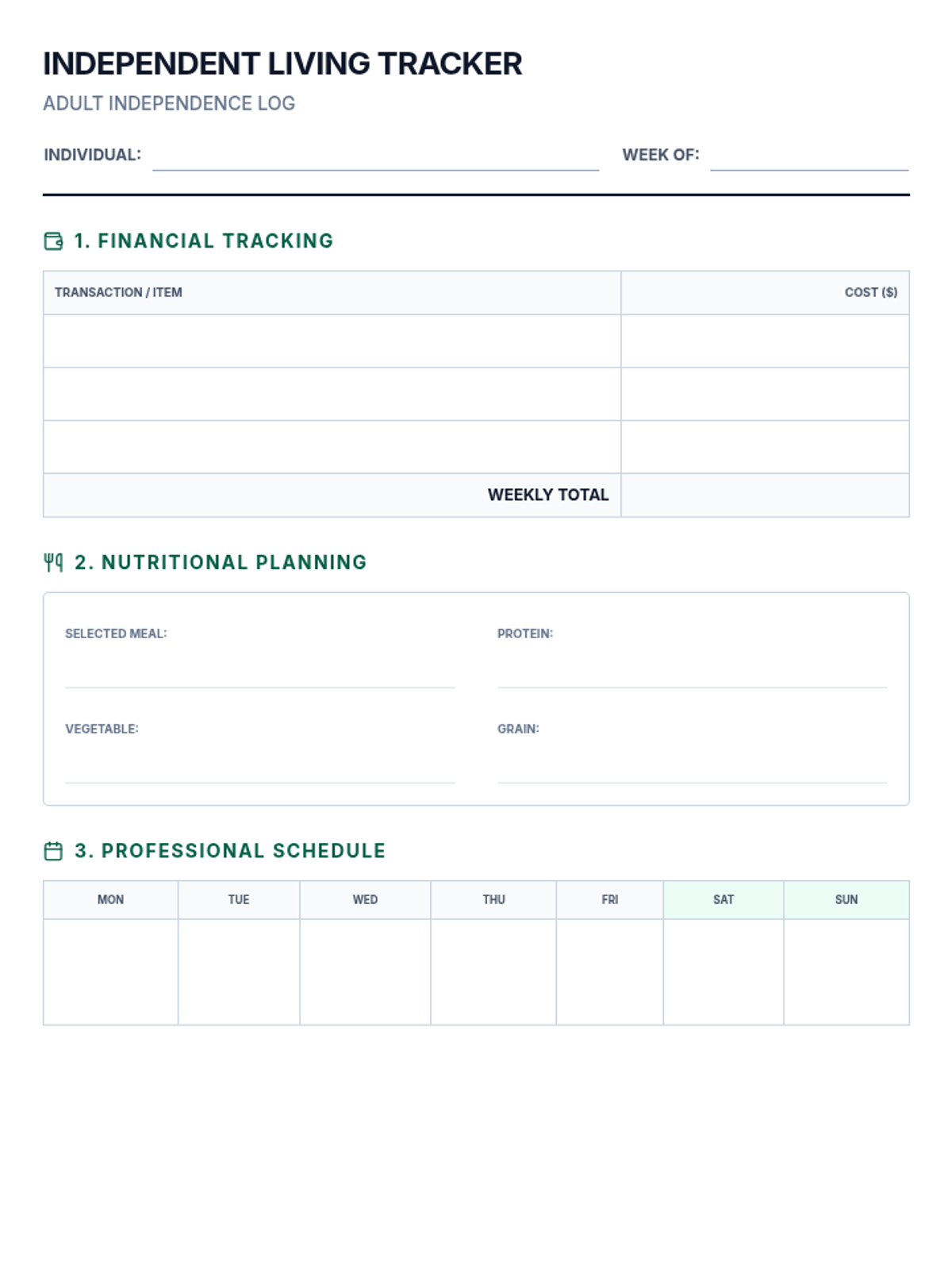
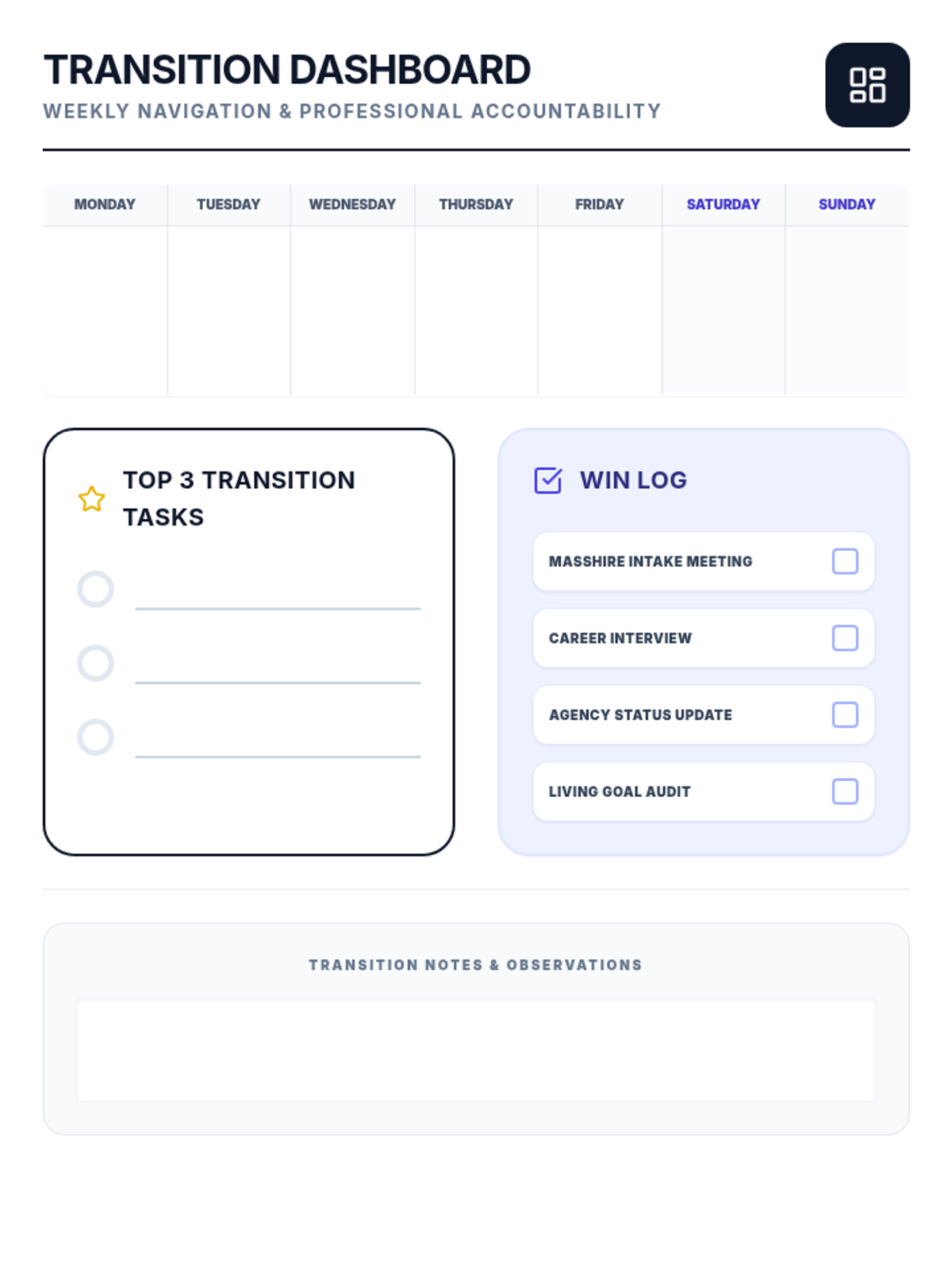
A high school transition support sequence focusing on tracking and empowering students with autism as they develop critical independence, vocational, and self-advocacy skills. This sequence helps connect the classroom, student self-reflection, and home support.
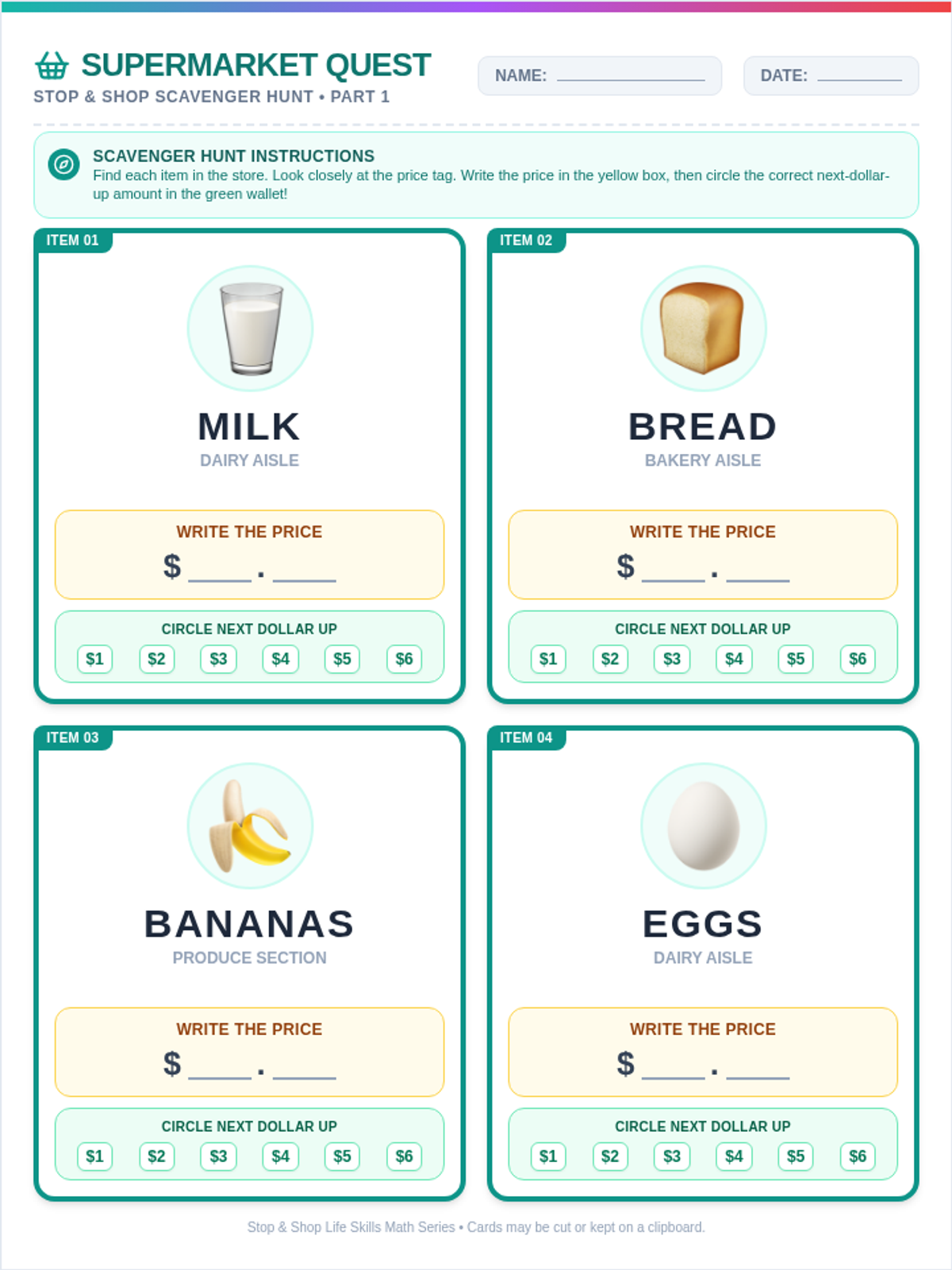
A real-world functional math series designed for life skills students. Students practice budgeting, making purchases, and navigating supermarkets to build independent living skills.
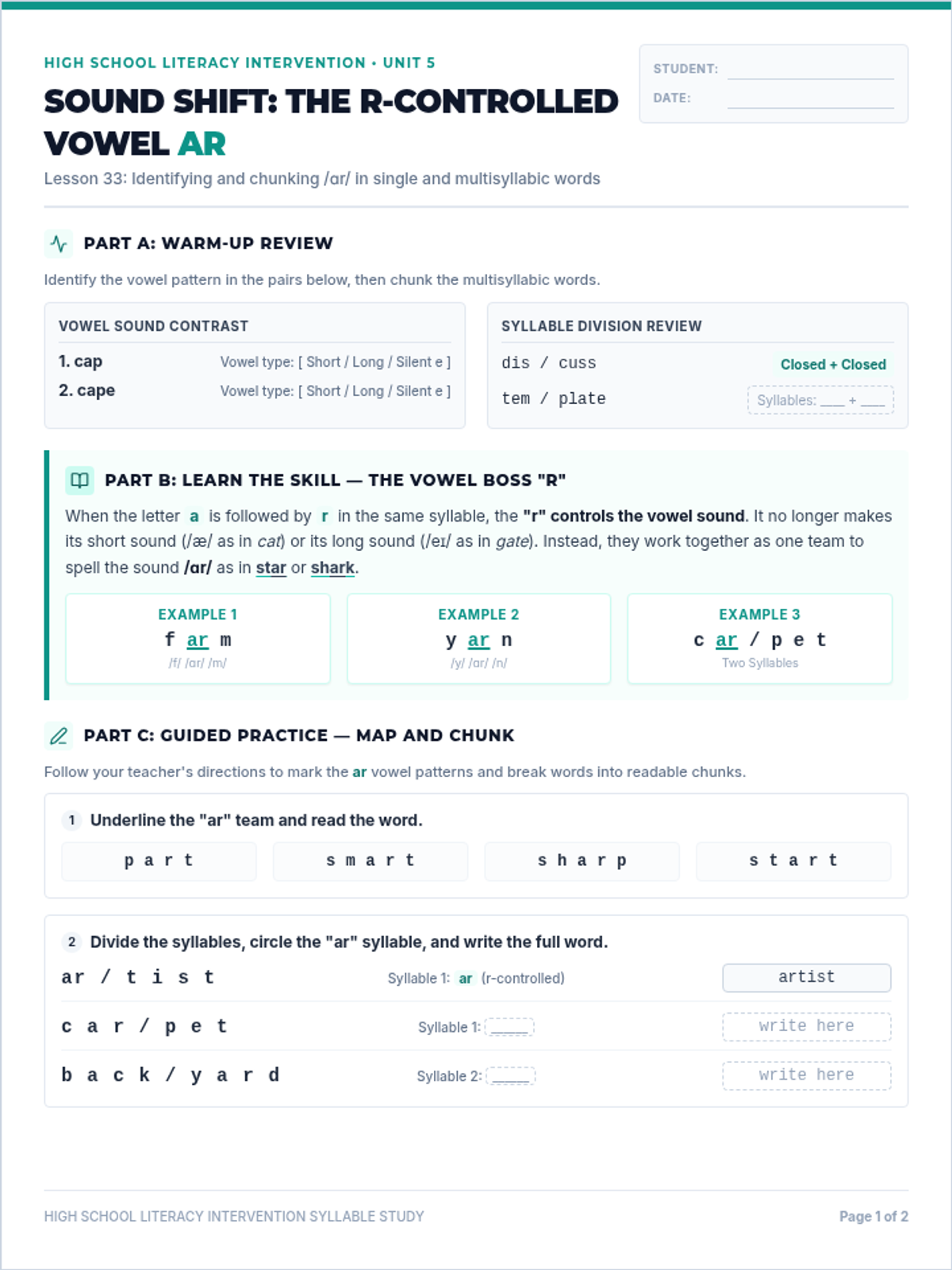
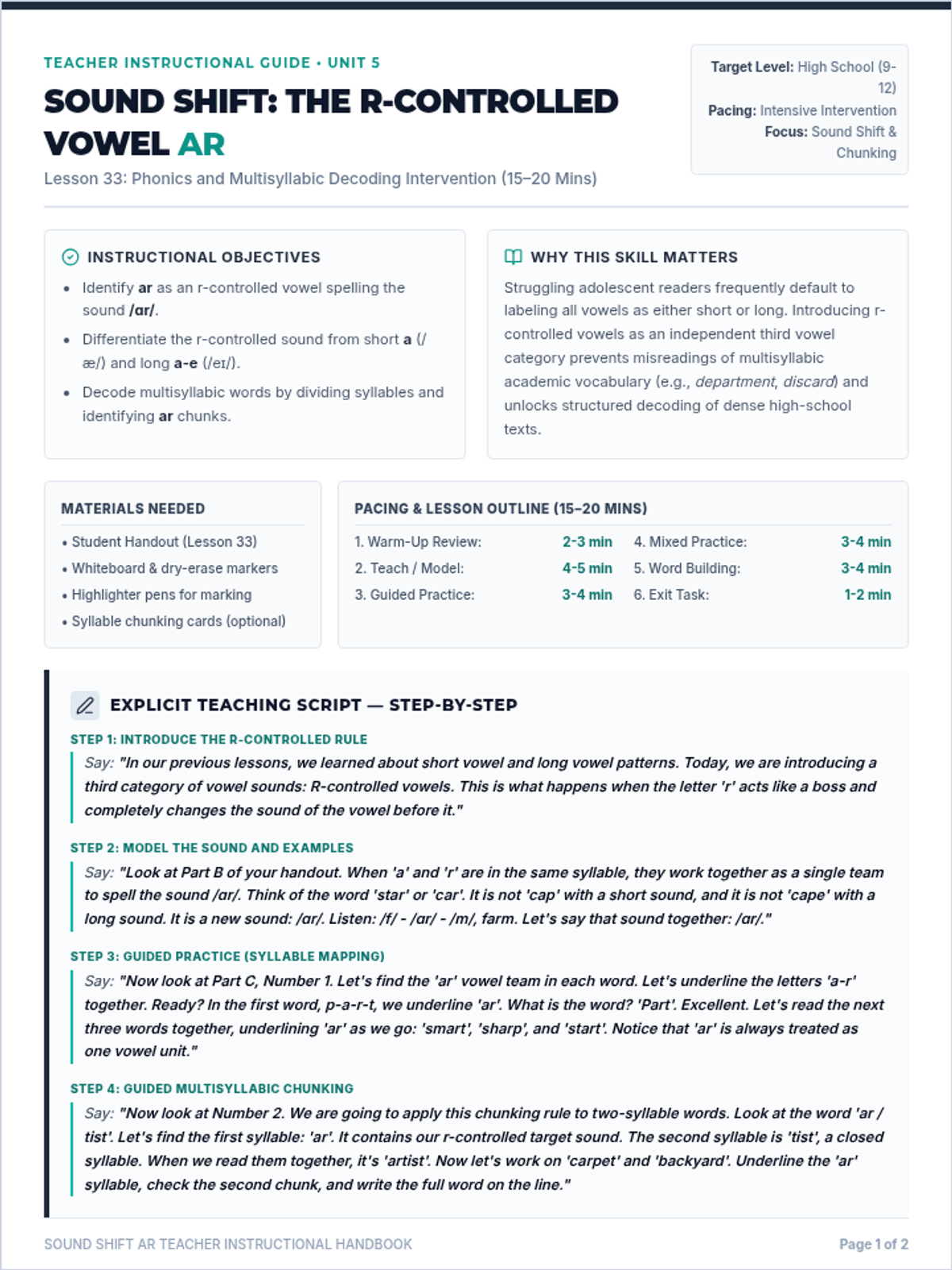
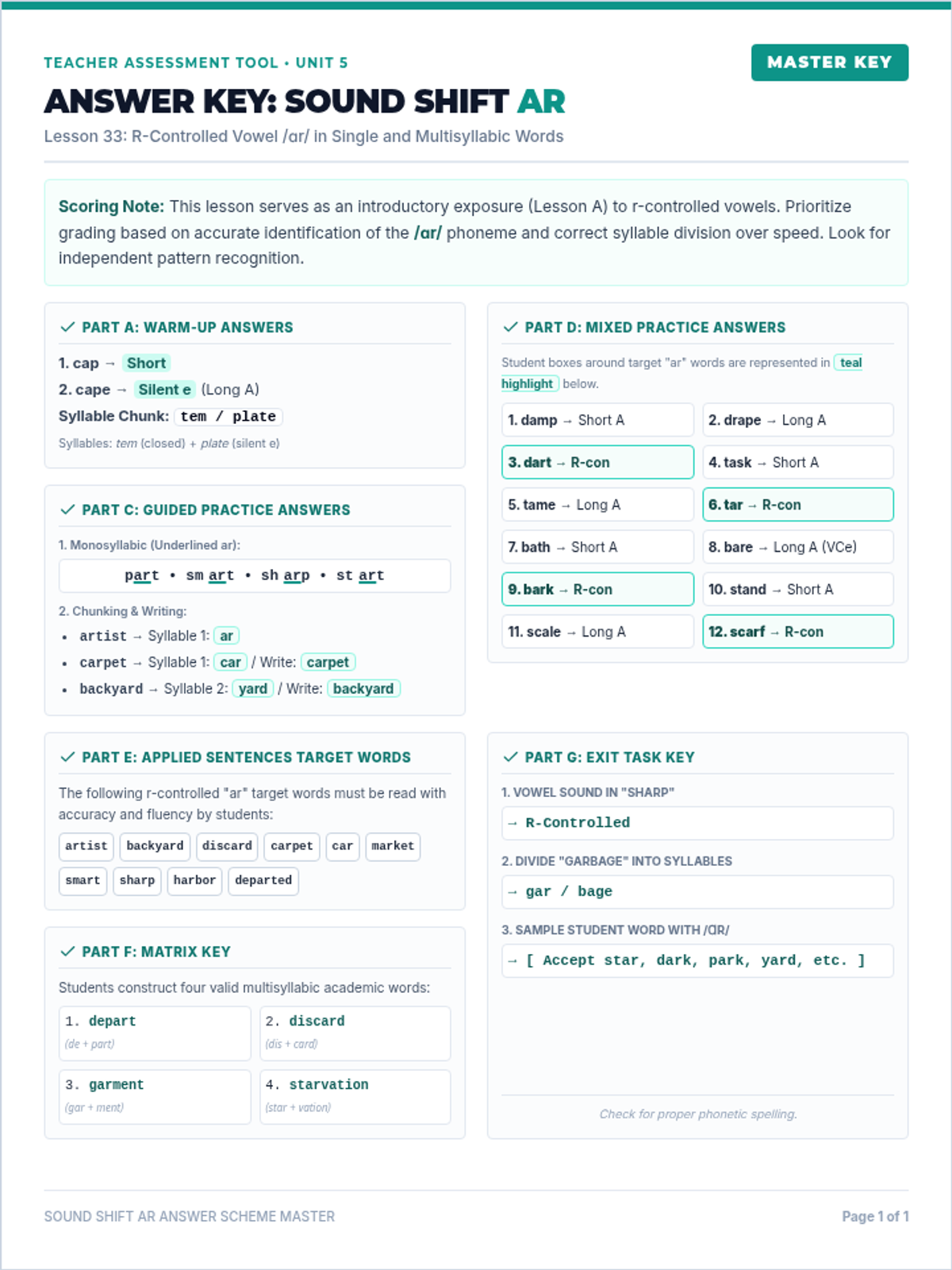
A high school reading intervention sequence introducing and reinforcing r-controlled vowels, beginning with the 'ar' pattern.
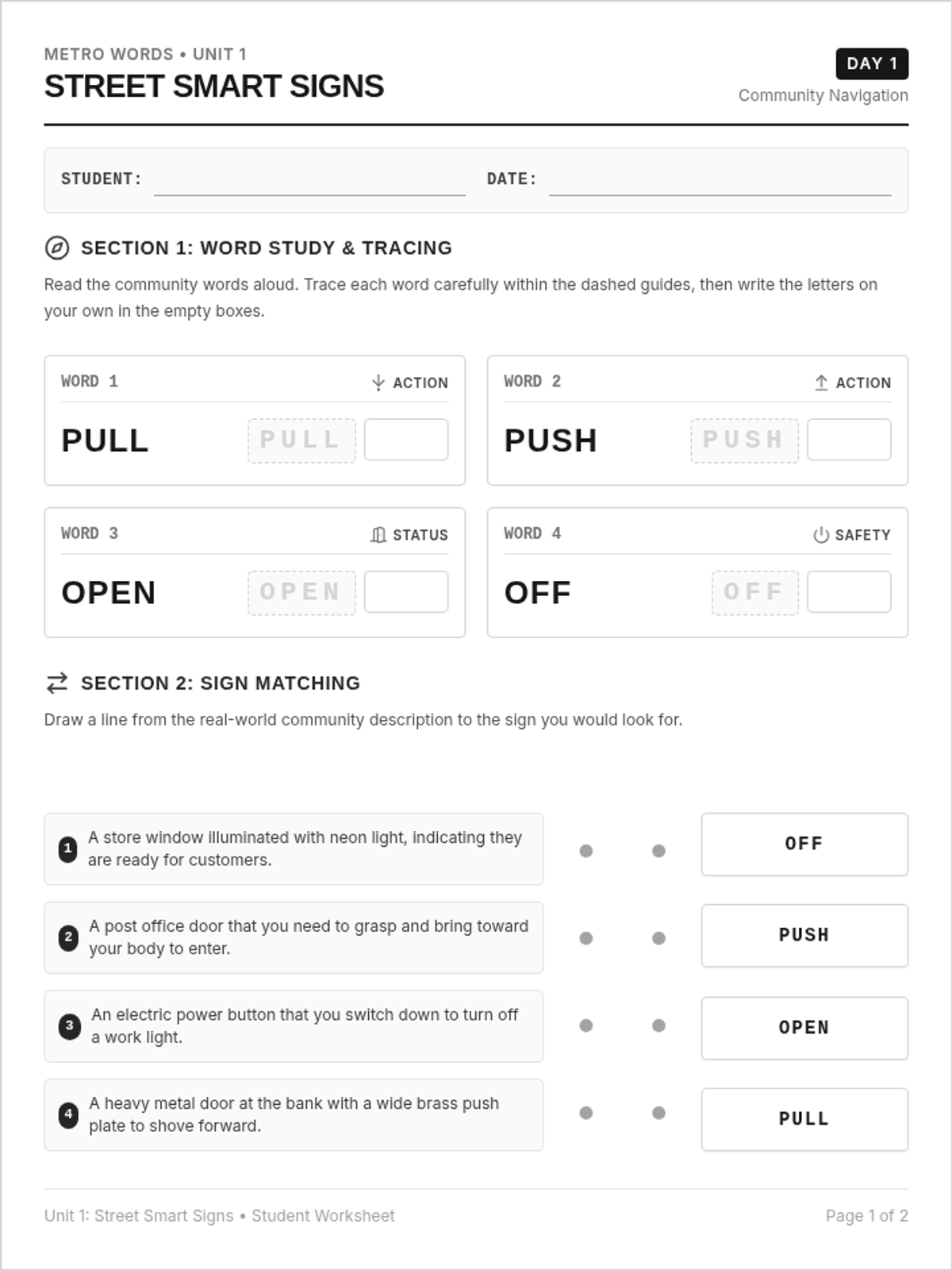
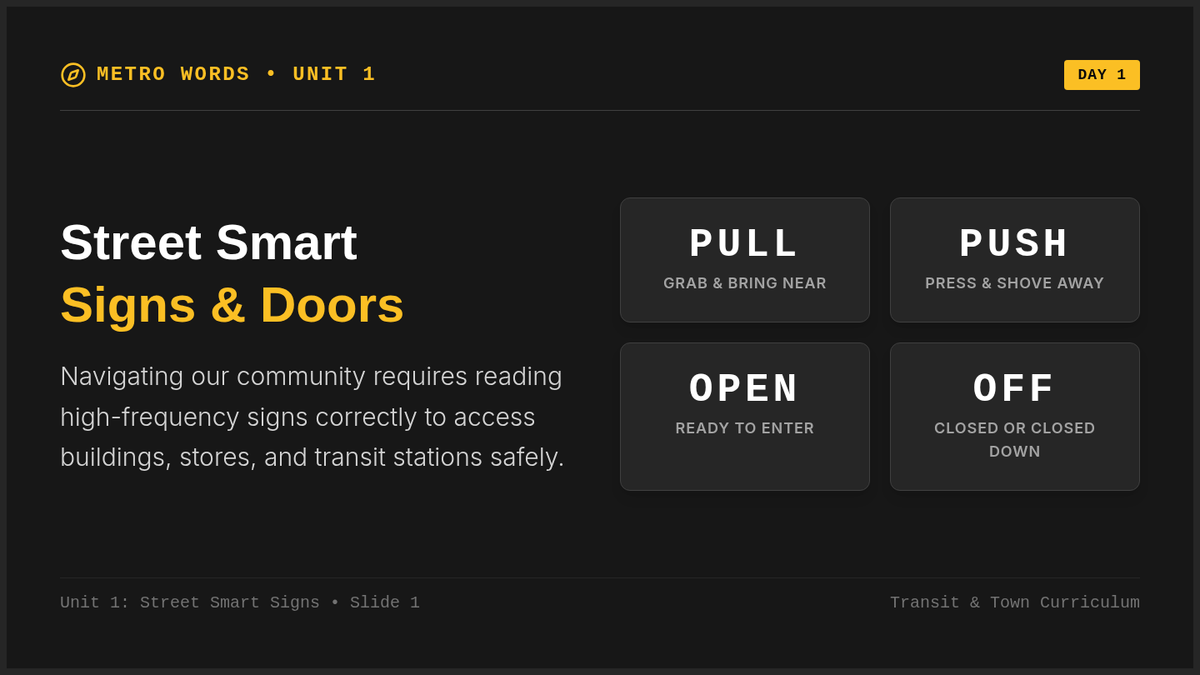
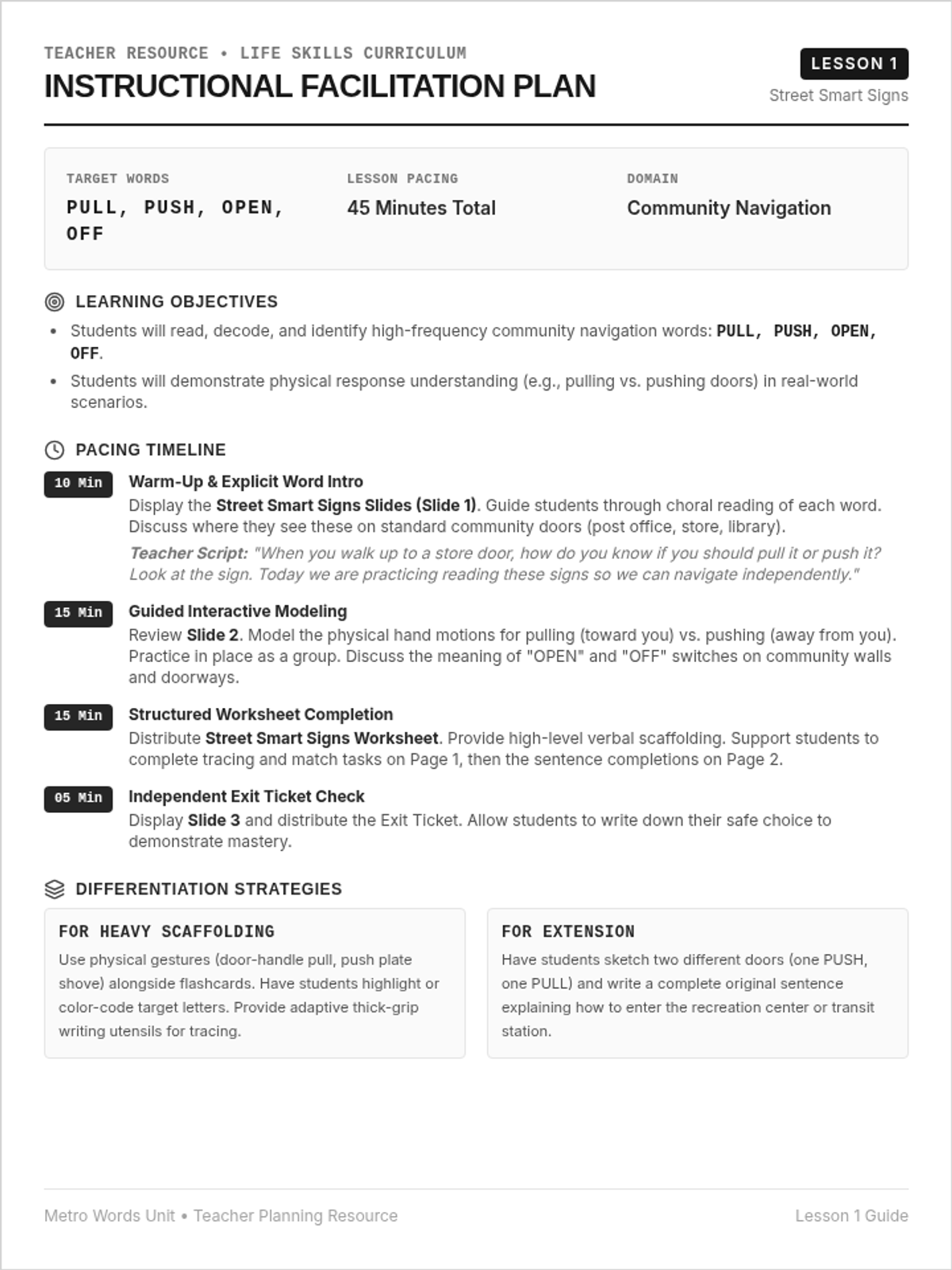
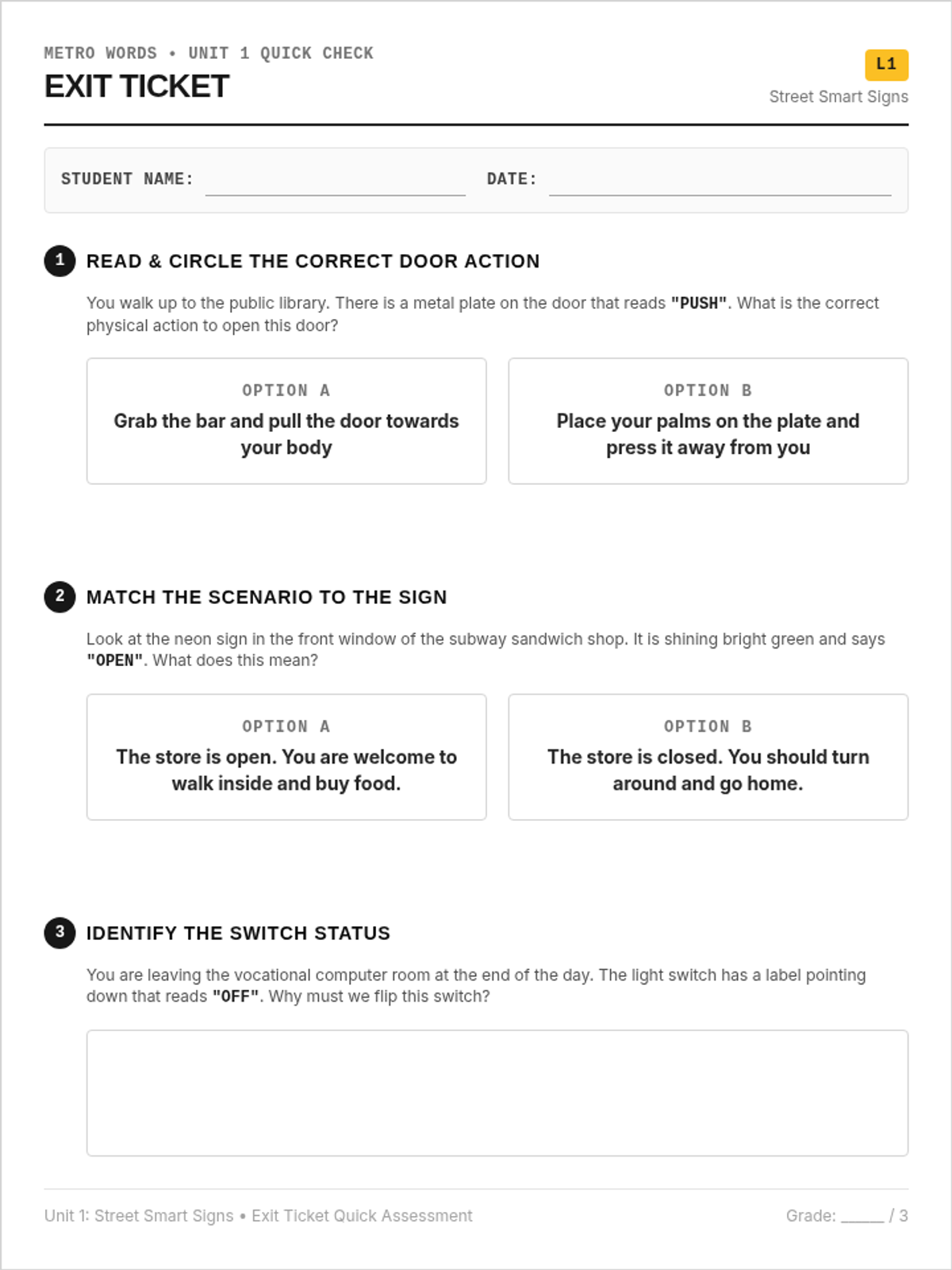
A functional, age-respectful life skills unit teaching foundational 2nd-grade level sight words to high schoolers. Each day focuses on real-world contexts like community navigation, dining, workplace readiness, transit, and independent living.
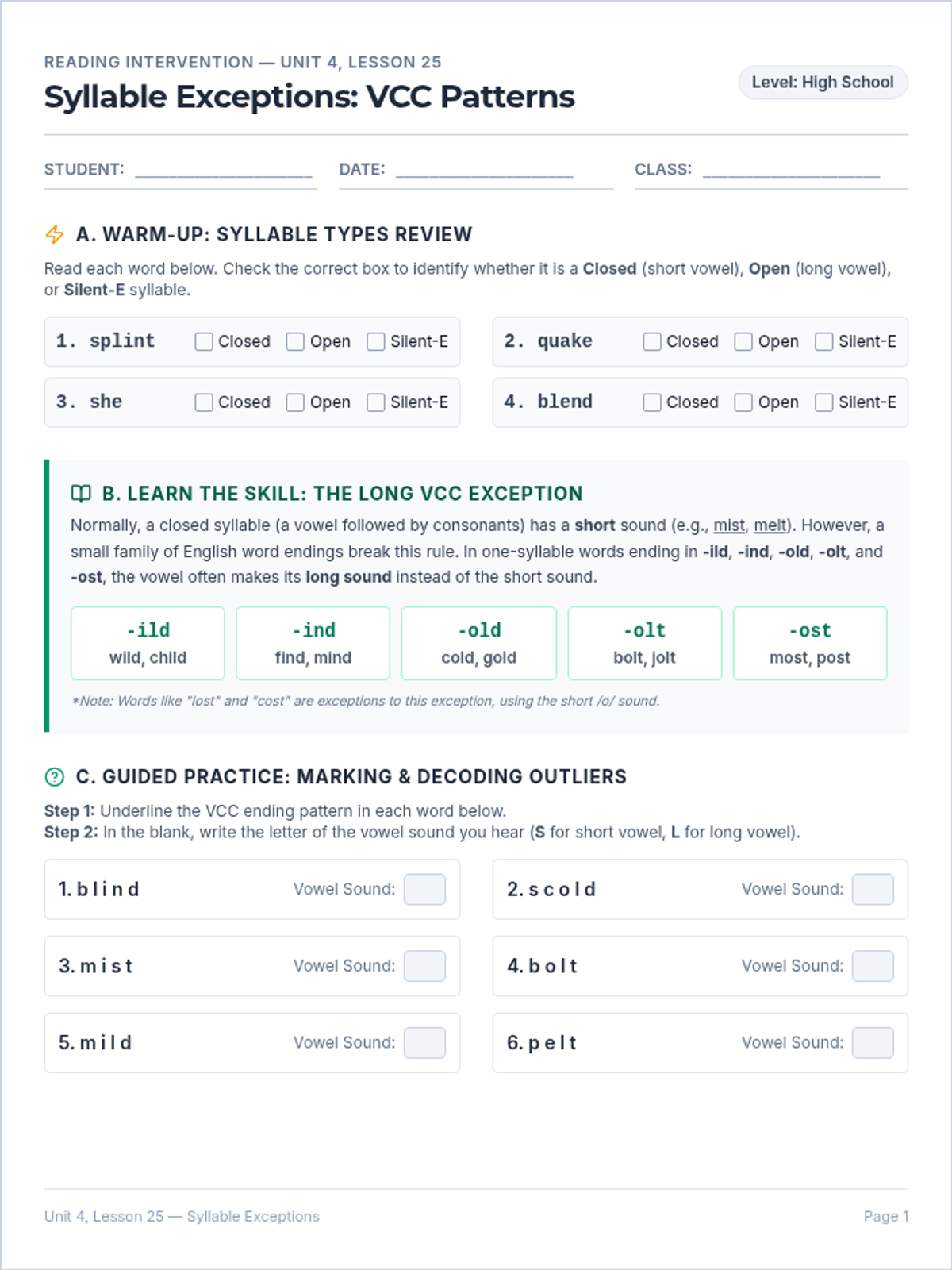
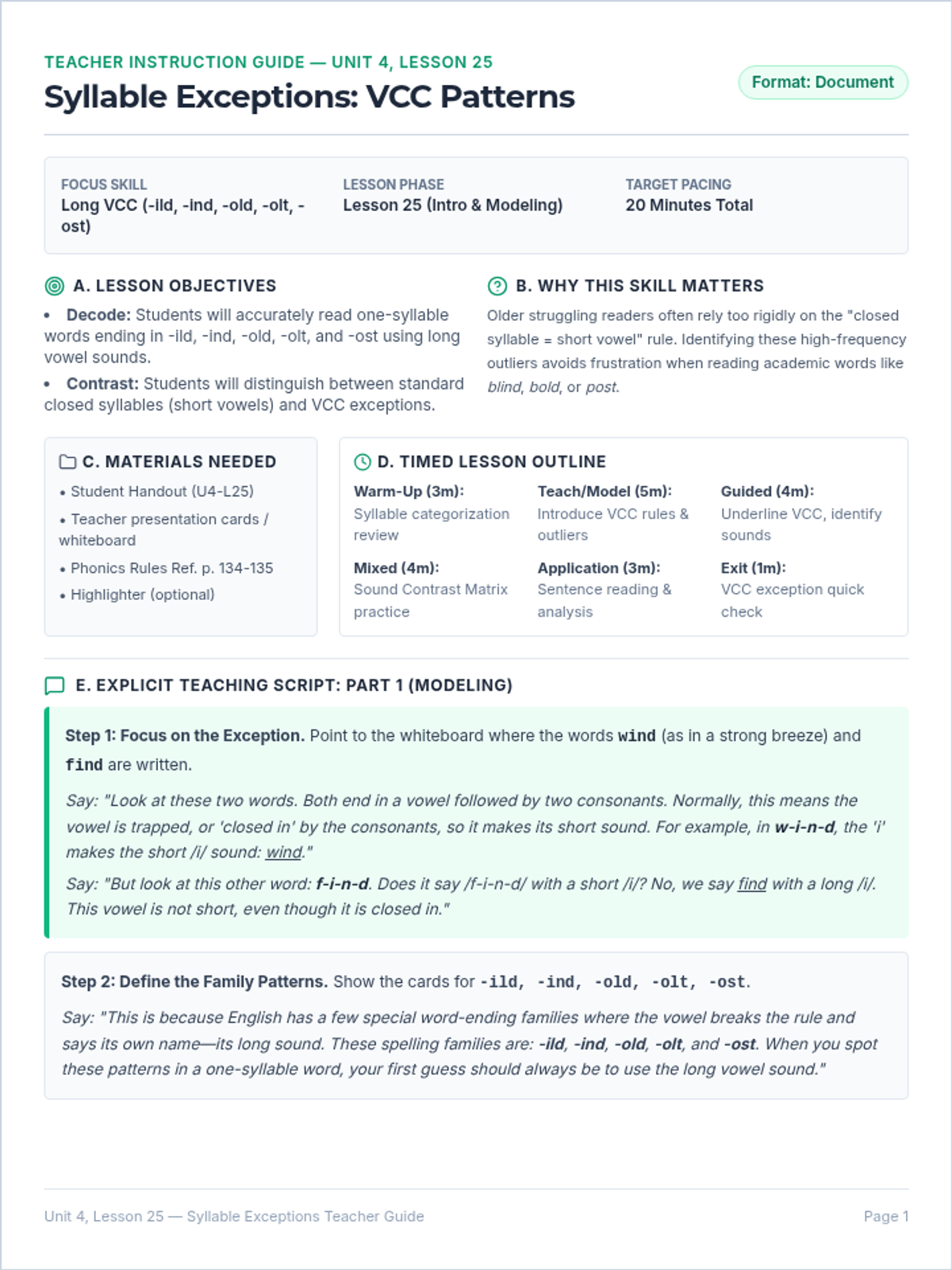
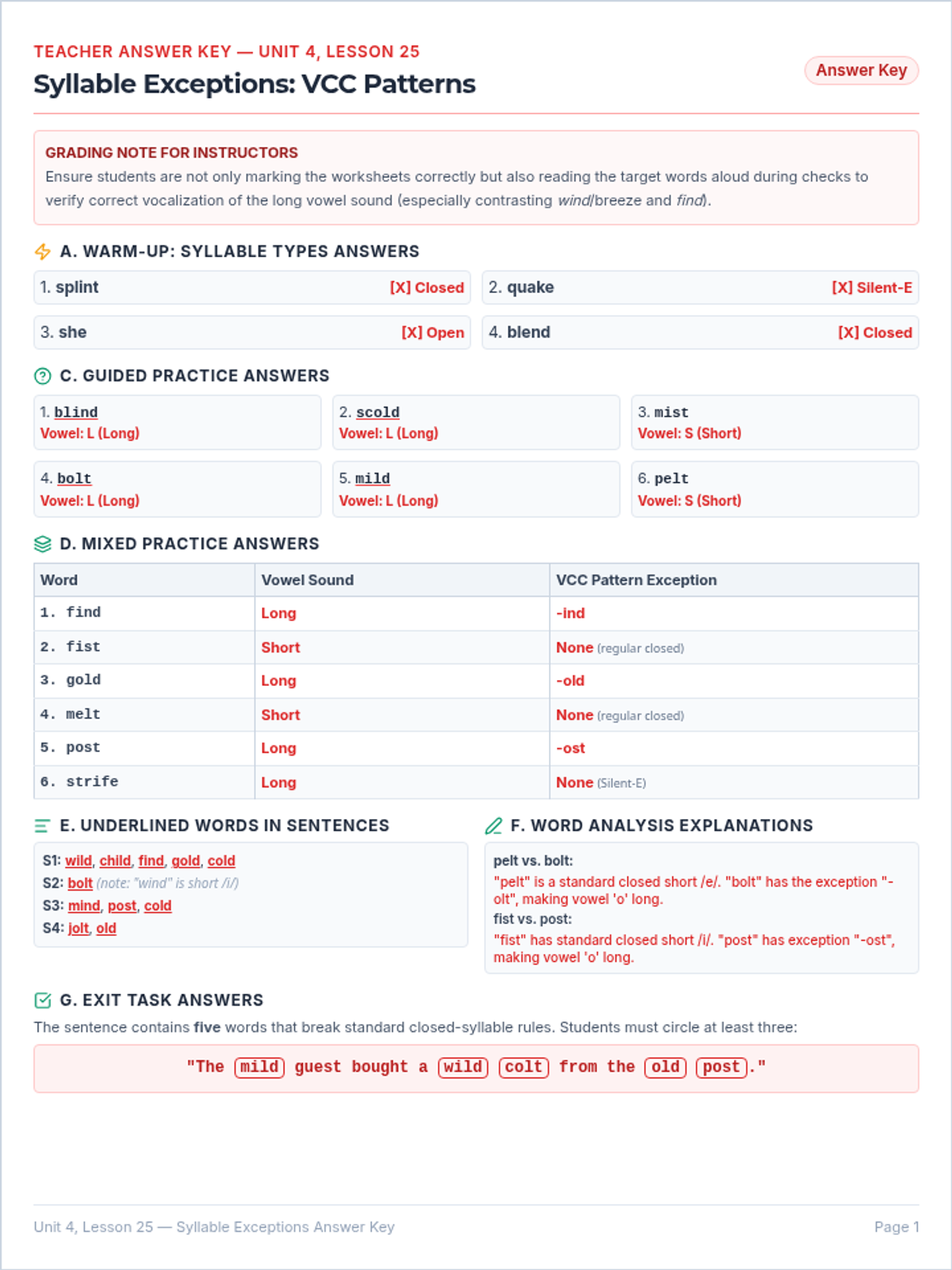
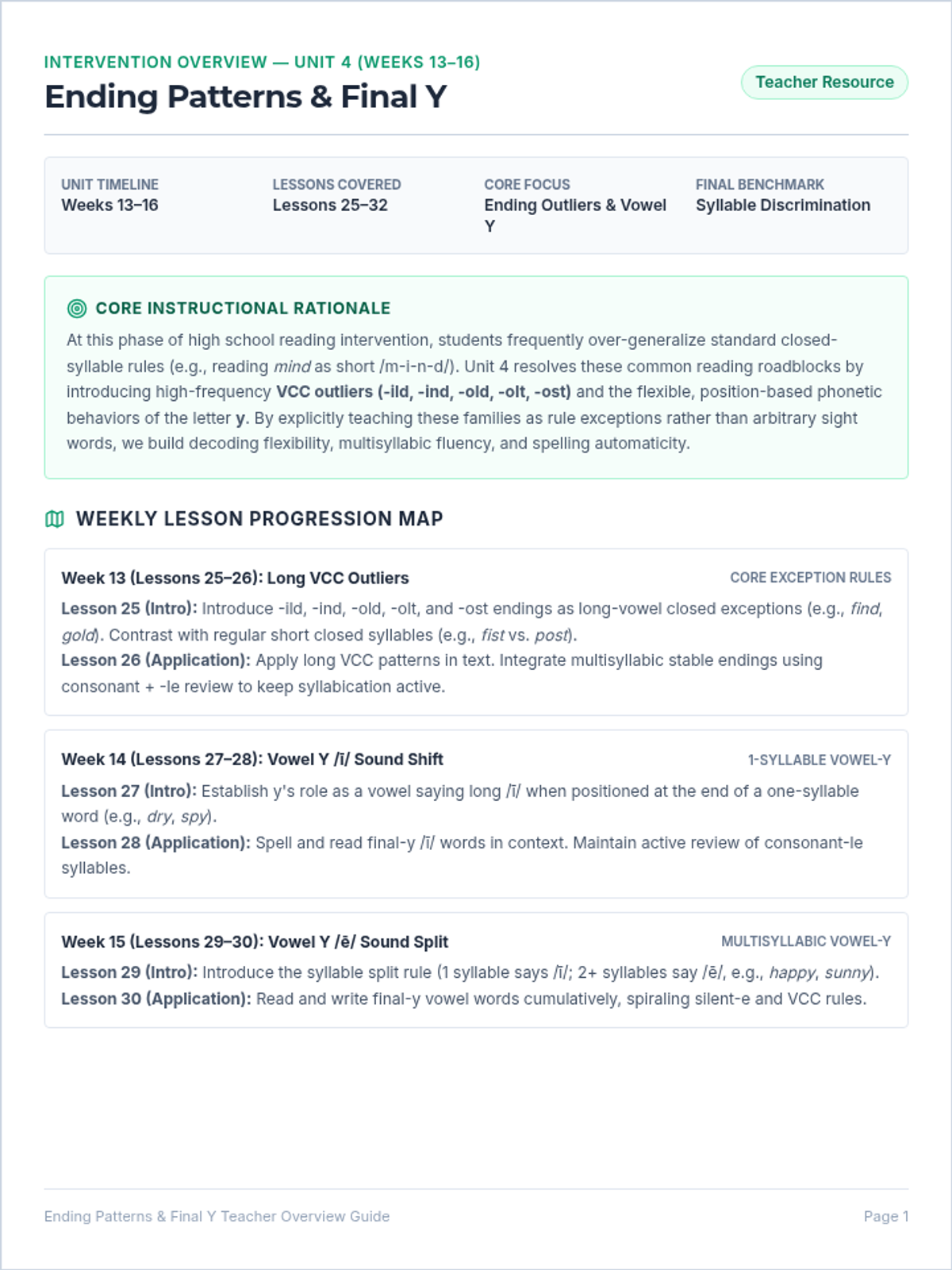
A comprehensive high school reading intervention sequence introducing and applying long VCC vowel patterns as exceptions to closed syllable rules, integrated with consonant-le and silent-e review.
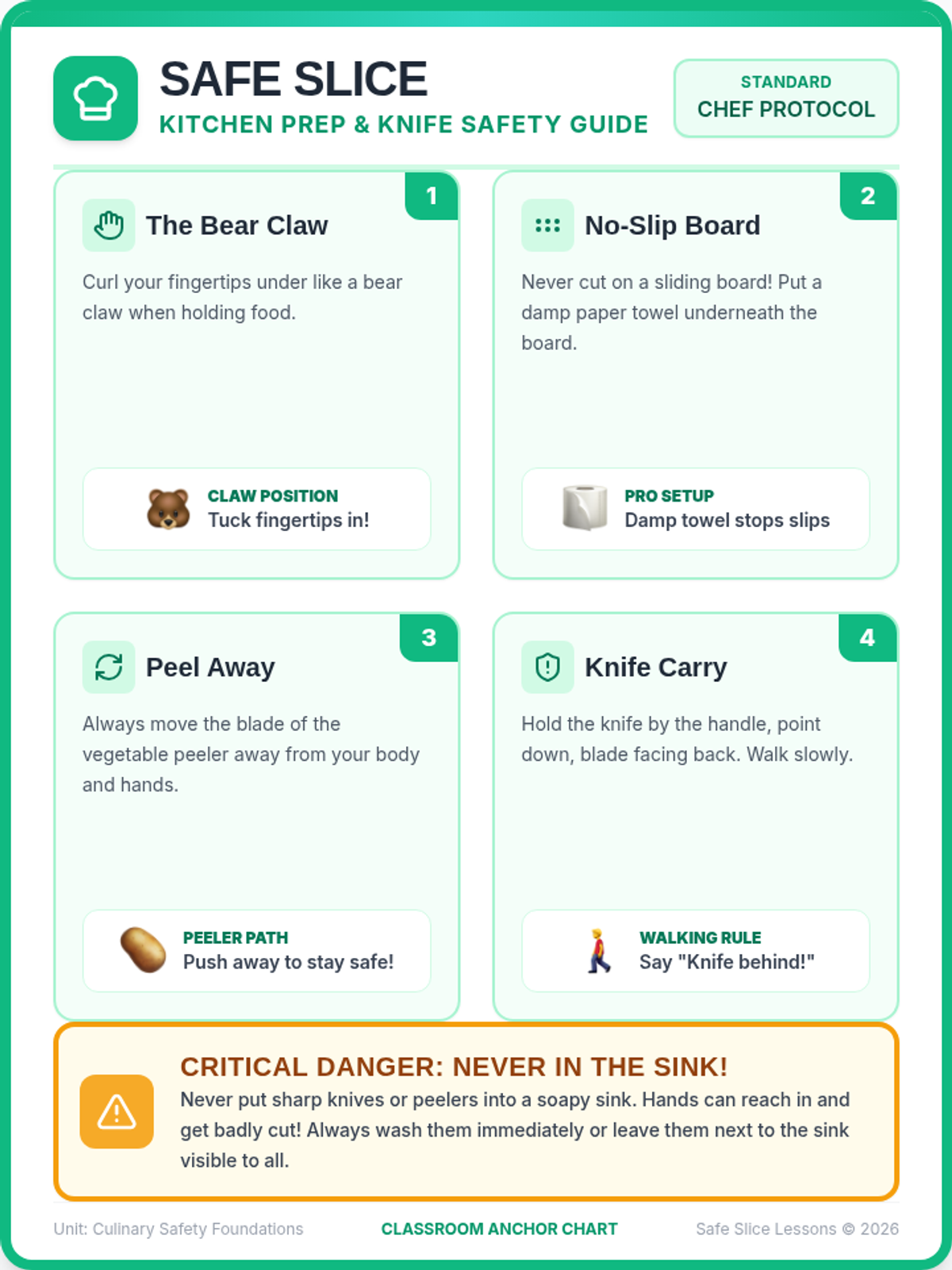
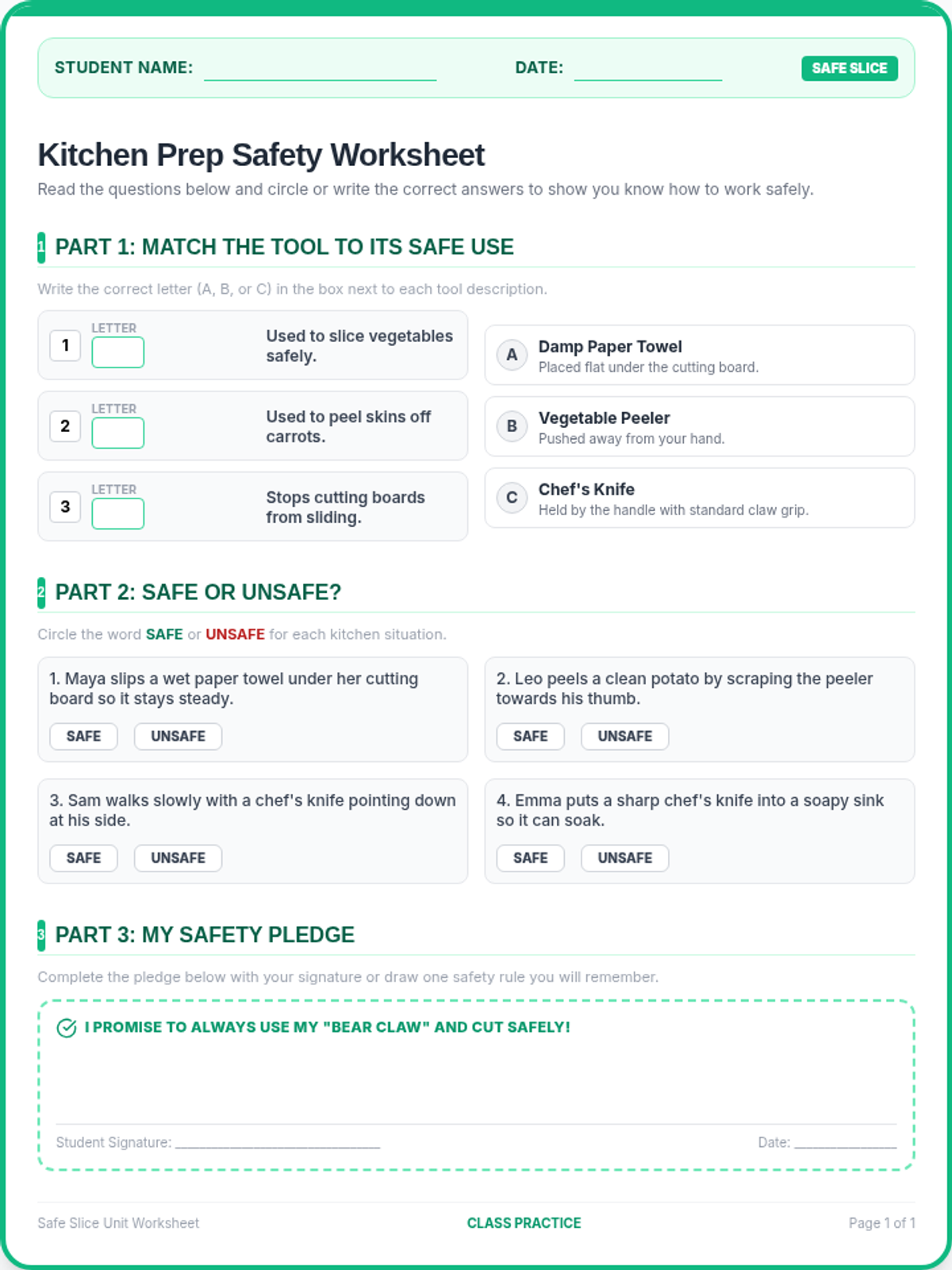
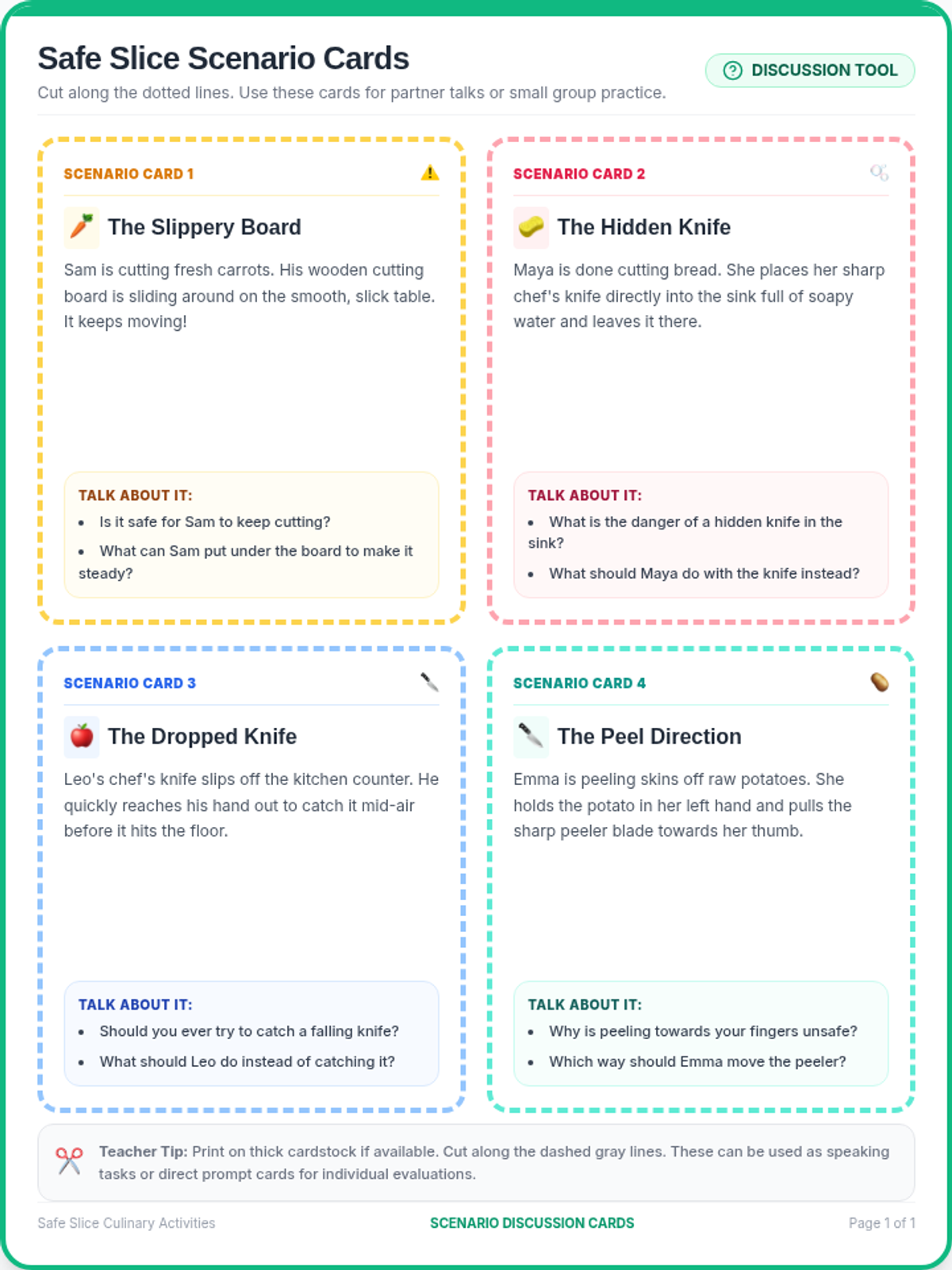
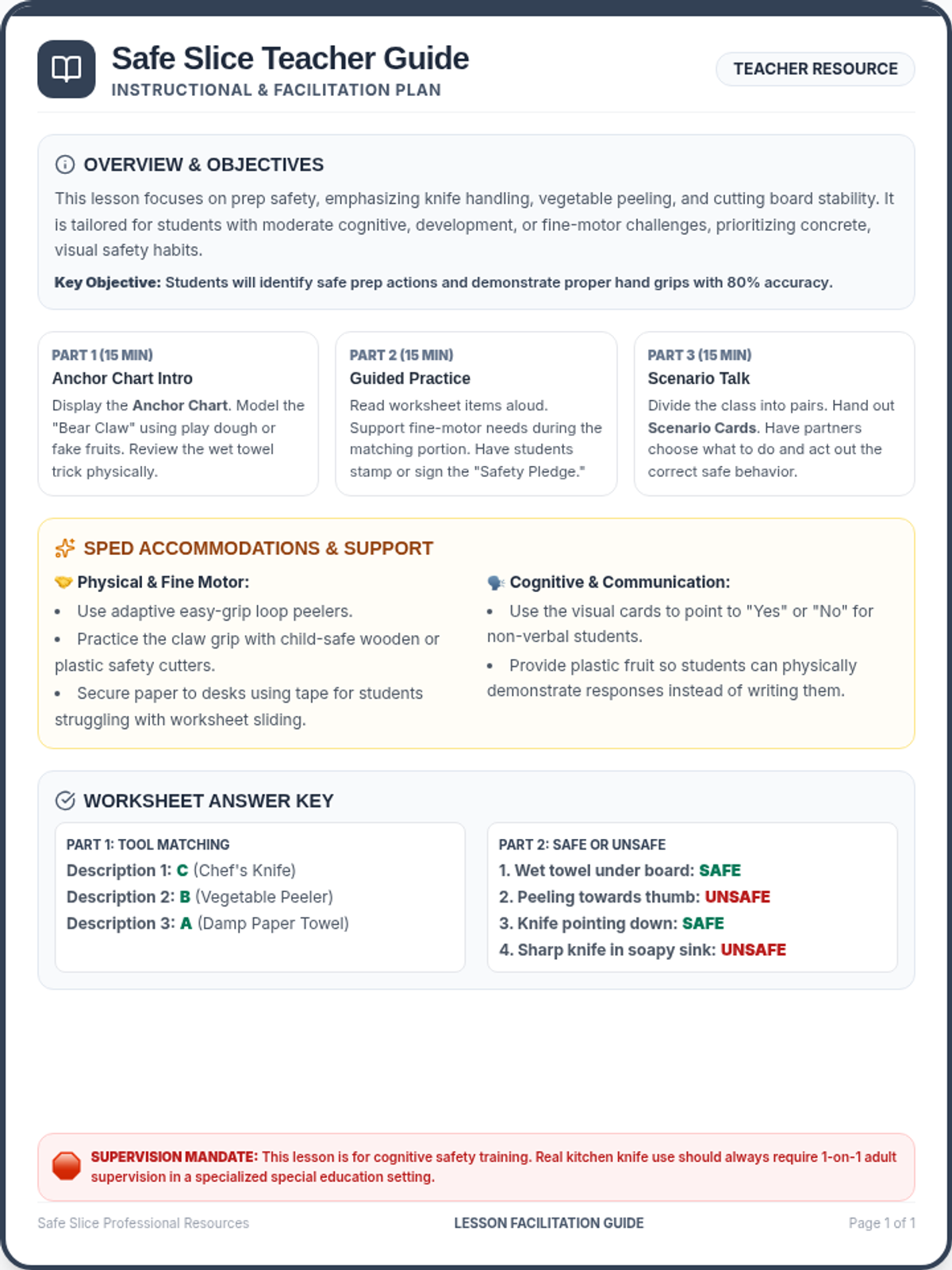
A sequence on basic kitchen safety, focusing on safe handling of prep tools, heat, cooking surfaces, and general kitchen appliances.
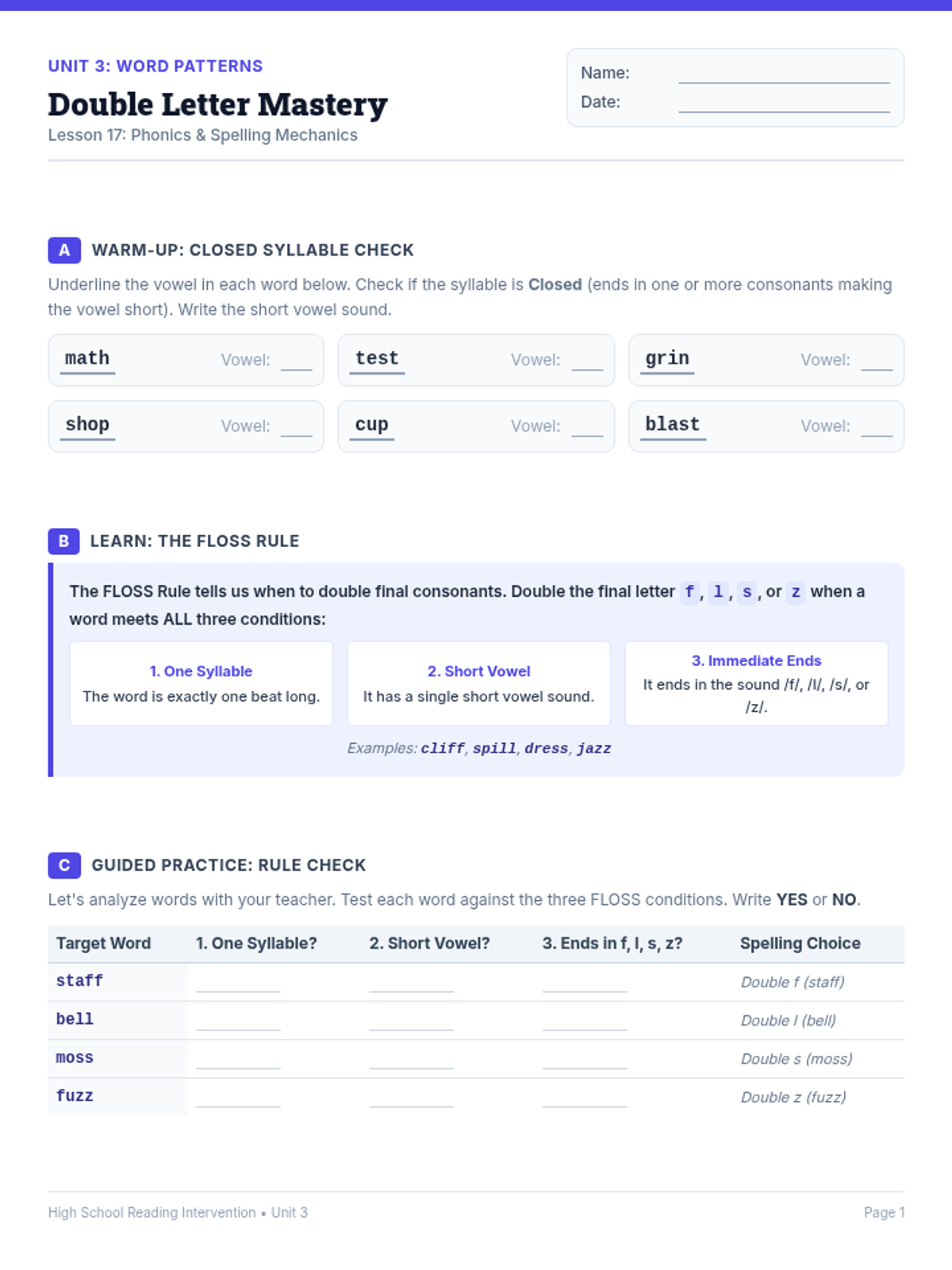
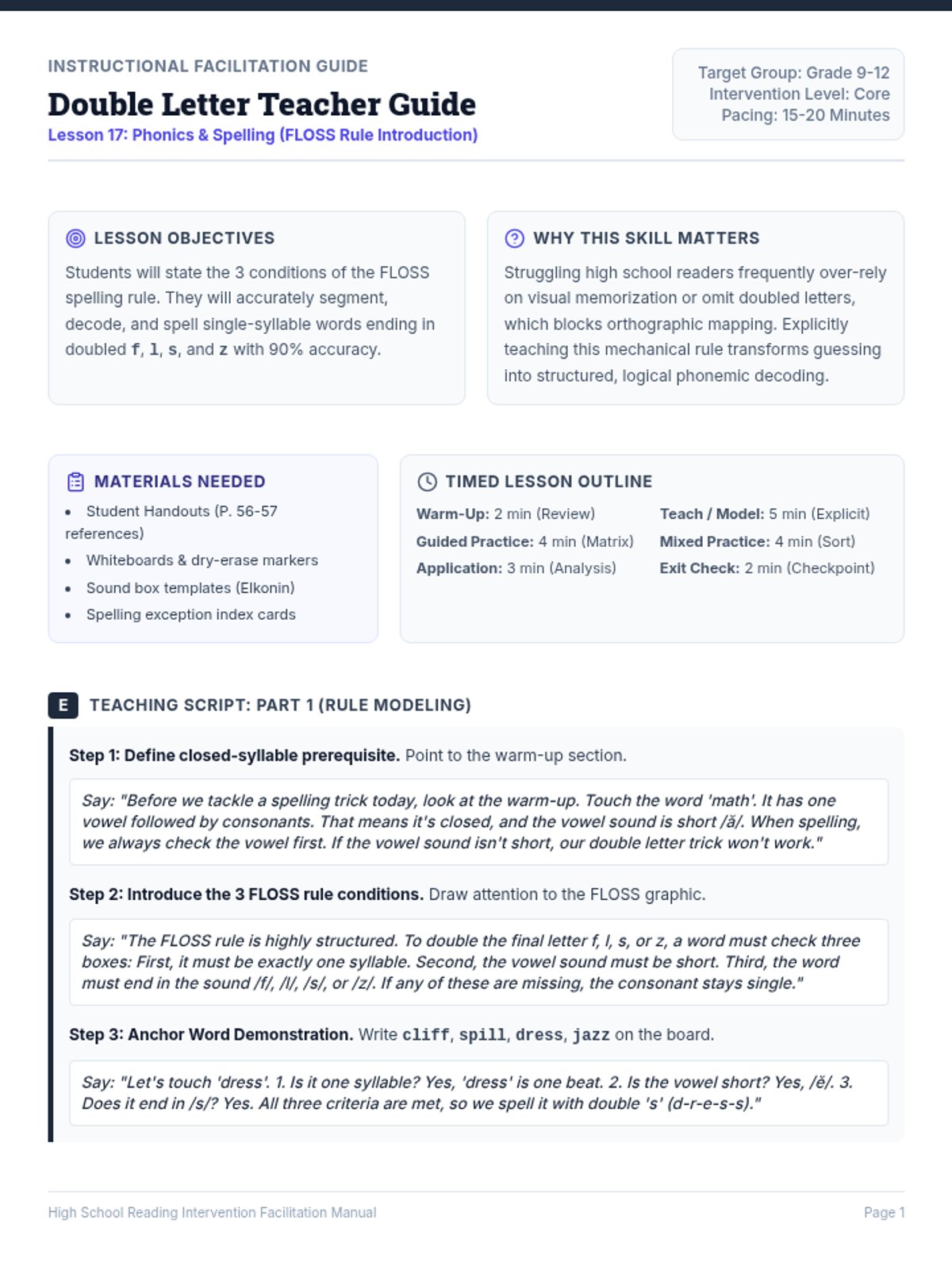
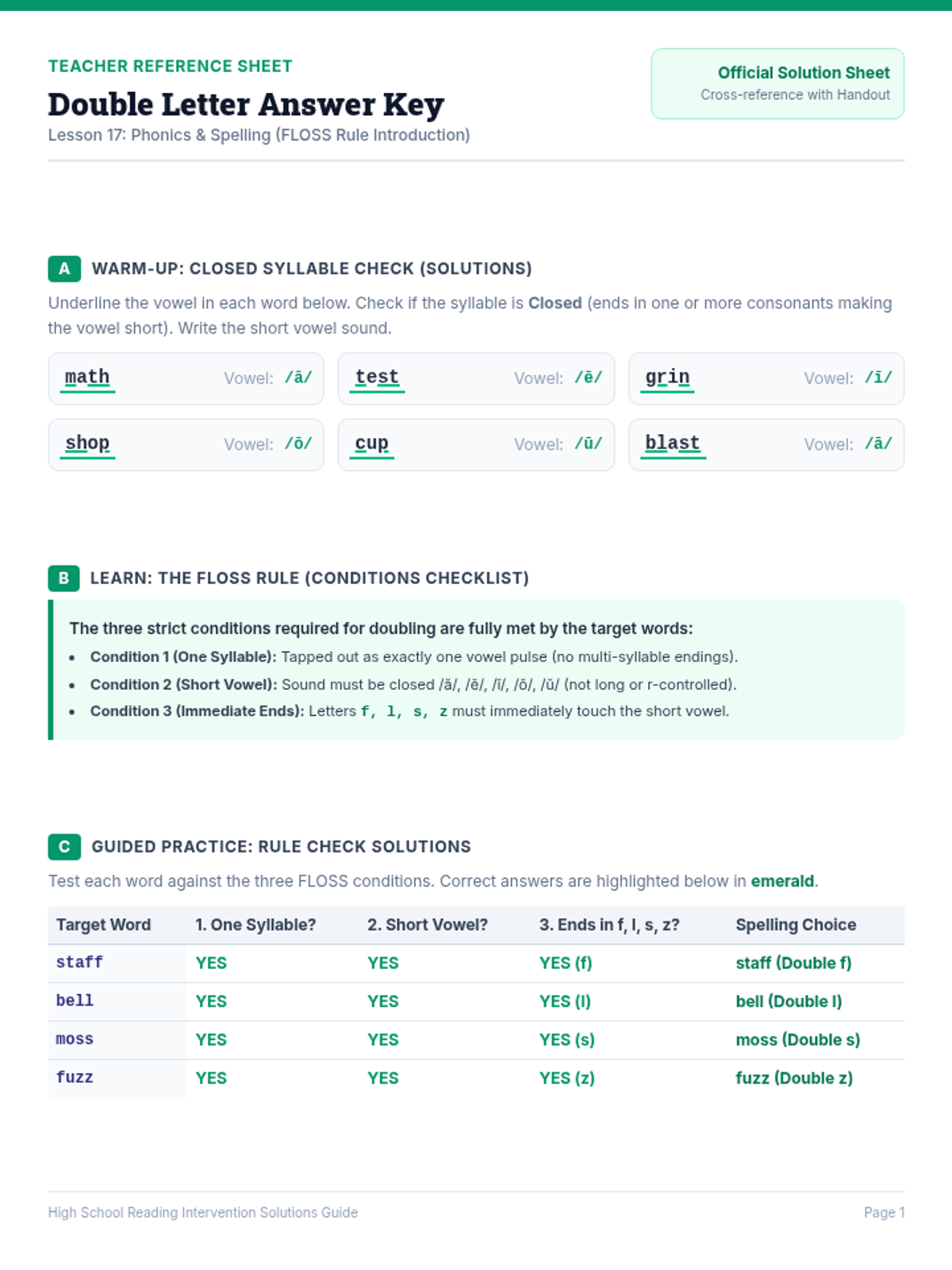
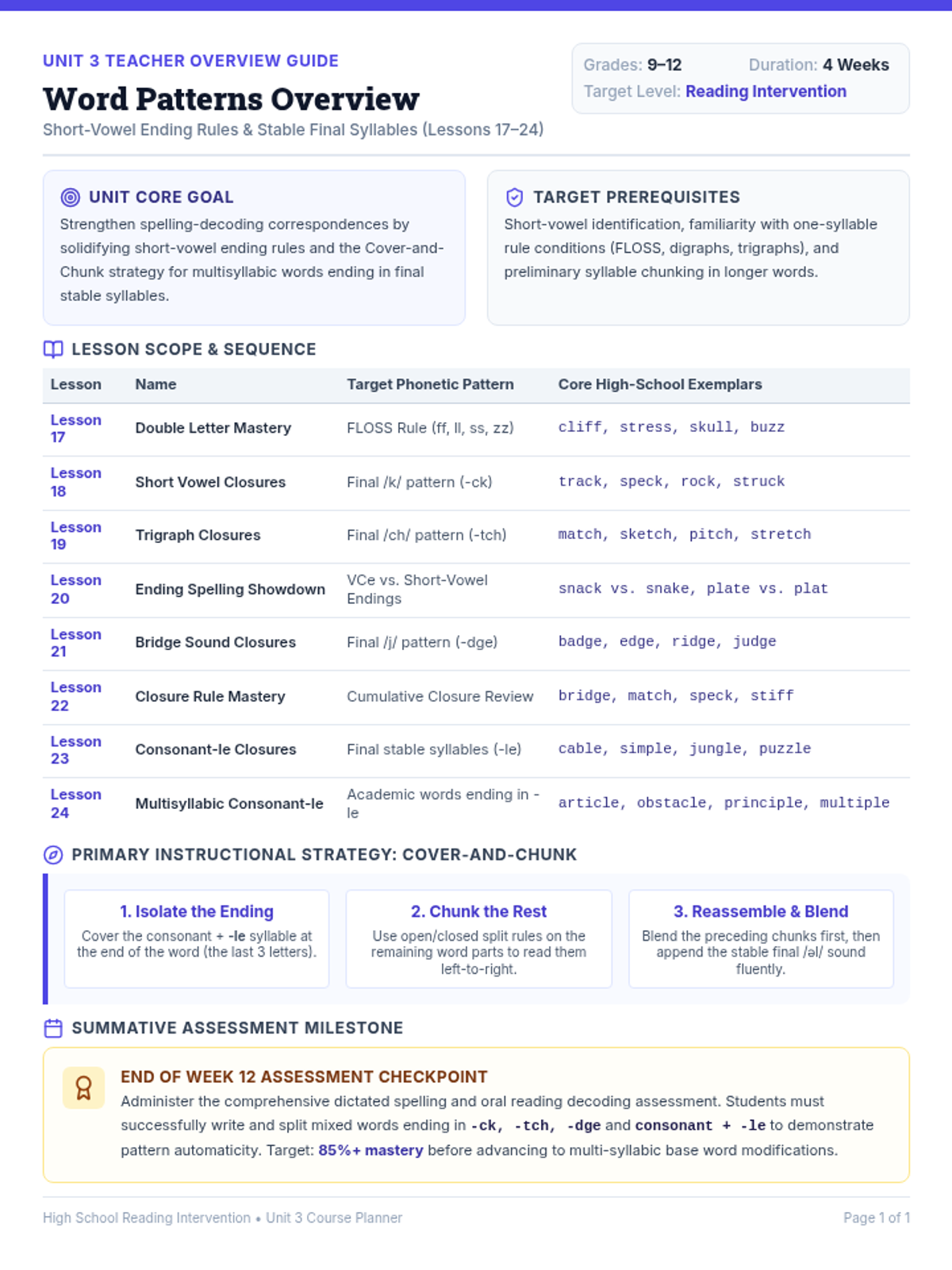
An intensive reading intervention unit designed for high school students, focusing on essential phonetic patterns, spelling rules, and syllable structures to rebuild foundational reading and spelling skills.
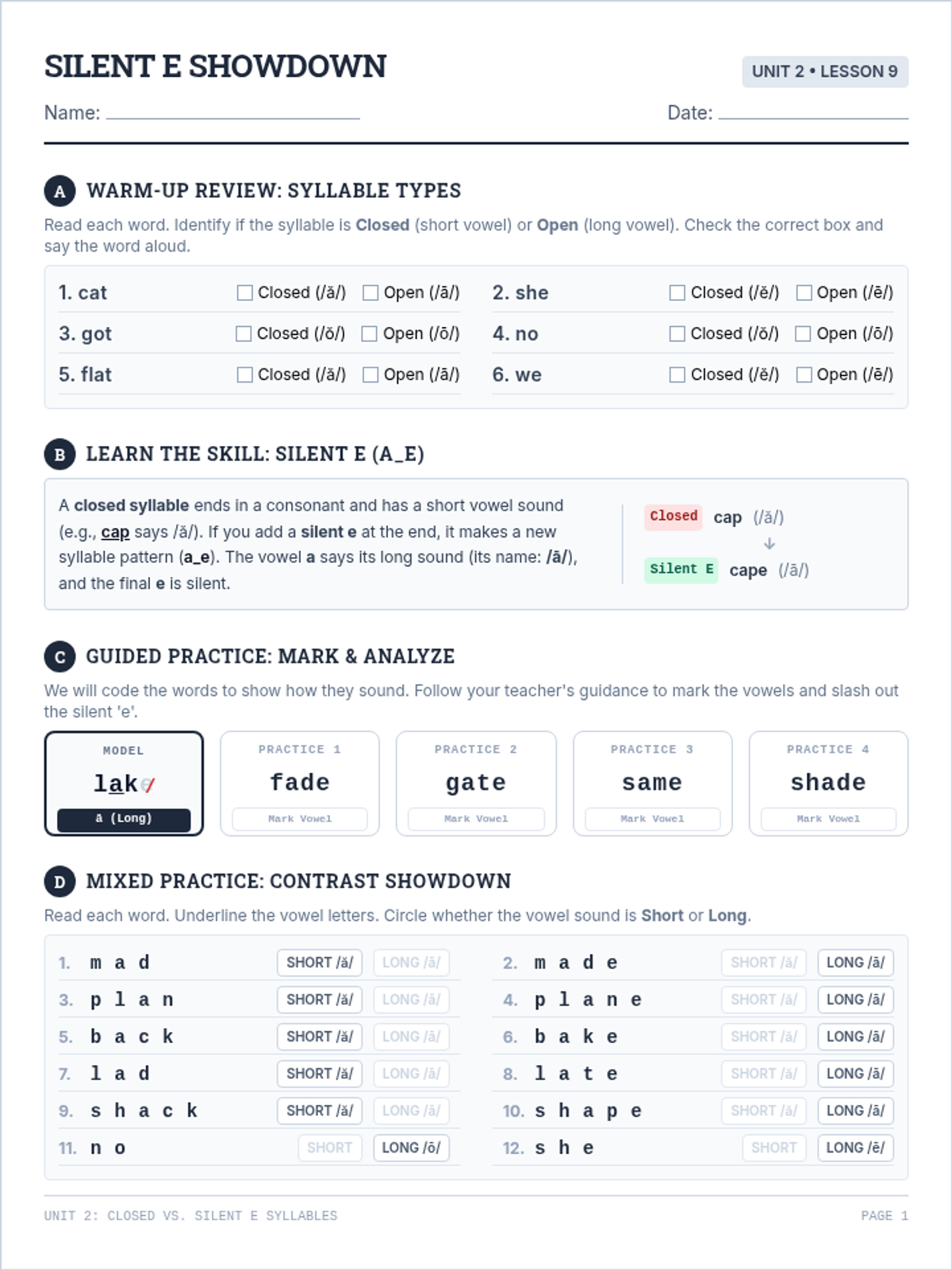
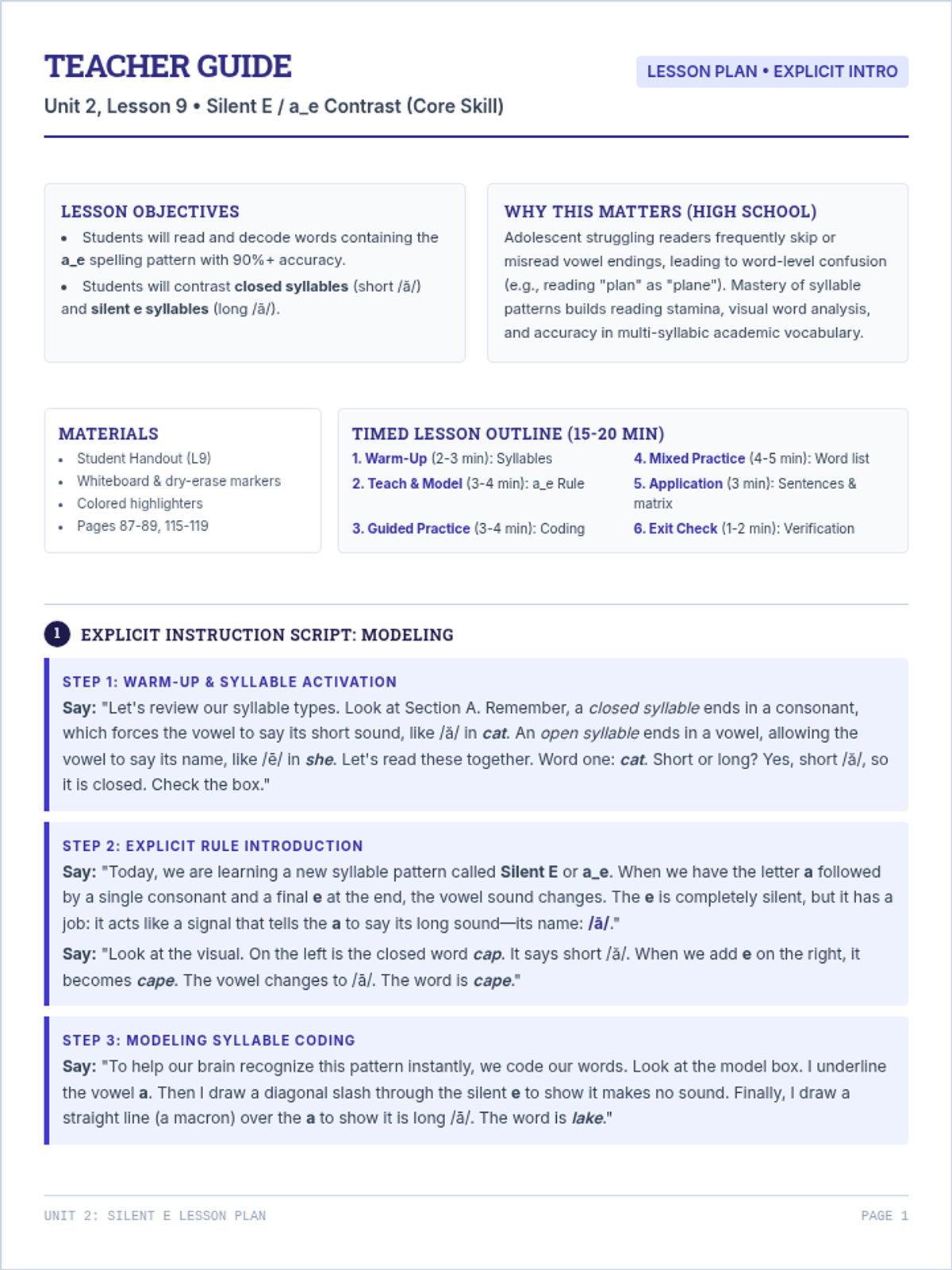
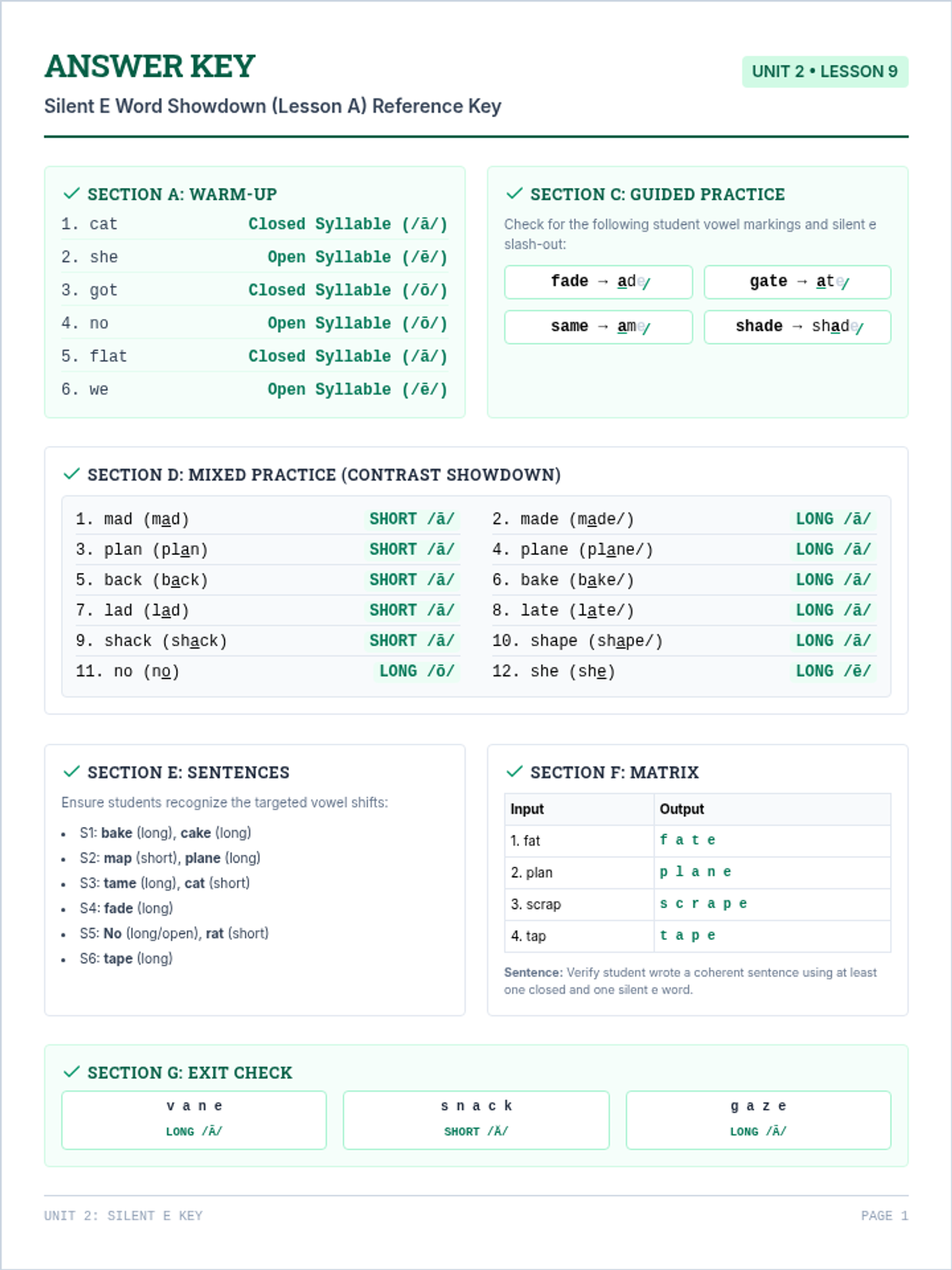
A 2-lesson reading intervention sequence designed for high school students reading below grade level. Focuses on the silent e (a_e) pattern, closed vs. silent-e vowel contrast, and compound word analysis.
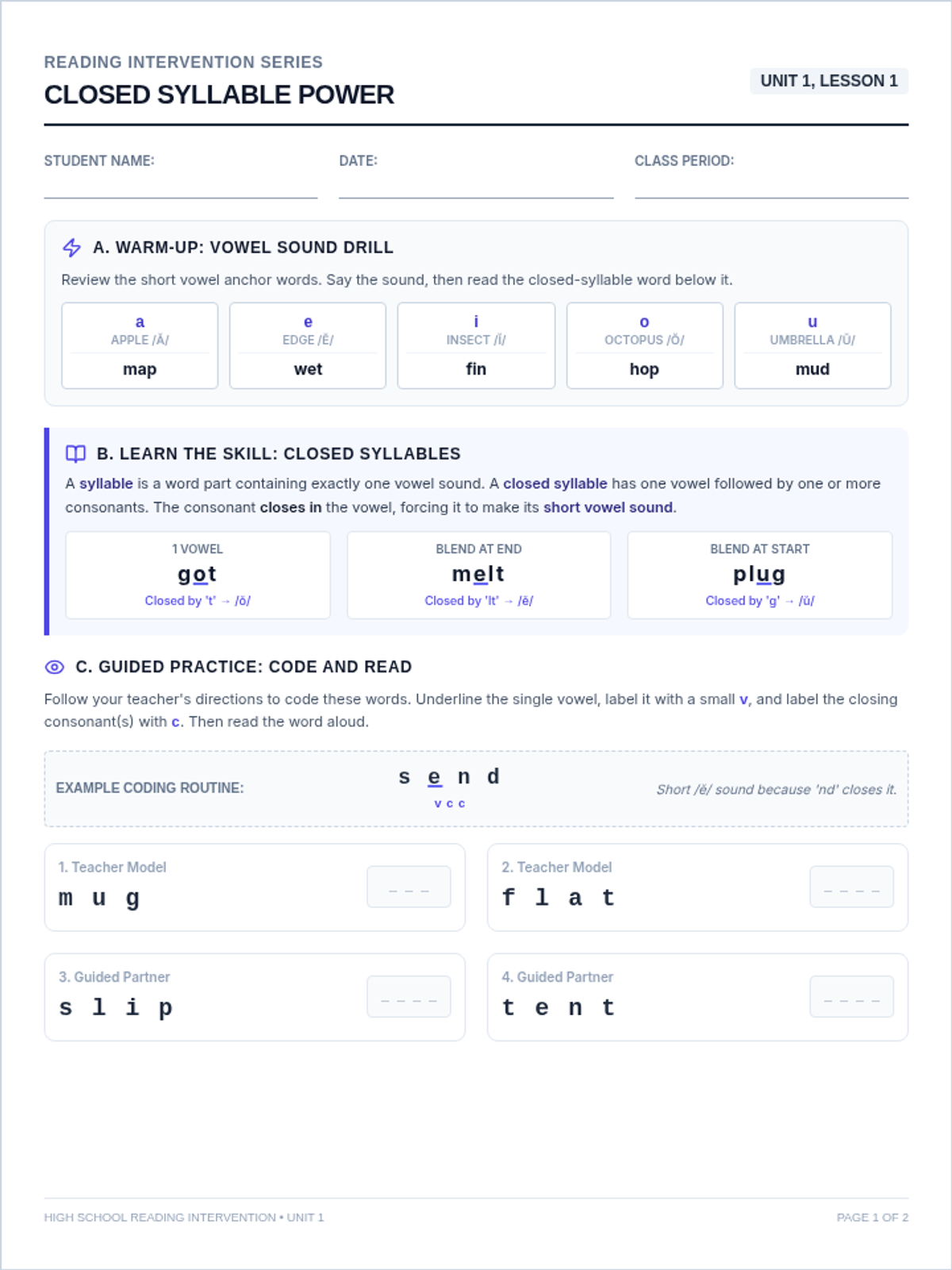
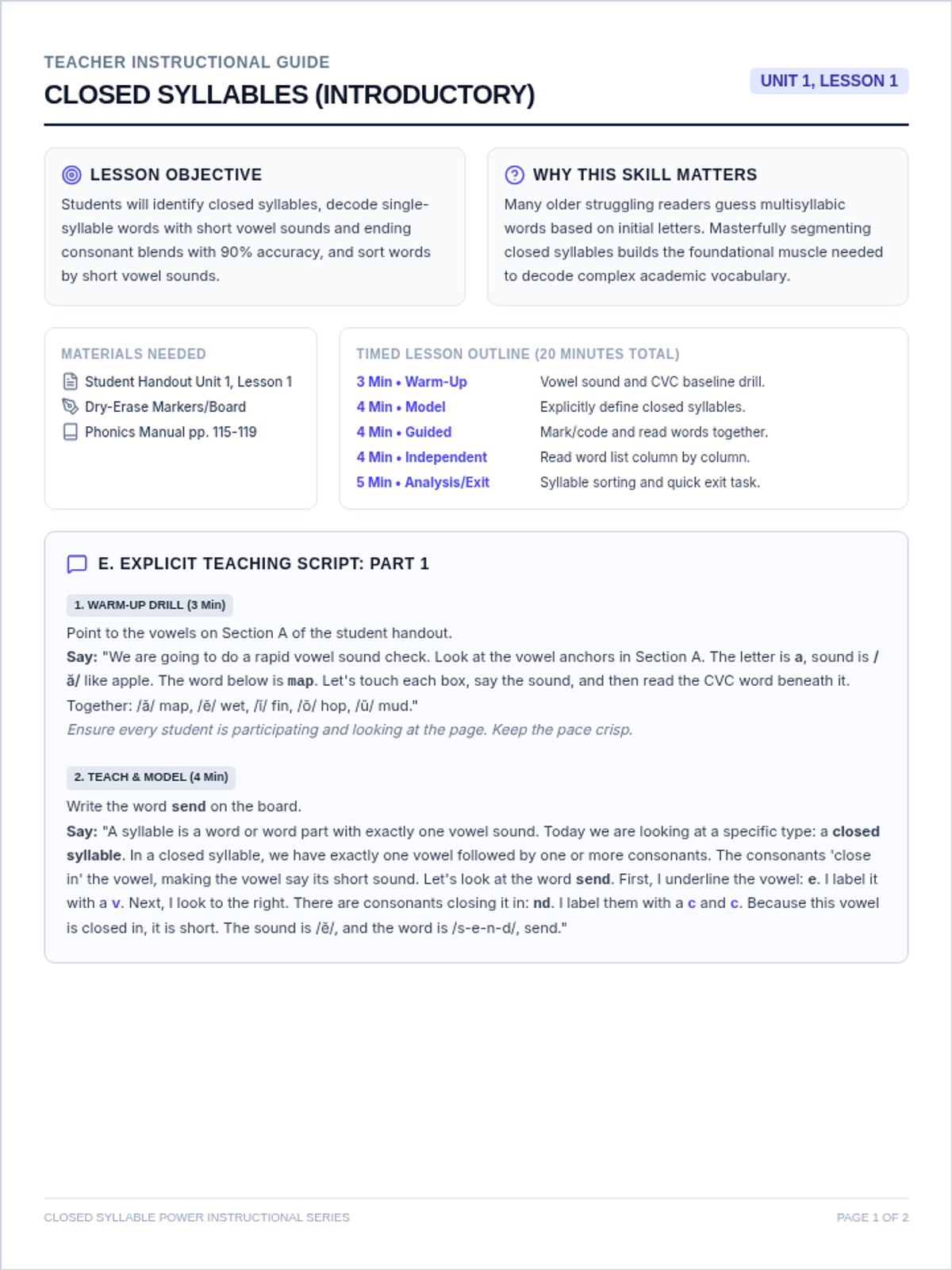
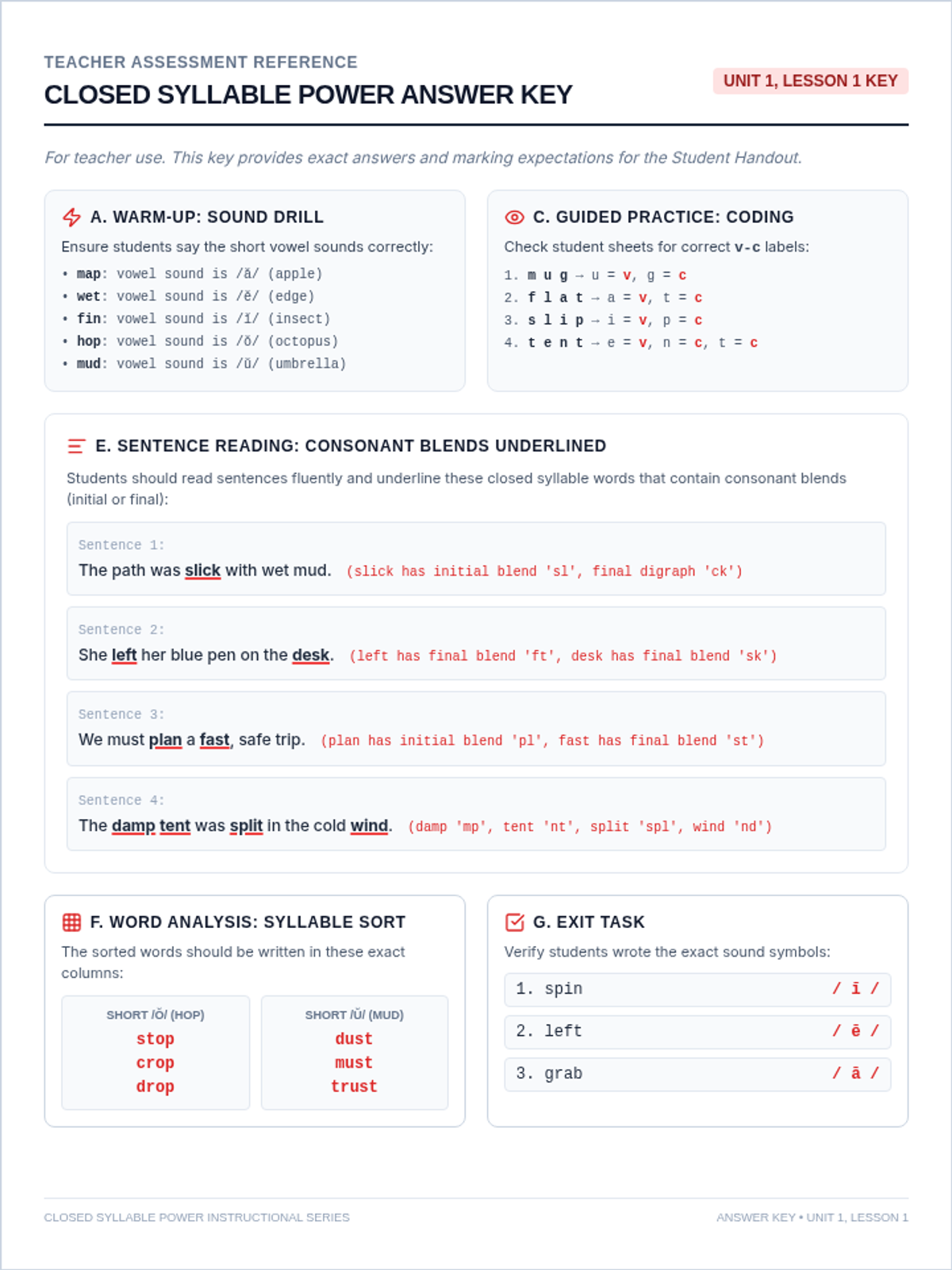
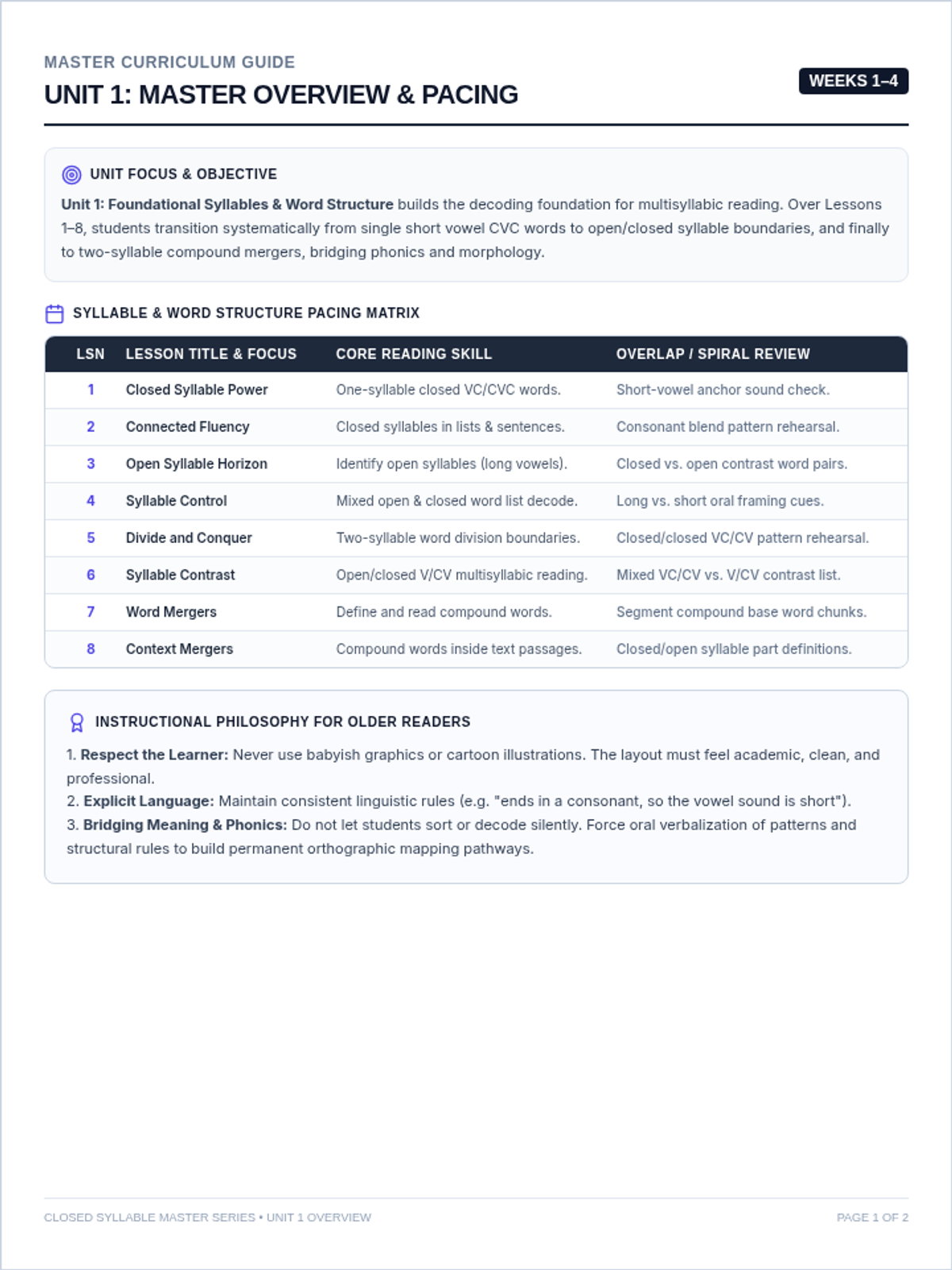
A structured reading intervention sequence for older struggling readers, focusing on closed syllable rules, pattern rehearsal, and accurate decoding in connected texts.
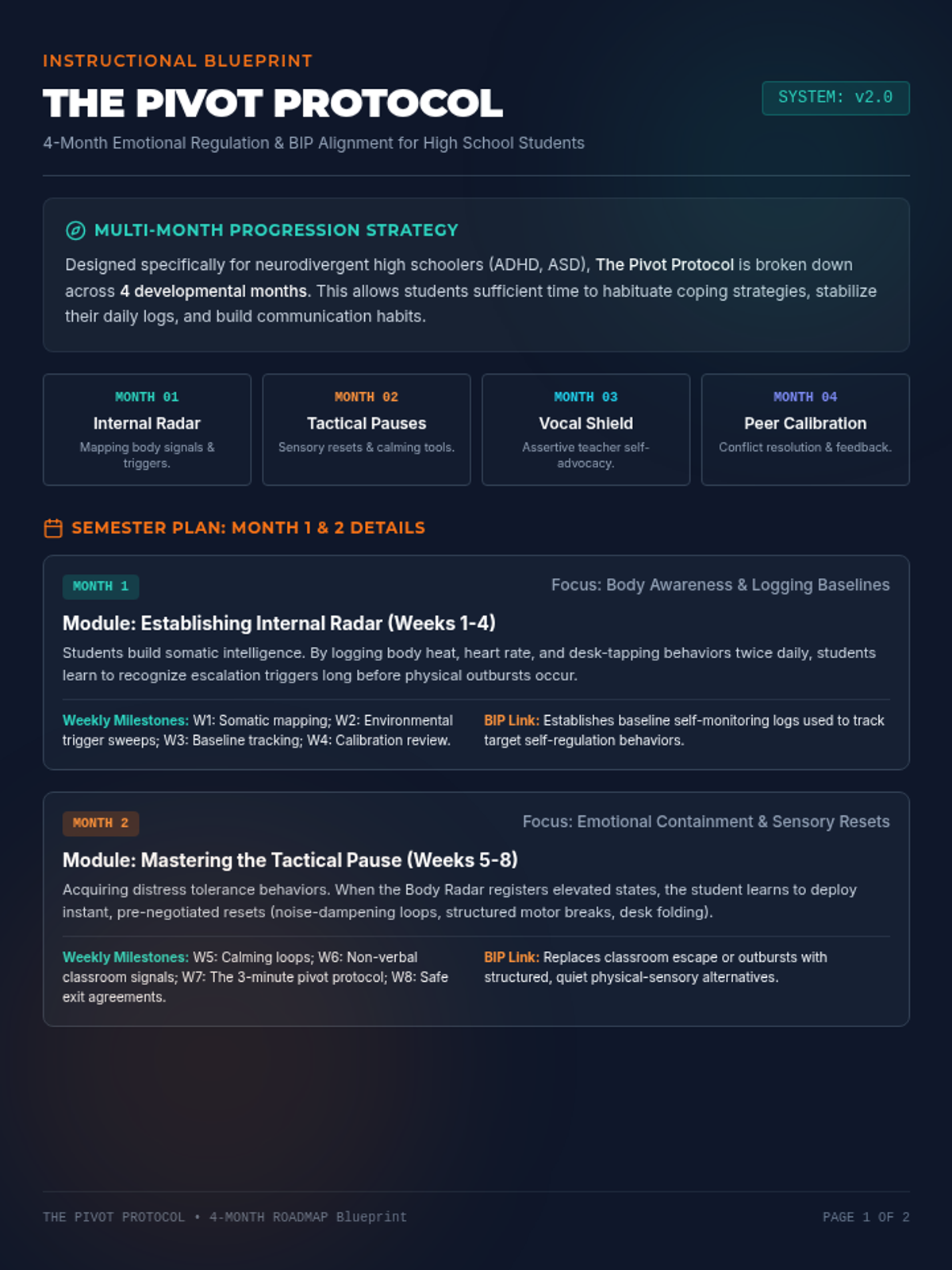
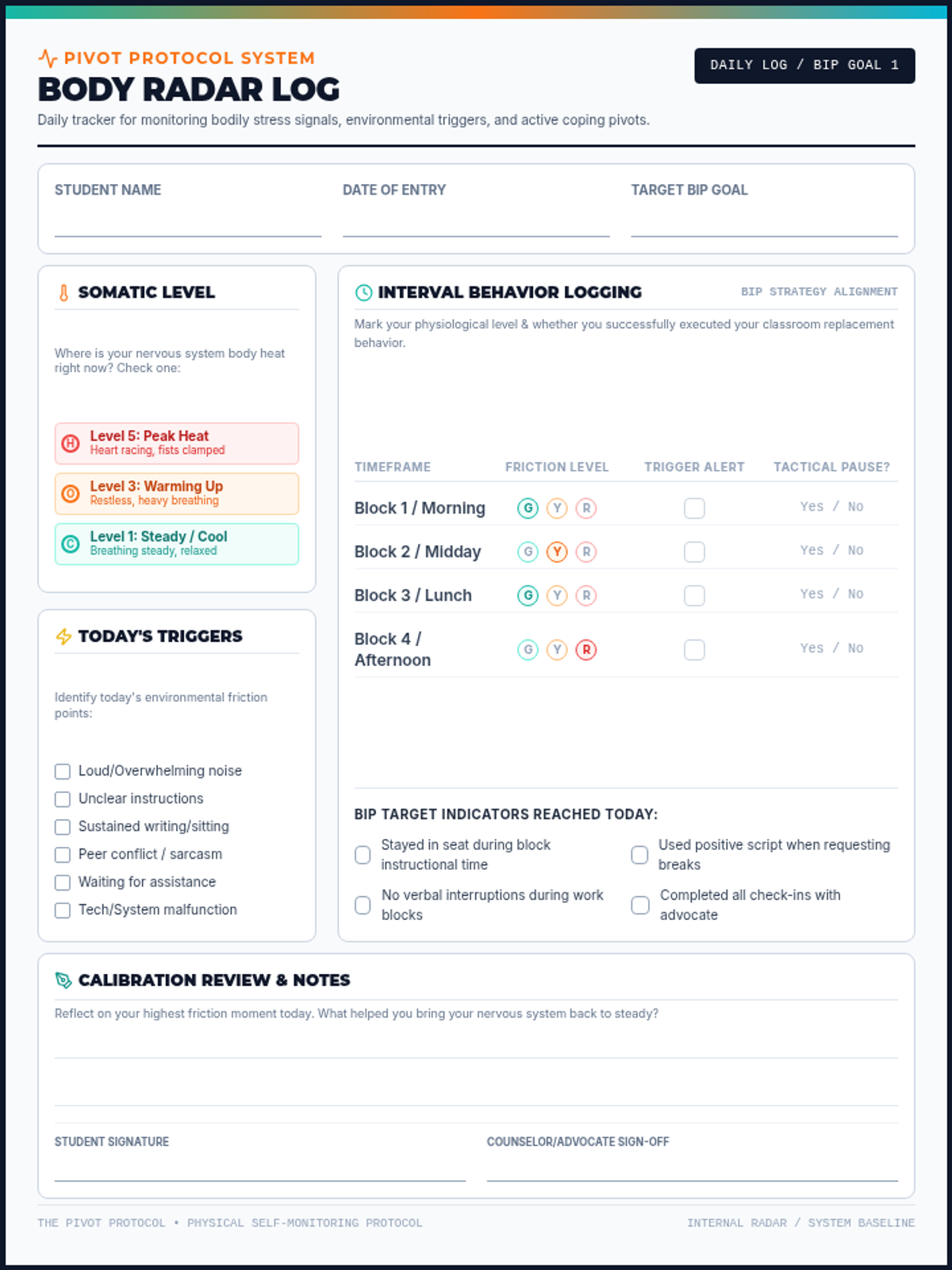
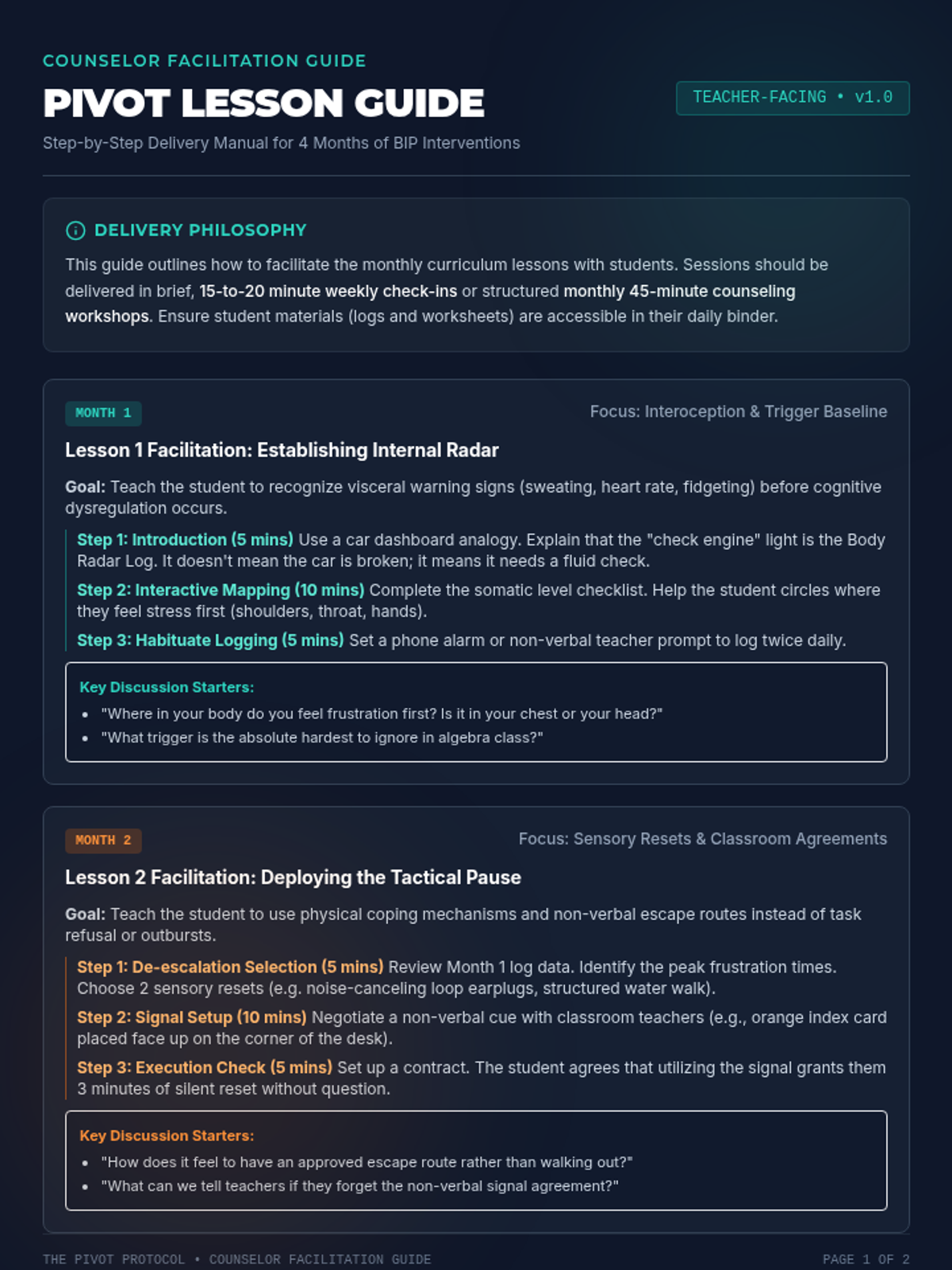
A multi-week emotional regulation and social self-advocacy curriculum designed specifically for high schoolers with ADHD and BIPs. This sequence provides a modern, gamified framework for identifying triggers, practicing coping mechanisms, tracking daily goals, and resolving peer conflicts.
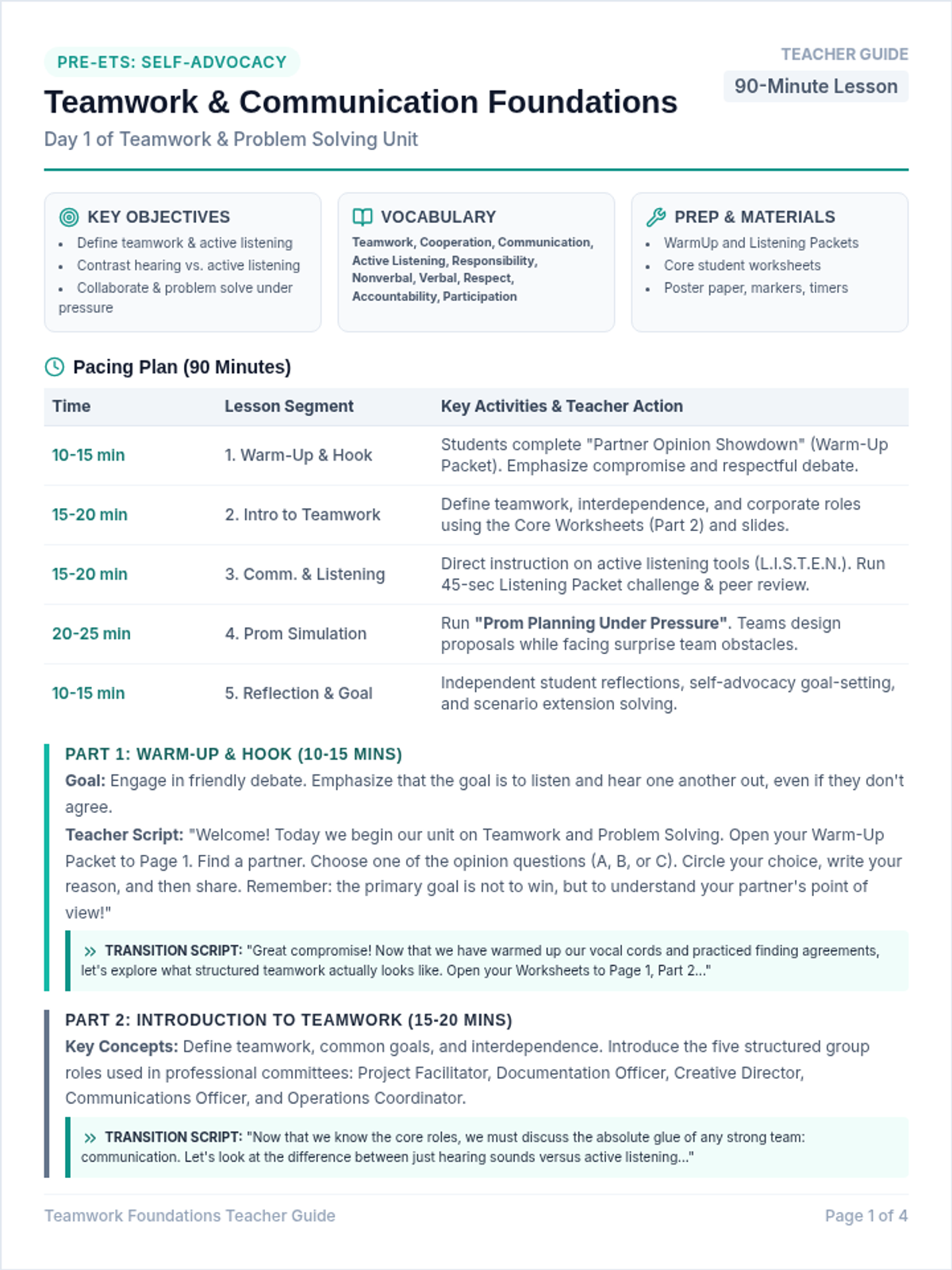
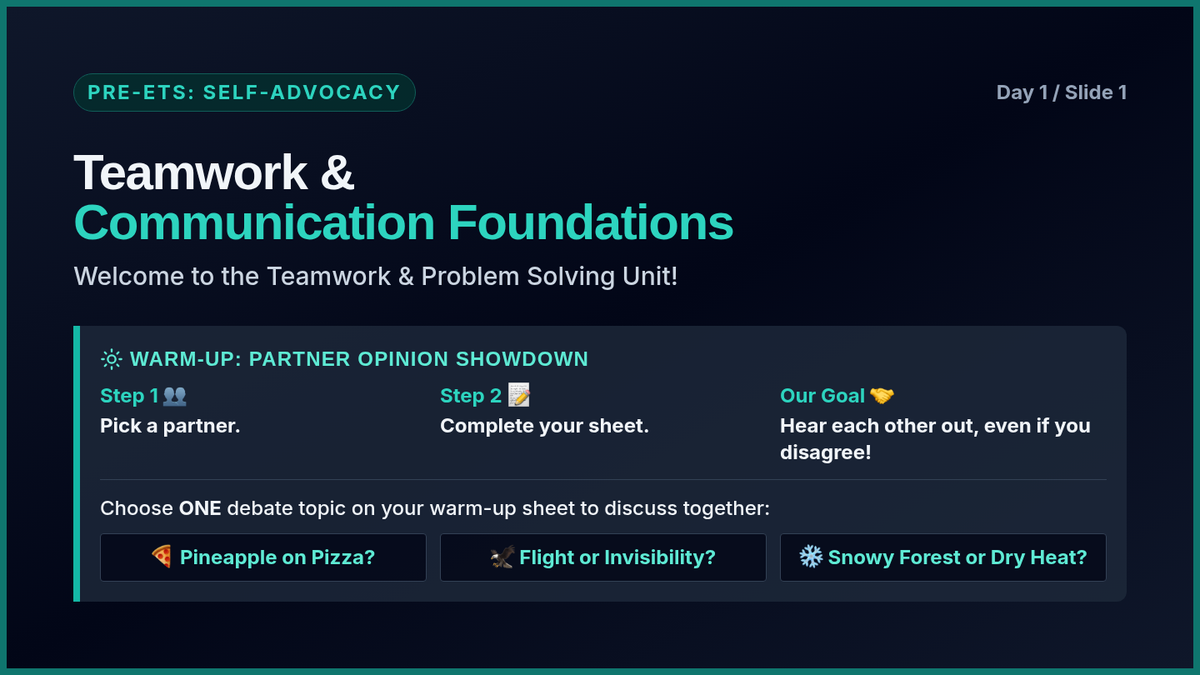
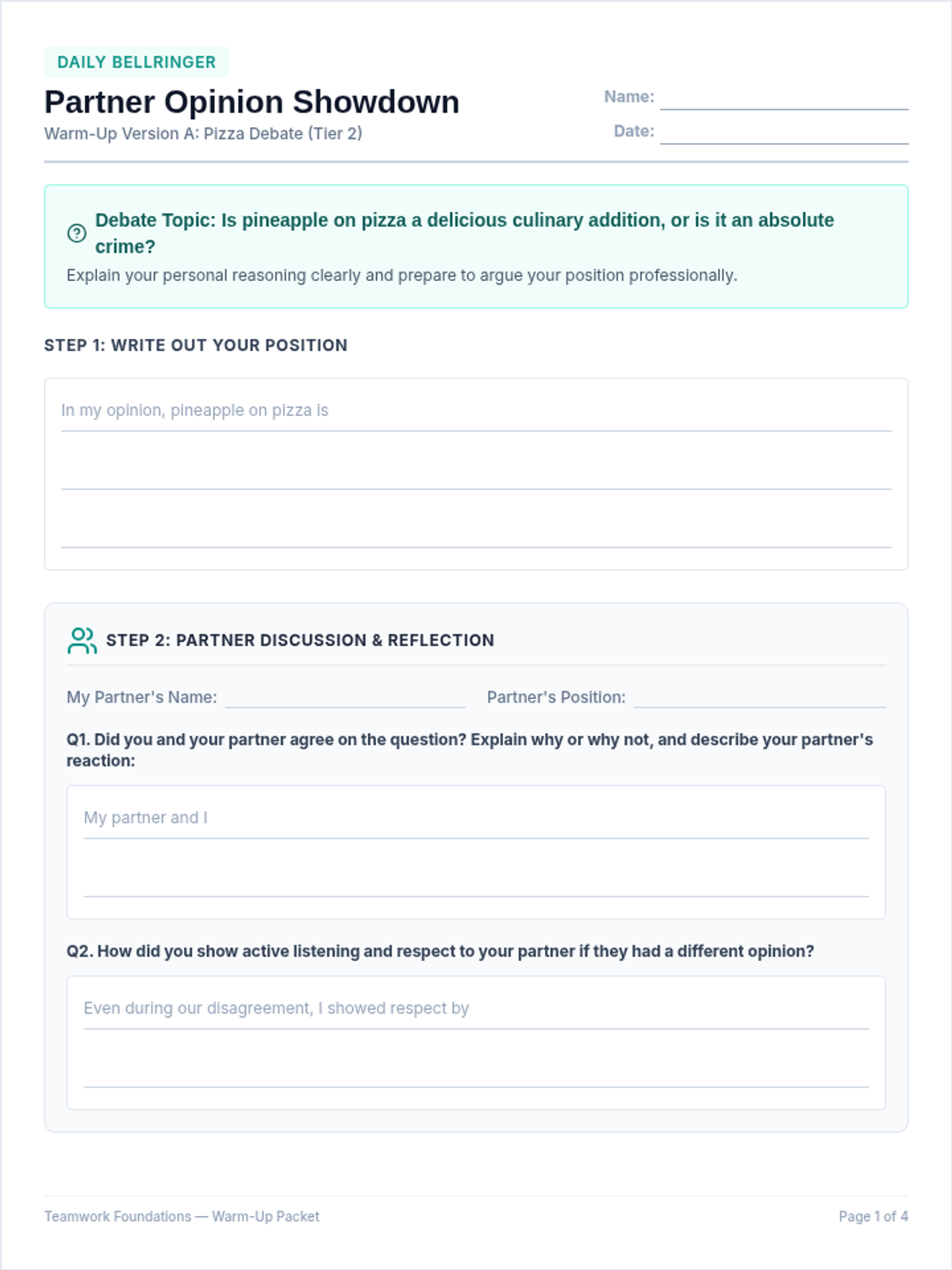
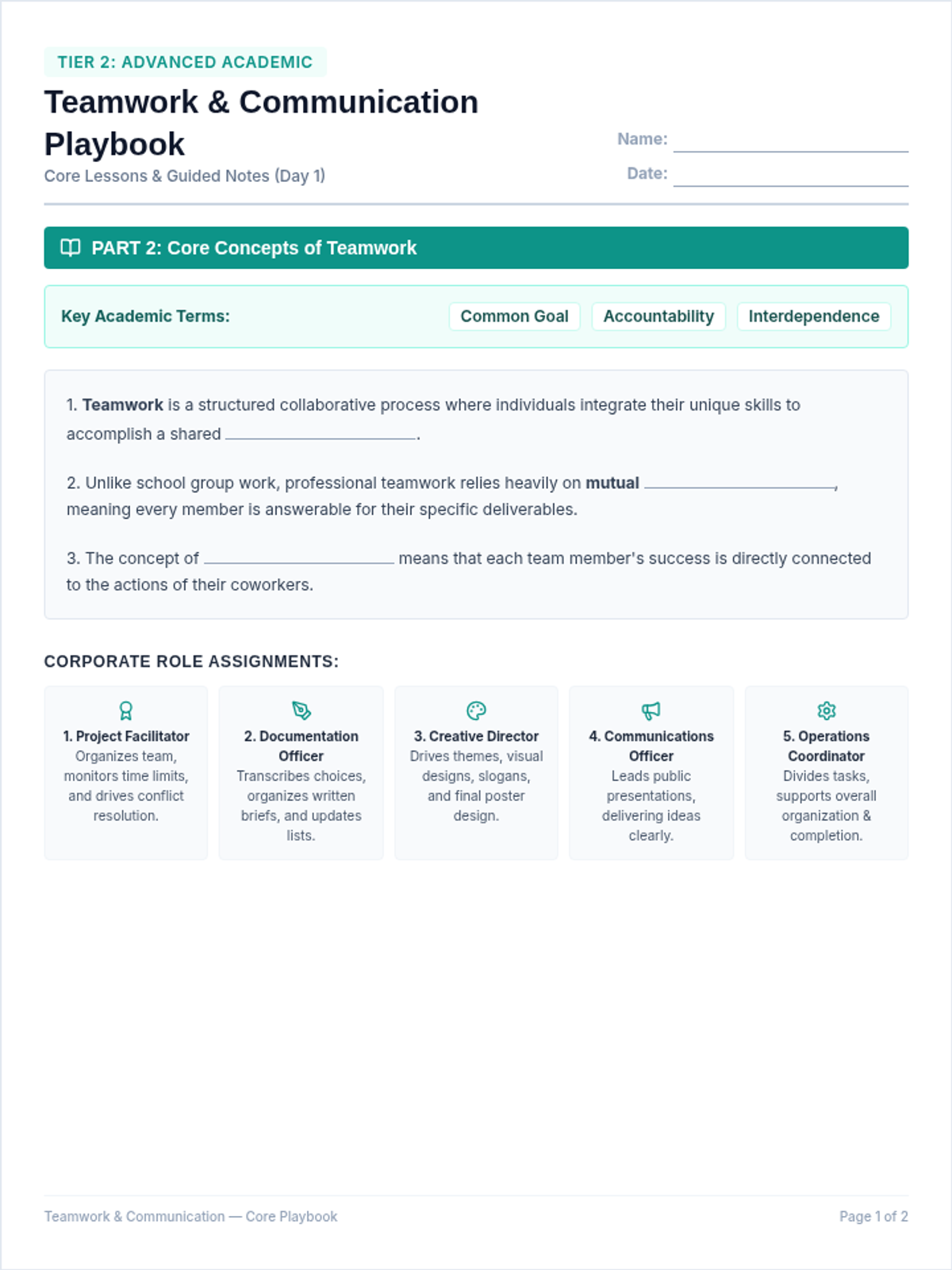
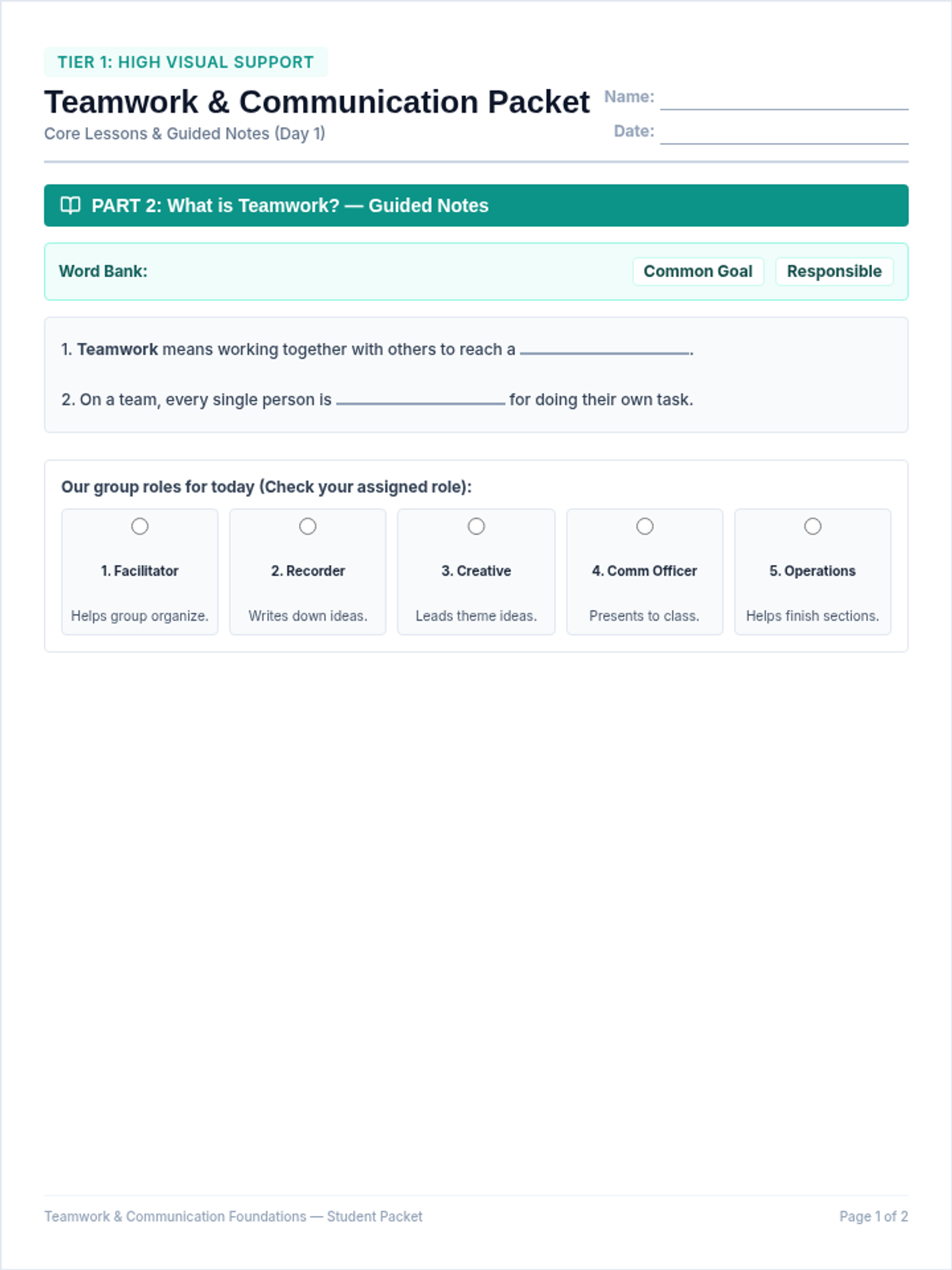
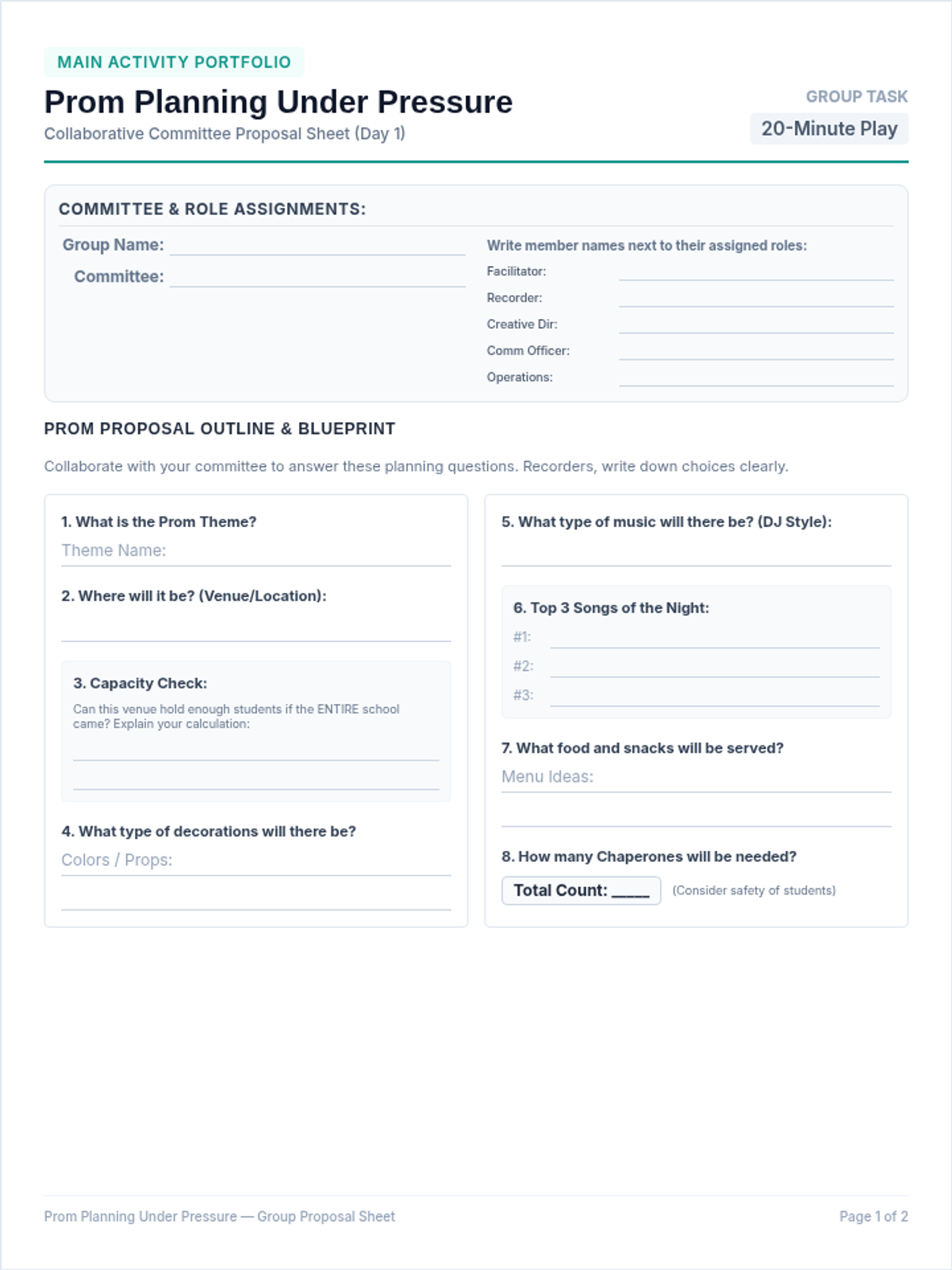
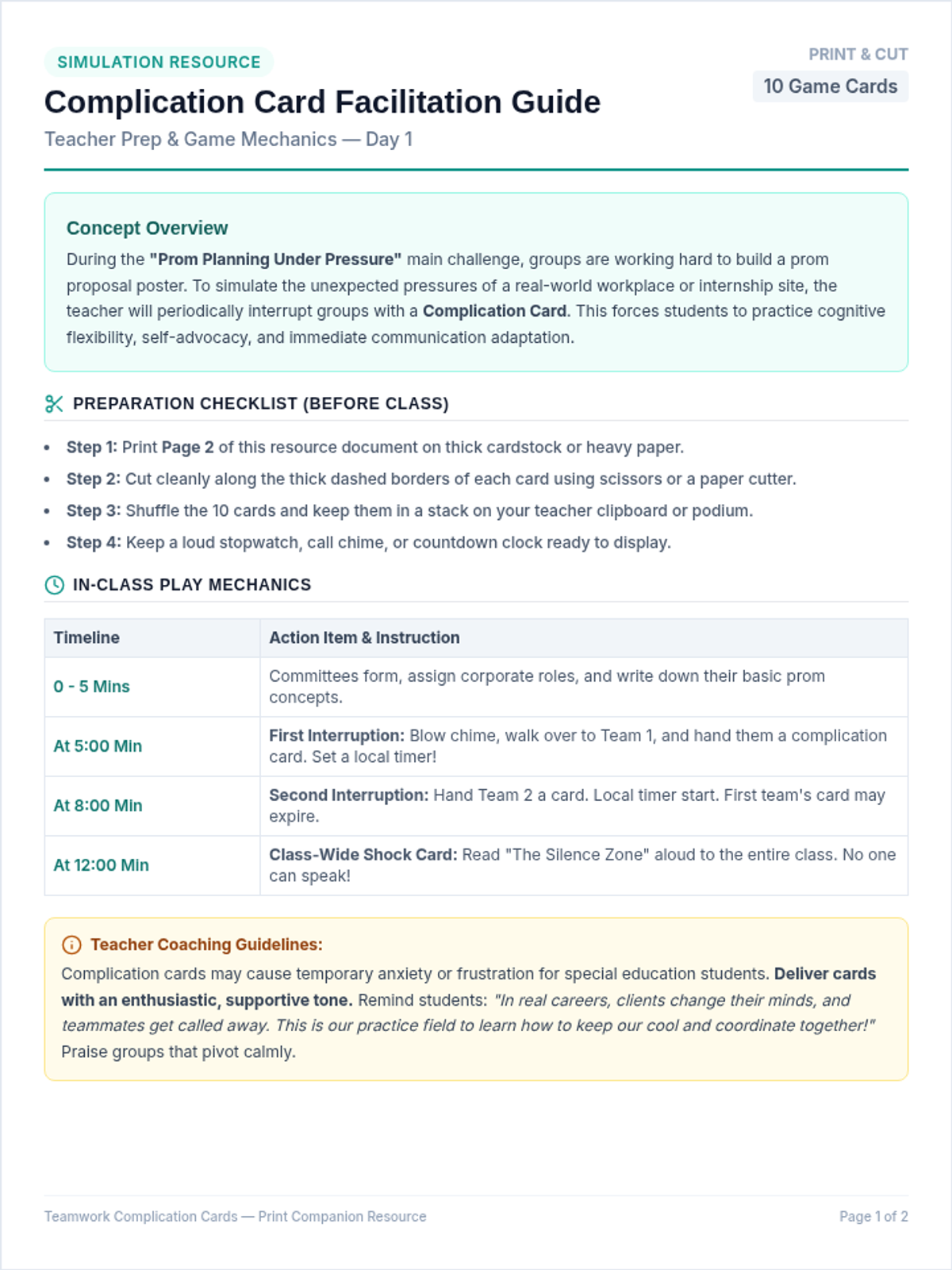
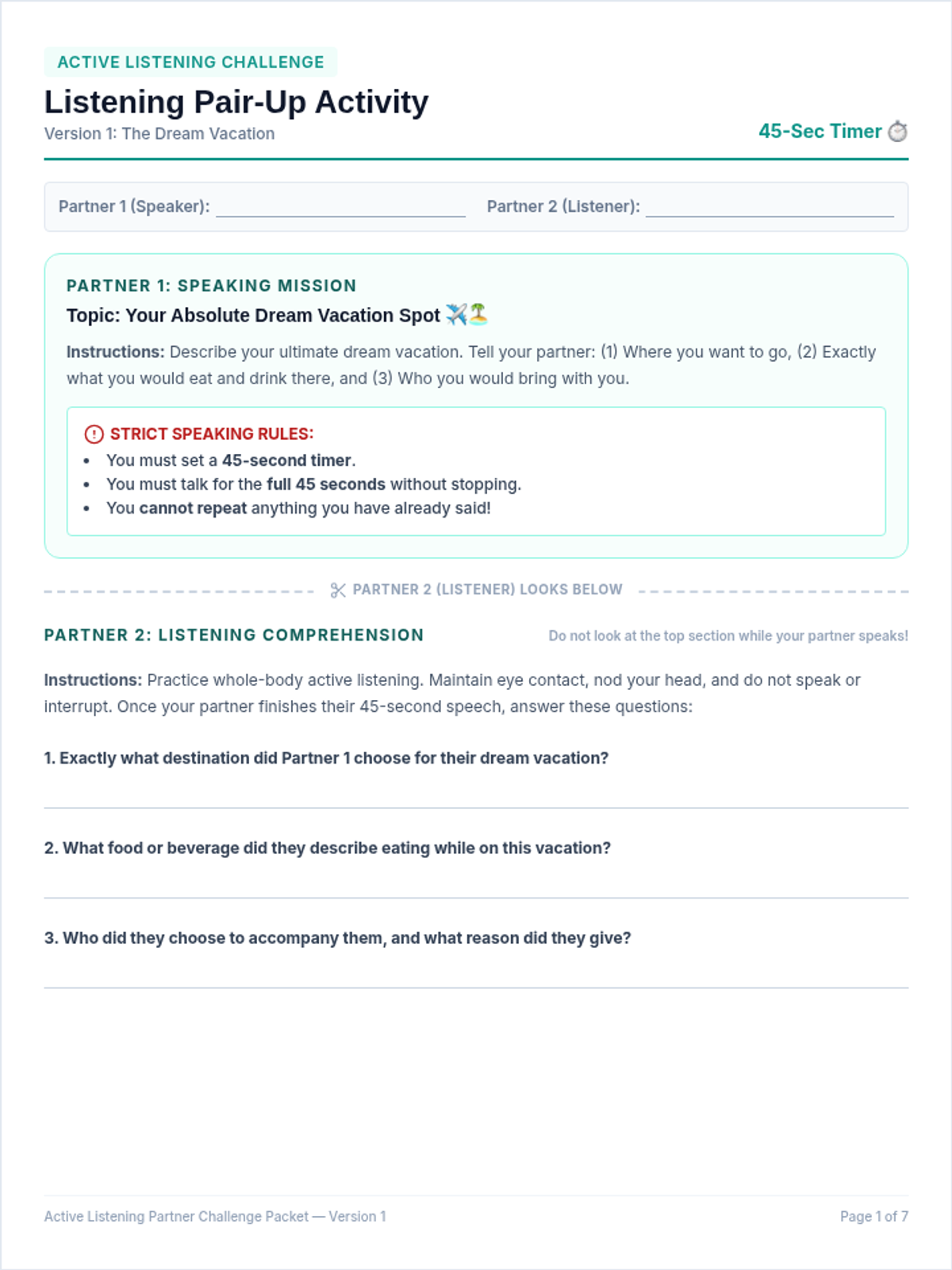
A unit introducing high school students to essential teamwork, communication, and problem-solving skills, focusing on workplace readiness, self-advocacy, and Pre-ETS skills.
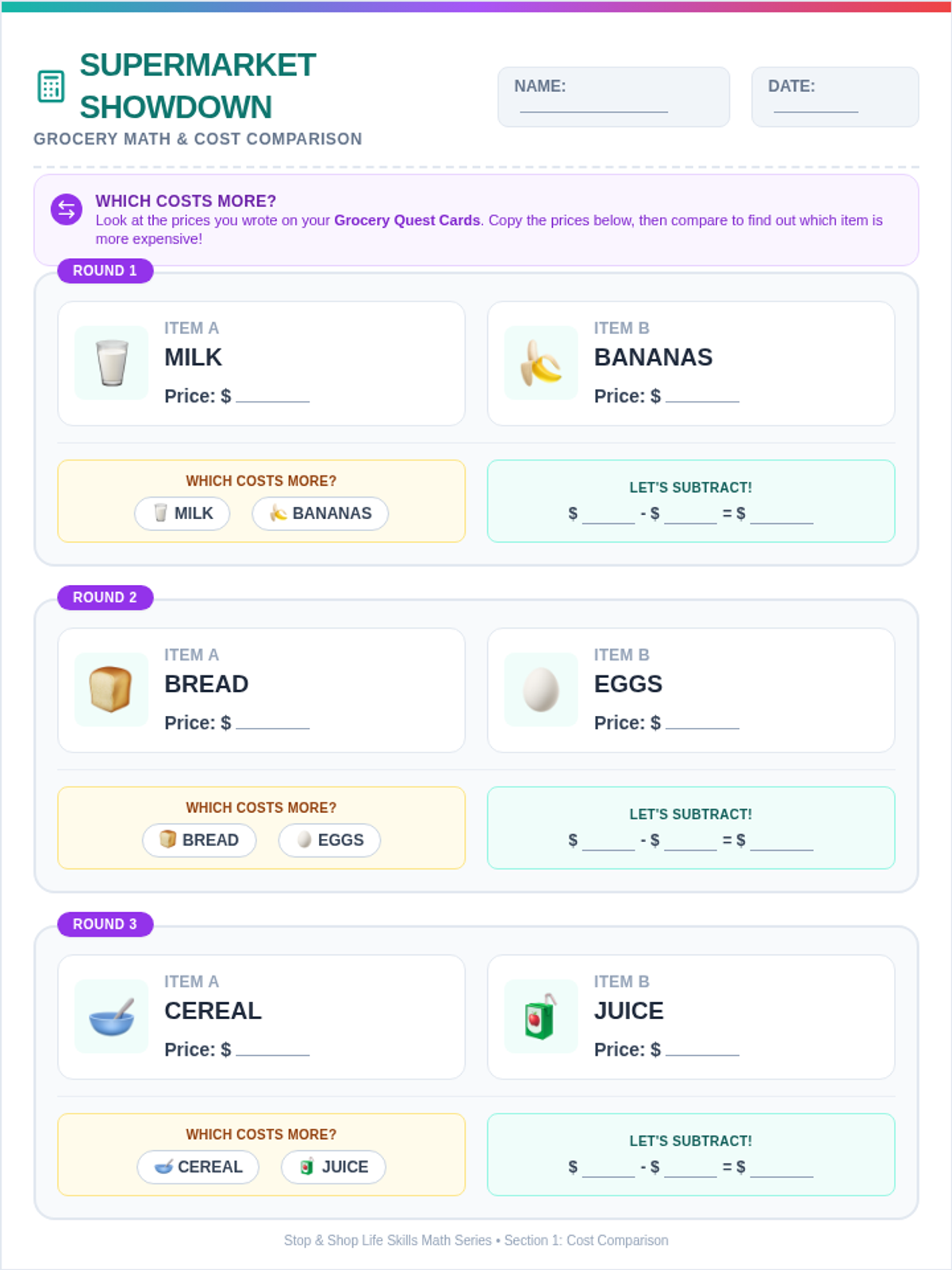
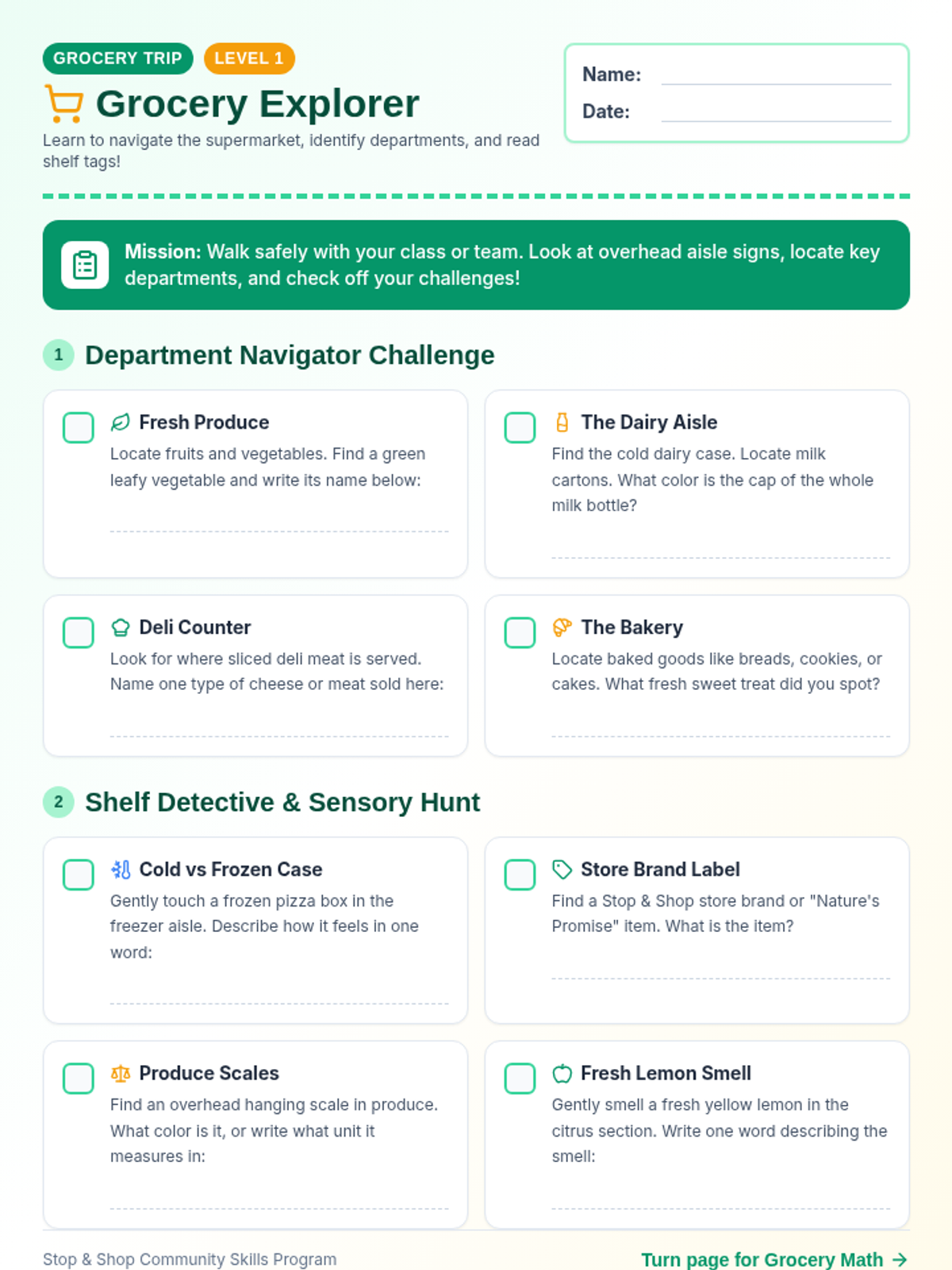
A functional life skills and practical mathematics sequence designed to help students navigate community retail and grocery stores, manage a budget, and build independent living skills.
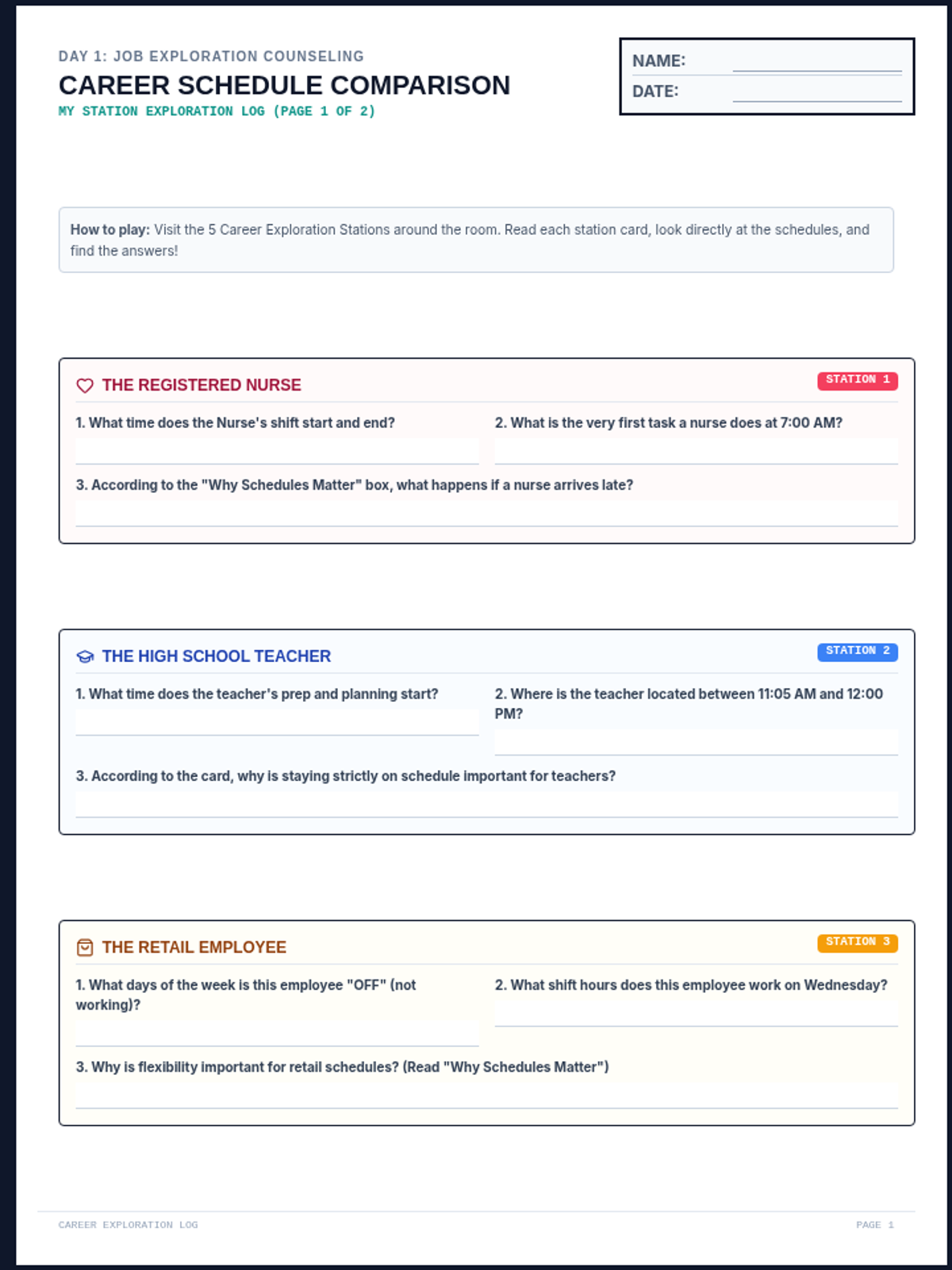
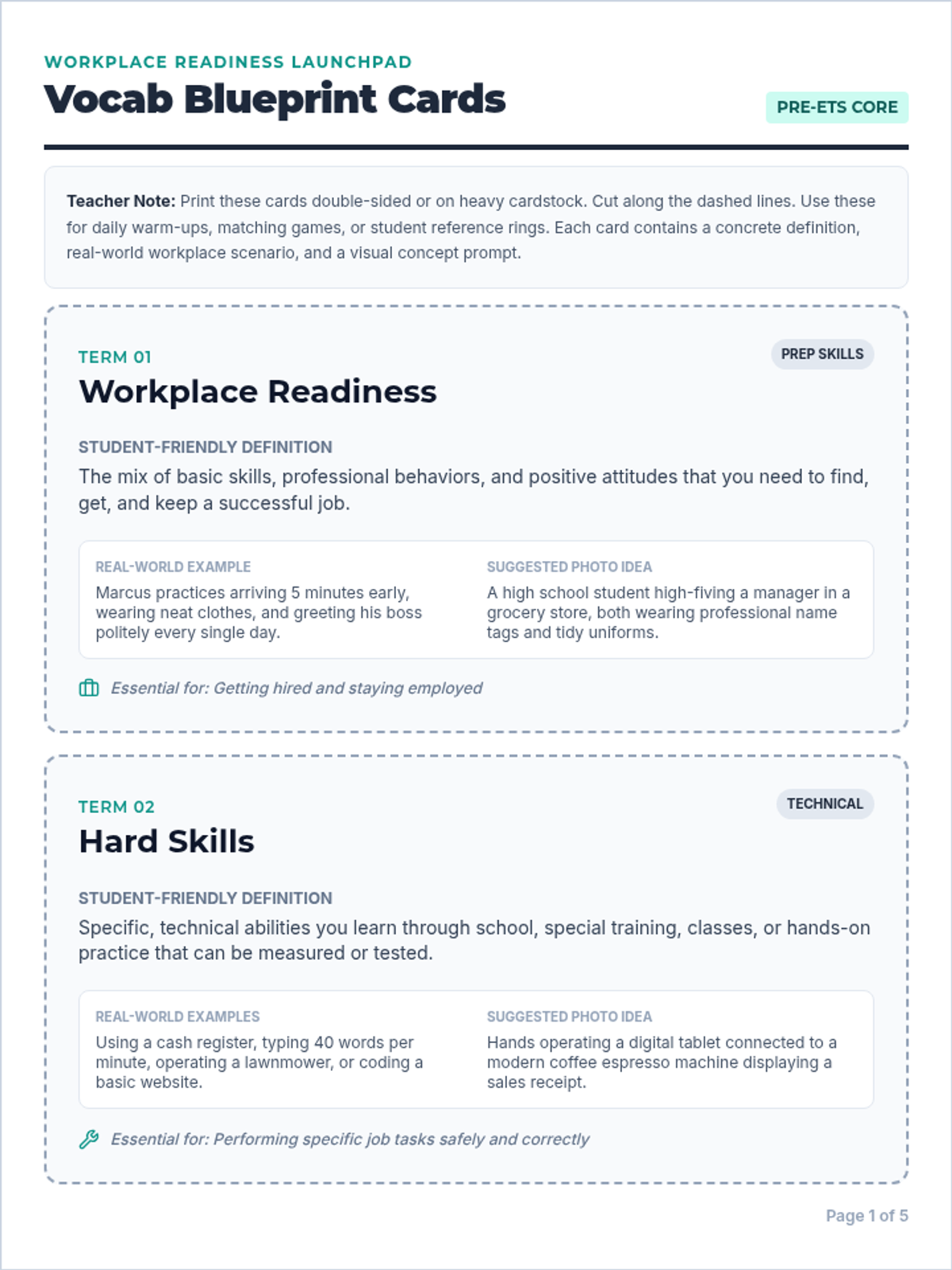
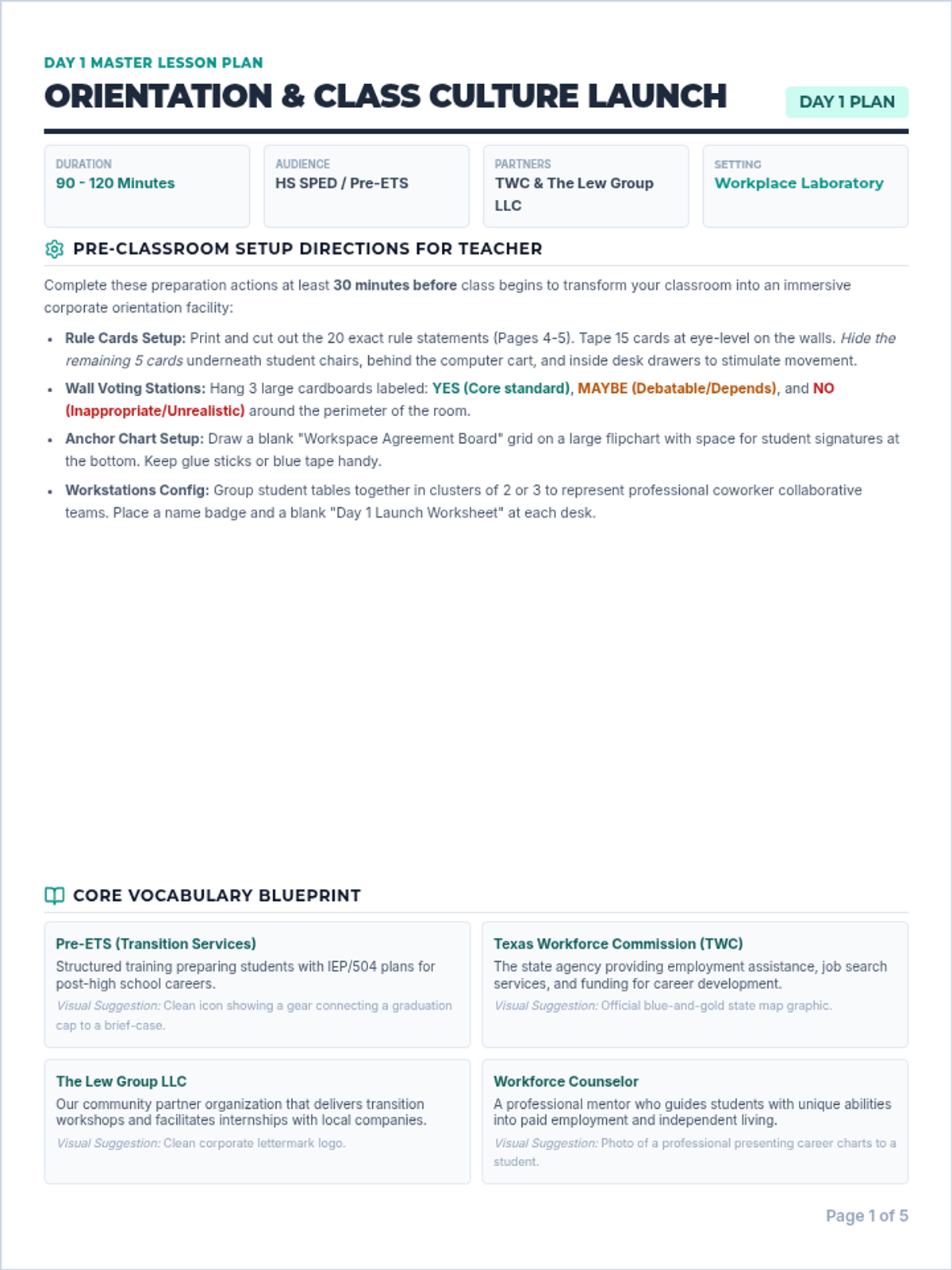
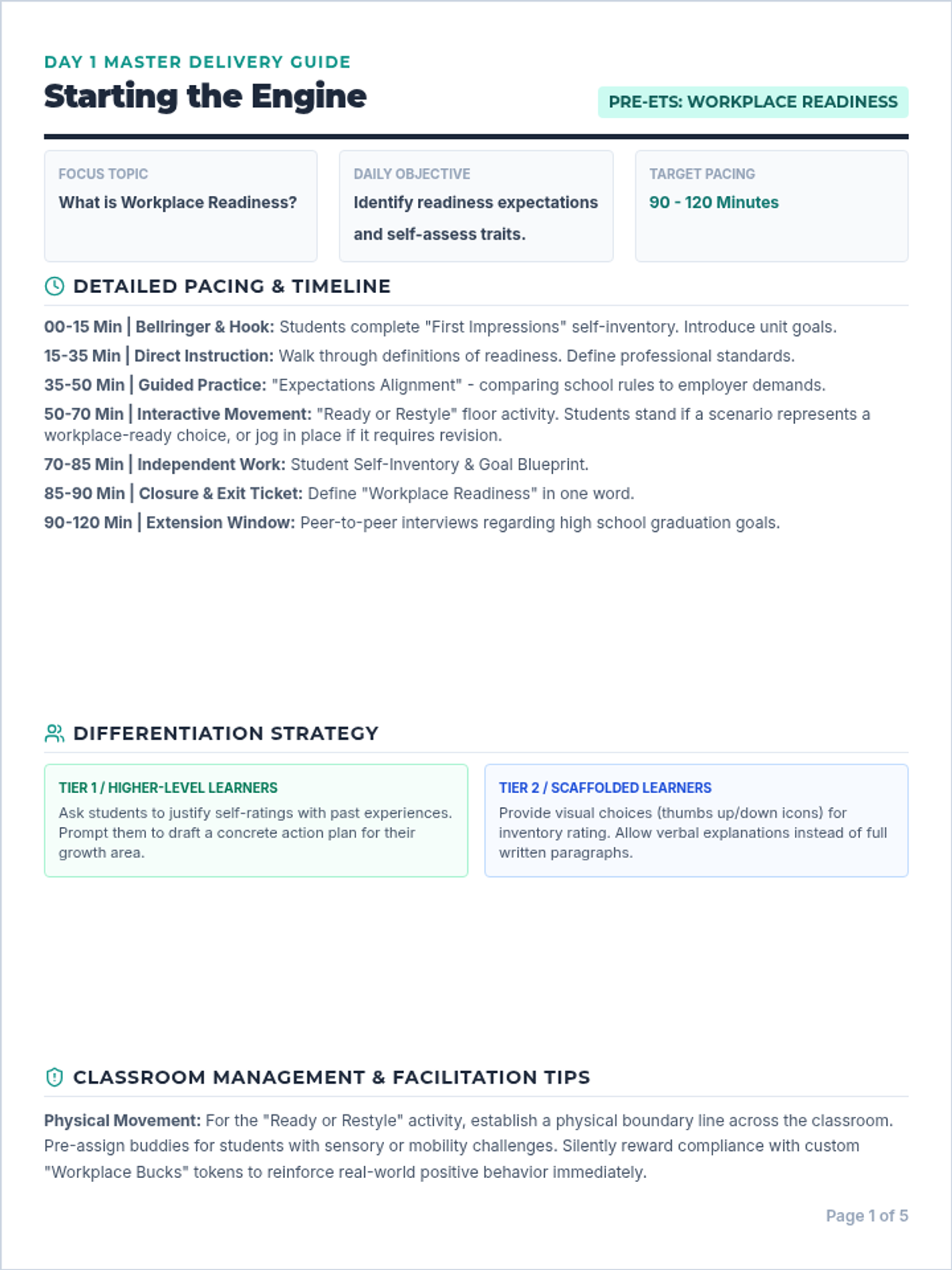
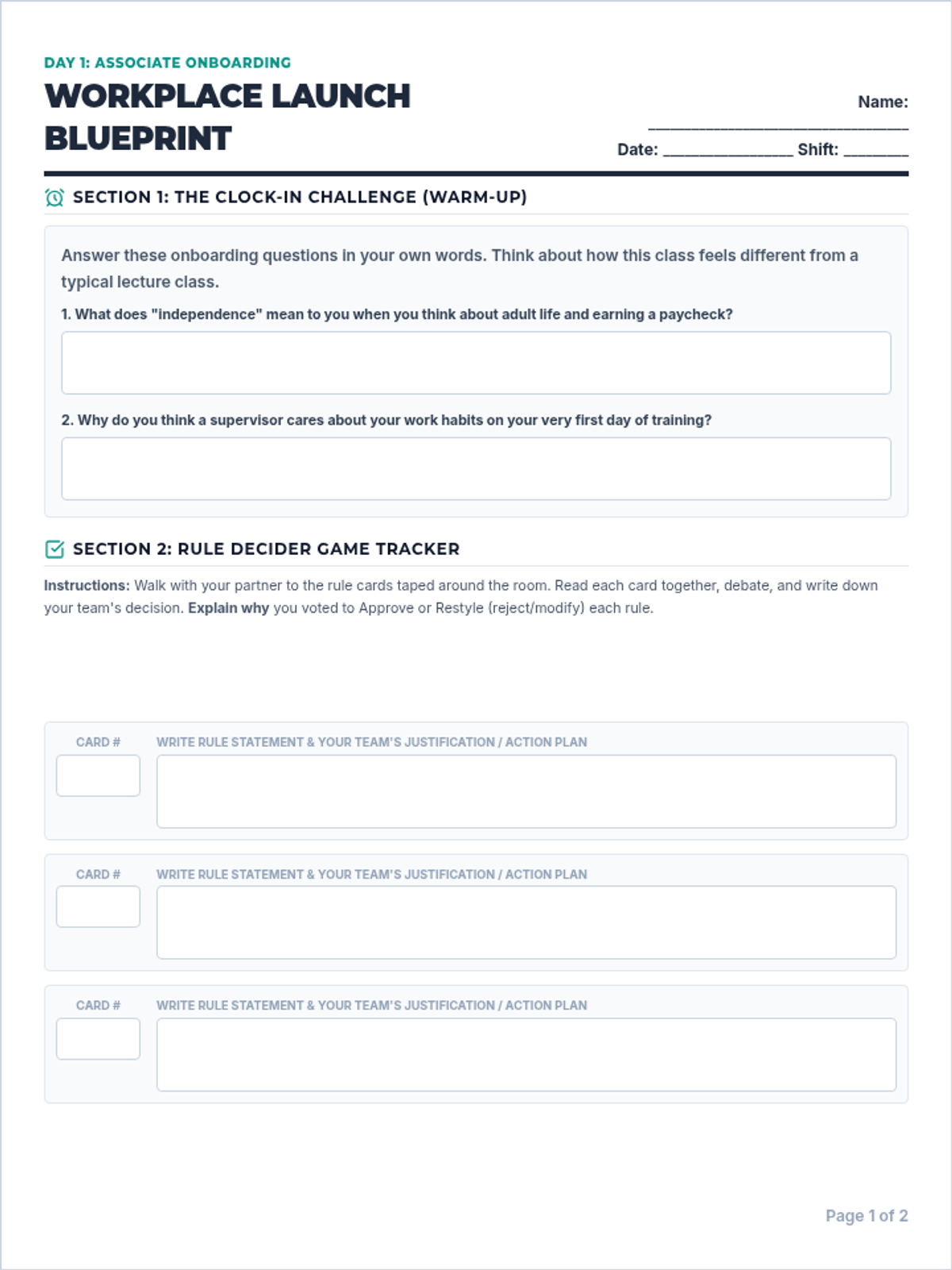
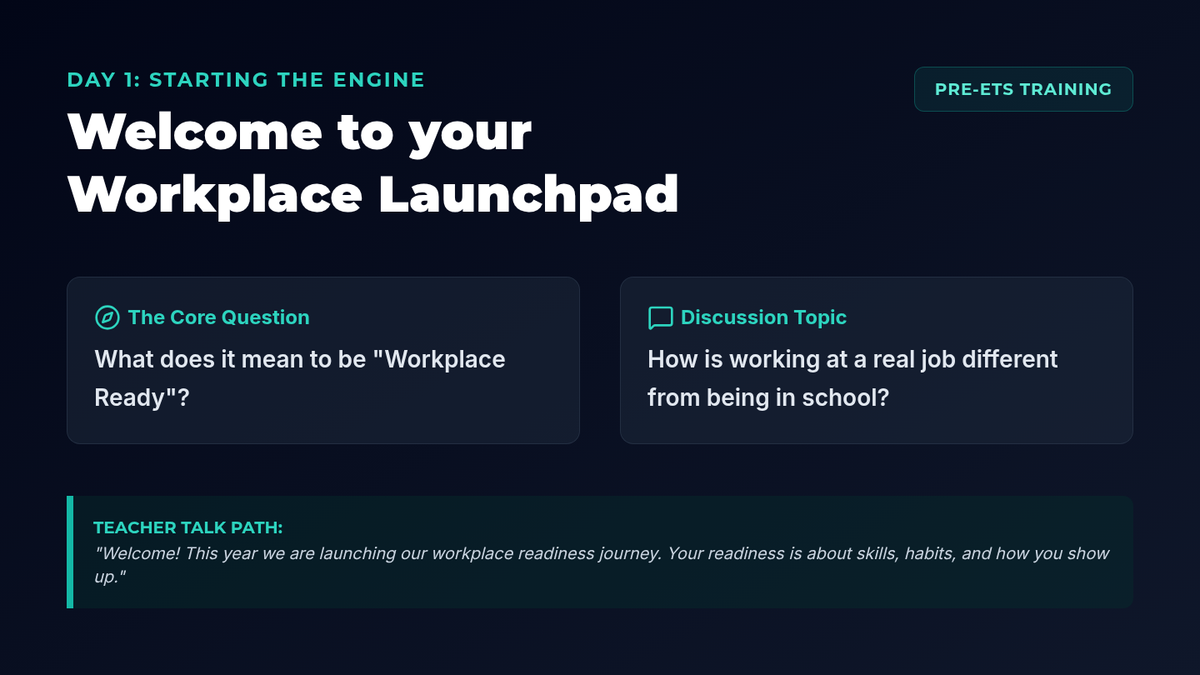
A comprehensive 5-day Pre-ETS and SPED transition unit introducing high school students to workplace readiness, professional communication, hard vs. soft skills, self-advocacy, and career exploration.
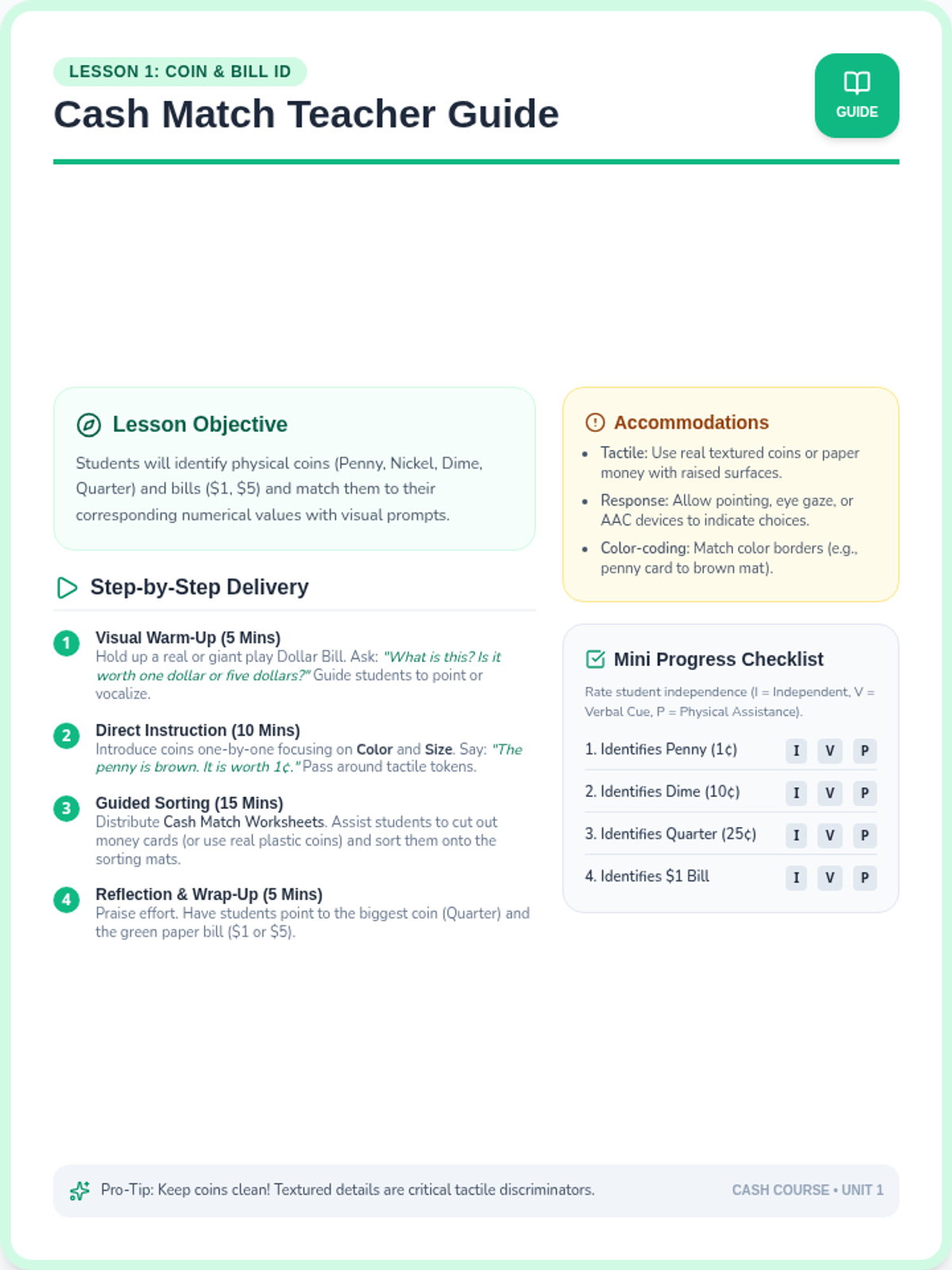
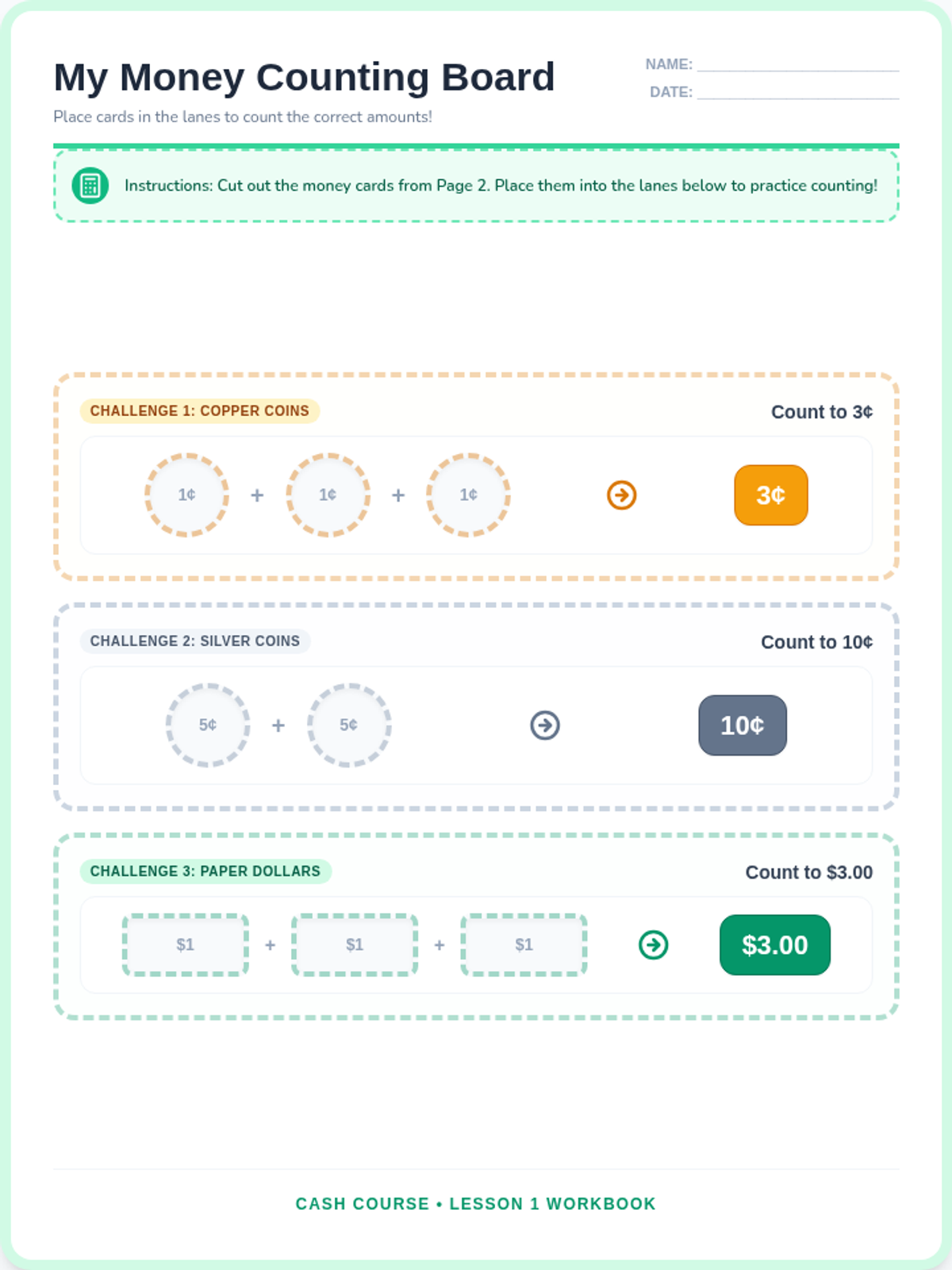
A highly visual, step-by-step sequence designed for students with significant intellectual and learning disabilities. The unit focuses on real-life money skills: coin/bill identification, the next-dollar-up strategy, simple store purchases up to five dollars, and basic wants vs. needs budgeting.
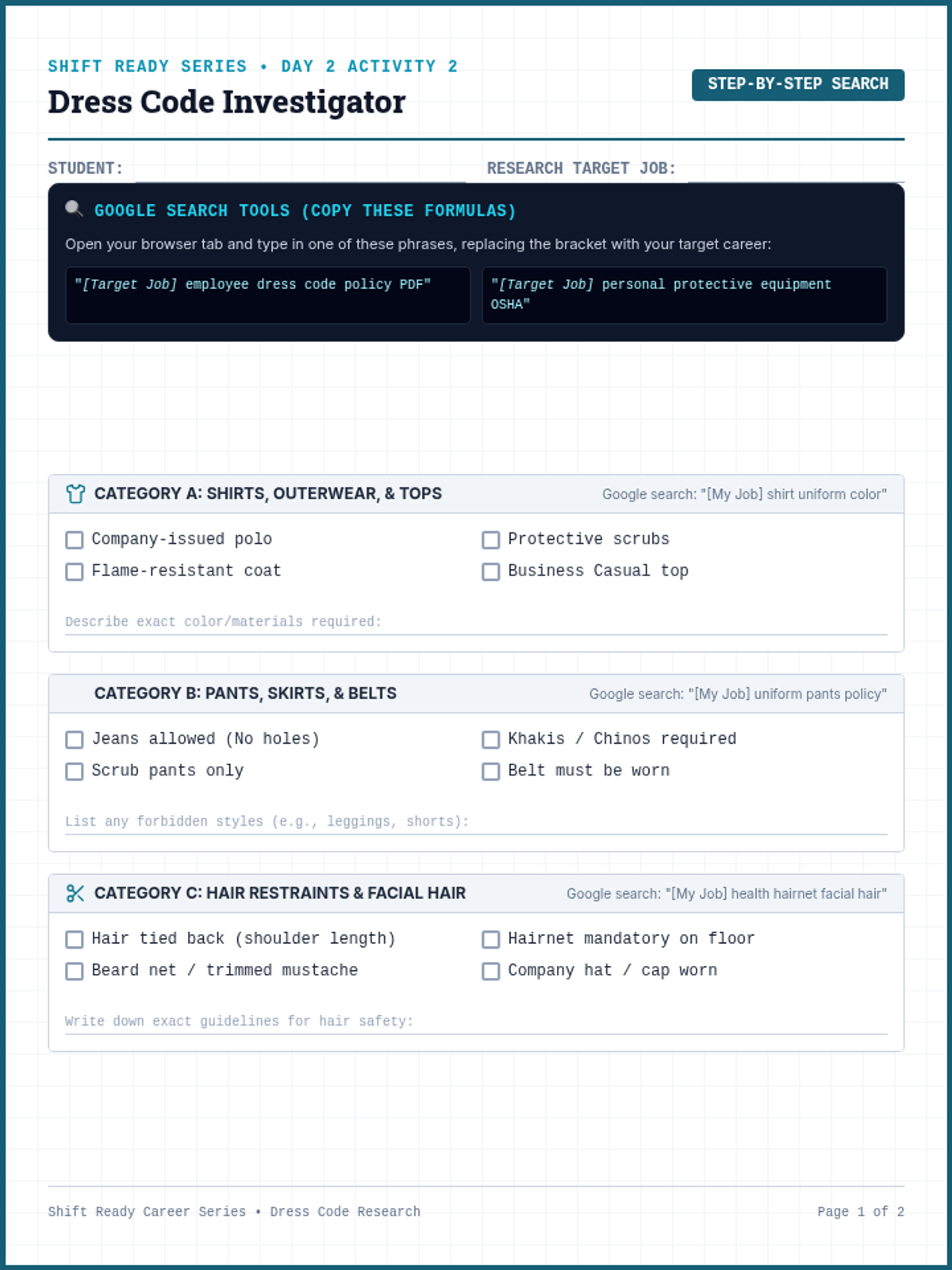
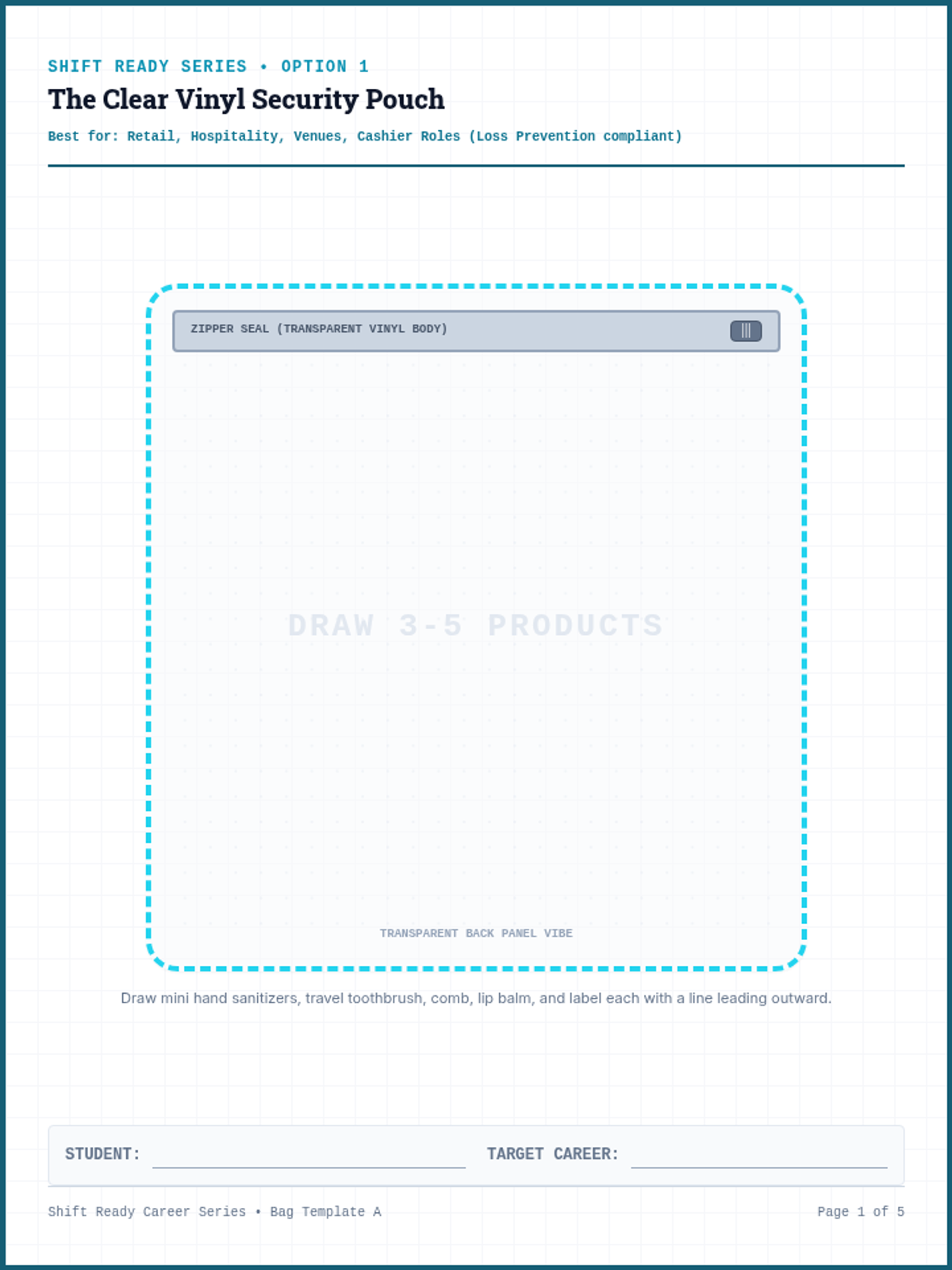
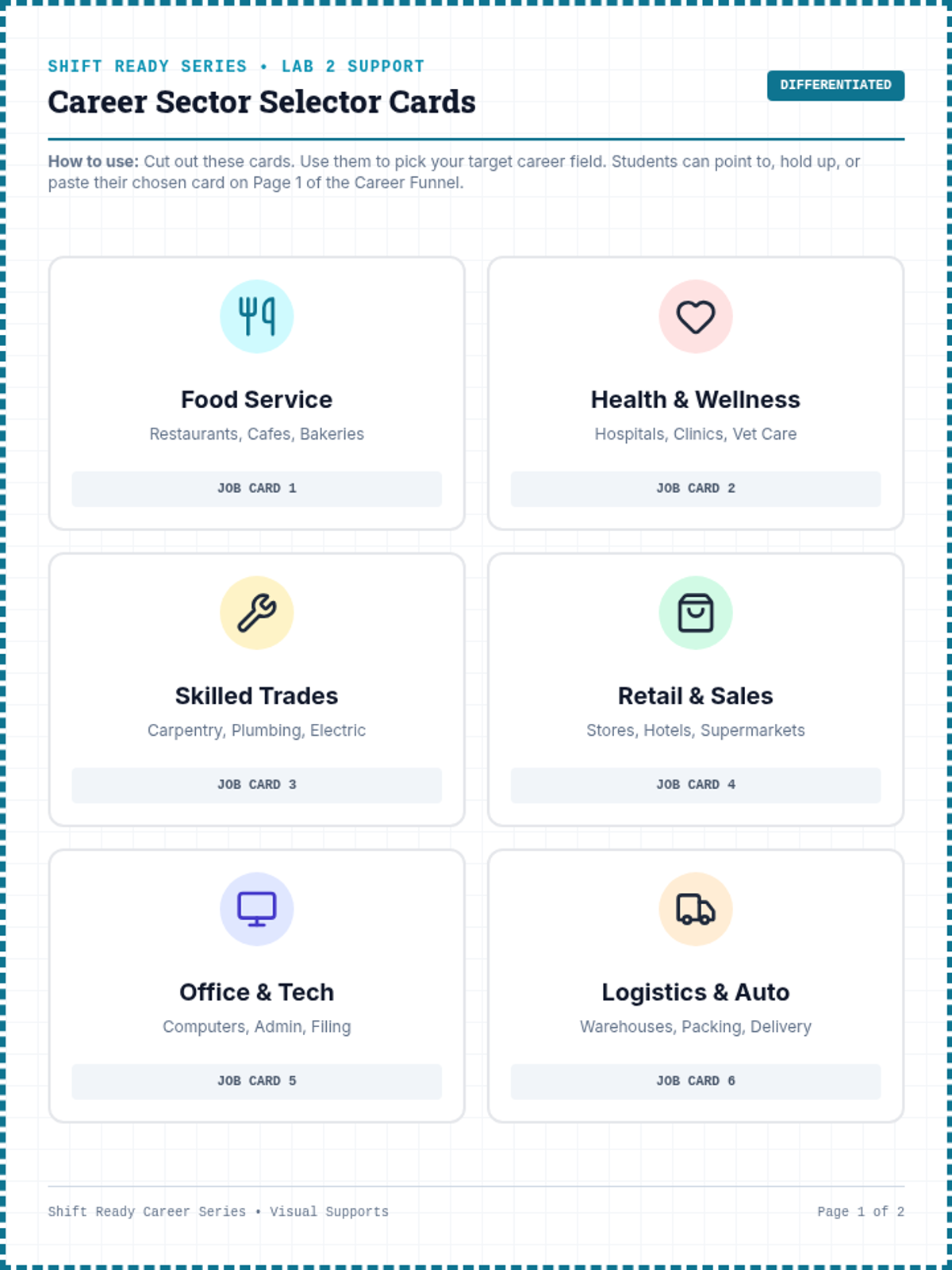
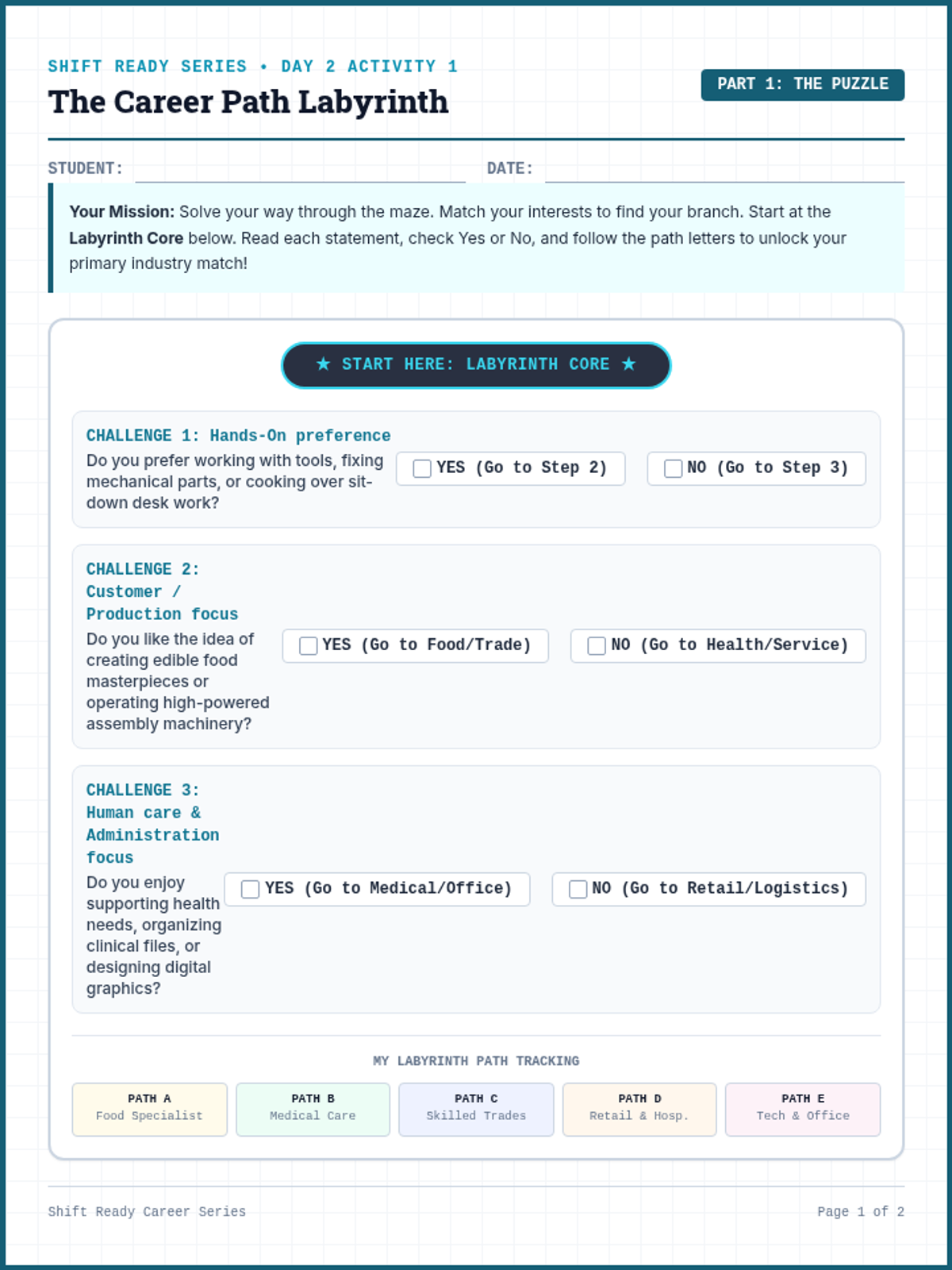
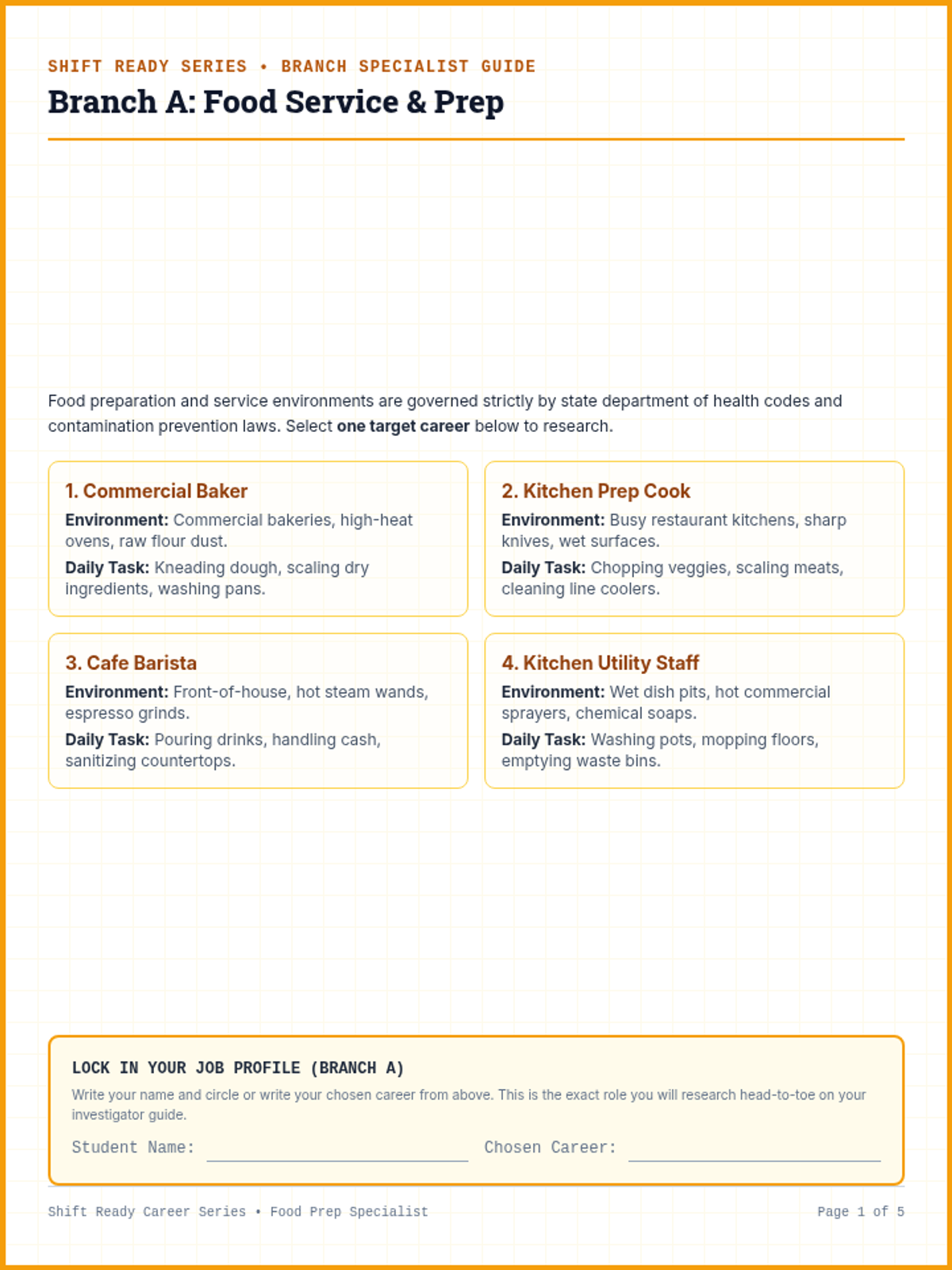
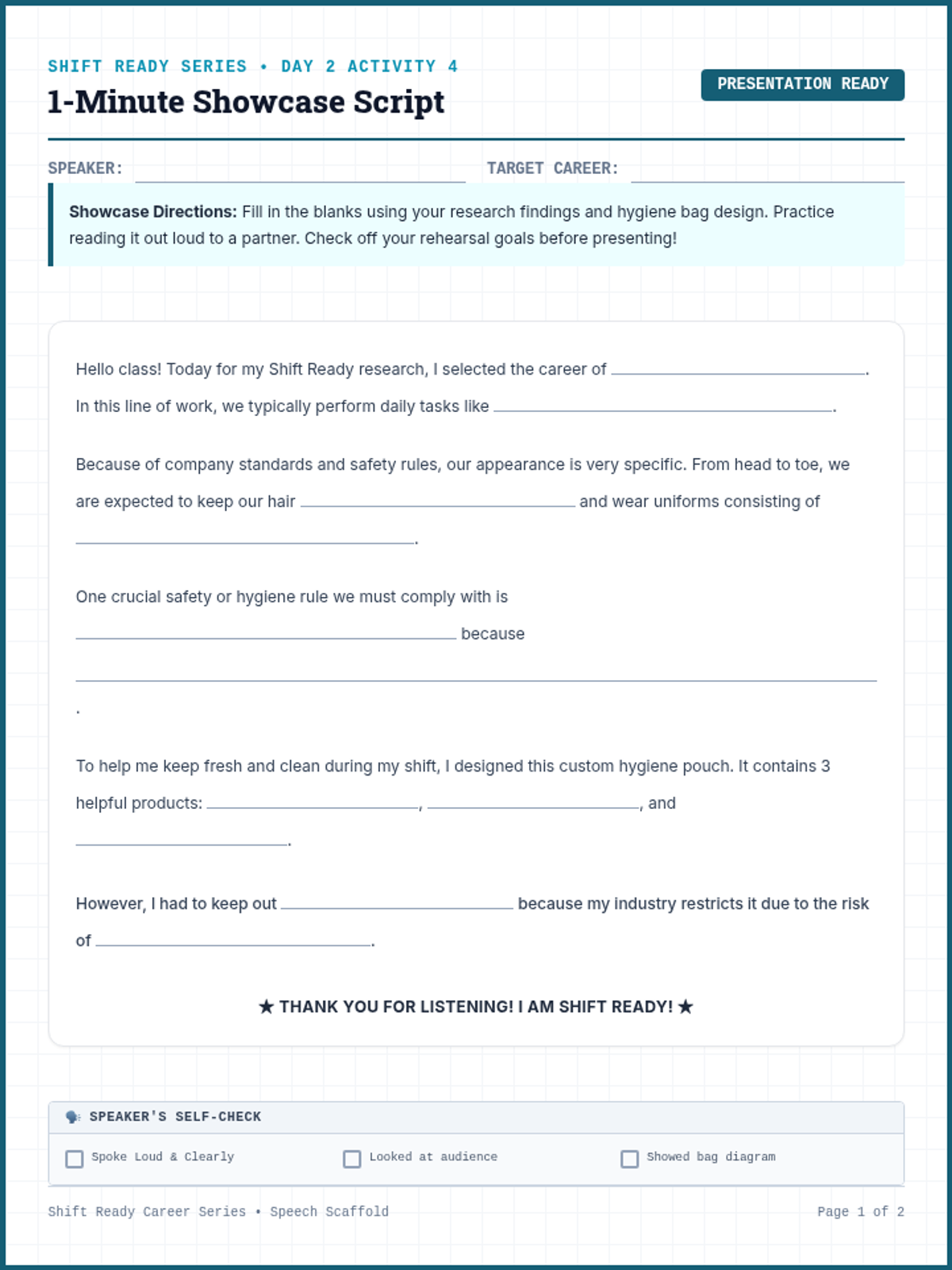
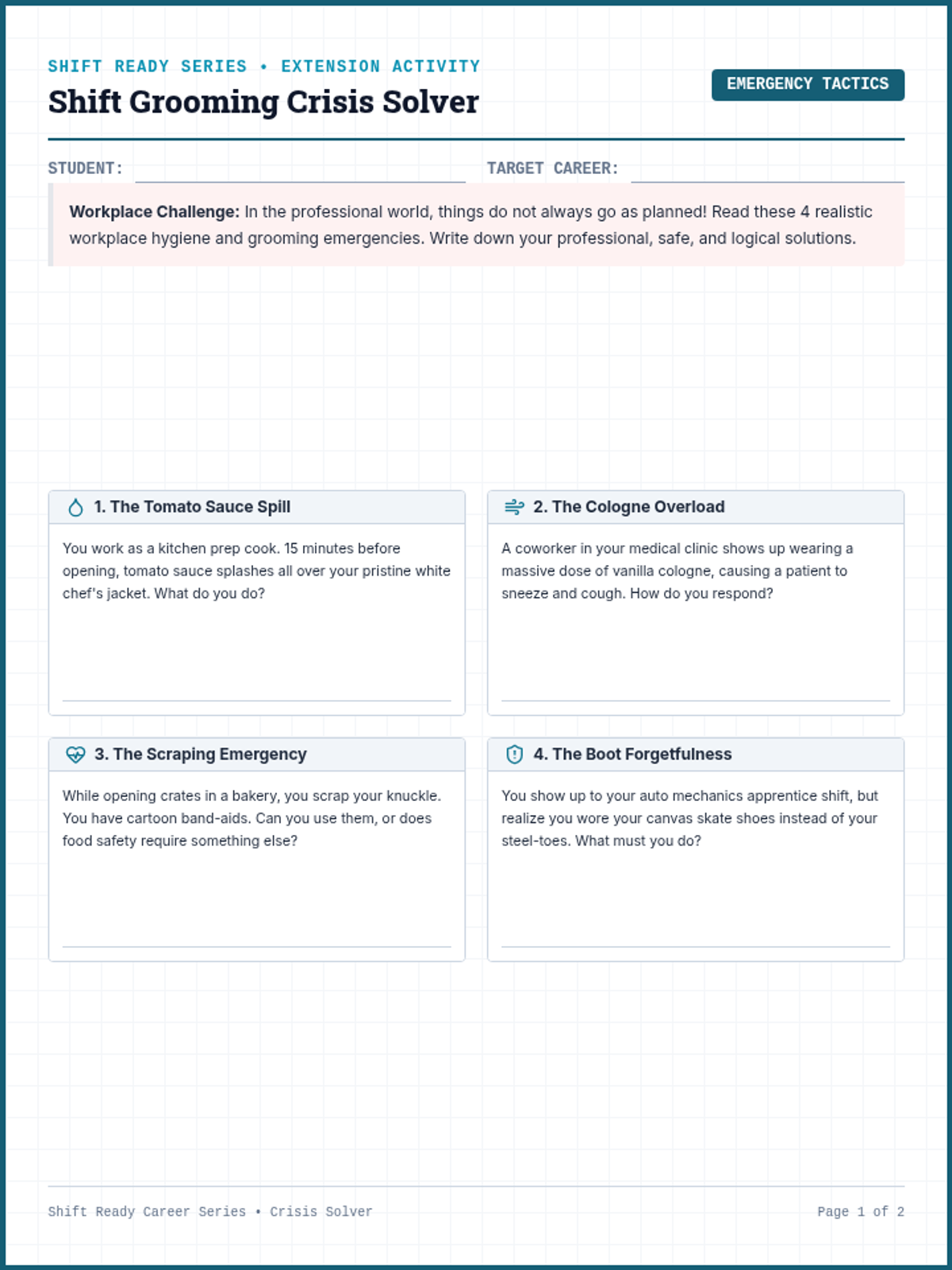
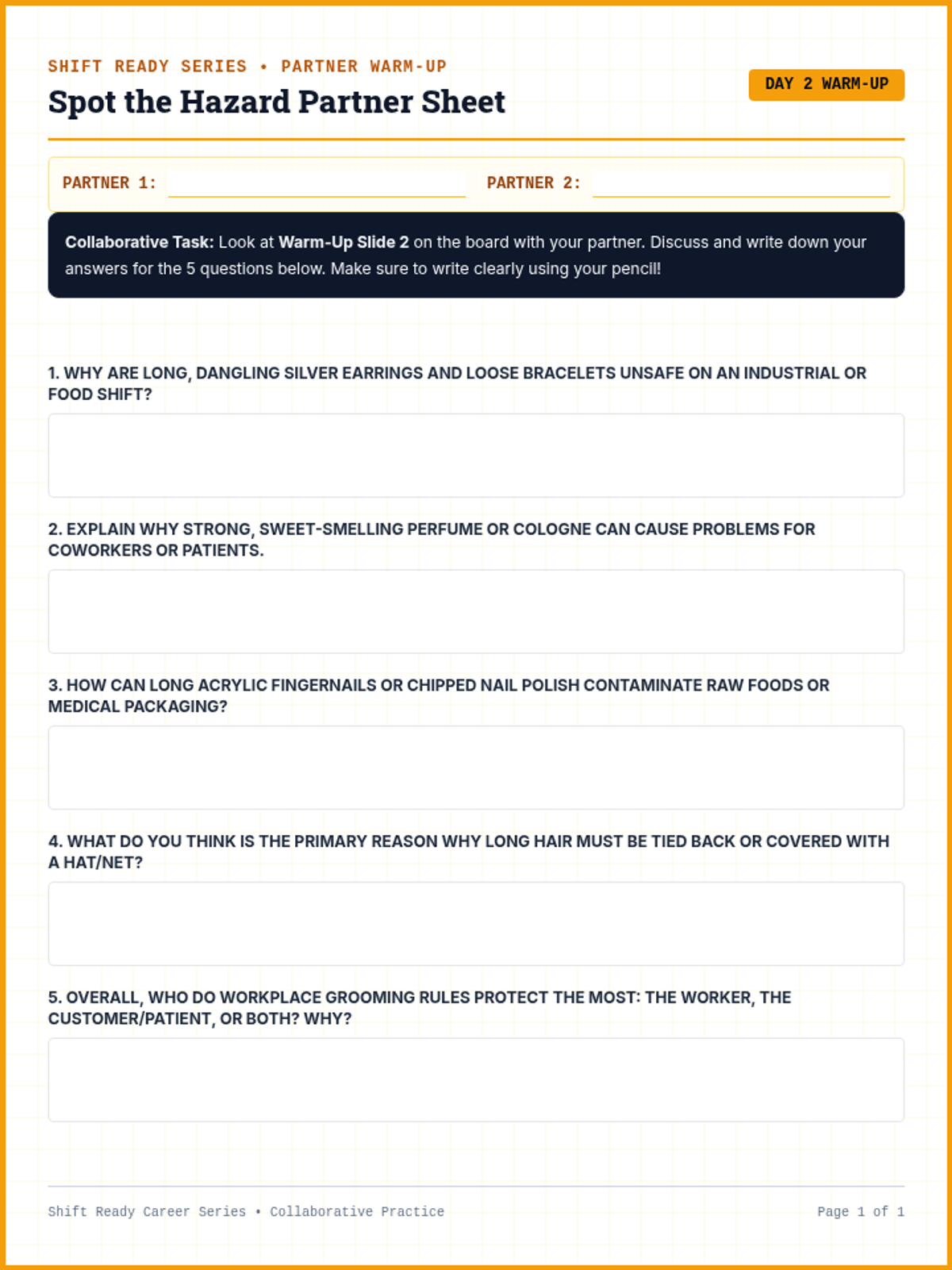
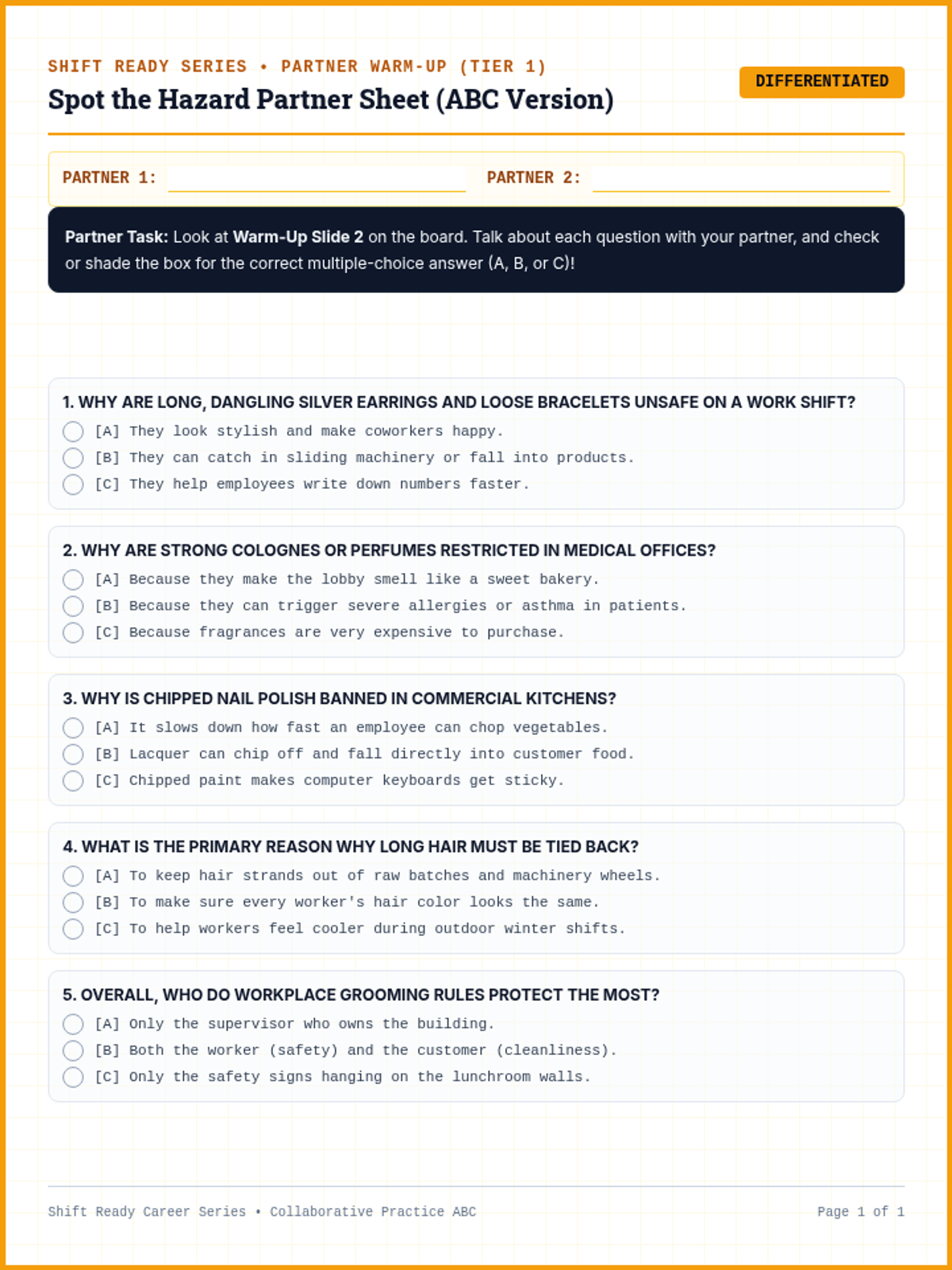
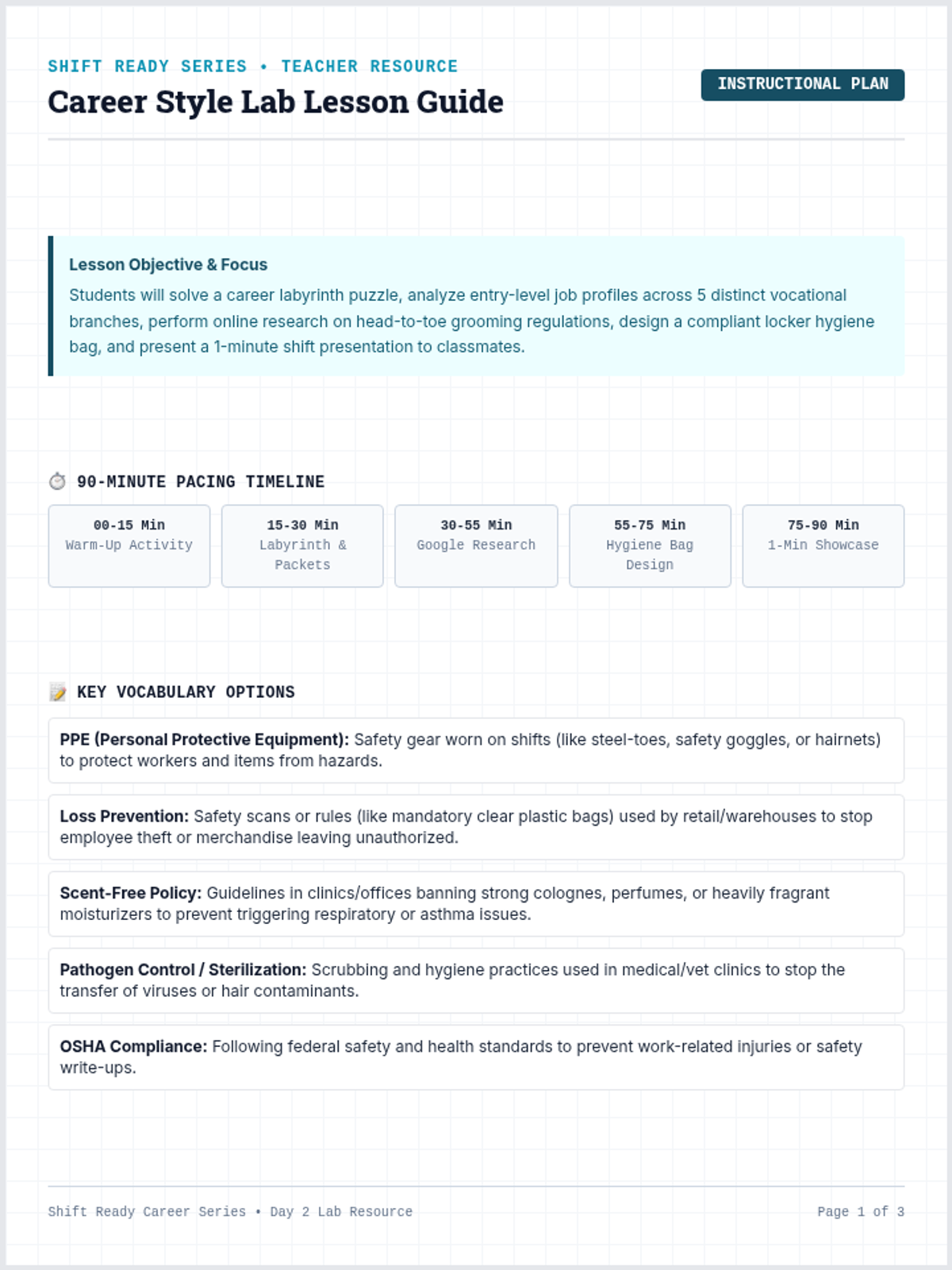
A comprehensive transition-to-work unit focusing on vocational hygiene, professional dress codes, and career-specific grooming research for high school students.
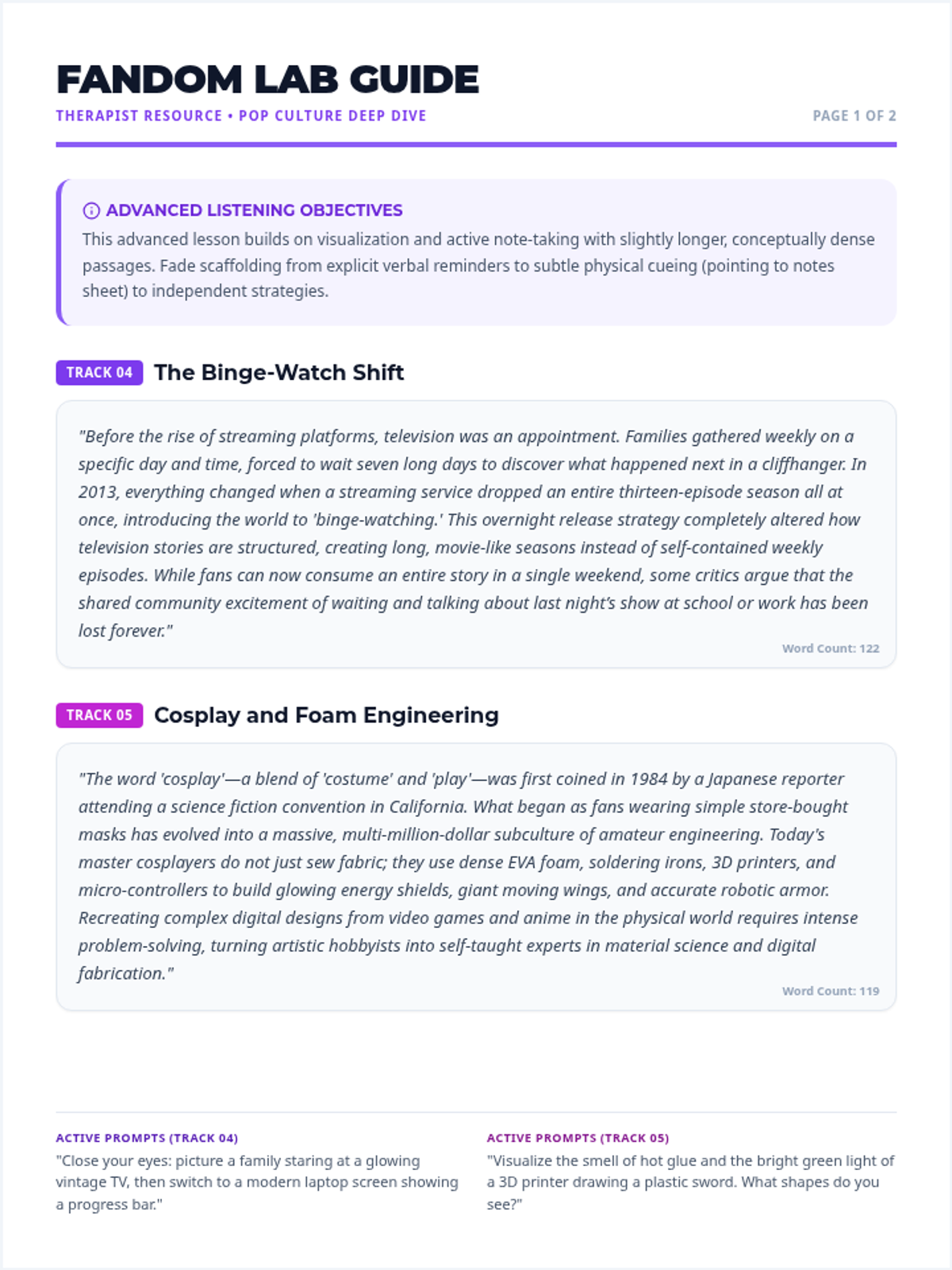
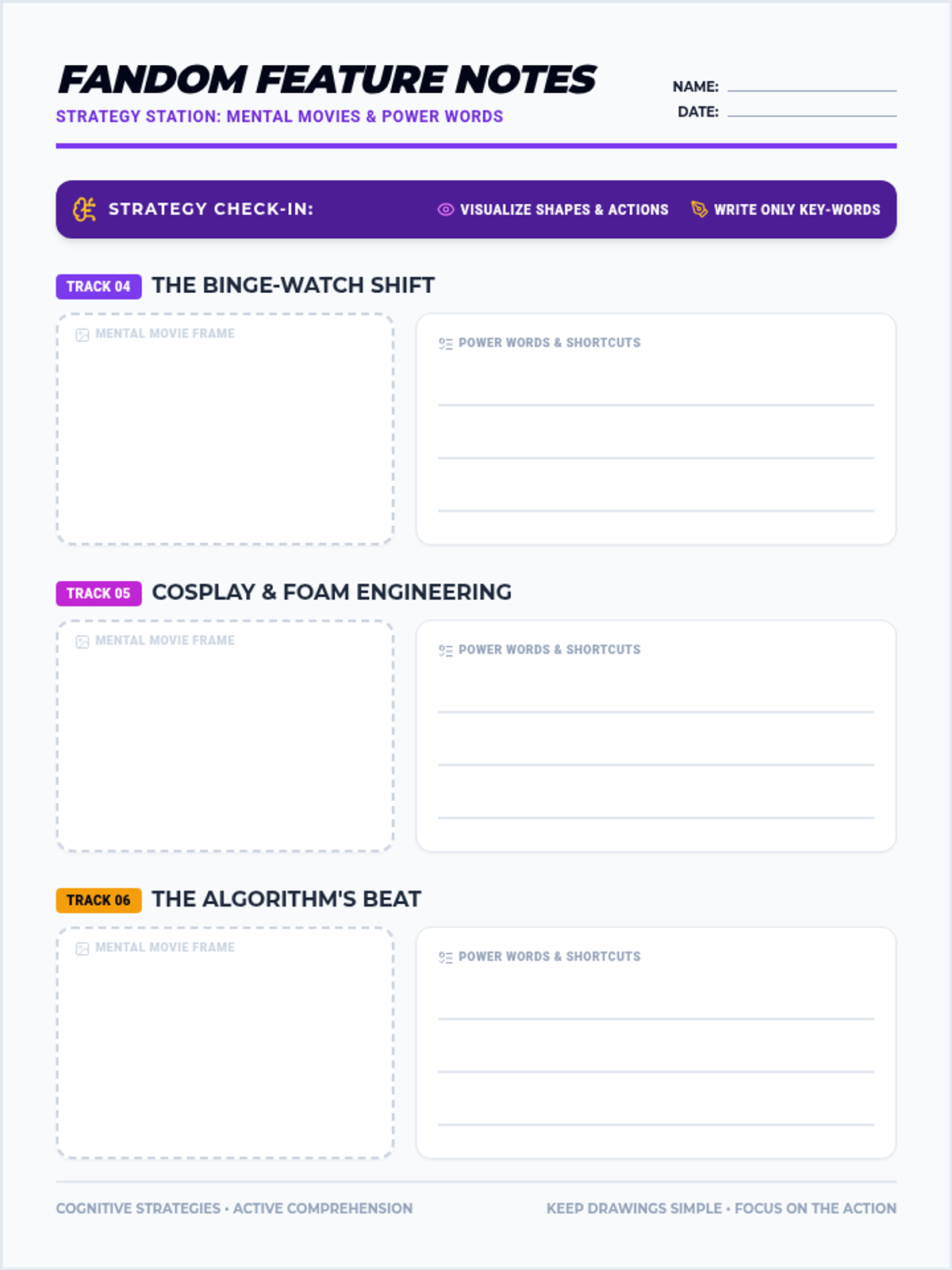
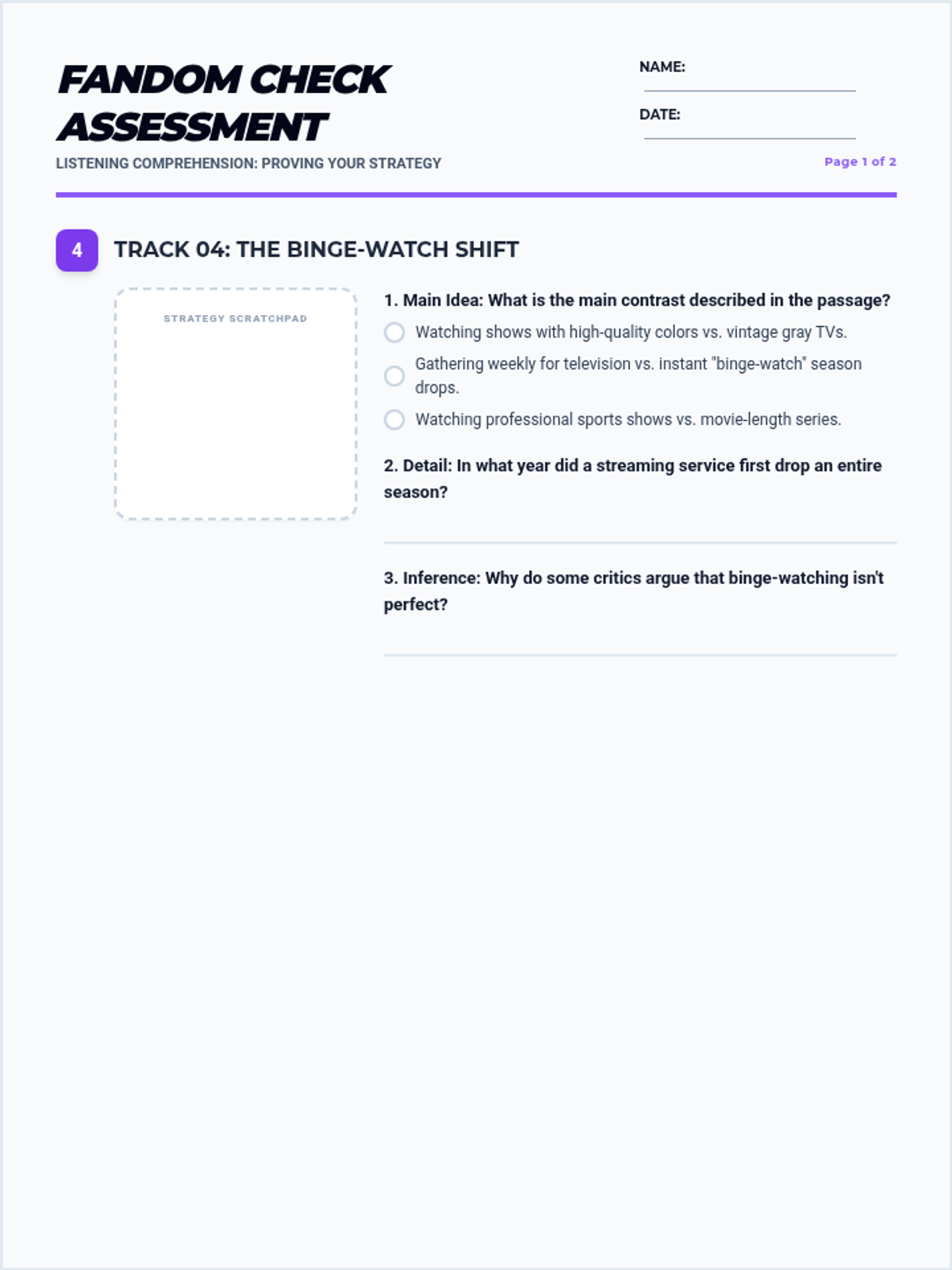
A speech-language therapy sequence focusing on developing listening comprehension, active visualization, and note-taking skills through the lens of modern pop culture and media.
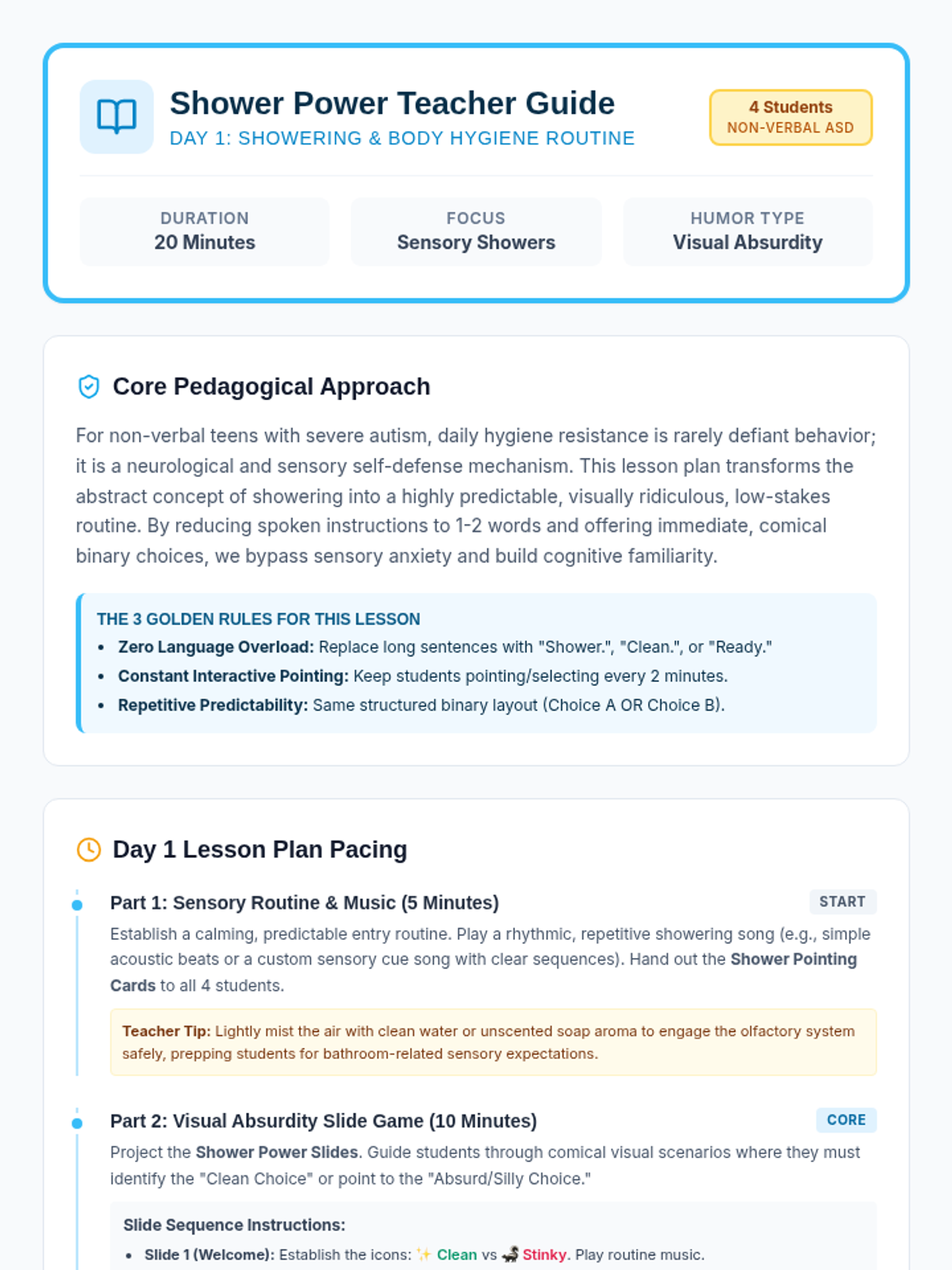
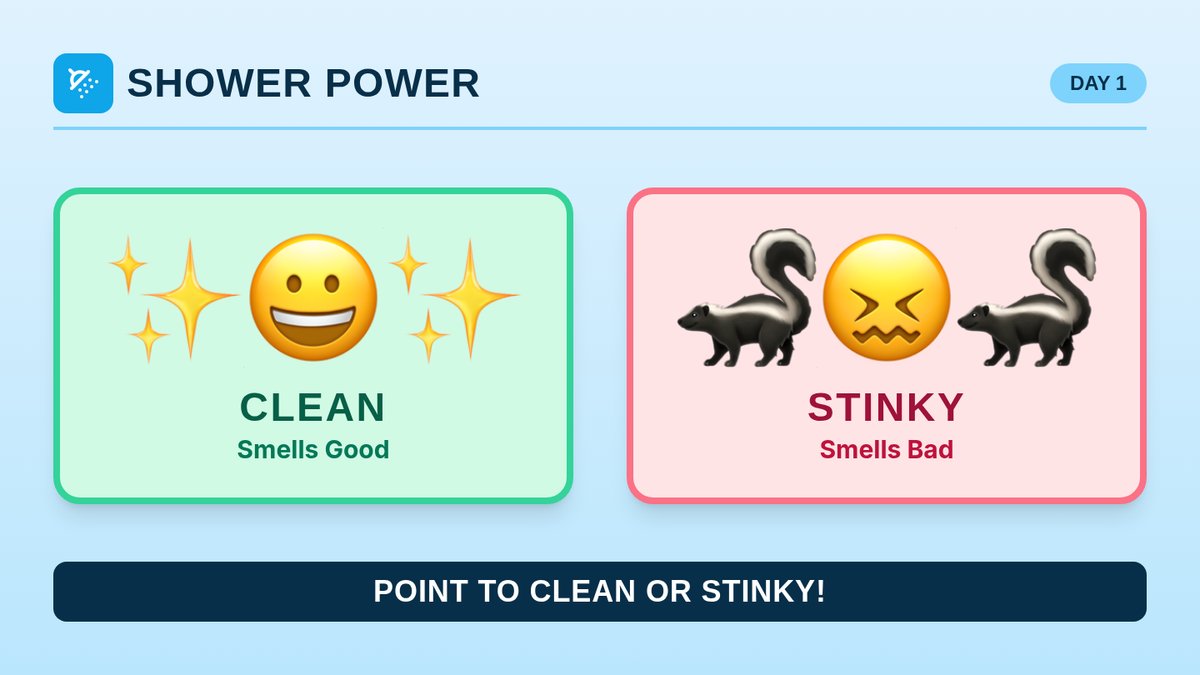
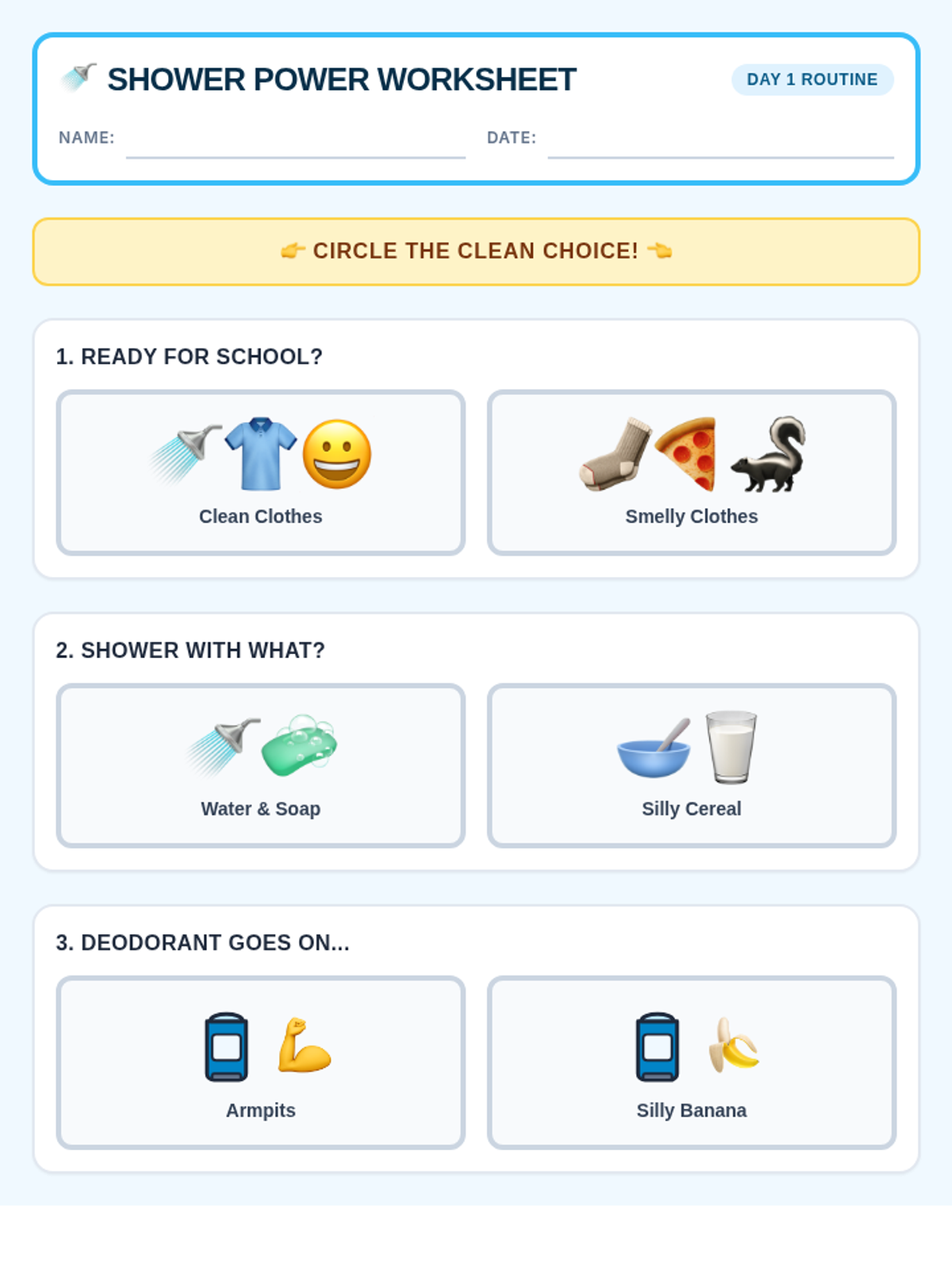
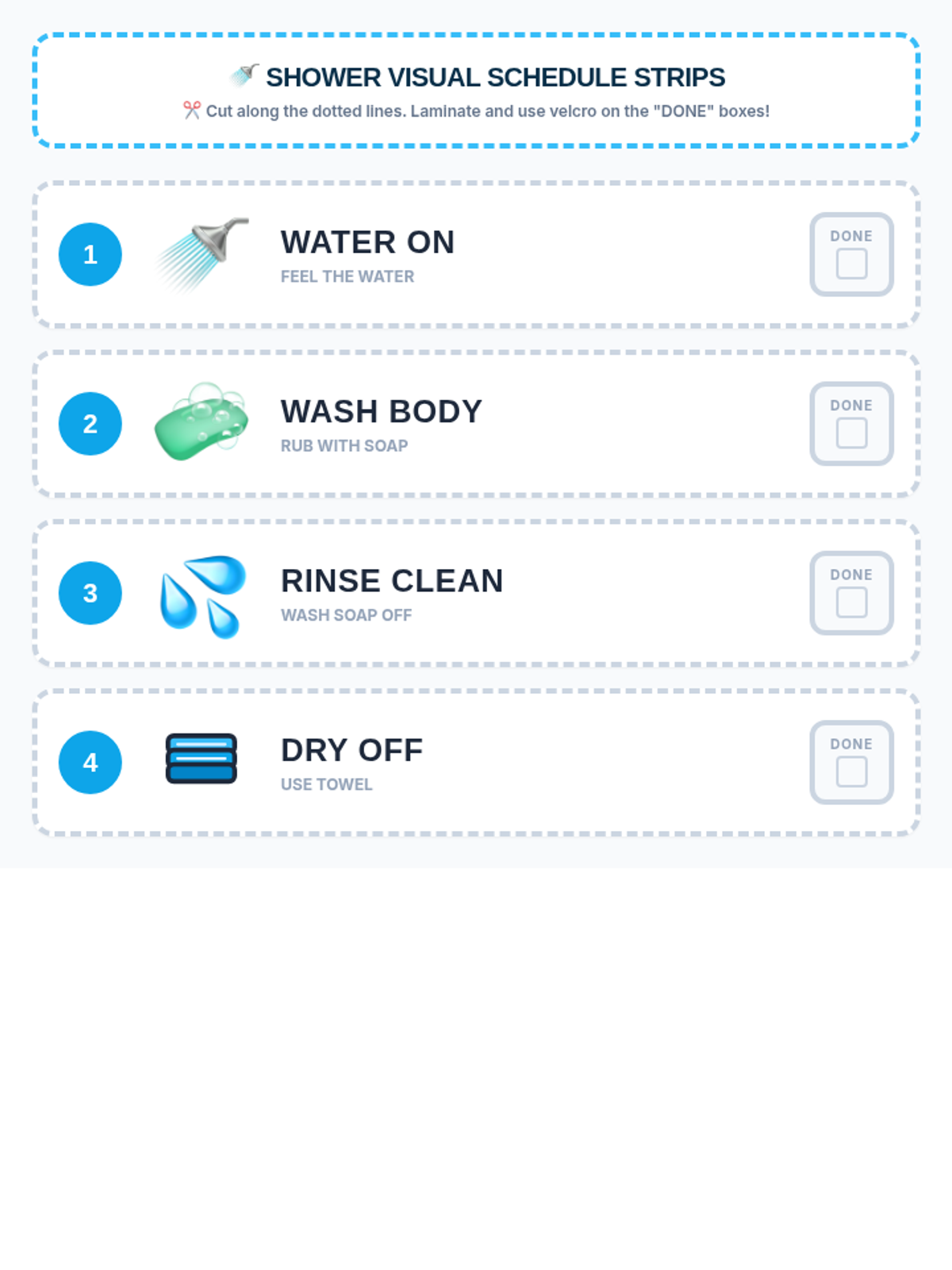
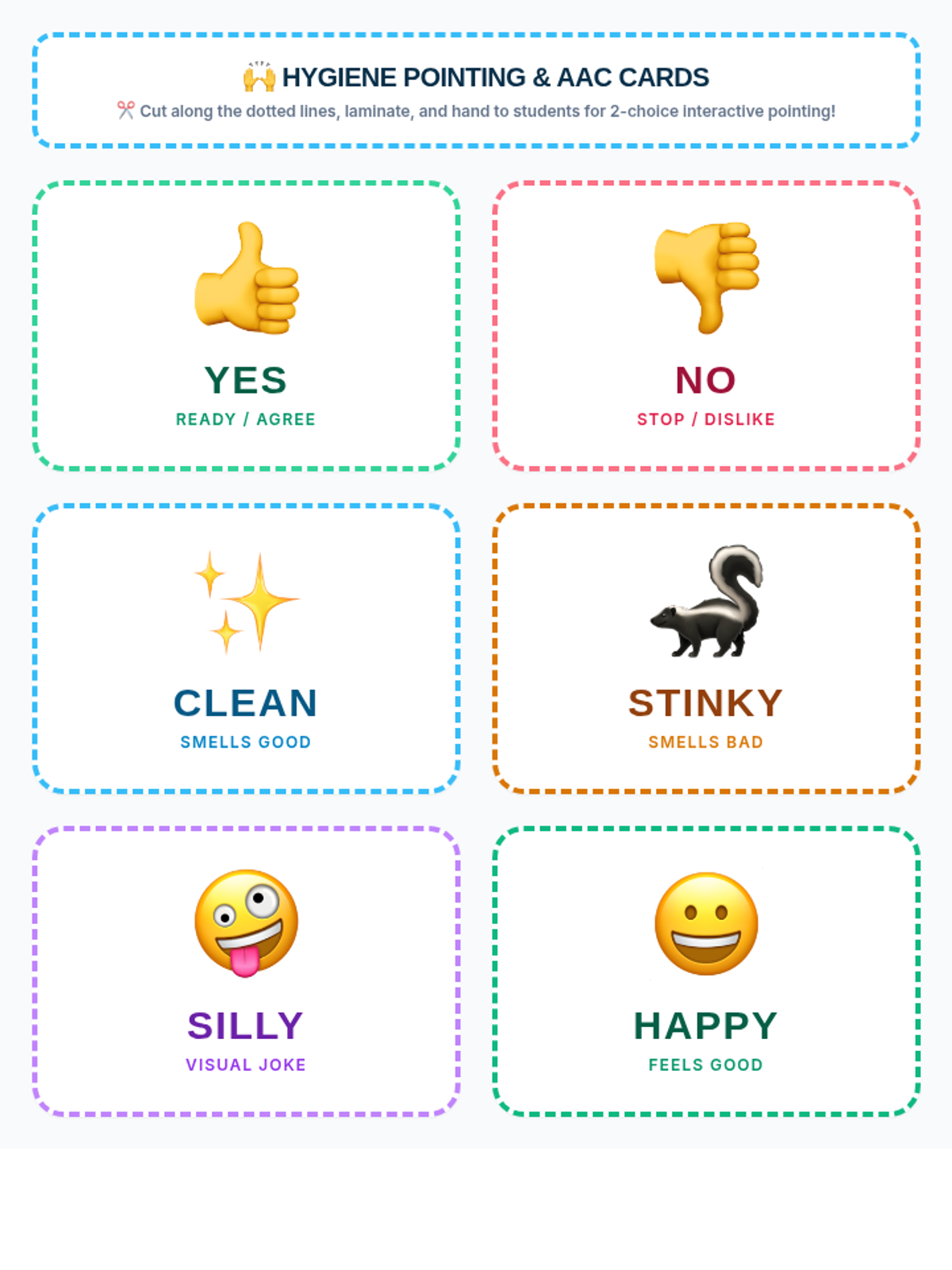
A highly visual, sensory-friendly 2-day curriculum designed for non-verbal teenage students with severe autism. This unit uses repetitive, concrete processing, visual humor, and 2-choice interactive structures to teach the life-critical routines of daily showering and changing clothes while avoiding sensory overload.
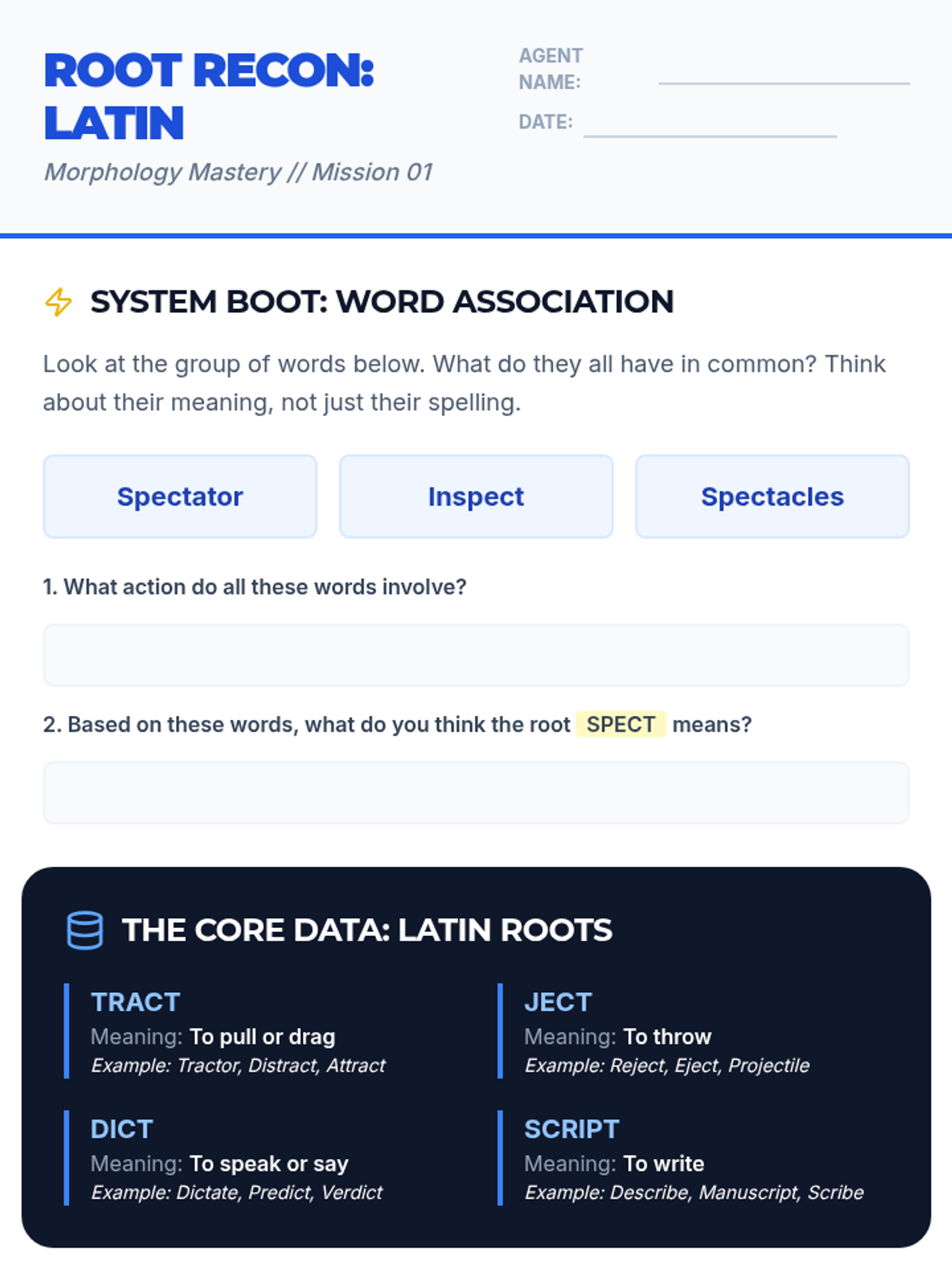
A comprehensive literacy intervention program for high school students, focusing on morphology, comprehension, and fluency to bridge learning gaps through engaging, age-appropriate content.
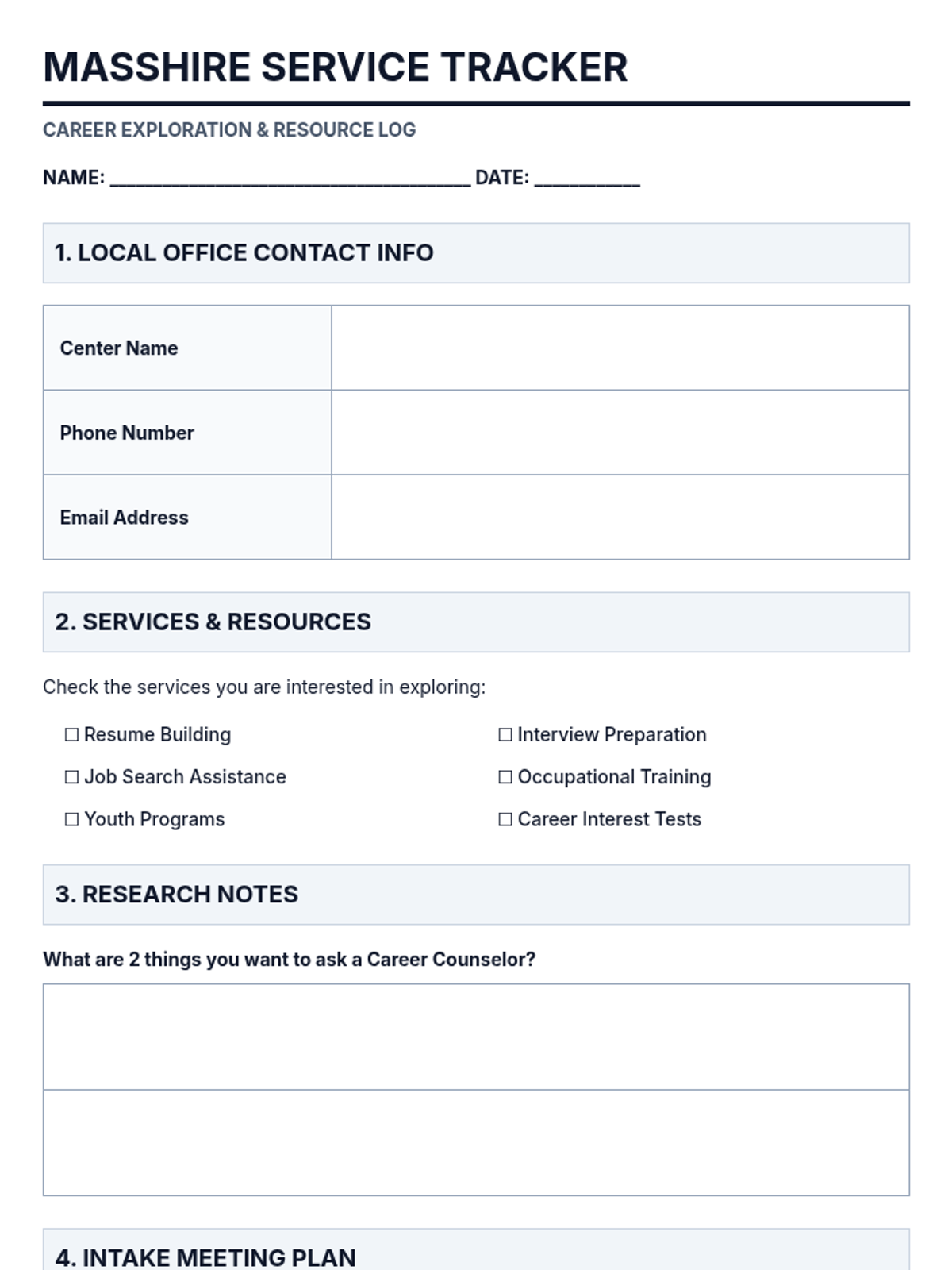
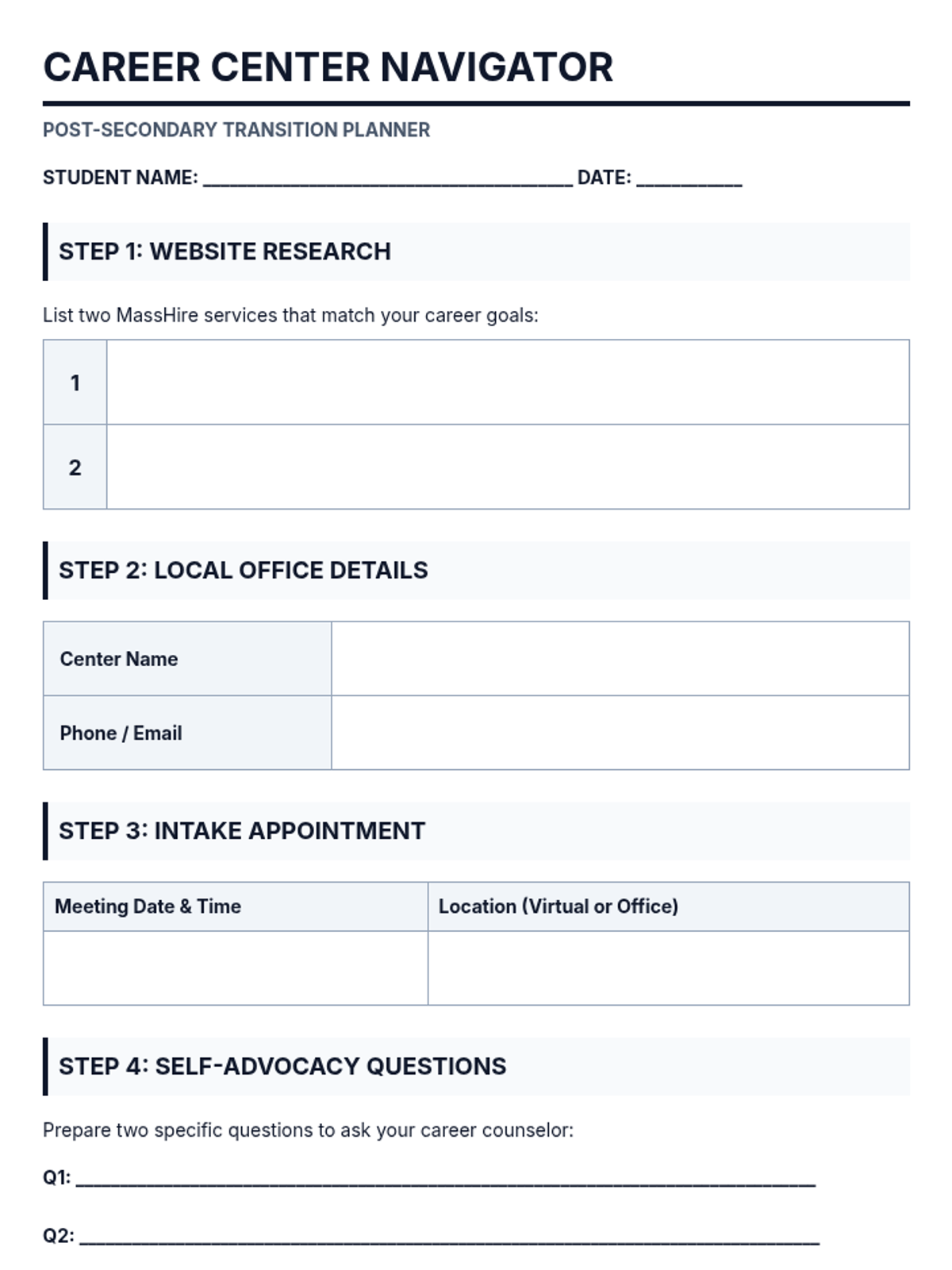
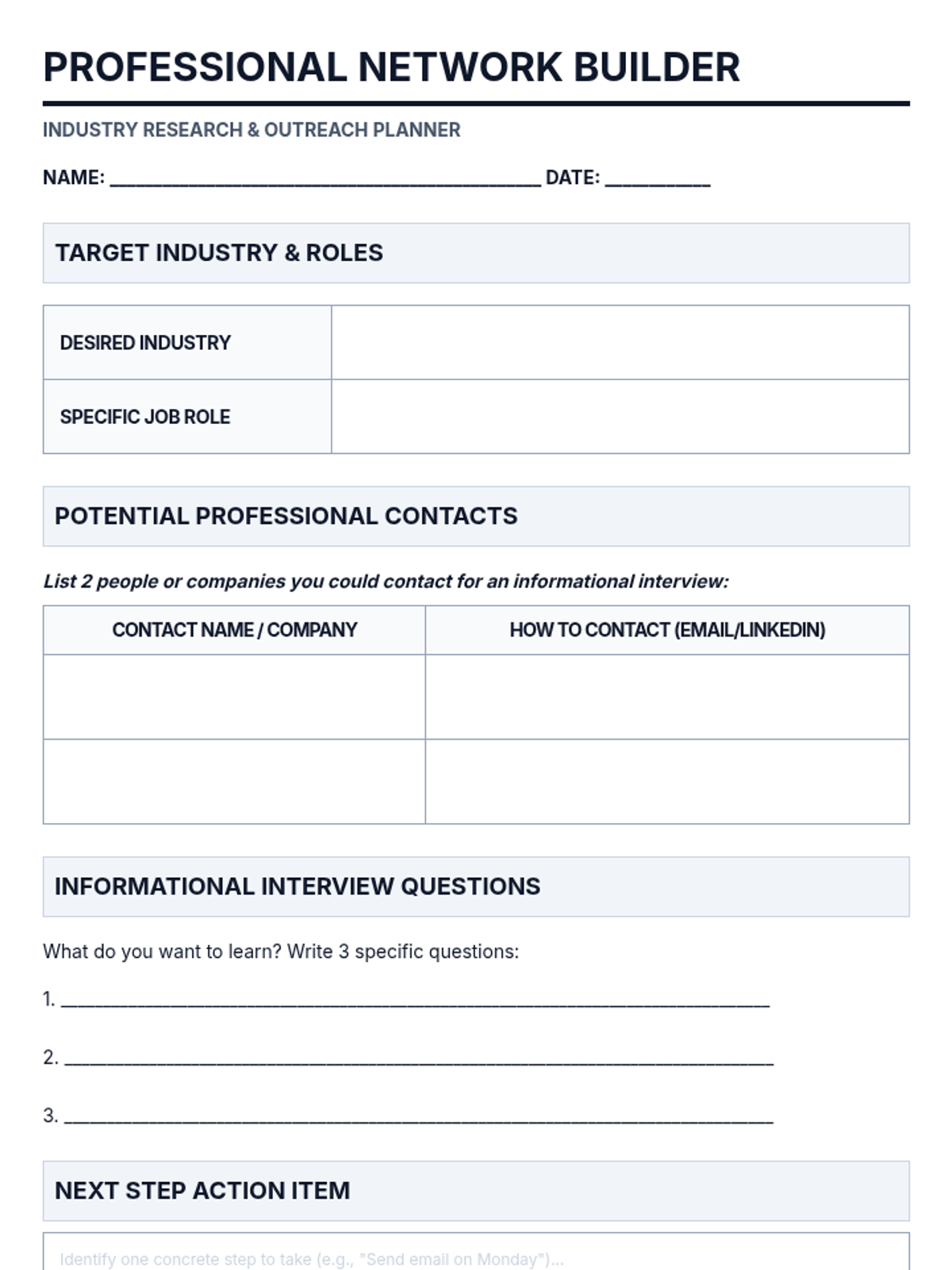
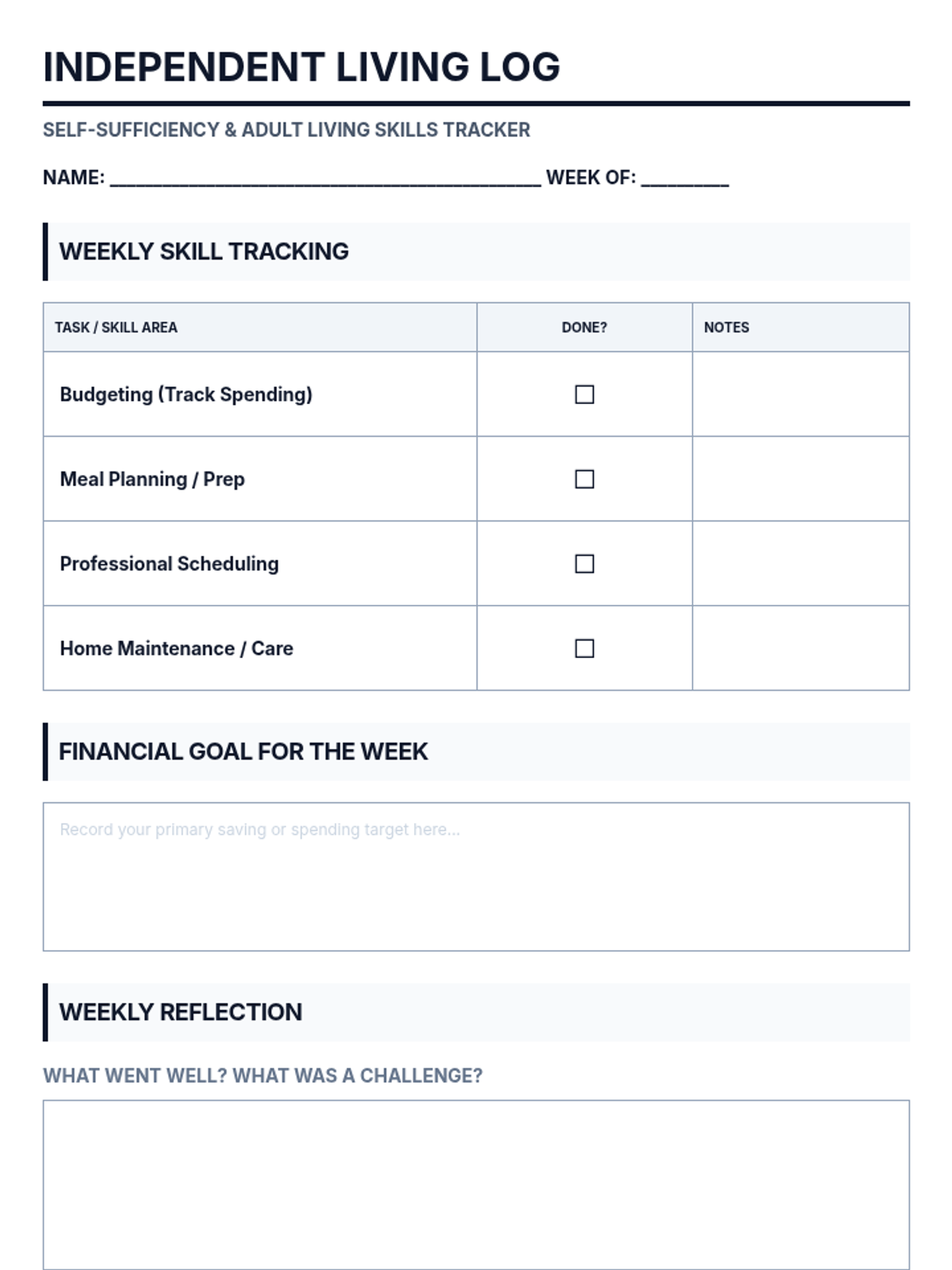
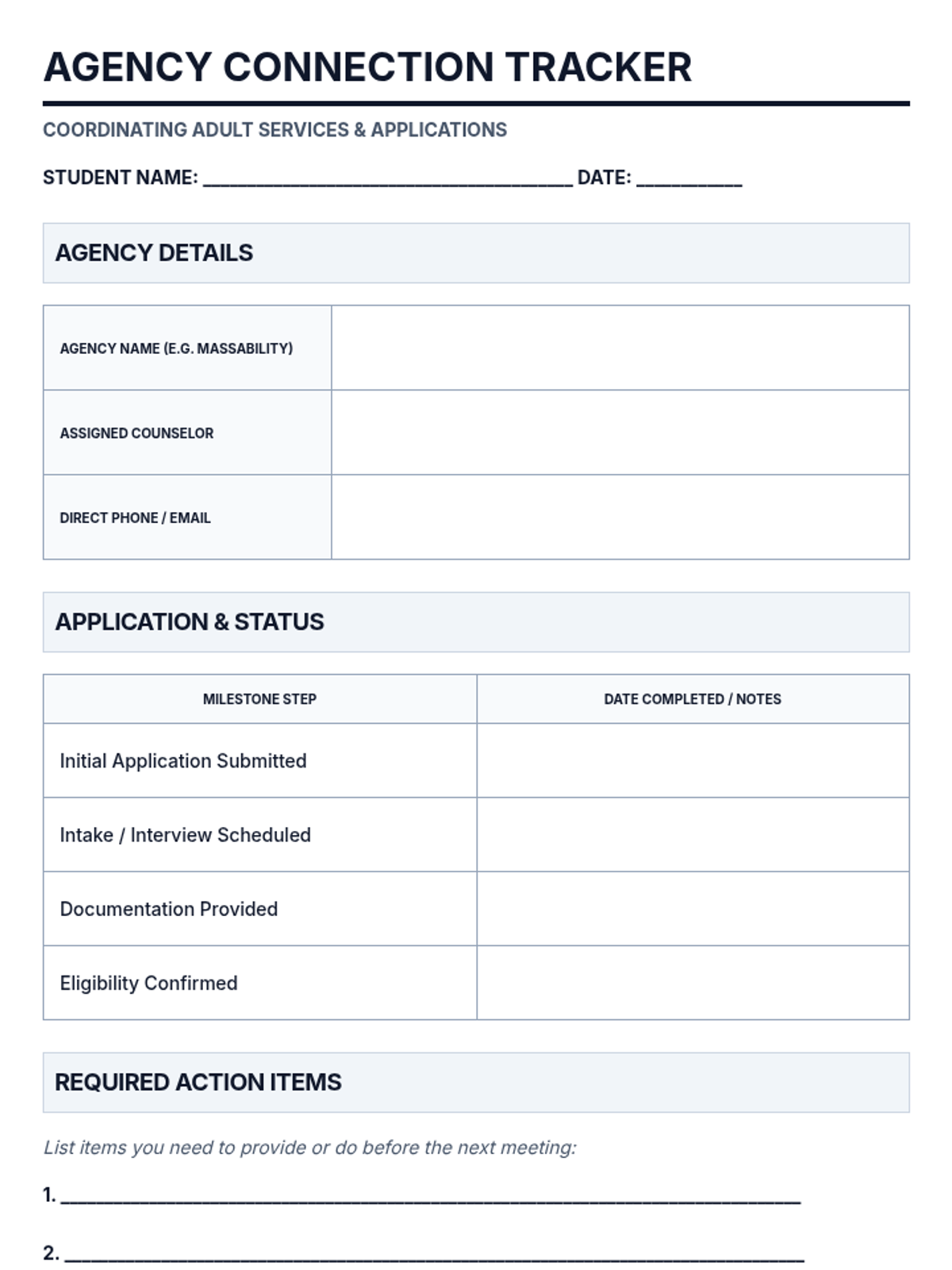
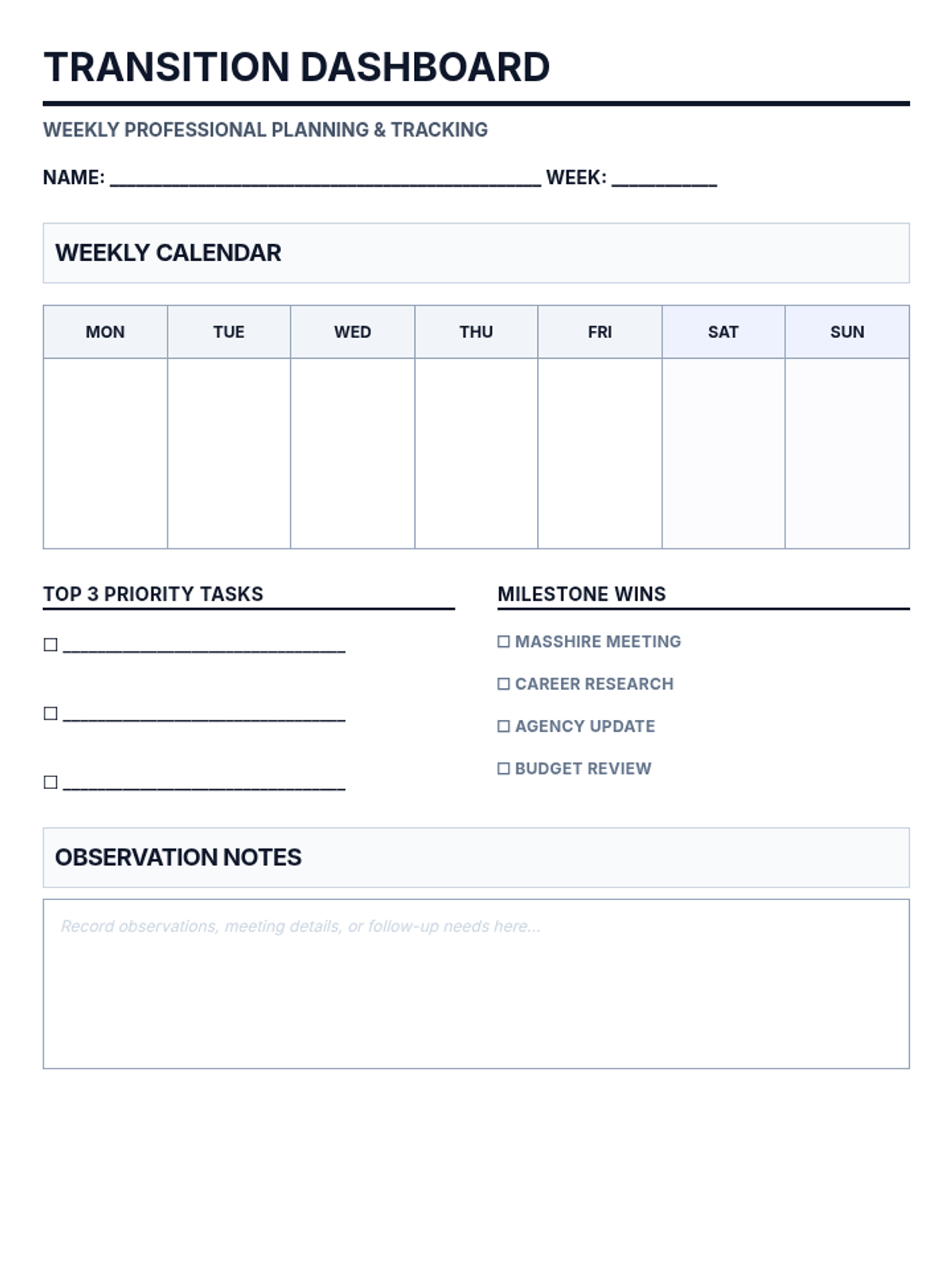
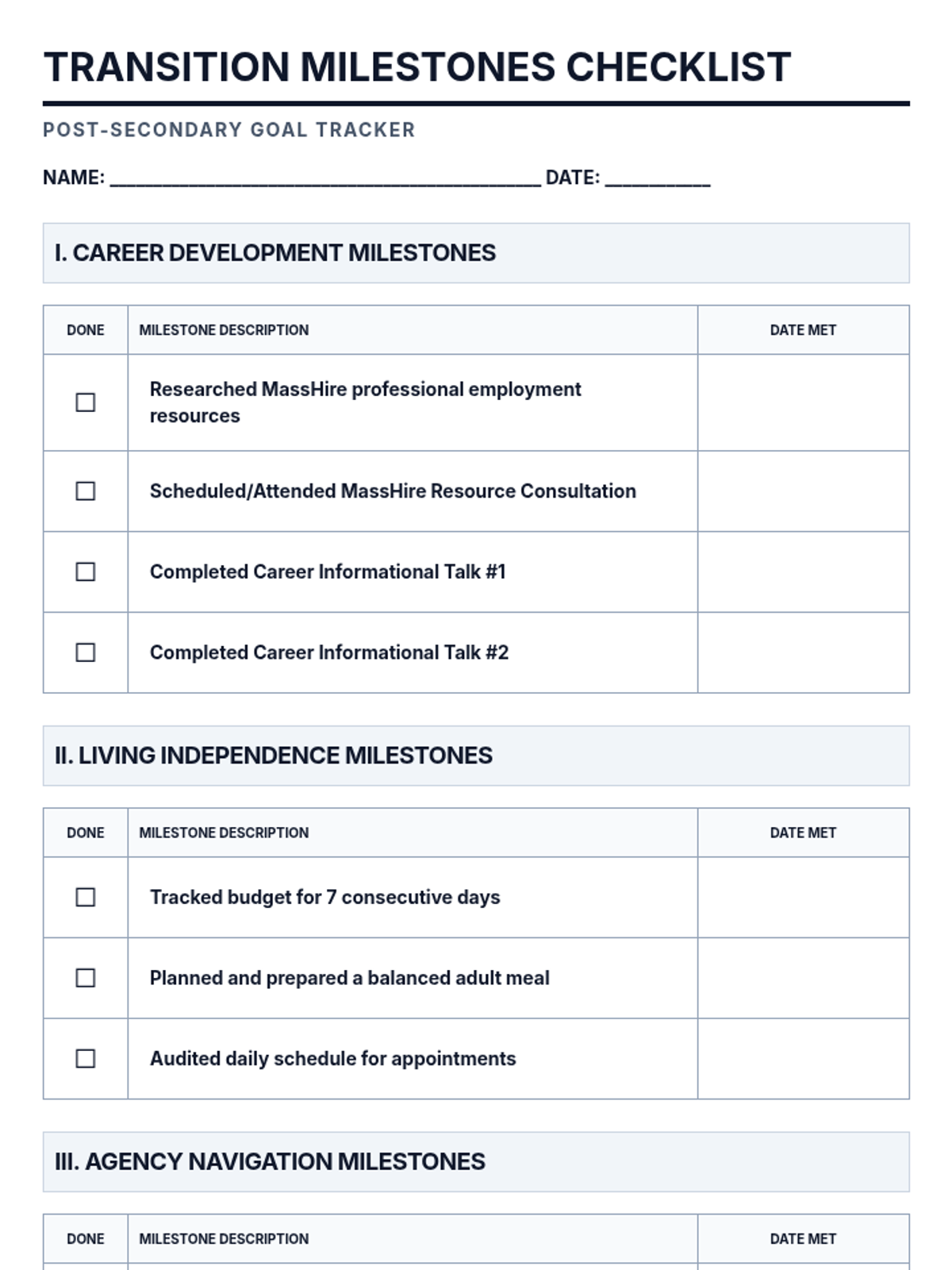
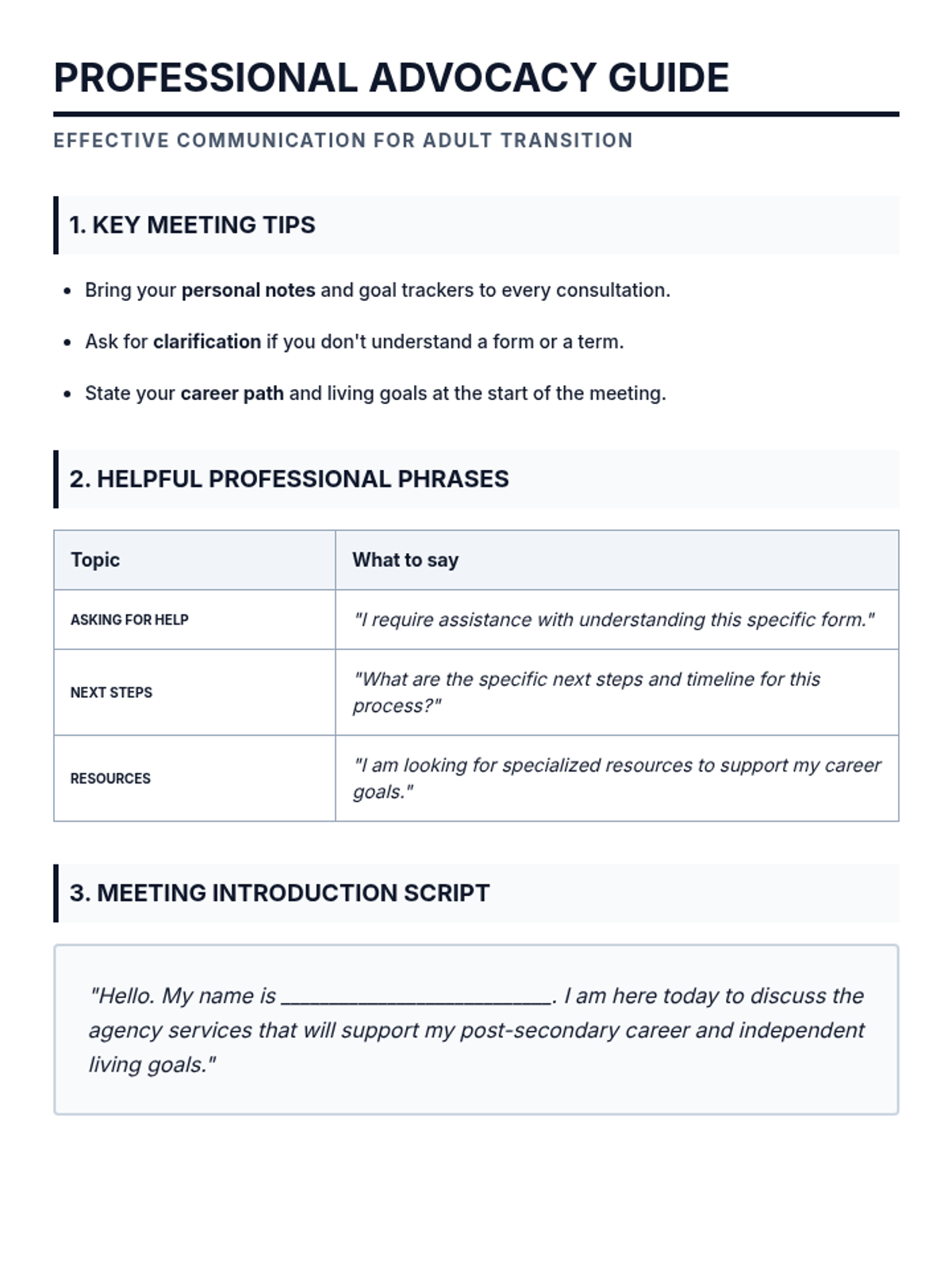
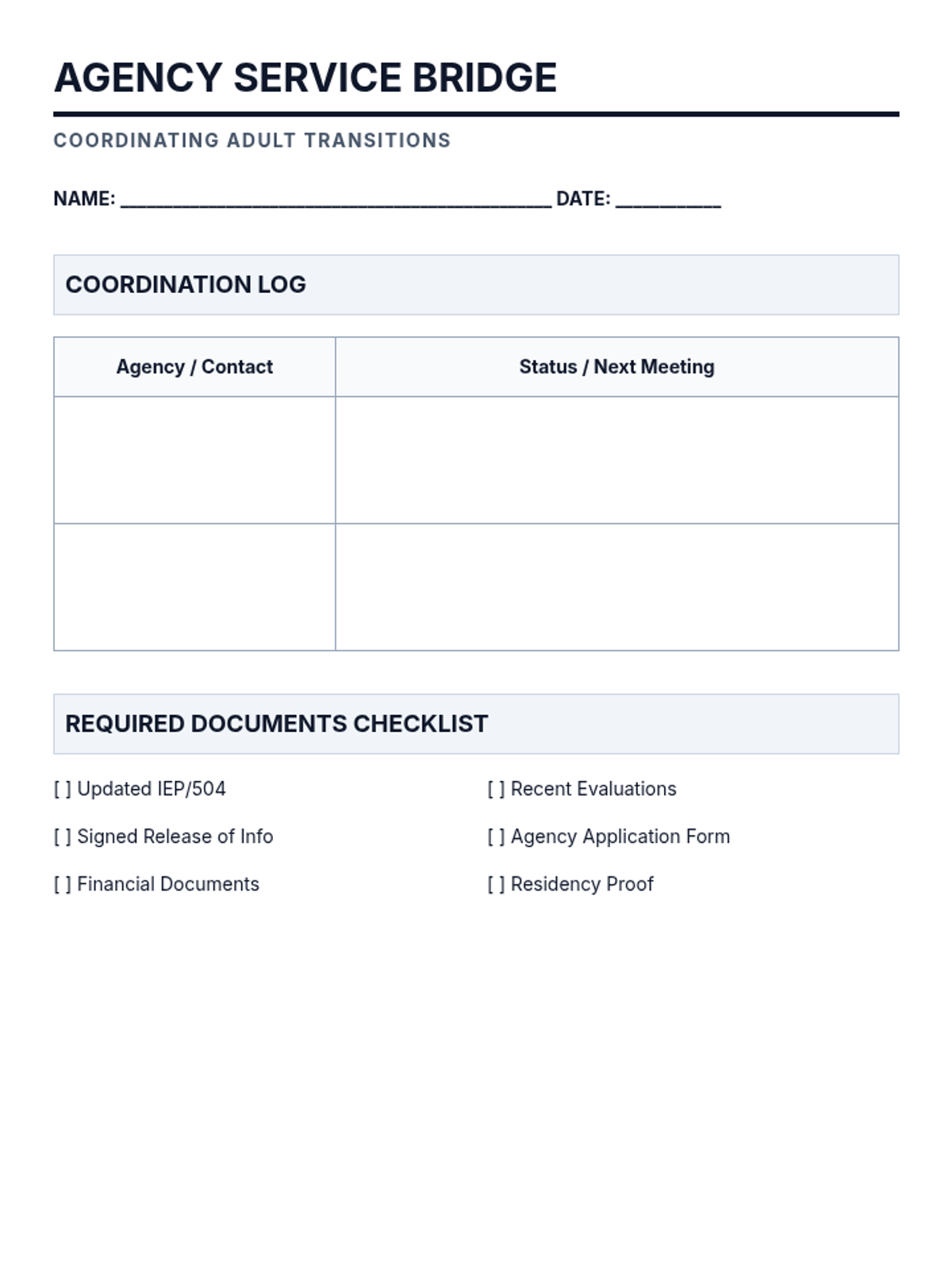
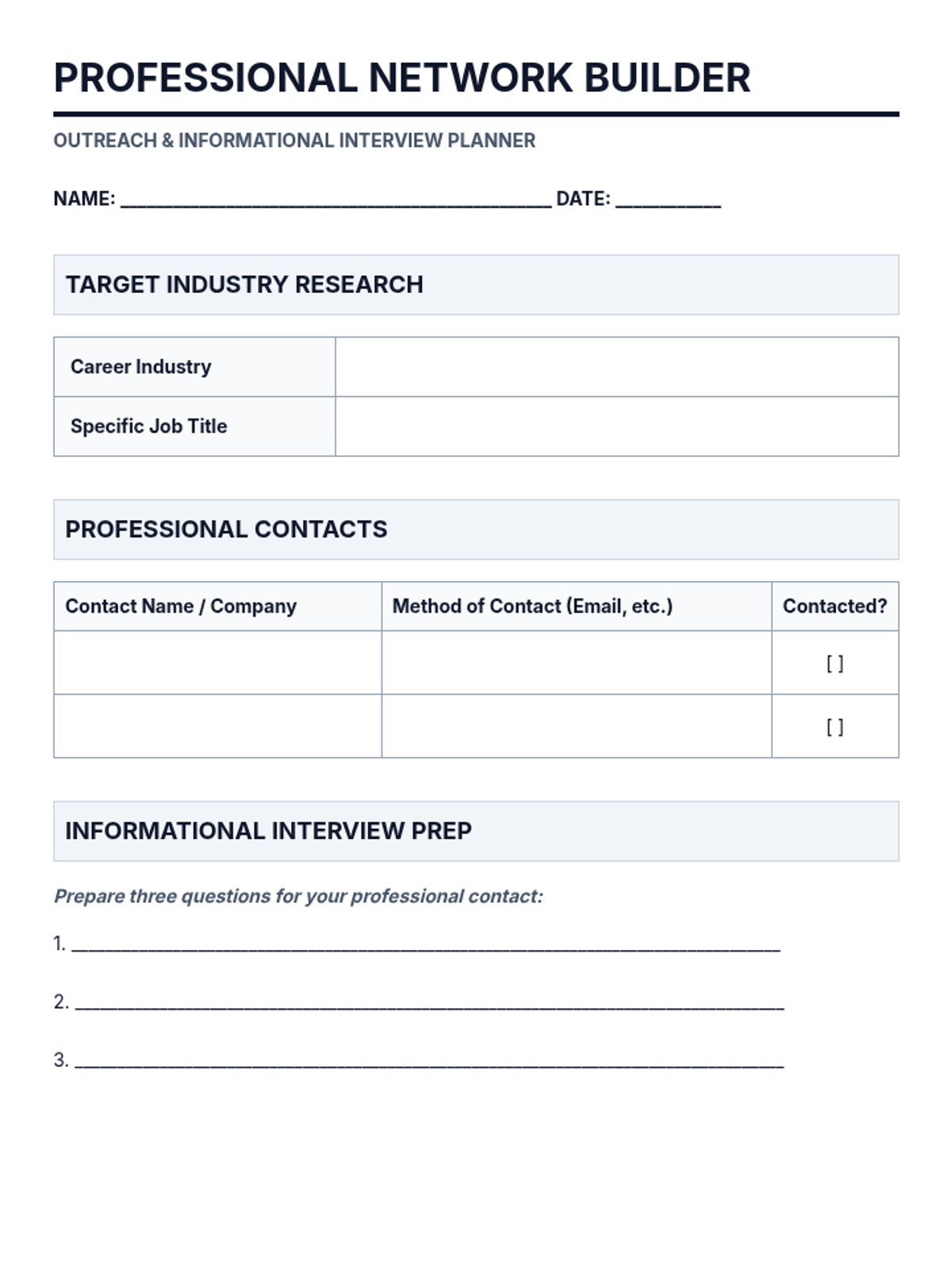
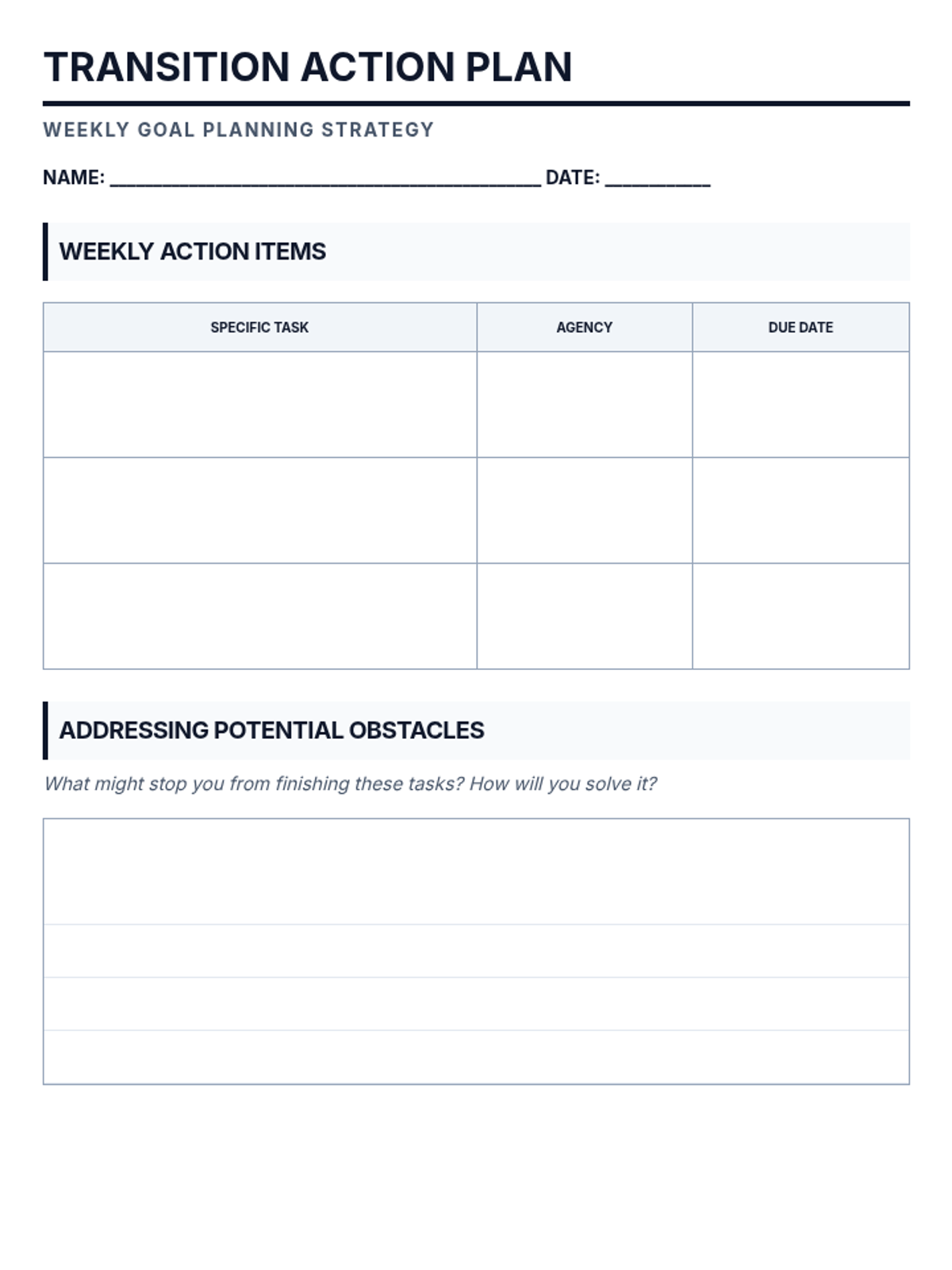
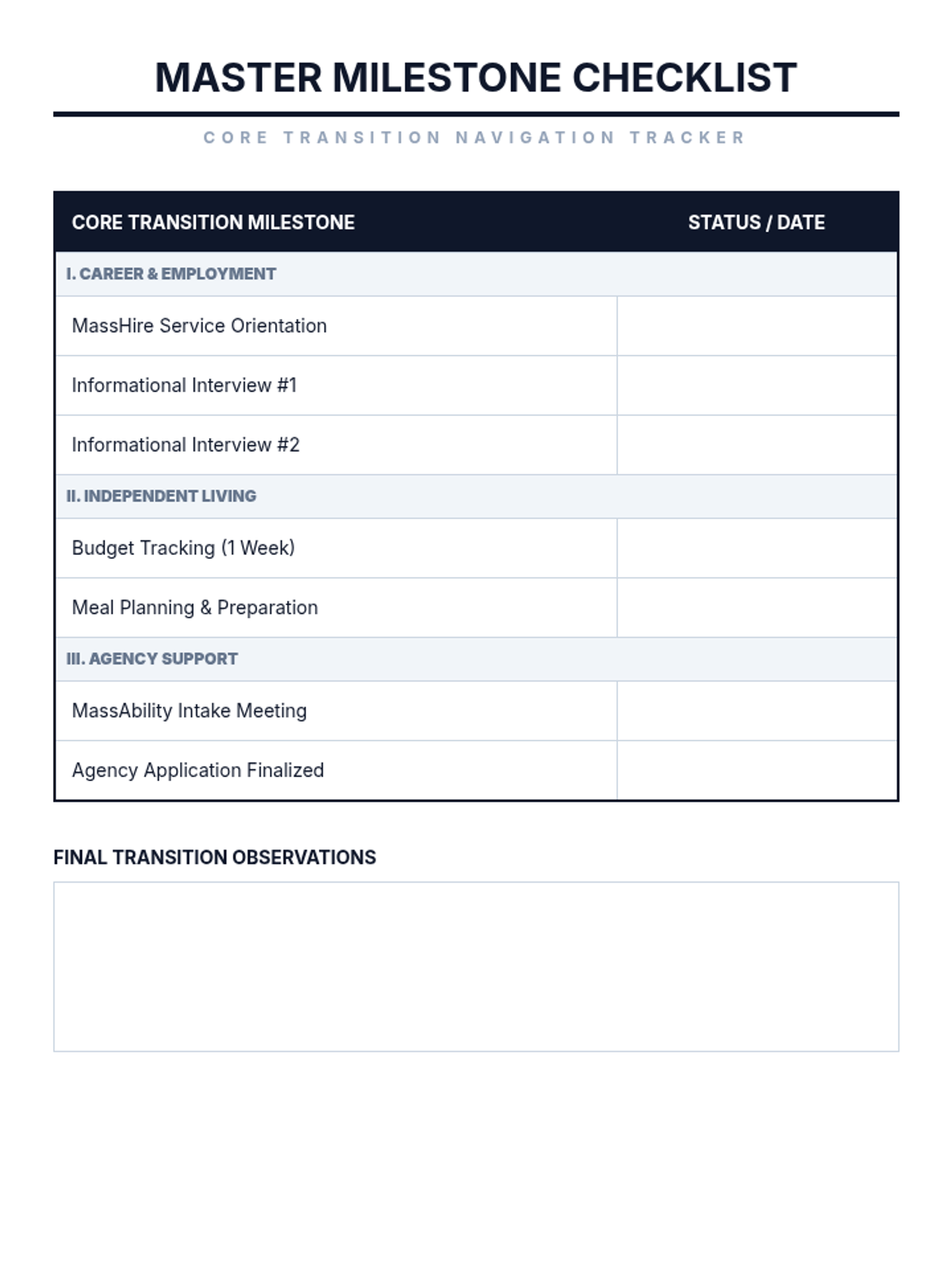
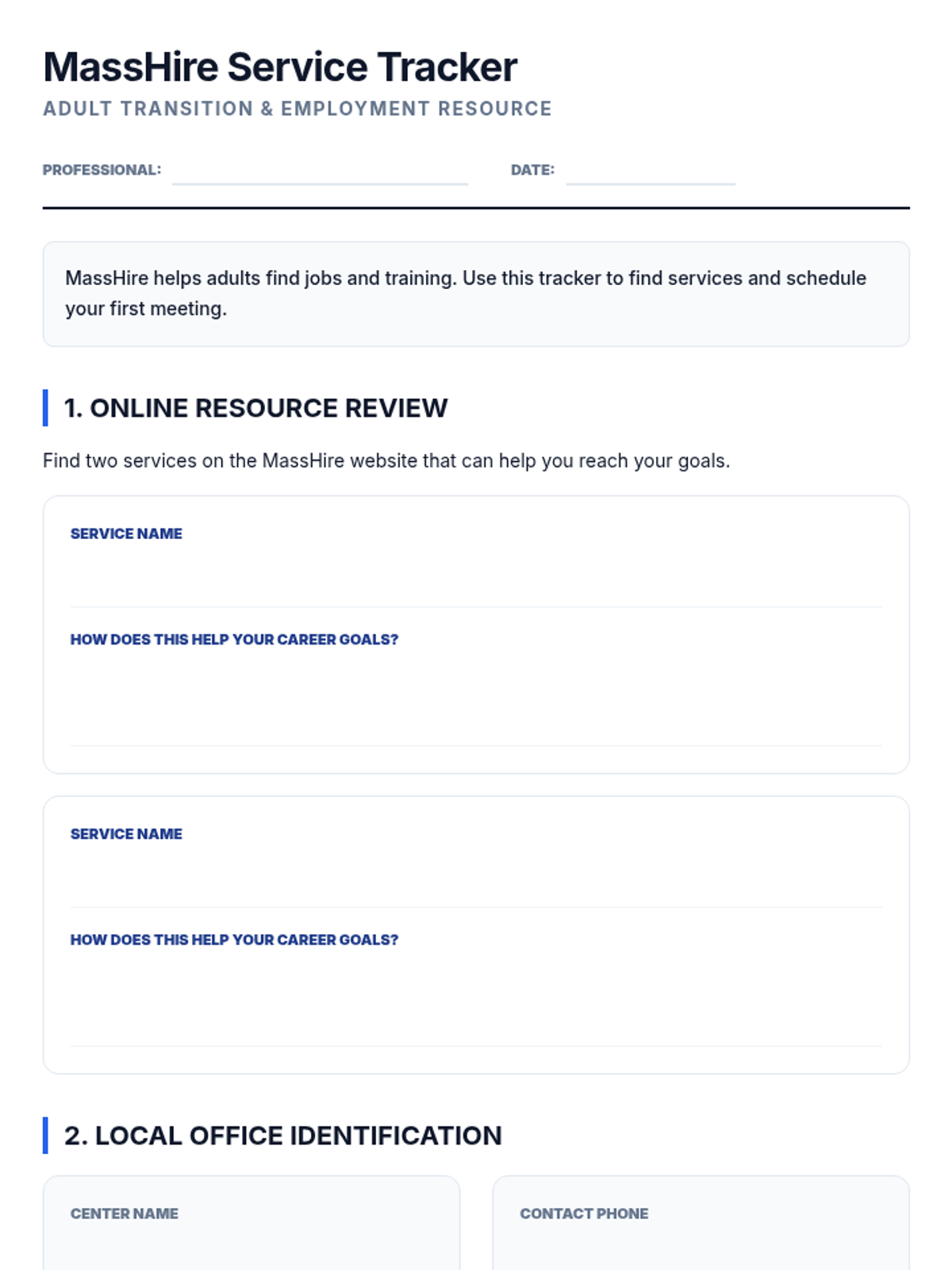
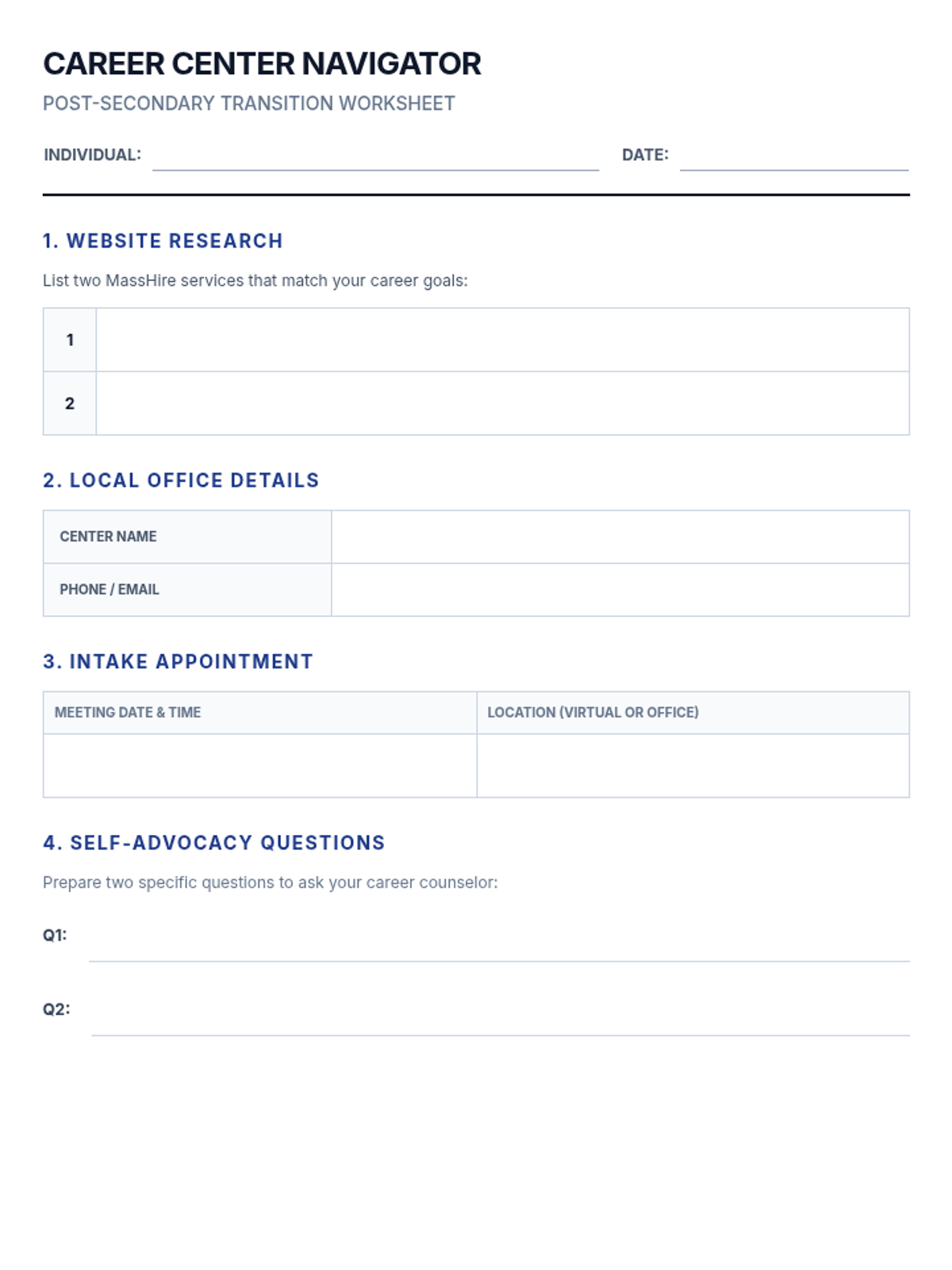
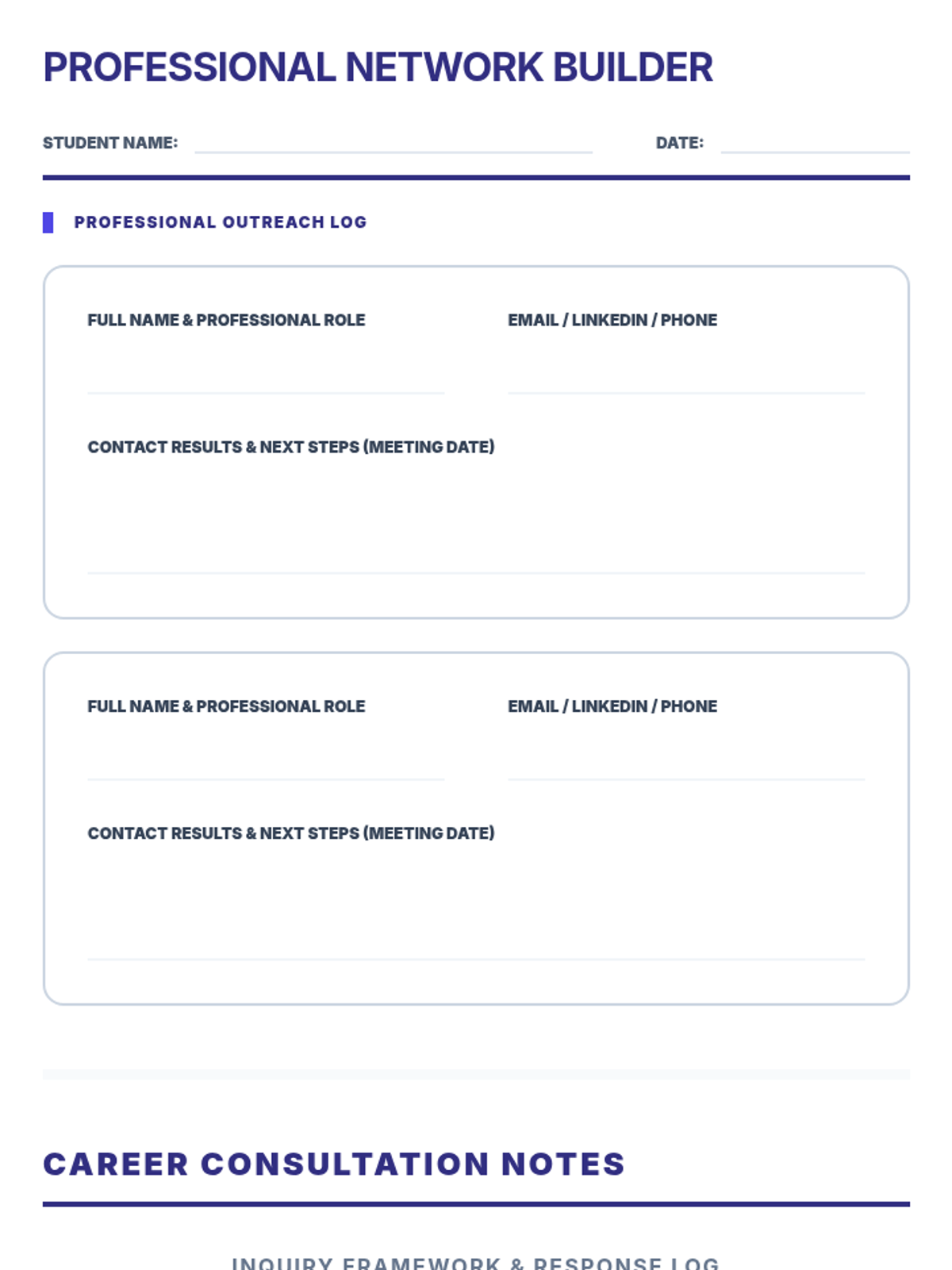
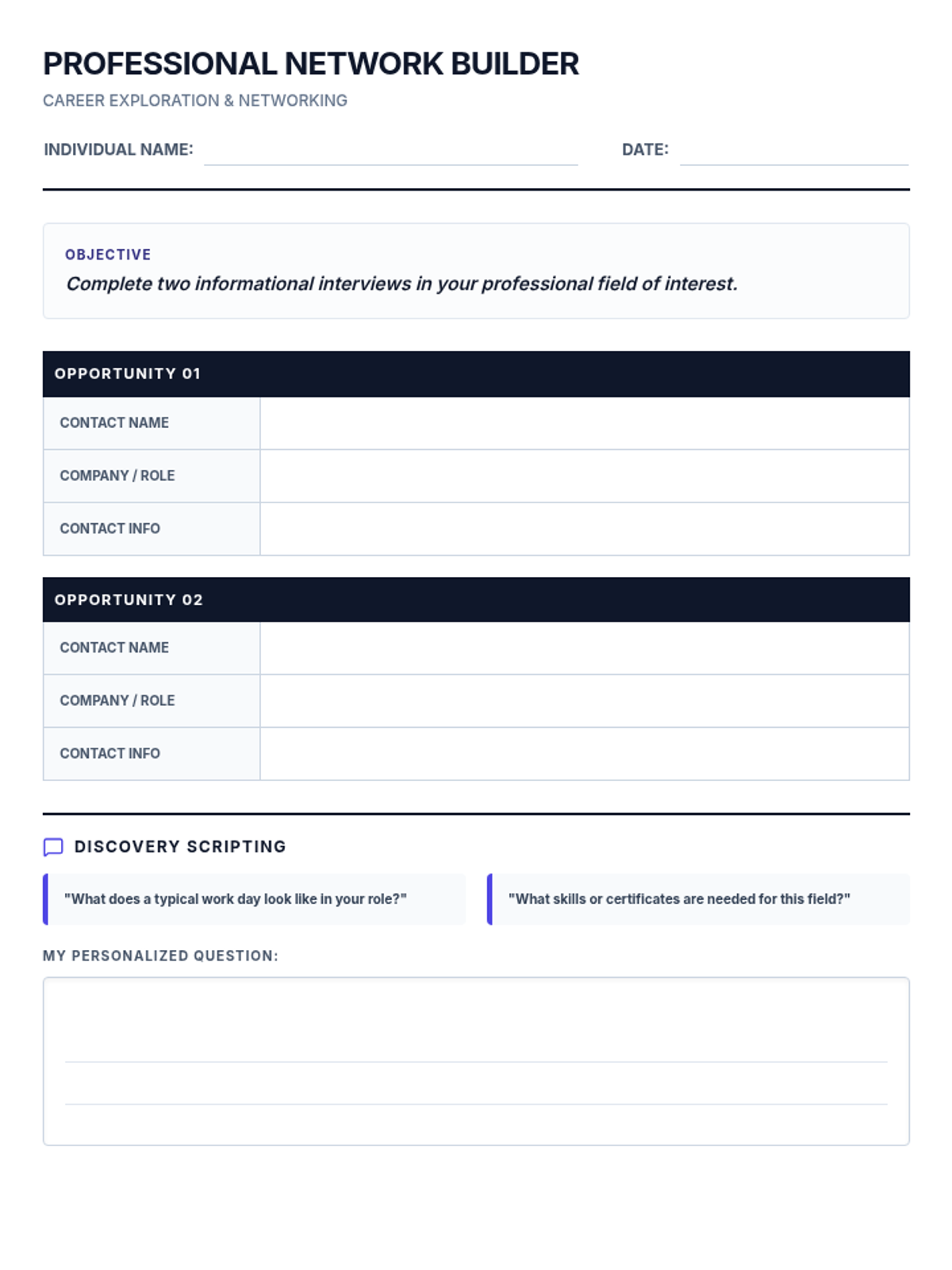
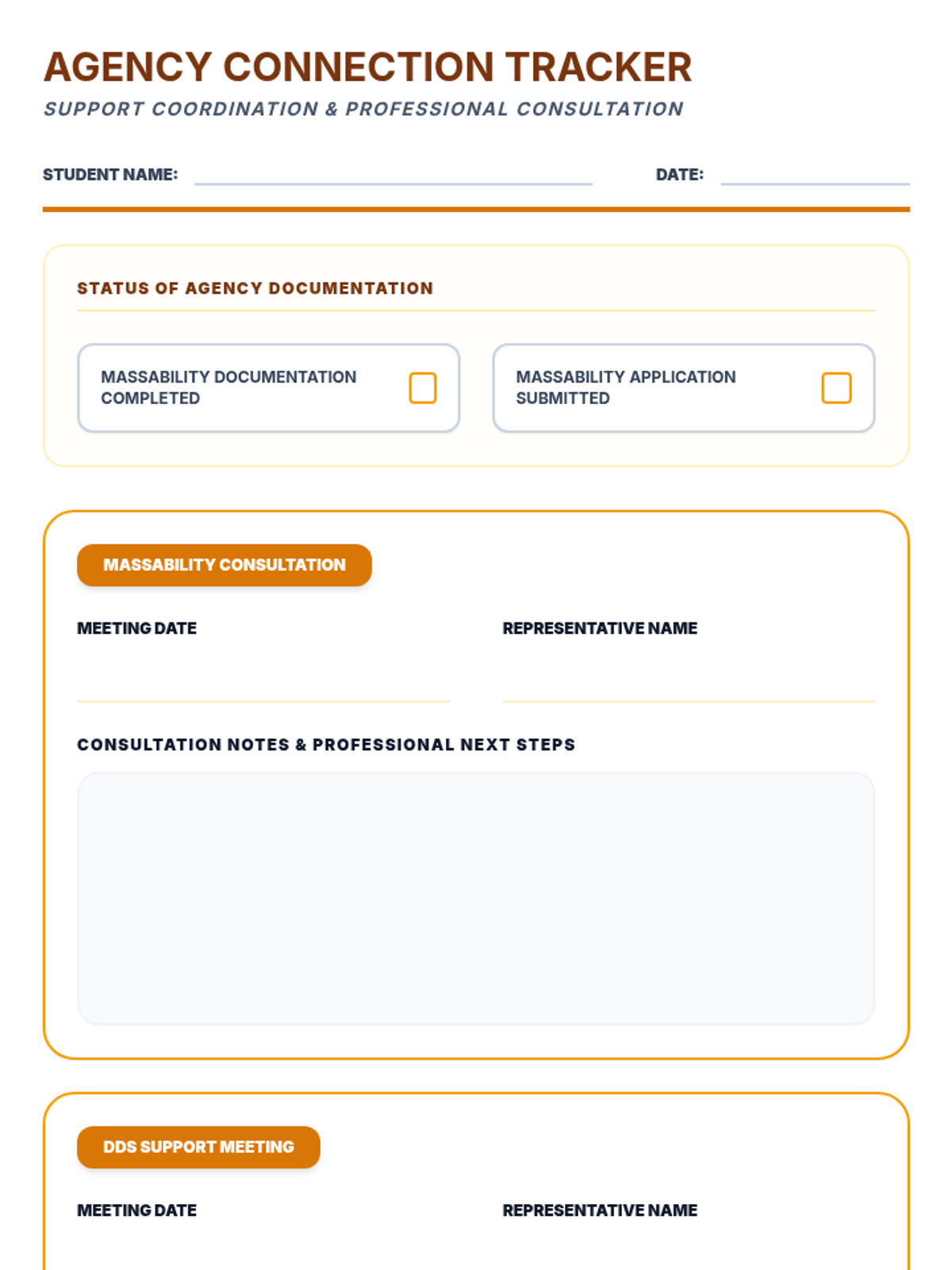
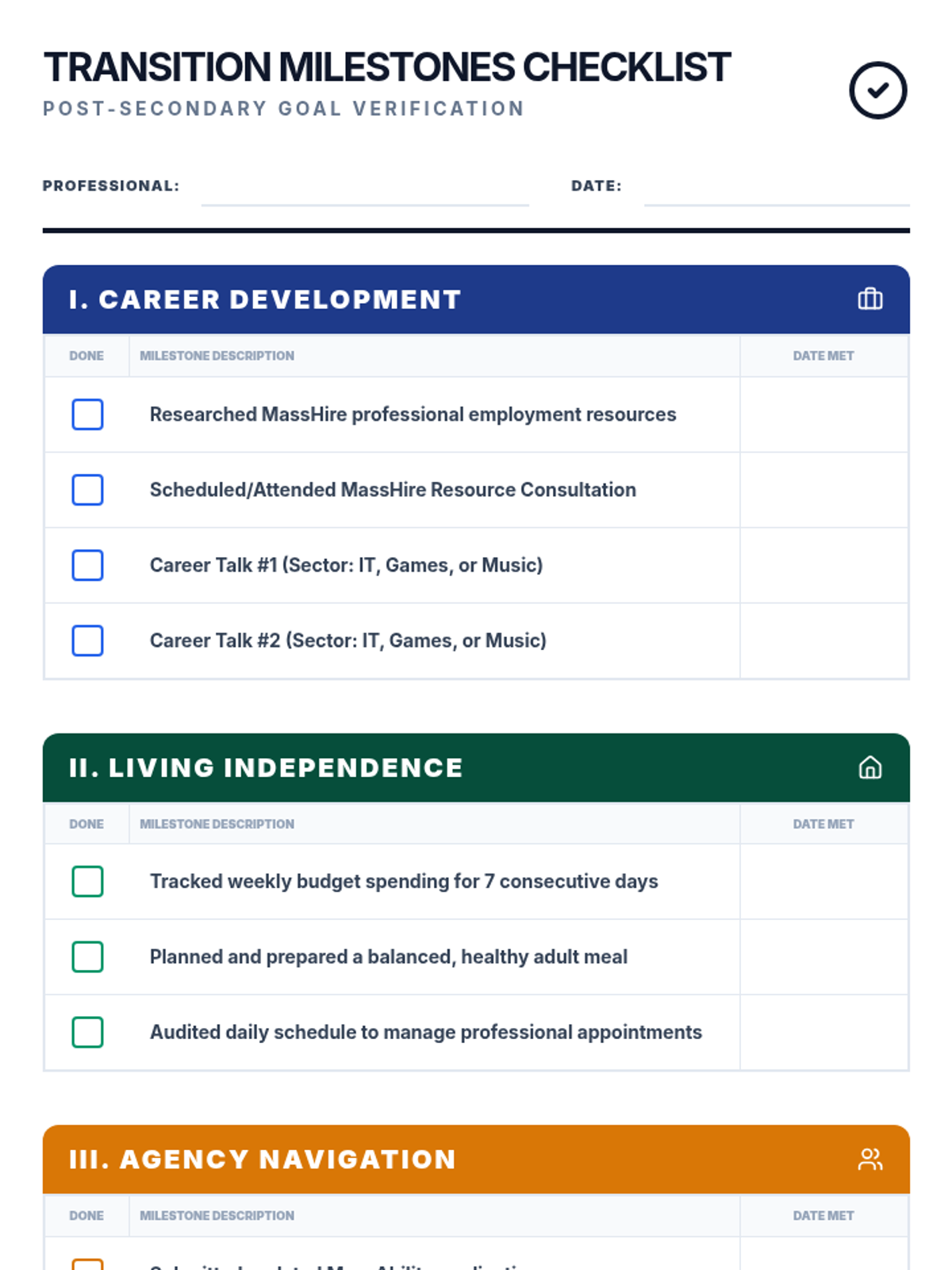
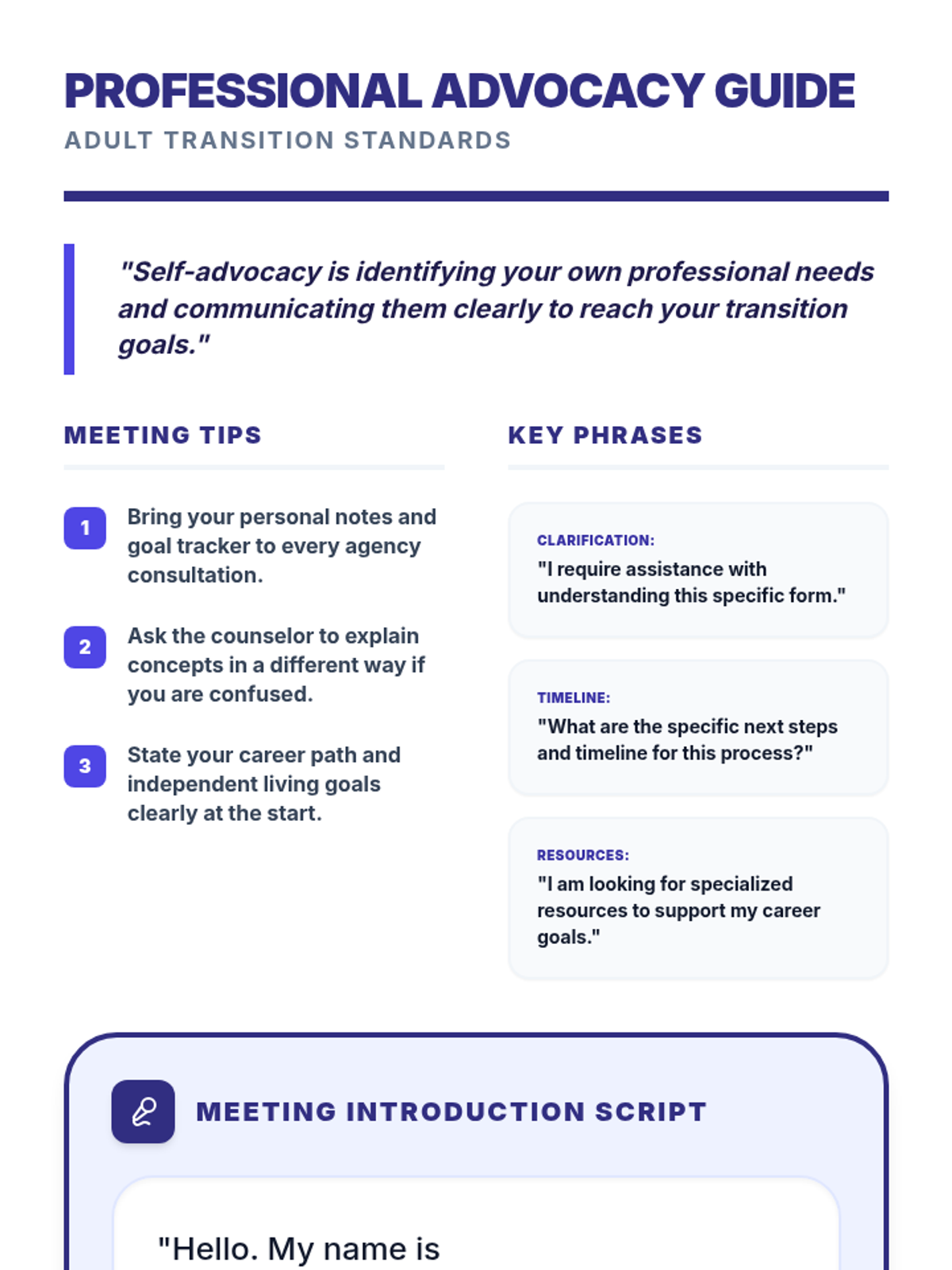
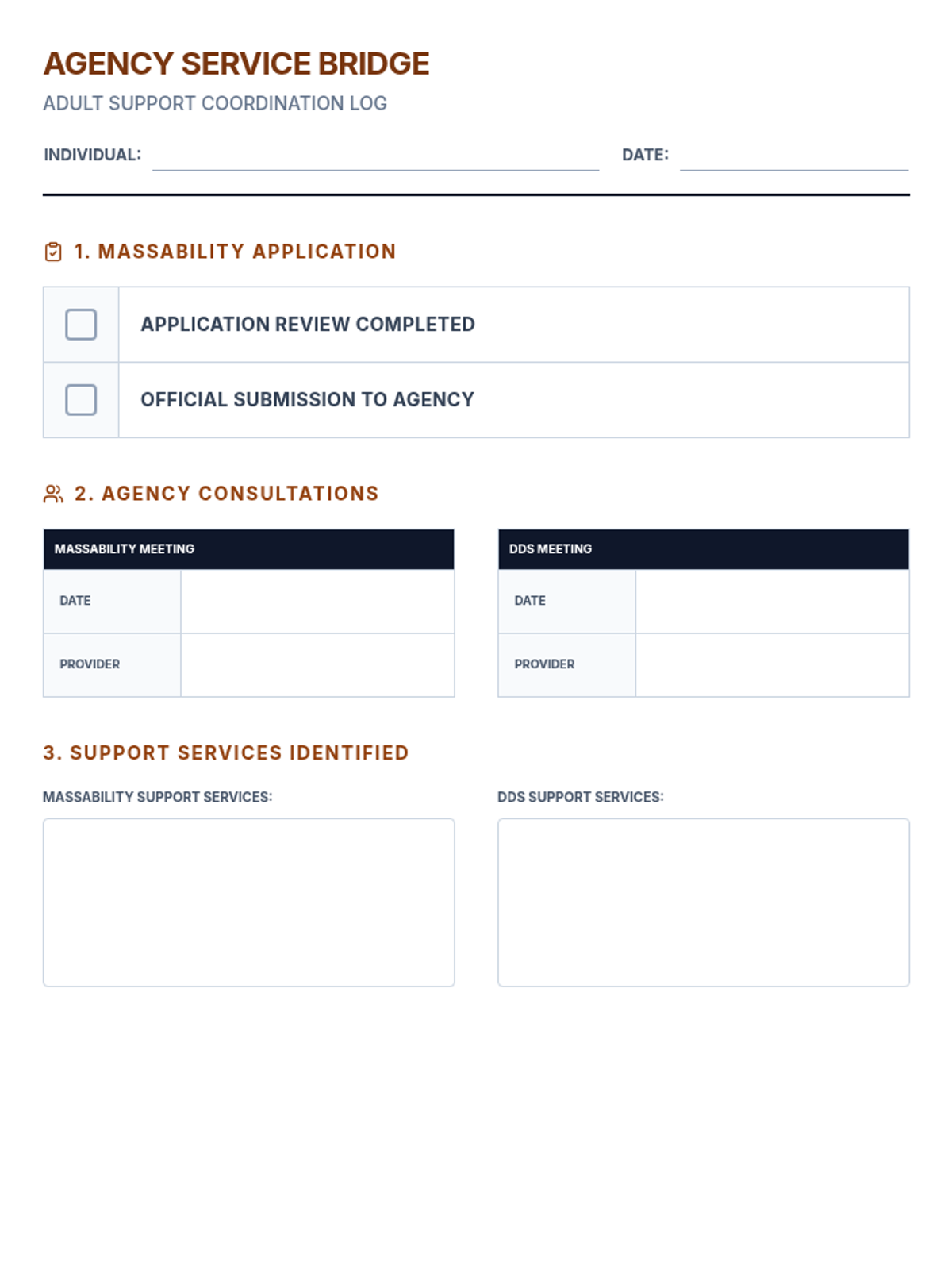
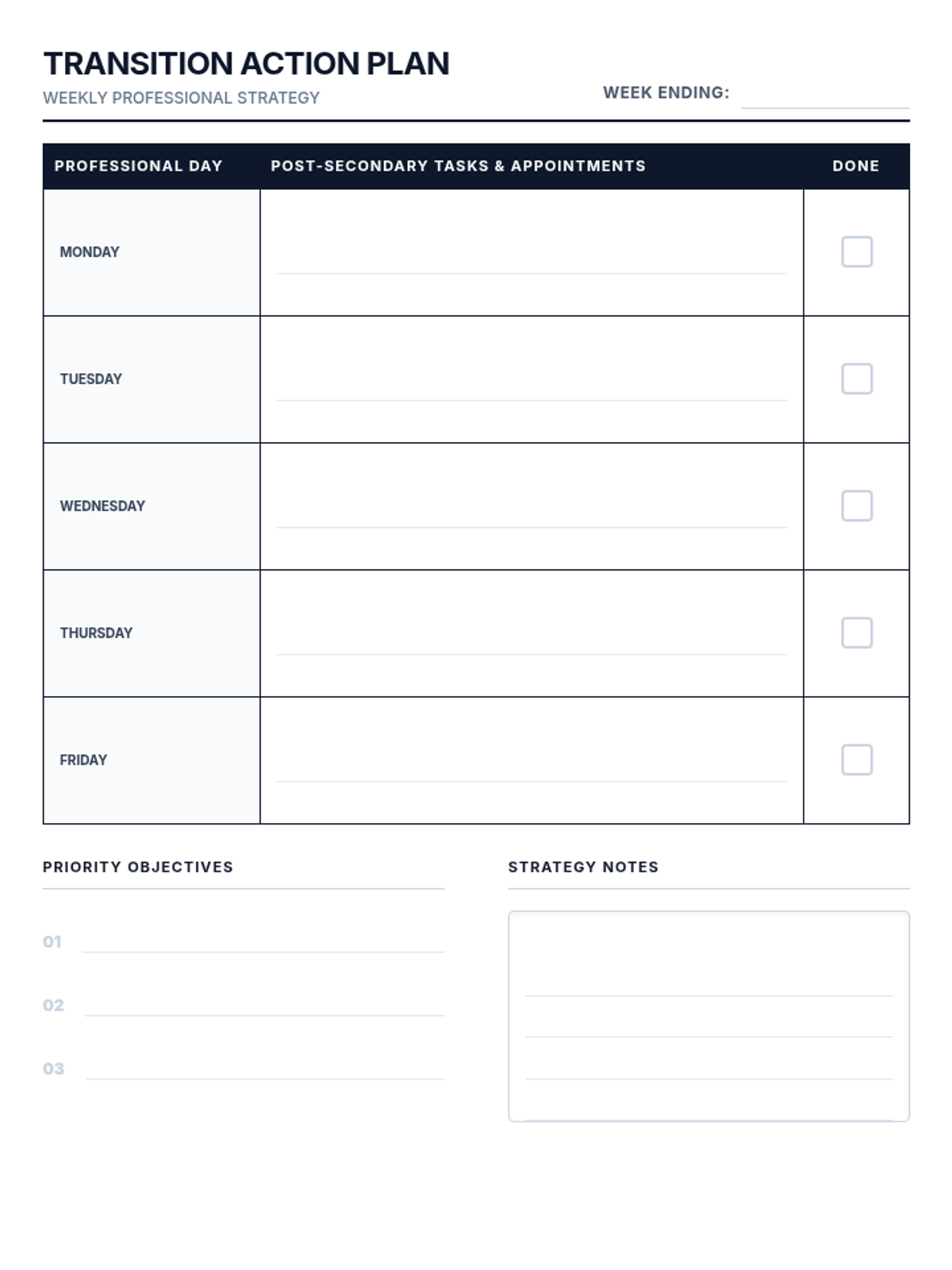
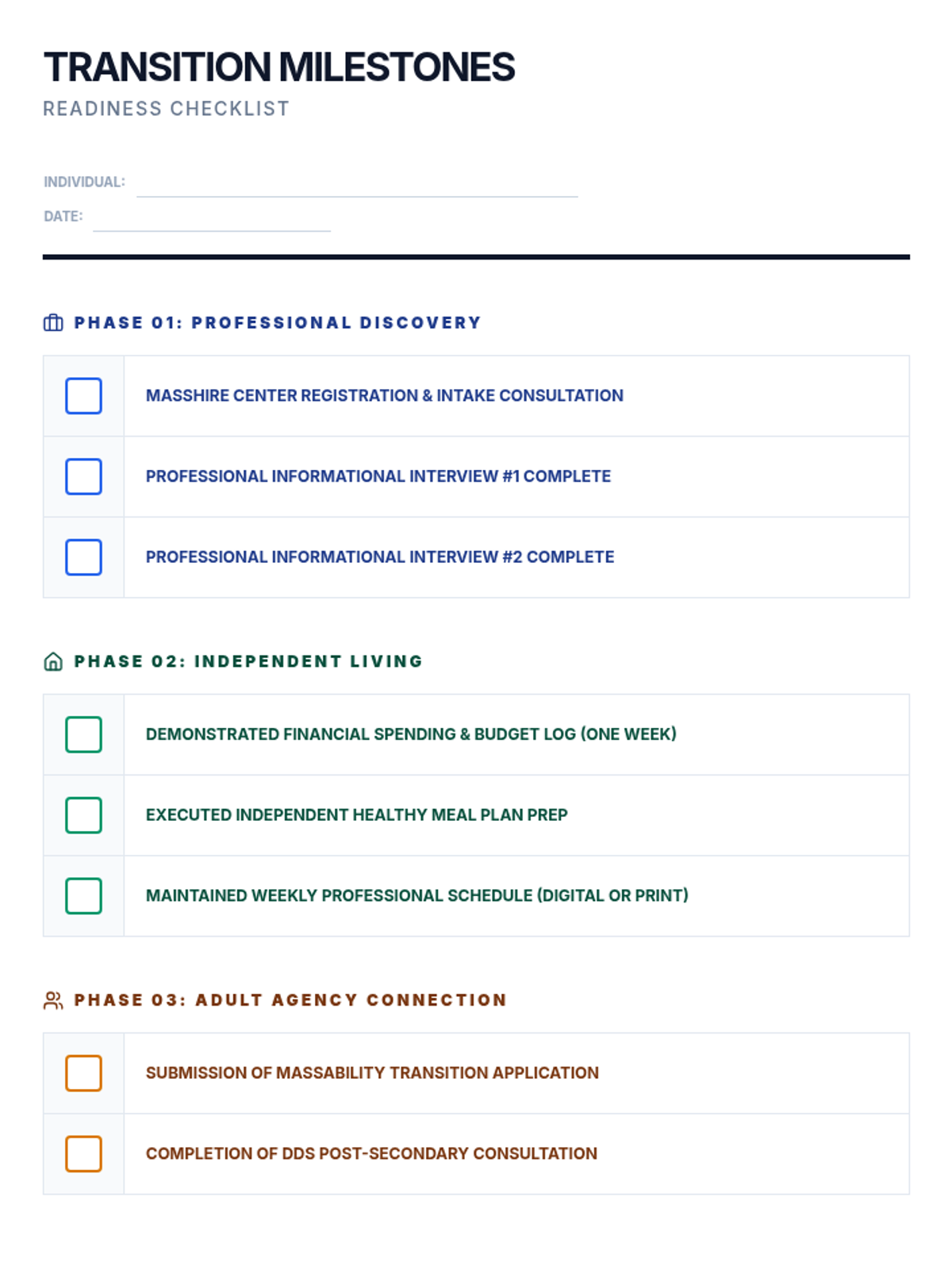
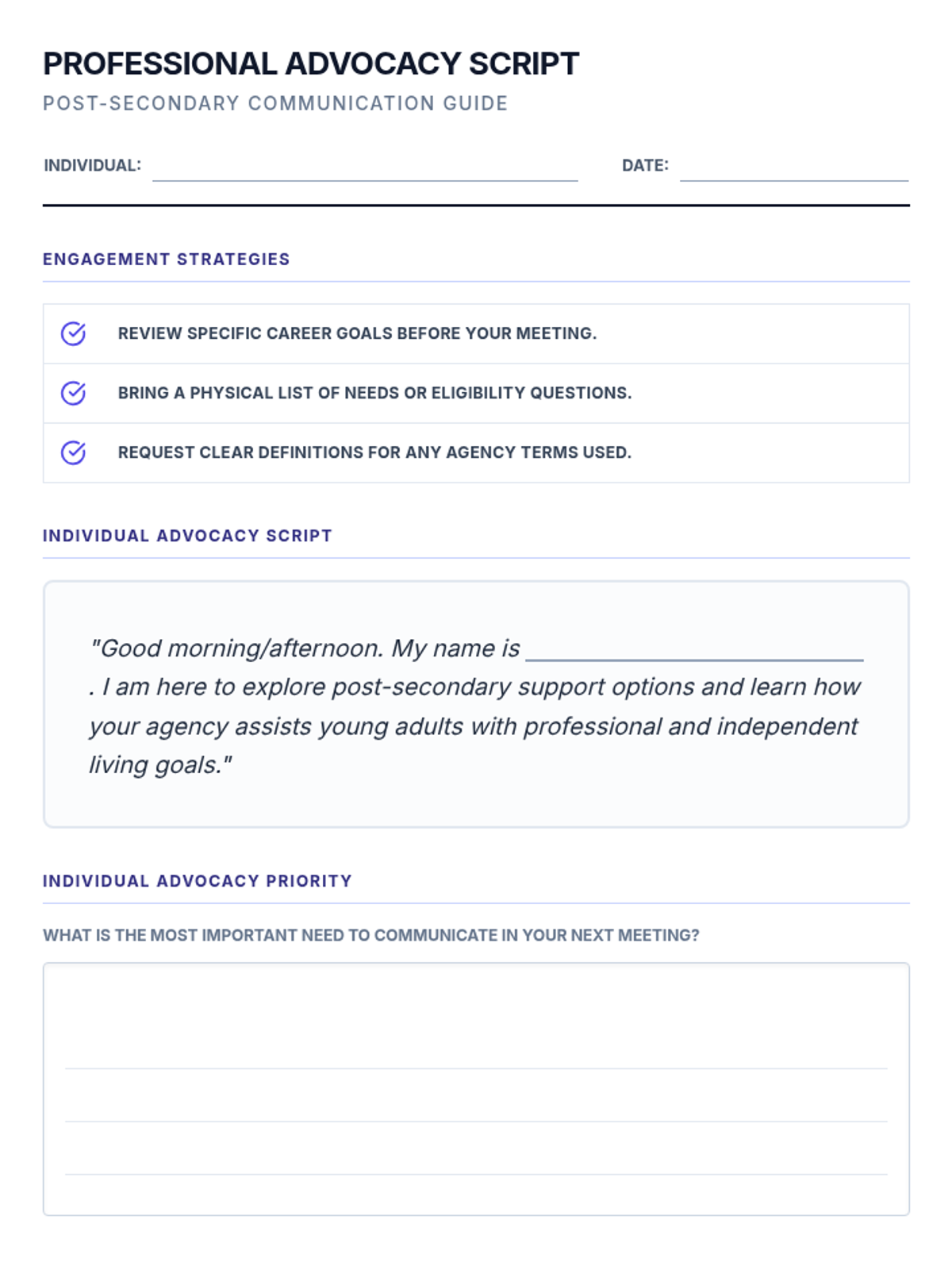
A comprehensive set of transition materials designed to help students navigate post-secondary goals including career exploration, independent living, and agency connections. Using simple text and visual supports, these resources empower students to take active steps toward their future.
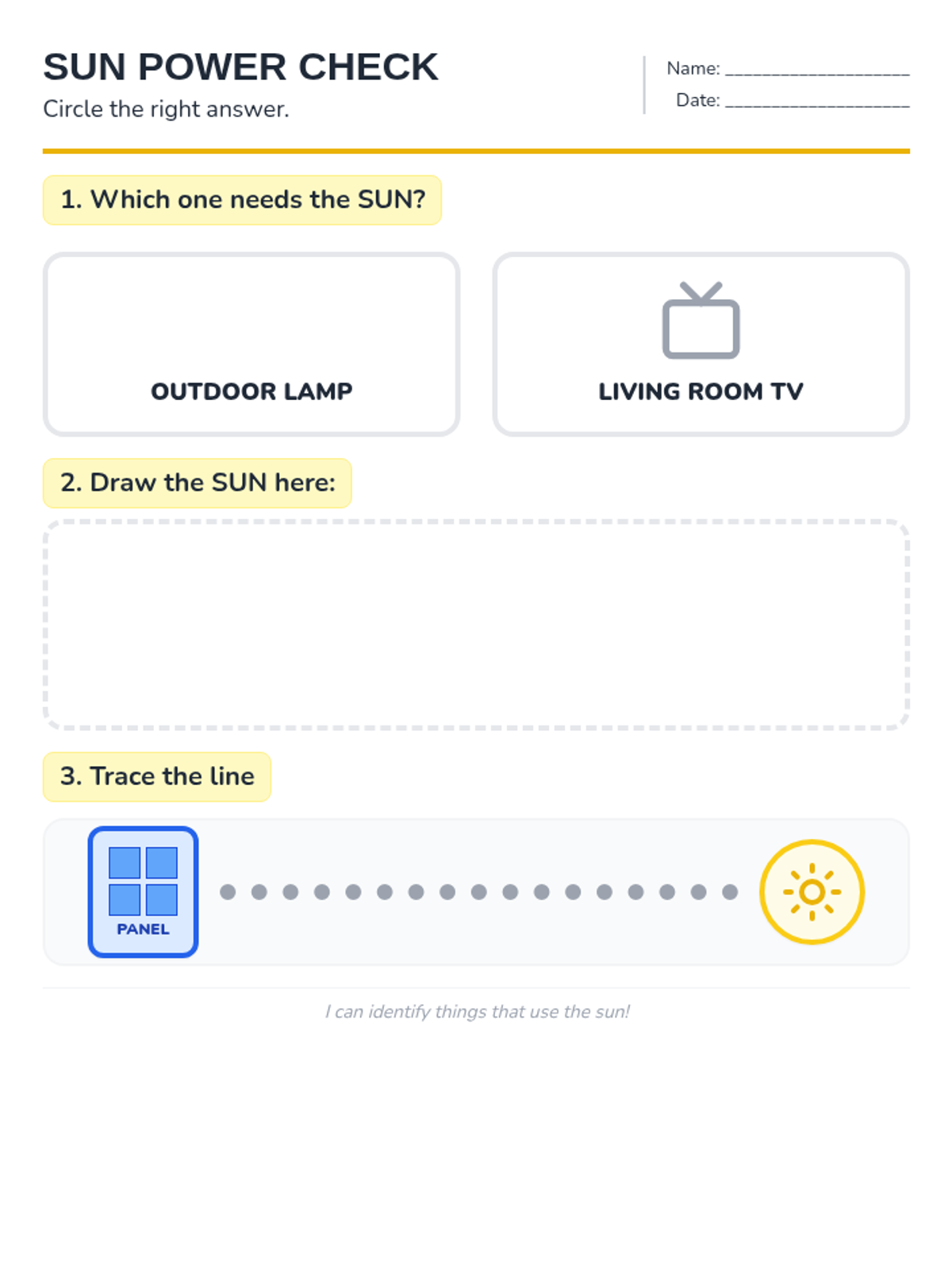
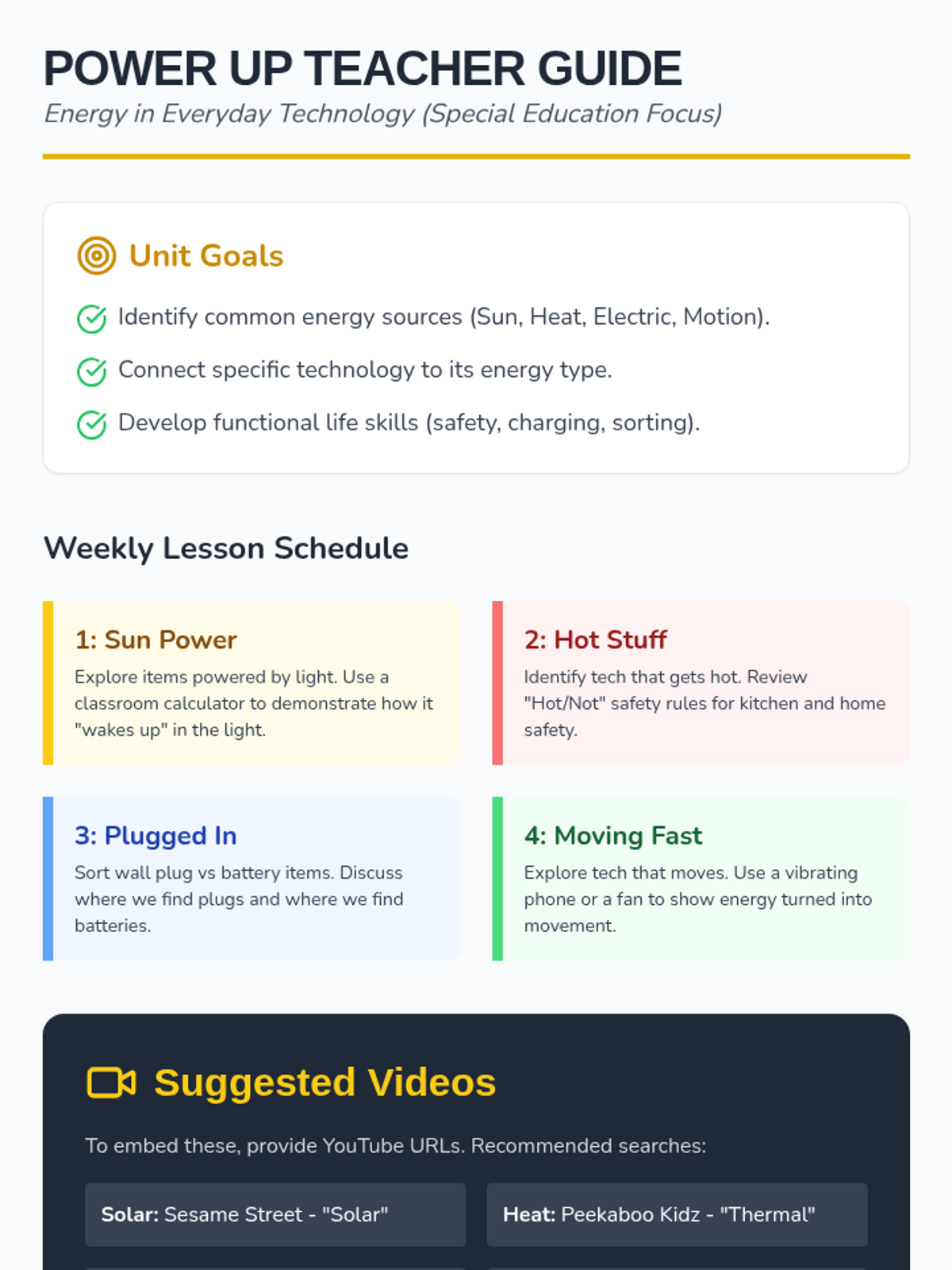
A four-lesson unit on energy in everyday technology designed for high school special education students with early elementary reading levels. Focuses on functional life skills and identifying energy sources in the home and school.
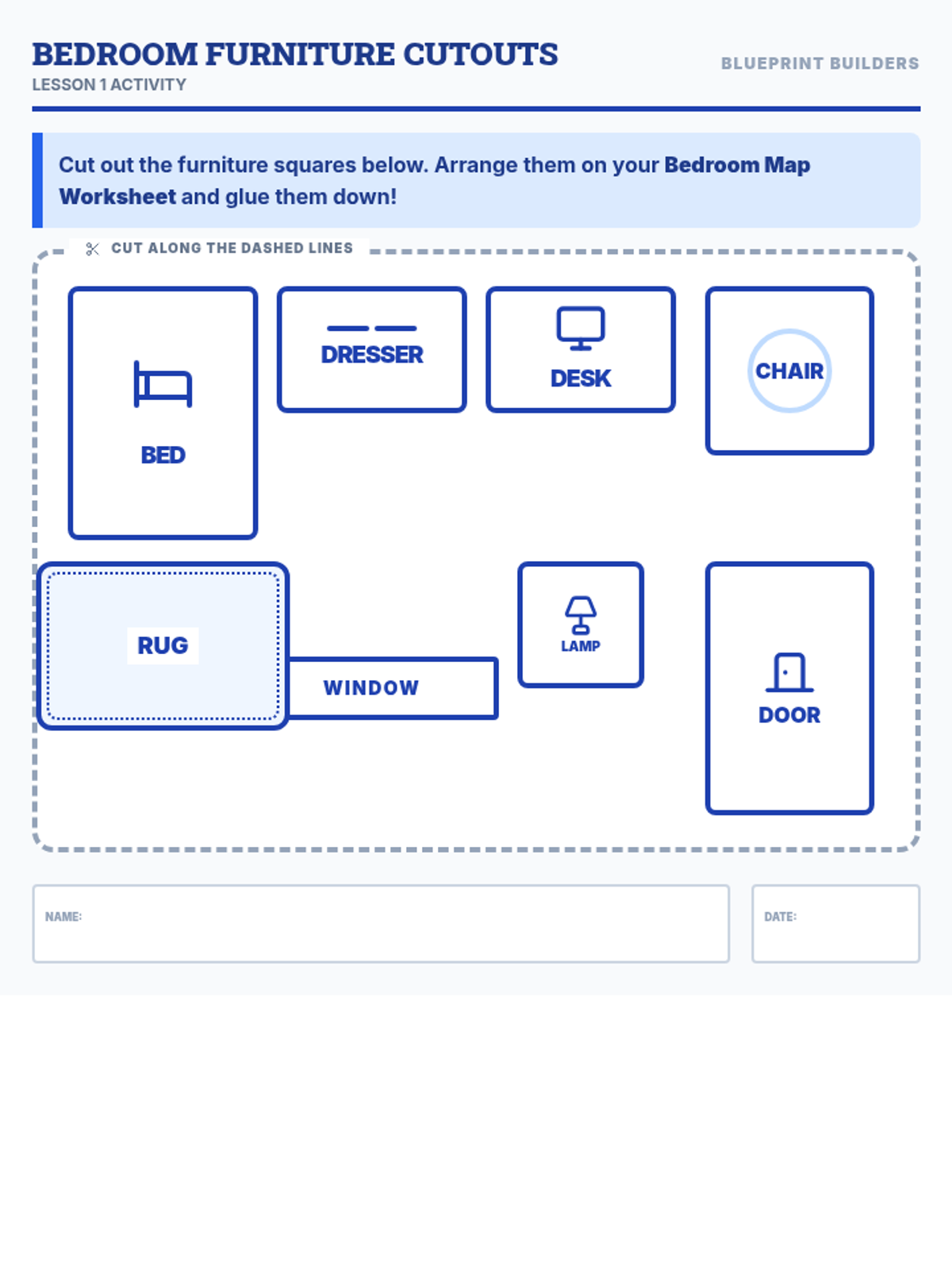
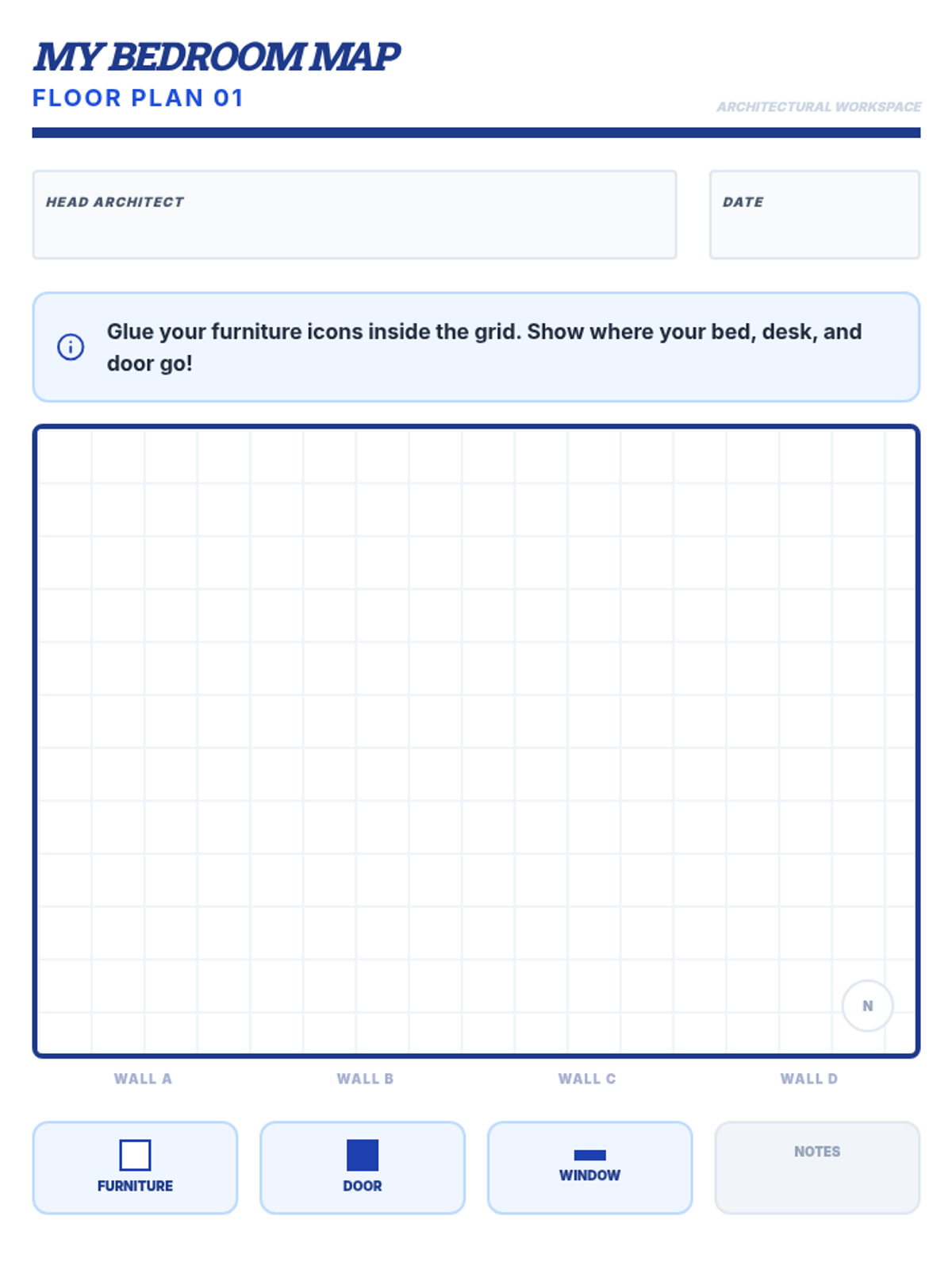
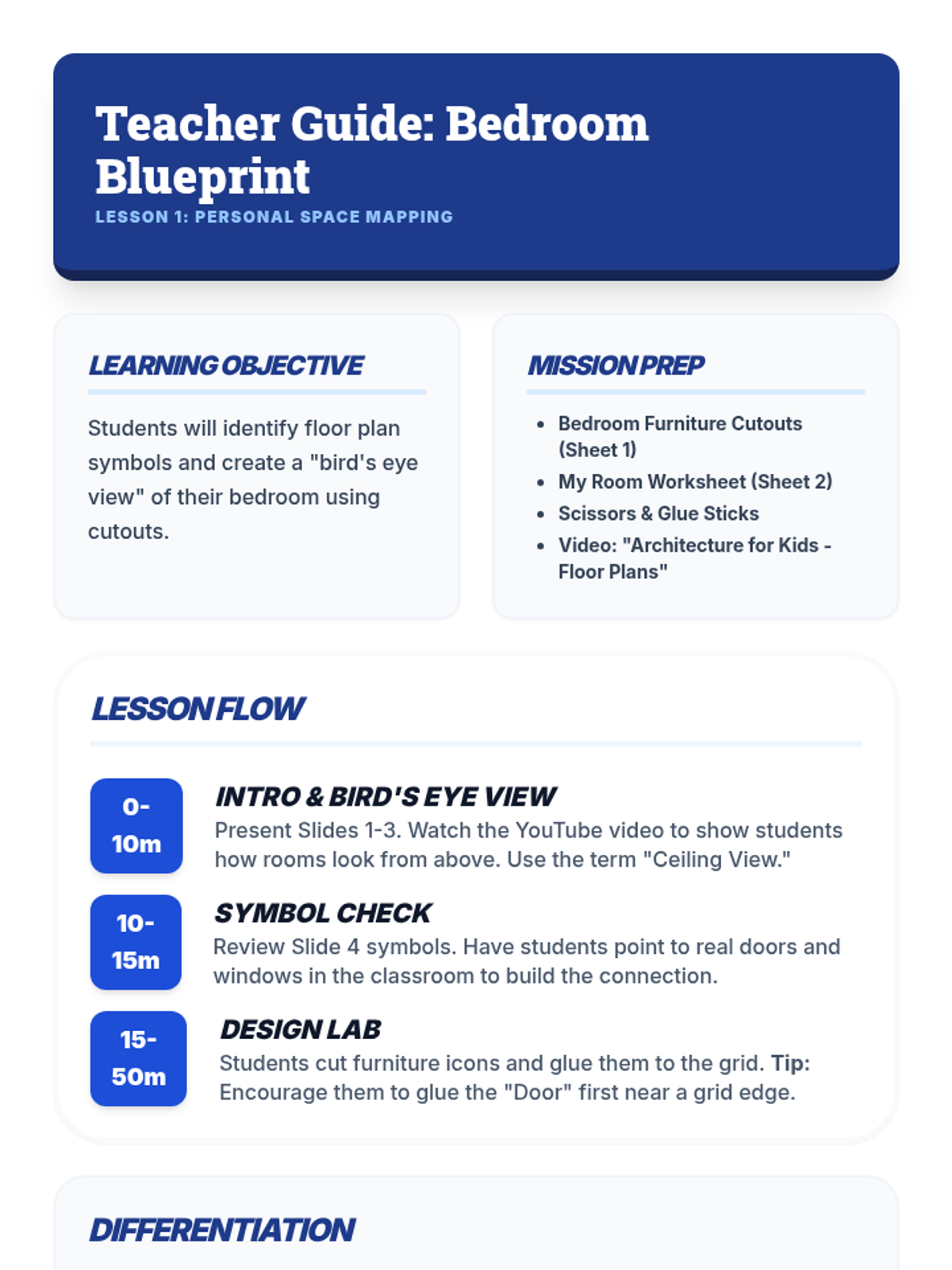
A comprehensive four-lesson unit designed for high school special education students to learn the fundamentals of map making and floor plan design. Students progress from personal spaces (bedrooms) to community layouts (parks), building functional spatial awareness and design skills.