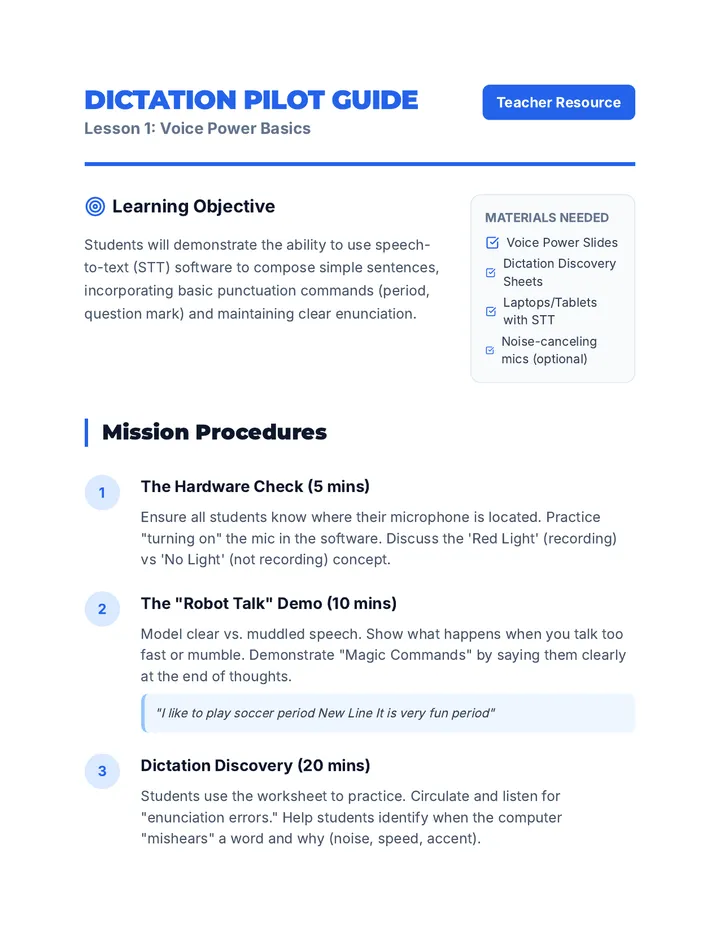
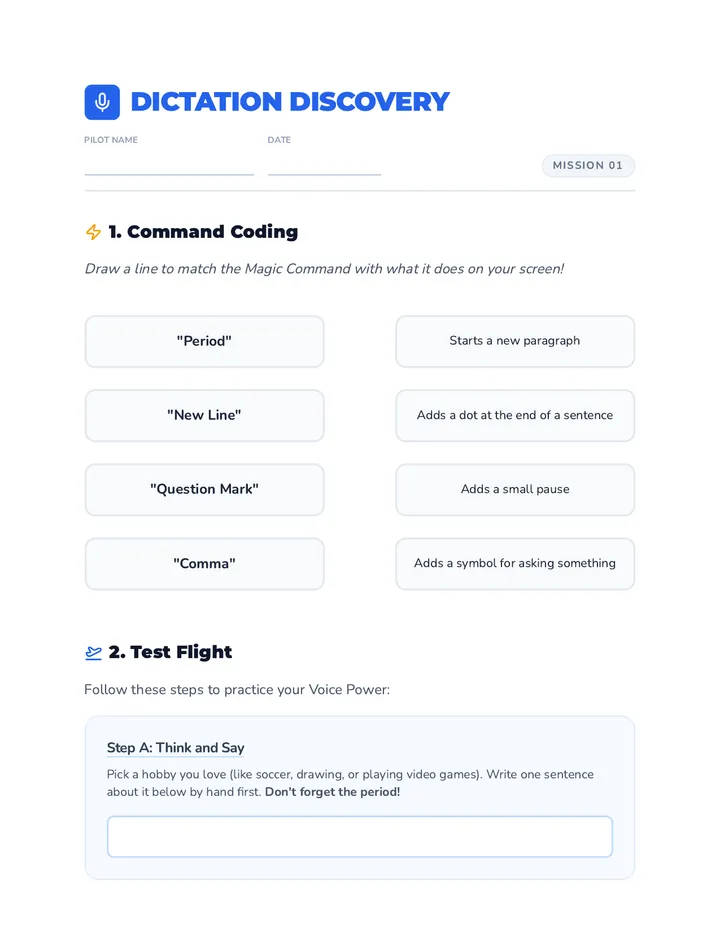
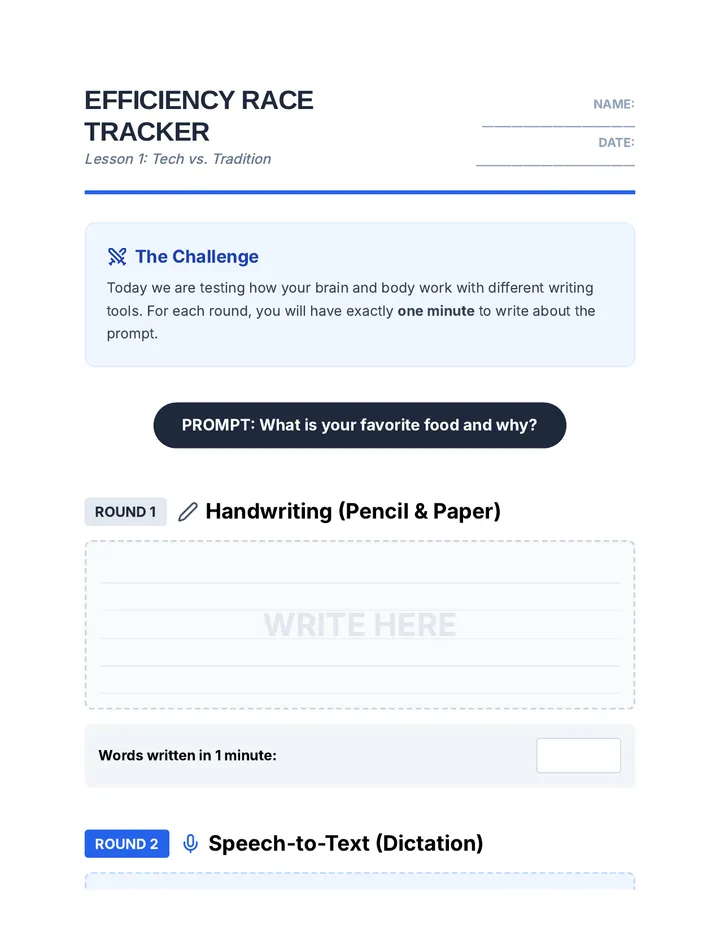
Voice-recognition commands, punctuation insertion, and error correction techniques for speech-to-text users. Develops independence in drafting and refining written work for students with physical or learning barriers.
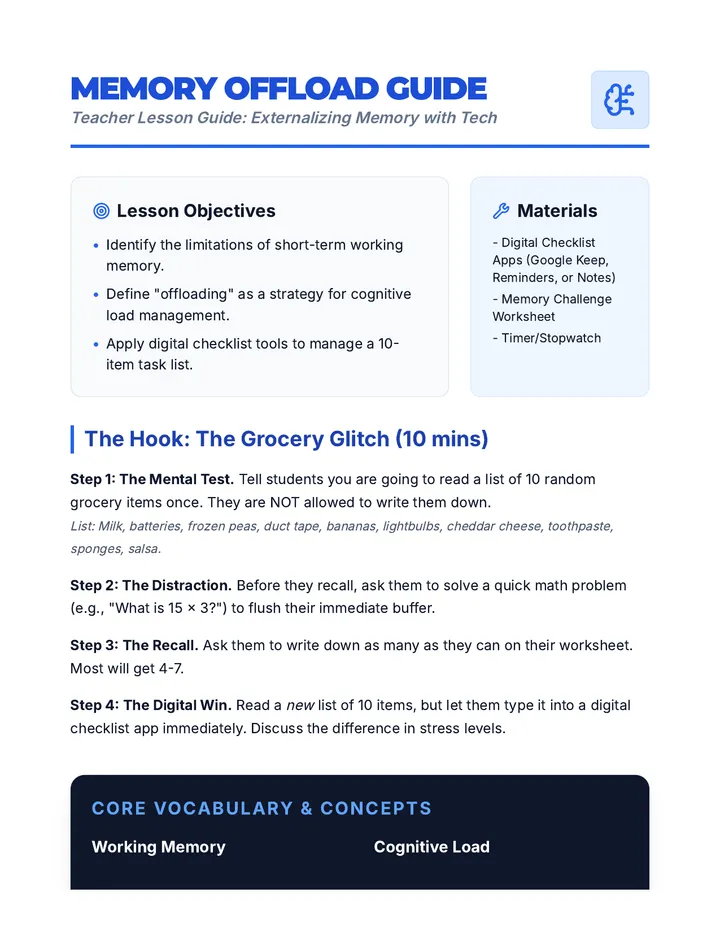
A 5-lesson unit for 8th-grade students focusing on using digital tools to offload working memory and manage cognitive load. Students learn to use task managers, focus modes, sequential reminders, and assistive speech technologies to create a personalized digital workflow for school success.
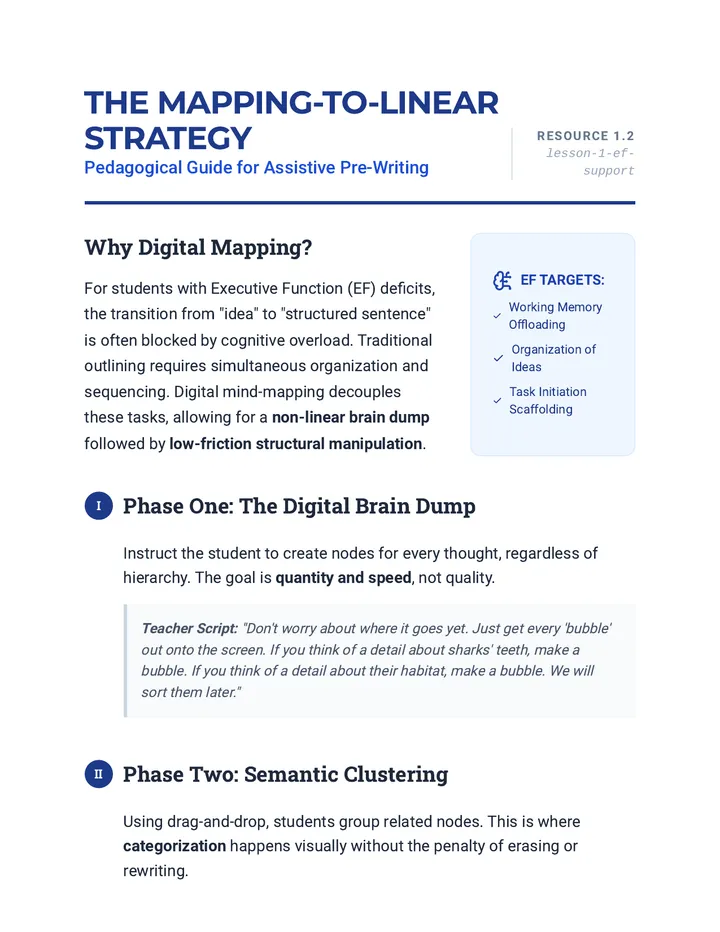
A comprehensive graduate-level sequence focused on the pedagogical implementation of assistive writing technology. It shifts the focus from tool selection to instructional methodologies that scaffold digital organizers, dictation, and text-to-speech for student autonomy.
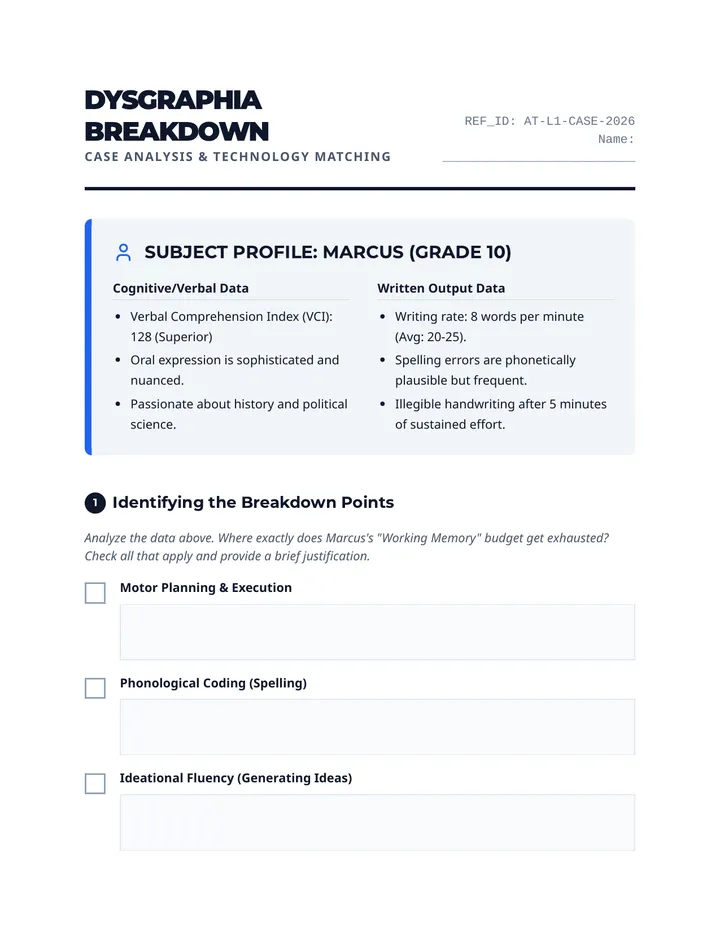
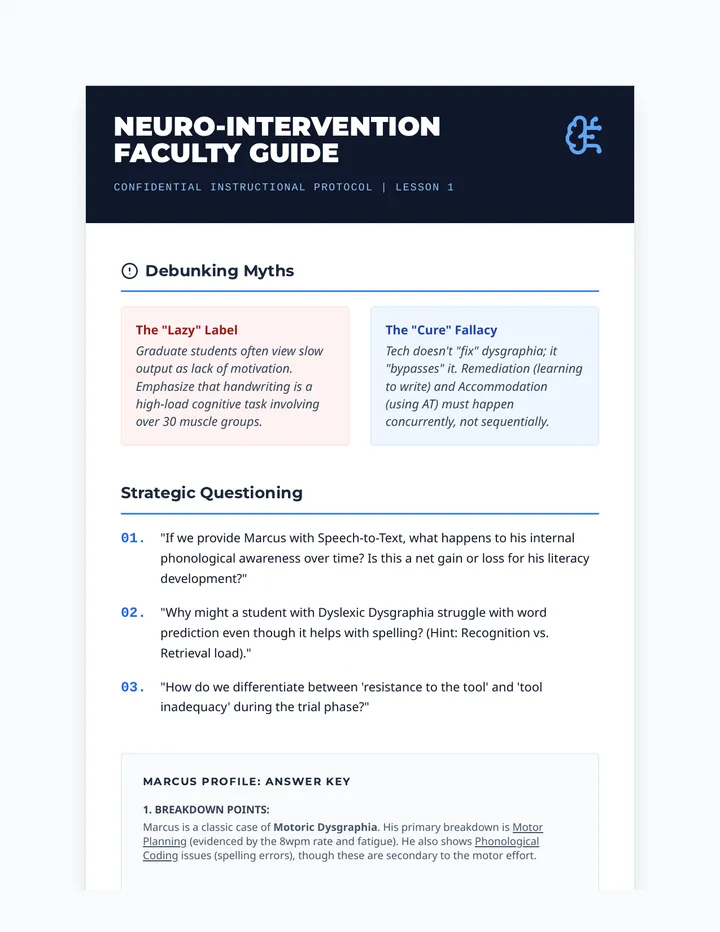
This graduate-level sequence prepares educators to evaluate and select assistive writing technologies using evidence-based frameworks like SETT. It covers the neurology of dysgraphia, technical analysis of speech-to-text and word prediction, and the legal requirements for IEP implementation.
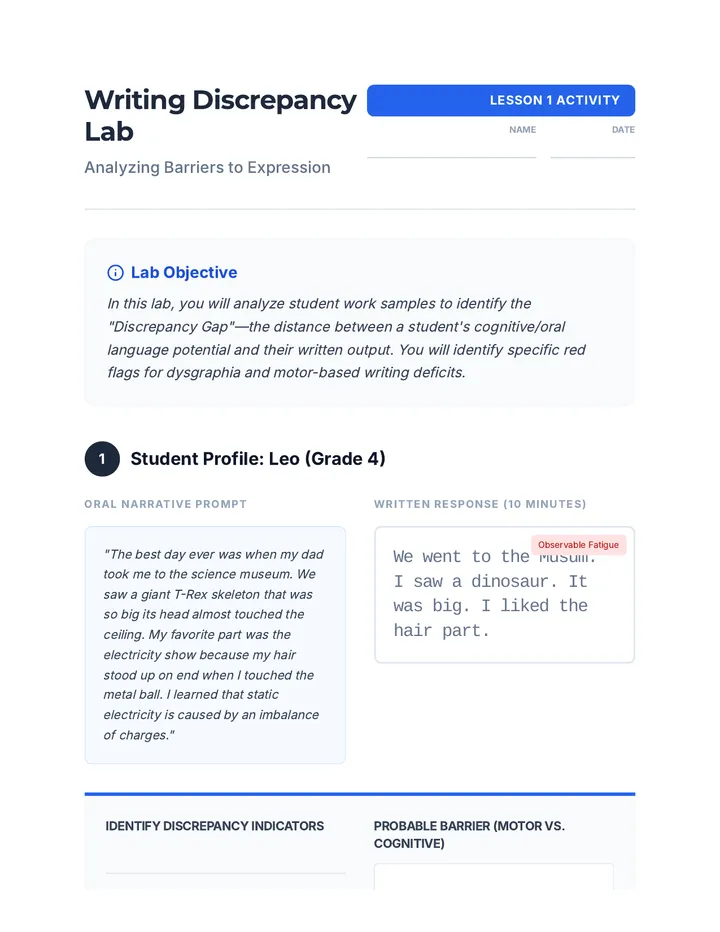
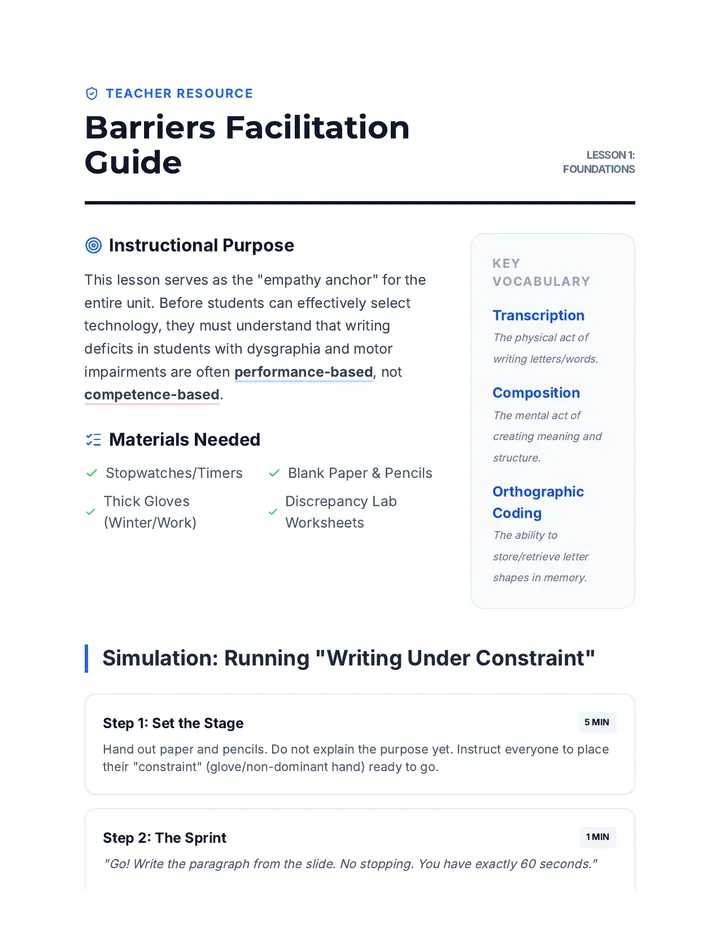
This sequence prepares pre-service teachers to evaluate, select, and implement assistive technology (AT) tools specifically designed for students with dysgraphia and physical motor impairments. Students will move from understanding neurological barriers to designing comprehensive, data-driven AT implementation plans.
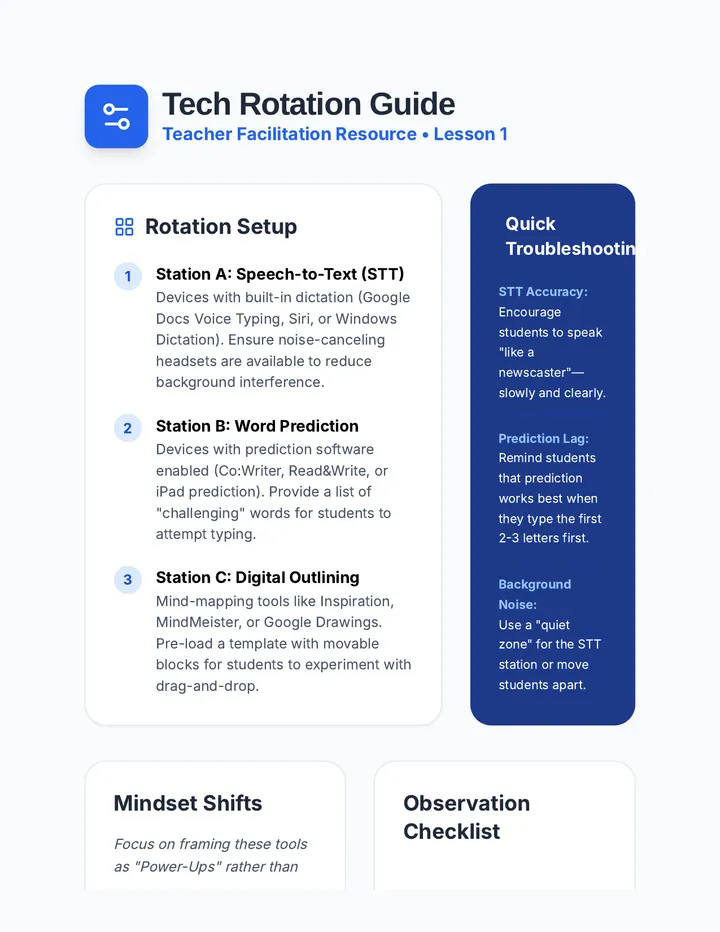
This sequence empowers 3rd-grade students to bypass physical writing barriers using assistive technology tools like speech-to-text, digital organizers, and word prediction. Students progress from basic dictation mechanics to publishing a fully edited personal narrative, fostering independence and confidence in their writing abilities.
A 5-lesson unit for 6th-grade students focused on mastering assistive writing technologies, including speech-to-text, word prediction, and digital graphic organizers, culminating in a personal narrative and a self-advocacy tech plan.
This sequence introduces 2nd-grade students to assistive writing technology, including speech-to-text, digital organizers, word prediction, and text-to-speech, to foster independence in writing.
A graduate-level sequence focused on modifying computing environments via text expansion, key remapping, and macros to enhance accessibility for individuals with motor impairments. Students progress from basic software configurations to designing bespoke automation profiles for complex client cases.
This sequence teaches 2nd grade students how to identify and correct errors made by speech recognition software, transforming raw dictation into polished writing. Students act as 'Text Detectives' to master error detection, homophone correction, and hybrid editing strategies.
A comprehensive sequence for 2nd-grade students to master speech-to-text dictation across Math, Science, and Social Studies, fostering independence and self-advocacy.
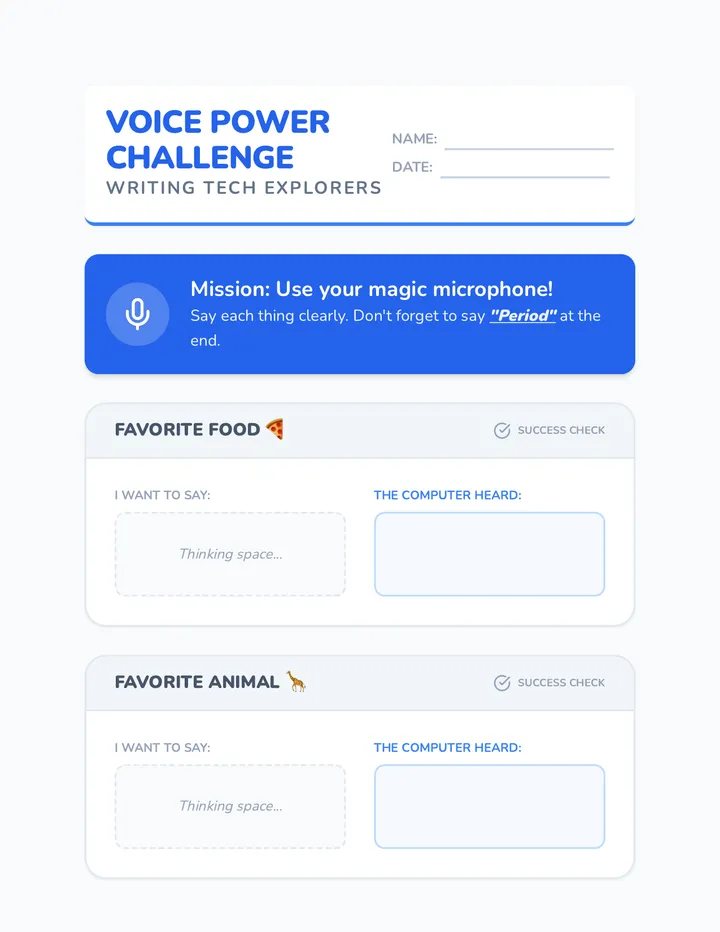
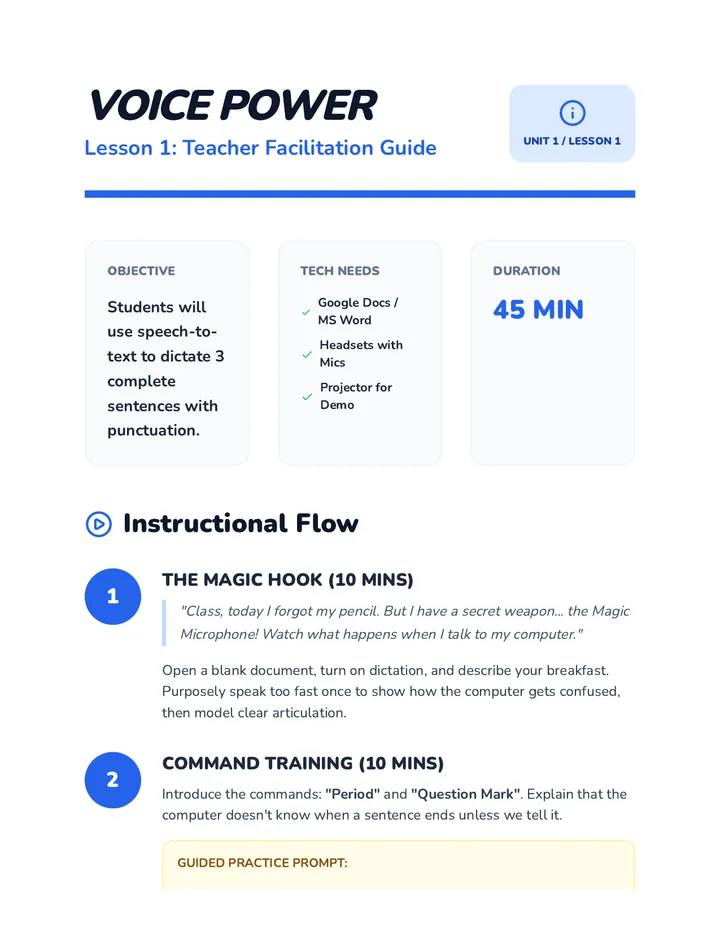
A comprehensive sequence designed for 2nd-grade students to master speech-to-text dictation commands, focusing on punctuation and basic formatting to create coherent written work using their voice.
This sequence explores the practical, ethical, and environmental considerations for implementing speech recognition technology in schools. Future educators will move beyond software mechanics to design implementation plans that address noise management, social stigma, data privacy, and UDL-based policy.
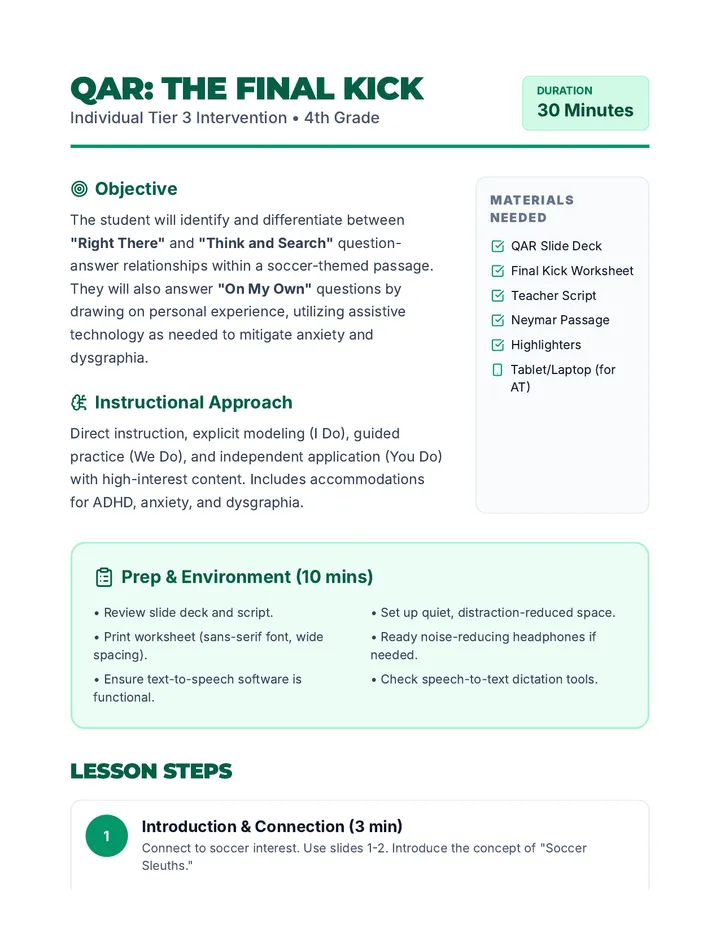
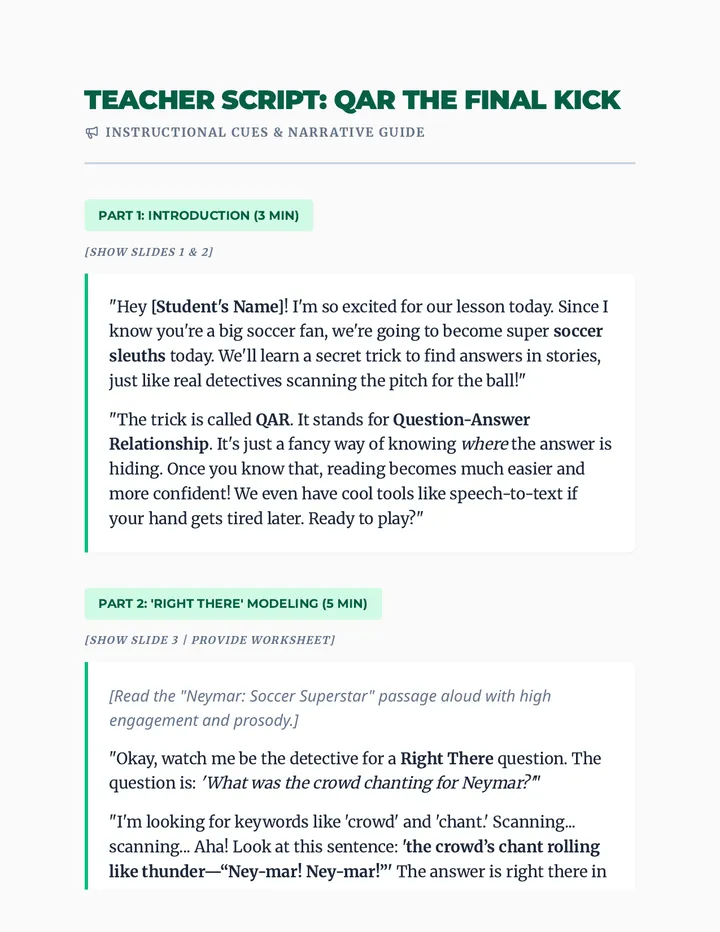
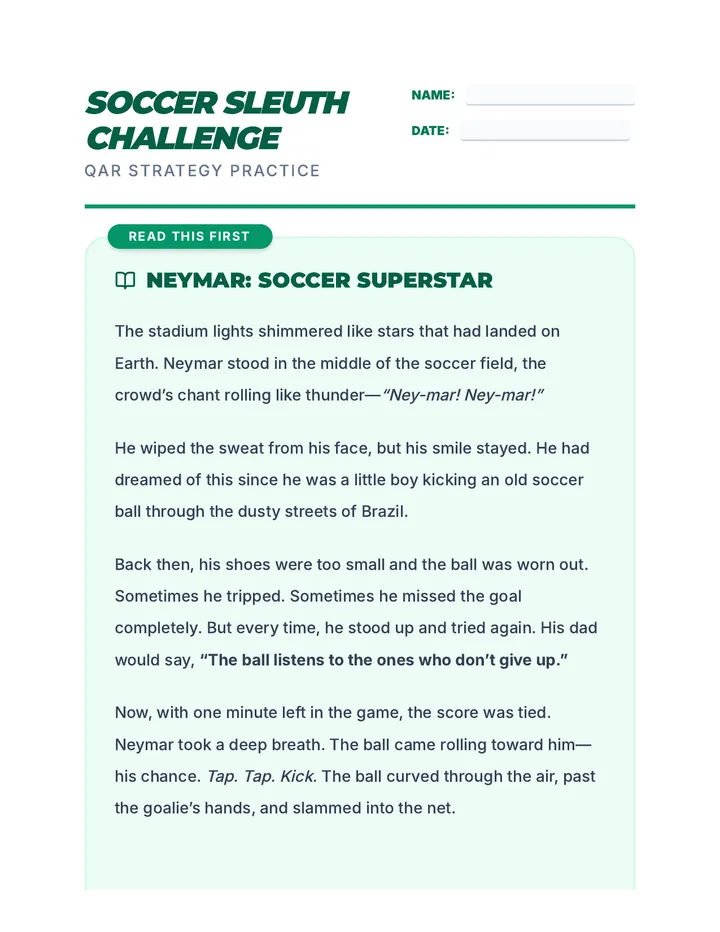
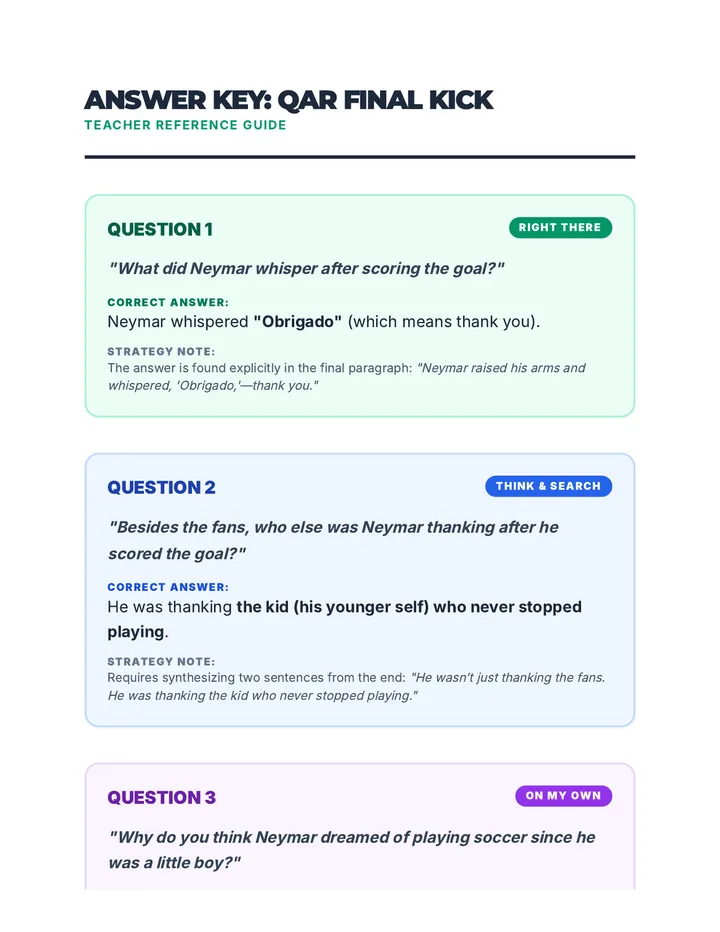
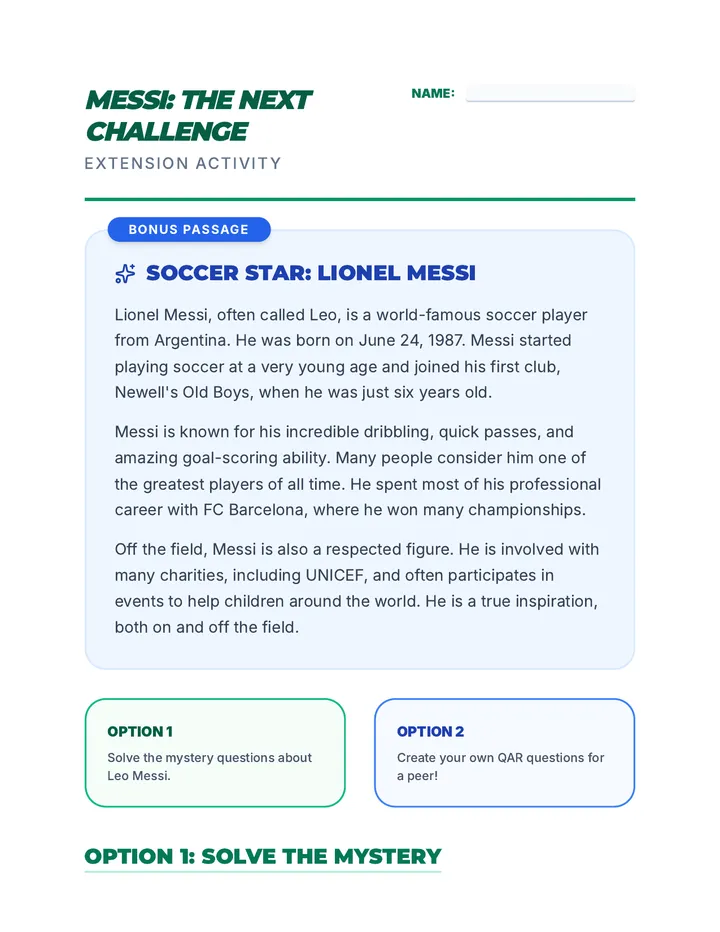
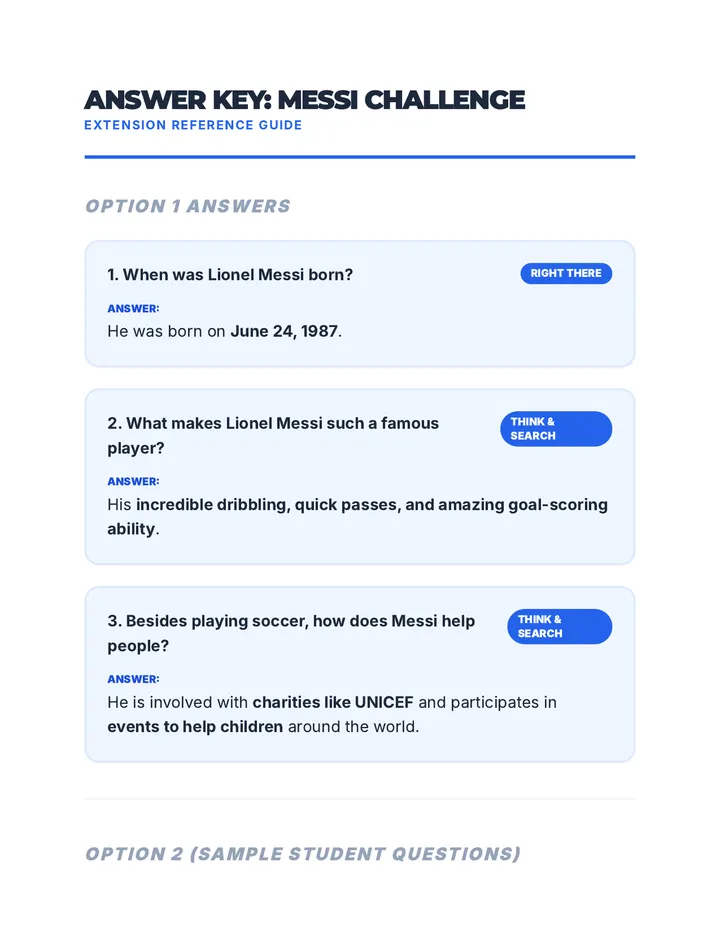
This Tier 3 individual lesson introduces a 4th-grade student with ADHD, anxiety, and dysgraphia to the Question-Answer Relationship (QAR) strategy using high-interest soccer content. It focuses on 'Right There', 'Think and Search', and 'On My Own' question types through explicit modeling and scaffolded practice.
An individual coaching plan introducing and practicing assistive technologies (TTS, highlighting, dictation) to empower a 7th grade student with reading challenges.