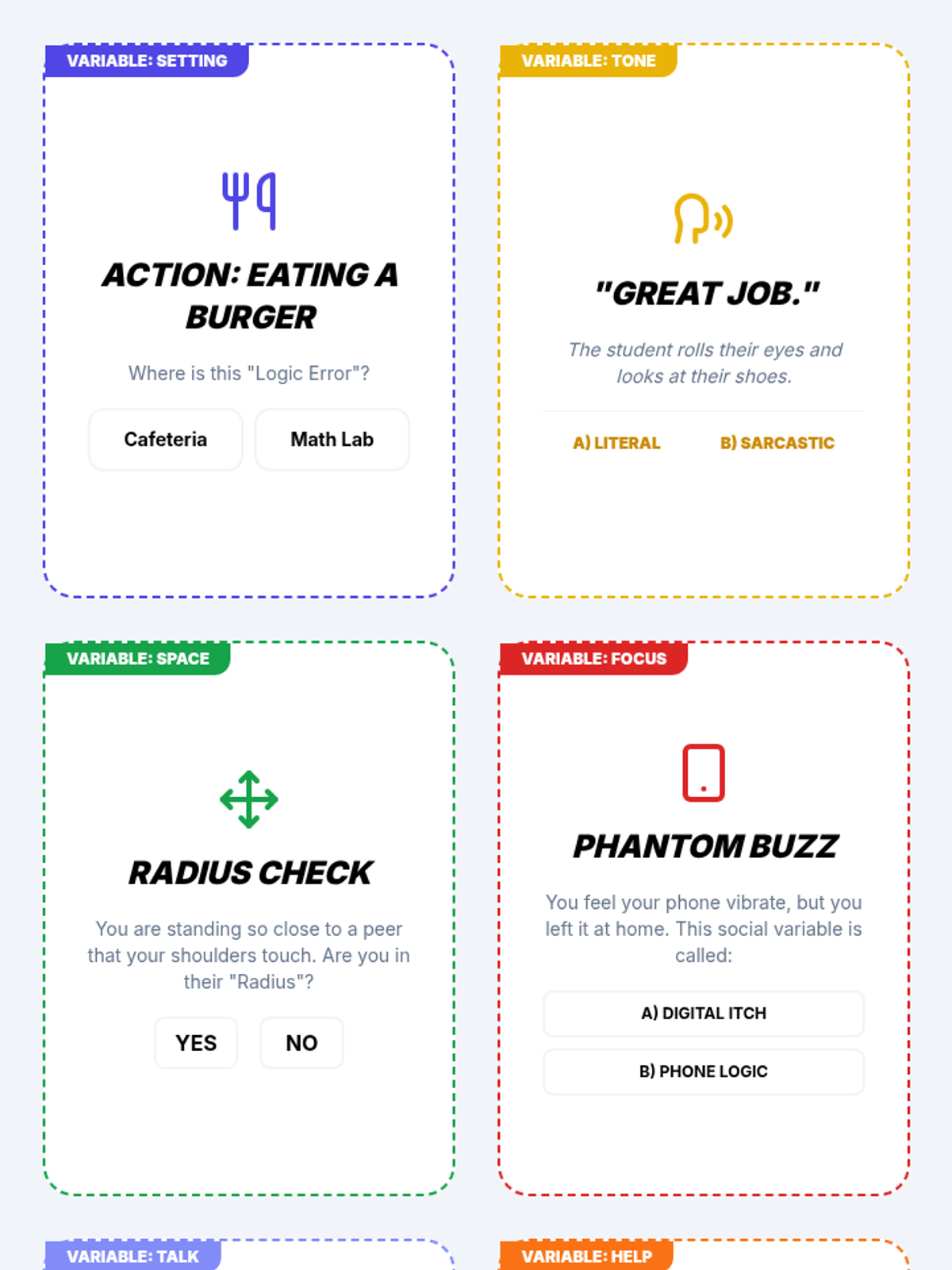
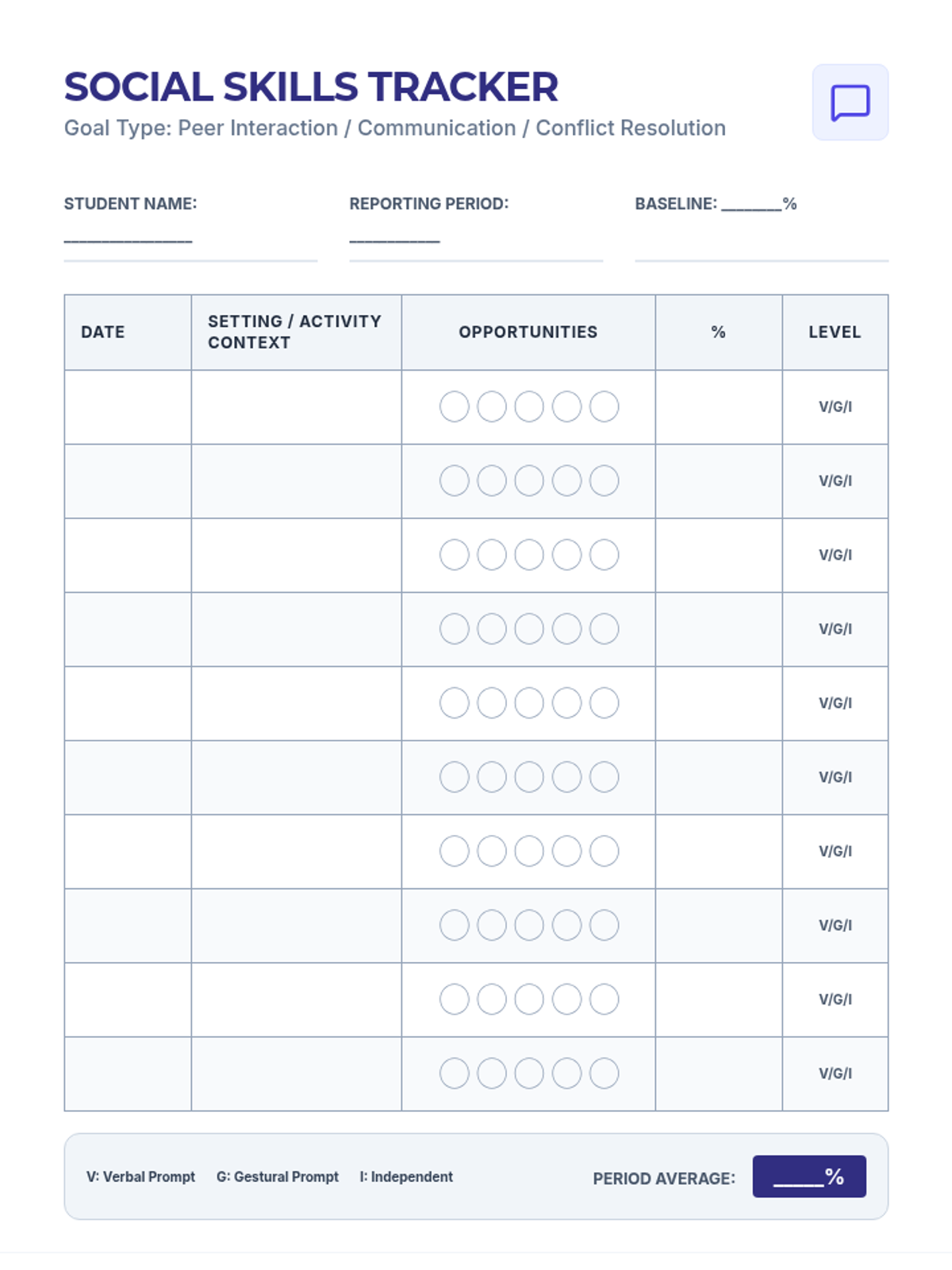
Verbal modulation, body language interpretation, and turn-taking strategies for effective social interaction. Addresses social problem identification, help-seeking, and the comprehension of figurative language across varied contexts.
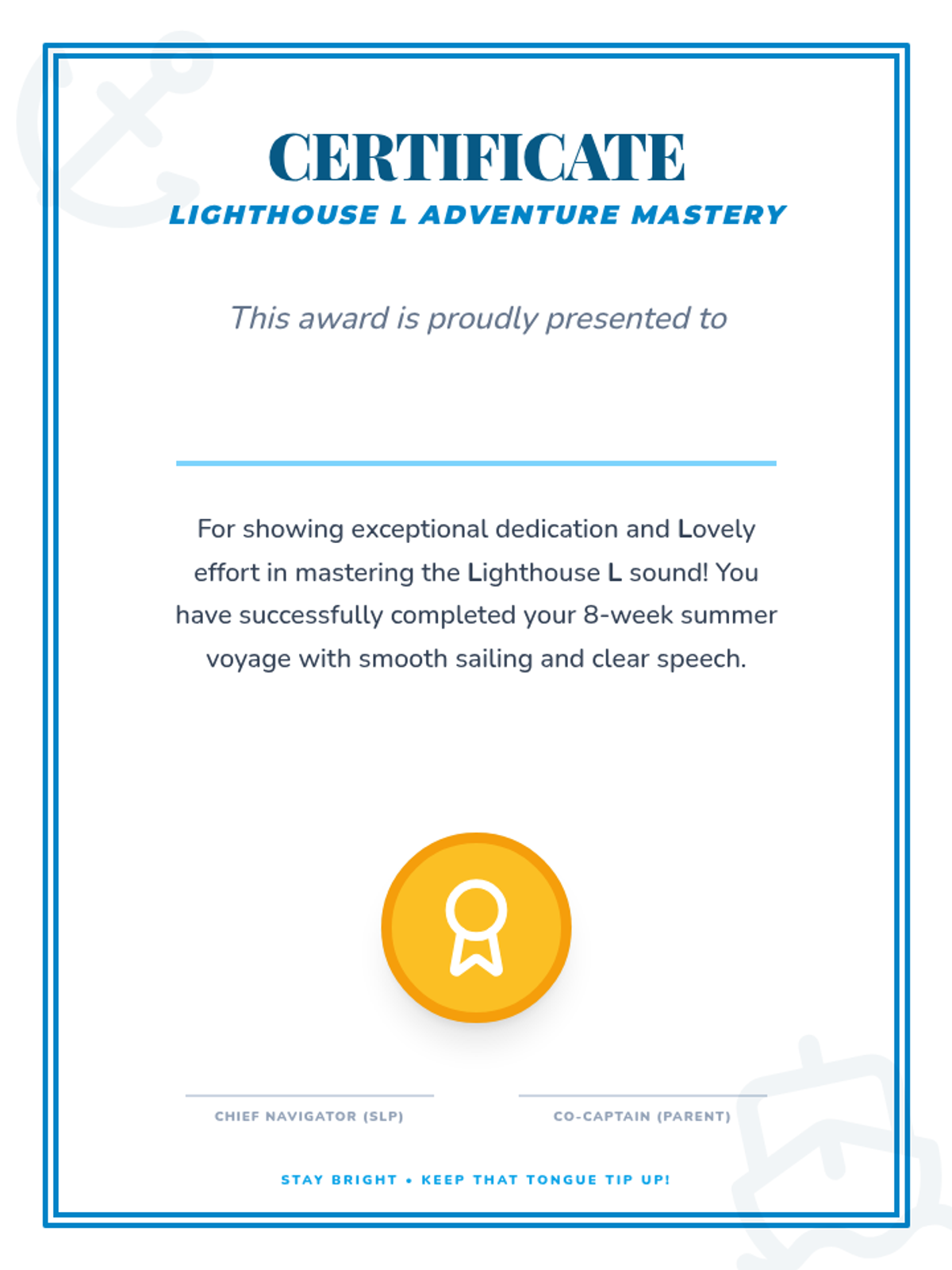
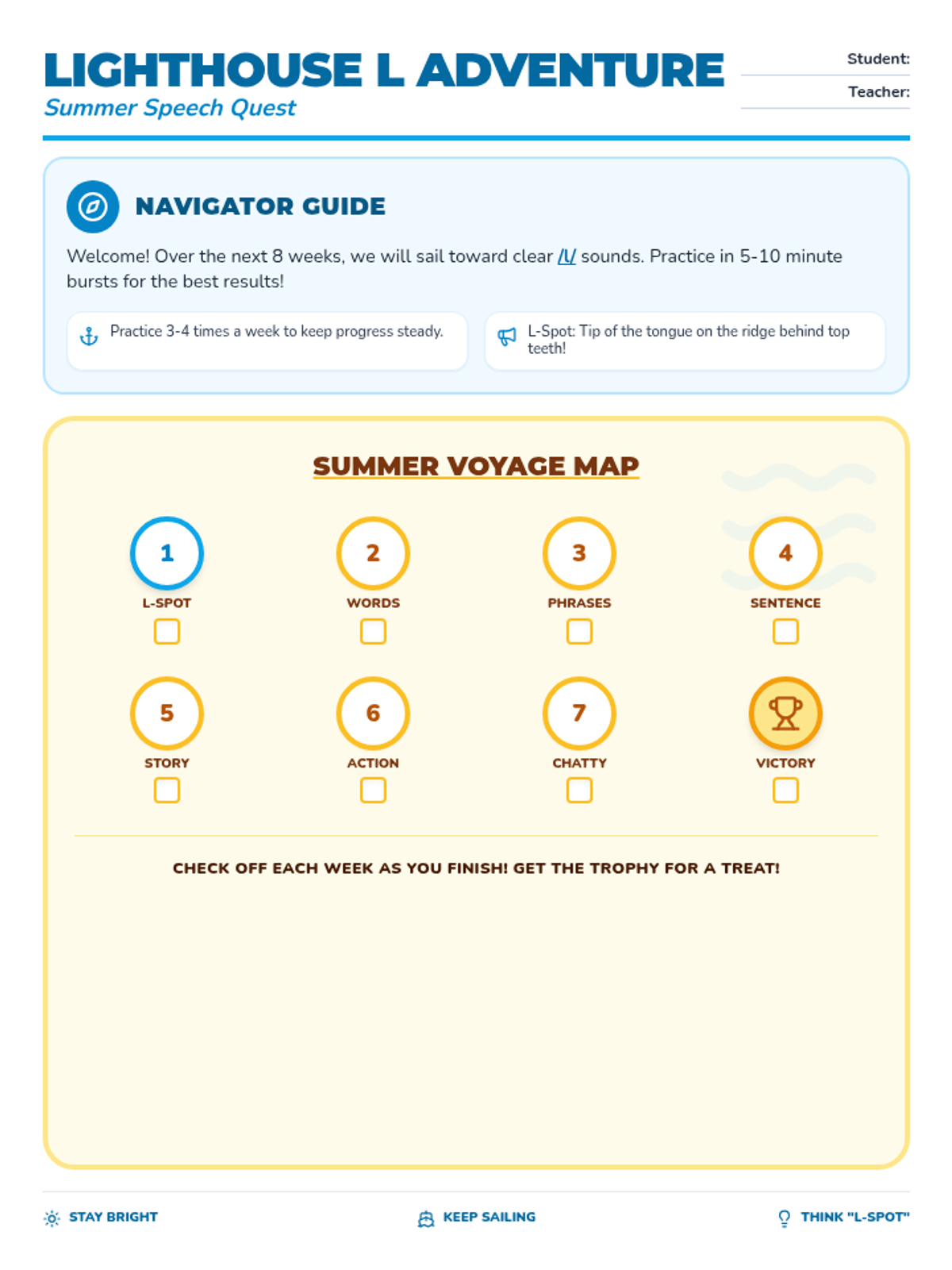
A review and celebration week where students demonstrate their progress and receive a certificate of completion.
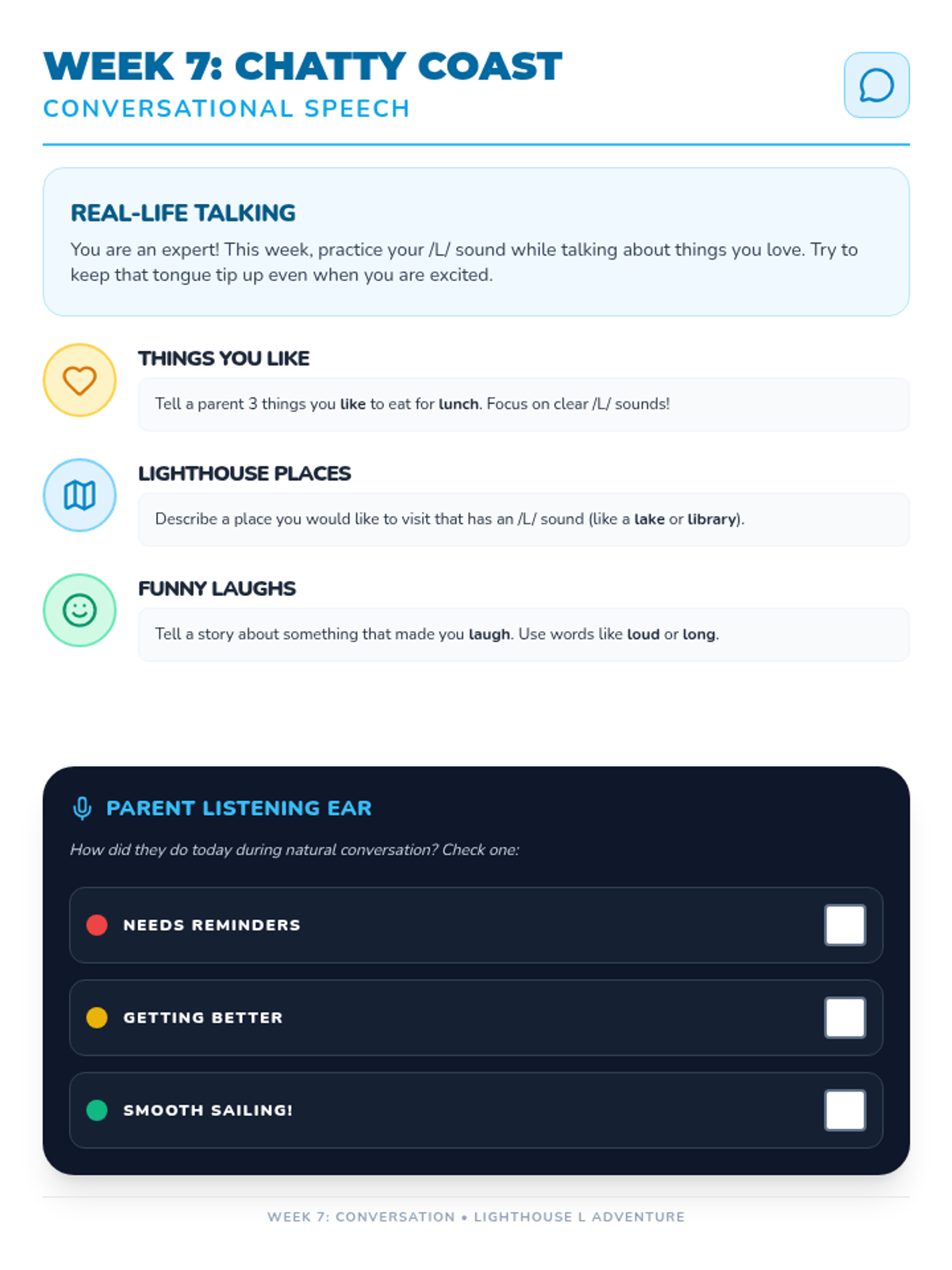
Prepares students for natural speech by using conversational prompts and open-ended questions targeting /l/ words.
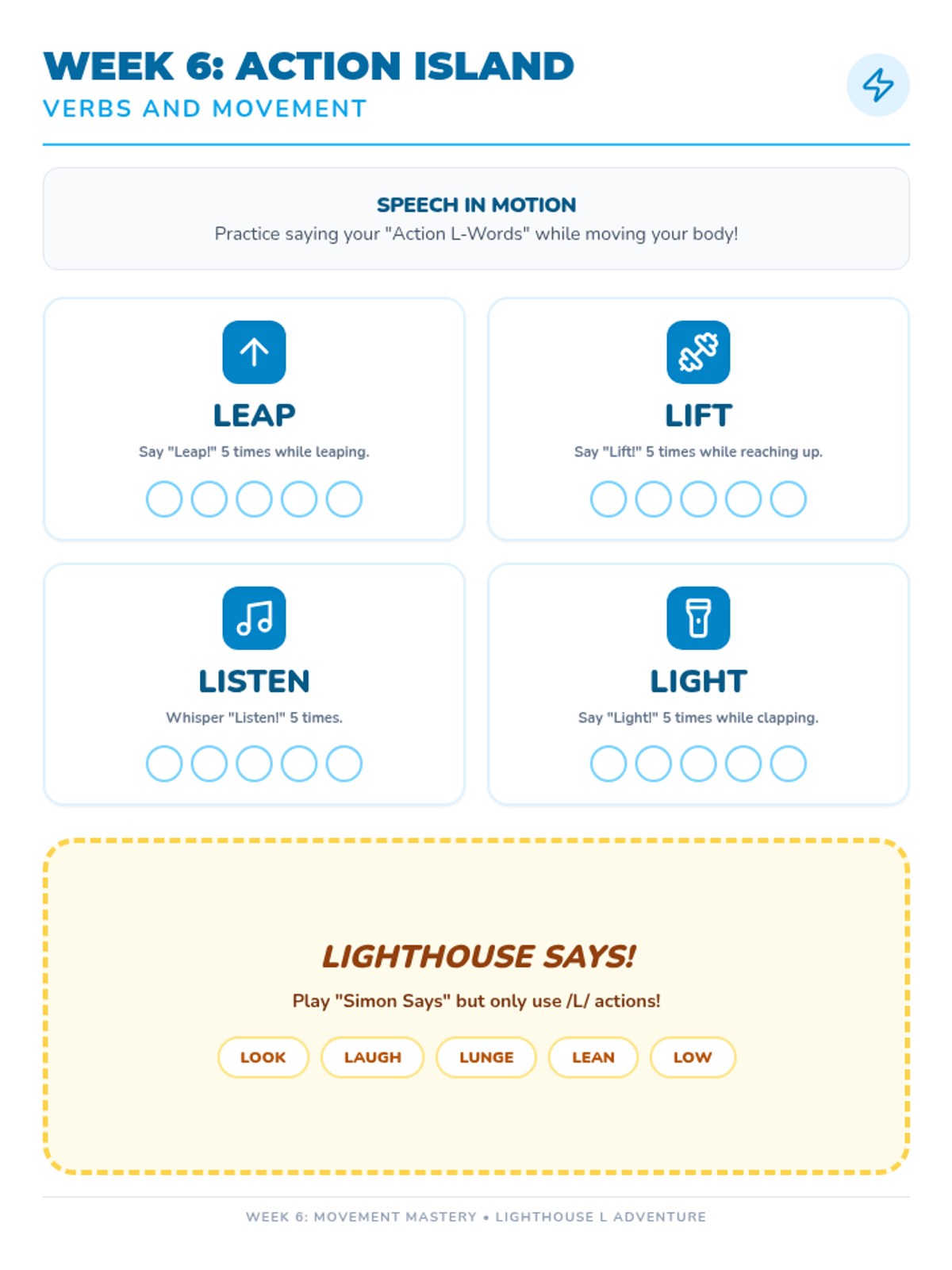
Focuses on 'action' words starting with /l/ (leap, lick, lift, etc.) to incorporate movement into speech practice.
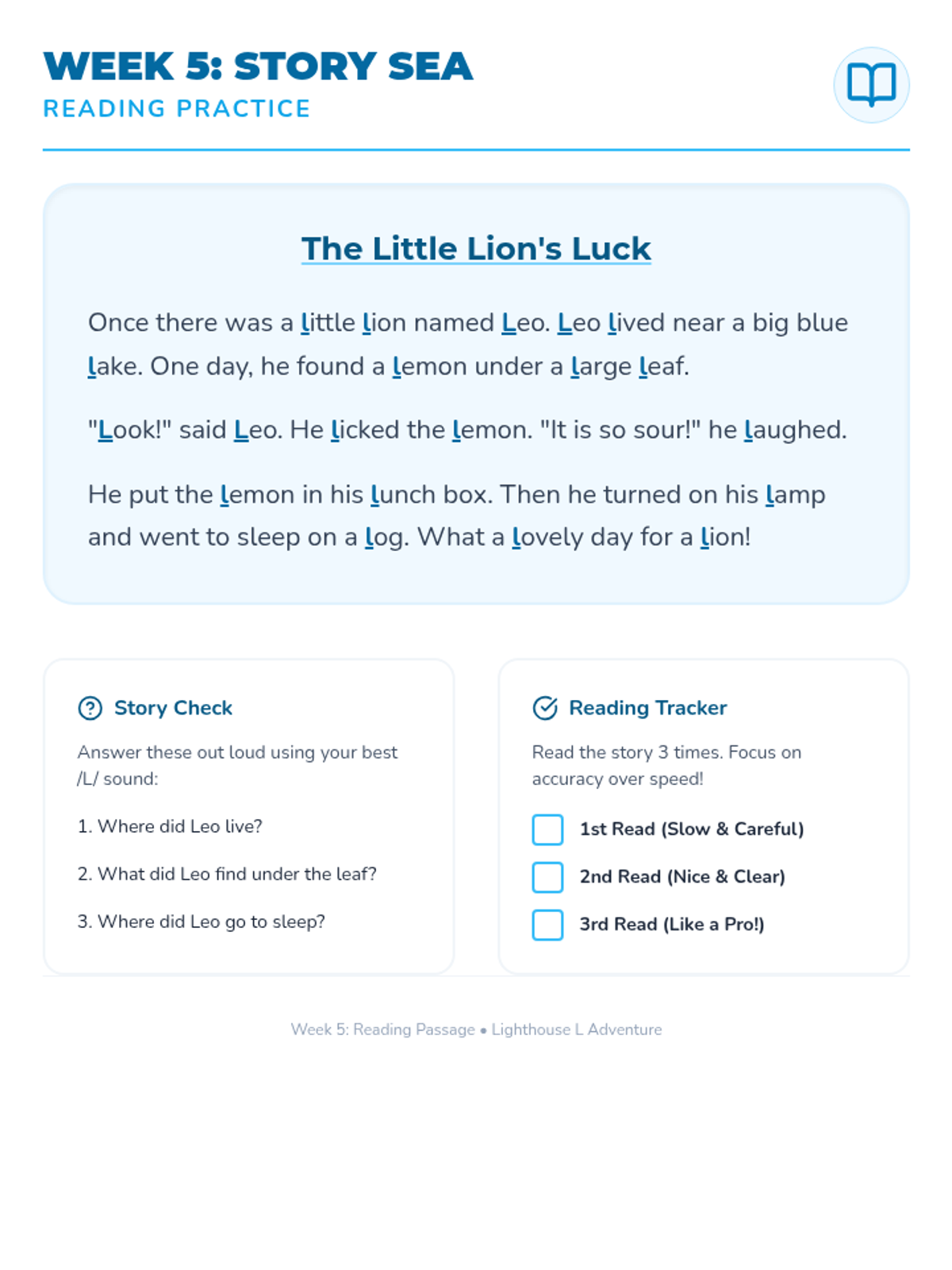
Using a short nautical-themed story, students practice their /l/ sound in a controlled reading context.
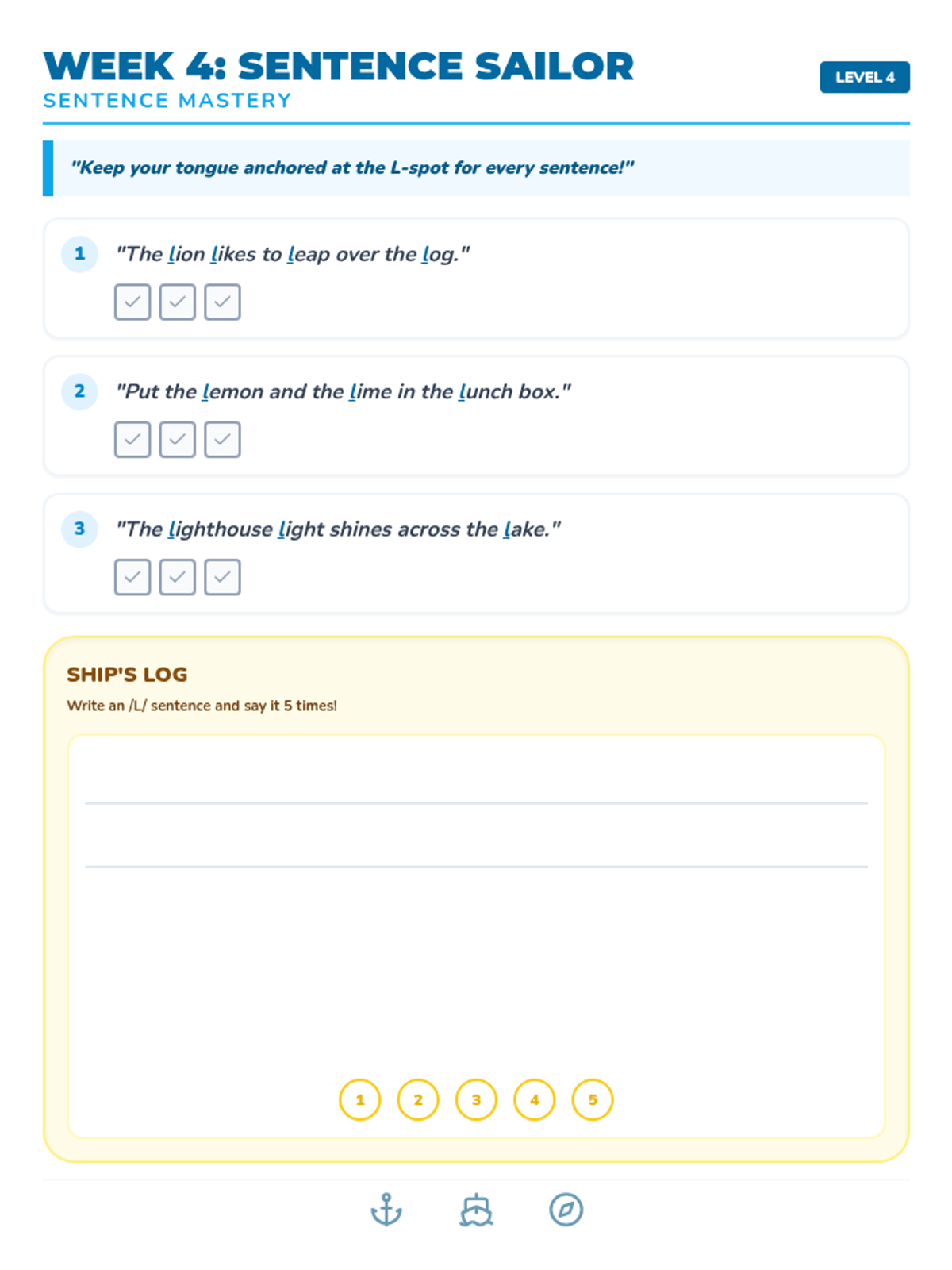
This week focuses on using /l/ words in full sentences, encouraging self-monitoring and clear production during longer utterances.
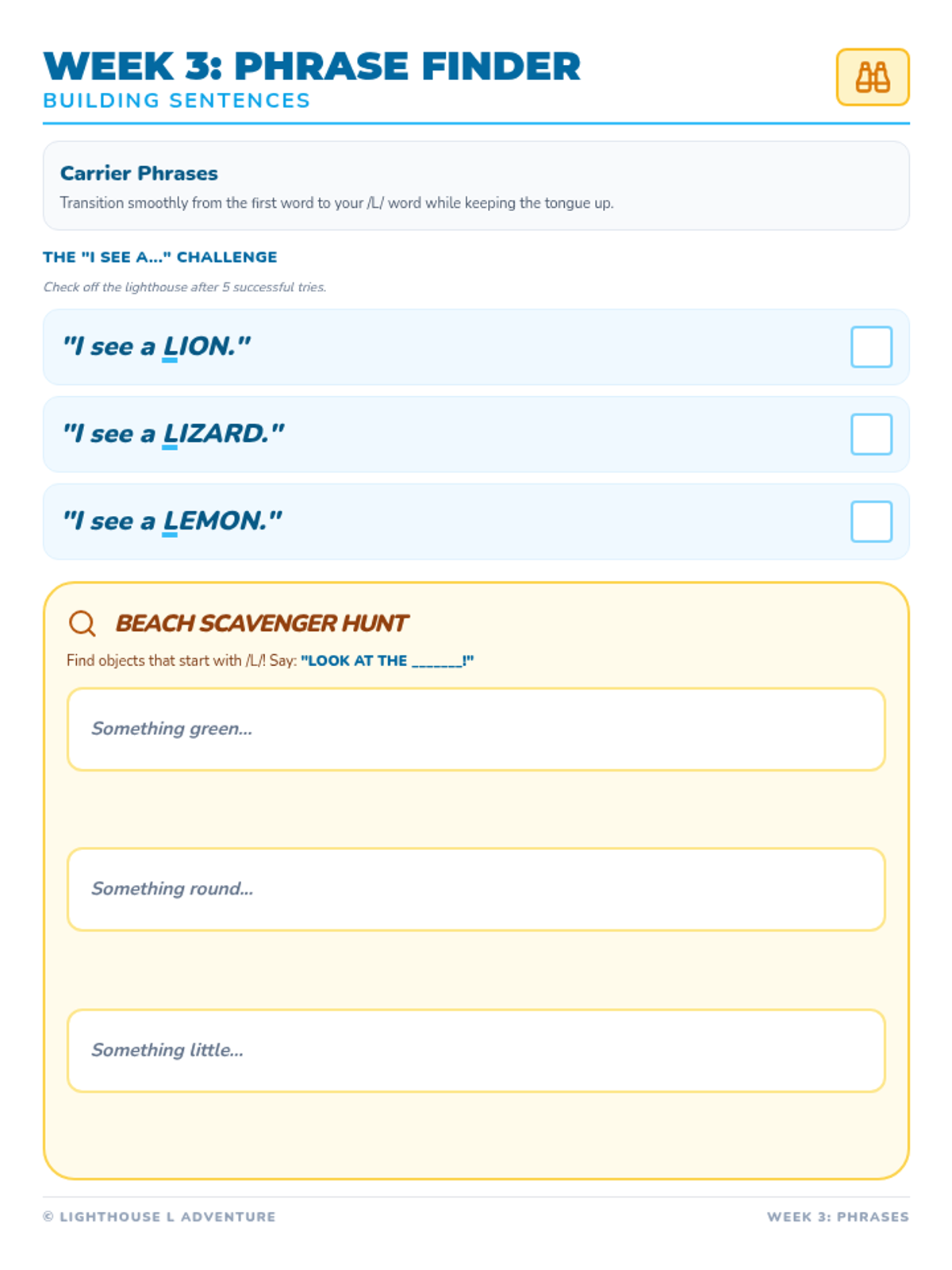
Students begin combining their target /l/ words with simple carrier phrases to build stamina and consistency.
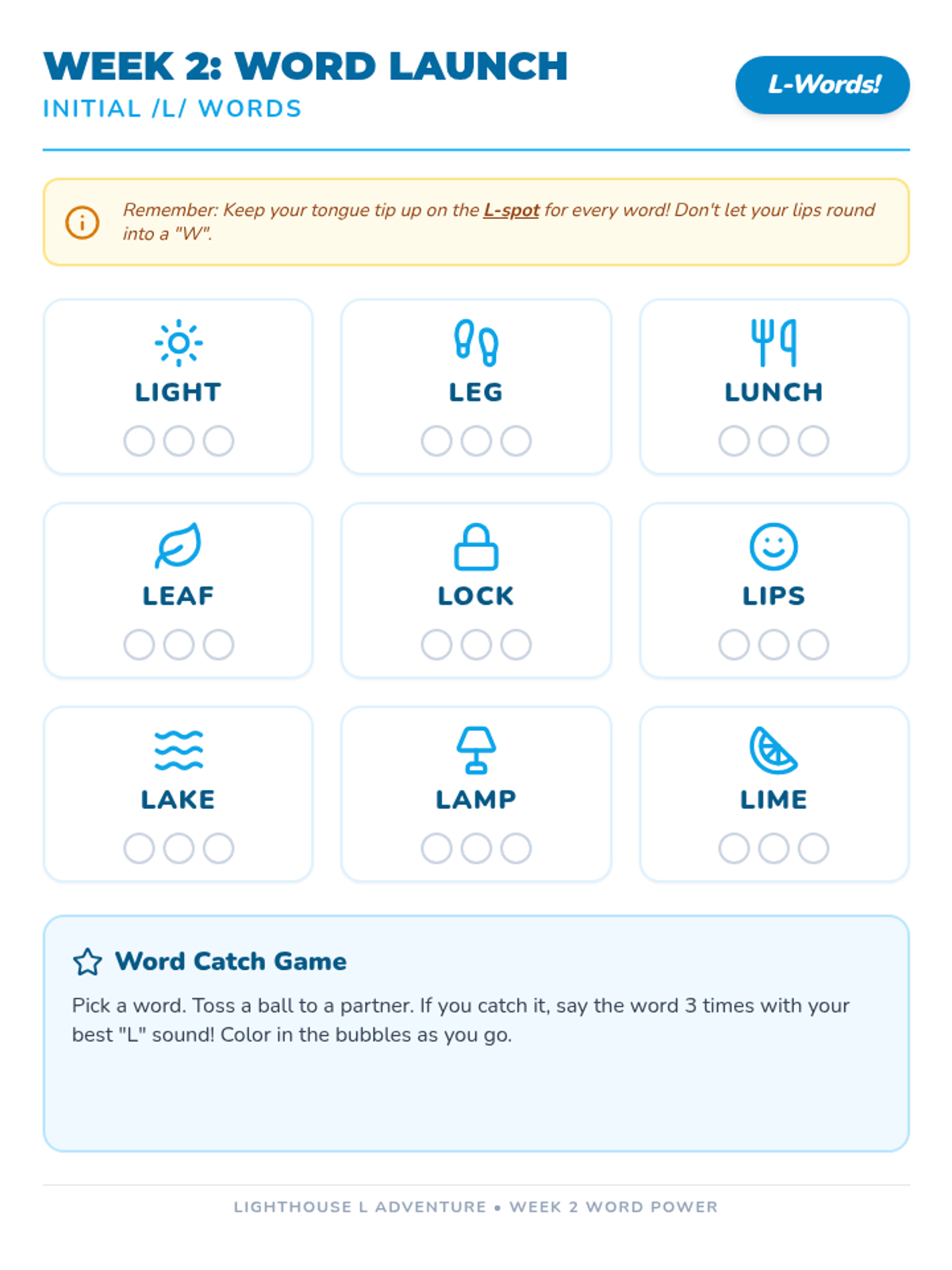
Moving from syllables to single words, this week focuses on high-frequency /l/ words using visual supports and a fun tracking sheet.
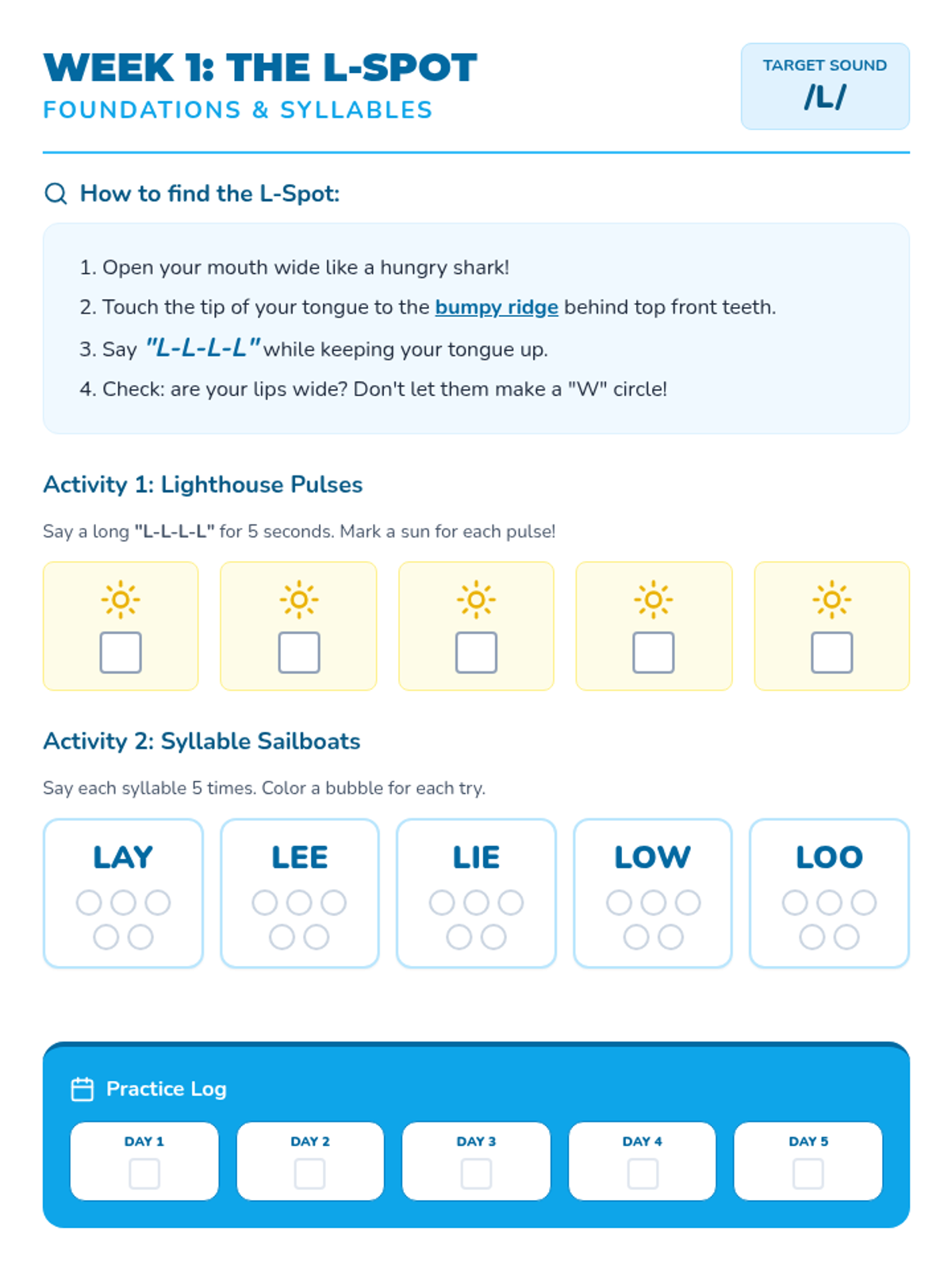
The foundational week focuses on establishing correct tongue placement (the 'L-spot') and producing the /l/ sound in isolation and simple syllables.
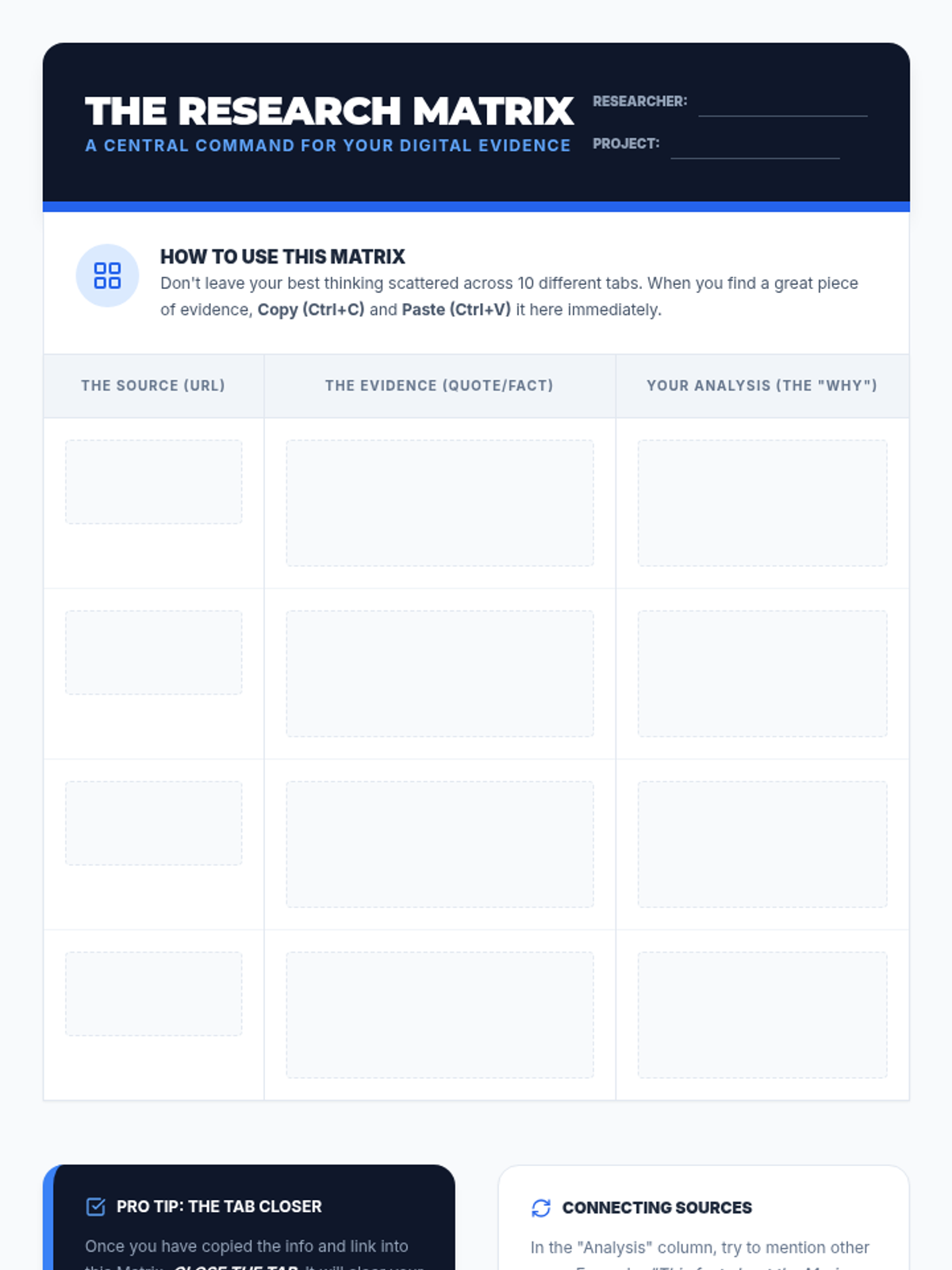
Focuses on data management and synthesis, teaching students how to move annotations from source texts into a structured research matrix.
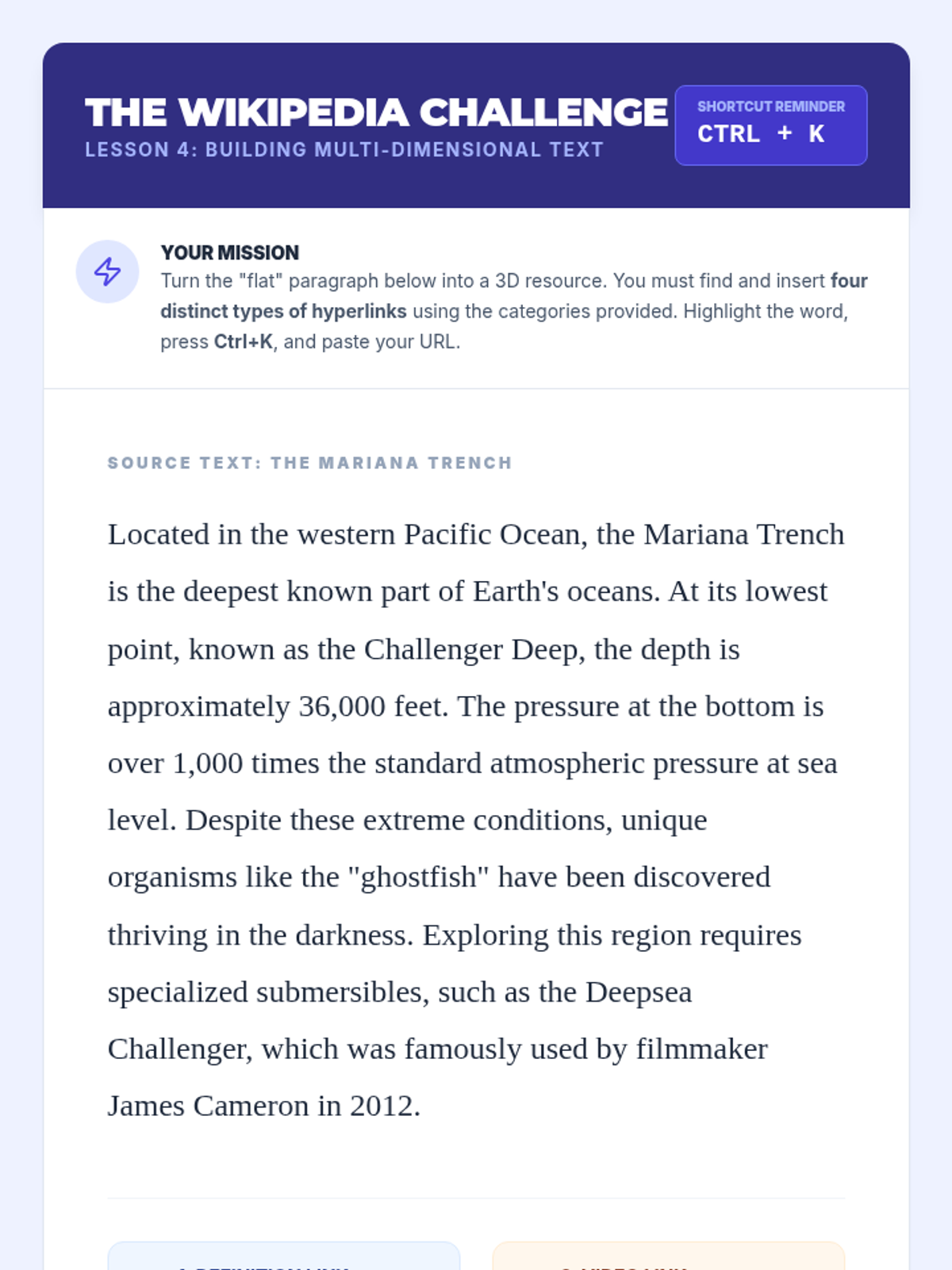
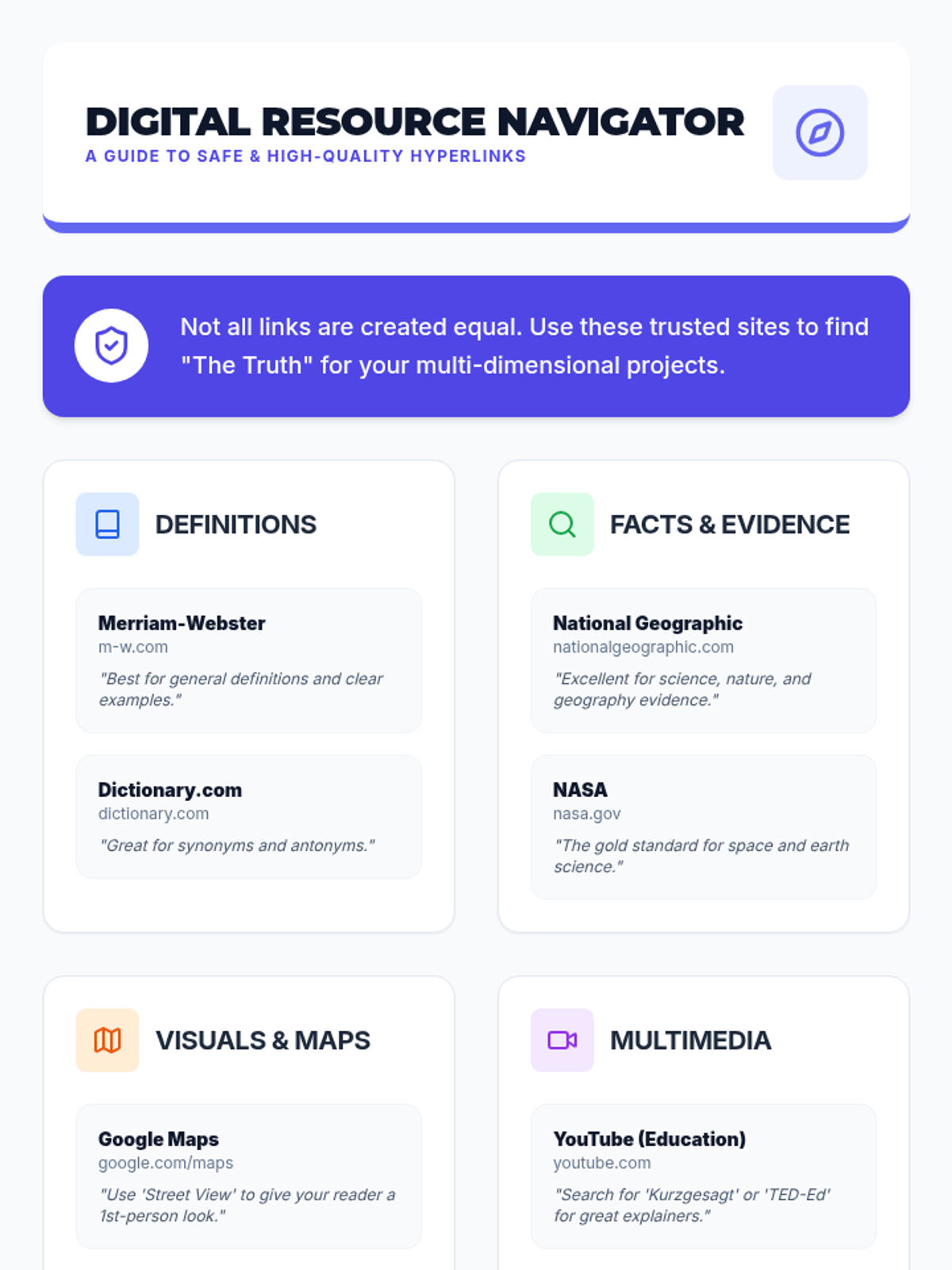
Students learn to turn static text into rich resources by hyperlinking to external evidence, definitions, and multimedia.
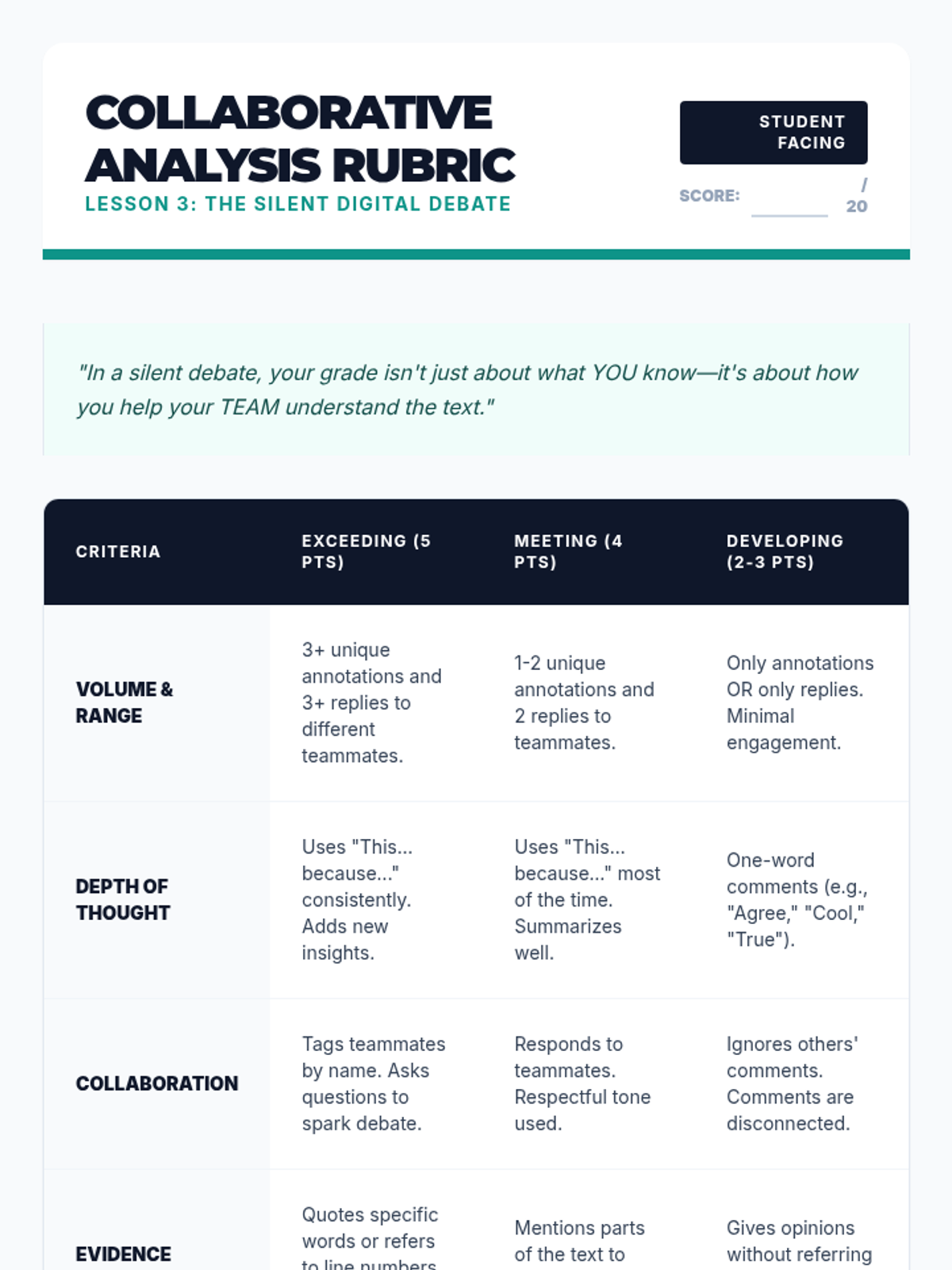
A collaborative lesson where students use shared documents to debate and analyze text in real-time using only digital annotation tools.
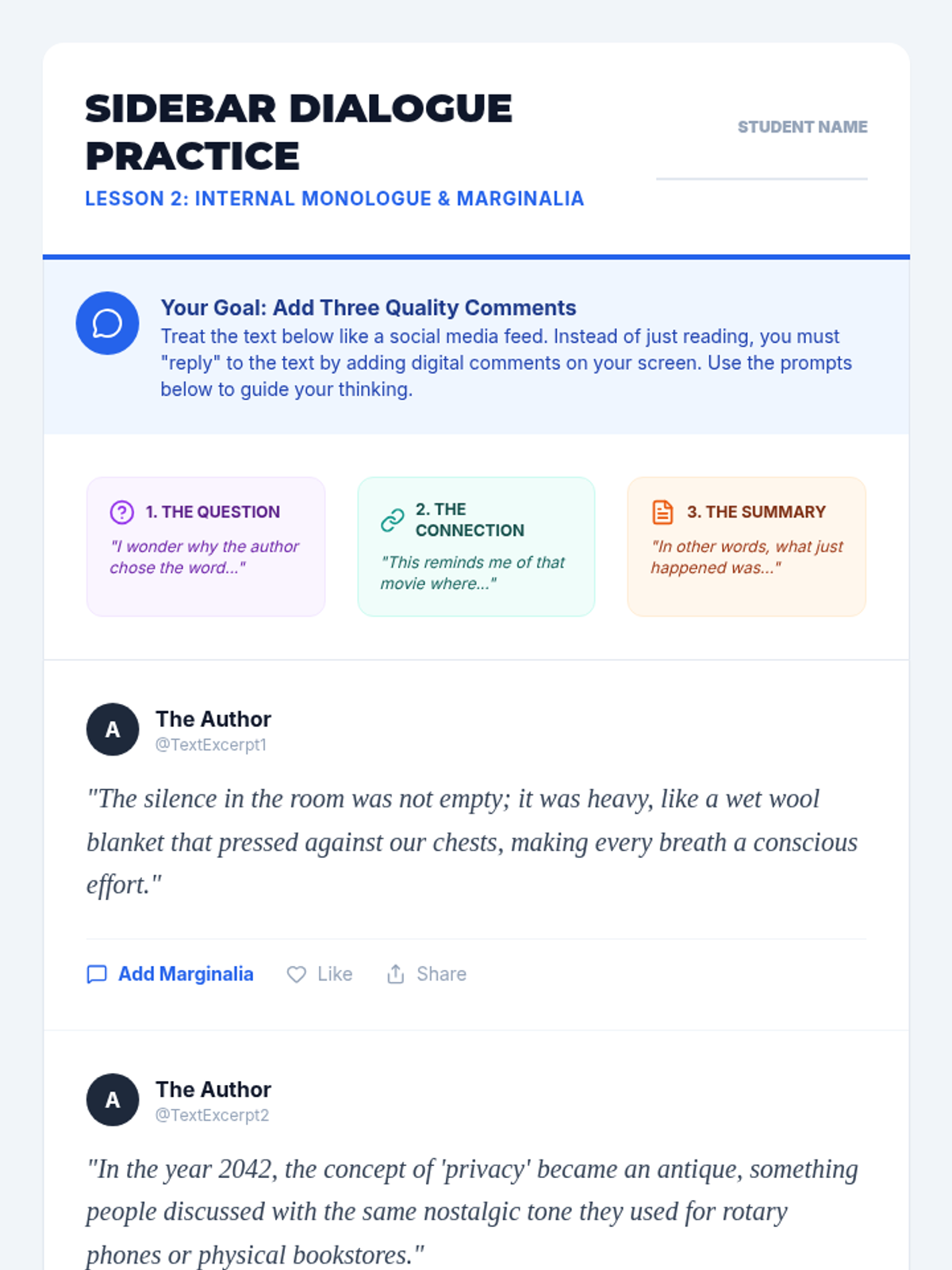
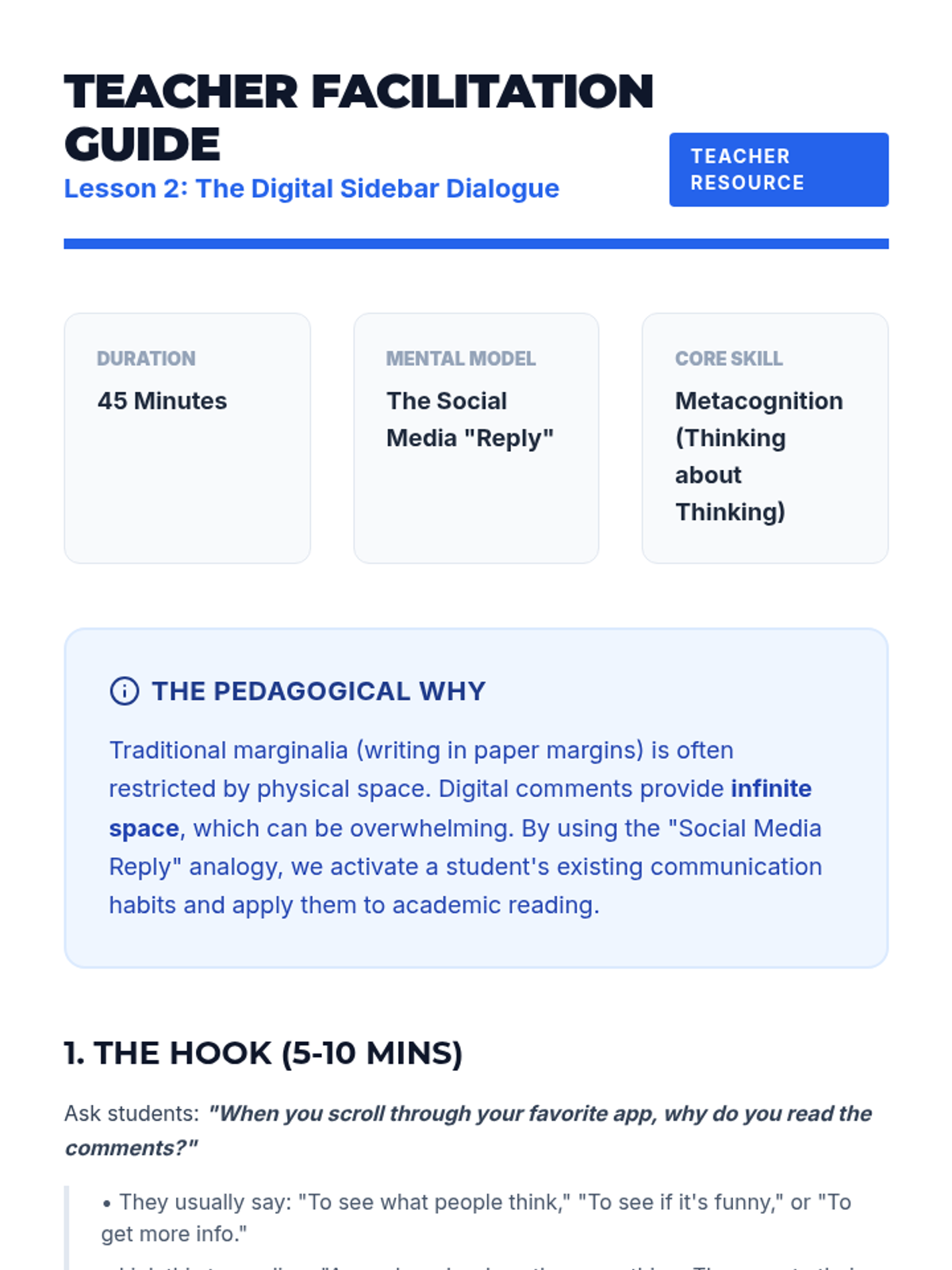
Using the analogy of social media threads, students learn to use digital comments as marginalia to record their internal dialogue and questions.
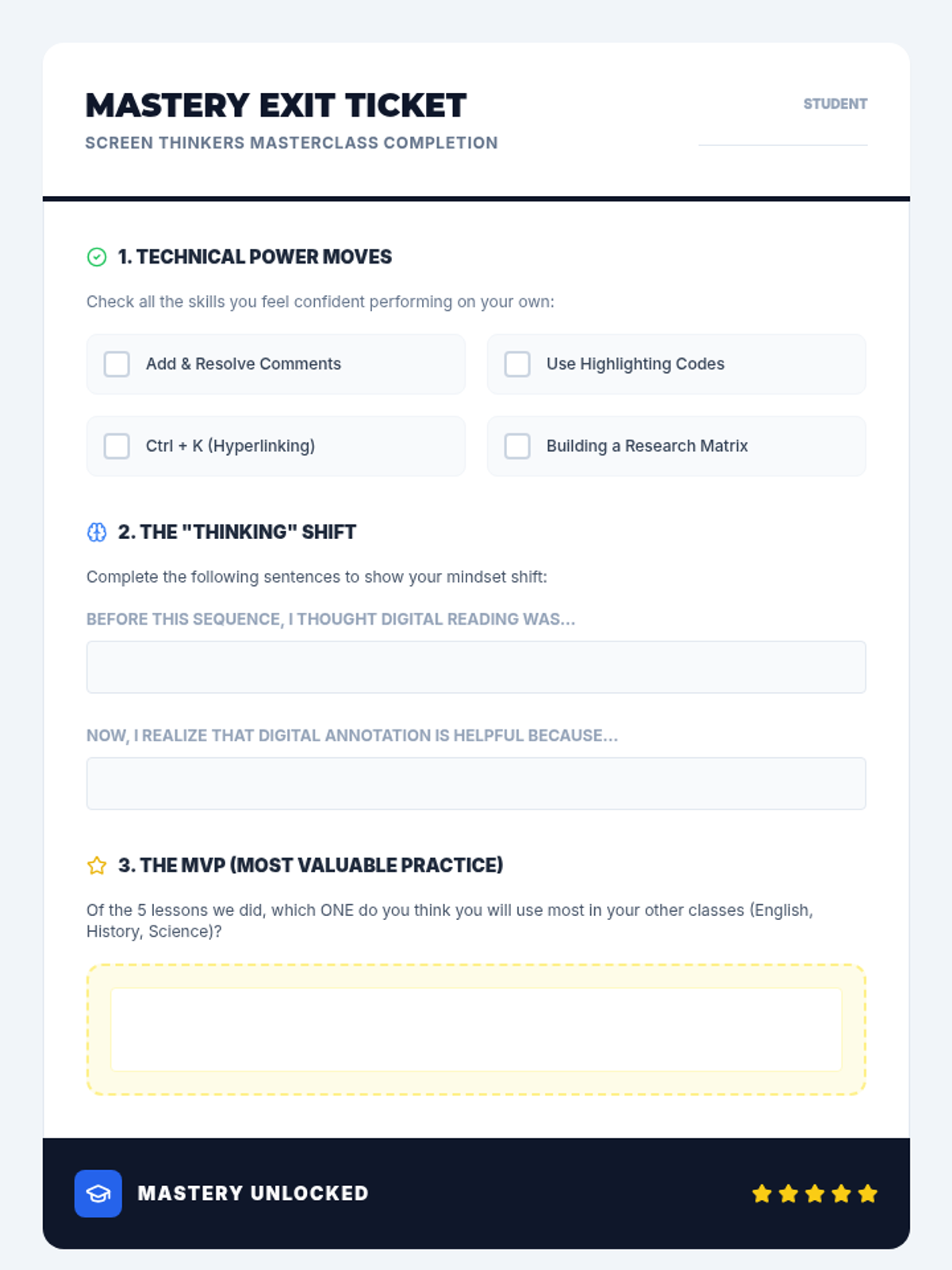
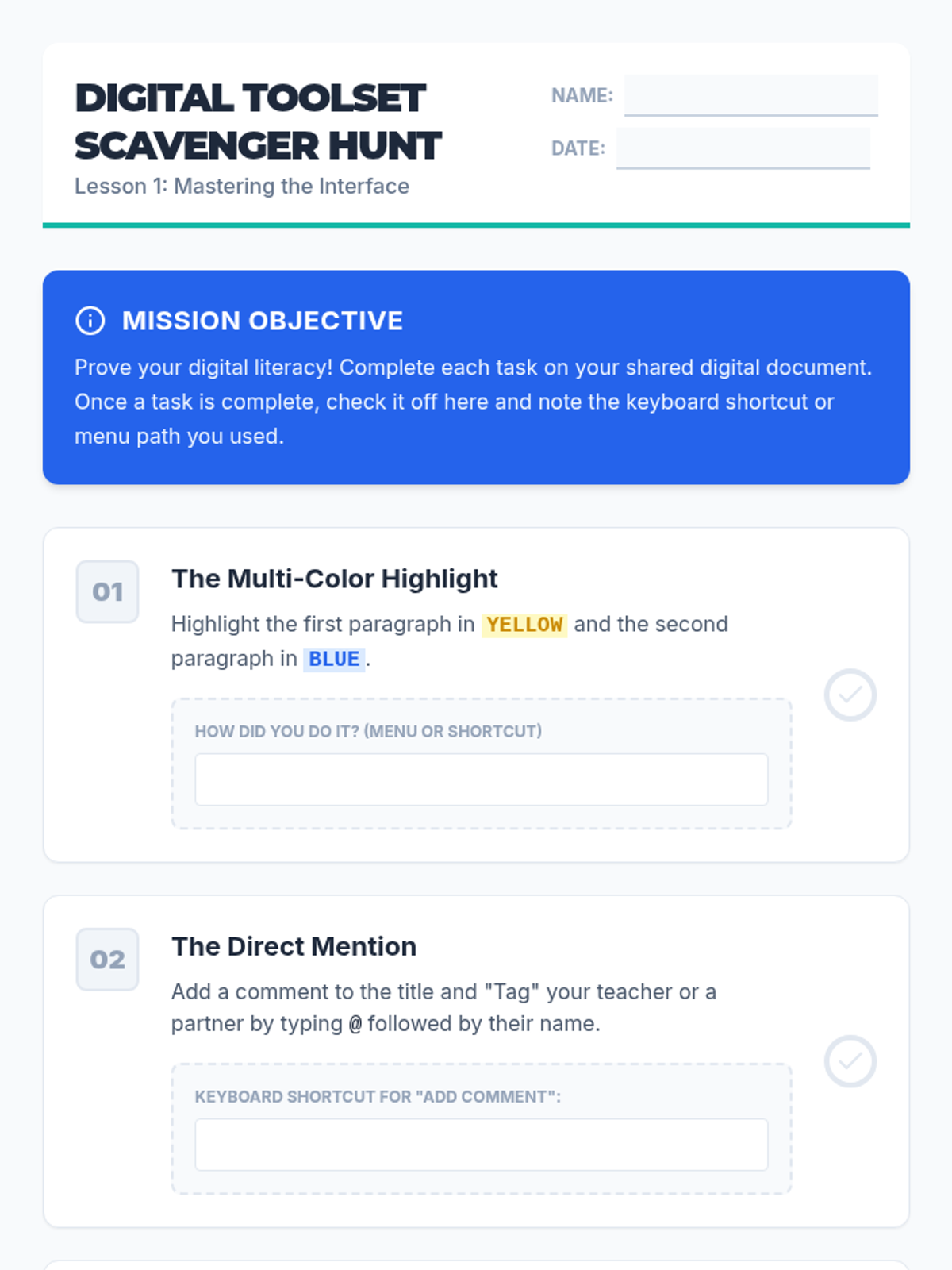
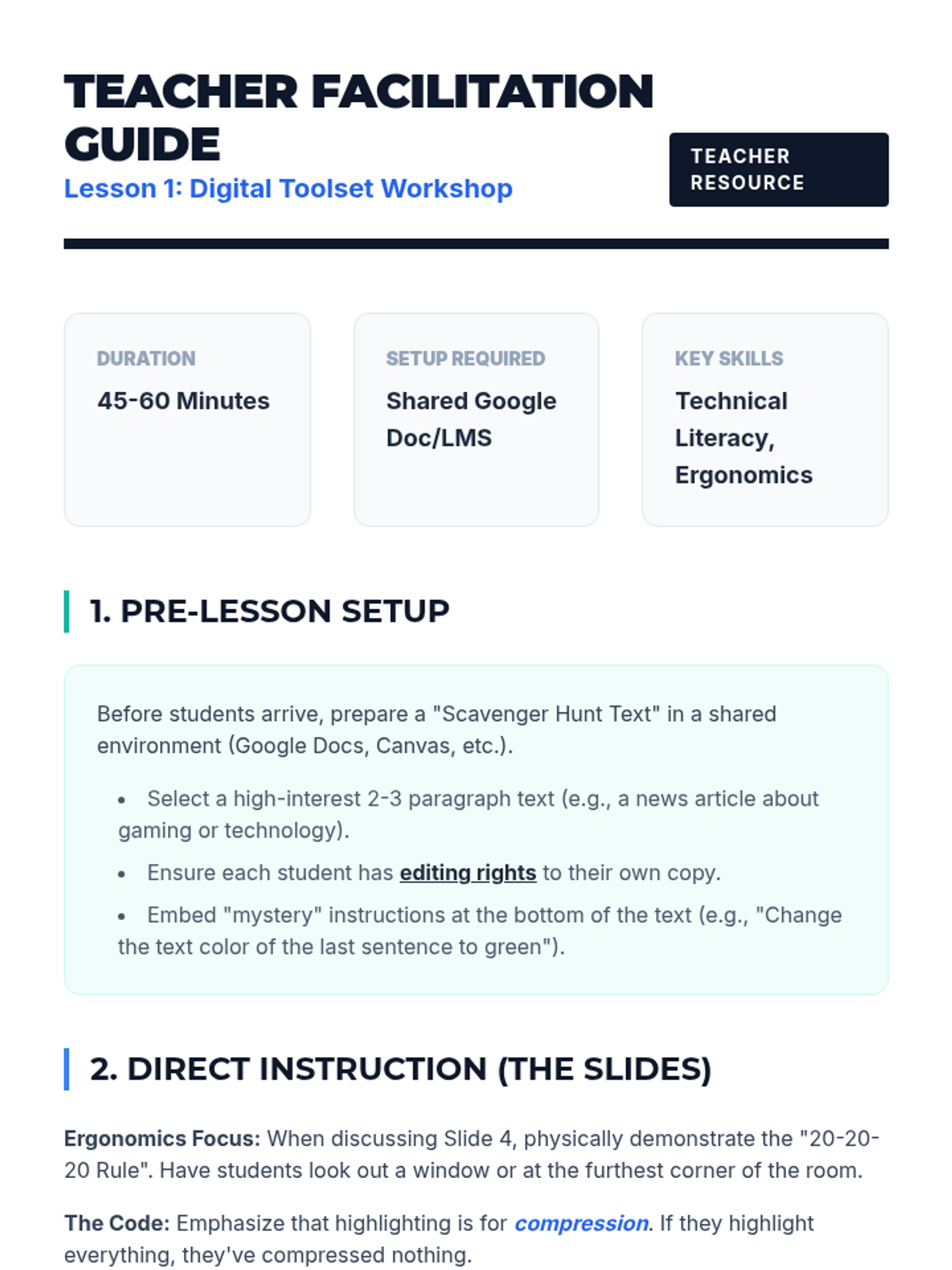
Students explore the technical toolsets of digital annotation, including highlighting palettes and comment features, while navigating the ergonomic differences of screen reading.
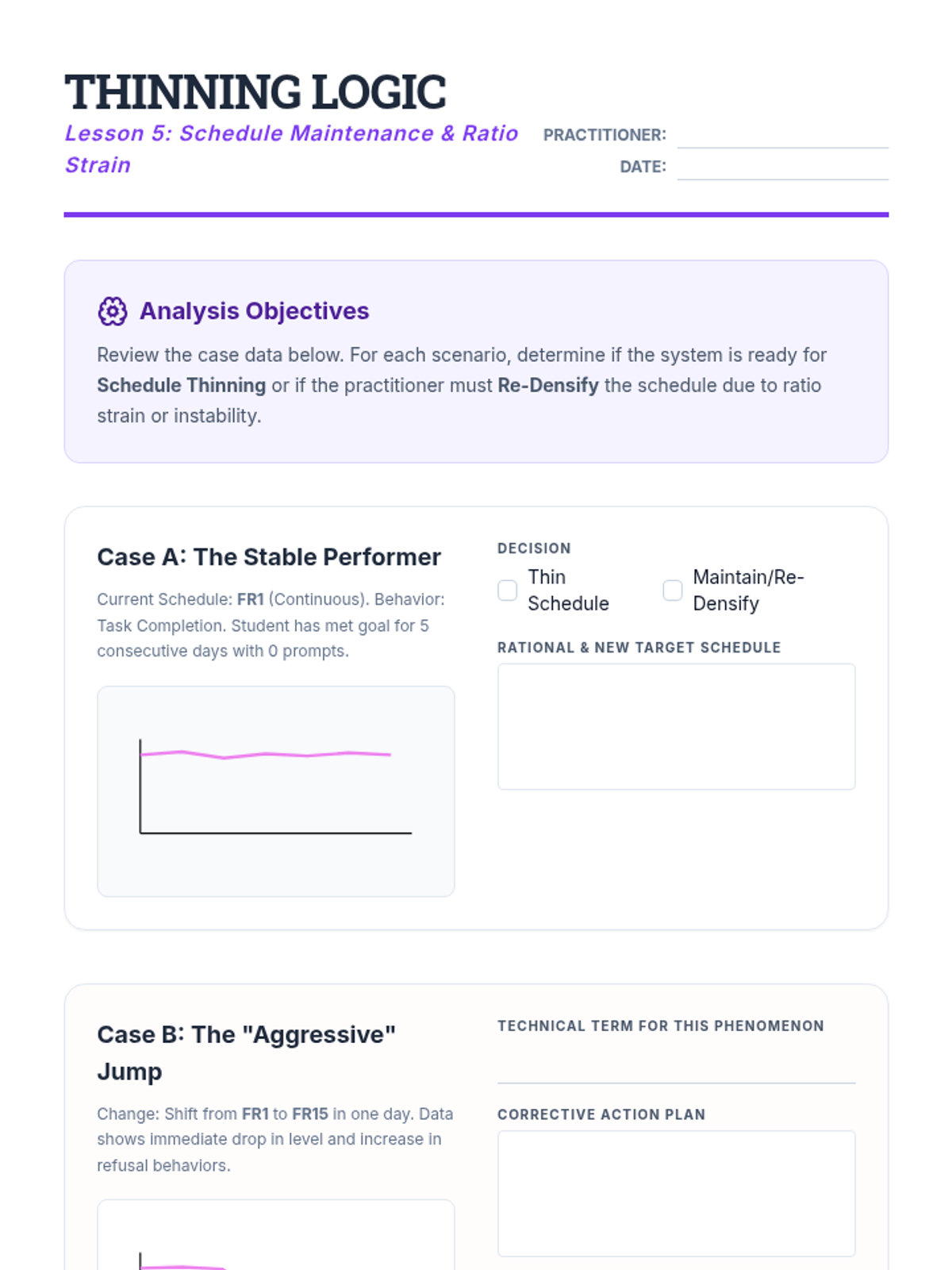
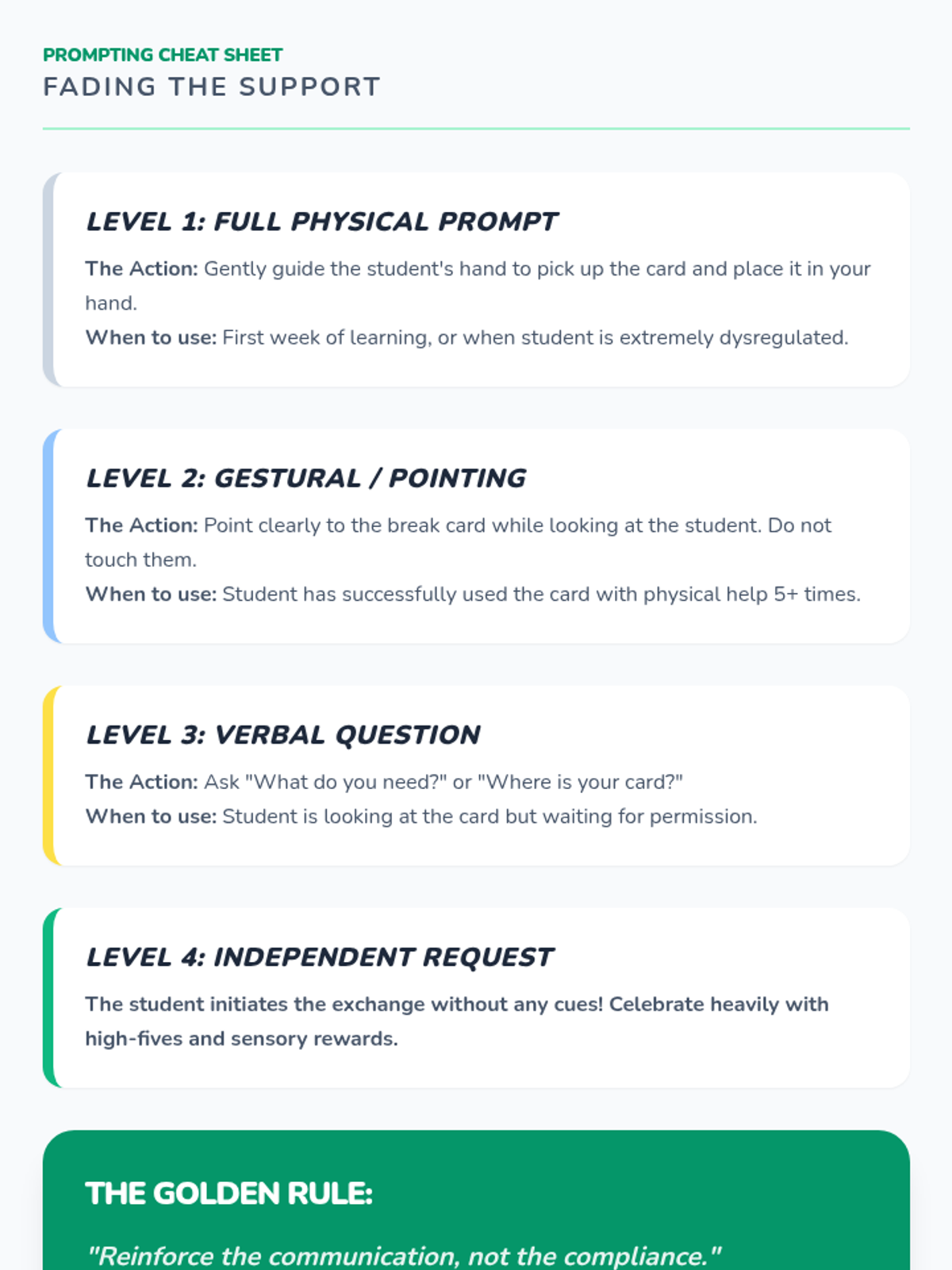
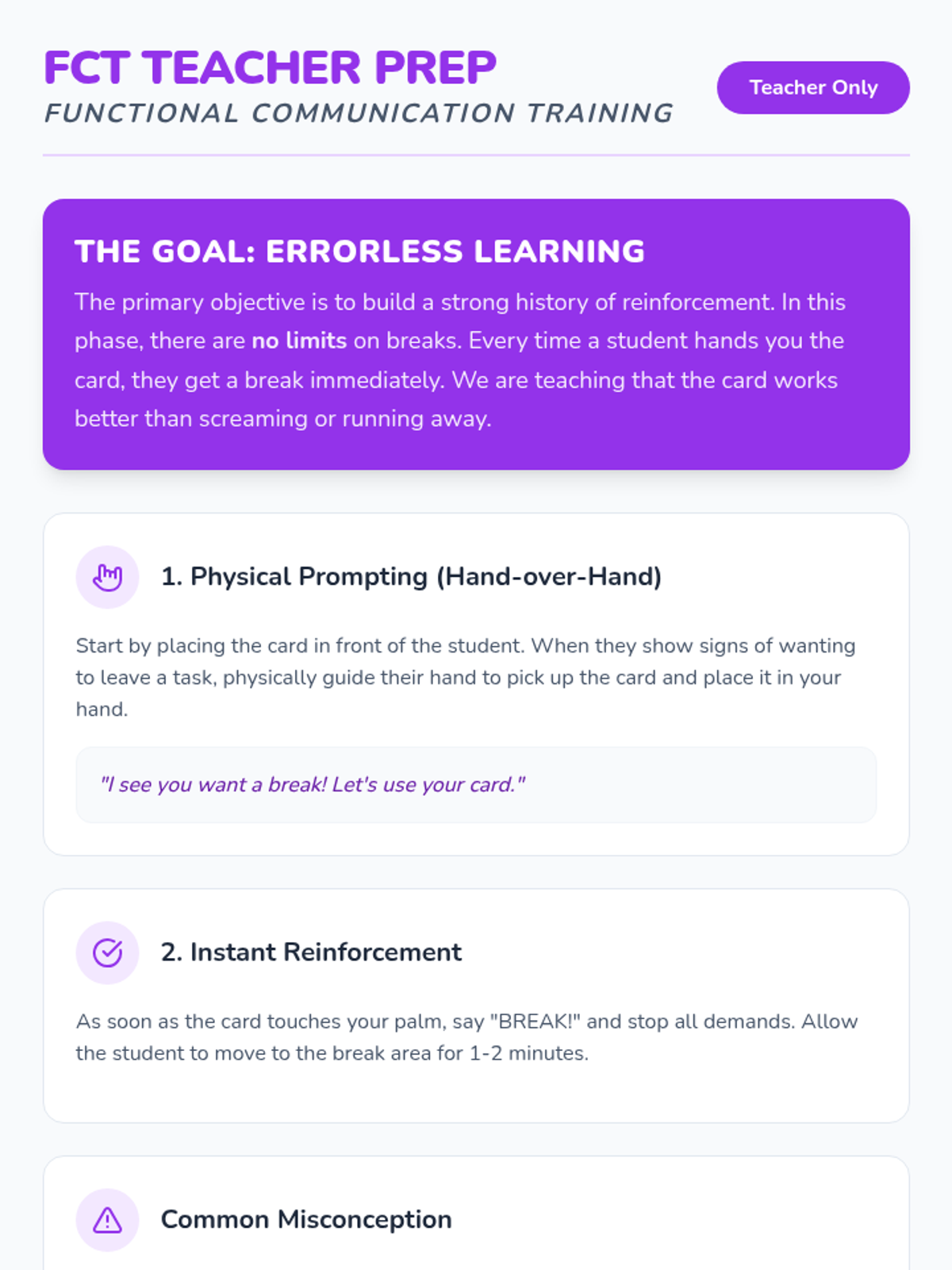
Instruction on thinning reinforcement schedules from continuous to intermittent while avoiding ratio strain and maintaining behavioral gains.
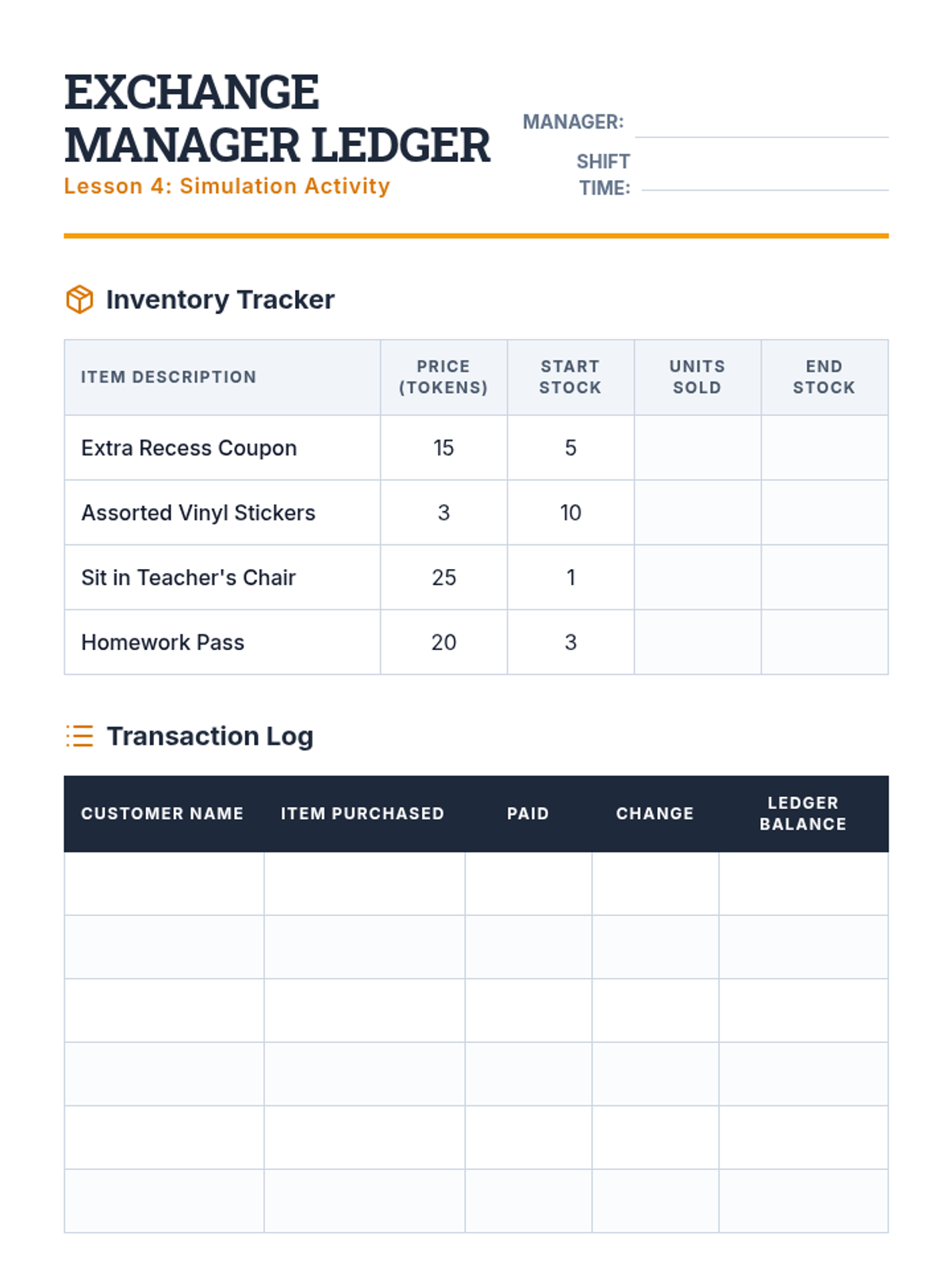
Covers the logistical management of the reinforcement exchange process, turning logistics into teachable moments for social and academic skills.
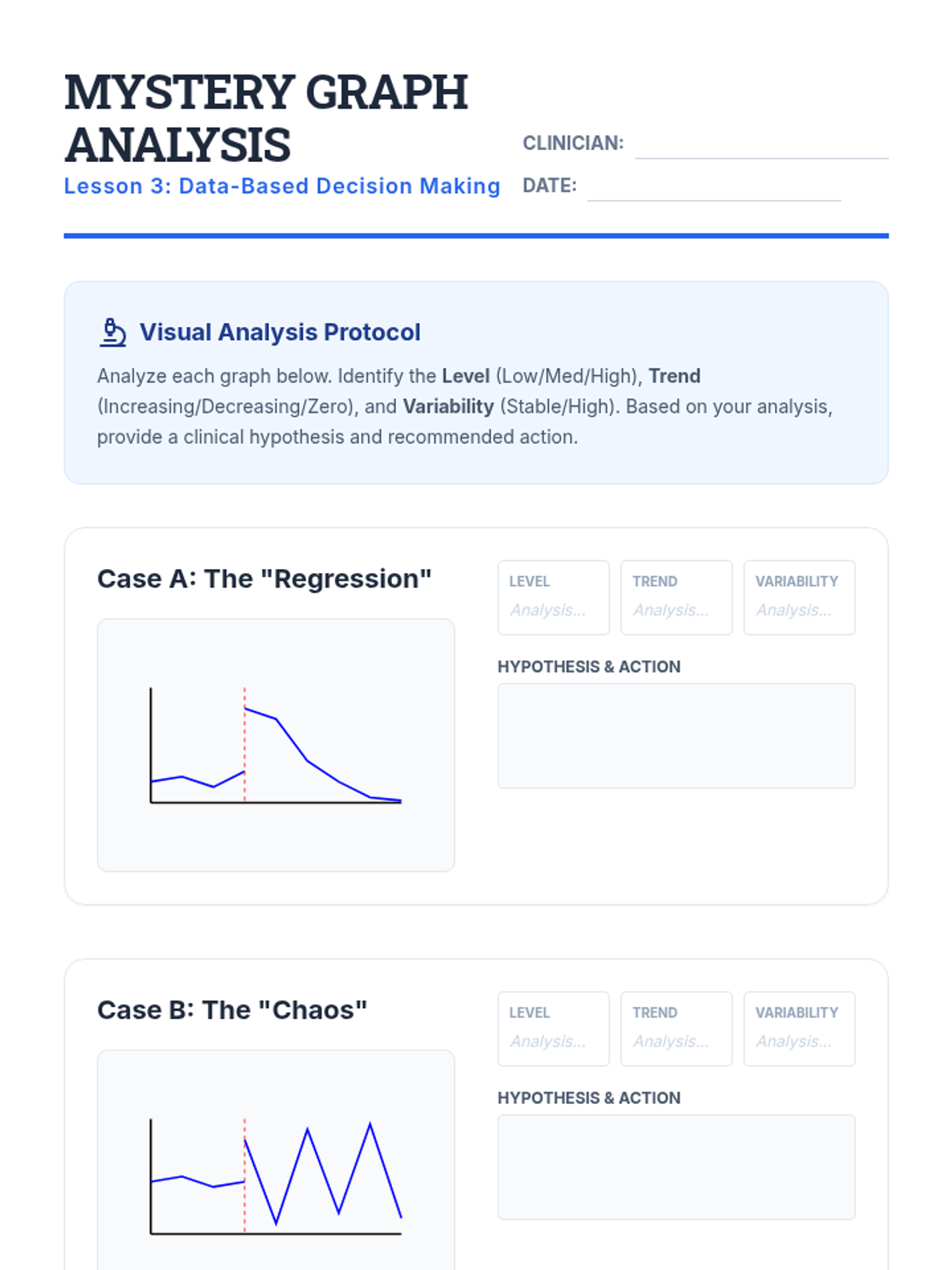
Teaches students how to graph raw behavioral data and perform visual analysis to make informed decisions about intervention effectiveness.
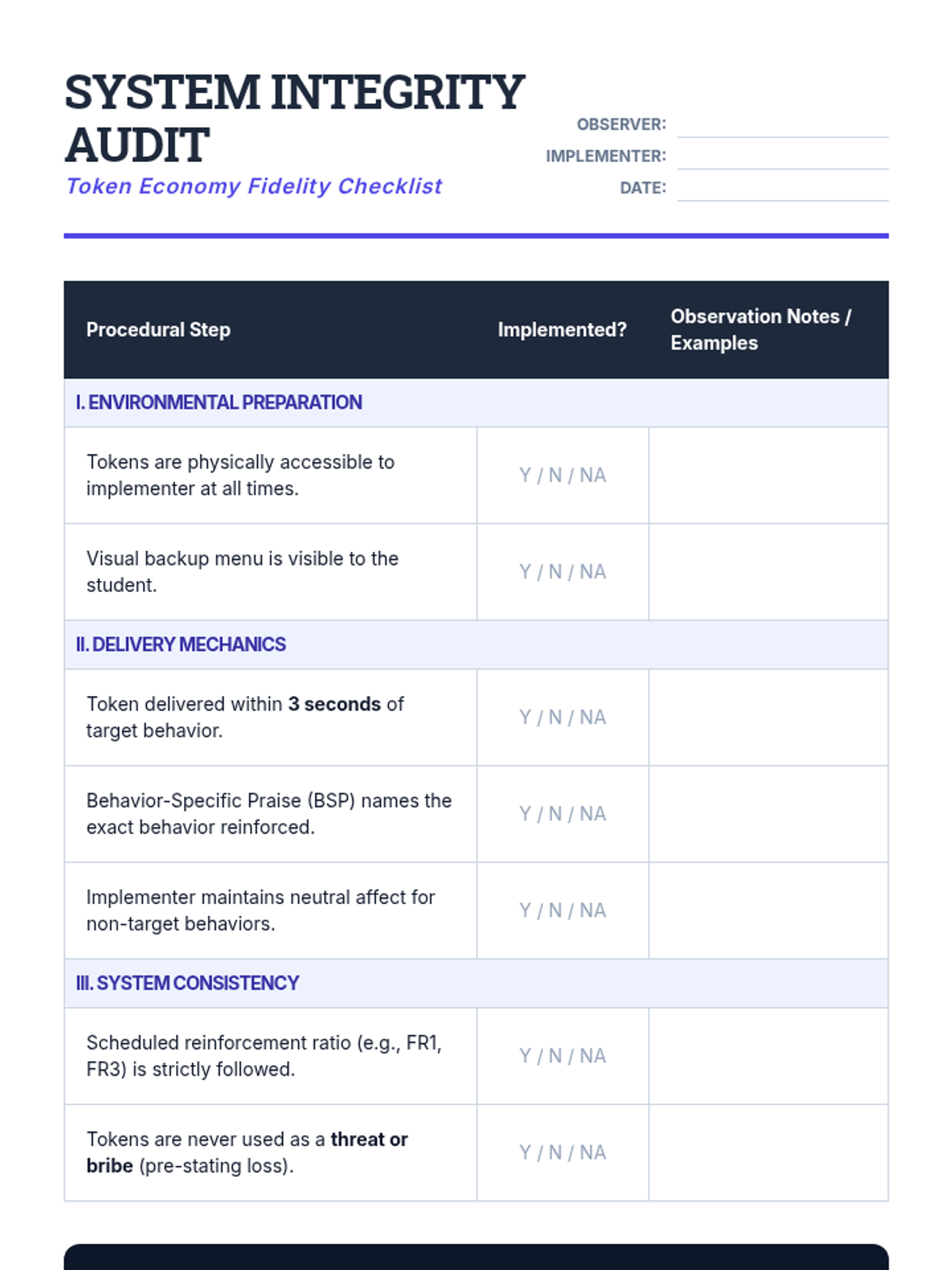
Explores methods for monitoring treatment integrity across different implementers and providing effective performance feedback to maintain system consistency.
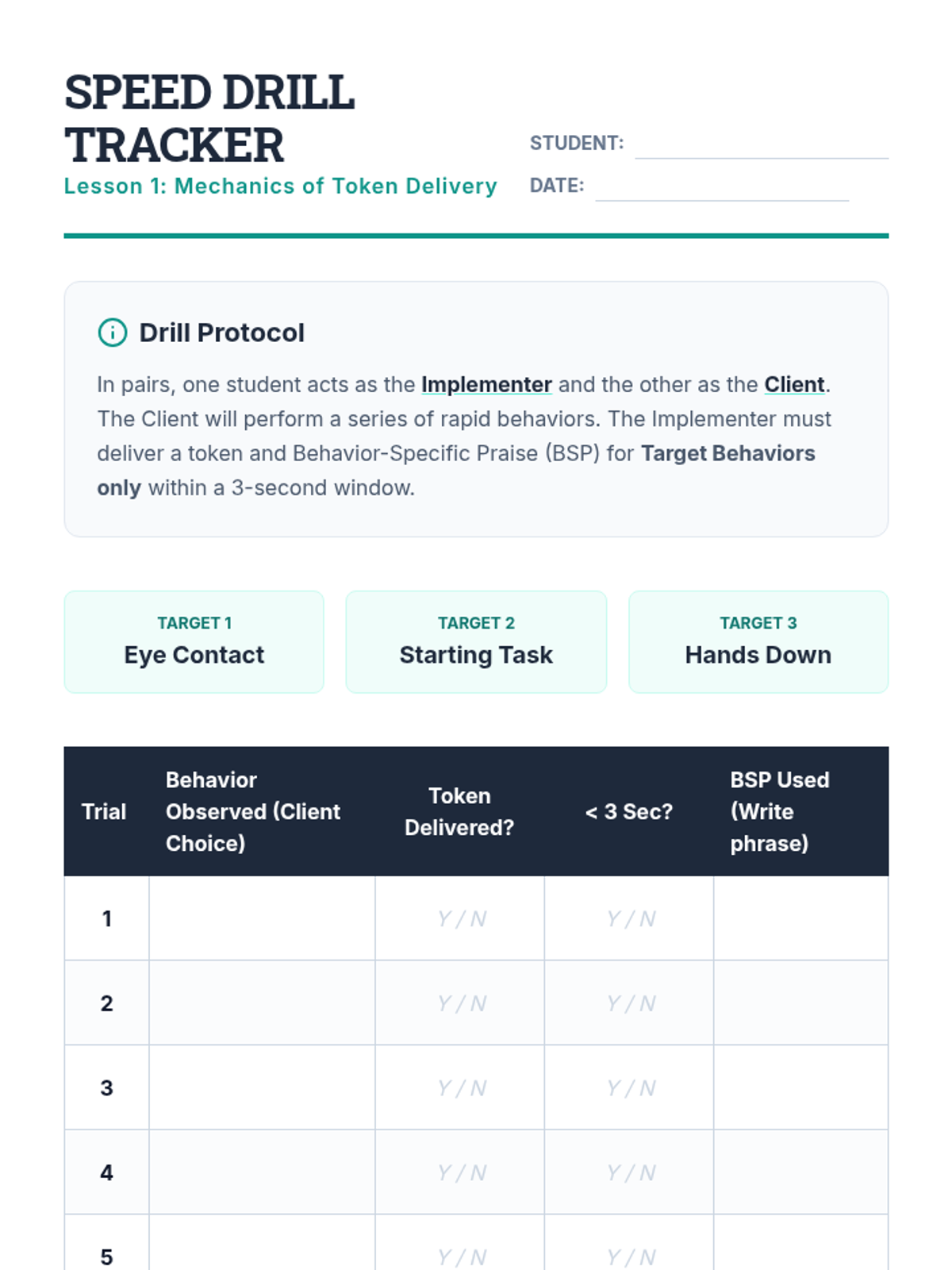
Focuses on the precise timing and delivery of tokens paired with behavior-specific praise to ensure temporal contiguity and instructional fluency.
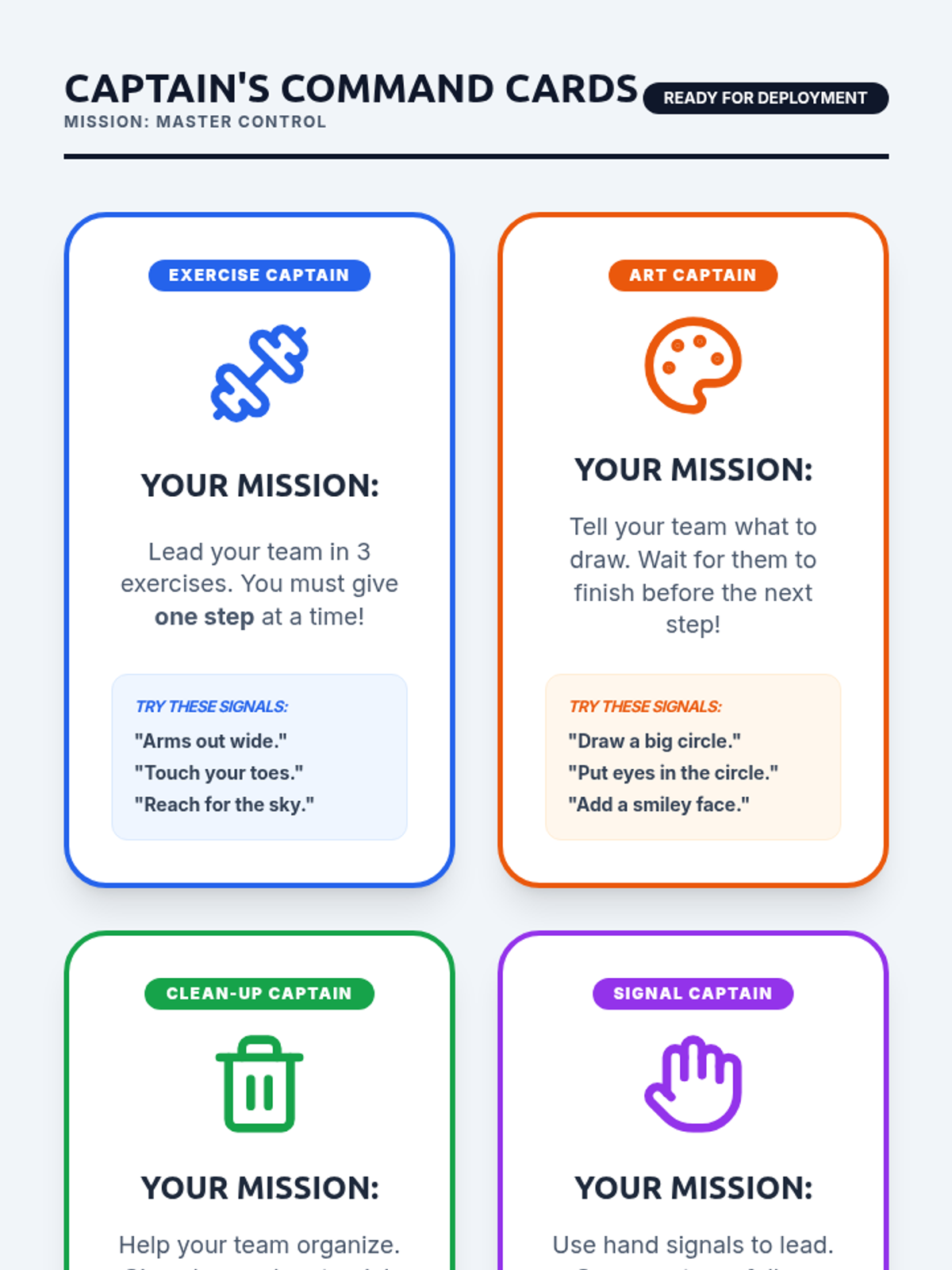
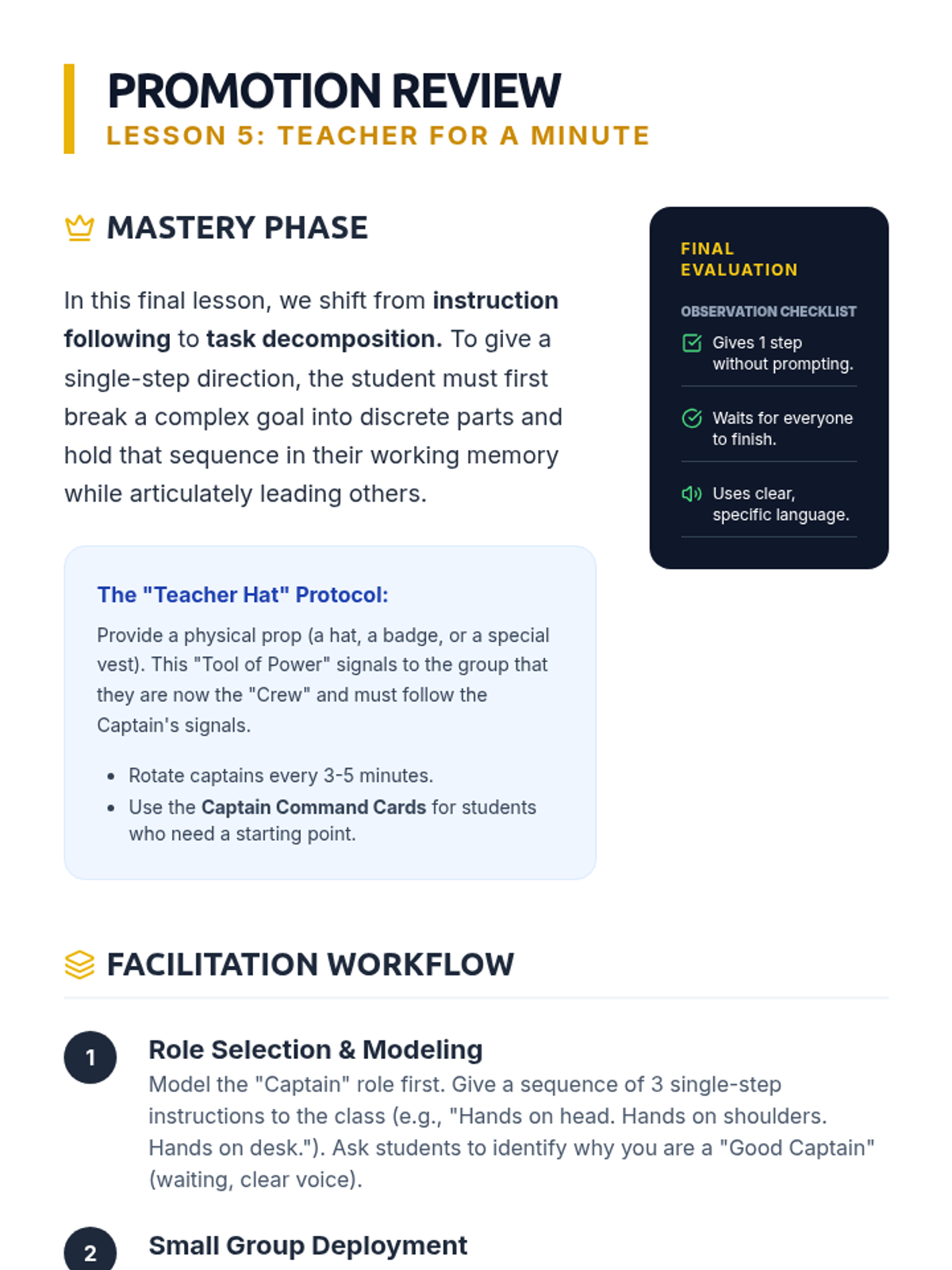
Students take turns leading a small group in a simple activity by giving single-step directions. This mastery-level activity requires them to formulate, hold, and articulate discrete steps, reinforcing their understanding of how tasks are broken down.
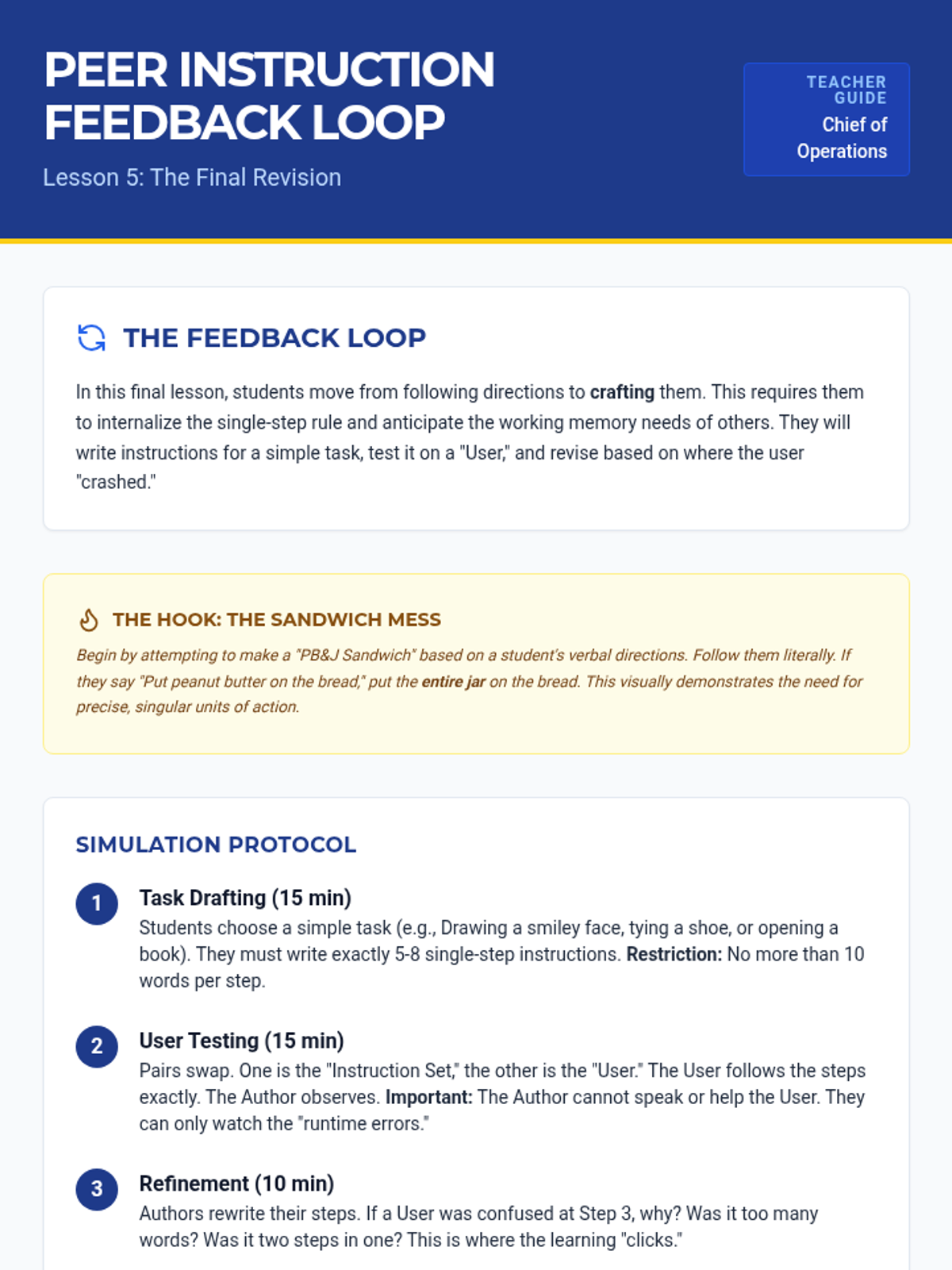
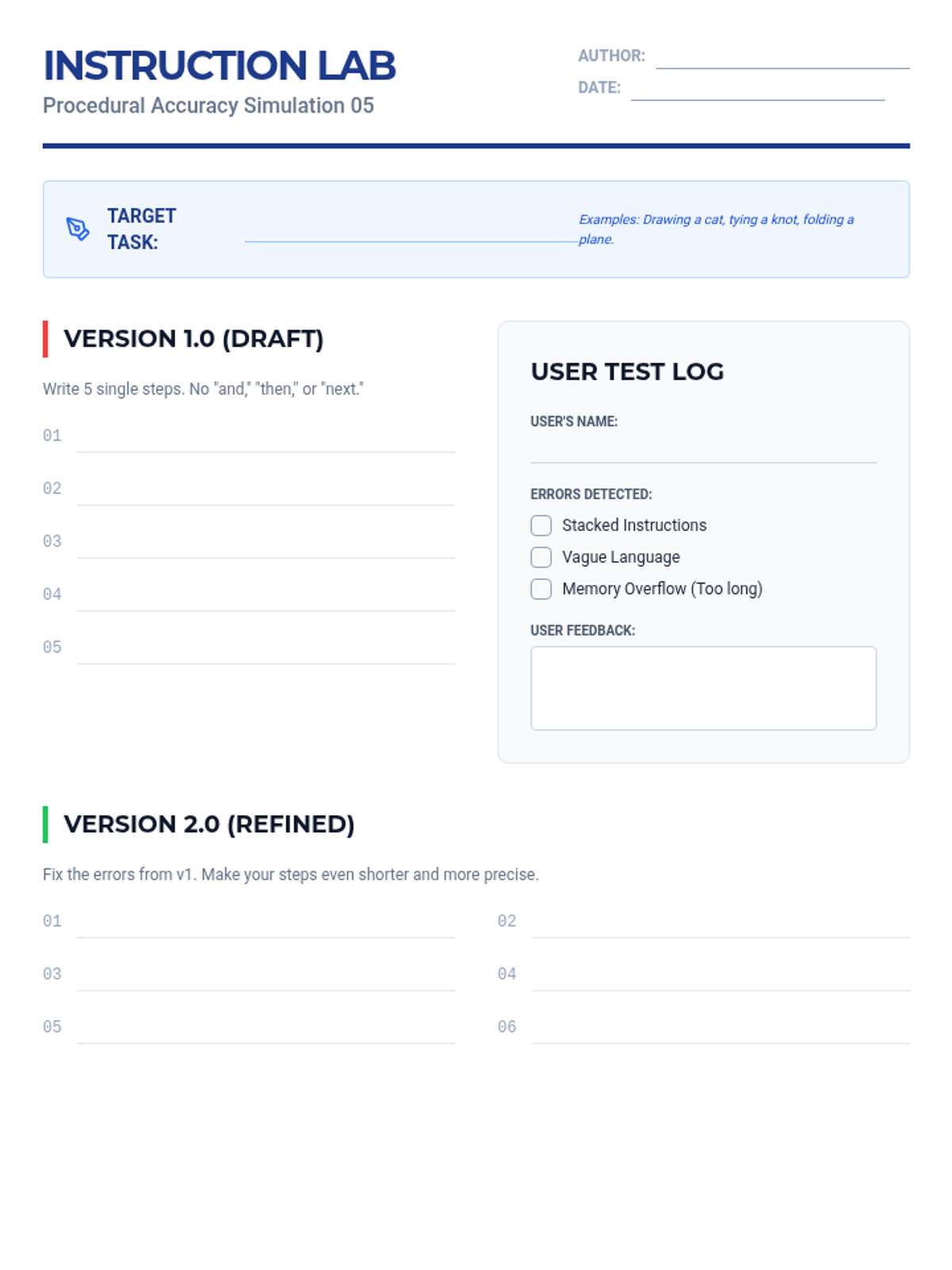
Students draft and test their own single-step instructions for everyday tasks. They analyze peer performance to identify where multi-step commands cause confusion and refine their instructions for maximum clarity.
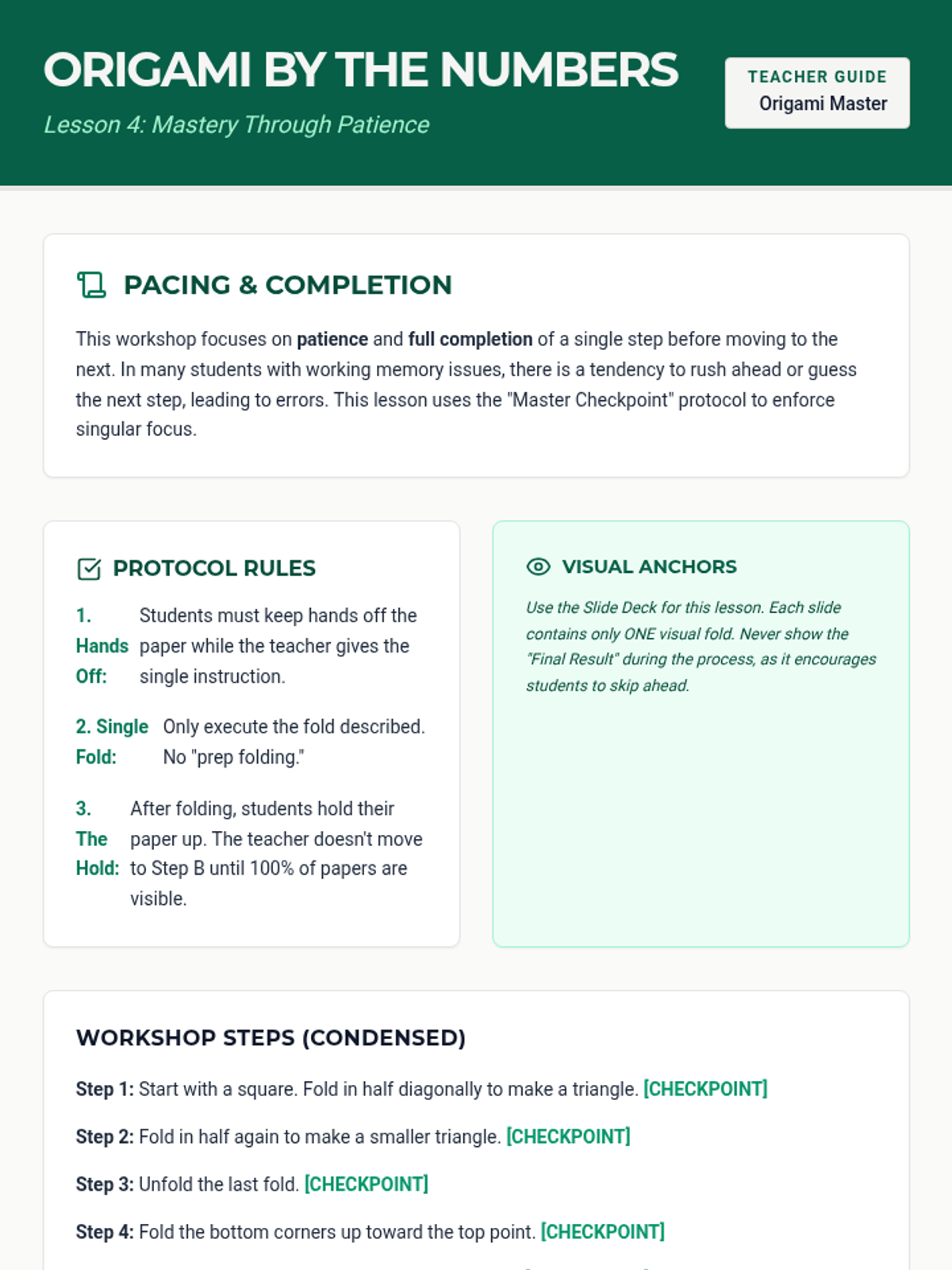
A high-focus origami workshop where students follow strictly paced, single-fold instructions. This lesson reinforces patience and the necessity of completing one step fully before moving to the next.
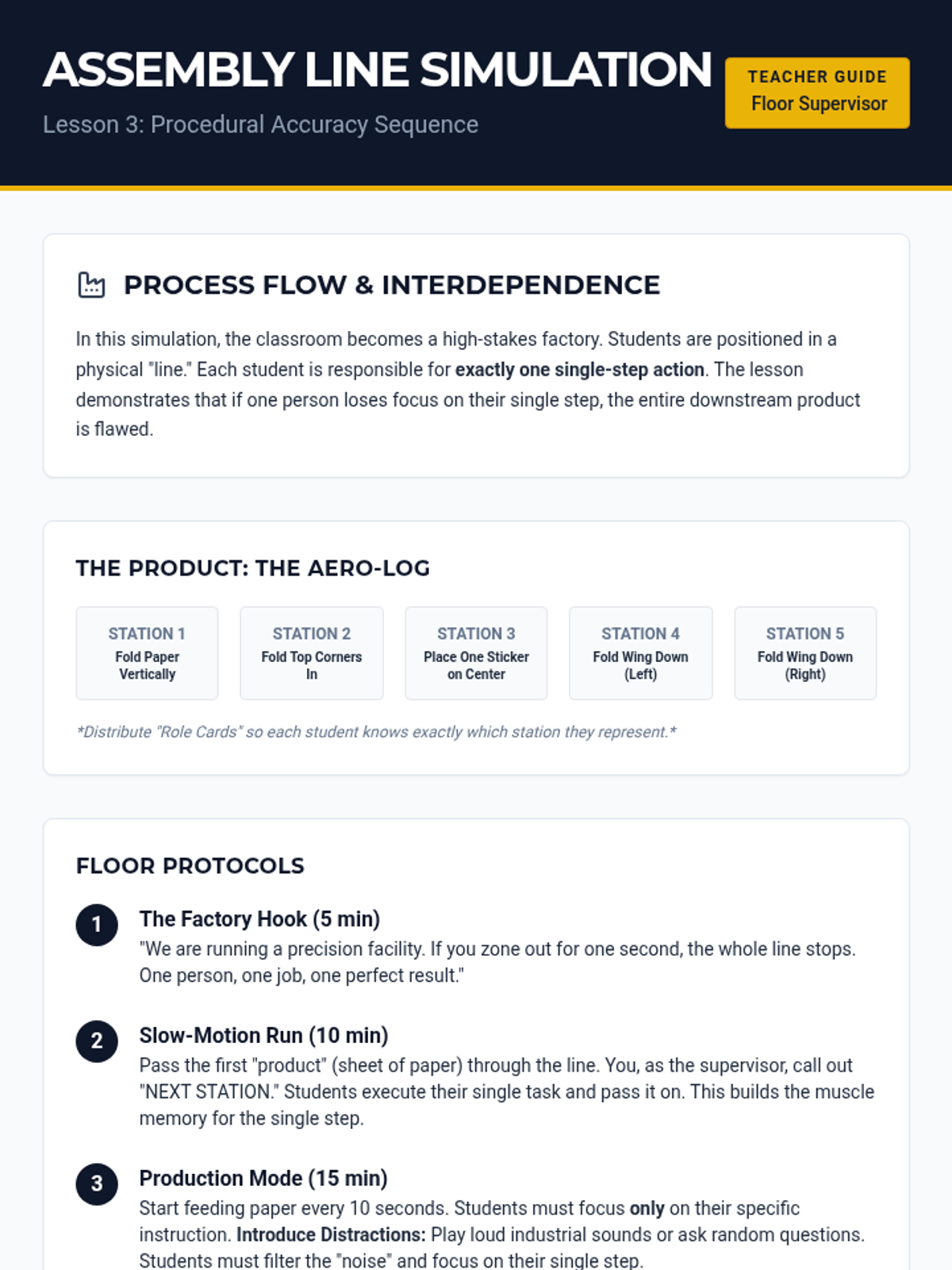
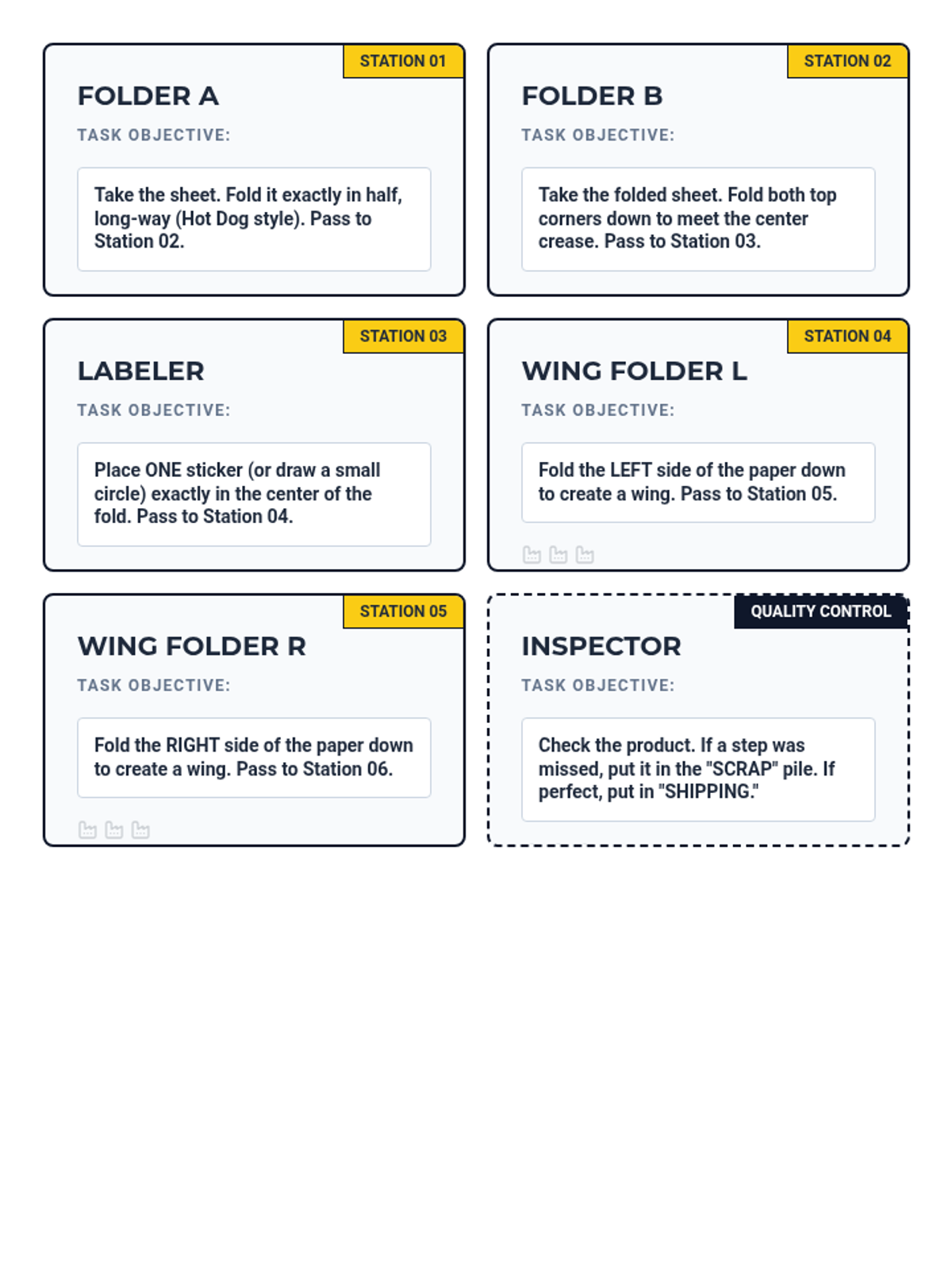
A simulation of a factory environment where students are responsible for a single part of a process. This lesson explores how individual focus on a single step contributes to the success of a larger collaborative goal.
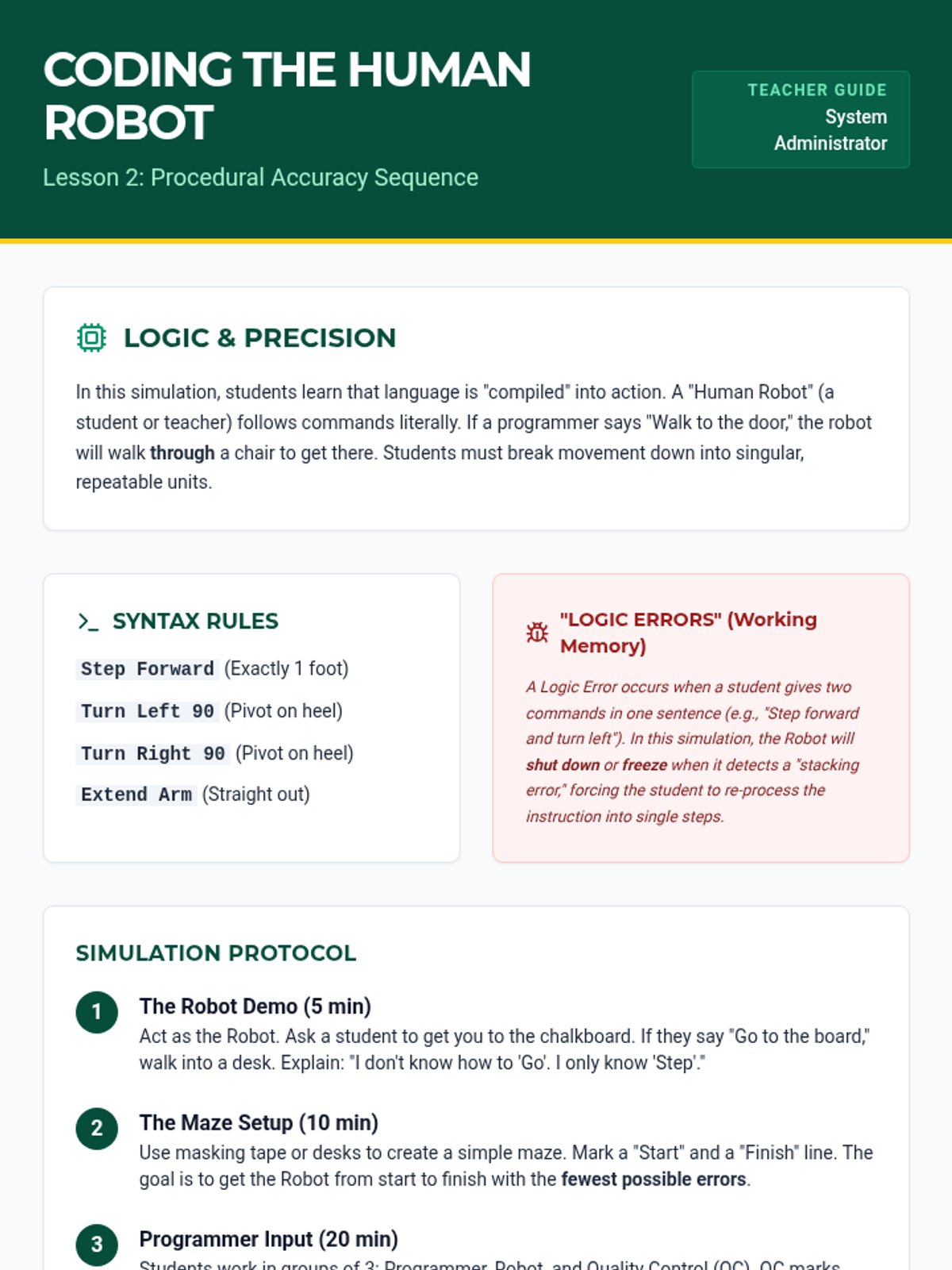
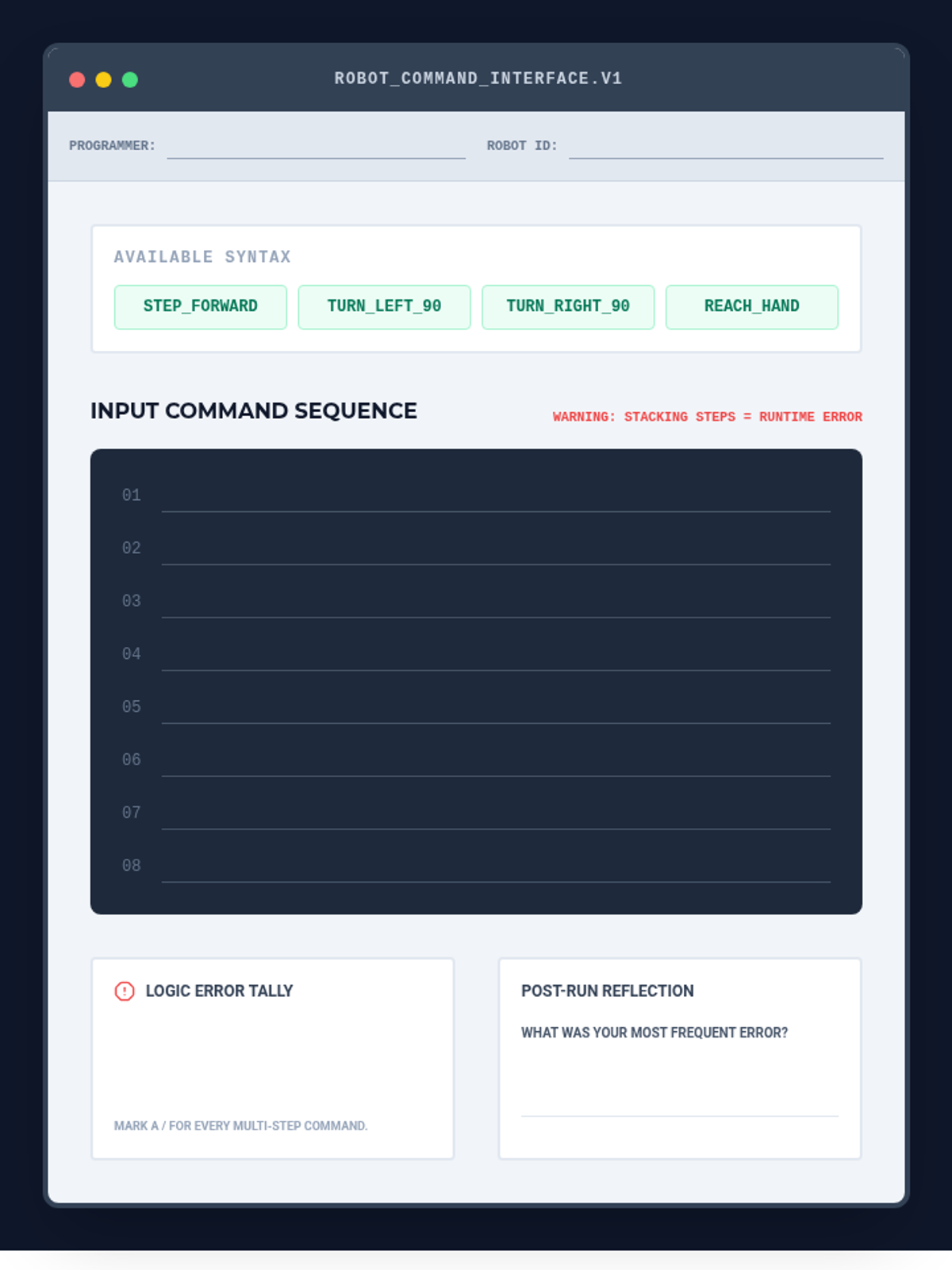
Students act as 'programmers' to move a 'human robot' through a maze using only rigid, single-step commands. This lesson illustrates the 'logic error' of combining steps and the importance of precise, isolated language.
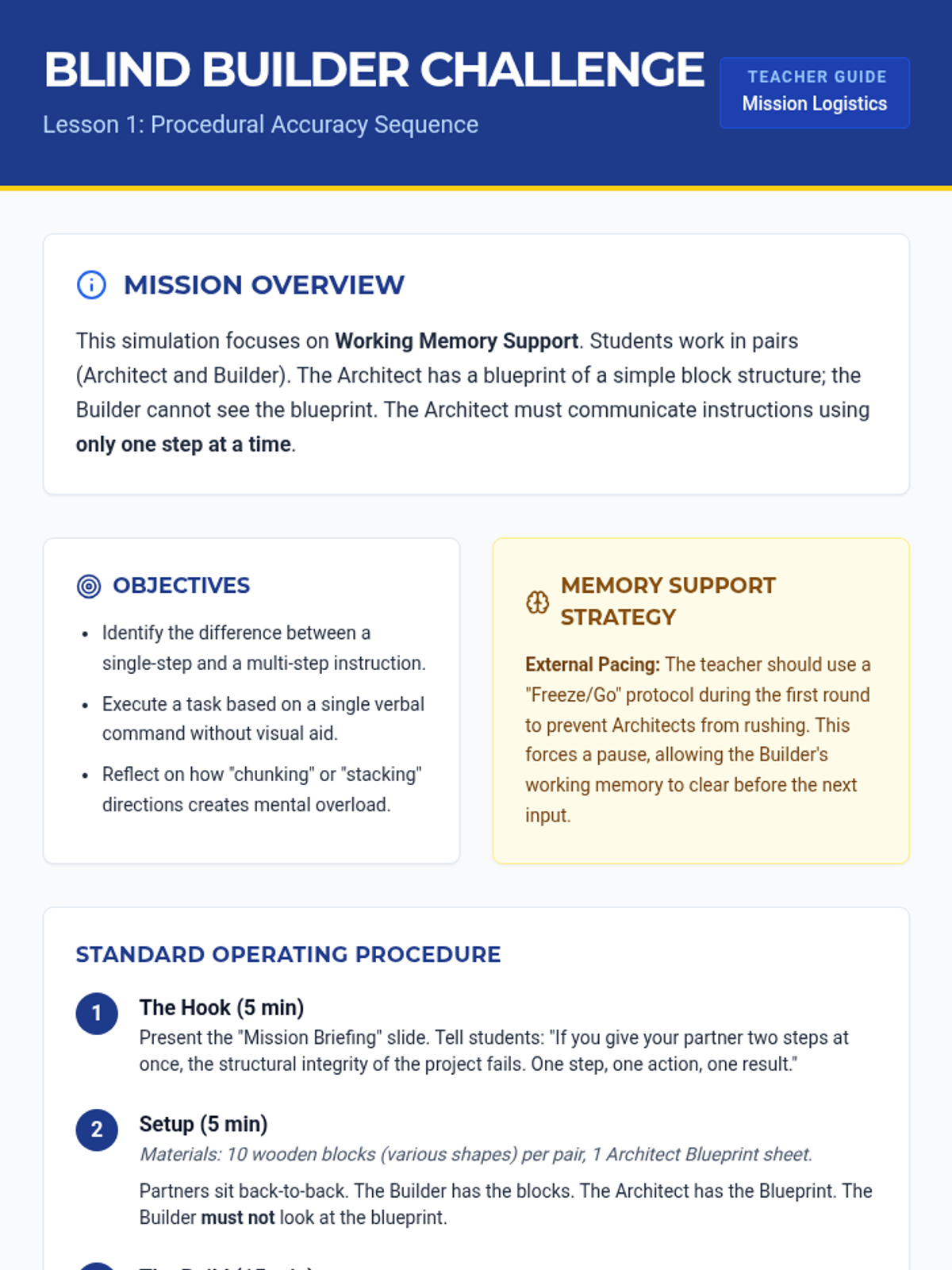
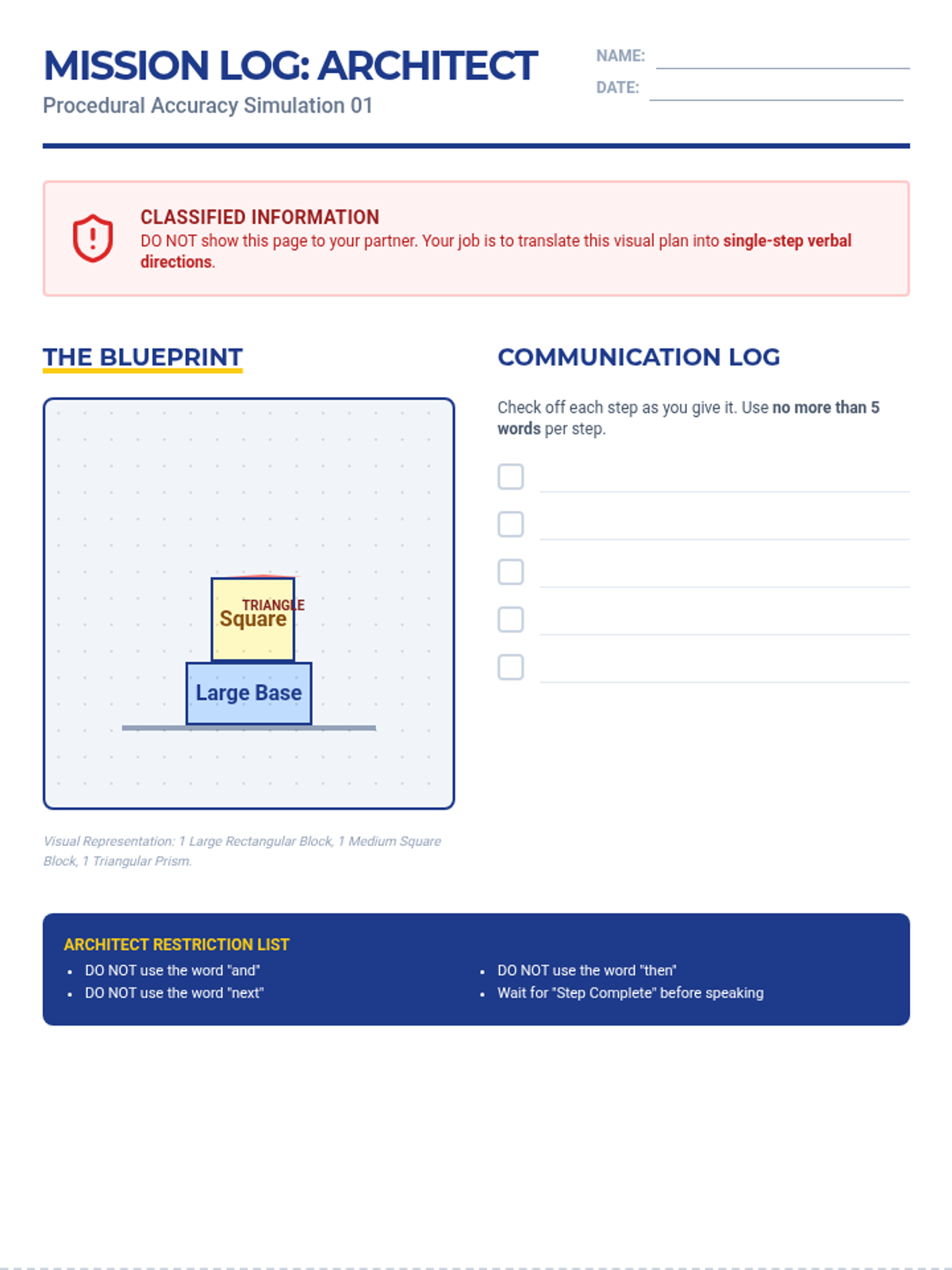
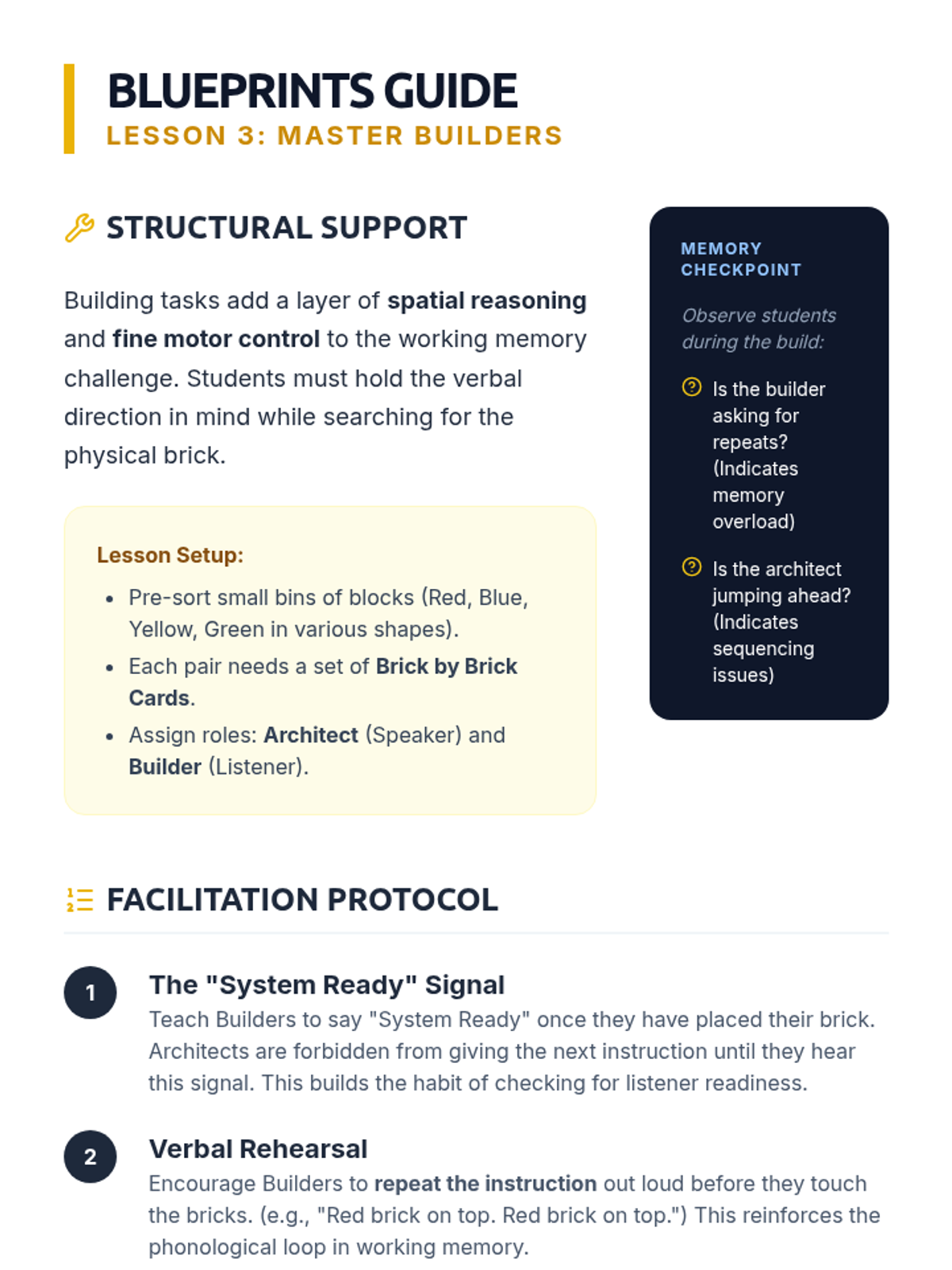
Students practice giving and following single-step verbal instructions in a blind building challenge. This lesson emphasizes the need for isolated commands to ensure the 'Builder' can accurately process and execute tasks without visual feedback.
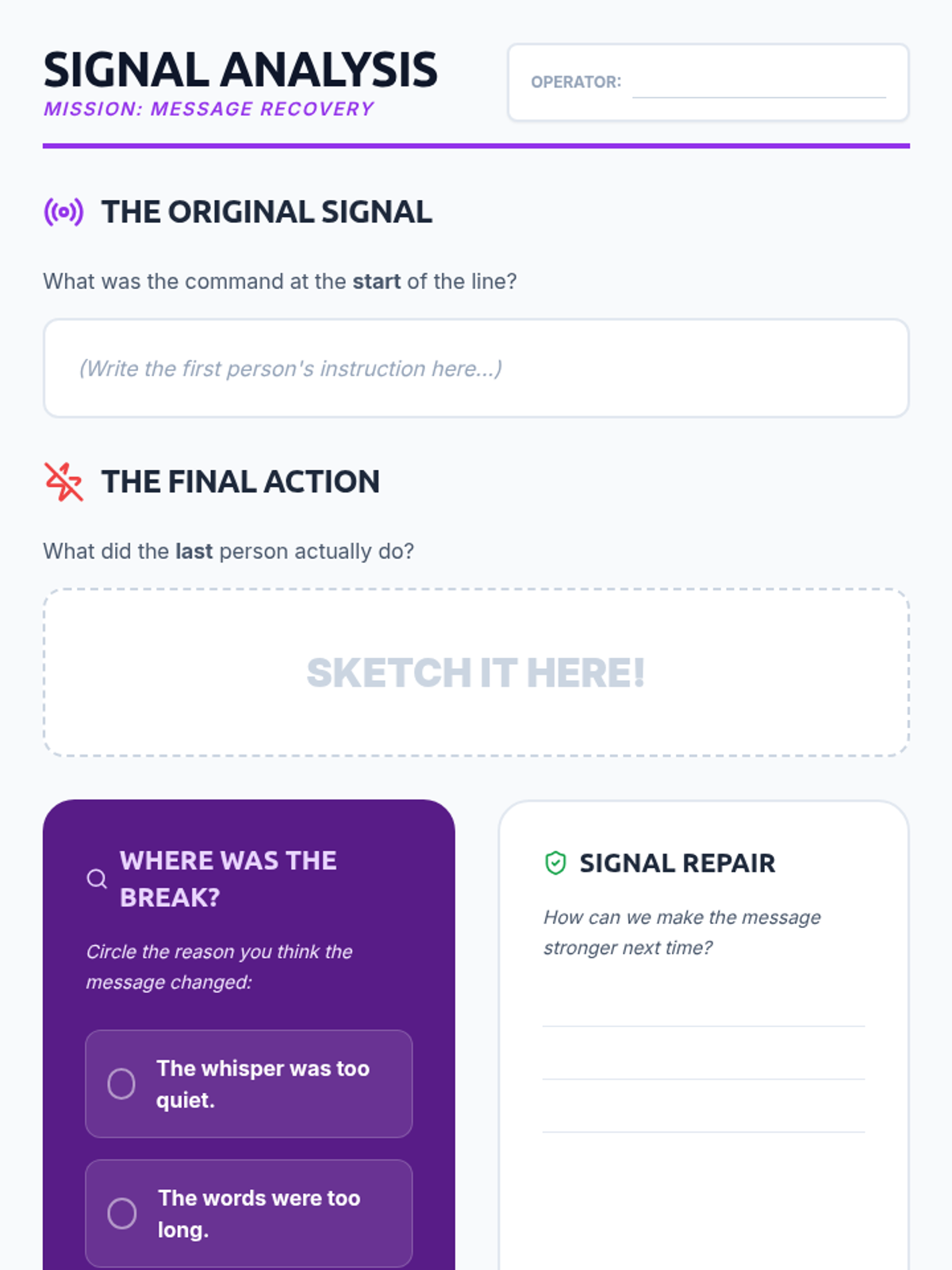
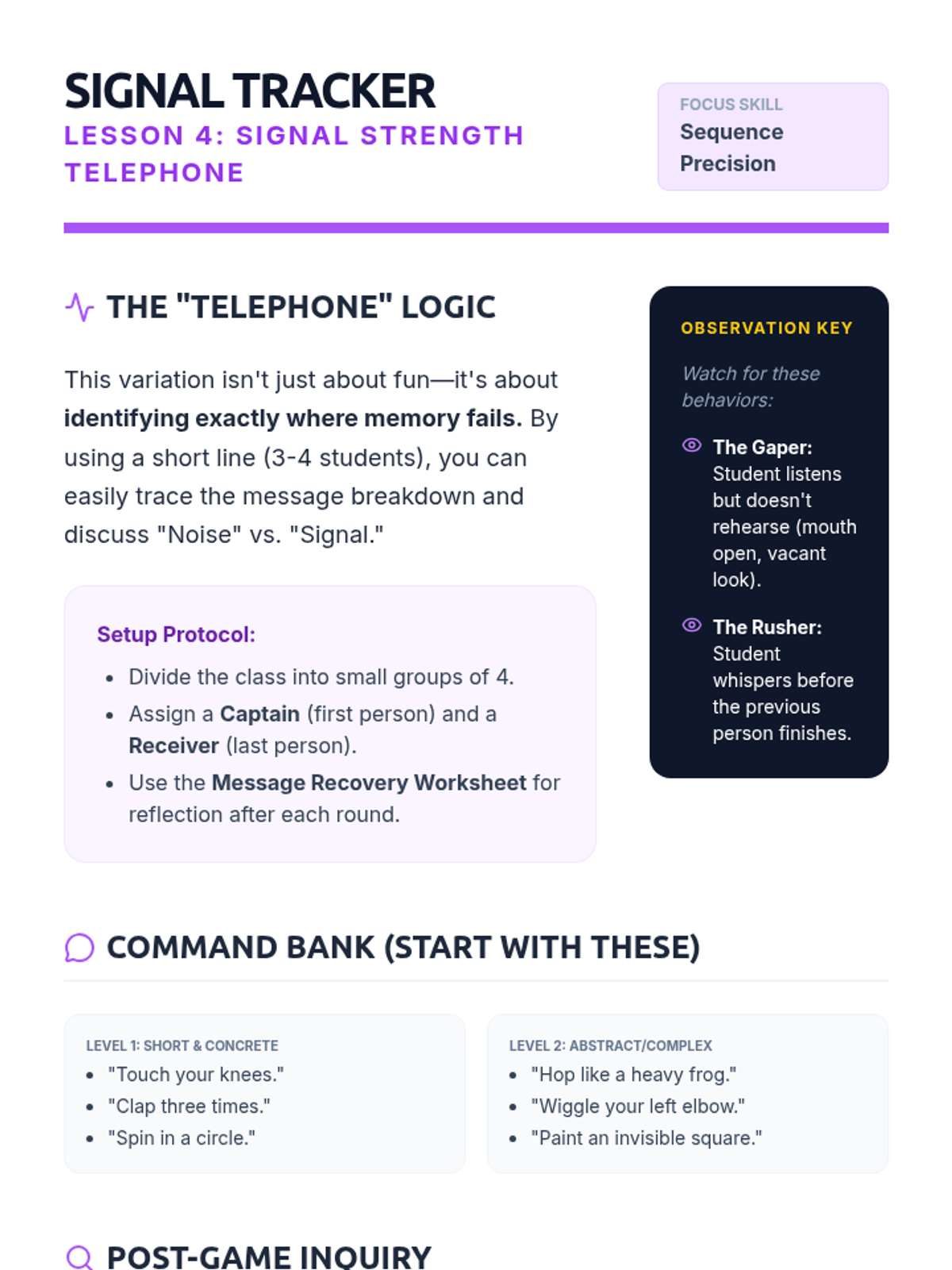
A structured version of the classic game where a single-step instruction is passed down a line of 3-4 students. The final student performs the action. The class analyzes where the memory breakdown occurred if the action is incorrect.
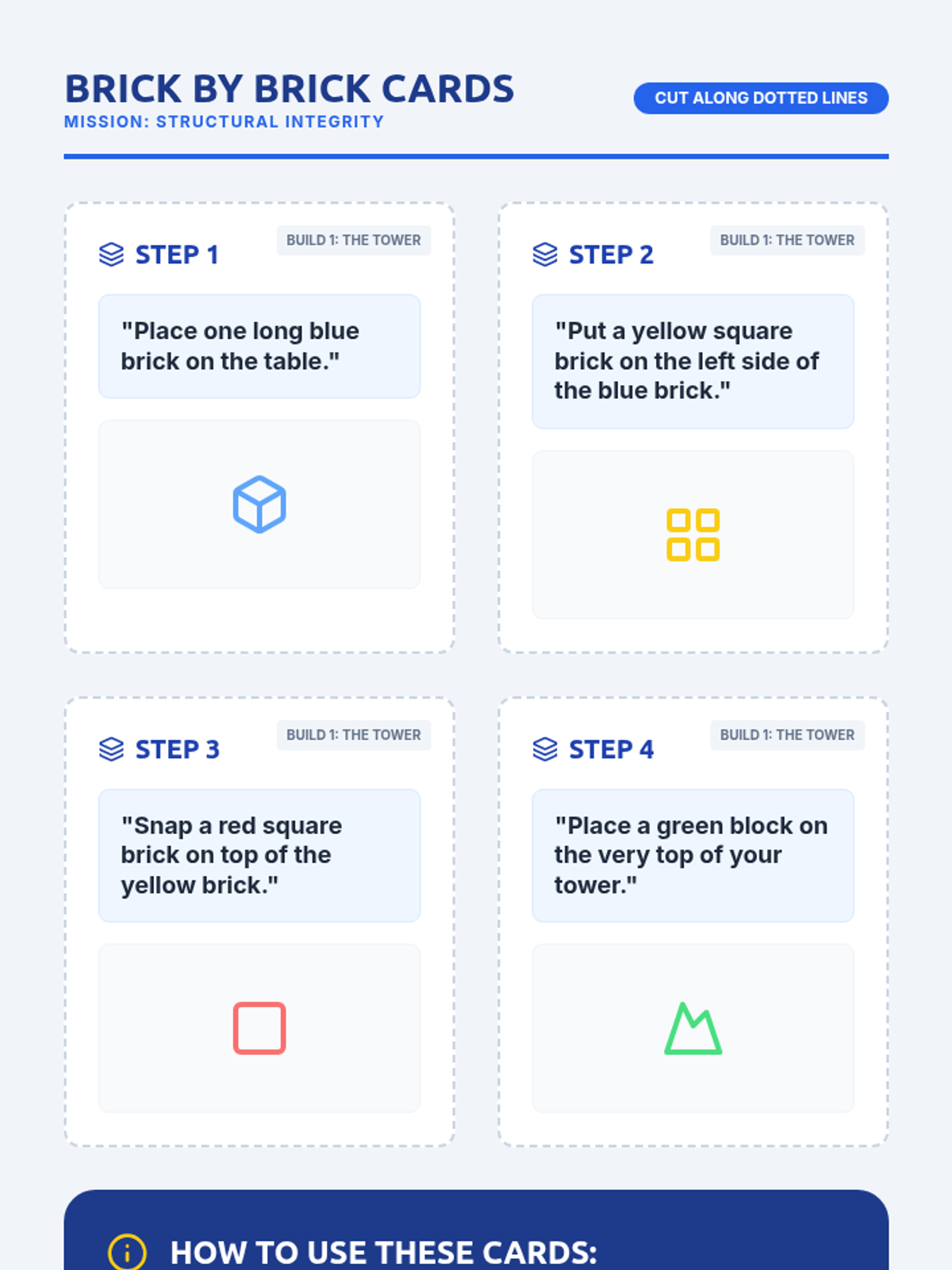
Using building blocks (like LEGOs), students work in pairs where one has the instructions and the other has the bricks. The instruction holder must give one single-step assembly direction at a time. The builder must retain the information to place the brick correctly.
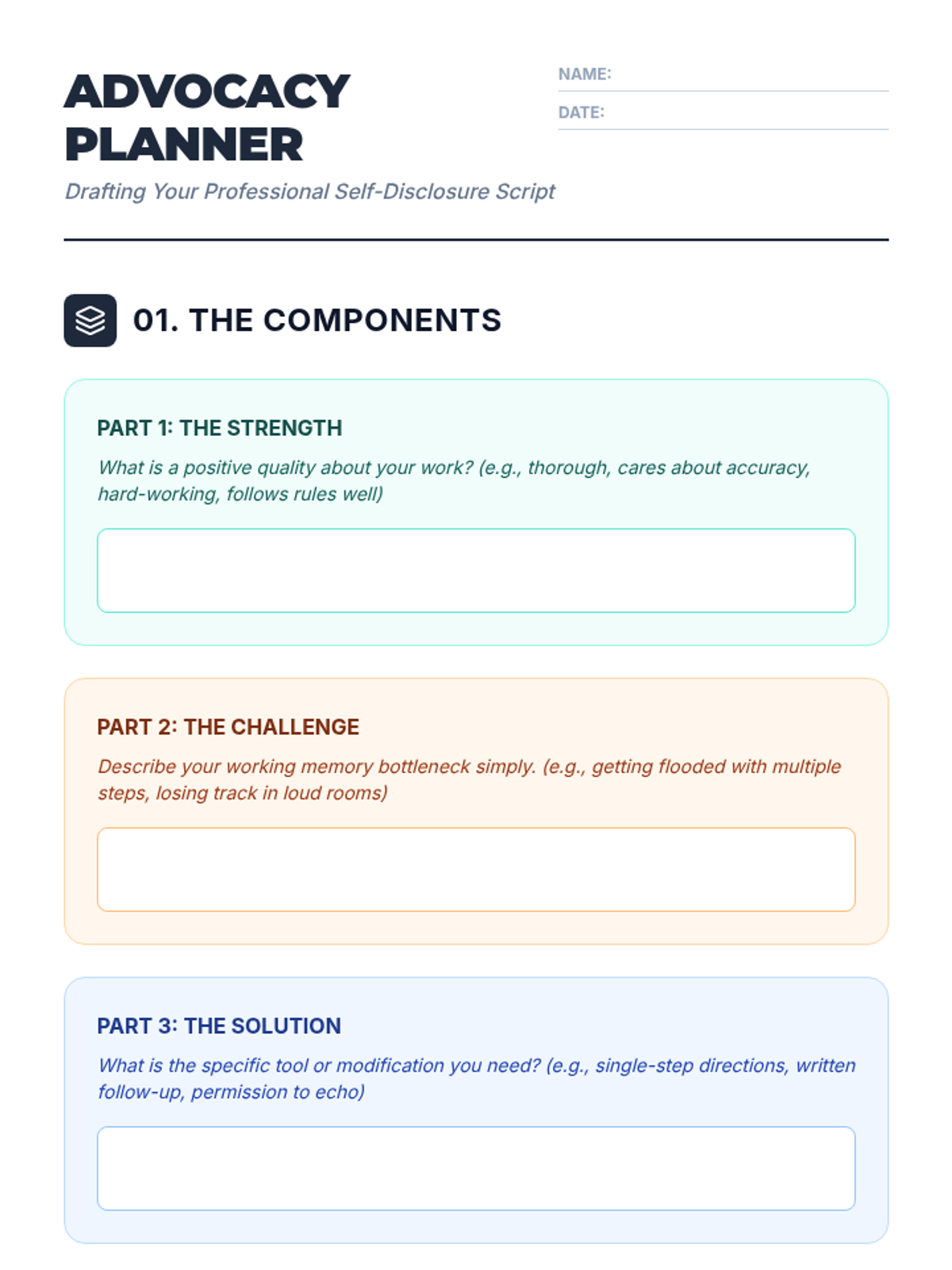
Students synthesize their skills into a personal disclosure script for use in interviews, IEP meetings, or workplace settings.
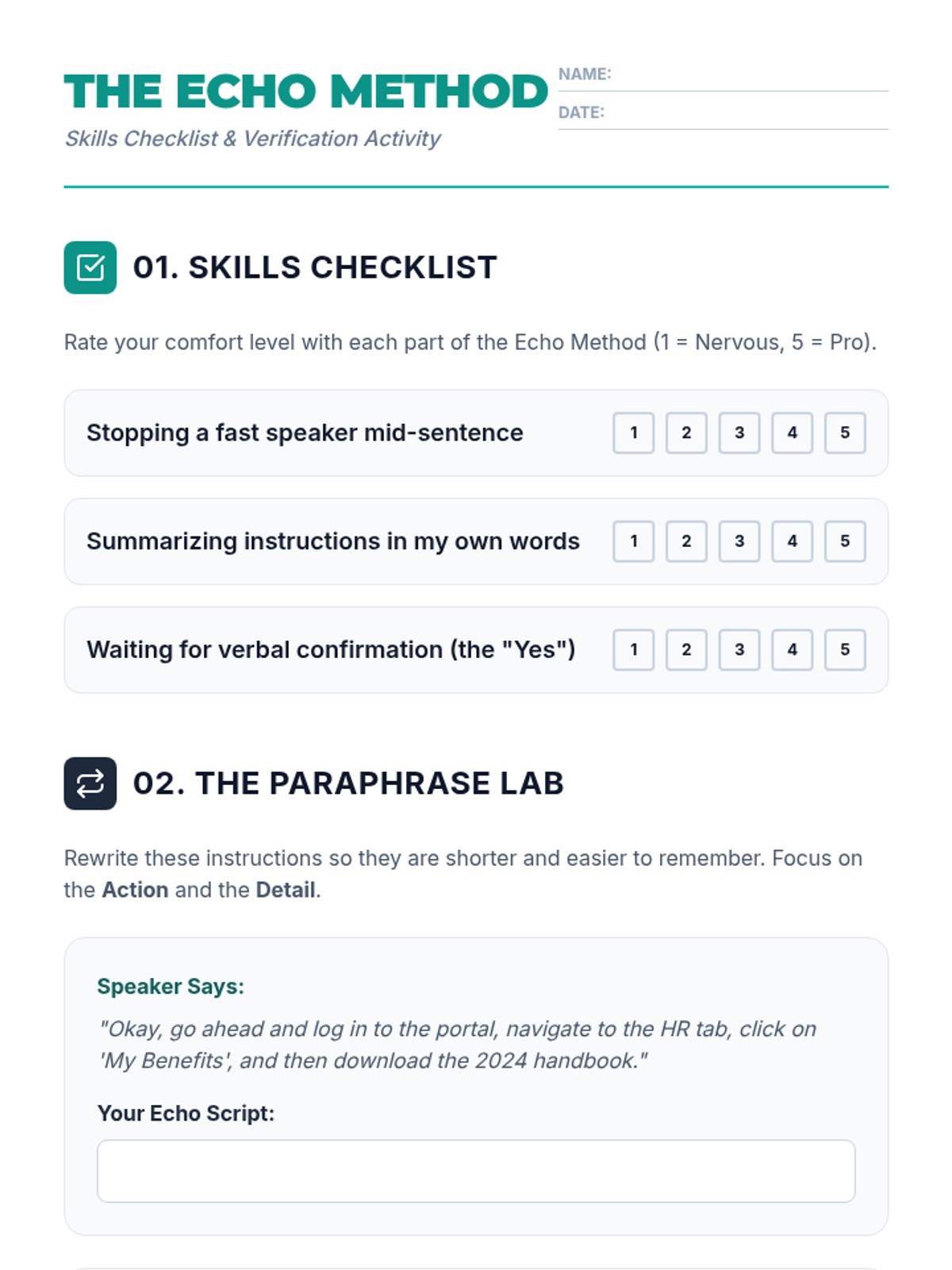
Students master the 'read-back' method to verify instructions and slow down information delivery.
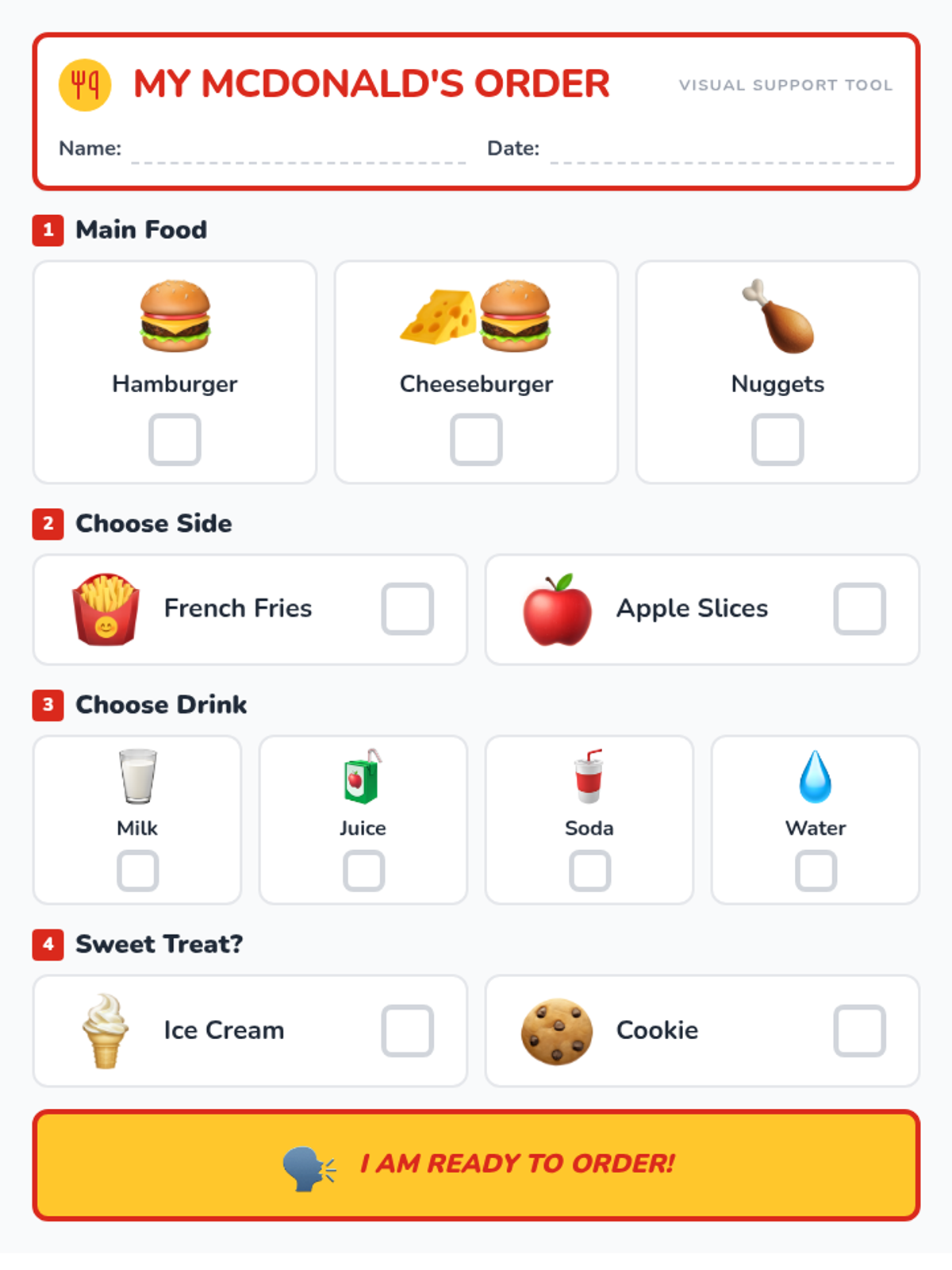
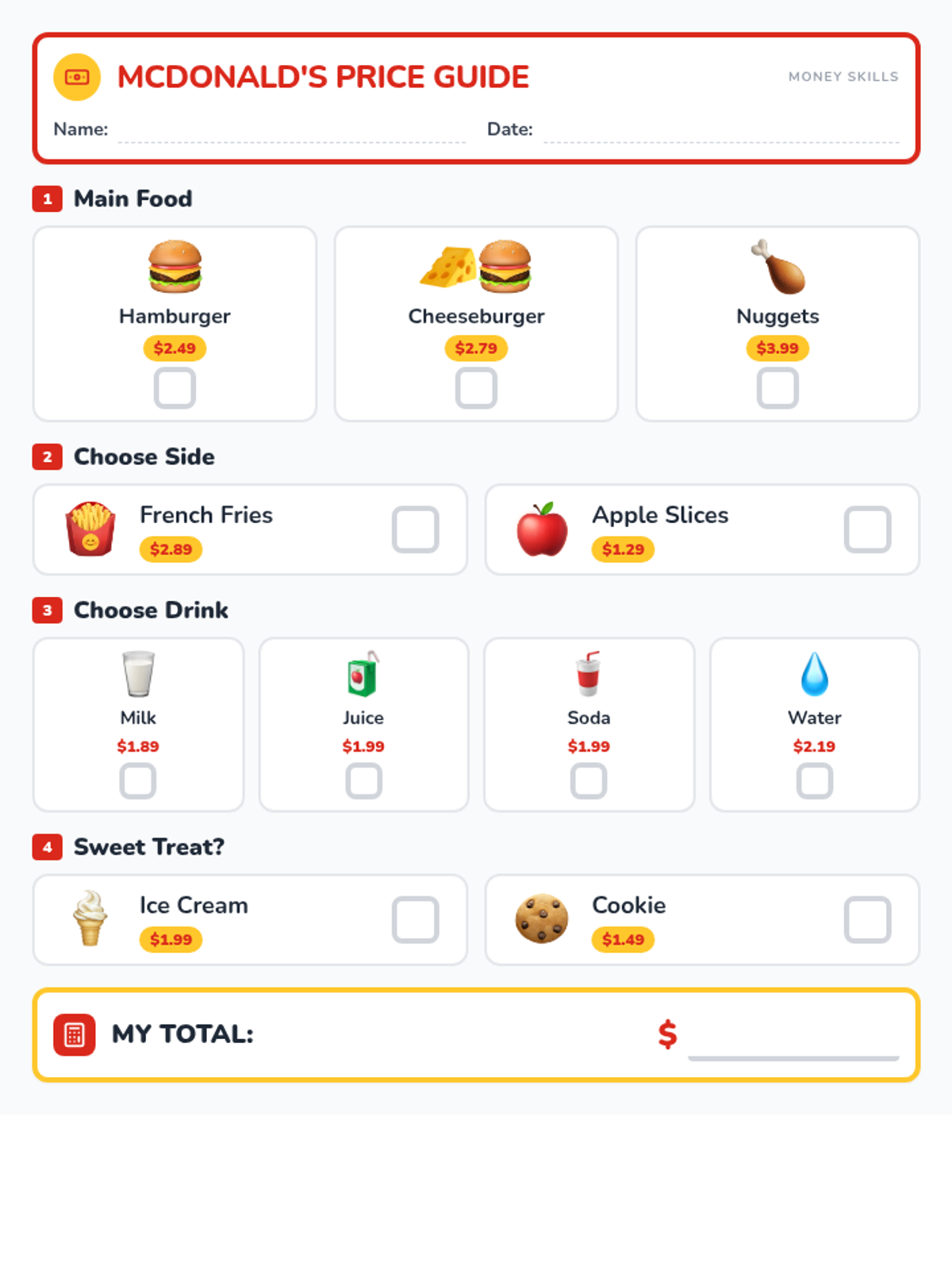
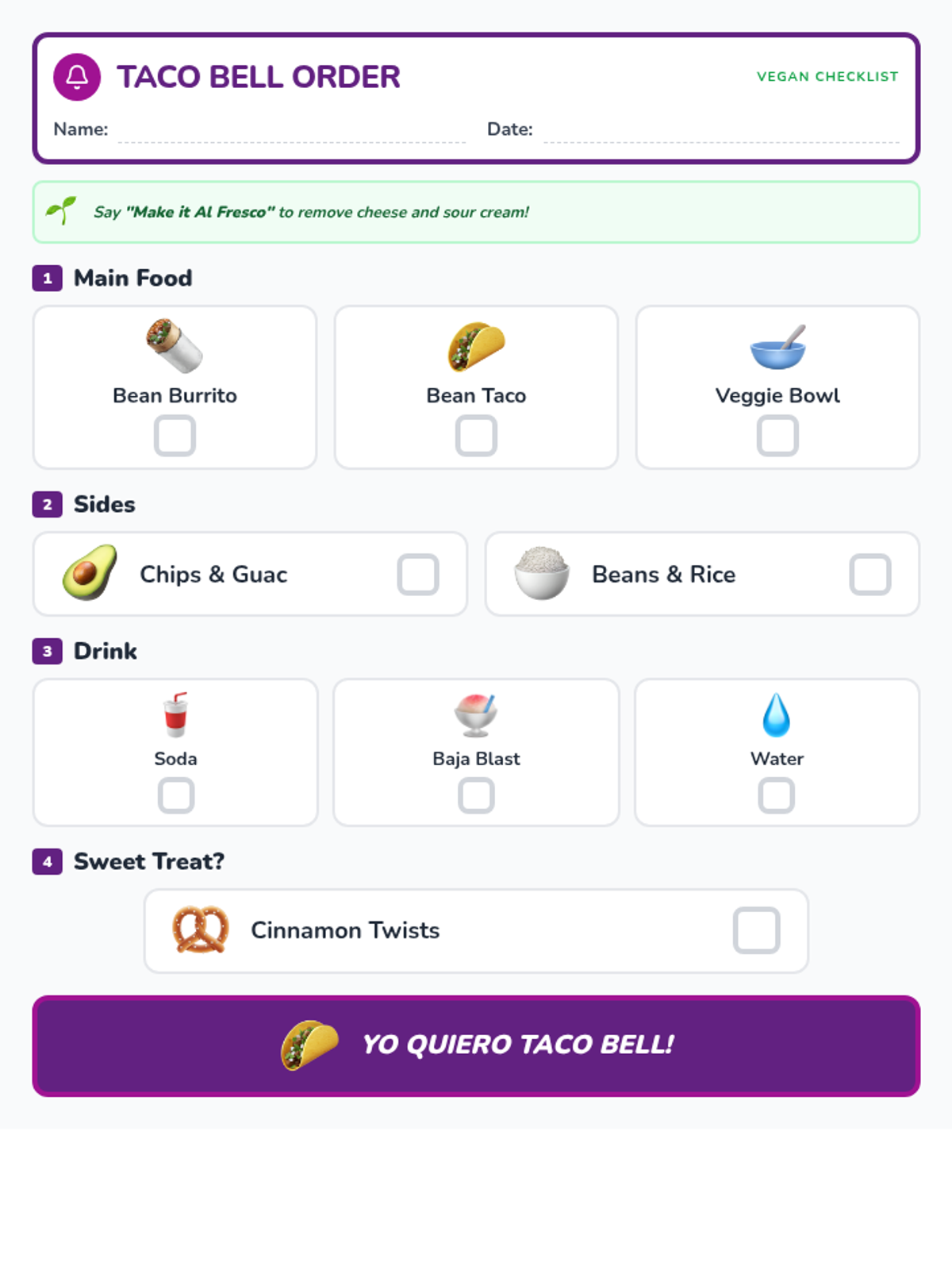
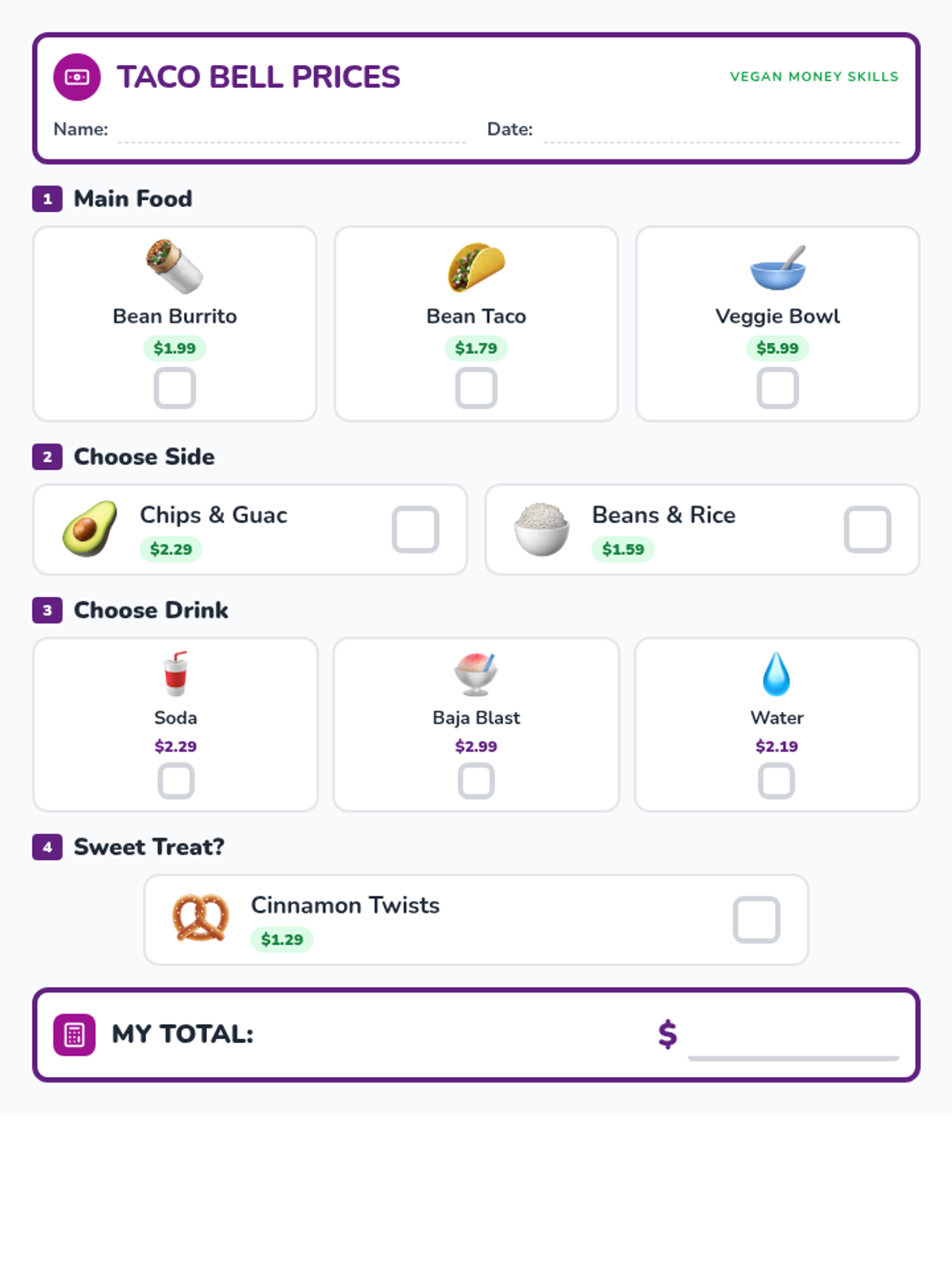
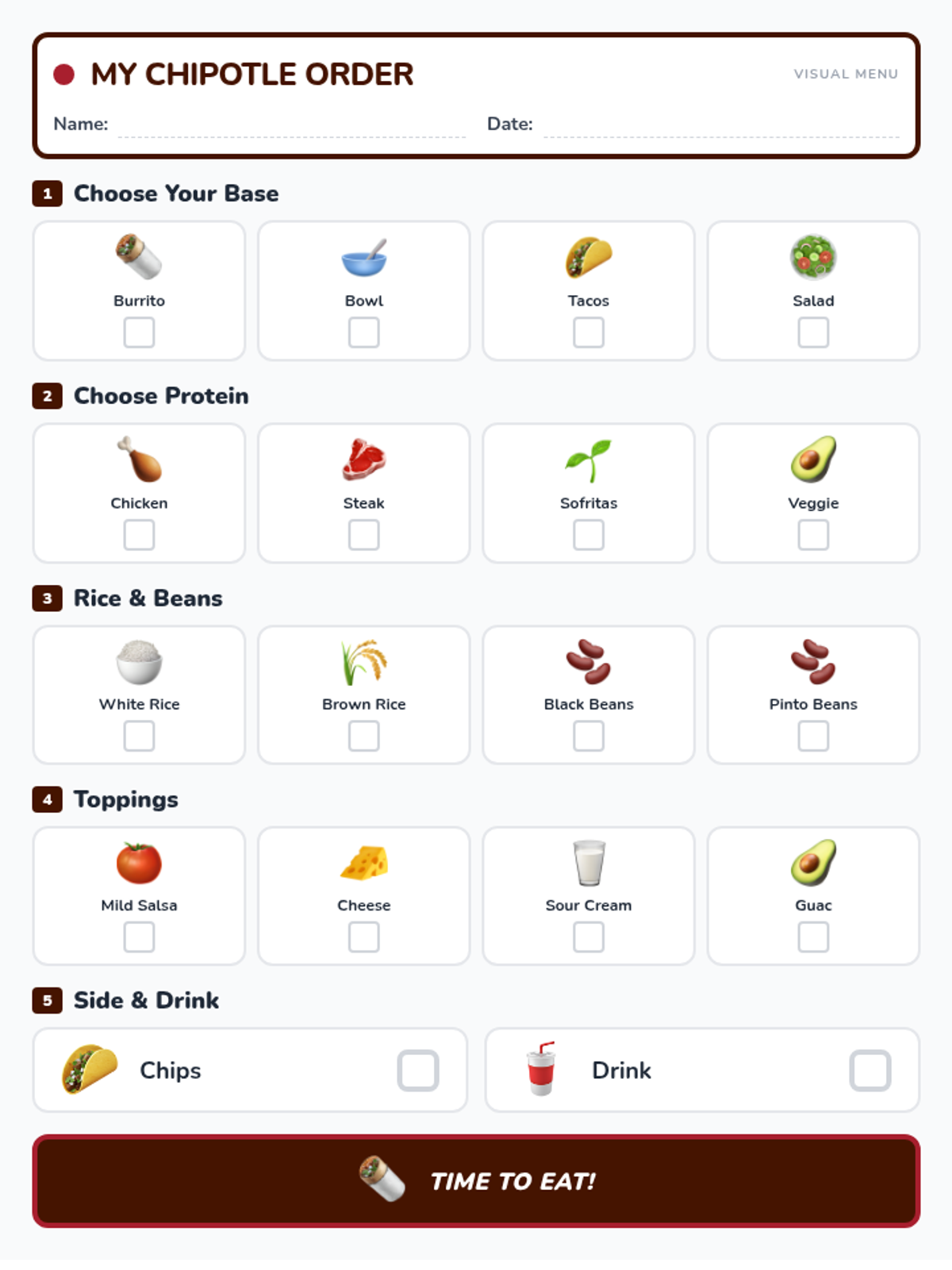
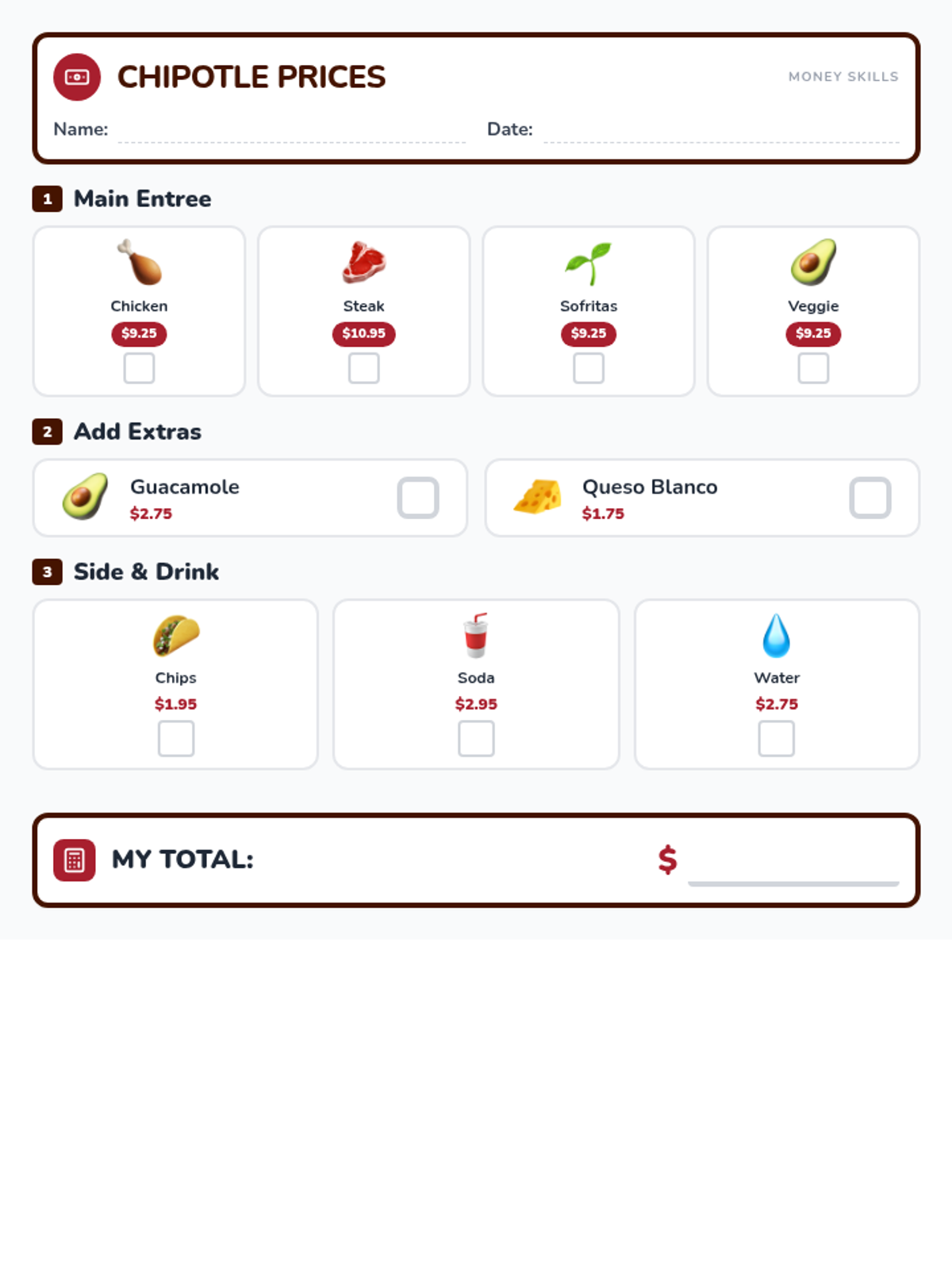
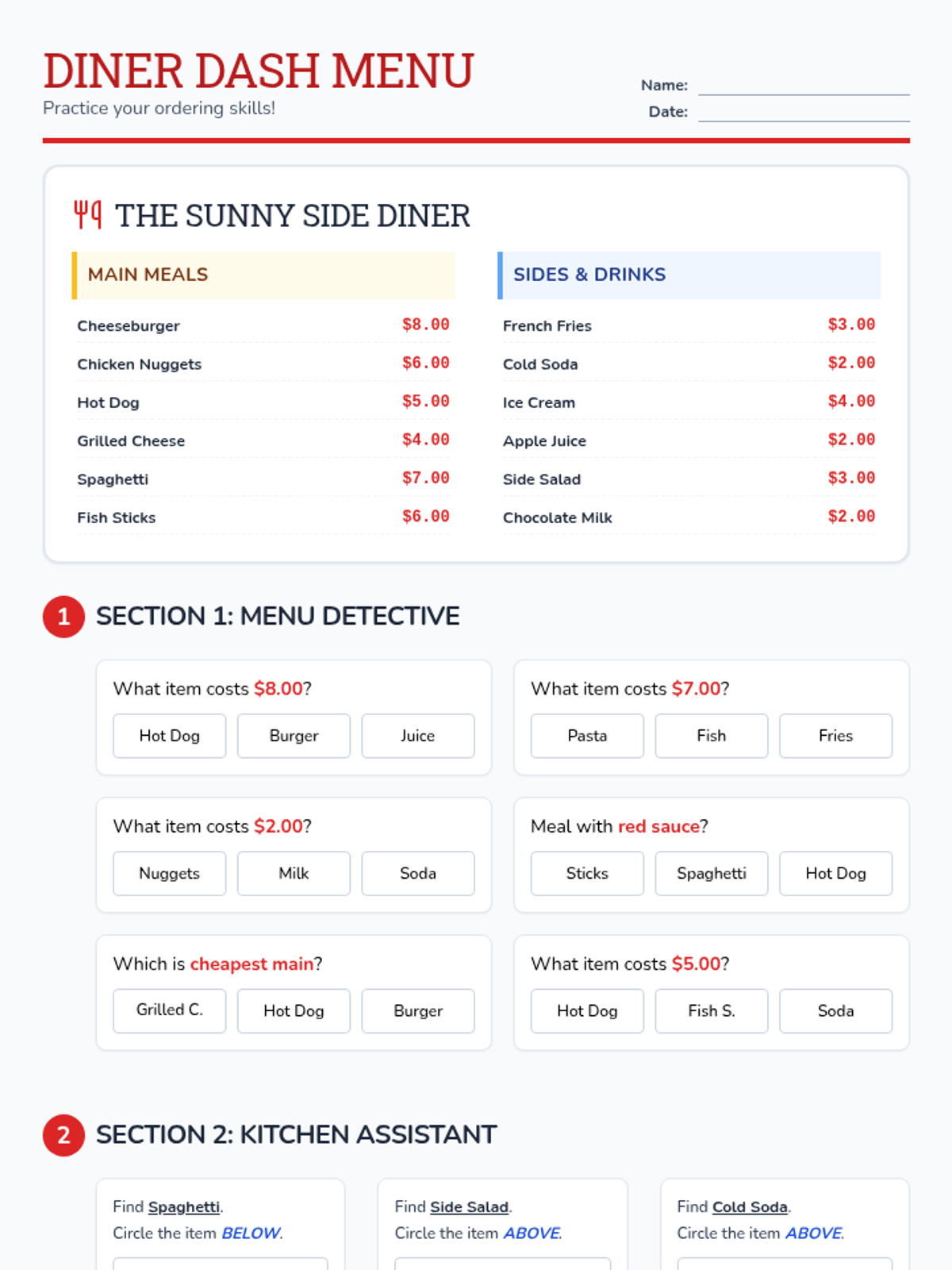
A set of visual supports to help students with special needs practice ordering and money skills at a fast food restaurant.
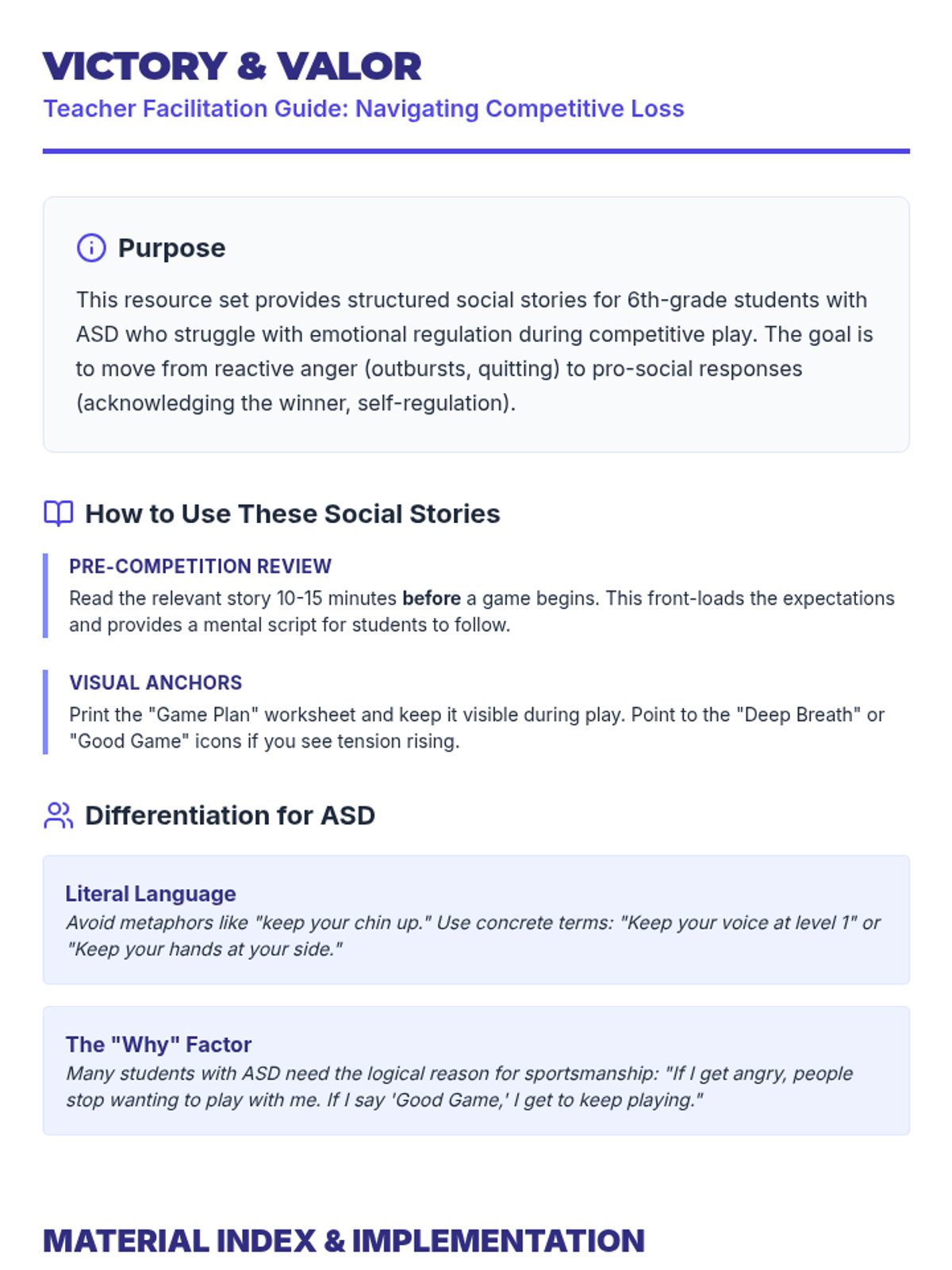
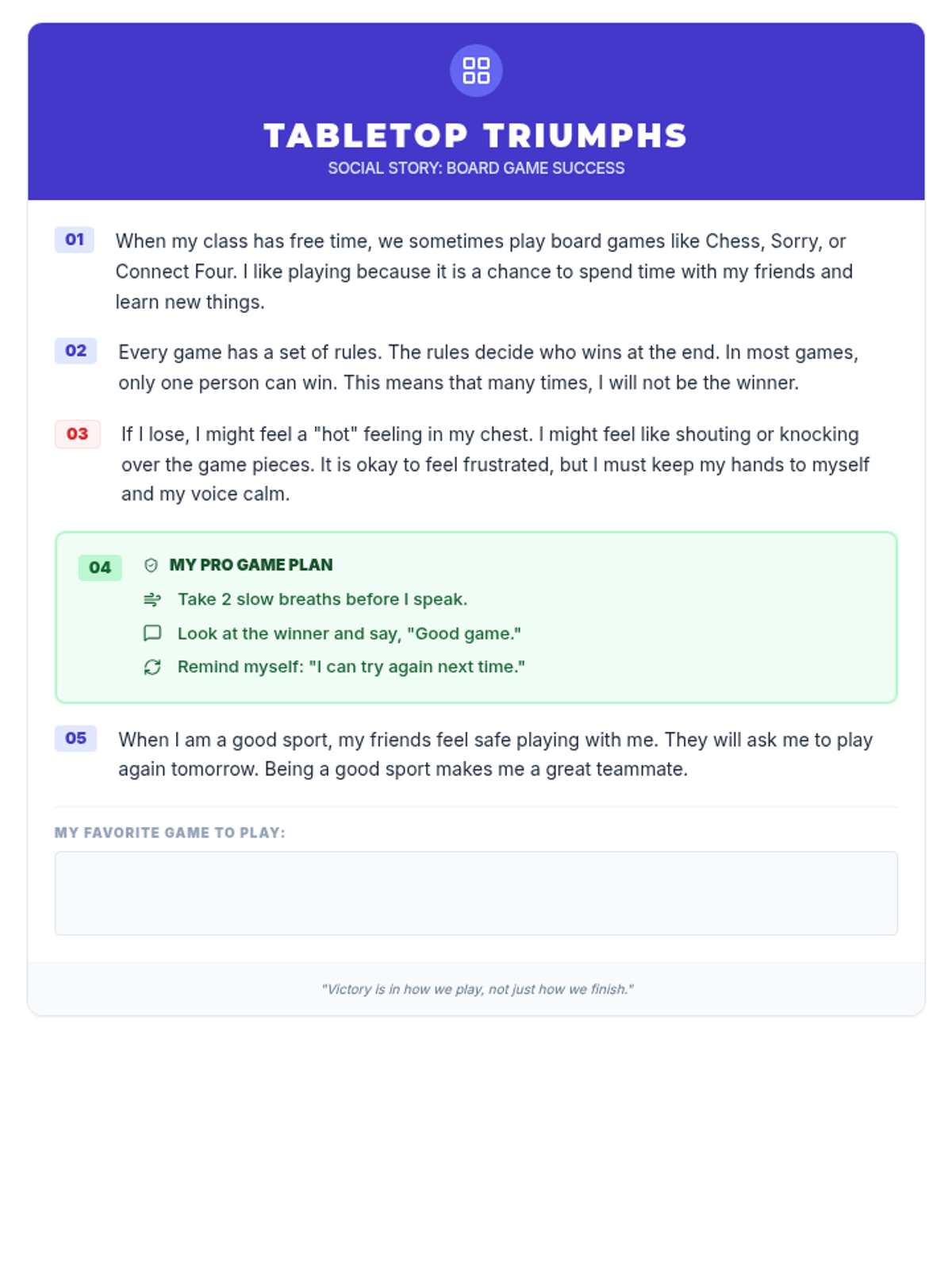
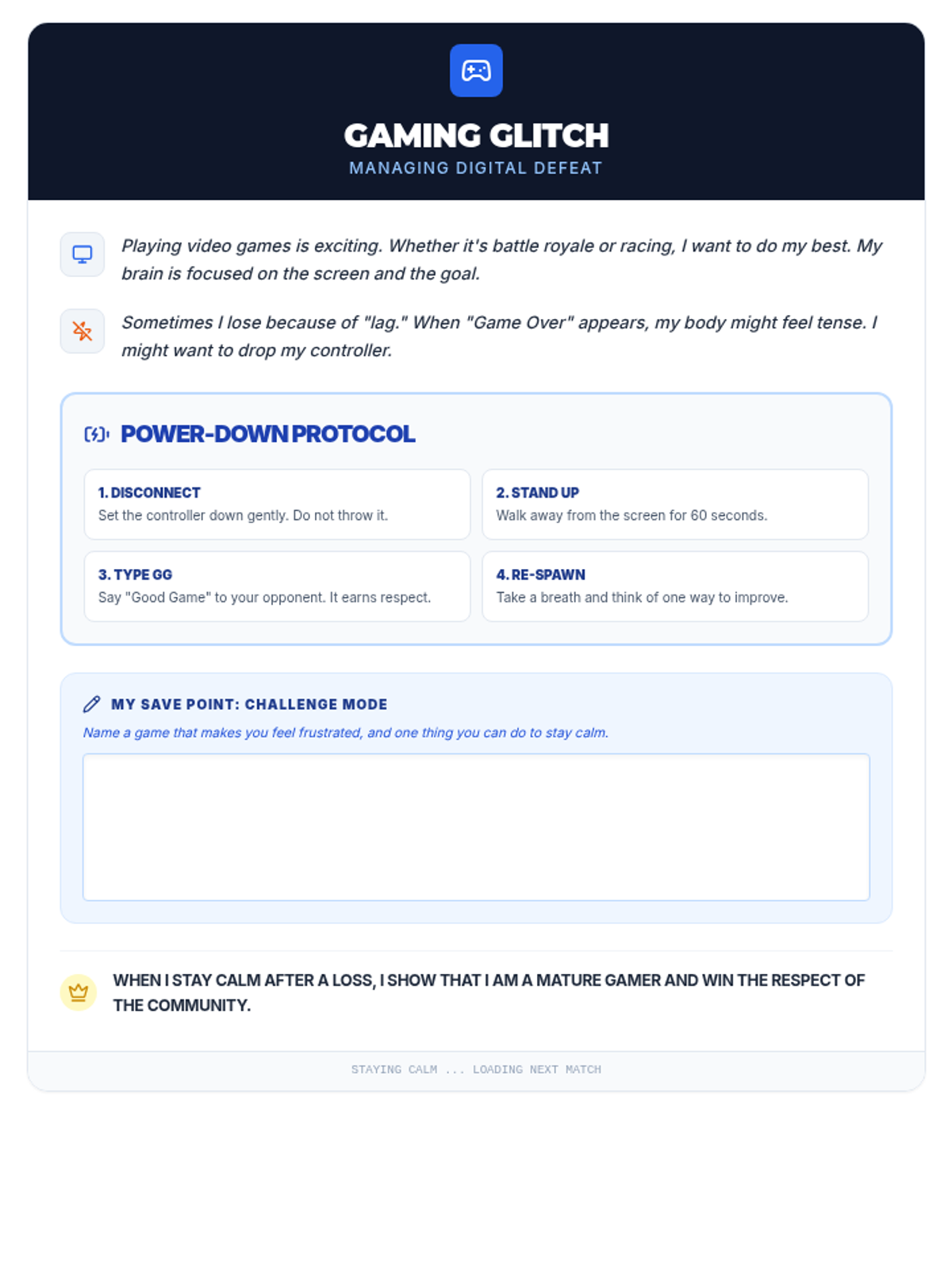
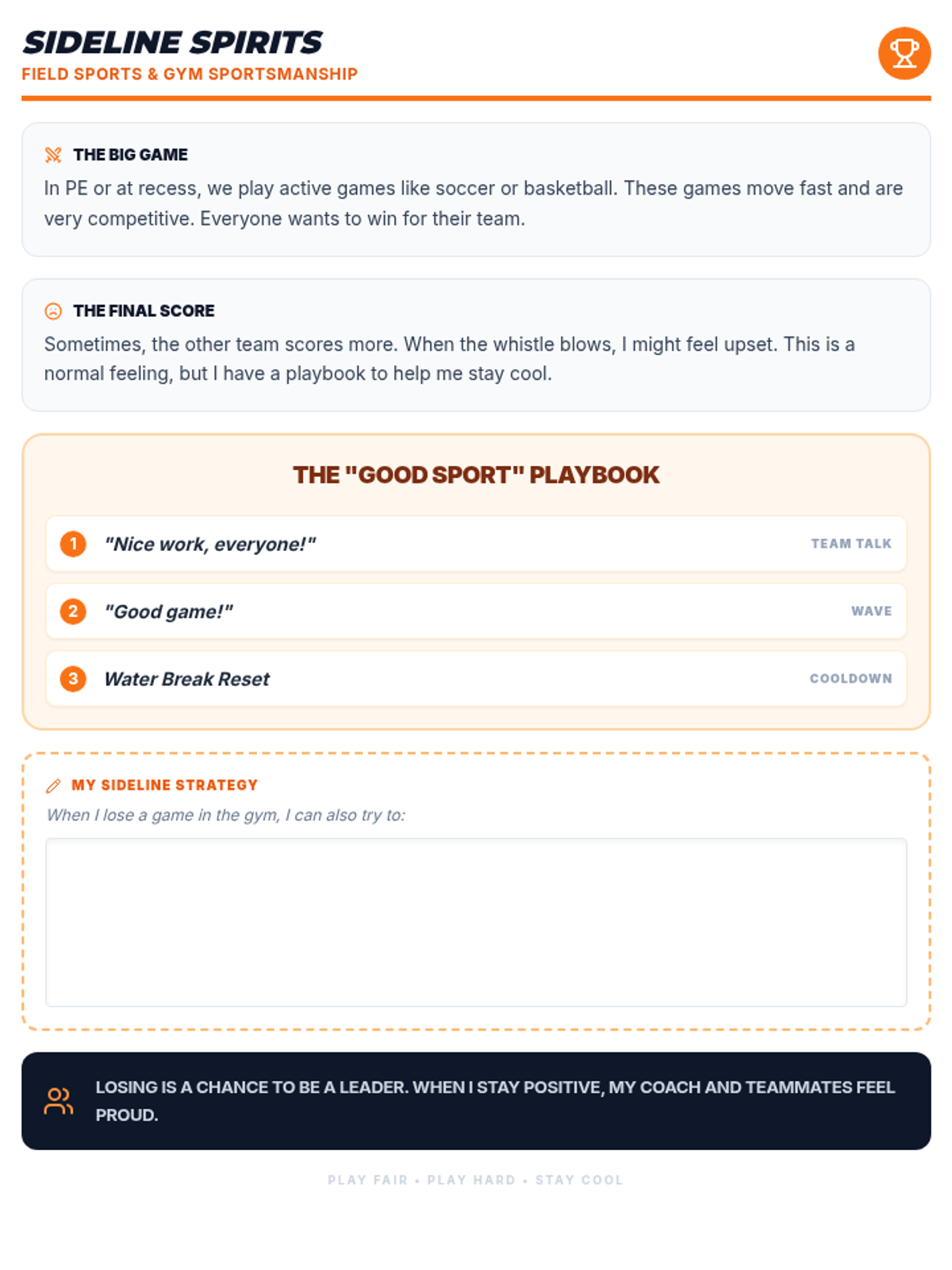
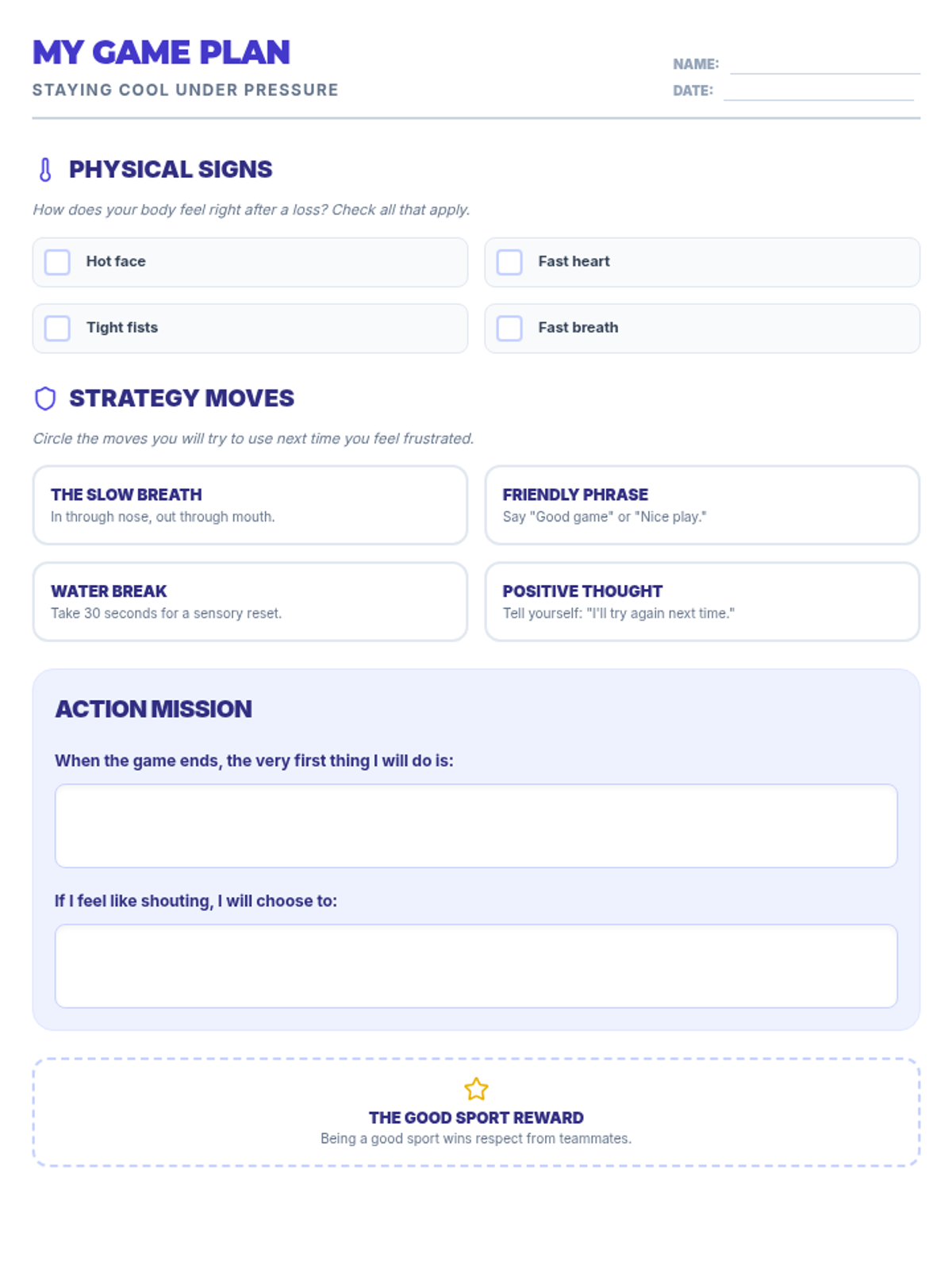
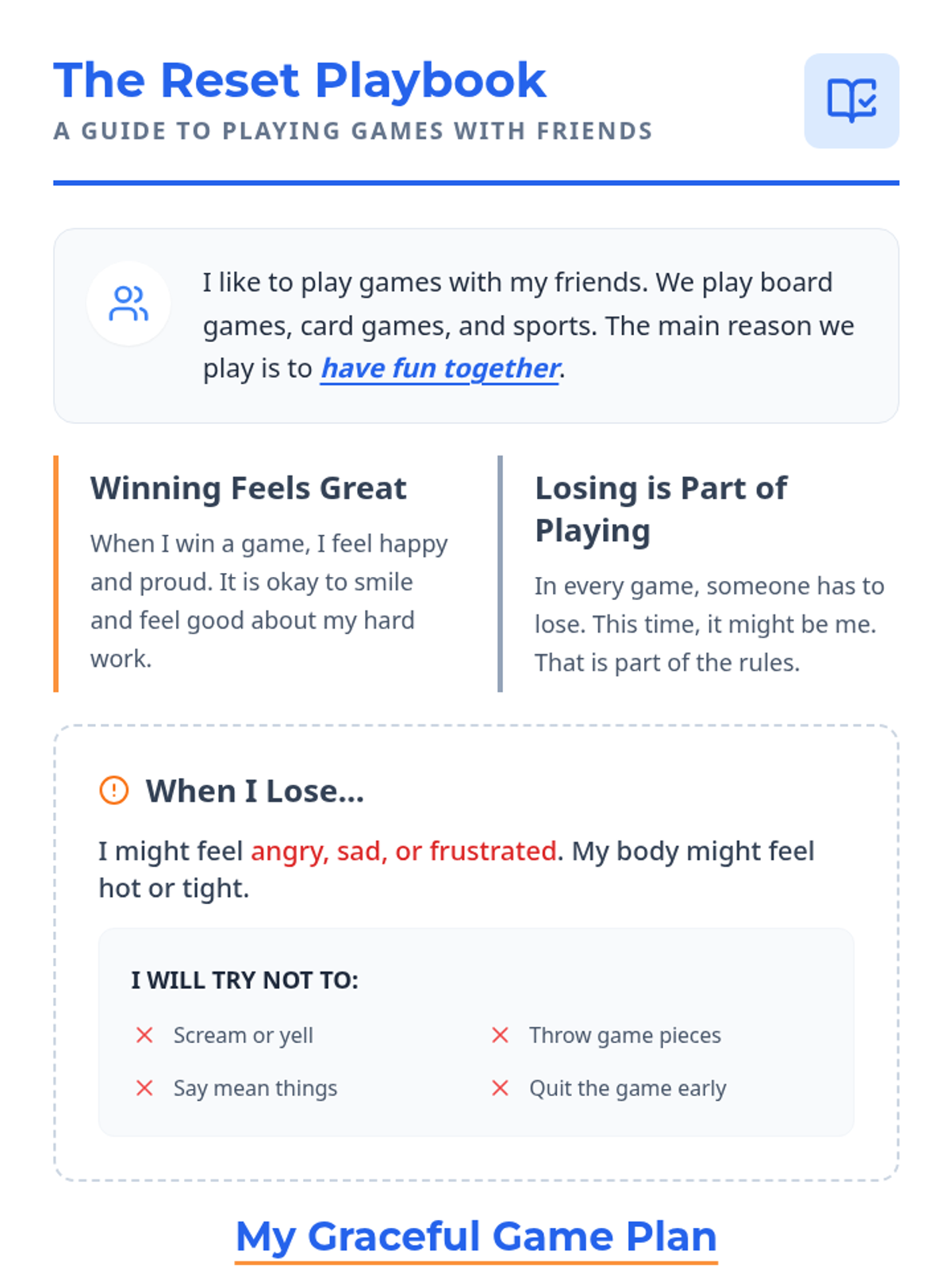
A series of social stories and supporting materials designed to help 6th-grade students with ASD navigate the emotional challenges of losing in competitive games. The lesson focuses on identifying triggers, managing frustration, and practicing prosocial responses.
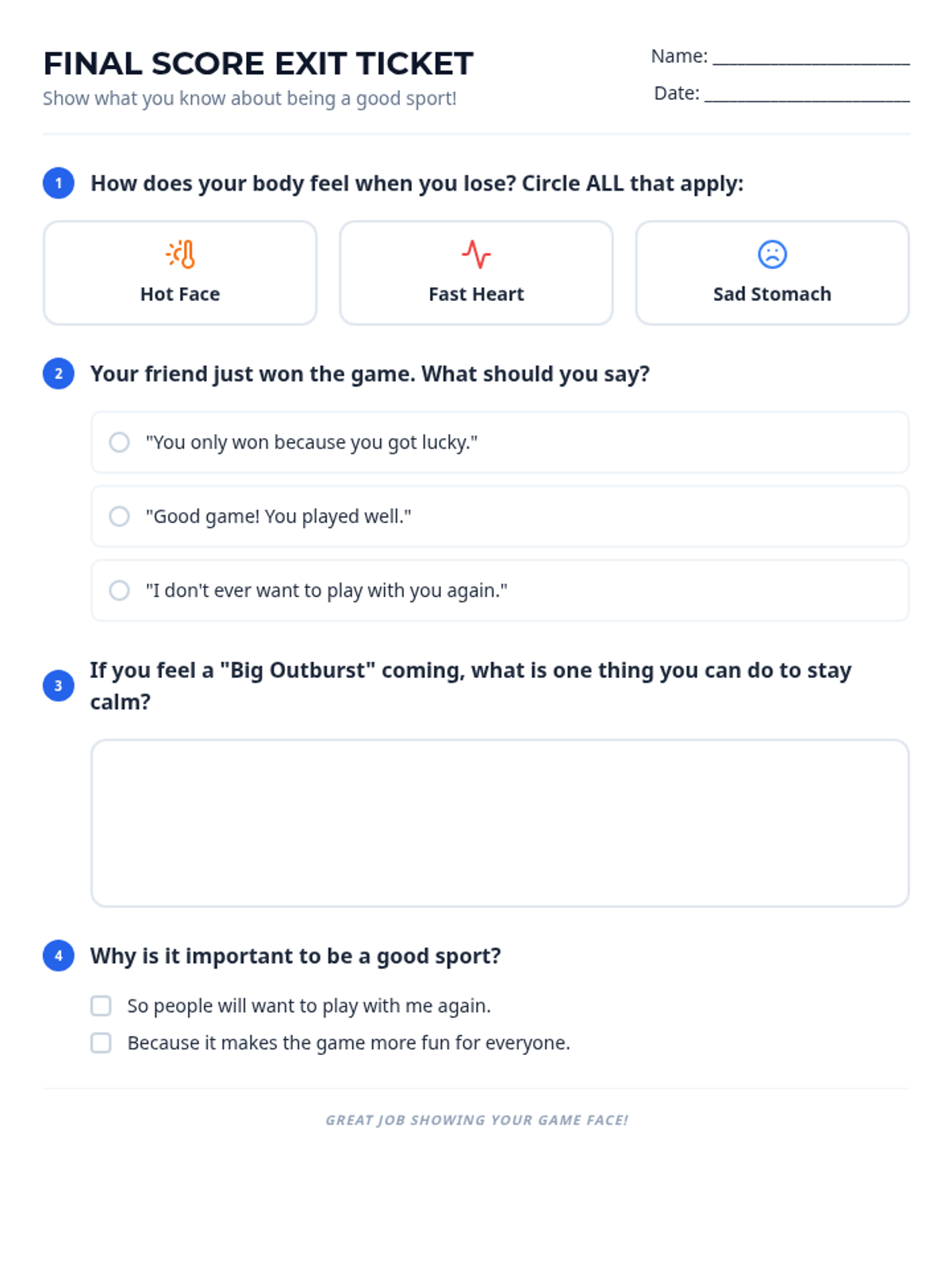
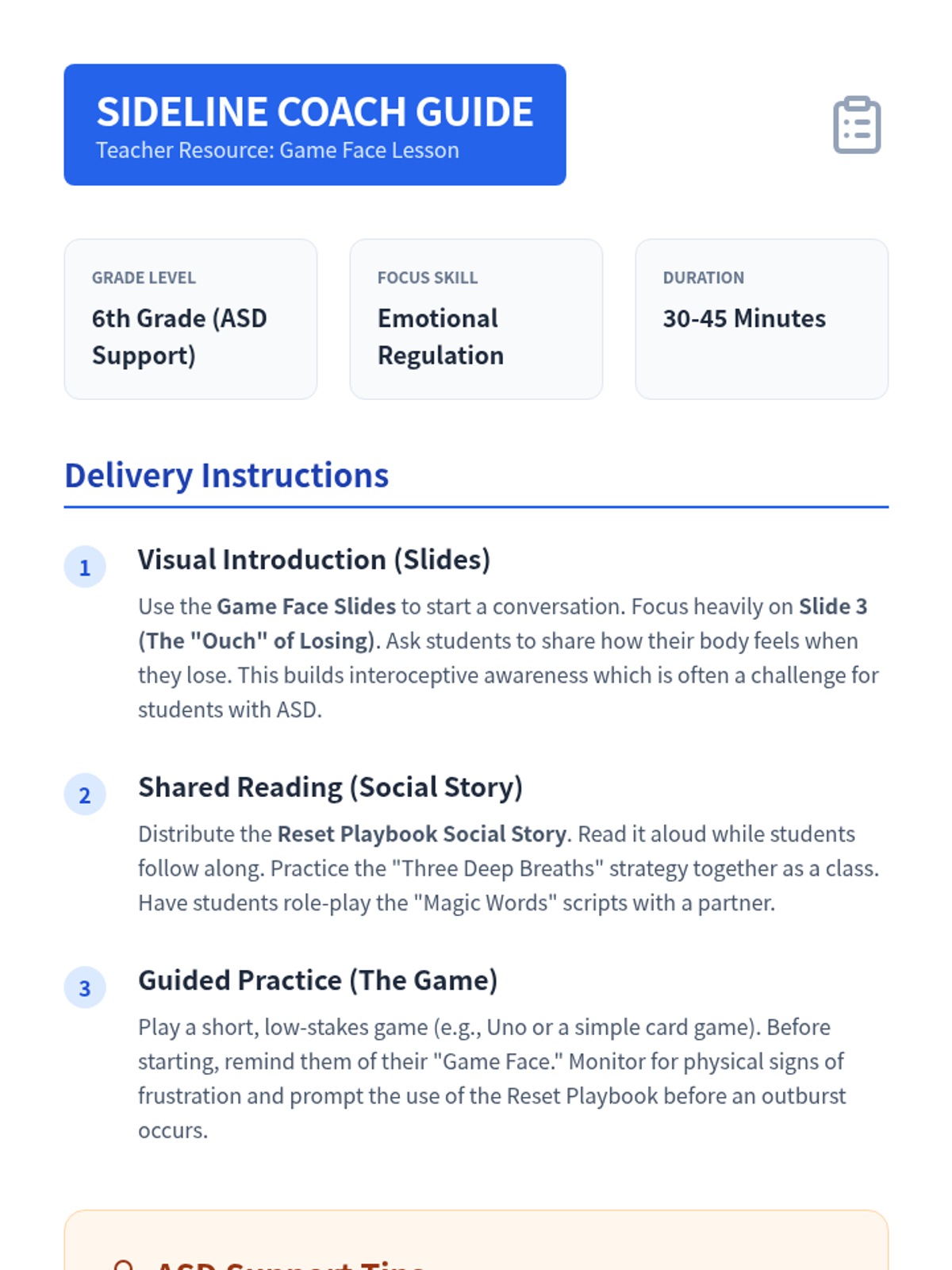
A lesson designed for 6th-grade students with ASD to develop the social skills needed to lose gracefully during games, featuring a social story, visual slides, and an exit ticket.
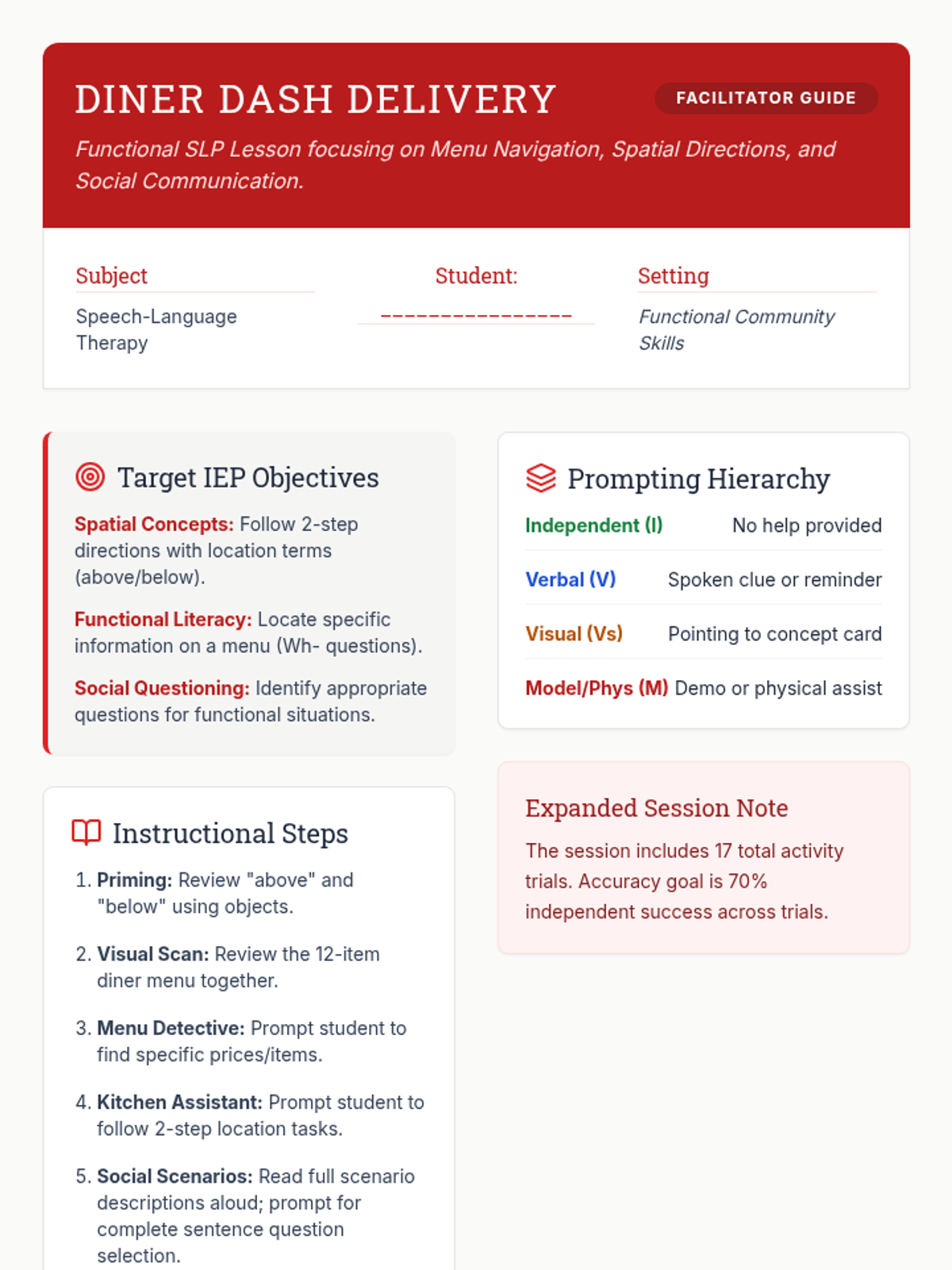
A functional speech-language therapy lesson focused on restaurant ordering, menu navigation, and social problem-solving for students with moderate-to-severe autism.
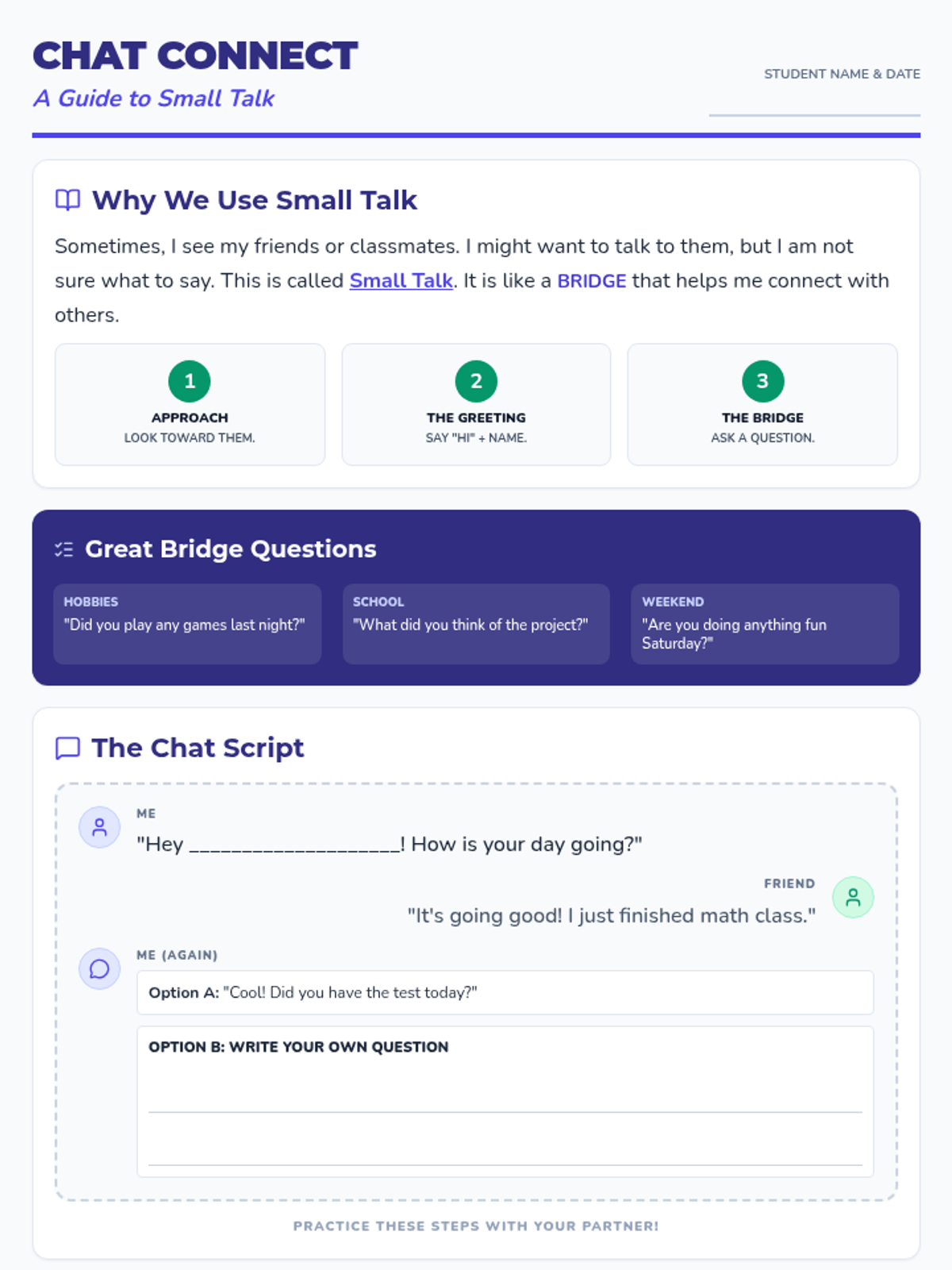
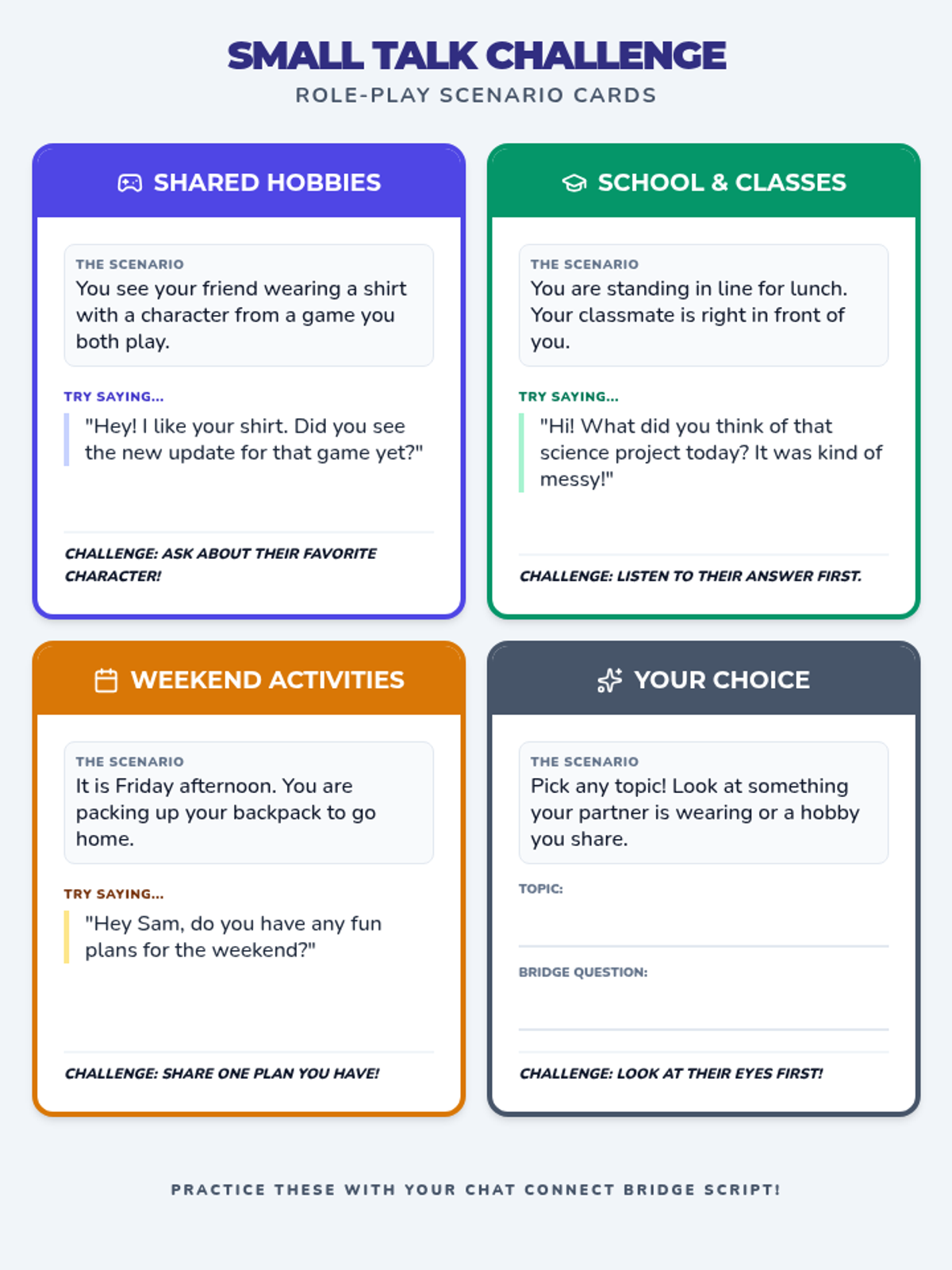
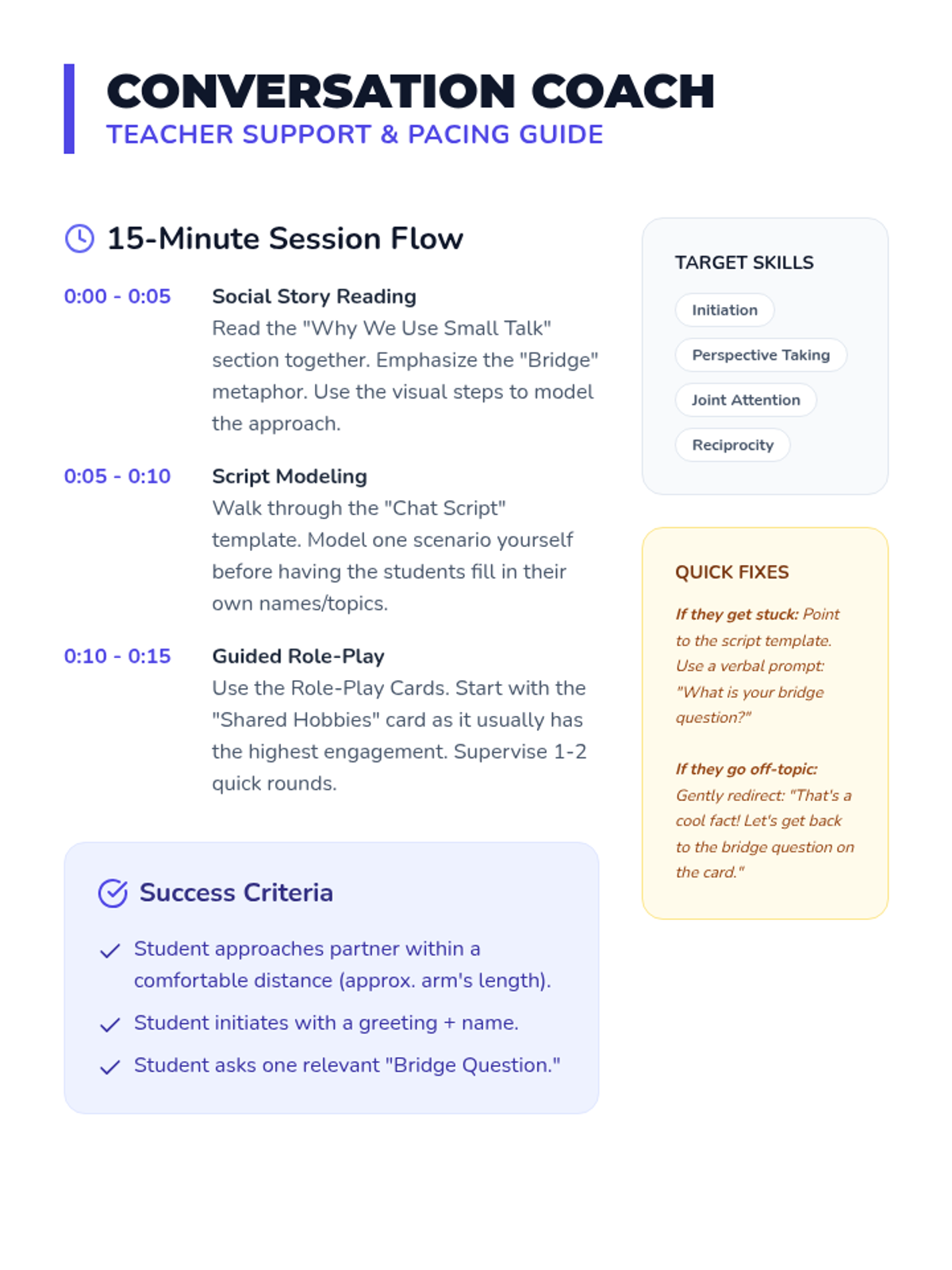
A focused 15-minute lesson for middle school students with autism, focusing on the mechanics of starting a conversation and maintaining small talk through visual supports and structured practice.
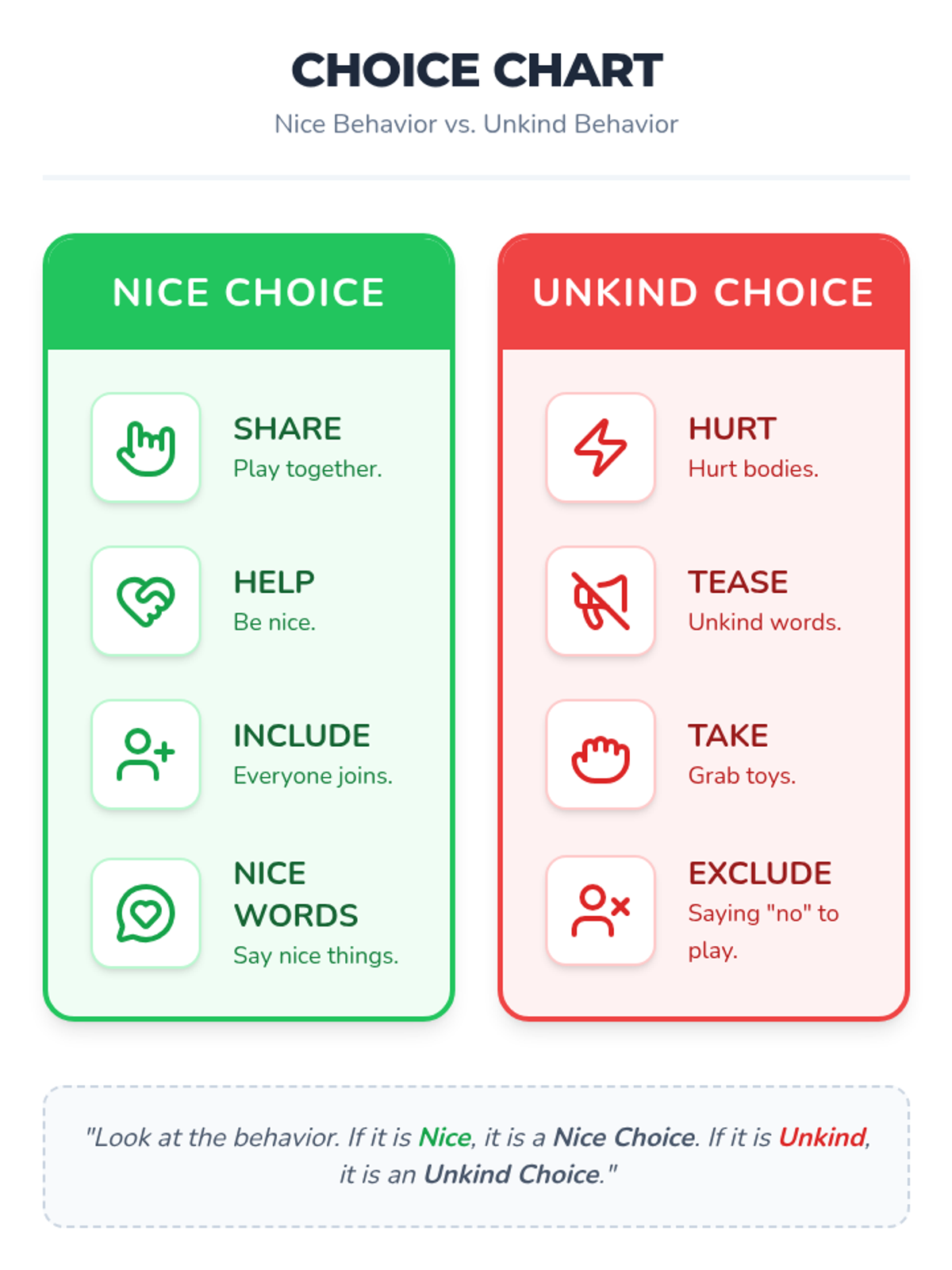
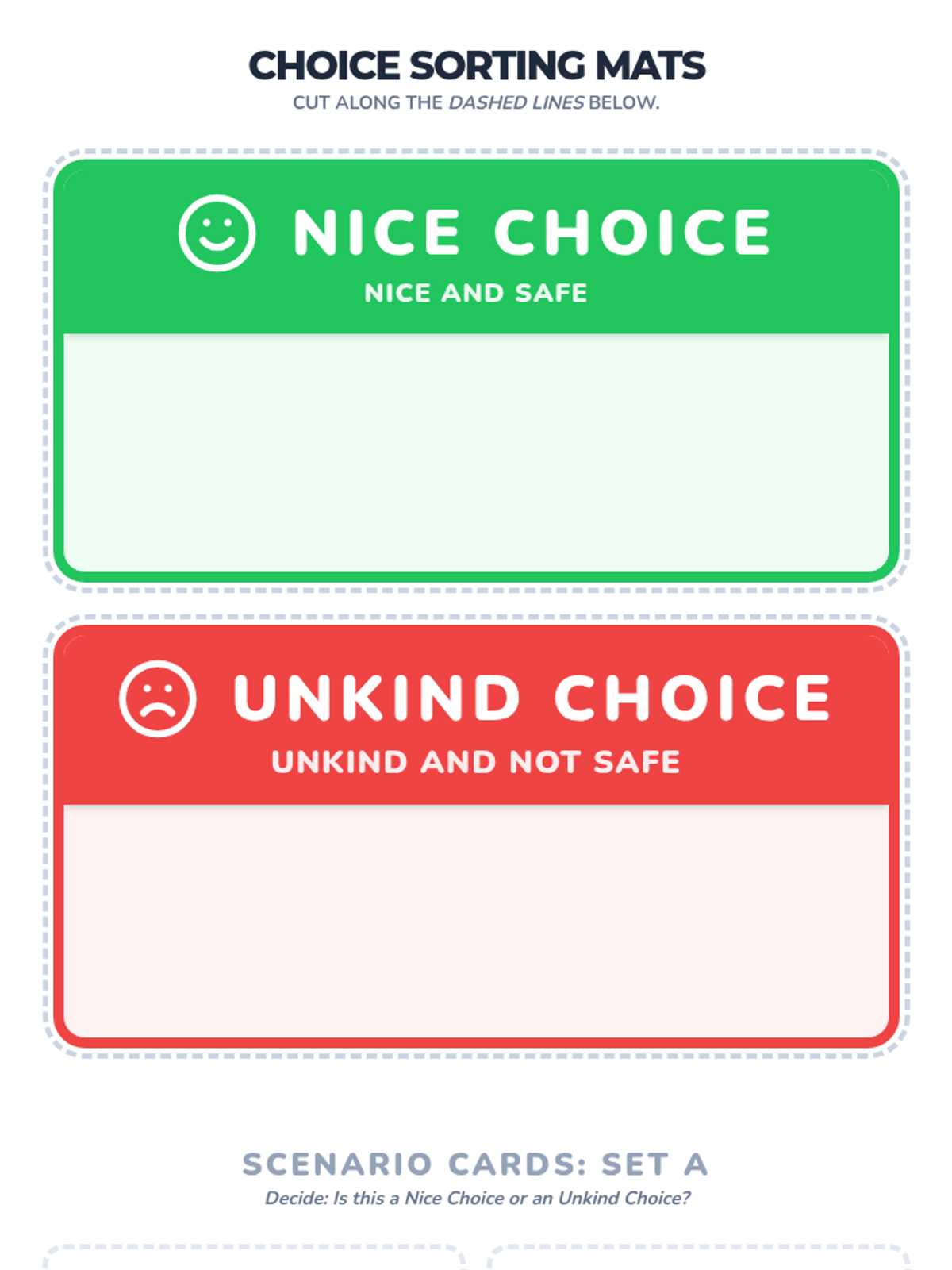
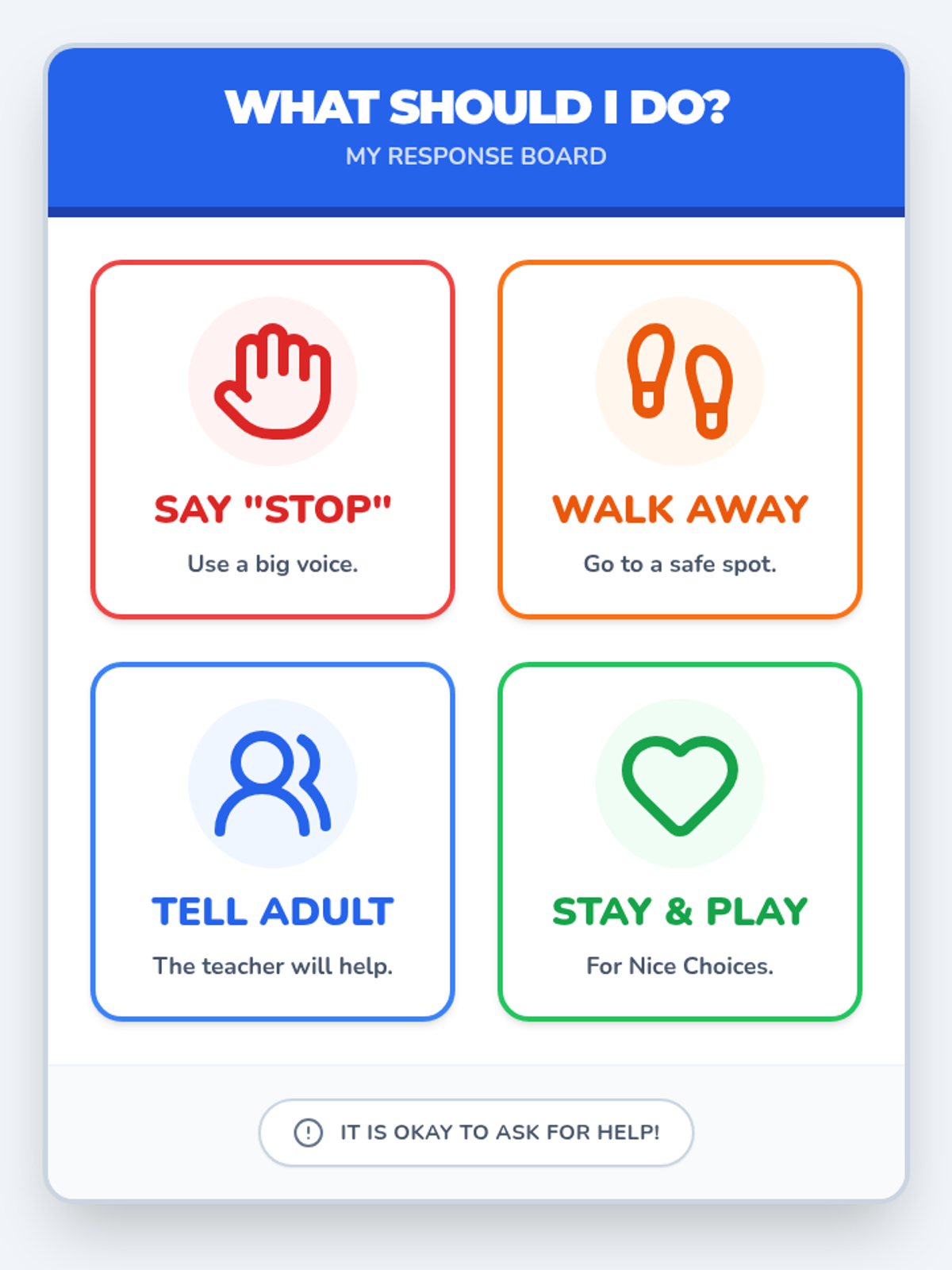
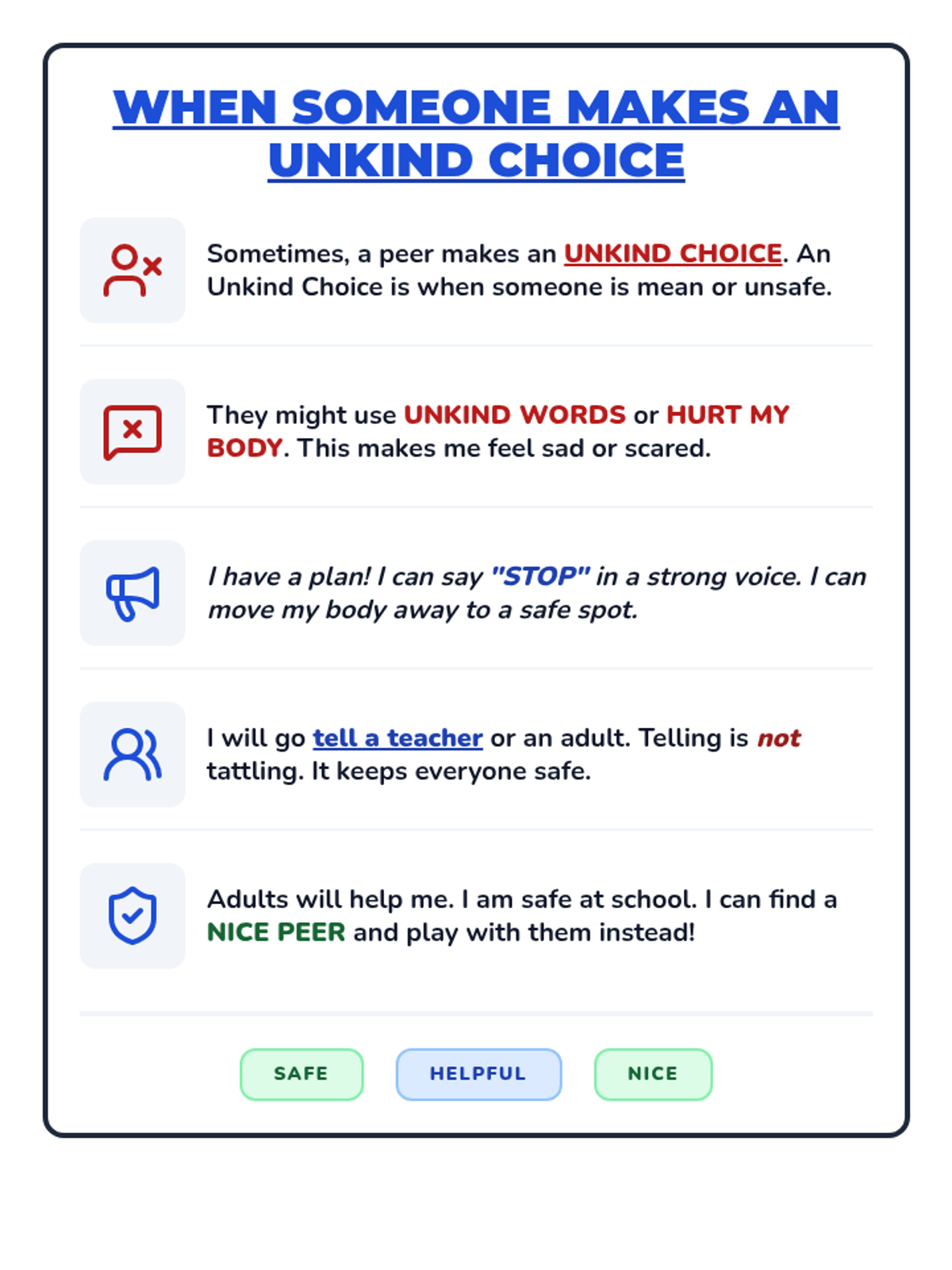
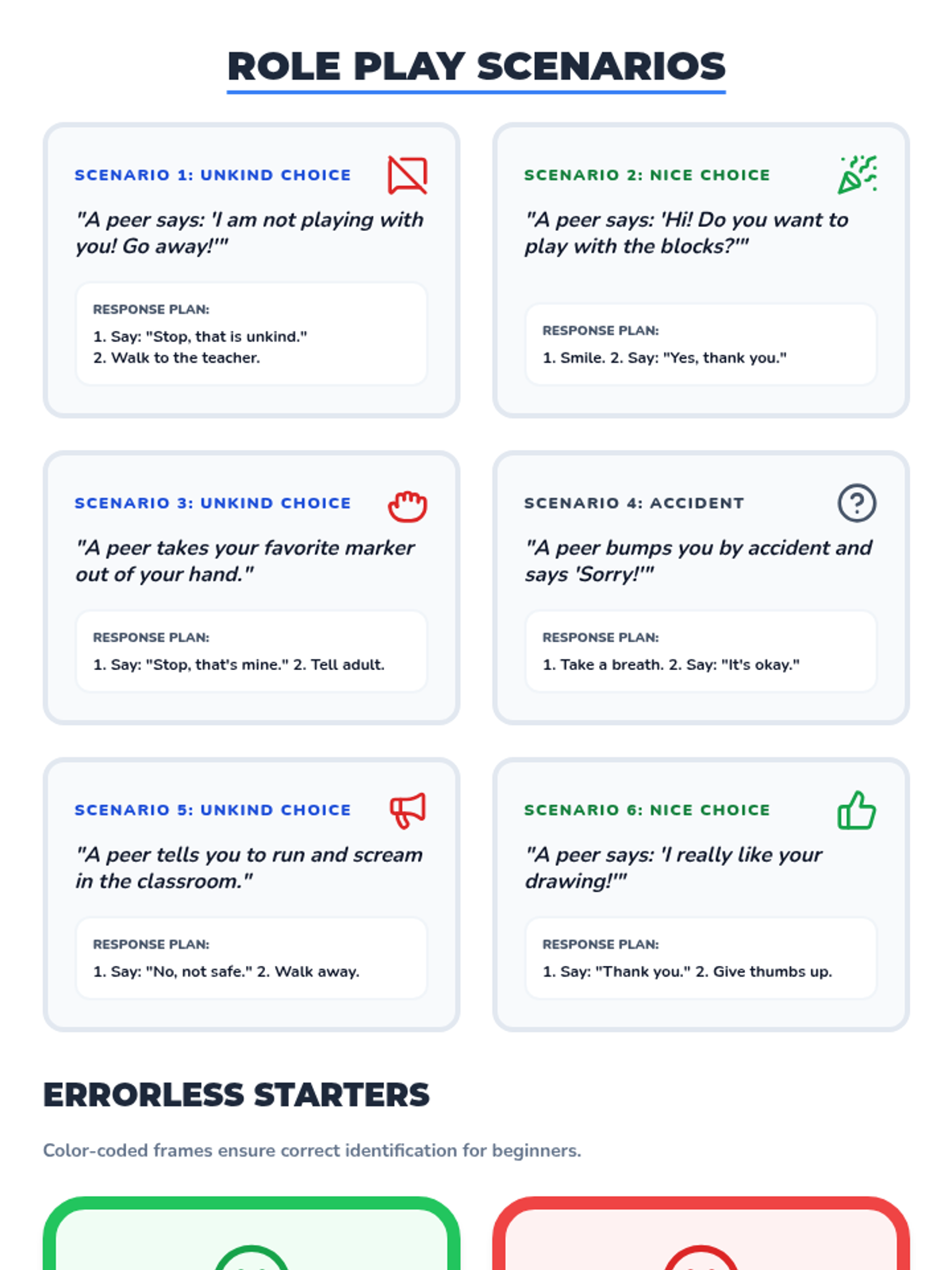
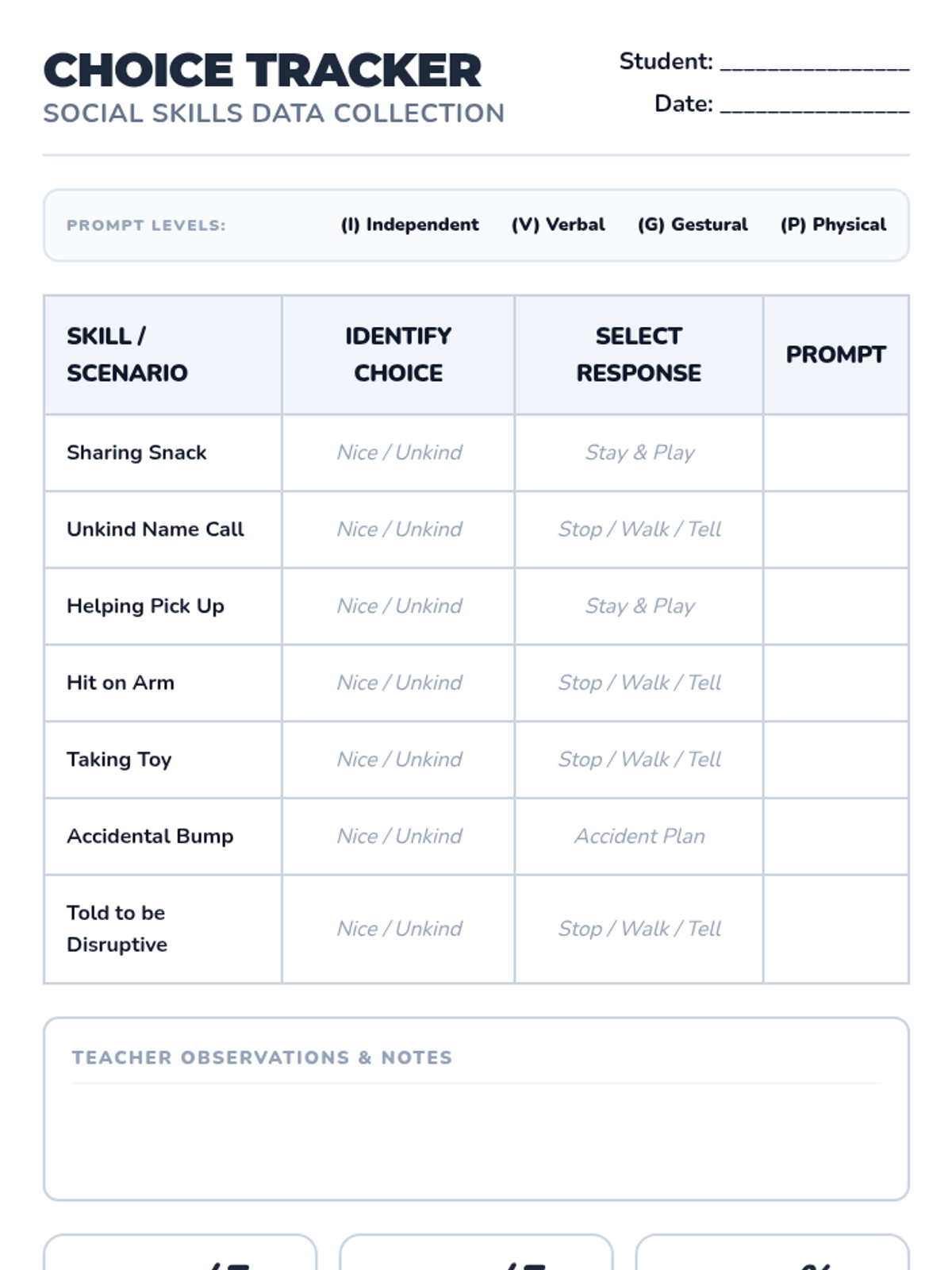
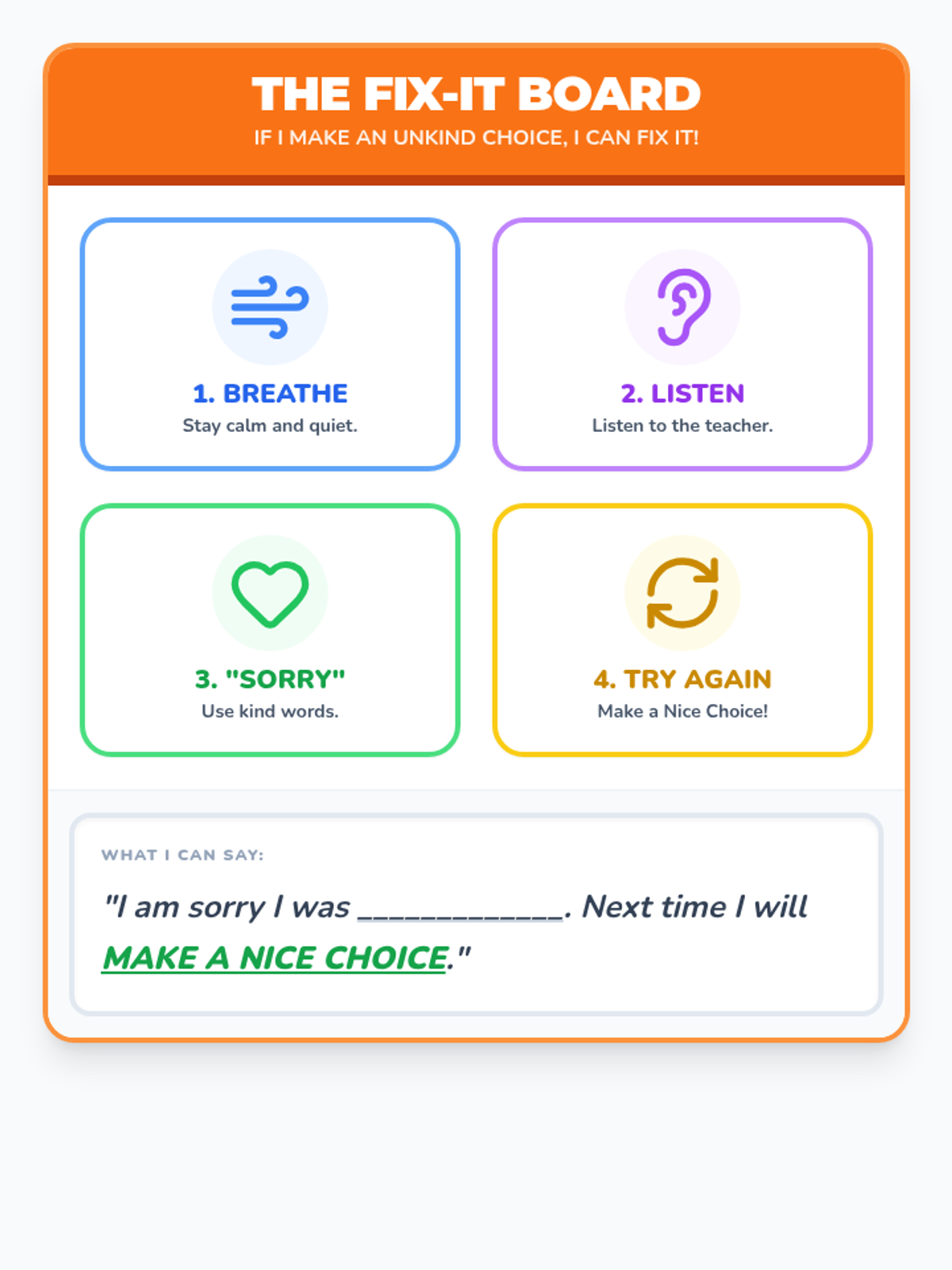
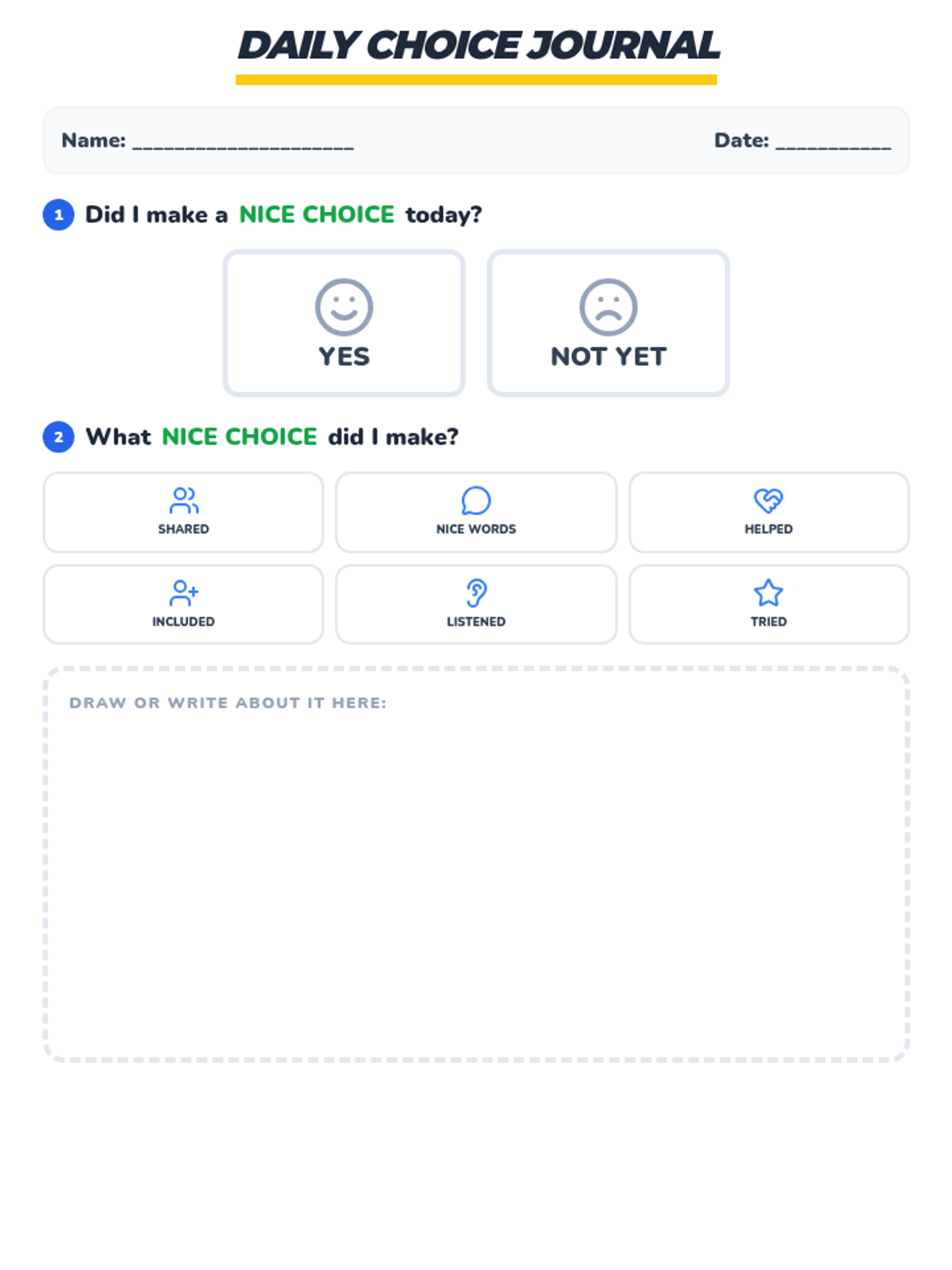
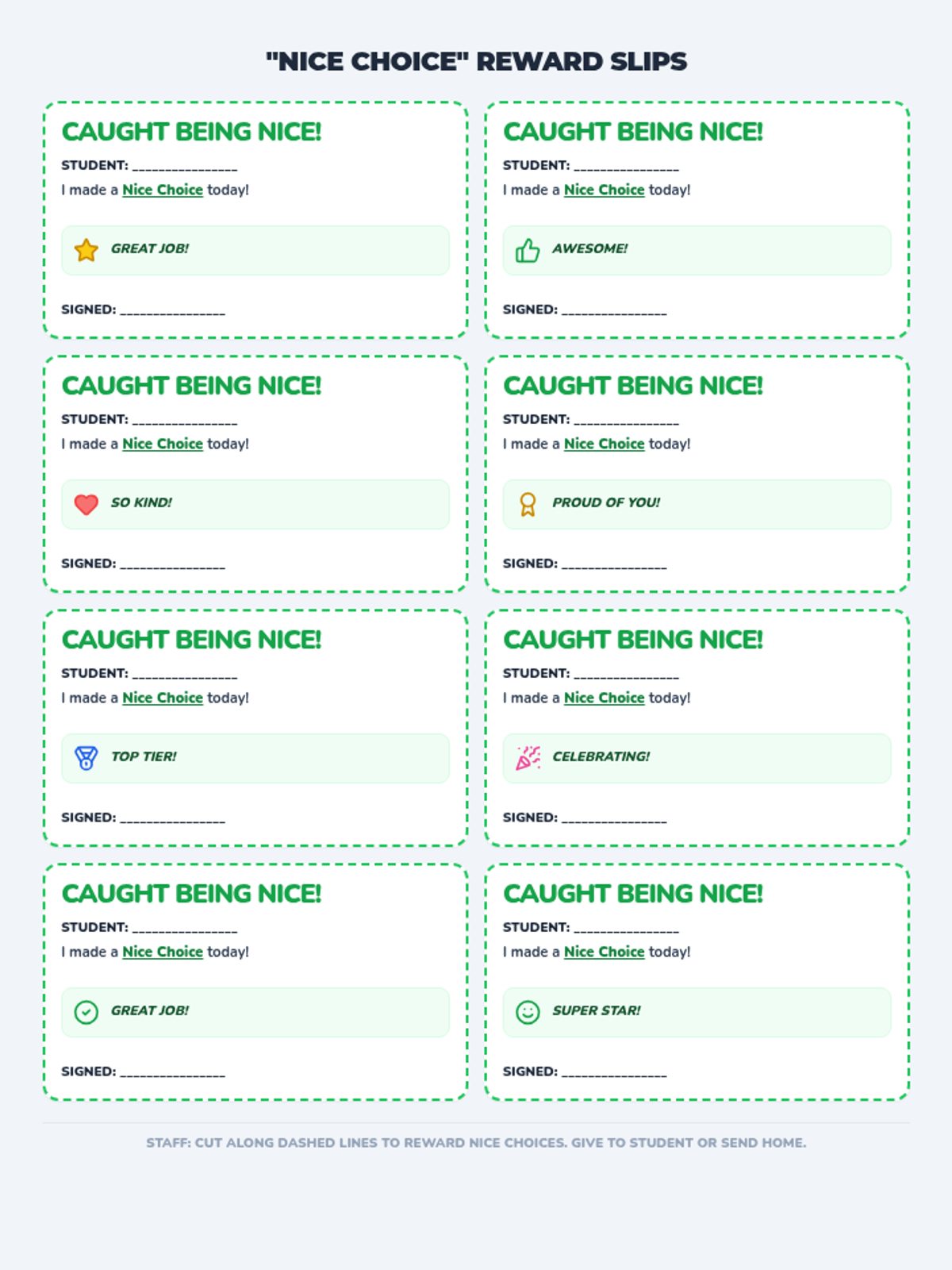
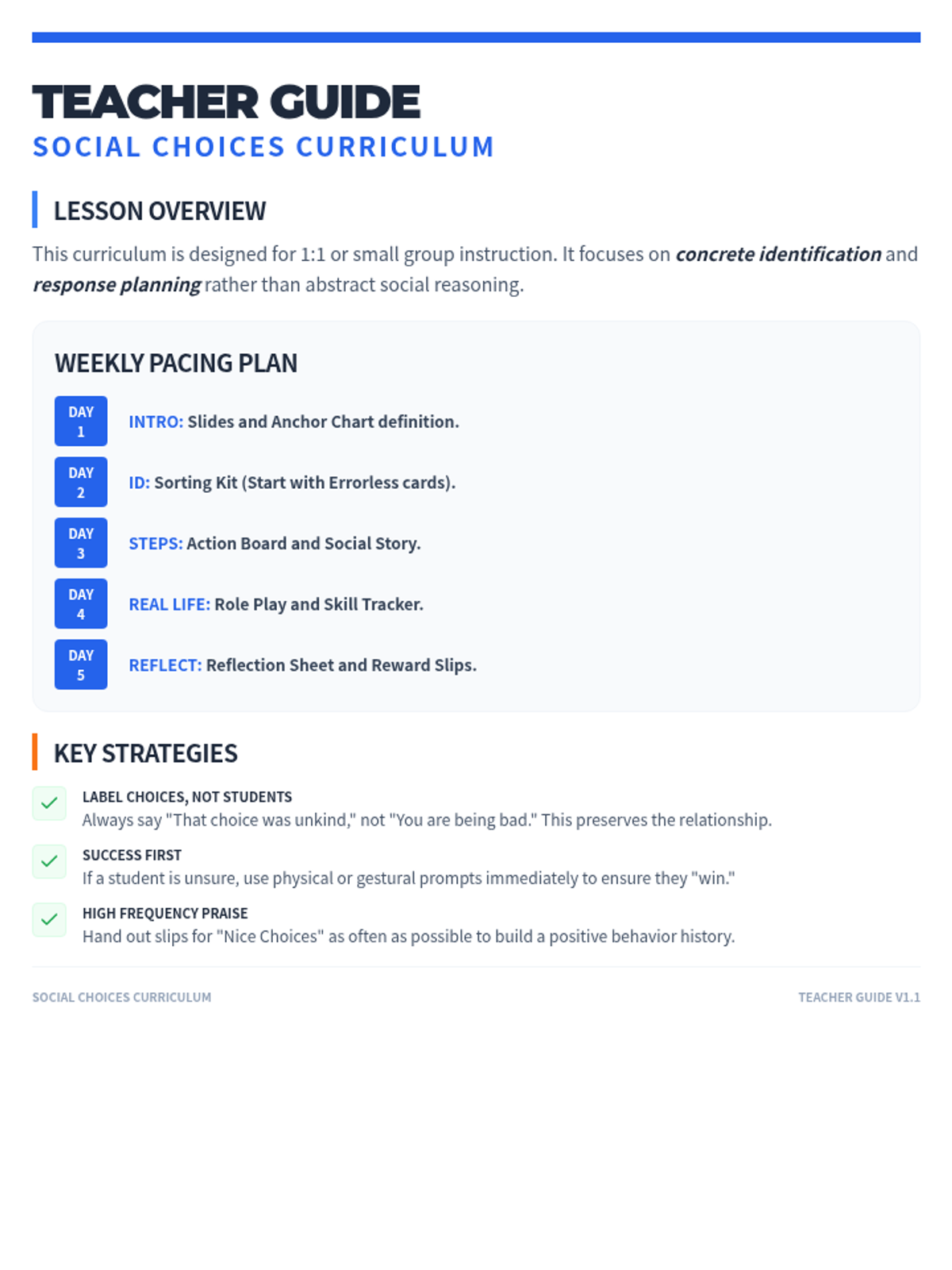
A comprehensive social skills lesson for middle school life skills students to distinguish between kind peer behaviors (Nice Choices) and unkind behaviors (Unkind Choices), including response strategies for bullying.
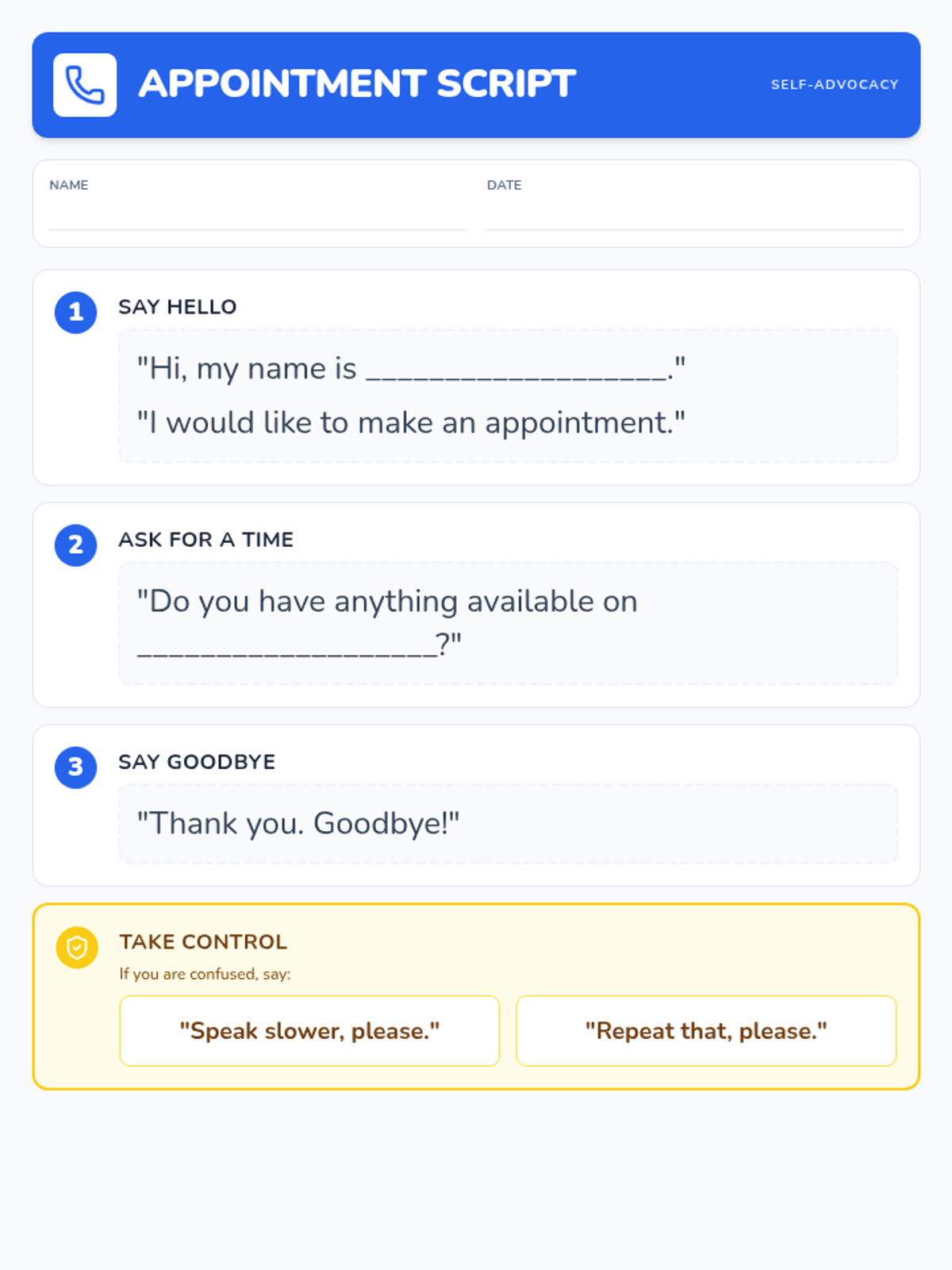
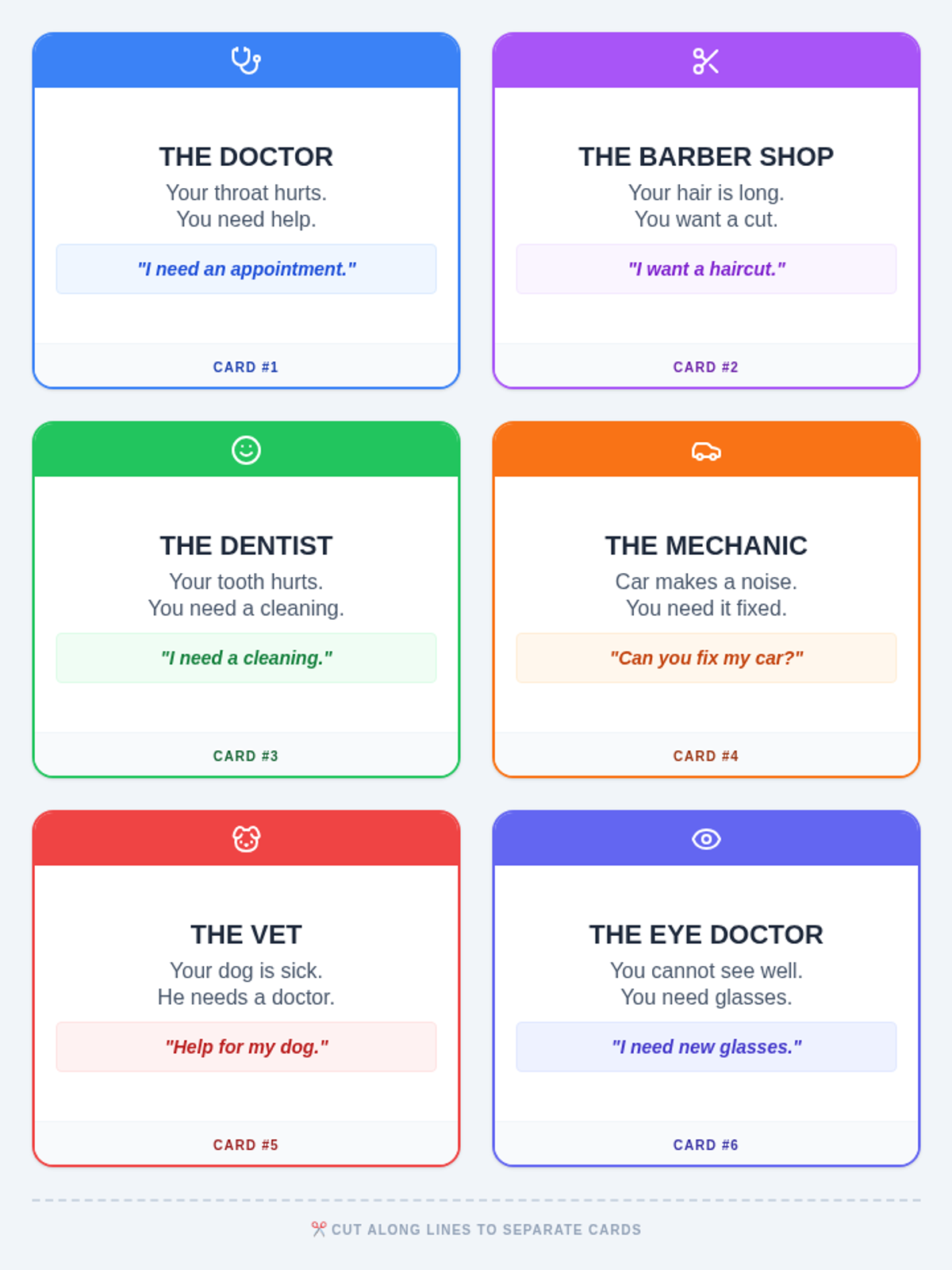
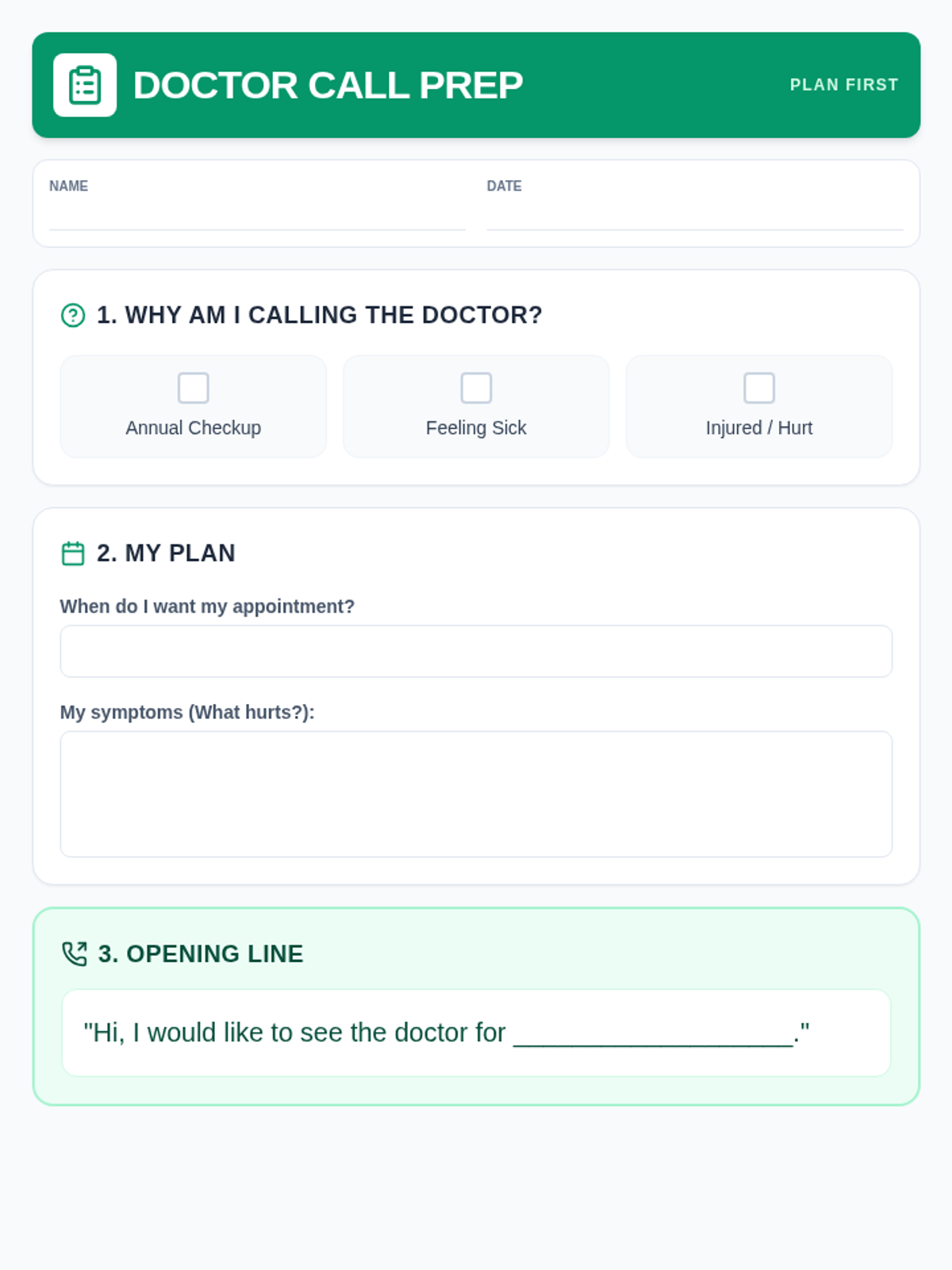
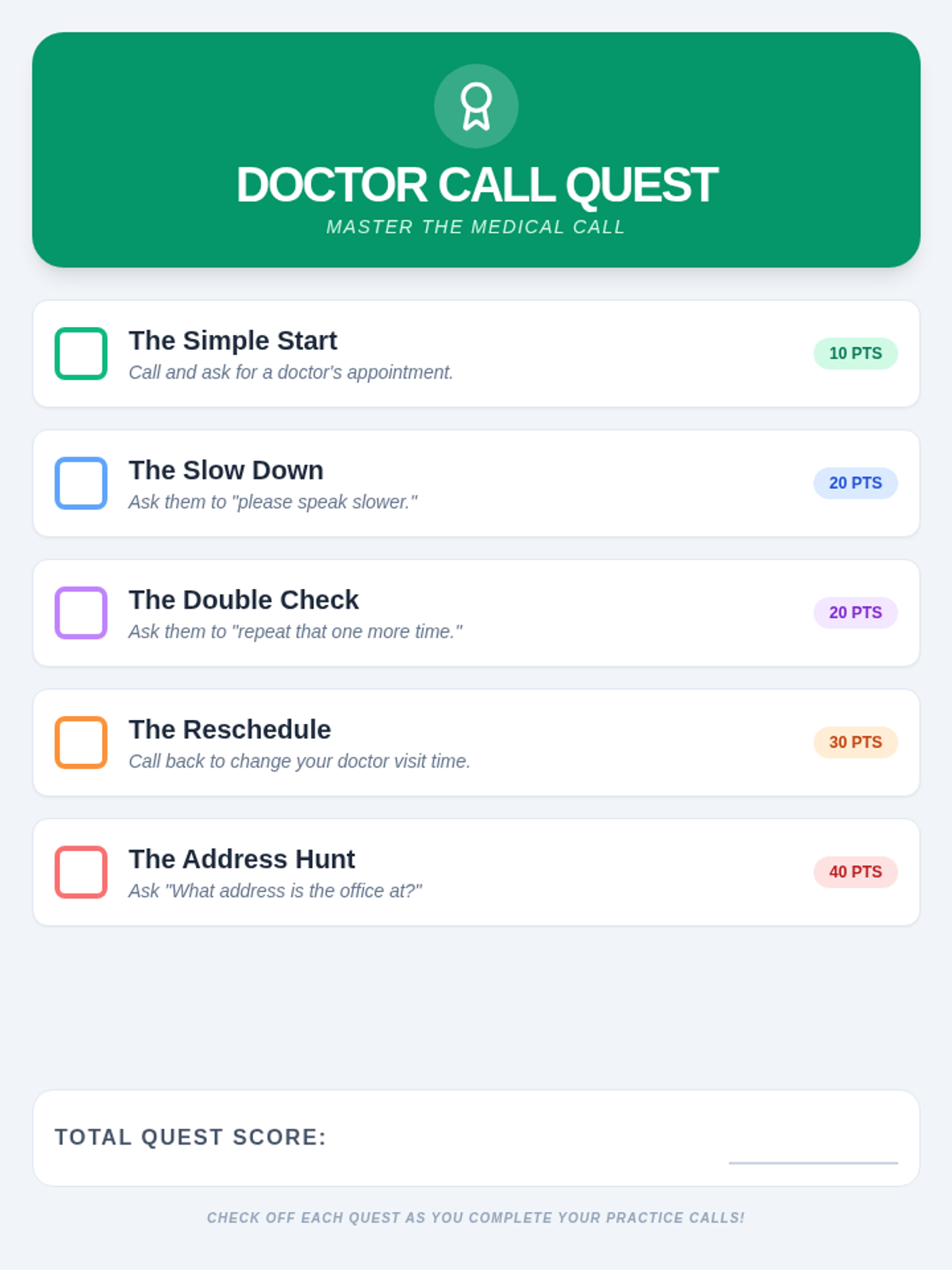
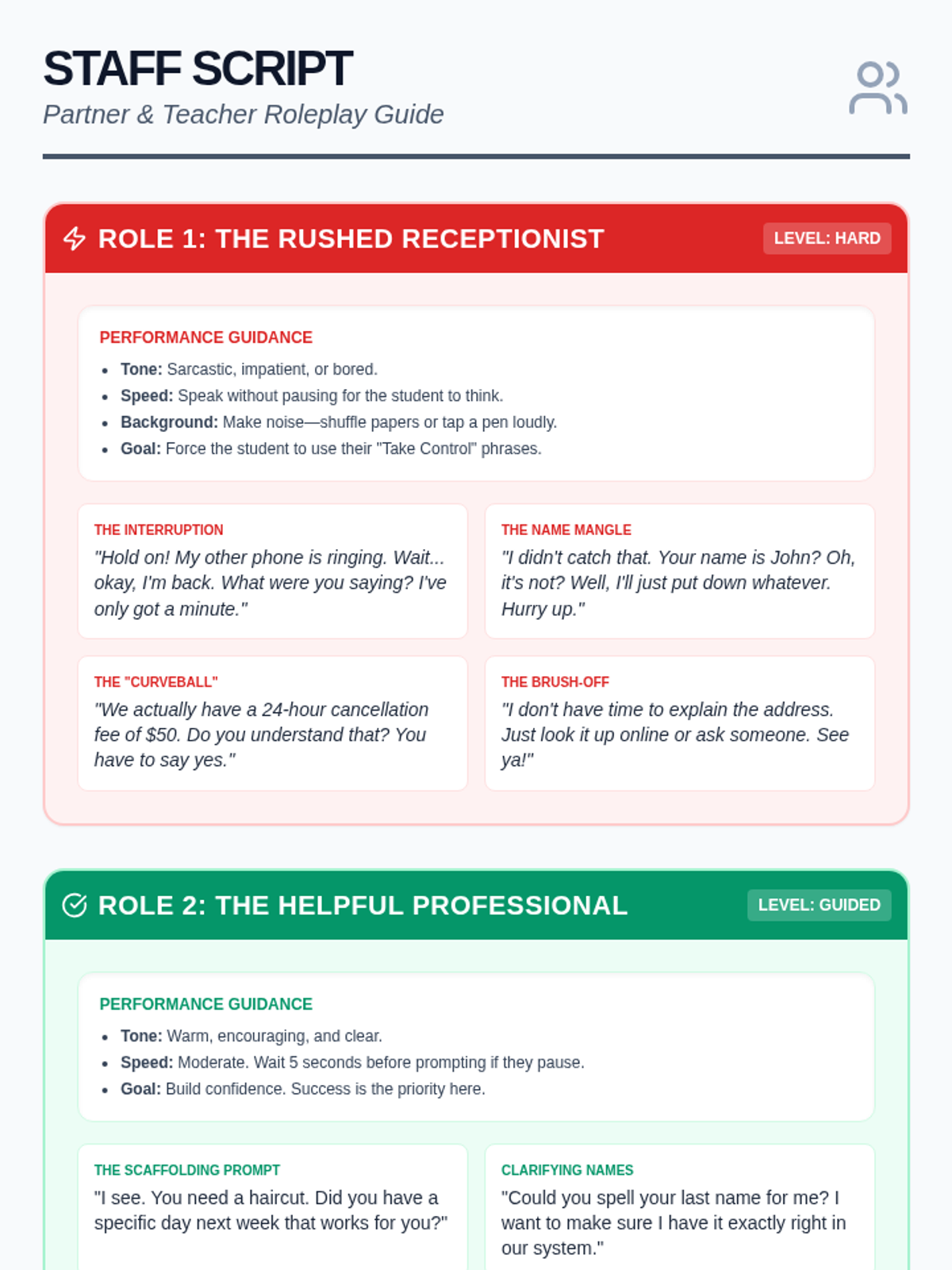
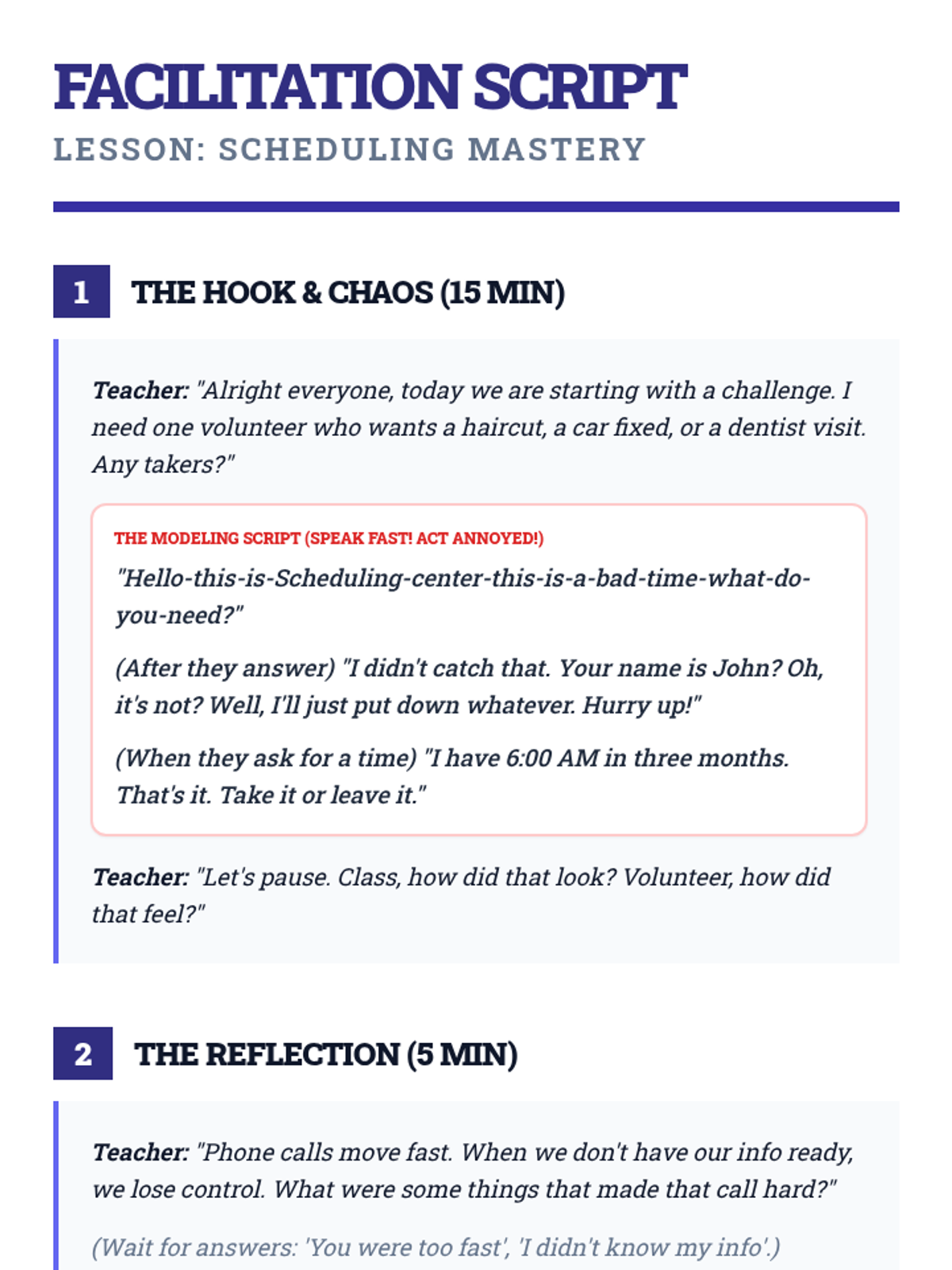
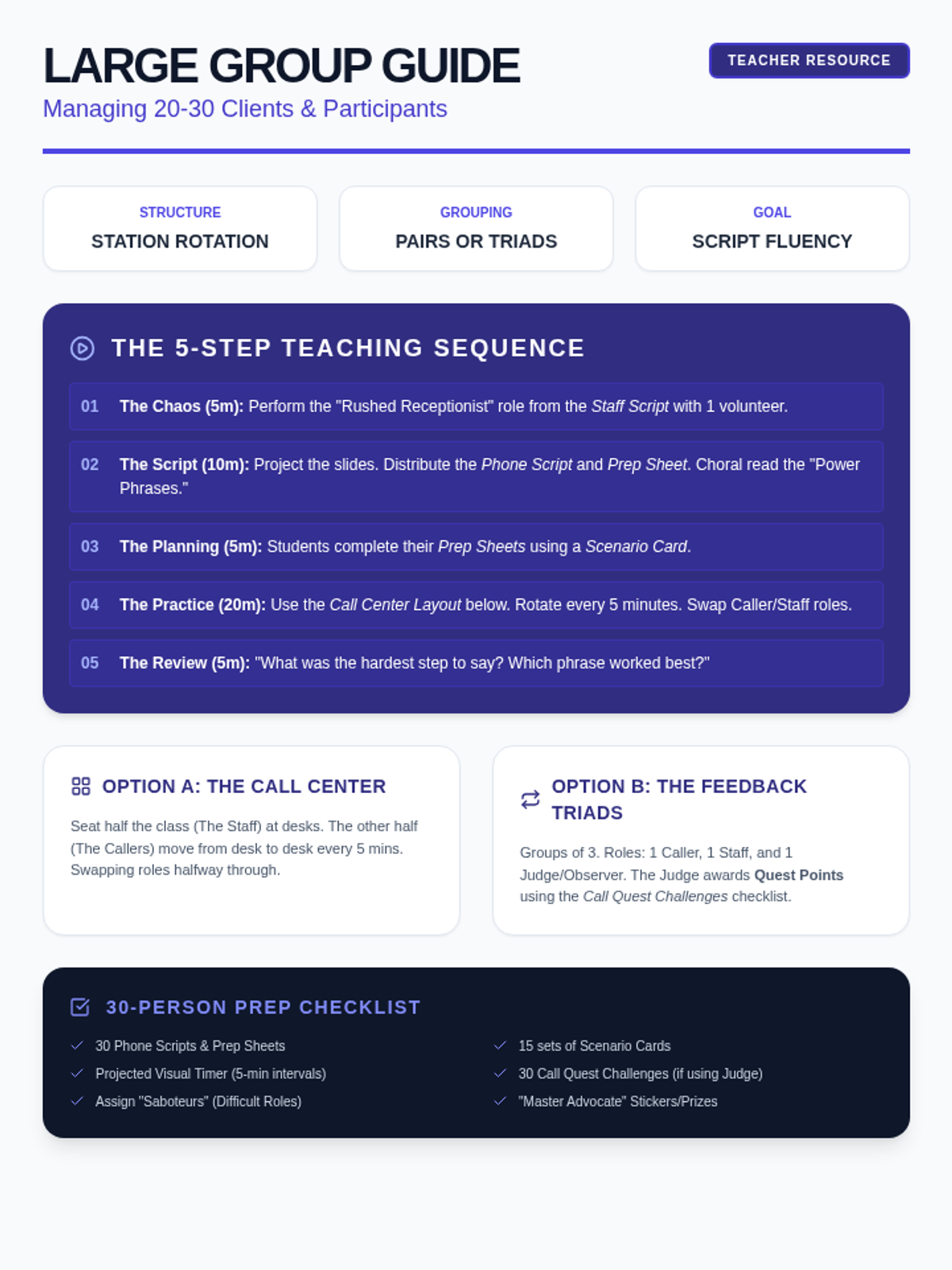
An experiential lesson where students first encounter a frustrating scheduling experience before learning and practicing clear communication strategies for setting any type of appointment.
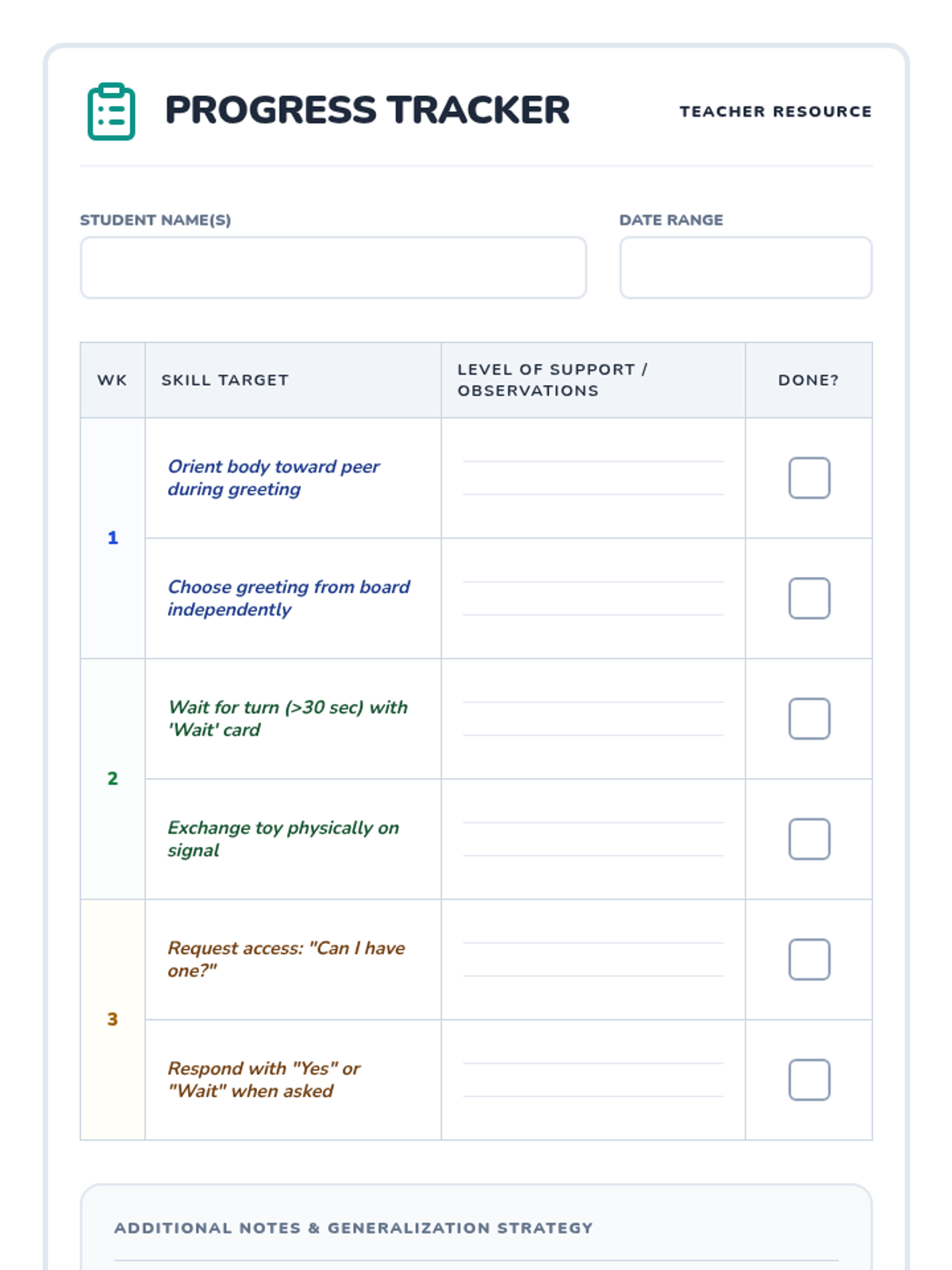
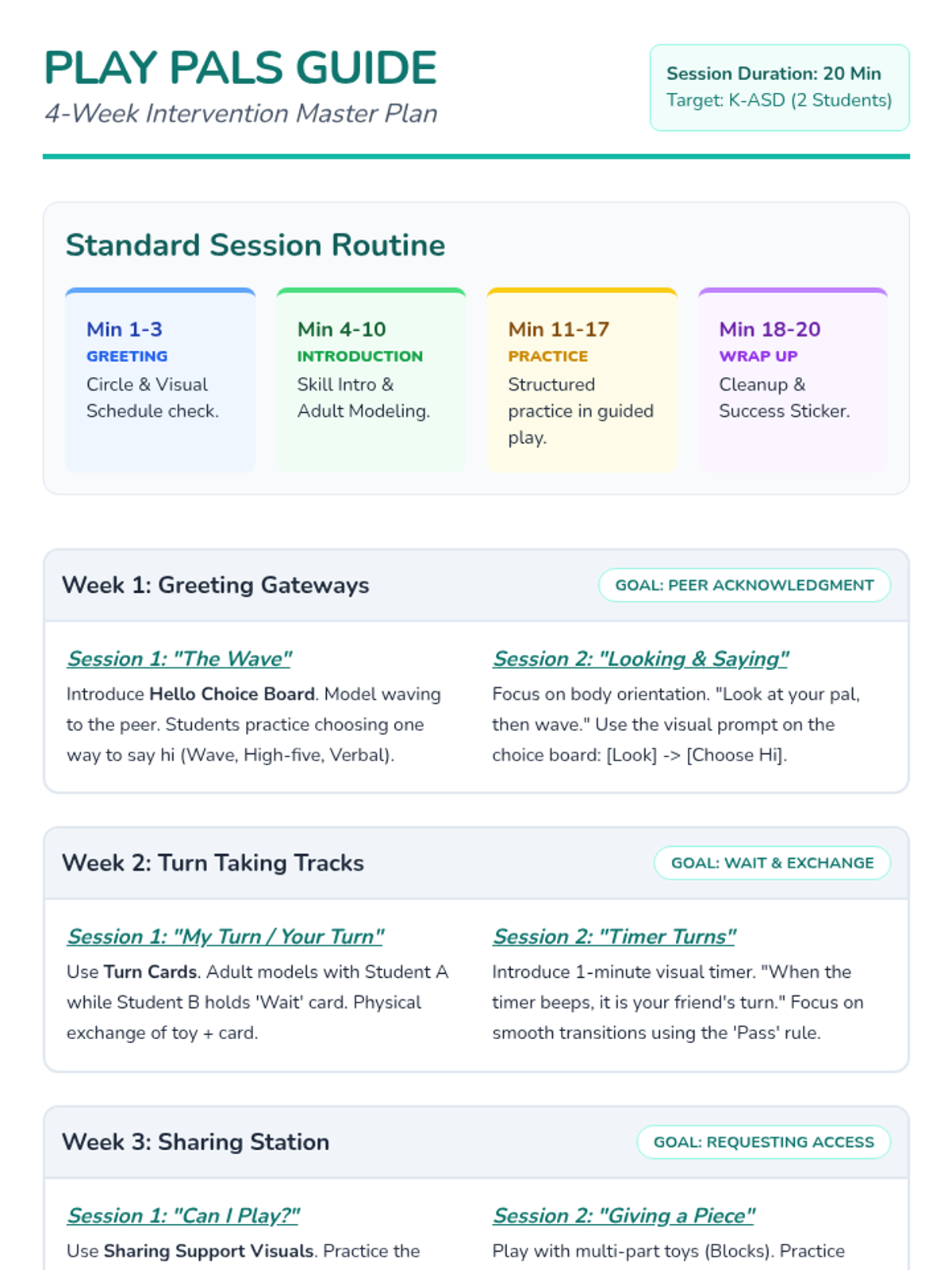
Integrates all three skills into a cohesive play session with minimal adult prompting.
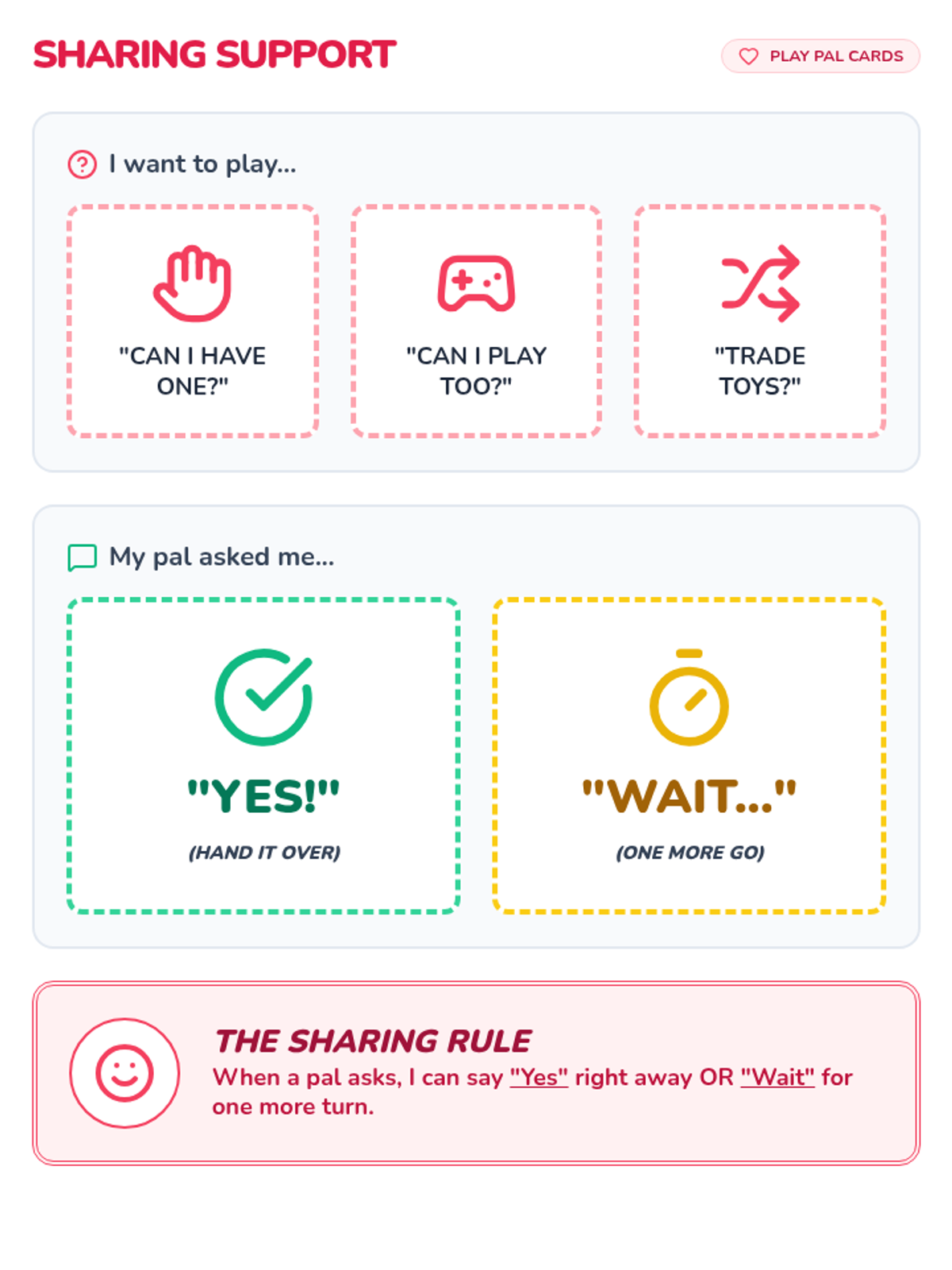
Introduces language for requesting items and responding to requests using visual supports.
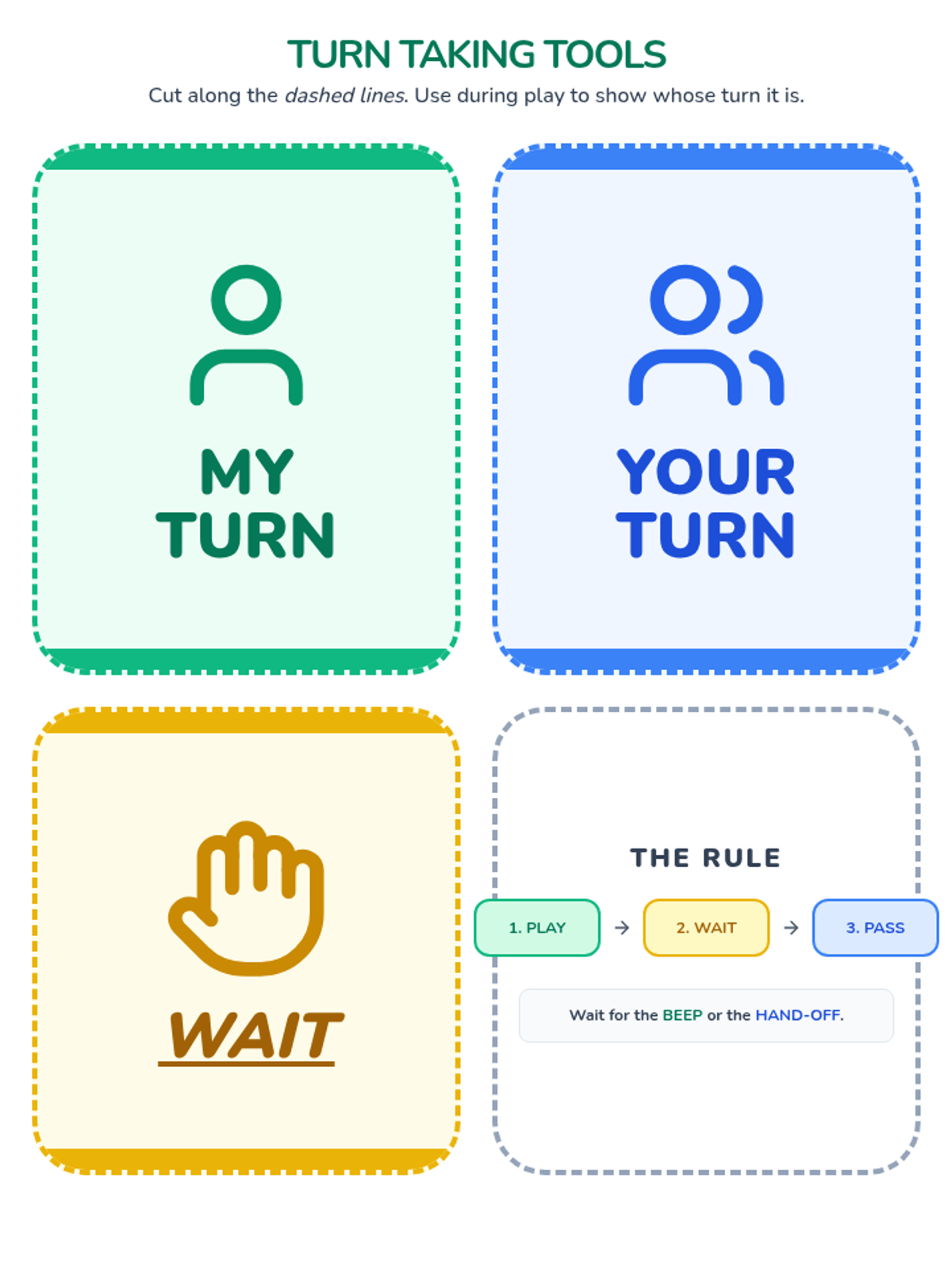
Teaches the concept of 'Me' and 'You' during play using visual timers and turn-taking cards.
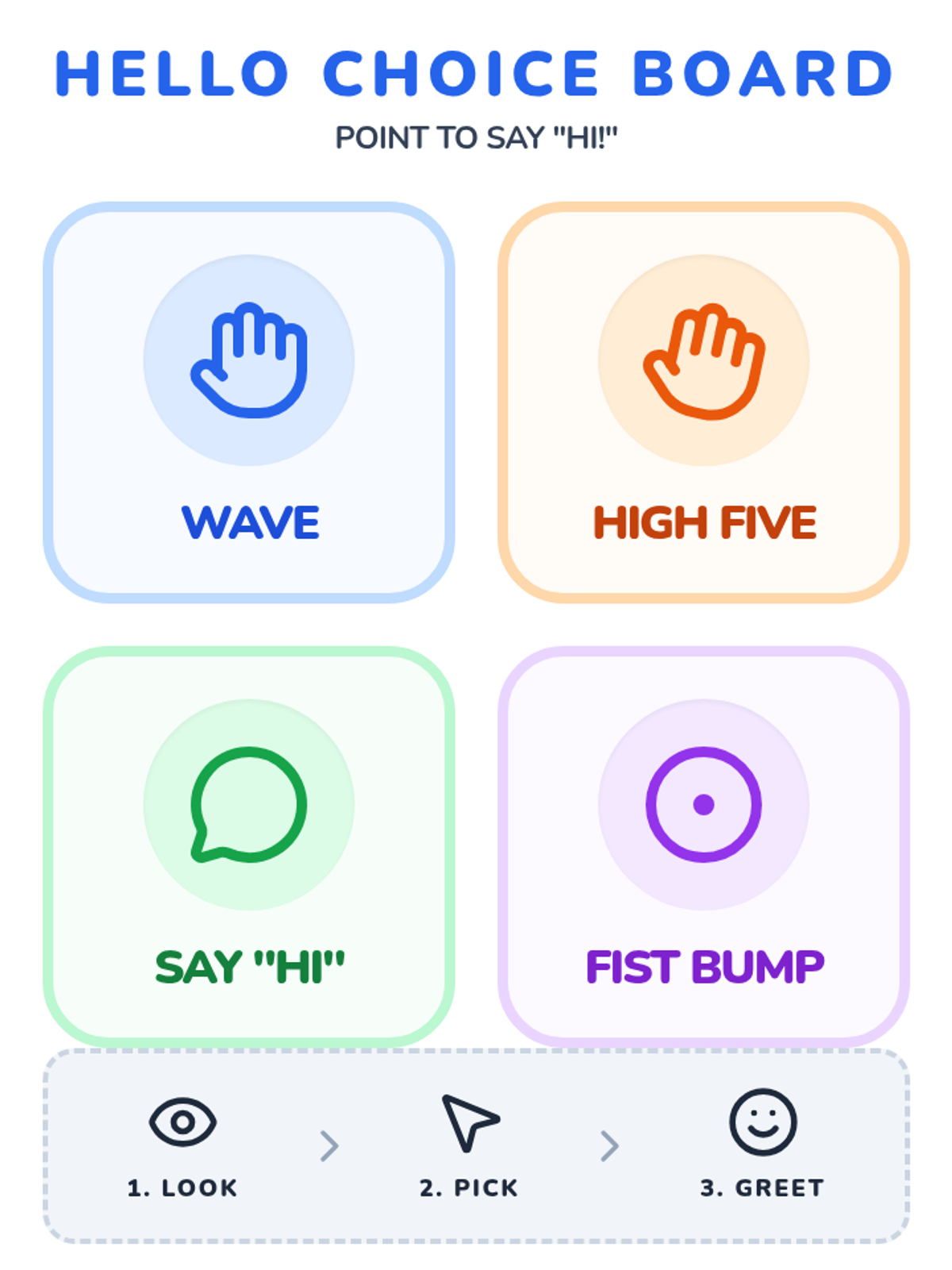
Focuses on eye contact (or orientation) and choosing a preferred way to say hello to peers.
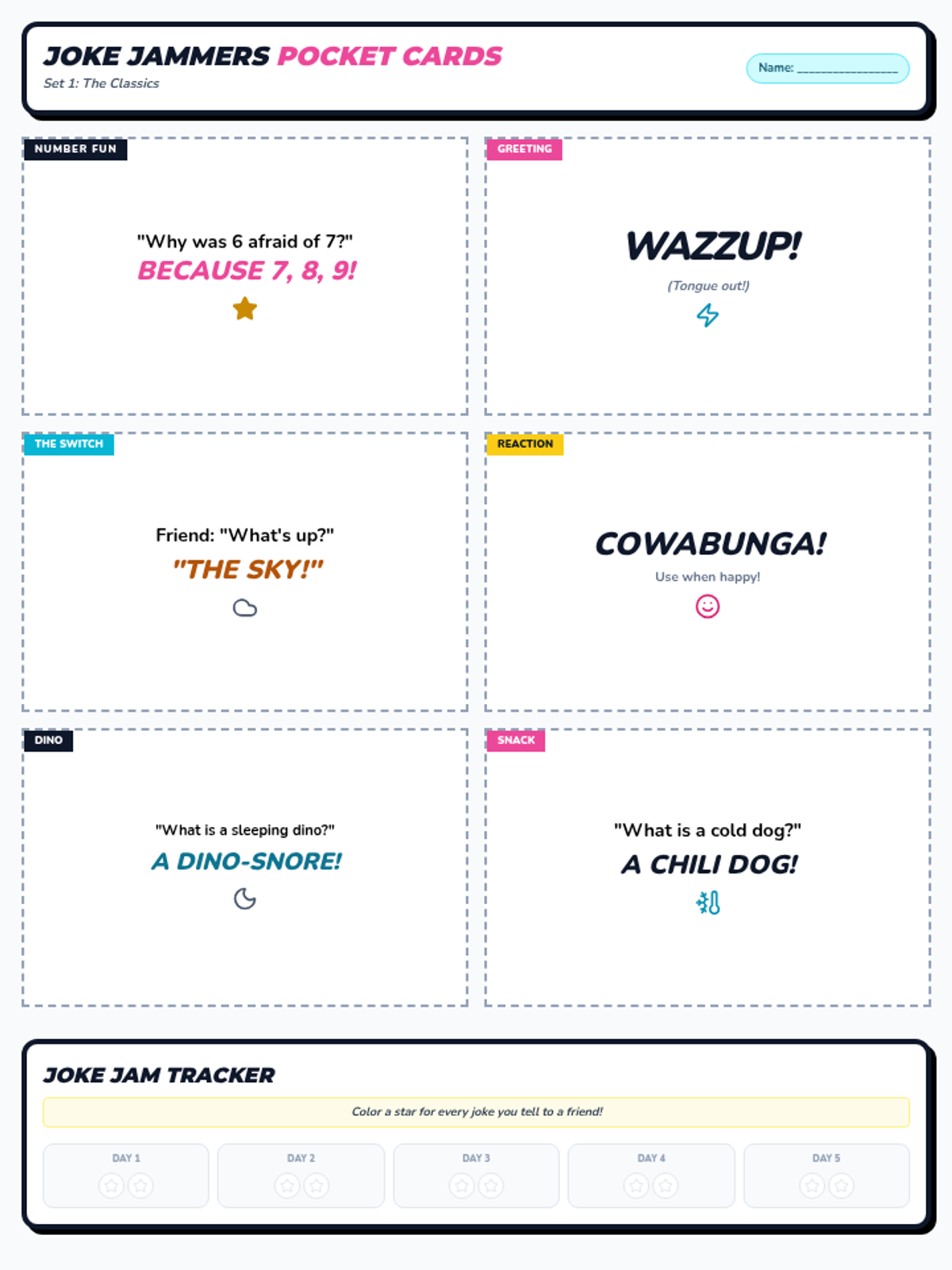
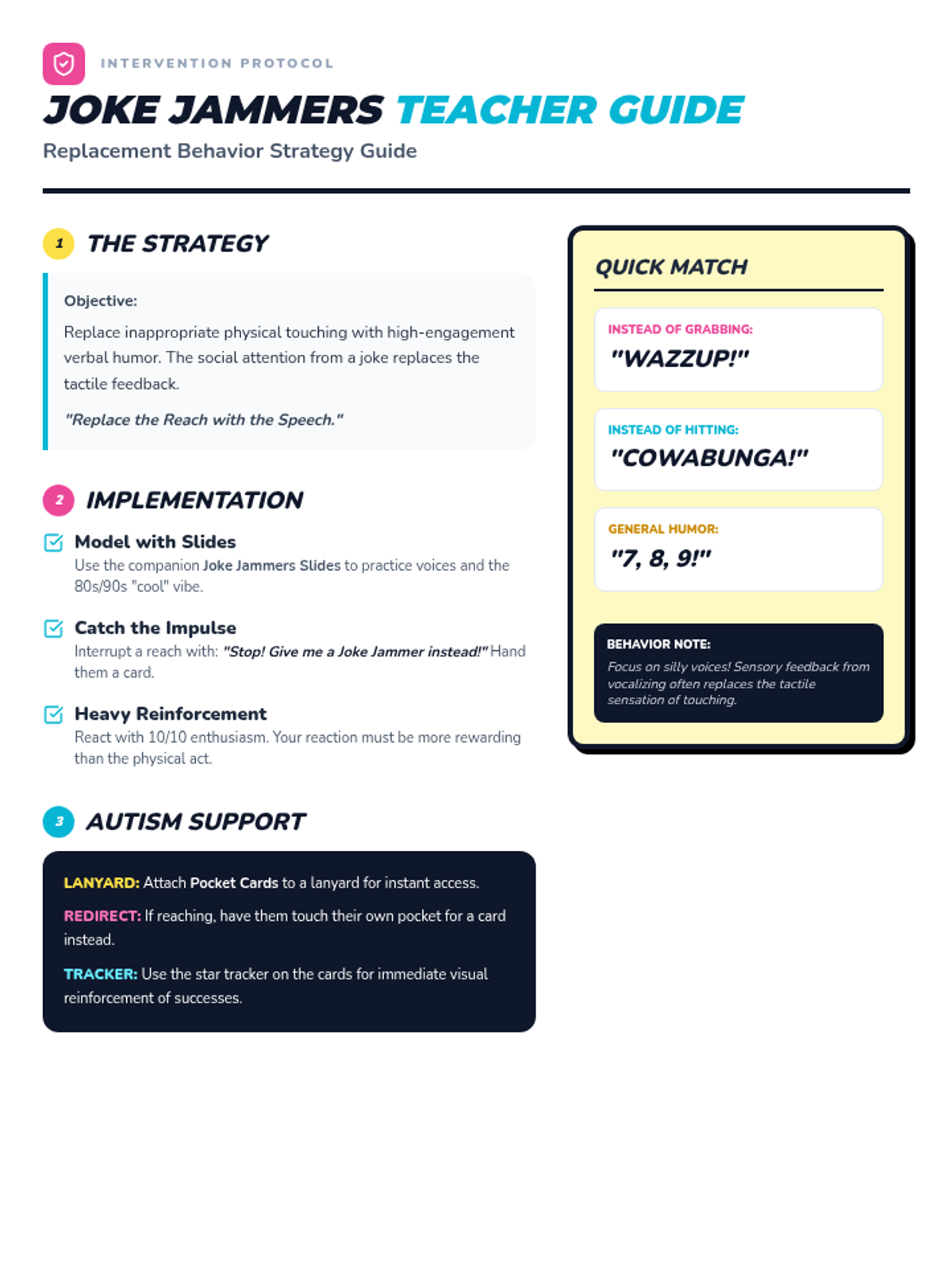
A social skills lesson designed to replace inappropriate physical touching with verbal humor and 'cool' catchphrases, using an 80s/90s neon aesthetic.
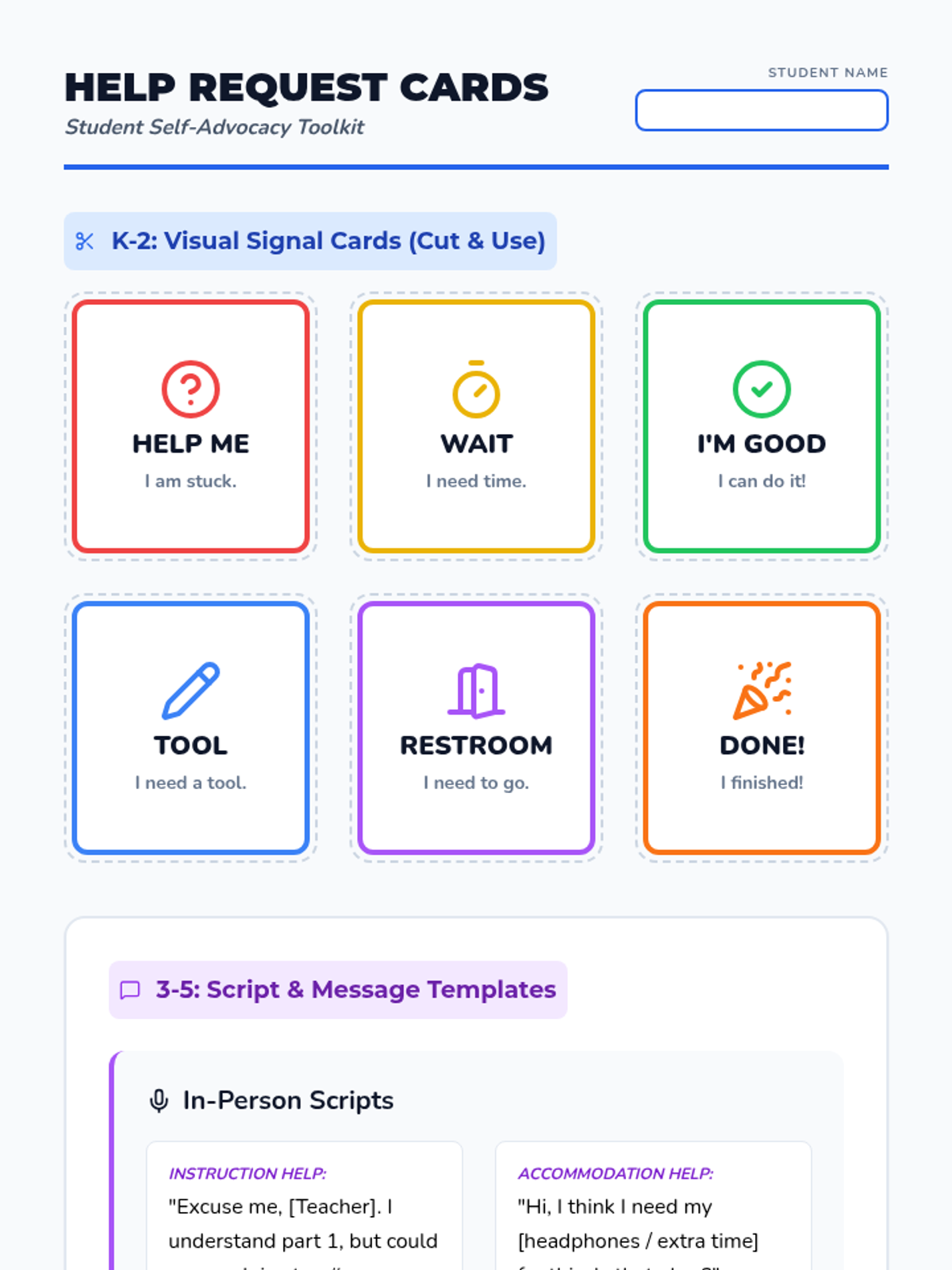
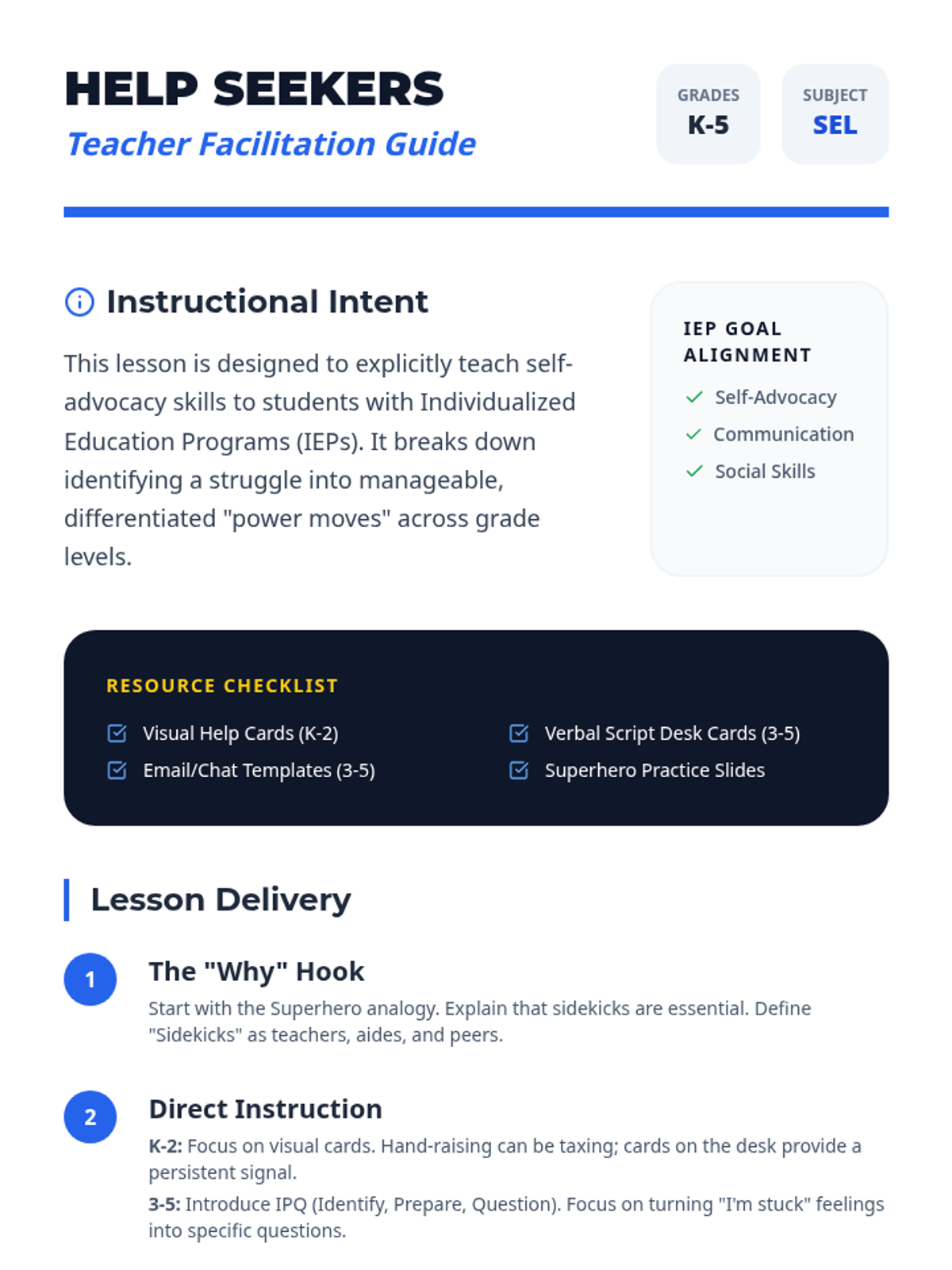
This lesson empowers students with IEPs to advocate for their needs by teaching specific strategies for requesting assistance. Students will learn verbal scripts, digital communication etiquette, and the use of visual support cards across K-5 grade levels.
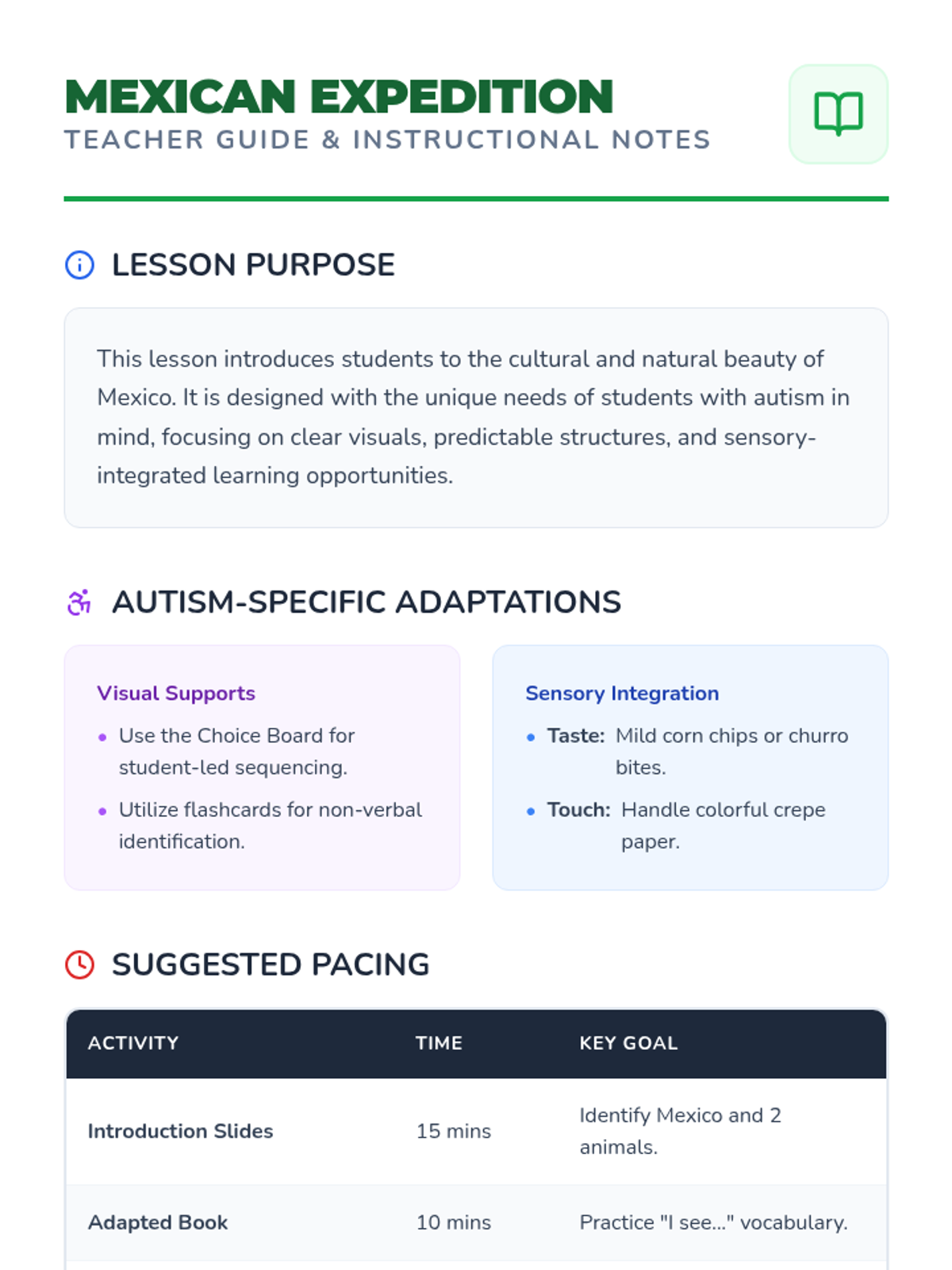
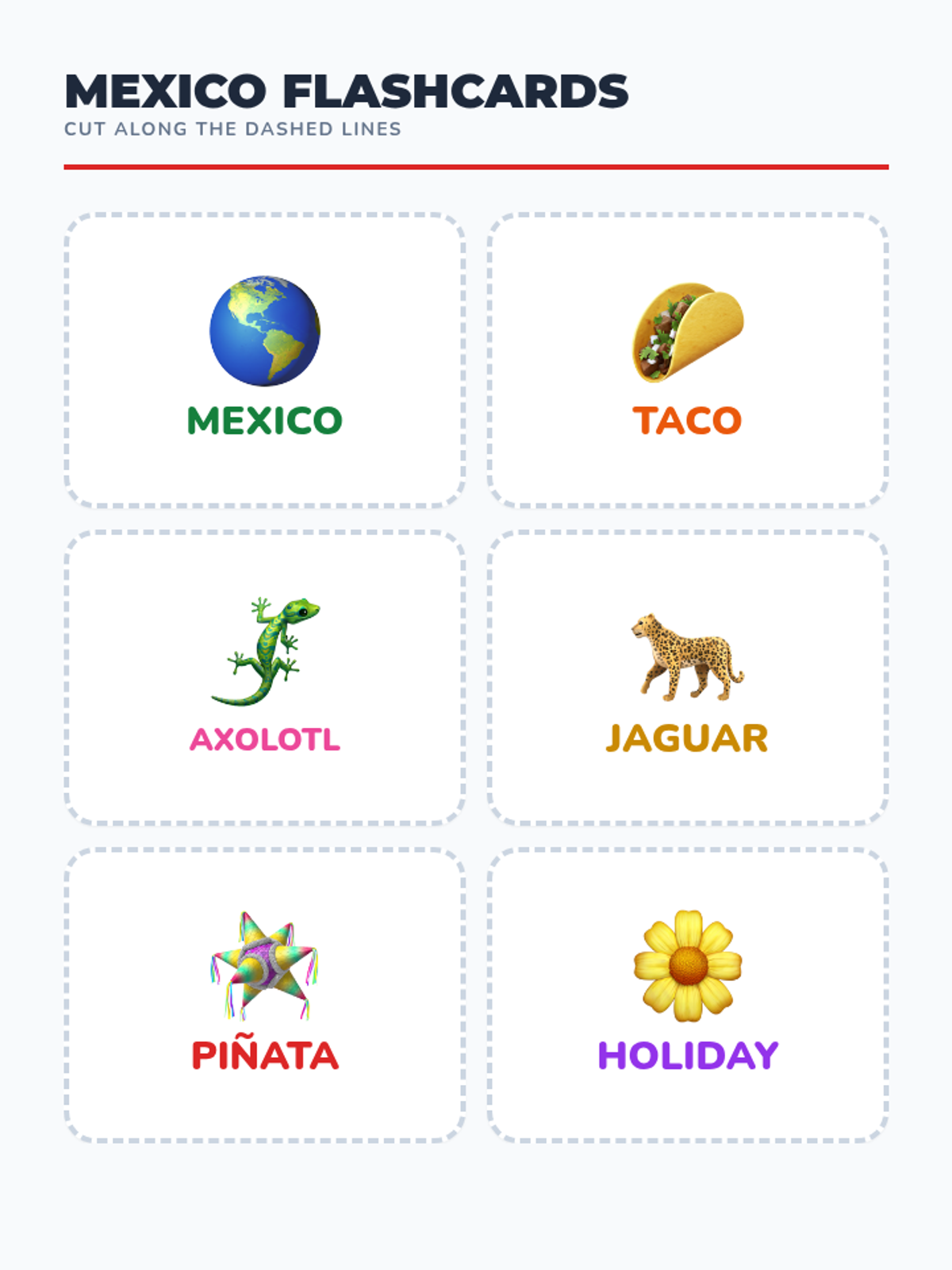
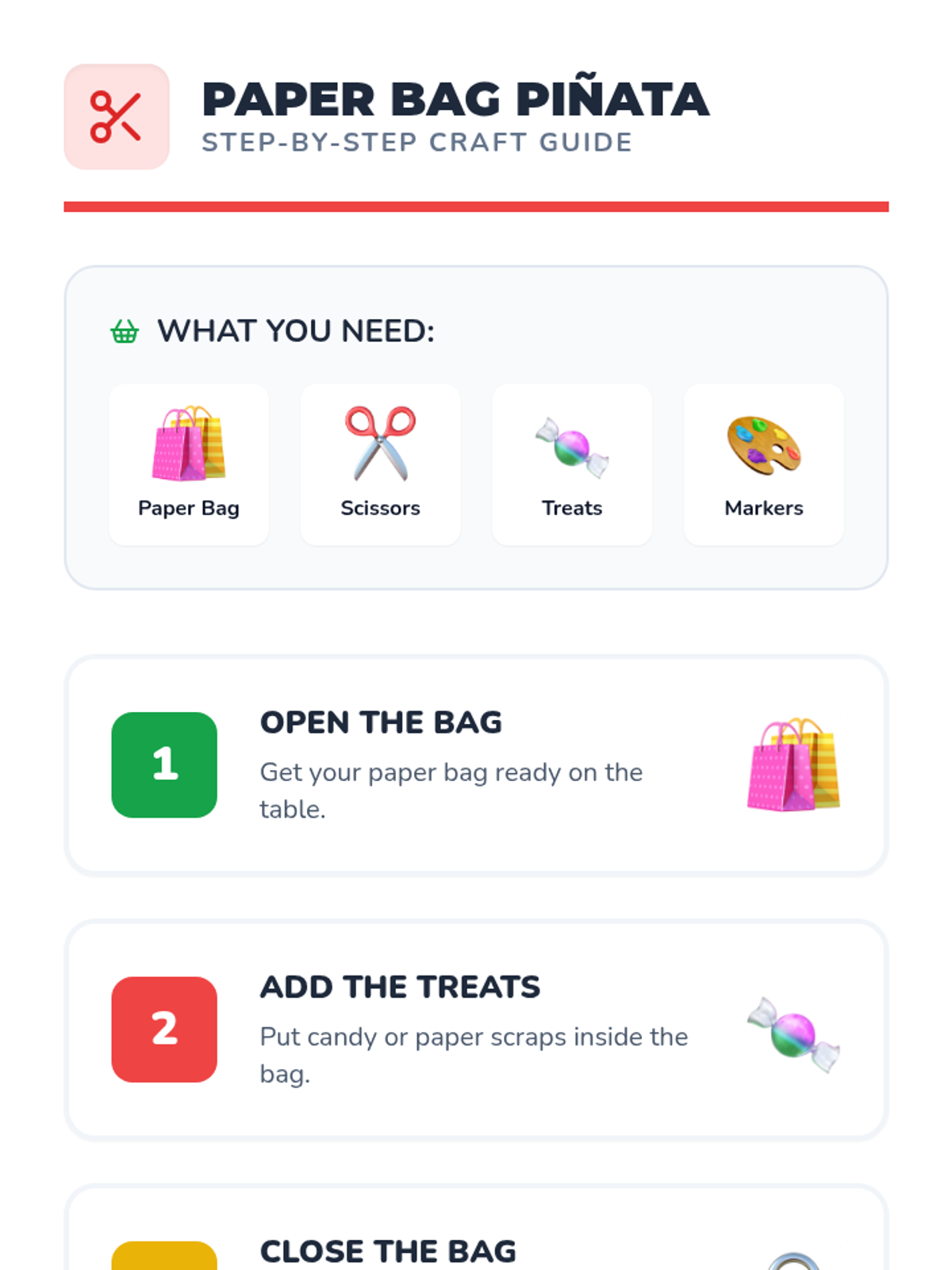
A comprehensive exploration of Mexican culture, geography, and wildlife designed specifically for students with autism, featuring high-visual supports and adapted activities.
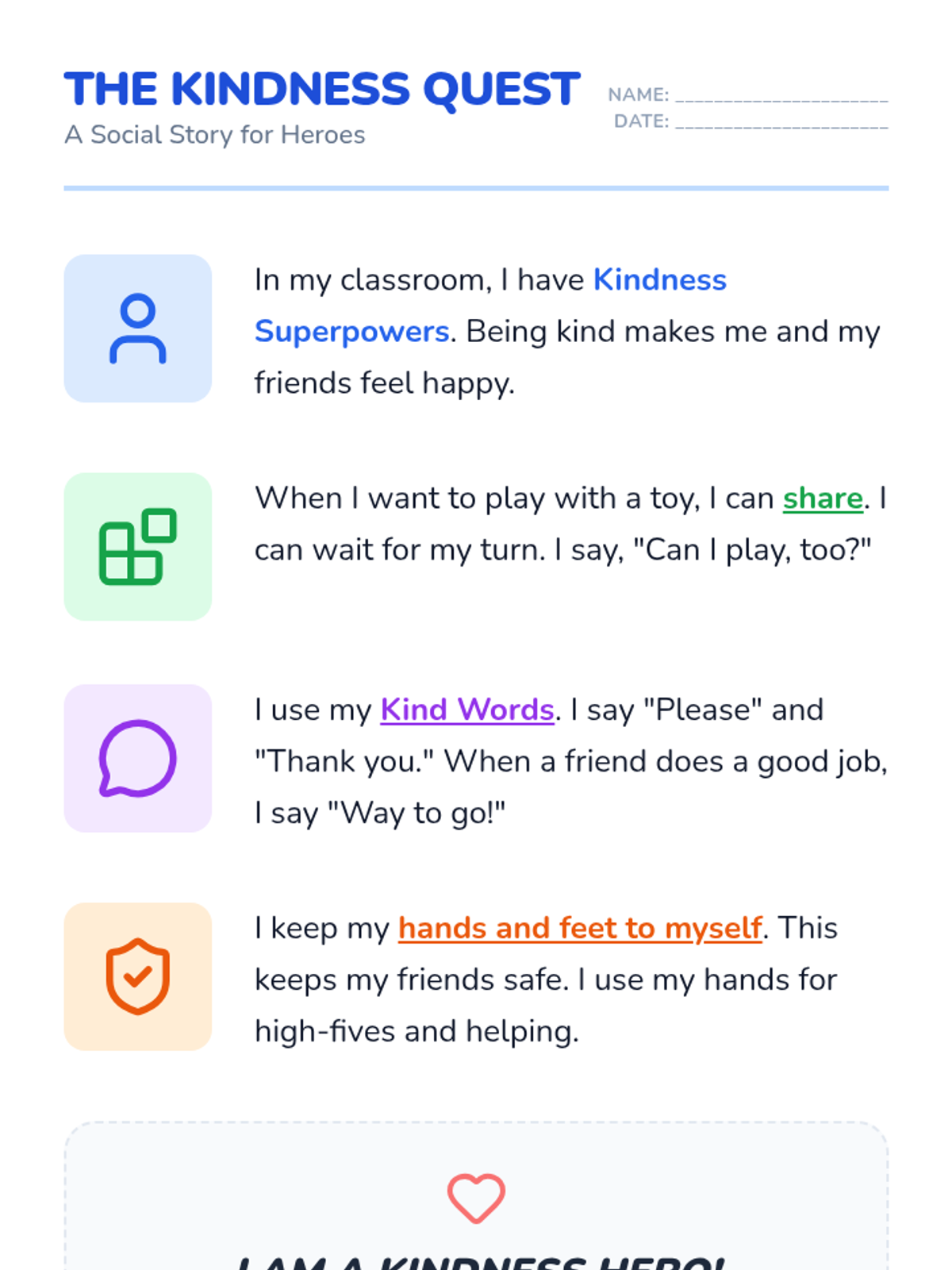
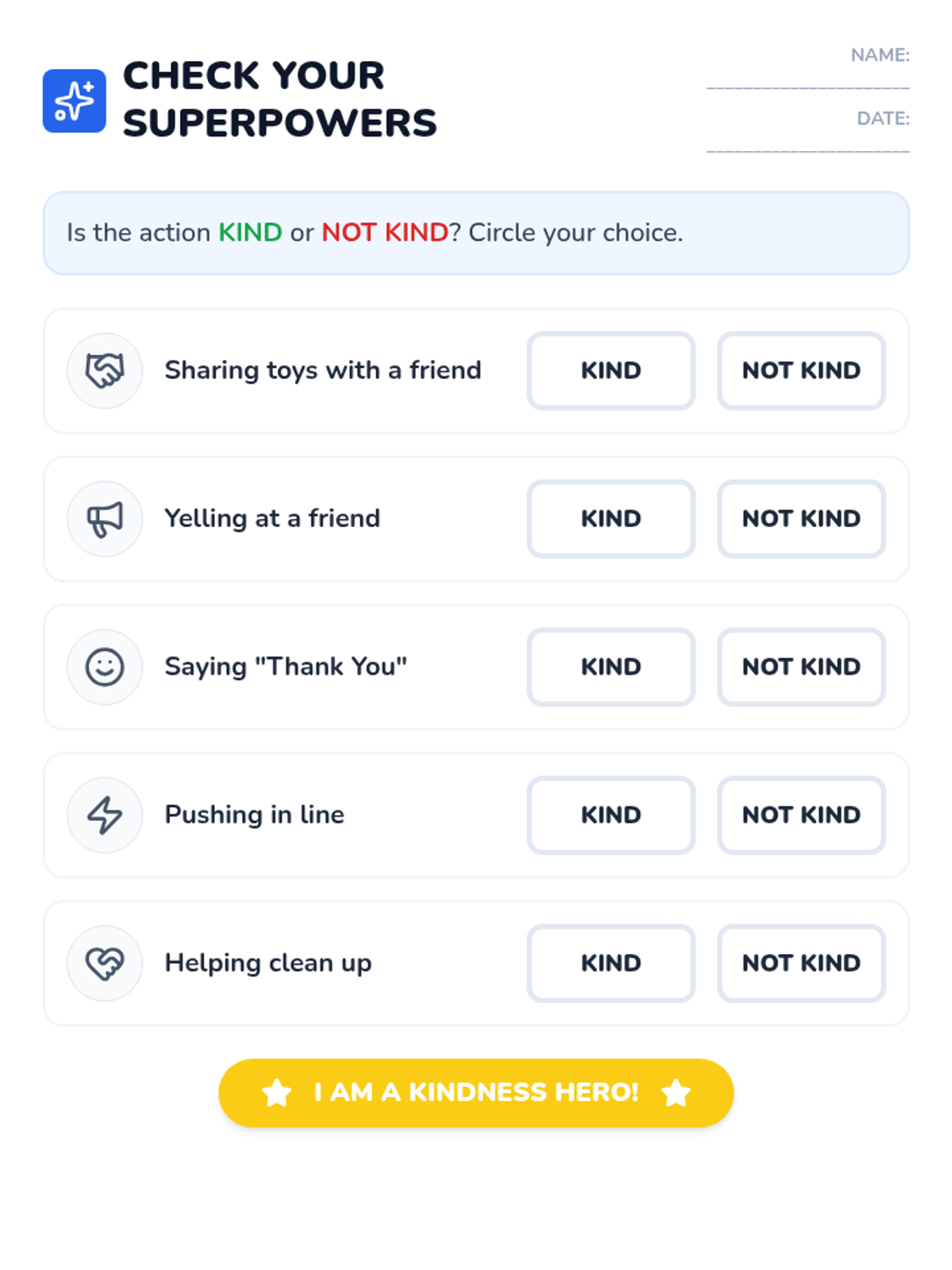
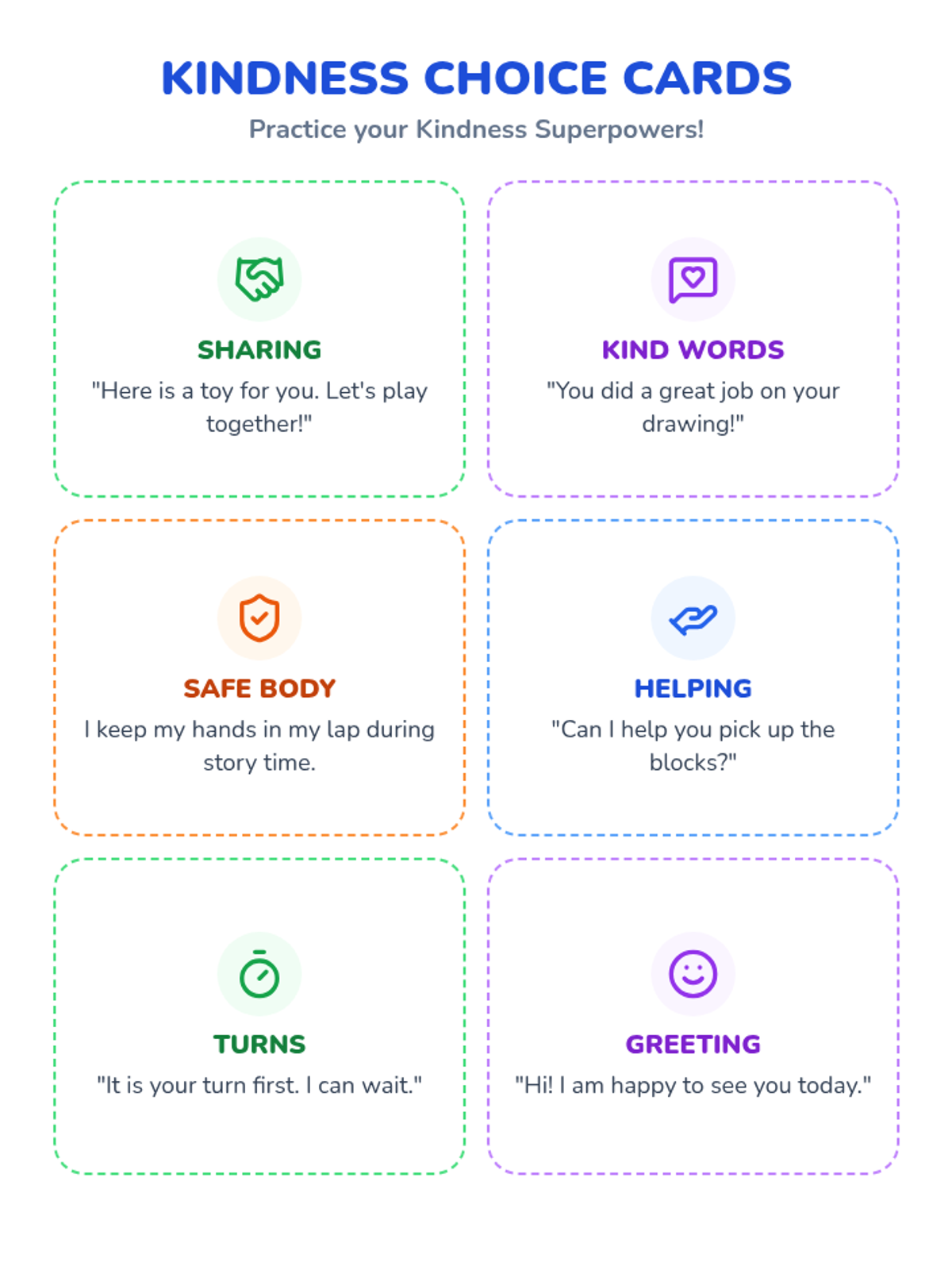
A lesson designed for students with disabilities focusing on three core kindness skills: sharing, using kind words, and keeping hands and feet to oneself. This lesson uses the 'Kindness Superpowers' theme to engage students in social-emotional learning.
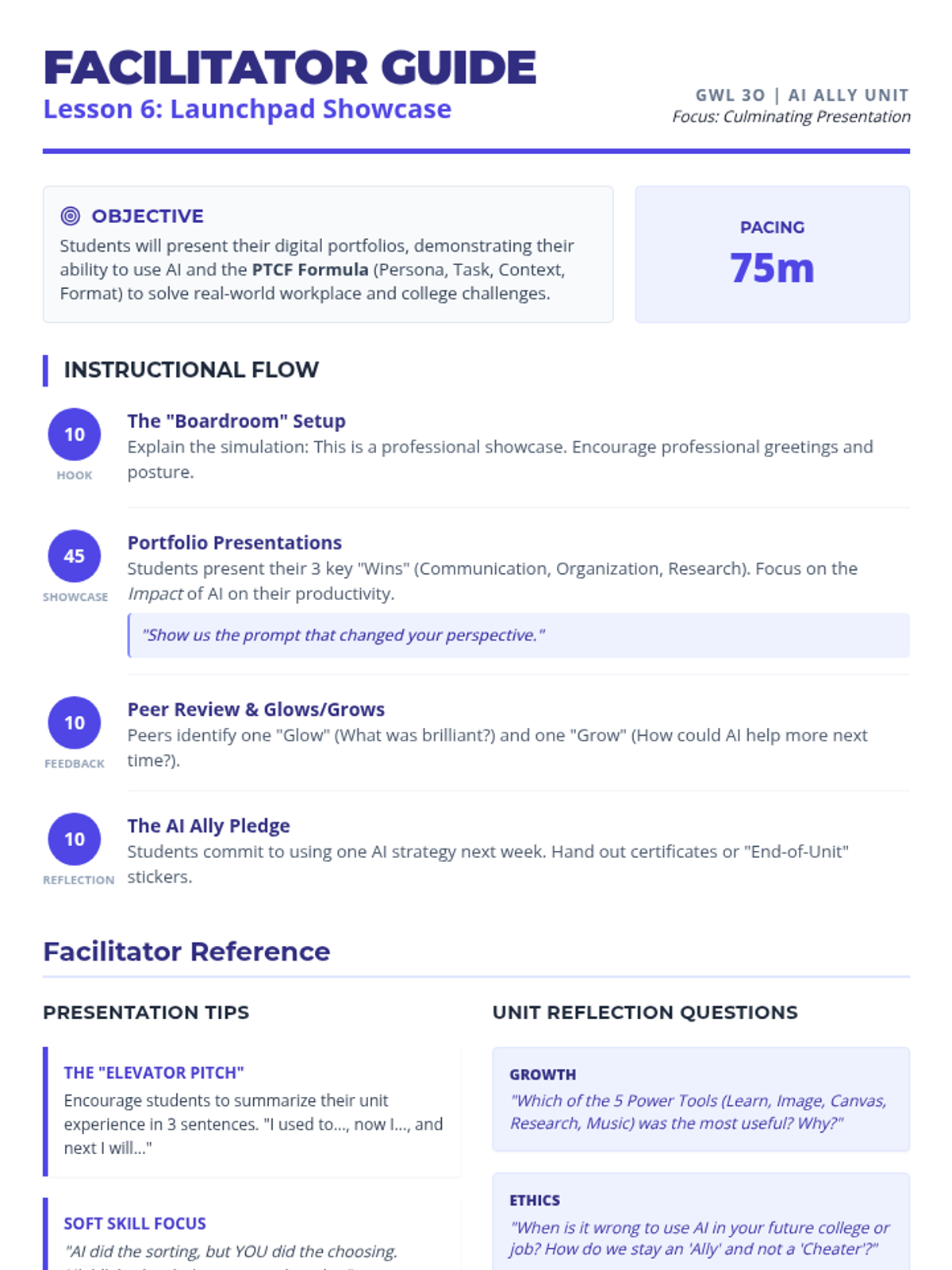
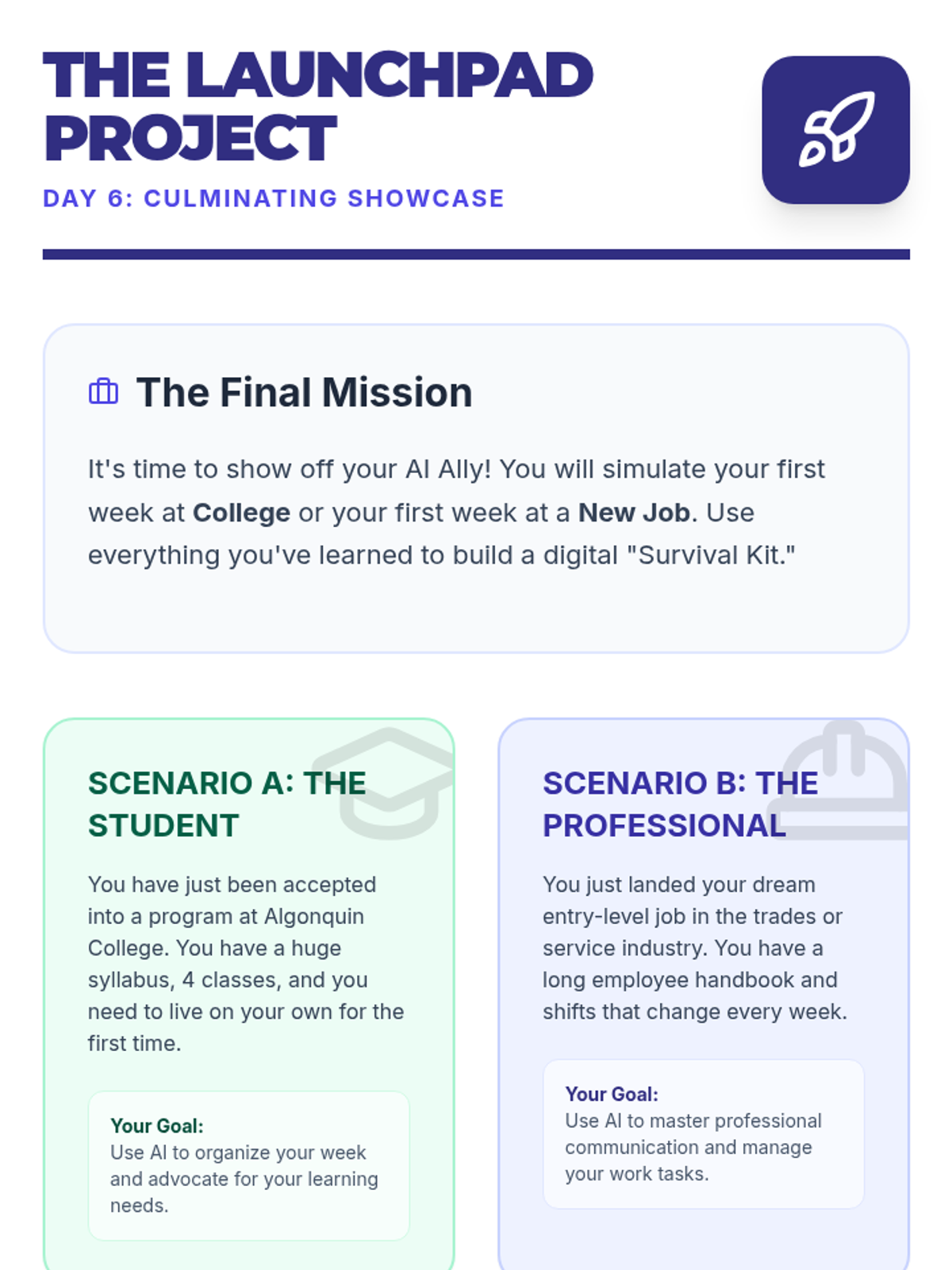
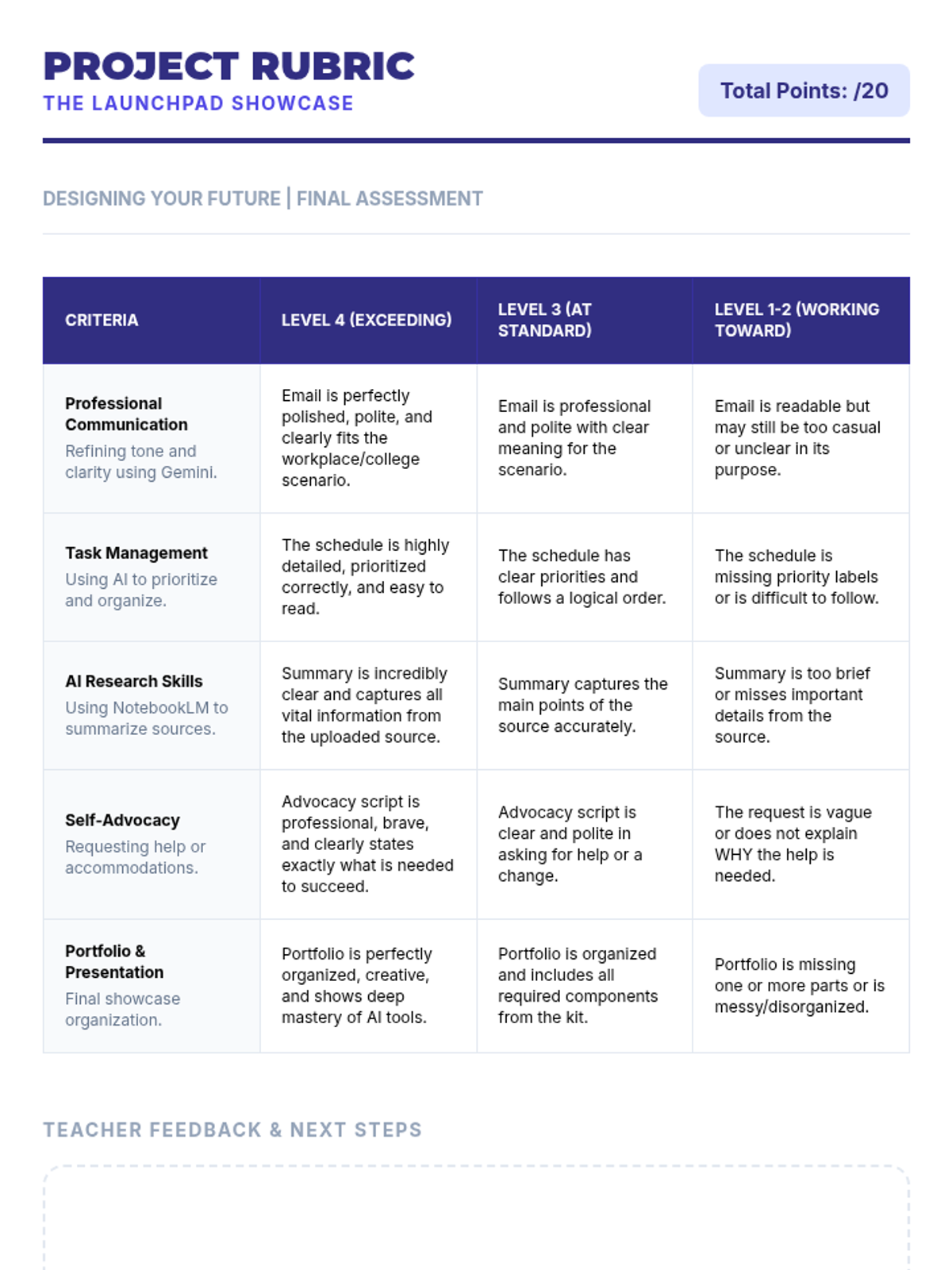
A culminating activity where students apply their AI skills to a real-world college or workplace simulation, presenting their findings in a digital portfolio.
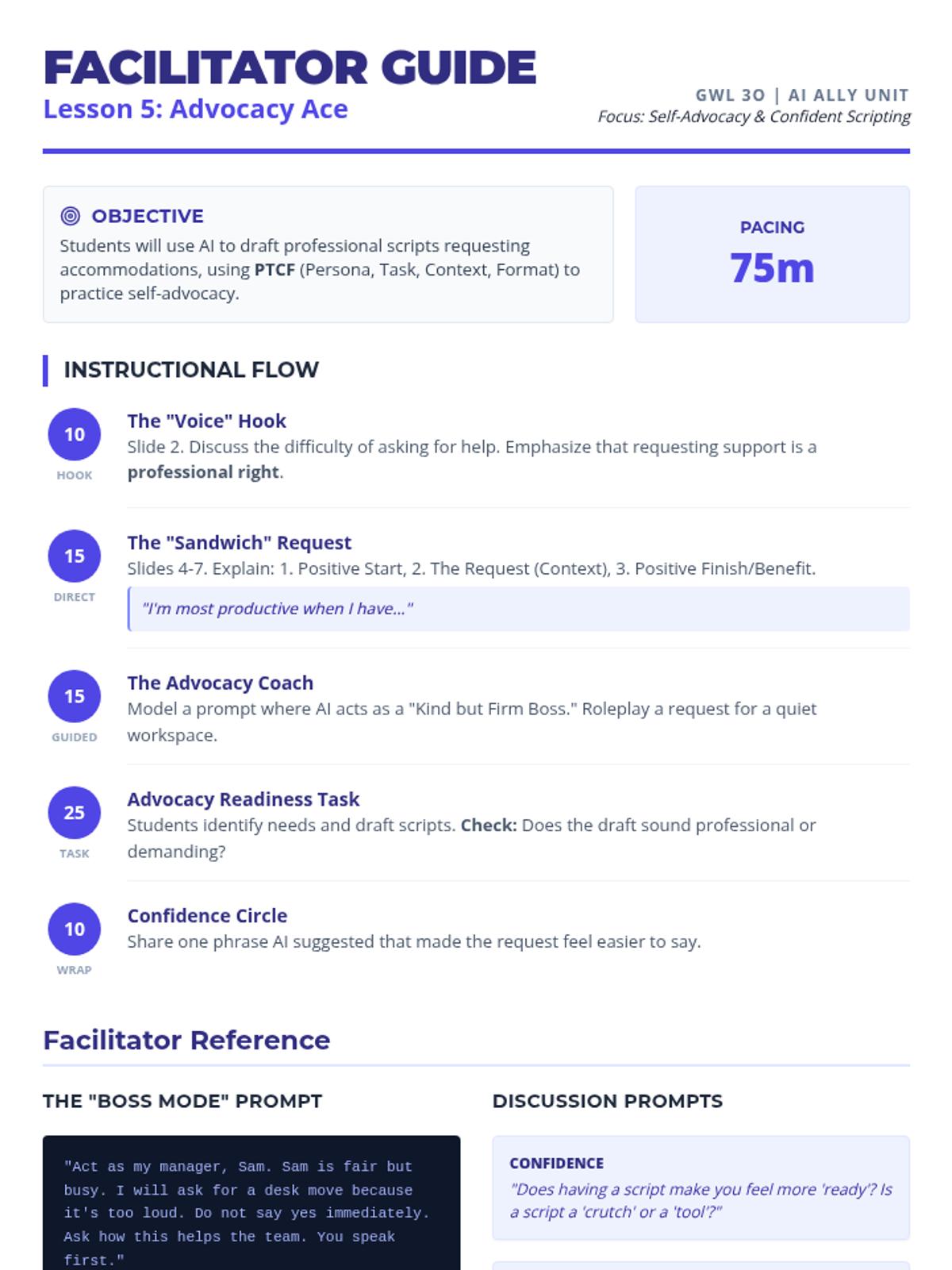
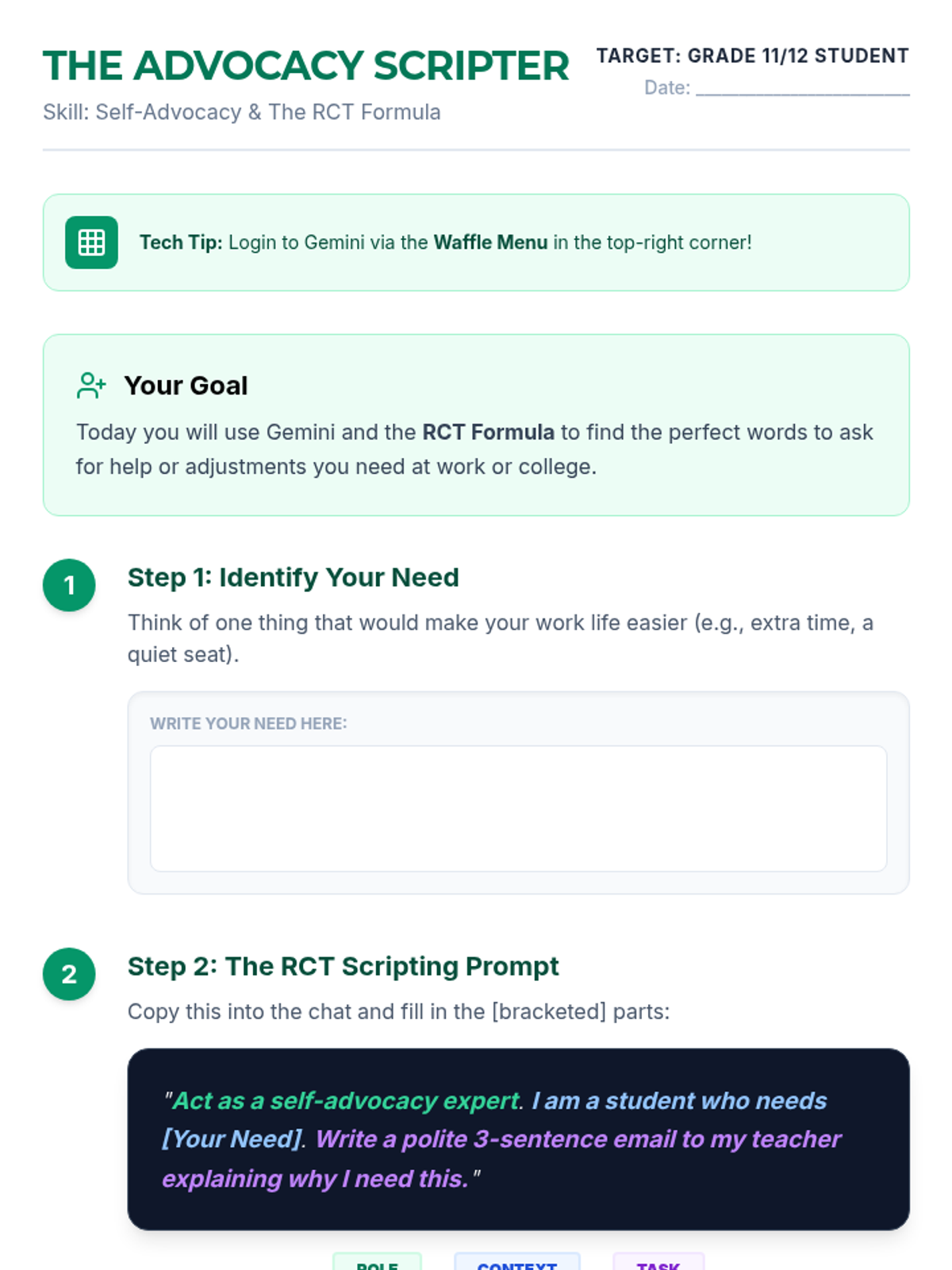
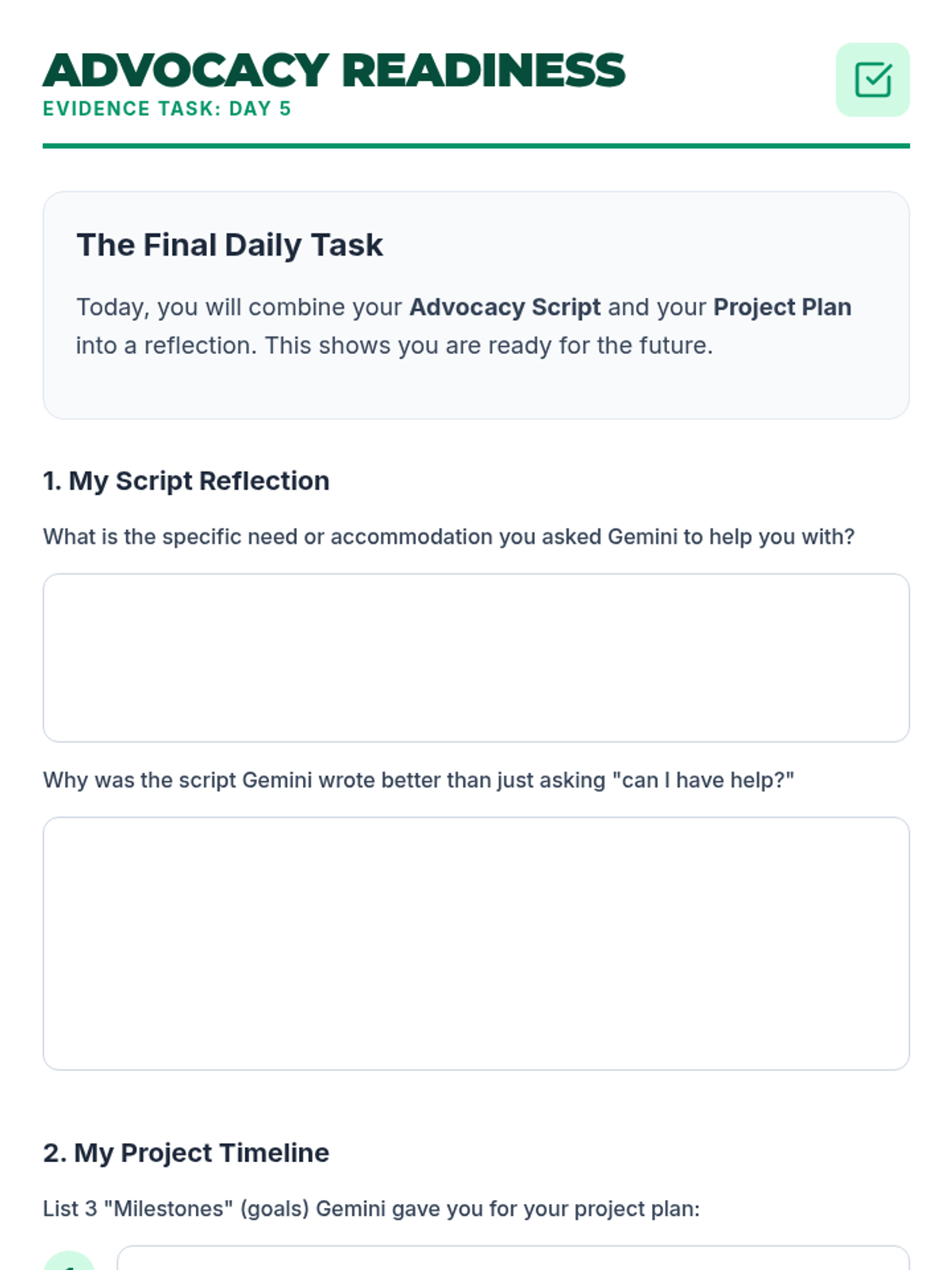
Focuses on self-advocacy and project planning, using AI to draft scripts for accommodation requests and breakdown long-term goals.
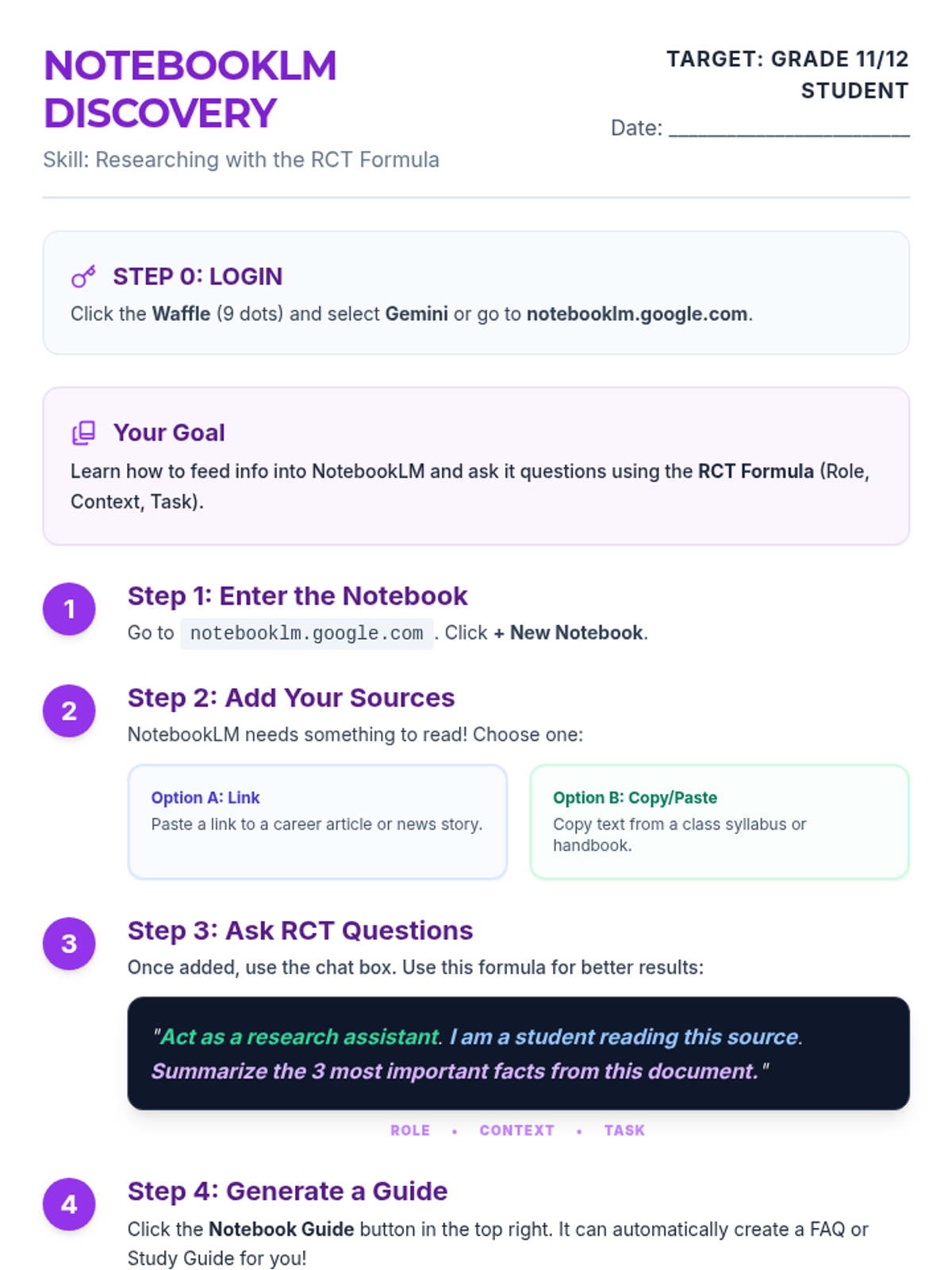
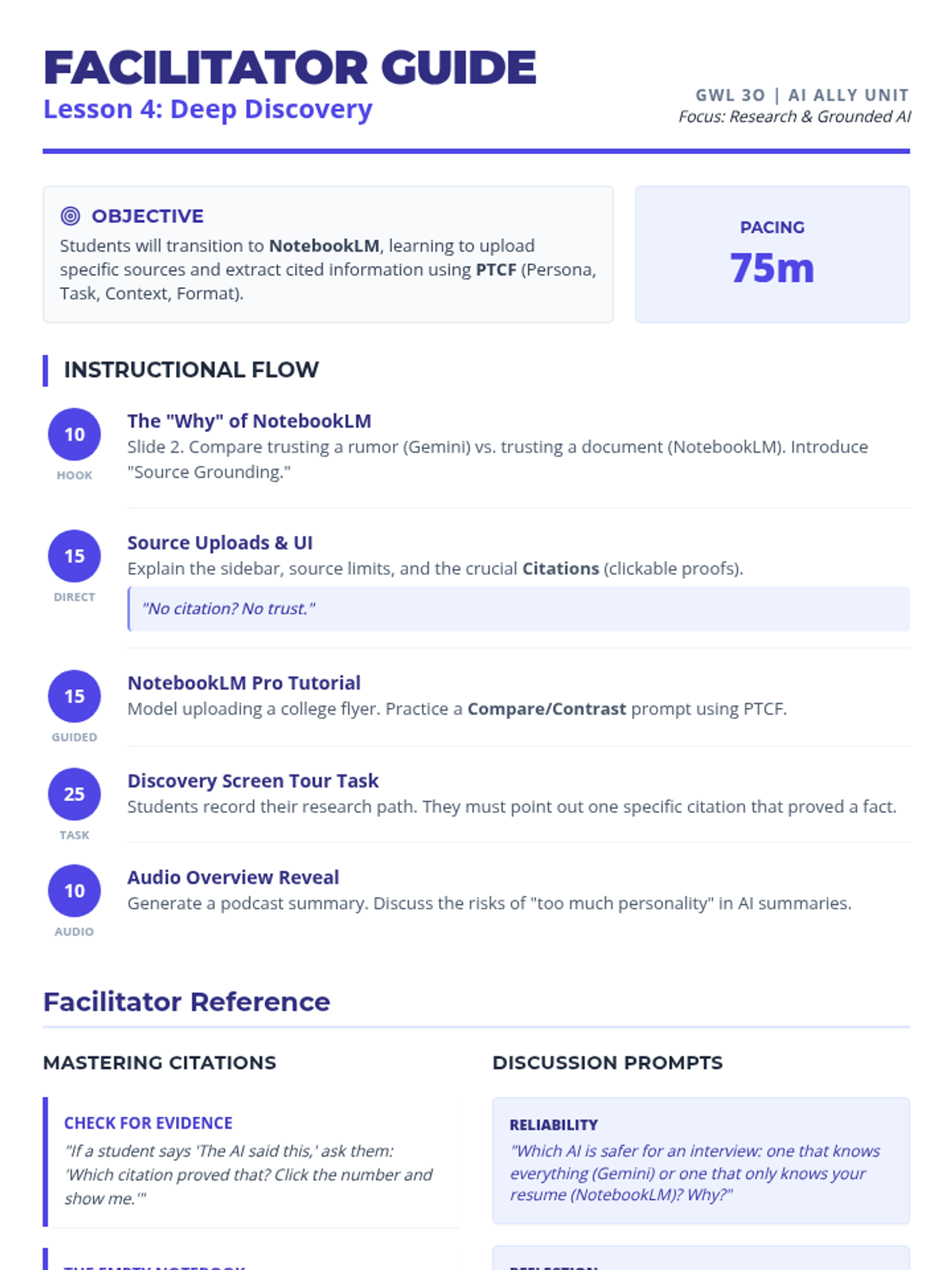
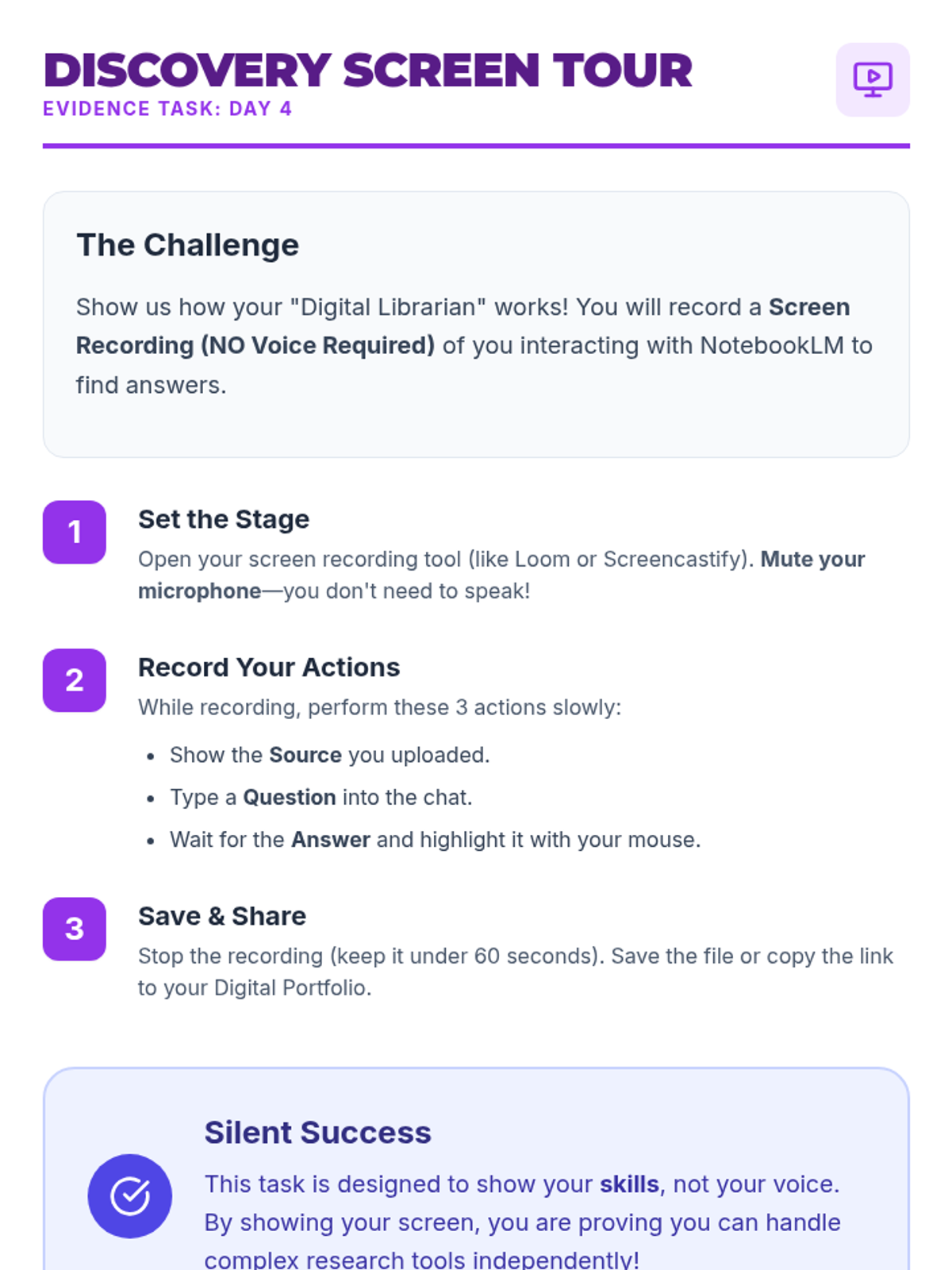
Explores the power of NotebookLM for academic and workplace research, teaching students how to synthesize large amounts of information efficiently.
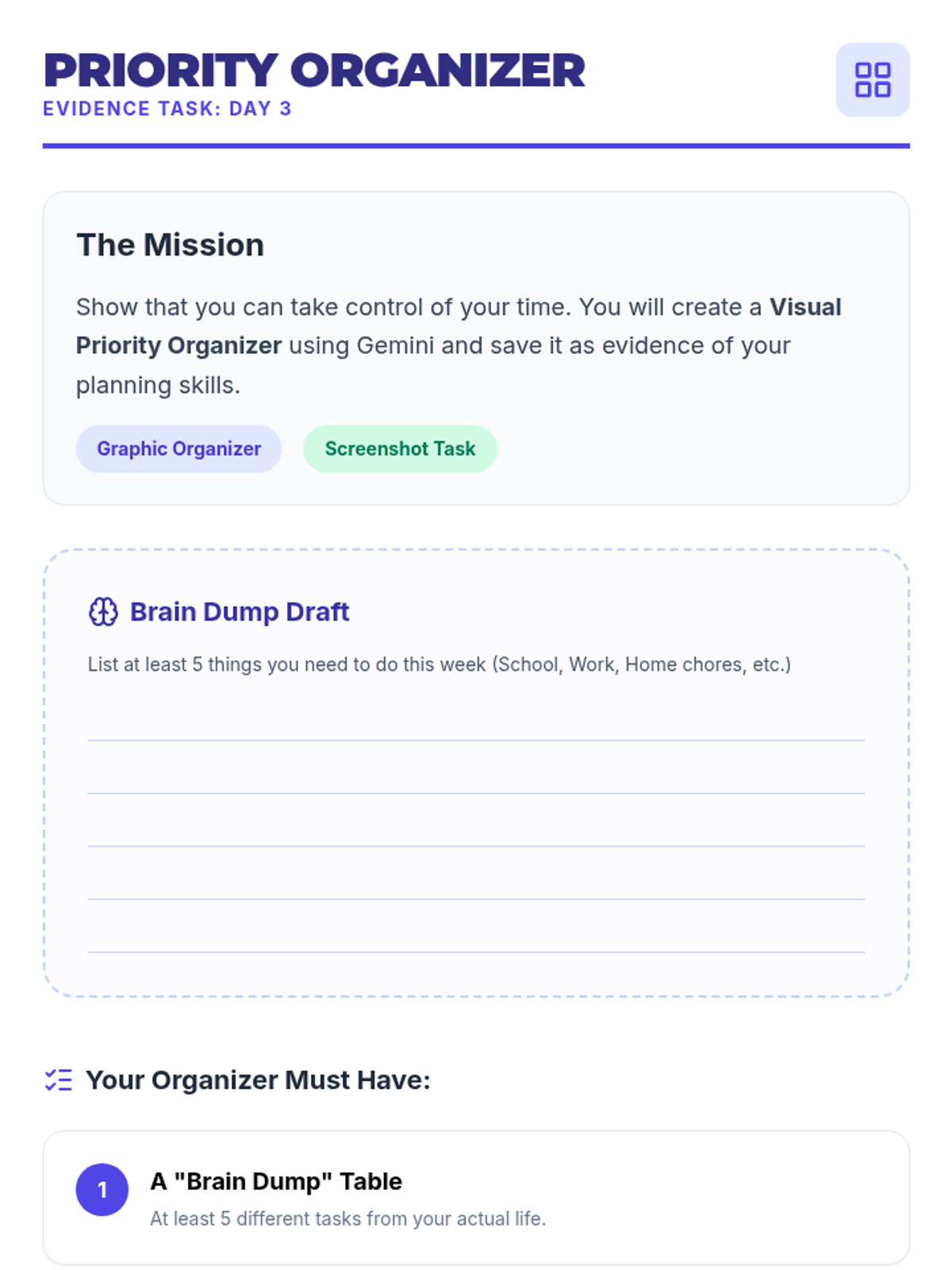
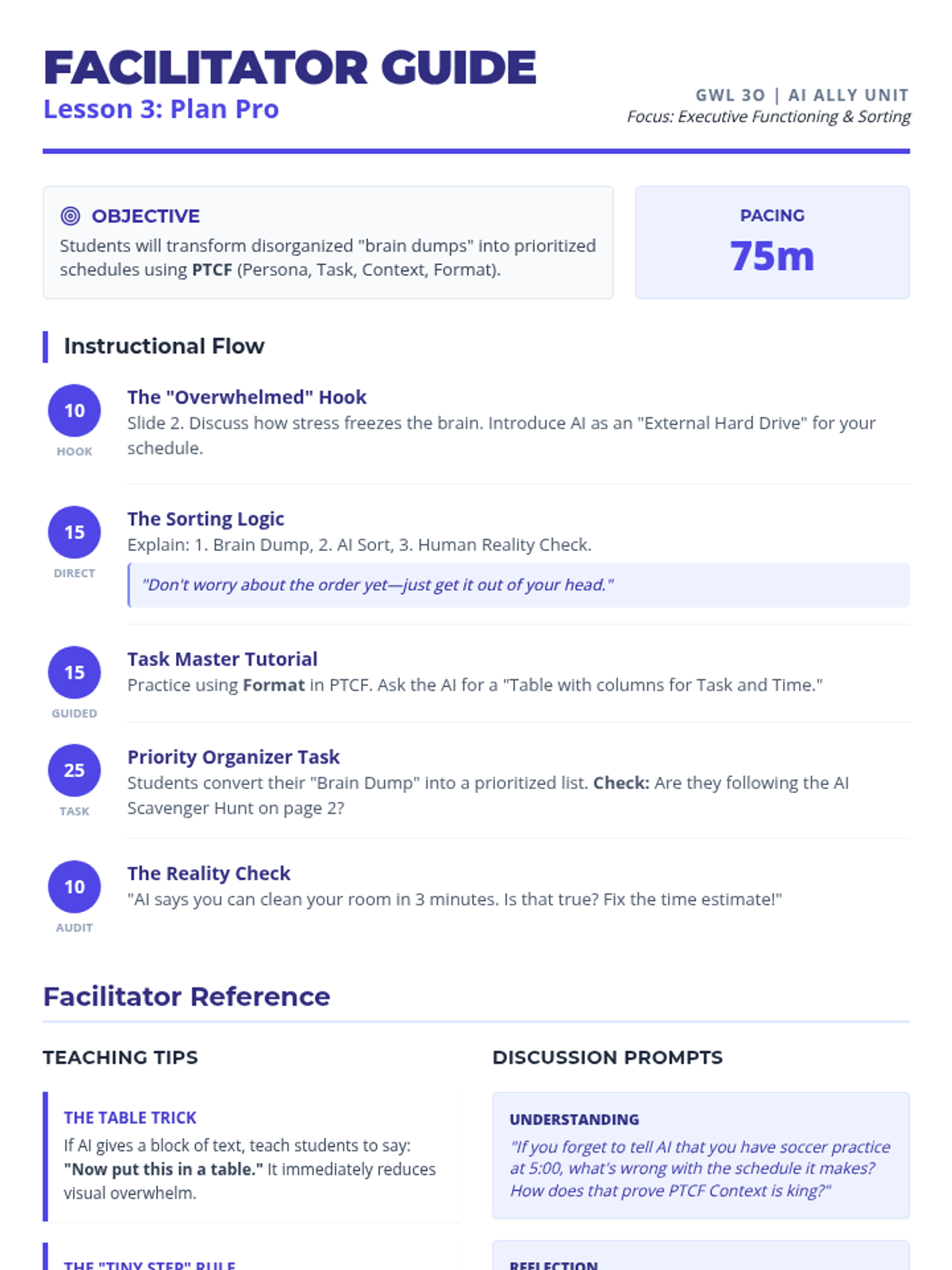
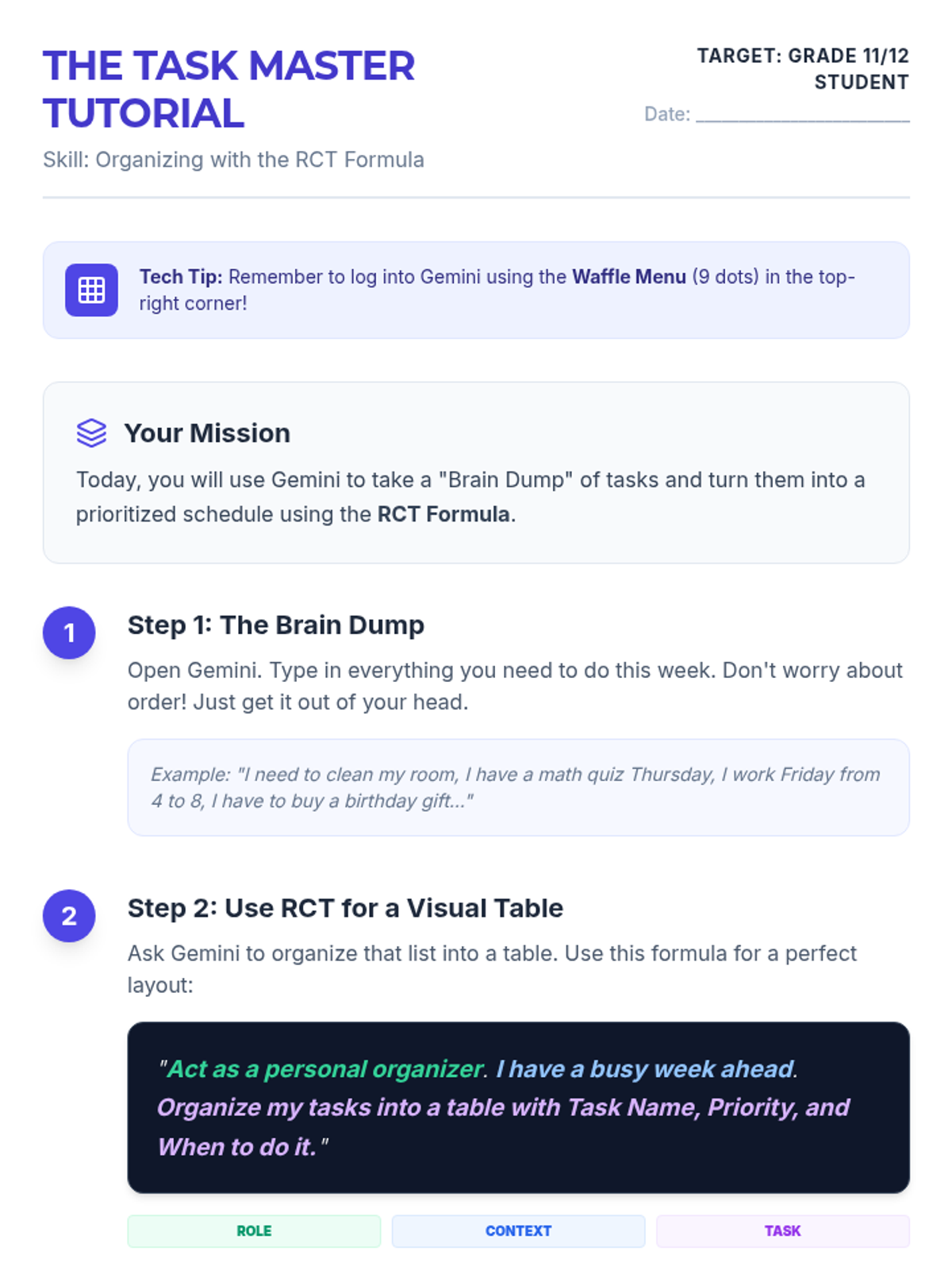
Focuses on organizational skills by using AI to transform messy lists into prioritized schedules and graphic organizers for improved task management.
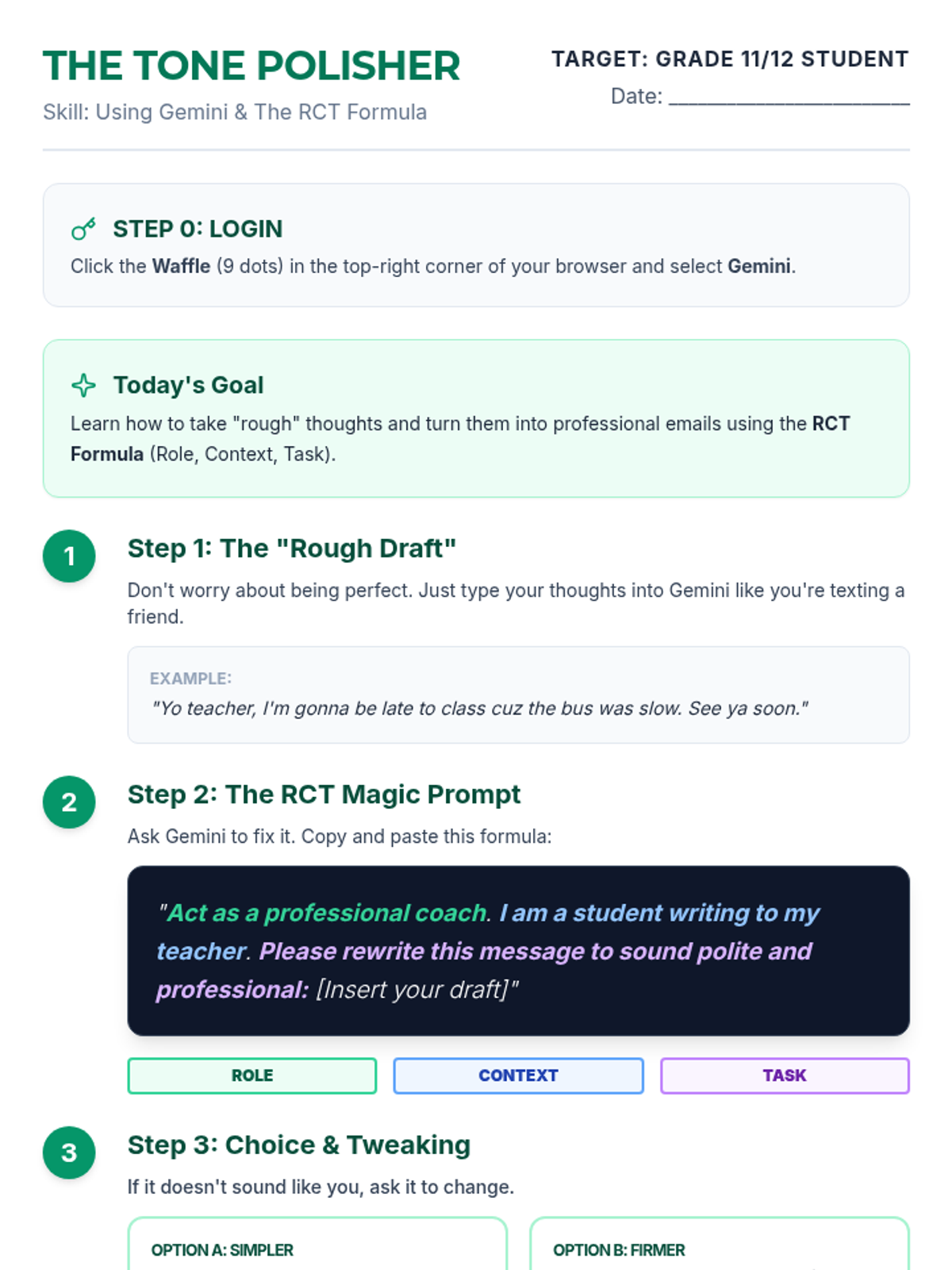
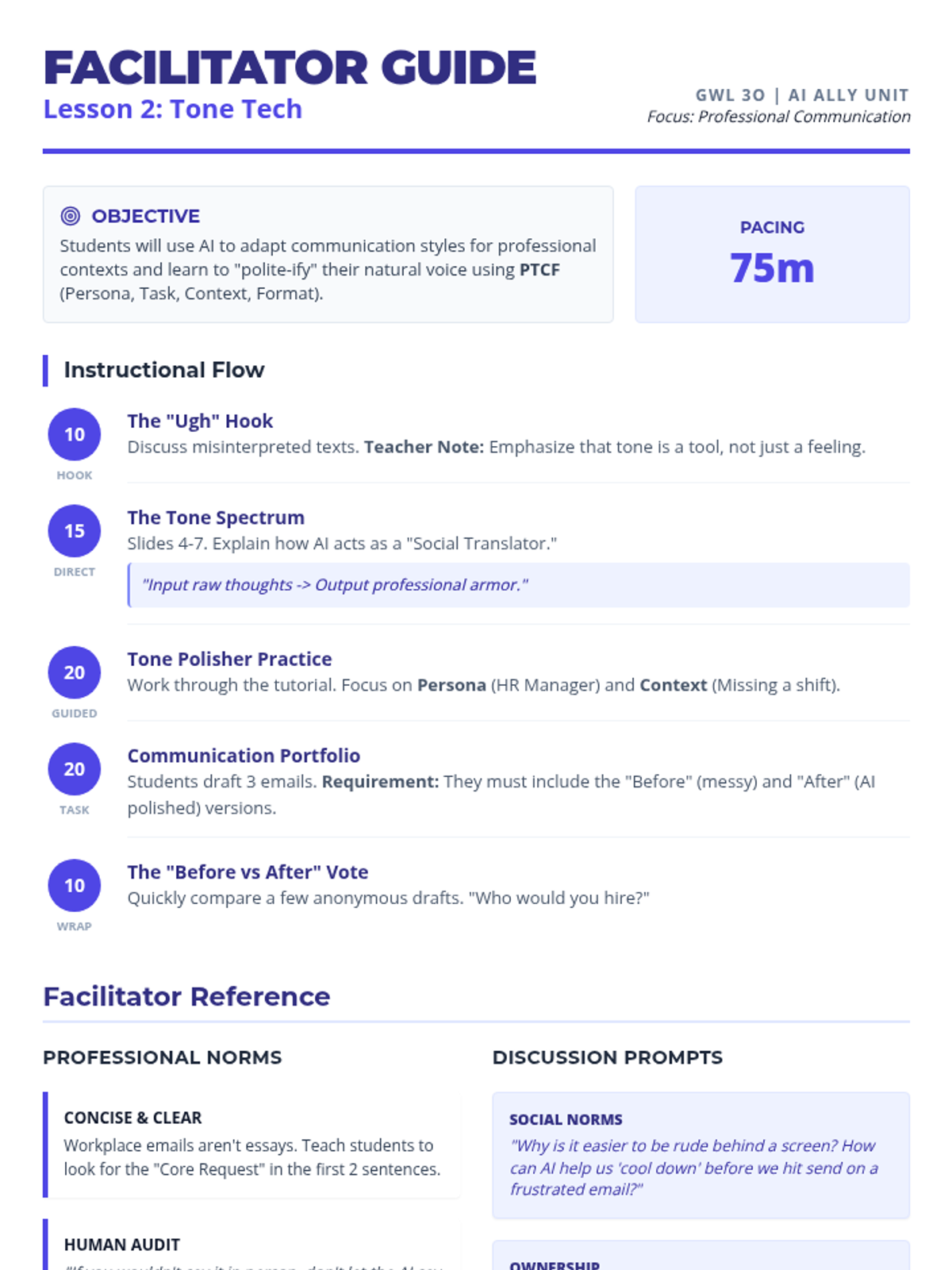
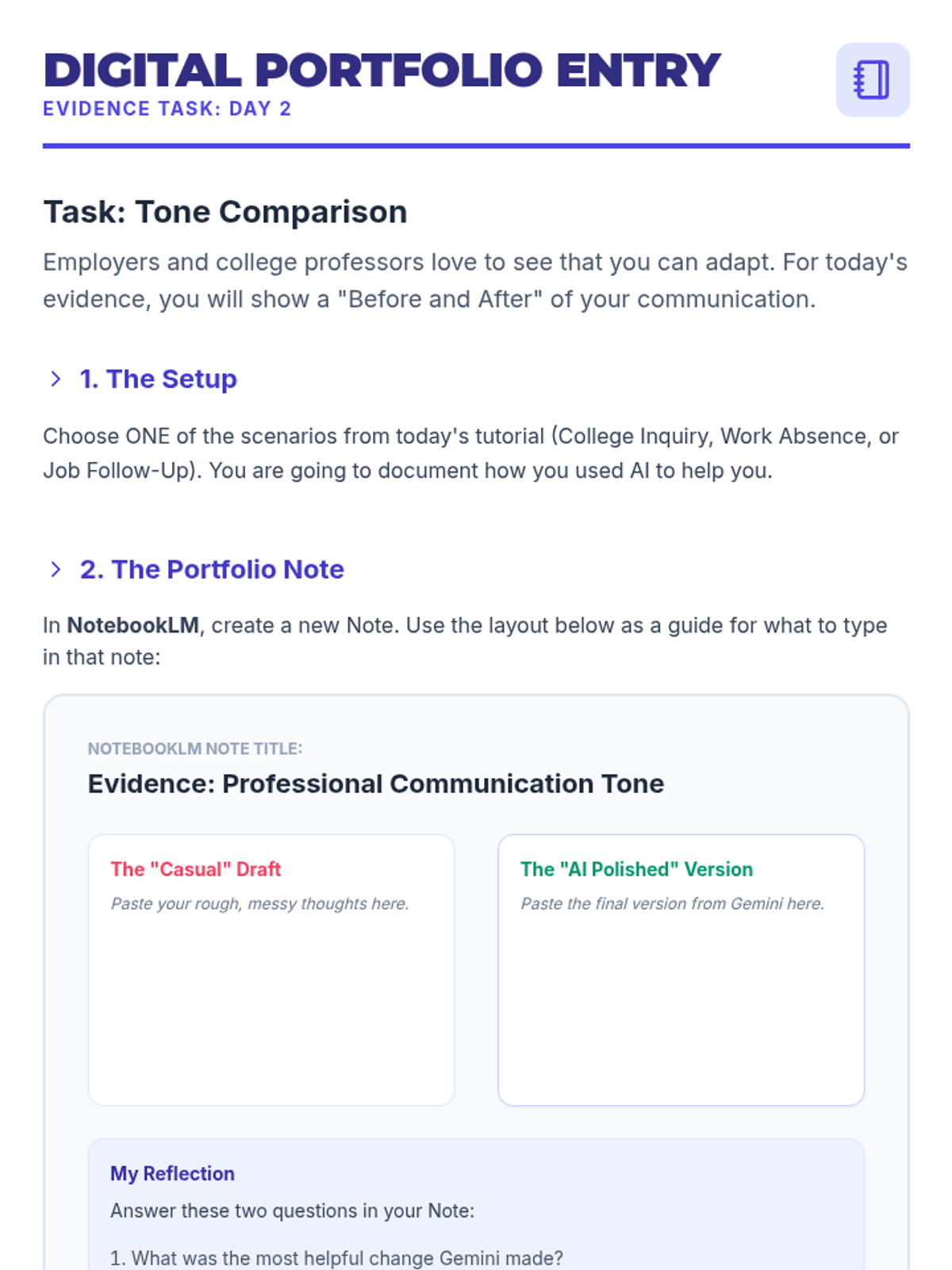
Students learn to use Gemini to refine professional tone and clarity in digital communications, creating a portfolio of email templates for workplace and college scenarios.
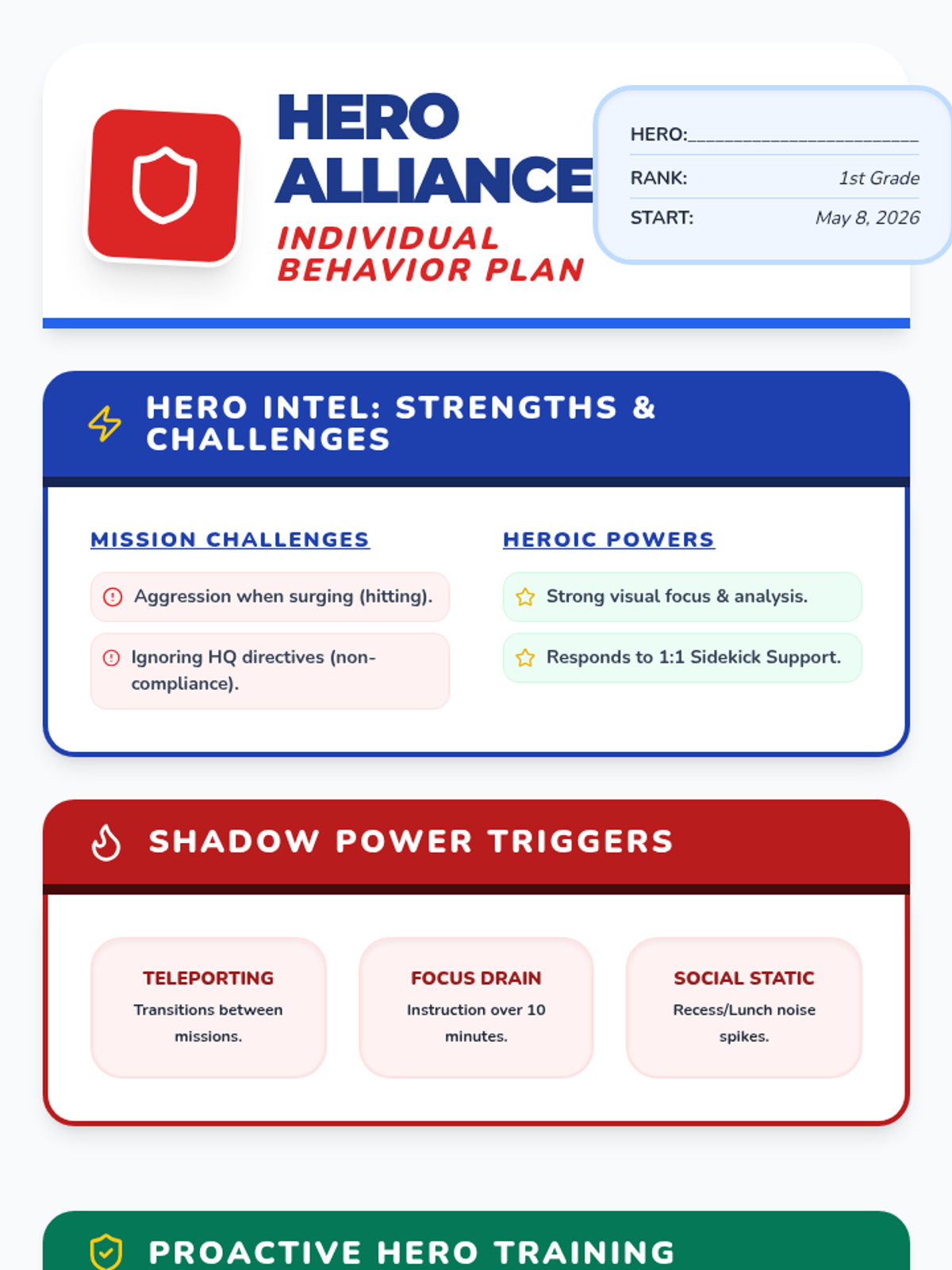
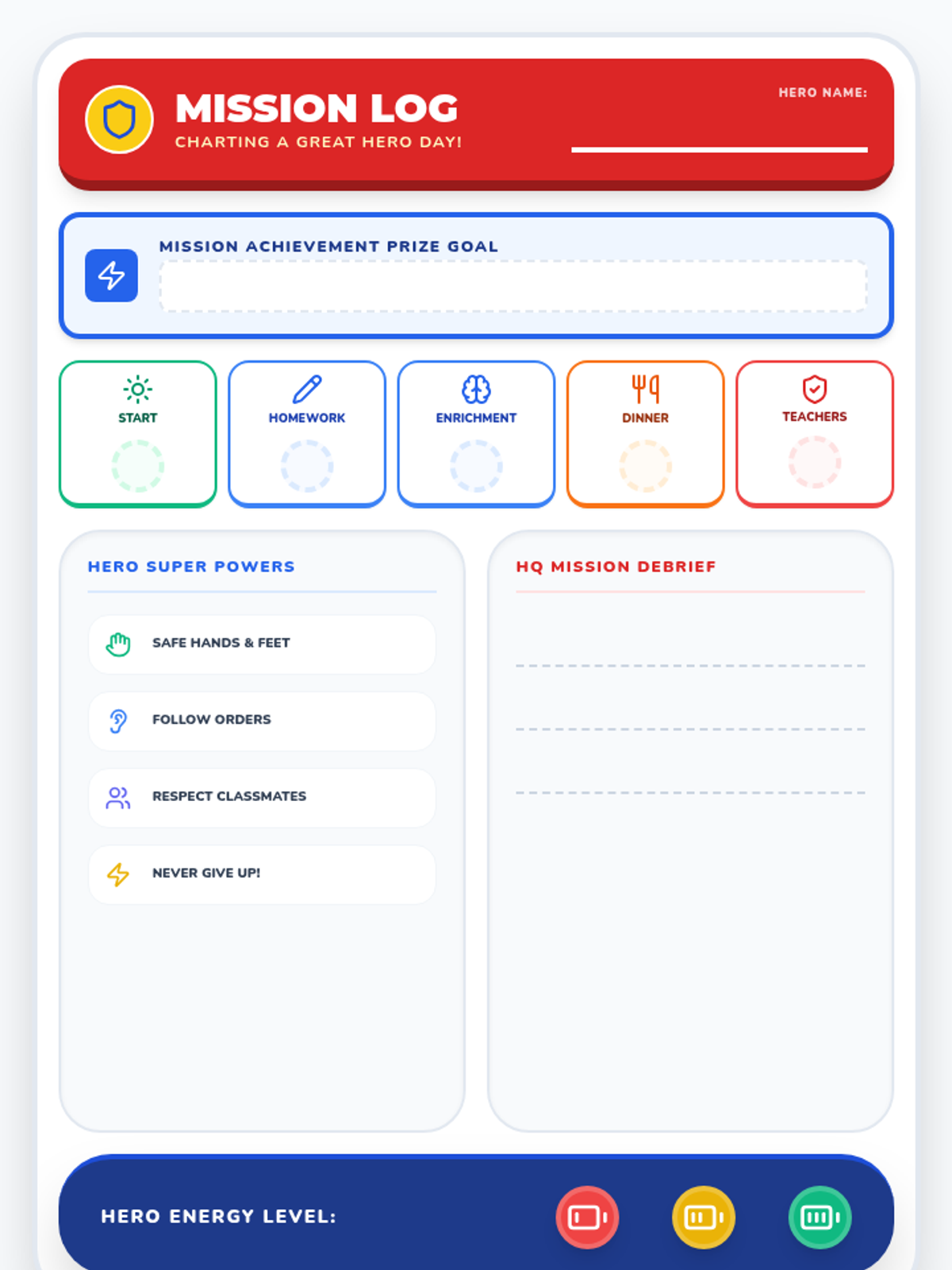
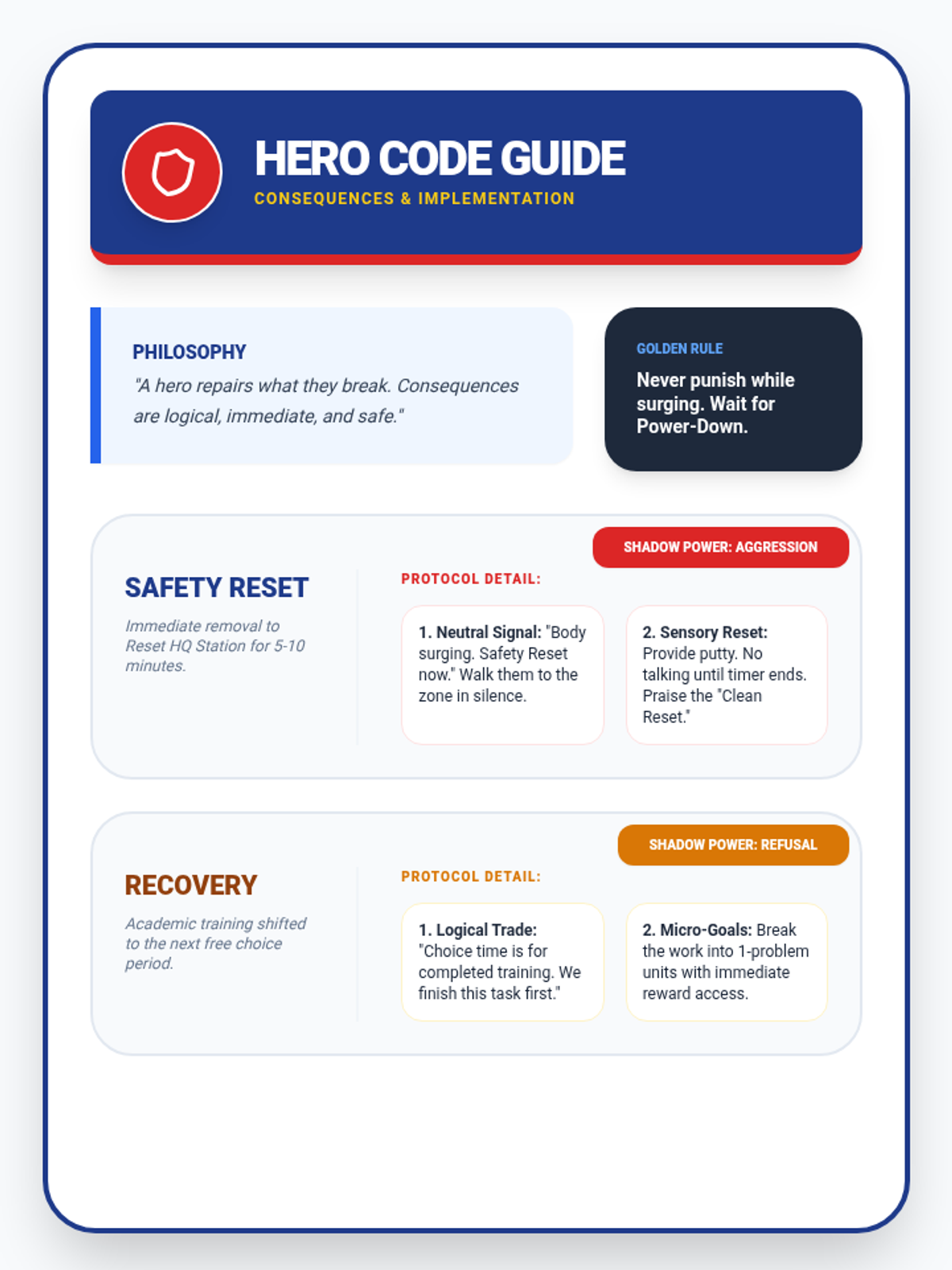
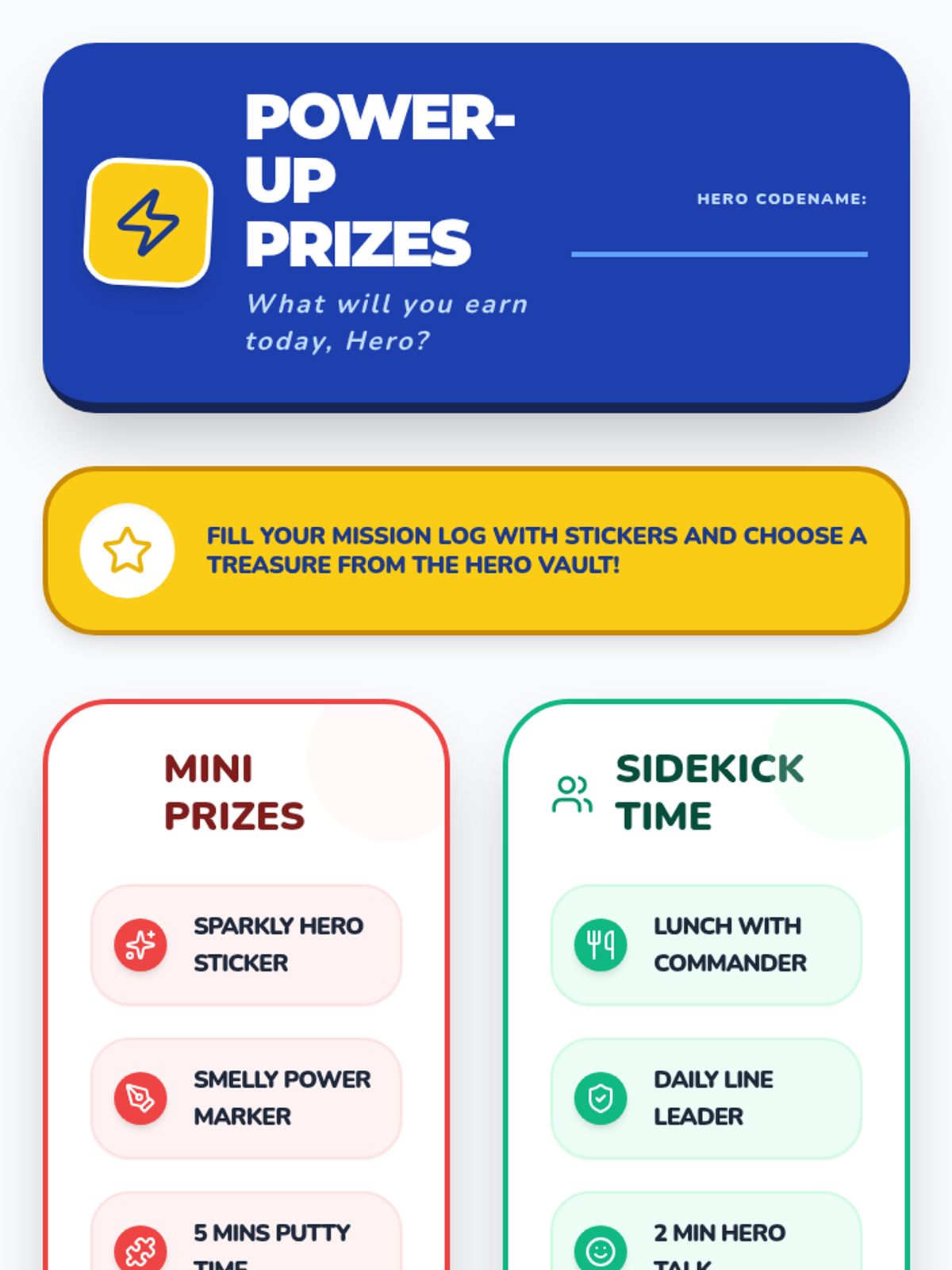
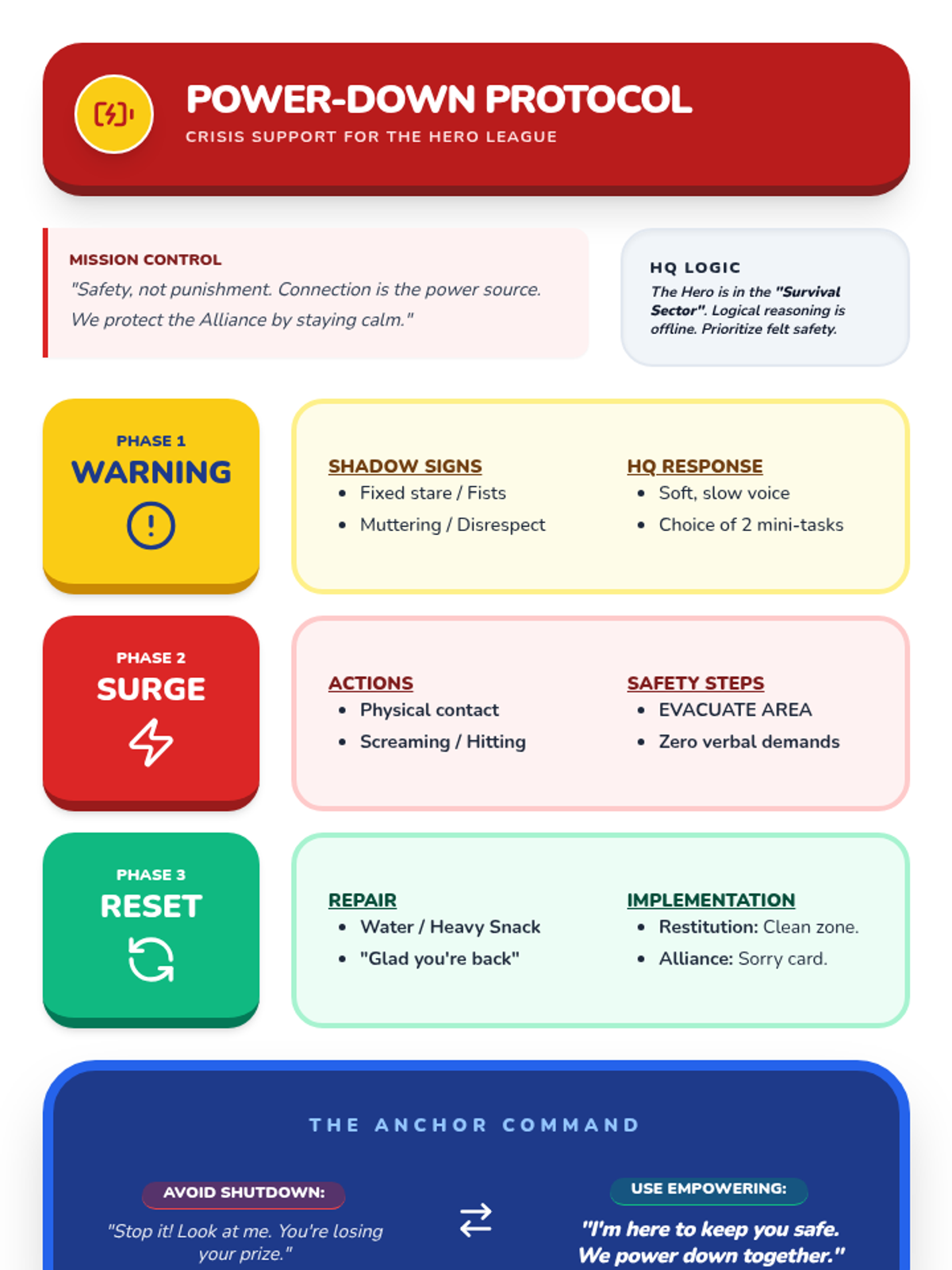
A comprehensive set of trauma-informed resources to support a 1st-grade student, reimagined with a high-engagement Super Hero theme. Focuses on 'hero powers' (positive behaviors), 'mission logs' (tracking), and restorative 'hero code' consequences.
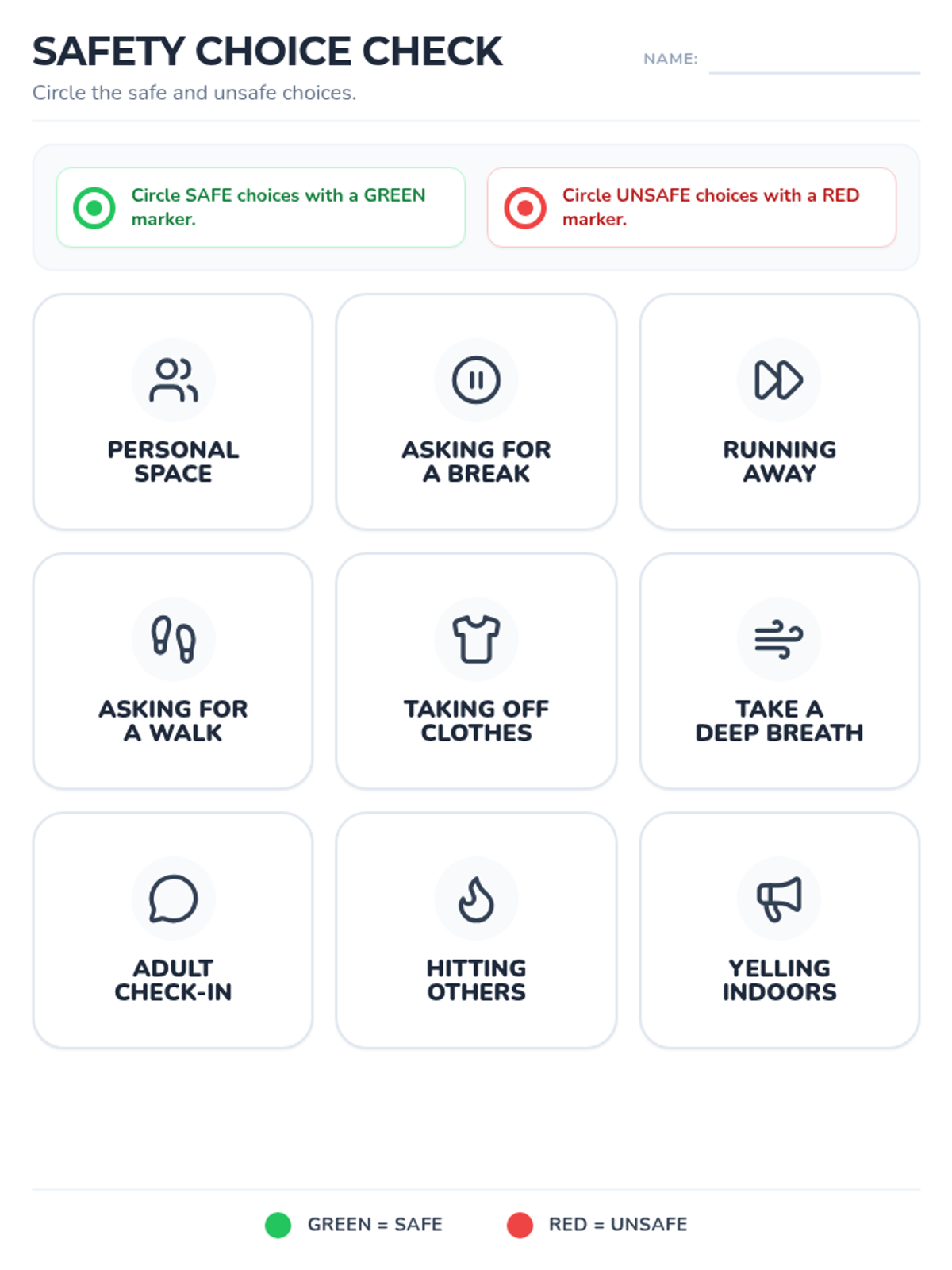
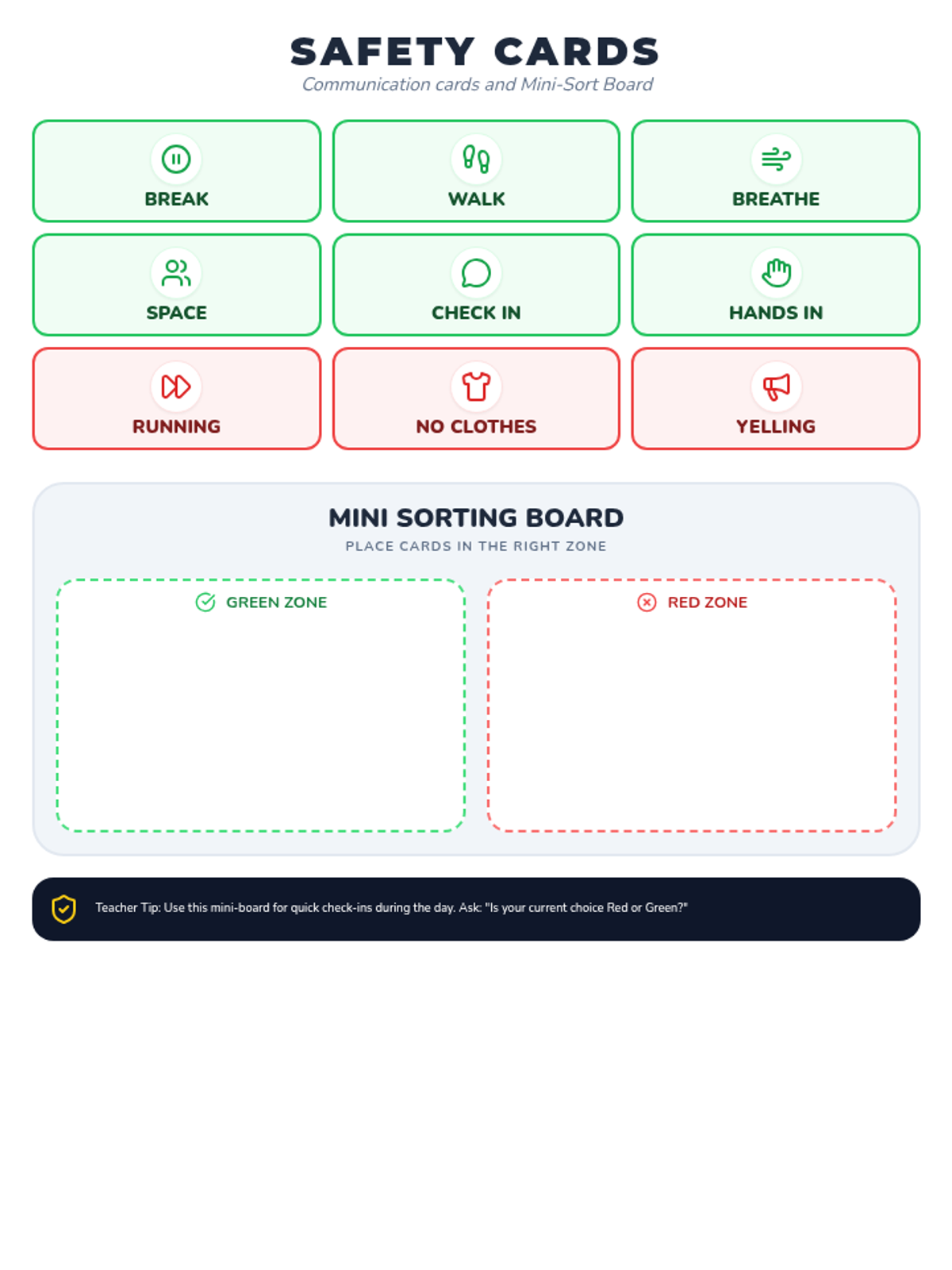
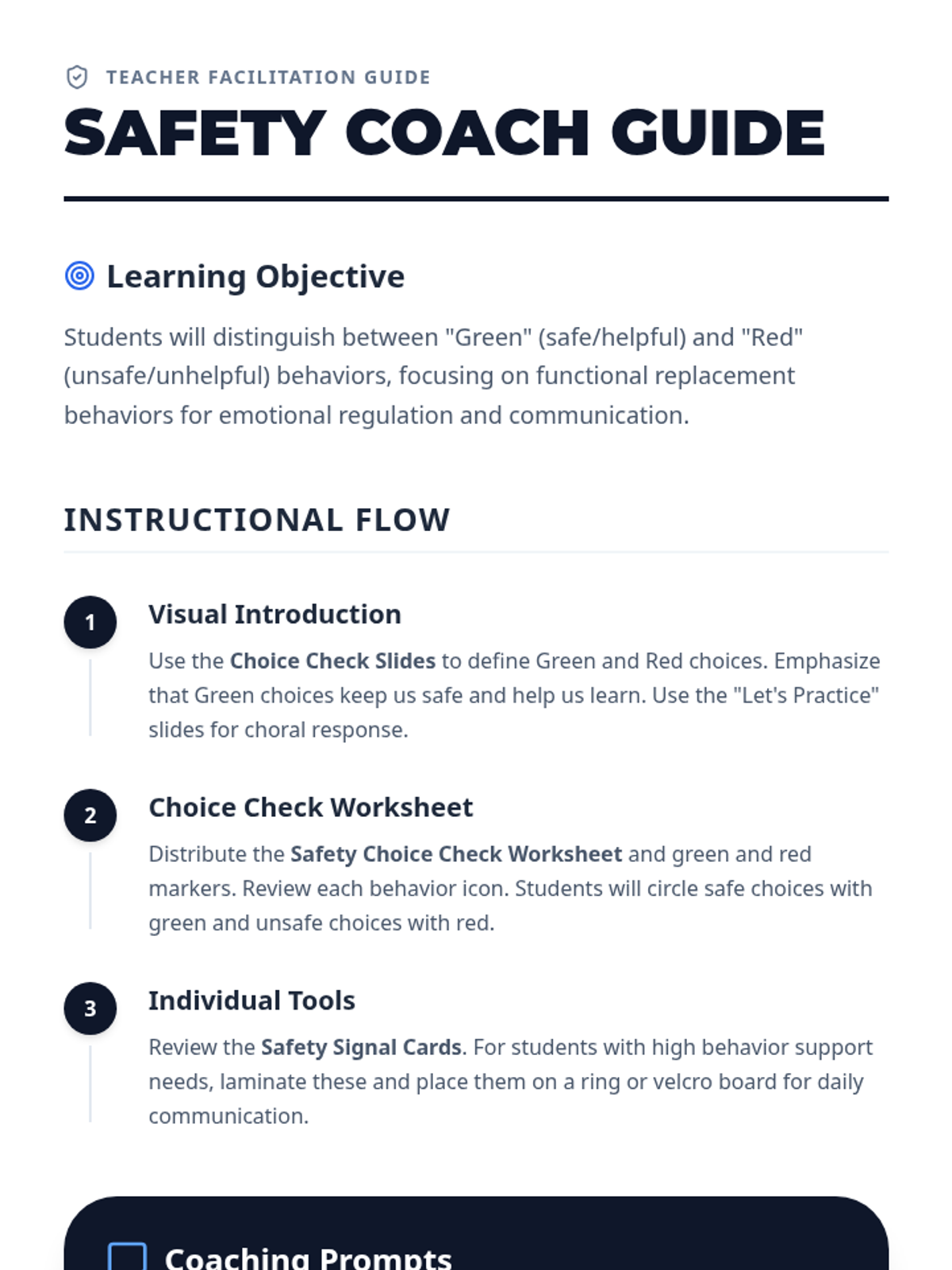
This lesson teaches students to distinguish between safe (Green) and unsafe (Red) behaviors through visual sorting and discussion. It focuses on functional communication and self-regulation skills like asking for breaks and maintaining personal space.
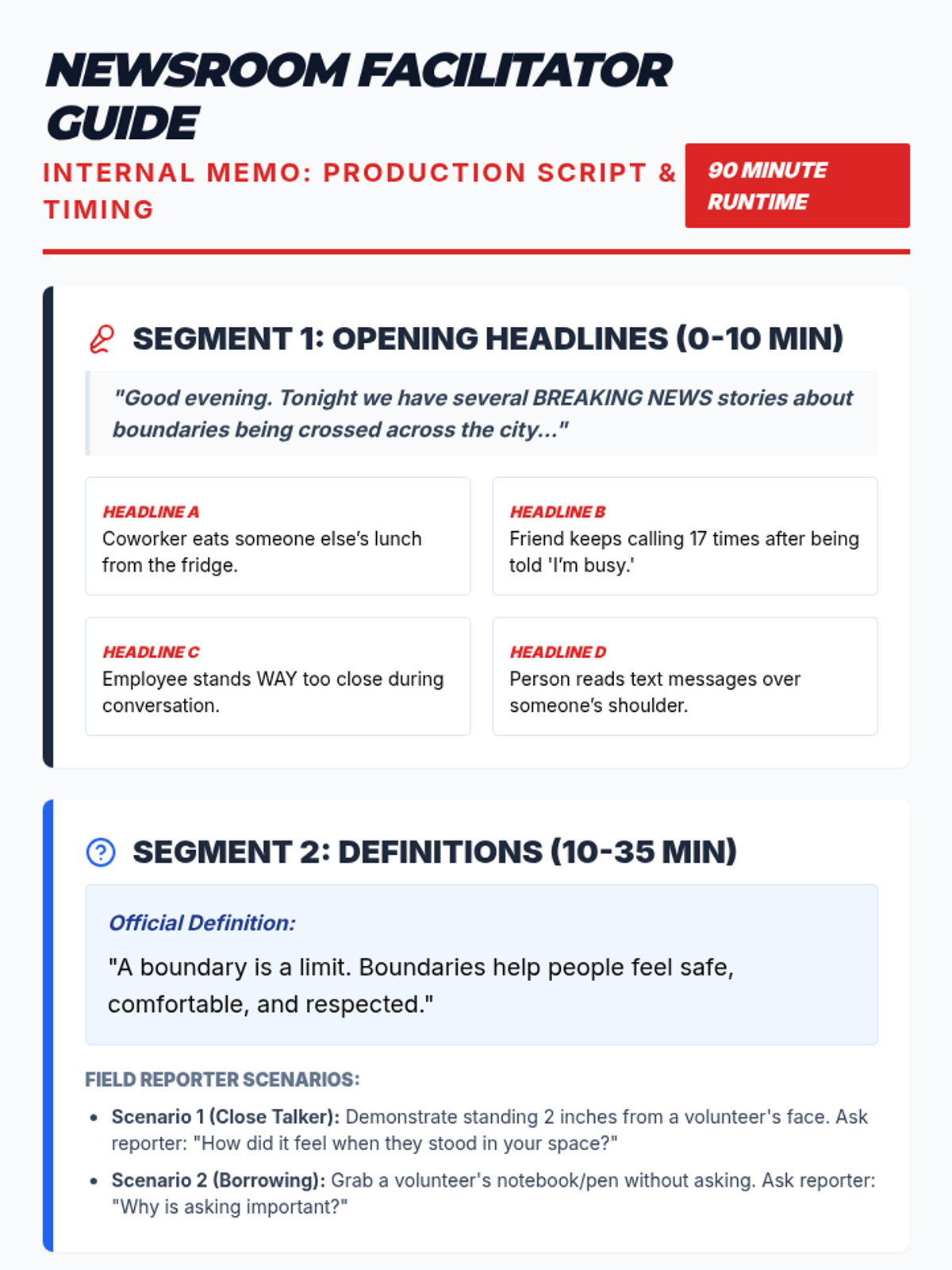
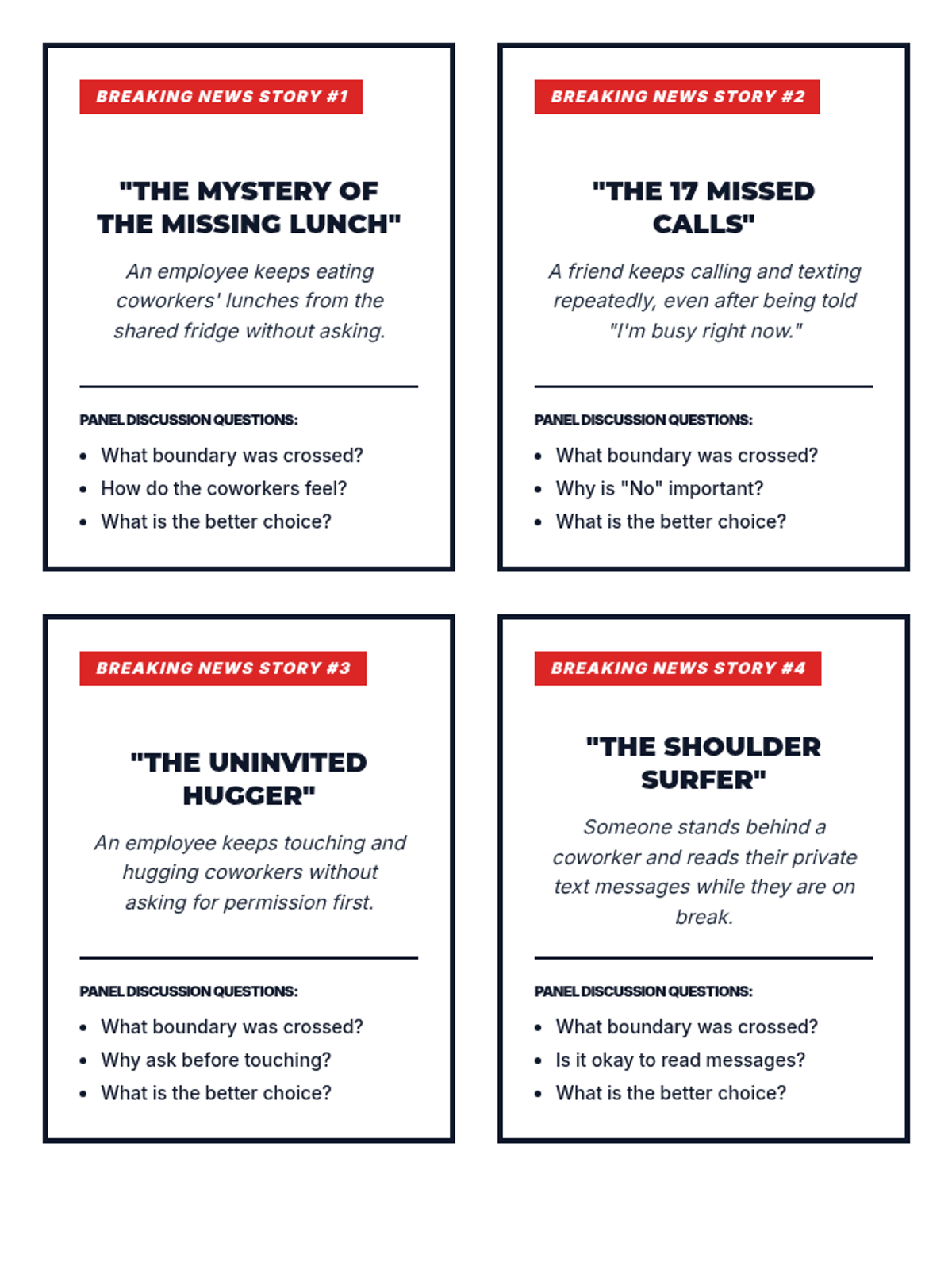
A high-energy, news-themed advocacy lesson for adults with IDD focusing on recognizing and respecting personal boundaries in work, friendship, and community settings.
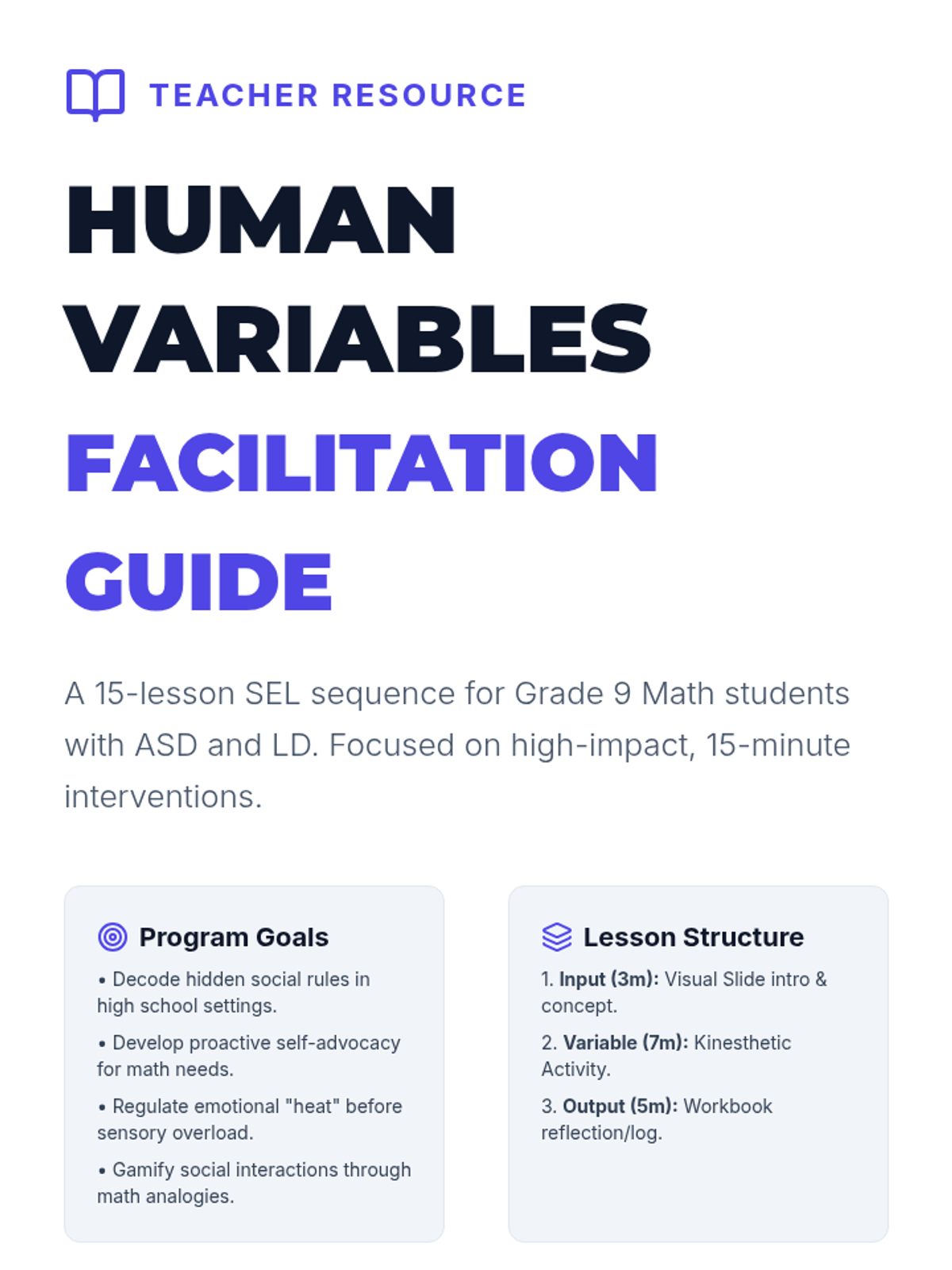
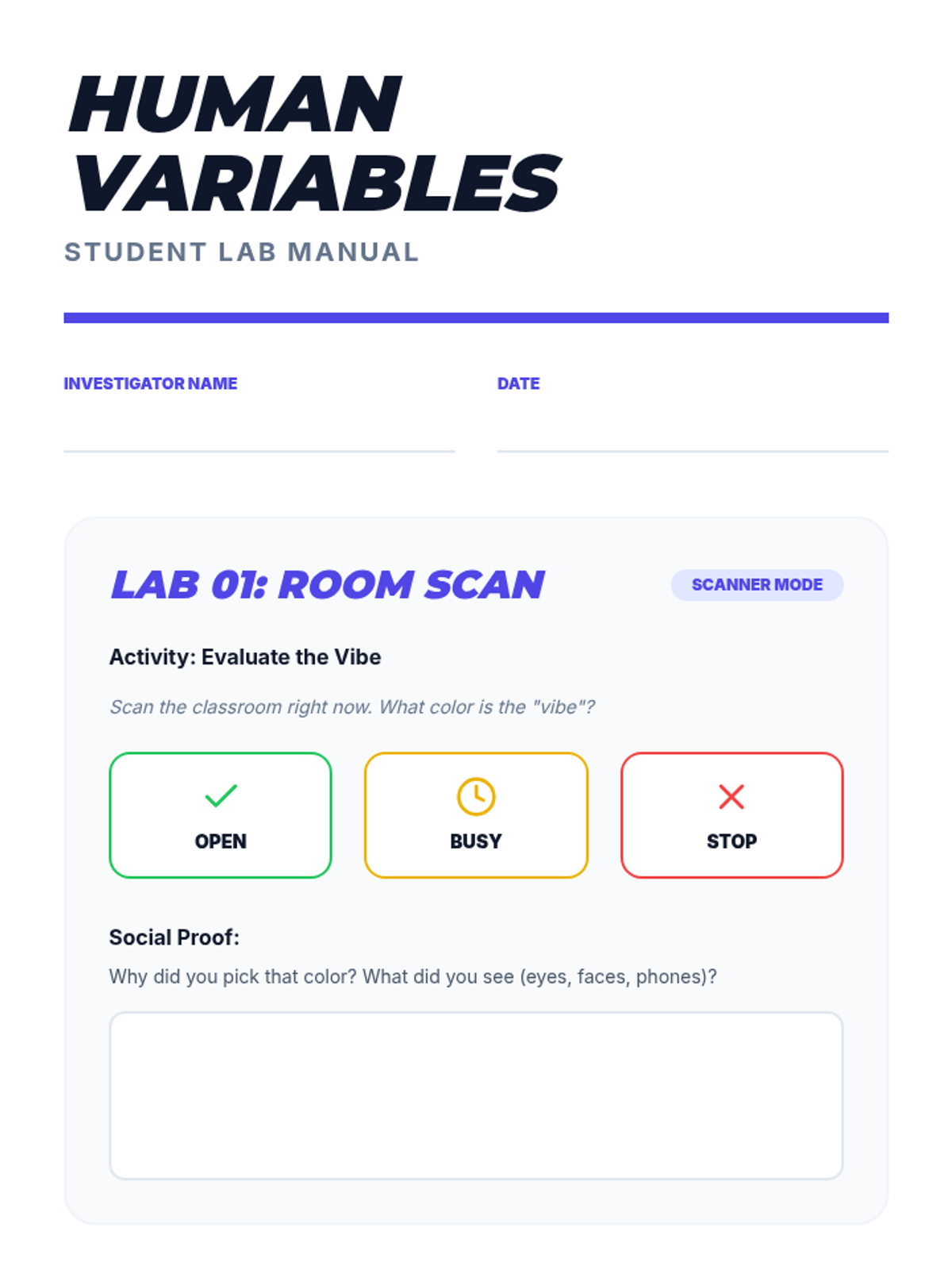
Introduction to 'reading the vibe' of a group before joining a social or collaborative math setting.
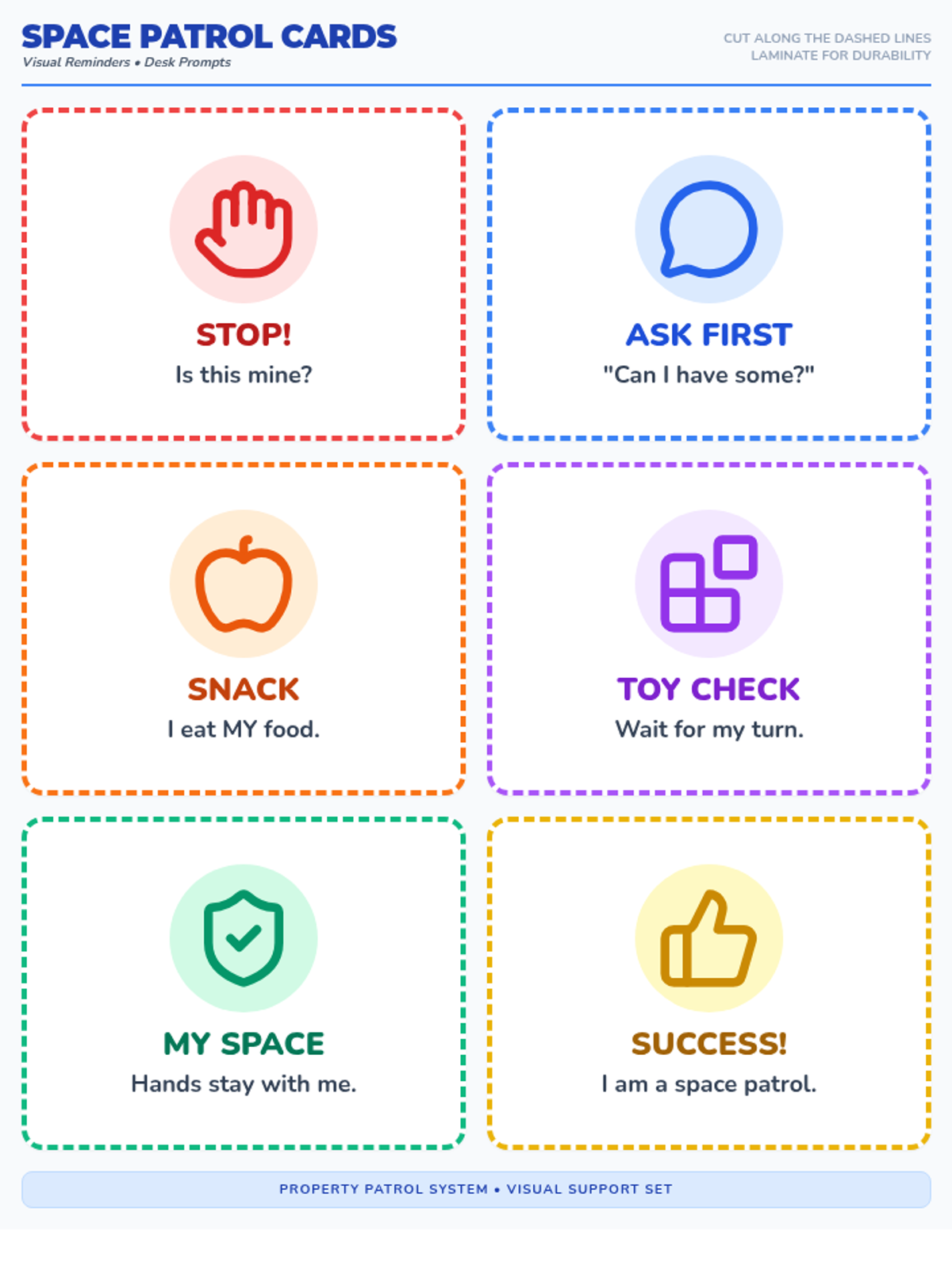
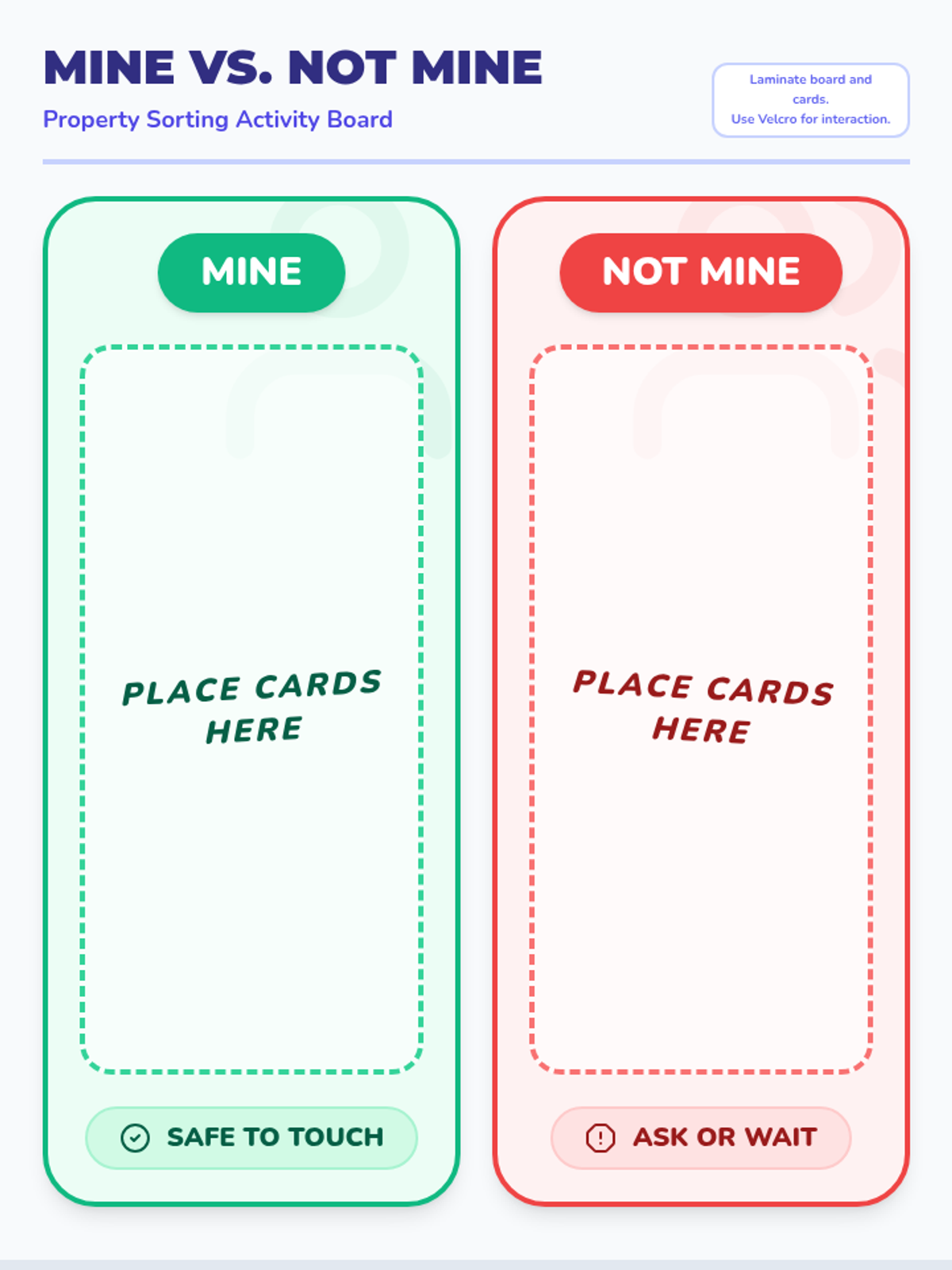
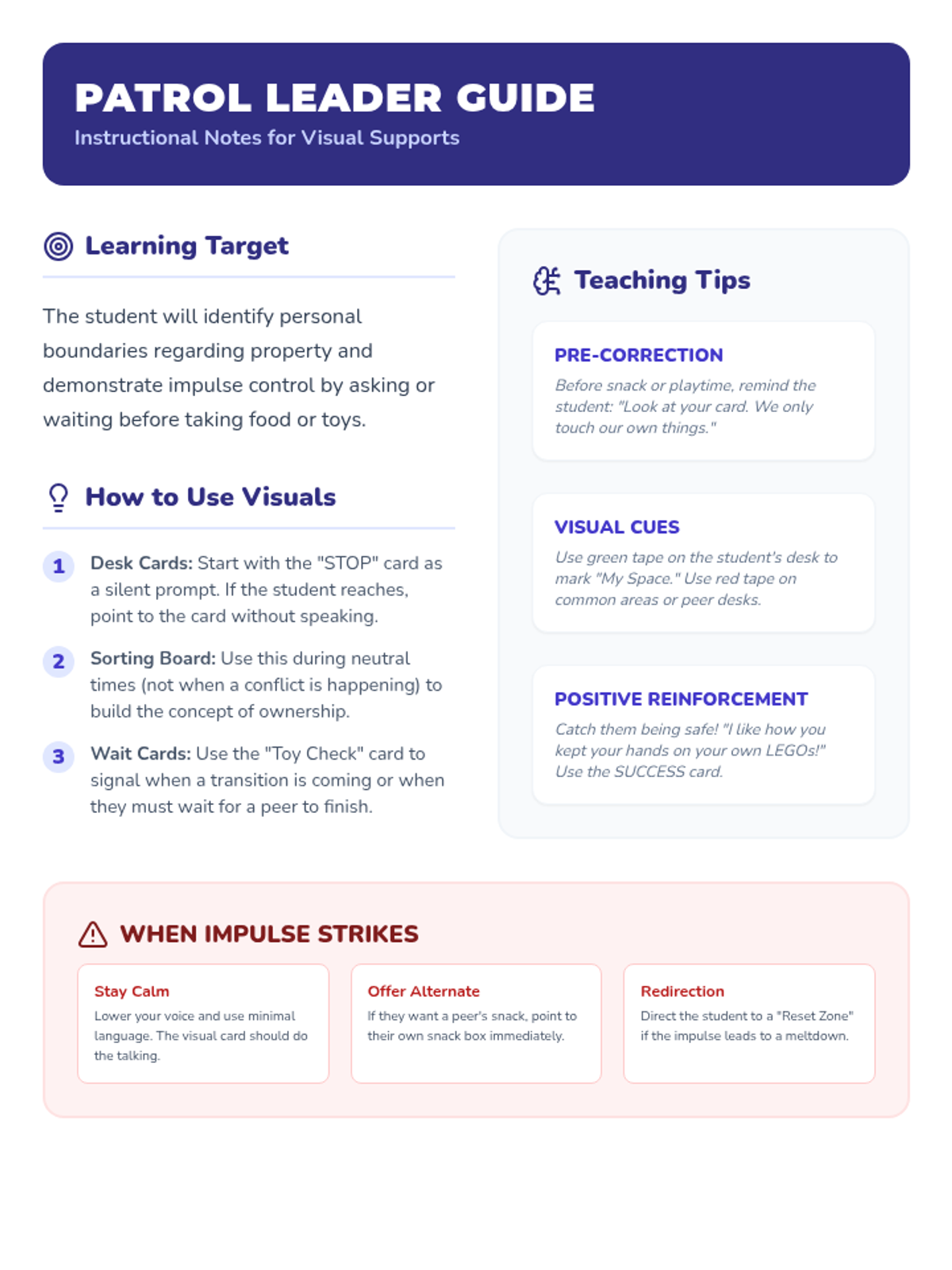
A set of visual supports and activities designed to help students with Autism understand personal boundaries, identify property ownership, and practice impulse control with food and toys.
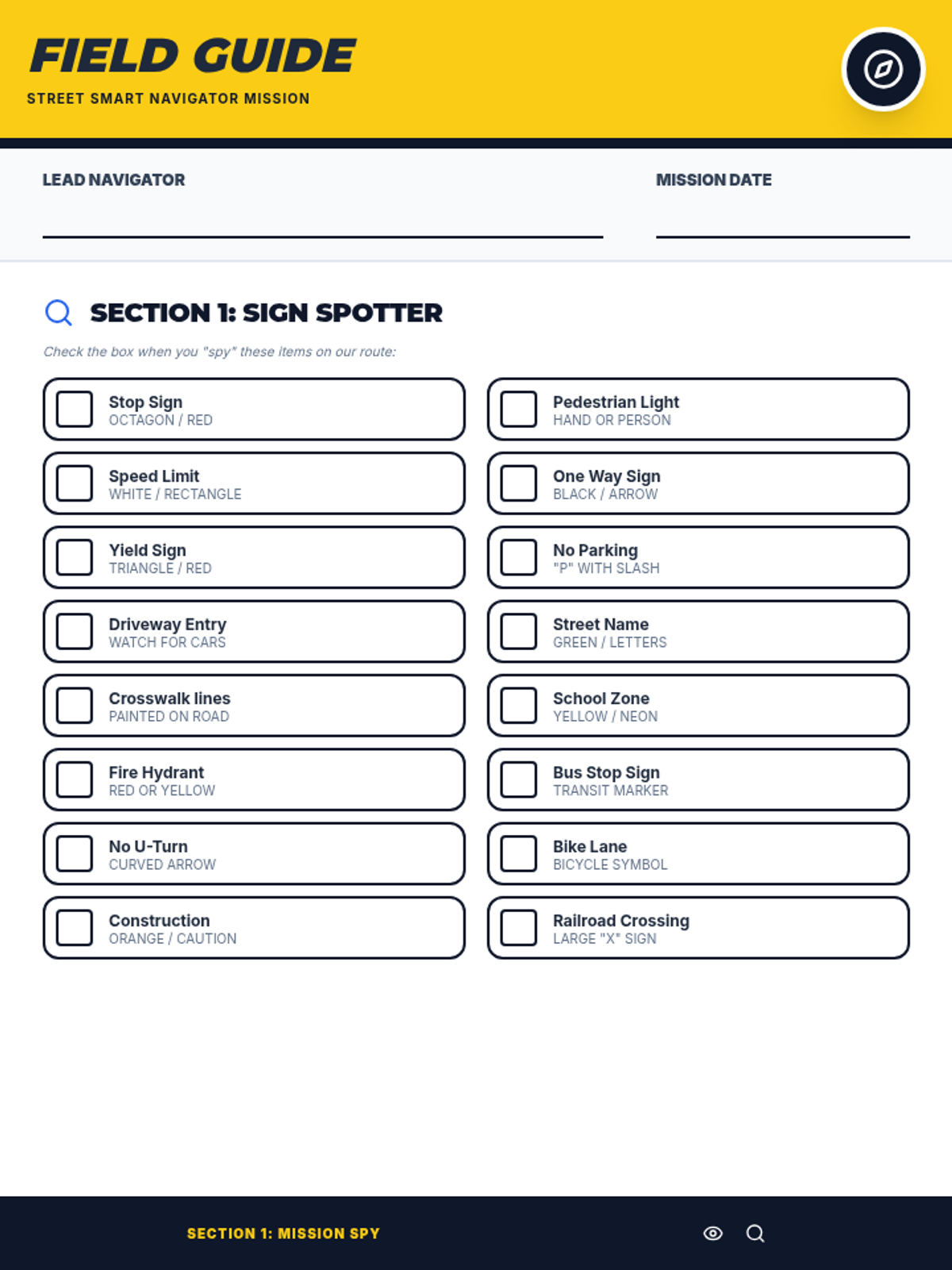
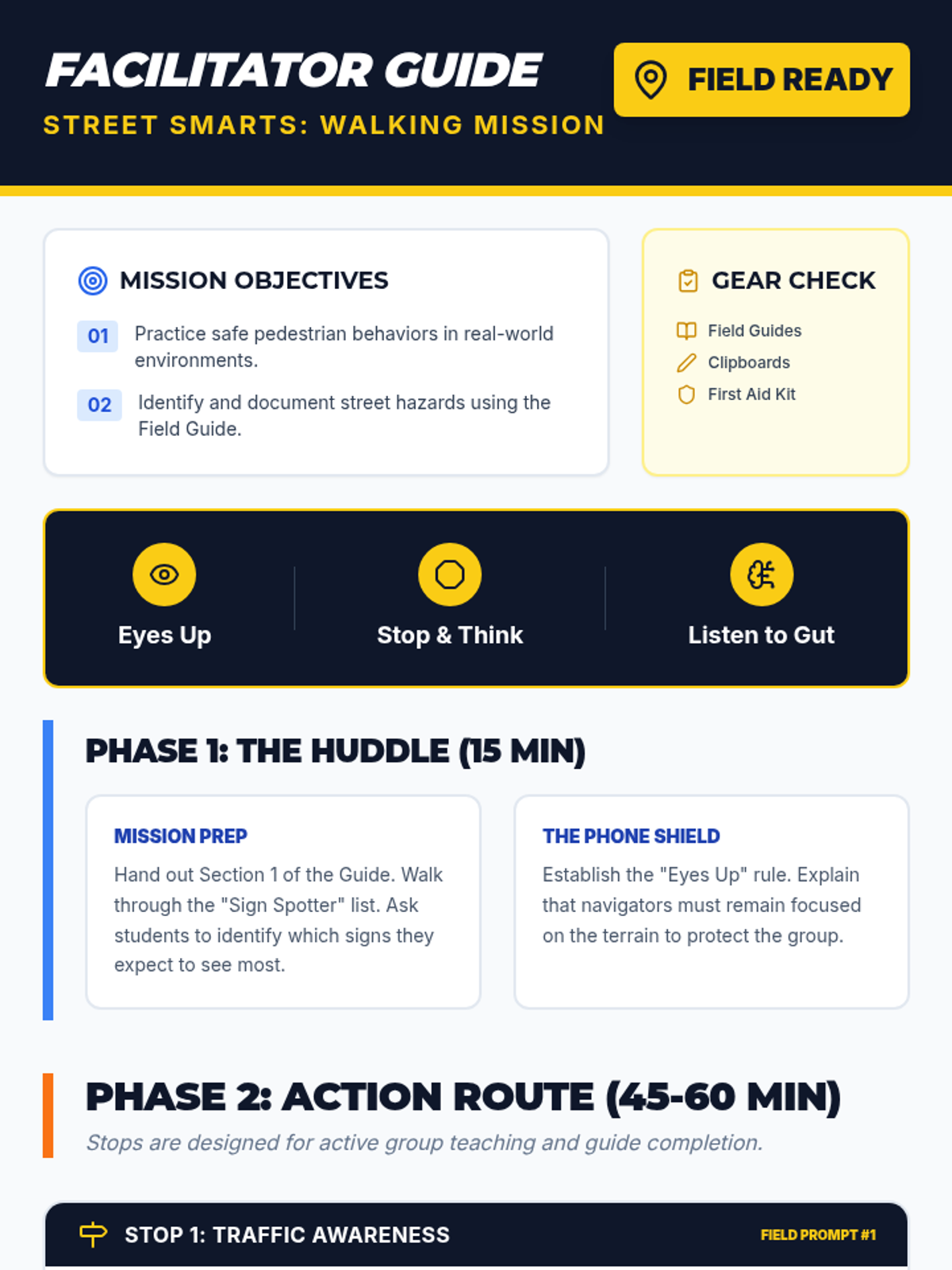
A comprehensive community-based instruction lesson focused on developing pedestrian safety, situational awareness, and real-world decision-making skills during a guided walking tour.
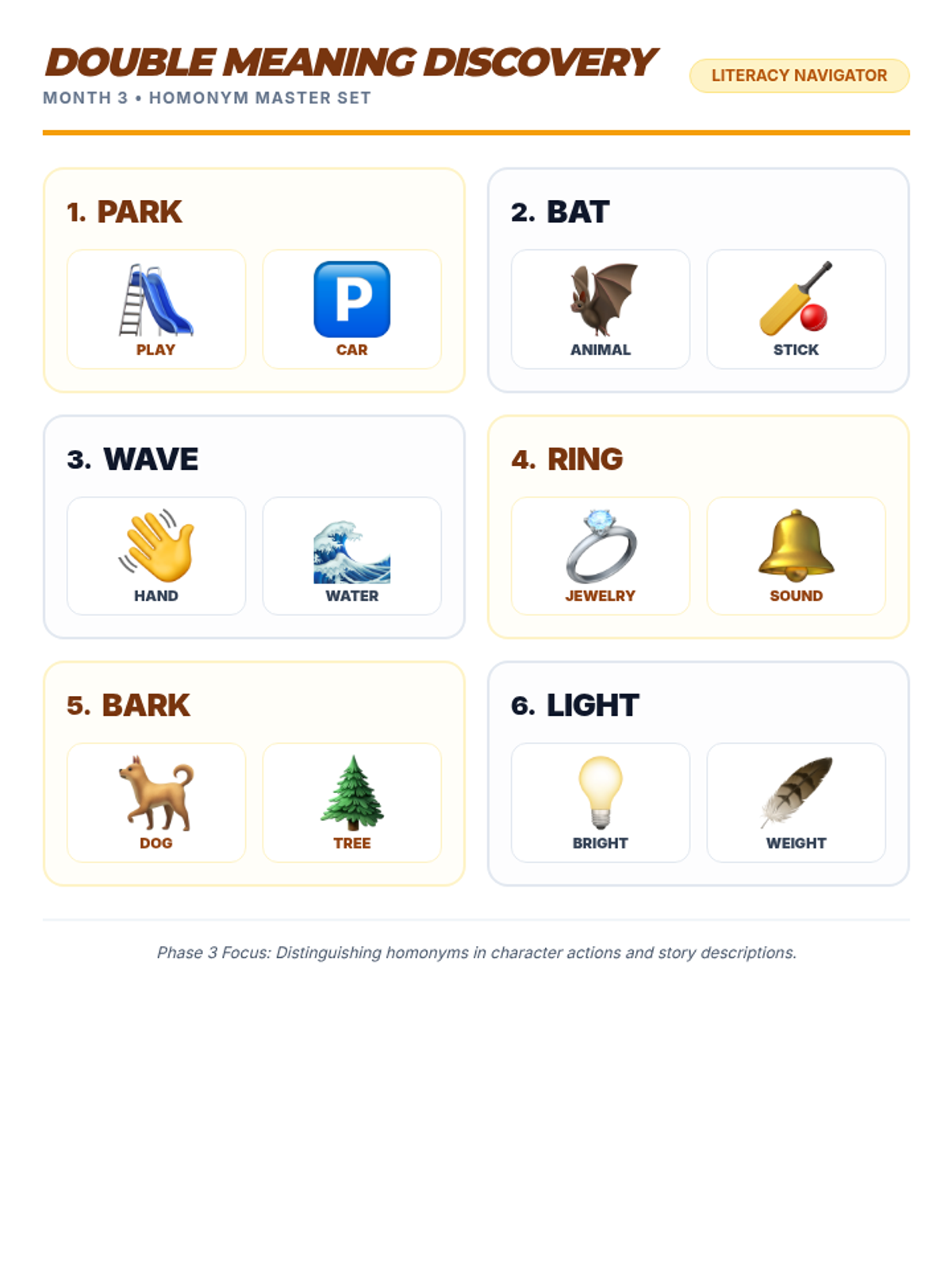
Introduction to high-frequency multiple-meaning words found in 3rd and 4th-grade texts with heavy visual support and functional application.
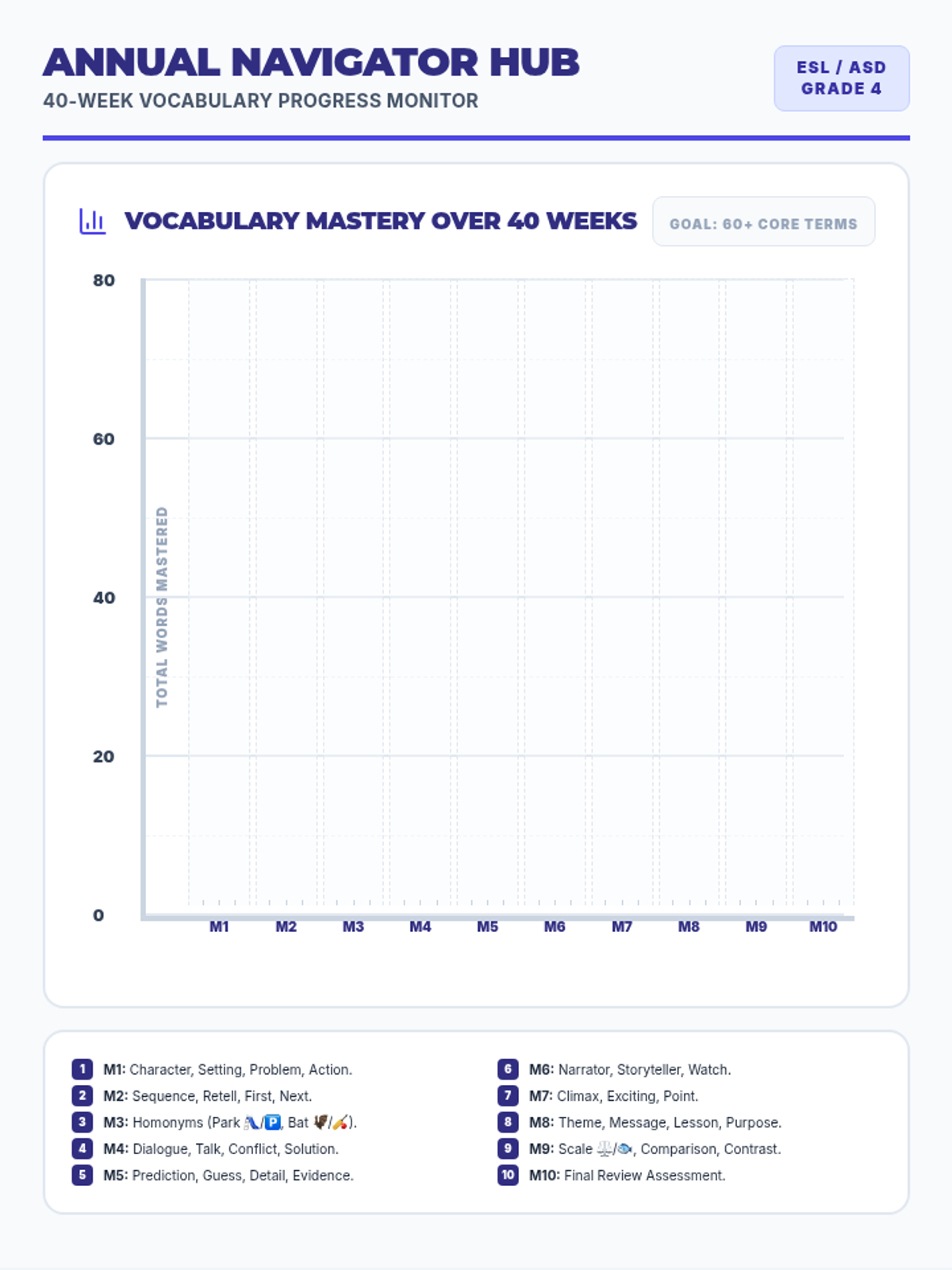
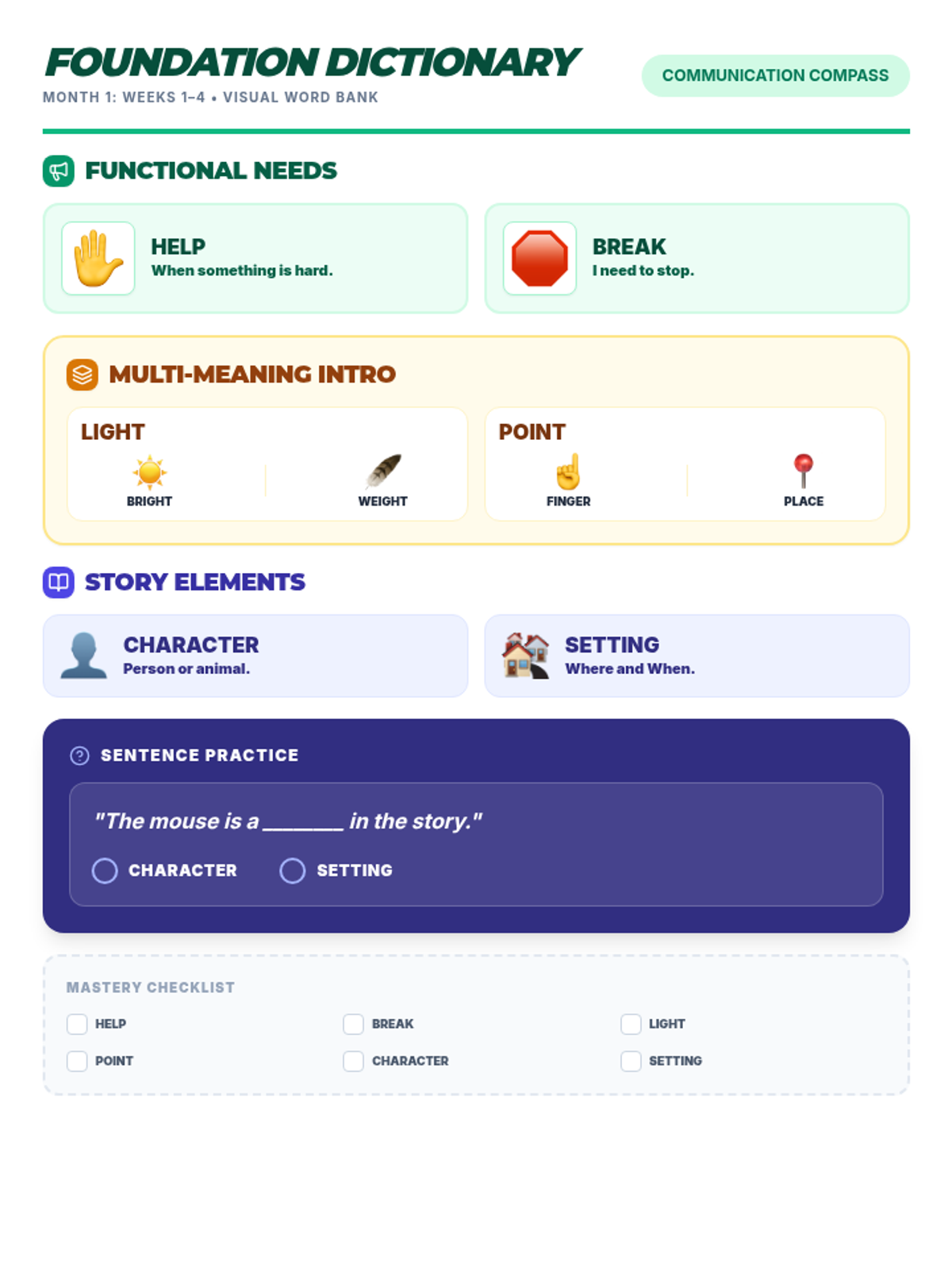
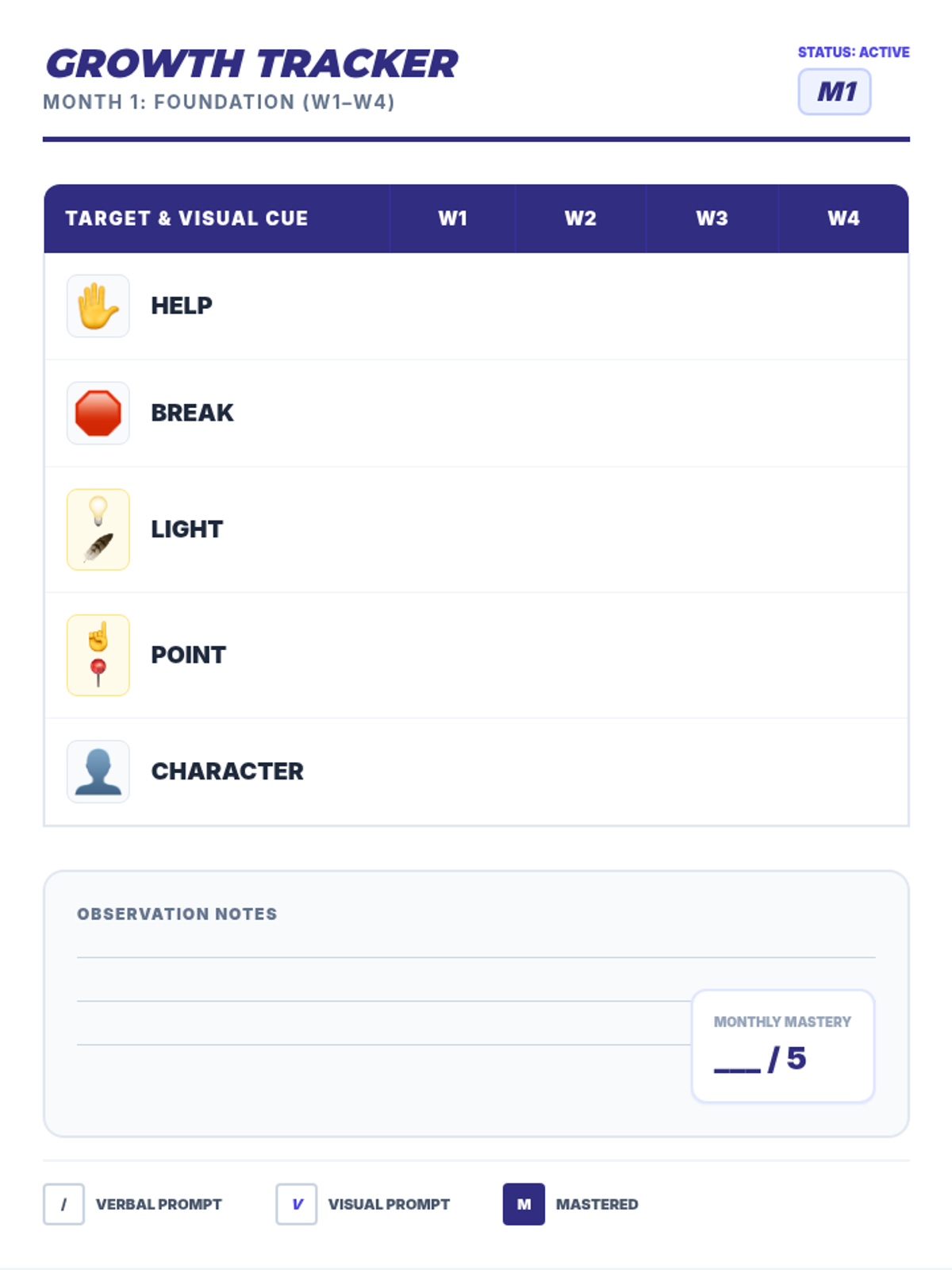
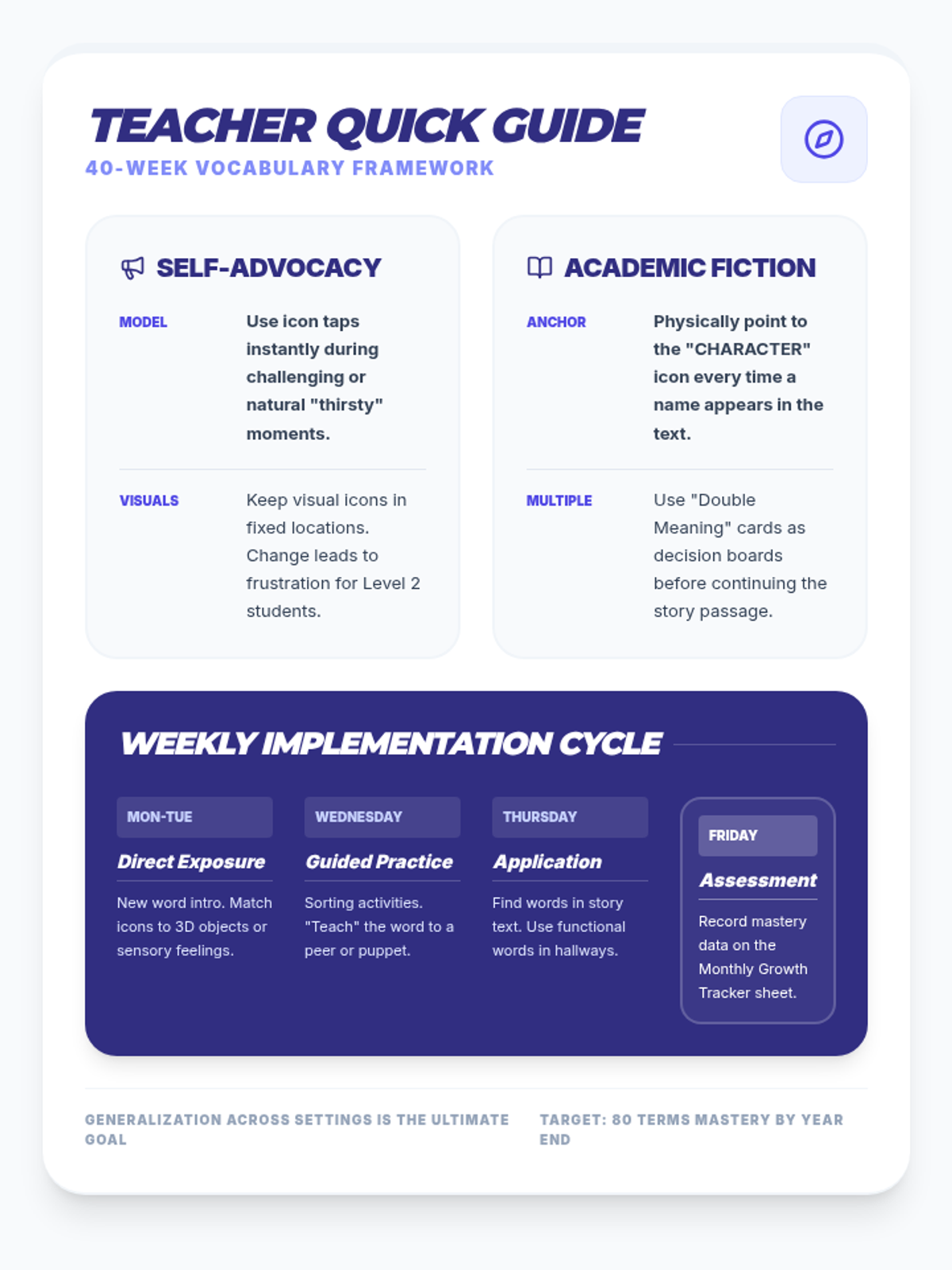
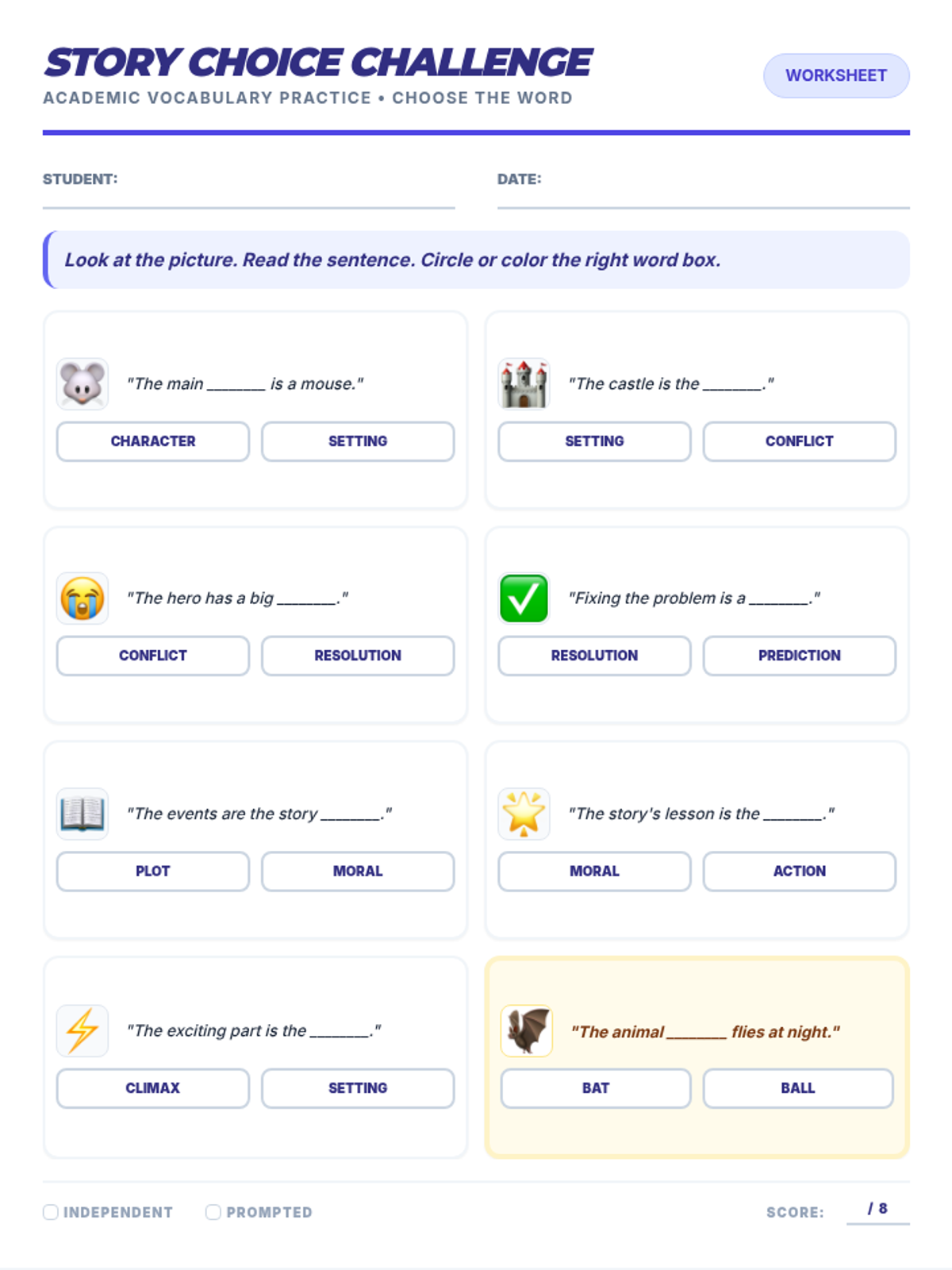
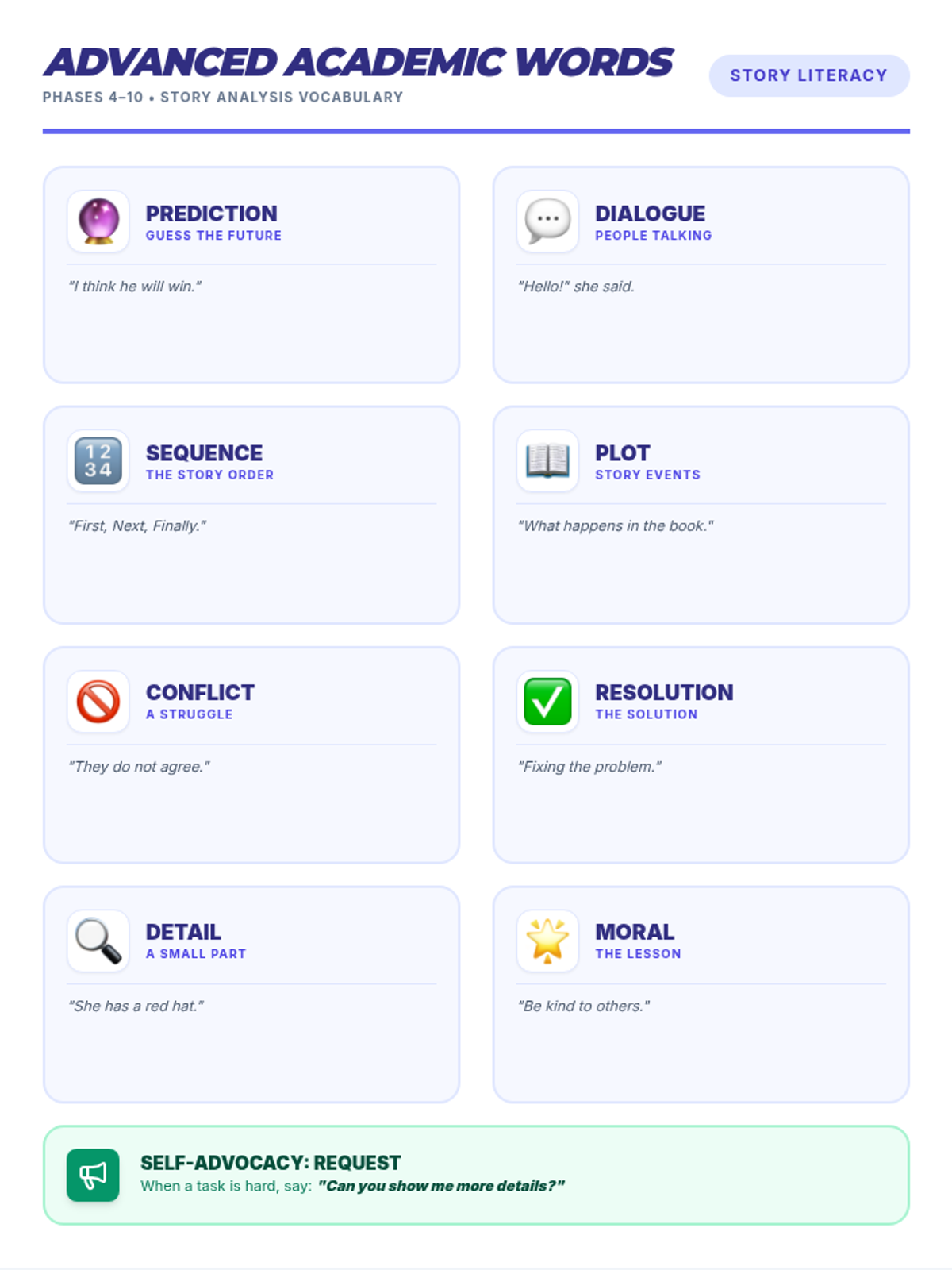
Establishing baseline skills in self-advocacy (needs/wants) and introductory fiction vocabulary (characters/settings) while initiating the 40-week progress monitoring system.
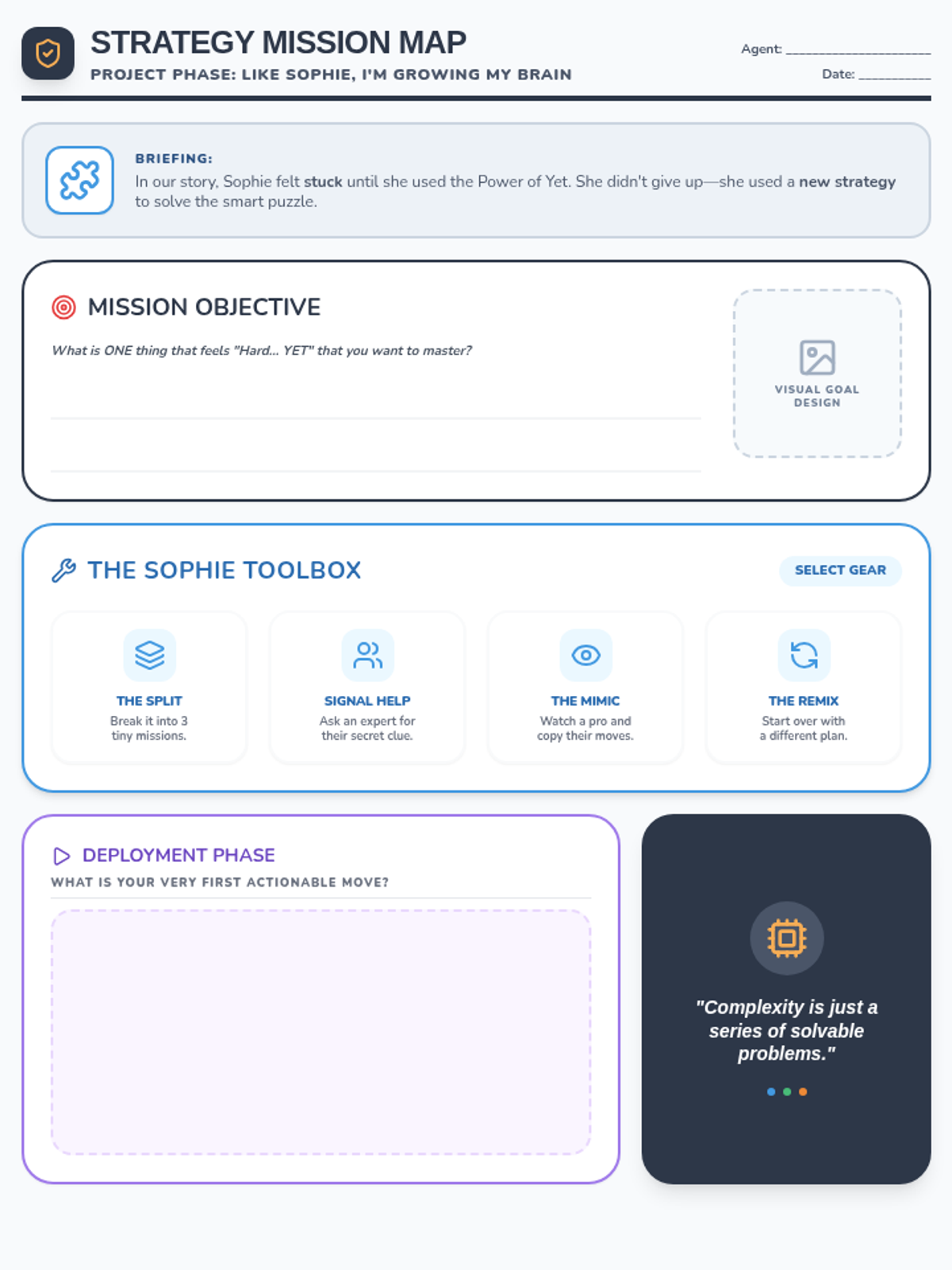
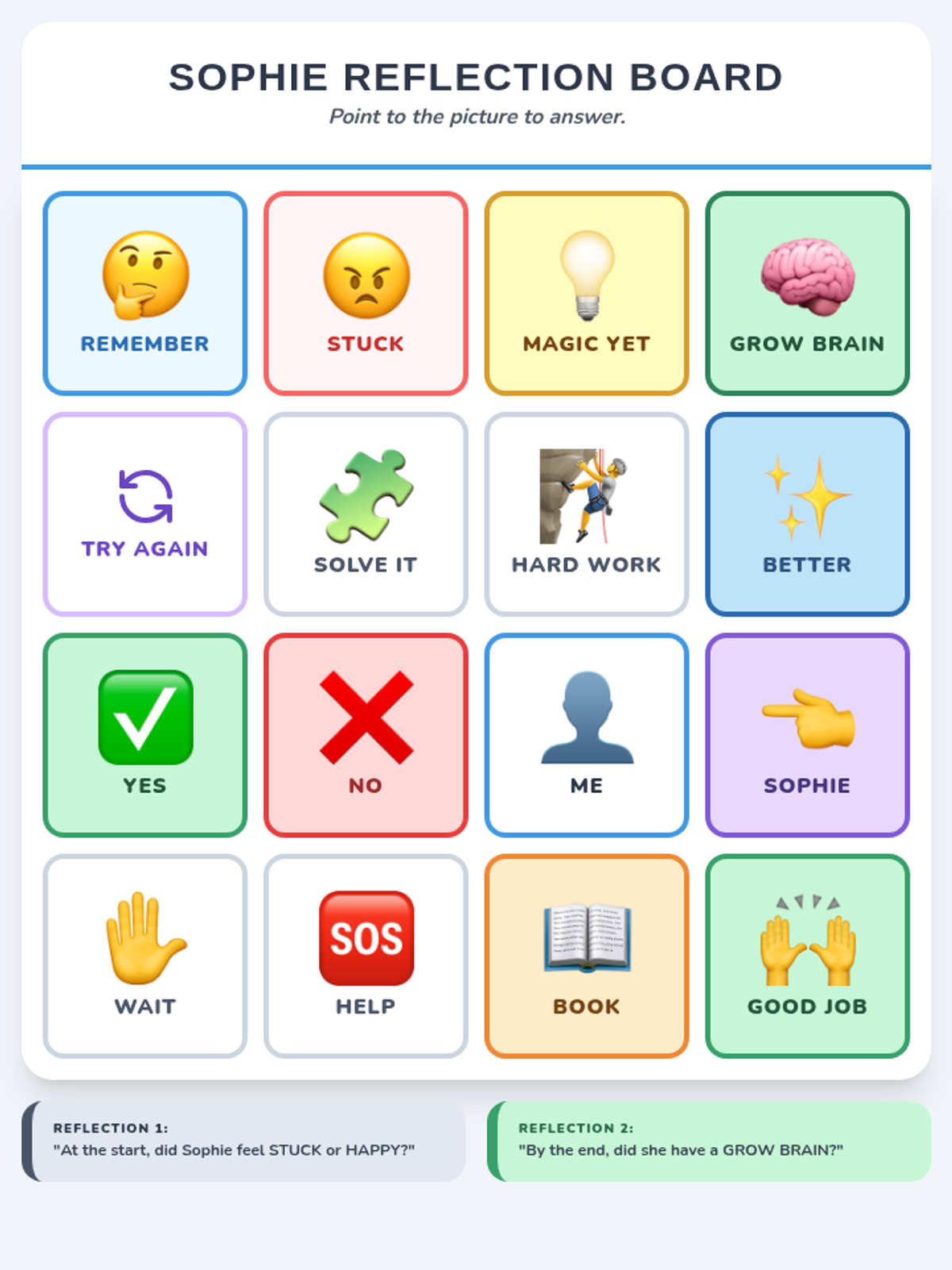
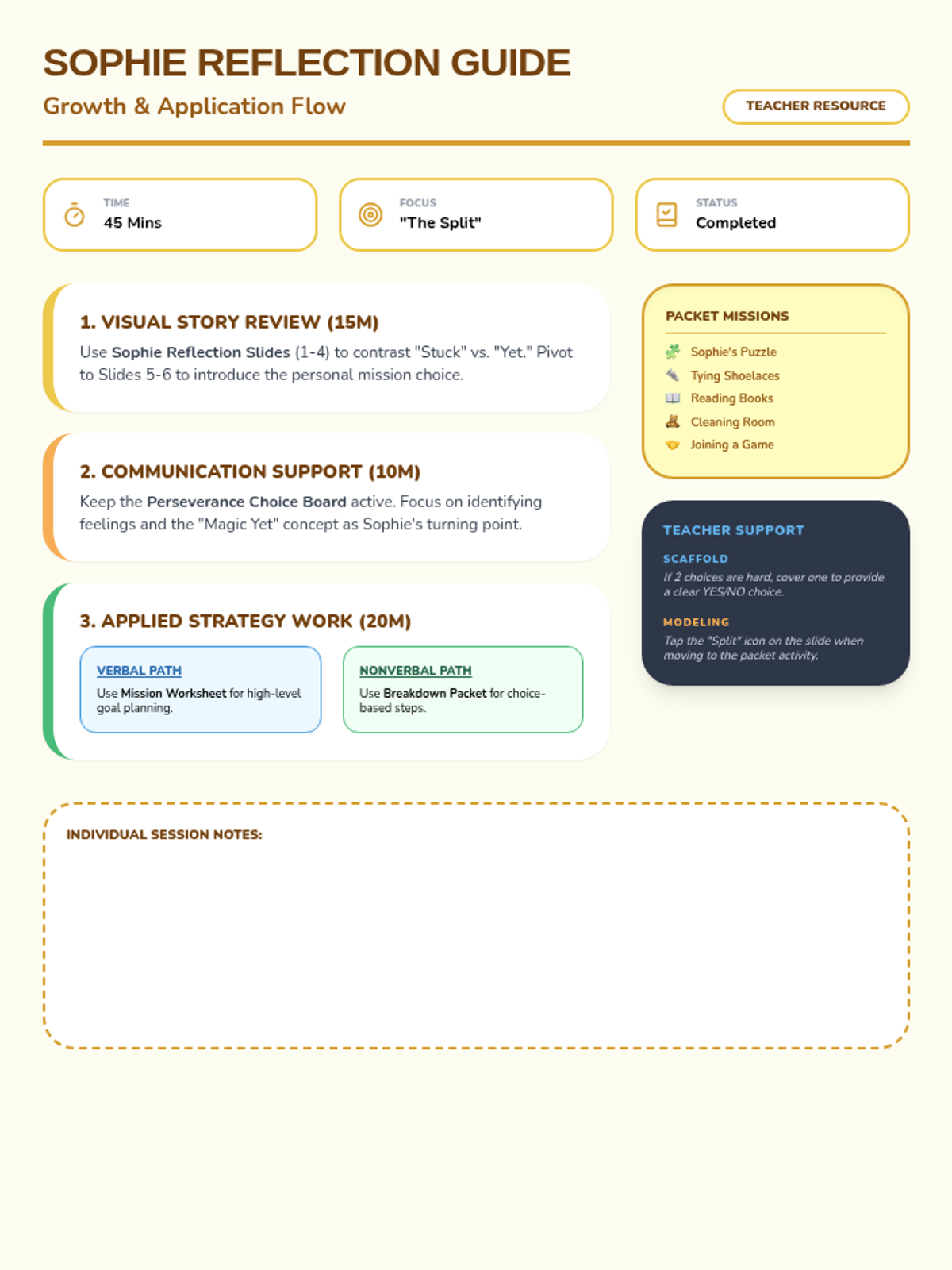
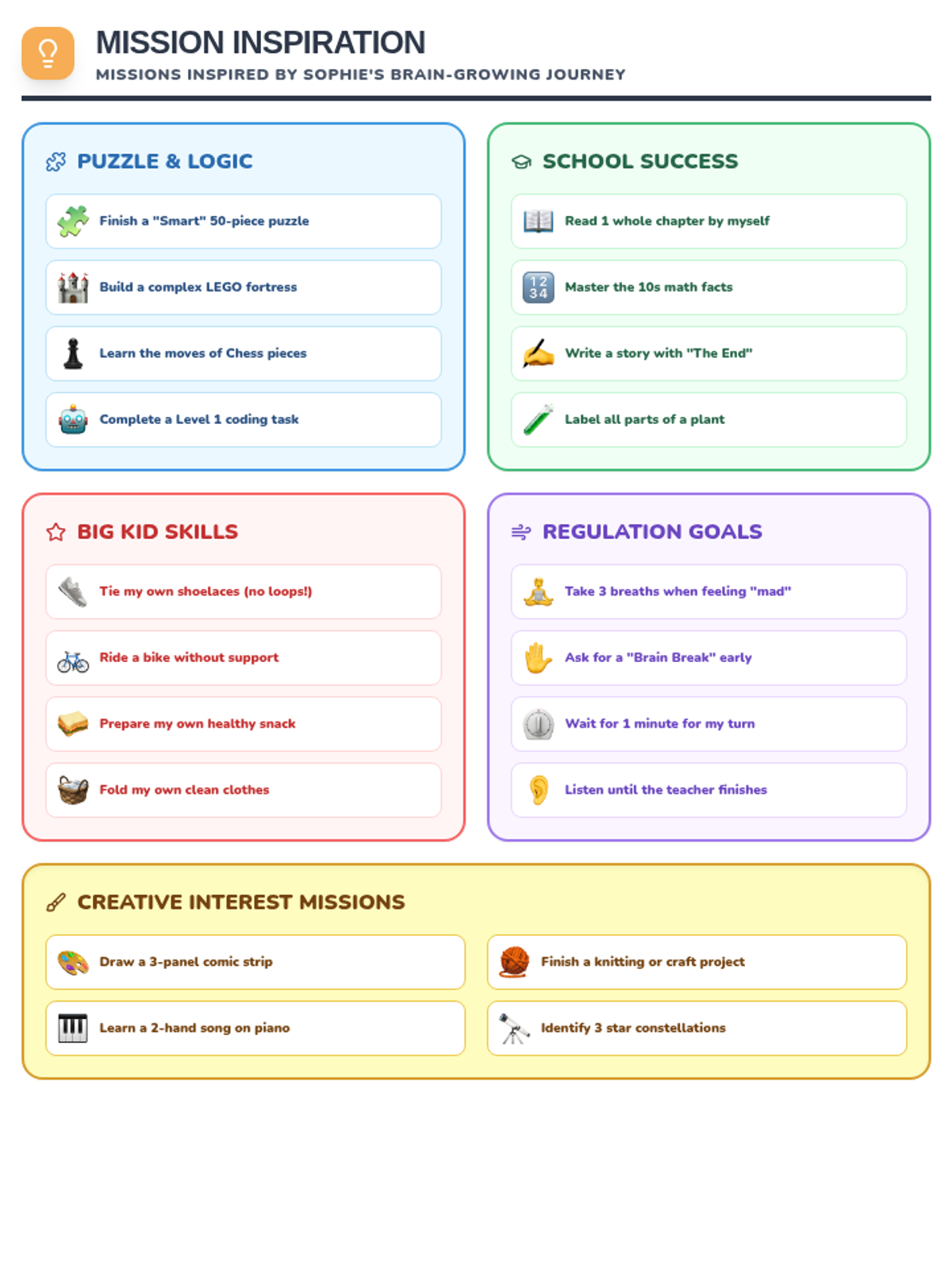
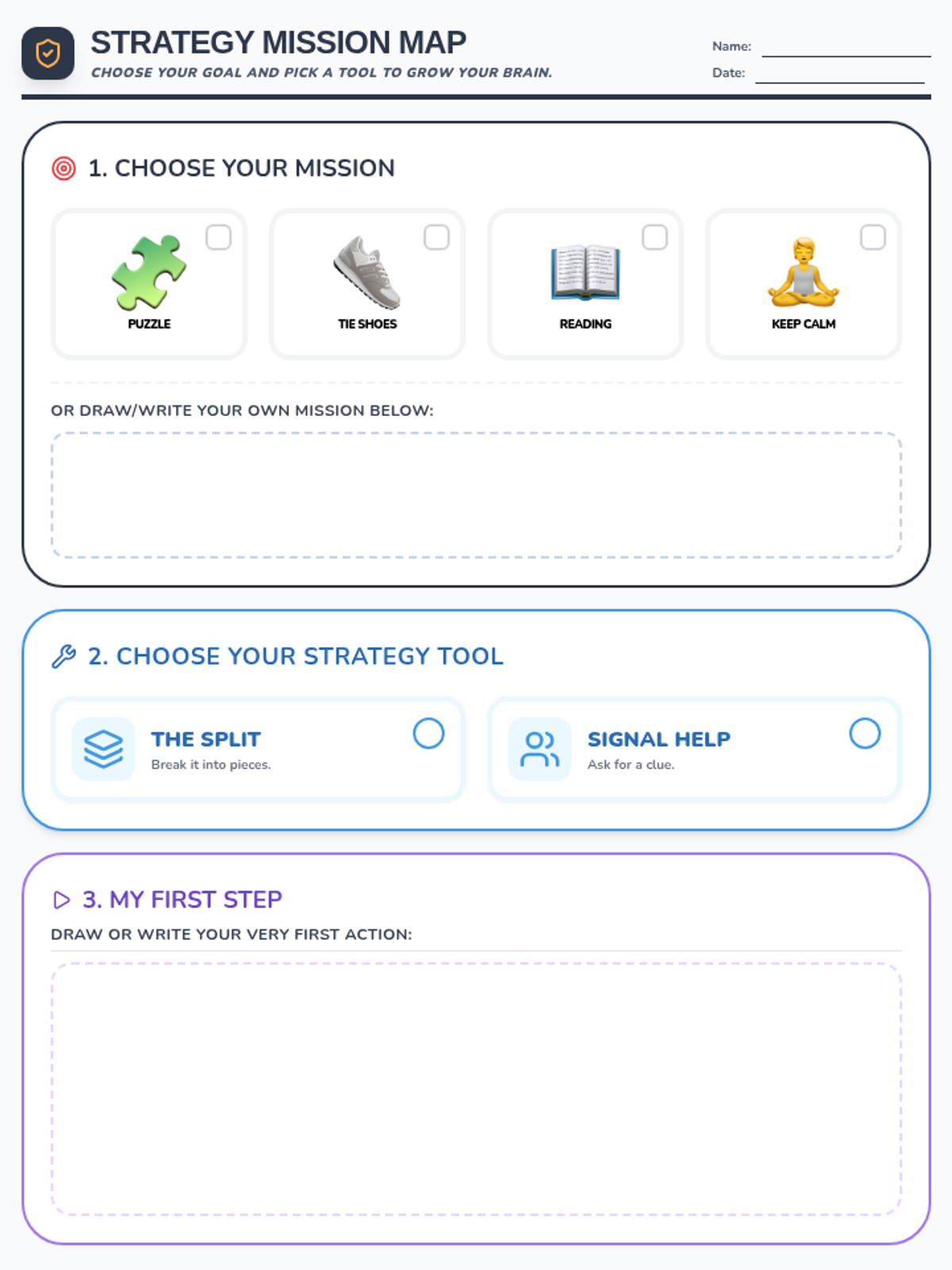
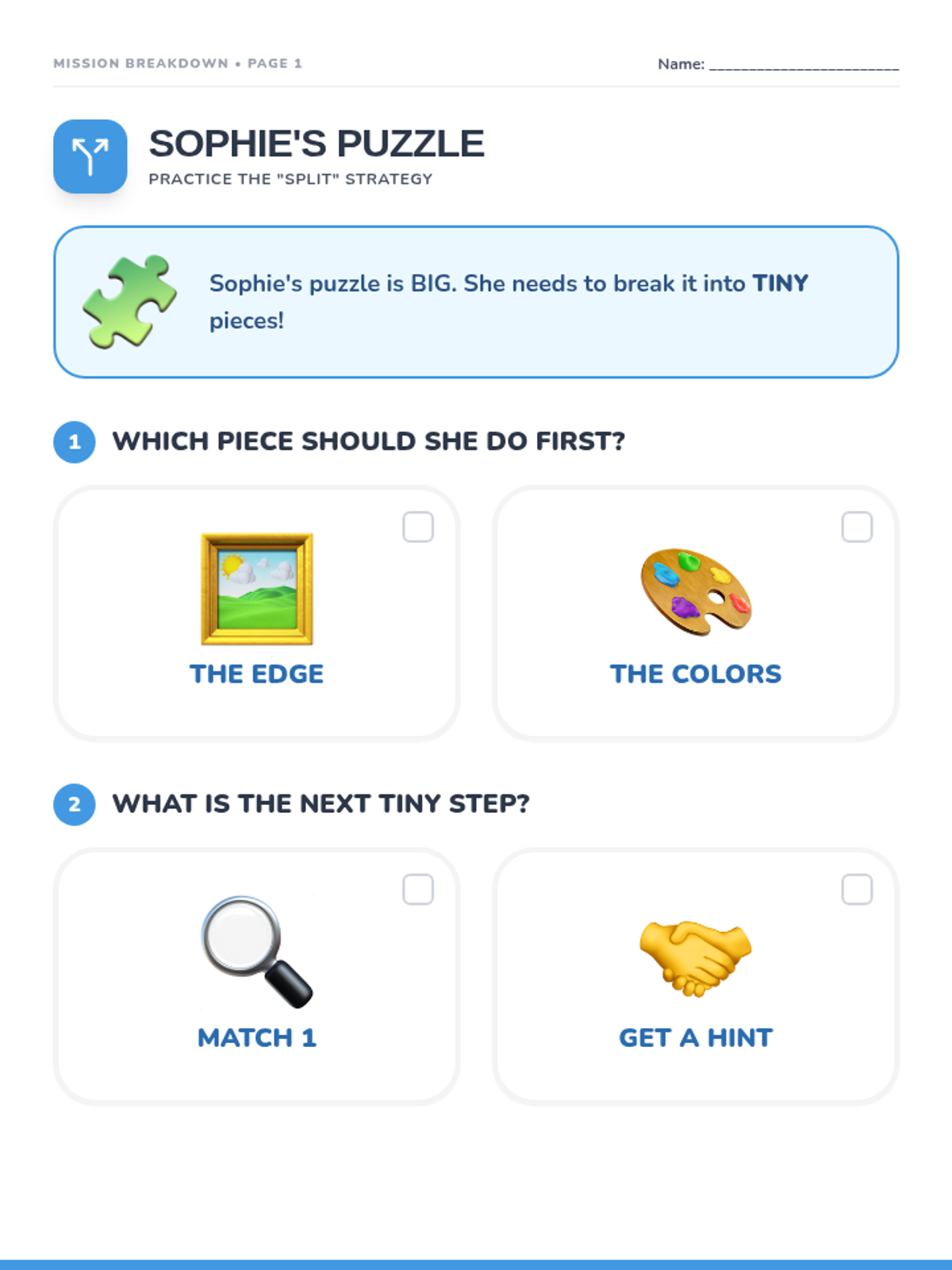
This lesson focuses on reflecting on Sophie's journey in 'When Sophie Thinks She Can't' and applying the concept of 'The Power of Yet' to personal experiences. It includes visual reflection slides, a strategy mission map, and adapted communication tools specifically designed for students with autism to process and apply growth mindset concepts.
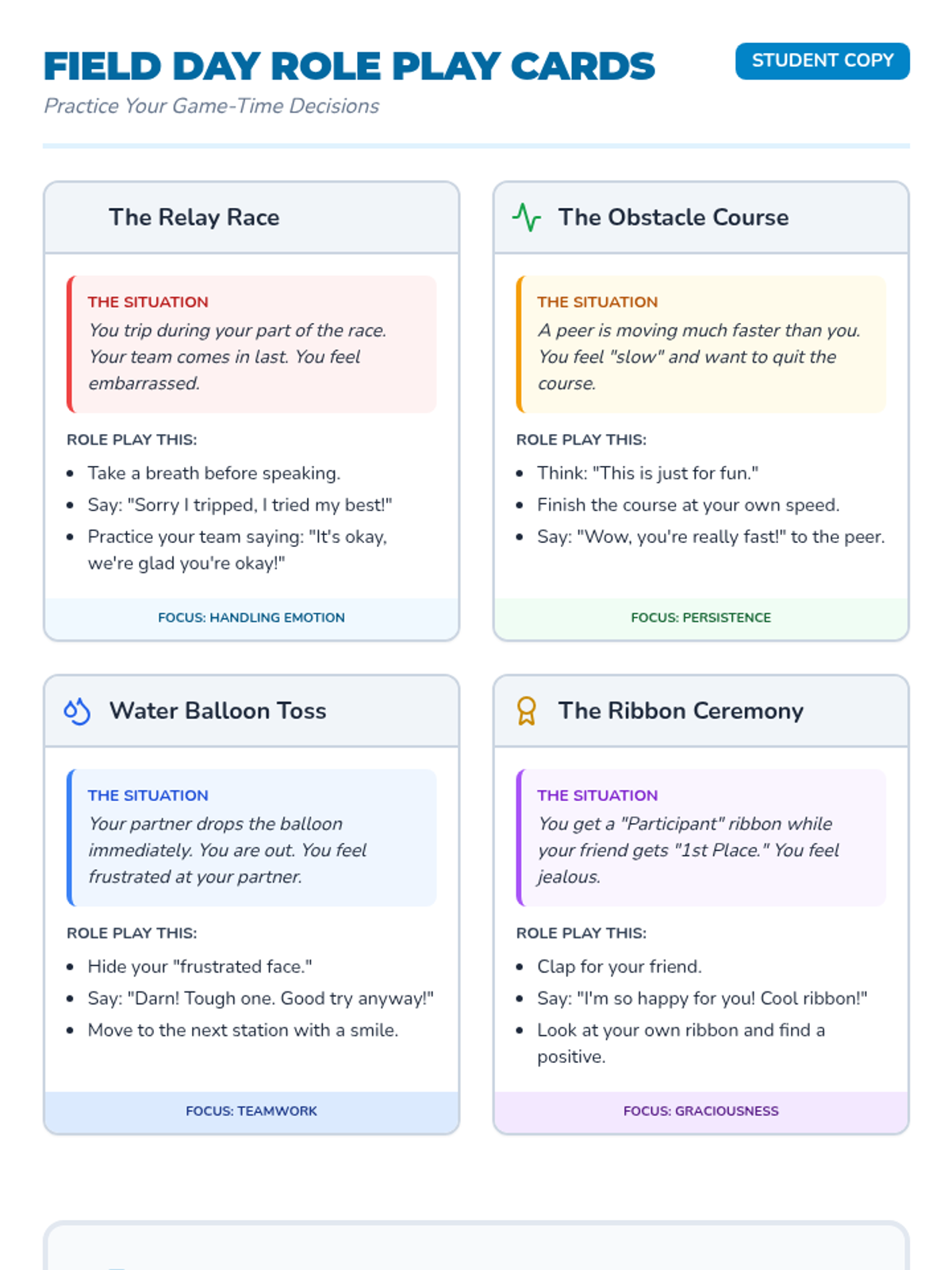
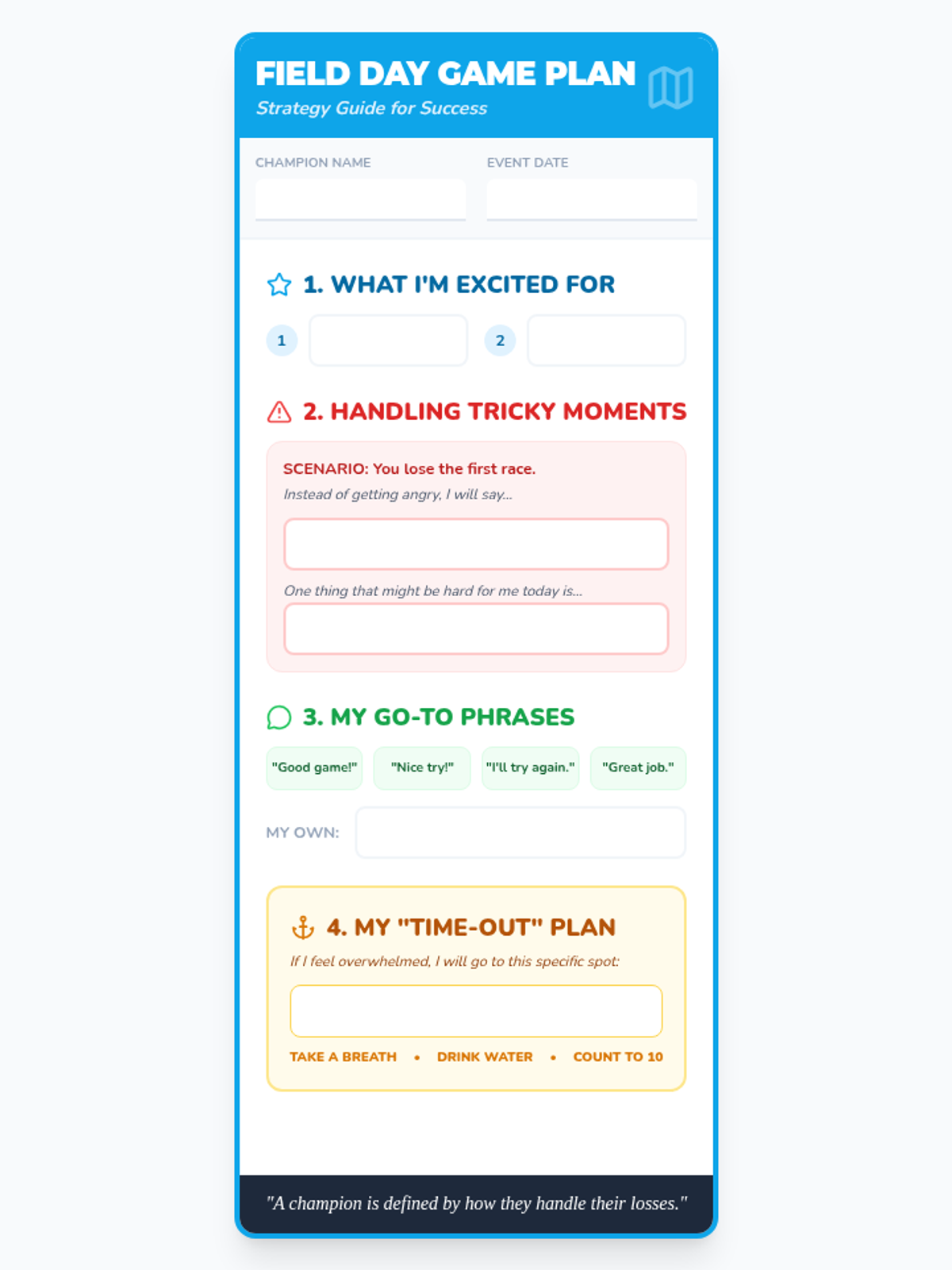
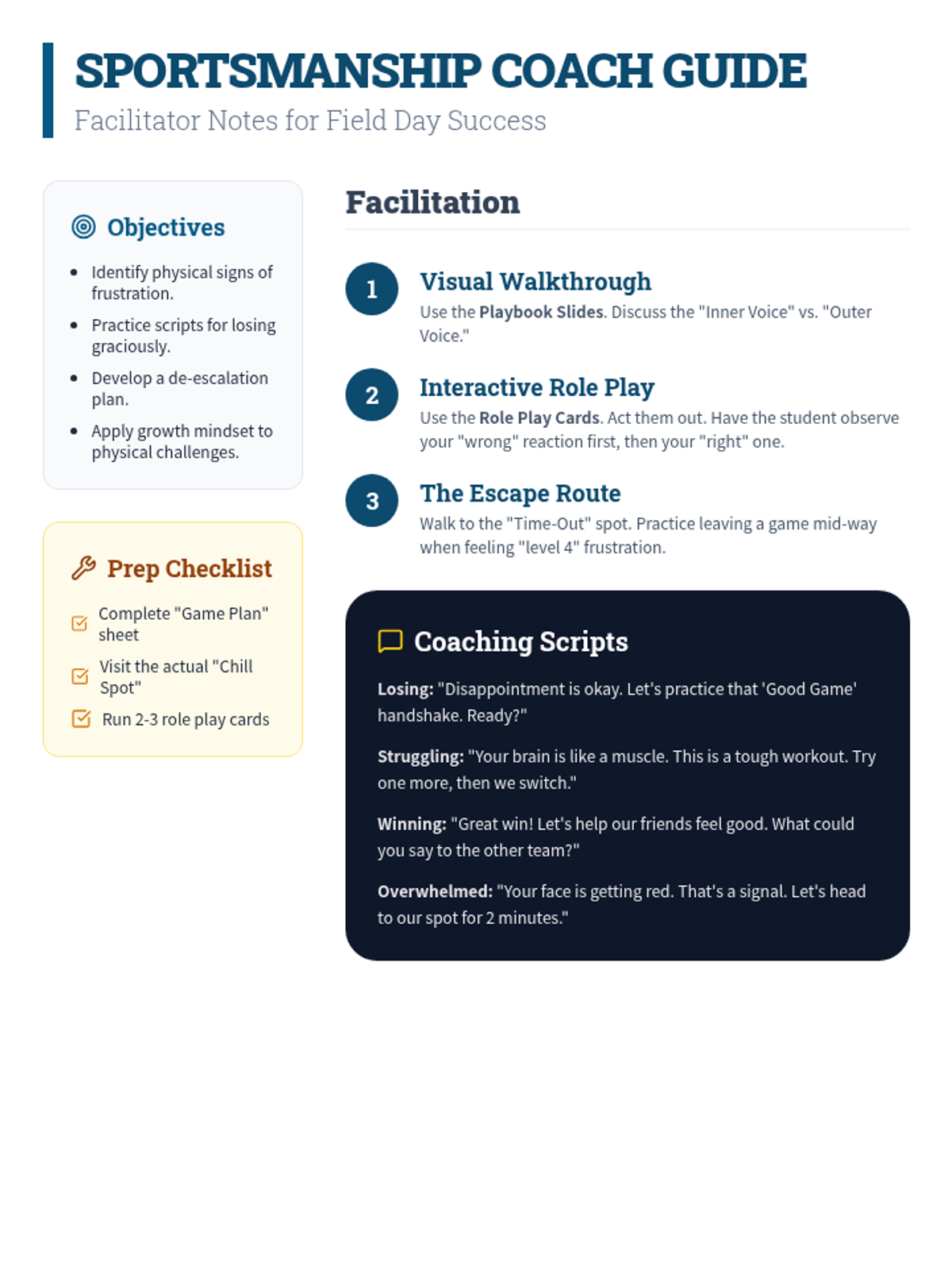
A social skills lesson designed for 6th-grade students with ASD to prepare for the emotional and social challenges of a school Field Day, focusing on sportsmanship, handling loss, and managing frustration when skills are difficult.
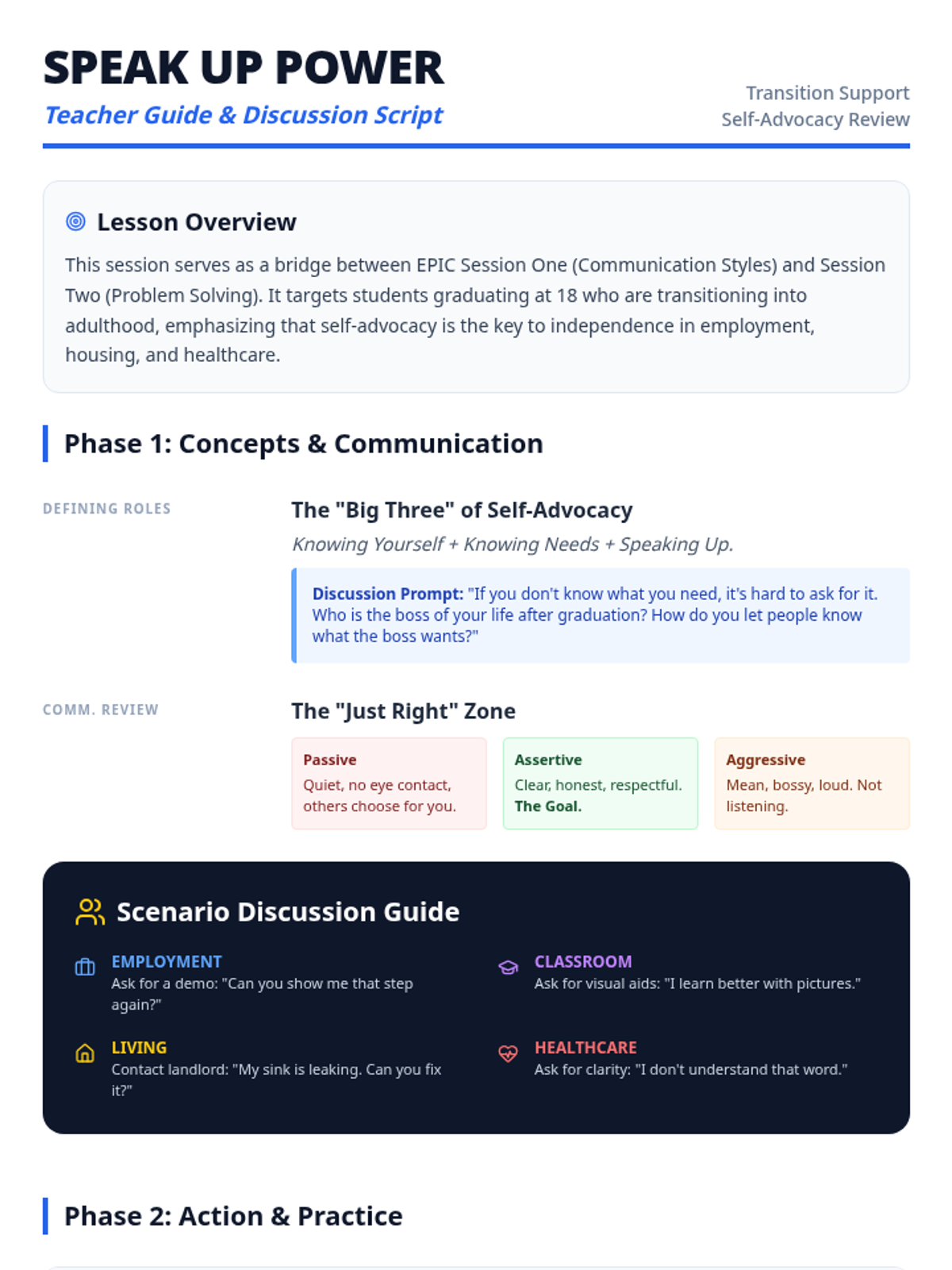
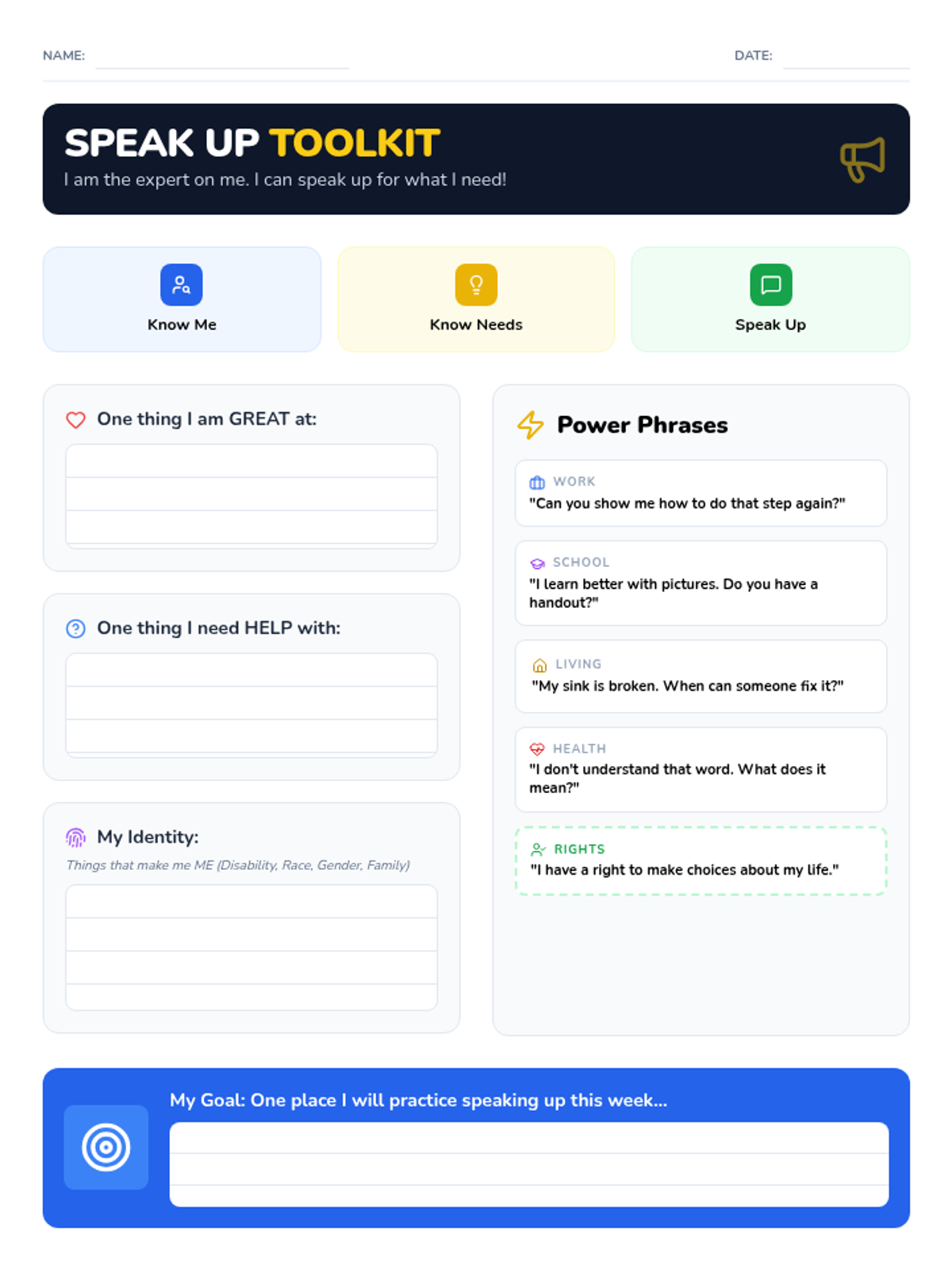
A review-focused lesson on self-advocacy for high school students with intellectual disabilities, focusing on transition skills for employment, living, and education.
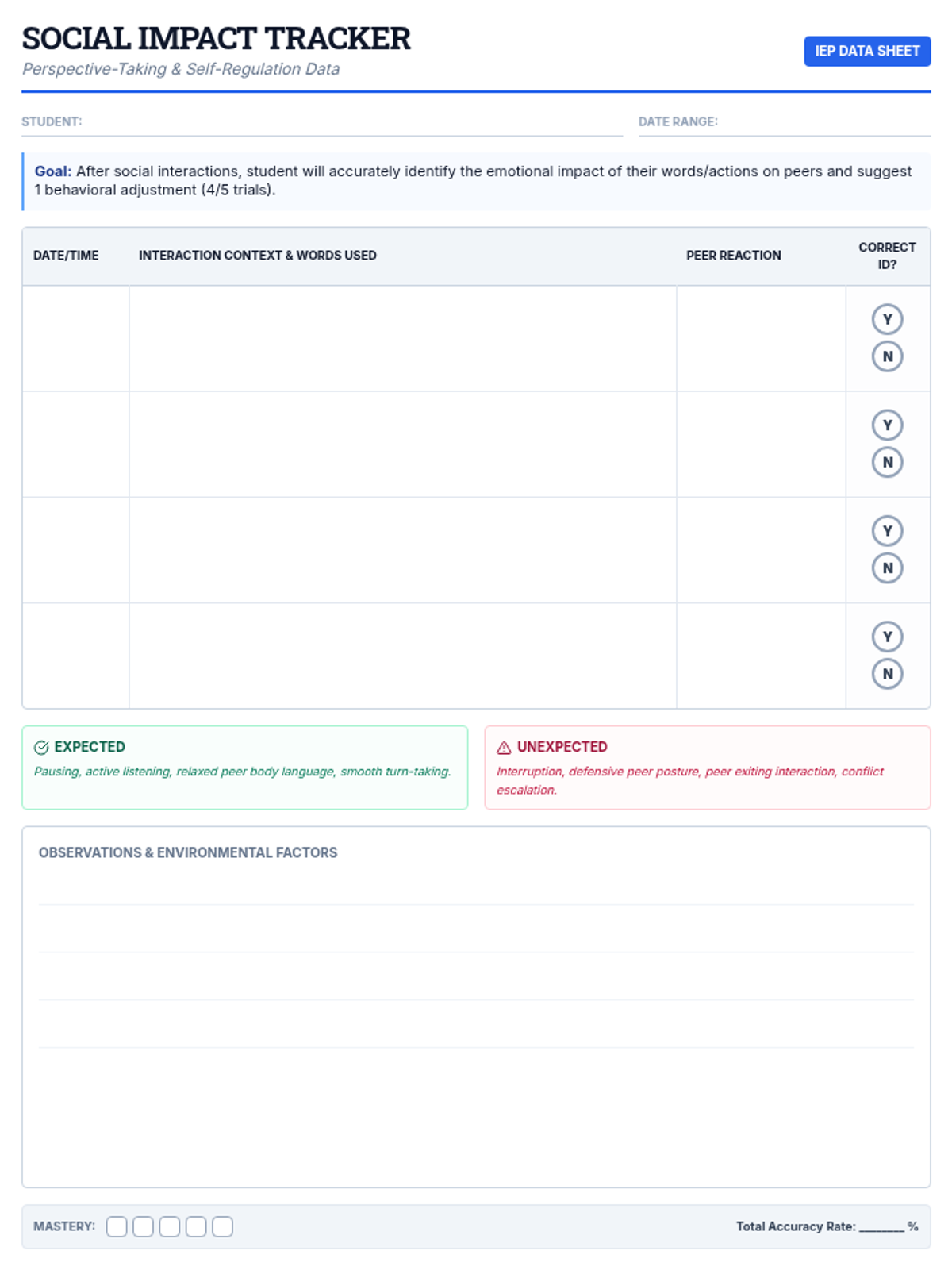
This lesson focuses on developing perspective-taking skills, specifically helping students understand the ripple effect of their words and actions on the people around them. It includes tools for monitoring progress and reflective practice.
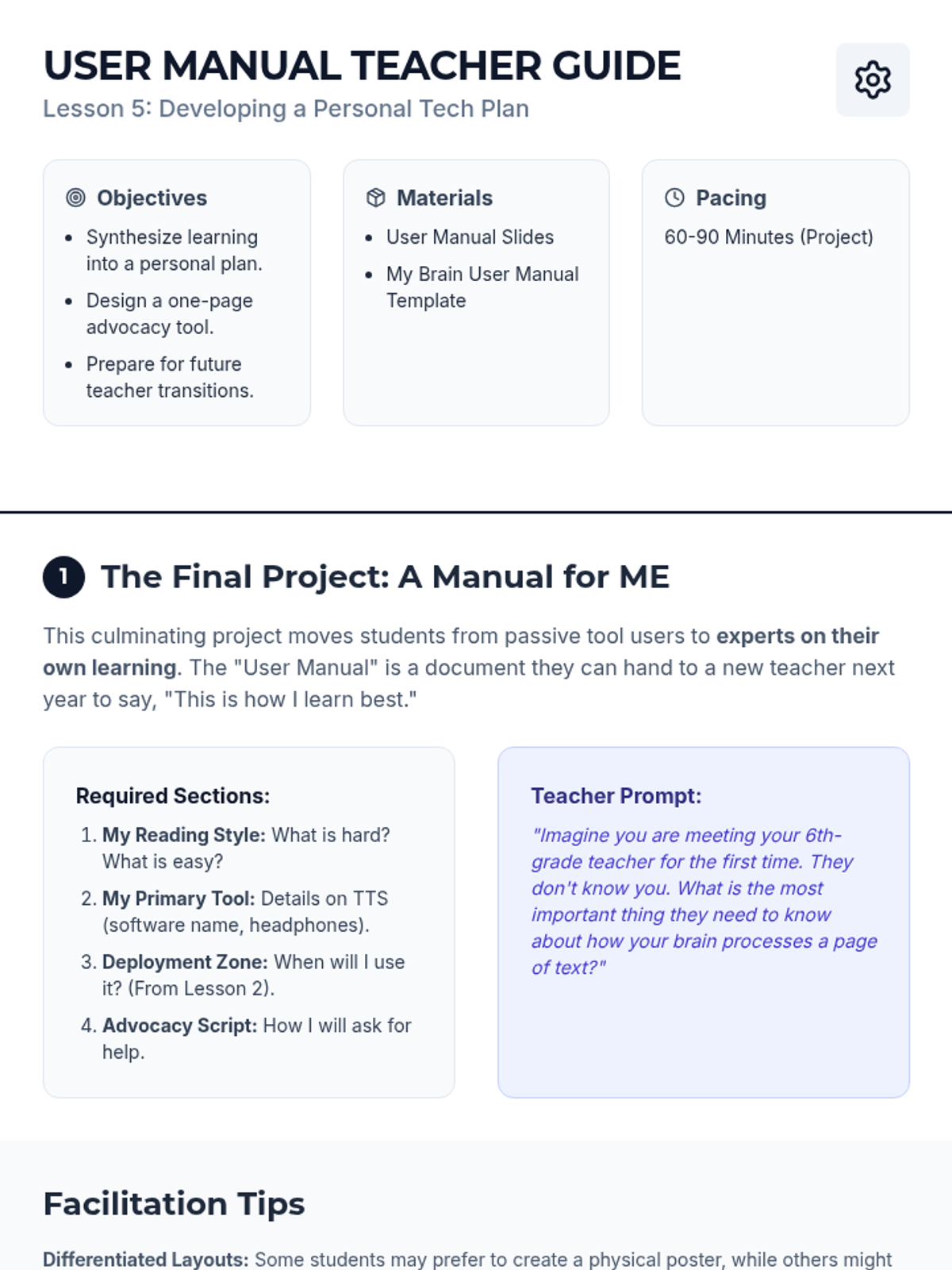
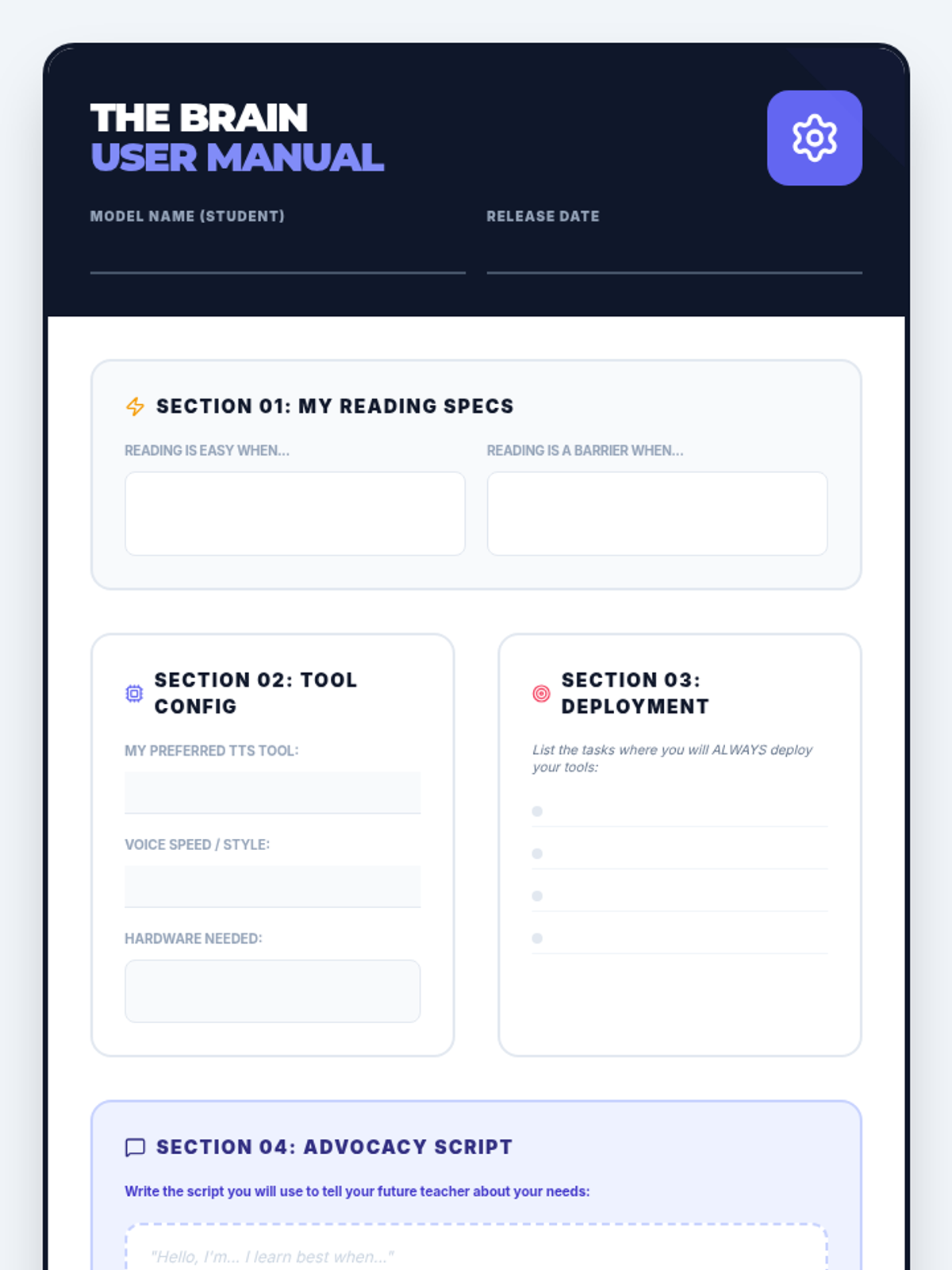
Culminating project where students design a 'User Manual' for their brain, documenting their specific tech needs and preferences to share with future educators.
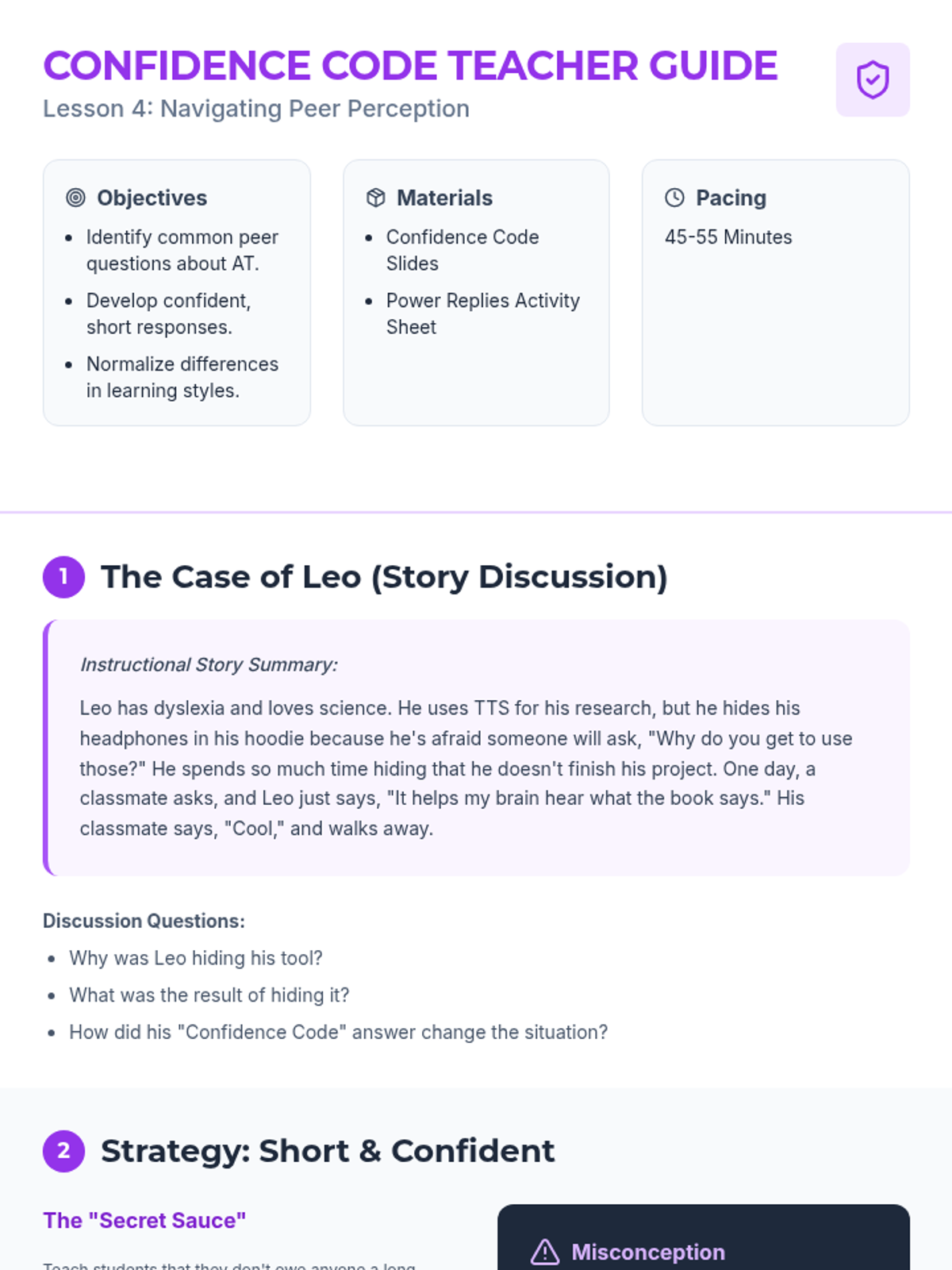
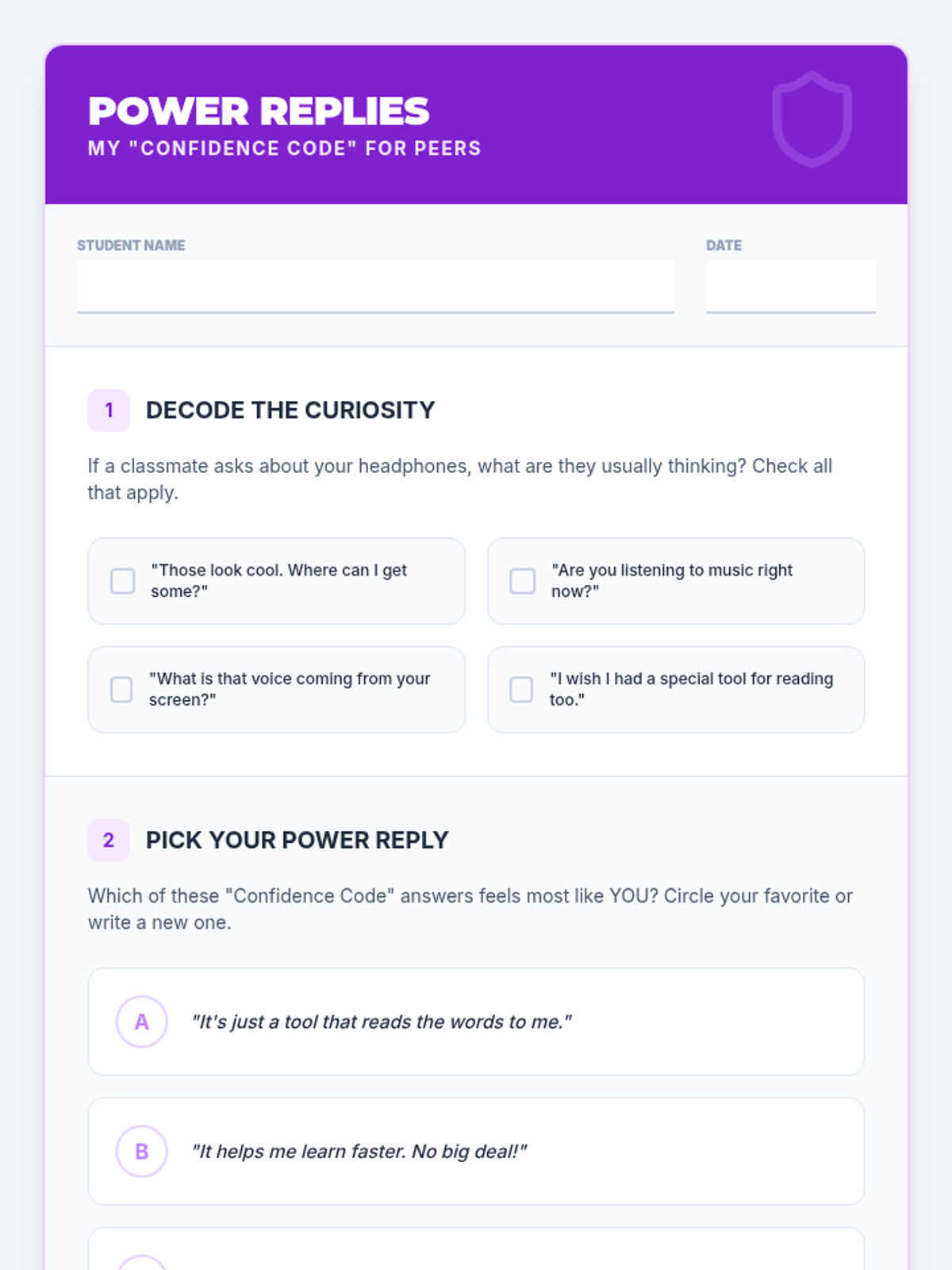
Focuses on building confidence when explaining assistive technology to peers. Students learn strategies to respond to curiosity or criticism with poise and clarity.
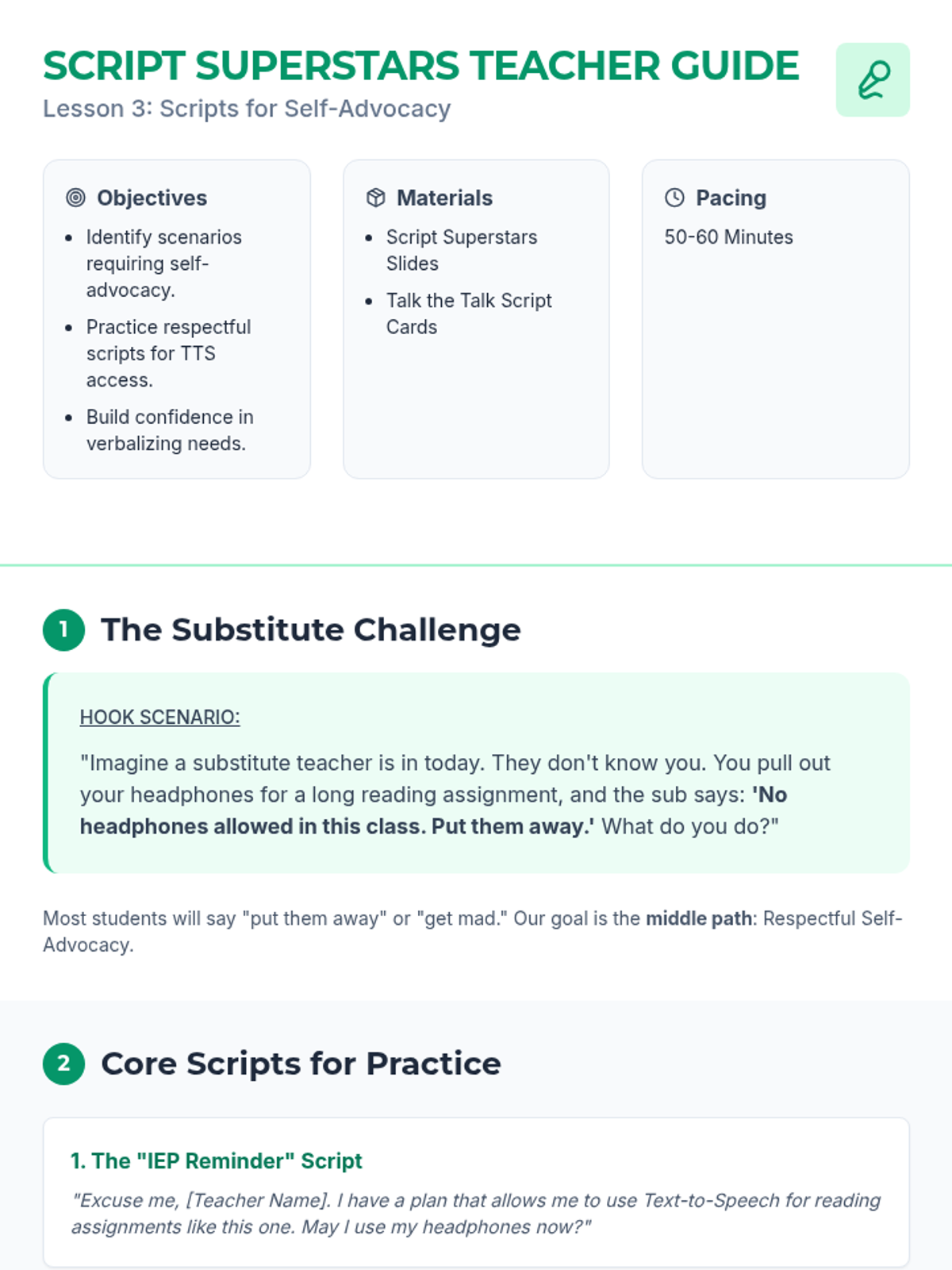
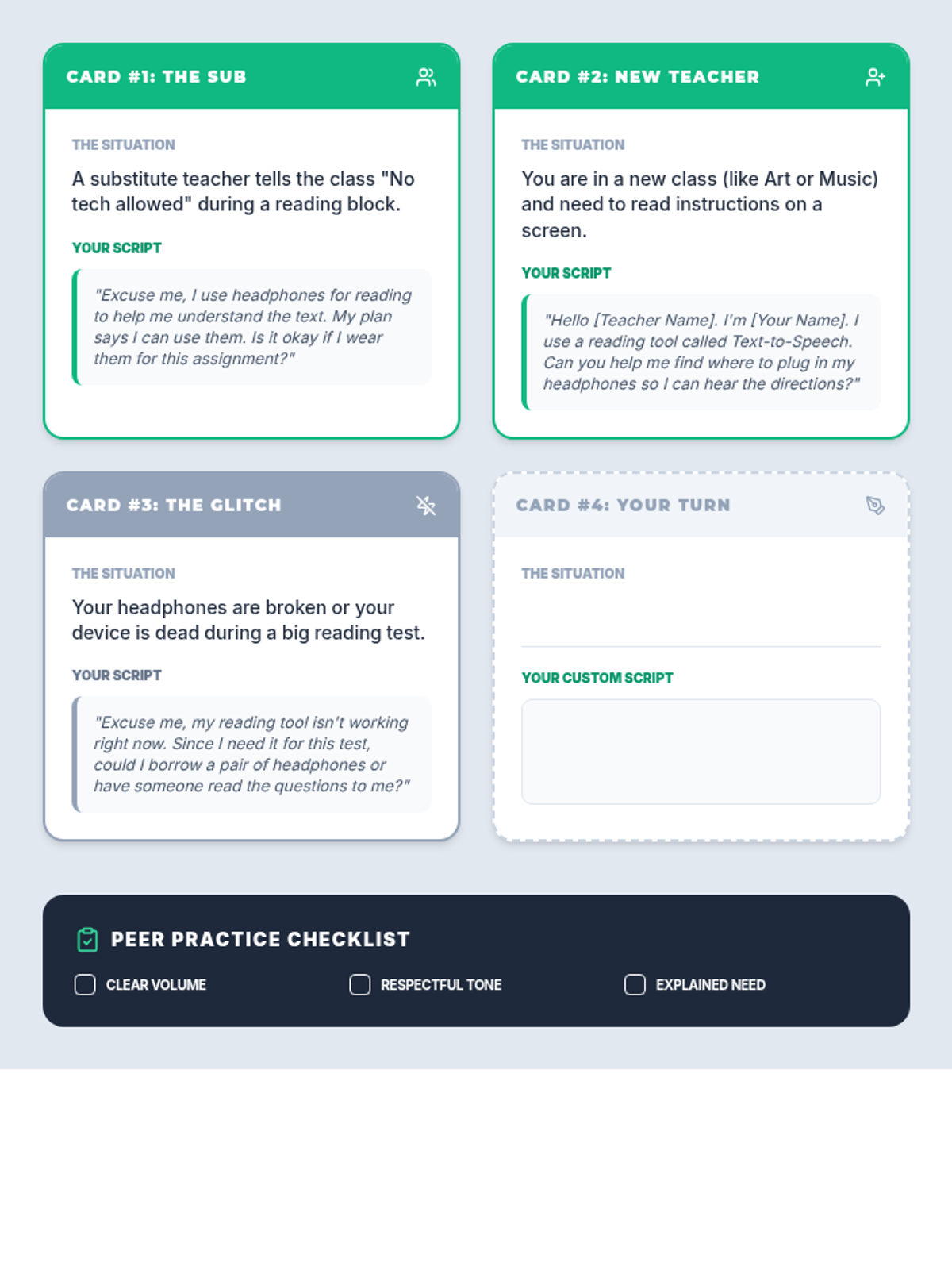
Students develop and practice verbal scripts to respectfully request TTS access from various adults, including substitutes. Role-playing builds the executive function and communication skills needed for self-advocacy.
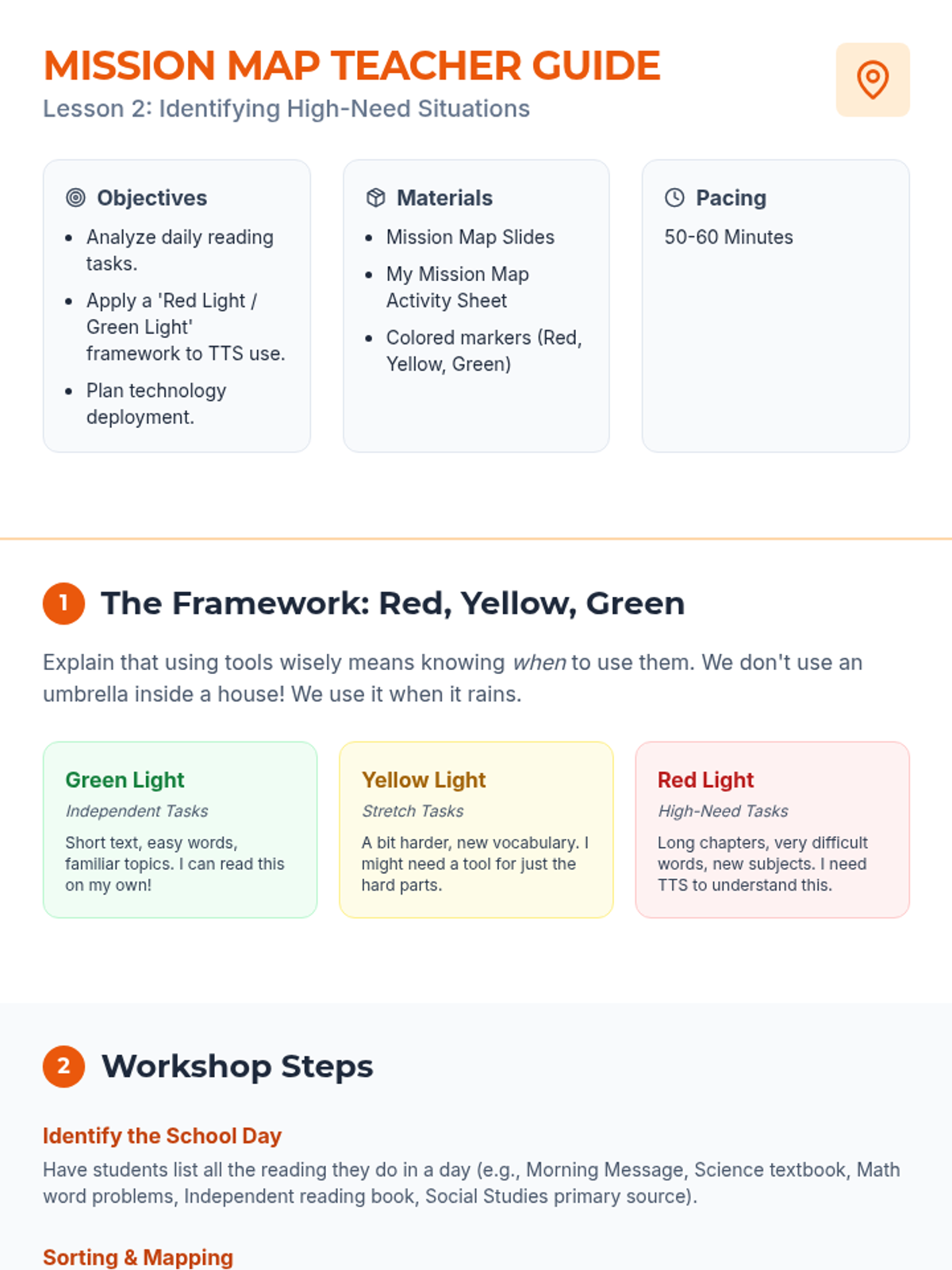
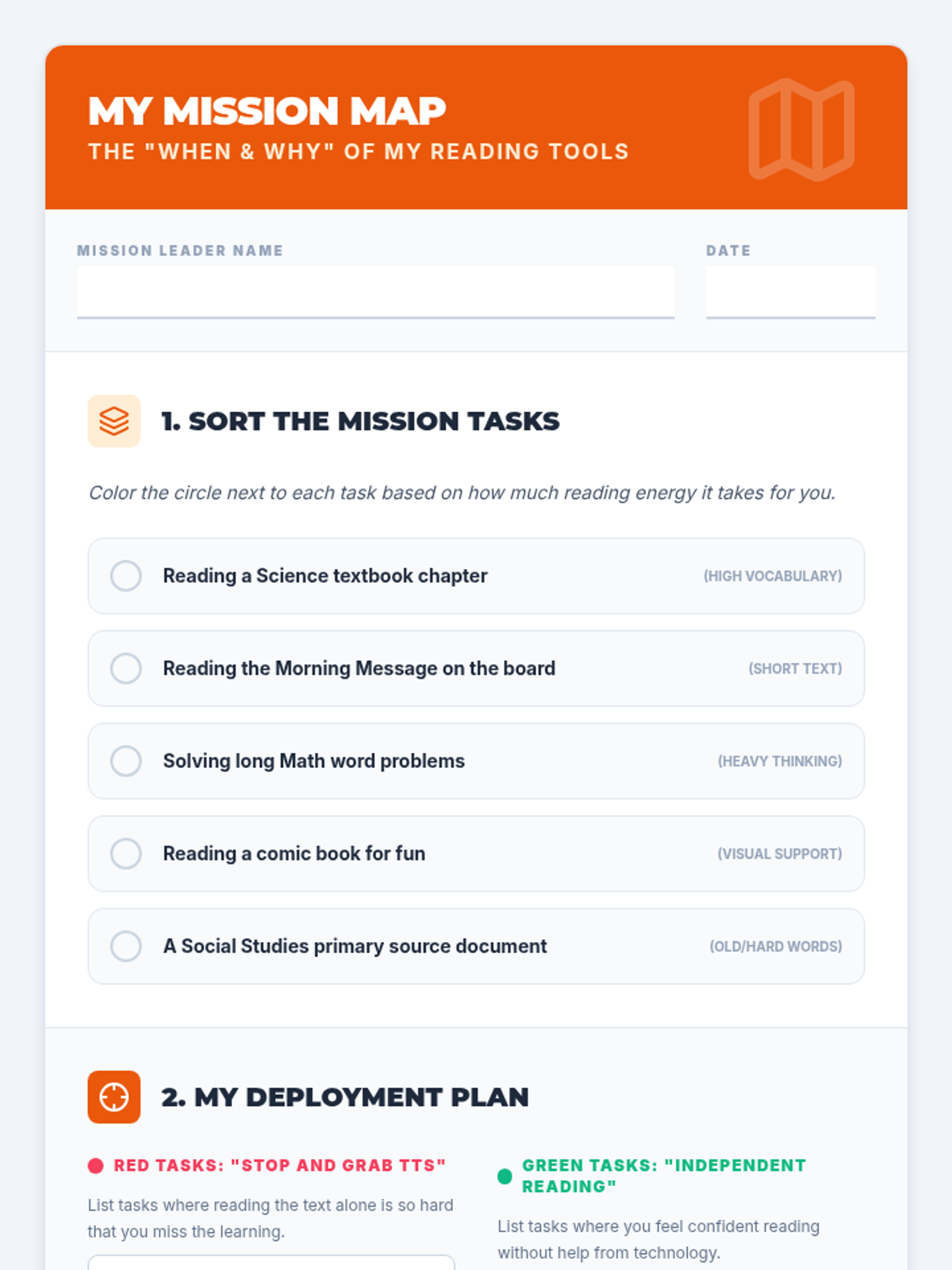
Learners analyze their school day to identify high-need reading tasks that benefit from Text-to-Speech. Using a 'Red Light, Green Light' framework, they create a personal usage map for their technology.
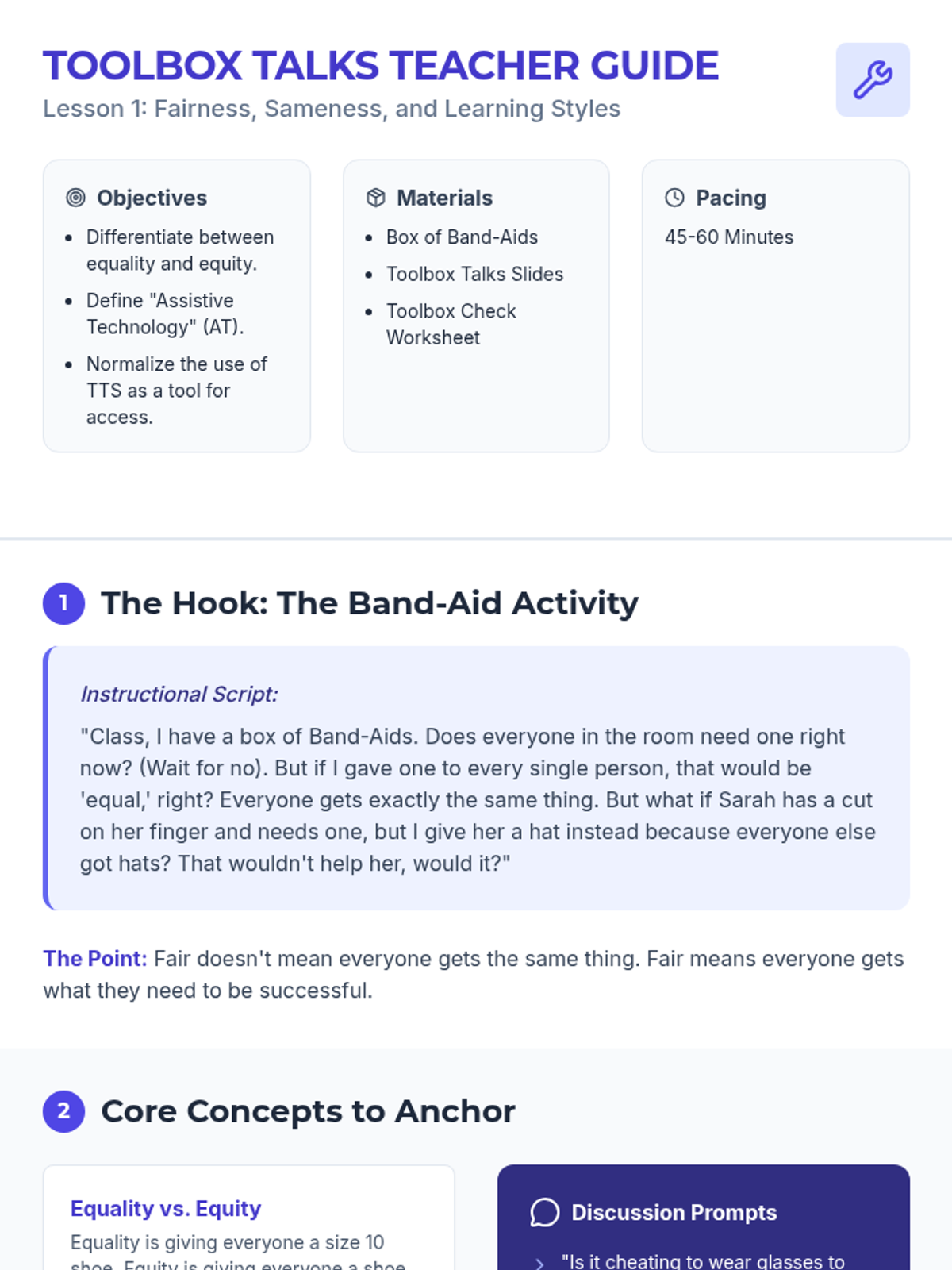
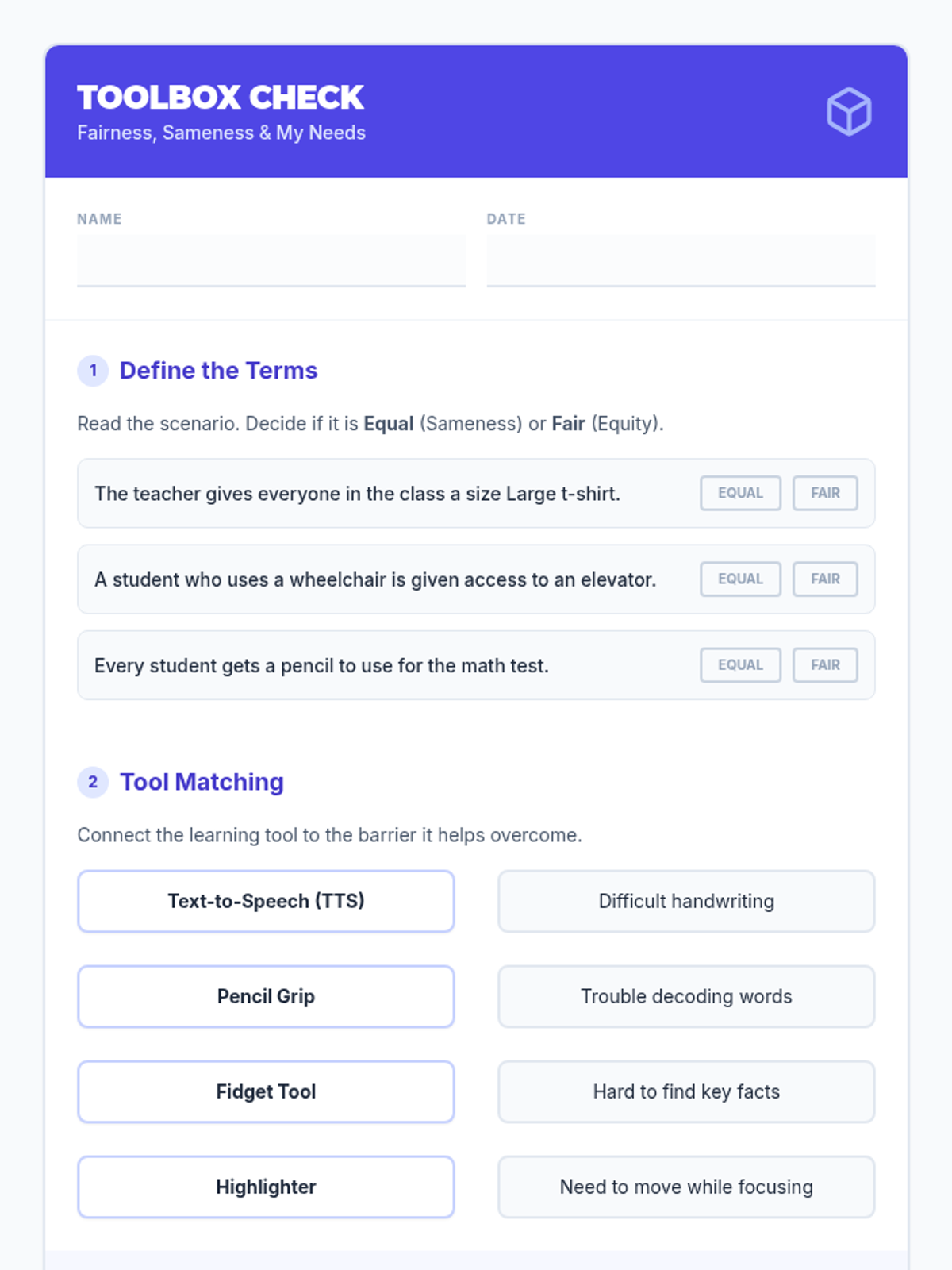
Students explore the concept of fairness versus sameness using the Band-Aid activity to understand that everyone needs different tools to succeed. They define assistive technology as an essential accommodation for access rather than an unfair advantage.
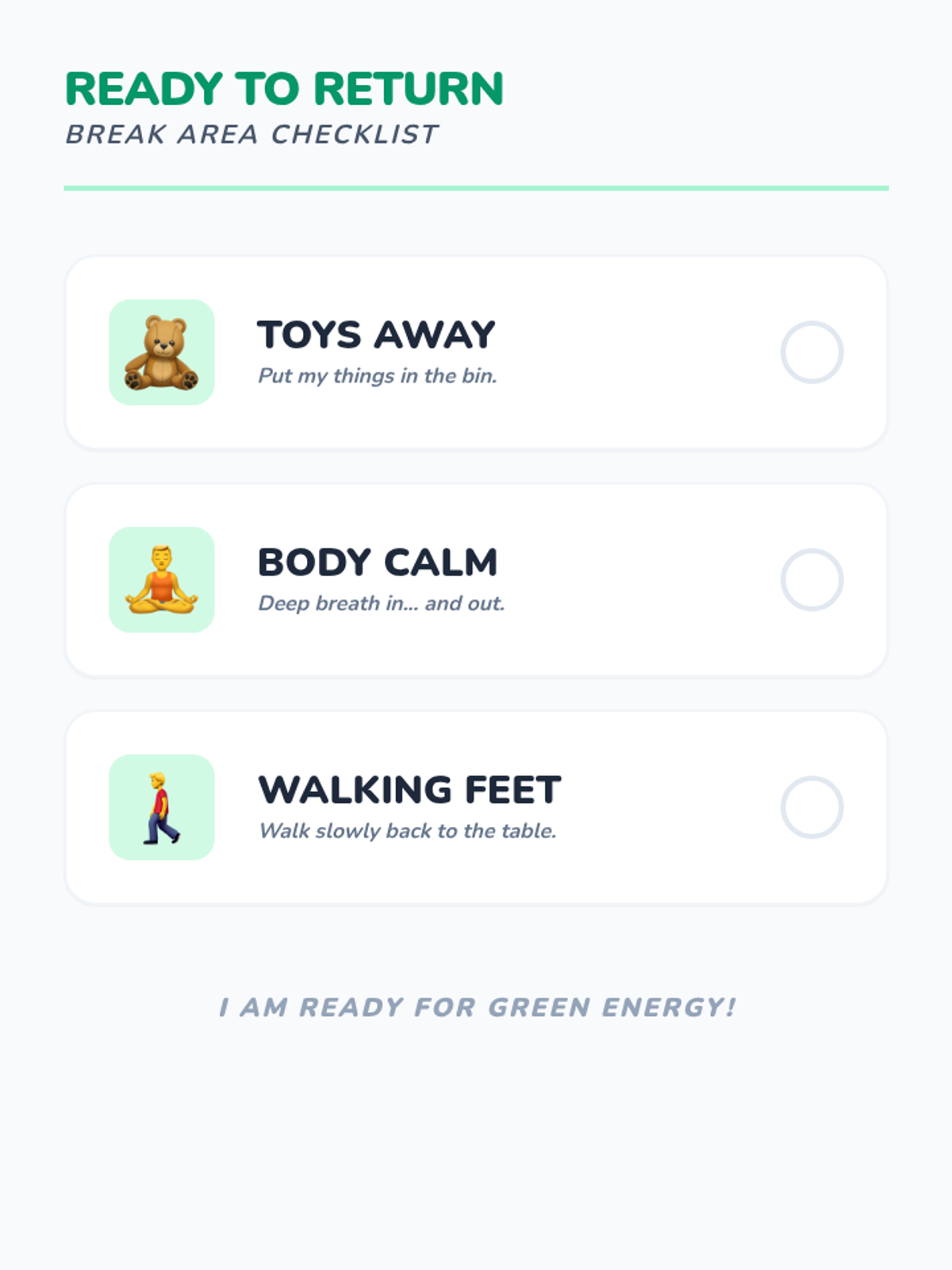
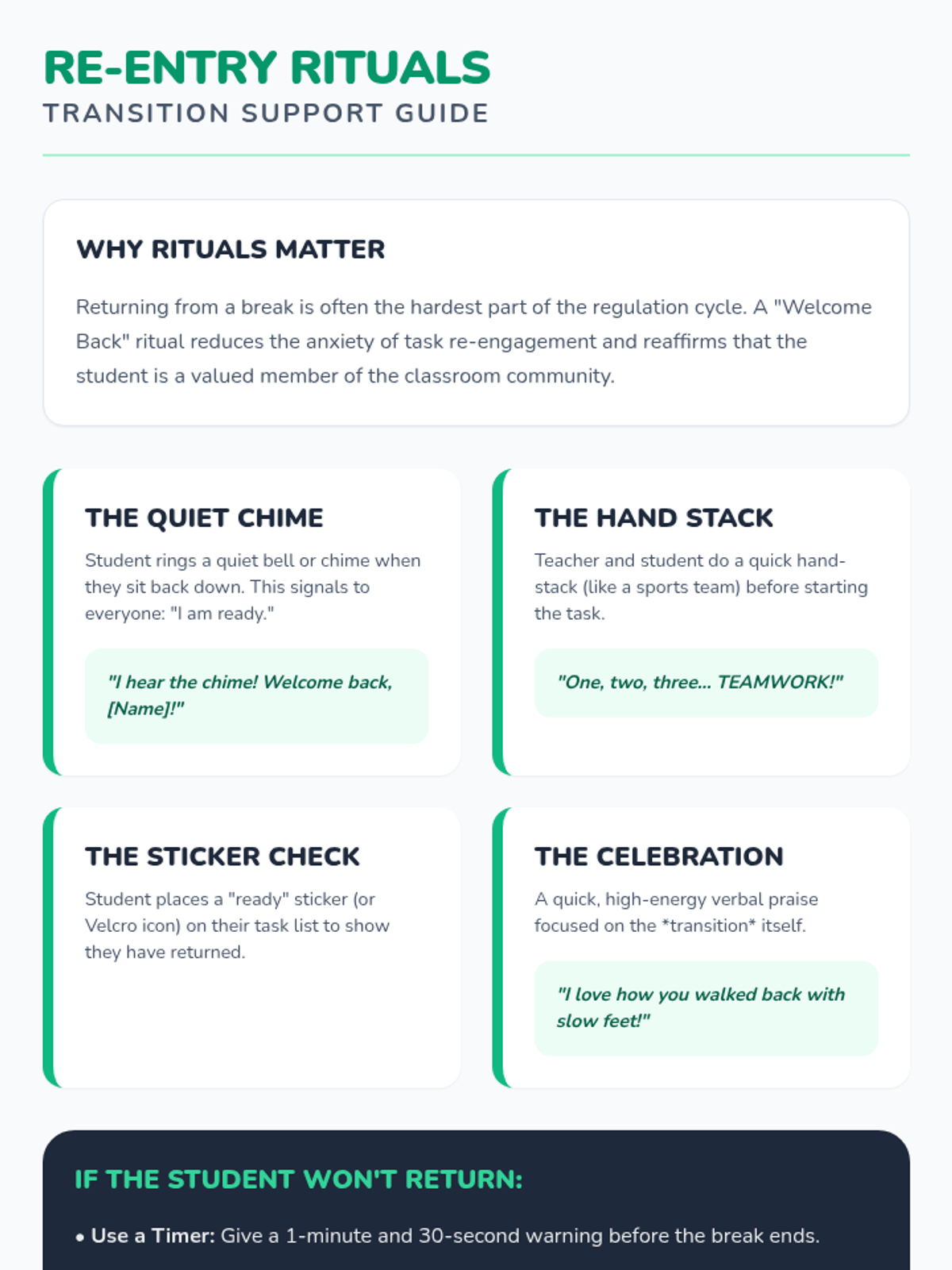
Teaches students the routine of ending a break and transitioning back to the classroom group, using positive rituals to reduce re-entry anxiety.
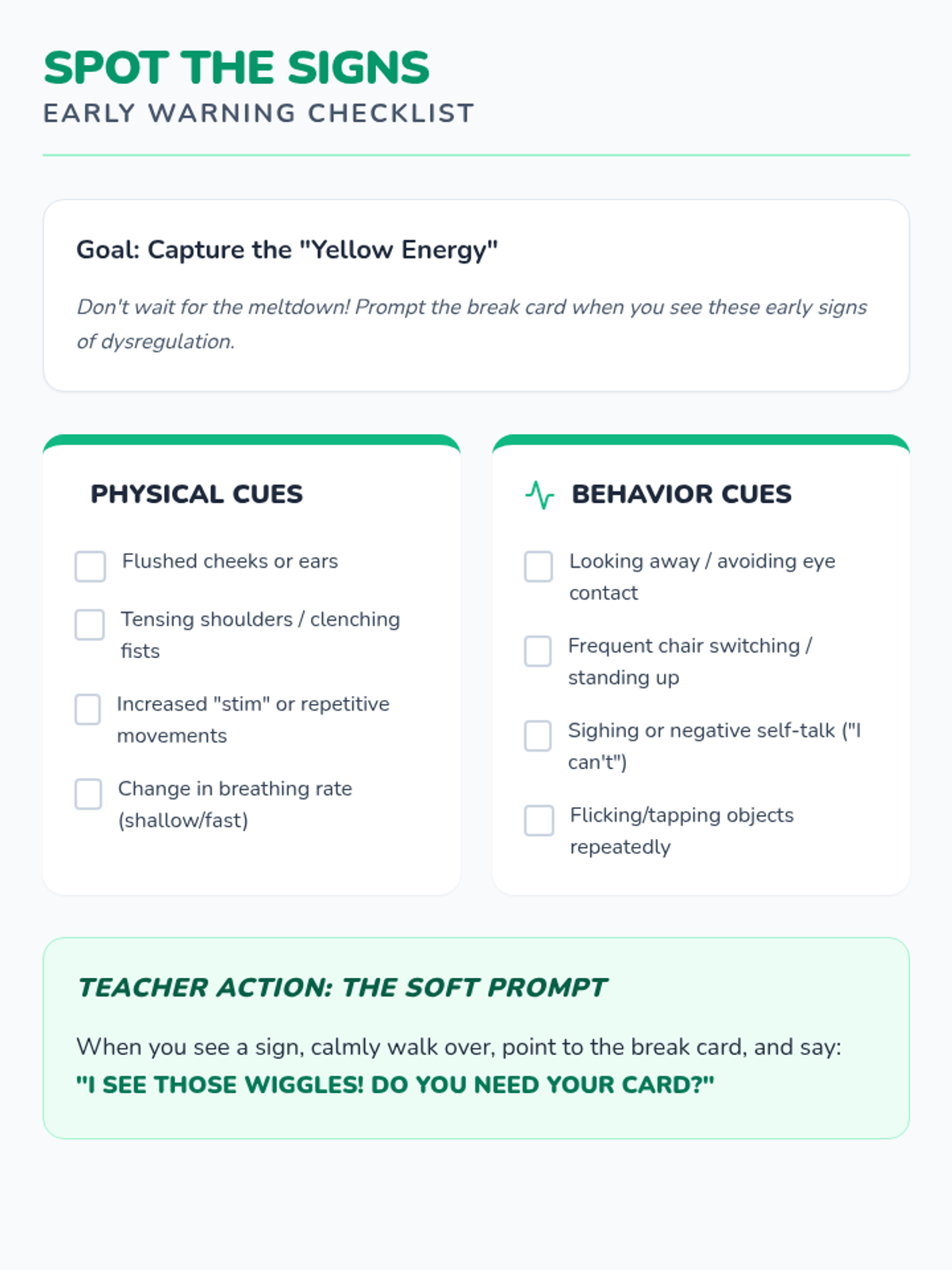
Focuses on identifying 'in-the-moment' signs of dysregulation during classroom activities and using the break card with adult prompting and reinforcement.
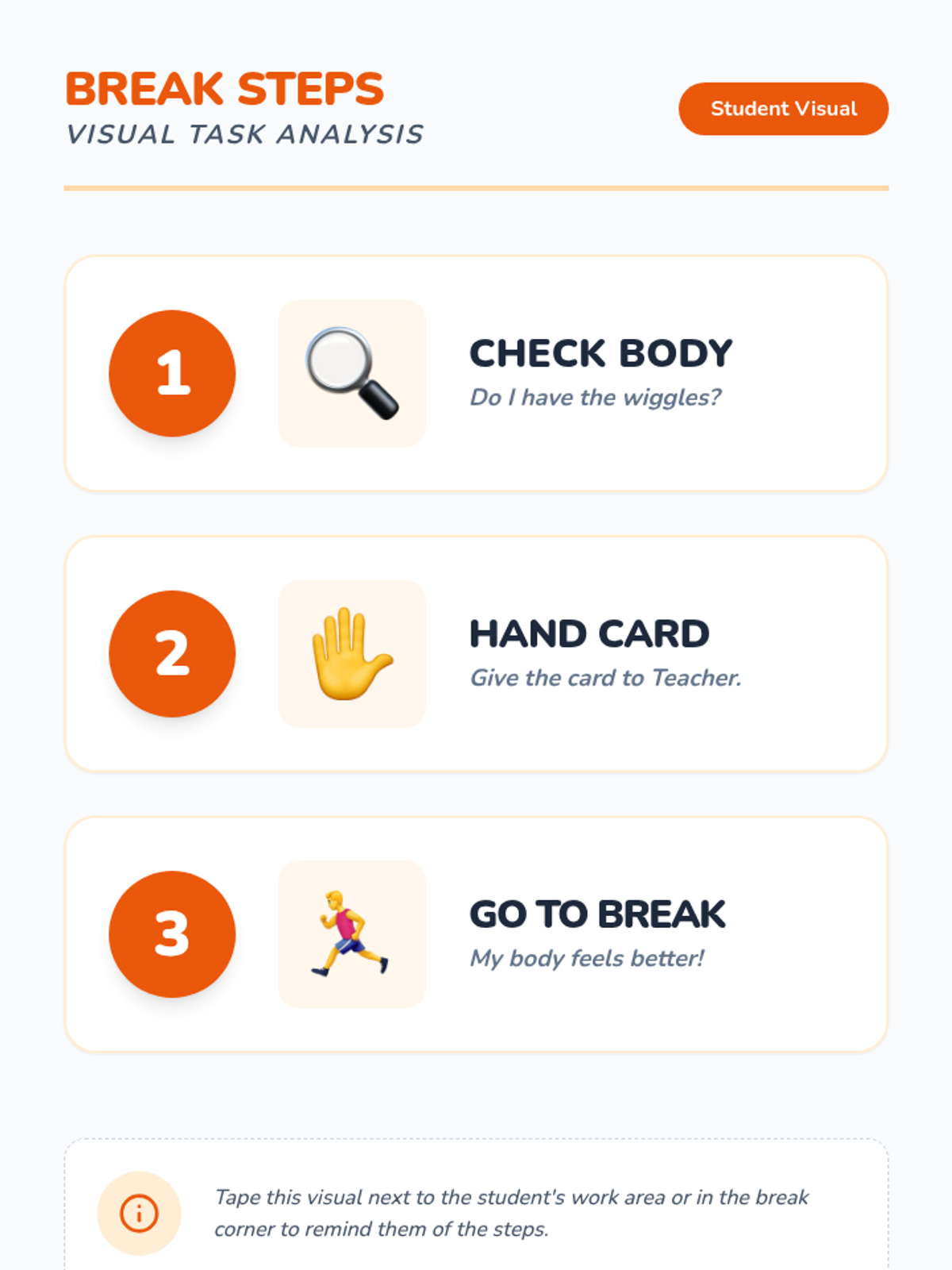
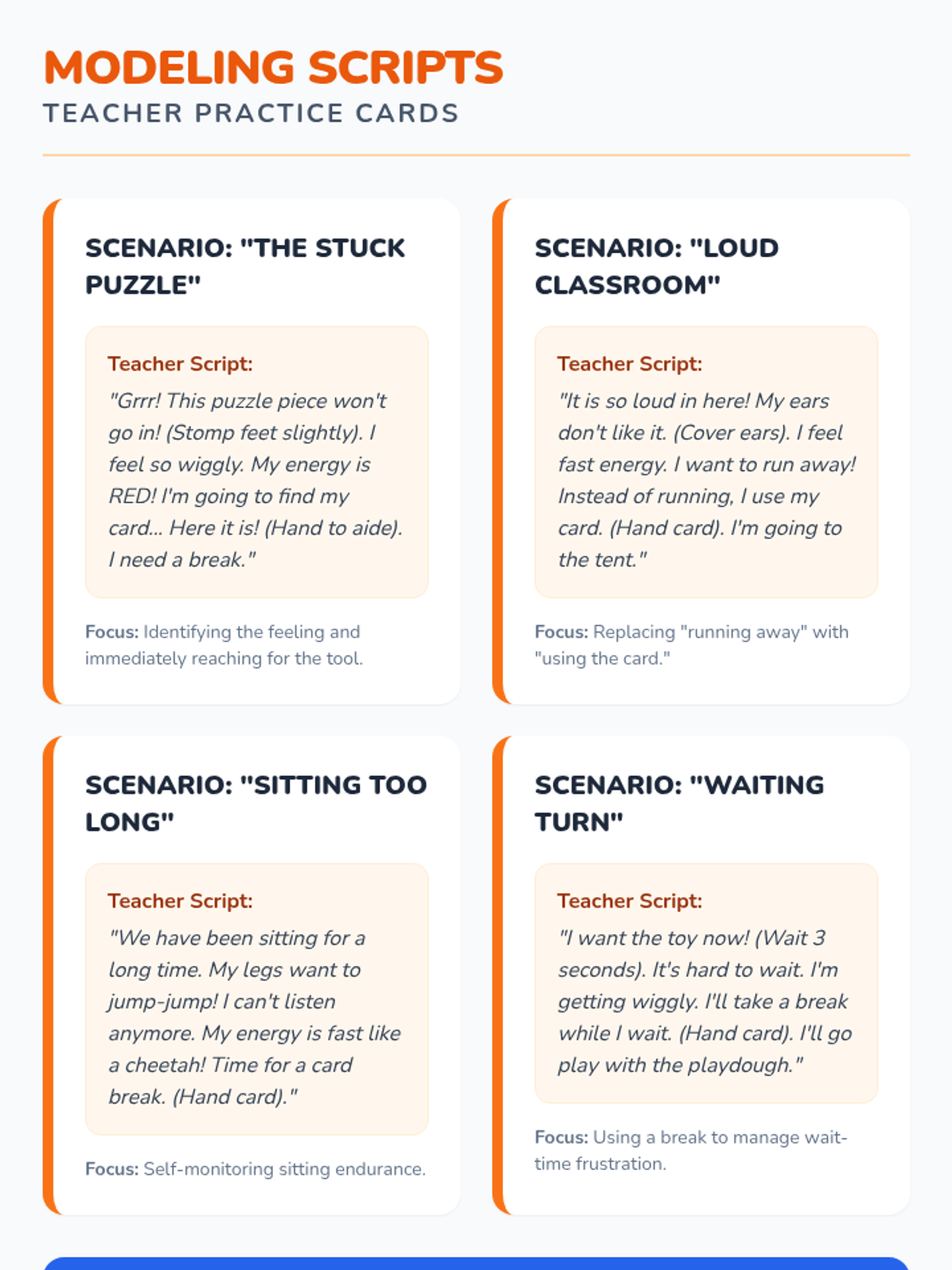
Teachers and students practice the sequence of recognizing frustration or high energy and using the break card in a controlled, low-stress role-play environment.
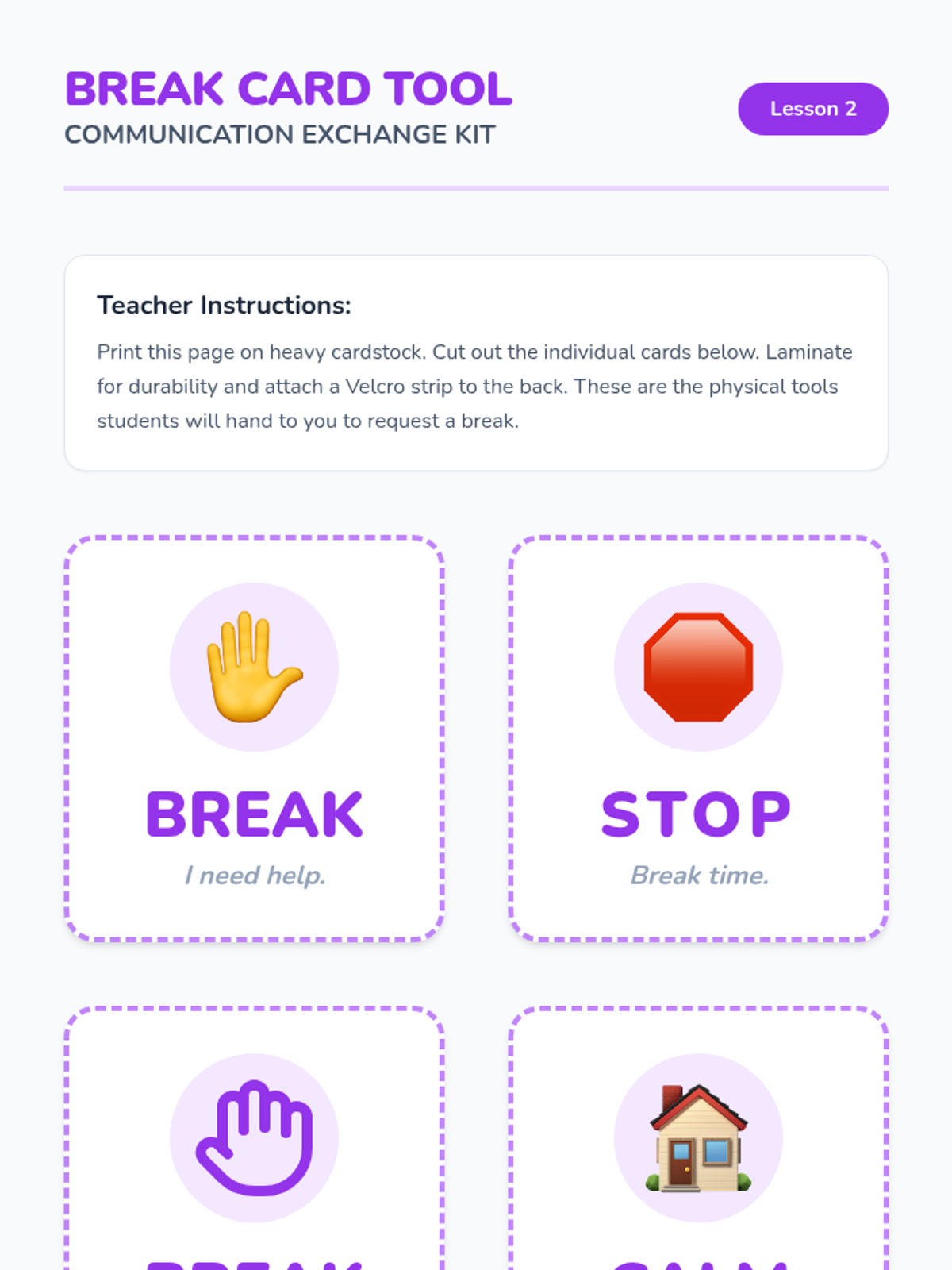
Introduces the physical 'Break Card' as a communication tool. Students learn the basic mechanic of exchanging the card for immediate reinforcement (access to a sensory break).
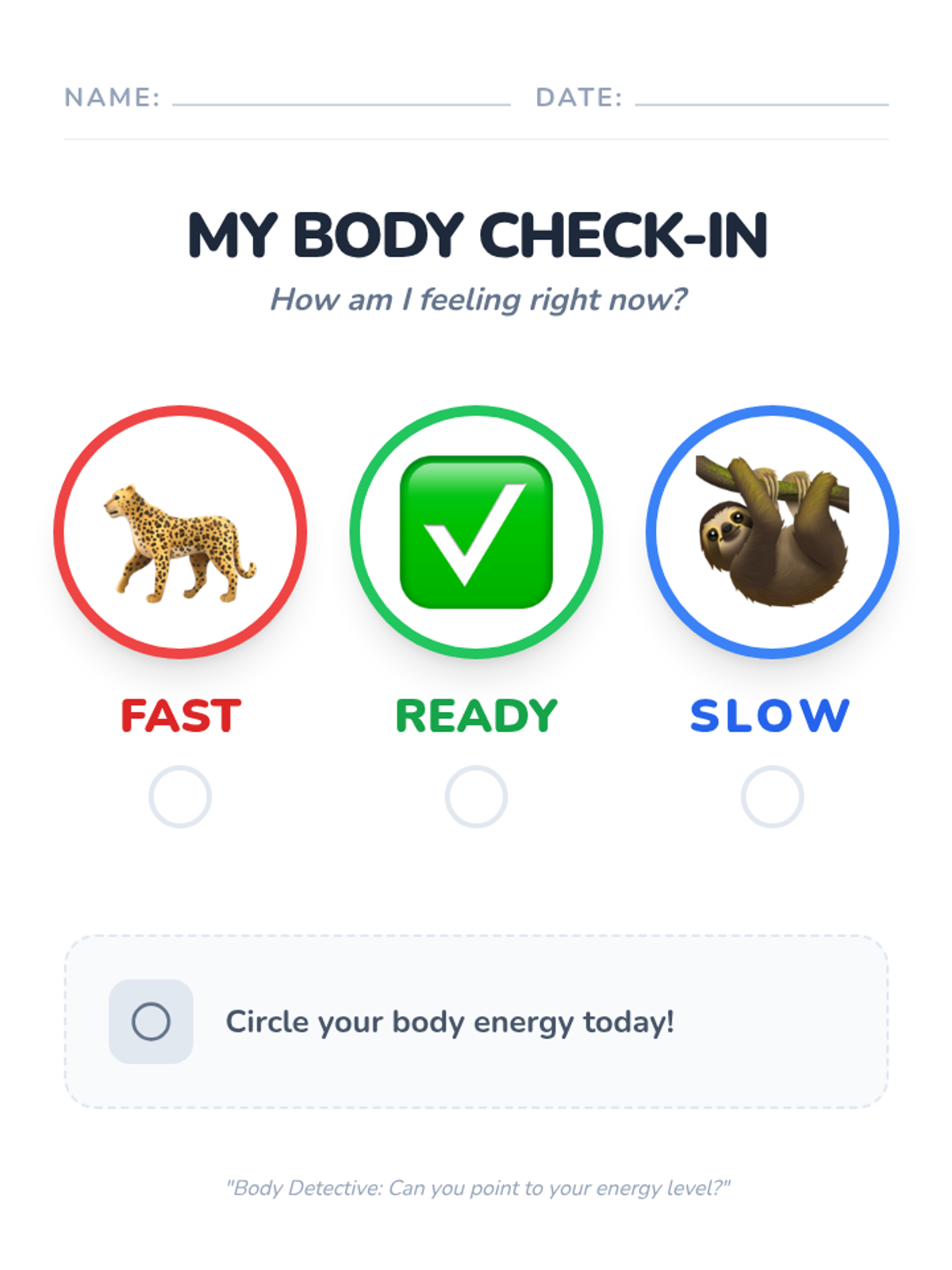
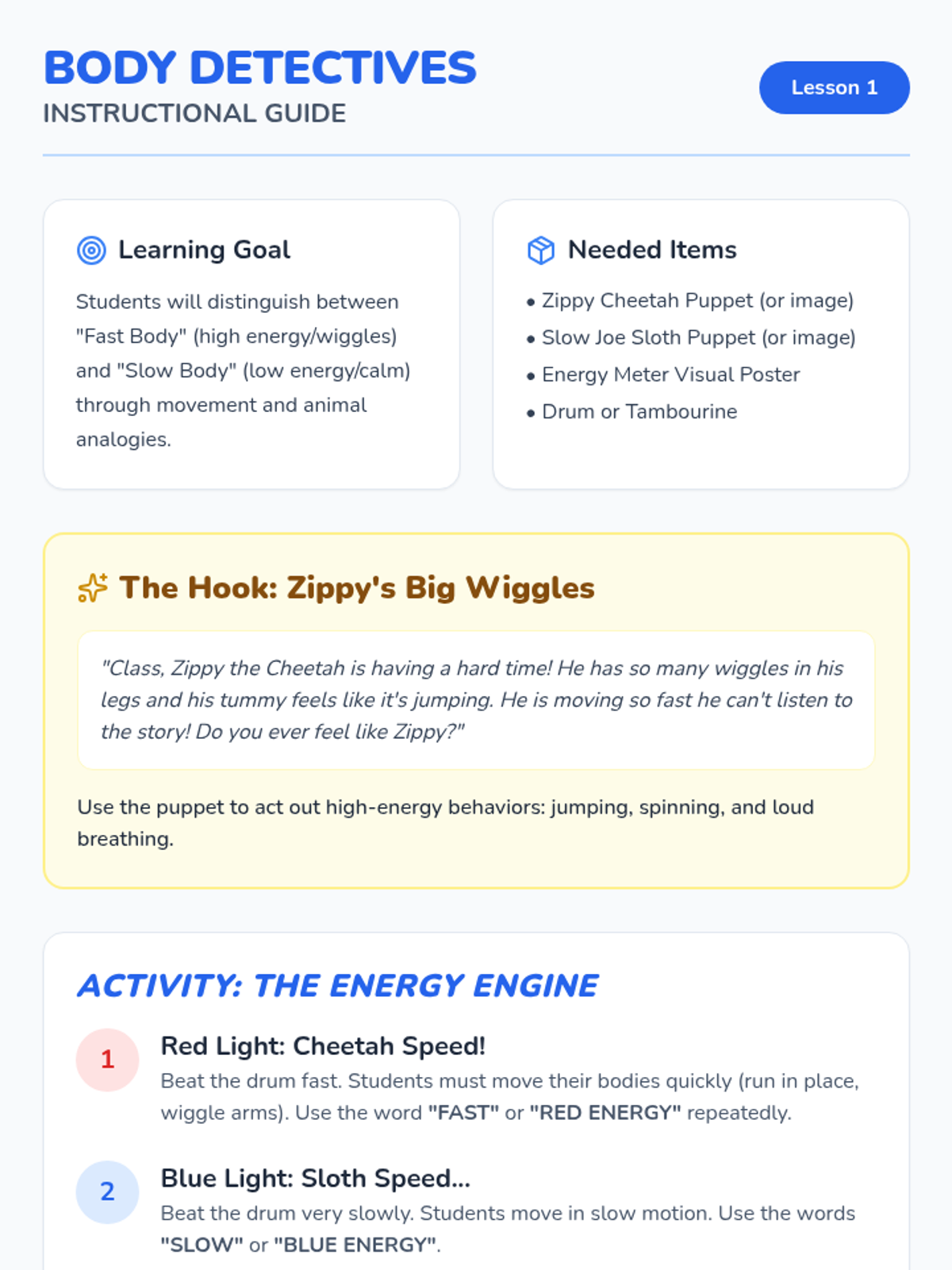
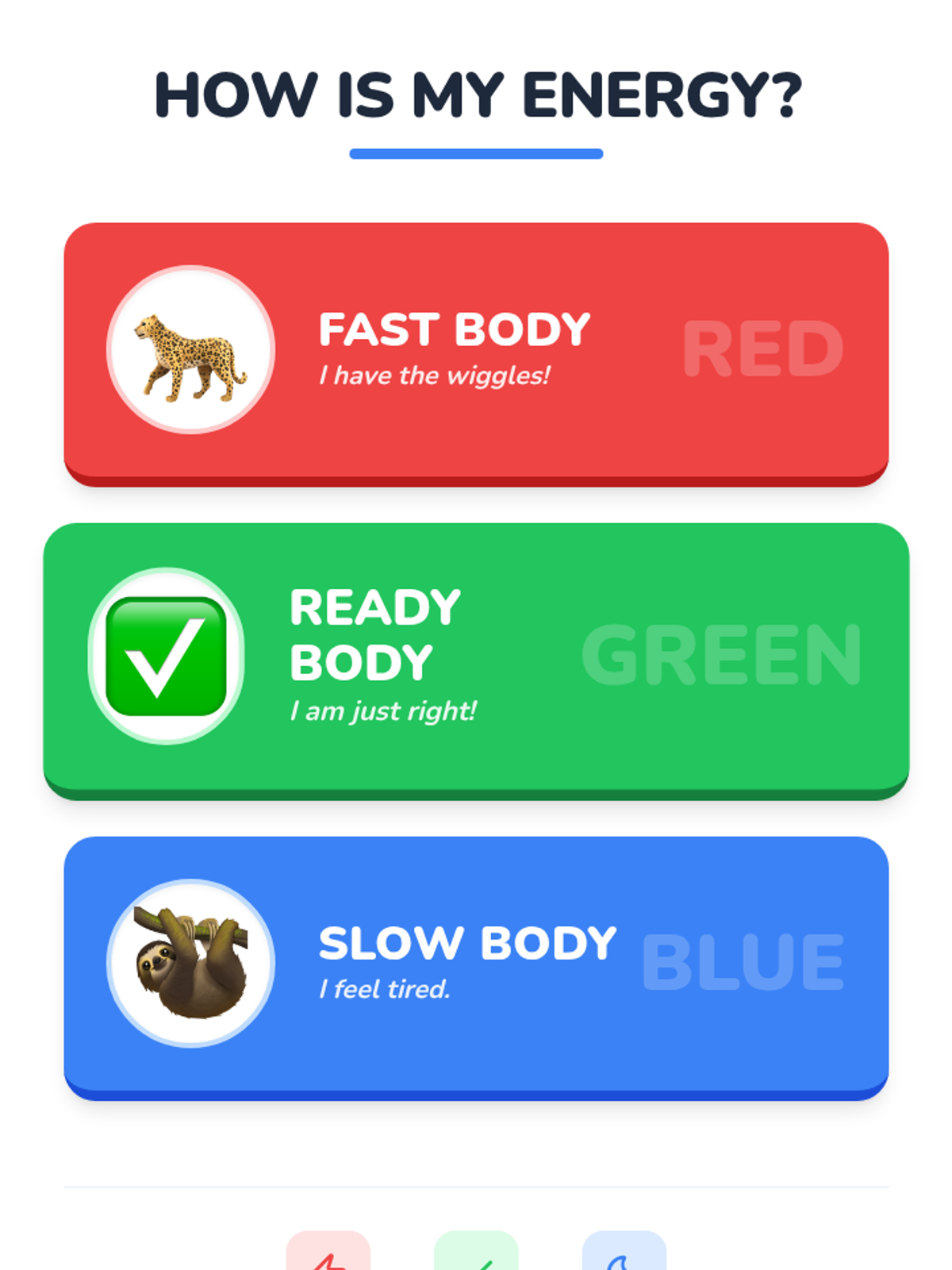
Students learn to identify internal physical sensations by comparing 'fast' and 'slow' body energy using animal analogies. This foundational lesson focuses on labeling high-energy states as a precursor to requesting breaks.
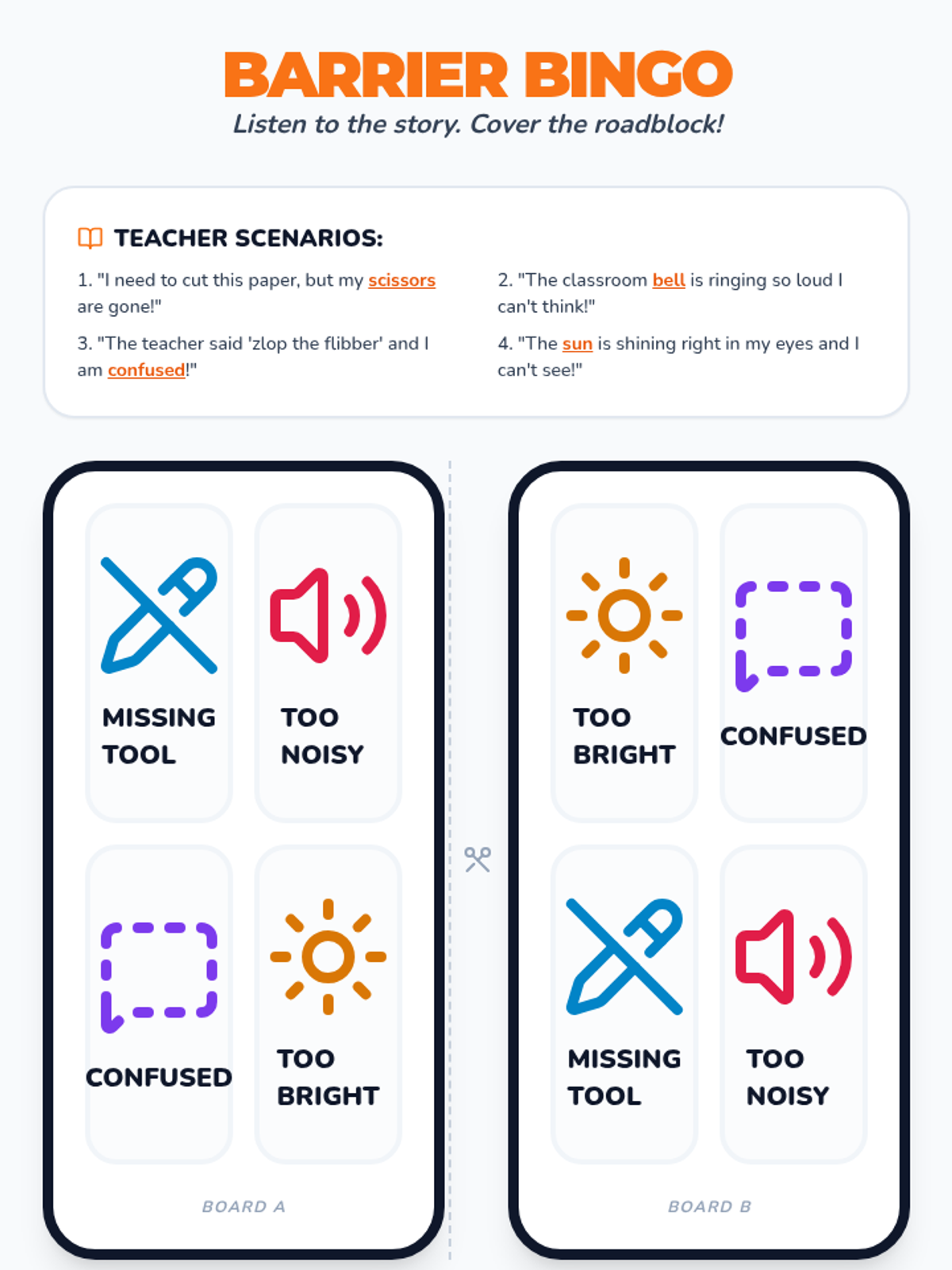
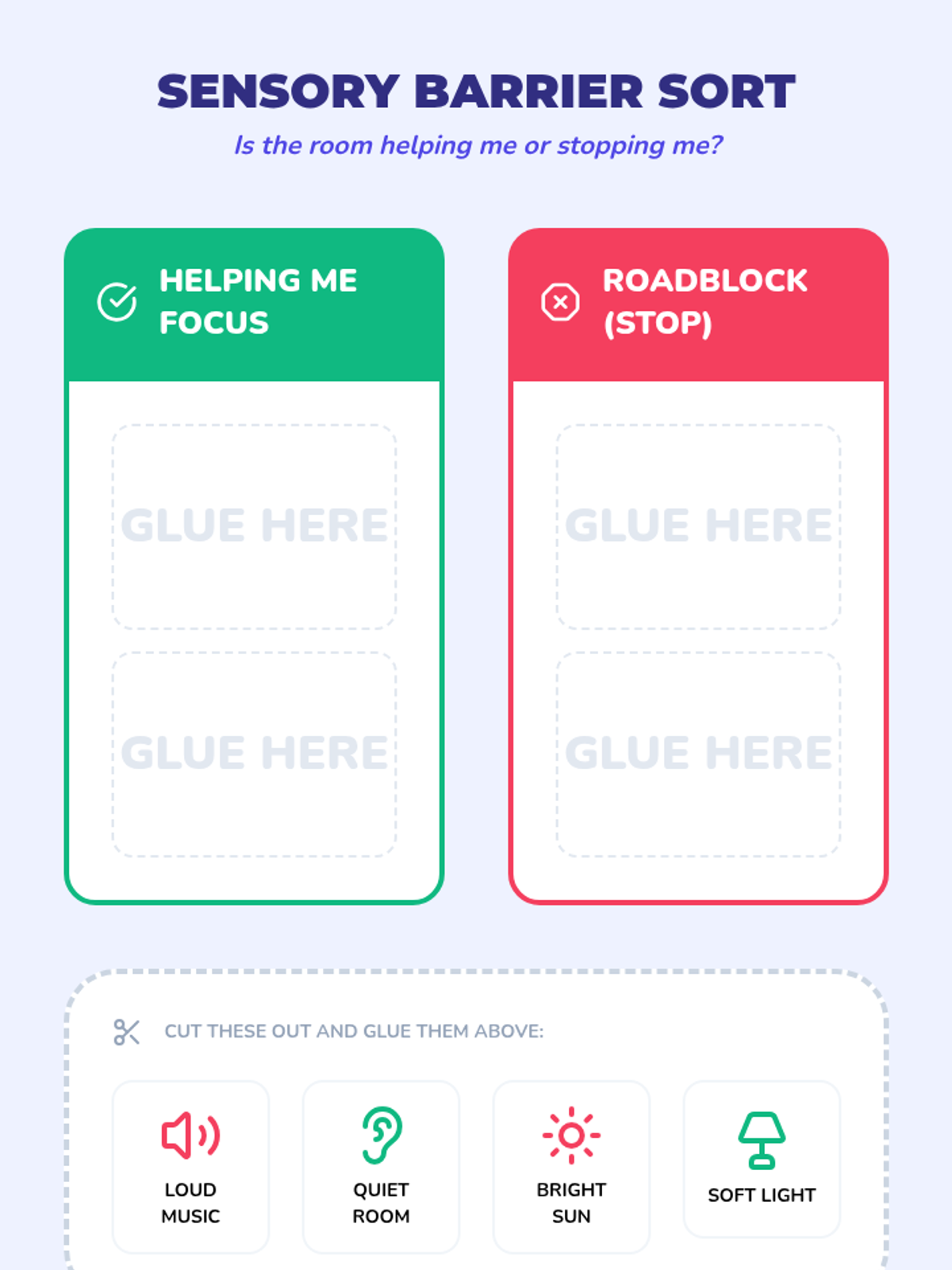
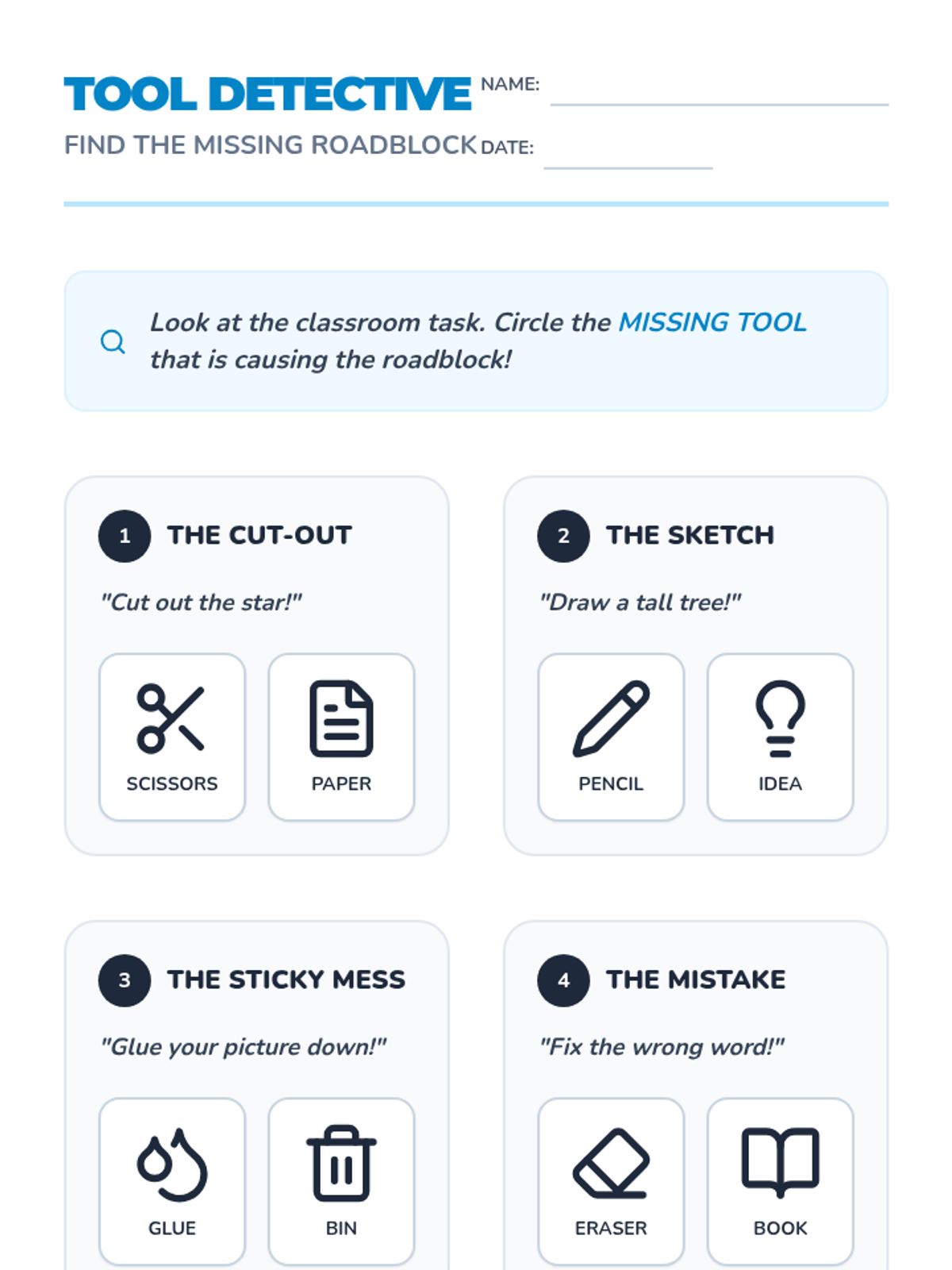
Students solidify their ability to categorize classroom barriers by playing a Bingo game with scenarios and images representing missing items, noise, and confusion.
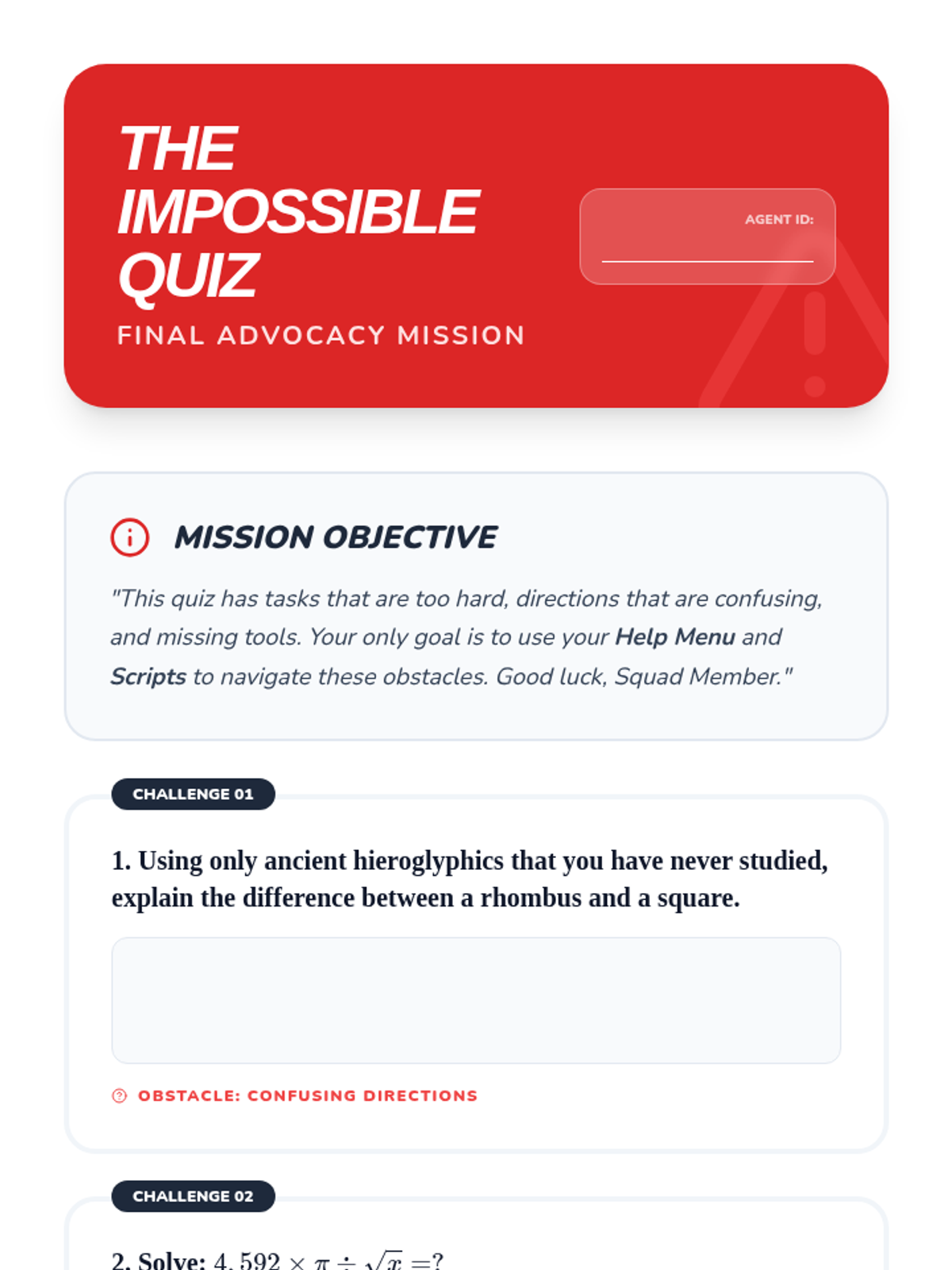
Students play games with gibberish or impossible instructions to practice identifying when a lack of information is the obstacle. They learn specific signals for 'I don't understand.'
Students become 'focus detectives' to recognize sensory barriers like noise or bright lights. They practice stacking blocks during simulated distractions to identify how environment impacts focus.
Students identify missing tools as a specific barrier to task completion through a scavenger hunt where items are deliberately missing. They co-create a visual menu of common classroom supplies.
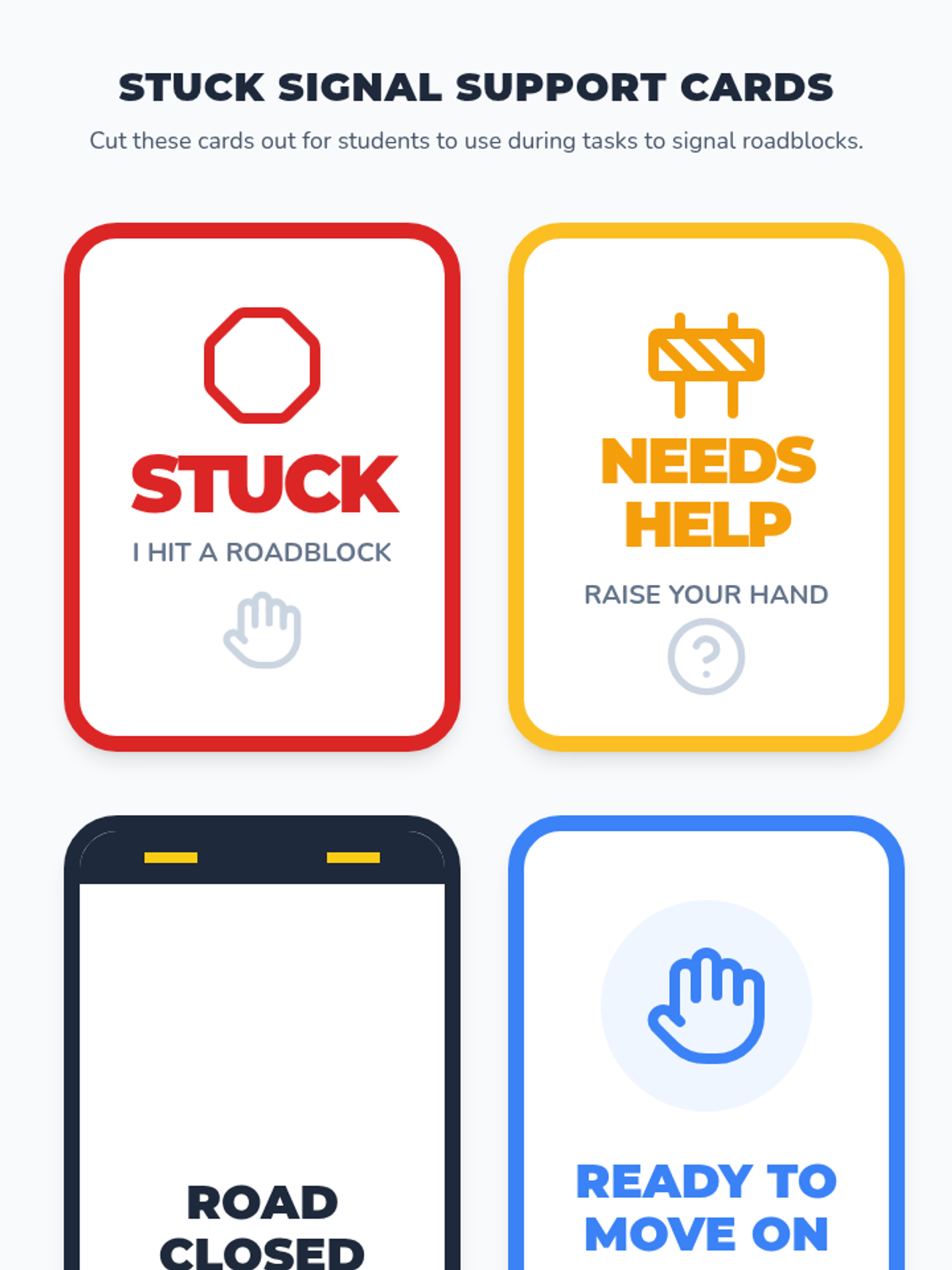
Students learn to identify the physical and emotional sensations of stopping abruptly through a freeze-dance activity. They are introduced to visual 'roadblock' cards to signal when they encounter a planned impossibility.
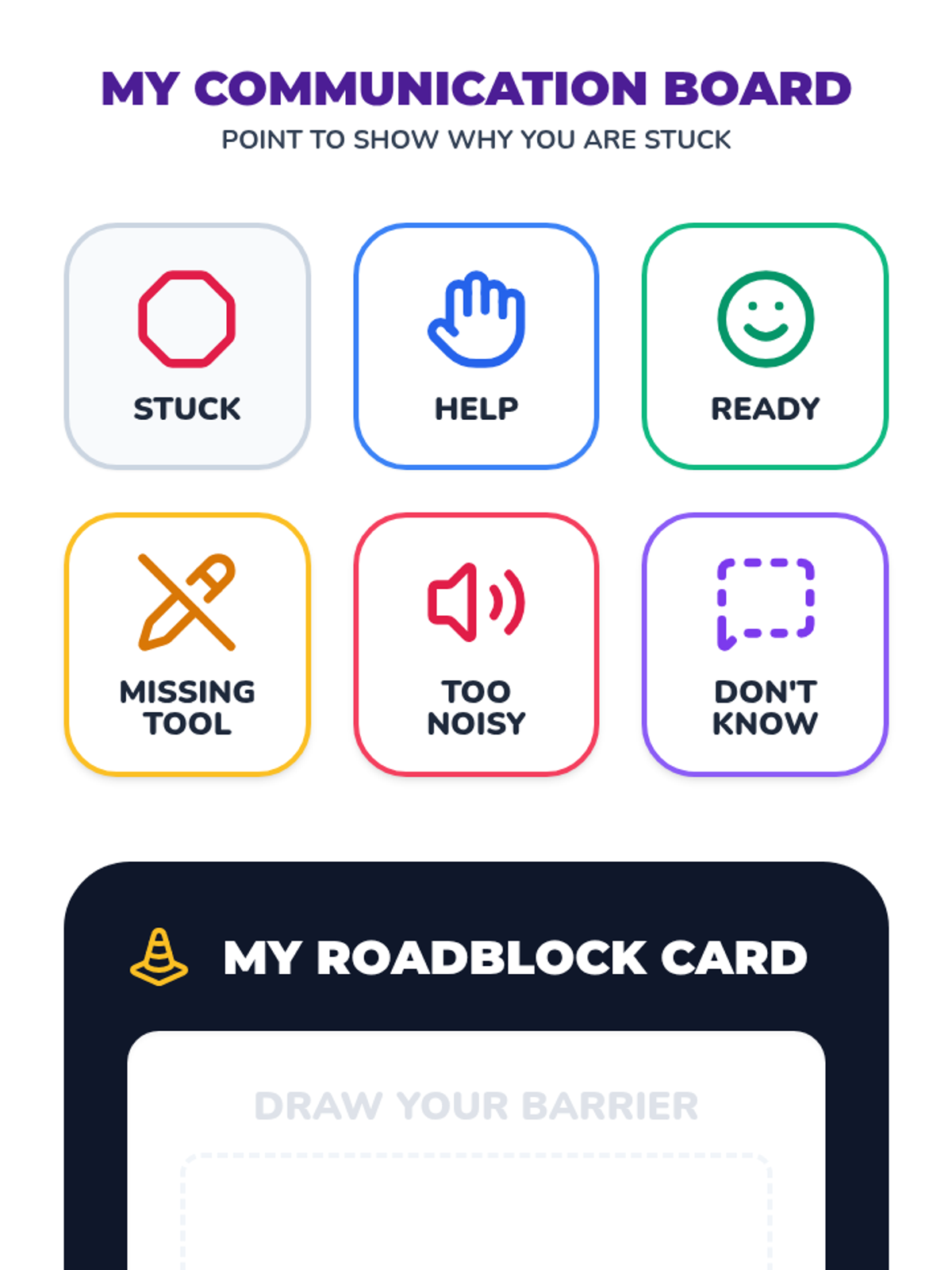
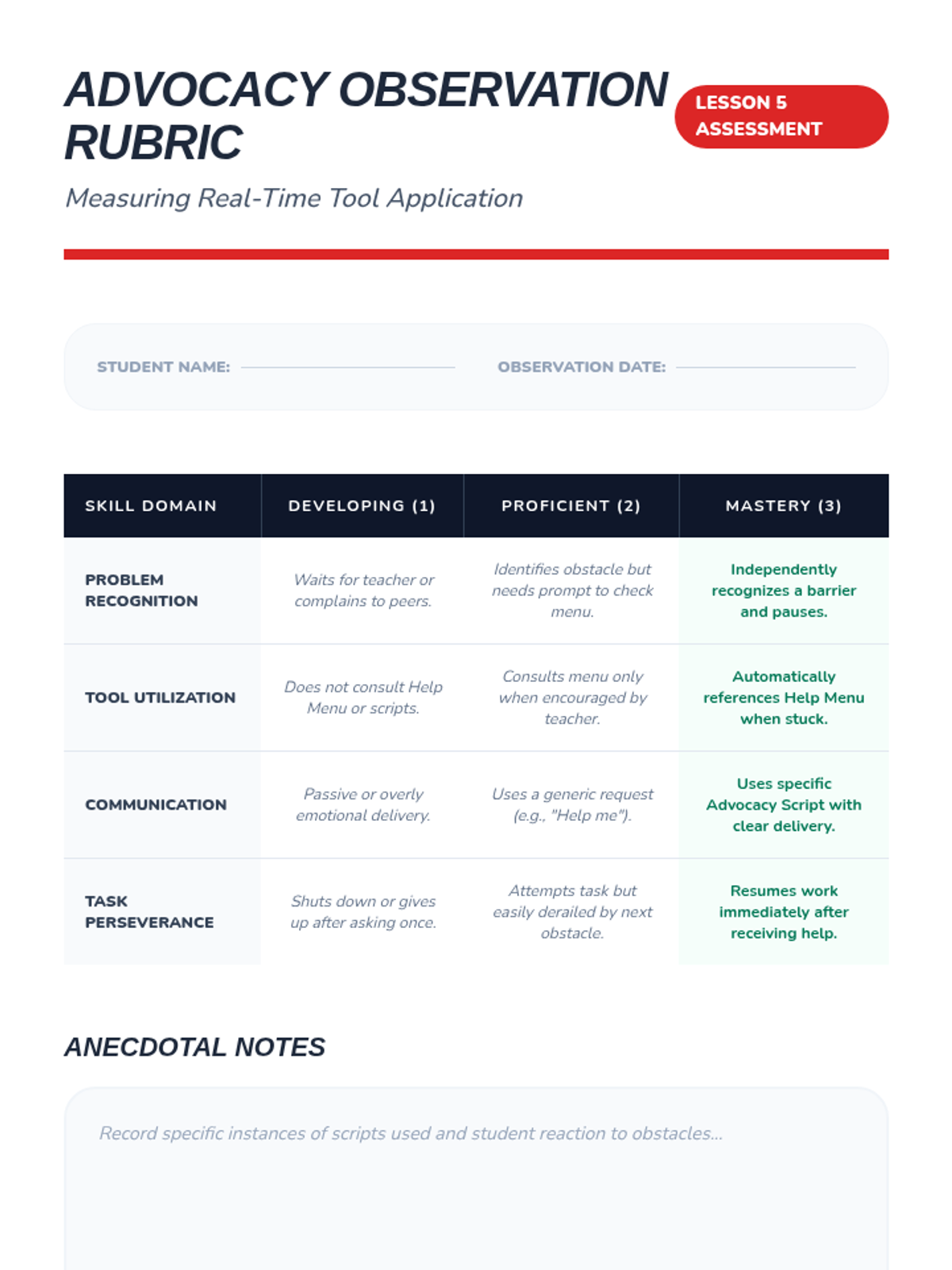
Students practice using their new Help Menus during a controlled independent work session. The teacher circulates, prompting students to point to their menu or use their script when they encounter difficulty.
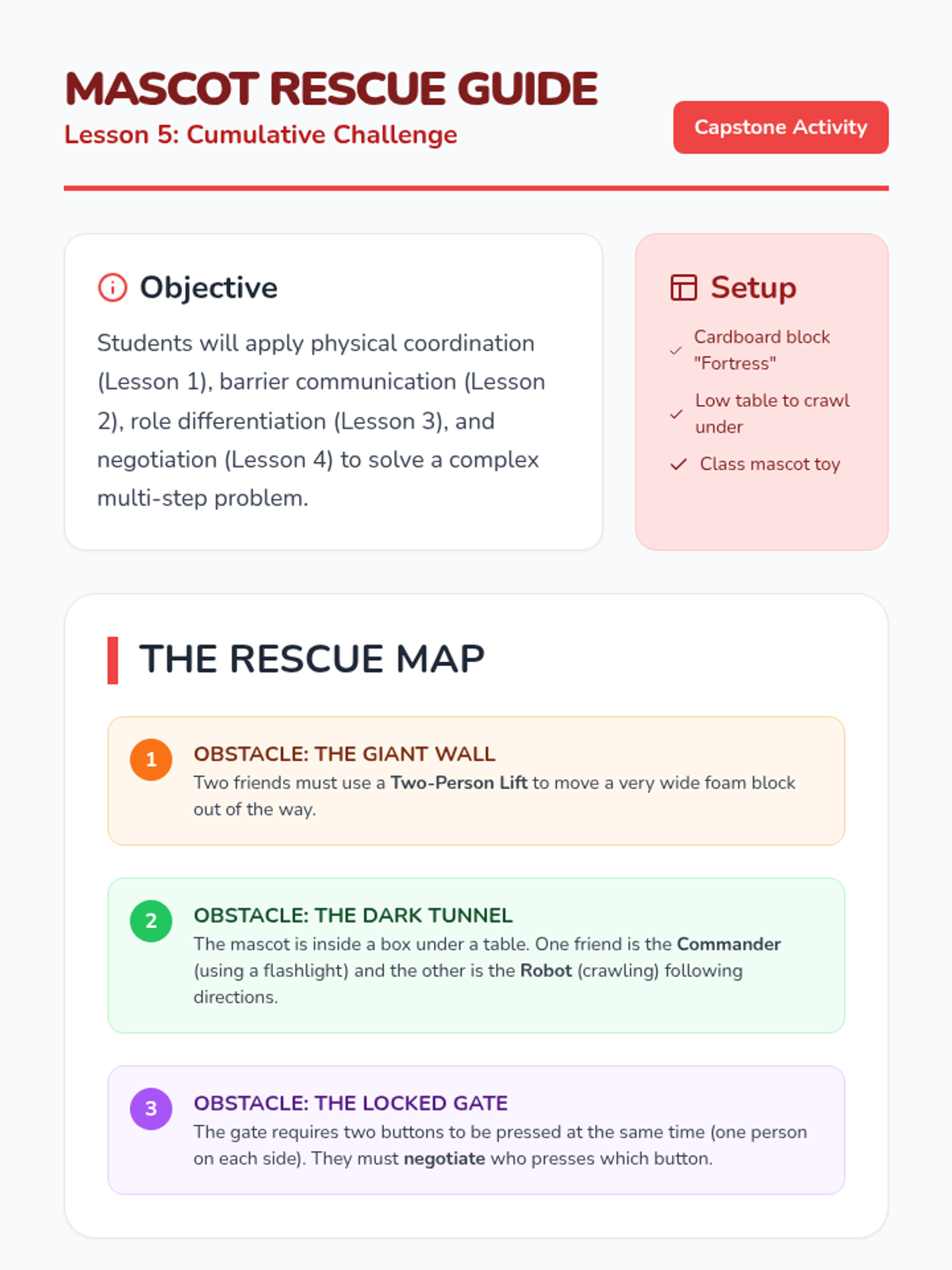
A cumulative activity where pairs apply all previous skills to rescue a class mascot from a complex block-and-barrier obstacle course.
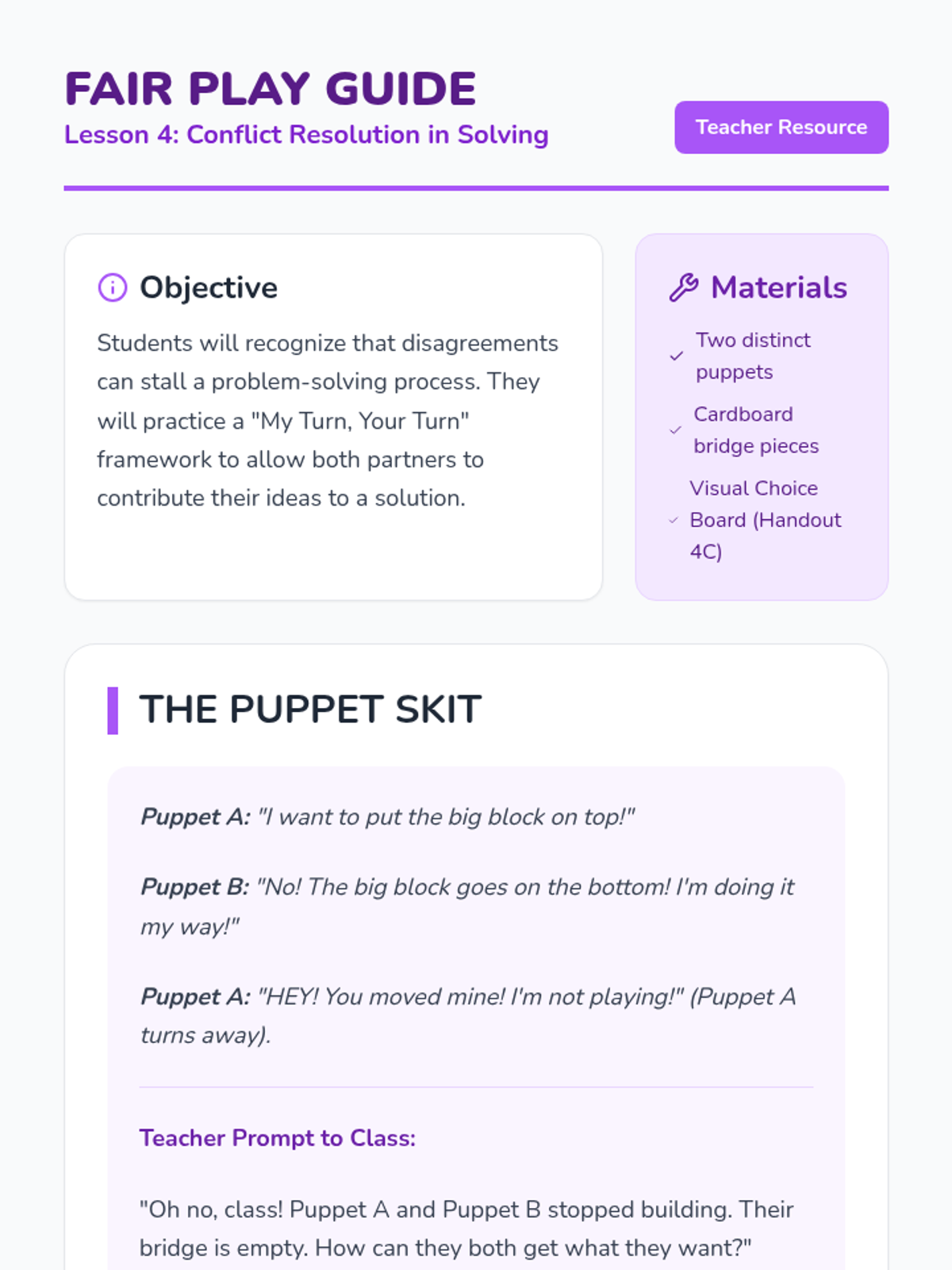
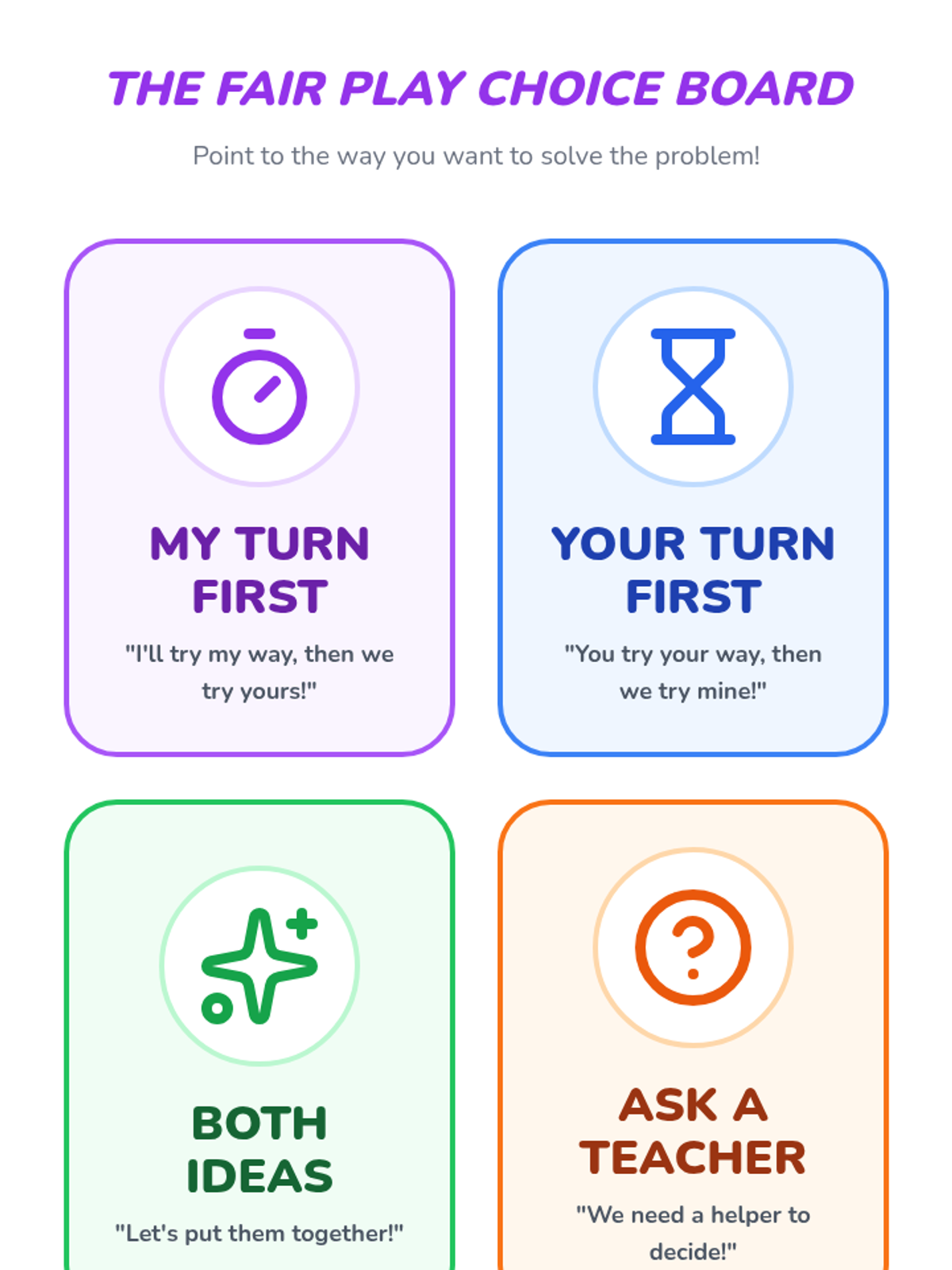
Teaches simple negotiation strategies for when partners have different ideas for solving a problem. focus on "My Turn, Your Turn".
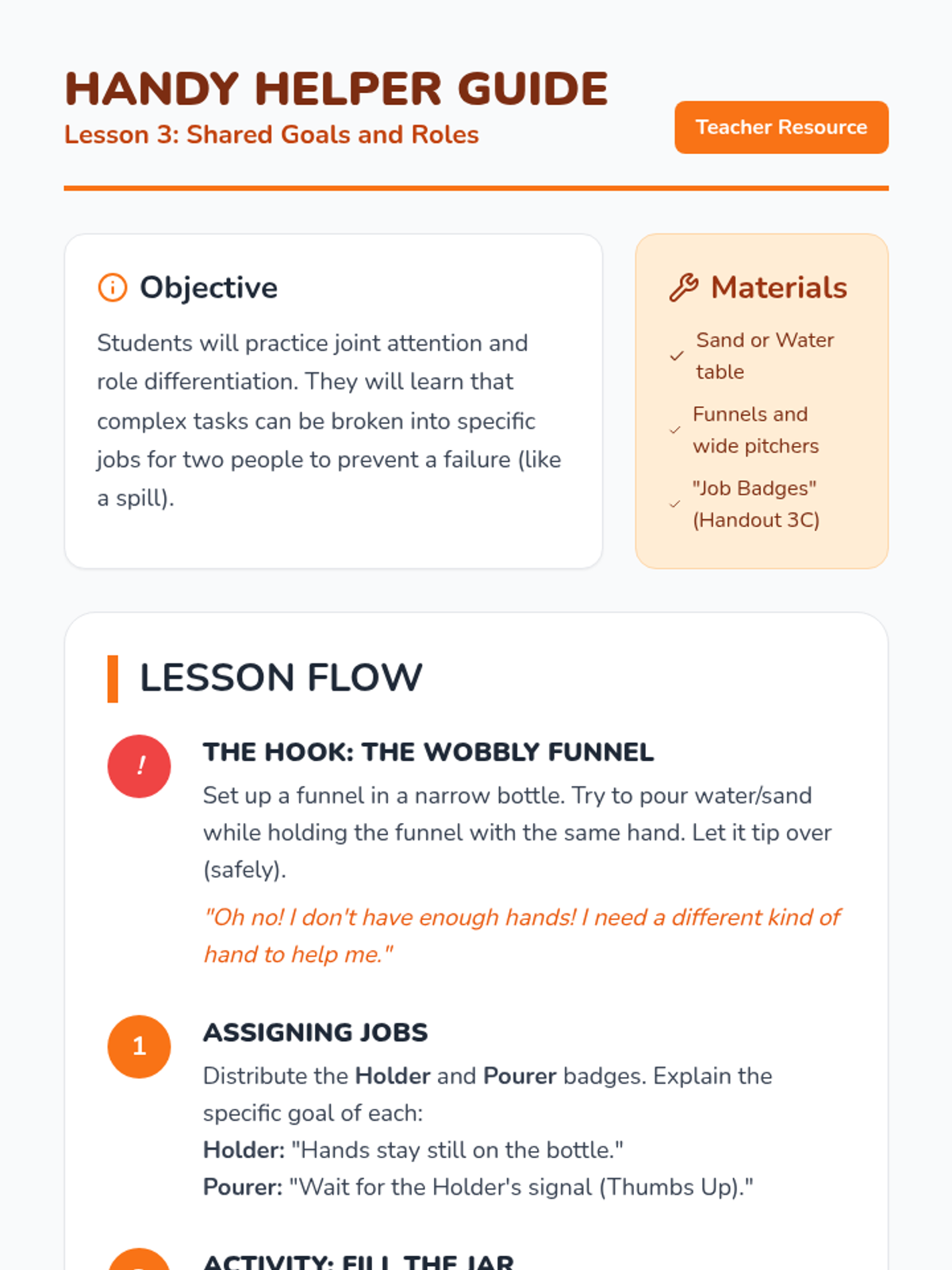
Introduces distinct roles in a shared task (e.g., pouring vs. holding) to solve a problem together. focus on joint attention and role differentiation.
Focuses on using verbal and non-verbal cues to help a partner navigate obstacles or find hidden items. reinforces social reciprocity.
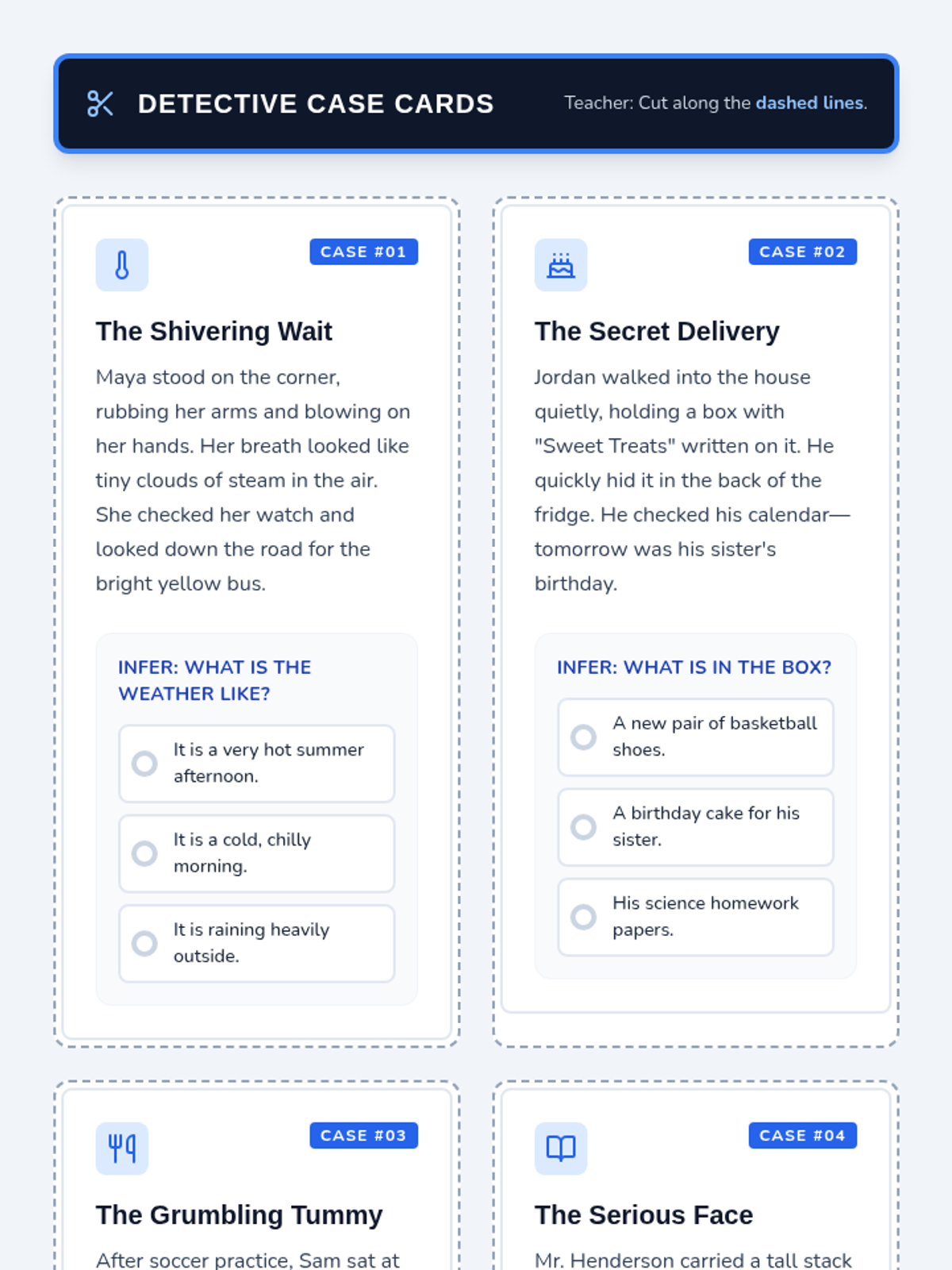
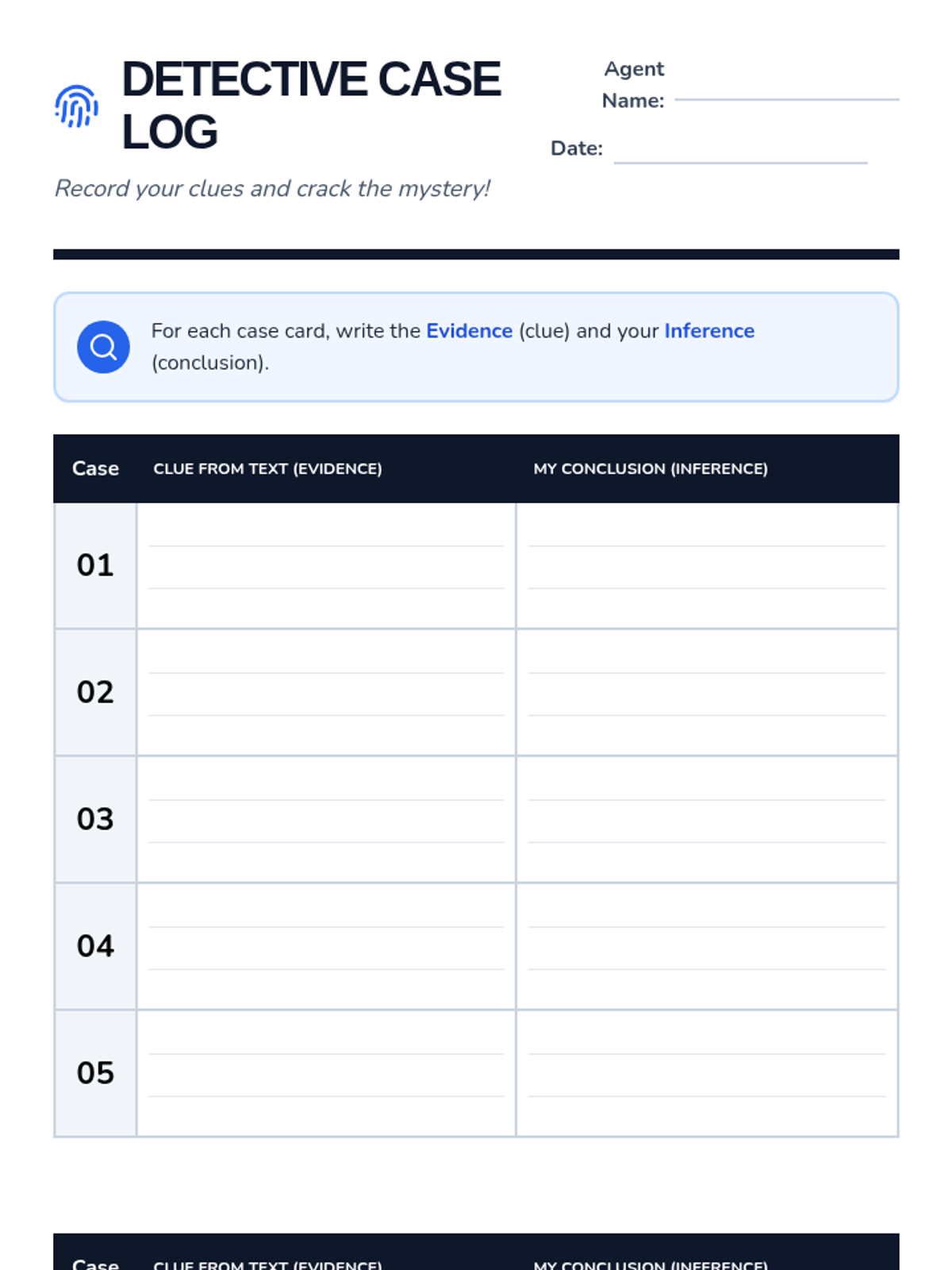
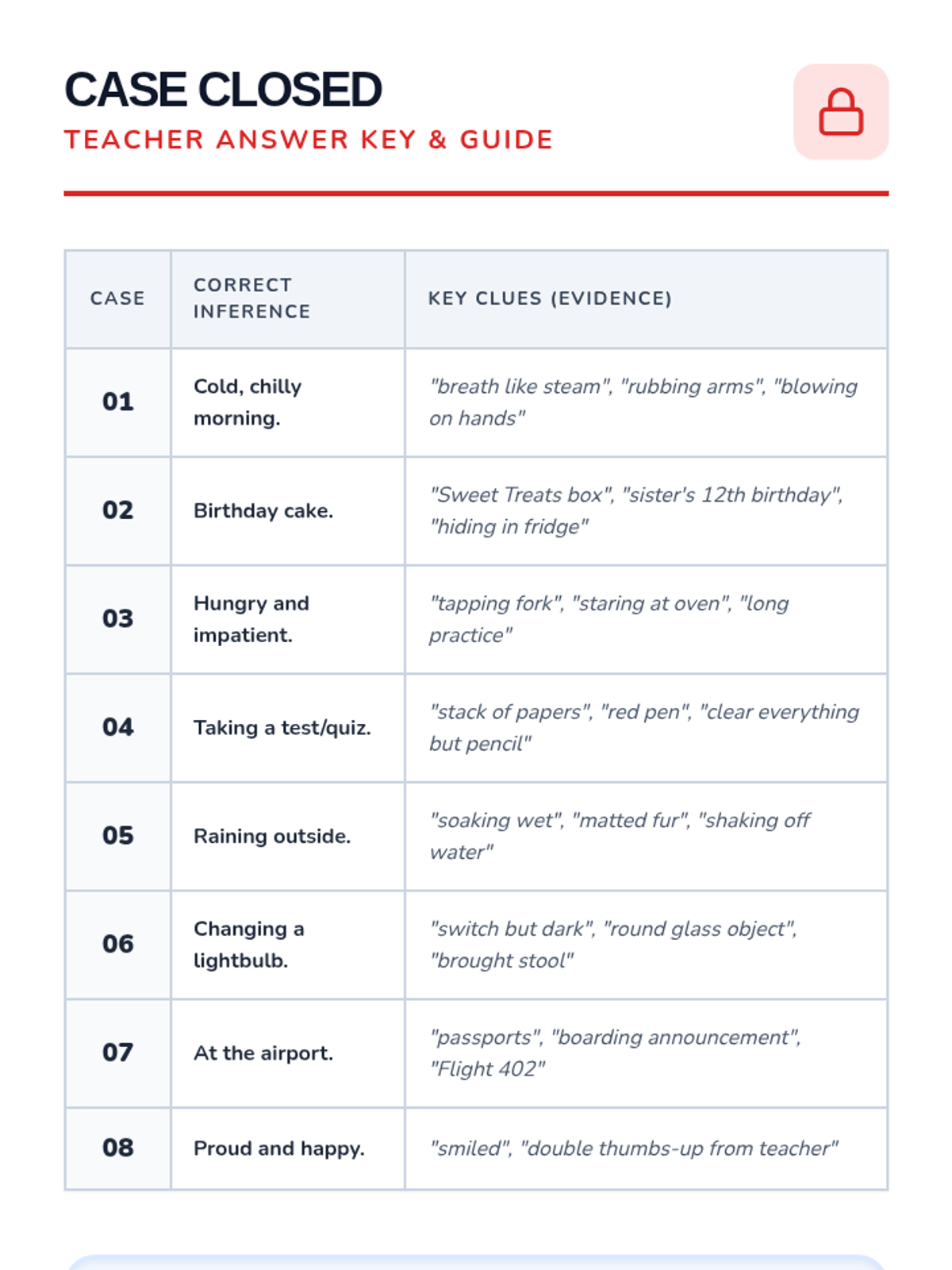
A lesson focused on developing inferencing skills through visual and textual clues, designed for 6th-grade students with neurodiverse needs. Students will learn the 'Evidence + Schema = Inference' formula and apply it to various scenarios.
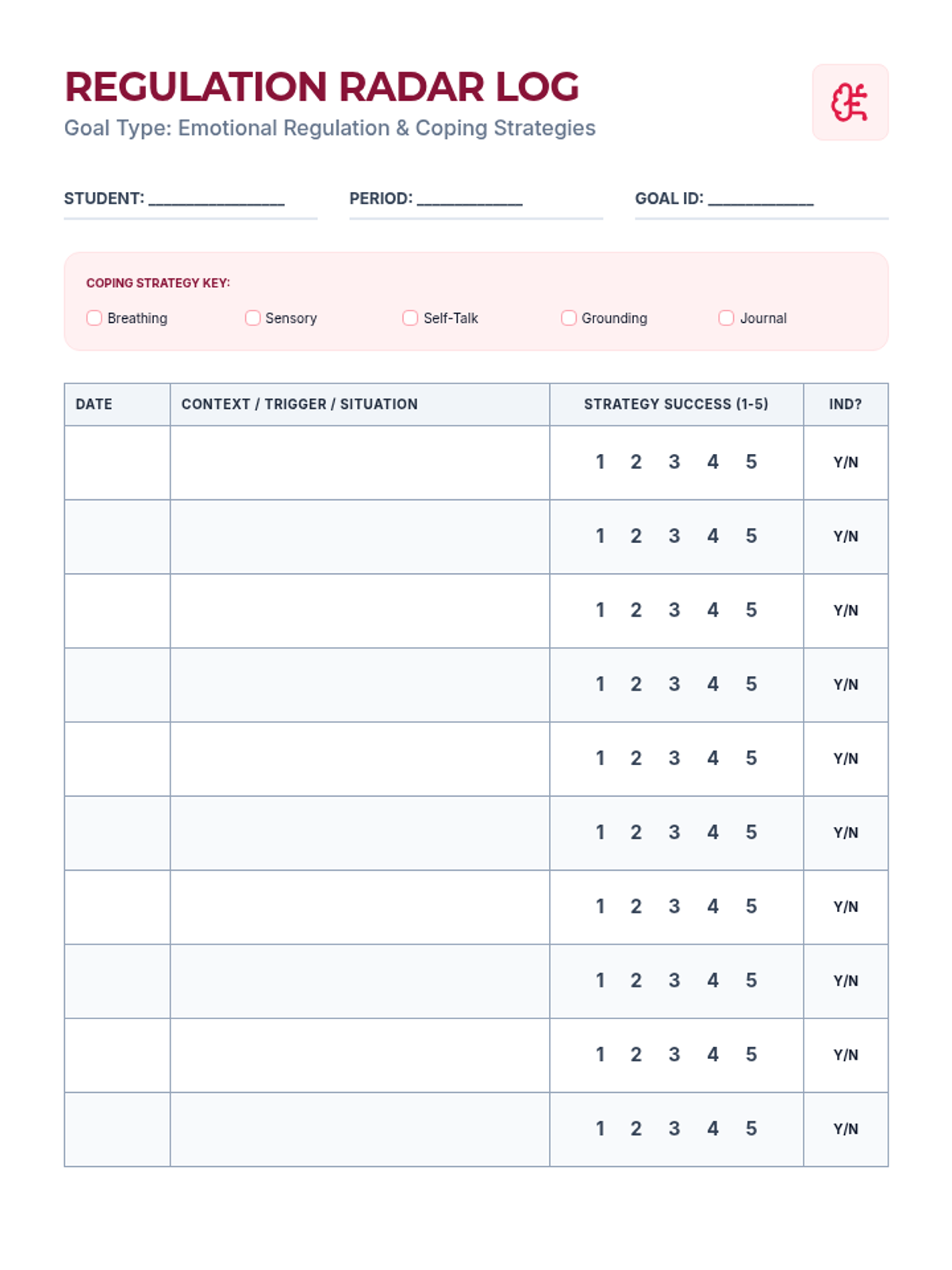
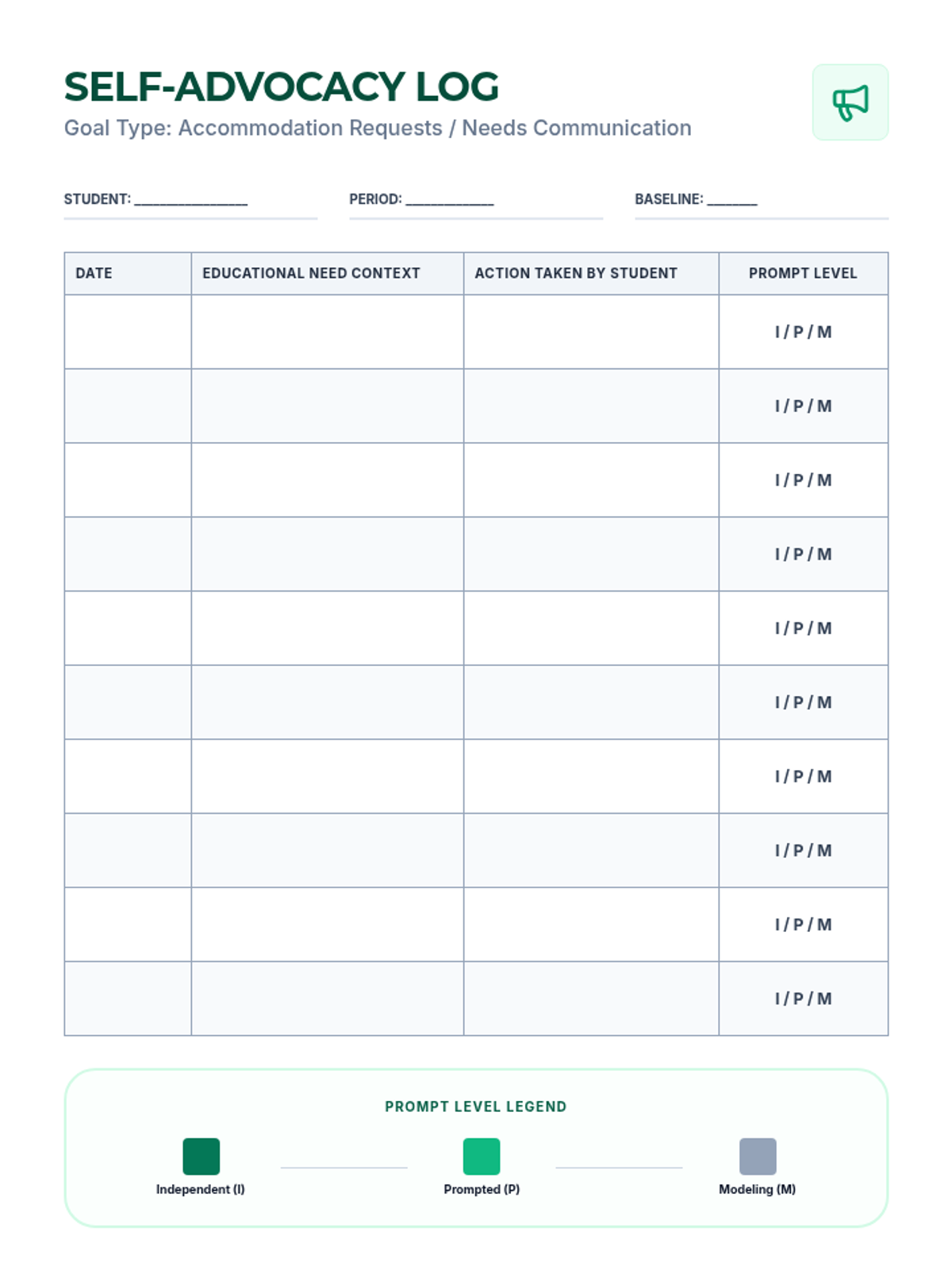
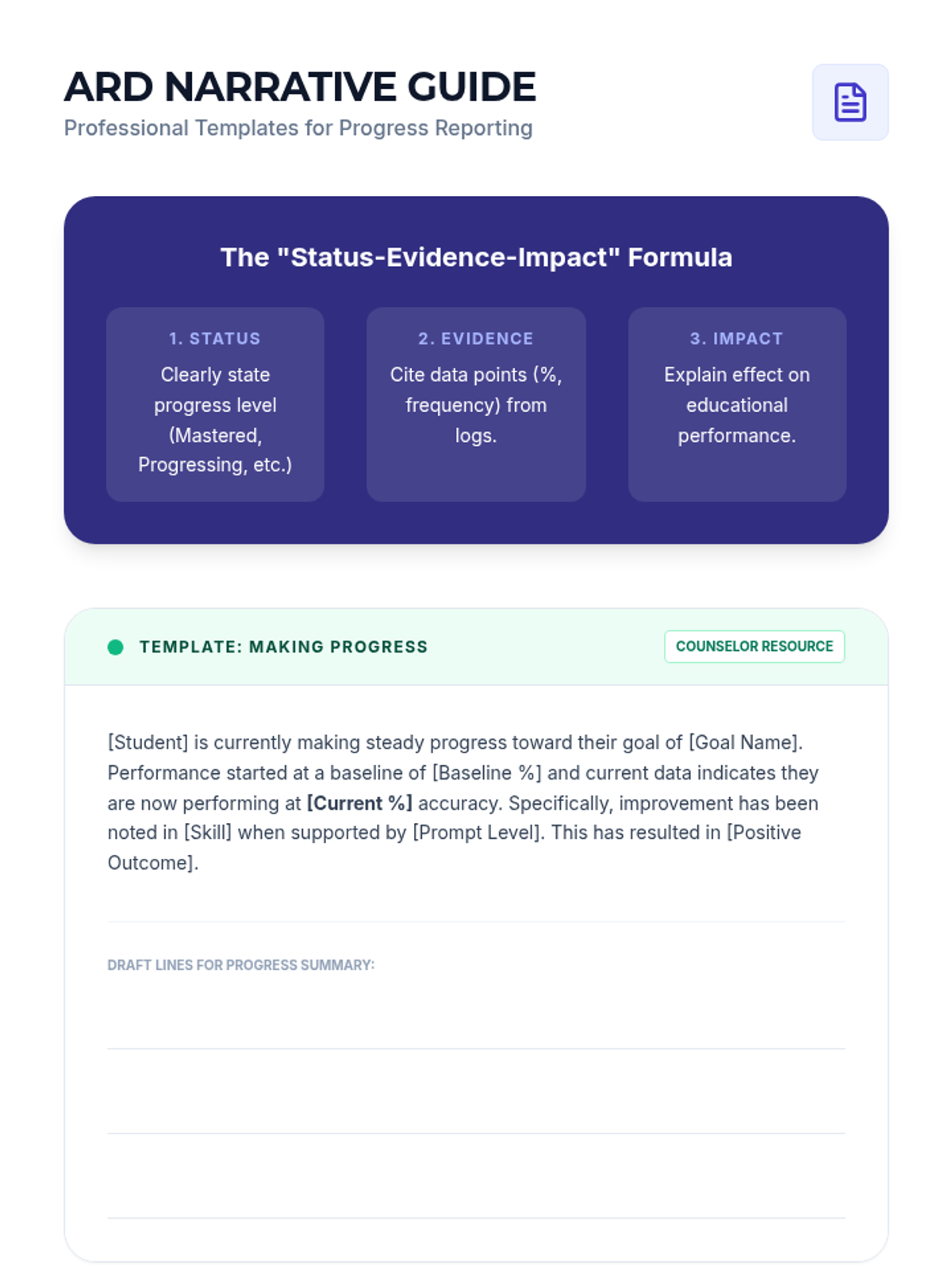
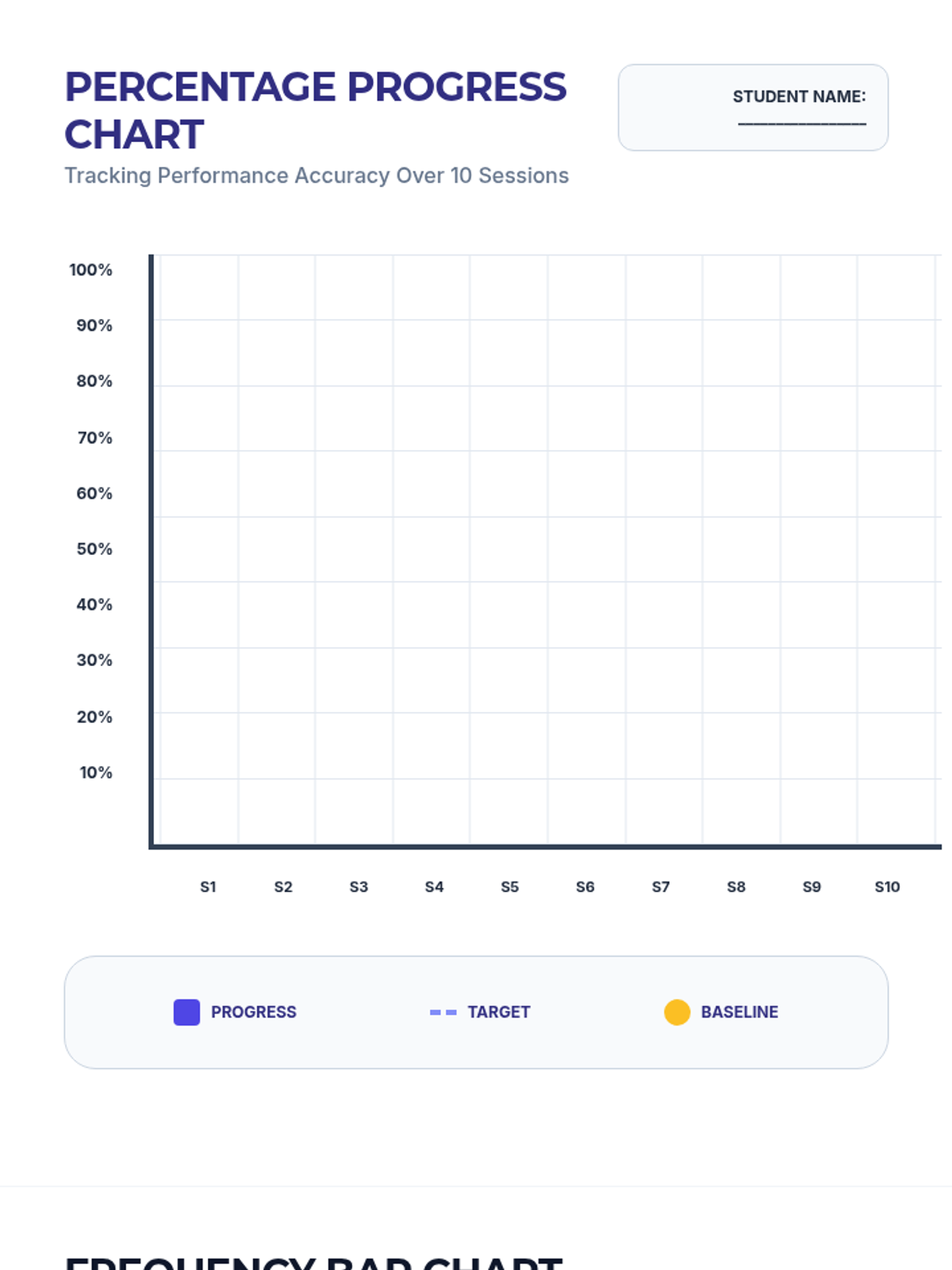
A comprehensive toolkit for high school counselors to efficiently monitor IEP goal progress across large caseloads. Includes data collection logs for social skills, emotional regulation, and self-advocacy, along with ARD narrative templates and visual charts.
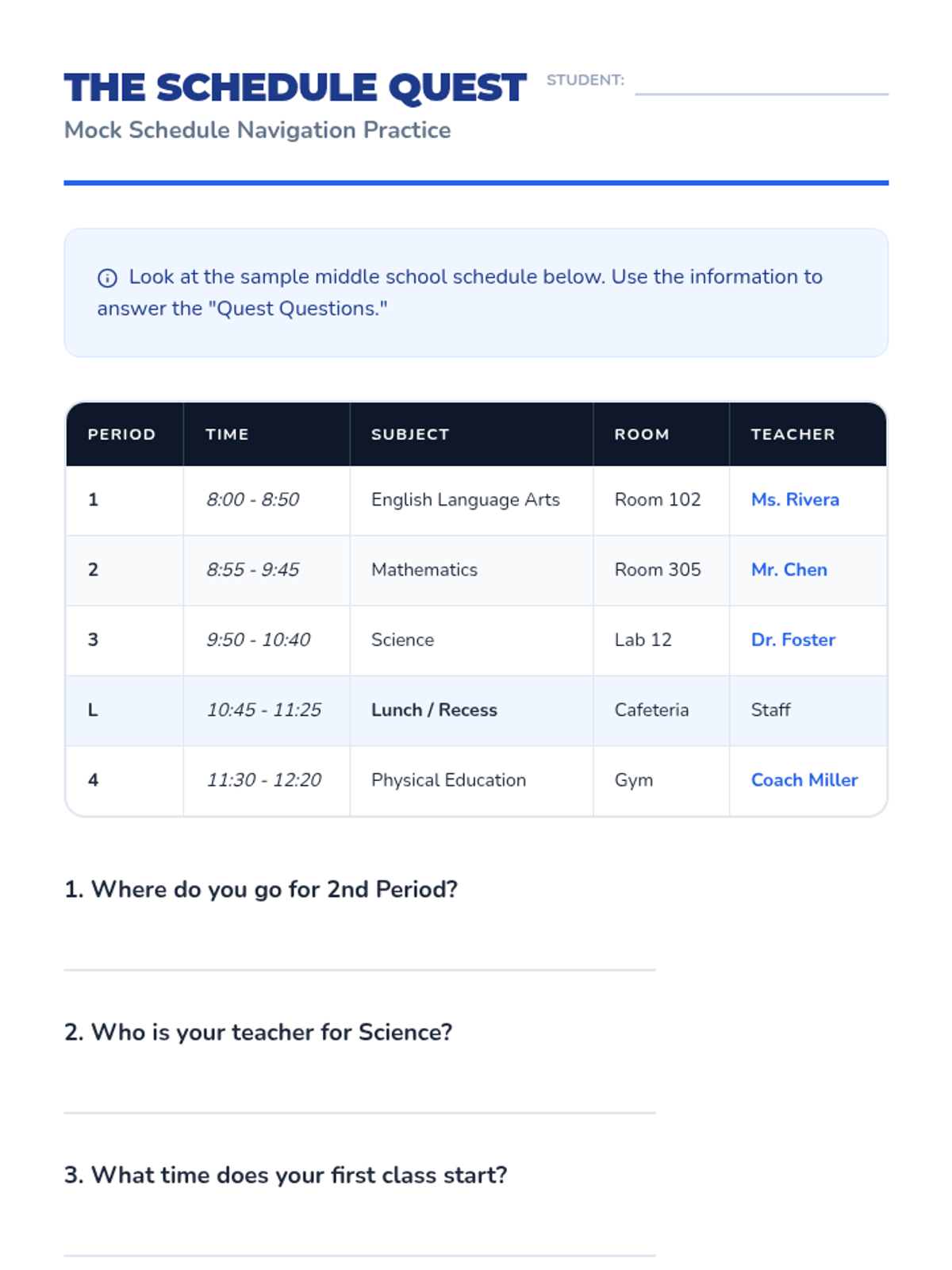
Synthesizes all skills by practicing with a mock schedule and creating a personalized survival guide for the first week of middle school.