A collaborative lesson where students use shared documents to debate and analyze text in real-time using only digital annotation tools.
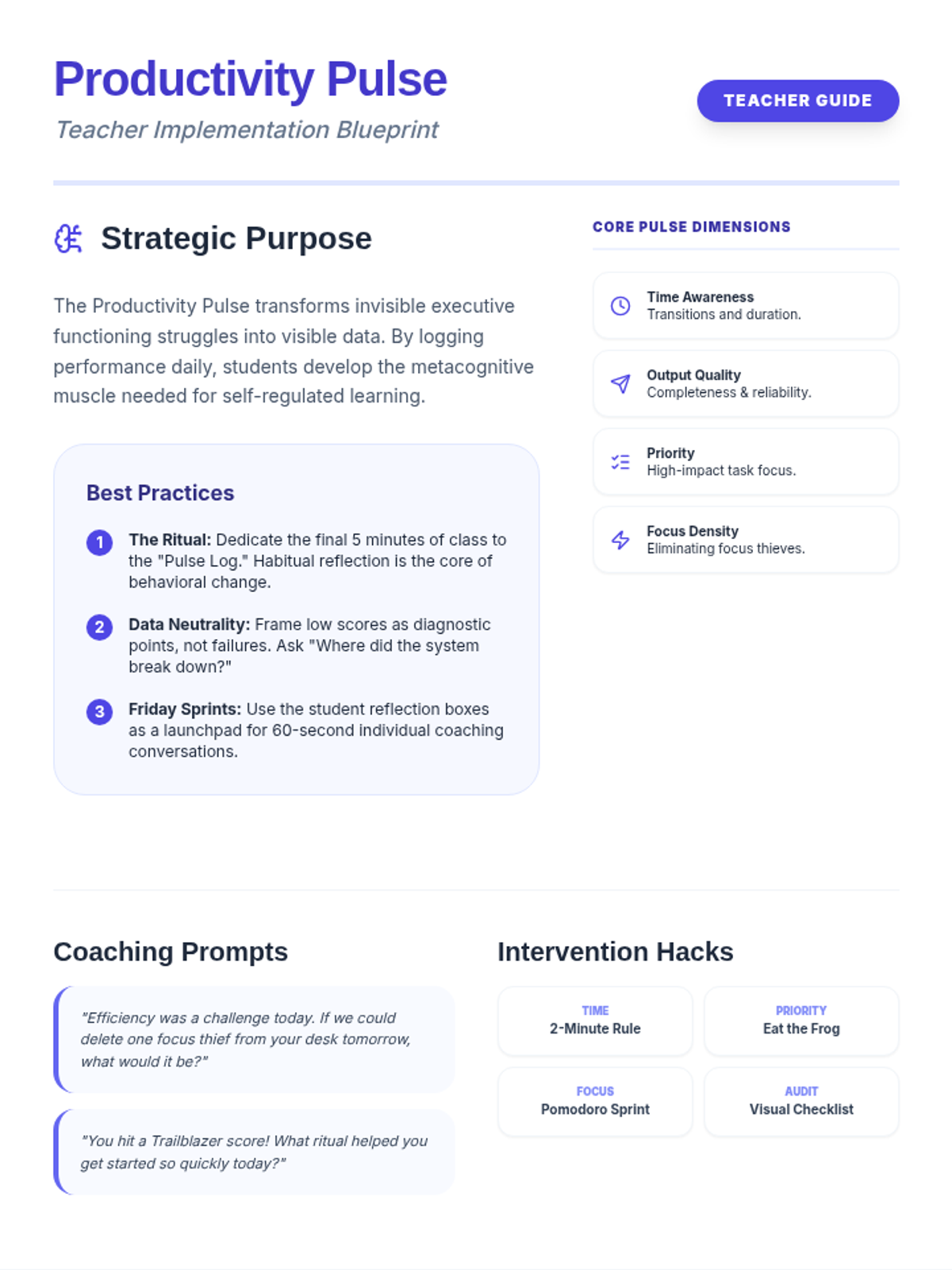
A comprehensive toolkit for students to track and improve their executive functioning skills through daily logging and descriptive rubrics.
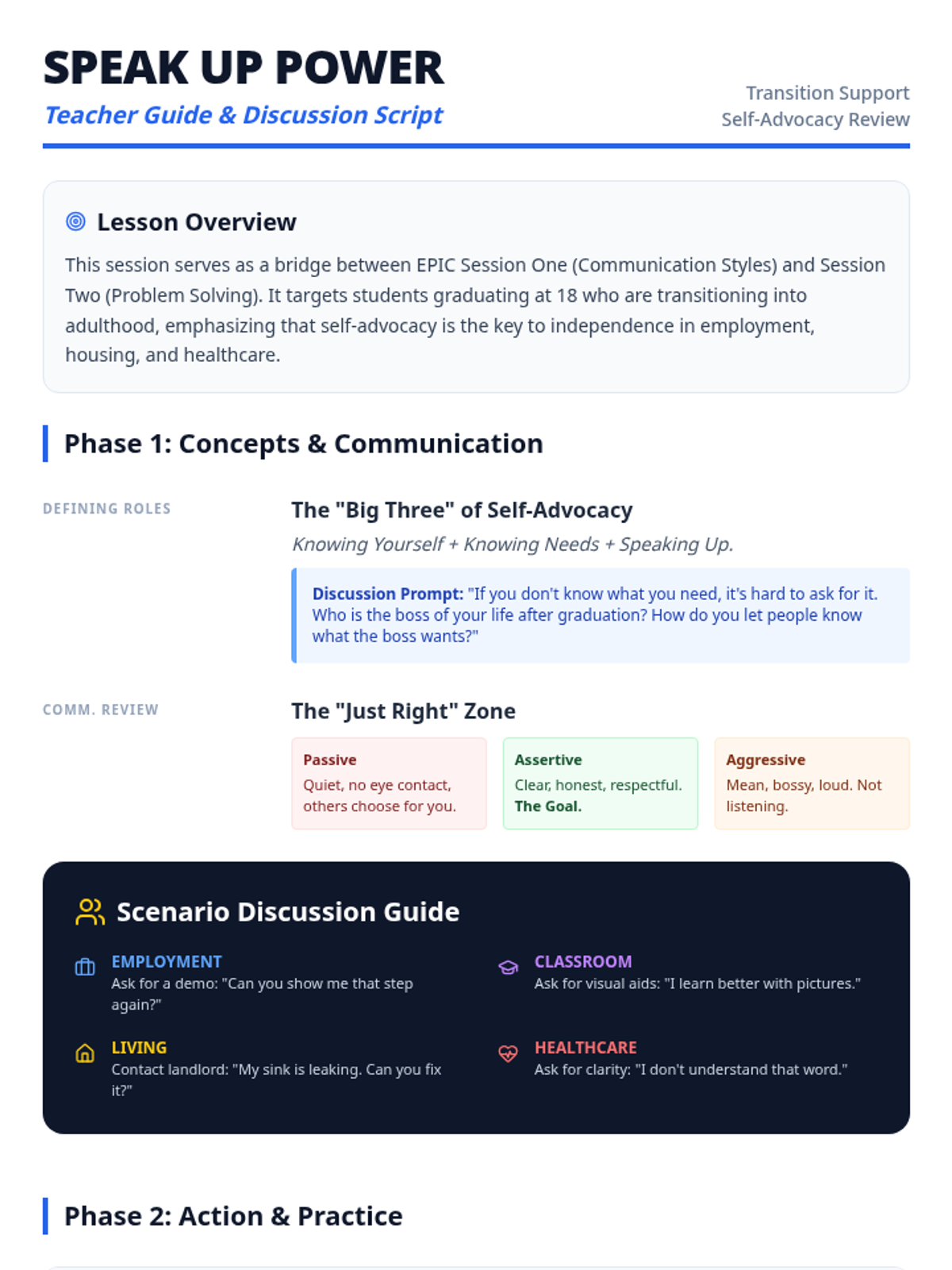
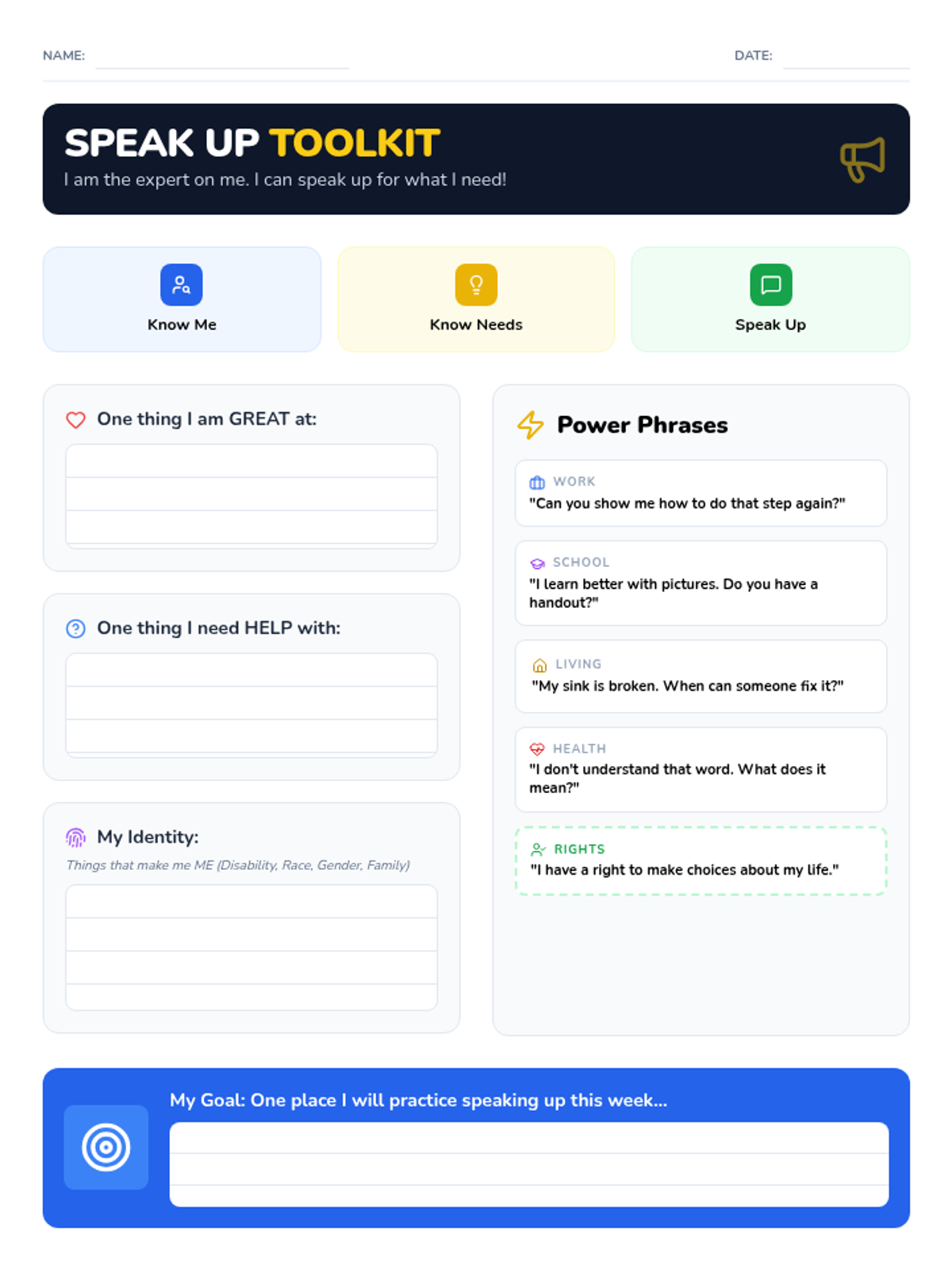
A review-focused lesson on self-advocacy for high school students with intellectual disabilities, focusing on transition skills for employment, living, and education.
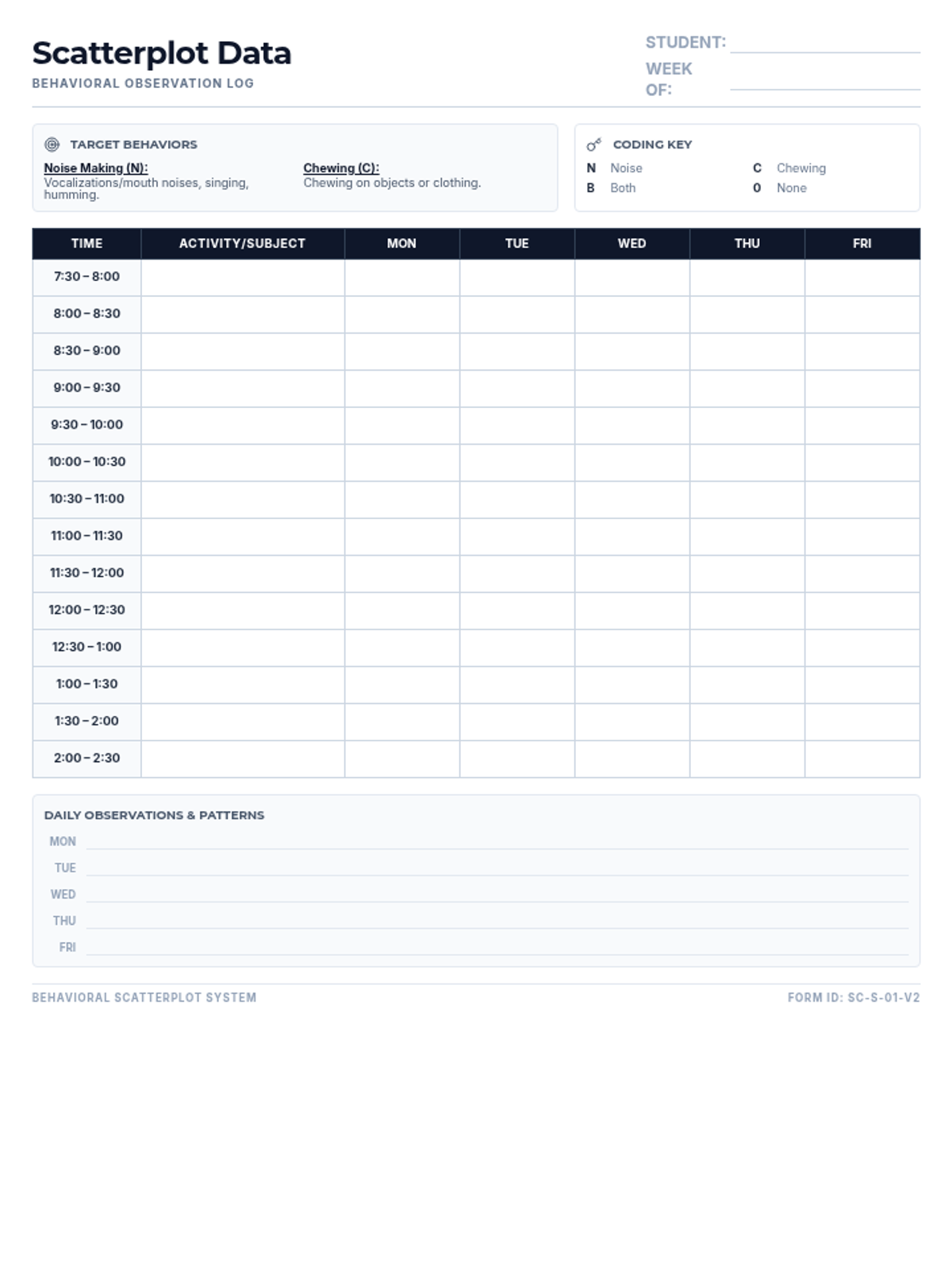
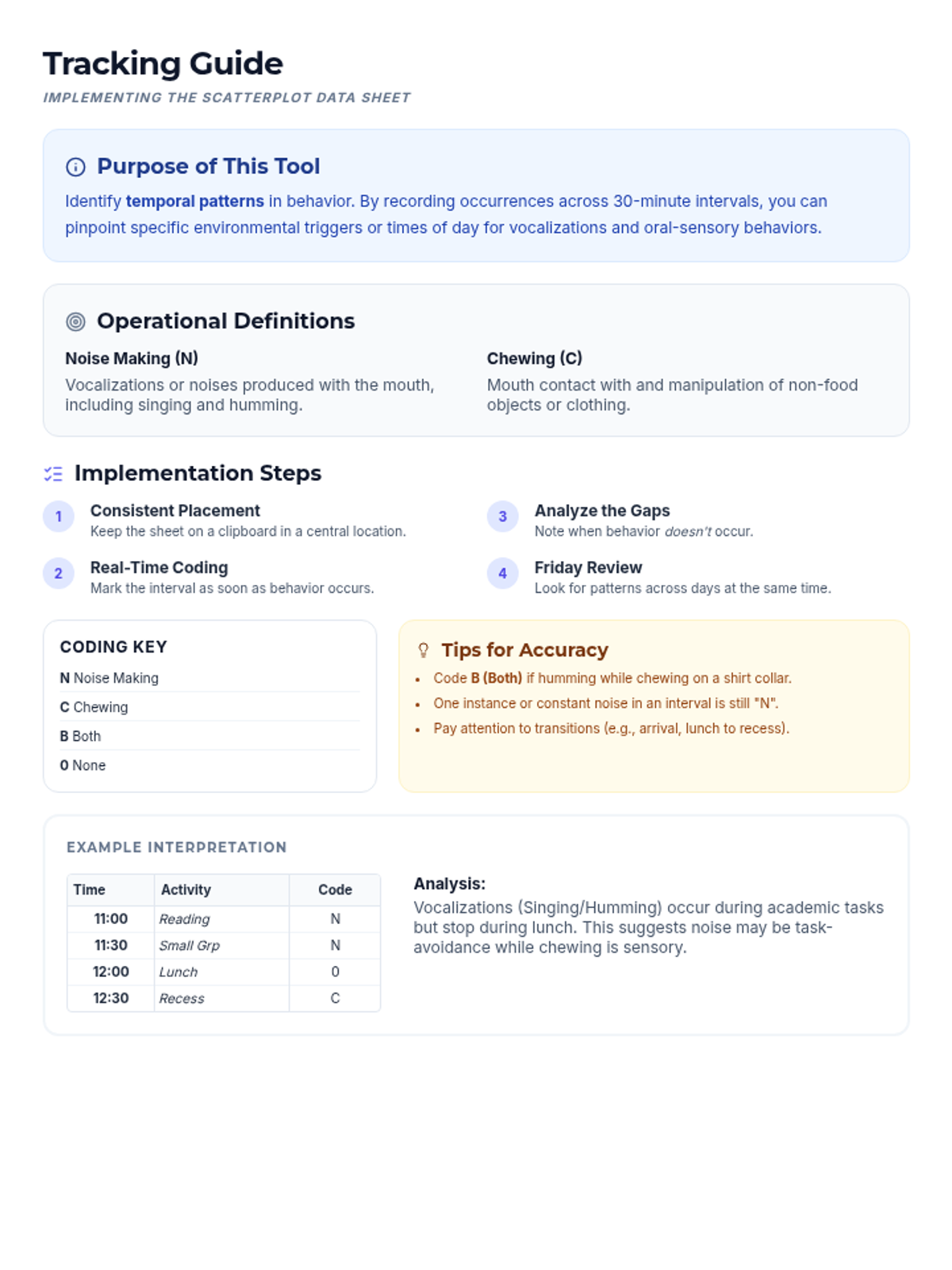
A collection of resources for tracking and analyzing noise-making and chewing behaviors in a classroom or clinical setting, featuring a structured scatterplot data sheet and implementation guide.
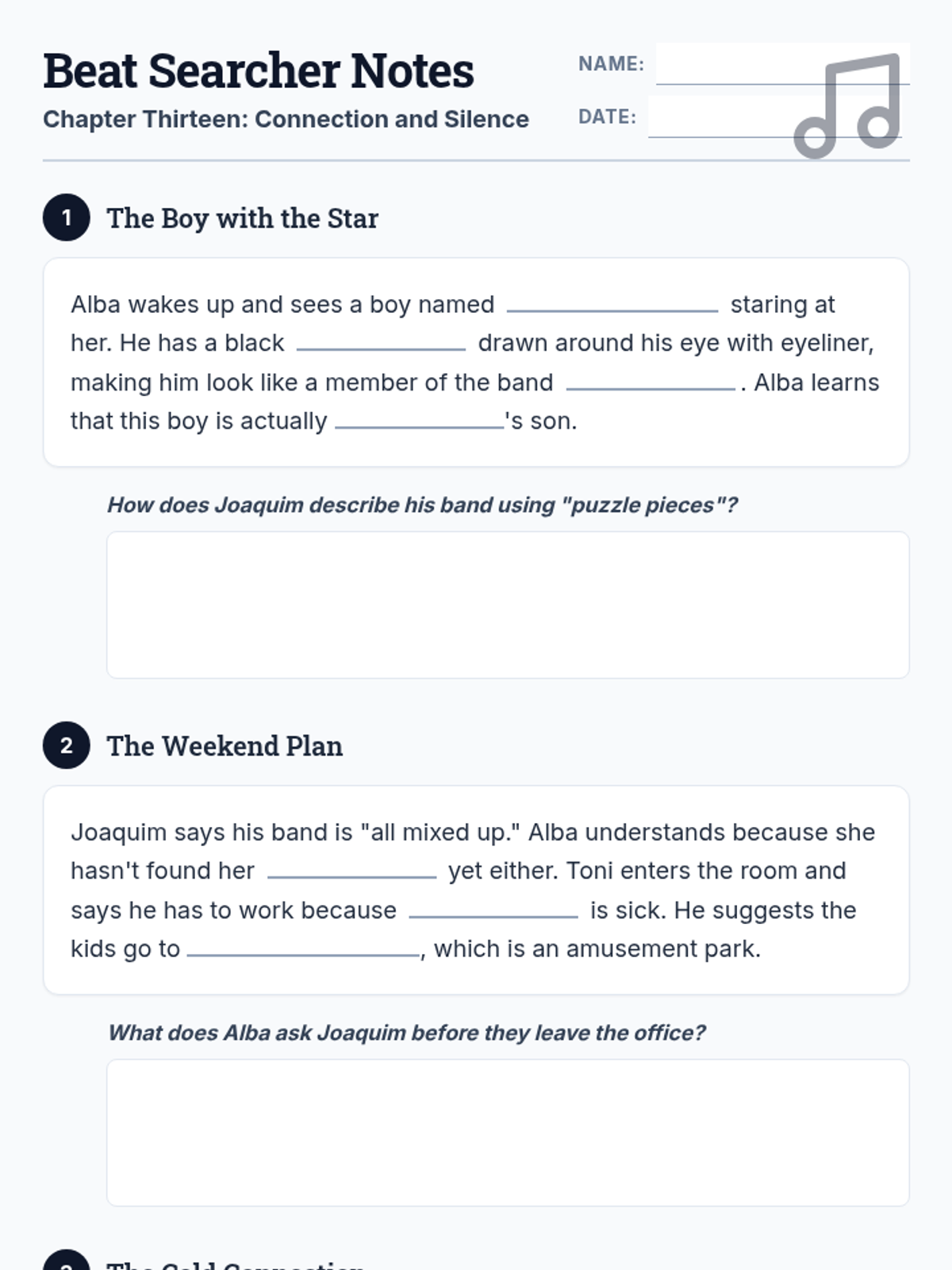
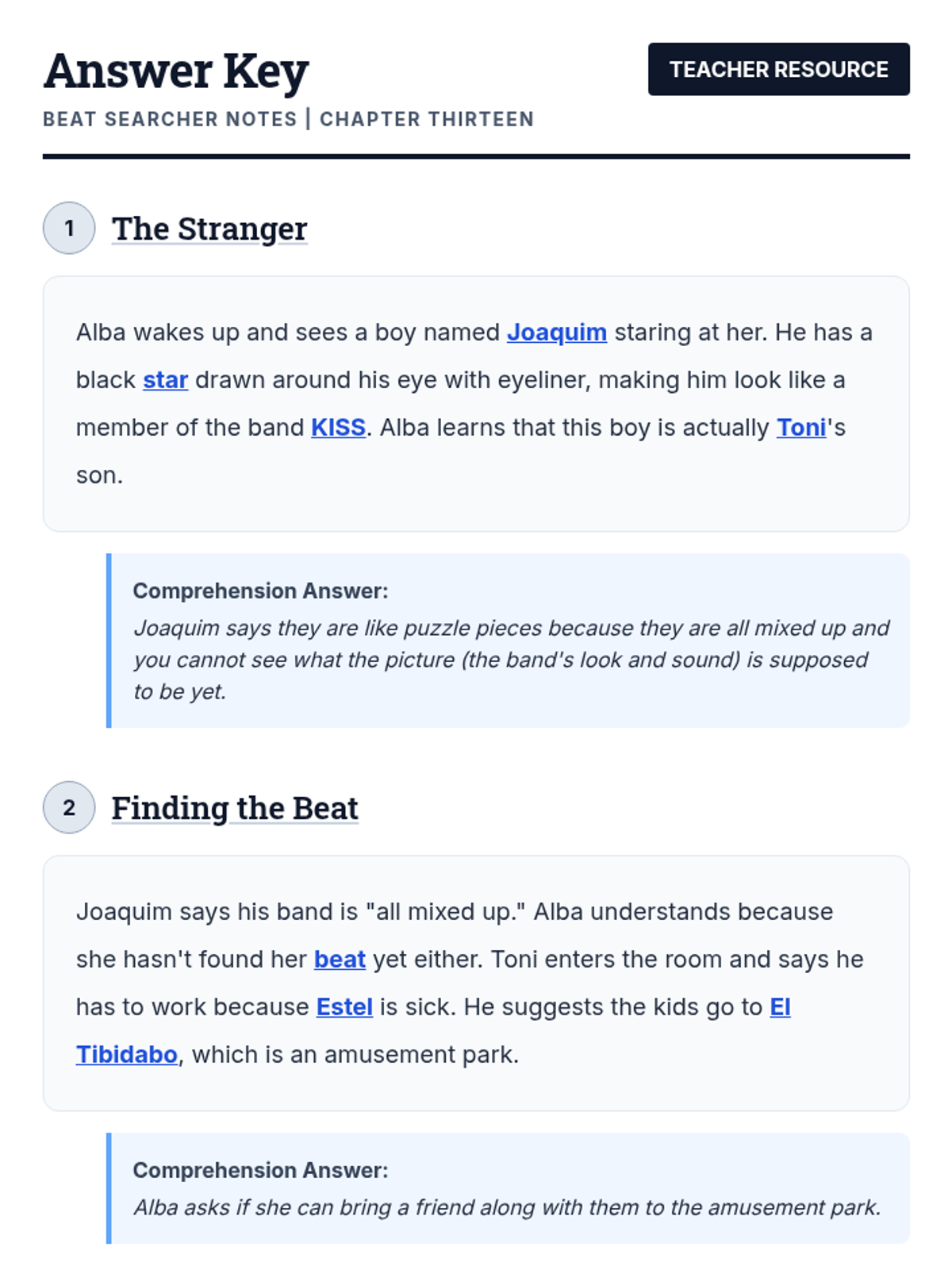
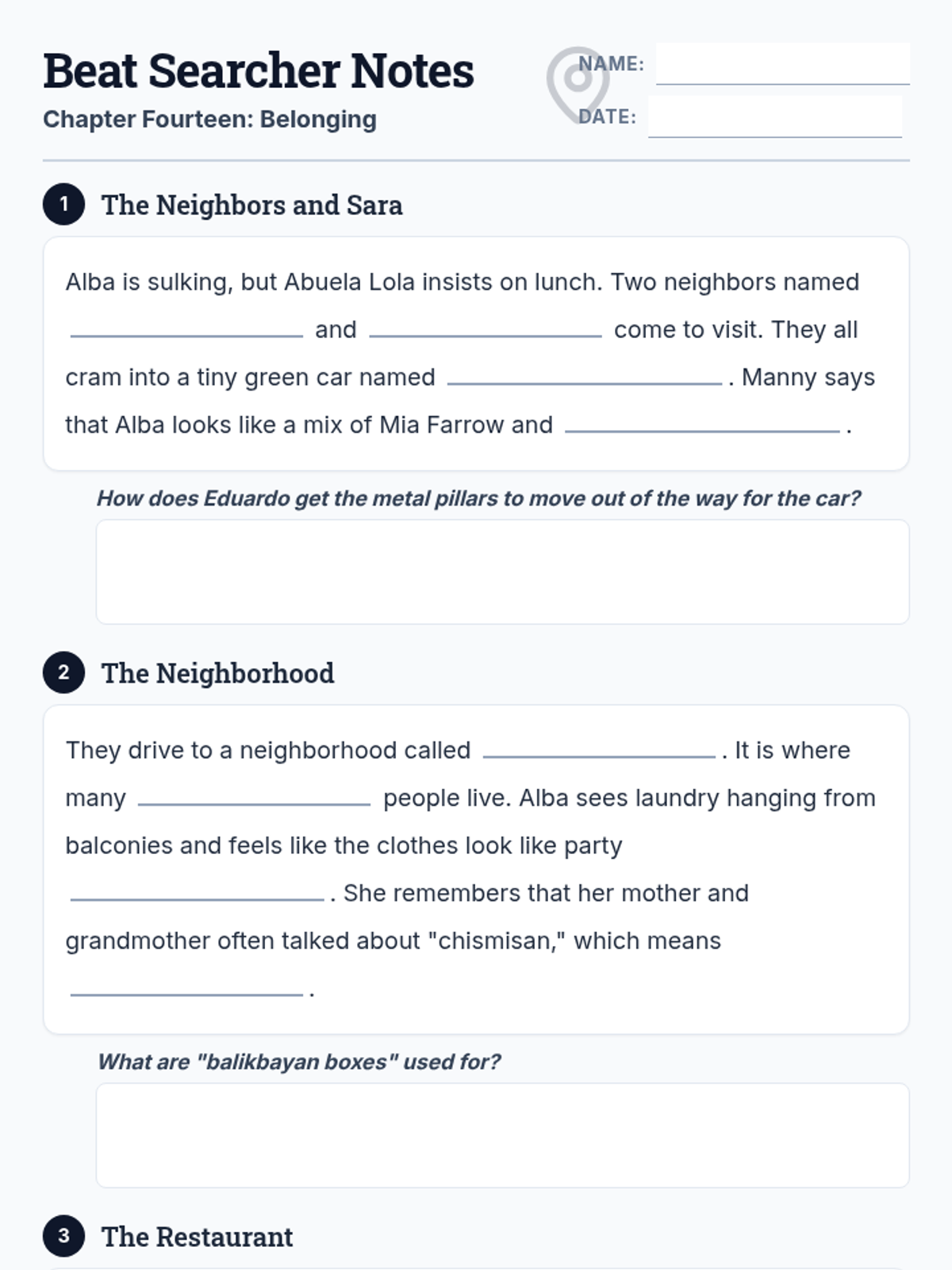
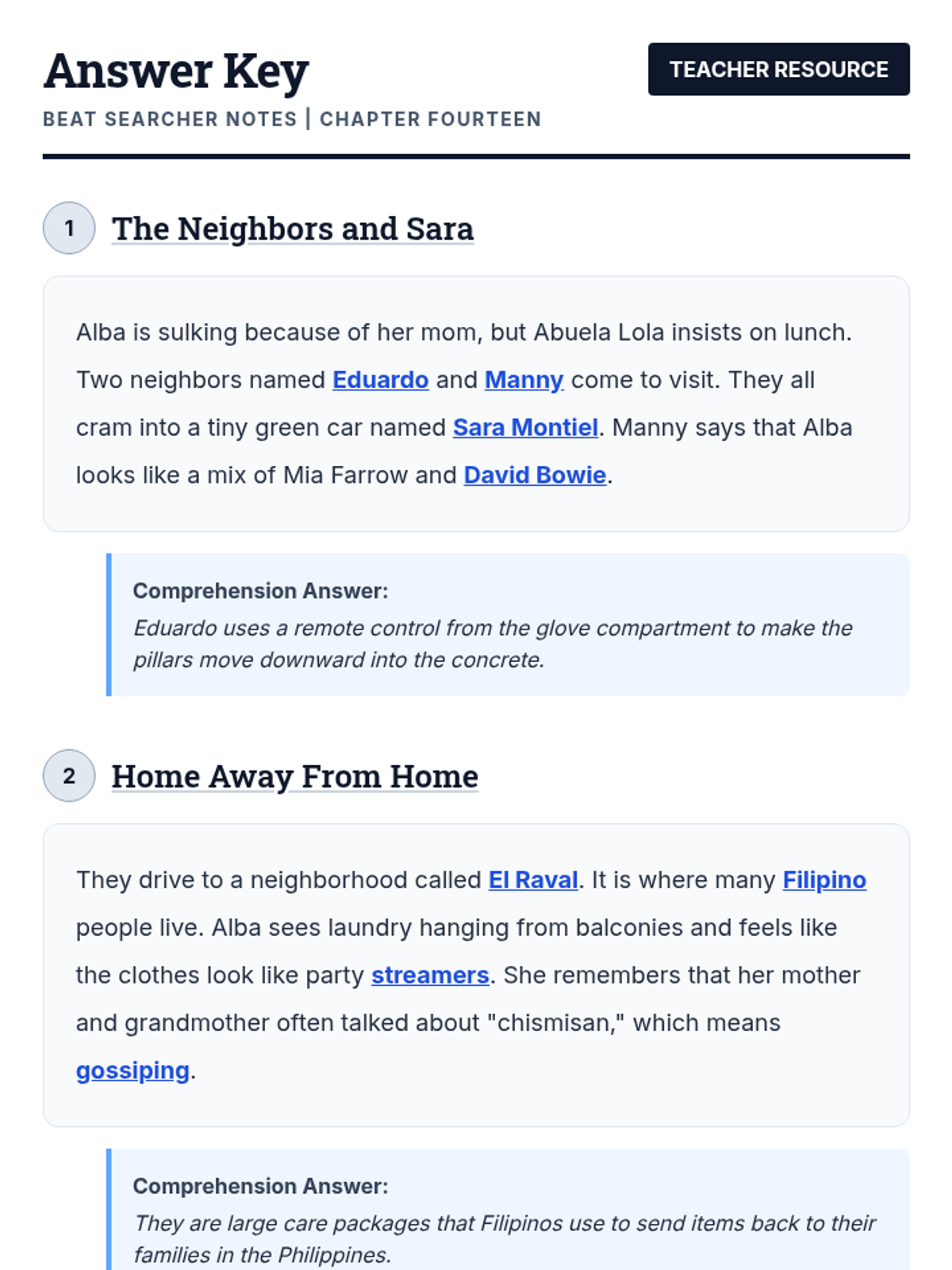
A reading comprehension lesson focused on analyzing character dynamics and emotional subtext in Chapters 13 and 14 of the text, specifically exploring identity, culture, and familial distance.
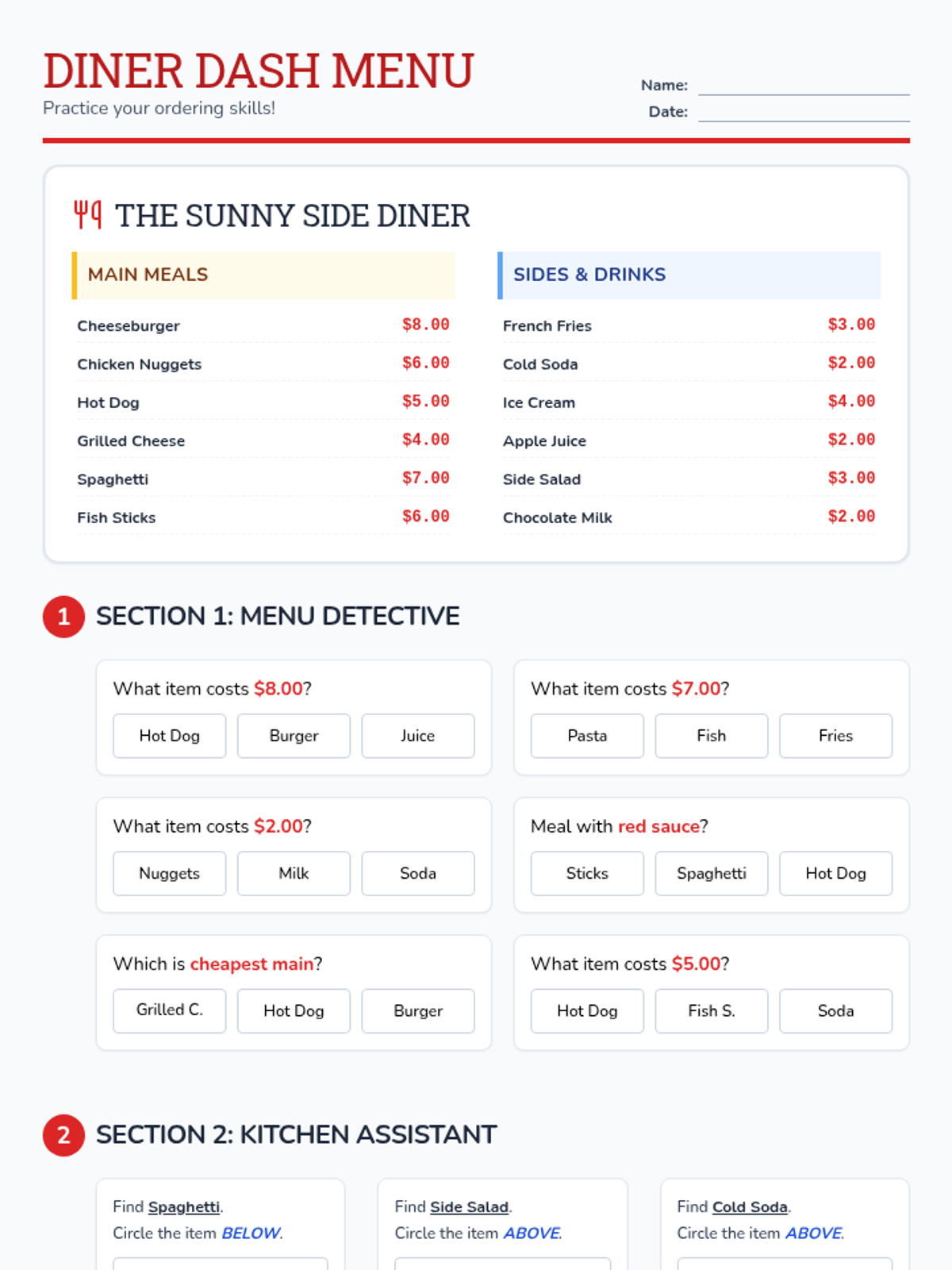
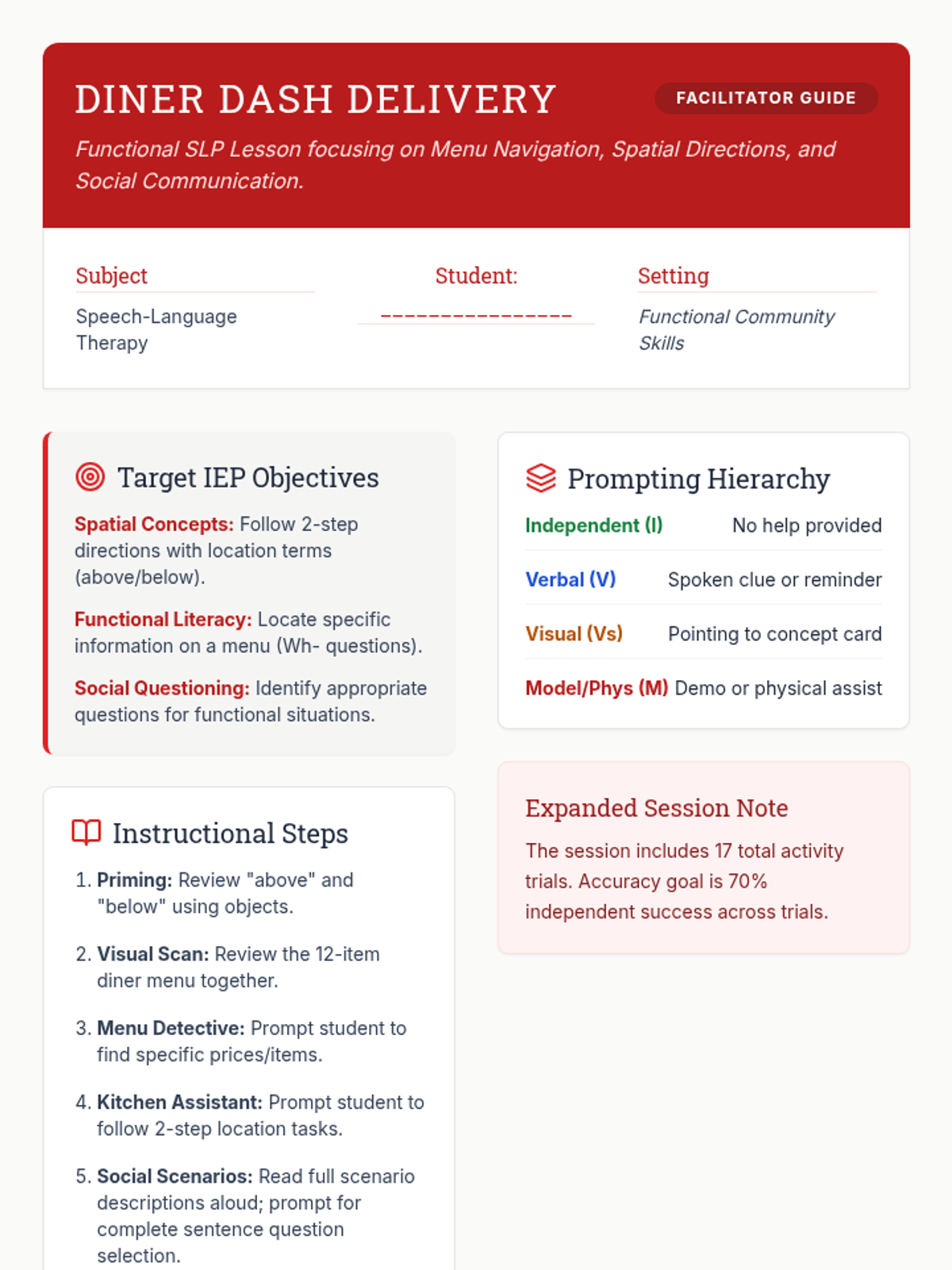
A functional speech-language therapy lesson focused on restaurant ordering, menu navigation, and social problem-solving for students with moderate-to-severe autism.
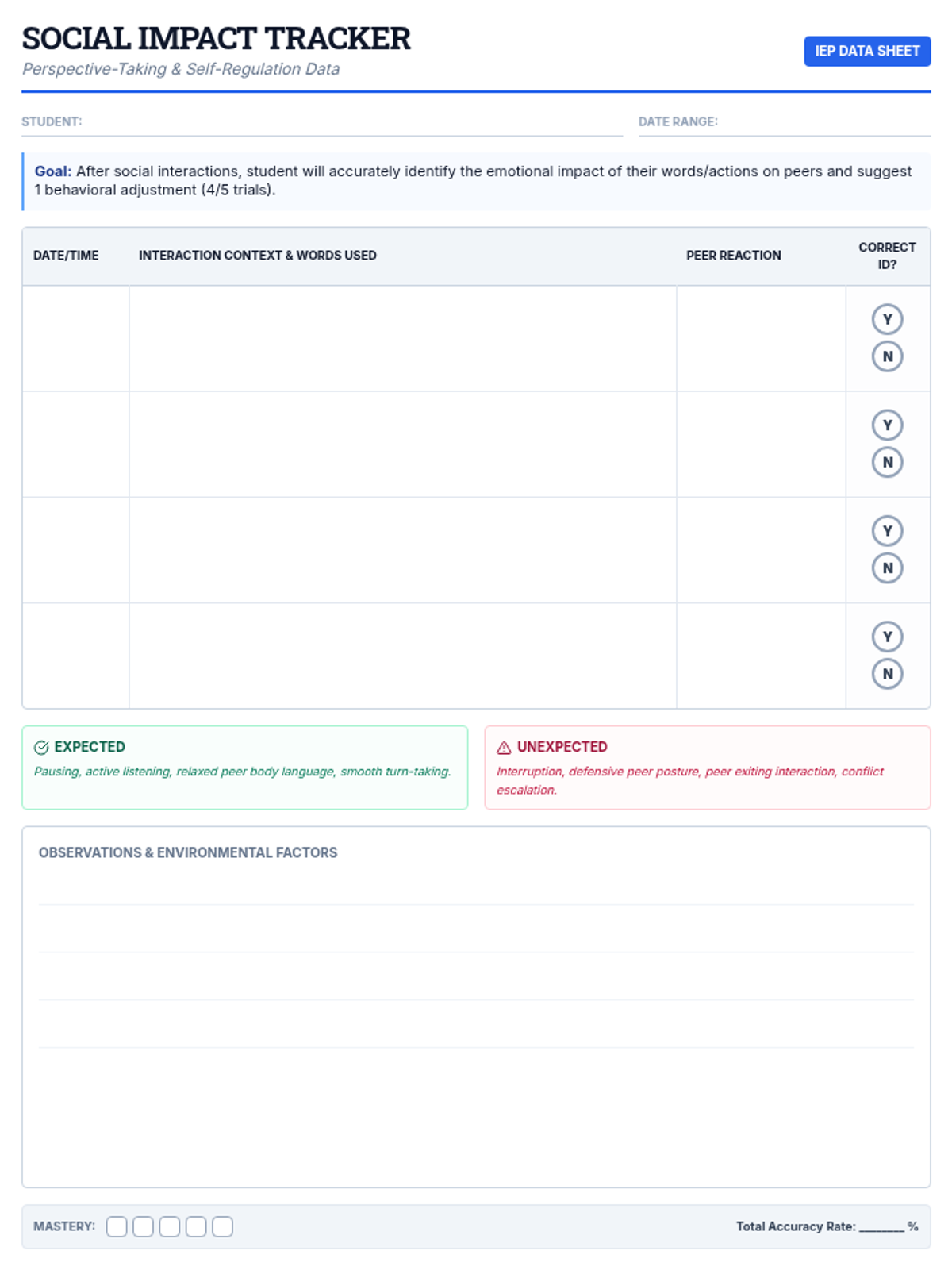
This lesson focuses on developing perspective-taking skills, specifically helping students understand the ripple effect of their words and actions on the people around them. It includes tools for monitoring progress and reflective practice.
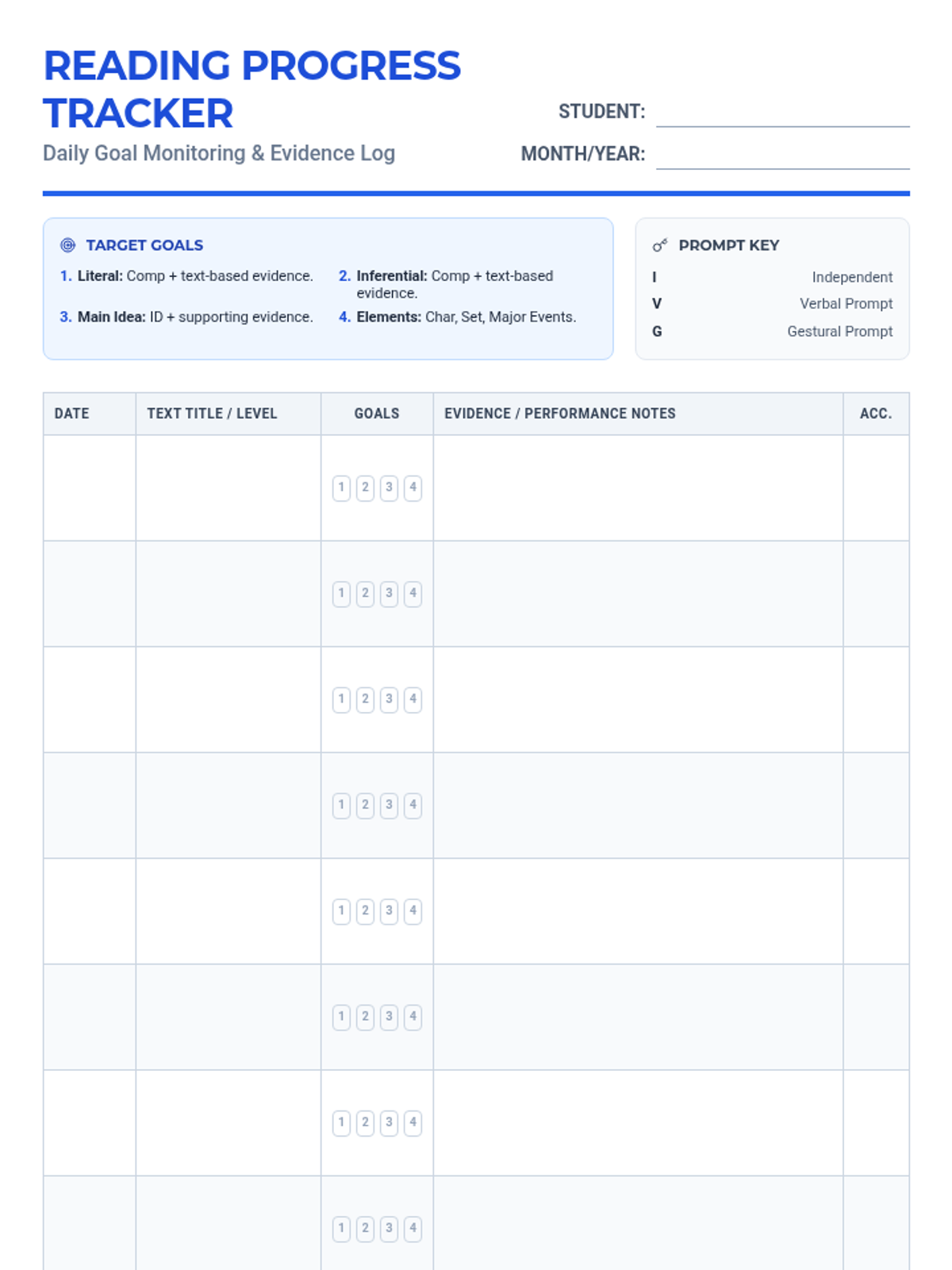
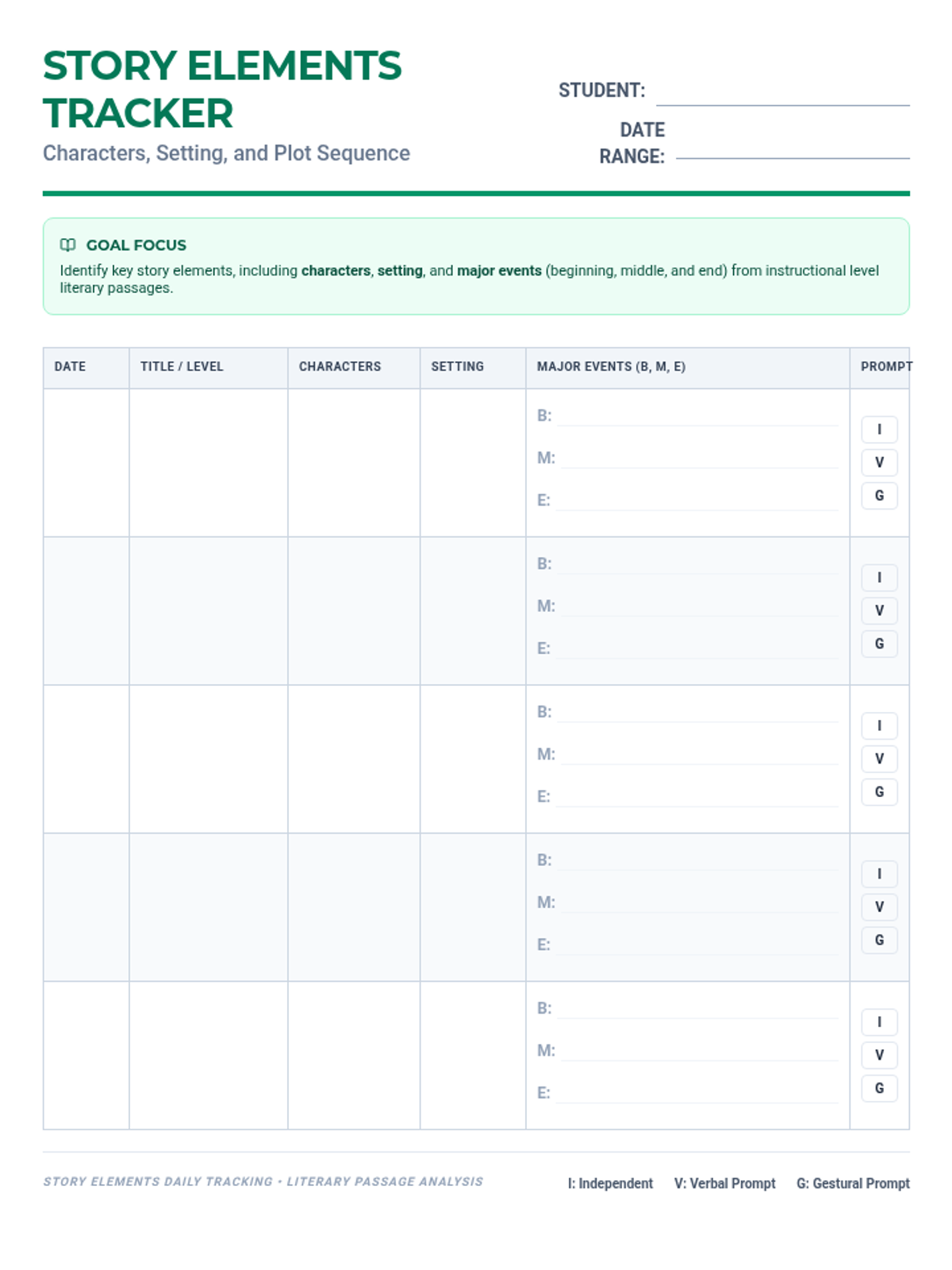
A collection of professional data tracking sheets for monitoring specific reading comprehension goals, including literal, inferential, and story element identification.
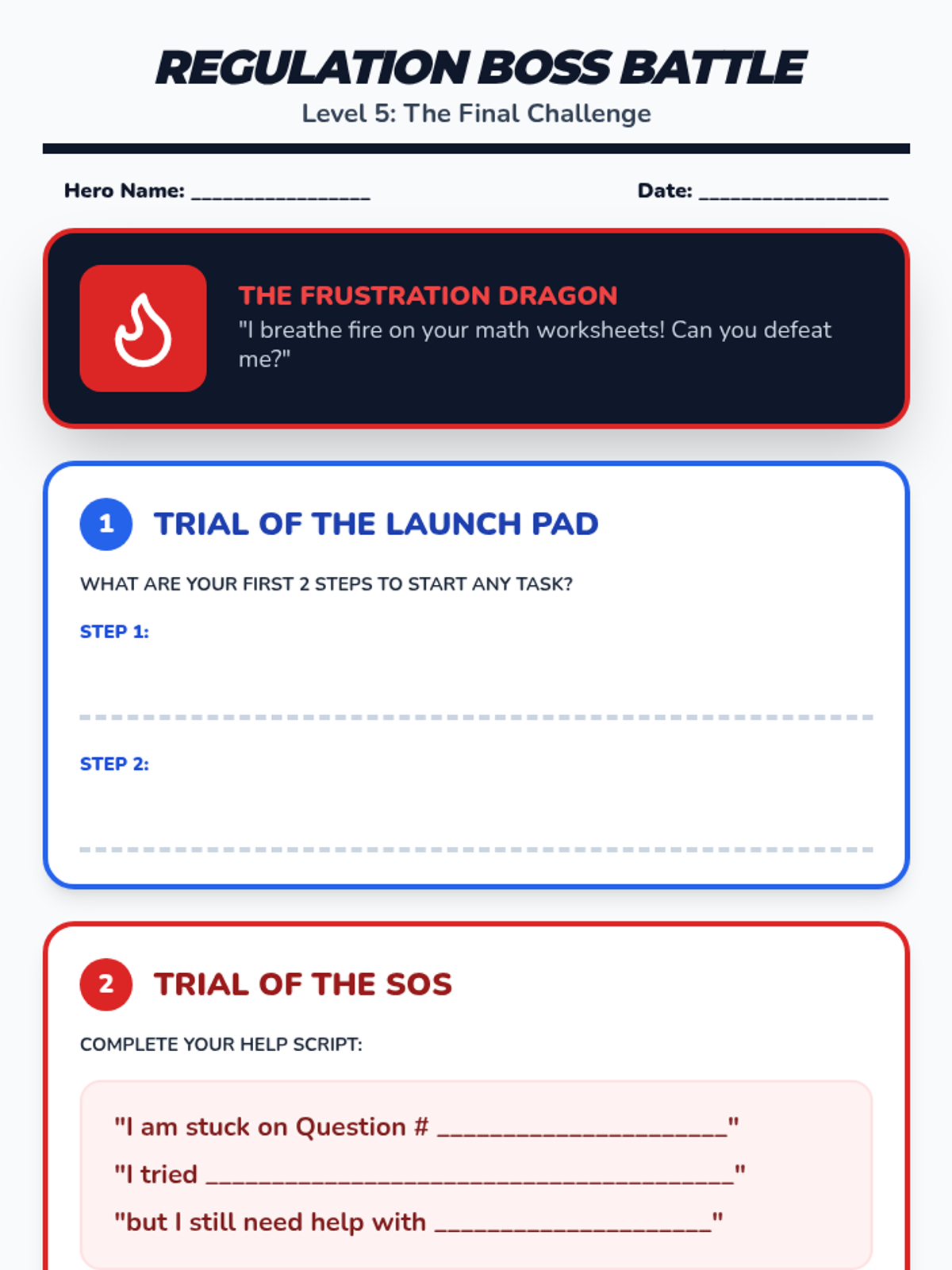
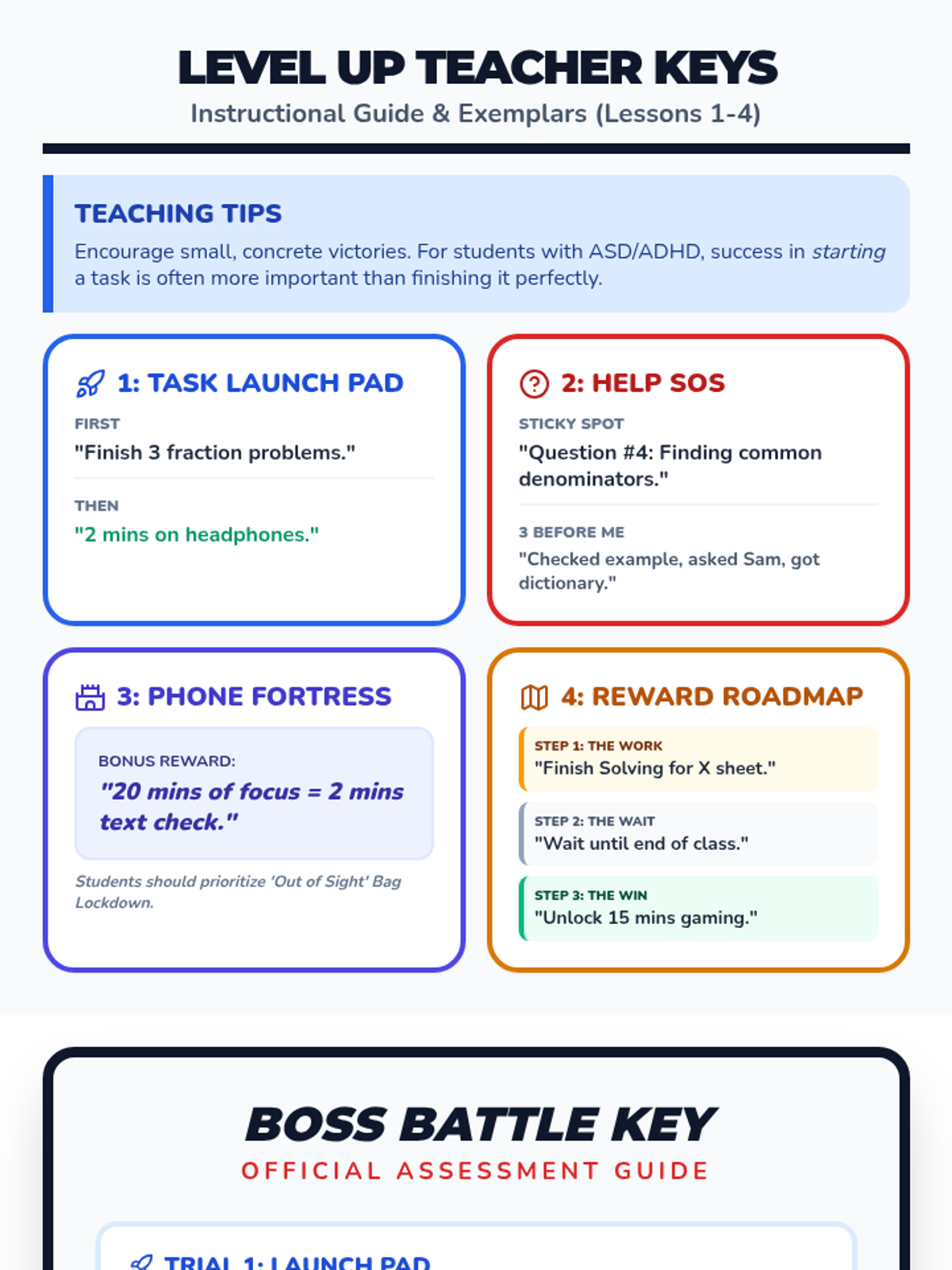
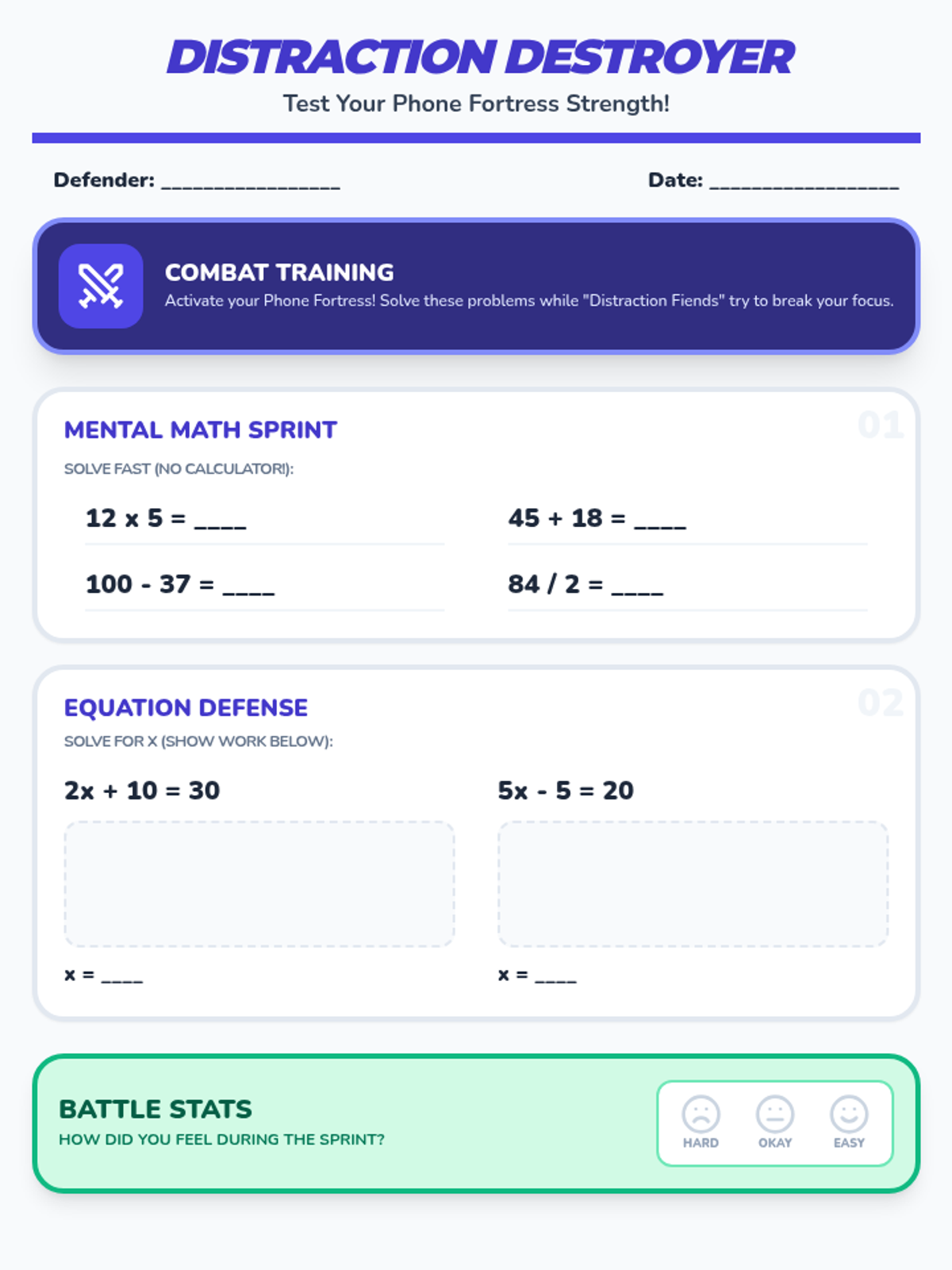
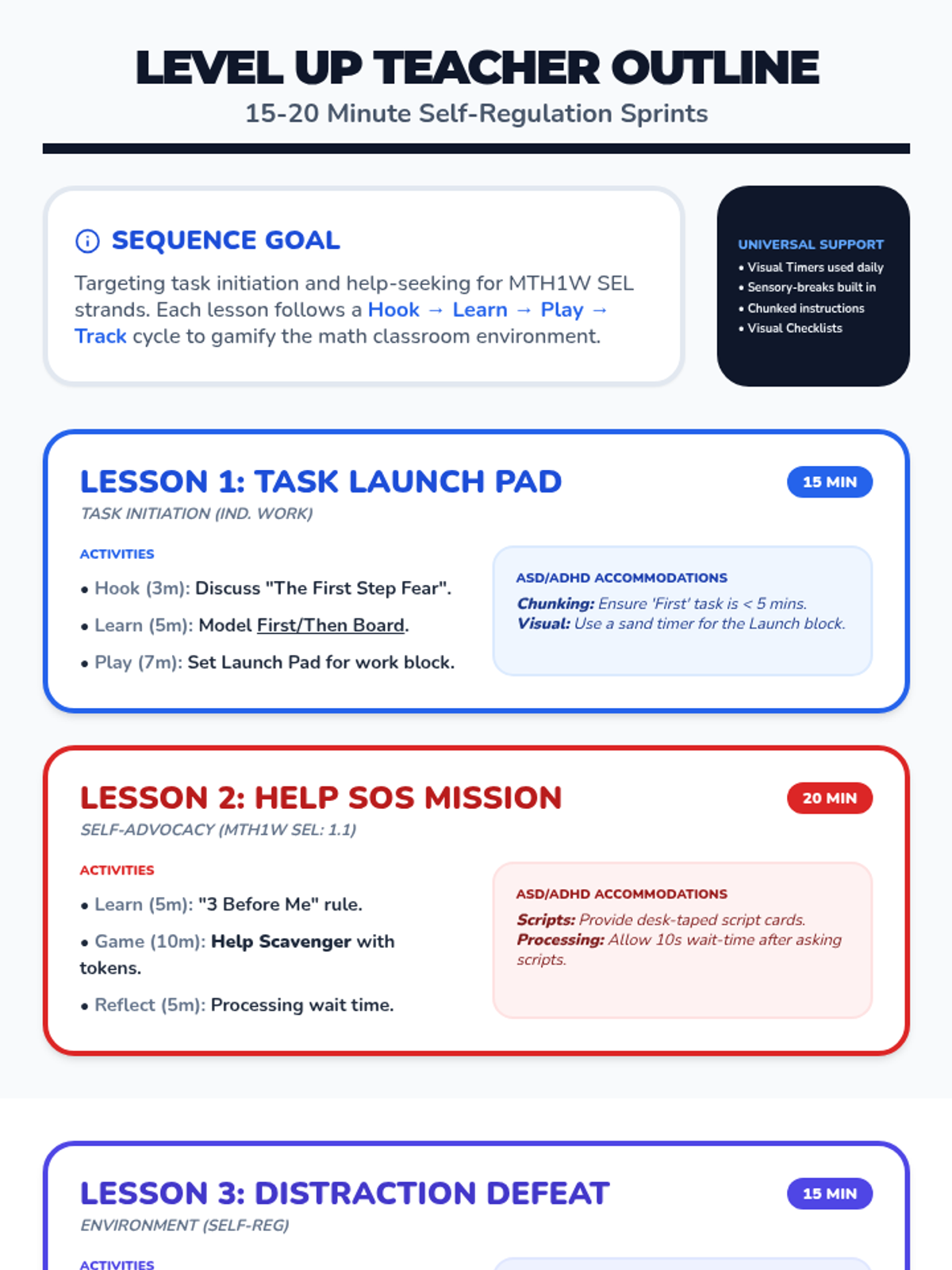
A cumulative 'Boss Battle' review where students use all their regulation tools to solve a series of math-related regulation challenges.
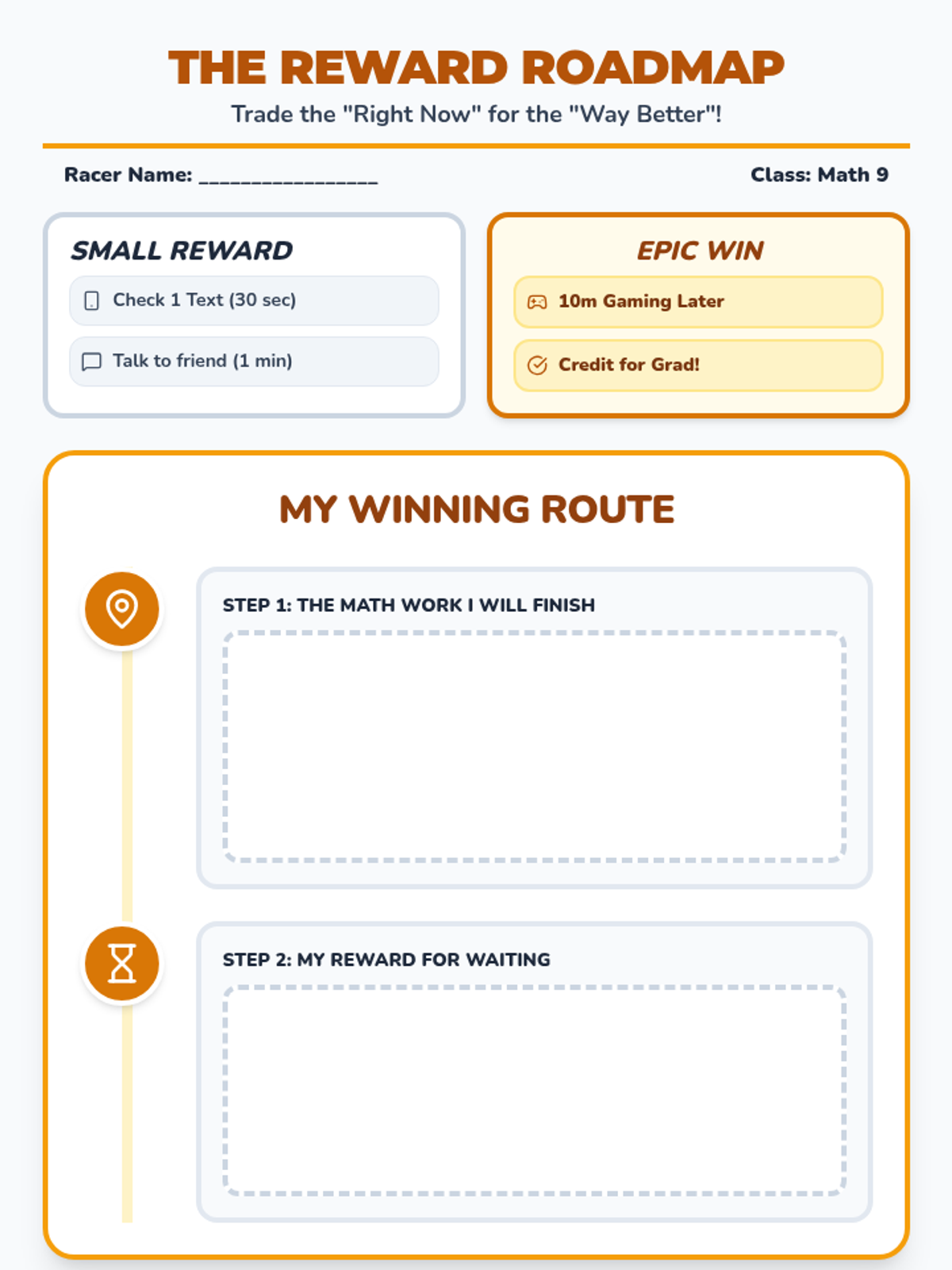
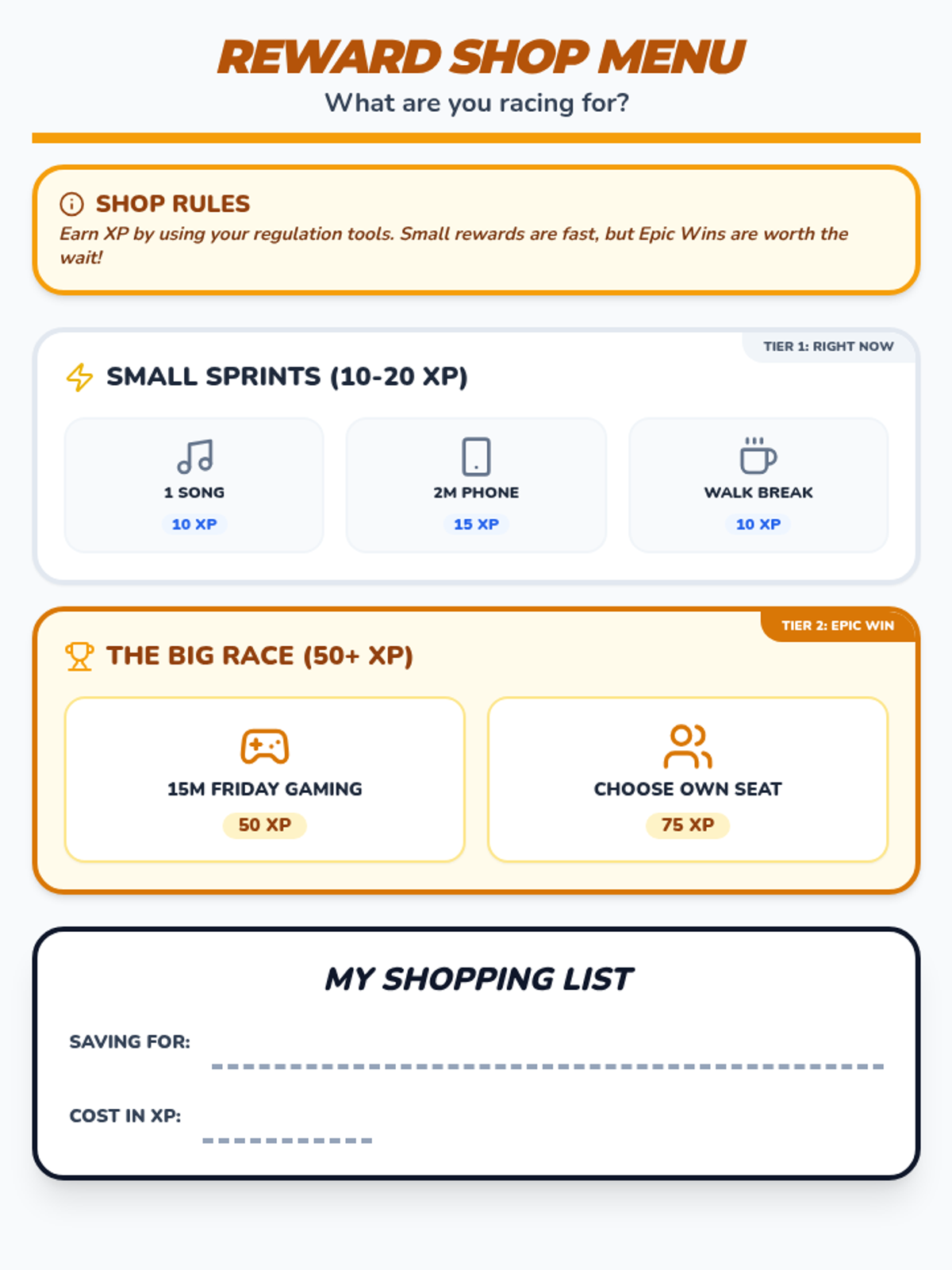
Explores delayed gratification through a 'Reward Roadmap' activity, teaching students to trade immediate distractions for long-term academic success.
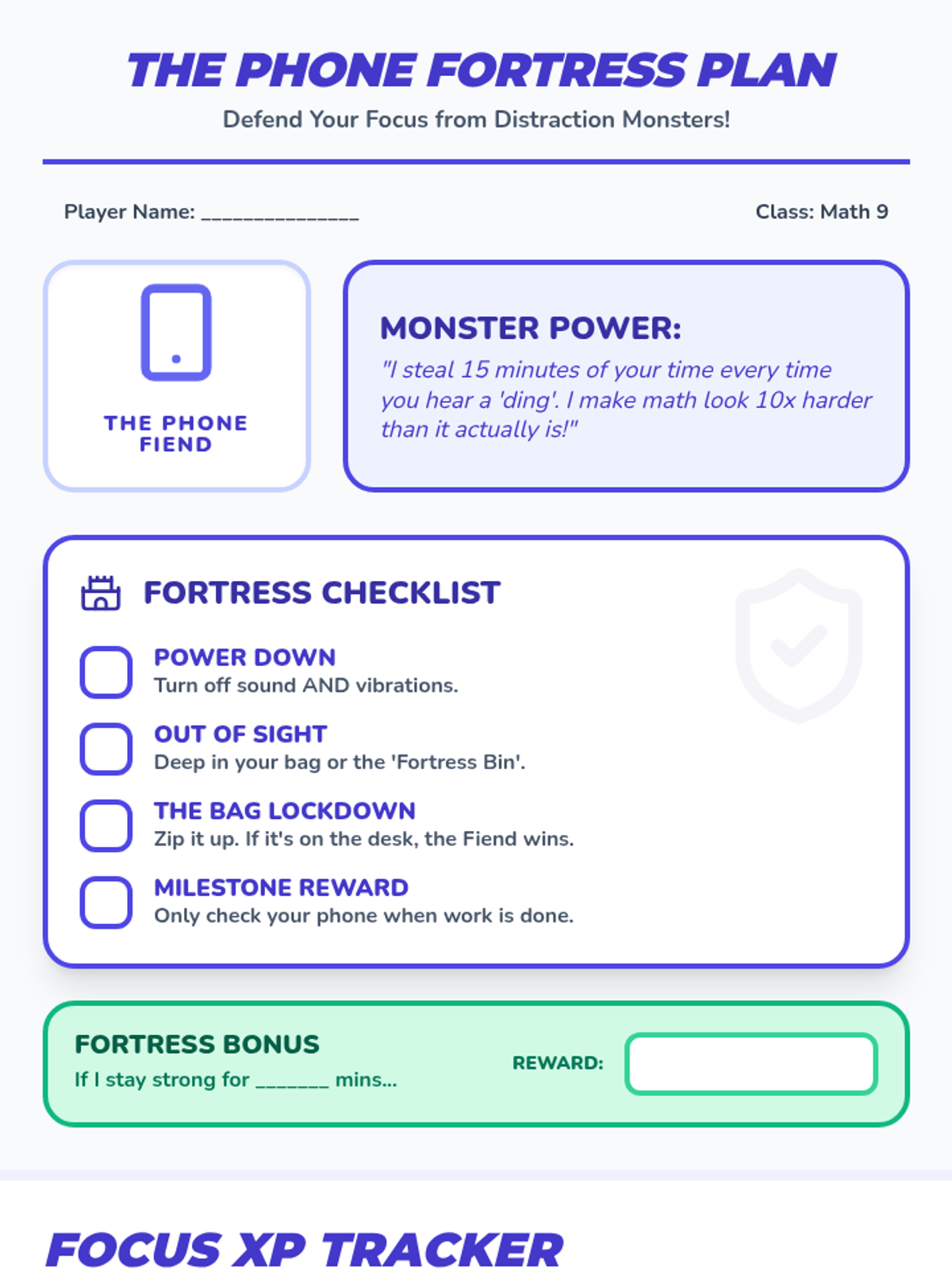
Students identify environmental distractions, specifically phones, and create a 'Phone Fortress' plan using visual checklists to maintain focus.
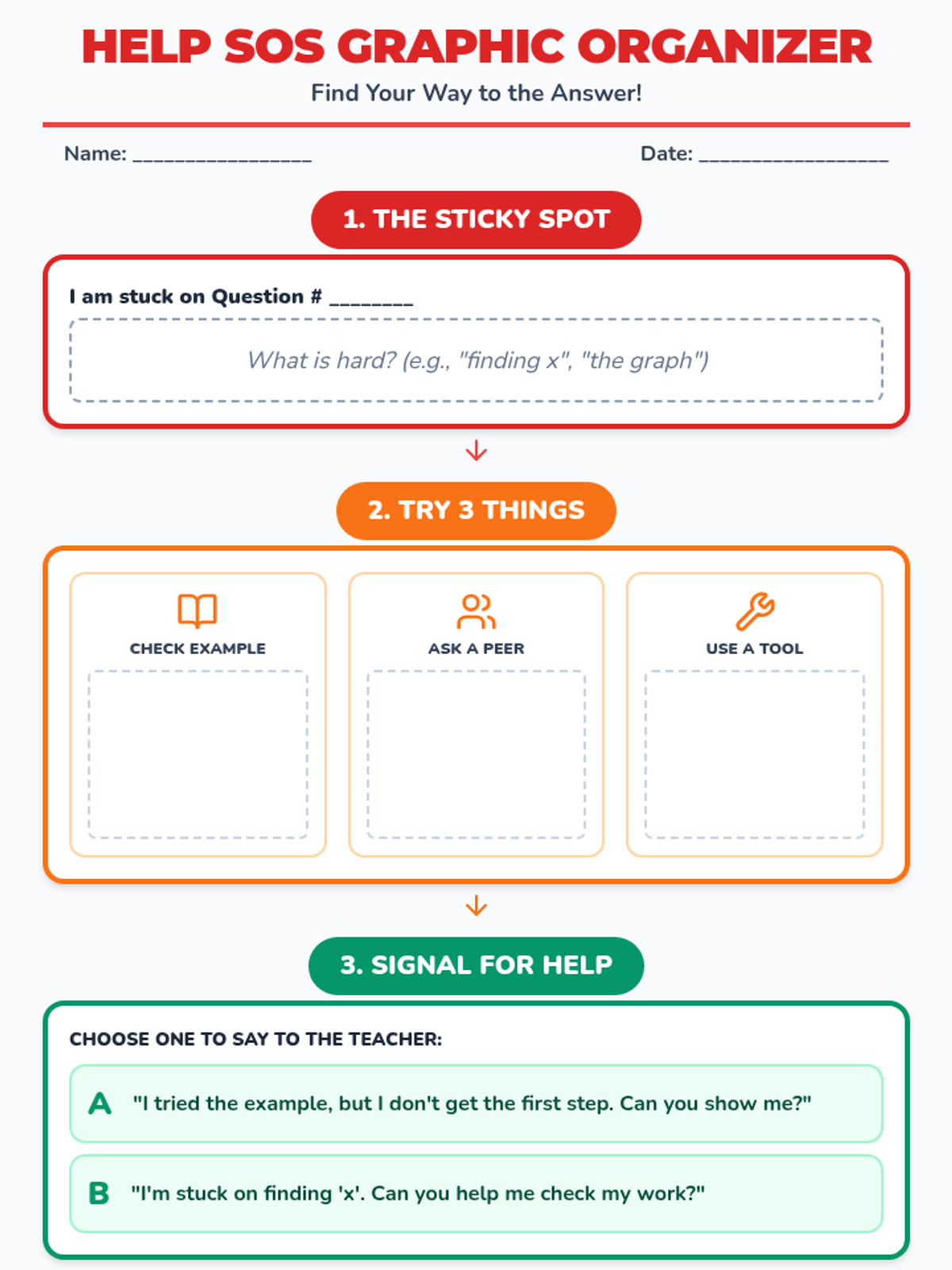
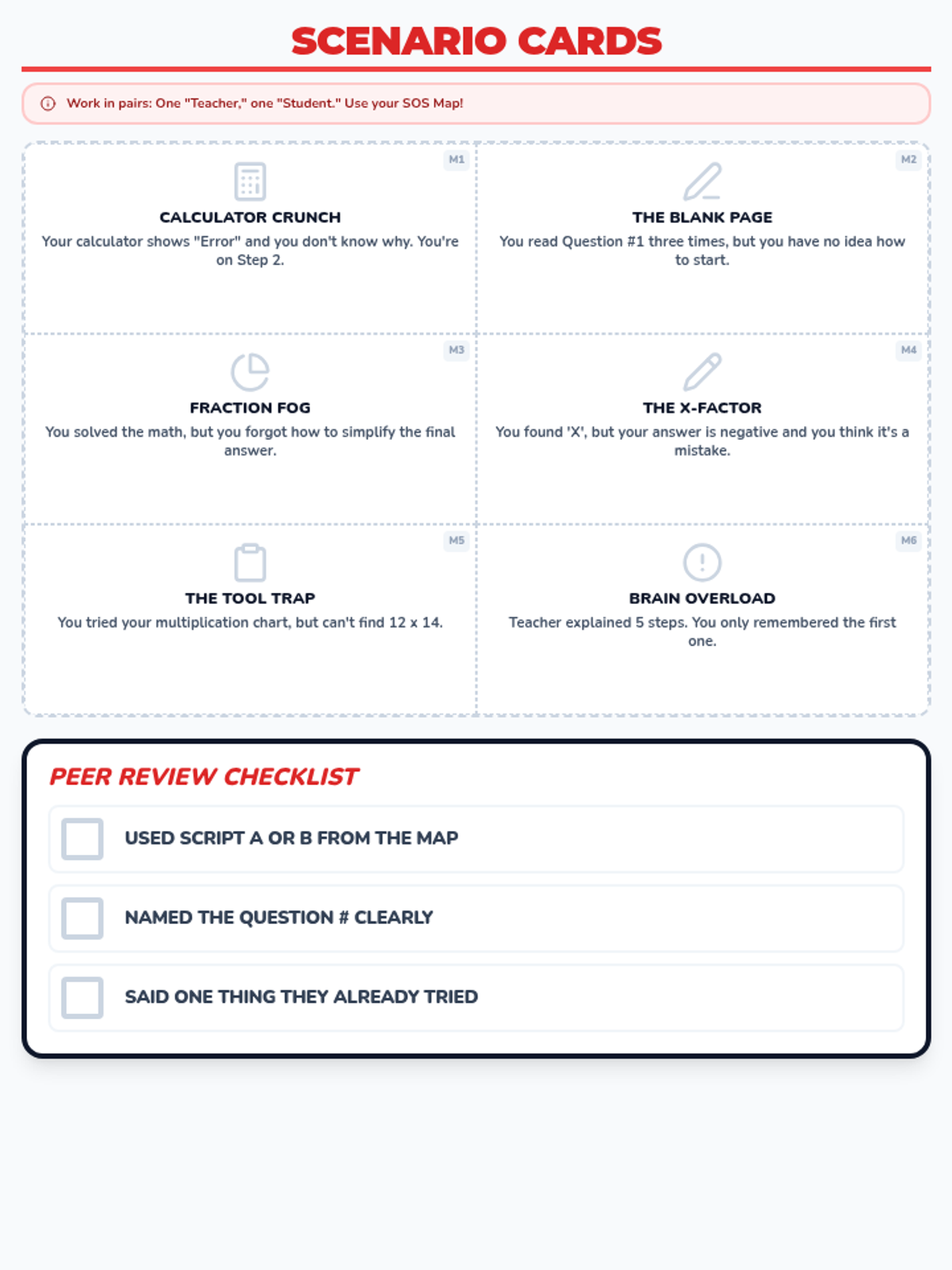
A gamified approach to recognizing when to ask for help and using a structured graphic organizer to communicate specific needs during math problem-solving.
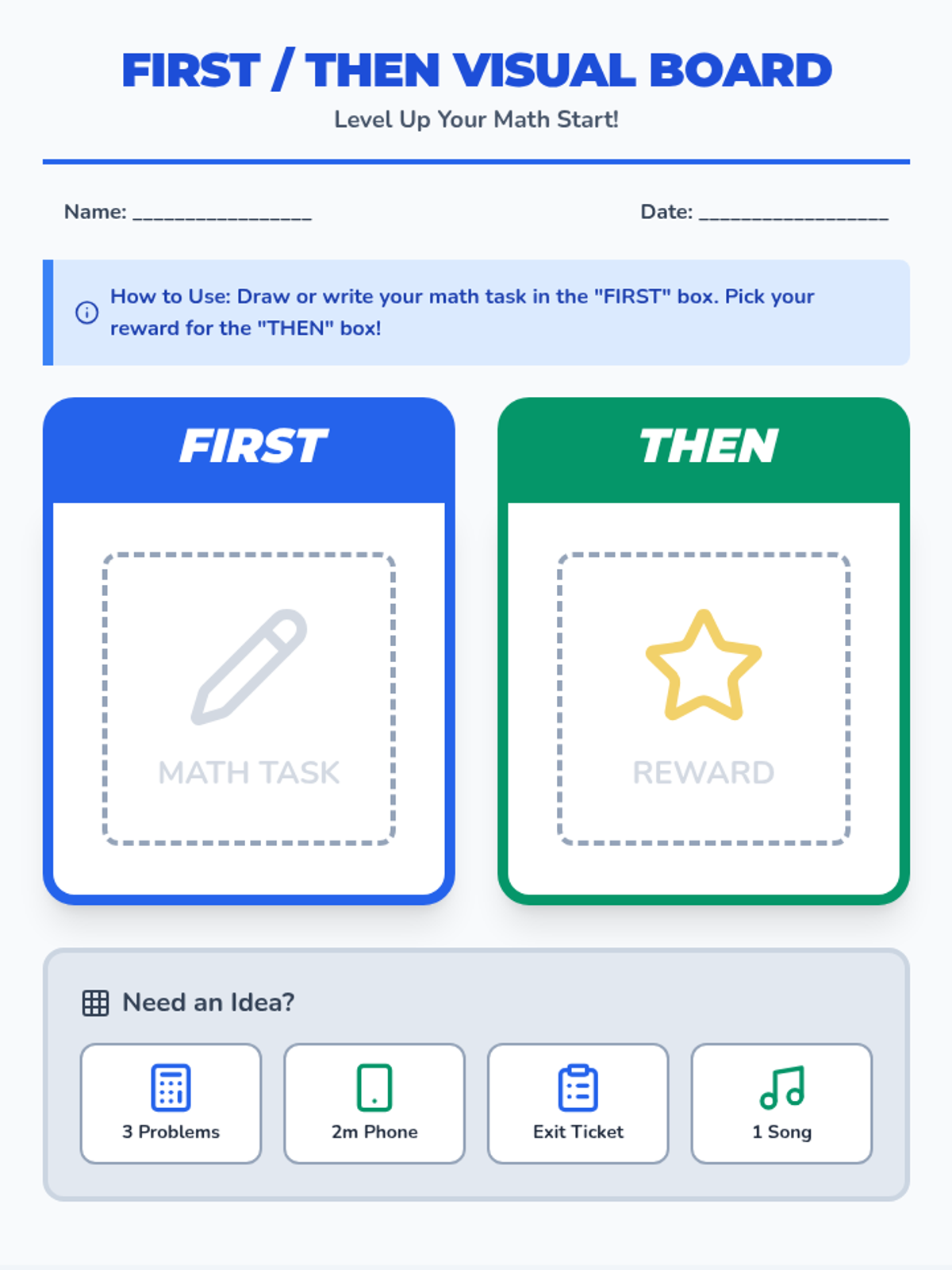
Students learn to use First/Then visual boards and illustrated checklists to overcome task initiation hurdles in math class.
Defining what it means to be a supportive friend and maintaining healthy connections.
Differentiating between accidents and intentional slights in high-traffic school areas.
Navigating the permanence of digital texts and the lack of tone in messaging.
Understanding physical boundaries and personal space for students with sensory needs.
Managing social anxiety caused by executive function challenges like missed deadlines.
Learning to ask for math accommodations confidently and without stigma.
Identifying physical 'melting' cues to prevent burnouts or social meltdowns.
Establishing 'how' and 'why' to put phones away during focused math instruction.
Self-reflection on phone usage habits and identifying signs of social media 'addiction'.
Mastering the 'Social Battery' and the back-and-forth flow of active listening.
Practical strategies for starting conversations without 'hijacking' with special interests.