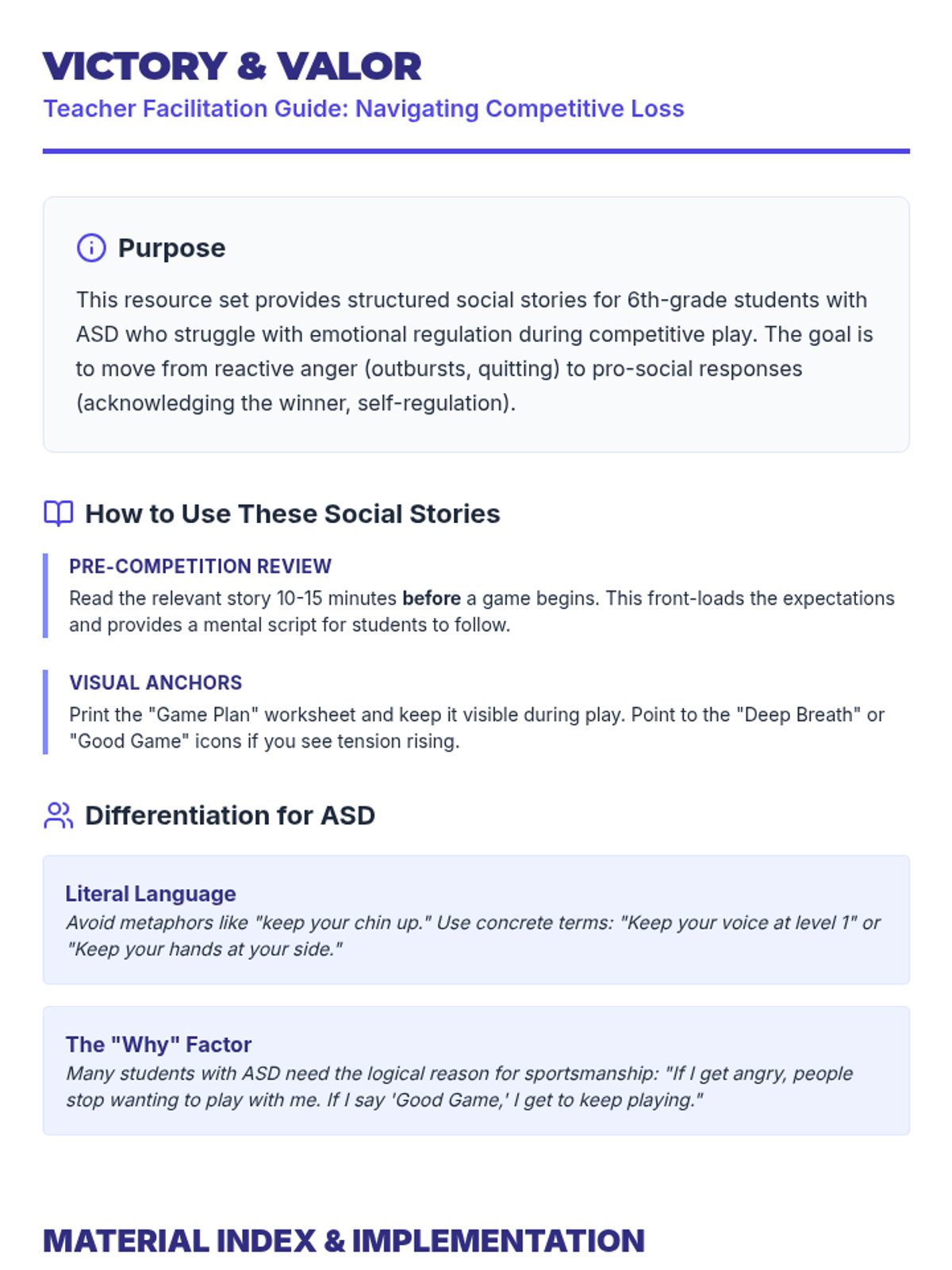
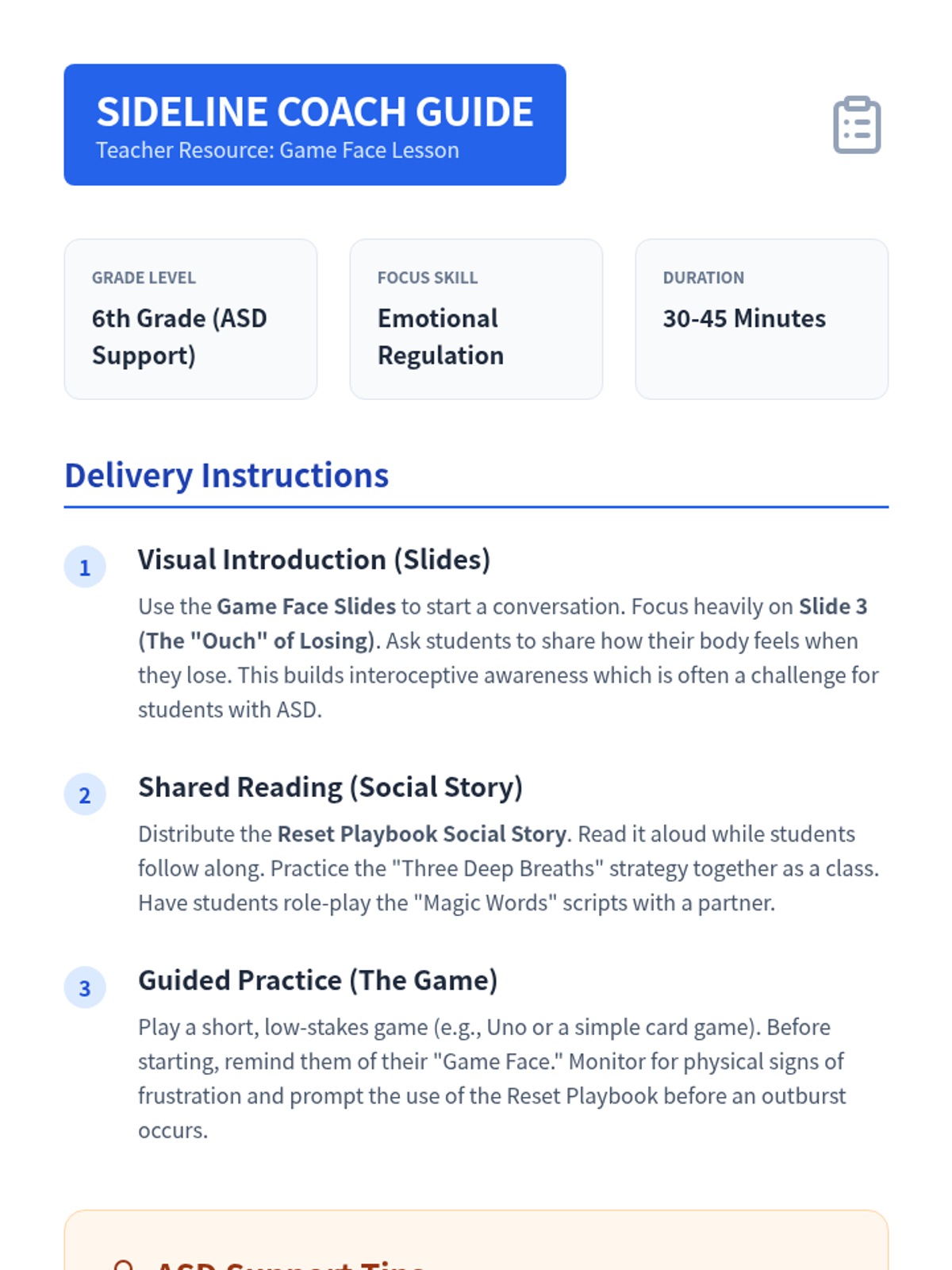
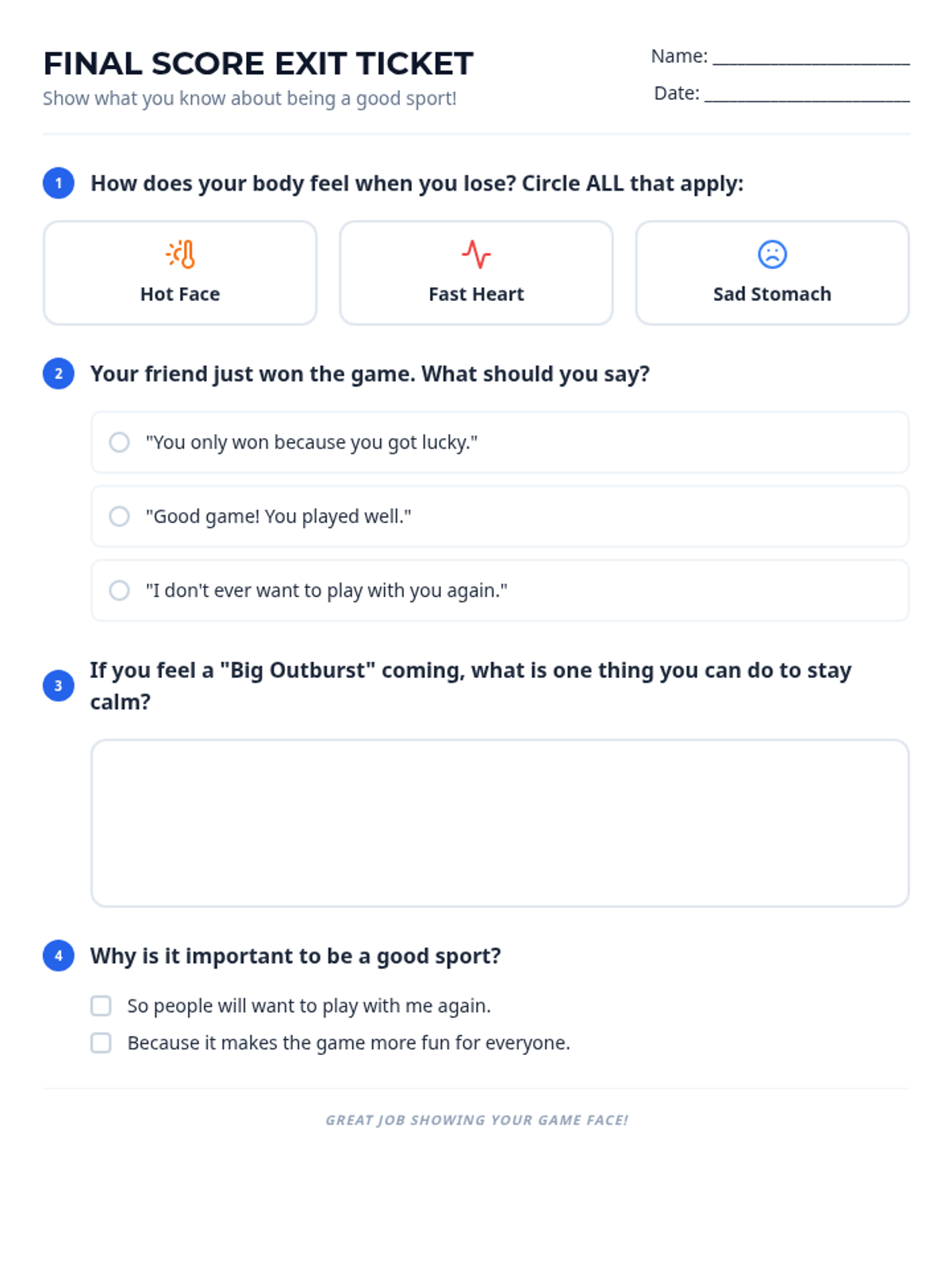
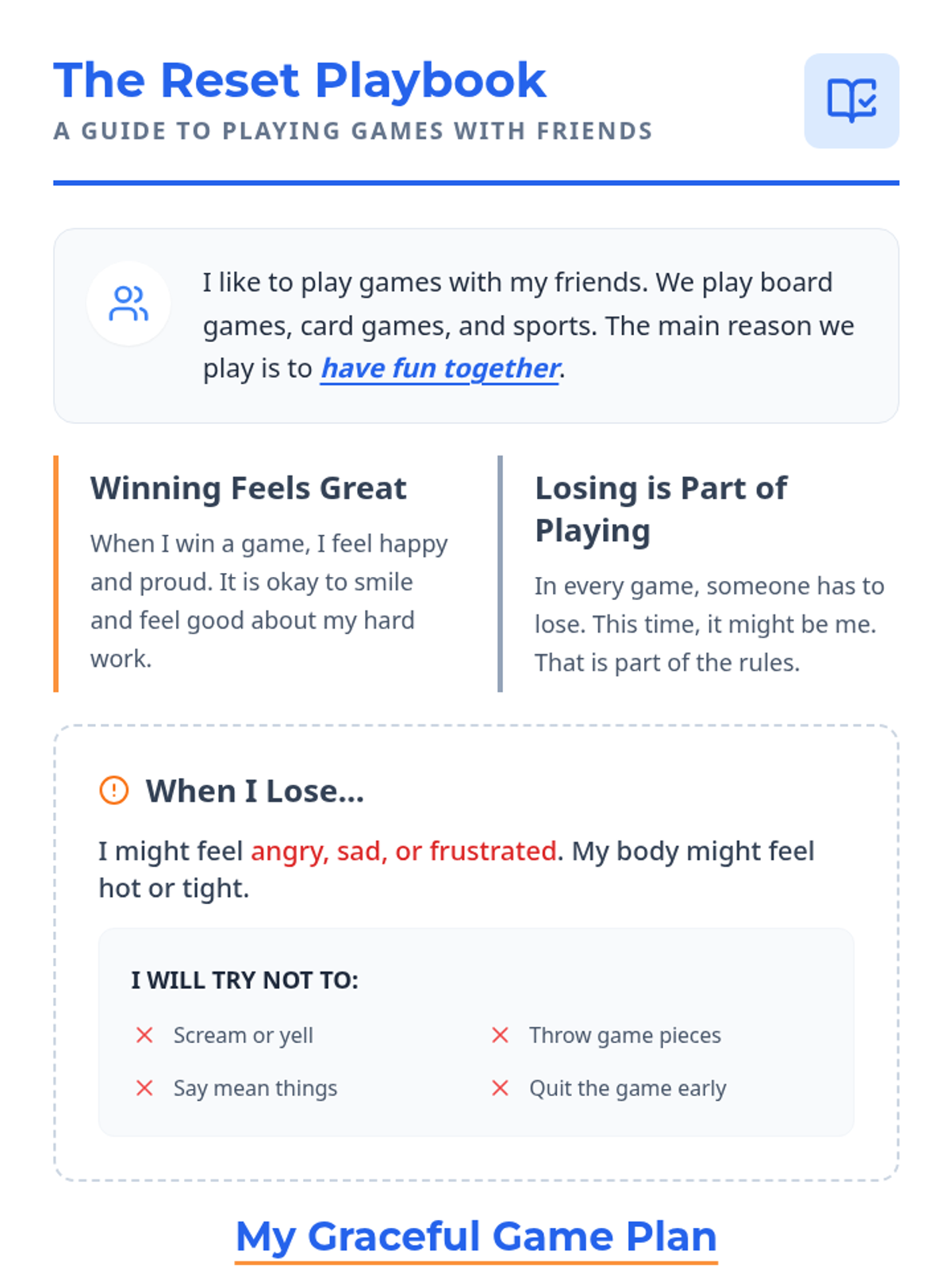
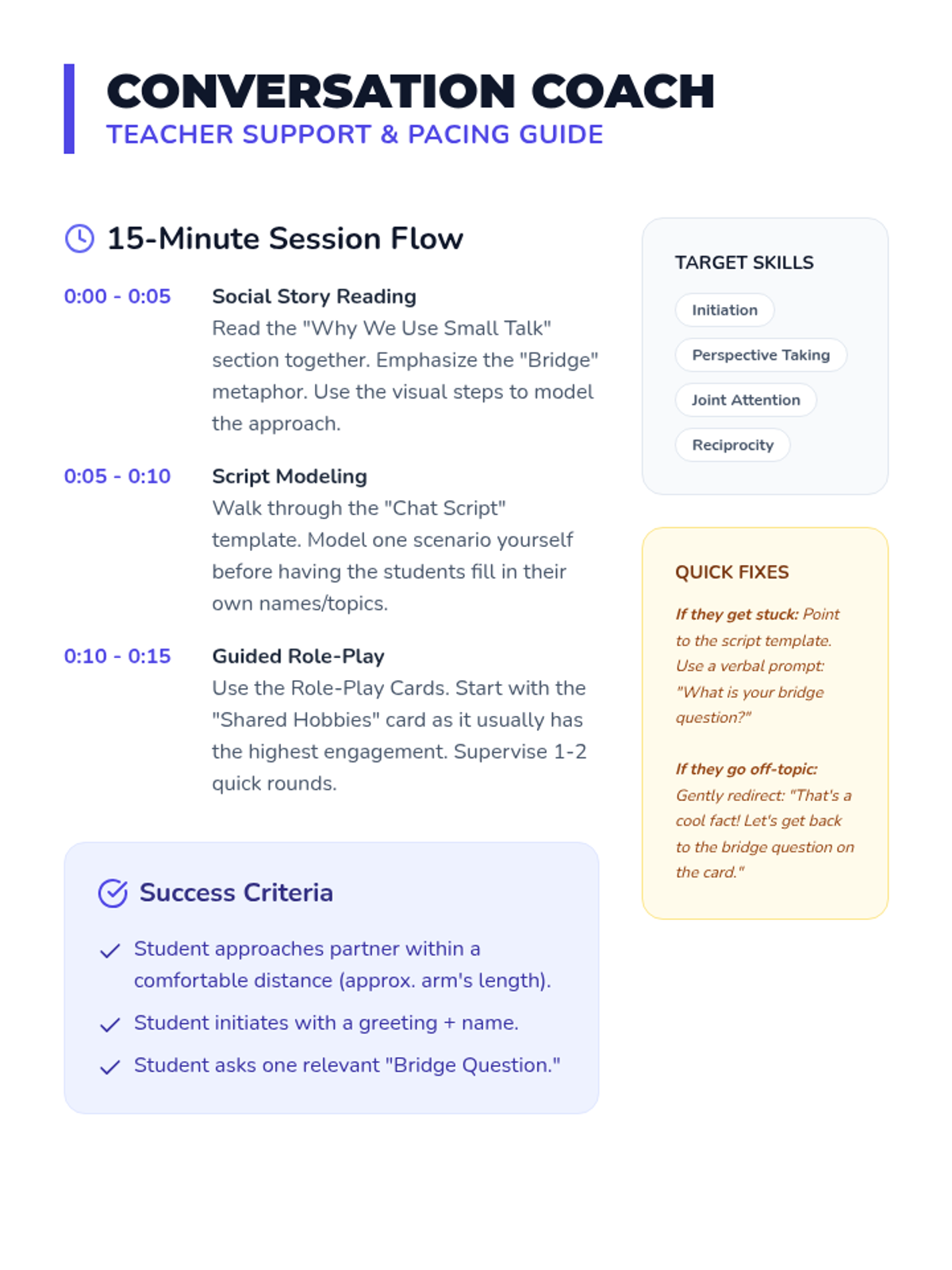
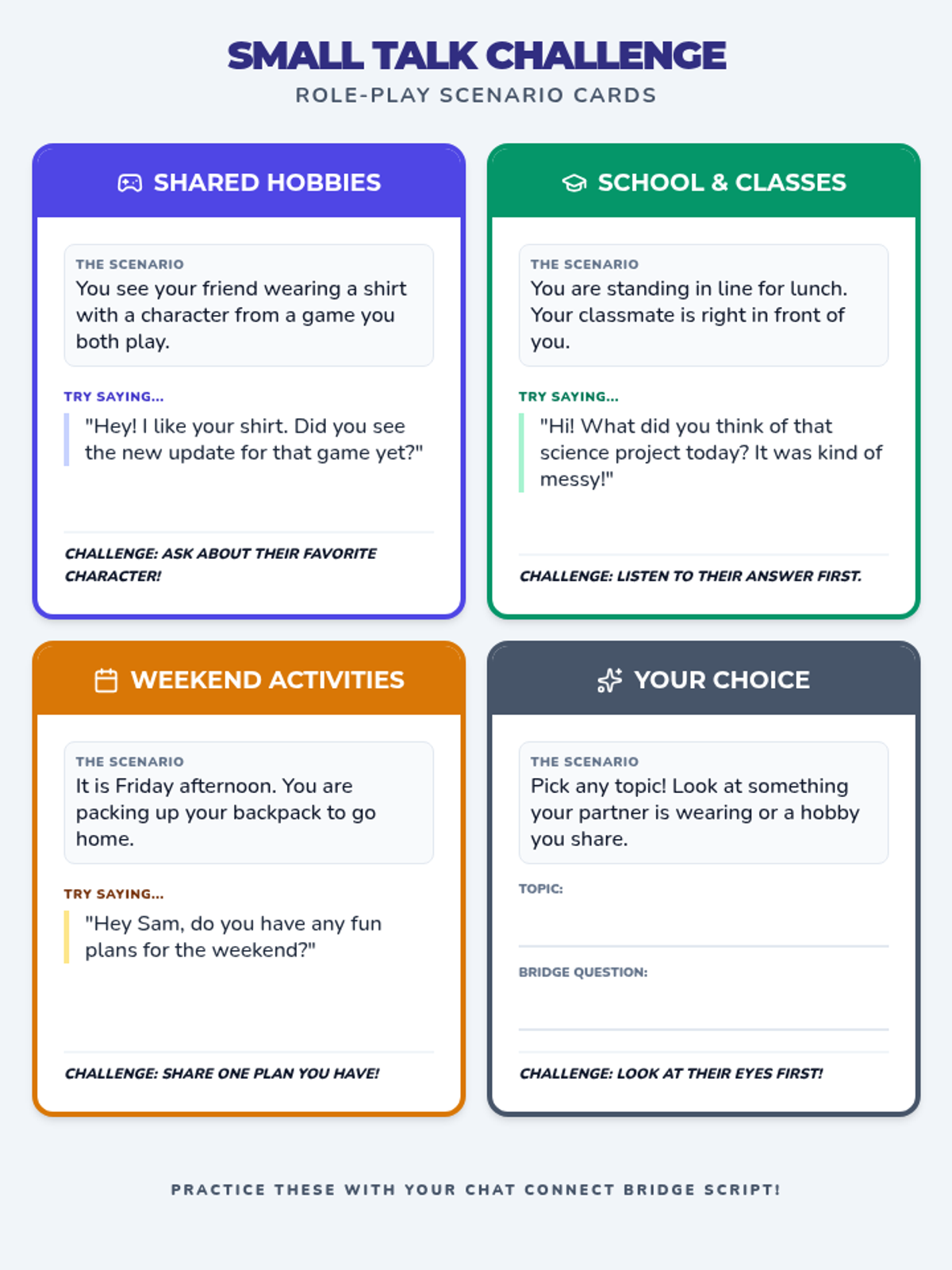
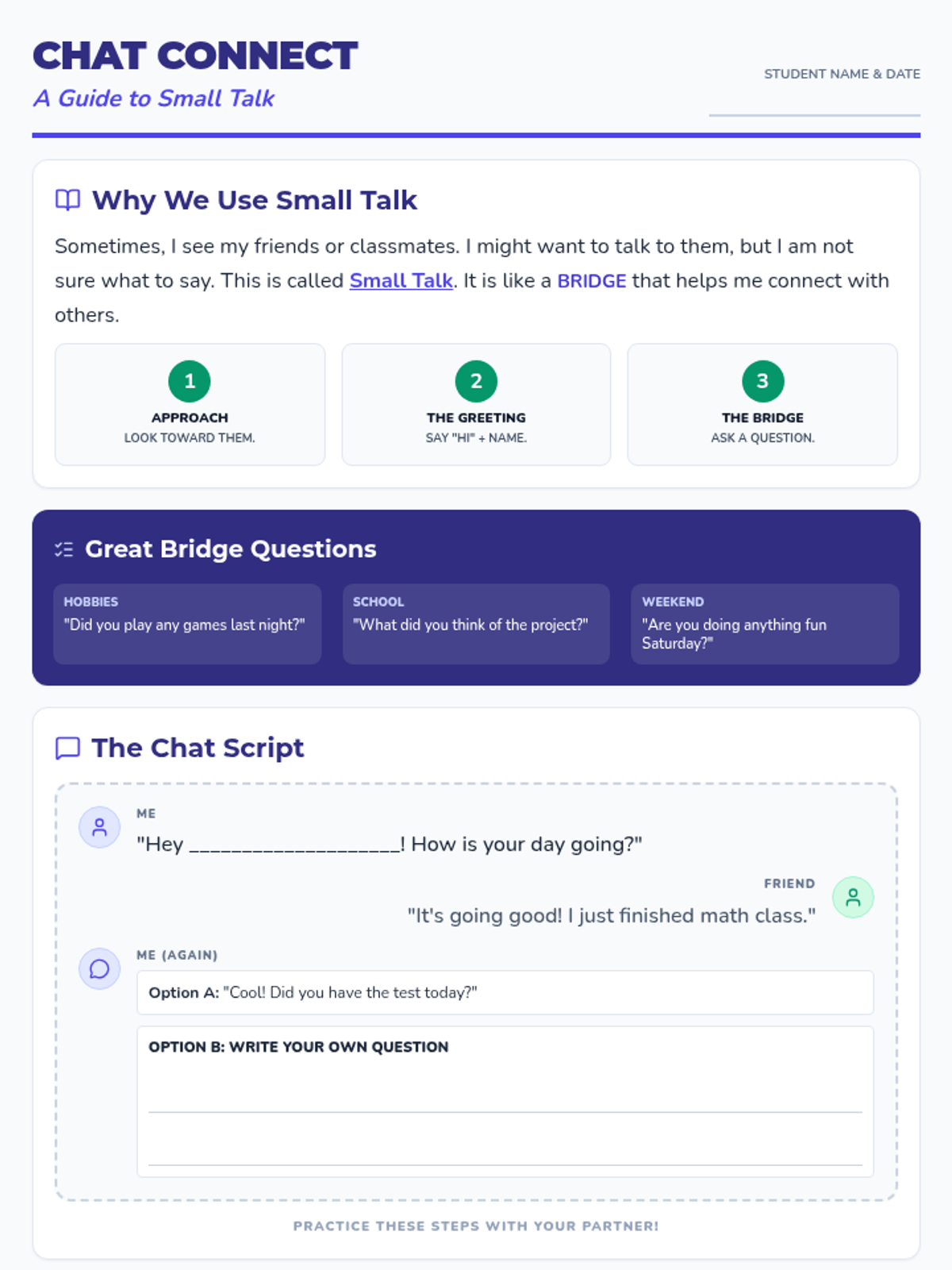
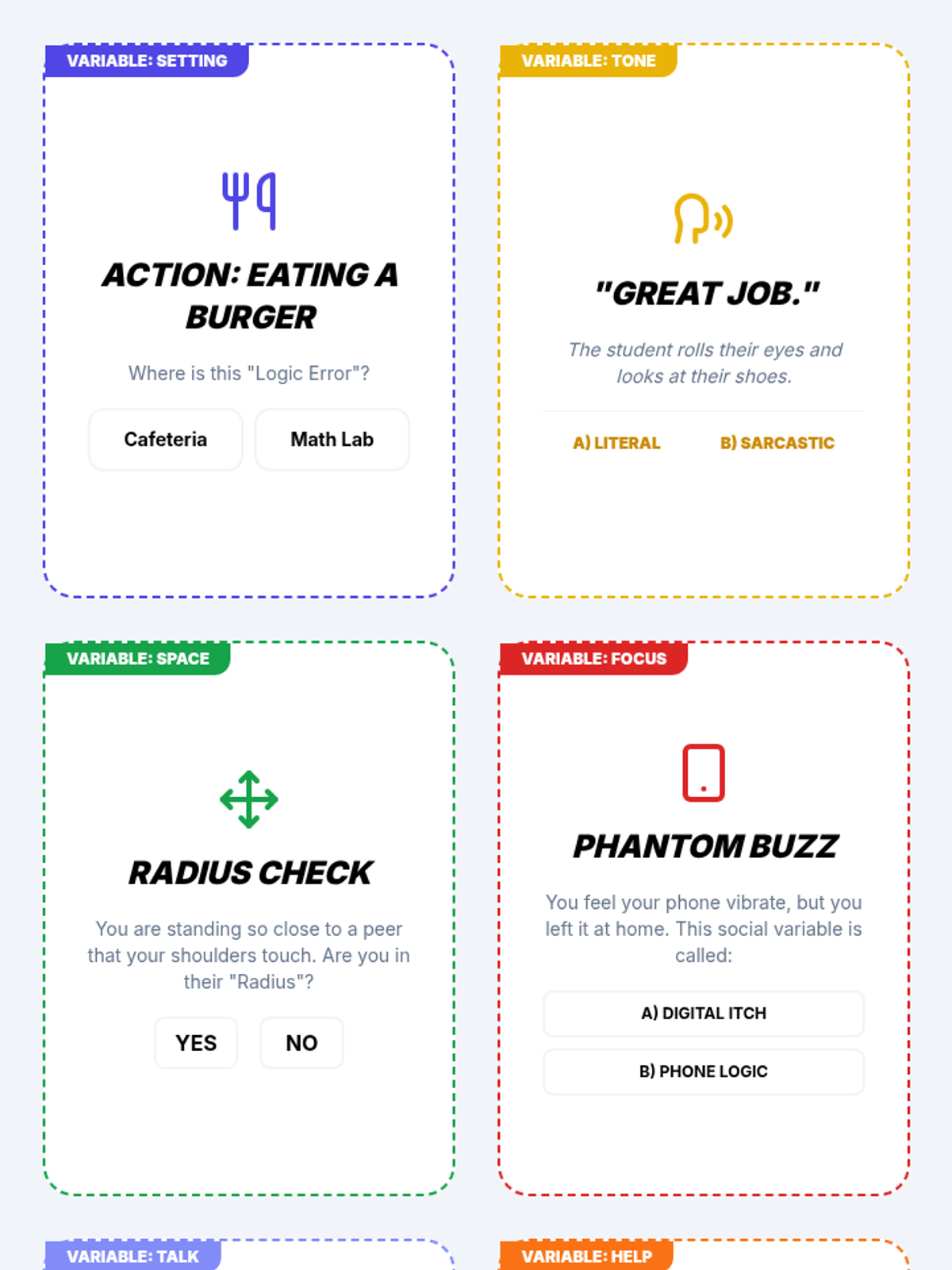
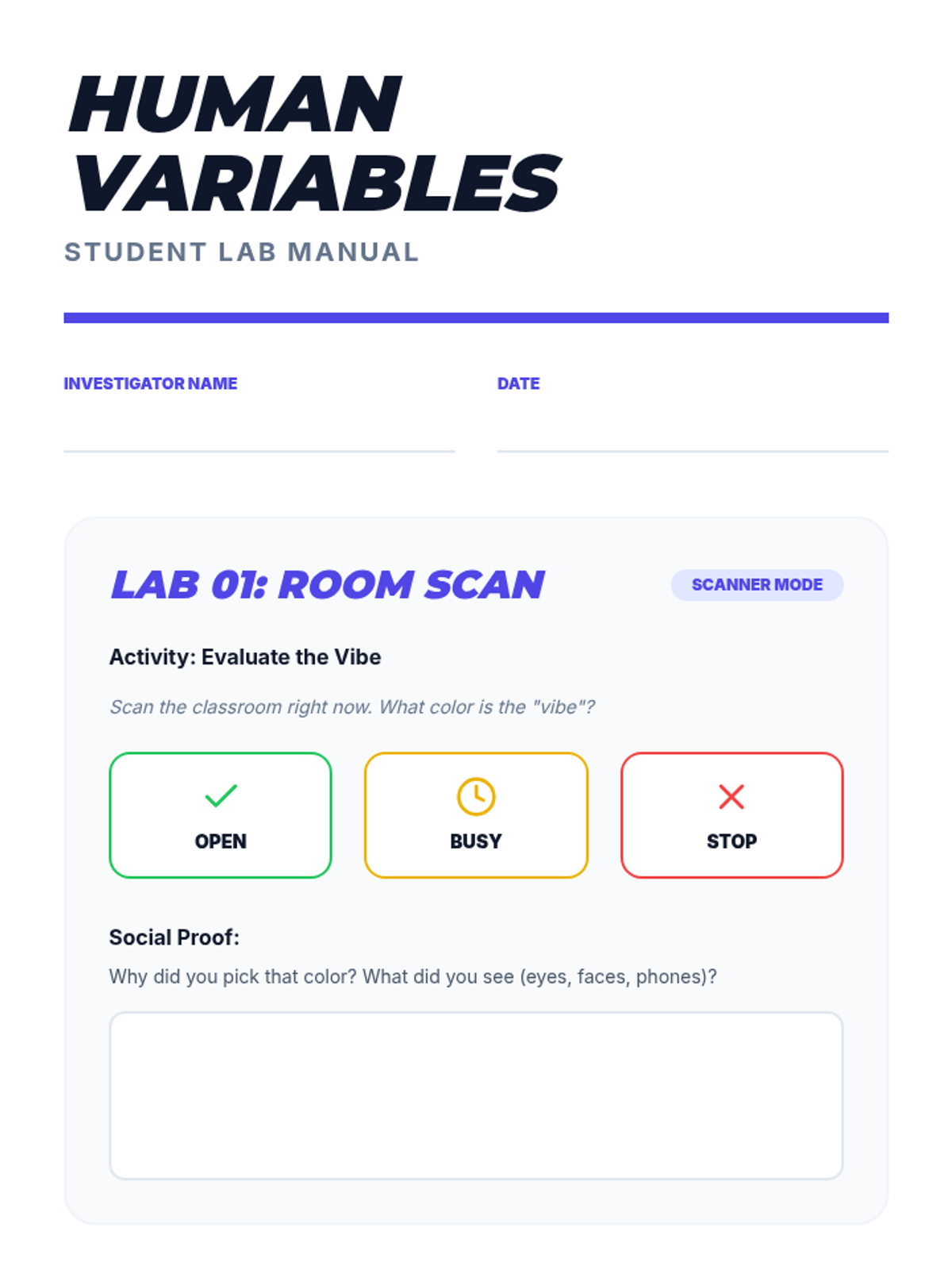
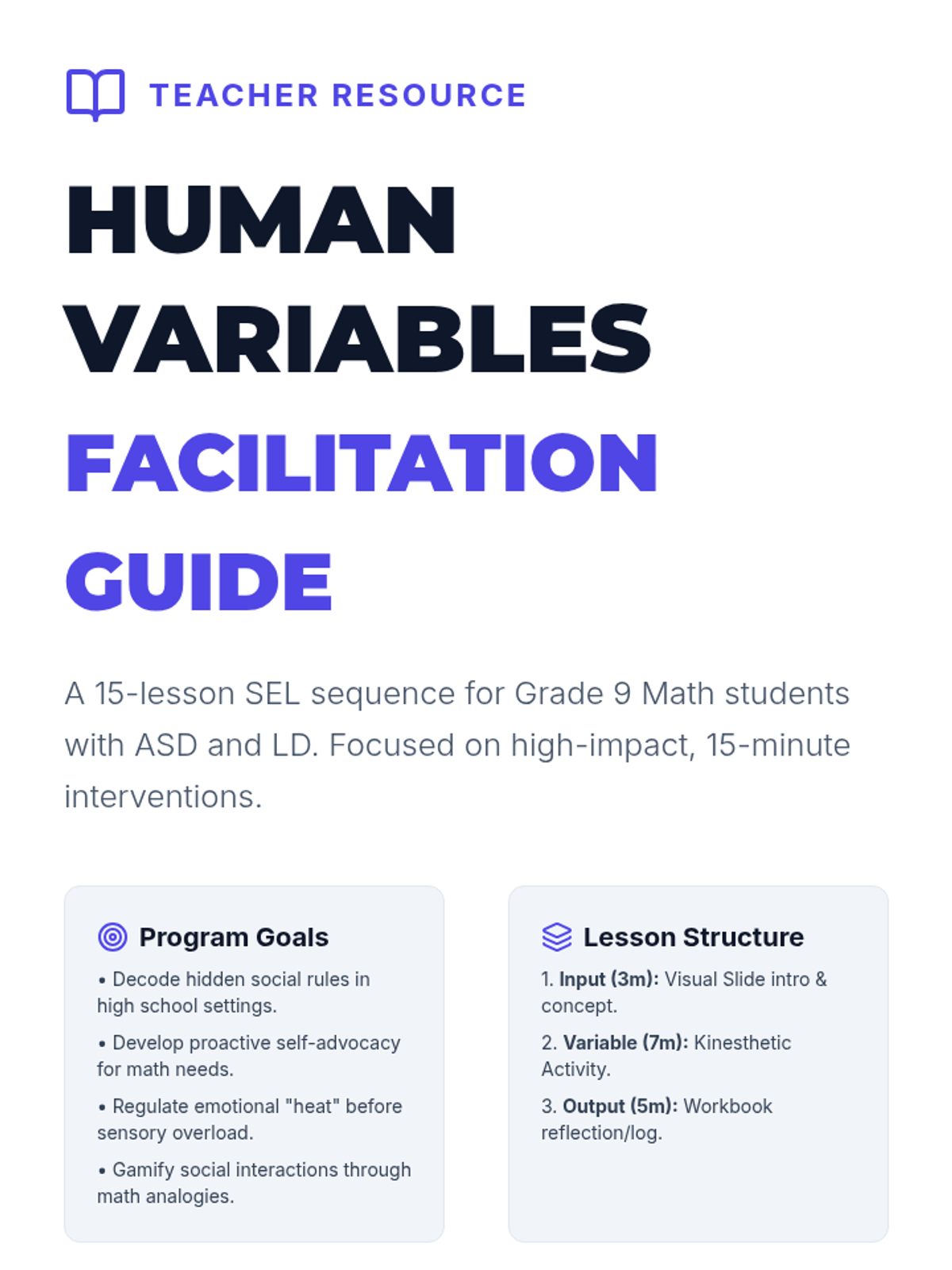
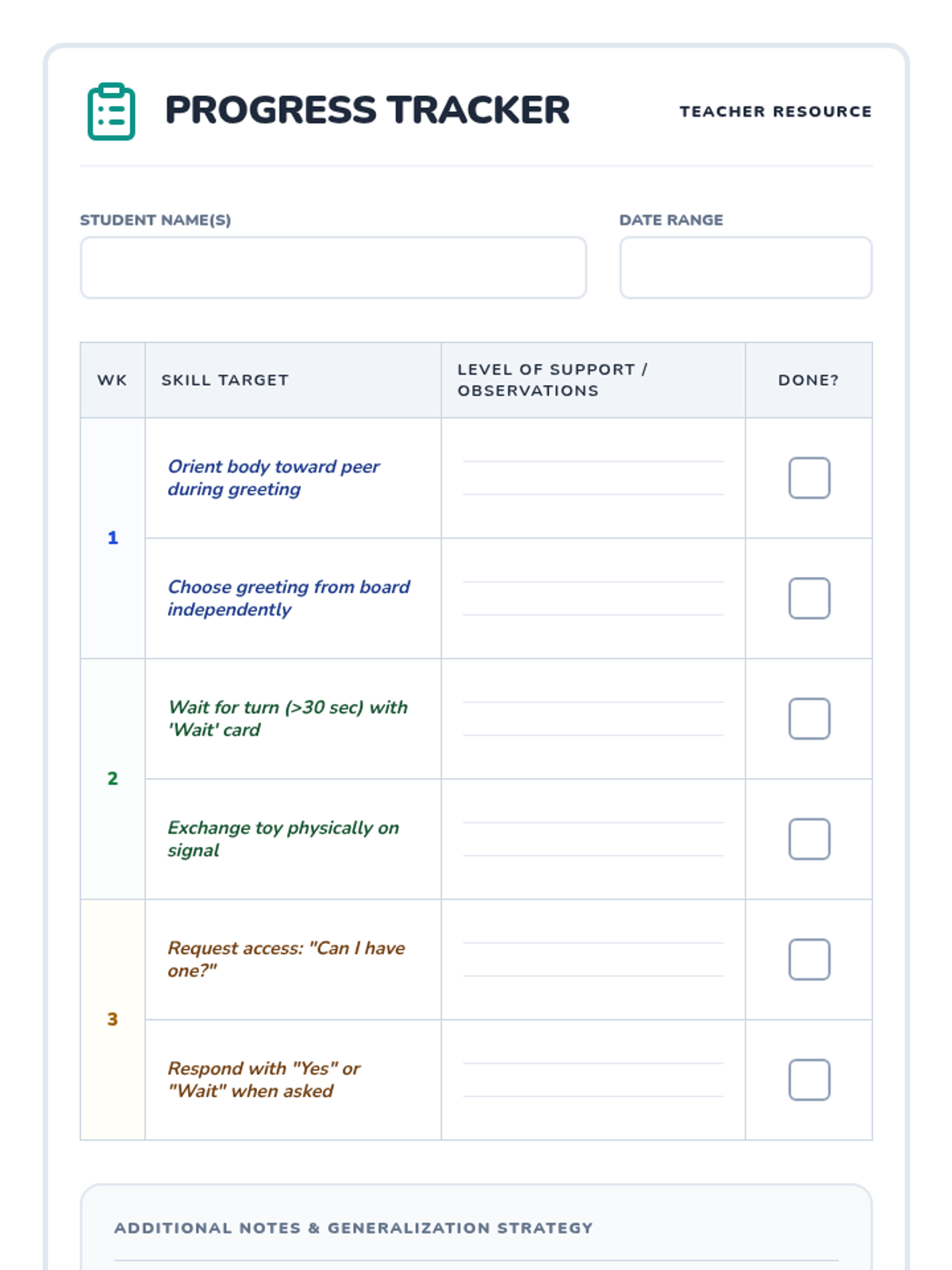
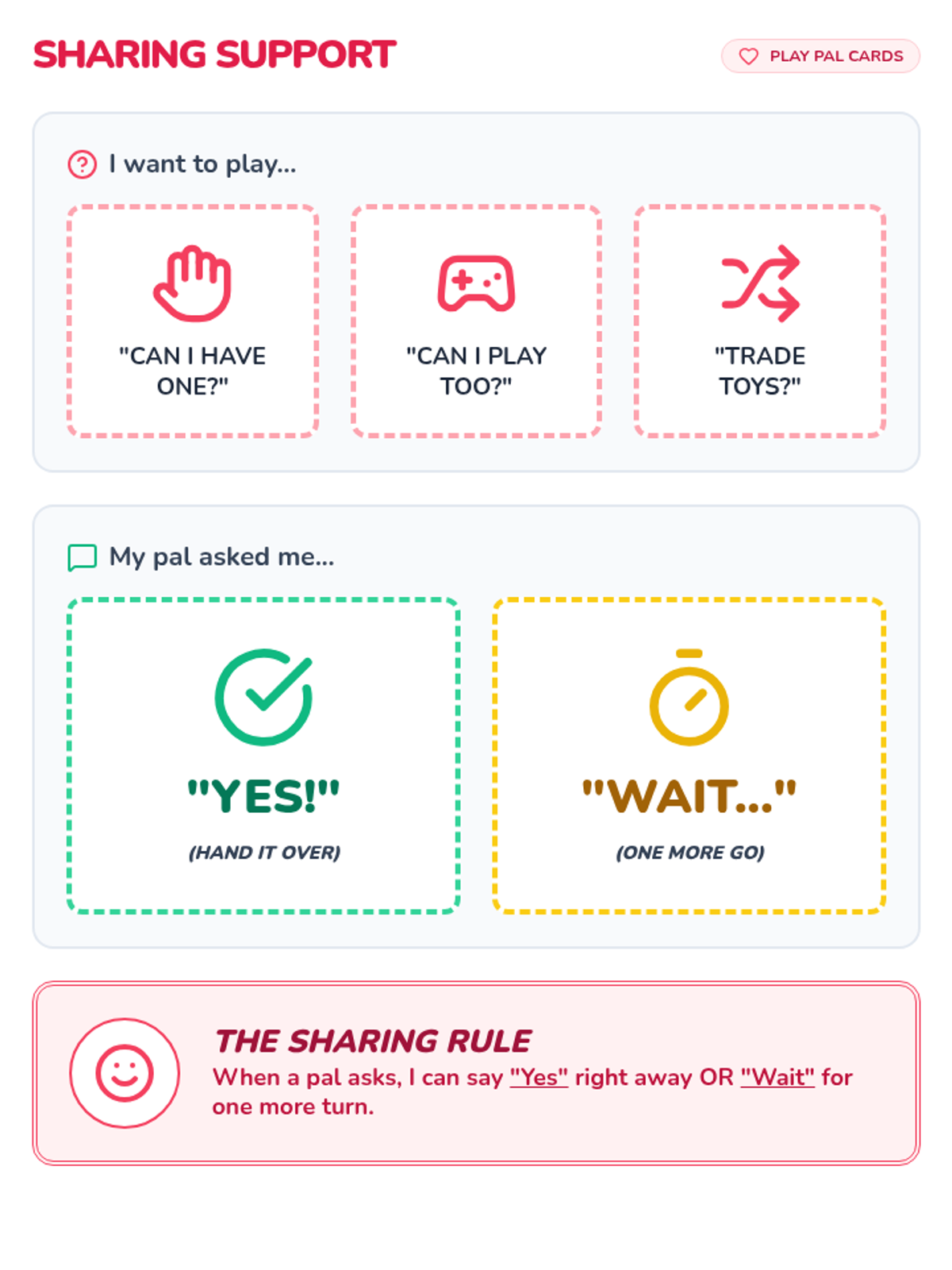
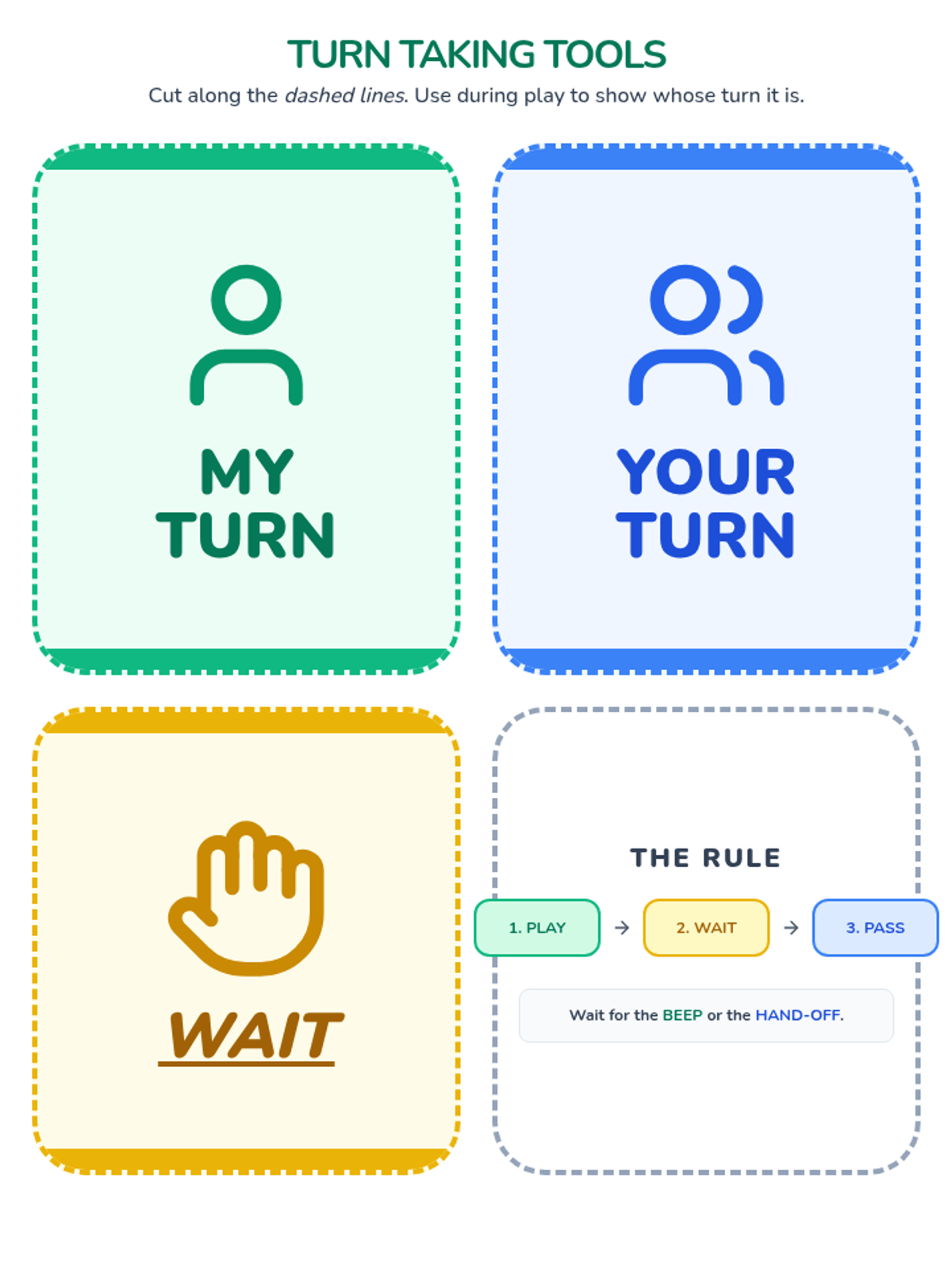
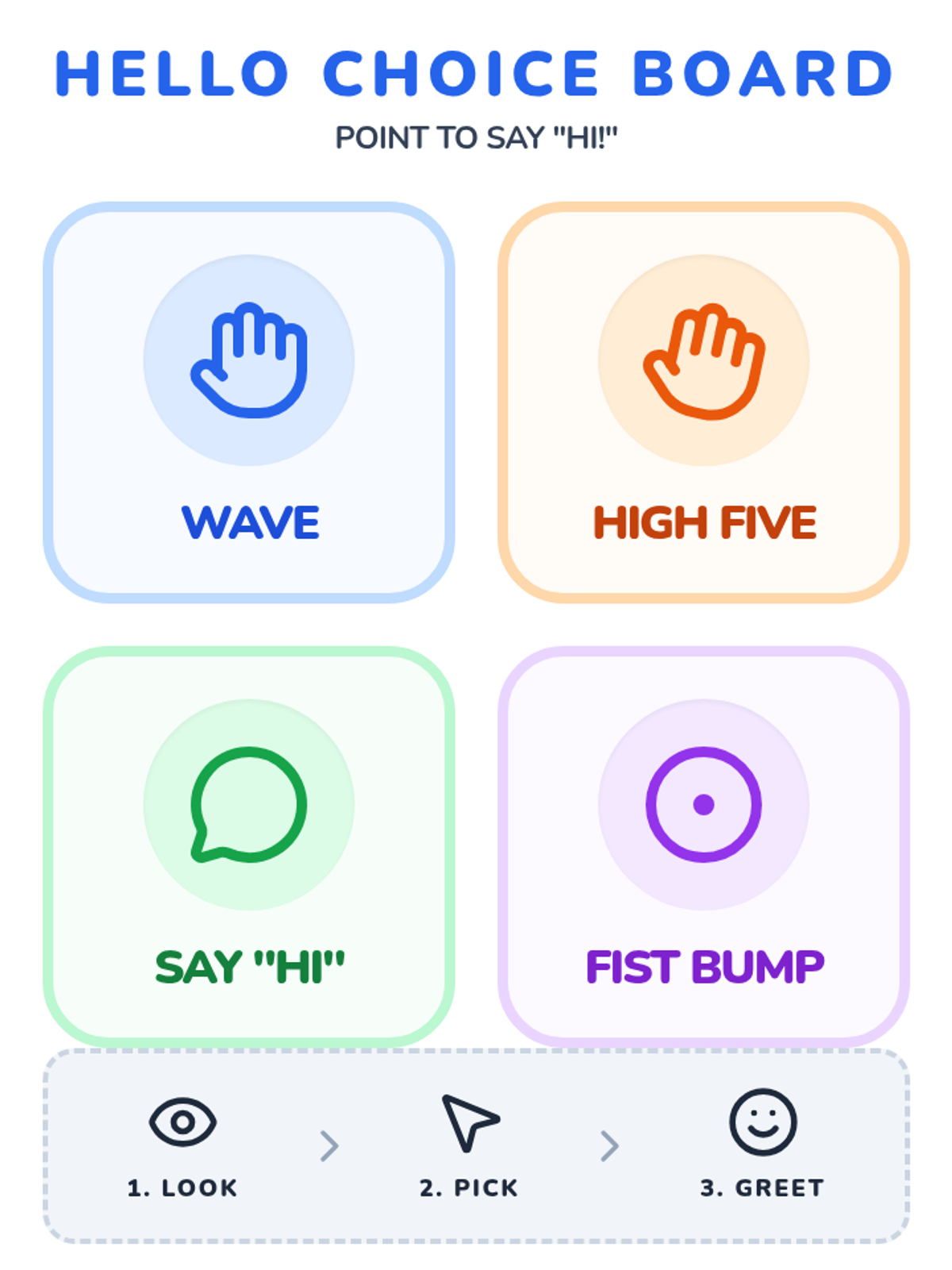
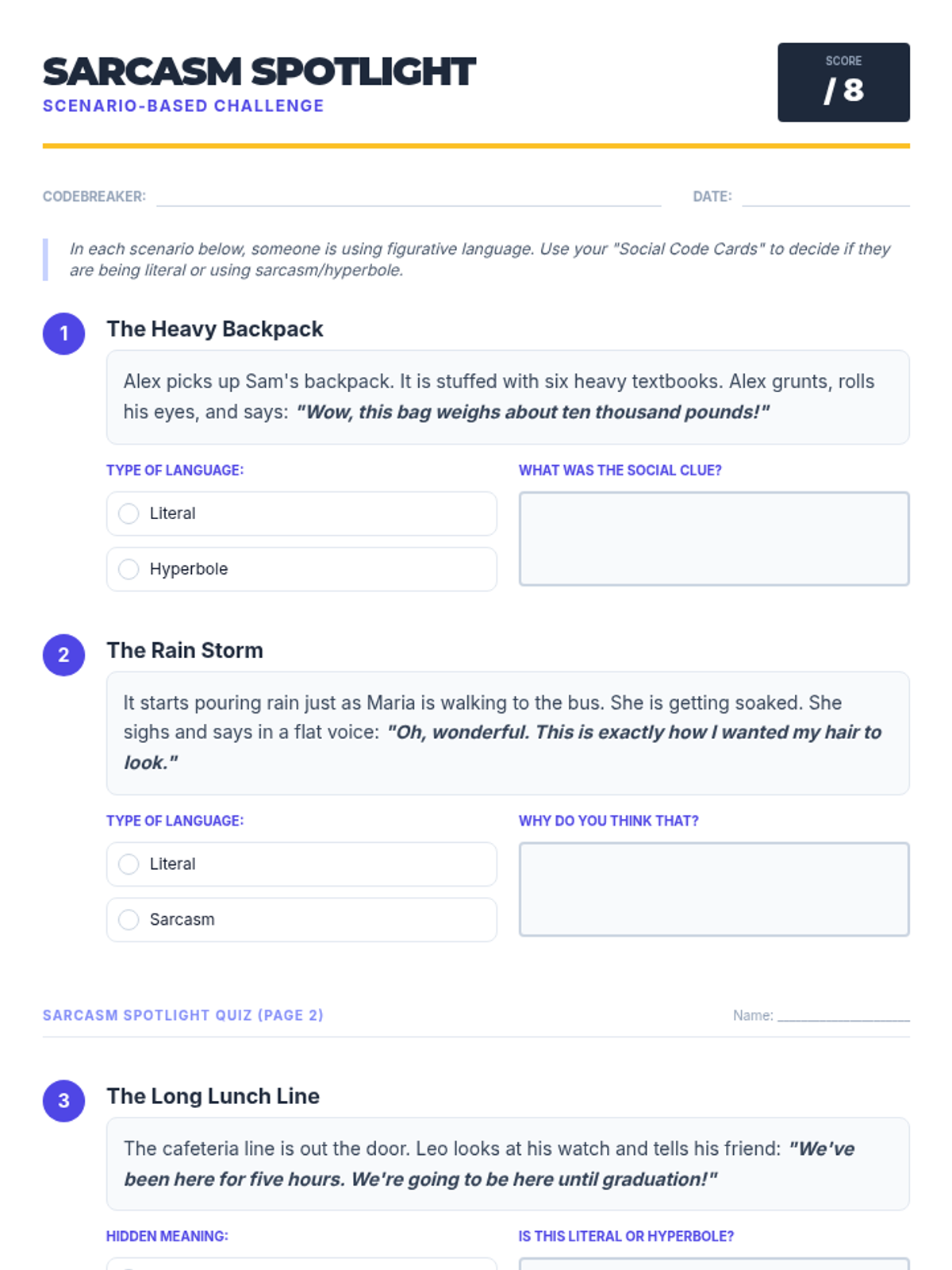
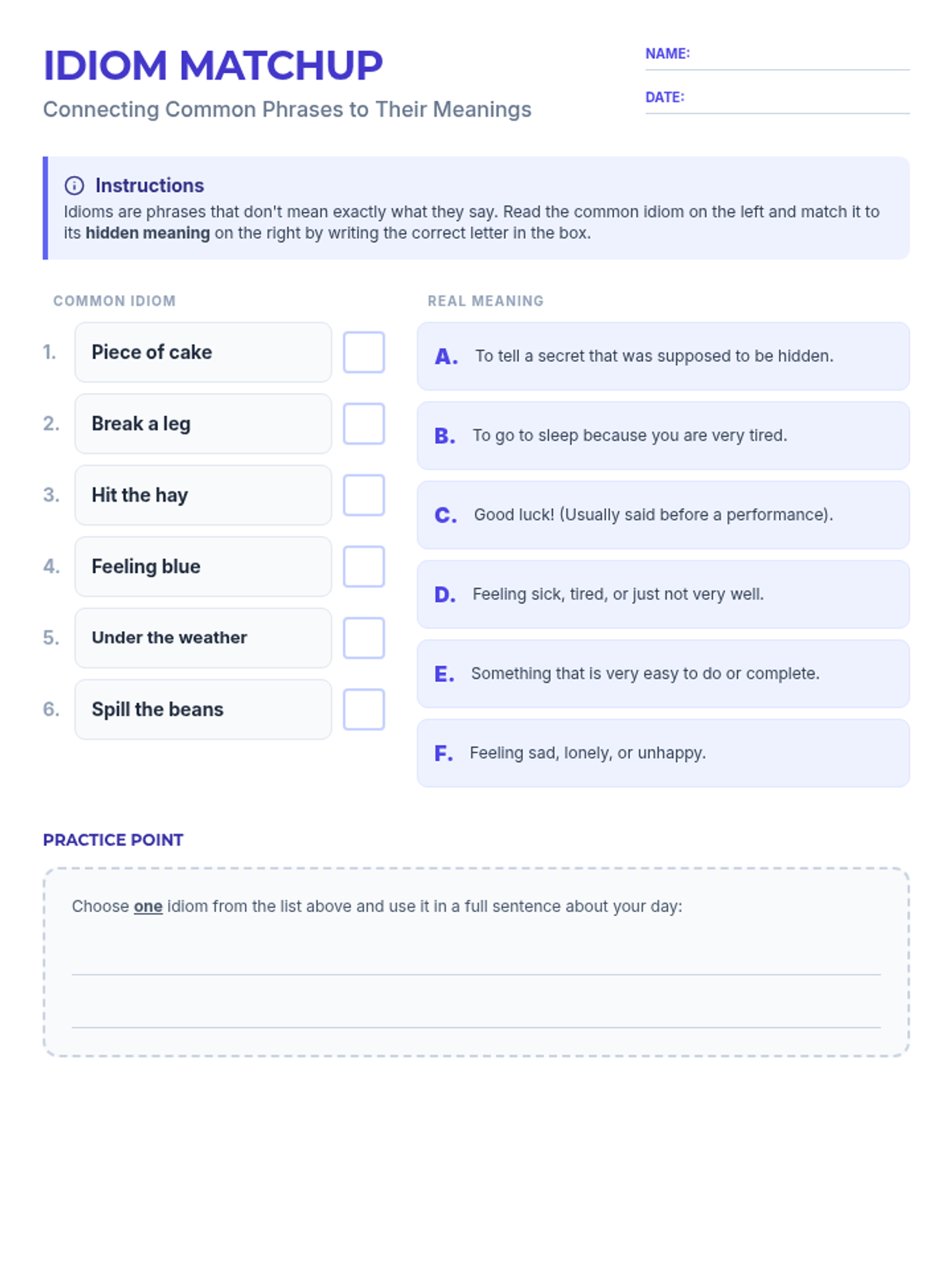
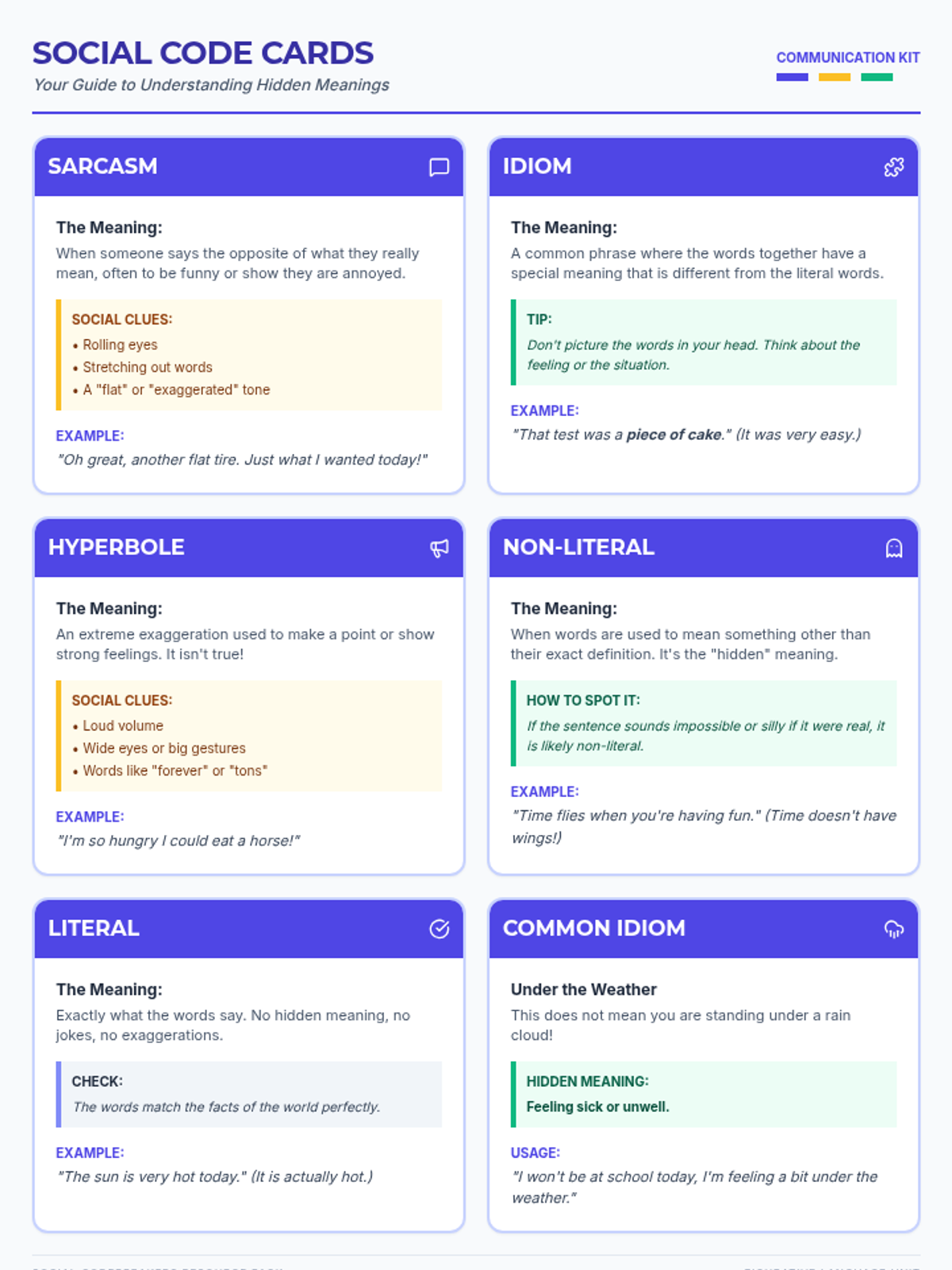
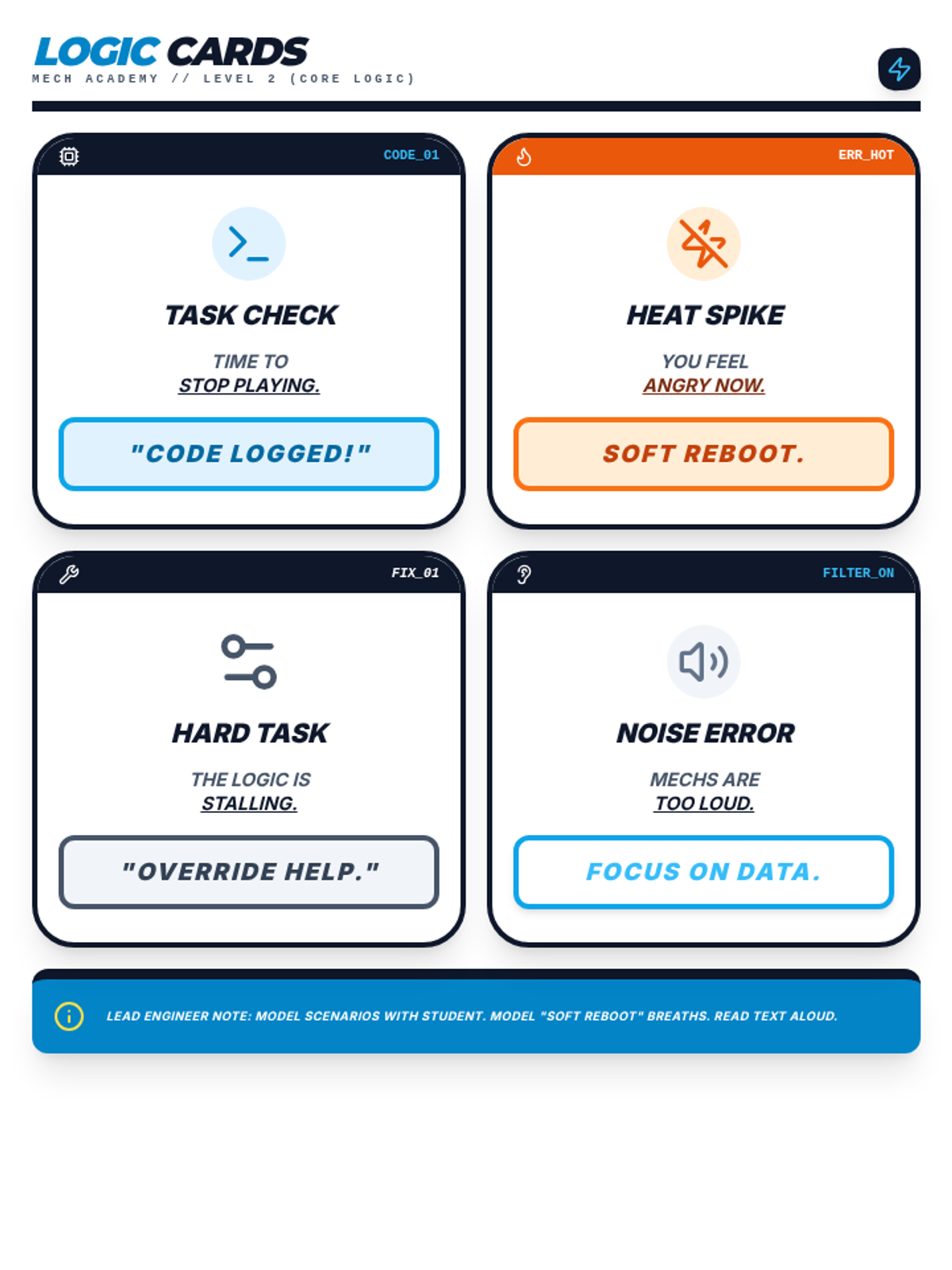
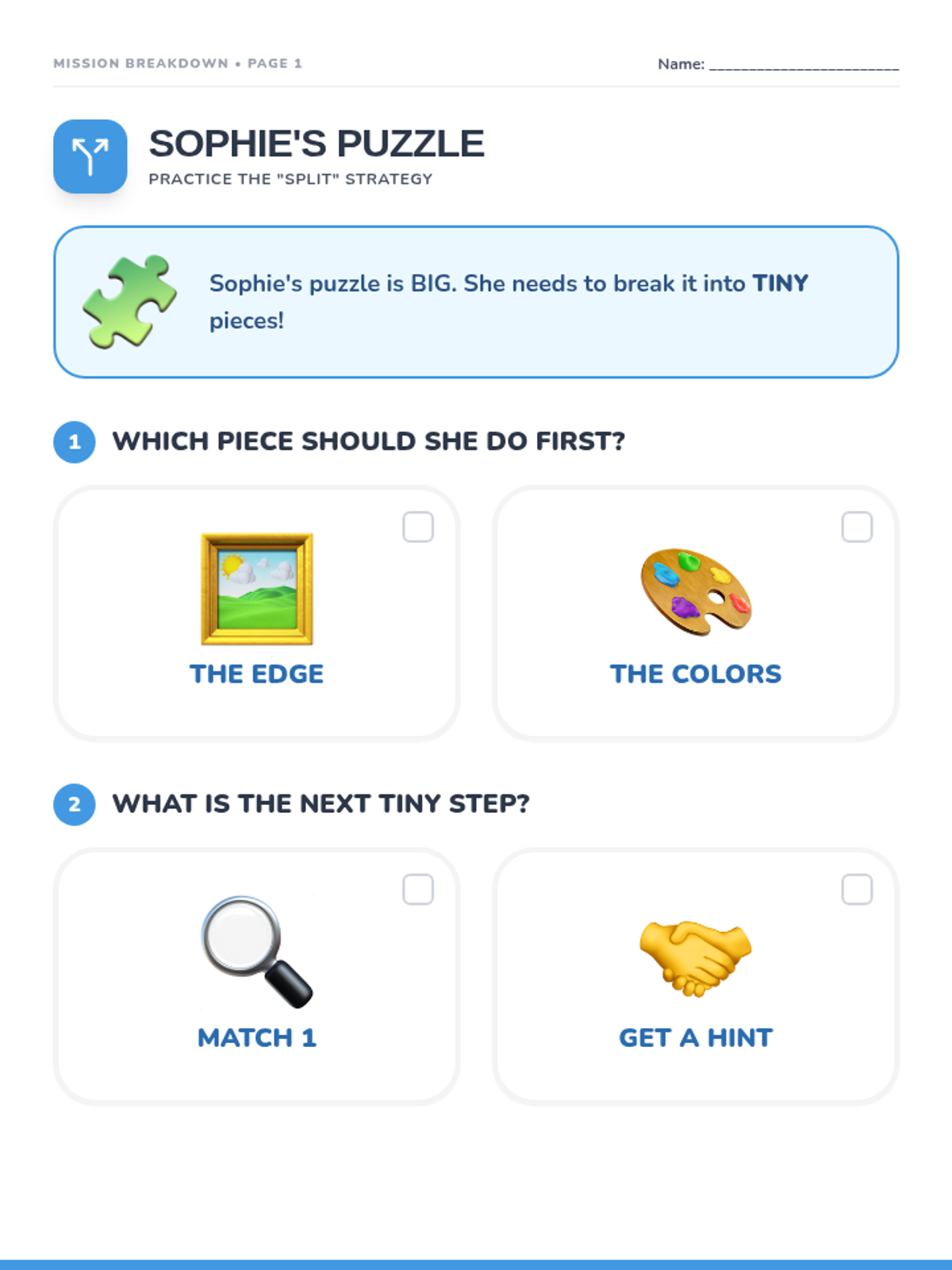
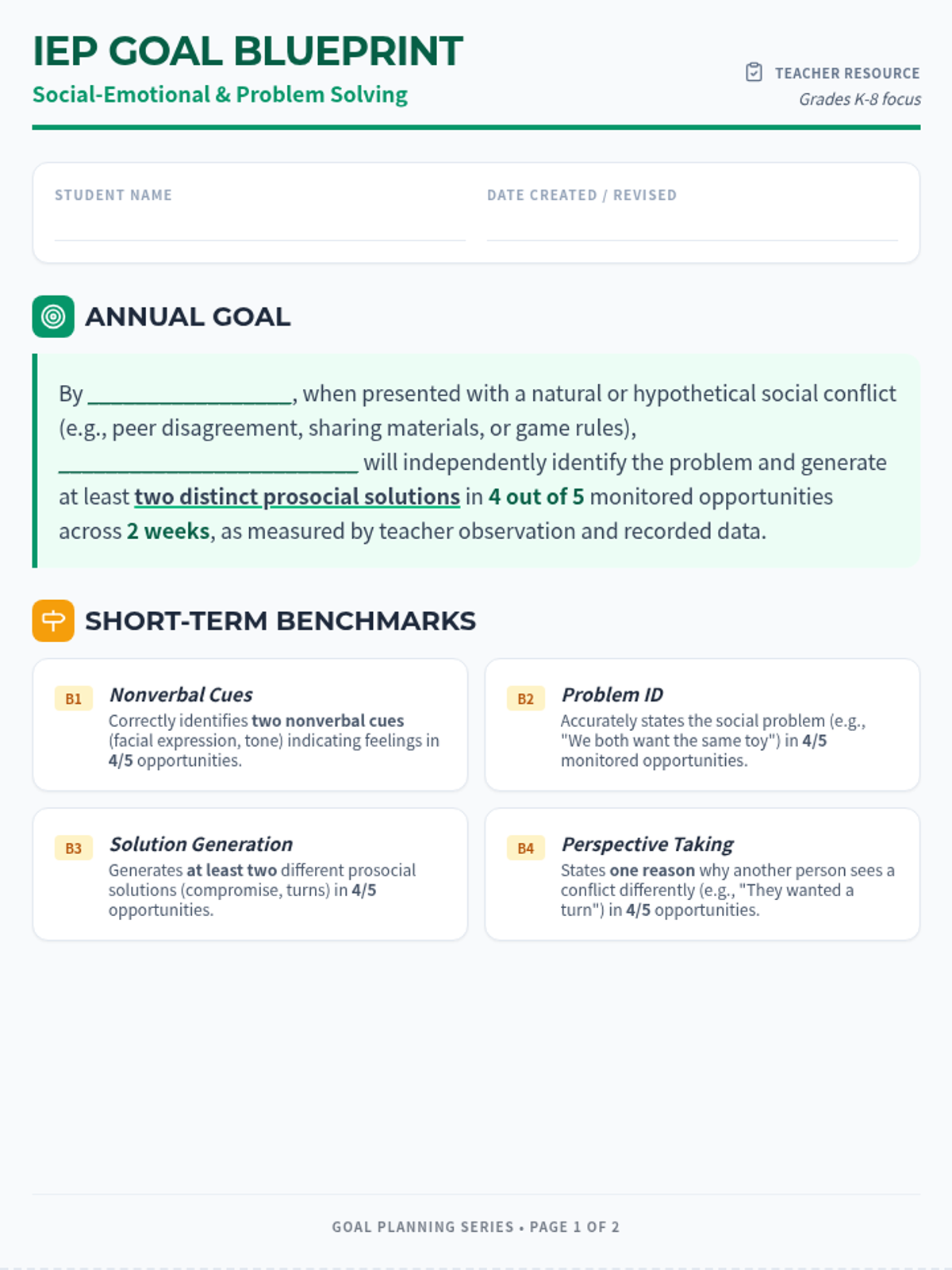
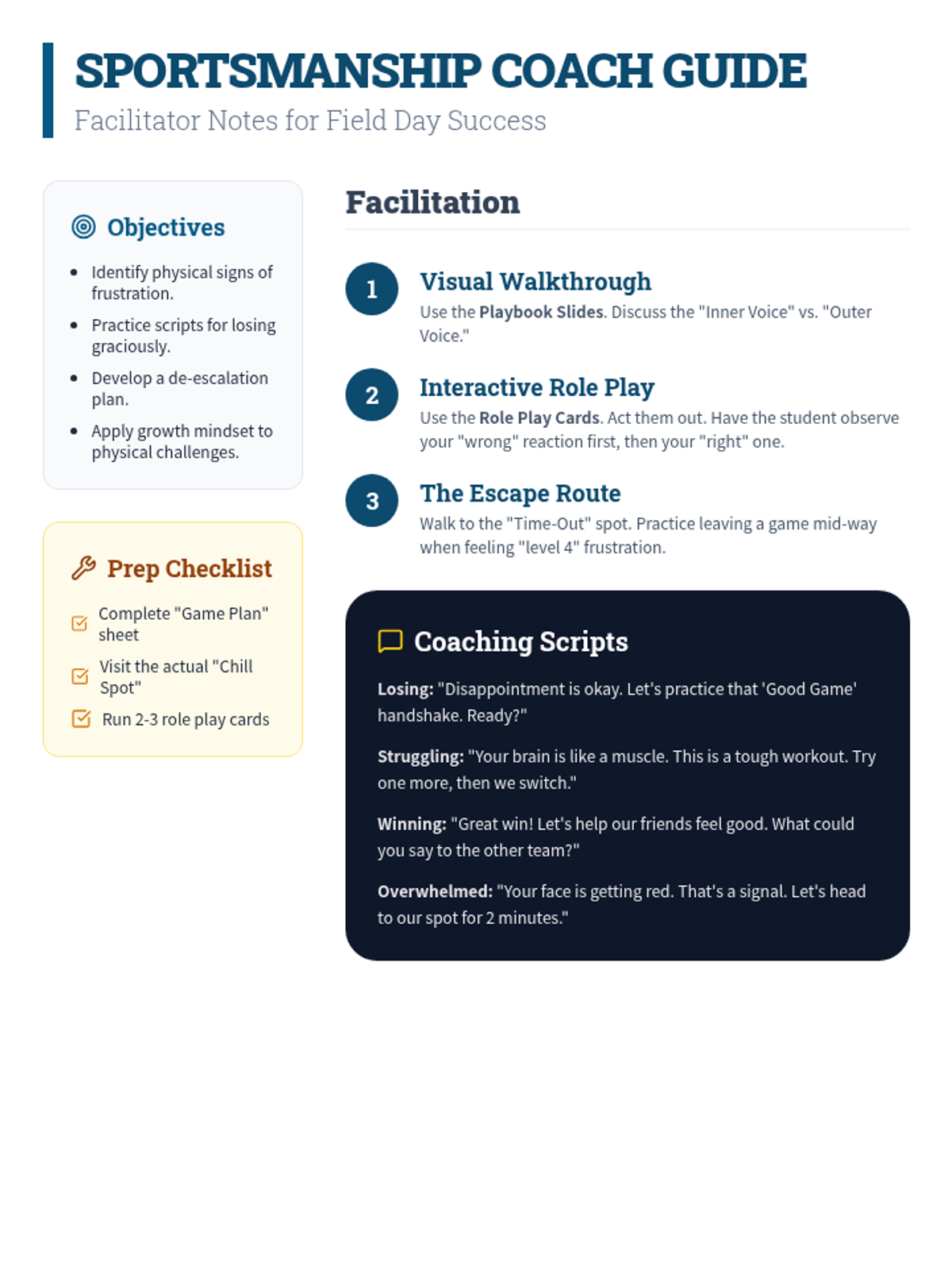
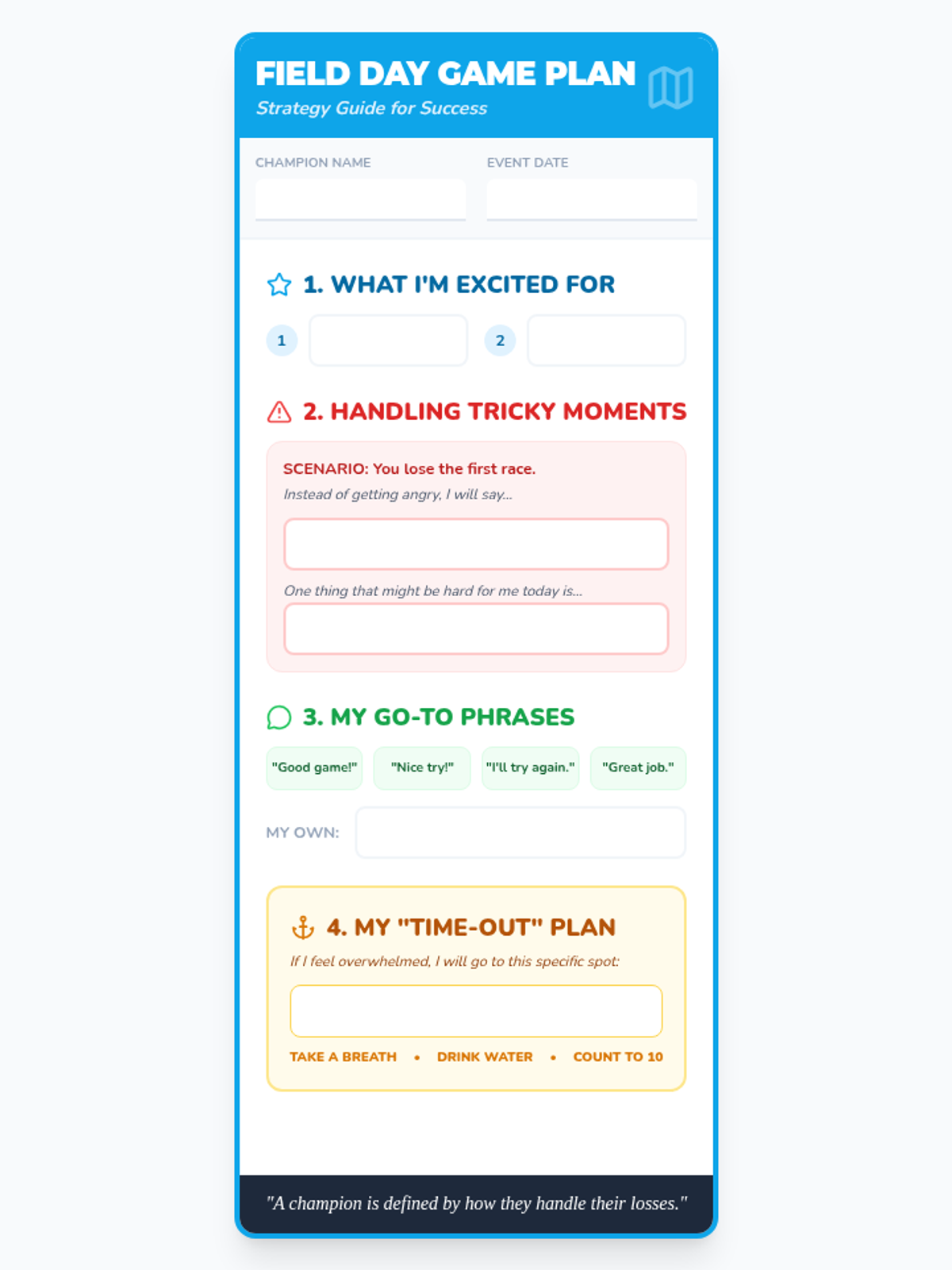
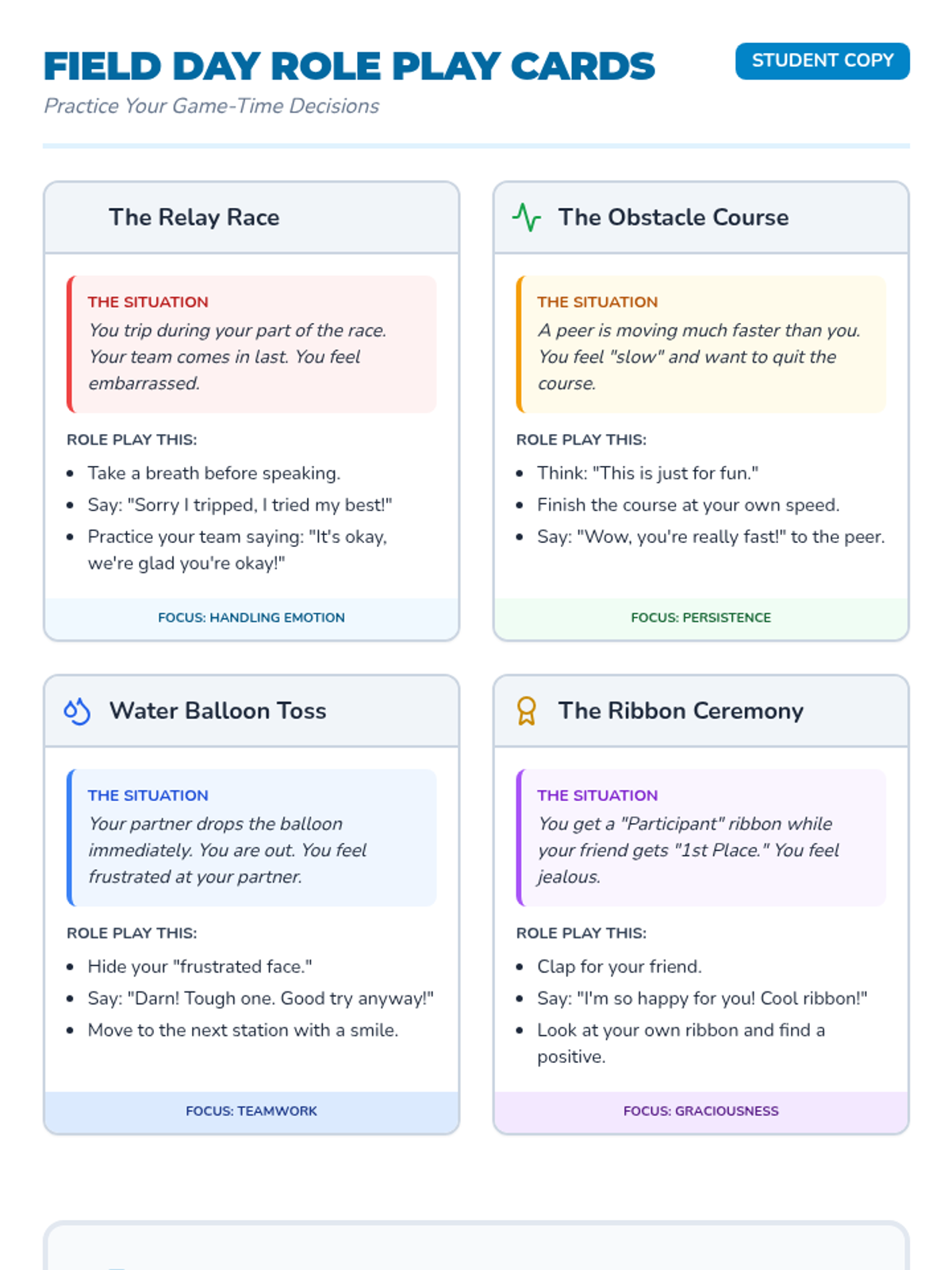
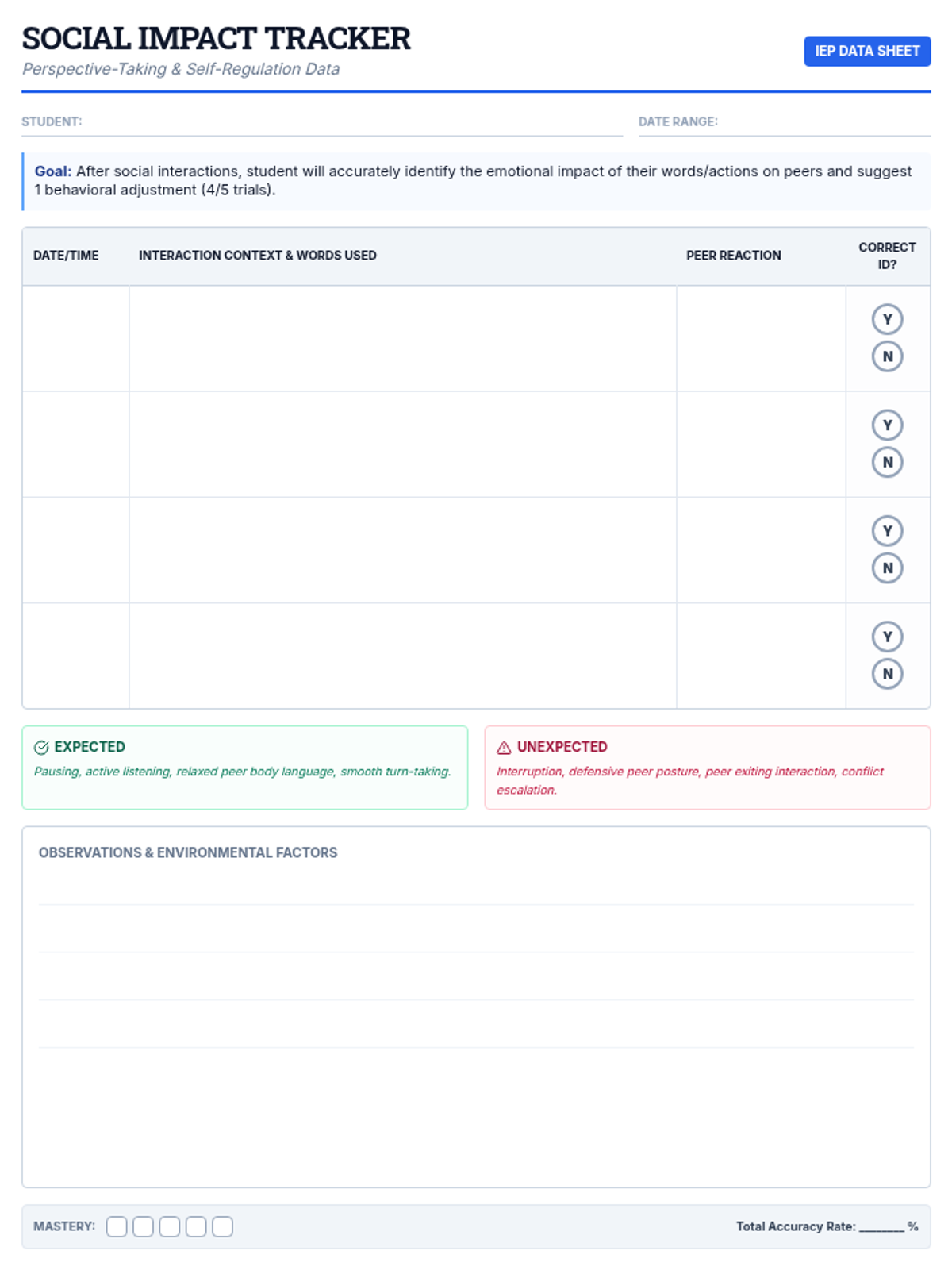
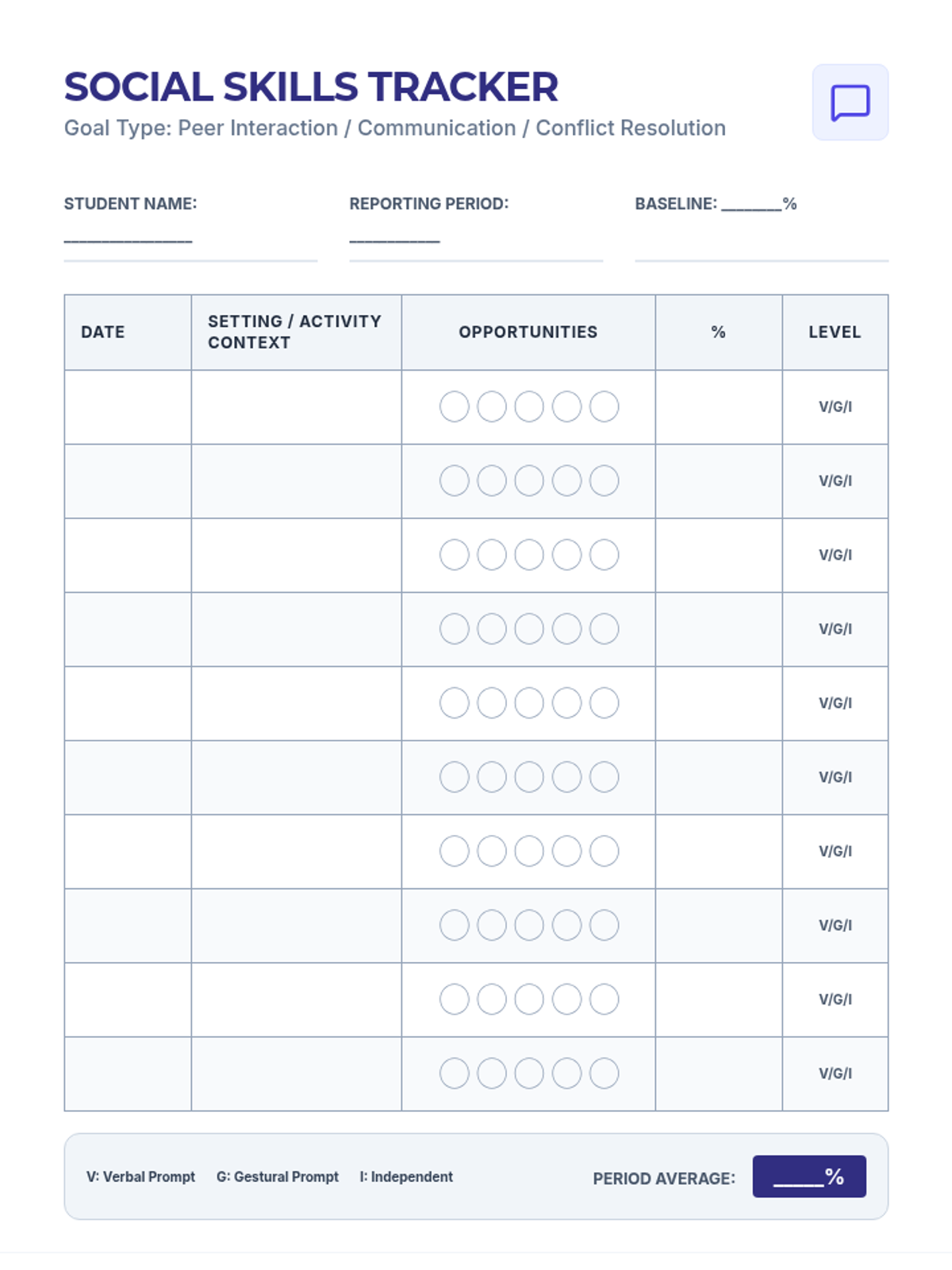
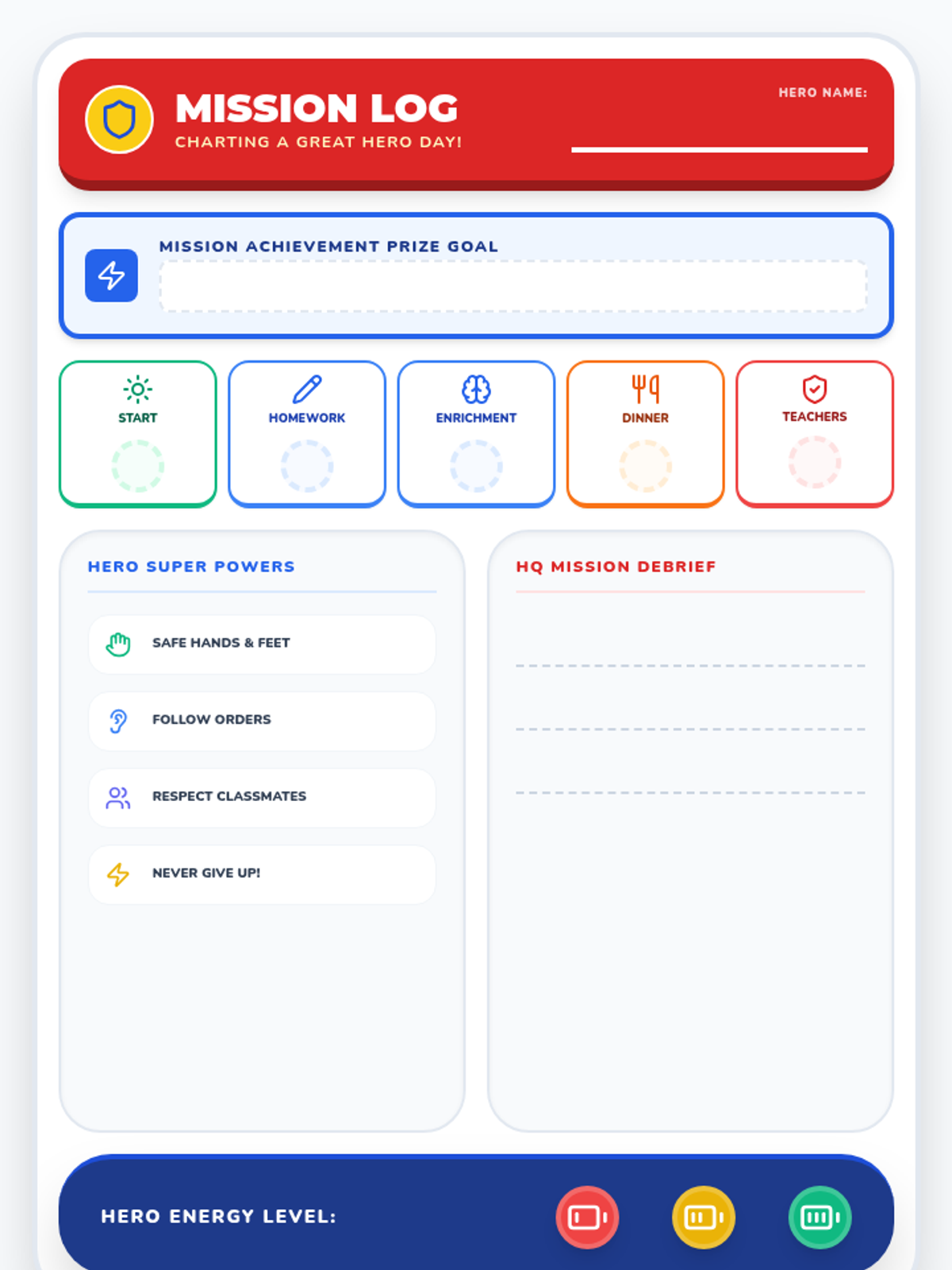
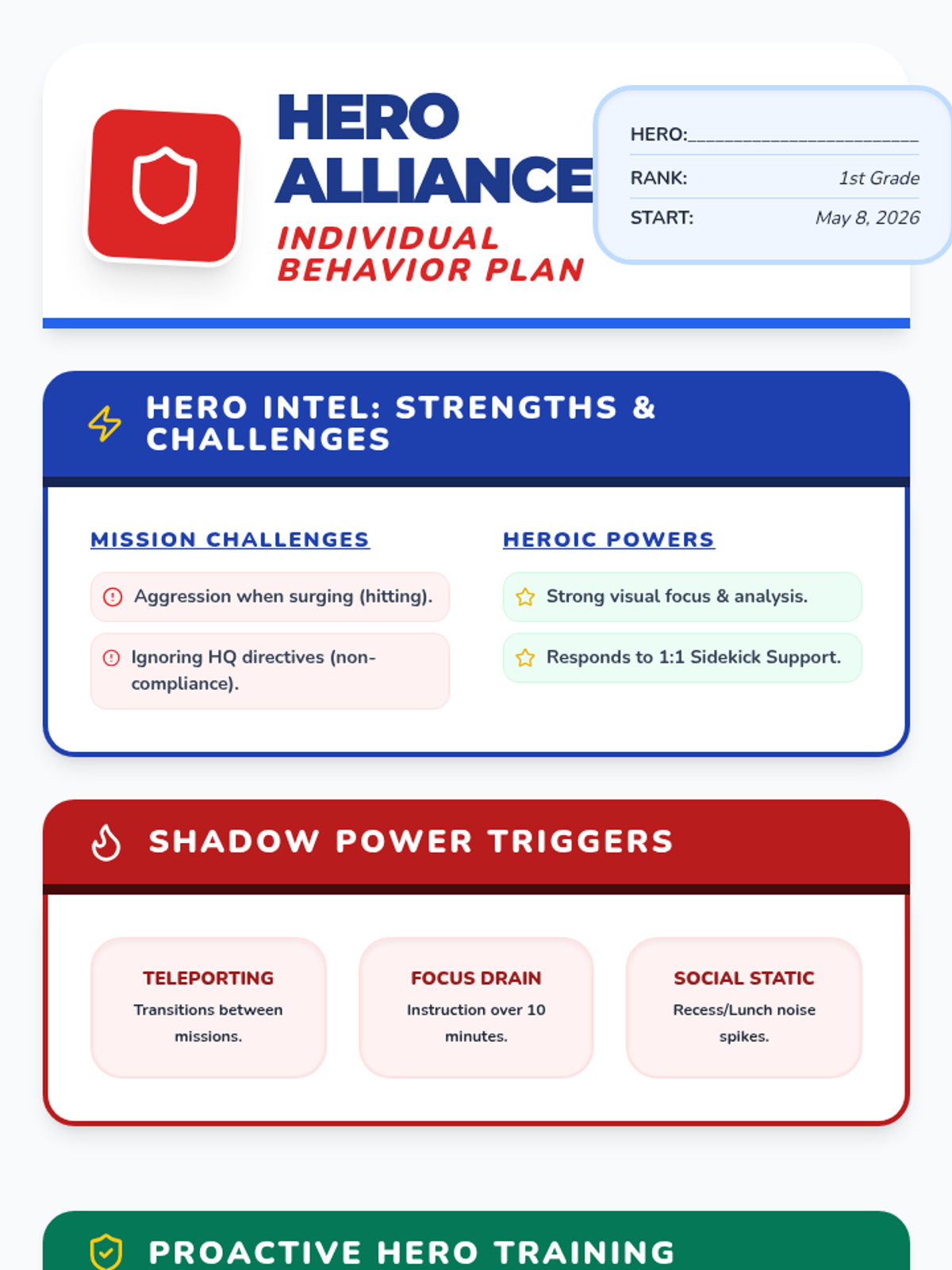
Verbal modulation, body language interpretation, and turn-taking strategies for effective social interaction. Addresses social problem identification, help-seeking, and the comprehension of figurative language across varied contexts.
A high-impact, single-page quick reference sheet for educators to quickly identify signs of various learning disabilities and recall core support strategies.
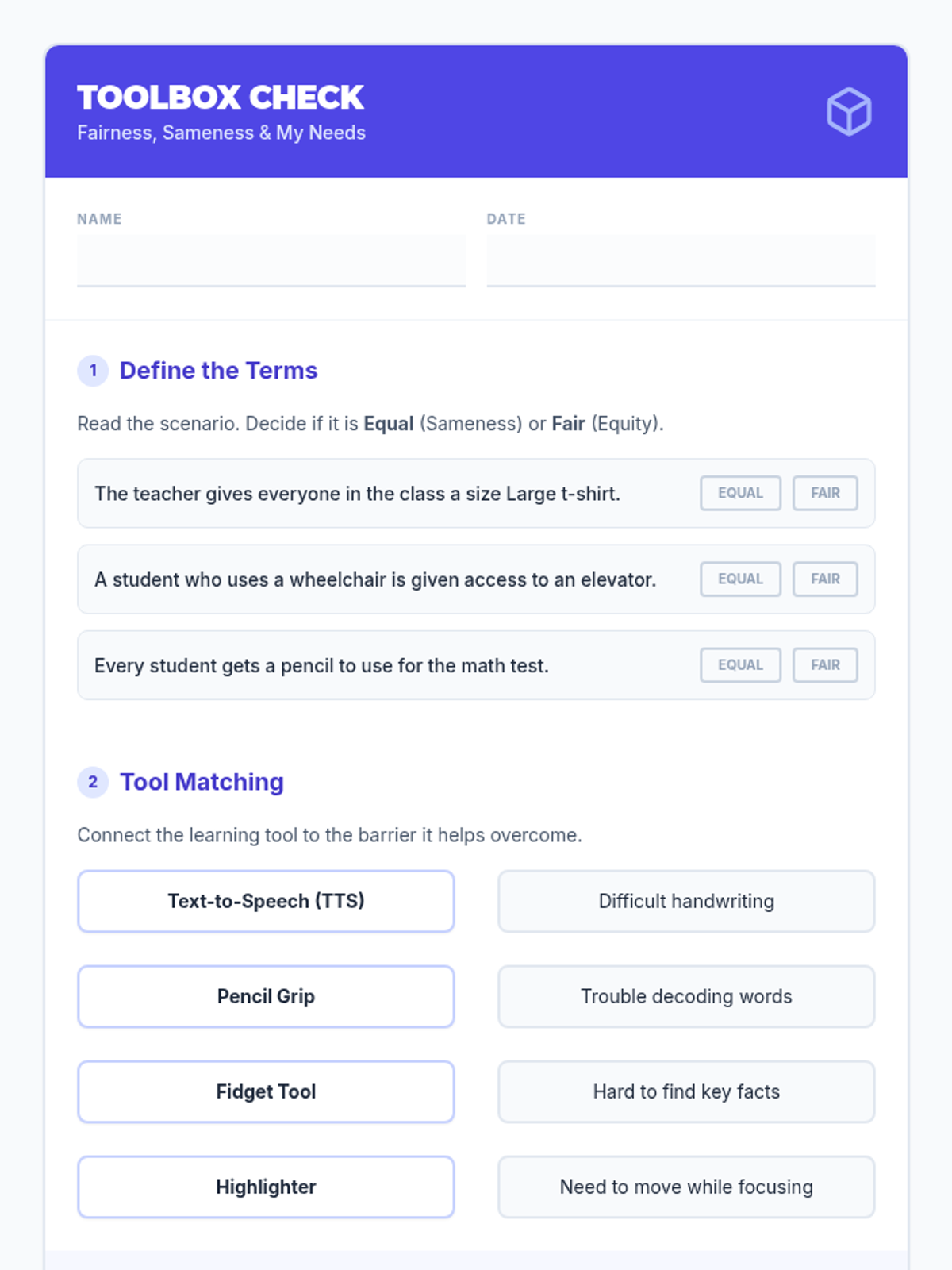
A professional instructional guide for trainers delivering the Neurodiversity Navigator presentation, including key talking points, slide-by-slide breakdowns, and facilitation tips.
A 30-slide comprehensive presentation on learning disabilities, covering Dyslexia, Dyscalculia, Dysgraphia, ADHD, APD, NVLD, and practical classroom strategies using a professional teal-themed aesthetic.

A professional debrief-style discussion guide for teachers to facilitate deep reflection on non-verbal communication and social cue application.
A structured worksheet for students to practice identifying facial expressions, body language, and sarcasm through matching and short-answer questions. Now with a more robust matching section.
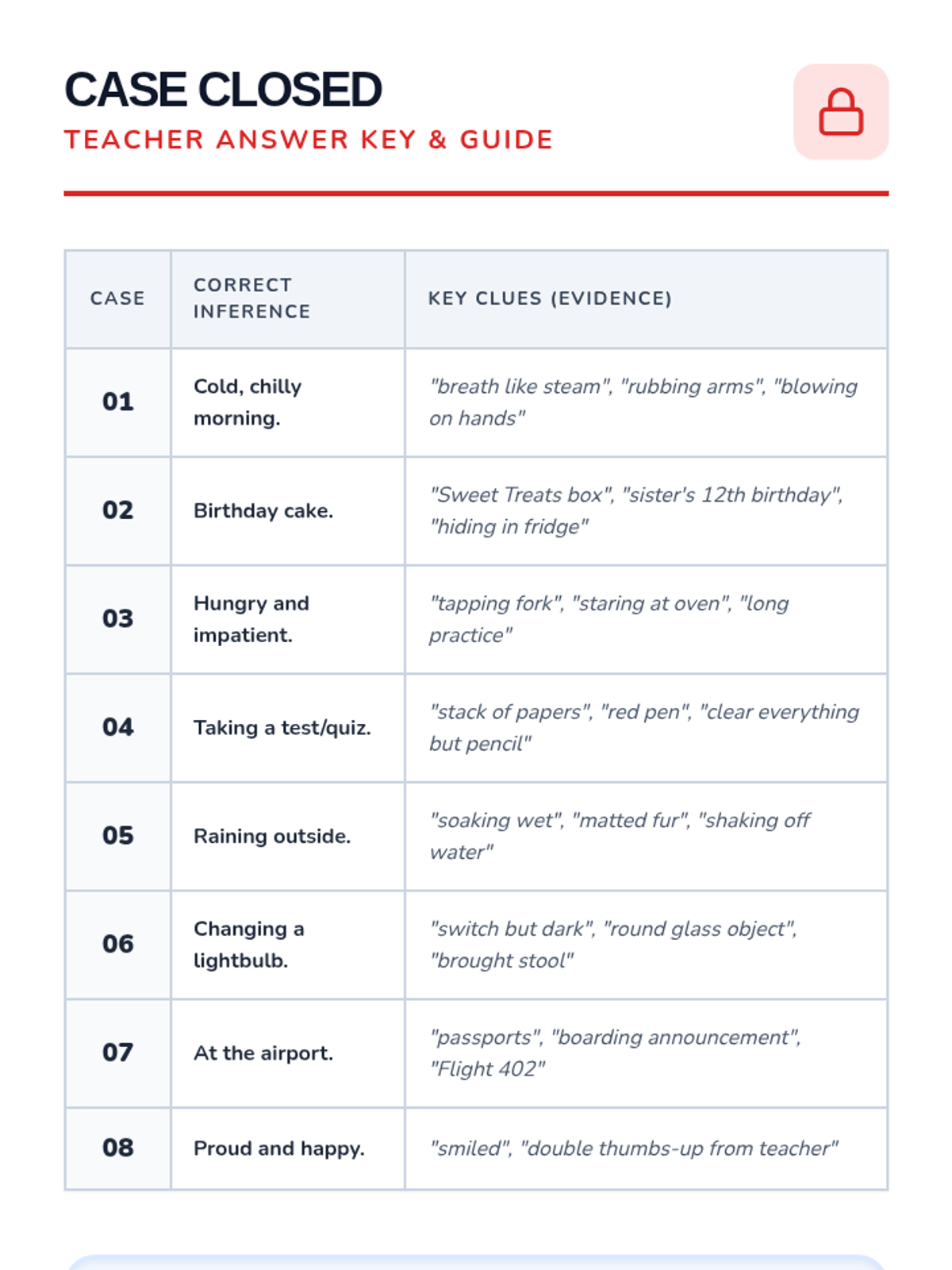
A set of eight 'Case File' task cards featuring realistic social scenarios for students to practice decoding body language, facial expressions, and tone of voice. Now with expanded response areas.
A high-tech, detective-themed slide deck for presenting the core concepts of body language, facial expressions, and tone of voice to special education students.
A professional dossier-themed lesson plan for teaching special education students how to decode non-verbal social cues through direct instruction and guided practice.
Teacher reference guide for "The Sarcasm Code" including pacing, ID-specific teaching tips, and an answer key for the worksheet.
Set of 4 roleplaying cards for practicing sarcasm identification, featuring scenarios, sarcastic lines, and visual/tonal cues.
Worksheet for identifying sarcasm with circle-the-clue icons, scenario checks, and a drawing section for facial expressions.
Visual slide deck defining sarcasm and outlining the two primary clues (voice and facial expressions) plus context clues for 8th grade students with ID.
A facilitation guide for the SLP to manage a dual-goal speech therapy session with 7th graders, focusing on idioms and articulation.
A conversational roleplay activity where students act as news anchors and experts, targeting winter idioms and the articulation of /s/, /z/, and /th/ sounds.
A glossary of winter-themed idioms for 7th-grade speech therapy, featuring meanings and a creative practice section.
Teacher answer key for the Winter Tool Worksheet, providing correct matches and suggested comparison points.
A student worksheet focused on identifying the function of winter tools and comparing similarities and differences between common winter items.
Teacher answer key for the Grammar Detective Worksheet, listing correct past tense verbs and possessive nouns from the story.
A student worksheet to practice identifying past tense -ed verbs and possessive -s nouns based on the Snowy Morning Surprise passage.
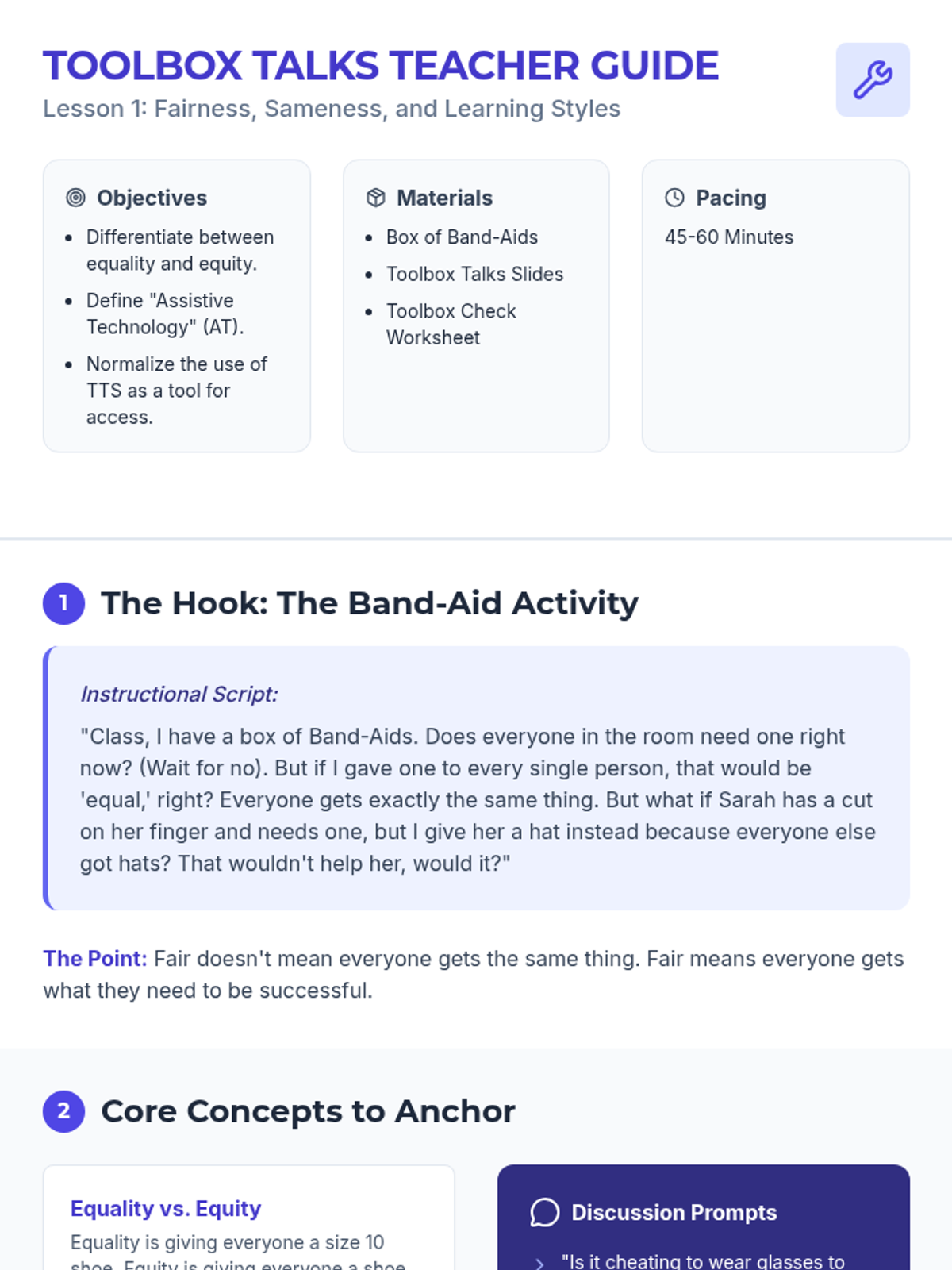
A slide deck introducing the concept of object function and how to compare and contrast winter tools and gear.
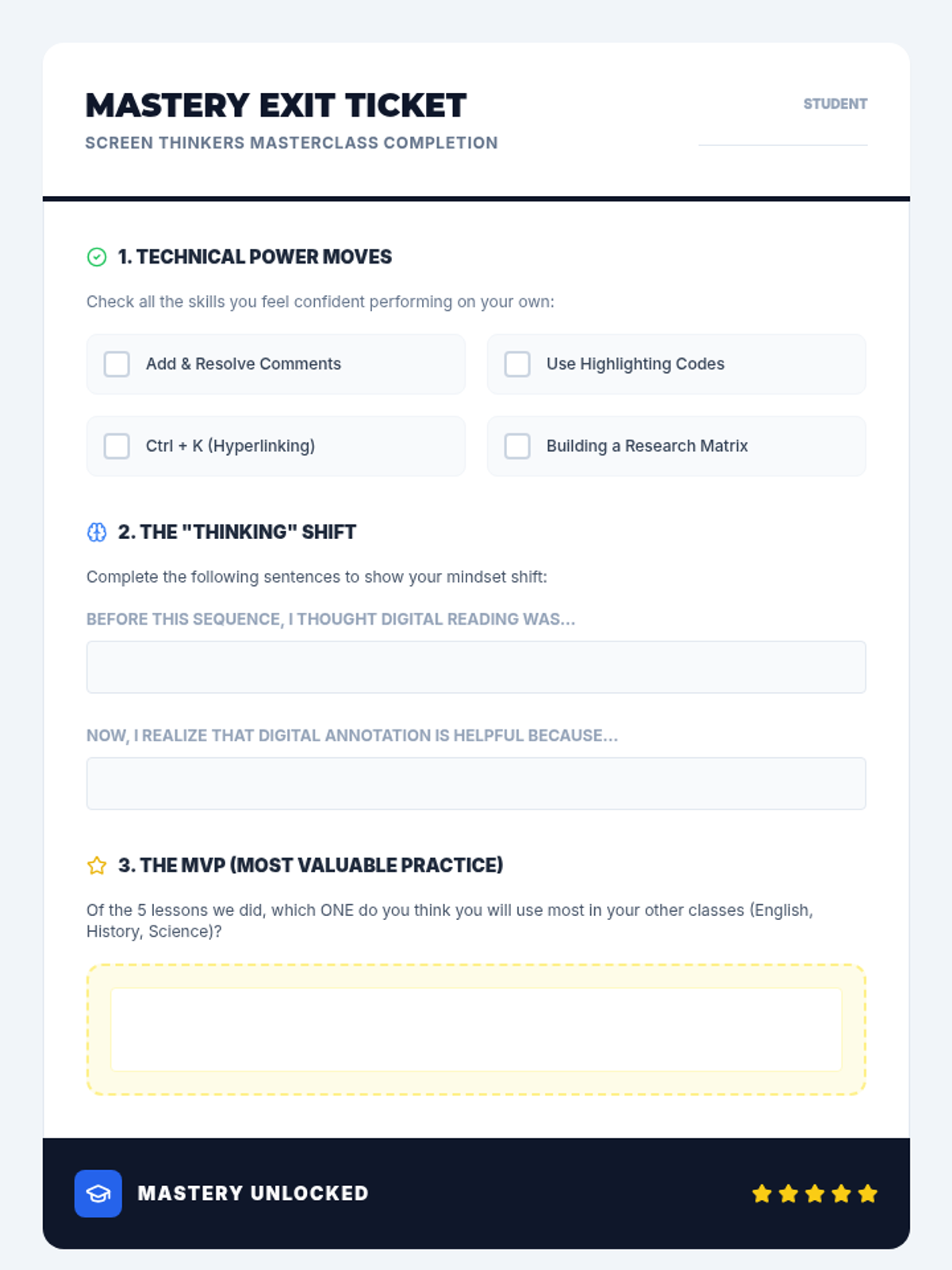
Final mastery check and exit ticket for the 5-lesson sequence, allowing students to self-assess their technical skills and pedagogical understanding of digital annotation.
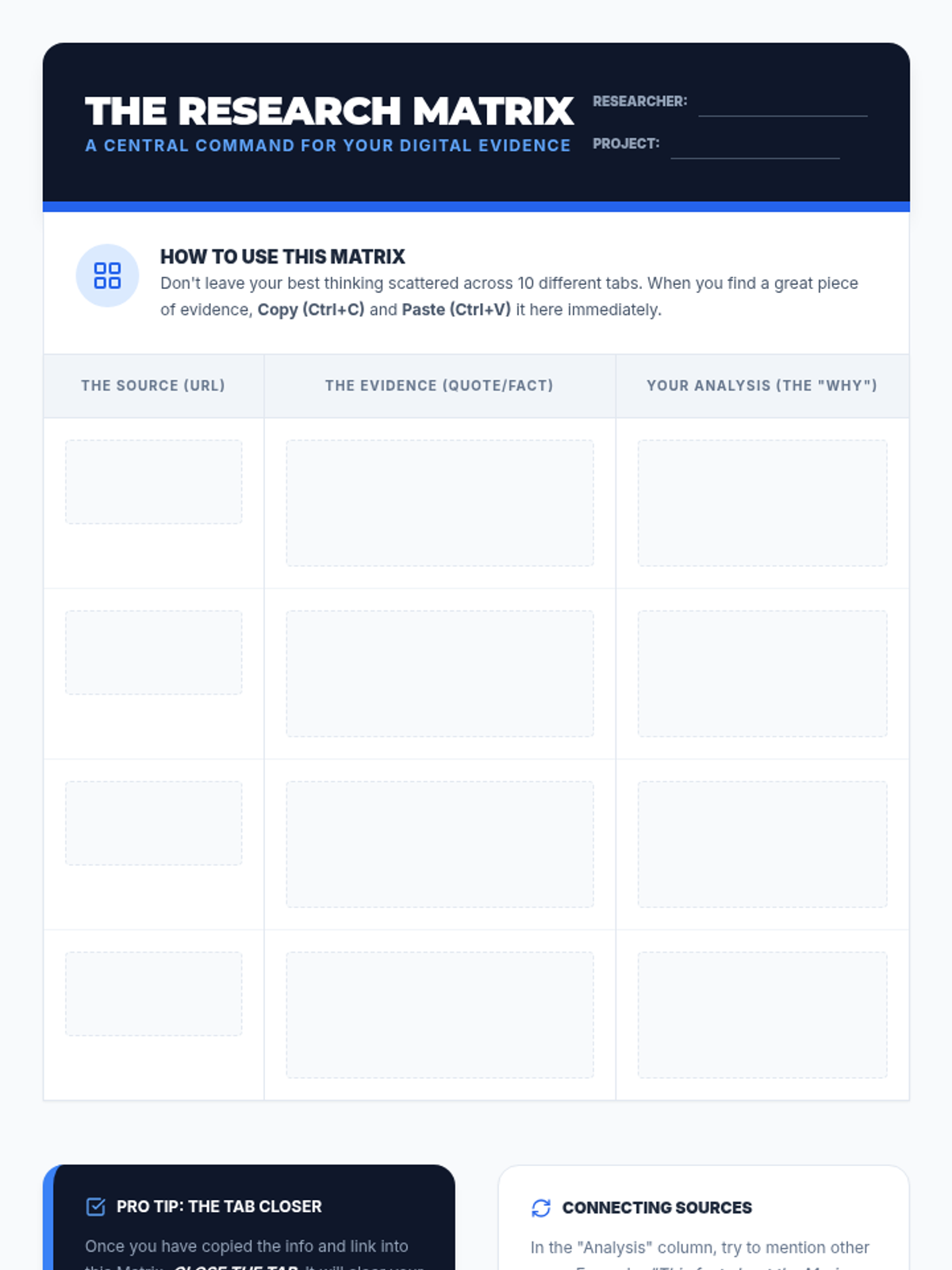
Student data management tool for organizing digital research annotations, quotes, and sources into a structured table.
Introductory slide deck for Lesson 5, explaining how a Research Matrix helps organize digital annotations from multiple sources into one master document.
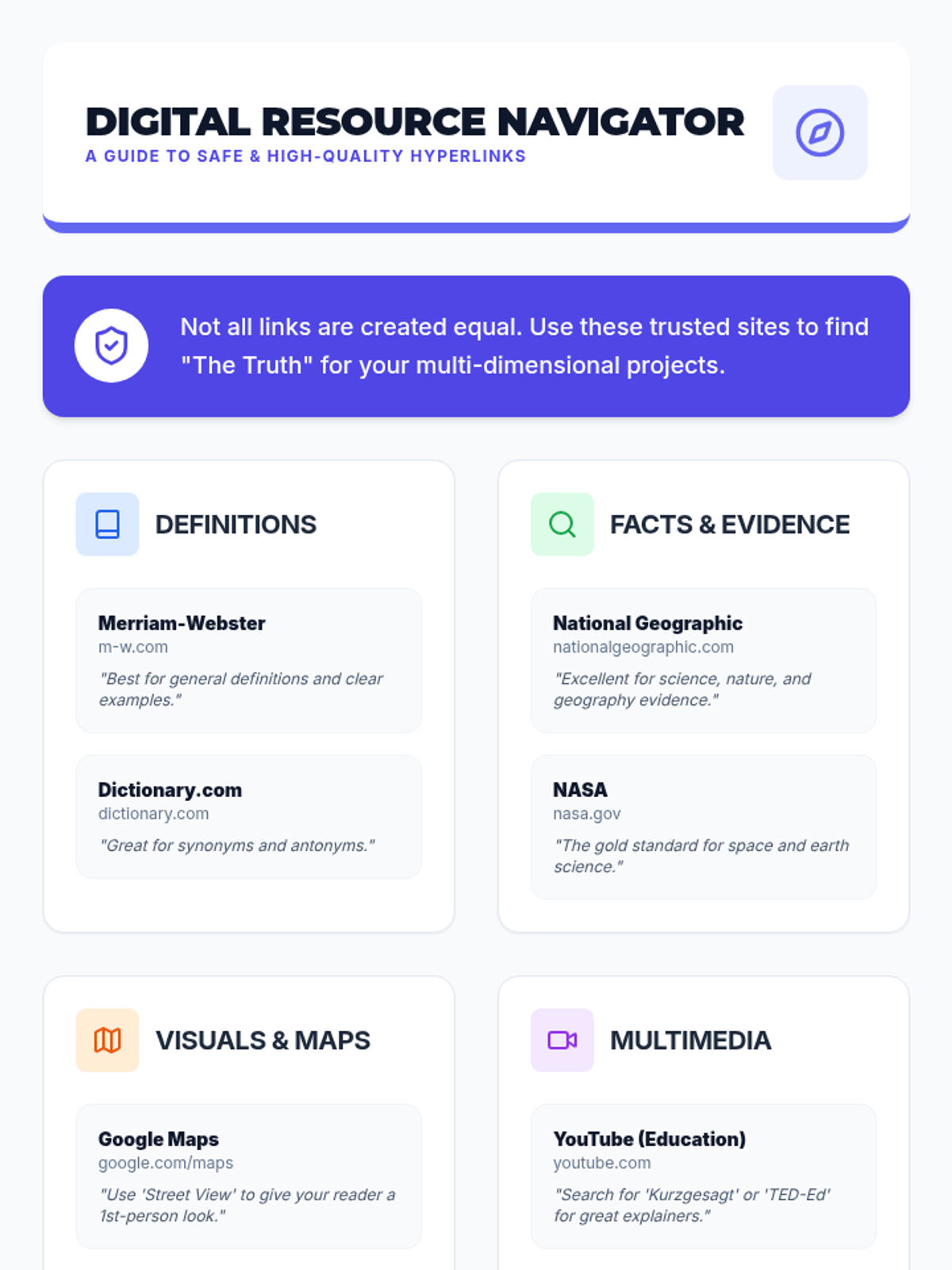
Reference sheet for students providing safe and reliable websites for finding definitions, facts, maps, and multimedia to use as hyperlinks.
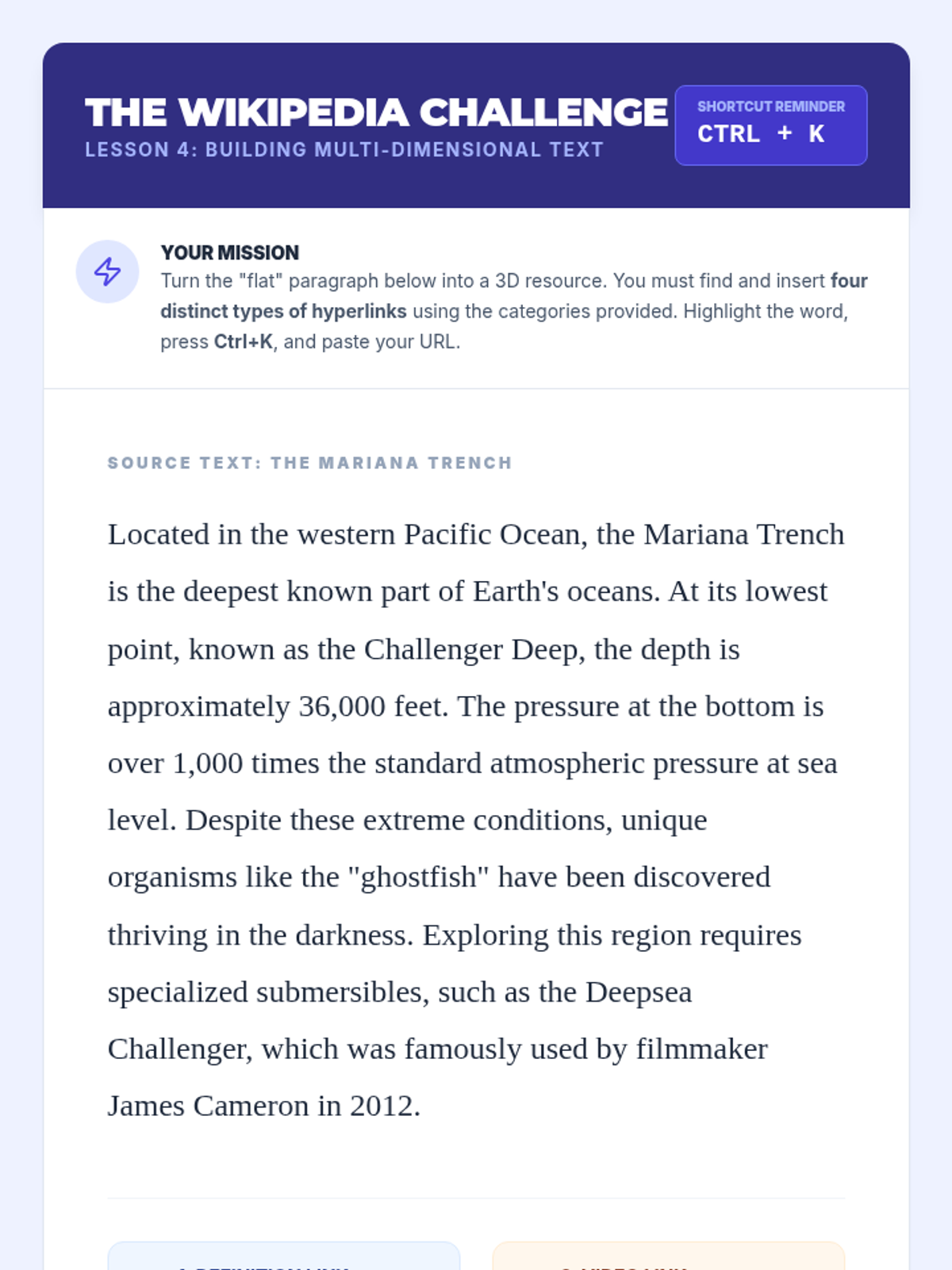
Student activity guide for Lesson 4, challenging students to transform a plain text paragraph into a rich, multi-dimensional resource with four types of hyperlinks.
Introductory slide deck for Lesson 4, explaining how hyperlinks turn static text into rich, multi-dimensional resources.
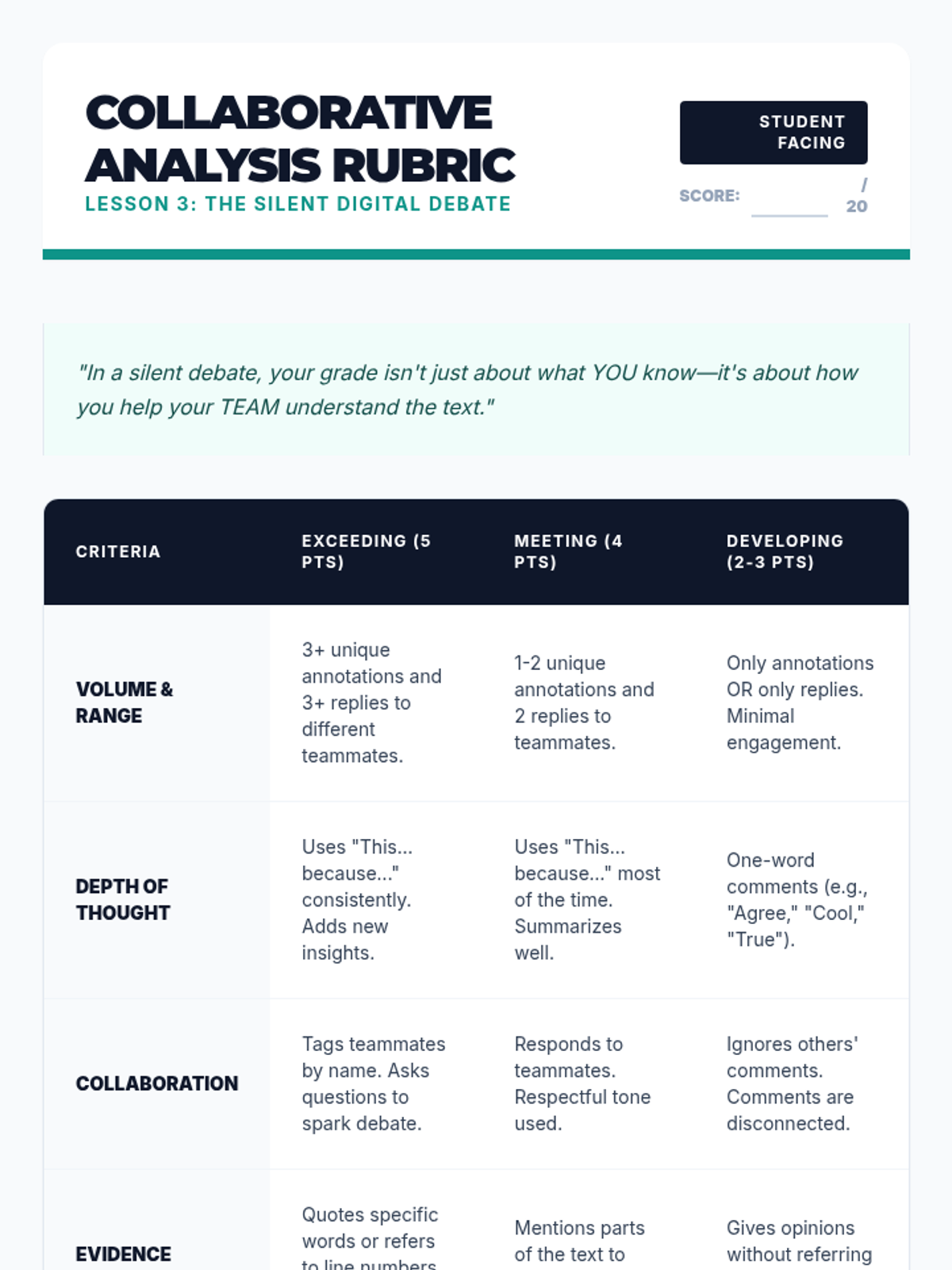
Student rubric and peer feedback form for Lesson 3, focusing on collaborative annotation quality and engagement.
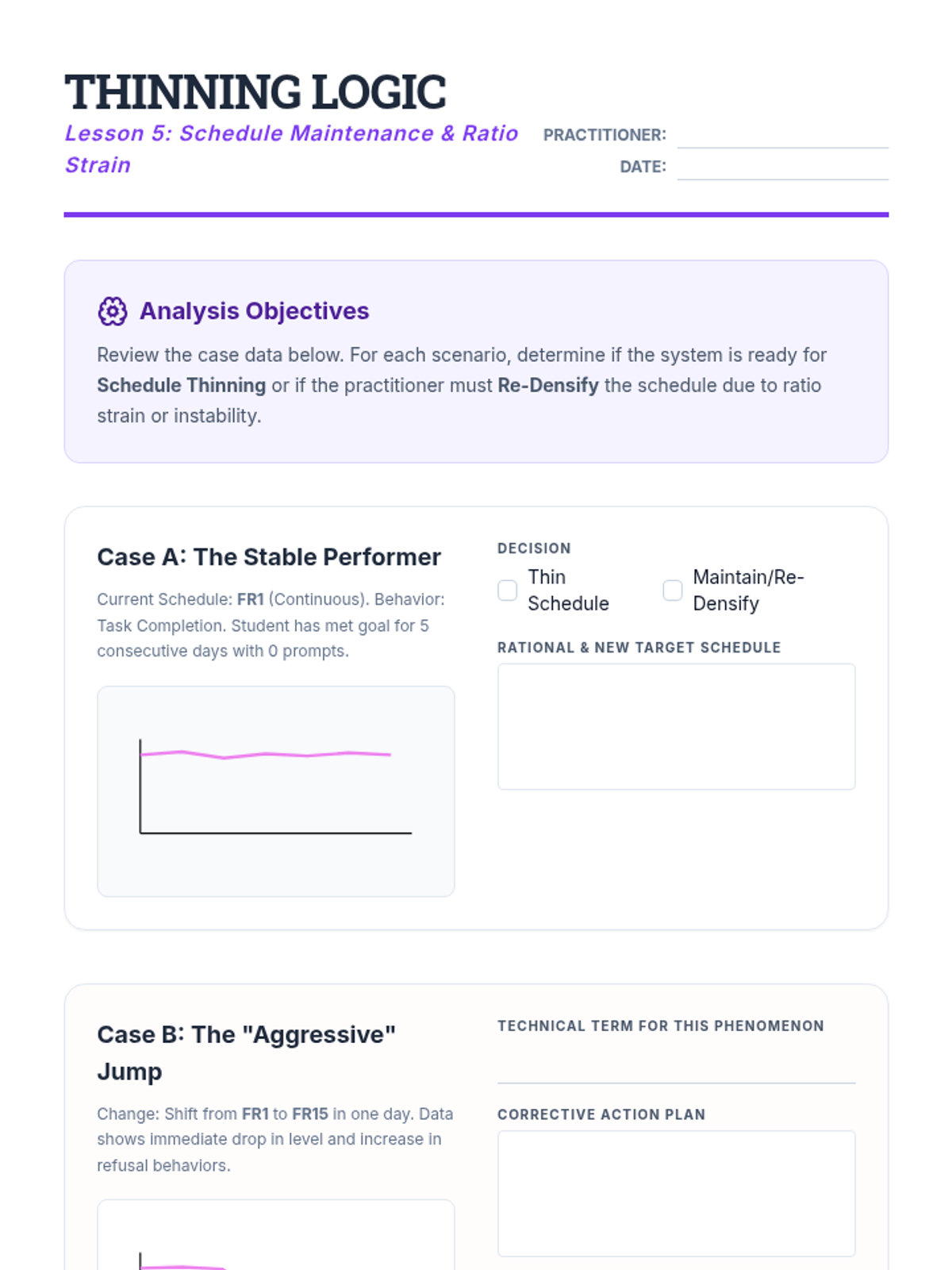
Worksheet for Lesson 5 where students analyze behavioral data sets to make decisions about schedule thinning, identifying readiness for maintenance or signs of ratio strain.
Introductory slide deck for Lesson 3, covering the rules and etiquette for collaborative digital annotation during a 'Silent Debate'.
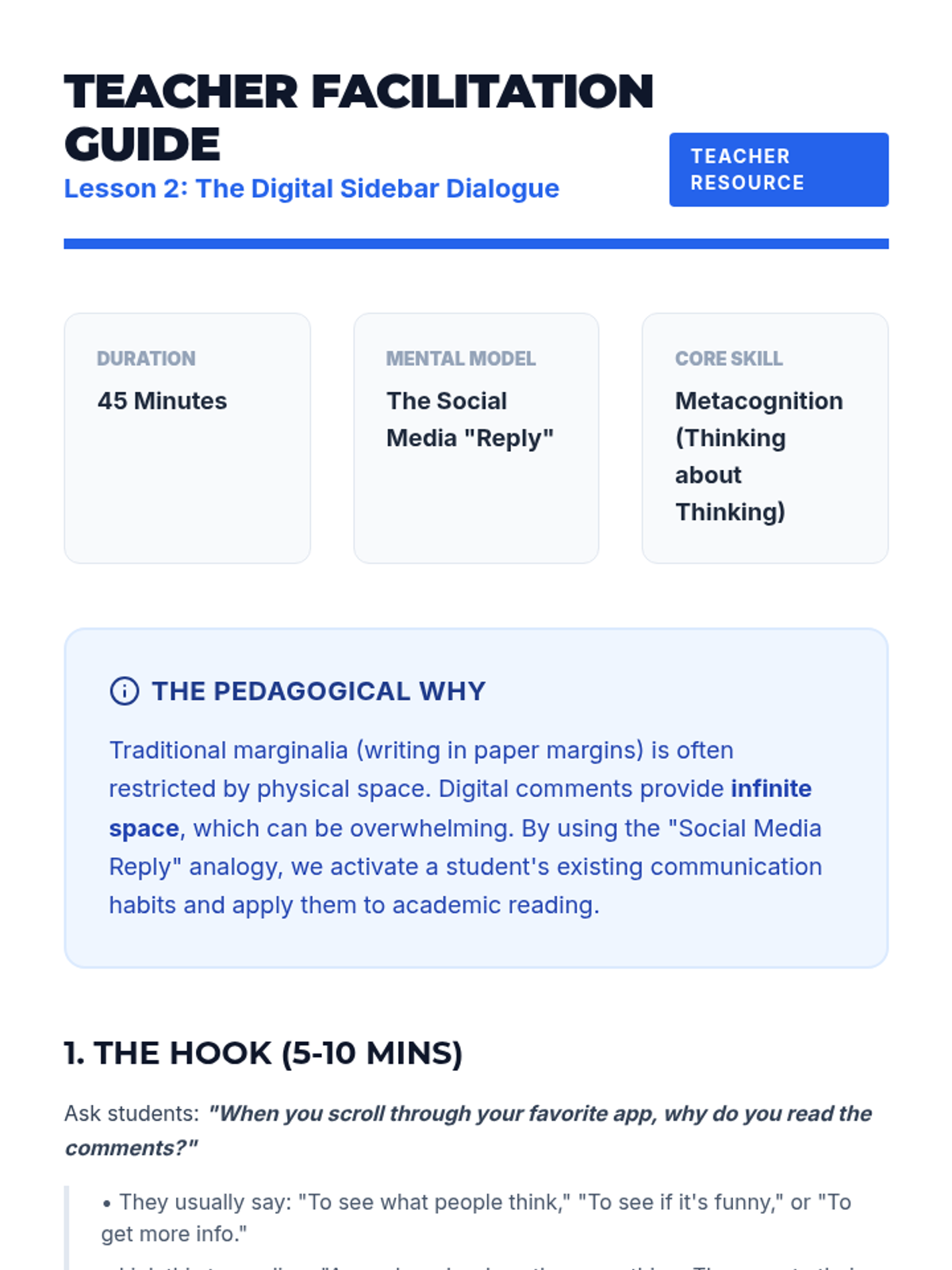
Teacher guide for Lesson 2, including the social media analogy breakdown, modeling tips, and common troubleshooting strategies for metacognition.
Slide deck for Lesson 5 focusing on schedule thinning, identifying readiness for intermittent reinforcement, and avoiding ratio strain in behavioral systems.
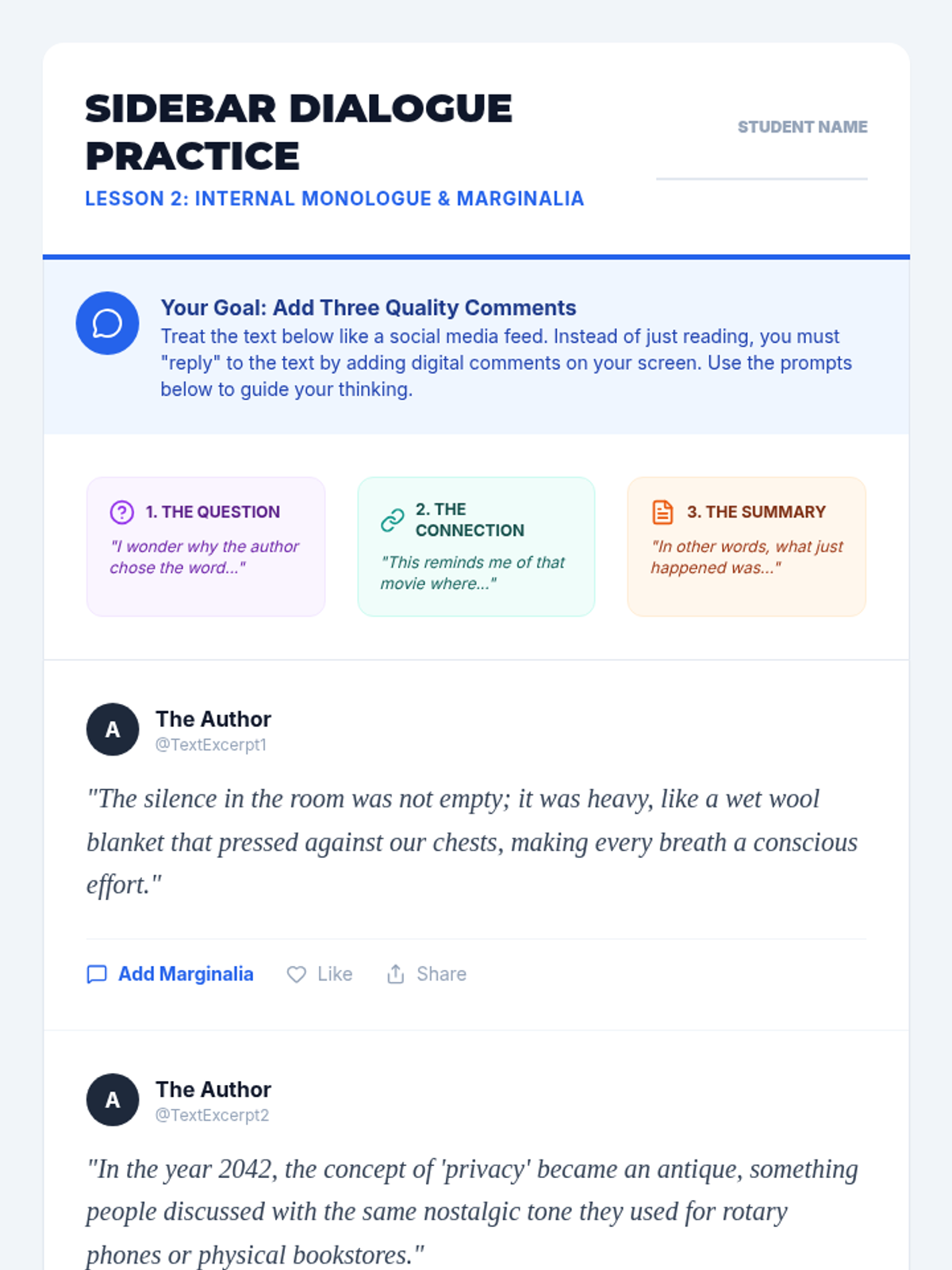
Practice document for Lesson 2, presenting text excerpts in a social-media style "feed" to encourage students to use the comment feature as marginalia.
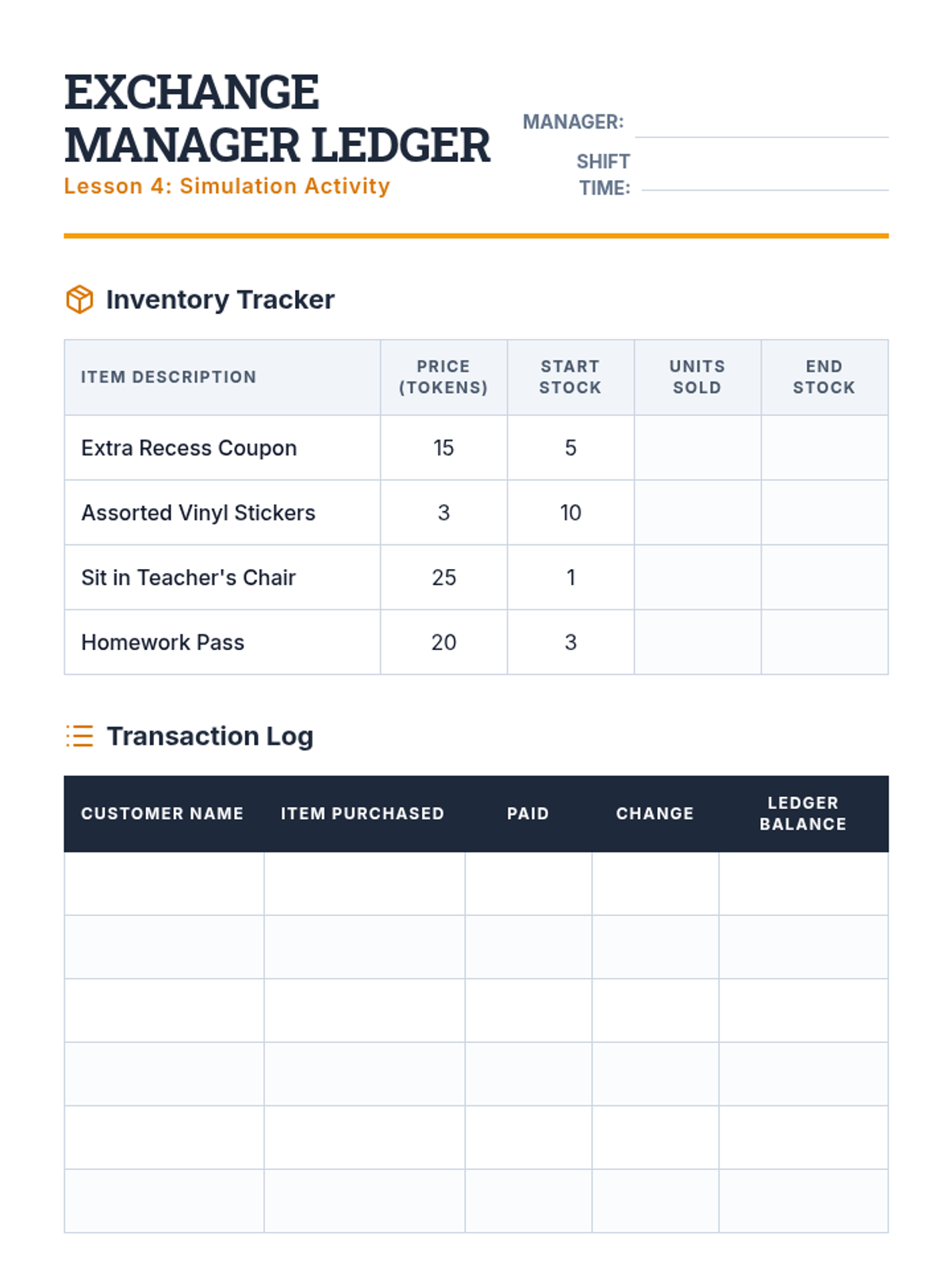
Activity worksheet for Lesson 4 where students manage a simulated token exchange, tracking inventory and transactions while reflecting on logistics and social skill instruction.
Introductory slide deck for Lesson 2, using the social media "reply" analogy to teach students how to use the comment feature as digital marginalia.
Slide deck for Lesson 4 focusing on the logistics of managing a token exchange, including inventory control, teachable math/social moments, and delay of gratification.
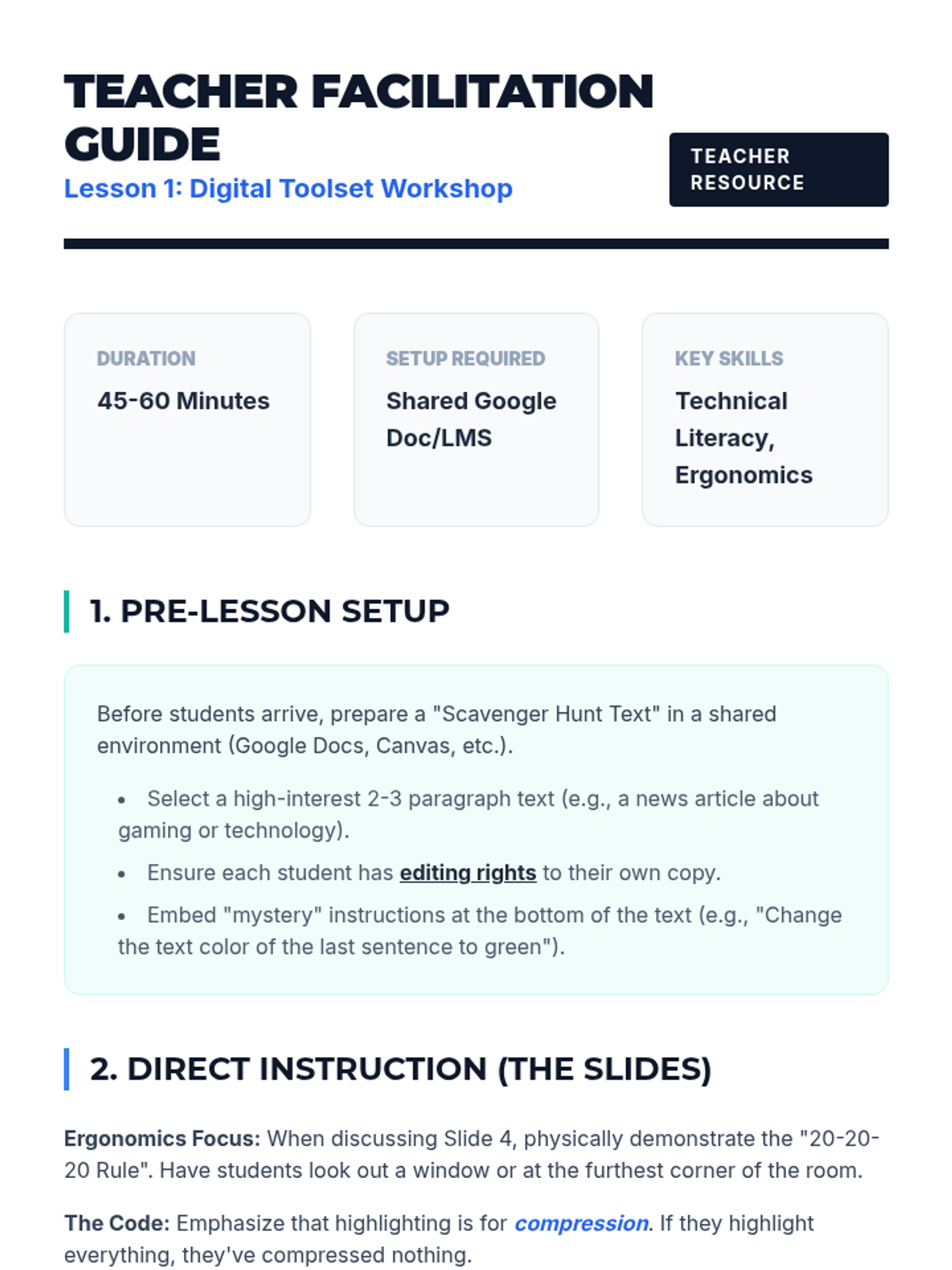
Teacher guide for Lesson 1, including setup instructions, troubleshooting tips, and differentiation strategies.
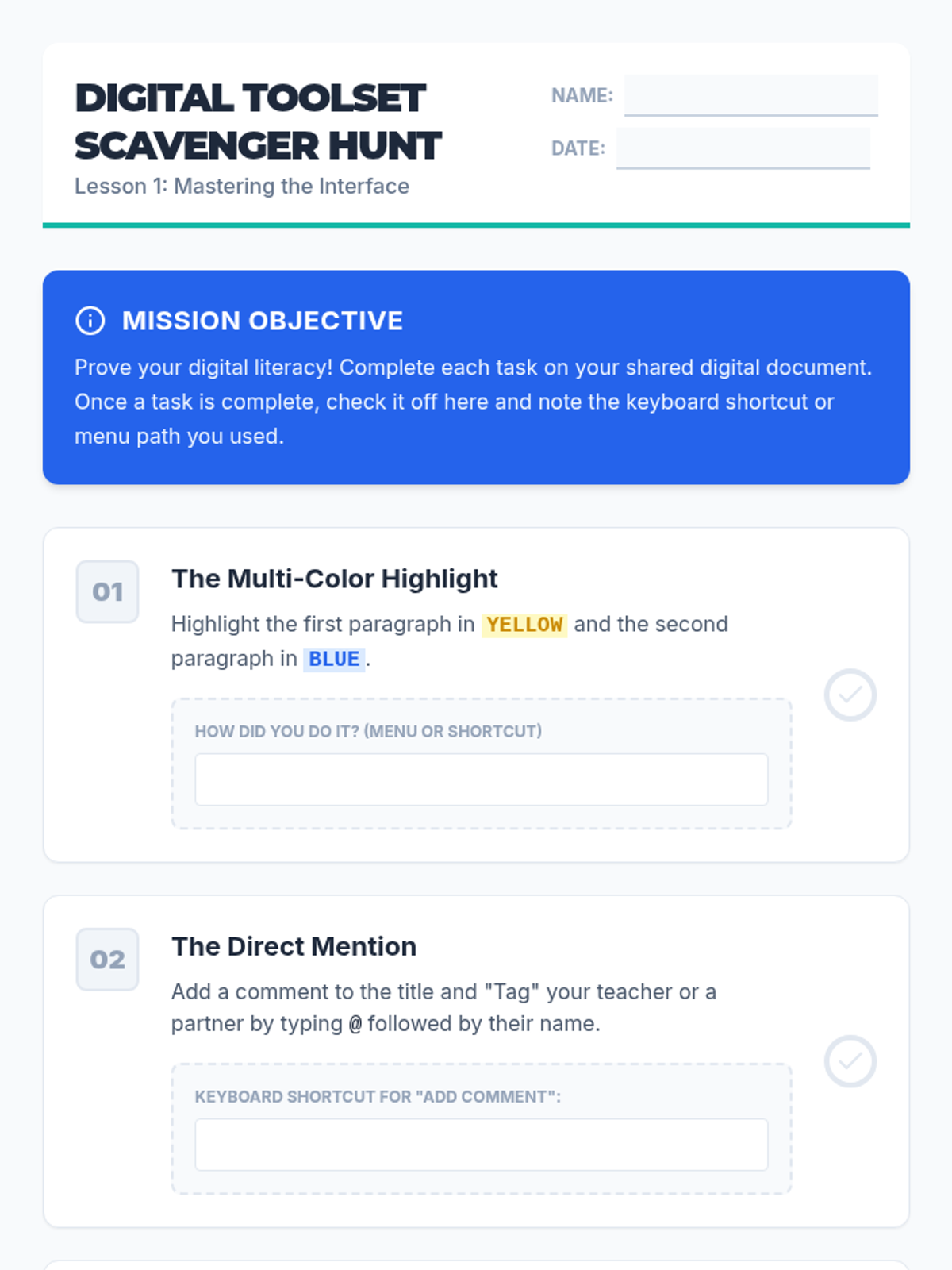
Student worksheet for the technical scavenger hunt, including space to record menu paths and shortcuts.
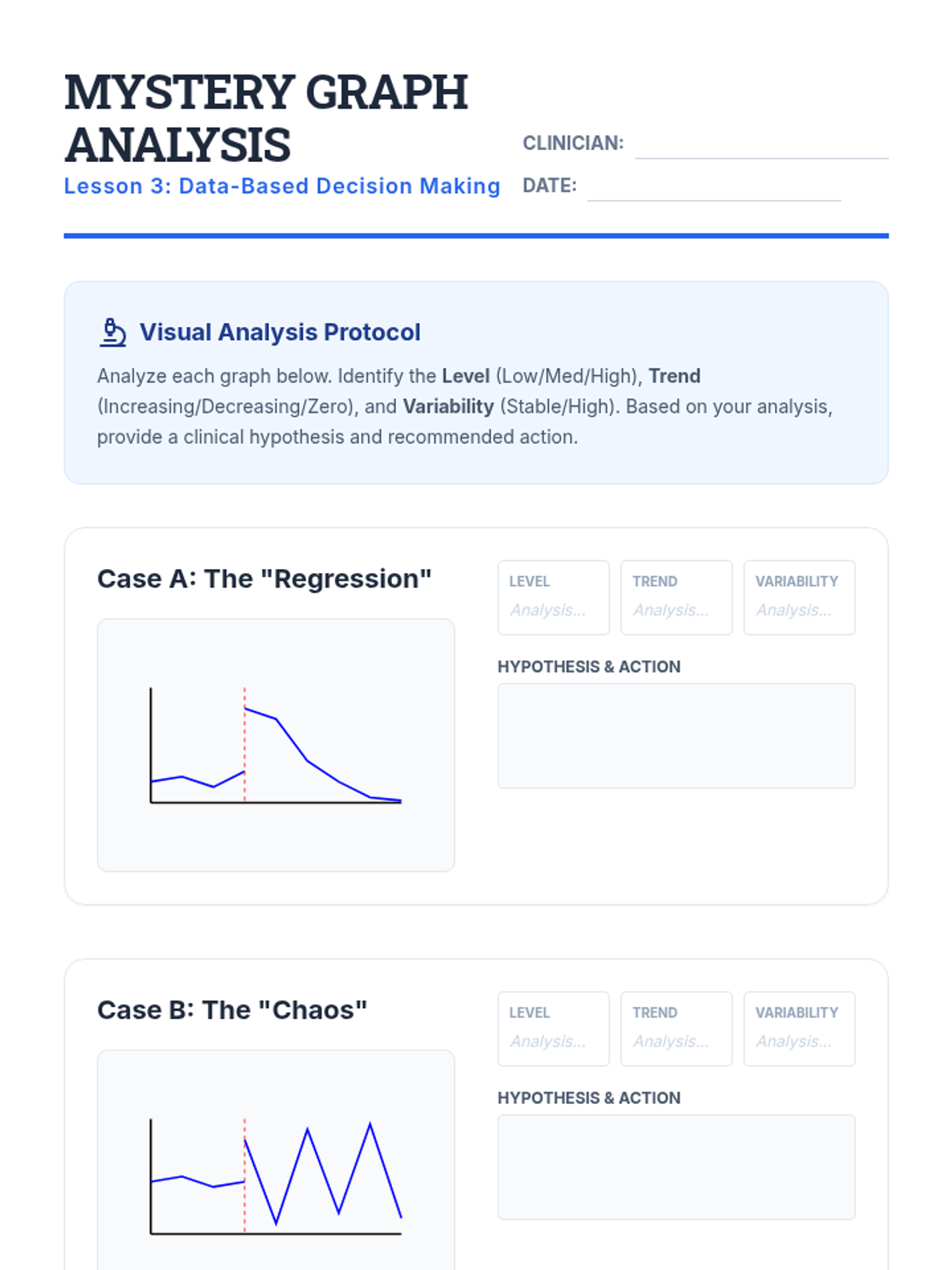
Worksheet for Lesson 3 focusing on visual analysis of behavioral graphs, requiring students to identify level, trend, and variability across different scenarios.
Introductory slide deck for Lesson 1, covering digital vs. paper reading, technical toolsets, ergonomics, and a systematic highlighting code.
Slide deck for Lesson 3 focusing on visual analysis of behavioral data, including level, trend, and variability, to make informed decisions in a token economy.
A visual identification worksheet where students circle icons to categorize conversation topics as "Social Mode" (private/home) or "Professional Mode" (work-appropriate). Replaces the cut-and-sort with a more accessible circling format.
An answer key for the Professional Filter Worksheet, providing correct answers and rationales for workplace-based boundary decisions.
A comprehensive facilitator guide for the Professional Protocol lesson, featuring key vocabulary definitions, facilitation tips for diverse learners, and detailed discussion prompts for each workplace and community scenario.
A 2-page worksheet for young adults to practice identifying professional vs. personal boundaries in workplace scenarios. Includes multiple-choice questions and short-answer writing practice with a high-contrast, professional layout.
A 16-slide presentation for young adults (18-22) with cognitive disabilities, focusing on professional boundaries in the workplace and community. Features high-contrast blueprint-style visuals, adult-centric scenarios, and clear instructional scripts for workplace interactions.
A practice worksheet for students to identify appropriate crushes, select polite conversation starters, and identify visual cues of mutual interest.
A facilitation guide for teachers to deliver the Crush Clarity lesson, including pacing, discussion prompts, role-play scenarios, and instructional tips.
Visual presentation slides with large text and clear visuals helping 8th-grade students with intellectual disabilities understand crush boundaries, conversation skills, and mutual interest signs.
A social story document with visual aids helping 8th-grade students with intellectual disabilities understand appropriate crush age-gaps, safety boundaries with adults, and social skills for peer interaction.
A classroom-ready observation tool for teachers to identify potential "Red Flags" for ASD in the areas of social interaction, sensory responses, and behavioral patterns, including a section for highlighting student strengths.
An observation and note-taking packet for the PD session, including a warm-up reflection, video analysis sections, and a detailed four-step school referral protocol flowchart.
A detailed facilitator guide for the Spectrum Blueprint PD session, providing pacing, scripted discussion prompts, key vocabulary definitions, and tips for addressing common misconceptions about ASD.
A visual presentation for a professional development session on Autism Spectrum Disorder, featuring a blueprint aesthetic and covering key insights from the 'What is Autism?' video, discussion prompts, and the referral process.
A congratulatory certificate for 2nd grade students to celebrate the successful demonstration of positive behavioral choices and self-regulation.
An answer key and discussion guide for teachers to review the Choice Champion Worksheet with students, providing rationales for each behavior choice.
A weekly behavior tracking chart for 2nd grade students to monitor hallway behavior, playground interactions, and self-regulation skills with visual goals and rewards.
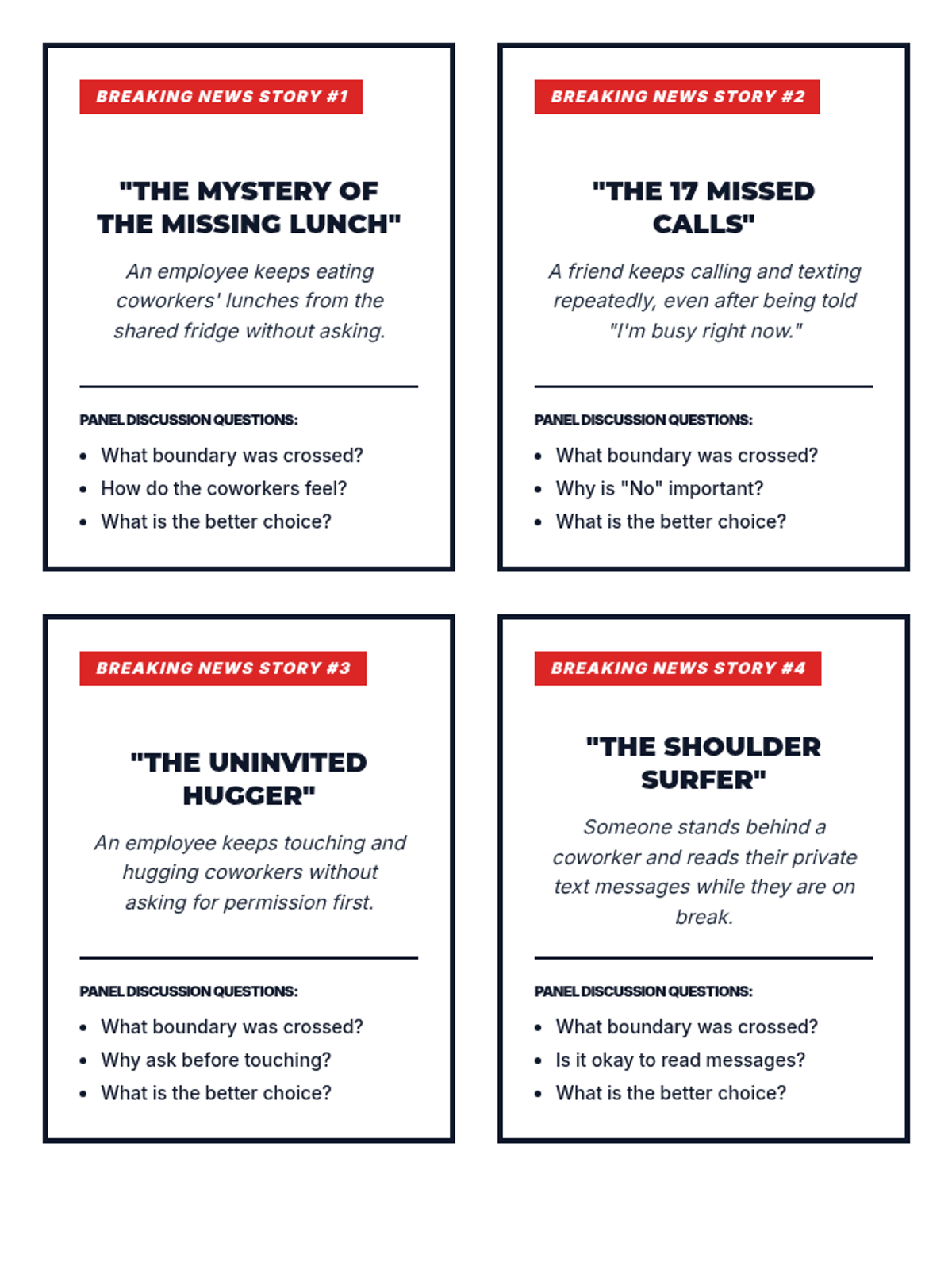
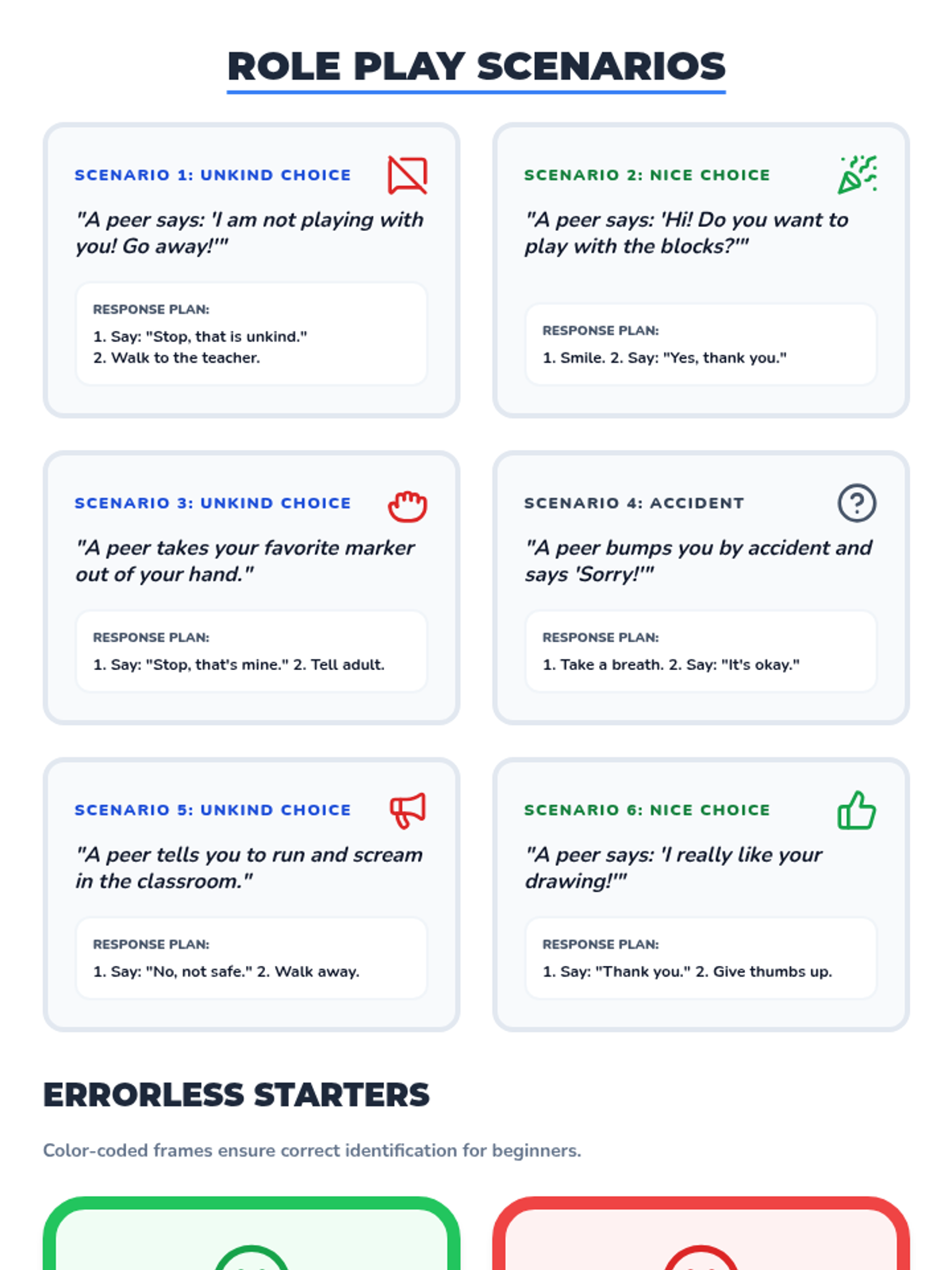
A set of role-playing cards designed for 2nd graders to practice physical boundaries, verbal requests, and emotional regulation in a safe, guided setting.
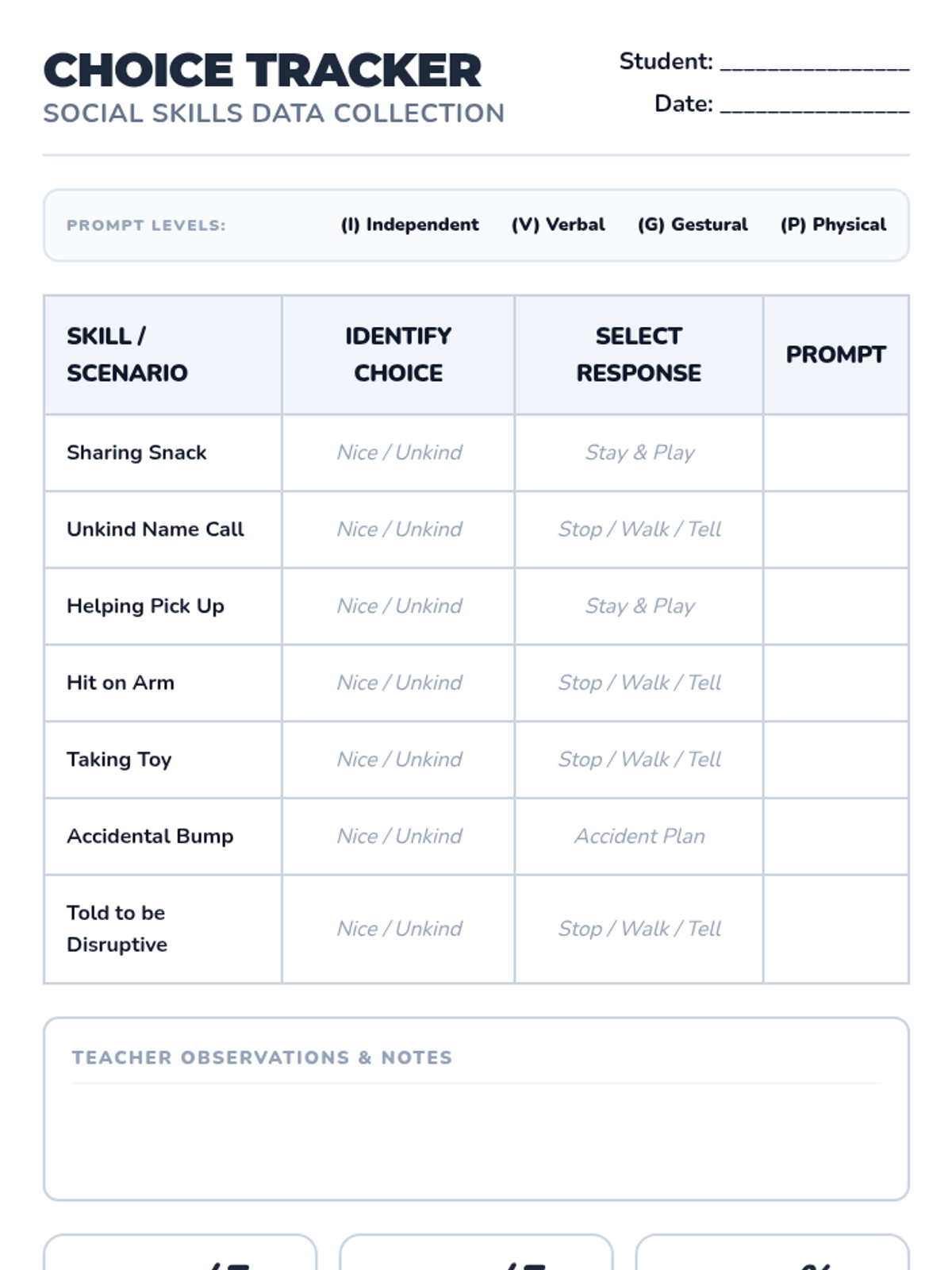
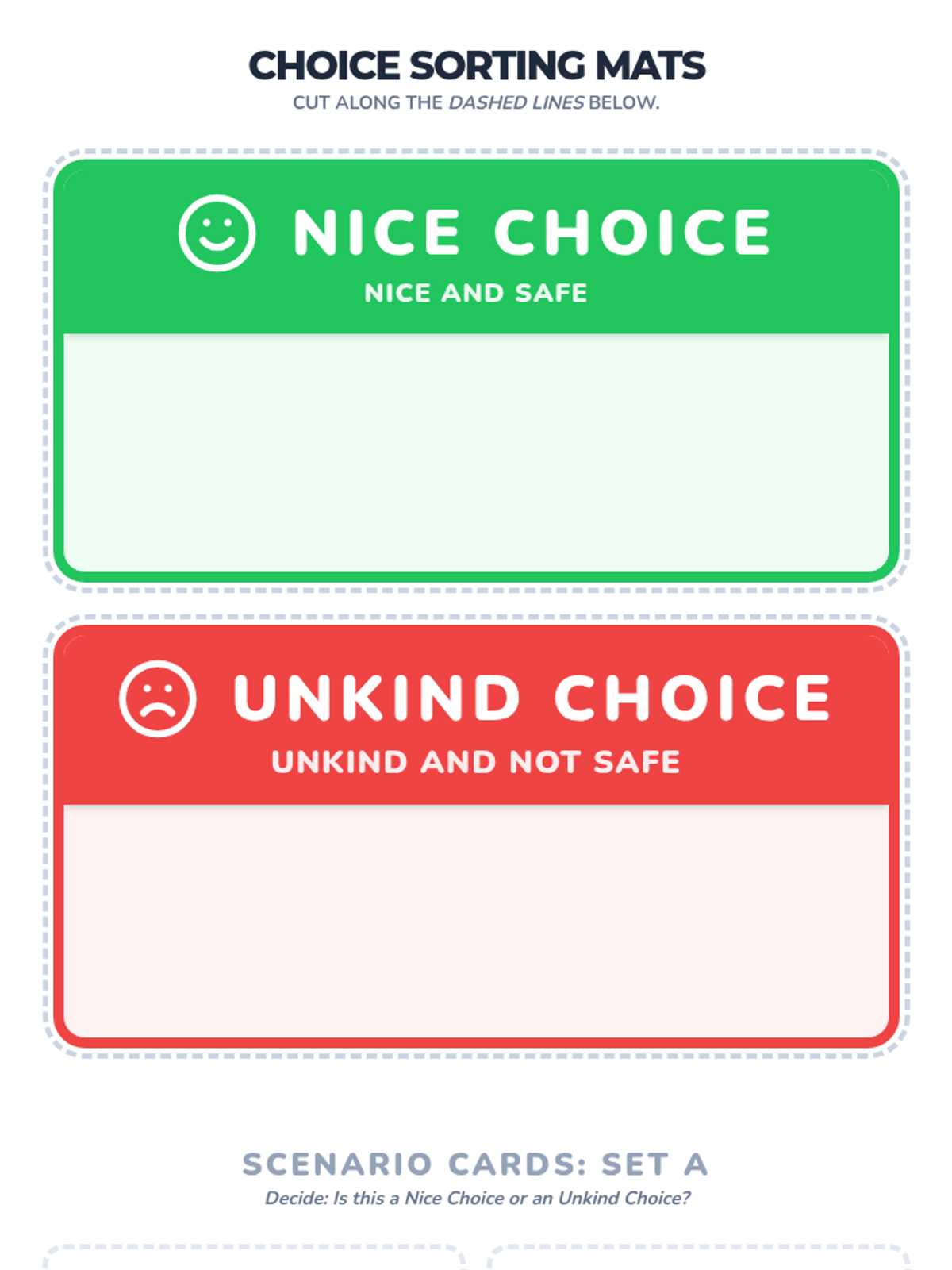
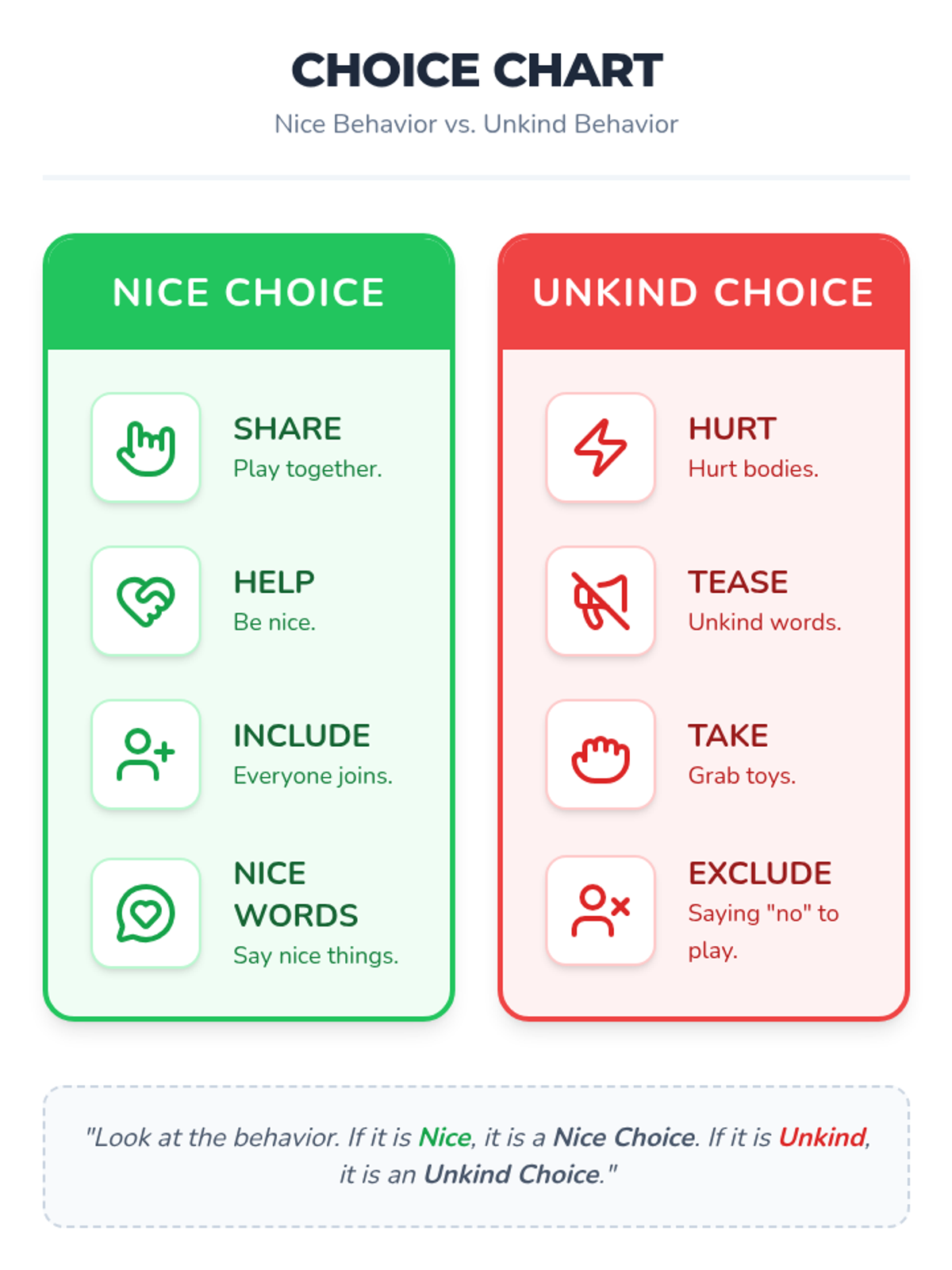
A scenario-based worksheet for 2nd graders that presents social challenges and asks students to select the best behavioral choice to maintain safety and kindness.
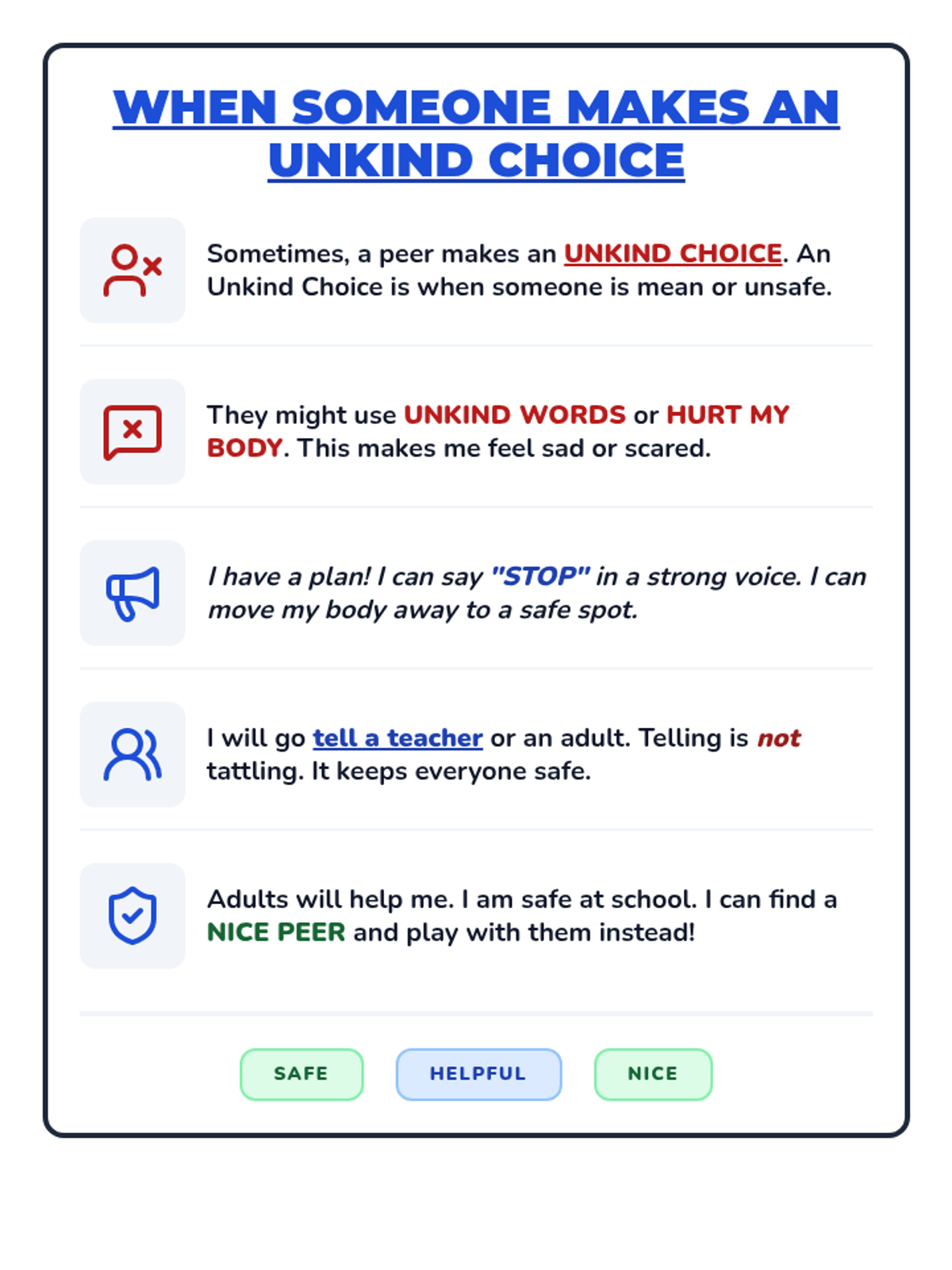
A visual social story for 2nd grade students that teaches self-regulation, hallway behavior, and conflict resolution through a "Super Power of Choice" theme.
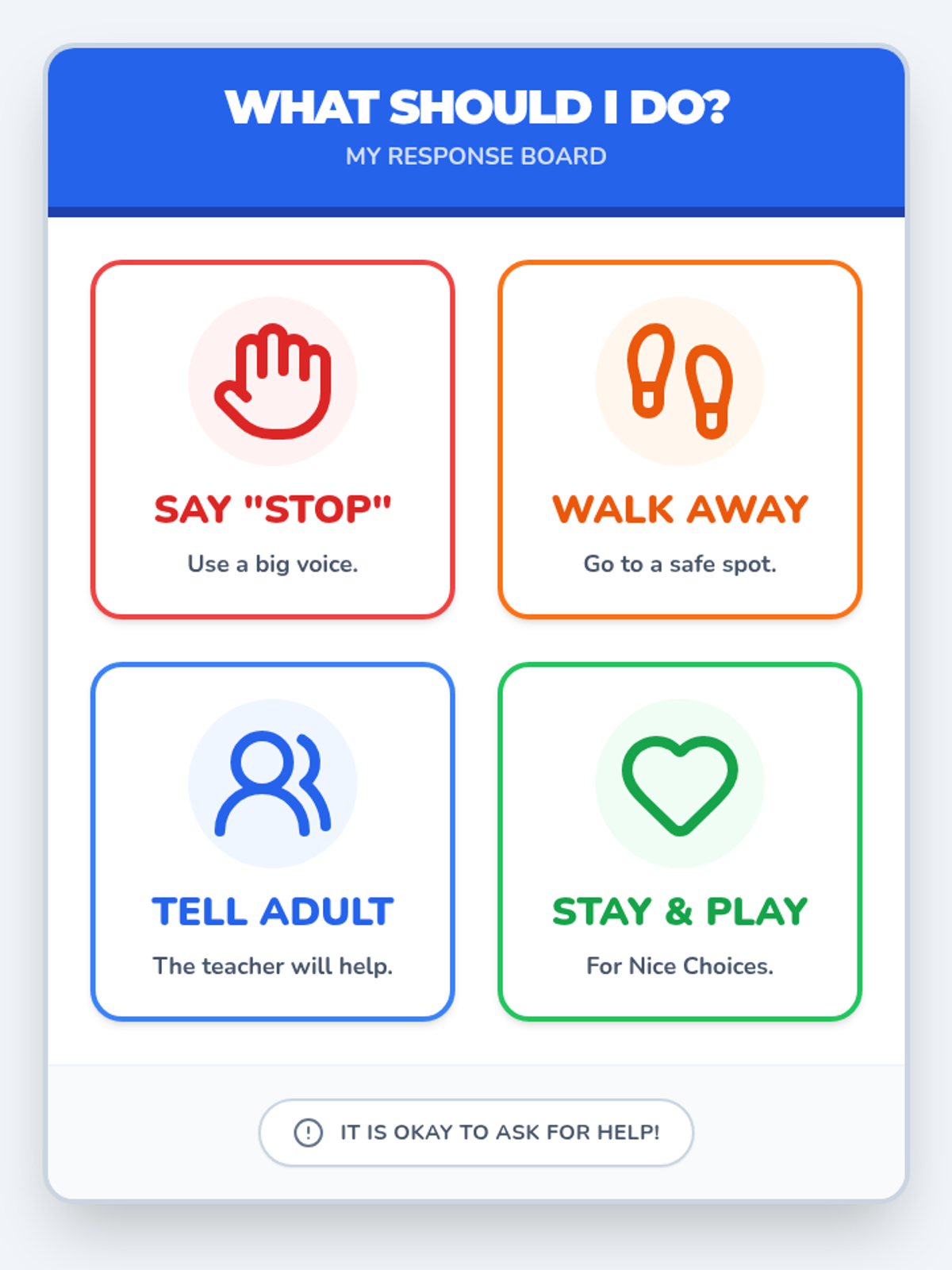
A comprehensive instructional guide for teachers providing pedagogical strategies, verbal scripts, and implementation steps for using the behavior intervention materials.
Updated printable sheet of heart cutouts for the Scavenger Hunt, featuring a blue and yellow tie-dye heart with a very clear heart shape created via SVG clip-path.
Updated facilitator guide for the Valentine's lesson, updated with the Blue Devils tie-dye heart scavenger hunt instructions.
Updated printable sheet of heart cutouts for the Scavenger Hunt, featuring the "Blue Devils" heart with a blue and yellow tie-dye burst pattern.
Updated visual scavenger hunt checklist for Valentine's Day focusing on physical items, including a school-spirited "Blue Devils" heart with a tie-dye swirl pattern.
Comprehensive facilitator guide for the Valentine's lesson, updated with the Blue Devils heart scavenger hunt instructions.
Updated printable sheet of heart cutouts for the Scavenger Hunt, featuring the "Blue Devils" school spirit heart with a structured yellow polka-dot pattern on a blue base.
Updated visual scavenger hunt checklist for Valentine's Day focusing on physical items, including a school-spirited "Blue Devils" heart with a clear polka-dot pattern.
Updated printable sheet of heart cutouts for the Scavenger Hunt, featuring eight different heart types with the "Tiny" heart adjusted for better visibility.
Movement and action cards for a Valentine's Day group game, encouraging social interaction and physical movement for ELS students.
Updated visual scavenger hunt for Valentine's Day focusing on physical items (different colors, sizes, and patterns of hearts) to be found around the classroom.
Conversation starter cards for a social worker or teacher to use with ELS students to discuss feelings, friendship, and social-emotional regulation in a Valentine's context.
A visual "Kindness Bingo" board for high school life skills students, focusing on simple social-emotional actions like smiling, waving, and sharing to promote positive peer interactions.
A visual patterning worksheet for Valentine's Day where students complete heart-themed sequences, focusing on cognitive skills and visual discrimination.
Visual step-by-step instructions for decorating a Valentine's cupcake, featuring large text and kitchen-focused icons for life skills students.
A visual sorting mat for candy hearts, designed for students to practice color matching and categorization in a fun Valentine's theme.
Visual step-by-step instructions for a "Love Bug" clothespin craft, using large text and high-contrast icons for students in life skills programs.
Comprehensive facilitator guide for the Valentine's lesson, including strategies for the Heart Hunt, Sparkle Motion game, and social-emotional facilitation.
A visual assembly checklist for high school life skills students to follow while creating a Valentine's snack mix, focusing on counting, sorting, and following multi-step directions.
Visual step-by-step slide deck for a Valentine's Heart Glow Suncatcher craft, specifically designed for students in educational life skills programs with large text and clear icons.
Updated facilitator guide for the Valentine's lesson, updated with the Blue Devils tie-dye heart scavenger hunt instructions and 2-page cutout resource reference.
Updated visual scavenger hunt checklist featuring the Blue Devils tie-dye heart and physical heart variations.
Updated high-resolution printable sheet of 8 heart cutouts split across two pages for better clarity. Features the Blue Devils tie-dye heart and clear variations in size and pattern.
Updated facilitator guide for the Valentine's lesson, featuring the school-spirited Blue and Yellow heart hunt instructions.
Updated printable sheet of 9 heart cutouts including separate Blue and Yellow hearts to represent school spirit, along with size and pattern variations.
Updated visual scavenger hunt checklist featuring 9 heart types including separate Blue and Yellow hearts to support school spirit without complex patterns.
Updated visual scavenger hunt checklist using high-reliability emoji visuals to ensure colors (Blue and Yellow) and shapes are perfectly clear for students.
Updated printable sheet of heart cutouts for the Scavenger Hunt using high-reliability emoji visuals to ensure colors (Blue and Yellow) and shapes are perfectly clear.
Updated visual scavenger hunt checklist for Valentine's Day focusing on physical items, including a school-spirited "Blue Devils" heart with a blue and yellow mix.
Updated printable sheet of heart cutouts for the Scavenger Hunt, featuring a blue and yellow "Blue Devils" heart created with overlapping colored heart icons for maximum reliability.
Updated visual scavenger hunt checklist for Valentine's Day focusing on physical items, including a school-spirited "Blue Devils" heart with a blue and yellow tie-dye swirl.
Updated printable sheet of heart cutouts for the Scavenger Hunt, featuring a blue and yellow tie-dye heart created with a native SVG gradient and unmistakable heart shape.
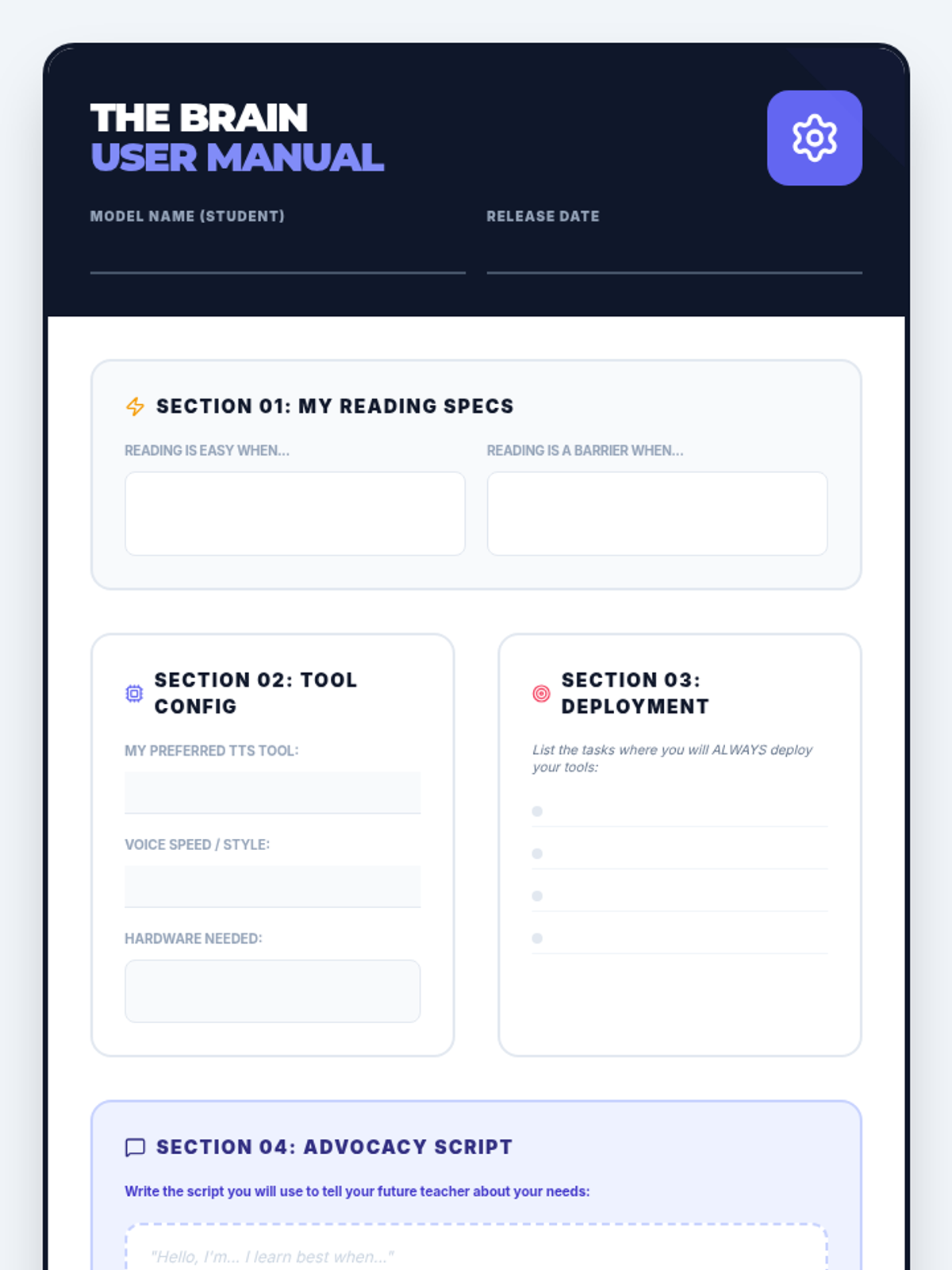
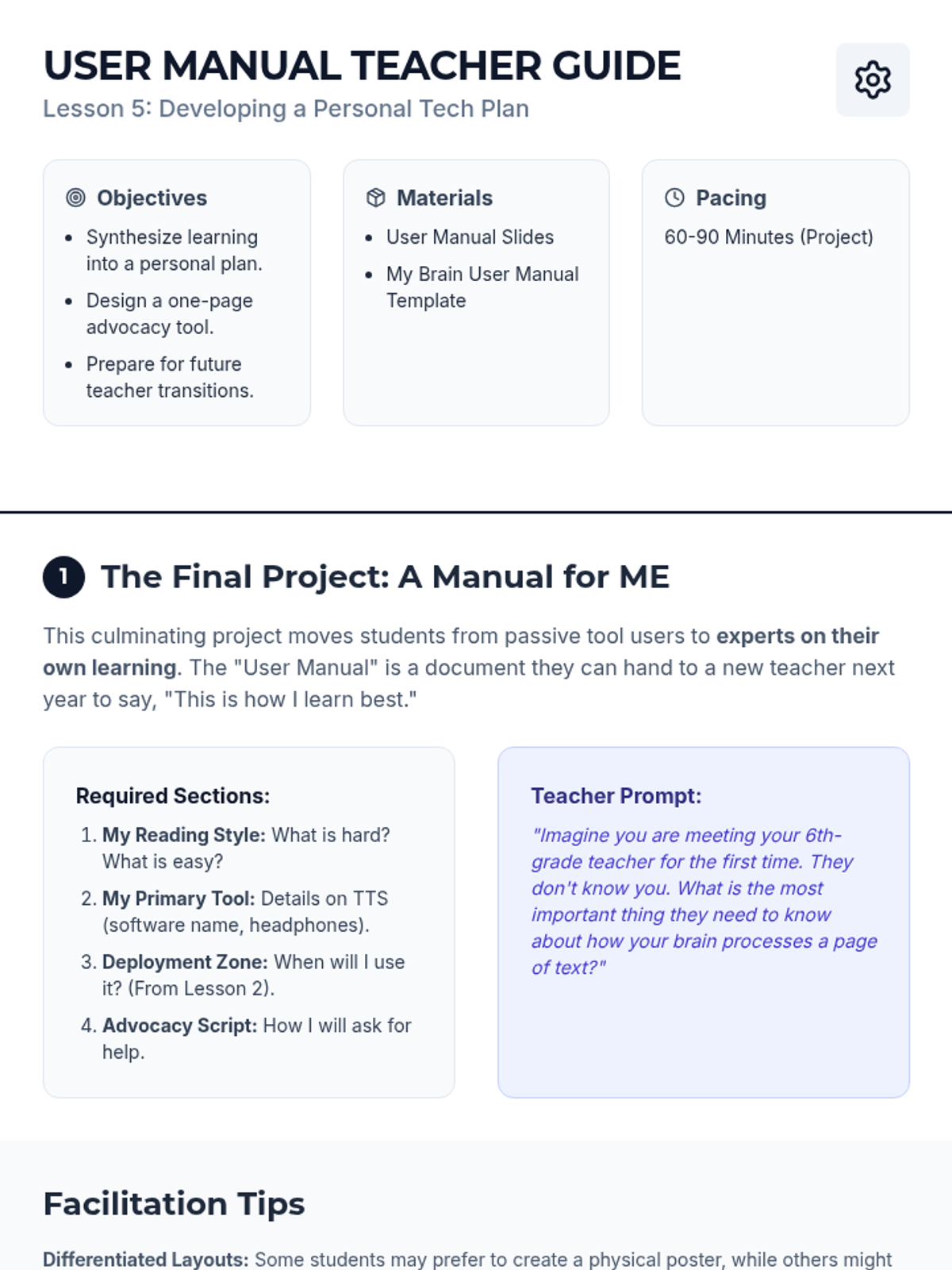
The culminating project template for the sequence—a 'User Manual' that students fill out to document their learning style, AT tools, usage map, and self-advocacy scripts.
A 5-slide presentation for the final lesson, framing the 'User Manual' project as a tool for student independence and future teacher communication.
A teacher guide for the final lesson, providing instructions for the 'User Manual' project and a sequence-wide reflection checklist for student independence.
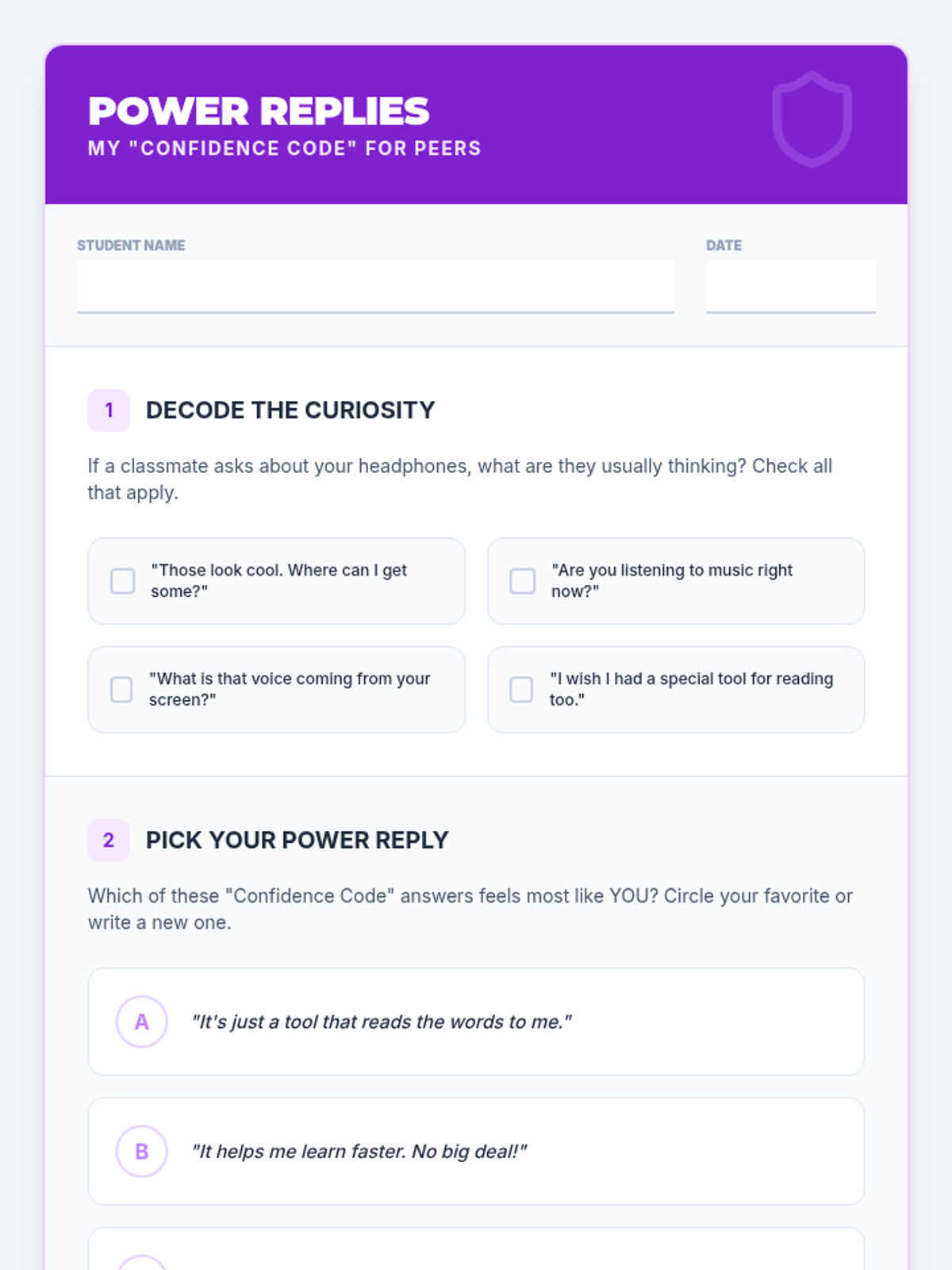
A student activity sheet for Lesson 4 where students decode peer curiosity, select their favorite 'Power Reply', and practice the body language of confidence.
A 5-slide presentation for Lesson 4 that teaches students how to handle peer curiosity with short, confident 'Power Replies' and a positive attitude.
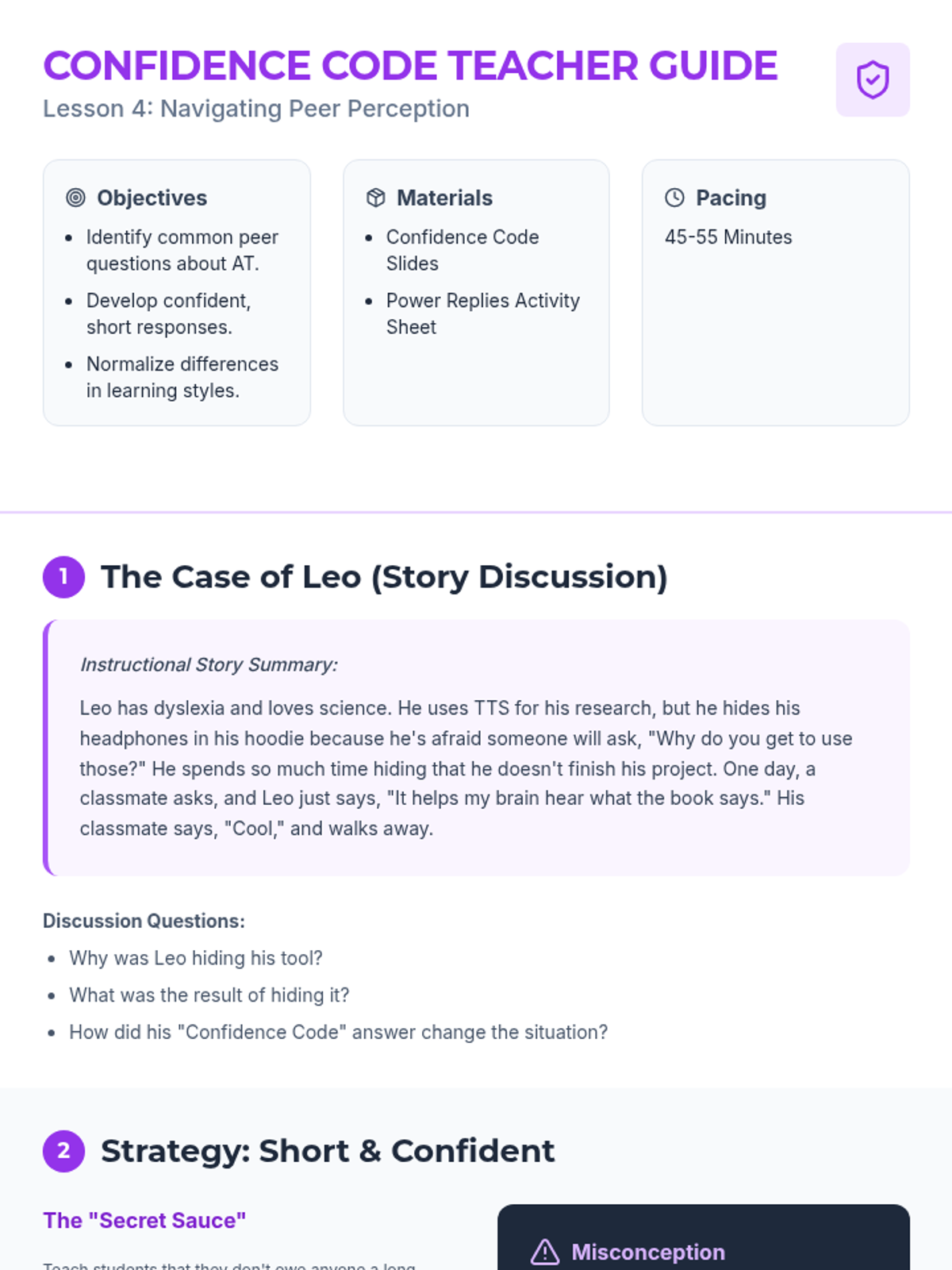
A teacher guide for Lesson 4 that addresses the social-emotional side of AT use, including a case study about hiding tools and strategies for confident, short replies to peer questions.
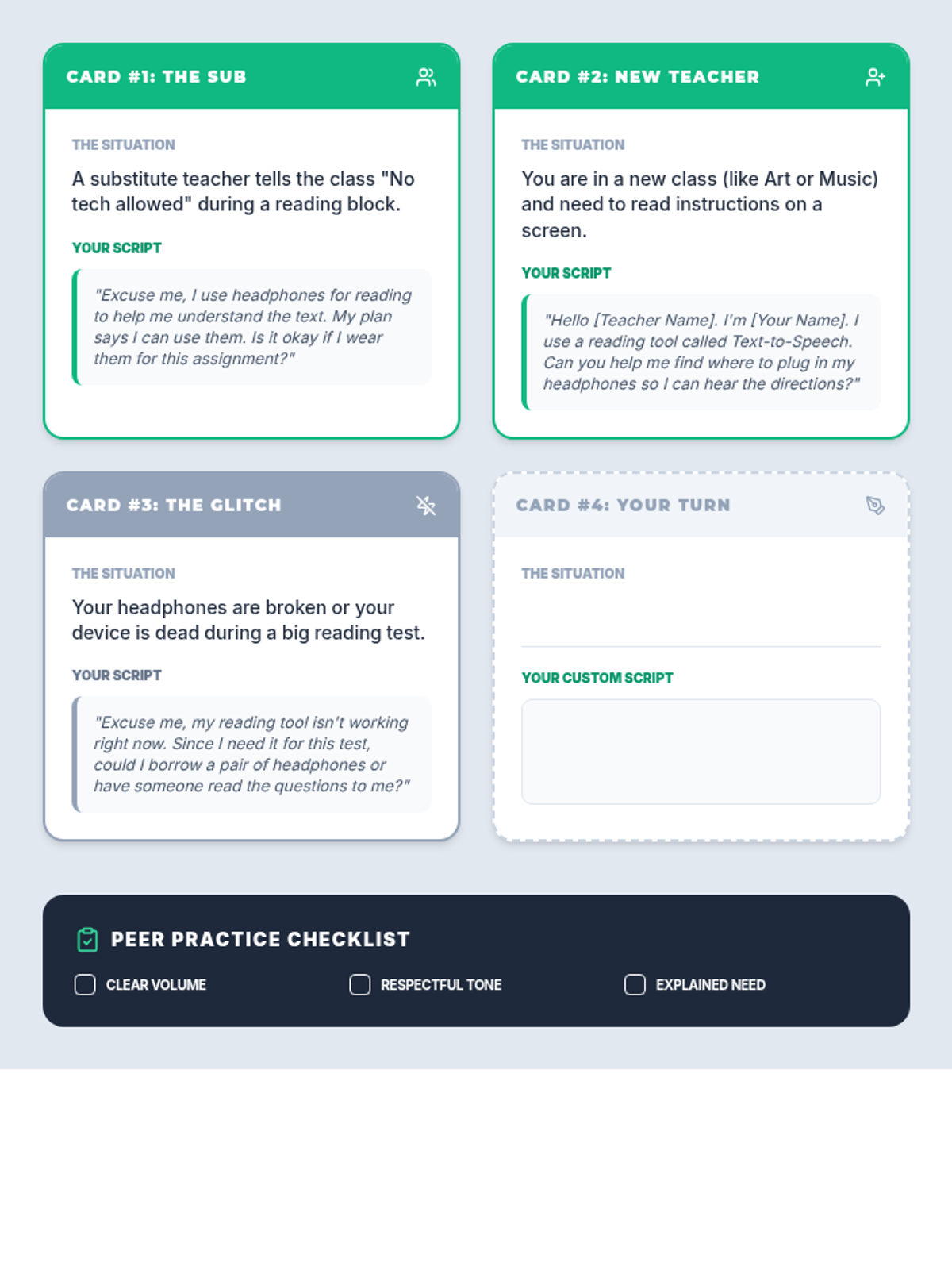
Handy role-play script cards for students to practice self-advocacy in different school scenarios, including a 'create-your-own' card and a peer review checklist.
A 6-slide presentation for Lesson 3 that defines self-advocacy, breaks down a respectful script template, and provides tips for using a 'Power Voice' during role-play.
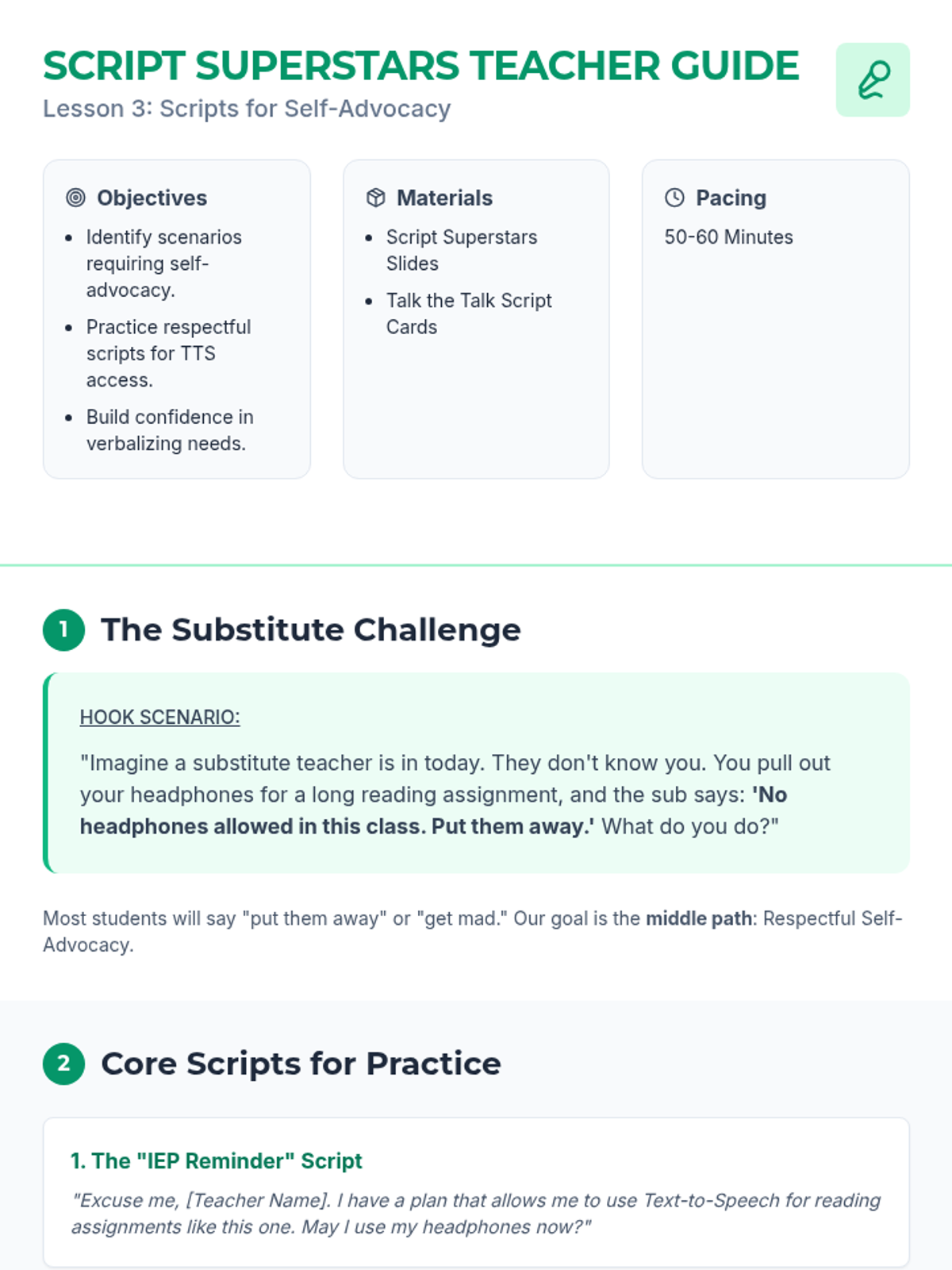
A teacher guide for Lesson 3 detailing how to teach self-advocacy scripts, including role-playing the 'Substitute Challenge' and facilitating peer feedback on communication style.
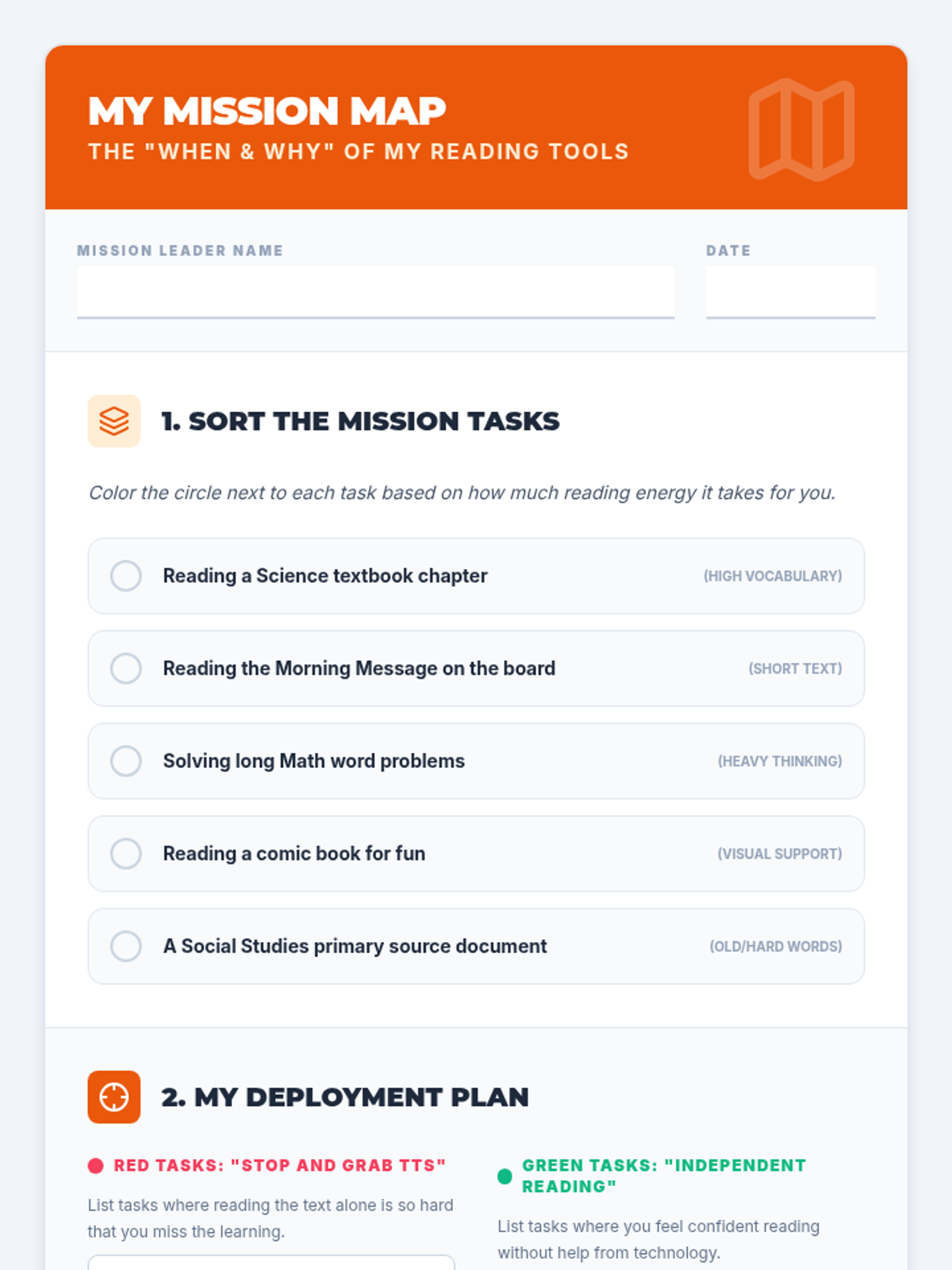
A student activity sheet for Lesson 2 that guides students through sorting school reading tasks into traffic light categories and developing a personal 'deployment plan' for TTS use.
A 5-slide visual presentation for Lesson 2, focusing on the traffic light framework (Red, Yellow, Green) for TTS use and the concept of brain energy conservation.
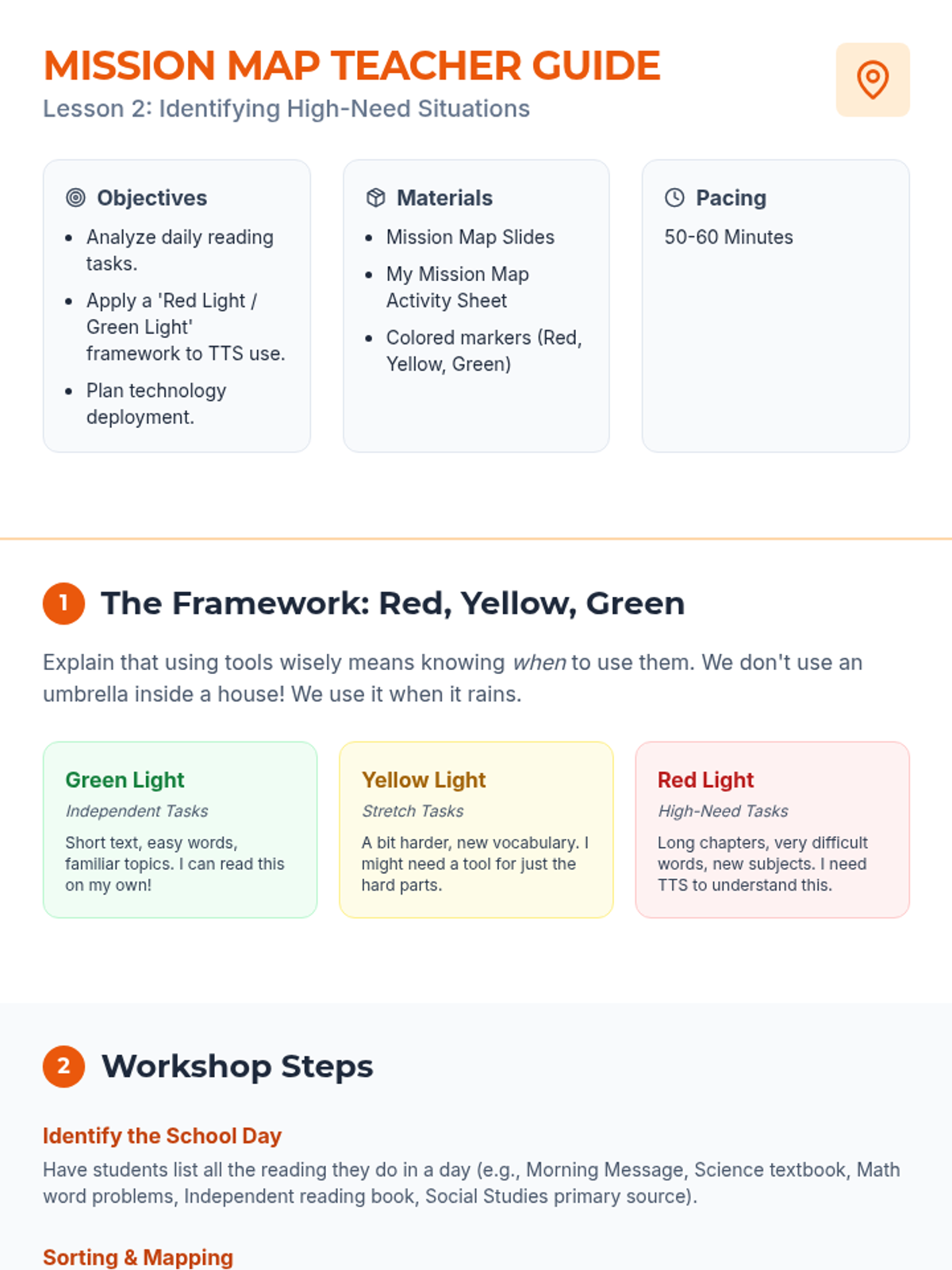
A teacher guide for Lesson 2 that introduces the 'Red, Yellow, Green Light' framework for identifying reading tasks that require TTS, including workshop steps and energy conservation talking points.
A student worksheet for Lesson 1, featuring a concept sorting activity for equality vs. equity, tool matching for assistive technology, and personal reflection questions on using TTS.
A 6-slide presentation introducing the concepts of fairness vs. sameness, defining assistive technology, and framing Text-to-Speech as a 'Reading Ramp' for students.
A comprehensive teacher guide for Lesson 1, detailing the Band-Aid hook activity, key discussion prompts for equality vs. equity, and strategies for normalizing assistive technology in the classroom.
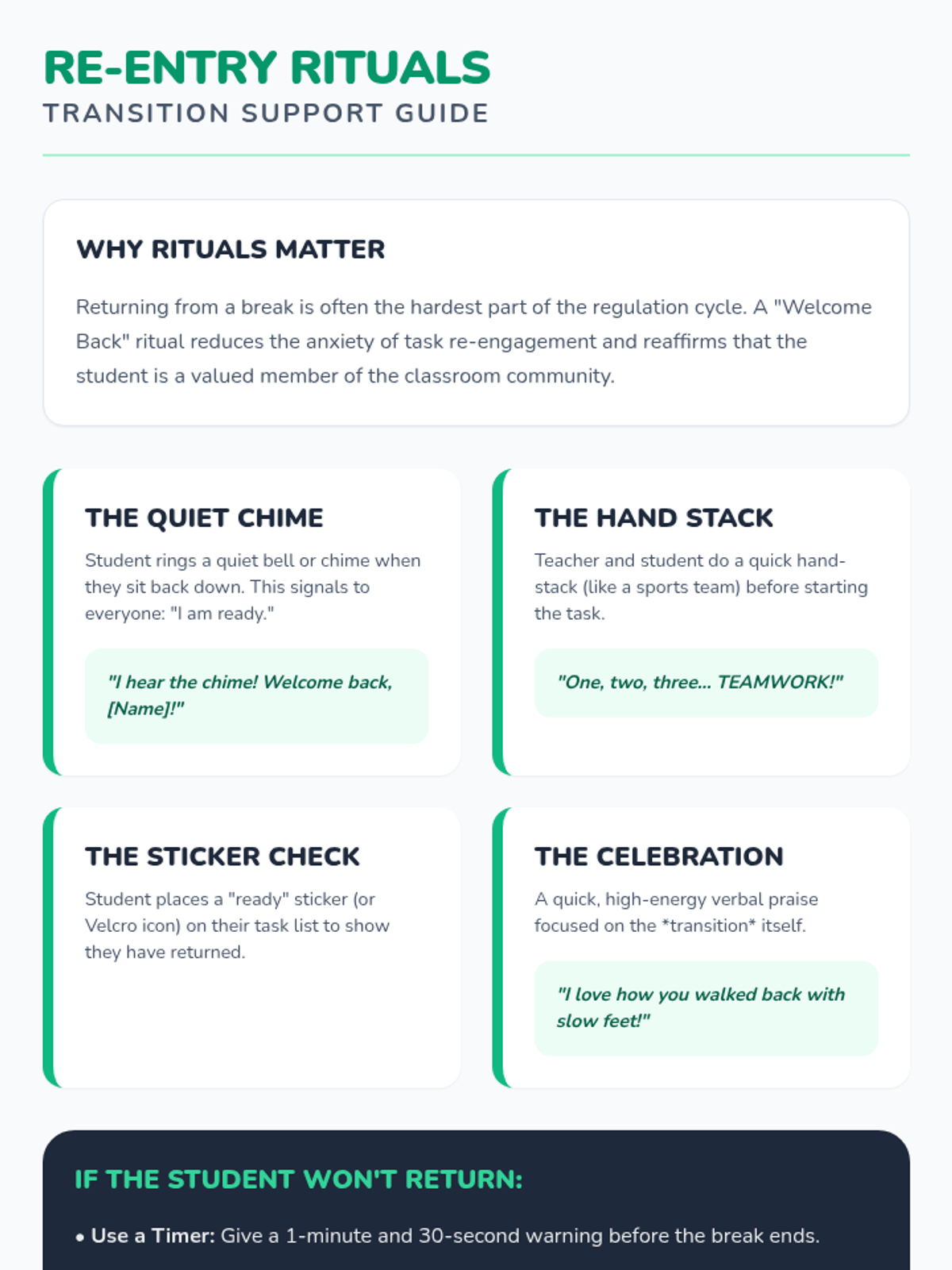
Ideas and strategies for teachers to create welcoming rituals that ease the student's transition from a break back to classroom activities.
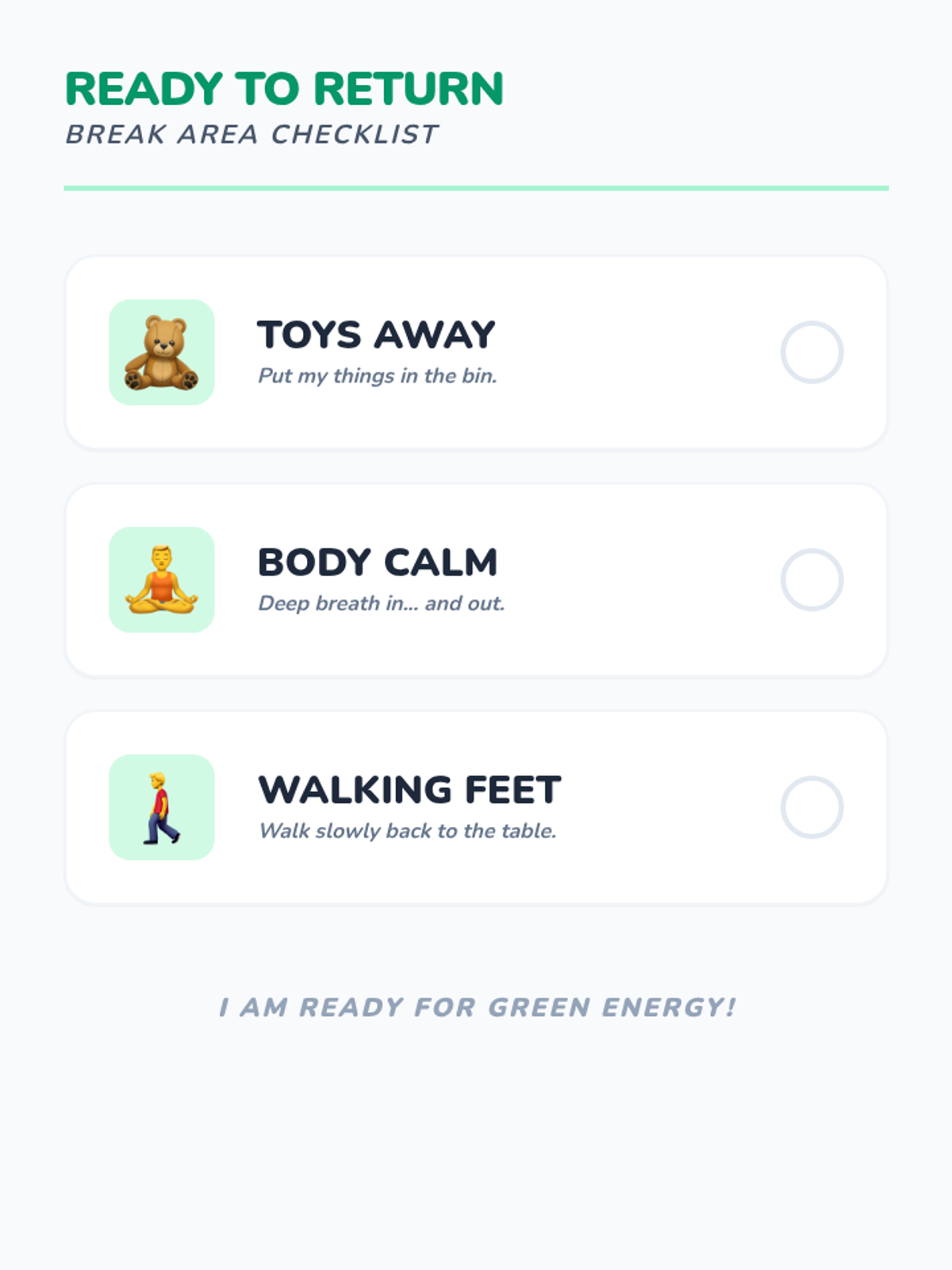
A small visual chart for the sensory area that students check before returning to their work tasks.
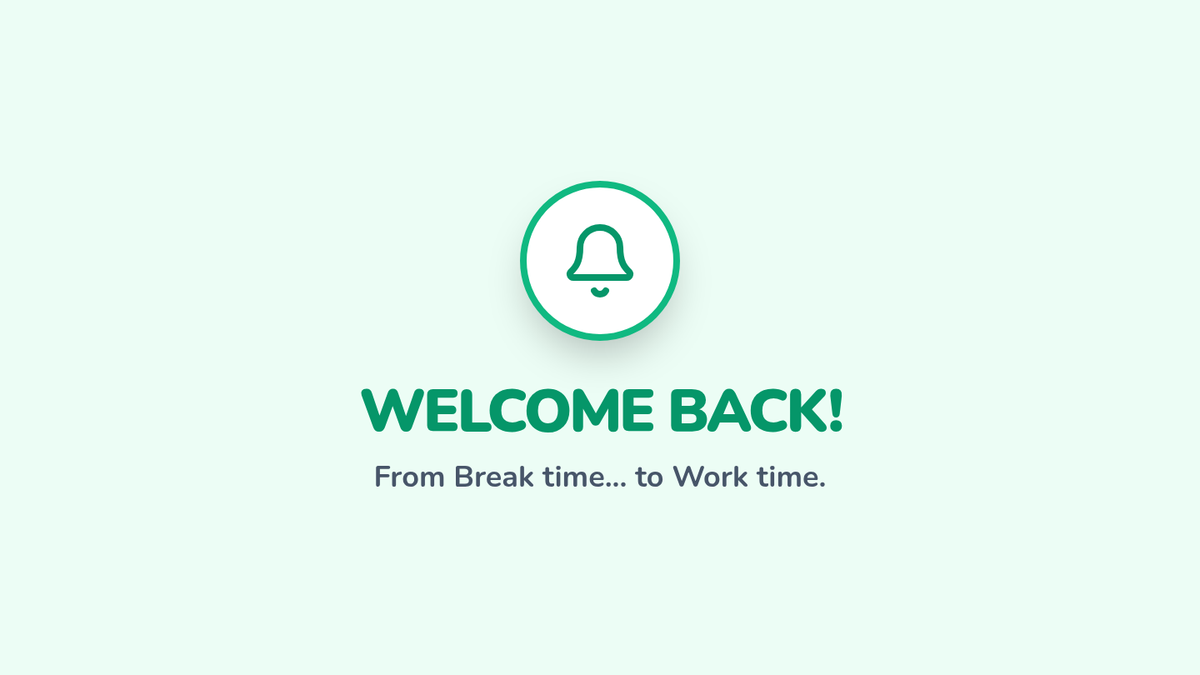
Visual routine for transitioning from the sensory break area back to the classroom work environment.
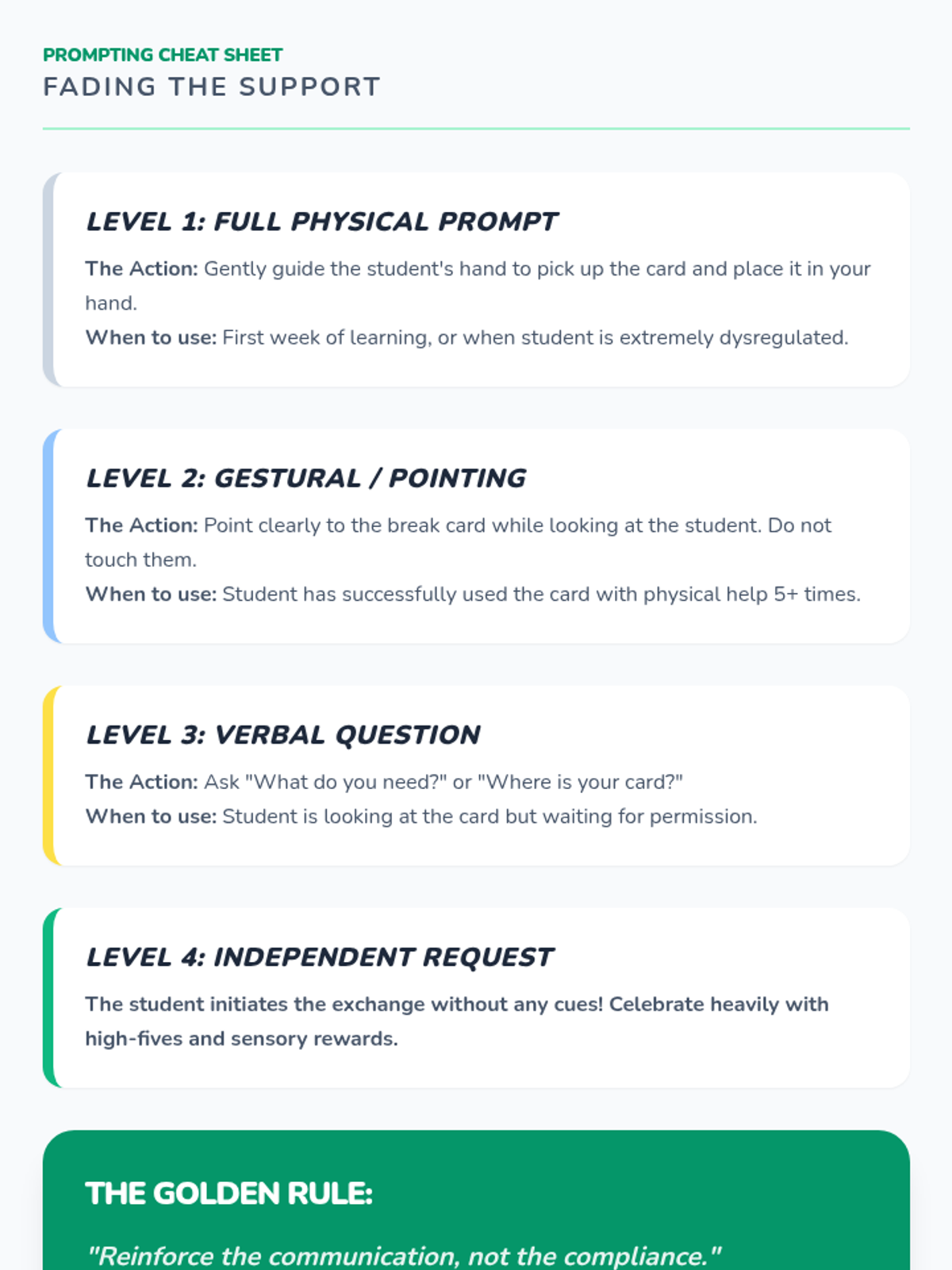
A quick-reference guide for classroom staff on how to fade prompts from physical guidance to independent break requests.
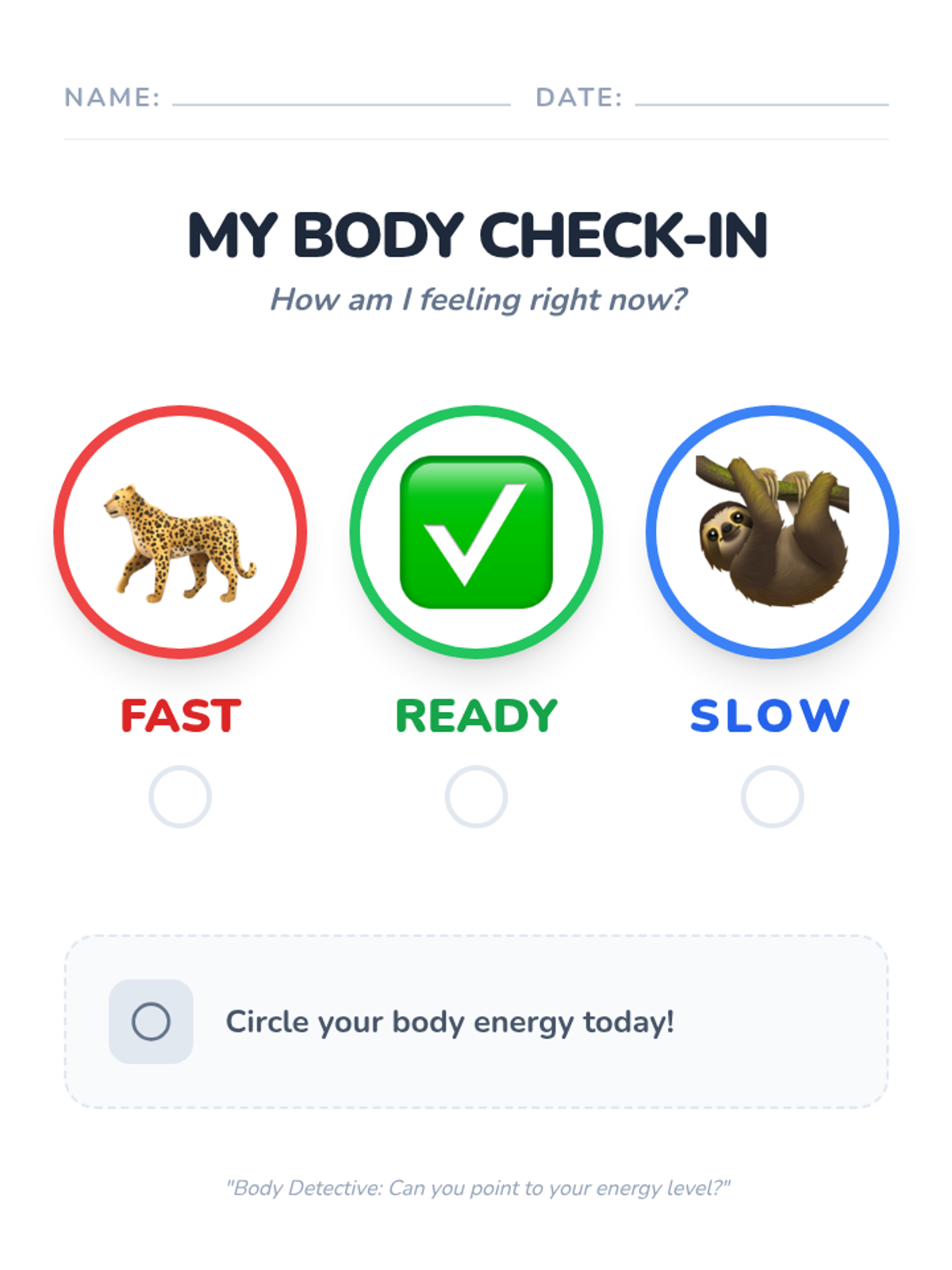
A student-facing check-in sheet for identifying their current energy state during transition times (morning arrival, centers).
An assessment tool to evaluate a student's ability to request repetition or clarification in practical life scenarios, featuring multiple-choice and open-response sections.
Differentiated communication cards and recipe-themed game scenarios to facilitate the Recipe Relay activity, supporting participatory, supported, and independent learners.
Visual aids for the Recipe Relay lesson, introducing the concept of clarification, the 'Echo Toolbox' strategies, and game rules with high-visibility text for 5th grade learners.
Updated lesson plan for 5th grade students focused on requesting repetition and clarification, now featuring higher-order thinking questions based on Bloom's Taxonomy.
Updated set of visual job explorer cards including new retail-specific roles such as Stock Associate and Sales Helper. Each card details key tasks and required skills for adult learners.
Updated set of facilitator-facing roleplay cards including new food service scenarios such as clearing tables and bringing water to customers. Designed to build social confidence in restaurant and cafe settings.
Updated interactive worksheet featuring retail-specific scenarios such as cleaning up store displays and assisting customers with product locations. Aids in developing professional decision-making skills.
Updated teacher's answer key and discussion guide for the 'Professional Foundations' lesson. Now includes a dedicated roleplay debriefing section with tips for handling social skill practice with adult learners.
A functional literacy worksheet where students practice filling out their own contact information and emergency contact details in a standardized form format. Now includes icons for visual guidance.
A worksheet exploring professional etiquette through matching activities and 'True/False' (Yes/No) scenarios. It emphasizes key soft skills like punctuality, hygiene, and communication in a clear, high-contrast format.
Updated student-facing worksheet focused on self-discovery and identifying personal workplace strengths. Now includes a wider variety of job types and work environments in the prompts (e.g., warehouse, animal shelter, garden center).
Updated facilitator guide for a 3-hour employment readiness session. Now includes dedicated time for job exploration using the Job Explorer Cards and references the roleplay cards for a more comprehensive learning experience.
A comprehensive 20-slide visual presentation for a three-hour session on time management and independence, featuring detailed sections on satisfaction, club discovery, social scripts, sensory management, and logistical preparation.
A logistical planning worksheet for independence, featuring fill-in-the-blank sentences for specific activity details and a checklist for immediate next steps.
A matching activity worksheet that helps students connect personal interests with potential social clubs, followed by a brainstorming section for local community exploration.
A student worksheet focused on identifying daily activities and categorizing them by satisfaction levels, helping students distinguish between chores and joyful hobbies.
A comprehensive guide for teachers to facilitate the tipping lesson, including prompting hierarchies, discussion points for social norms, and differentiation strategies for students with varying needs.
Practice worksheet for students to calculate 20% tips for diner-style receipts and make situational decisions for cafe-style tipping. Includes large work areas and visual receipts.
A visual, step-by-step calculator guide for students to refer to while practicing tipping. Includes large icons and clear button sequences.
Introductory presentation for tipping skills, featuring clear visual steps for using a calculator, distinctions between sit-down and counter service, and high-contrast visuals for students with autism and ID.
A comprehensive teacher facilitation guide for a three-hour one-on-one session, providing instructional strategies, discussion prompts, and time breakdowns for teaching time management and social engagement to an adult with disabilities.
Updated Room 2 activity with a rock-solid, 26-letter alphabet layout. The decryption key now uses a compact 4x7 grid to ensure all letters from A to Z are visible and fit perfectly on the page. Symbols in the puzzle correctly match the key for the message 'TEAMWORK MAKES US STRONGER'.