Techniques for task initiation, strategic break management, and navigating transitions through minimal prompting and self-talk strategies. Addresses multi-day project completion, adaptive planning, and problem-solving when facing obstacles.
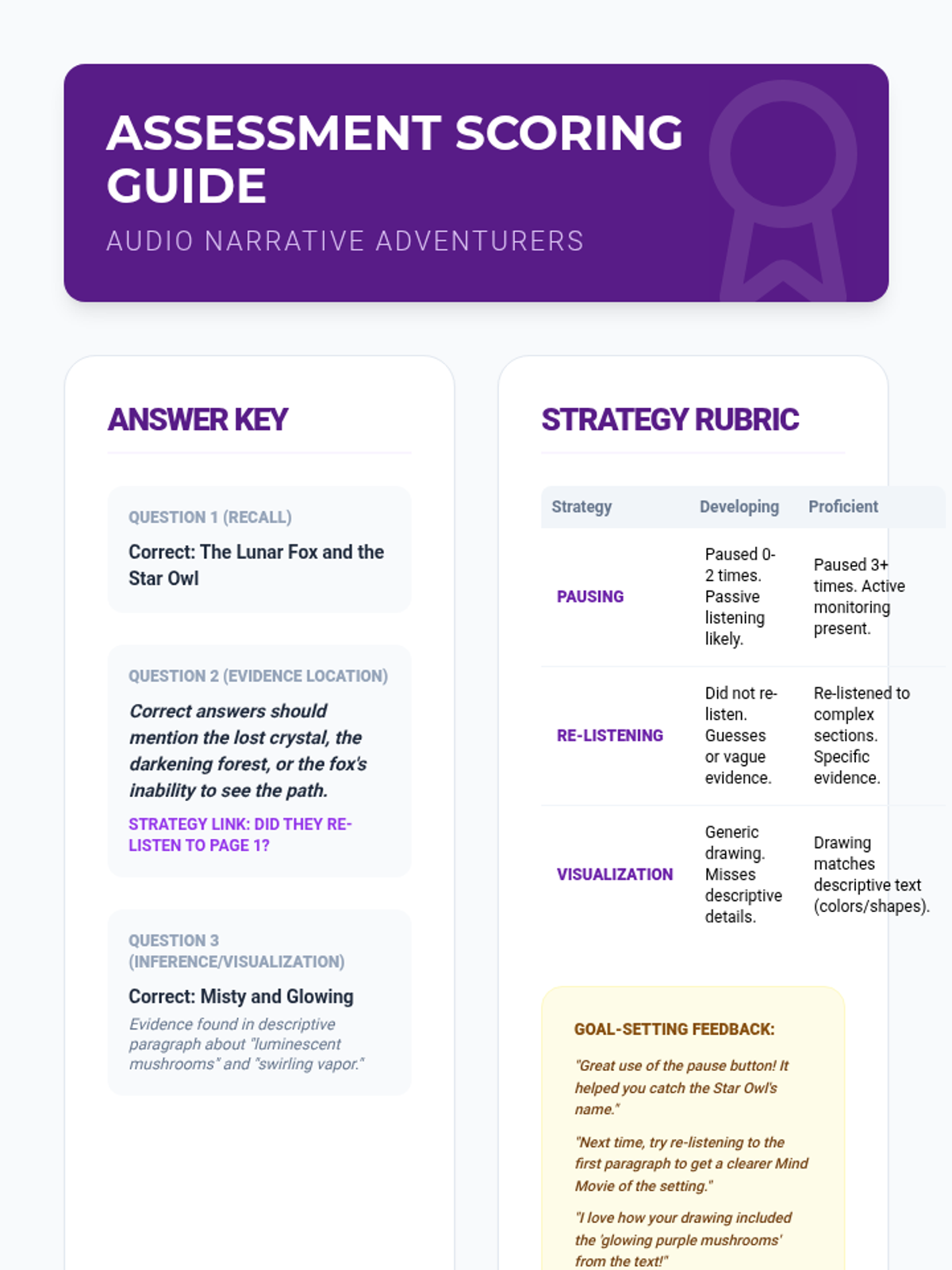
Scoring rubric and answer key for the final assessment, focusing on both comprehension and the correct application of text-to-speech reading strategies.
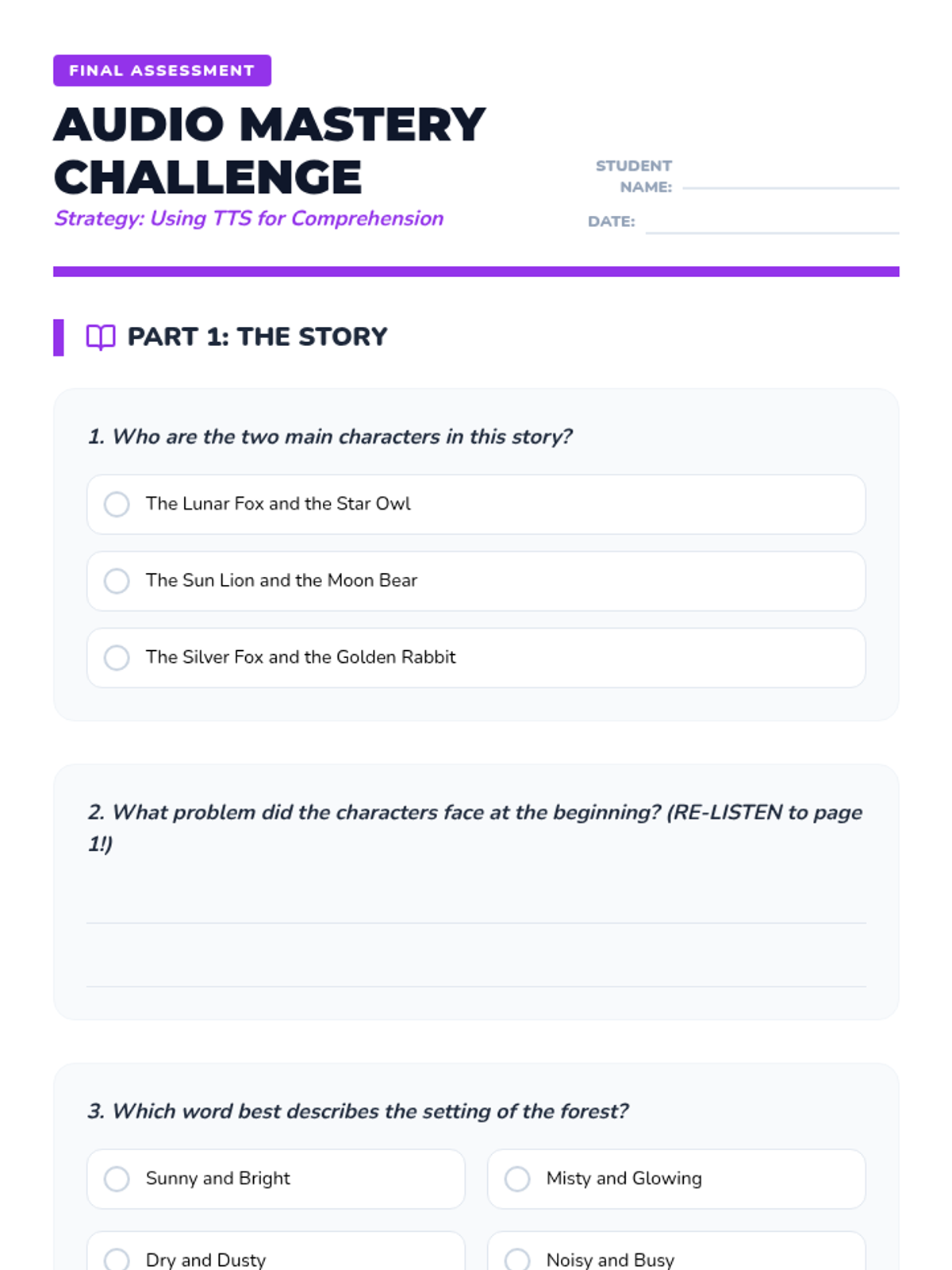
A final assessment for the audio comprehension sequence, testing story understanding and evaluating strategic tool usage (pausing, re-listening, visualization).
Slides for Lesson 5, reviewing all text-to-speech comprehension strategies before the final assessment.
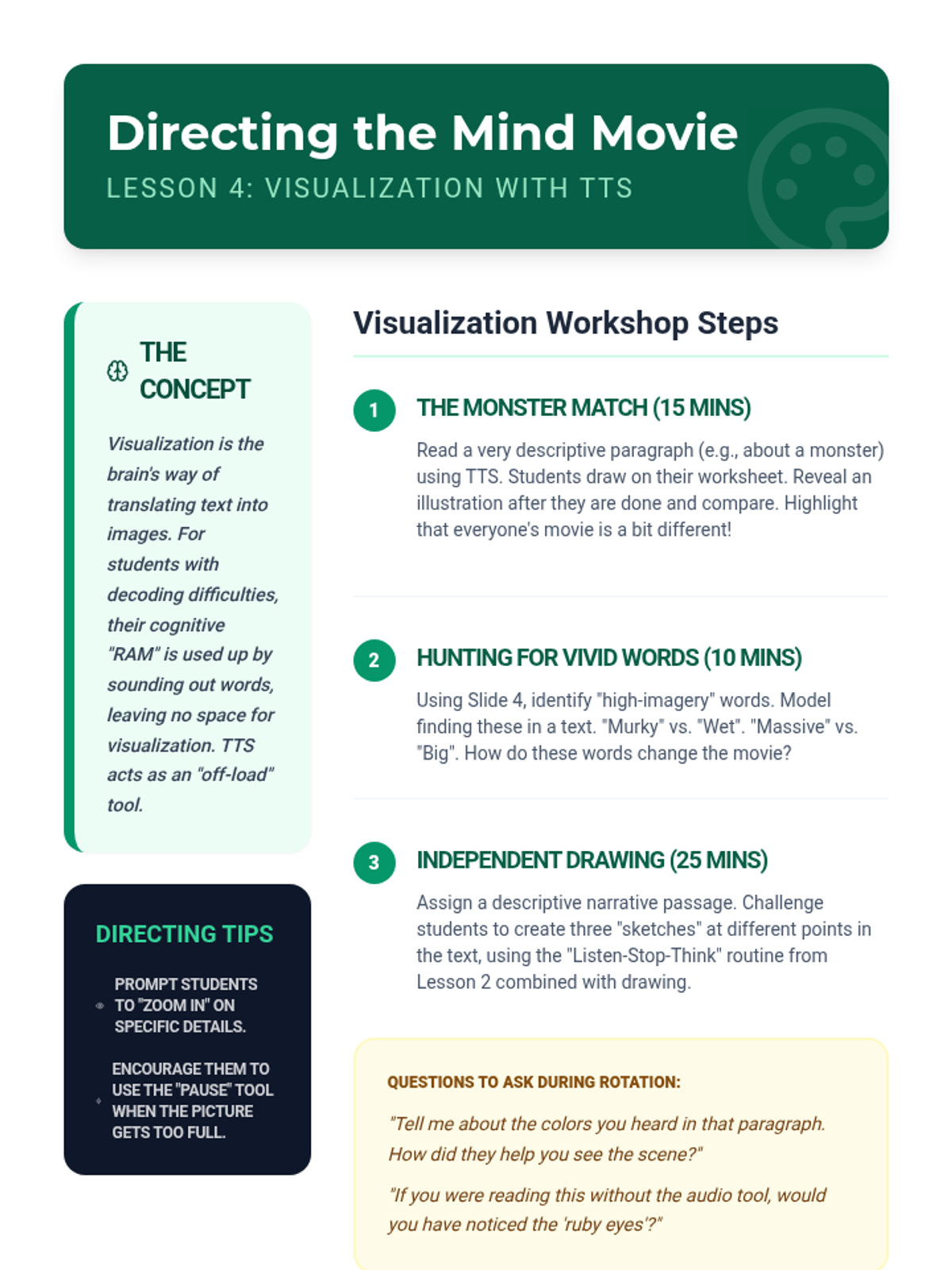
Teacher guide for Lesson 4, facilitating visualization exercises and guiding students to notice descriptive language through audio.
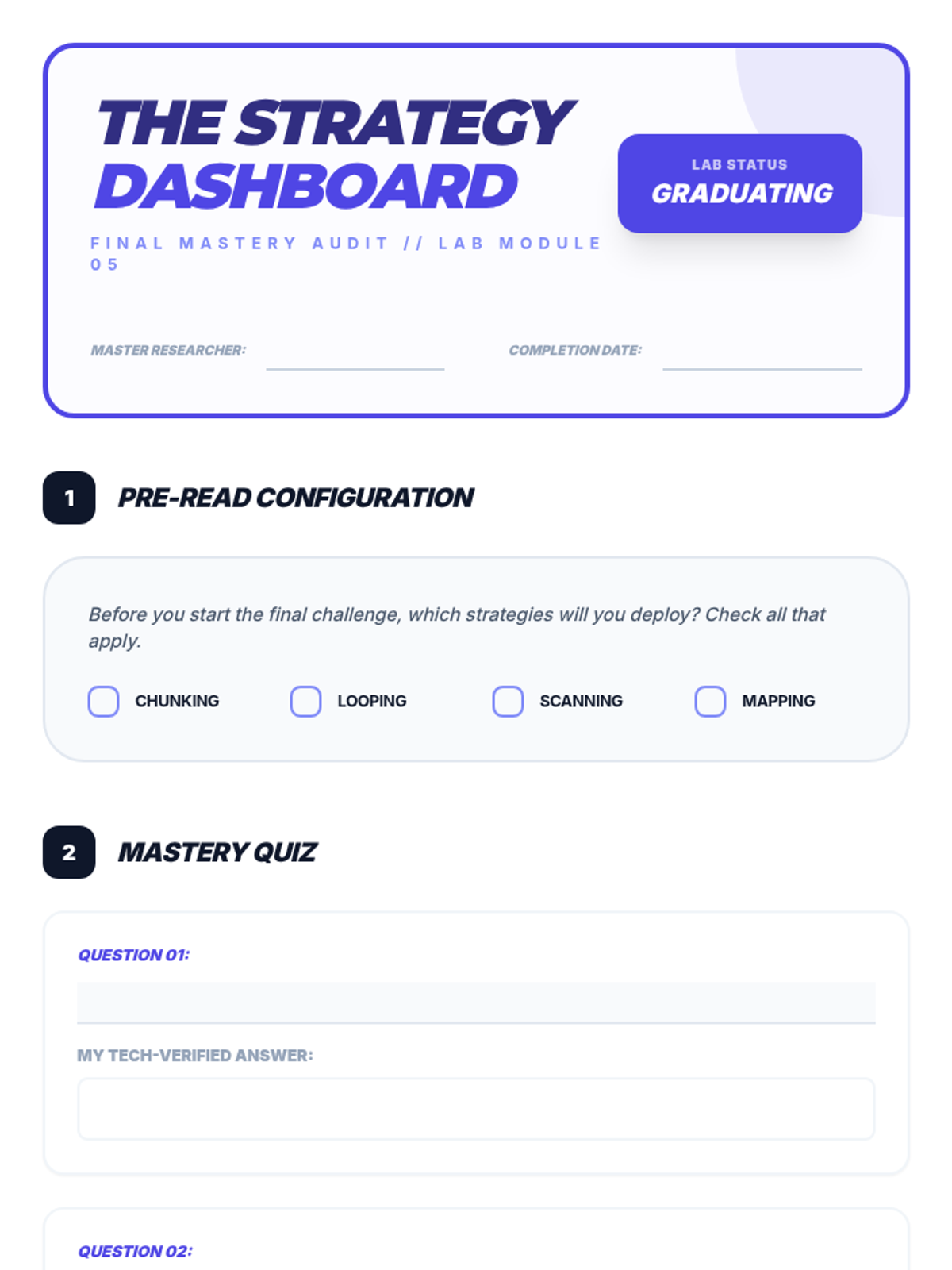
Student reflection and final assessment sheet for Lesson 5, allowing students to plan strategies and evaluate their comprehension performance.
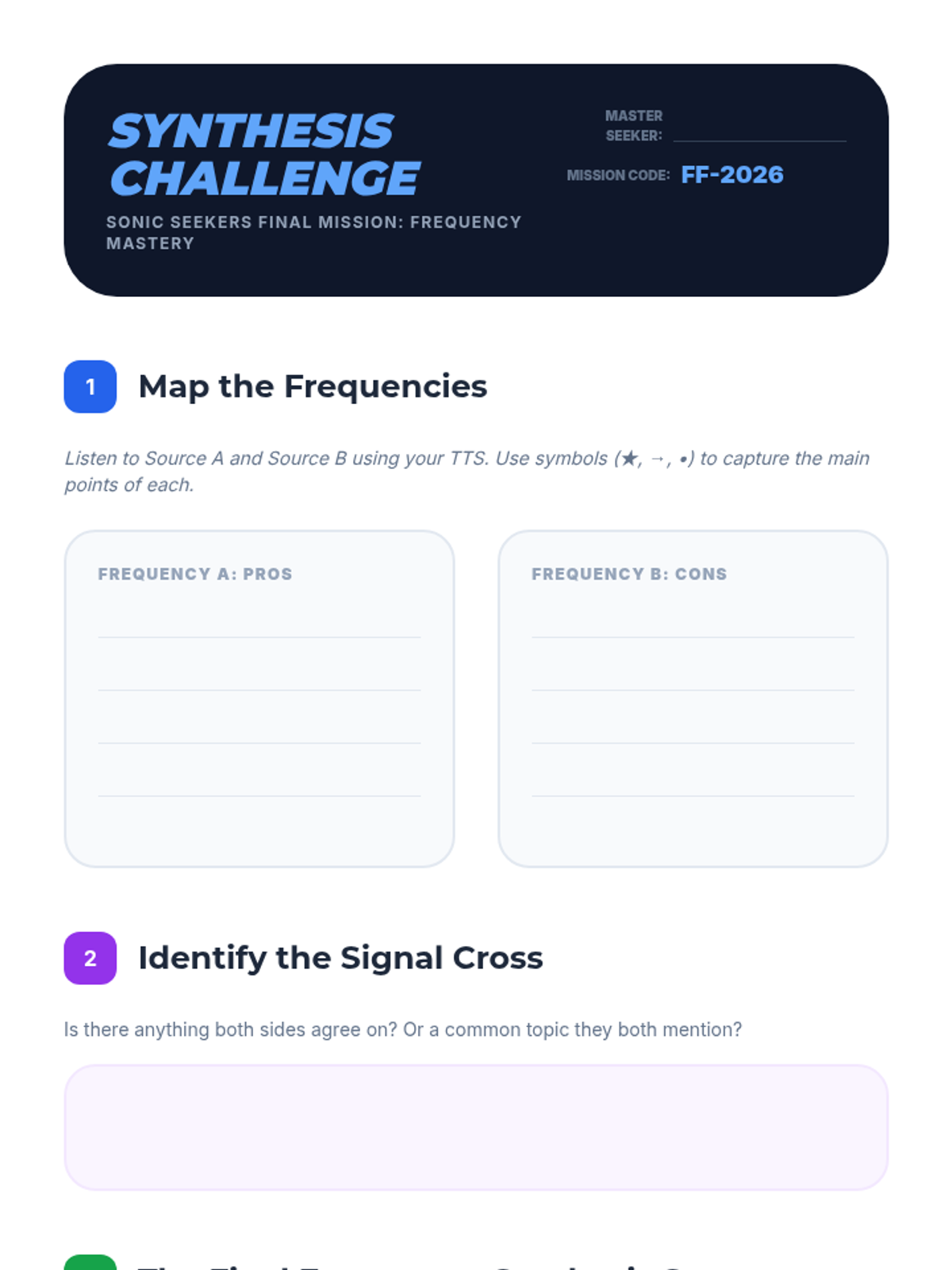
Final assessment worksheet for Lesson 5, challenging students to map two contrasting auditory viewpoints and synthesize them into a coherent written summary.
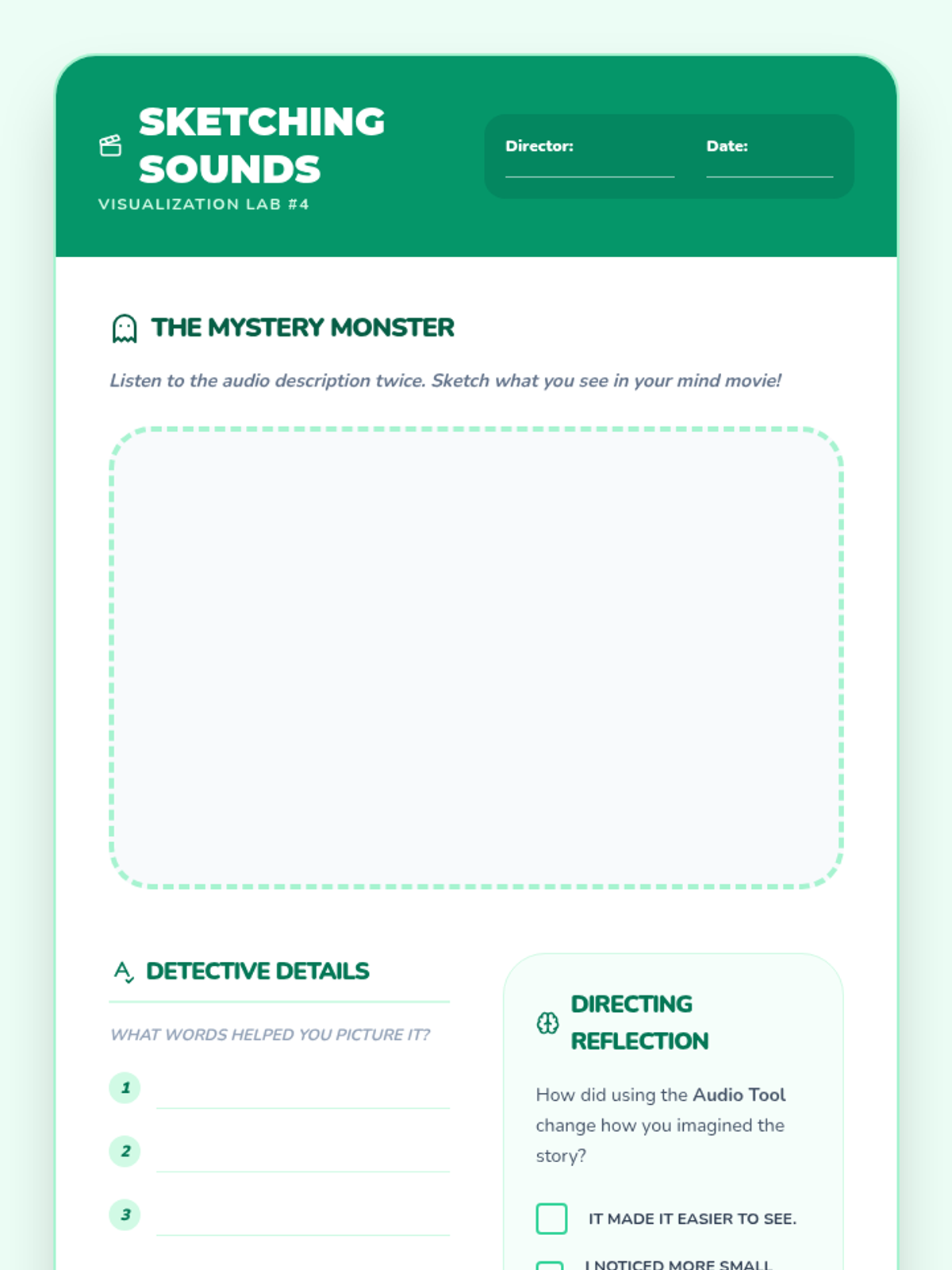
A student worksheet for visualizing descriptive audio, including a drawing space for the 'Mystery Monster' and reflection questions.
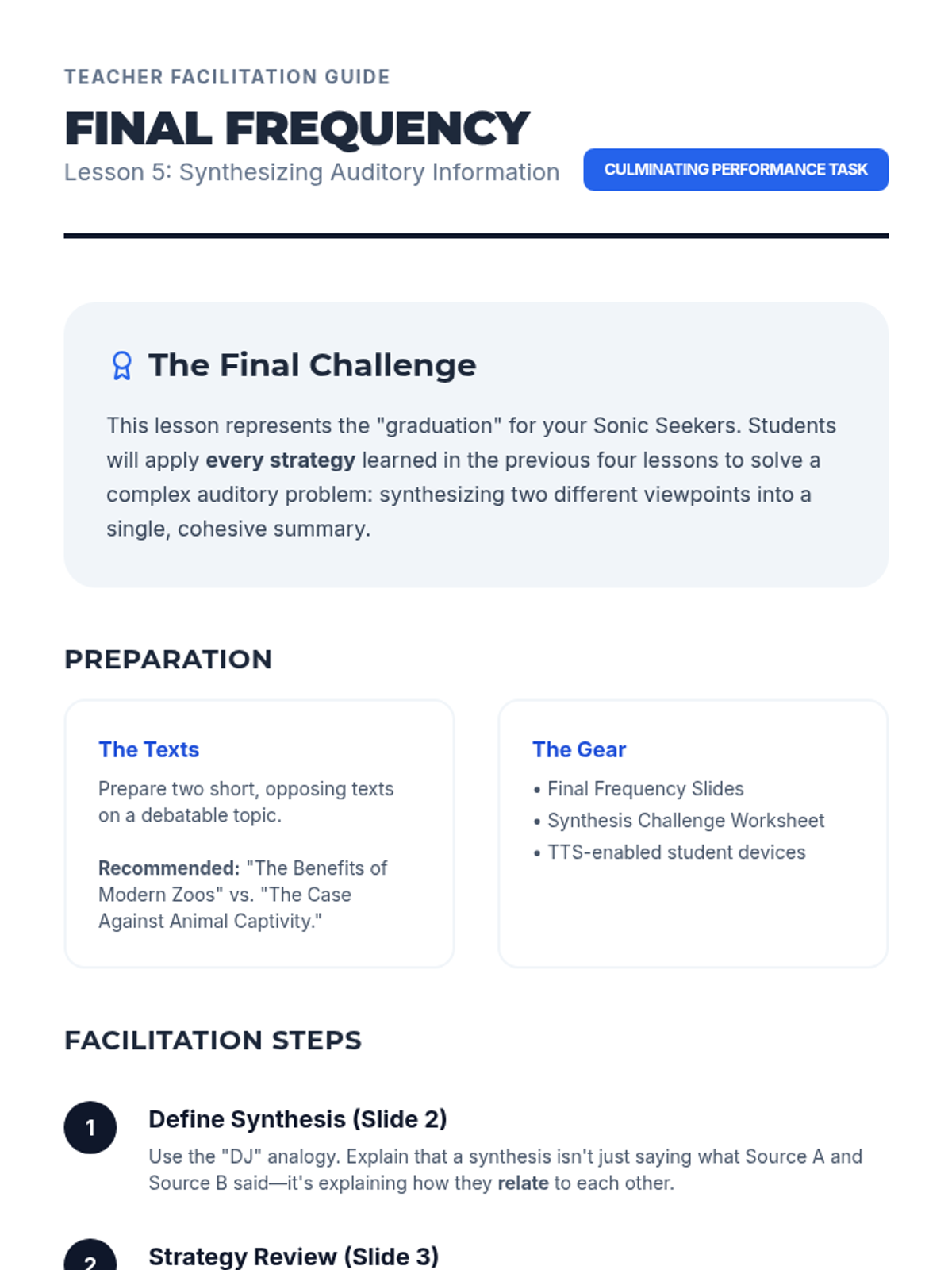
Teacher guide for Lesson 5, outlining the final synthesis task and providing a step-by-step facilitation plan for the culminating lesson.
Slides for Lesson 4, introducing the 'Mind Movie' concept and focusing on using TTS to free up cognitive energy for visualization.
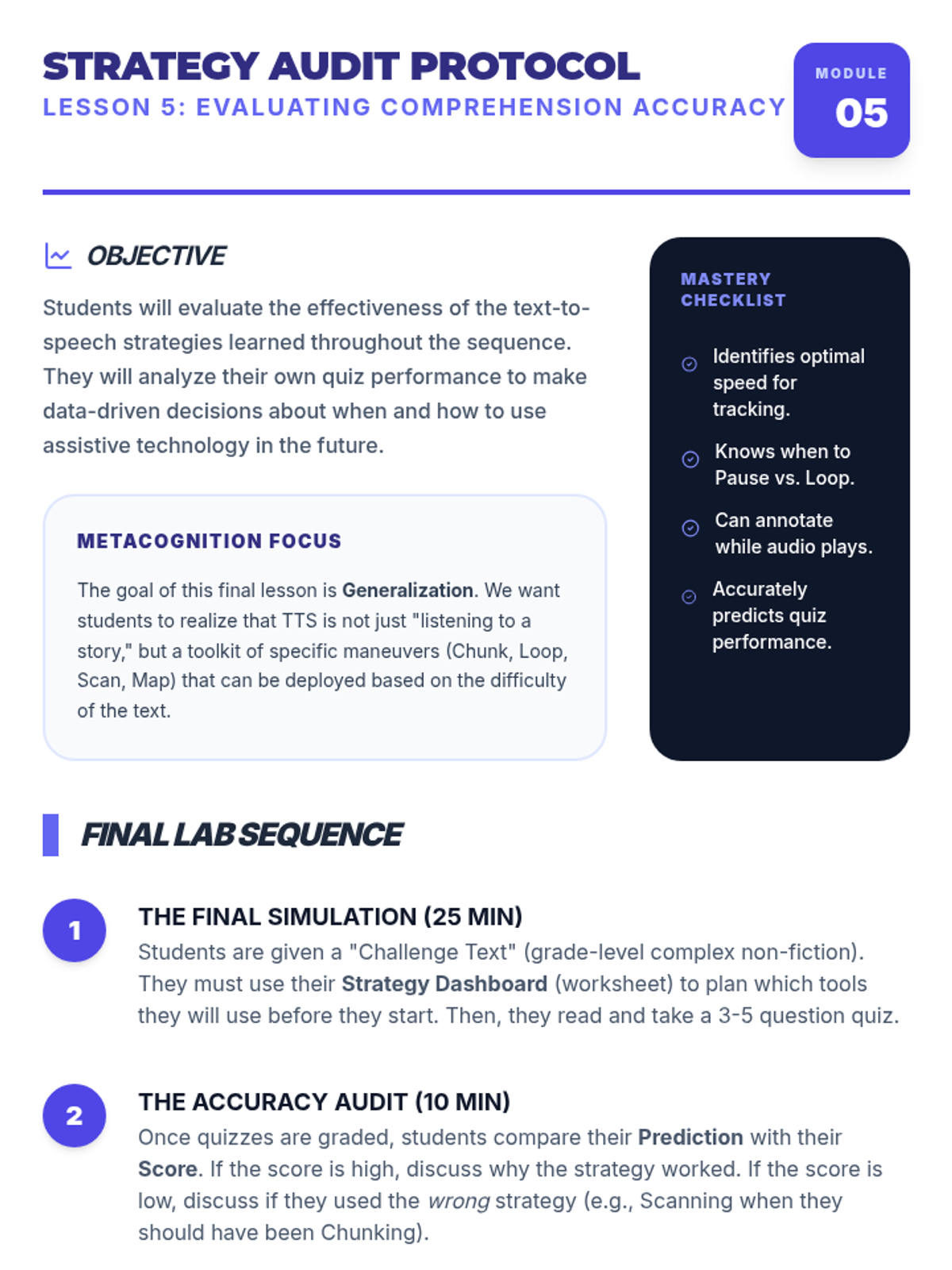
Detailed teacher guide for Lesson 5, focusing on strategy selection, metacognitive reflection, and identifying when to use TTS support versus silent reading.
Slide deck for Lesson 5: Synthesizing Auditory Information, introducing the final challenge of summarizing contrasting viewpoints using all previous auditory strategies.
Teacher guide for Lesson 3, including how to facilitate the witness game and specific coaching prompts for re-listening strategies.
Slide deck for Lesson 5, focusing on strategy selection, metacognitive reflection, and identifying when to use TTS support versus silent reading.
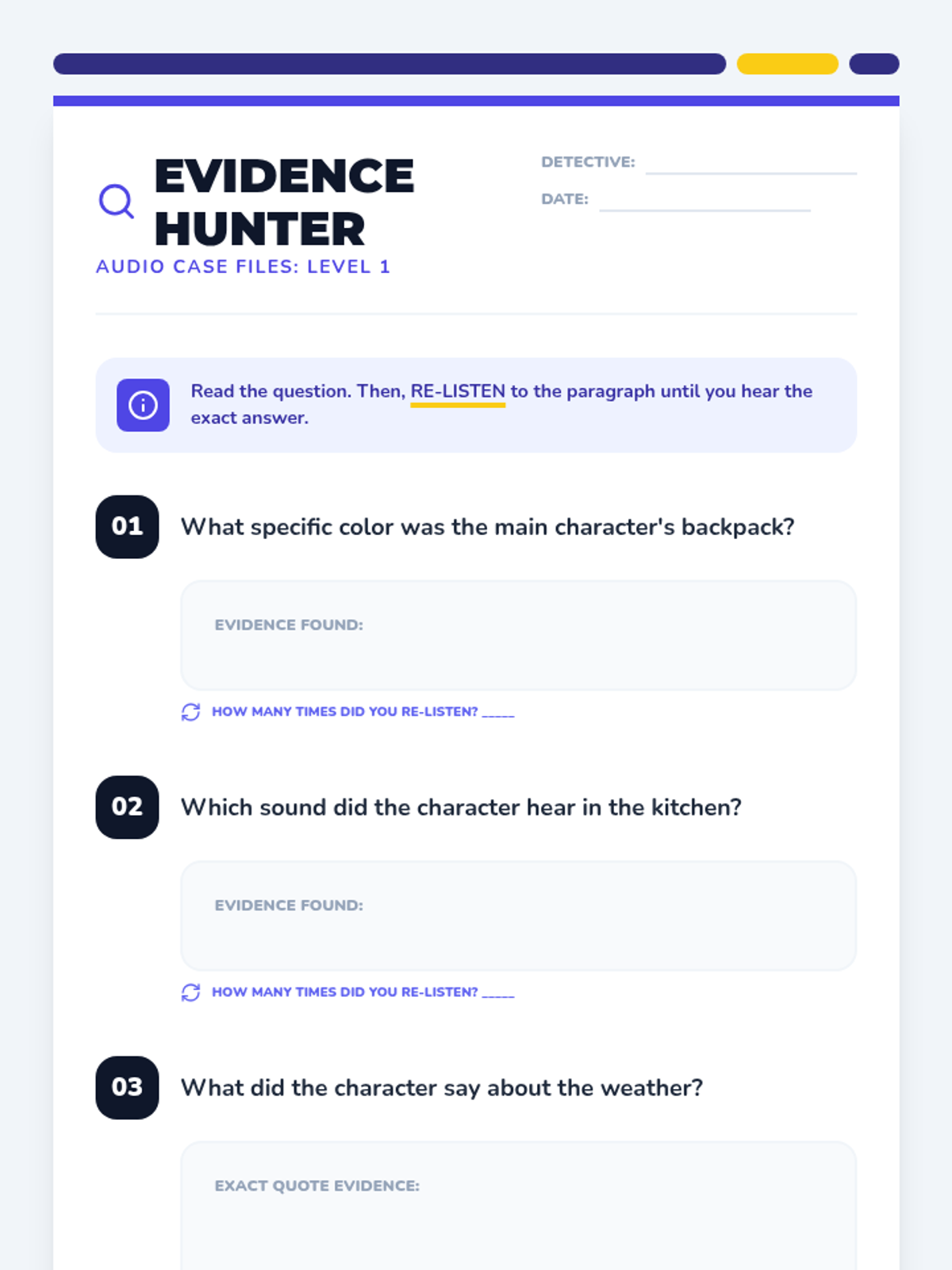
A student worksheet designed as a case file for practicing re-listening skills to find specific details and evidence in a story.
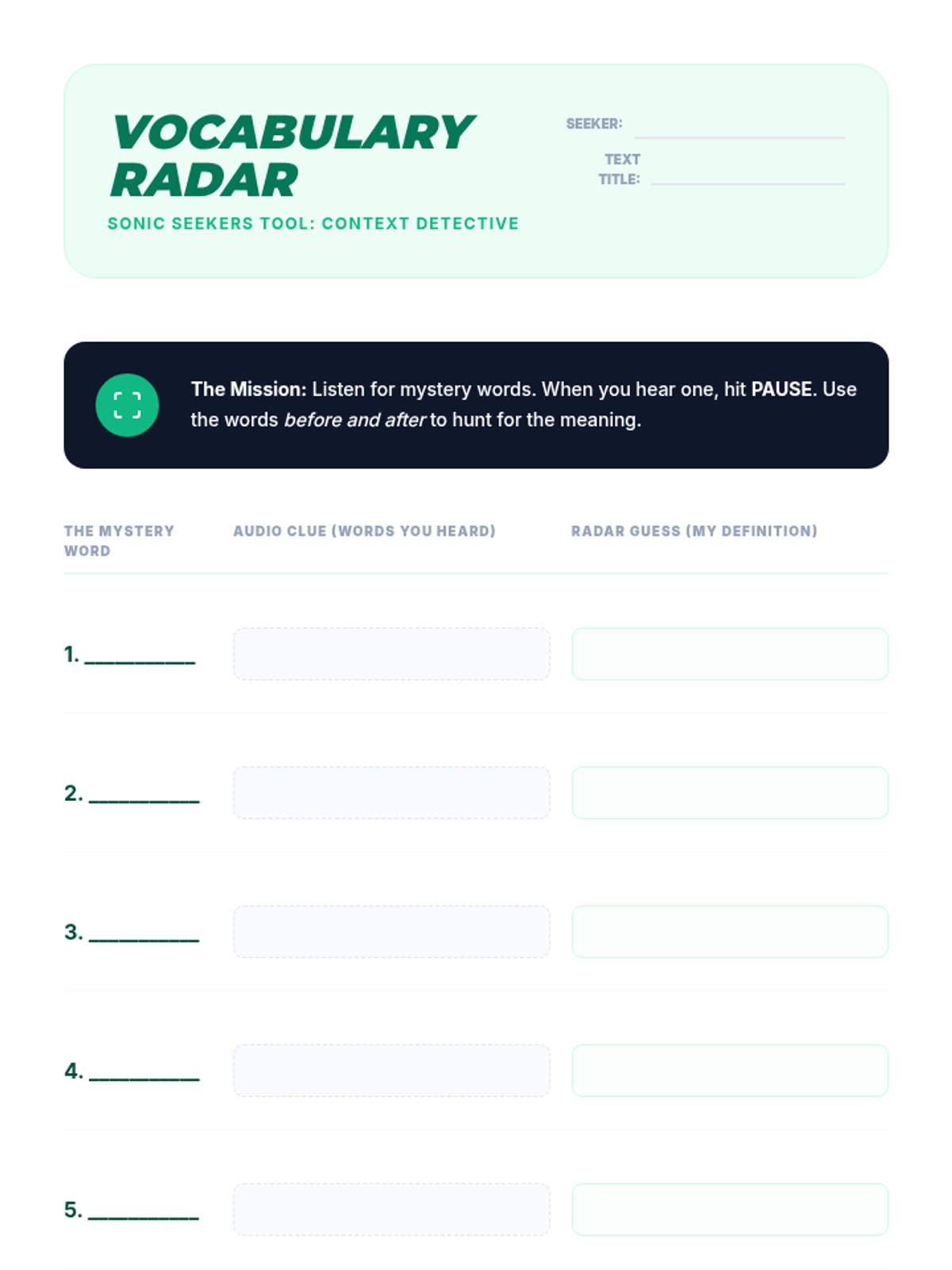
Vocabulary worksheet for Lesson 4, allowing students to record unknown words, auditory context clues, and inferred definitions while using TTS.
Slides for Lesson 3, focusing on how to use rewind and re-listening tools to locate evidence in narrative text.
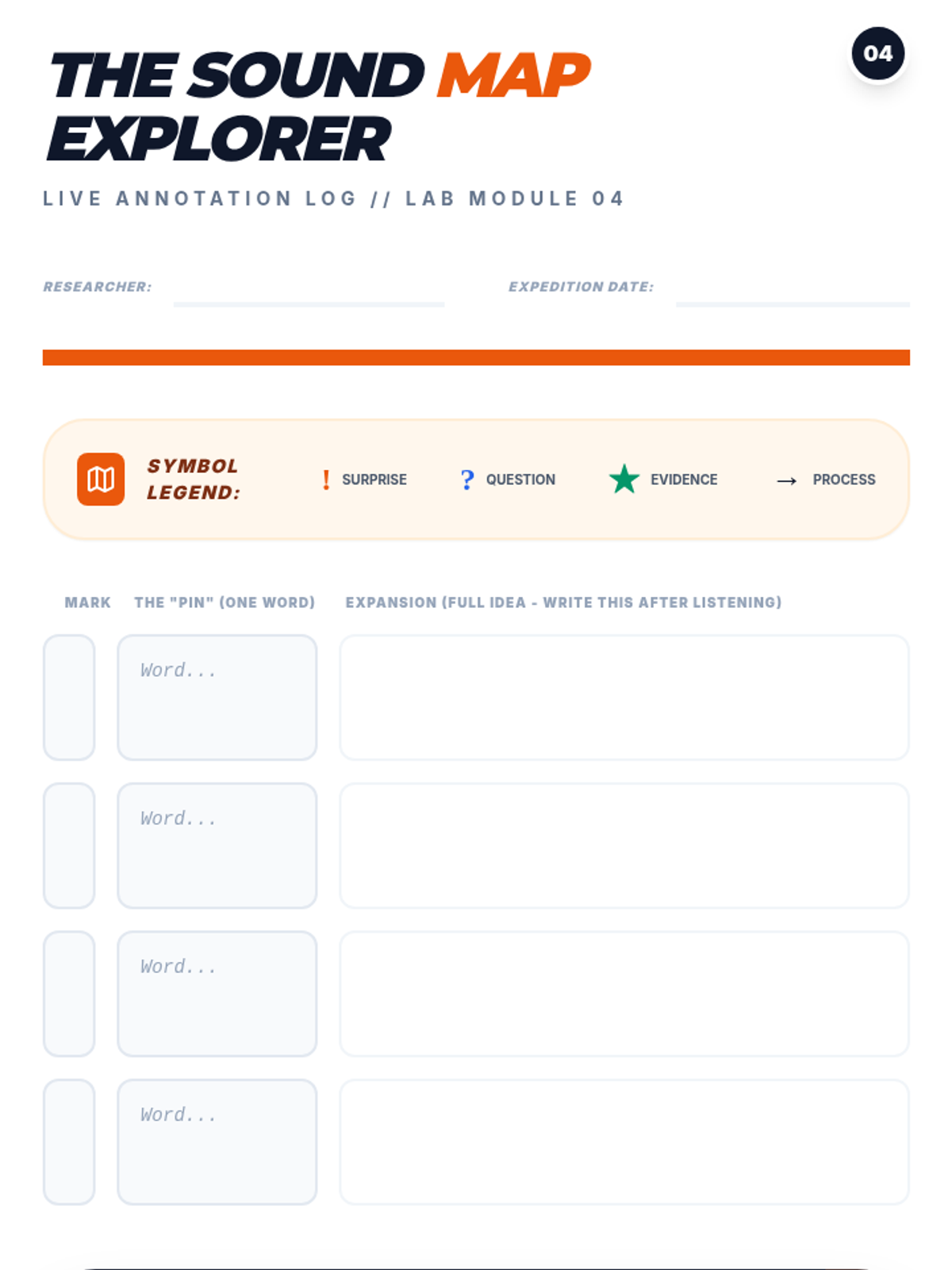
Student activity sheet for Lesson 4, featuring a symbol-based annotation log for live listening practice.
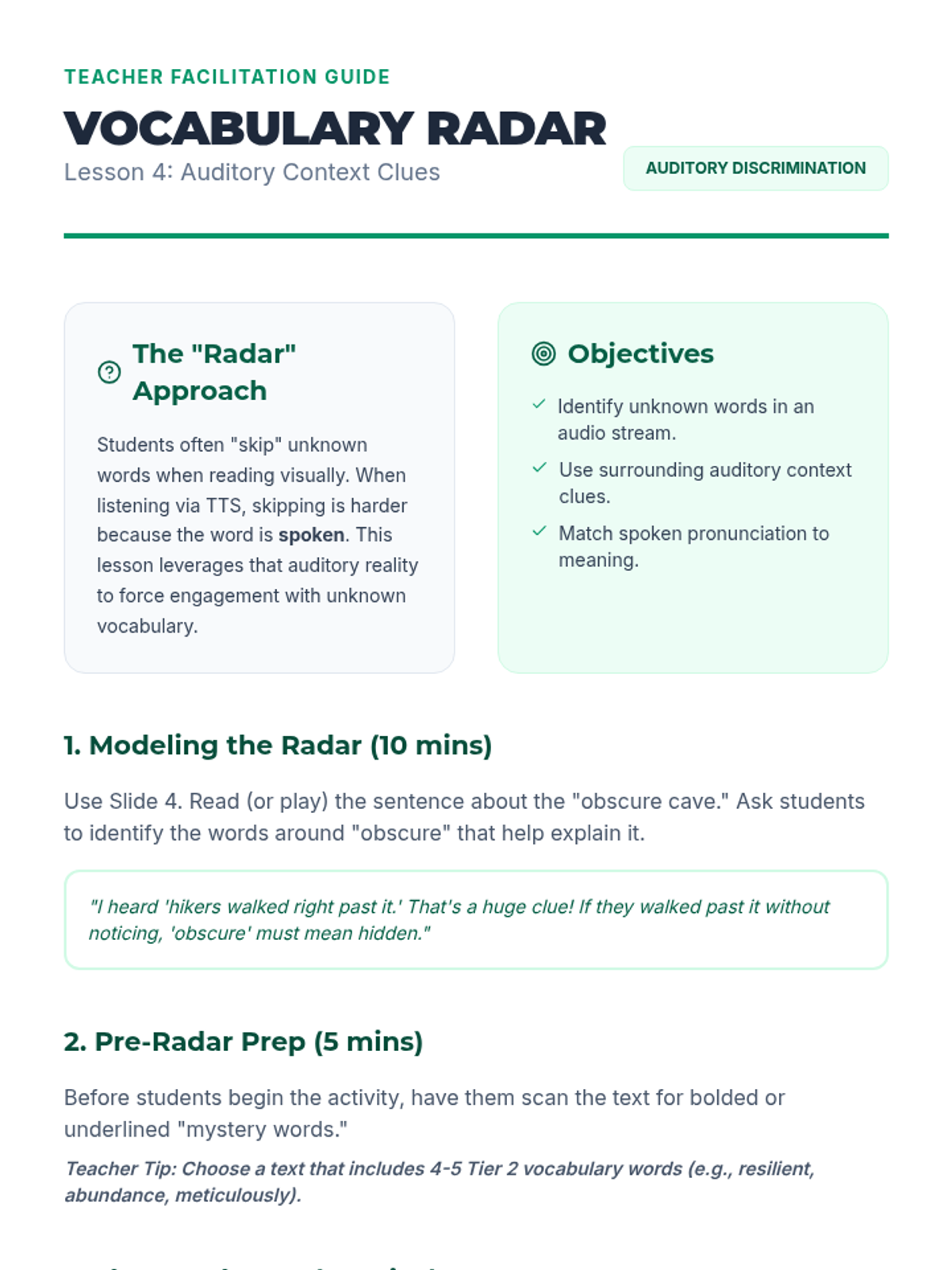
Teacher guide for Lesson 4, providing instructions on using auditory context clues and managing the "Word Hunt" activity.
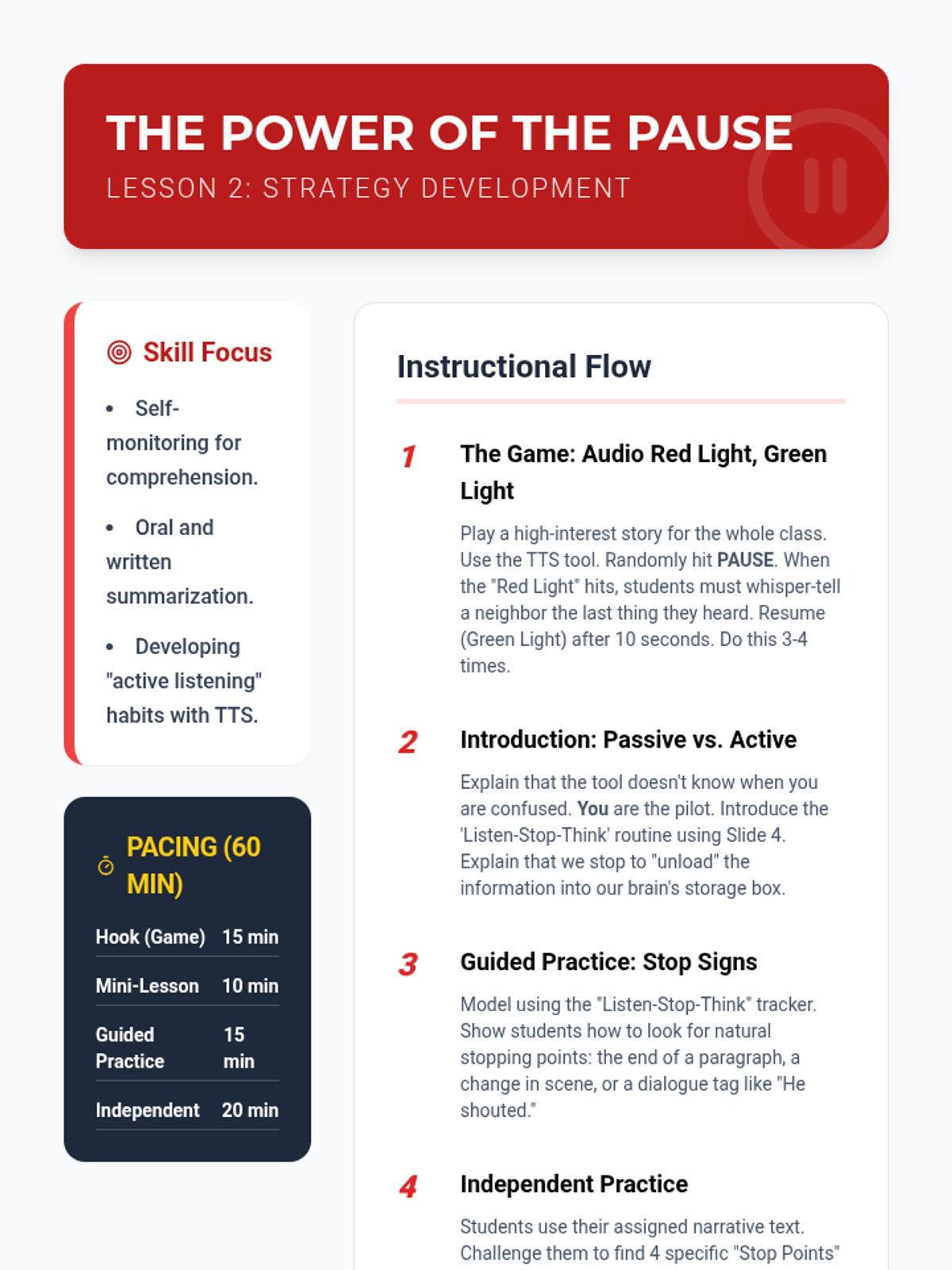
Teacher guide for Lesson 2, providing instructions for the Red Light/Green Light game, the 'Listen-Stop-Think' strategy, and differentiation tips for various learners.
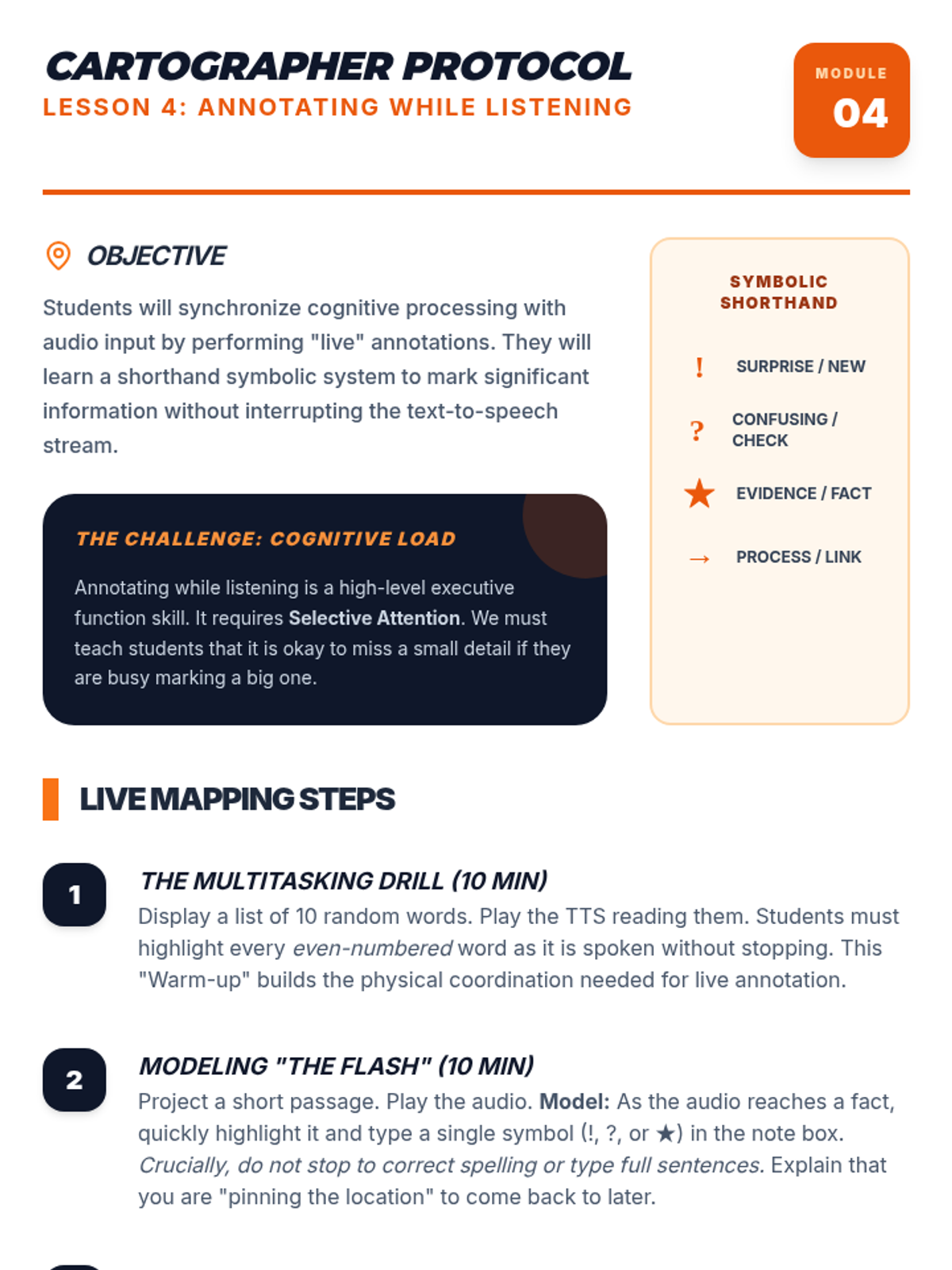
Detailed teacher guide for Lesson 4, focusing on the mapping theme and the live annotation technique for multitasking with TTS.
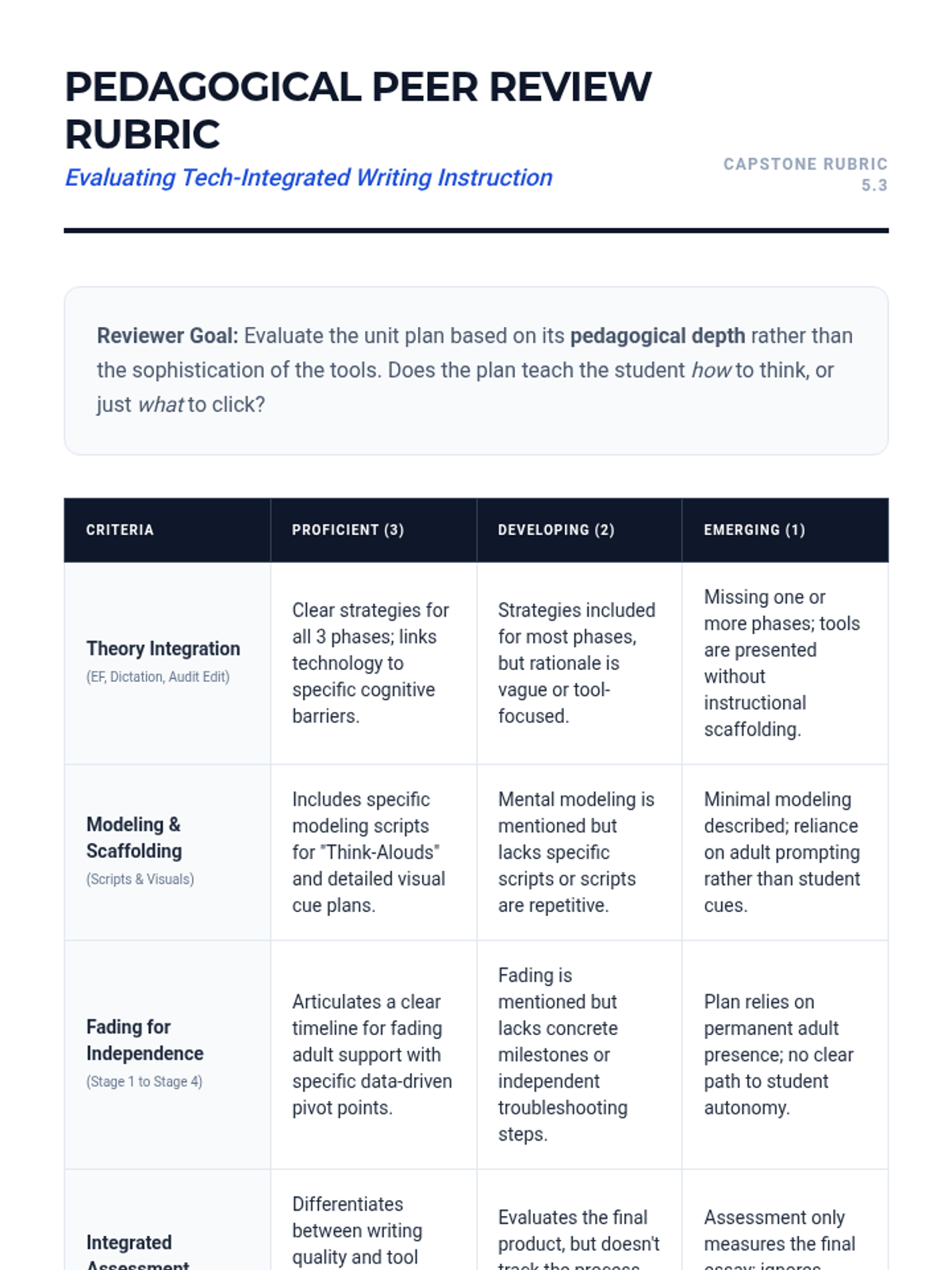
A rubric for peer evaluation of the capstone unit design. Criteria focus on theoretical integration, modeling quality, fading plans, and feasibility.
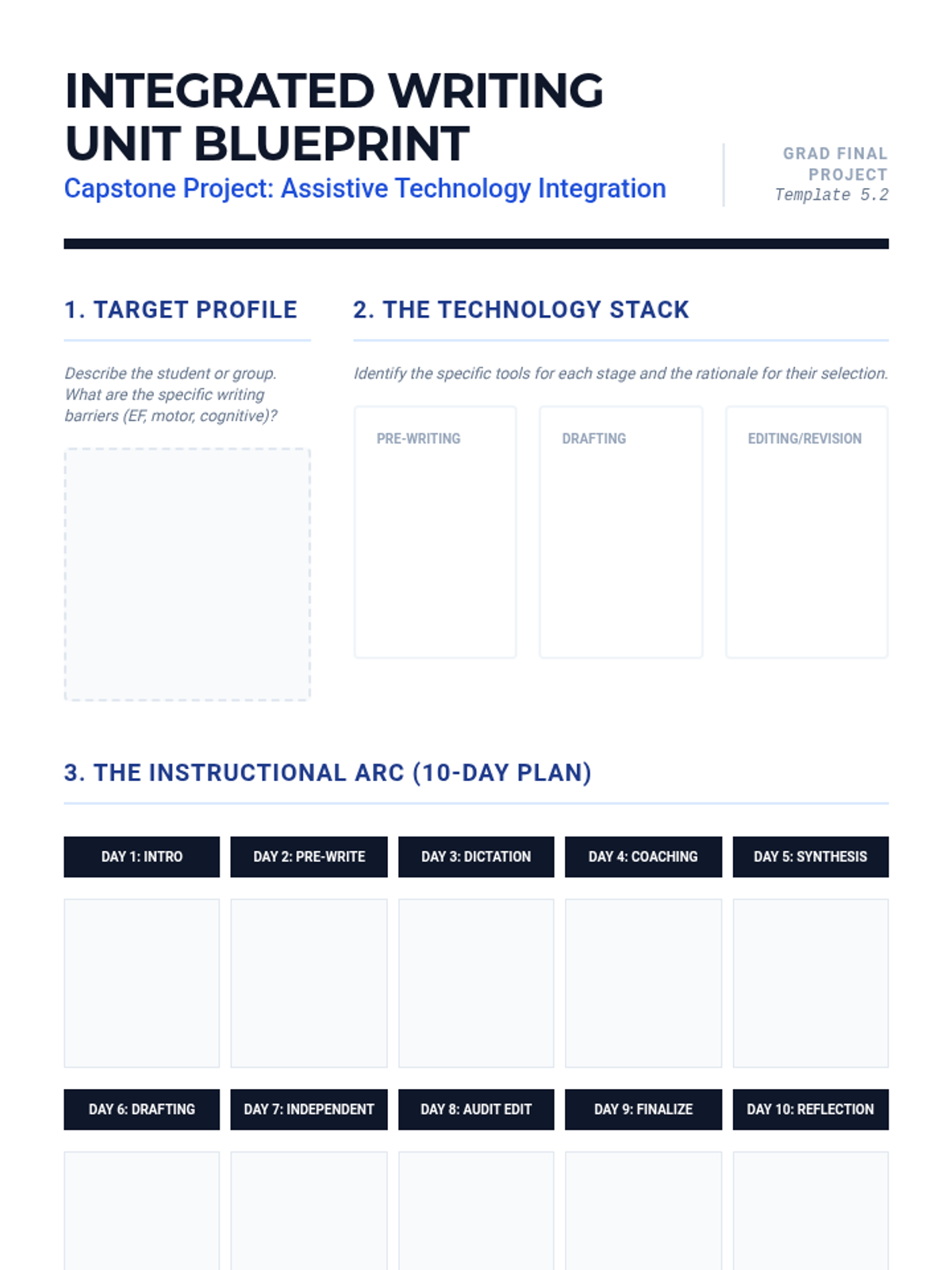
A comprehensive planning template for graduate students to design a 2-week writing unit that integrates assistive technology. Includes sections for student profiling, instructional scaffolding, and fading plans.
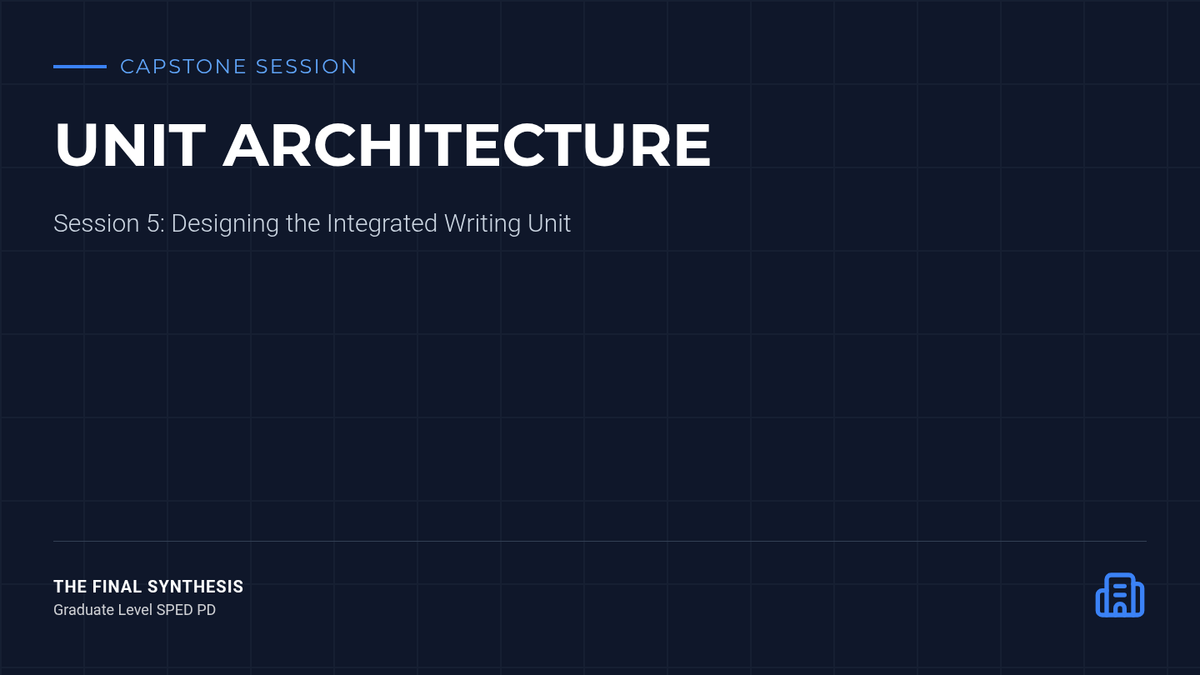
Slides for Lesson 5 focusing on the synthesis of previous lessons into a cohesive 2-week writing unit. Emphasizes pedagogy over tool selection and student autonomy.
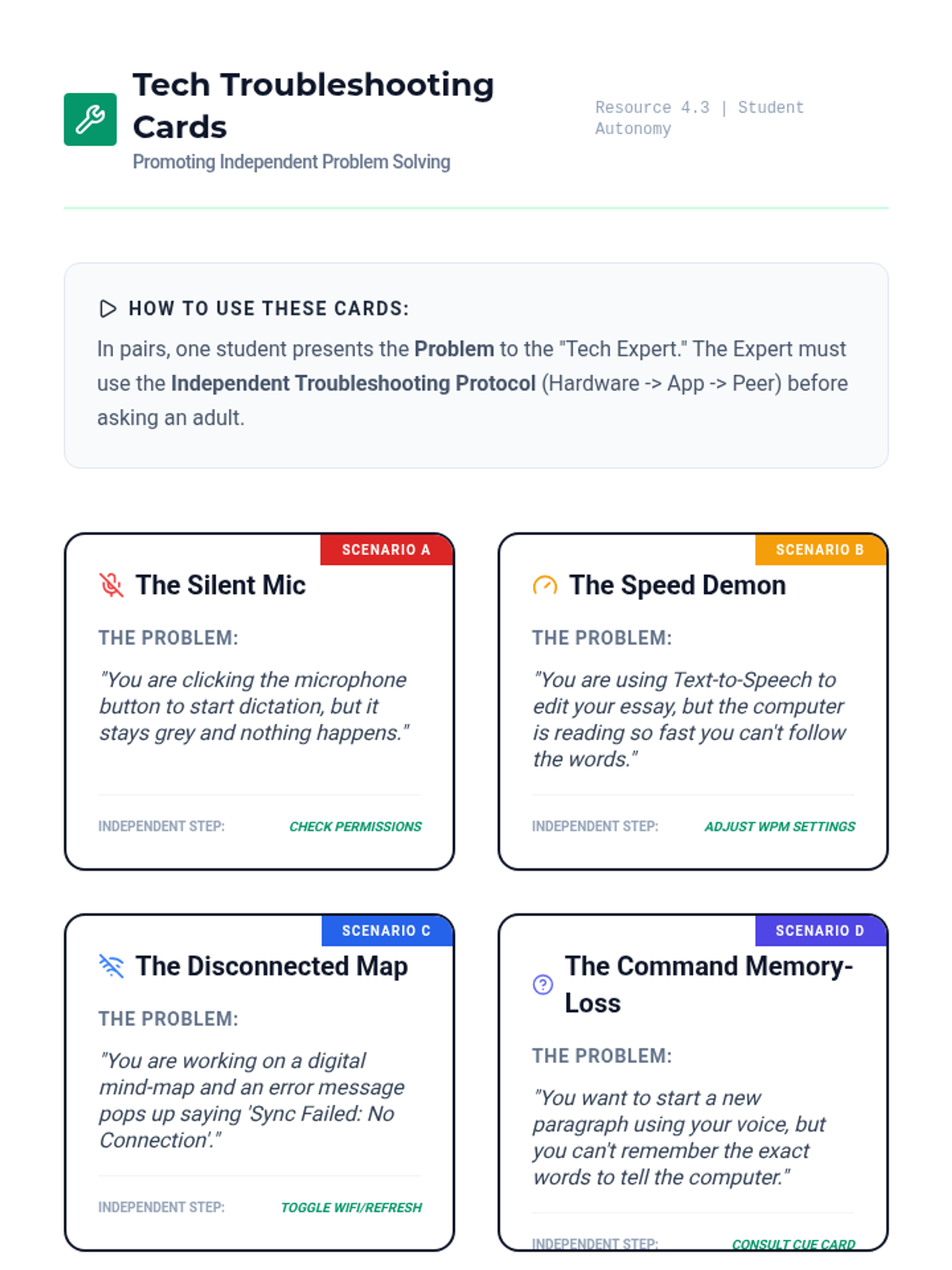
A set of role-play/troubleshooting cards for common assistive technology glitches. Designed to help students practice independent problem-solving before seeking adult help.
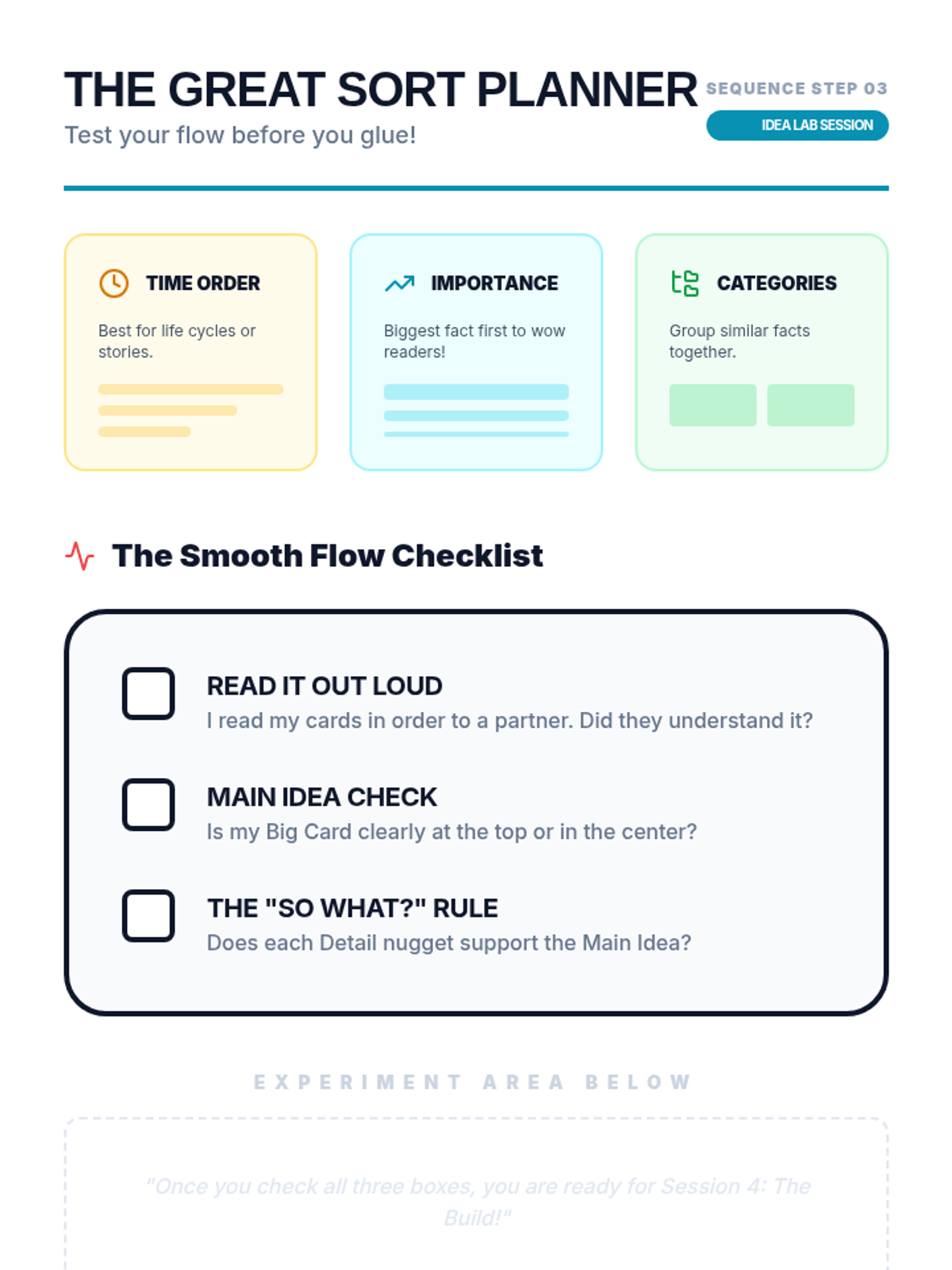
Planning and checklist worksheet for Lesson 3, helping students evaluate their organizational strategy and 'flow' before gluing their Expert Guide.
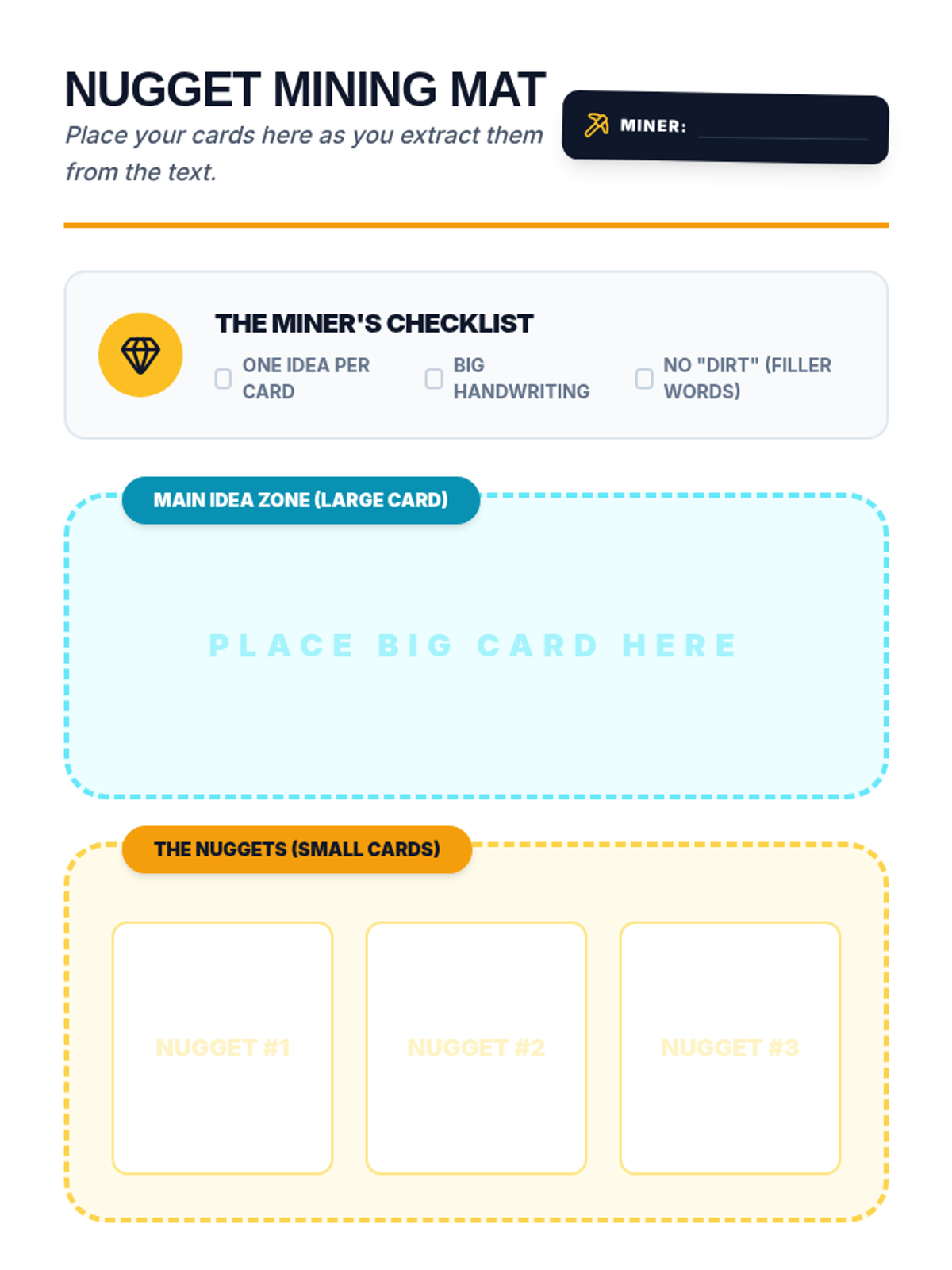
Student mat for organizing index cards during the 'Mining for Nuggets' lesson, providing clear zones for main idea and detail cards.
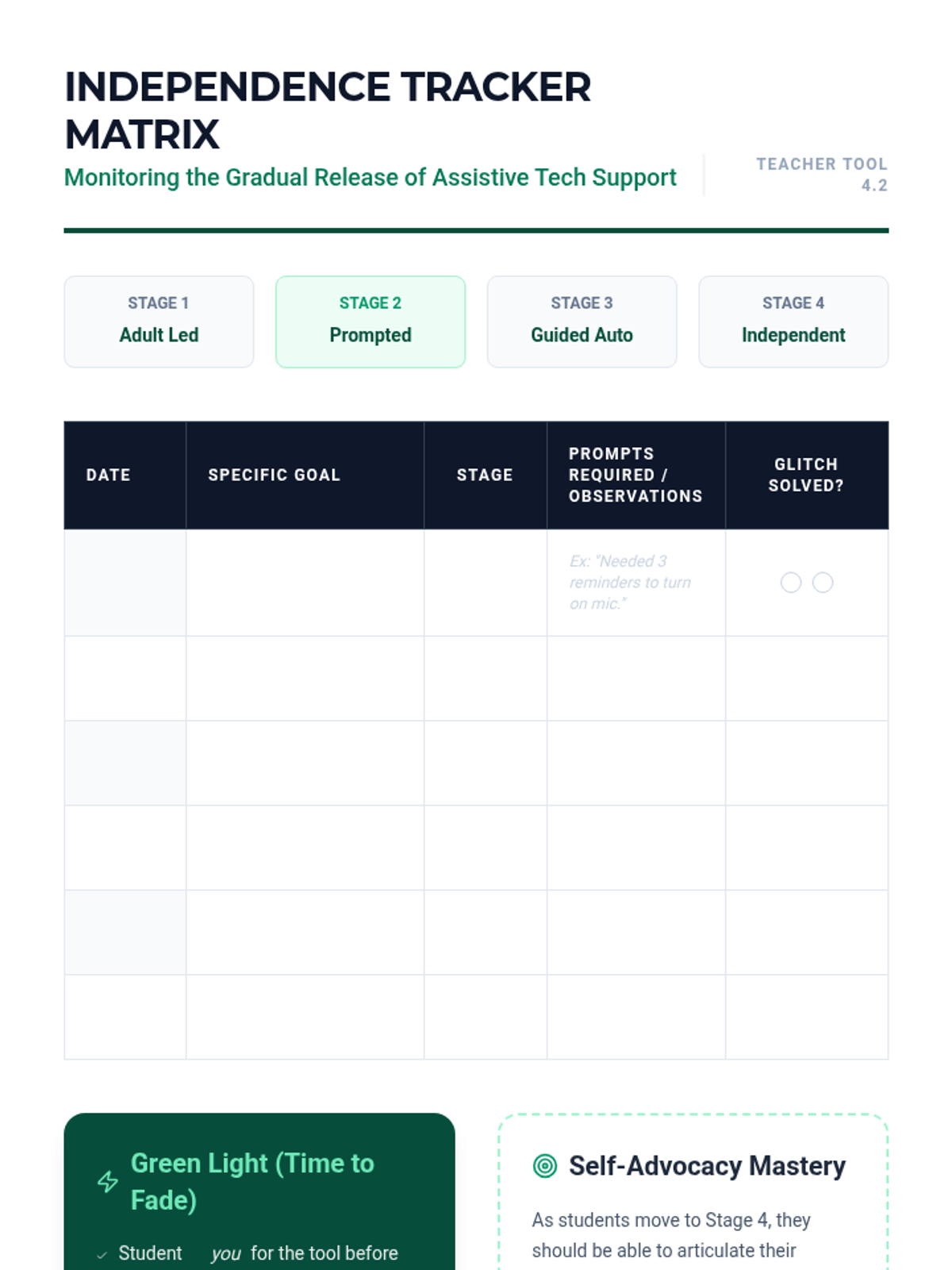
A data collection/tracking tool for teachers to monitor student independence with assistive technology across four stages of support.
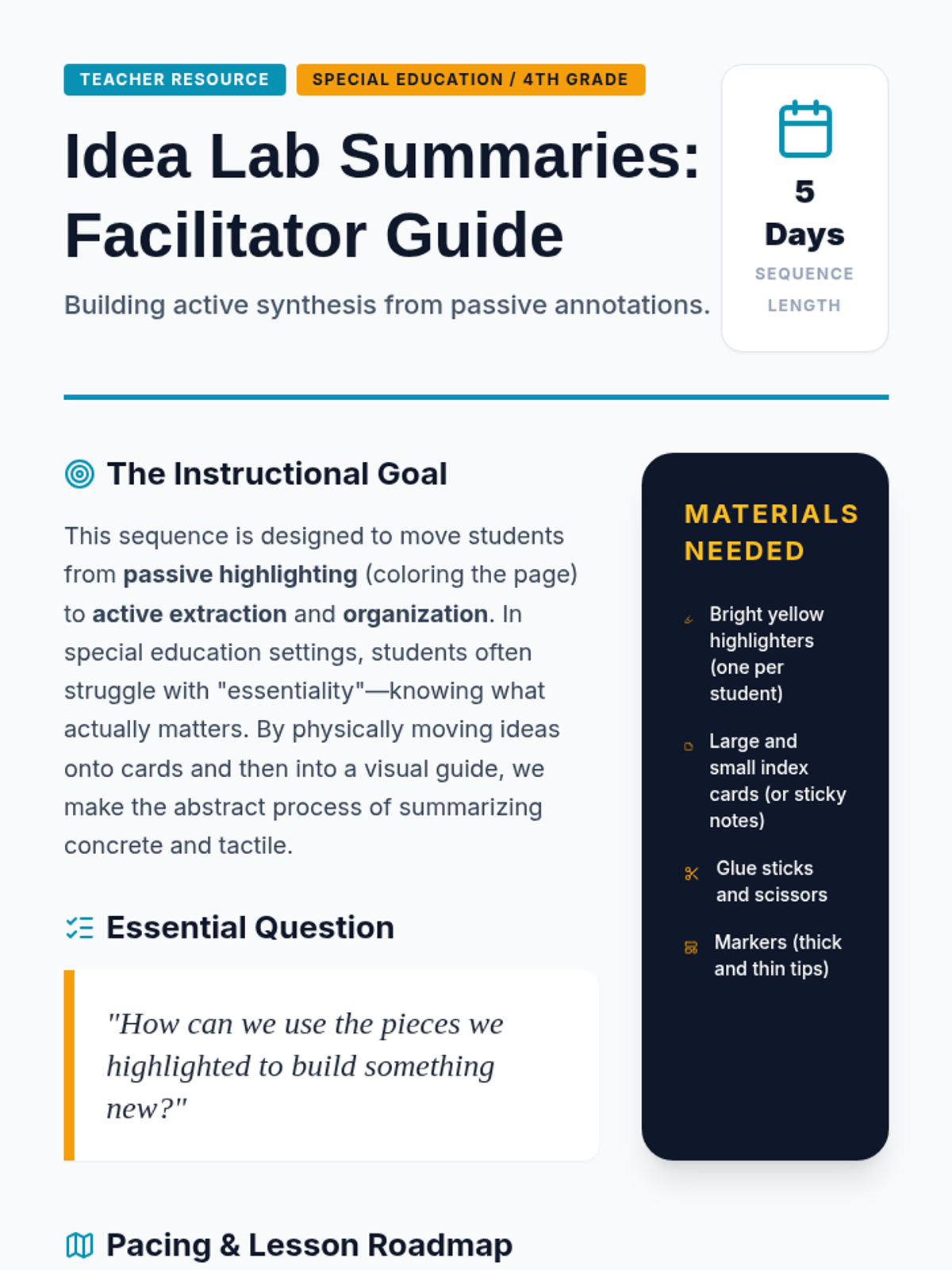
Sequence-wide facilitator guide for teachers, providing a roadmap, pacing, and specific strategies for implementing the Idea Lab sequence in a special education setting.
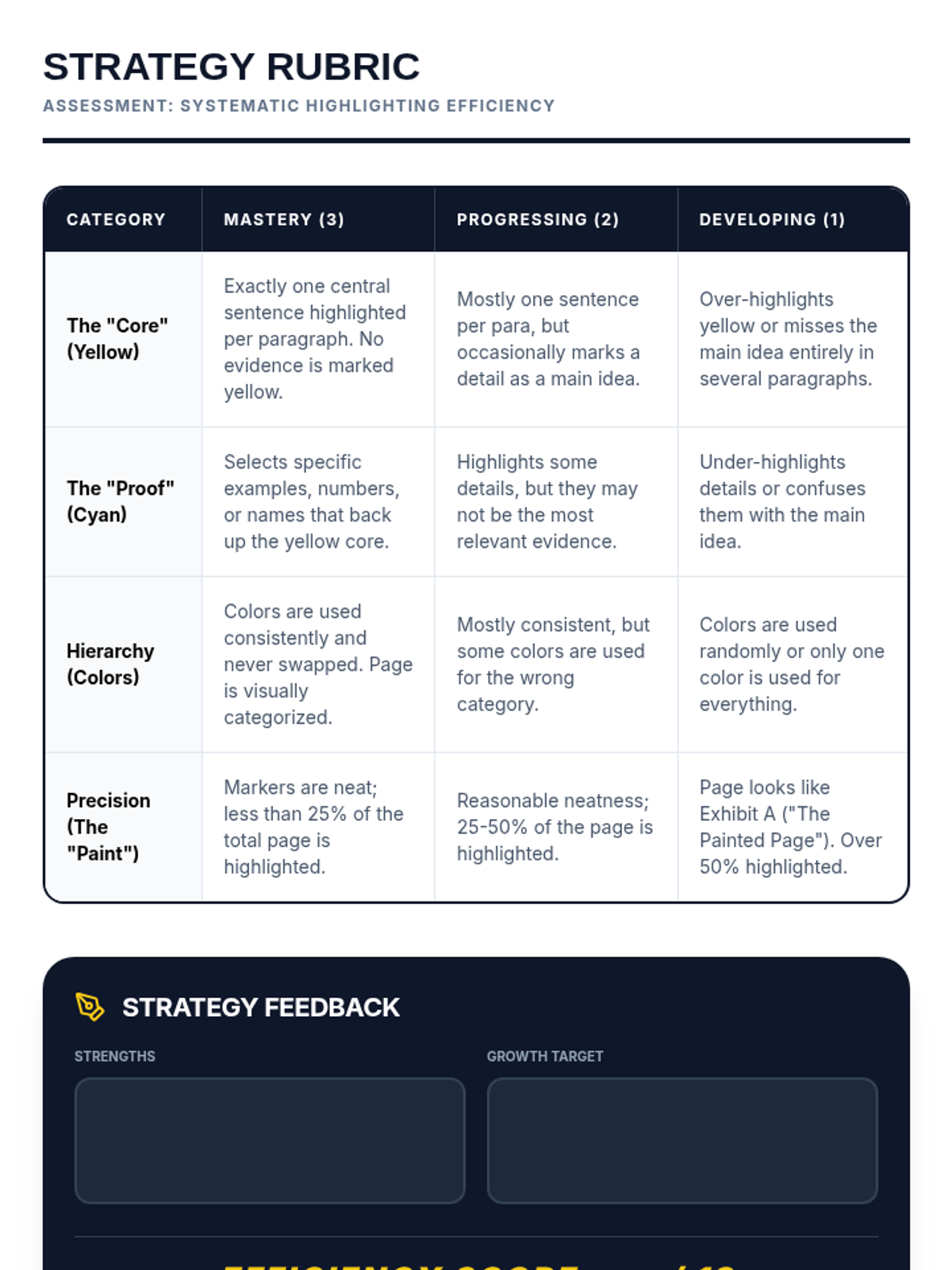
A grading rubric for the final highlighting assessment, focusing on color consistency, information categorization, and avoiding over-highlighting.
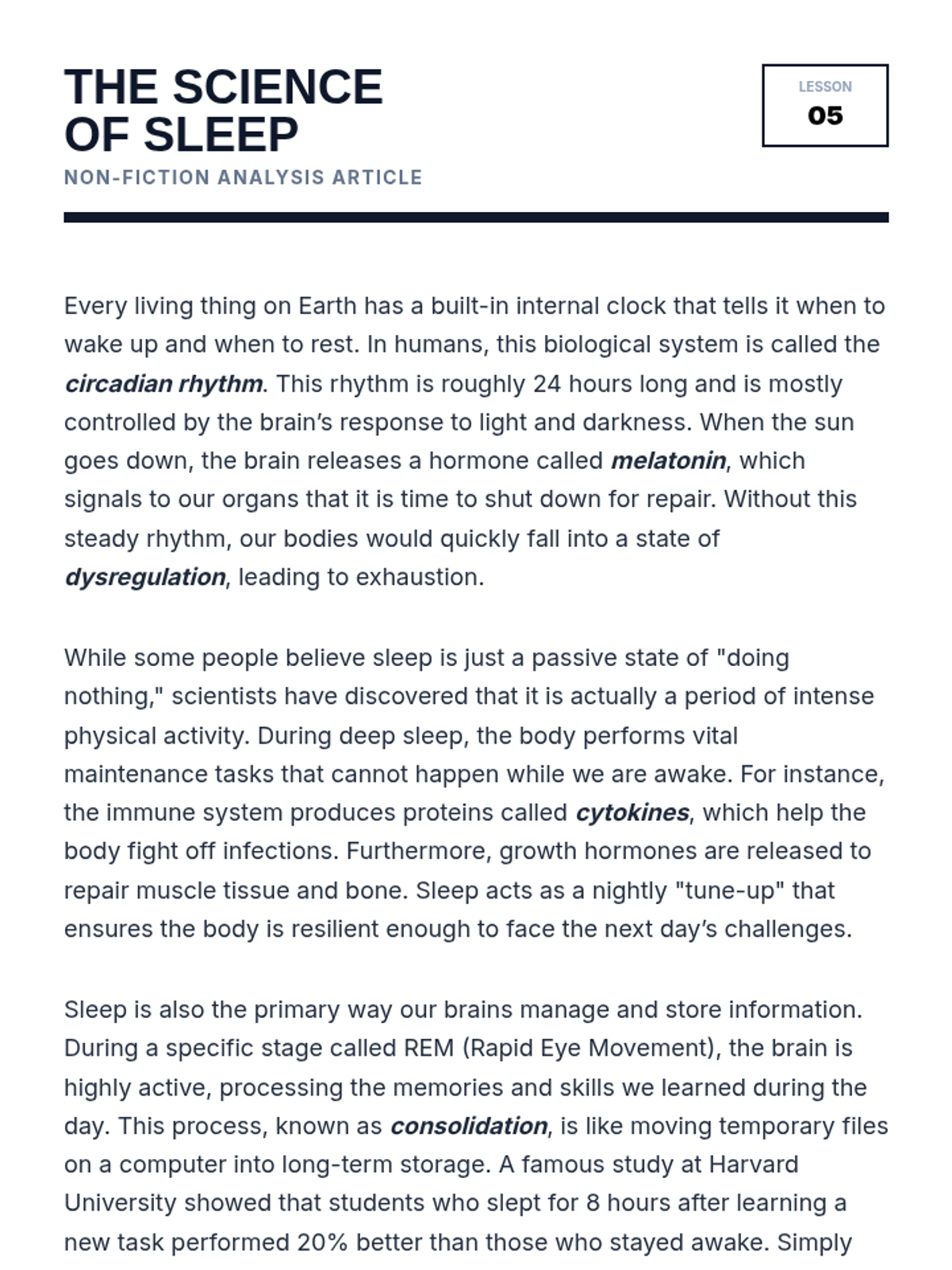
A 2-page non-fiction article on 'The Science of Sleep' designed for students to apply their final three-color highlighting strategy.
Slides for Lesson 4 focusing on the transition from adult-prompted technology use to student independence. Introduces the 4-stage fading framework and data-driven monitoring.
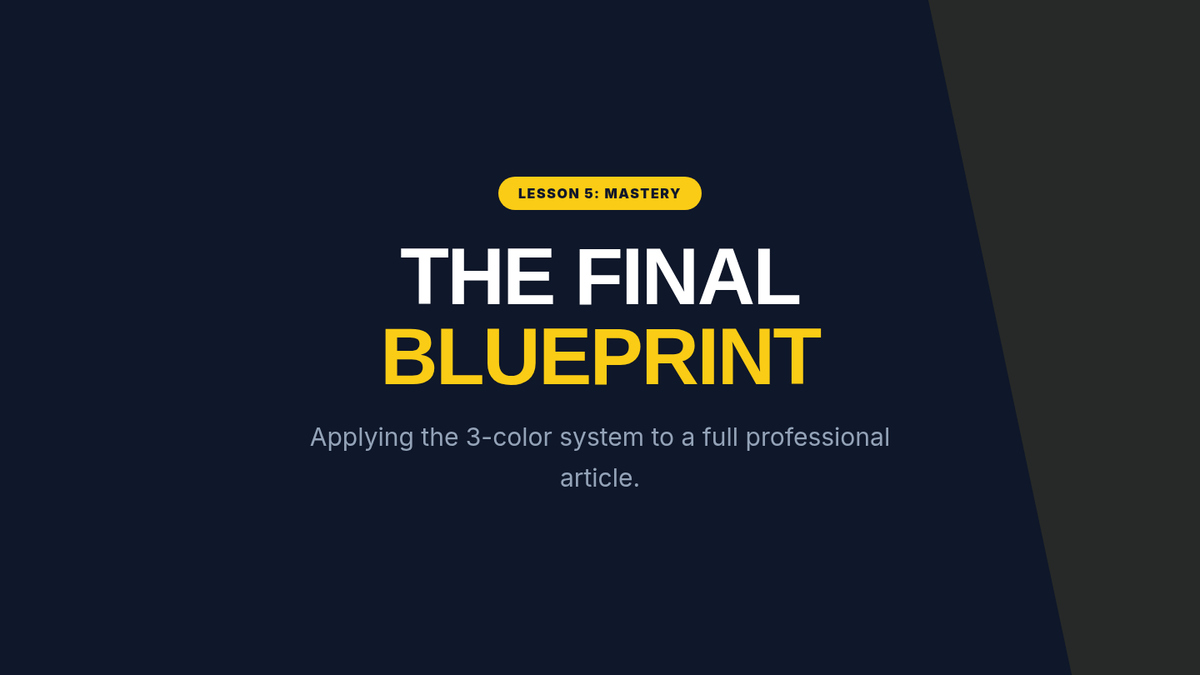
Final lesson slides focusing on the multi-page application of the highlighting strategy and the 'Highlighting Detective' peer review activity.
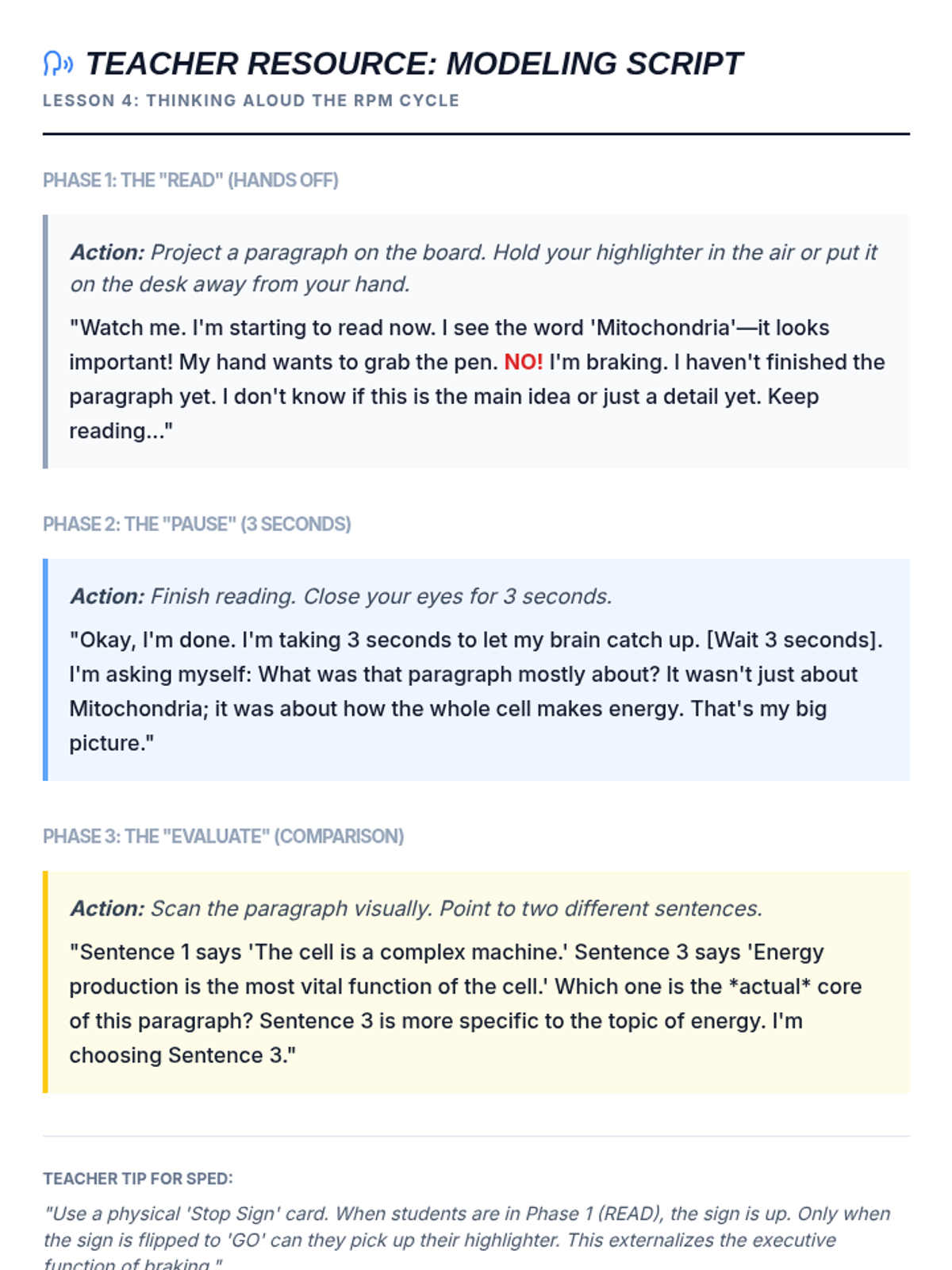
A scripted 'Think Aloud' guide for teachers to model the Read-Pause-Evaluate-Mark cycle, emphasizing the metacognitive process.
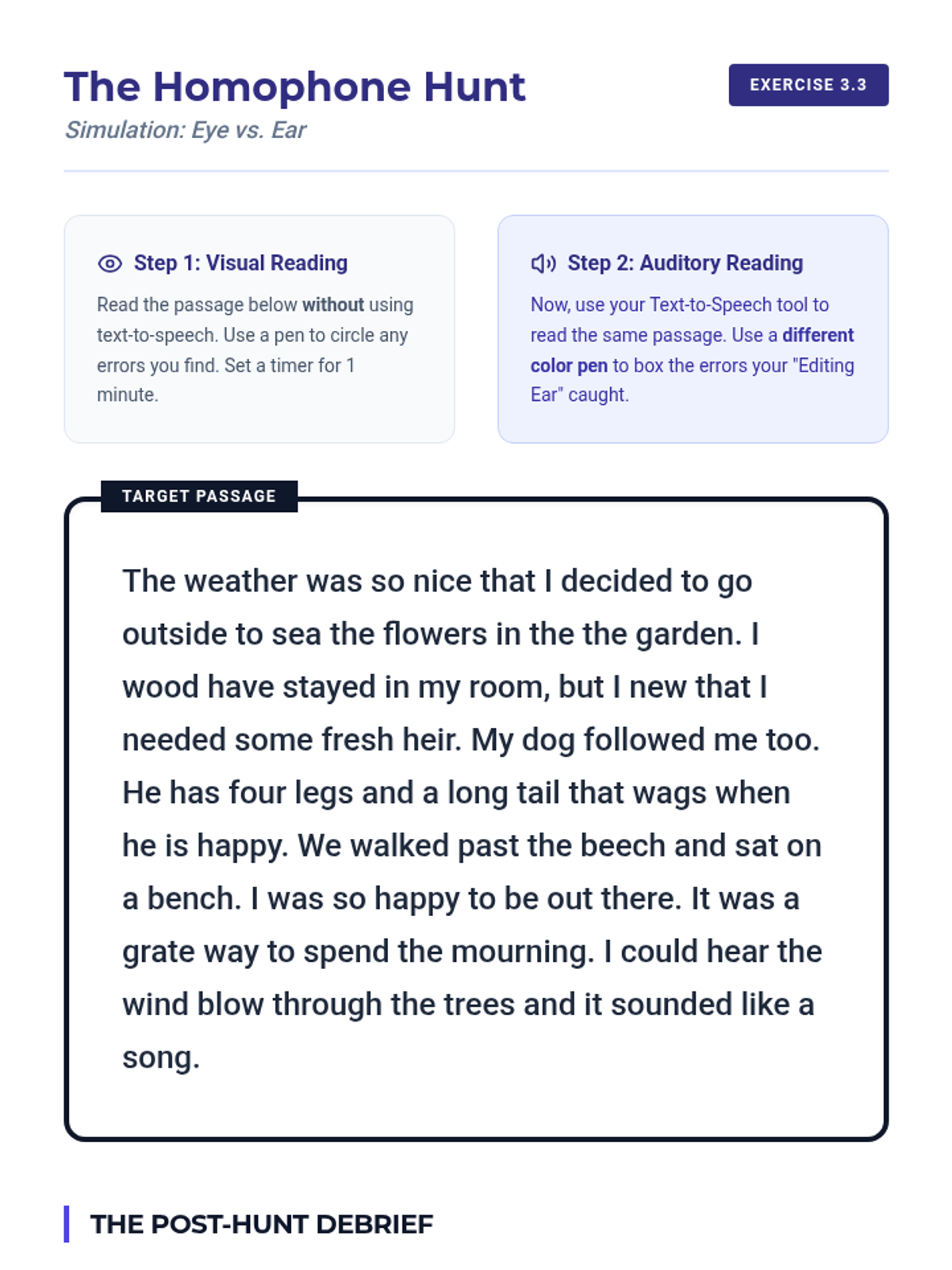
A practice activity for using Text-to-Speech to identify homophones and syntax errors. Includes a passage for comparative visual vs. auditory editing and a debrief section for pedagogical reflection.
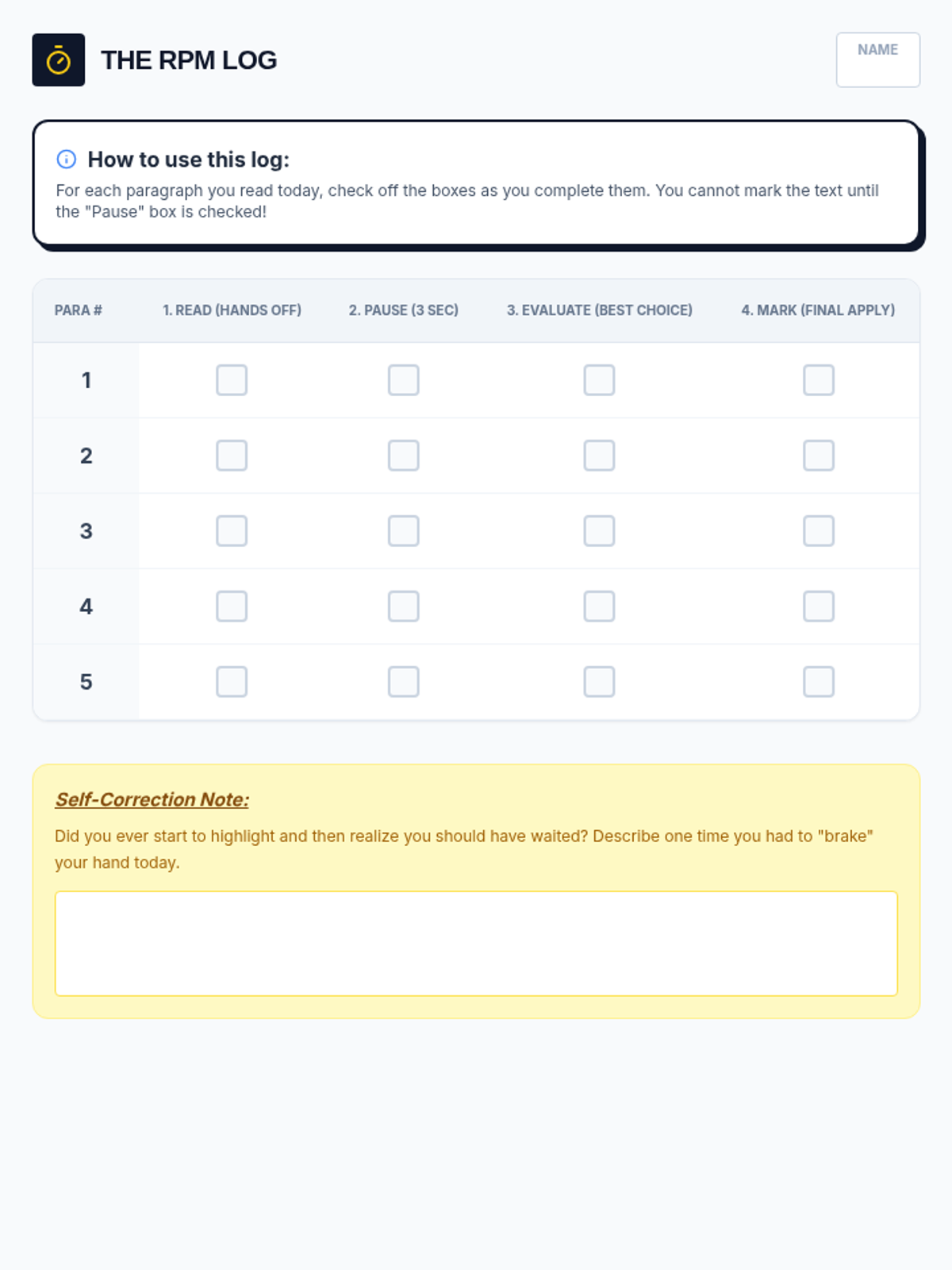
A tracking log for Lesson 4 where students monitor their 'Read, Pause, Evaluate, Mark' cycle for five separate paragraphs.
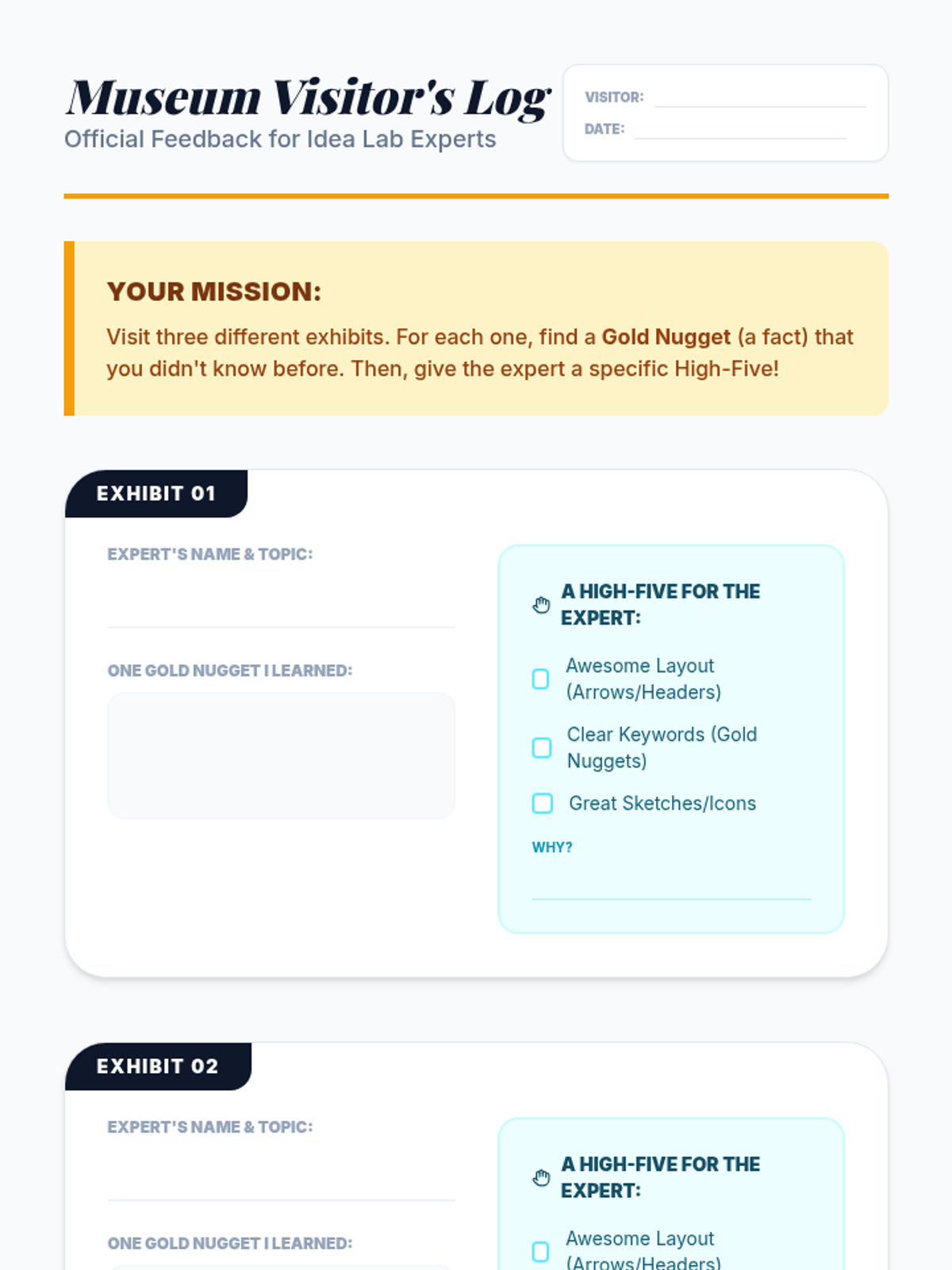
Log sheet for students to use during the Museum Opening gallery walk, recording facts learned from peers and providing structured feedback.
Slides for Lesson 4 teaching the 'Read, Pause, Evaluate, Mark' (RPM) cycle to improve executive function and highlighting accuracy.
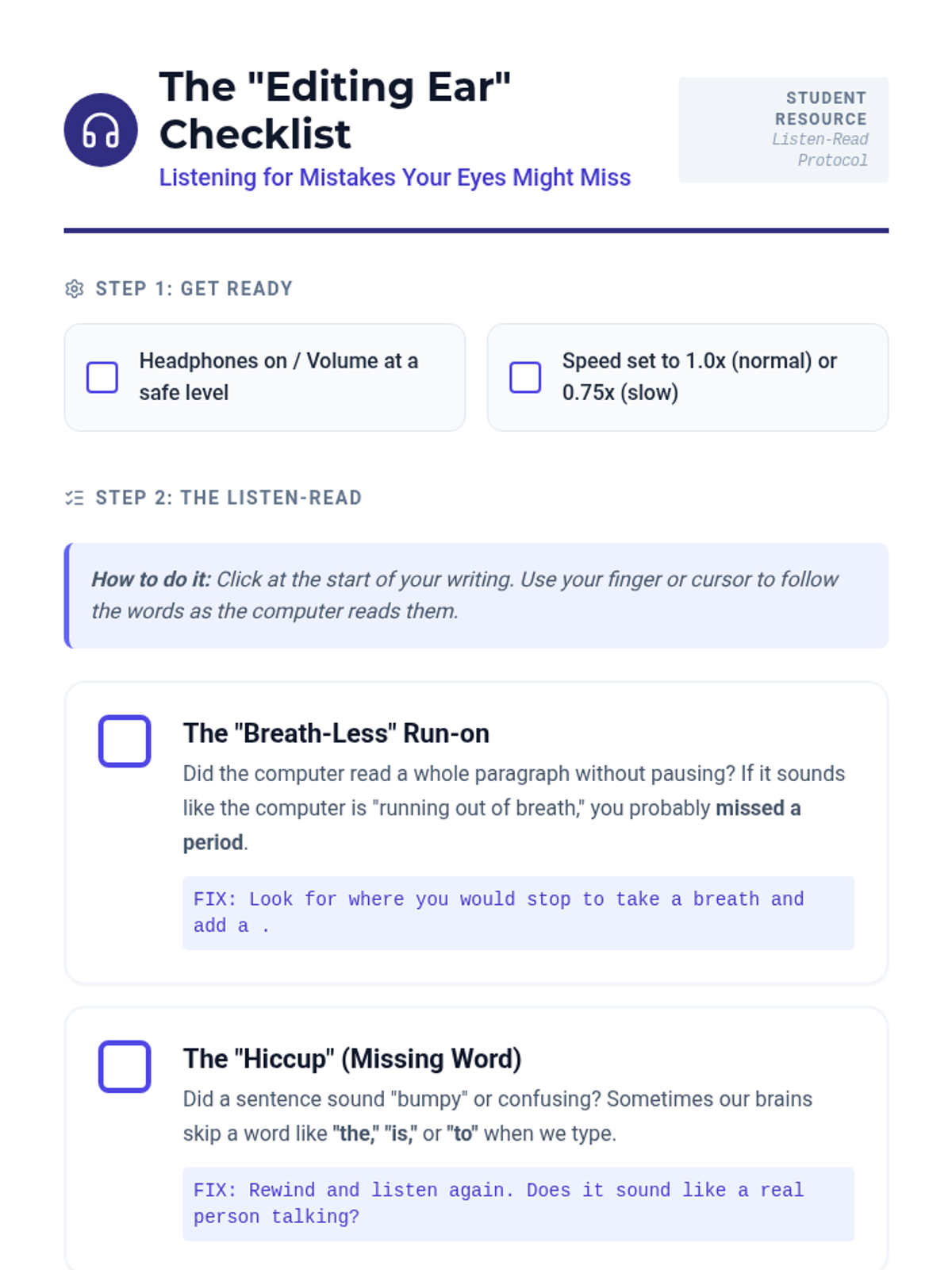
A student self-monitoring checklist for use with Text-to-Speech proofreading. Features visual cues for common errors like run-on sentences, missing words, and homophones.
Slide deck for Lesson 5, 'The Museum Opening,' guiding students through a gallery walk to present their Expert Guides and provide peer feedback.
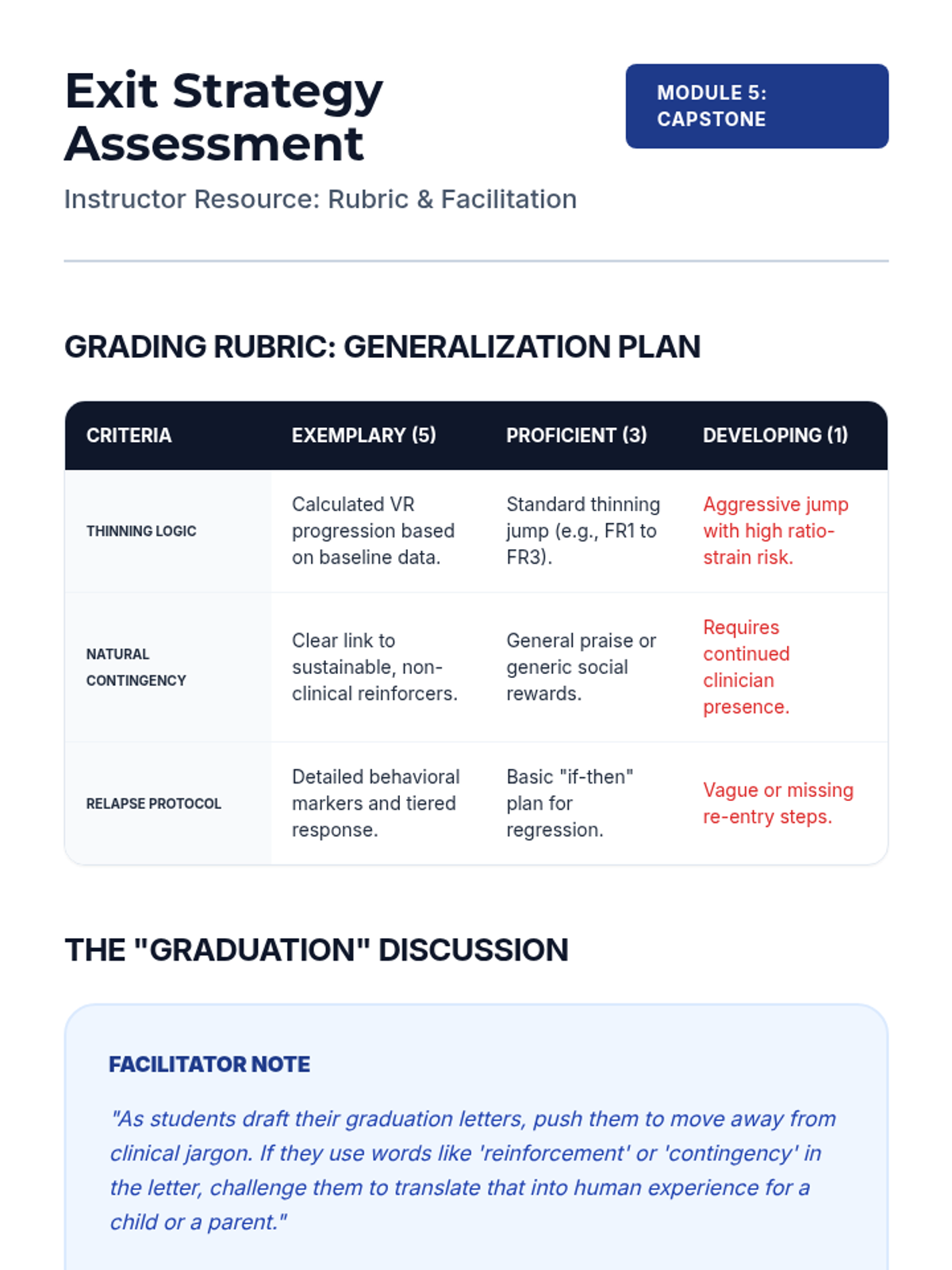
Instructor capstone assessment guide for the exit strategy. Includes a detailed grading rubric for thinning logic and natural contingencies, plus tips for facilitating the "Graduation" letter activity.
Slide deck for Lesson 4: Vocabulary Acquisition through Context, explaining how to use auditory context clues to define unknown words while using TTS.
Slide deck for Lesson 4, introducing the multitasking skills, symbols for notes, and highlighting while playing for live annotation.
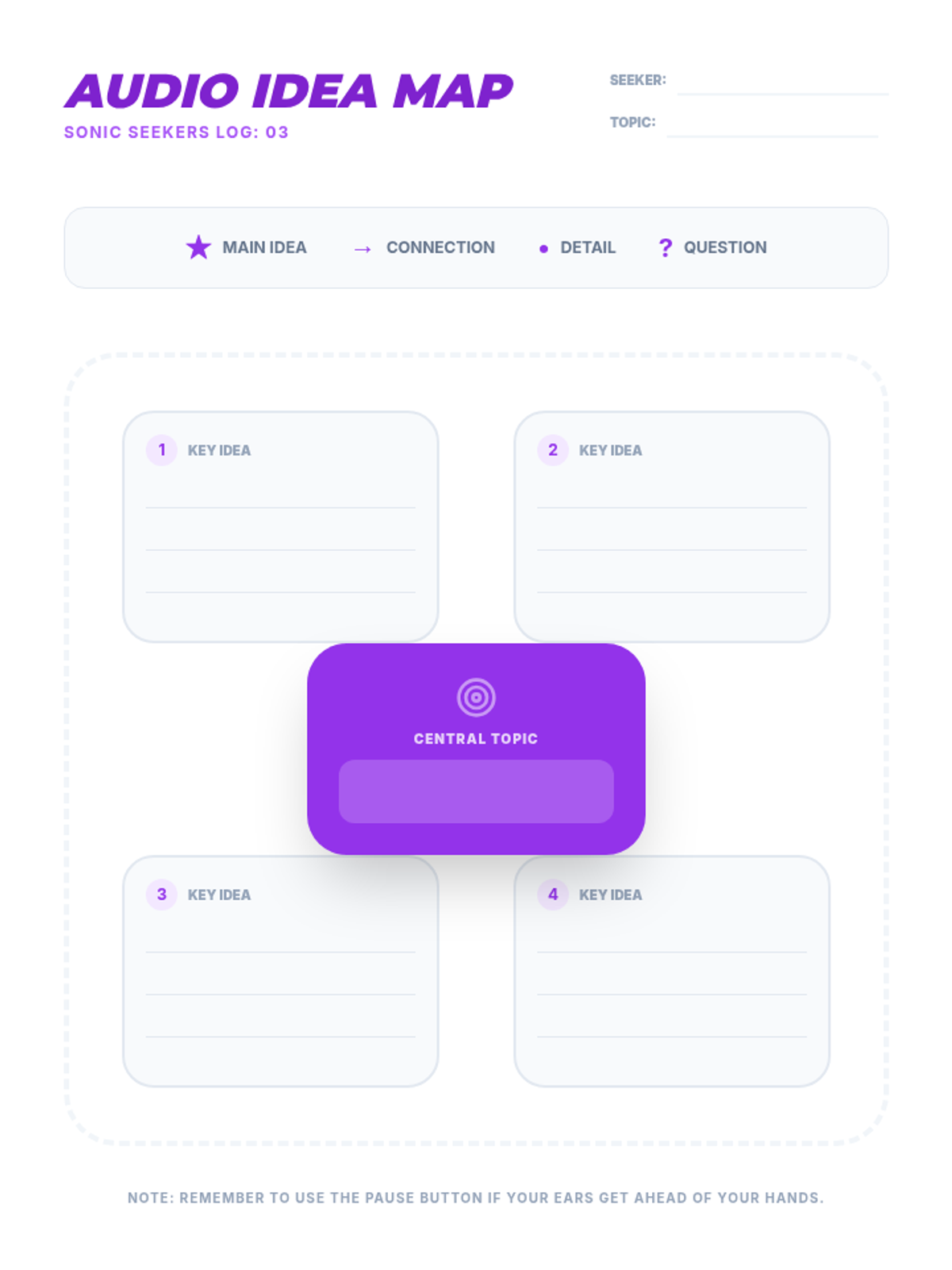
Note-taking graphic organizer for Lesson 3, providing a central topic node and four branches for key ideas and supporting details.
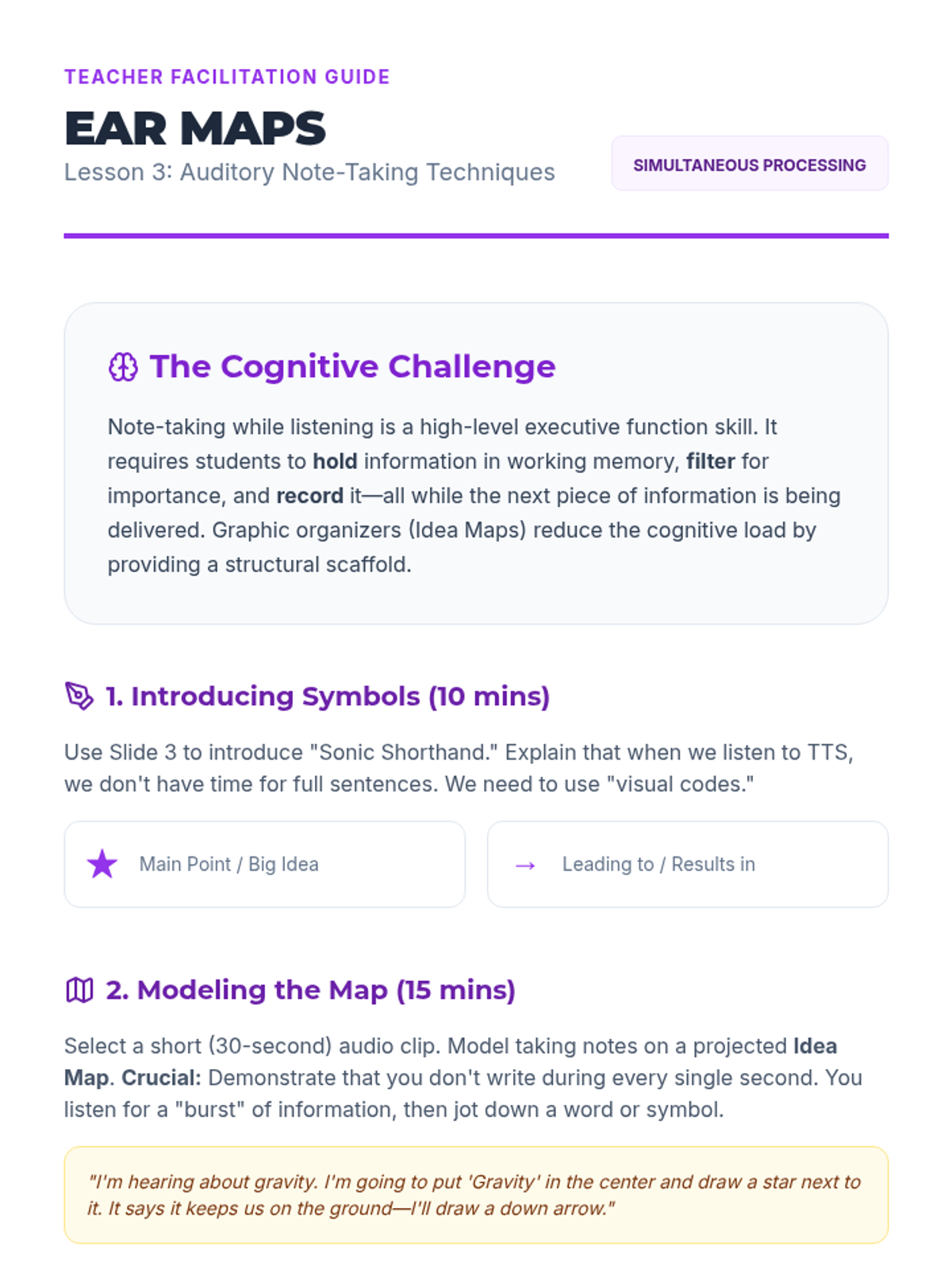
Teacher guide for Lesson 3, providing instructions on teaching auditory shorthand and modeling graphic organizers for auditory input.
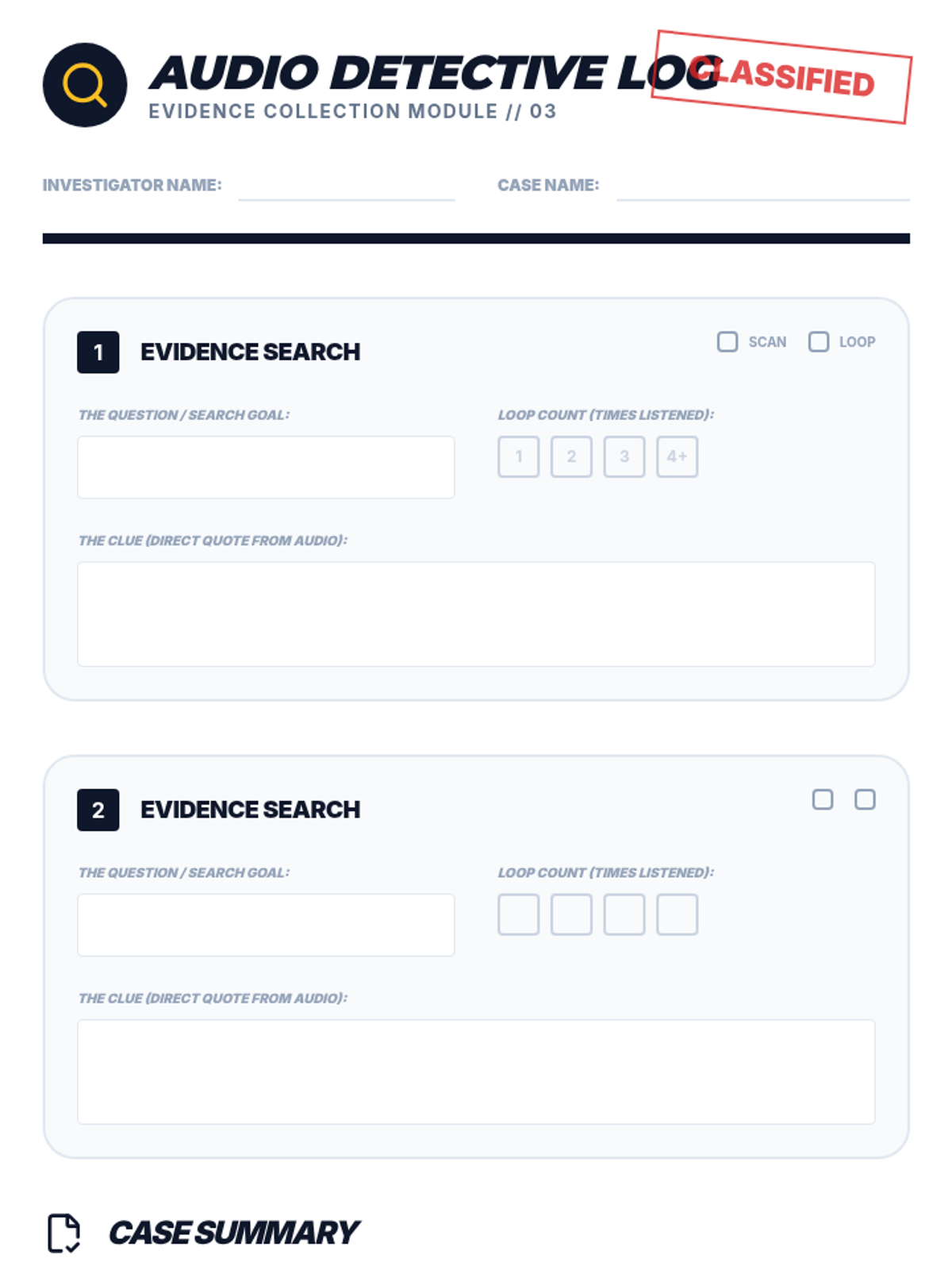
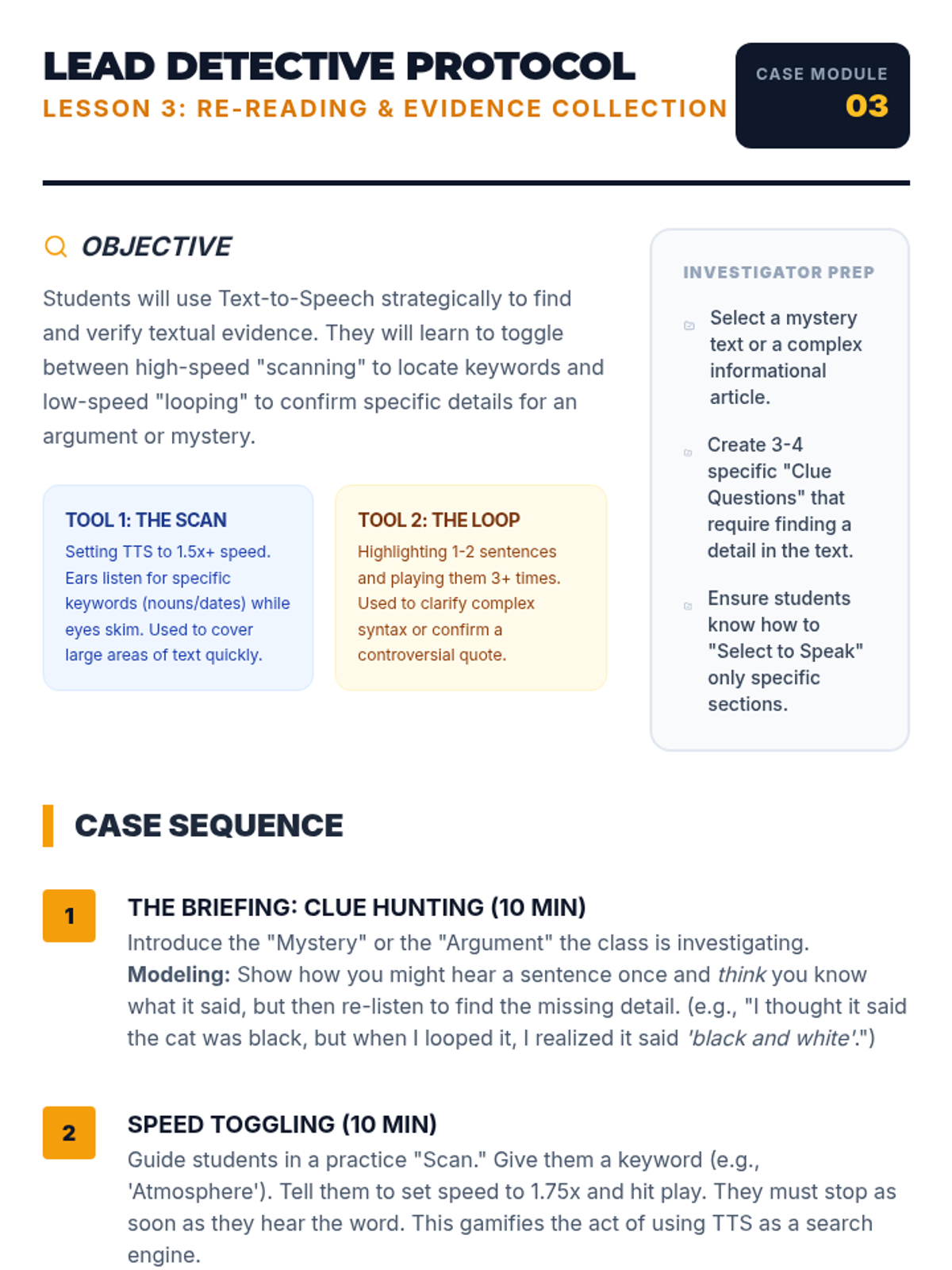
Student activity sheet for Lesson 3, featuring a detective case file layout for evidence collection using TTS scanning and looping strategies.
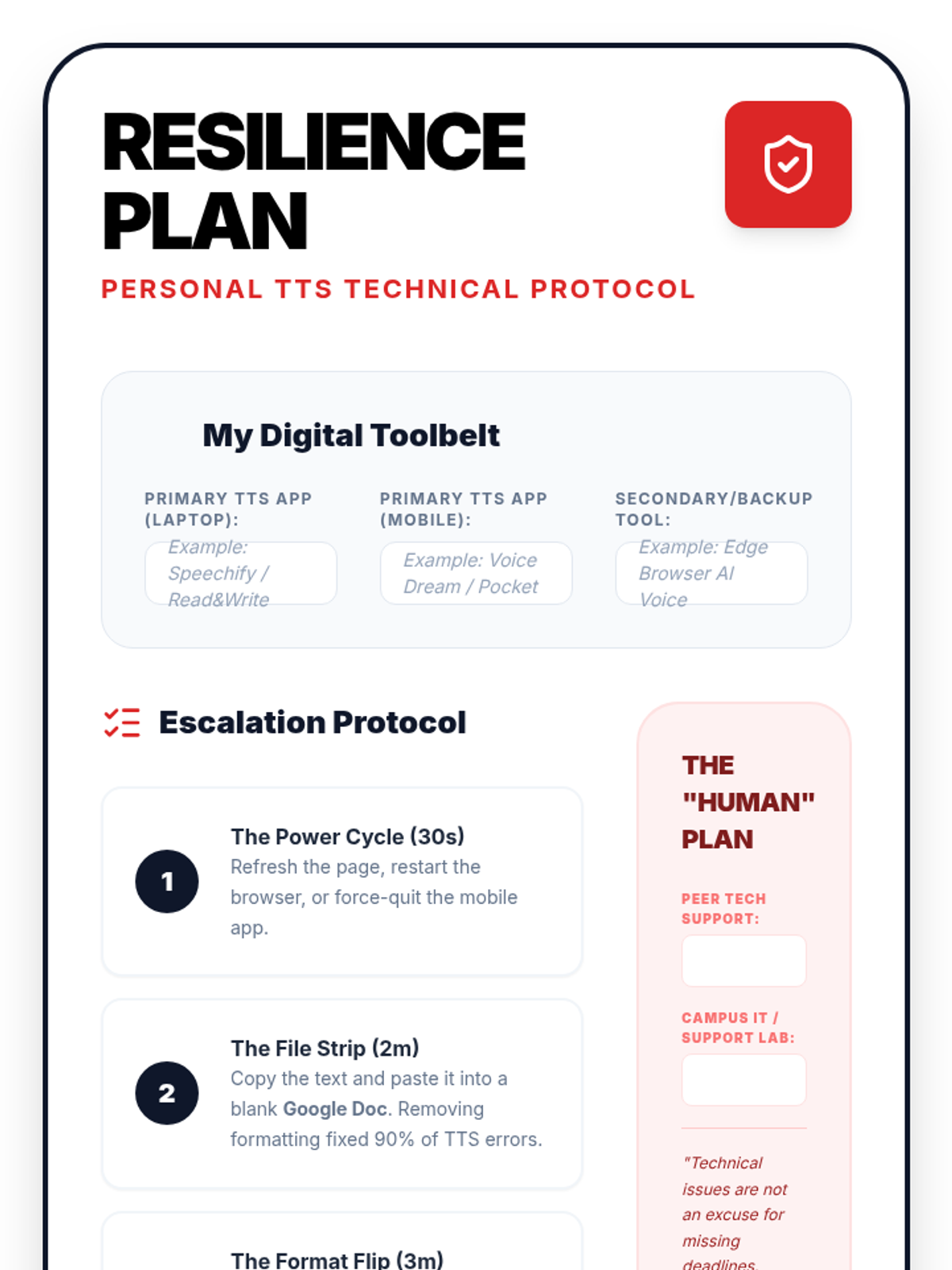
A personal template for Lesson 5. Students fill this out to create their own 'Digital Resilience Plan', documenting their tool arsenal, escalation steps for technical failures, and human support resources.
Slide deck for Lesson 3: Auditory Note-Taking Techniques, introducing graphic organizers and shorthand for auditory learning.
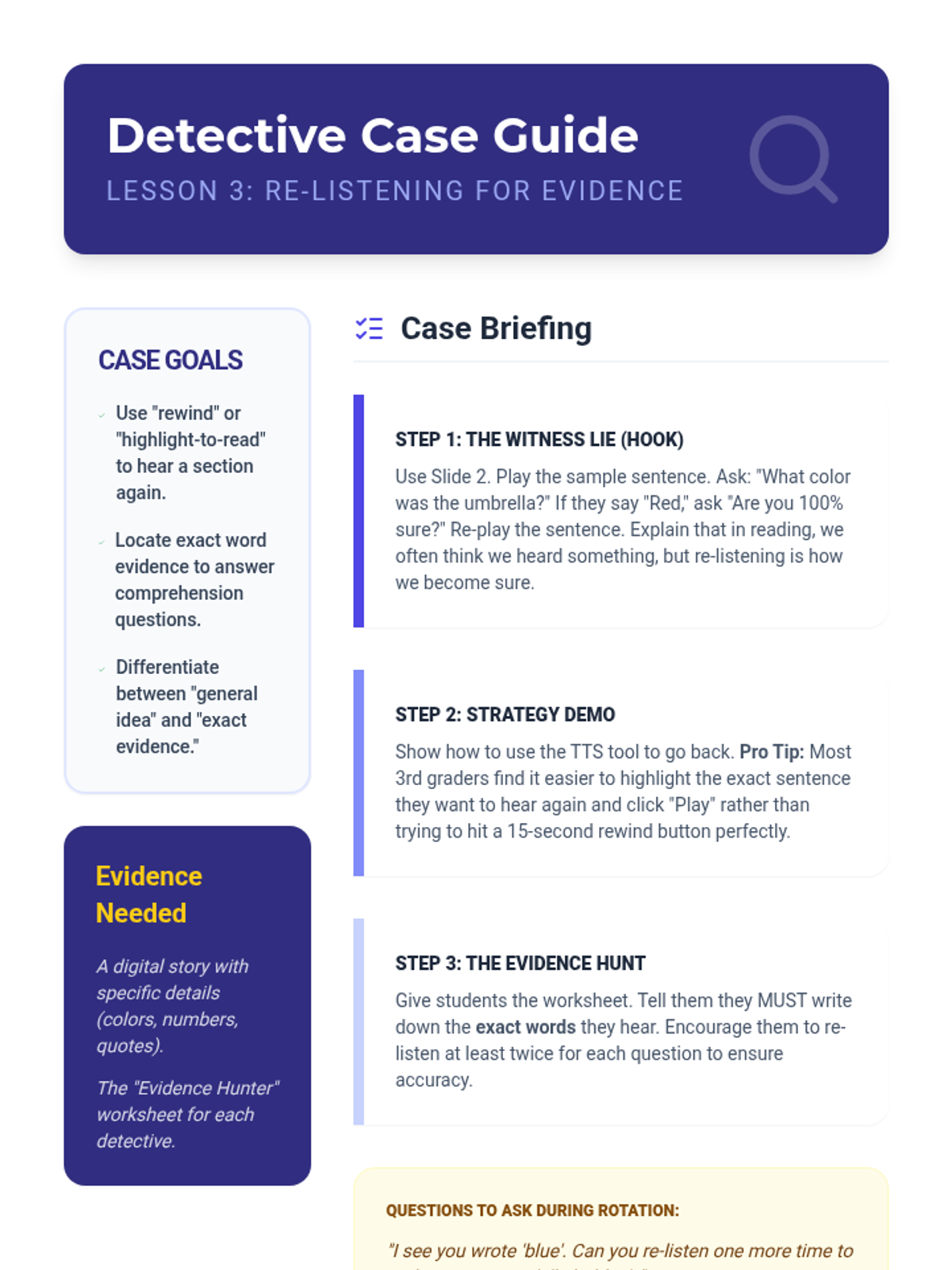
Detailed teacher guide for Lesson 3, focusing on the detective theme and the "Scan" and "Loop" techniques for finding and verifying evidence with TTS.
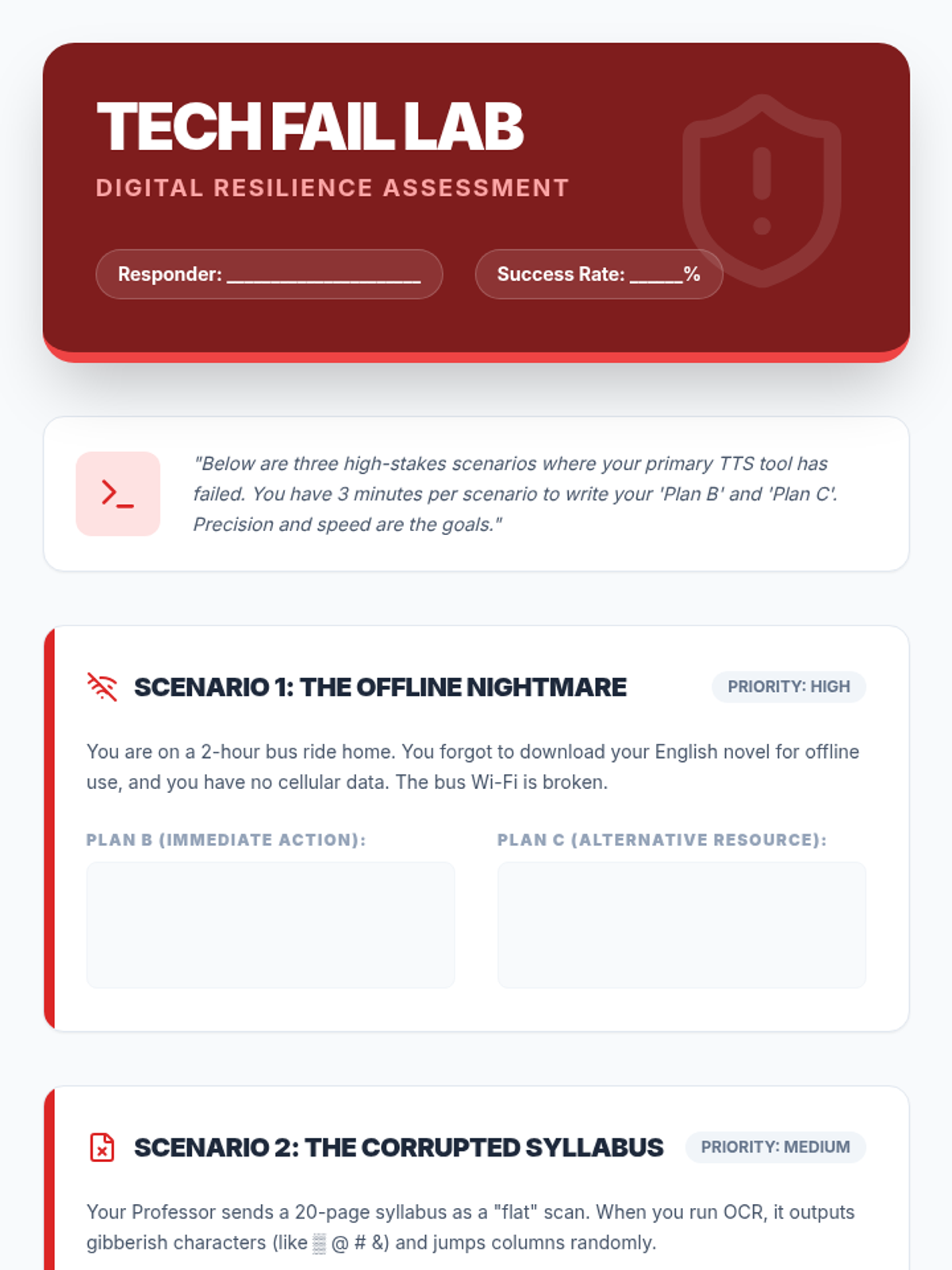
A technical worksheet for Lesson 5. Students are presented with three 'high-stakes' technical failure scenarios and must document their primary and secondary backup plans to ensure reading productivity.
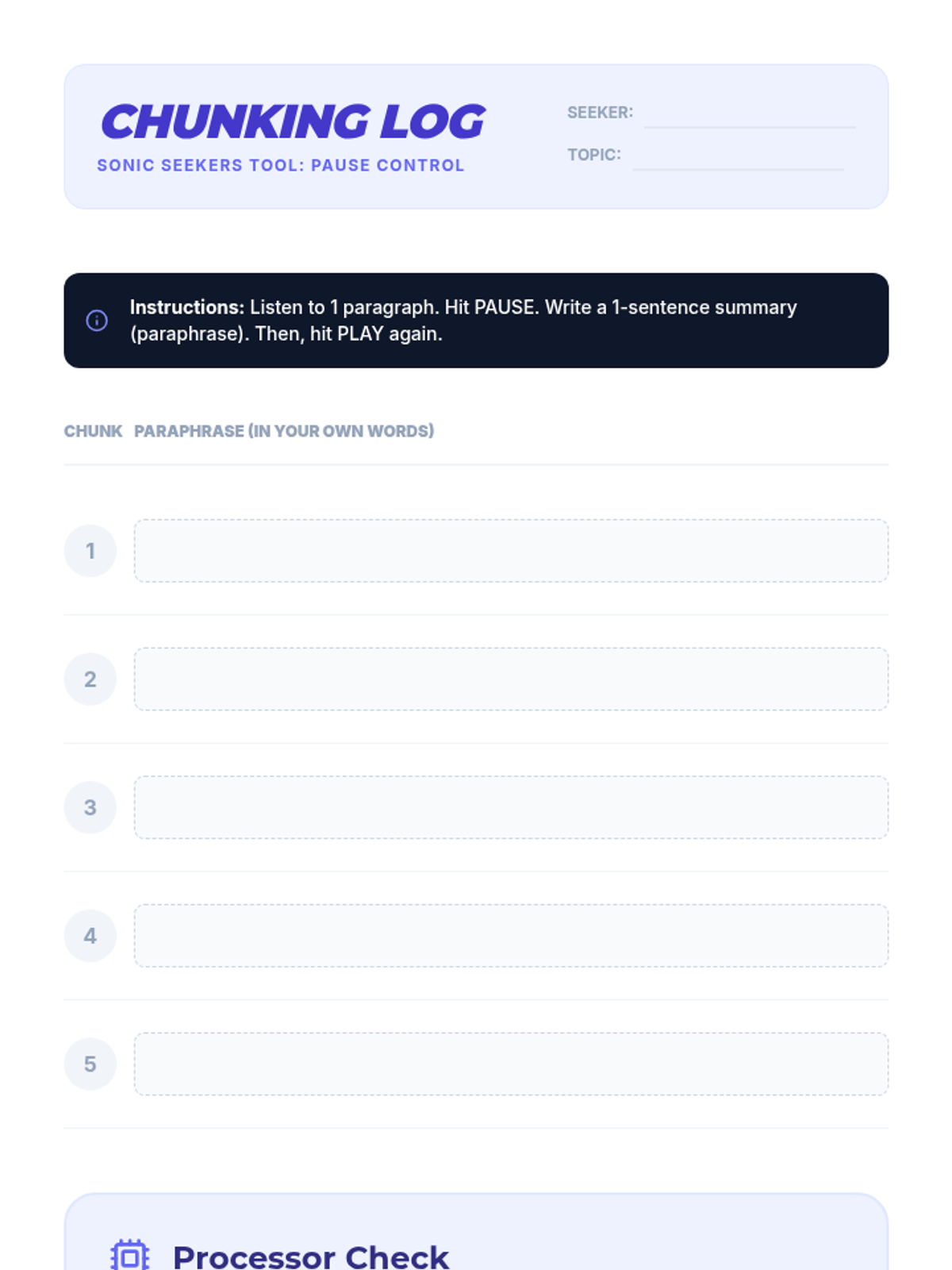
Activity log for Lesson 2, providing a structured way for students to practice chunking and paraphrasing informational text while using TTS.
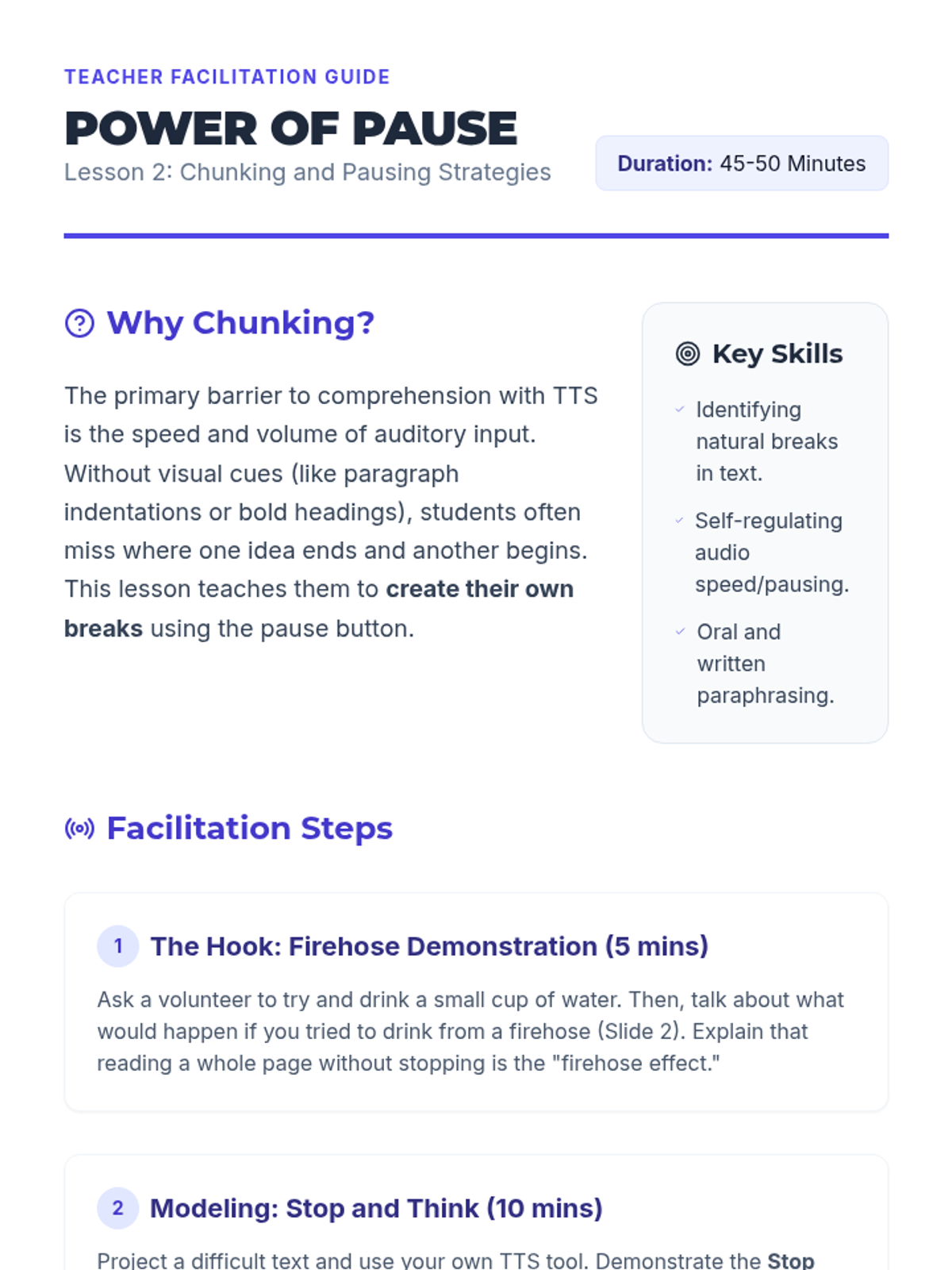
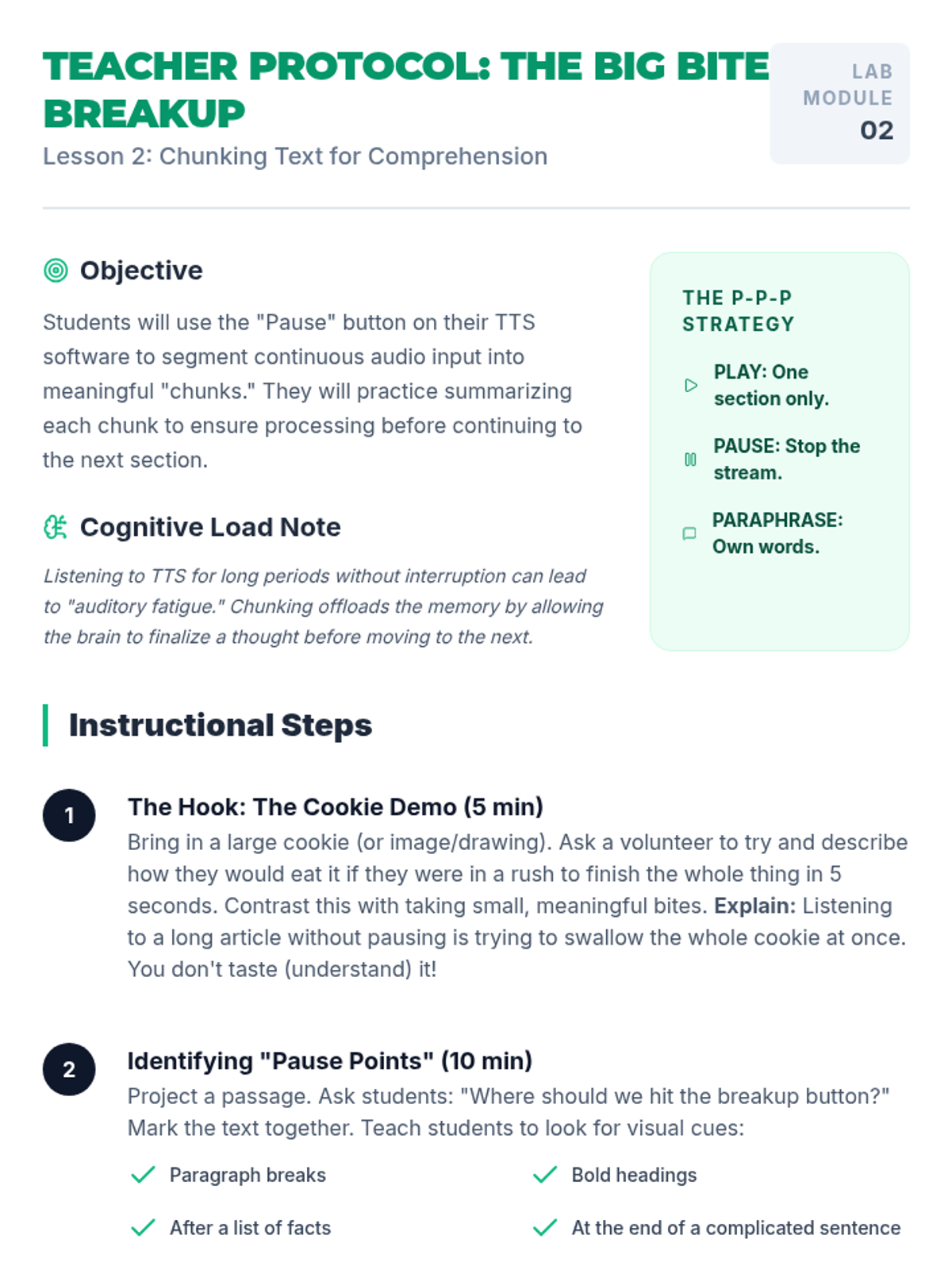
Teacher guide for Lesson 2, outlining the "Firehose Effect" hook and the "Stop and Think" instructional routine.
Slide deck for Lesson 2: Chunking and Pausing Skills, introducing the "Stop and Think" routine and the concept of information chunking for TTS.
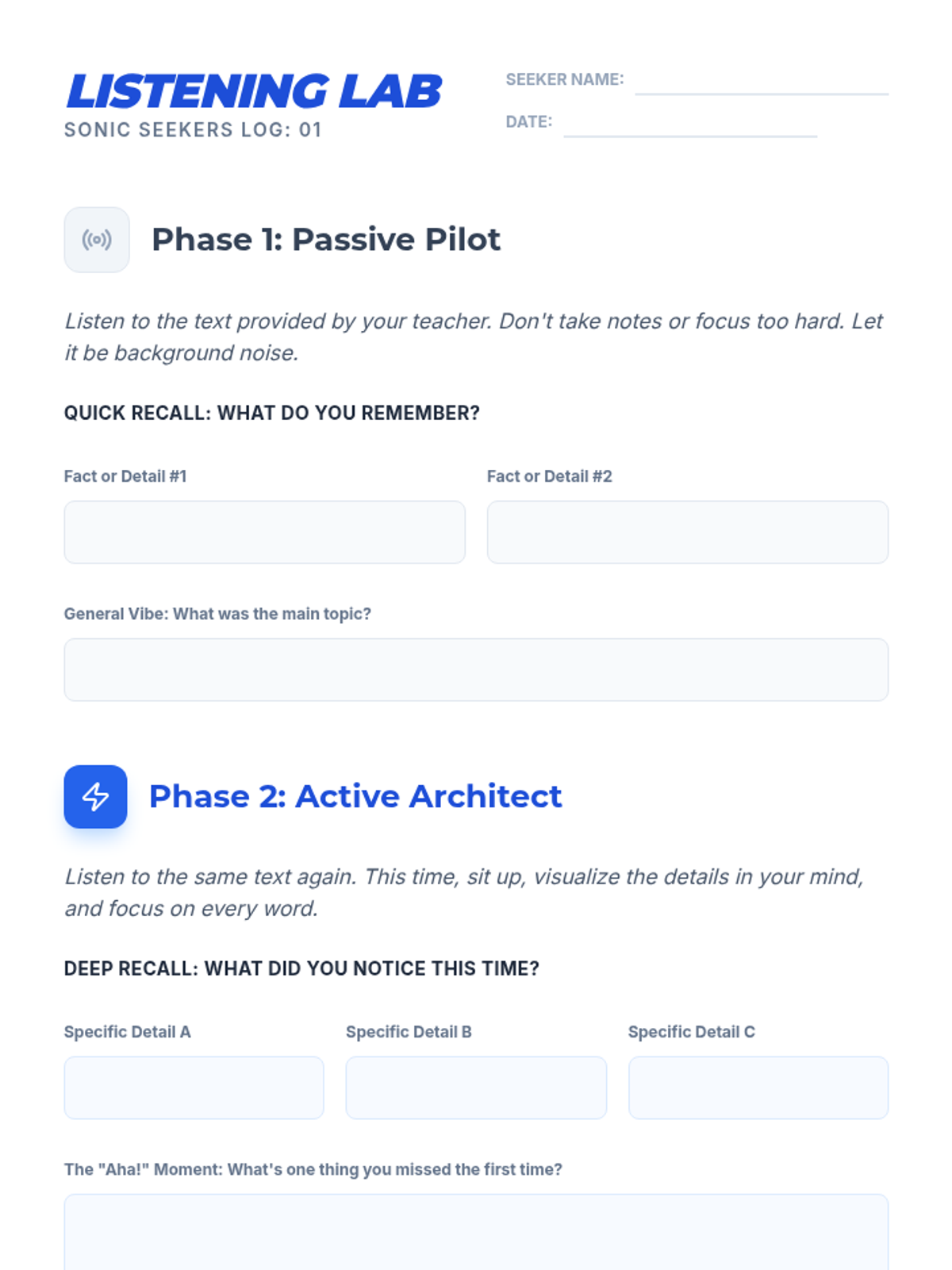
Student worksheet for Lesson 1's "Listening Lab" activity, allowing students to track and compare their recall after passive vs. active listening sessions.
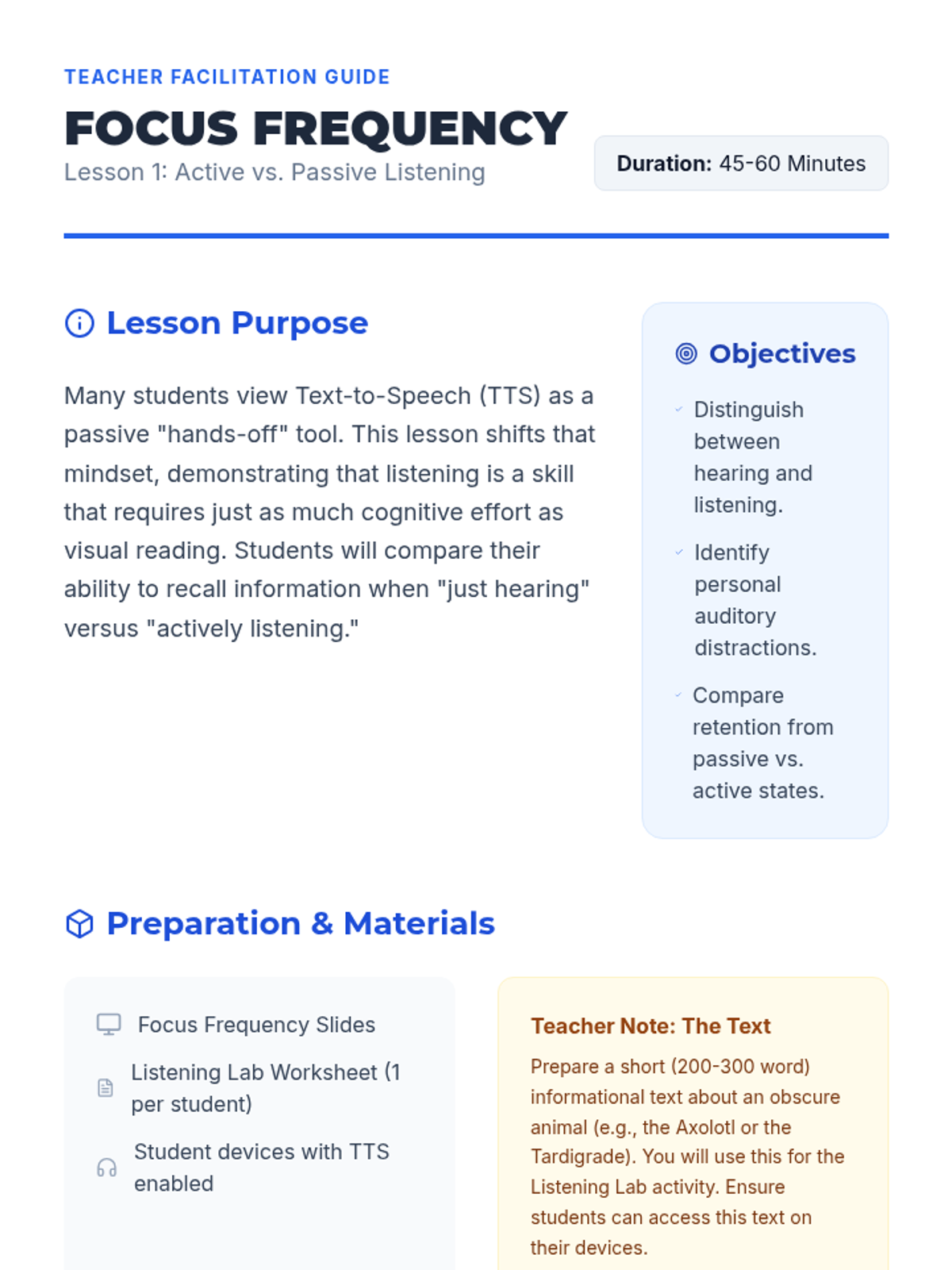
Teacher facilitation guide for Lesson 1, providing step-by-step instructions for the "Listening Lab" activity and pedagogical context.
Introductory slide deck for Lesson 1: Active vs. Passive Listening, defining key terms and setting the stage for the Listening Lab activity.
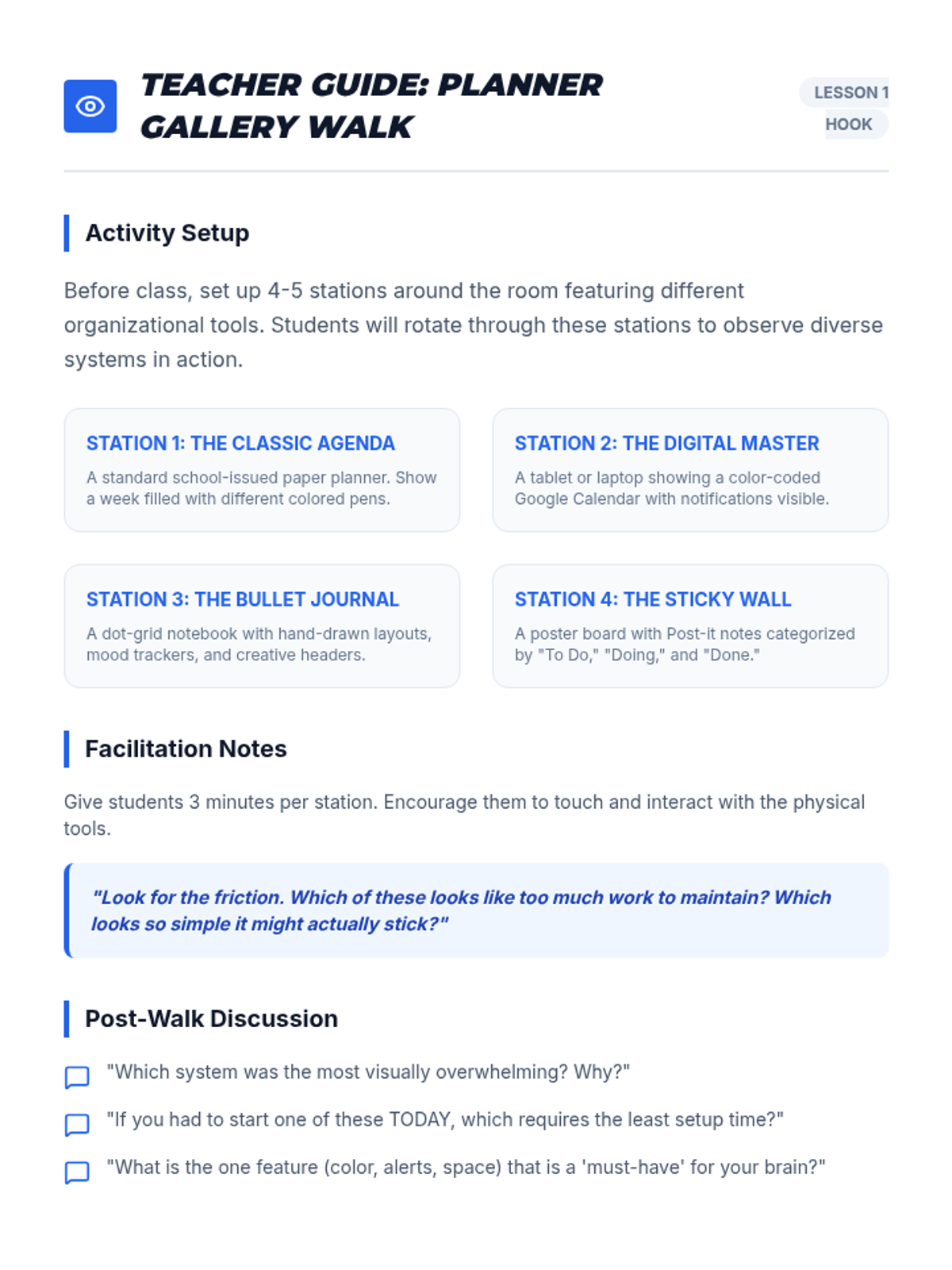
A facilitation guide for the 'Planner Gallery Walk' hook in Lesson 1, including station setup ideas and discussion prompts.
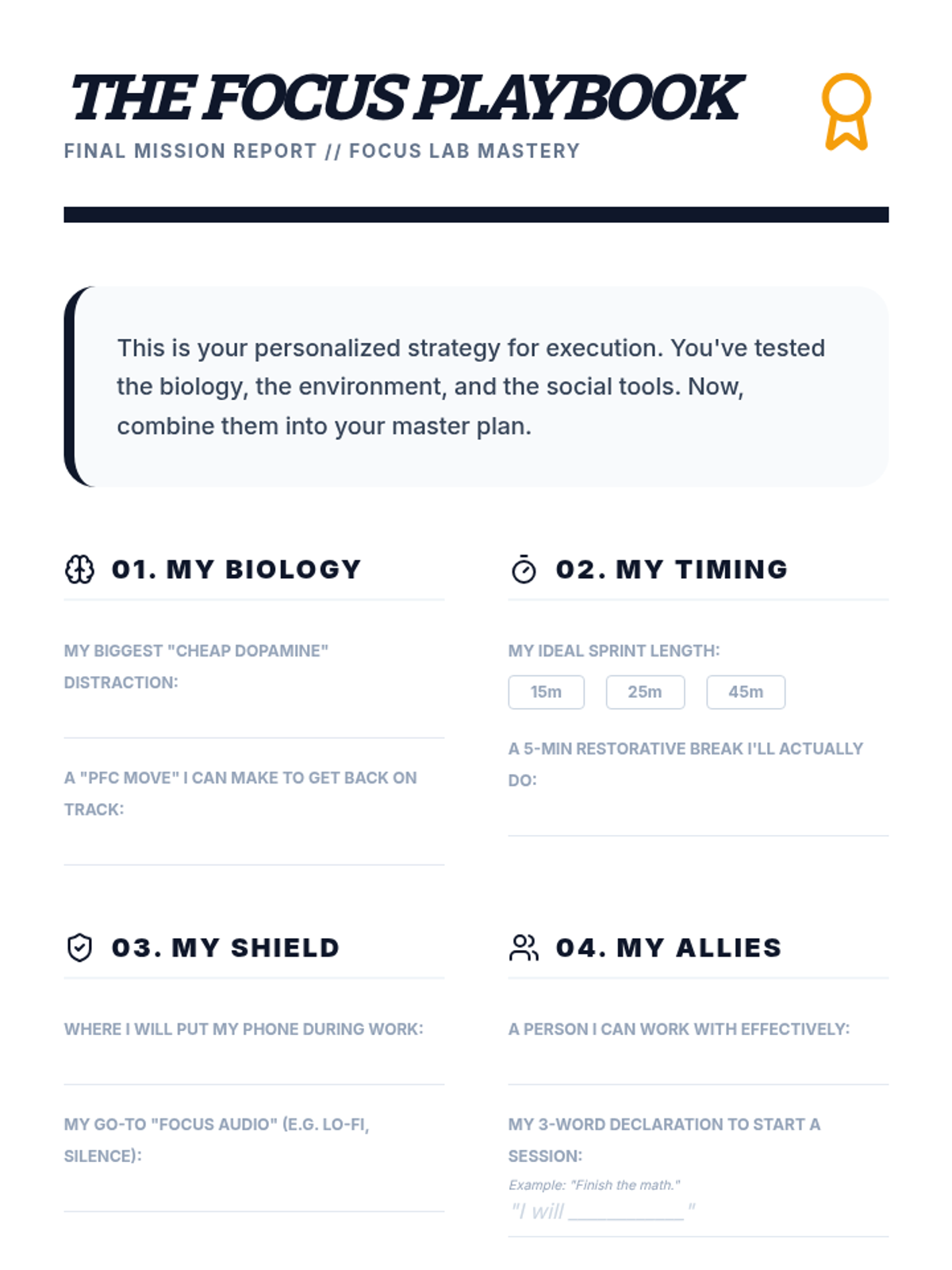
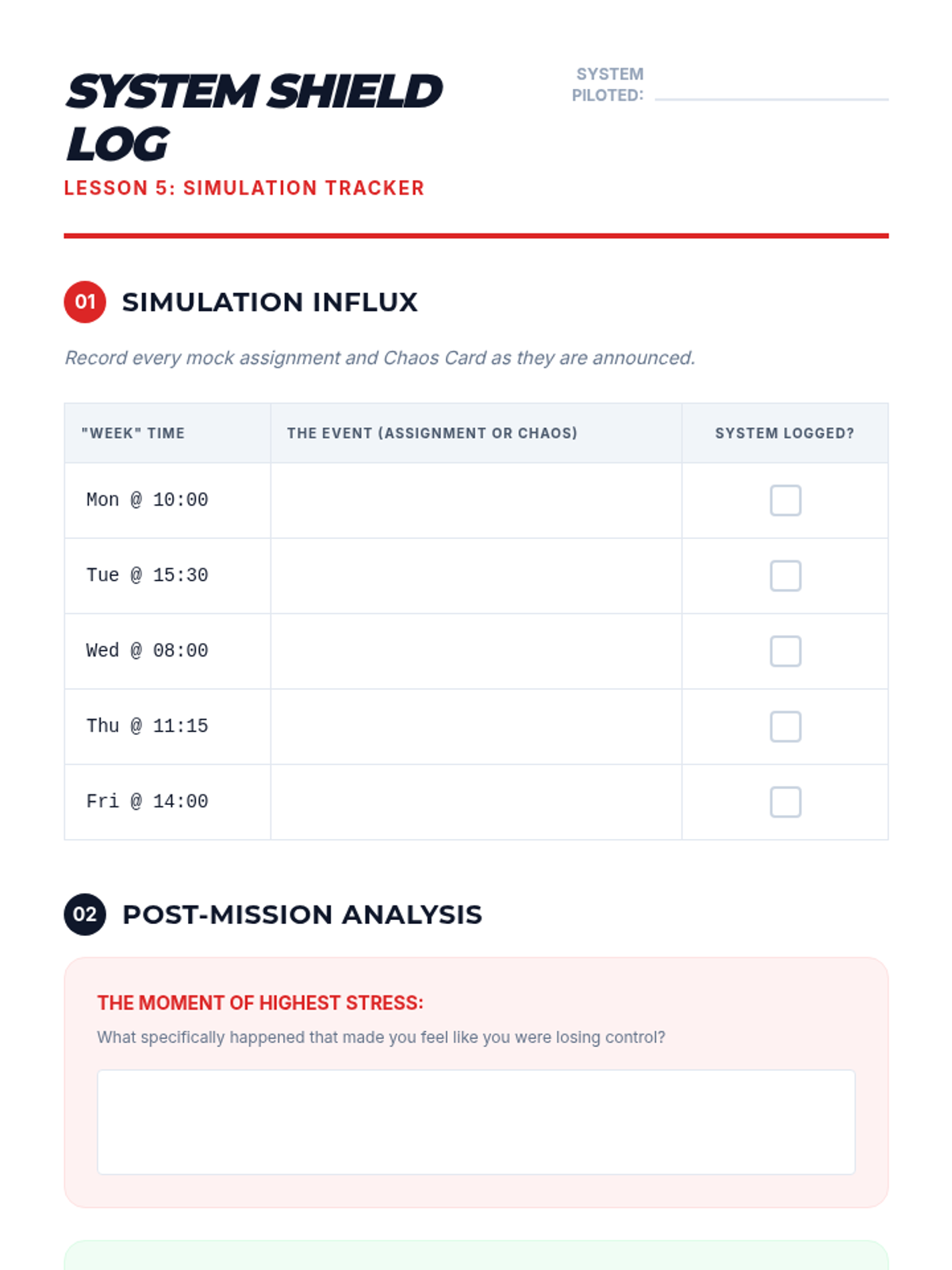
A summative document for the unit where students synthesize their learnings into a personalized focus and execution plan.
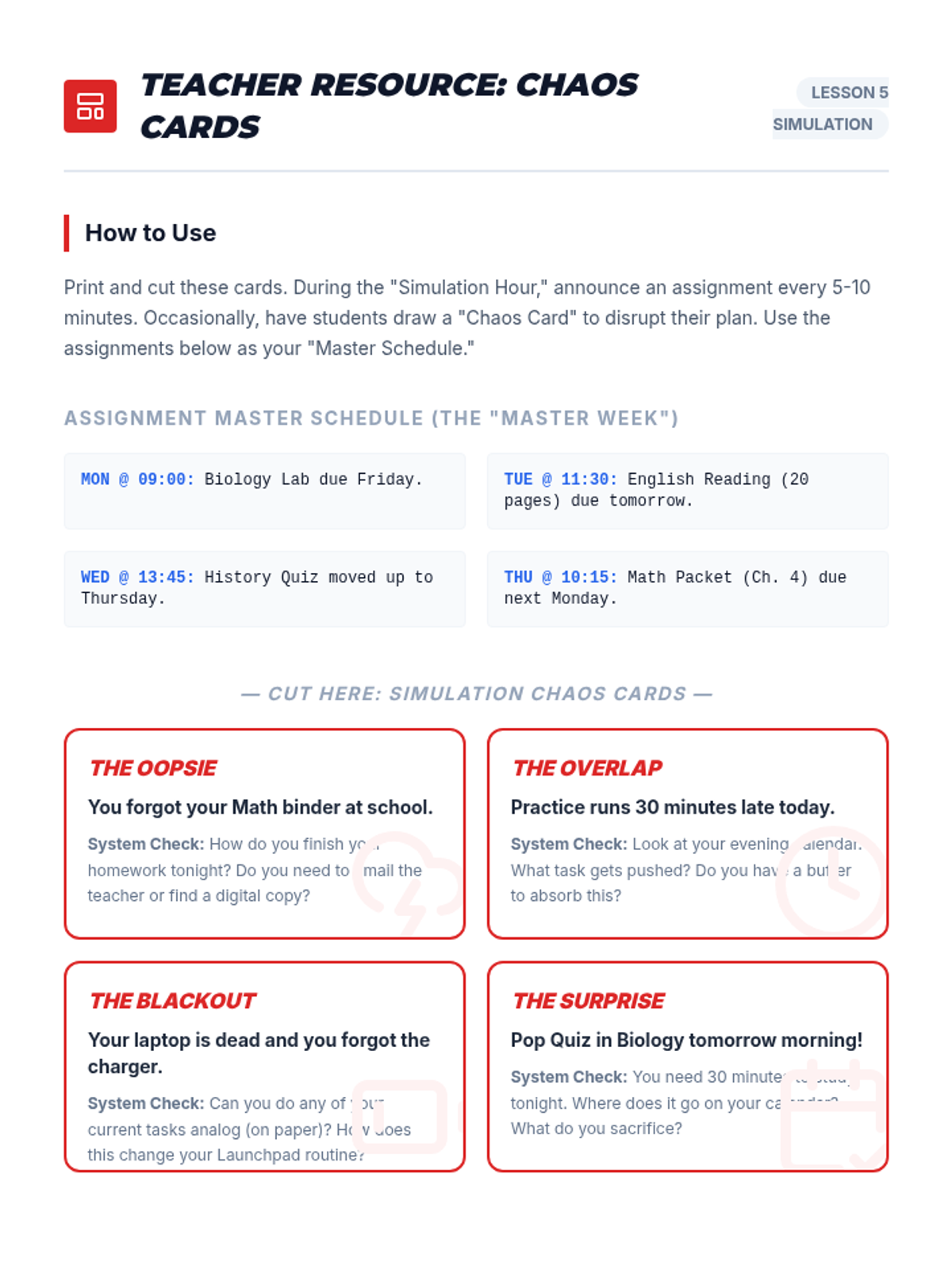
A set of scenario cards for the simulation activity, including master assignments and 'Chaos Card' events to test students' organizational frameworks.
A reflection and tracking log for students to record successes and failures during the 'Stress Test' simulation.
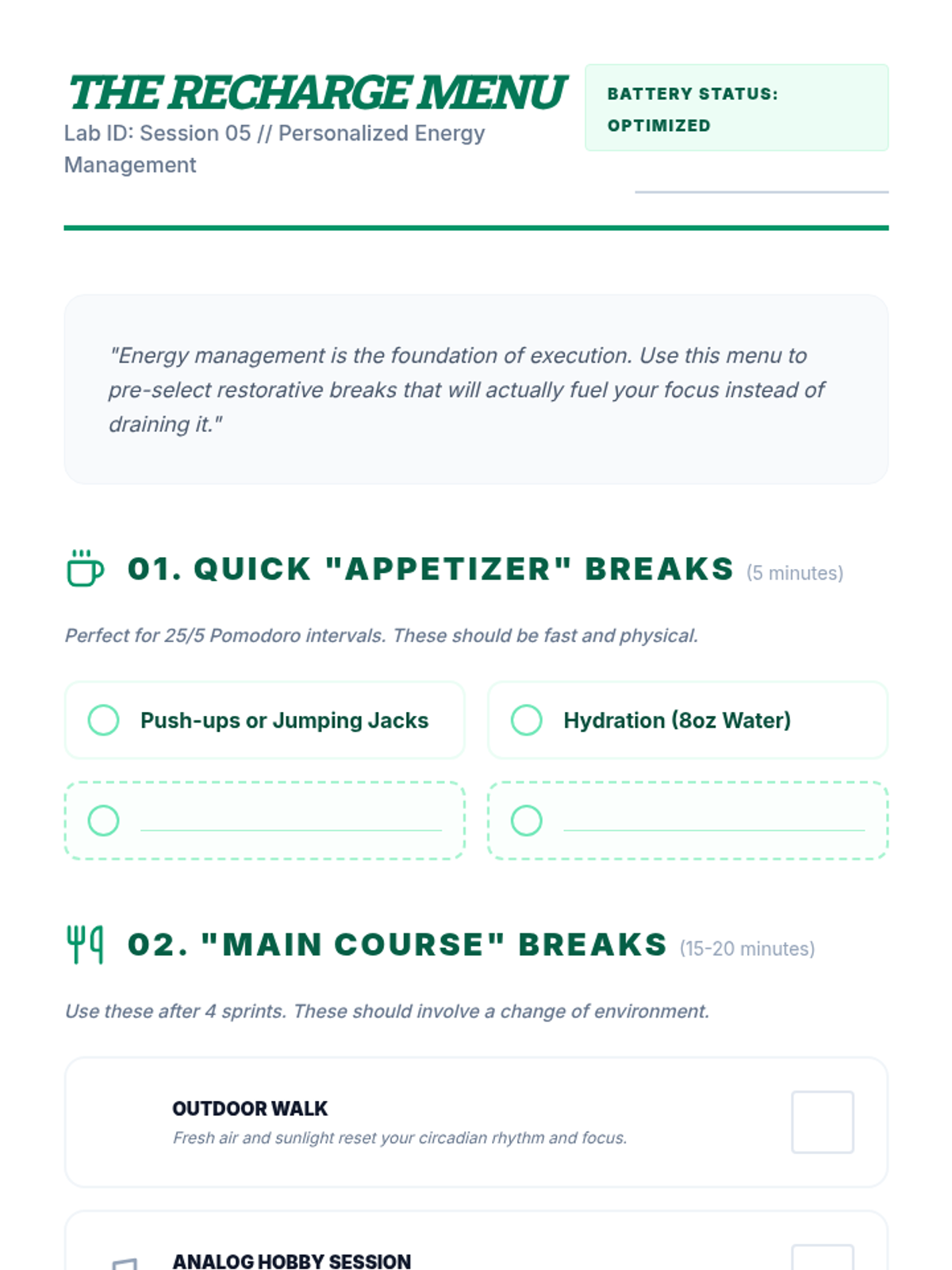
A worksheet for students to differentiate between restorative and depleting breaks, creating a personalized 'menu' of energy-management strategies.
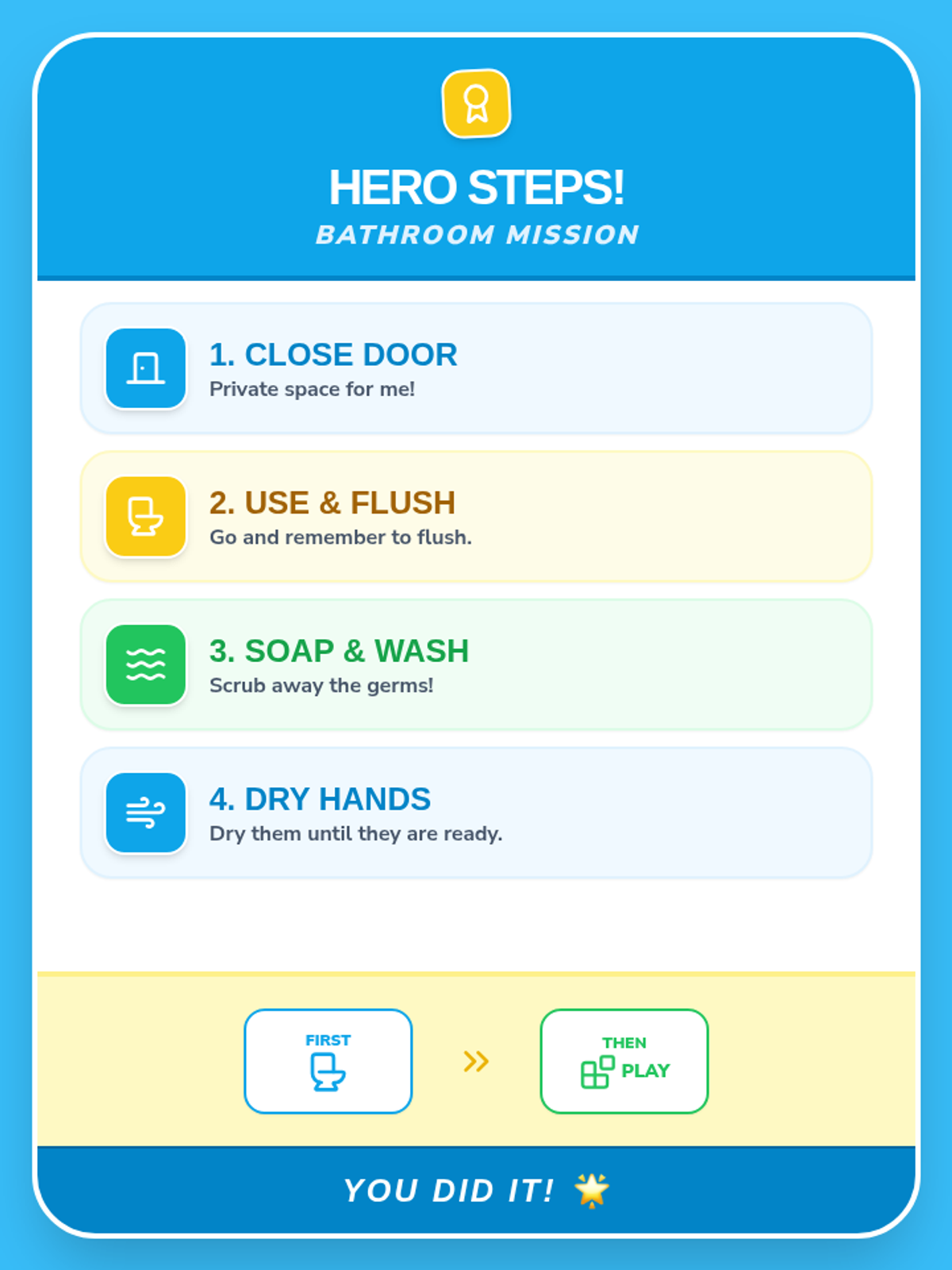
A high-impact wall poster for 1st grade classrooms using a 'Hero Steps' theme. Features high-contrast, chunky visuals, simple numbered steps, and a mini First/Then summary for bathroom success.
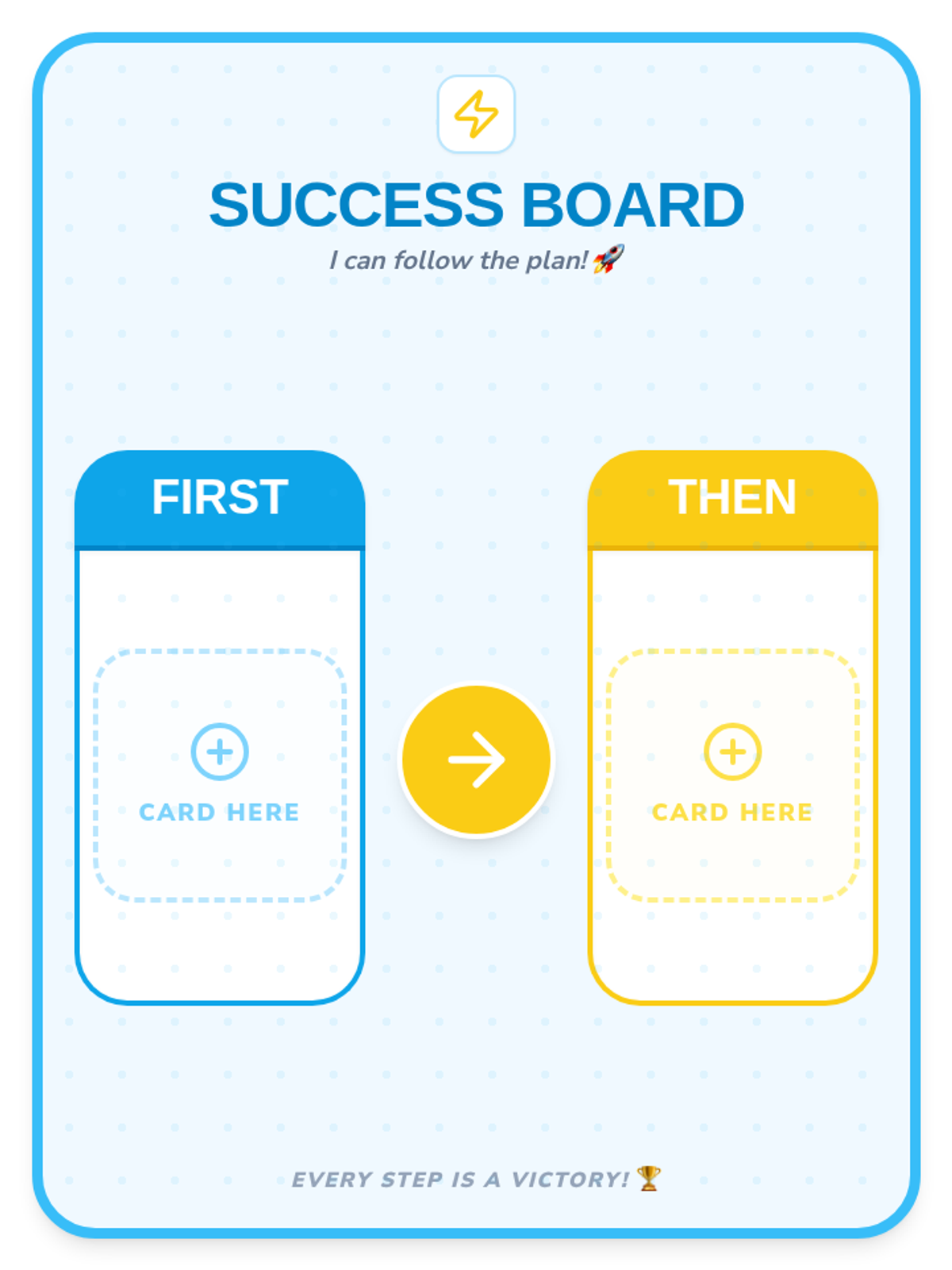
A bright and playful First/Then board for 1st graders. Features a 'Success Board' theme with chunky icons, kid-friendly colors, and a diverse set of activity cards including rewards and choice options.
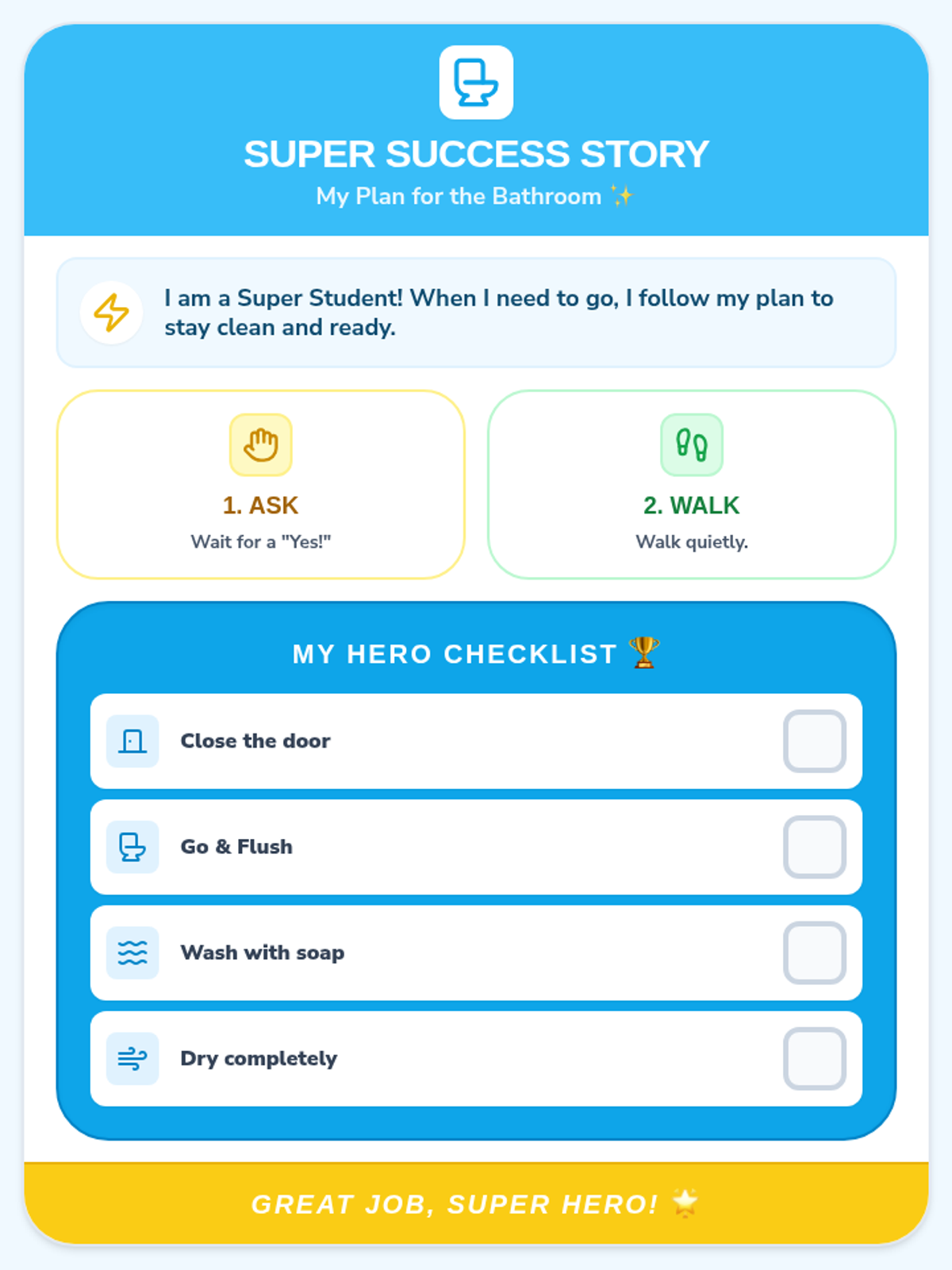
A friendly, 1st grade oriented social story with a 'Super Hero' theme. Features large icons, simple language, and a clear checklist for independent bathroom use.
A vibrant and energetic slide deck for 1st graders using a 'Super Student' theme to teach transitions and routines. Features high-contrast visuals, emojis, and a clear First/Then framework.
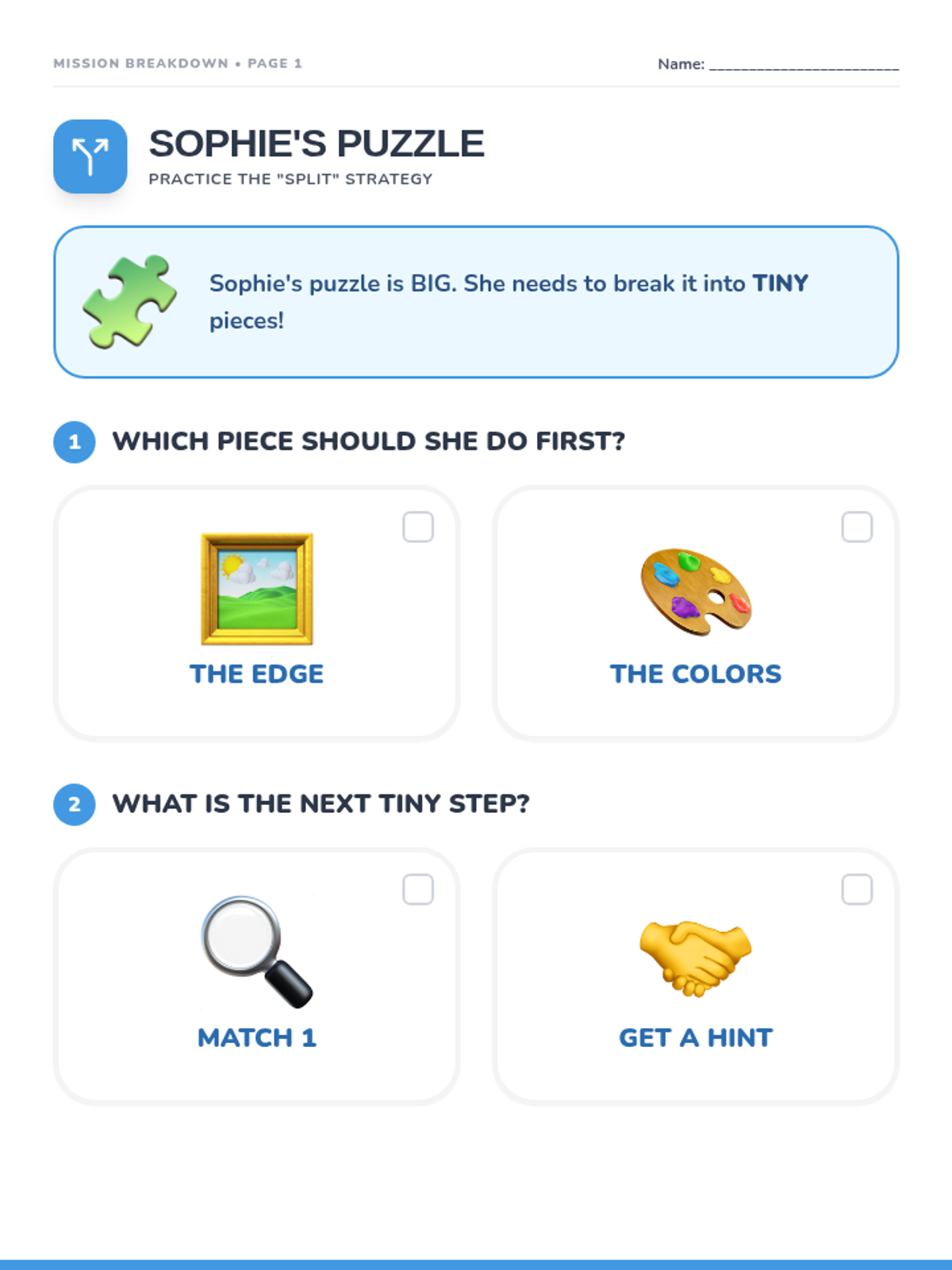
A multi-page packet designed for nonverbal students to practice the 'Split' strategy. Each page presents a 'Hard... Yet' mission with visual choices for breaking it down into smaller, manageable steps.
A visually simplified mission worksheet designed for students who benefit from visual choices. It features large icons for goal setting and strategy selection, reducing the amount of writing required while maintaining the focus on the growth mindset mission.
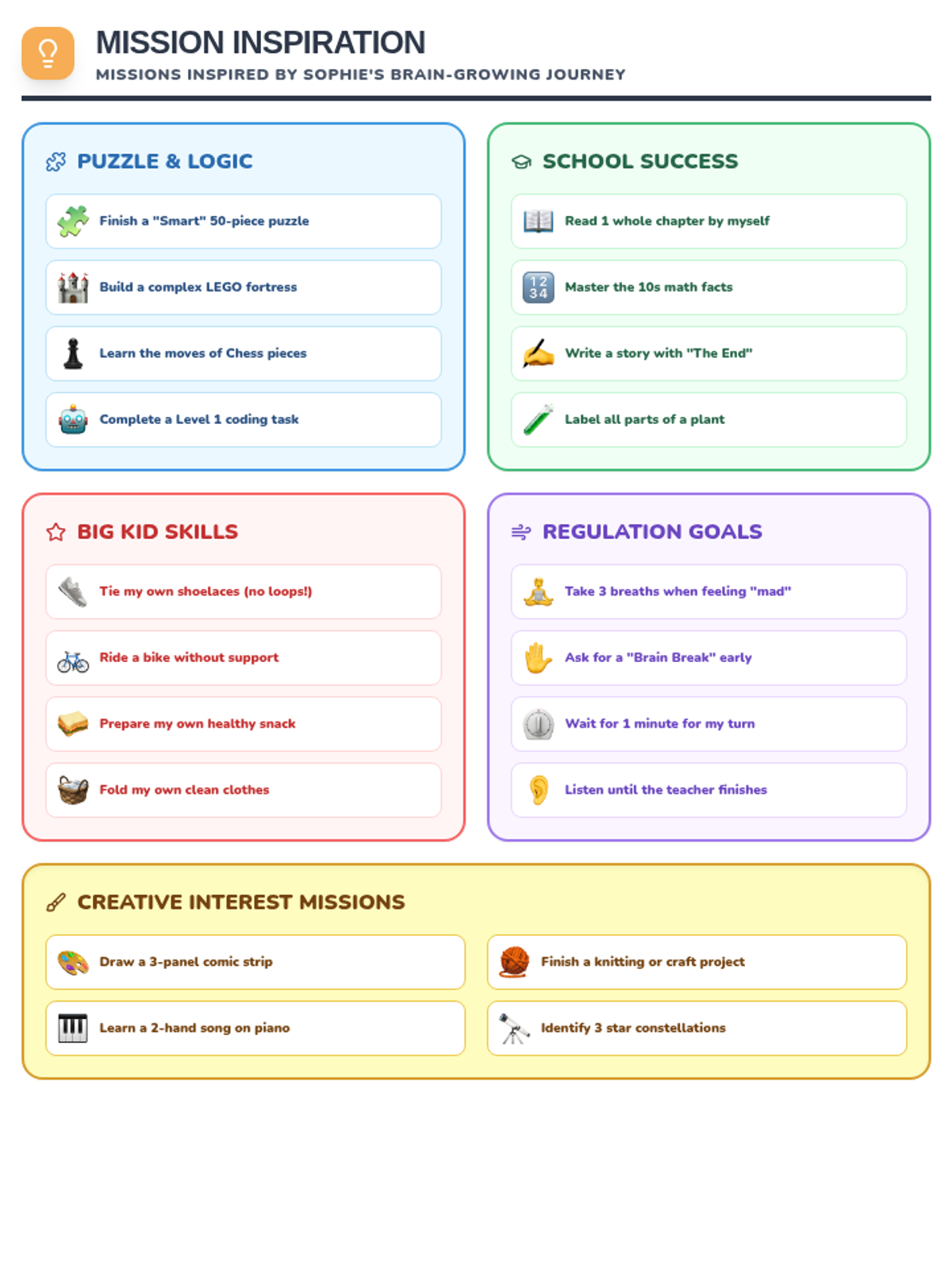
A visual categorized reference sheet of 20 goal examples (missions) to help students brainstorm ideas for their Strategy Mission Worksheet. Categories include Academic, Social, Life Skills, Regulation, and Personal Projects.
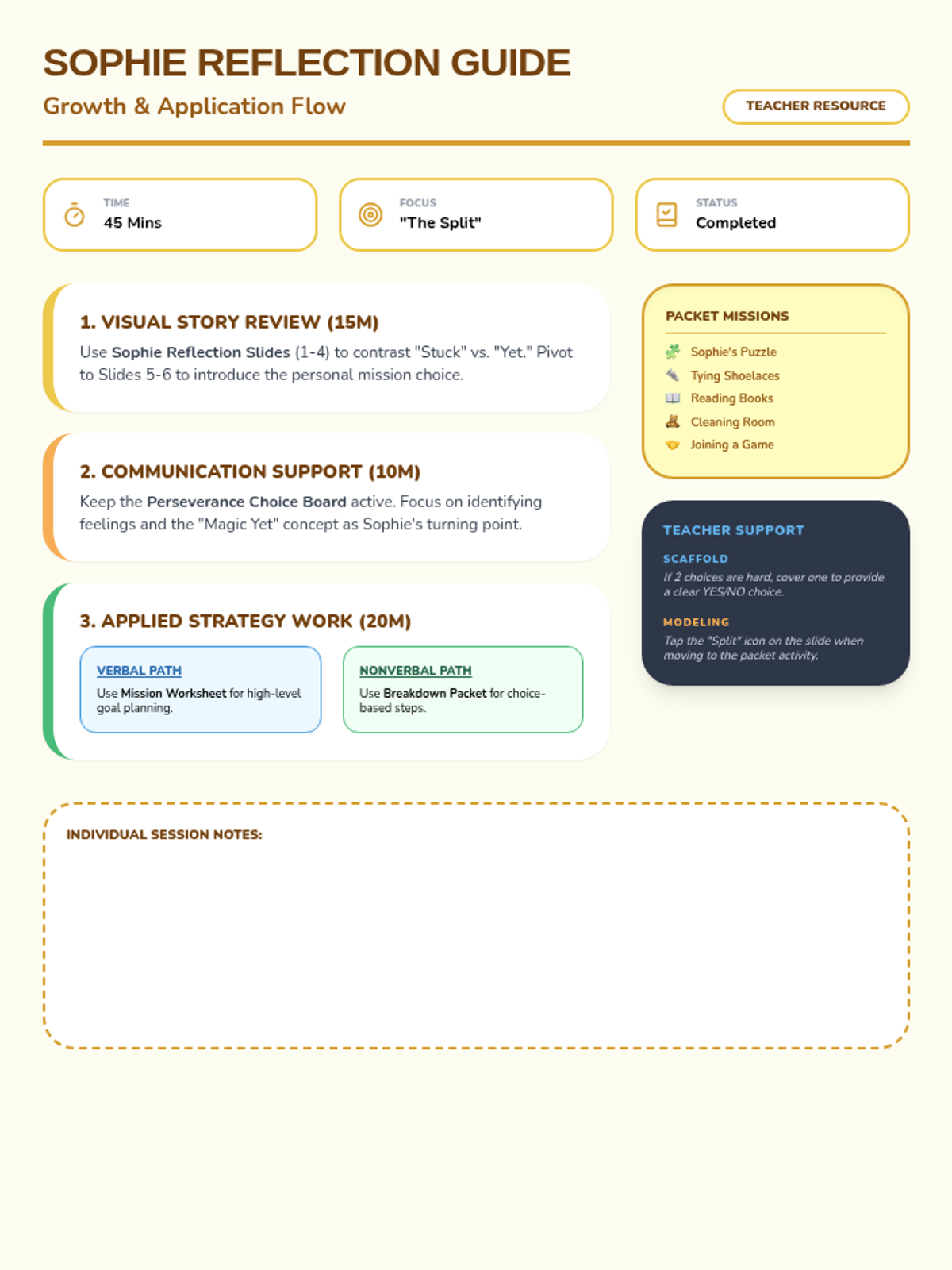
A comprehensive facilitation guide for teachers, offering step-by-step instructions and specific adaptations for teaching perseverance to students with autism. Includes strategies for both verbal and nonverbal learners.
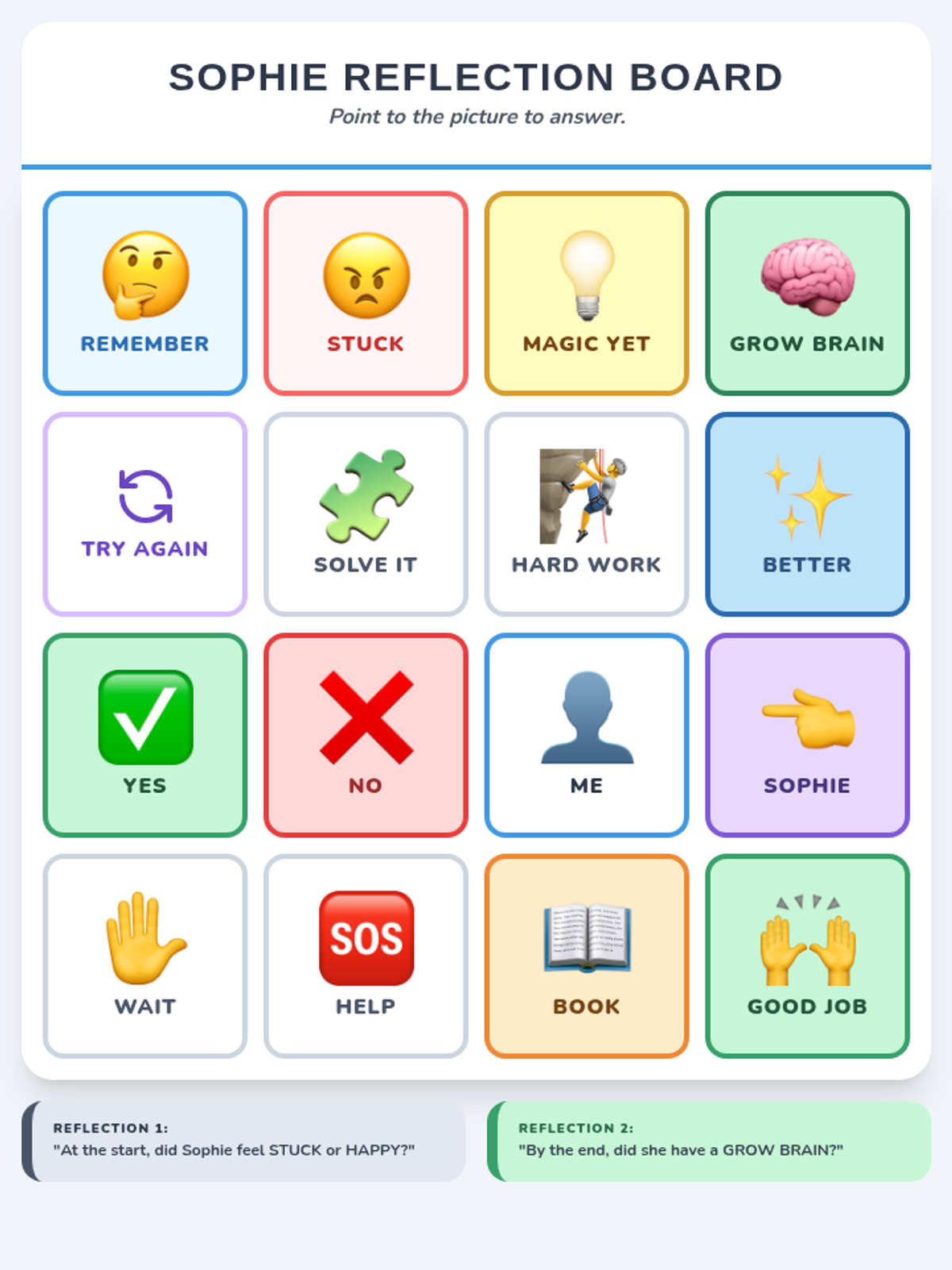
A simple communication choice board featuring 16 high-contrast icons to help nonverbal students respond to questions about 'When Sophie Thinks She Can't'. Includes feelings, actions, and key concept icons like 'Yet'.
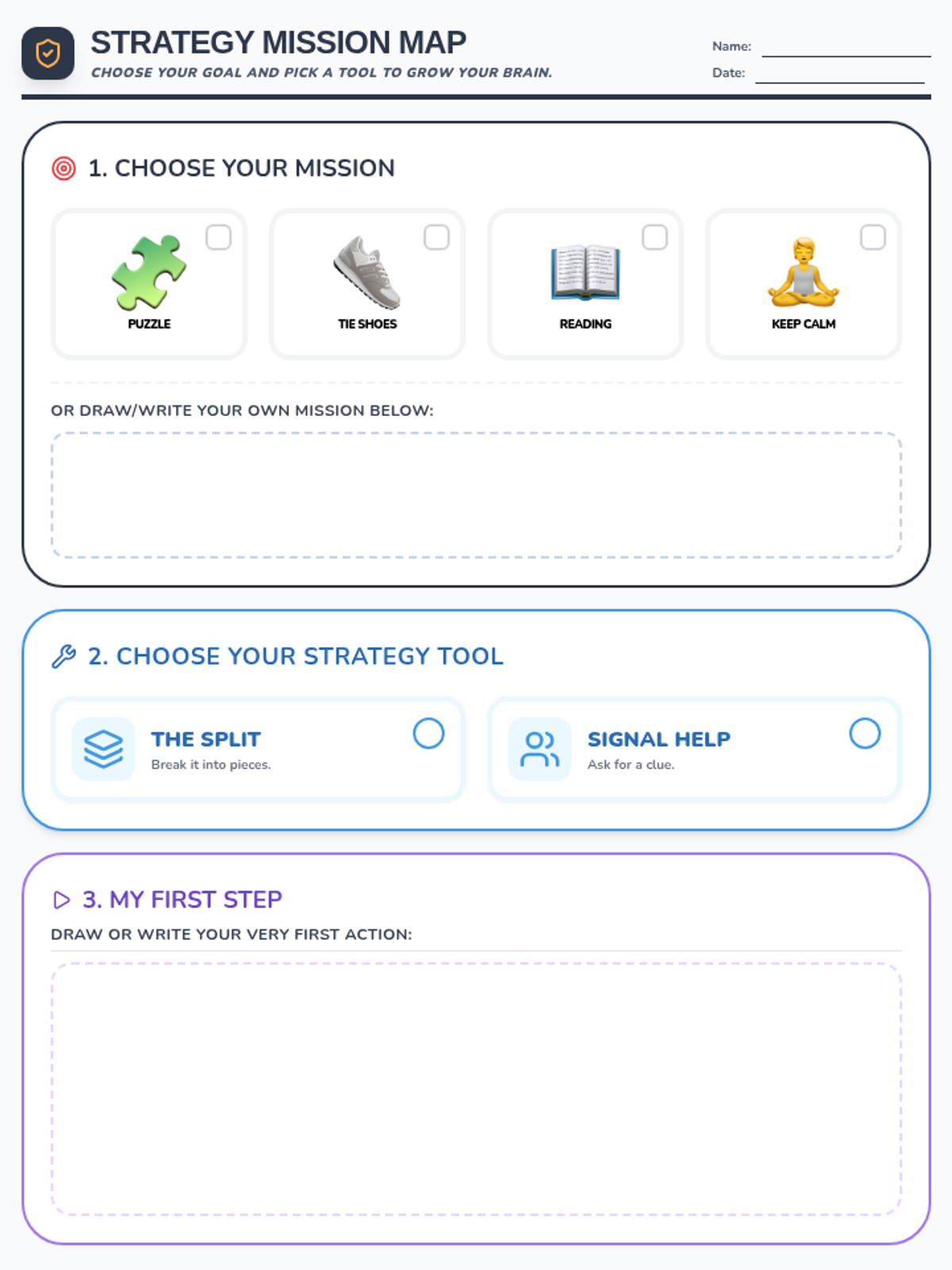
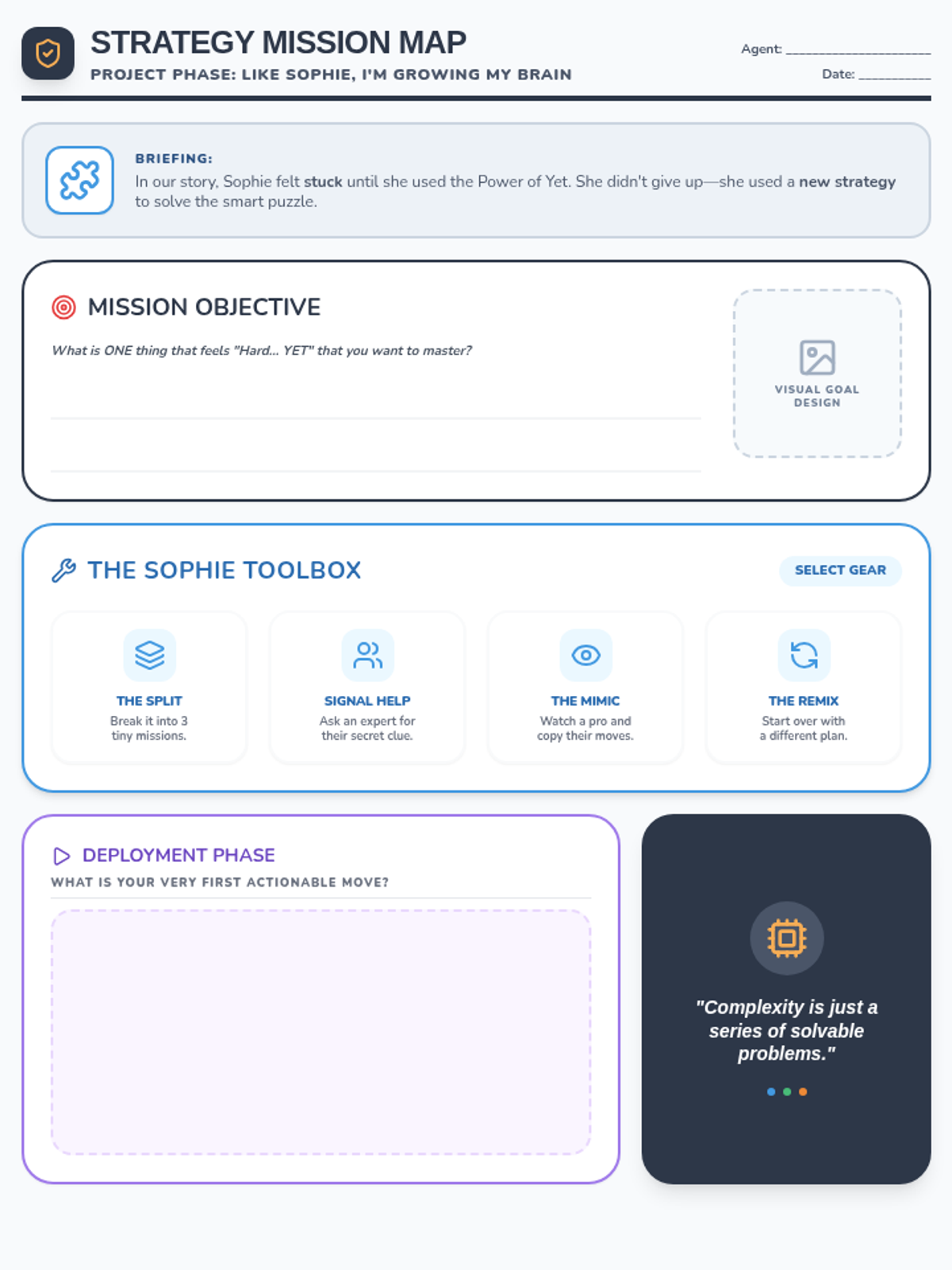
An advanced, project-focused growth mindset worksheet for capable students. It replaces simple can/can't lists with a structured "Mission Map" where students define a complex objective, select high-level strategies from a toolbox, and plan their initial deployment step.
A visual slide deck designed for students with autism to reflect on 'When Sophie Thinks She Can't'. It now includes slides for personal mission selection and strategy picking to scaffold the reflection activity.
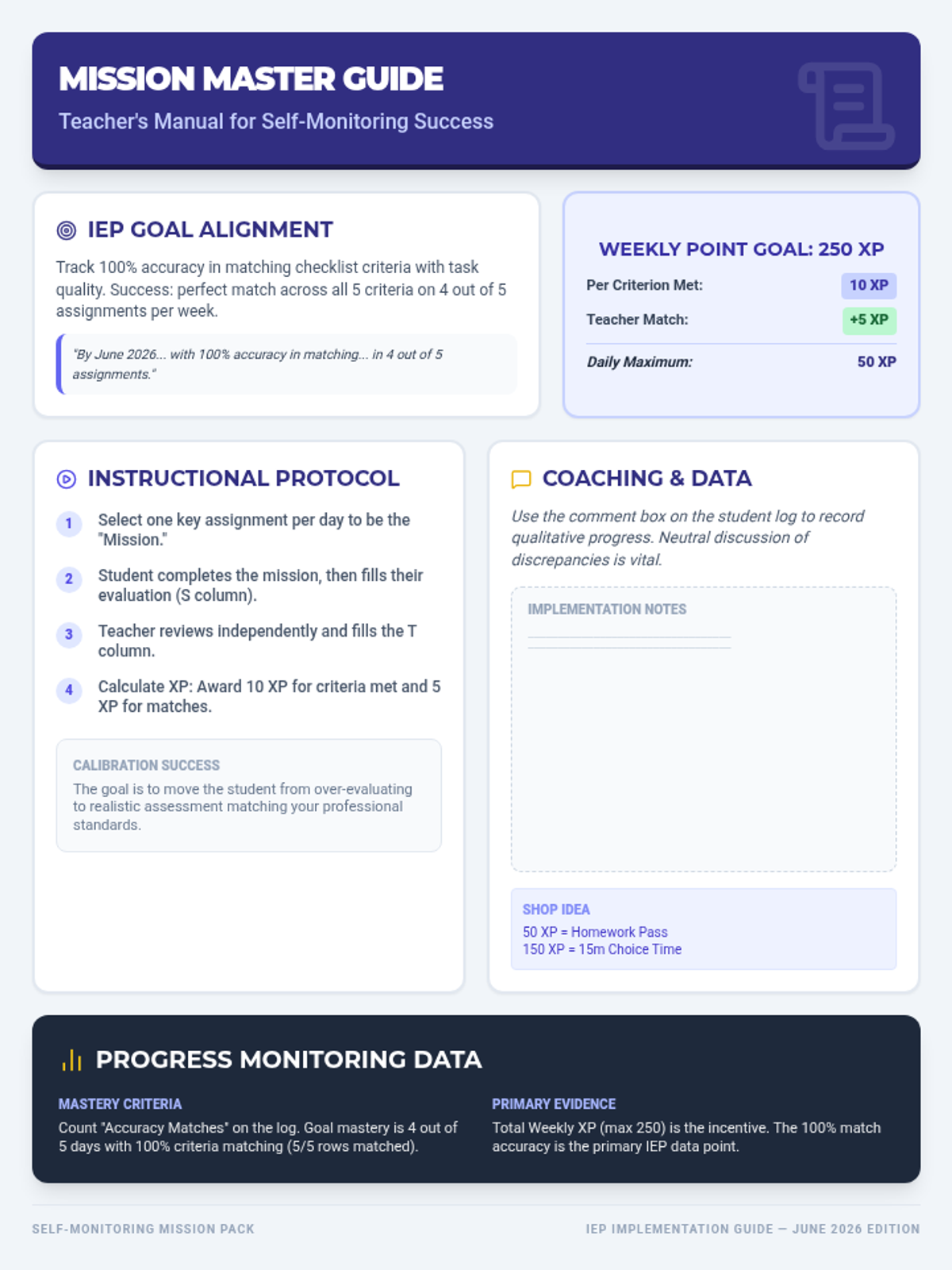
A professional teacher guide for implementing the Weekly Mission Log. It includes instructions for deployment, a detailed breakdown of the point system (XP), calibration tips for accuracy matching, and guidance on using the logs for IEP data collection. Tightened to fit one A4 page.
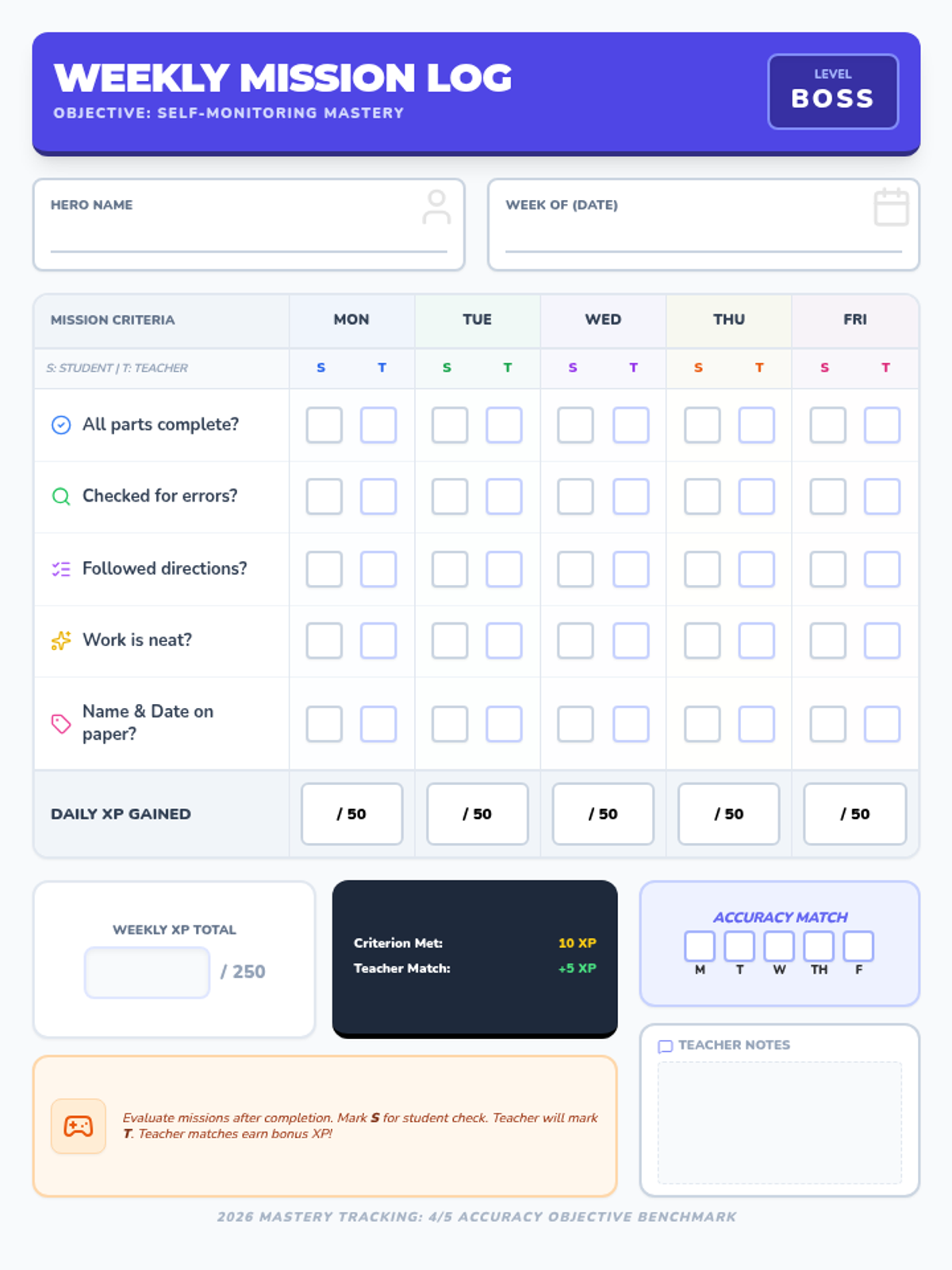
A video game-themed weekly self-monitoring log. It allows a student to track task completion and quality across five days (Monday-Friday) using the five IEP-aligned criteria, featuring a dual-check system for student and teacher accuracy validation. Points are scaled to a weekly total of 250, and a teacher comment area is included.
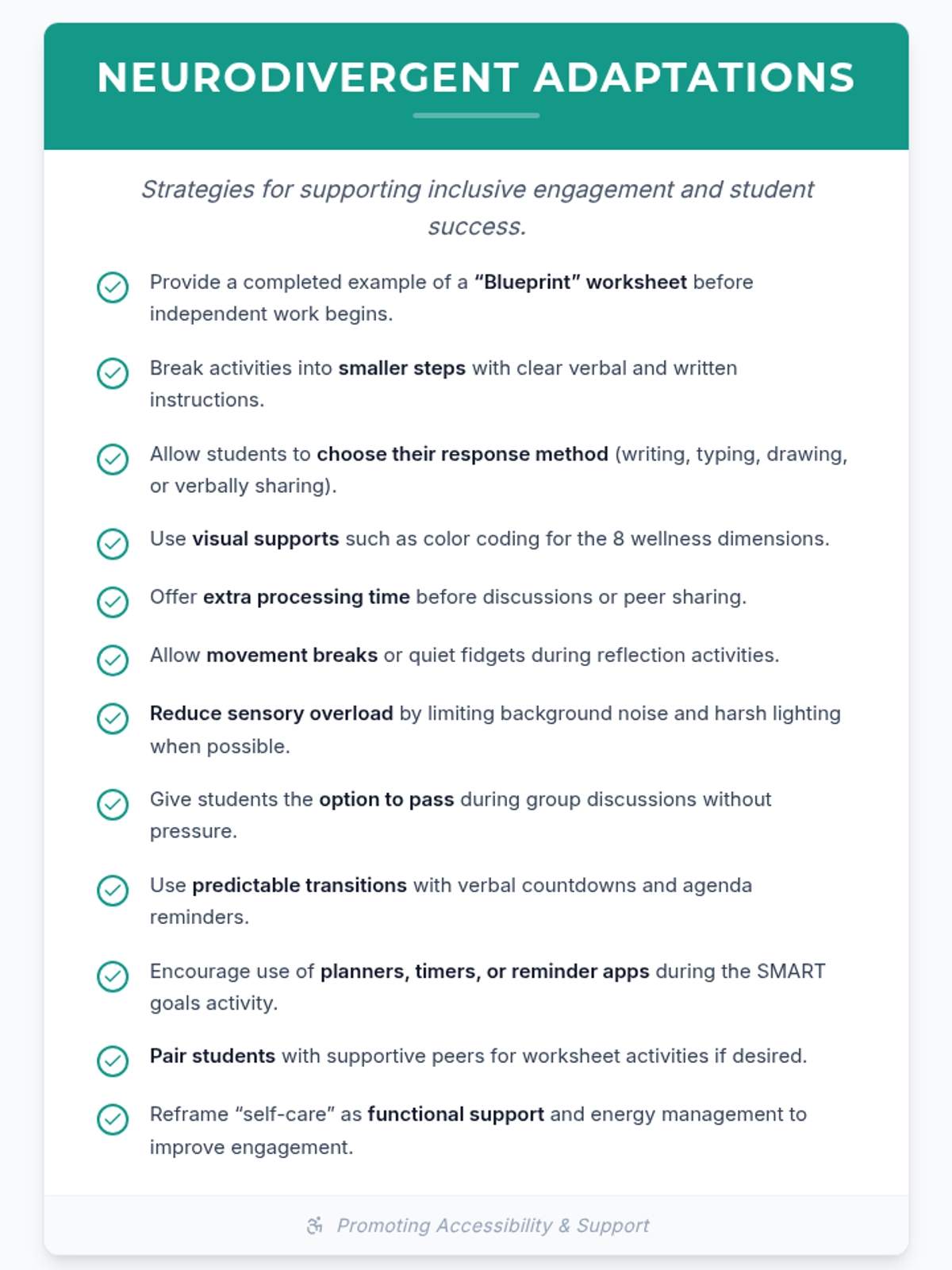
A clean, professional checklist of neurodivergent adaptations for teachers, styled to match the provided attachment with high-contrast teal headers and visual checkmark icons. Adjusted for single-page fit.
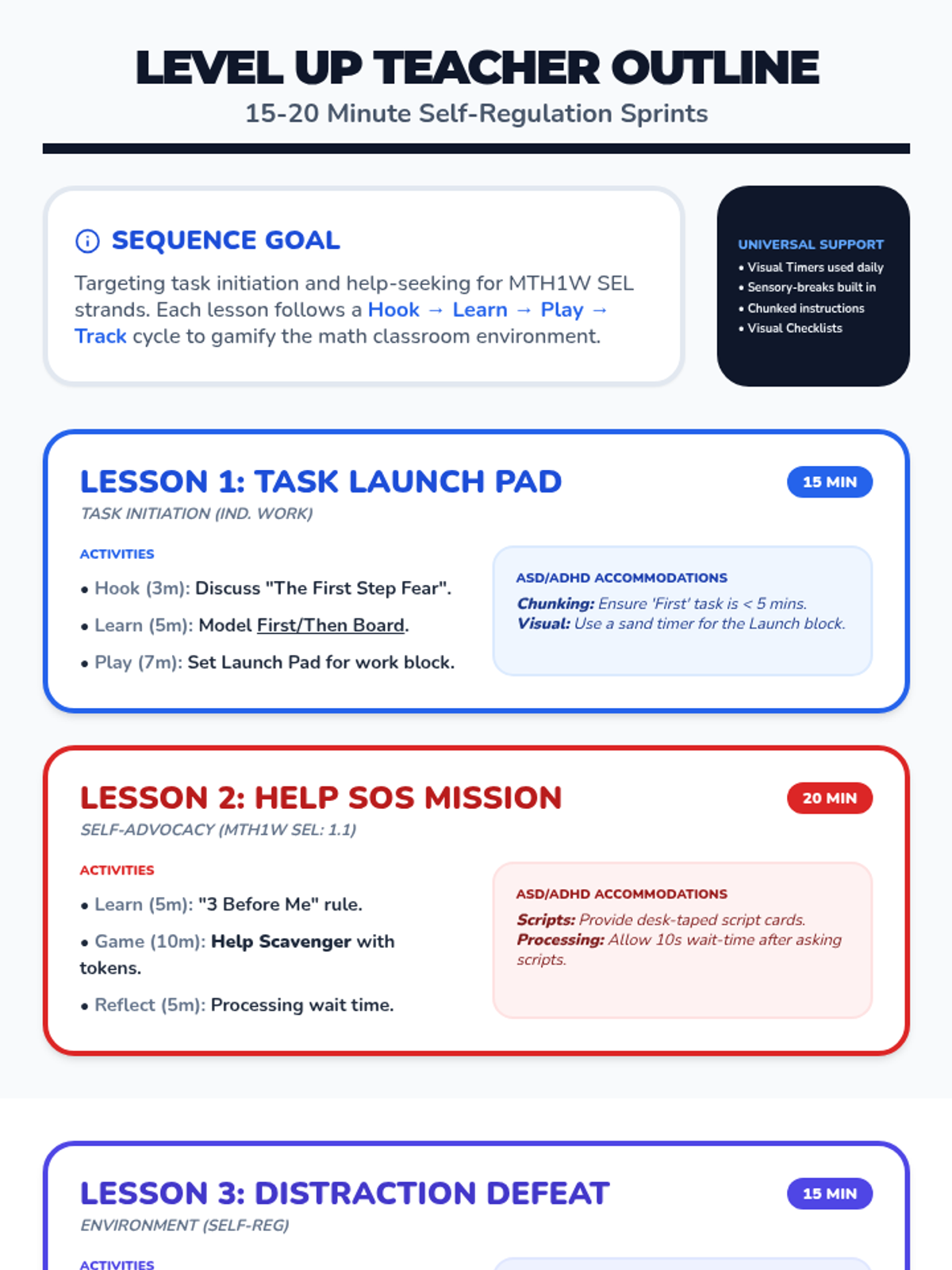
A comprehensive 5-lesson teacher instructional guide for the 'Level Up Regulation' sequence, featuring pacing breakdowns, Ontario curriculum alignment (MTH1W SEL), scripts, and accommodations for students with ASD/ADHD.
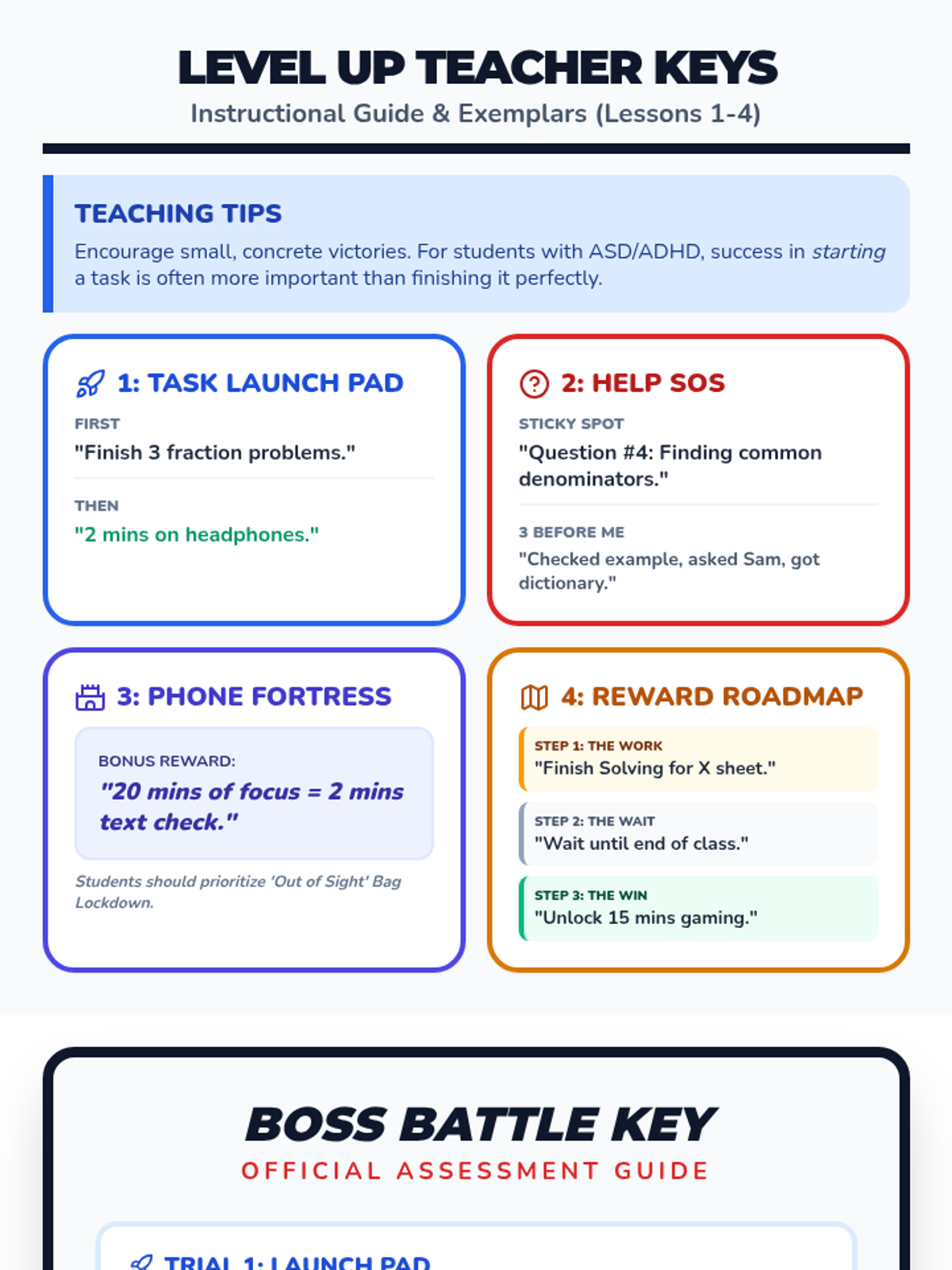
A comprehensive teacher's answer key and exemplar guide for the 'Level Up Regulation' sequence, providing sample student responses and instructional tips for all 5 lessons.
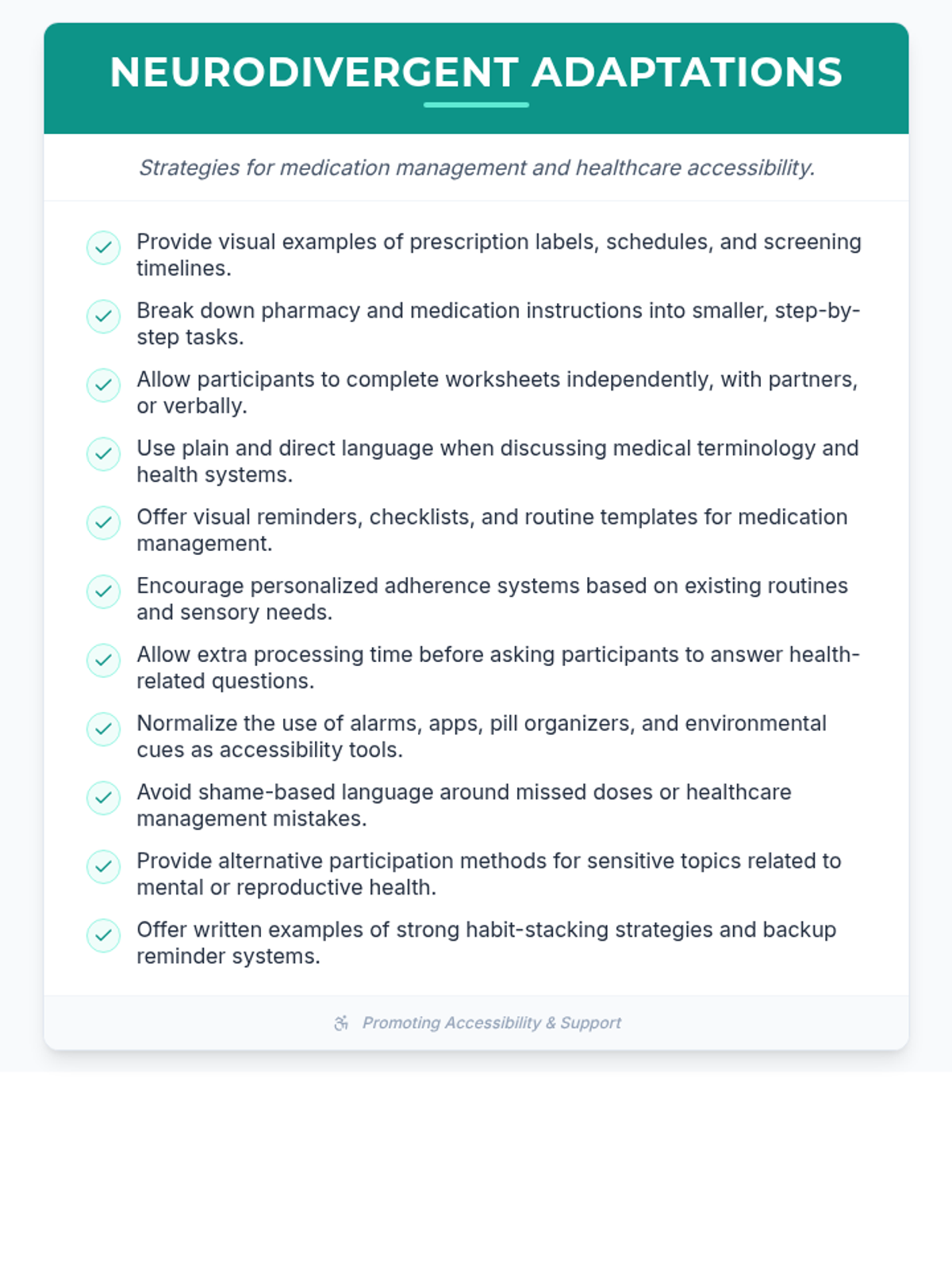
A clean, accessible checklist of neurodivergent-focused adaptations for healthcare settings and medication management. It features 11 specific strategies presented in a clear, professional layout with teal accents.
A visual slide presentation for the 'Level Up Regulation' series, introducing Ontario MTH1W SEL goals, task initiation strategies, phone management, and help-seeking scripts.
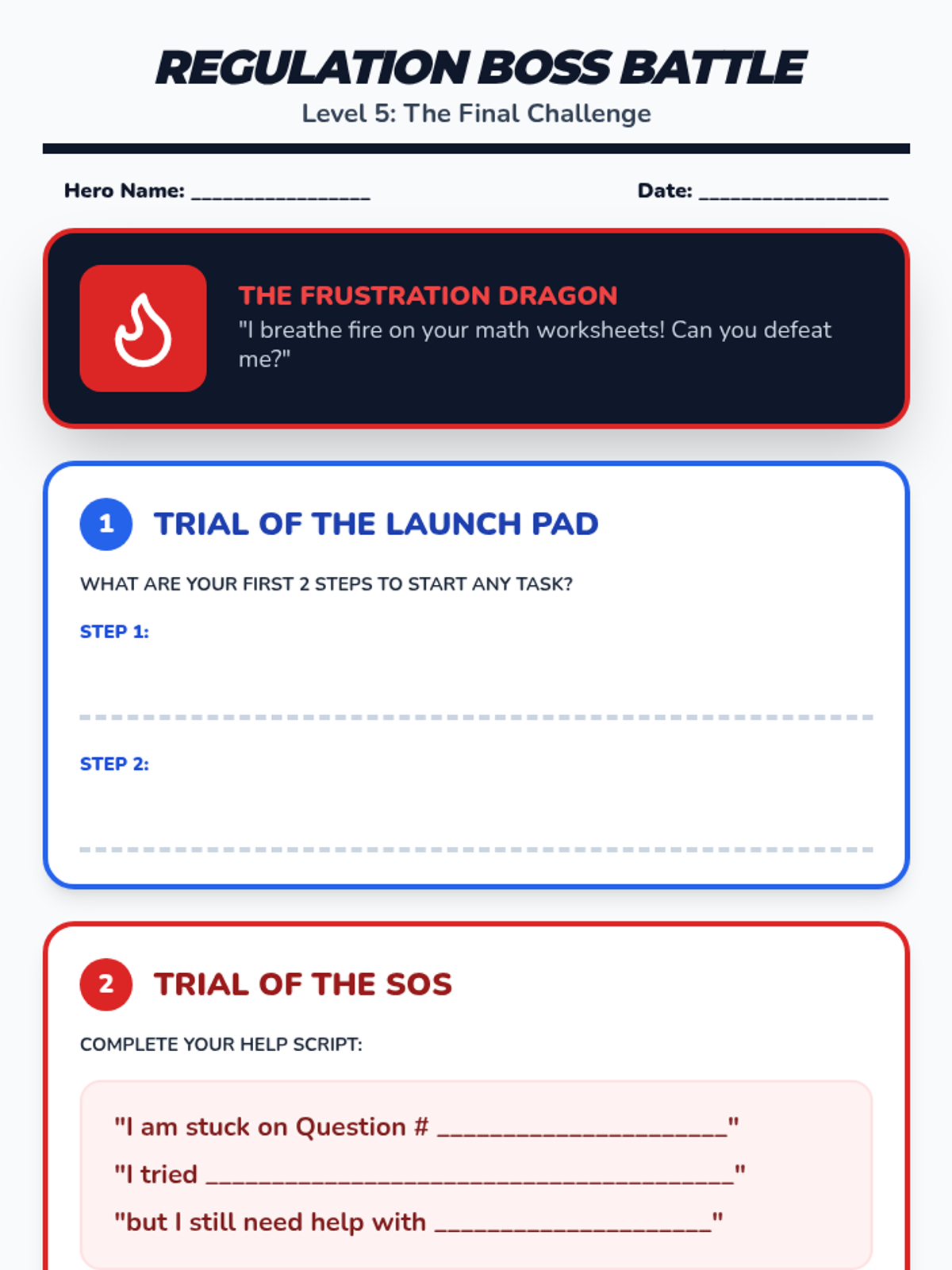
A cumulative 'Regulation Boss Battle' assessment document that reviews all skills from the sequence (task initiation, help-seeking, and distraction management) through a gamified challenge format.
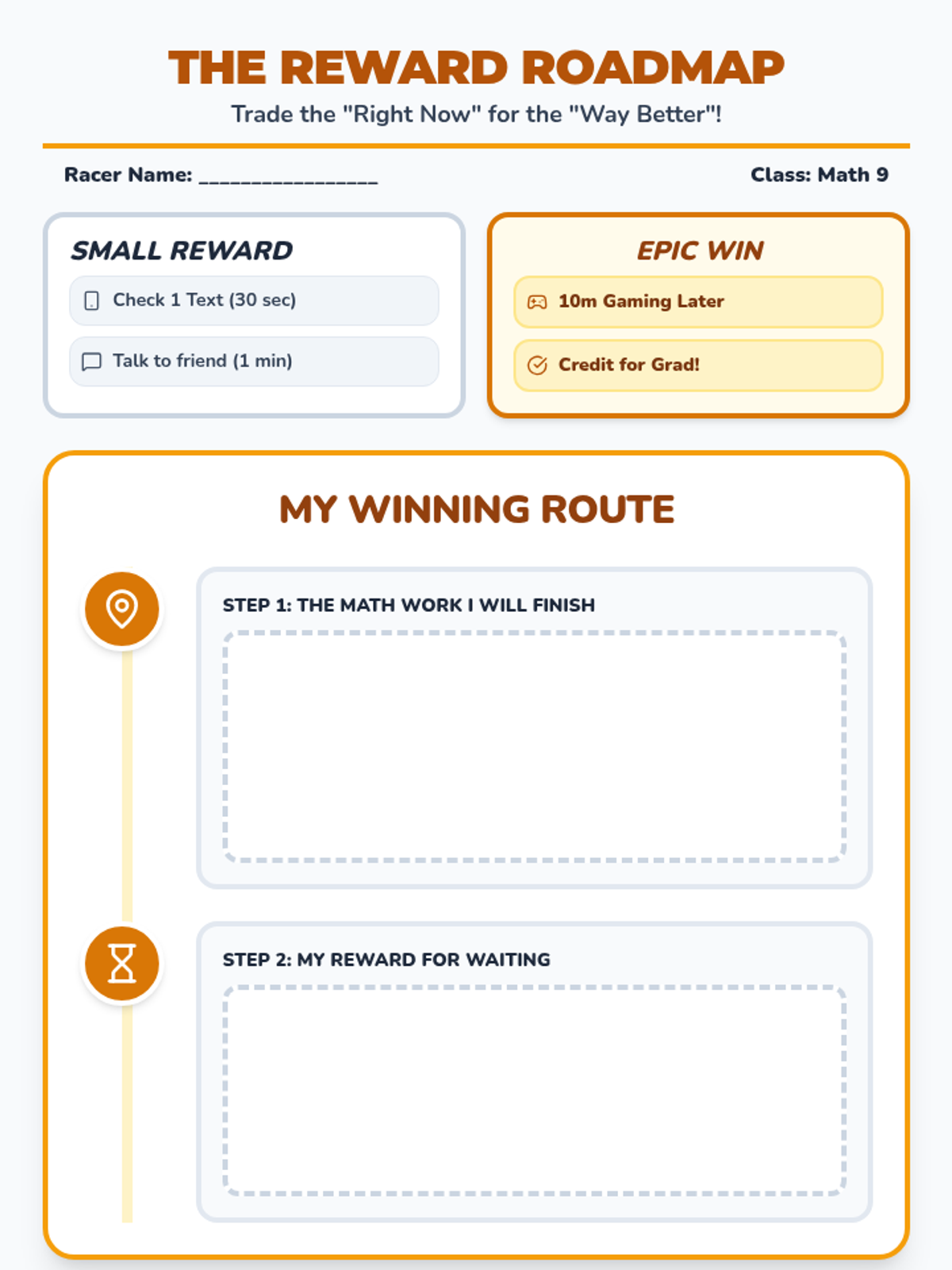
A 'Reward Roadmap' student material that visualizes the concept of delayed gratification, helping students plan long-term rewards for completing math tasks instead of seeking immediate distractions.
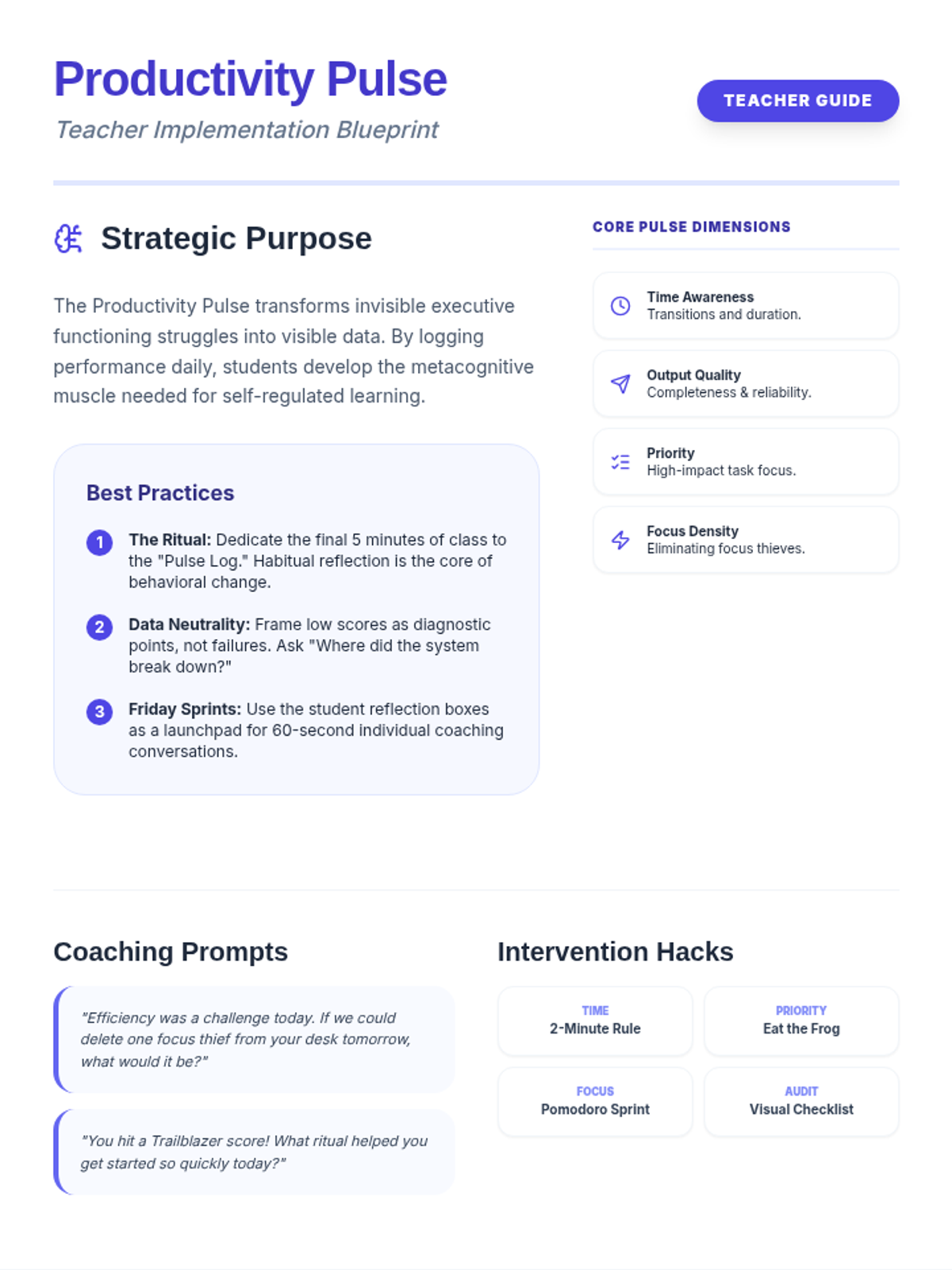
A comprehensive three-page toolkit including a teacher implementation guide, a daily performance log with a visual tracker, and a growth-focused 5-point proficiency rubric for executive functioning skills.
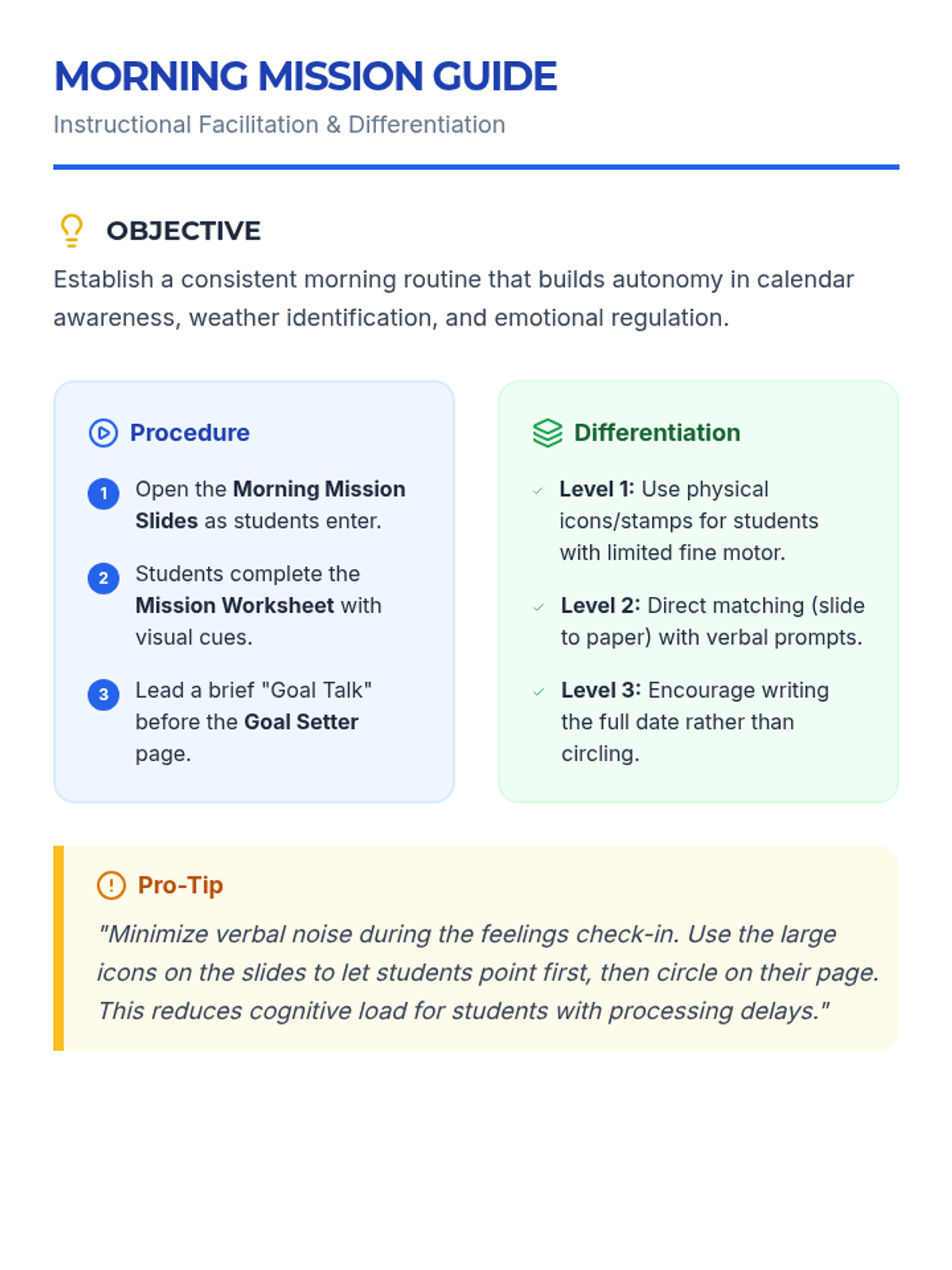
A teacher's guide for implementing a visual morning routine, providing procedure steps, differentiation strategies, and practical tips for special education classrooms.
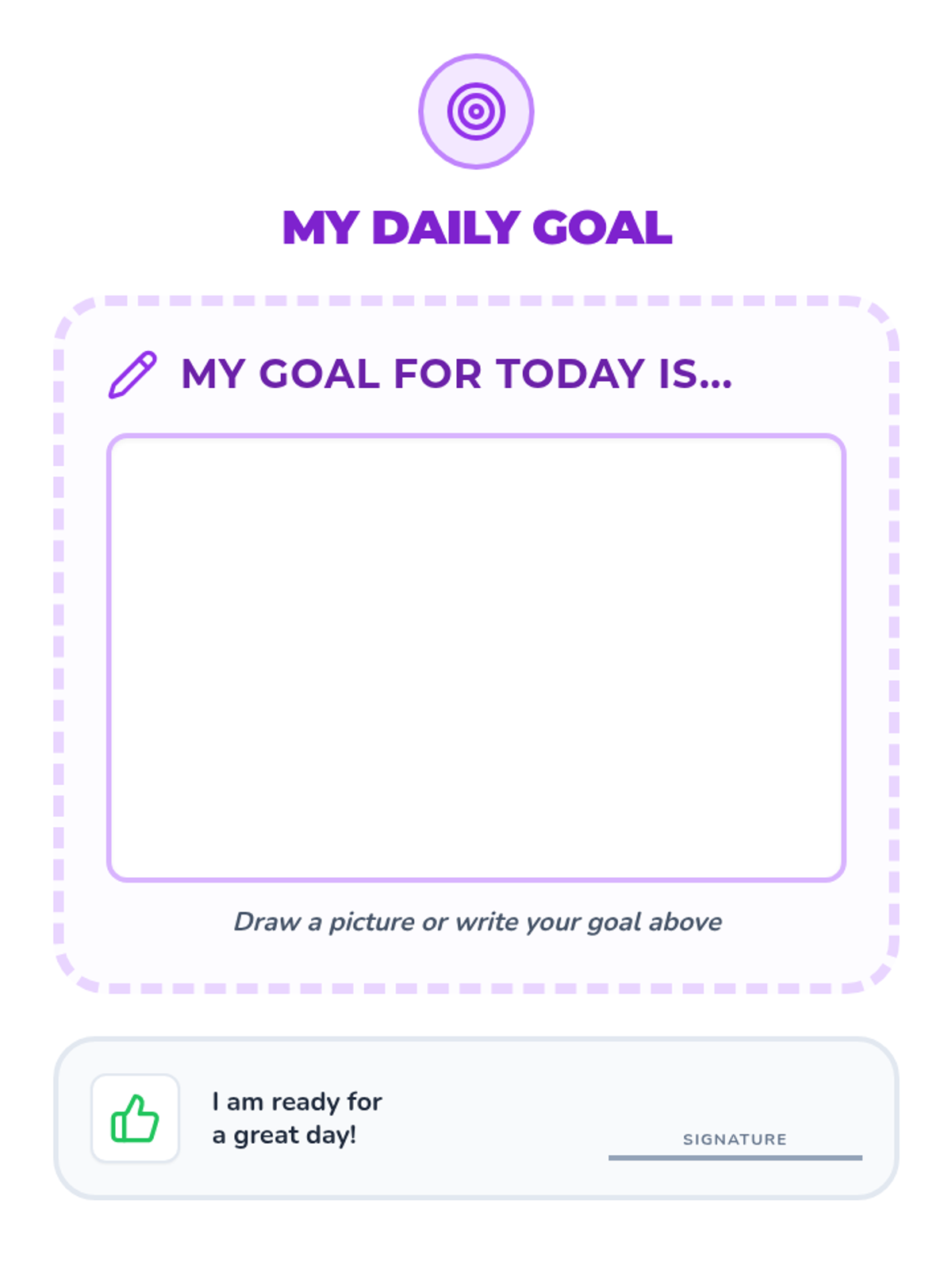
A simple, visual goal-setting worksheet with a large workspace and clear icons, designed for special education students to focus on one daily objective.
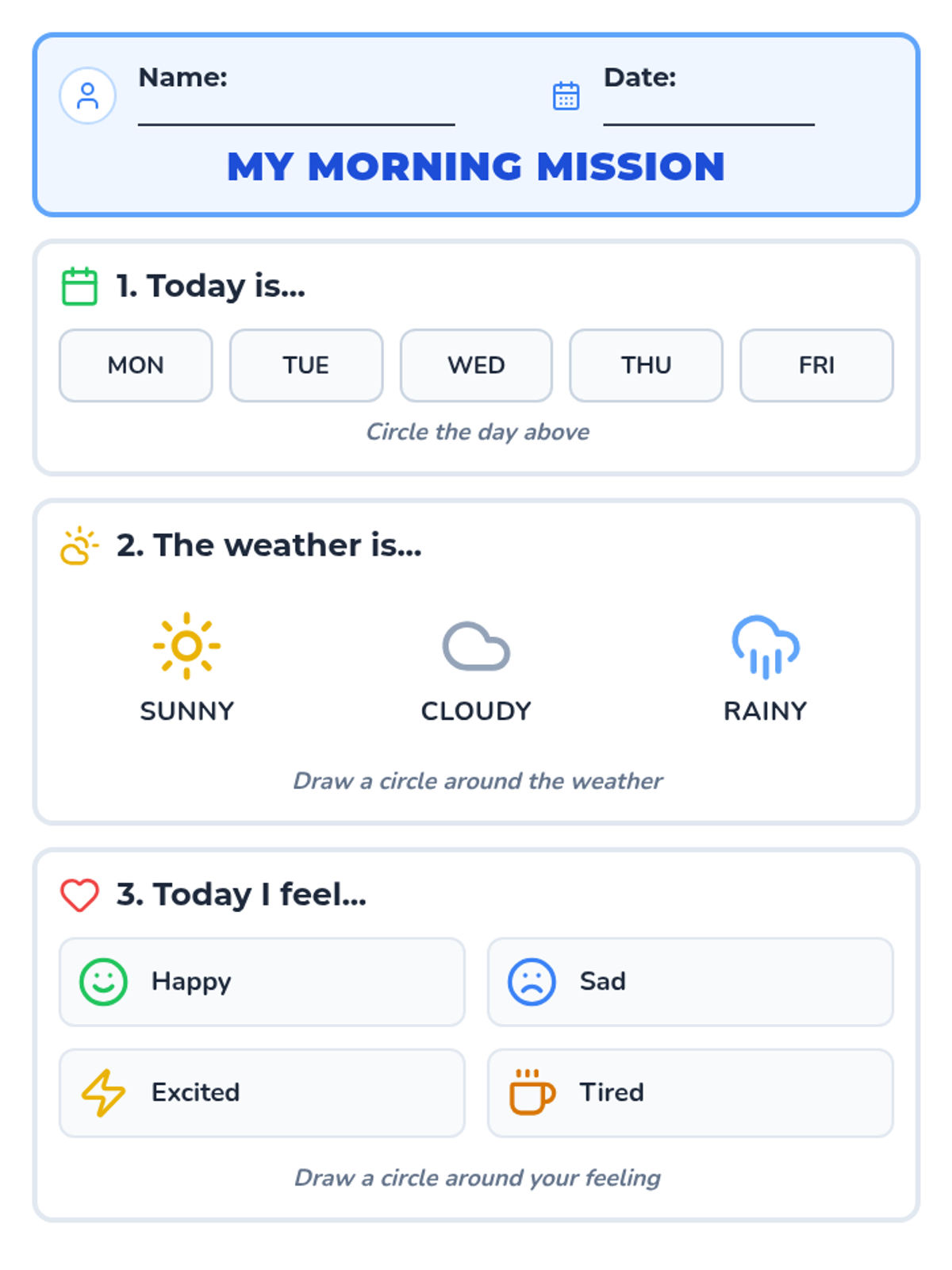
A high-visual, high-whitespace morning check-in worksheet for special education students, featuring large fonts, clear borders, and supportive icons.
Visual slides for a morning routine, featuring large high-contrast text and icons to guide special education students through daily check-ins.
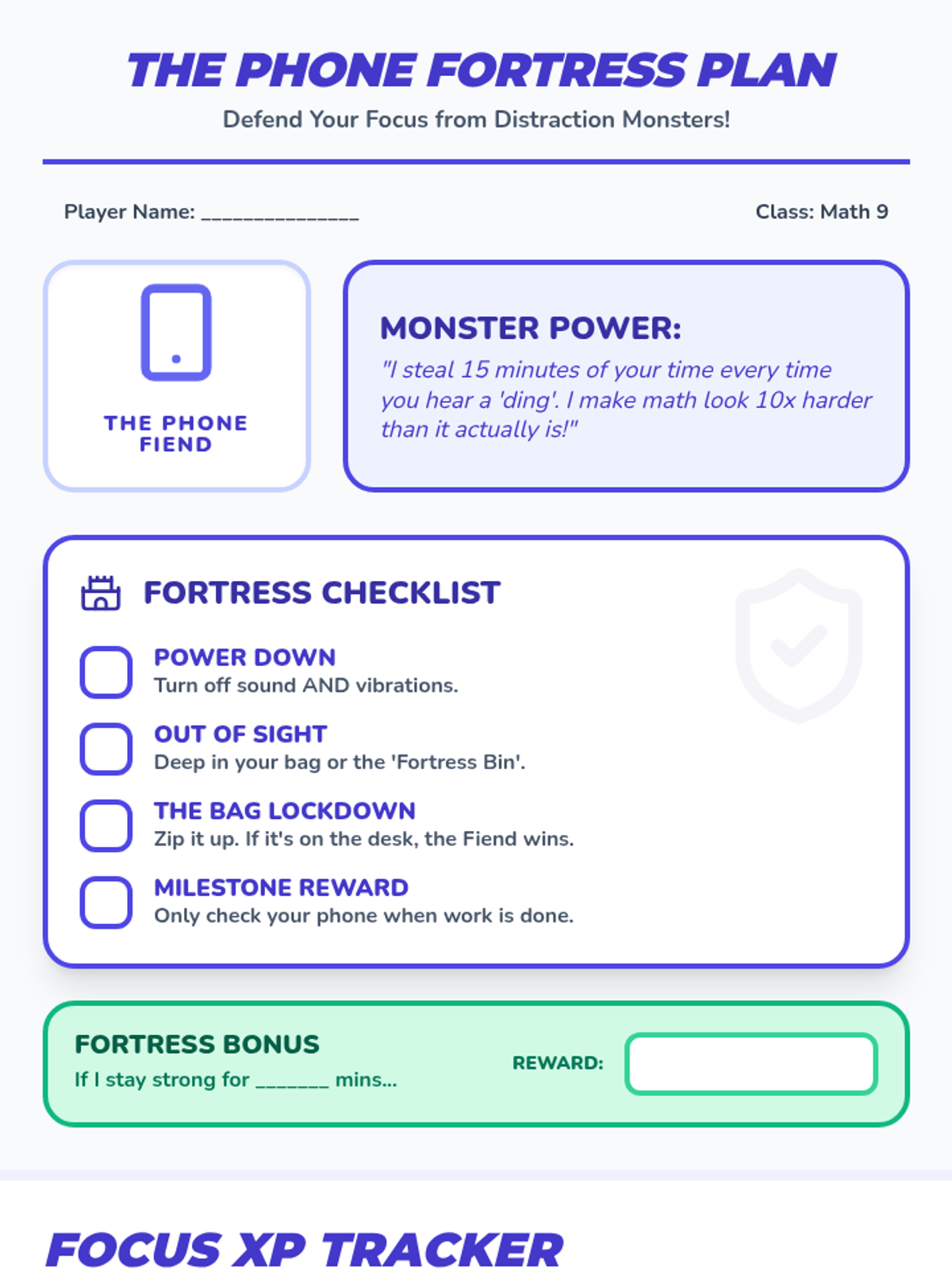
A gamified 'Phone Fortress' student handout designed to help students manage phone distractions using a castle-themed checklist and a weekly XP tracker for positive reinforcement.
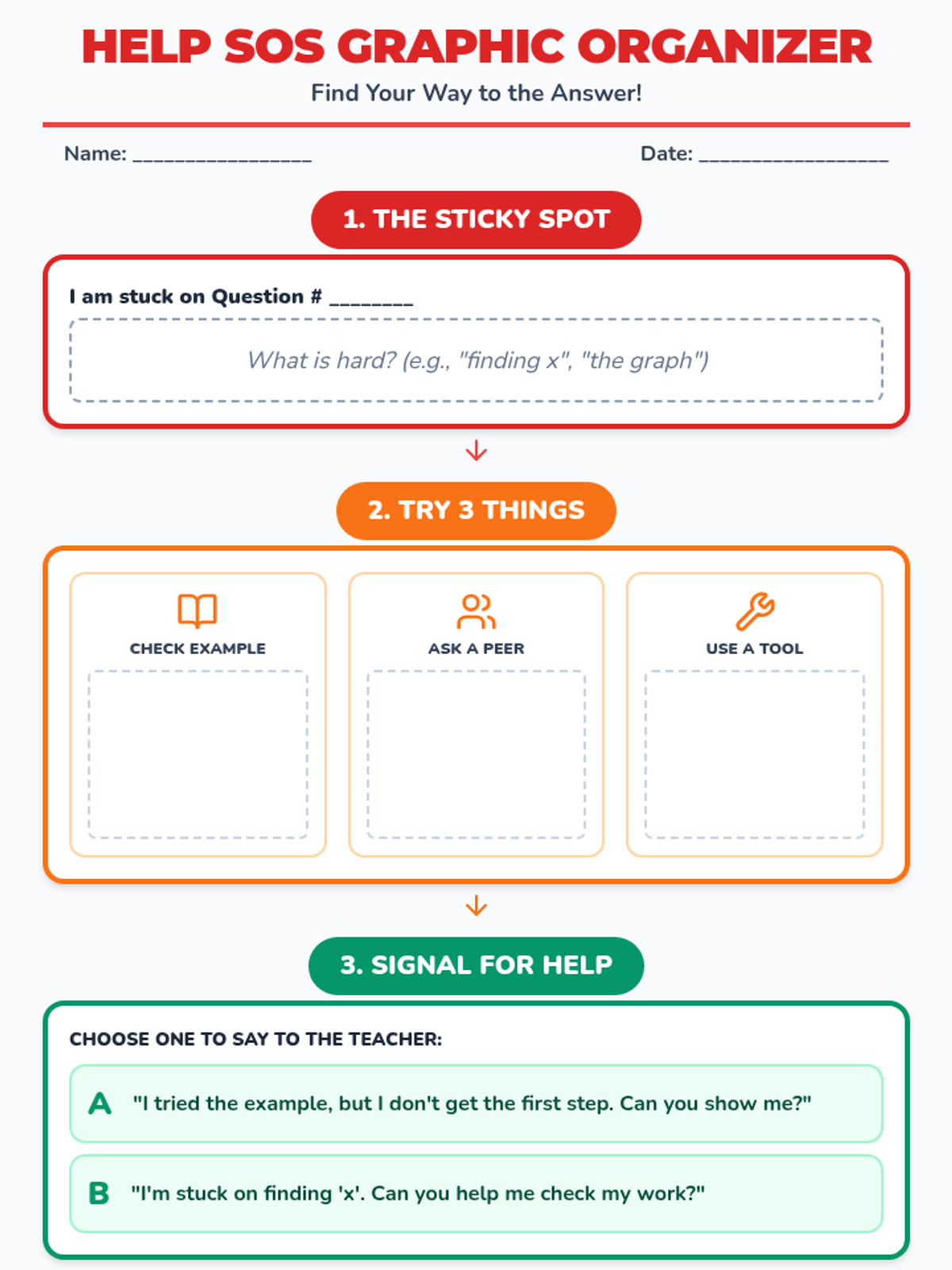
A two-part resource featuring a student 'Help SOS' graphic organizer to guide help-seeking behaviors and a teacher's guide for a gamified 'Help Scavenger' activity. designed for Grade 9 Math SEL integration.
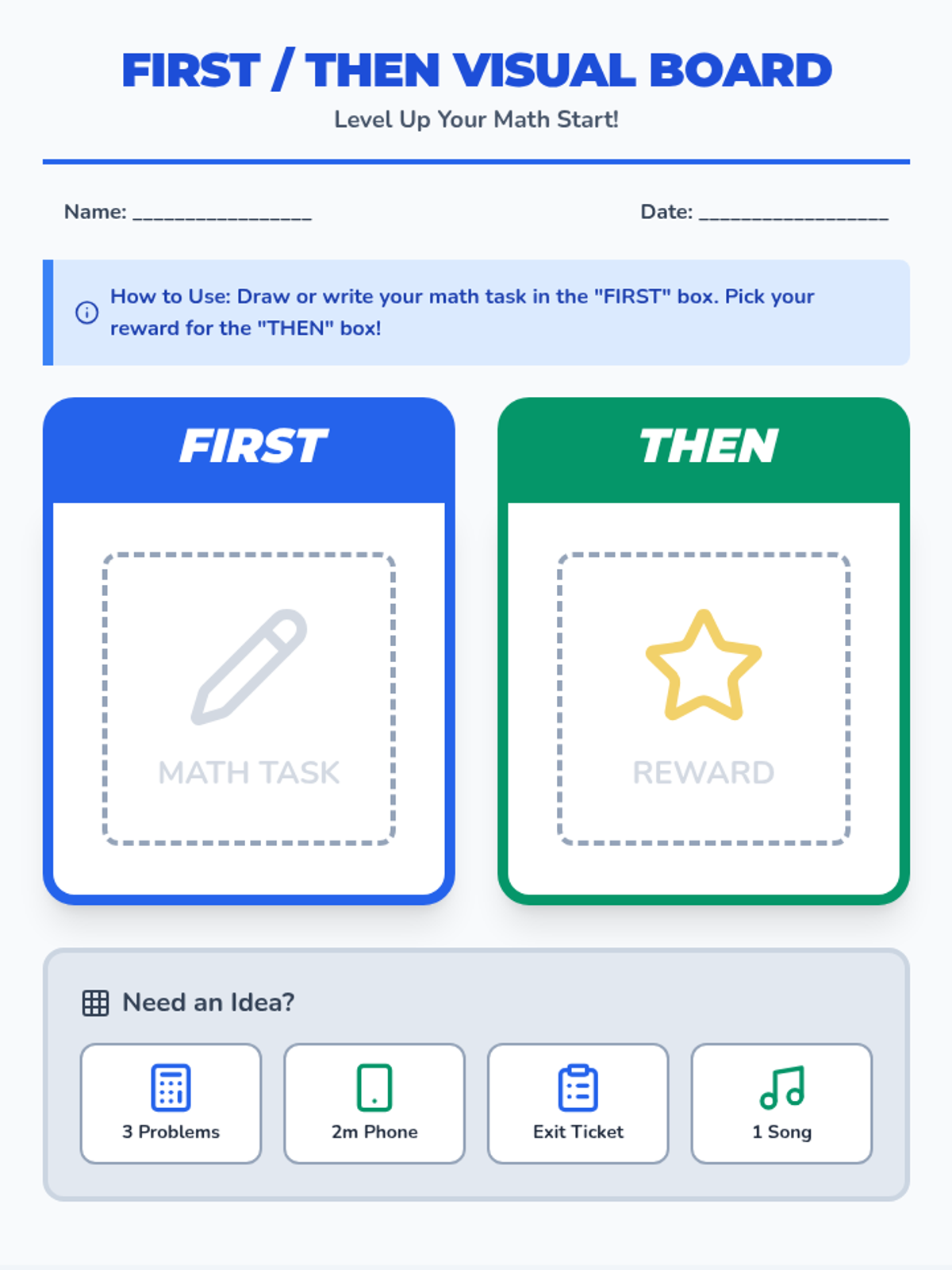
A visual student resource containing a 'First/Then' board and an illustrated task-initiation checklist, designed to help students with ASD and ADHD manage their classroom transitions and work starts.
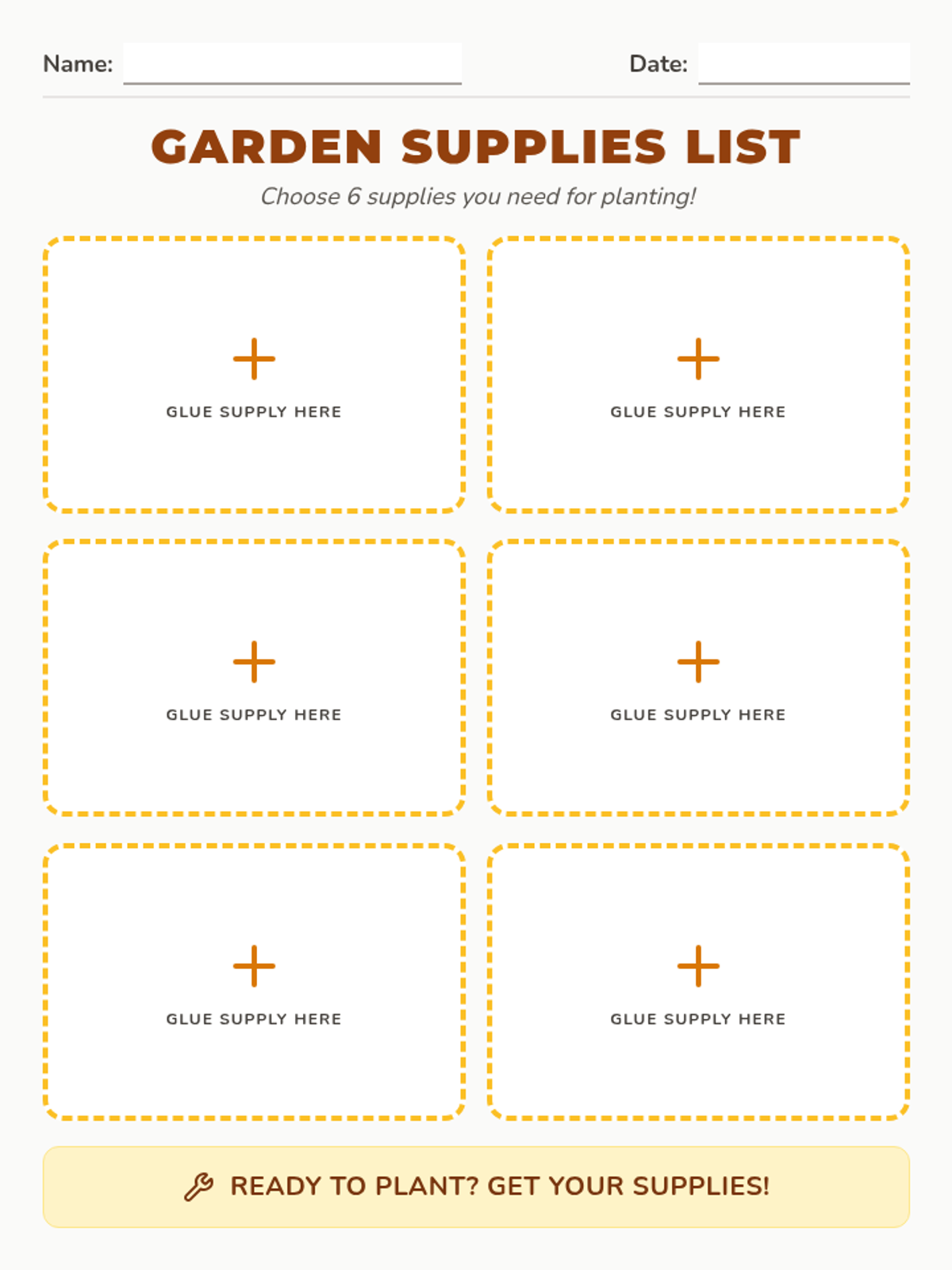
A dedicated shopping list template for garden supplies and tools.
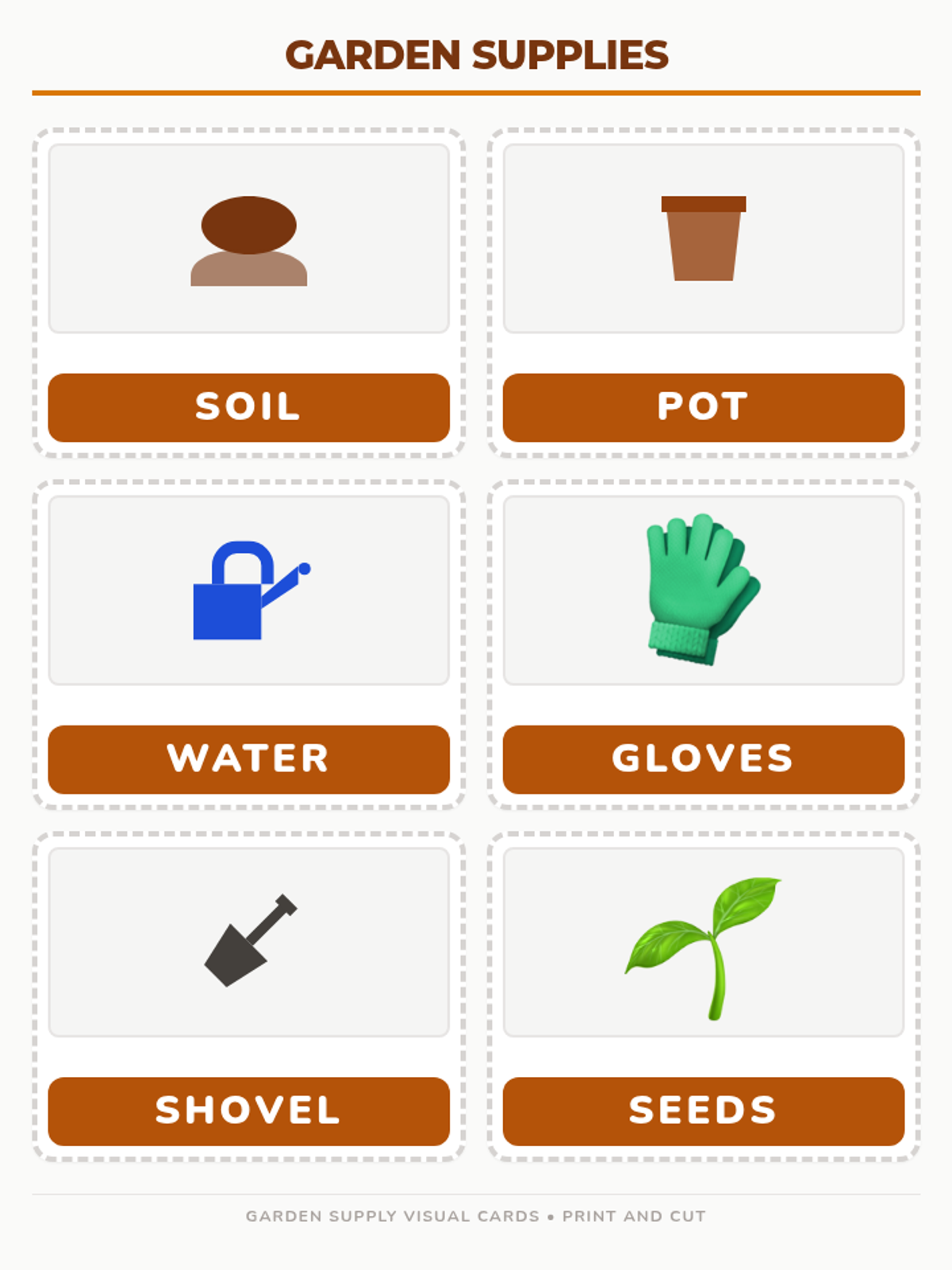
Visual cards for garden supplies including soil, pots, watering can, gloves, seeds, and a small shovel. Features improved custom visual icons for the pot and shovel.
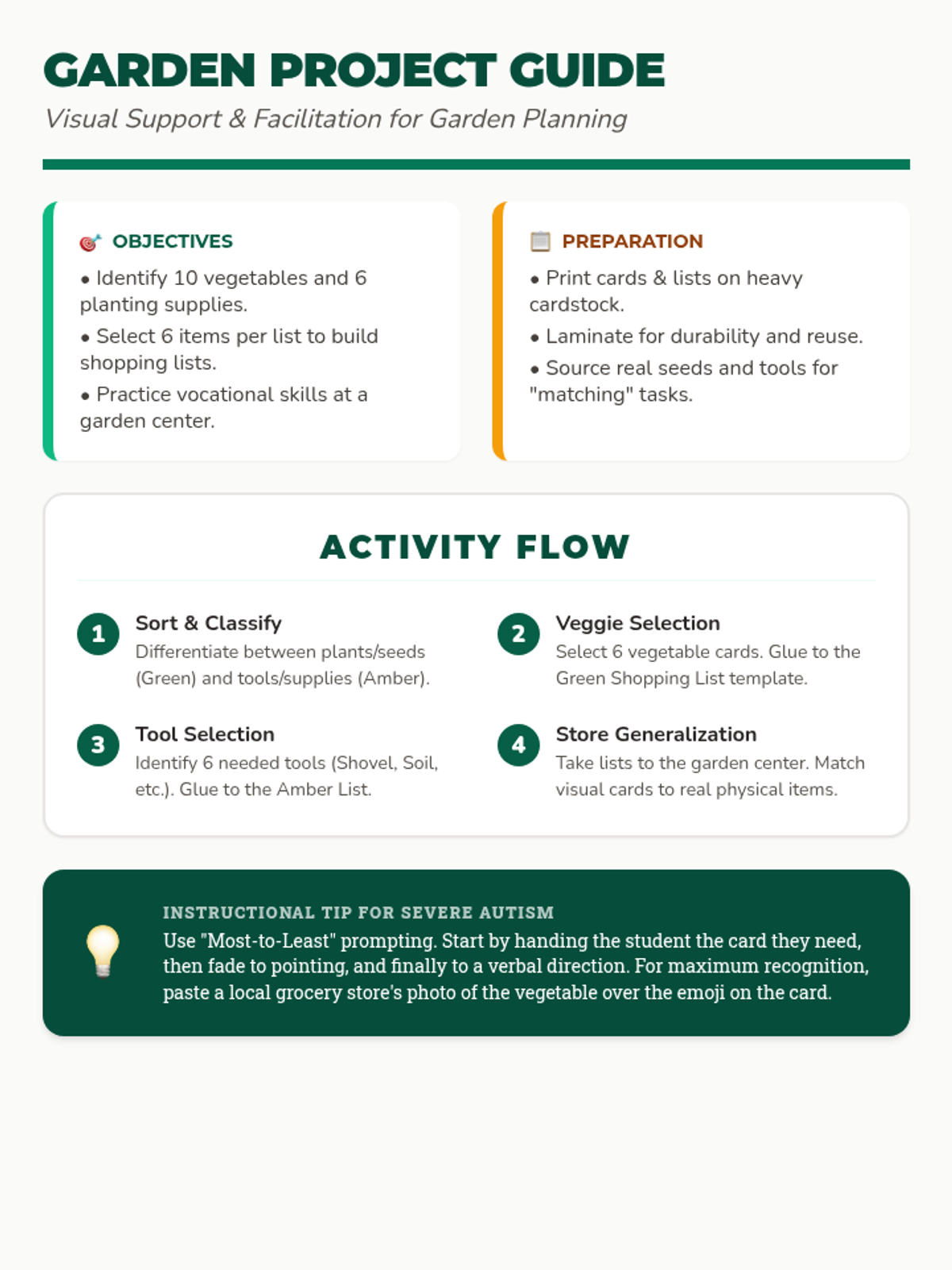
A teacher-facing guide providing instructional strategies, preparation tips, and a step-by-step activity flow for using the garden visuals and supplies with students.
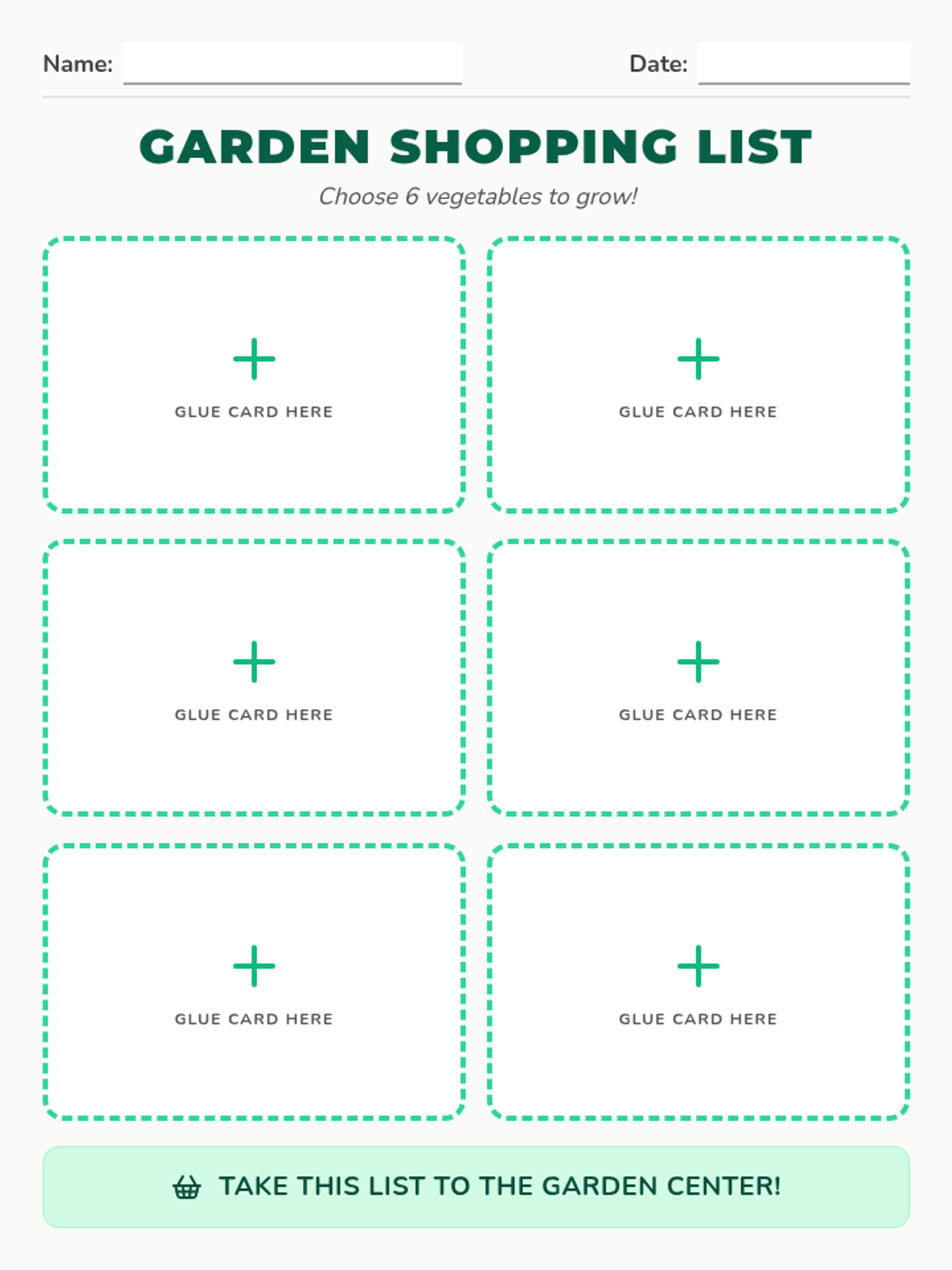
Updated shopping list template with 6 spaces for vegetable cards.
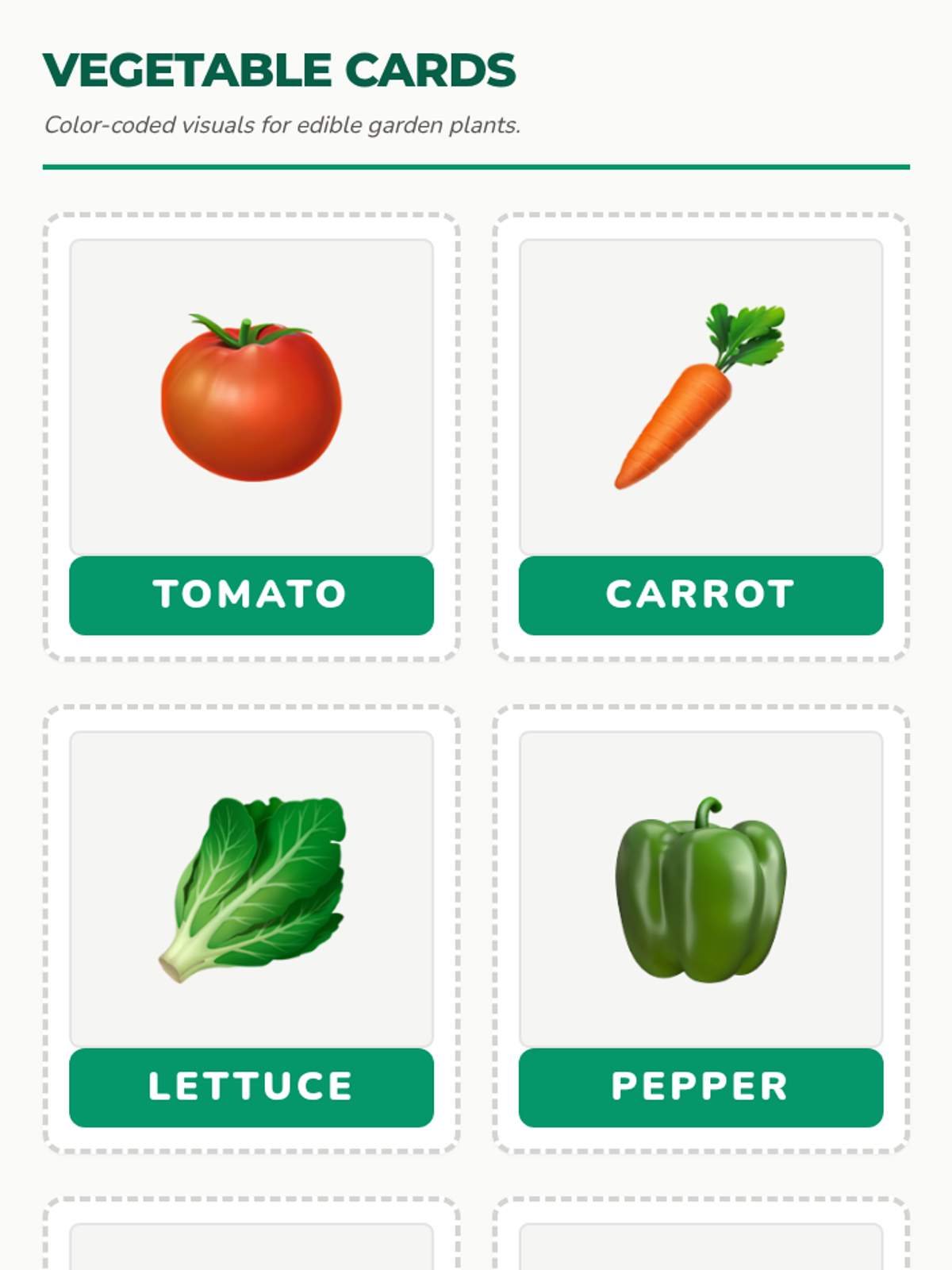
Updated vegetable cards including onion and potato, featuring large high-contrast visuals for garden planning. Includes photo-mounting spaces.
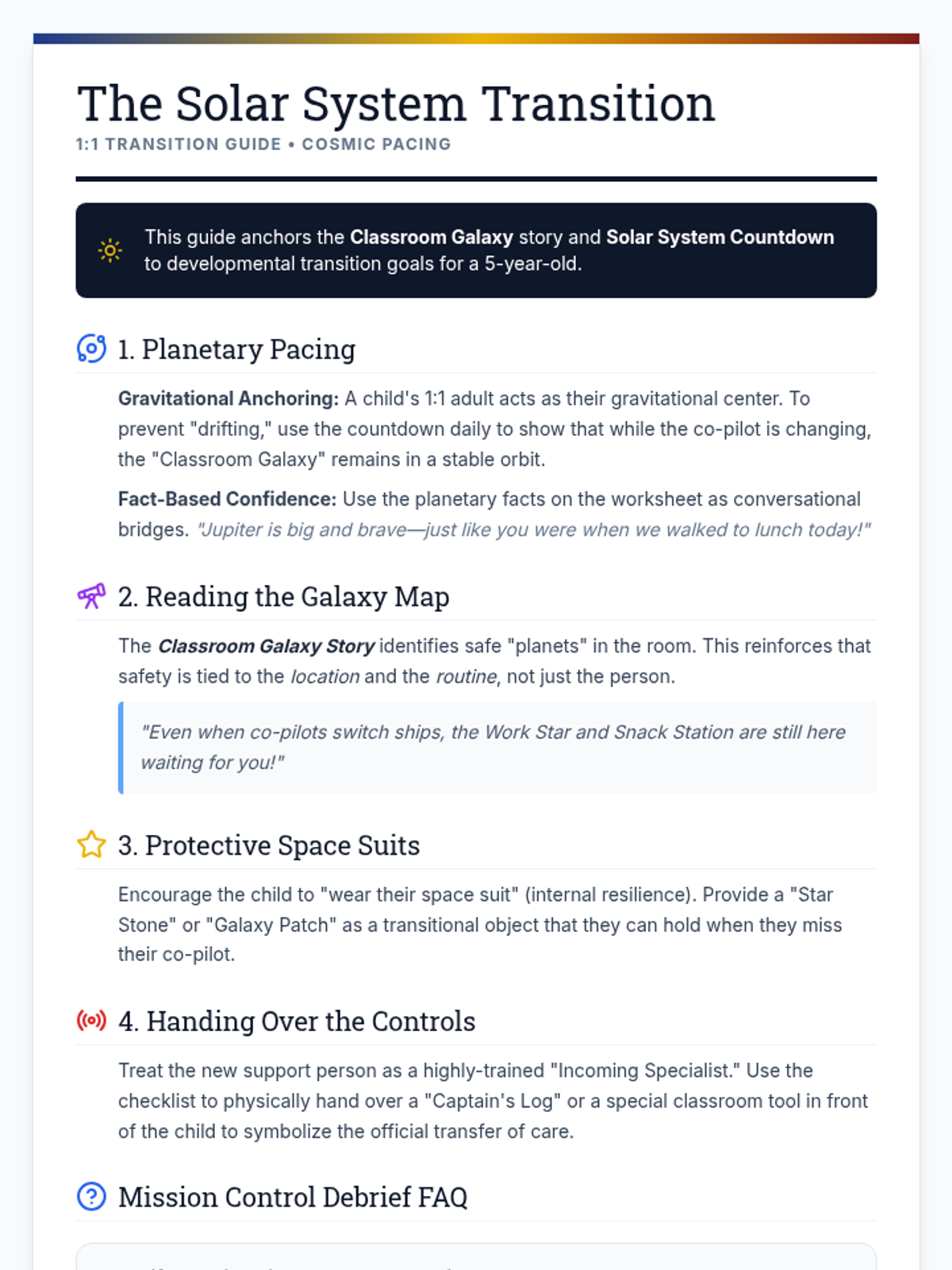
A professional teacher guide for navigating a 1:1 transition, using deep solar system metaphors (gravitational anchoring, mission debriefs) to match the student's materials.
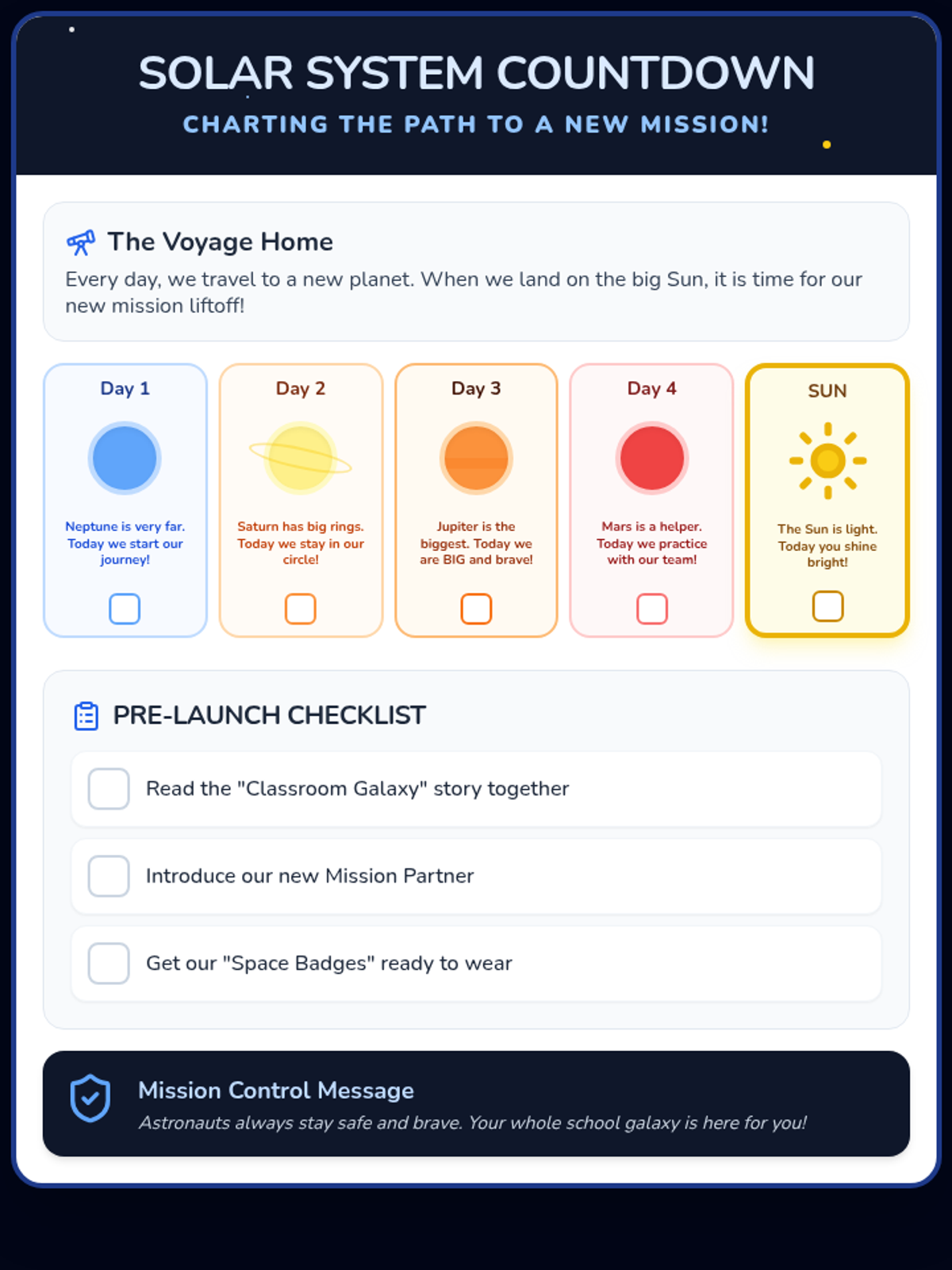
A deeply solar-system-themed visual countdown and checklist that provides specific planetary facts and metaphors to help a 5-year-old child process their 1:1 support person leaving.
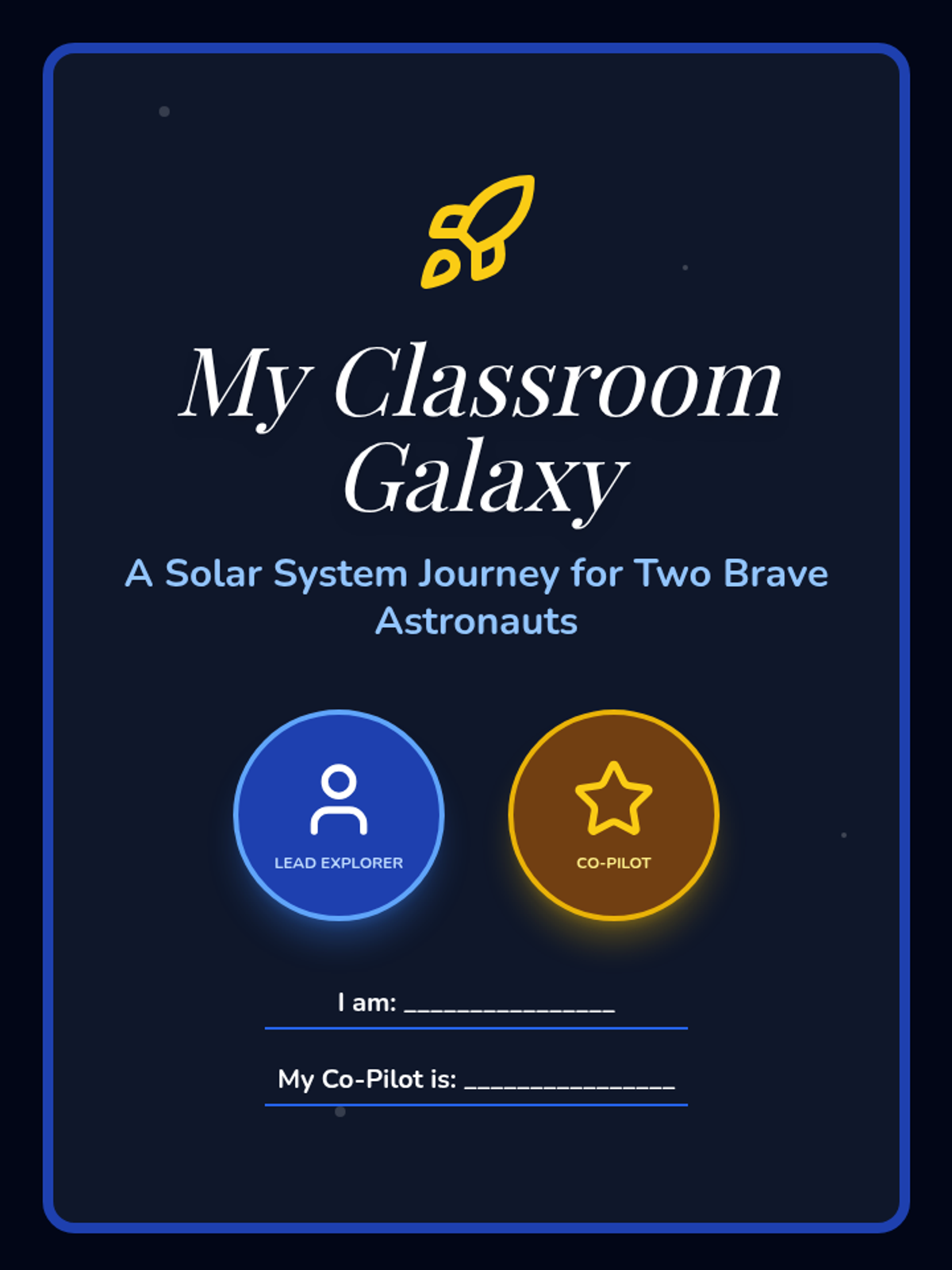
A cosmic social story titled 'My Classroom Galaxy' that uses solar system metaphors to help a 5-year-old navigate a 1:1 support transition with safety and confidence.
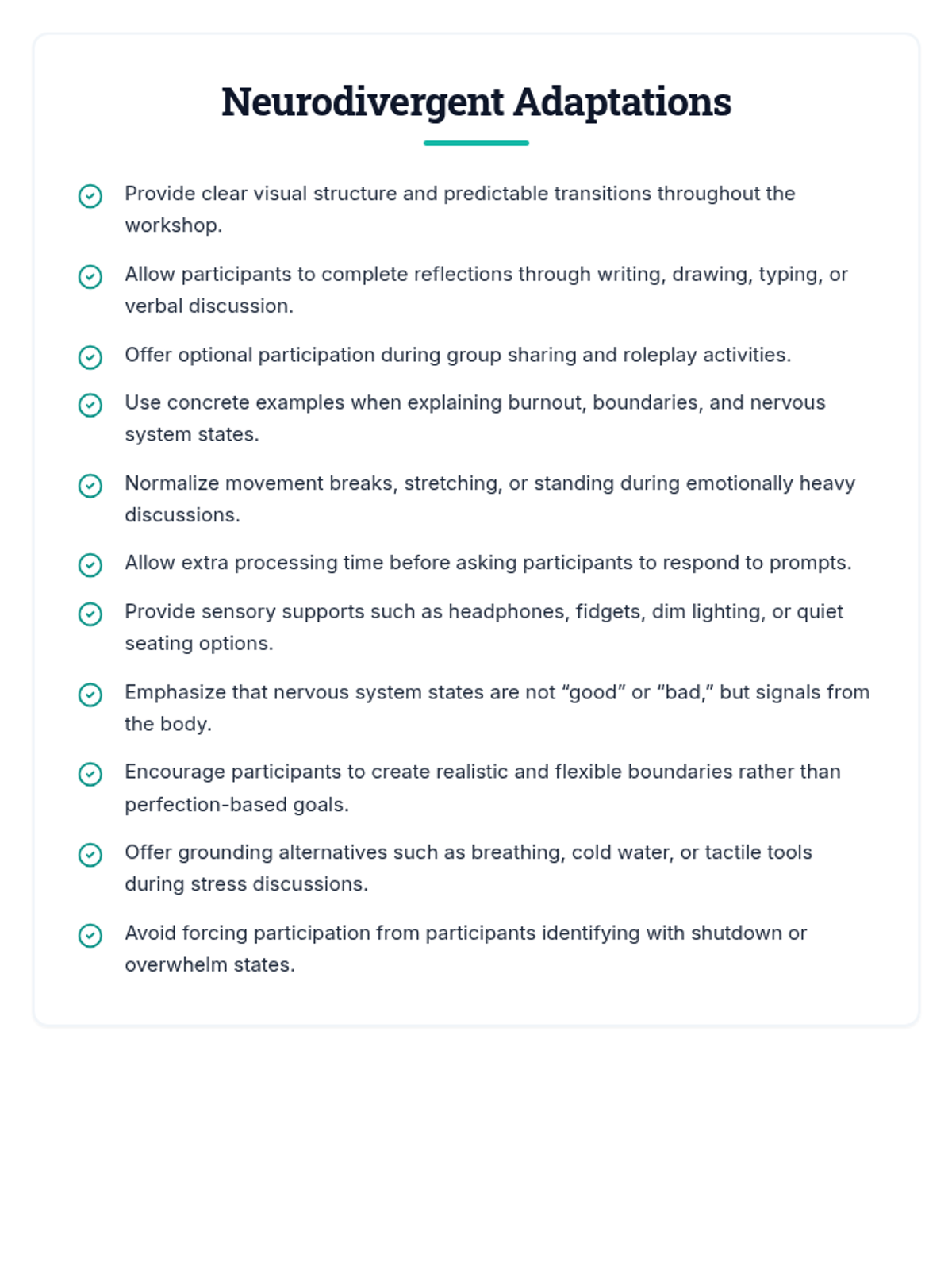
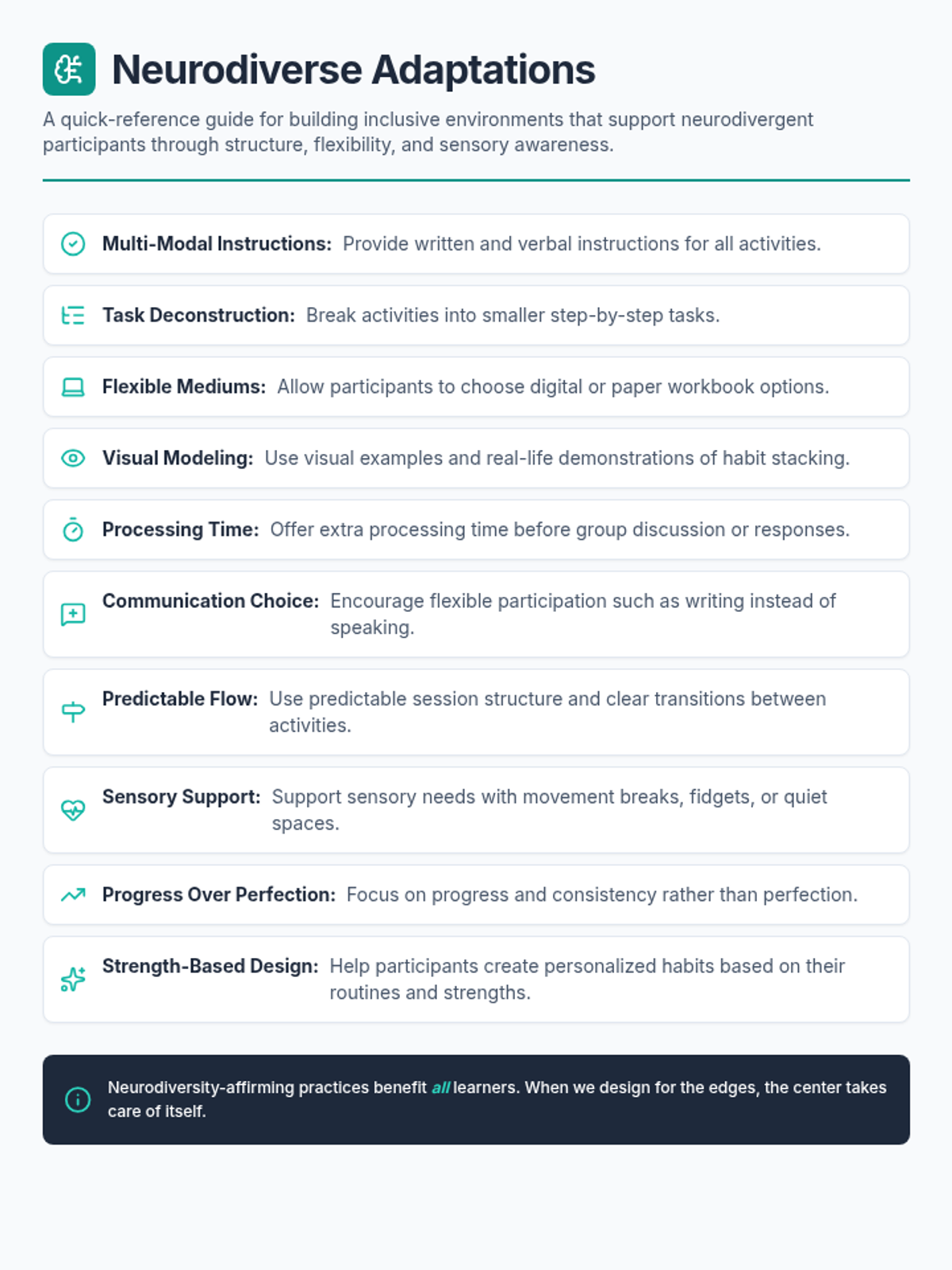
A clean, accessible document listing essential neurodivergent adaptations for workshops, featuring clear visual structure and checkmark icons for readability.
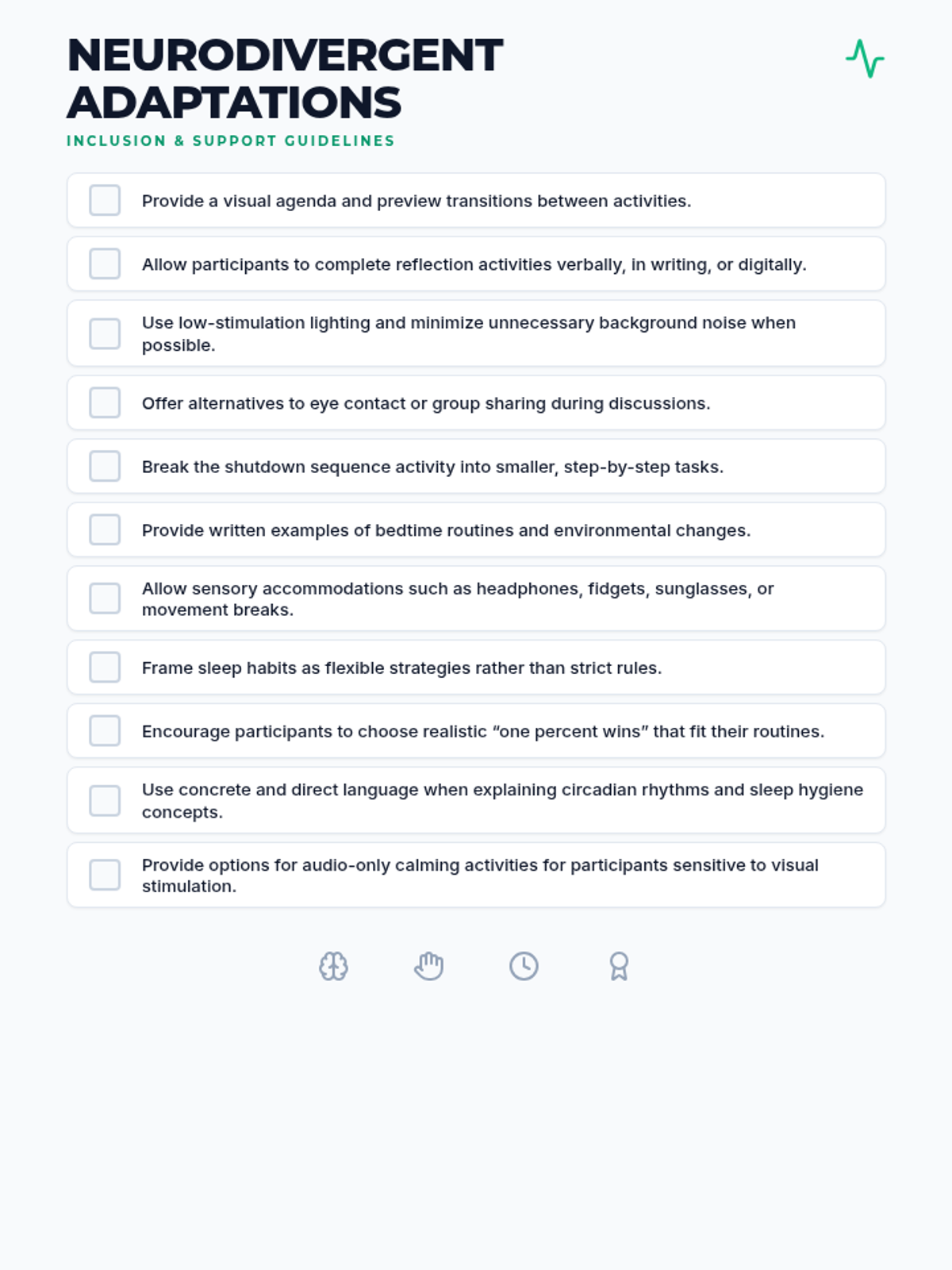
A one-page checklist for neurodivergent adaptations, mirroring the professional aesthetic of a fidelity checklist with structured list items, checkboxes, and minimalist icons.
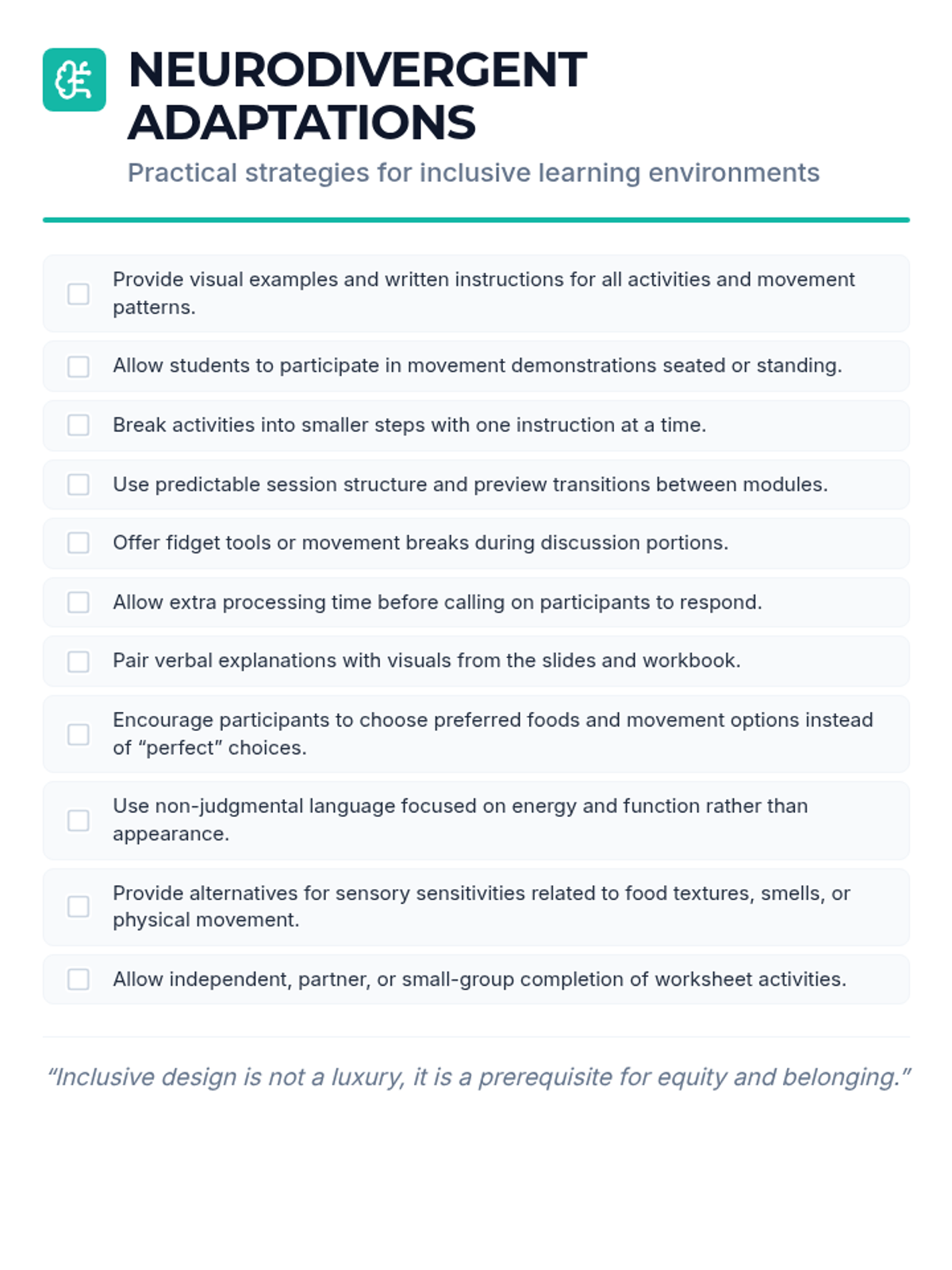
A clean, professional checklist of neurodivergent adaptations for inclusive learning environments, featuring 11 key strategies with checkmark icons and a structured layout. Optimized for a single-page printable reference.
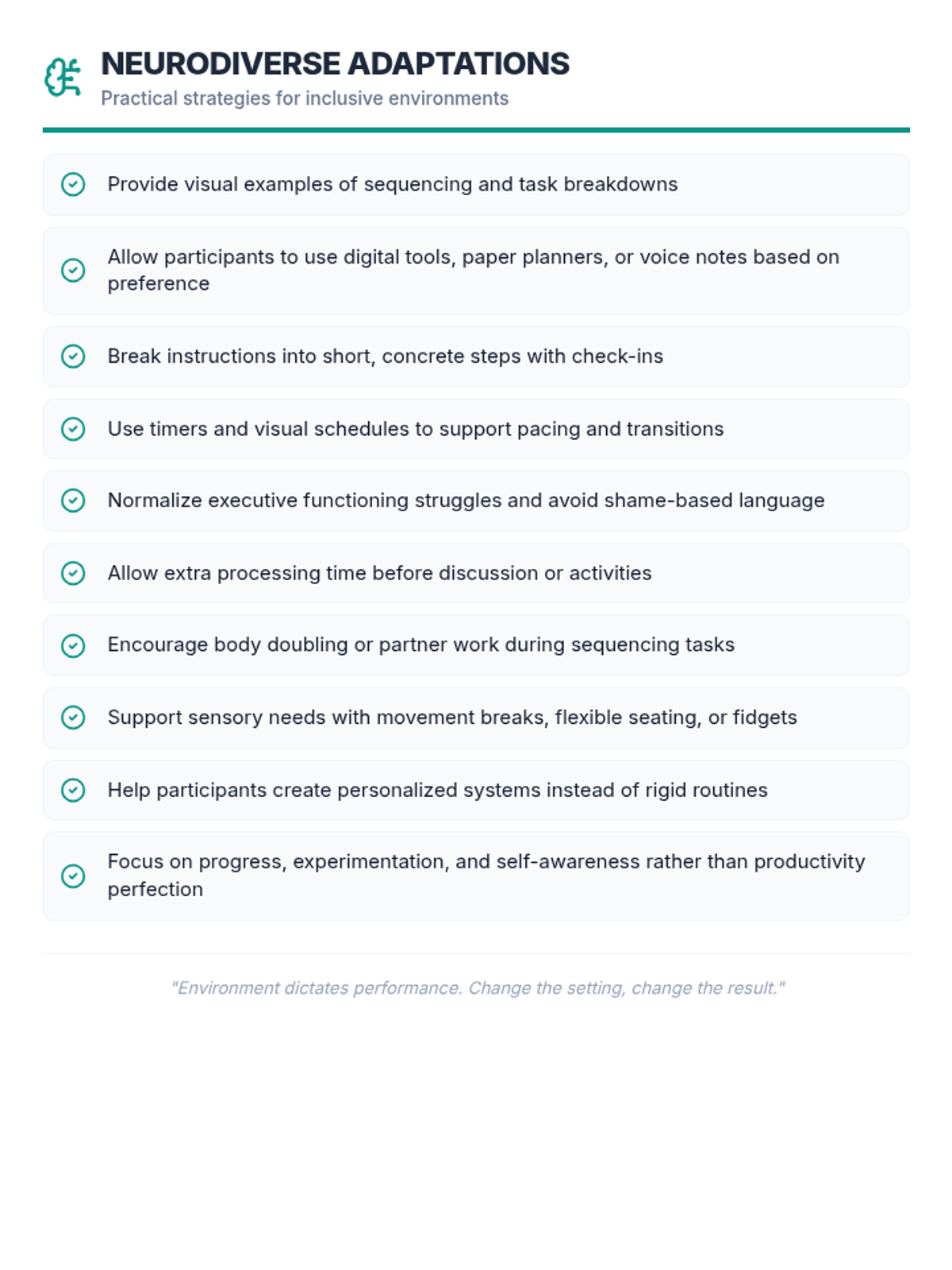
A professional, single-page reference guide listing ten essential neurodiverse adaptations. It uses a clean layout with uniform list items and teal accents, designed for clarity and quick reference.
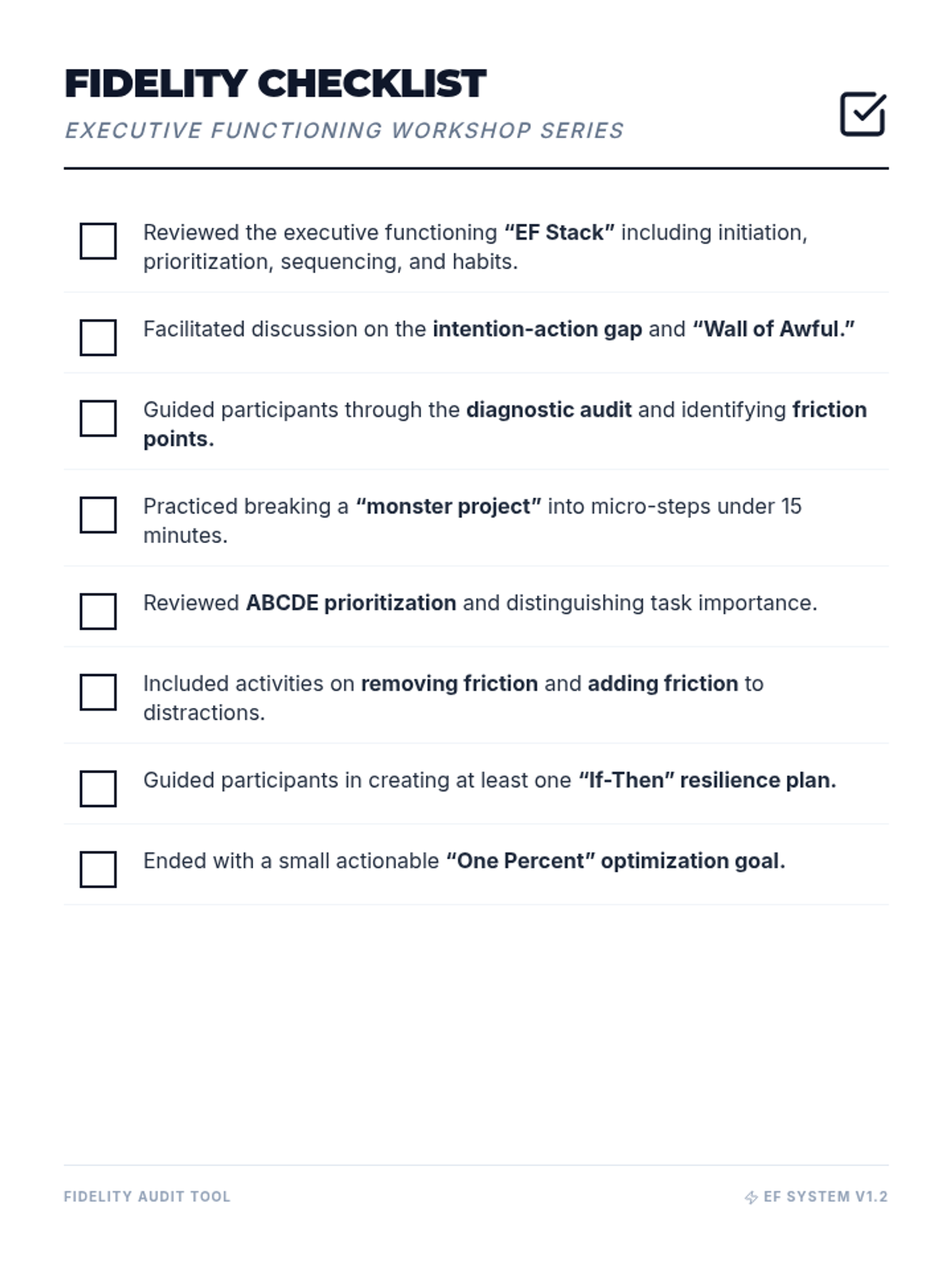
A simplified fidelity checklist for facilitators focusing solely on the core workshop components. Metadata and notes sections have been removed for a cleaner, item-focused layout. Fits on a single page.
An updated, space-efficient one-page reference checklist for neurodiverse adaptations, optimized to fit entirely on a single page with professional formatting and clear visual hierarchy.
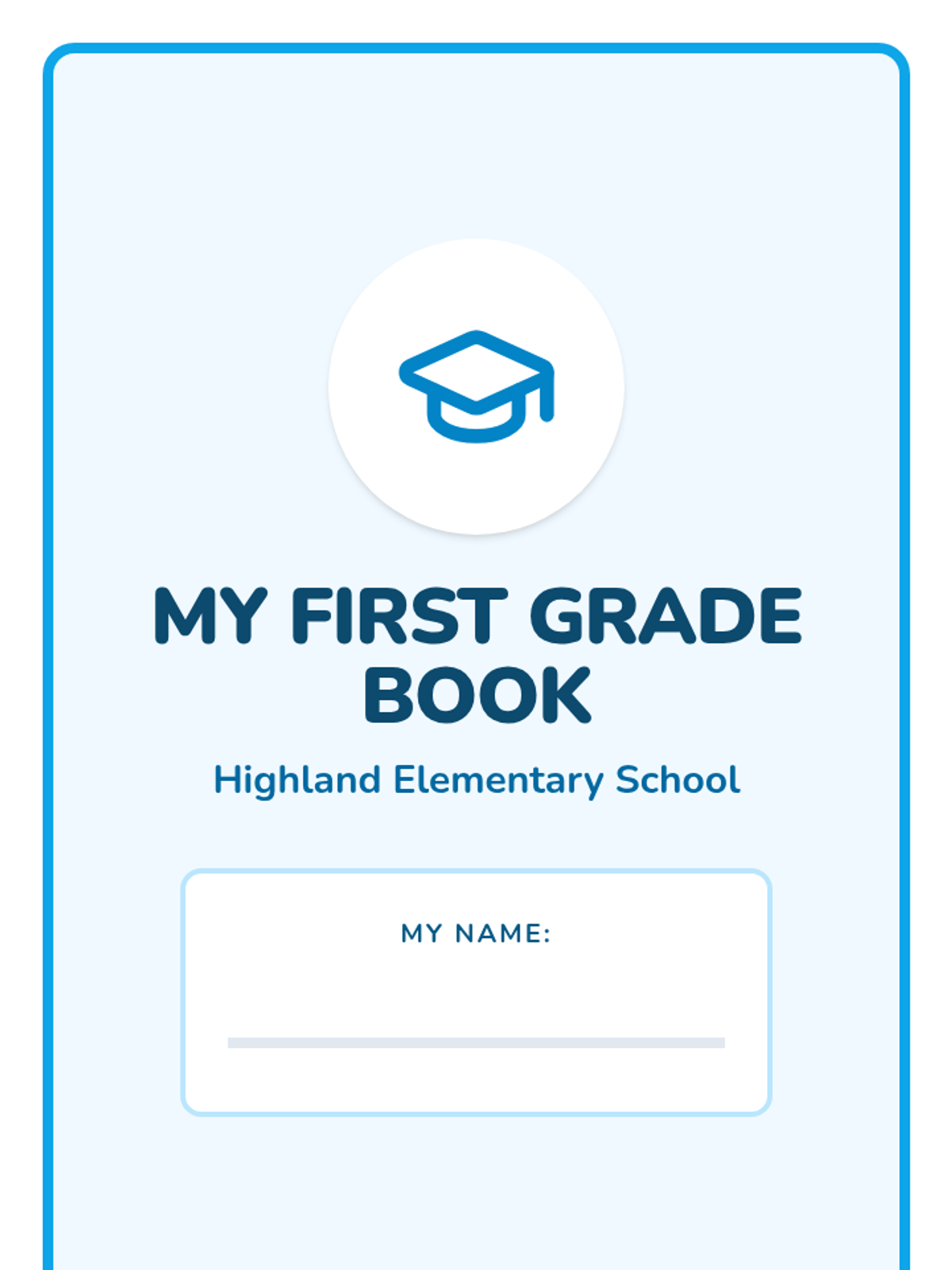
A printable personal social story book for a student transitioning to first grade at Highland Elementary, optimized for digital photo overlay in a PDF editor.
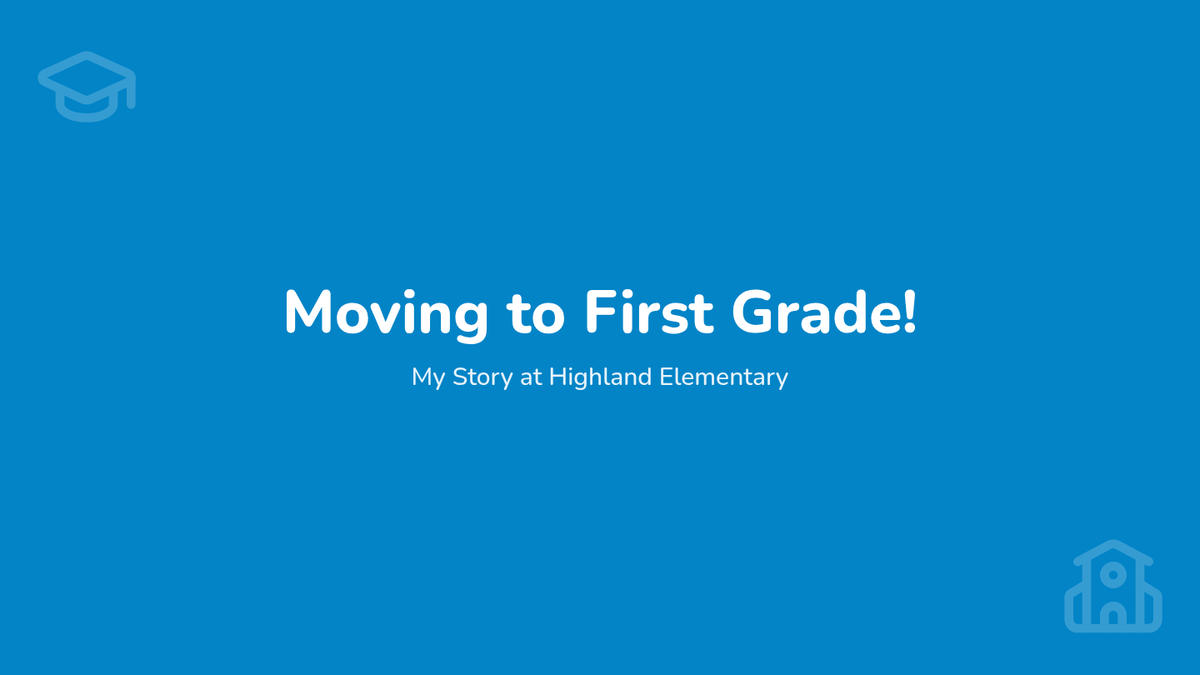
An engaging slide deck presenting a social story for transitioning to first grade at Highland Elementary, with designated placeholders for real school photos and supportive, validating text.
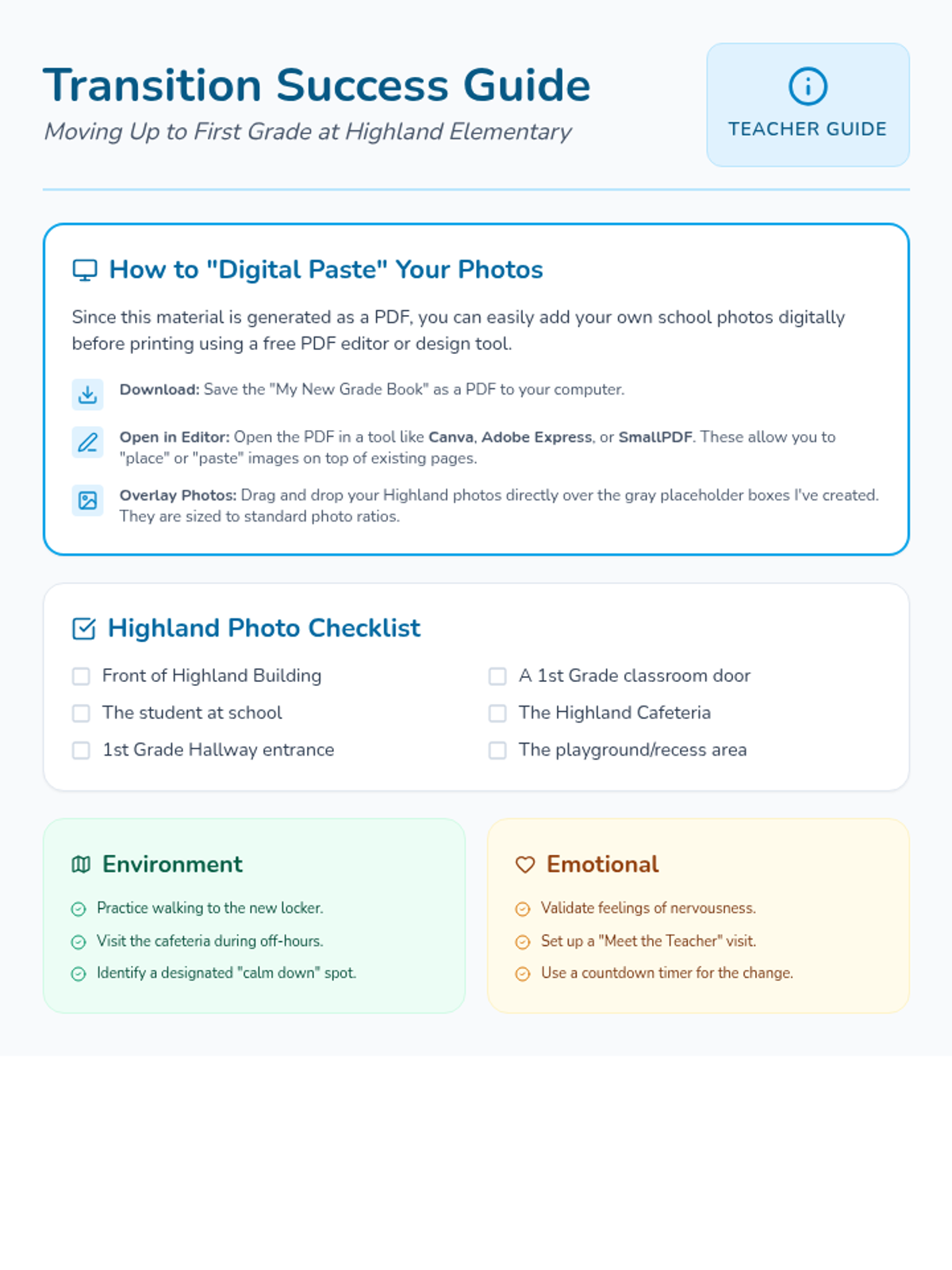
A comprehensive teacher guide for supporting a kindergarten student with autism through the transition to first grade, featuring digital assembly instructions and a photo checklist.
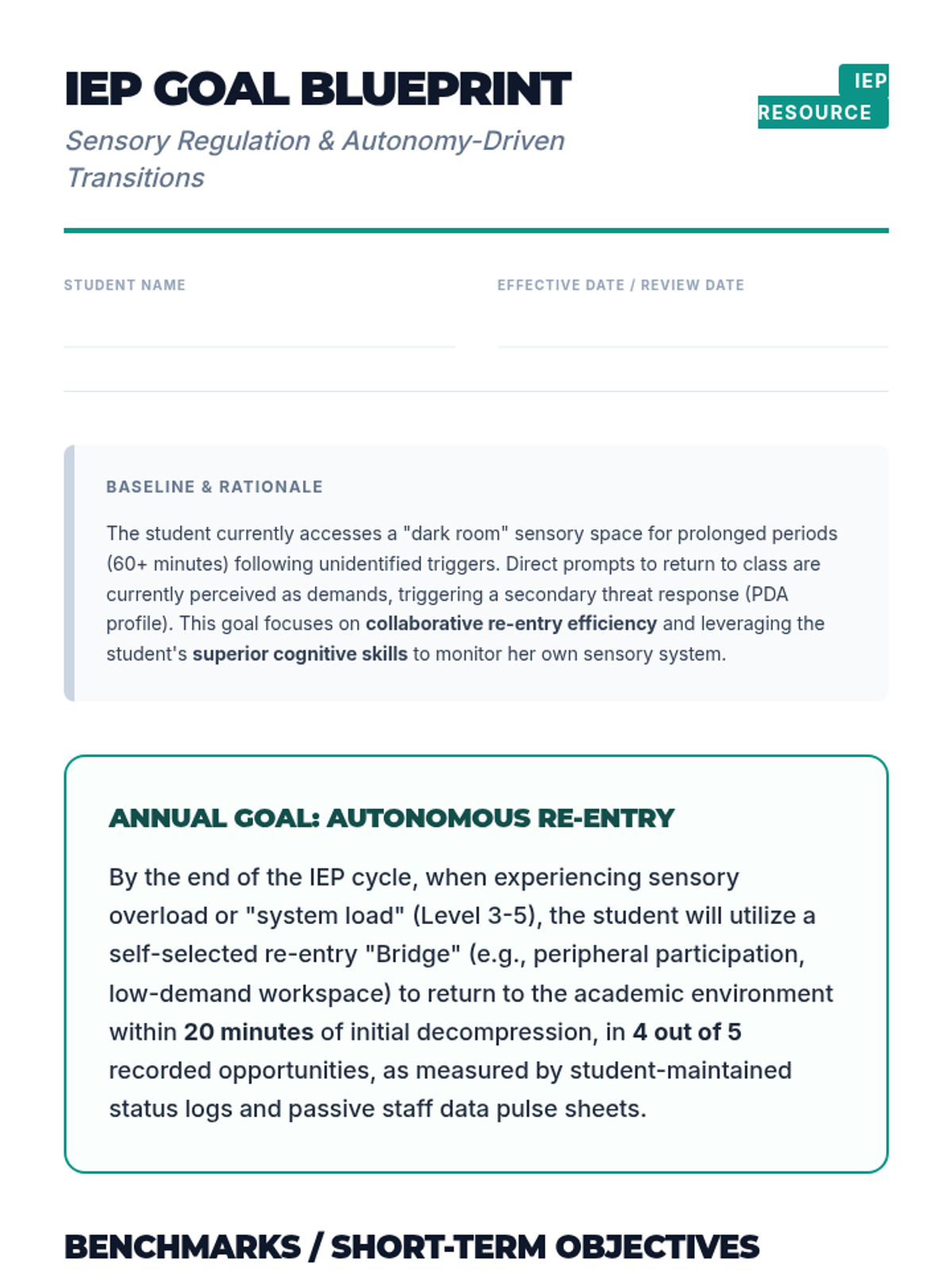
An IEP goal template and set of benchmarks specifically designed for a high-ability 11th-grade student with a PDA profile, focusing on sensory re-entry and autonomy.
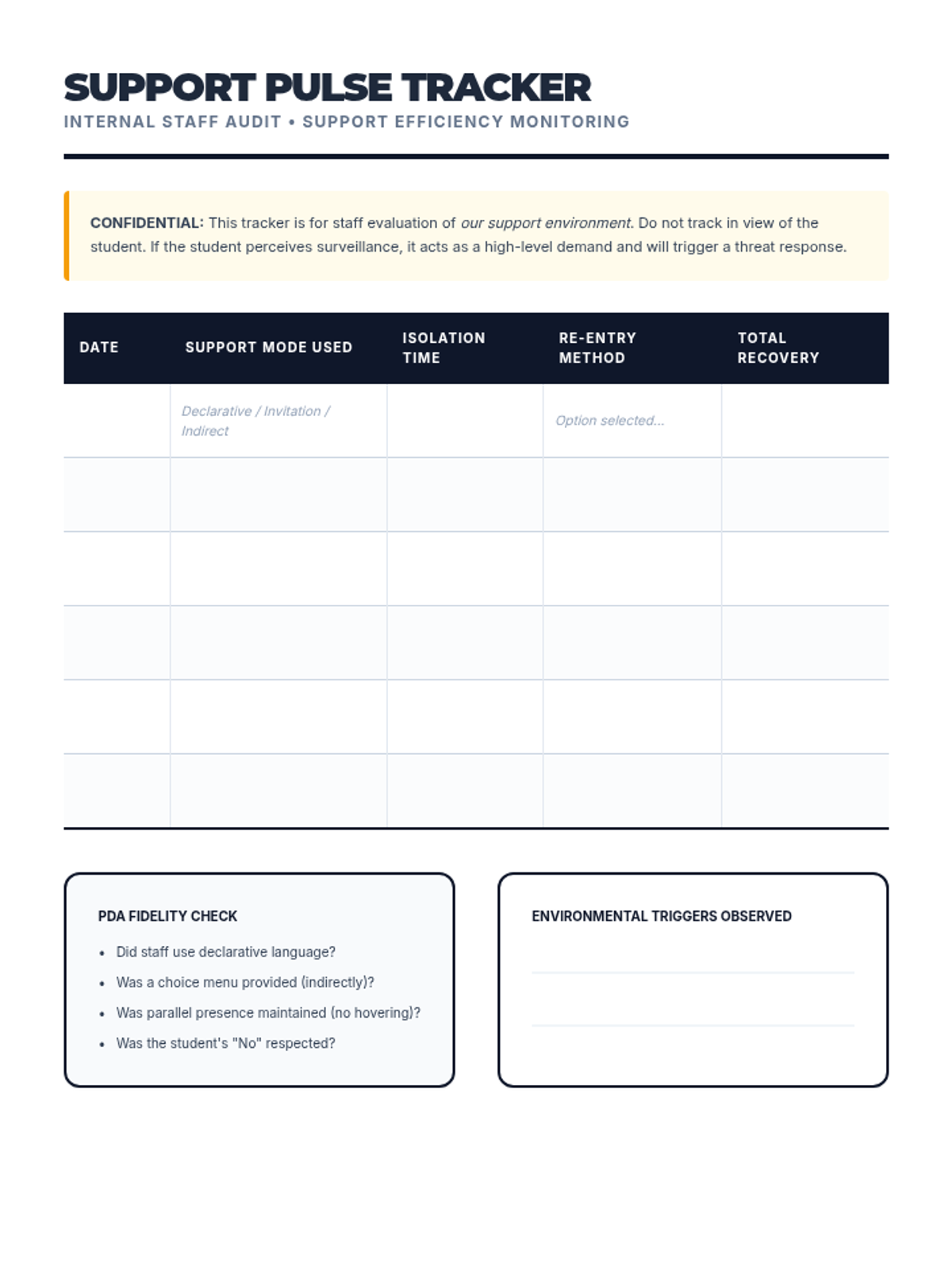
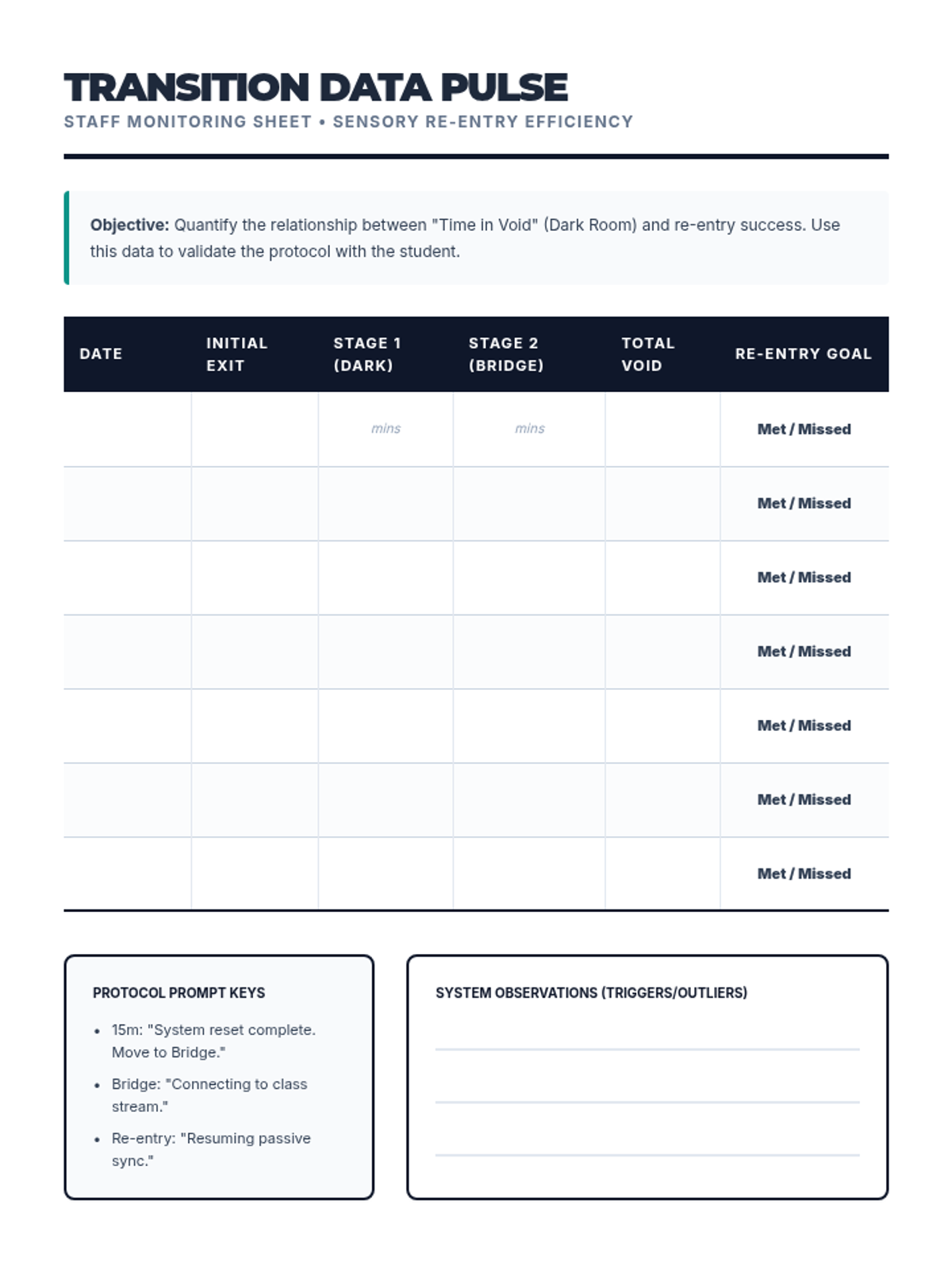
A revised staff tracking sheet for a PDA profile, shifting the focus from monitoring the student's "compliance" to auditing the effectiveness of the adult's support environment.
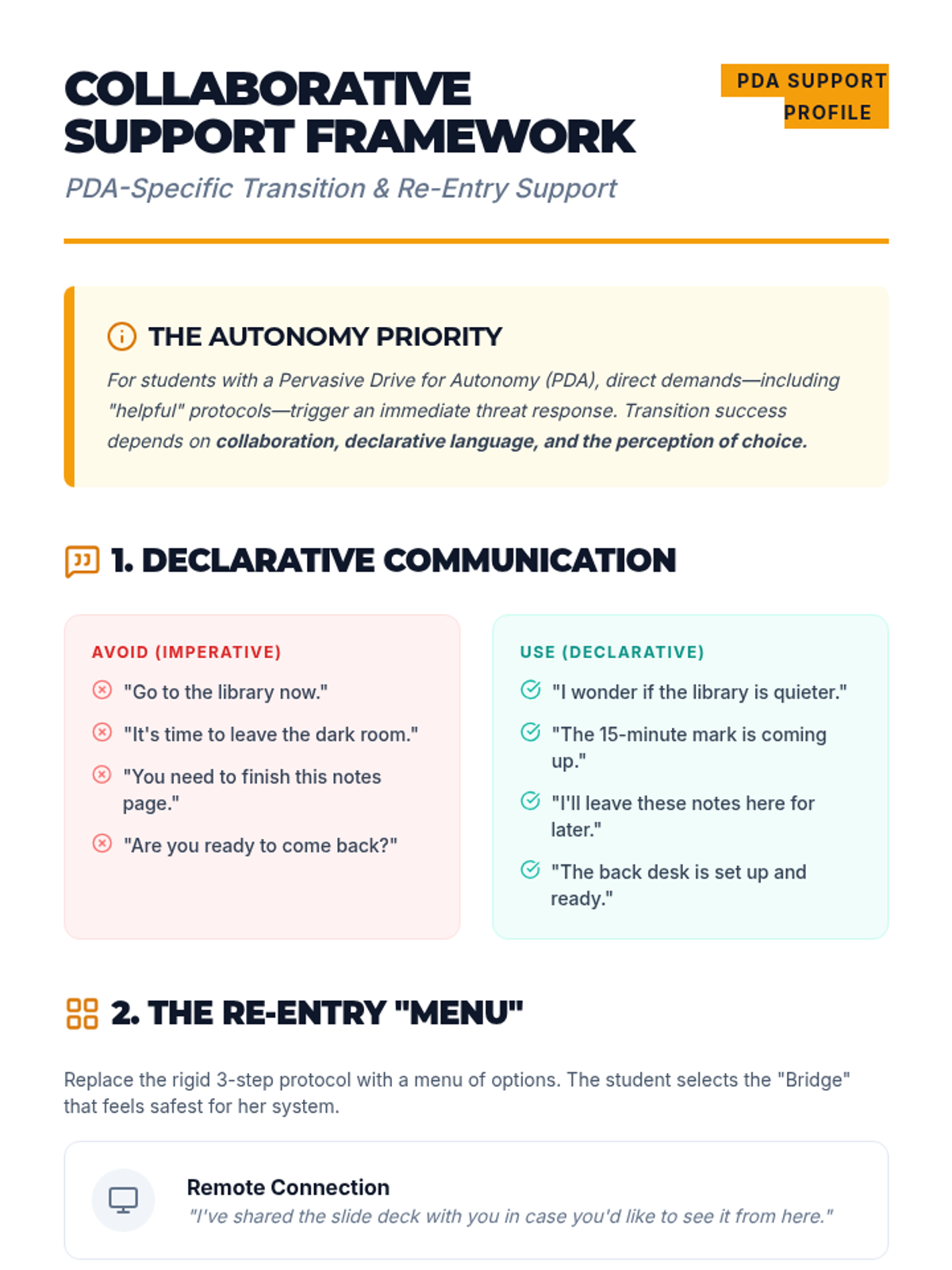
A staff-facing slide deck updated for a PDA profile, emphasizing the importance of declarative language, autonomy, and the "demand-avoidance" threat response.
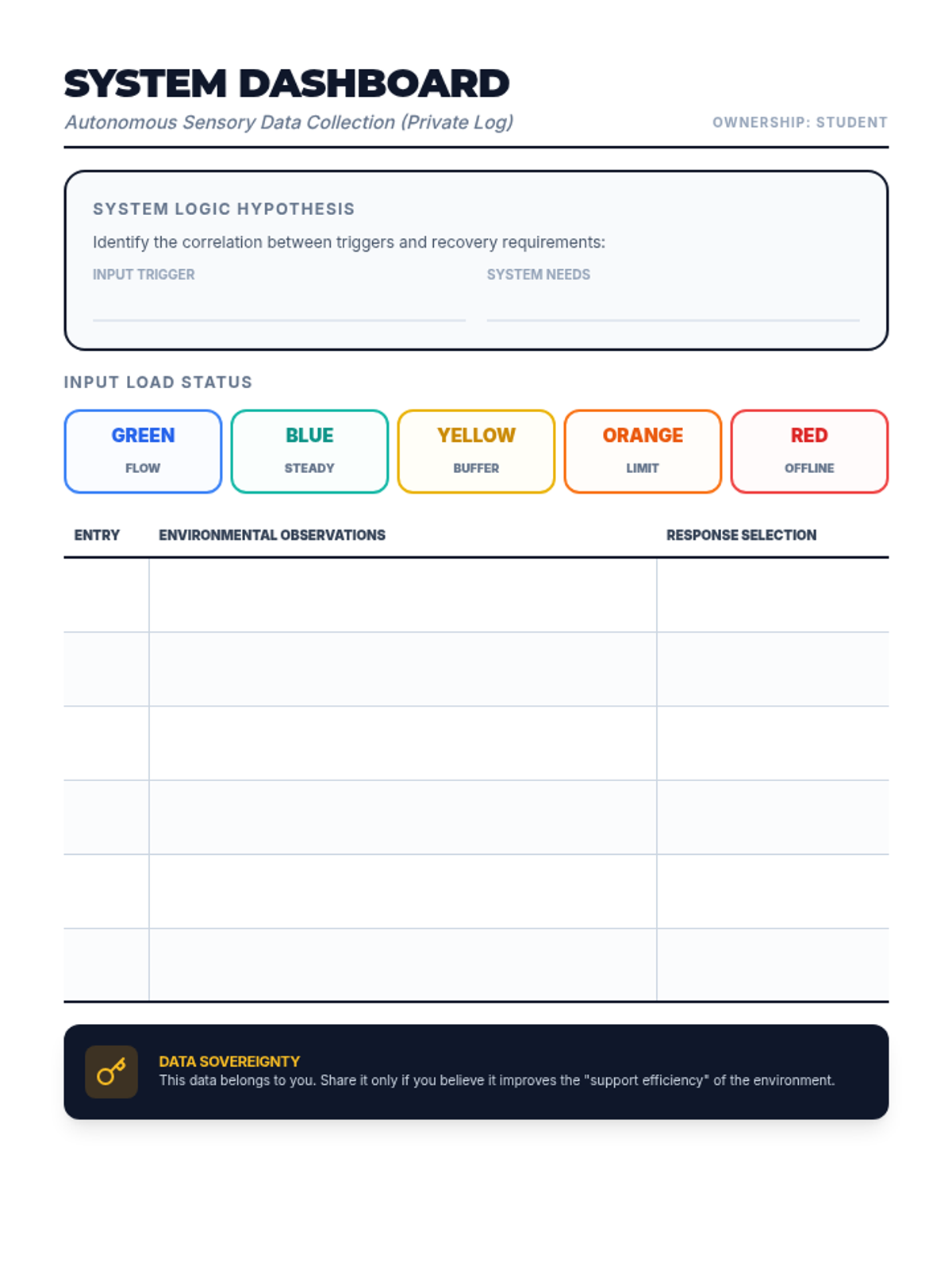
An autonomy-focused sensory log for a PDA profile student, framed as a private "System Dashboard" to emphasize ownership and data sovereignty.
A specialized staff guide for supporting a PDA profile student, focusing on declarative language, indirect support, and maintaining student autonomy during transitions.
A data-tracking sheet for staff to monitor the efficiency of the Bridge protocol, focusing on reducing time spent in sensory isolation.
A presentation for school staff explaining the 'Bridge' protocol, focusing on a strength-based approach for a high-ability autistic student.
Slides for Lesson 5 on Digital Resilience. Teaches students how to troubleshoot common TTS failures, establish a 'Plan B' hierarchy, and remain productive during technical high-stakes moments.
Slide deck for Lesson 3, introducing the detective theme, the "Scan" and "Loop" techniques for finding and verifying evidence with TTS.
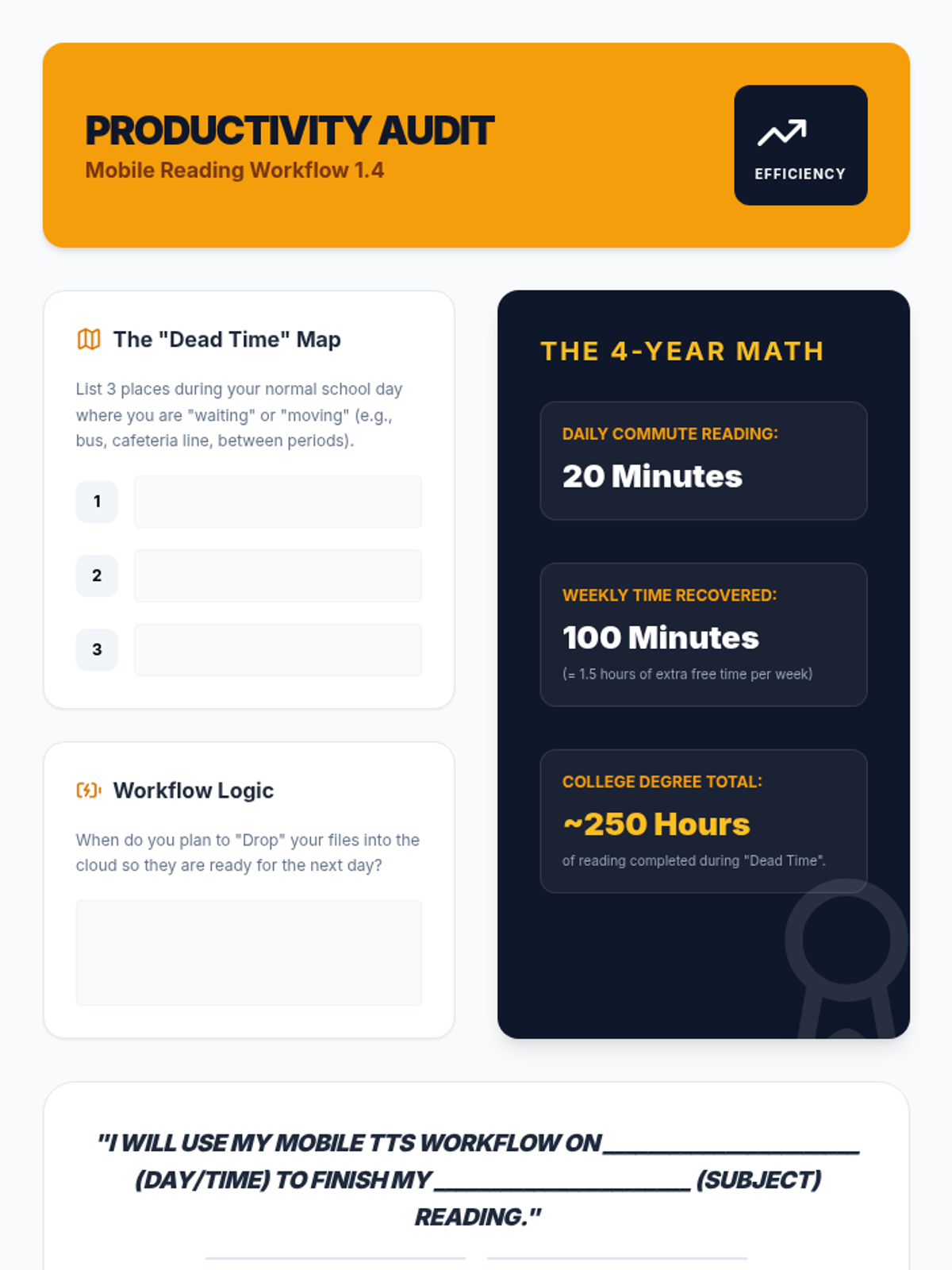
A productivity audit worksheet for Lesson 4. Students identify 'dead time' in their schedules, calculate the time savings over their college career, and make a formal commitment to using their mobile TTS workflow.
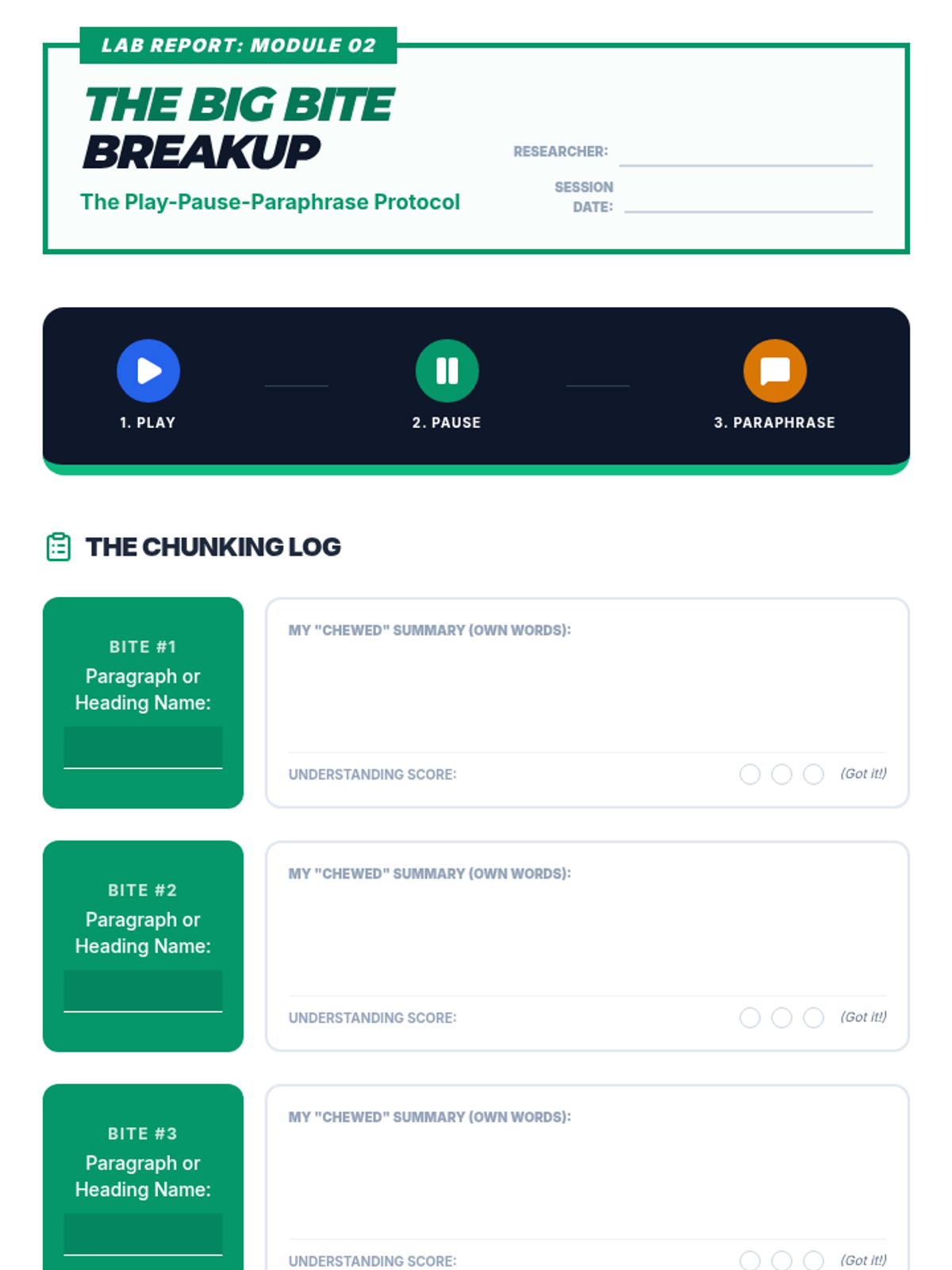
Student activity sheet for Lesson 2, featuring a chunking log to practice the Play-Pause-Paraphrase strategy.
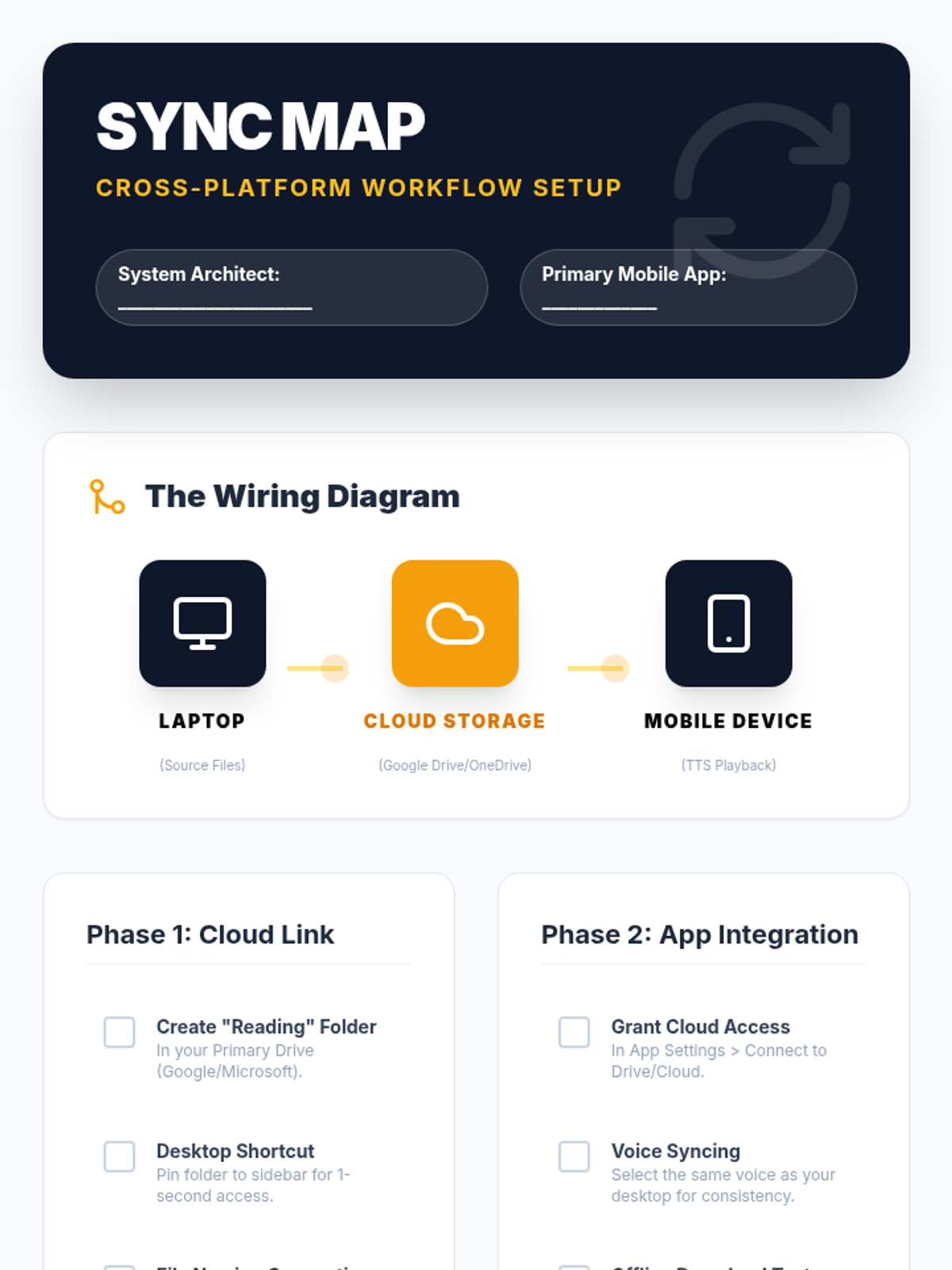
A technical setup checklist for Lesson 4. Guides students through linking their desktop cloud storage to their mobile TTS apps, with verification steps for offline playback and file syncing.
Slides for Lesson 4 on Mobile TTS Workflows. Focuses on syncing desktop files with mobile devices, cloud integration, and using transit time for academic reading.
Detailed teacher guide for Lesson 2, focusing on the cookie analogy and the Play-Pause-Paraphrase strategy for auditory comprehension.
Slide deck for Lesson 2, introducing the "Cookie" analogy for text chunking and the Play-Pause-Paraphrase strategy for auditory comprehension.
Simulation instructions and debrief slides for Lesson 5, putting students' organizational systems through a 'stress test' with mock assignments and surprise events.
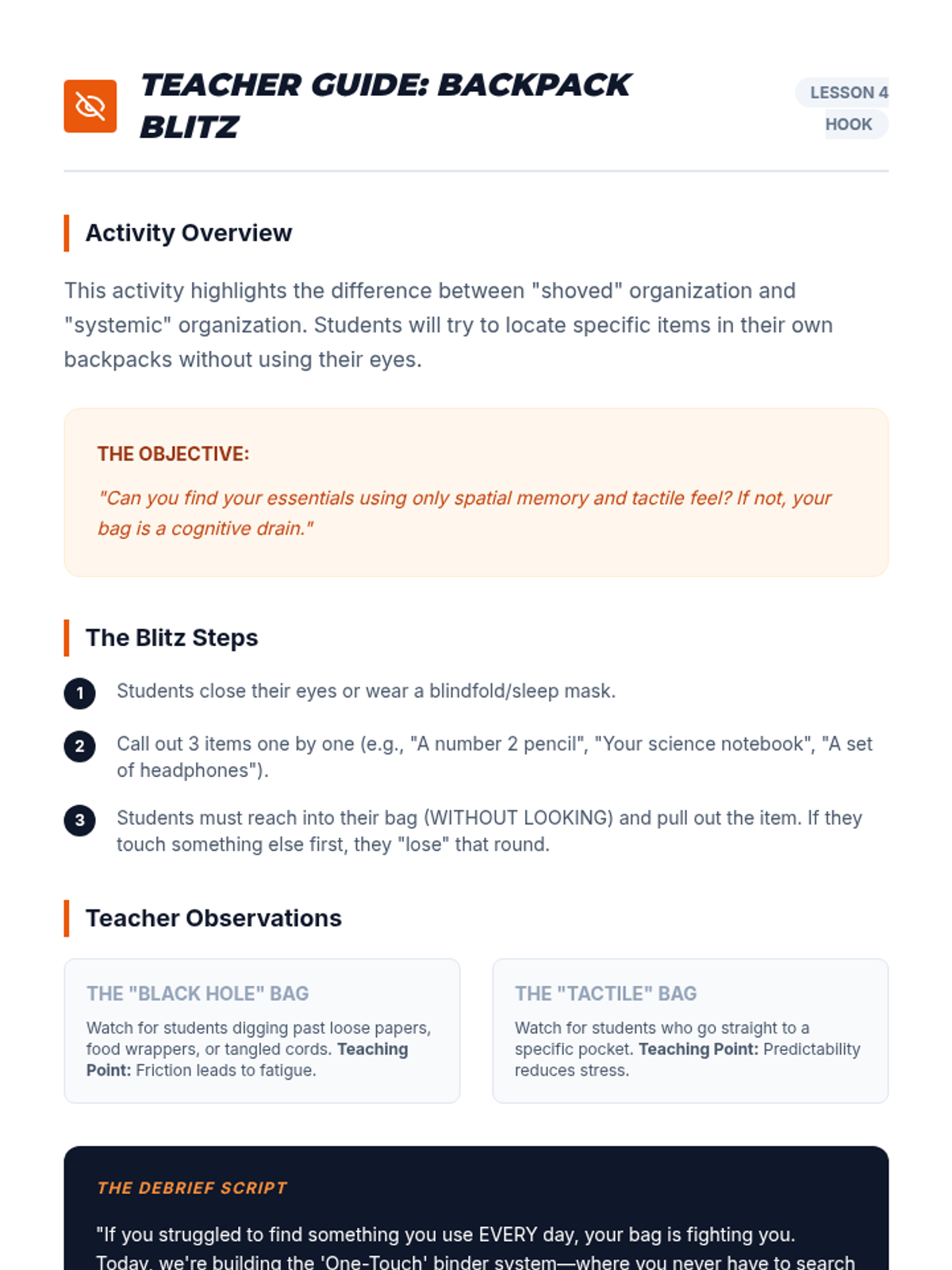
A facilitation guide for the 'Backpack Blitz' blindfold activity, focusing on spatial memory and physical organization.
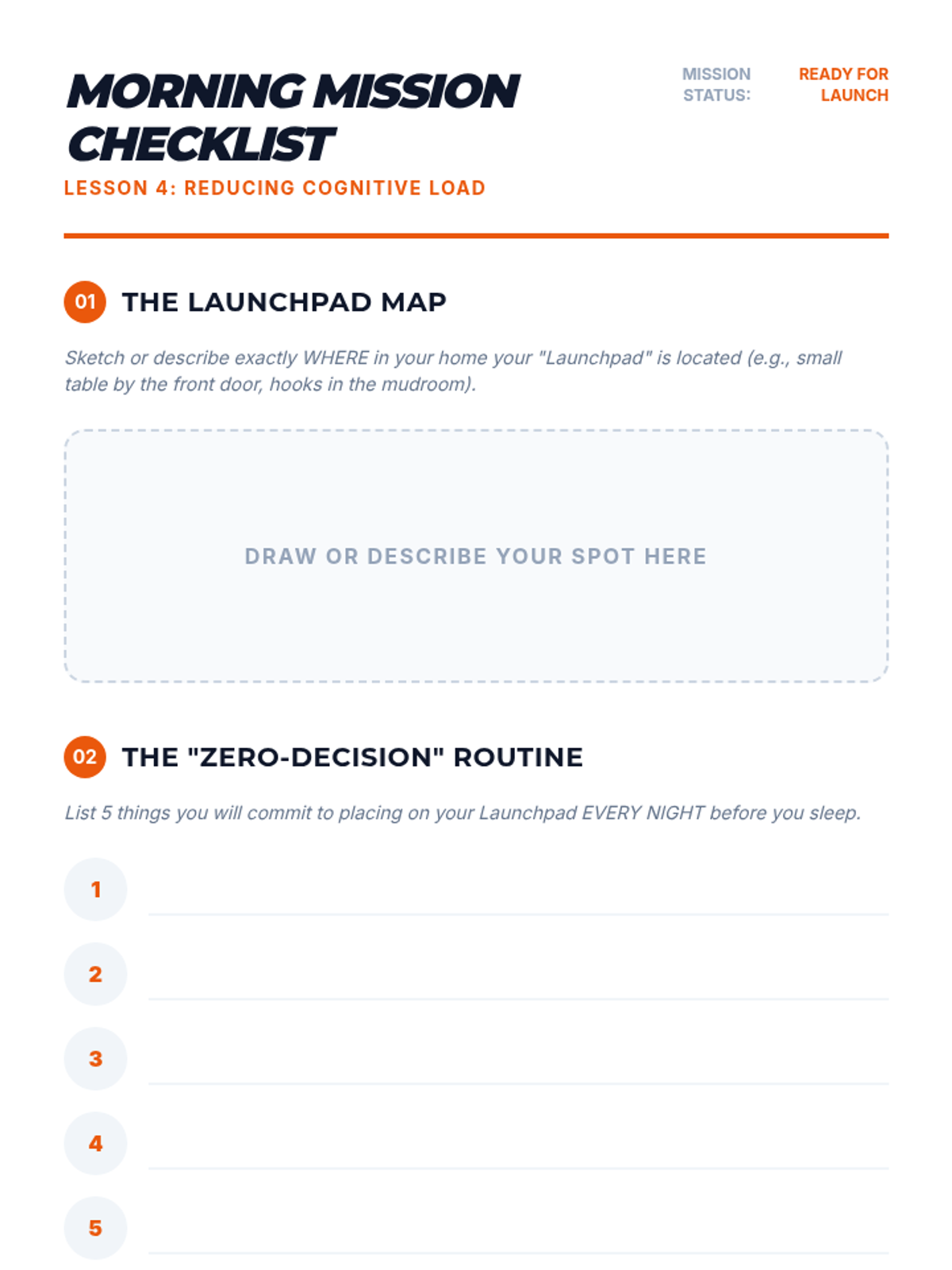
A guide for students to build a 'launchpad' routine and Morning Mission checklist to reduce morning cognitive load.
Workshop slides for Lesson 4, focusing on physical organization systems like binders and 'launchpad' routines to reduce morning cognitive load.
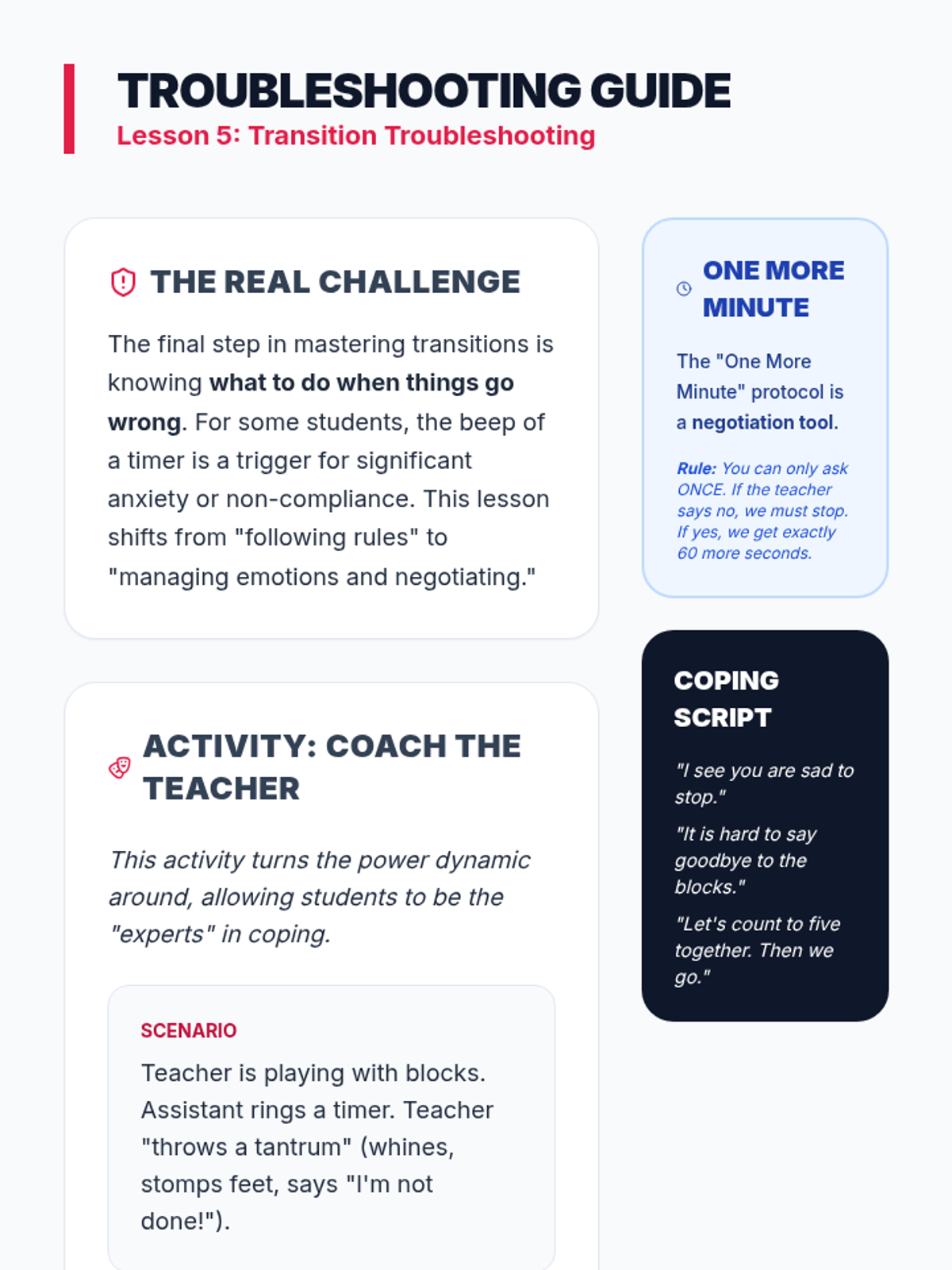
A guide for teachers to lead the role-play activities and manage the 'One More Minute' protocol during transition troubleshooting.
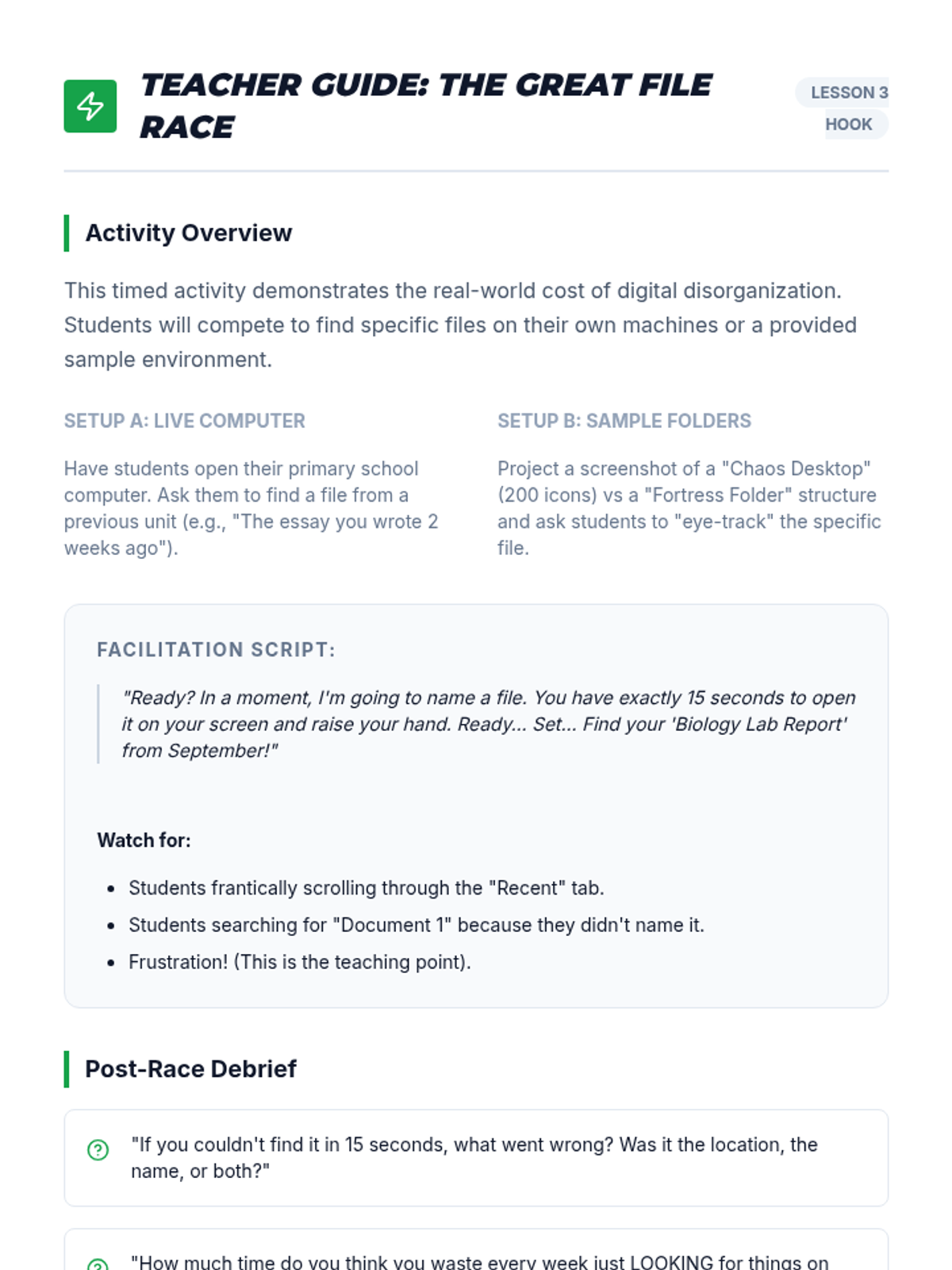
A facilitation guide for the 'Digital Race' hook activity, including script ideas and debrief questions.
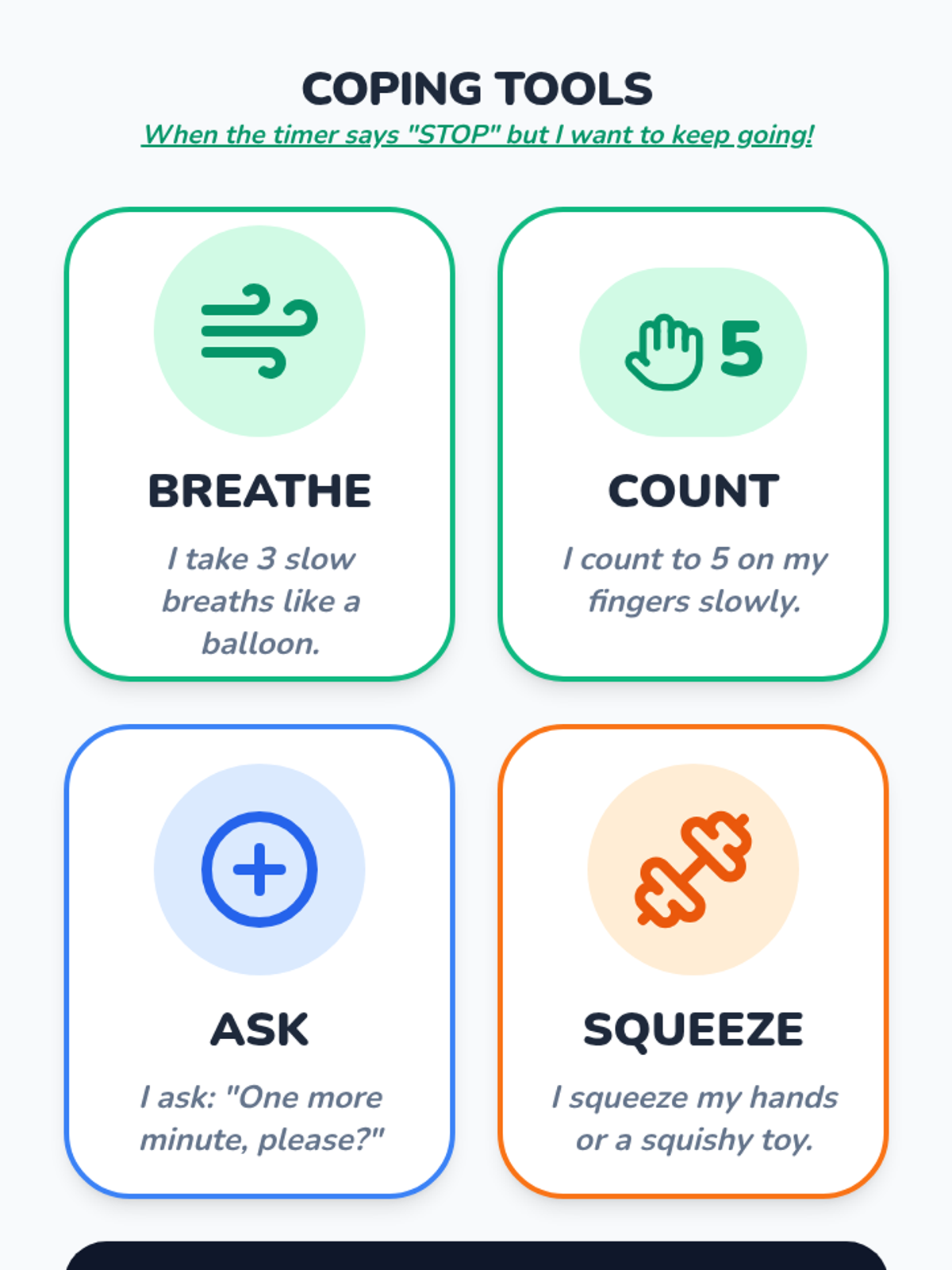
Choice cards for students to pick a coping strategy when they feel upset about a timer-triggered transition.
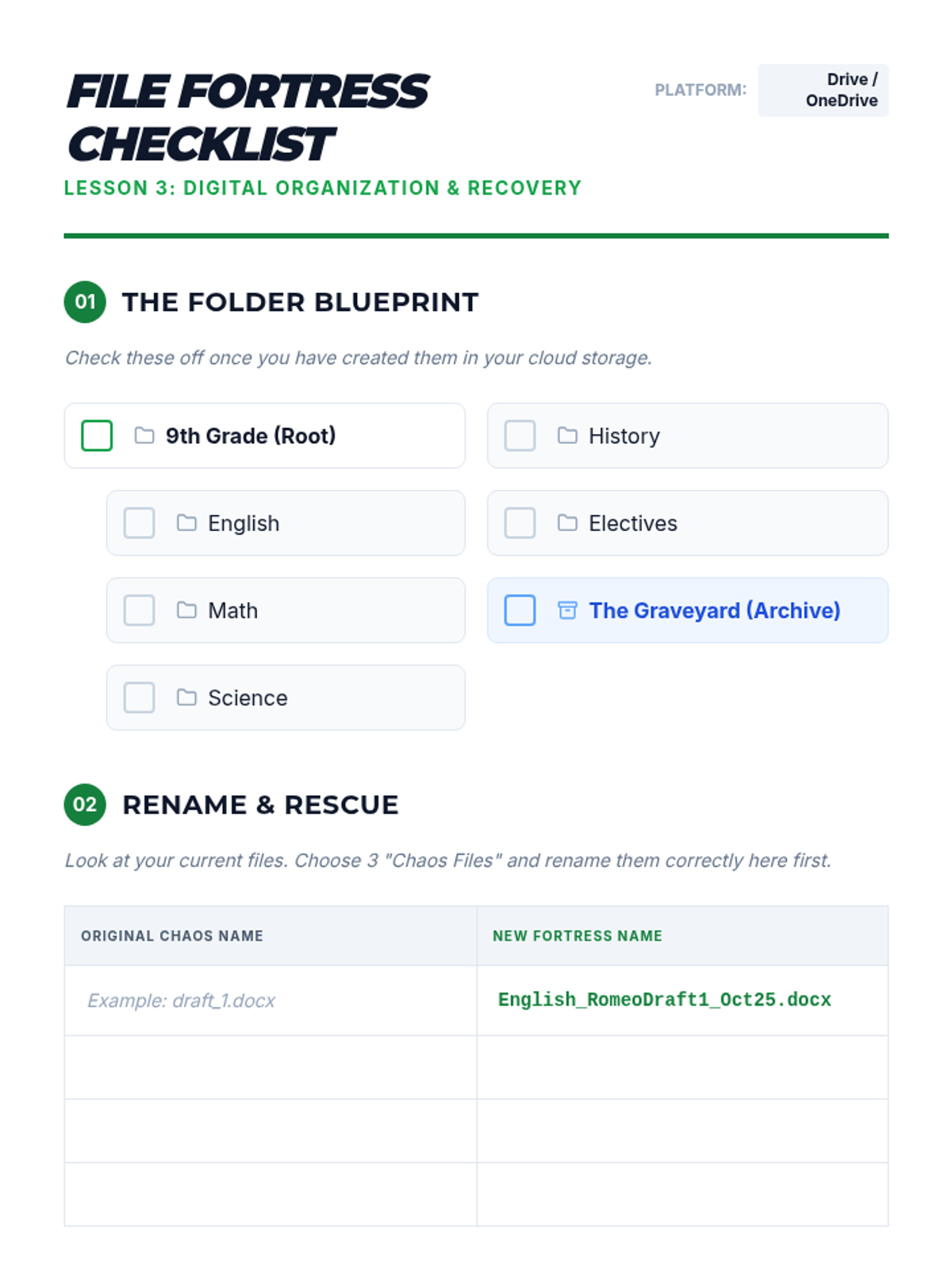
A guide for students to set up their digital folder hierarchy and practice professional file naming conventions.
Visual slides for transition troubleshooting, addressing coping strategies for when the timer causes upset and teaching the 'One More Minute' protocol.
Workshop slides for Lesson 3, focusing on folder hierarchies, naming conventions, and quick digital retrieval strategies to prevent lost assignments.
A simple social story for Pre-K students explaining the routine of using a timer, stopping at the signal, and moving to the break zone.
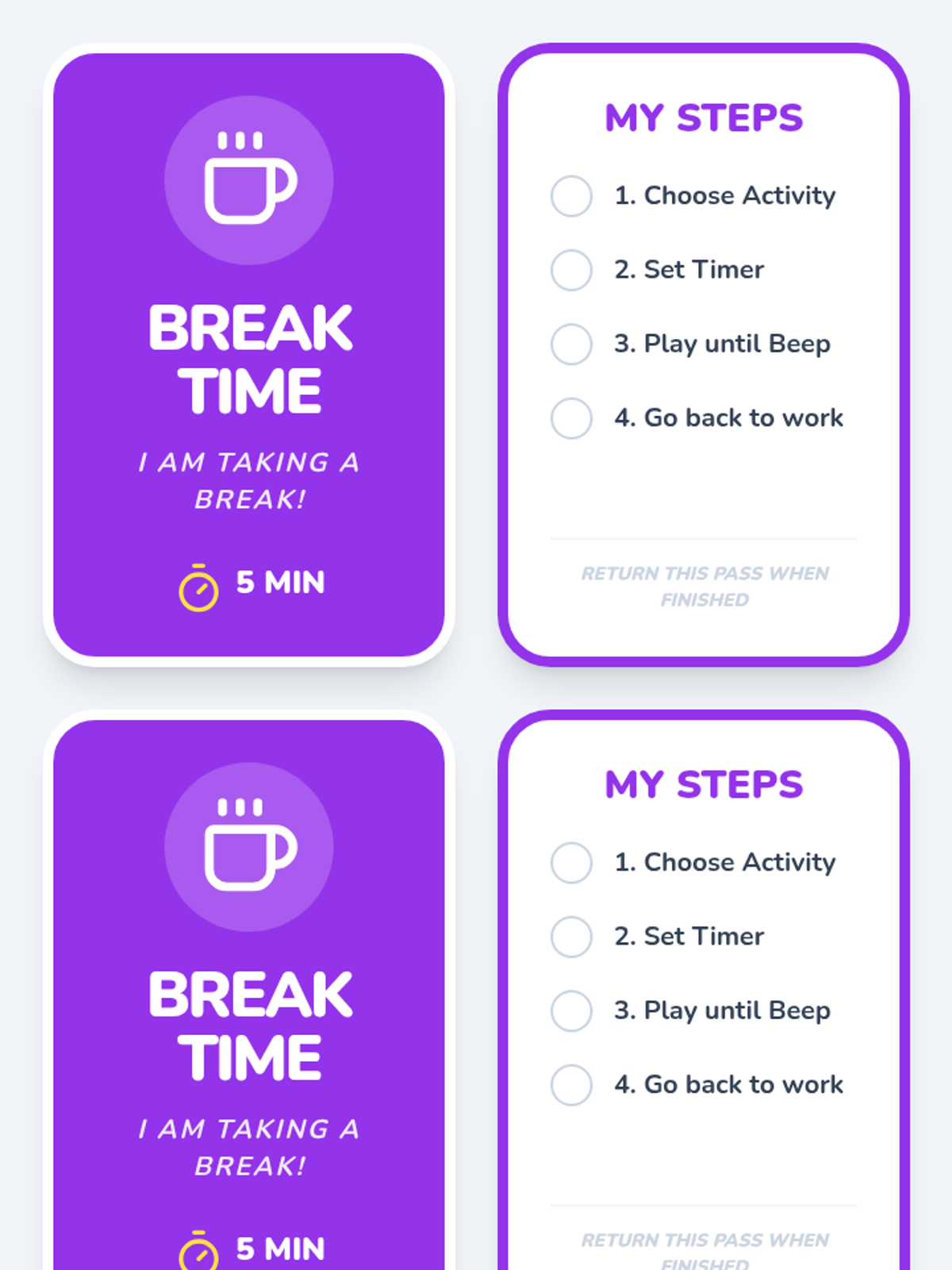
Visual break passes for students to carry, reminding them of the steps to independently manage their timed break and return to work.
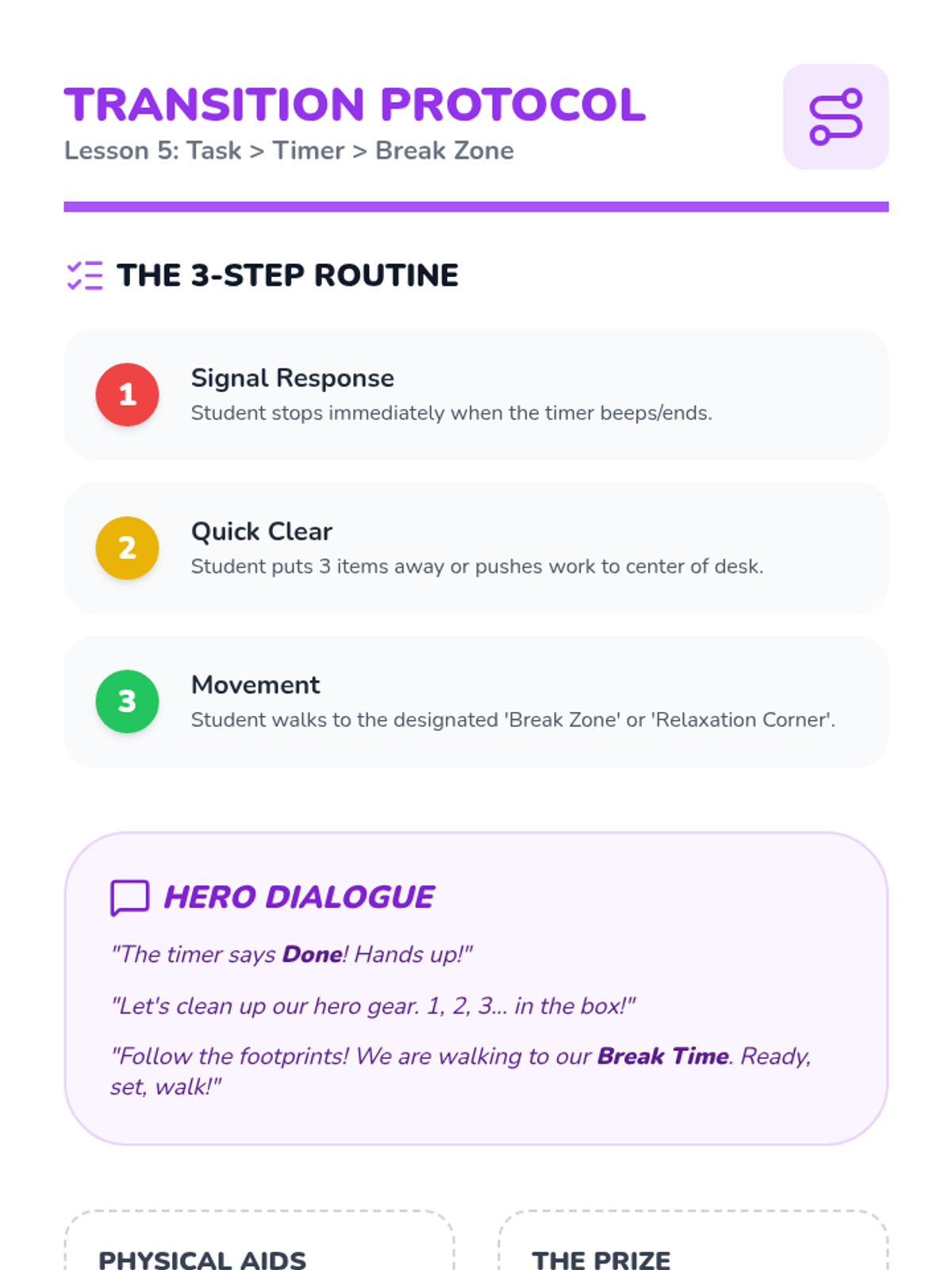
A teacher facilitation guide for Lesson 5, focusing on the full transition routine from work to break zone, including safety tips and scripting.
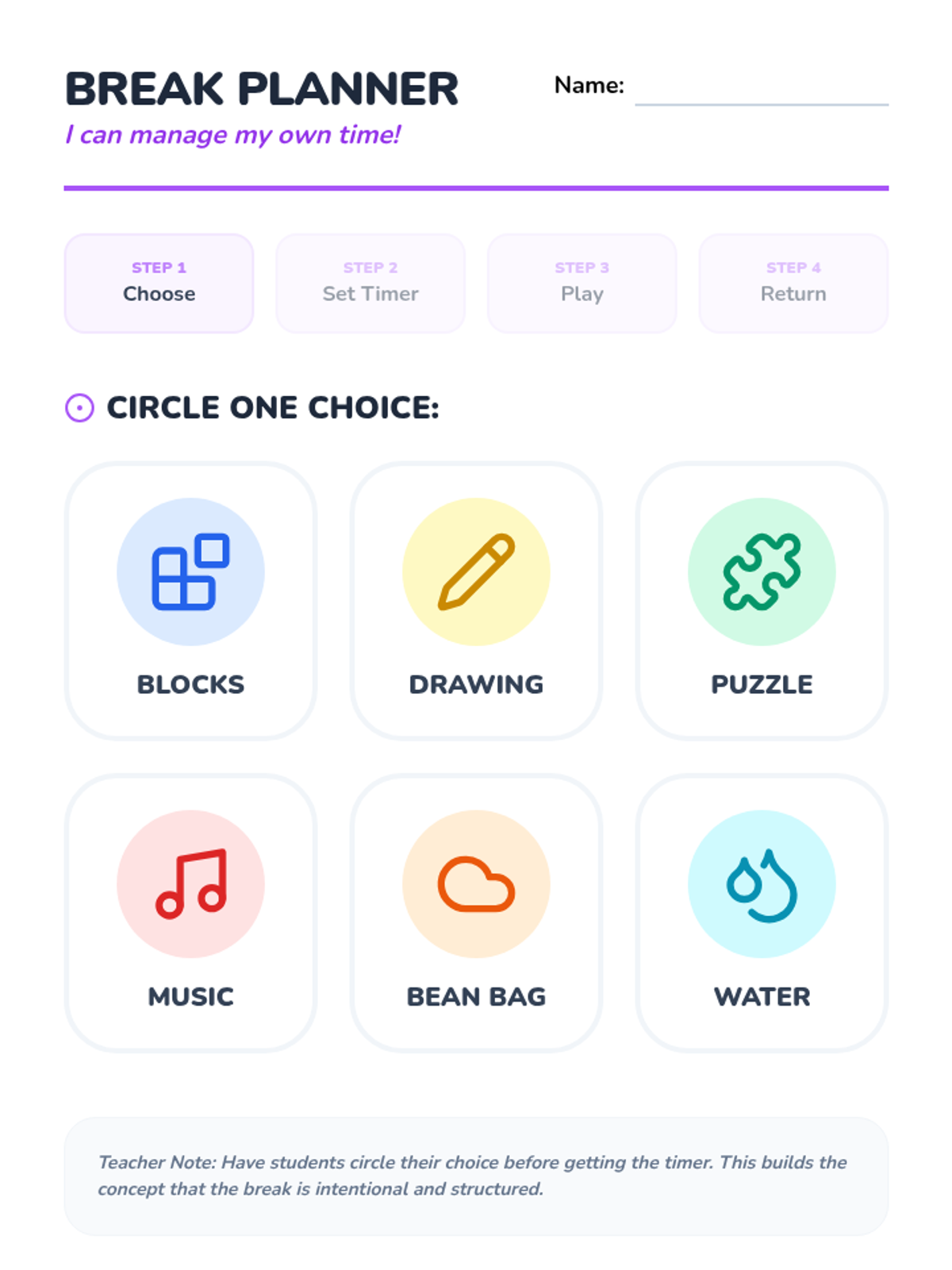
A visual break choice board for students to use when planning their timed breaks, reinforcing intentional choice and time limits.
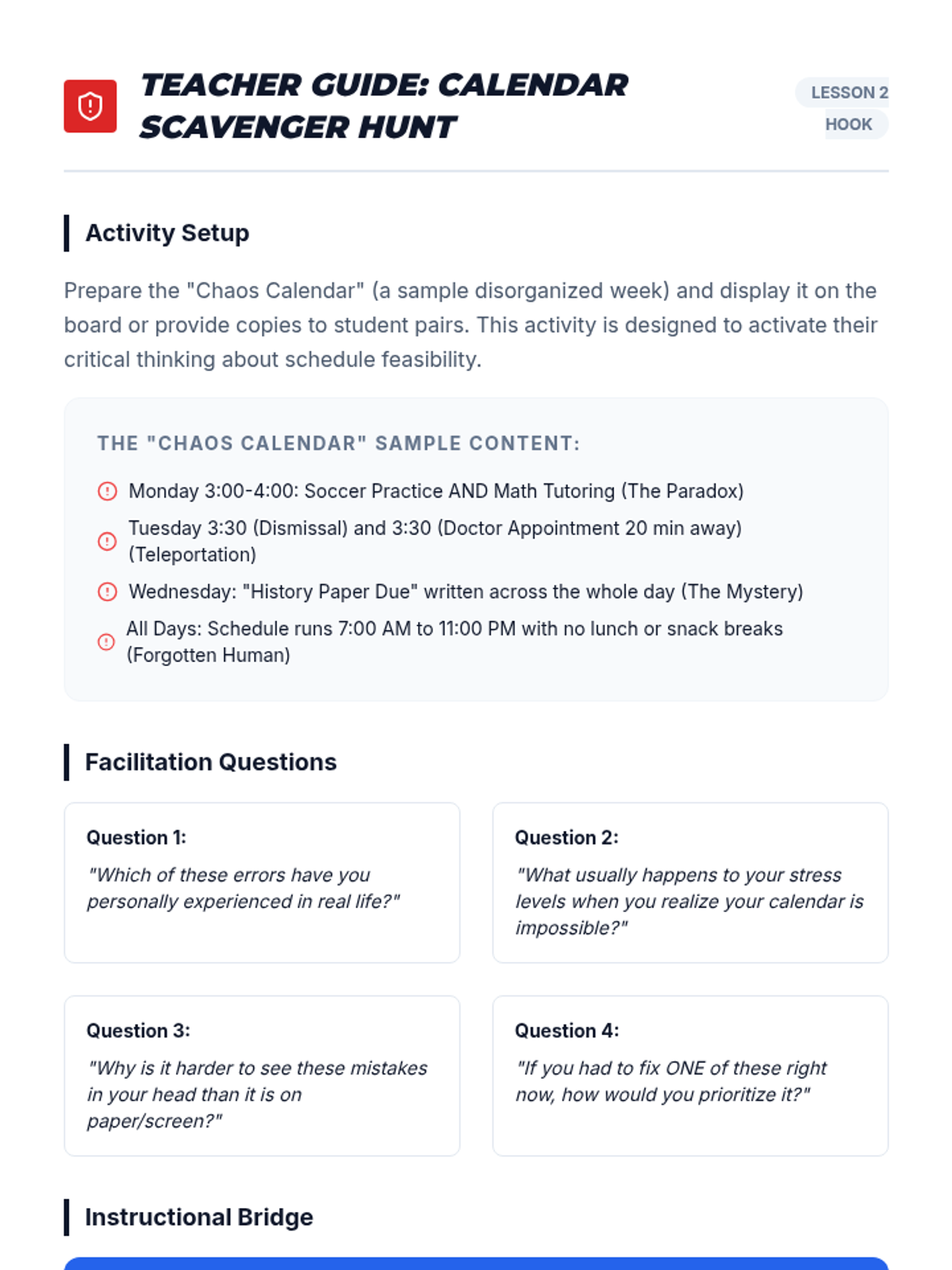
A facilitation guide for teachers to lead the 'Calendar Scavenger Hunt' hook, including sample chaos calendar entries and discussion prompts.
Colorful slides for Lesson 5 establishing the 'Task > Timer > Transition' loop and moving to a break zone.
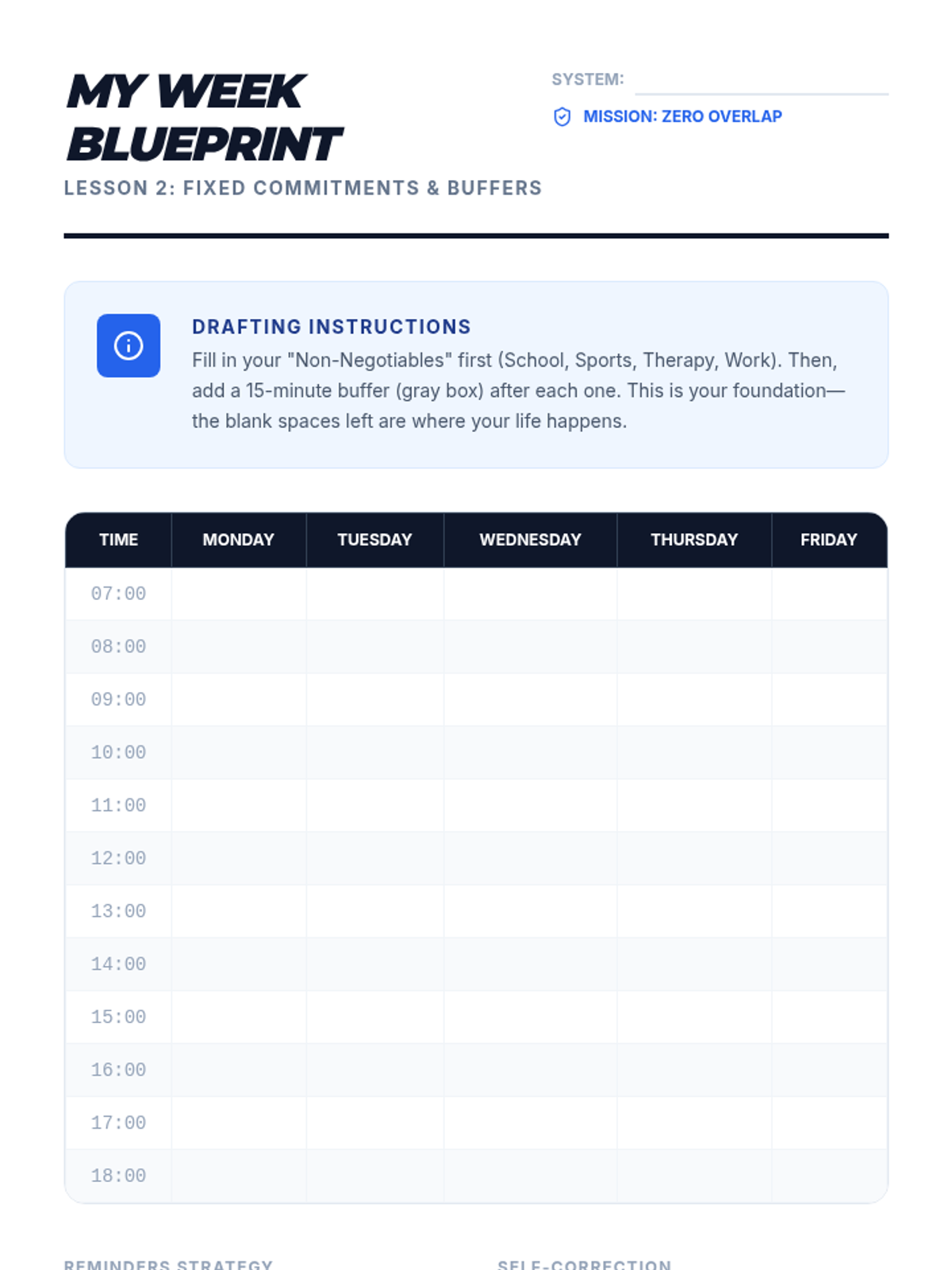
A calendar template designed for students to identify fixed commitments and incorporate necessary buffer times into their weekly schedule.