Lenny LearningLenny
Create
Explore
Workspace
LoginSign up
MathEnglish Language ArtsScience & EngineeringSocial StudiesGlobal LanguagesHealth & Physical EducationSpecial EducationCounseling & Life SkillsArts & CreativityESL
Lenny LearningLenny
Lenny Learning
About
Training
Pricing
Support
Contact
© 2026 Lenny Learning Inc.

Task Management

SequencesLessonsMaterialsVideos
  1. Special Education

Task Management

SequencesLessonsMaterialsVideos

Techniques for task initiation, strategic break management, and navigating transitions through minimal prompting and self-talk strategies. Addresses multi-day project completion, adaptive planning, and problem-solving when facing obstacles.

Minimal Prompting Task StartSystematic fading of verbal and physical cues to encourage independent task initiation. Targets executive functioning skills and reduces prompt dependency in learners with diverse needs.
Self-Talk for StartingInternalized verbal prompting and cognitive rehearsal strategies to overcome task initiation barriers. Builds executive functioning skills for students struggling to begin independent work.
Starter Strategies for Difficult TasksScaffolding techniques like chunking, visual timers, and 'first-then' prompts to reduce task-initiation anxiety. Equips educators with actionable tools to help students overcome inertia and manage complex or undesirable assignments.
Age-Appropriate Task PersistenceScaffolding techniques and reinforcement strategies to build student stamina during academic and functional activities. Targets goal-setting, self-monitoring, and the gradual increase of focused work time.
Strategic Break ManagementImplementation of visual timers, movement breaks, and self-regulation protocols for neurodivergent learners. Equips educators with strategies for scheduled and on-demand transitions to maintain student focus and reduce sensory overload.
Smooth Task TransitionsVisual schedules, transition cues, and consistent routines to minimize behavioral challenges during schedule changes. Supports students in navigating shifts between activities while maintaining emotional regulation.
Adapting to Plan ChangesVisual schedules and cognitive flexibility strategies for managing unexpected routine shifts. Develops coping mechanisms and transition routines to support students through daily plan modifications.
Obstacle Problem-SolvingStrategies for identifying task barriers and implementing adaptive solutions when routines are disrupted. Focuses on self-advocacy, cognitive flexibility, and step-by-step troubleshooting for neurodiverse students.
Multi-Day Project CompletionScaffolding long-term assignments through task analysis, milestone setting, and visual progress tracking. Builds executive function skills for managing complex workflows over extended periods.
Special EducationSensory Processing & RegulationSensory Preferences IdentificationSensory Tool UseCommunicating Sensory NeedsSensory Overload RecognitionDeep Breathing PracticeMovement Break UtilizationIndependent Calming Strategy UsePersonalized Calming RoutinePersonal Sensory Diet CreationProactive Sensory BreaksEmotion Intensity RecognitionDysregulation RecoveryPositive Behavior SupportUnderstanding Social StoriesPersonal Social Story CreationEmotional Regulation FrameworksPersonal Trigger IdentificationSelecting Regulation StrategiesReinforcement System ResponseSelf-Monitoring & RewardsLearning Positive AlternativesCross-Setting Skill GeneralizationSocial CommunicationEye Contact & Personal SpaceContext-Appropriate GreetingsAppropriate Volume & ToneConversation Turn-TakingTopic Maintenance in DiscussionEffective Help-SeekingBody Language InterpretationFacial Expression RecognitionIdioms & Figurative LanguageSocial Problem IdentificationSocial Solution GenerationSocial Decision EvaluationTask ManagementMinimal Prompting Task StartSelf-Talk for StartingStarter Strategies for Difficult TasksAge-Appropriate Task PersistenceStrategic Break ManagementSmooth Task TransitionsAdapting to Plan ChangesObstacle Problem-SolvingMulti-Day Project CompletionPlanning & OrganizationPhysical Material OrganizationVisual Schedule & Timer UseSequential Task BreakingTime Estimation SkillsTask PrioritizationDigital & Physical Workspace ManagementPersonalized Organization StrategiesDetailed Project PlanningMultiple Commitment BalancingAcademic Support StrategiesMath Manipulative UseVisual Math Problem RepresentationComplex Math Problem BreakdownText Highlighting & AnnotationVisualization While ReadingPredictions & Inferences from TextText Structure Graphic OrganizersWriting Graphic OrganizersSentence Frames & TemplatesStudy Guide CreationSpaced Repetition for MemoryAssistive Writing TechnologyWorking Memory SupportSingle-Step Direction FocusMulti-Step Direction FollowingInformation Chunking PracticeVisual Support Memory AidsMnemonic Device ApplicationEfficient Note-Taking SystemsGraphic Organizer Note-TakingNote Review & OrganizationSustained Complex Task AttentionAssistive TechnologySymbol-Word CommunicationAAC Device NavigationSpeech Recognition DictationDictation Text EditingText-to-Speech for ReadingDigital Calendar UseKeyboard Shortcuts NavigationProductivity App ManagementSelf-Advocacy SkillsCommunicating Learning NeedsRequesting AccommodationsAdvocating for Appropriate SupportsIEP & Student RightsUnderstanding IEP ComponentsMeaningful IEP Meeting ParticipationIDEA & Section 504 RightsProgress MonitoringTracking IEP Goal ProgressReflecting on AchievementData-Informed Instructional AdjustmentTransition PlanningCareer & Vocational Goal SettingExploring Post-Secondary OptionsIndependent Living Skills Planning
No videos found
There are no videos available for this topic yet.
No videos found
There are no videos available for this topic yet.
No videos found
There are no videos available for this topic yet.
No videos found
There are no videos available for this topic yet.
No videos found
There are no videos available for this topic yet.
Video
Jack and Jill Have ADHD

Jack and Jill Have ADHD

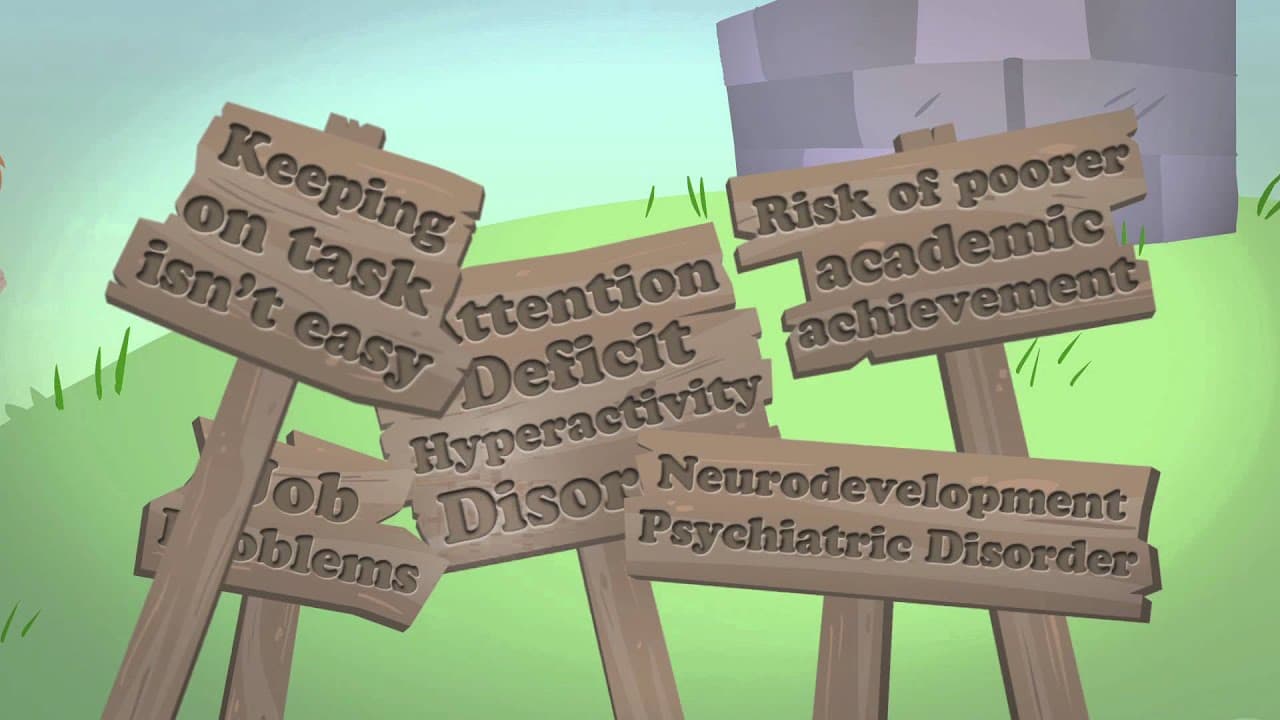
This animated short film reimagines the classic nursery rhyme "Jack and Jill" to explain Attention Deficit Hyperactivity Disorder (ADHD) in a relatable and accessible way. Instead of simply fetching a pail of water, Jack gets distracted by a bluebird and a butterfly, while Jill's imagination runs wild envisioning a castle instead of focusing on the task at hand. The video illustrates the challenges children with ADHD face regarding focus, organization, and completing mundane tasks, while also highlighting their creativity and problem-solving abilities when they are engaged and supported. The narrative addresses the friction between neurodivergent thinking and traditional expectations. An older townsperson represents the common misunderstanding that ADHD is simply laziness or a lack of discipline. However, the video pivots to show that when Jack and Jill are allowed to use their unique strengths—creativity, engineering, and "out of the box" thinking—they can solve problems in innovative ways, constructing an elaborate aqueduct system instead of carrying buckets manually. For educators and parents, this video serves as a powerful tool to destigmatize ADHD and shift the conversation from "deficit" to "difference." It provides a clear explanation of ADHD as a neurodevelopmental disorder affecting executive function, not intelligence. The video encourages adults to provide context, clear goals, and creative freedom to help students with ADHD succeed, rather than relying solely on repetitive rote tasks.

MHLiteracyMHLiteracy

5mins 25s

No videos found
There are no videos available for this topic yet.
No videos found
There are no videos available for this topic yet.
No videos found
There are no videos available for this topic yet.