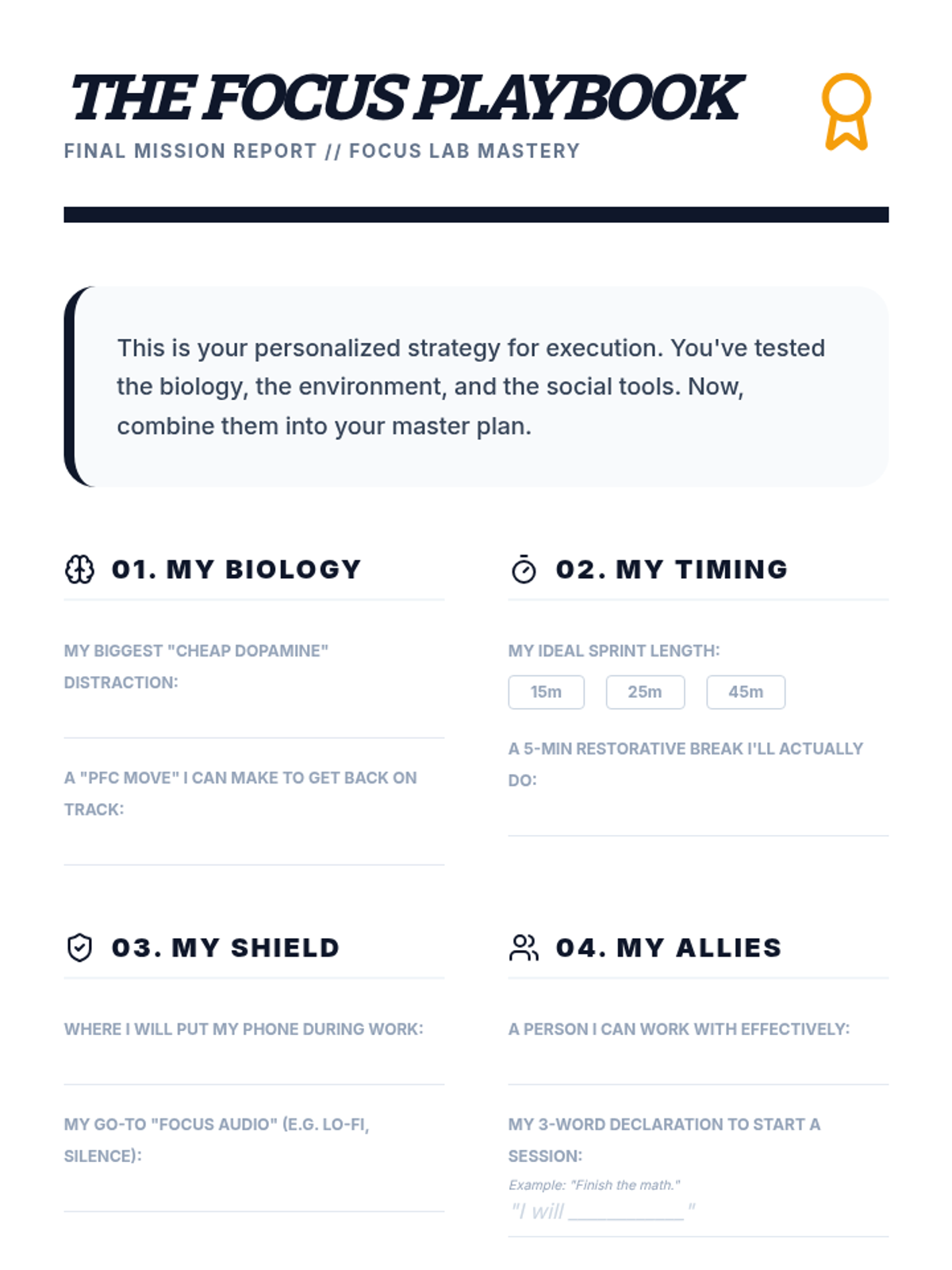
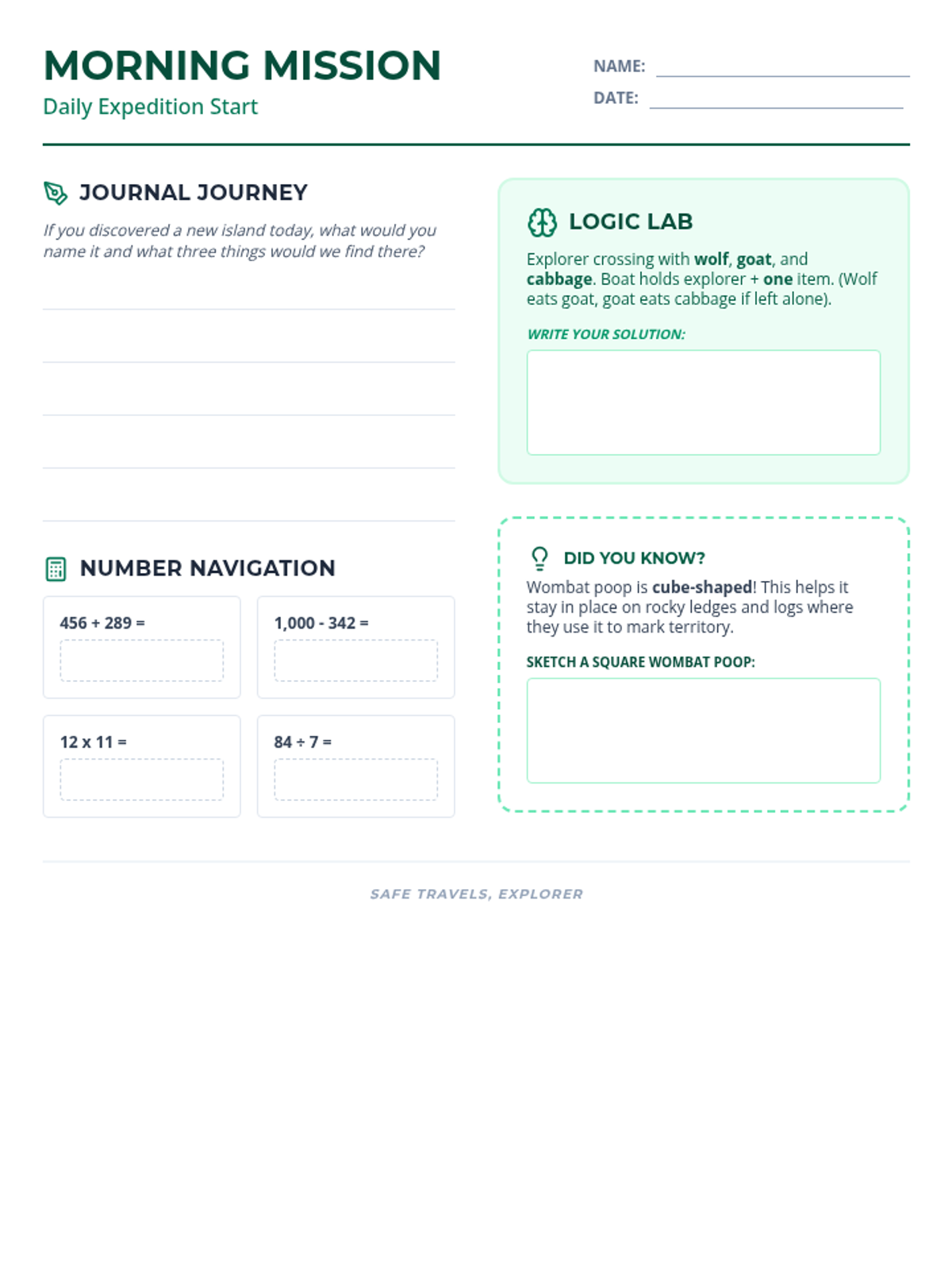
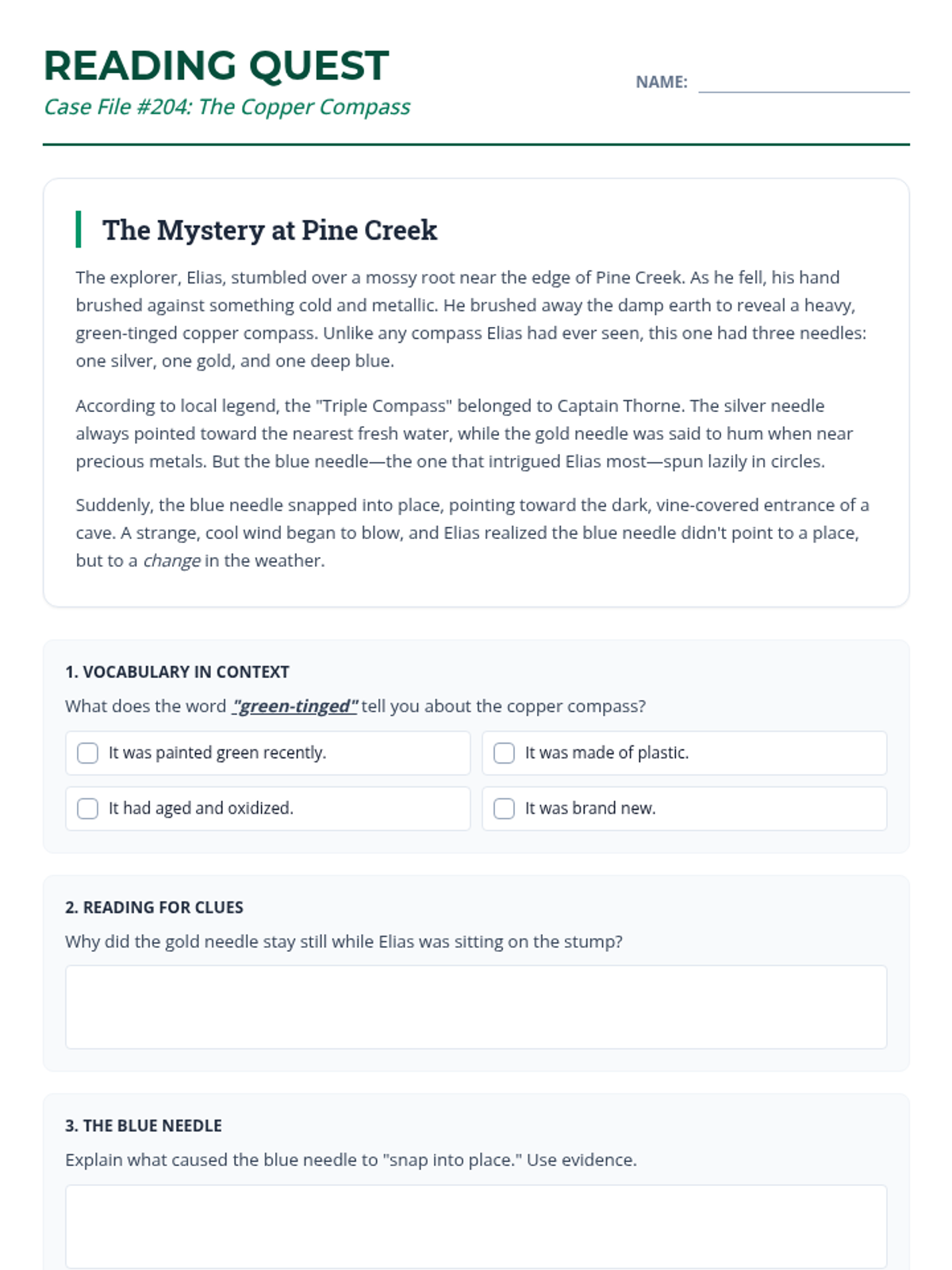
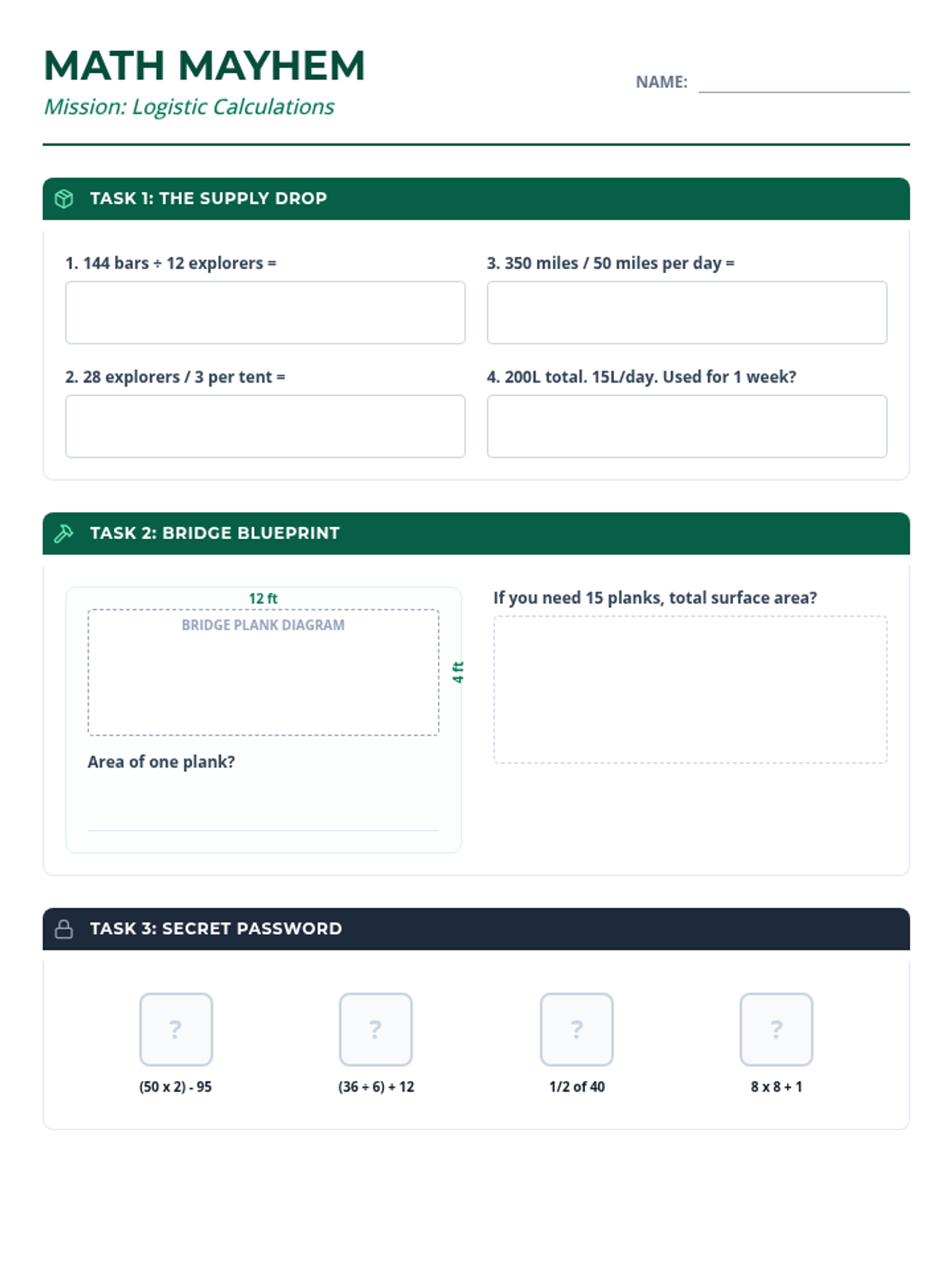
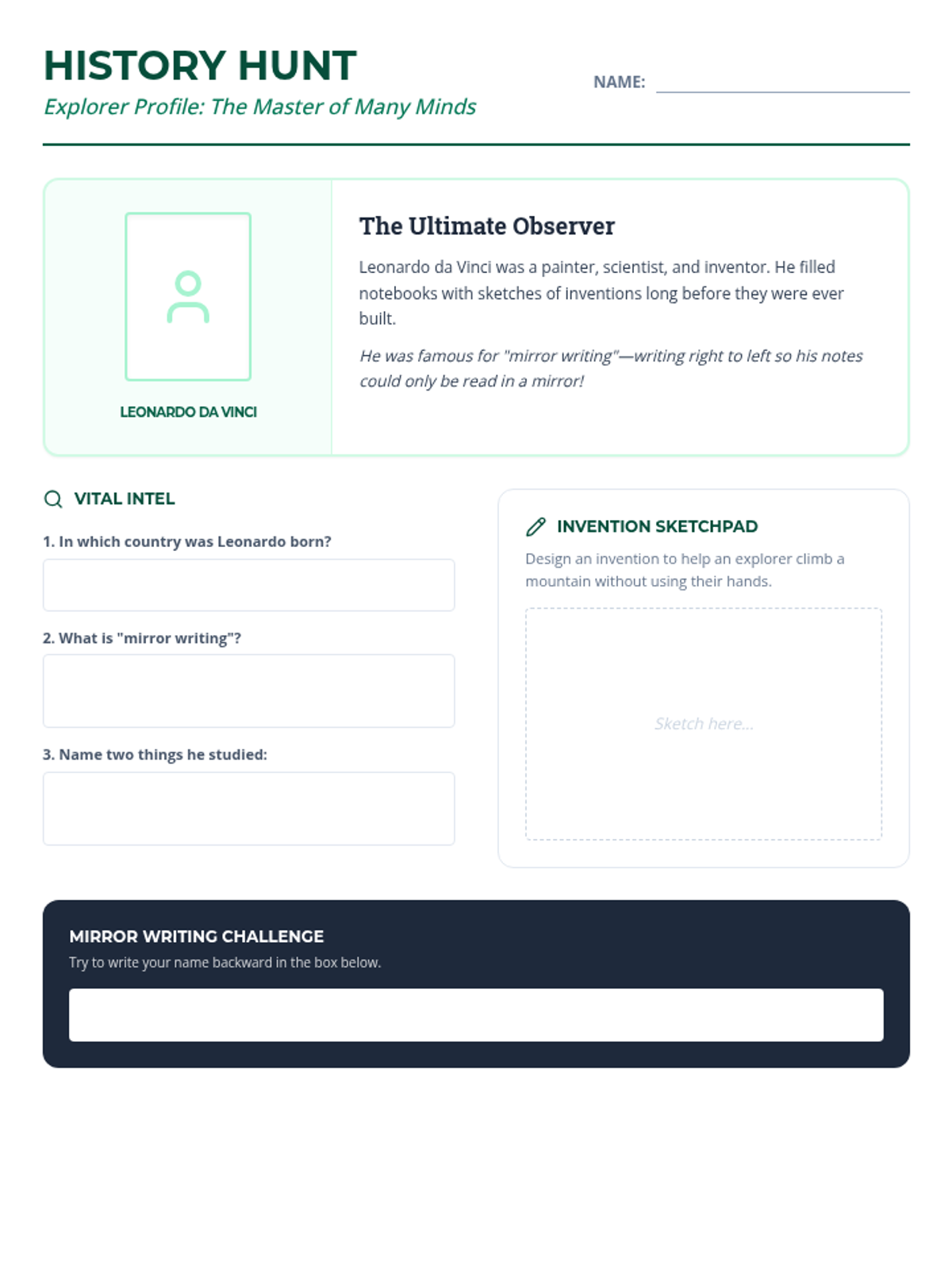
Techniques for task initiation, strategic break management, and navigating transitions through minimal prompting and self-talk strategies. Addresses multi-day project completion, adaptive planning, and problem-solving when facing obstacles.
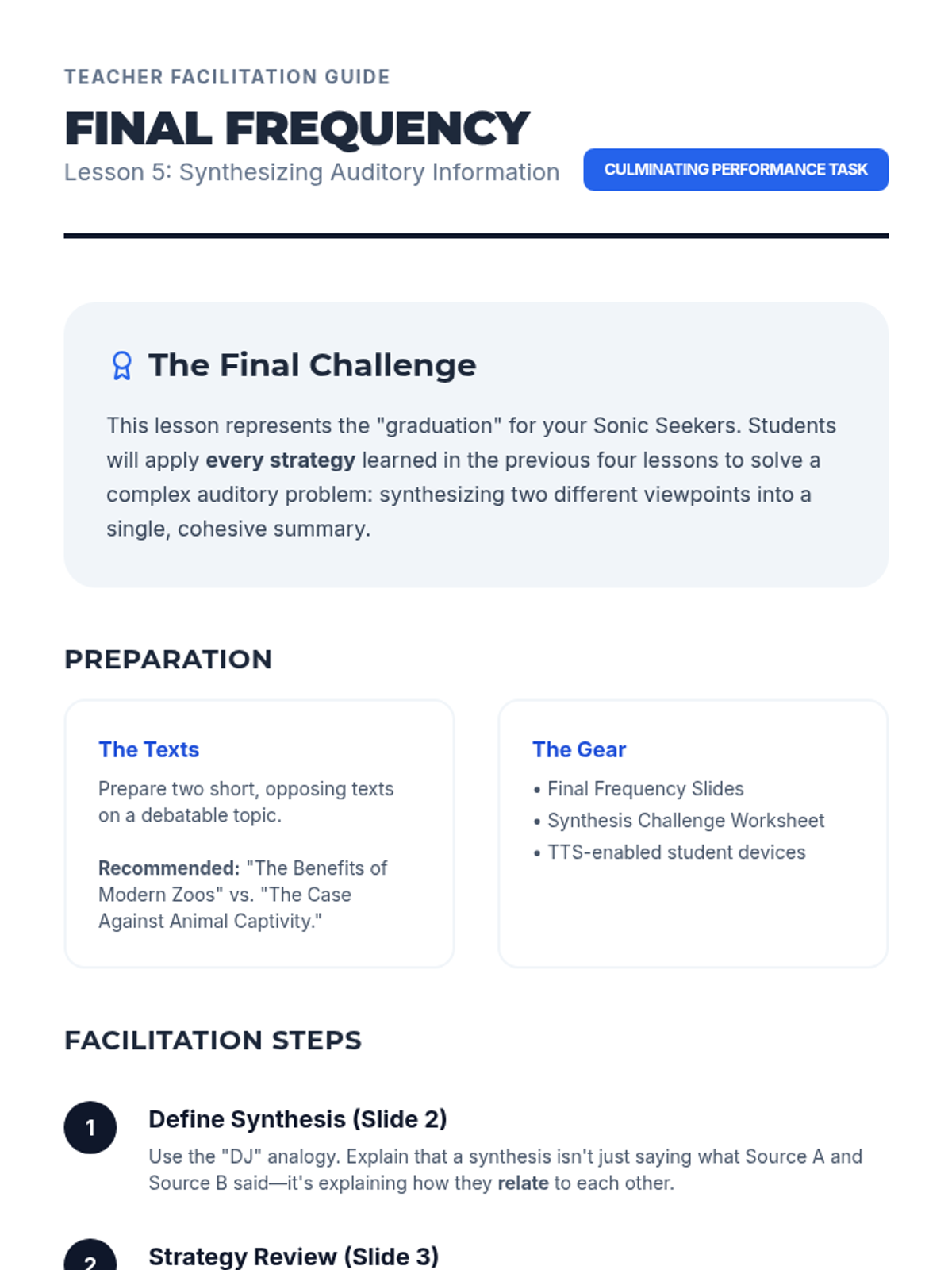
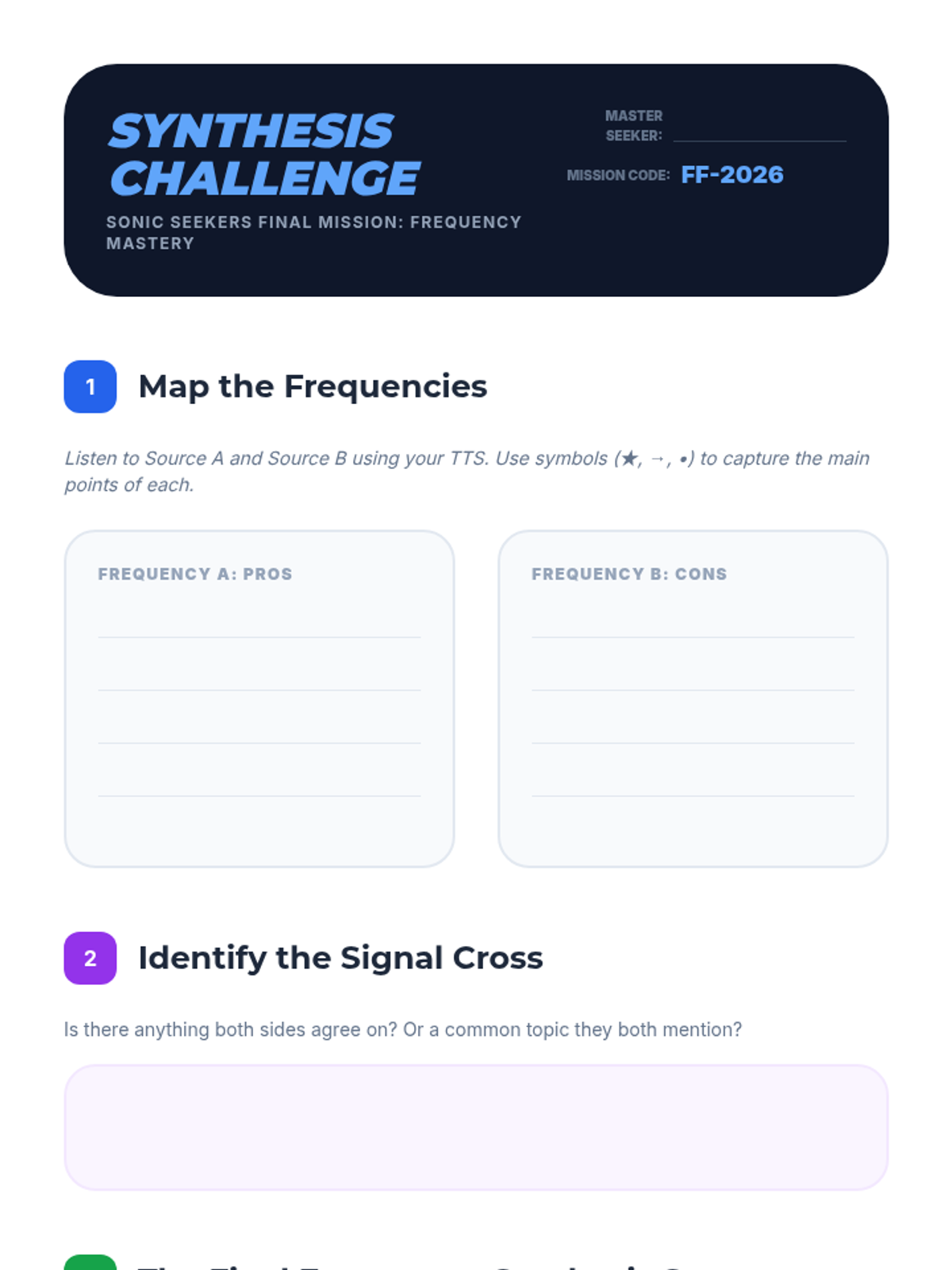
Students listen to two contrasting viewpoints on a topic using TTS and synthesize the information into a coherent summary. This tests their ability to maintain focus and organize auditory information over a longer duration.
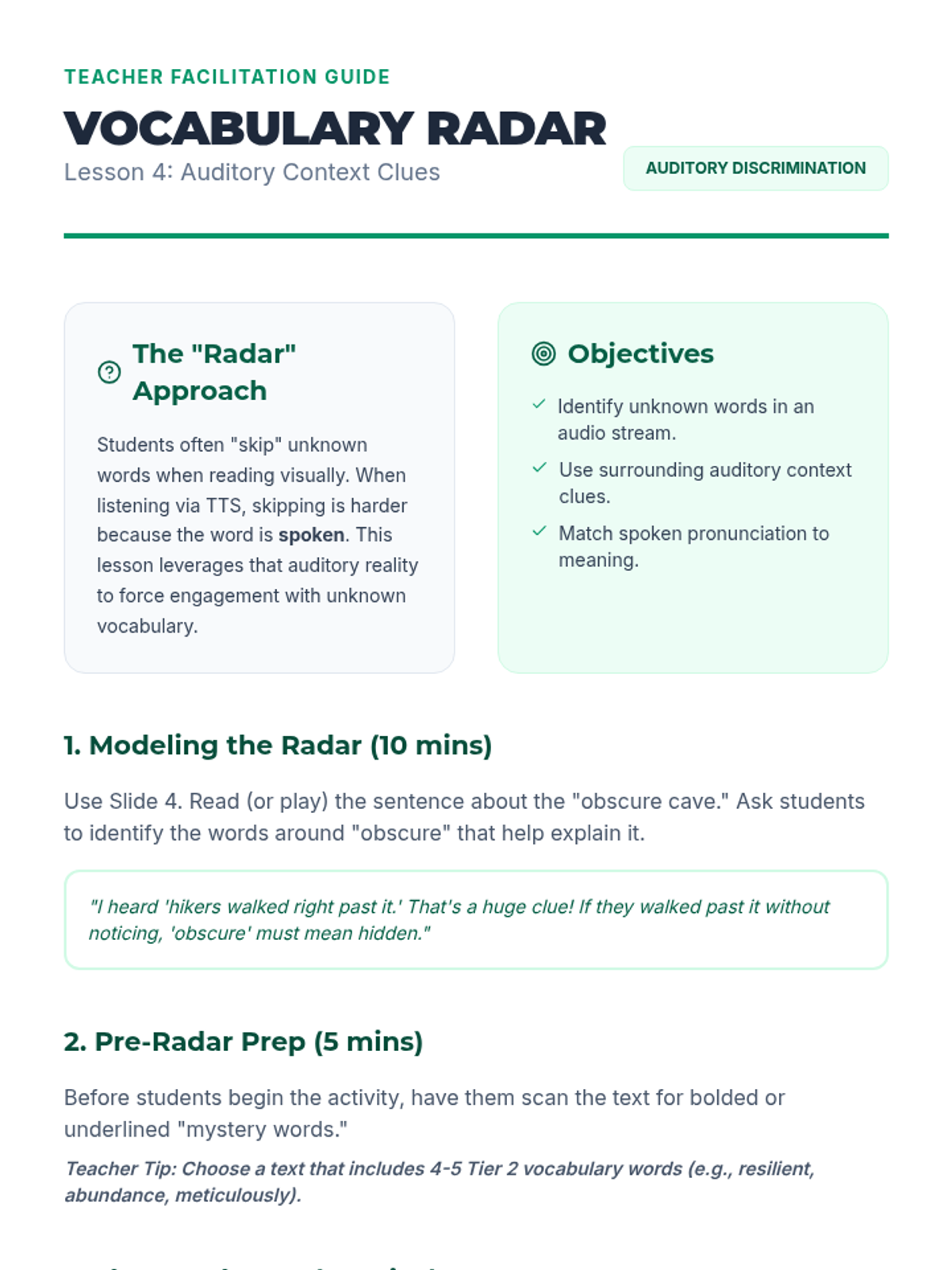
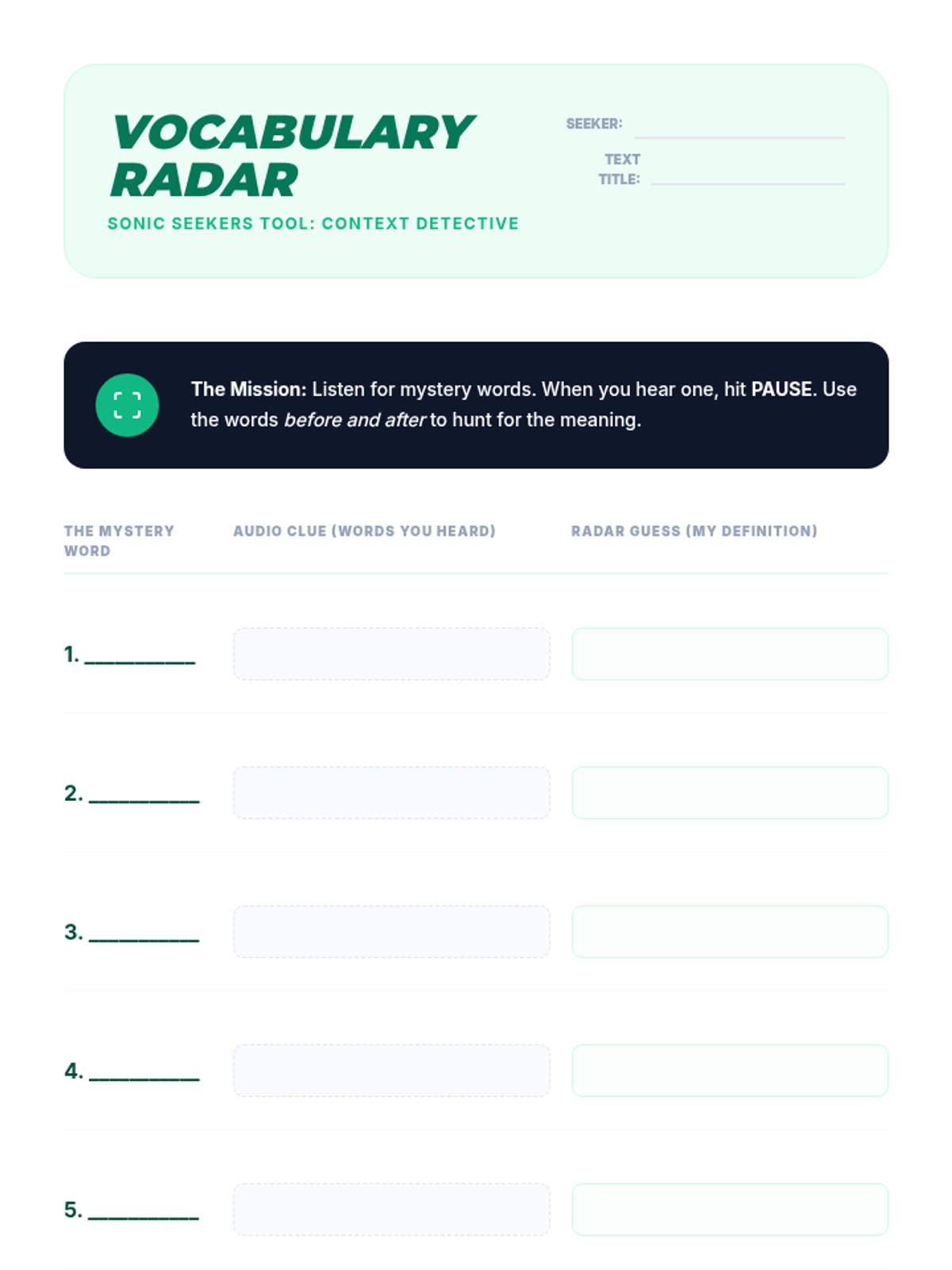
Students encounter challenging vocabulary words within a text. They use TTS to hear proper pronunciation and use context clues from the audio flow to define words before checking definitions.
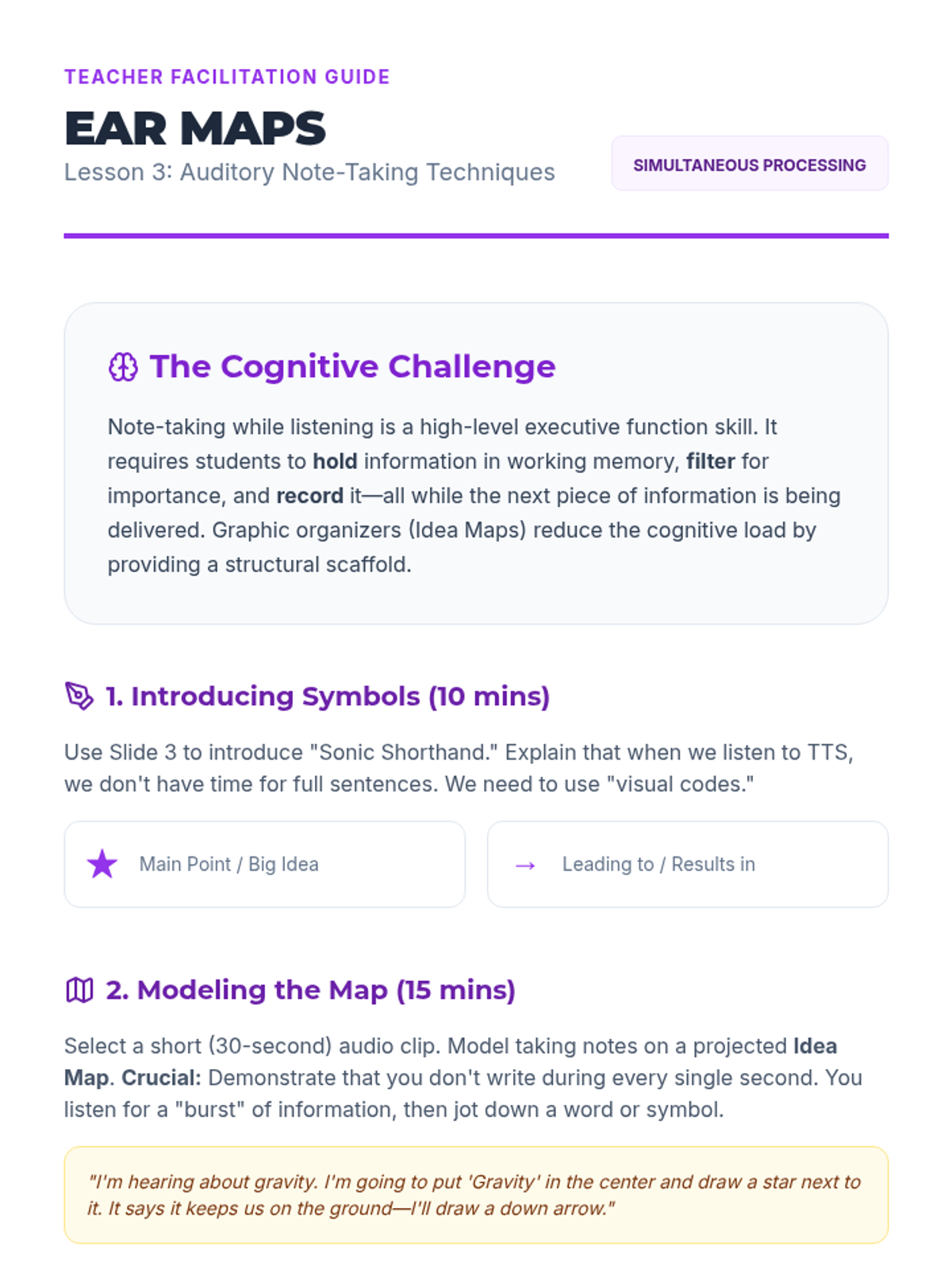
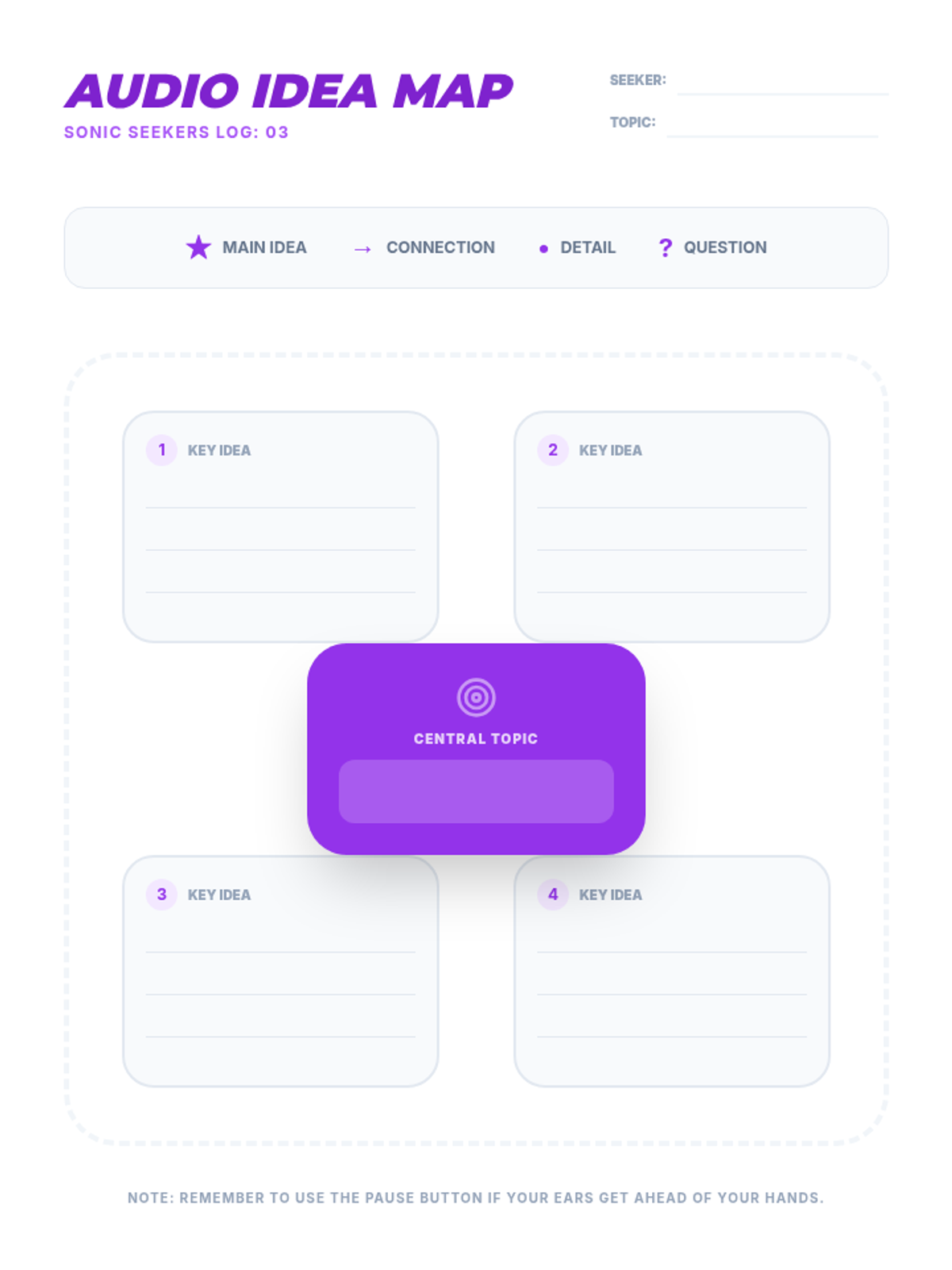
This lesson introduces graphic organizers designed for auditory learners. Students practice listening to a TTS-read article and simultaneously mapping out key ideas and supporting details.
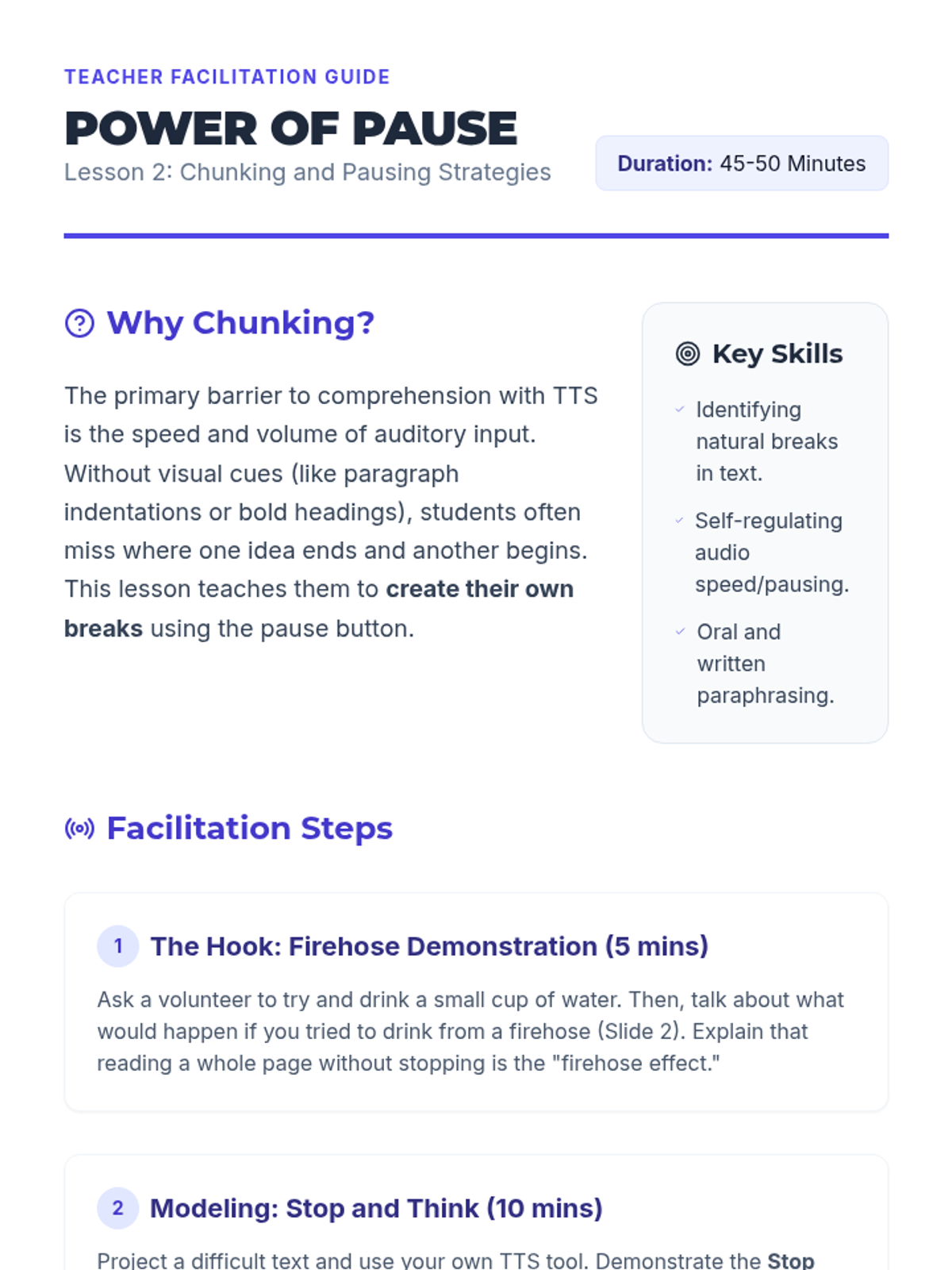
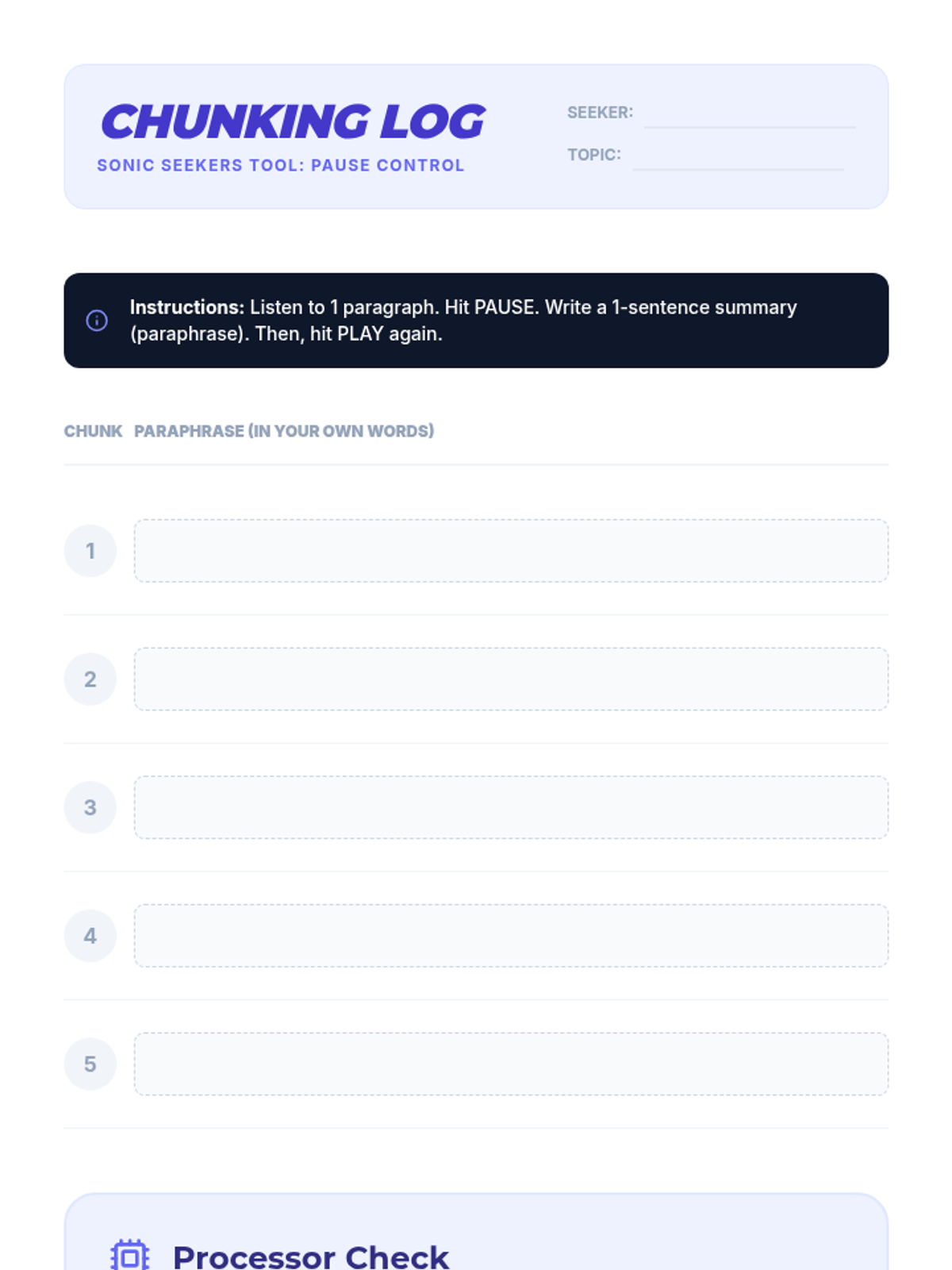
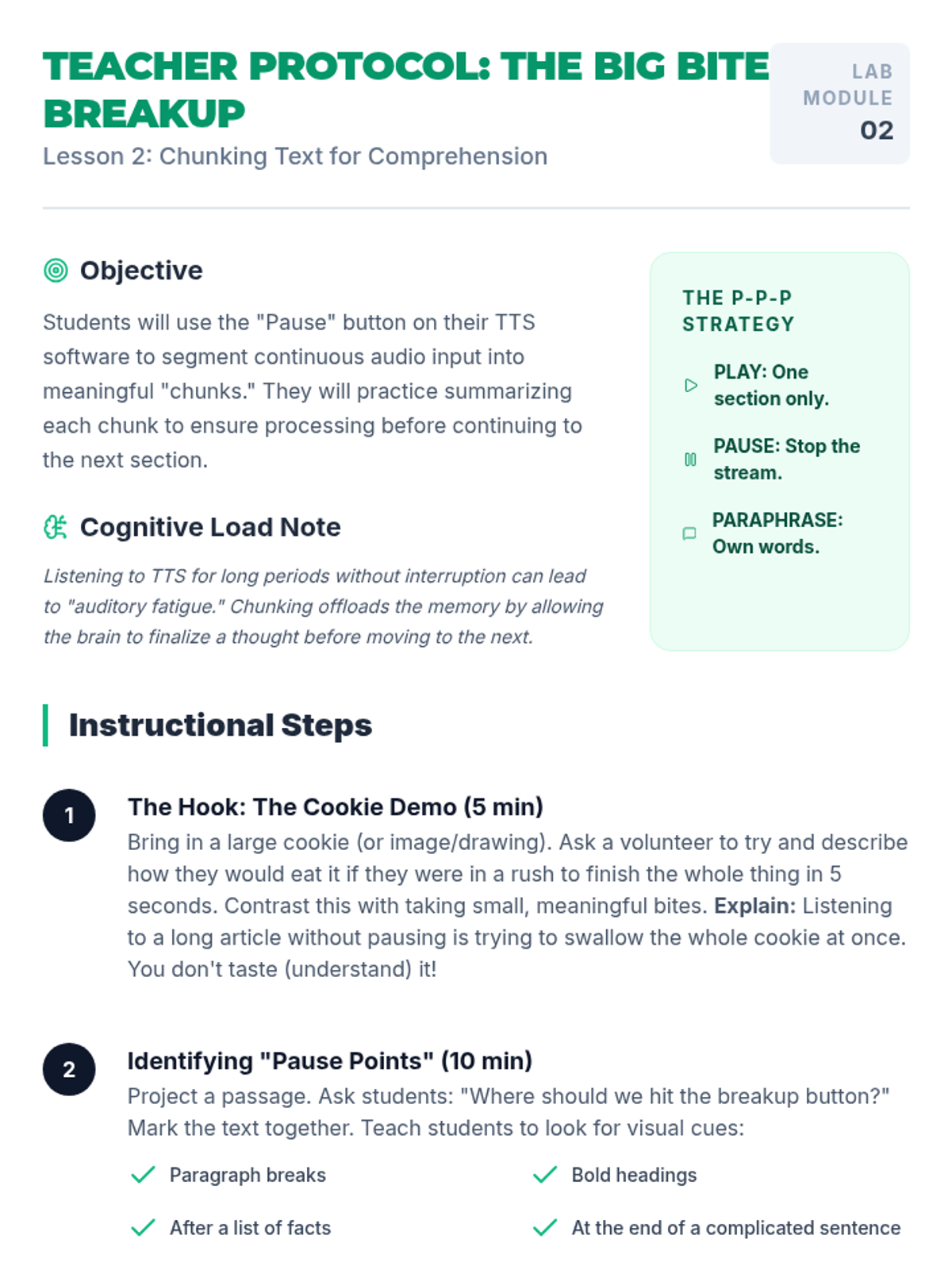
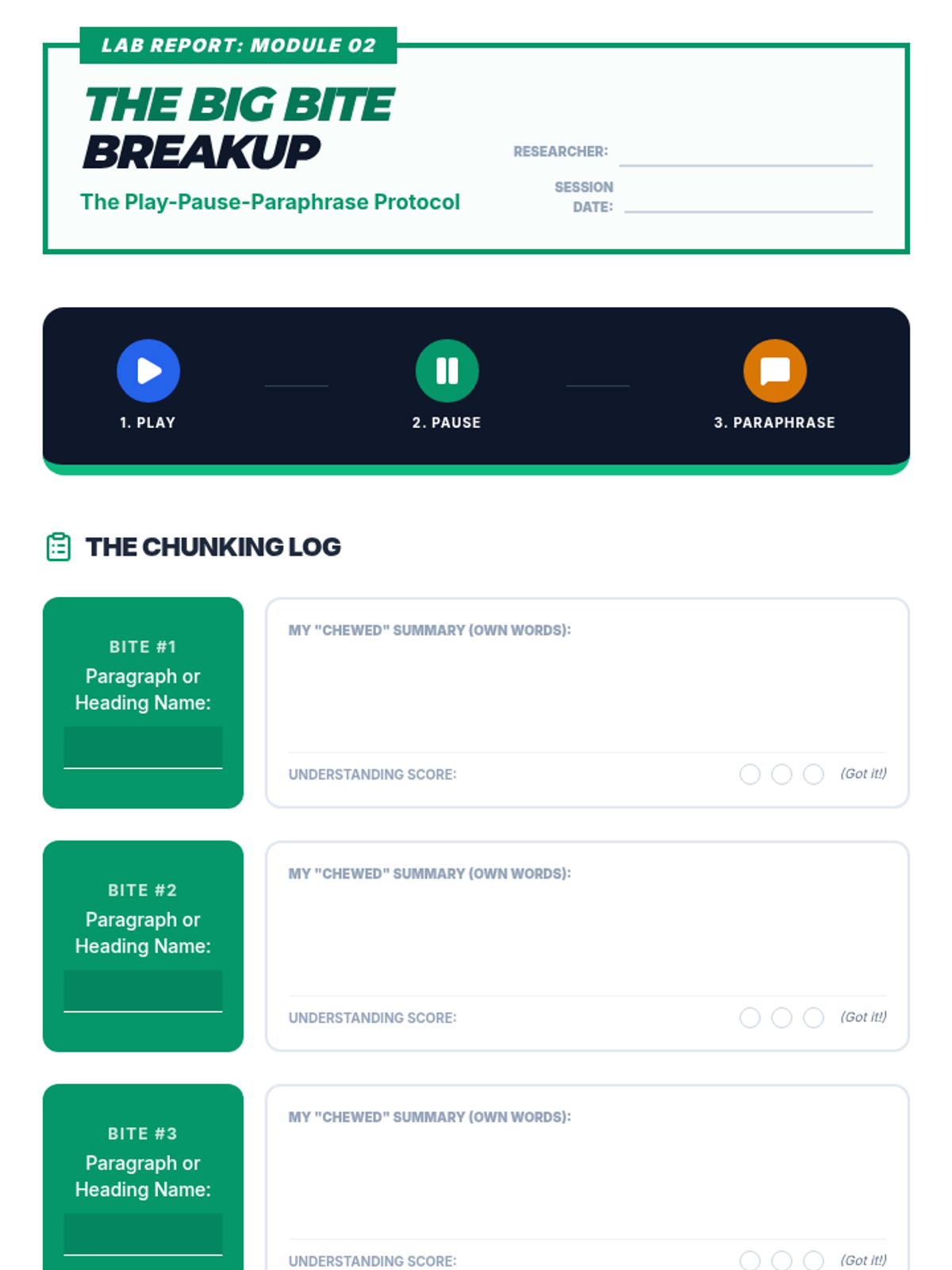
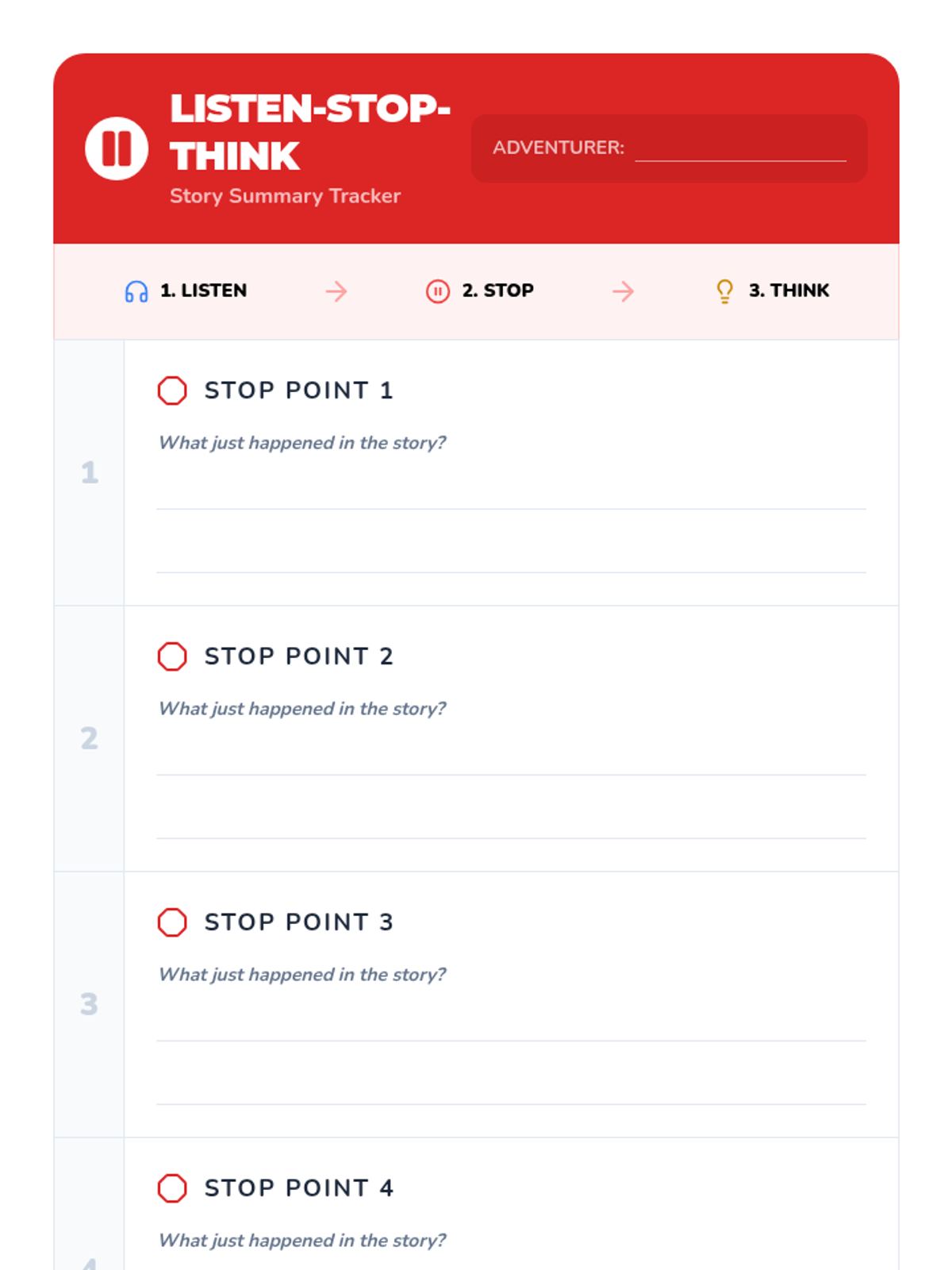
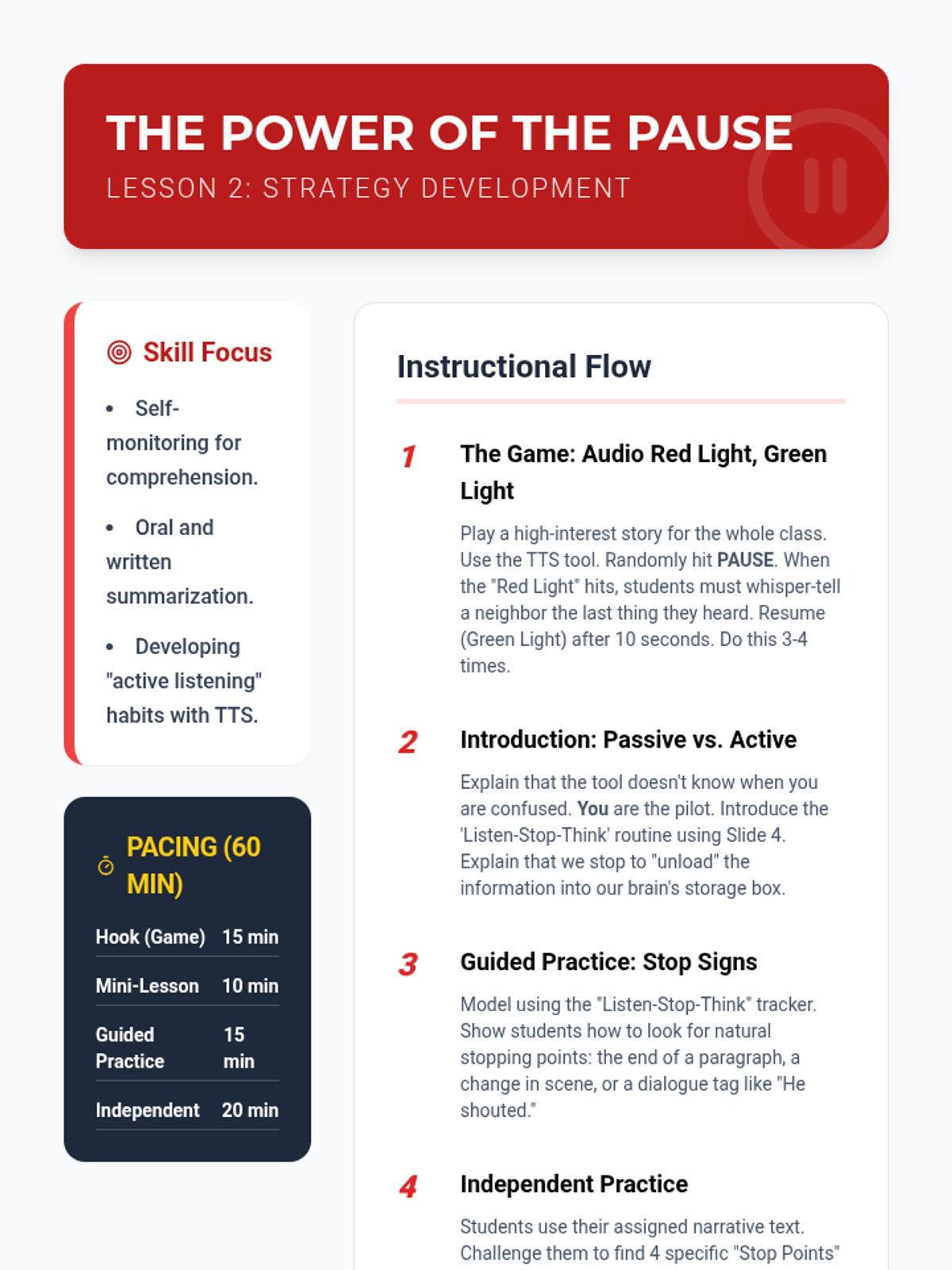
Students learn the 'Stop and Think' method, using the pause button to break dense text into manageable chunks. They practice paraphrasing orally or in writing after every segment played by the TTS tool.
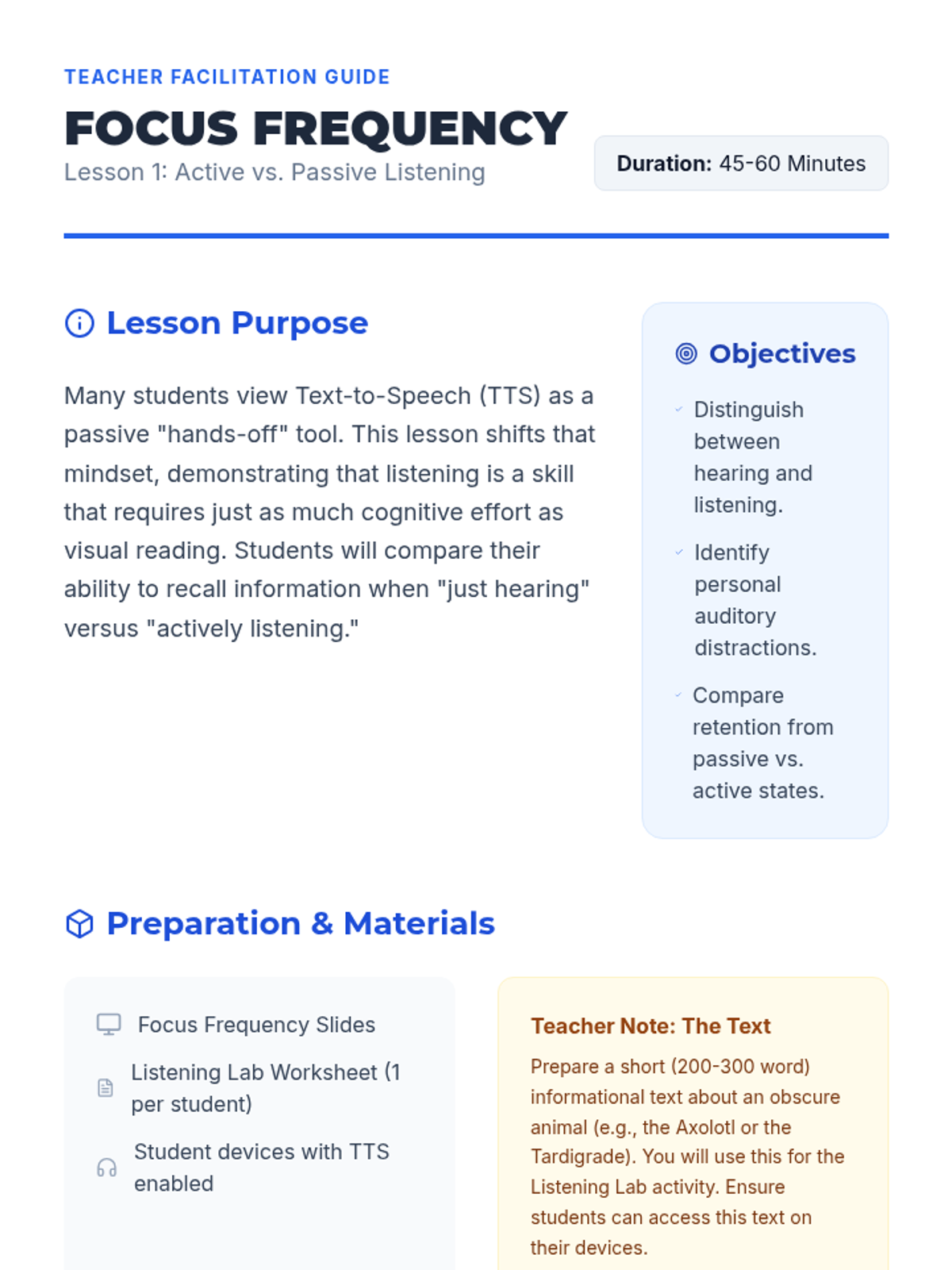
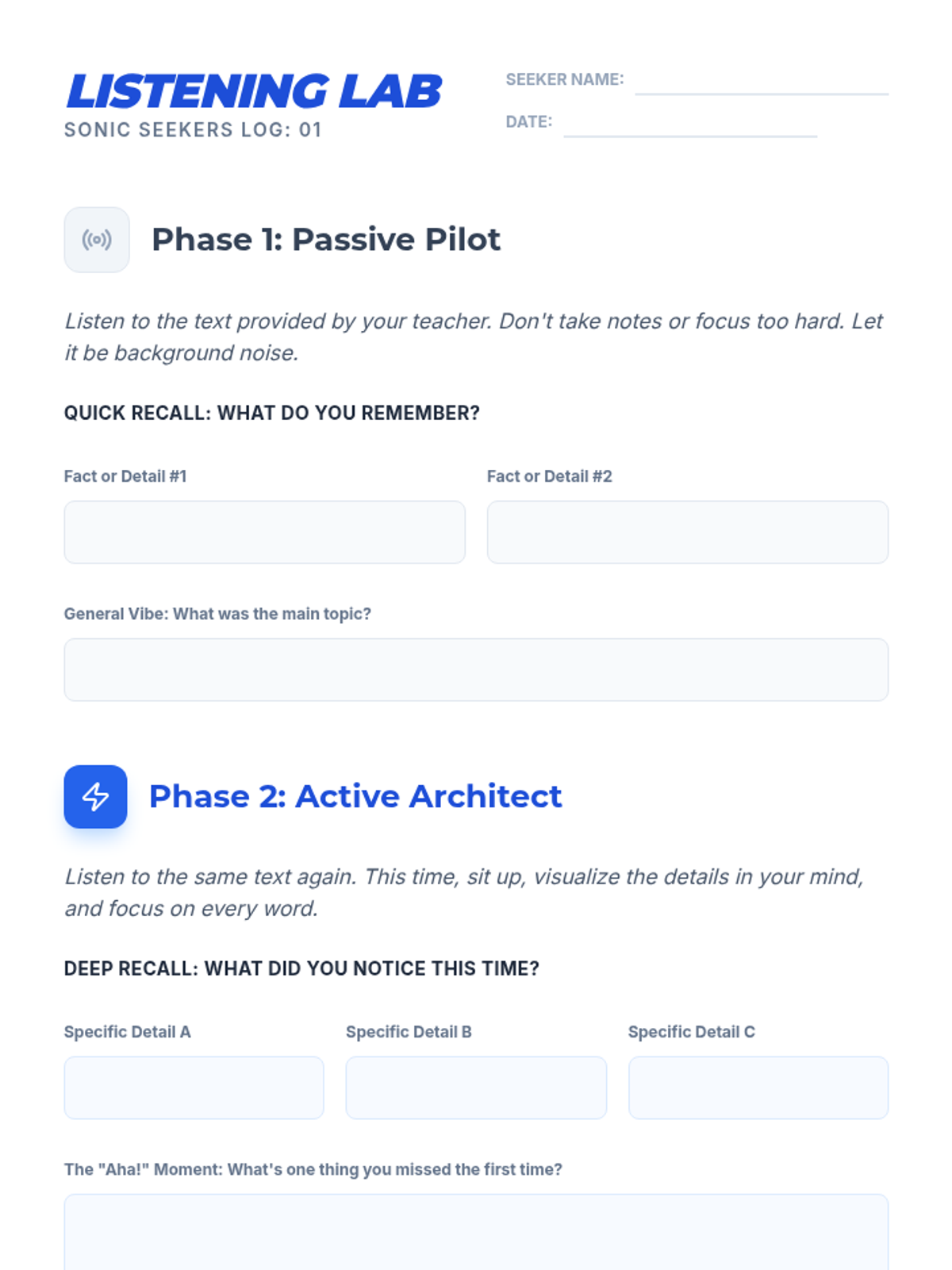
Students compare retention when passively listening to TTS versus active engagement. They identify distractions and brainstorm environments and behaviors that support deep listening.
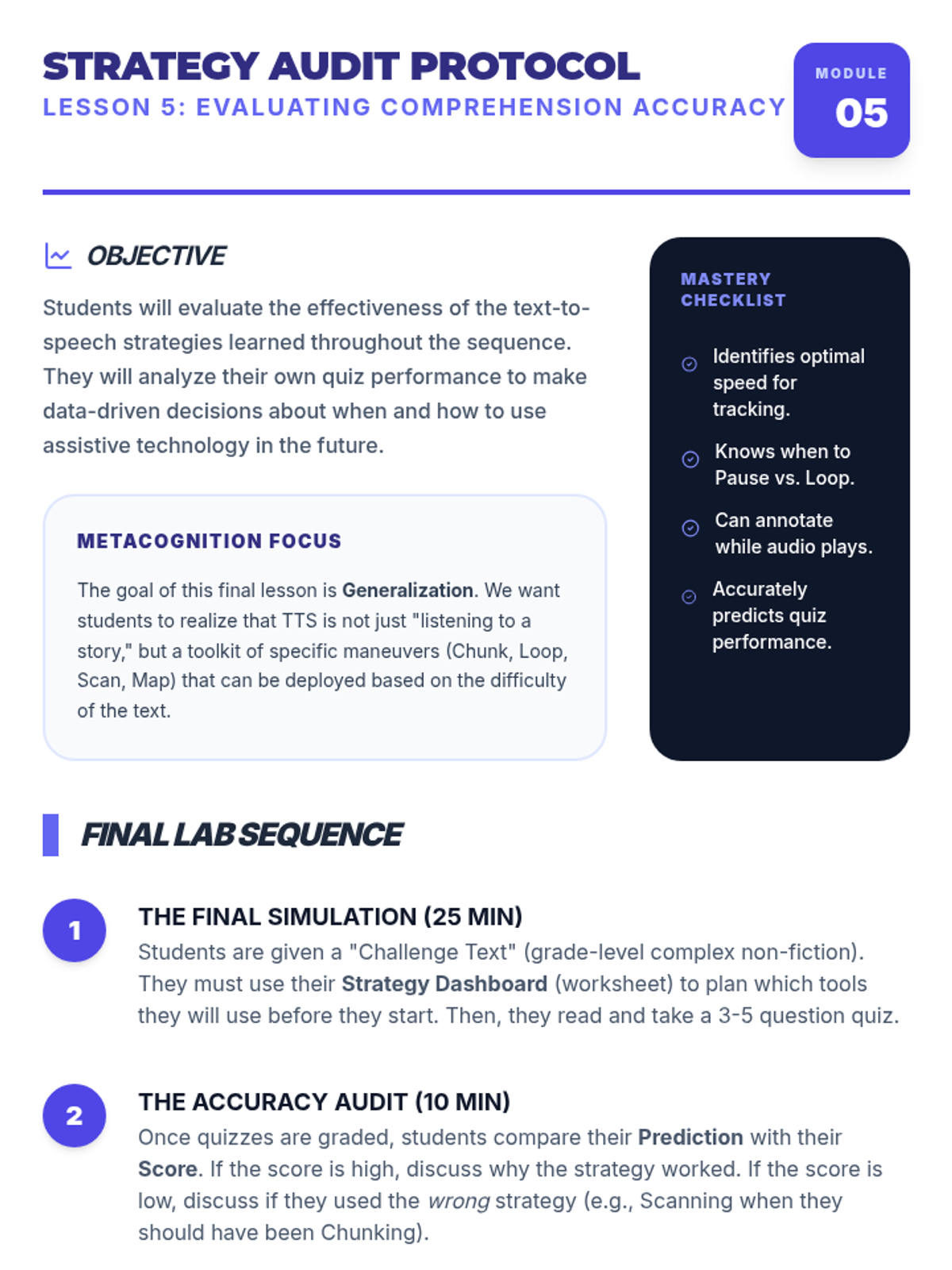
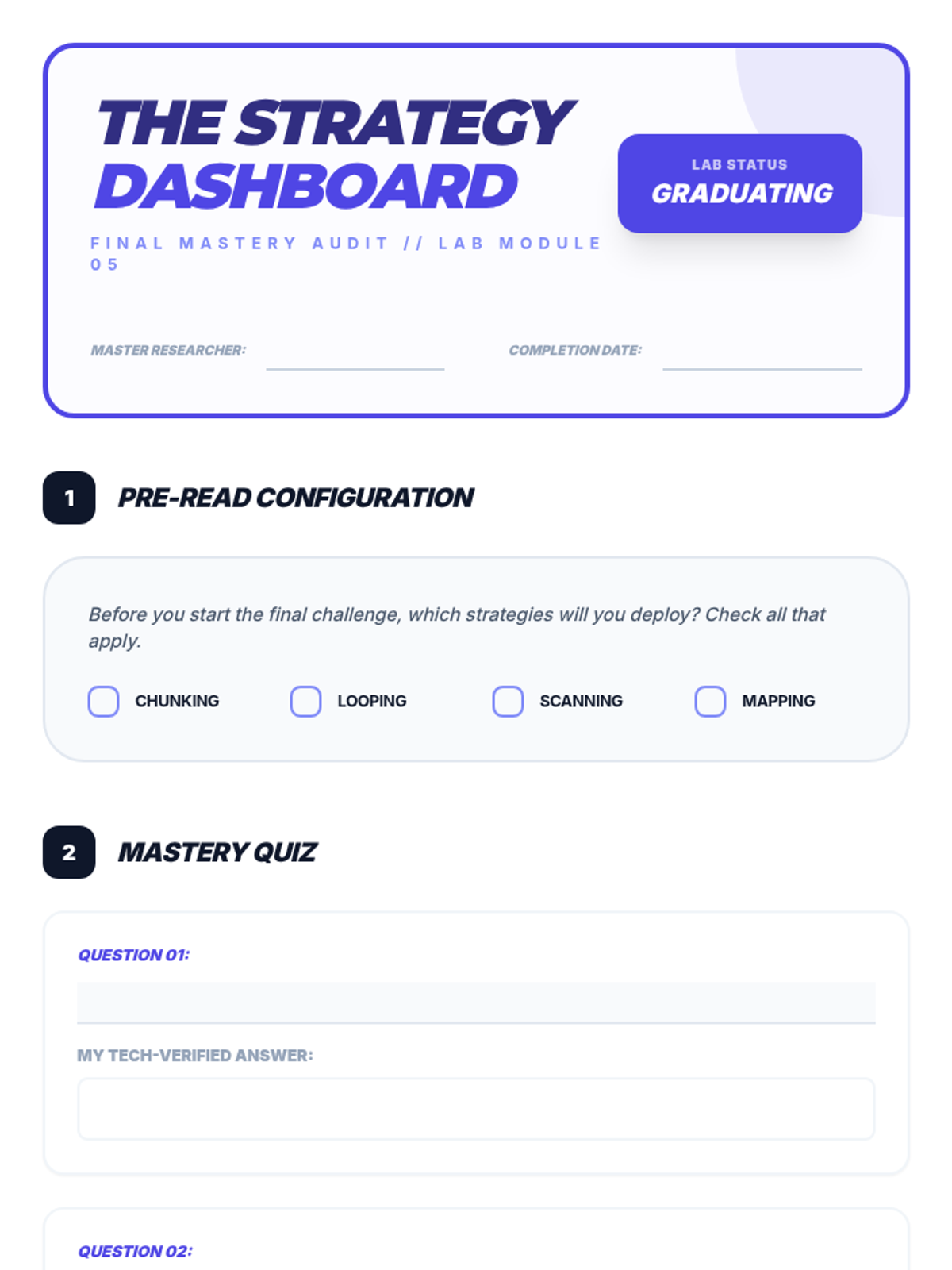
Students assess their own comprehension after using TTS strategies and reflect on which tools and settings work best for their specific learning needs.
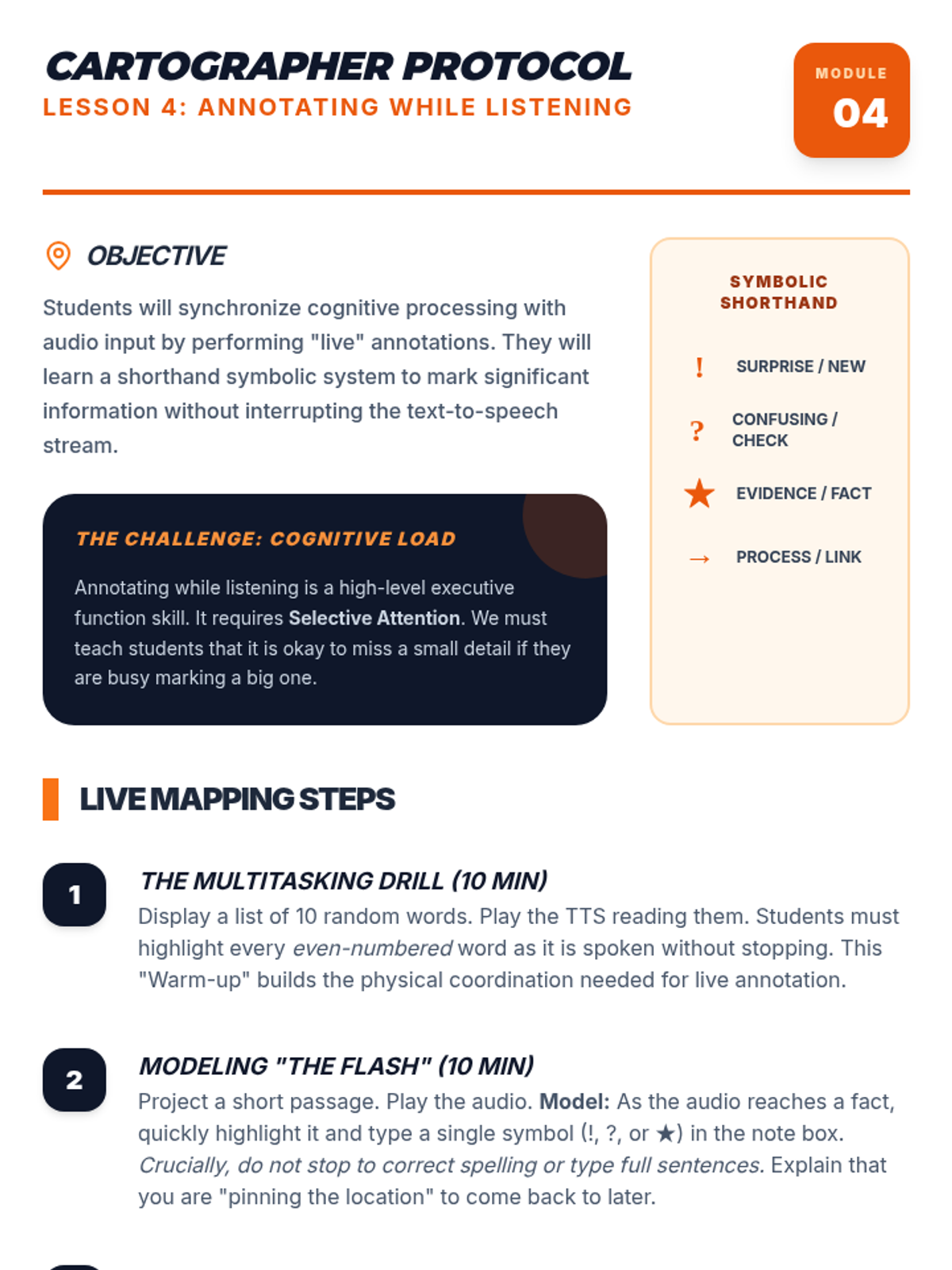
Introduces the skill of taking digital notes or highlighting key information while the text-to-speech audio continues to play.
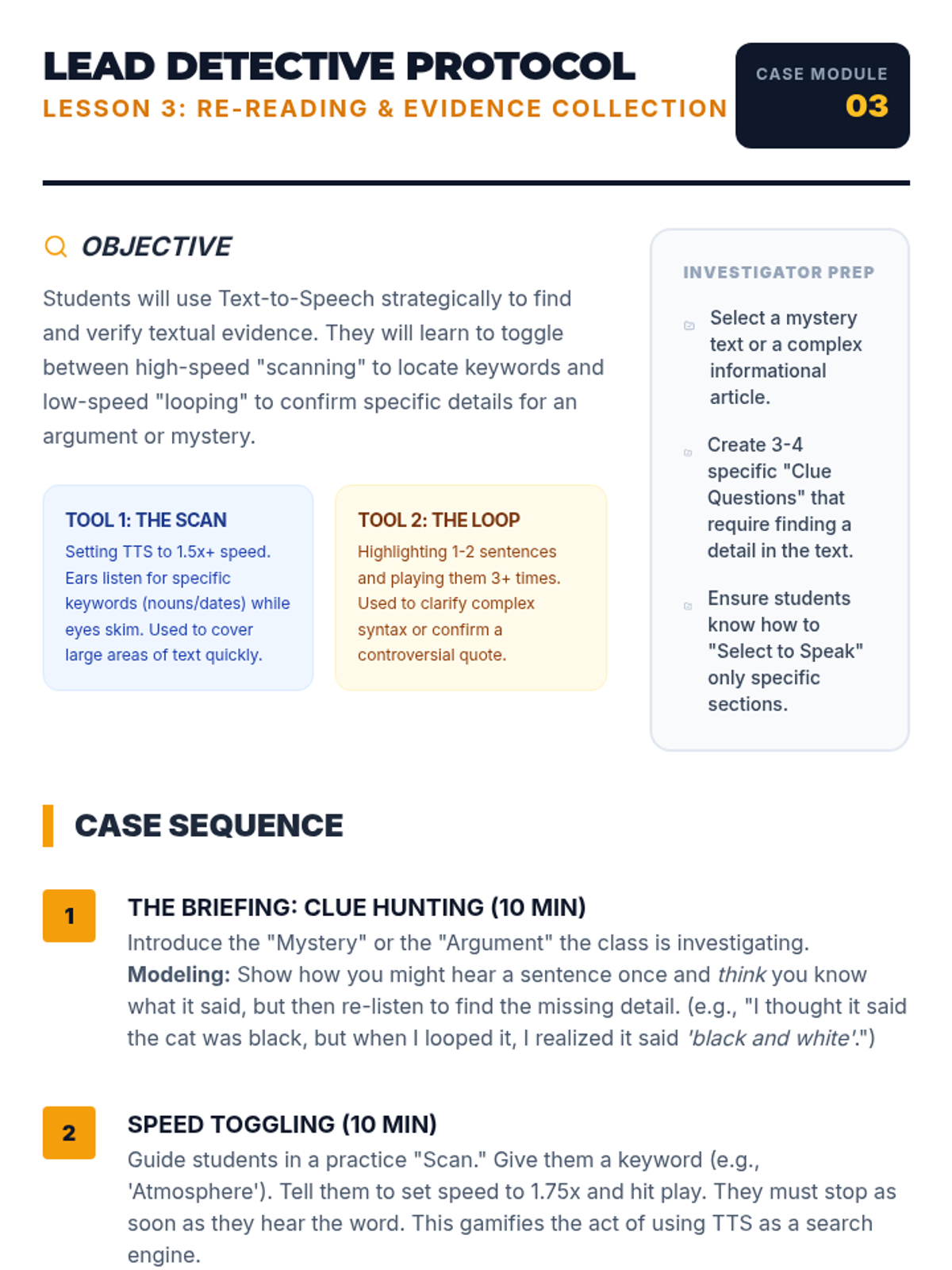
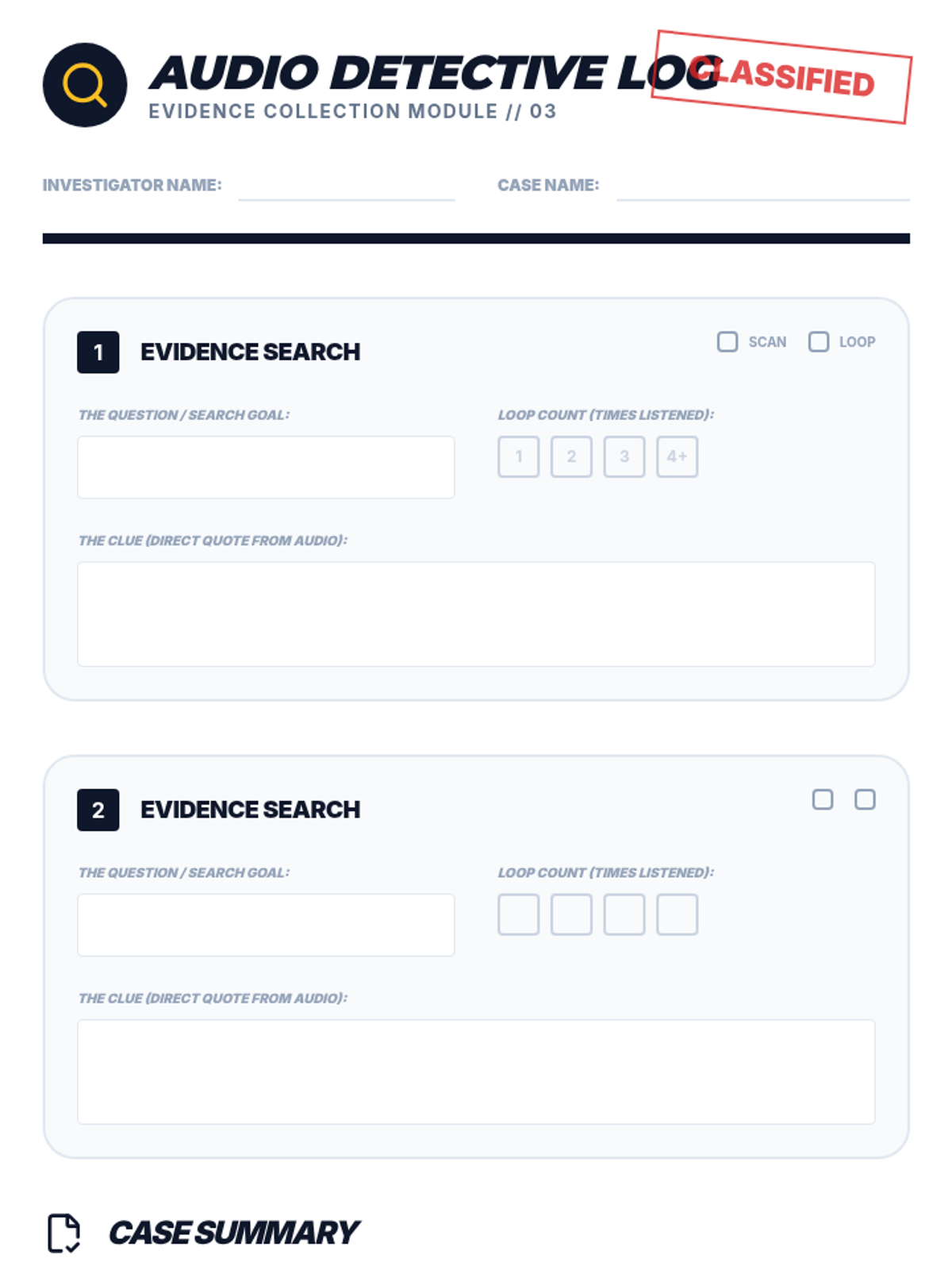
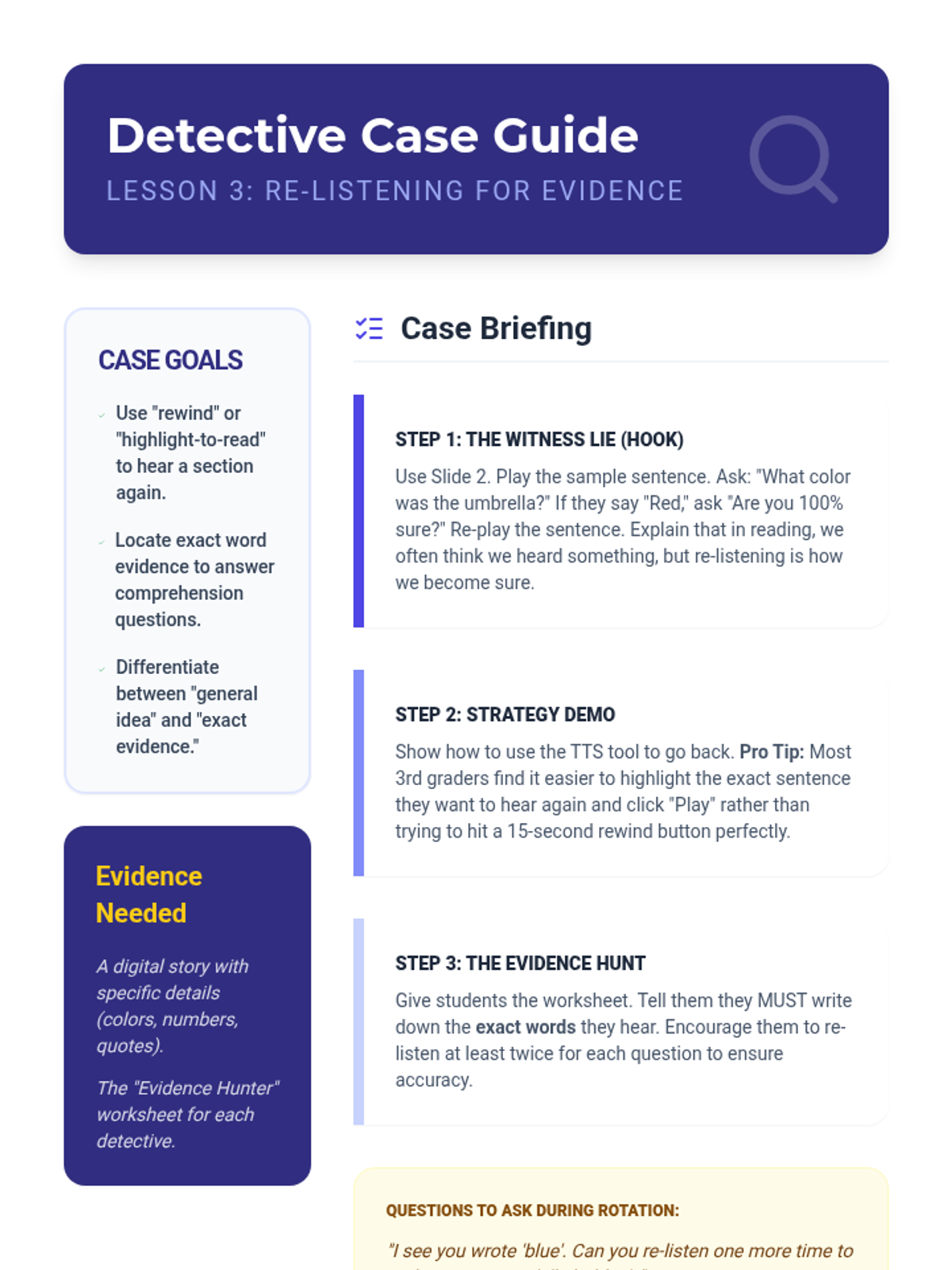
Uses TTS to scan for specific details and re-listen to complex sections to verify evidence and facts within a text.
Teaches students to use the pause button strategically to segment long passages into manageable 'chunks' for better processing and summarization.
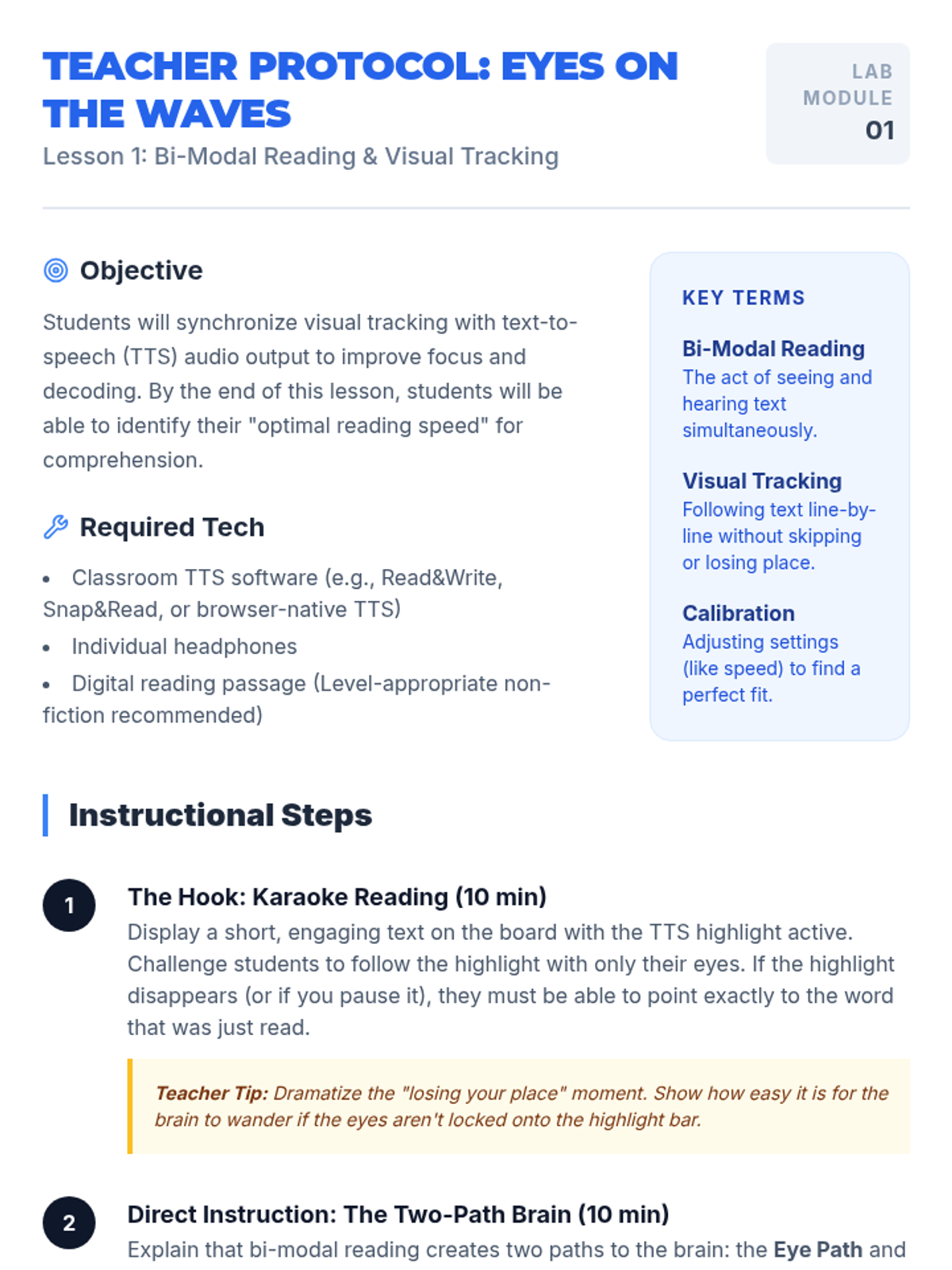
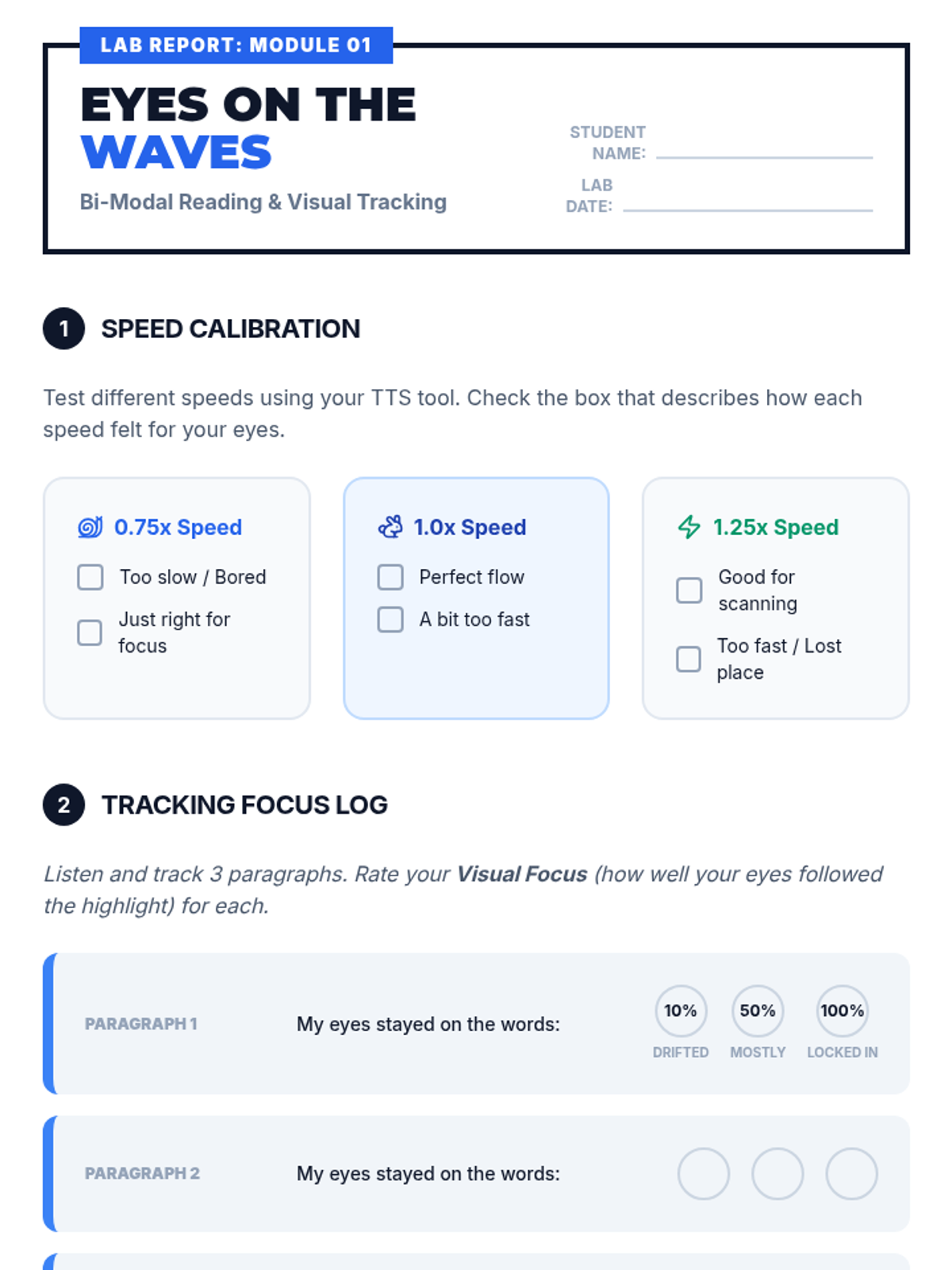
Focuses on the connection between seeing and hearing text (bi-modal reading) to support decoding and focus. Students practice visual tracking with audio highlight bars.
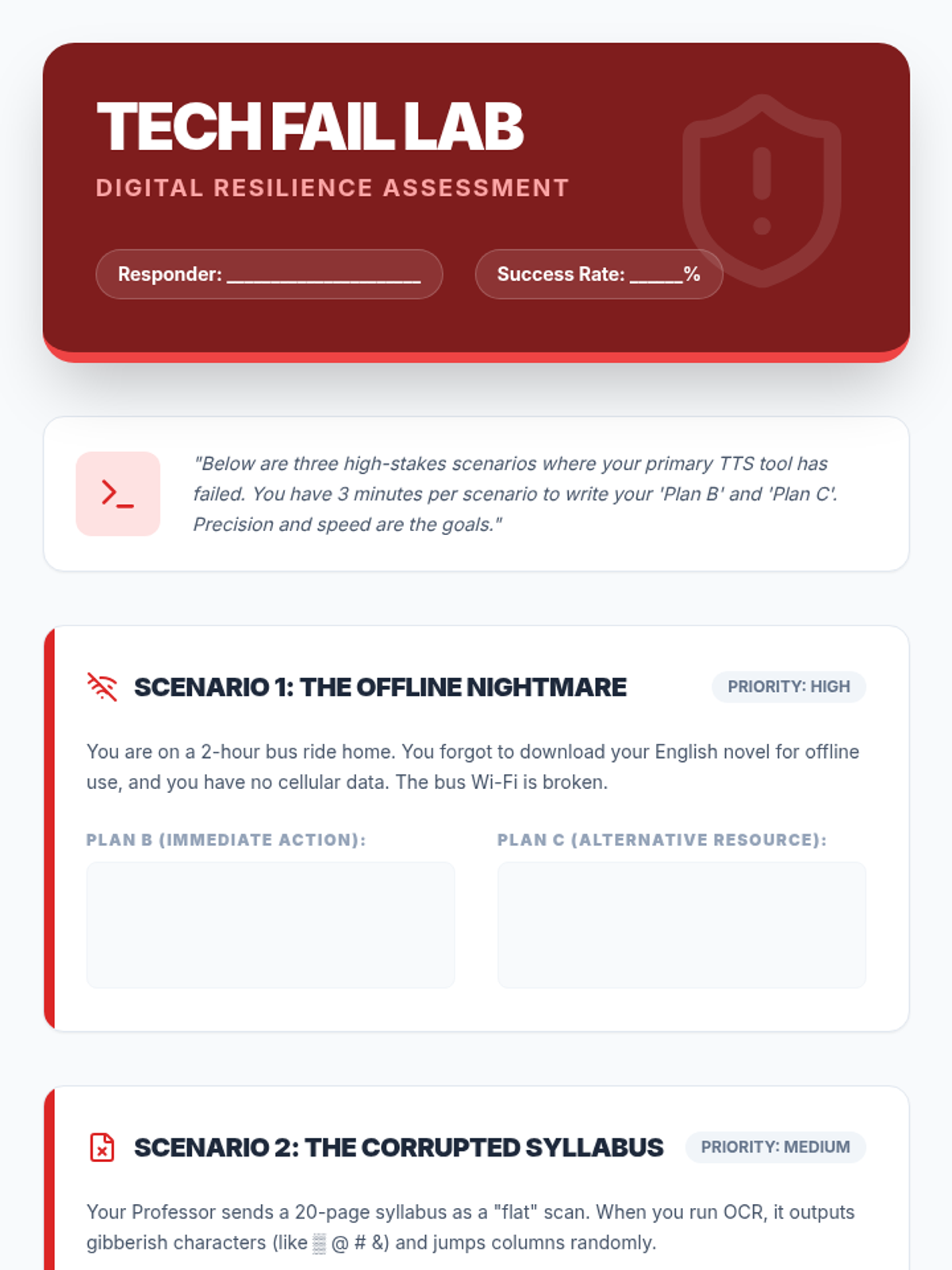
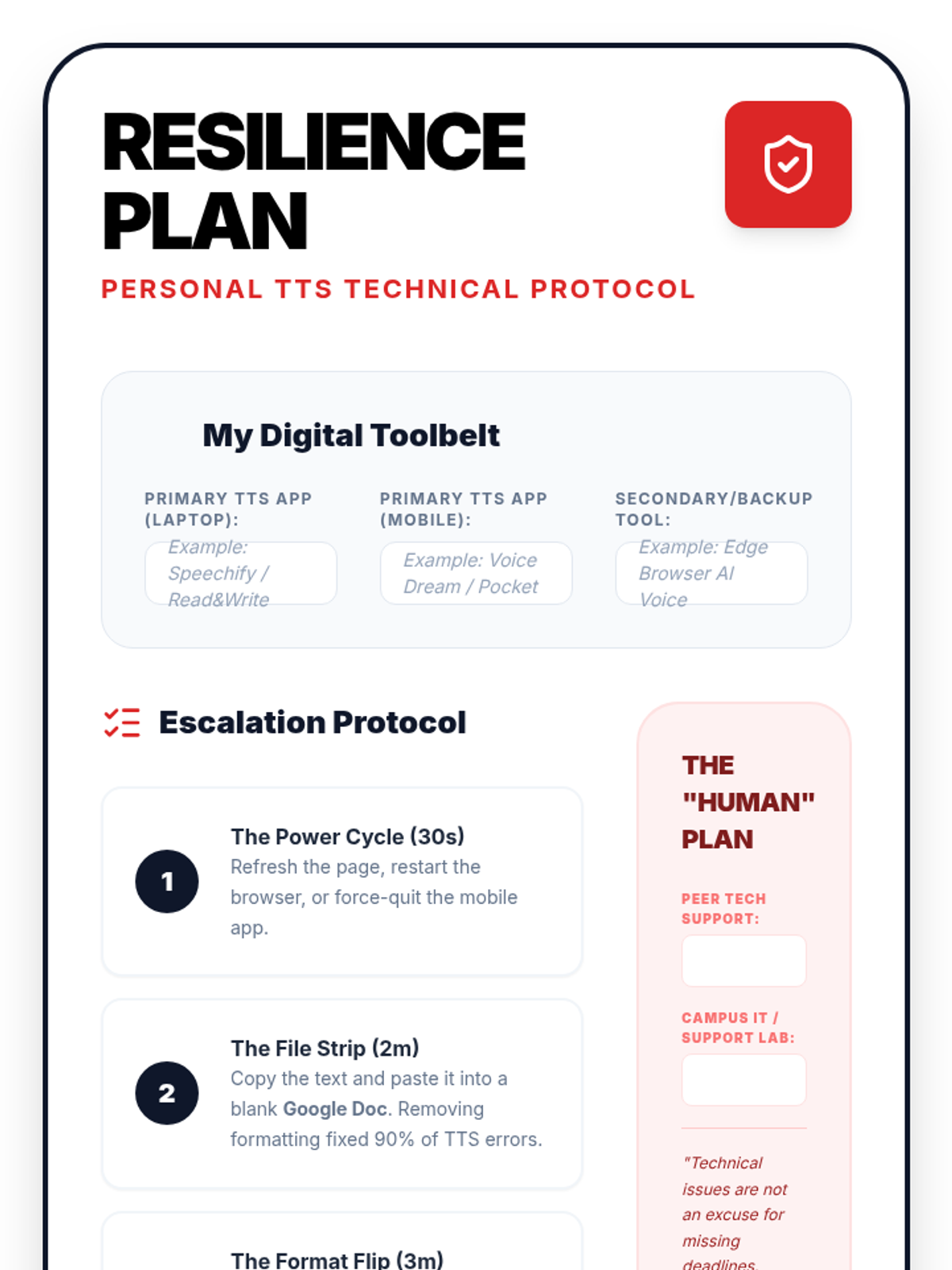
In this final lesson, students practice solving common TTS technical failures. They develop 'digital resilience' by creating backup plans for high-stakes academic situations.
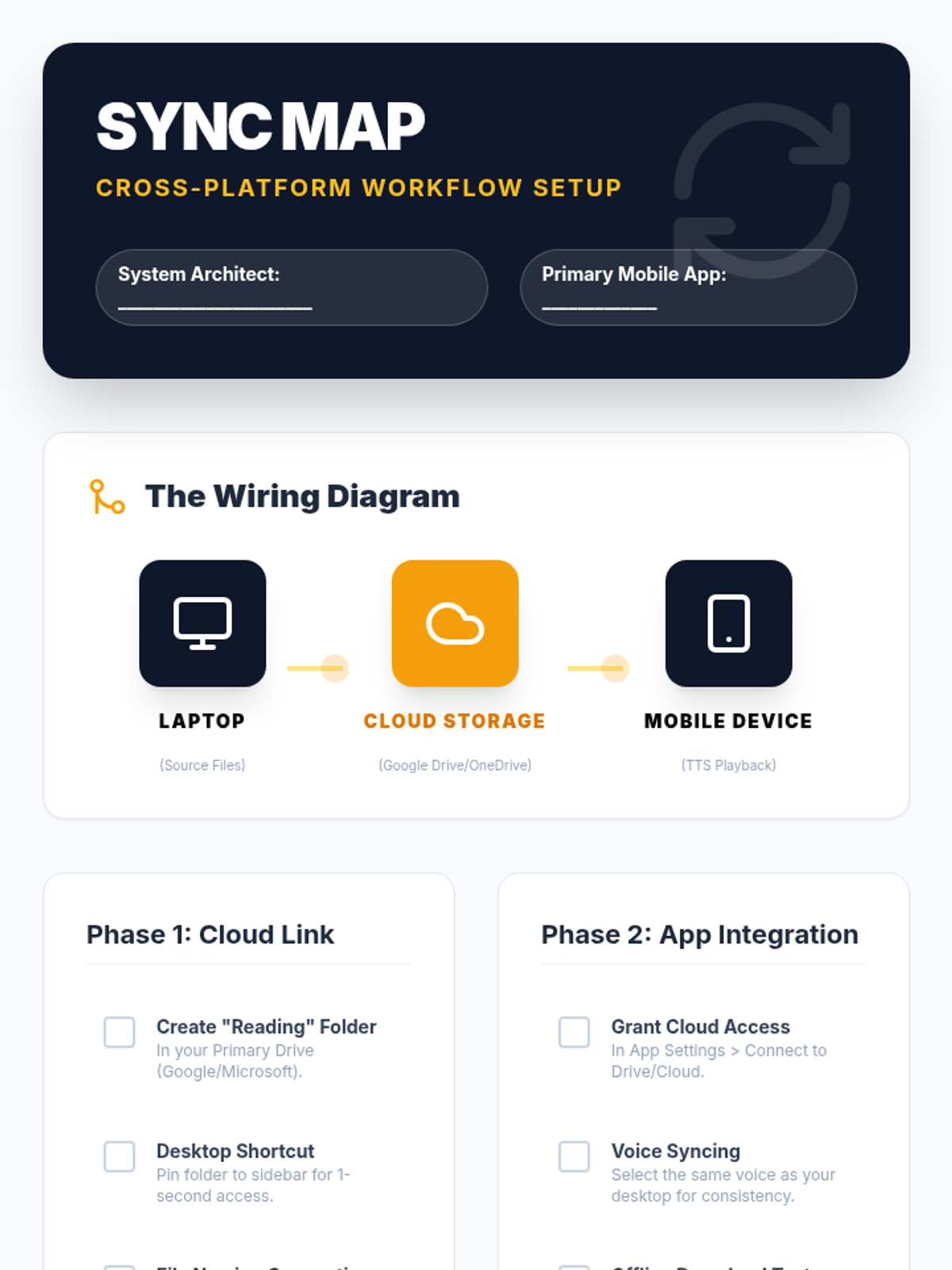
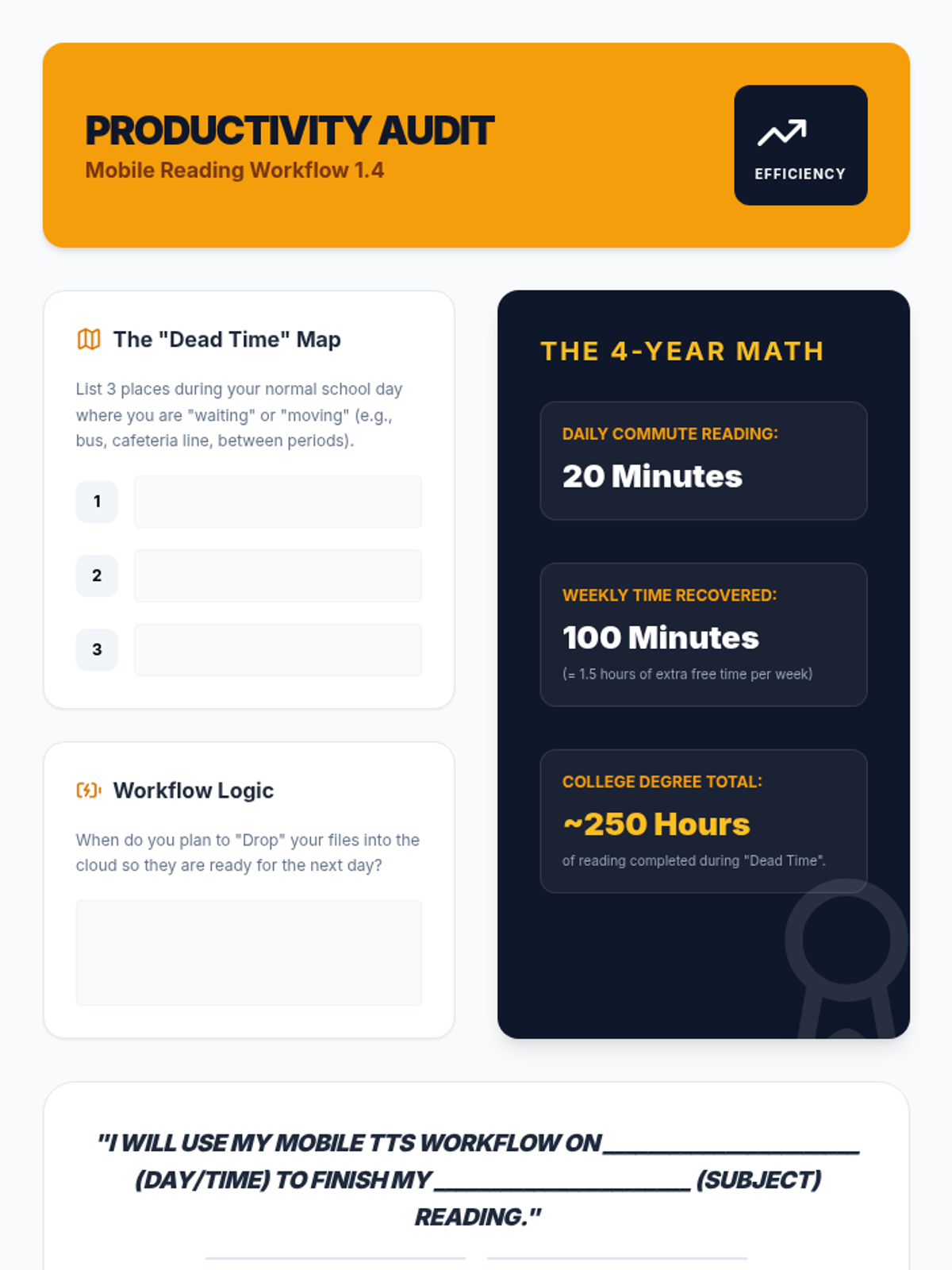
Students set up mobile reading ecosystems, syncing their computer-based reading lists with mobile devices for on-the-go learning and effective time management.
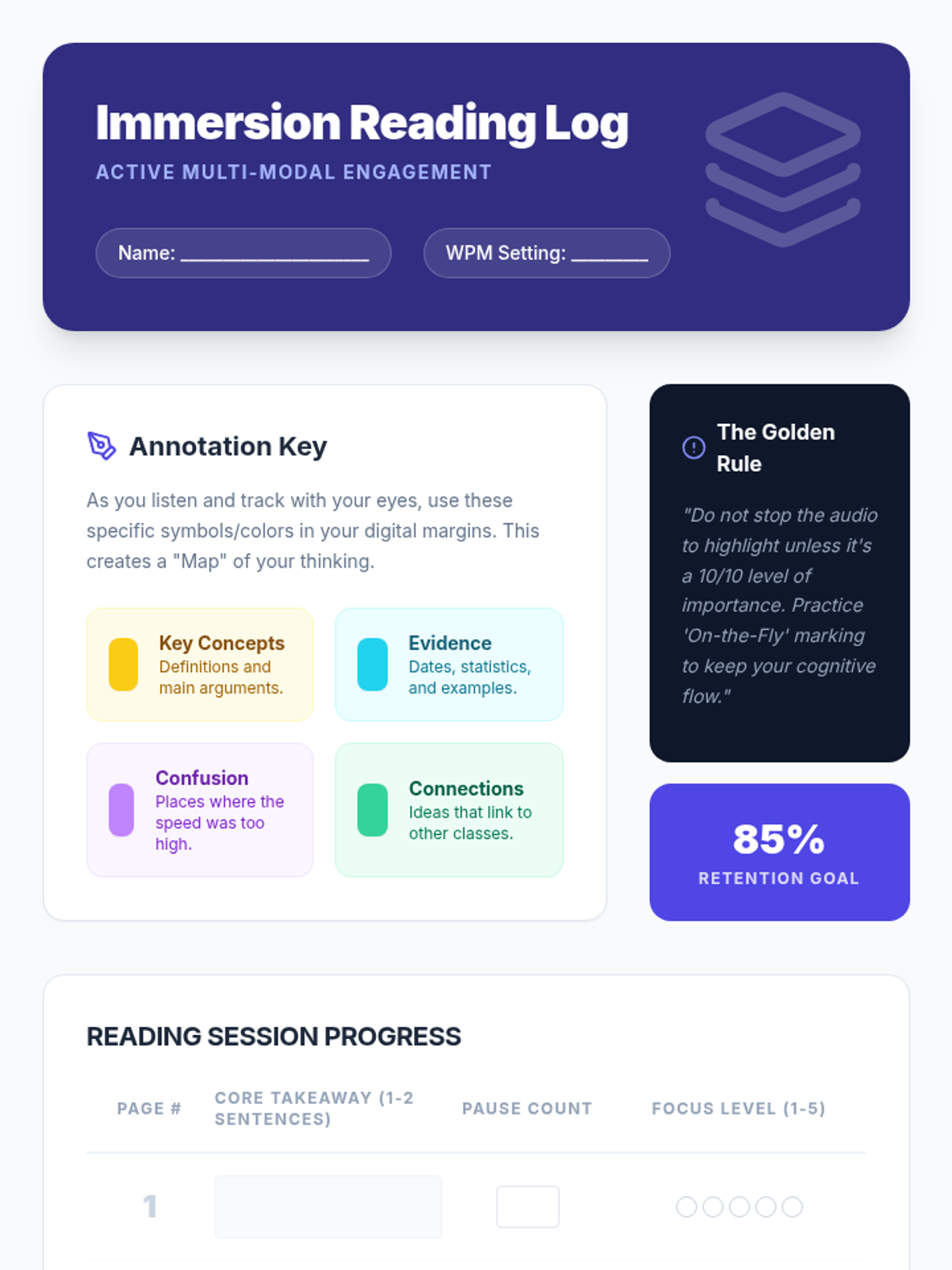
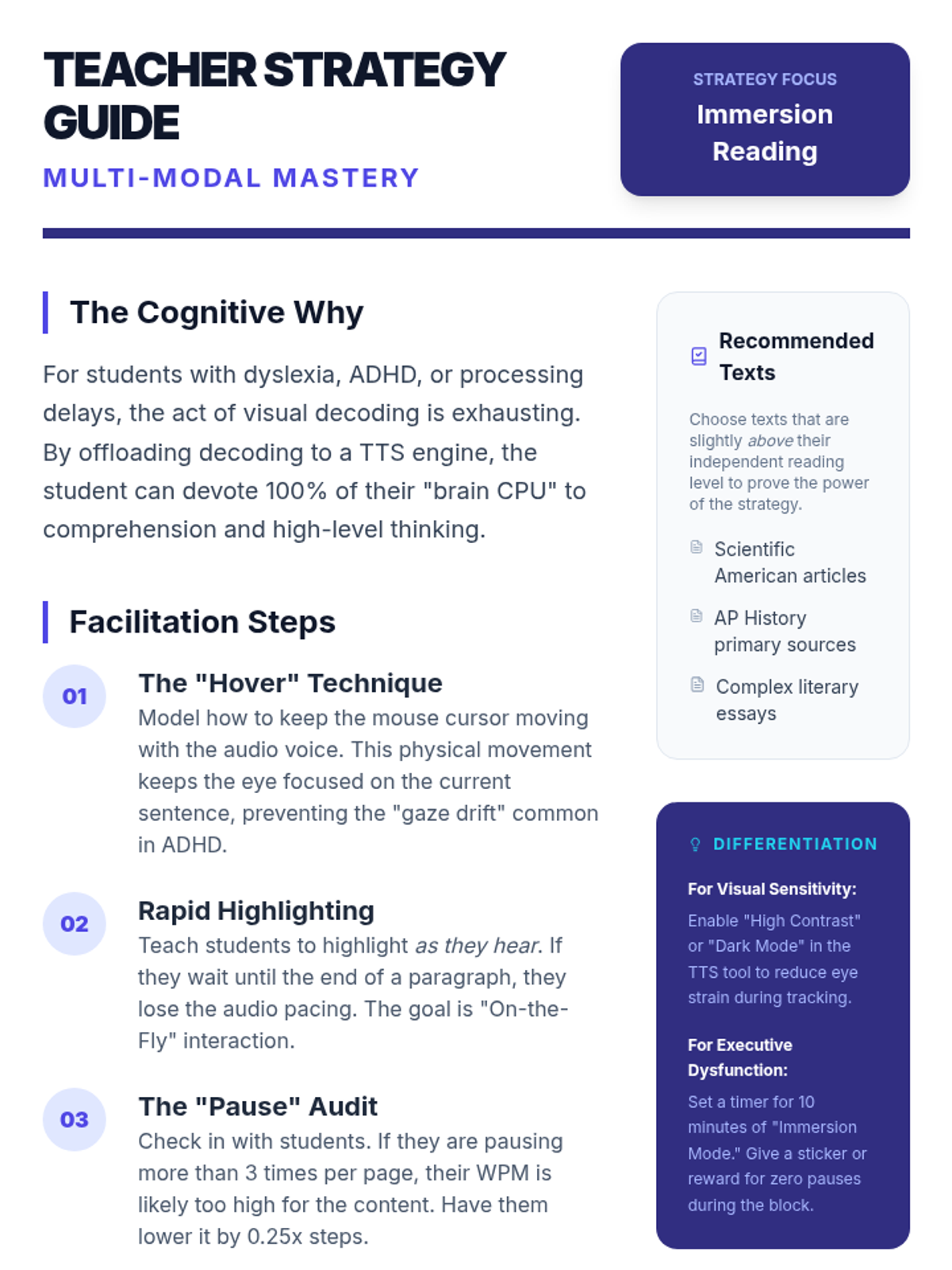
This lesson focuses on 'immersion reading'—the simultaneous use of auditory and visual input. Students learn to use digital annotation tools to mark up text while listening.
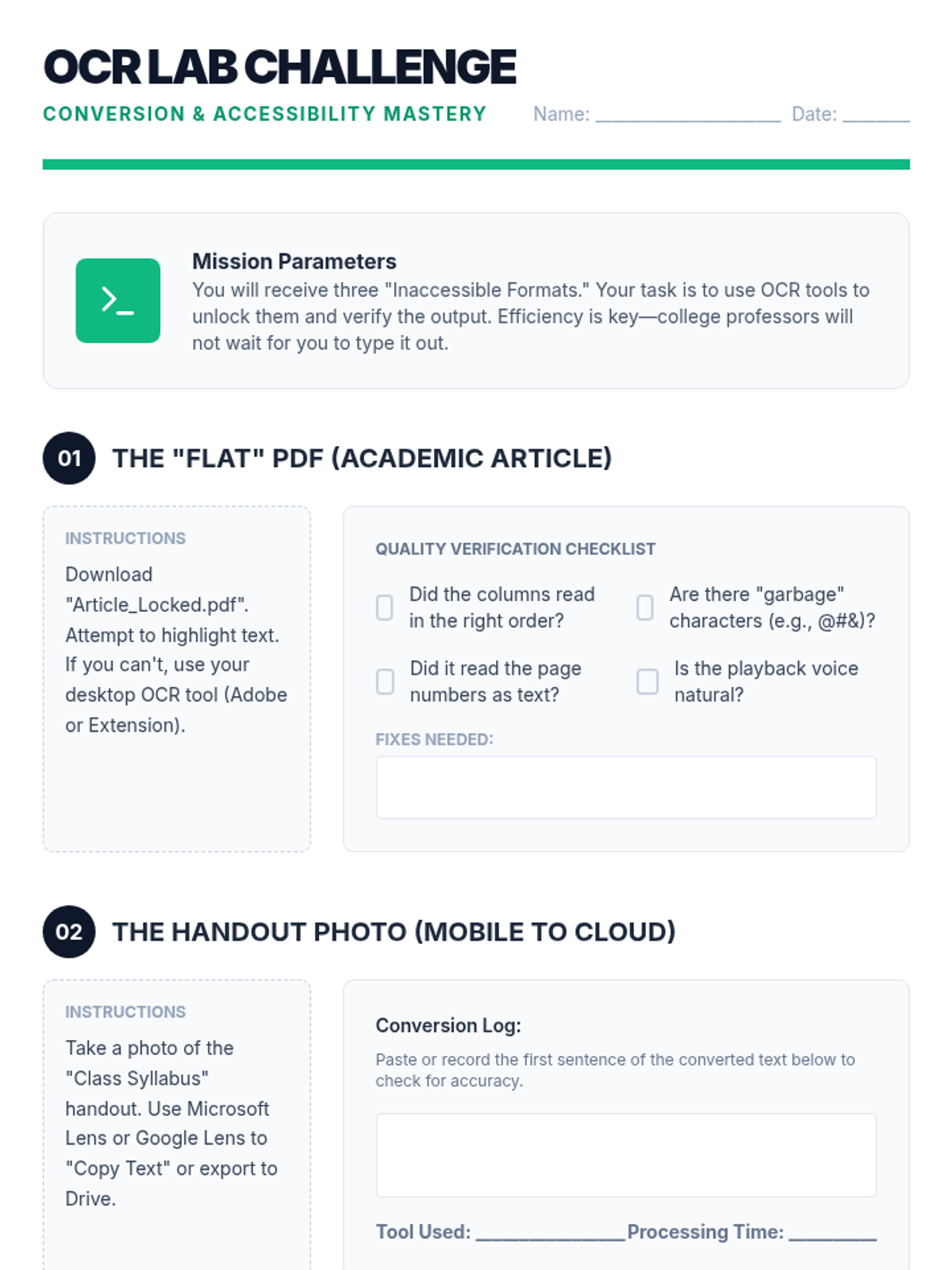
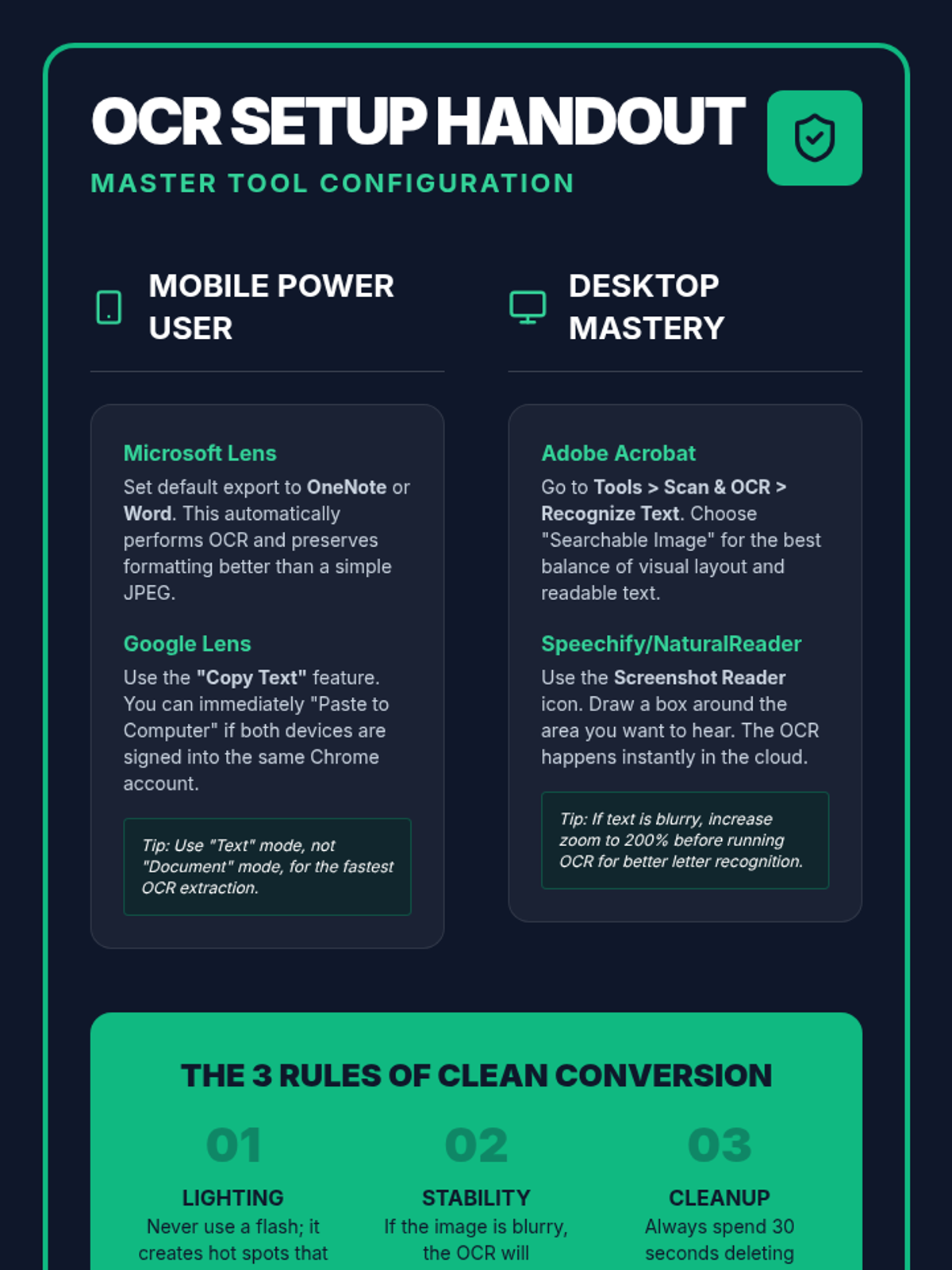
Students tackle inaccessible text formats using Optical Character Recognition (OCR). They will learn to convert images and flat PDFs into editable, readable text for TTS tools.
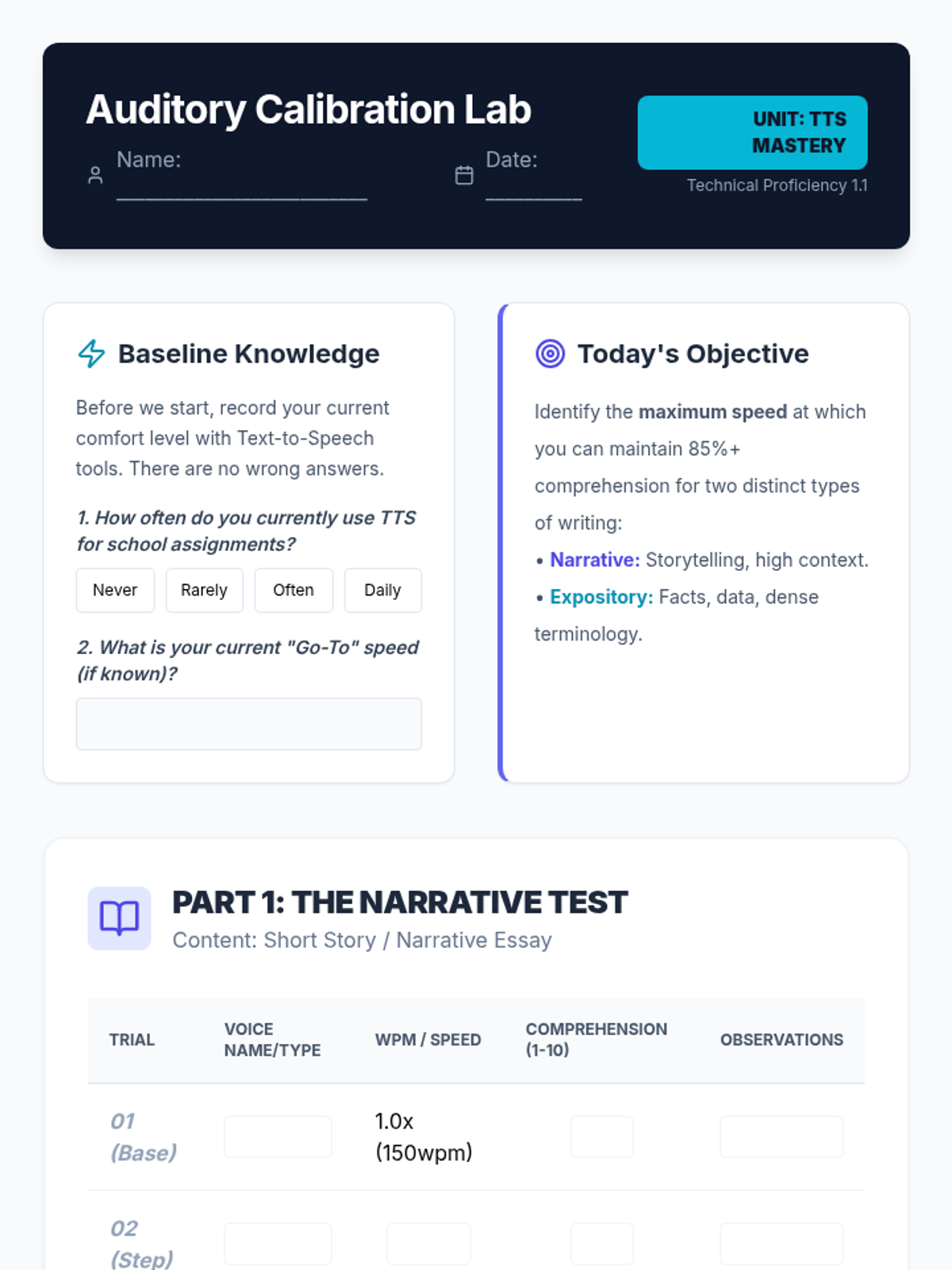
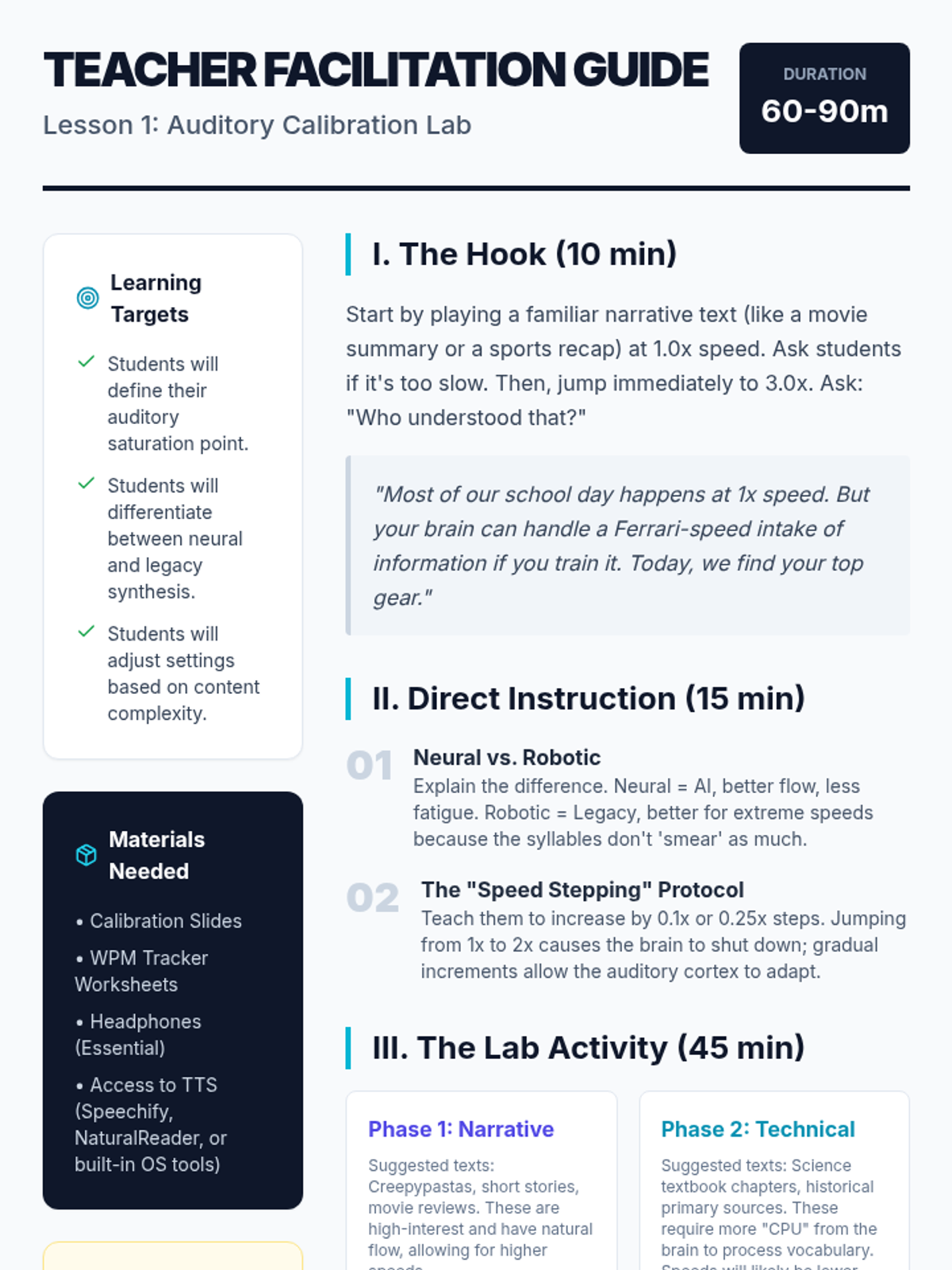
Students explore the impact of voice selection and playback speed on comprehension. They will determine their personal 'sweet spot' for different genres, learning to maximize efficiency without sacrificing retention.
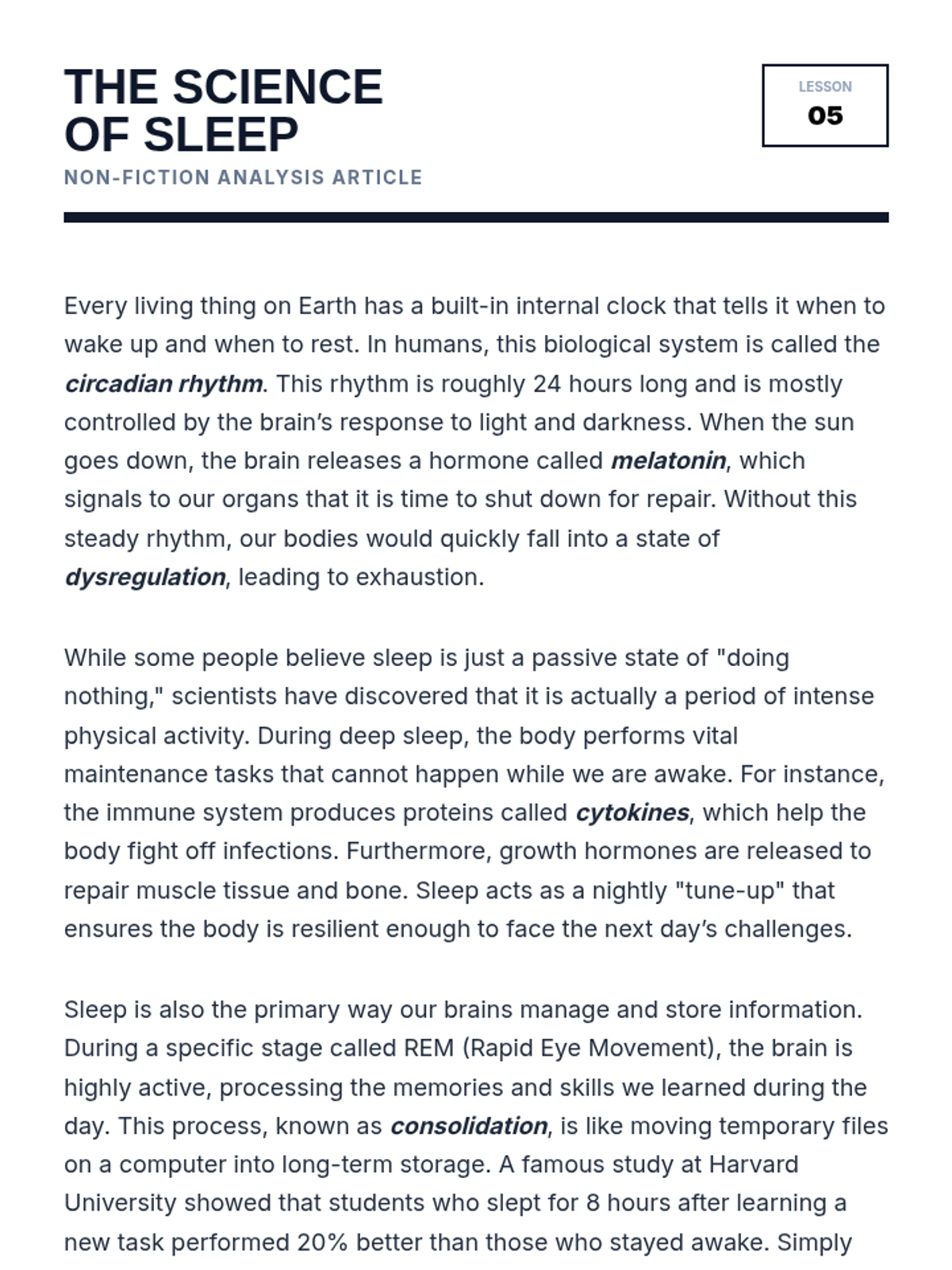
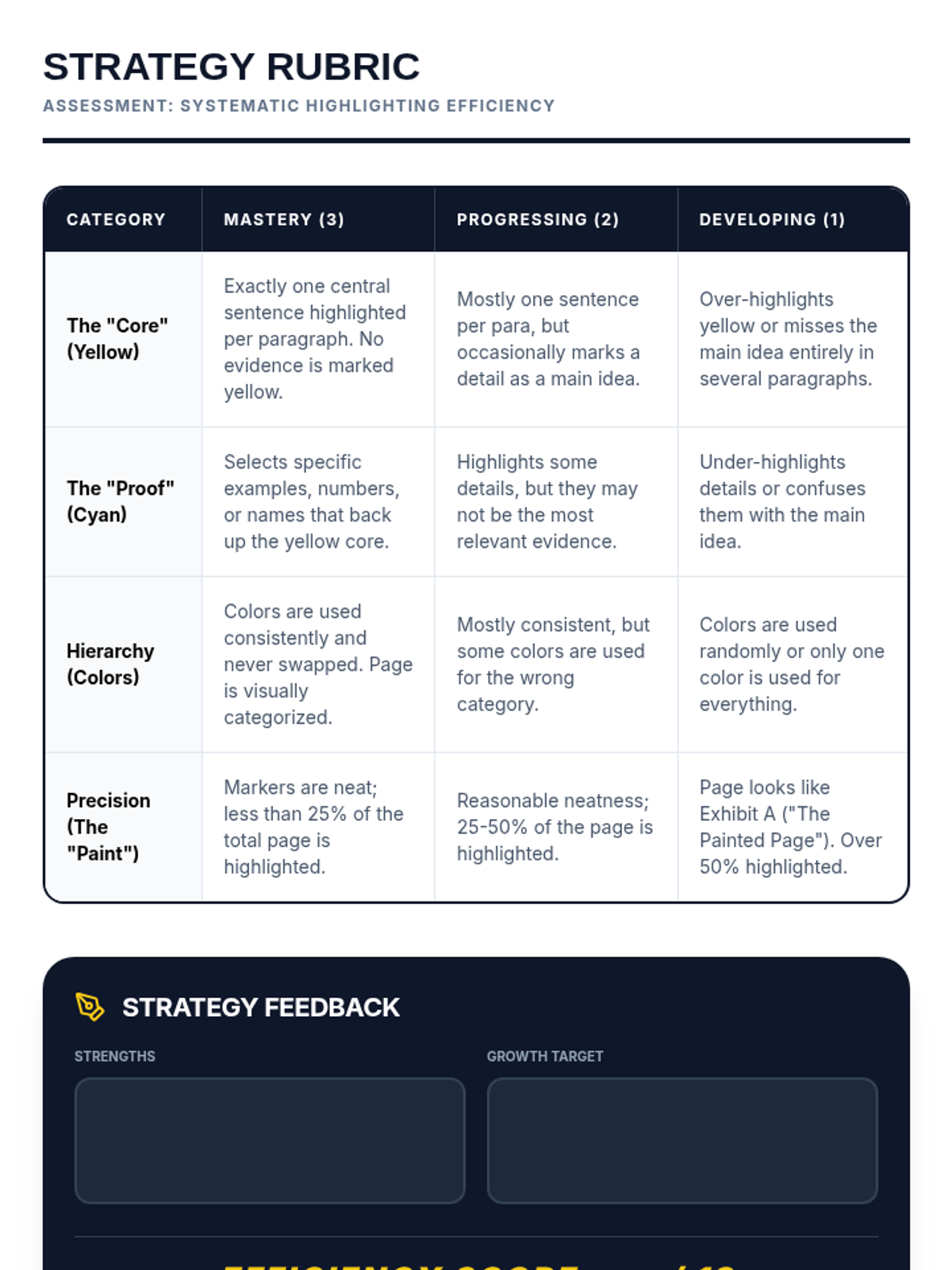
Students apply their systematic strategy to a multi-page non-fiction text and engage in peer review to refine their judgment.
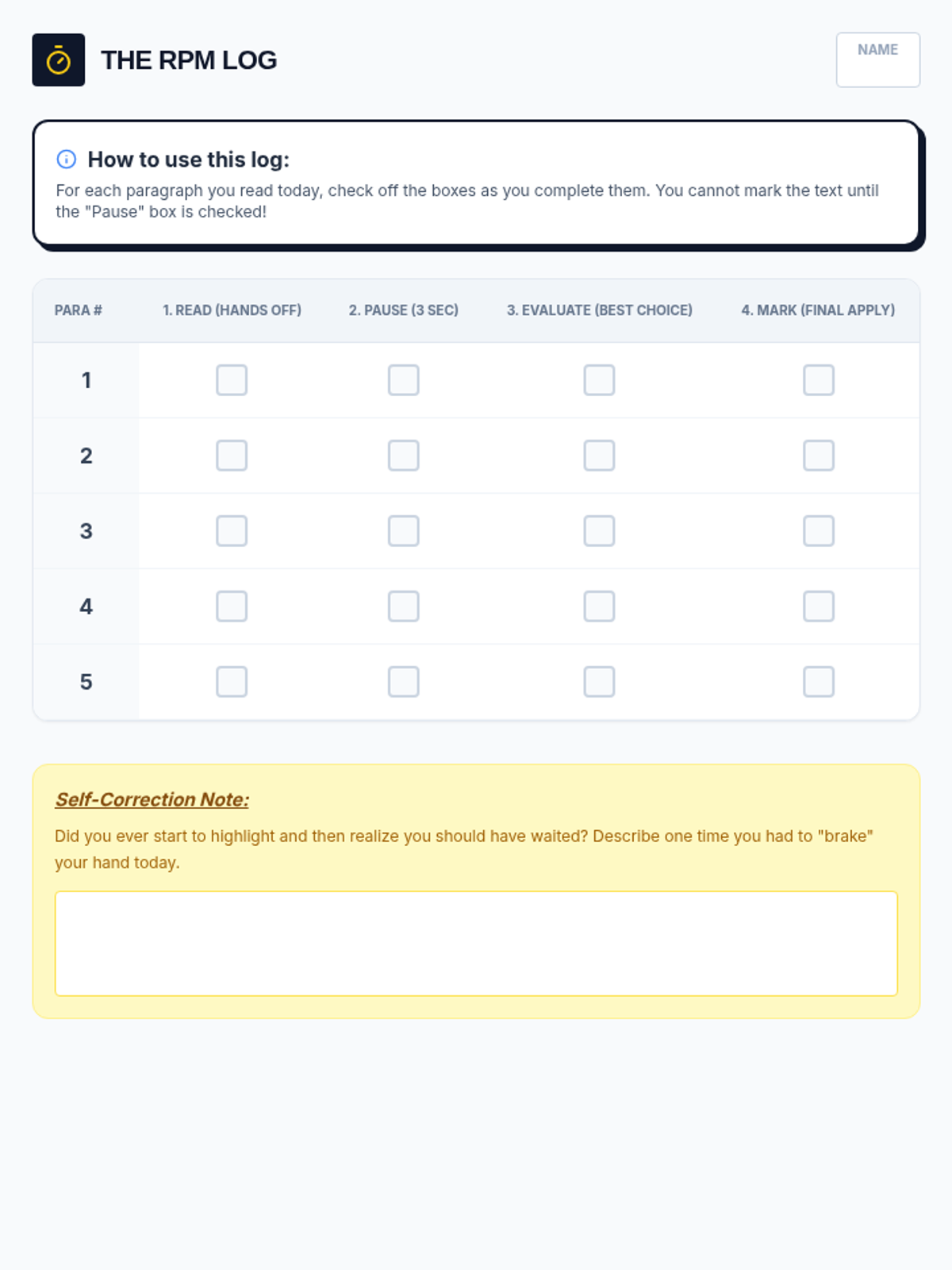
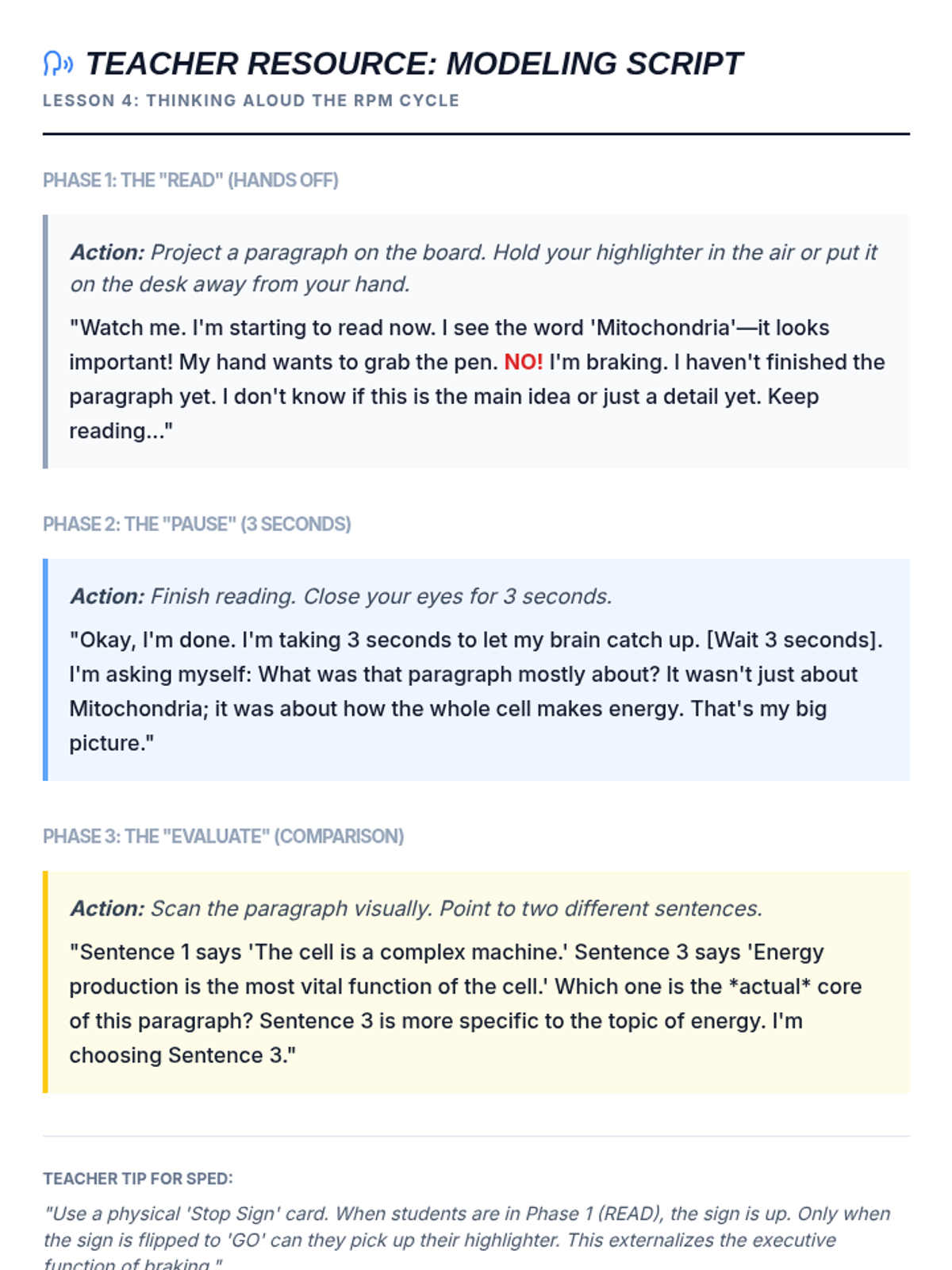
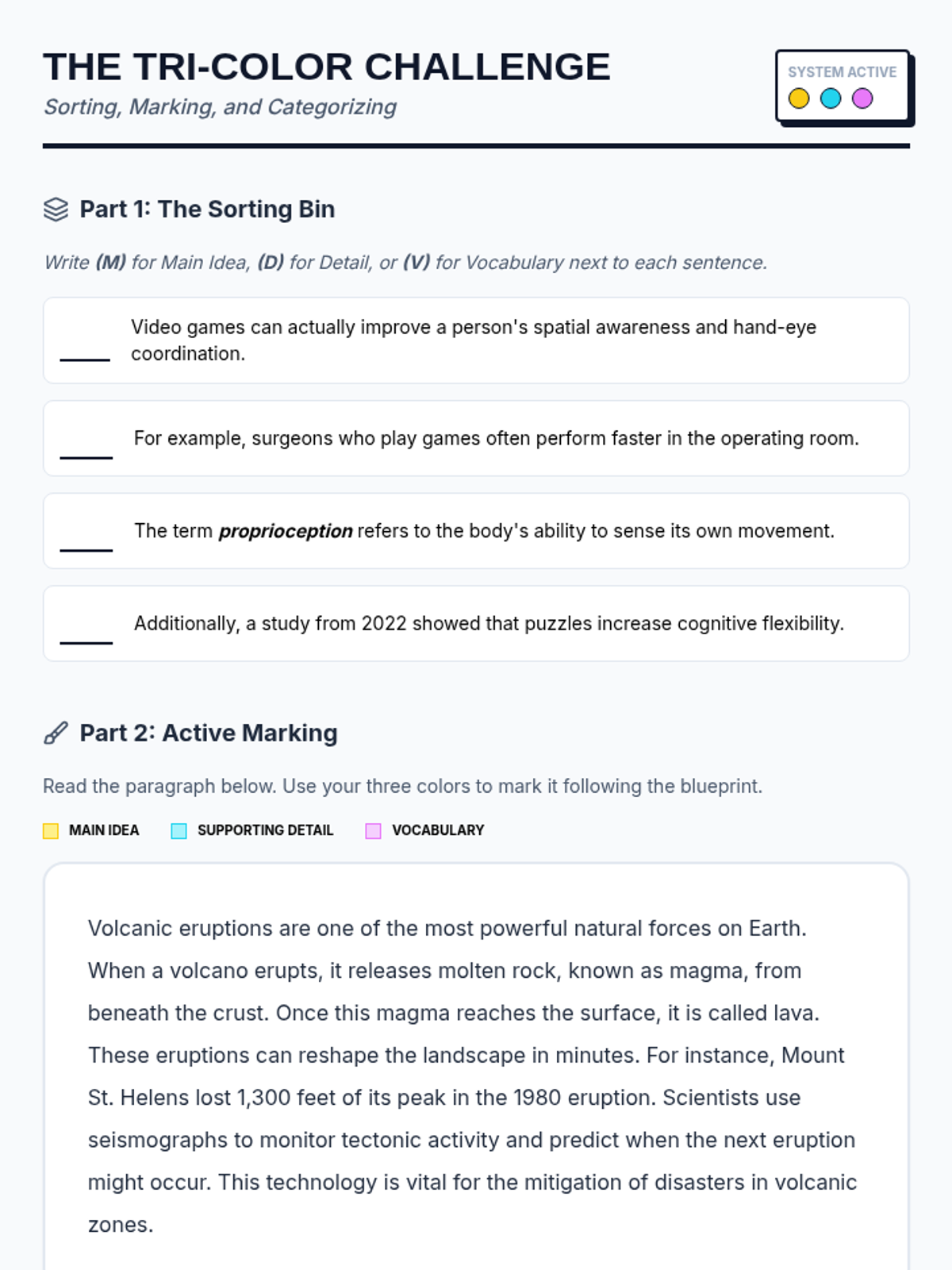
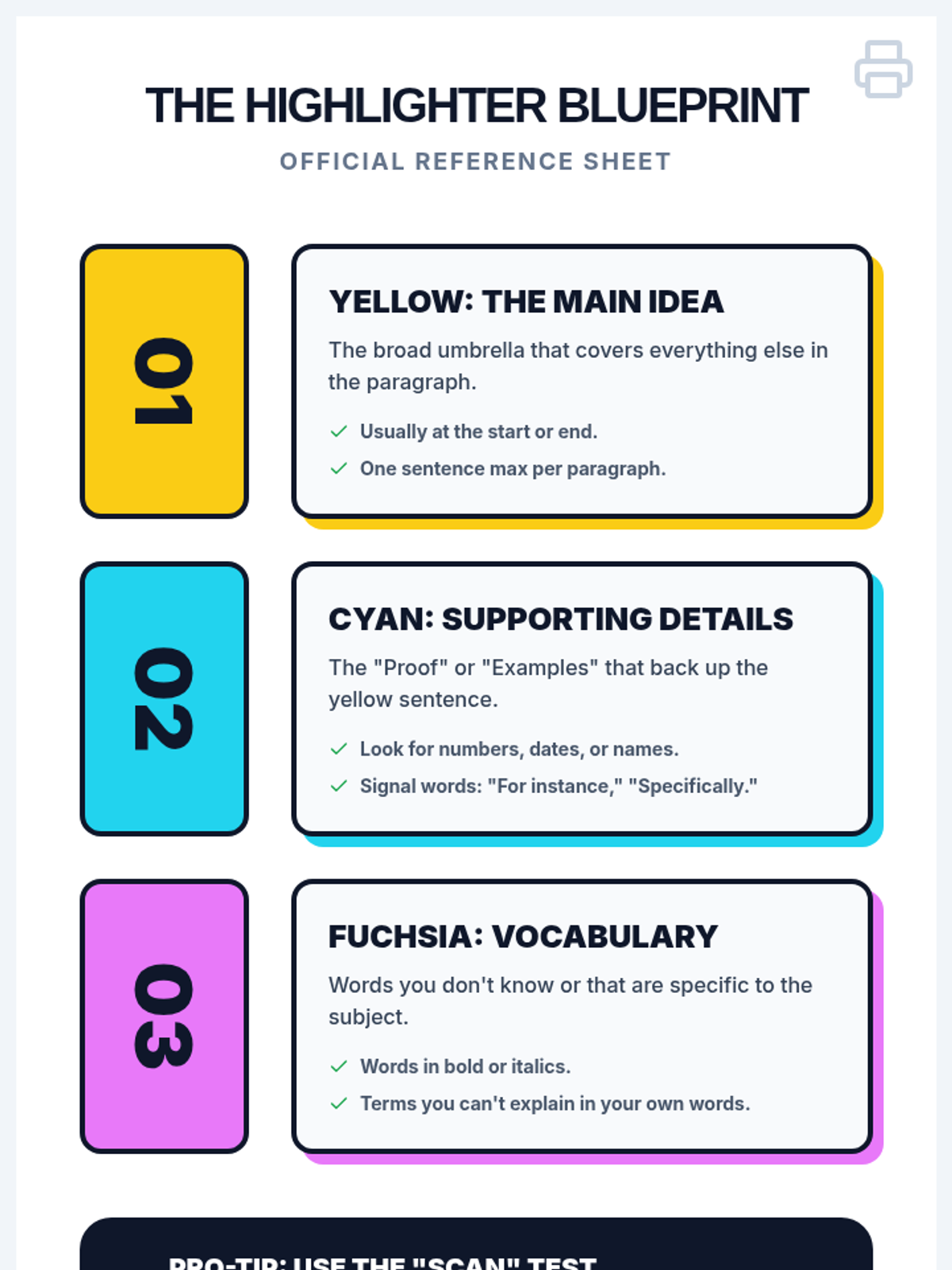
Teaches students the 'Read, Pause, Evaluate, Mark' cycle to improve executive function and prevent impulsive highlighting.
Introduces additional colors for supporting details and vocabulary, building a visual hierarchy for efficient information retrieval.
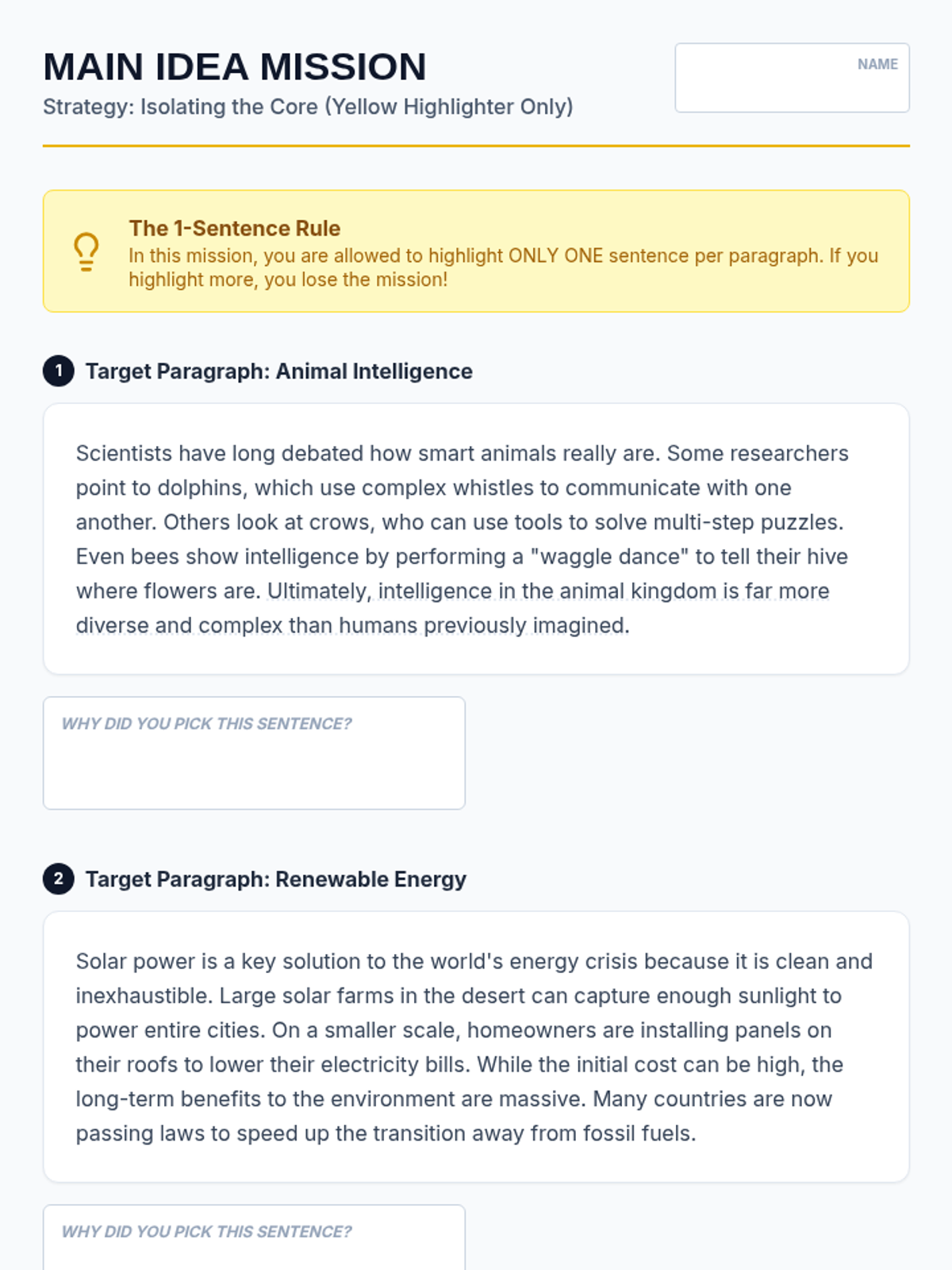
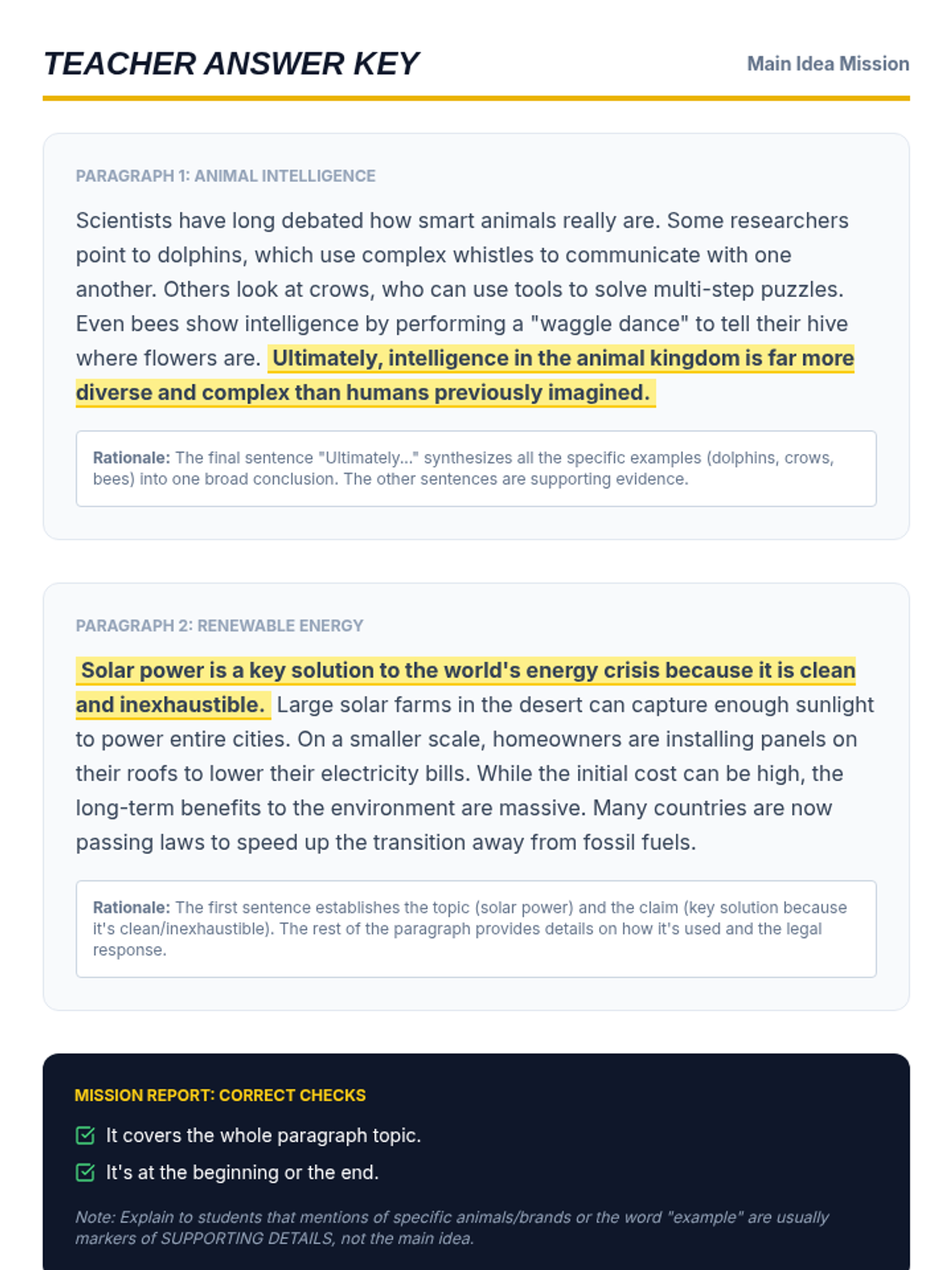
Focuses on the cognitive skill of isolating main ideas using a single dedicated color to distinguish the core message from secondary information.
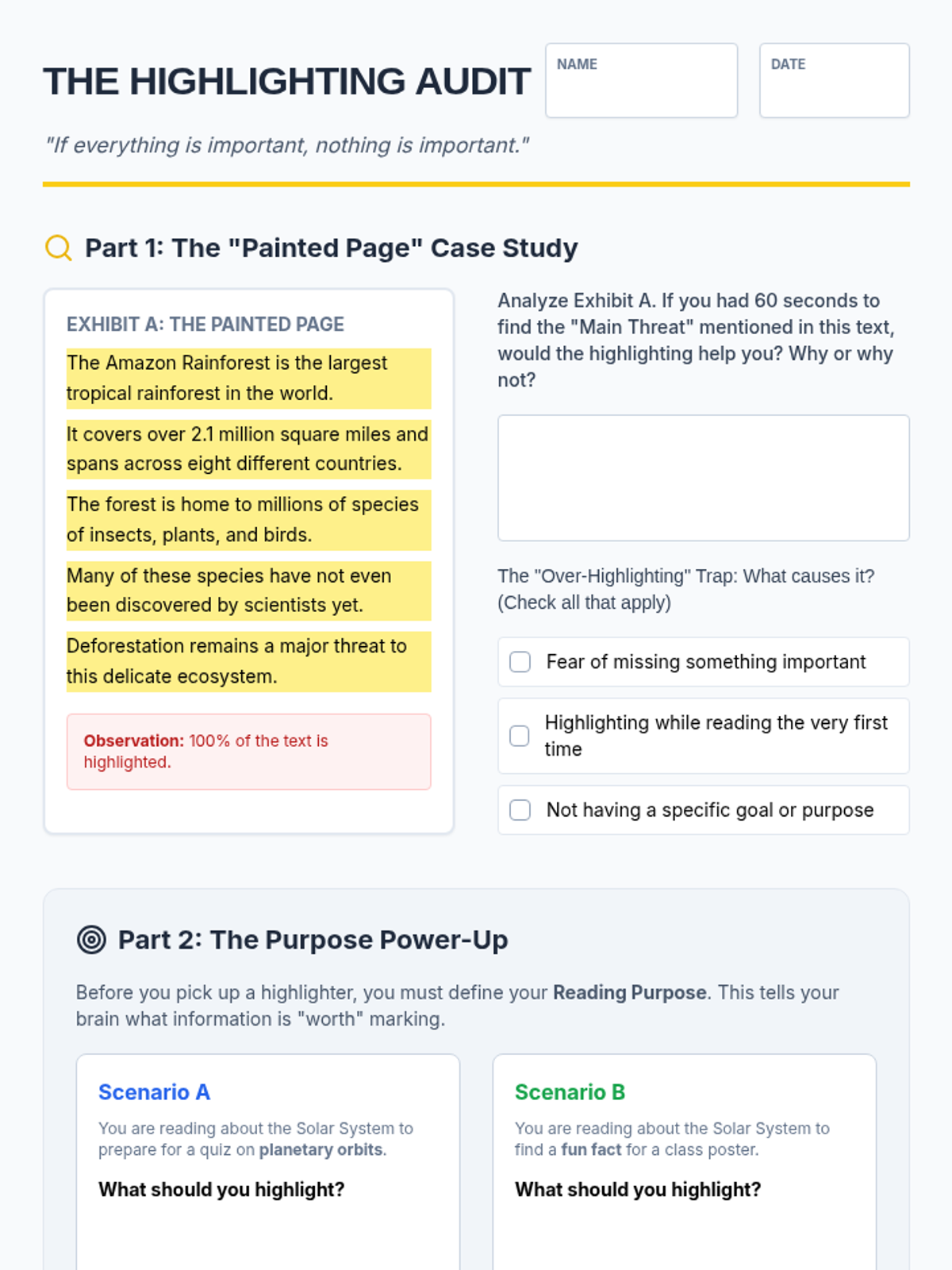
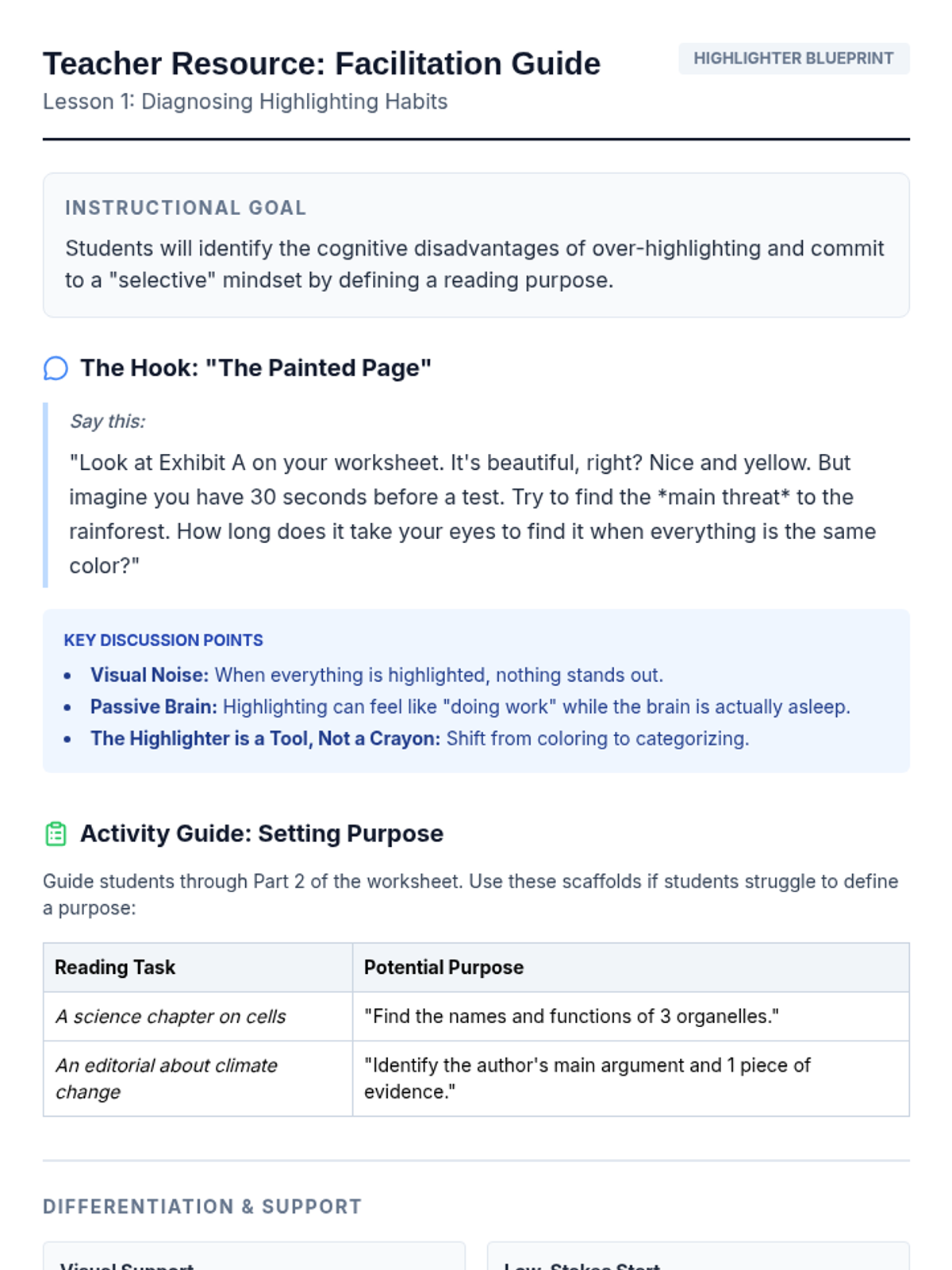
Students analyze the 'painted page' phenomenon to understand why over-highlighting fails and learn to set a purpose before reading.
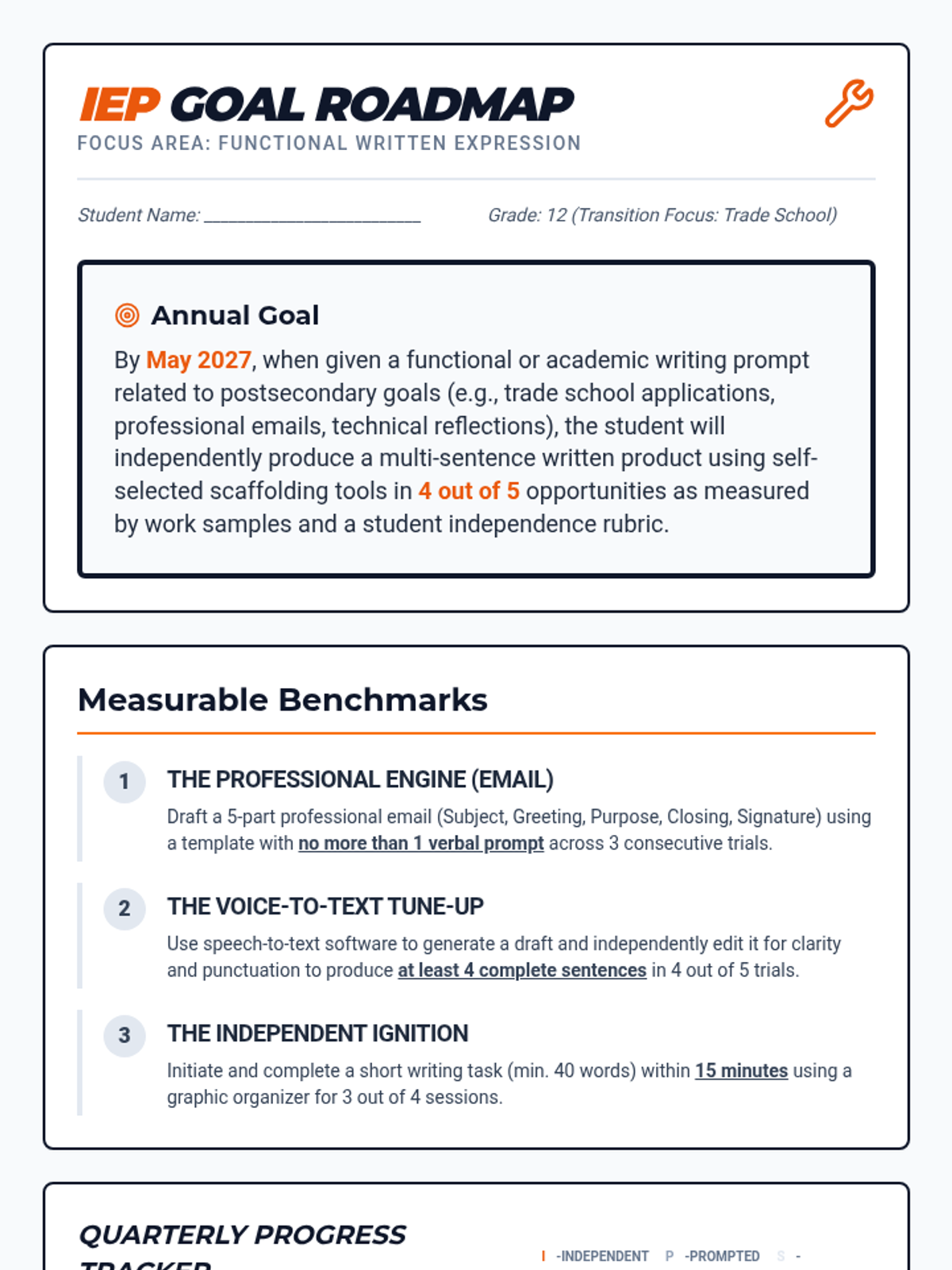
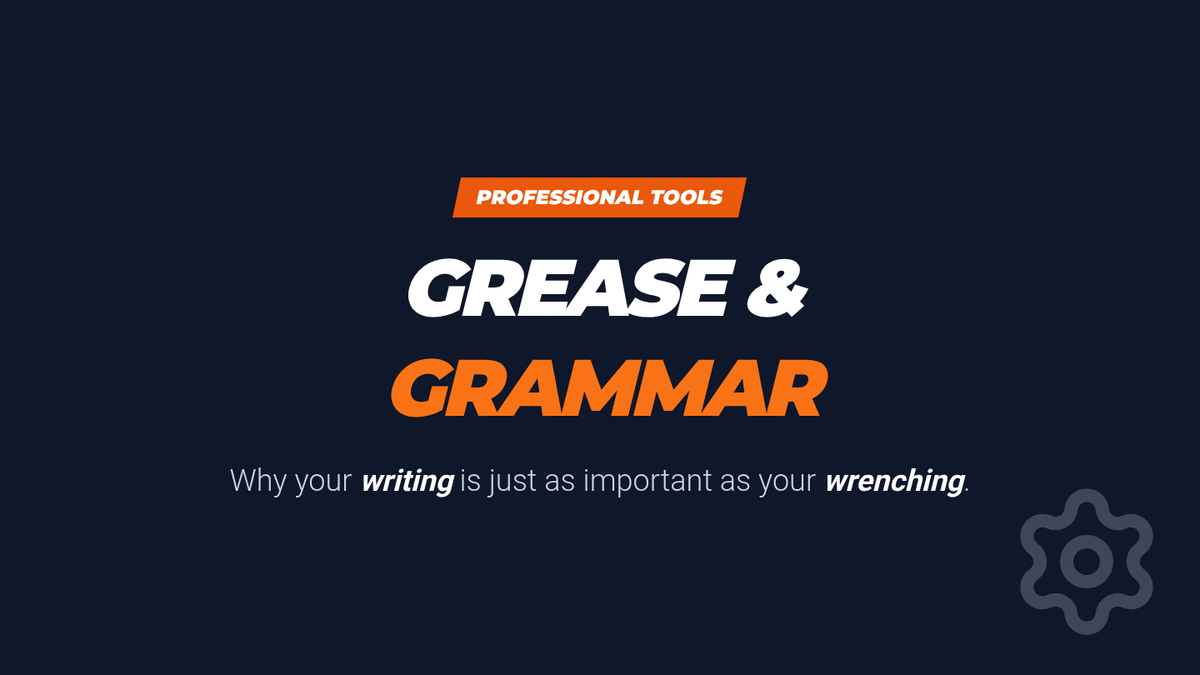
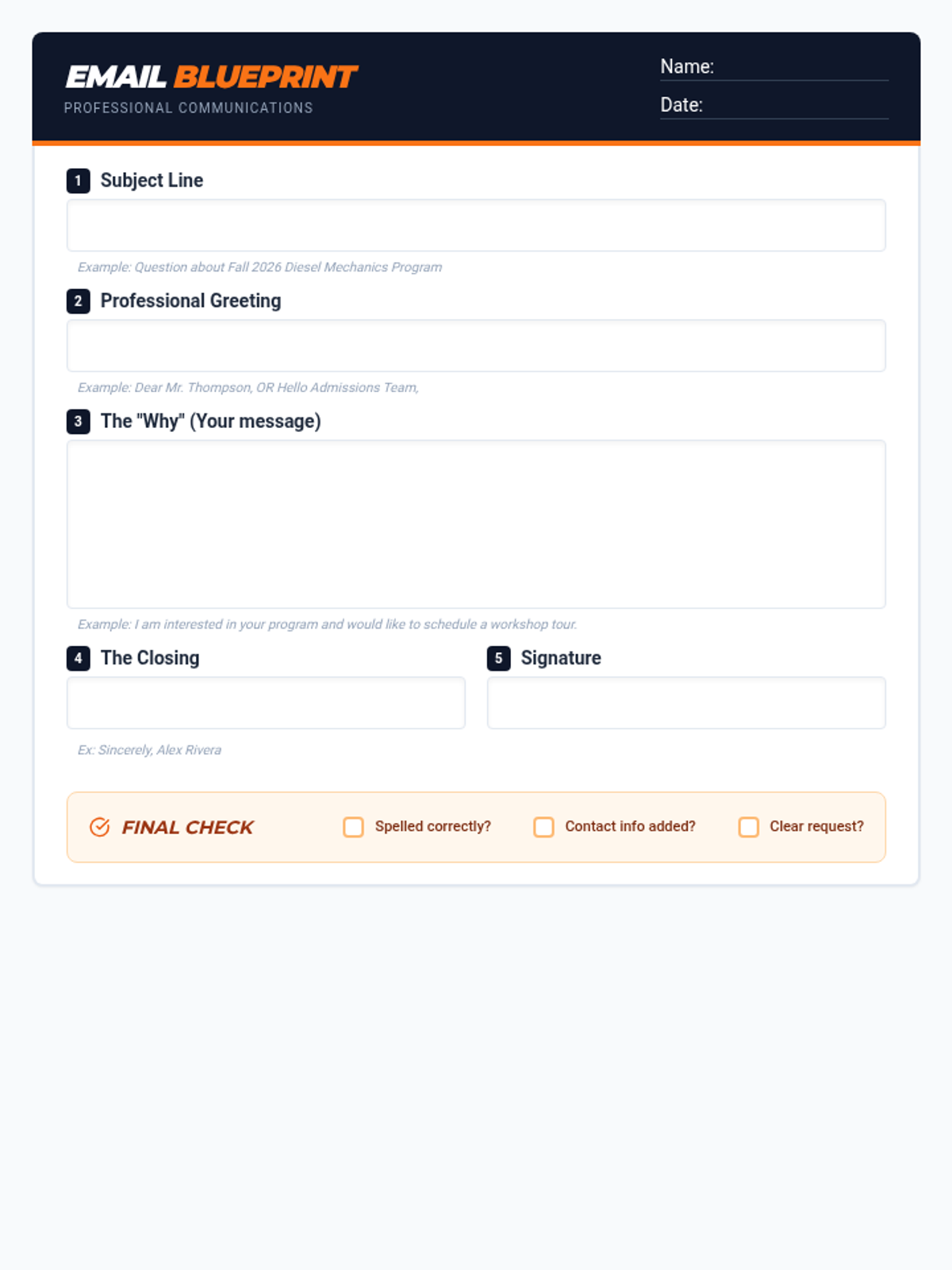
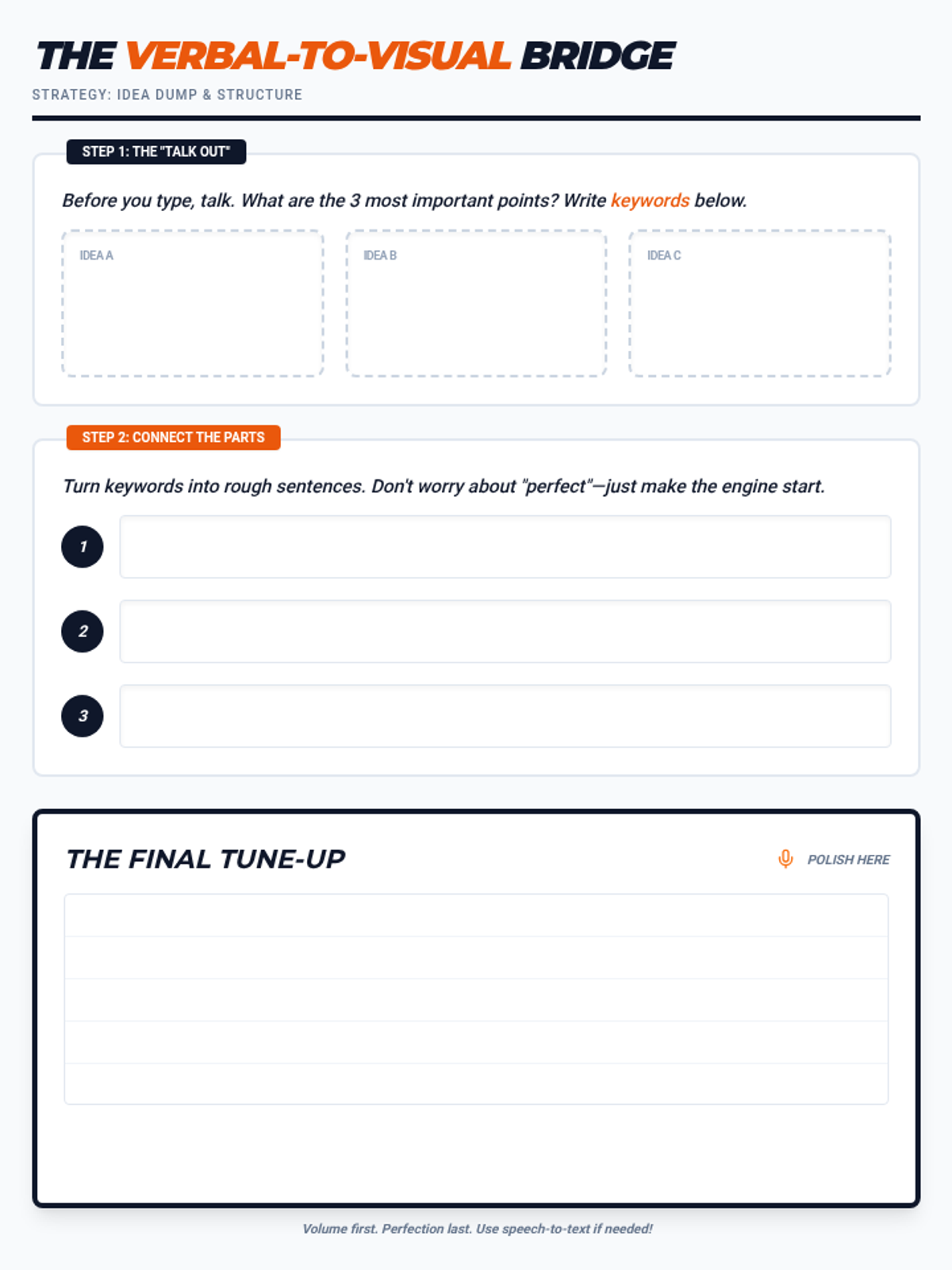
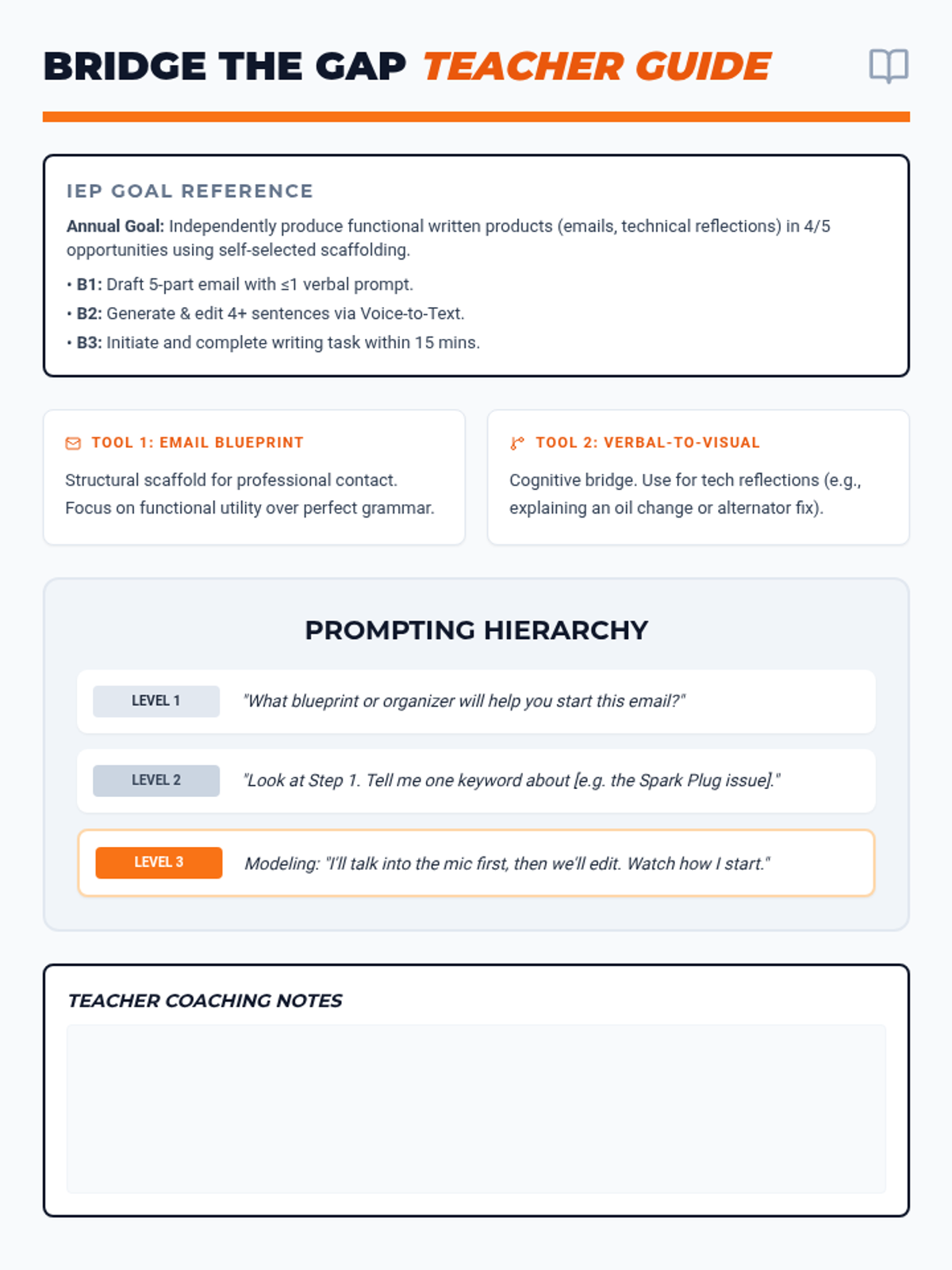
A set of resources designed to help a 12th-grade student interested in automotive trades overcome writing anxiety and develop functional communication skills for postsecondary success.
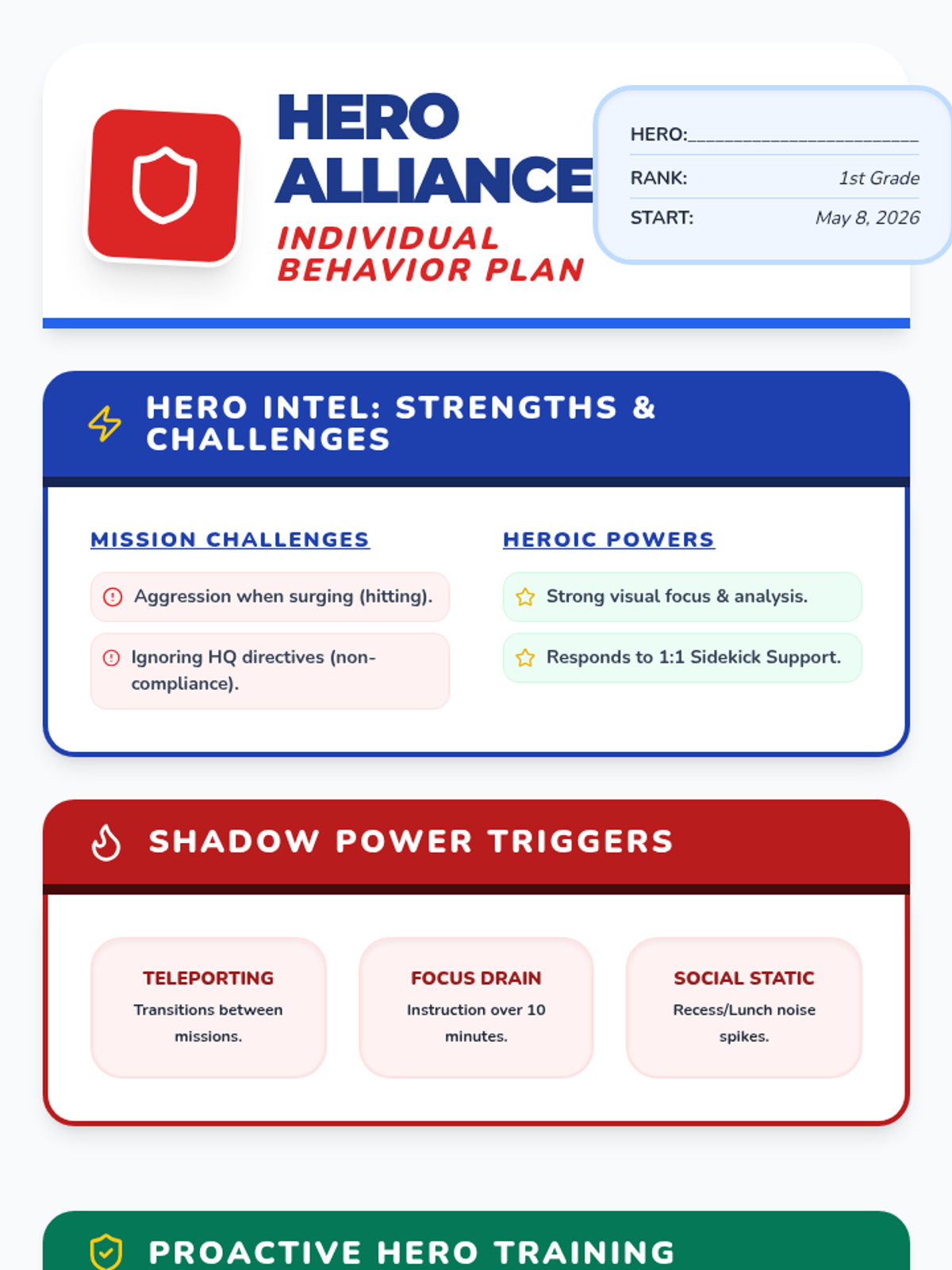
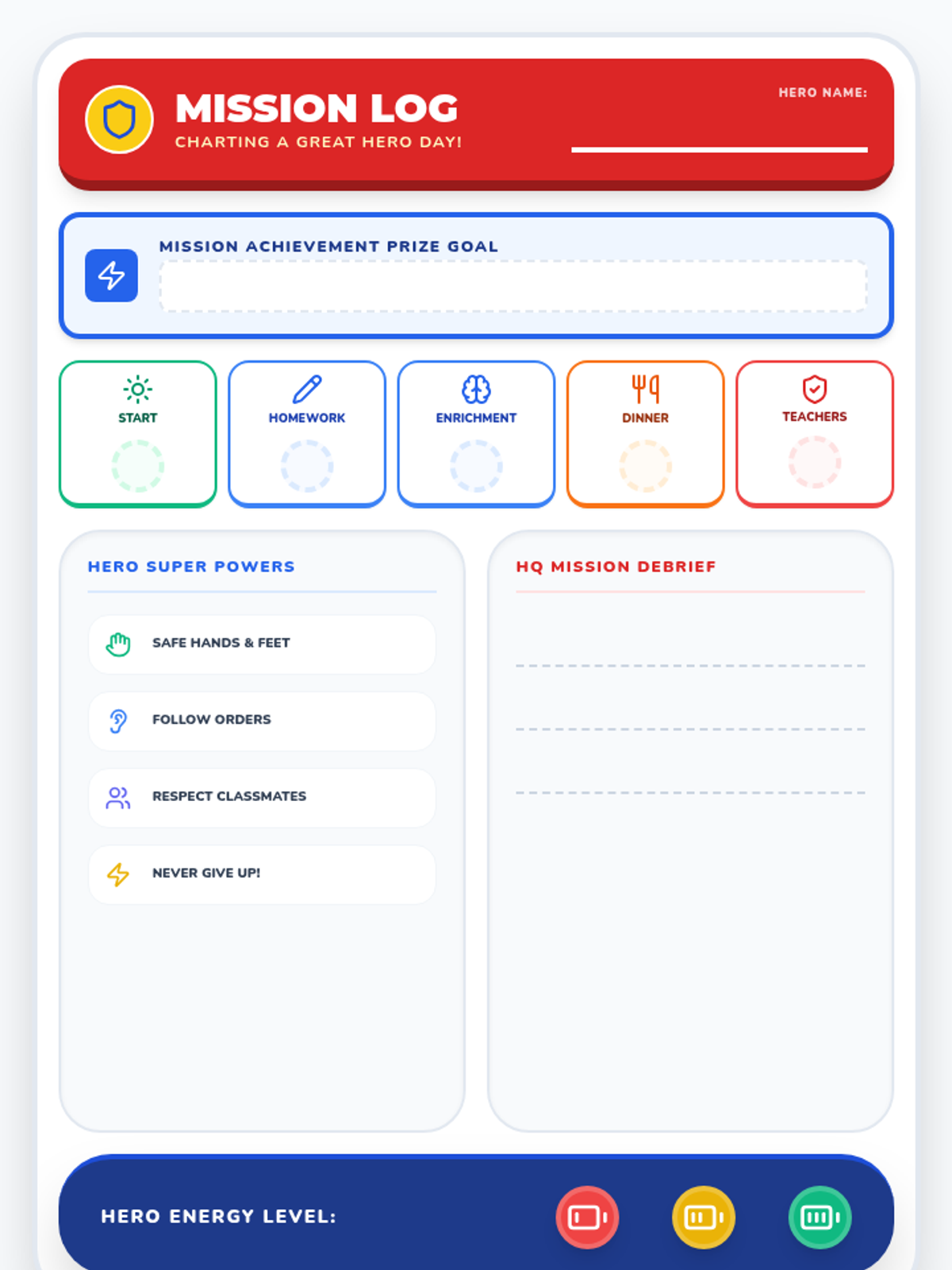
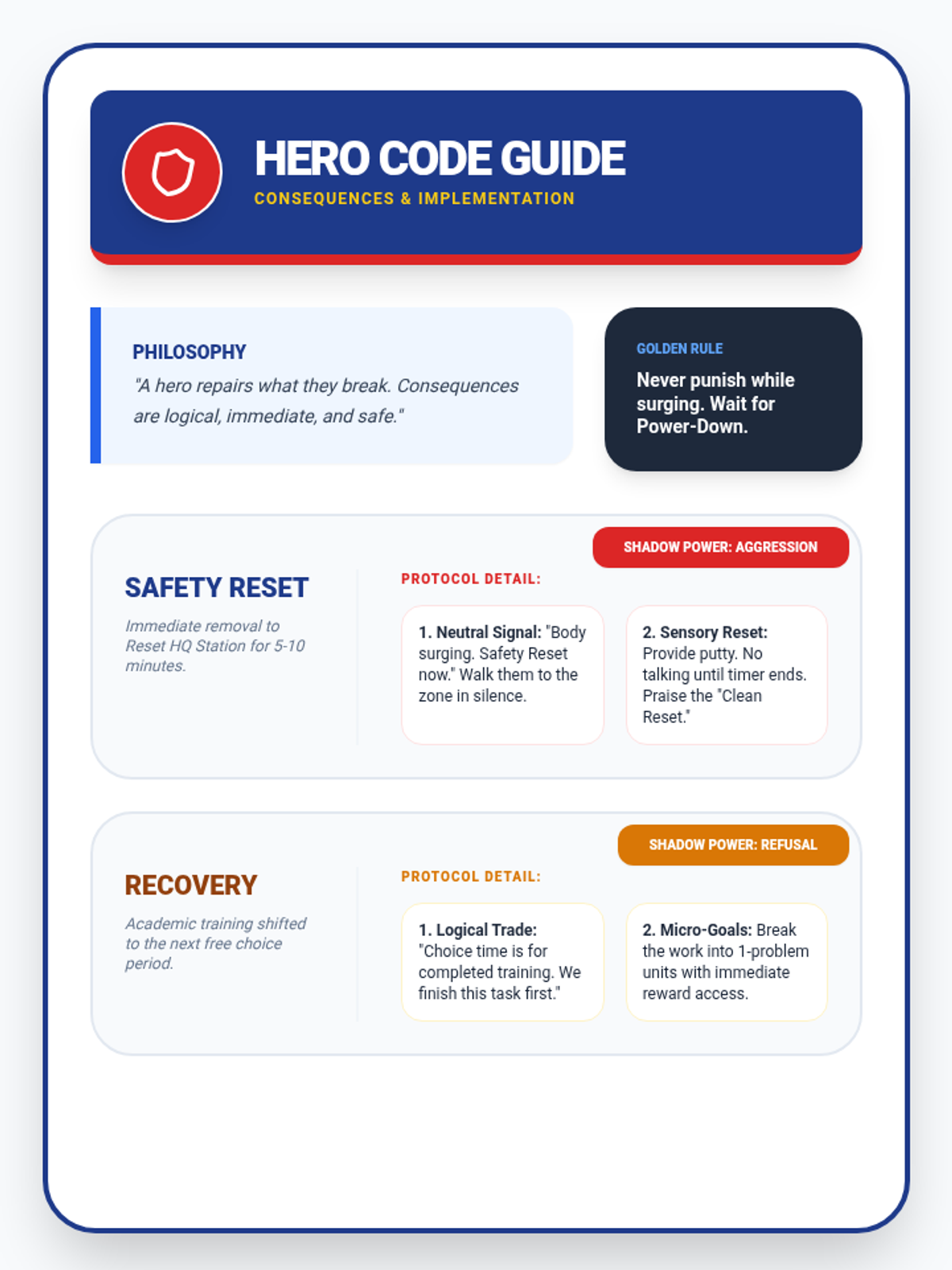
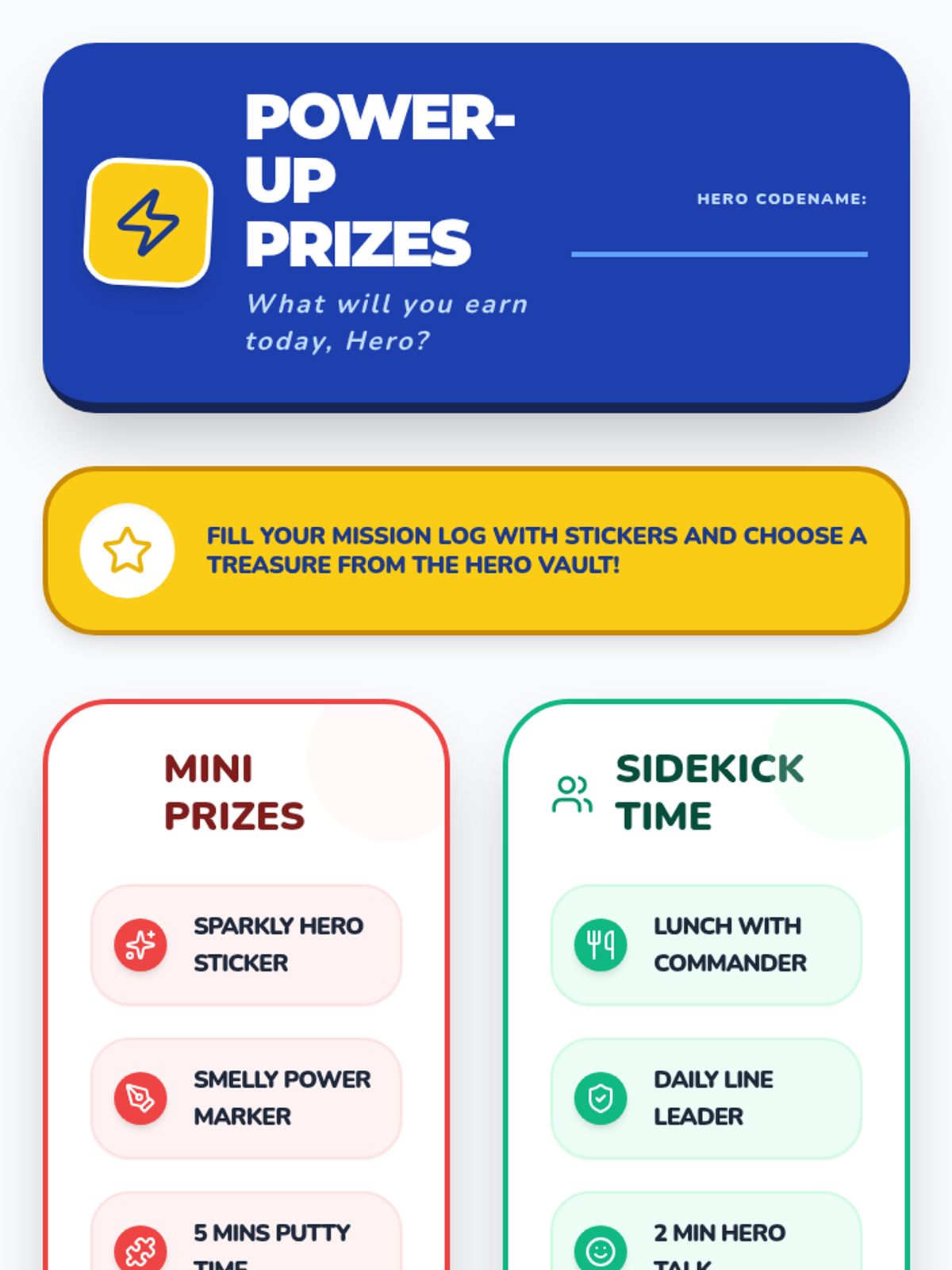
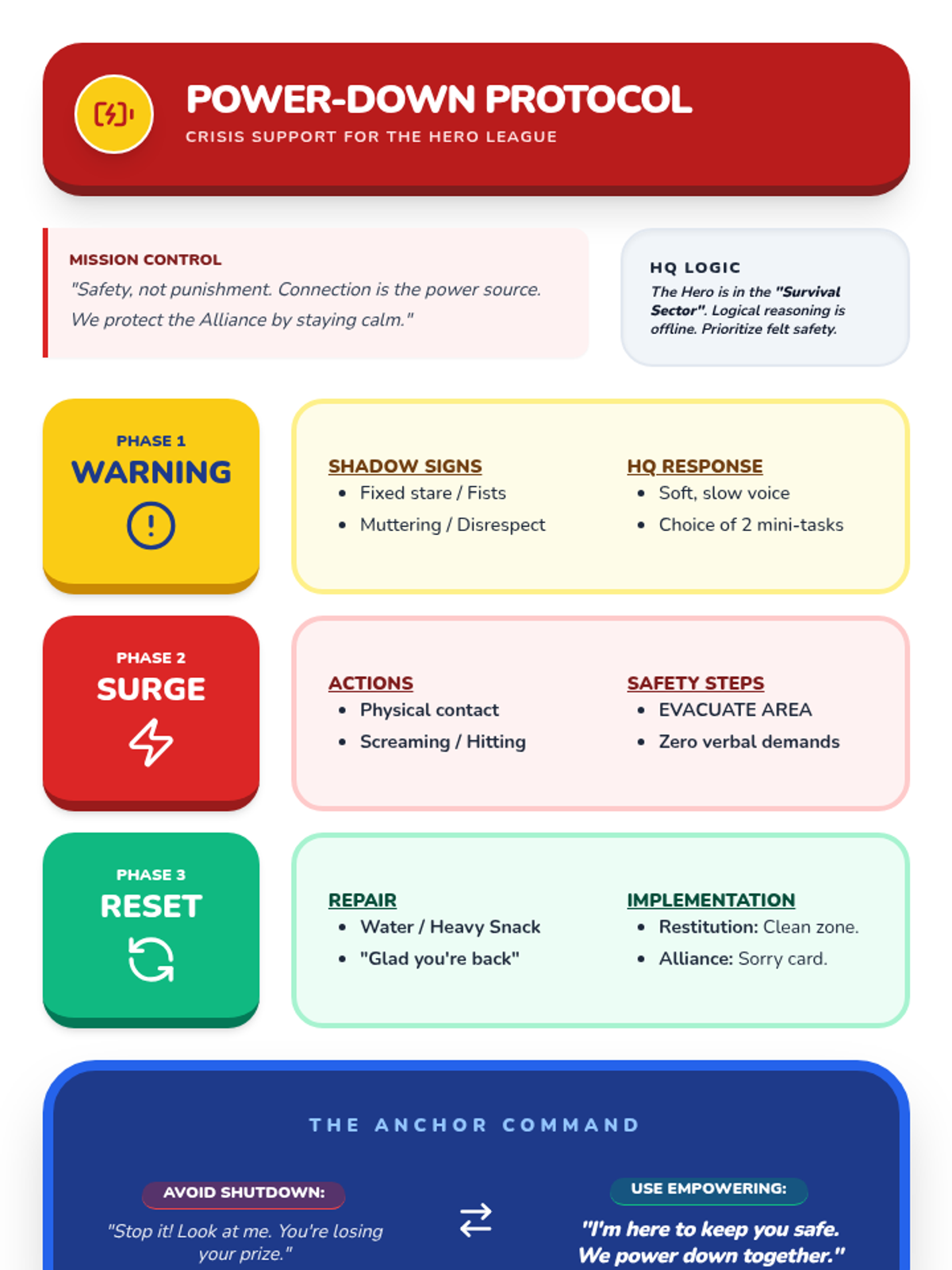
A comprehensive set of trauma-informed resources to support a 1st-grade student, reimagined with a high-engagement Super Hero theme. Focuses on 'hero powers' (positive behaviors), 'mission logs' (tracking), and restorative 'hero code' consequences.
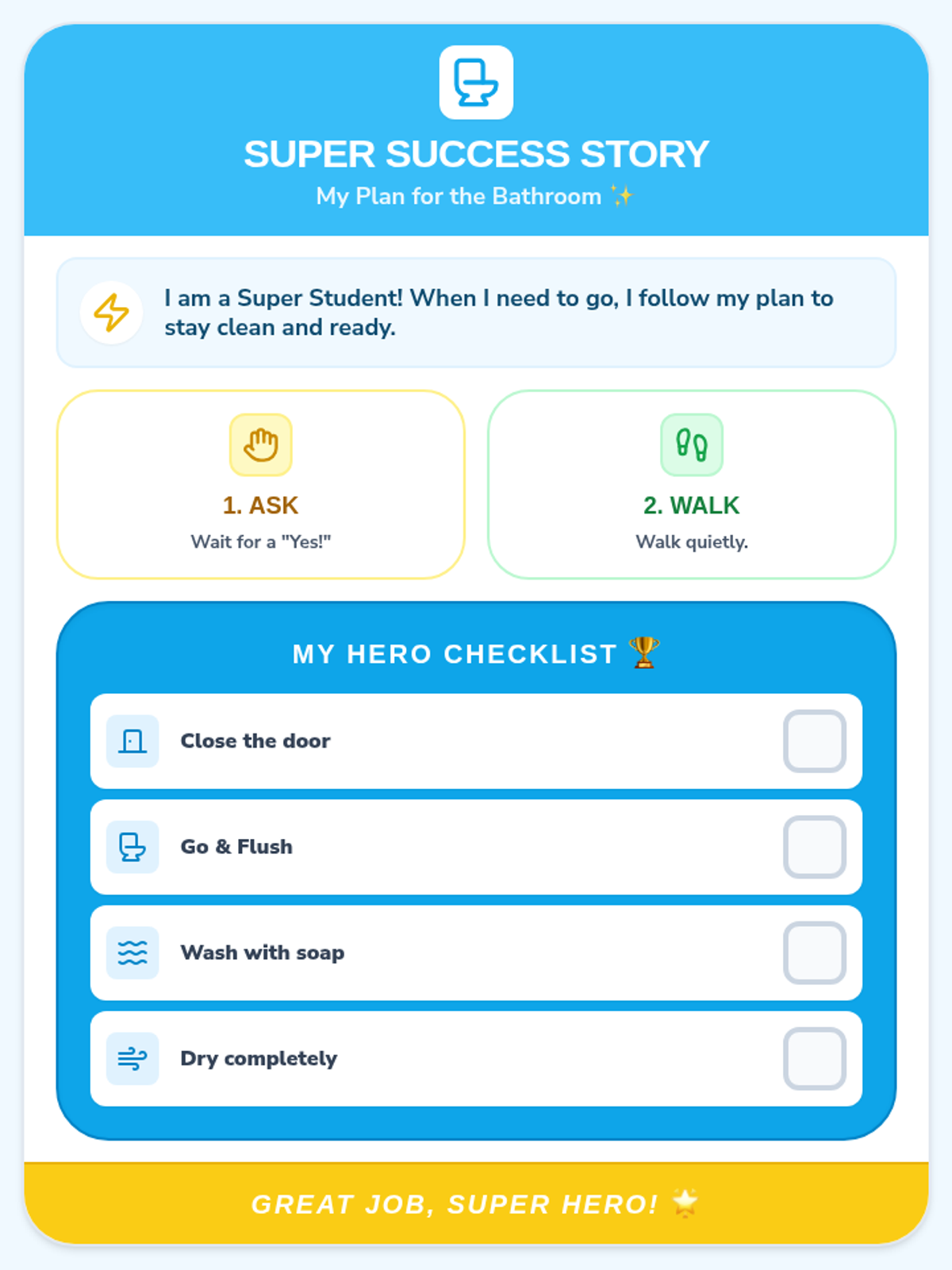
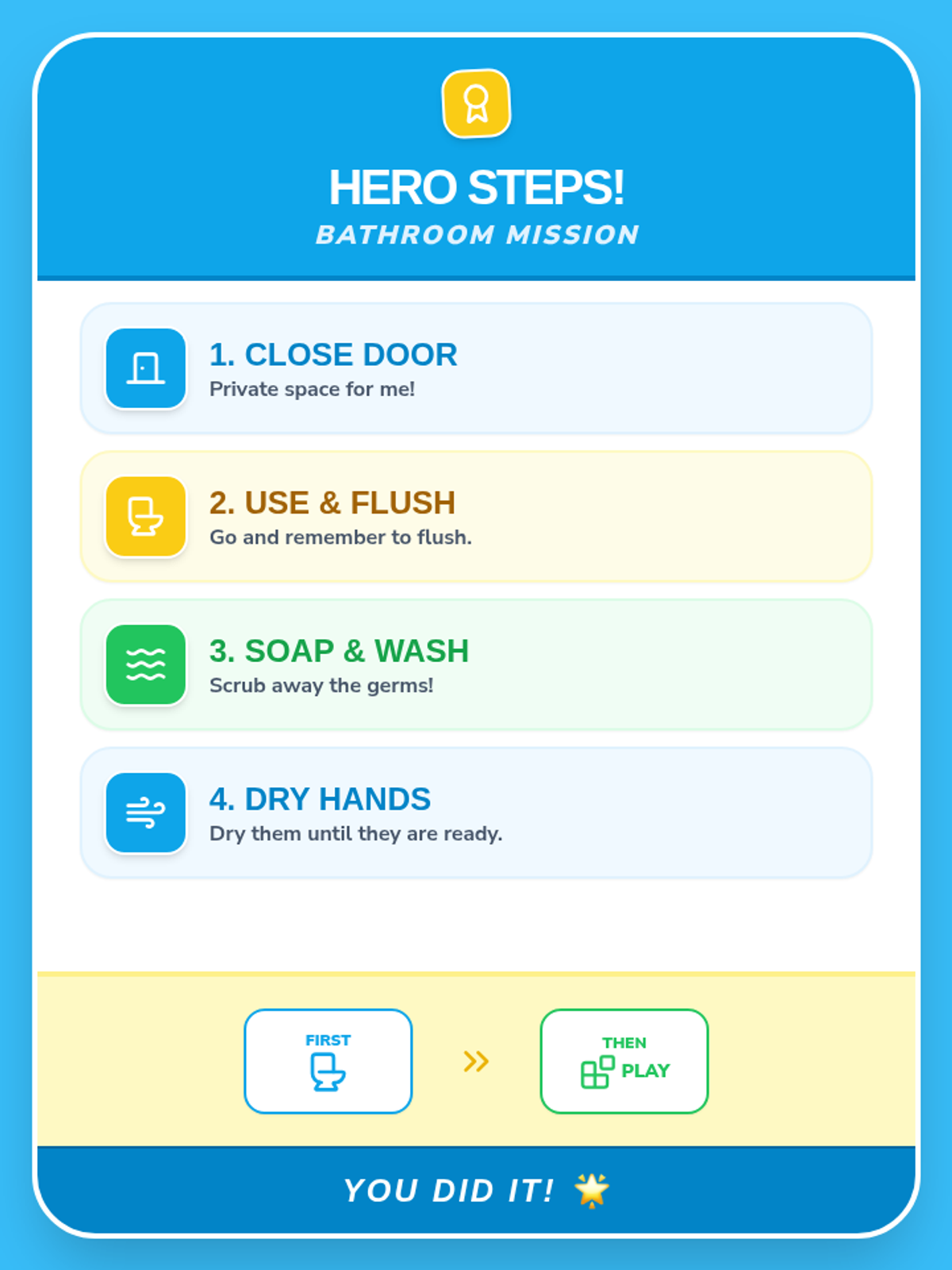
A comprehensive lesson designed to help students master the transition to following directions and the step-by-step routine of using the bathroom independently. The lesson includes visual supports, a social story, and interactive tools for the classroom.
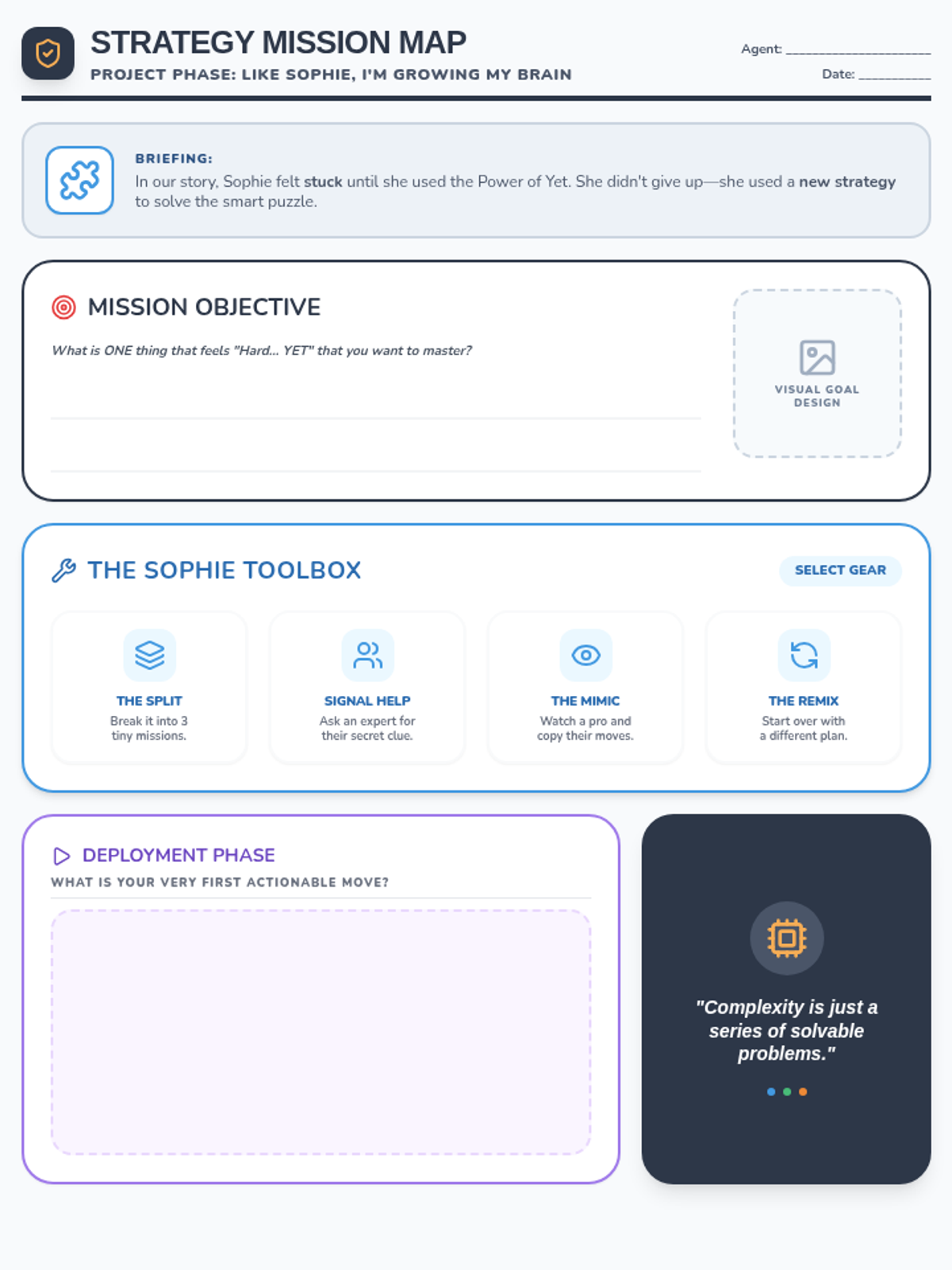
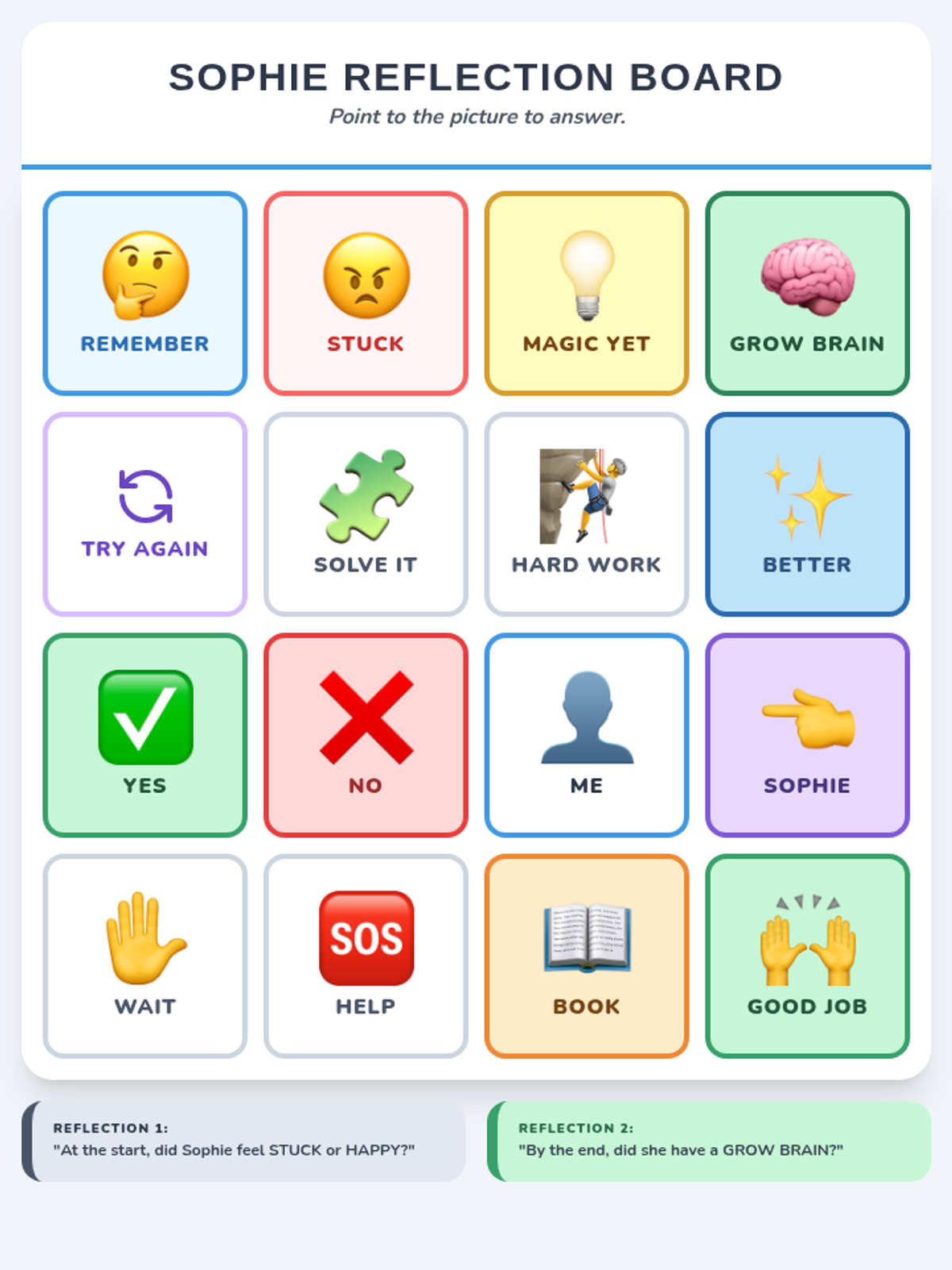
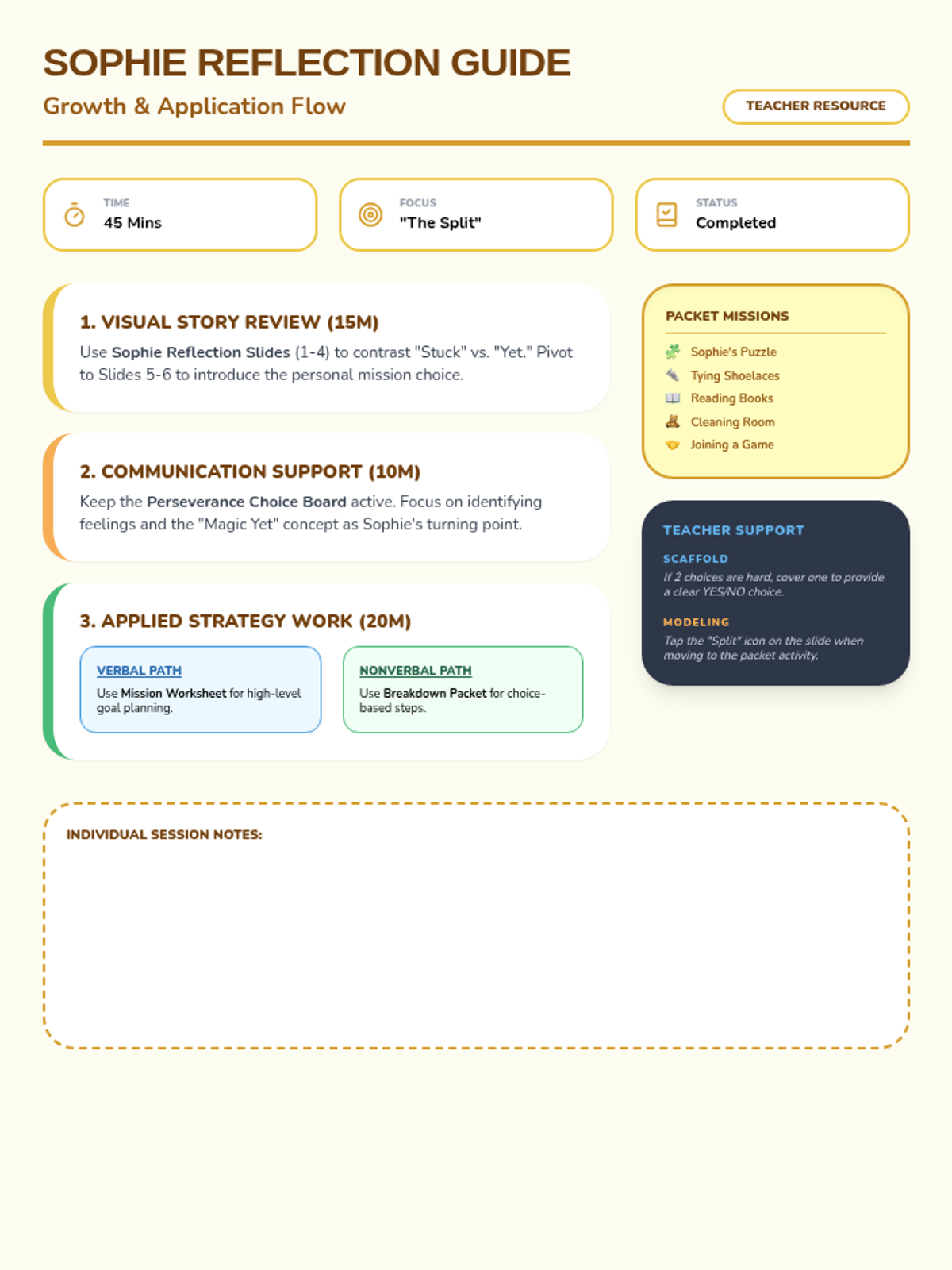
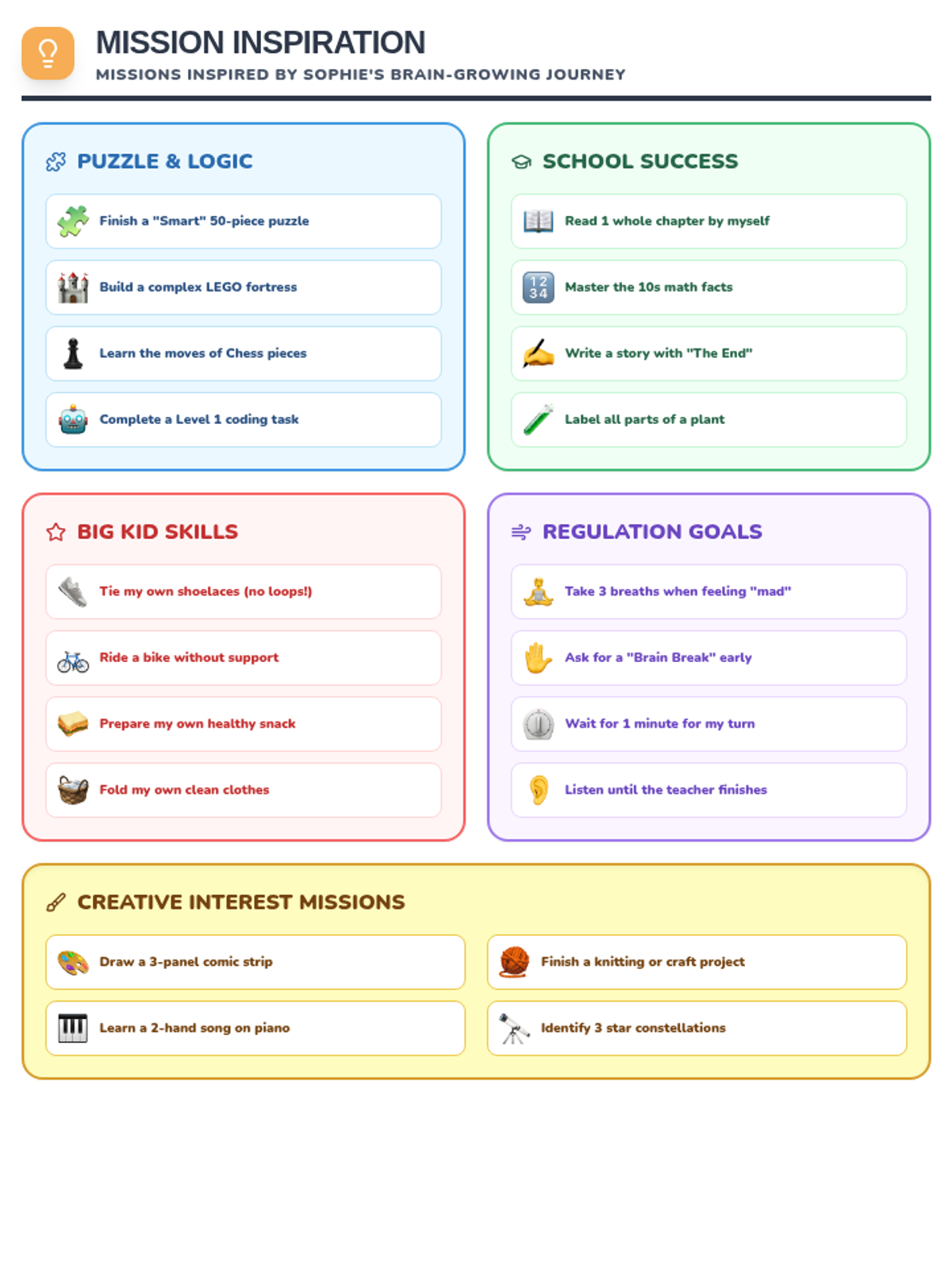
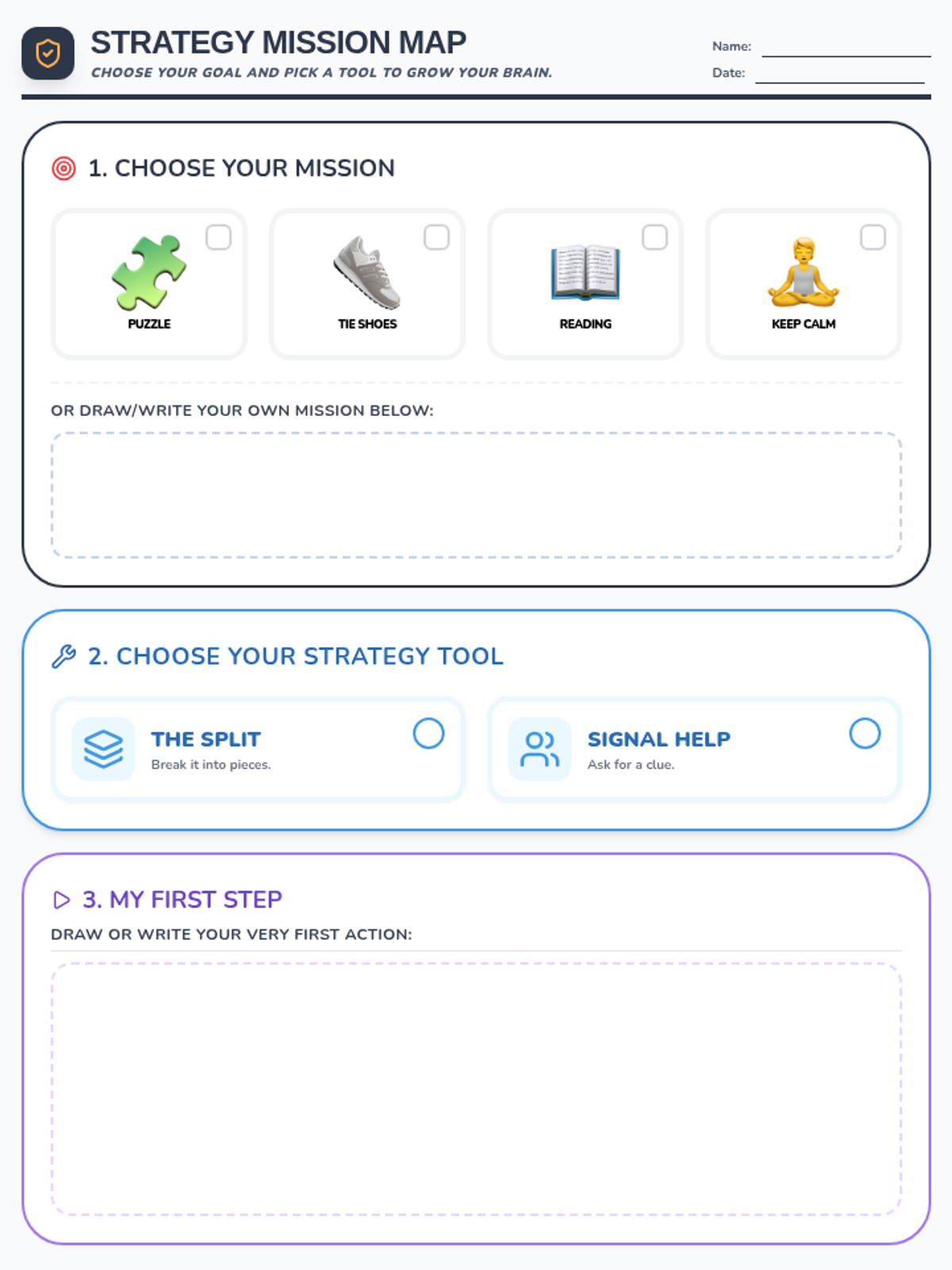
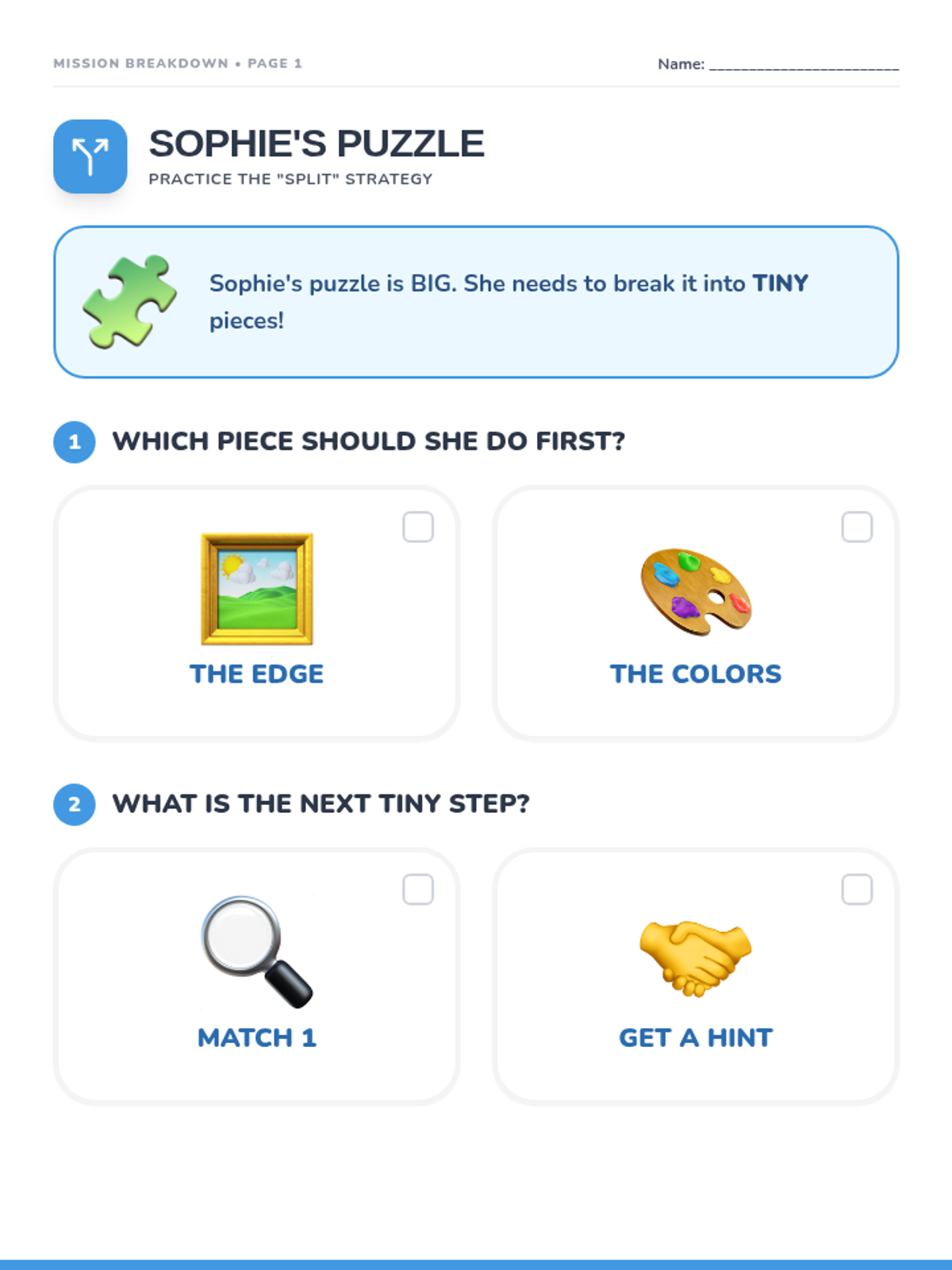
This lesson focuses on reflecting on Sophie's journey in 'When Sophie Thinks She Can't' and applying the concept of 'The Power of Yet' to personal experiences. It includes visual reflection slides, a strategy mission map, and adapted communication tools specifically designed for students with autism to process and apply growth mindset concepts.
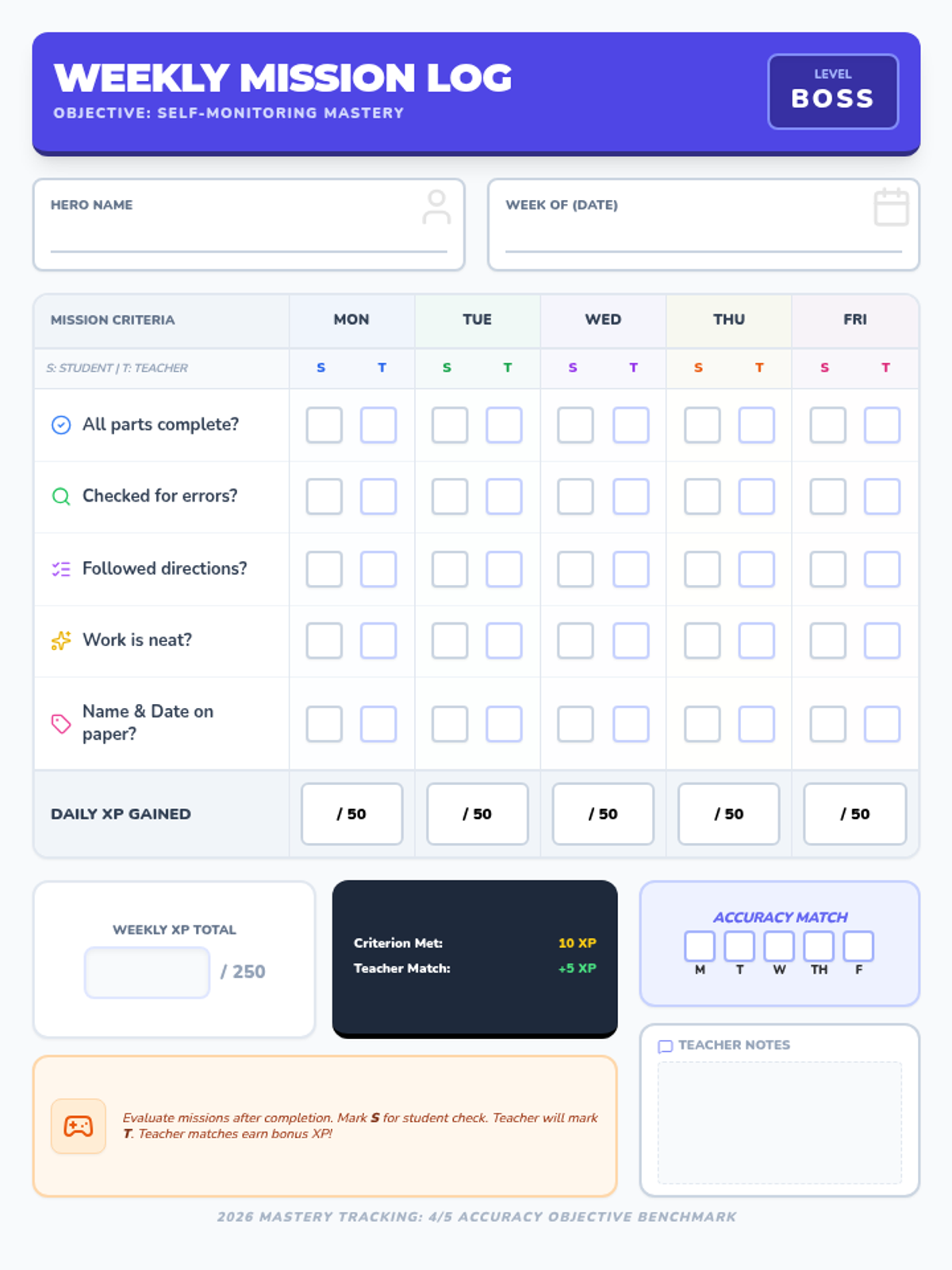
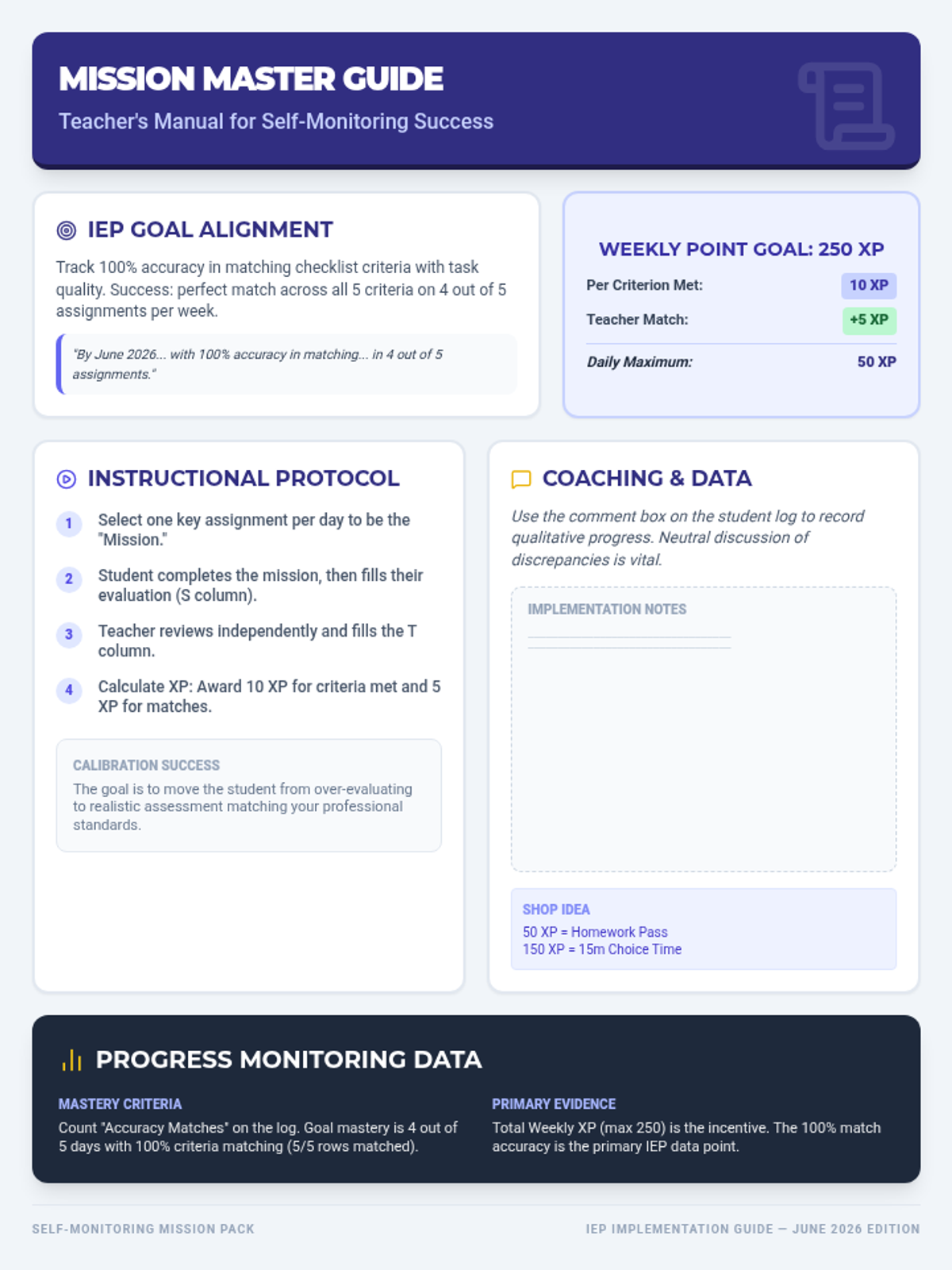
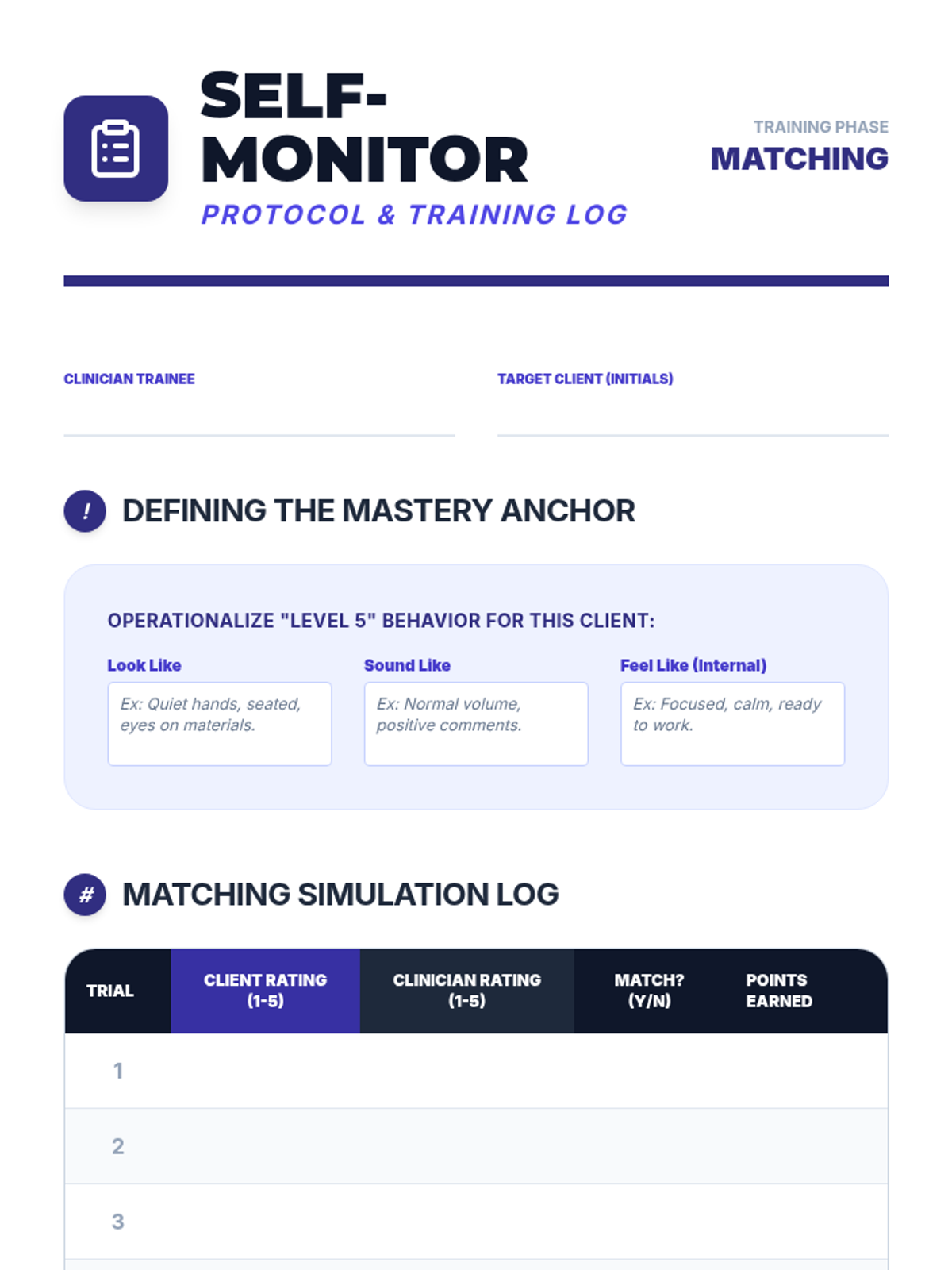
A lesson centered on developing self-monitoring skills for task completion and quality through a gamified weekly point system. Students learn to evaluate their own work against specific criteria and match their assessments with teacher feedback.
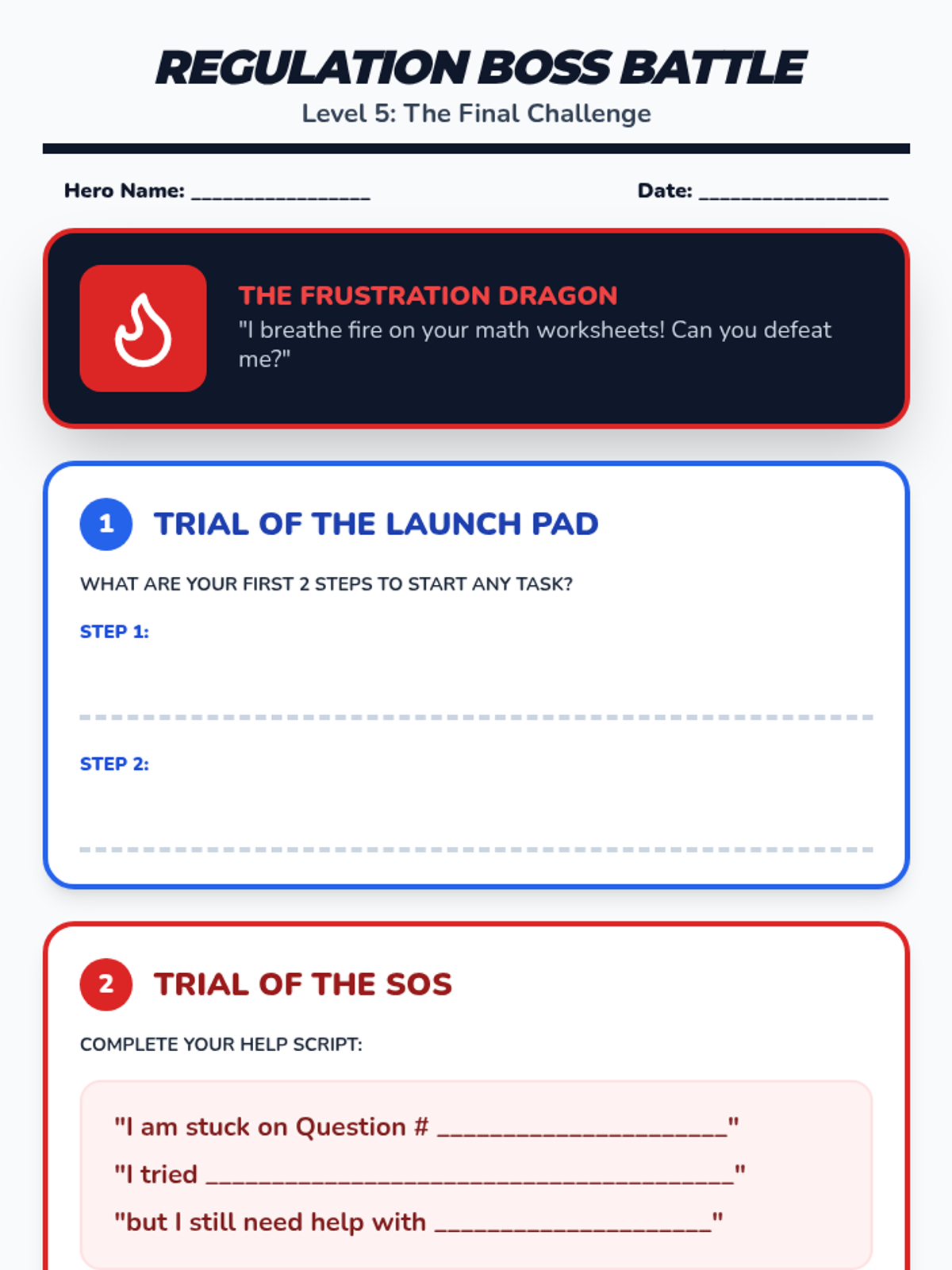
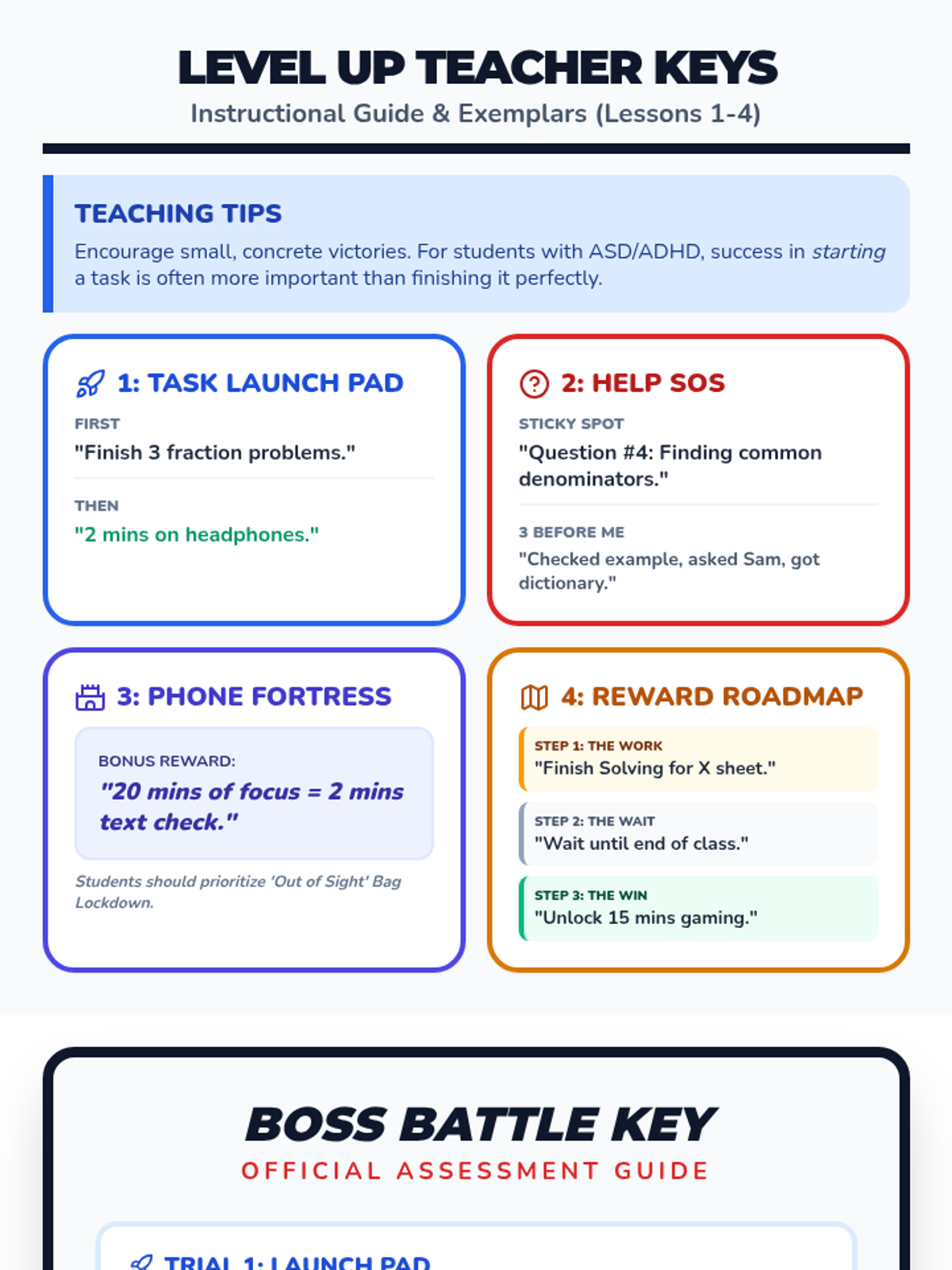
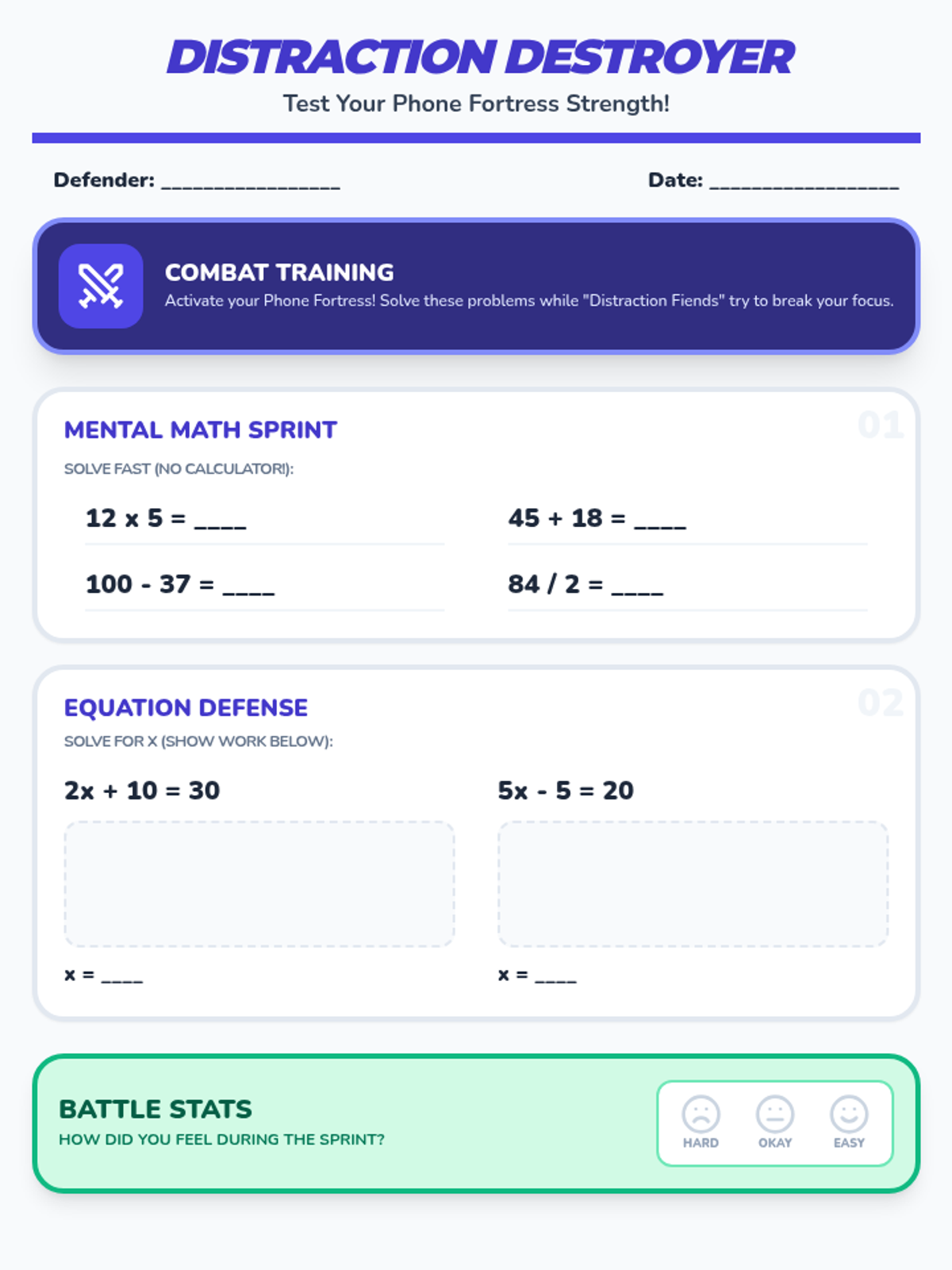
A cumulative 'Boss Battle' review where students use all their regulation tools to solve a series of math-related regulation challenges.
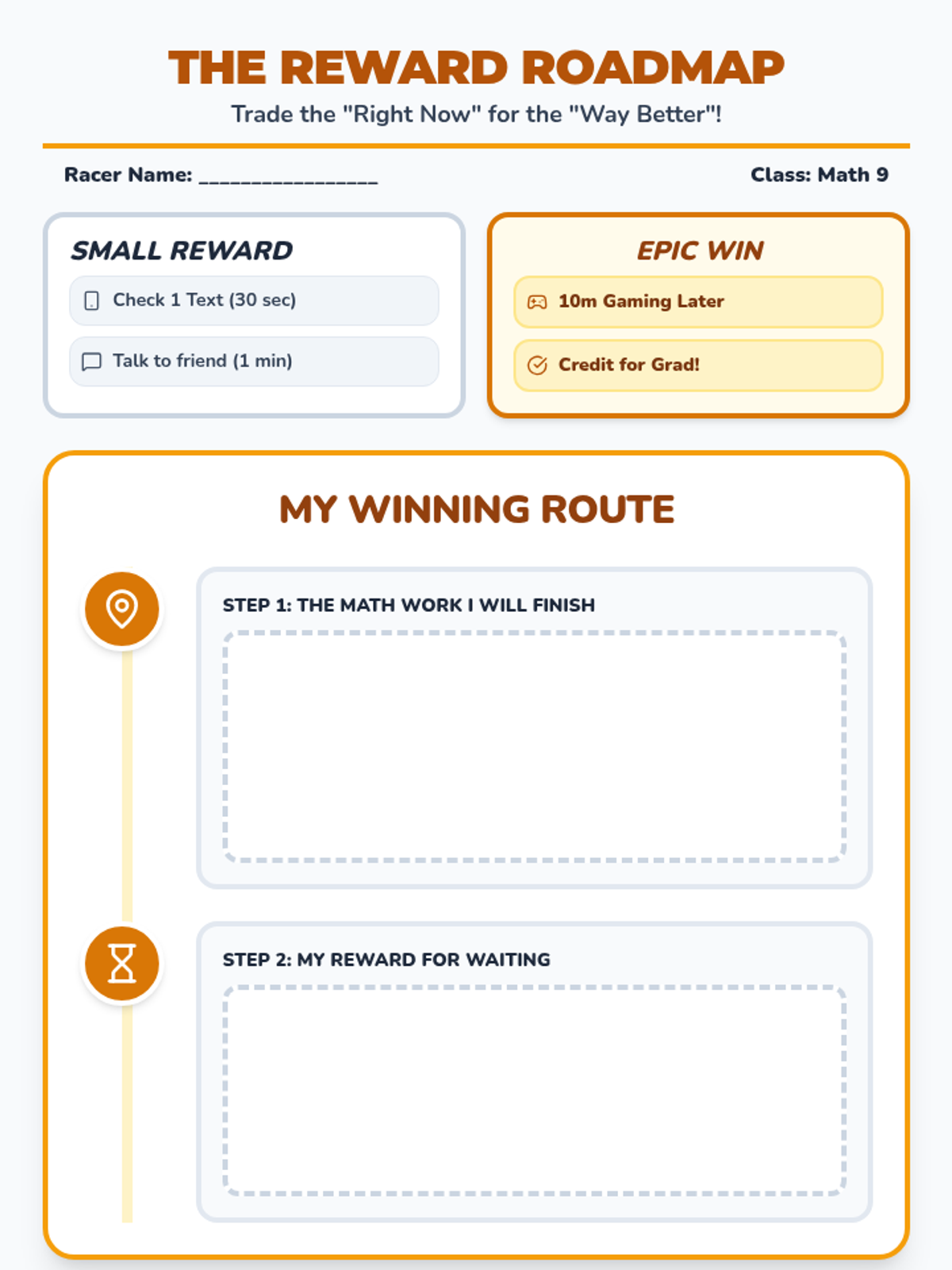
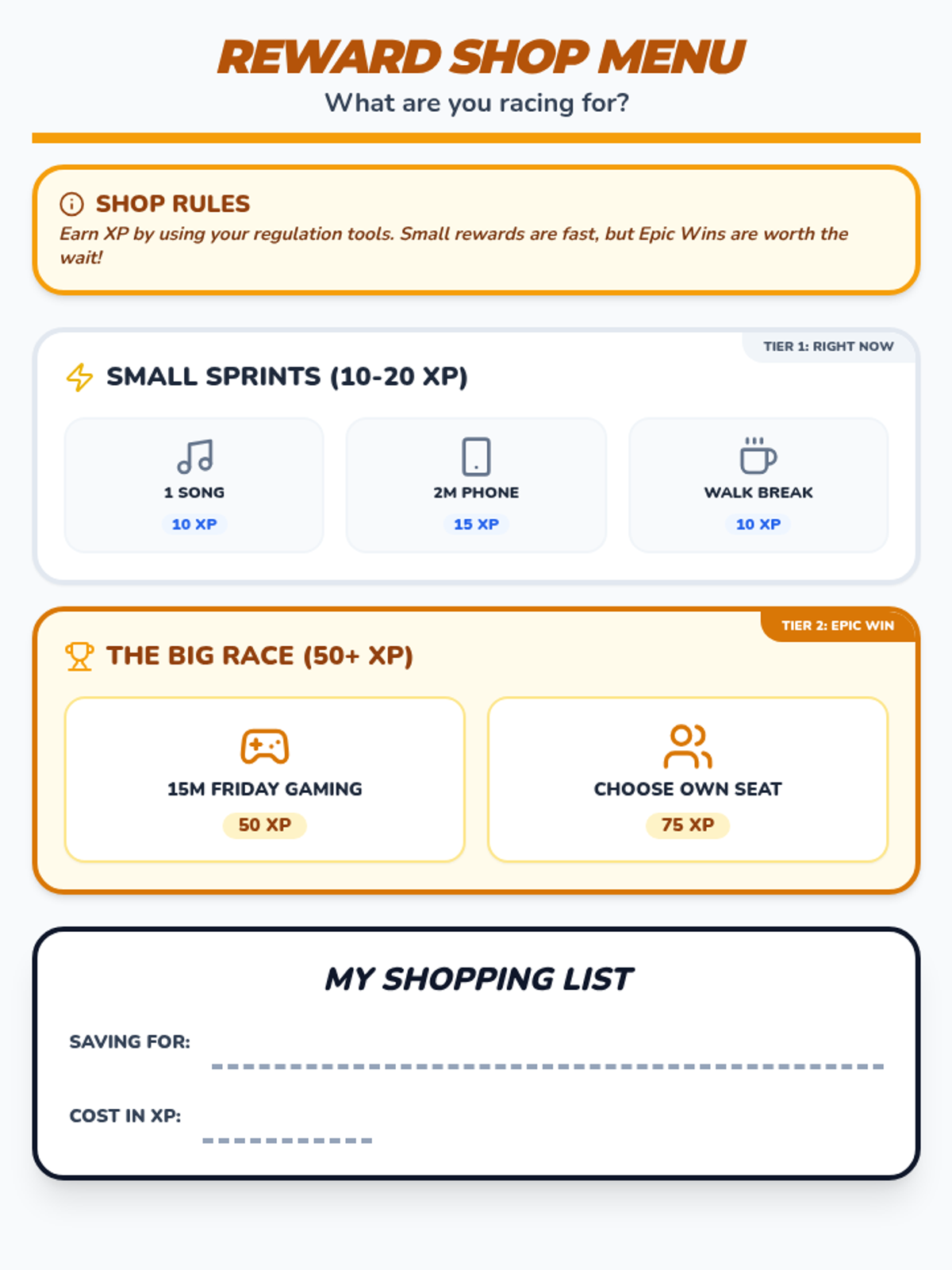
Explores delayed gratification through a 'Reward Roadmap' activity, teaching students to trade immediate distractions for long-term academic success.
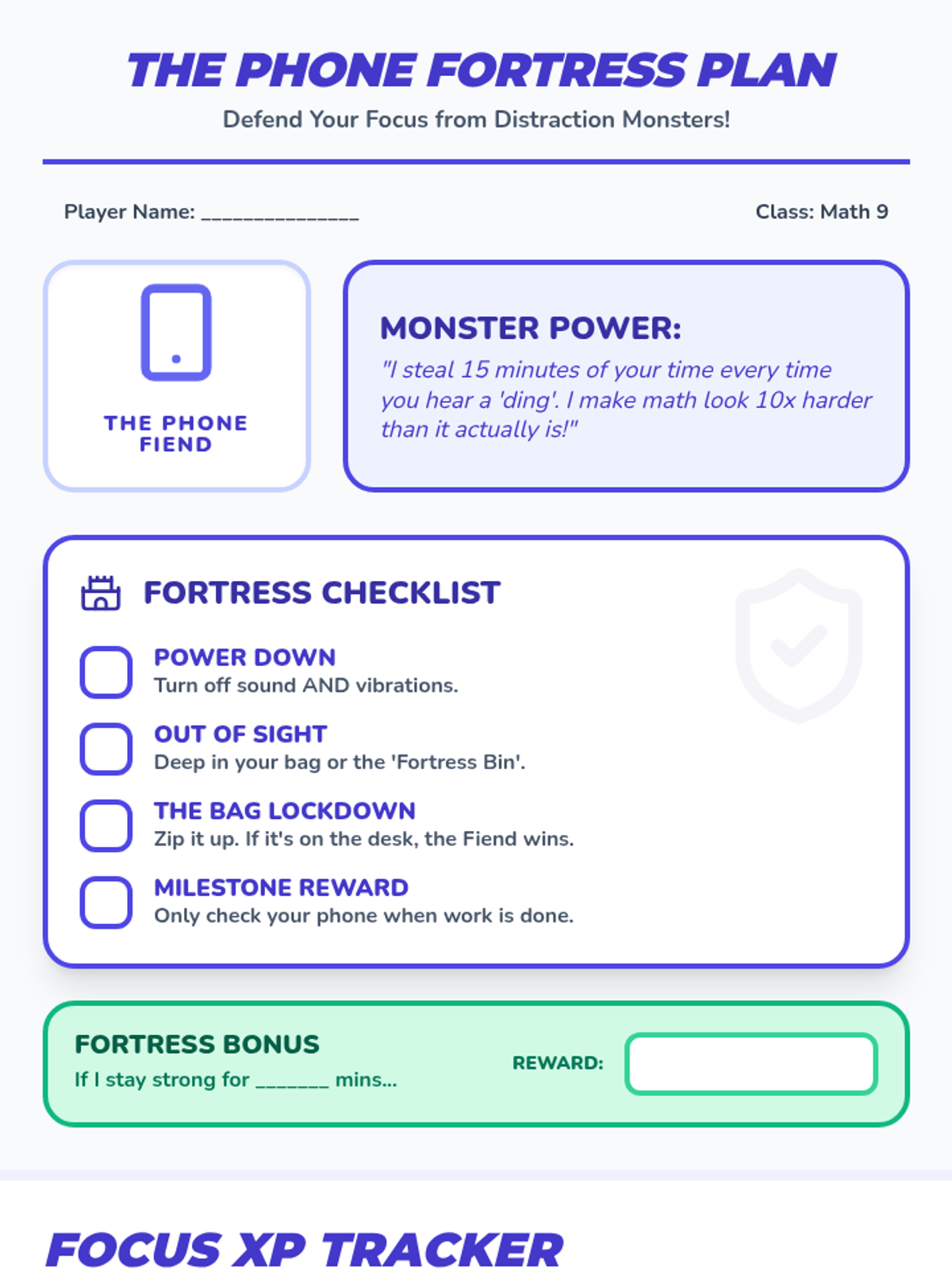
Students identify environmental distractions, specifically phones, and create a 'Phone Fortress' plan using visual checklists to maintain focus.
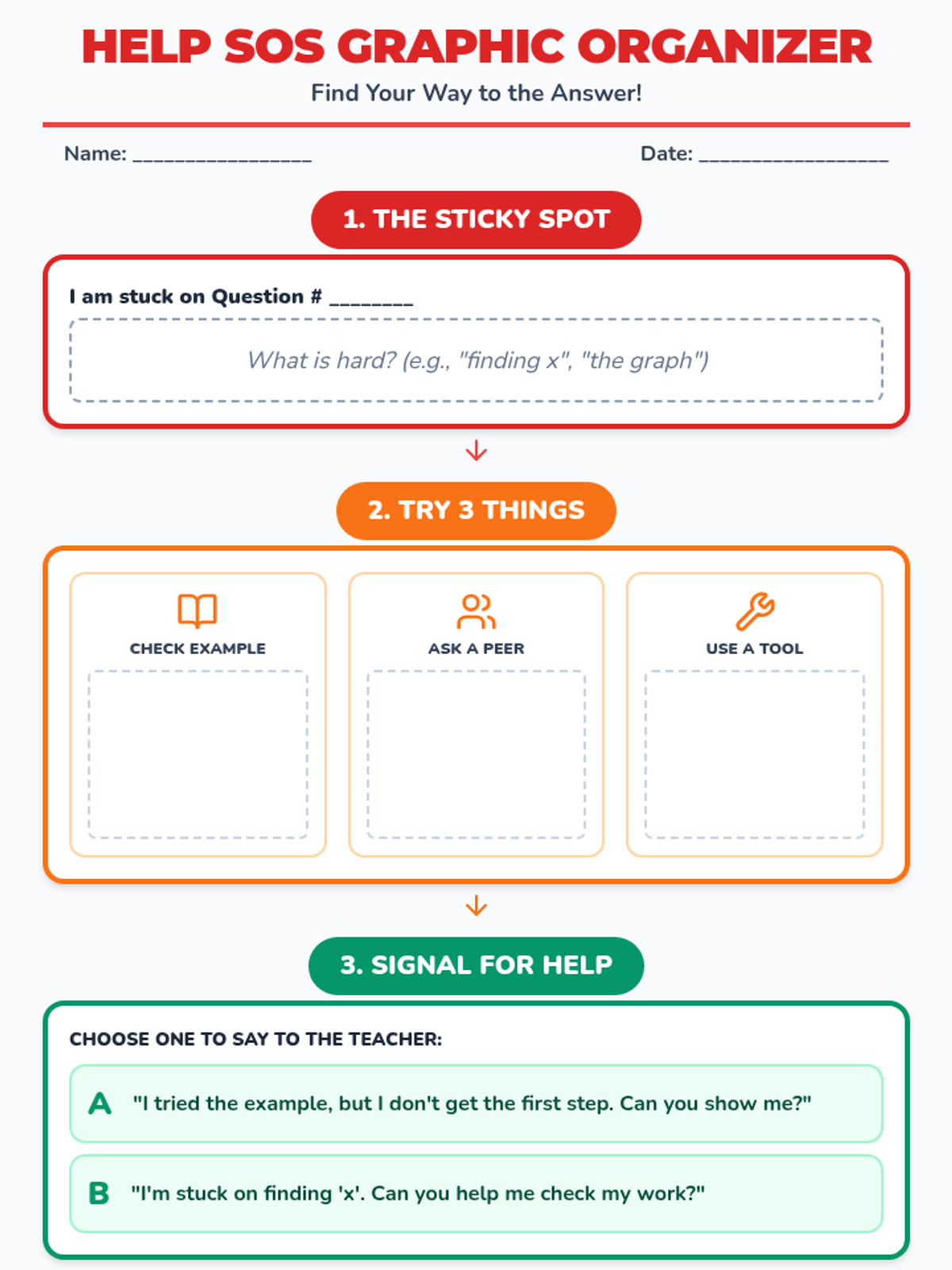
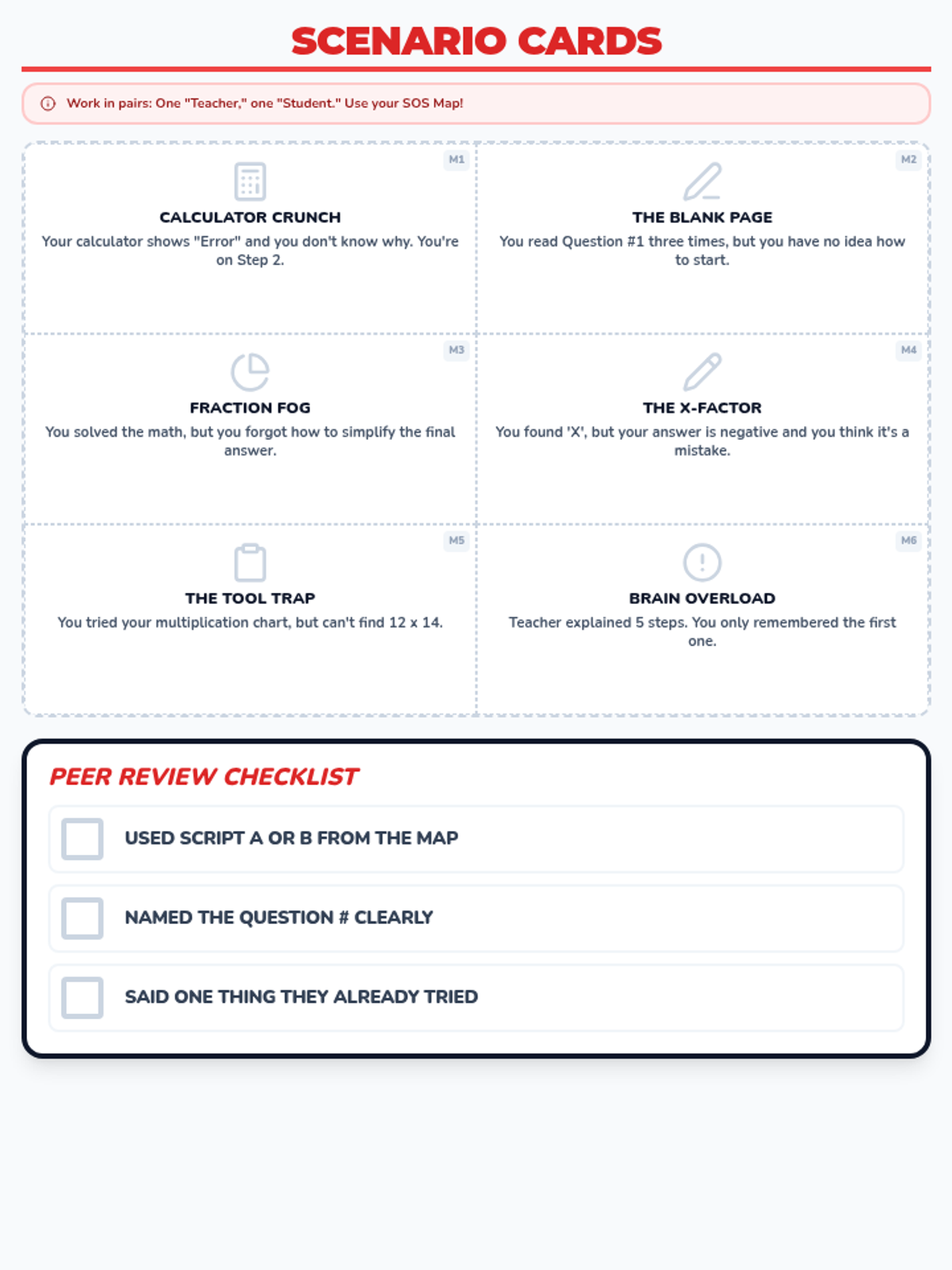
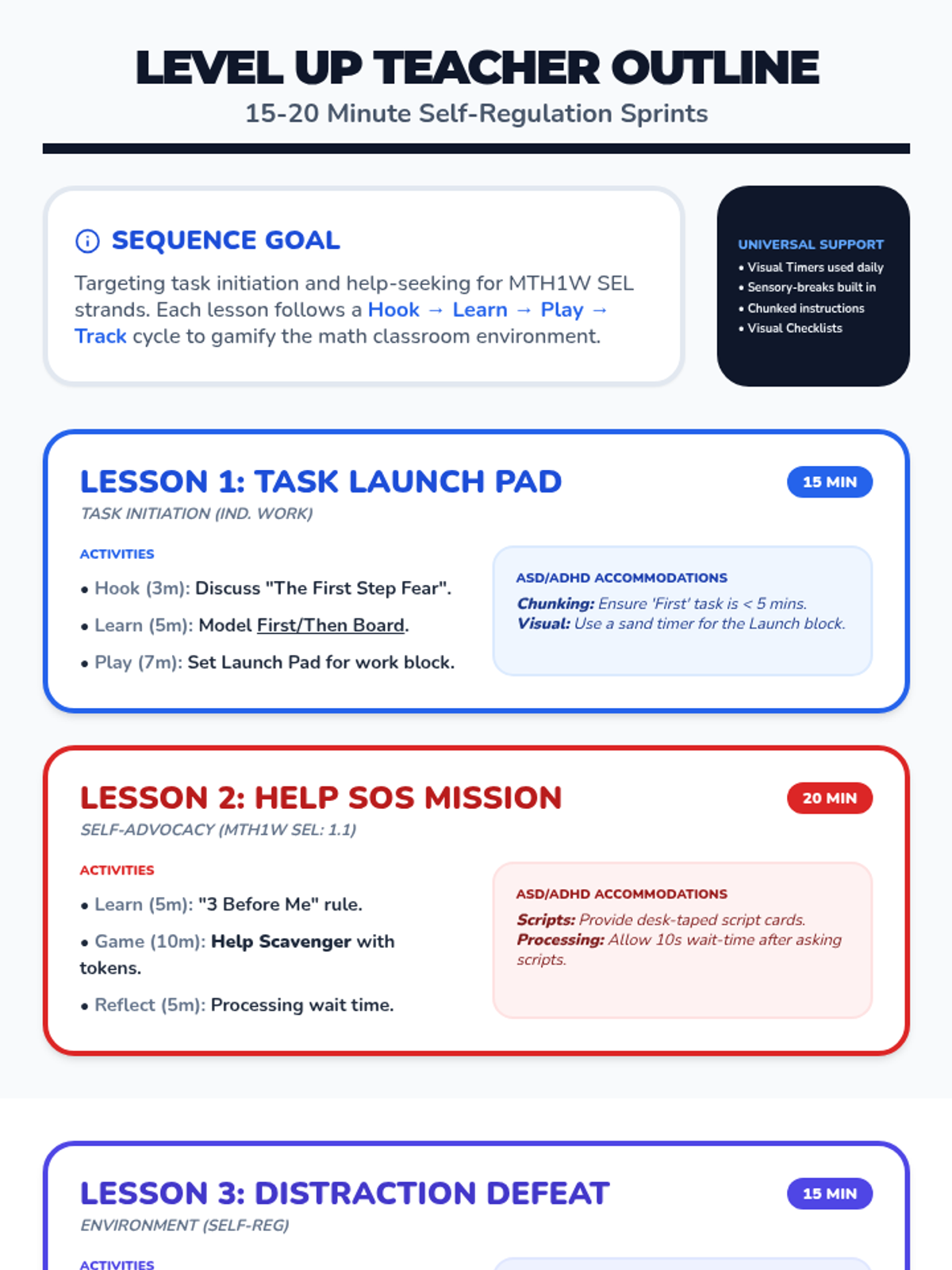
A gamified approach to recognizing when to ask for help and using a structured graphic organizer to communicate specific needs during math problem-solving.
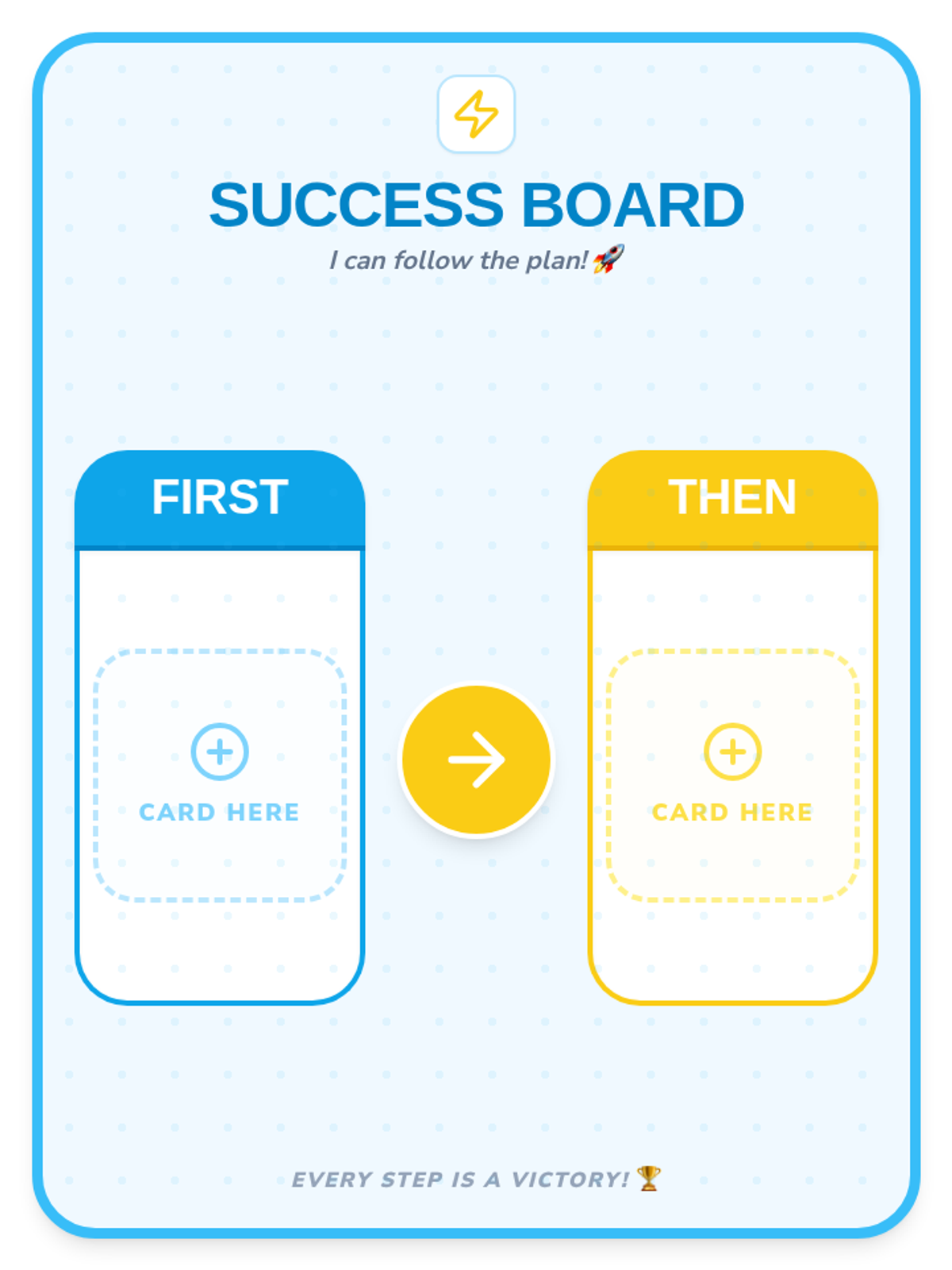
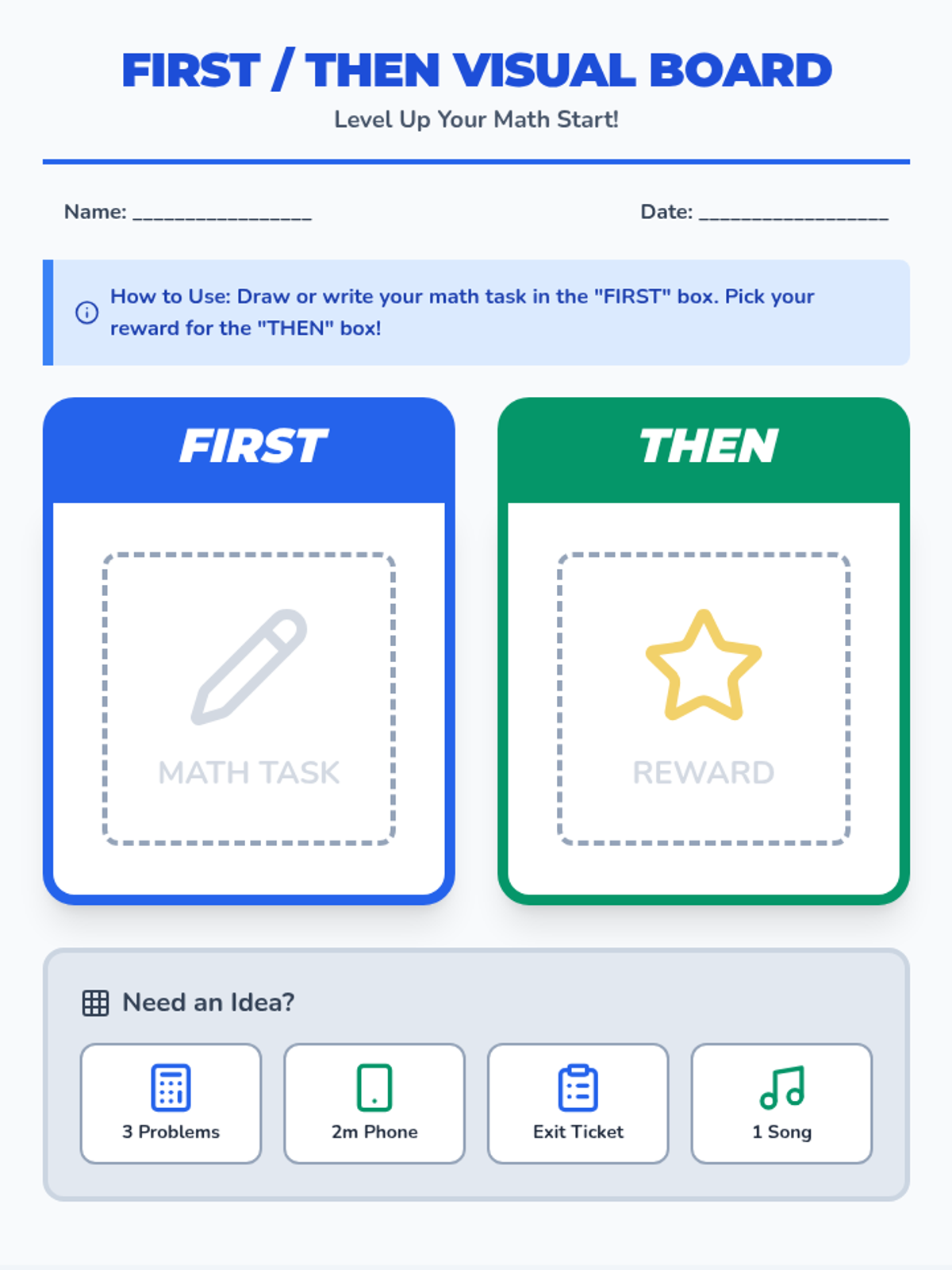
Students learn to use First/Then visual boards and illustrated checklists to overcome task initiation hurdles in math class.
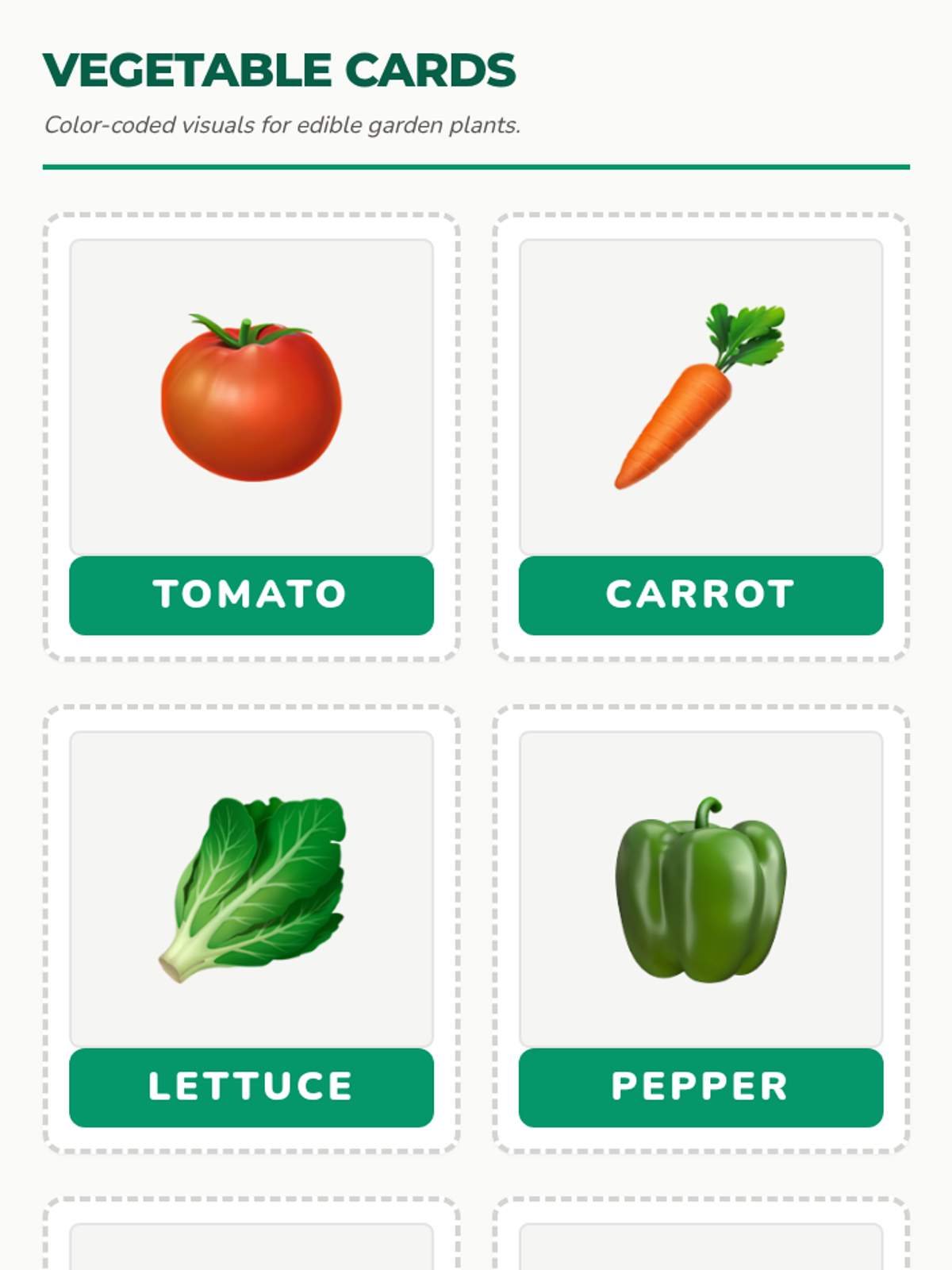
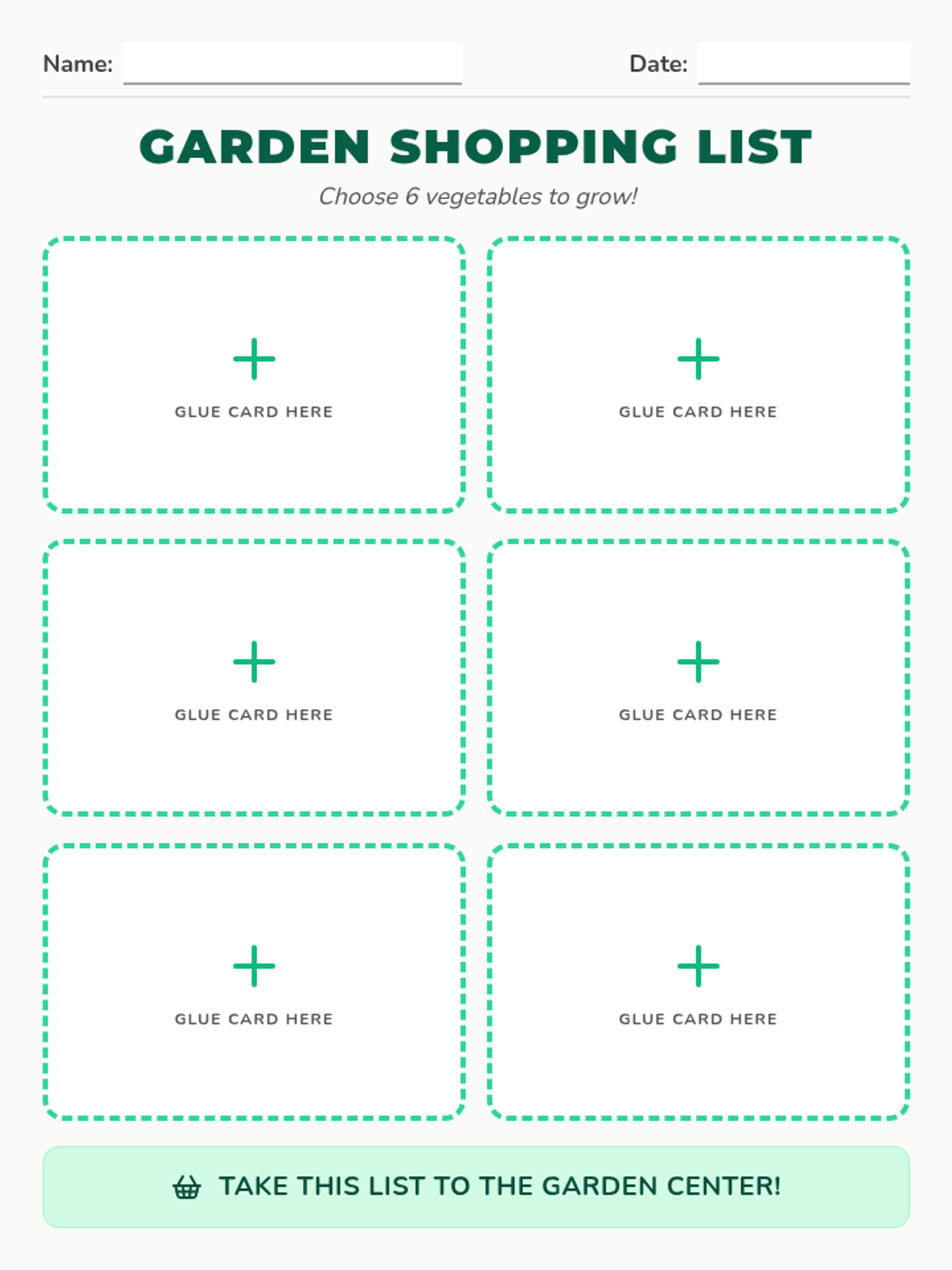
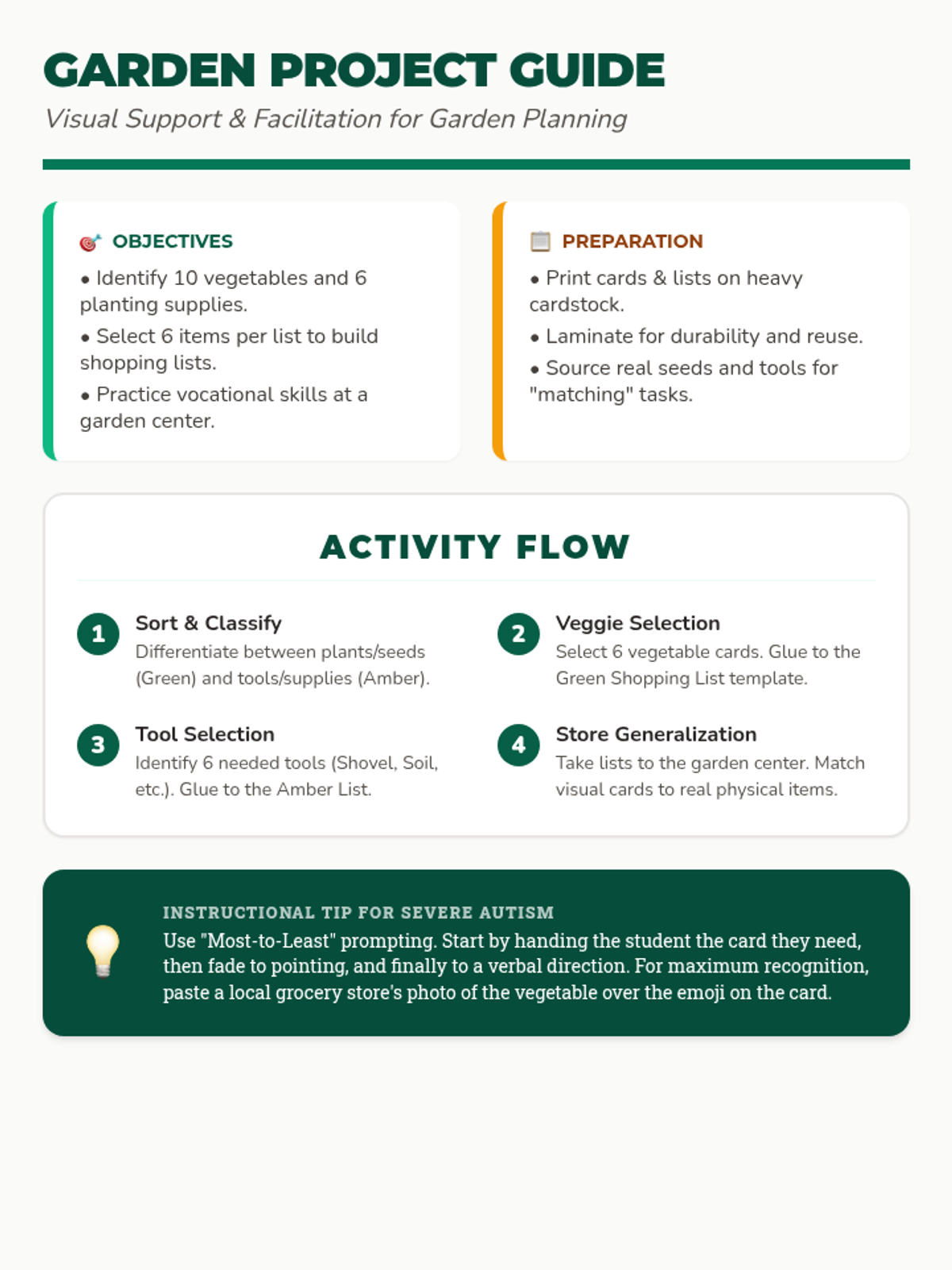
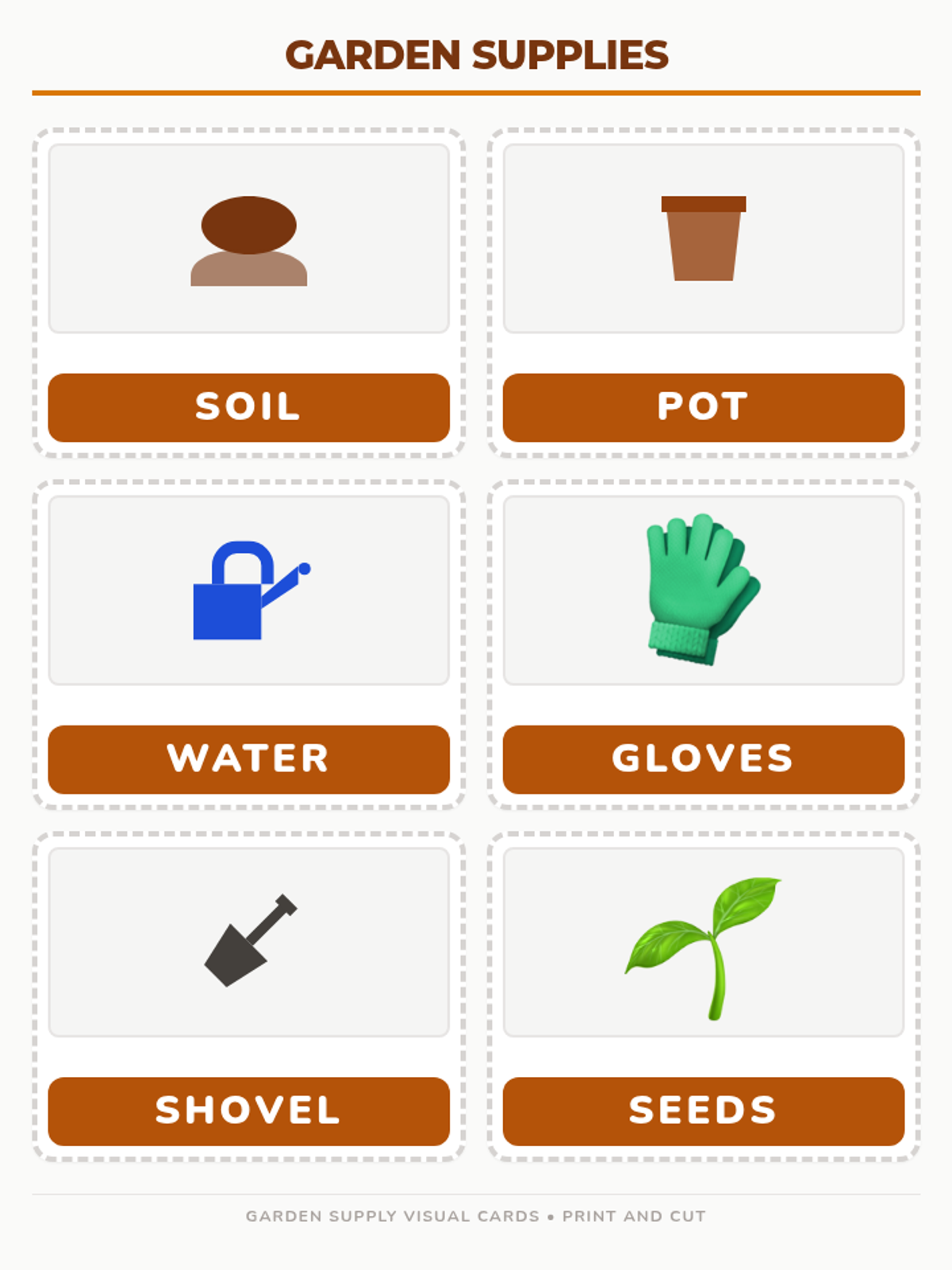
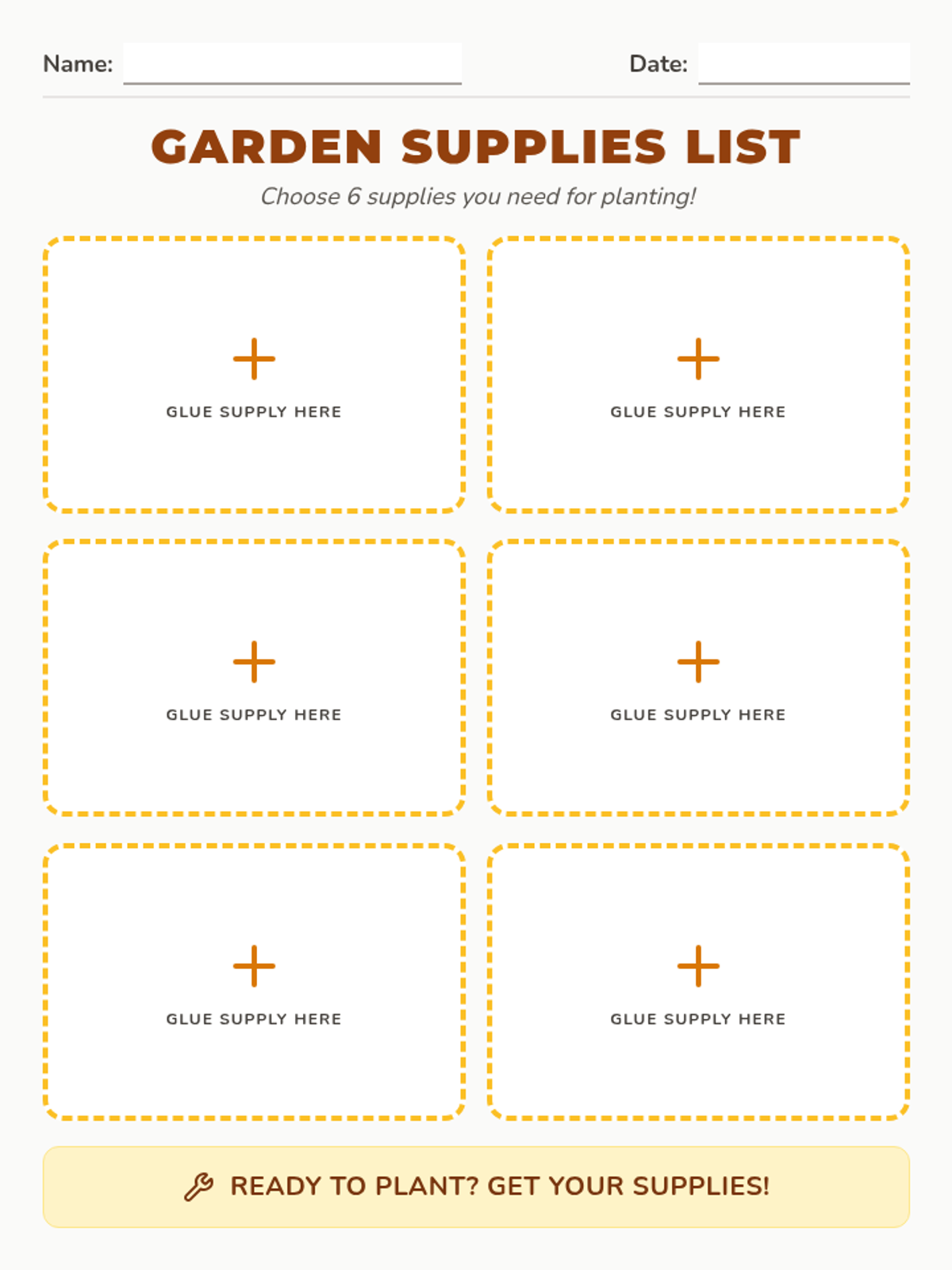
A hands-on activity for students to identify common garden vegetables and prepare a visual shopping list for a gardening project. This lesson focuses on visual recognition and functional life skills.
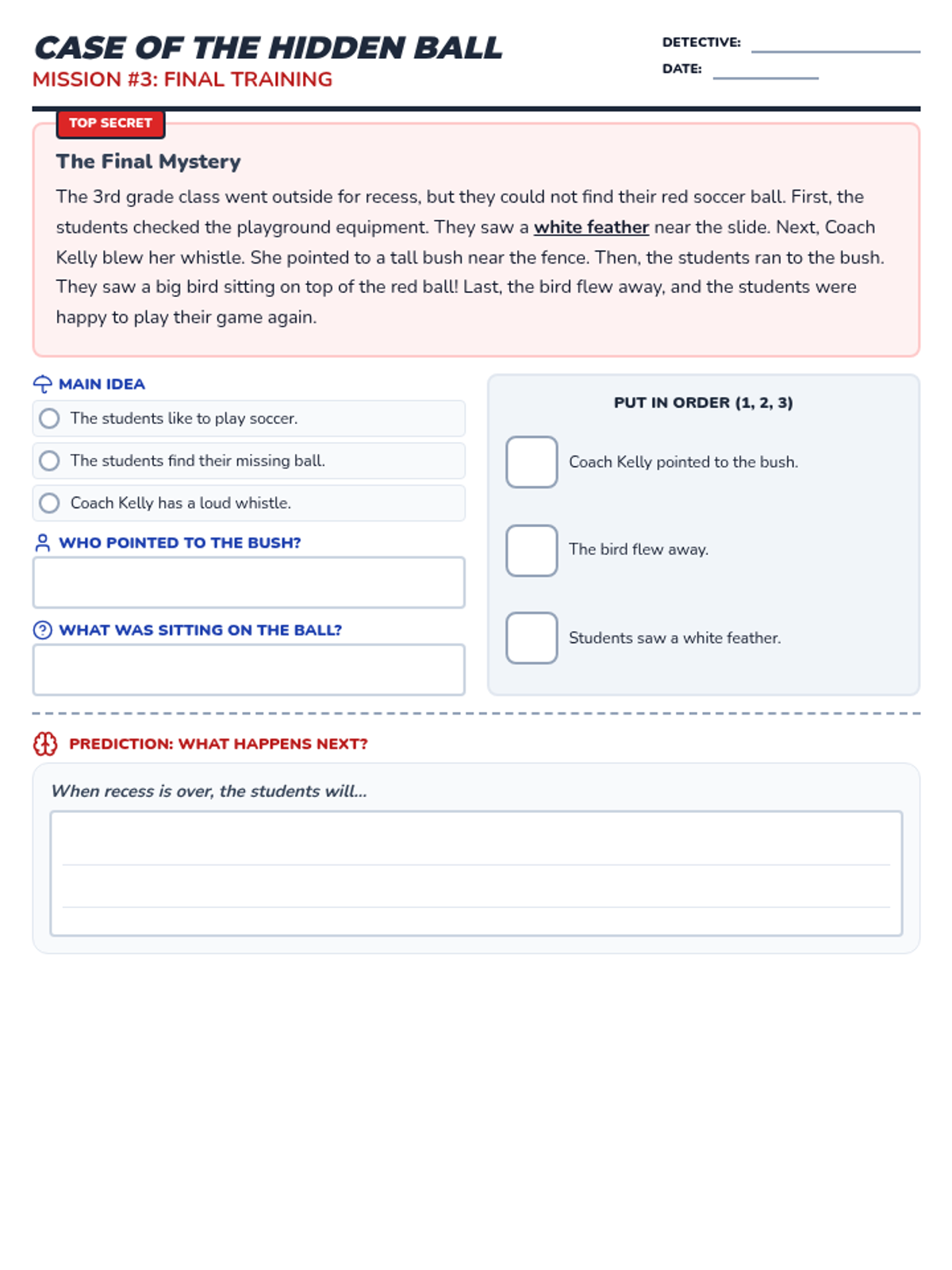
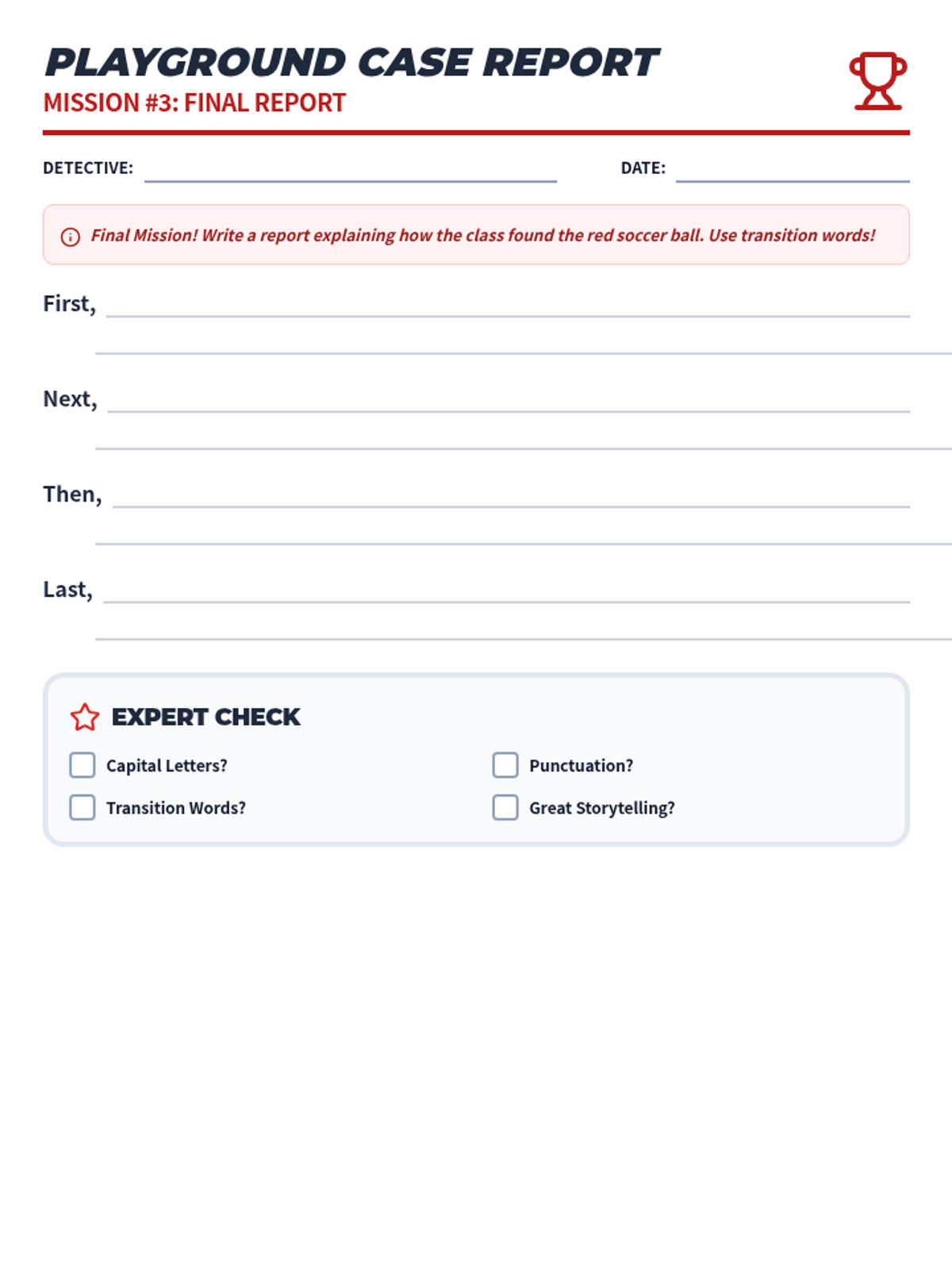
The final training mission, where students apply all their skills to solve the Case of the Hidden Playground Ball.
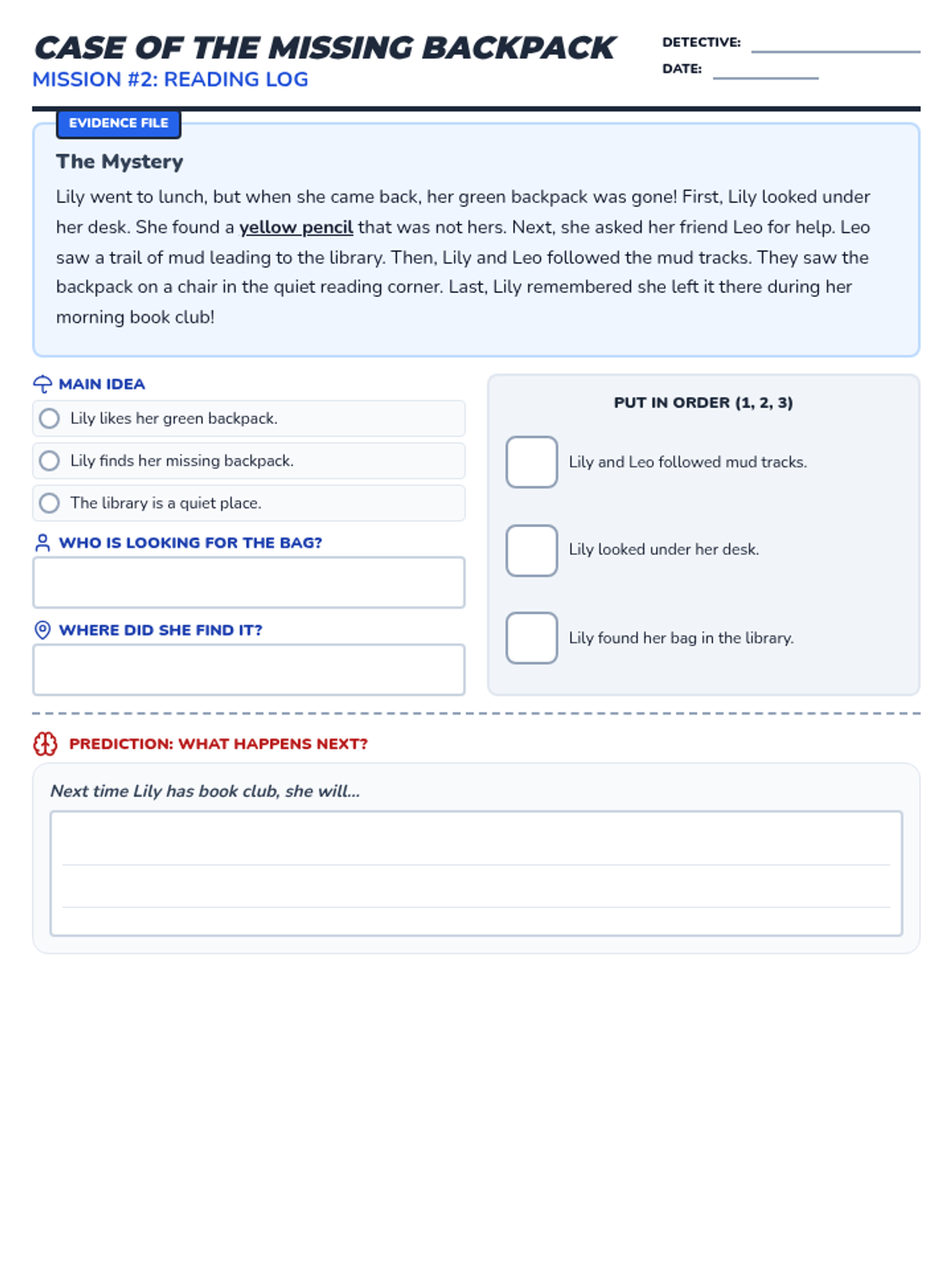
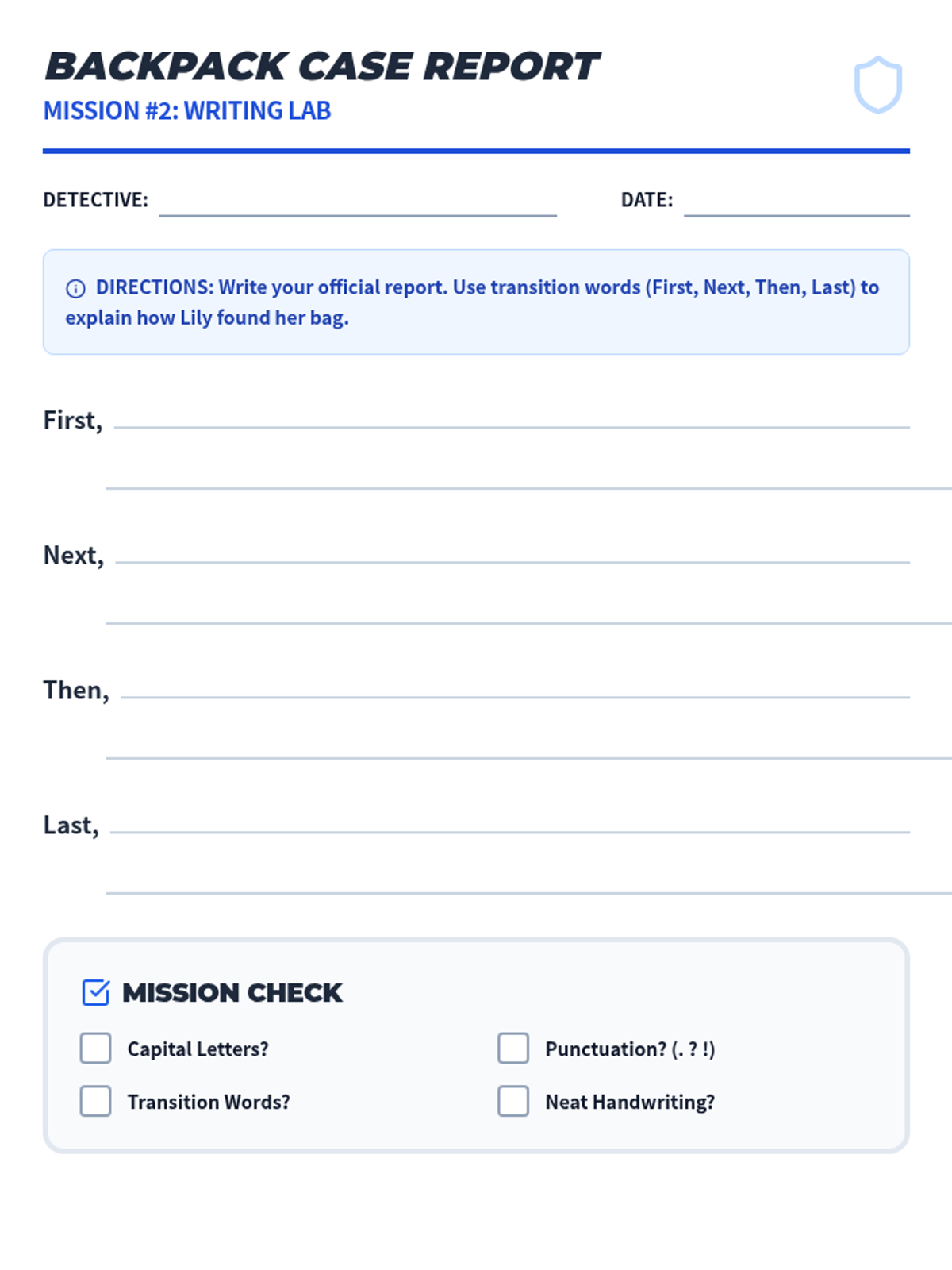
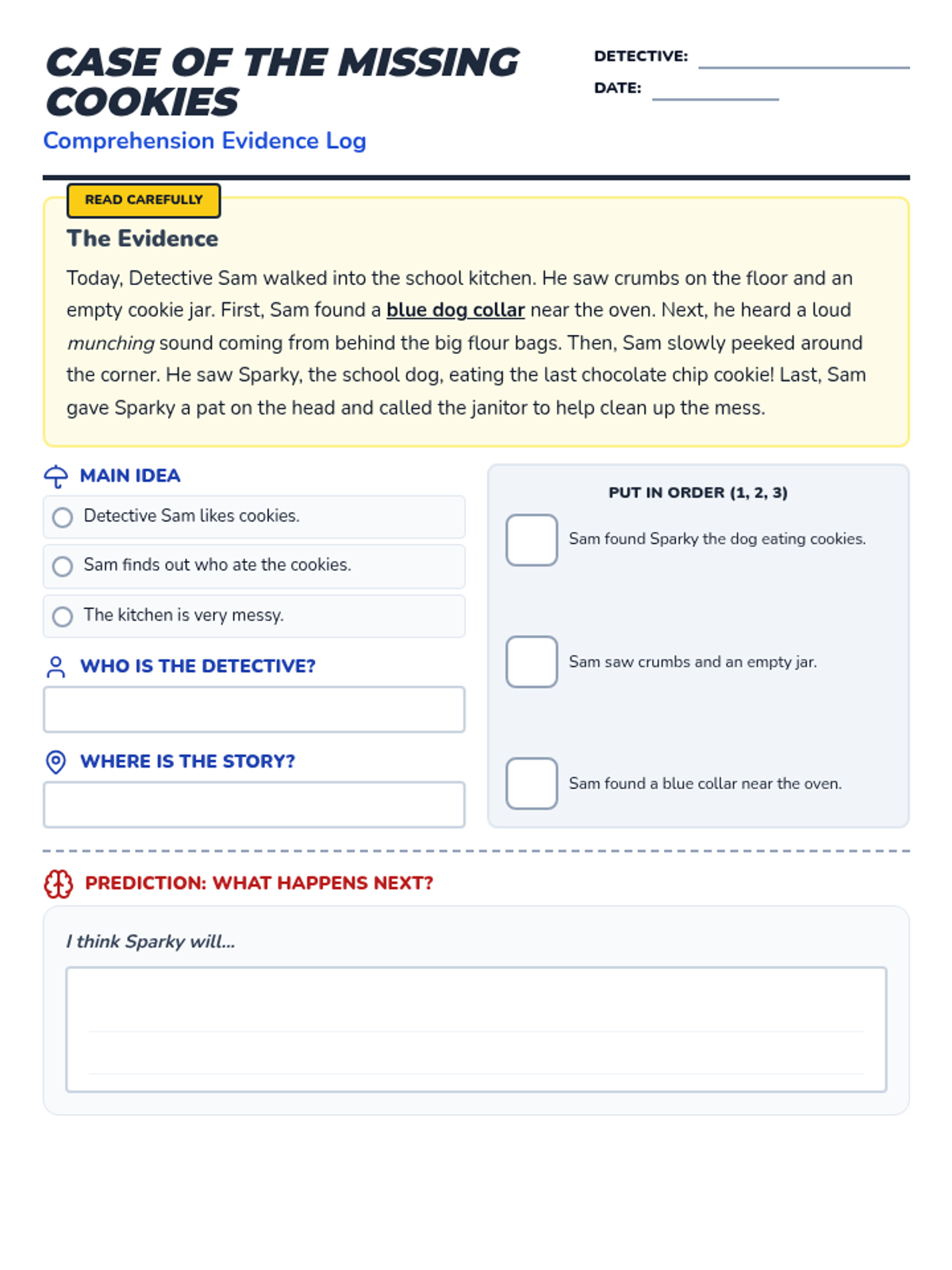
The second mission in the Detective Academy, focused on identifying character motives and sequencing events in the Case of the Missing Backpack.
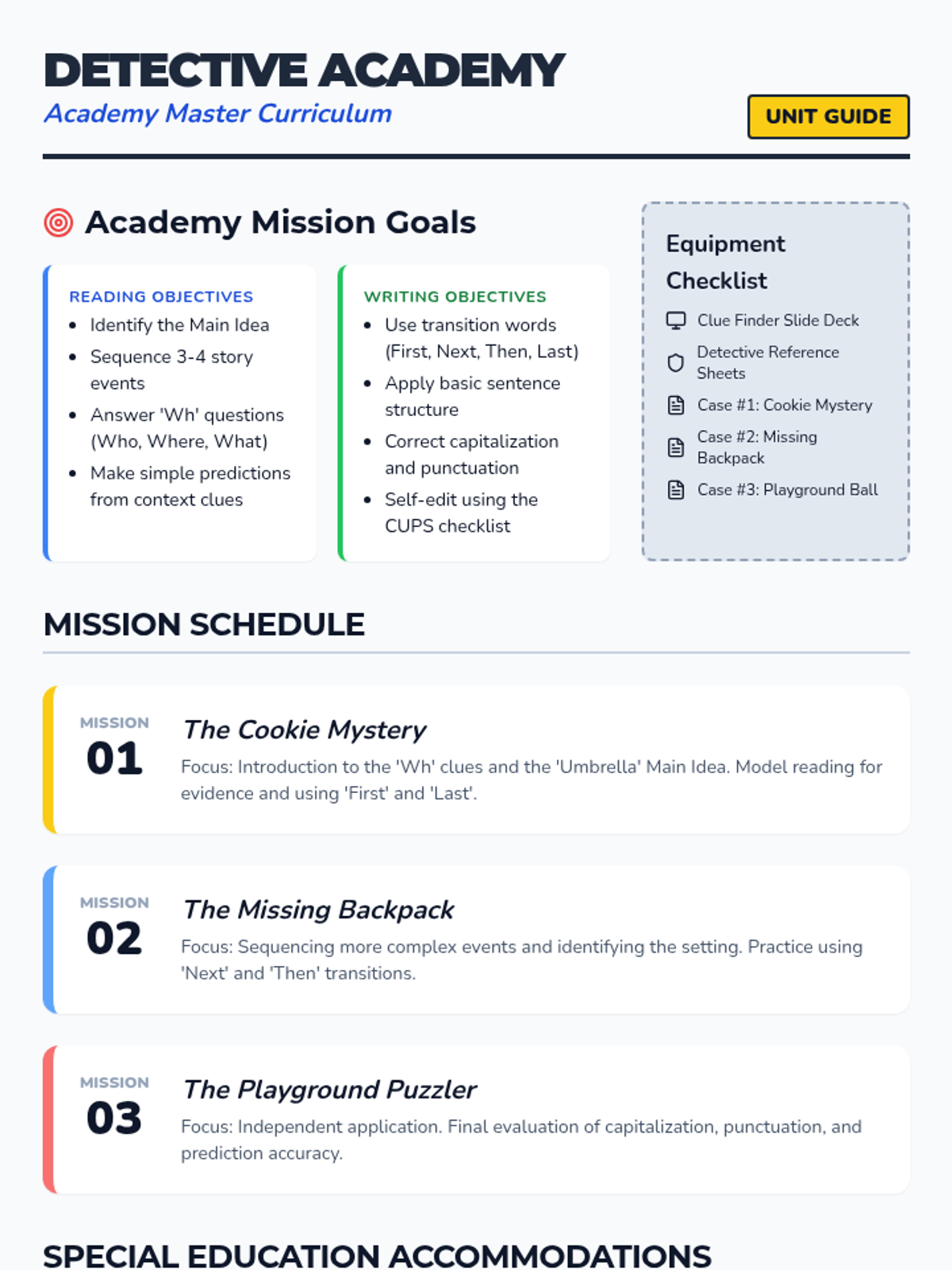
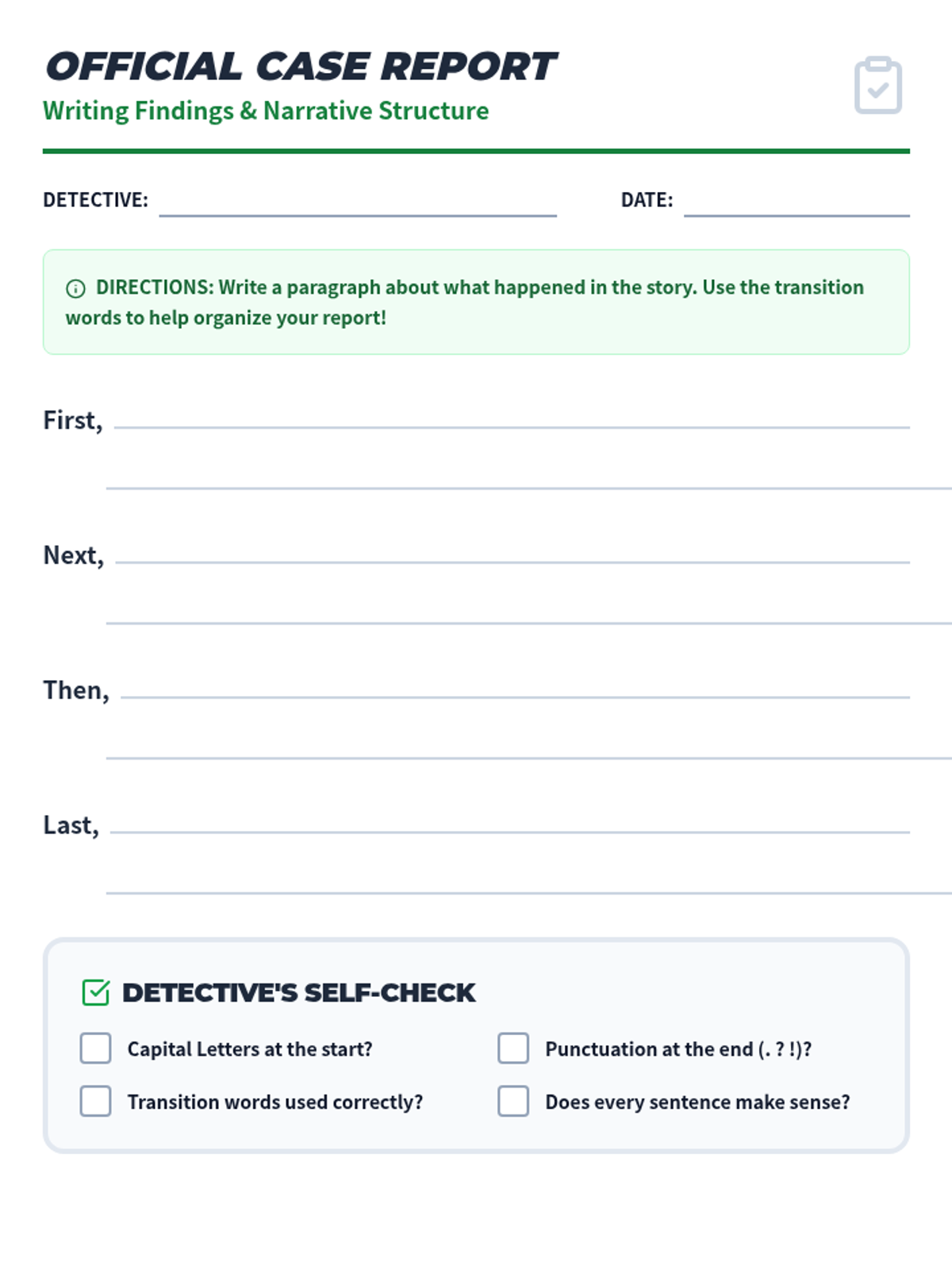
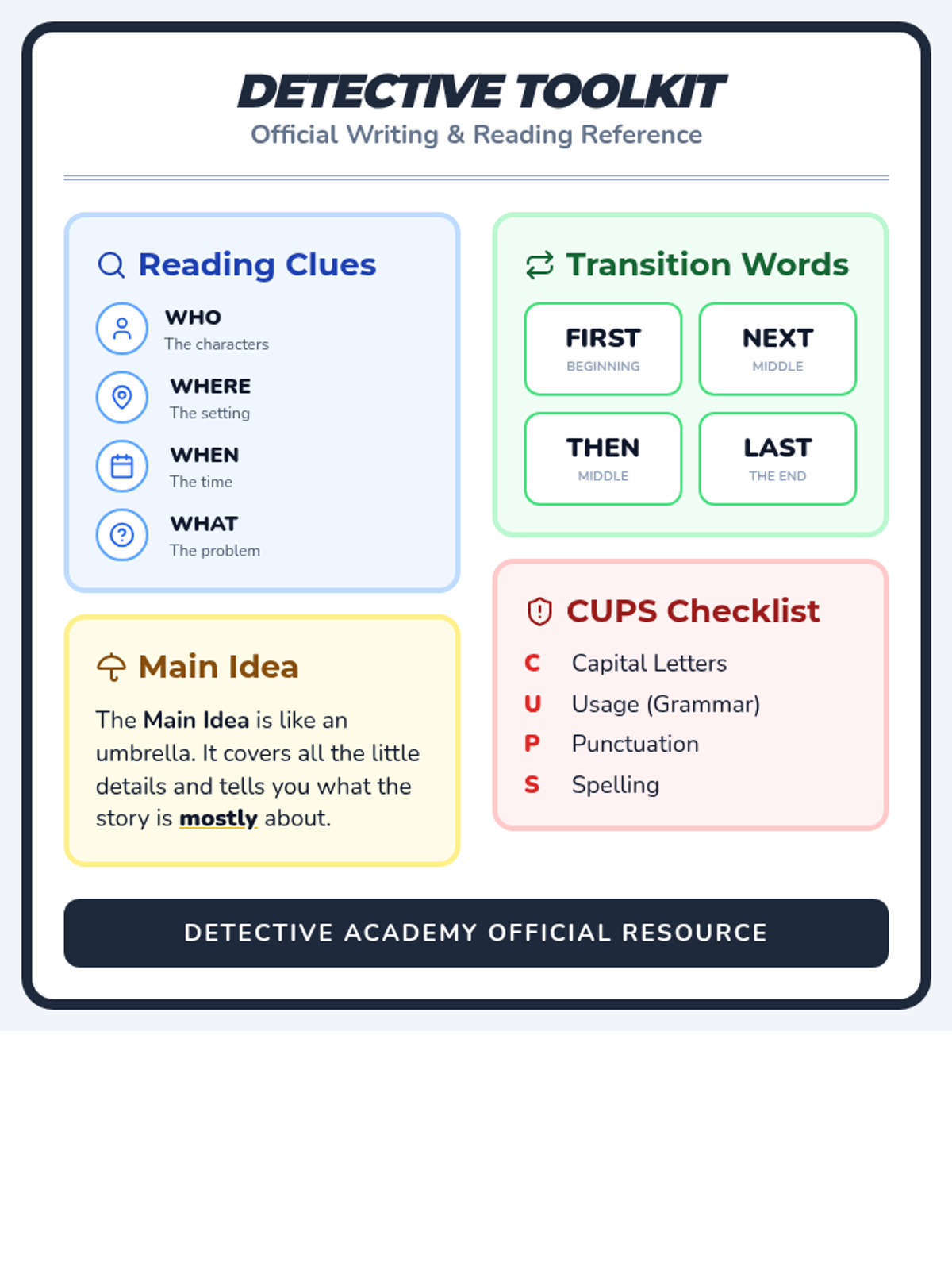
A comprehensive literacy lesson for 3rd-grade IEP students using a 'Detective Academy' theme to master sentence structure, paragraph building, and reading comprehension strategies.
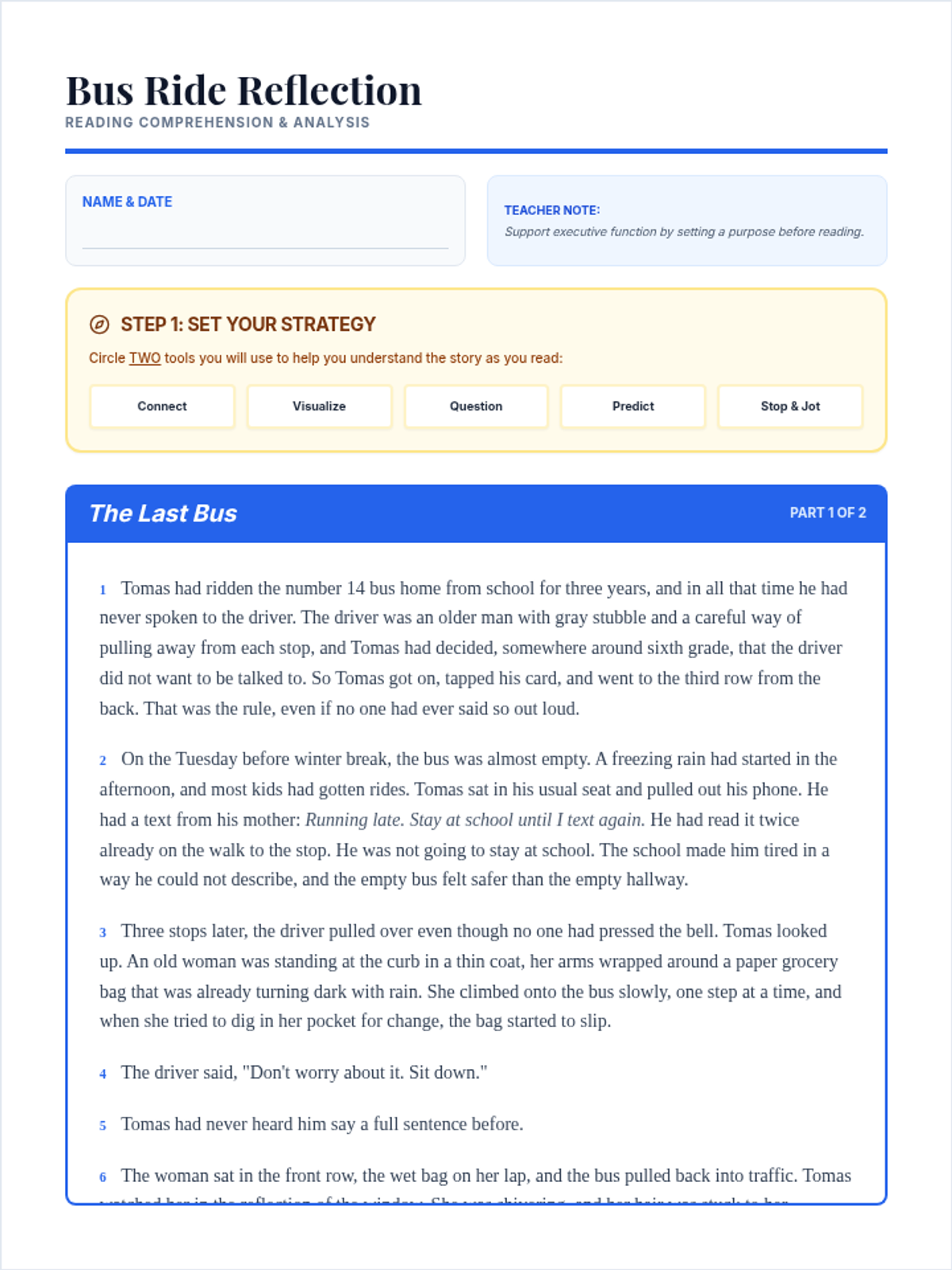
A reading comprehension assessment centered on the story 'The Last Bus', featuring scaffolded graphic organizers to support executive function and inferential thinking.
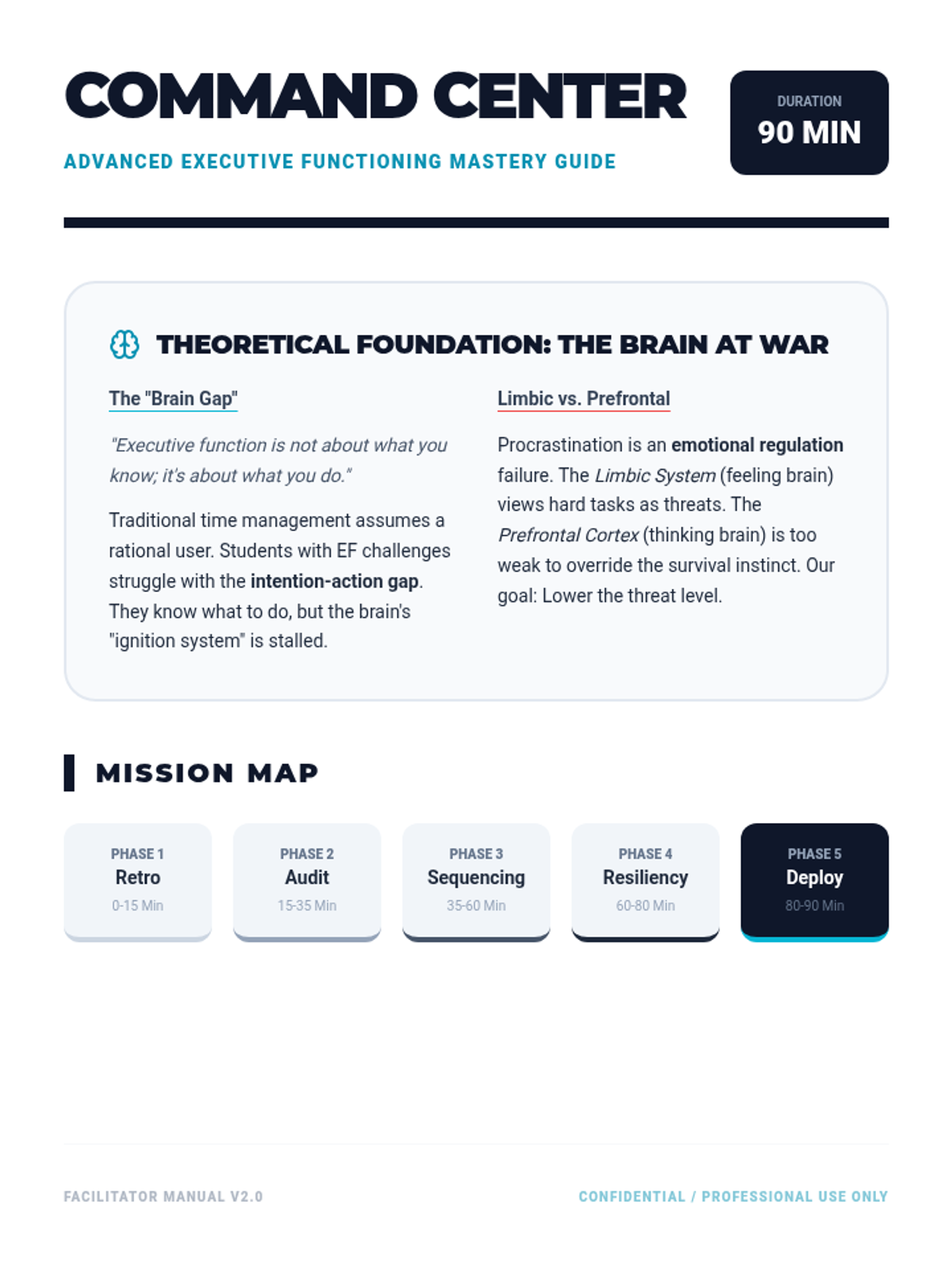
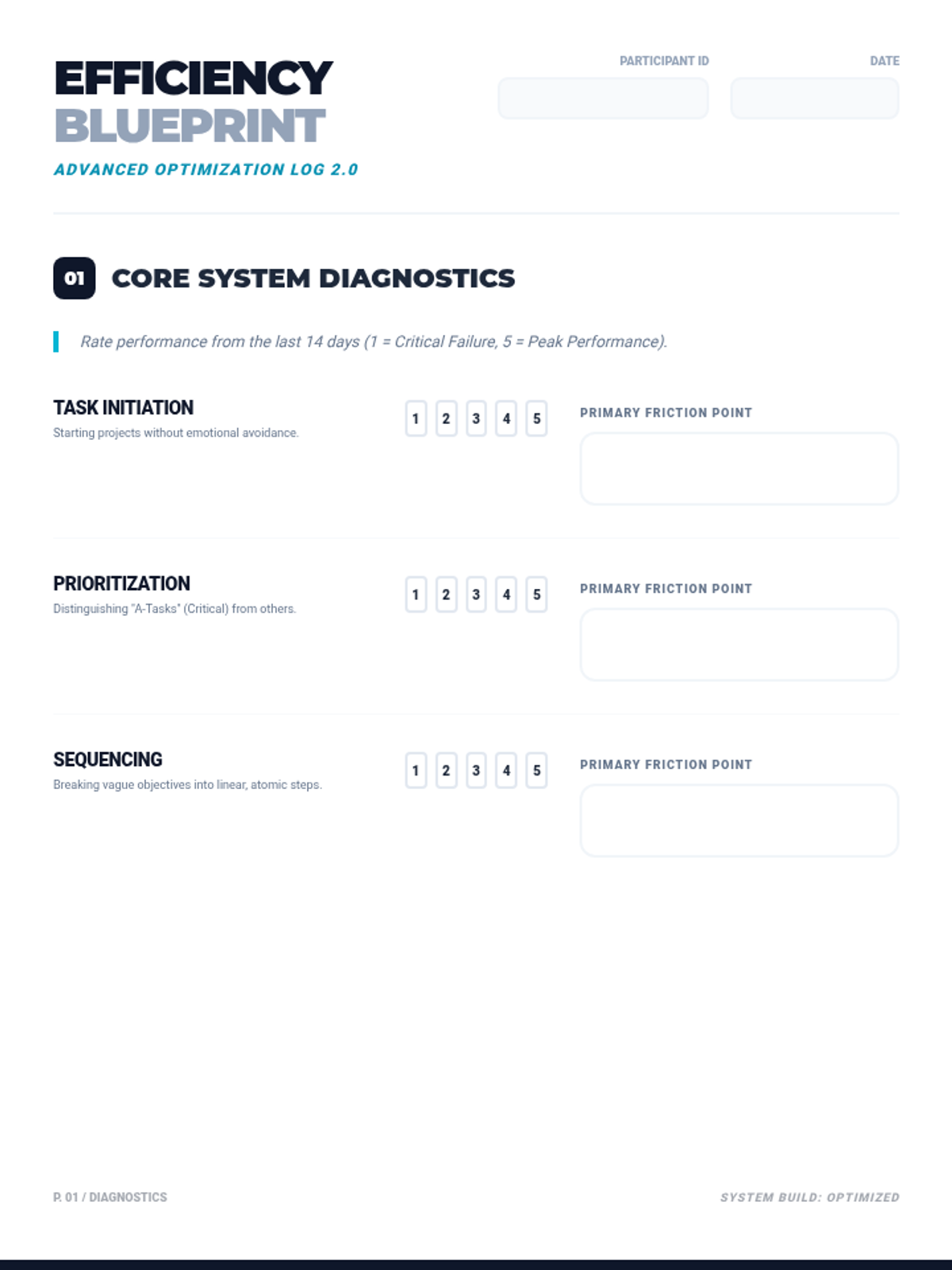
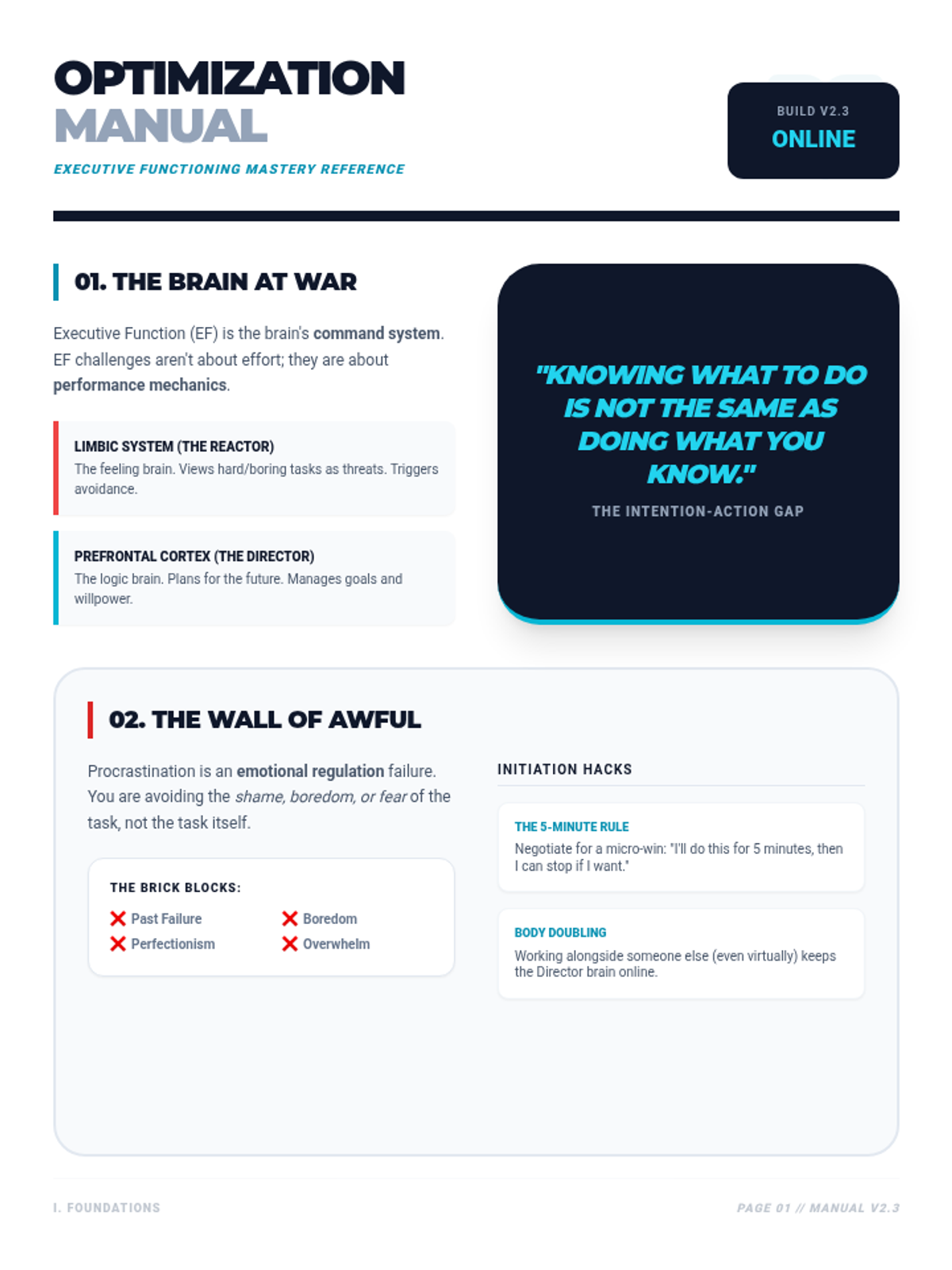
A 90-minute capstone session focused on synthesizing executive functioning skills, troubleshooting personal workflows, and creating a long-term optimization plan.
A comprehensive developmental activity booklet for lower elementary students themed around Mother's Day. It focuses on occupational therapy goals including visual-perceptual skills, fine motor precision, cutting, and pre-writing strokes.
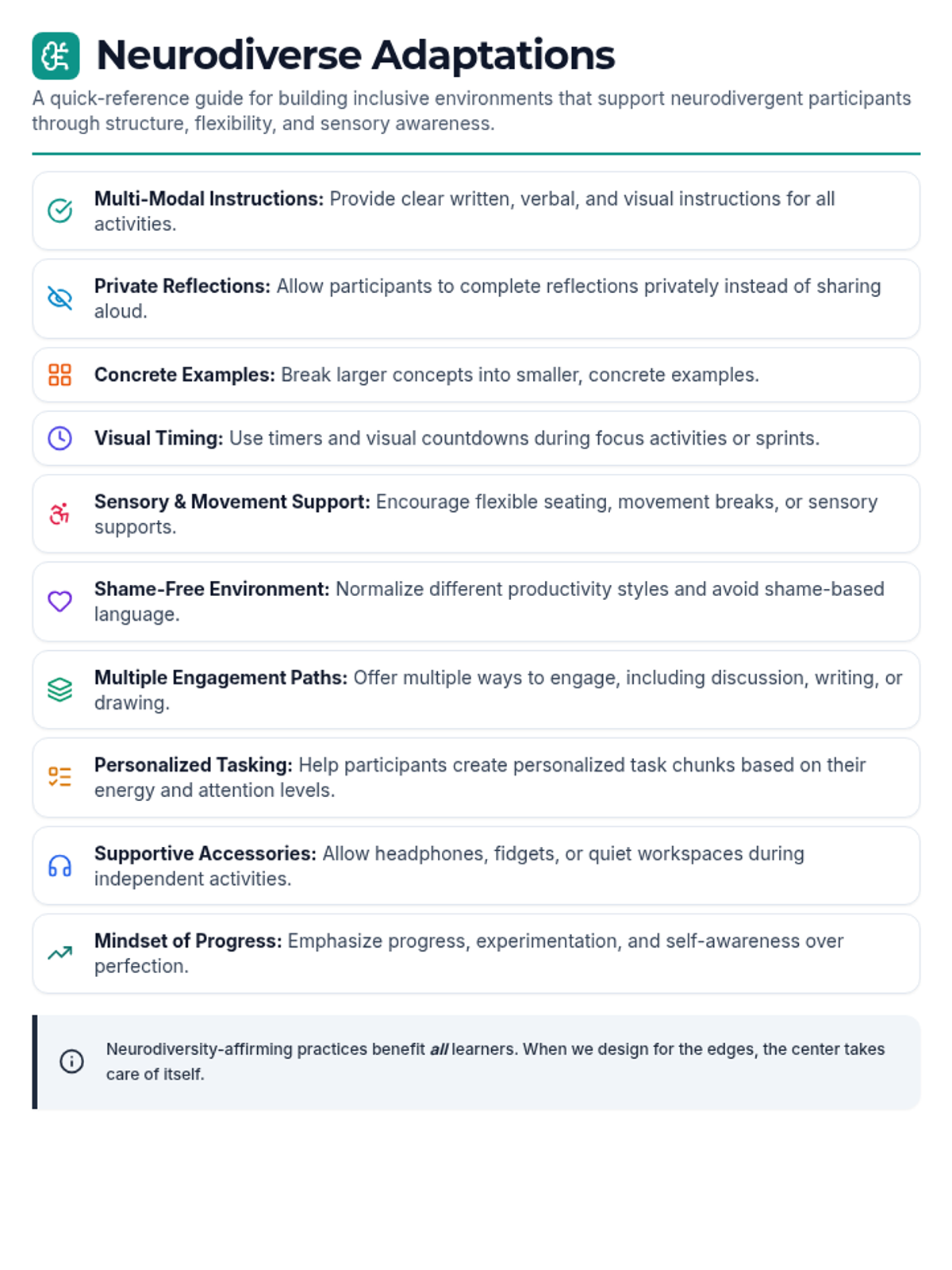
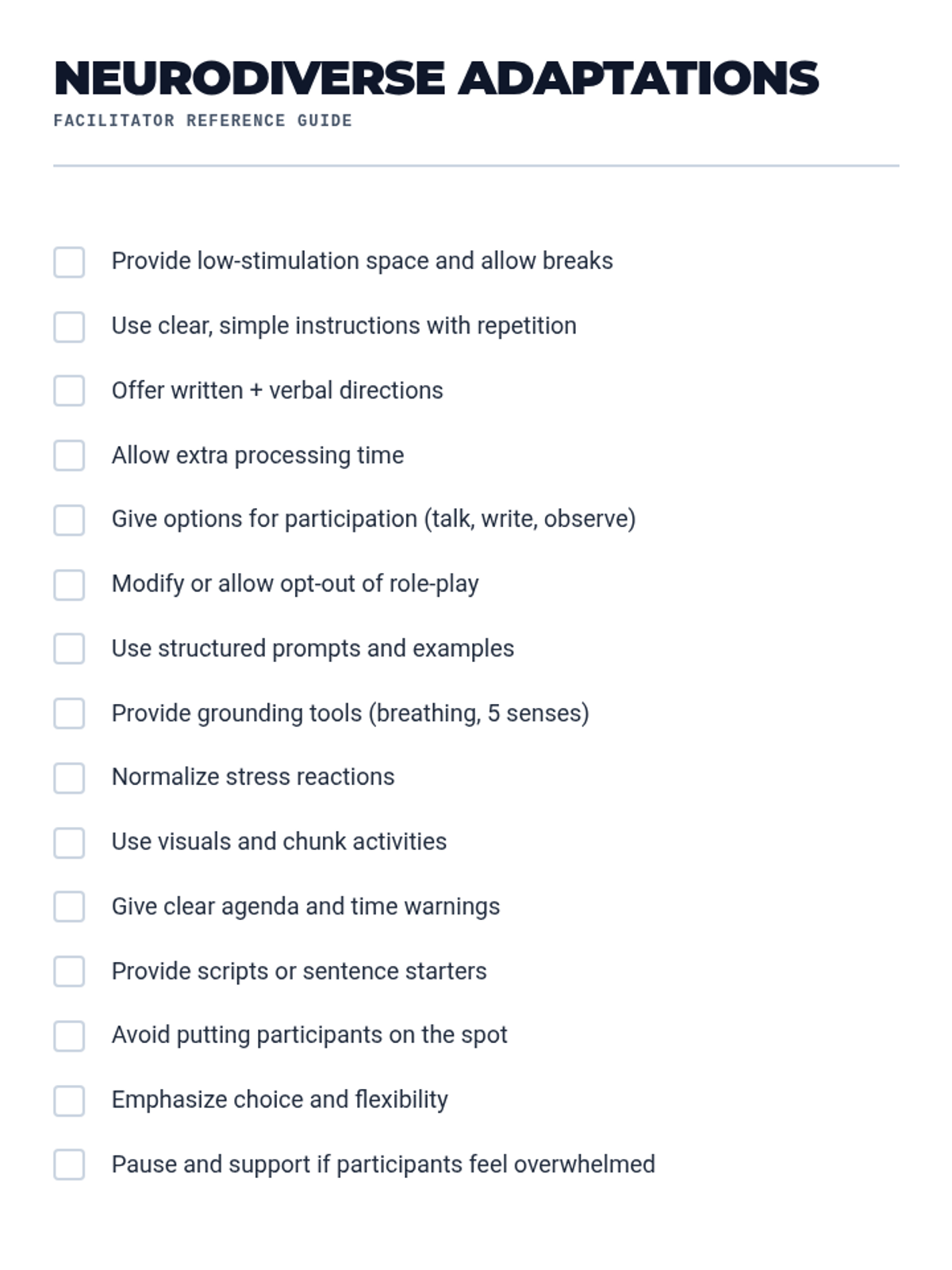
A foundational guide for facilitators to create inclusive, neurodiverse-friendly environments through practical adaptations and mindful language.
A 10-page developmental activity booklet for lower elementary students, focusing on occupational therapy goals like visual-perceptual skills, fine motor precision, cutting, and pre-writing strokes themed around May flowers, bees, and butterflies.
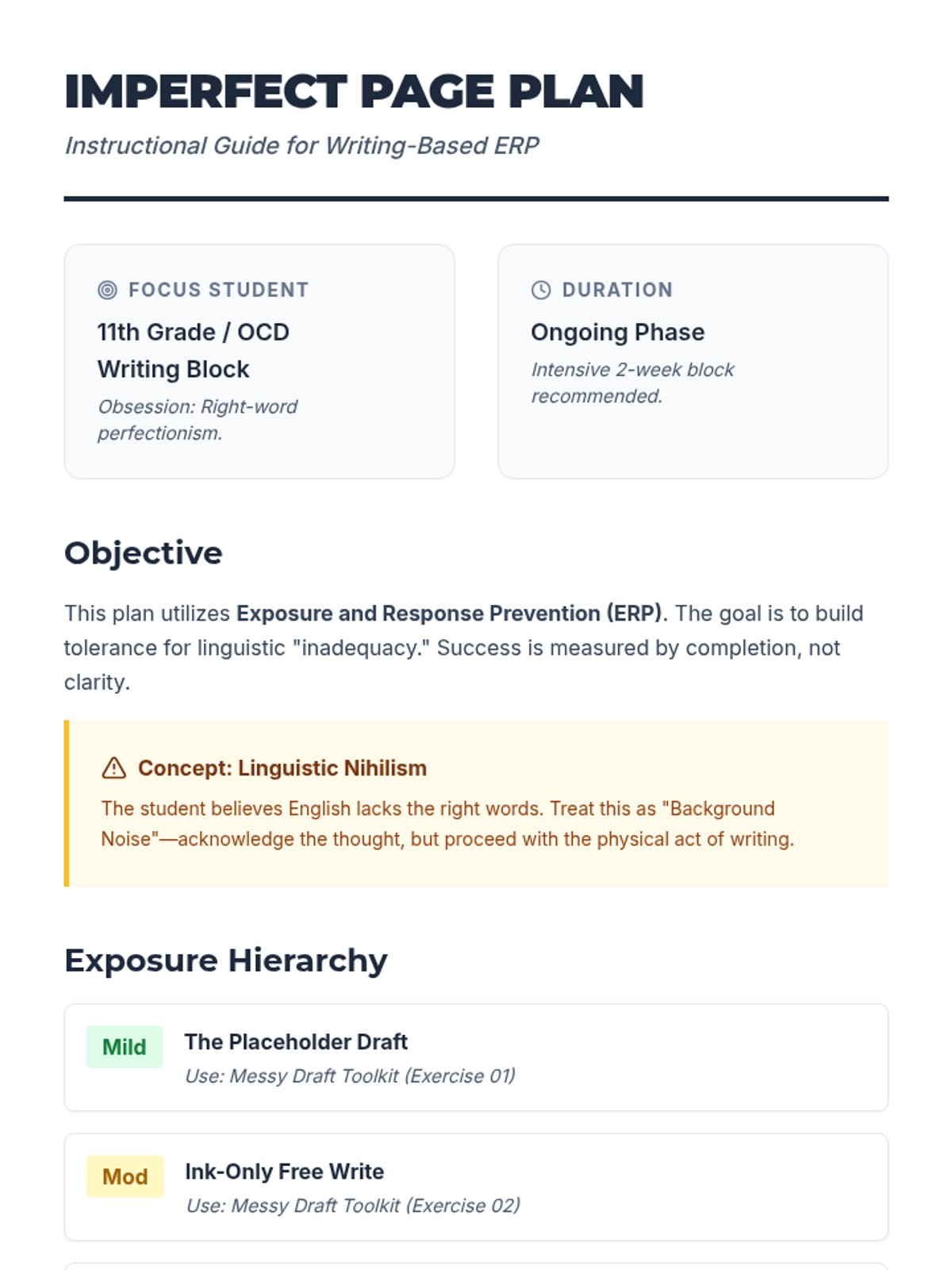
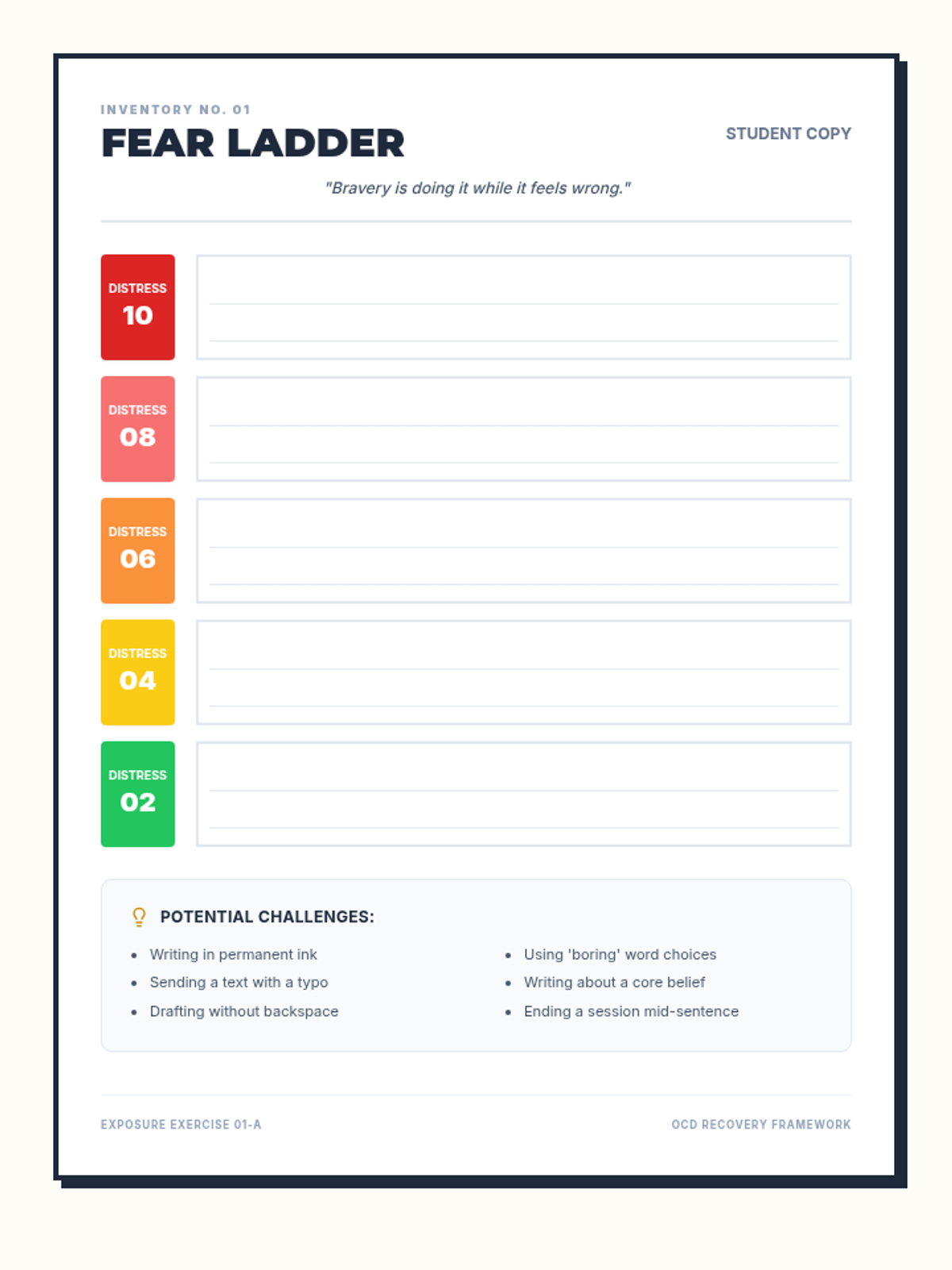
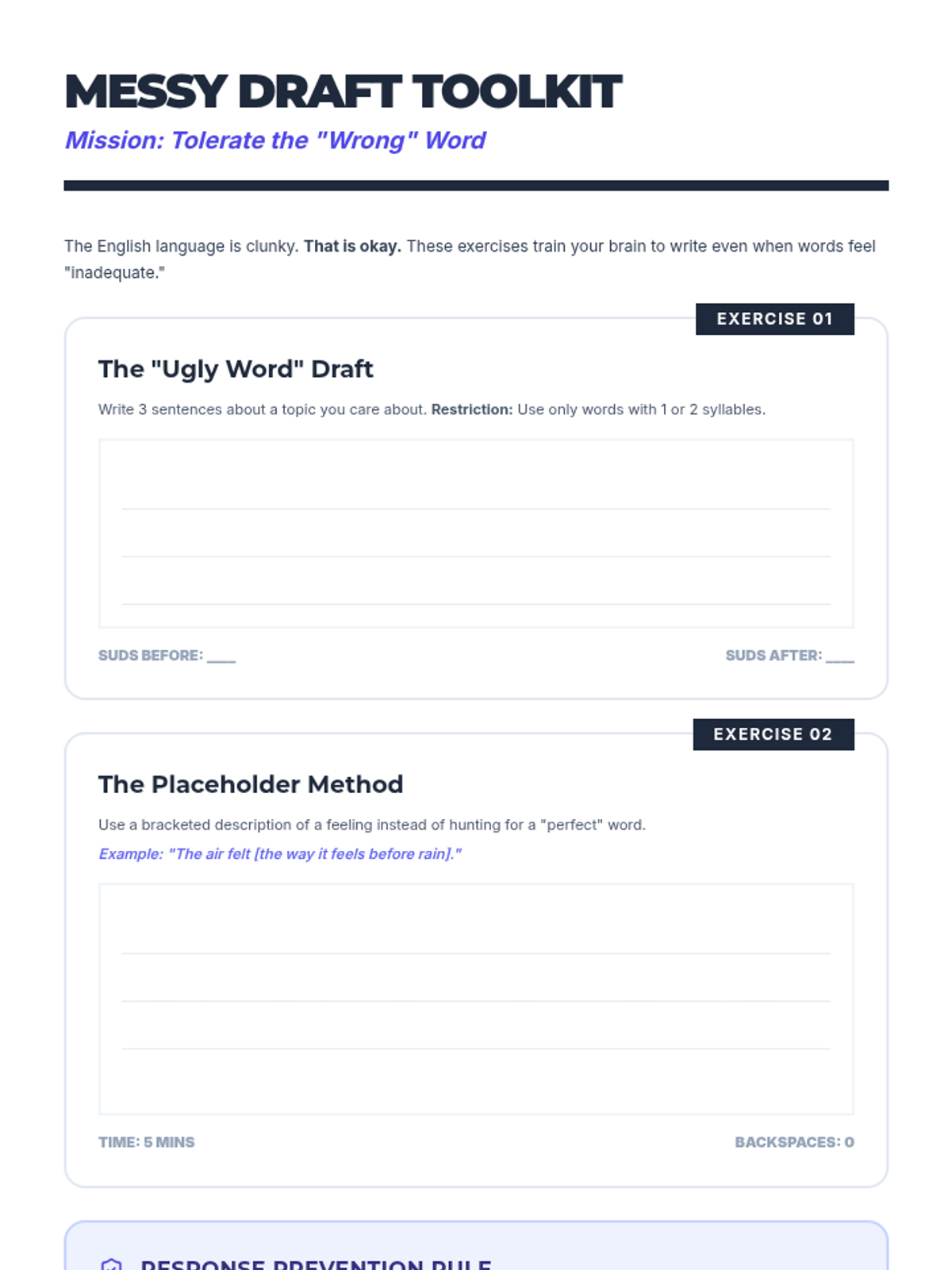
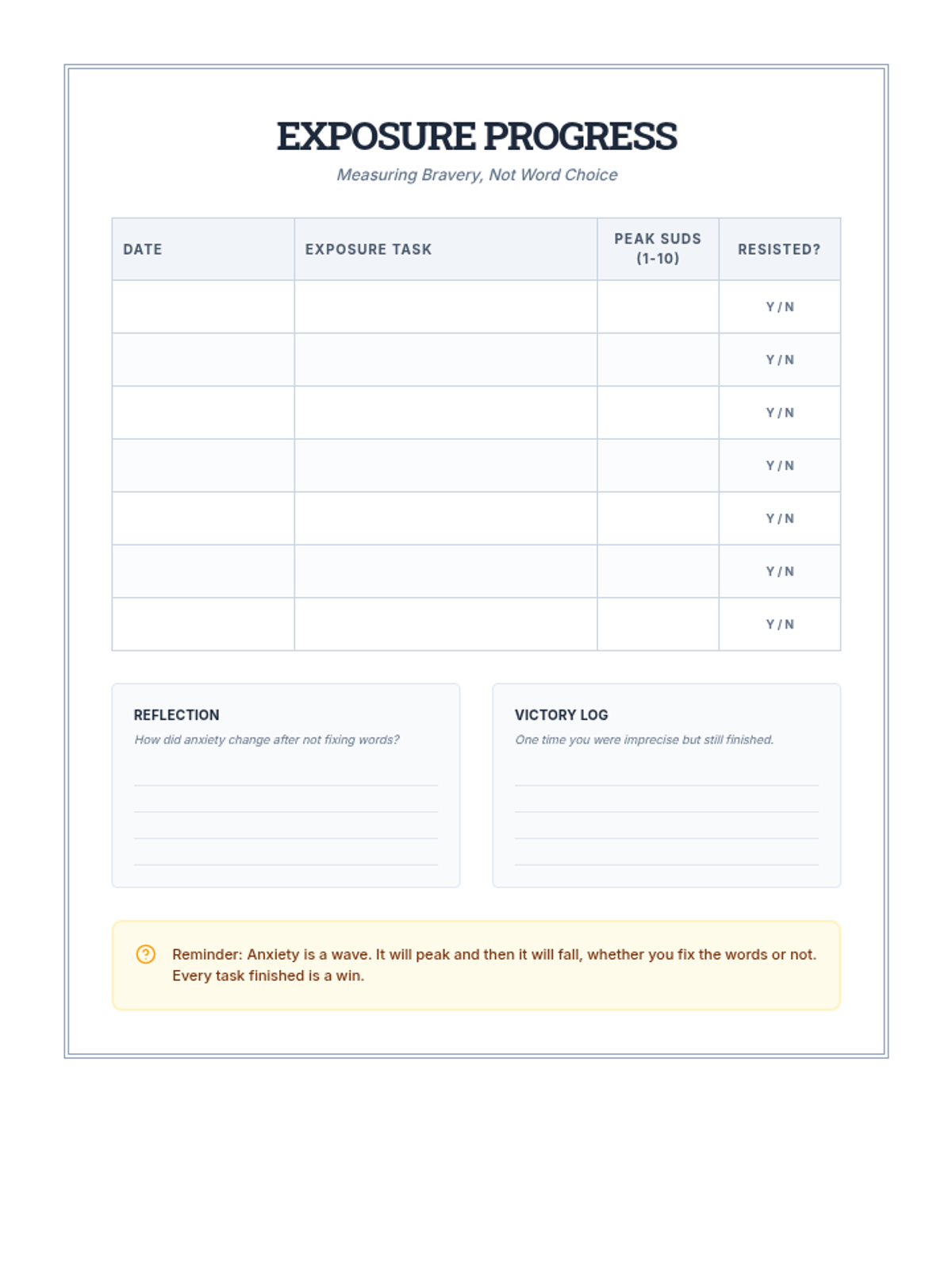
An Exposure and Response Prevention (ERP) framework designed for 11th-grade students struggling with OCD-related writing blocks. This lesson focuses on embracing imperfection and overcoming the 'right word' obsession through structured exposure tasks.
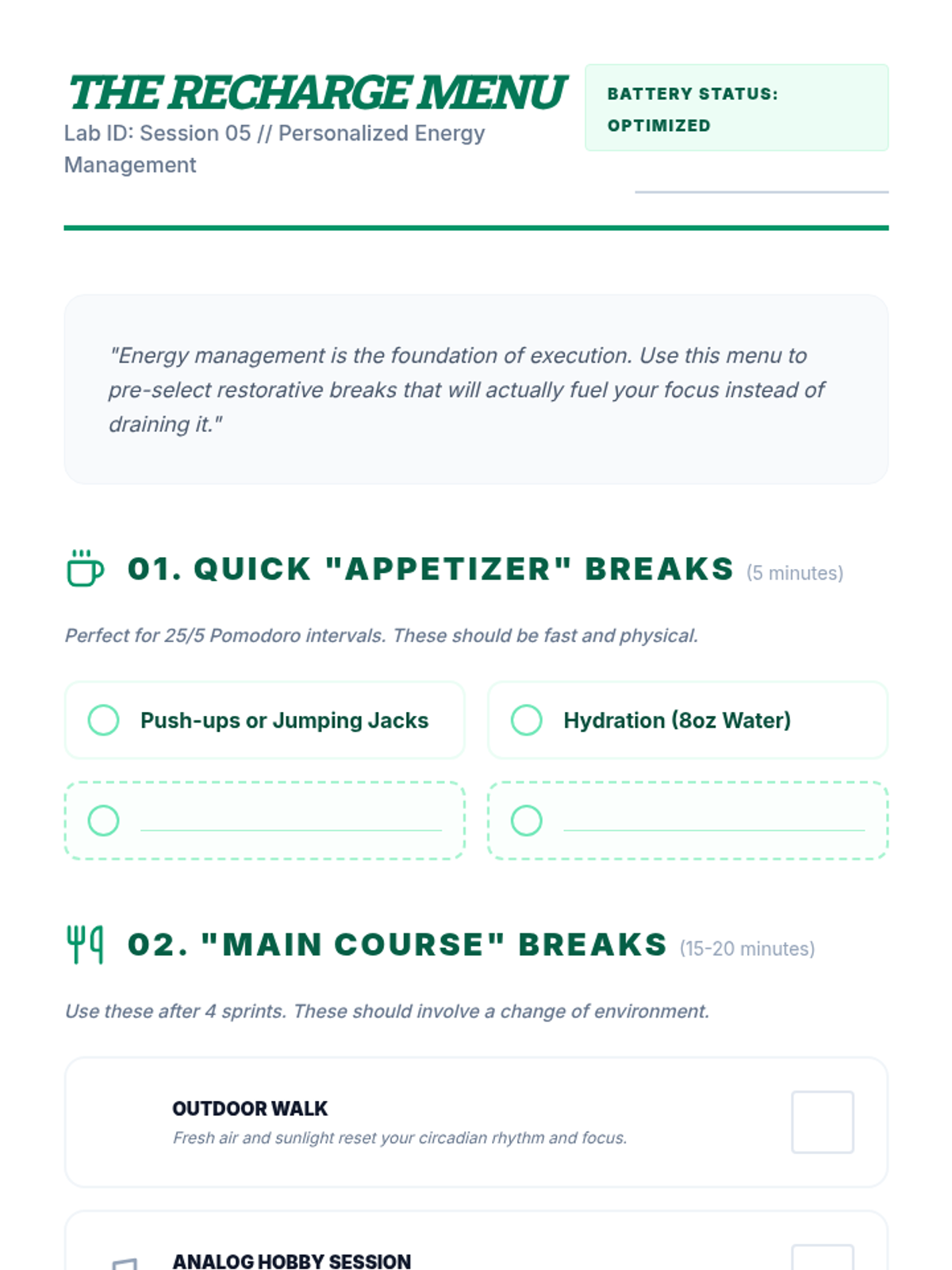
Students differentiate between restorative and depleting breaks, creating a personalized 'menu' of energy-management strategies.
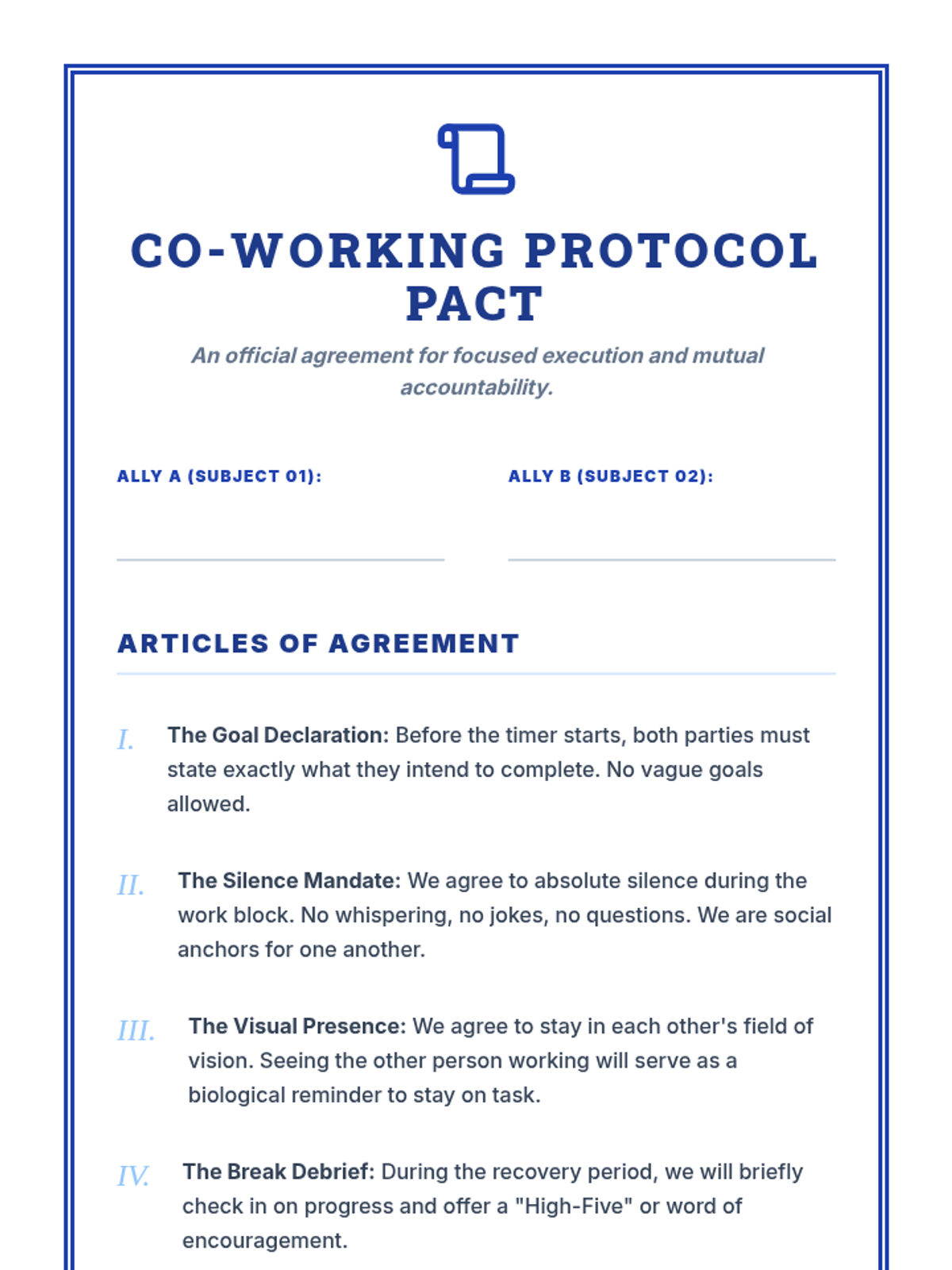
Students learn about body doubling and social accountability to leverage the presence of others for sustained task persistence.
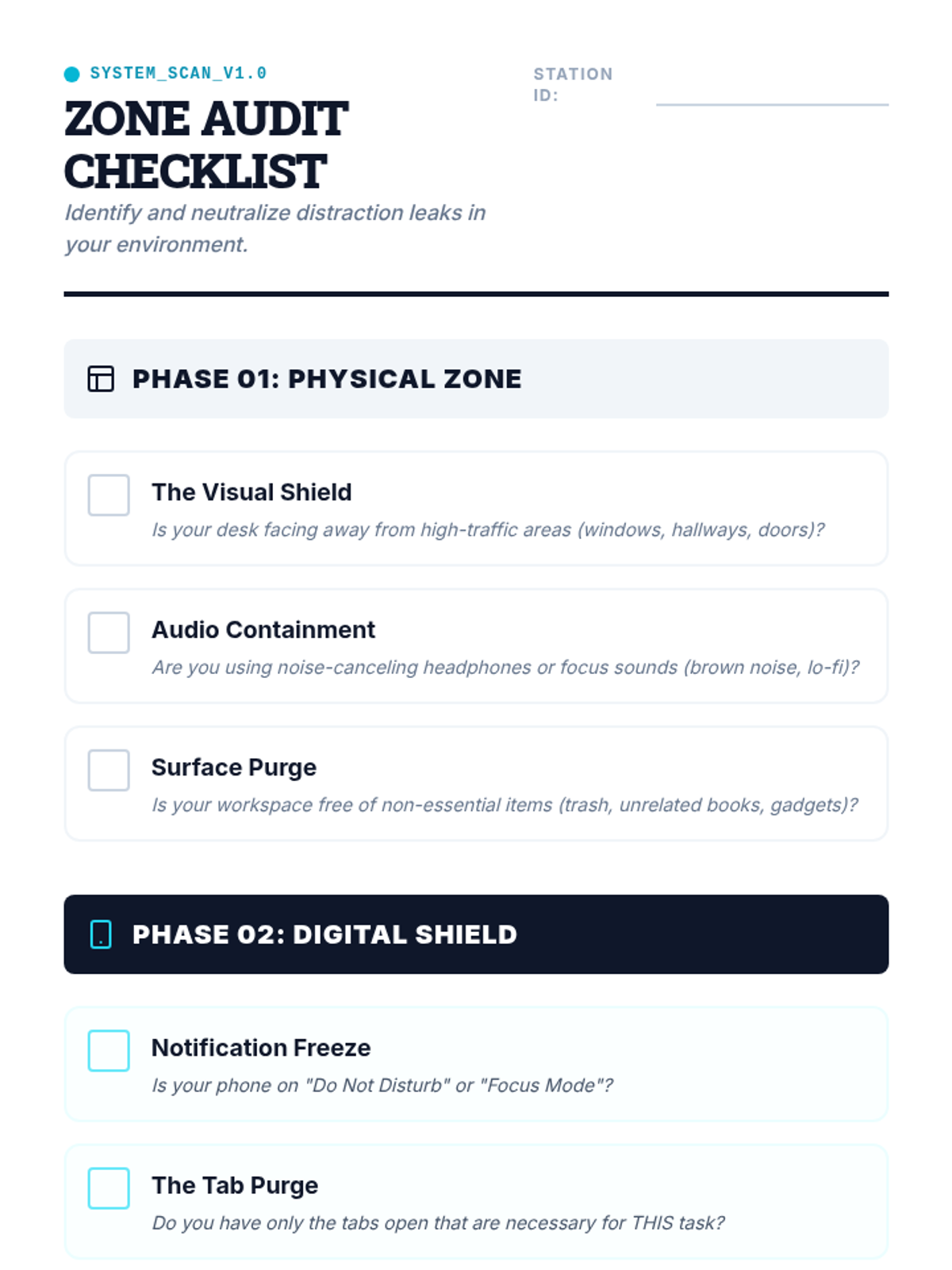
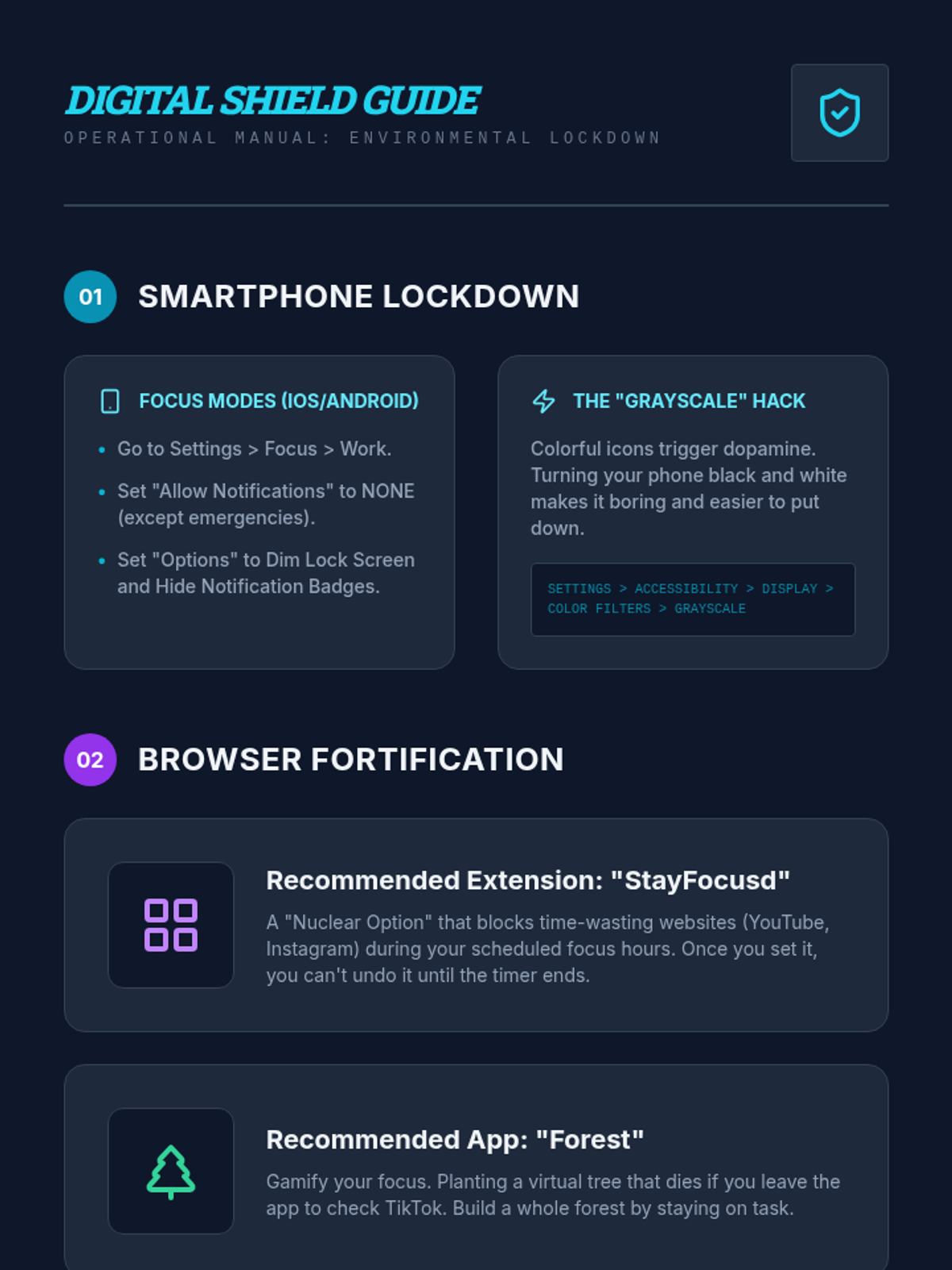
Students audit and modify their physical and digital environments to minimize sensory and notification-based distractions.
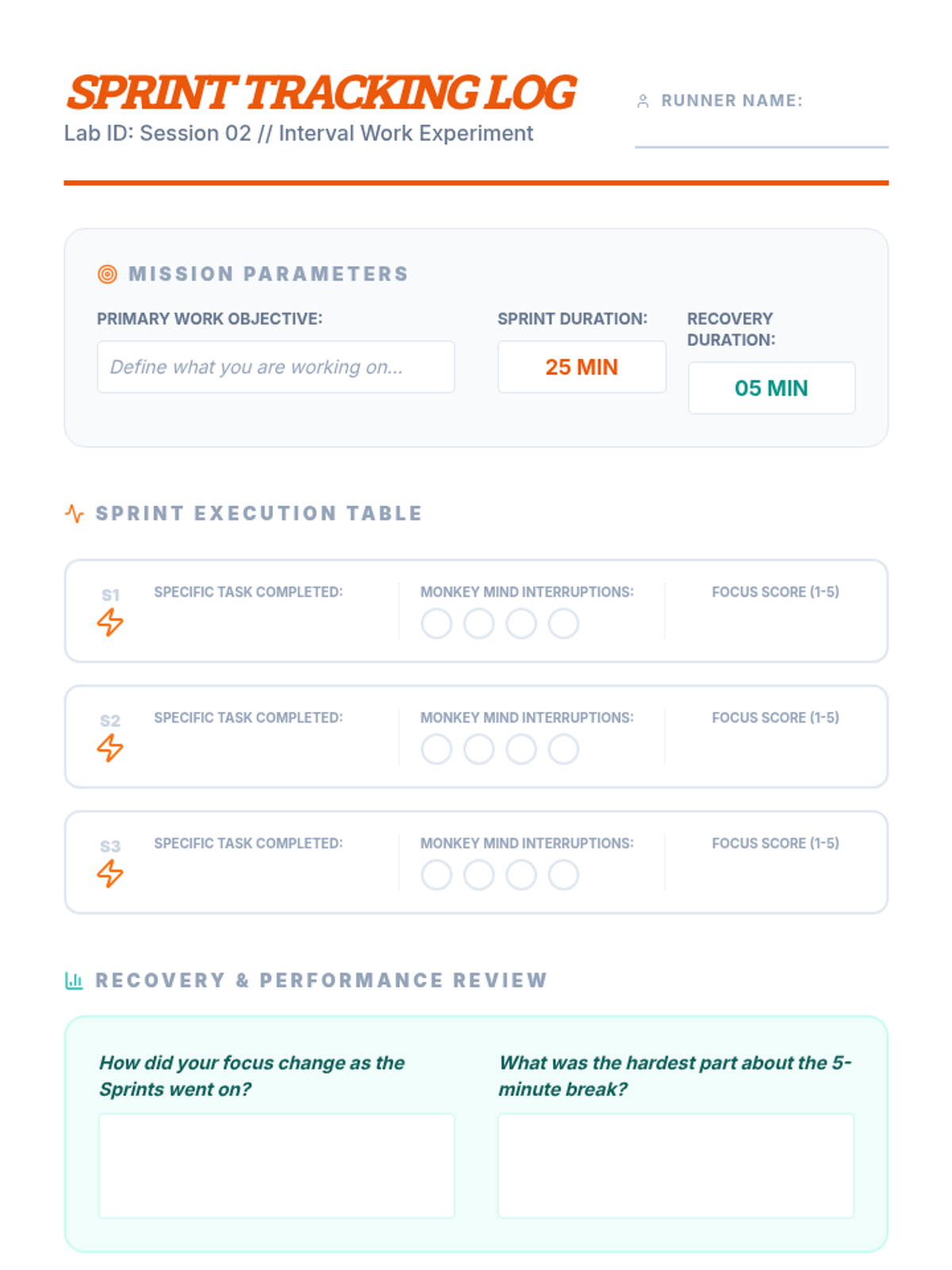
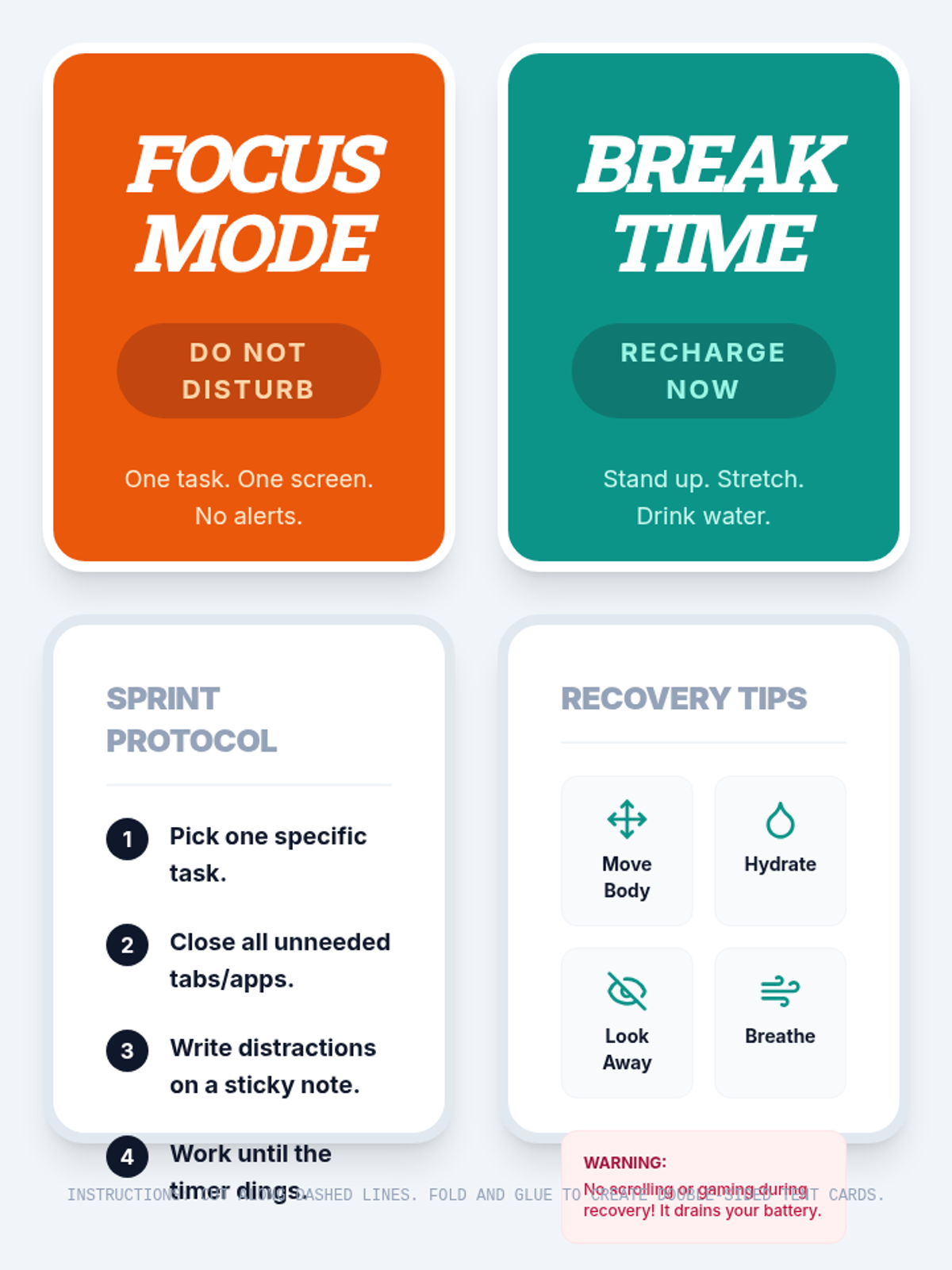
Students test the Pomodoro technique and interval-based work to discover how structured breaks impact their productivity and stamina.
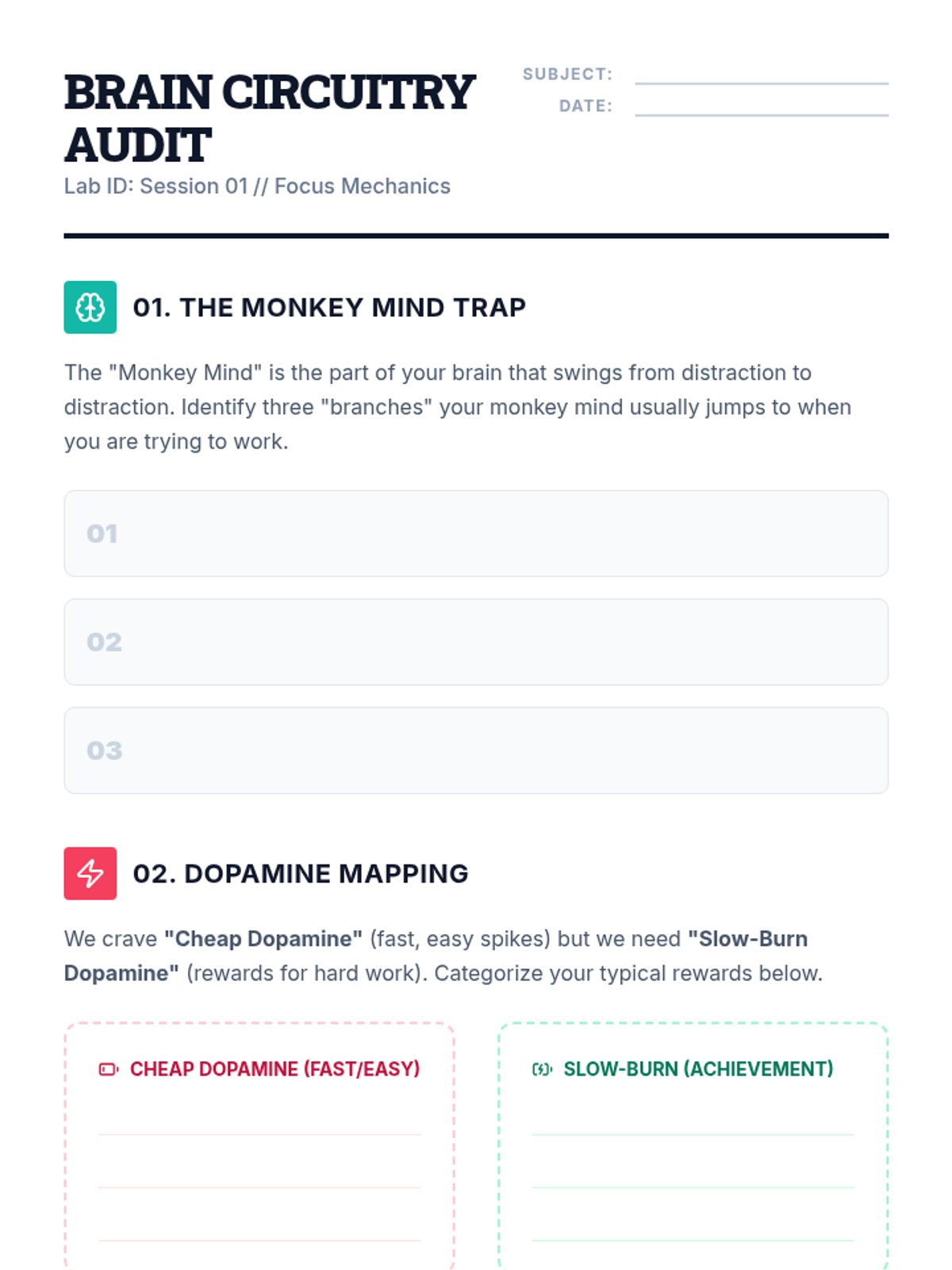
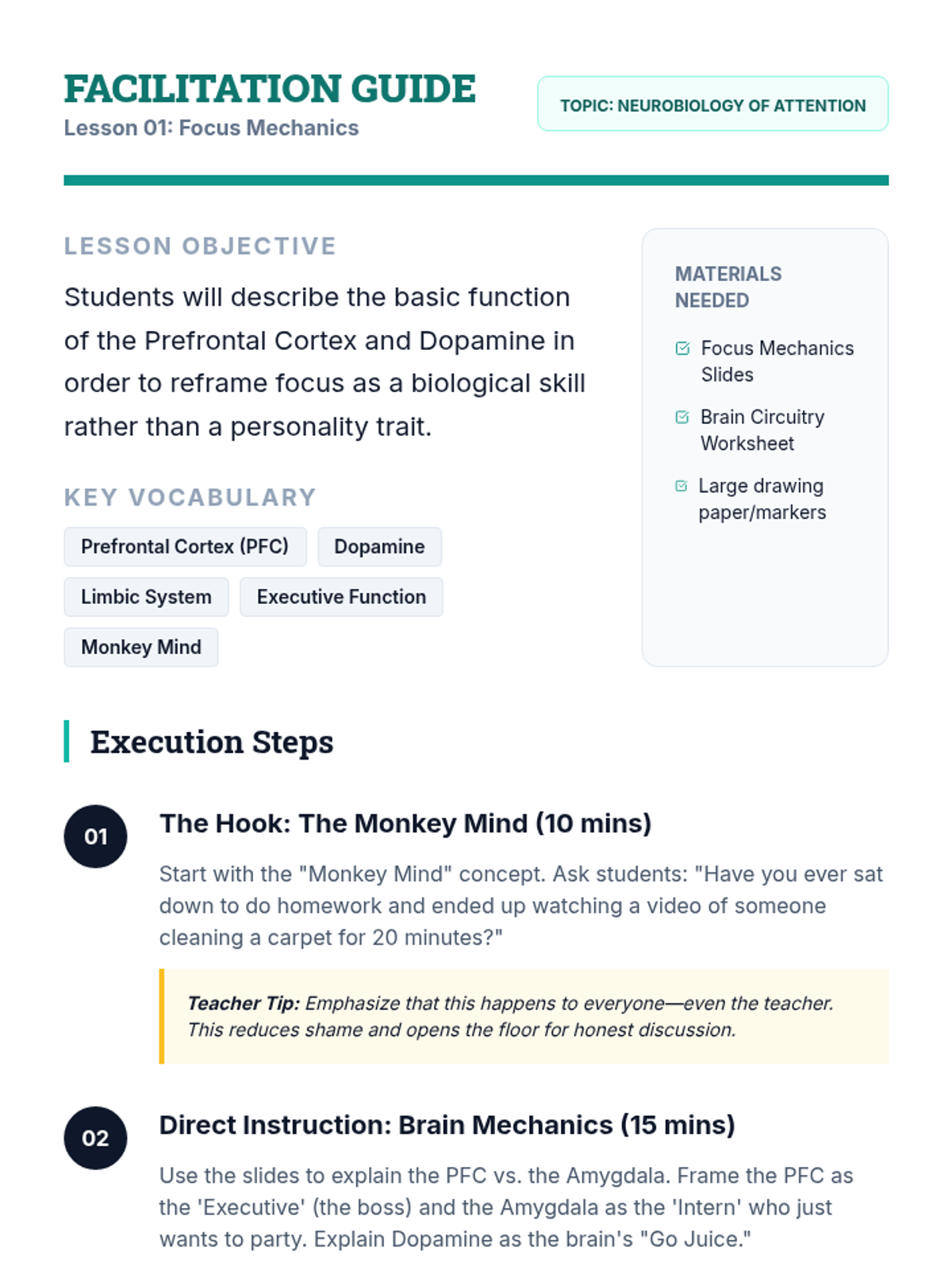
Students explore the neurobiology of dopamine and attention to understand focus as a mechanical brain function rather than a character trait.
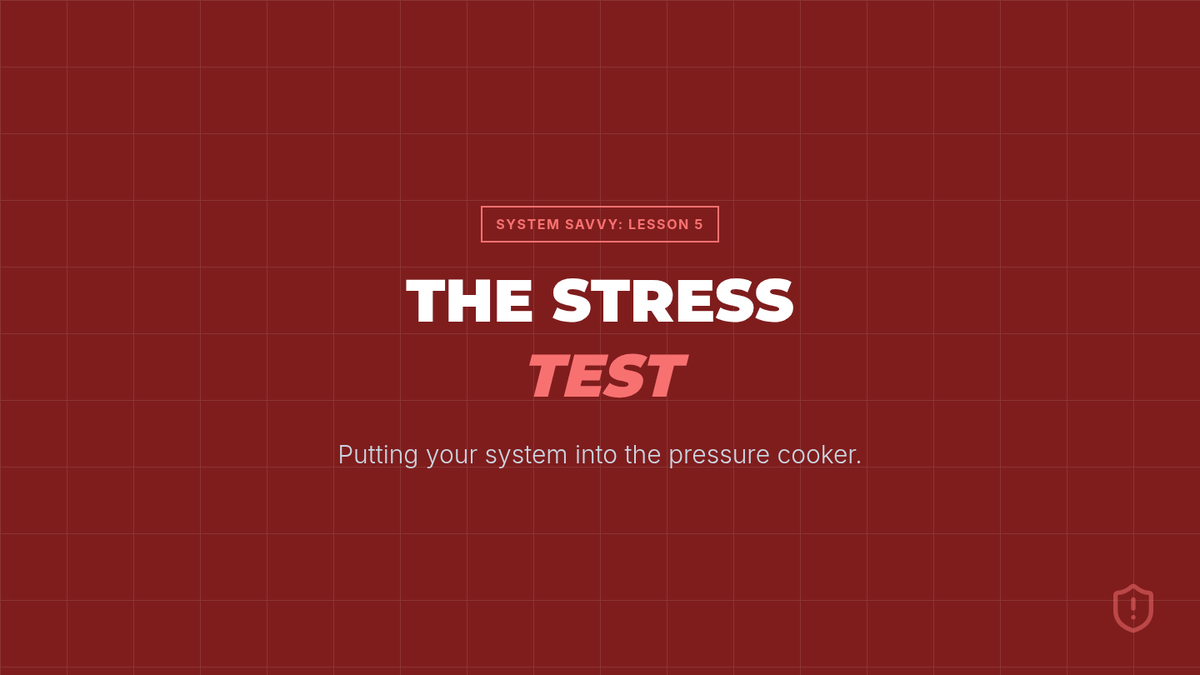
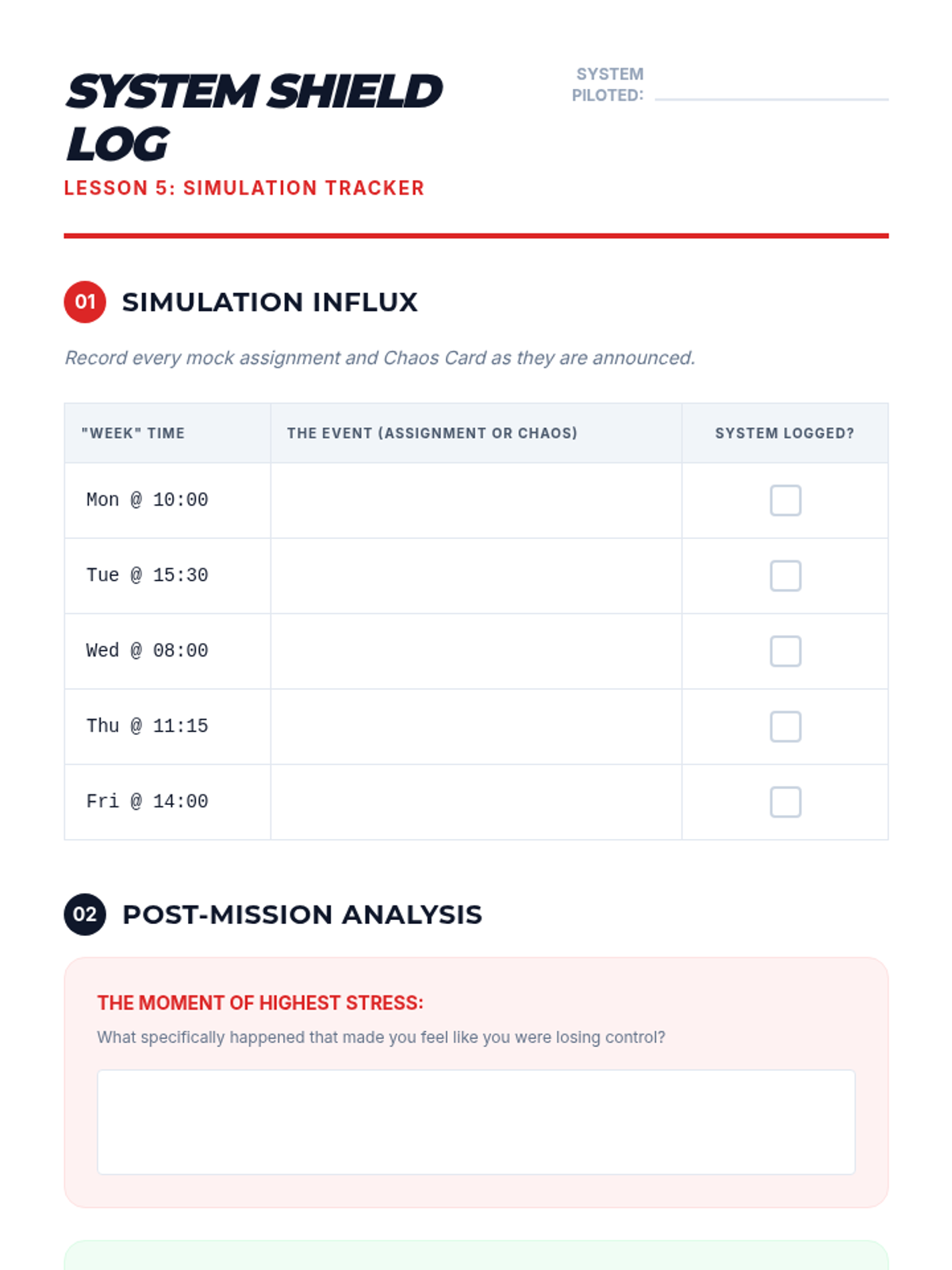
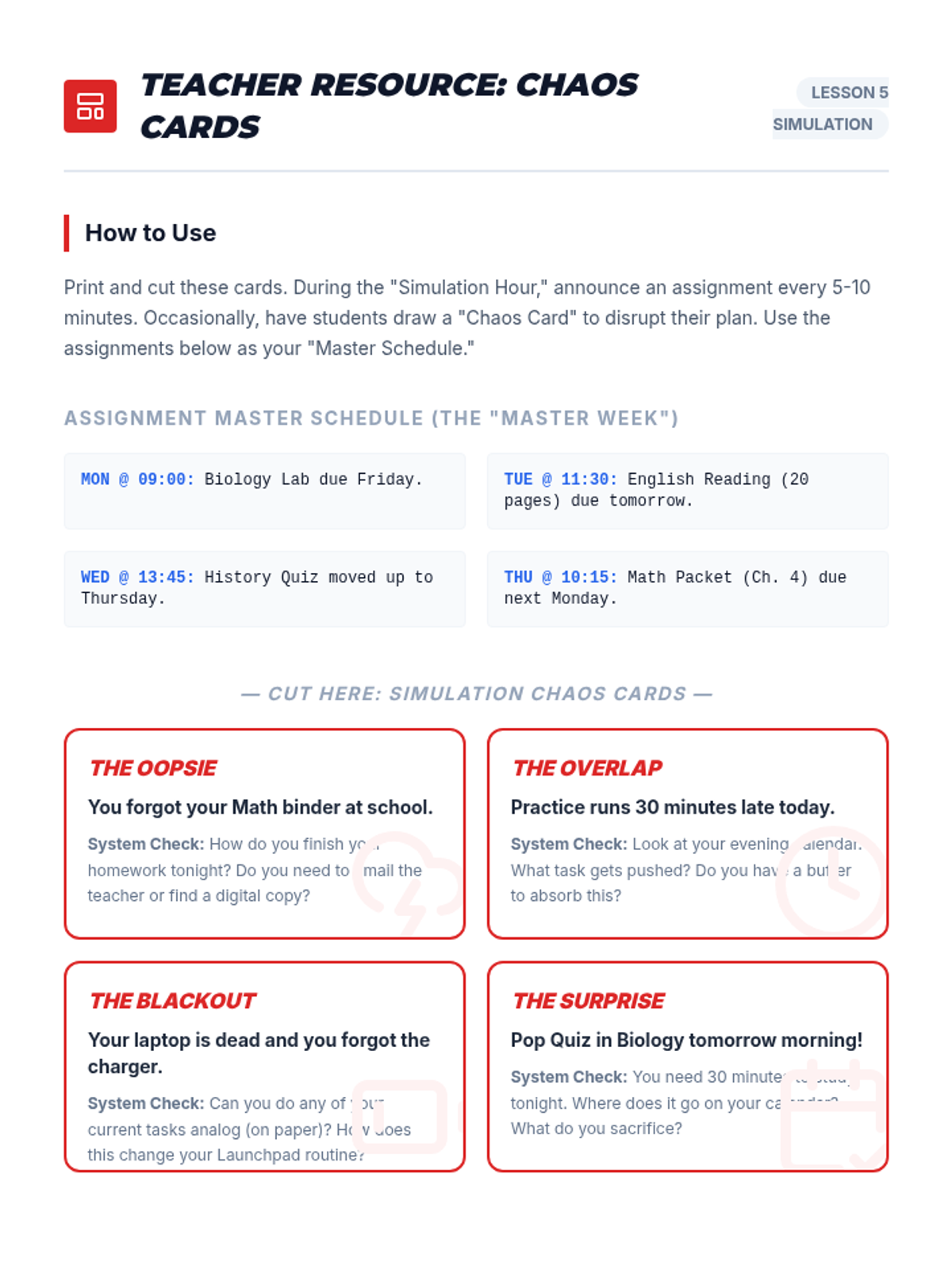
Students put their systems to the test with a 'Simulated Week' activity involving mock assignments and surprise events, followed by reflection.
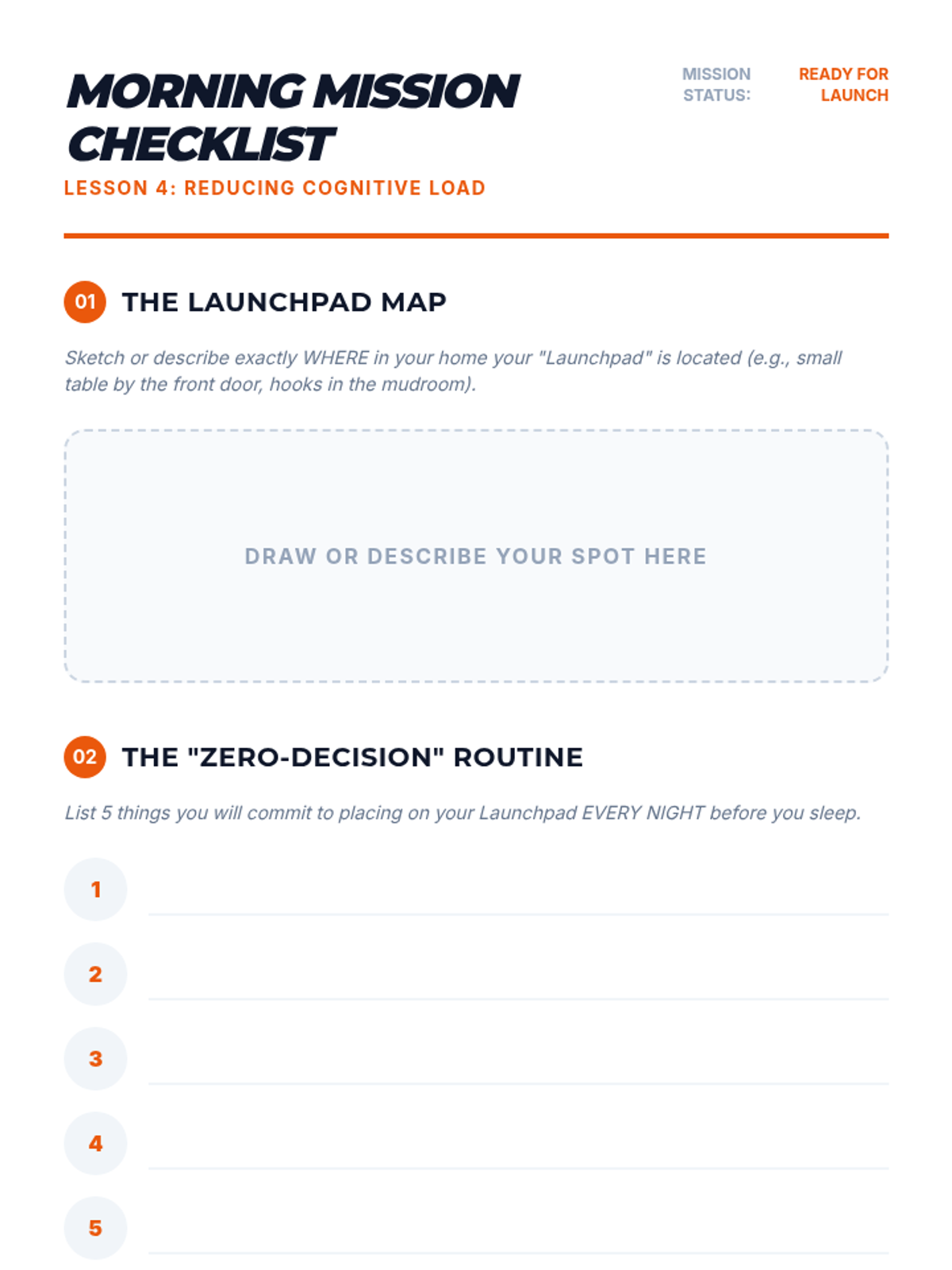
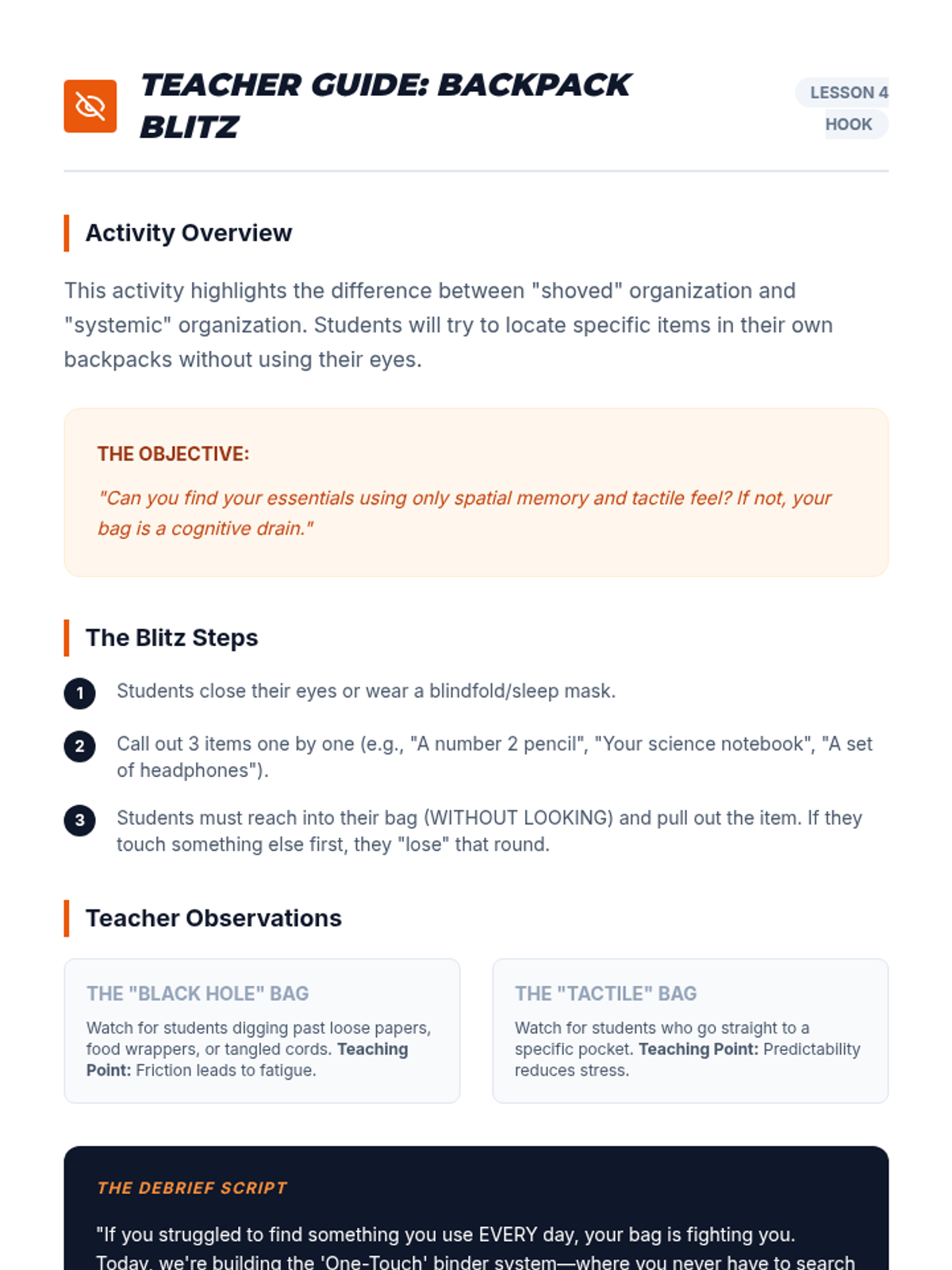
Students develop systems for physical materials, including binder organization and a 'launchpad' routine to reduce morning cognitive load.
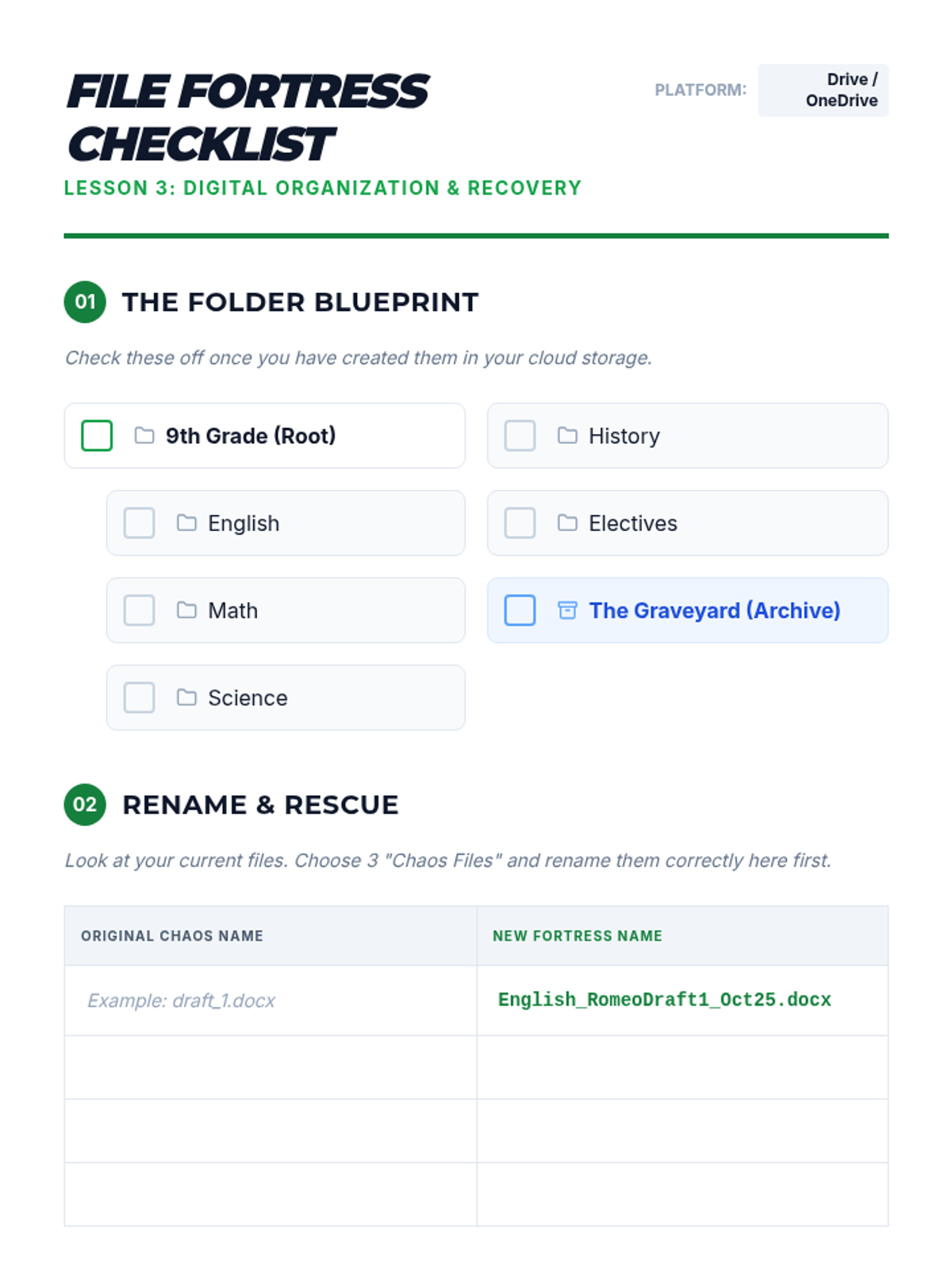
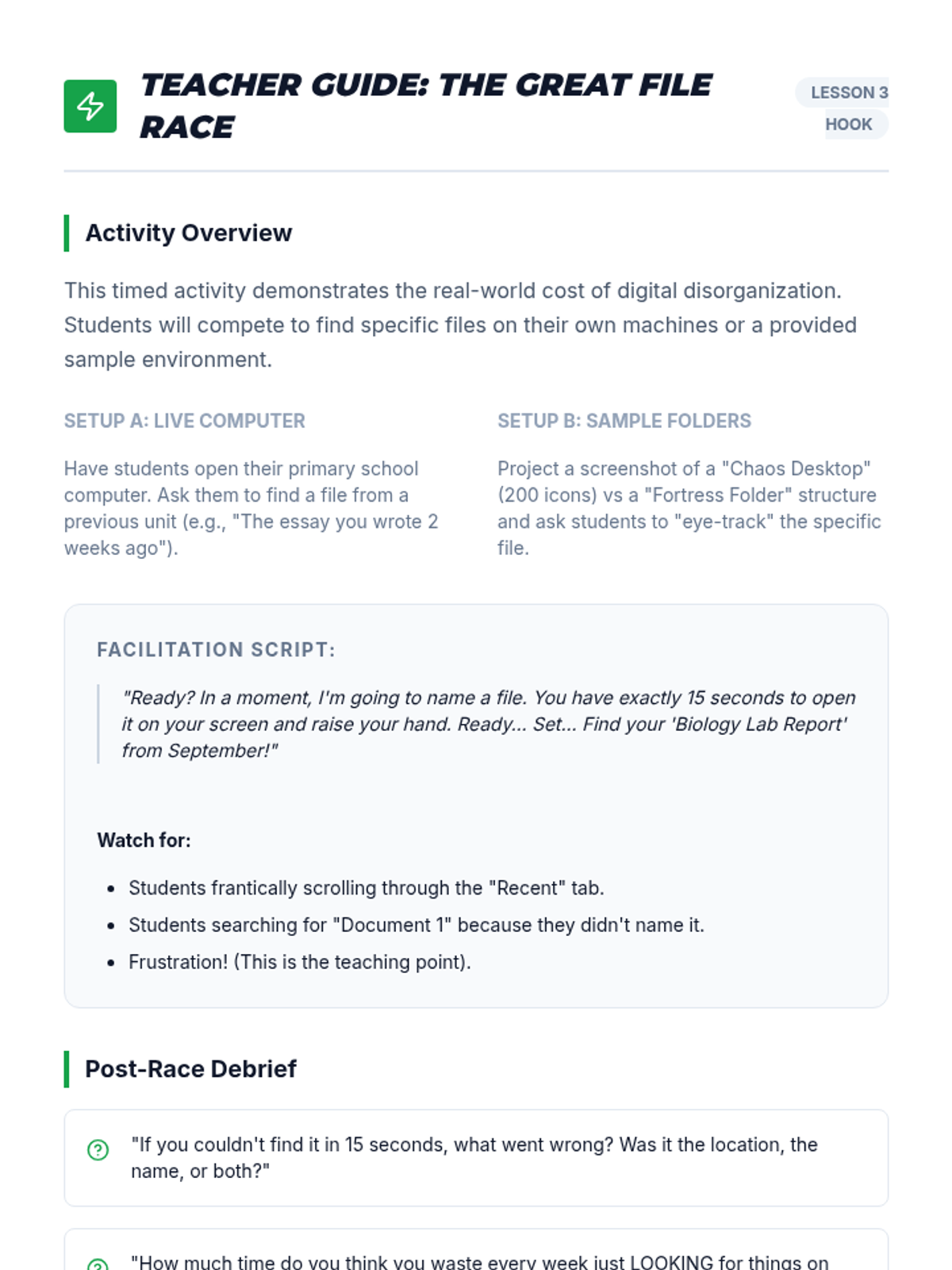
Students learn naming conventions and folder hierarchies for digital storage, focusing on quick retrieval to avoid the 'missing homework' cycle.
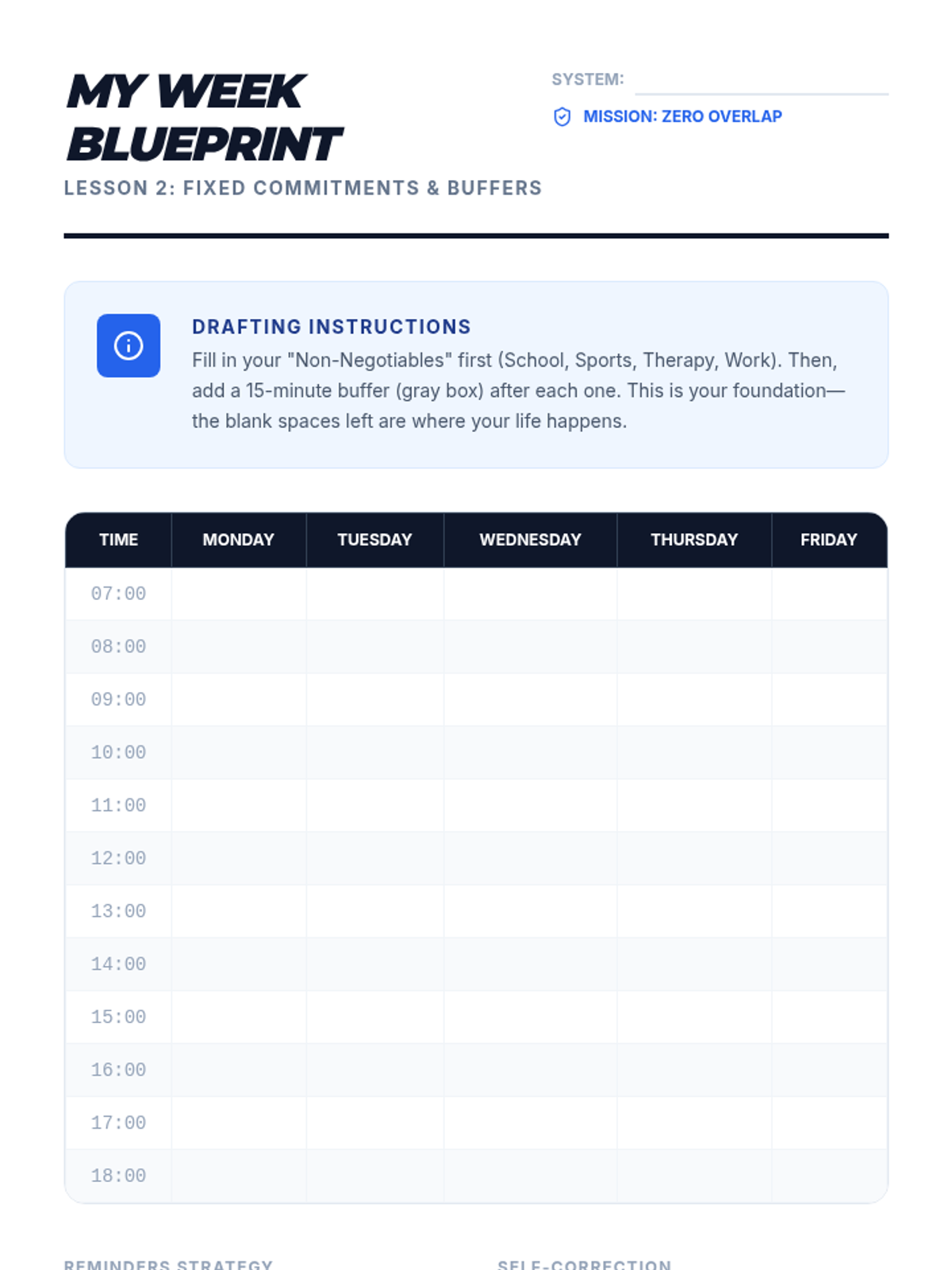
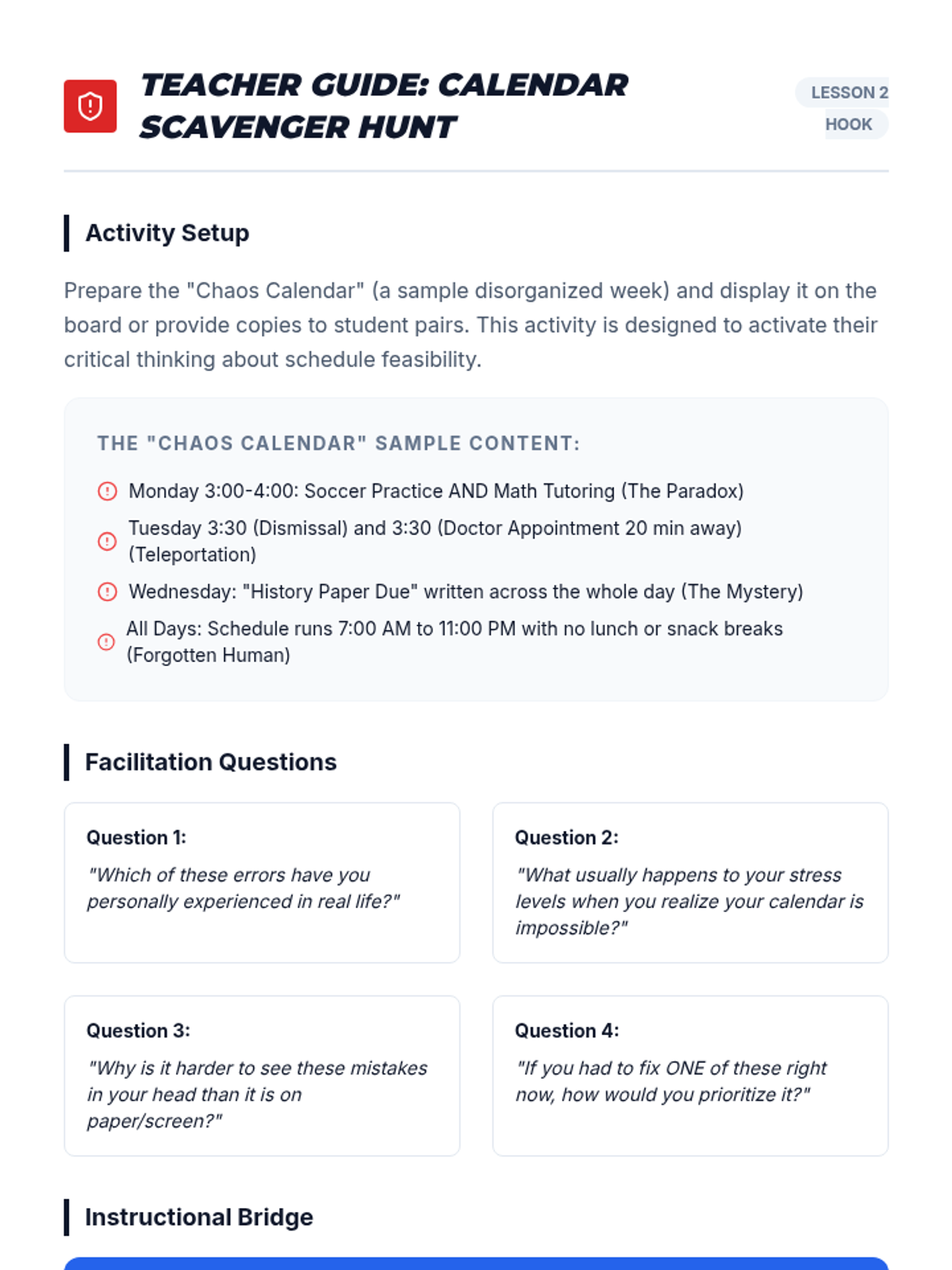
A workshop where students populate a calendar with fixed commitments, learning to set effective reminders and buffers for transition times.
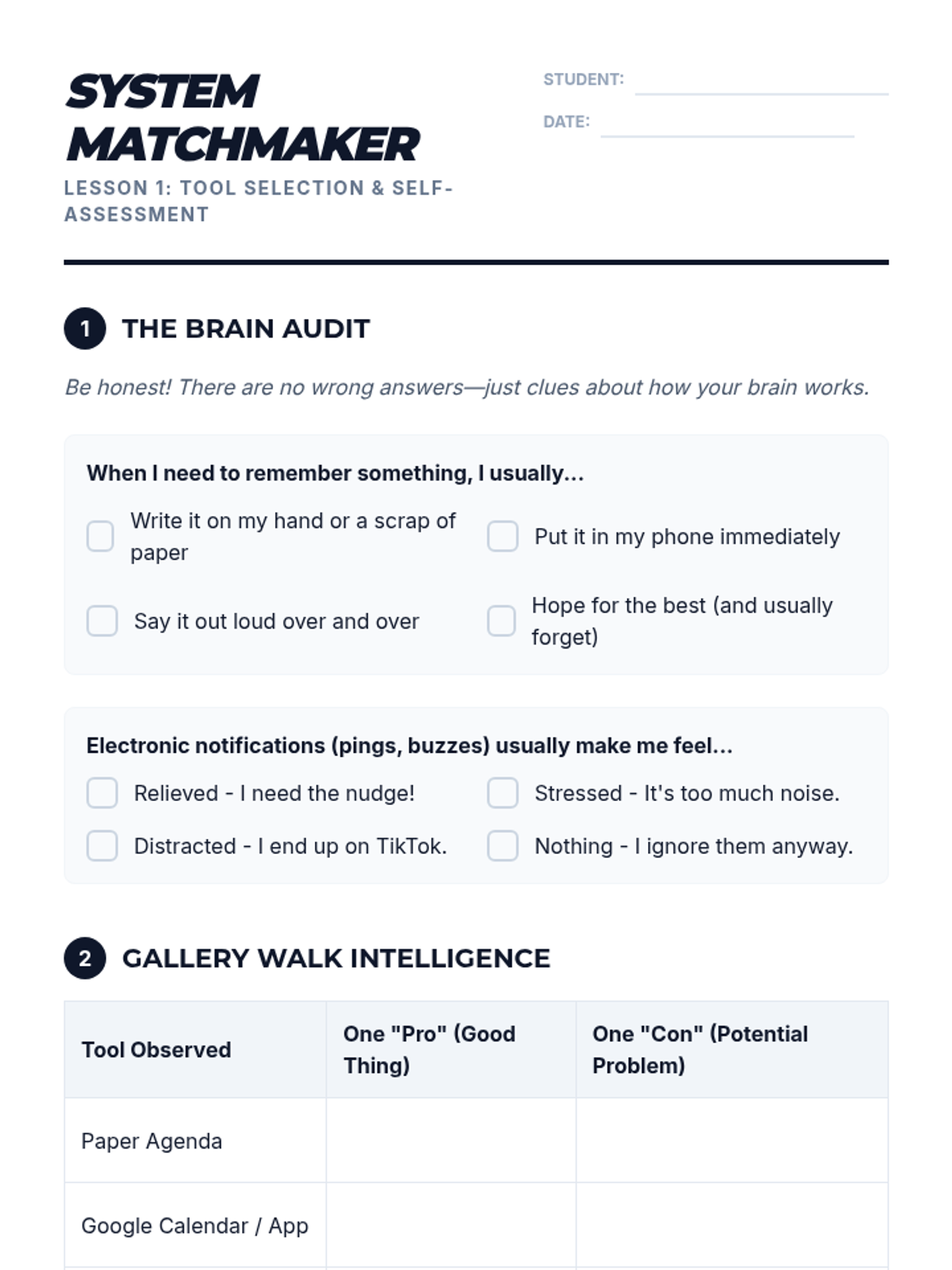
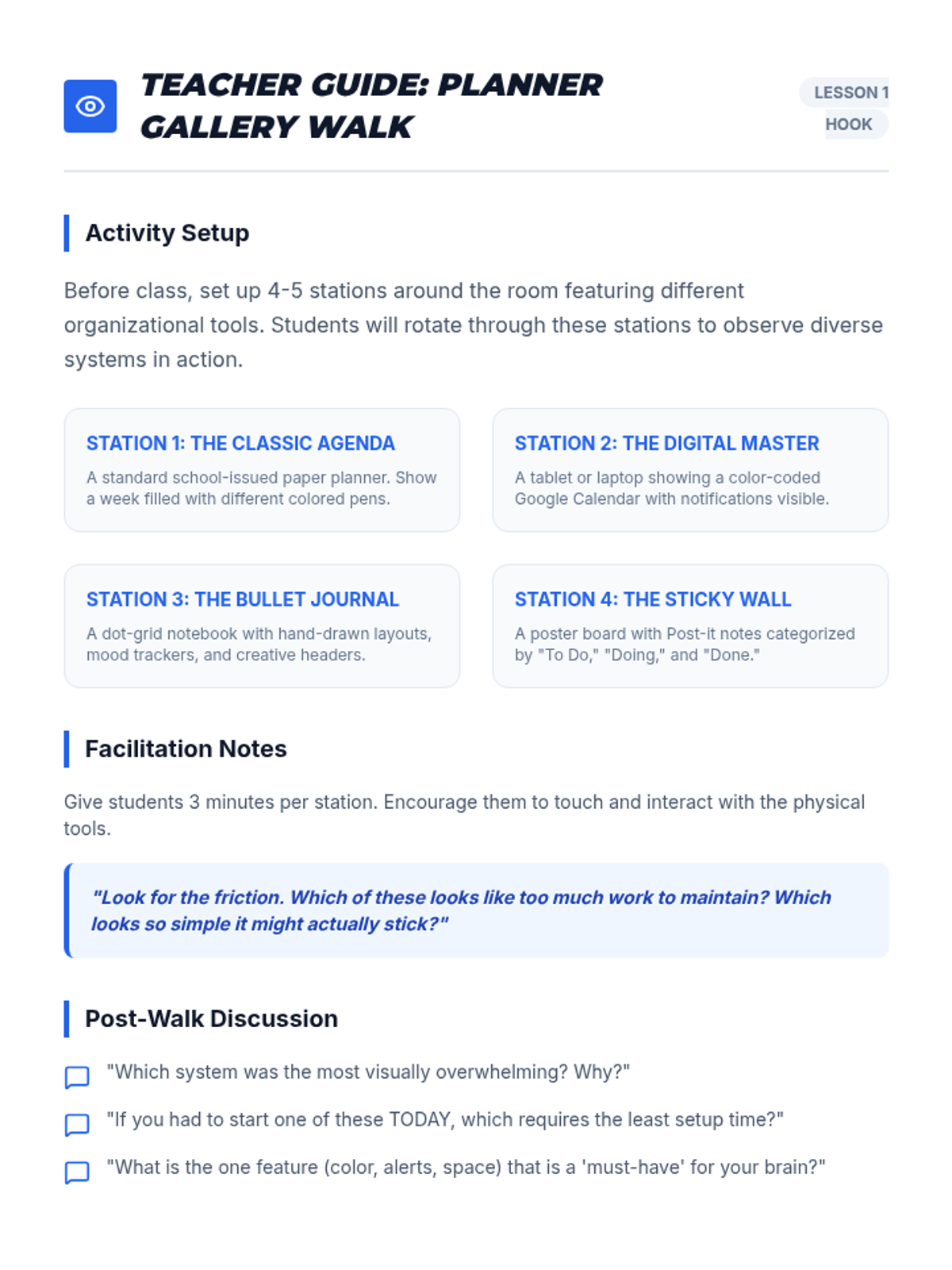
Students explore various planning tools, from paper agendas to apps, evaluating the pros and cons of each based on their own processing styles and accessibility needs.
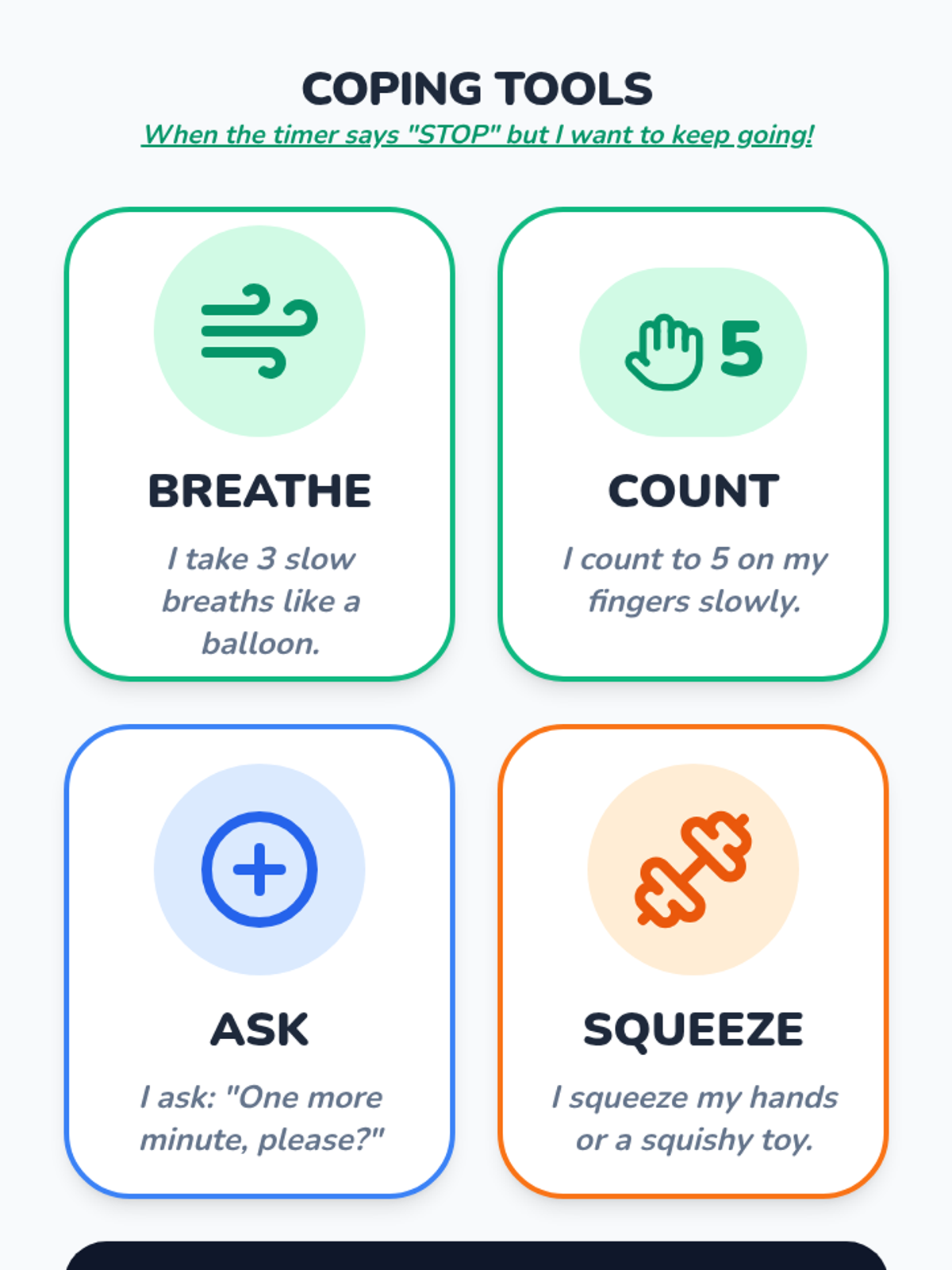
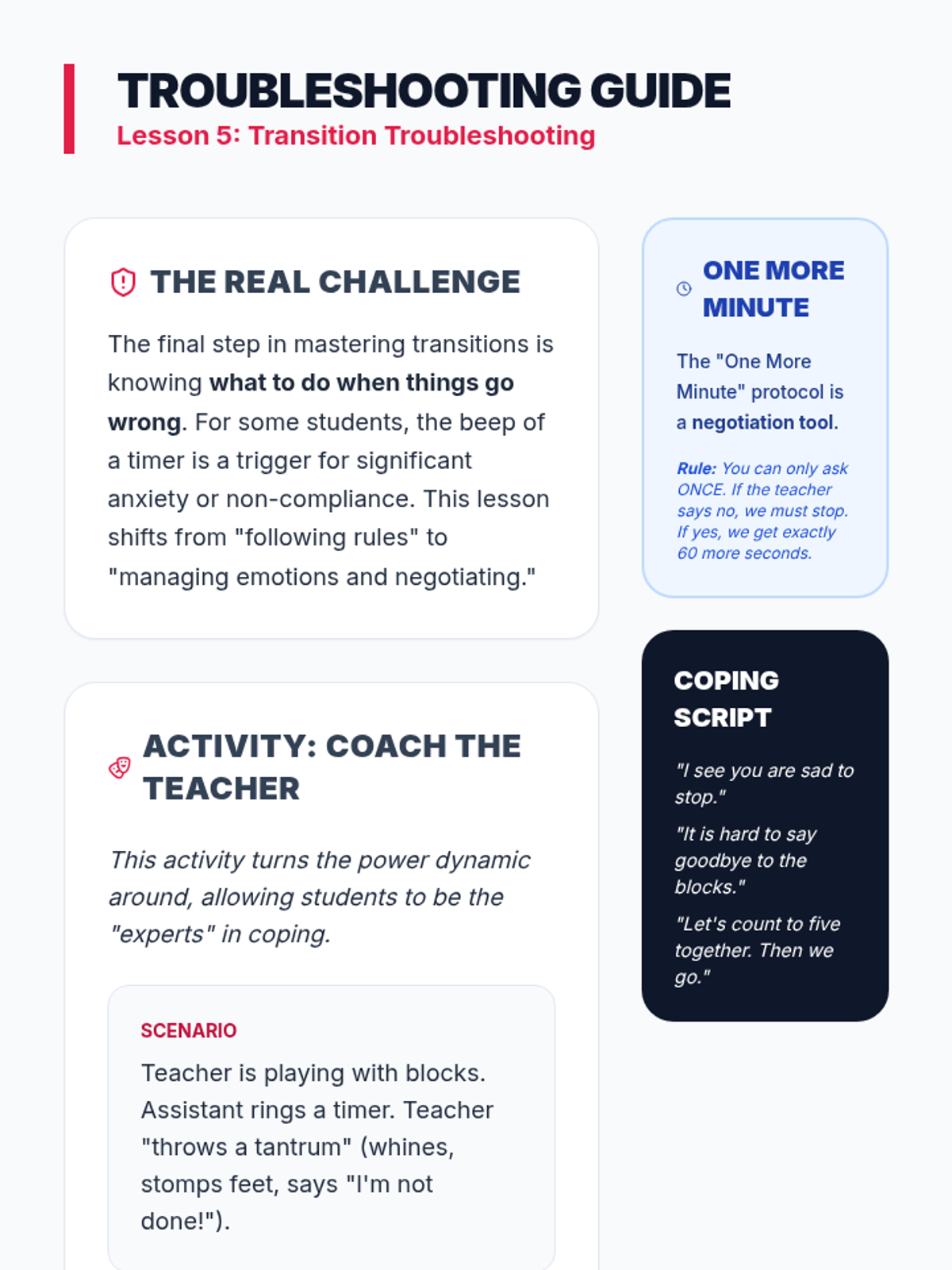
The final lesson addresses what to do when the timer causes upset or anxiety. Students role-play coping strategies and learn the 'One More Minute' protocol versus the 'Done' rule.
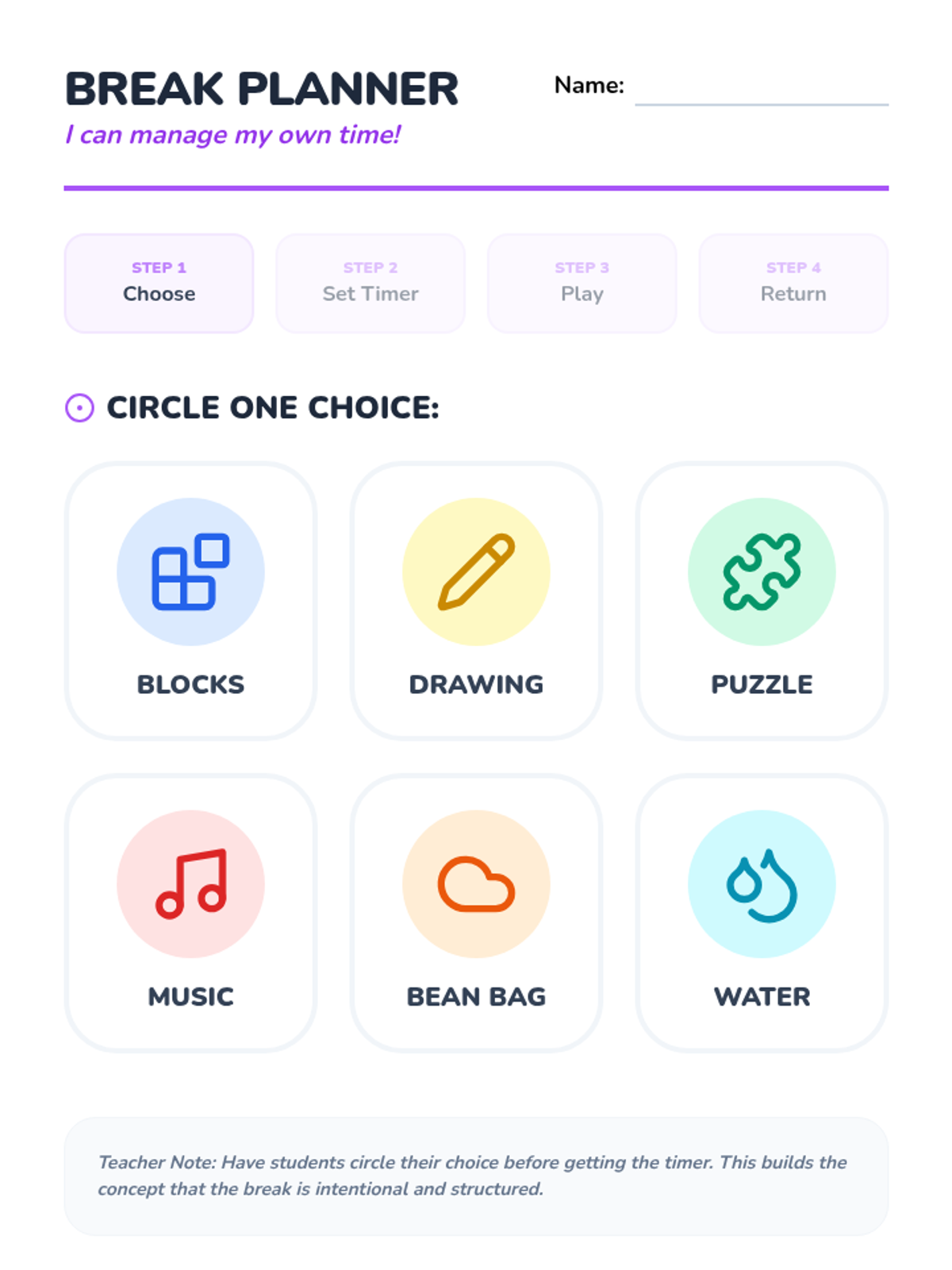
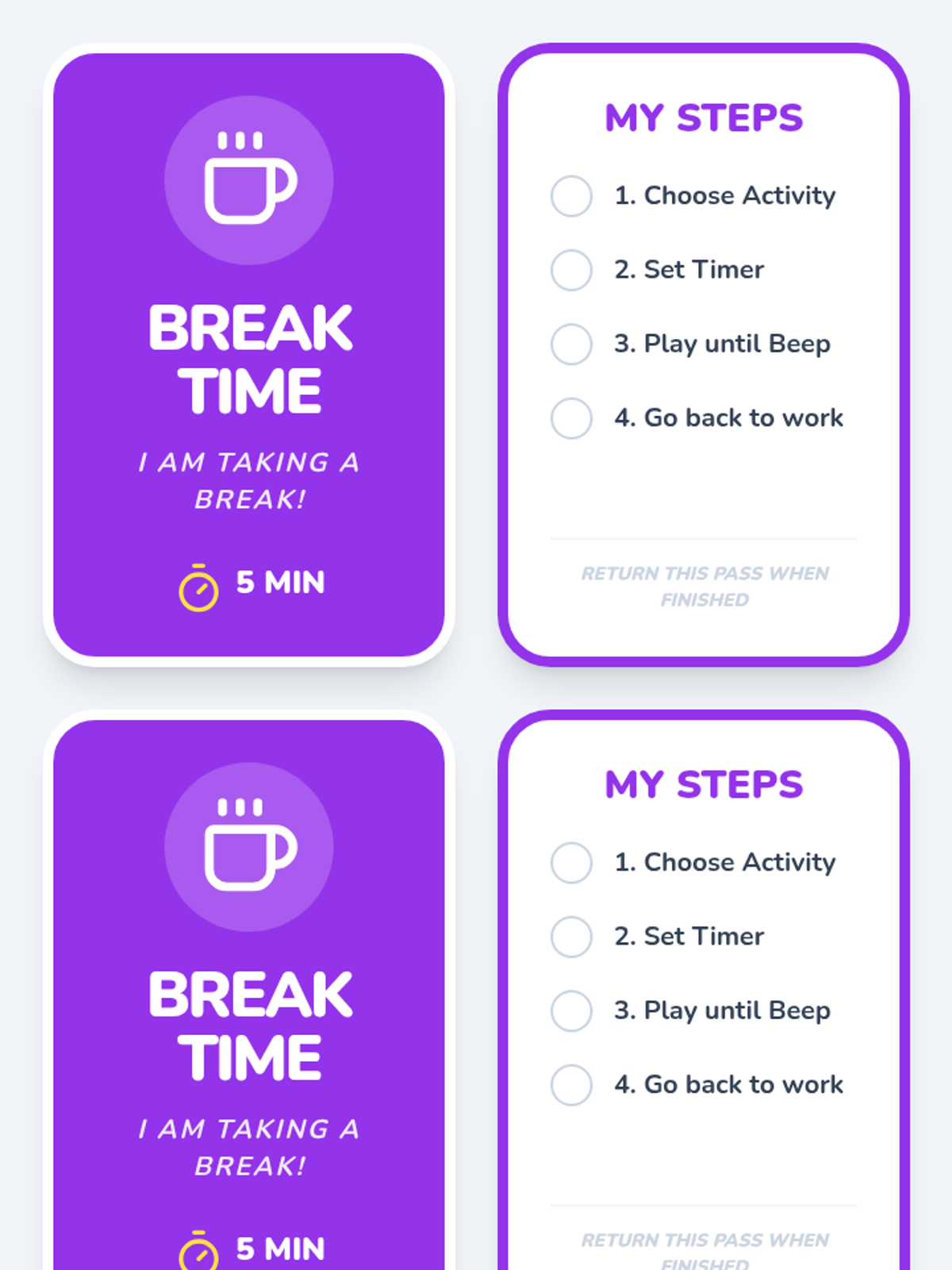
Students apply the timer specifically to their break time, learning that breaks have a beginning, middle, and end. They practice setting a timer for a short break and independently returning when it concludes.
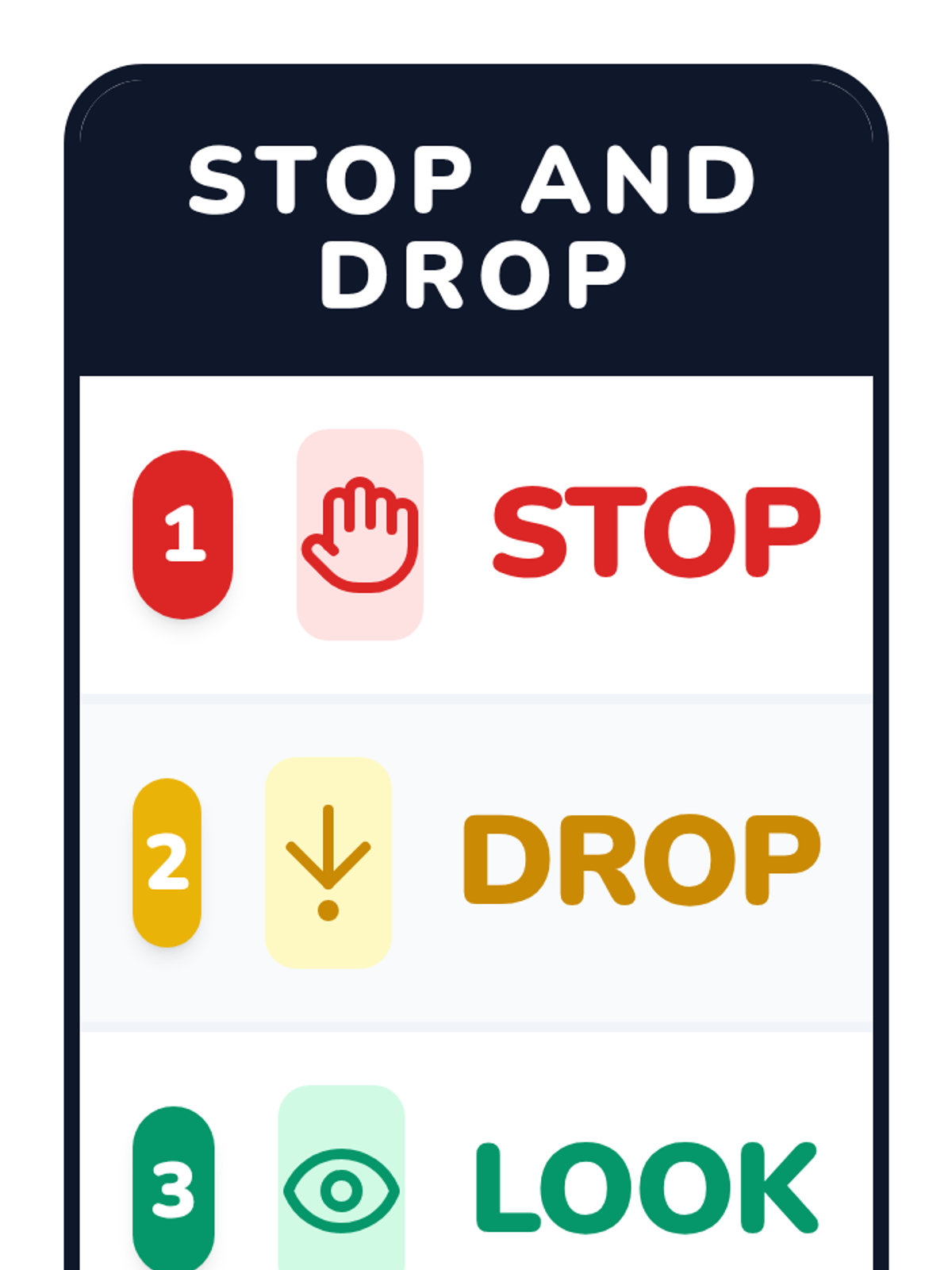
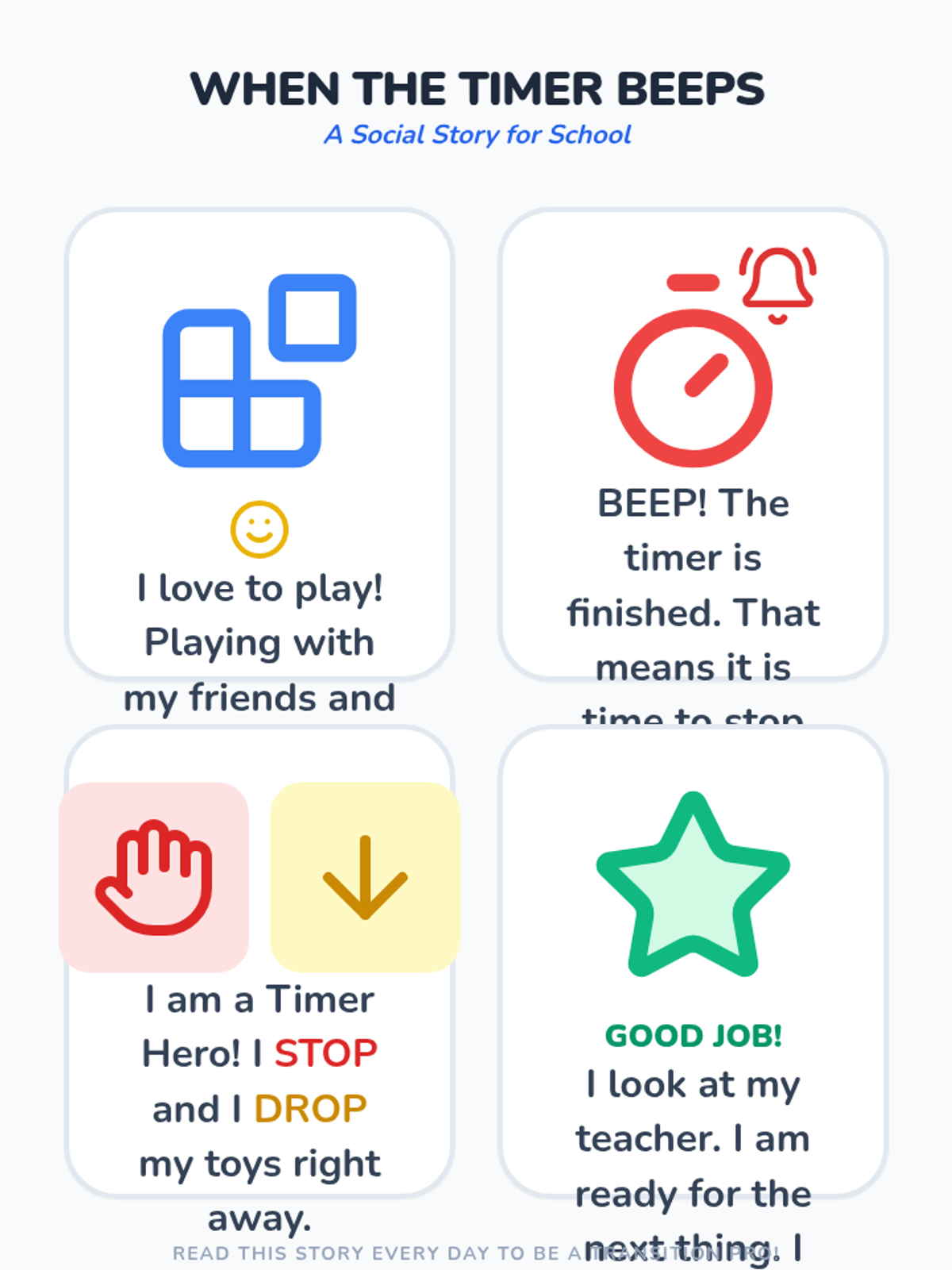
This lesson focuses on auditory and visual cues that signal a transition. Students practice 'Stop and Drop' routines when the timer goes off, regardless of whether they are finished.
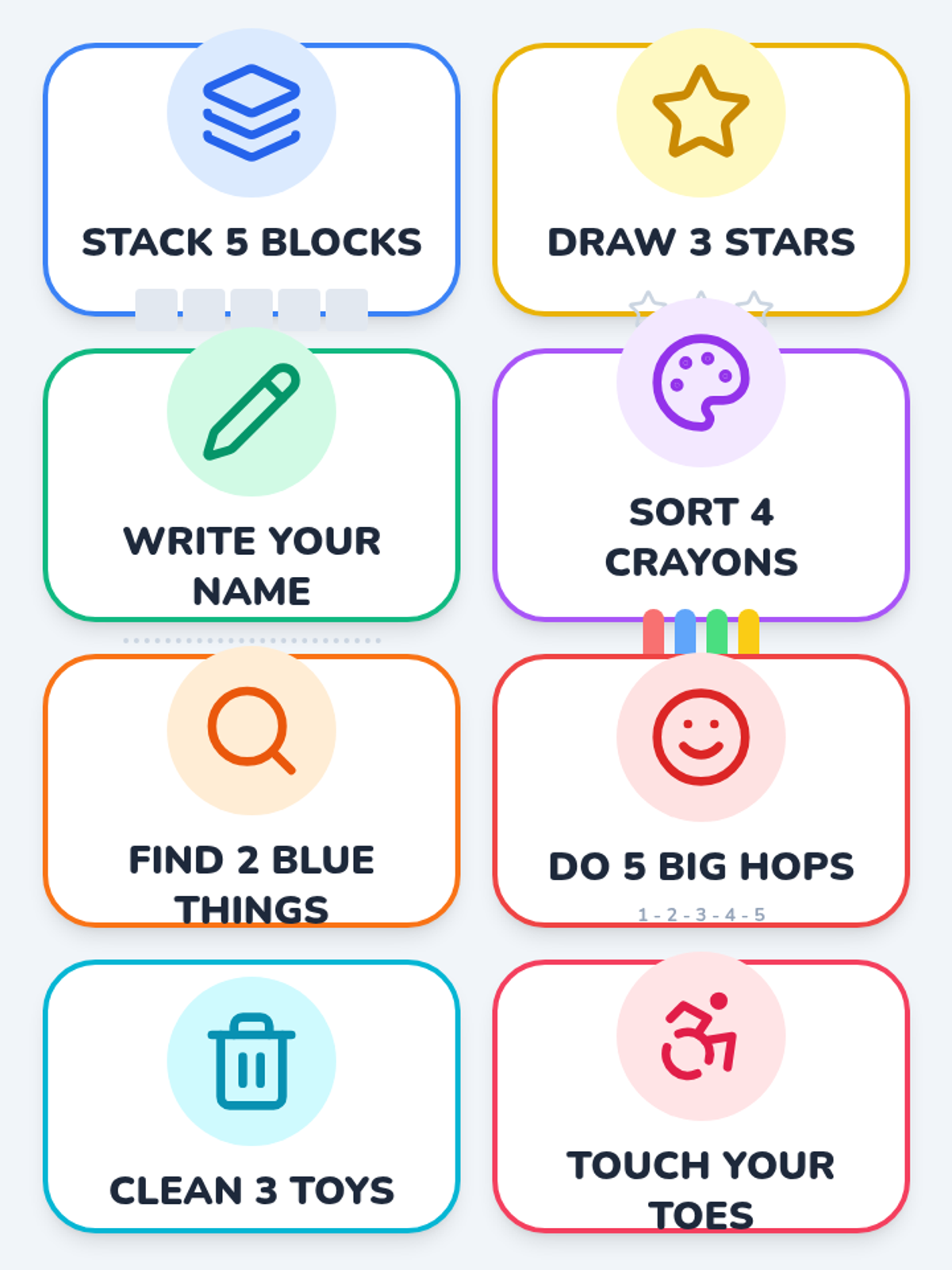
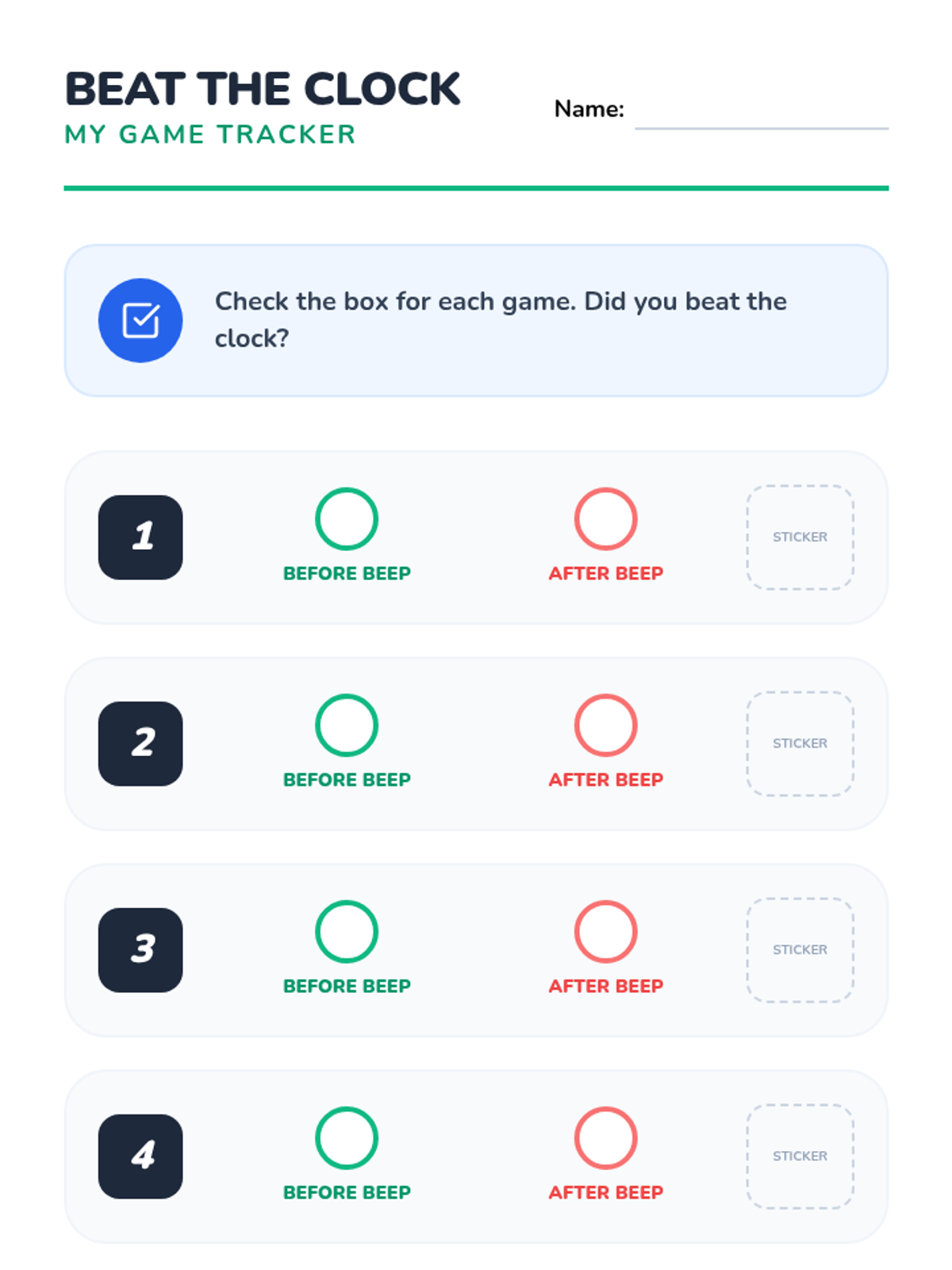
Students practice focused attention by trying to complete simple, achievable tasks before a visual timer runs out. This introduces the concept of working efficiently within a timeframe.
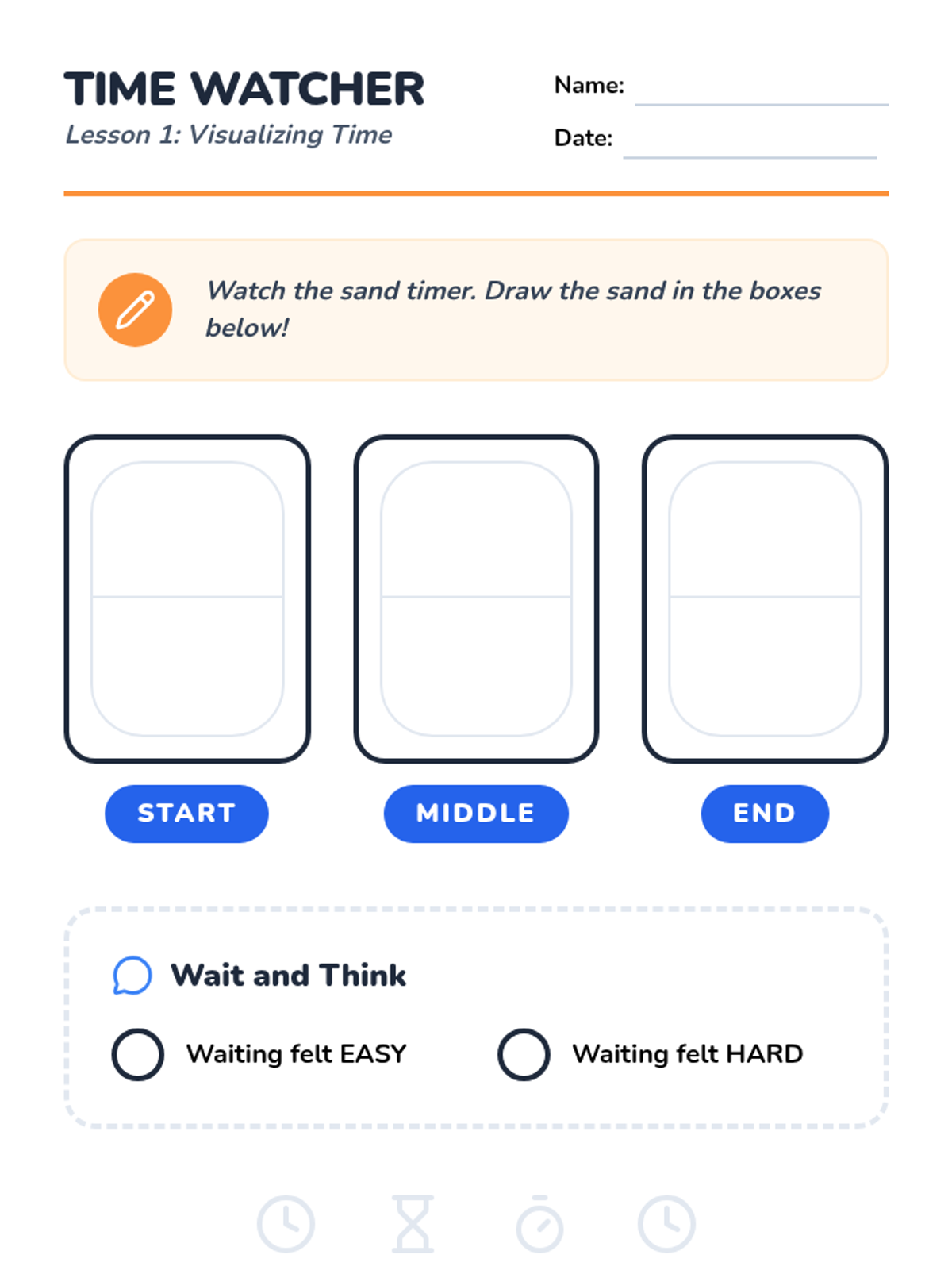
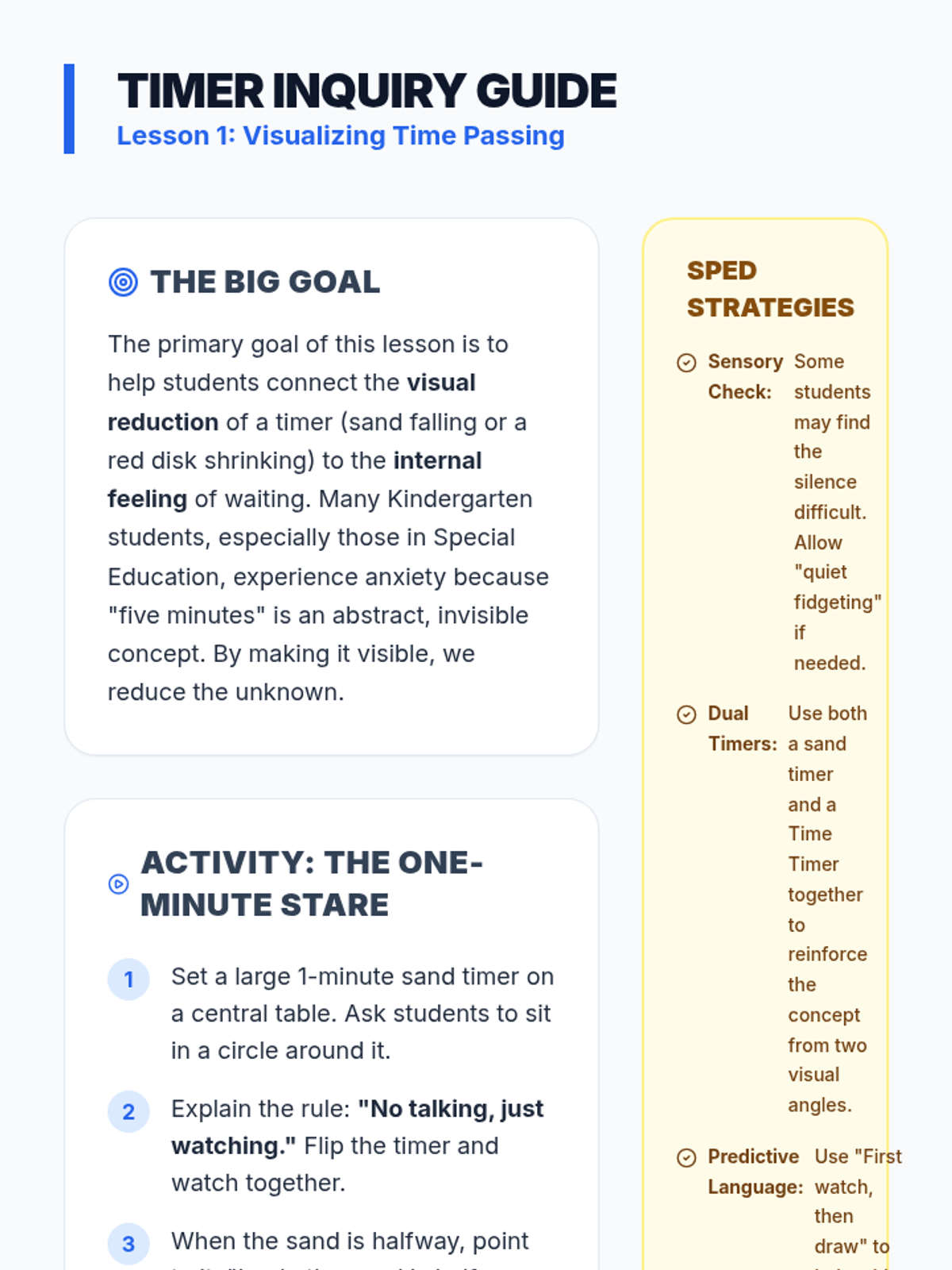
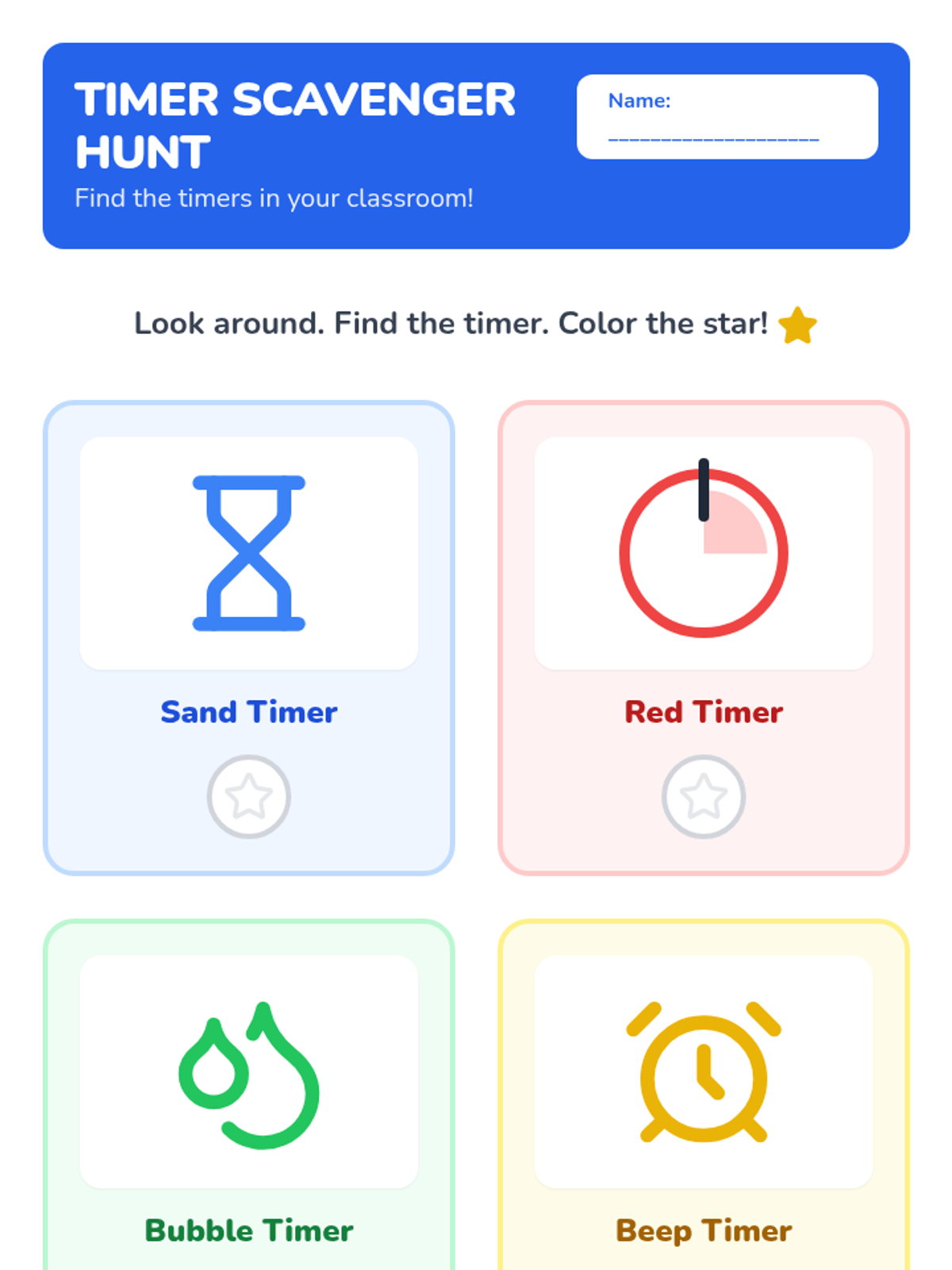
Students are introduced to visual representations of time using large sand timers and Time Timers. They observe the timer during short, fun activities to connect the visual shrinkage of time to the feeling of waiting.
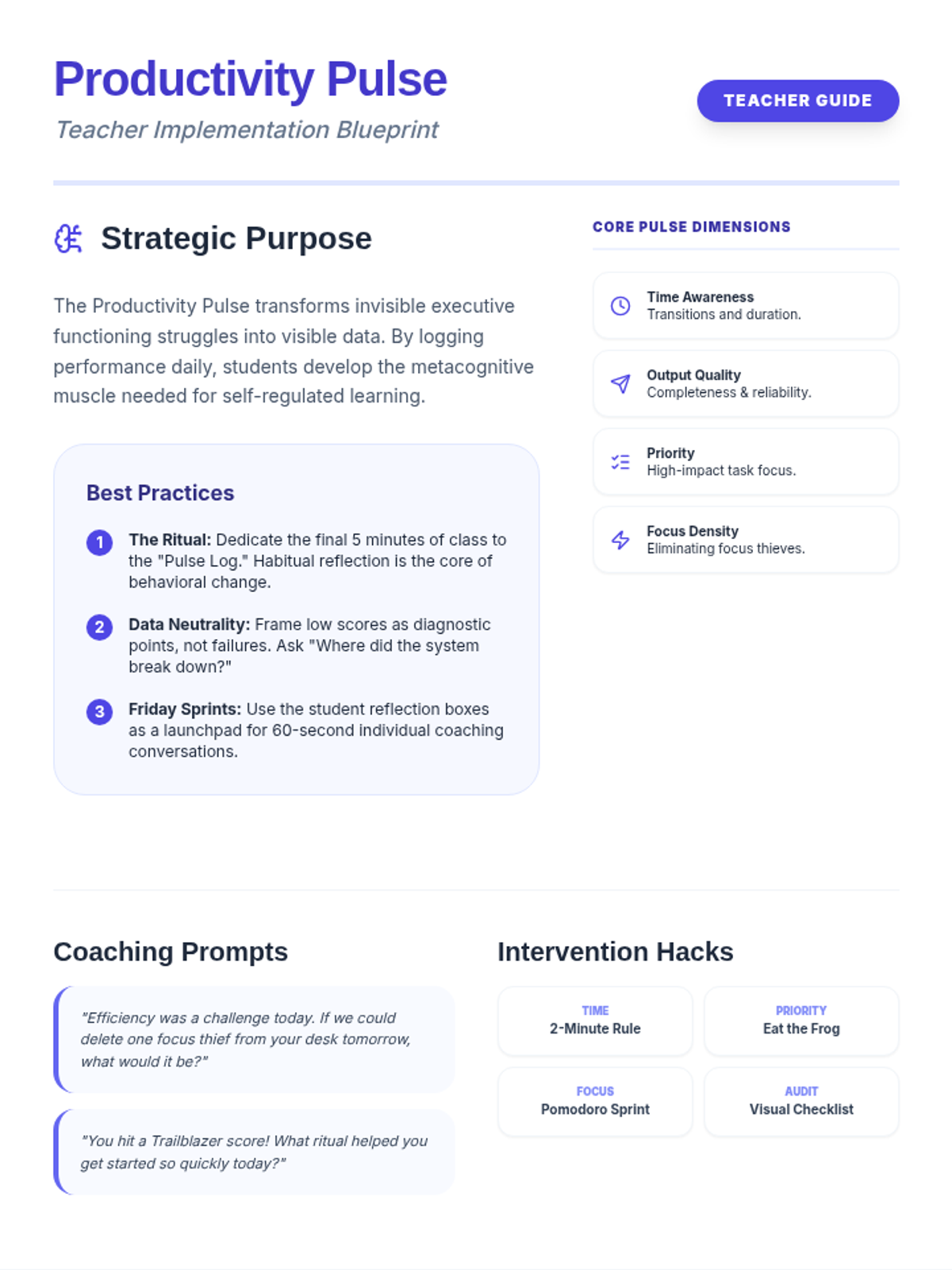
A comprehensive toolkit for students to track and improve their executive functioning skills through daily logging and descriptive rubrics.
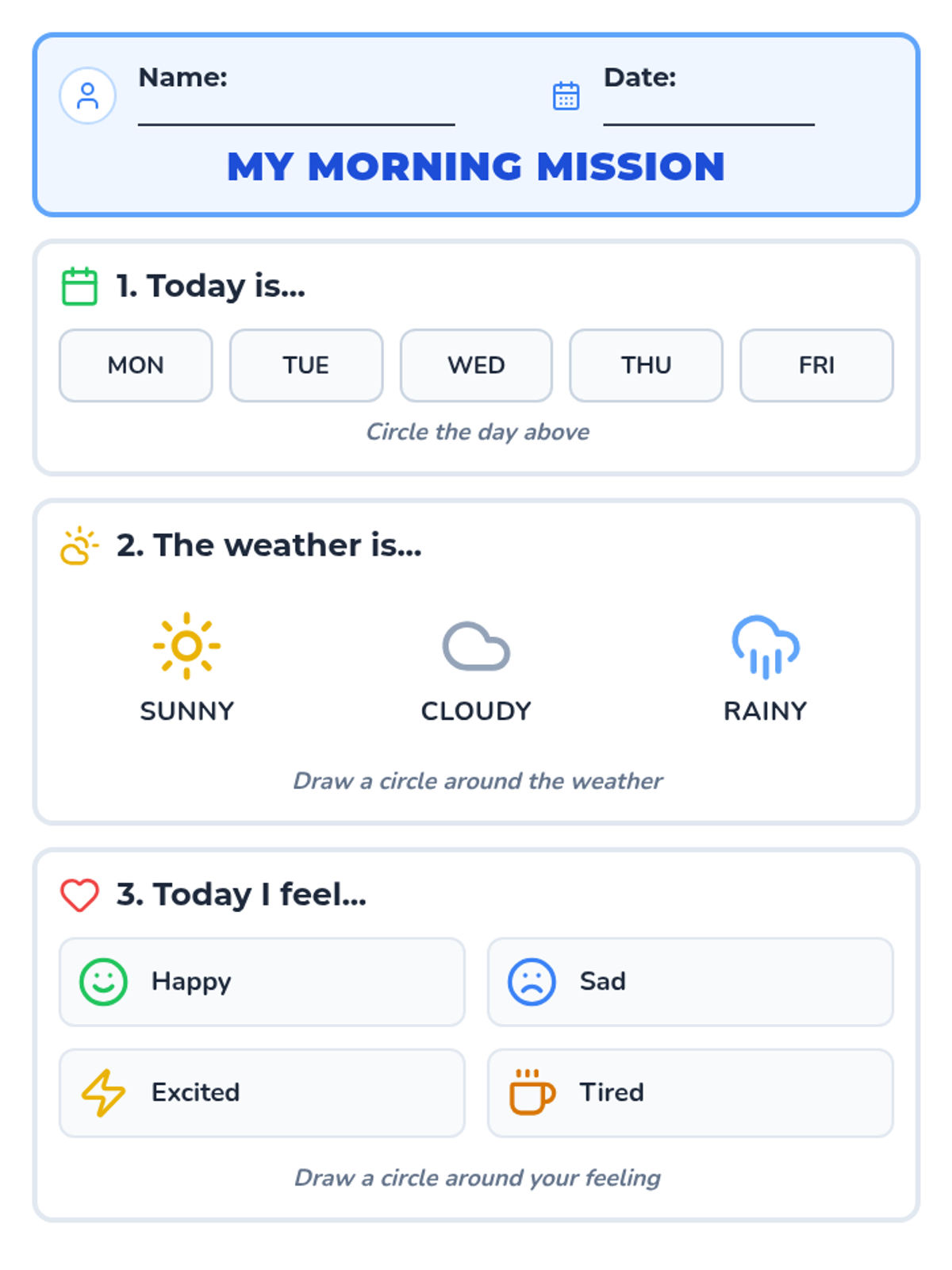
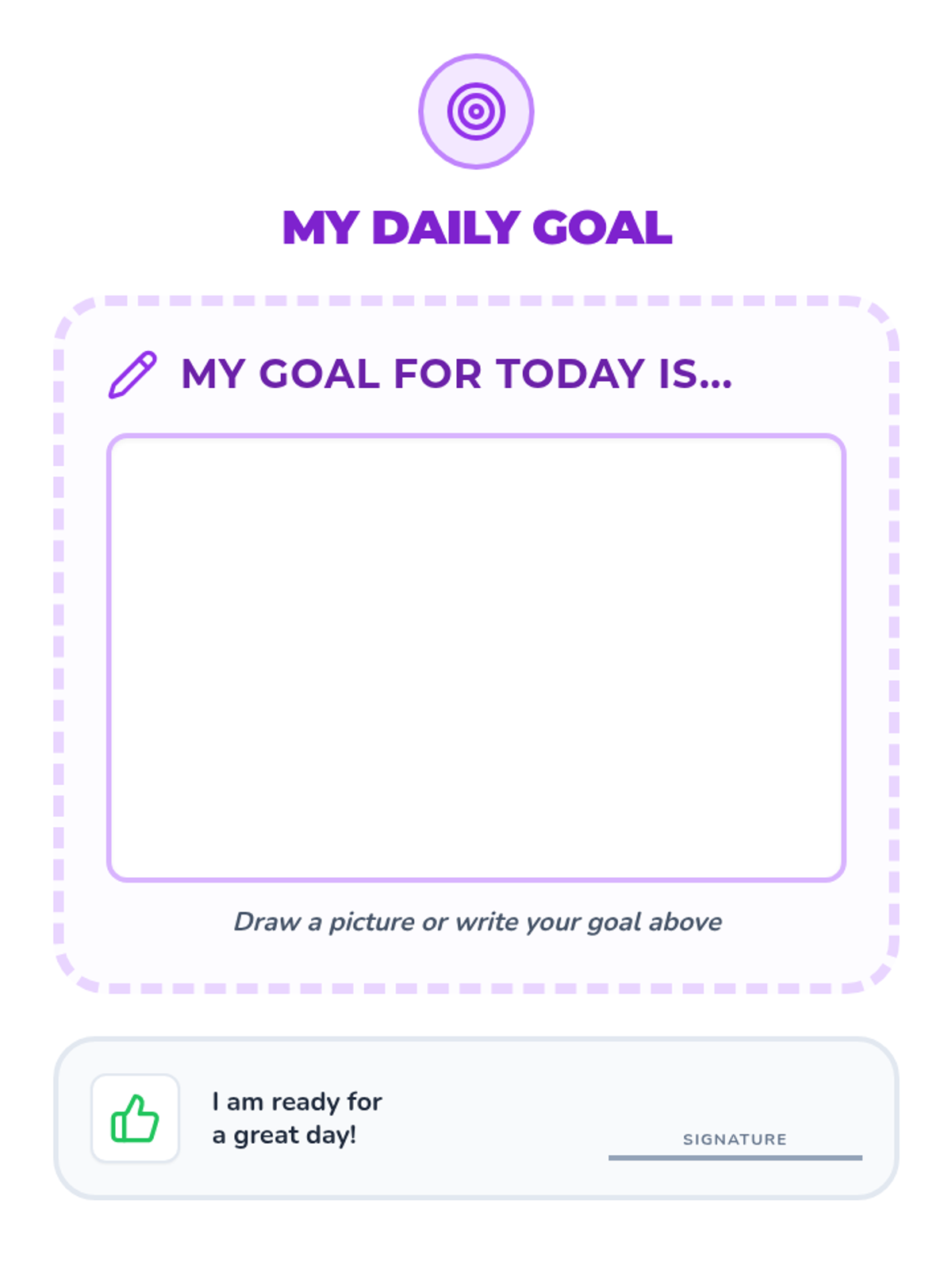
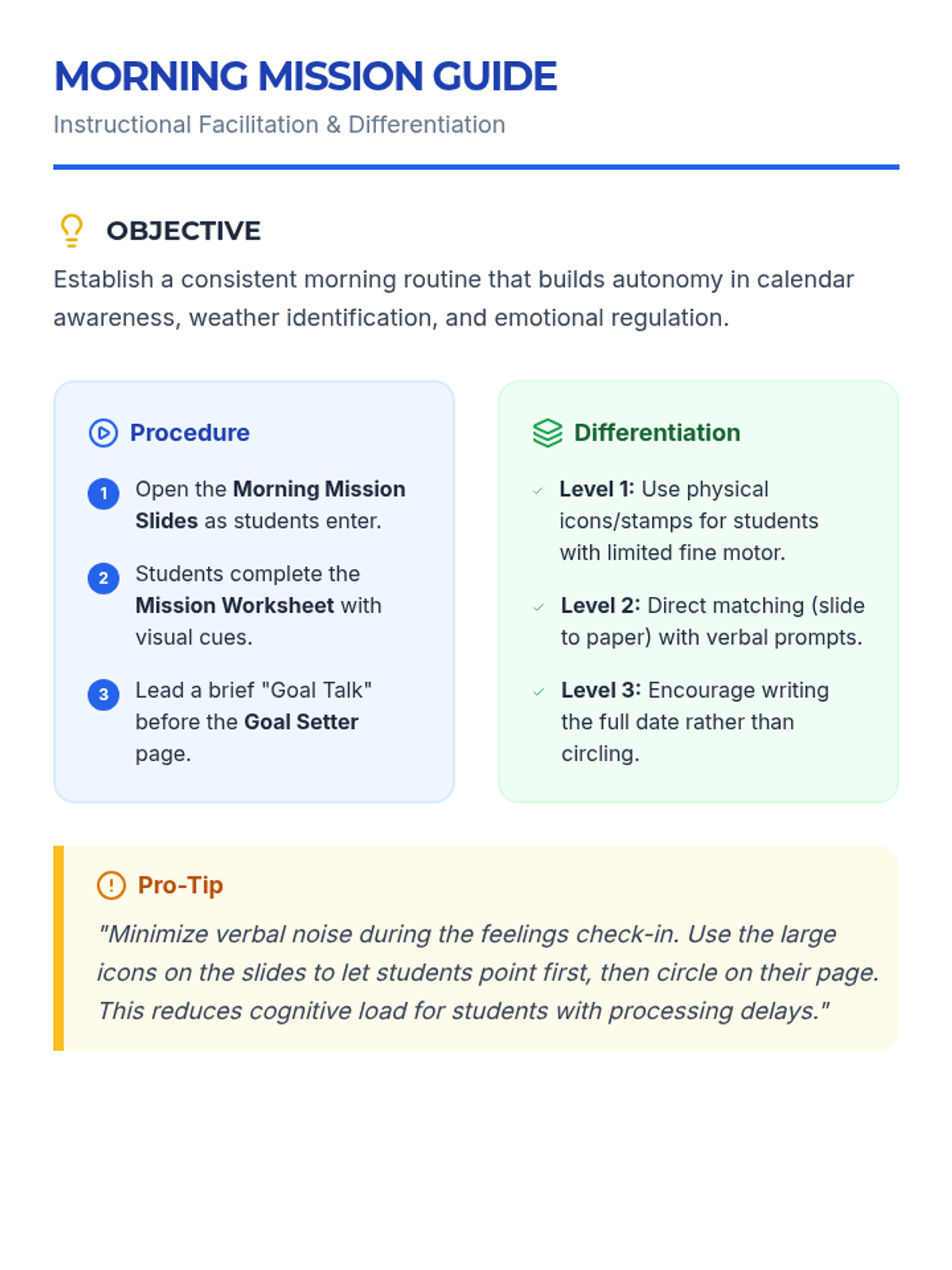
A structured morning routine lesson that guides students through checking the calendar, identifying feelings, and setting a positive goal for the day.
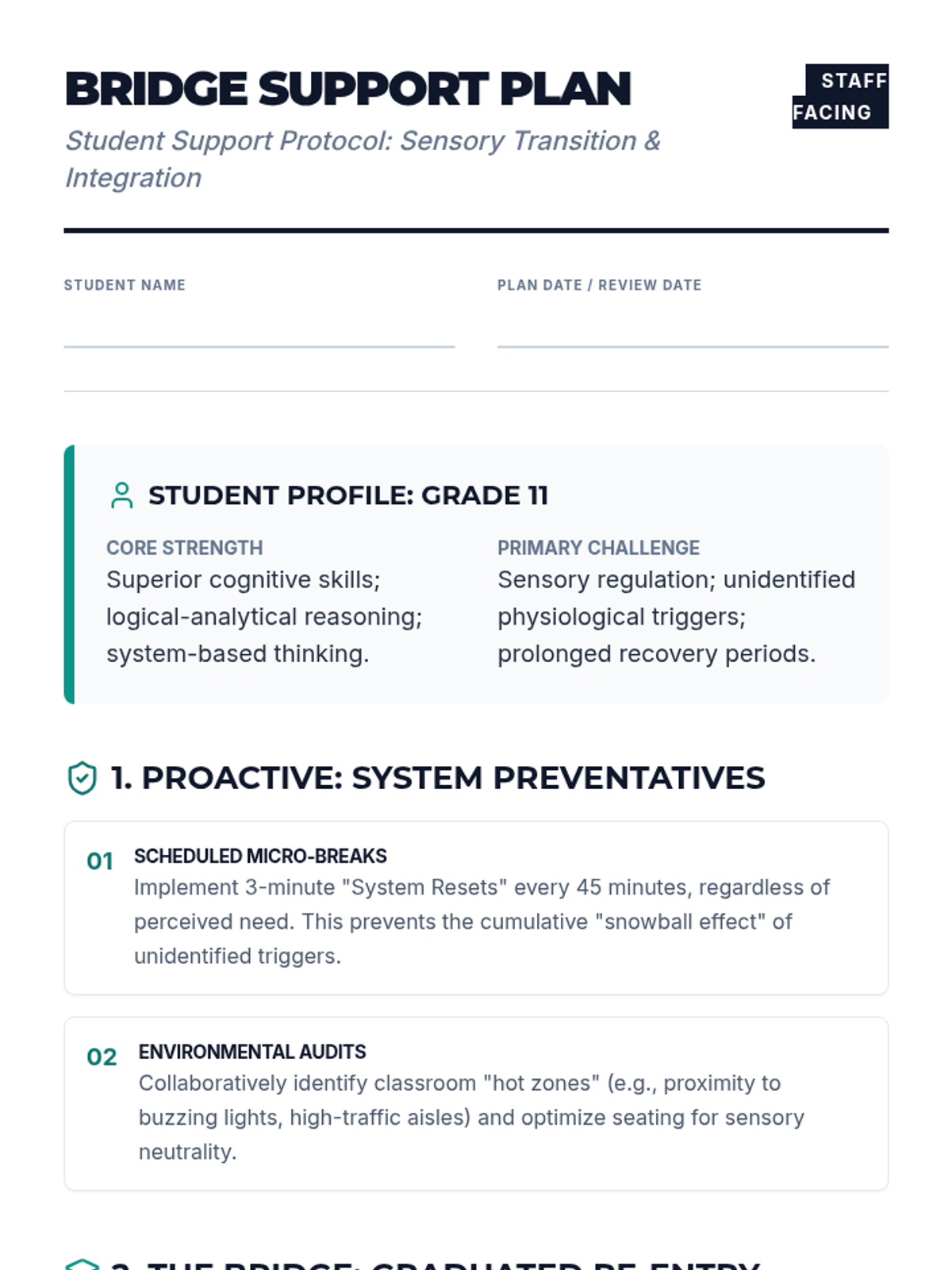
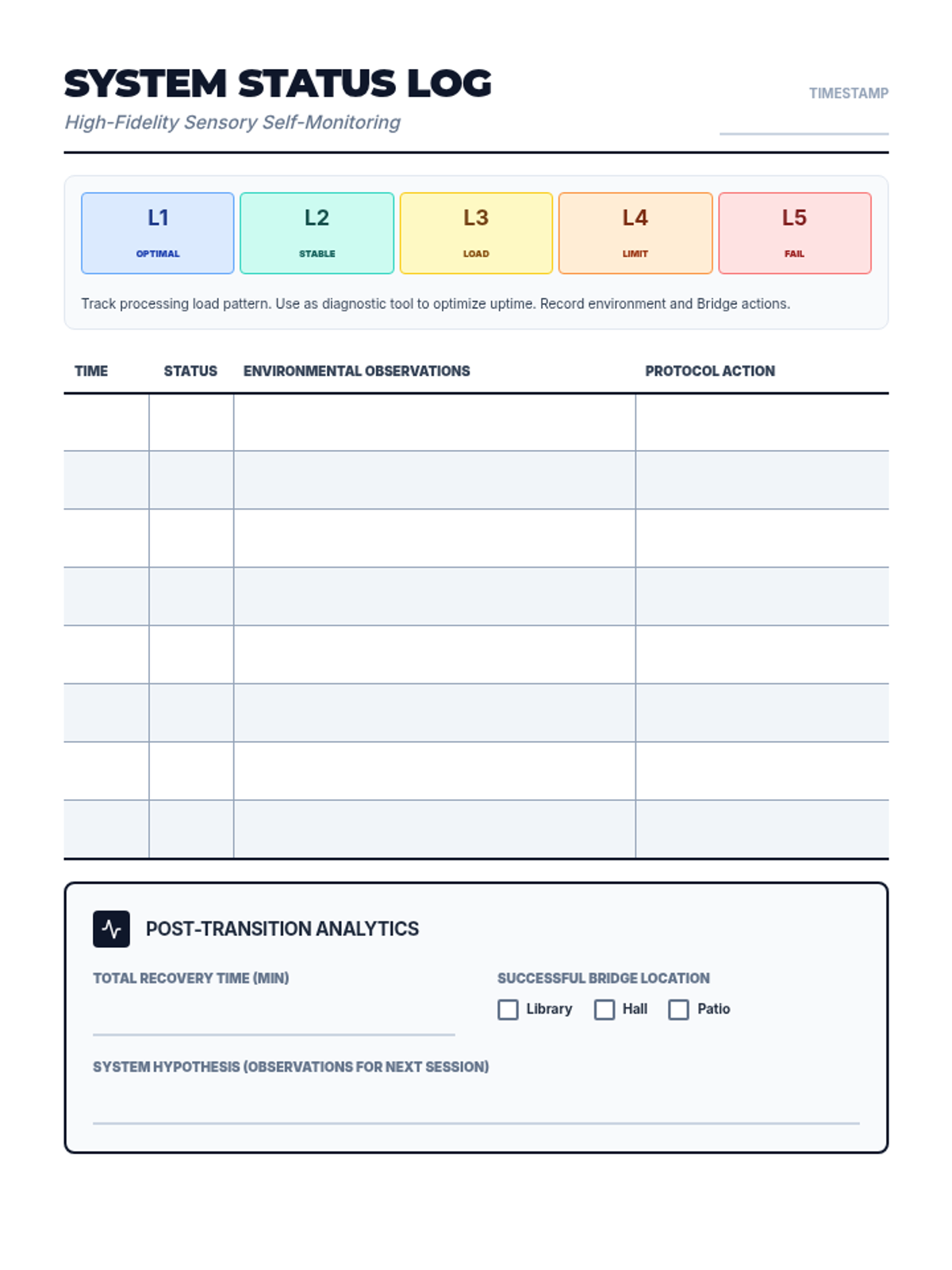
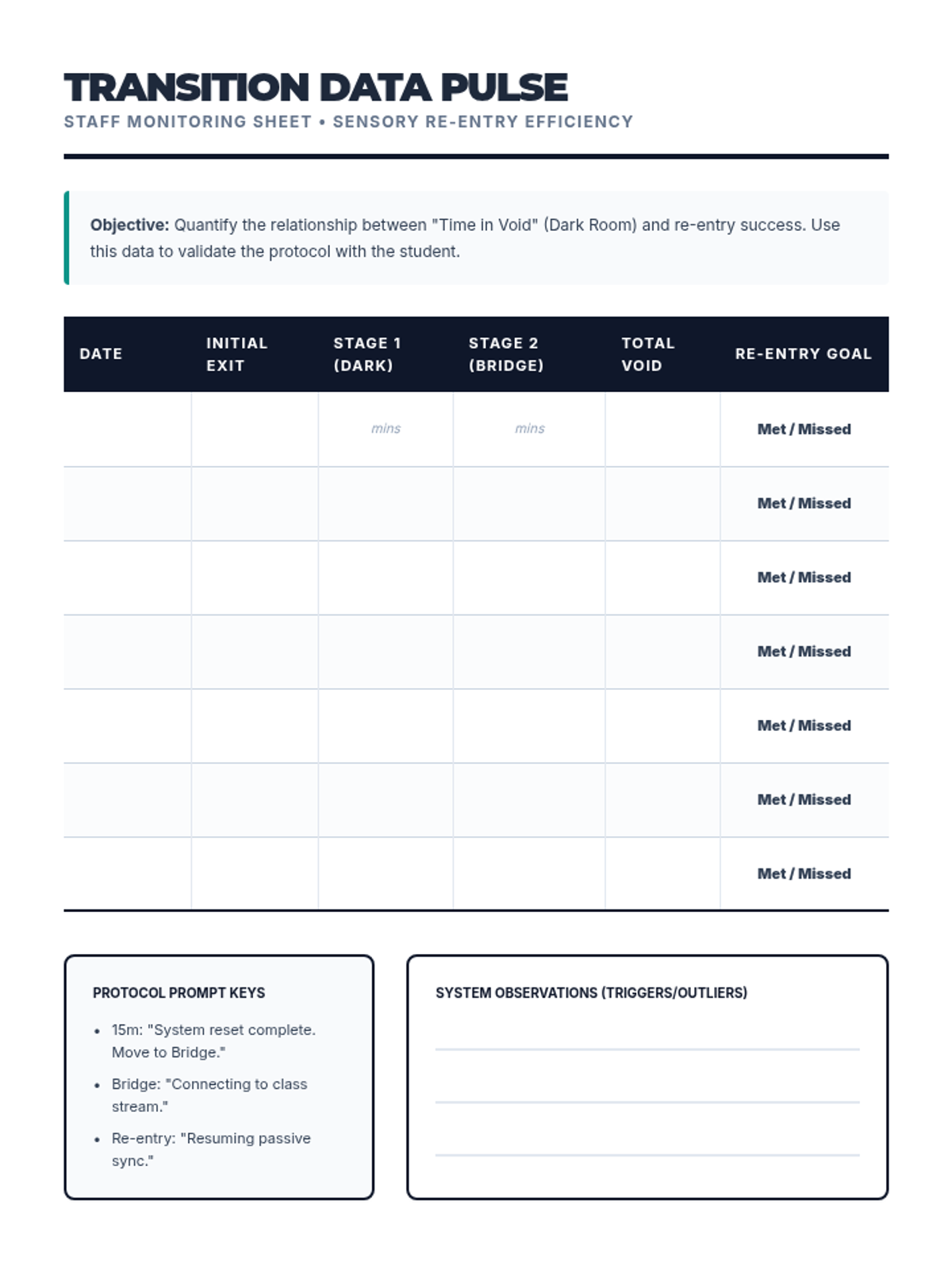
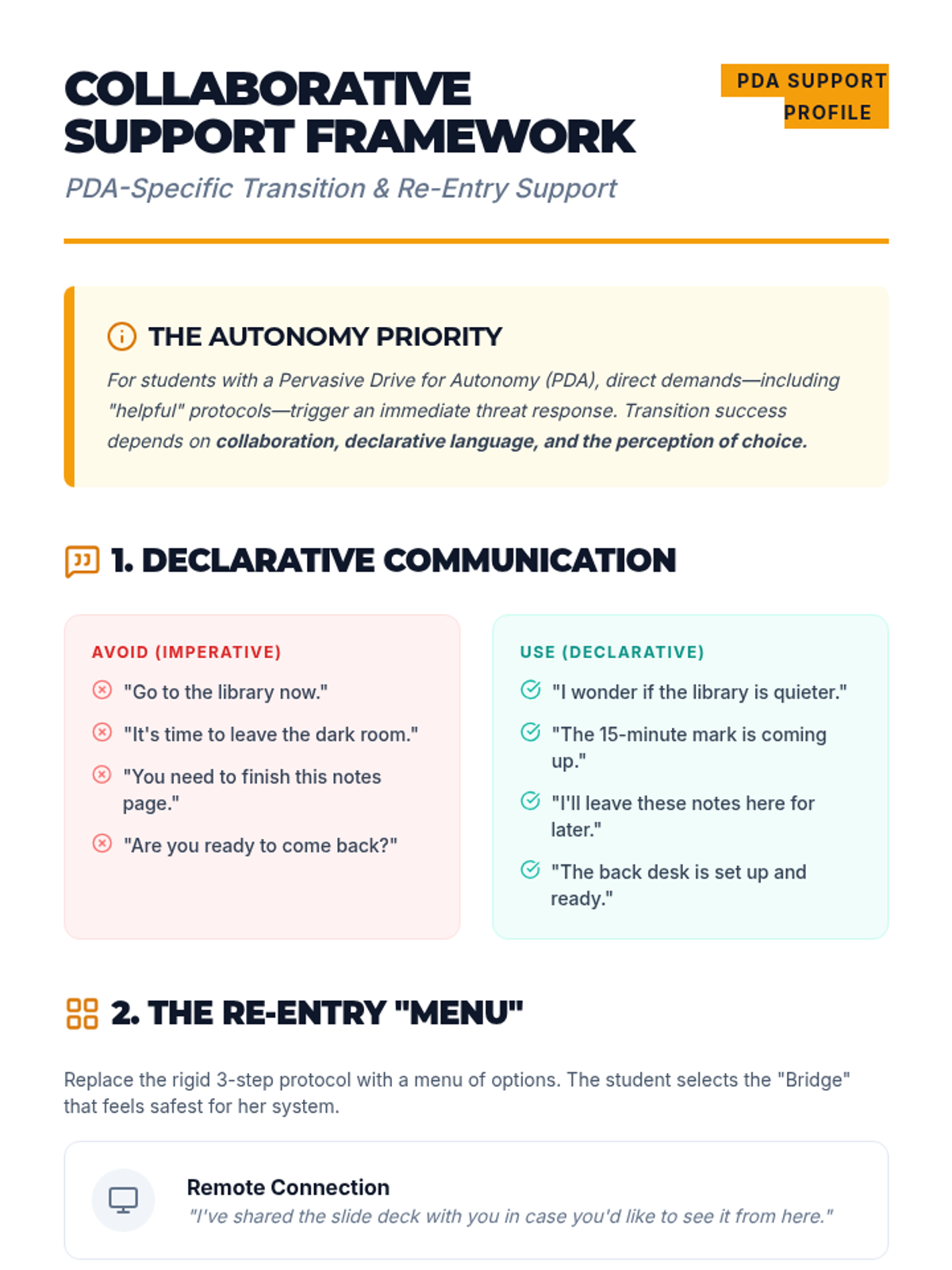
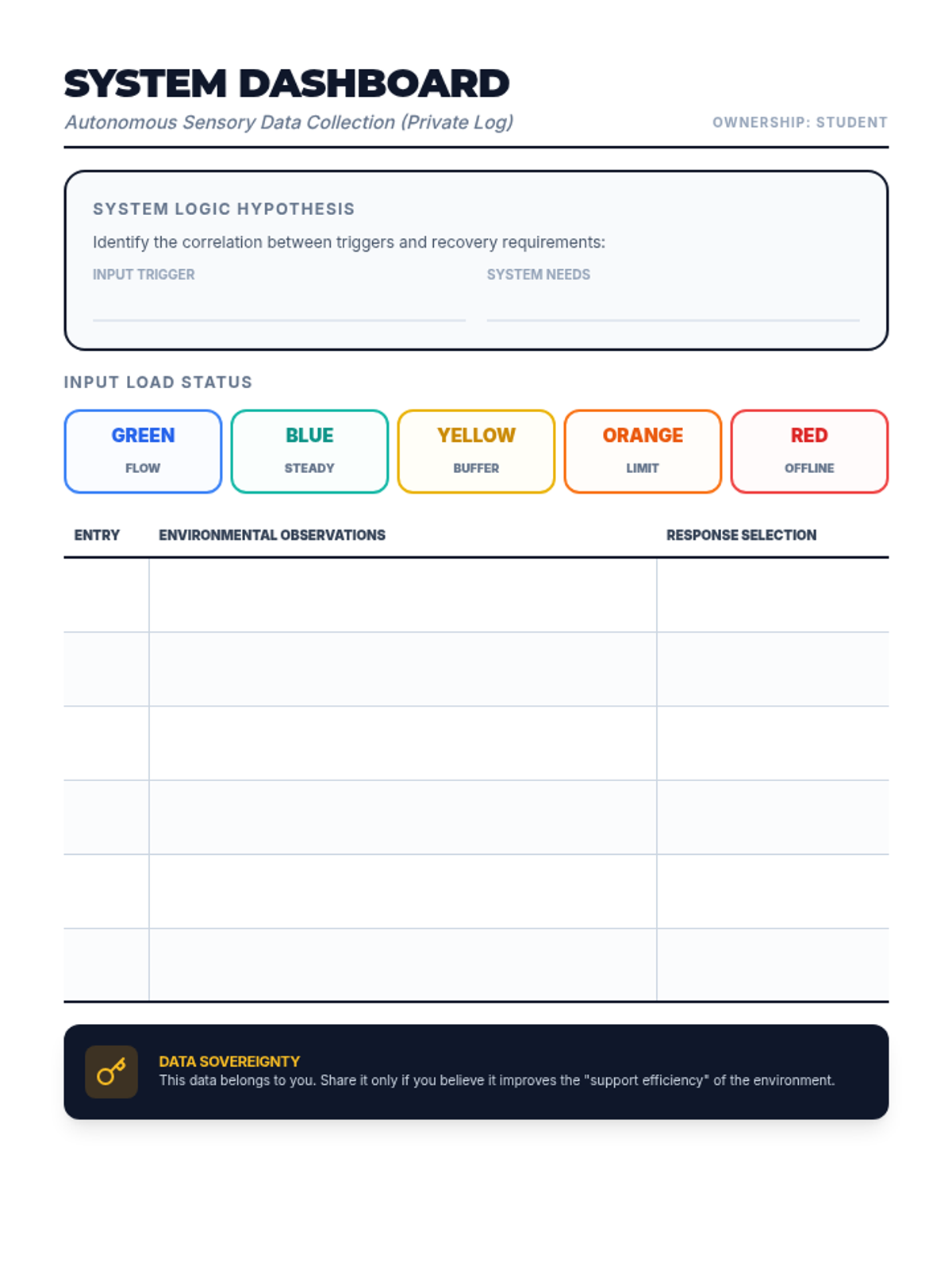
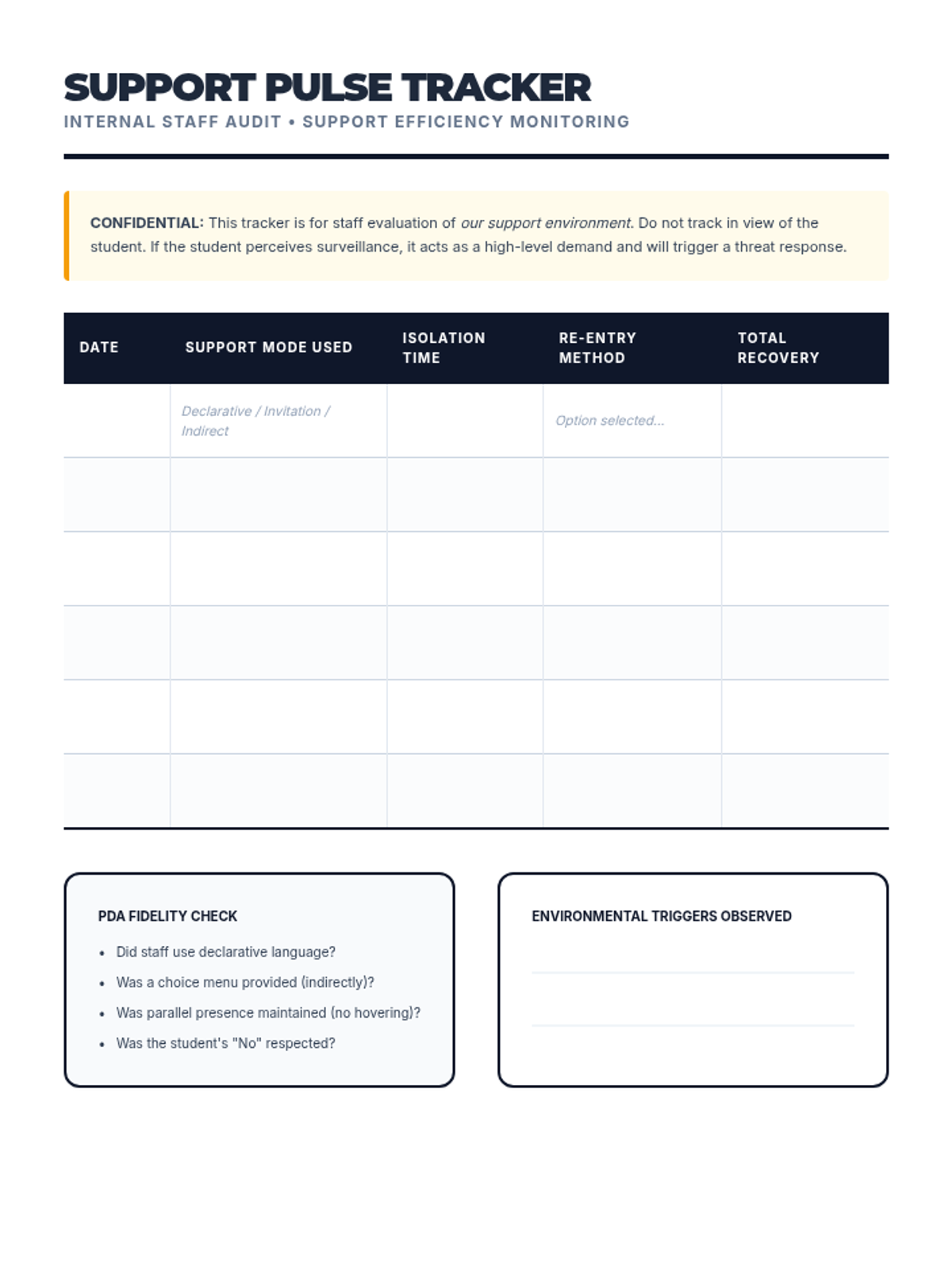
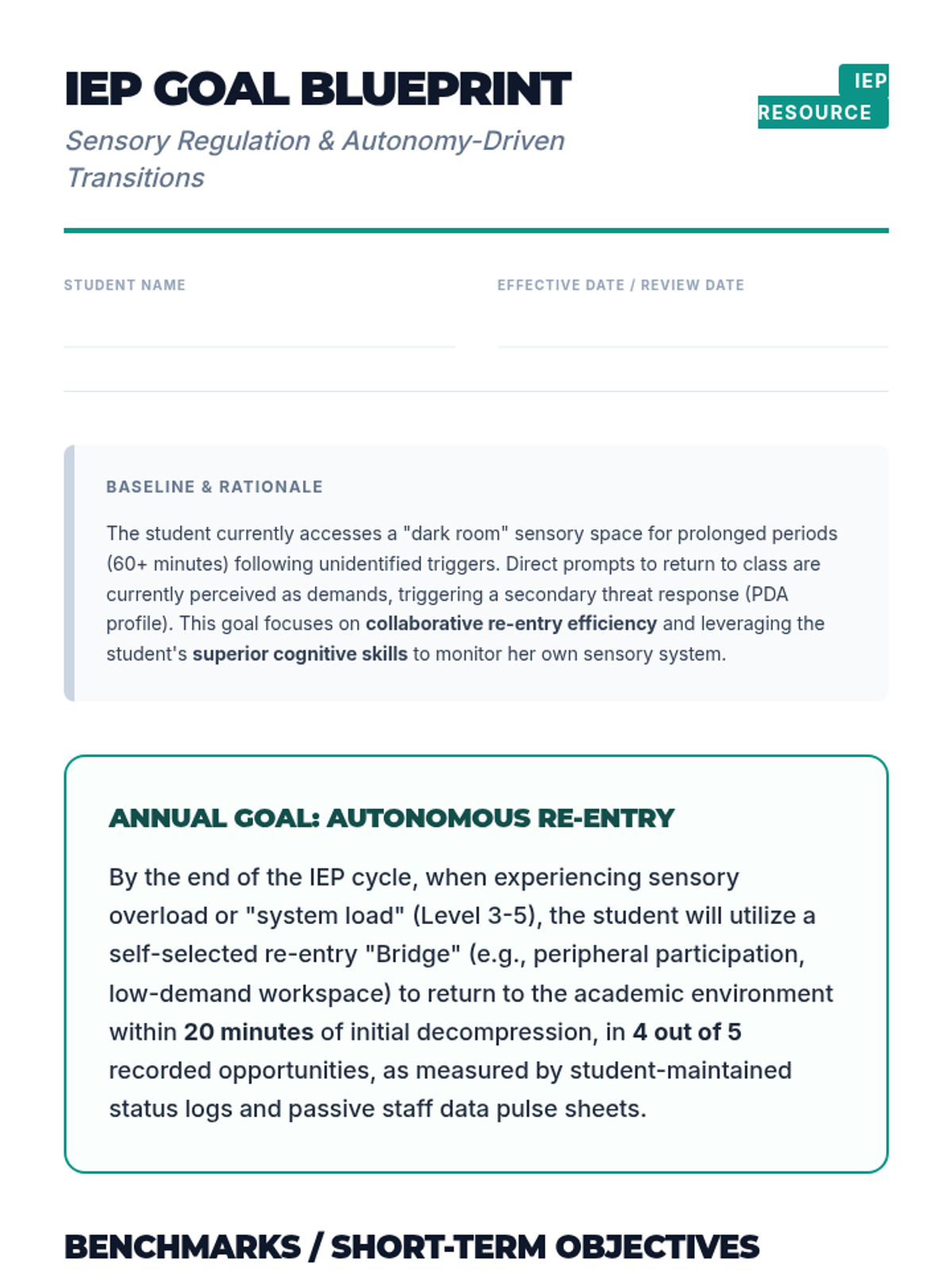
A targeted intervention package designed to help a high-ability 11th-grade student manage sensory overload and transition back to the classroom more efficiently.
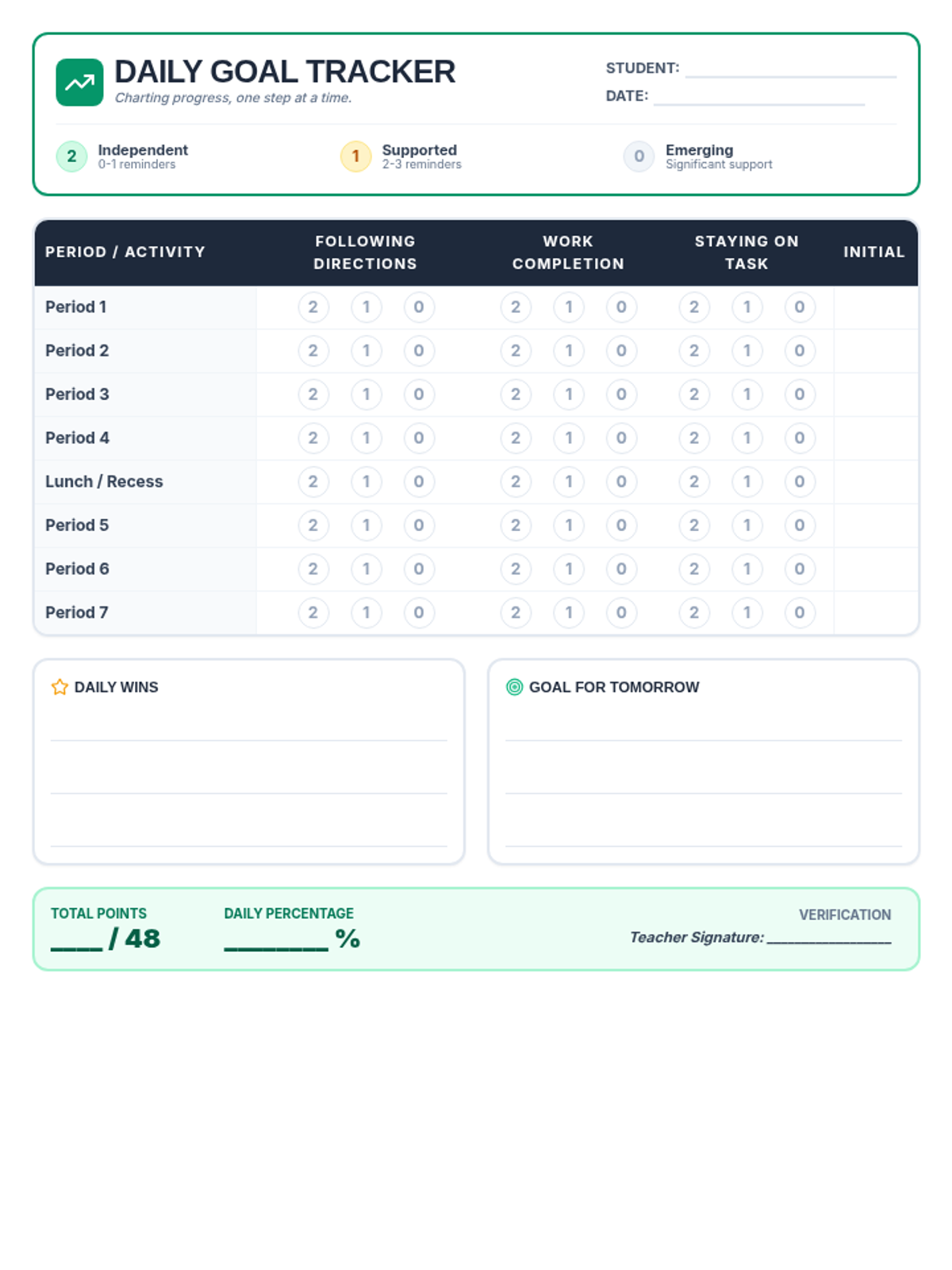
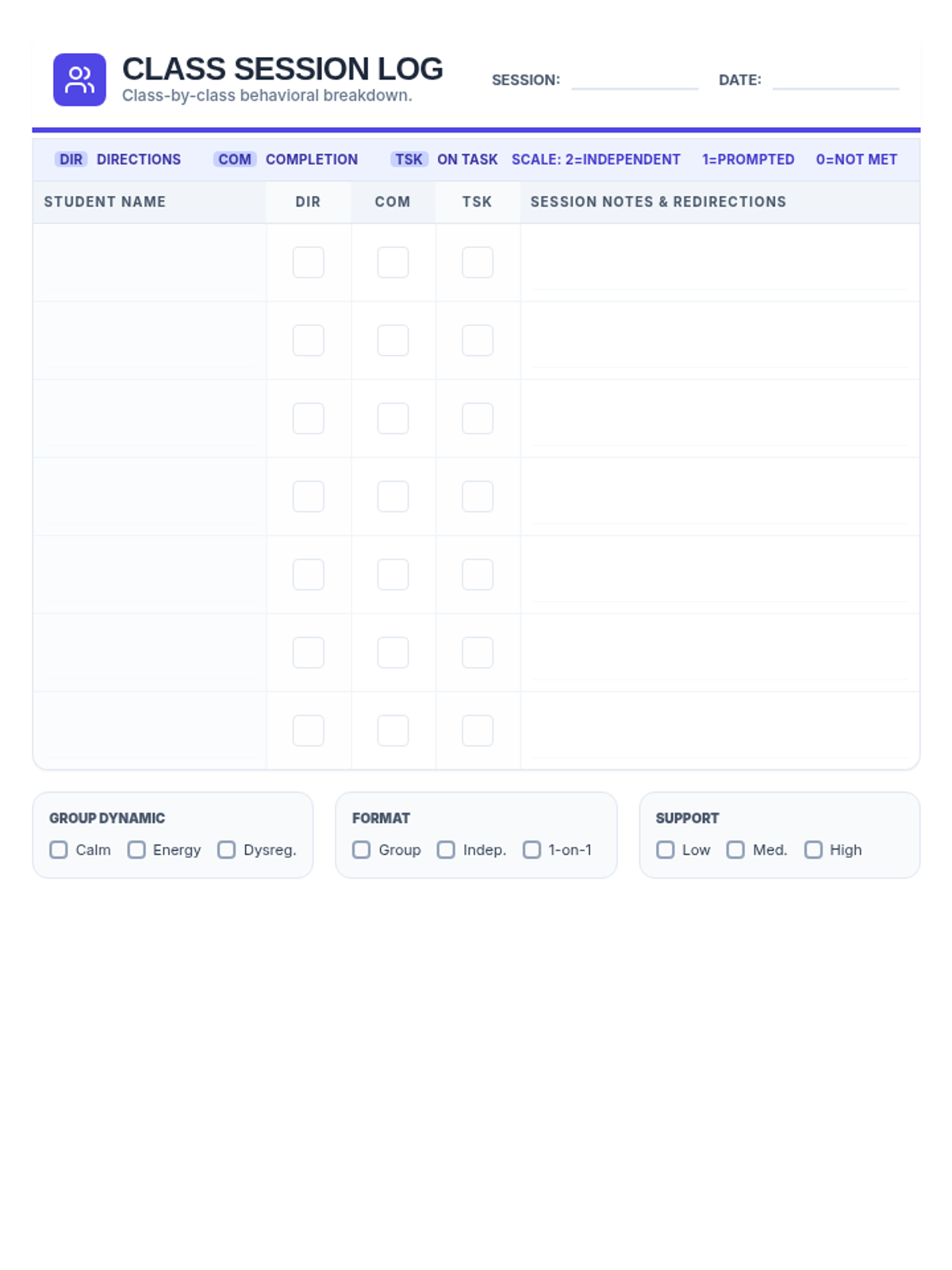
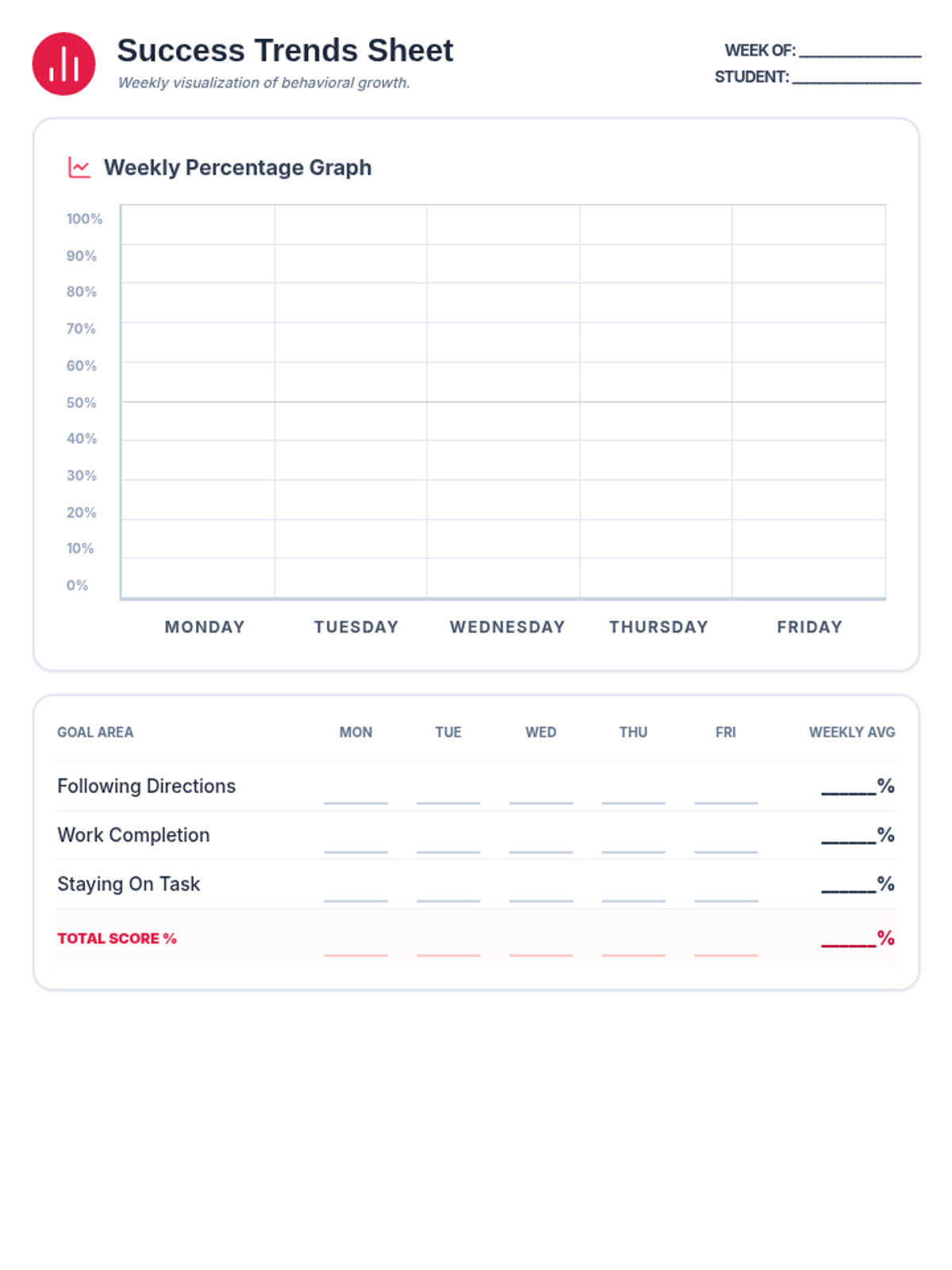
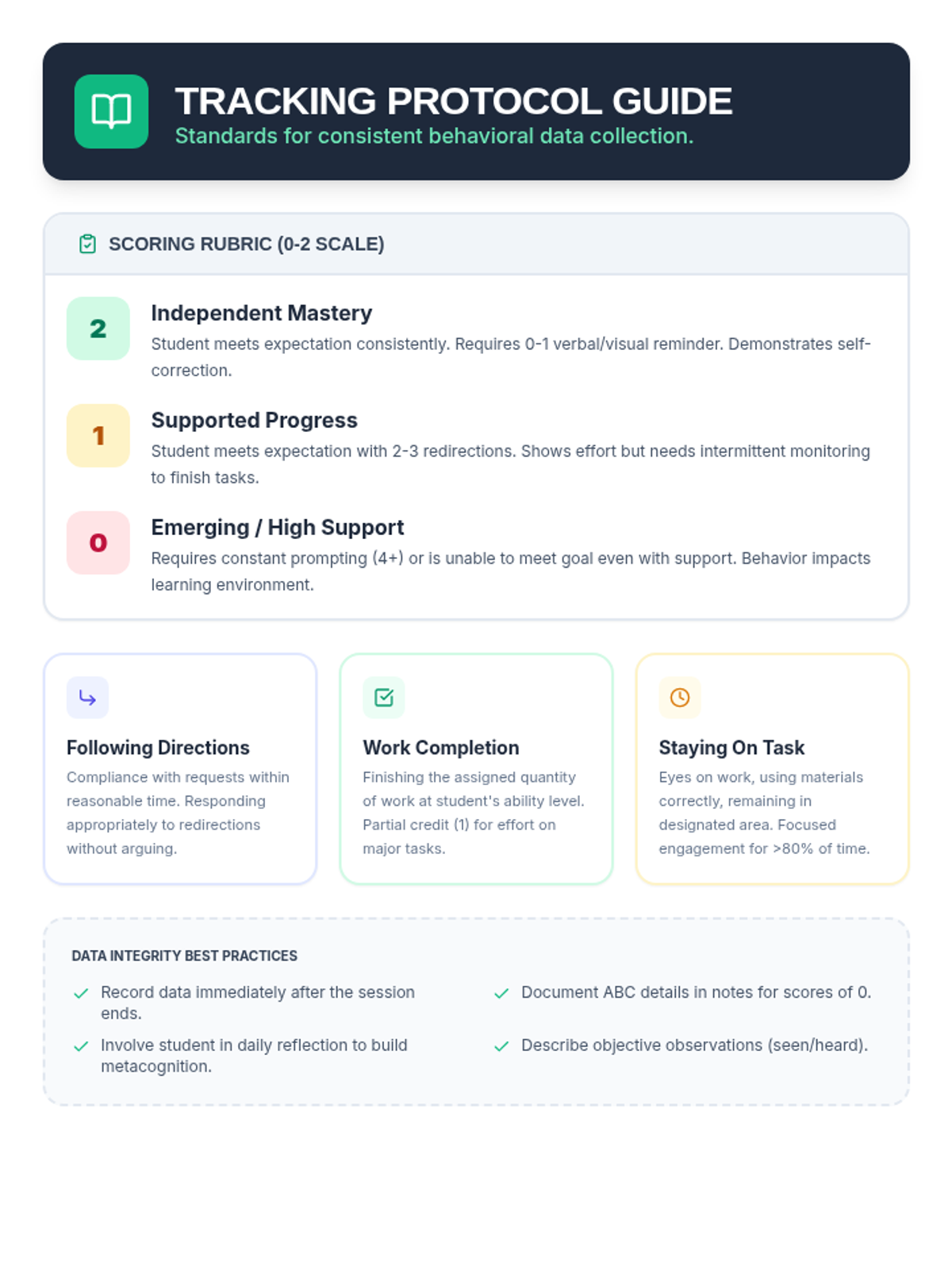
A comprehensive set of data tracking tools designed for special education settings to monitor student engagement, focus, and compliance with behavioral expectations throughout the school day.
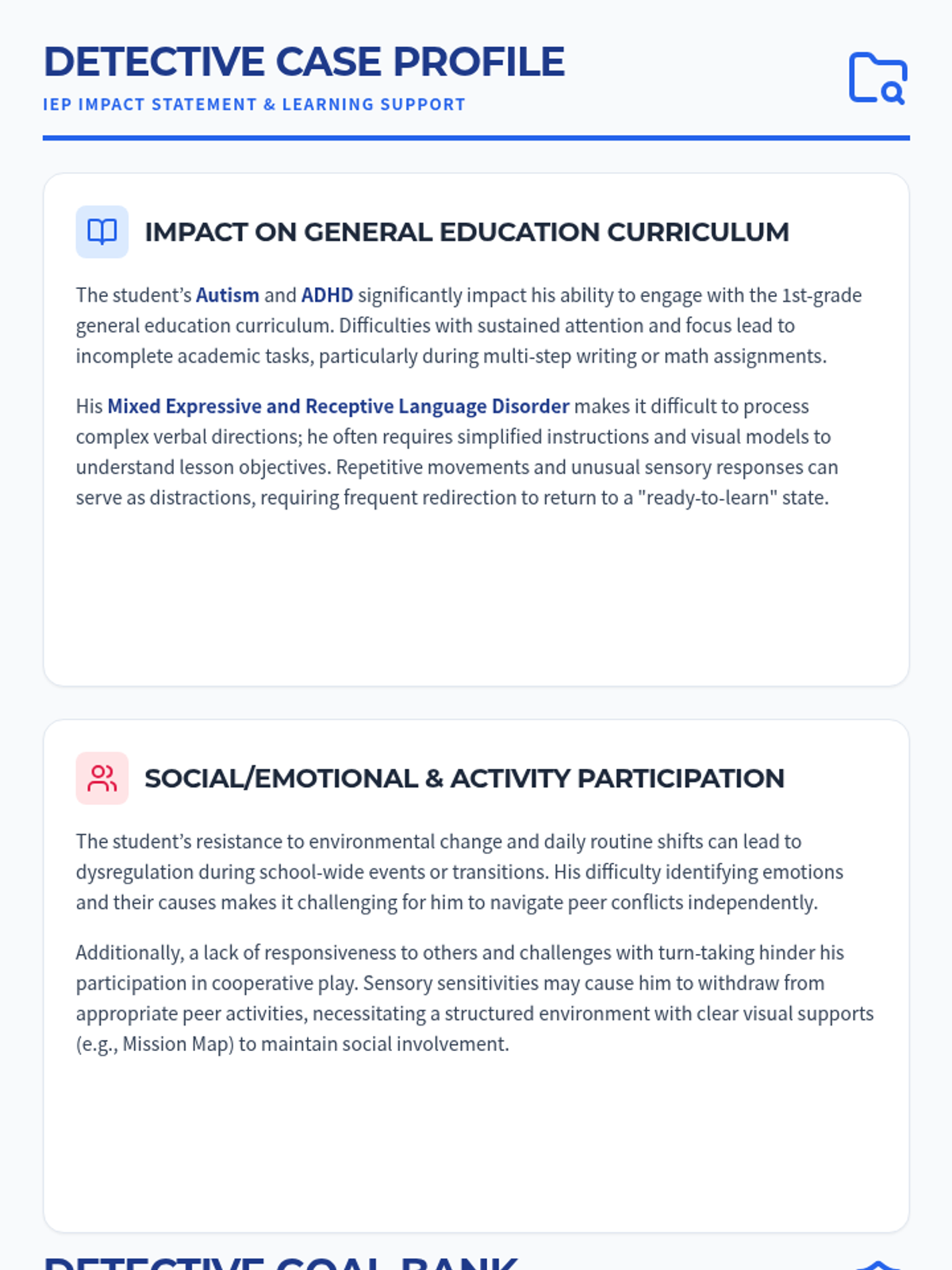
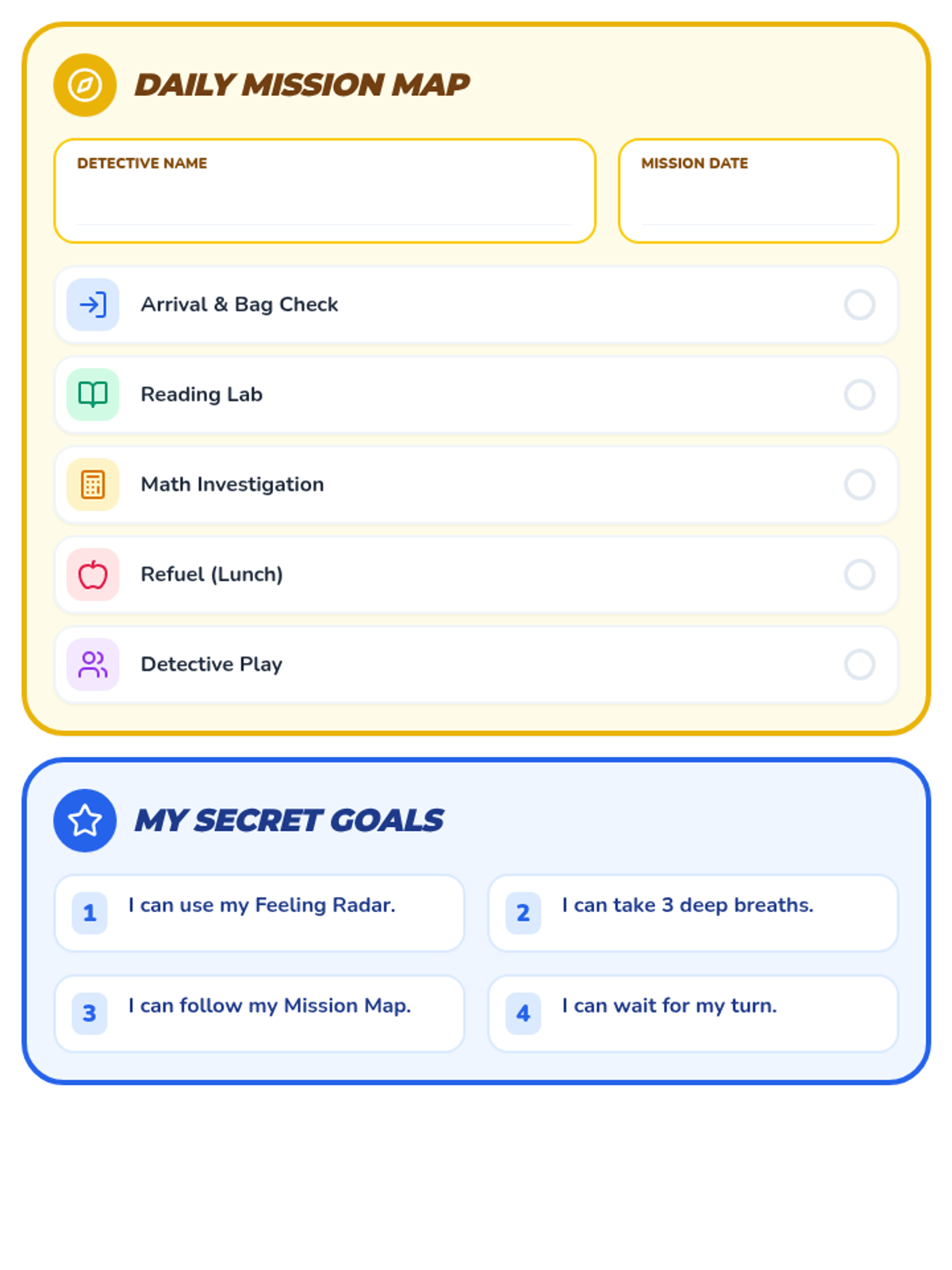
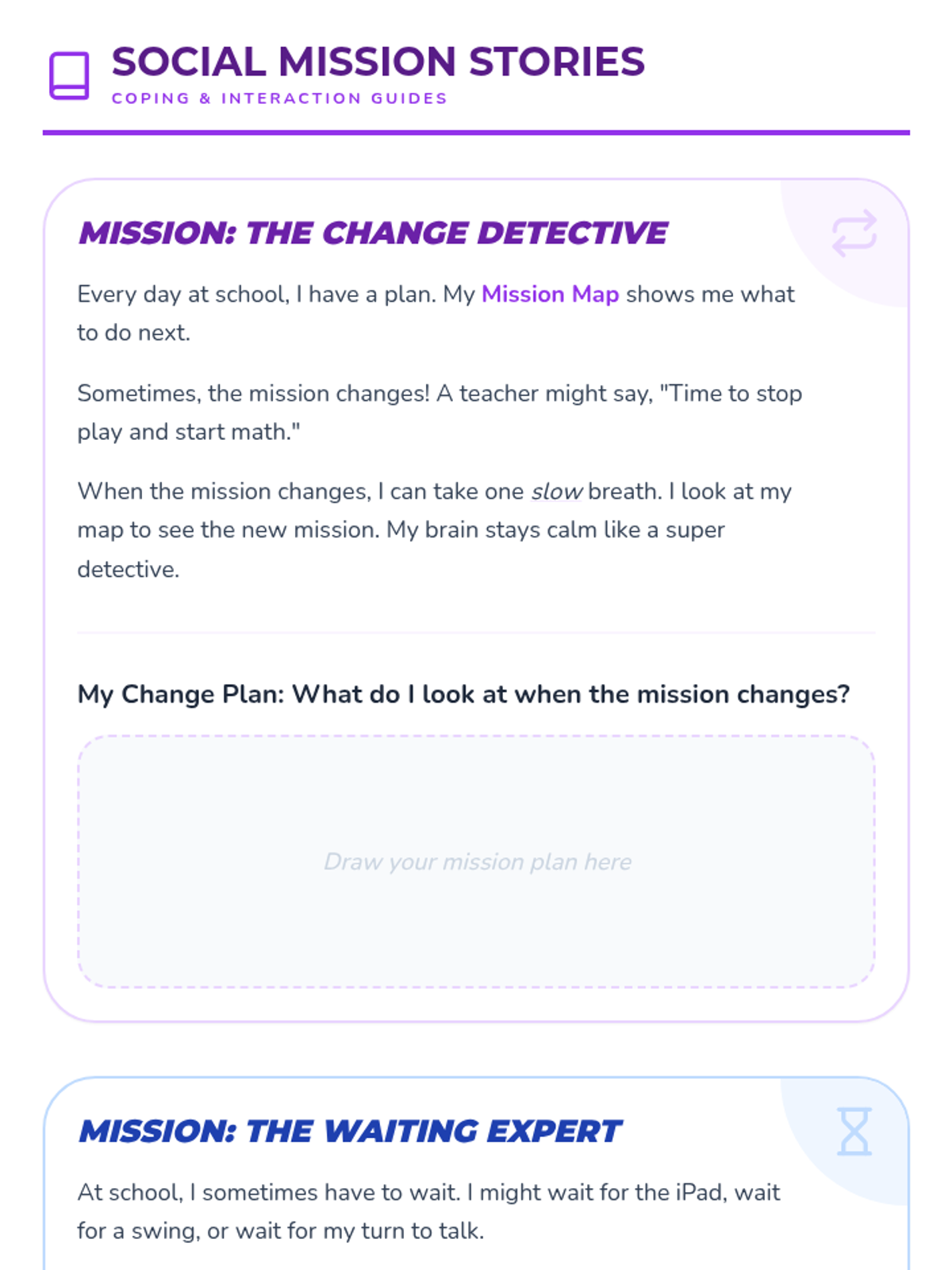
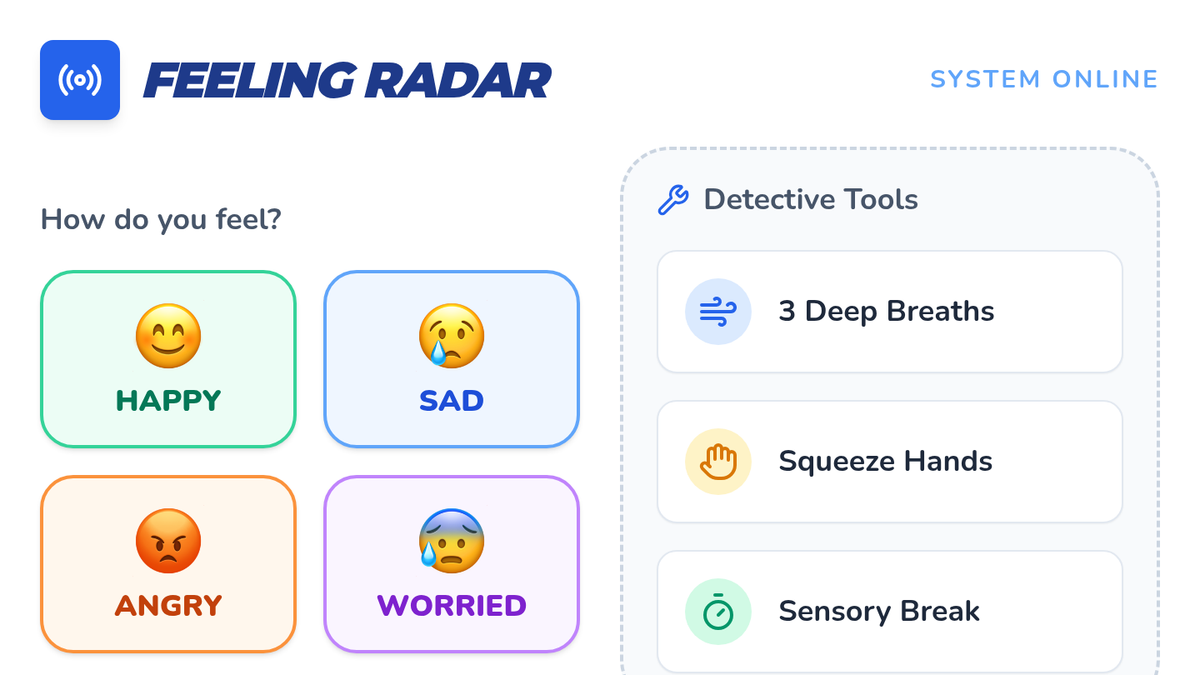
A comprehensive set of resources for a 1st-grade student with Autism and ADHD, focusing on self-regulation, transitions, and social skills through a 'Detective Academy' theme. Includes IEP goals, data tracking, visual supports, and social stories.
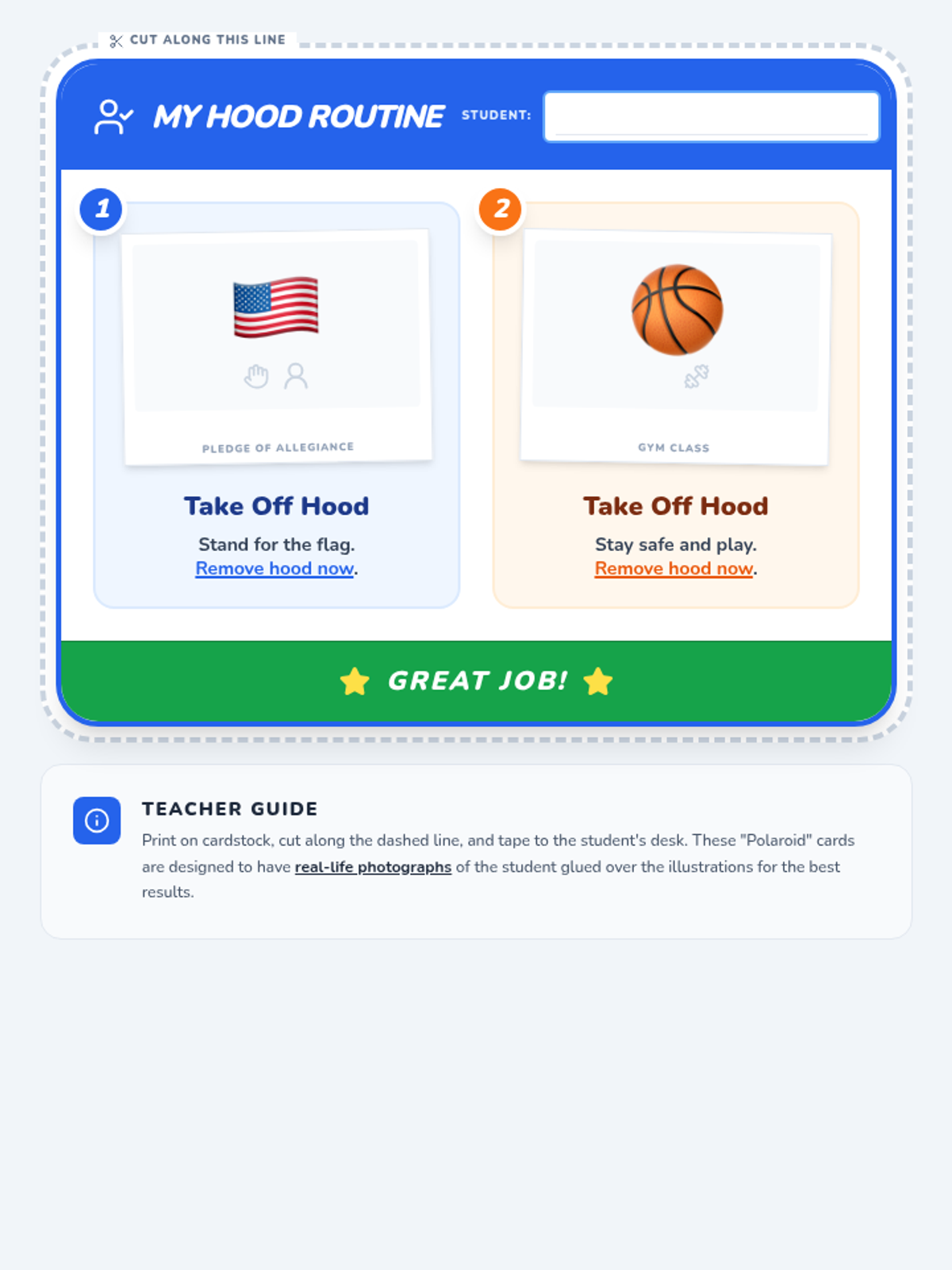
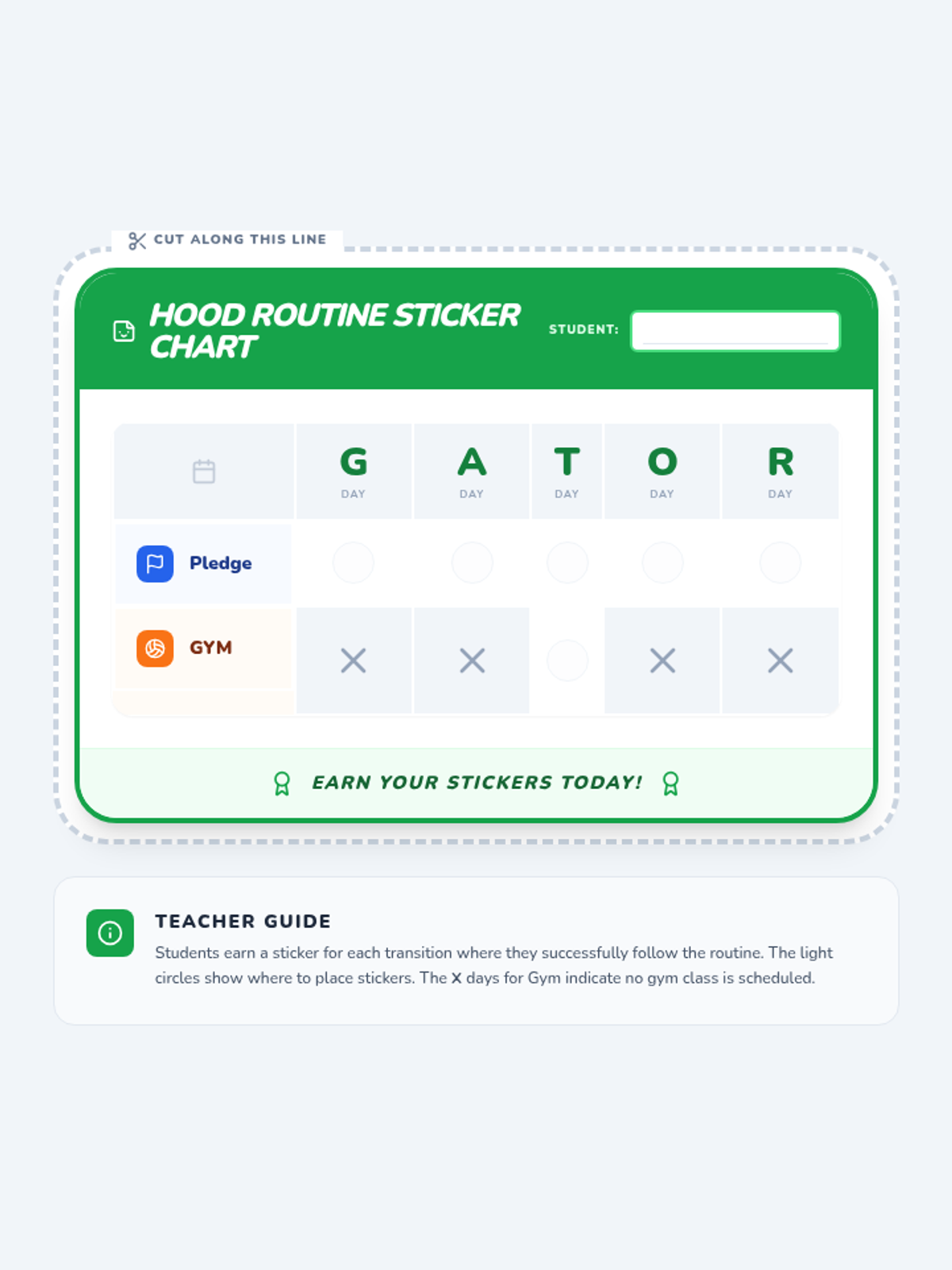
A set of visual tools to help students manage their hood routine, including a desk reminder card and a weekly sticker tracking chart.
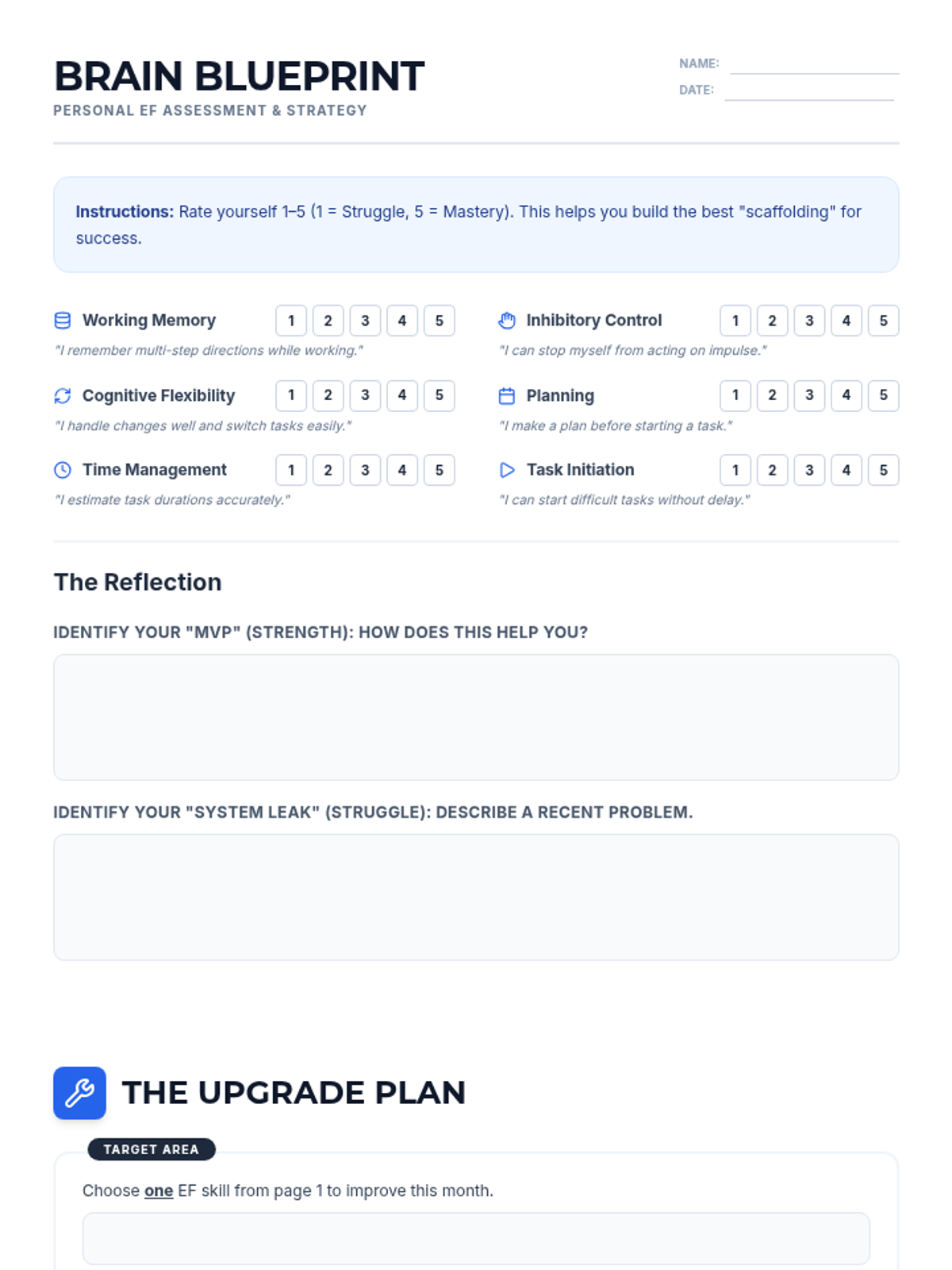
A 90-minute deep dive into the eight core executive functions, featuring interactive discussion, personal reflection, and concrete strategy building for young adult transitions.
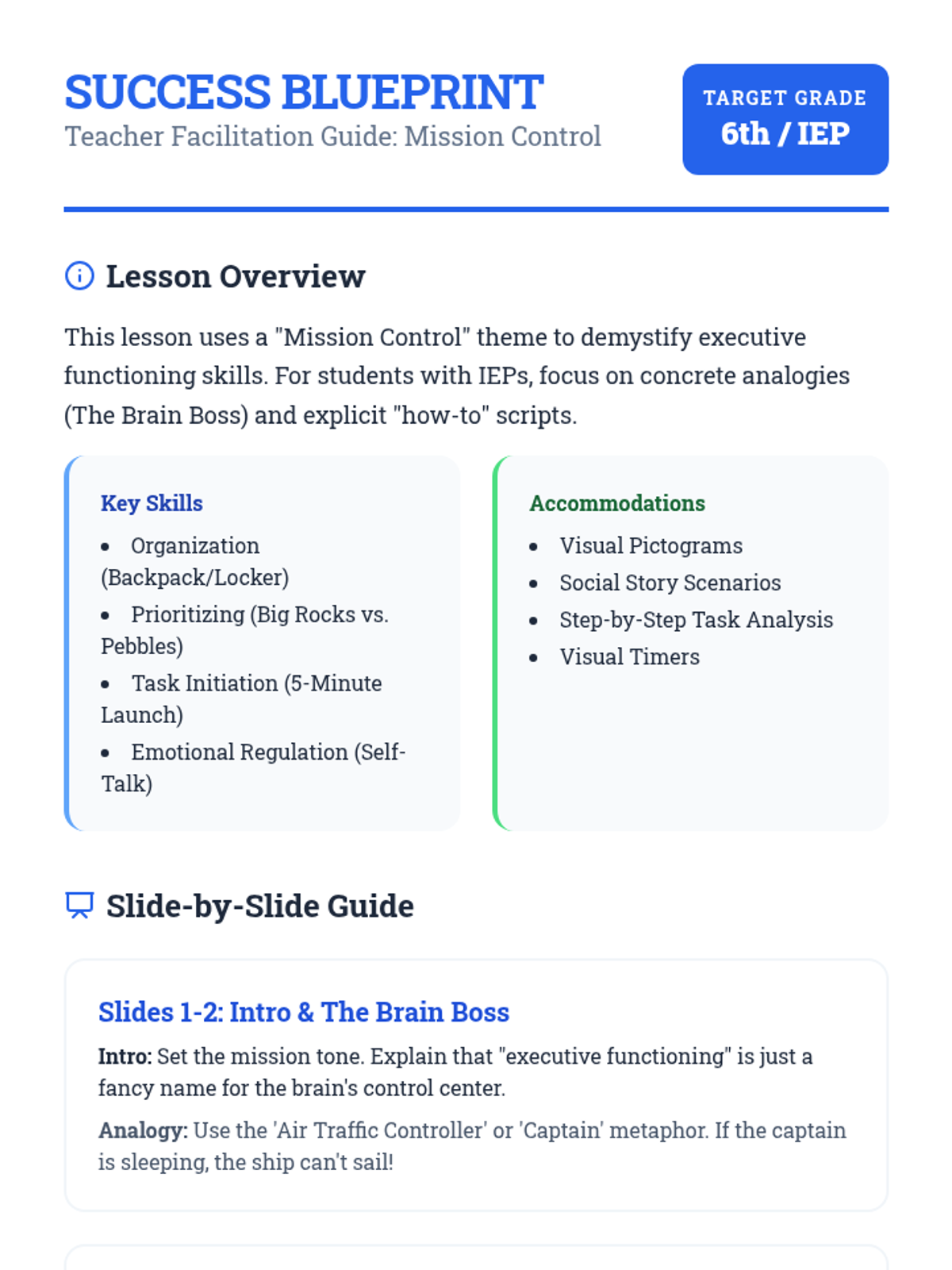
A comprehensive lesson designed for 6th-grade IEP students focusing on essential executive functioning skills like organization, planning, and emotional regulation through visual supports and task analysis.
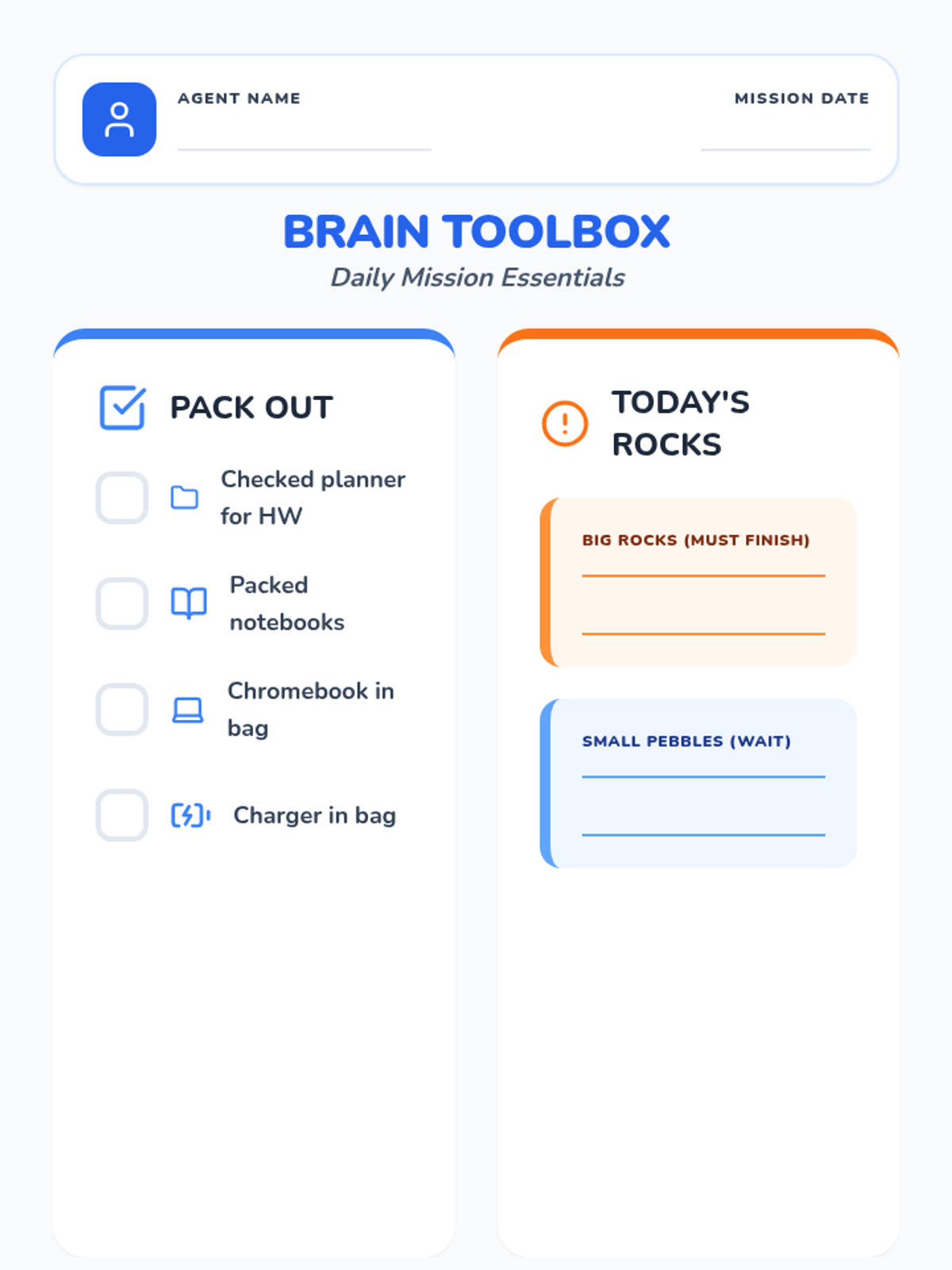
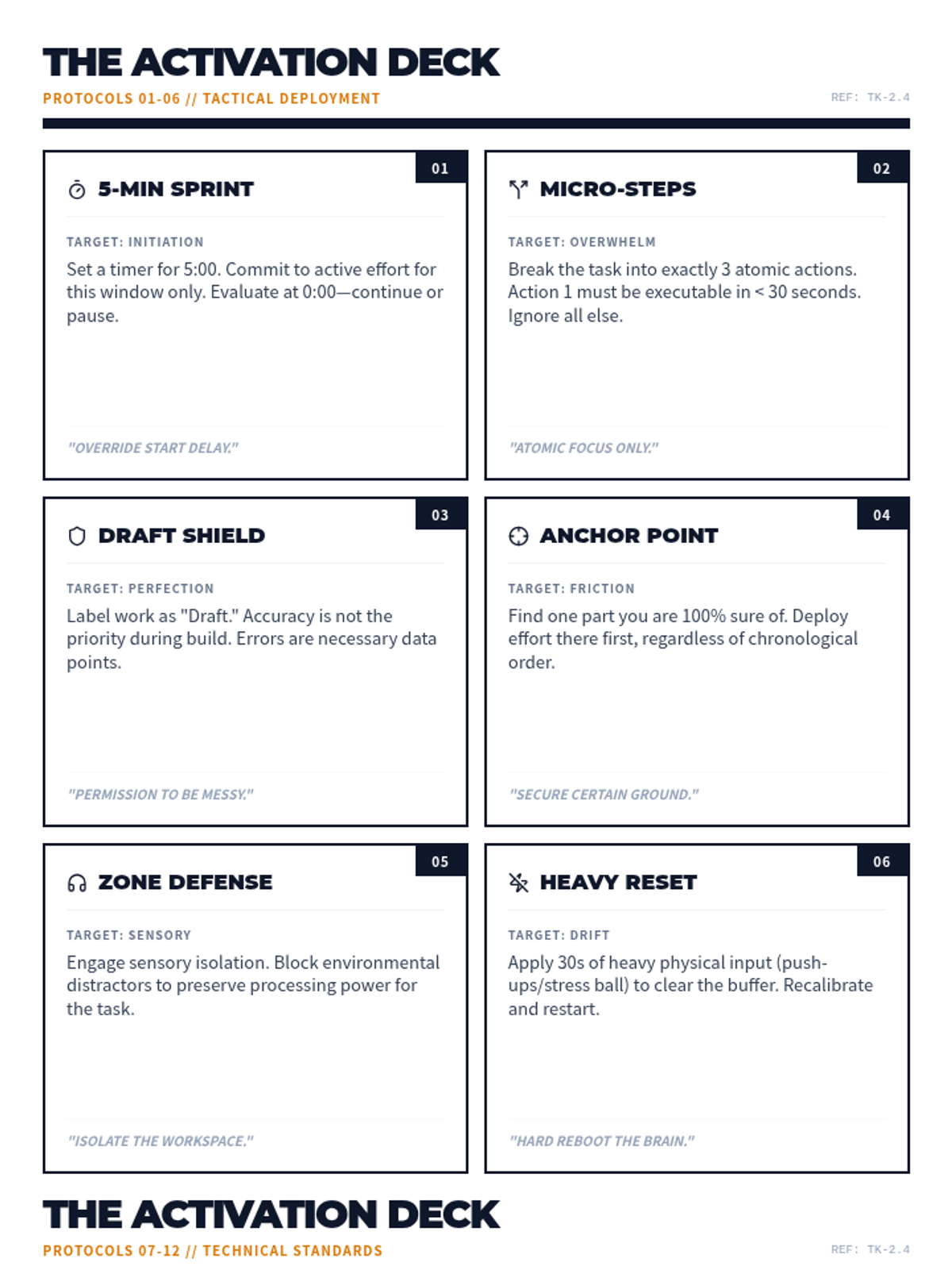
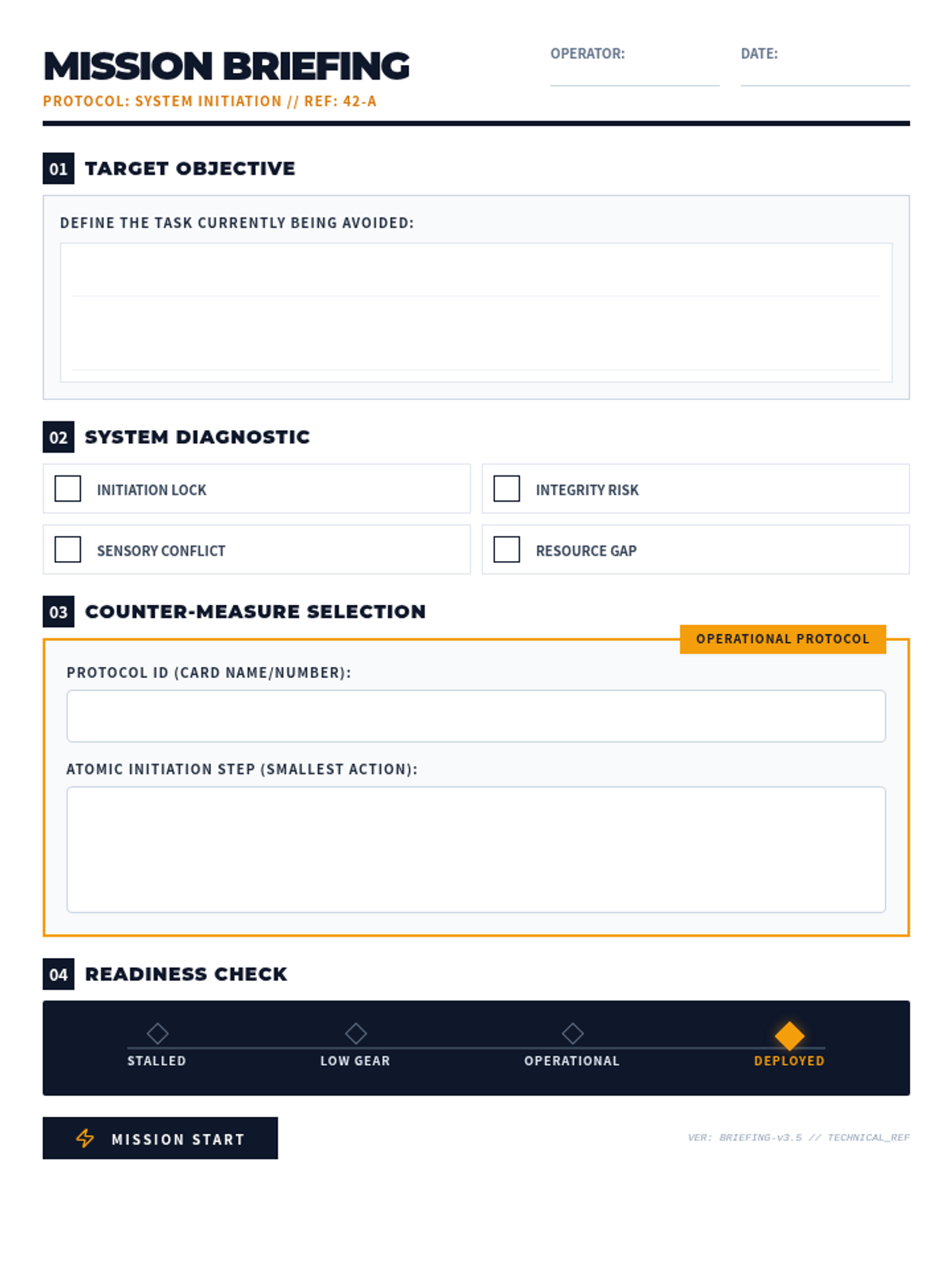
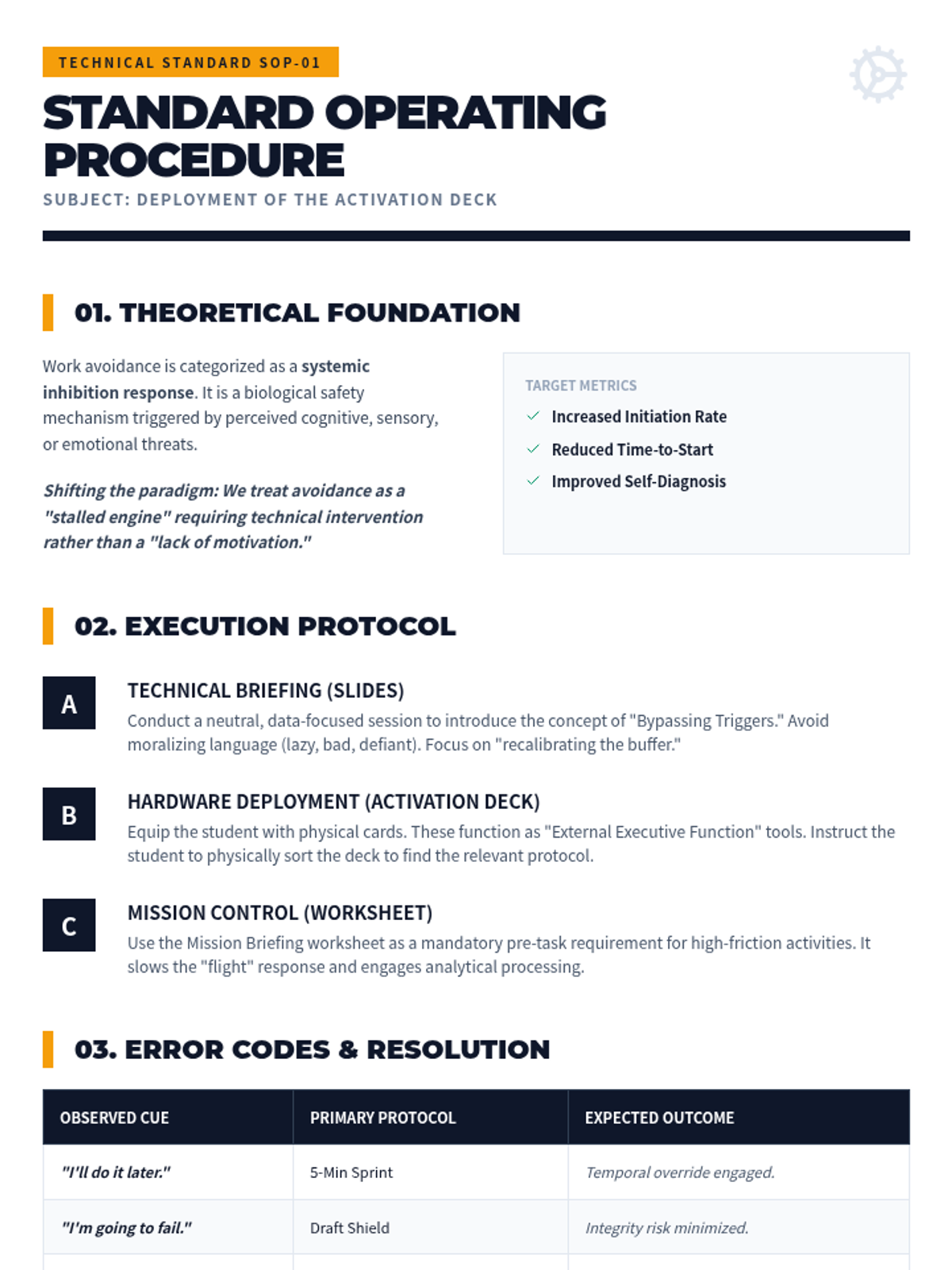
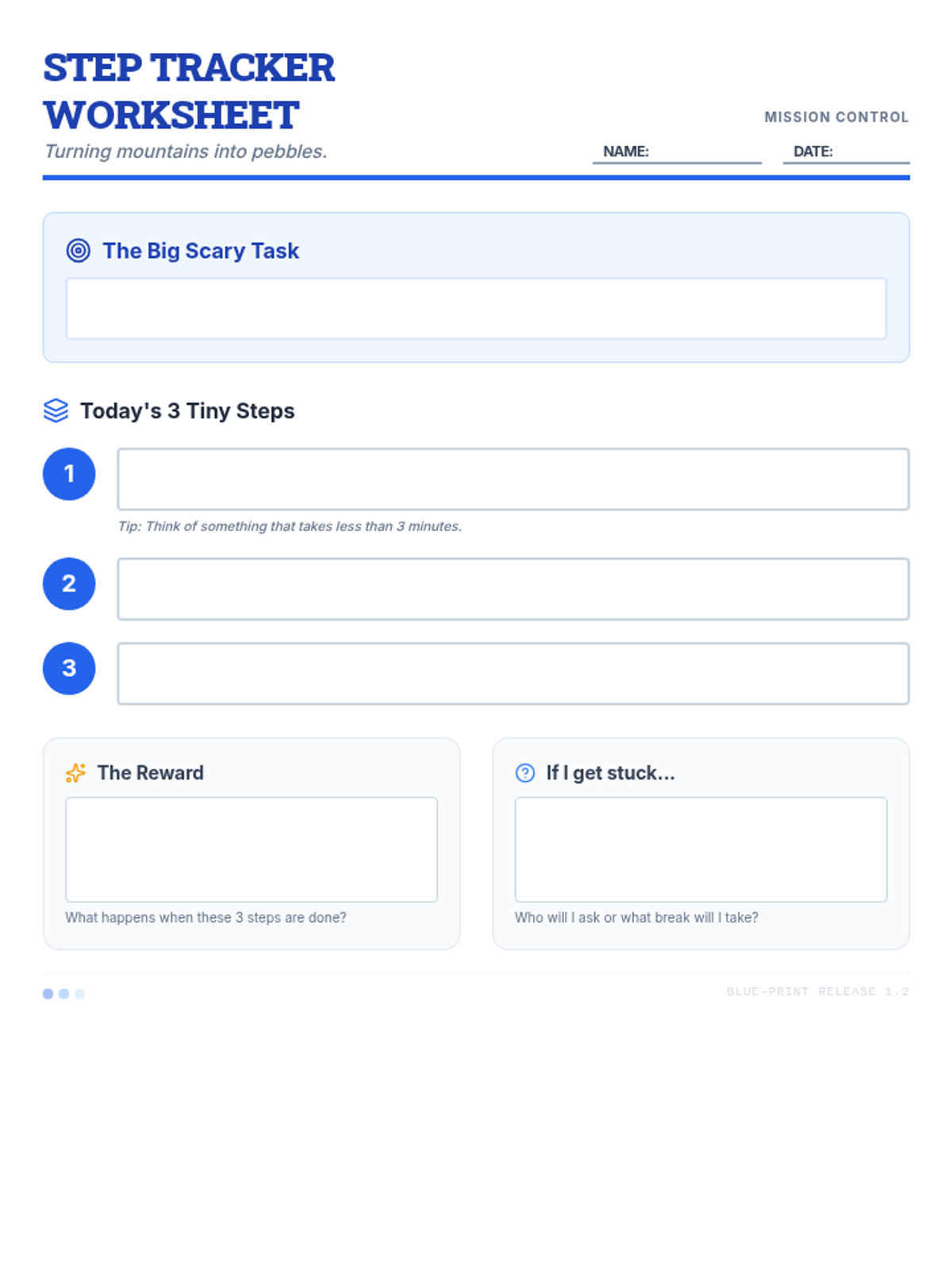
A comprehensive toolkit designed to help students overcome work avoidance by addressing executive functioning, academic confidence, sensory needs, and independent work skills. Includes strategy cards, a presentation for introduction, and a planning worksheet.
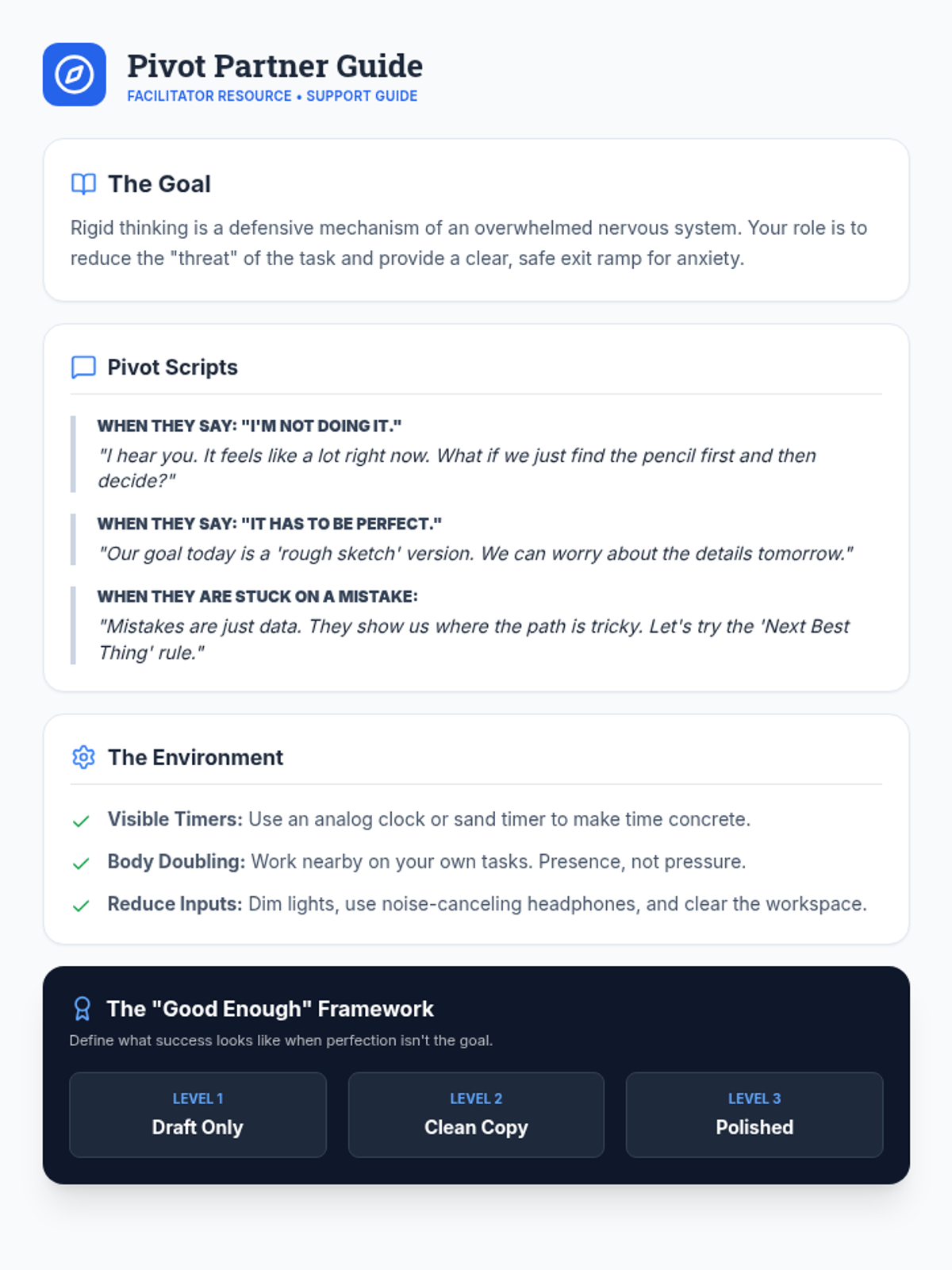
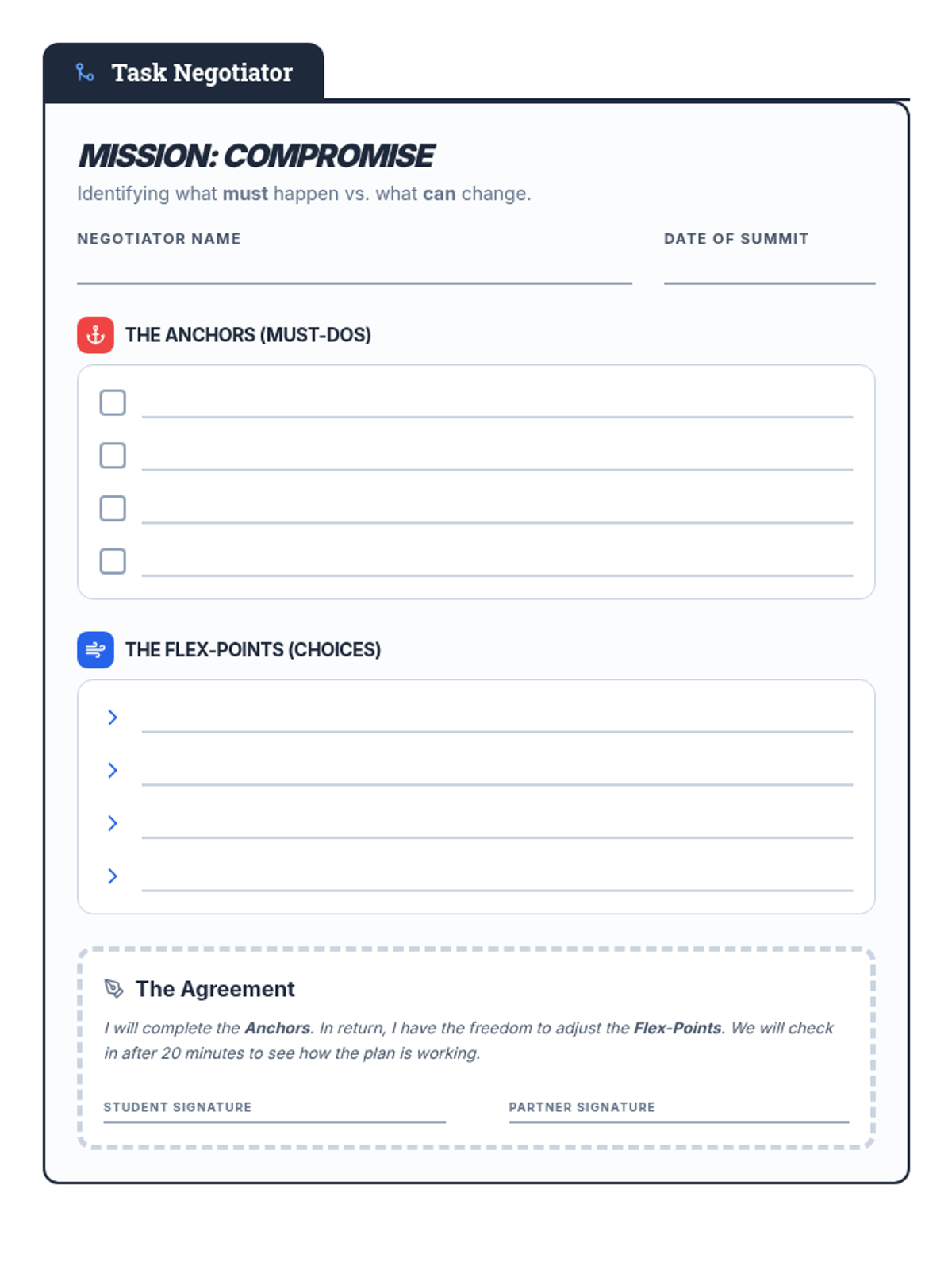
A comprehensive set of strategies and tools to help teens with autism overcome rigid thinking and task refusal during academic assignments.
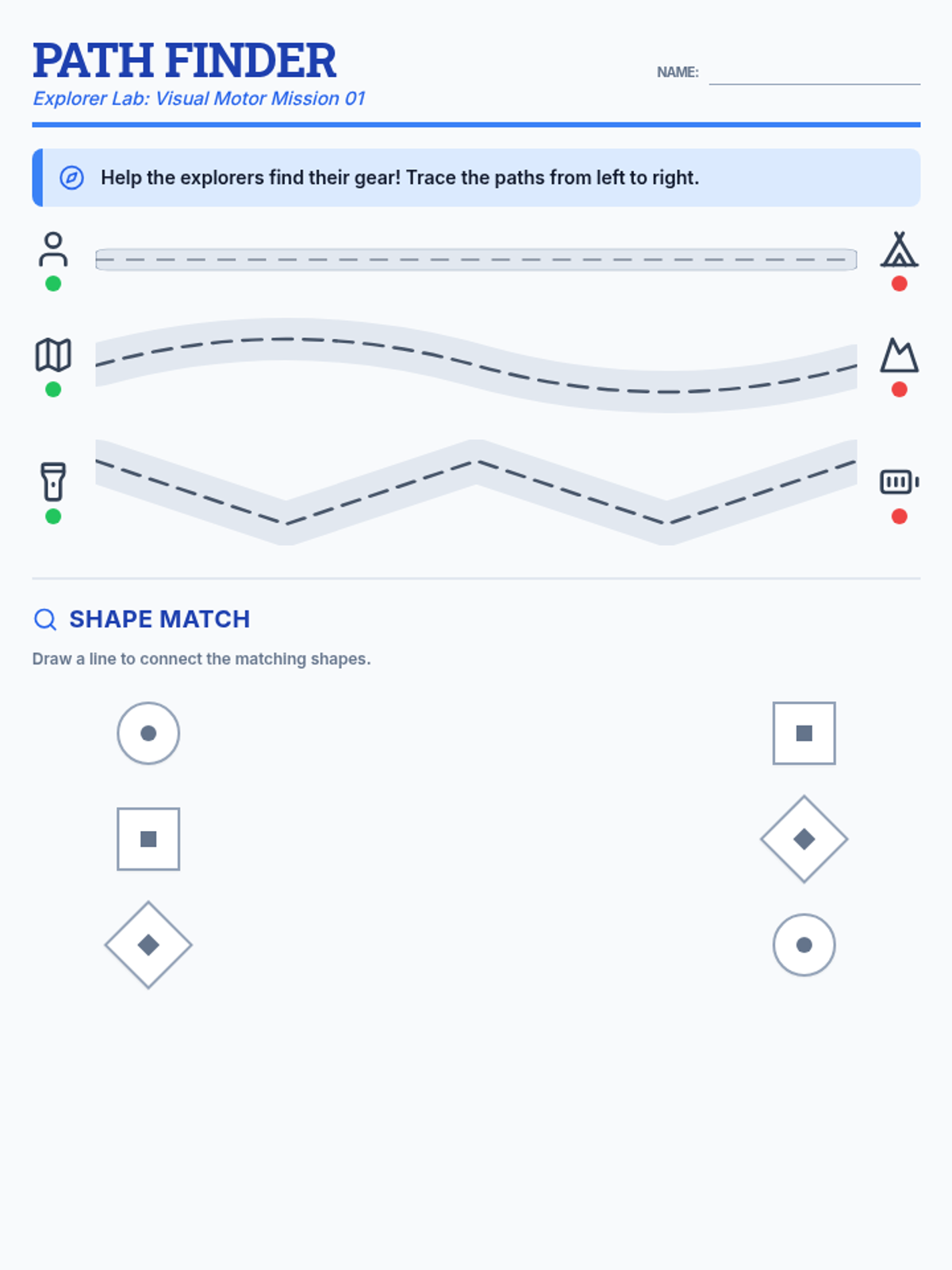
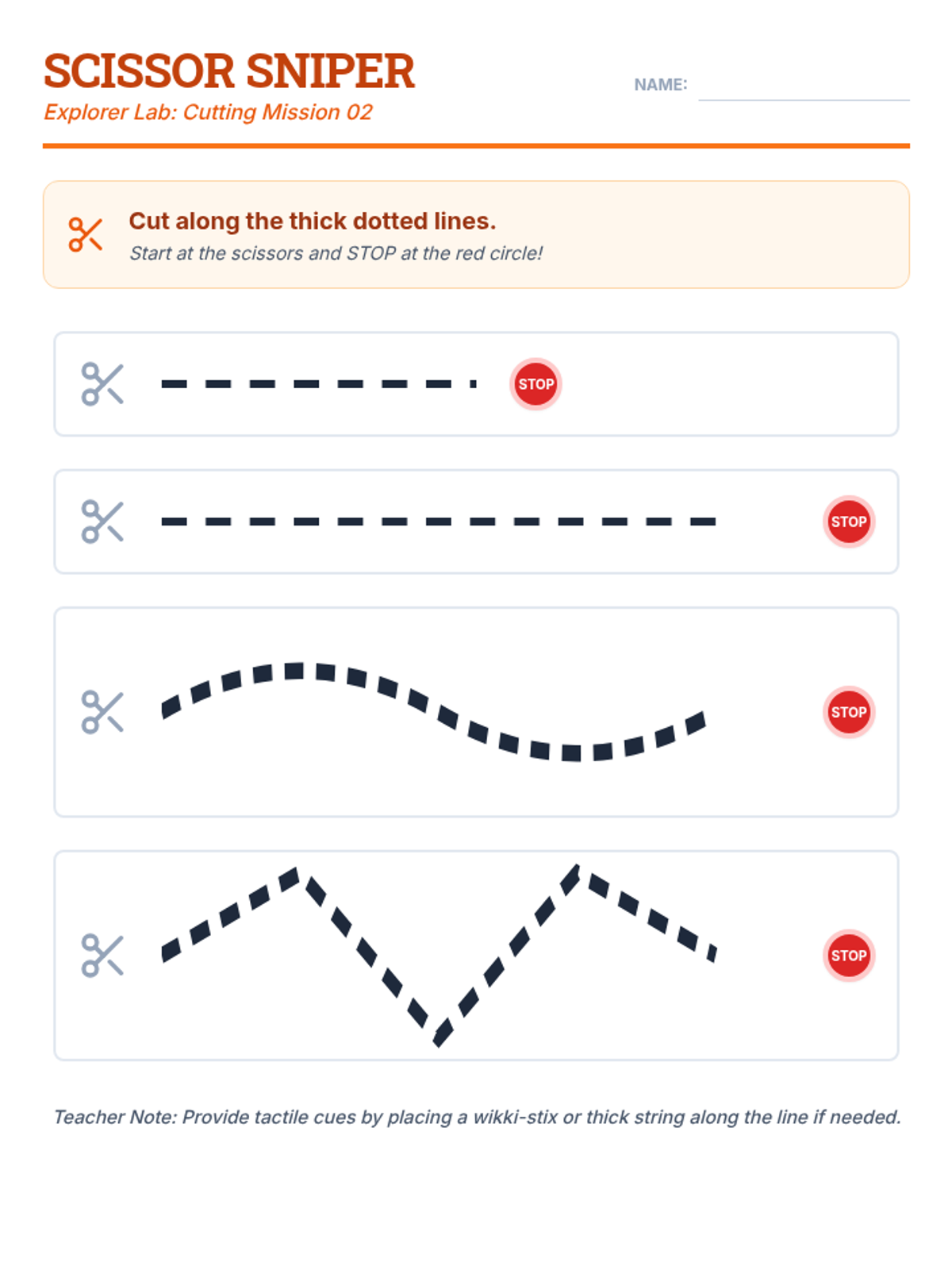
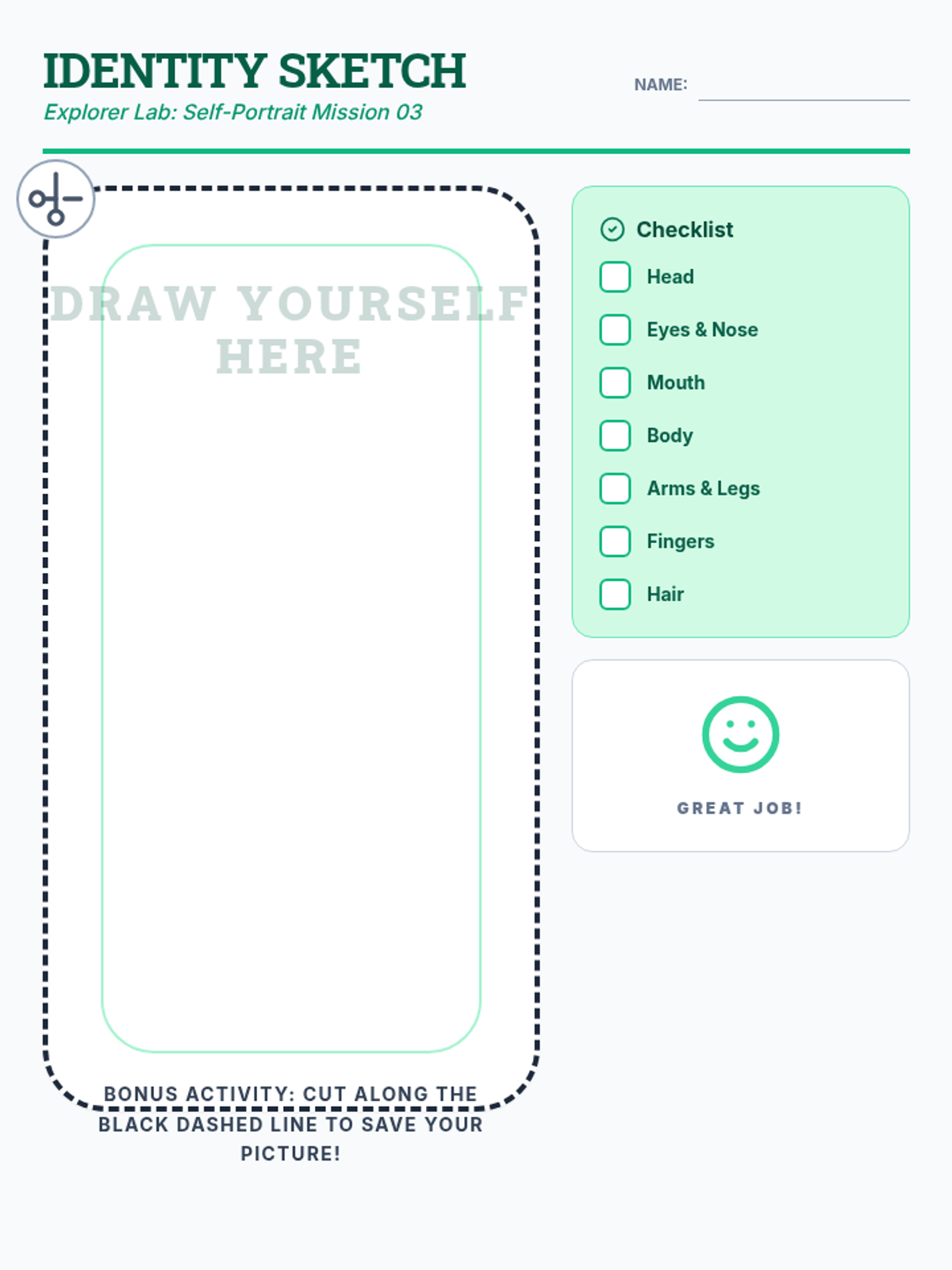
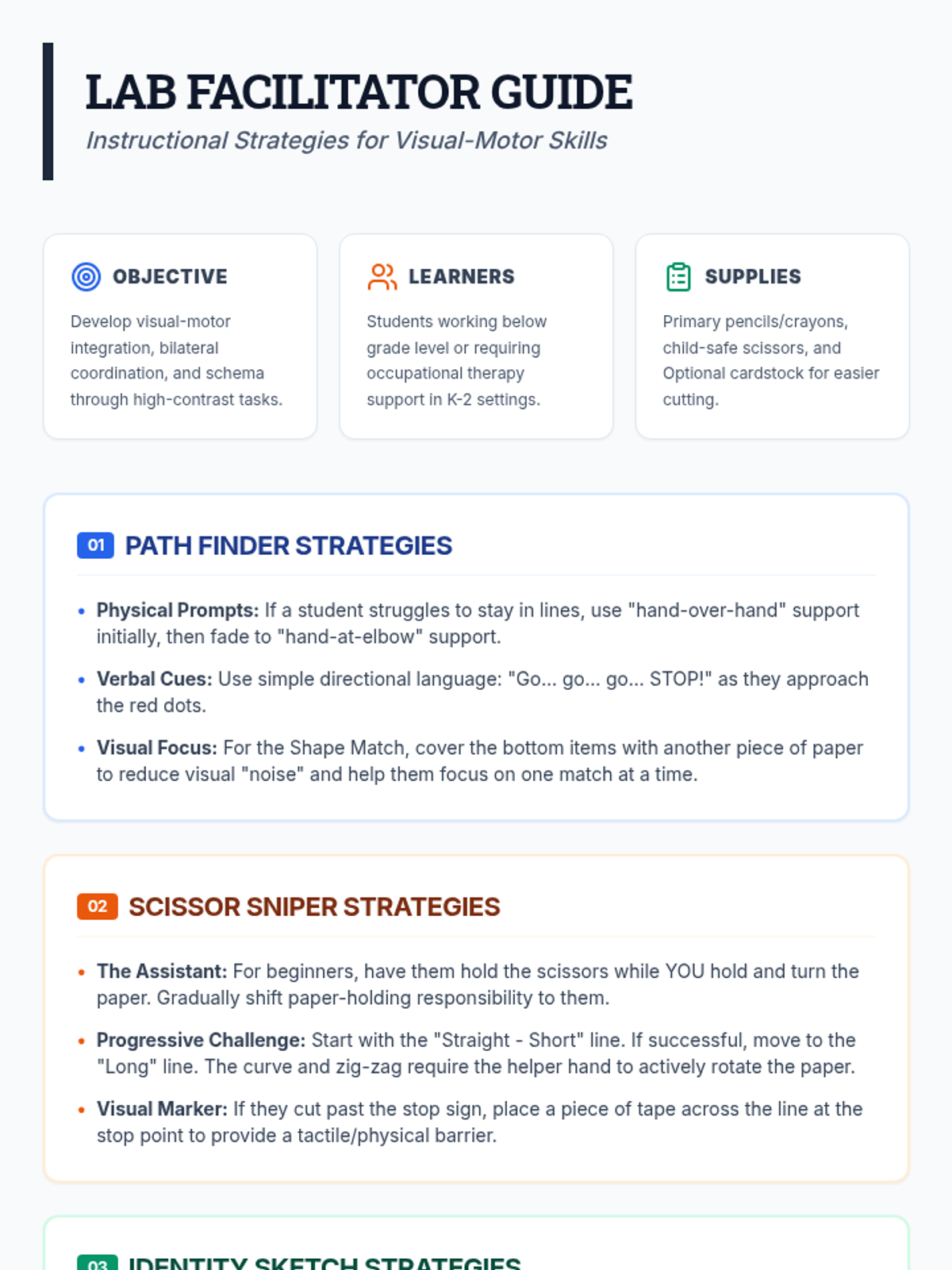
A collection of visual motor and perceptual activities designed for early learners or students working below grade level, focusing on tracing, cutting, and self-representation.
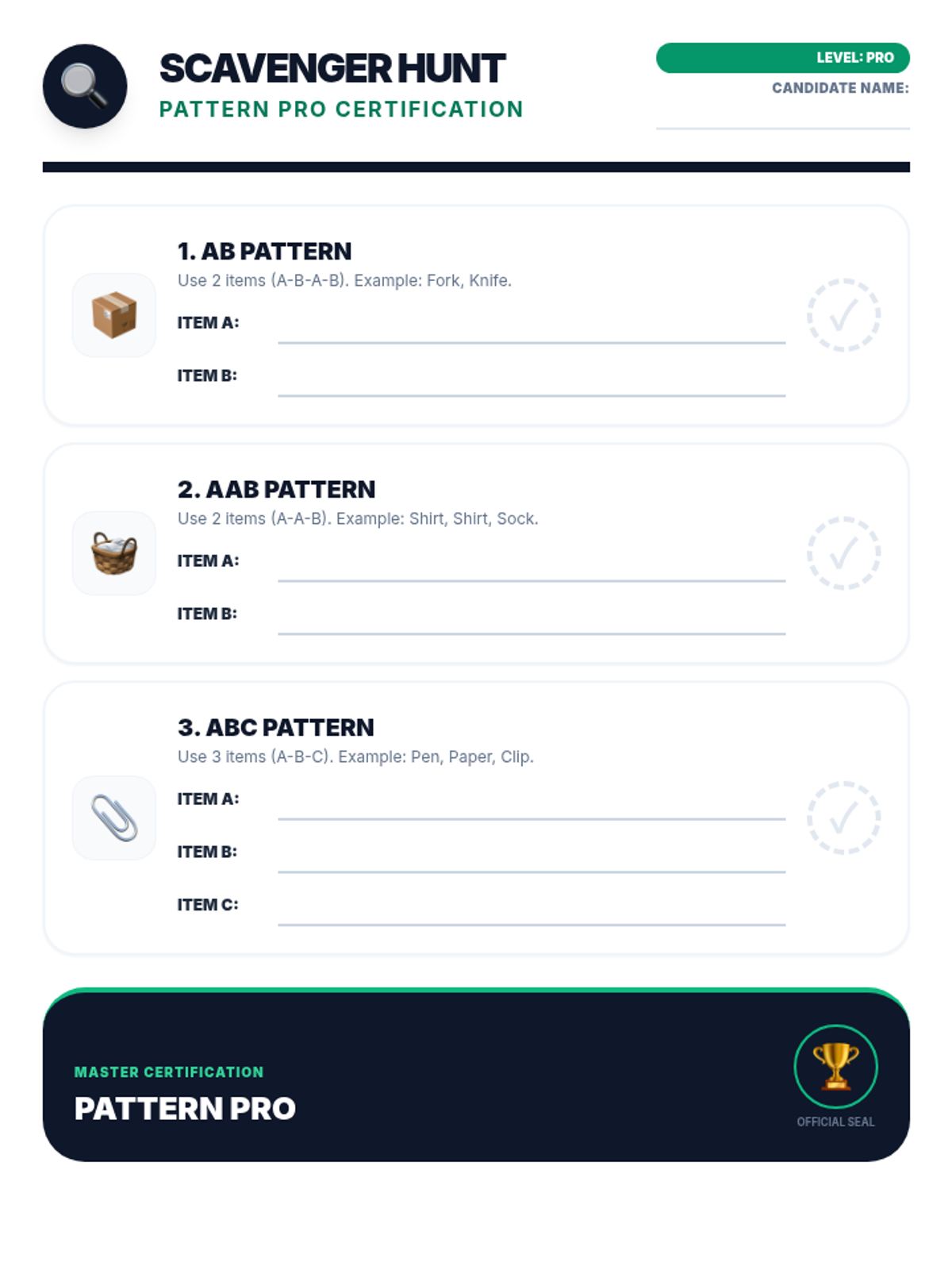
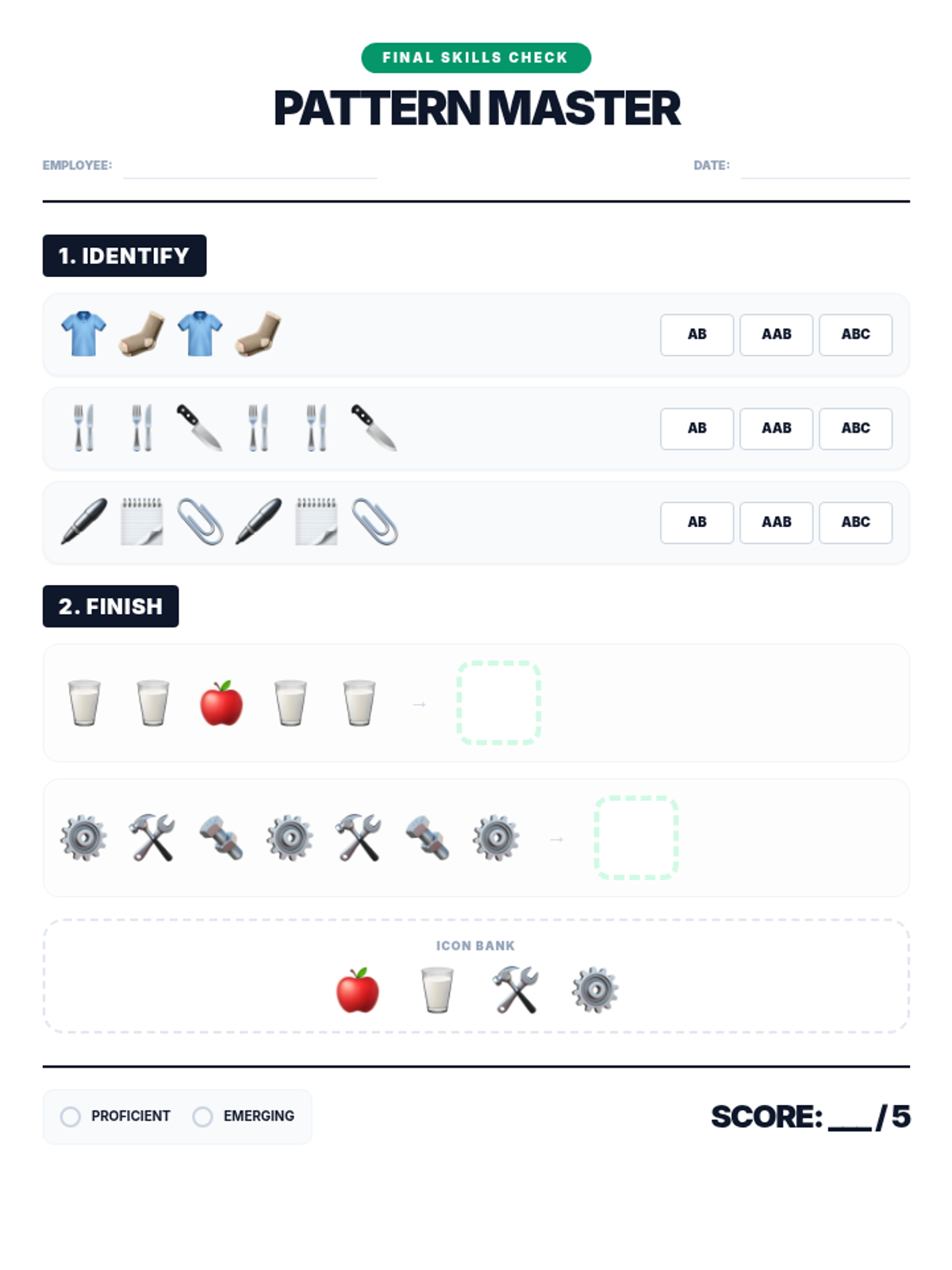
A comprehensive review and assessment of AB, AAB, and ABC patterns in various real-world scenarios, concluding with a "Pattern Master" challenge.
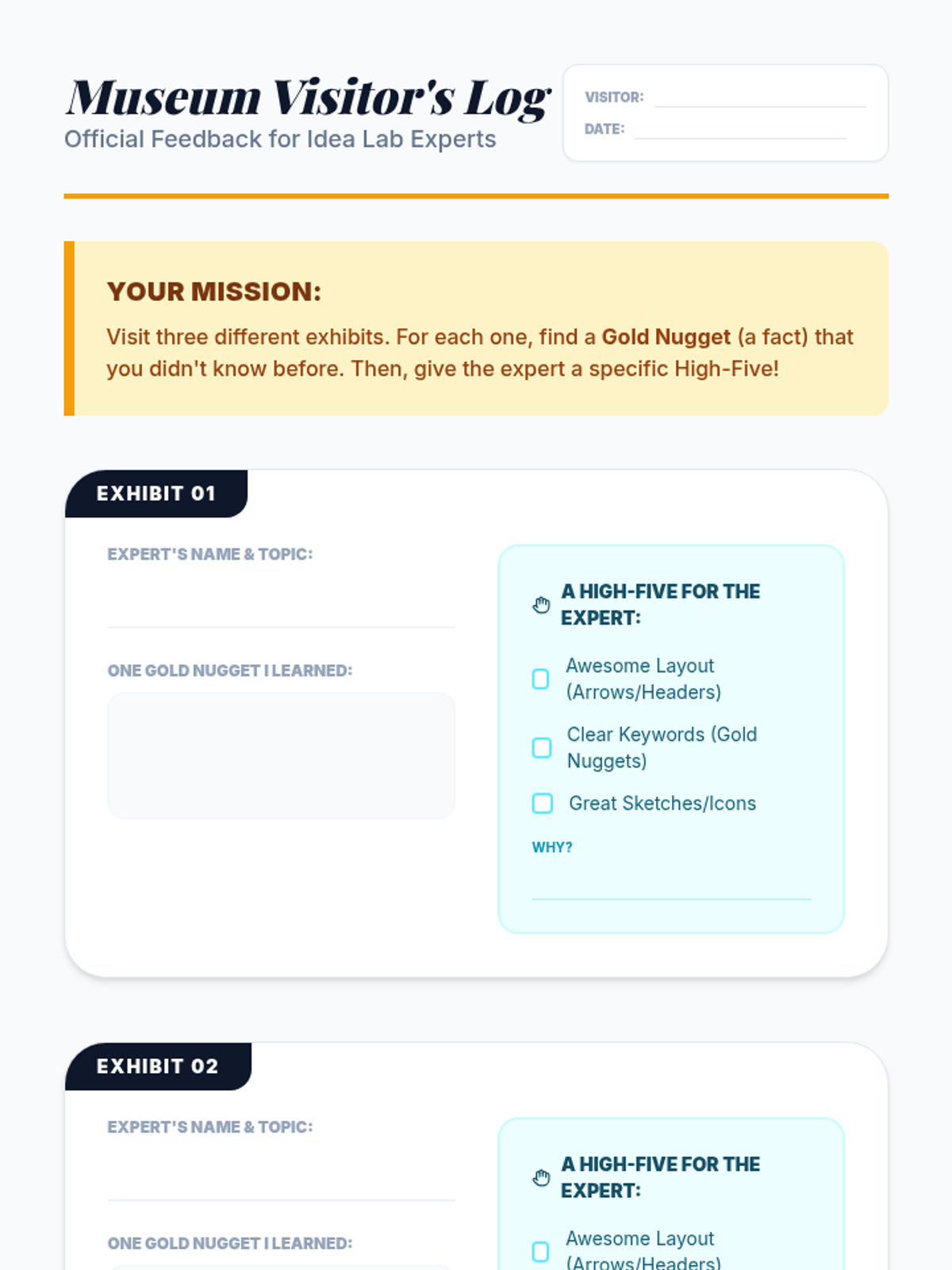
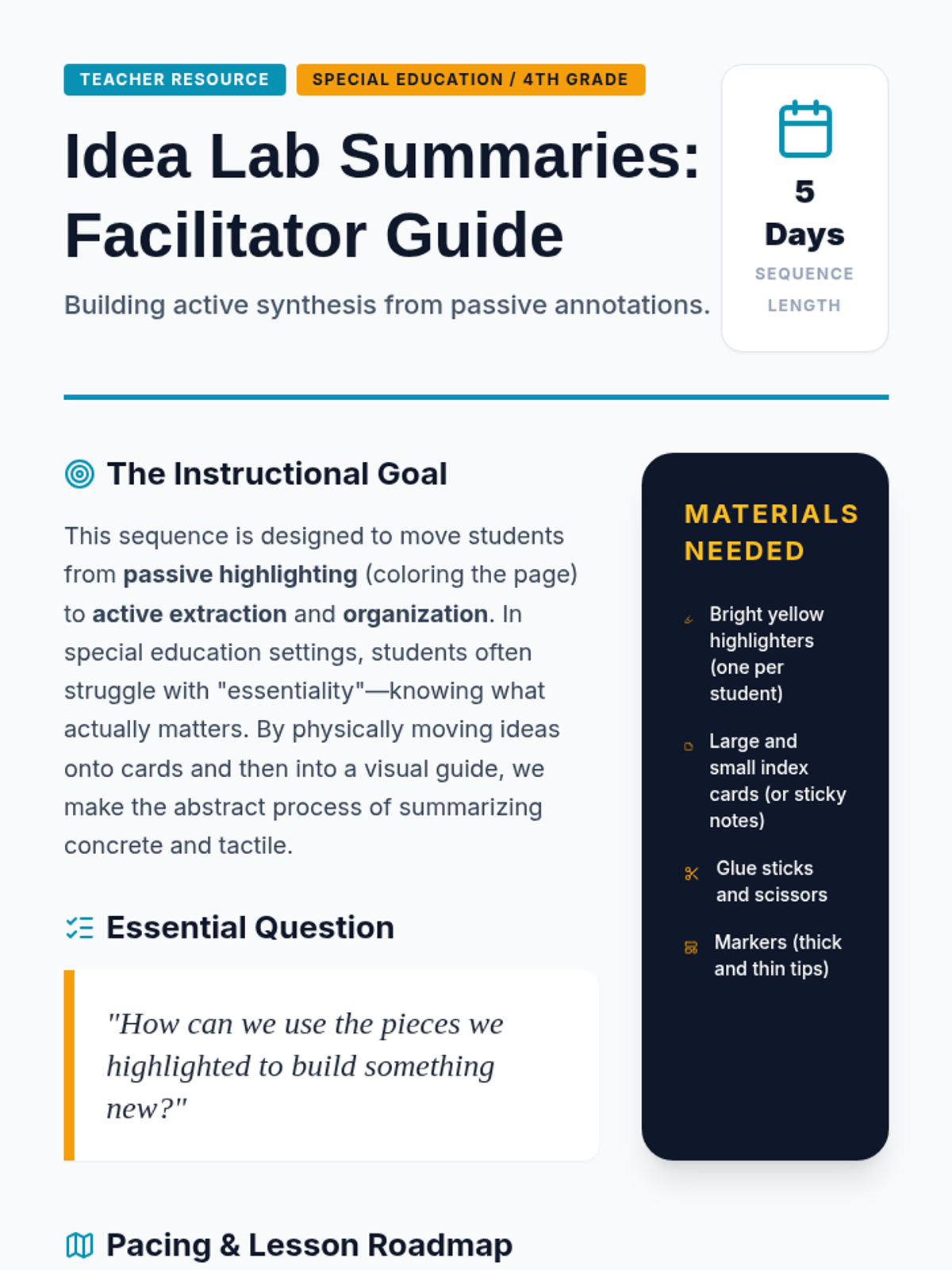
Students display their Expert Guides. They visit peers' guides and must answer one question about the topic based solely on the extracted information presented, verifying that the highlights were effective.
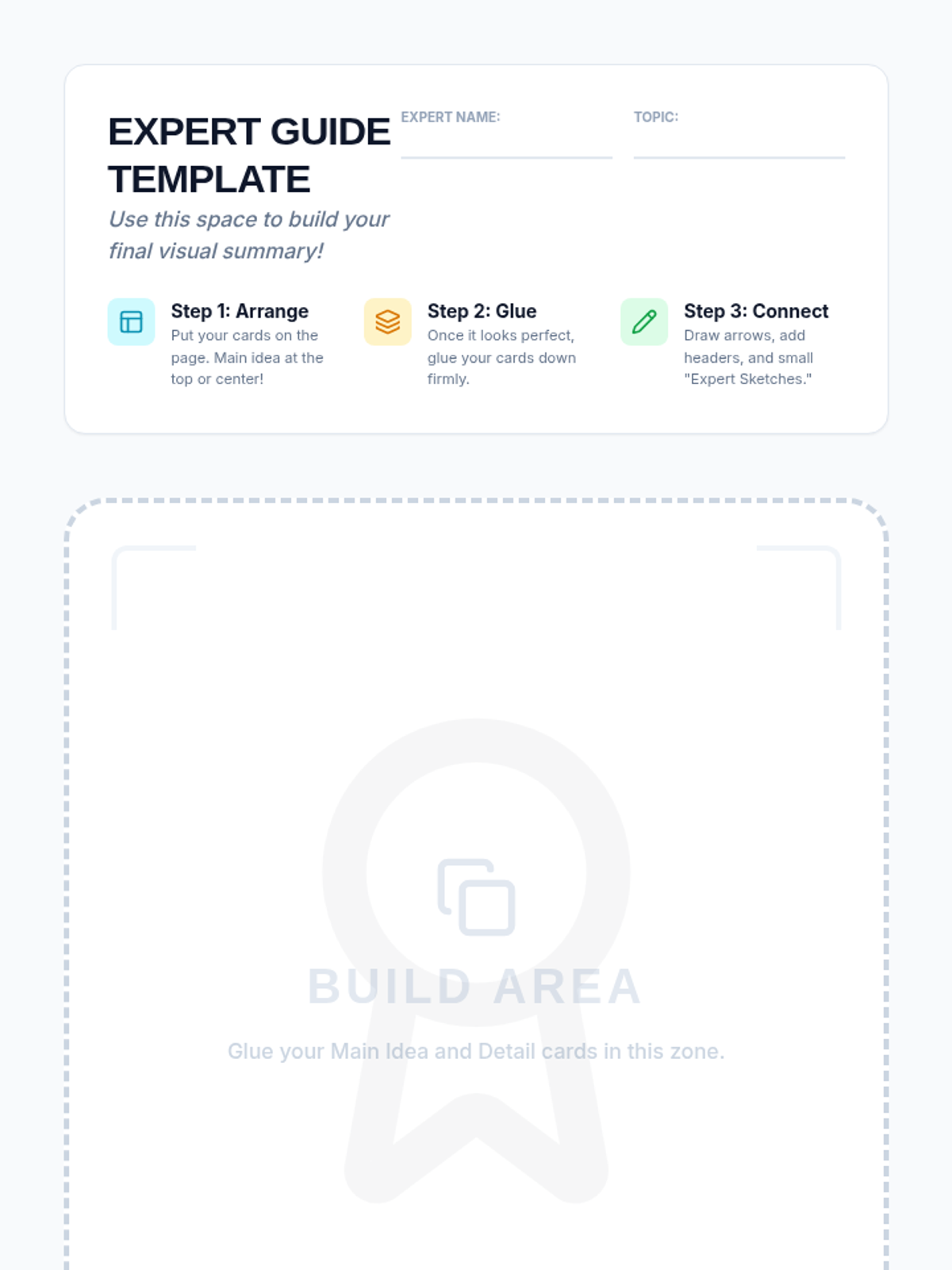
Students glue their arranged notes onto a poster or template to create a 'One-Page Expert Guide.' They add headers and arrows to connect the ideas, effectively creating a graphic organizer from their original text highlights.
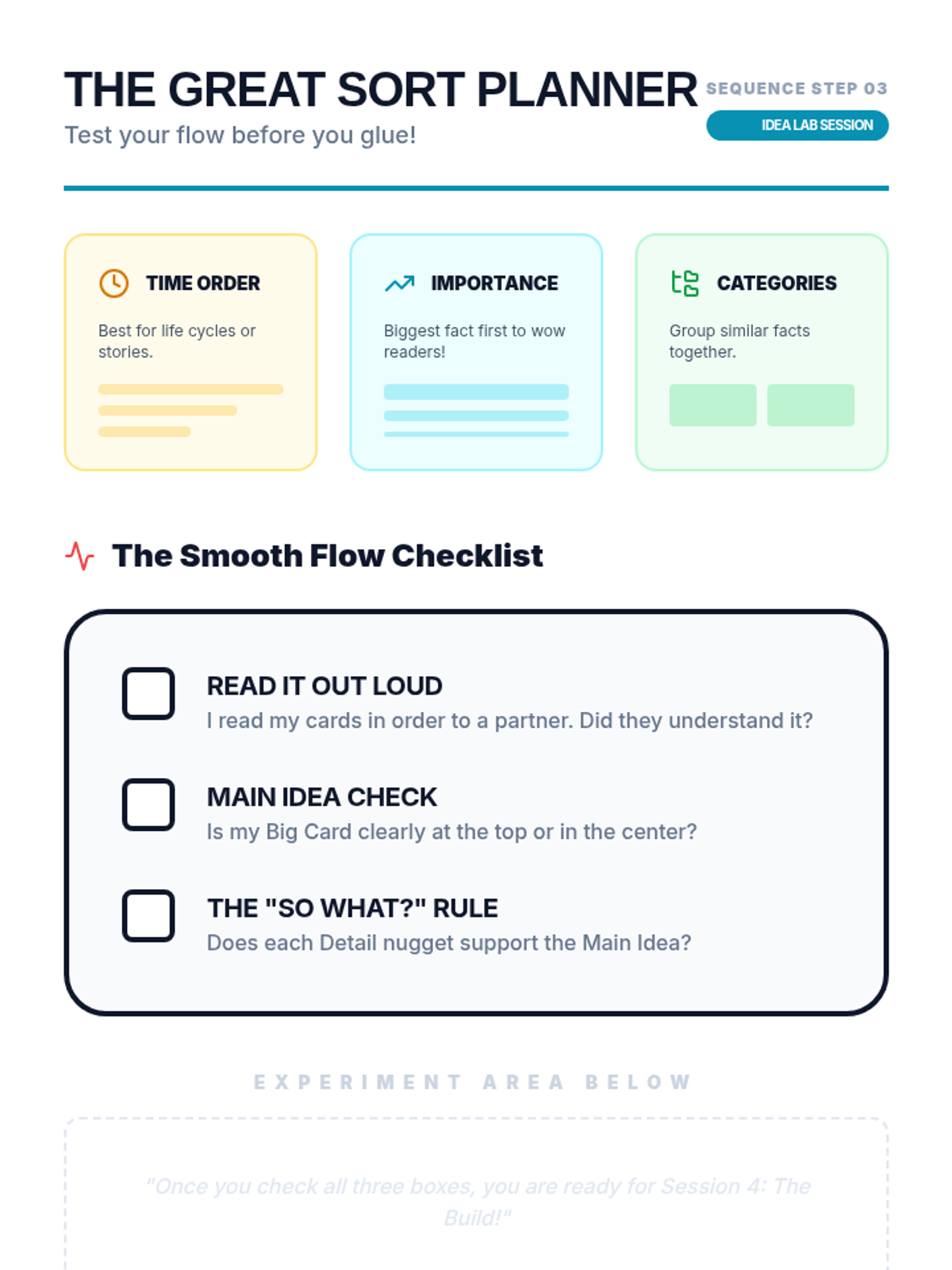
Using their extracted index cards/notes, students arrange the information in a logical order on their desk. They experiment with different arrangements to see how the flow of information changes.
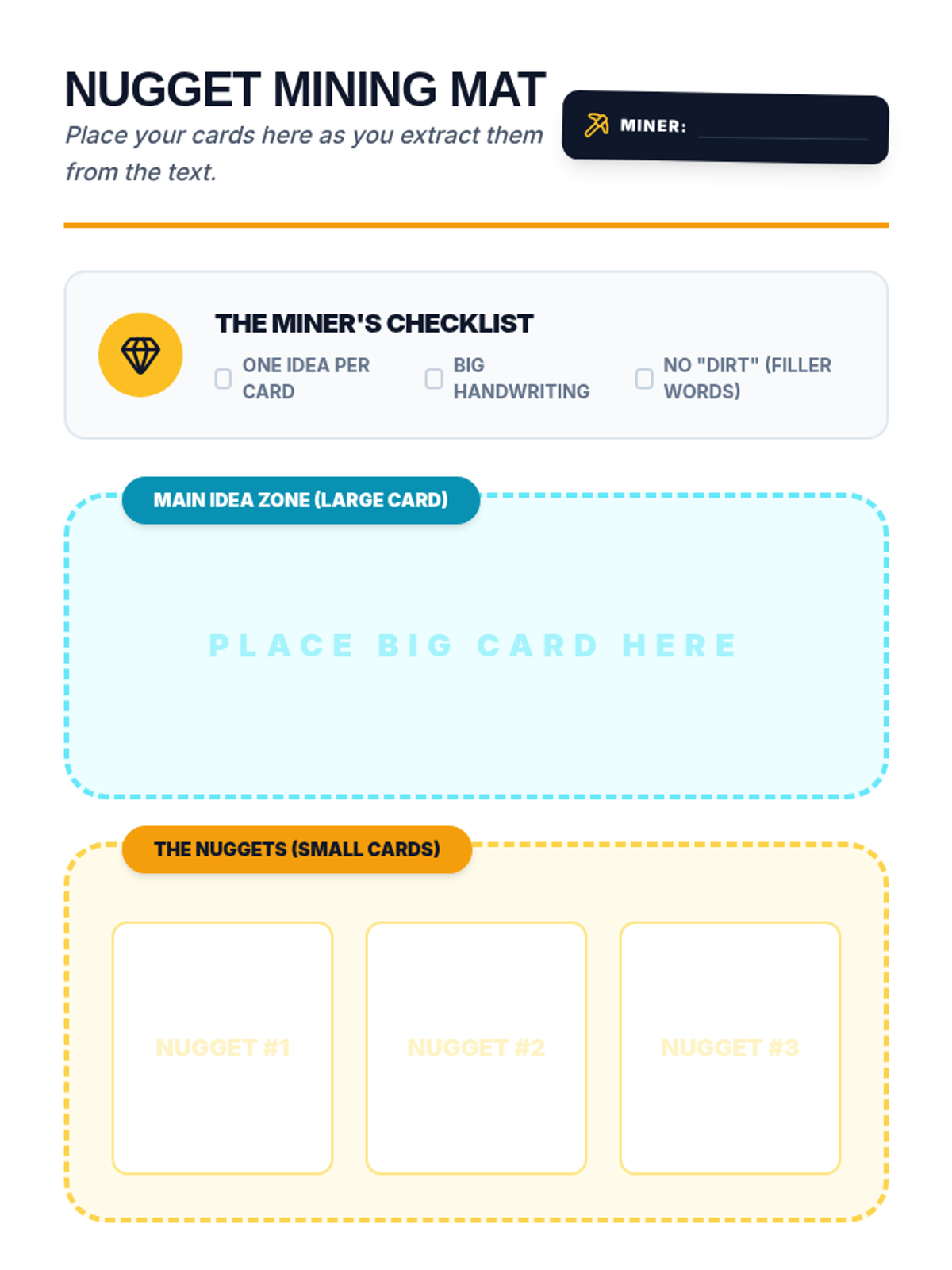
Students practice the physical act of transferring highlighted information onto index cards or sticky notes. Each main idea gets a large card, and supporting details get smaller cards, reinforcing the structure of the information.
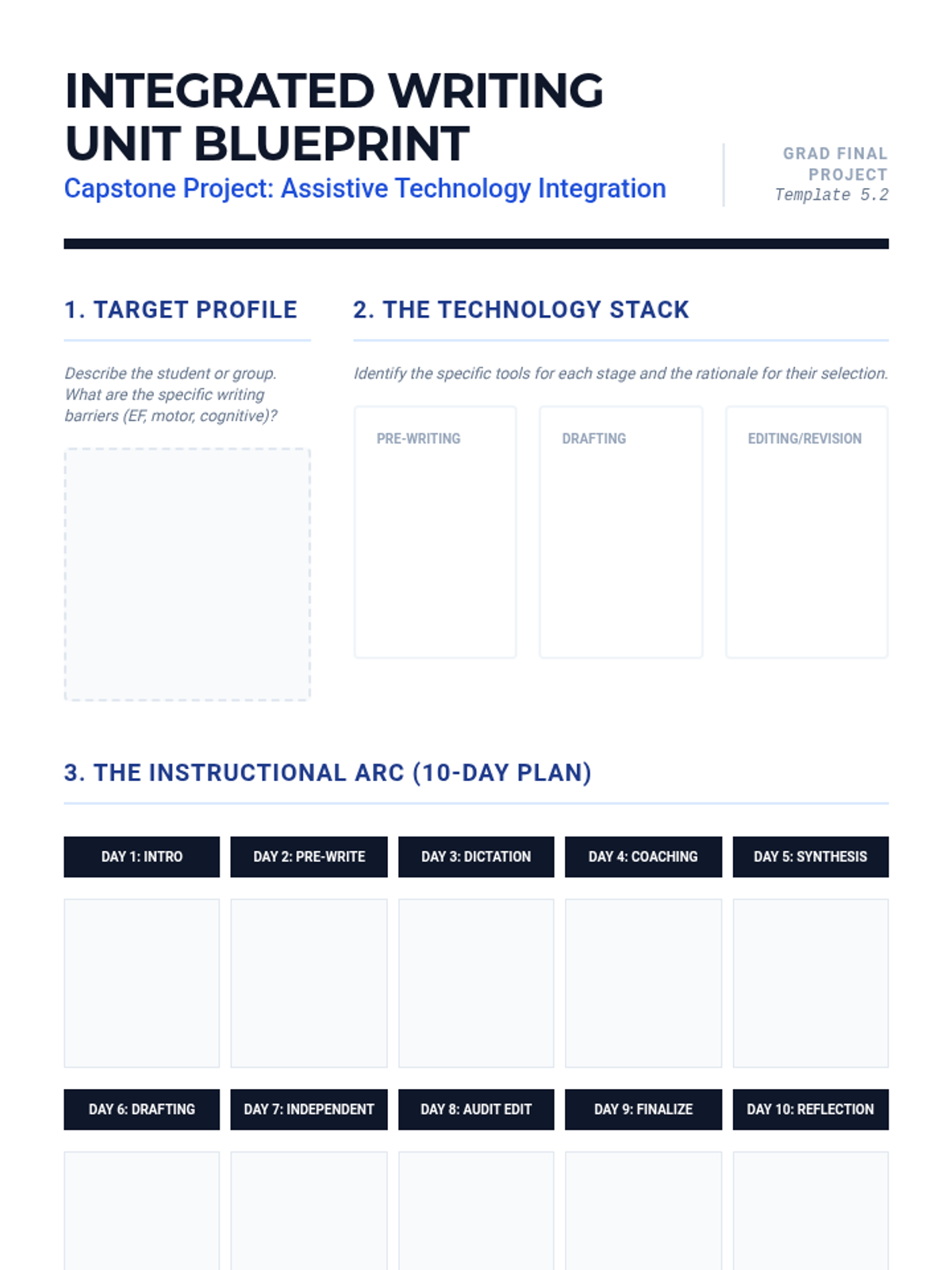
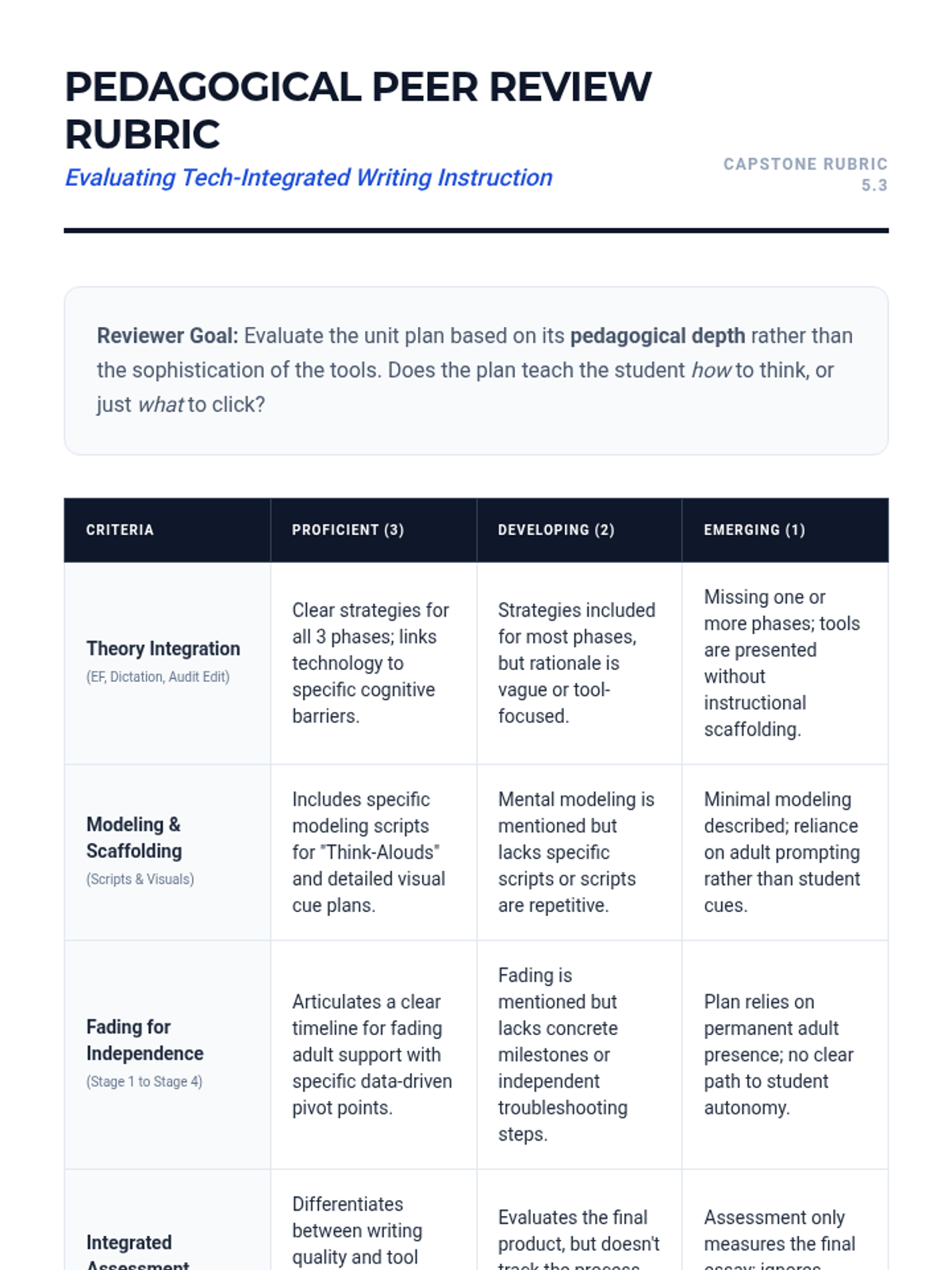
A synthesis lesson where participants design a 2-week writing unit integrating assistive technology. Includes modeling, guided practice, and assessment of tech-integrated writing products.
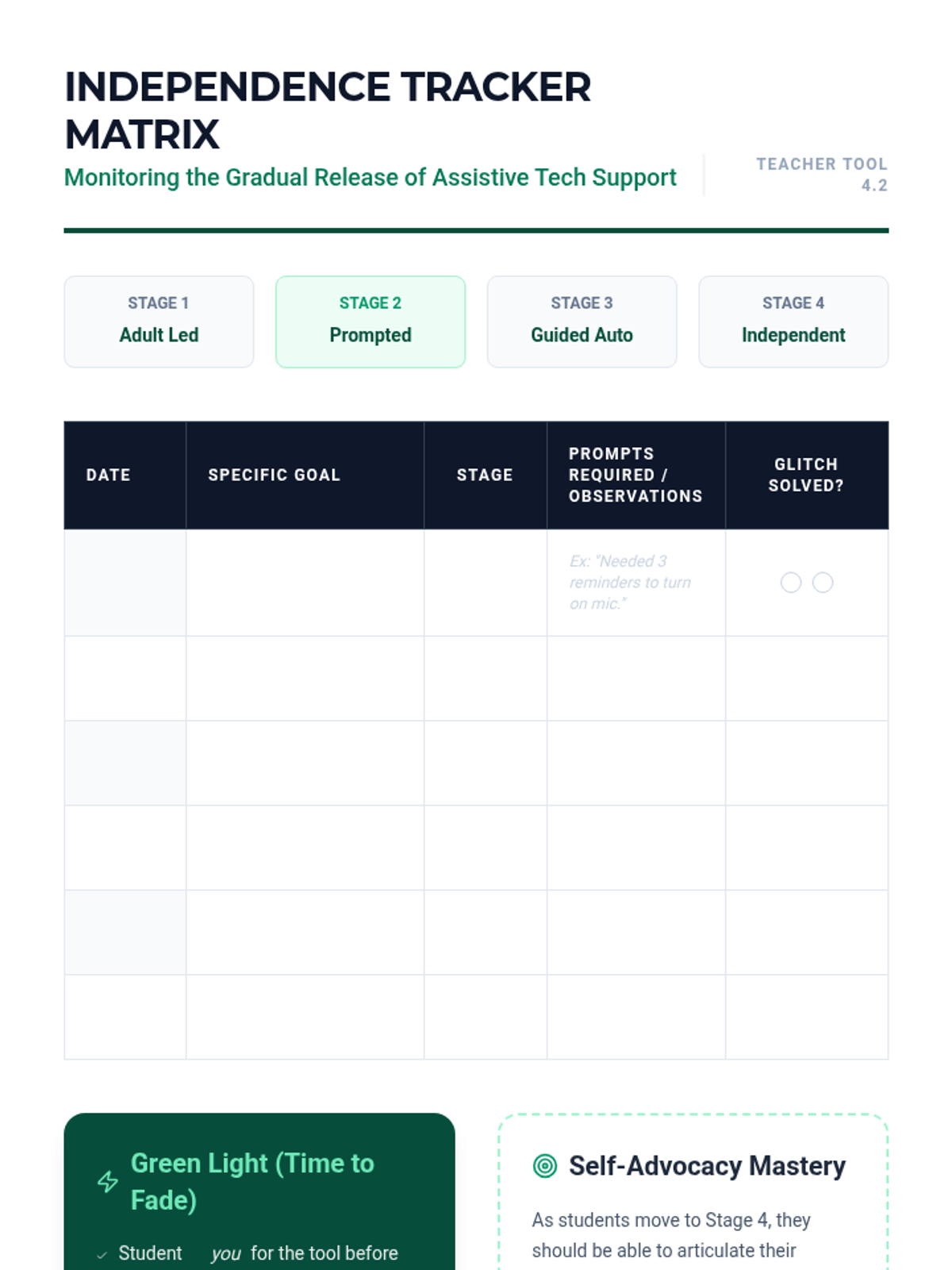
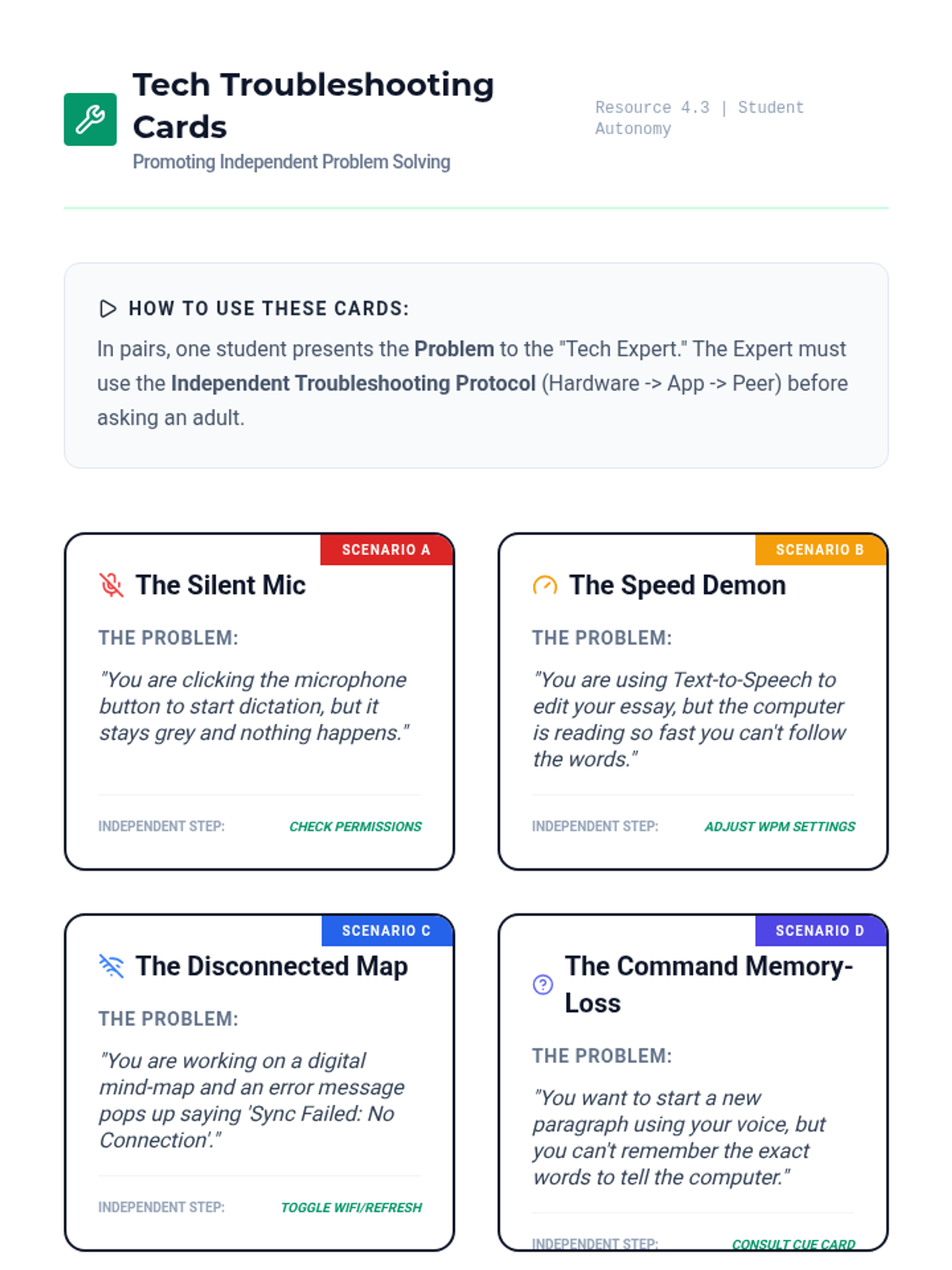
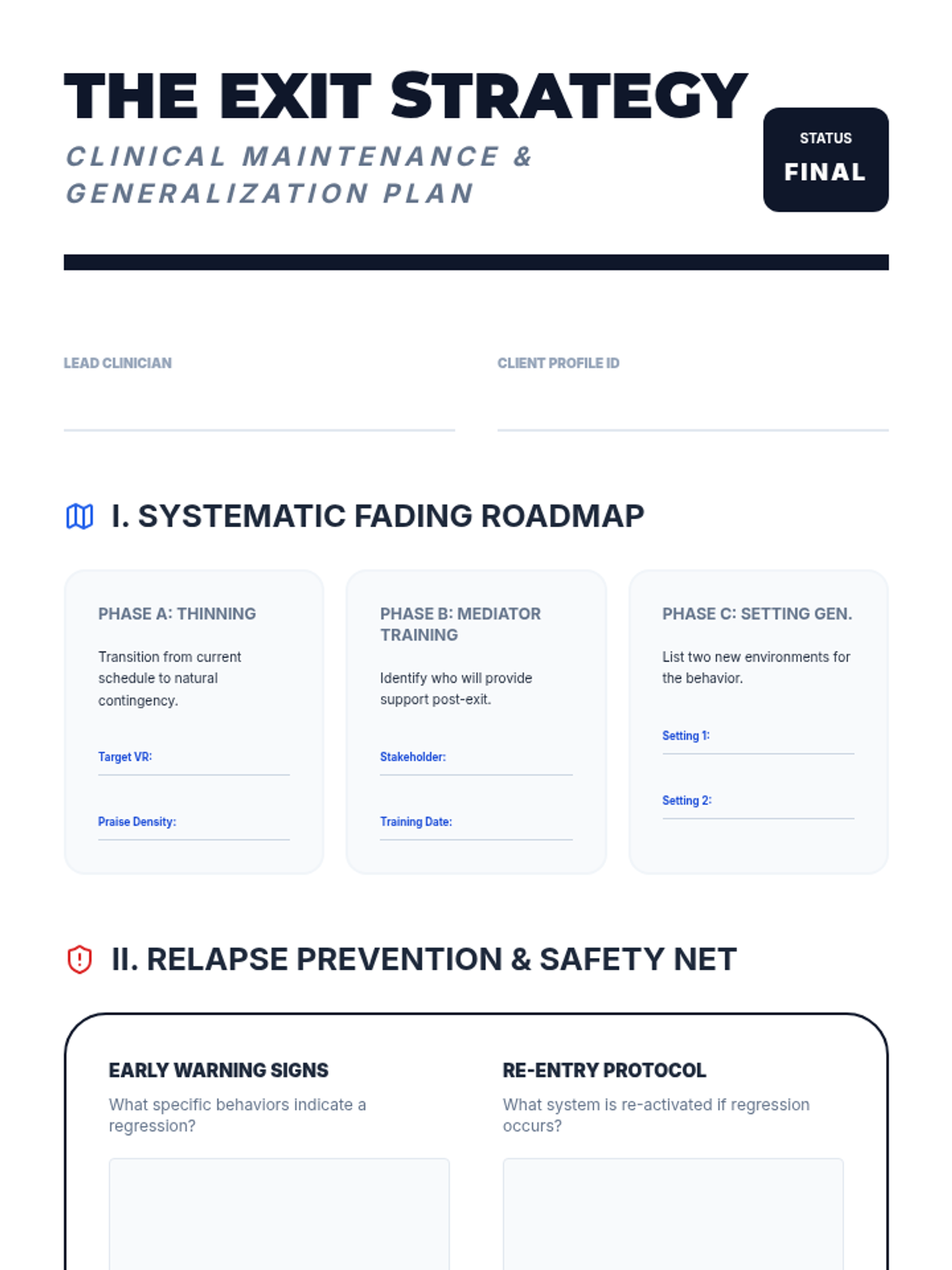
Addresses the transition from adult-prompted technology use to student independence. Focuses on data-driven fading plans and teaching students to manage their own troubleshooting.
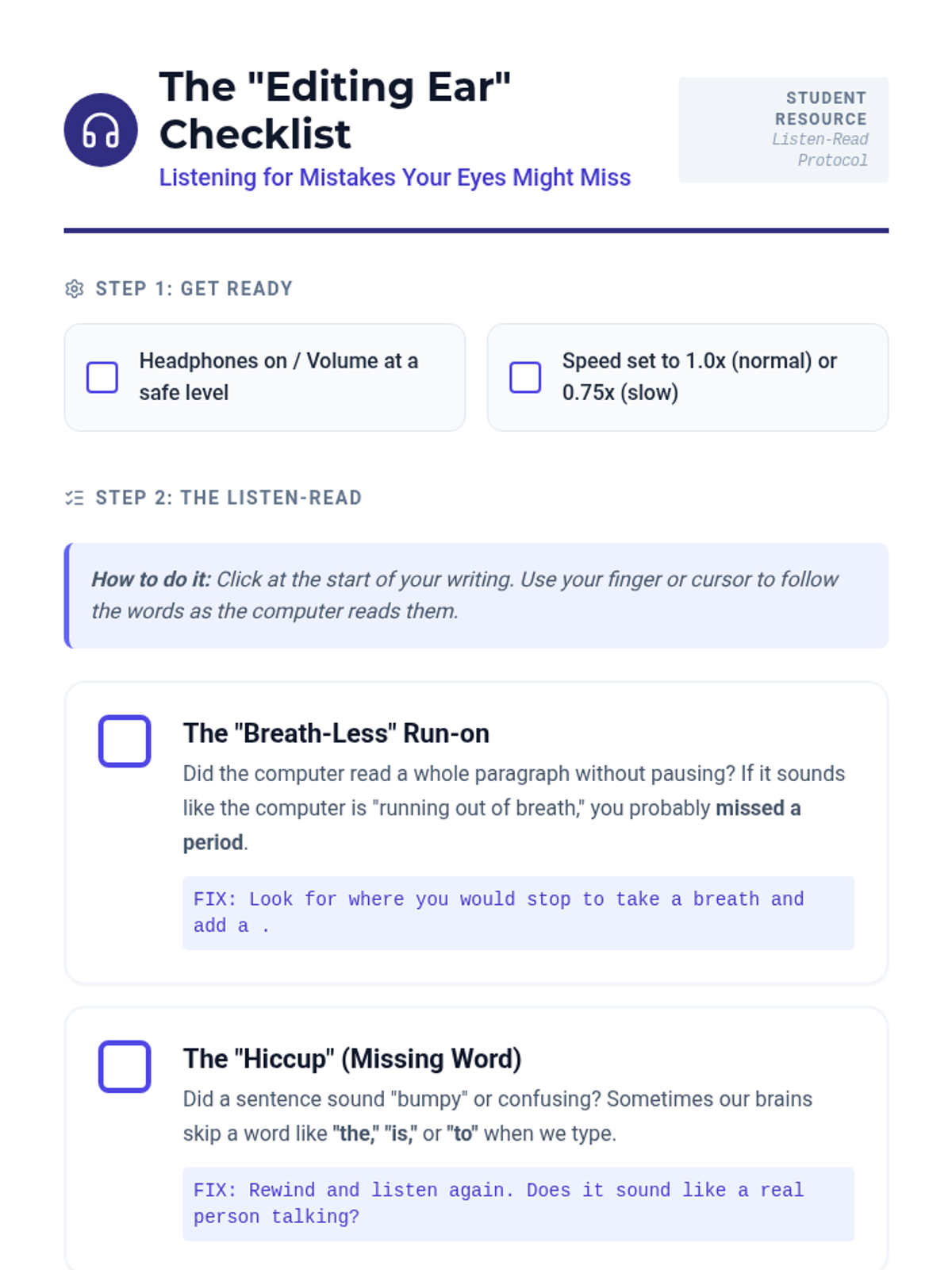
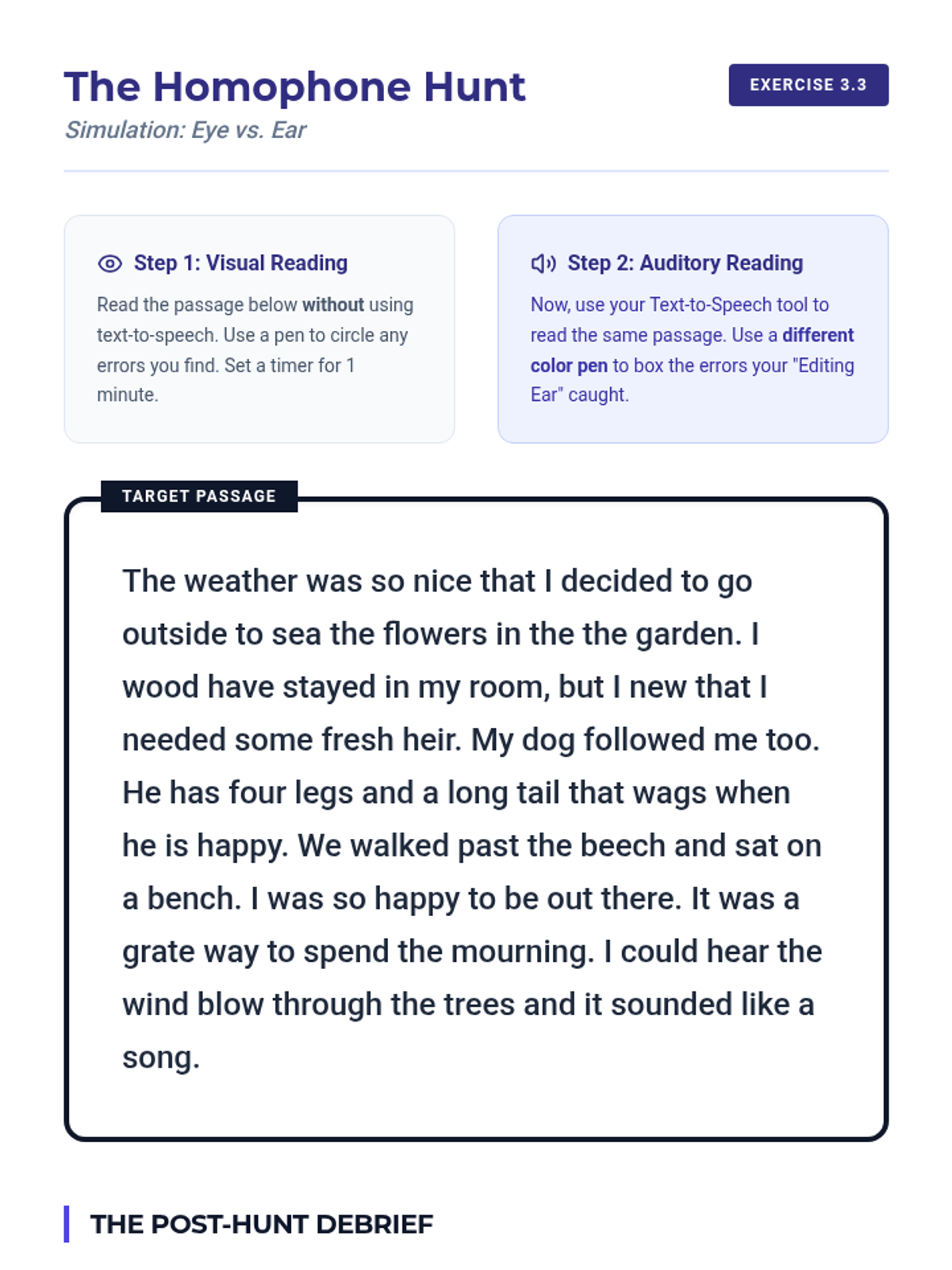
Teaches the 'Listen-Read' method for auditory editing using Text-to-Speech (TTS). Participants develop student checklists to catch syntax errors and omissions that visual reading might miss.
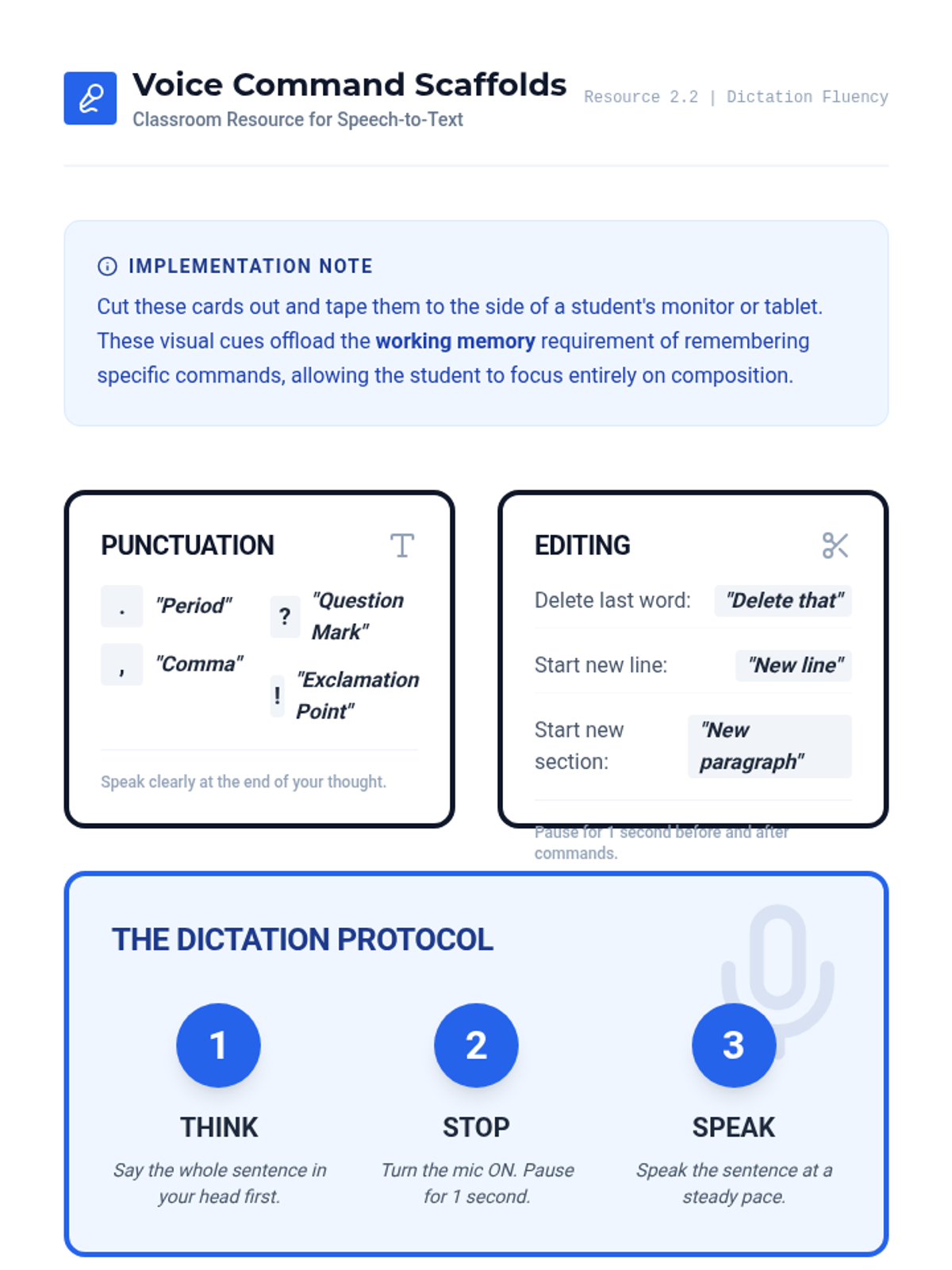
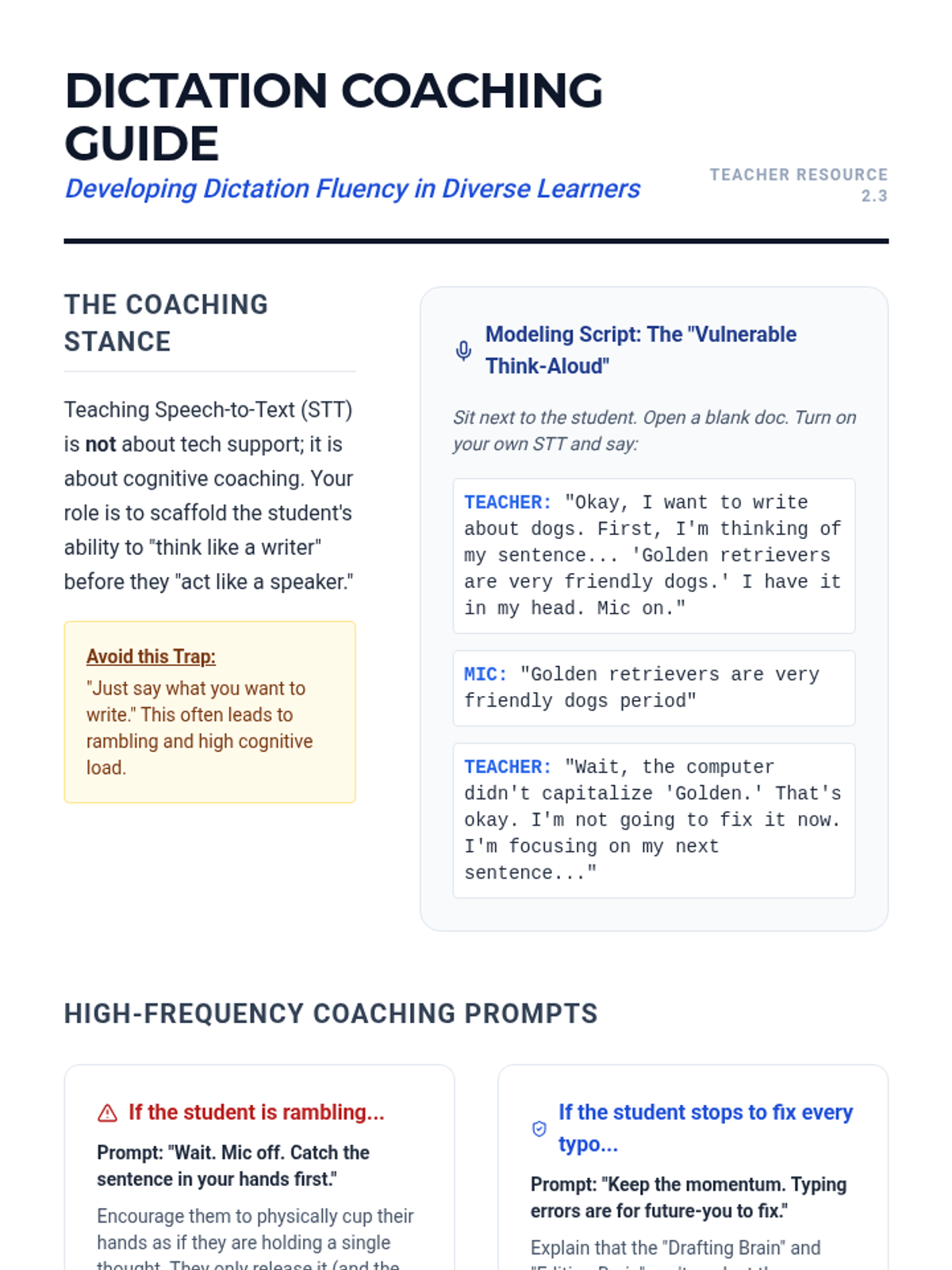
Focuses on 'dictation fluency' and the coaching techniques required for effective speech-to-text use. Covers 'think-alouds', short-burst drafting, and creating visual scaffolds for voice commands.
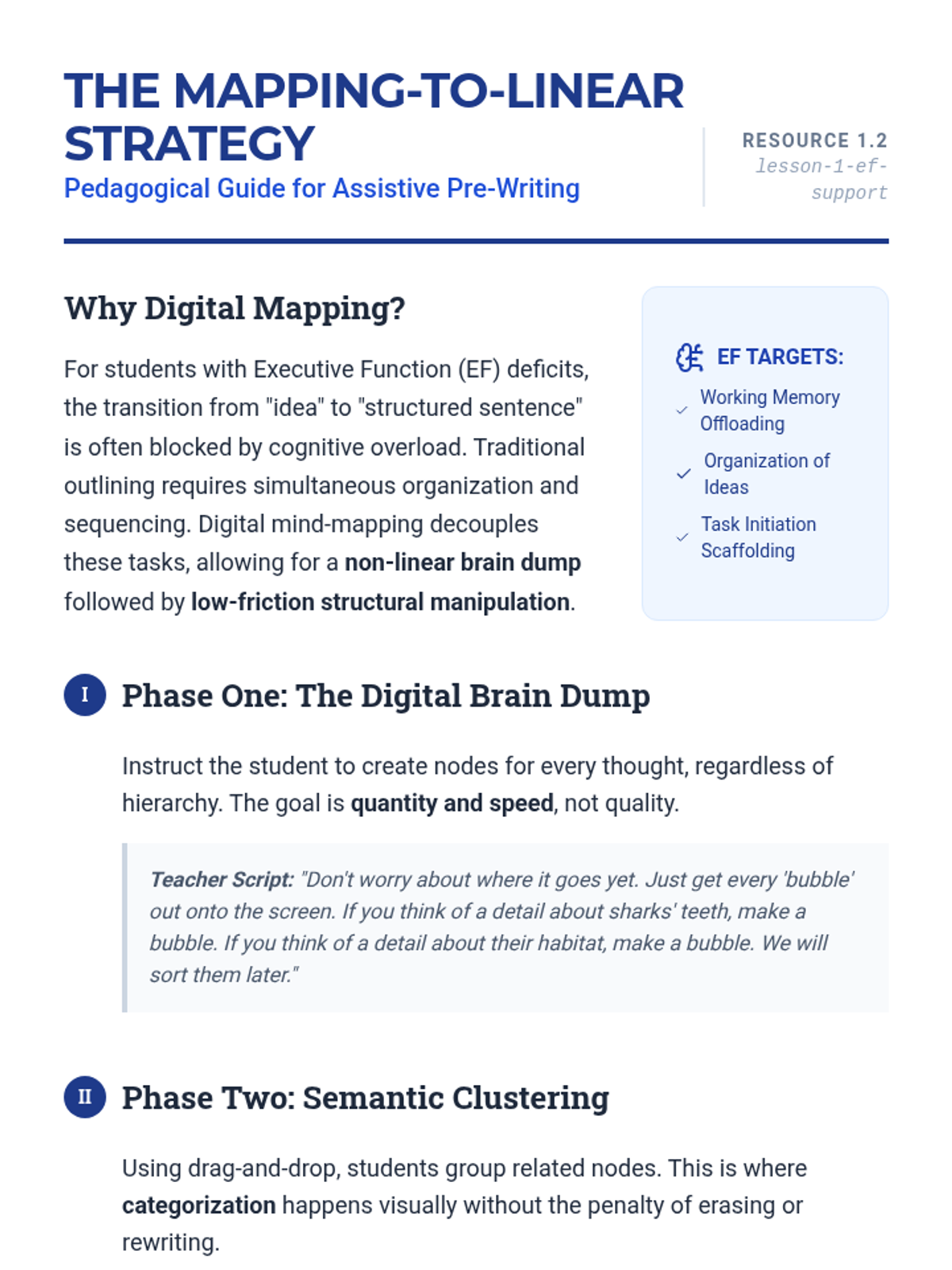
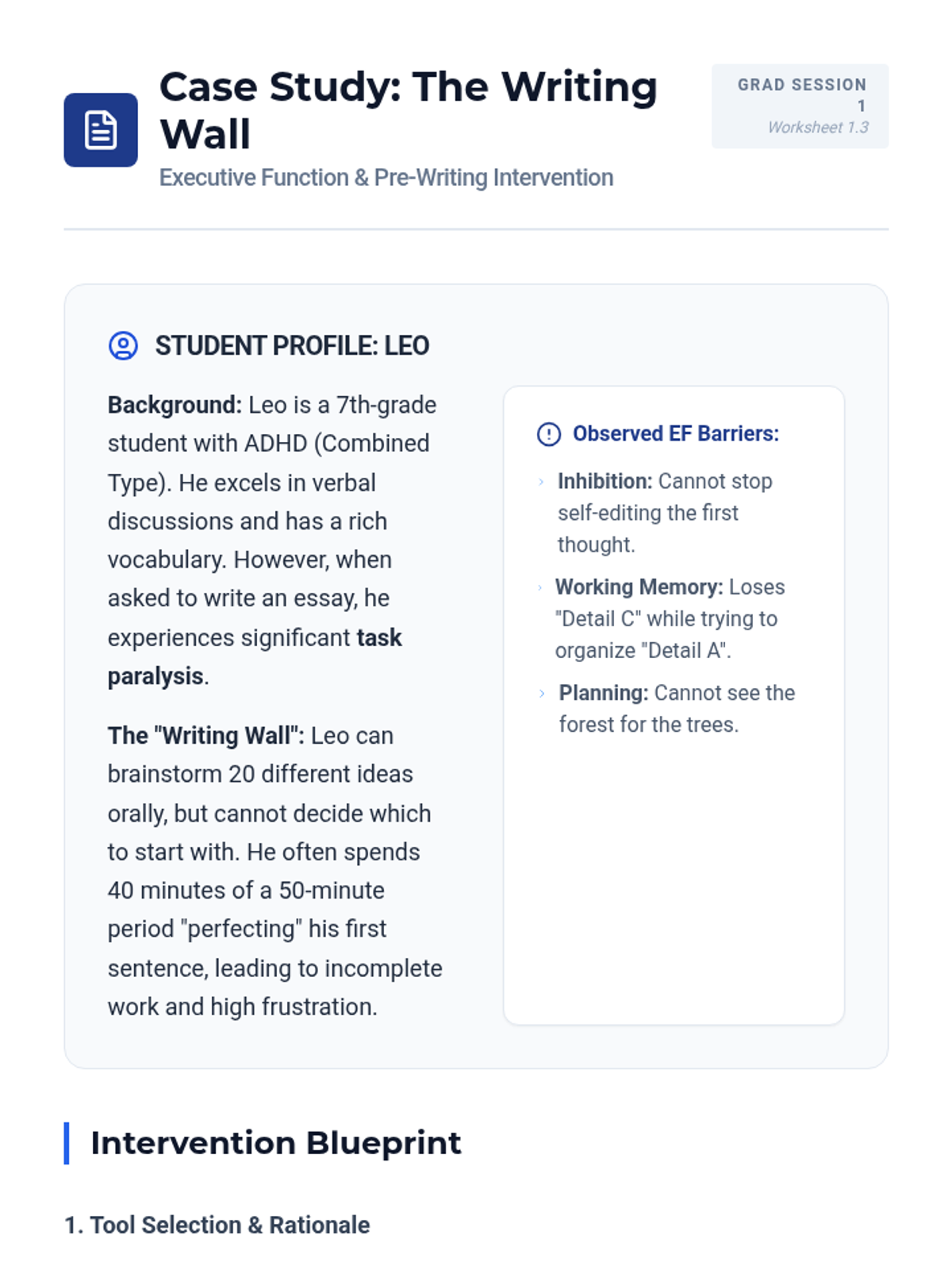
Explores how digital graphic organizers support executive function in the pre-writing stage. Graduate students learn to teach the conversion of mind-maps to linear outlines using drag-and-drop technology.
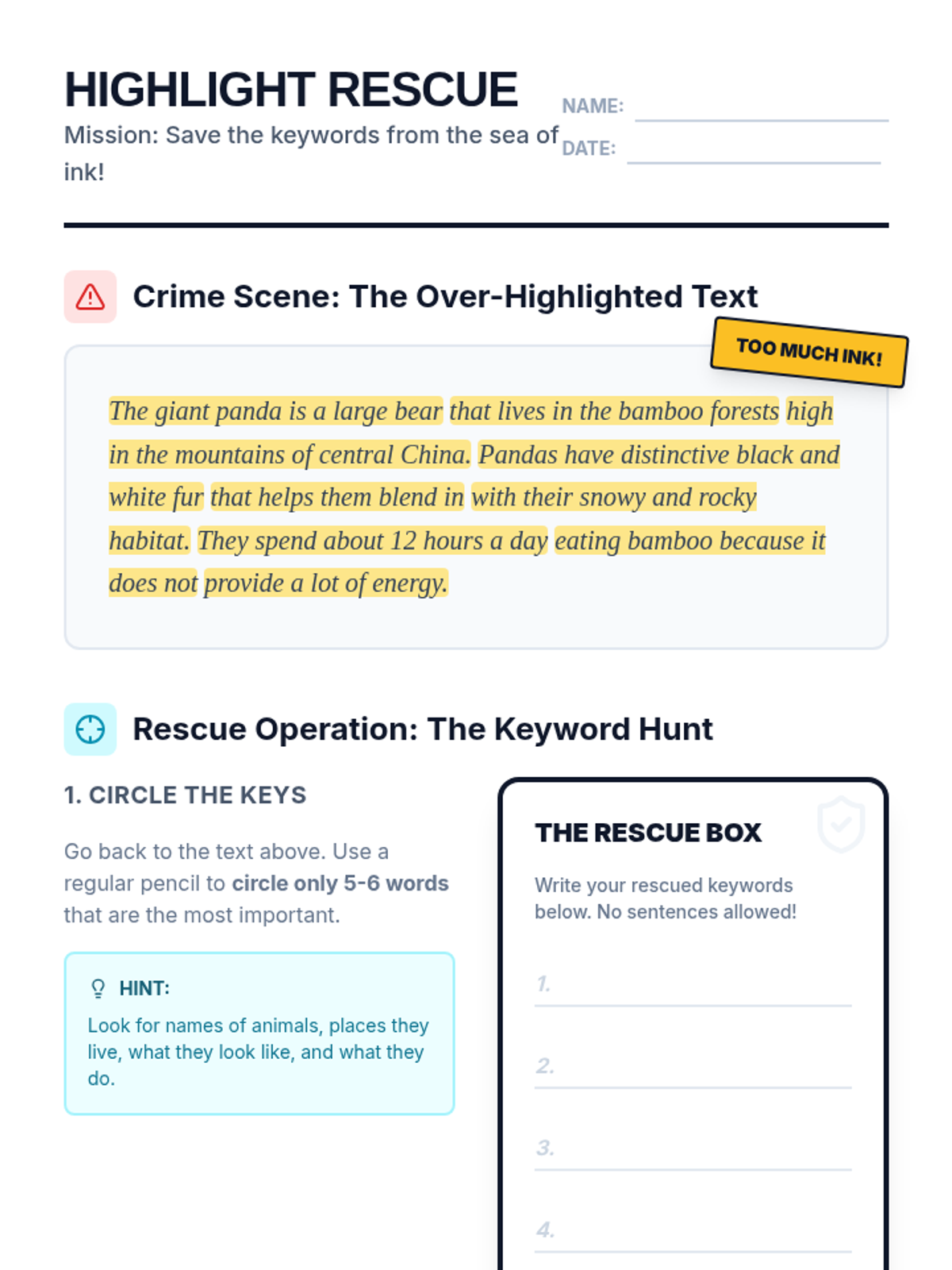
Students review pre-highlighted texts to identify 'highlighter crimes' (over-highlighting) and learn the 'Keyword Rule' to reduce highlights to only essential information.
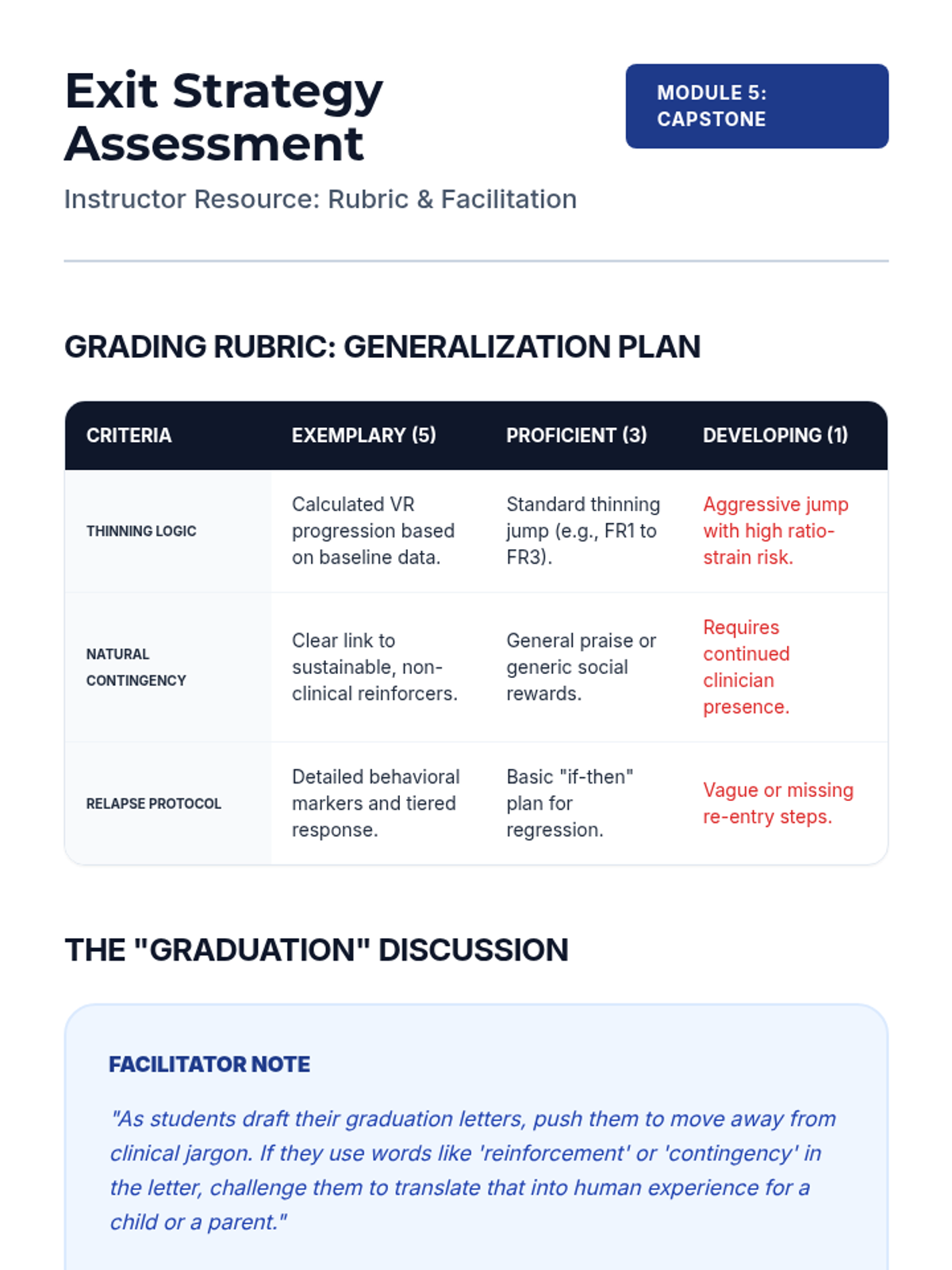
The capstone lesson on planning for skill maintenance and generalization across settings with a clear exit strategy.
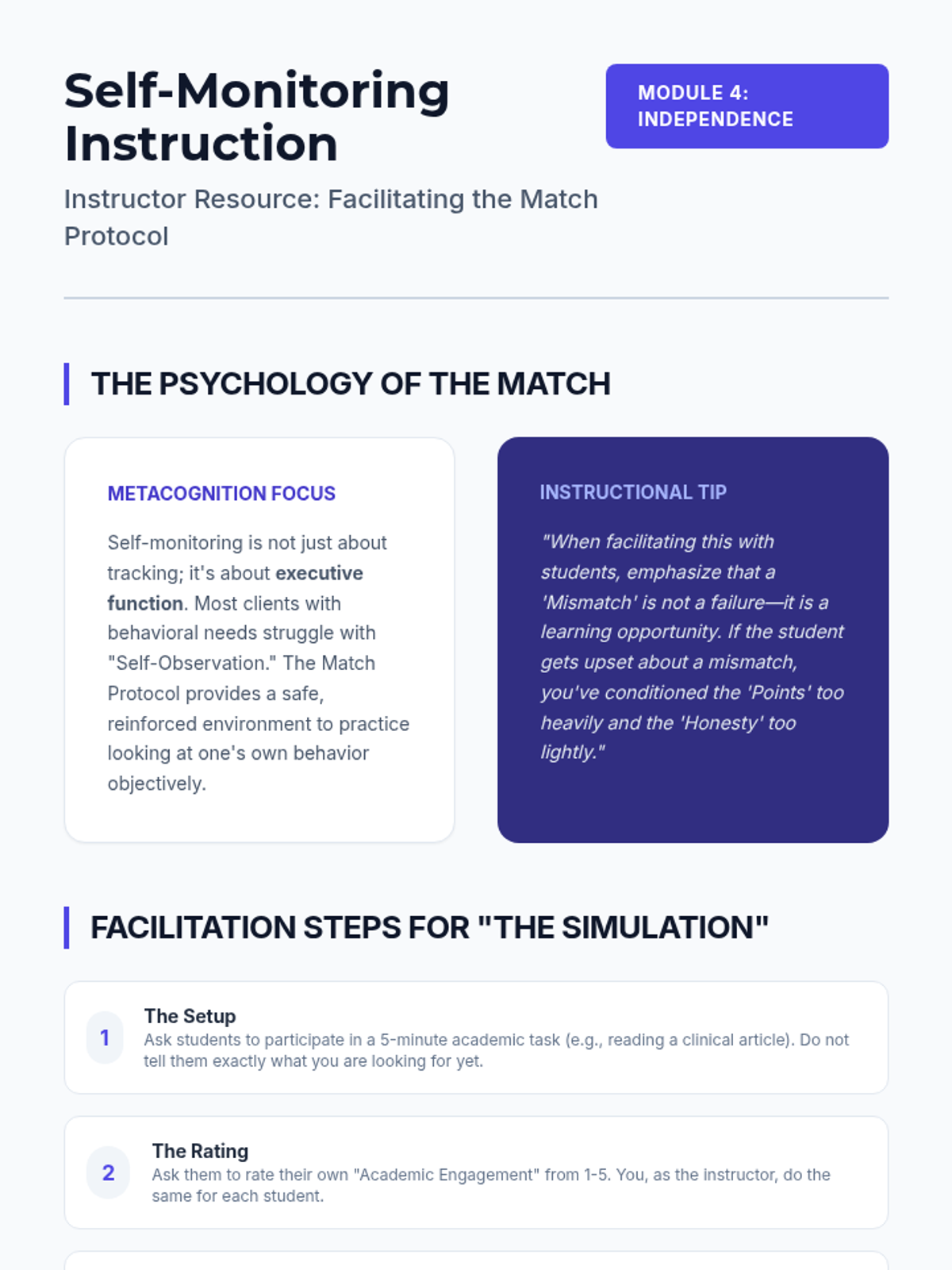
Explores techniques for teaching clients to track and manage their own behavior, moving toward clinical independence.
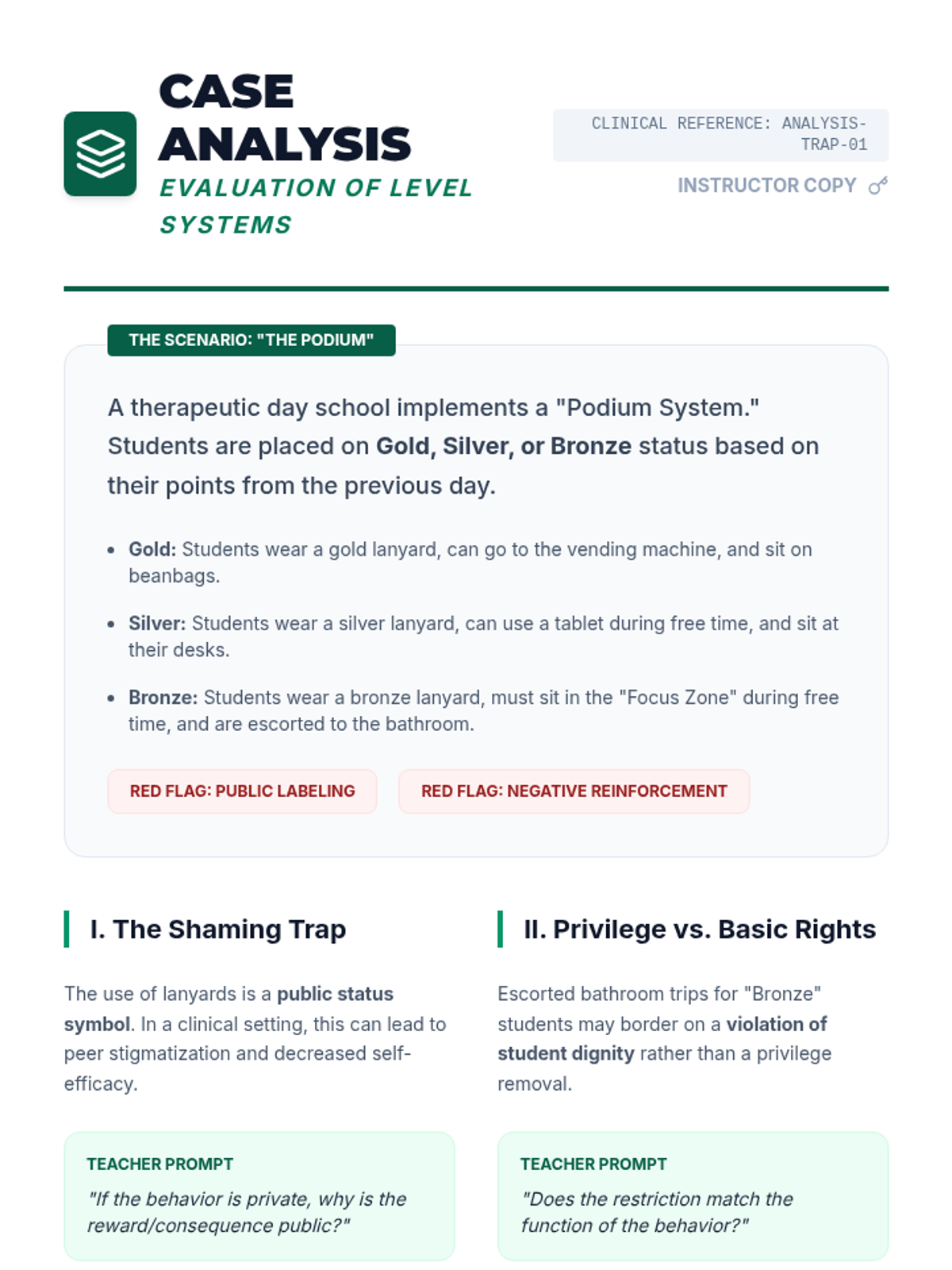
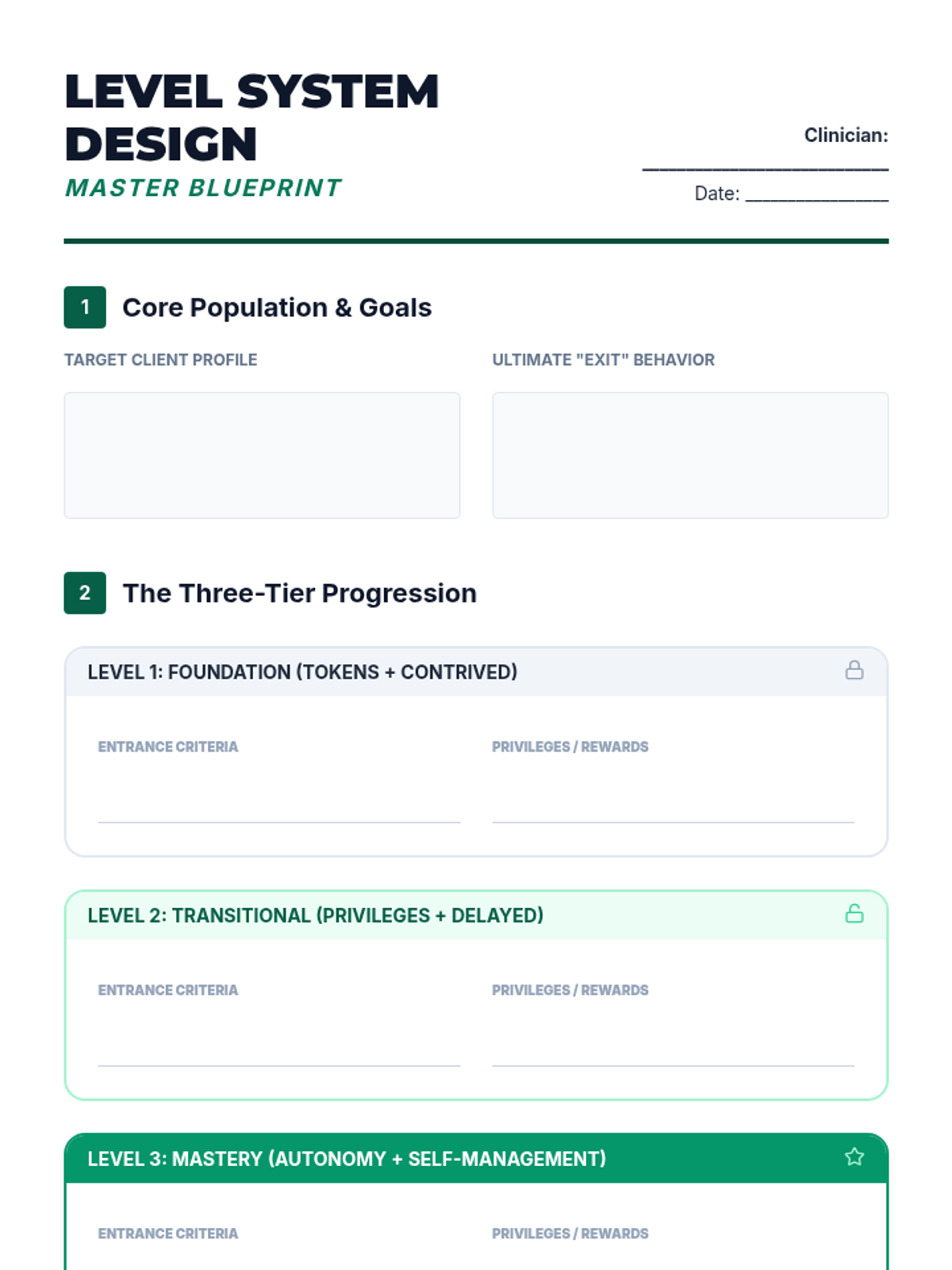
Teaches students how to design and implement level systems that bridge the gap between token economies and real-world expectations.
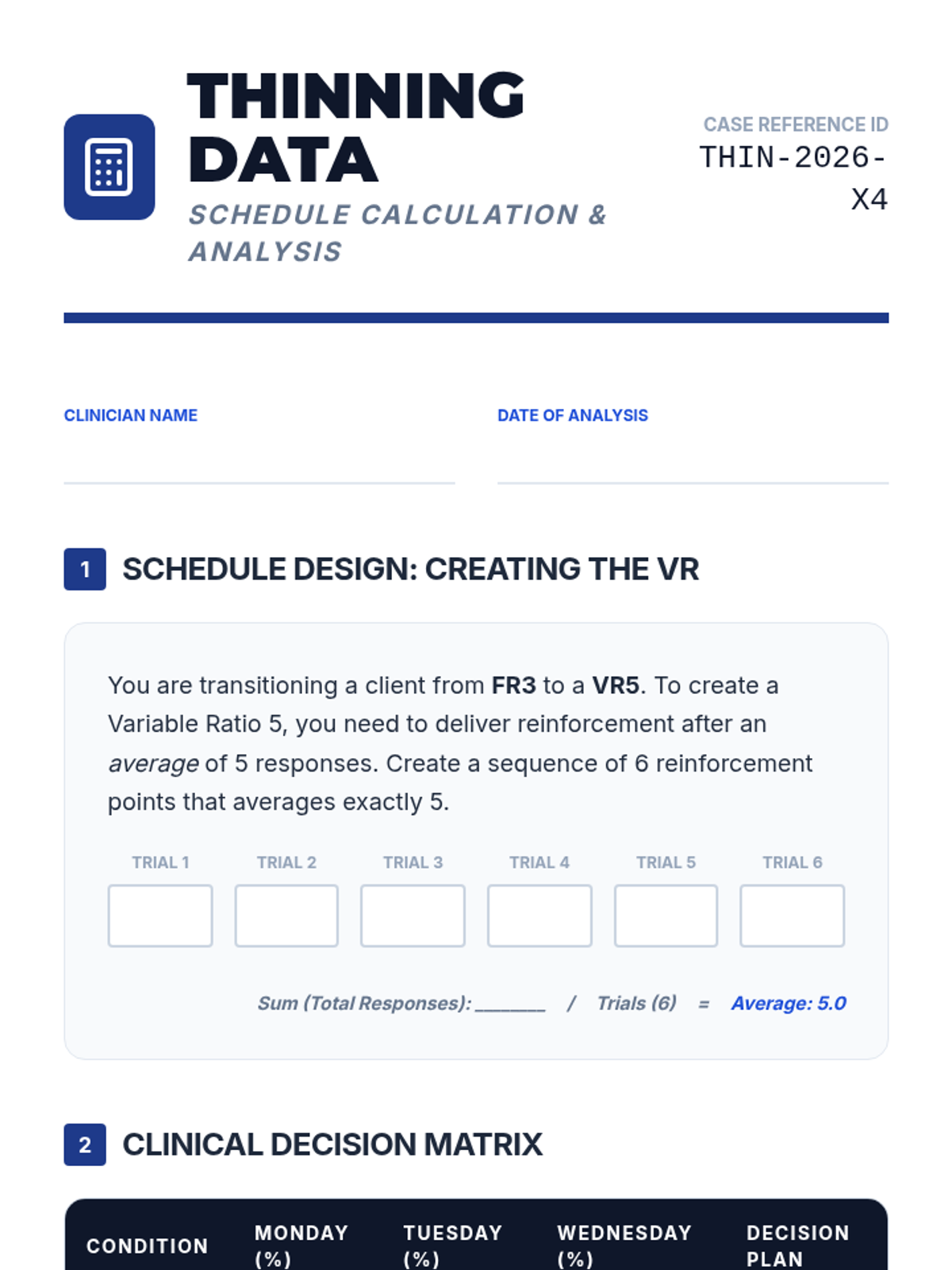
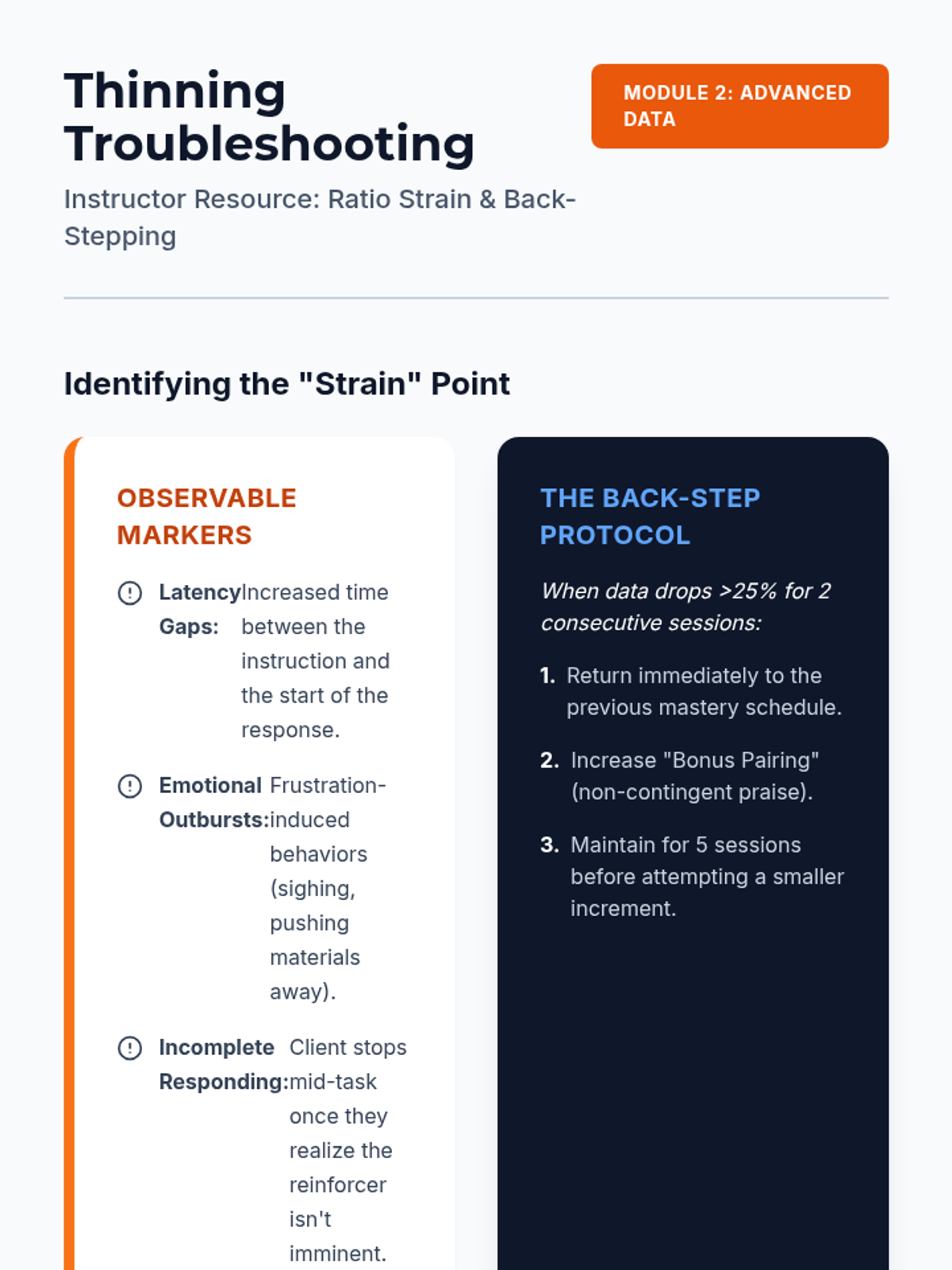
Covers the technical process of thinning reinforcement schedules to build behavioral endurance and reduce dependency on frequent tokens.
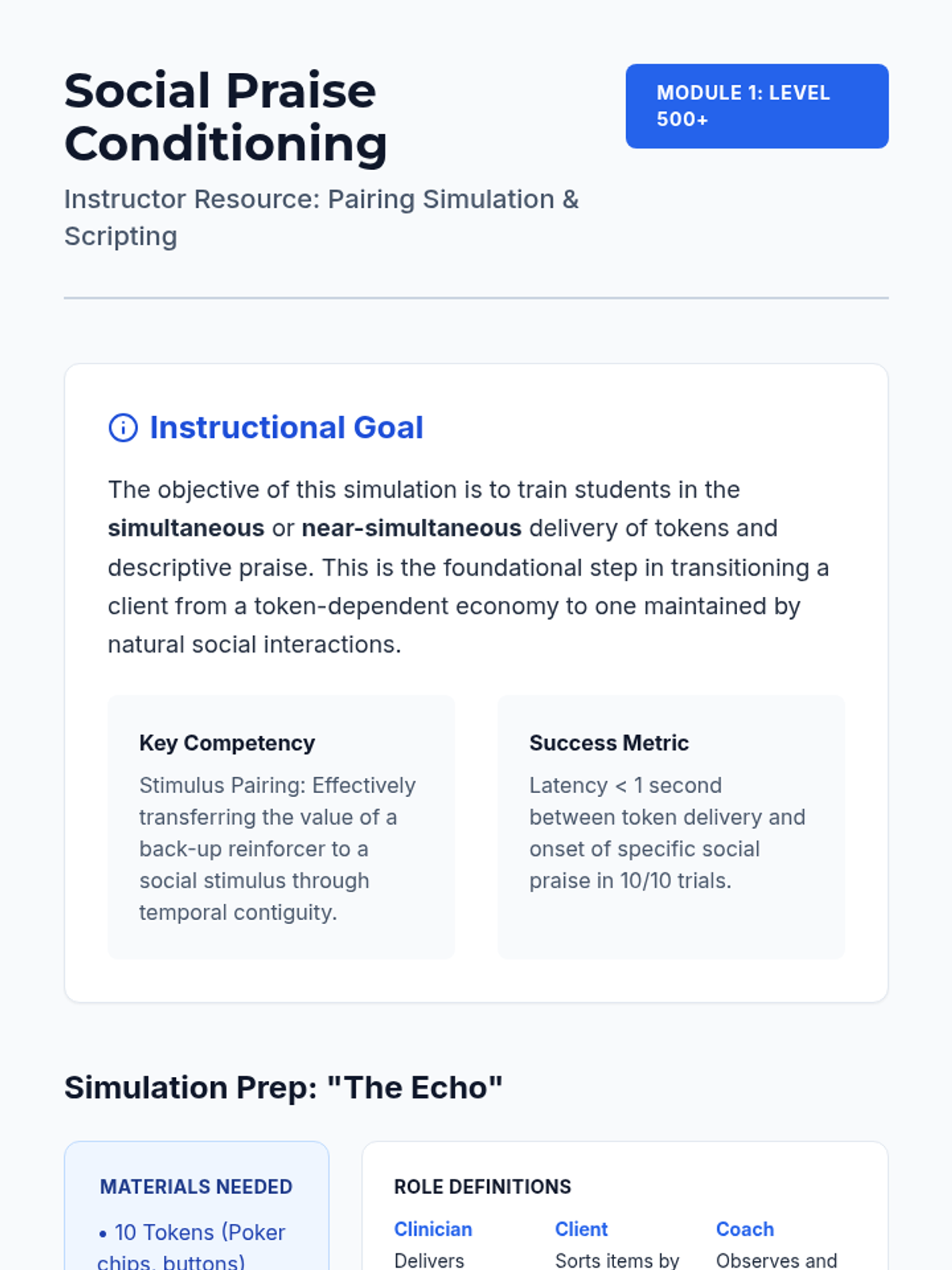
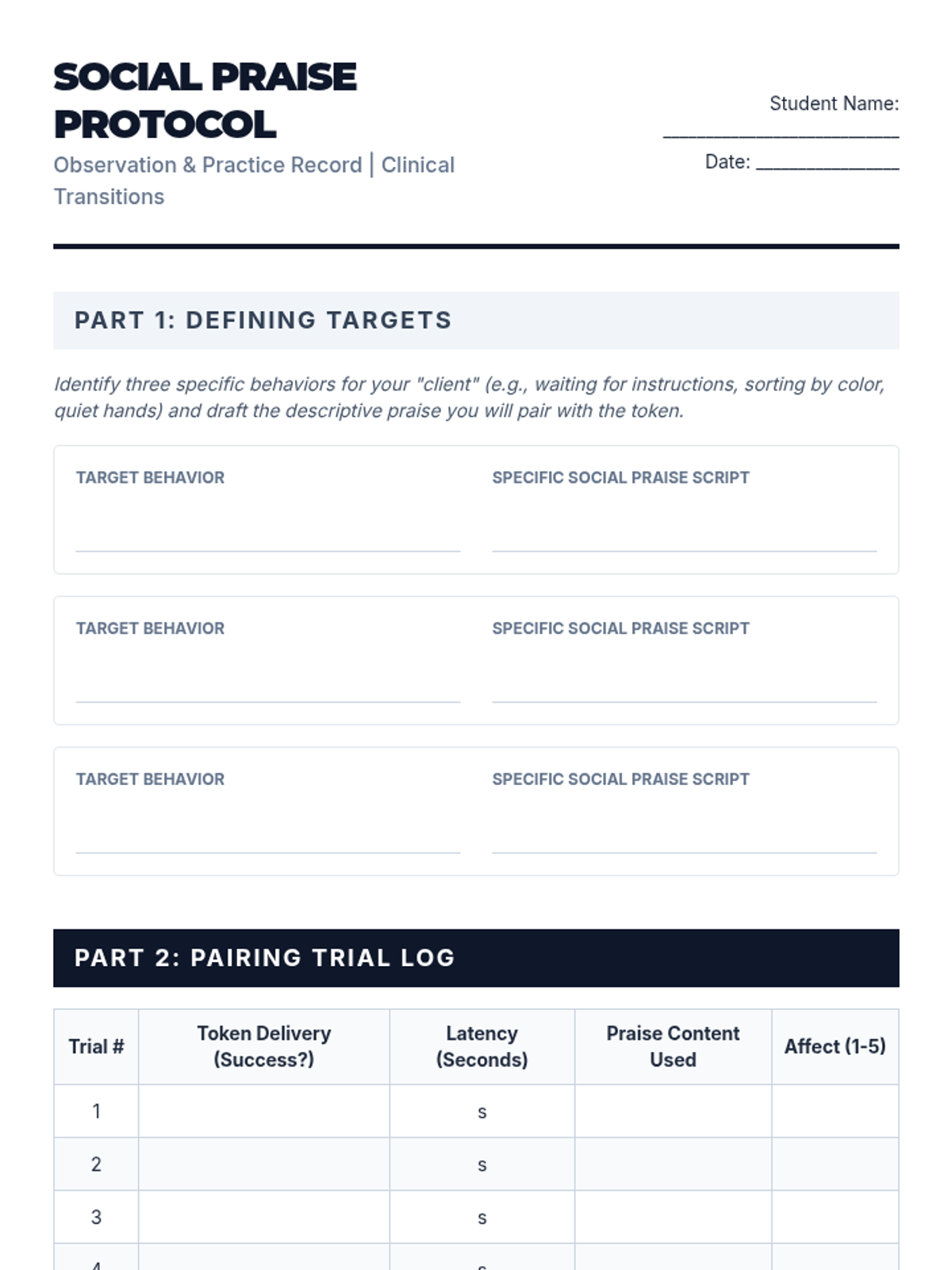
Focuses on stimulus pairing procedures to transform social praise into a secondary reinforcer, essential for fading token systems.
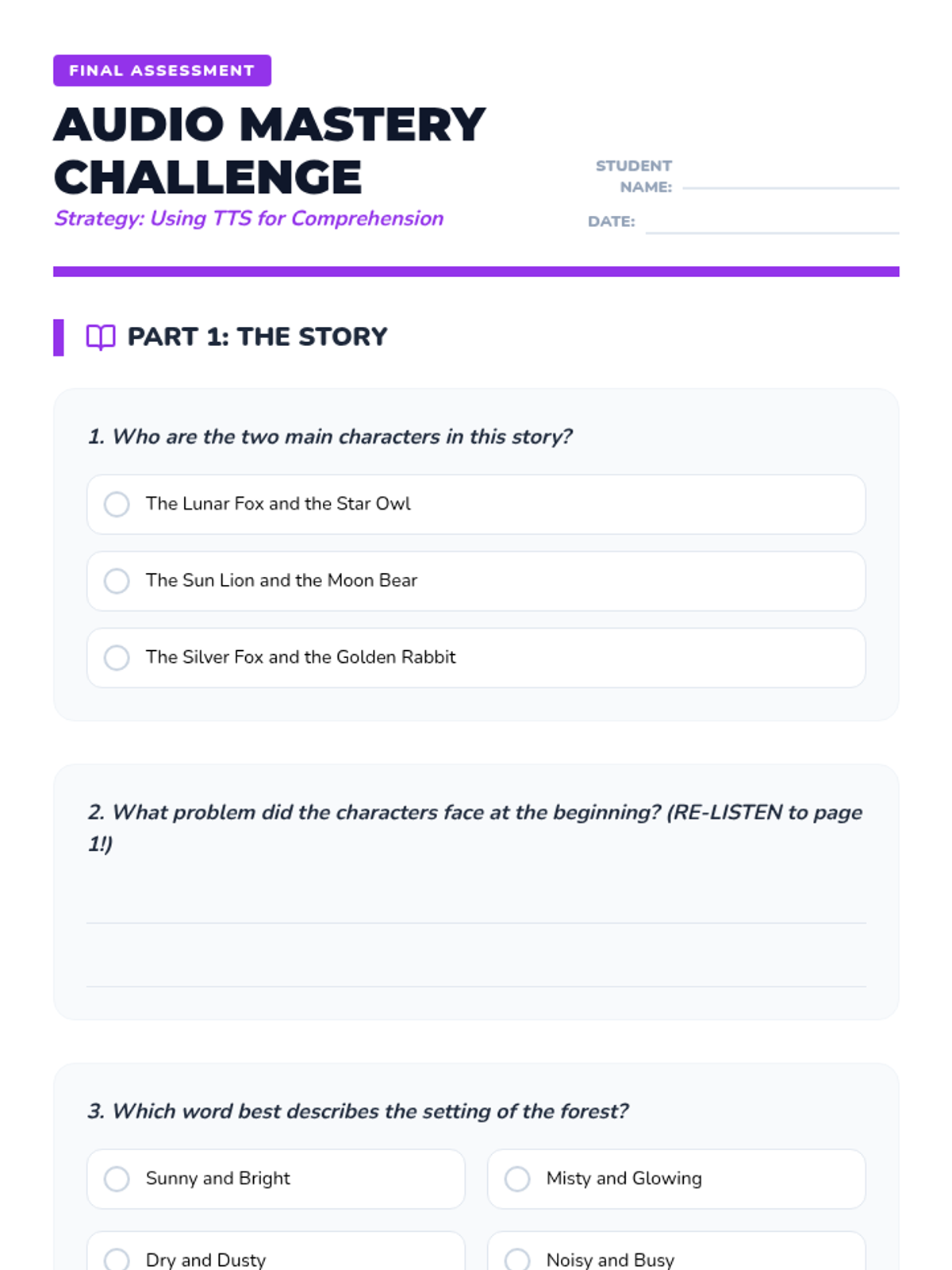
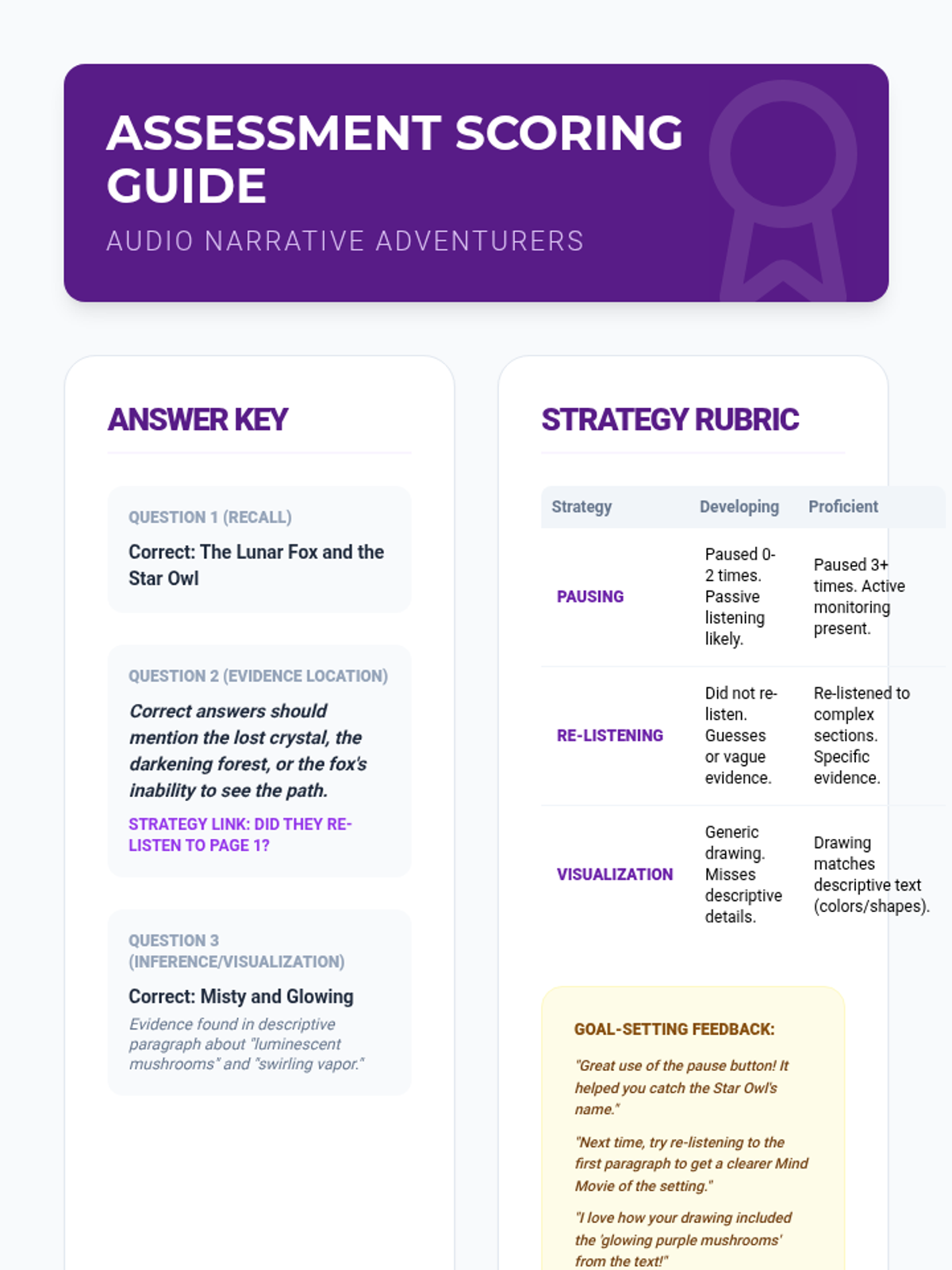
Students apply all strategies to read a grade-level fiction passage using TTS and answer standard comprehension questions. They document when they paused and what sections they re-played.
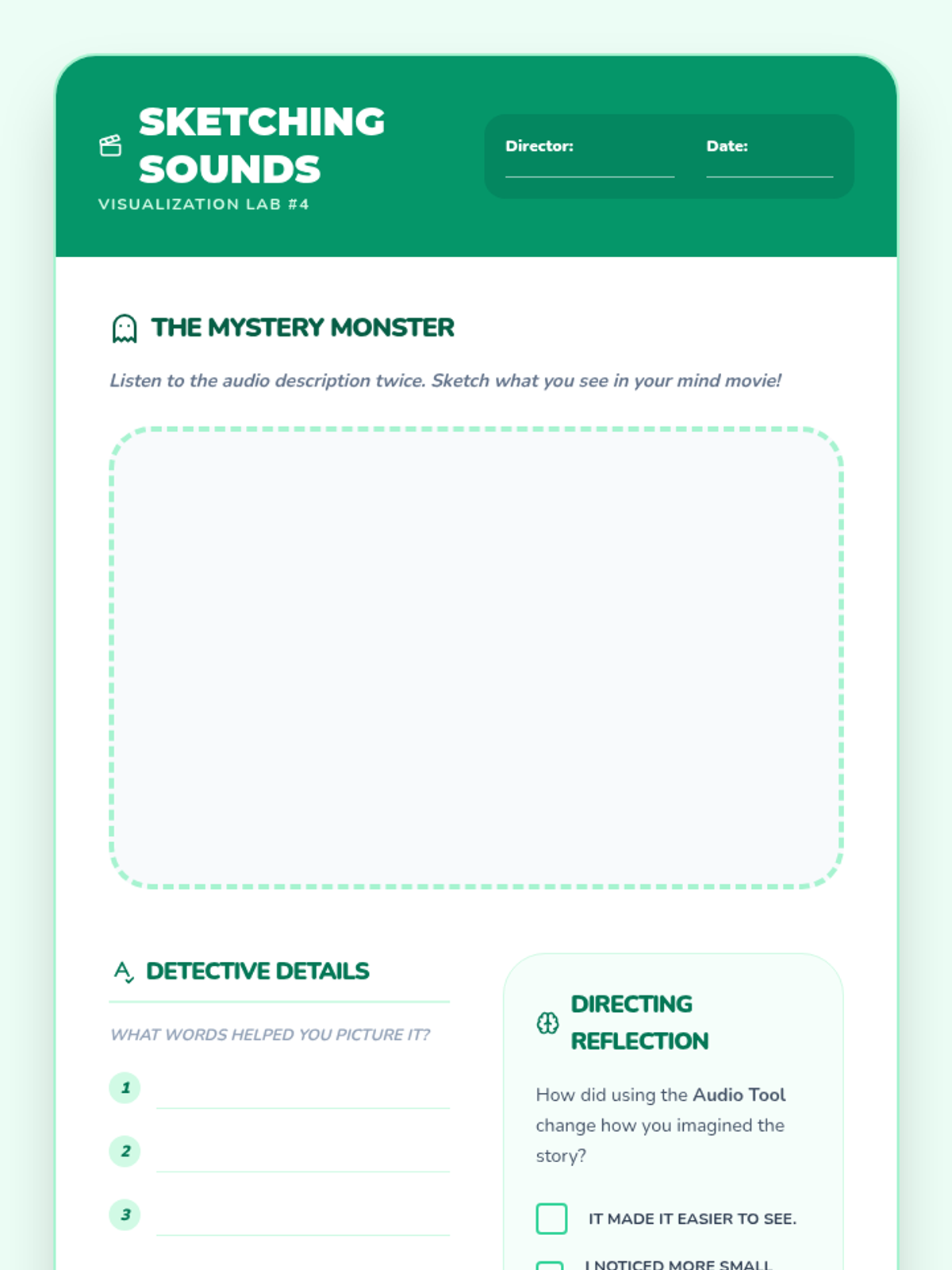
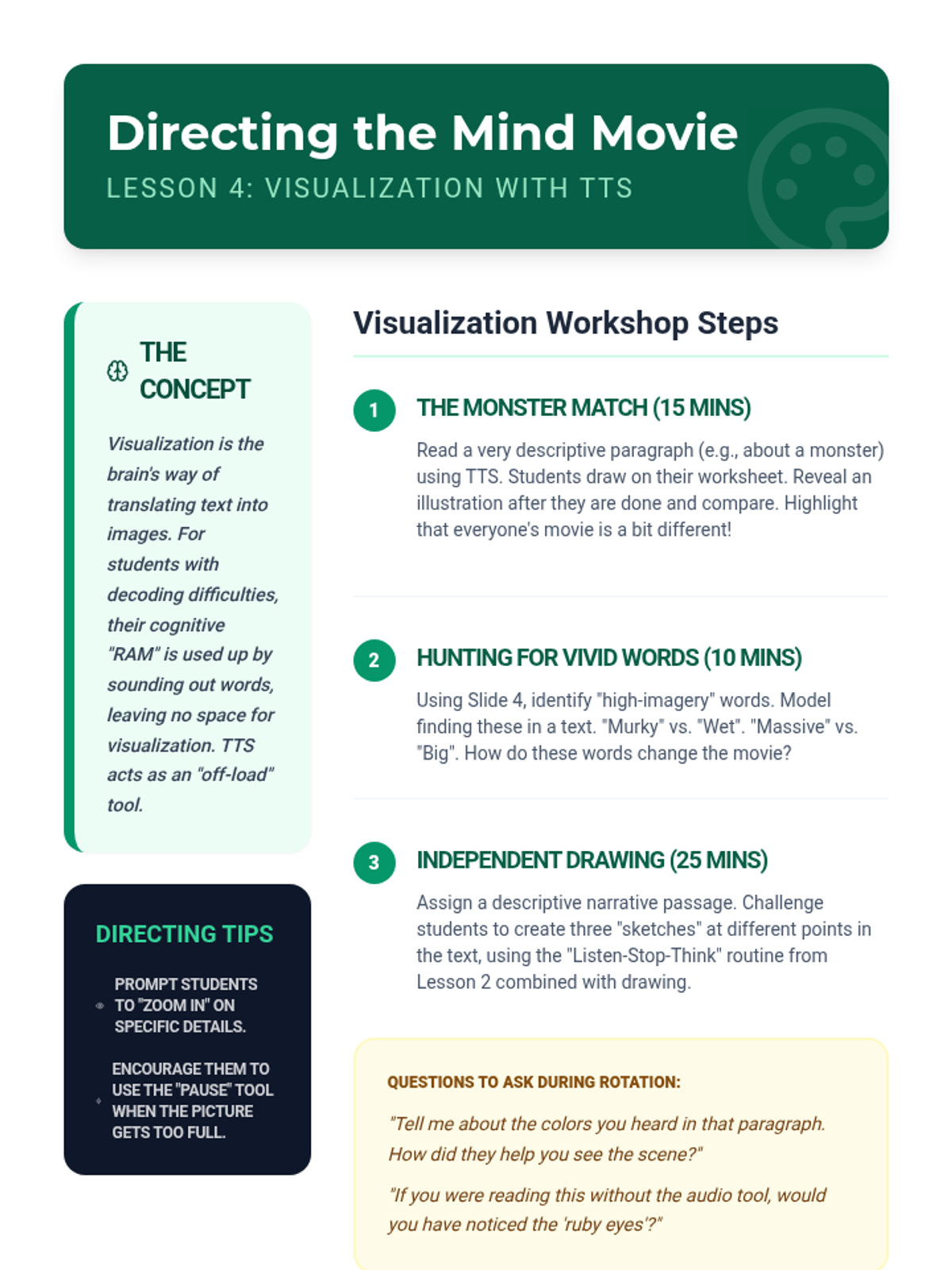
Students focus on mental imagery while listening to descriptive passages read by the TTS tool. They compare how listening helps them picture the action compared to struggling with decoding alone.
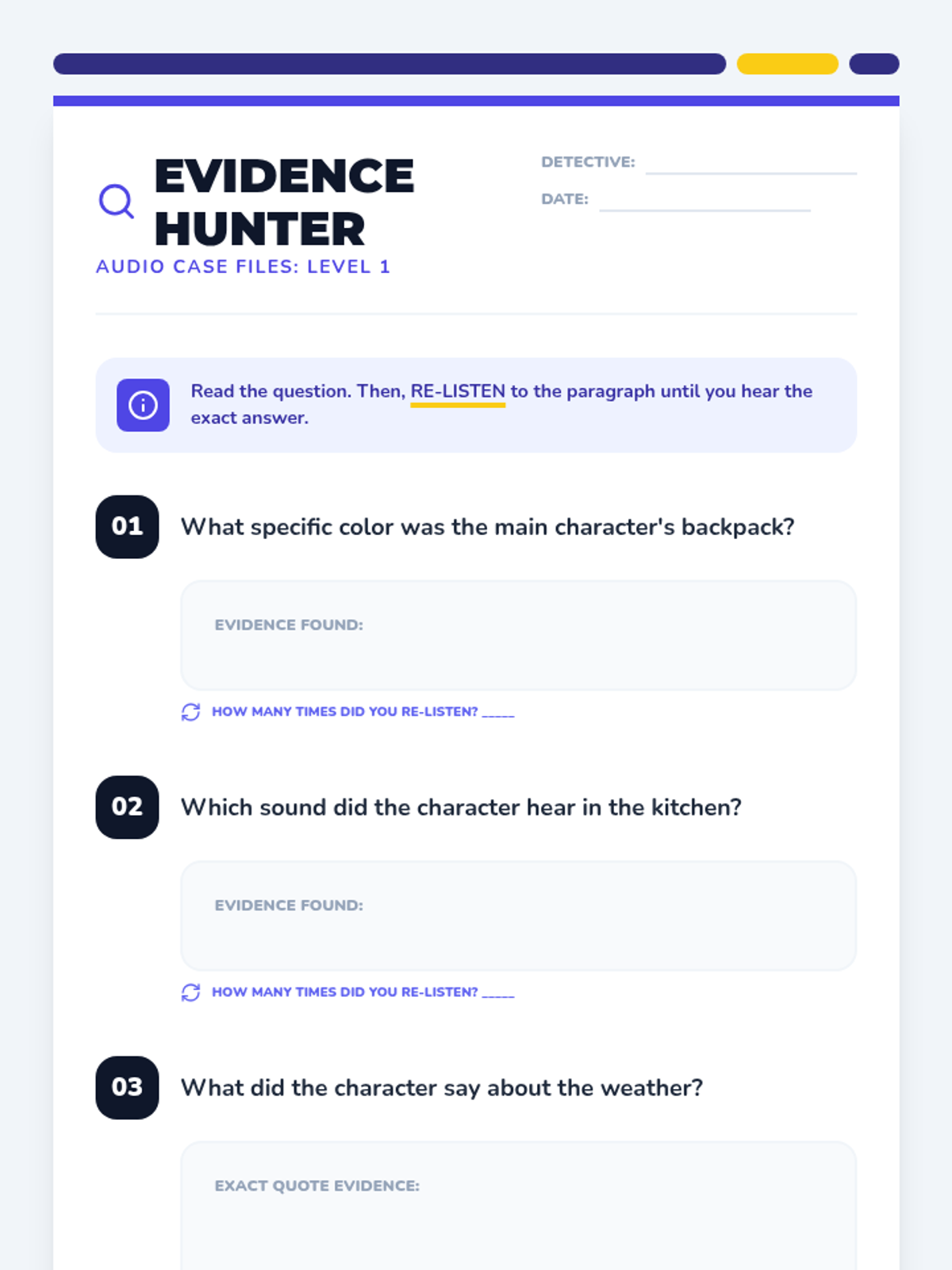
Students learn to use TTS to scan back and re-listen to specific sections to answer comprehension questions. They practice locating evidence in the text by listening to a paragraph multiple times.
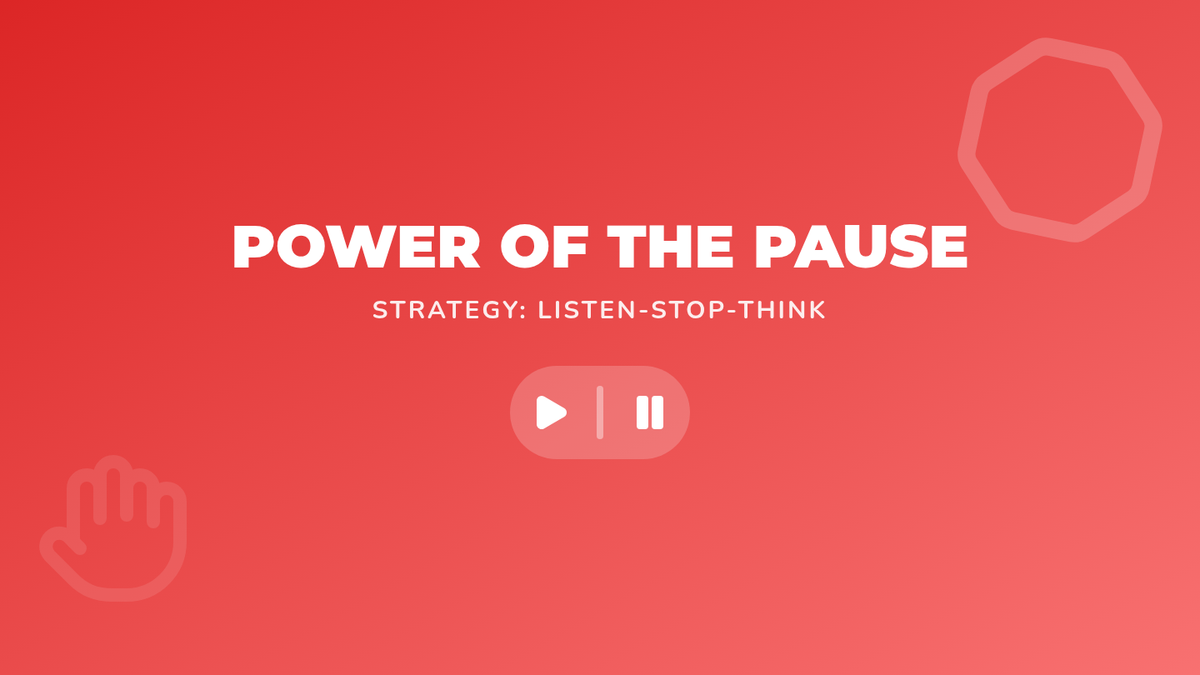
This lesson teaches students the strategy of pausing TTS at the end of every page or section to summarize what happened. Students practice the 'Listen-Stop-Think' routine to ensure they aren't just letting the audio wash over them.
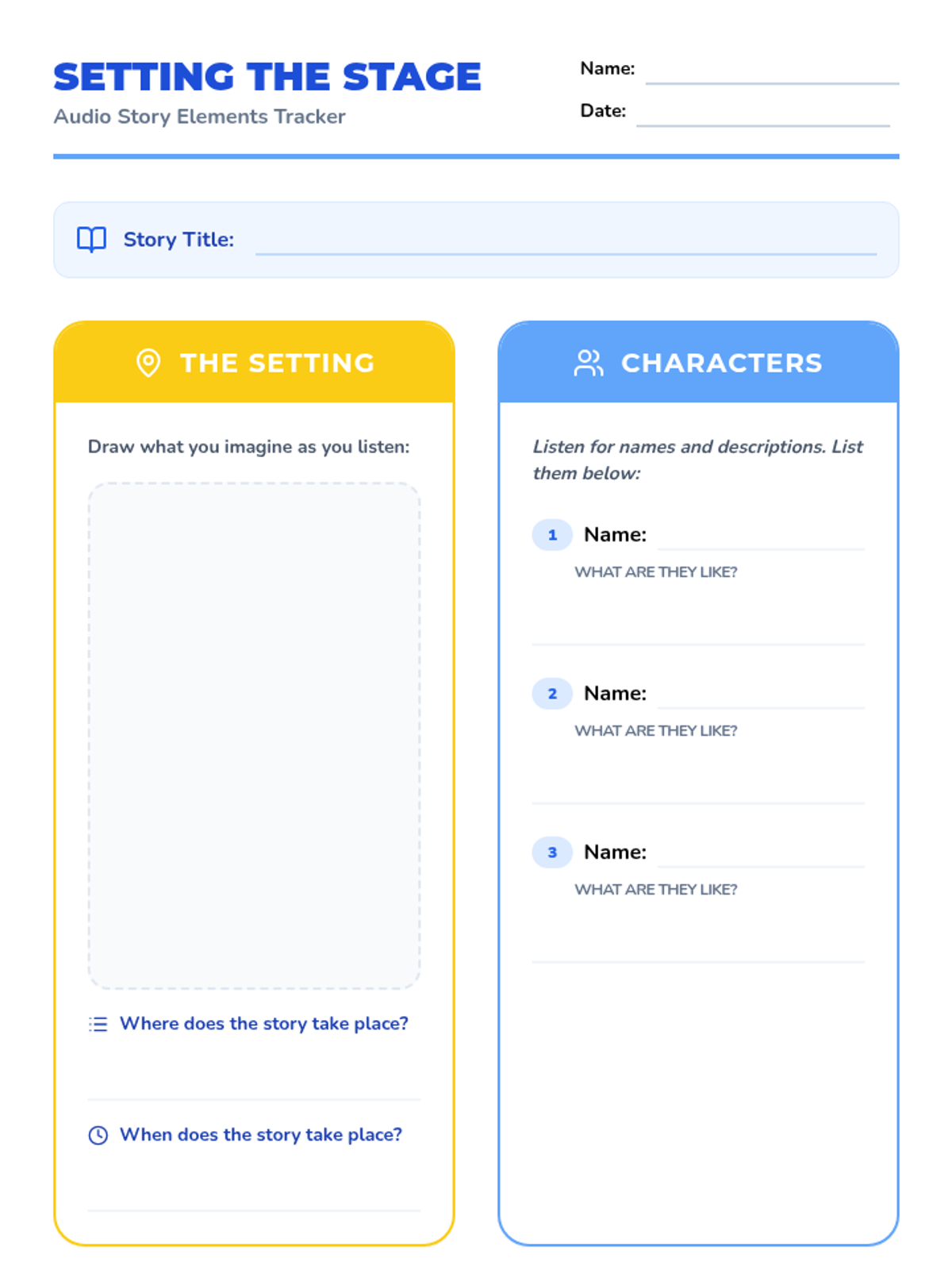
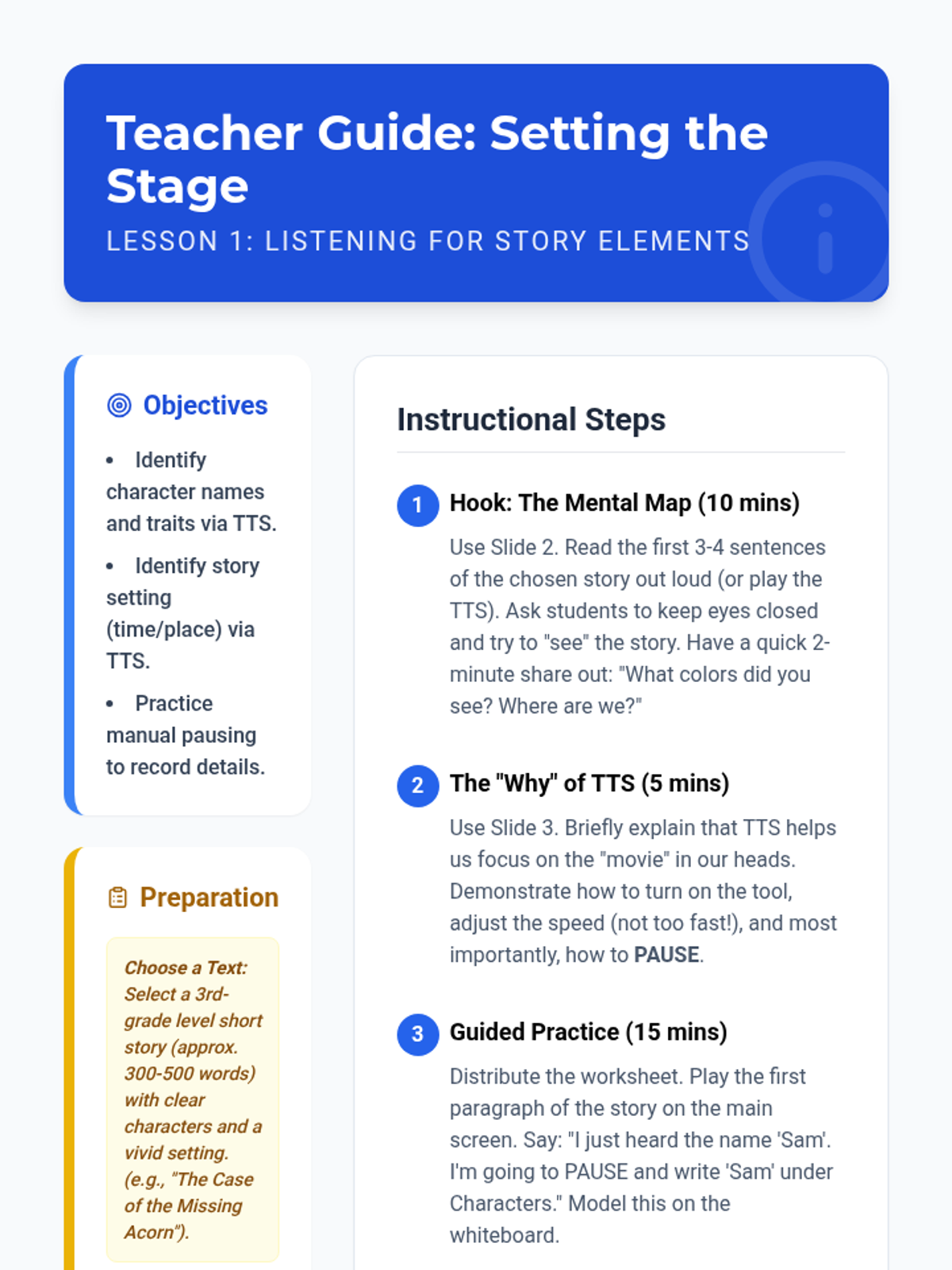
Students use TTS to listen to a story, focusing on identifying characters and setting. They practice pausing the audio to record these elements on a graphic organizer.
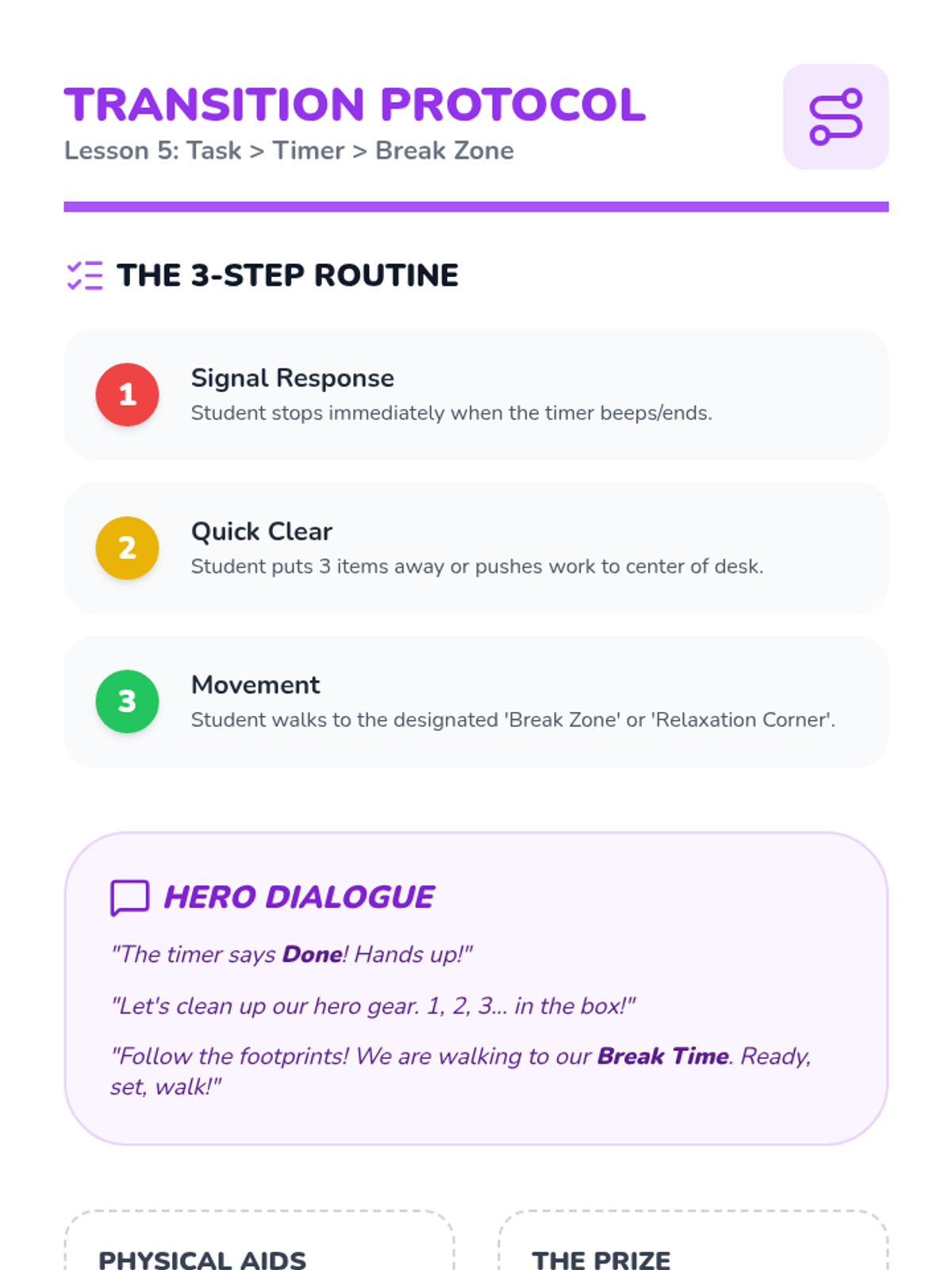
Students combine all skills to complete a task and transition to a designated break zone when the timer ends.
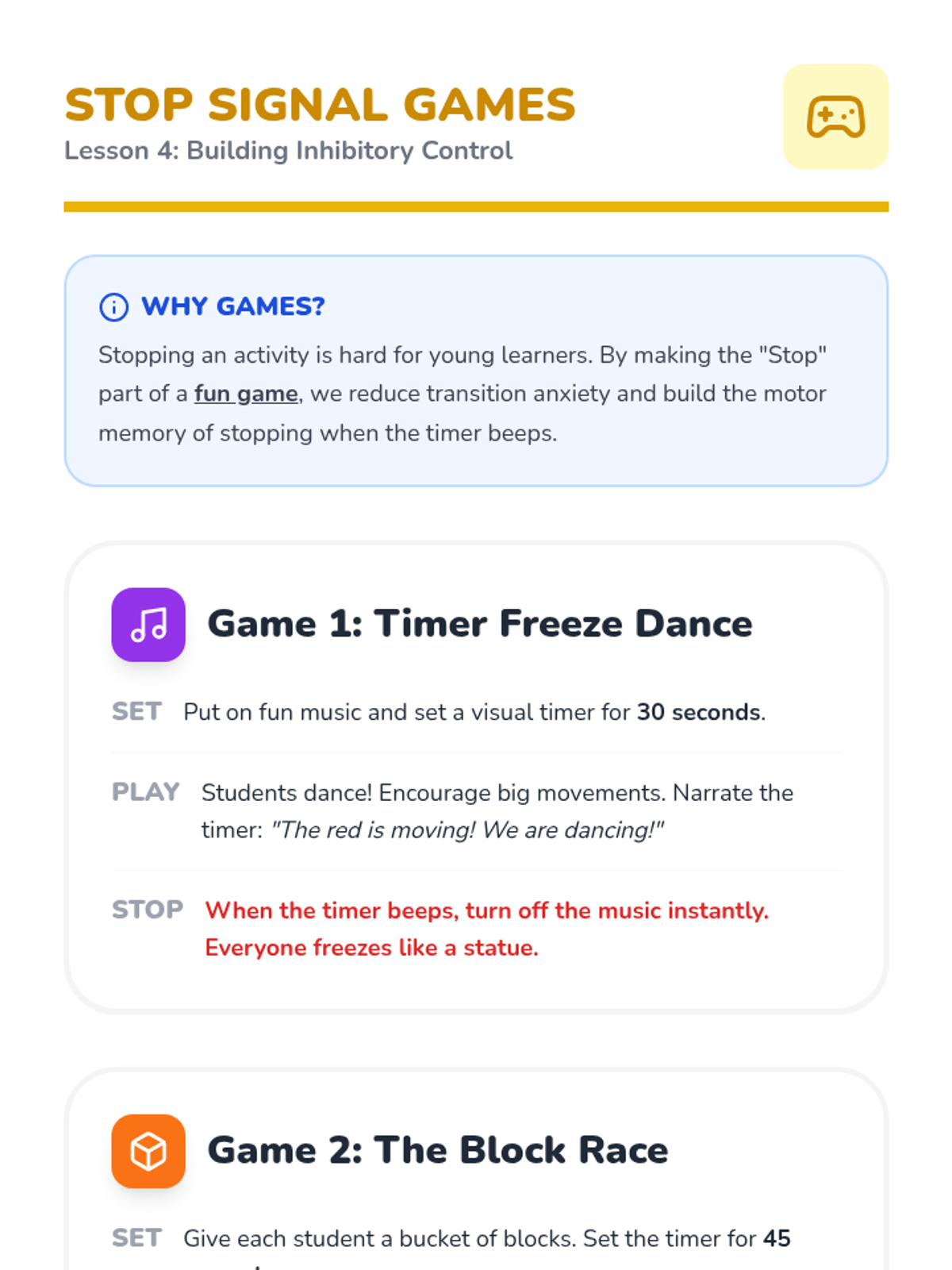
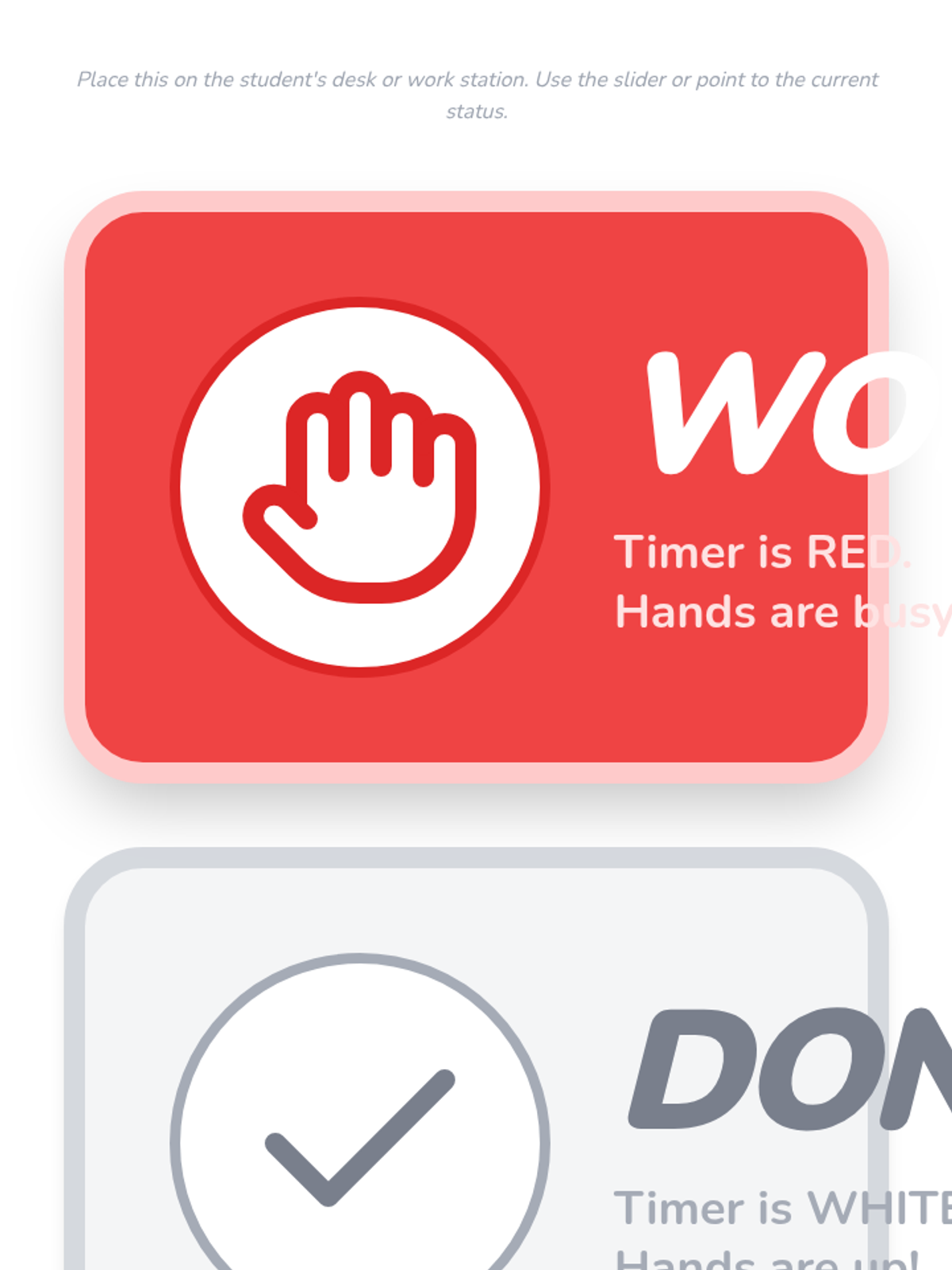
Students practice immediate stopping behaviors when the timer finishes through games and auditory-visual cues.
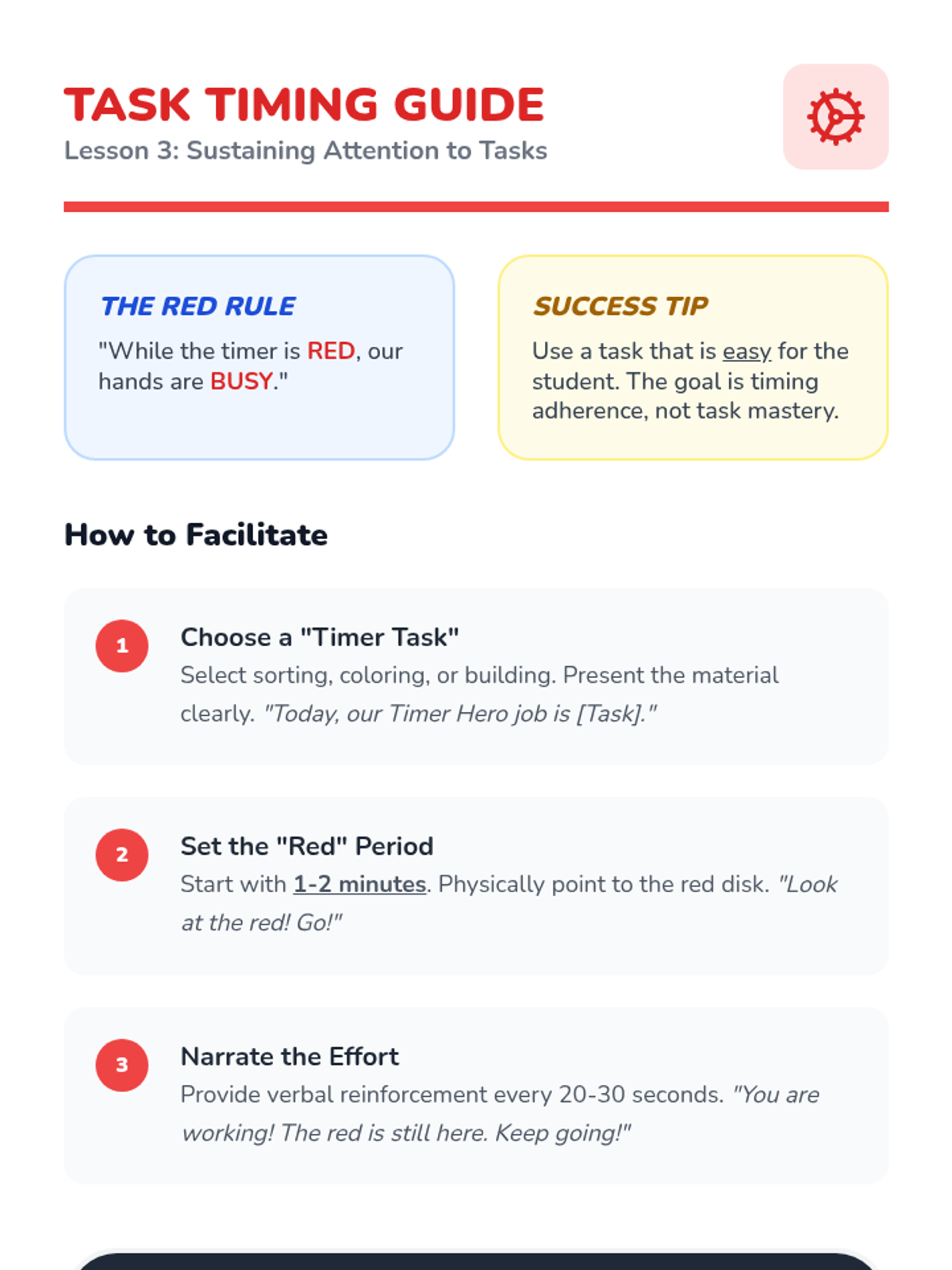
Students engage in simple tasks while a visual timer is active, learning to sustain attention until the signal.
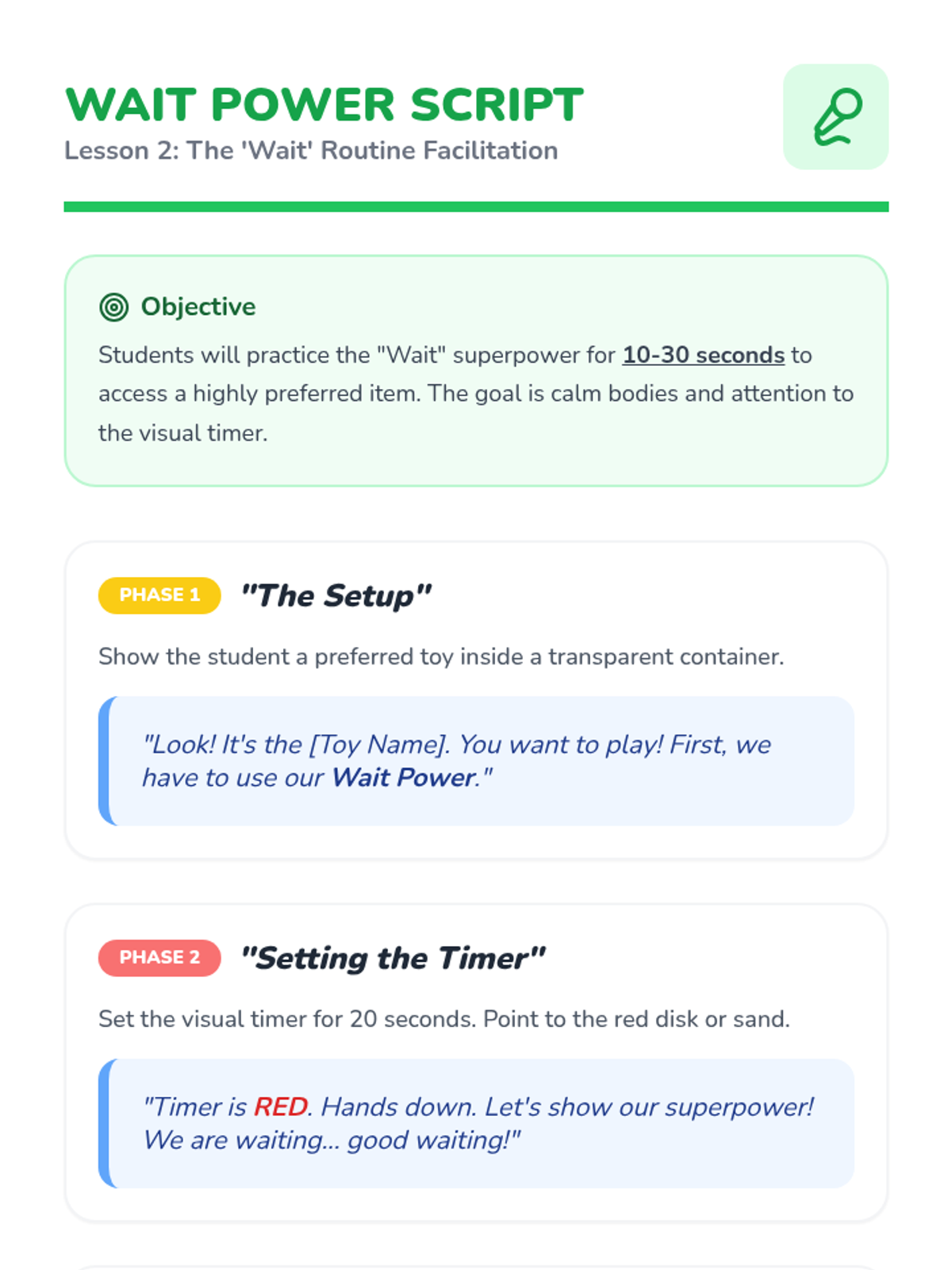
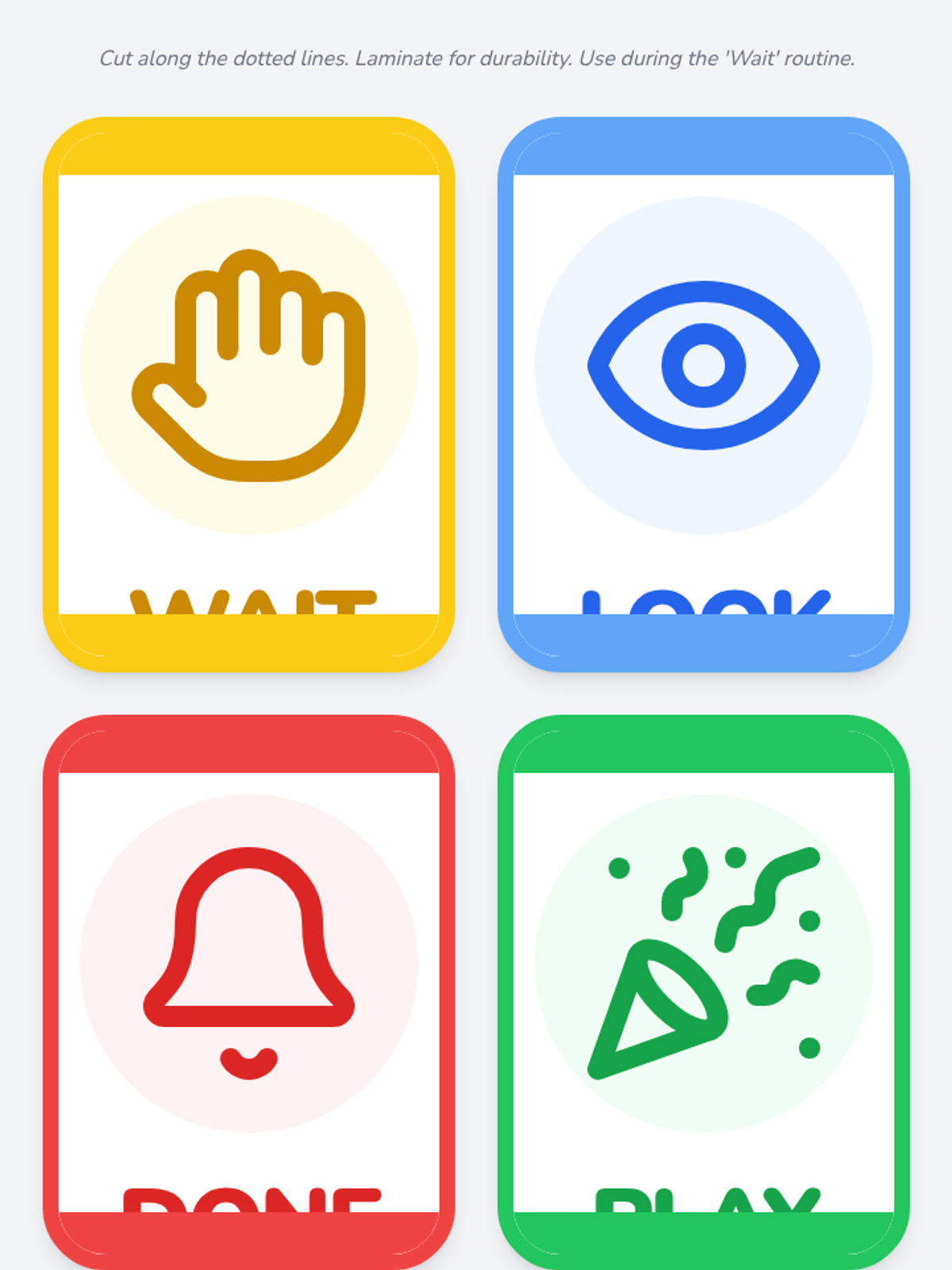
Students practice waiting for short durations using a visual timer to access preferred items.
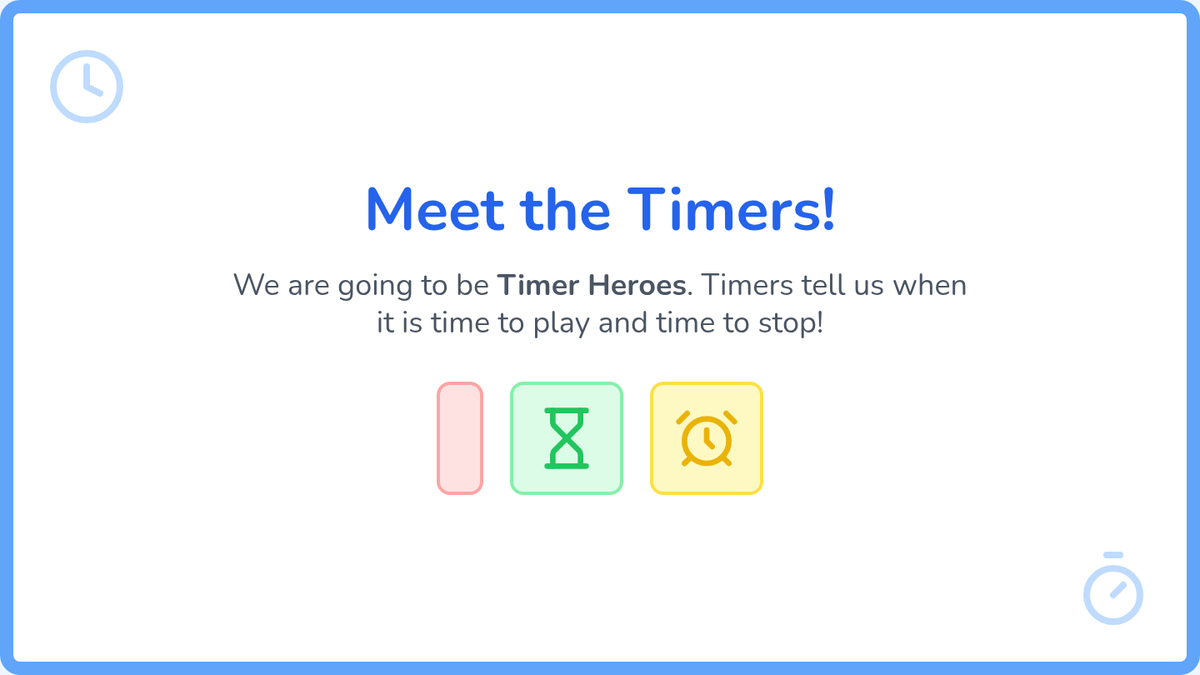
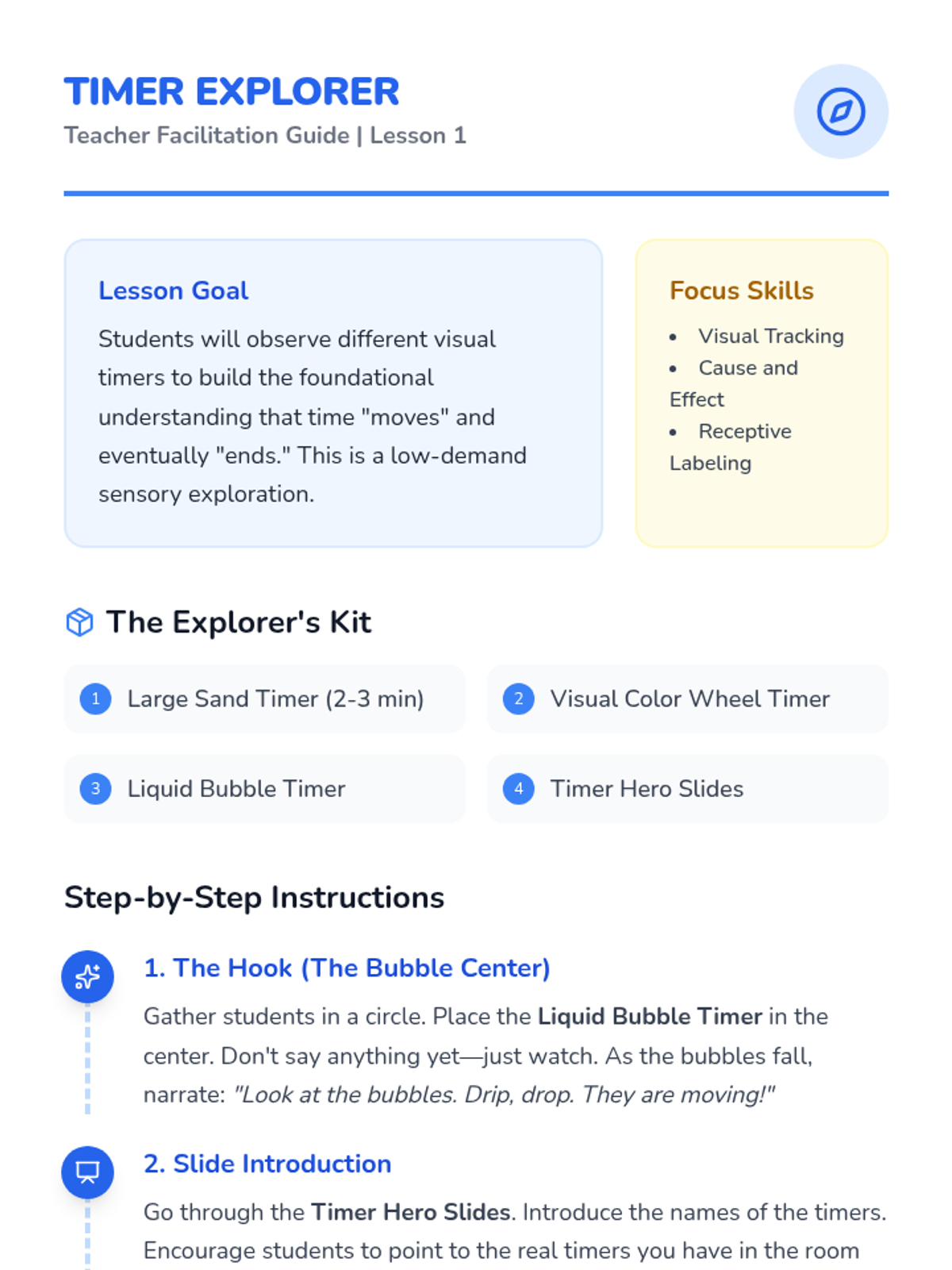
Students explore various visual timers to understand that time moves and eventually runs out through sensory observation.
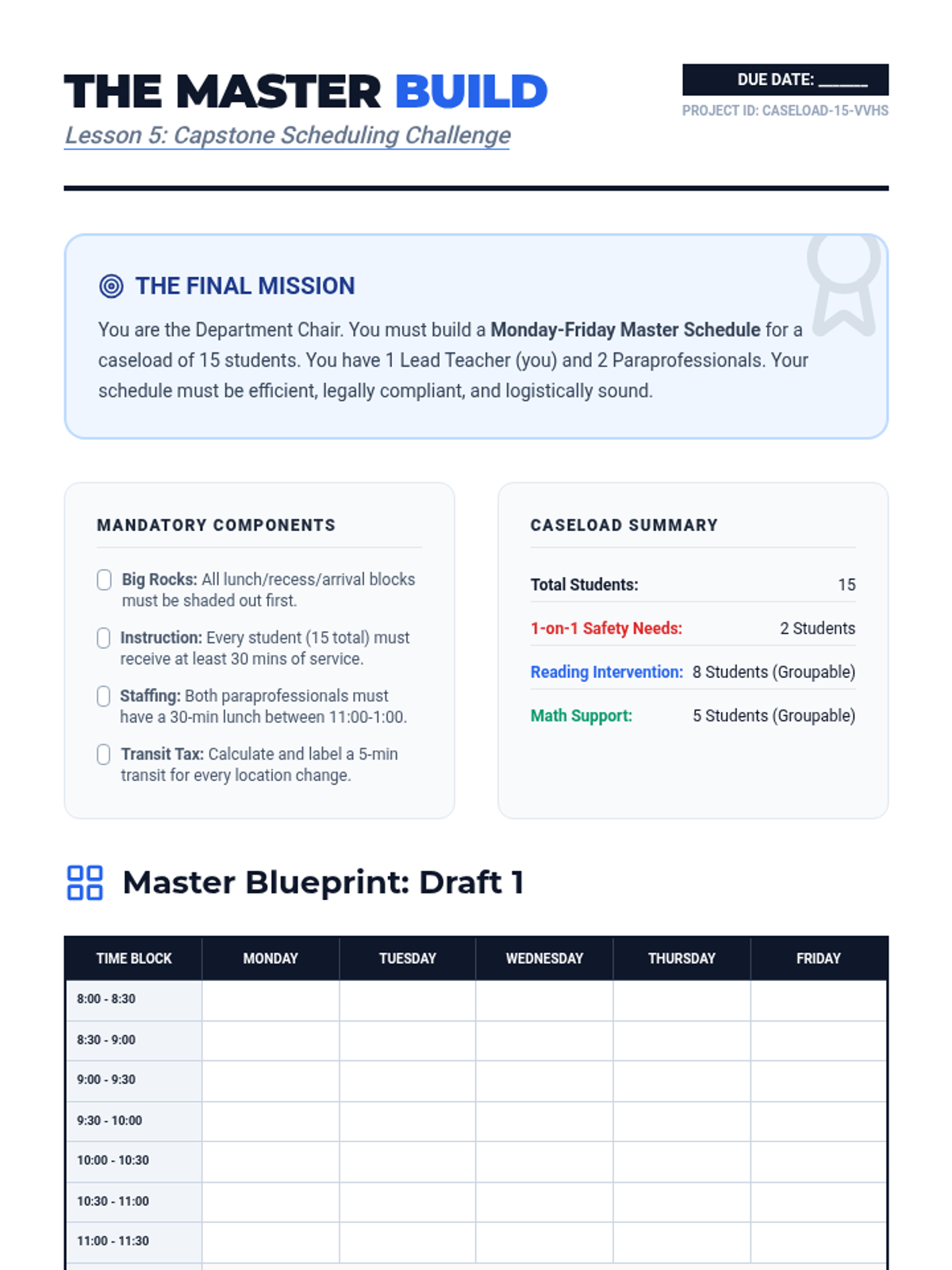
The capstone project where students build, present, and defend a complete weekly master schedule for a fictional special education caseload.
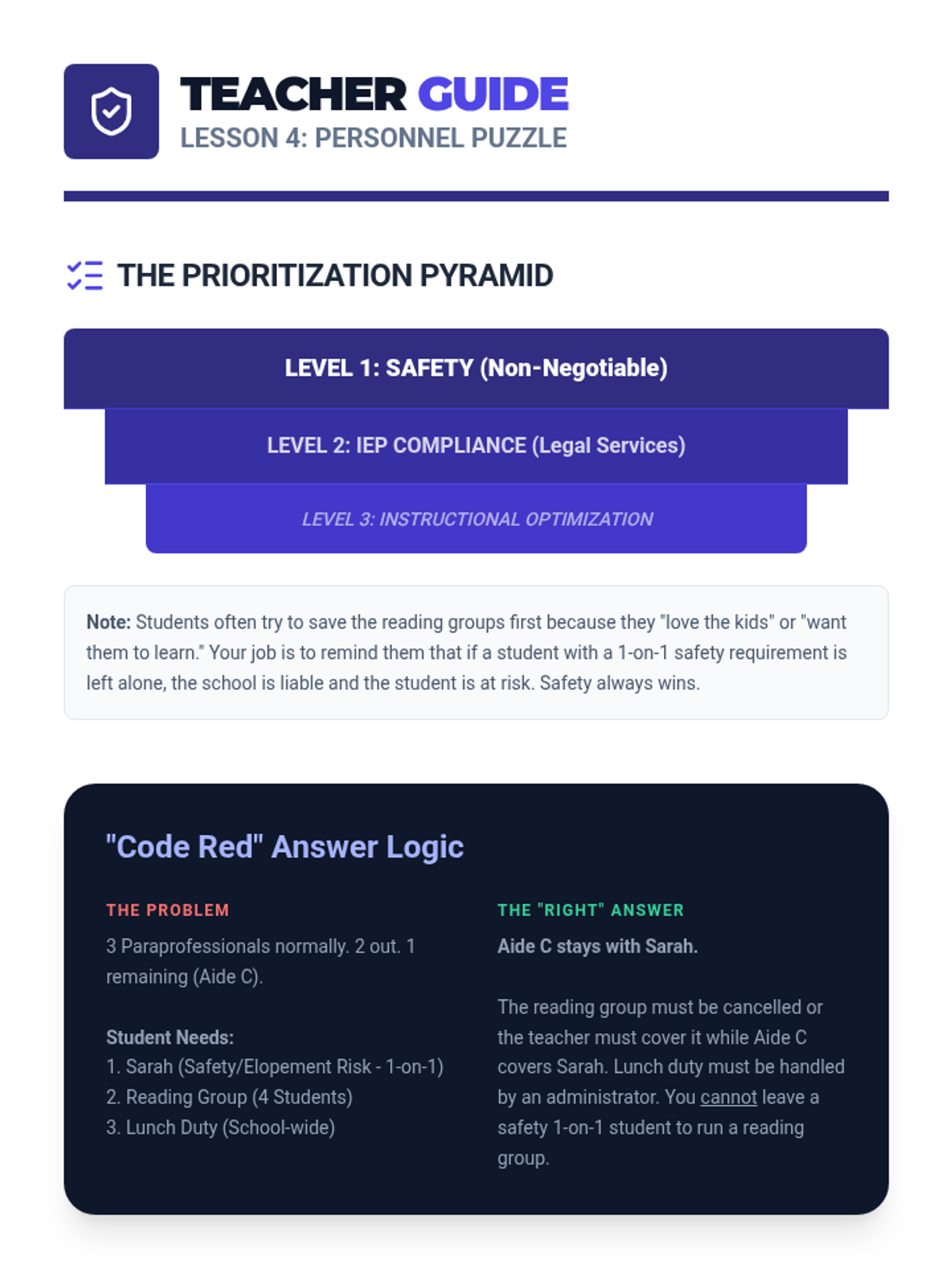
Students manage personnel resources by creating coverage schedules for paraprofessionals, accounting for breaks and high-need periods.
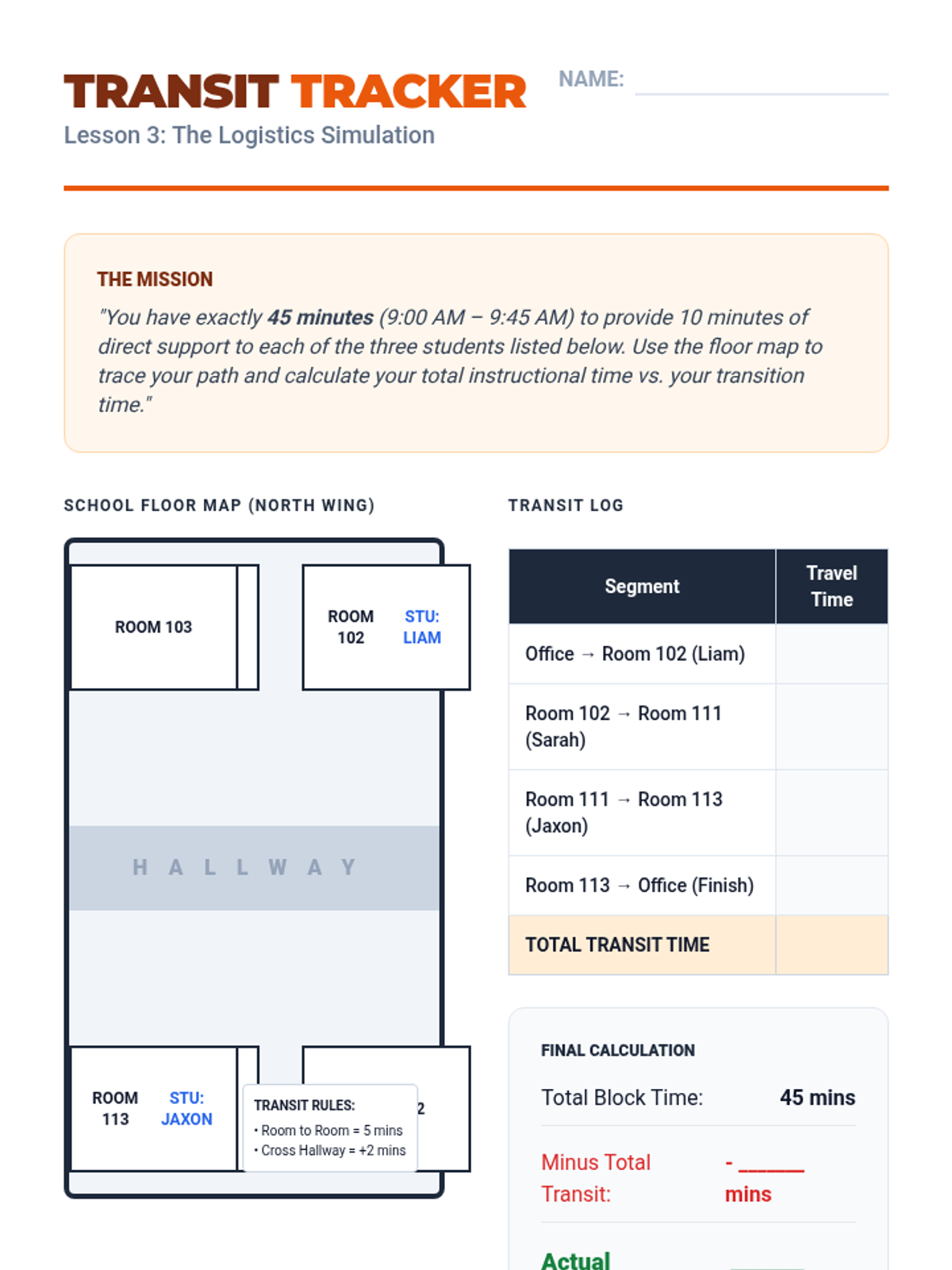
A simulation-based lesson where students map out the logistical trade-offs between push-in support and pull-out interventions, including transition times.
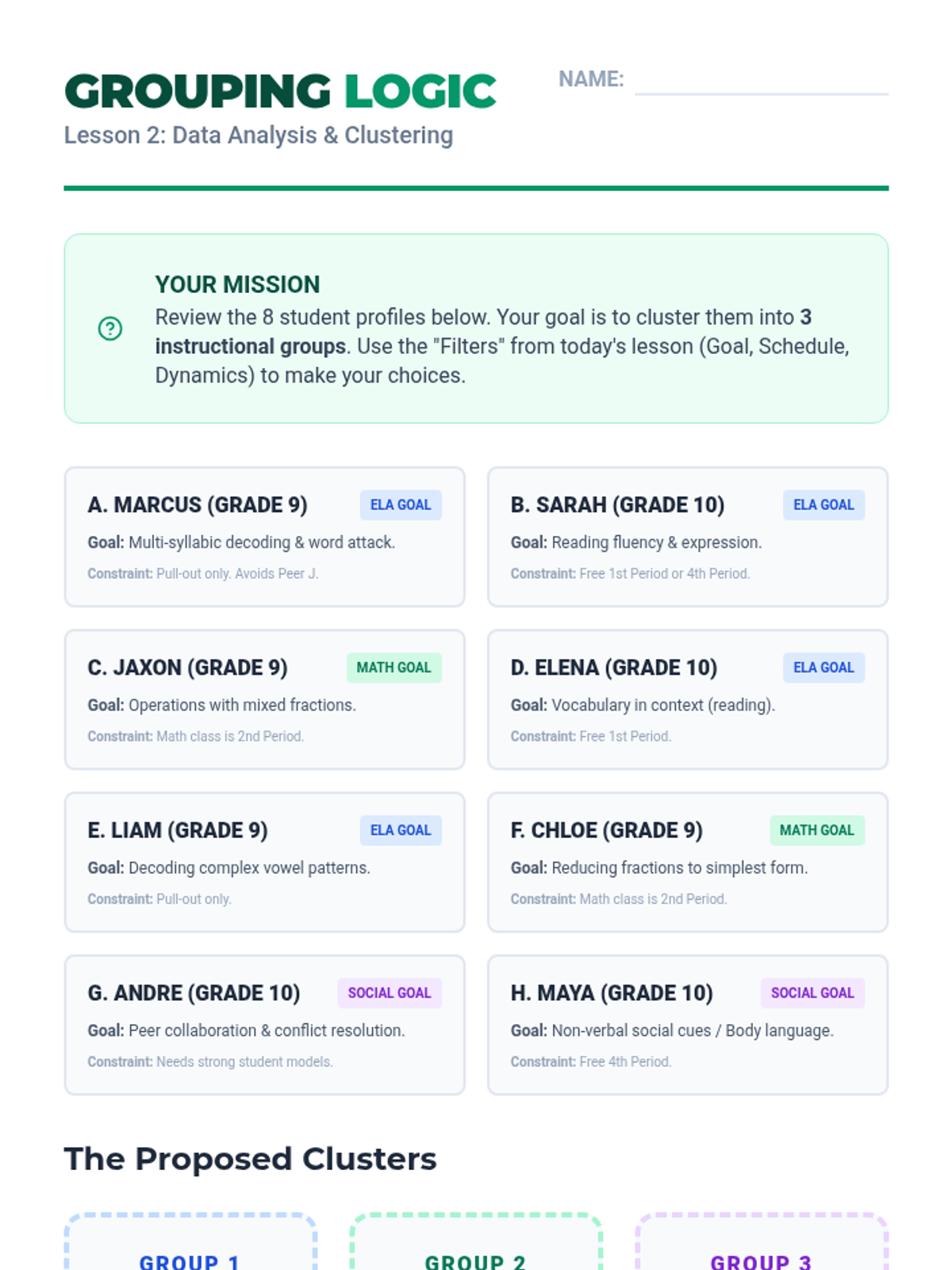
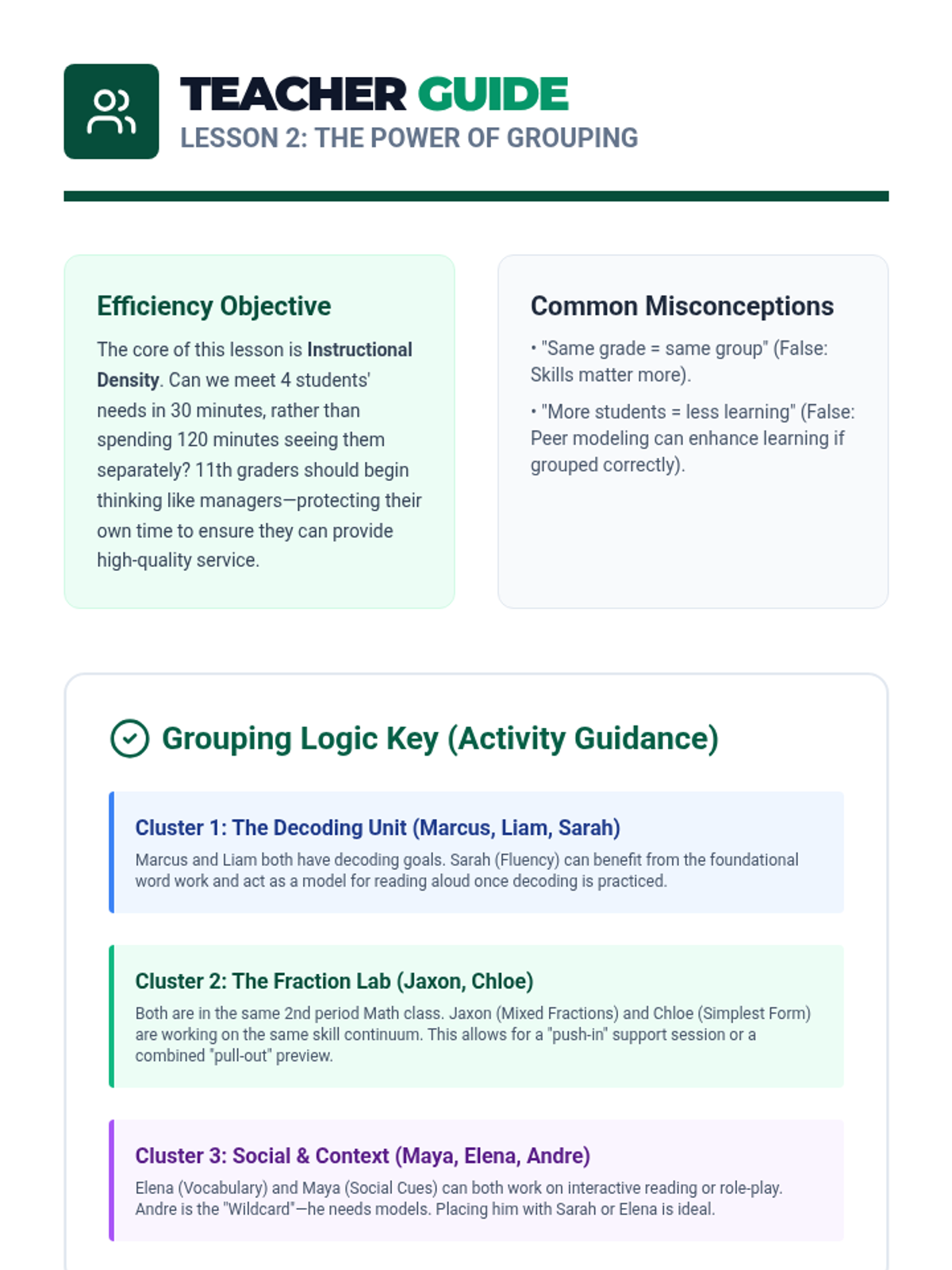
Students analyze student data to create efficient instructional groups, reducing the number of unique sessions needed while meeting individual goals.
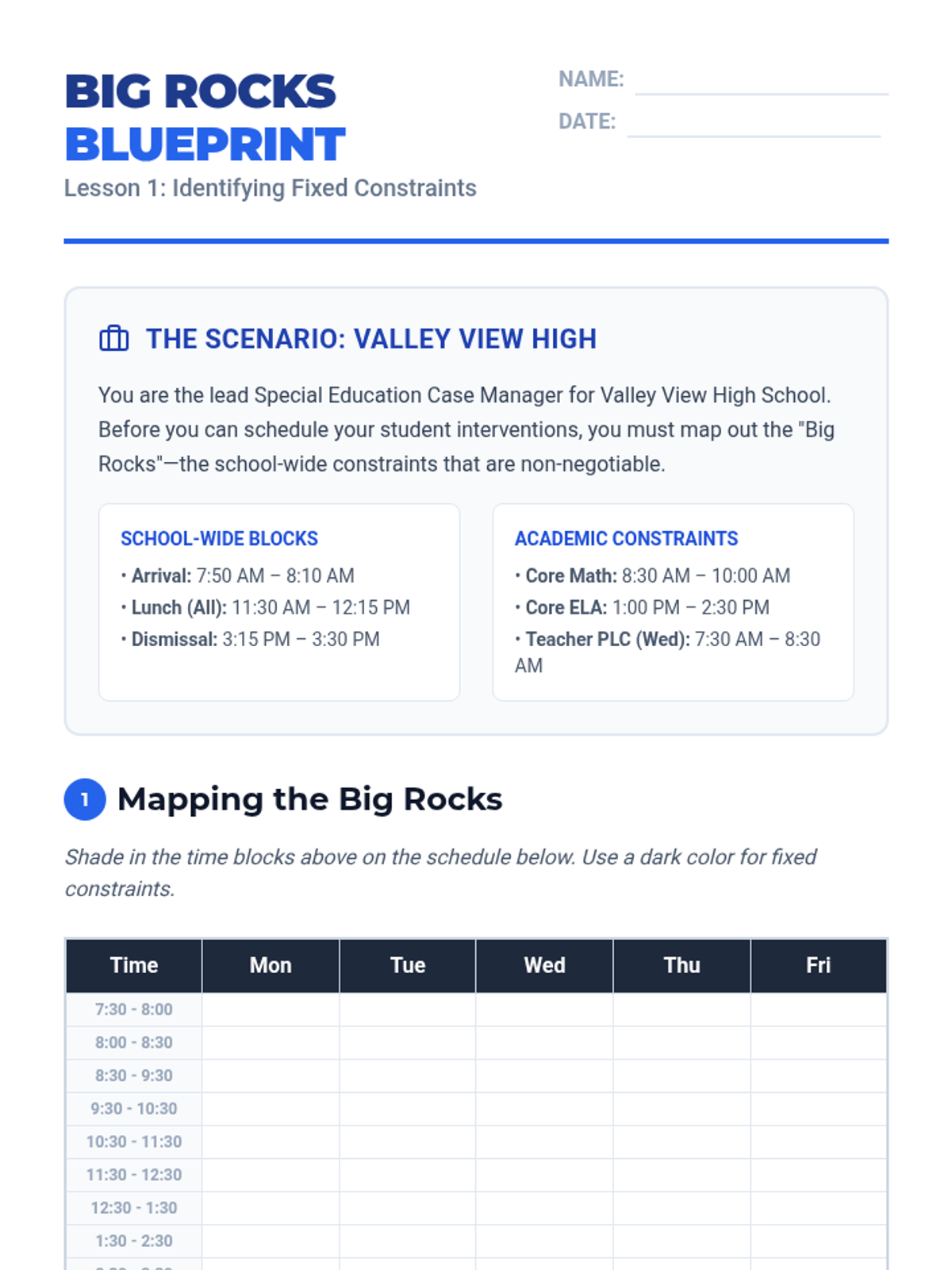
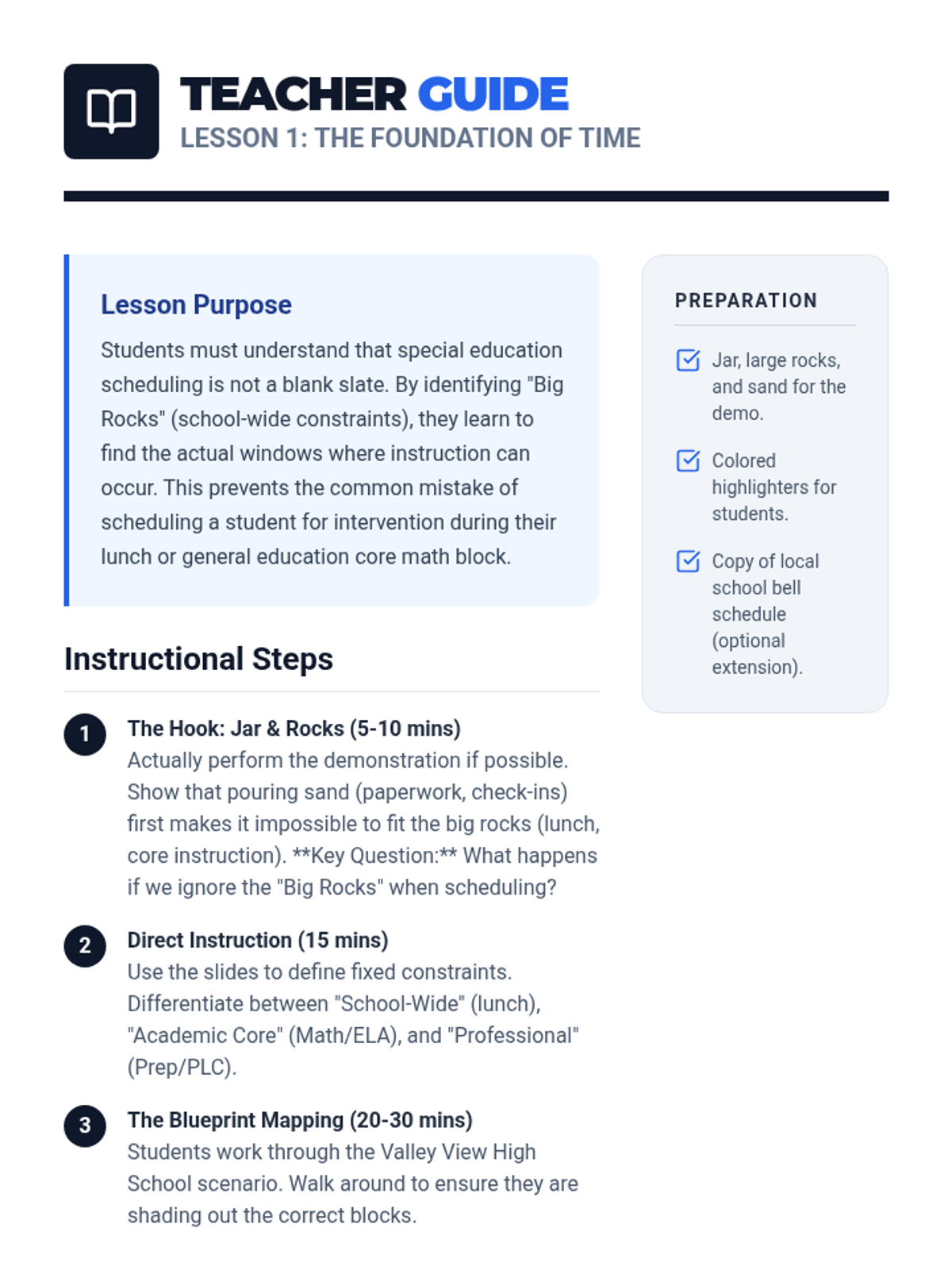
Students learn to identify 'big rock' constraints like lunch, recess, and core classes to determine available instructional time in a special education setting.
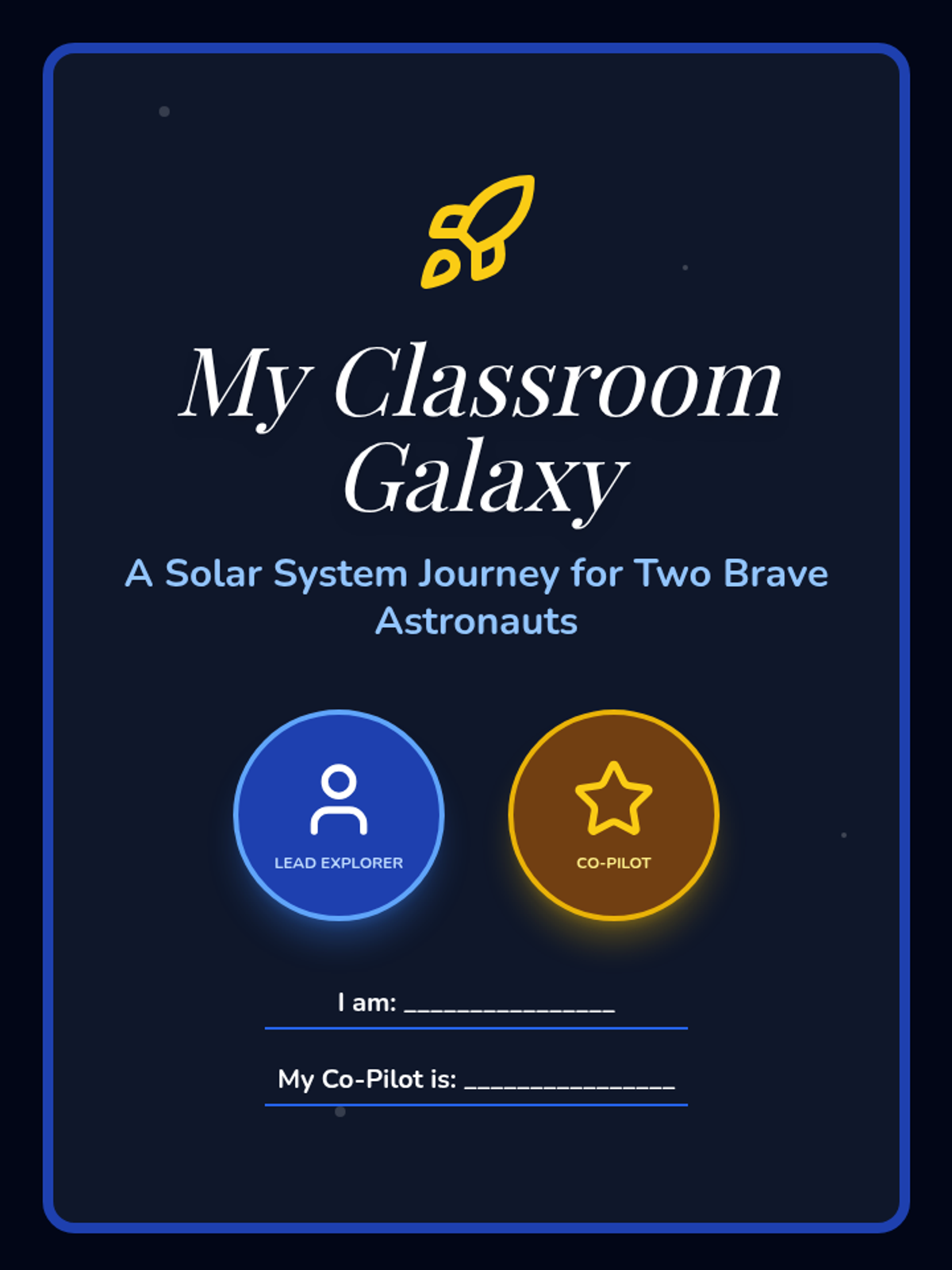
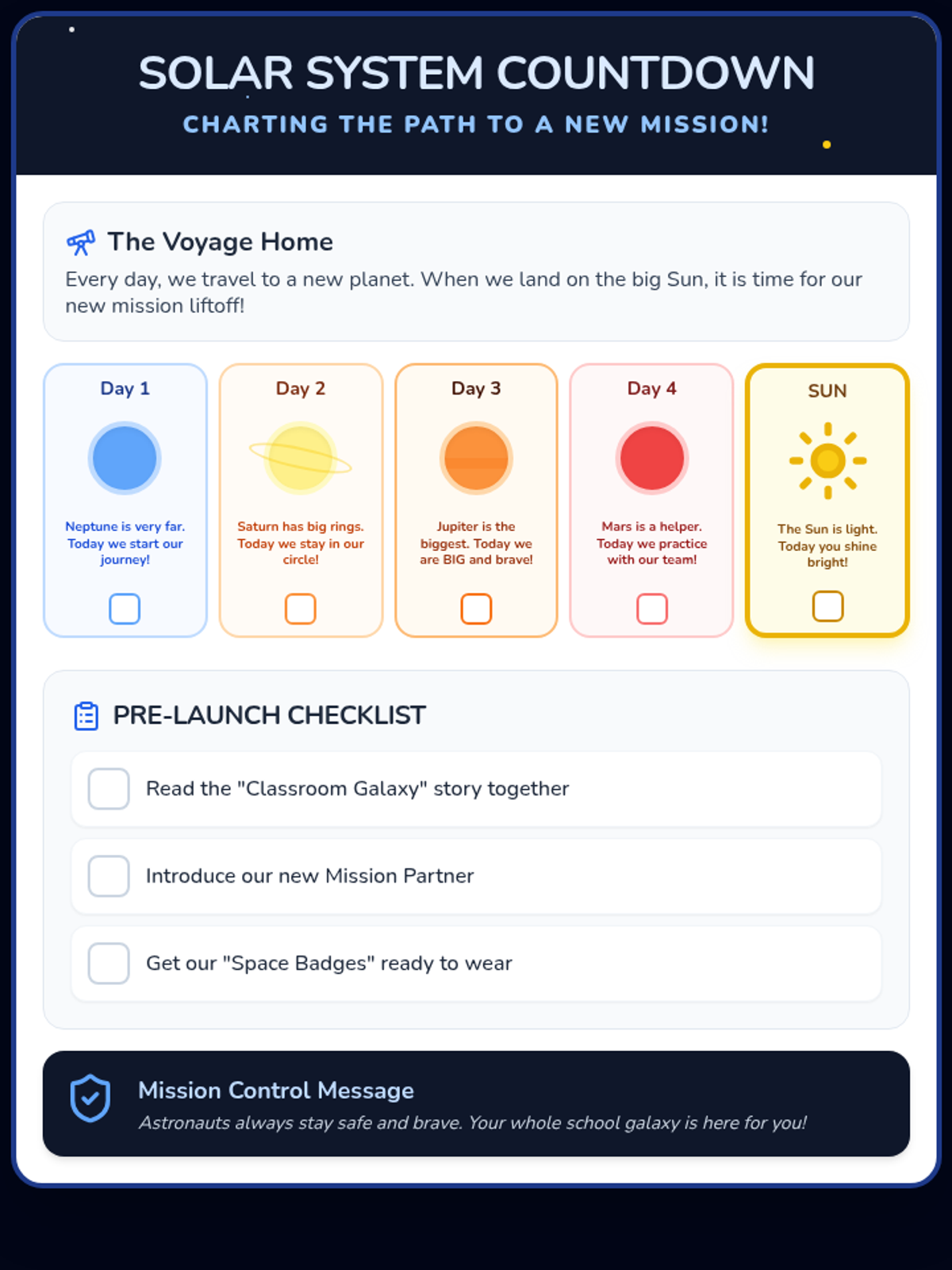
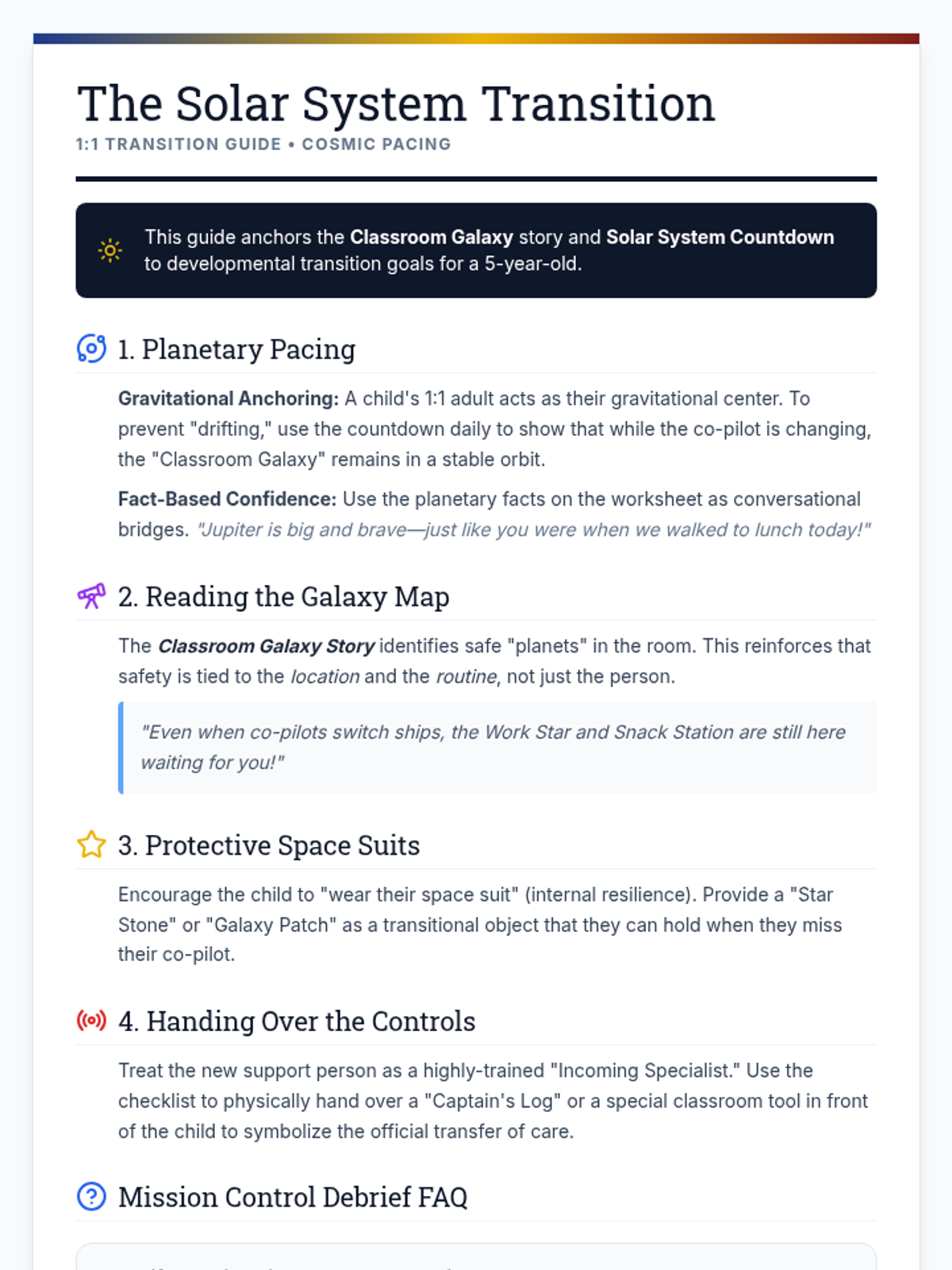
A sensitive lesson designed to help a 5-year-old child navigate the transition of their 1:1 support person leaving, focusing on safety, shared memories, and future confidence.
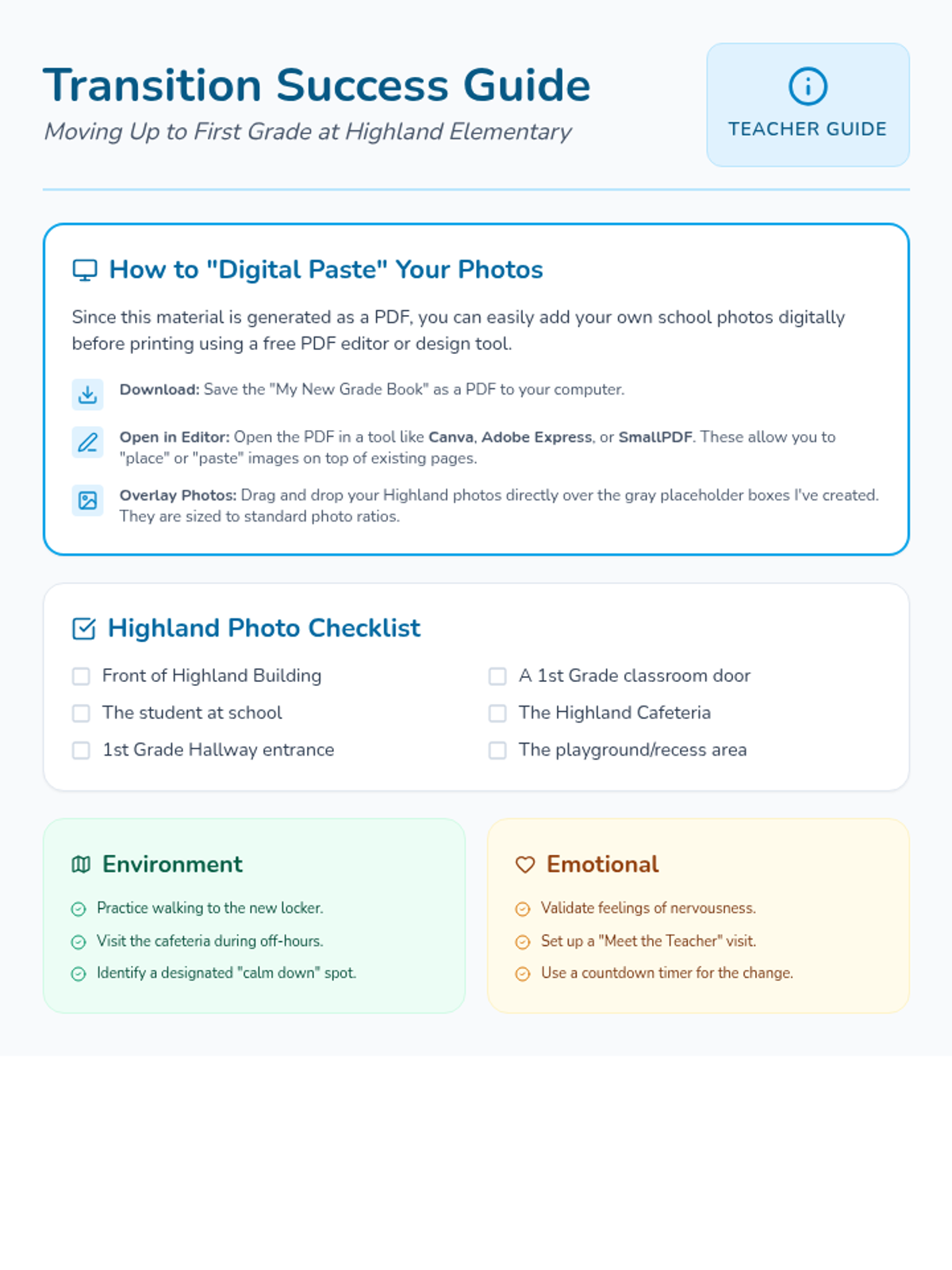
A supportive lesson focused on helping a kindergarten student with autism transition smoothly to first grade at Highland Elementary. Includes a social story, a printable personal book, and a teacher facilitation guide.
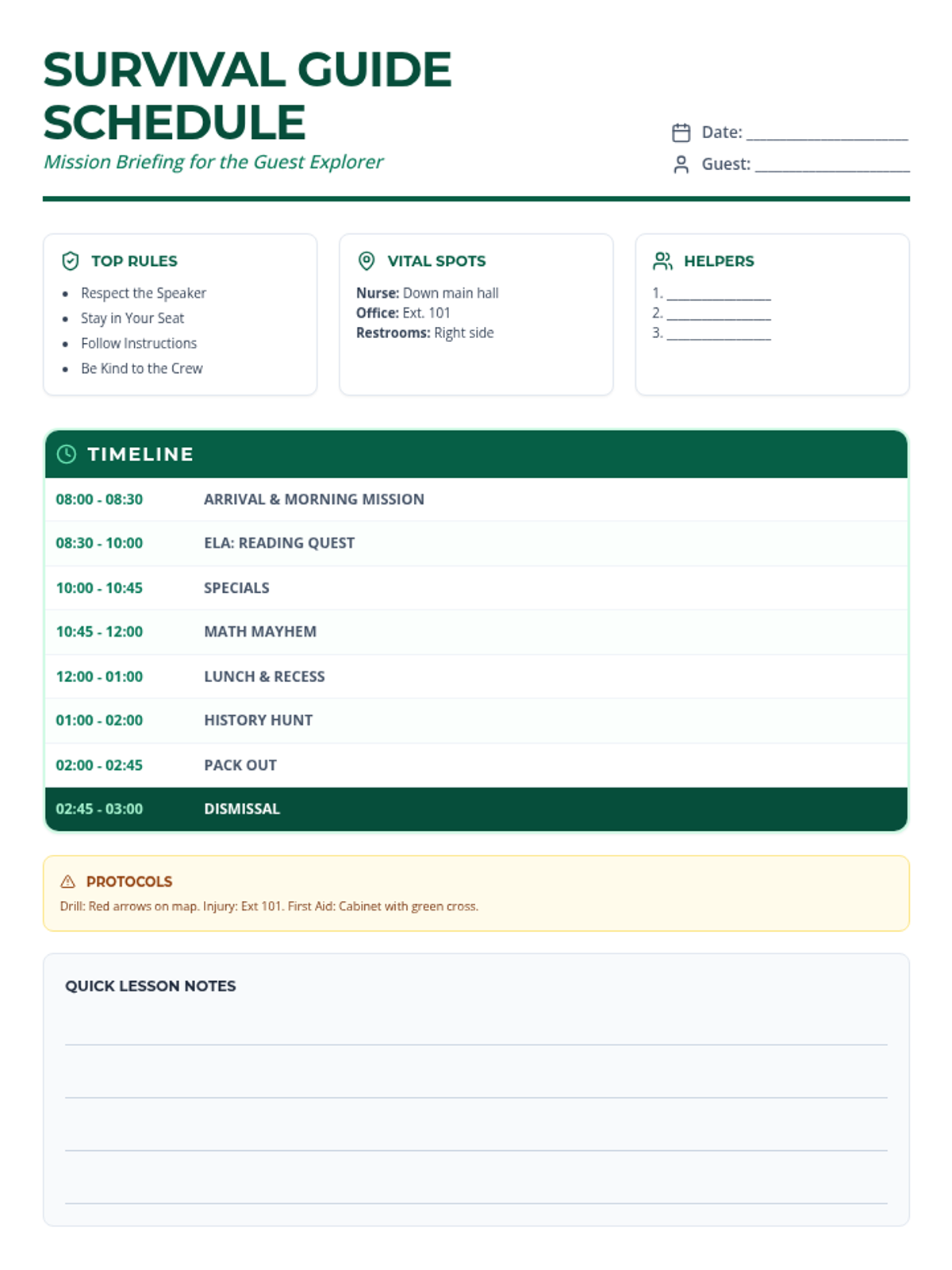
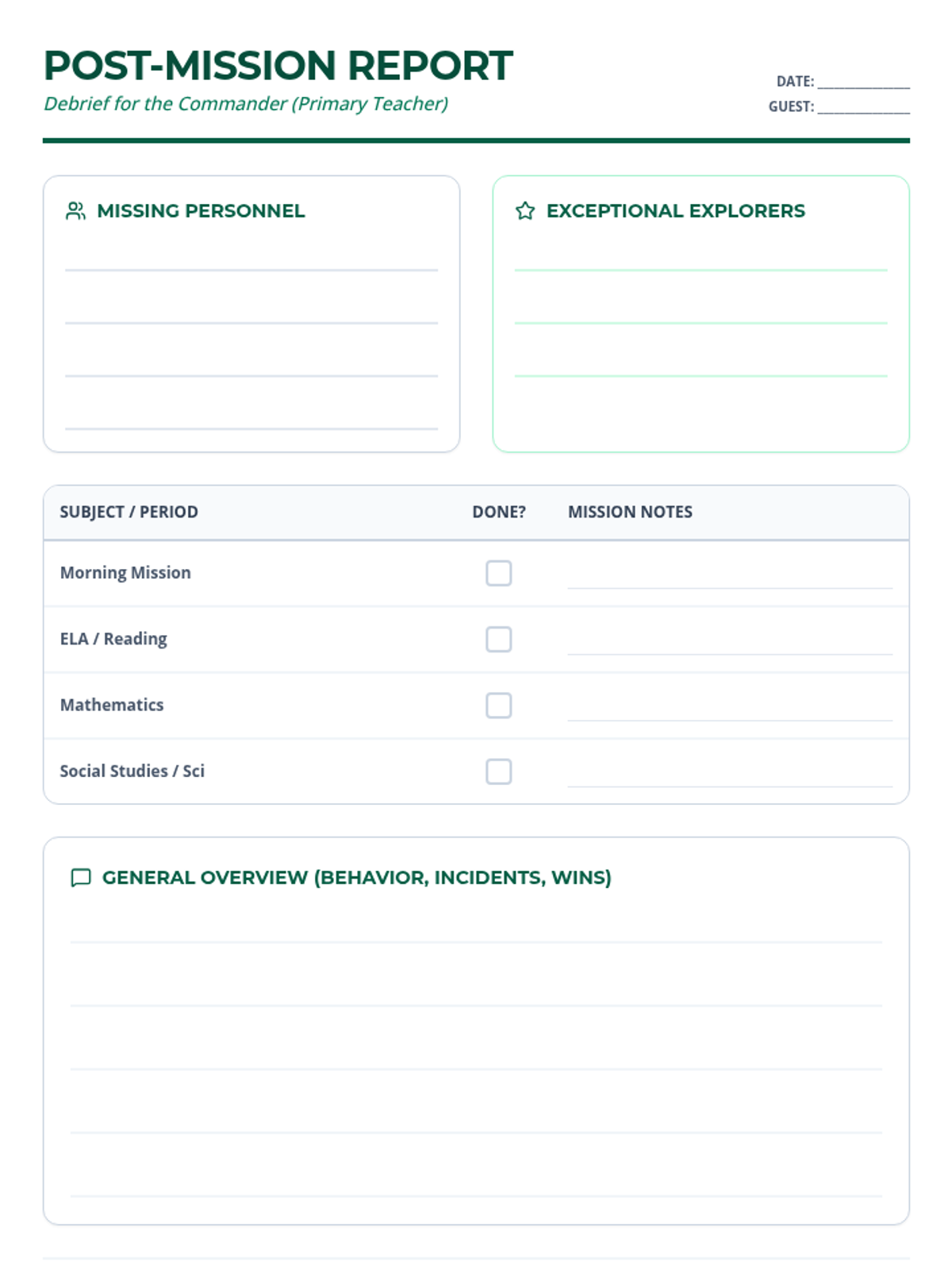
A comprehensive set of materials for a substitute teacher to manage a full school day, including a detailed schedule, morning work, core subject activities, and a reporting system.
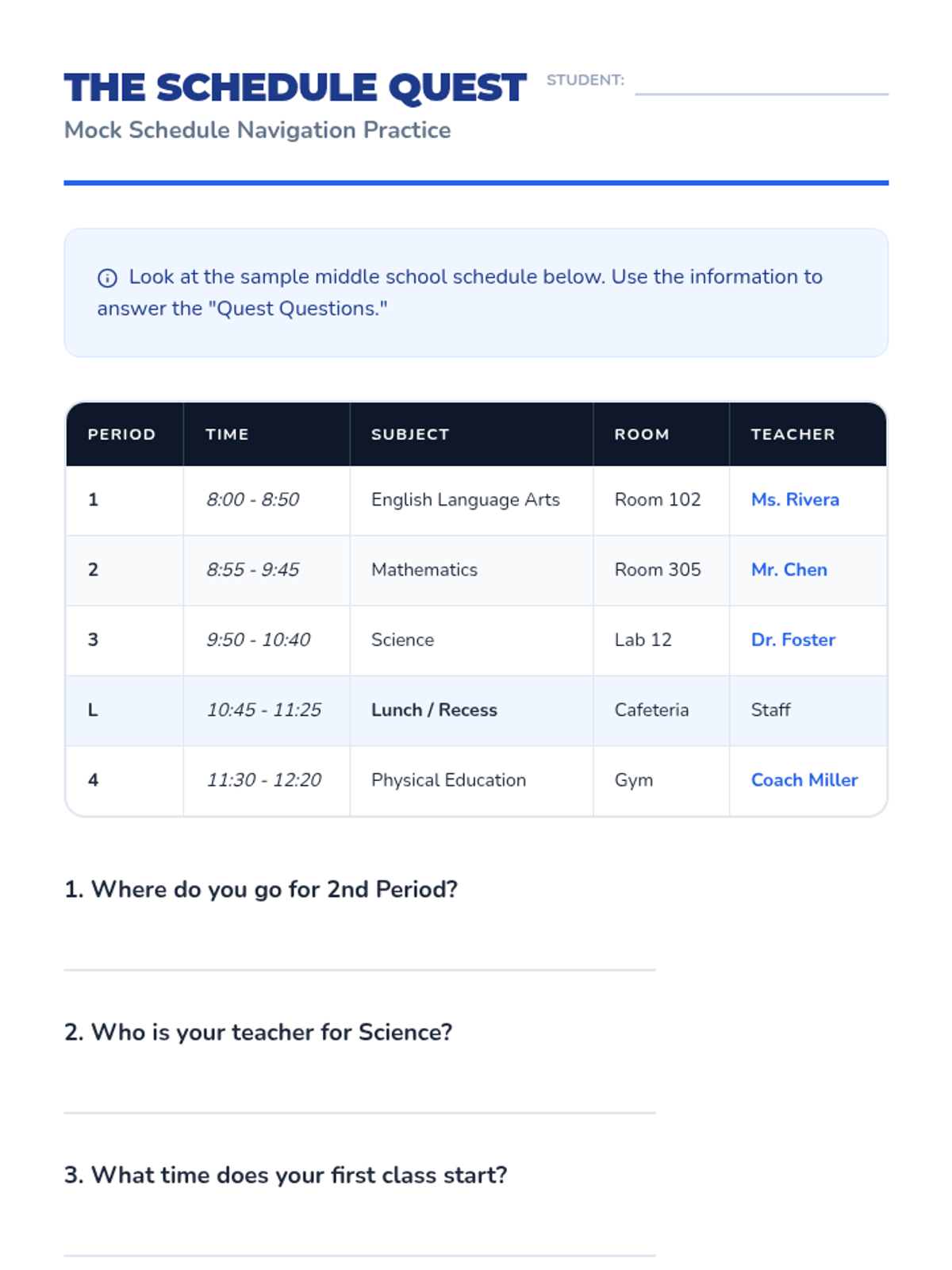
Synthesizes all skills by practicing with a mock schedule and creating a personalized survival guide for the first week of middle school.
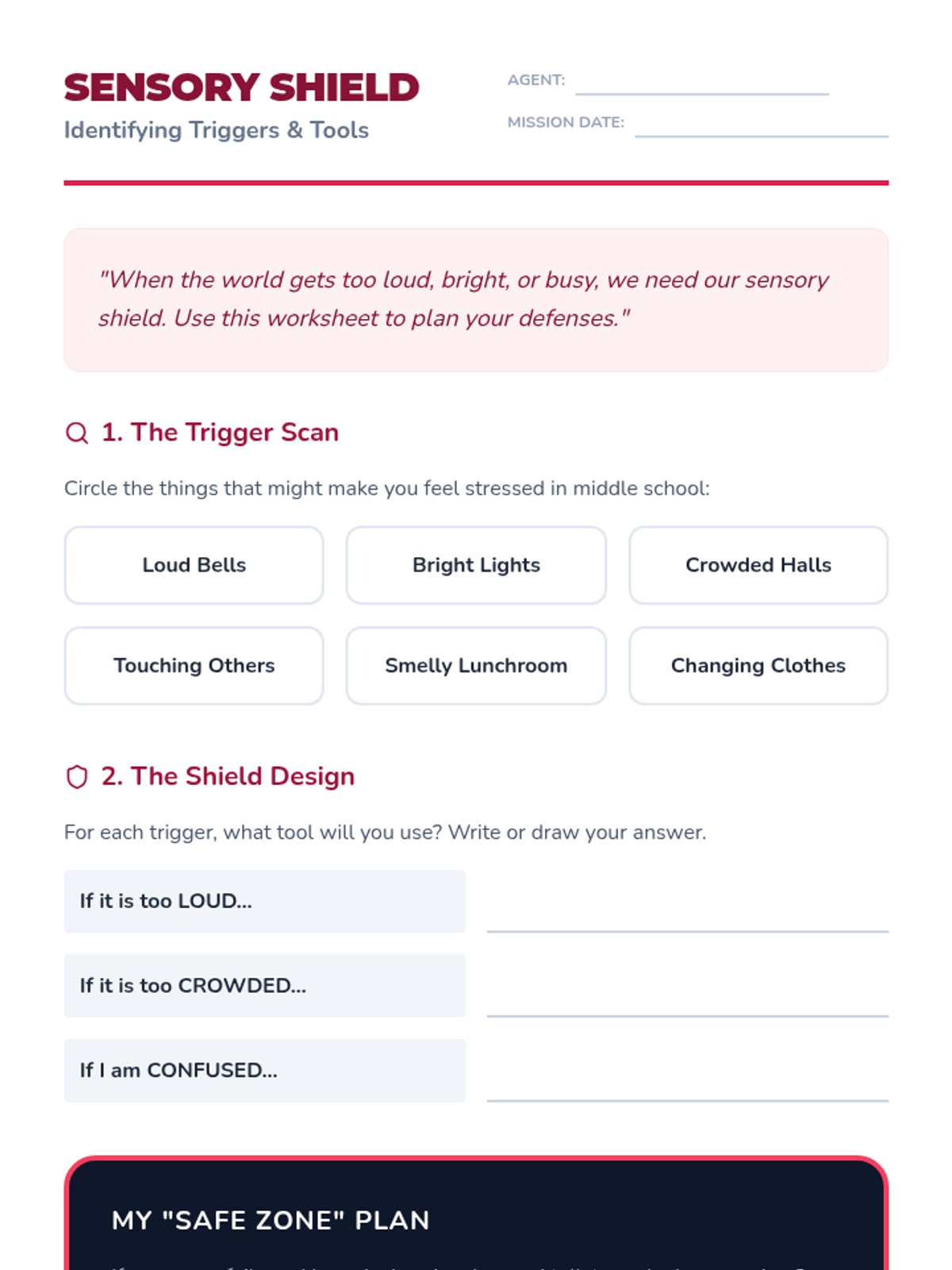
Equips students with sensory and emotional regulation strategies to handle the increased environmental stressors of a middle school setting.
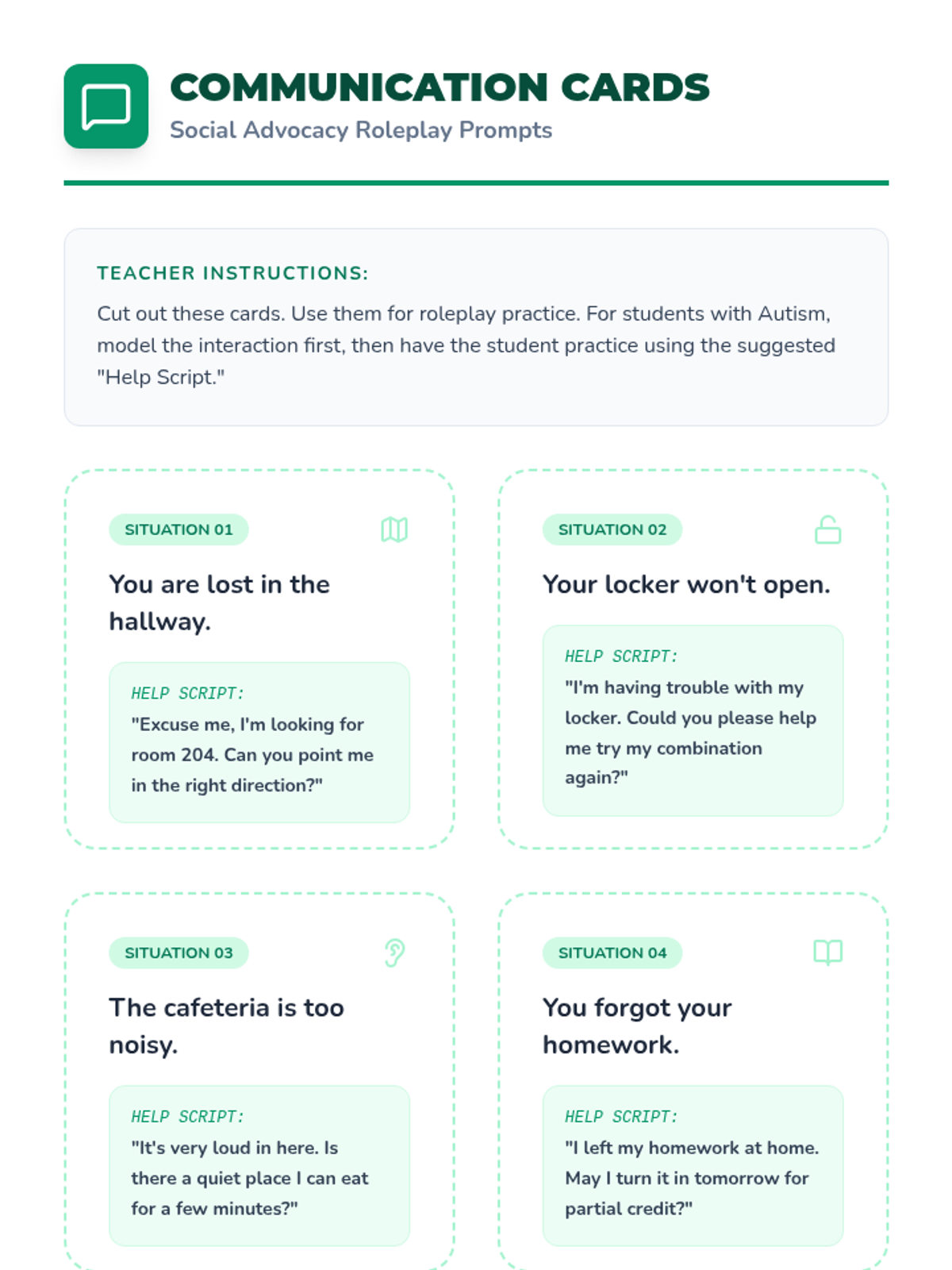
Explores the social nuances of middle school, teaching students how to advocate for their needs and communicate effectively with new teachers and peers.
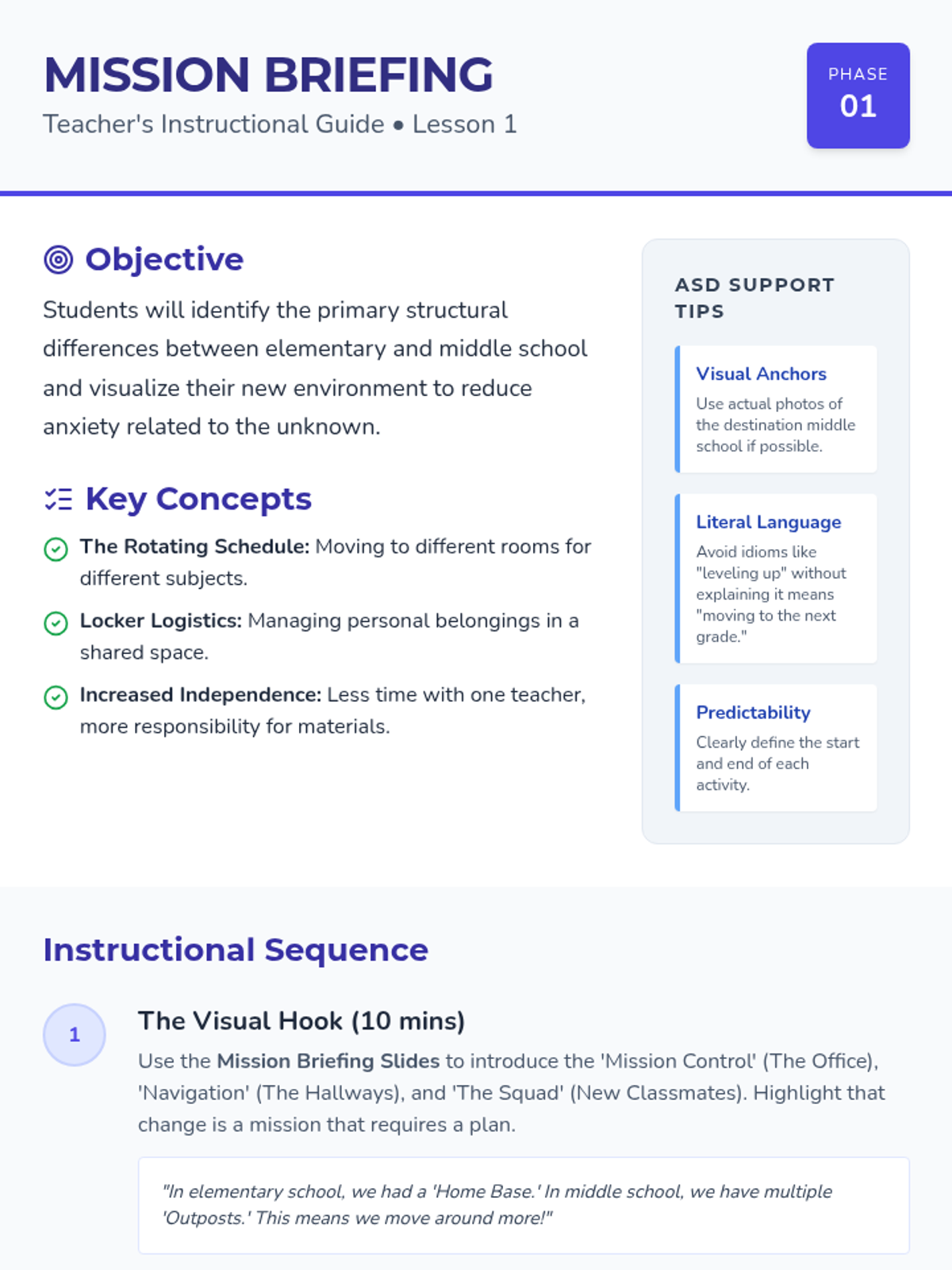
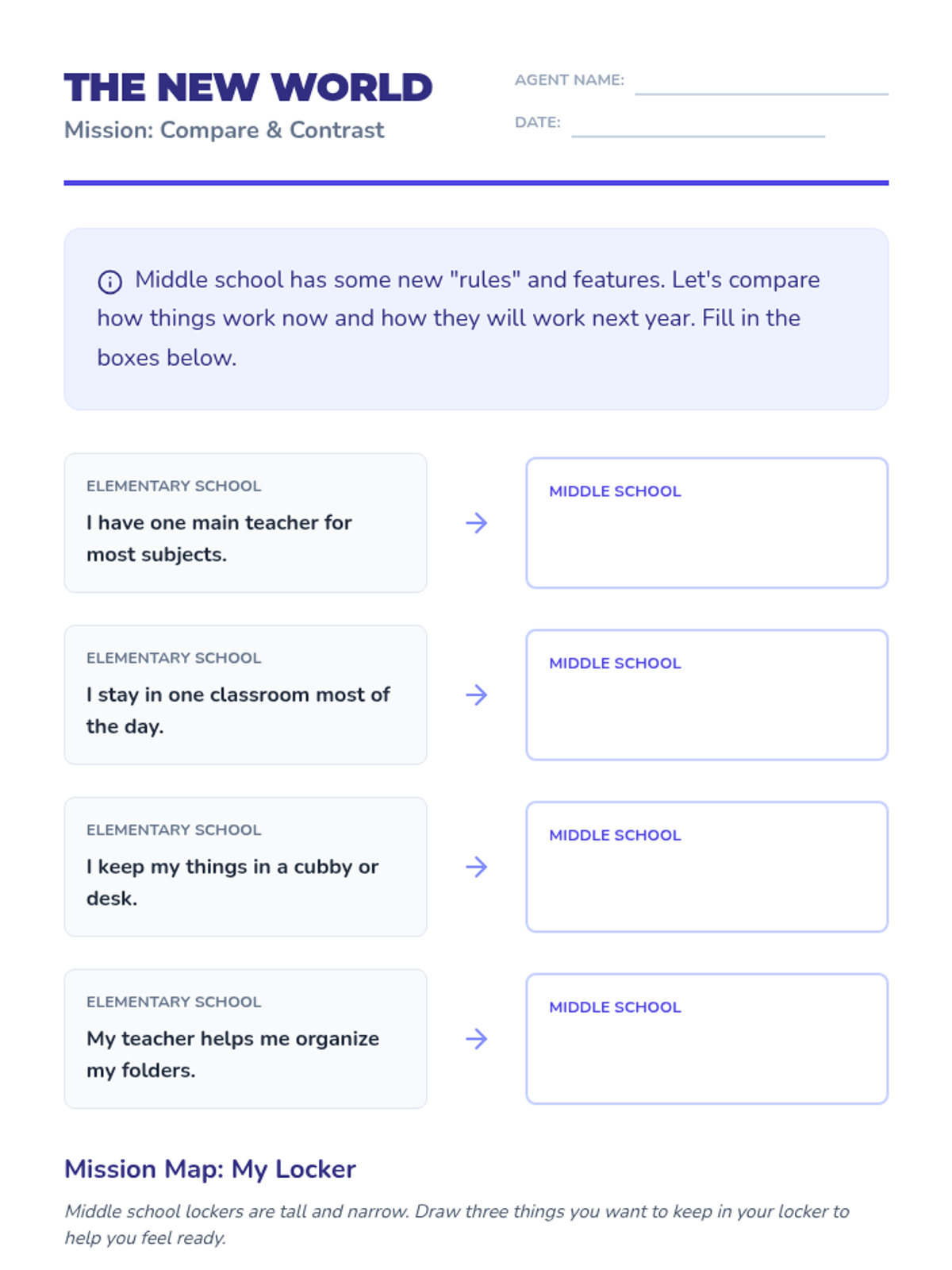
Introduces students to the structural changes of middle school, focusing on multiple teachers, lockers, and navigation through a 'Mission Briefing' lens.
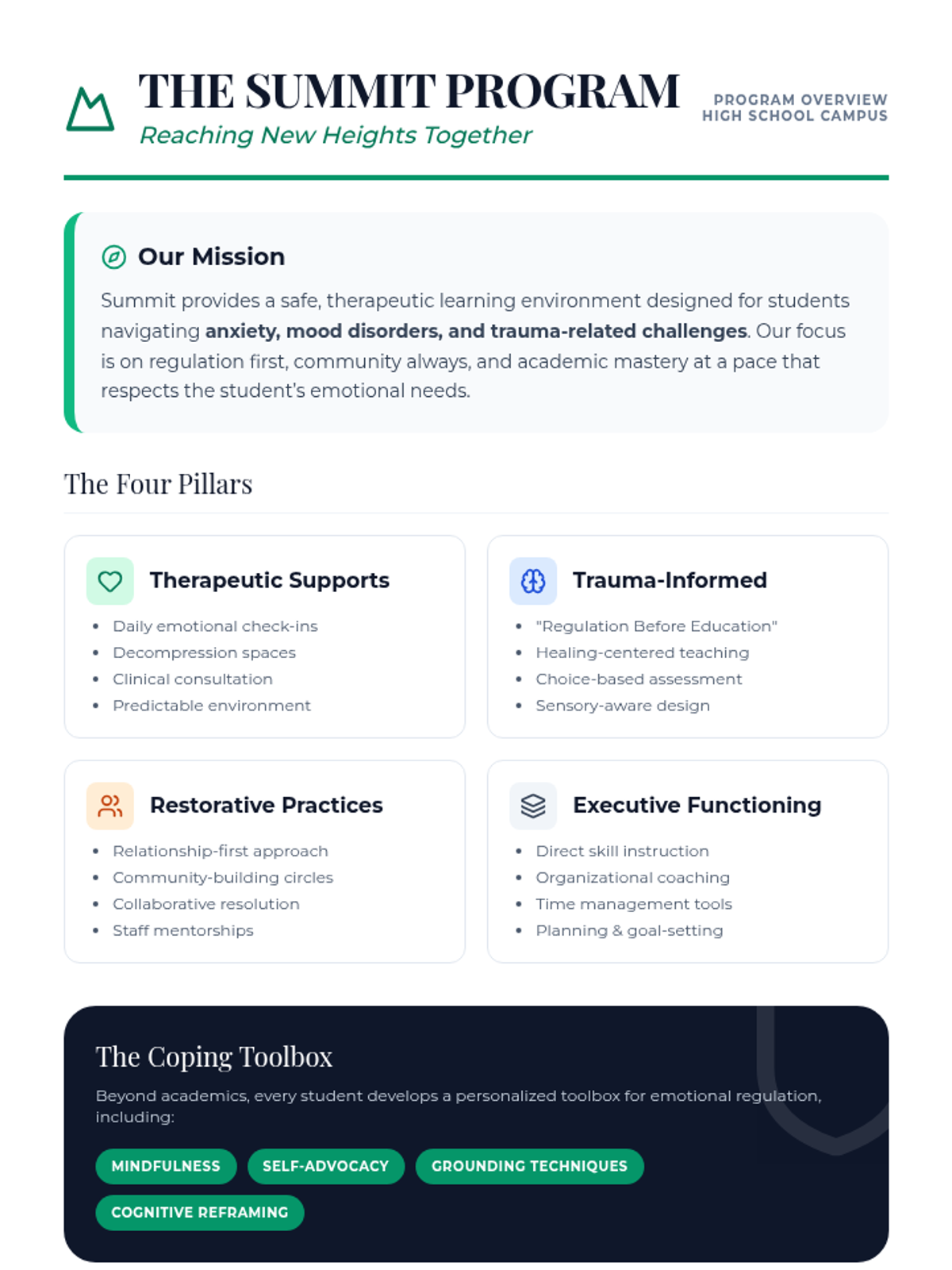
An introductory presentation and reference guide for parents to understand the Summit program's therapeutic and academic supports for students with social-emotional needs.
A guide for facilitators to implement neurodiverse-friendly strategies and adaptations in instructional settings.
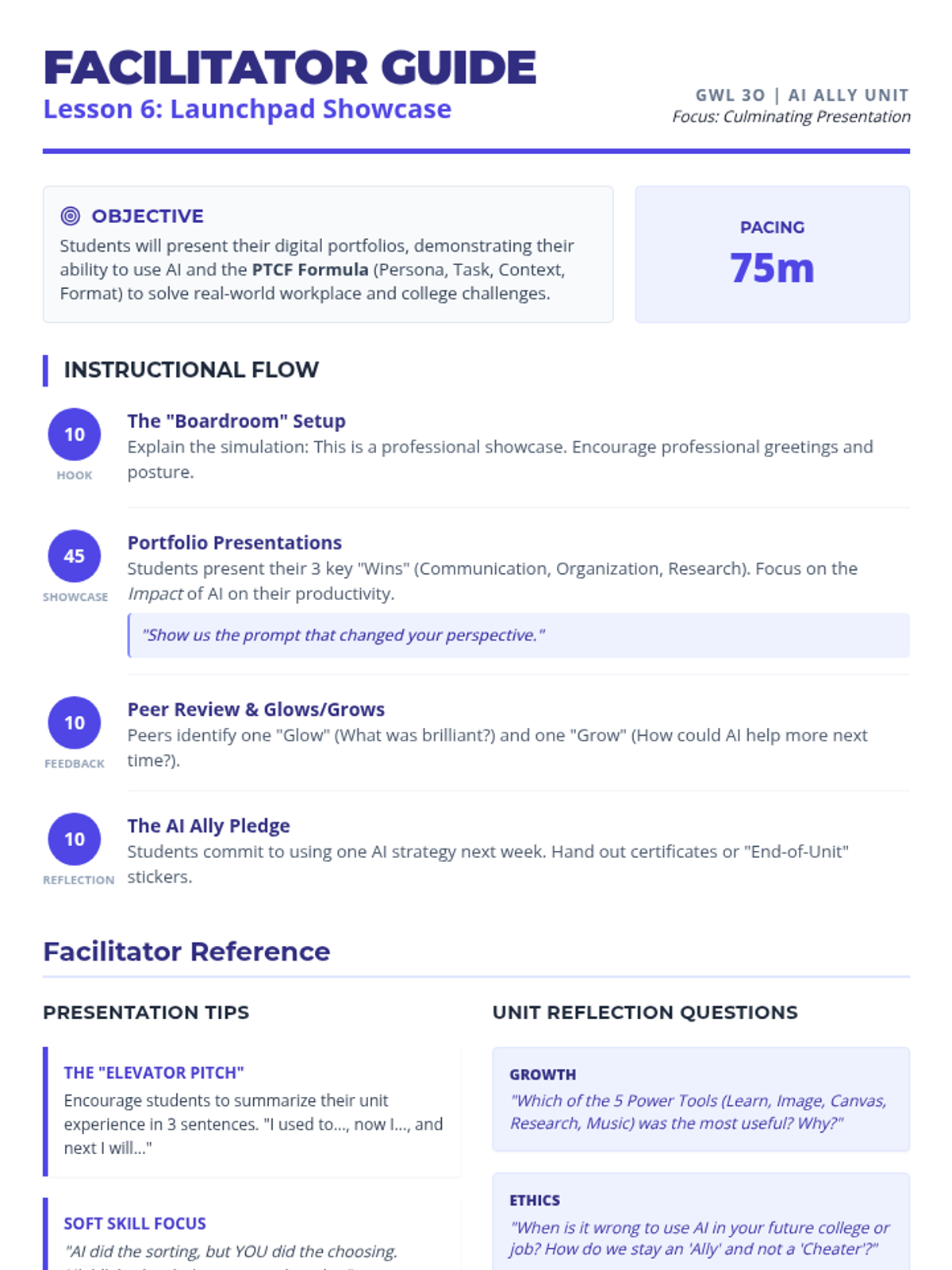
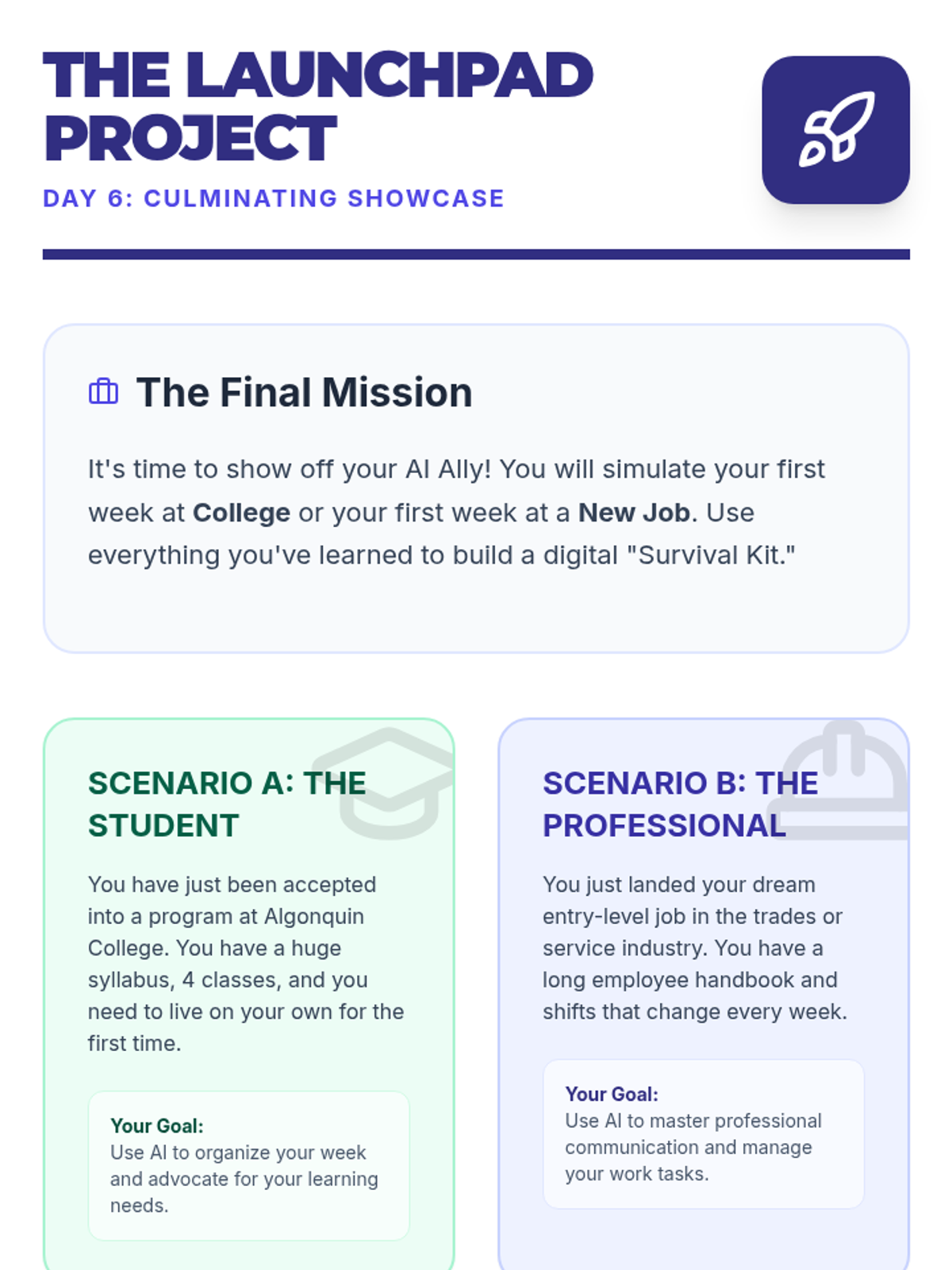
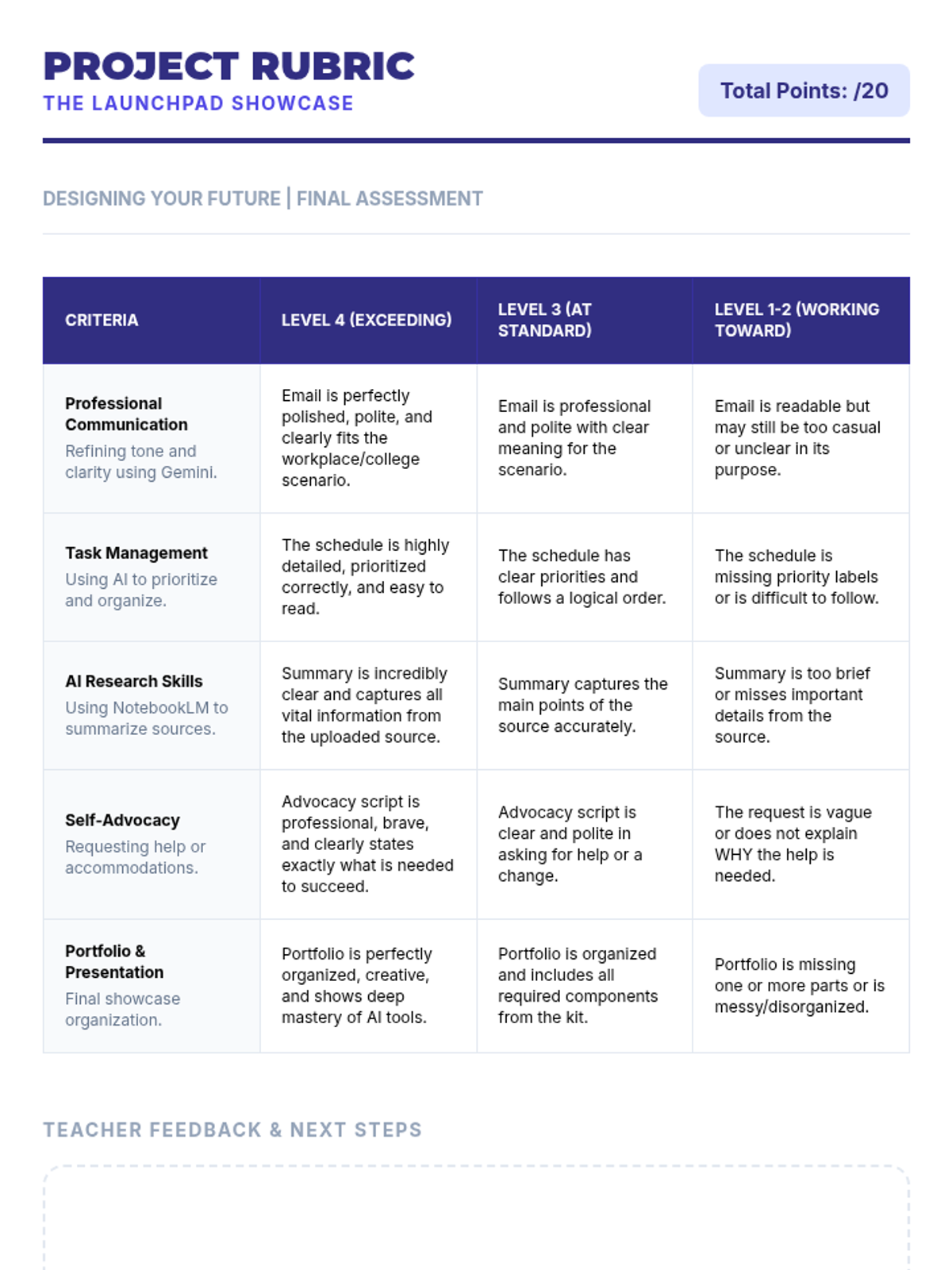
A culminating activity where students apply their AI skills to a real-world college or workplace simulation, presenting their findings in a digital portfolio.
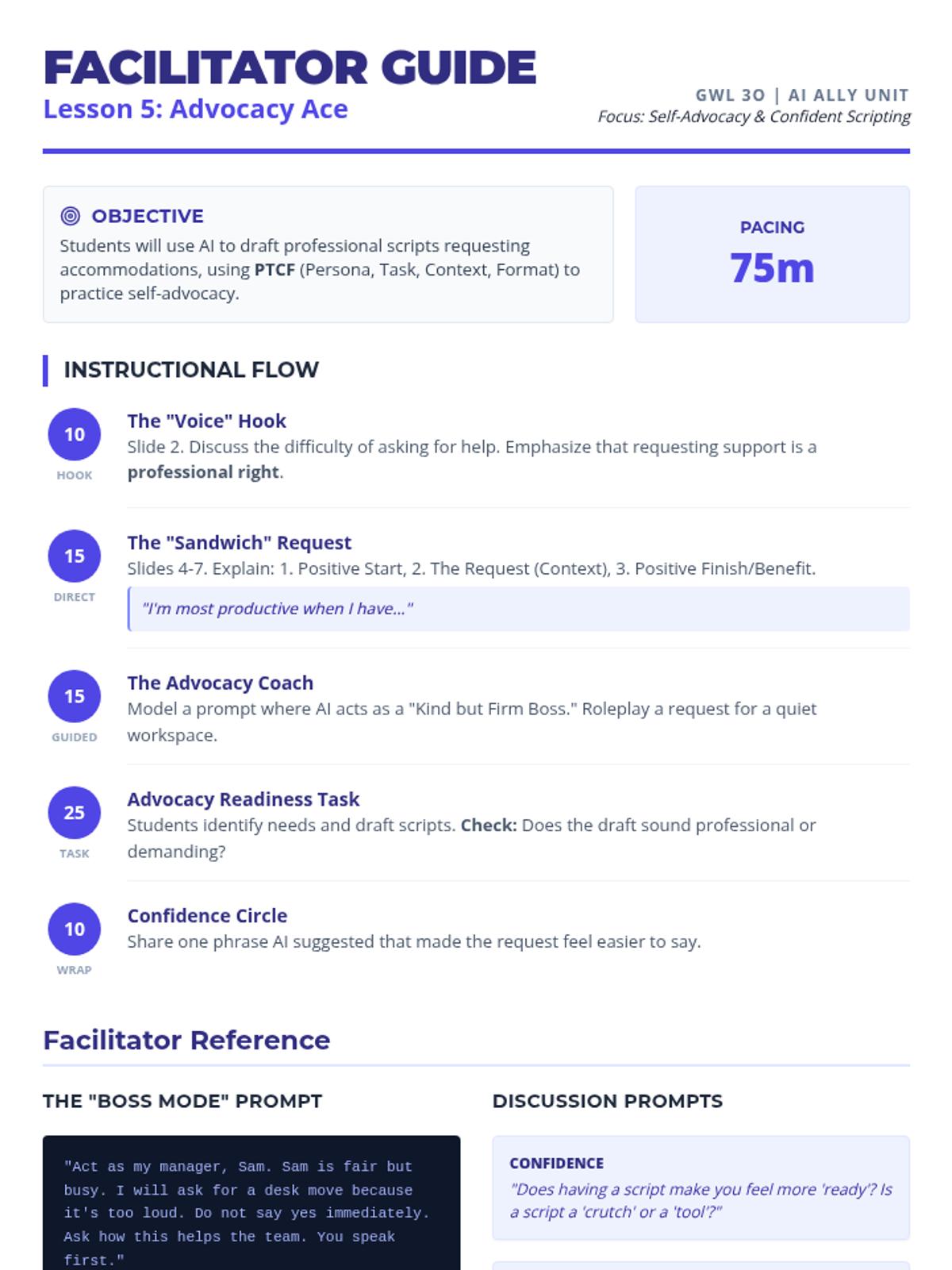
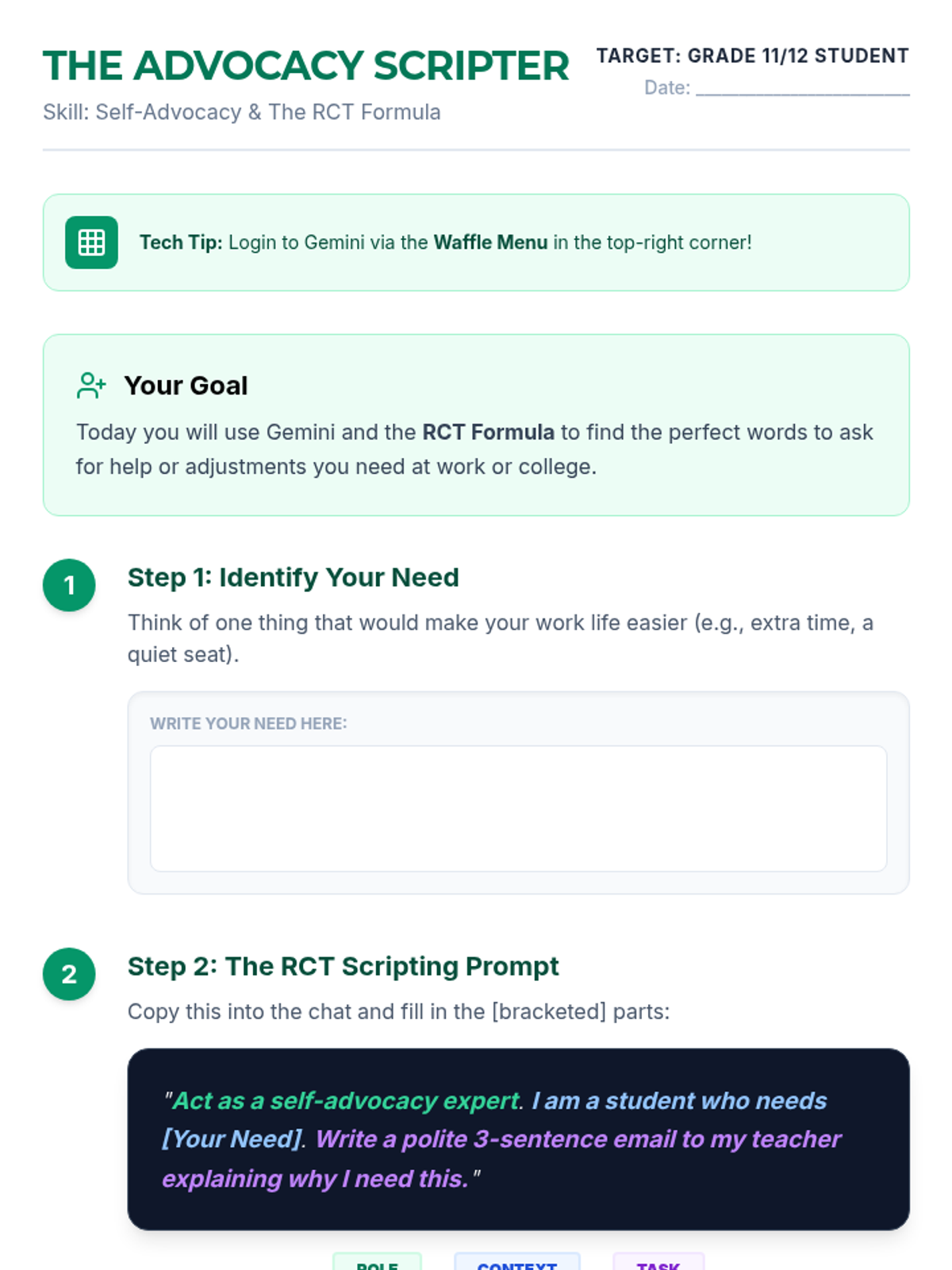
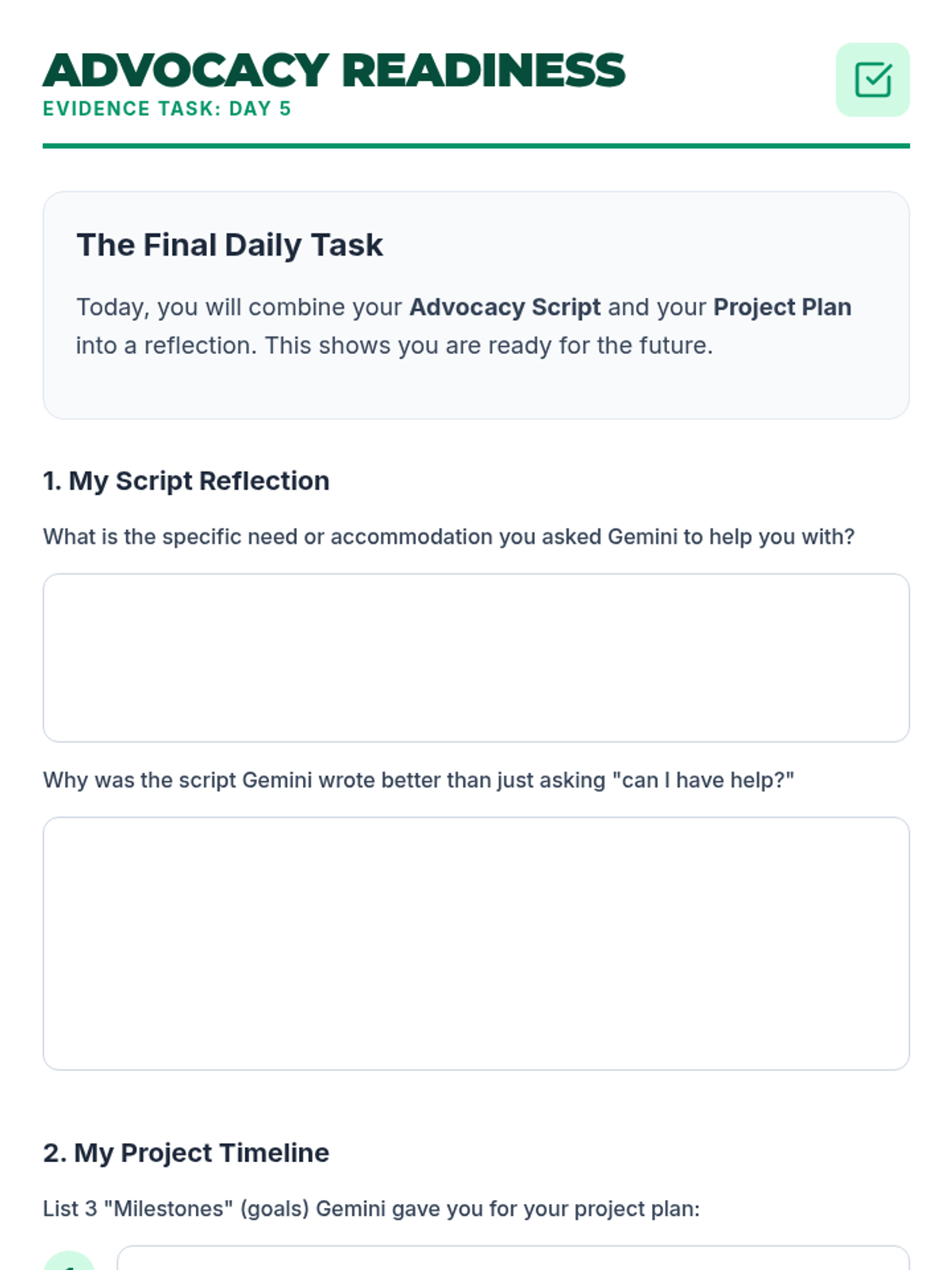
Focuses on self-advocacy and project planning, using AI to draft scripts for accommodation requests and breakdown long-term goals.
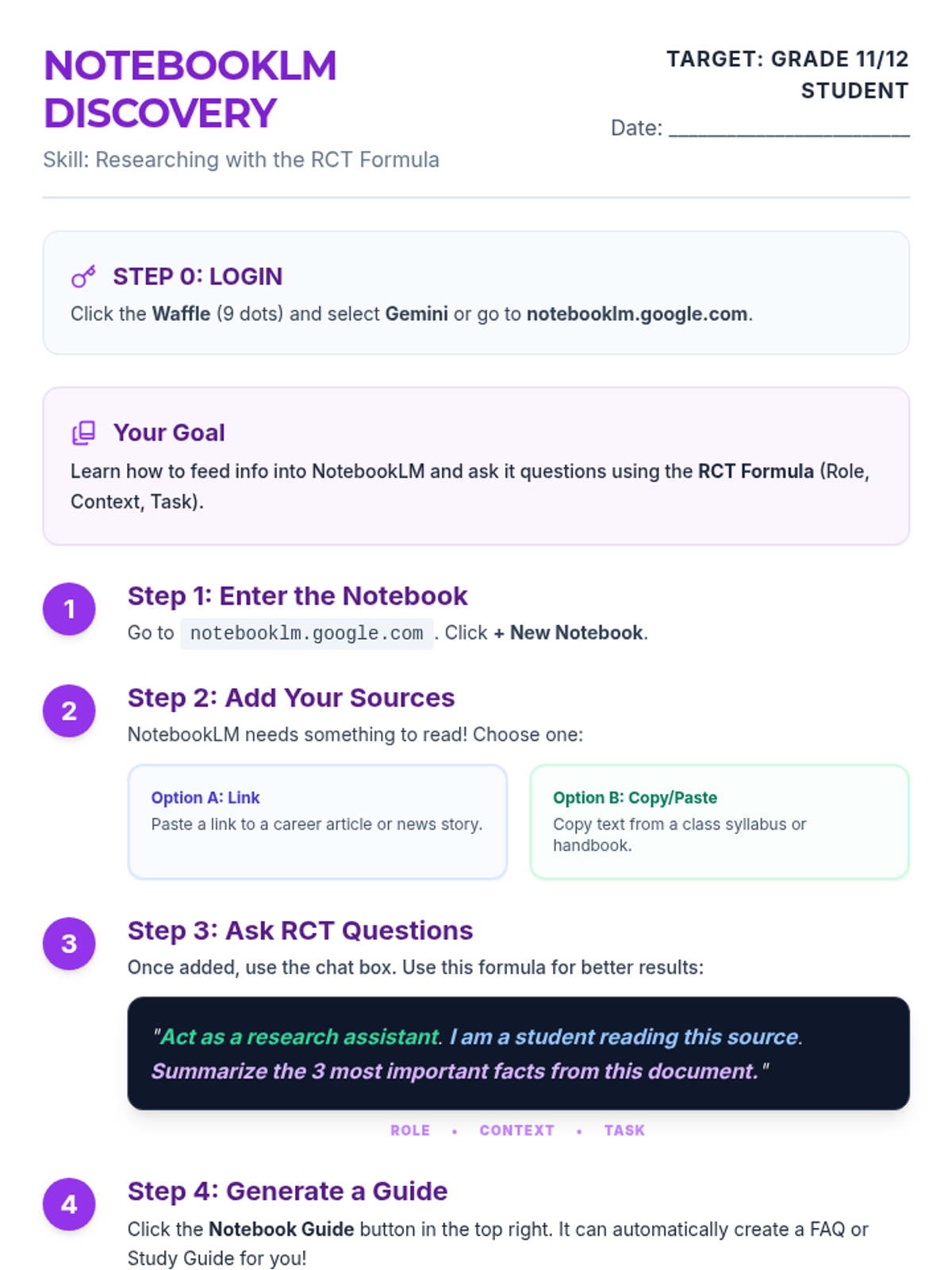
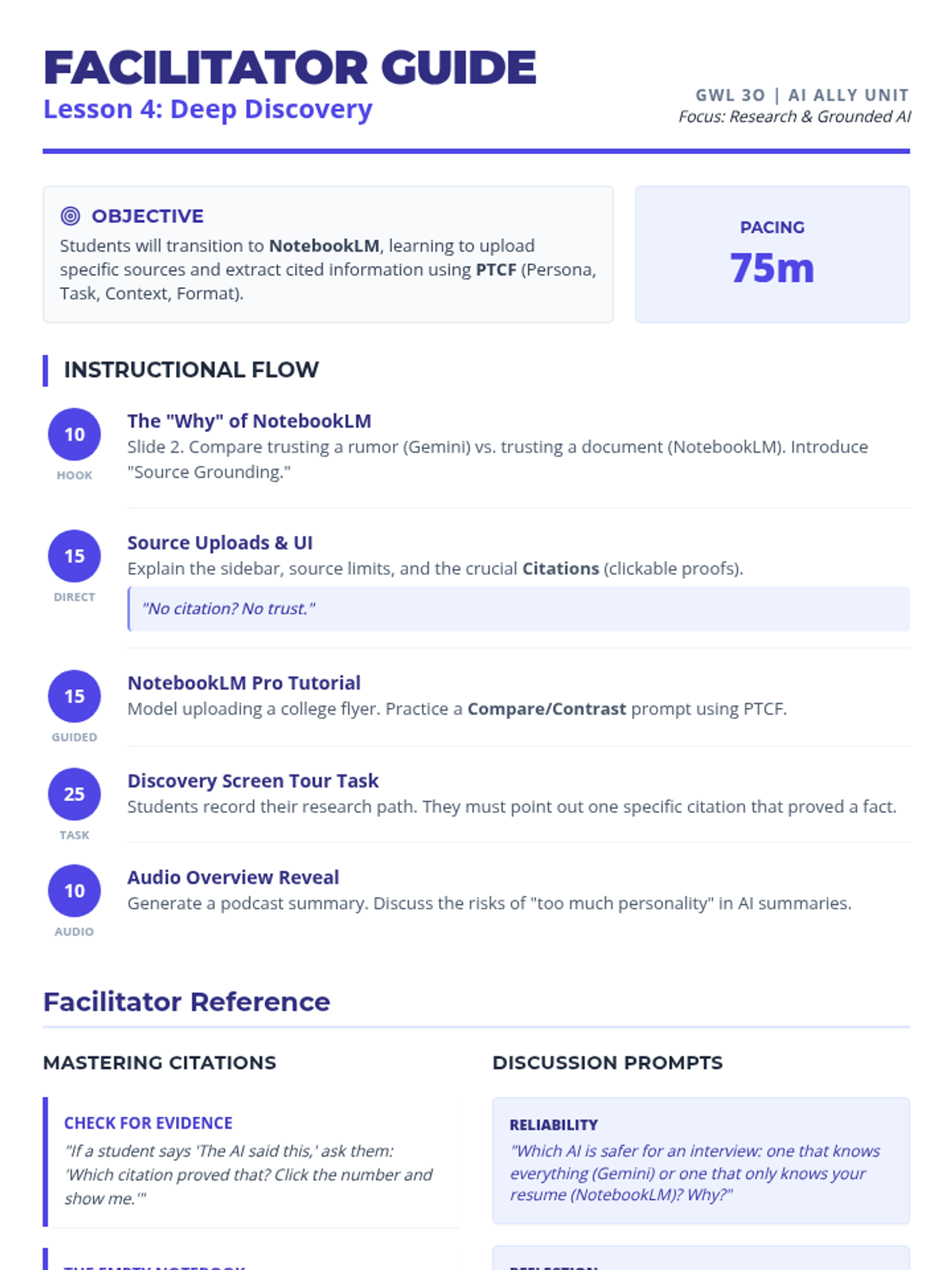
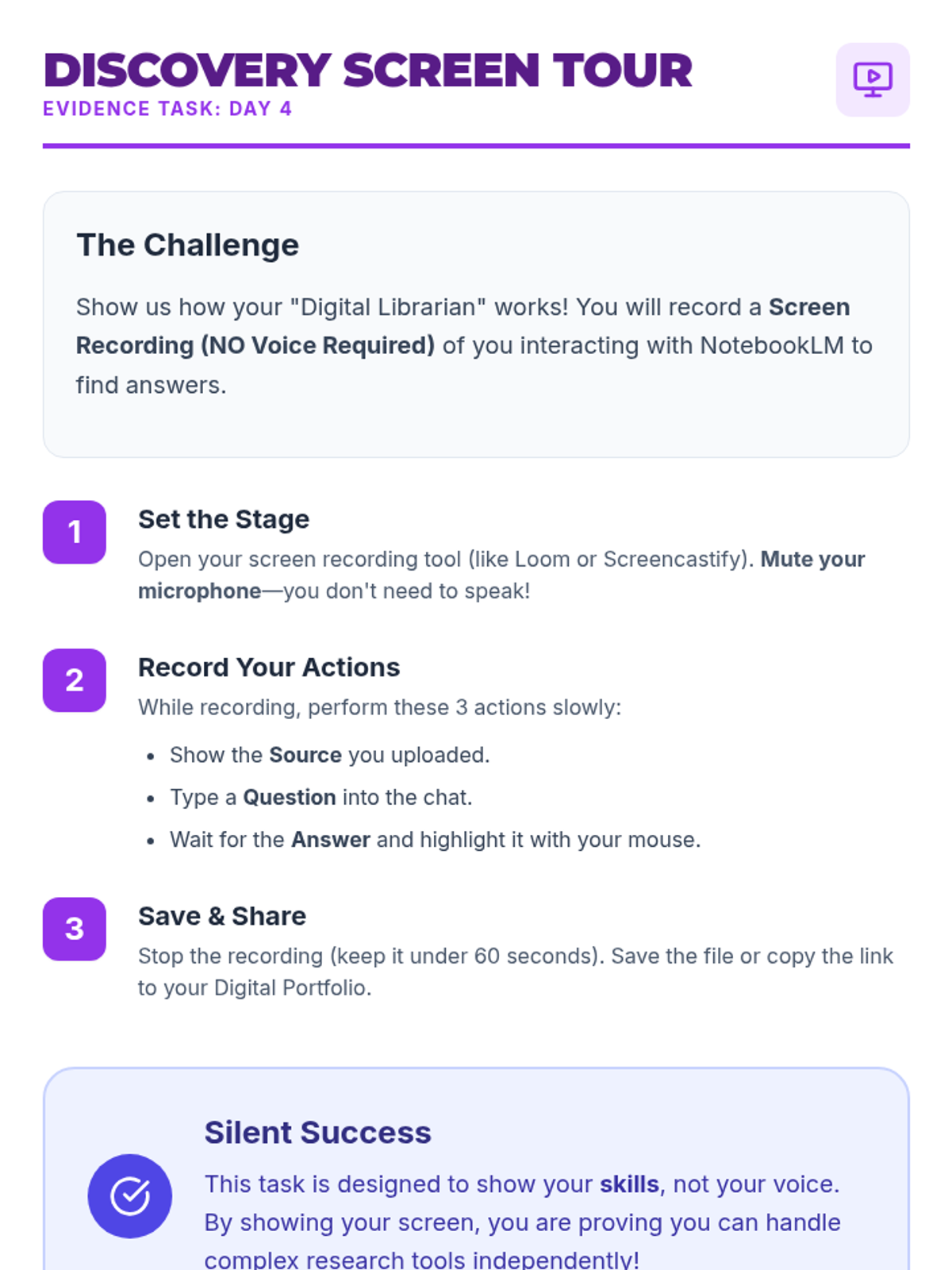
Explores the power of NotebookLM for academic and workplace research, teaching students how to synthesize large amounts of information efficiently.
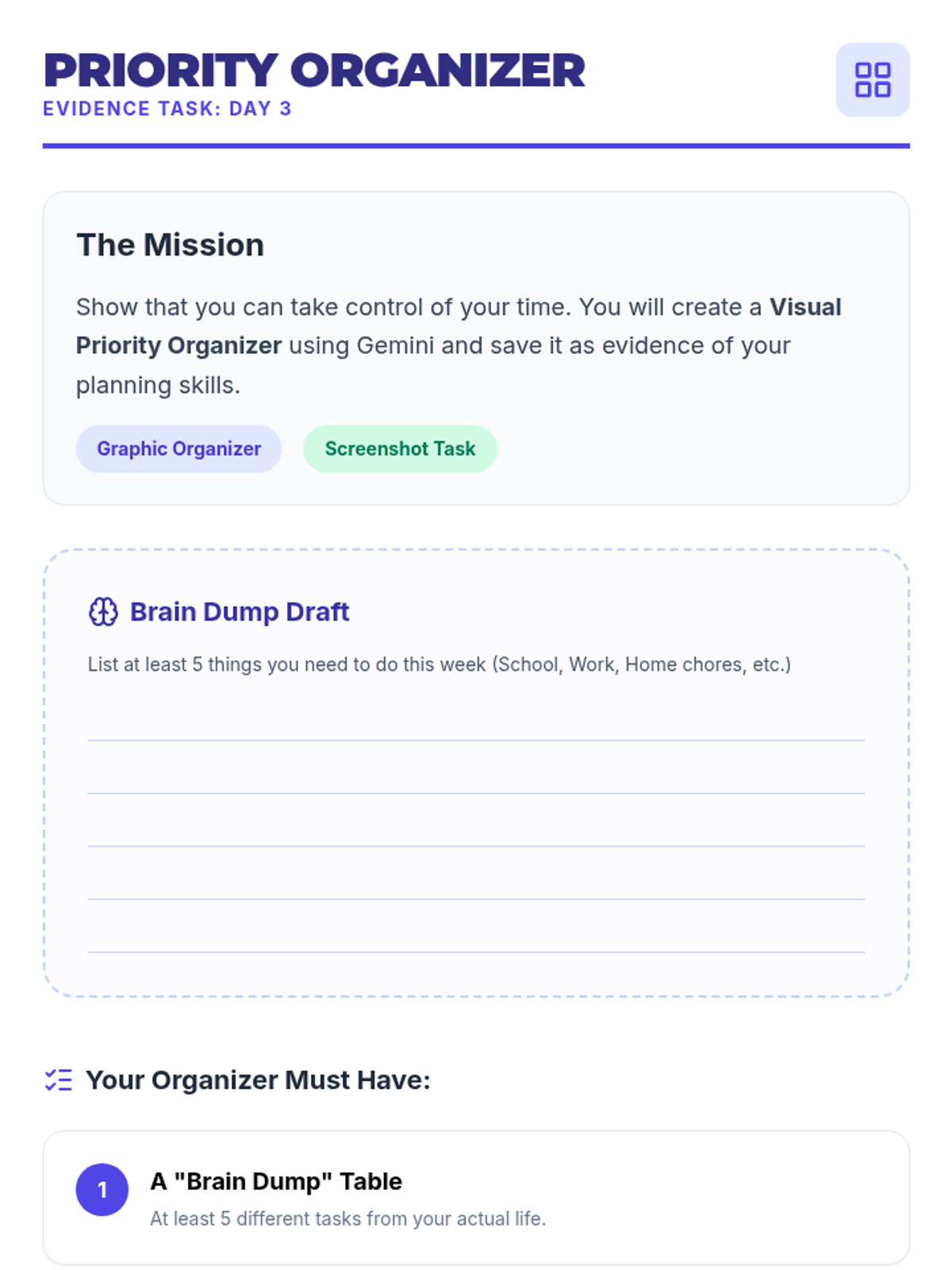
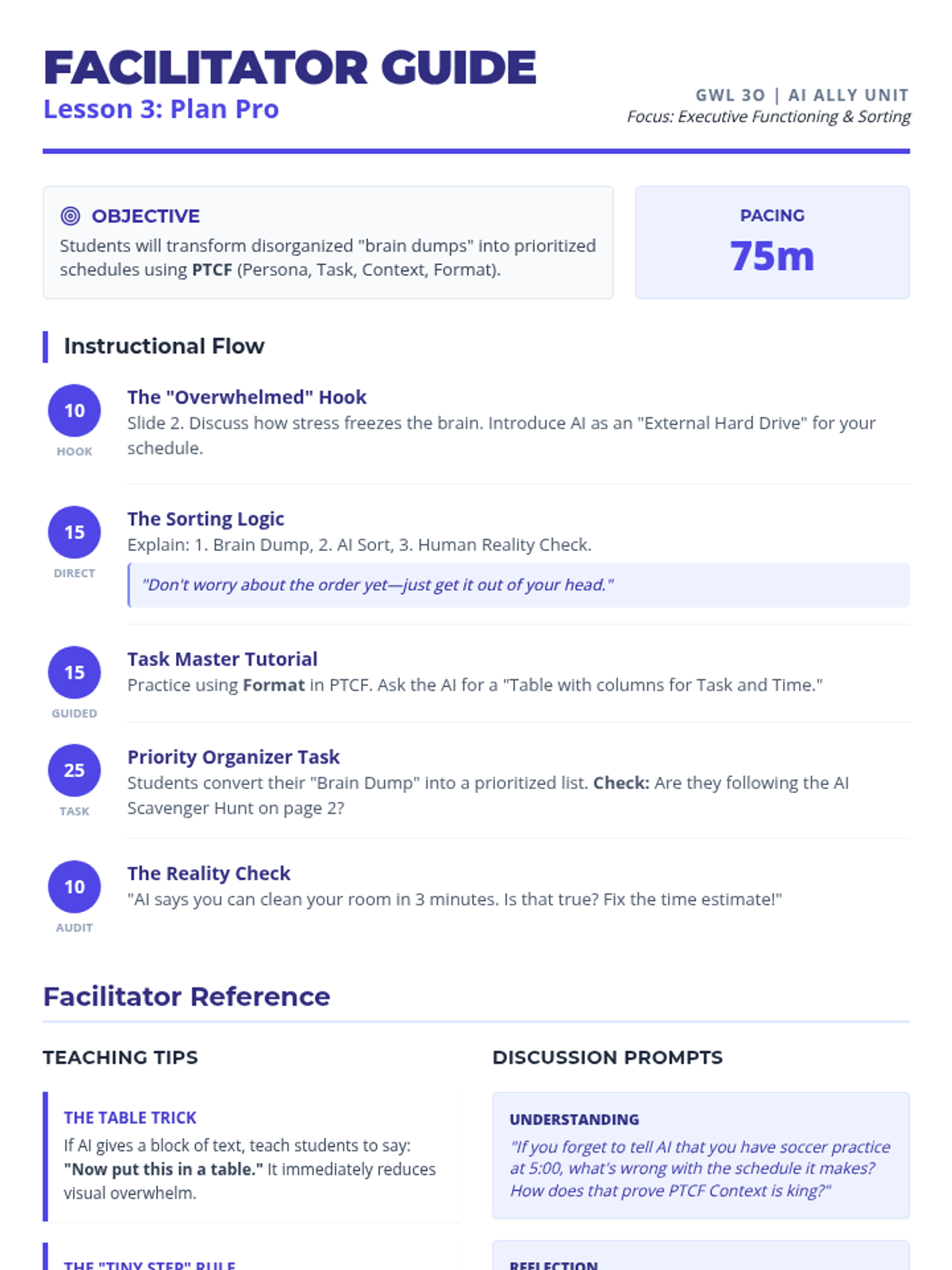
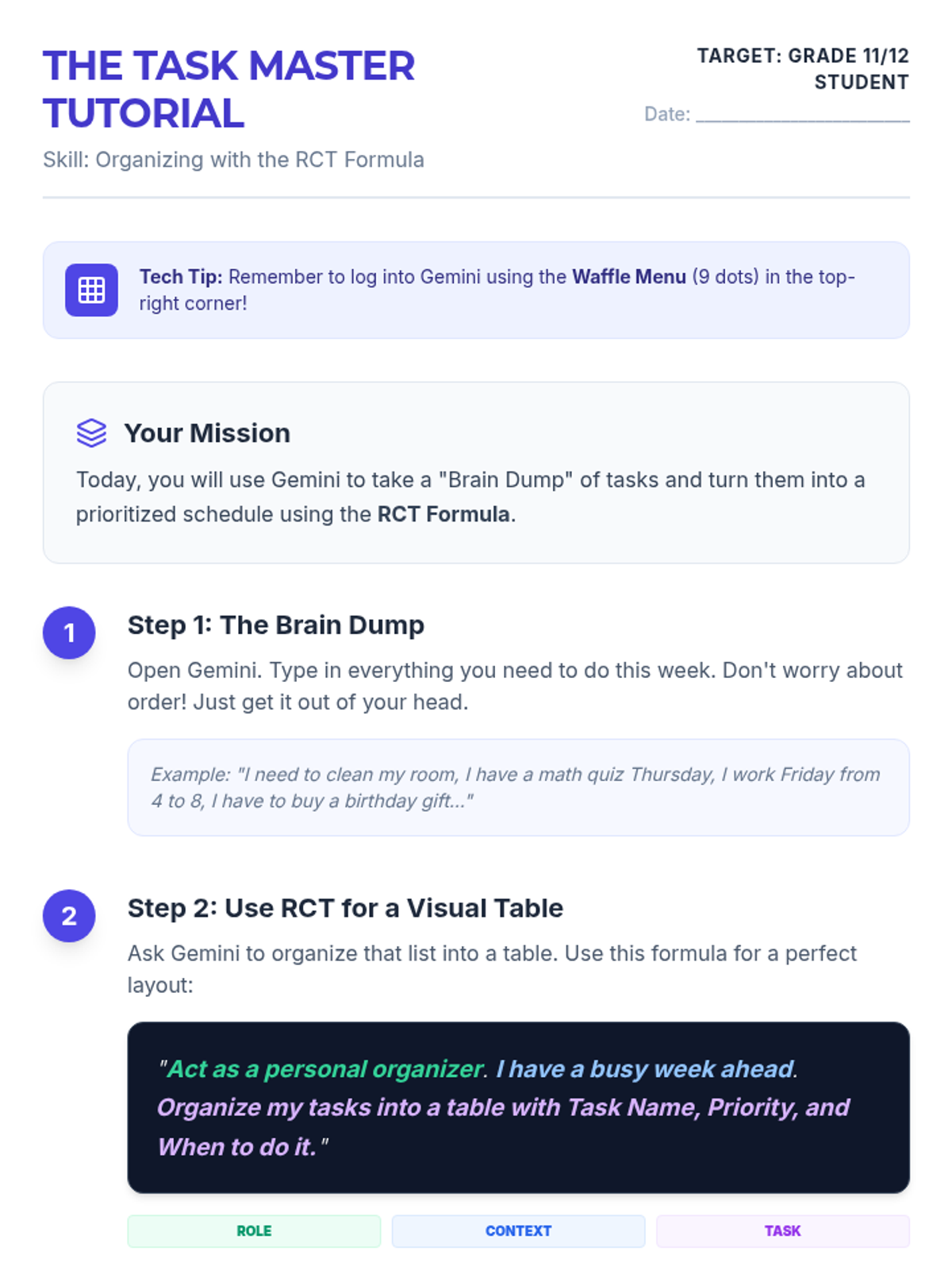
Focuses on organizational skills by using AI to transform messy lists into prioritized schedules and graphic organizers for improved task management.
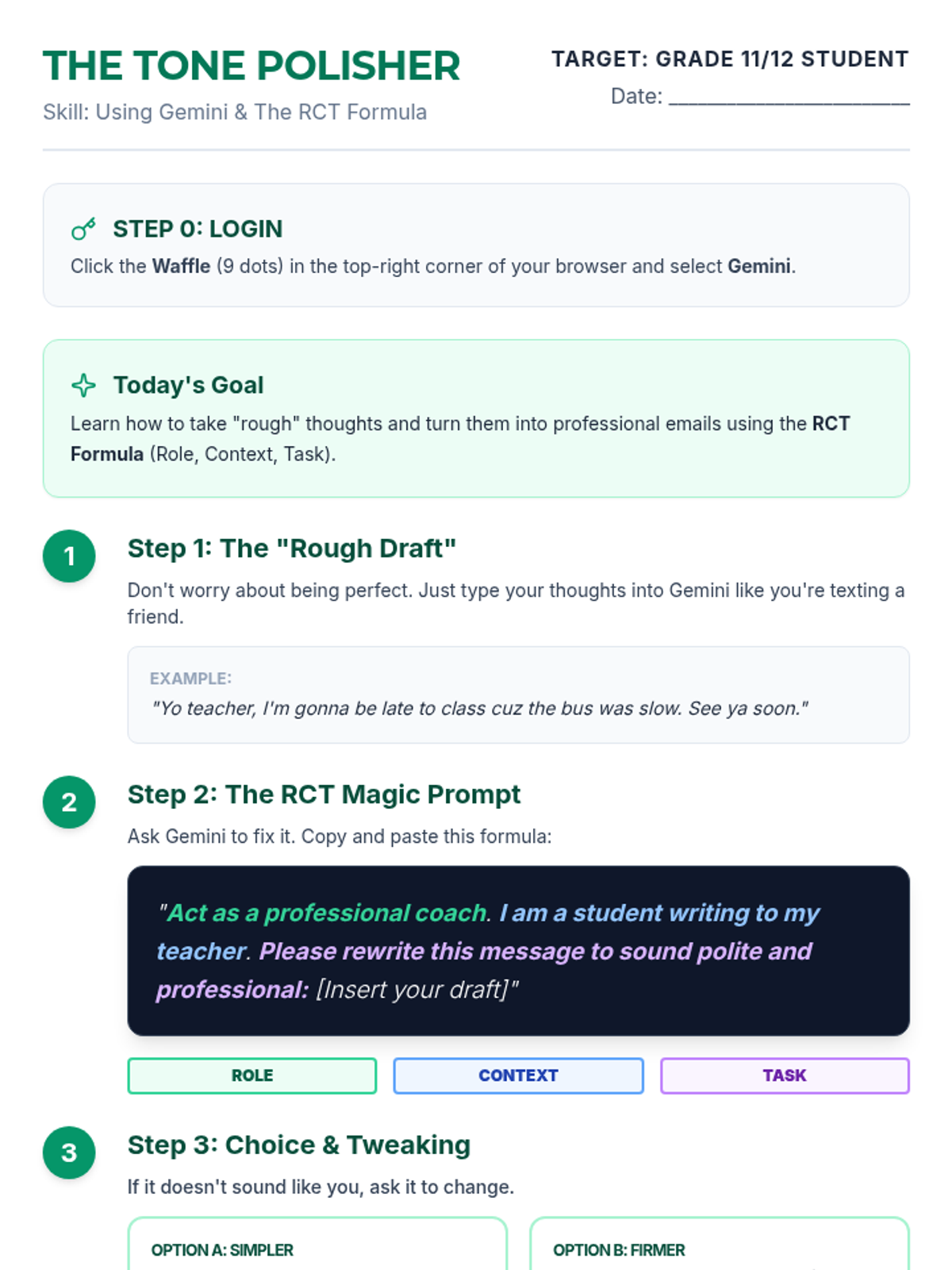
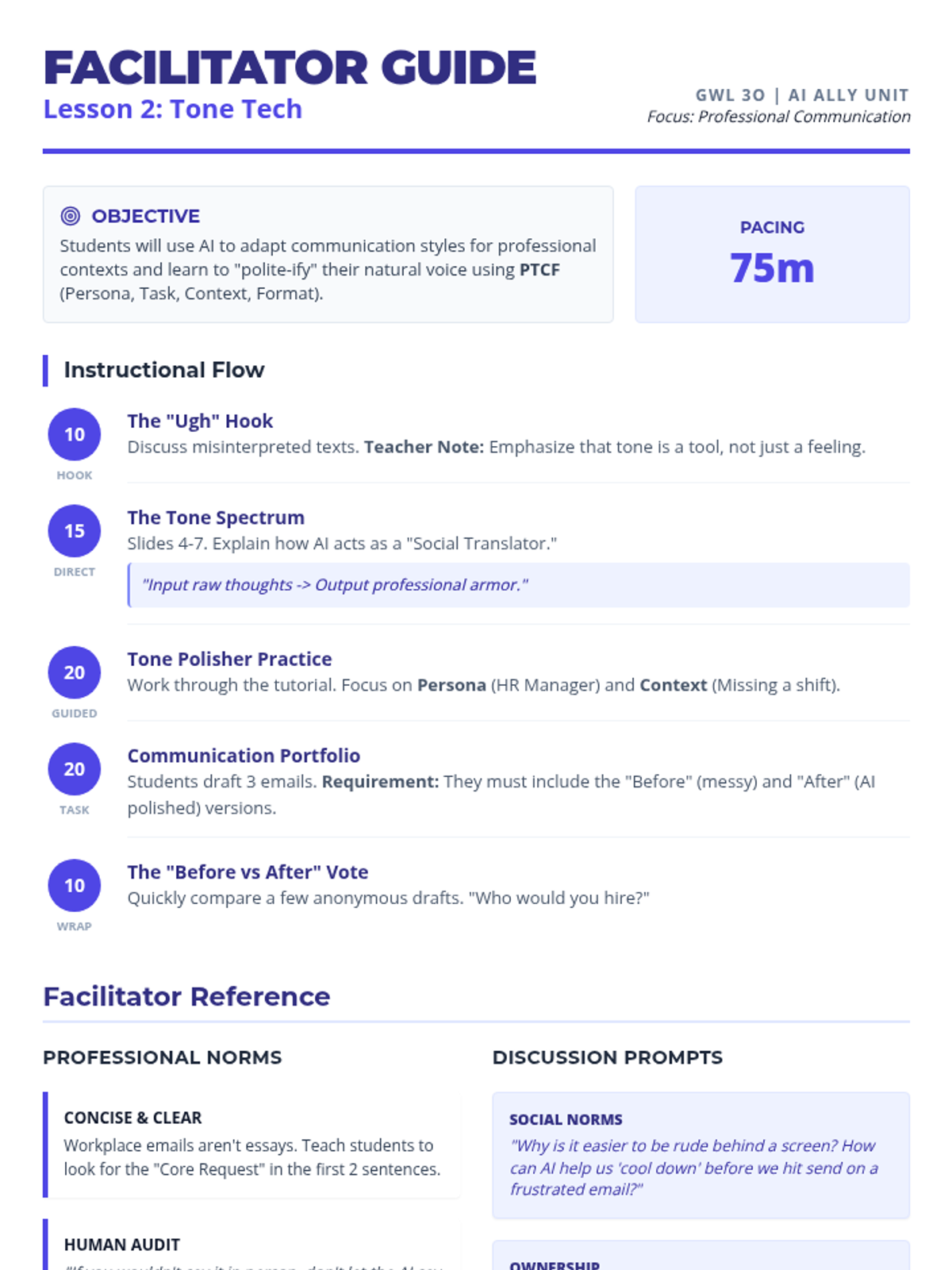
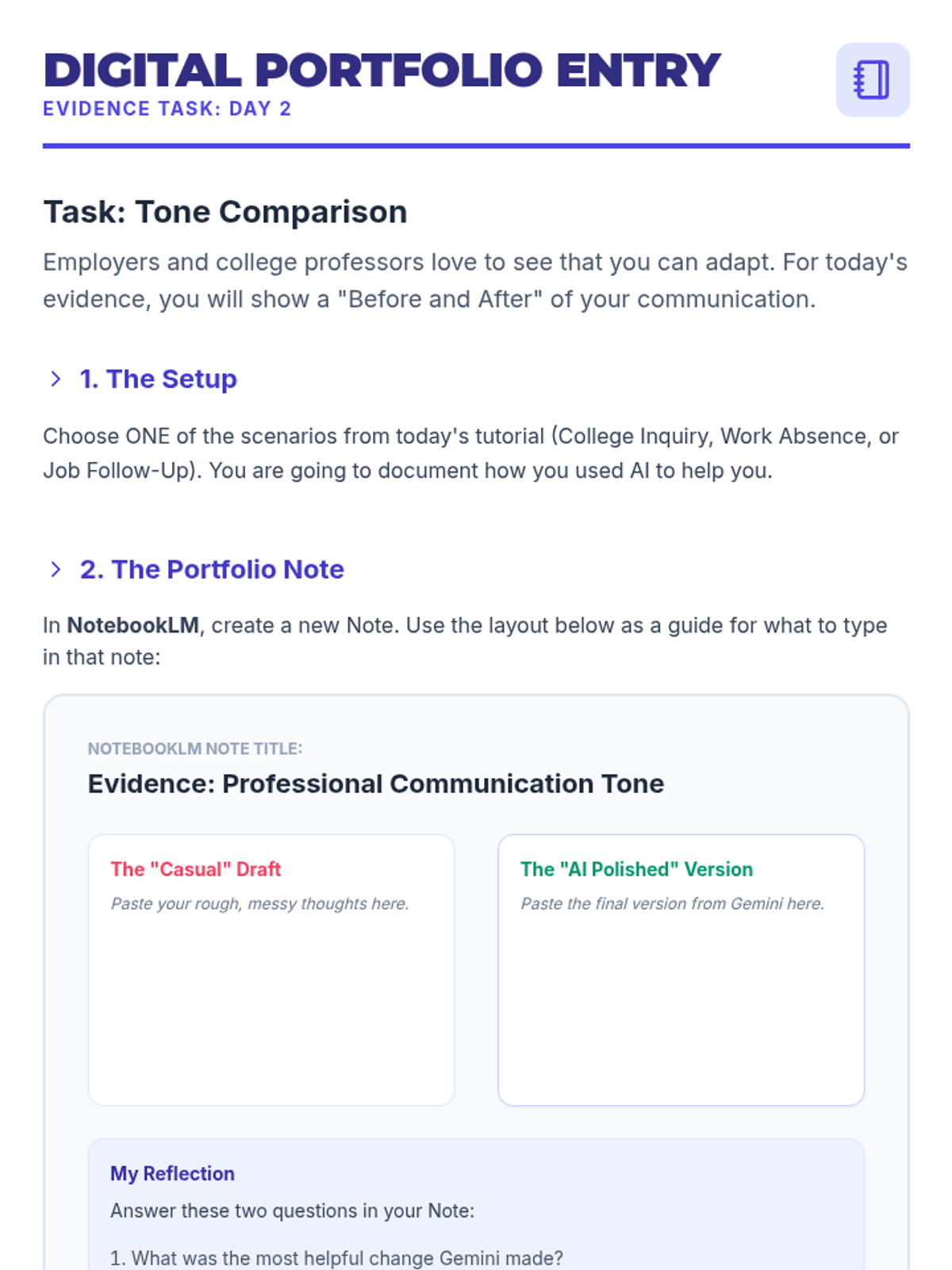
Students learn to use Gemini to refine professional tone and clarity in digital communications, creating a portfolio of email templates for workplace and college scenarios.