A specialized lesson designed to help 8th-grade students with autism transition to high school, focusing on understanding complex schedules and managing an increased academic workload through structured visual guides.
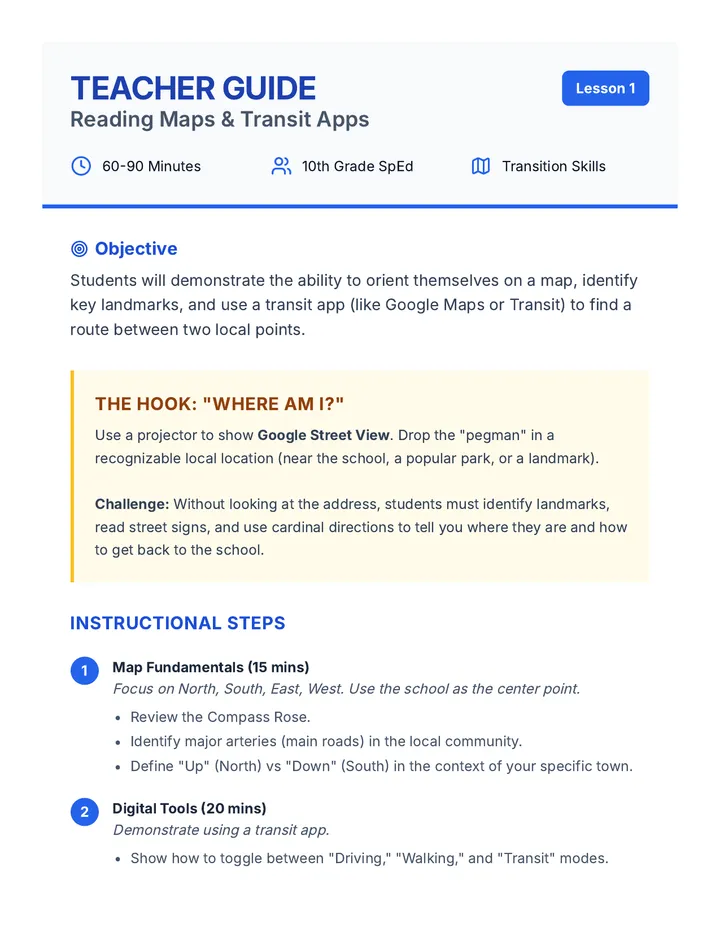
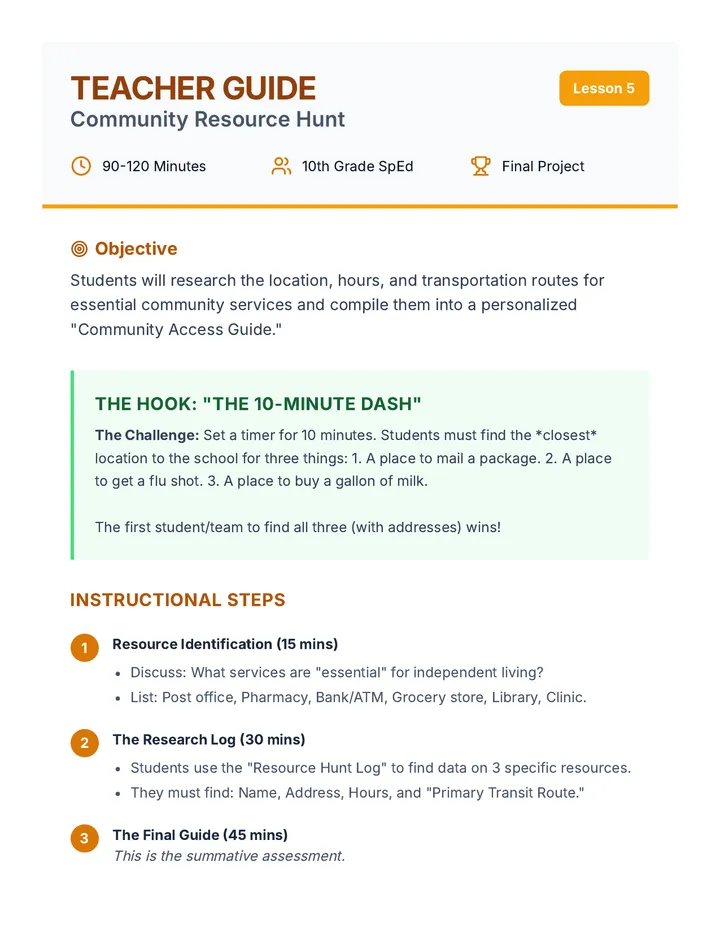
A comprehensive 10th-grade transition planning sequence focused on developing independent living skills through community navigation and transportation mastery. Students progress from basic map reading and app usage to planning complex trips and identifying essential community resources.
A lesson container to house early childhood planning materials and templates, helping educators organize play-based instruction.
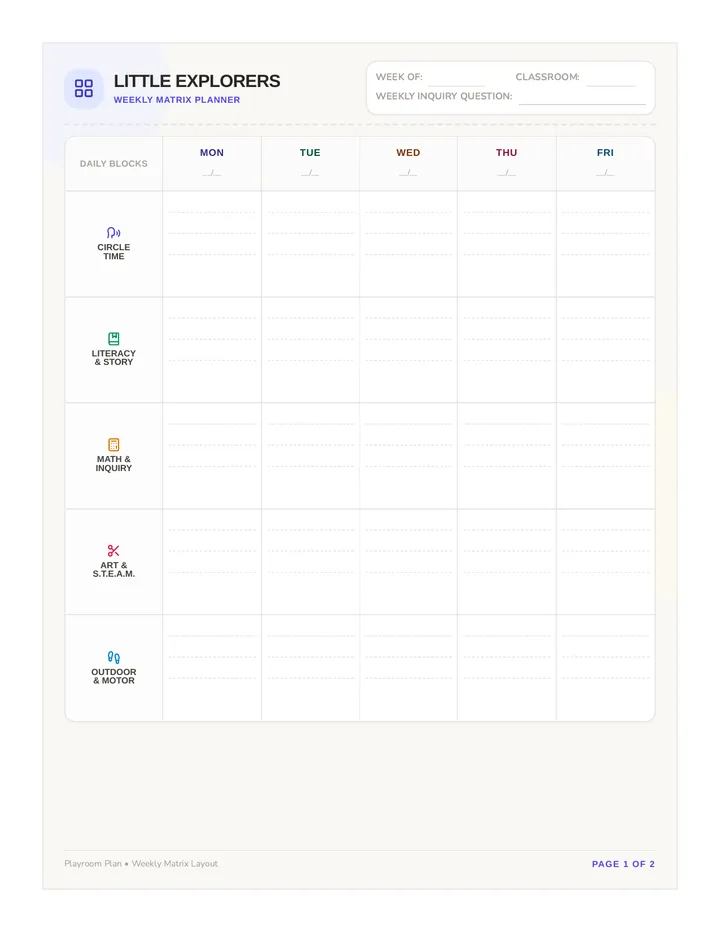
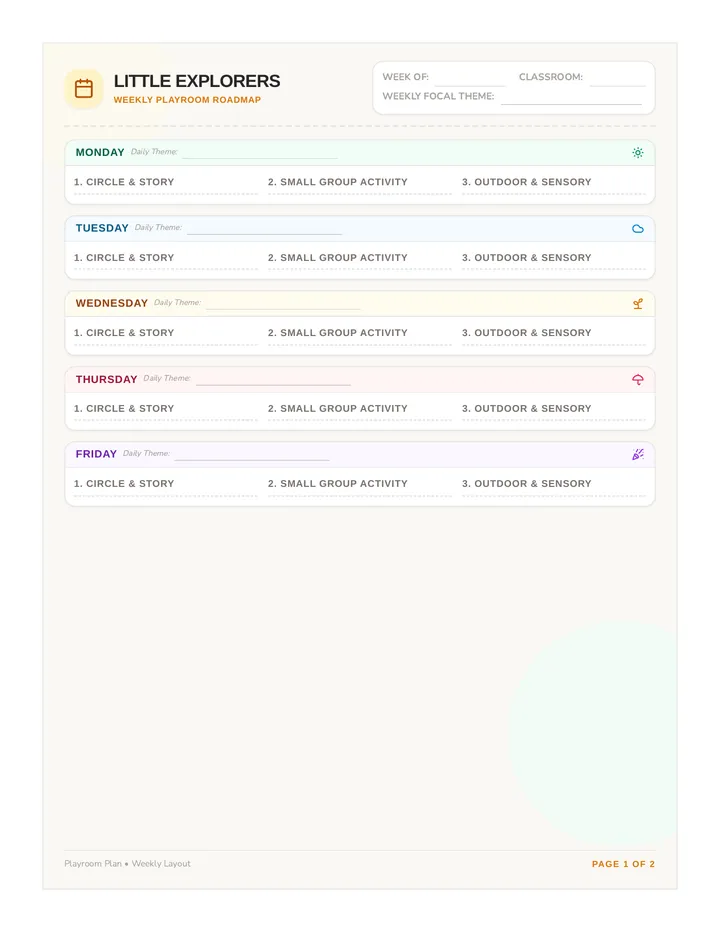
A matrix-style weekly planning template for PreK-K classrooms. Uses vertical columns for each day of the week and structured horizontal rows for key learning blocks (Circle Time, Guided Activities, Centers, and Outdoor play), offering a high-density, schedule-based alternative.
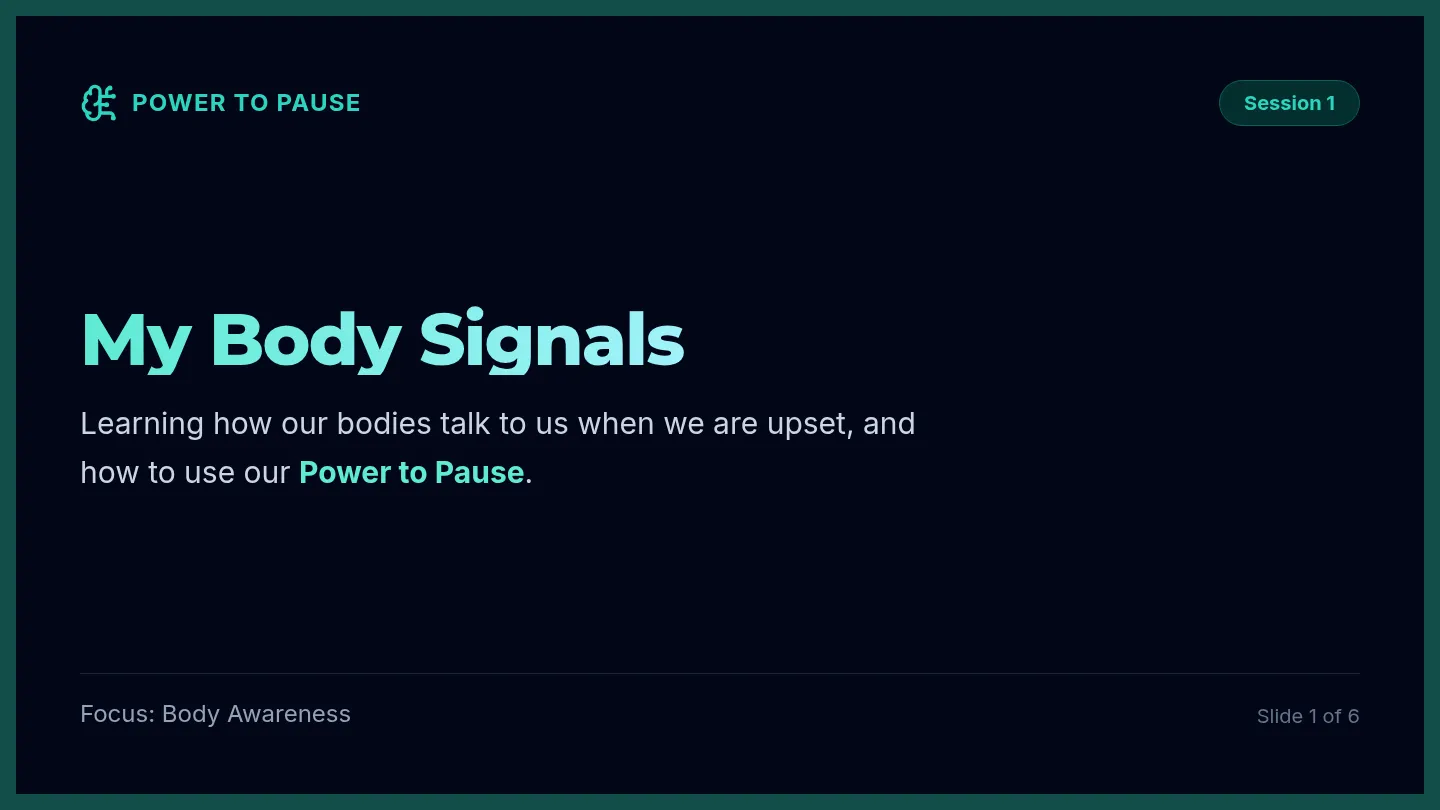
A 4-week social-emotional learning sequence designed for a transition-age student with significant cognitive and social-emotional disabilities. Focuses on body awareness, concrete physical calming, non-verbal functional communication, and highly simplified problem-solving.
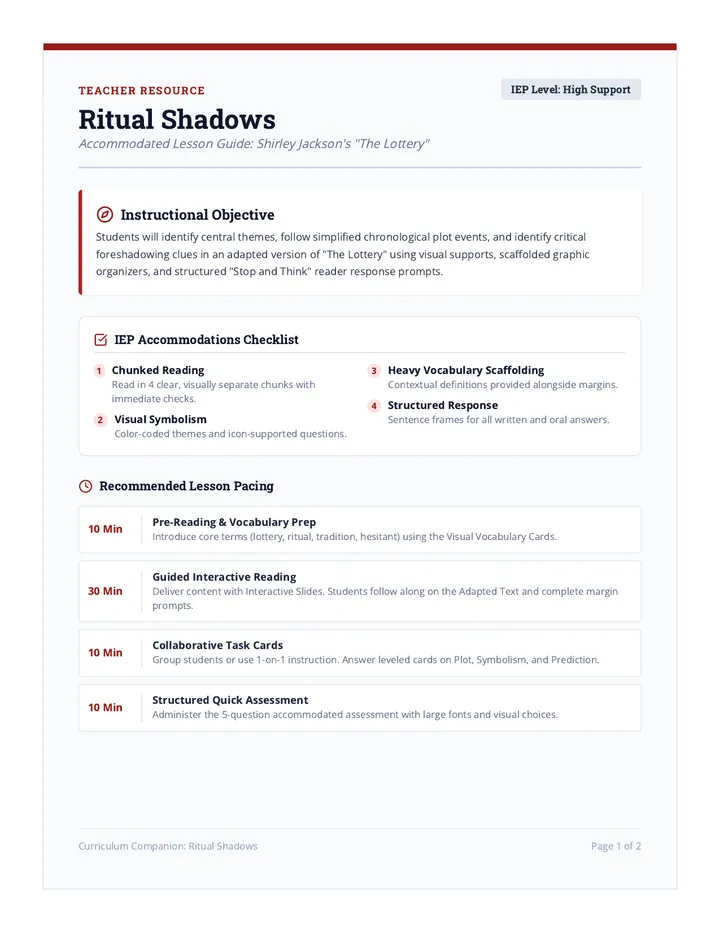
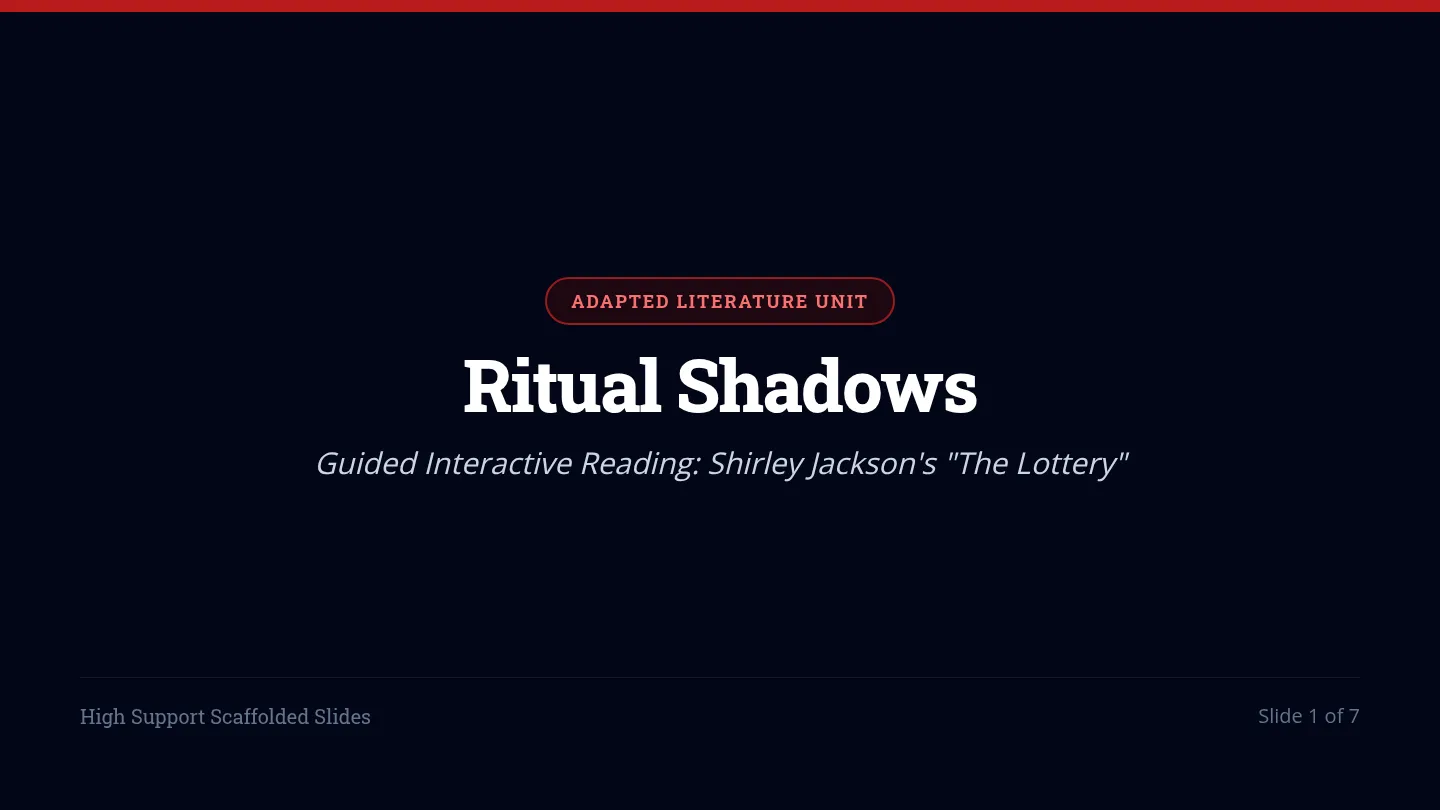
A highly supportive, adapted literature study of Shirley Jackson's 'The Lottery.' This lesson contains a simplified, guided text with margin prompts, interactive slide deck, heavy vocabulary scaffolding cards, leveled task cards, a structured assessment, and a comprehensive teacher guide.
A beautiful, cohesive weekly planning template for PreK-K educators. Features a daily row-by-row schedule layout with circle time focuses, outdoor exploration, and guided groups on Page 1, followed by center setup details, small-group rosters, and observation logs on Page 2.
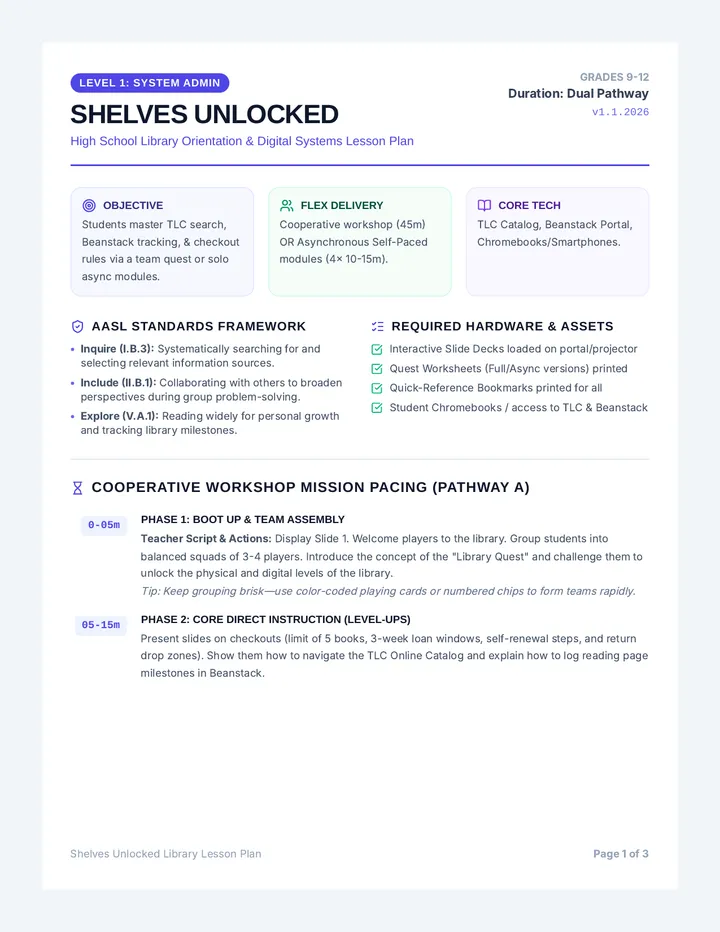
A library orientation and digital systems training program with two distinct pathways: a full-length collaborative workshop and a 4-part asynchronous self-paced track, utilizing identical physical and digital materials.
A research-based challenge to locate essential community services and create a personal resource map.
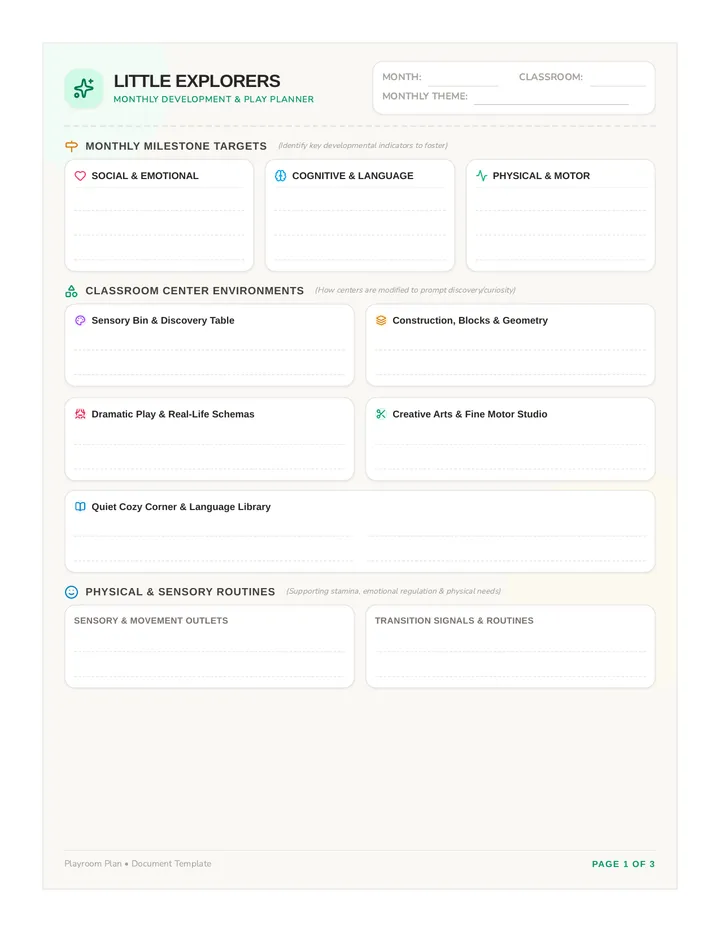
A beautifully organized monthly planning template designed specifically for PreK-K educators. Features sections for developmental milestones, classroom center setups, physical needs, and a detailed four-week sequential breakdown of play-based objectives, materials, and observation assessments.
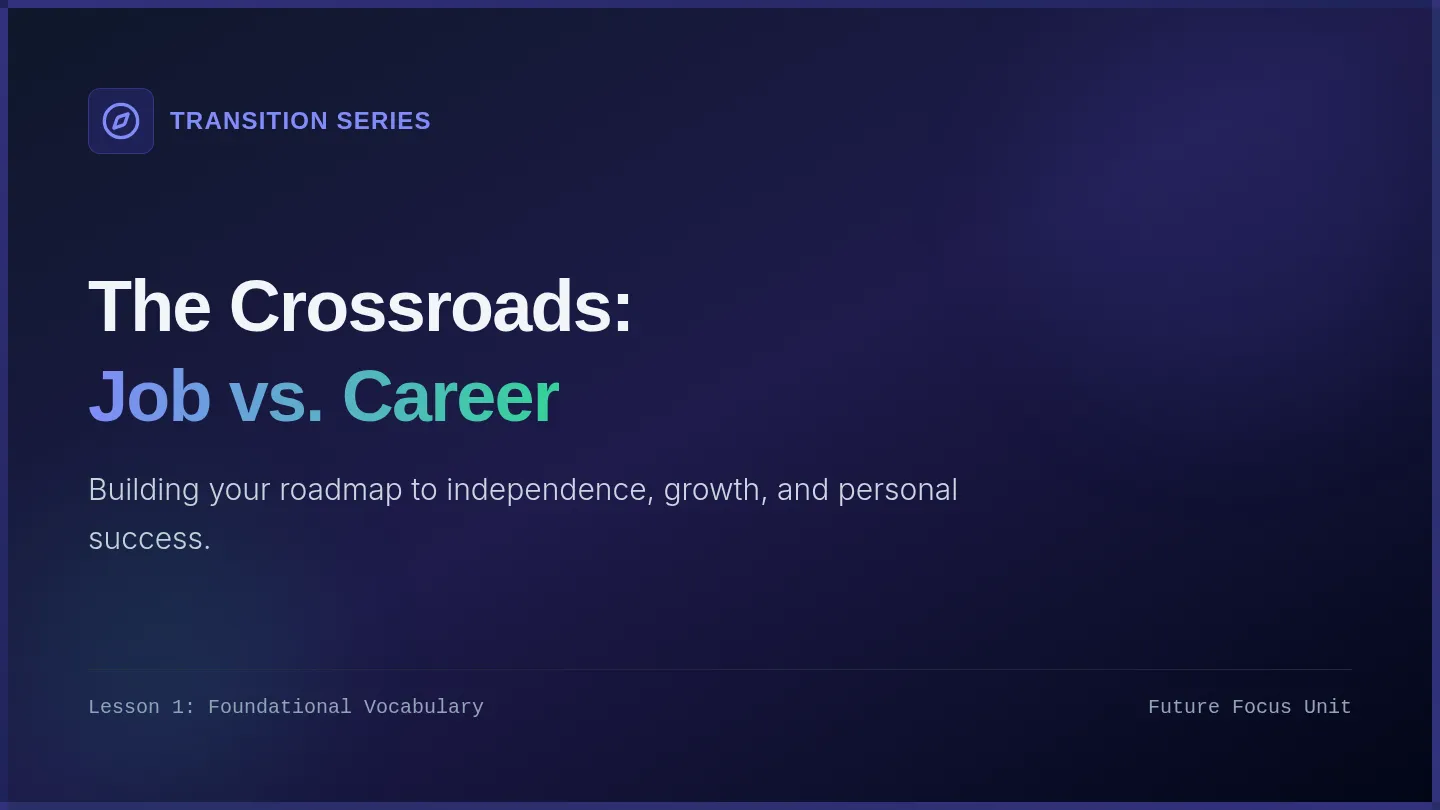
A comprehensive multi-day vocational transition unit designed for high school SPED students to differentiate between short-term jobs and long-term careers. The unit integrates scaffolded instruction, scenario analysis, and self-advocacy goal-setting aligned with IEP transition planning.
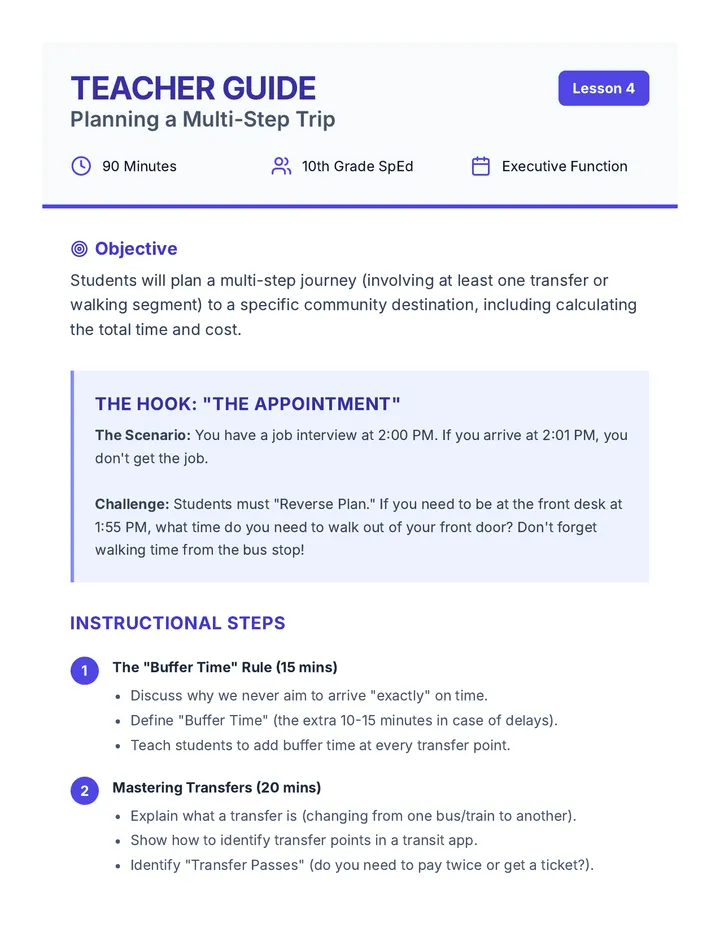
Students plan a complete journey to a specific destination, managing time, transfers, and costs.
An interactive slide deck featuring visual supports, structured prompt slides, and scaffolded discussion questions for teaching 'The Lottery'.