A comprehensive lesson teaching the 'Next Dollar Up' strategy to students with special needs, focusing on practical money skills through visual aids and hands-on shopping simulations.
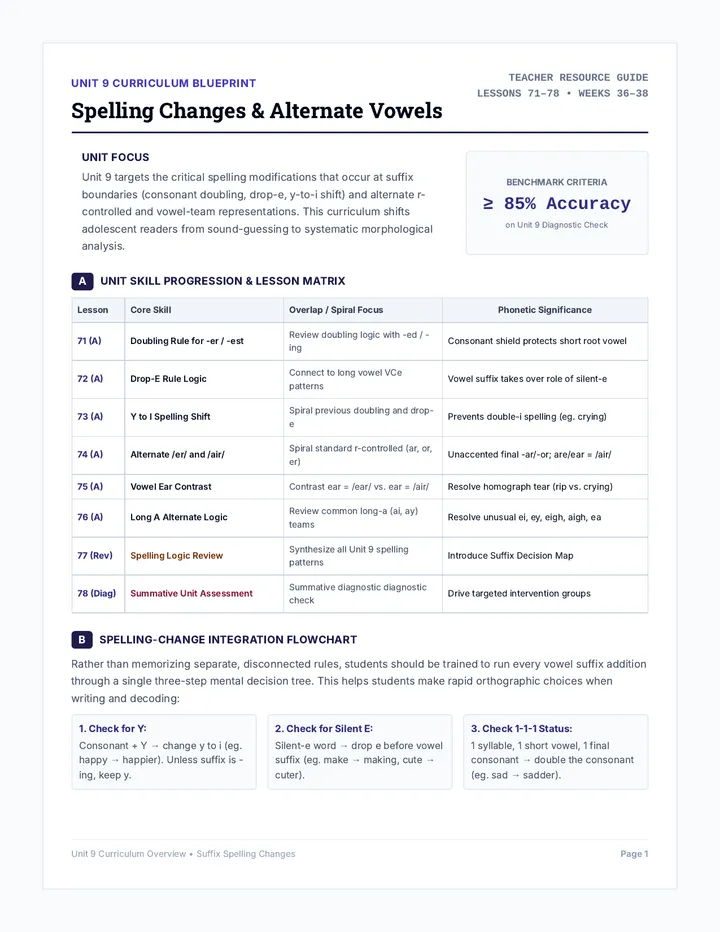
This lesson focuses on identifying, dividing, and reading multi-syllabic words with open syllables (Step 5.2). It includes daily warm-ups and structured practice.
A Valentine's Day themed lesson for high school educational life skills students focusing on fine motor skills and following multi-step visual directions through a craft and snack assembly activity.
A lesson designed for 5th-grade students who are Hard of Hearing, focusing on the essential life skill of requesting repetition and clarification. It features a modified 'Telephone' game based on kitchen instructions and provides differentiated pathways for varying levels of independence.
Teacher implementation guide and sequence overview for the Valentine Venture activities.
Focuses on visual matching skills and object recognition with a Valentine's shadow match activity.
Focuses on intensive fine motor control through complex line tracing and path-finding.
Focuses on logical reasoning and visual discrimination through heart-themed pattern completion.
Focuses on fine motor literacy skills through tracing Valentine-themed words and identifying letters.
Focuses on basic numeracy and color recognition through counting candy hearts and coloring tasks.
This lesson focuses on applying boundary and consent concepts to the workplace and community settings. Students will learn to distinguish between personal and professional interactions, practice workplace-appropriate greetings, and navigate public spaces with confidence and respect.
A set of tools to support a student's daily behavioral goals through a consistent check-in/check-out system.
A comprehensive set of resources designed to establish clear behavioral expectations for middle school students to earn their way onto an upcoming field trip. The lesson includes a rubric, a classroom poster, a parent/student contract, and a student tracking checklist.
A functional budgeting lesson designed for young adults with intellectual disabilities and autism, focusing on making choices within a fixed budget. Includes a visual shopping worksheet, an answer key, and a guide for substitute teachers.
Establishes a formal safety plan (The Calm Protocol) that identifies safe spaces, trusted adults, and step-by-step actions for high-stress moments, ensuring the student feels secure even when home life is unpredictable.
Focuses on identifying the physical and emotional signs of dysregulation and building a personalized 'toolkit' of grounding strategies that work across different classroom environments.
A comprehensive lesson designed for transition-aged students with intellectual disabilities and autism to learn the social norms and math skills involved in tipping at restaurants and cafes.
A lesson designed for 8th-grade students with intellectual disabilities focusing on identifying appropriate crushes, handling crushes on older individuals, and practicing social skills for interacting with peers.
A comprehensive Check-In Check-Out (CICO) system designed for 1st-grade students to build self-regulation and positive behavior habits. This lesson includes the daily tracking sheet, a teacher facilitation guide, and a rewards menu to reinforce progress.
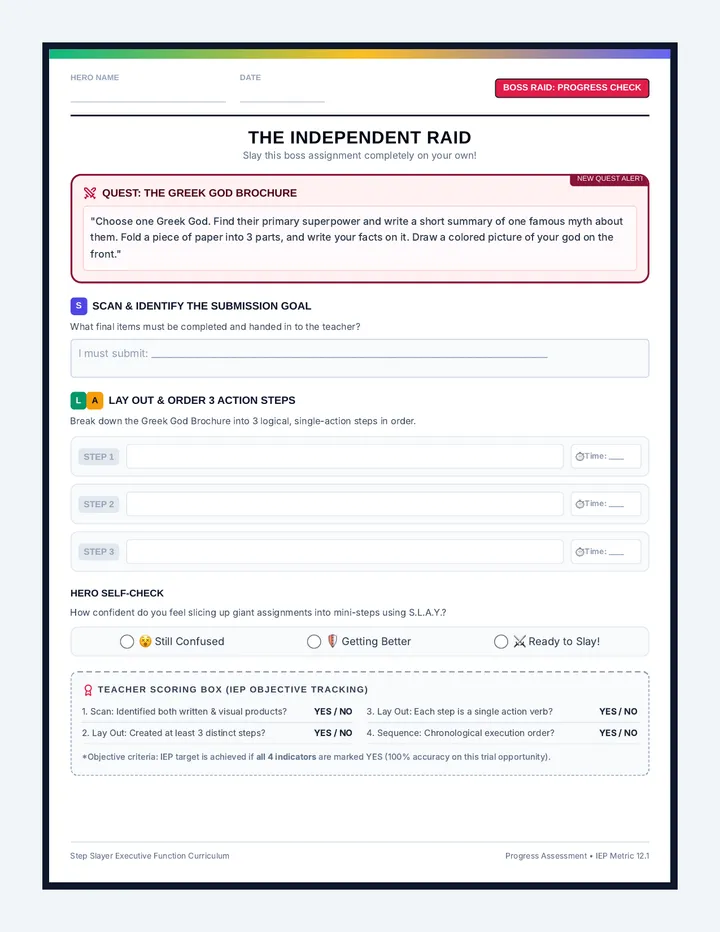
A 30-minute lesson designed for 8th graders to practice self-advocacy by using a pre-taught signal to request help during challenging academic 'drills'. The lesson uses an athletic metaphor to frame frustration as a hurdle to be cleared with the right 'playbook' strategy.
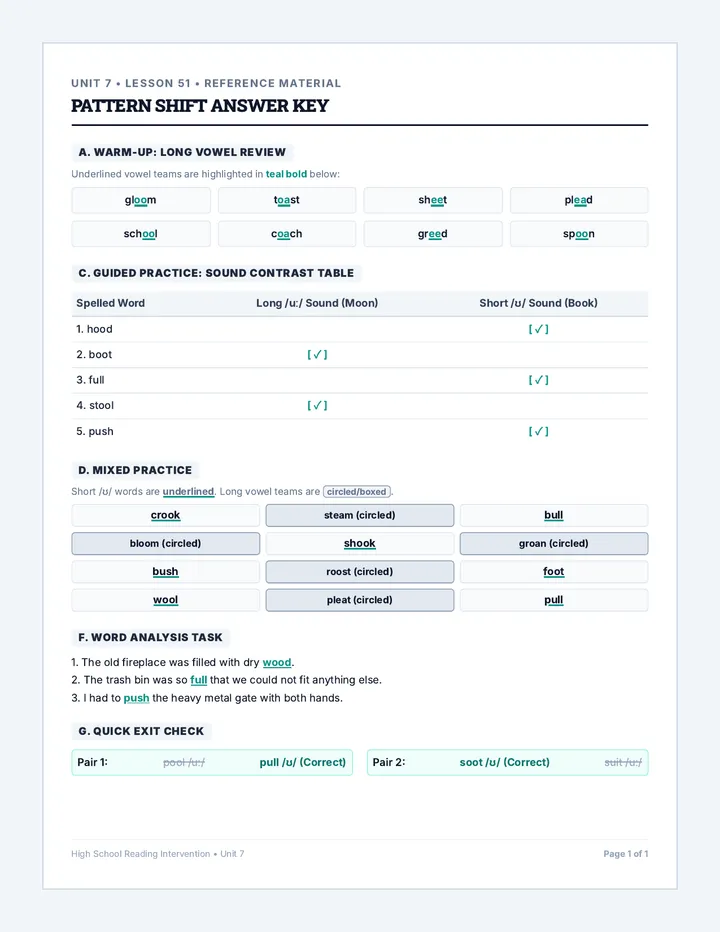
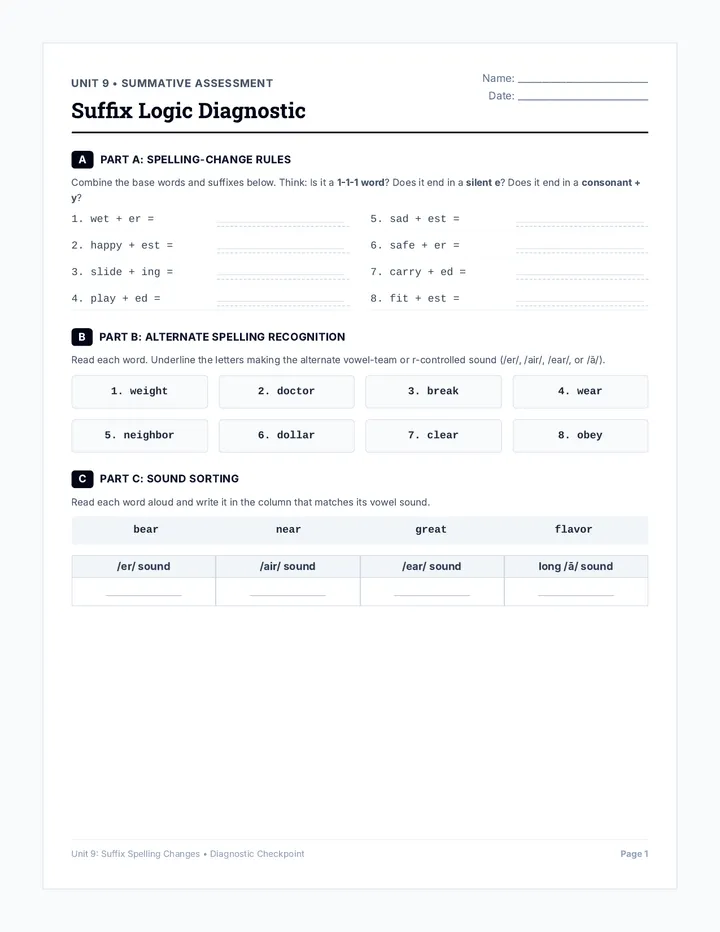
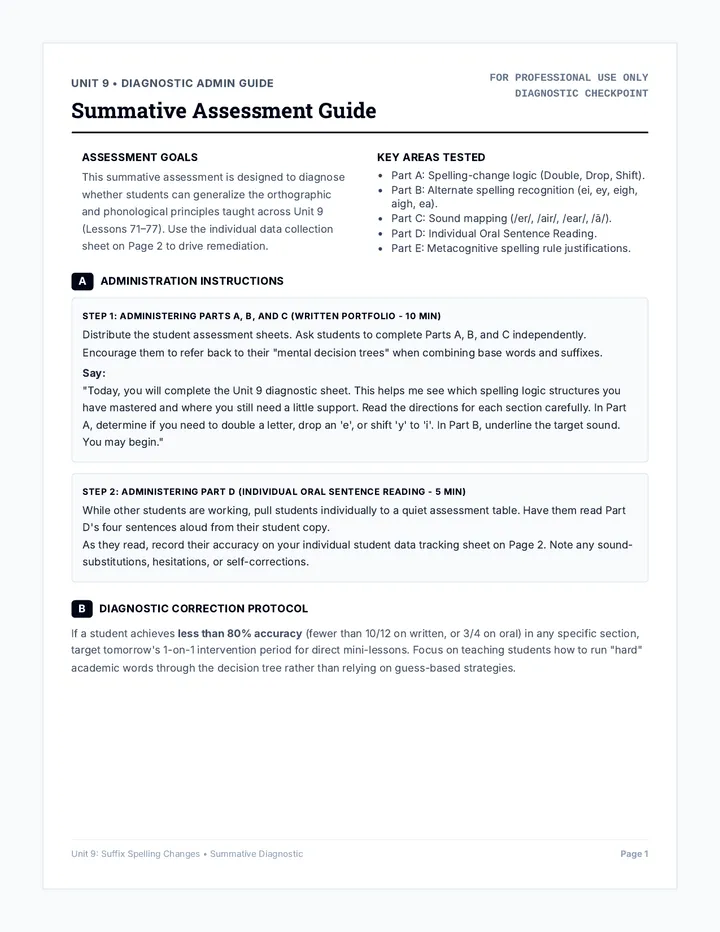
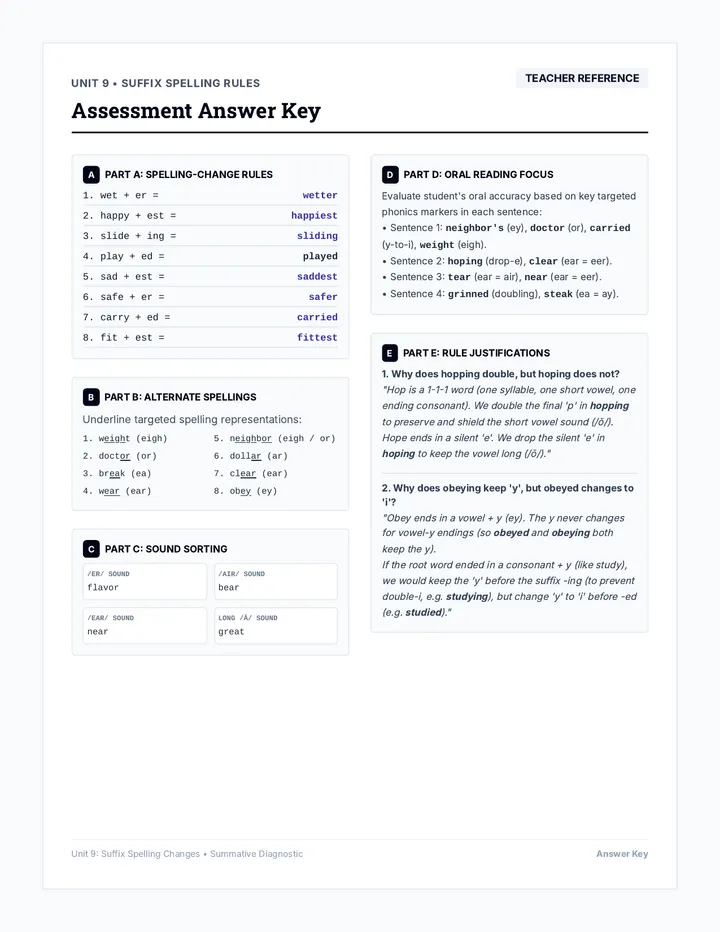
A comprehensive set of tools focused on short and long vowel patterns and consonant blends, designed specifically for Grade 3 students with reading difficulties. The lesson emphasizes multisensory decoding and structured fluency practice.
A comprehensive set of materials for a high school Open House, including a presentation and a parent/guardian support handout for the Reading and Learning Center English class.
A literacy intervention lesson for middle school students reading at a 2nd-grade level, focusing on CVCE words, high-frequency words, and sentence structure with an architectural theme.
Students explore neurodiversity through the lens of ADHD using powerful metaphors like the Race Car Brain and the Brain Secretary. They will learn to identify brain-based differences as unique strengths and challenges rather than character flaws.
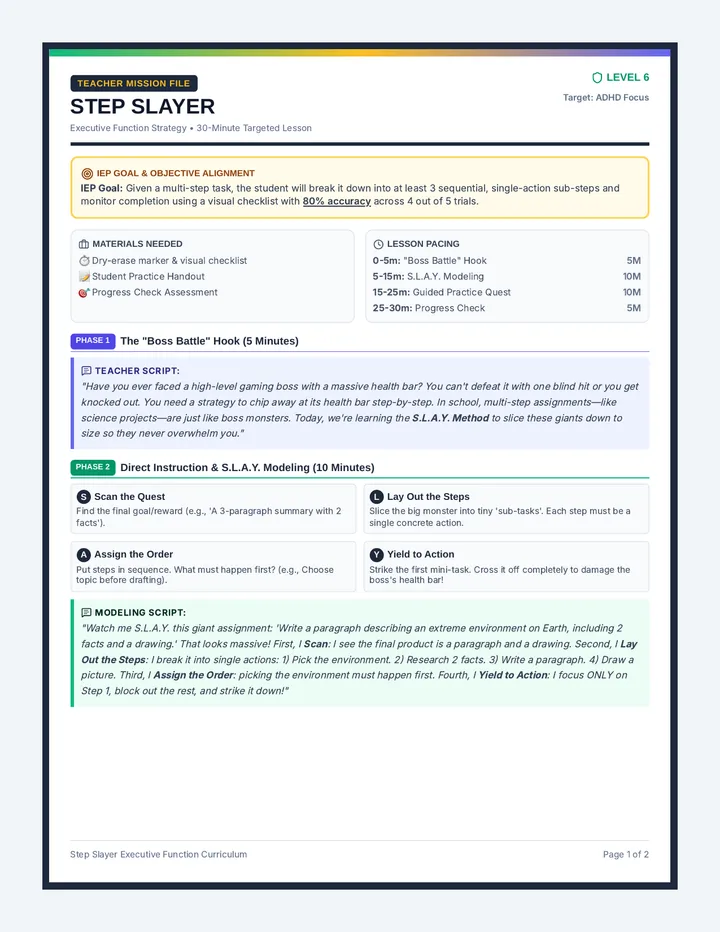
Students will differentiate between "behavior" and "brain function" and define executive function using metaphors from the ADHD community.
A comprehensive 4-hour individual lesson for an adult learner at a 2nd-grade level, focusing on money identification, needs vs. wants, making purchases, and saving strategies through hands-on activities and role-play.
Practical application of advocacy skills for IEPs, workplace issues, and home independence, culminating in a final assessment.
Focuses on the Americans with Disabilities Act (ADA), legal rights, and applying those rights to real-world scenarios in school and work.
Introduces the concept of self-advocacy, identifying areas where advocacy is needed, and understanding the personal importance of speaking up.
Esta lección utiliza personajes de animales para ayudar a un estudiante de segundo grado a comprender su propio cerebro único y apreciar los diferentes "superpoderes" que se encuentran en todos.
A collection of visual supports and instructional materials designed to help a 2nd-grade student with ASD successfully transition to, join, and remain seated during small group activities.
A comprehensive behavioral intervention kit designed for 2nd grade students to improve self-regulation, interpersonal skills, and decision-making during school transitions and peer interactions.
A visual guide to using the Expanding Expression Tool (EET) to enhance descriptive language and vocabulary, specifically themed around the world of The Hunger Games.
This lesson focuses on the foundational skill of moving the decimal point in division problems, specifically designed for students who benefit from clear, visual, step-by-step instructions.
A 1-hour lesson designed for young adults with cognitive impairments, focusing on self-advocacy skills for the workplace, including identifying strengths, communicating needs, and understanding basic rights.
Final review and mastery of all 15 contractions covered in the 9-week sequence, featuring comprehensive dictation and games.
Reinforcement of 'ed', 'er', 'ou', 'ow', and 'st' contractions through repetitive writing and word-building exercises.
Introduction to additional common part signs: 'ed', 'er', 'ou', 'ow', and 'st'. Focuses on placement within words.
Mastery check for the 'ch' group contractions, including complex dictation and mixed contraction review.
Reinforcement of 'ch', 'gh', 'sh', 'th', and 'wh' contractions through targeted practice sheets and matching activities.
Introduction to the 'ch' group of contractions: 'ch', 'gh', 'sh', 'th', and 'wh'. Focuses on the unique dot patterns for each.
Mastery check for the 'and' group contractions using dictation passages and independent writing activities.