A comprehensive 4-hour individual lesson for an adult learner at a 2nd-grade level, focusing on money identification, needs vs. wants, making purchases, and saving strategies through hands-on activities and role-play.
A 50-minute instructional session for students in temporary housing, focusing on safe food storage and creative leftover use through visual guides and sequence flowcharts.
A targeted reading intervention lesson focused on identifying the main idea and supporting details using high-interest, low-readability texts. Designed for students who decode well but struggle with comprehension.
A foundational lesson teaching professional problem-solving using a structured 4-step approach (Define, Plan, Act, Reflect) applied to workplace scenarios.
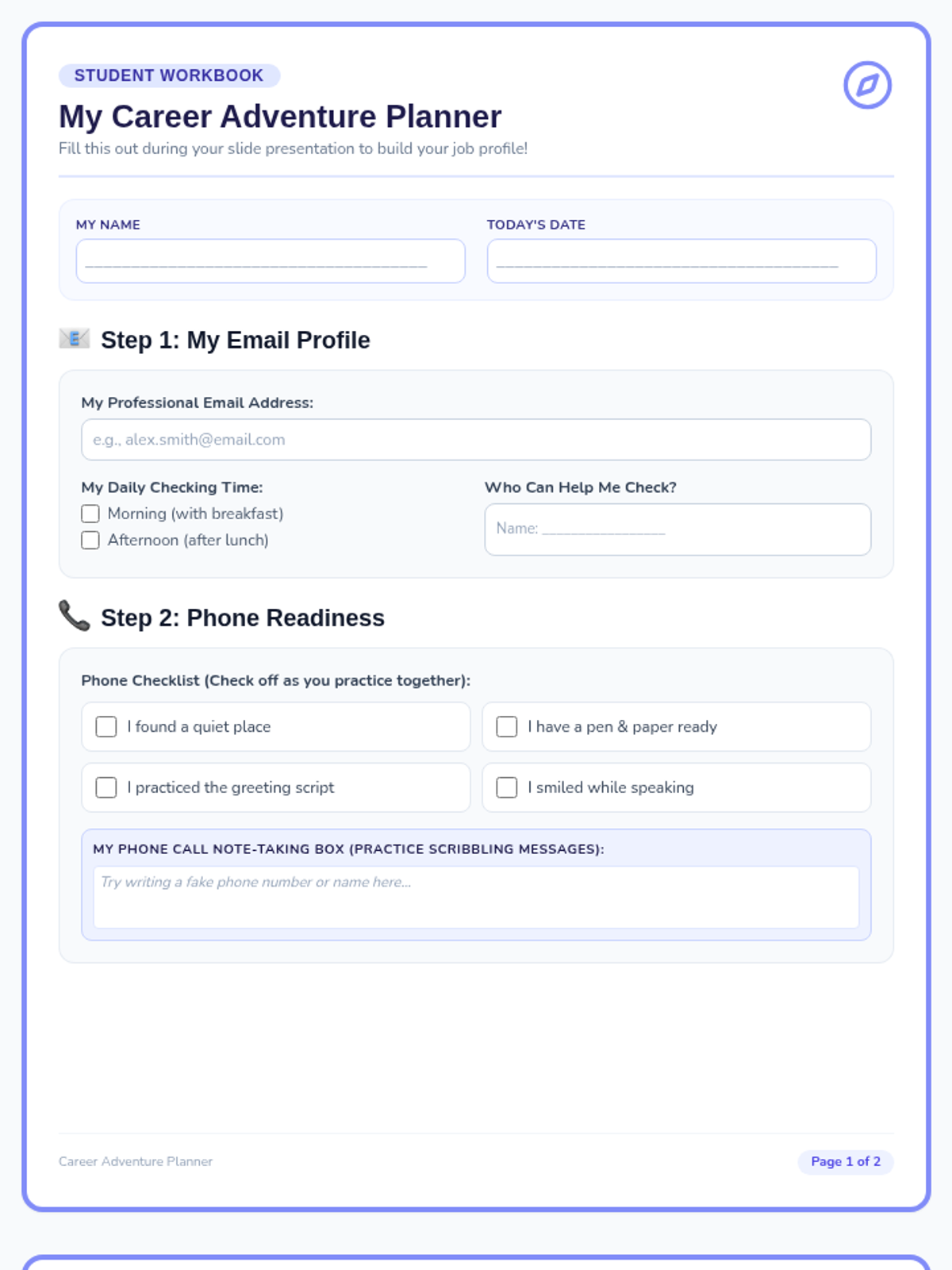
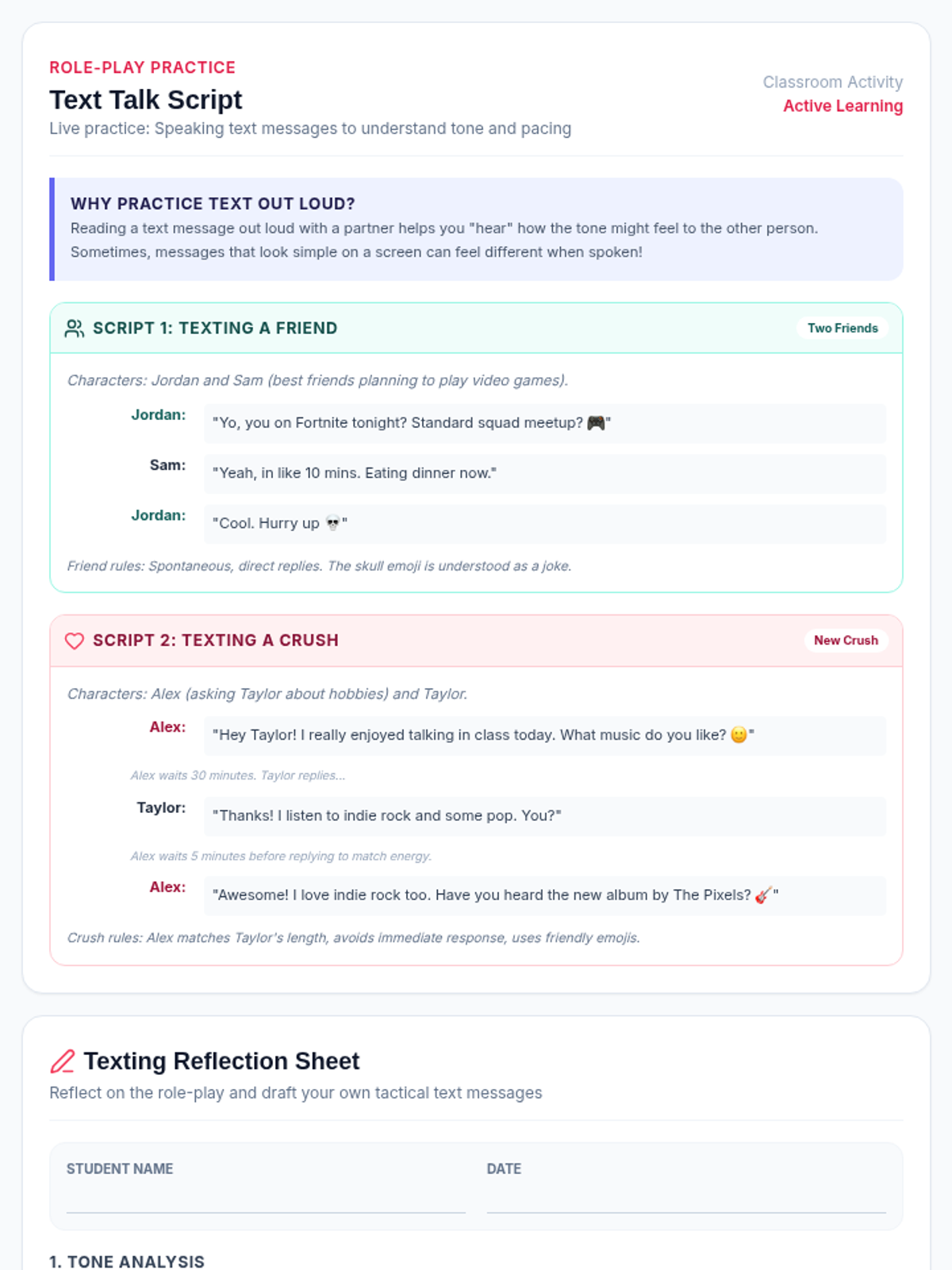
A comprehensive lesson on professional communication skills, focusing on email and phone etiquette for the workplace. Students learn the 'do's and don'ts' and practice crafting their own professional responses.
Cumulative review with a focus on encoding (spelling) 2-syllable words with silent-e syllables.
Mixed practice of closed/open + silent-e syllables with a focus on flexible decoding strategies.
Focuses on 2-syllable words combining an open syllable with a silent-e syllable (e.g., remote, feline, locate).
Focuses on 2-syllable words combining a closed syllable with a silent-e syllable (e.g., sunshine, reptile, mistake).
This lesson teaches students how to calculate total costs of multiple items and make spending decisions based on a fixed budget.
This lesson focuses on identifying US coins (penny, nickel, dime, quarter) and their respective values through visual recognition and matching.
A collection of resources to help students with low reading levels identify their vocational interests across four key industries using simple language and visual cues.
Teaching students the 'Next Dollar Up' strategy to successfully make purchases without needing to calculate exact change, focusing on items up to $10.
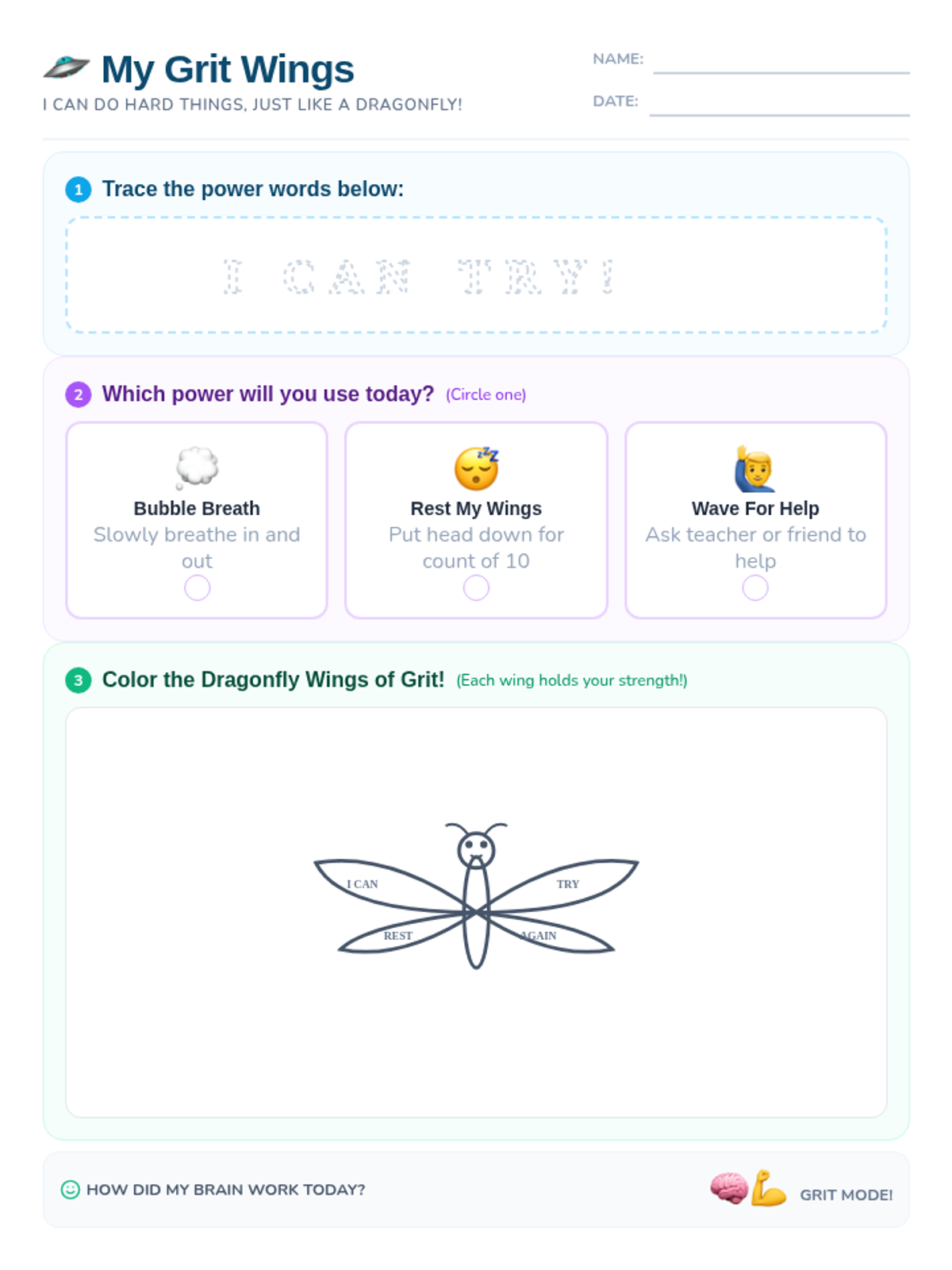
A foundational lesson for Transitional Kindergarten students focused on identifying basic emotions and the physical sensation of being 'wiggly' (stressed) vs. 'still' (calm). Introduces 'Turtle Breathing' as a primary regulation tool.
Encourage joint attention and exploration through the core words Open and Look.