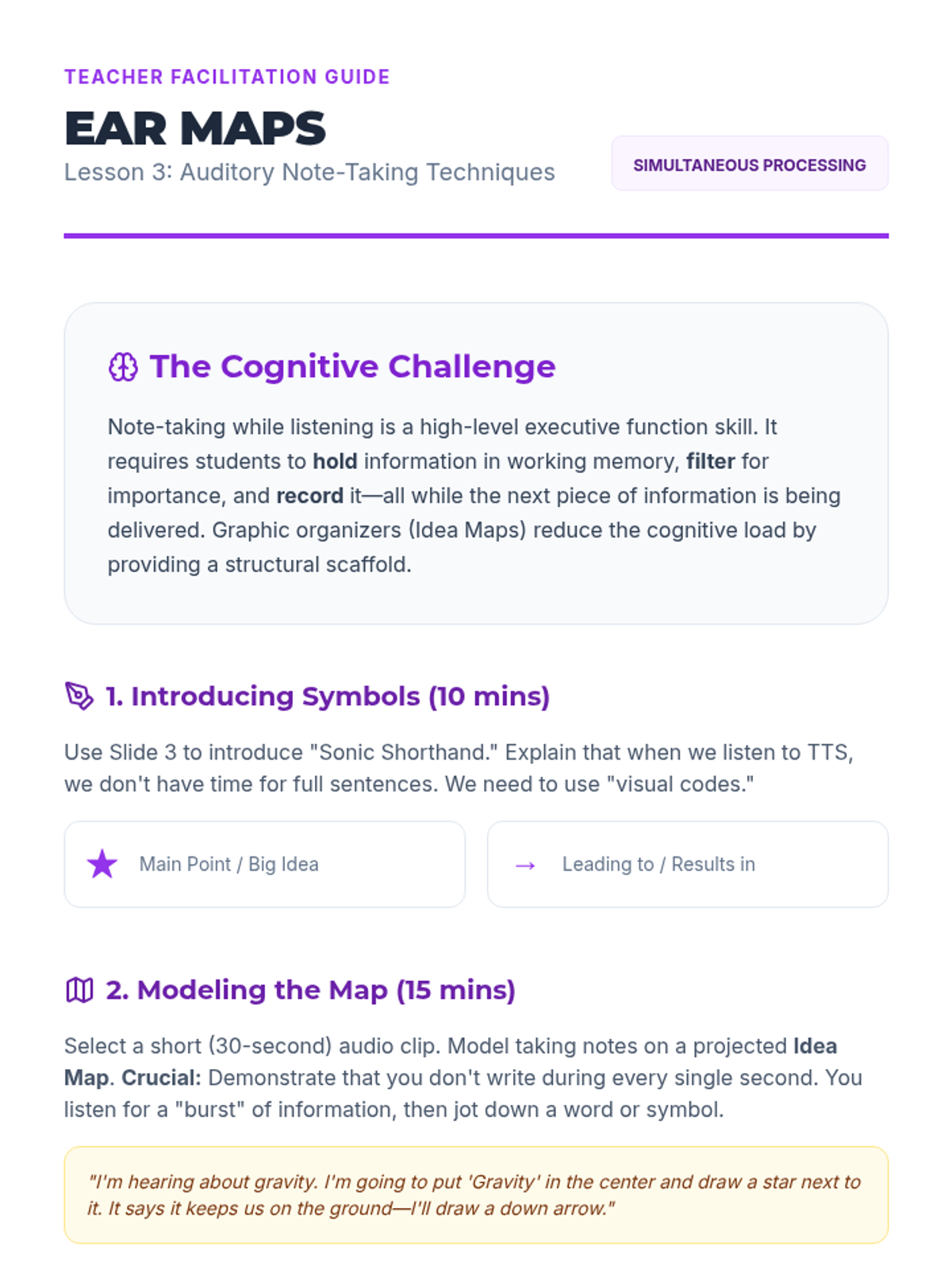
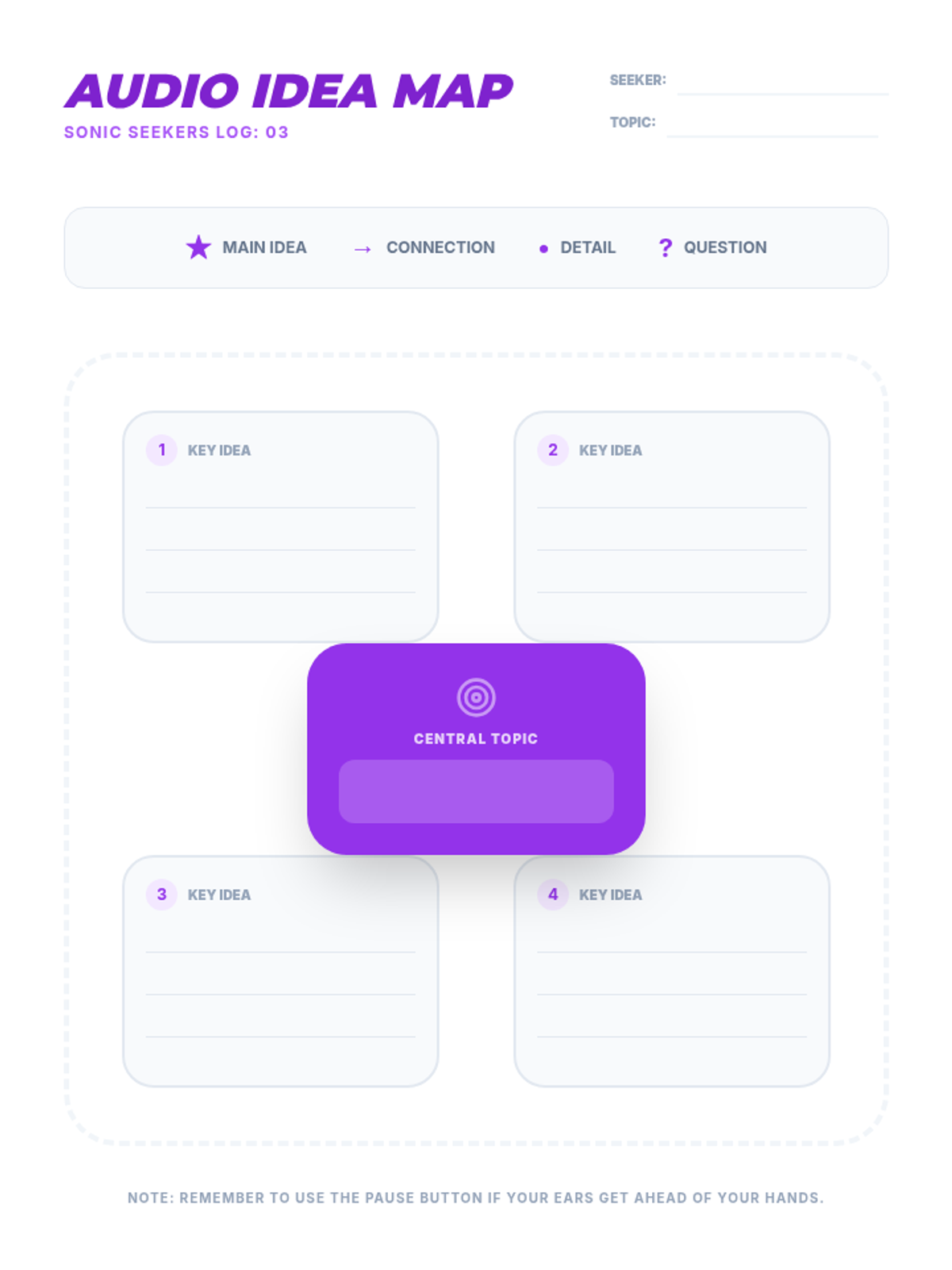
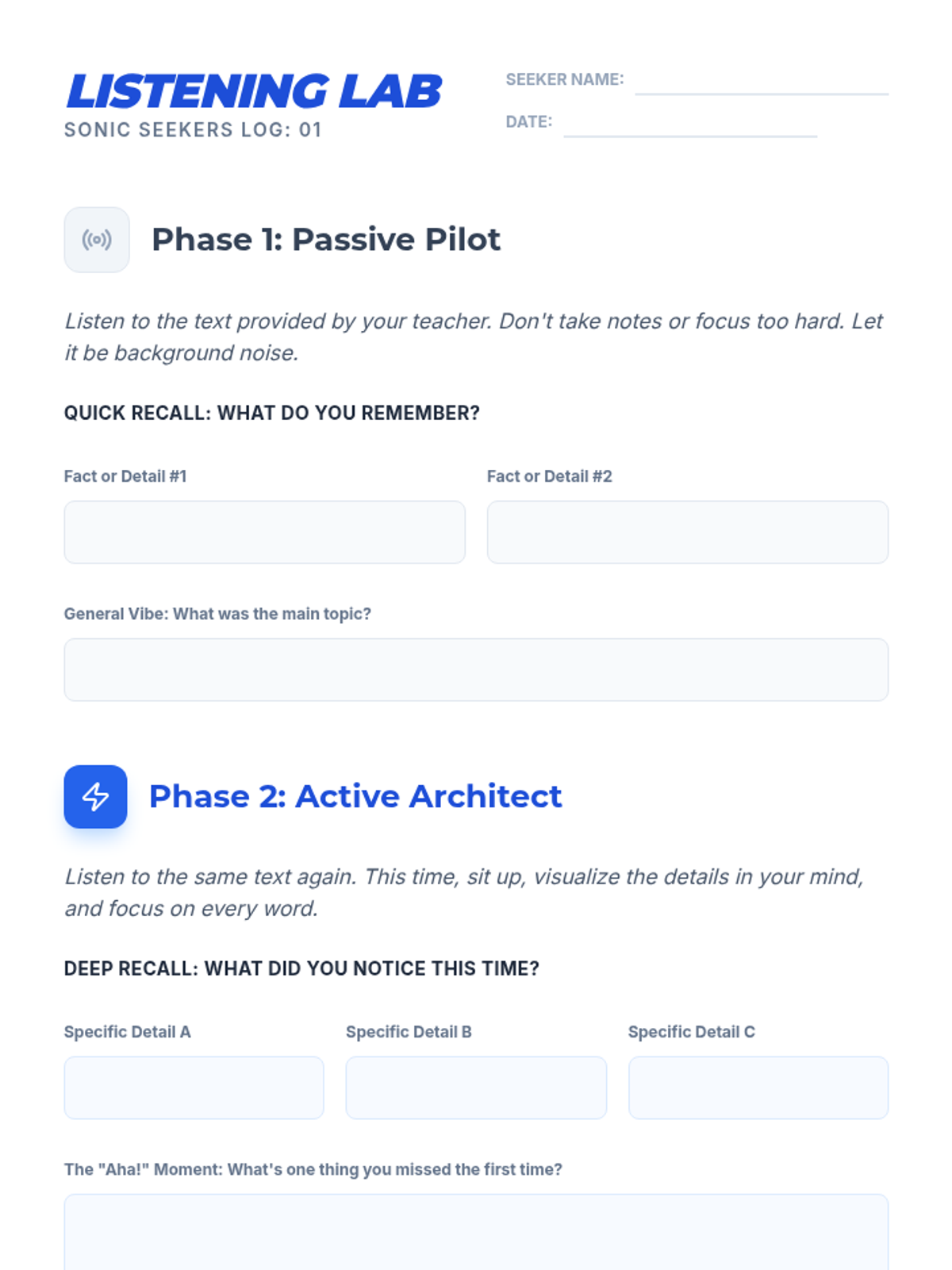
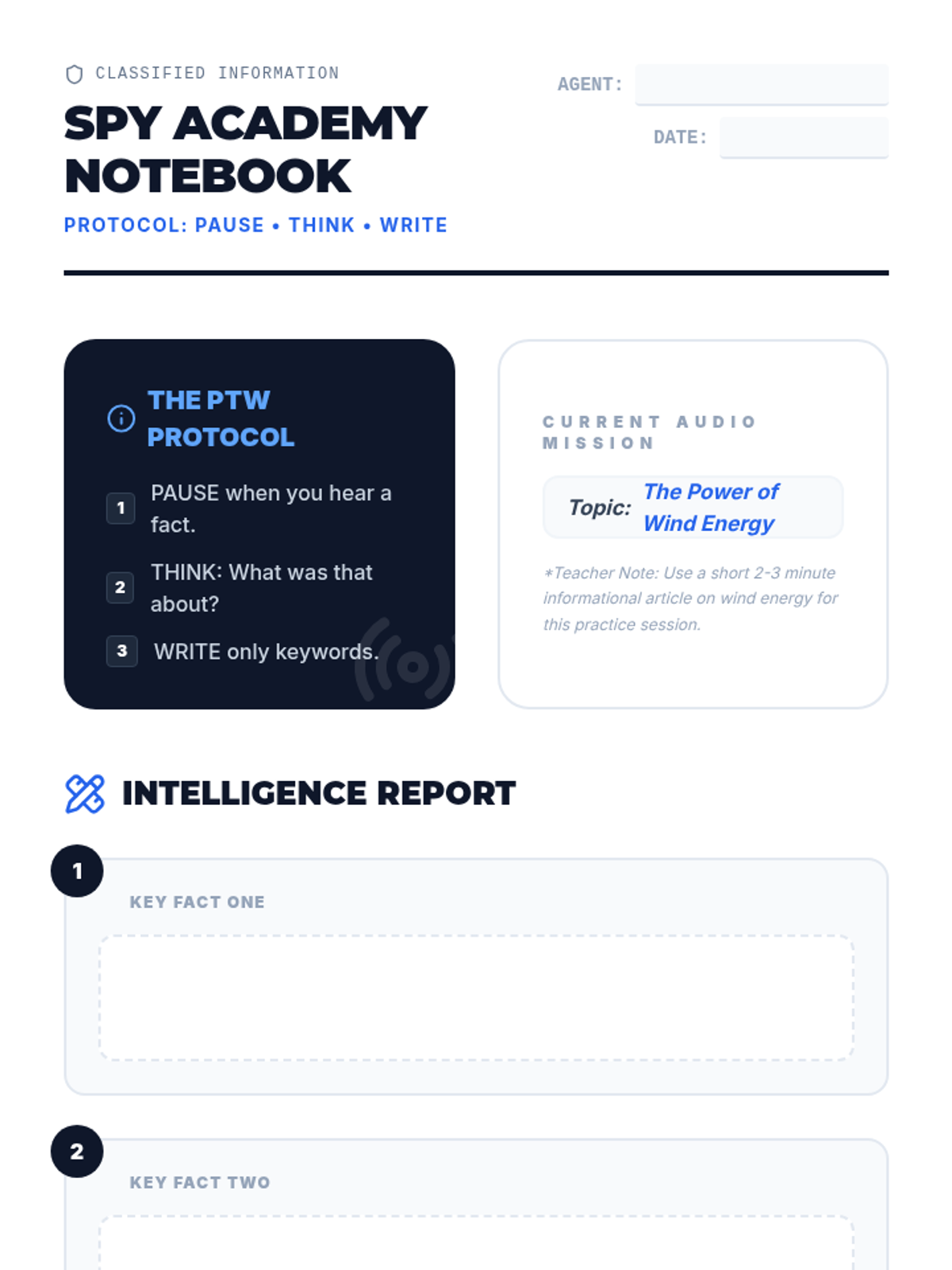
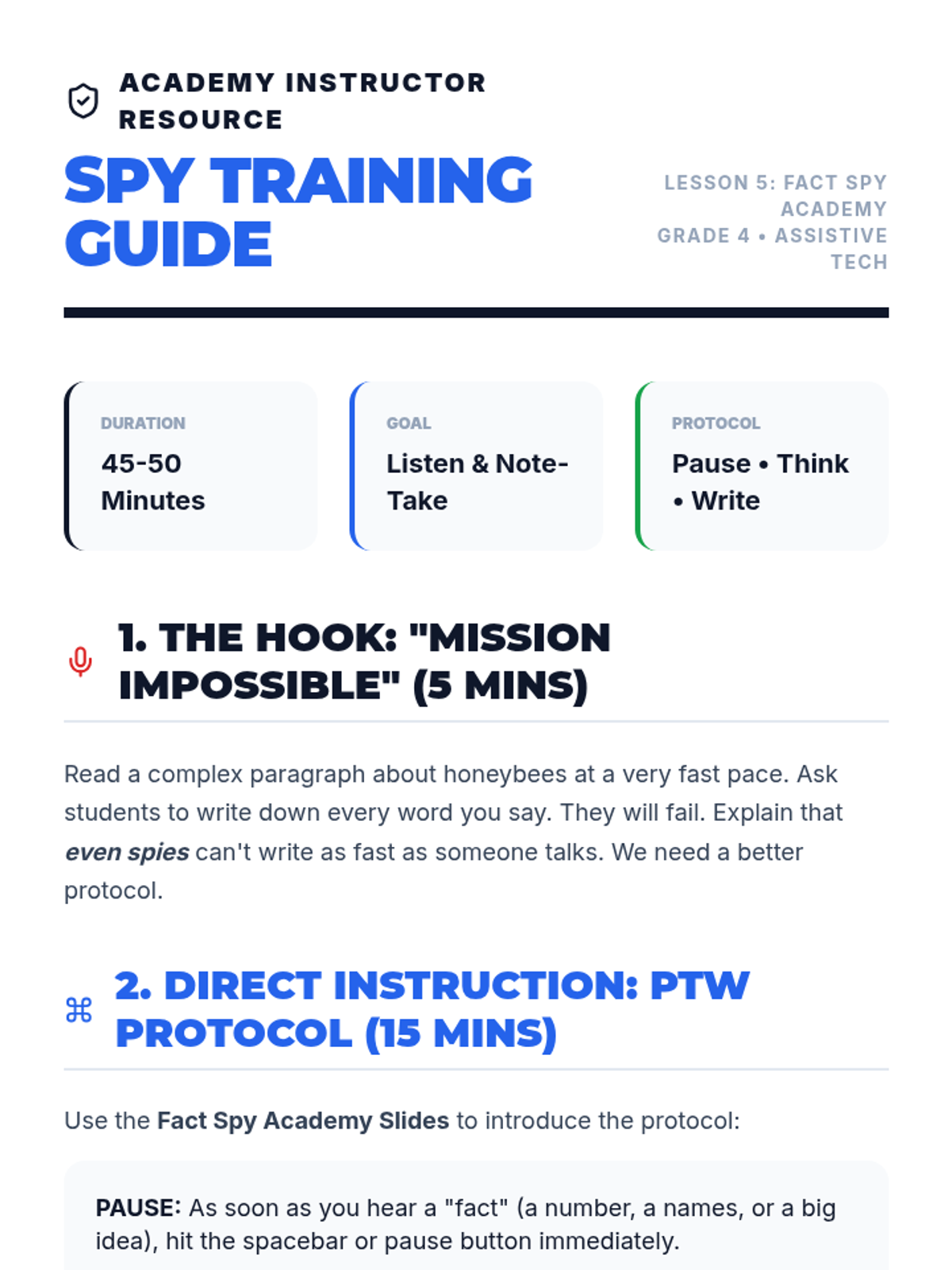
Mnemonic strategies, information chunking, and visual supports for processing and retaining classroom information. Strengthens focus on complex tasks and multi-step directions through organized note-taking and graphic organizers.
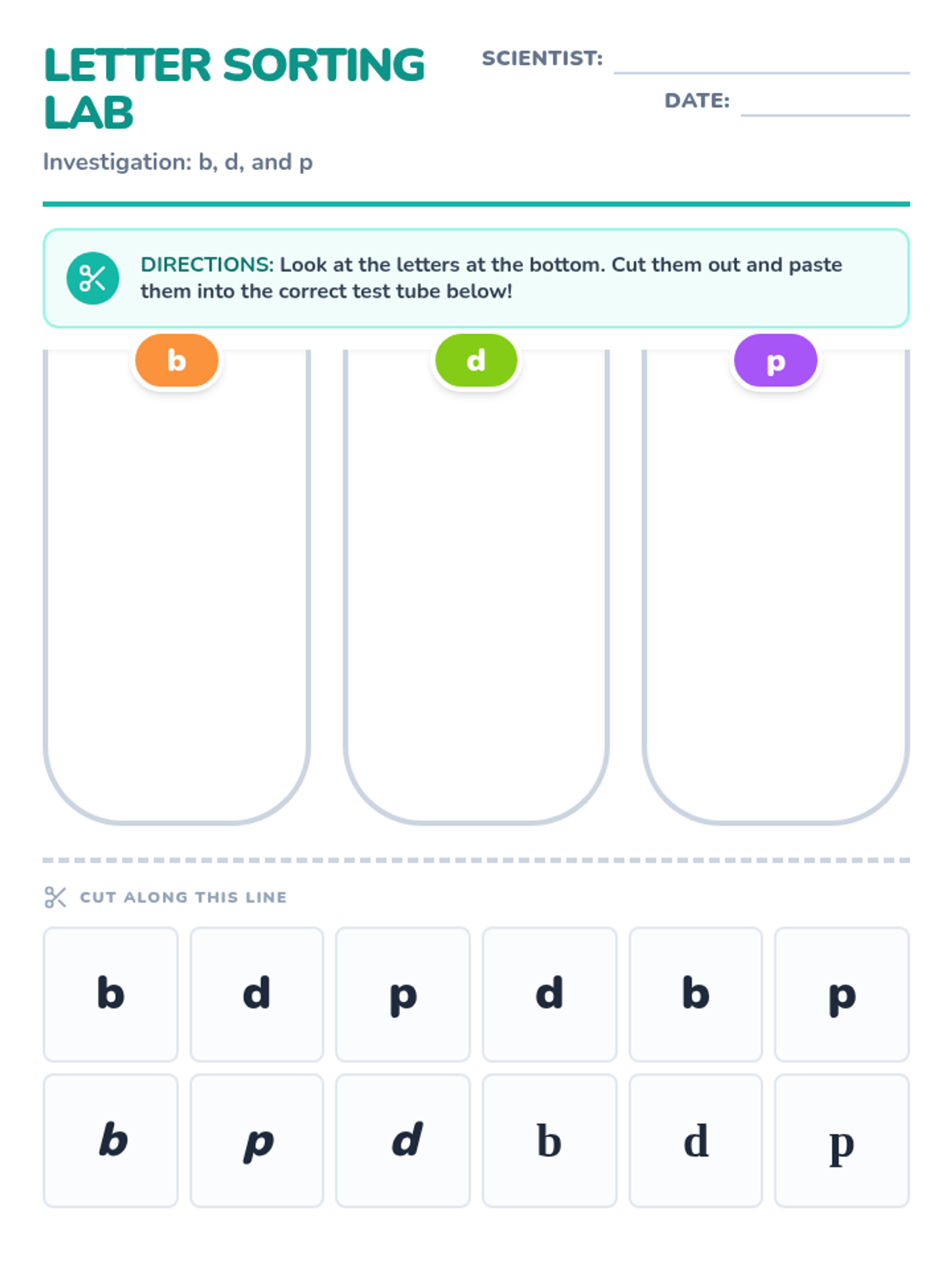
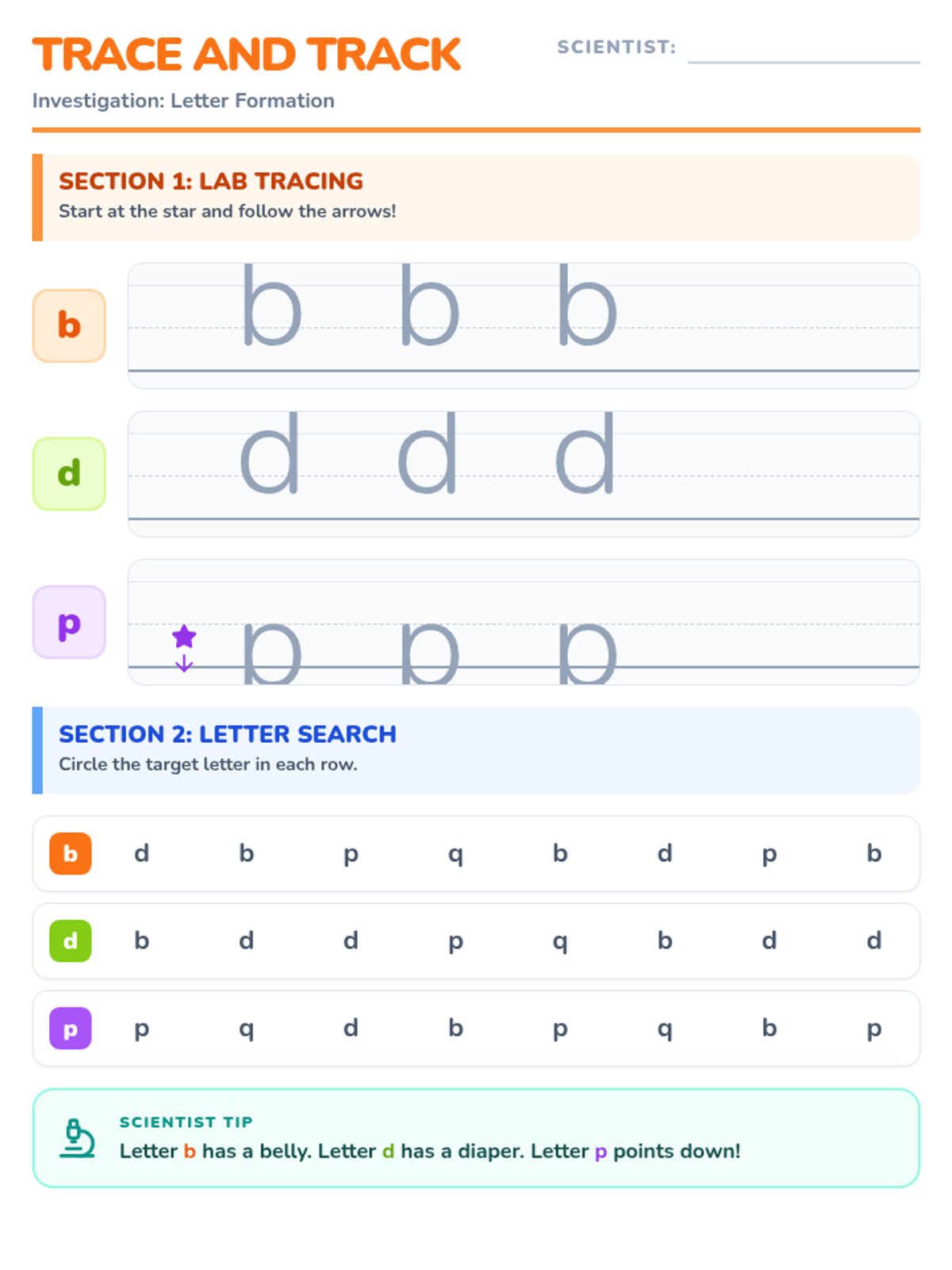
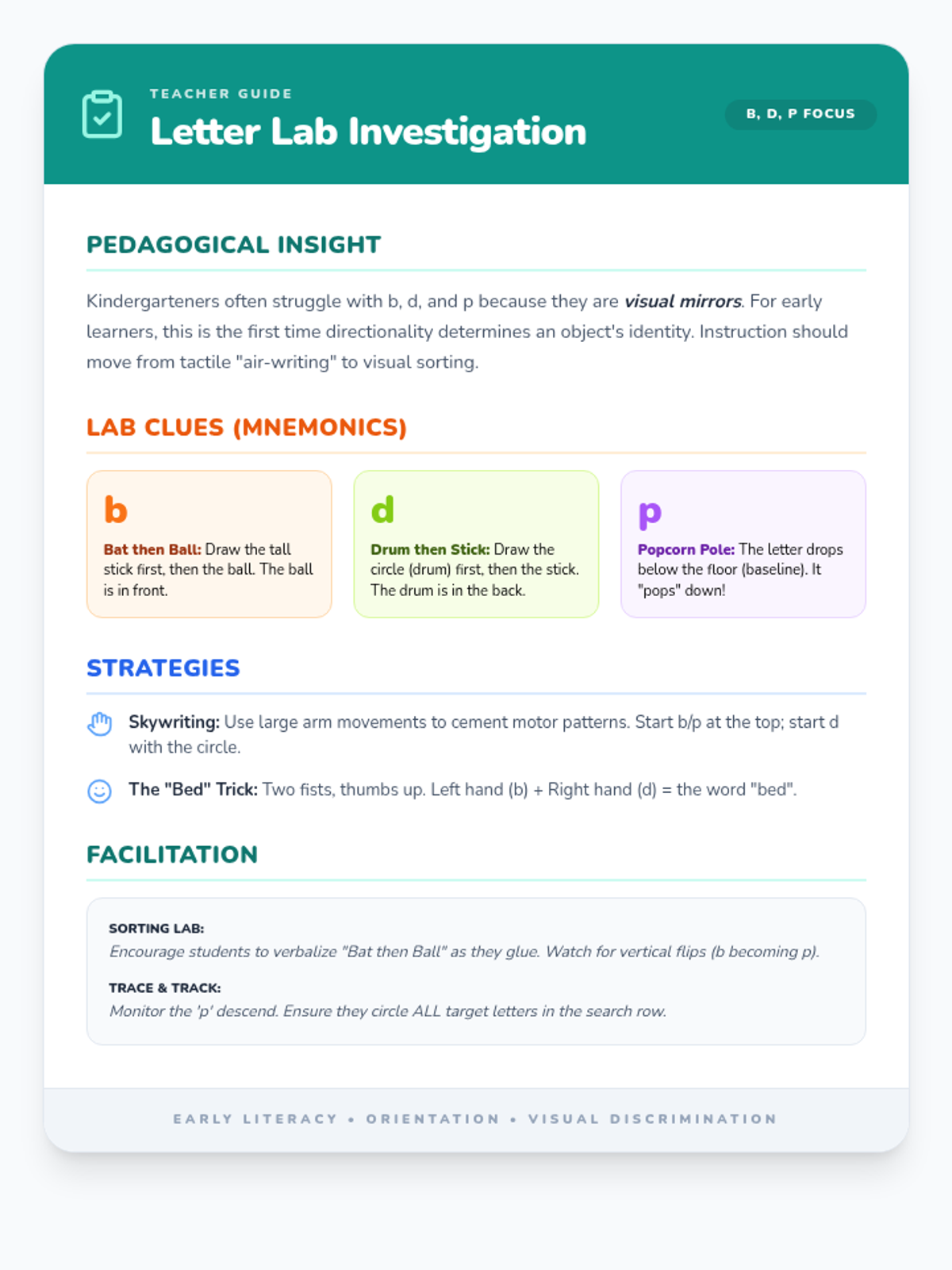
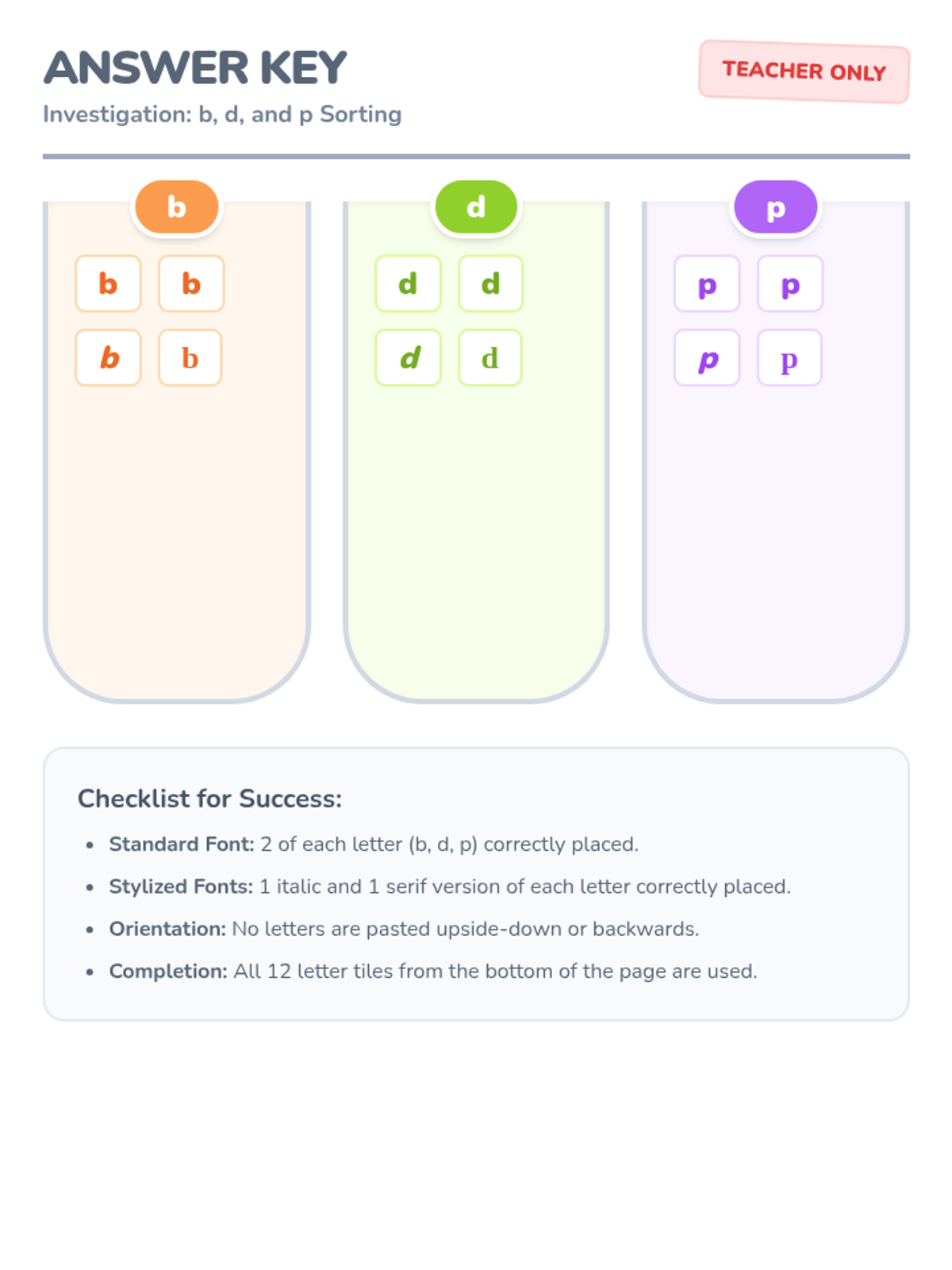
A comprehensive lesson focused on helping kindergarten students distinguish between the frequently confused letters b, d, and p through visual discrimination, mnemonics, and tactile tracing.
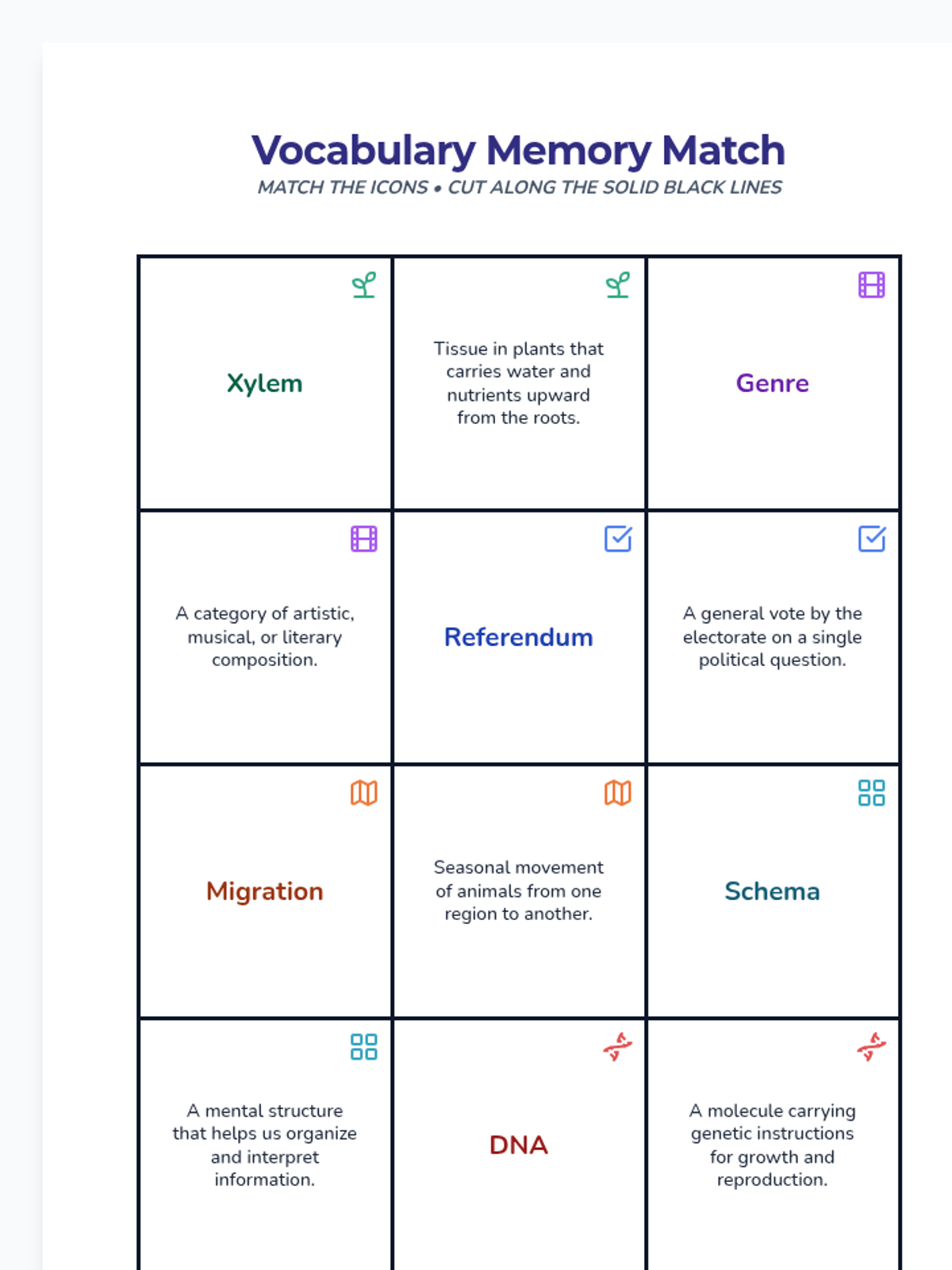
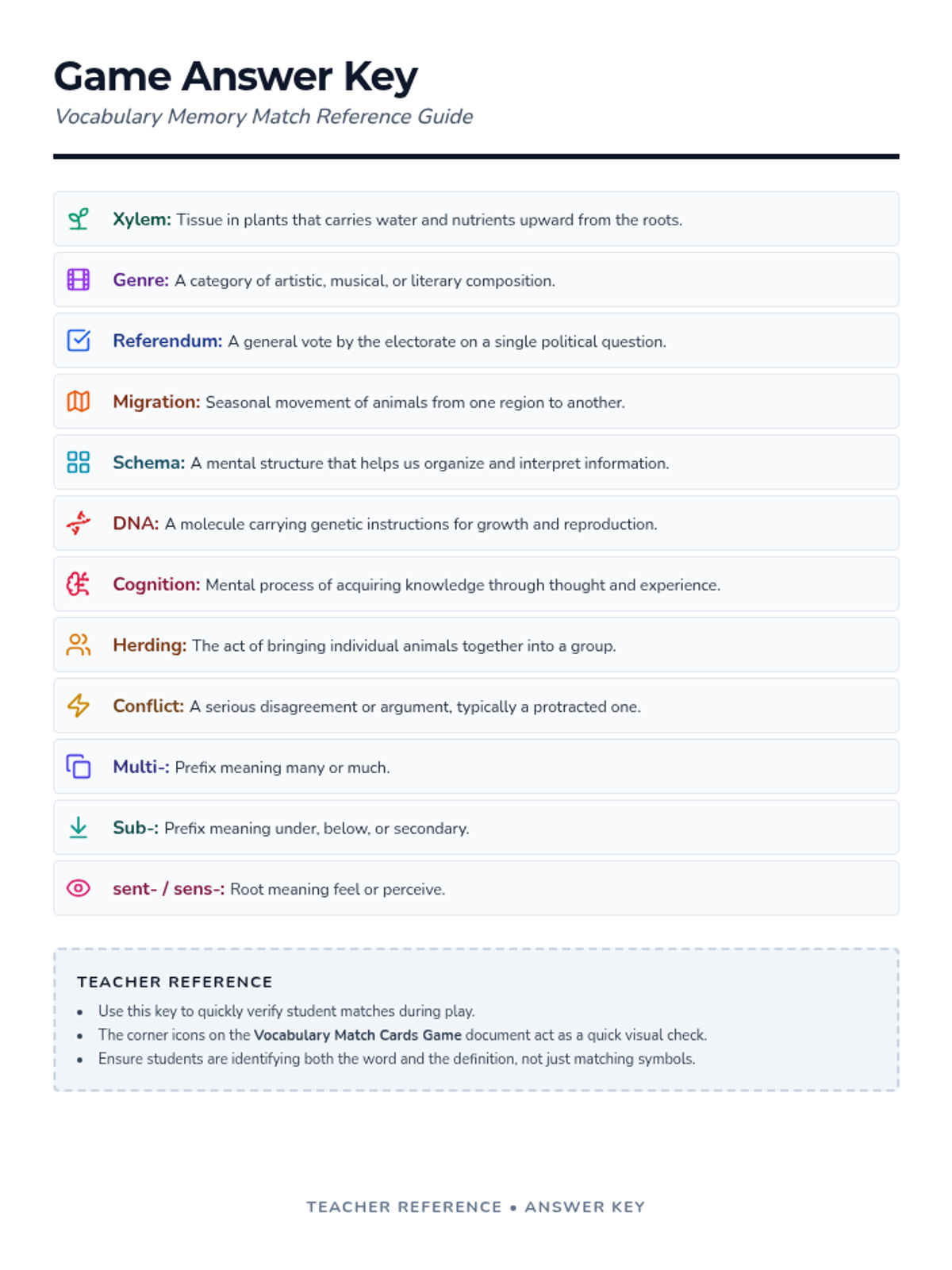
A memory matching game designed to reinforce vocabulary across various subjects including science, linguistics, and social studies. Students match words with their definitions using visual icon cues.
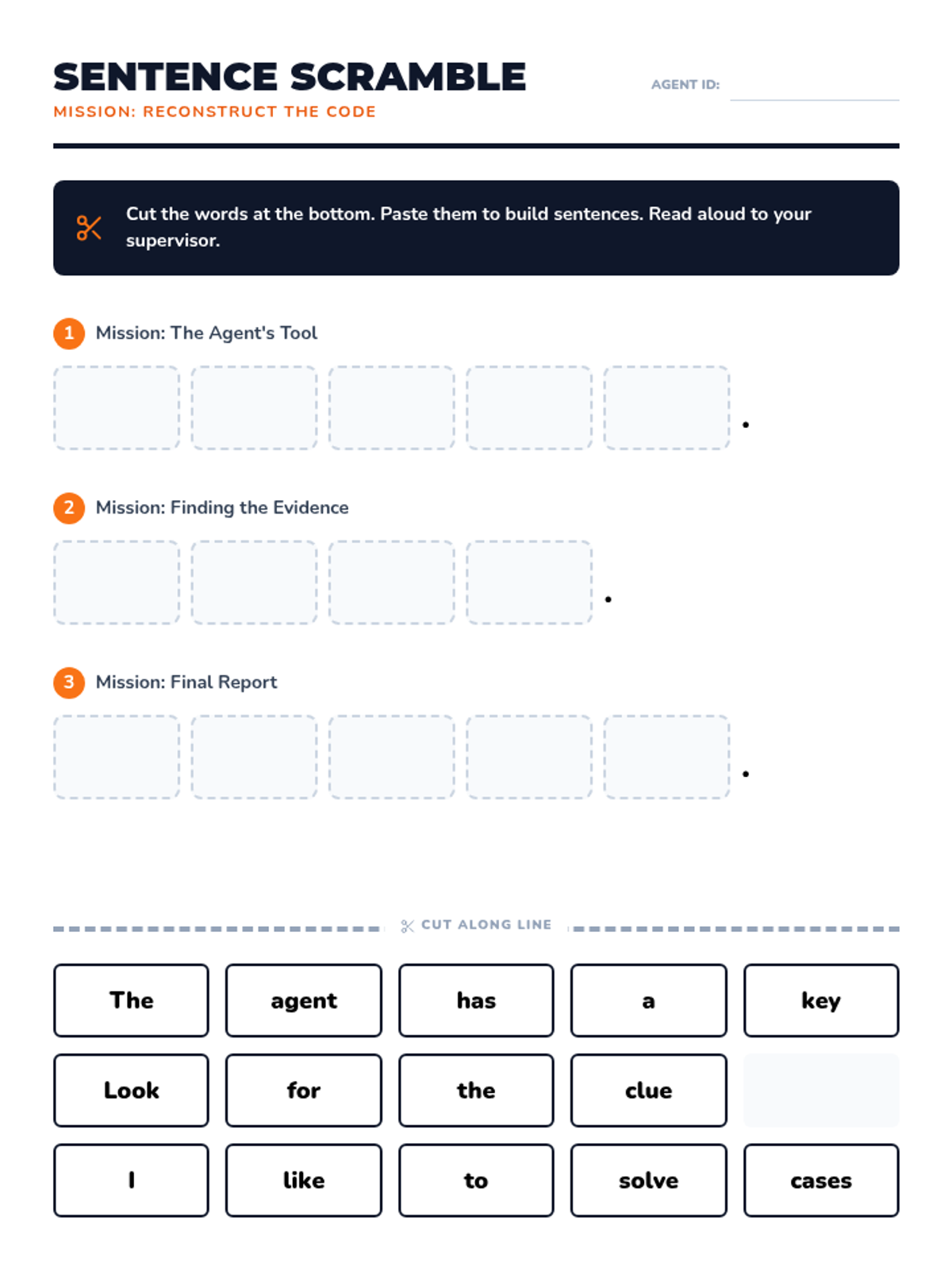
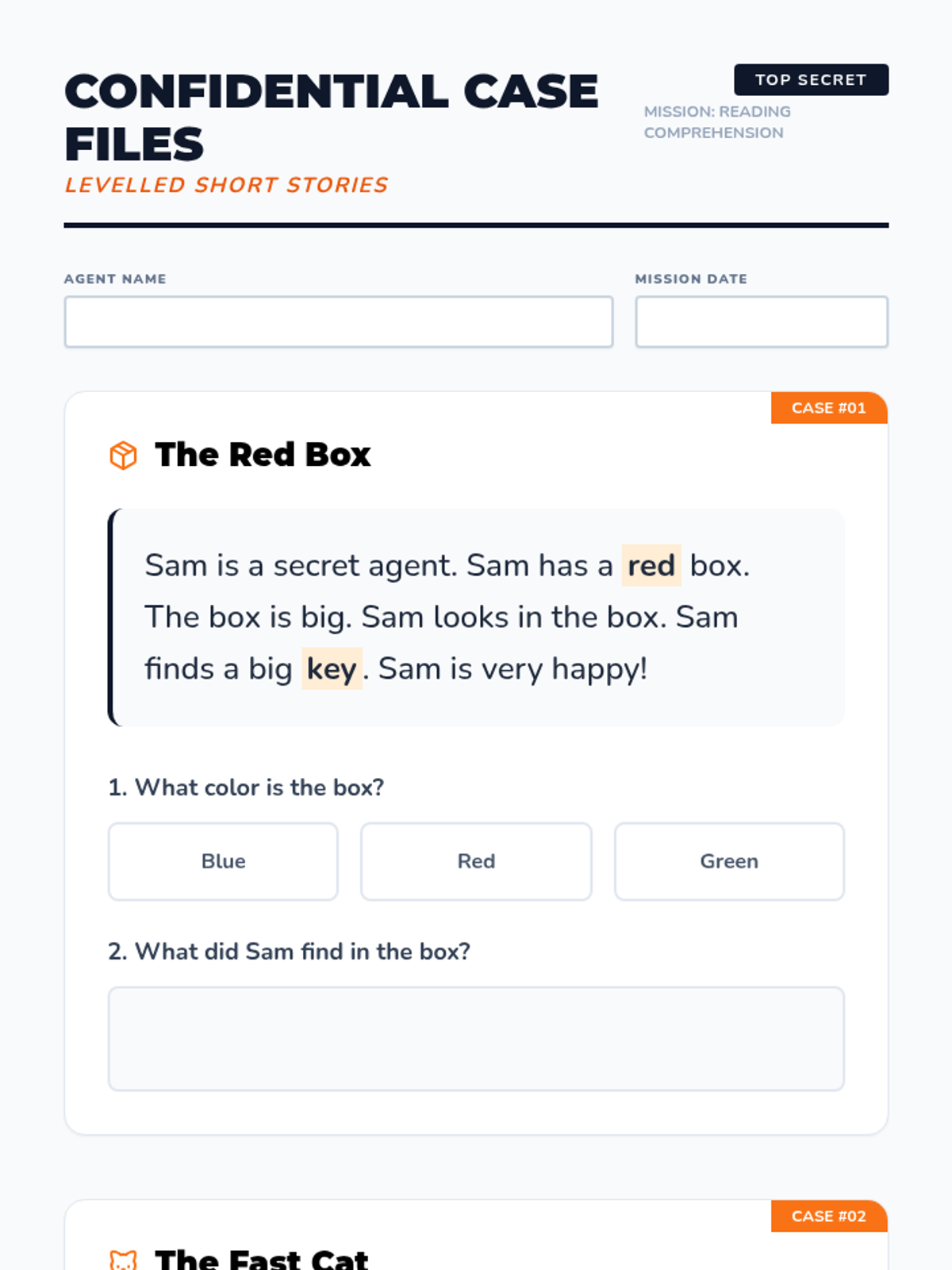
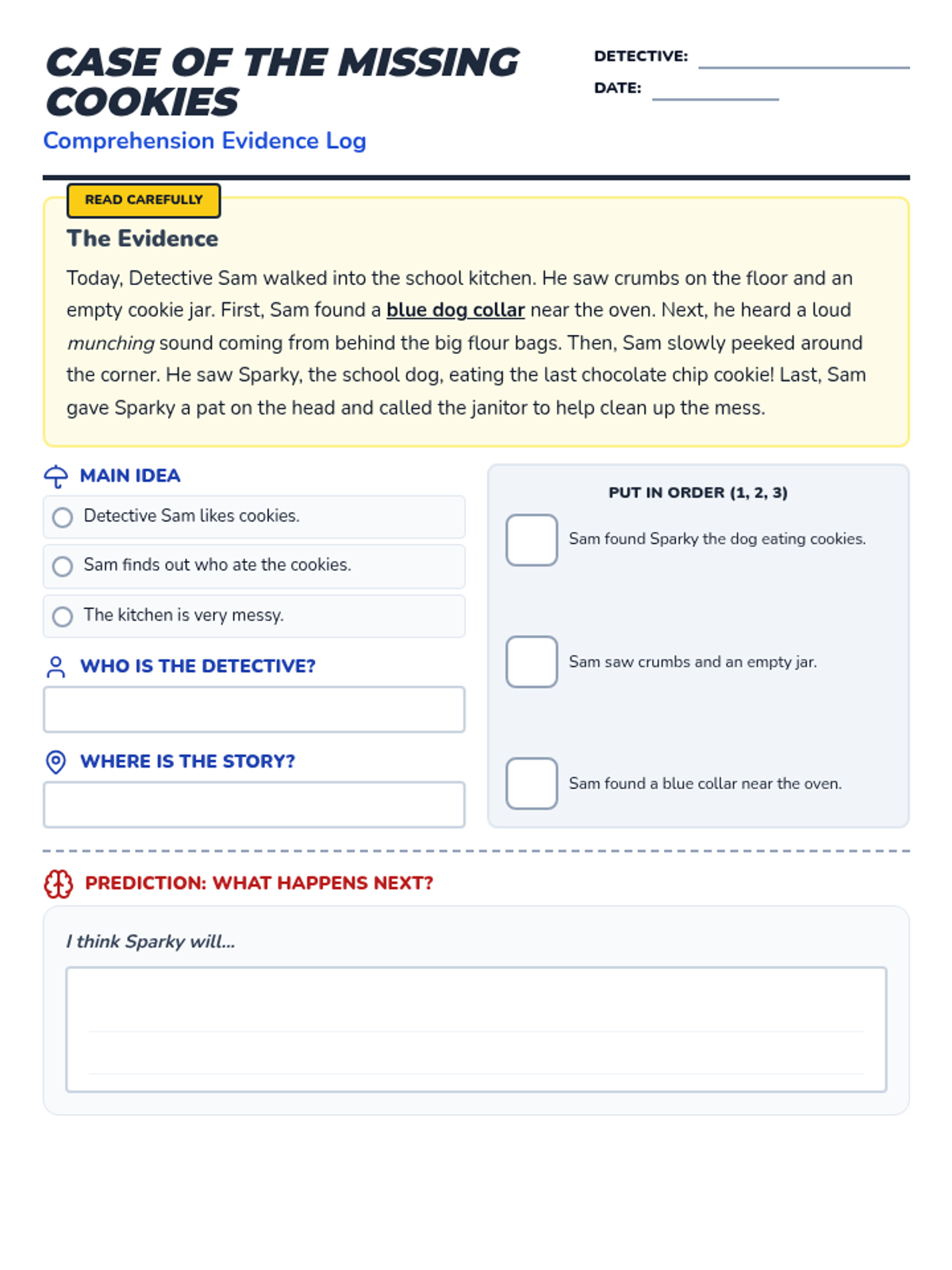
Combines reading skills into comprehension and syntax. Students build sentences and read short 'case files' to solve mysteries, focusing on understanding and sentence structure.
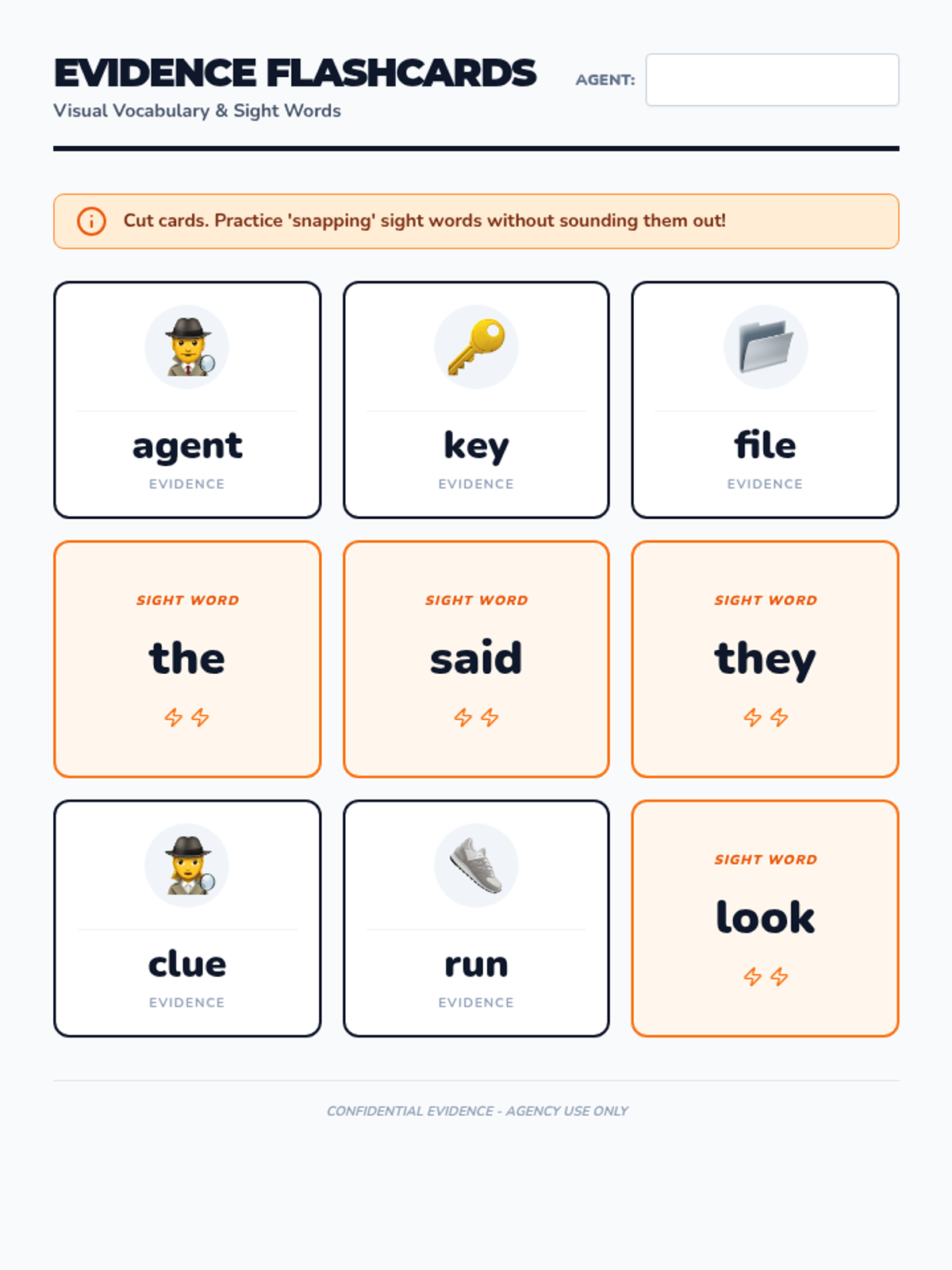
Focuses on sight word recognition and high-frequency word fluency. Agents build their 'Evidence Files' with visual vocabulary and practice recognizing words on sight.
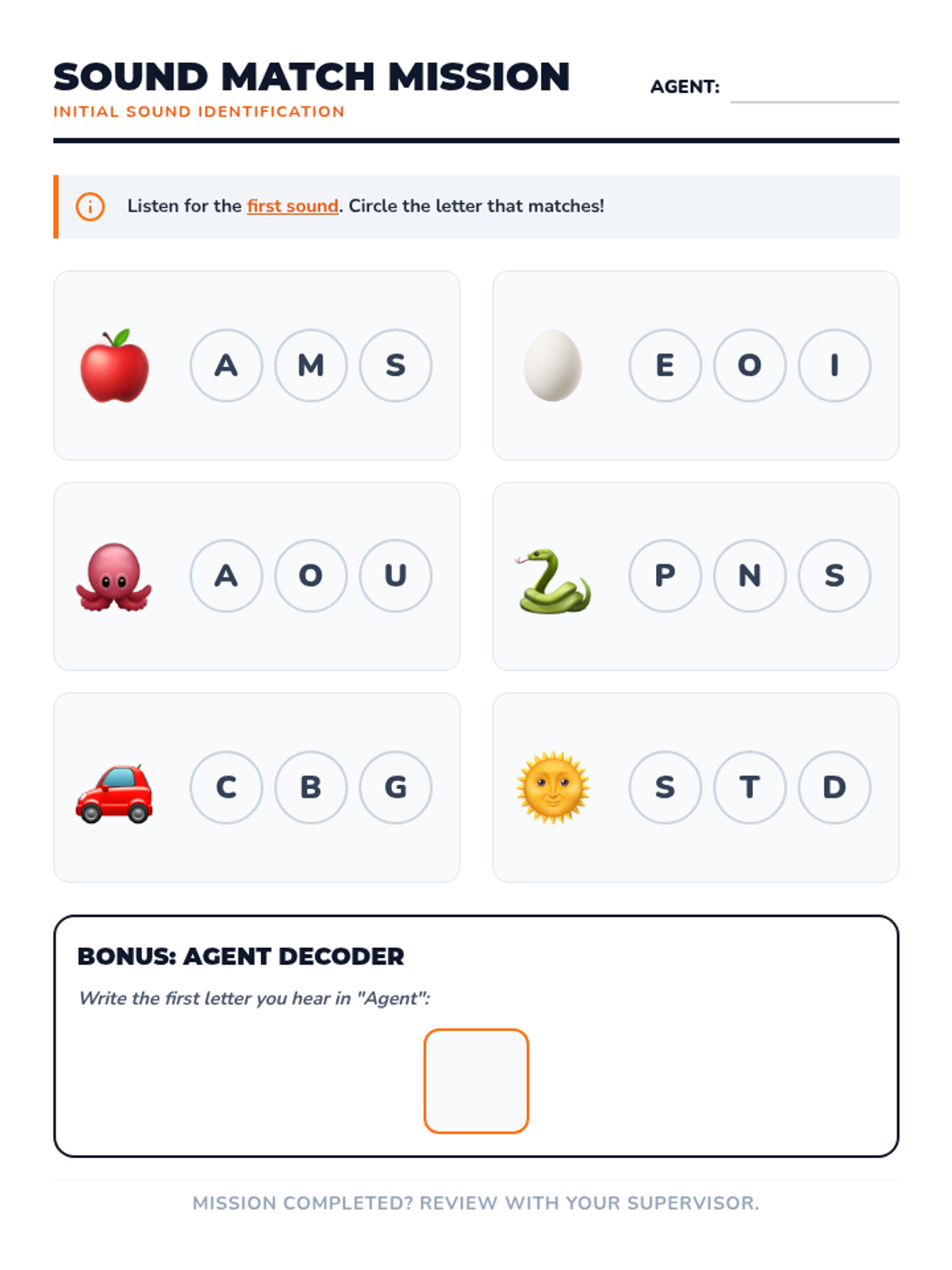
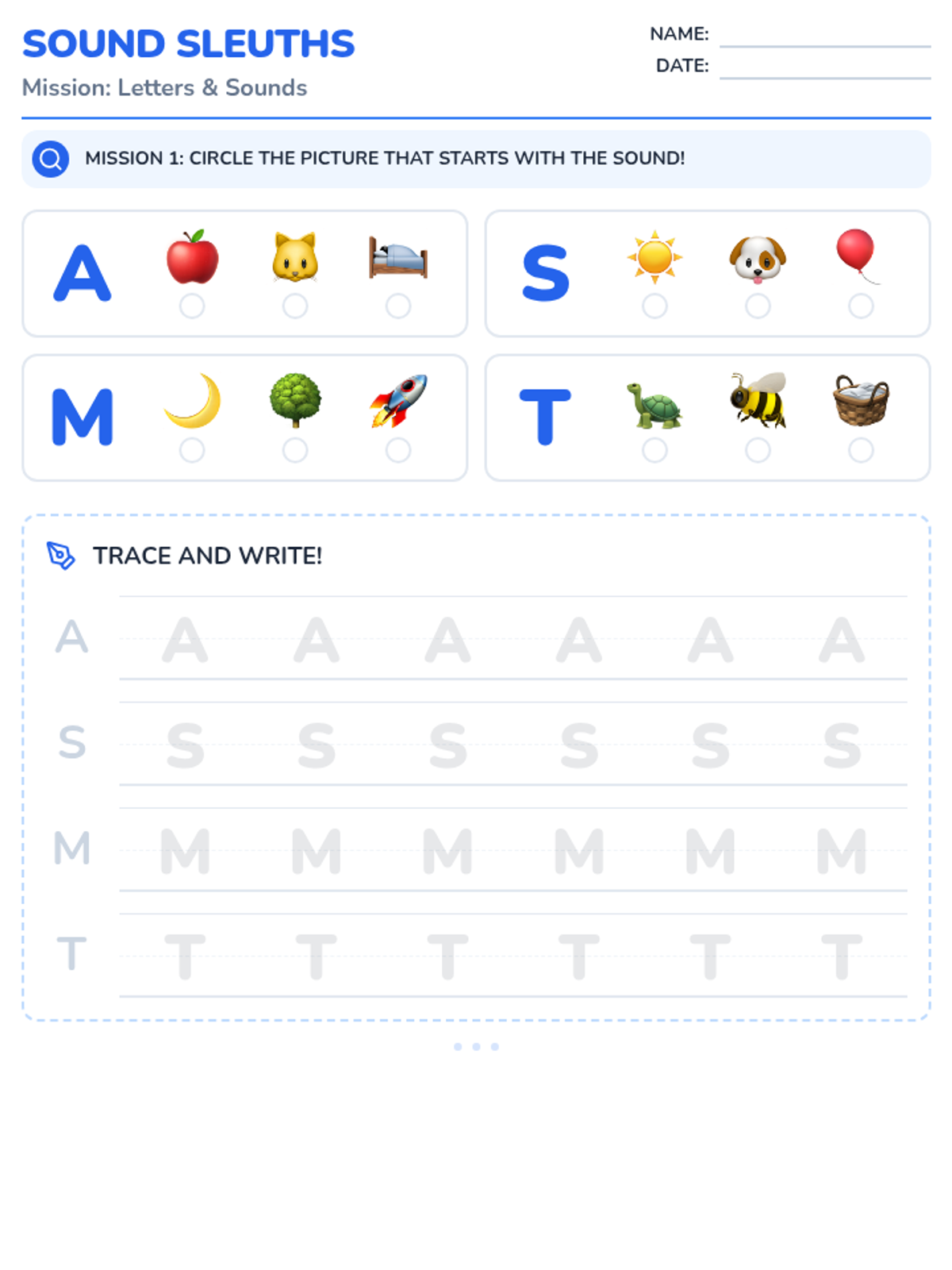
Focuses on phonemic awareness and letter-sound correspondence. Students learn to 'break the code' of sounds to form words using visual aids and interactive strategies.
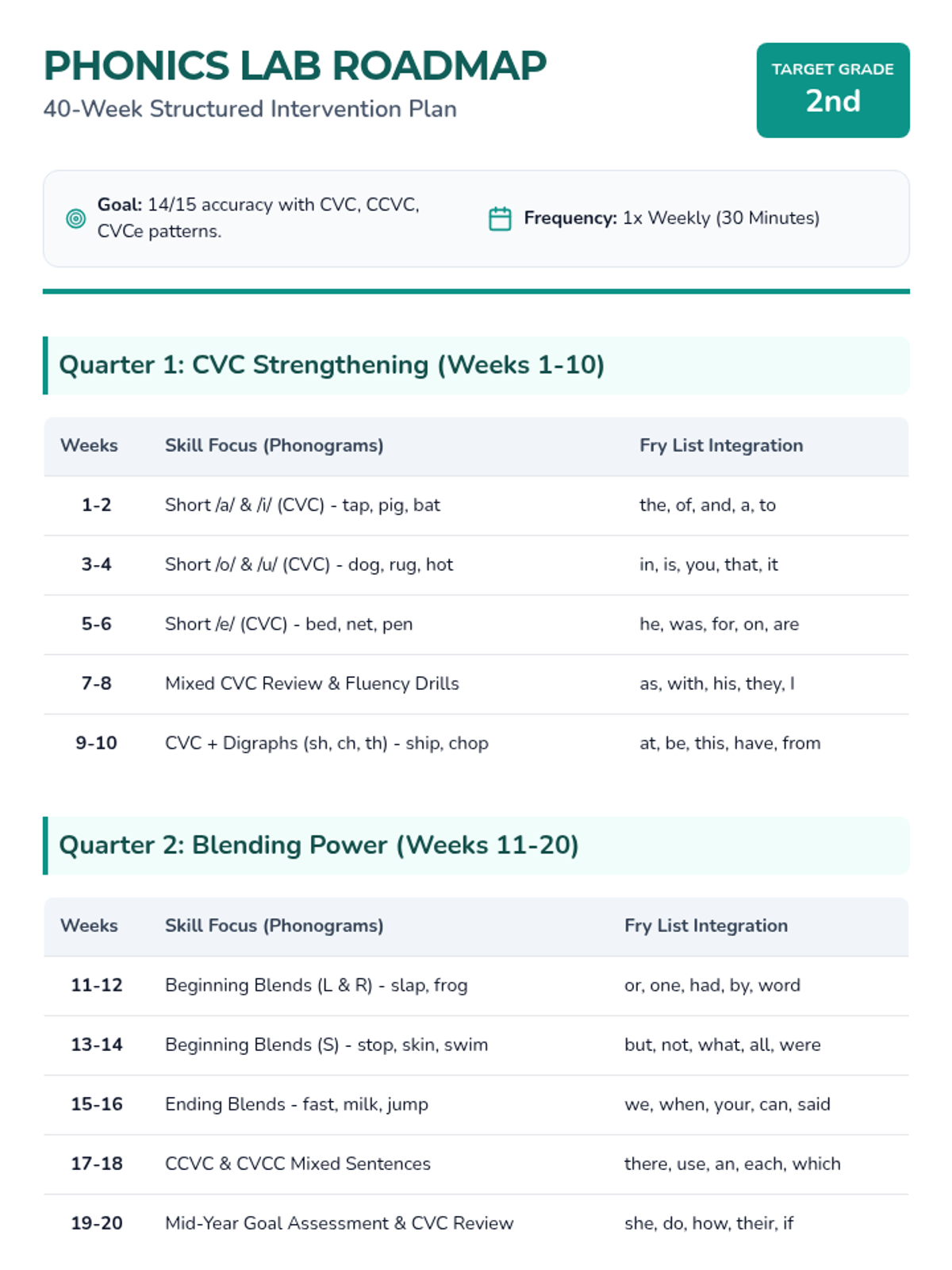
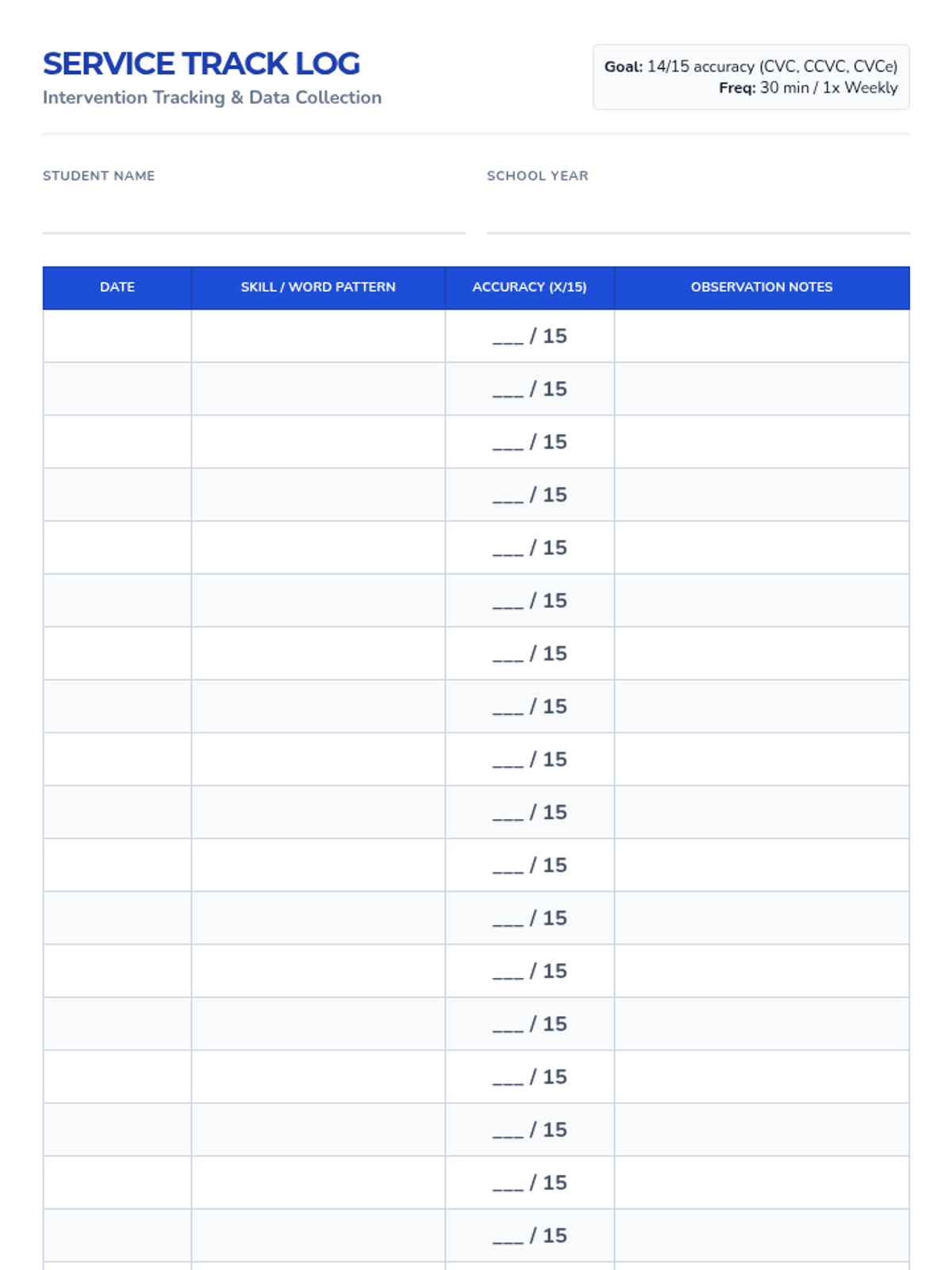
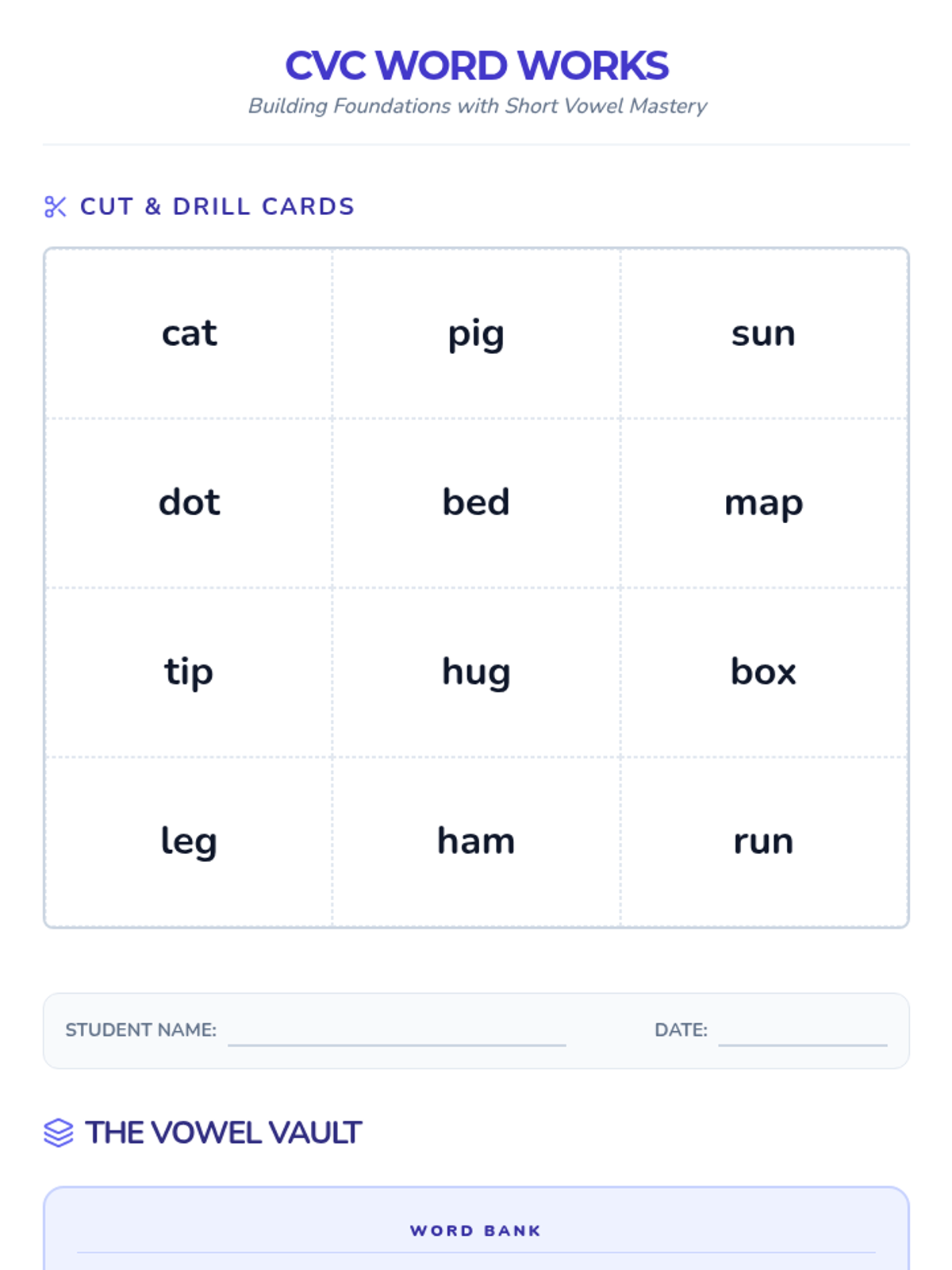
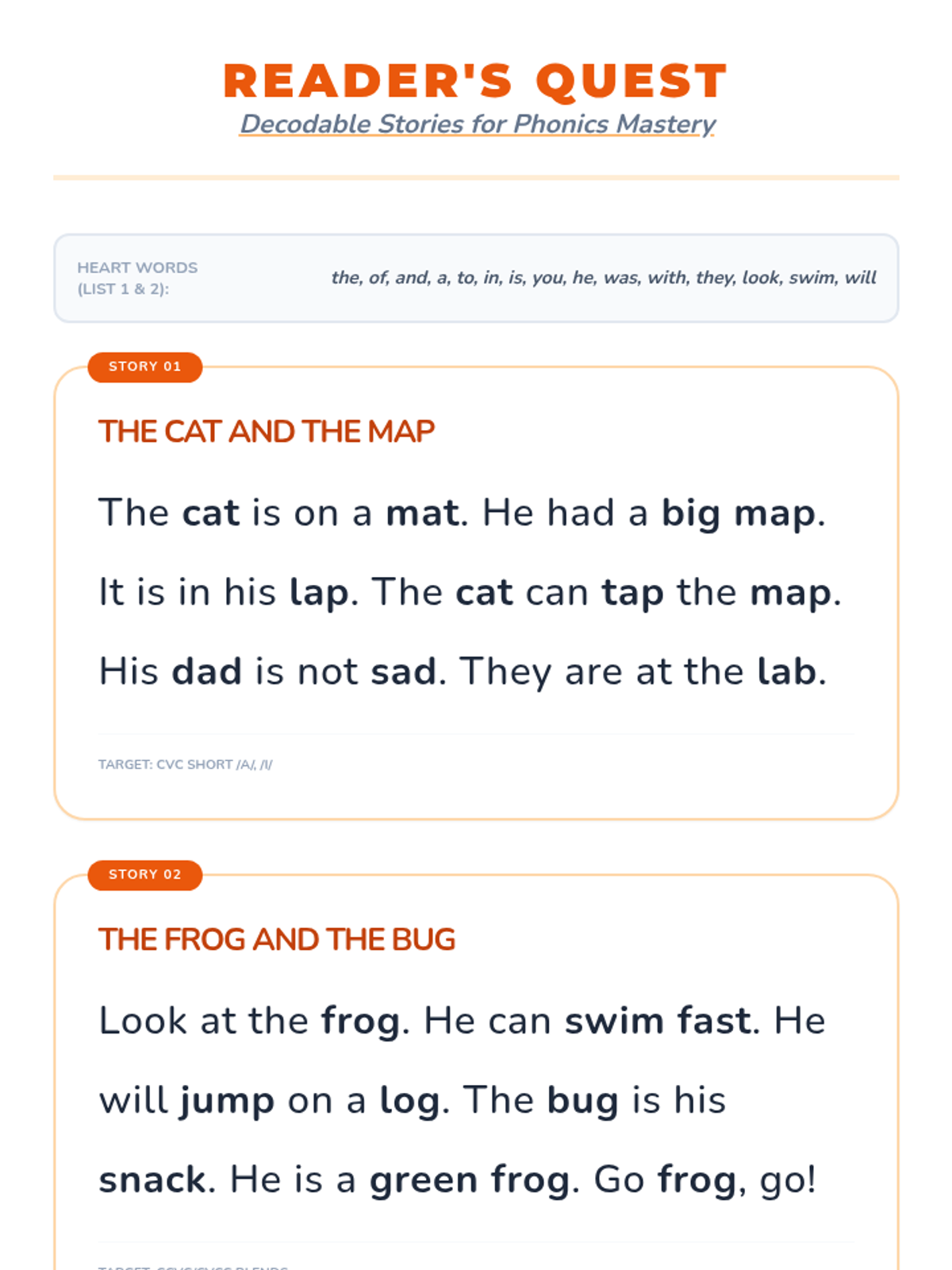
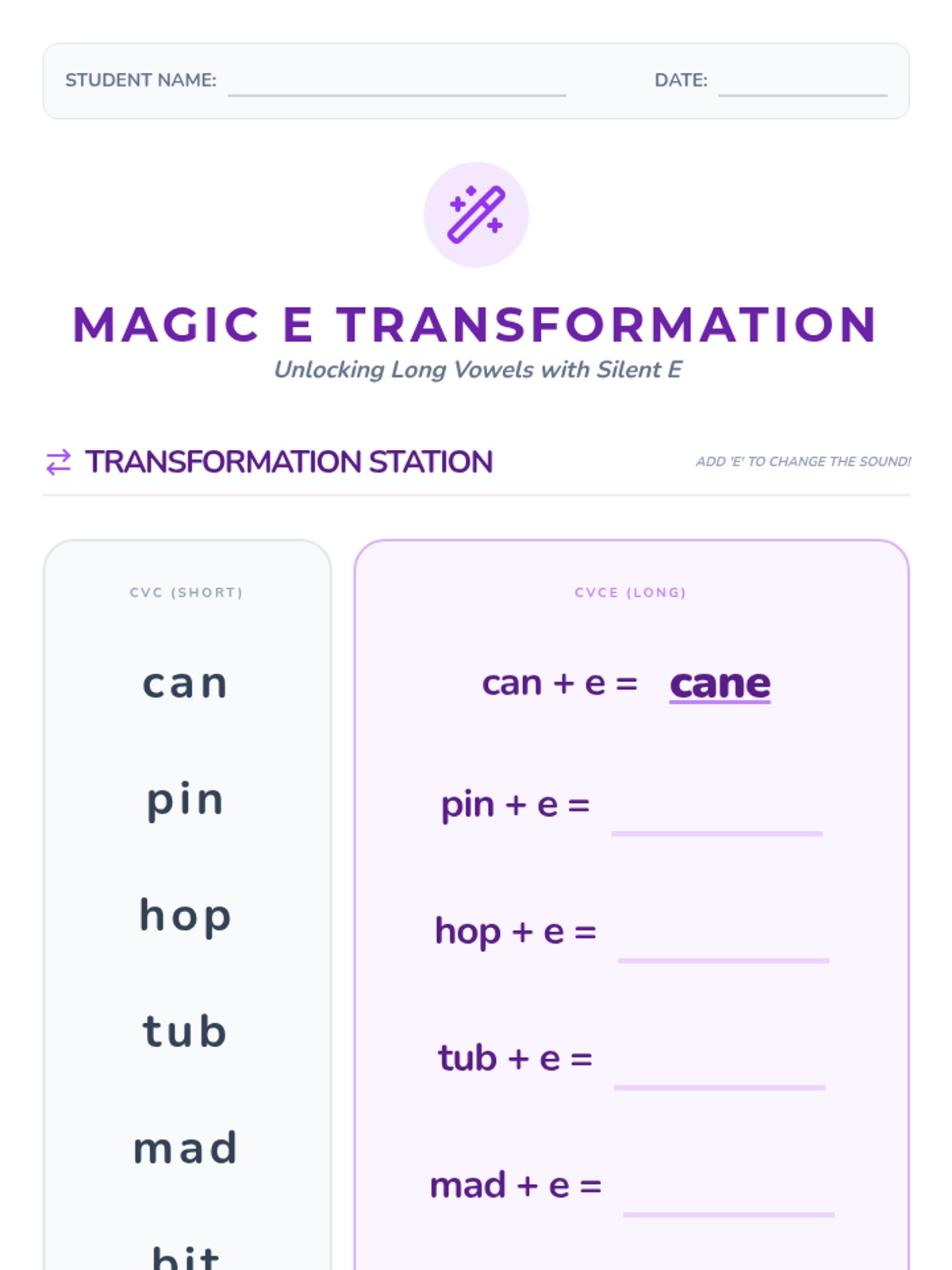
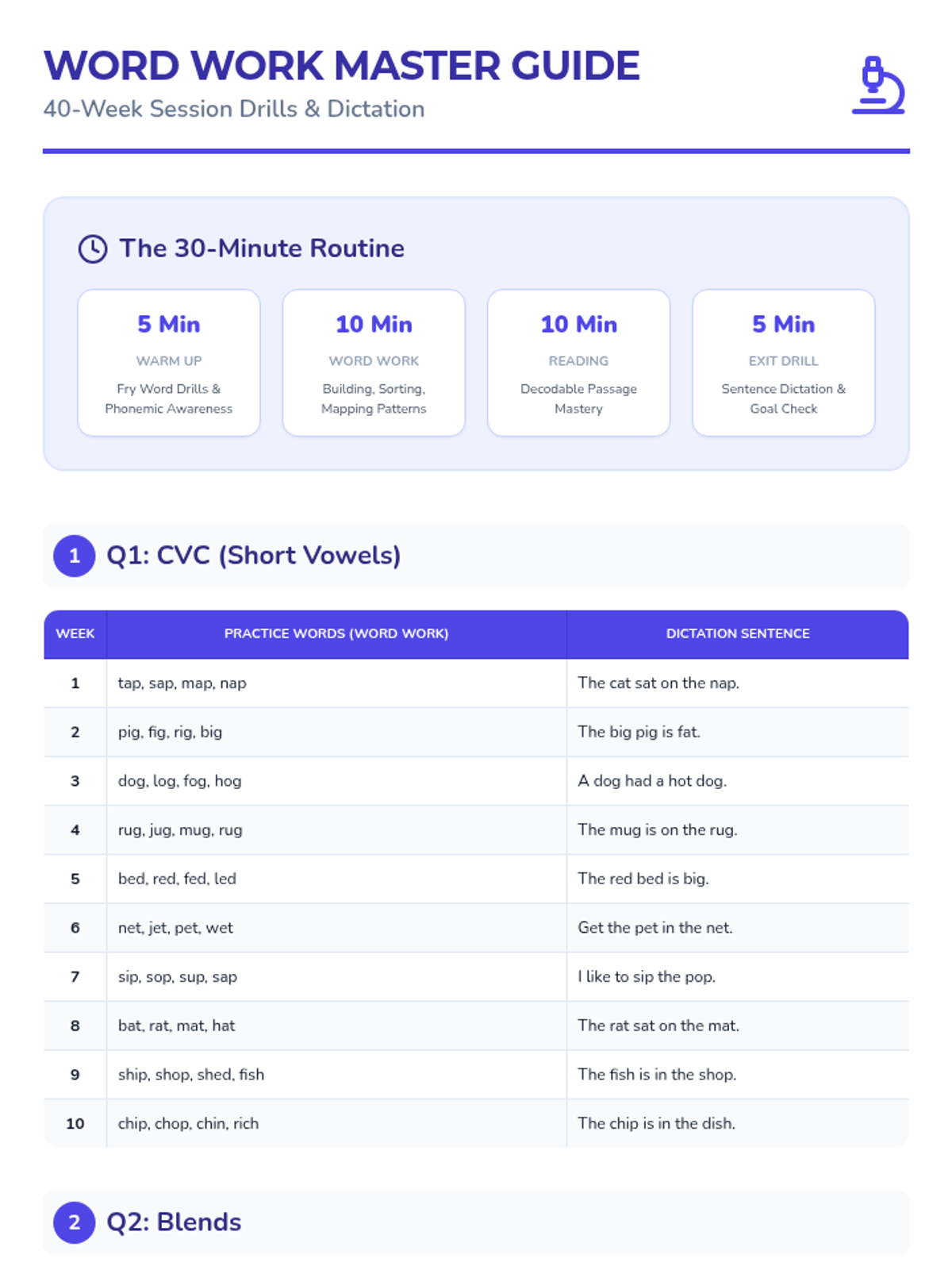
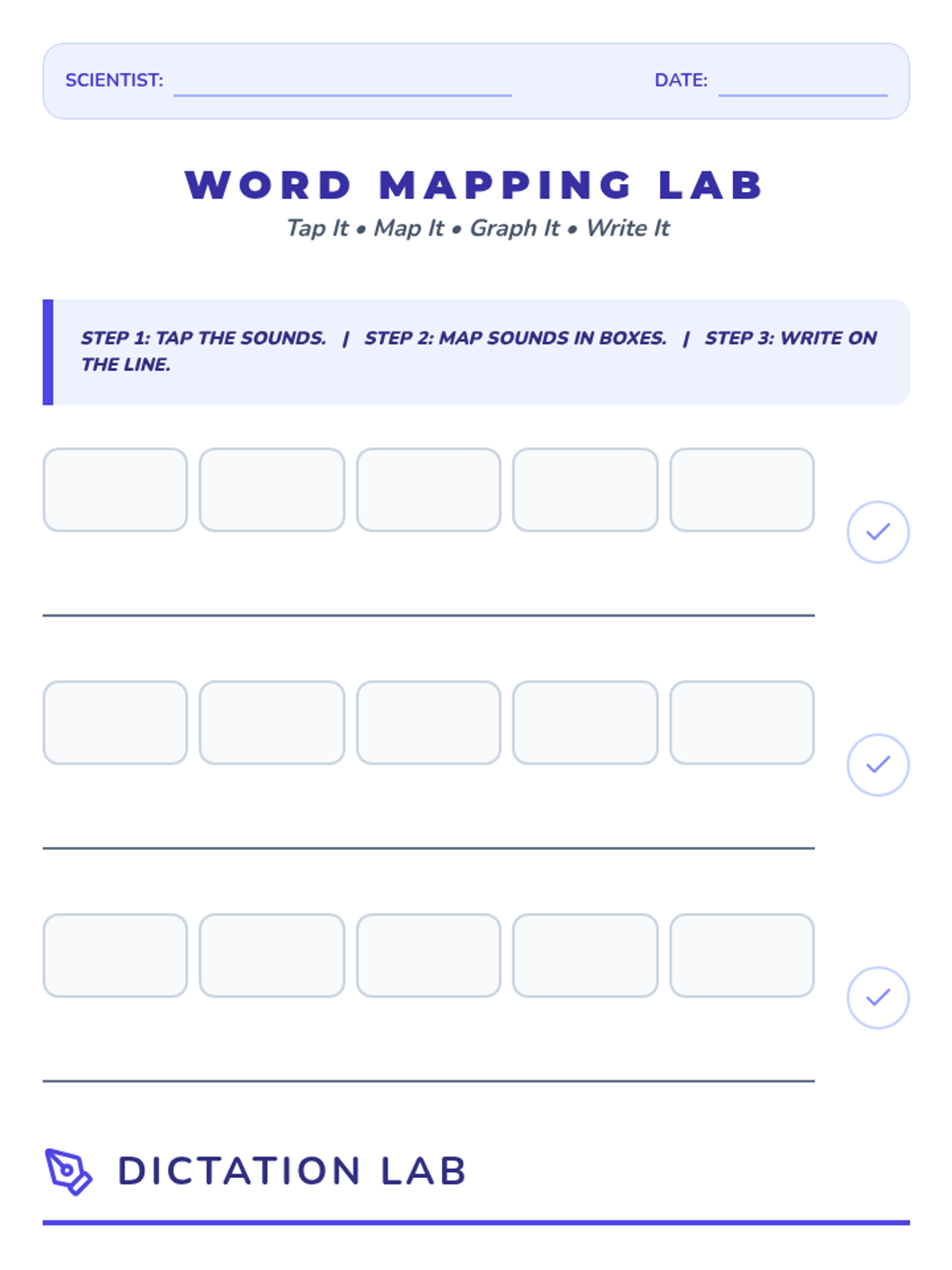
A comprehensive 40-week instructional roadmap and set of resources designed for a 2nd grade student with dyslexia, focusing on CVC, CCVC, and CVCe patterns and Fry words.
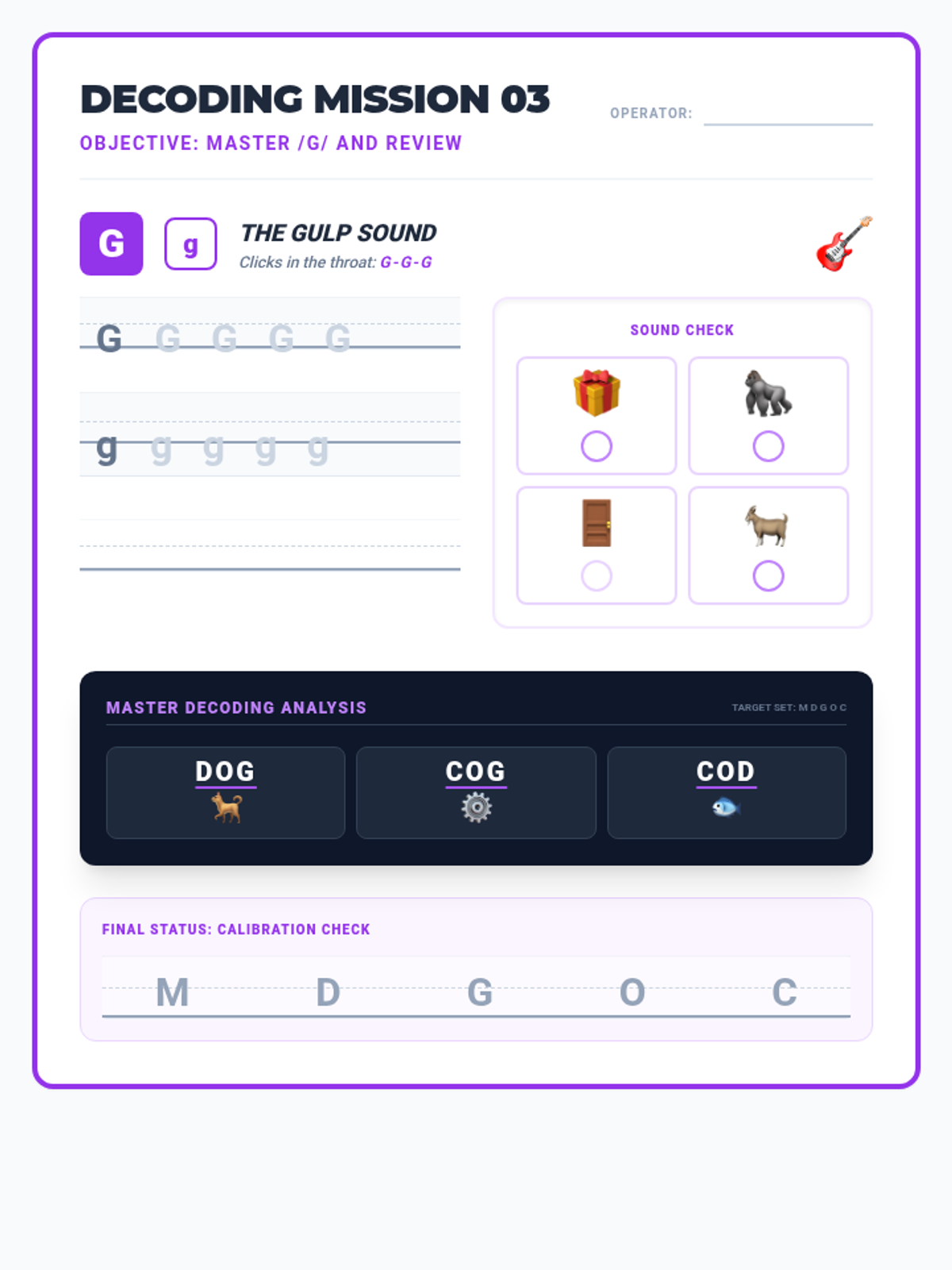
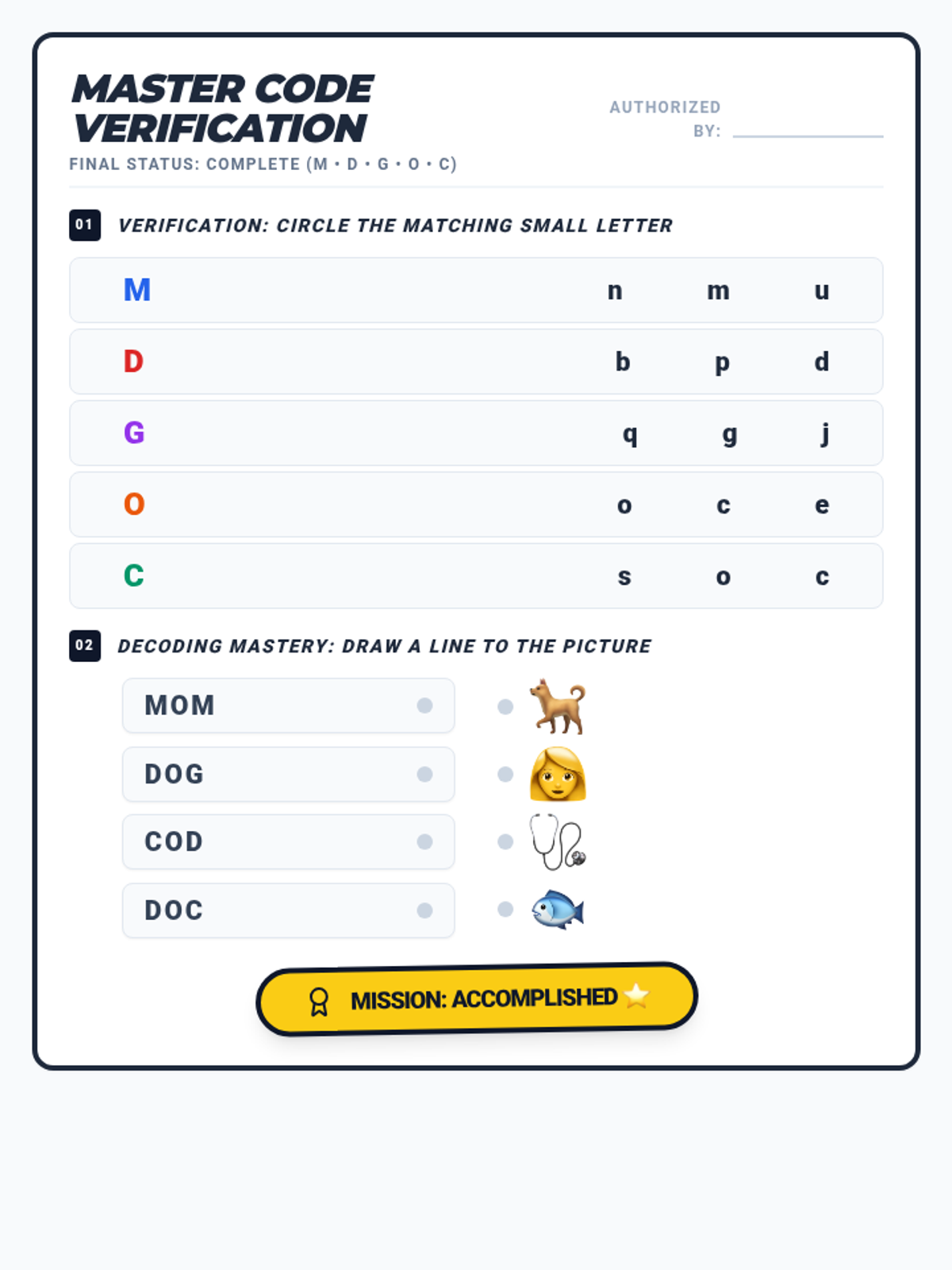
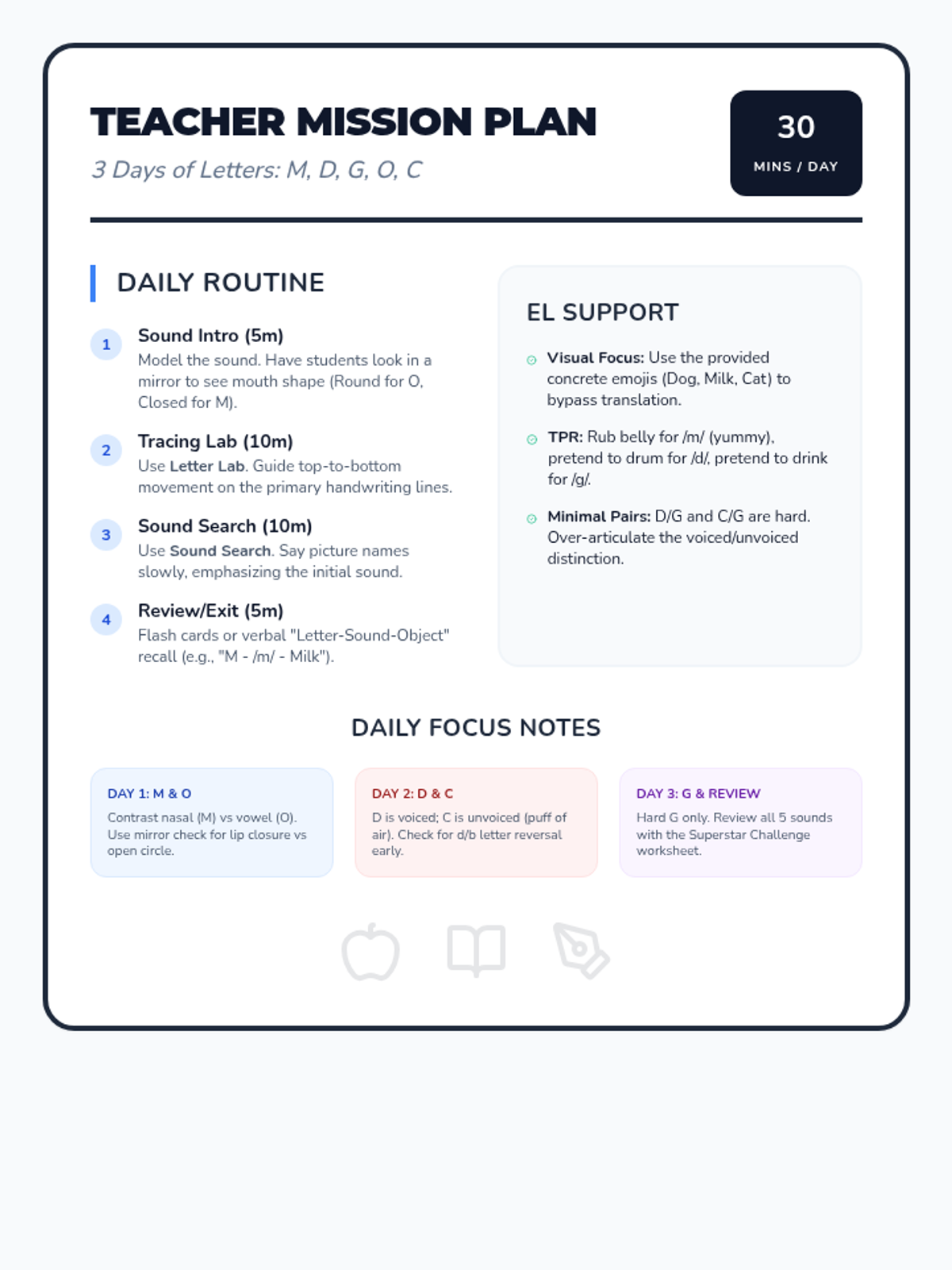
Day 3 masters the /g/ sound and provides a cumulative review of all 5 letters through word building and high-frequency decoding.
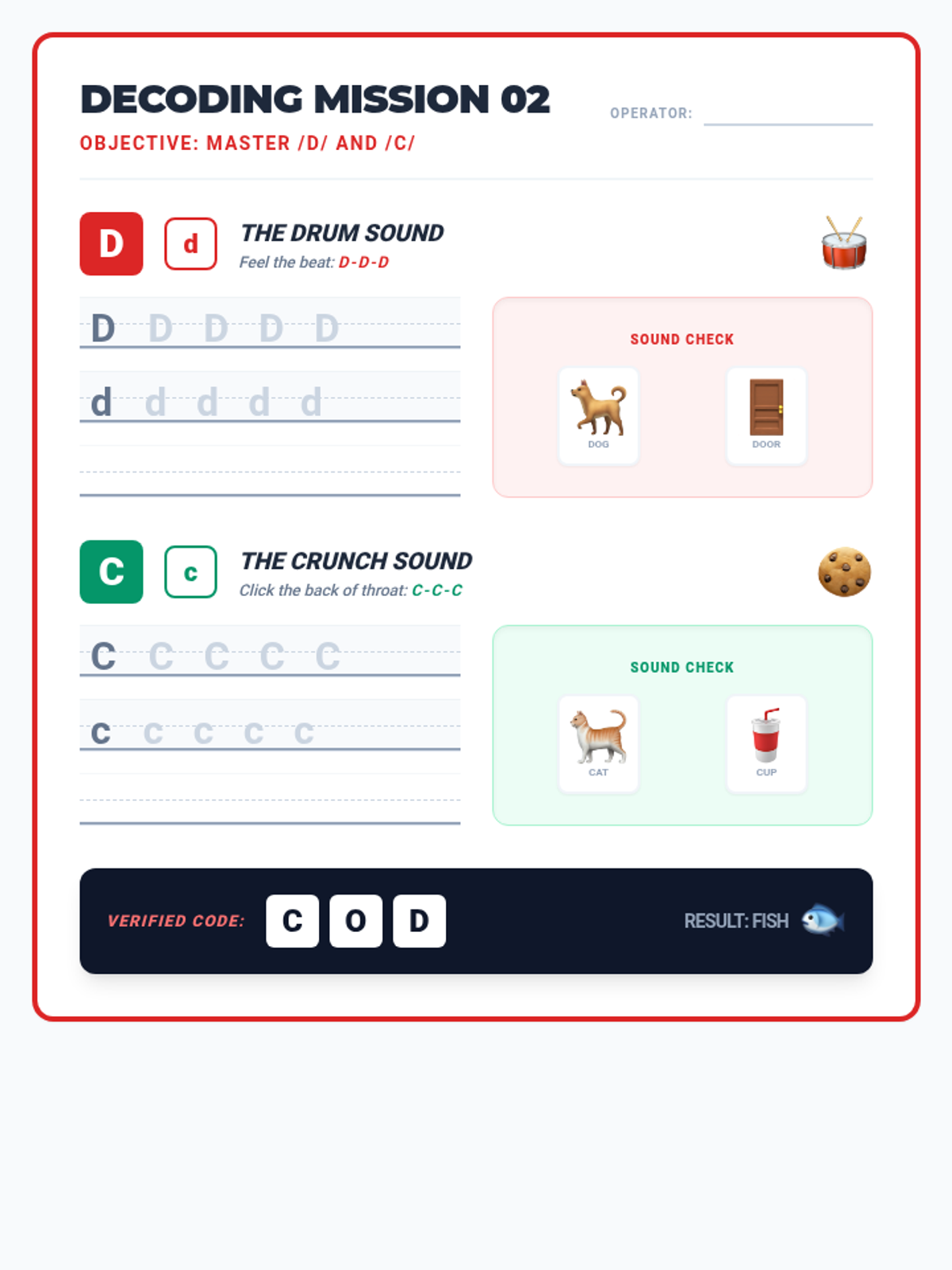
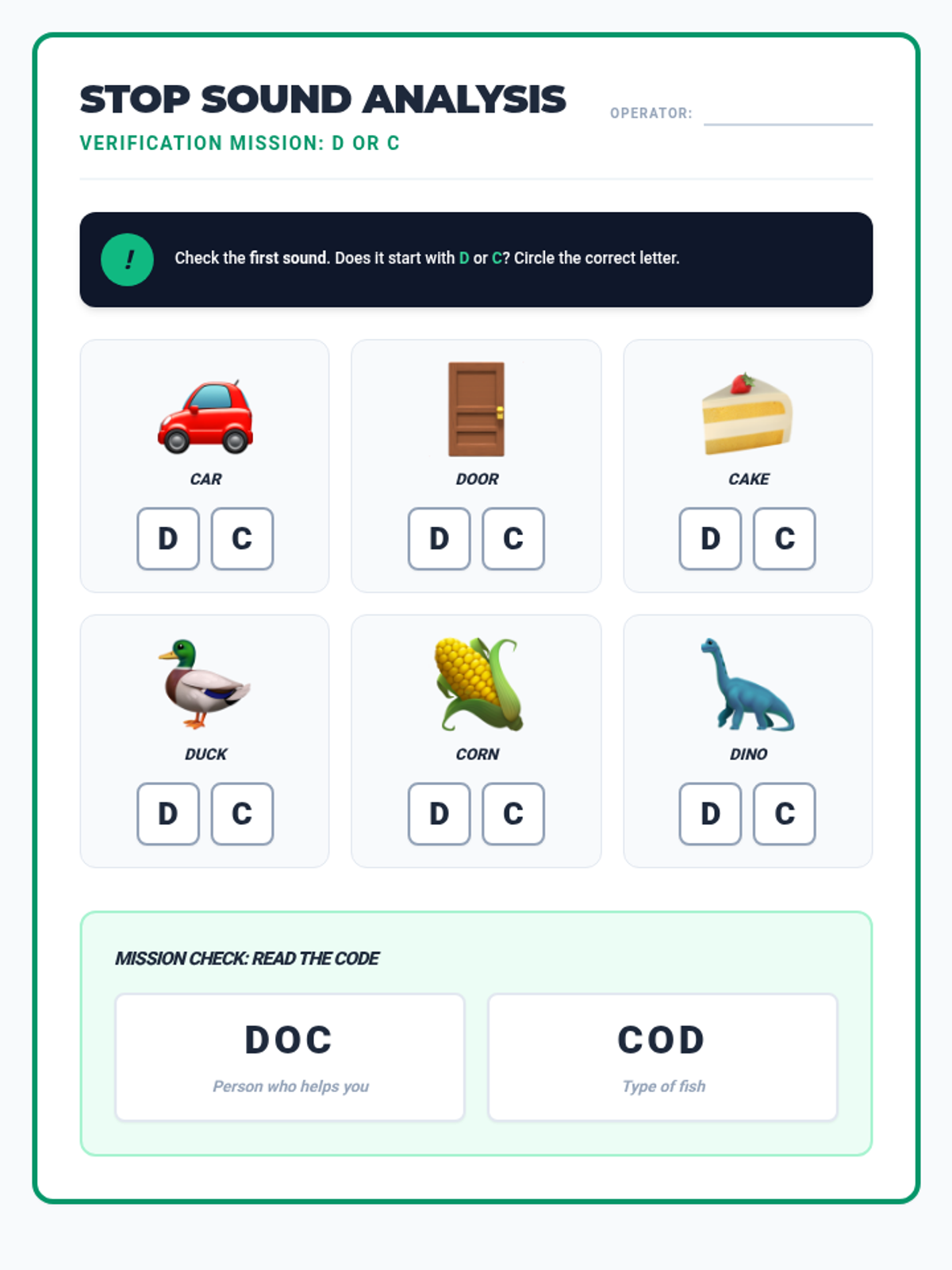
Day 2 focuses on the stop sounds /d/ and /k/, introducing letter C and D with word blending for 'dad', 'mad', and 'cat'.
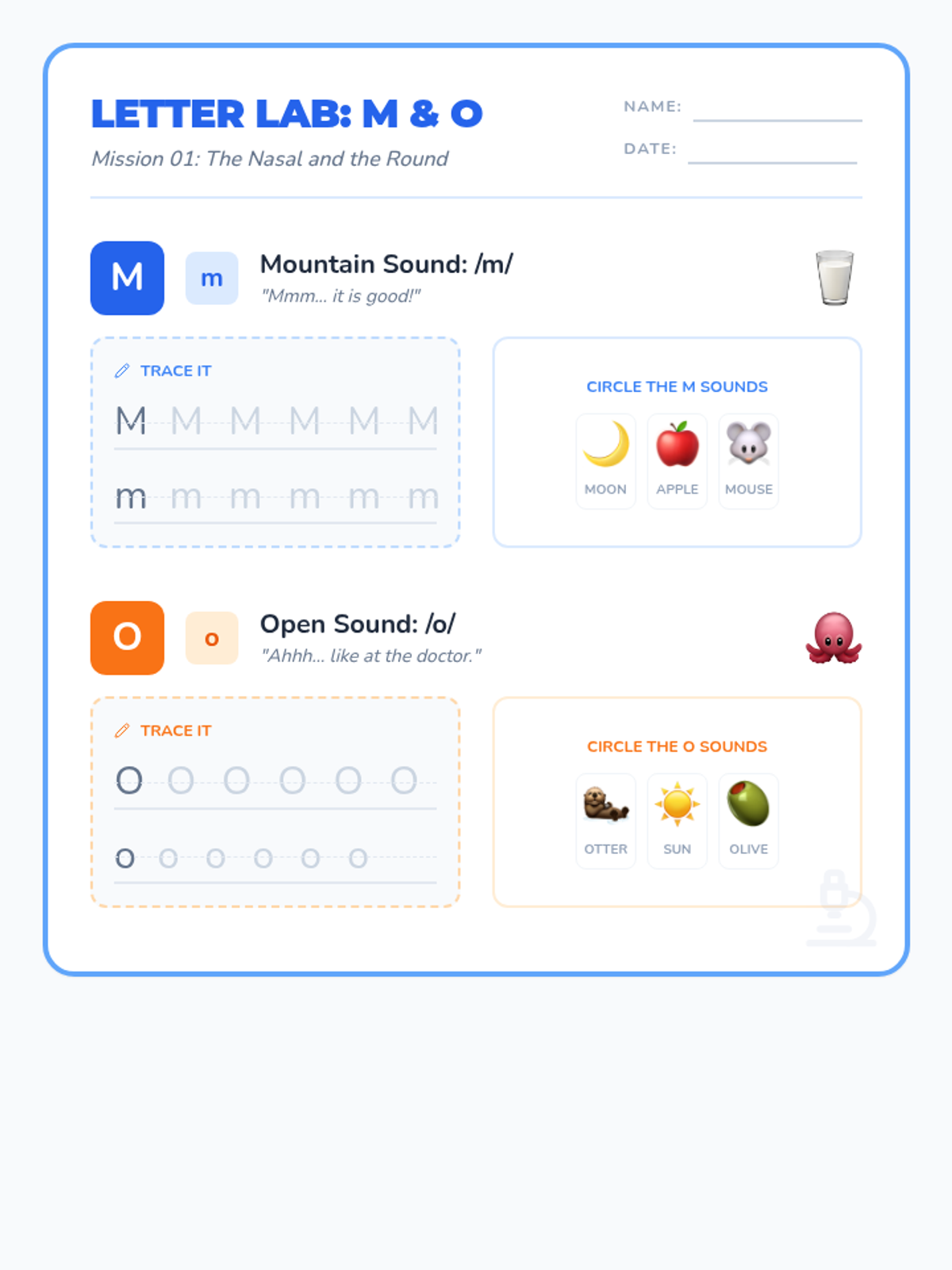
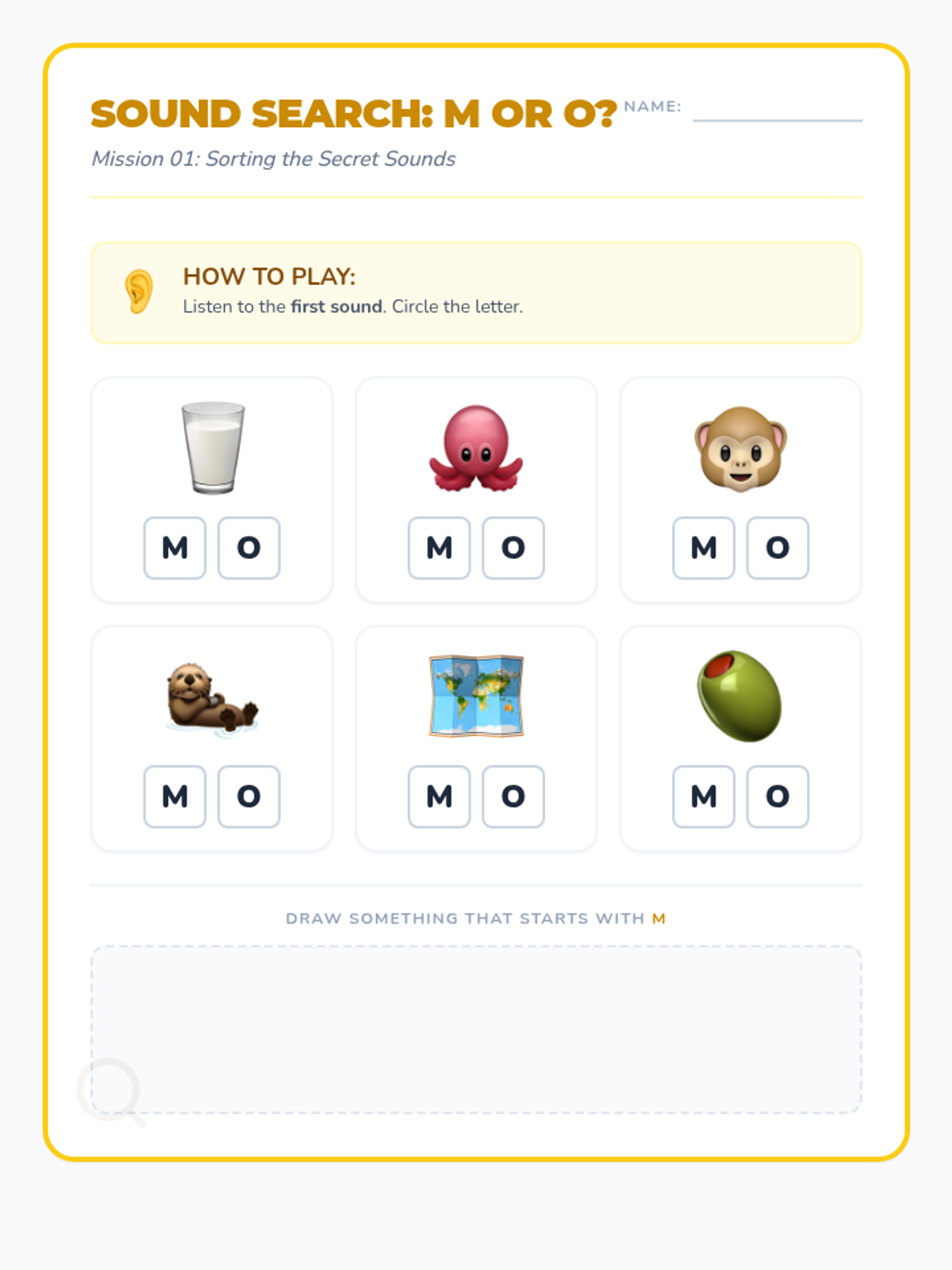
Day 1 introduces the /m/ and short /o/ sounds, focusing on mouth shape and initial sound recognition, concluding with reading the word 'mom'.
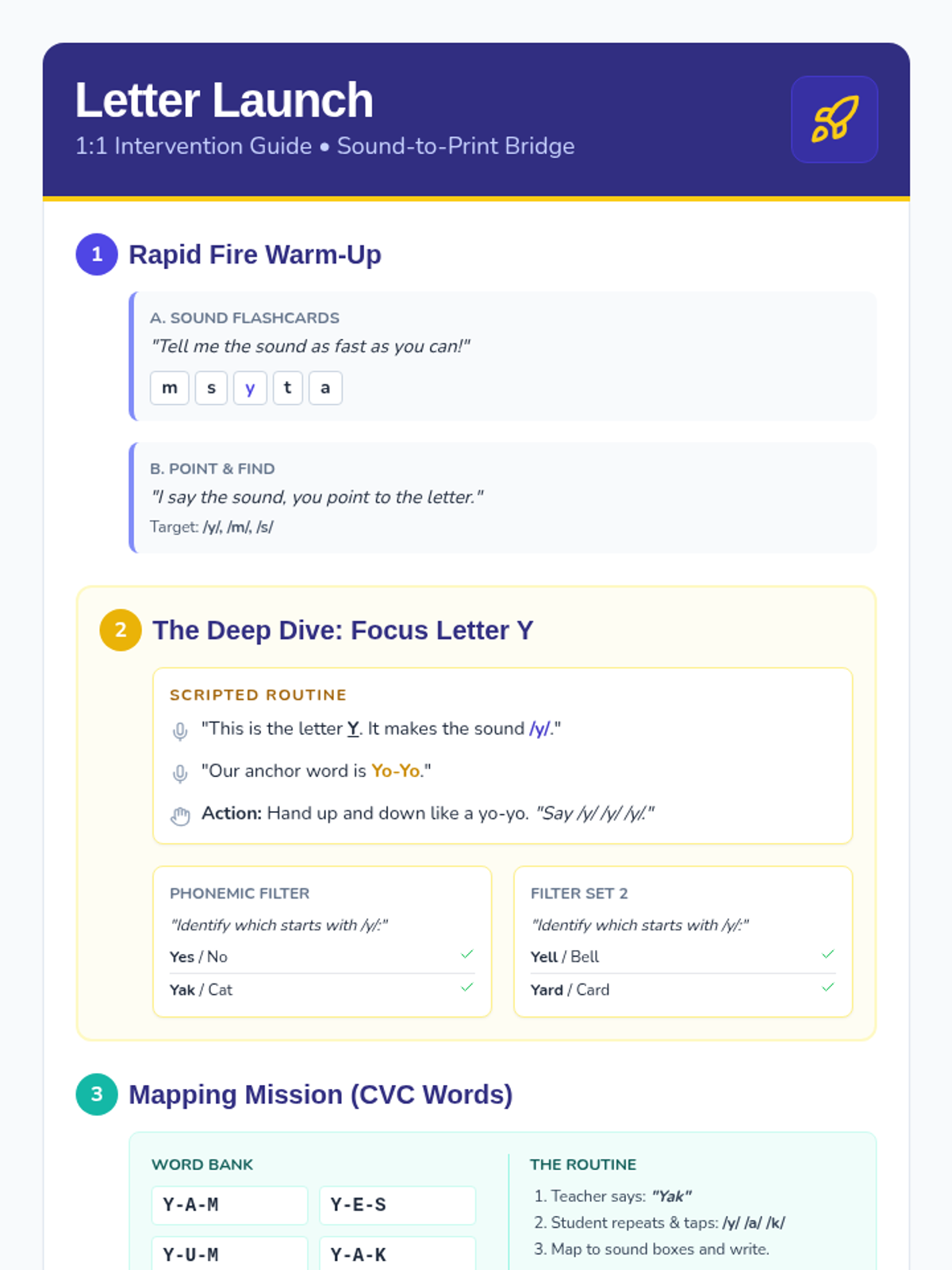
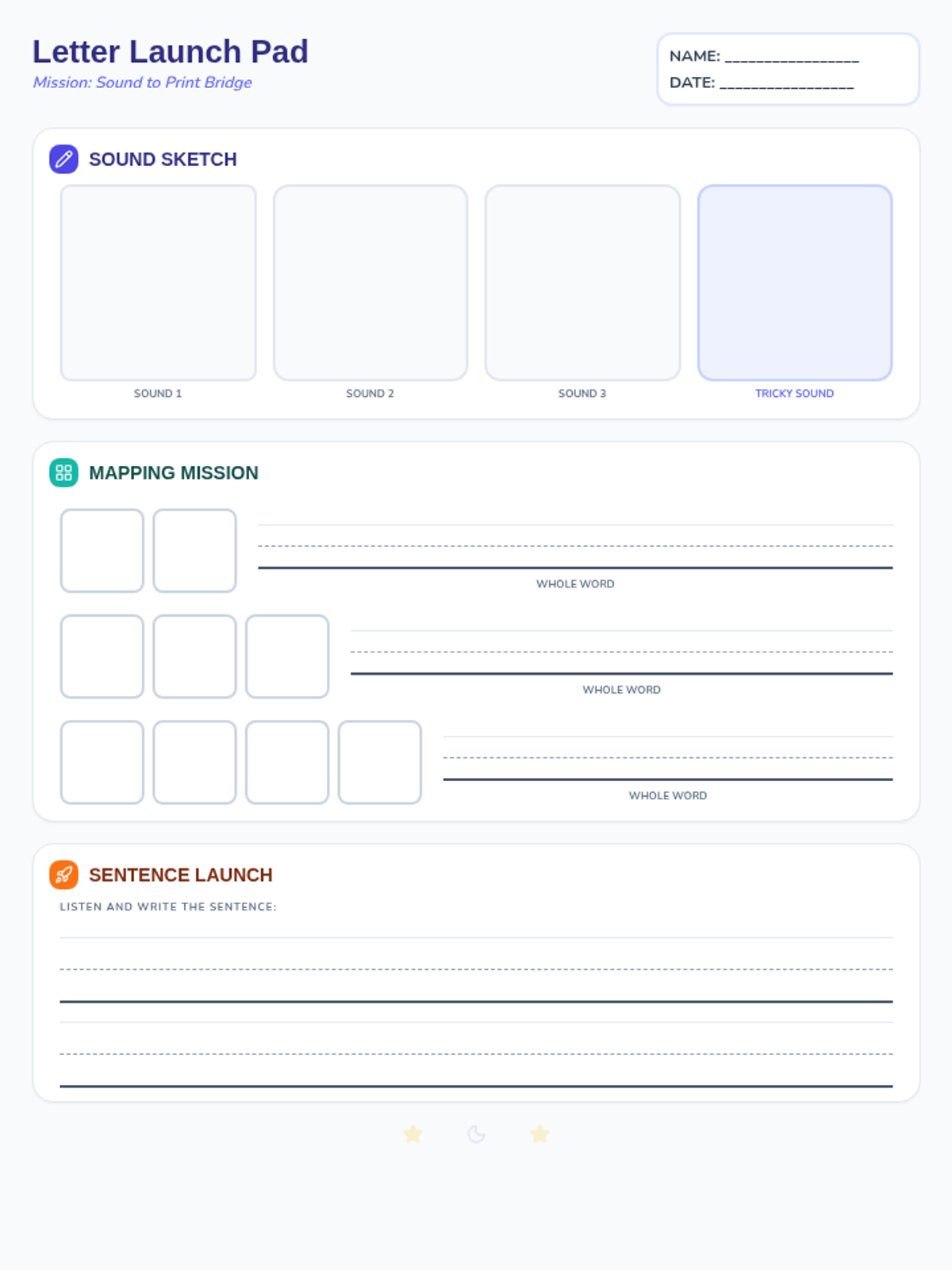
A high-impact 1:1 intervention routine designed to bridge the gap between sound recognition and written application for kindergarten students. This lesson focuses on multisensory techniques for tricky letters, specifically using 'Y' as the primary focus.
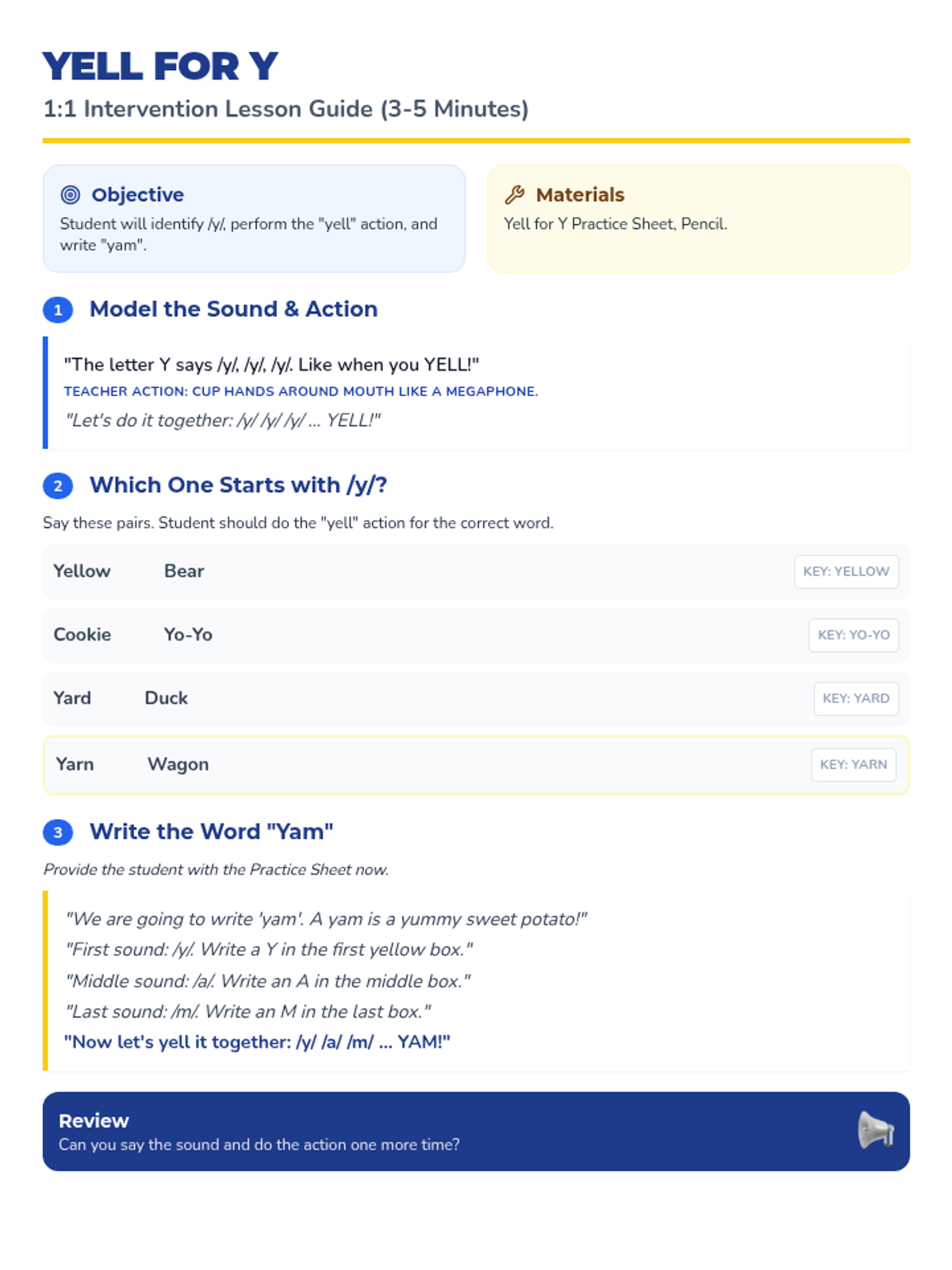
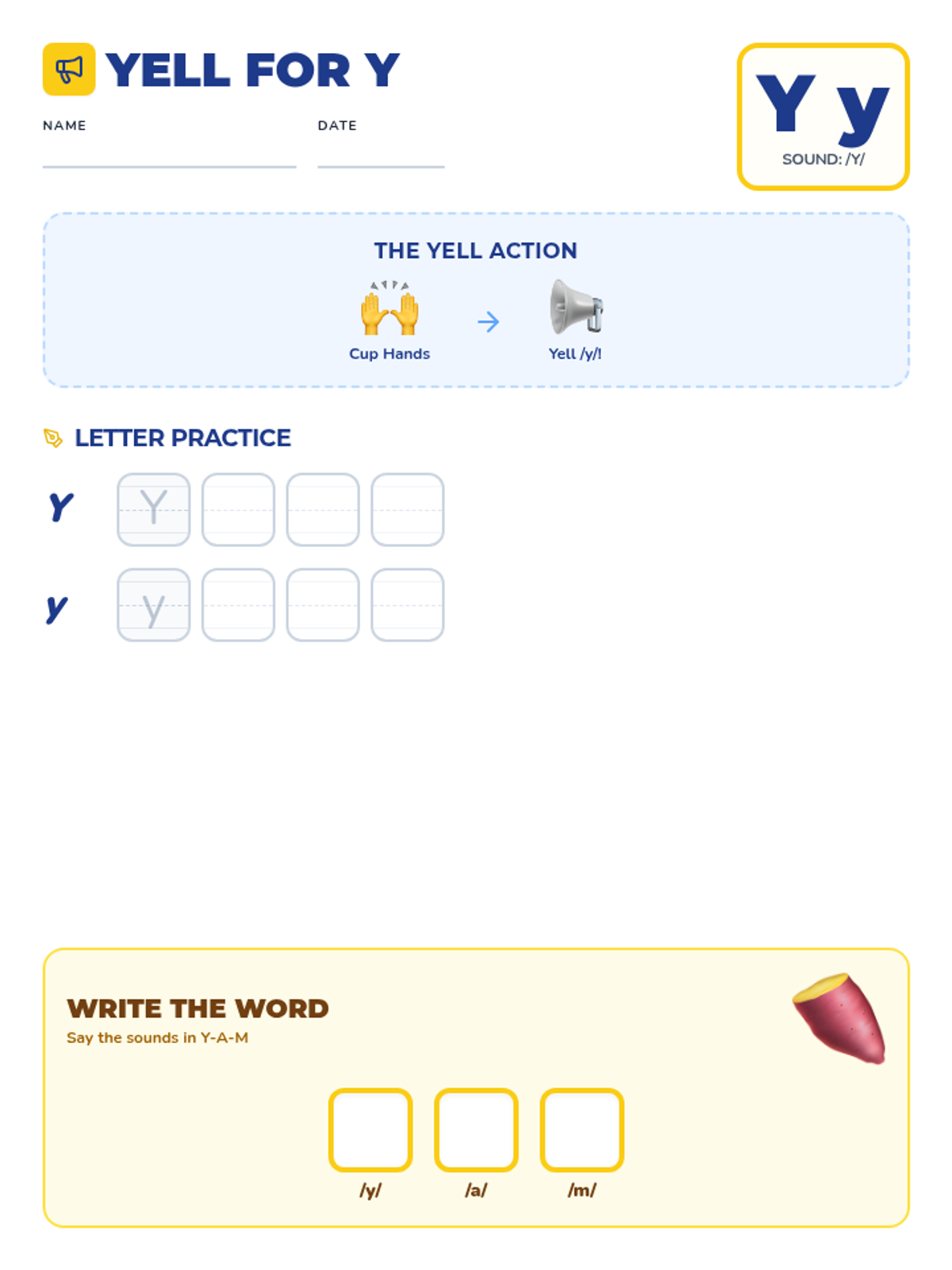
A quick, high-energy 1:1 intervention designed to re-teach the letter Y sound and action. This lesson focuses on phonetic awareness and basic CVC word construction.
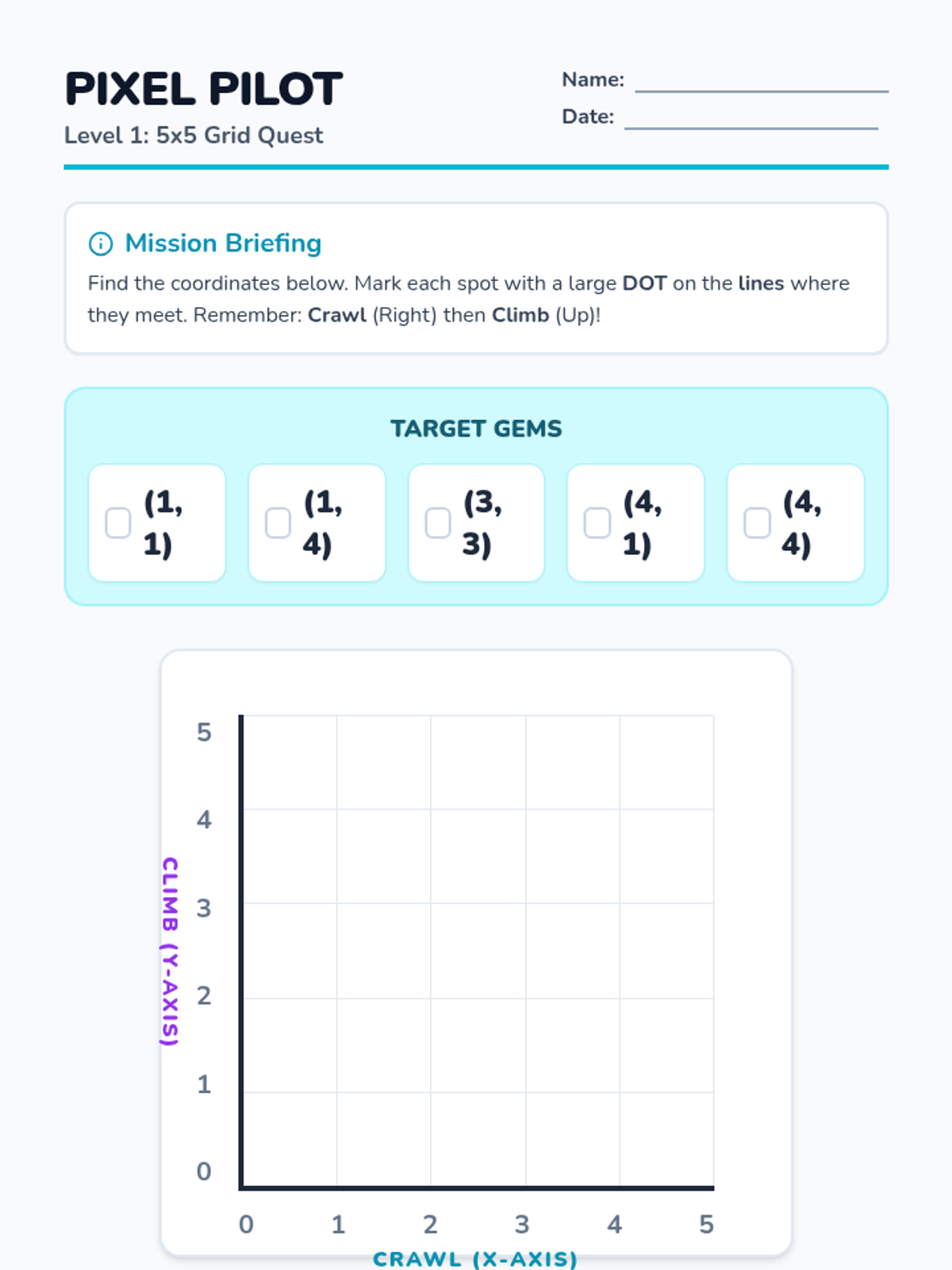
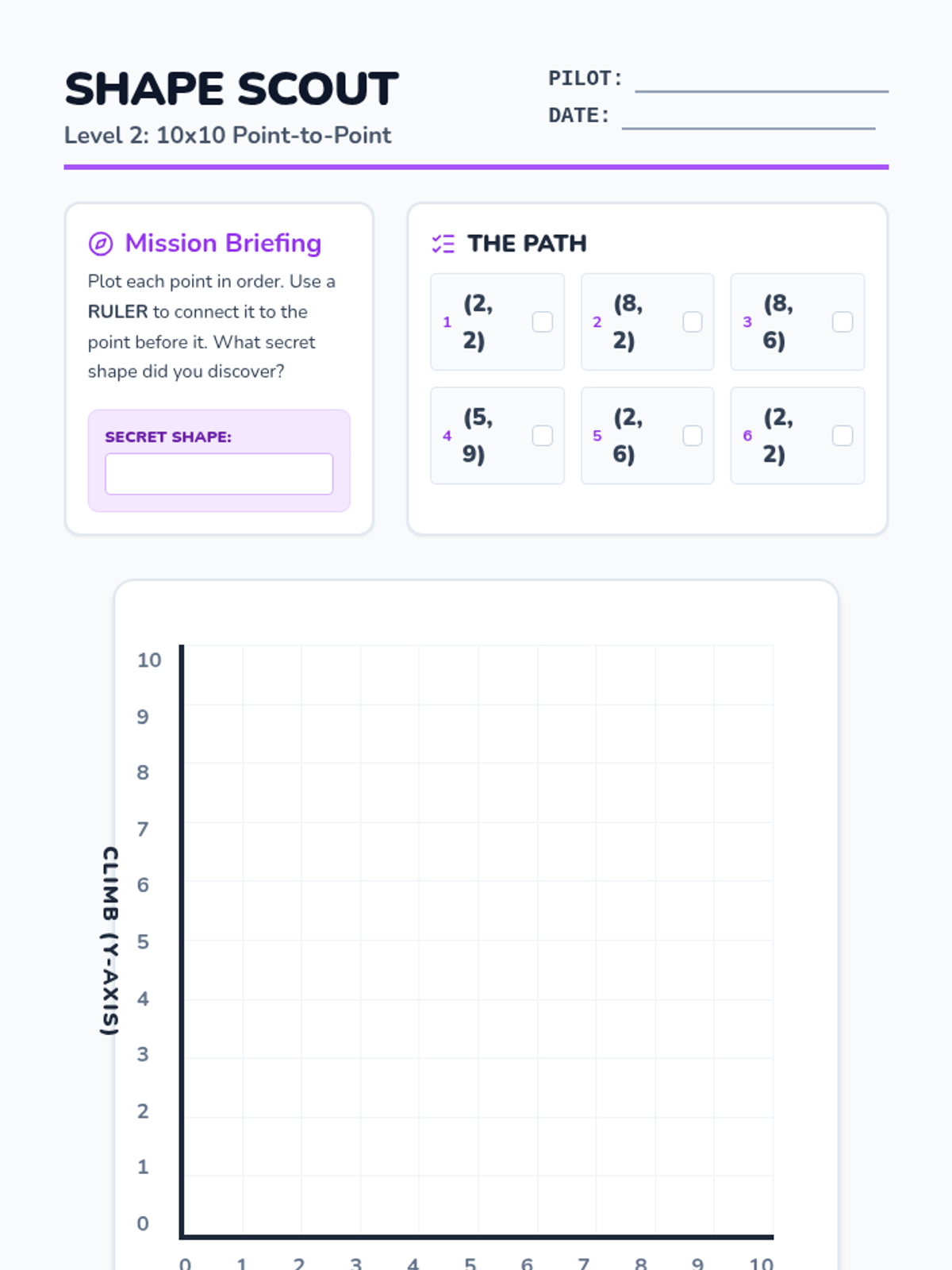
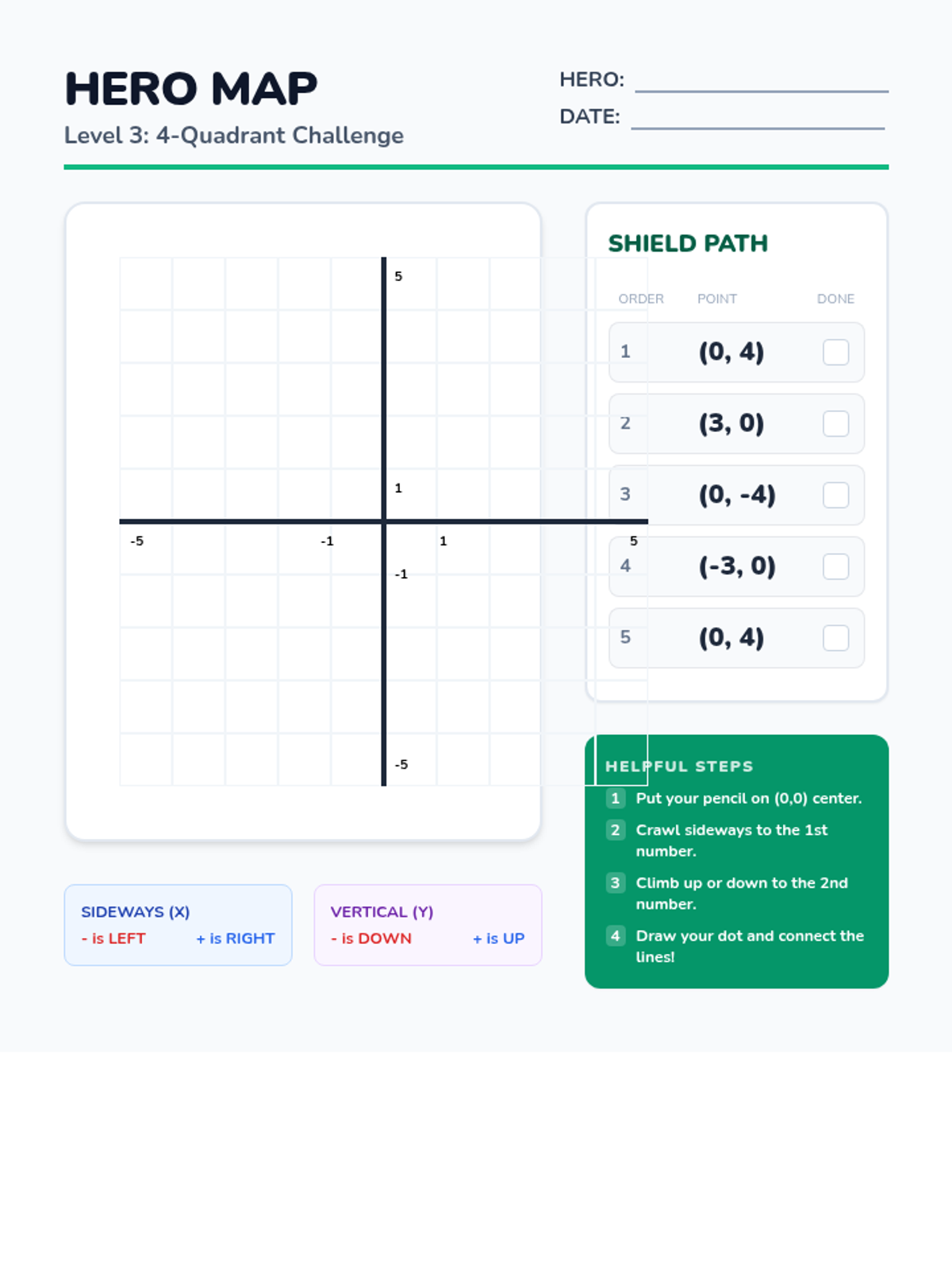
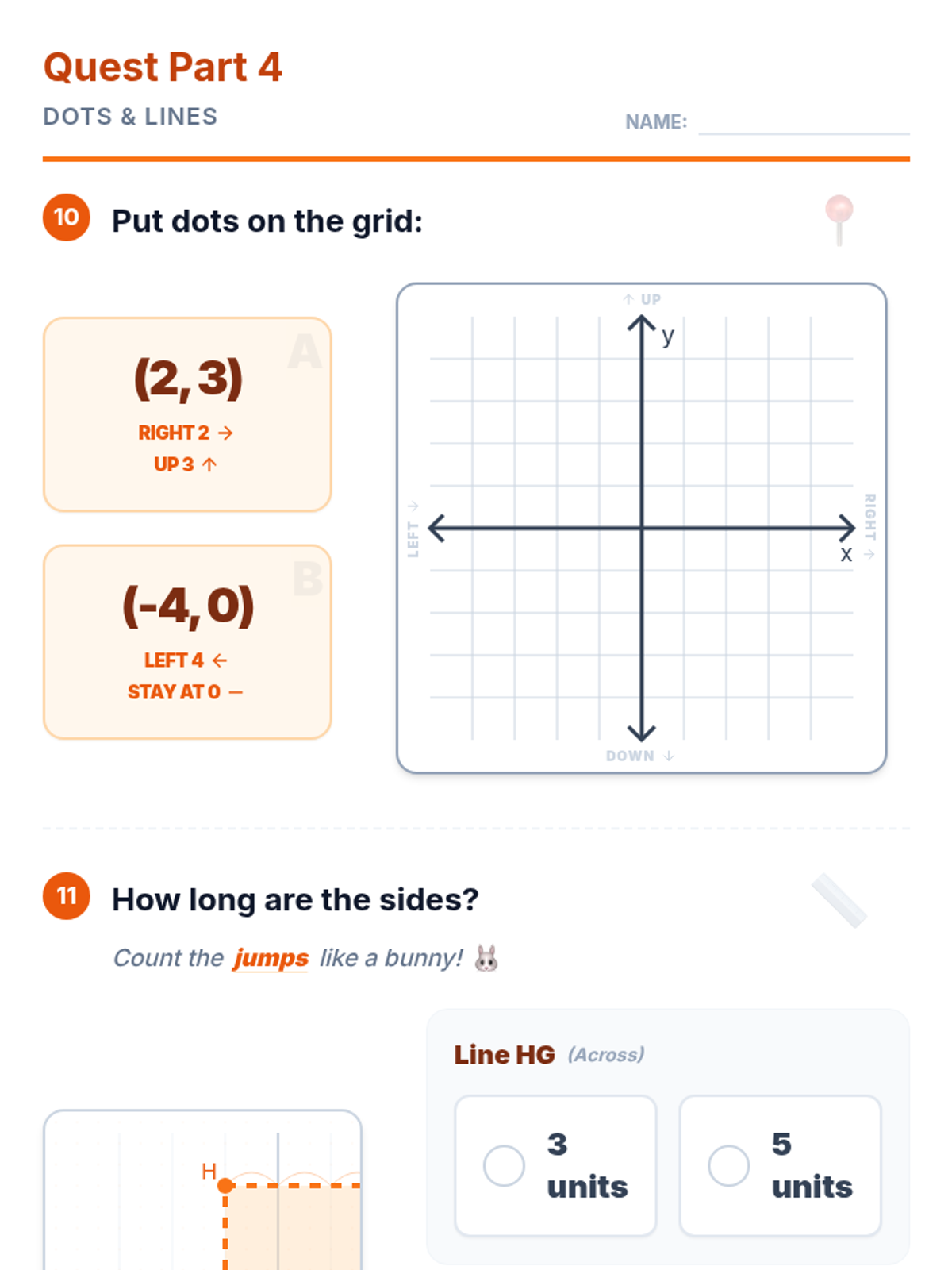
A scaffolded series of coordinate graphing activities designed for IEP students, moving from basic 5x5 matching to full 4-quadrant plotting.
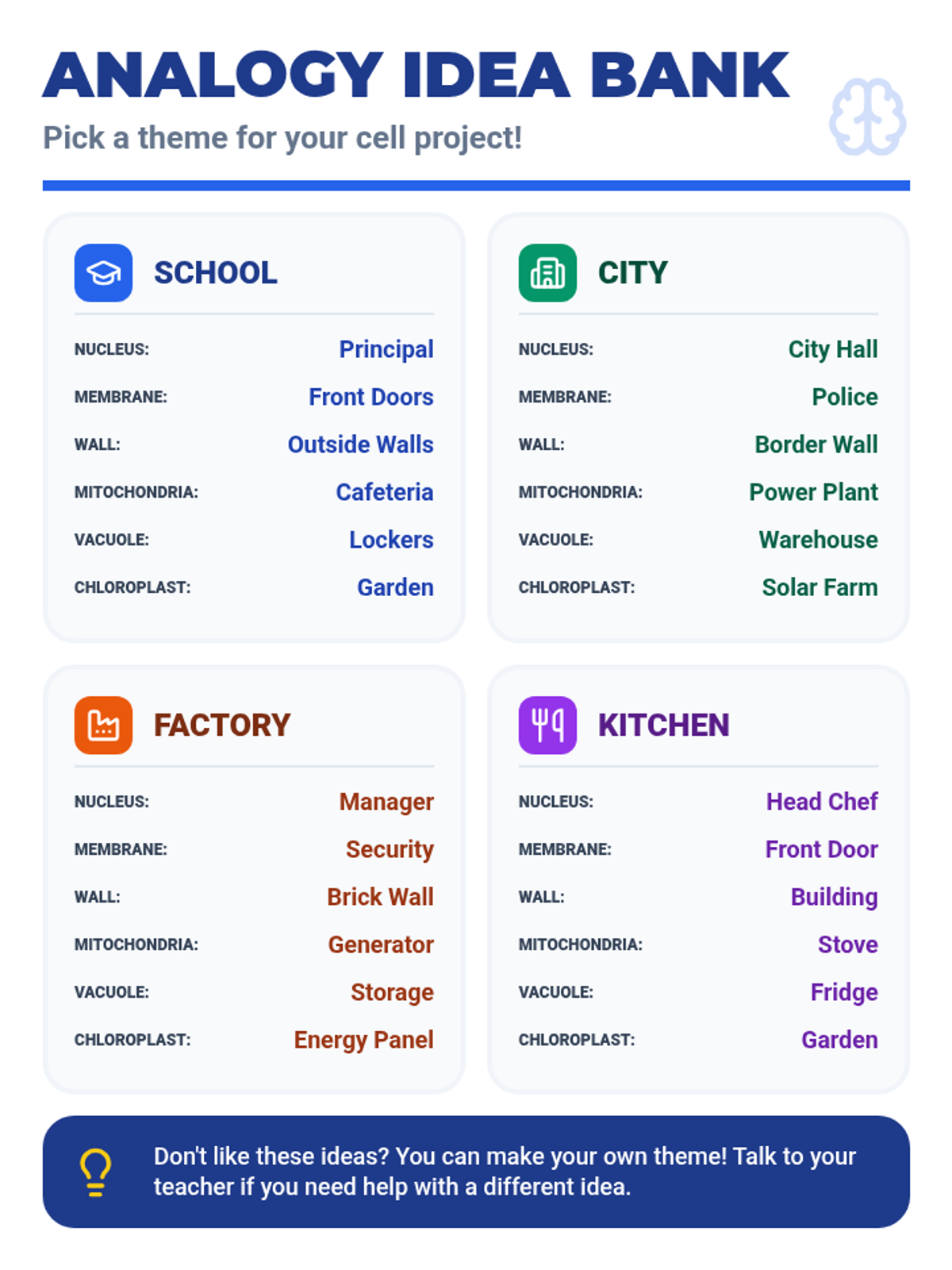
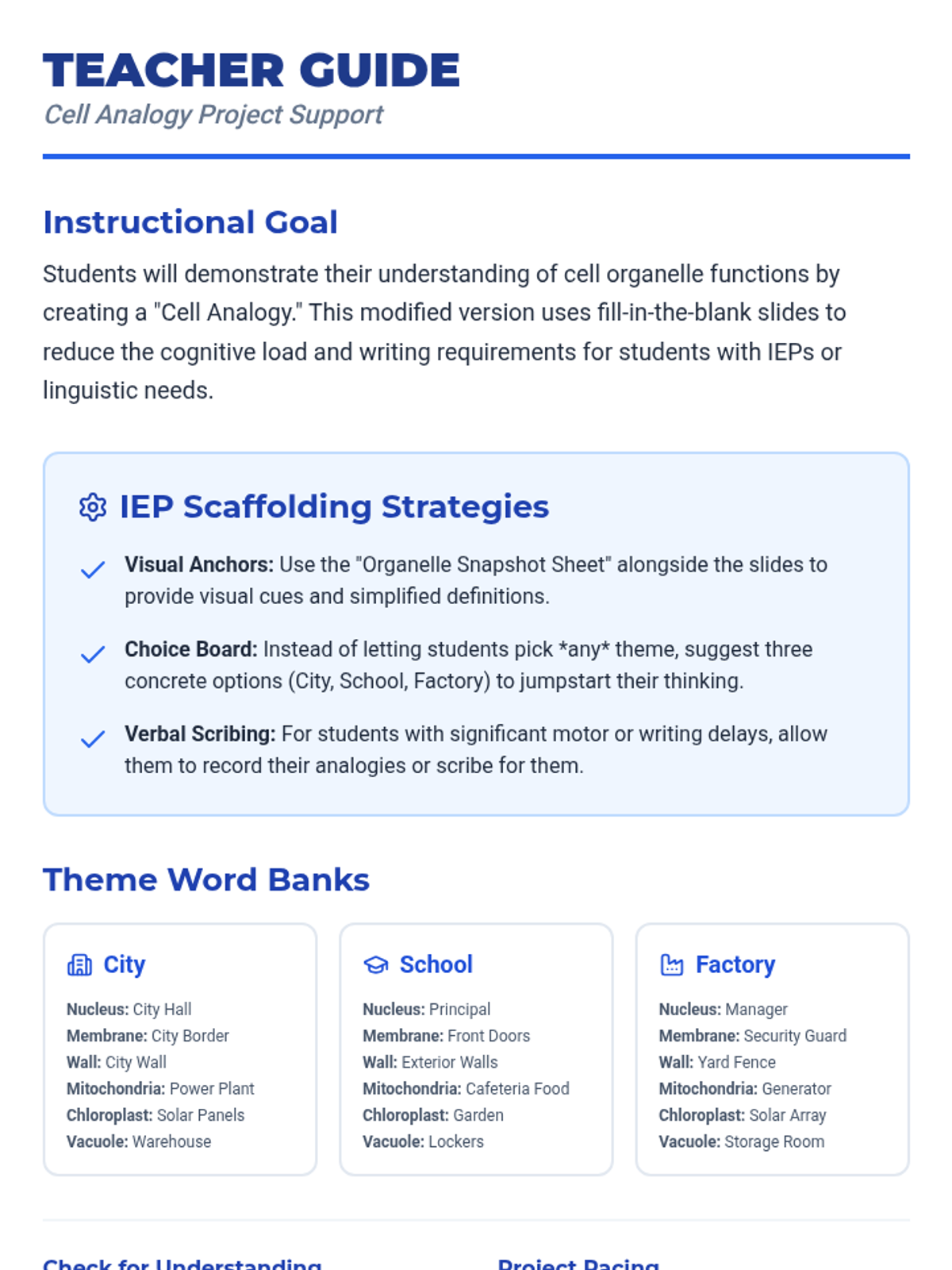
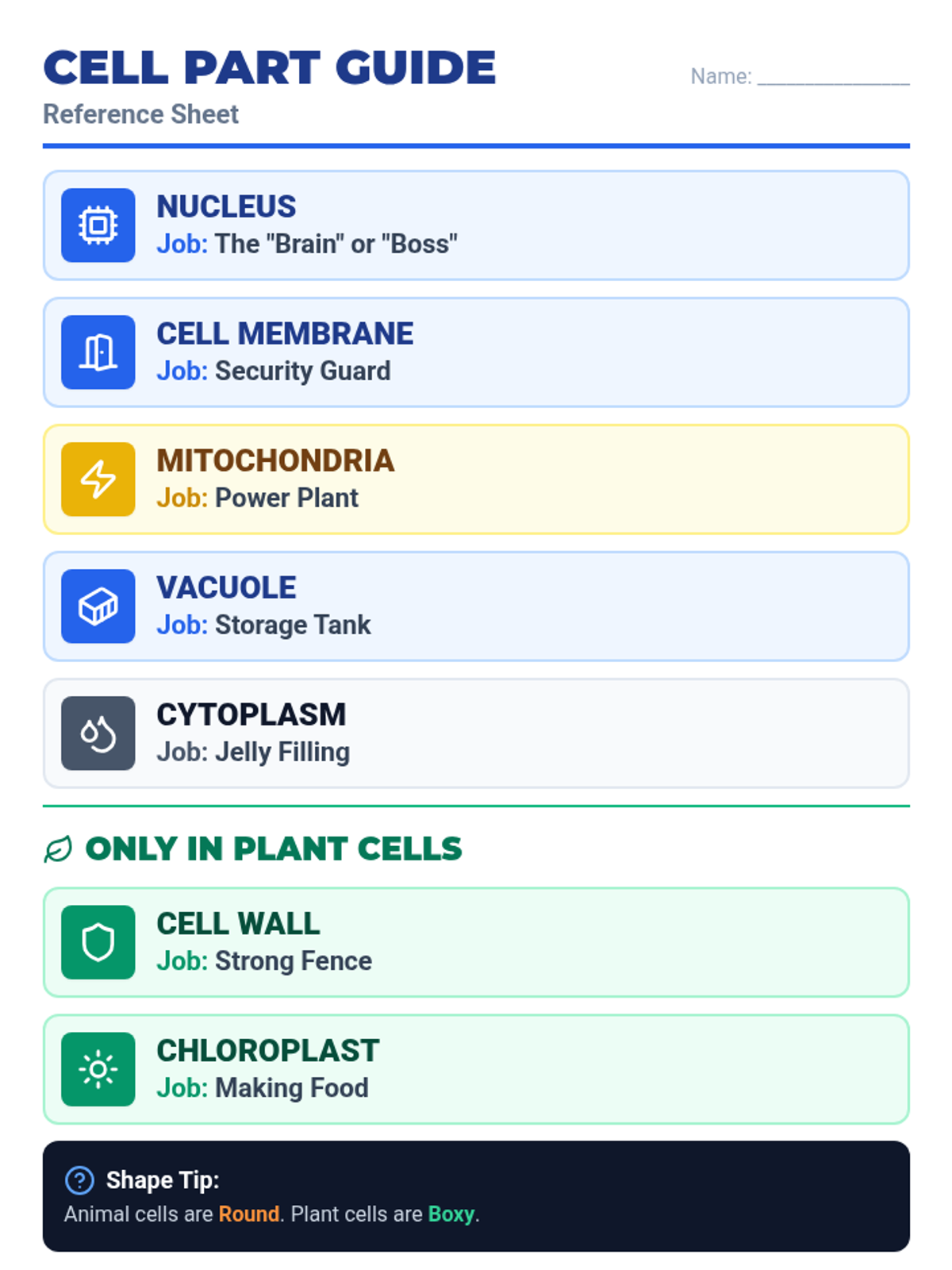
A modified cell analogy project for students with IEPs, focusing on comparing plant and animal cell organelles to real-world structures through structured slides and visual aids.
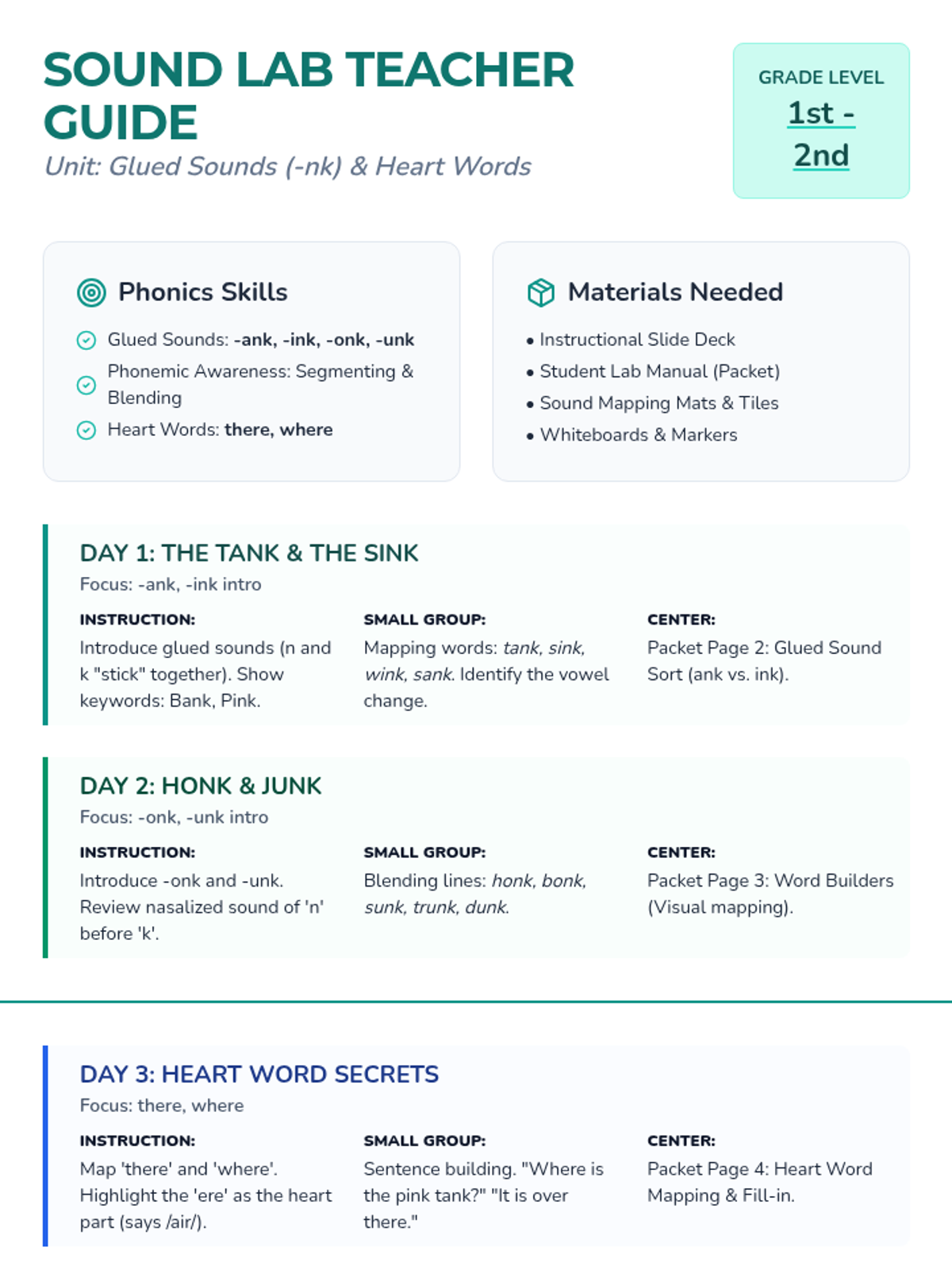
Fluency development and cumulative assessment. Students read decodable passages and demonstrate mastery of -nk sounds and heart words.
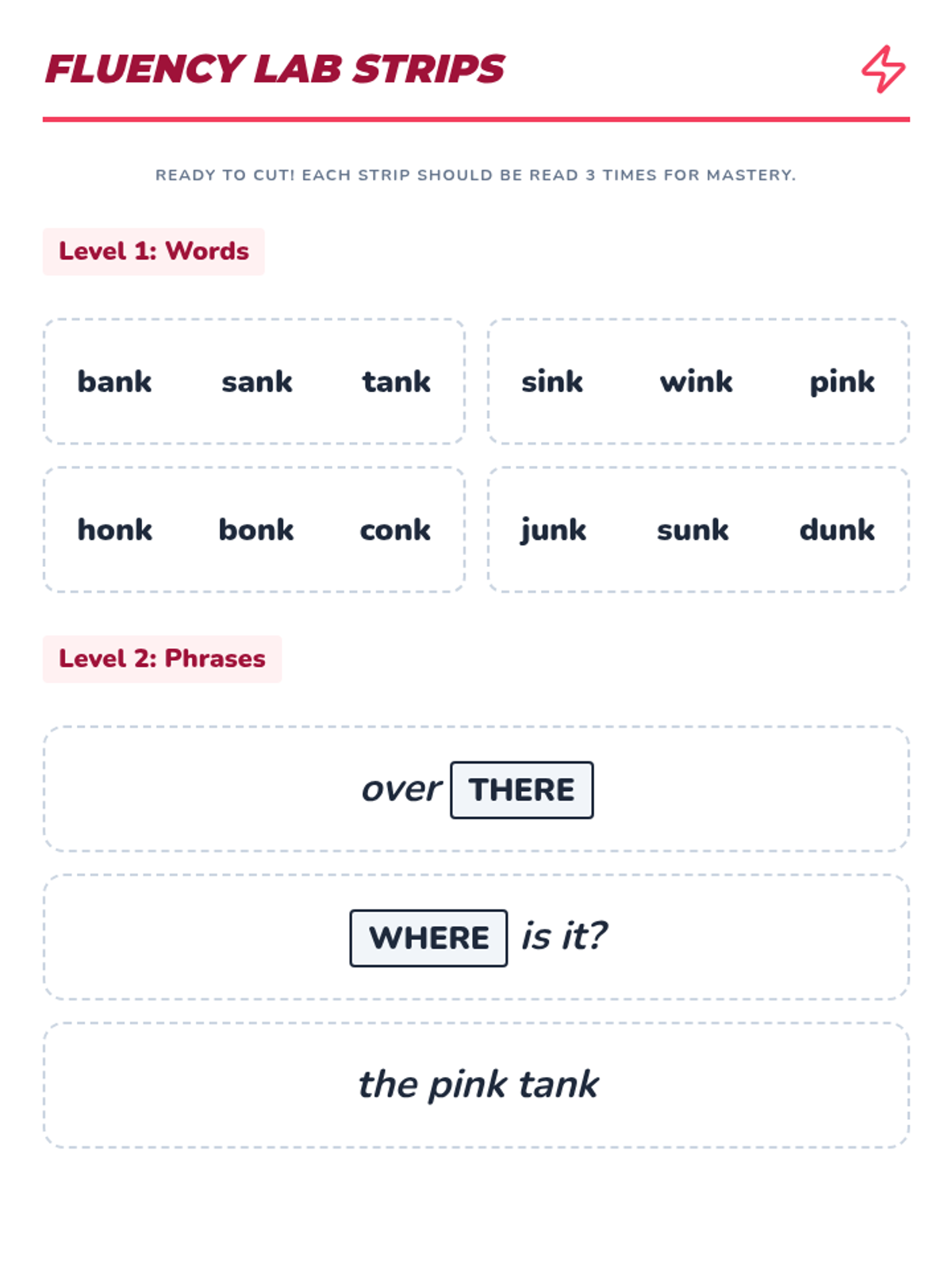
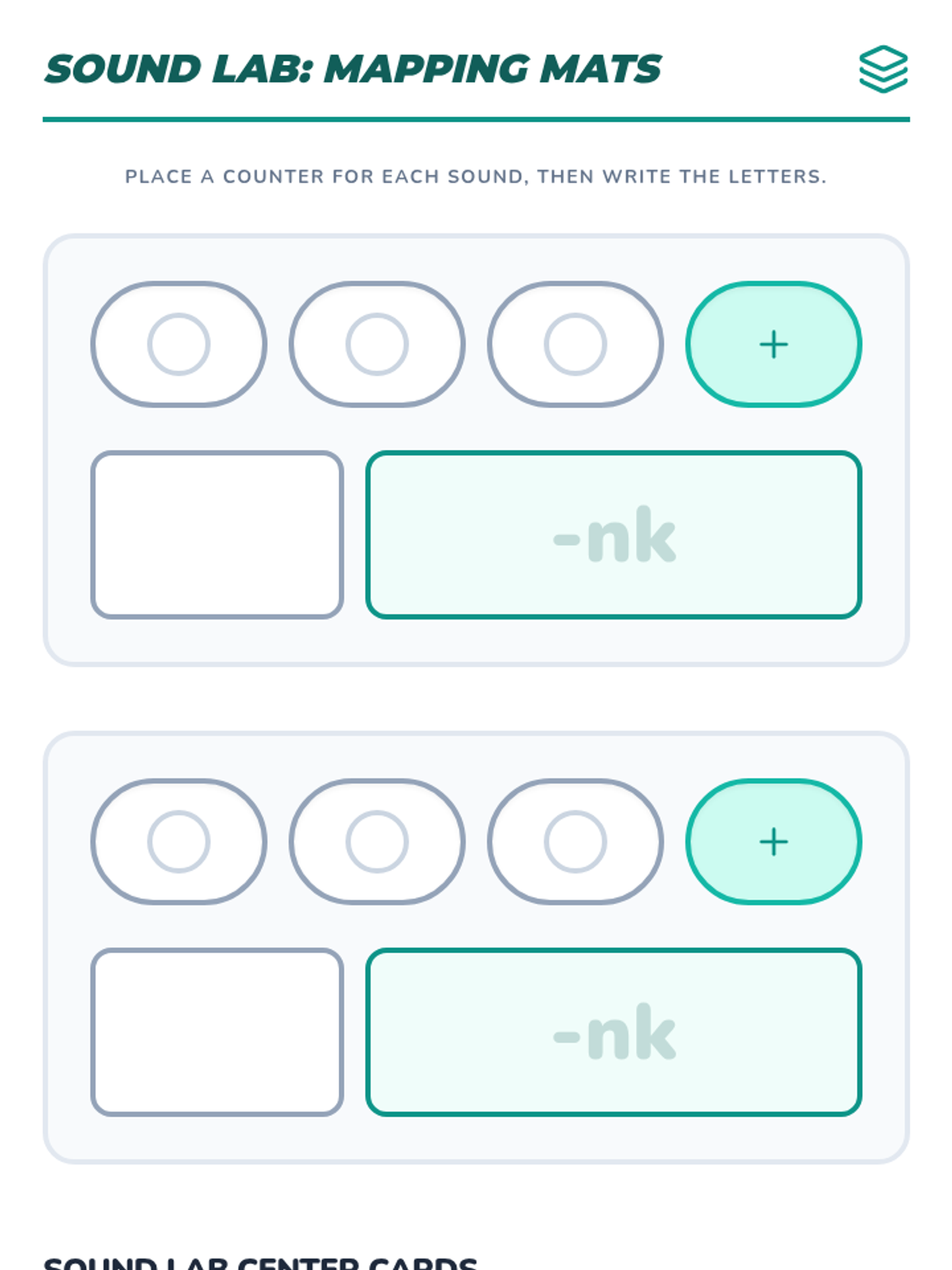
Introduction to the nasalized blends -ank and -ink using the 'glued sound' concept. Students learn to blend and segment words like 'bank' and 'pink'.
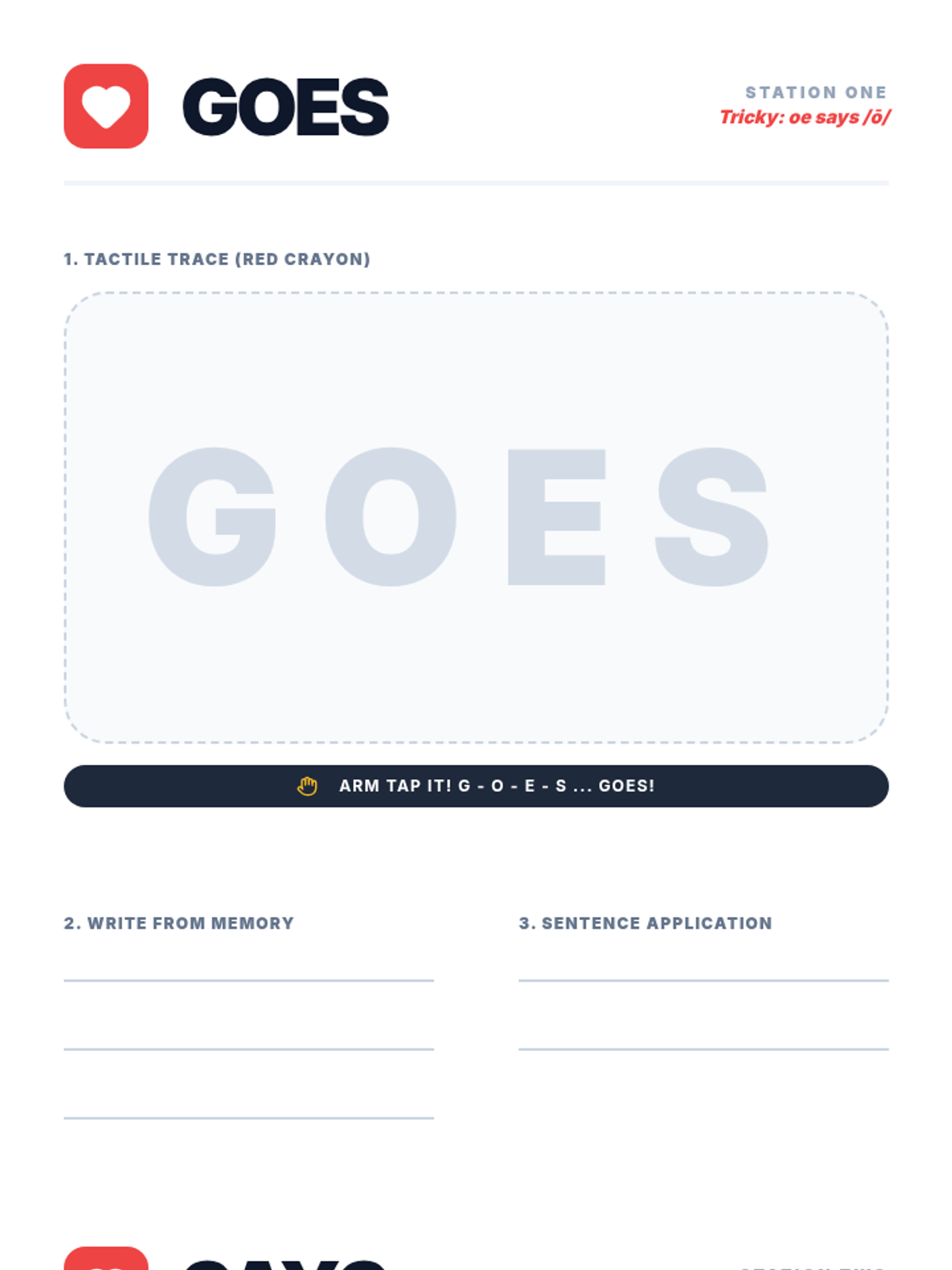
Deep dive into spelling and heart word analysis with tactile tracing and arm tapping.
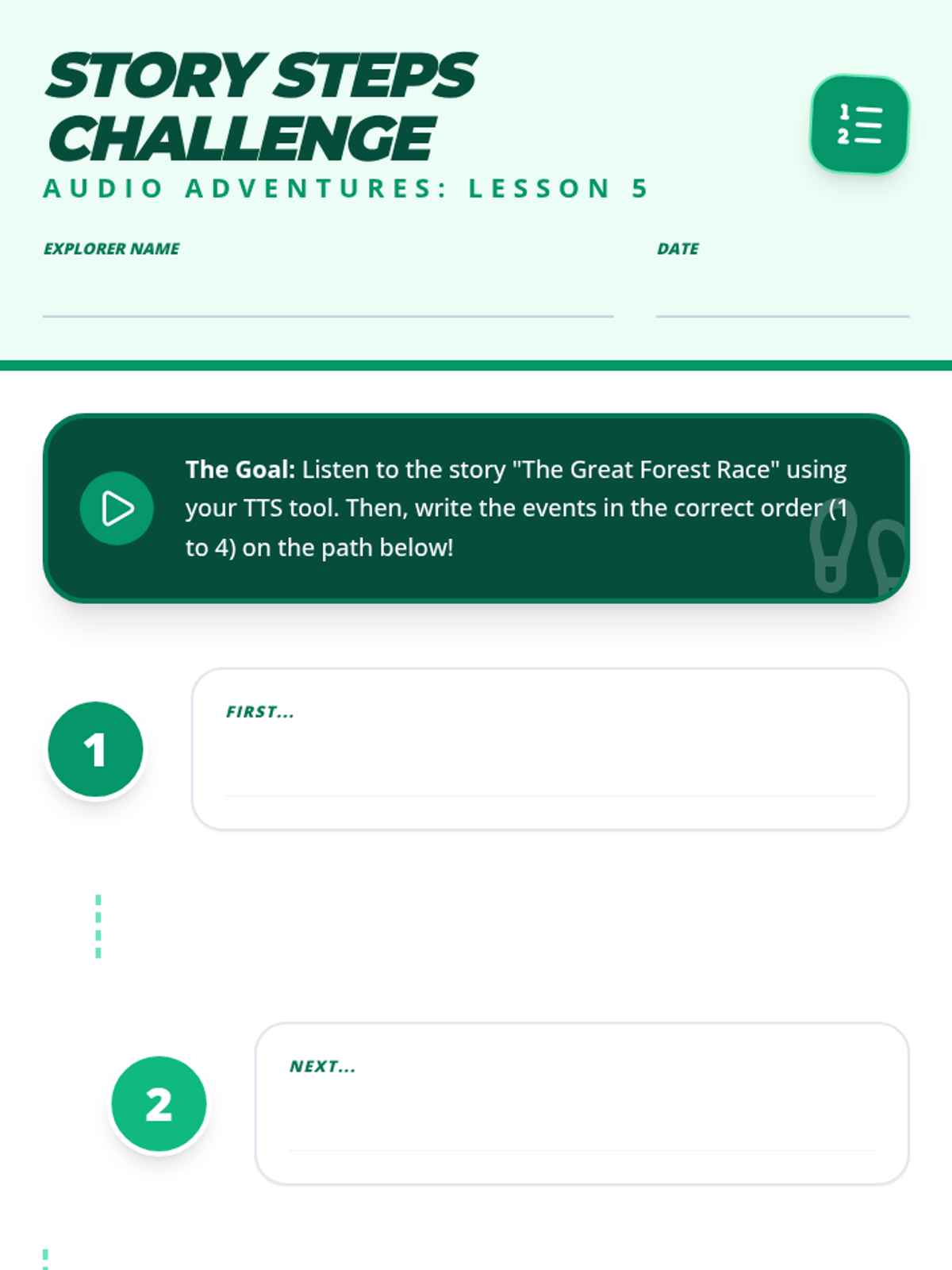
Students use TTS to follow the plot of a full narrative and practice putting events in the correct chronological order, reinforcing story structure.
Focusing on mental imagery, students listen to descriptive passages via TTS and translate those auditory details into visual representations.
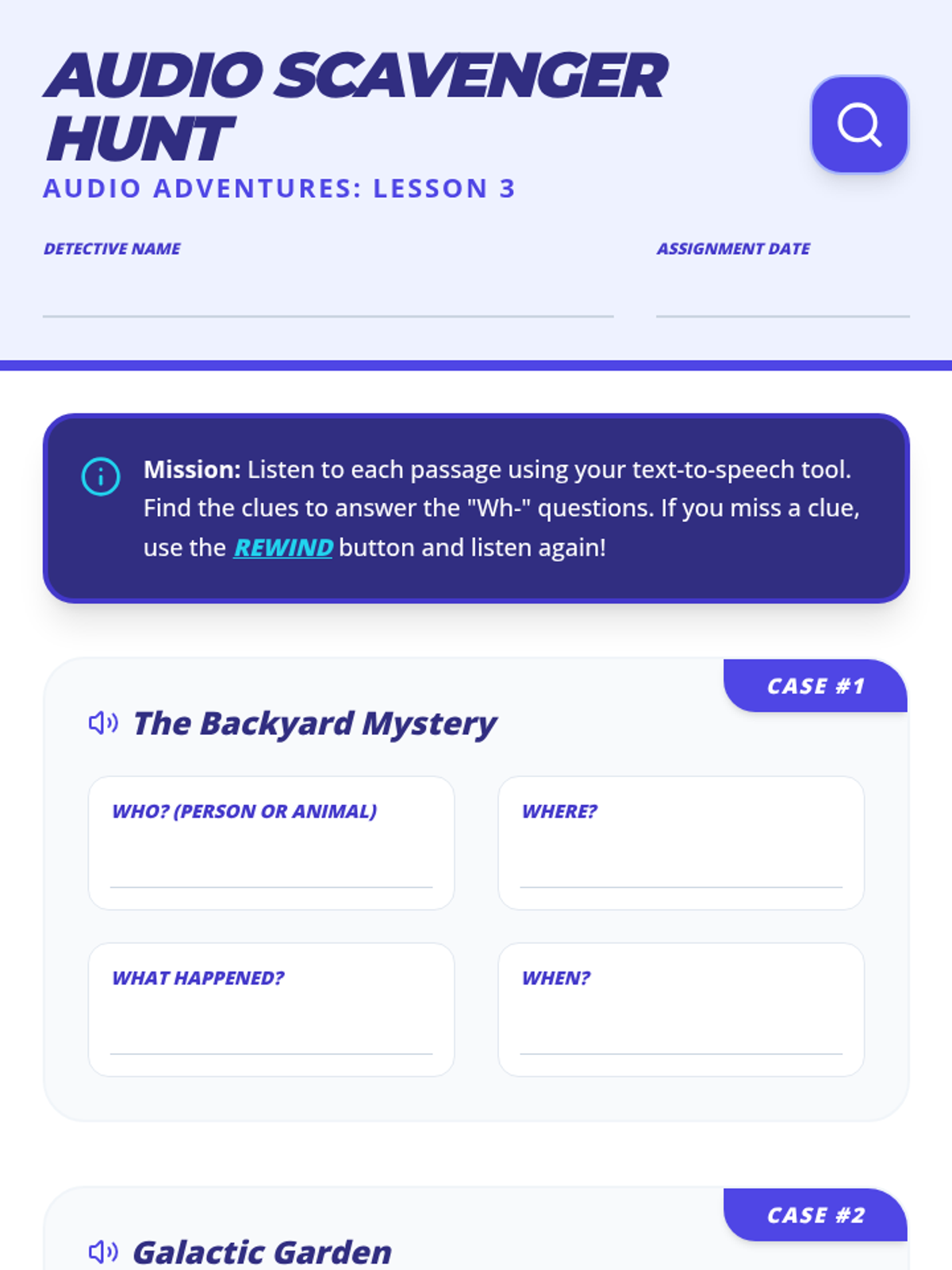
Students use TTS to locate specific details in a text, answering the core 'Wh-' questions (Who, What, Where, When). They practice navigating audio to find evidence.
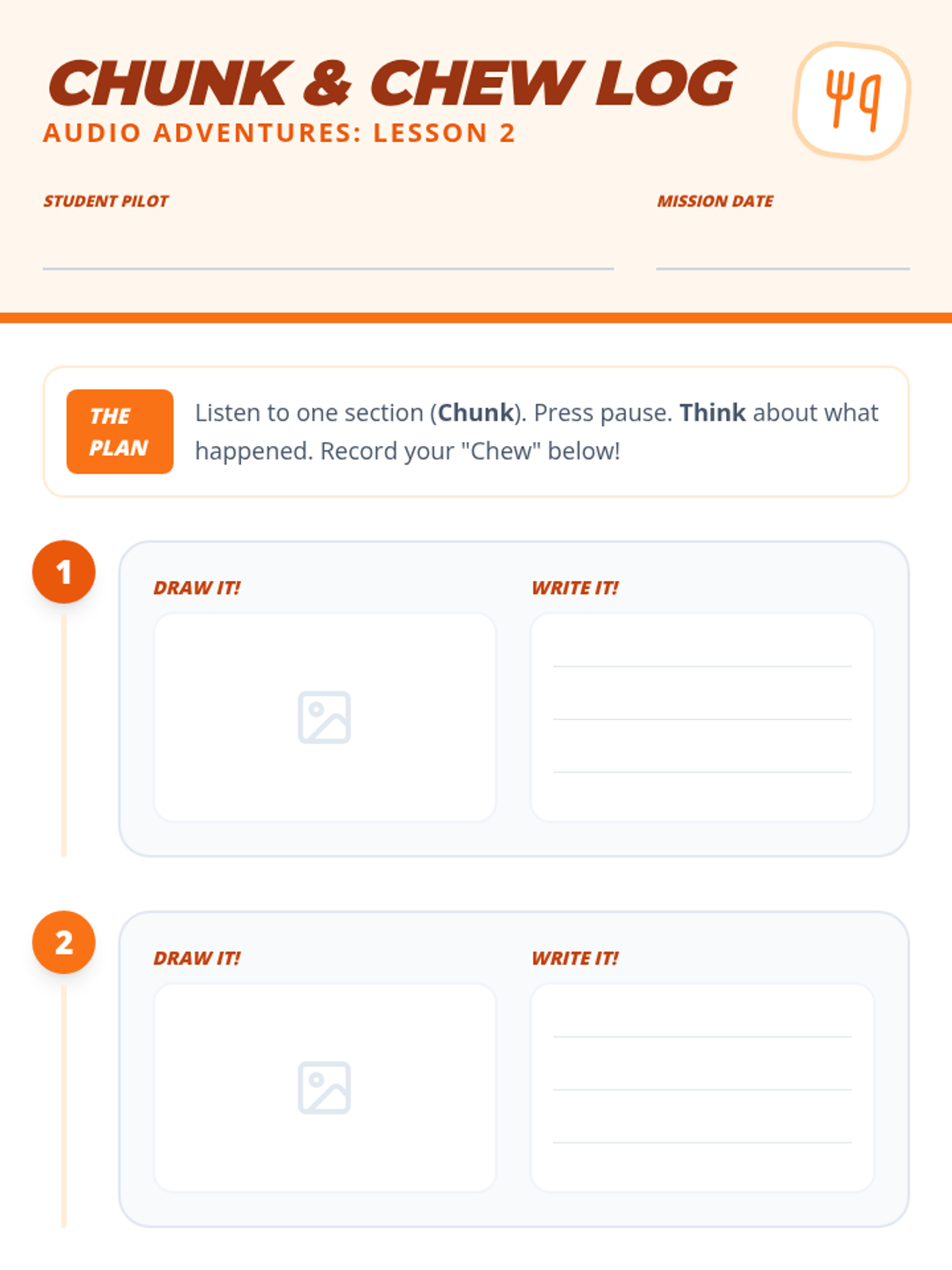
Introducing the 'Chunk and Chew' strategy, where students listen to small sections of text, pause, and reflect on the meaning. This lesson focuses on self-monitoring during auditory reading.
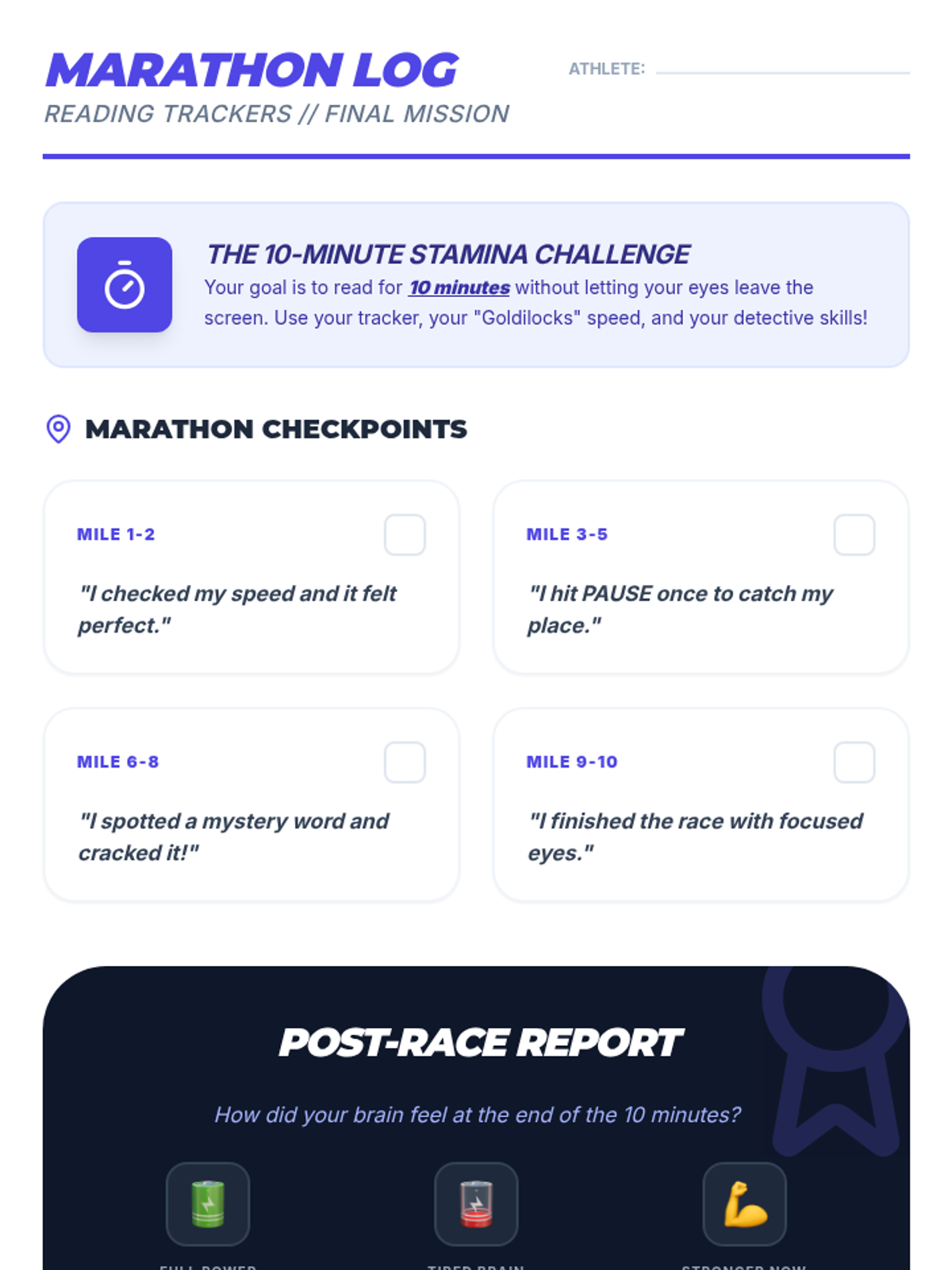
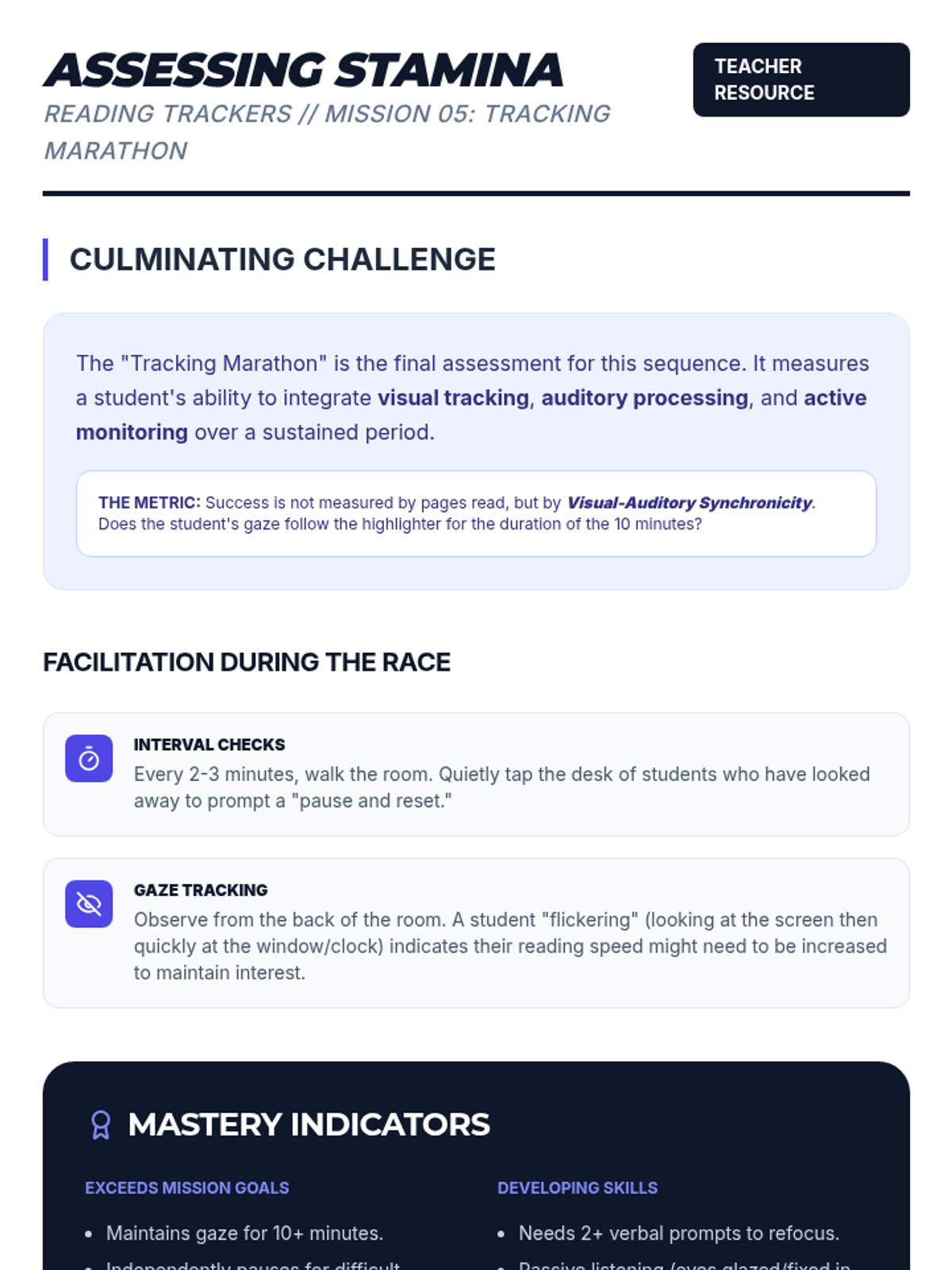
Students apply their tracking skills to longer reading passages, monitoring their own attention and focus during a sustained reading session.
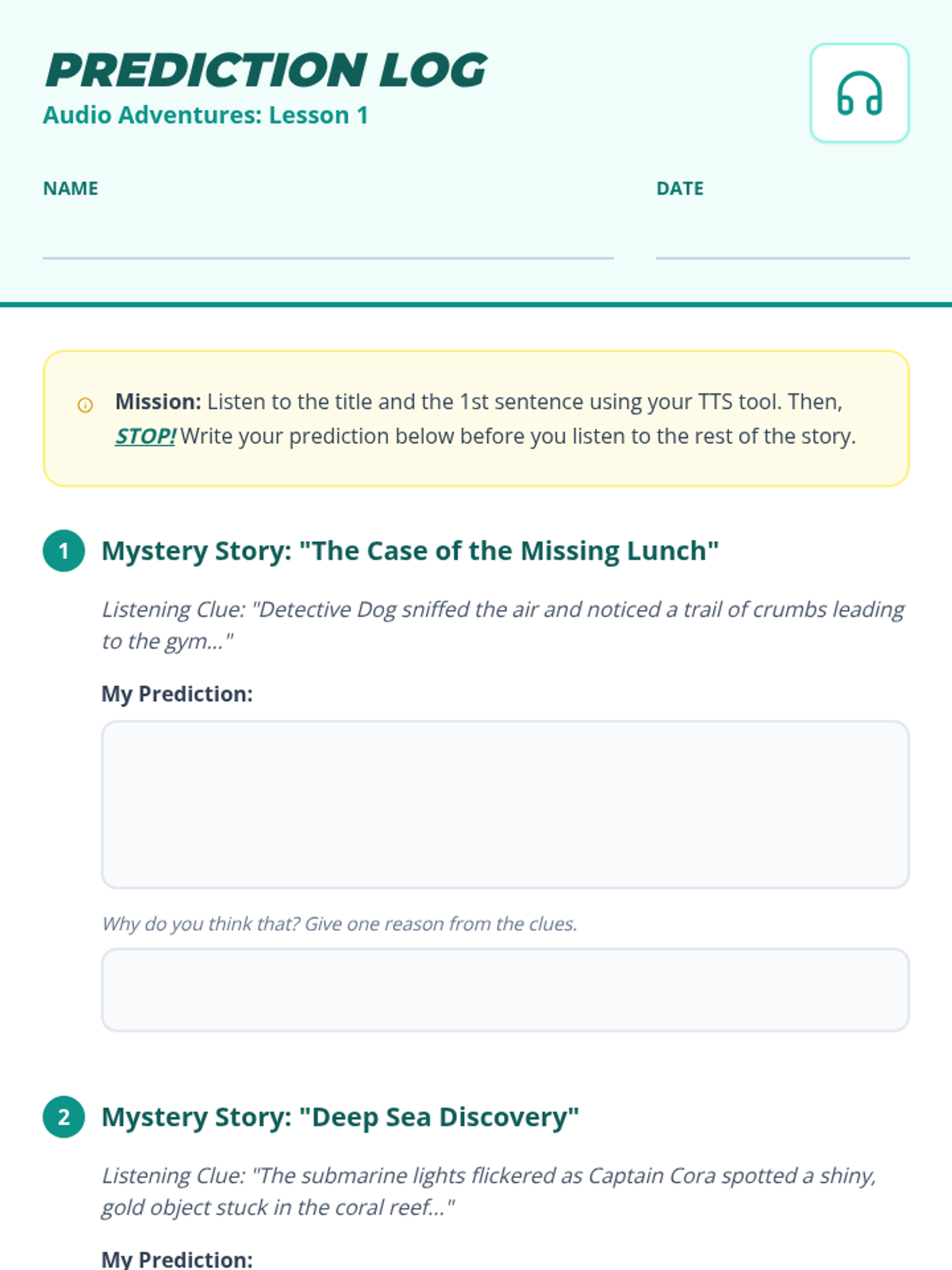
Students use TTS to listen to titles and introductory sentences, practicing the skill of predicting what comes next. They learn to stop and think before the story unfolds.
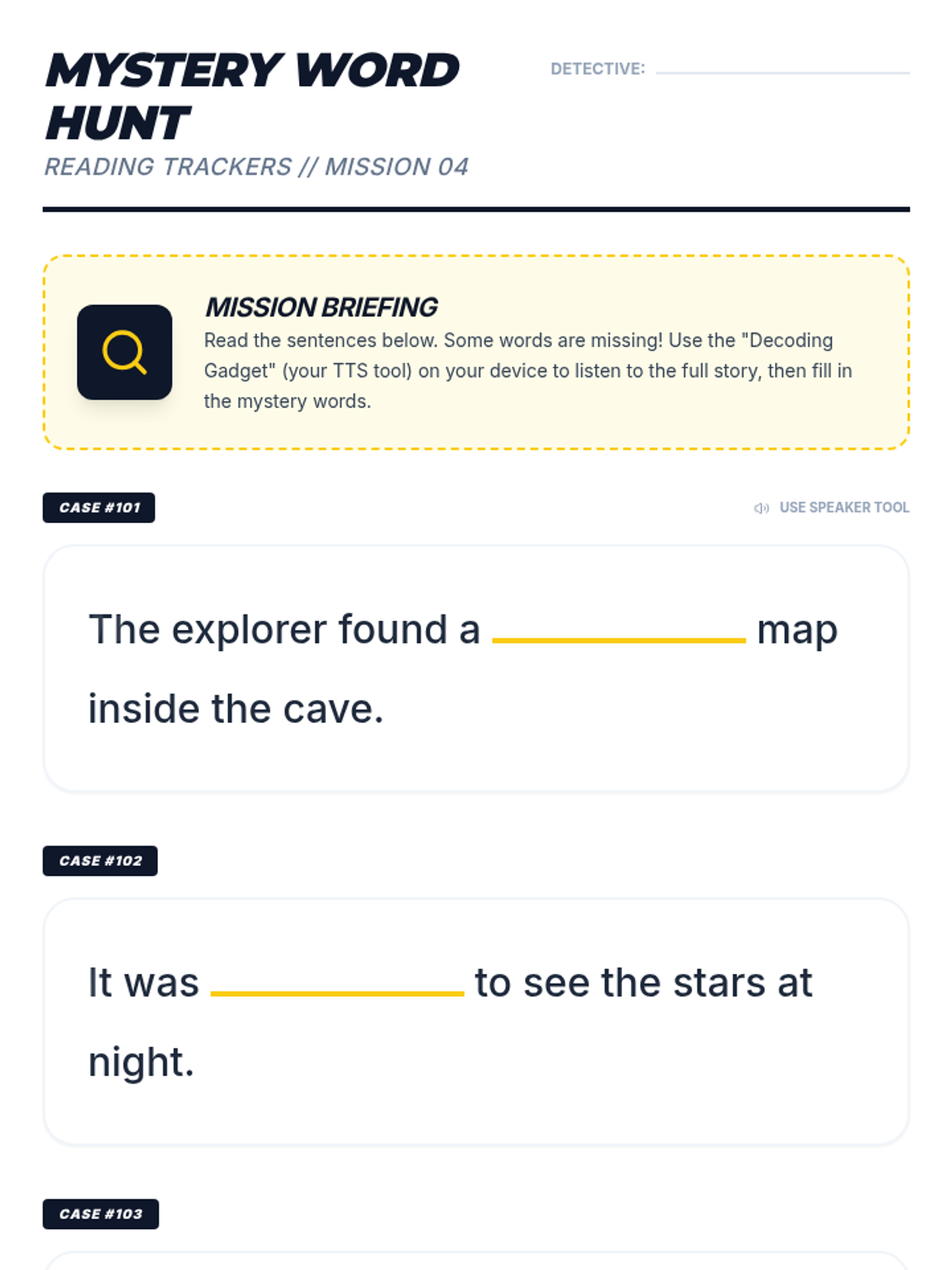
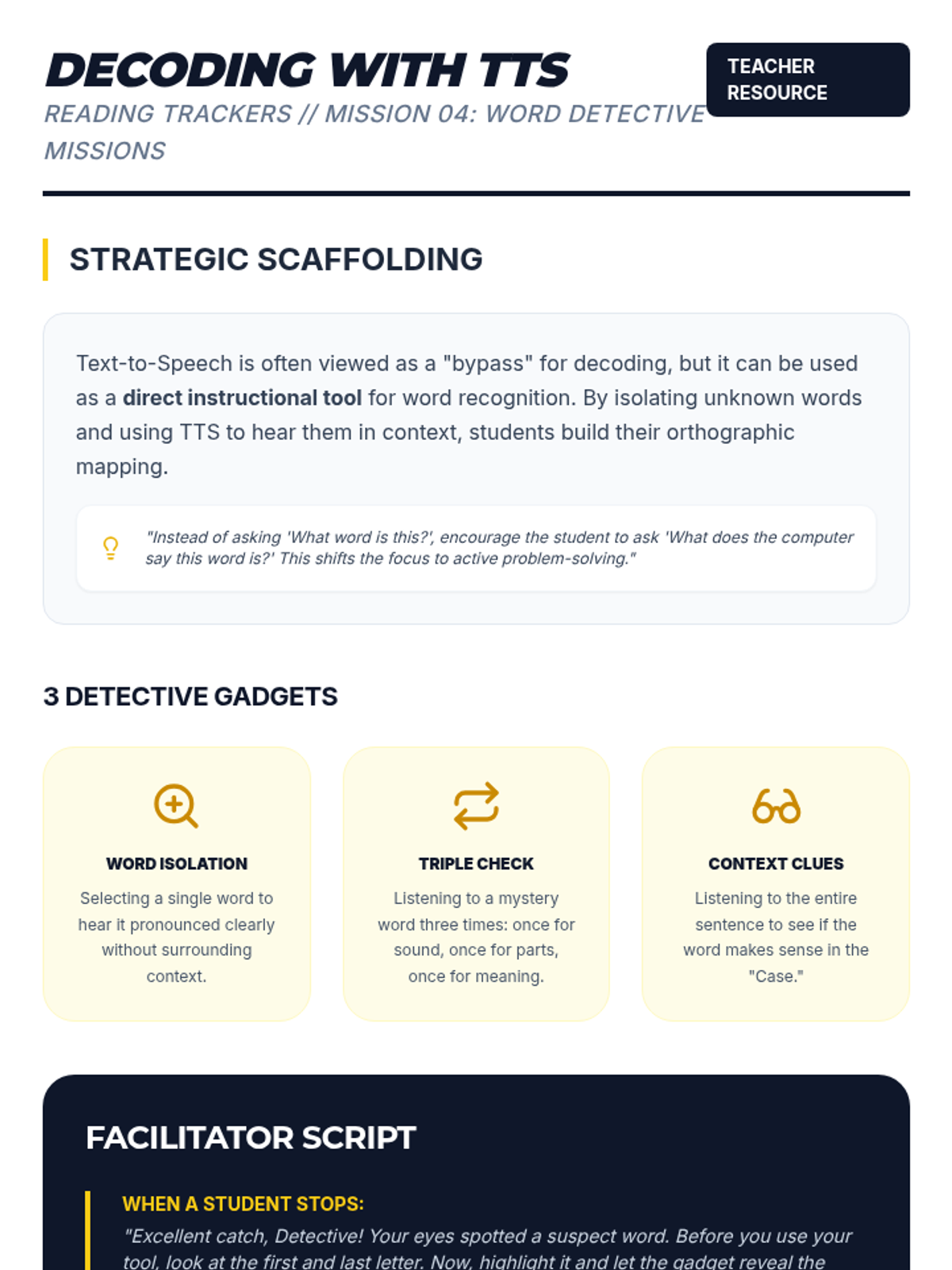
Students learn to use TTS to identify and decode unfamiliar words, acting as 'Word Detectives' to solve mysteries in the text.
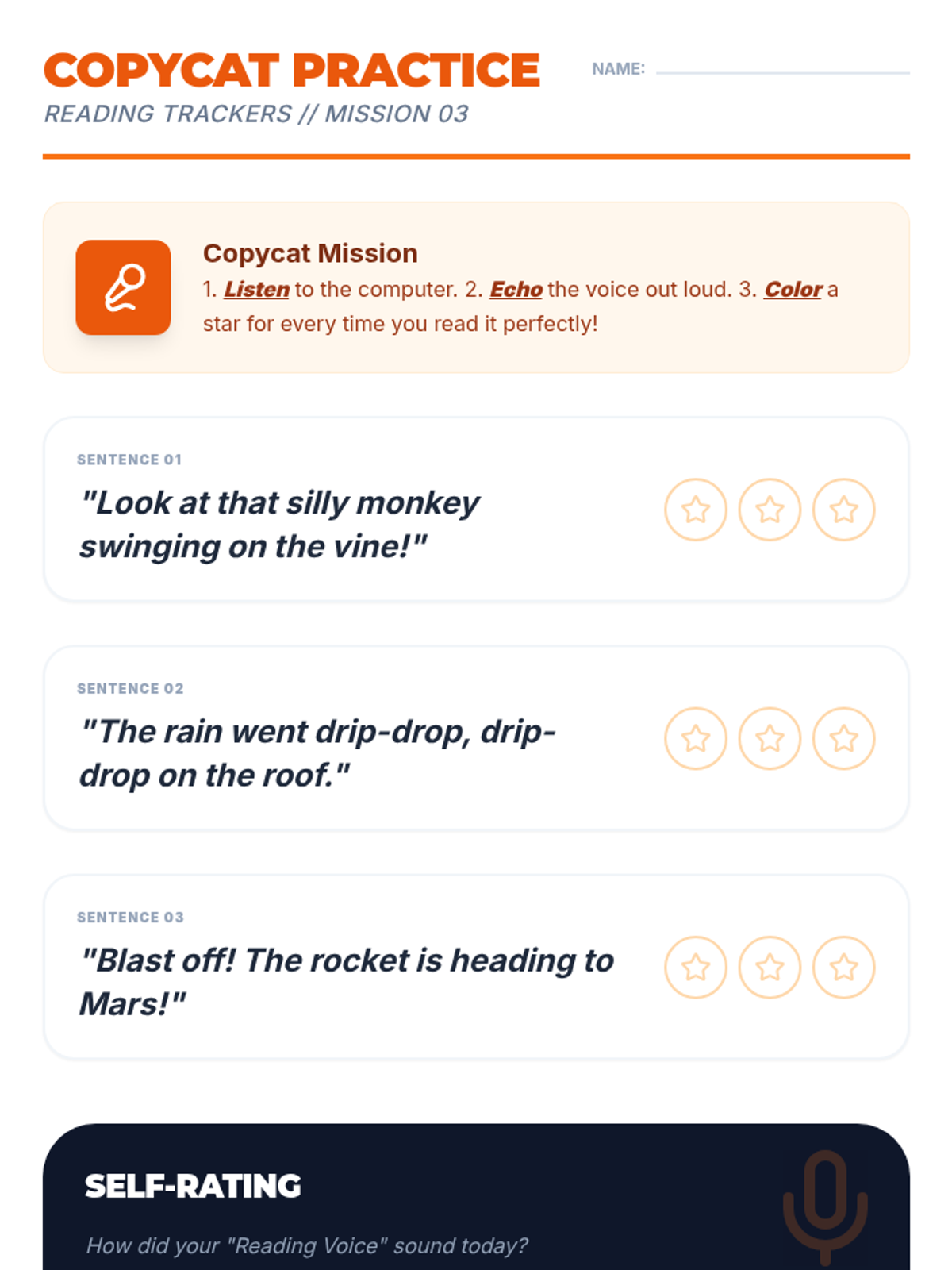
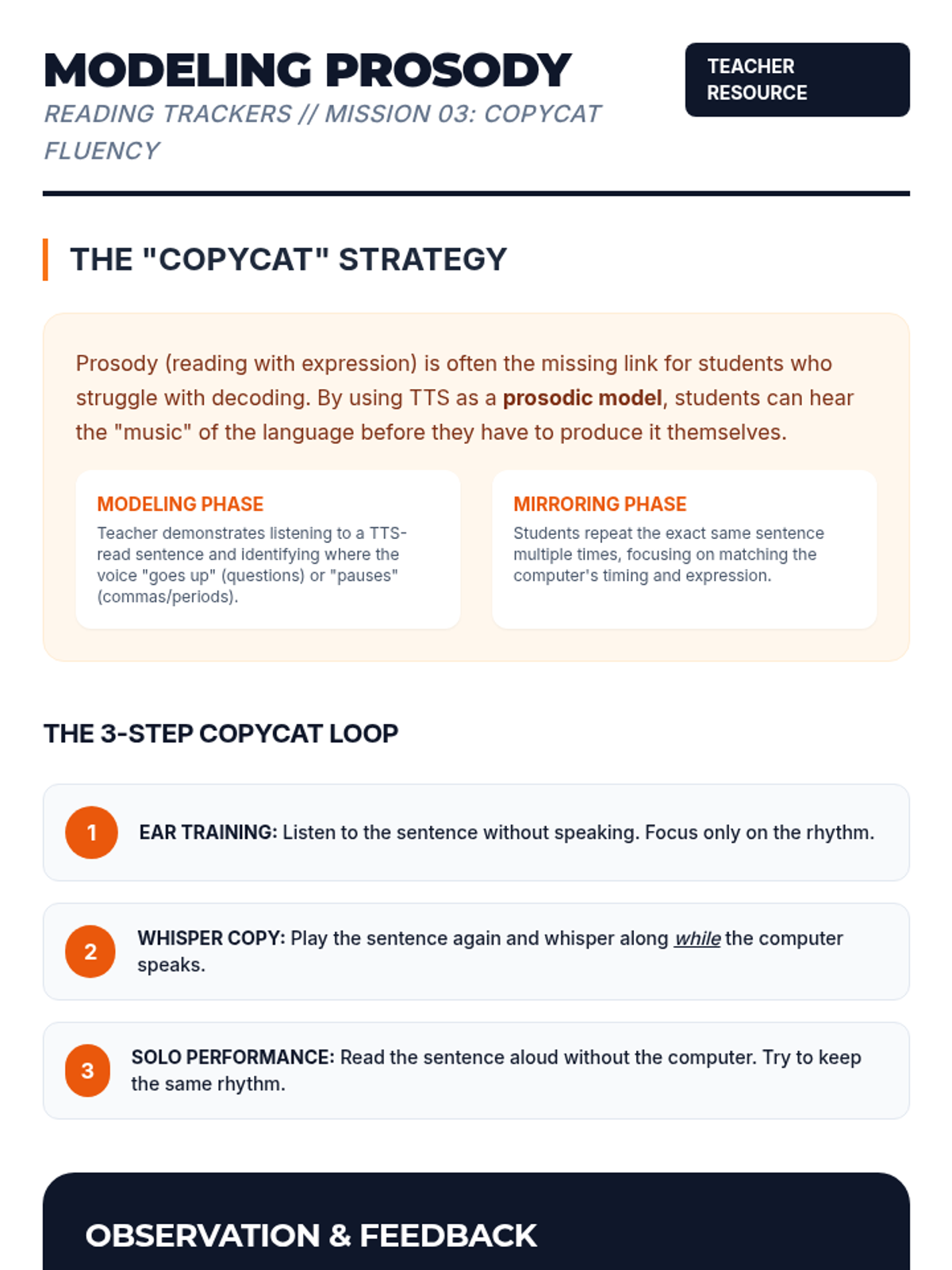
Students use TTS as a model for phrasing and rhythm, practicing repeated readings of short passages to build oral reading fluency.
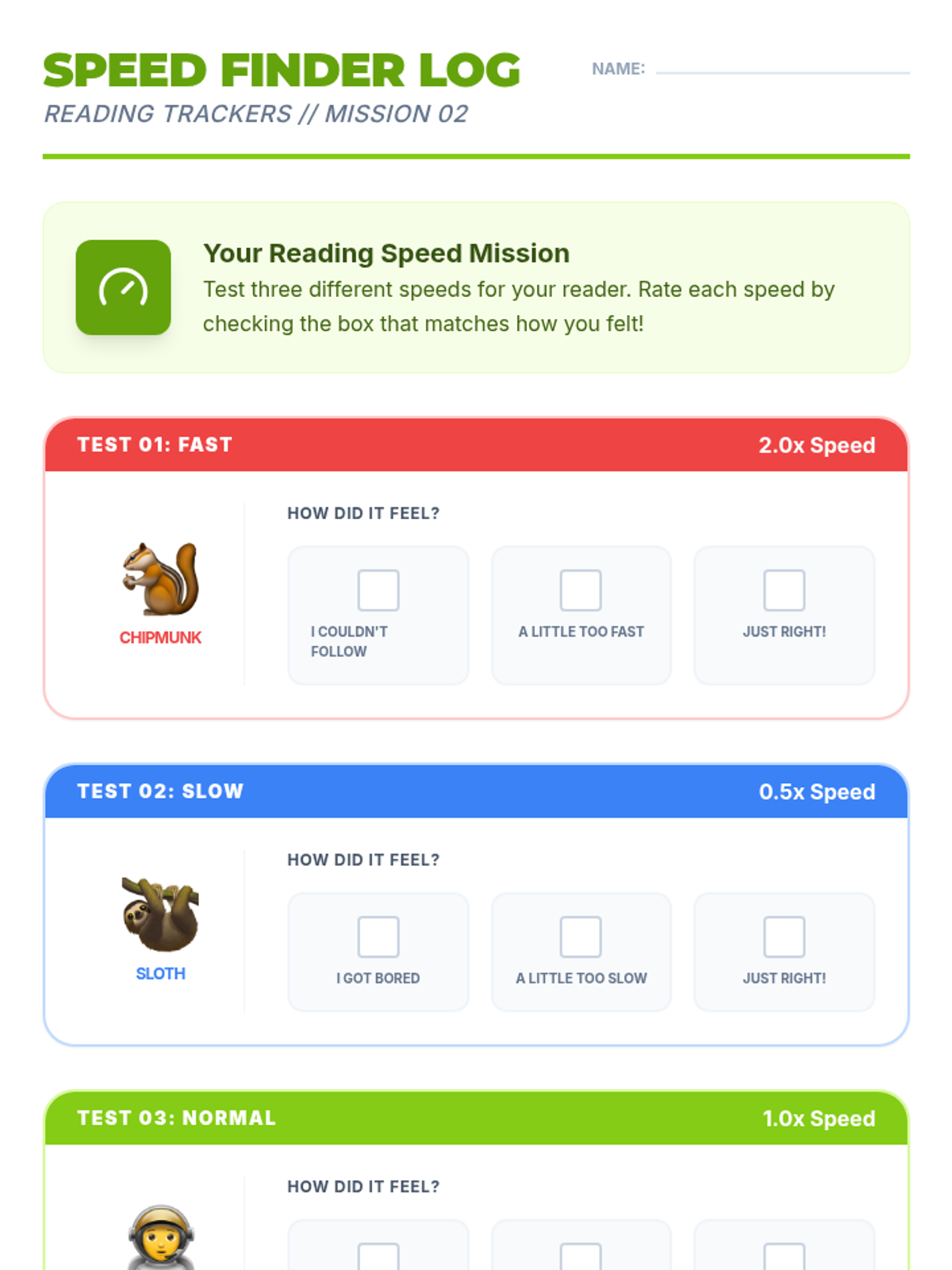
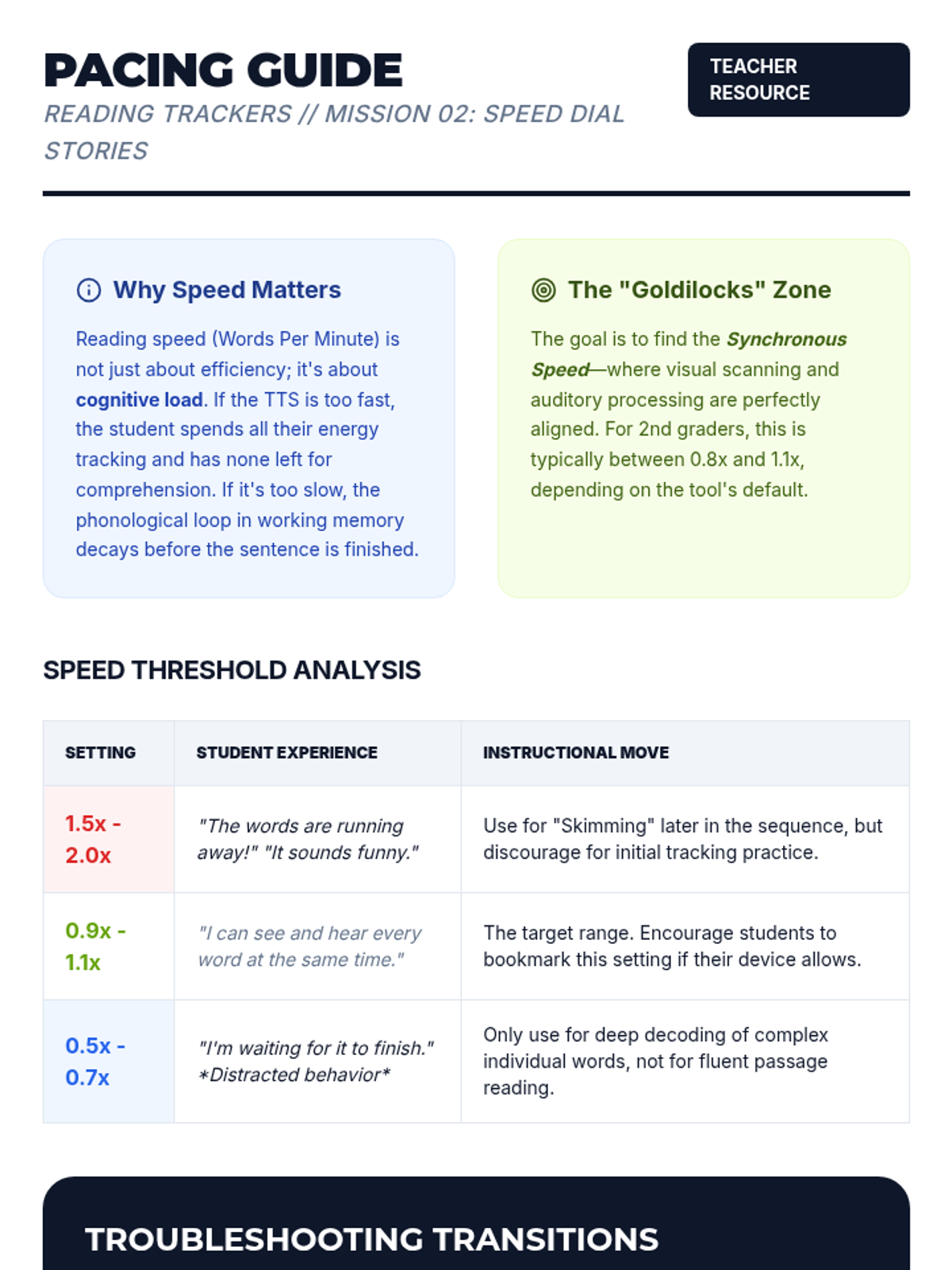
Learners experiment with different speech rates to find their 'Goldilocks' speed—not too fast, not too slow—for effective multimodal reading.
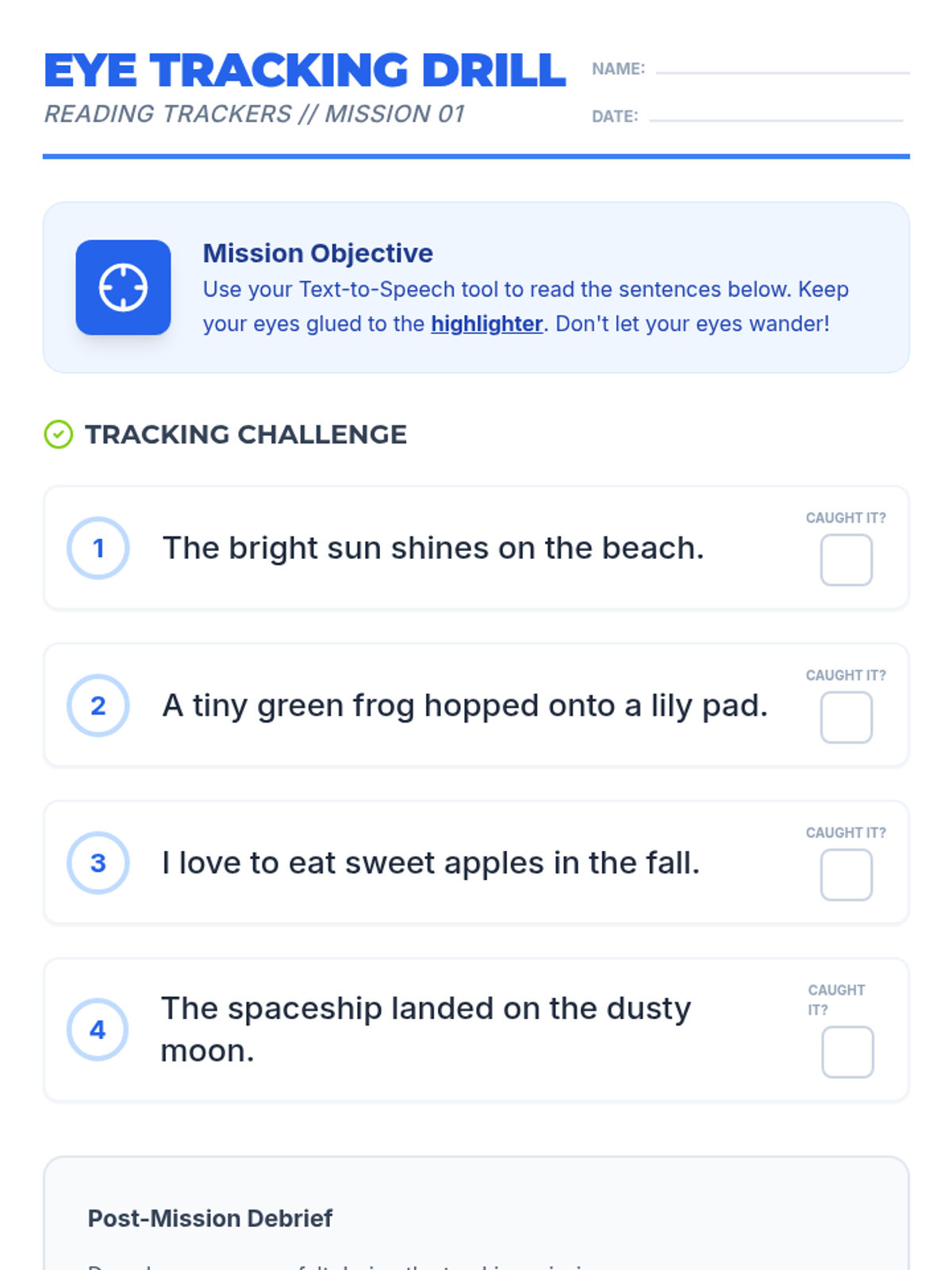
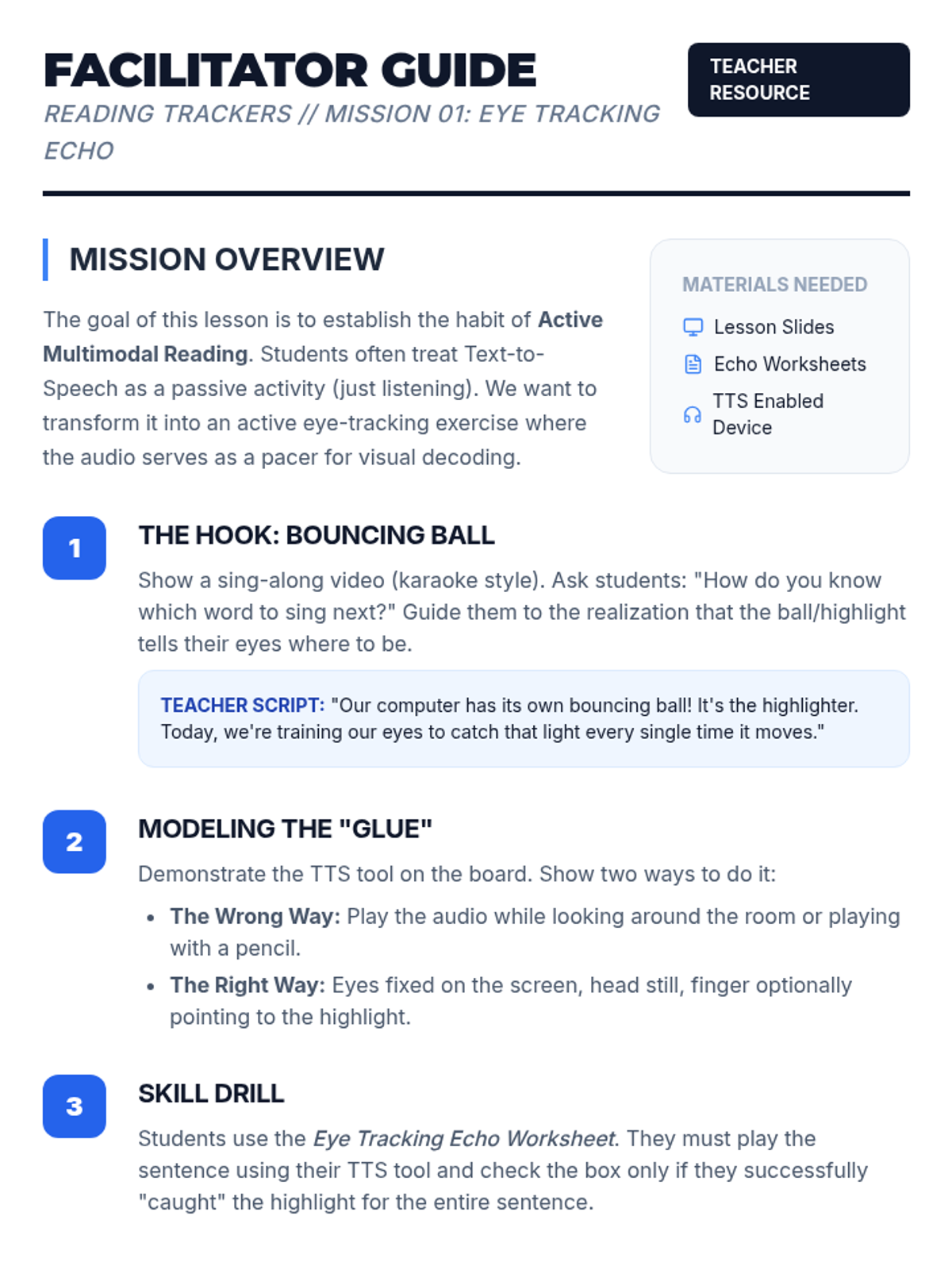
Students practice following a digital highlighter with their eyes as text is read aloud, focusing on maintaining visual synchronization with the audio output.
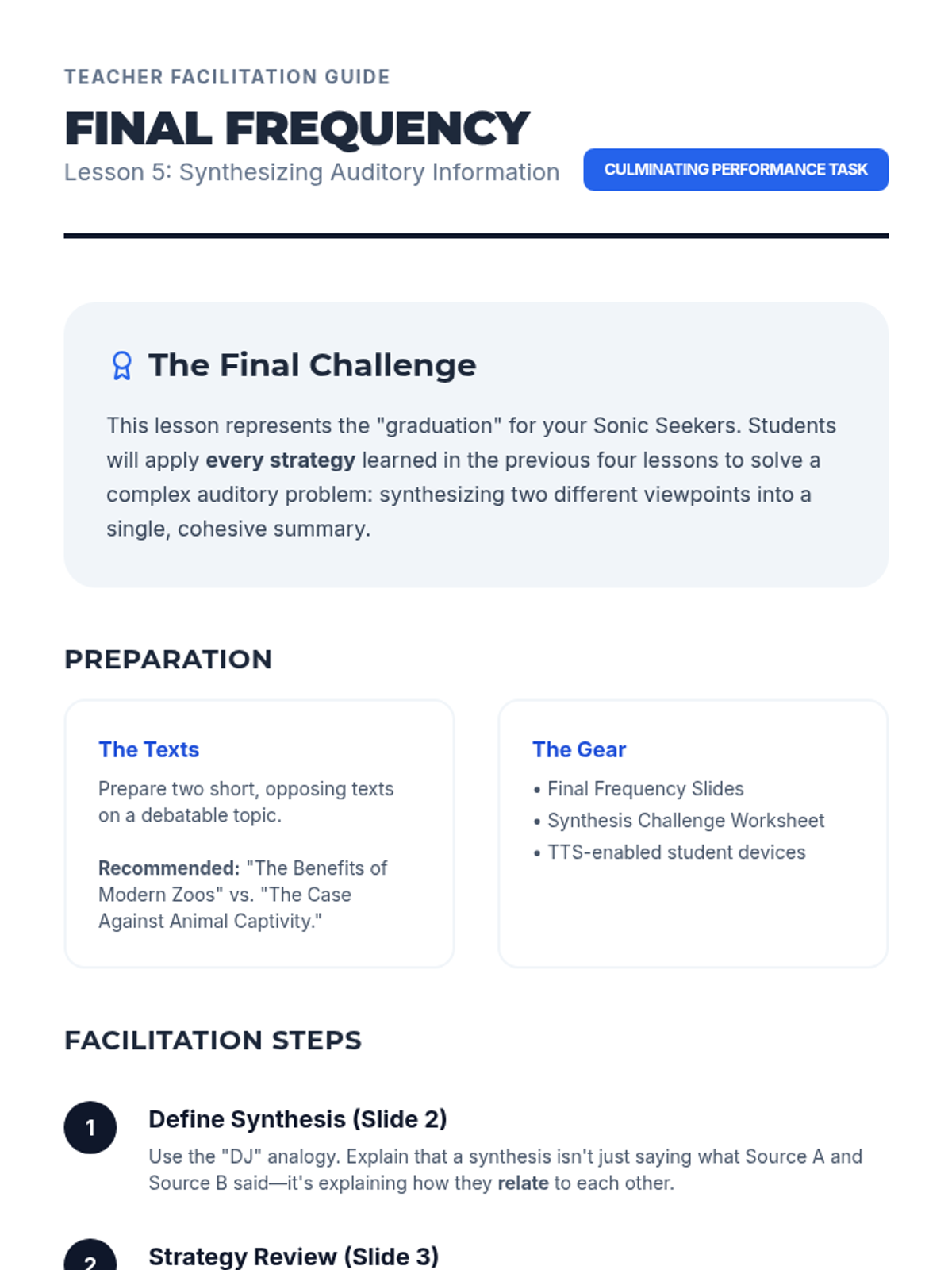
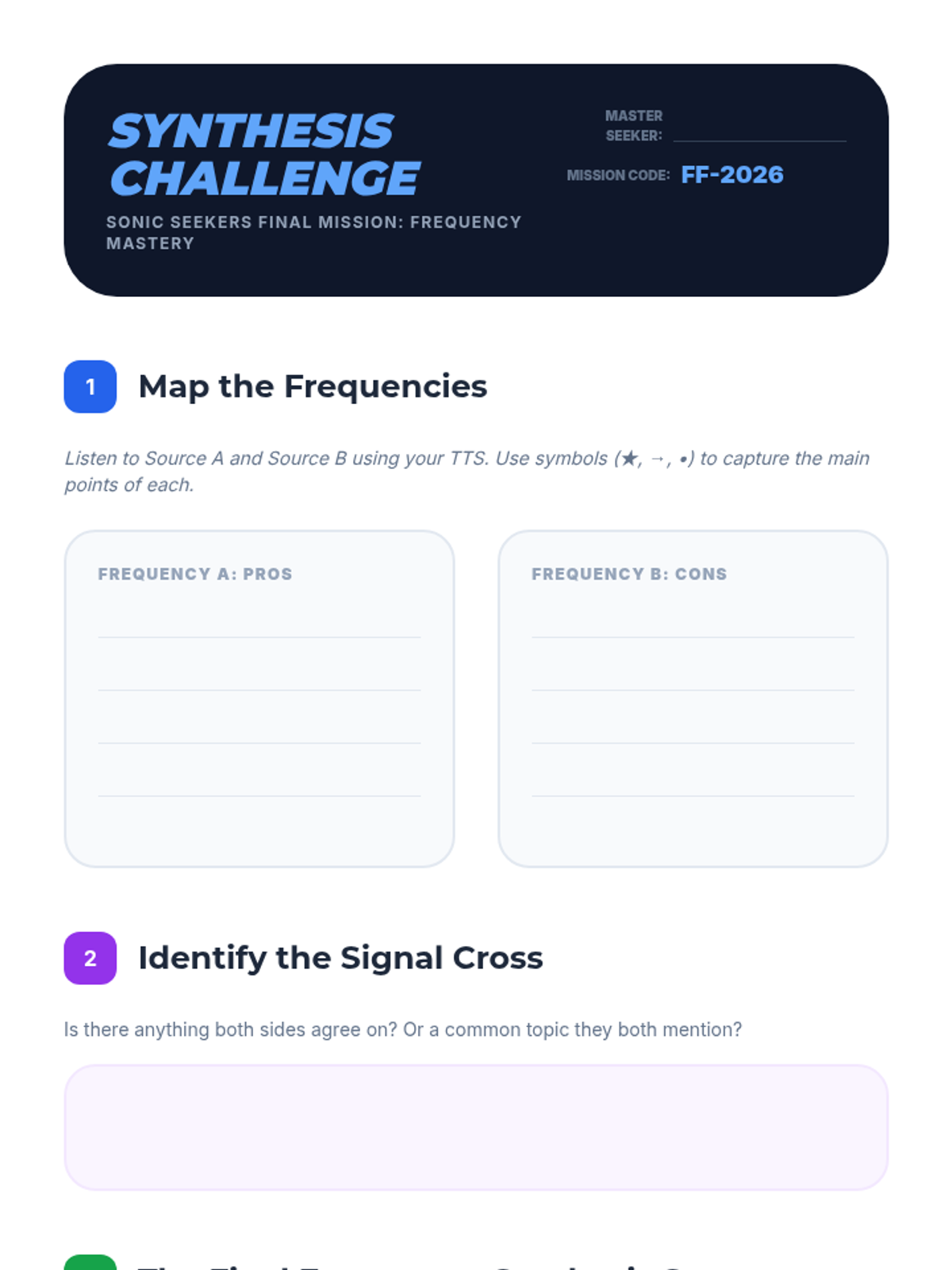
Students listen to two contrasting viewpoints on a topic using TTS and synthesize the information into a coherent summary. This tests their ability to maintain focus and organize auditory information over a longer duration.
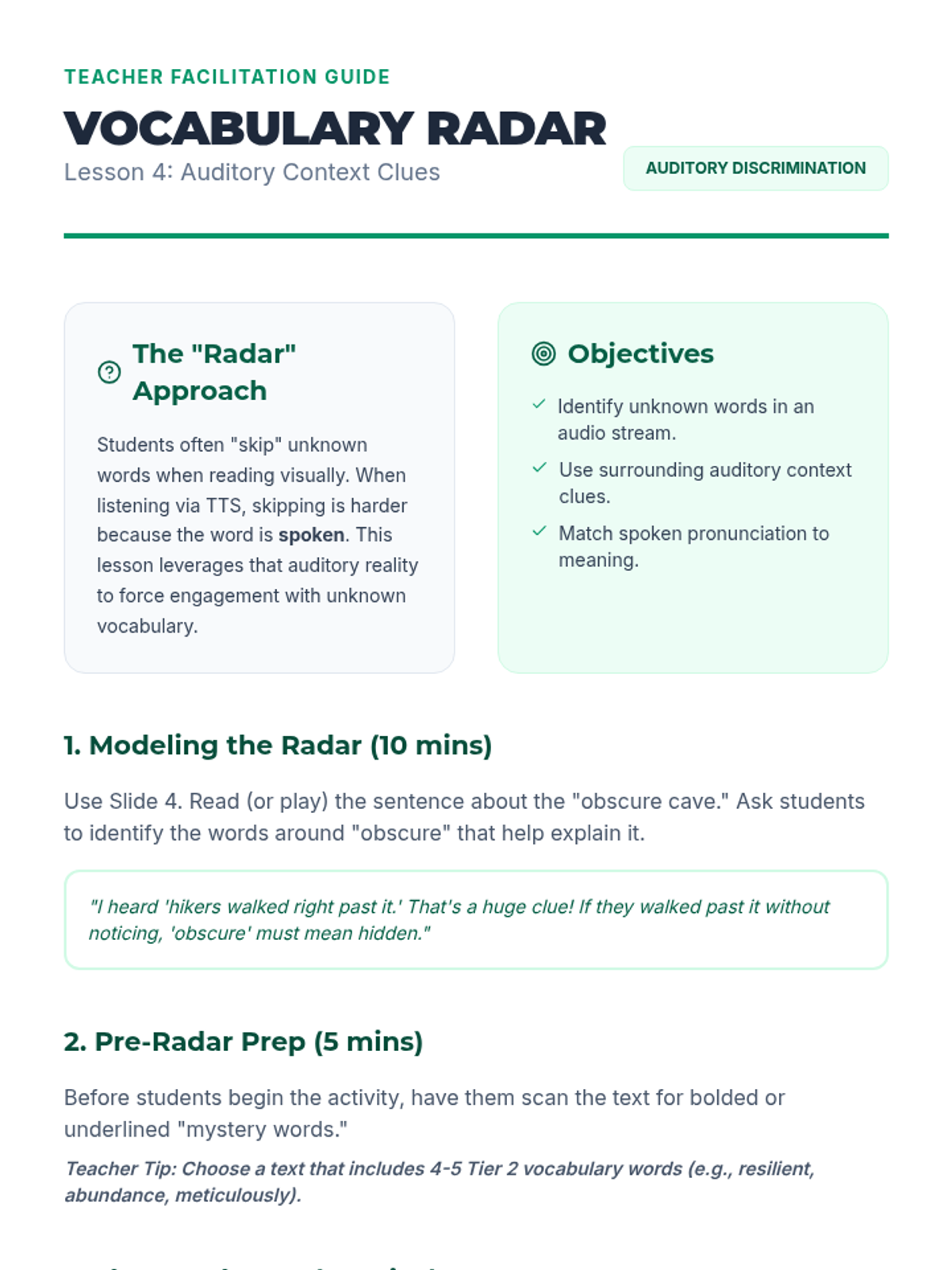
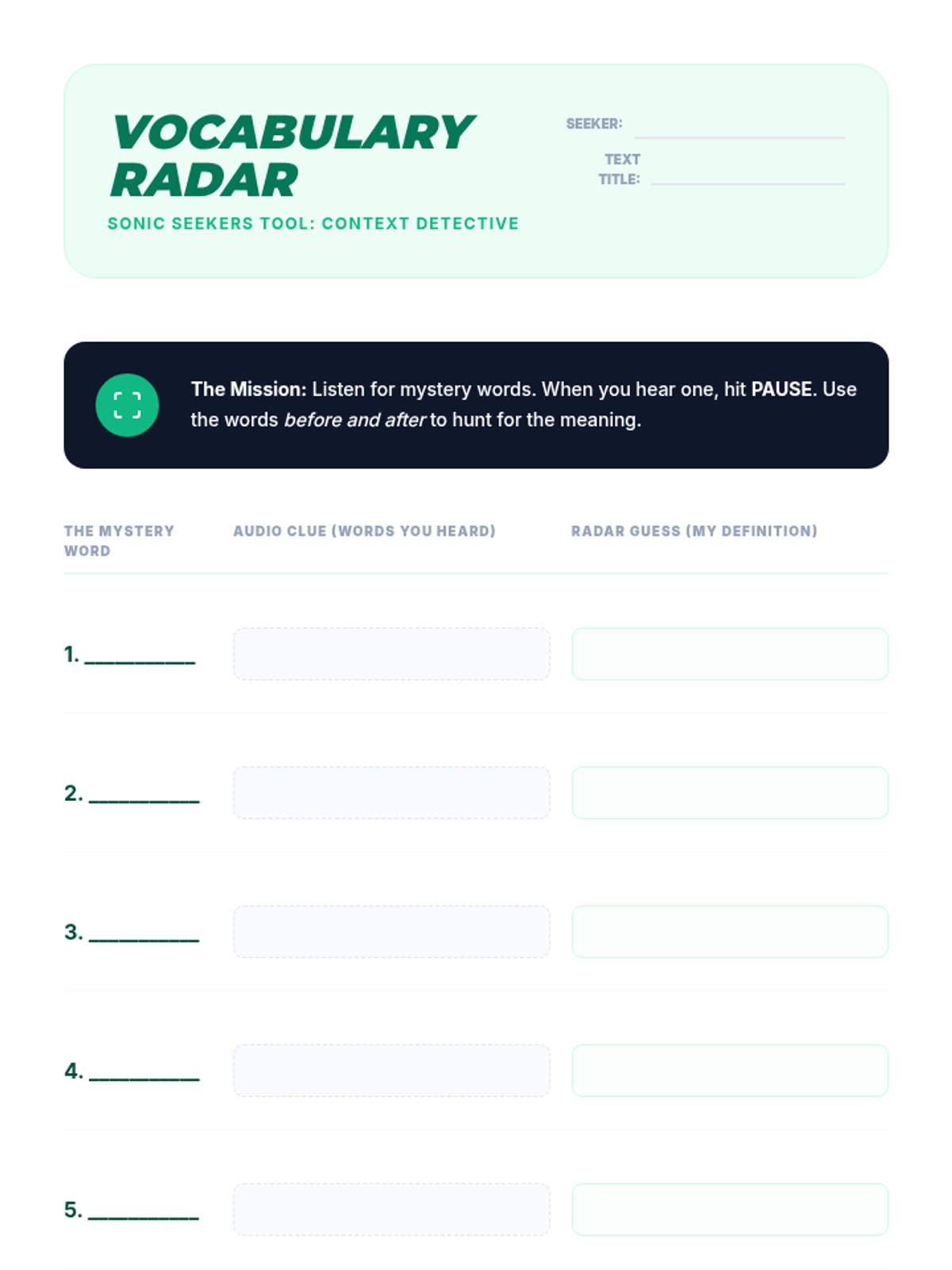
Students encounter challenging vocabulary words within a text. They use TTS to hear proper pronunciation and use context clues from the audio flow to define words before checking definitions.
This lesson introduces graphic organizers designed for auditory learners. Students practice listening to a TTS-read article and simultaneously mapping out key ideas and supporting details.
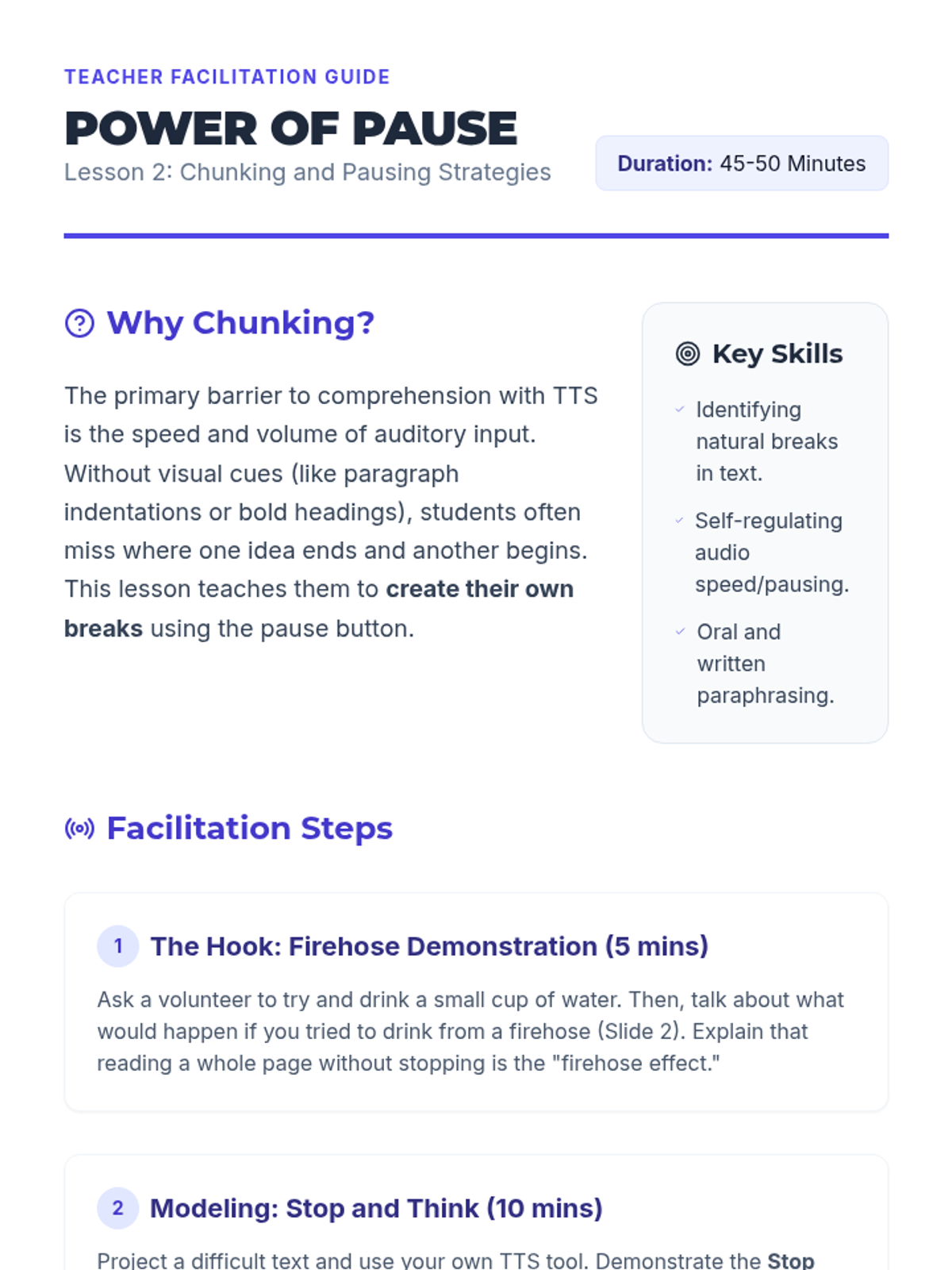
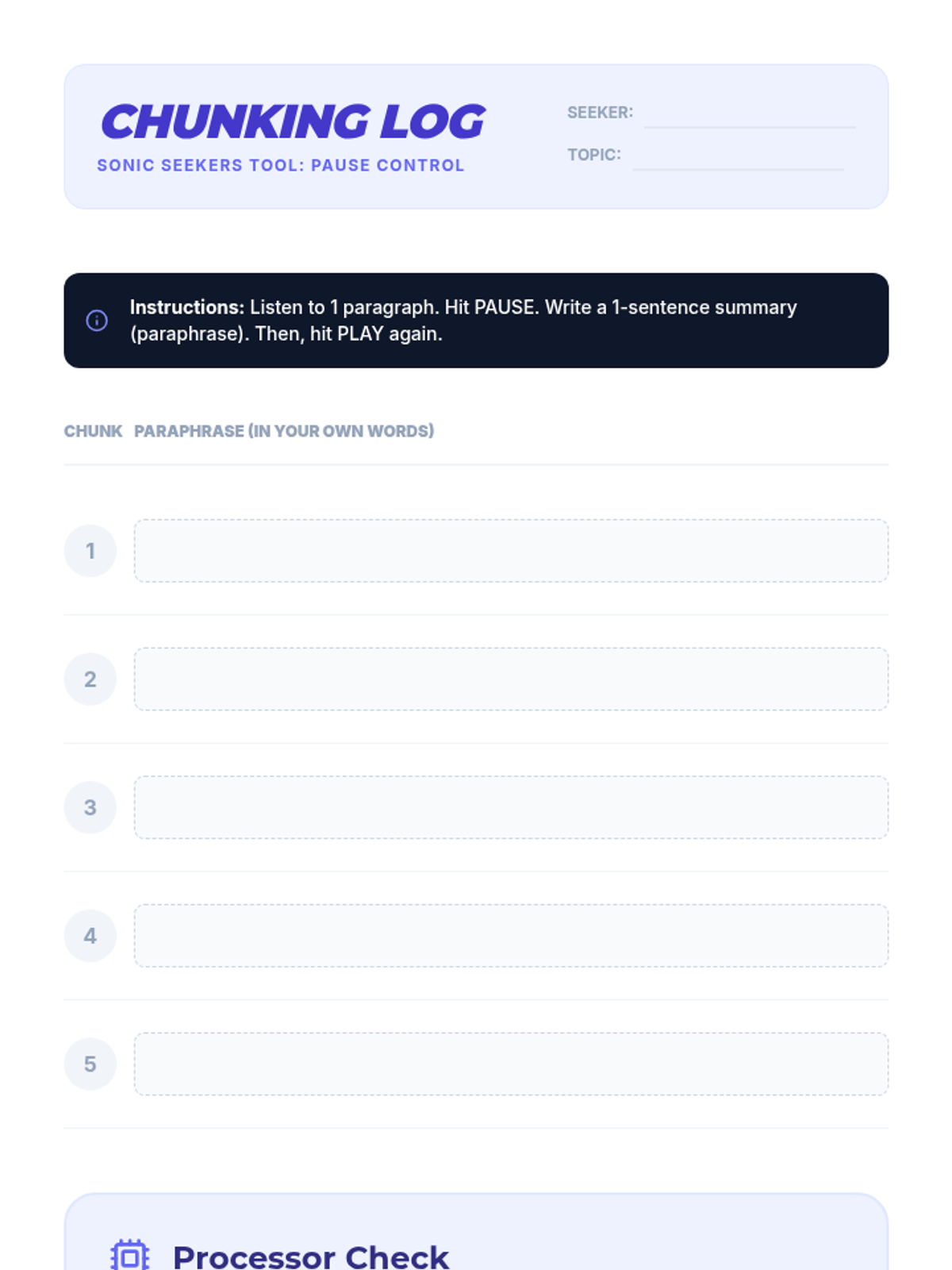
Students learn the 'Stop and Think' method, using the pause button to break dense text into manageable chunks. They practice paraphrasing orally or in writing after every segment played by the TTS tool.
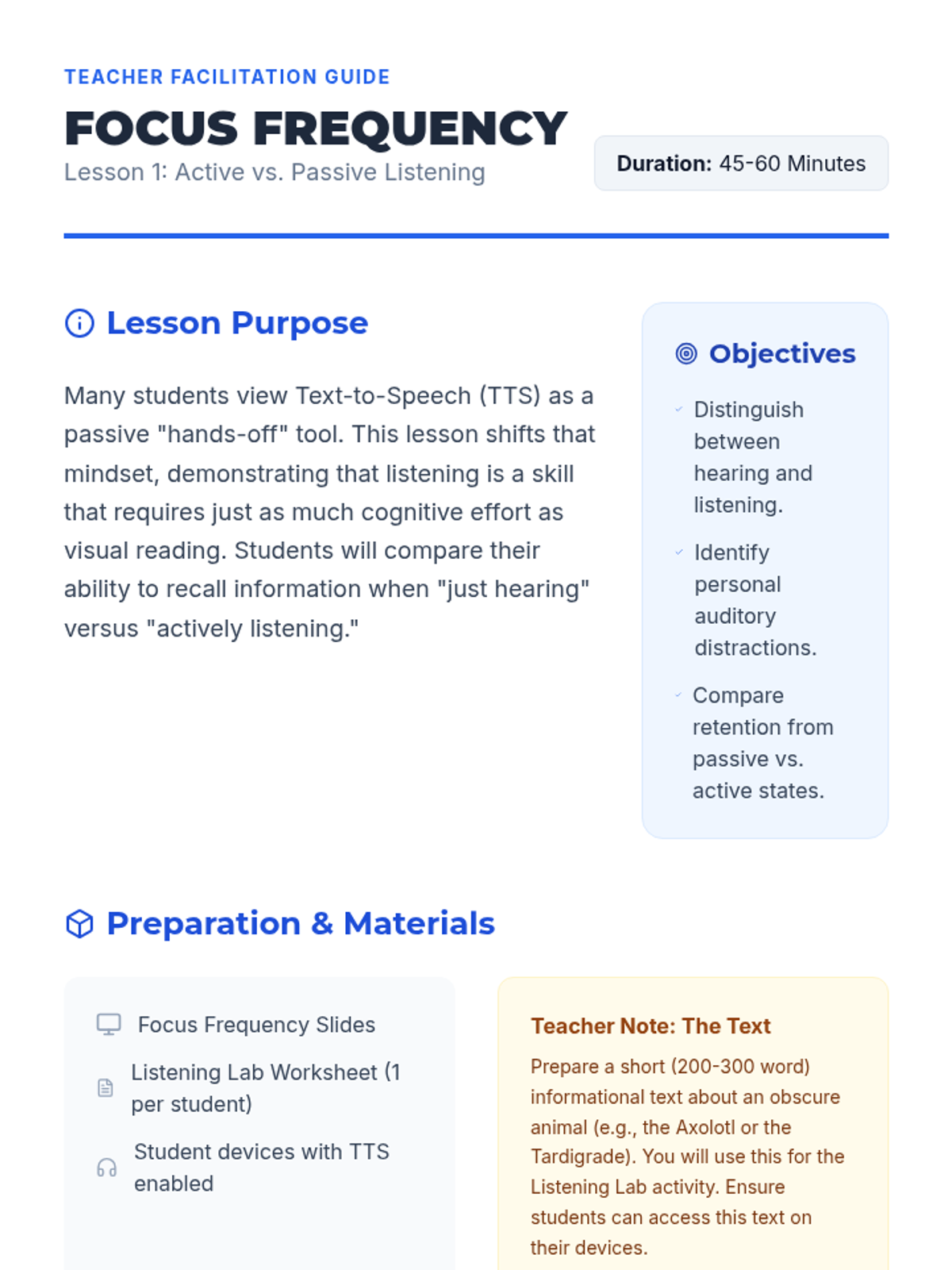
Students compare retention when passively listening to TTS versus active engagement. They identify distractions and brainstorm environments and behaviors that support deep listening.
Students practice taking notes while listening to an educational article. They pause the audio to write down key facts, combining listening comprehension with note-taking skills.
Students conduct a mini-research project on a topic of interest using TTS to access articles that might be above their independent reading level. They practice gathering facts via audio.
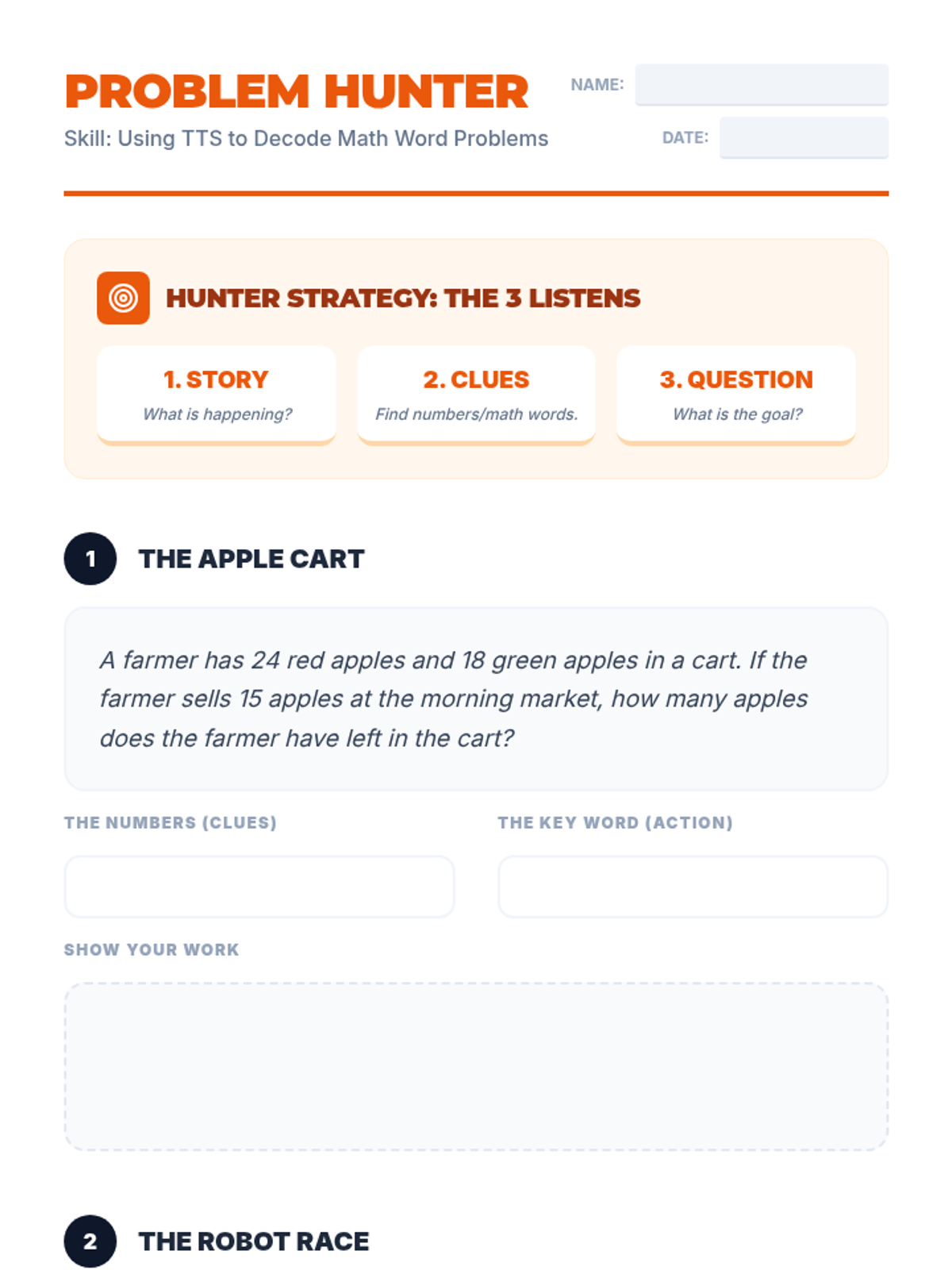
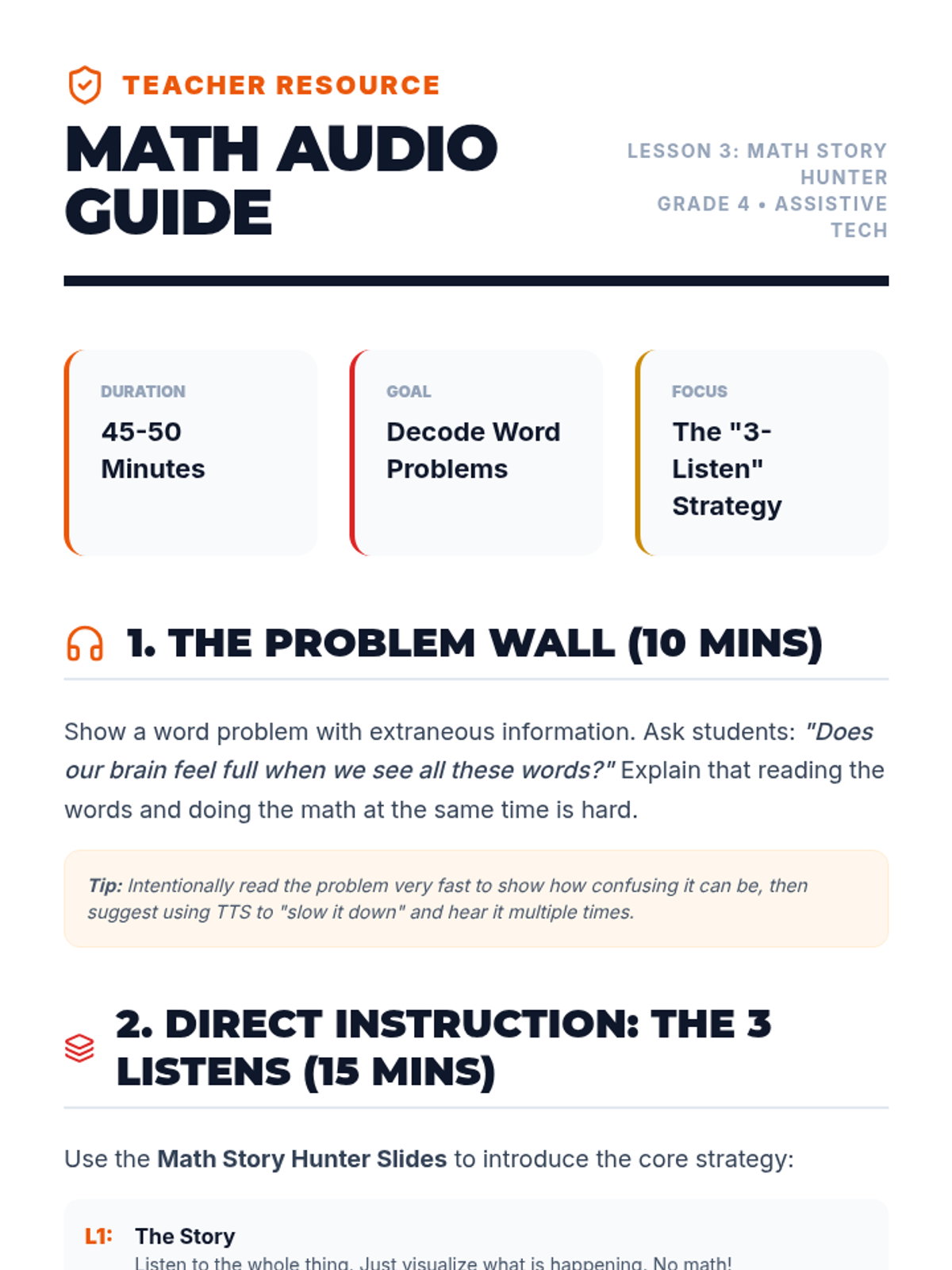
Students apply TTS specifically to math word problems. The lesson focuses on re-listening to identify the numbers and the question being asked without getting overwhelmed by the text.
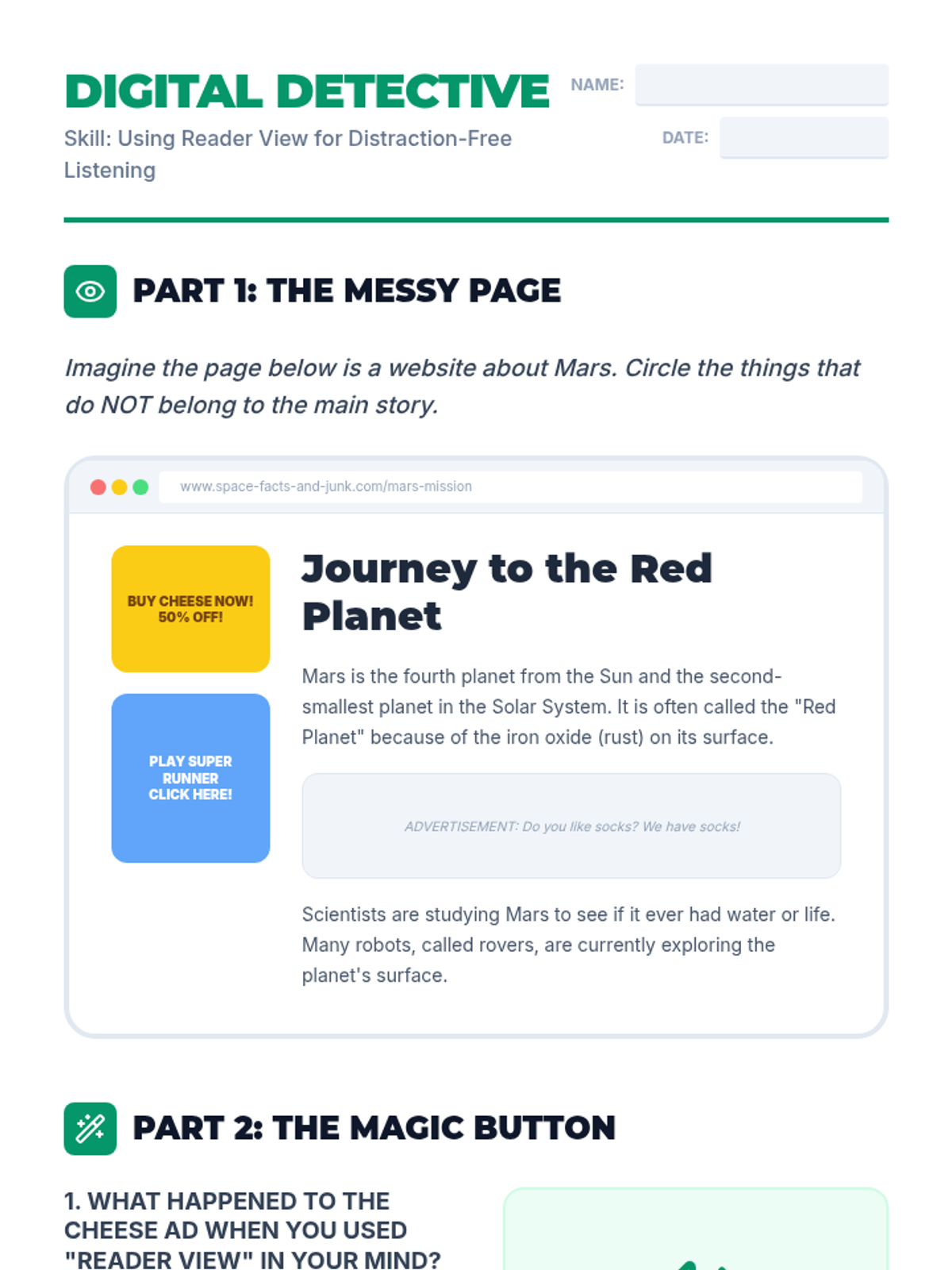
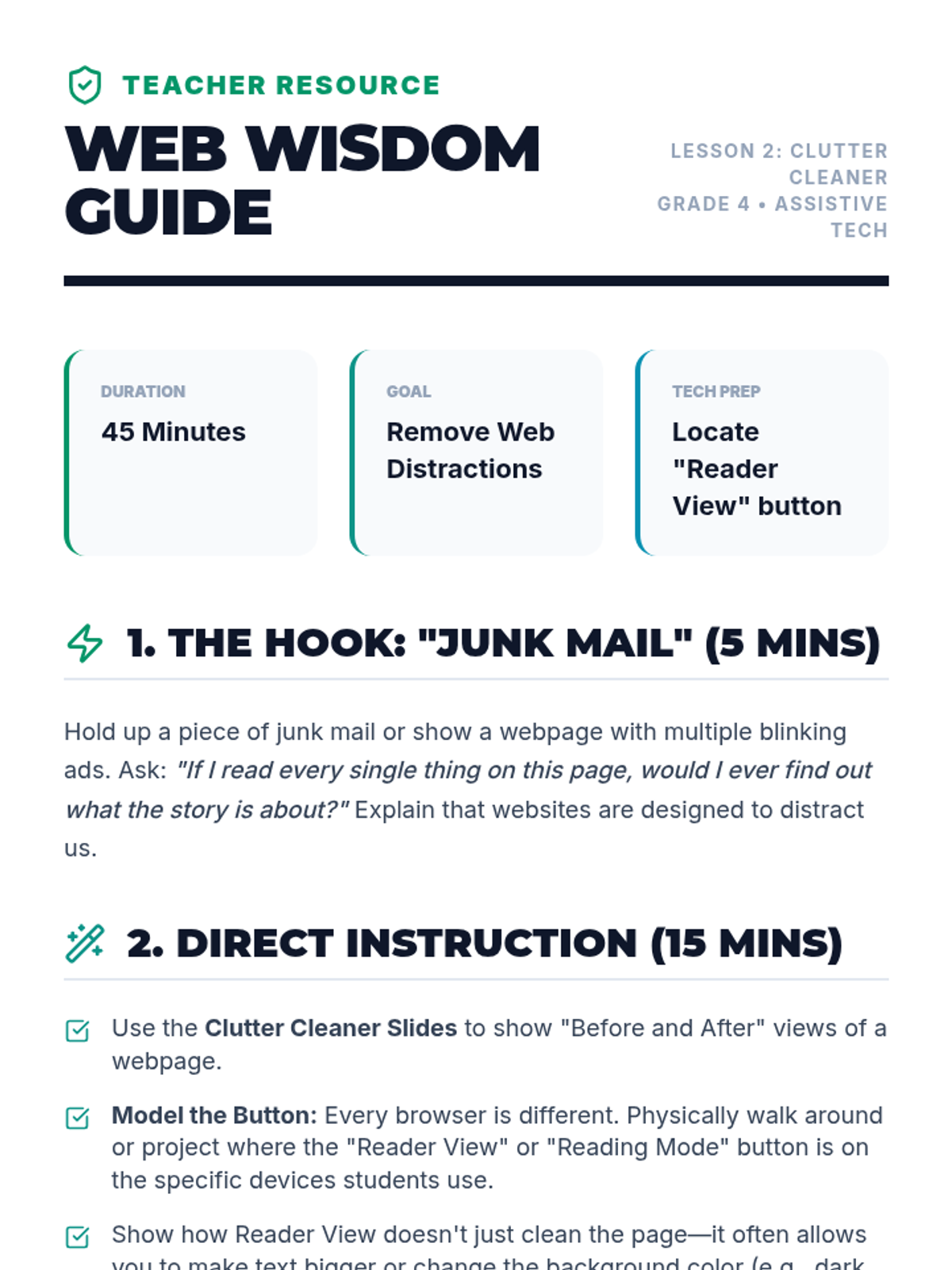
Students learn to use 'Reader View' or text-only modes in conjunction with TTS to strip away ads and distractions on websites. This focuses the audio on the main content.
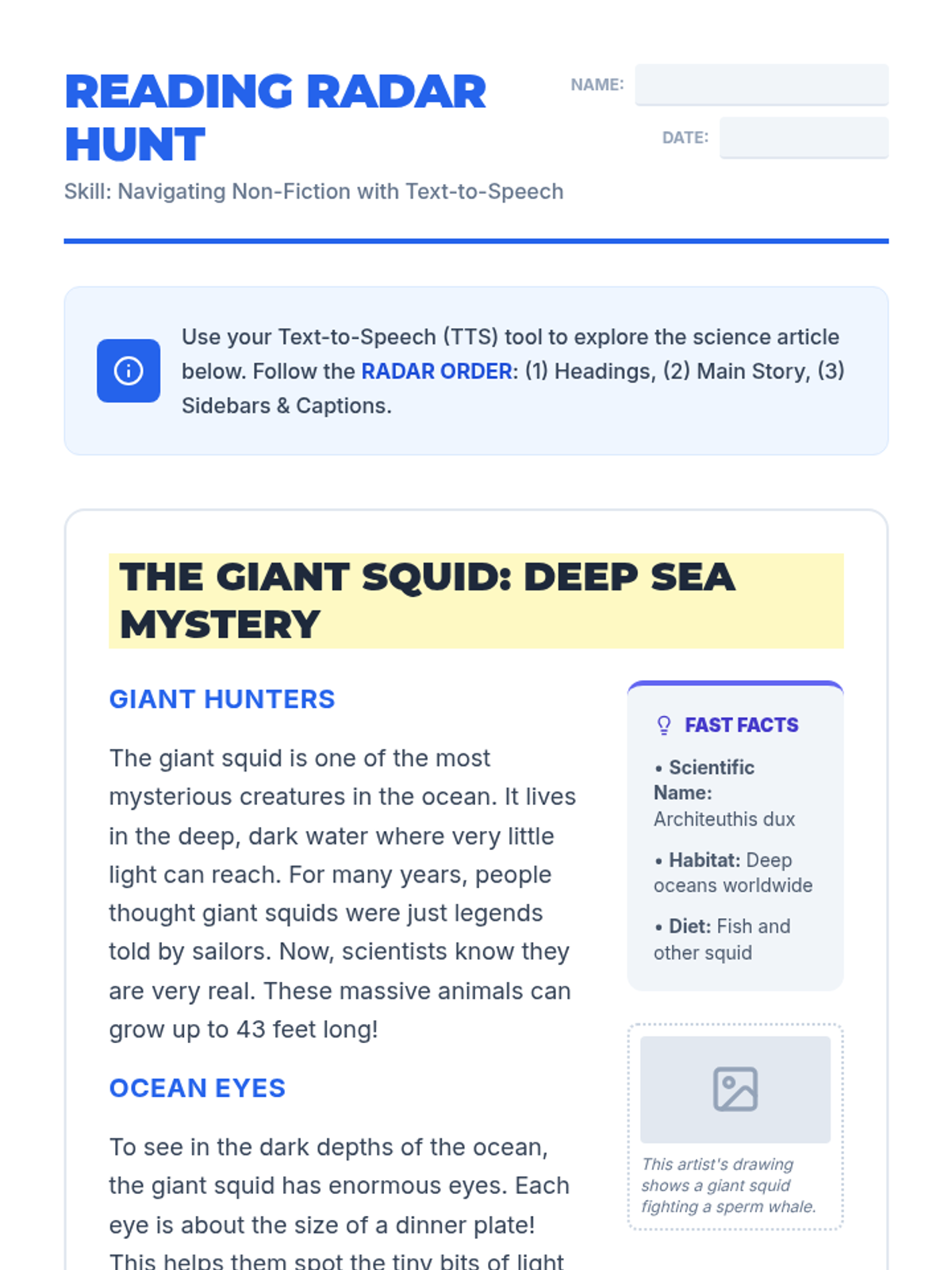
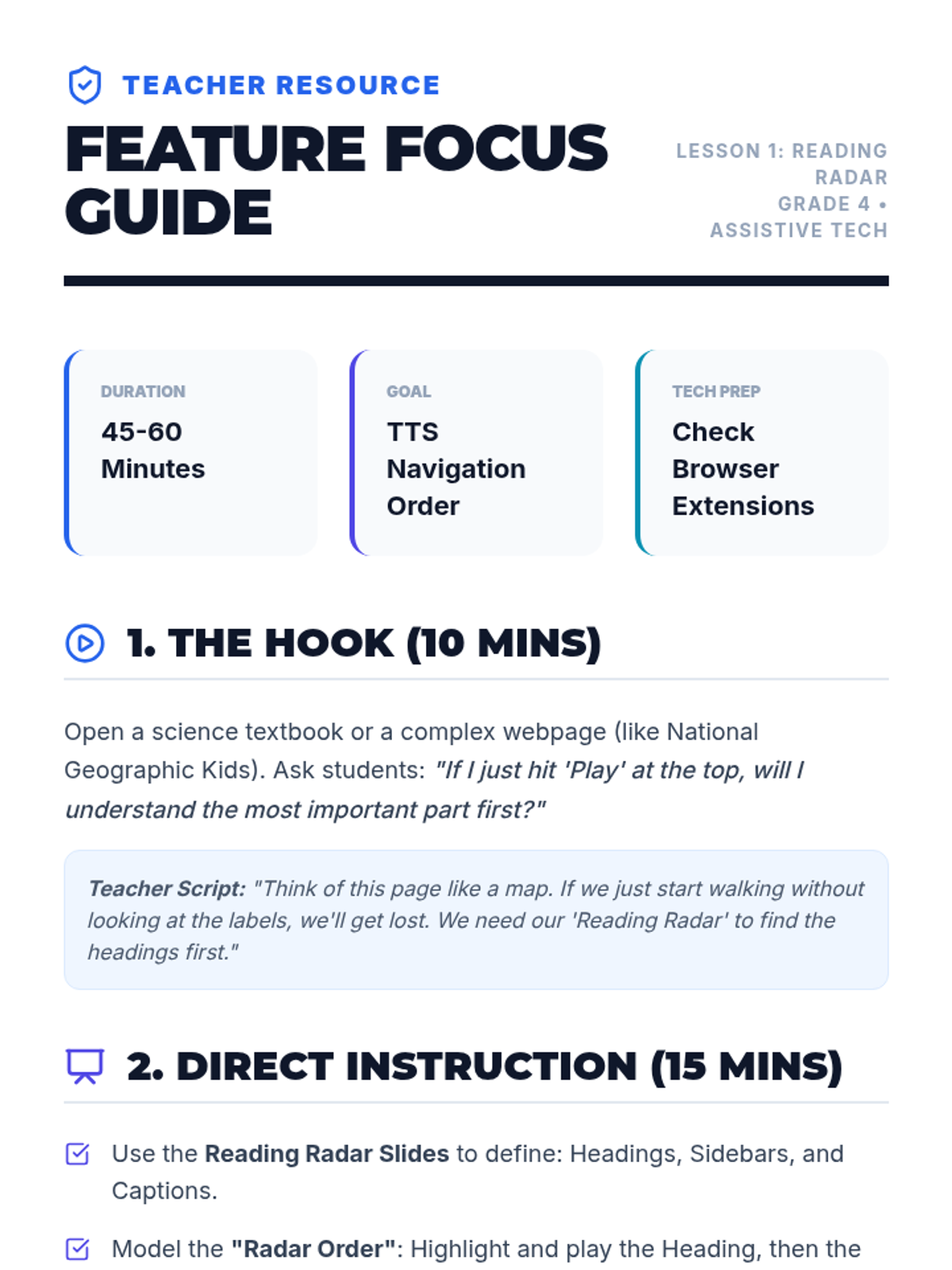
Students practice using TTS on non-fiction articles, learning how to handle captions, sidebars, and headings. They discuss the order in which to listen to these elements for best understanding.
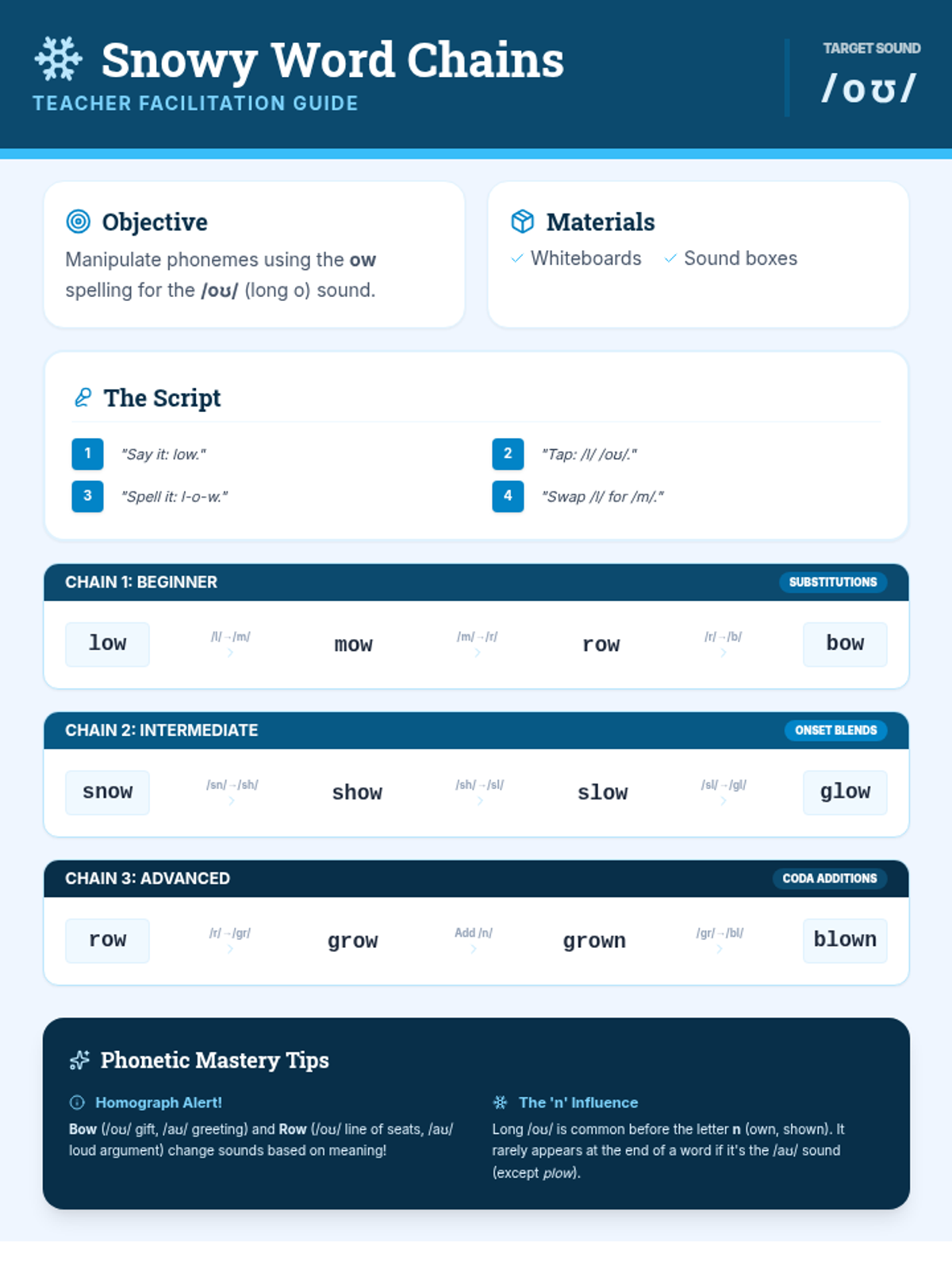
A teacher-led phonics lesson focused on the /oʊ/ sound (long o) spelled with 'ow', featuring orthographic mapping and word chain activities.
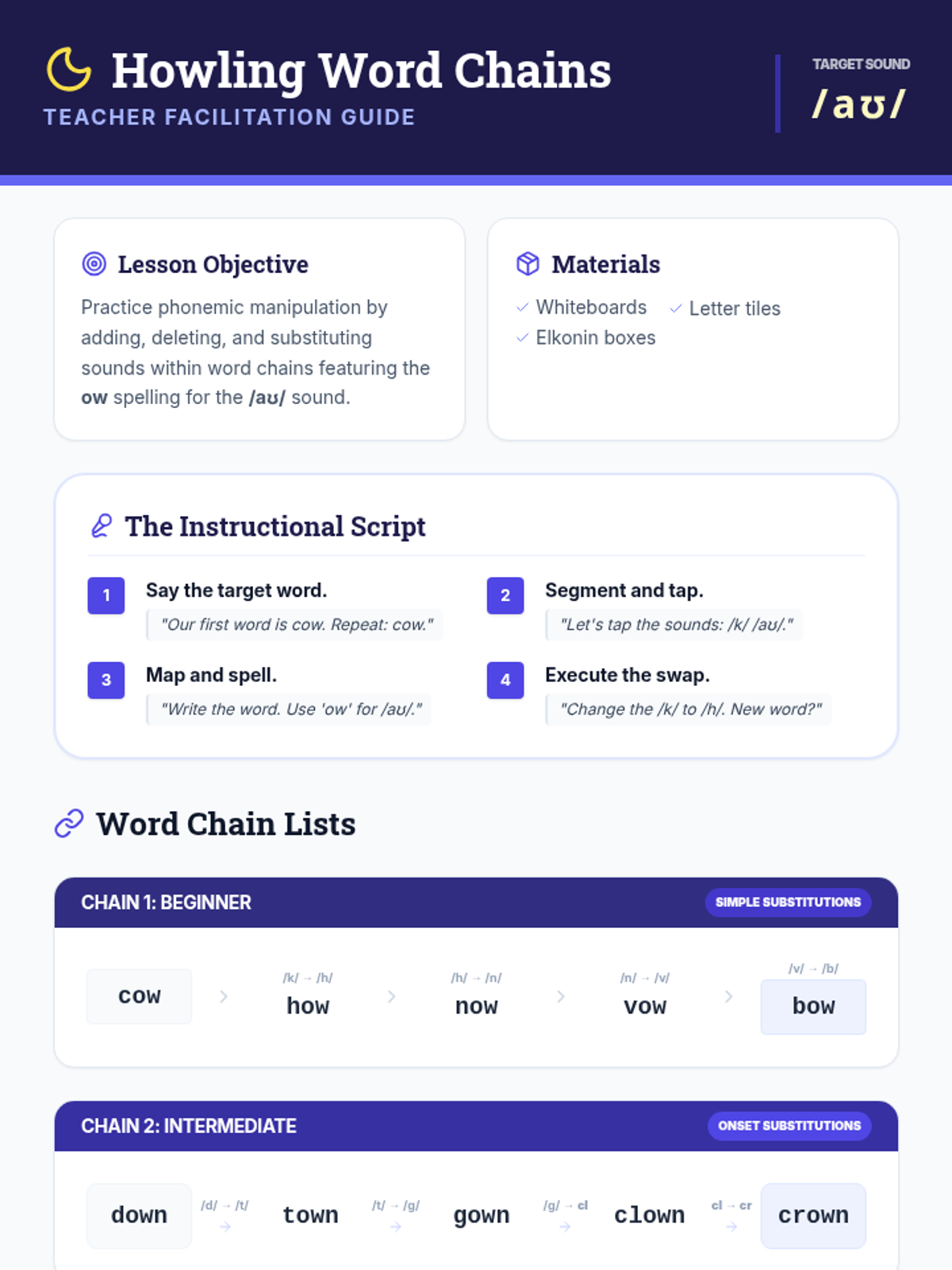
A teacher-led phonics lesson focused on the /aʊ/ sound spelled with 'ow', featuring orthographic mapping and word chain activities.
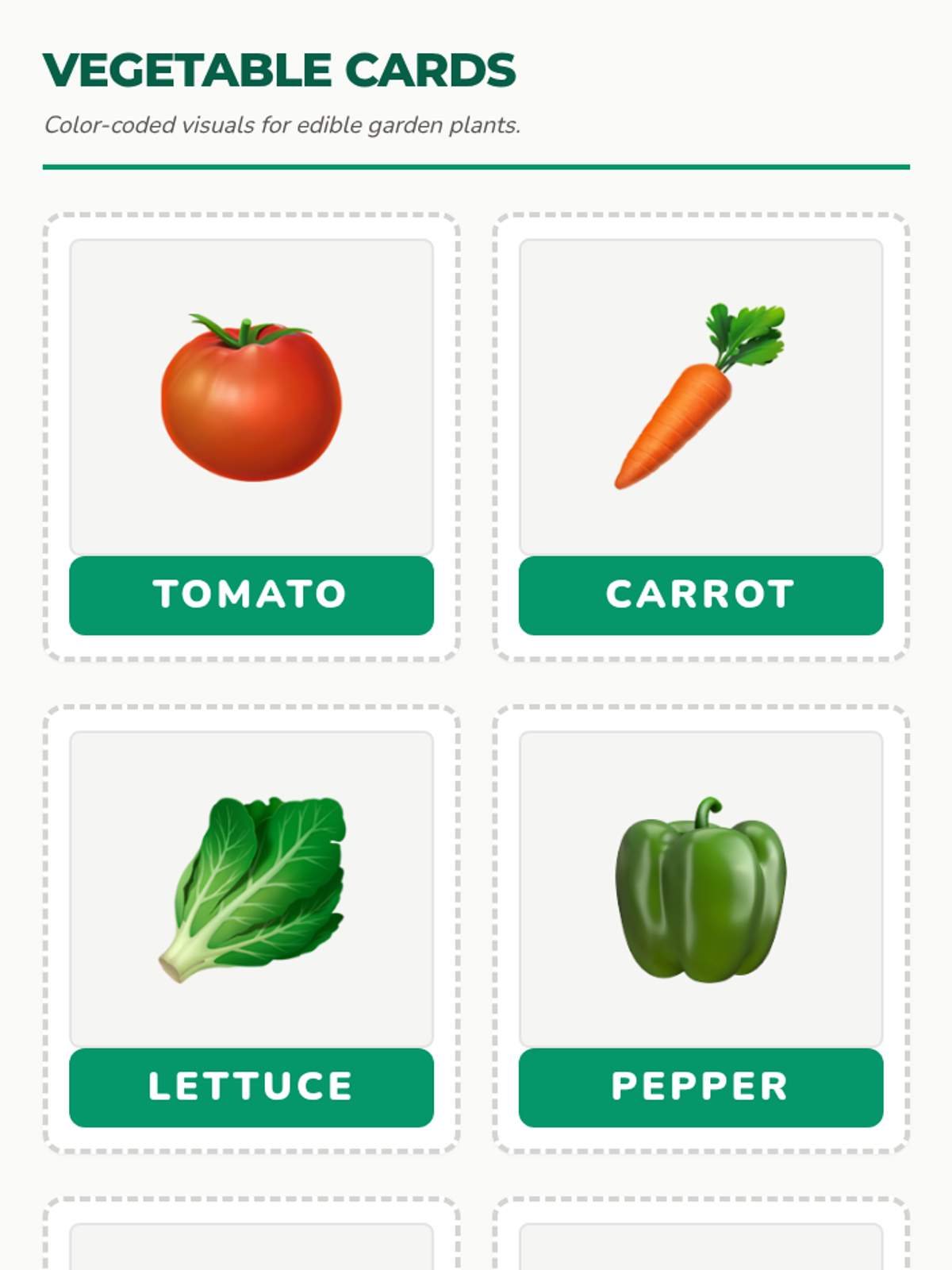
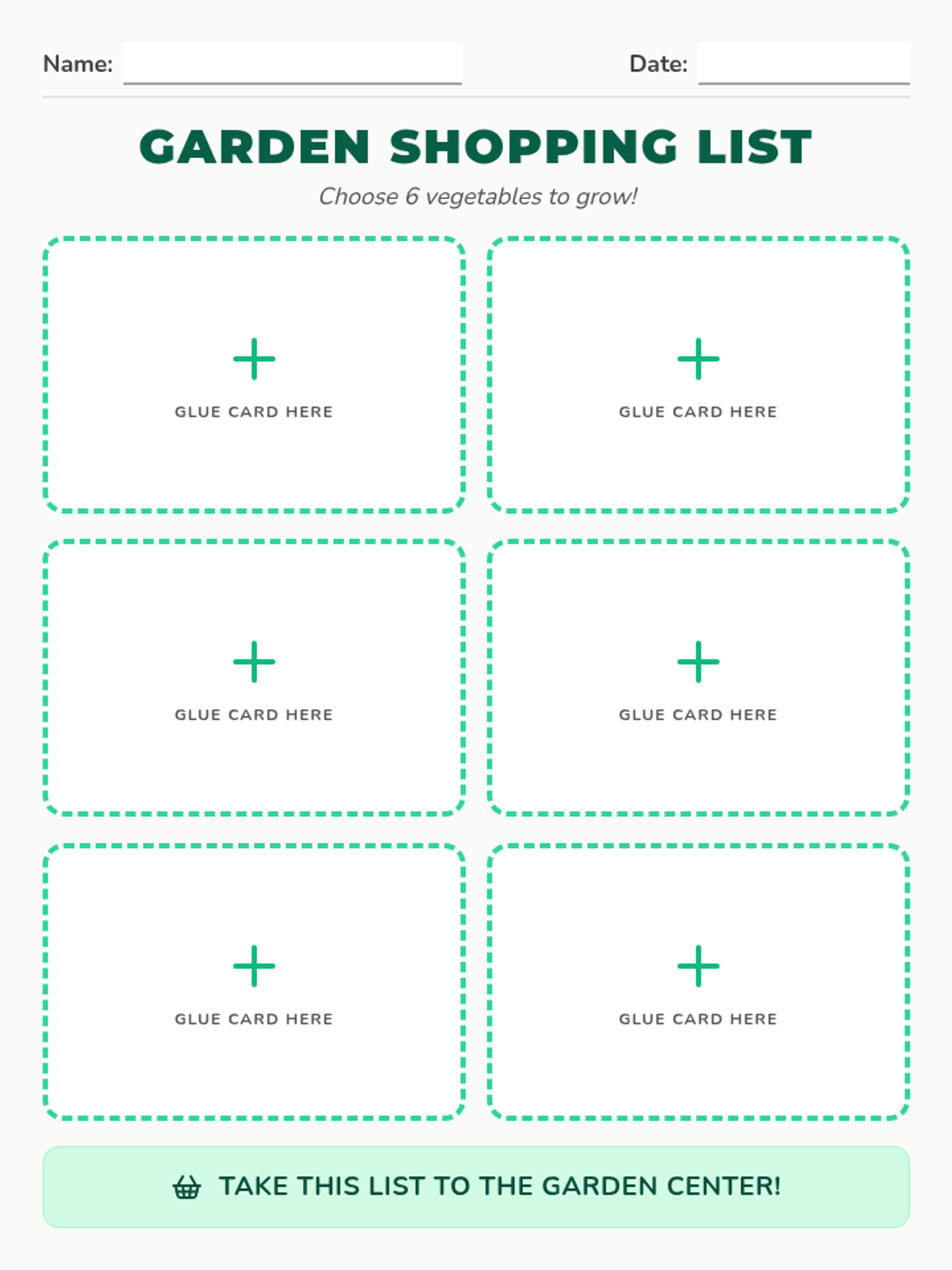
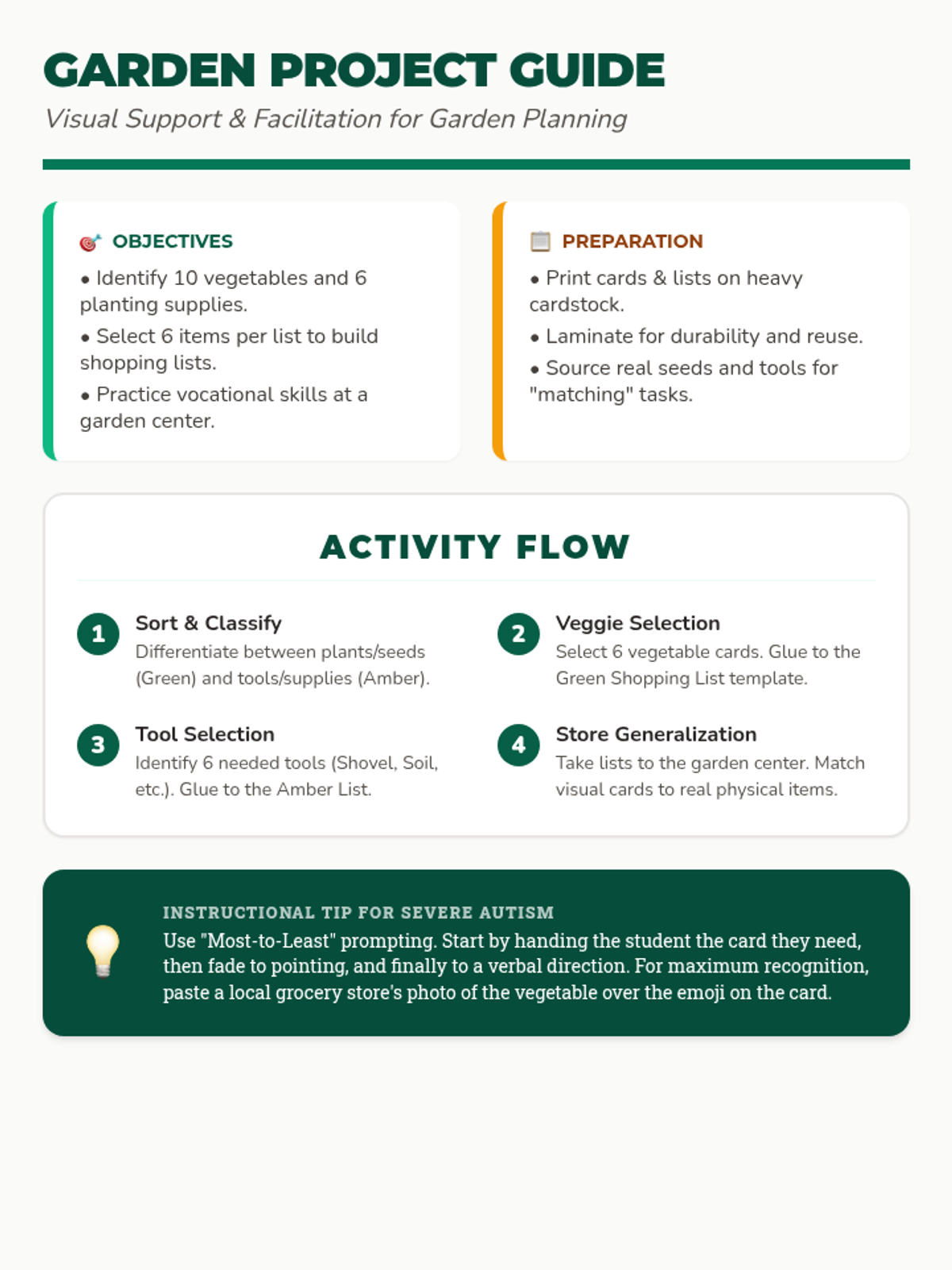
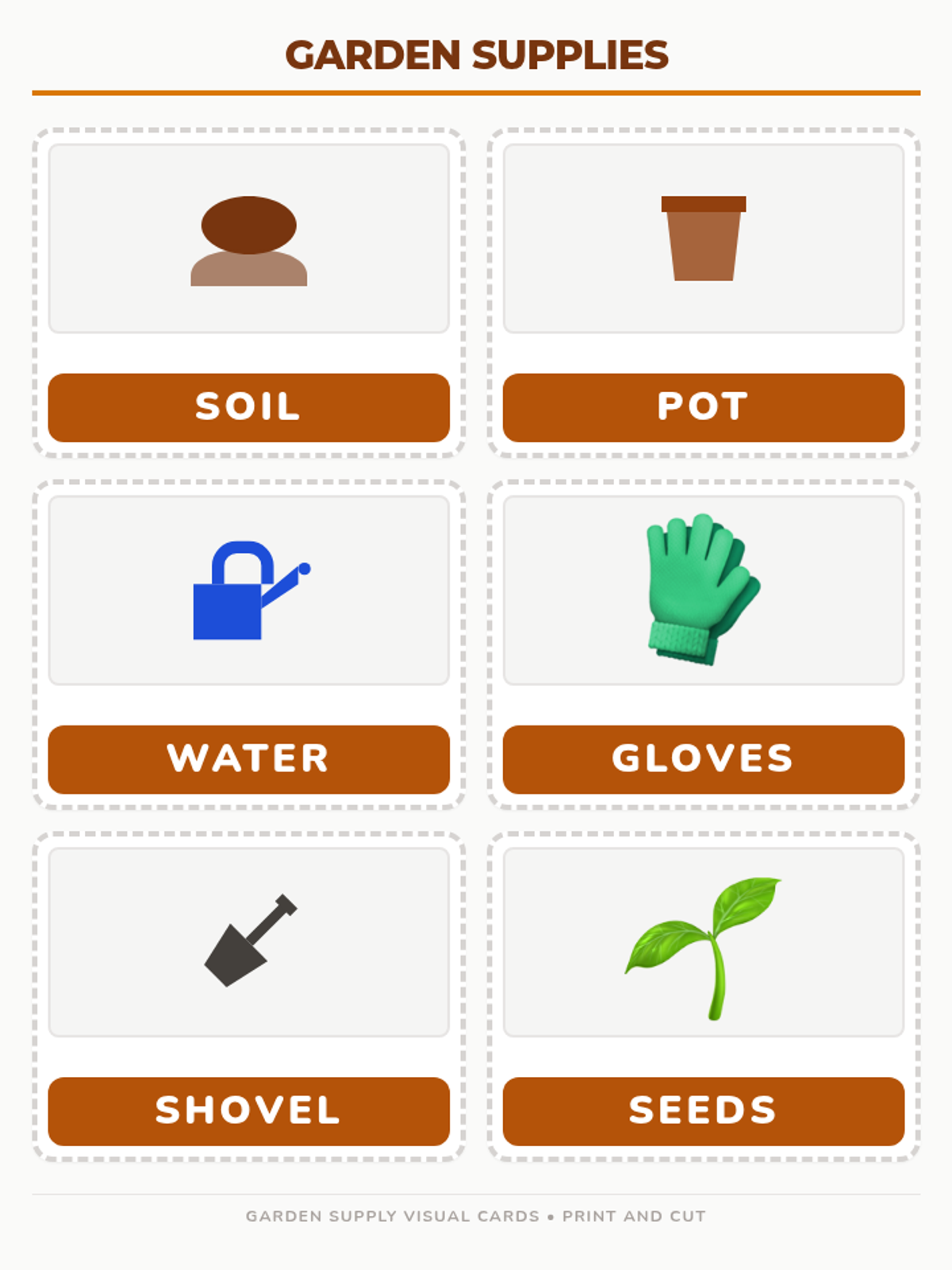
A hands-on activity for students to identify common garden vegetables and prepare a visual shopping list for a gardening project. This lesson focuses on visual recognition and functional life skills.
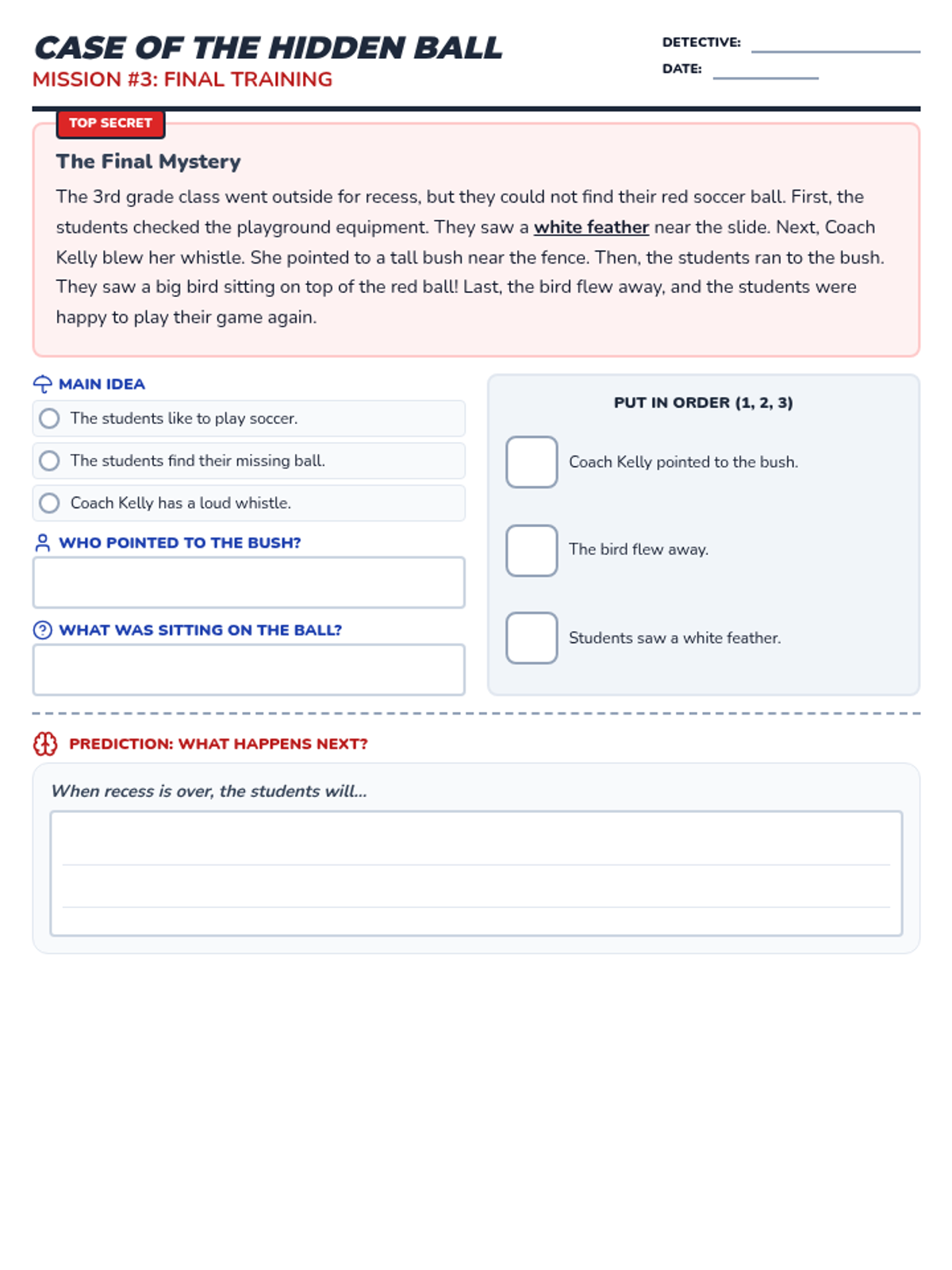
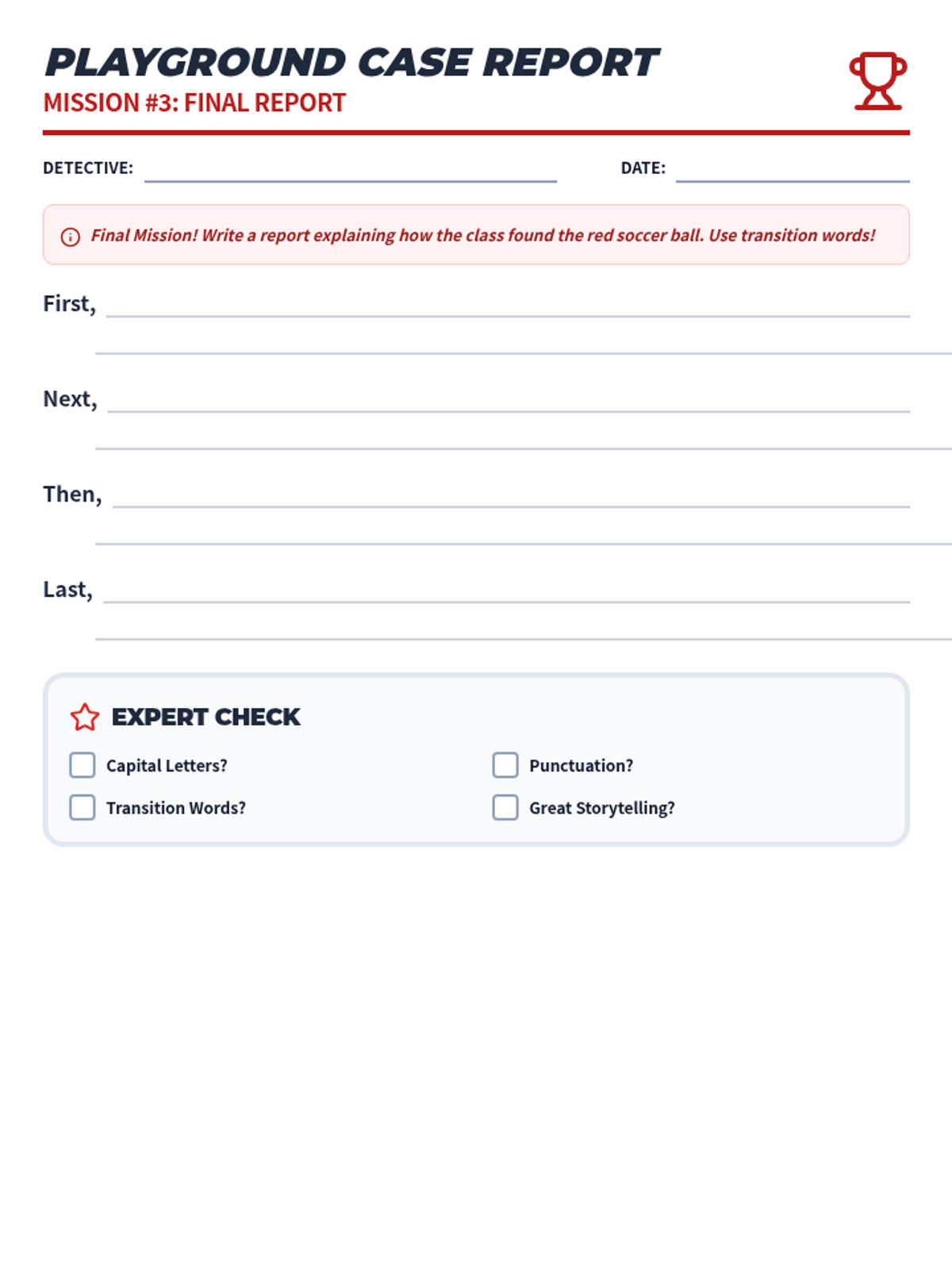
The final training mission, where students apply all their skills to solve the Case of the Hidden Playground Ball.
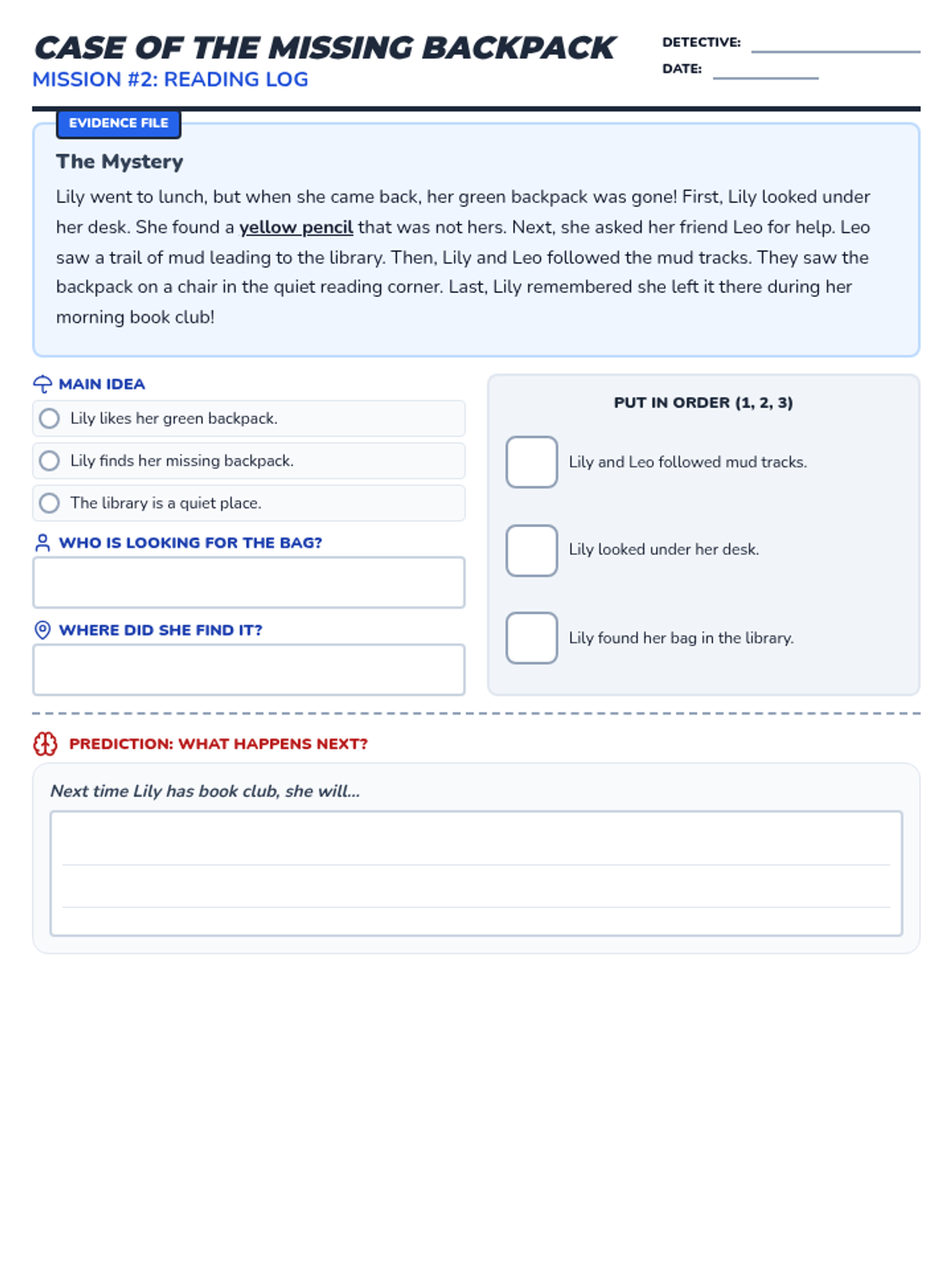
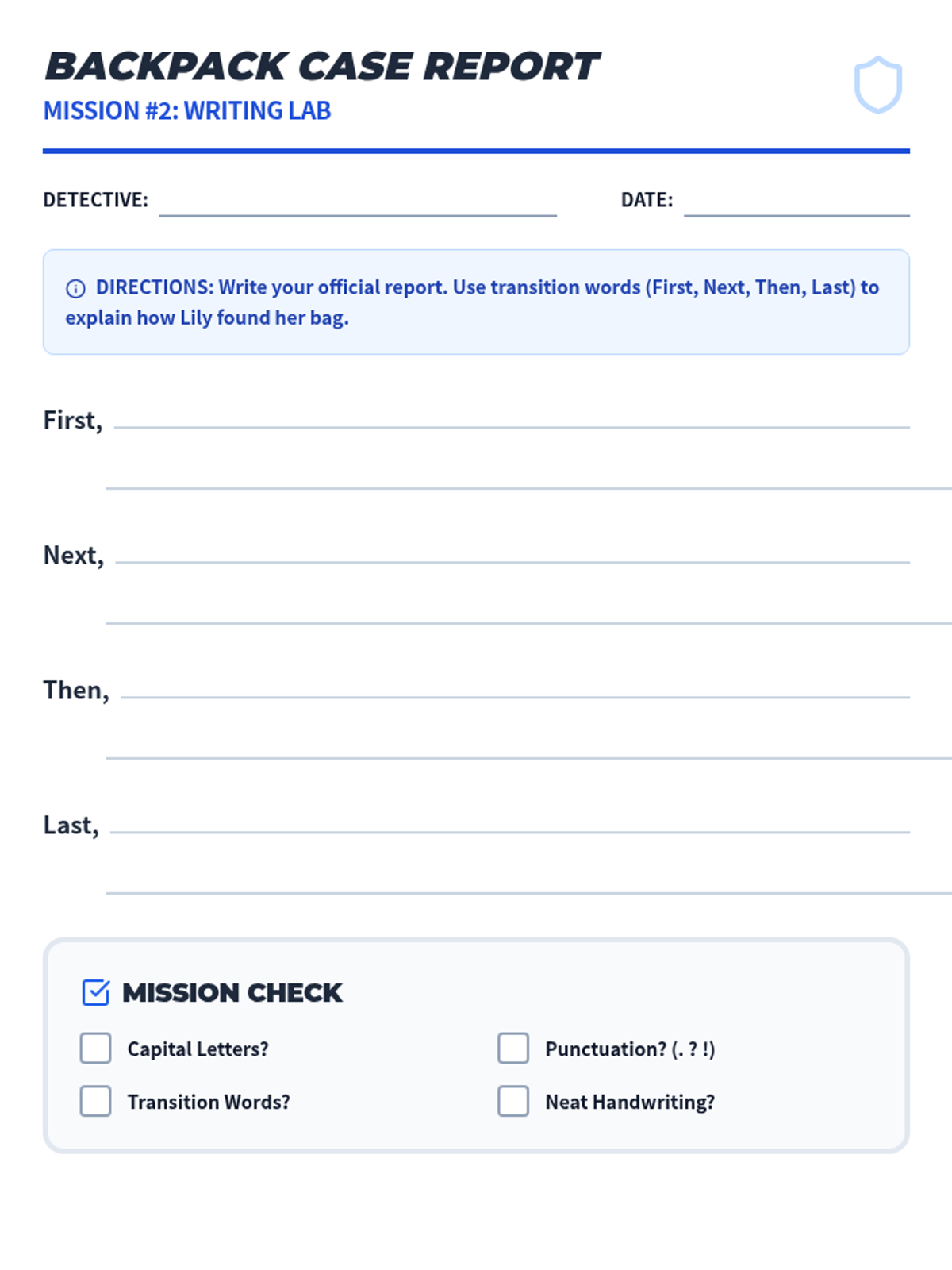
The second mission in the Detective Academy, focused on identifying character motives and sequencing events in the Case of the Missing Backpack.
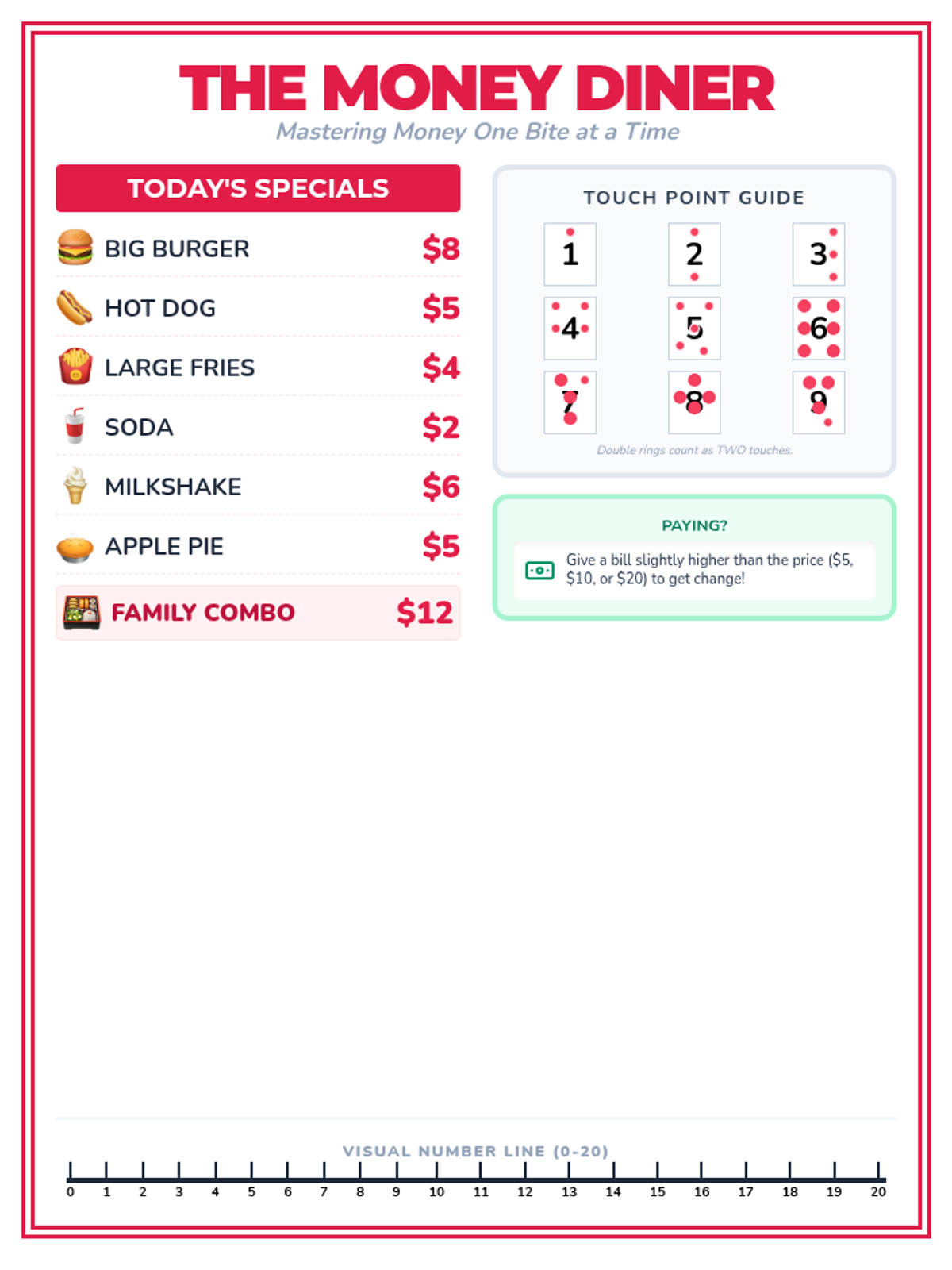
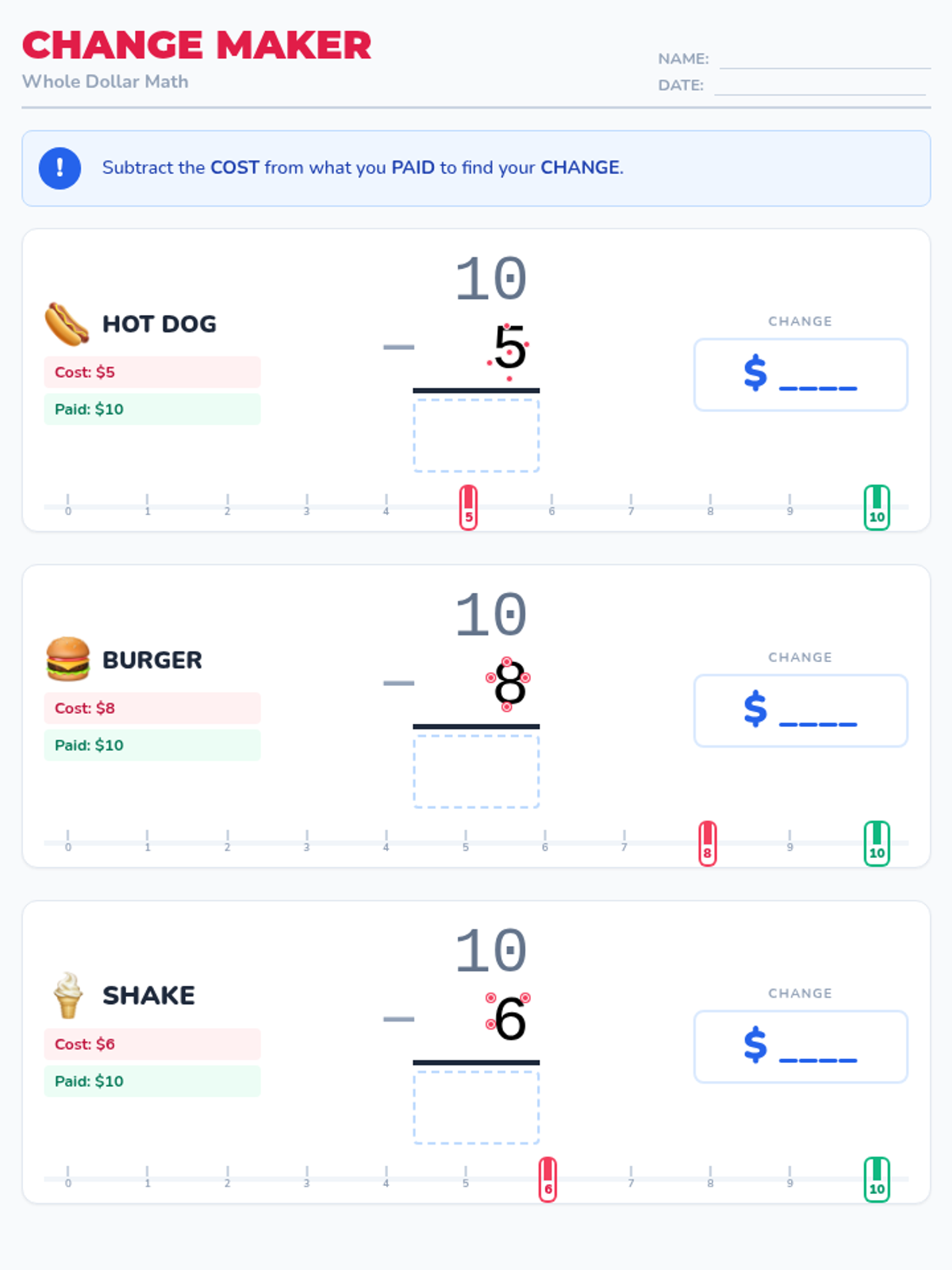
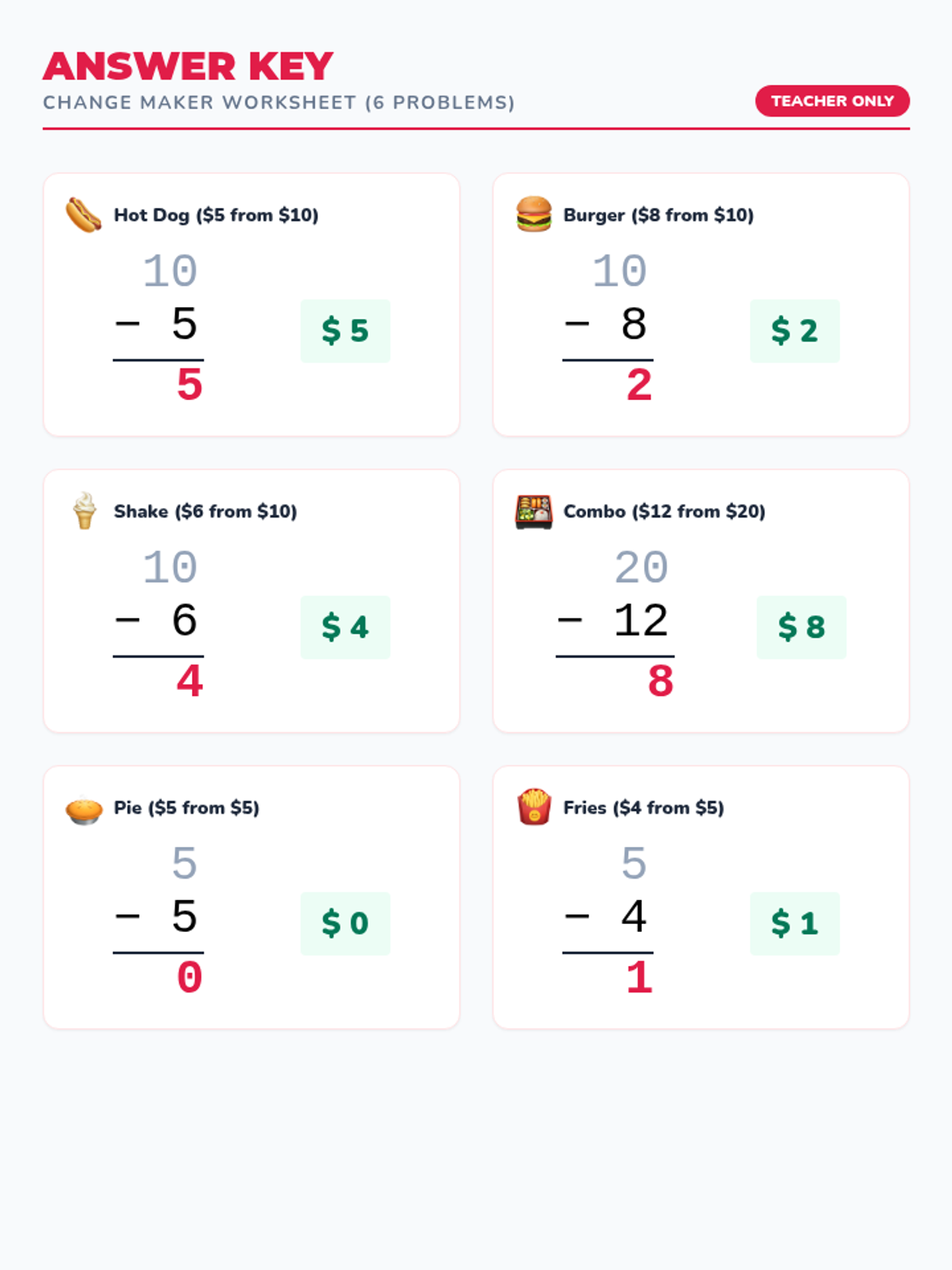
A functional math lesson focusing on calculating totals and change using whole dollar amounts. Designed with IEP supports including touch-points, visual number lines, and step-by-step guides for independent living skills.
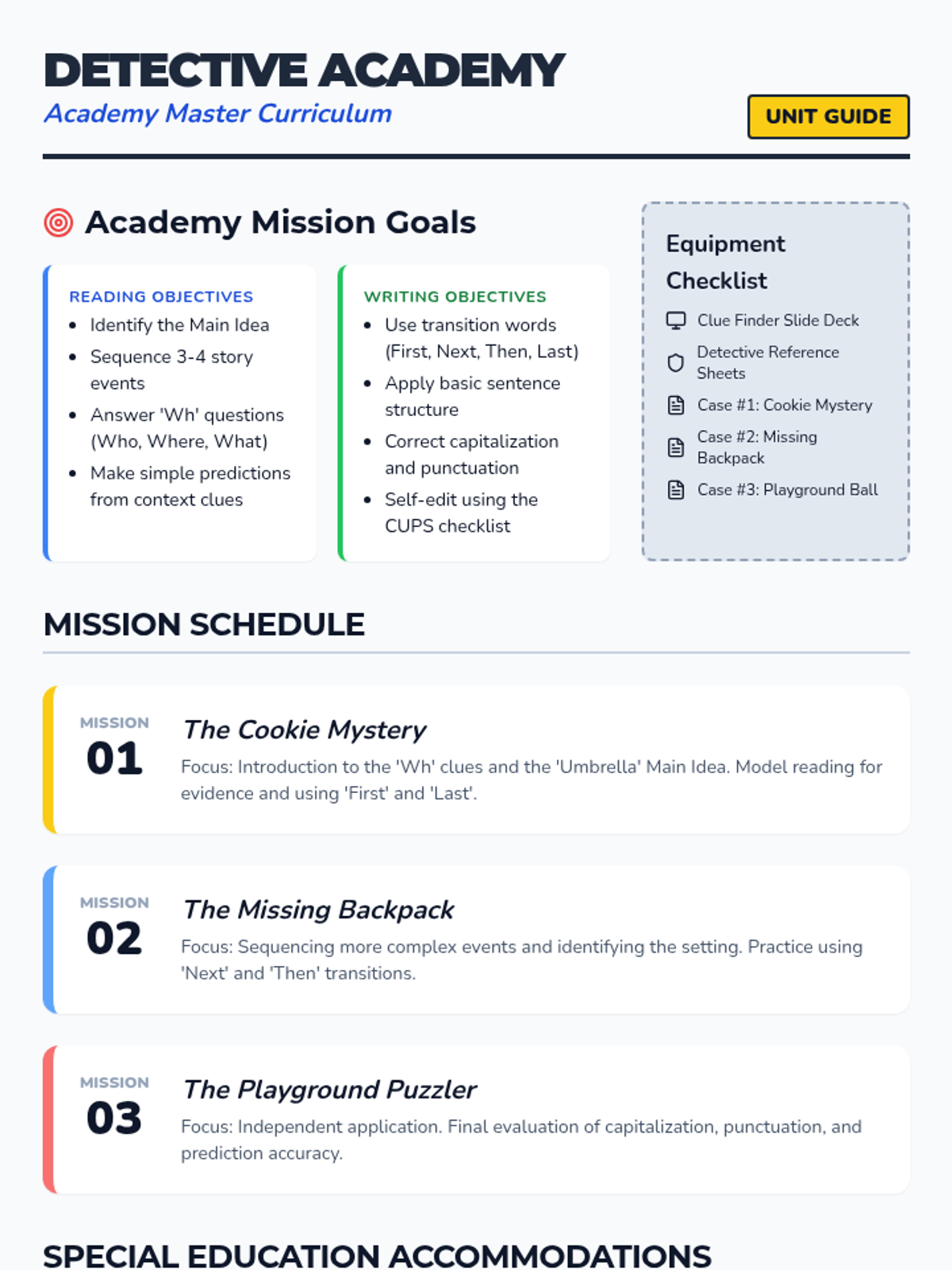
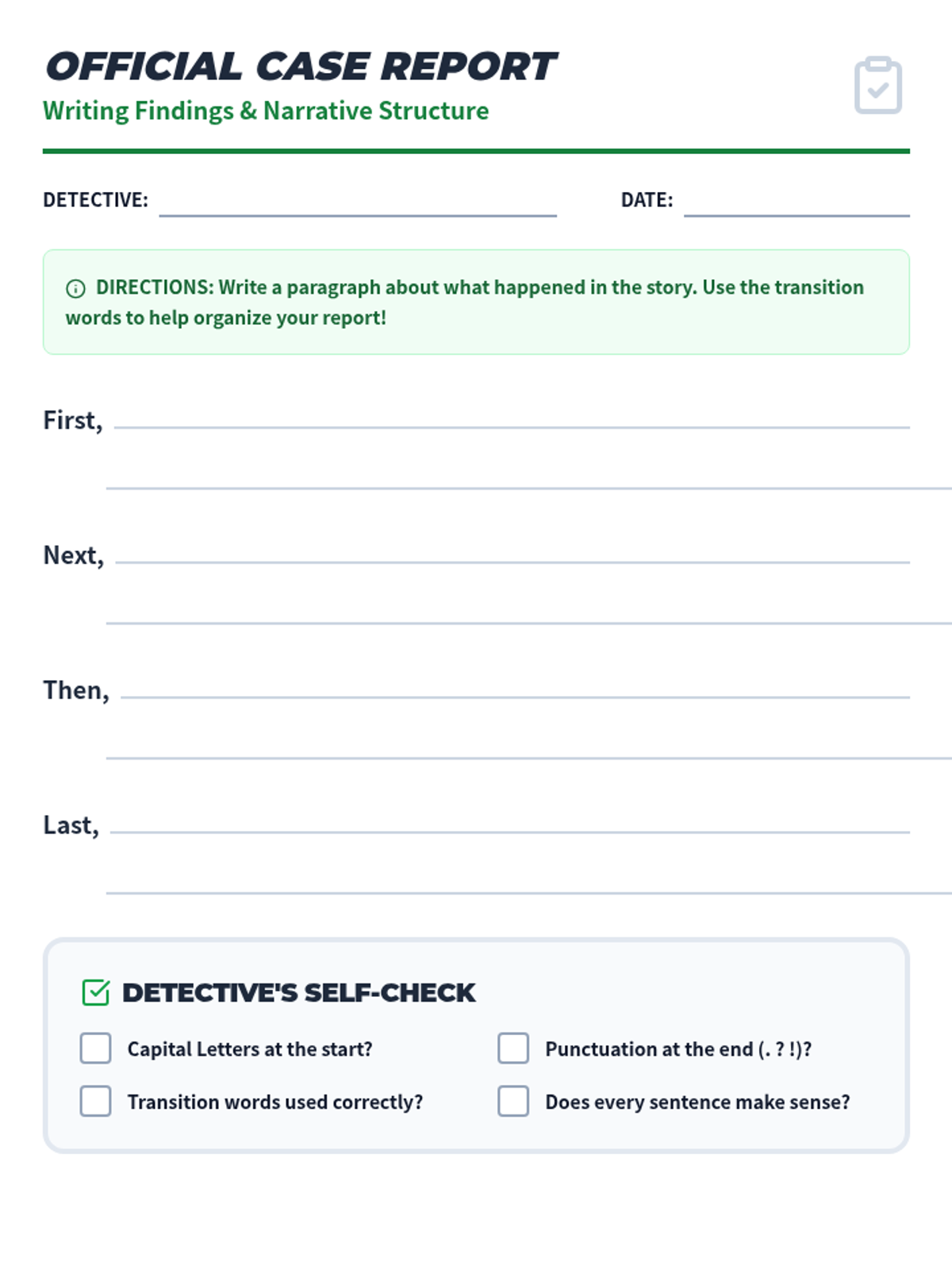
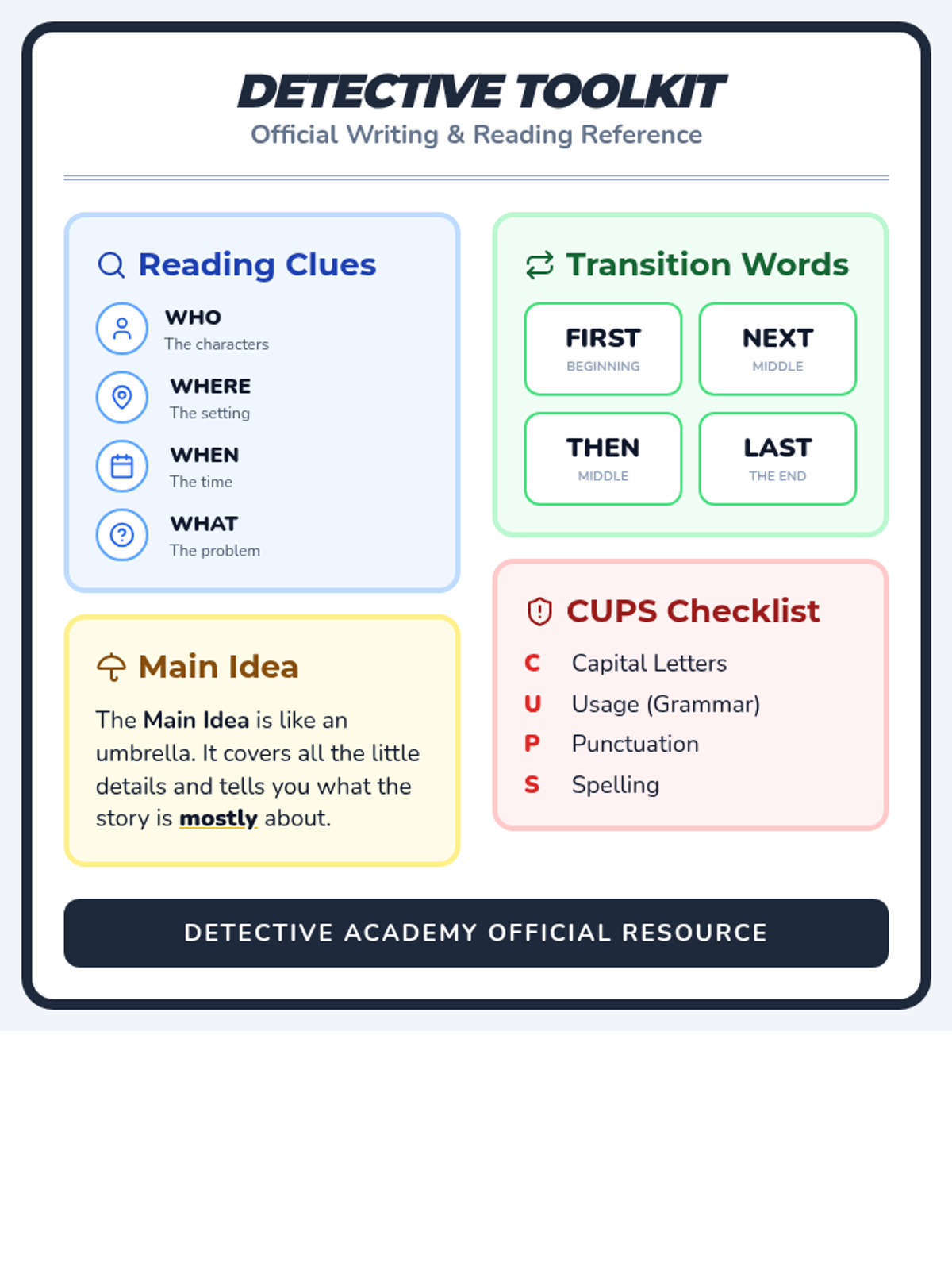
A comprehensive literacy lesson for 3rd-grade IEP students using a 'Detective Academy' theme to master sentence structure, paragraph building, and reading comprehension strategies.
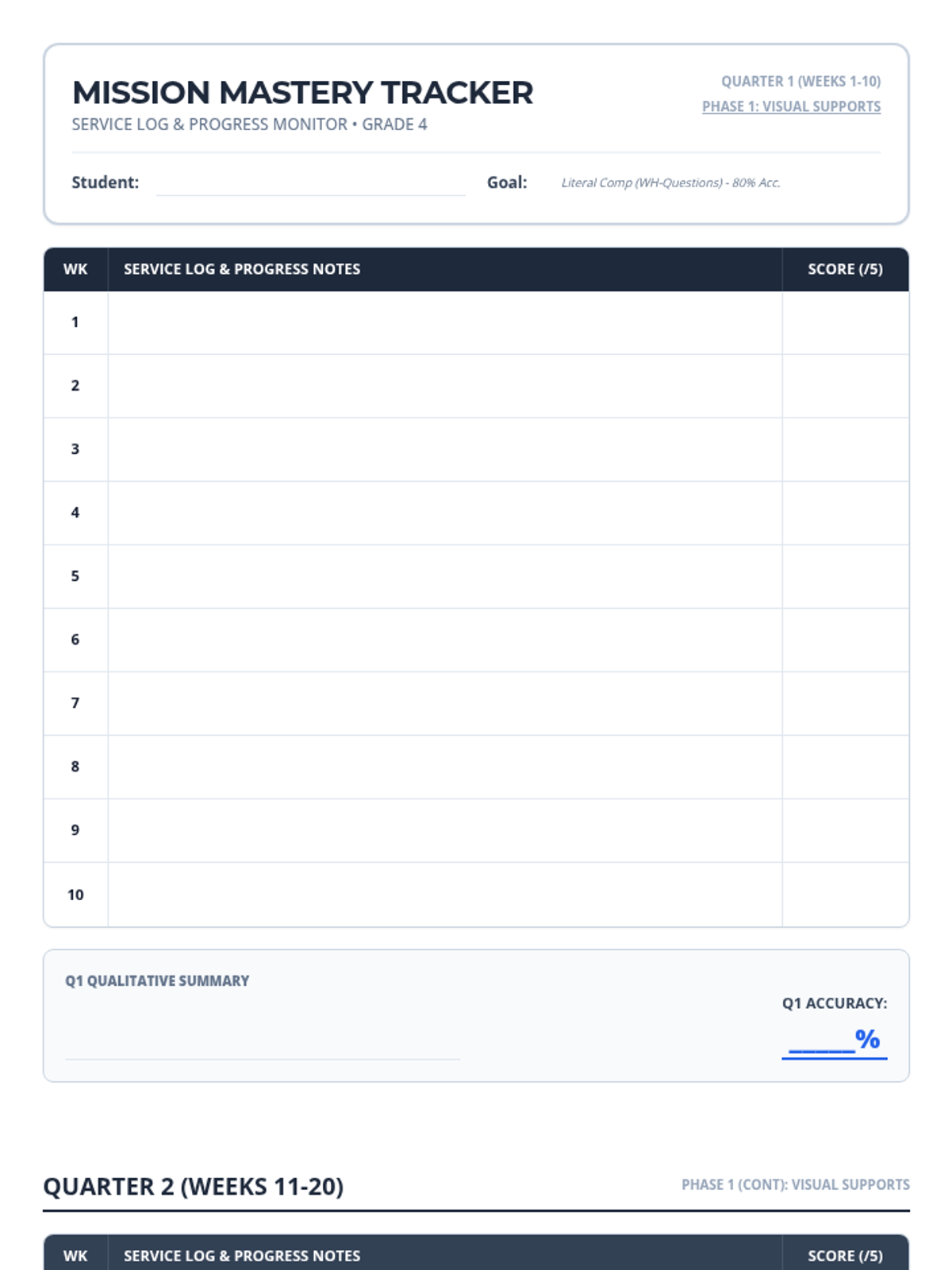
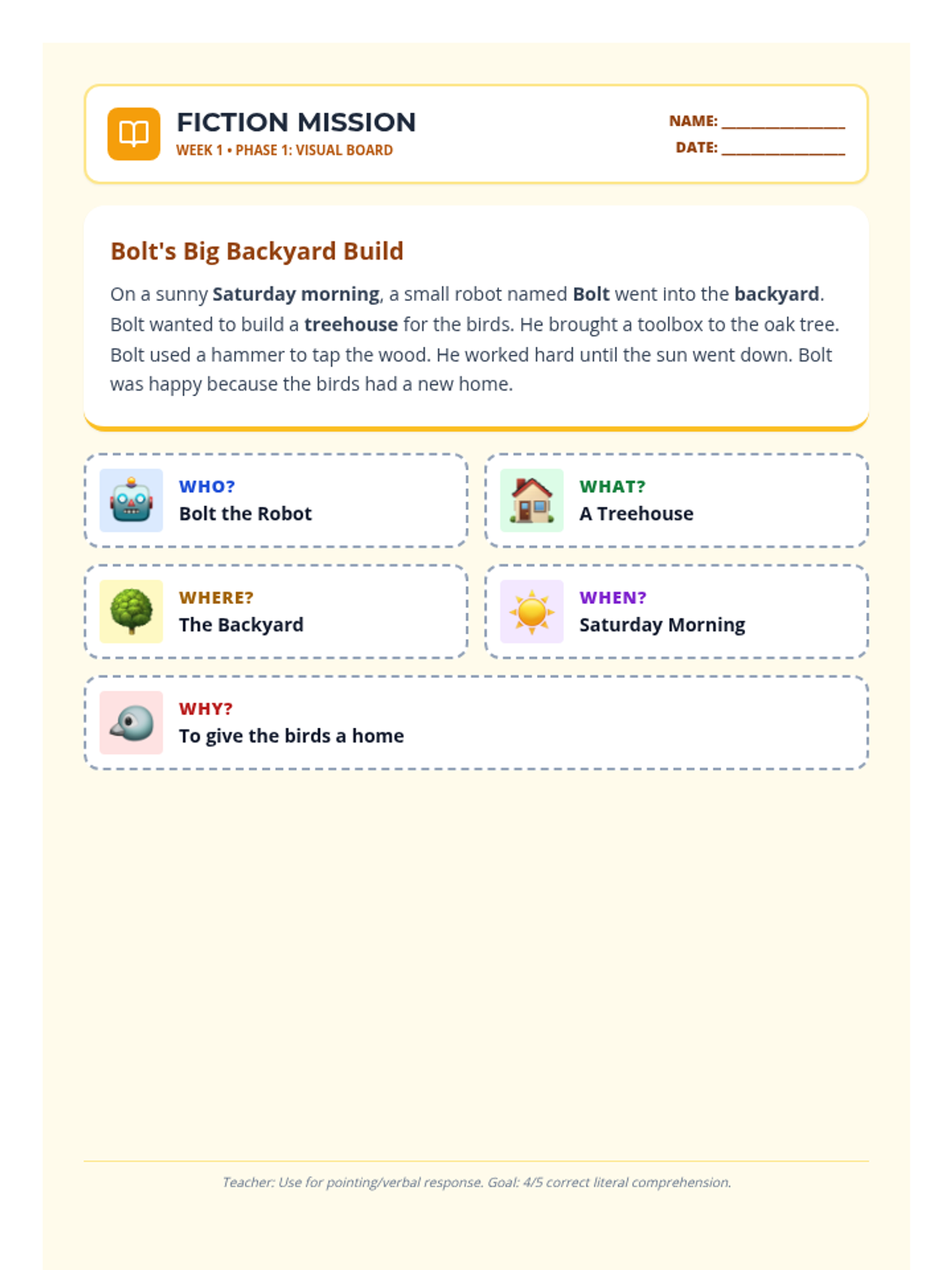
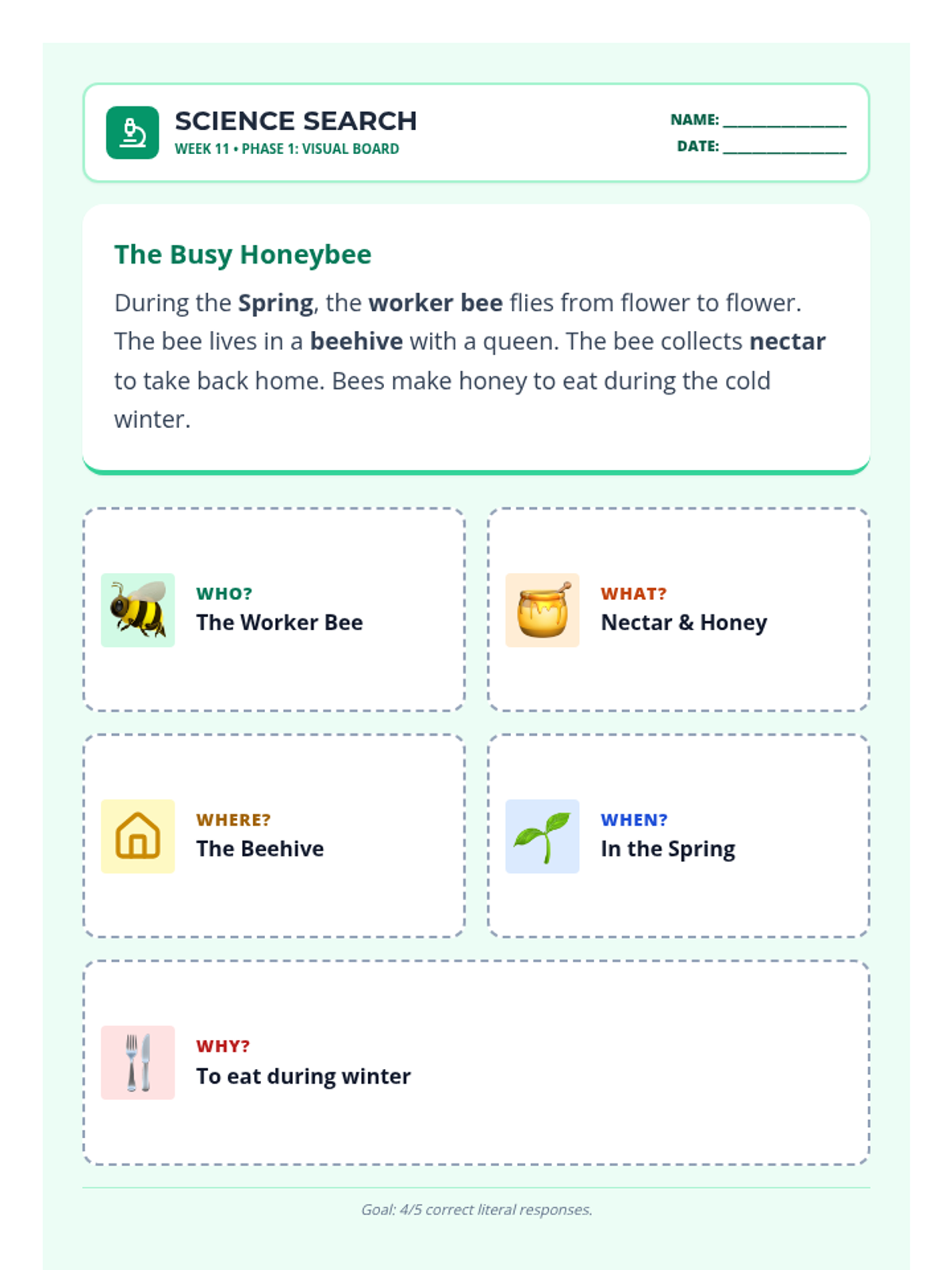
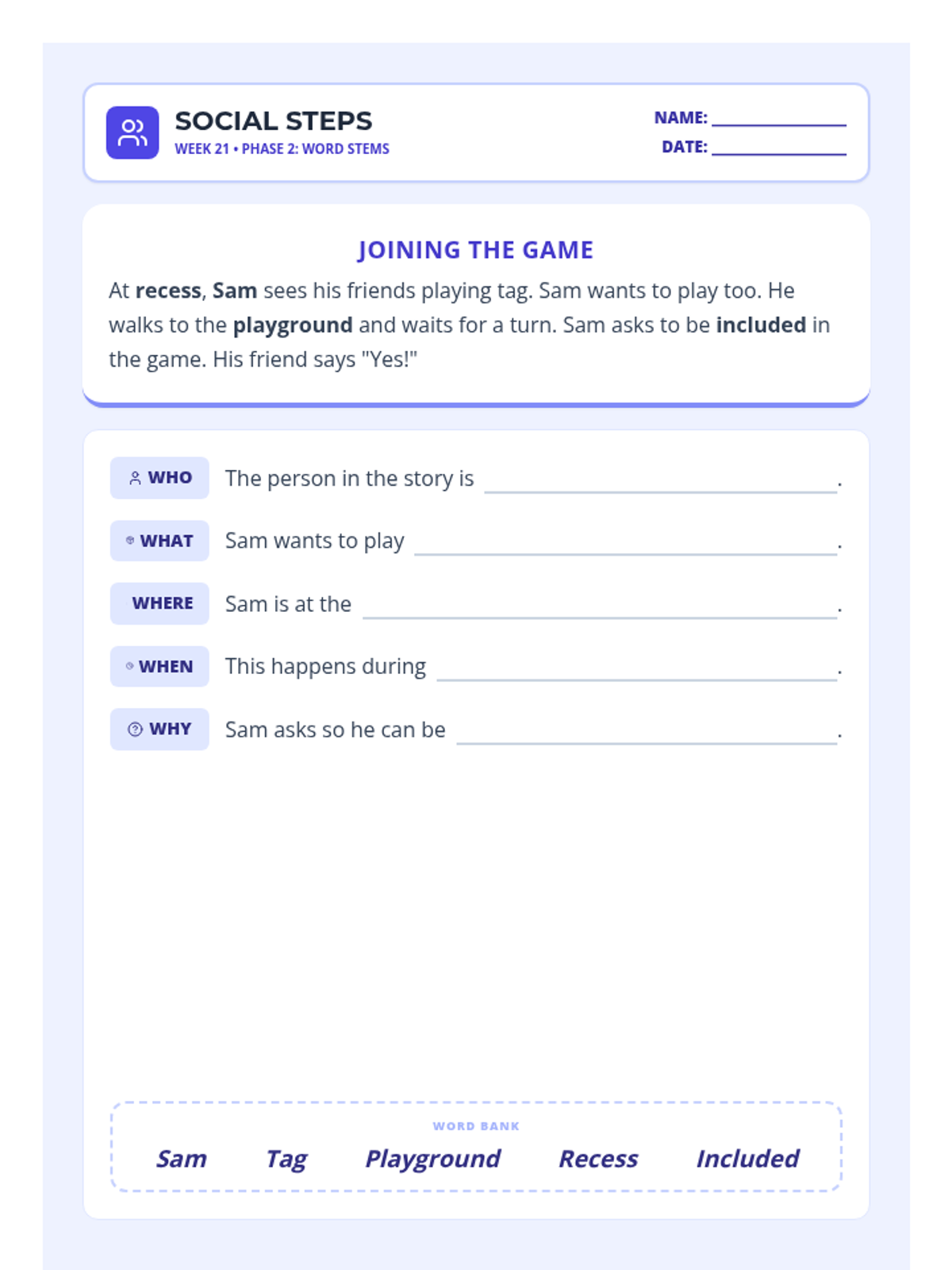
A comprehensive set of reading materials and tracking tools for a 4th grade student with Autism to improve literal comprehension.
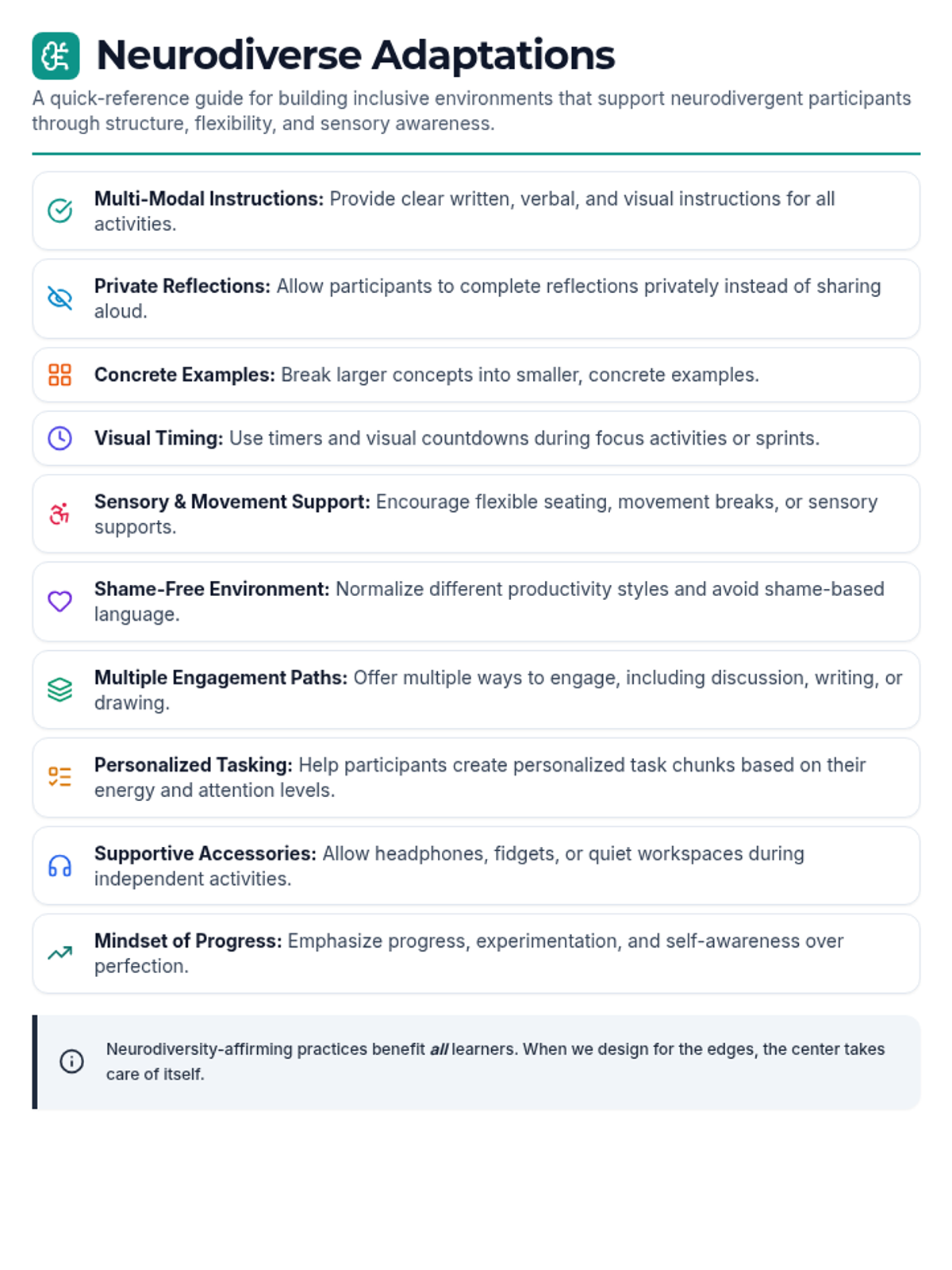
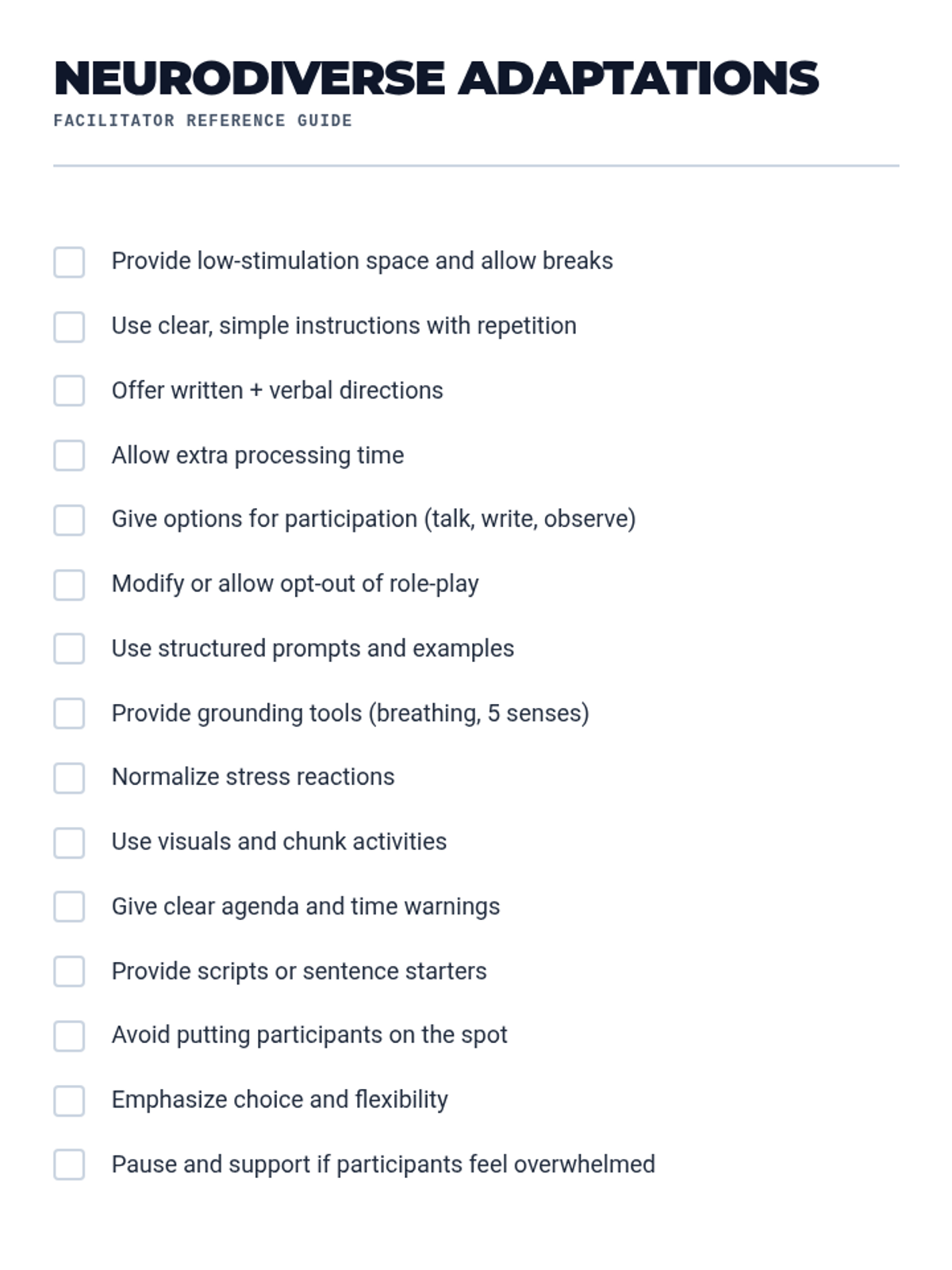
A foundational guide for facilitators to create inclusive, neurodiverse-friendly environments through practical adaptations and mindful language.
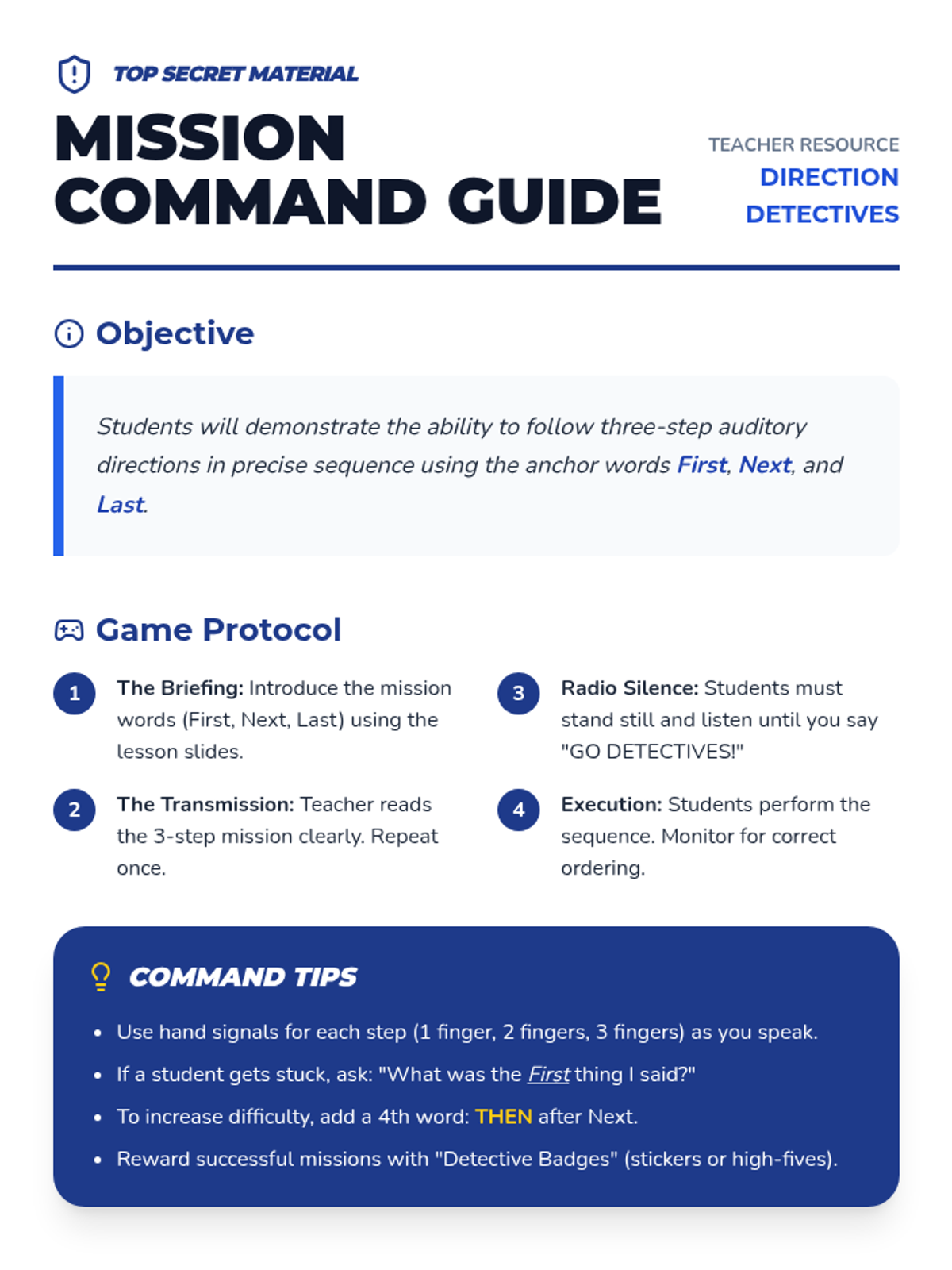
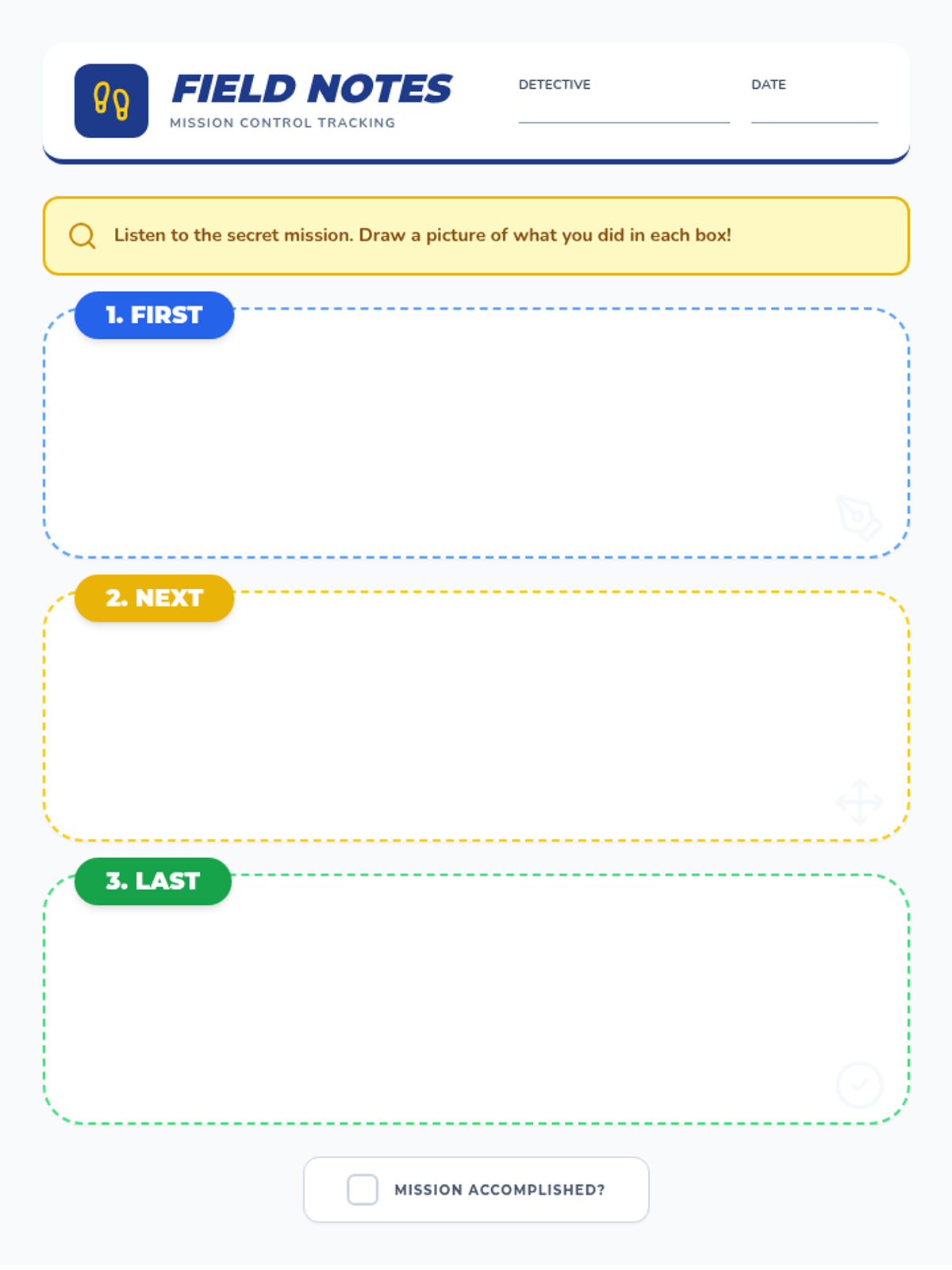
A lesson focused on teaching 1st graders how to follow multi-step directions using First, Next, and Last sequencing through a high-energy interactive game.
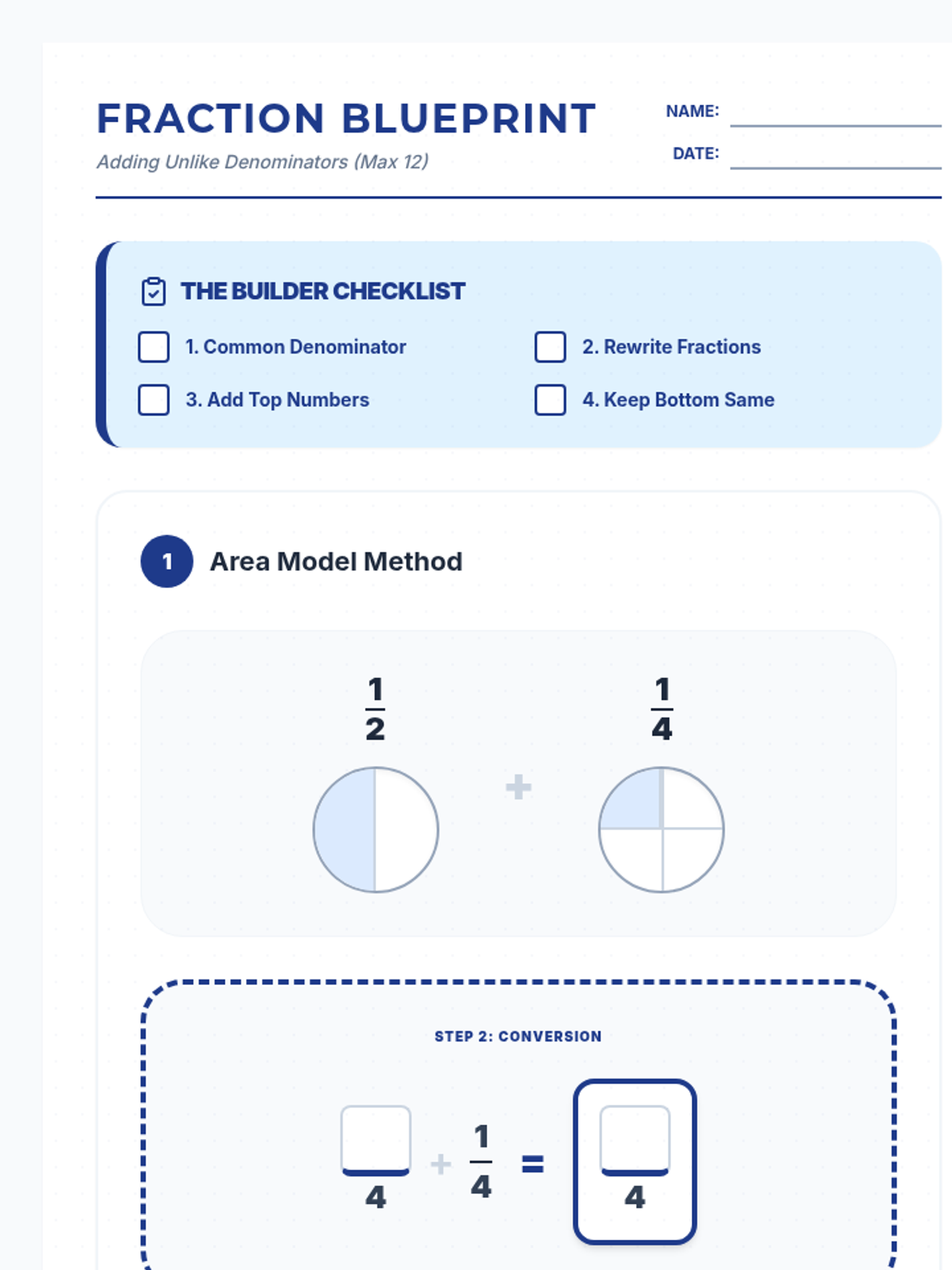
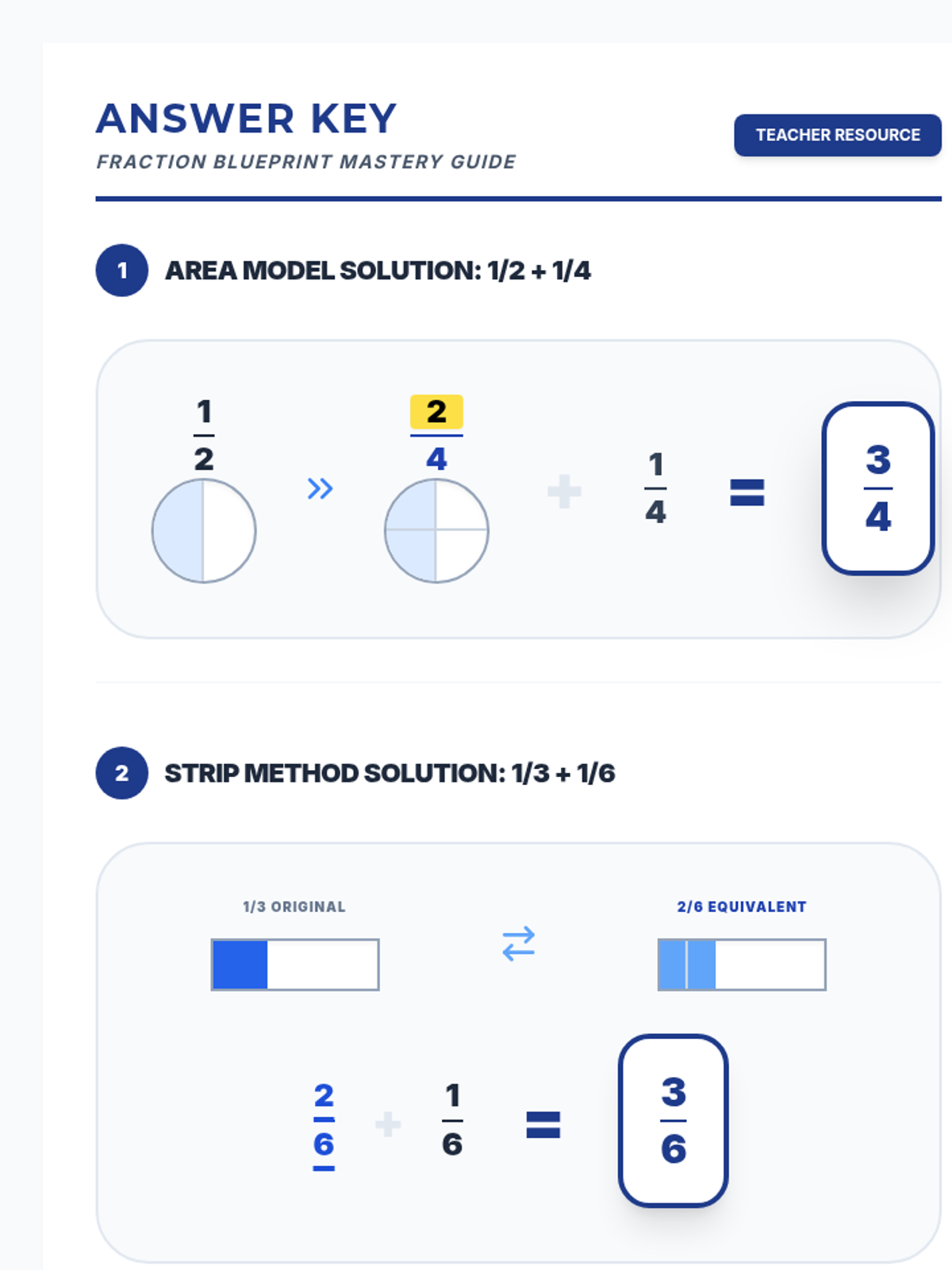
A specialized lesson for students with IEPs focused on adding fractions with unlike denominators using visual scaffolds like area models, fraction strips, and a step-by-step checklist. Content is limited to denominators up to 12 to ensure accessibility and mastery of the core concept.
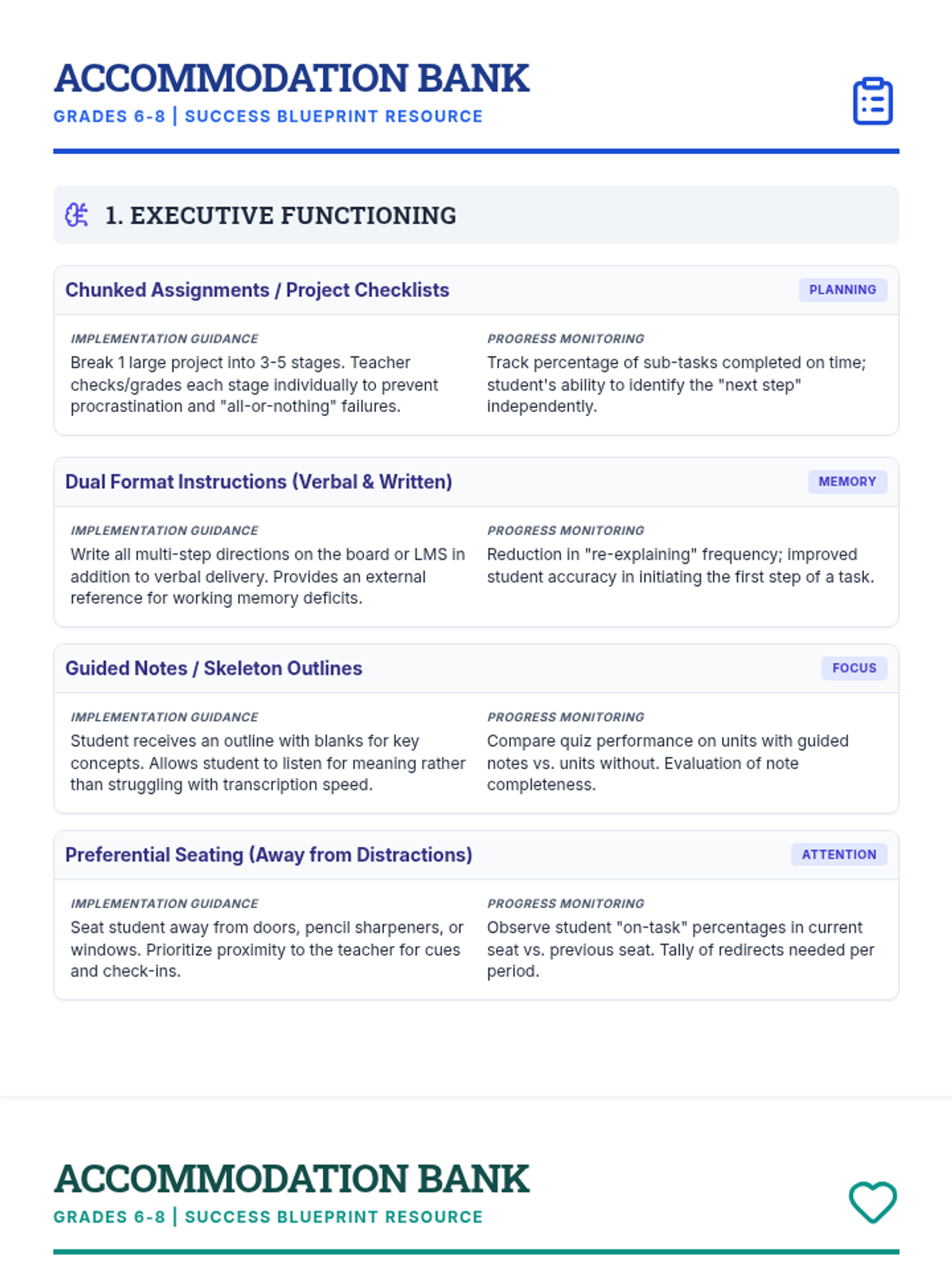
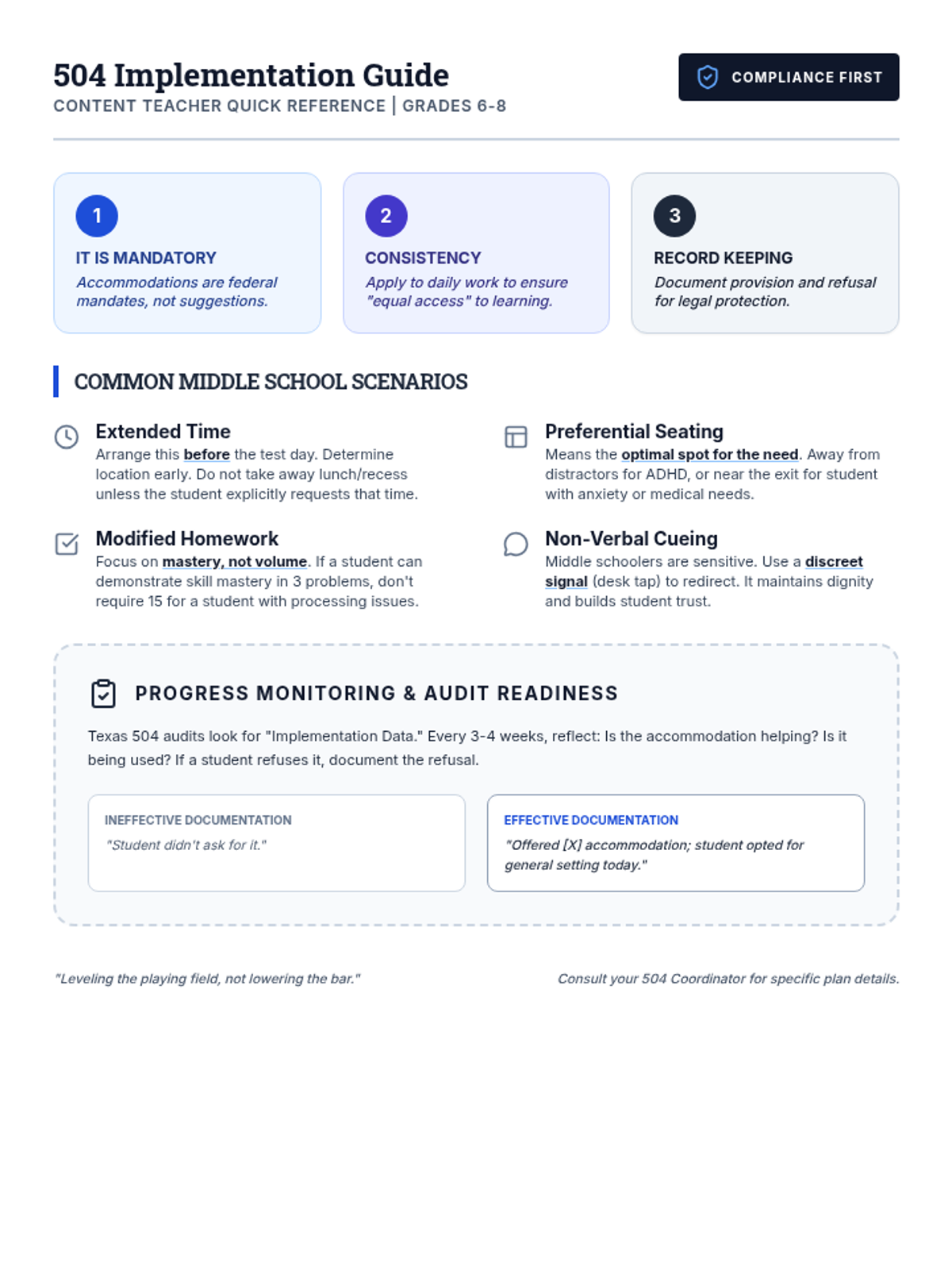
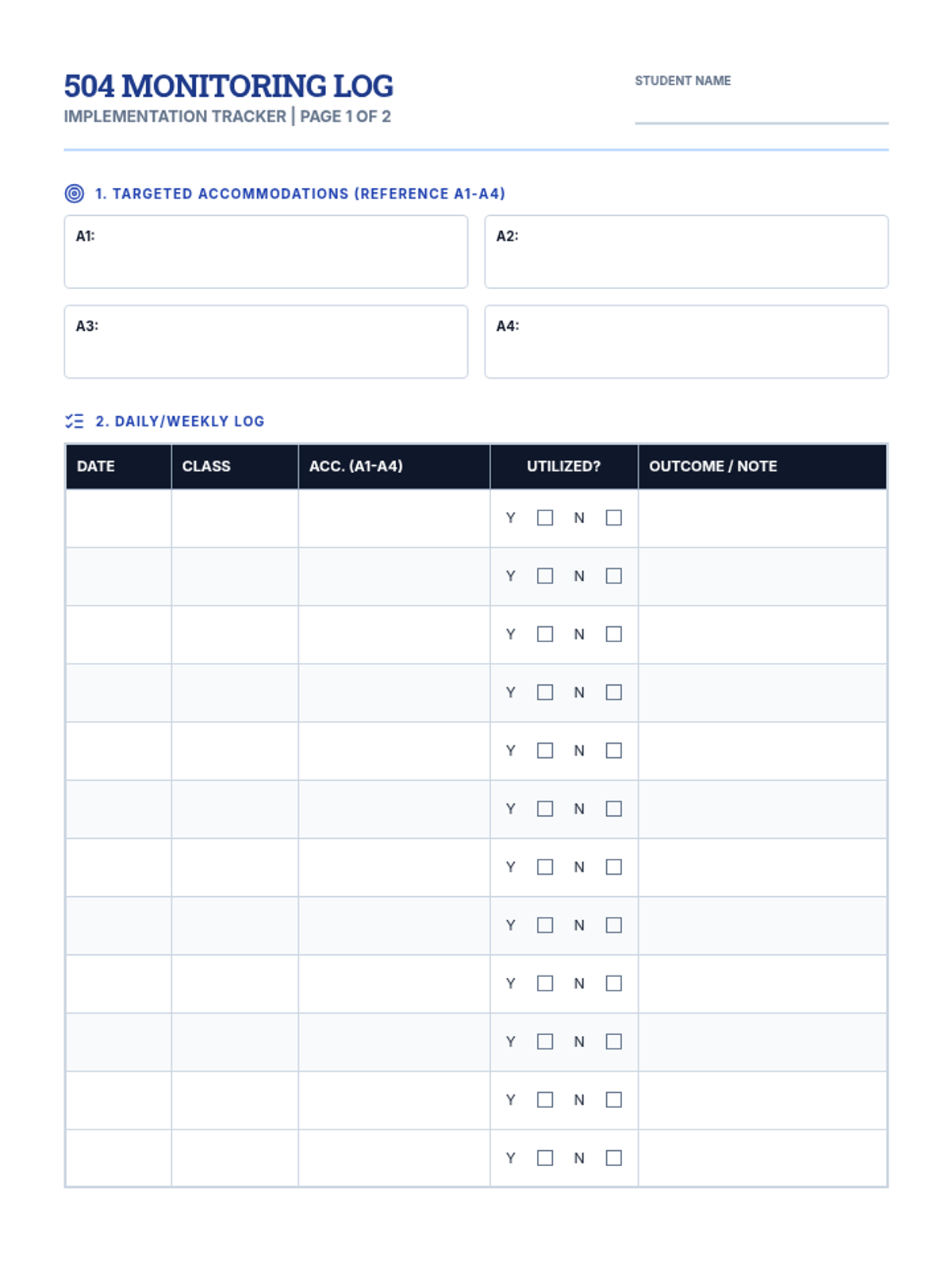
A comprehensive toolkit for middle school counselors to manage 504 accommodations, focusing on Texas-compliant strategies for grades 6-8 across executive functioning, mental health, learning, and medical needs.
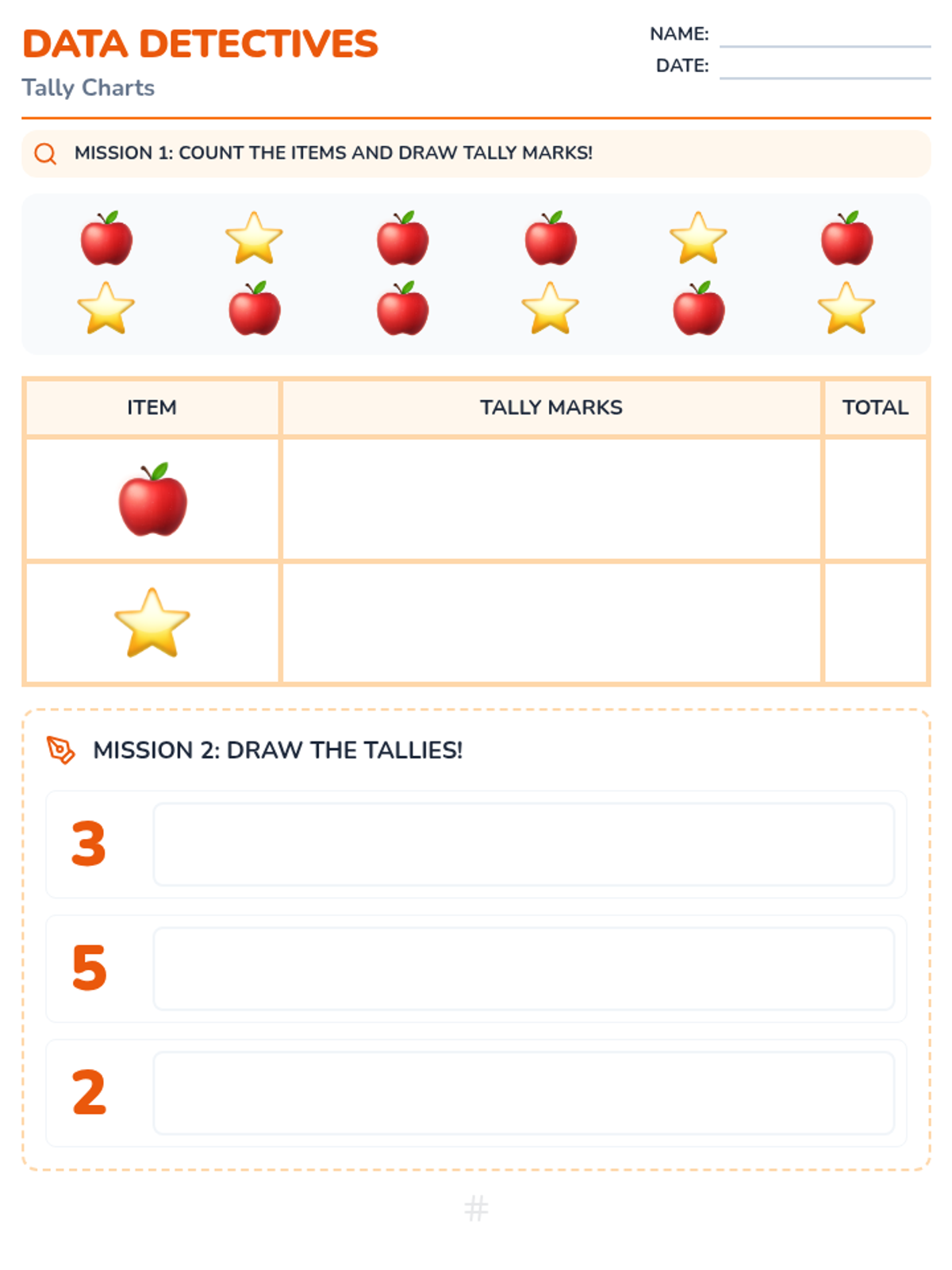
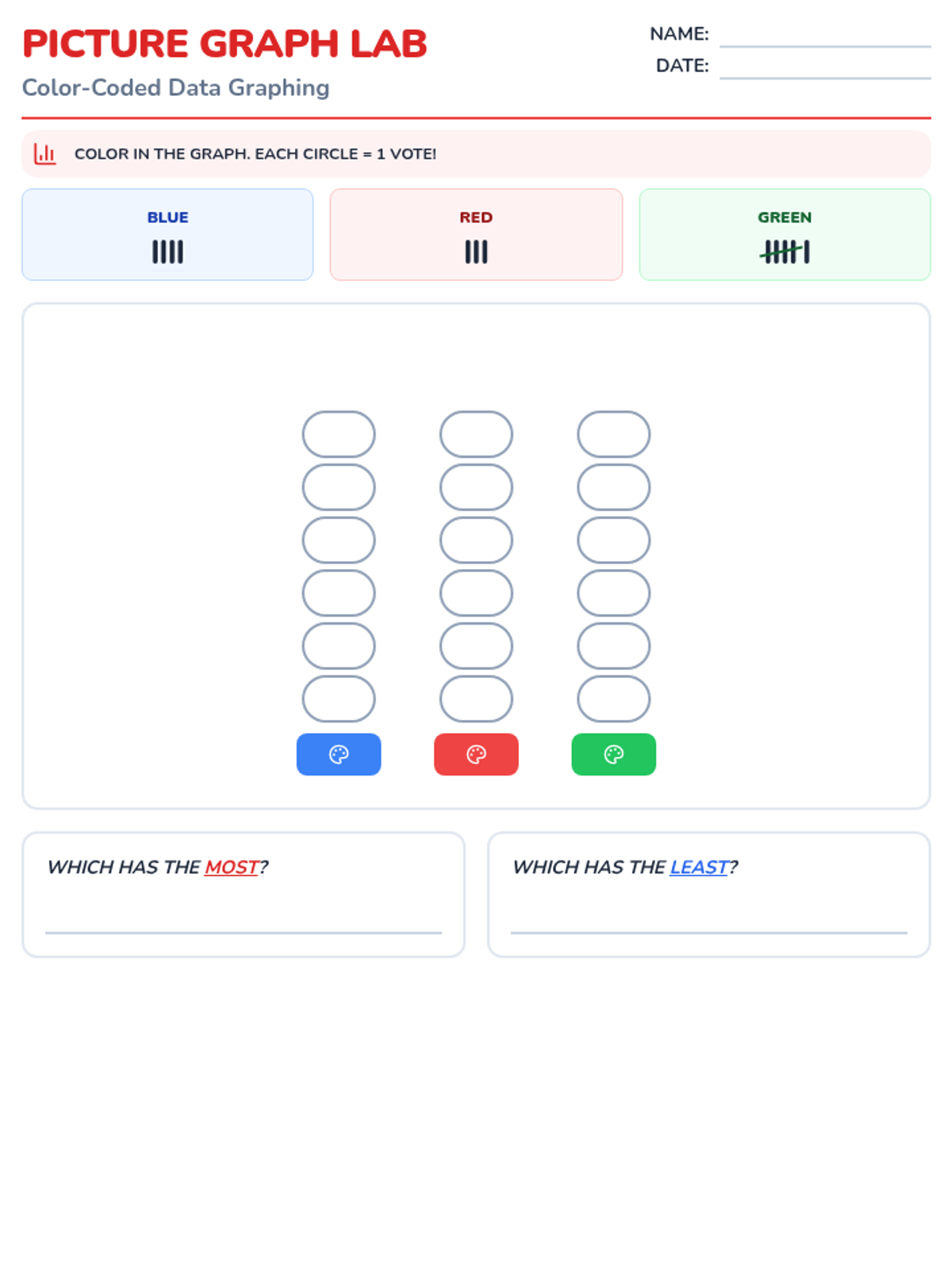
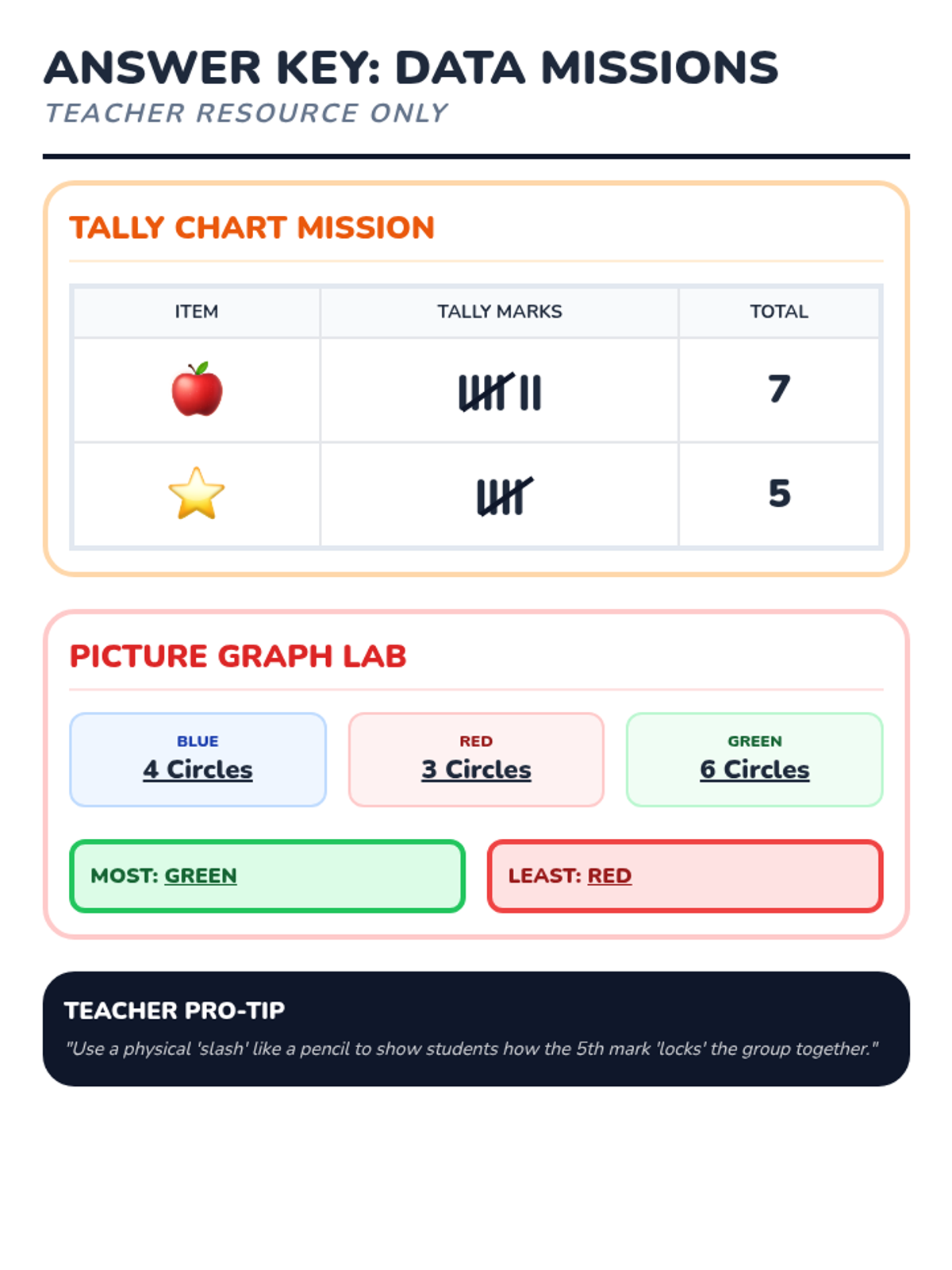
Teaches basic data collection and representation using tally charts and color-coded picture graphs.
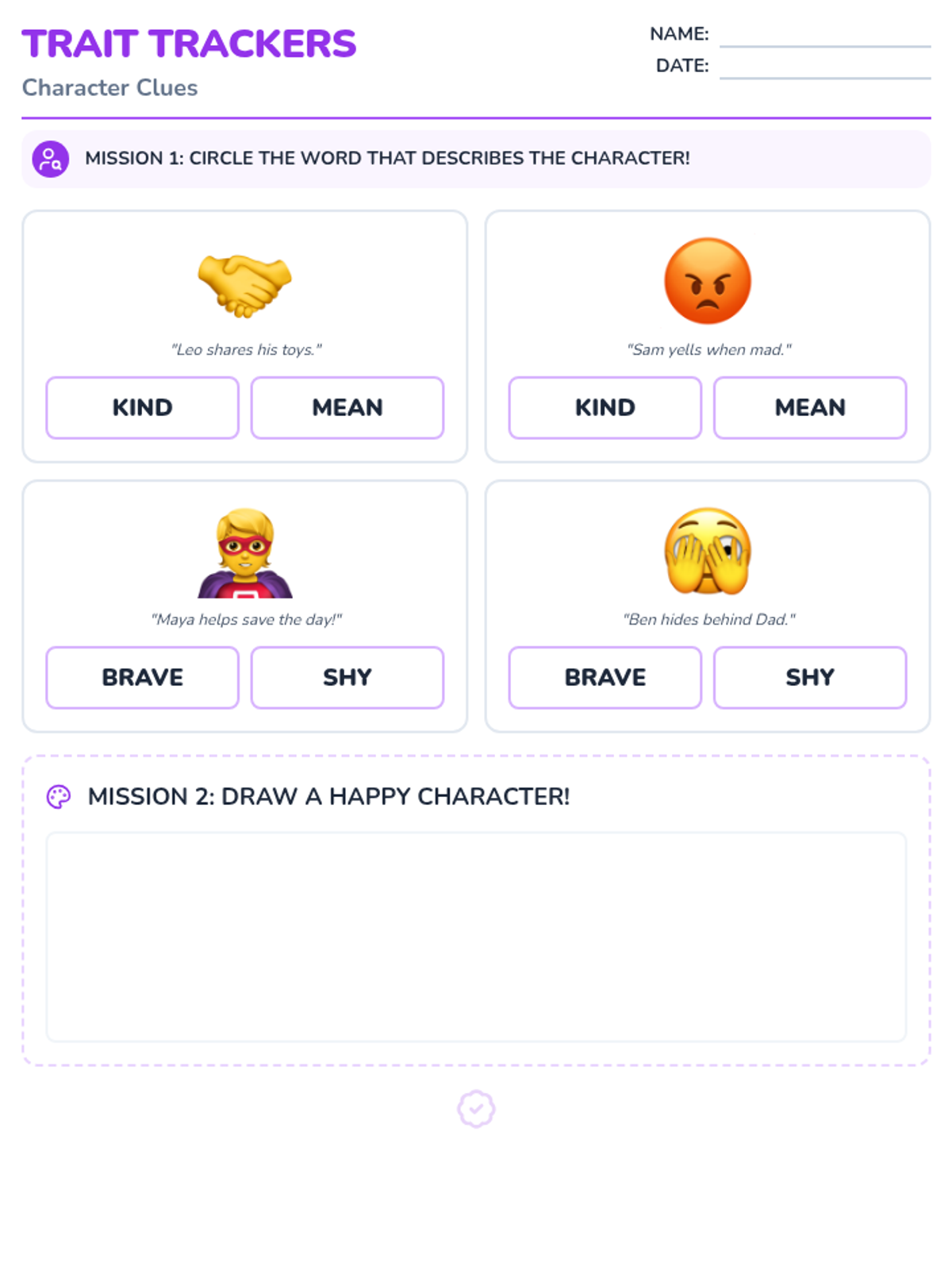
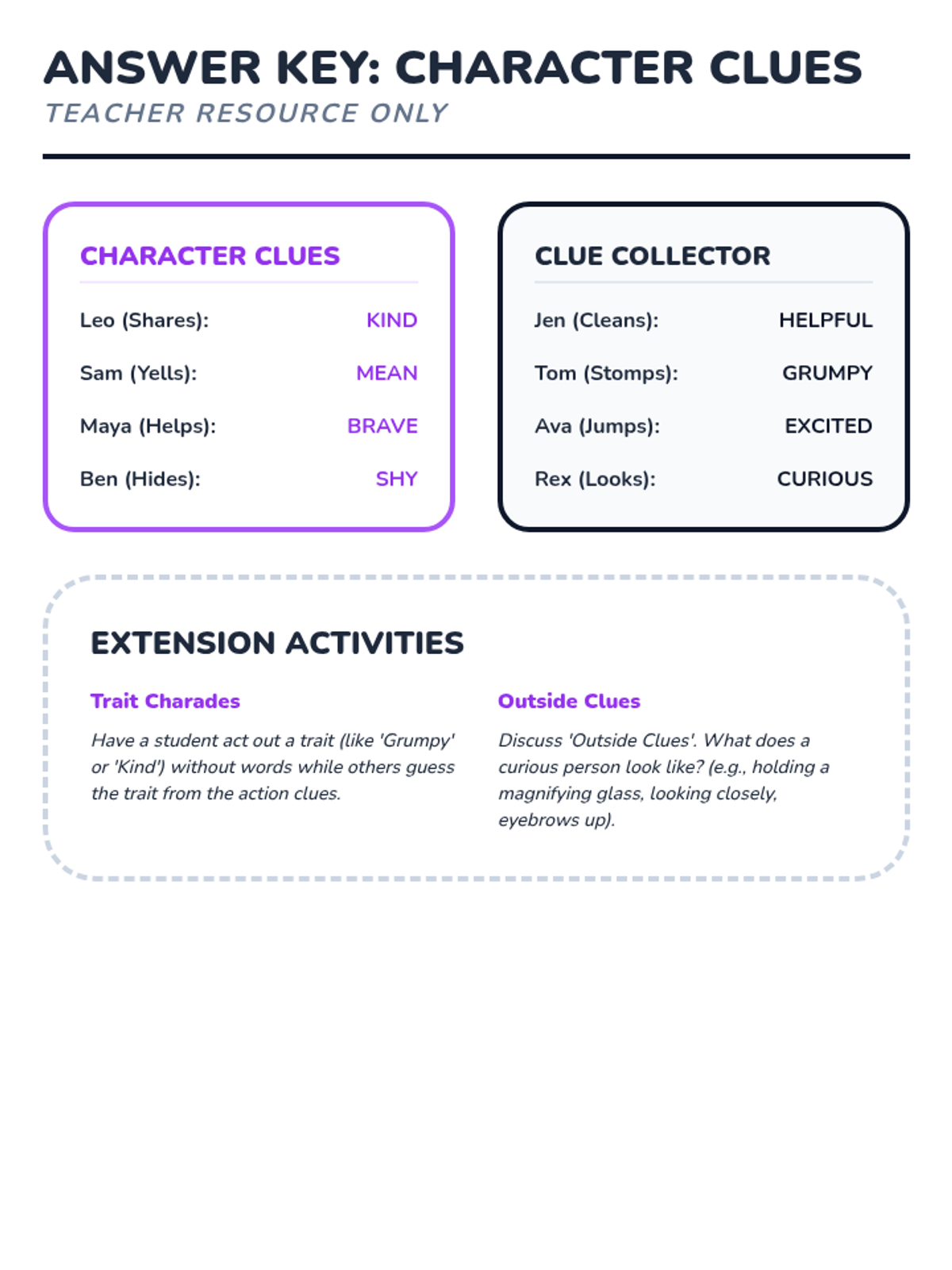
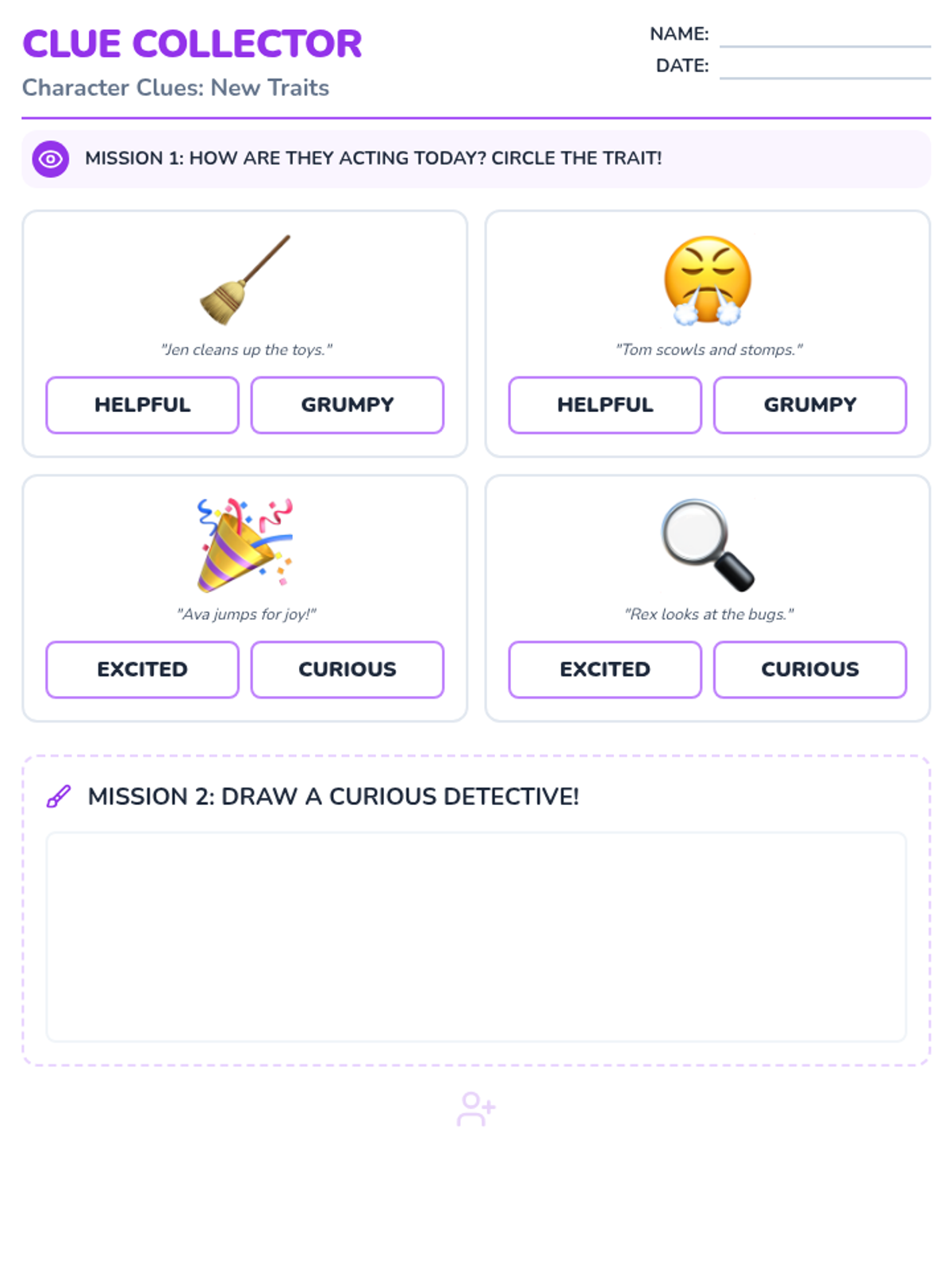
Introduces character traits through visual clues and simple vocabulary, helping students identify how characters feel and act.
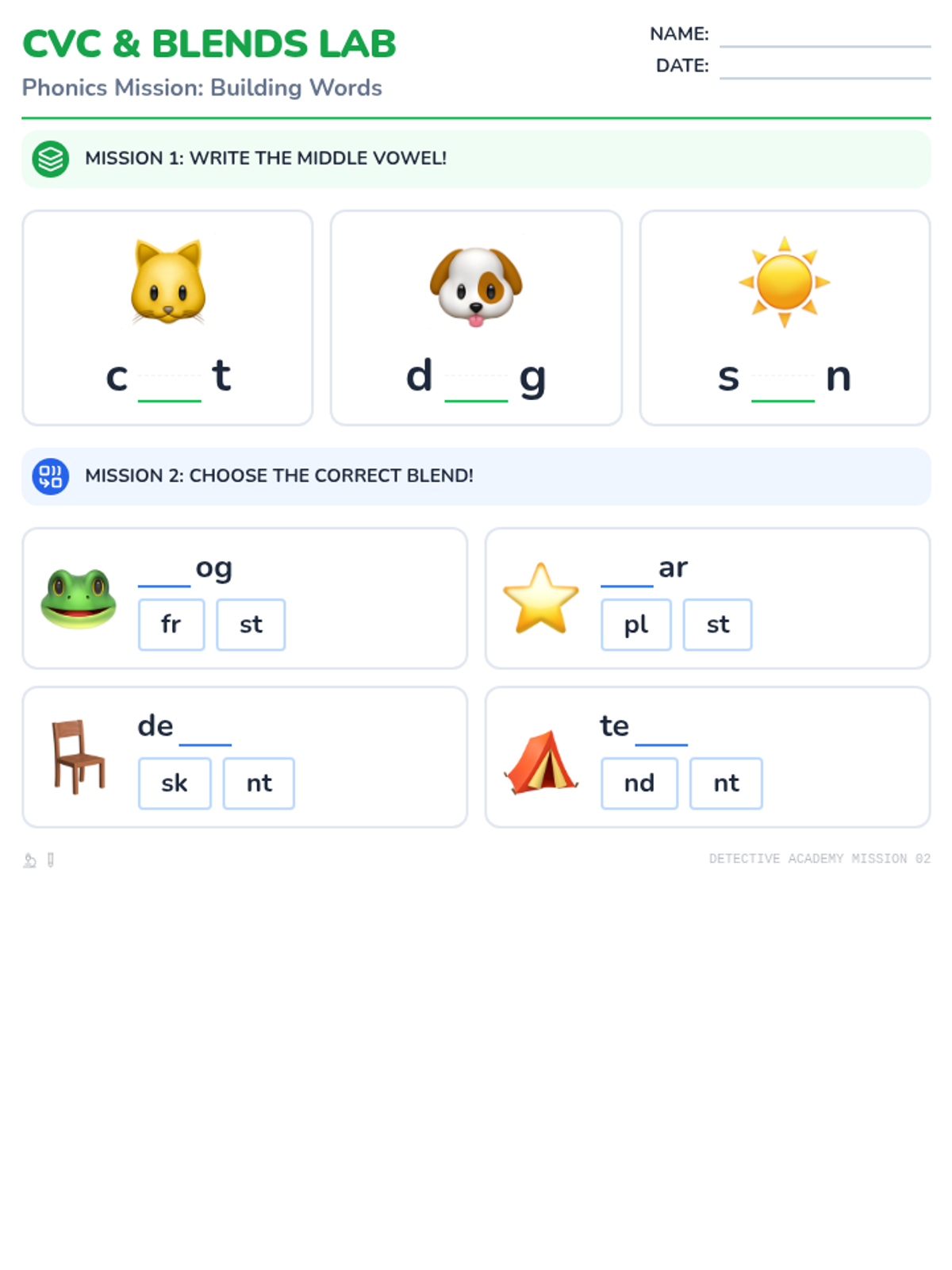
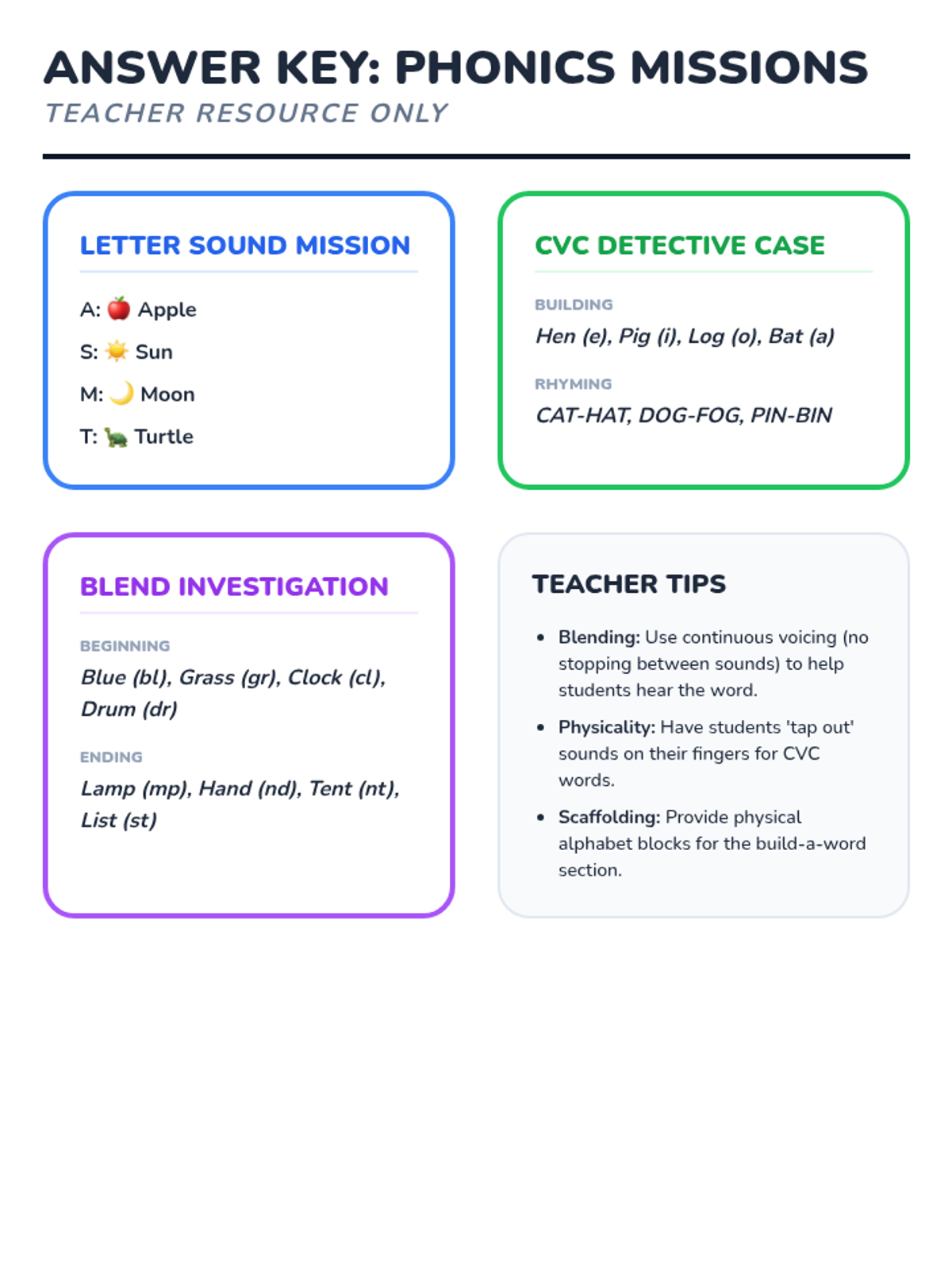
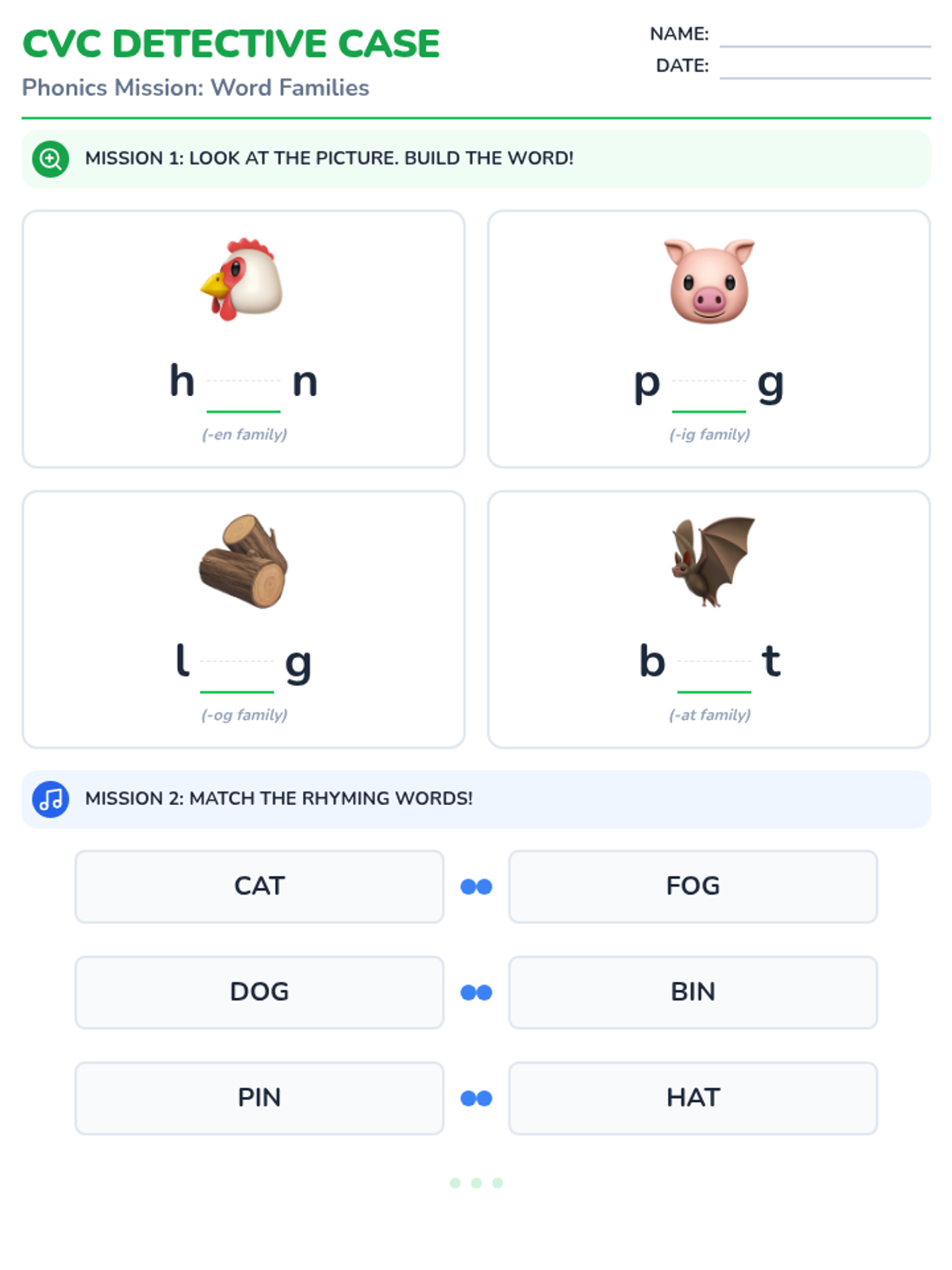
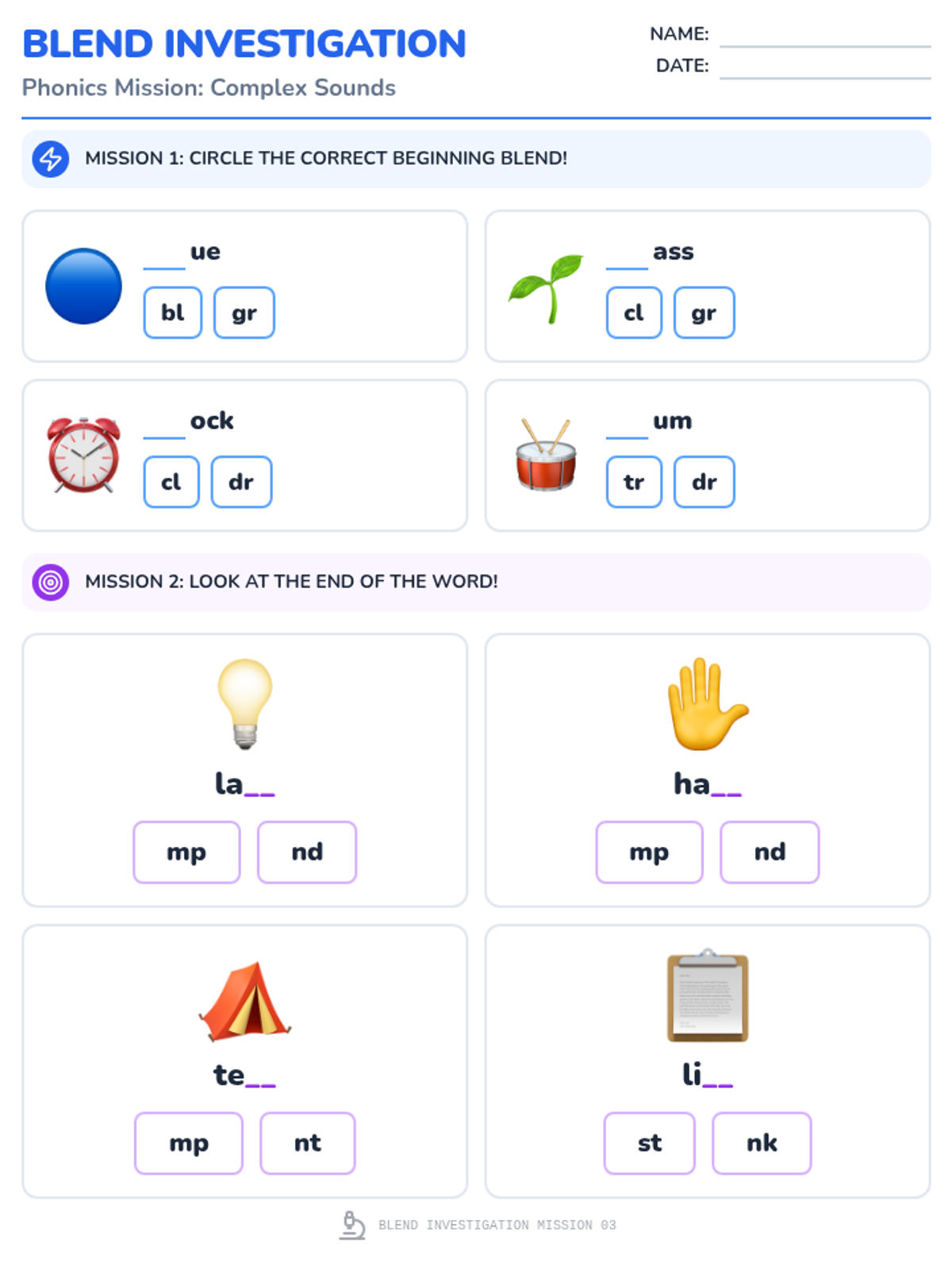
Focuses on foundational phonics skills including letter recognition, sounds, beginning and ending blends, and CVC word families.
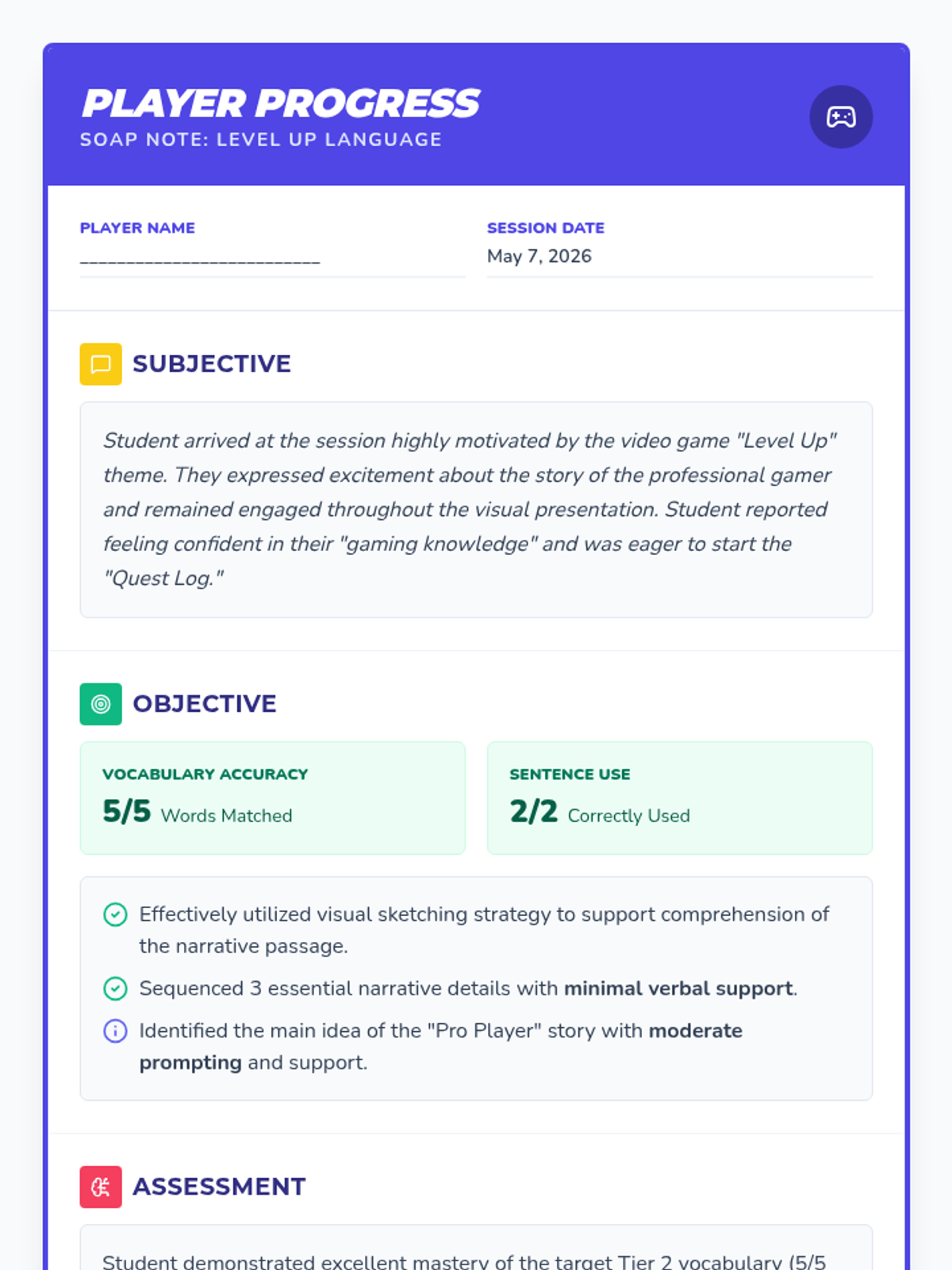
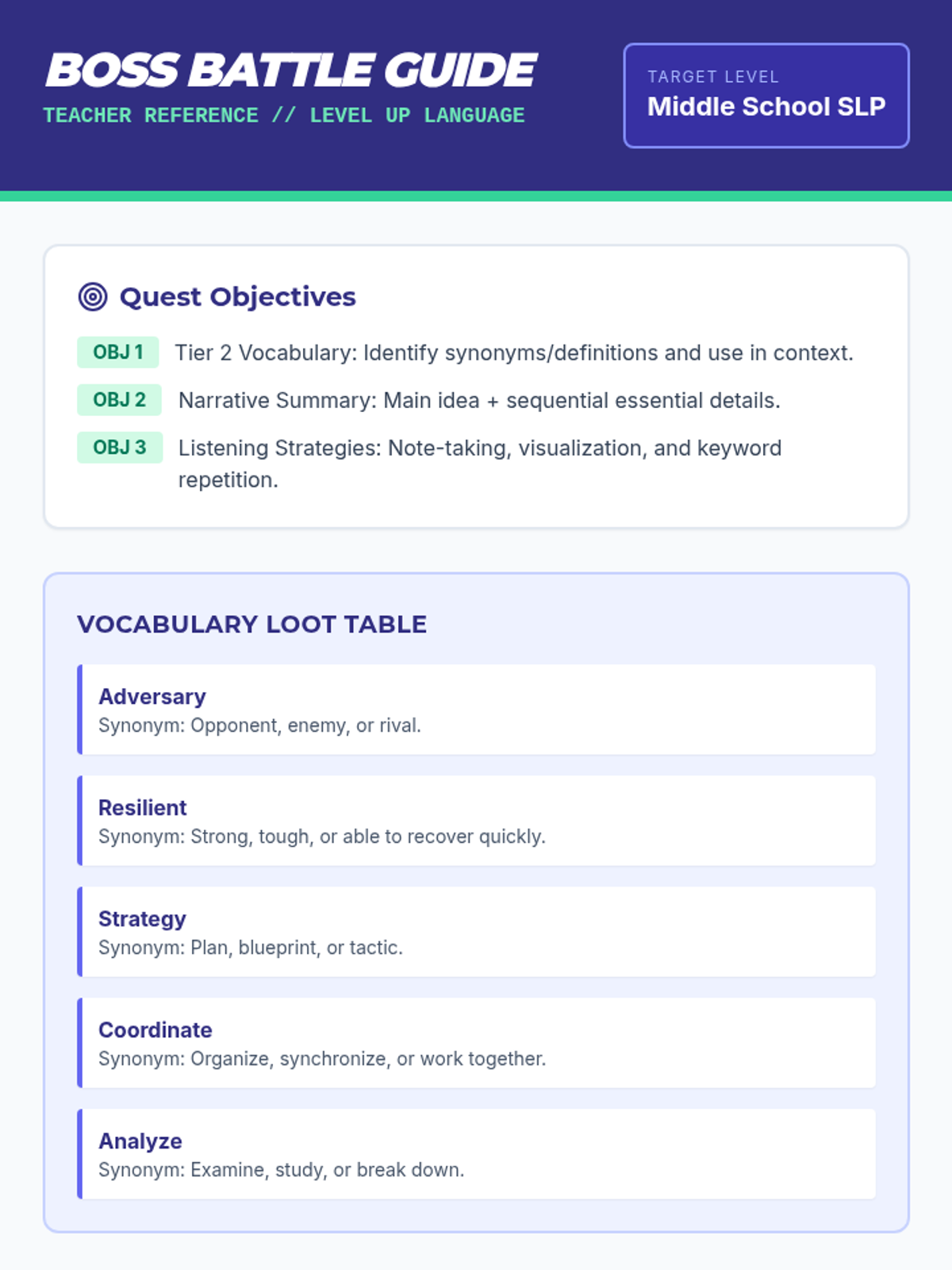
A video game-themed speech-language therapy lesson focusing on Tier 2 vocabulary, listening comprehension strategies, and narrative summarization skills through the story of a professional gamer's rise to the top.
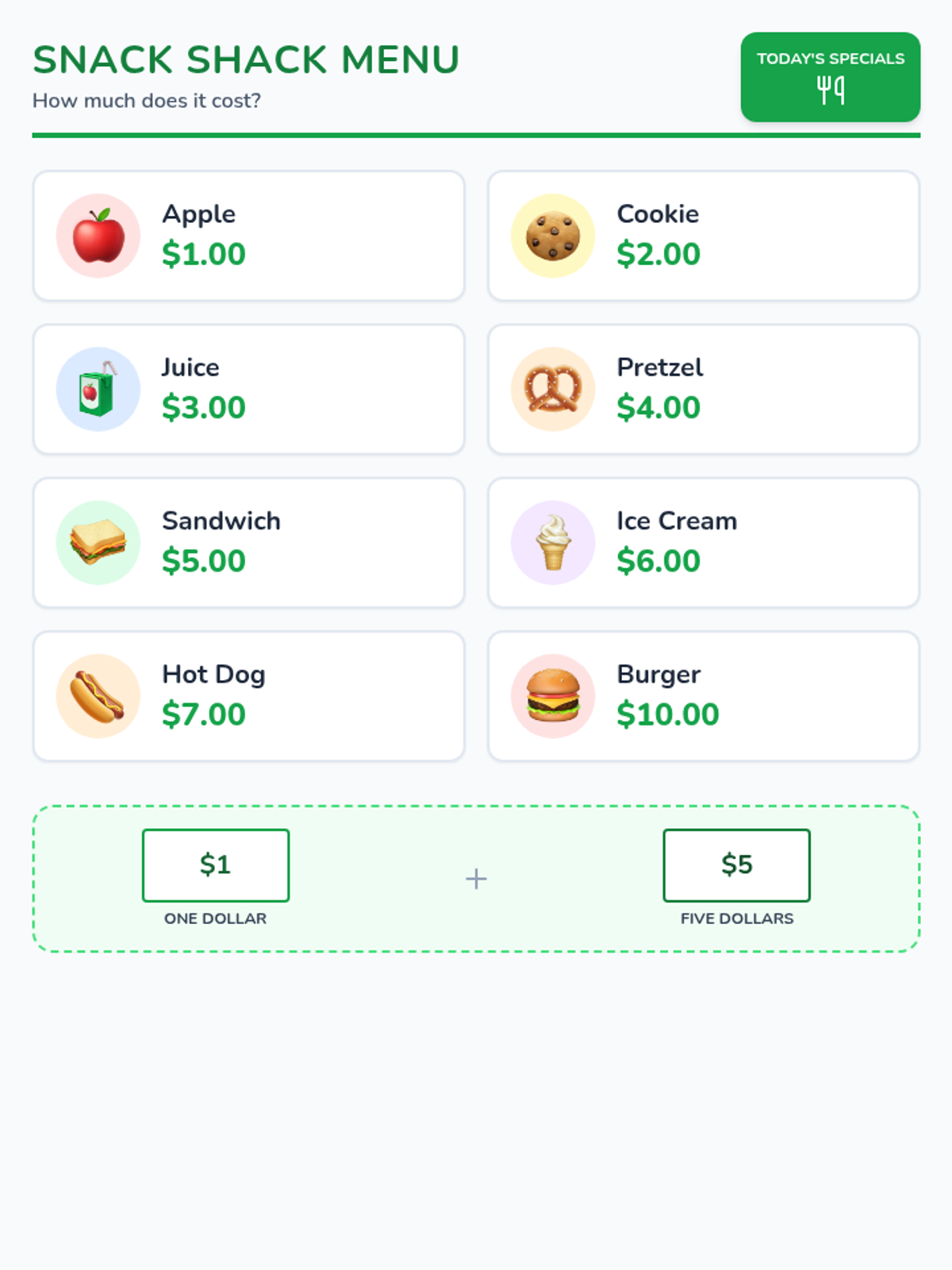
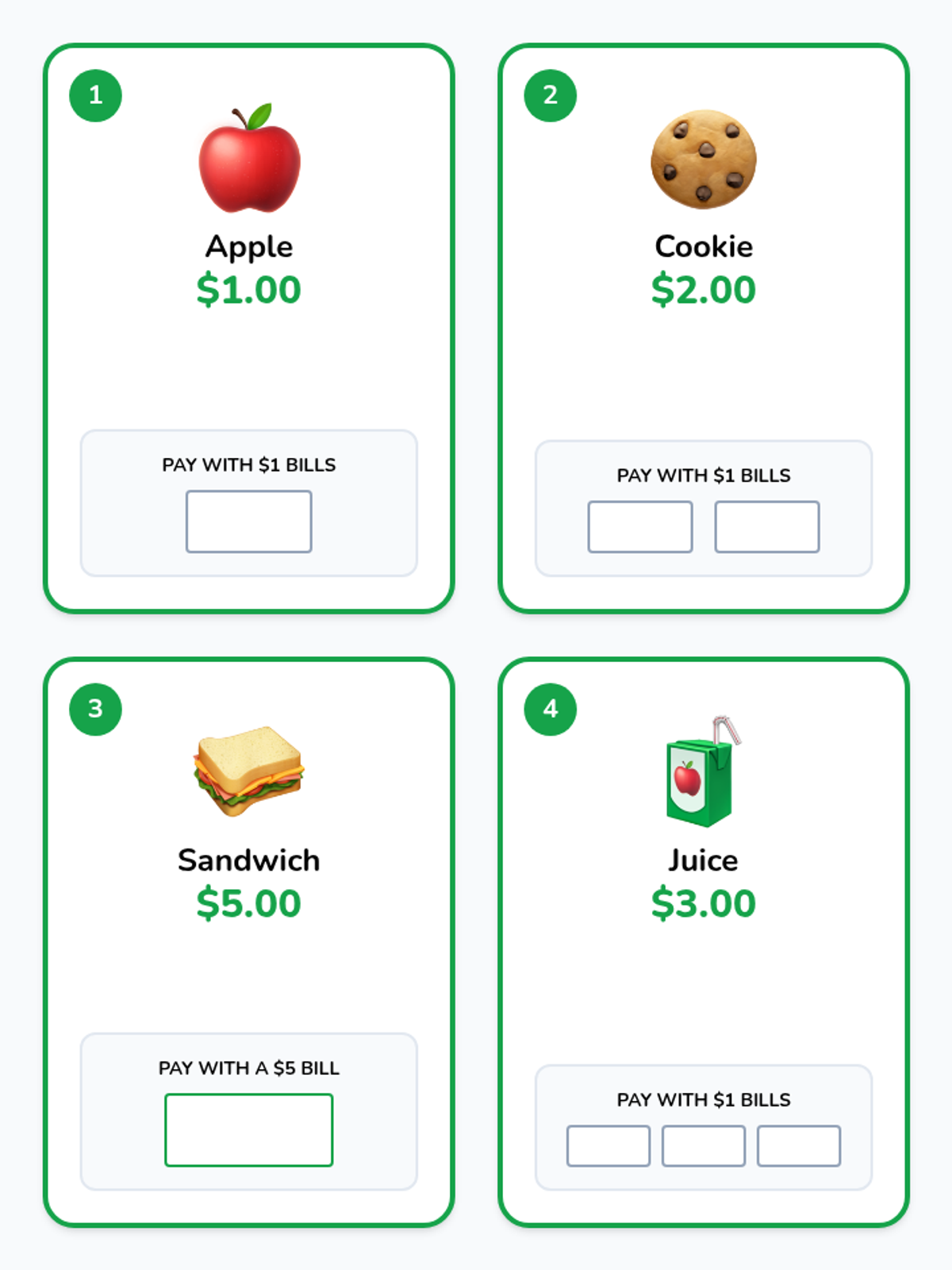
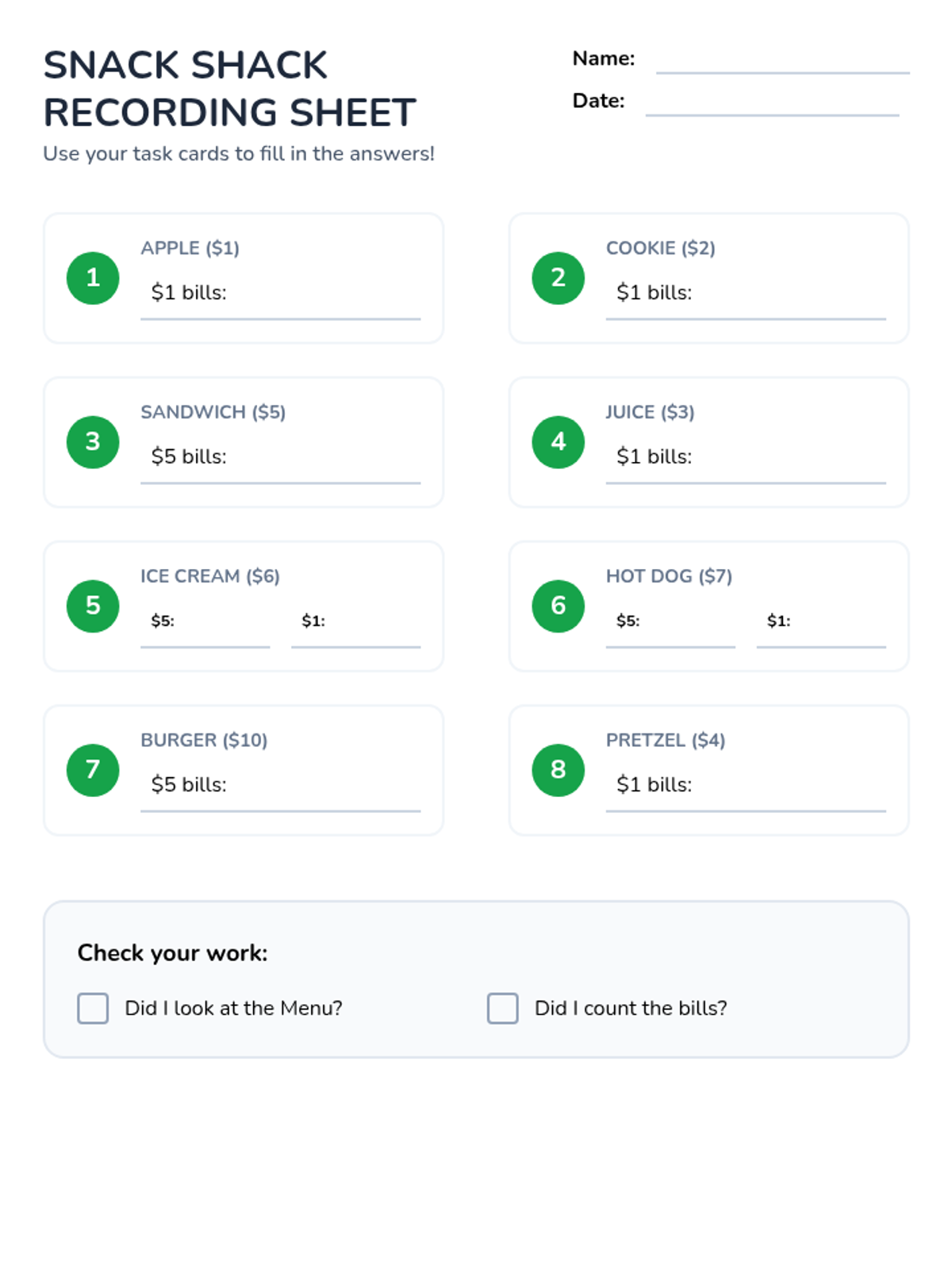
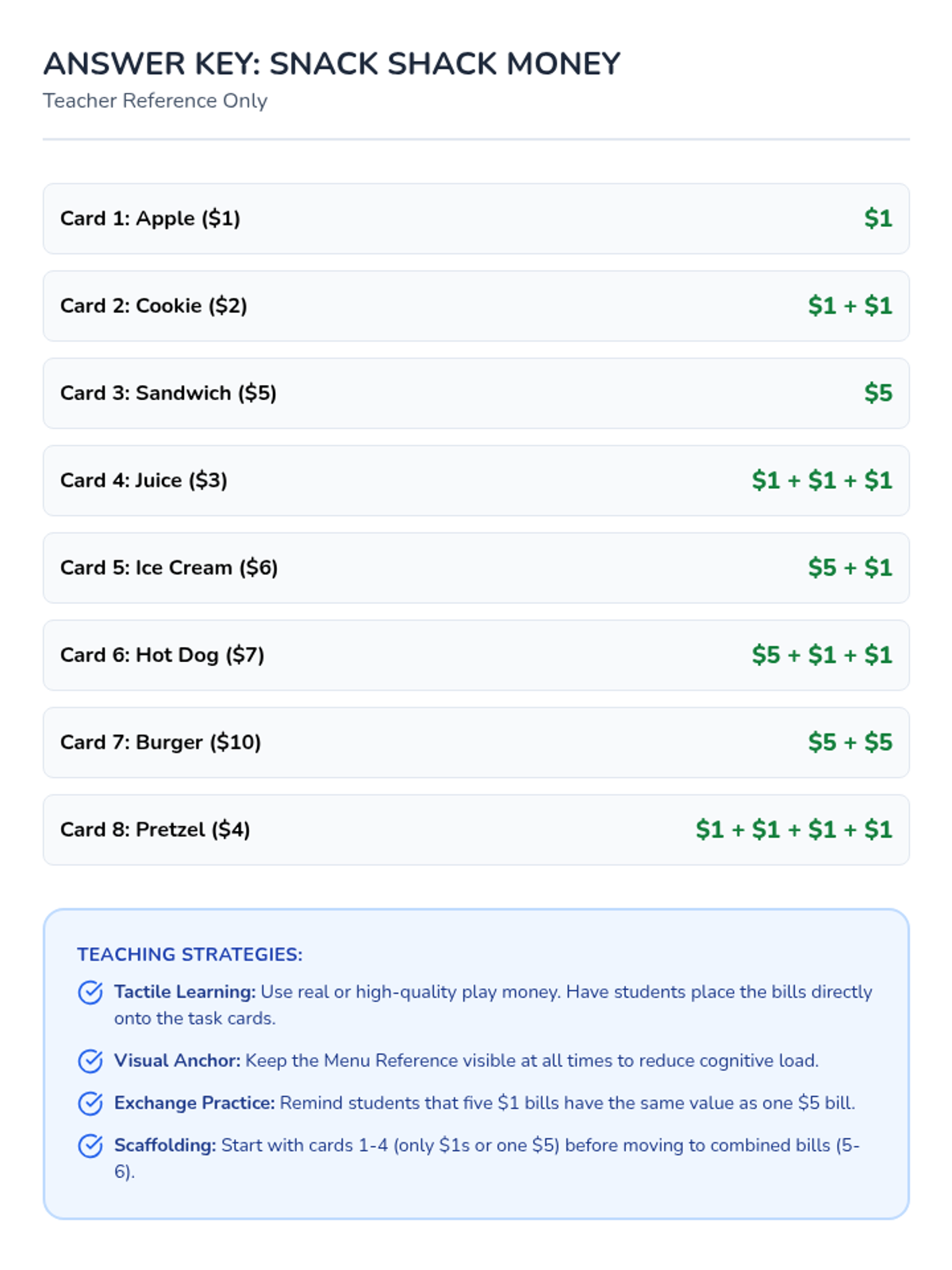
A practical money skills lesson focusing on identifying and using $1 and $5 bills to purchase snack items in a 'Snack Shack' scenario. Designed with visual supports for 4th-grade ASD students.
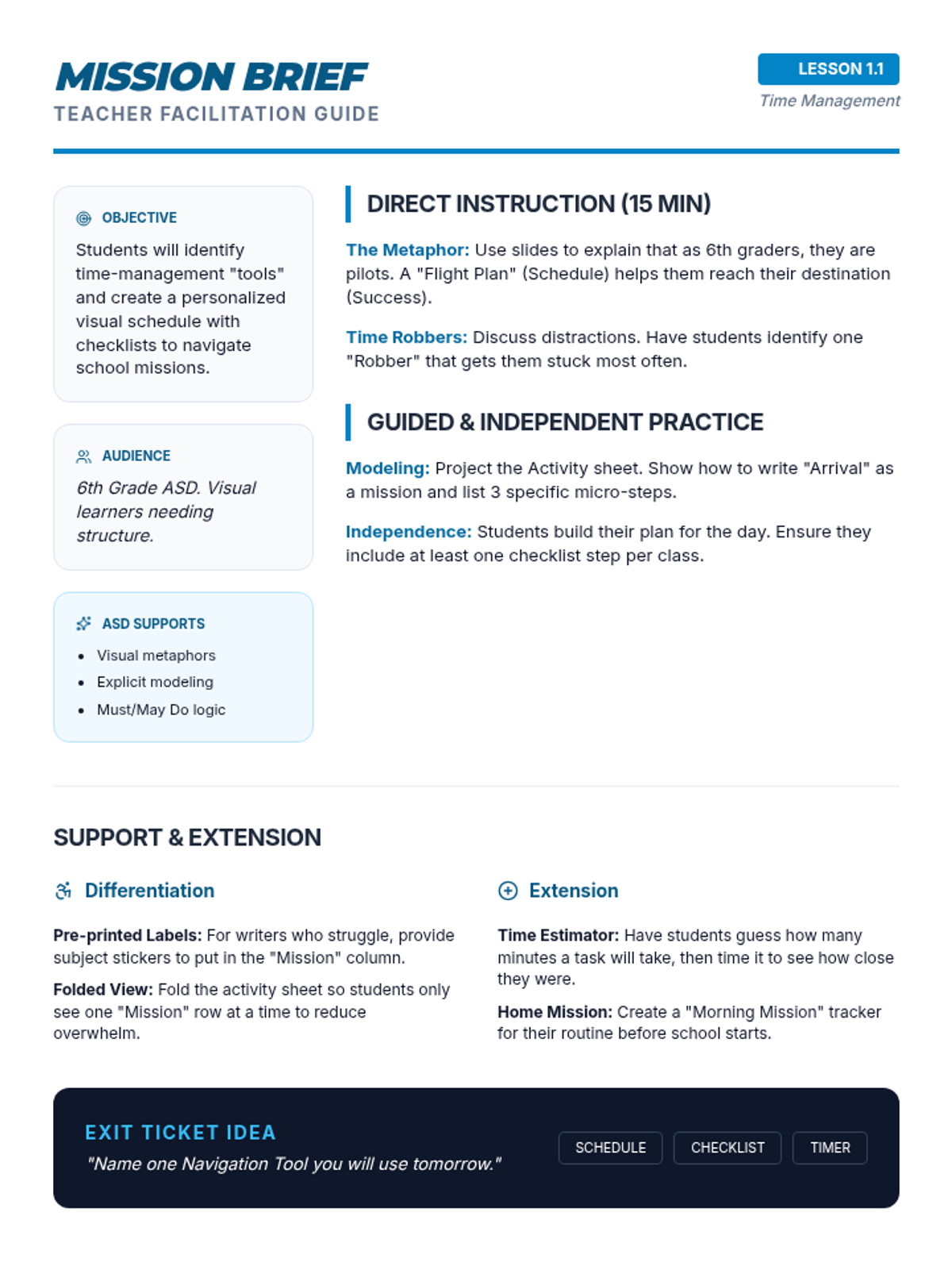
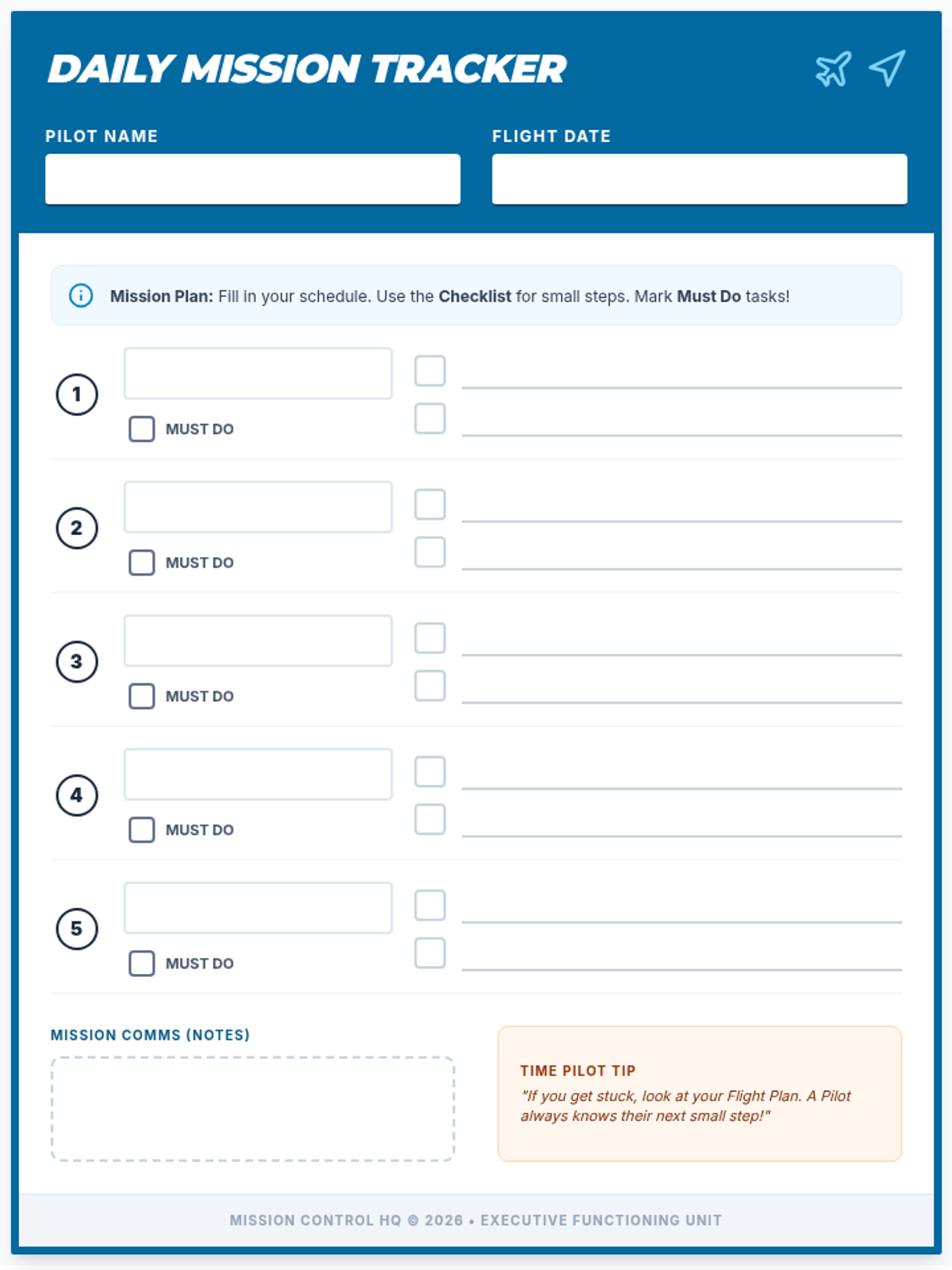
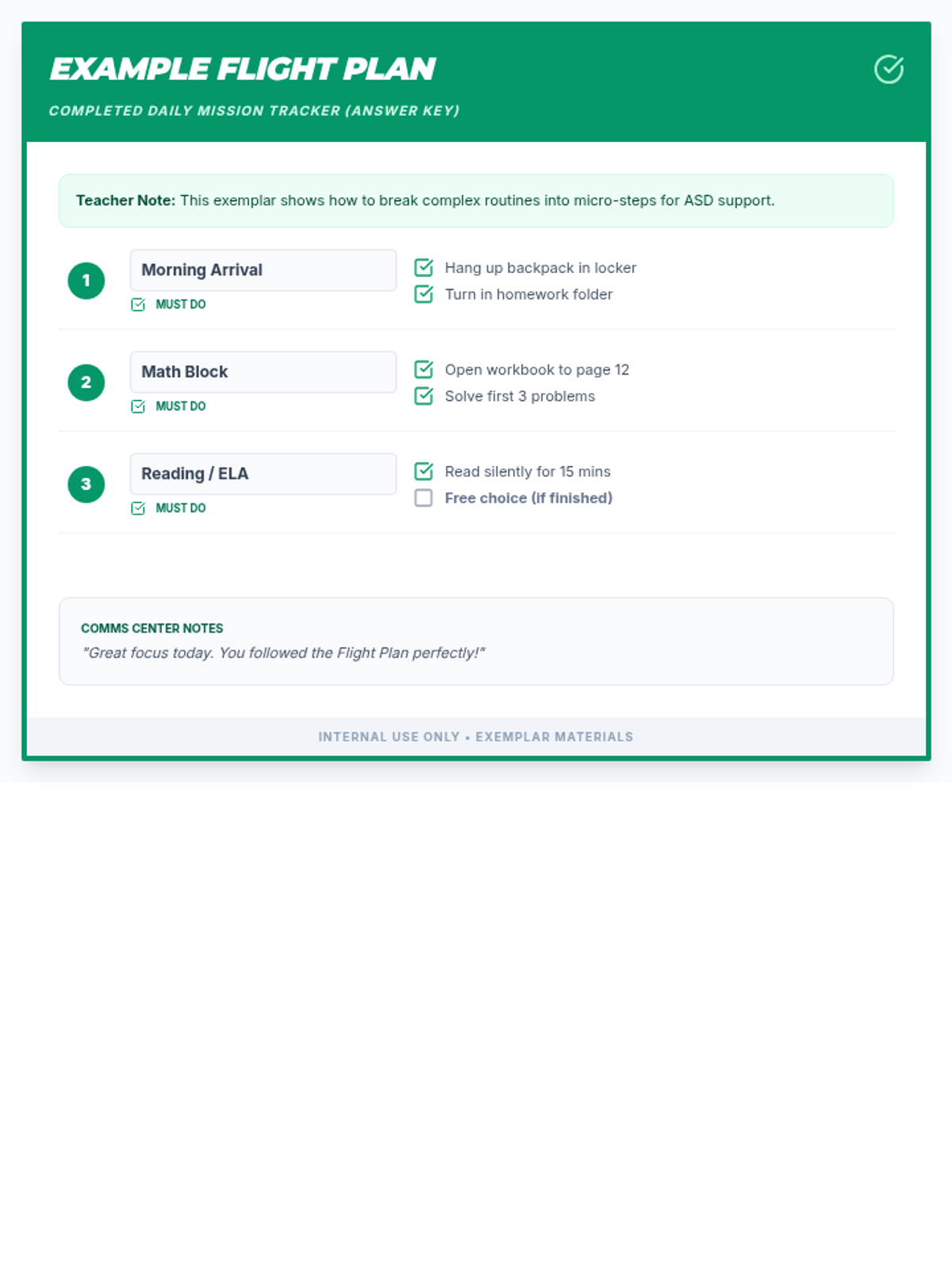
A lesson focused on teaching time management skills to 6th-grade ASD students through the metaphor of being a 'Time Pilot', featuring visual schedules and checklists.
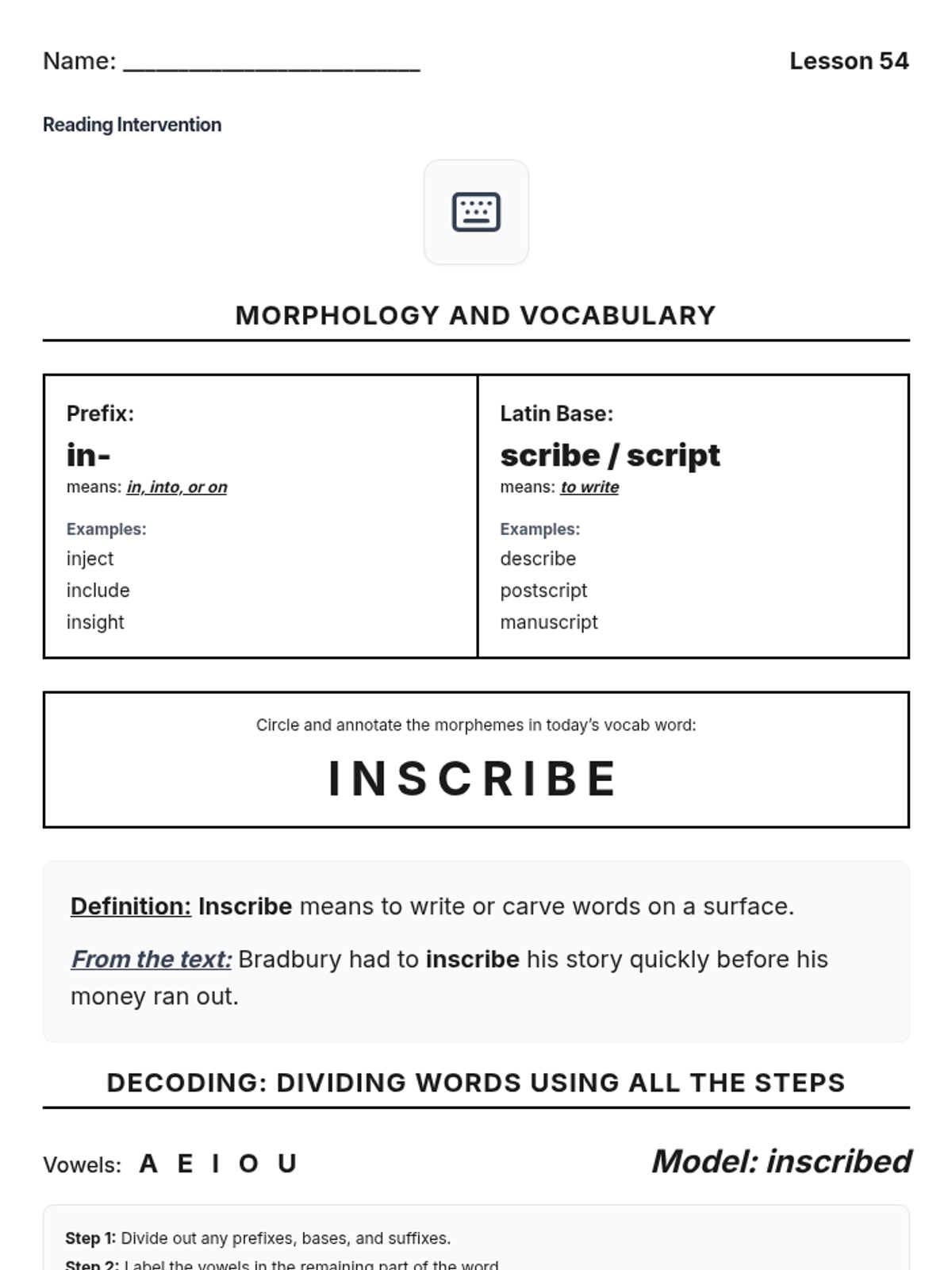
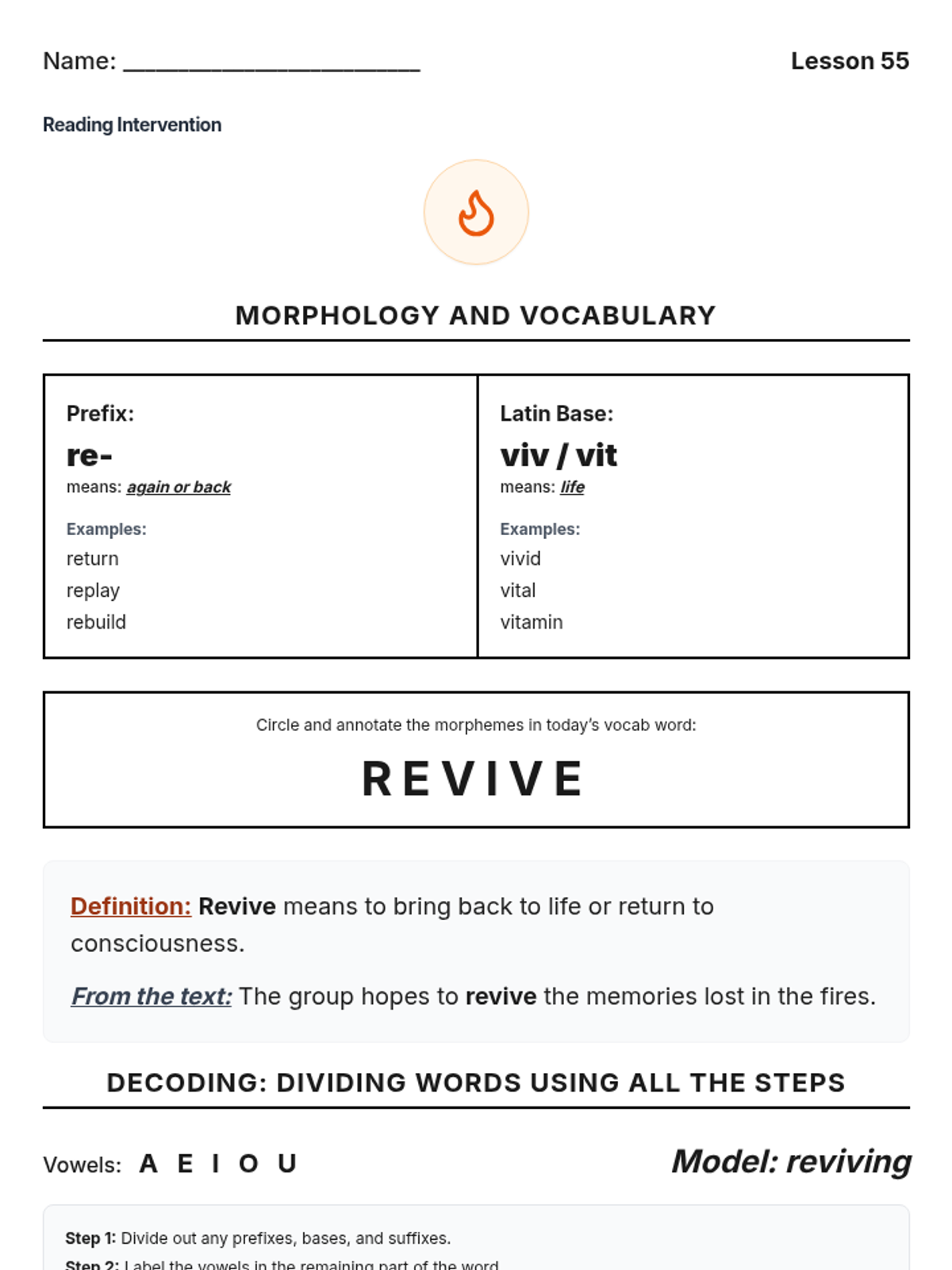
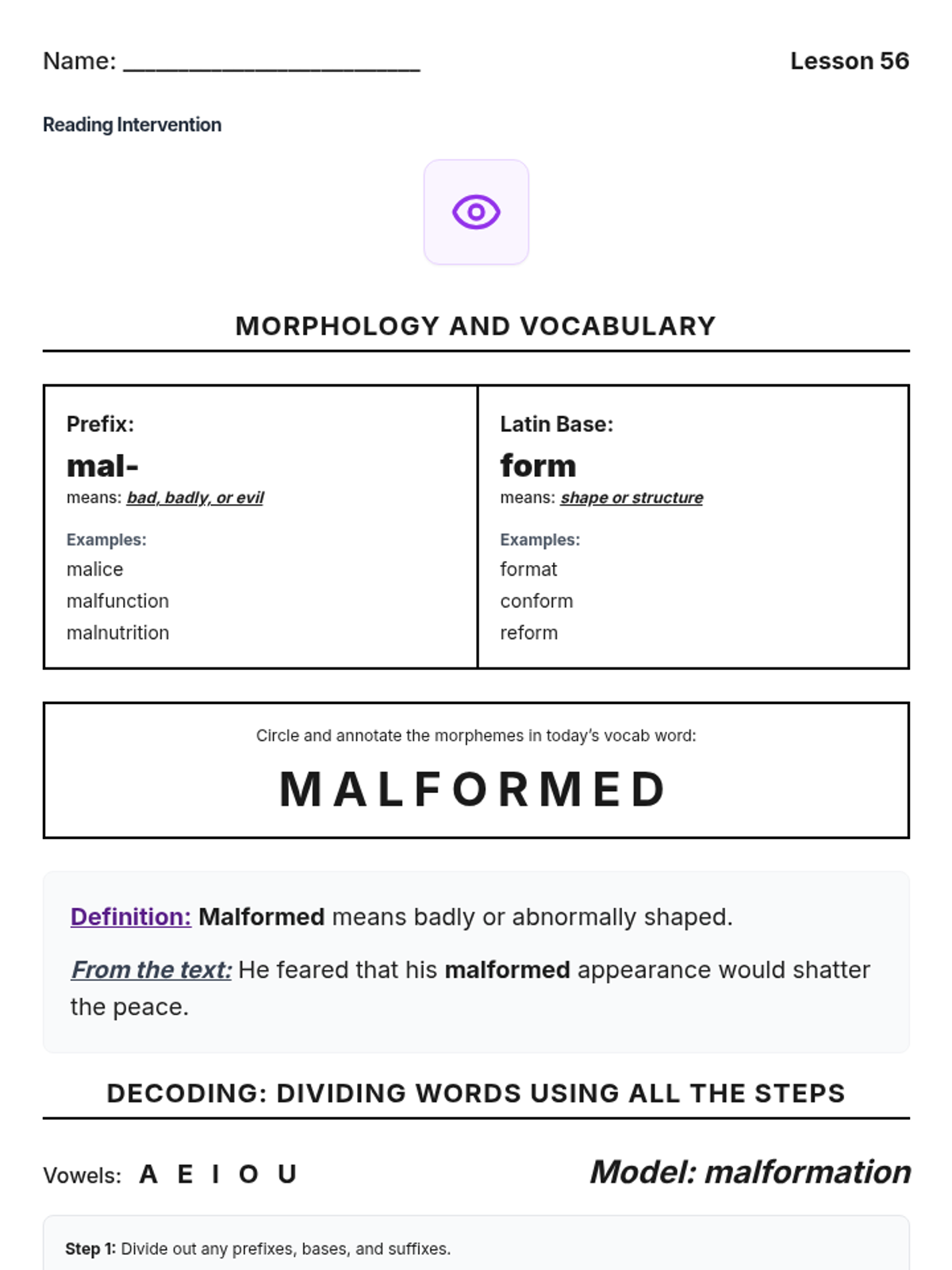
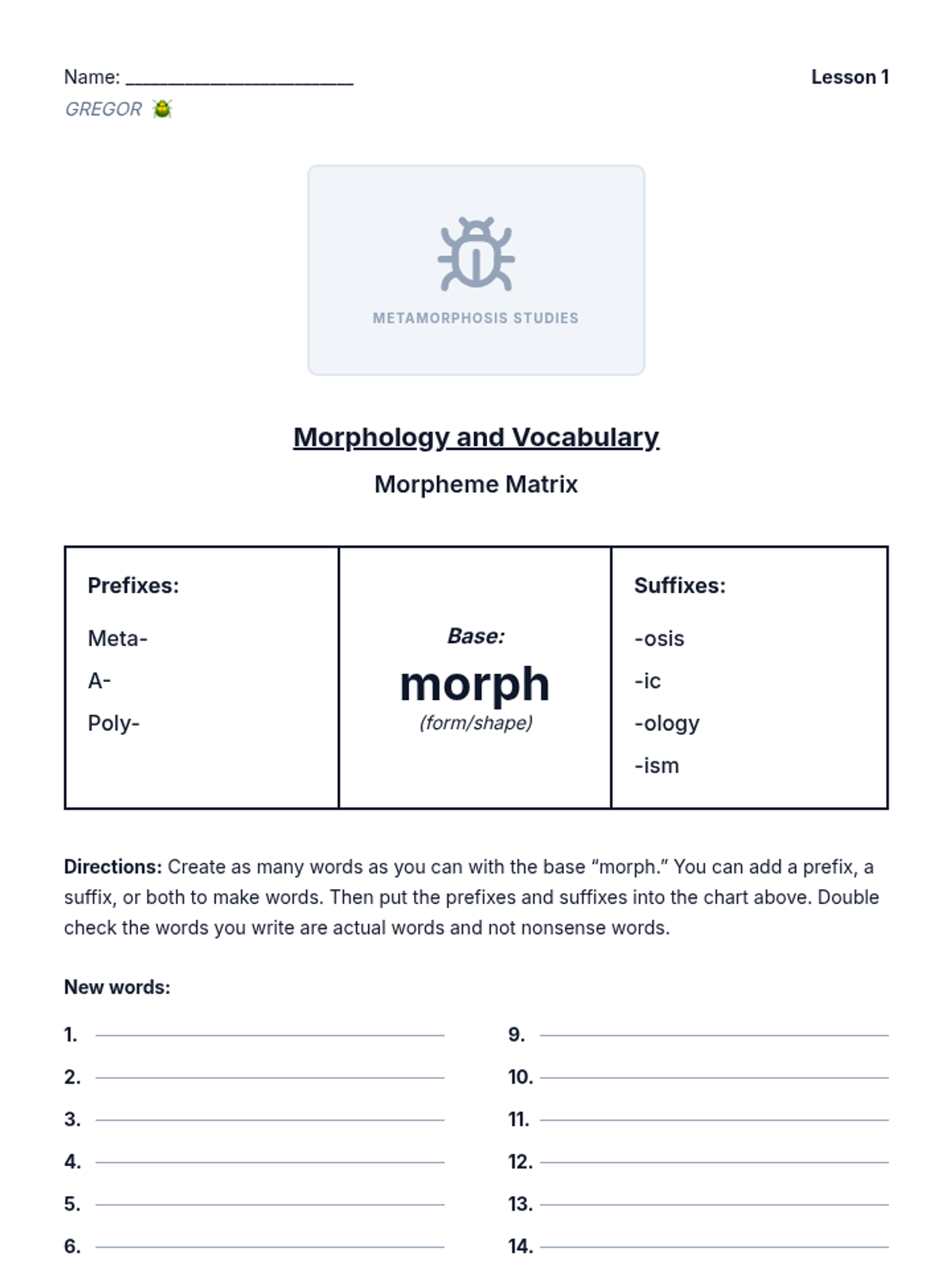
A series of three reading intervention lessons focusing on Ray Bradbury's writing process, the conclusion of Fahrenheit 451, and the origin of Frankenstein, teaching advanced morphology and decoding strategies.
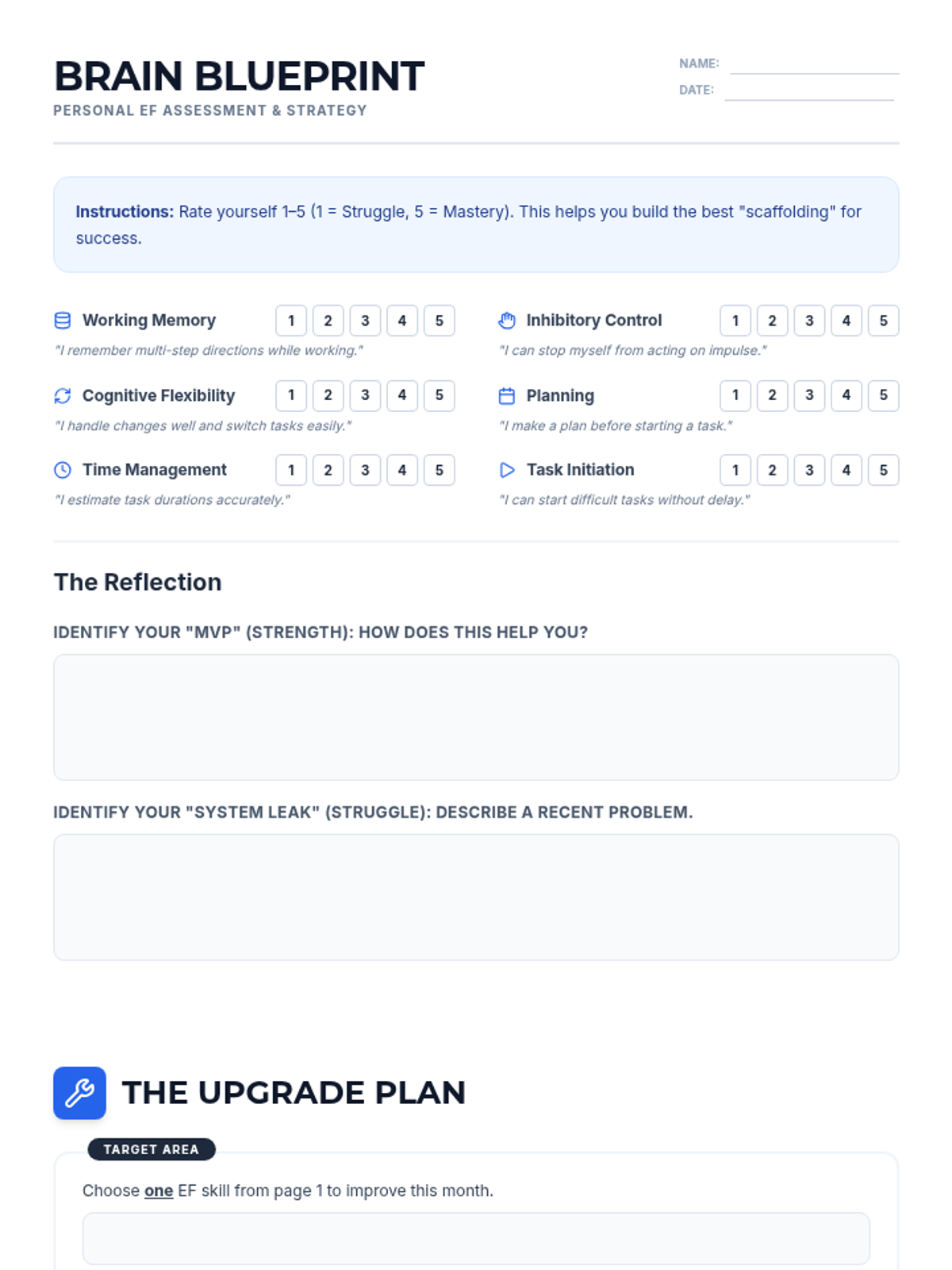
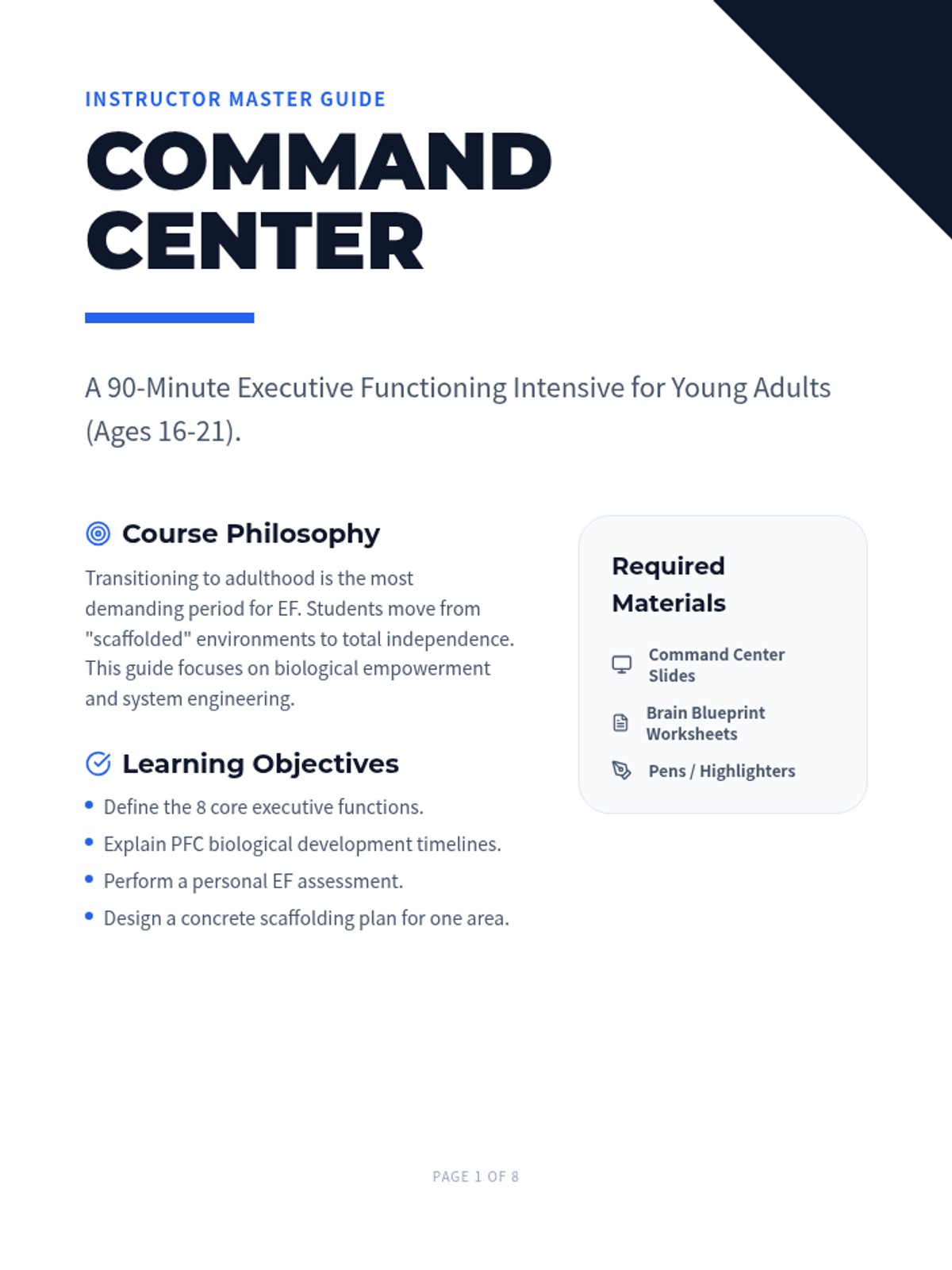
A 90-minute deep dive into the eight core executive functions, featuring interactive discussion, personal reflection, and concrete strategy building for young adult transitions.
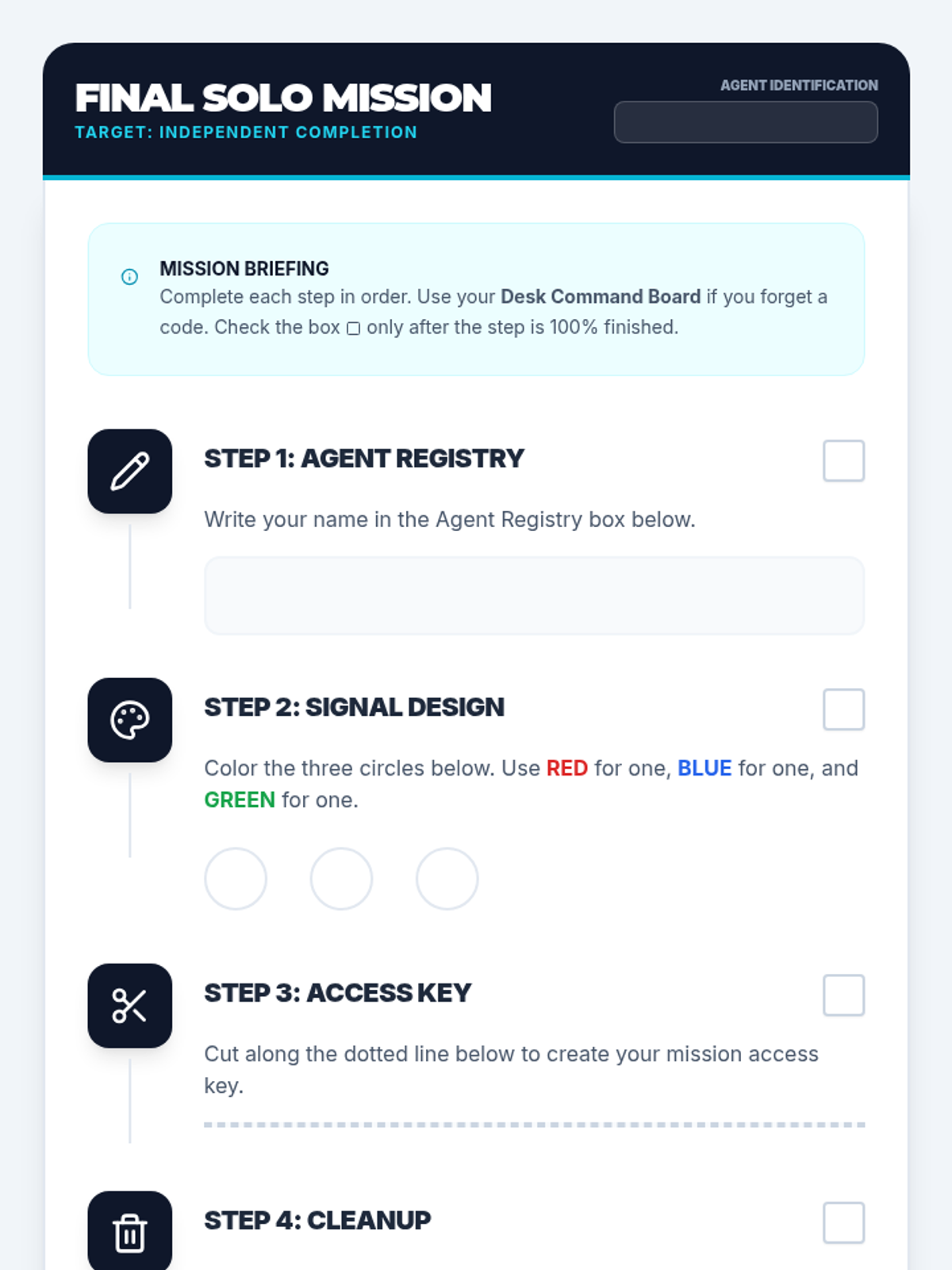
Students are given a simple worksheet or project paired with a single-step visual guide. They navigate the task independently by covering up future steps and revealing only the current step's visual.
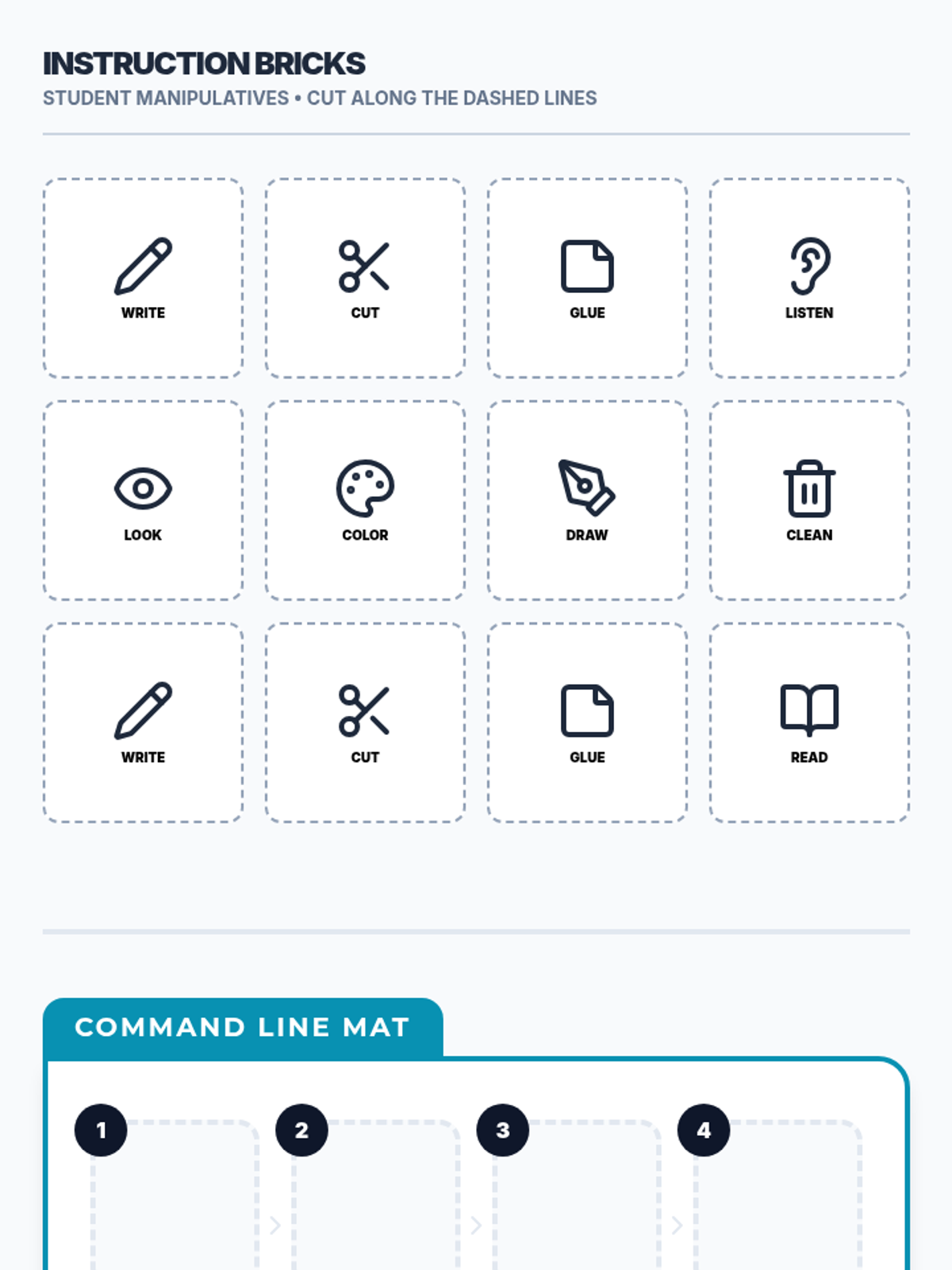
Students arrange physical picture cards in order as the teacher speaks. This tangible manipulation helps them 'hold' the instruction physically, even if their working memory fades.
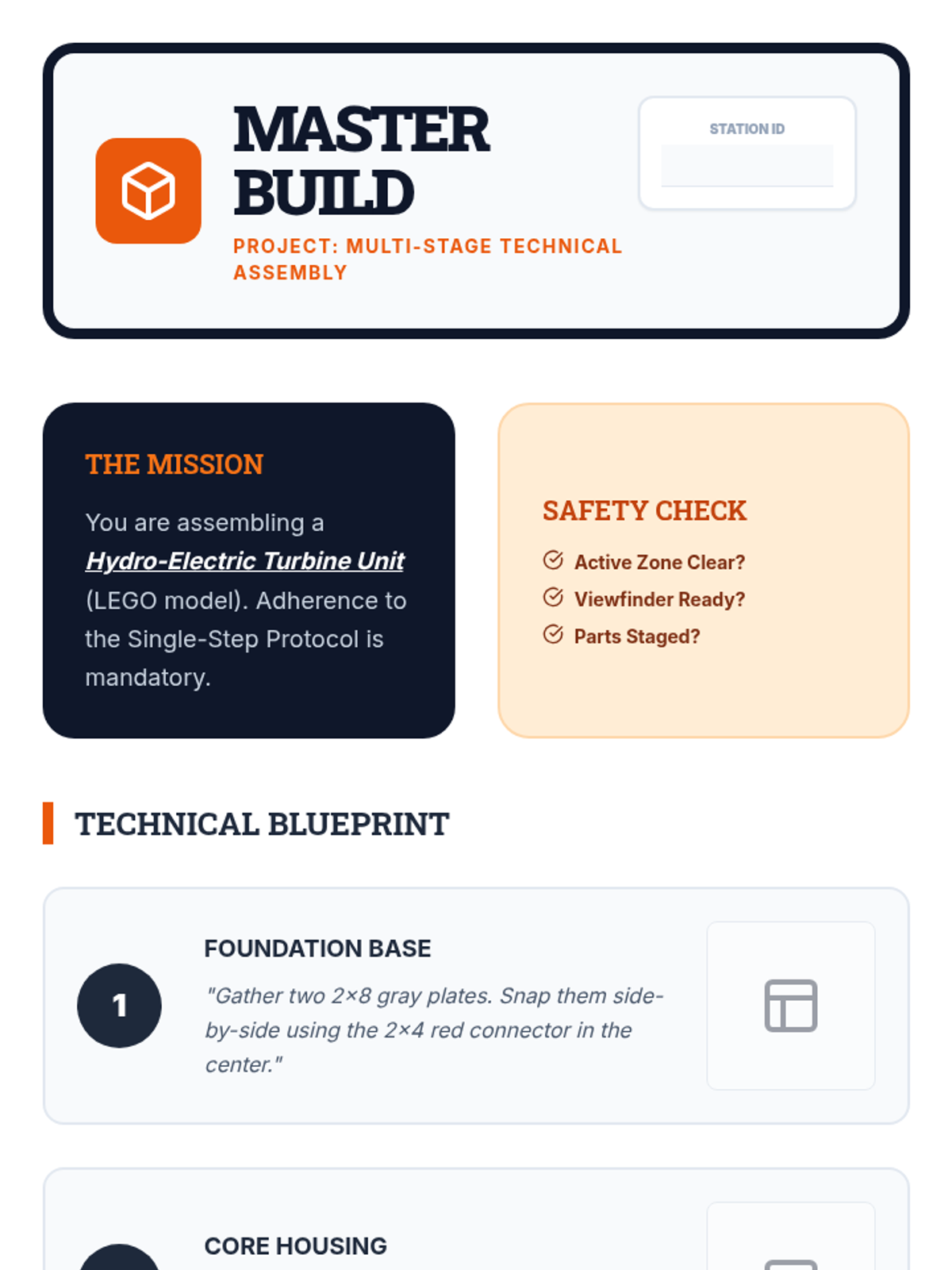
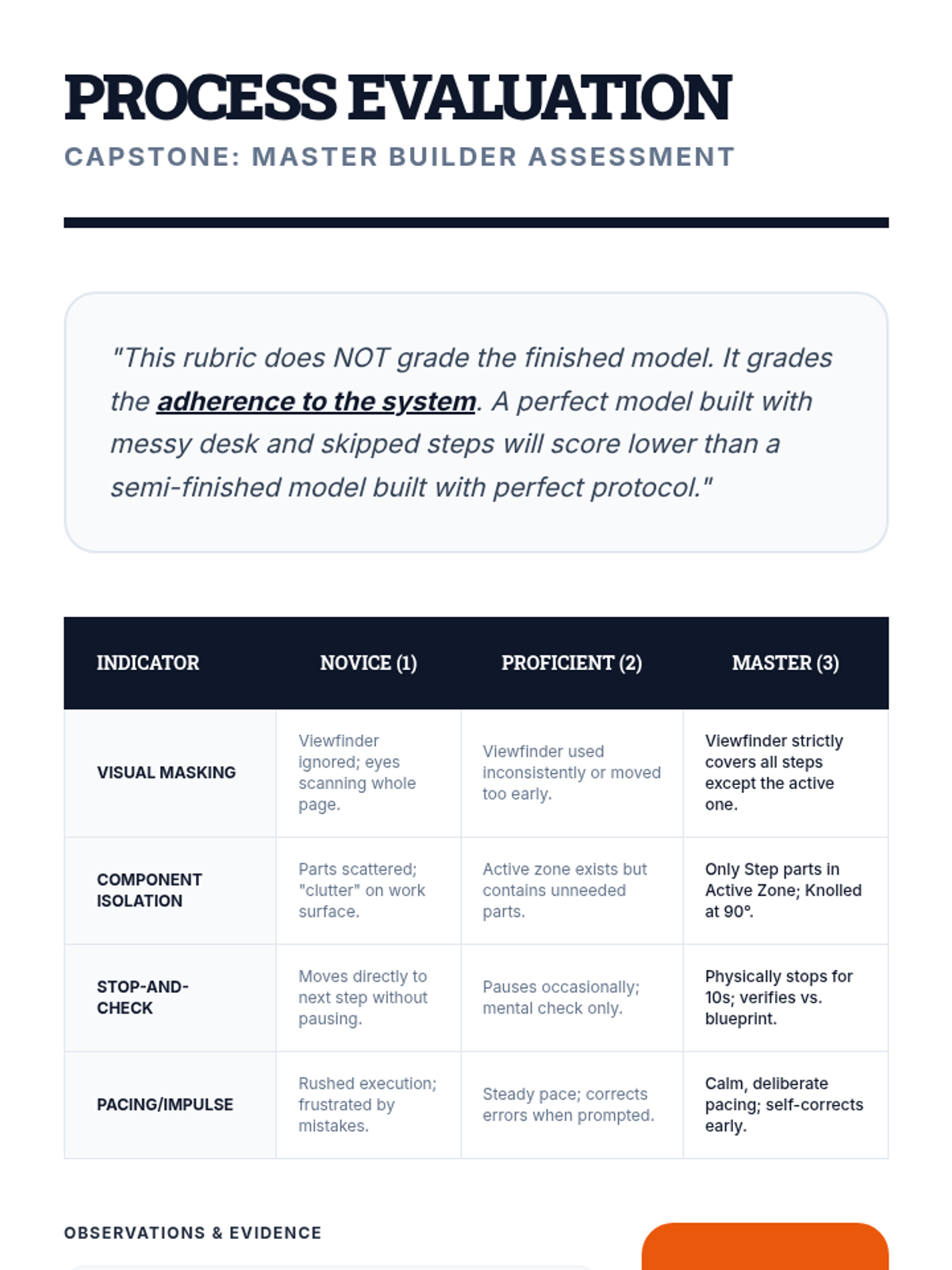
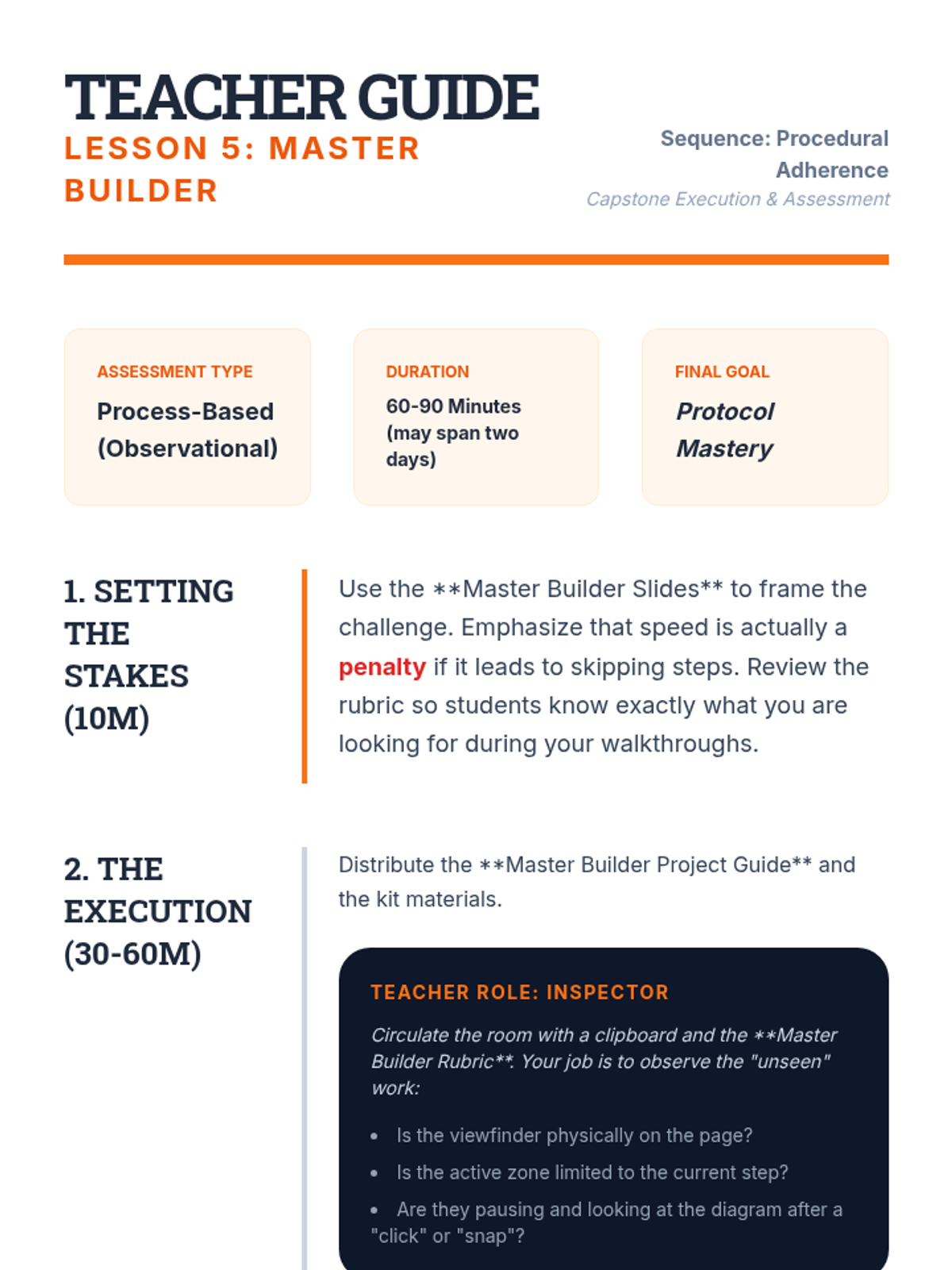
Students complete a multi-stage assembly project (e.g., a simple wood kit or circuit). They are assessed on their adherence to the single-step process rather than just the final product.
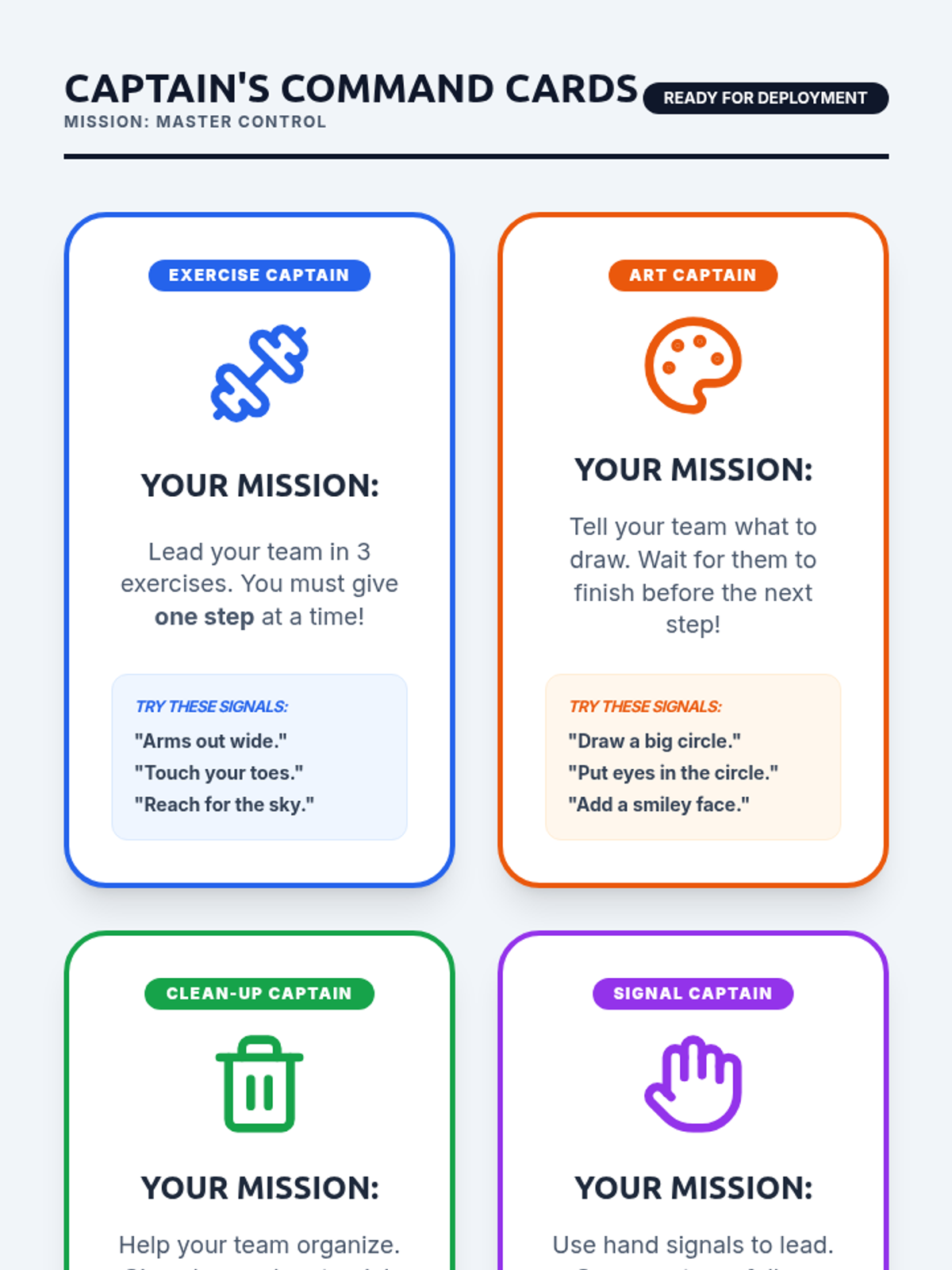
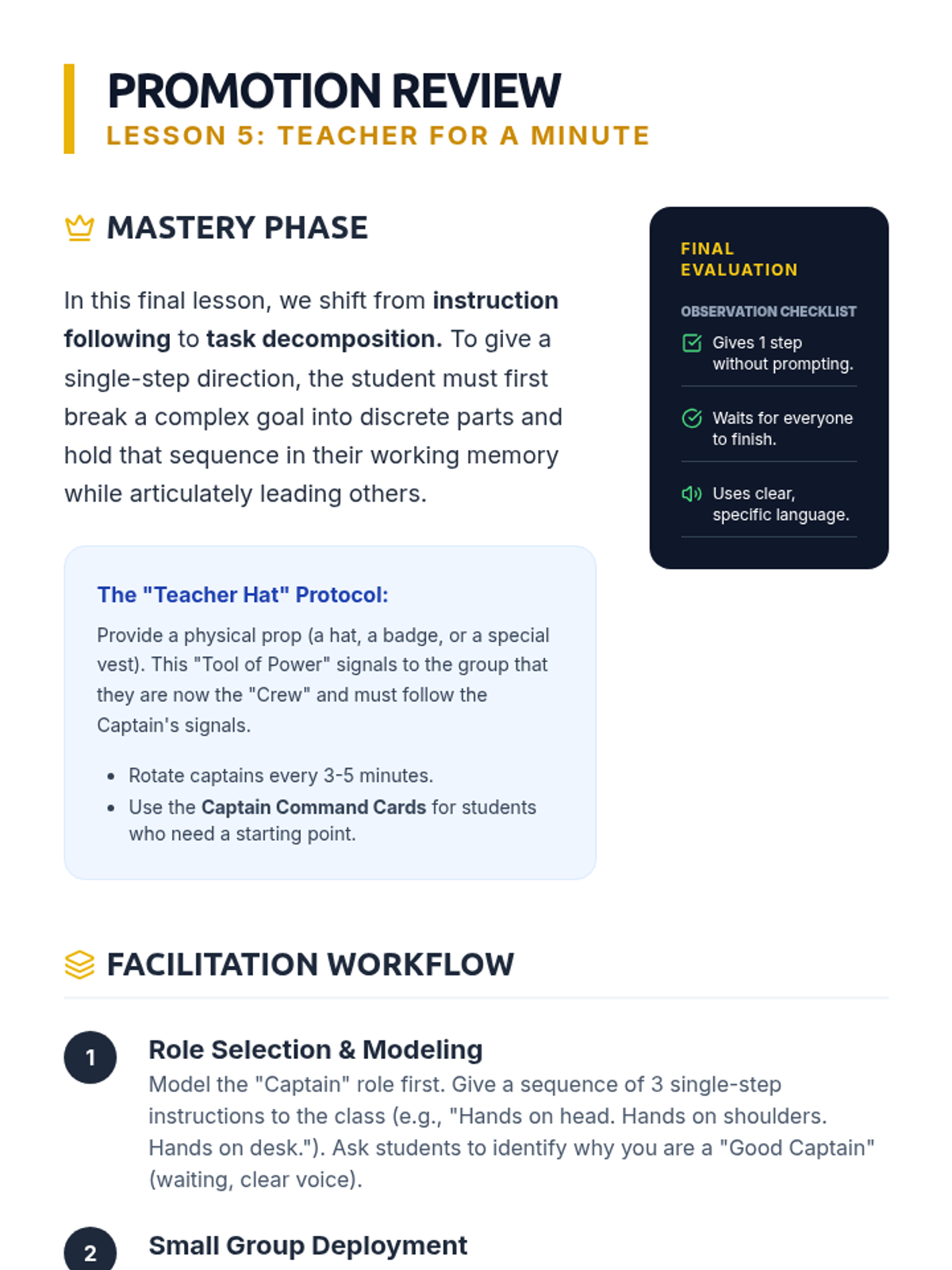
Students take turns leading a small group in a simple activity by giving single-step directions. This mastery-level activity requires them to formulate, hold, and articulate discrete steps, reinforcing their understanding of how tasks are broken down.
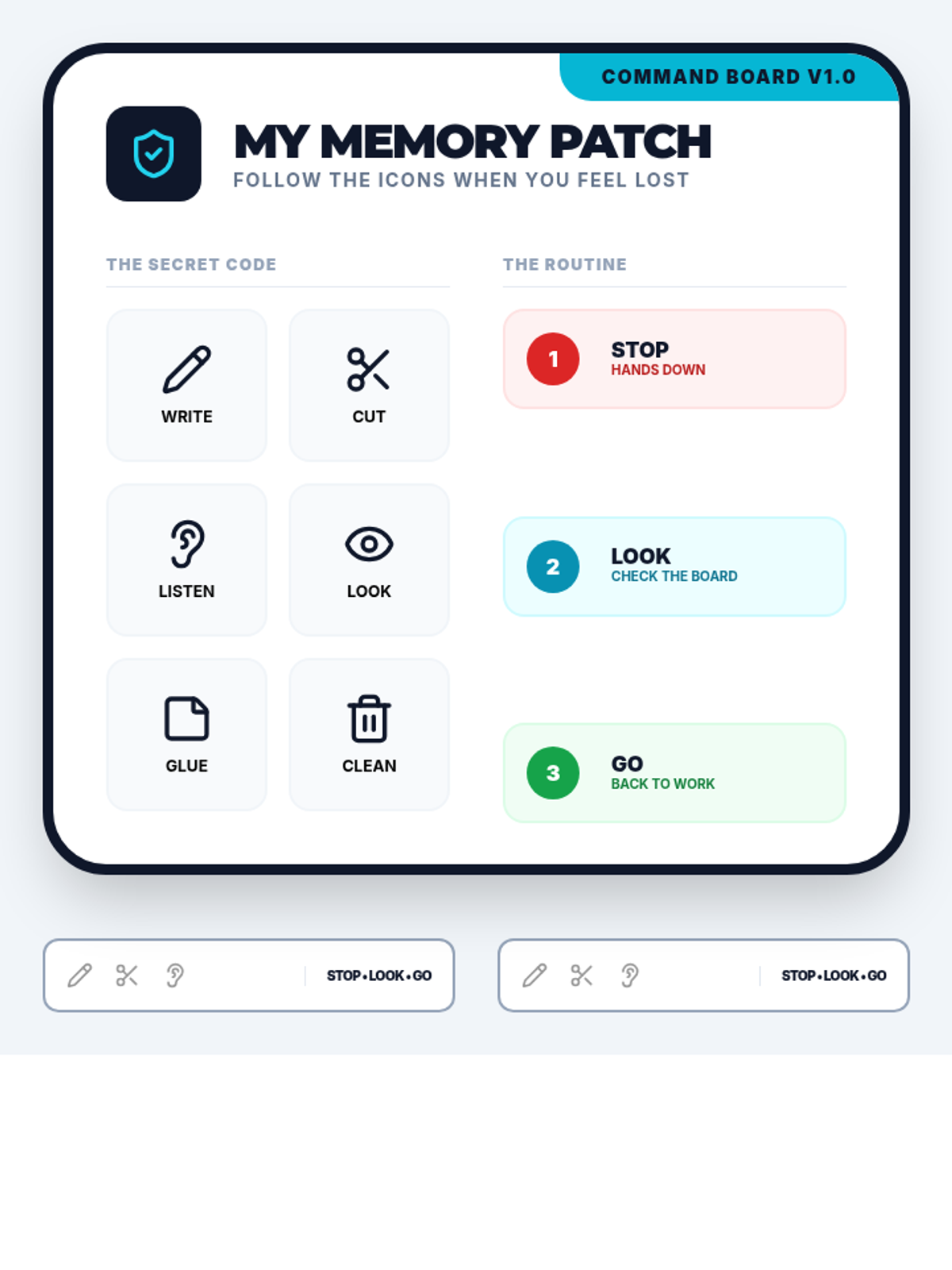
Students practice a physical routine where they stop their work and look at a visual reference board whenever they feel lost. This builds the habit of referencing external aids rather than guessing.
Students learn to be allies by practicing how to give clear, single-step directions to their peers during collaborative tasks.
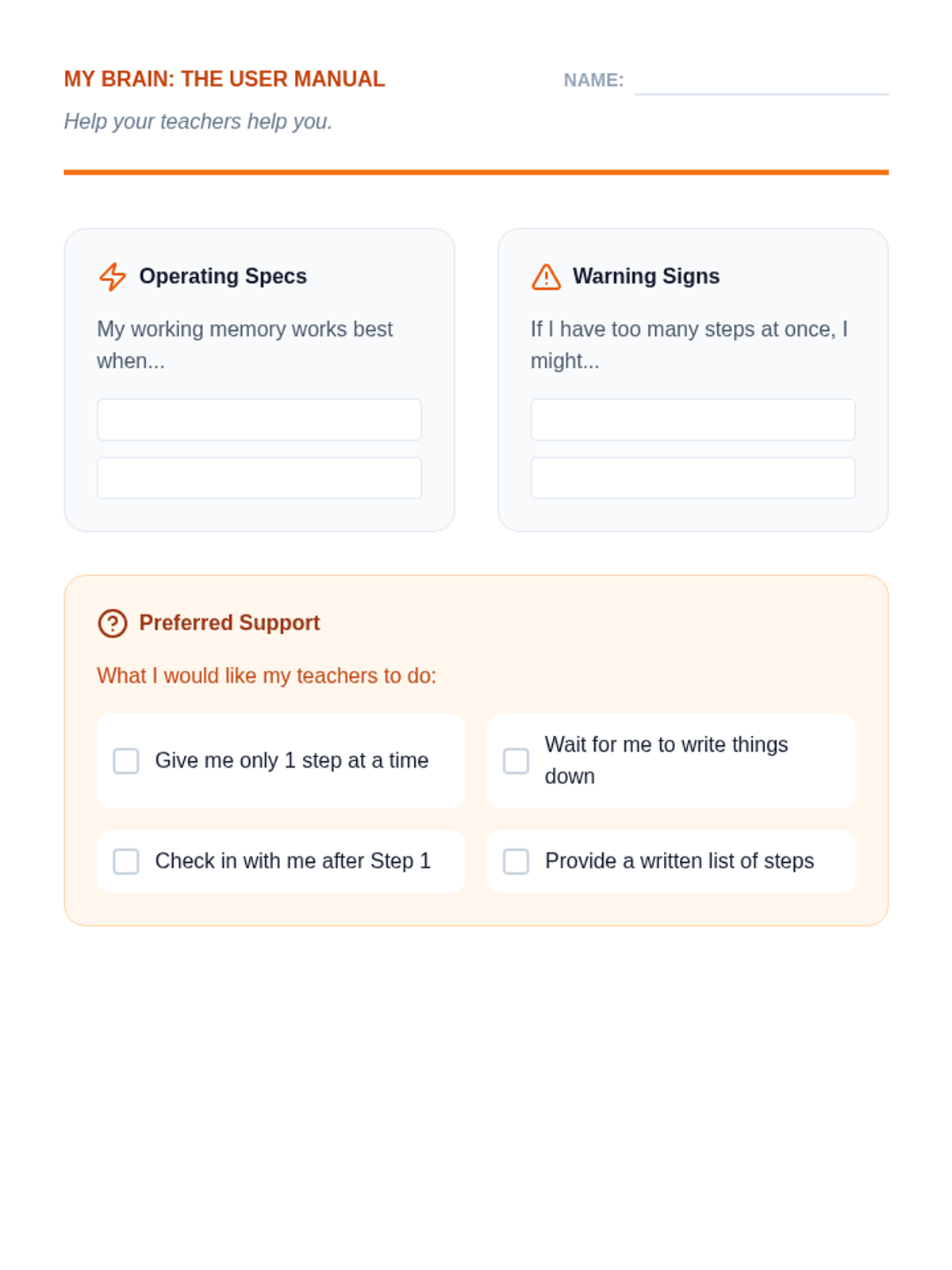
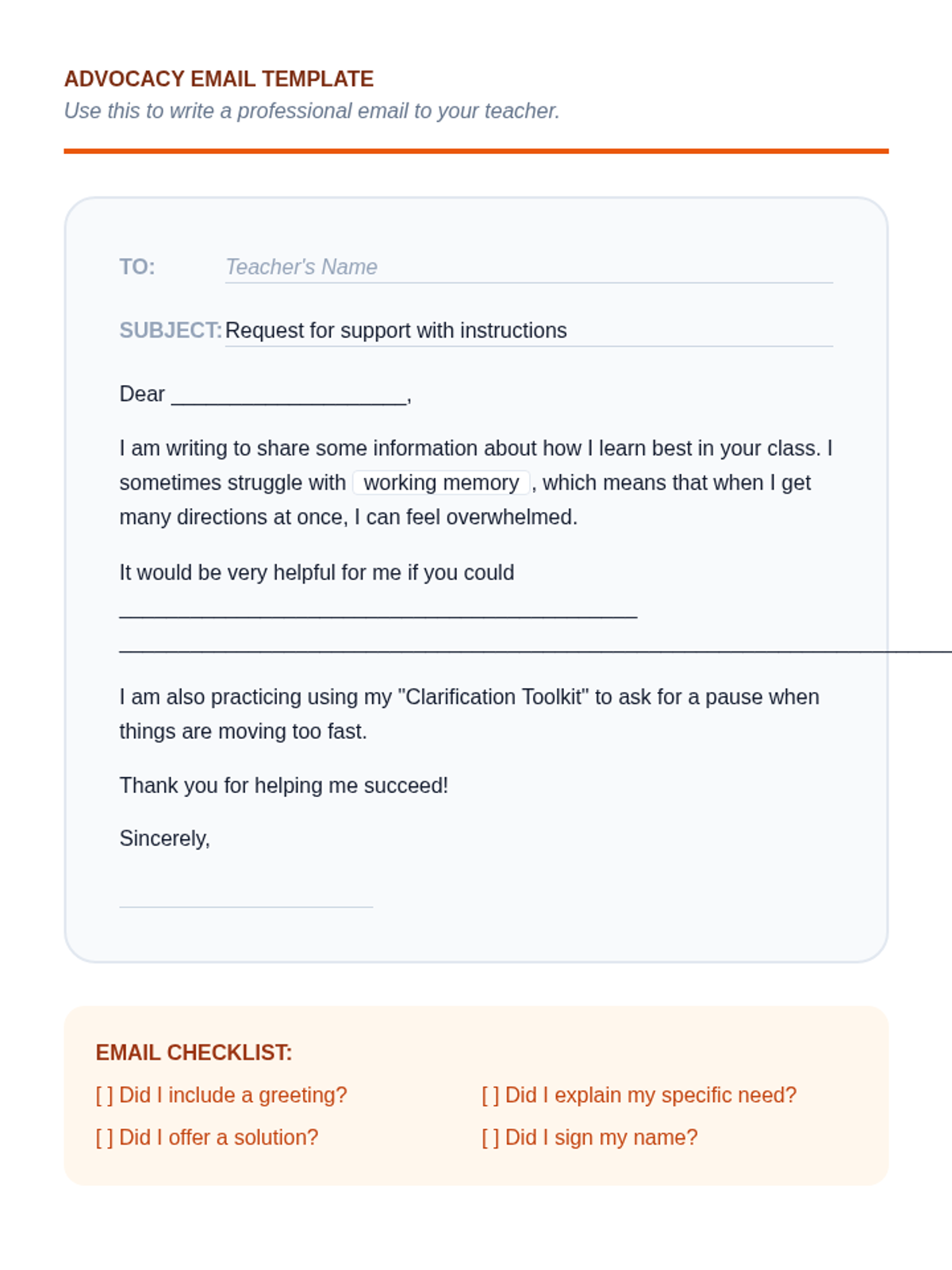
Students create a 'User Manual' for their brain and draft professional advocacy emails to request accommodations from their teachers.
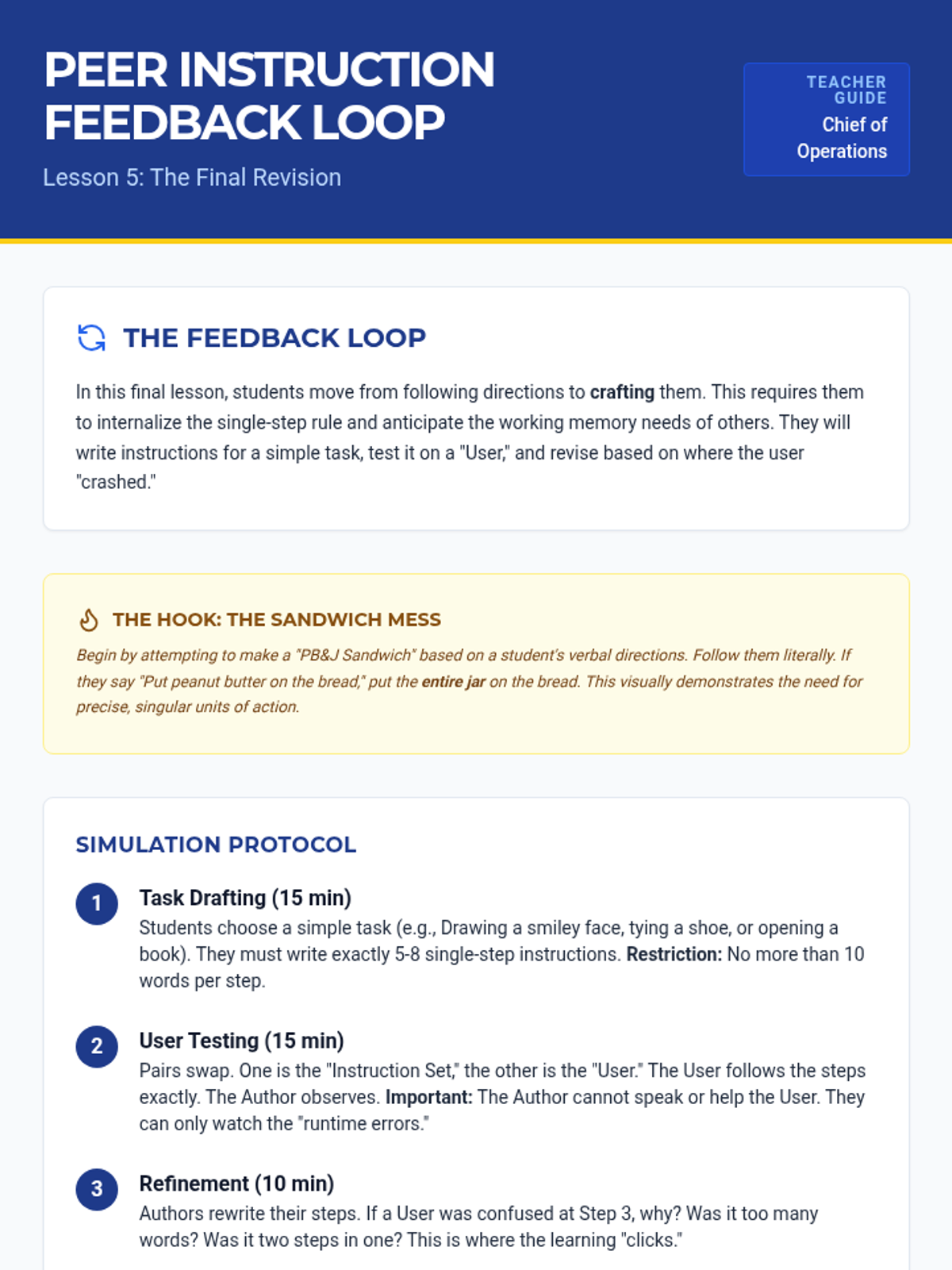
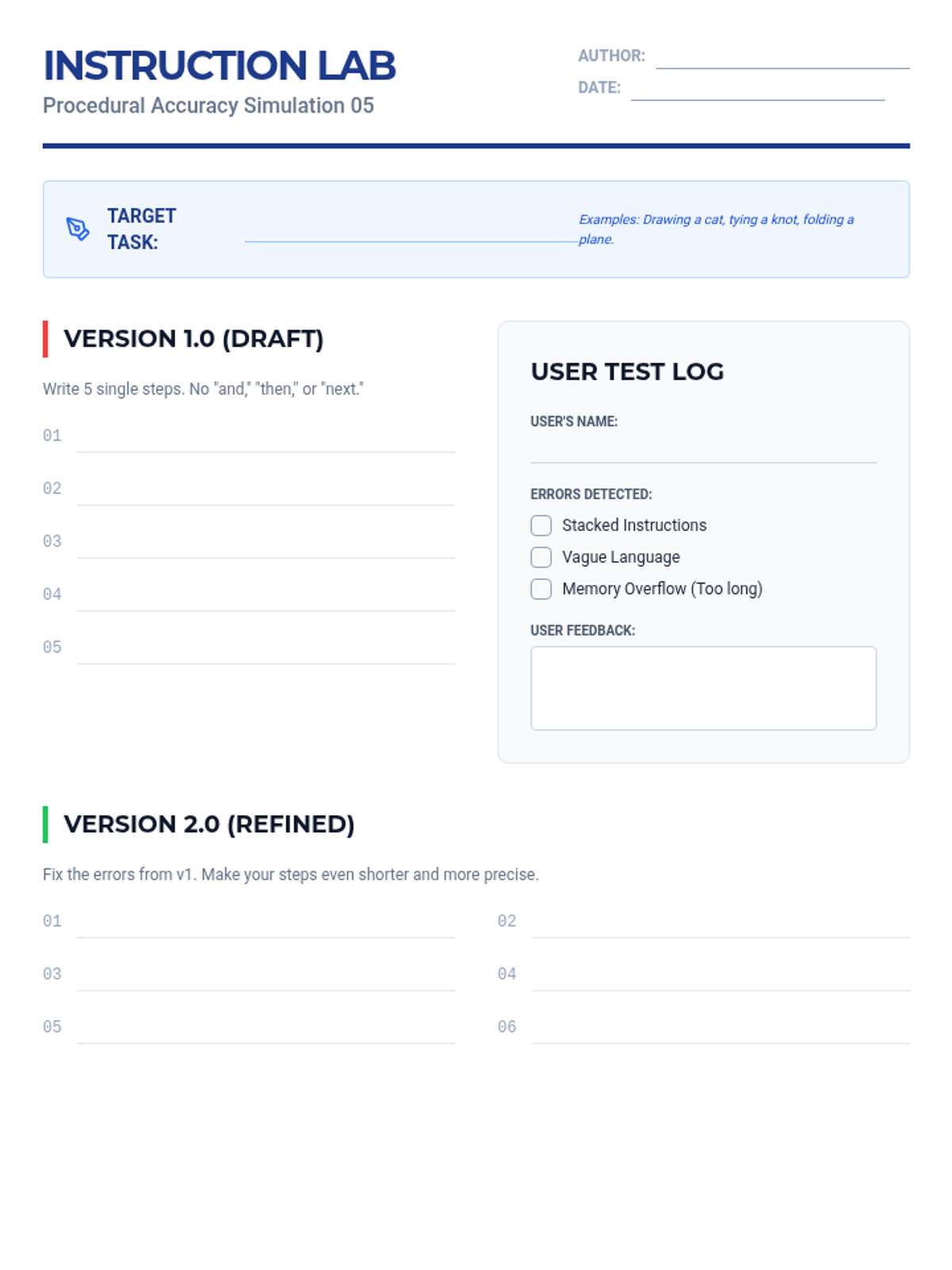
Students draft and test their own single-step instructions for everyday tasks. They analyze peer performance to identify where multi-step commands cause confusion and refine their instructions for maximum clarity.
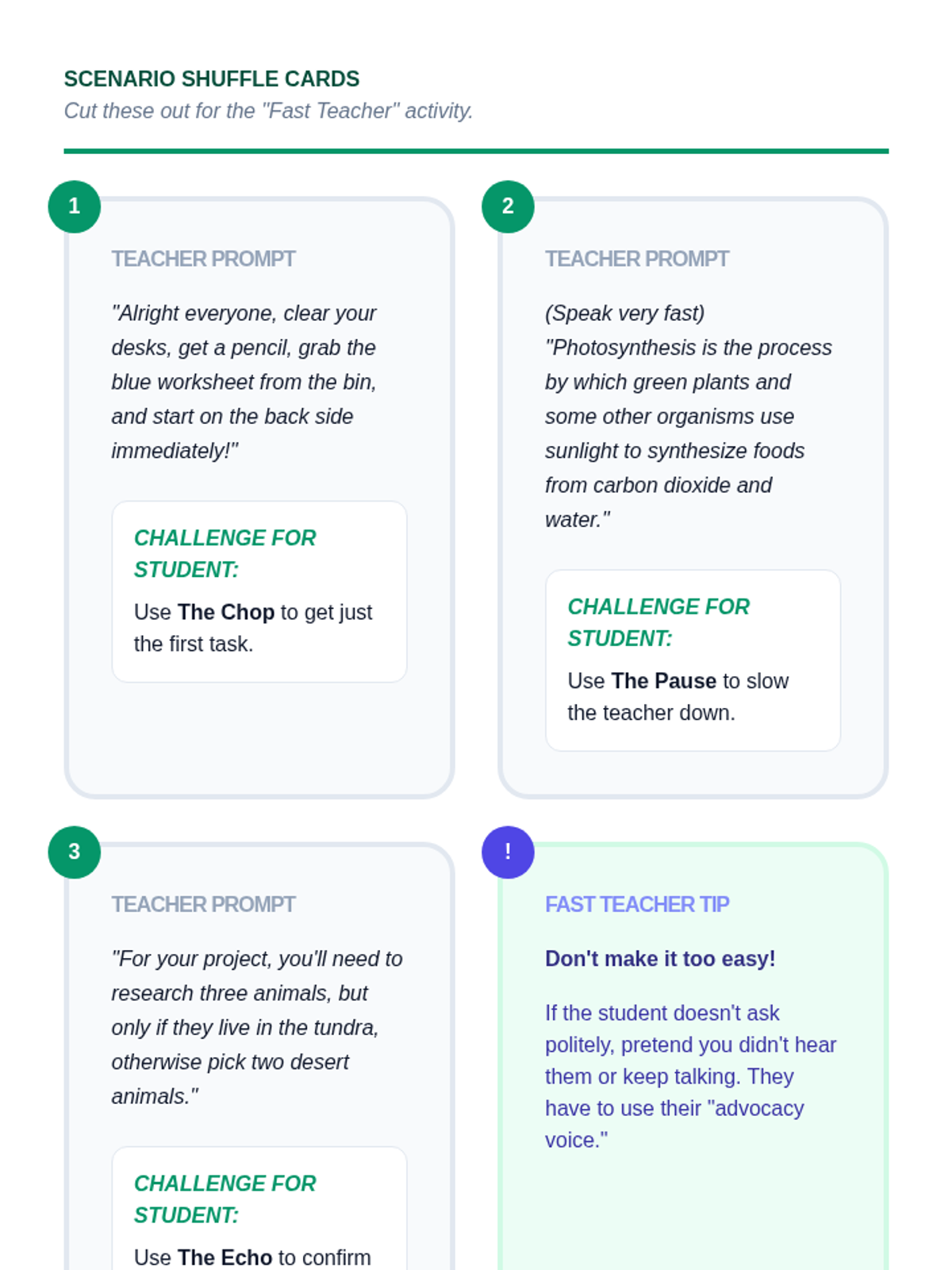
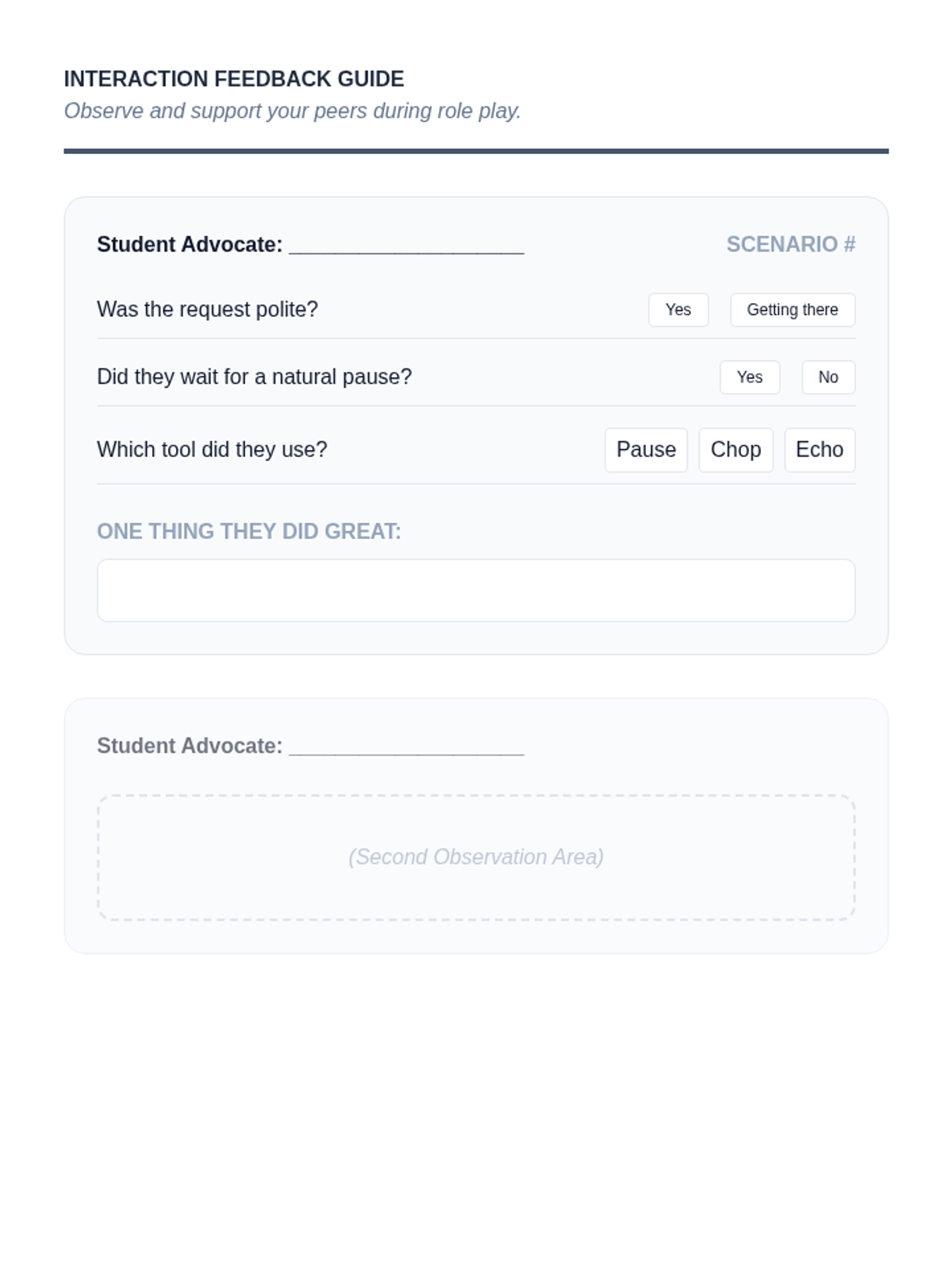
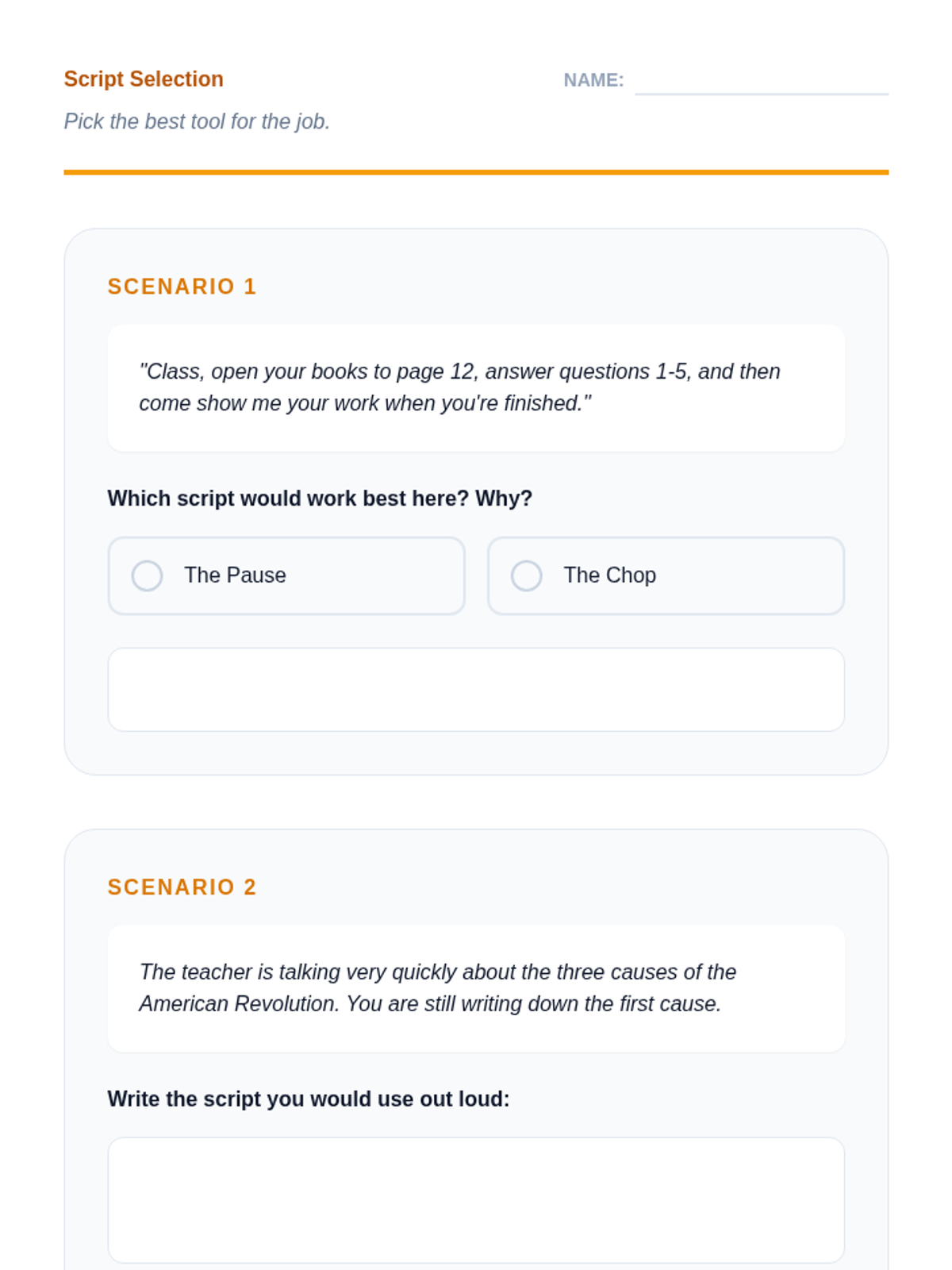
Students practice their advocacy scripts in real-time through role-playing scenarios with a fast-talking teacher character.
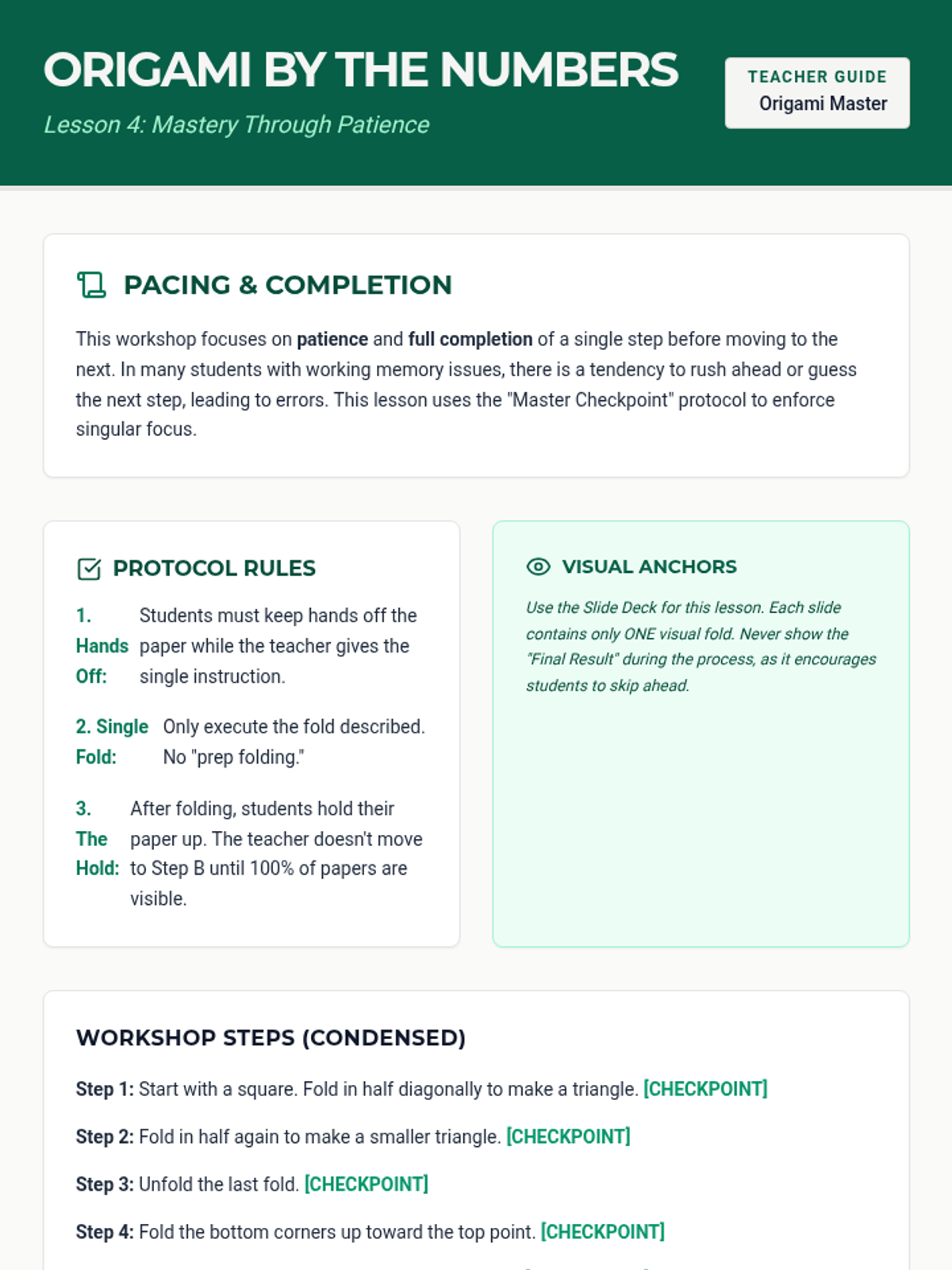
A high-focus origami workshop where students follow strictly paced, single-fold instructions. This lesson reinforces patience and the necessity of completing one step fully before moving to the next.
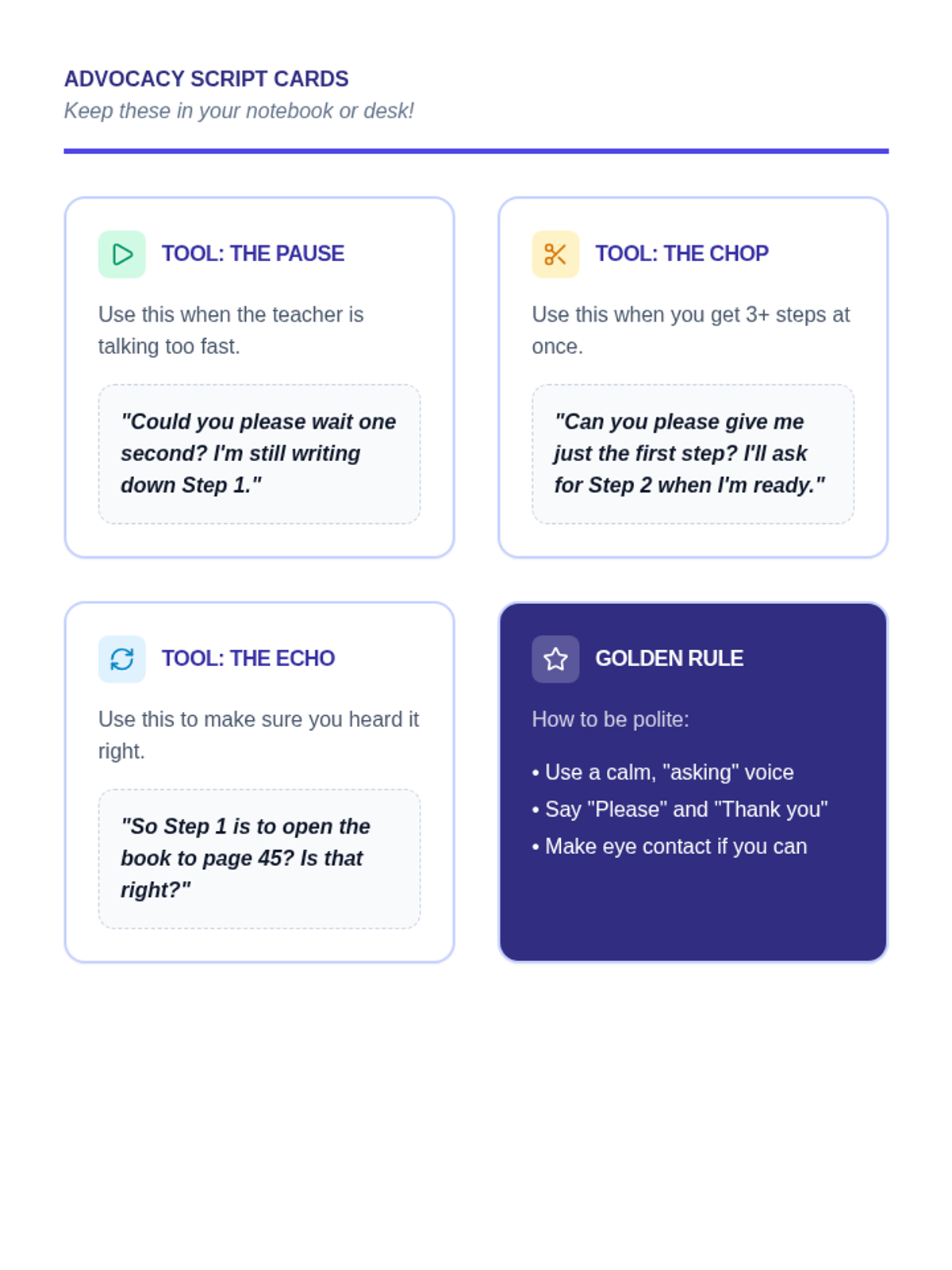
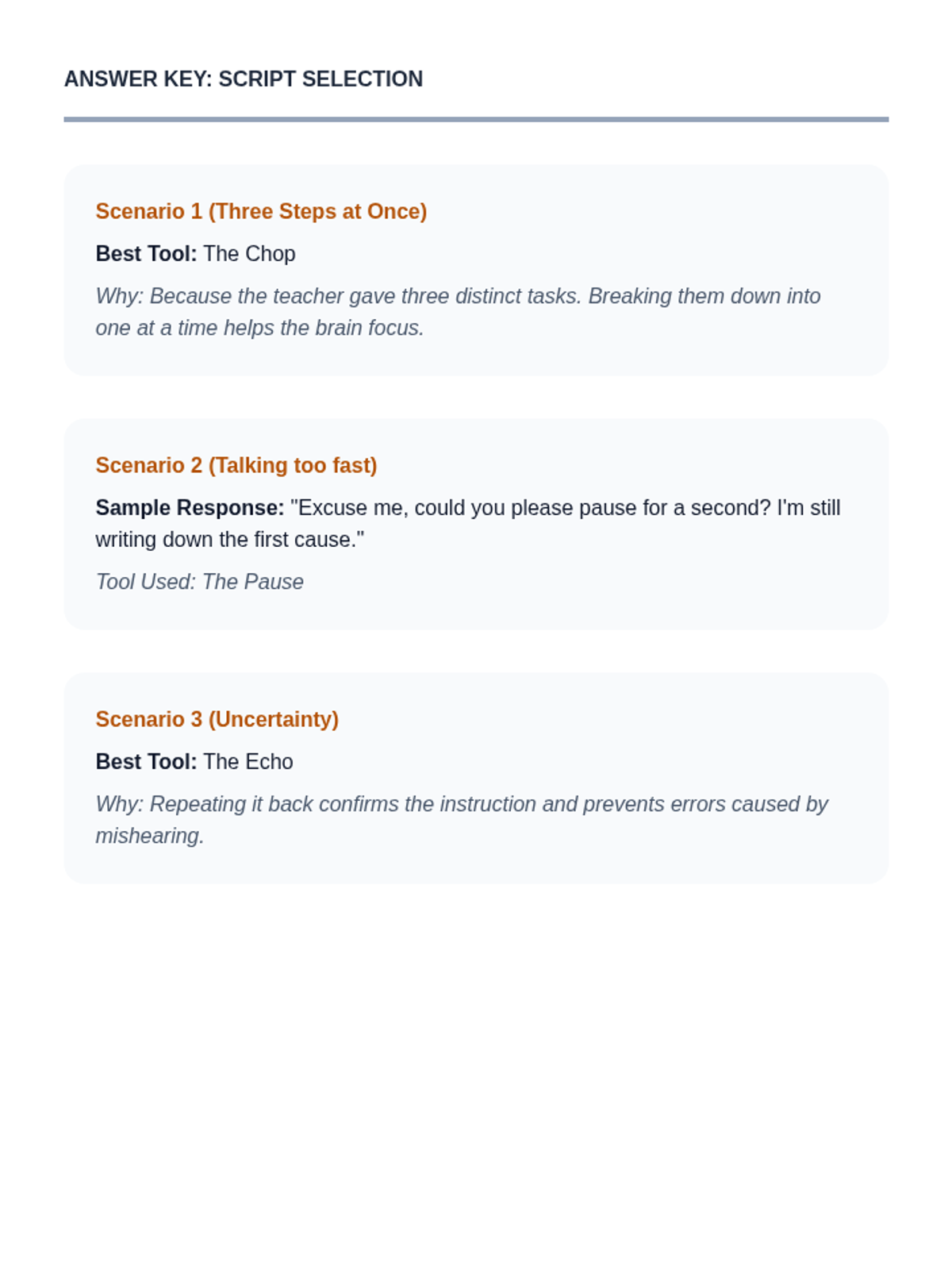
Students build a 'script toolkit' of sentence starters and polite interruptions to request single-step instructions and clarification.
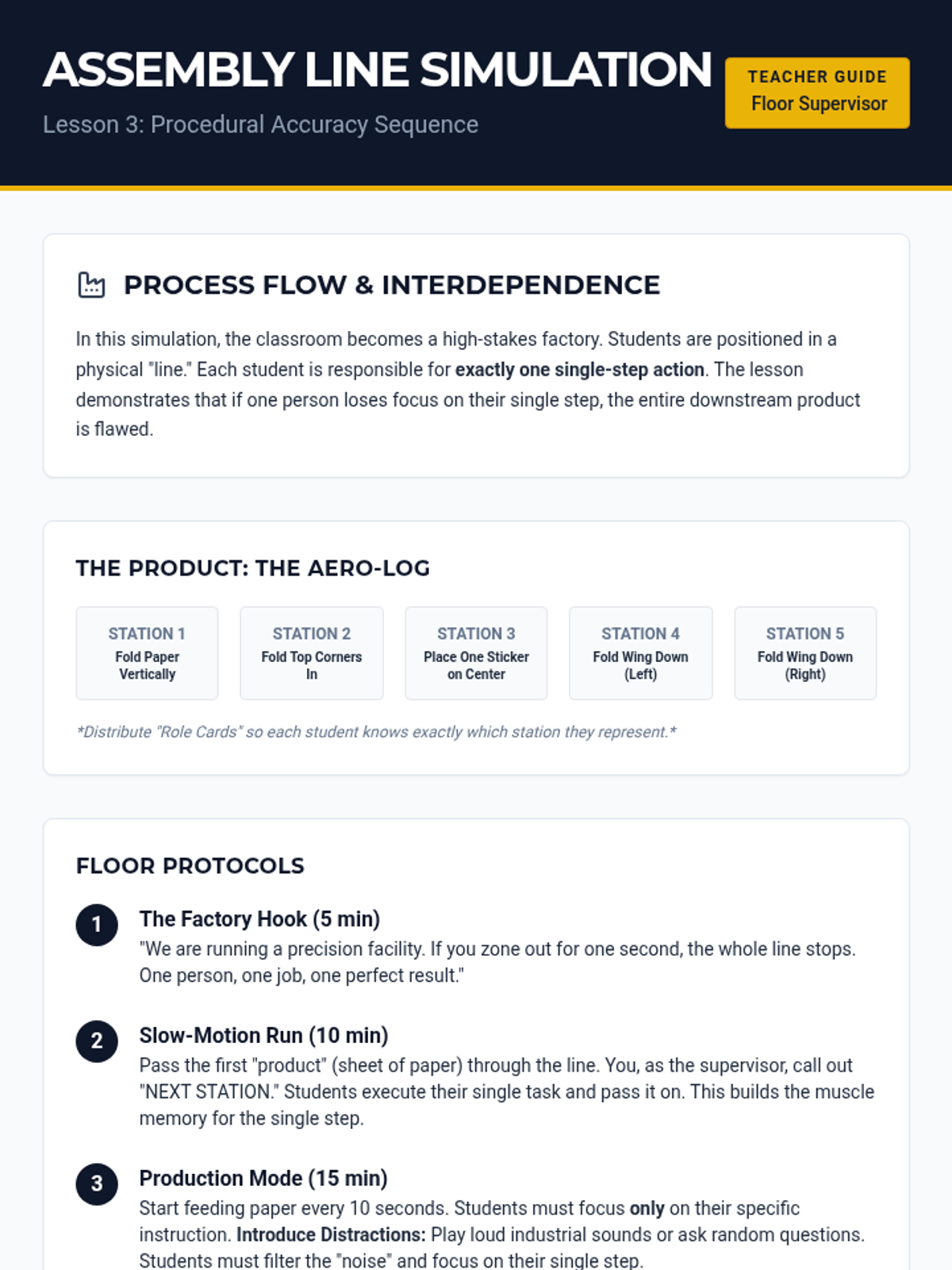
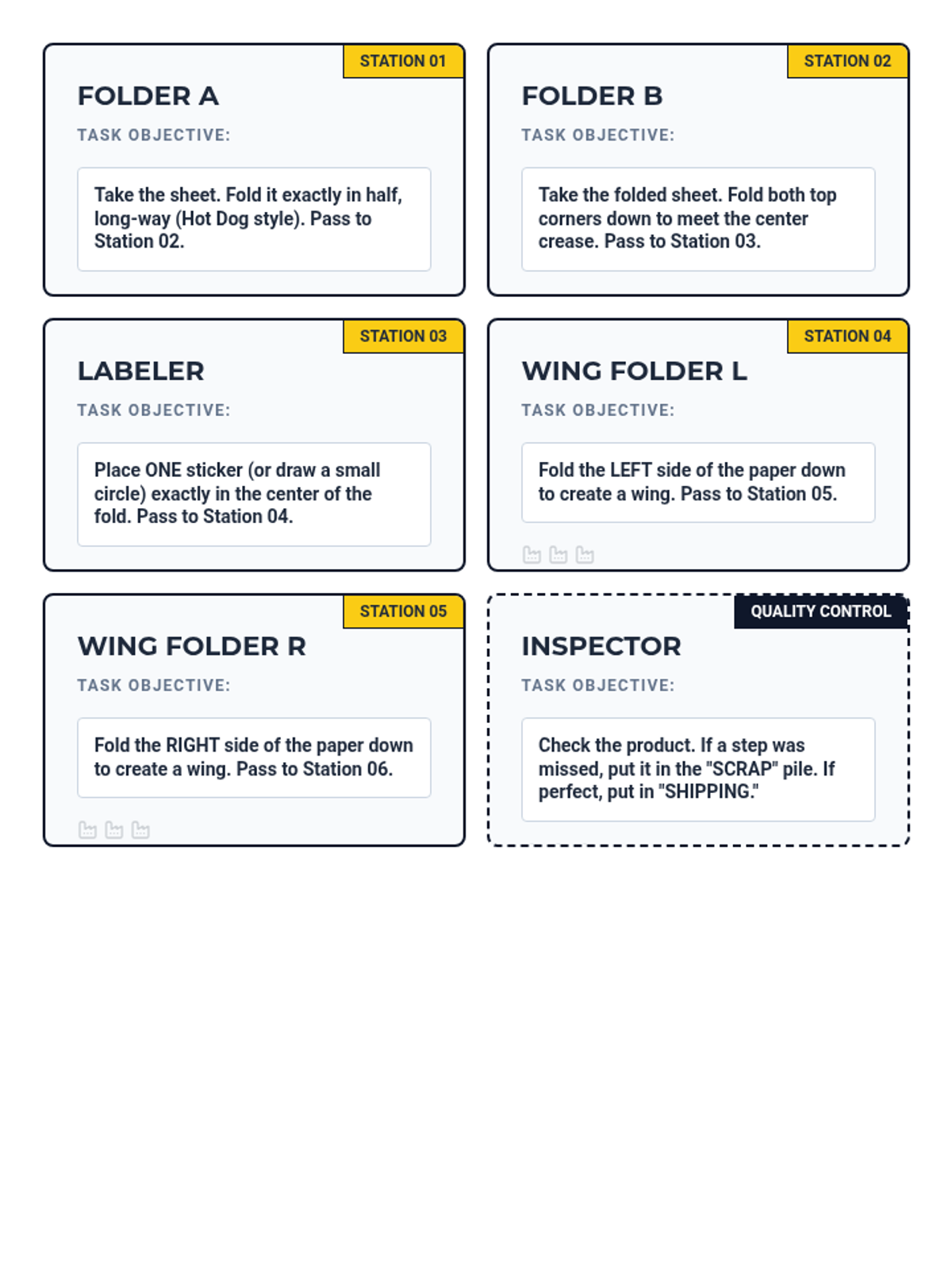
A simulation of a factory environment where students are responsible for a single part of a process. This lesson explores how individual focus on a single step contributes to the success of a larger collaborative goal.
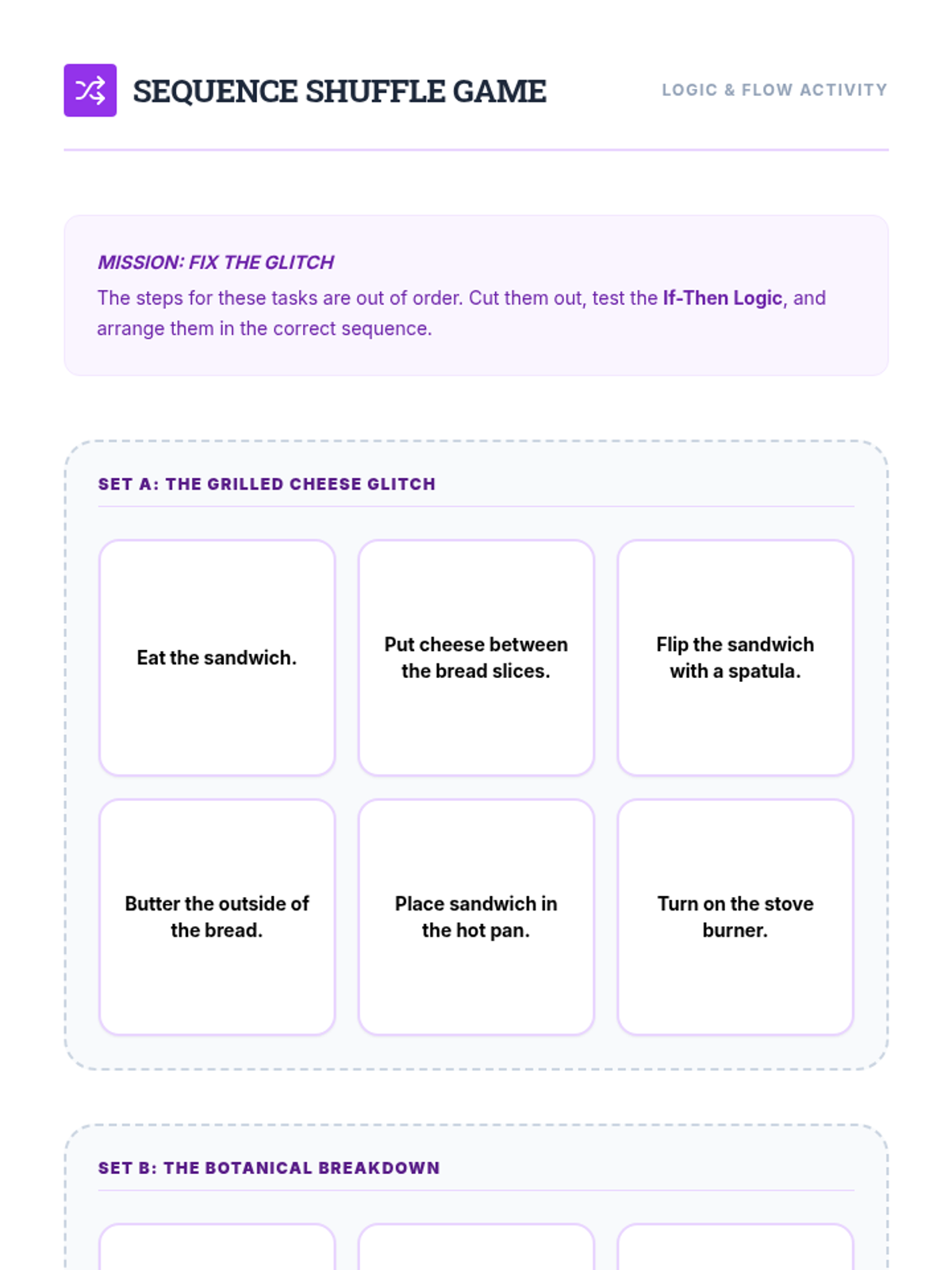
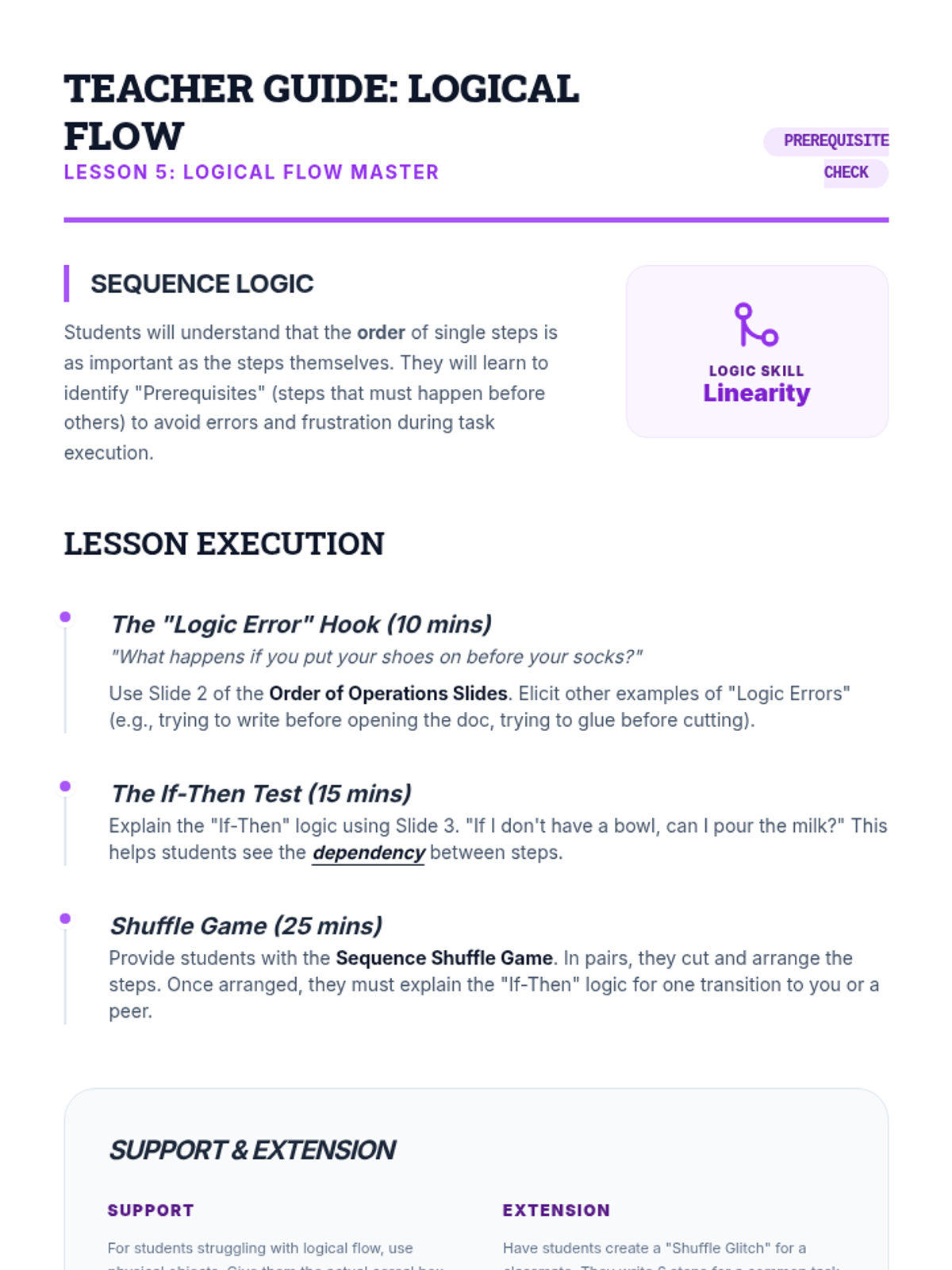
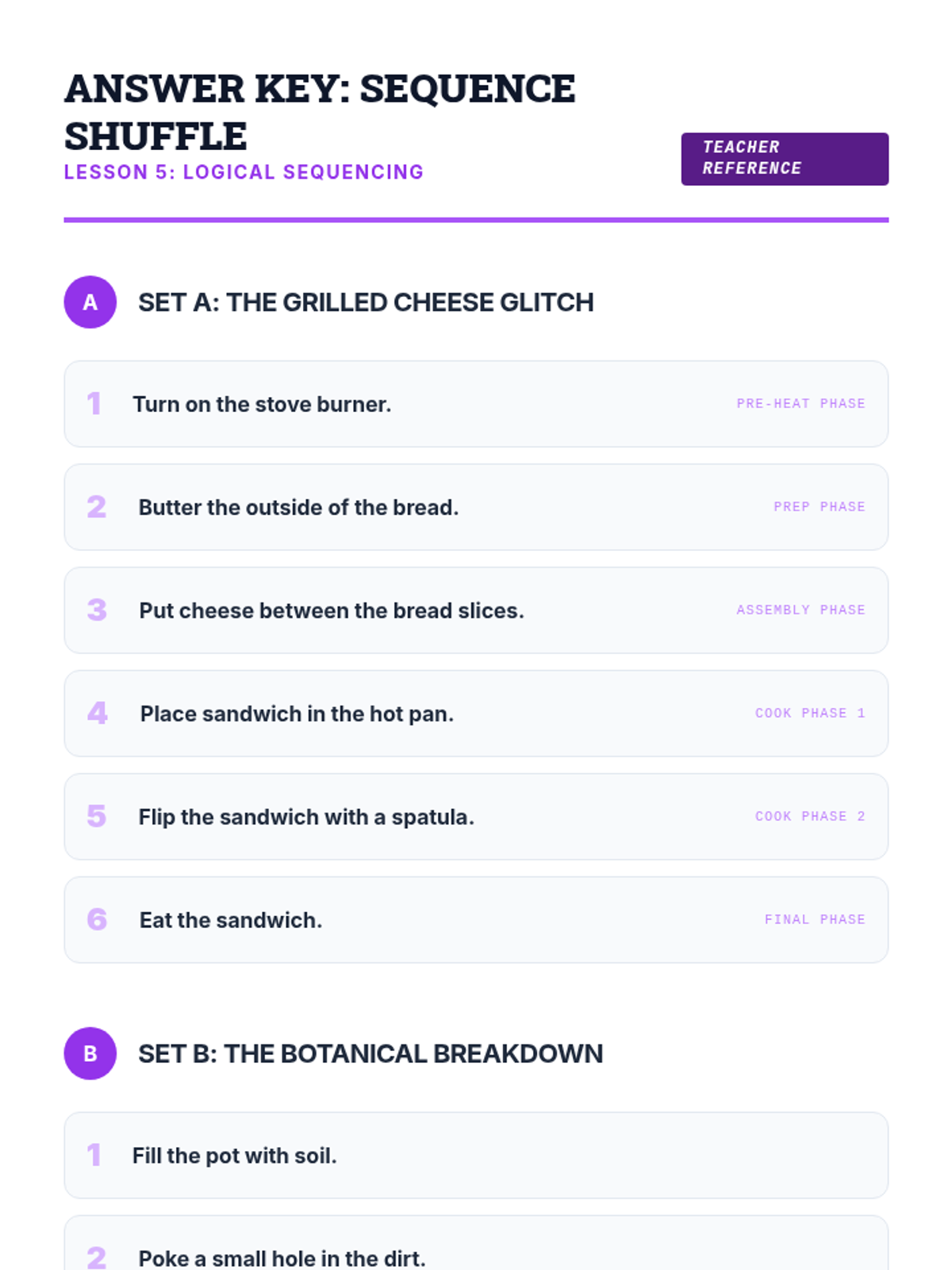
Students practice logical reasoning by reordering scrambled steps of a process into their correct sequence before starting a task.
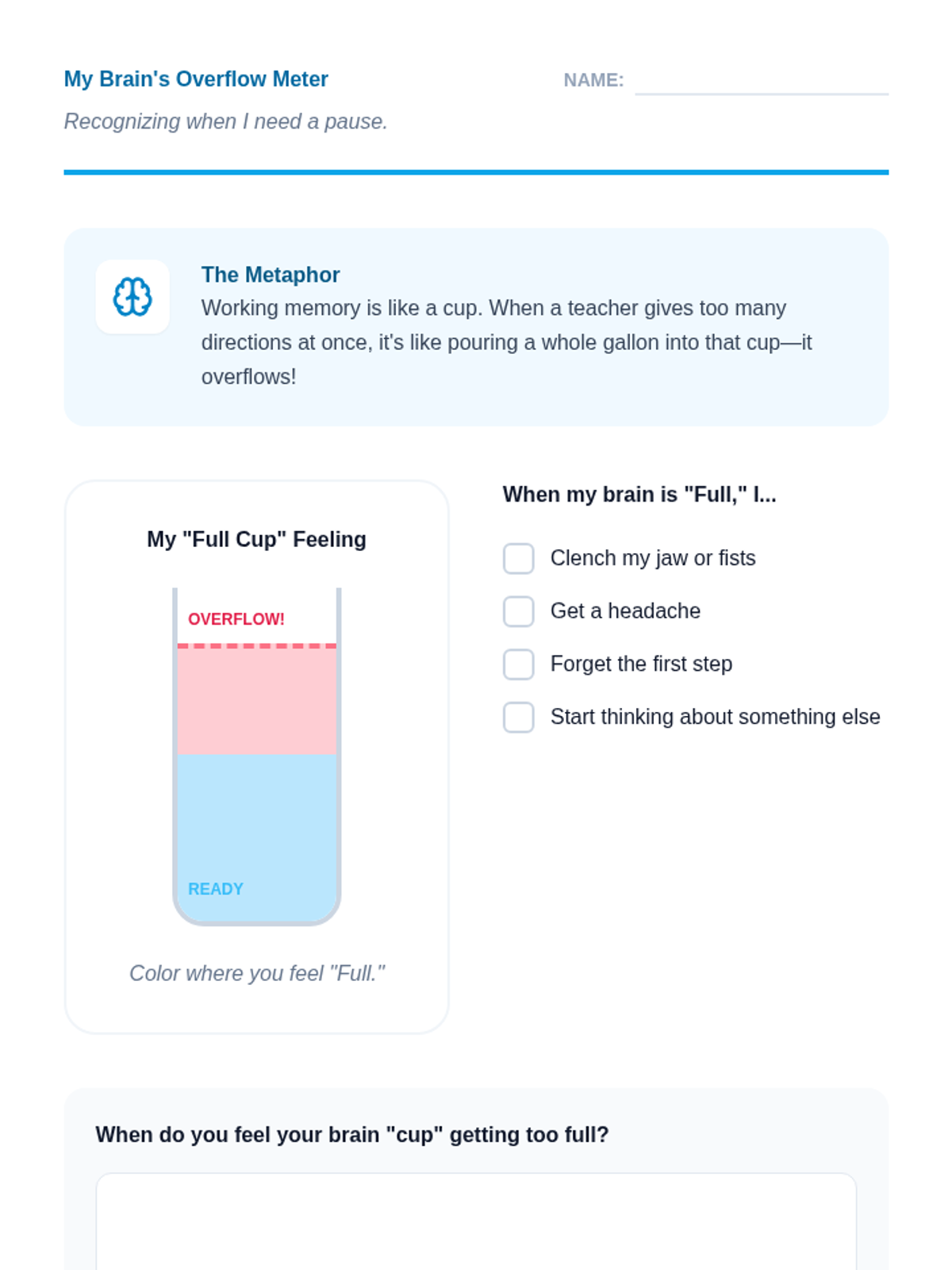
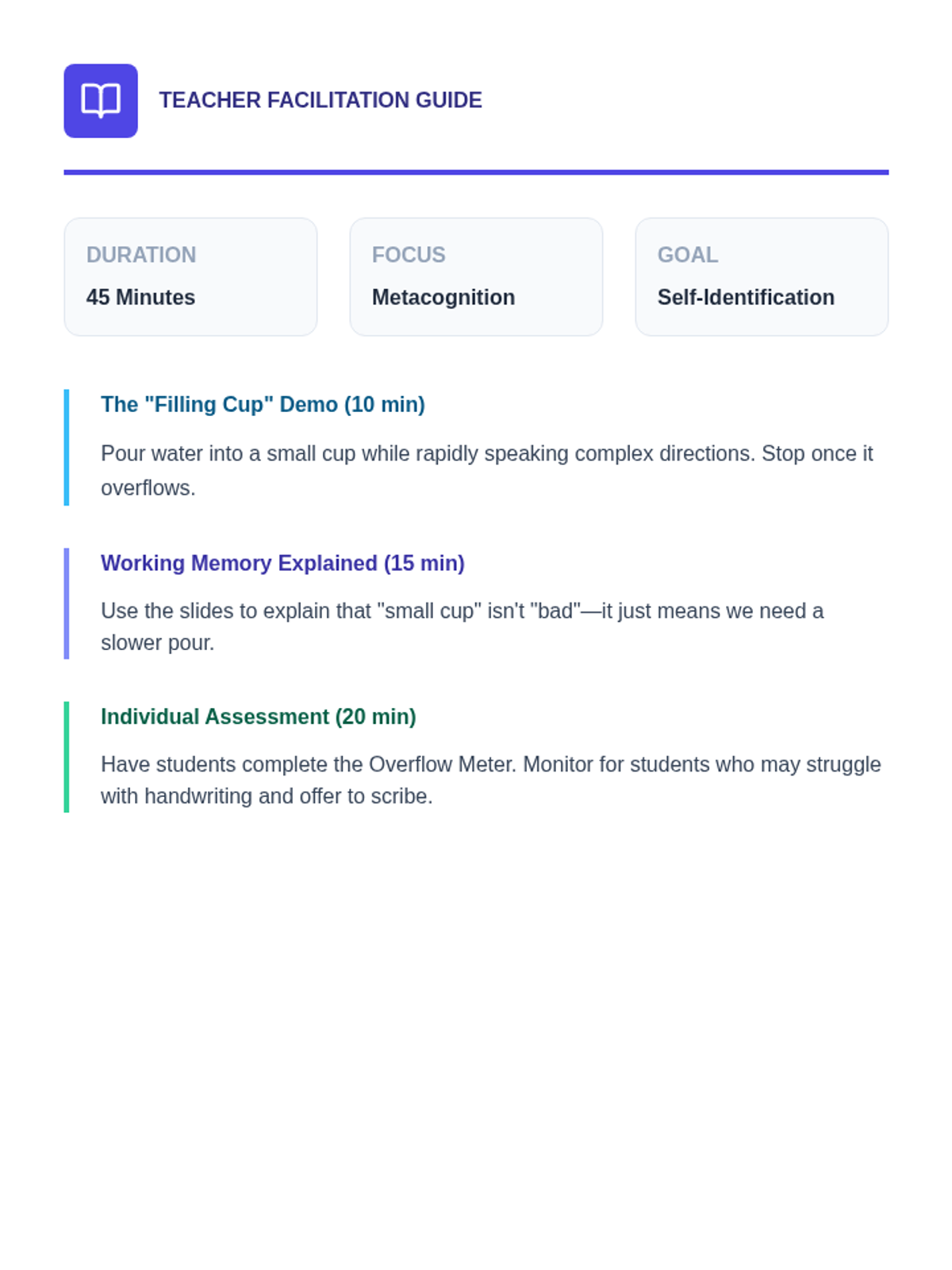
Students use the 'filling cup' metaphor to identify when their working memory is reaching capacity and learn to recognize physical/mental signs of overload.
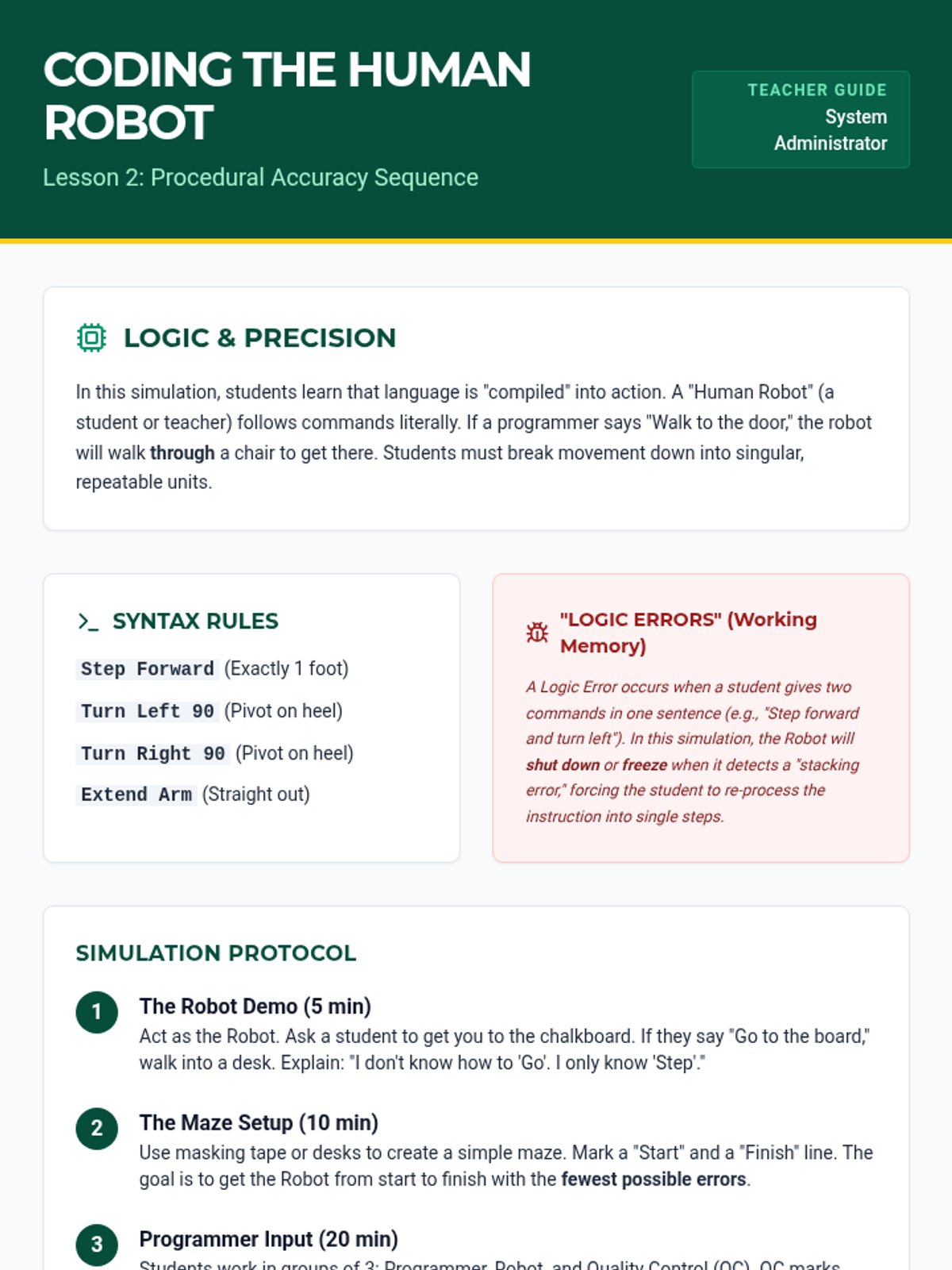
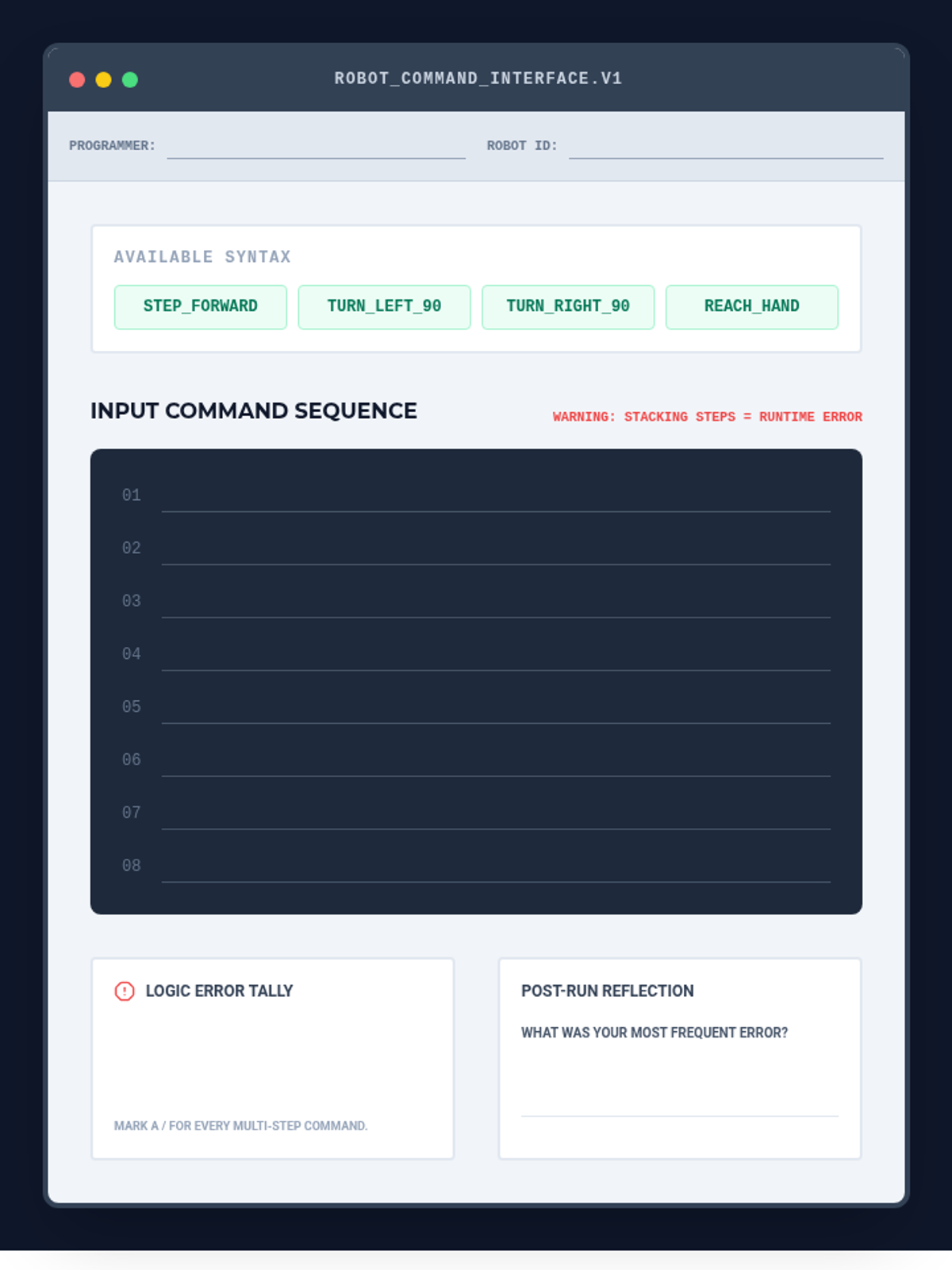
Students act as 'programmers' to move a 'human robot' through a maze using only rigid, single-step commands. This lesson illustrates the 'logic error' of combining steps and the importance of precise, isolated language.
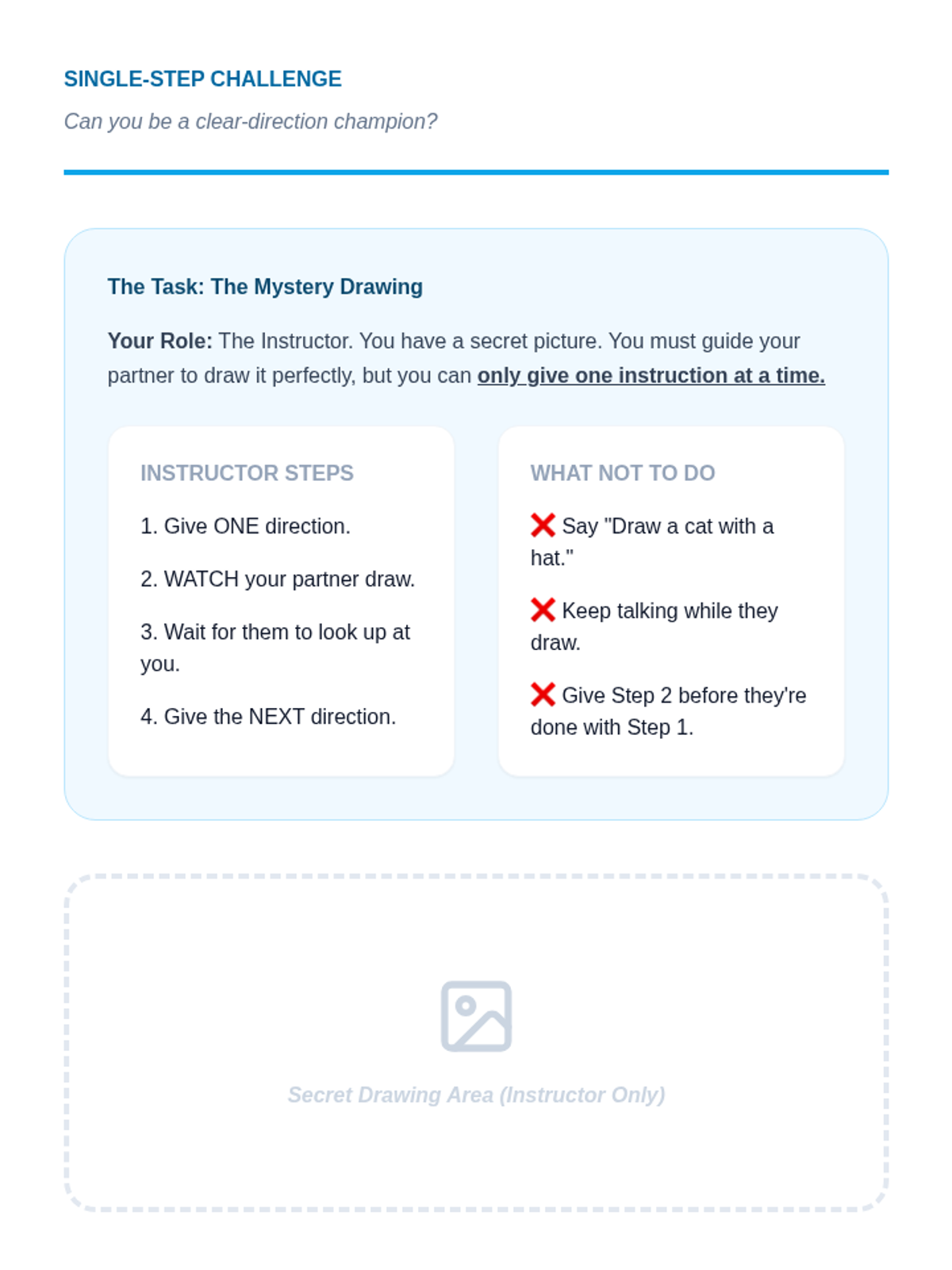
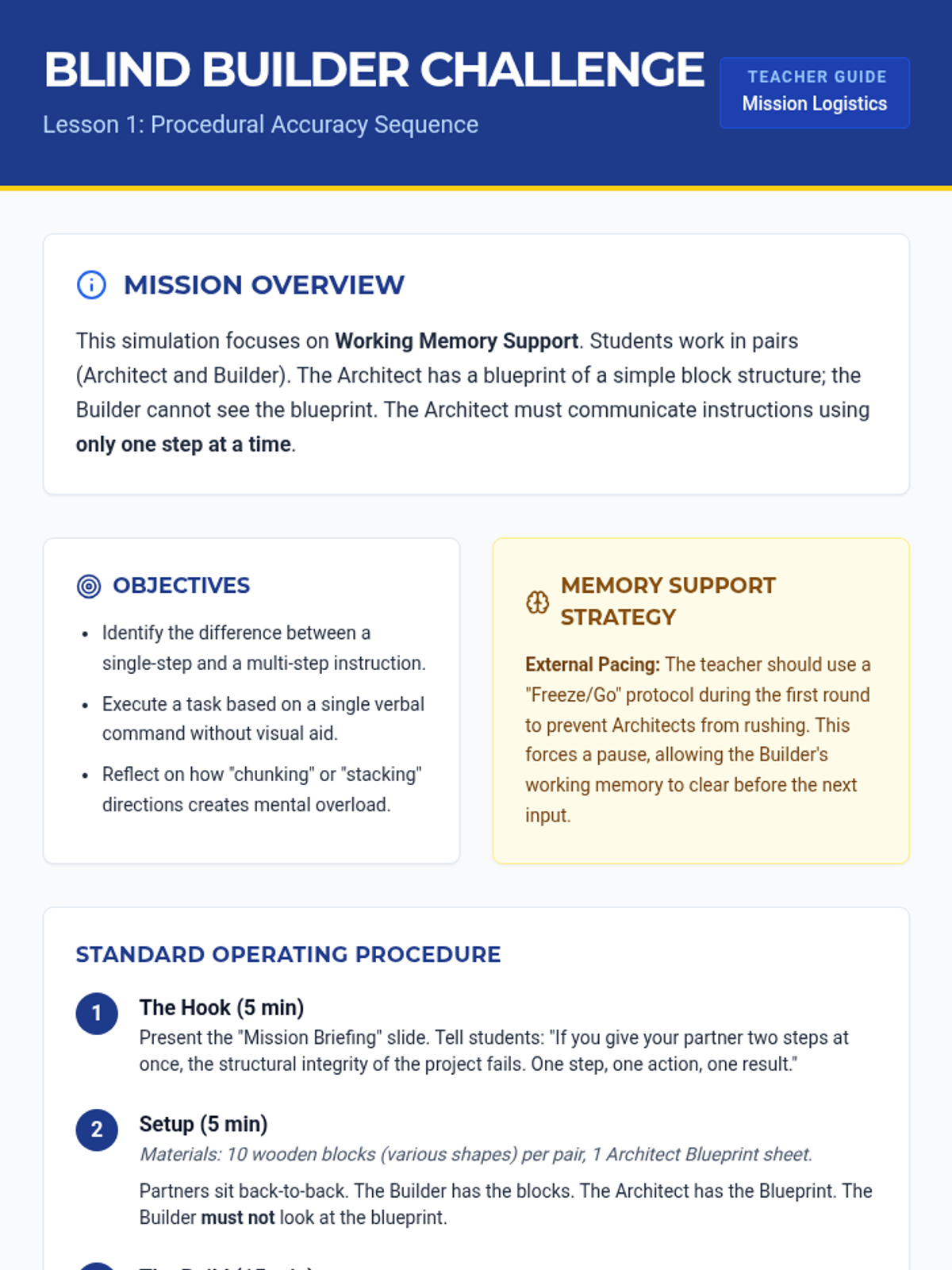
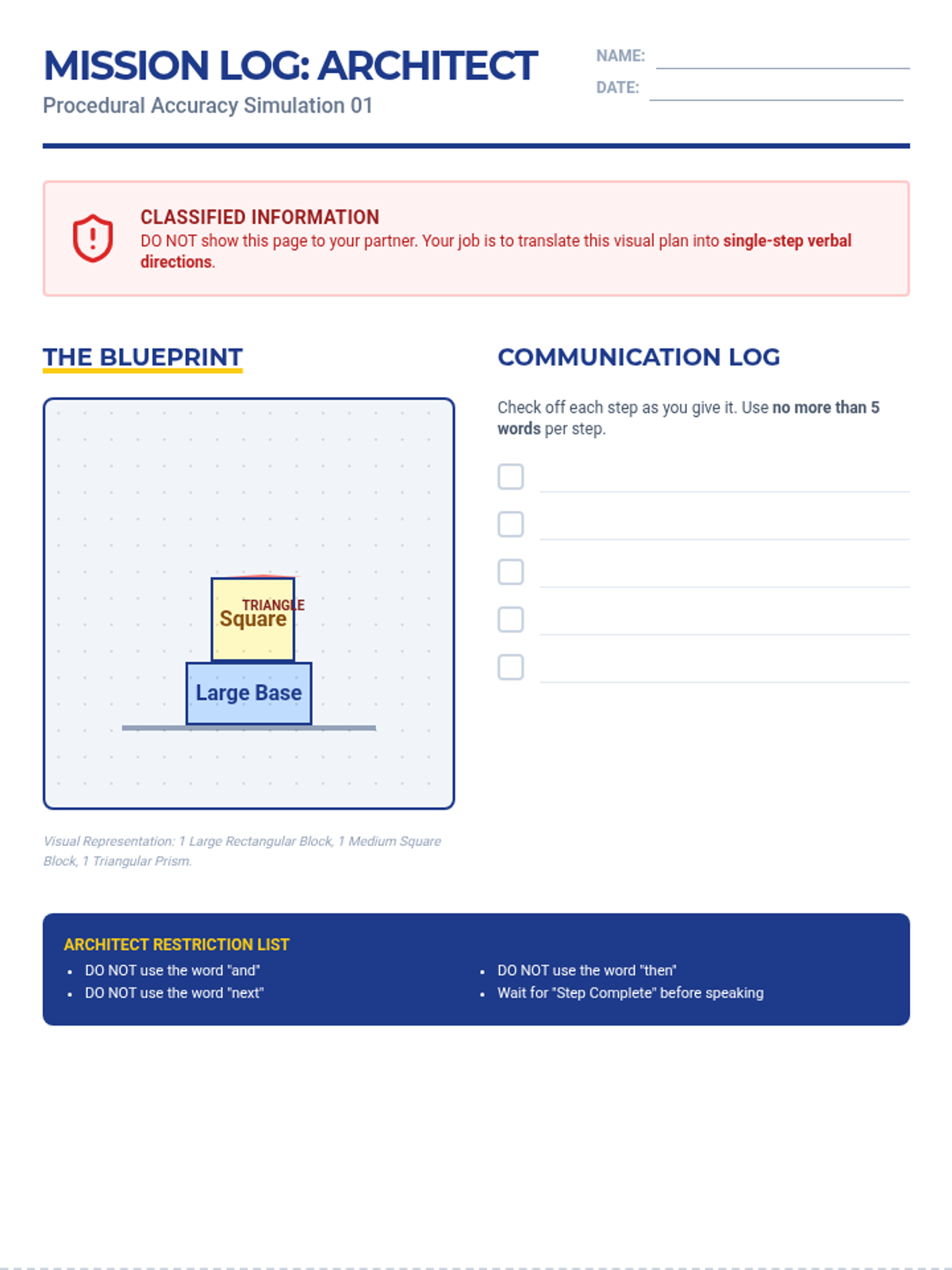
Students practice giving and following single-step verbal instructions in a blind building challenge. This lesson emphasizes the need for isolated commands to ensure the 'Builder' can accurately process and execute tasks without visual feedback.
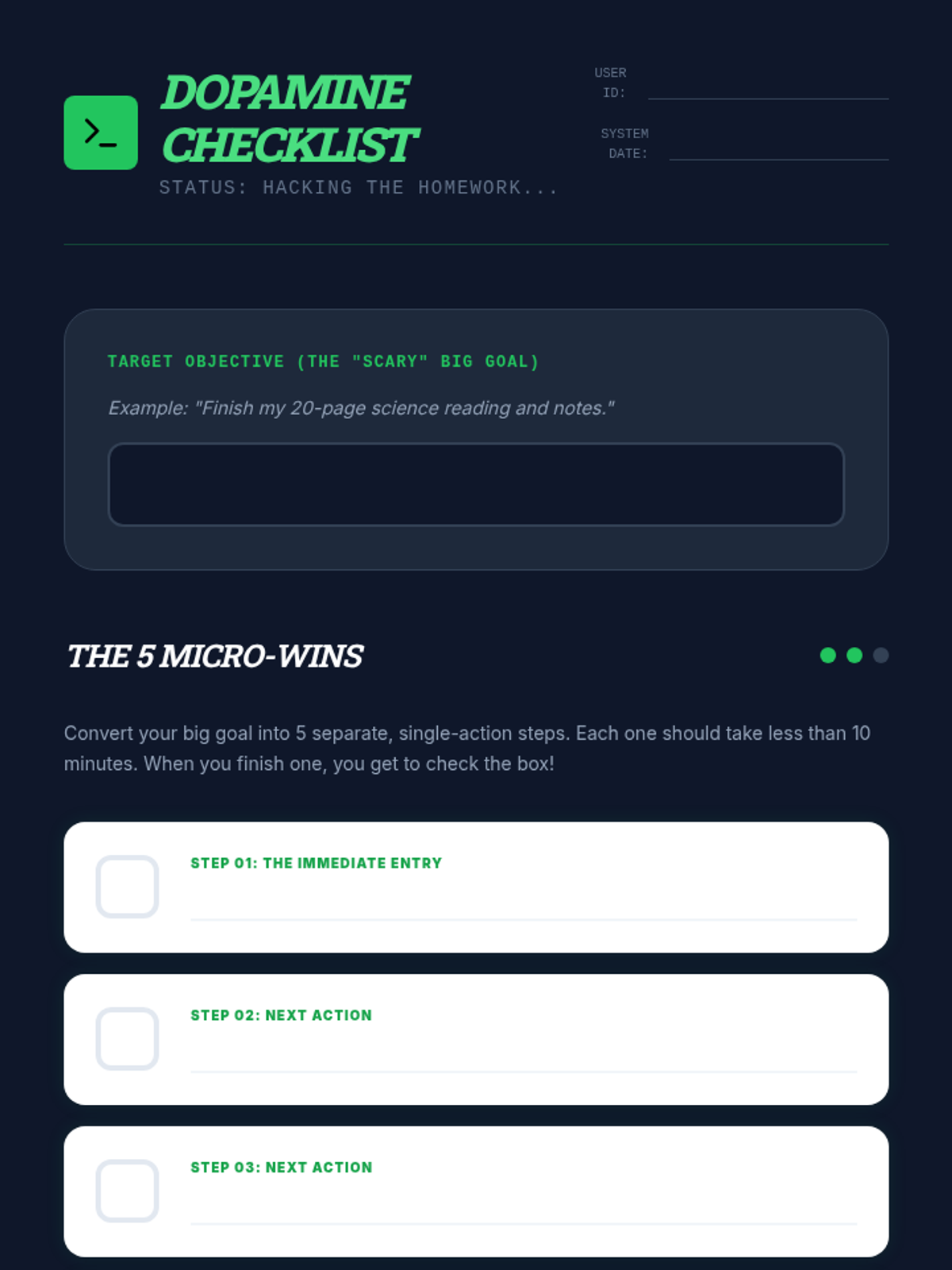
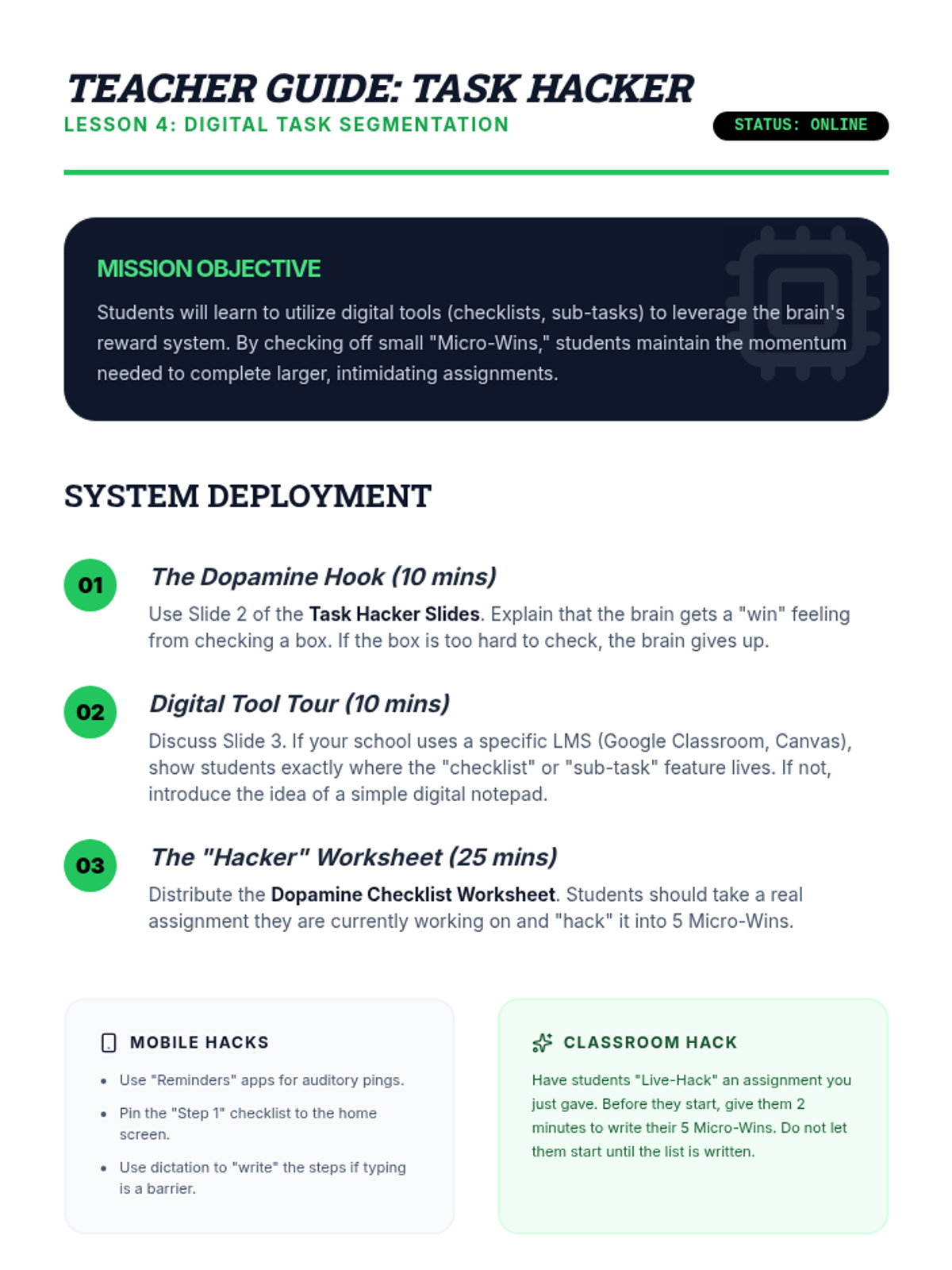
Students apply task segmentation to digital tools, learning to create checklists and use the satisfaction of completing single steps to maintain momentum.
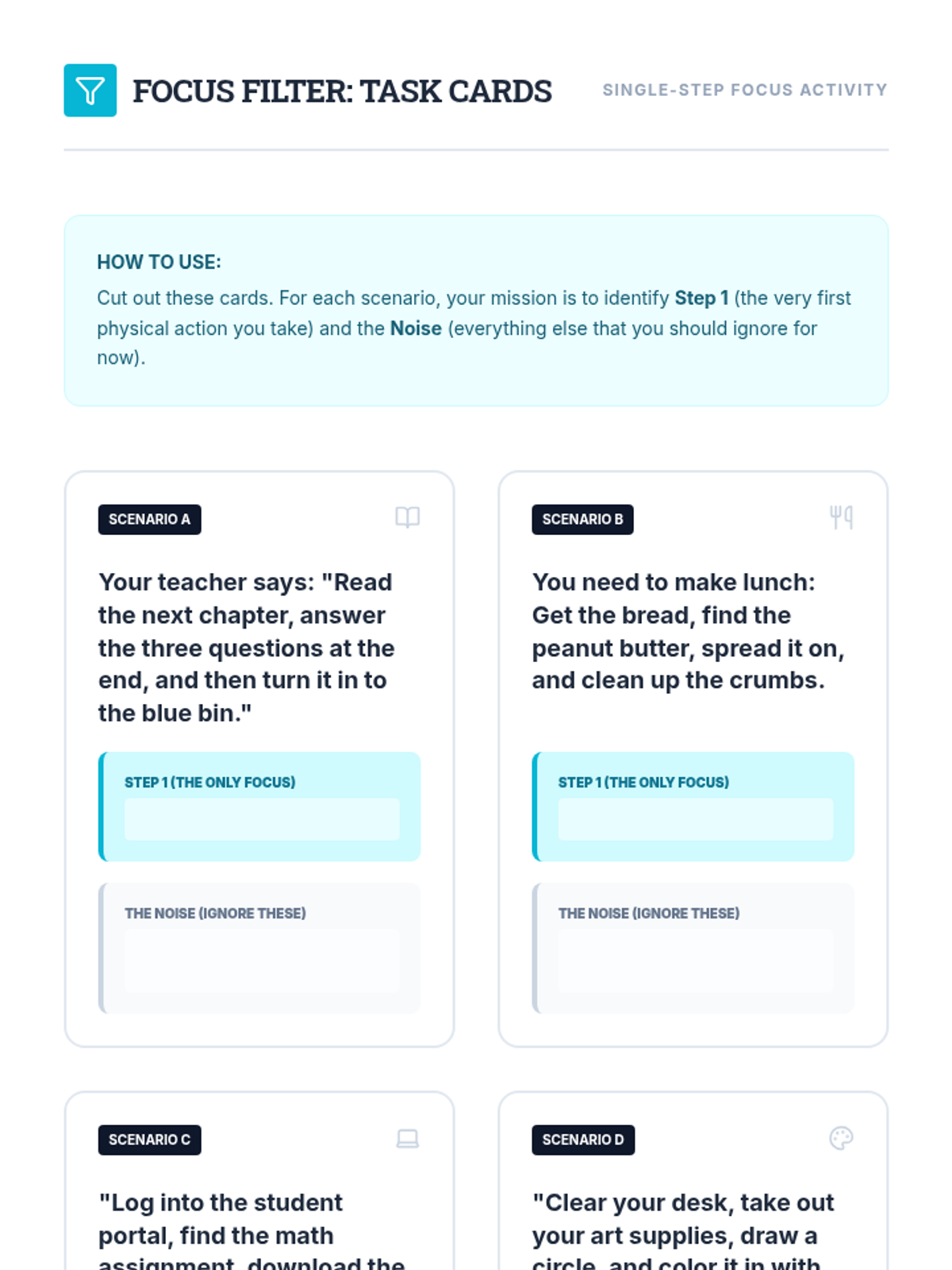
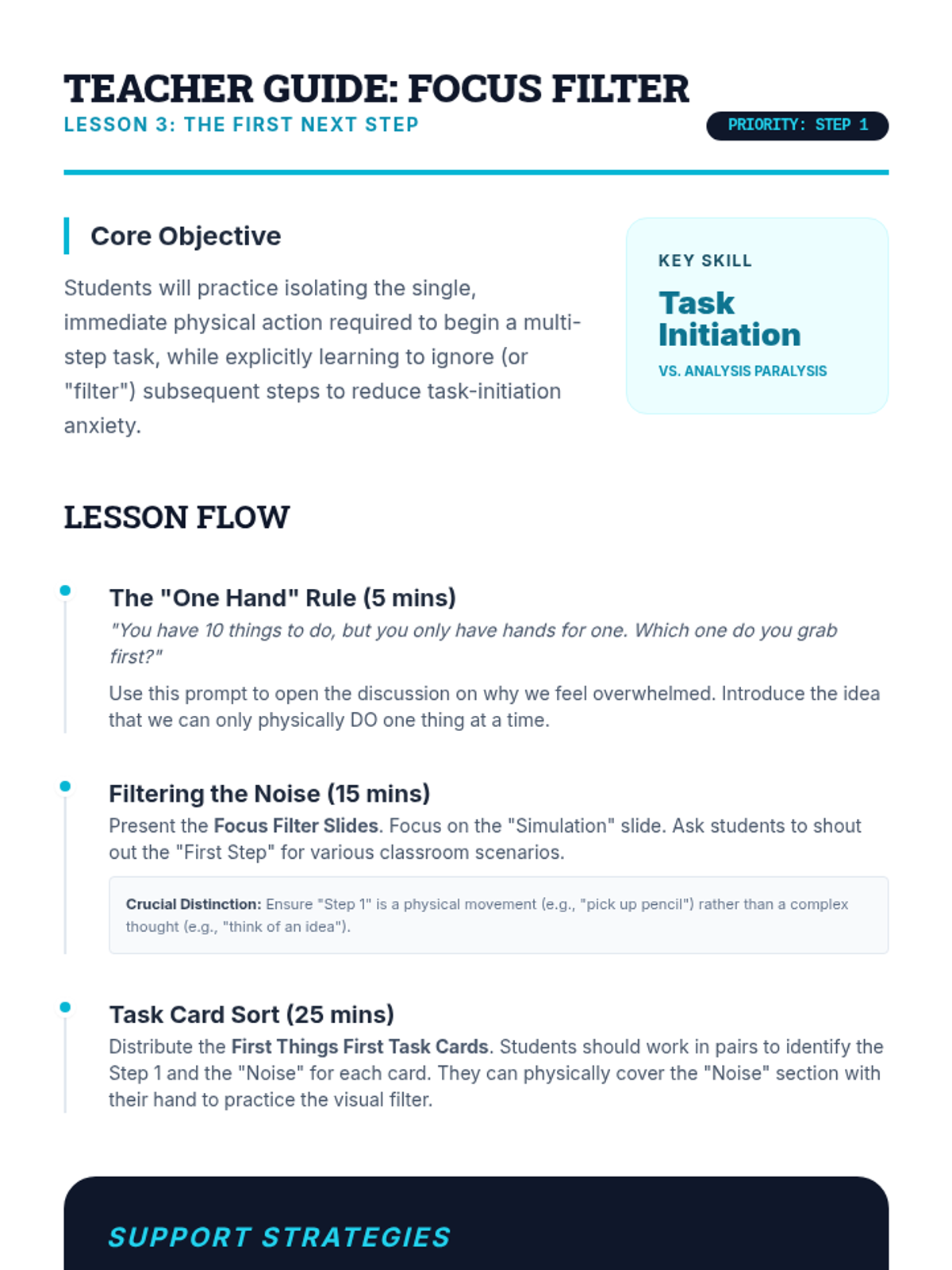
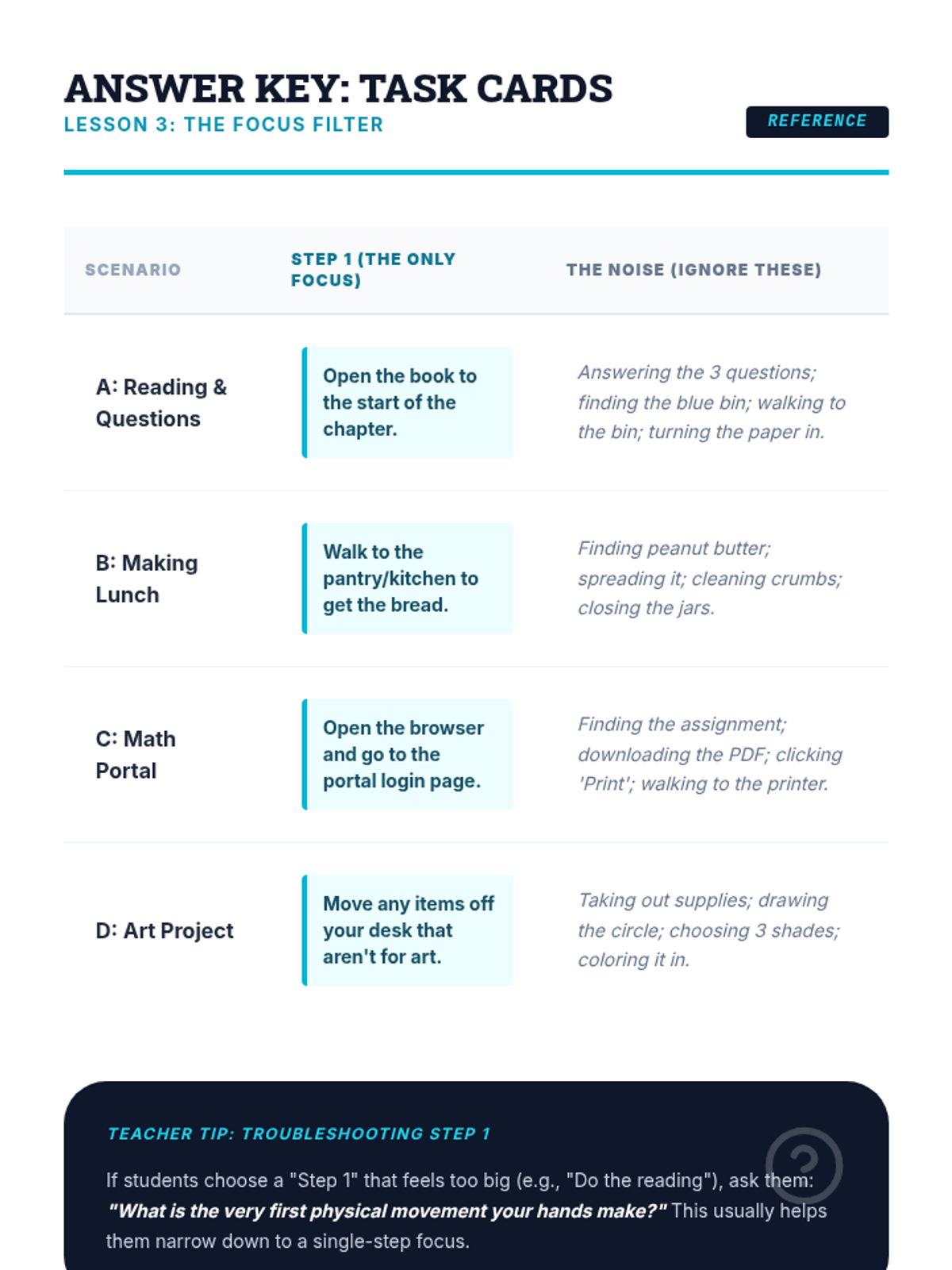
Students practice isolating and initiating the very first step of a multi-step task to reduce overwhelm and start tasks effectively.
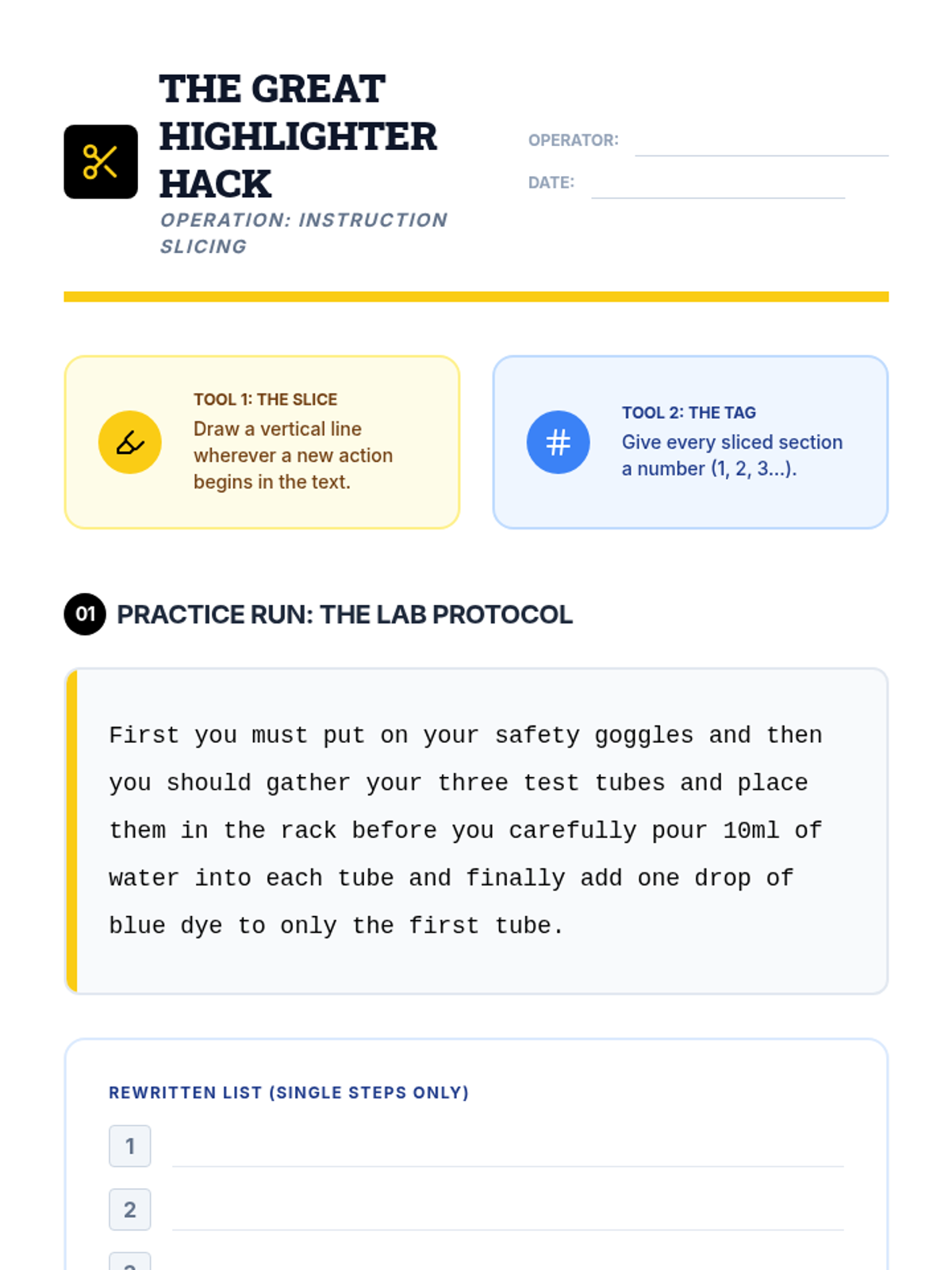
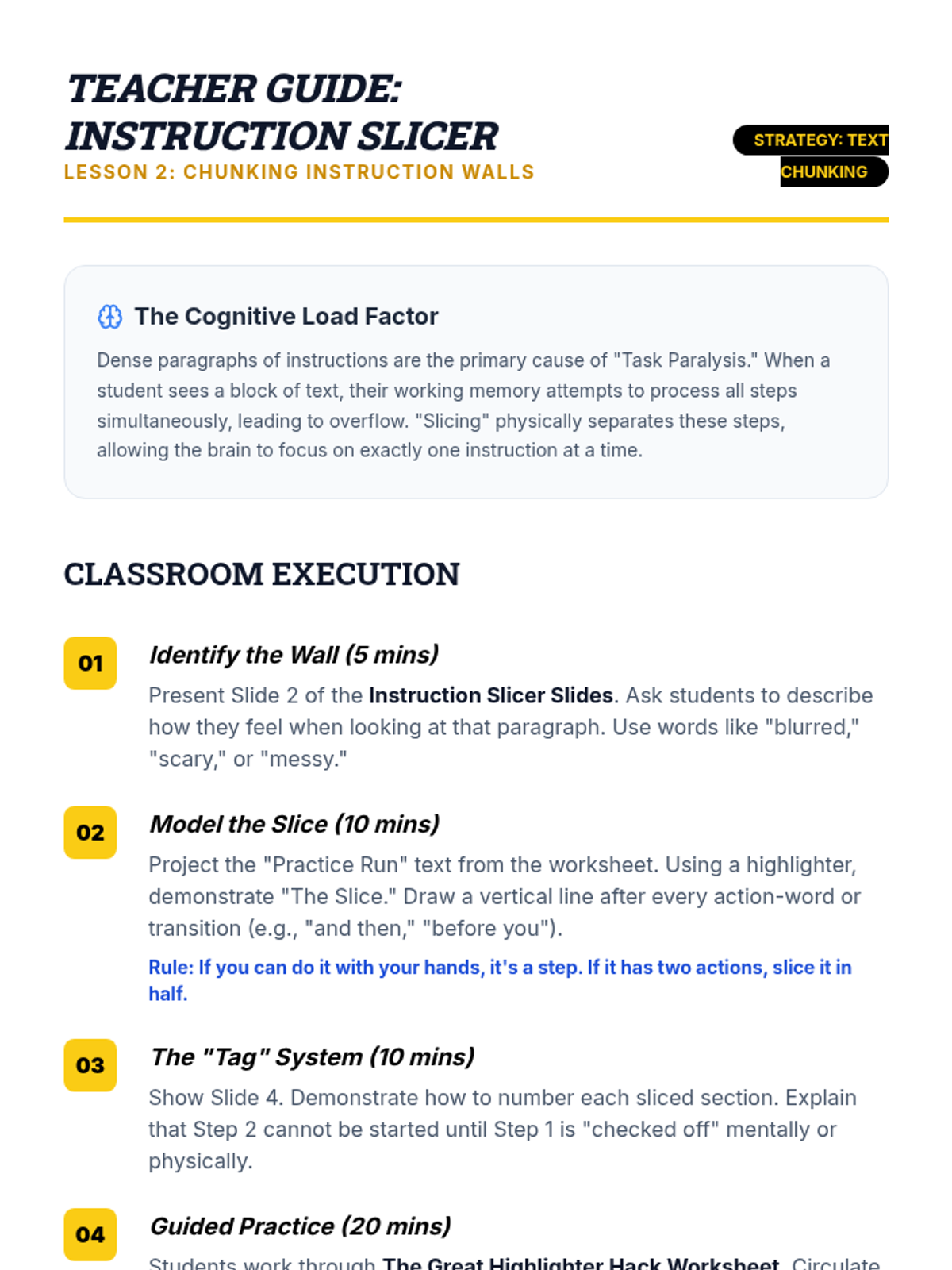
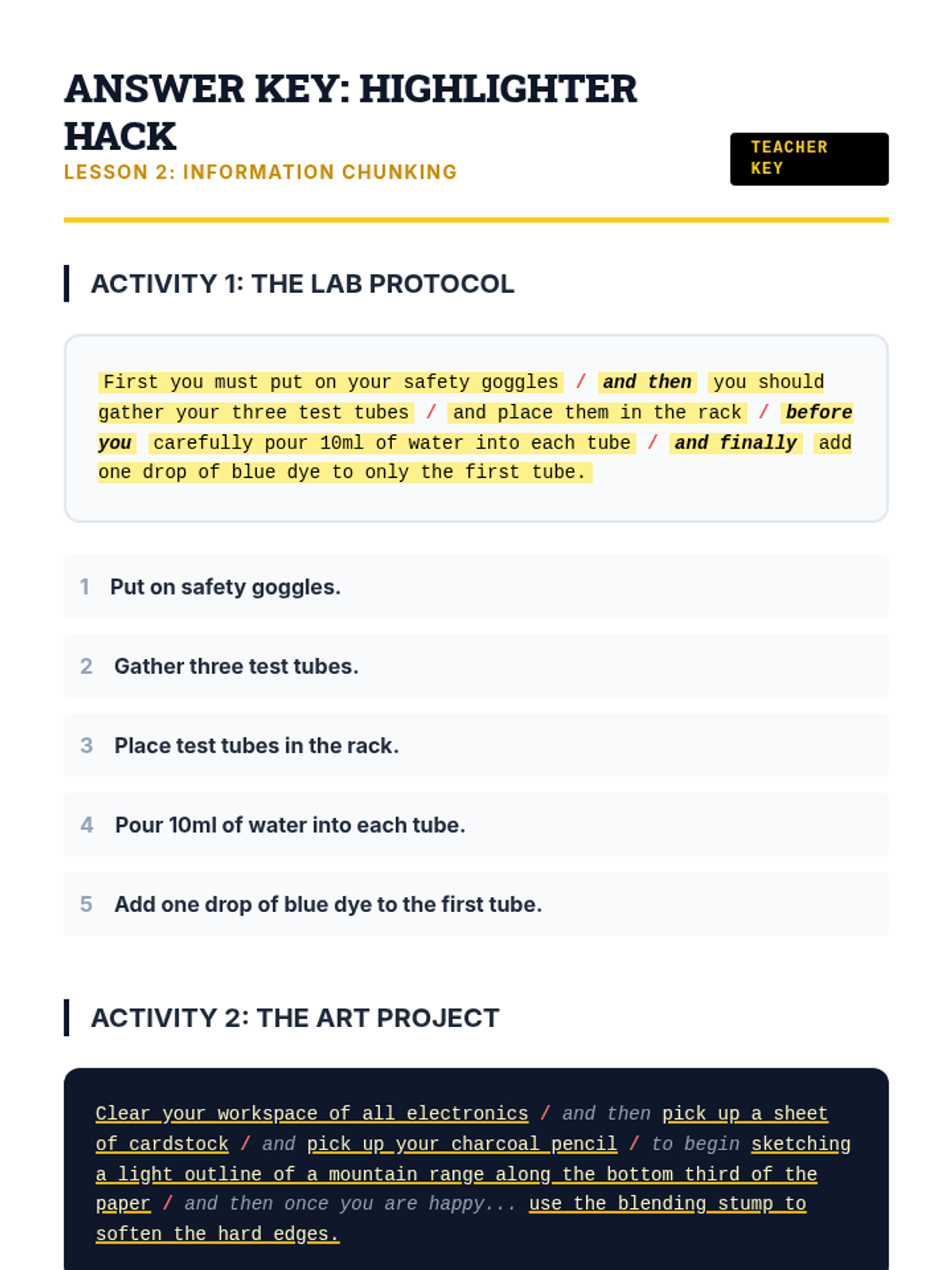
Students learn to use visual tools like highlighters and numbering to divide dense paragraphs of instructions into clear, single-step lists.
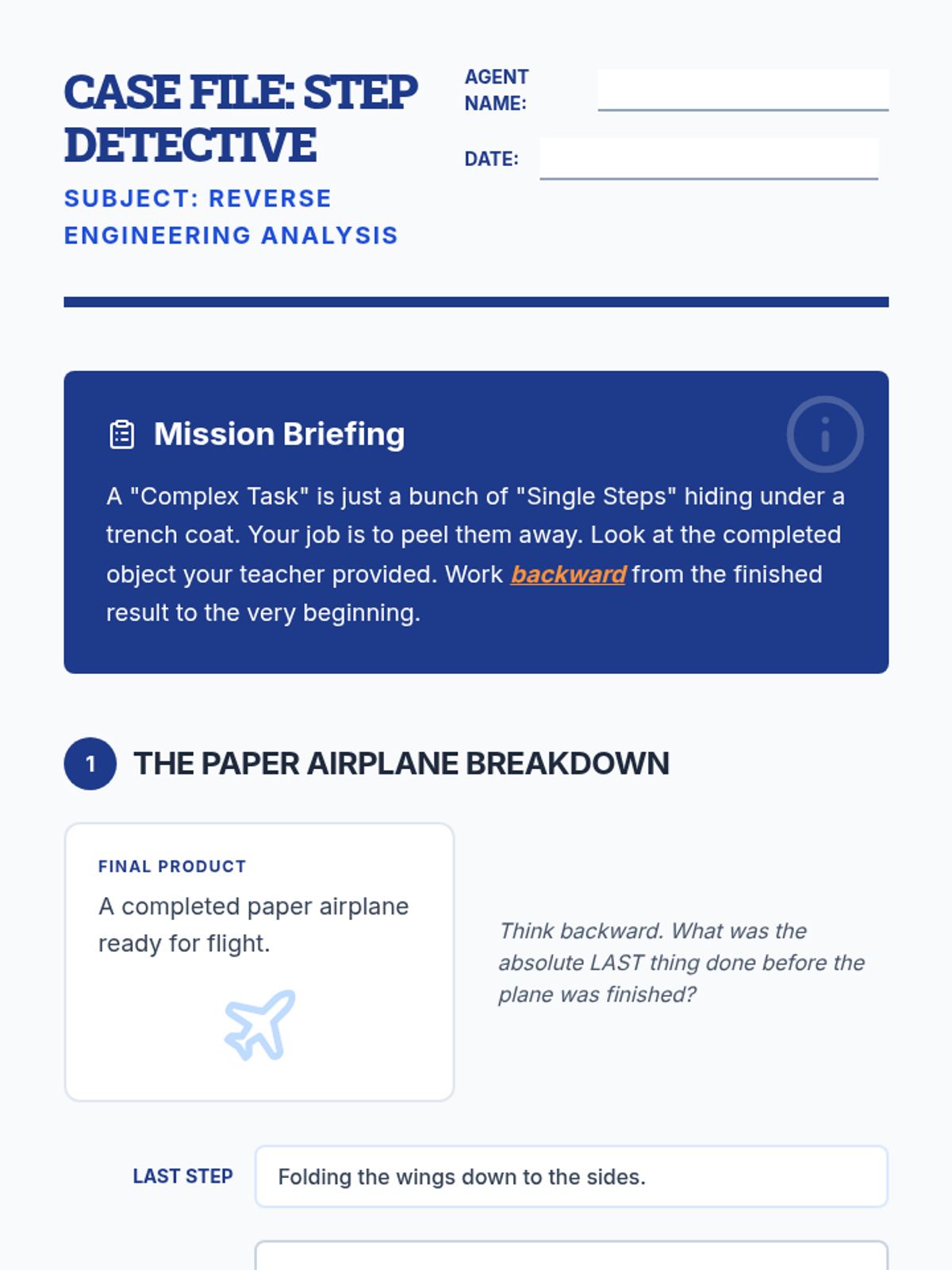
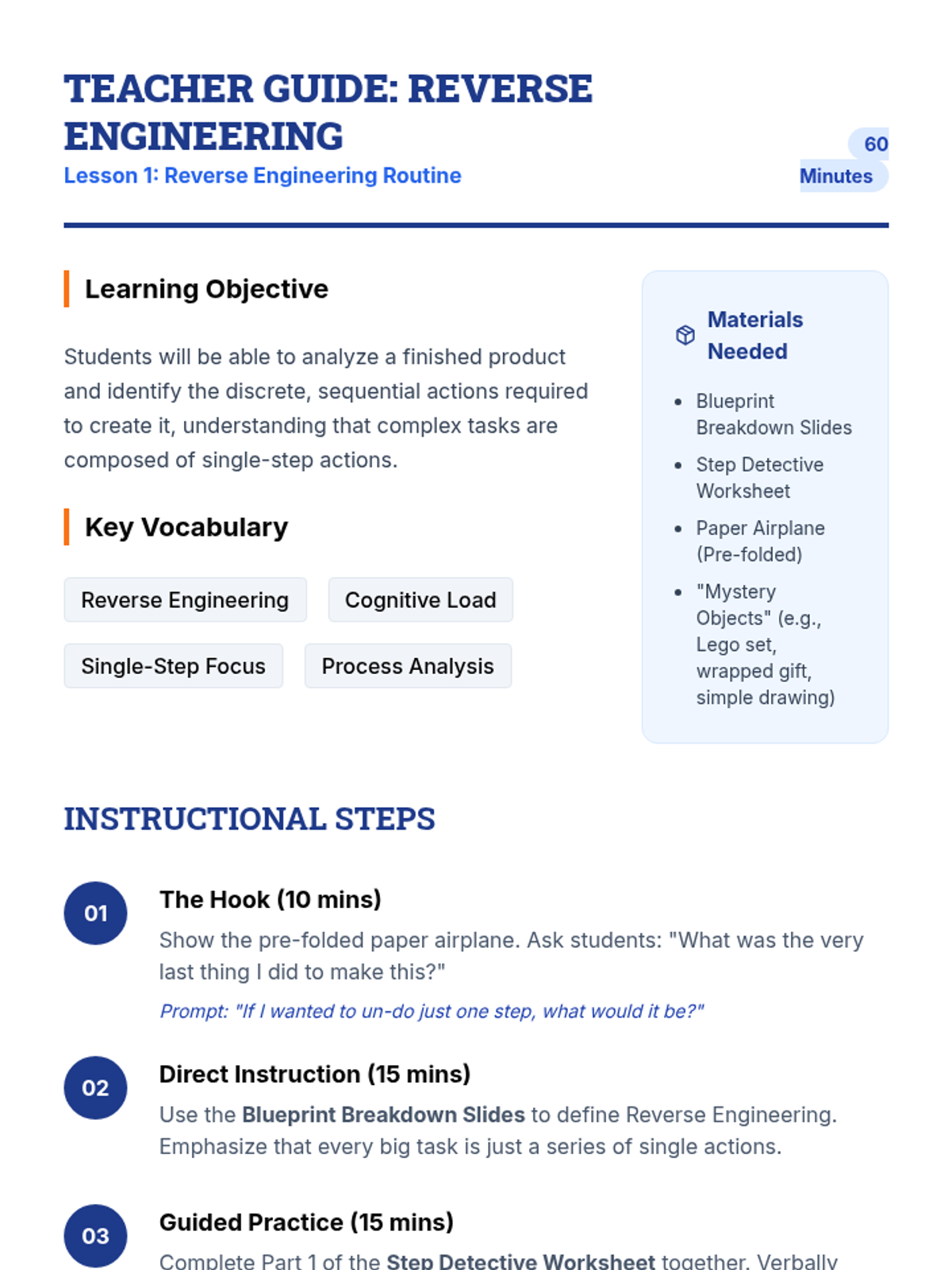
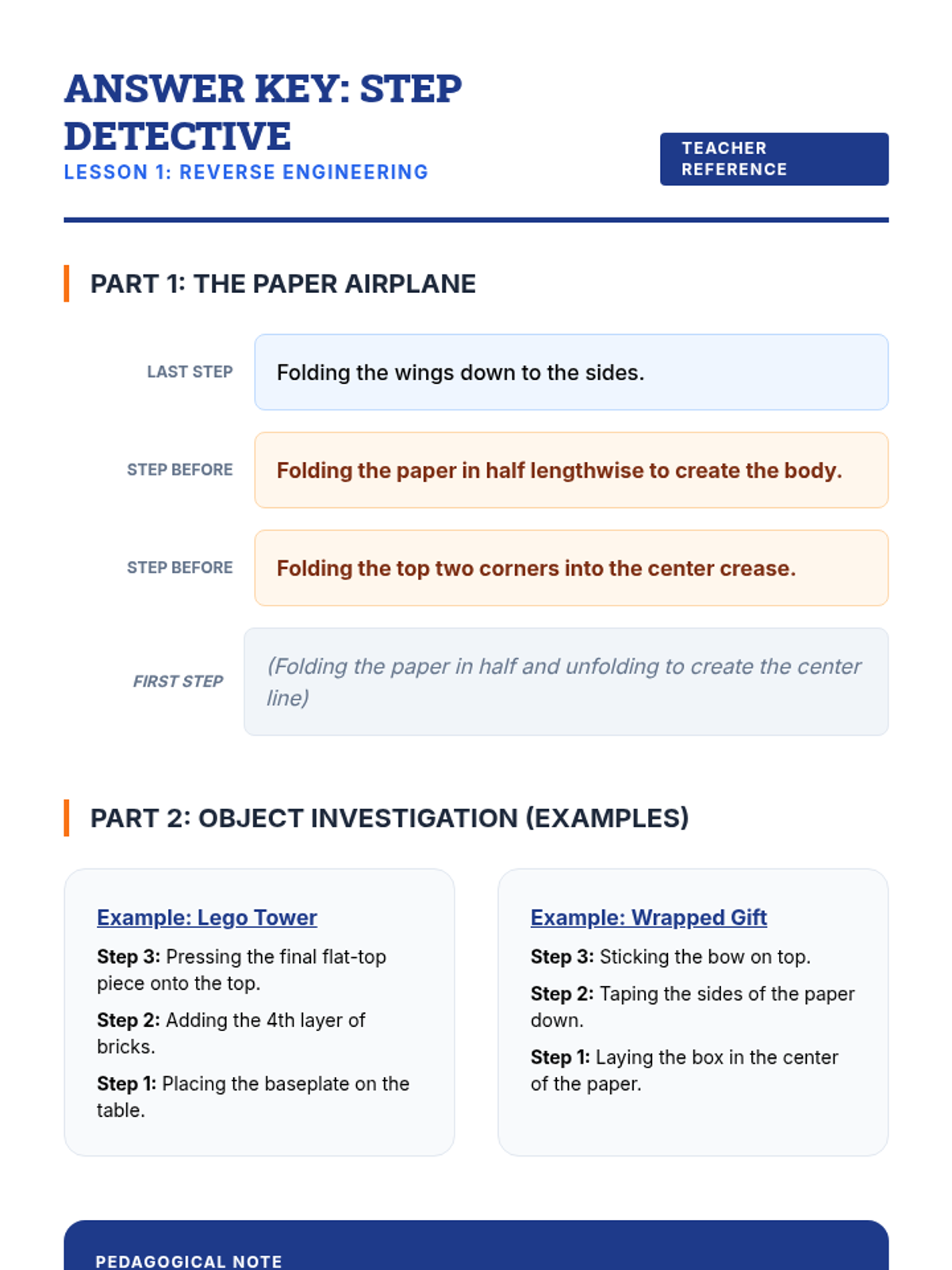
Students analyze a completed project to identify the individual steps taken to create it, learning to see complex objects as a series of single actions.
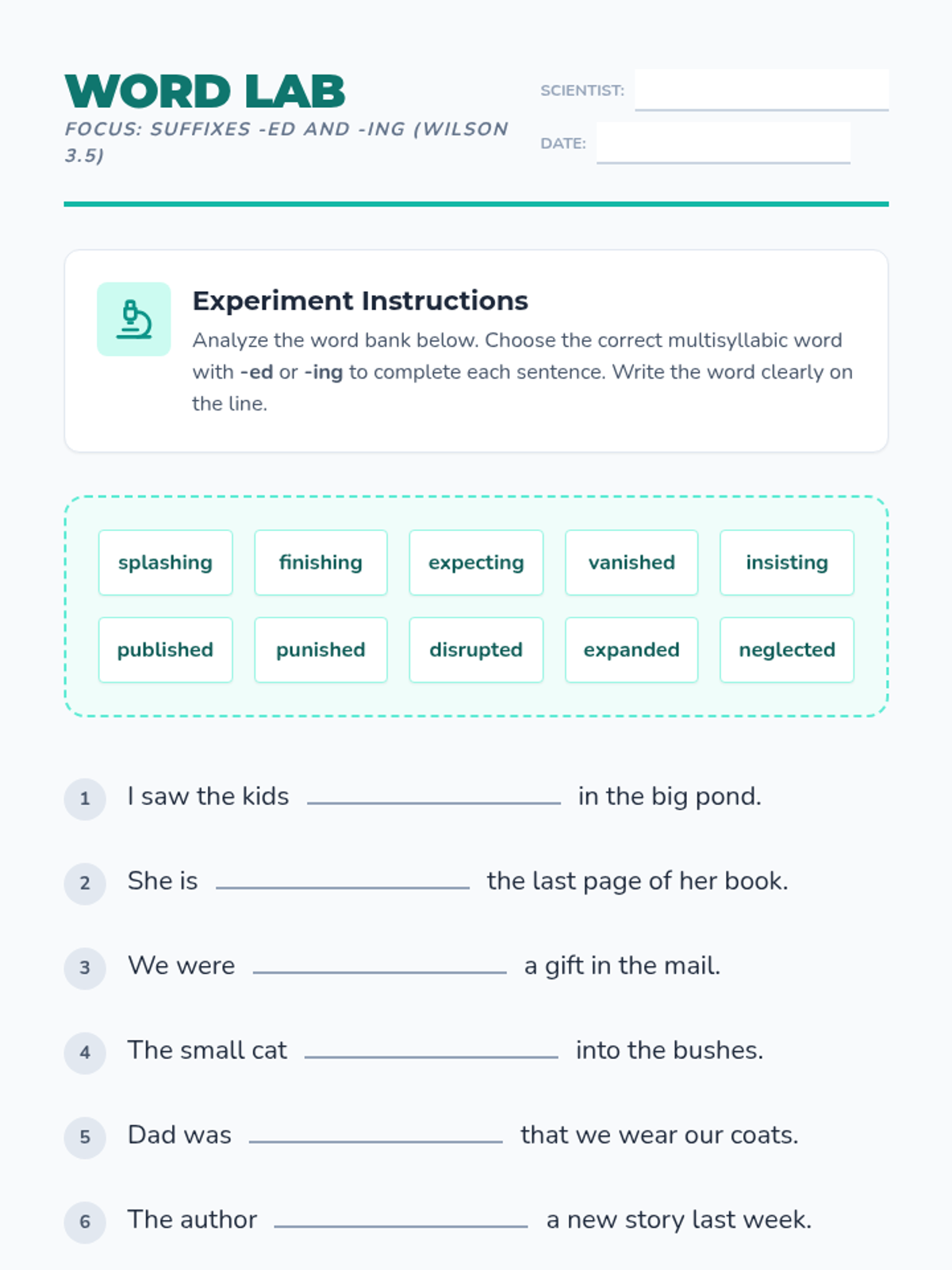
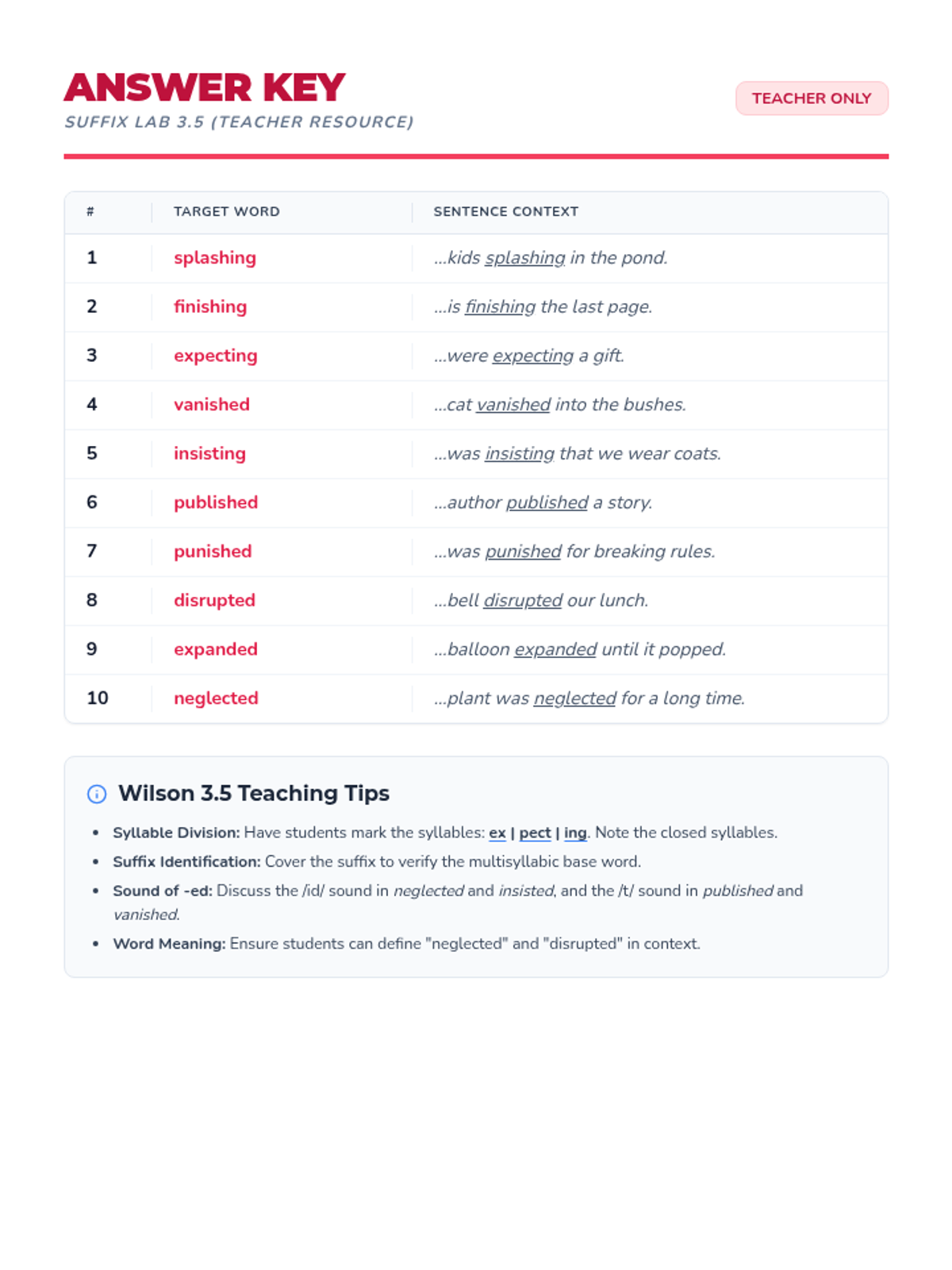
This lesson focuses on multisyllabic words with the suffixes -ed and -ing, specifically targeting the patterns found in Wilson Reading System program 3.5. Students will practice identifying and using these words in simple sentences.
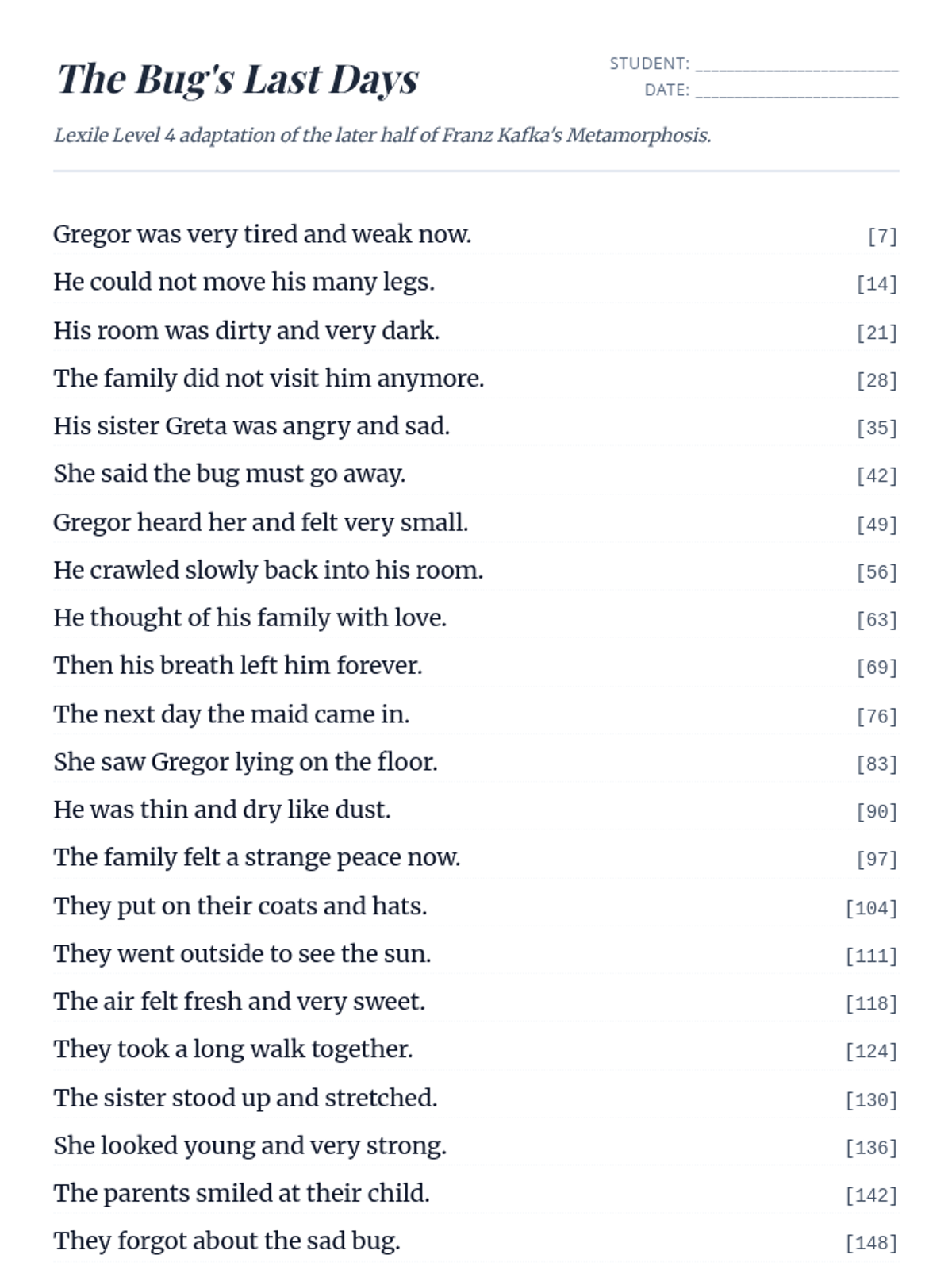
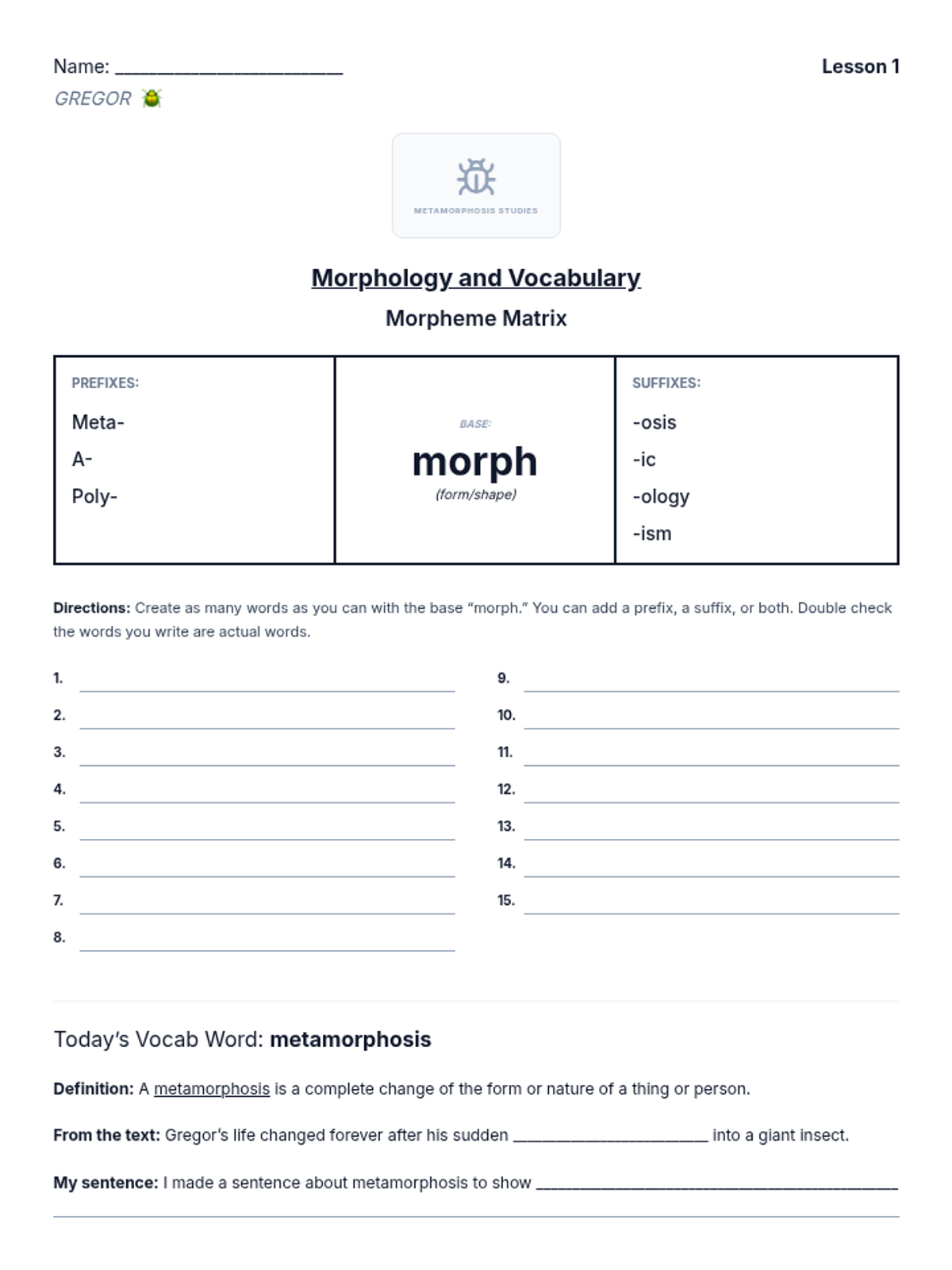
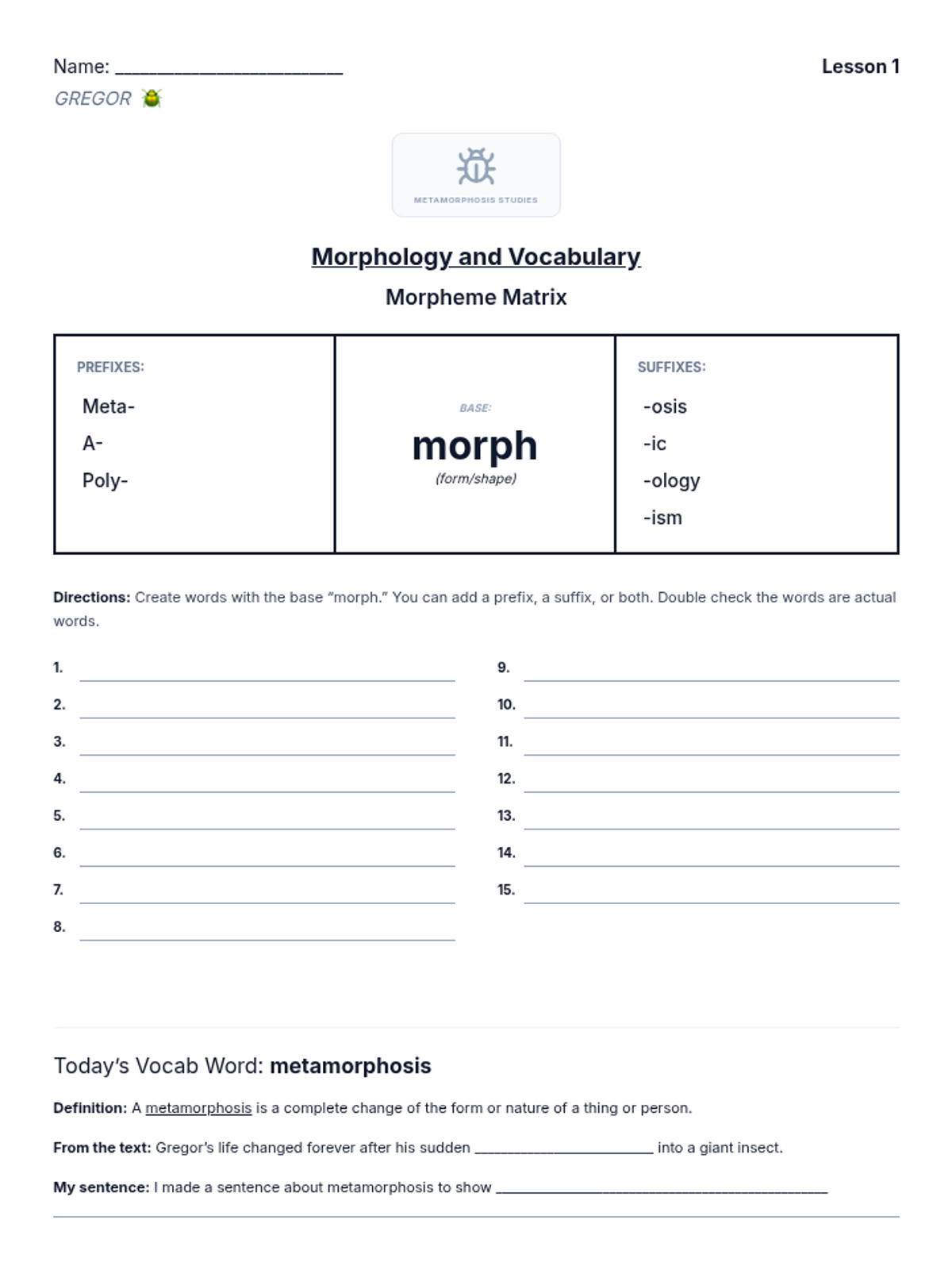
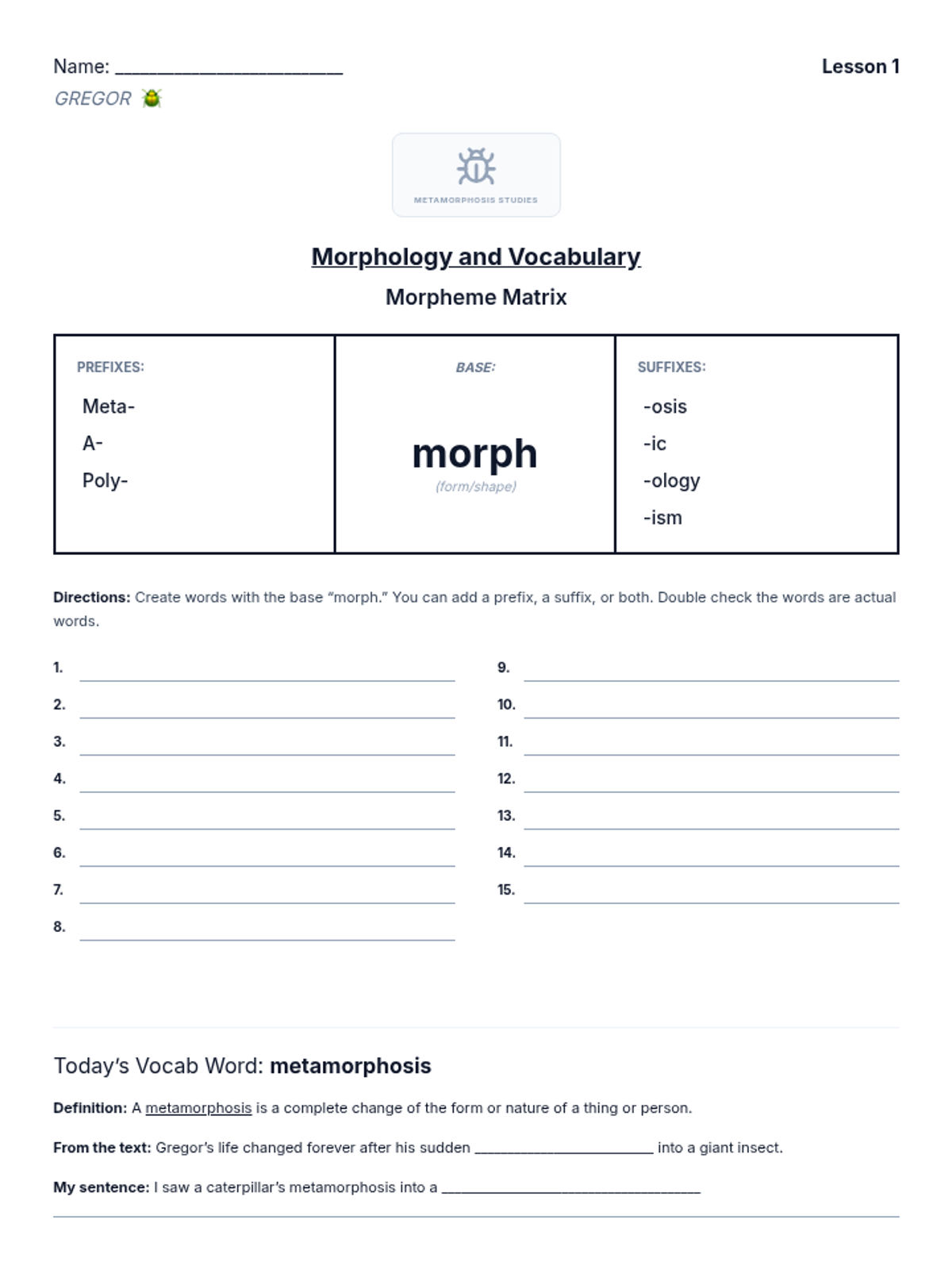
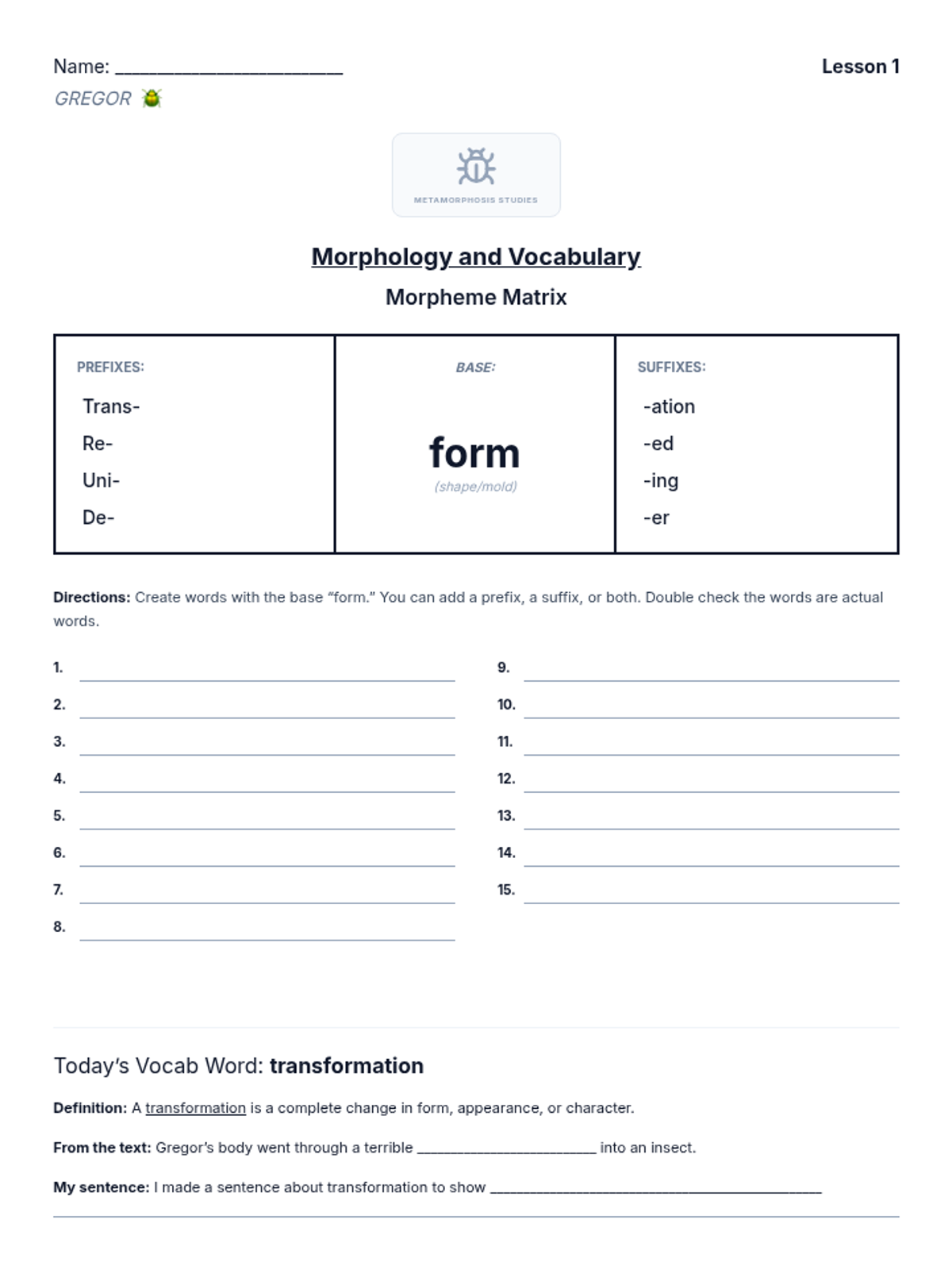
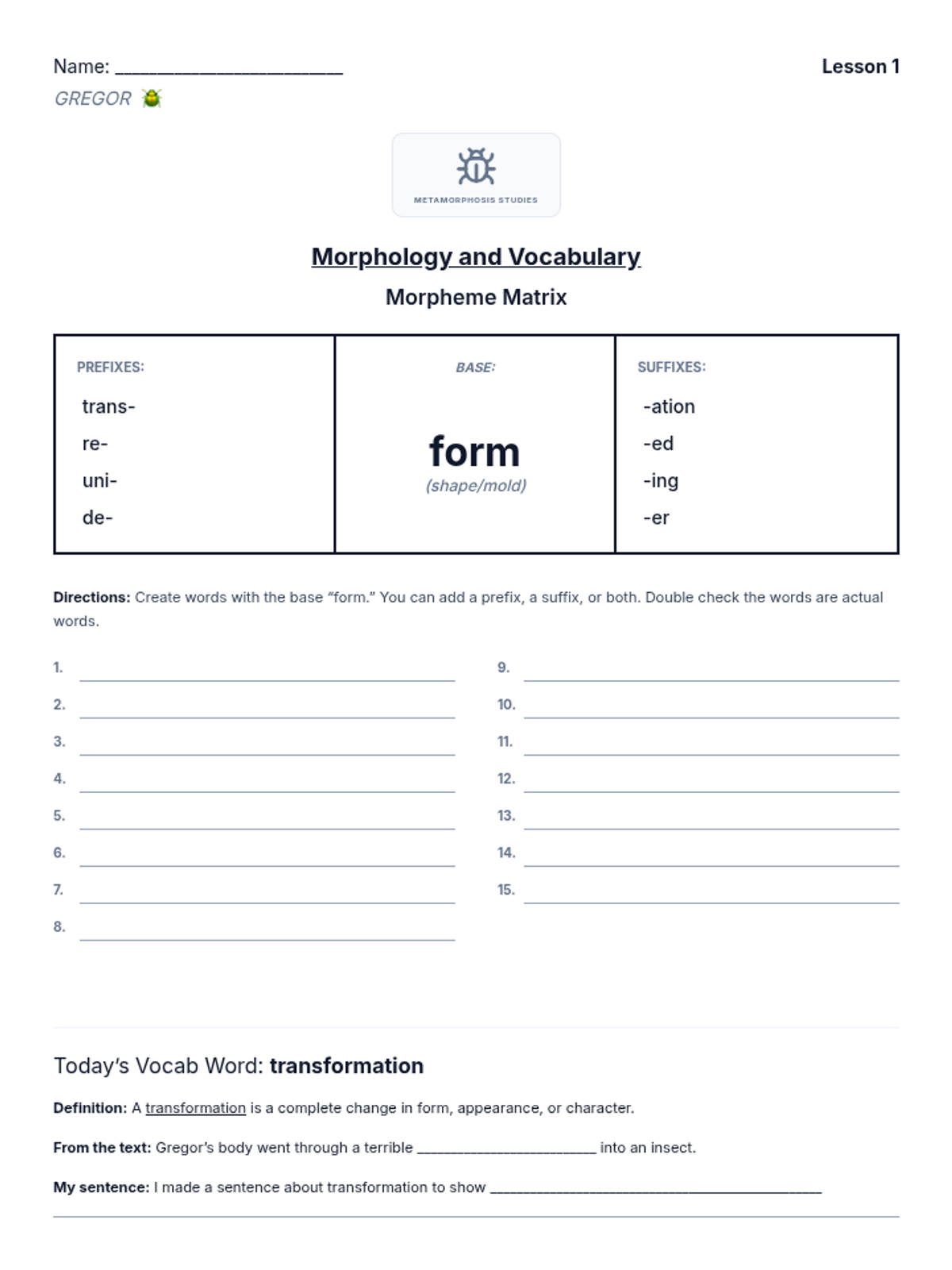
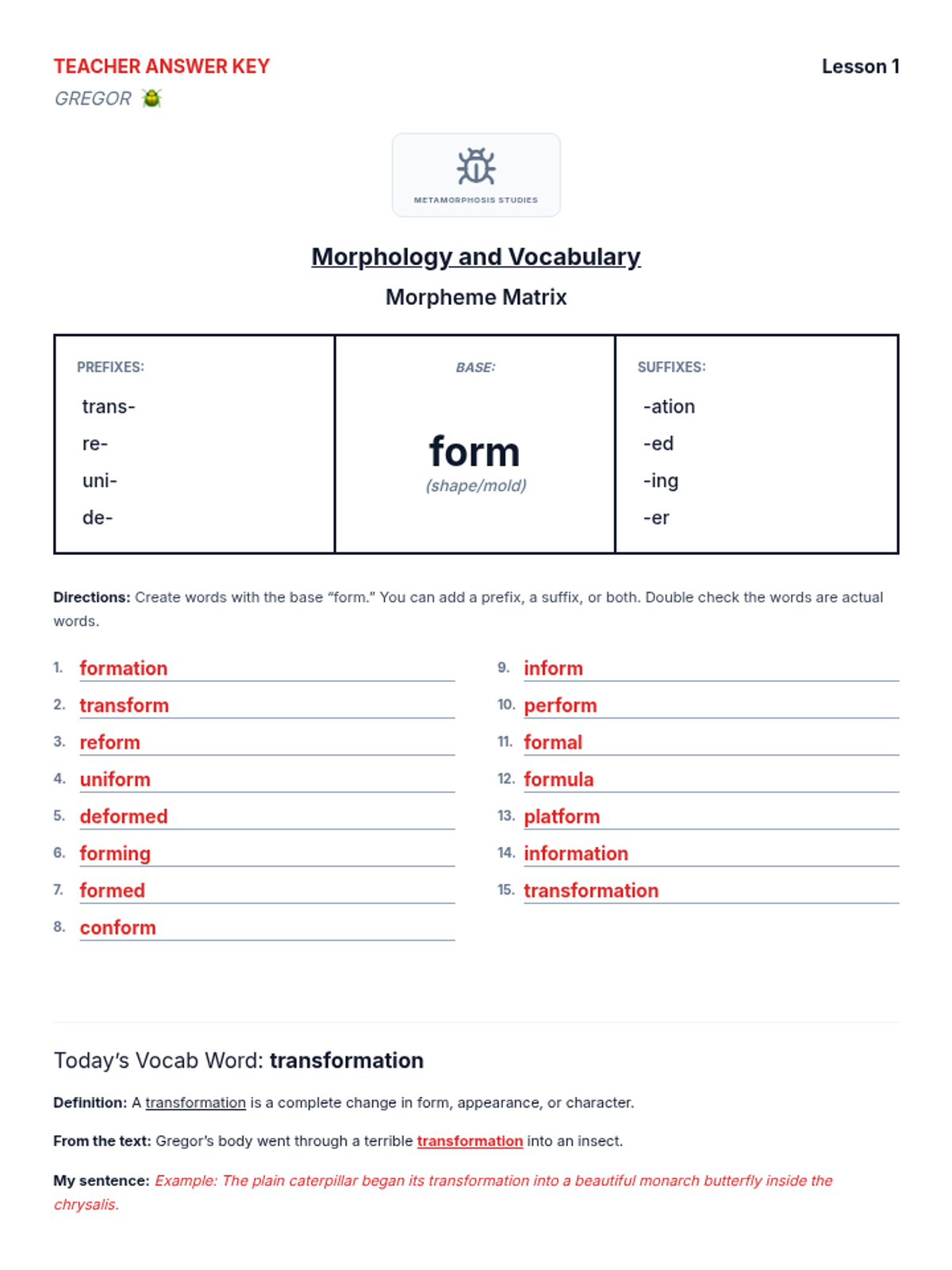
A simplified exploration of the later half of Franz Kafka's Metamorphosis, focusing on readability and text analysis for early intermediate readers.
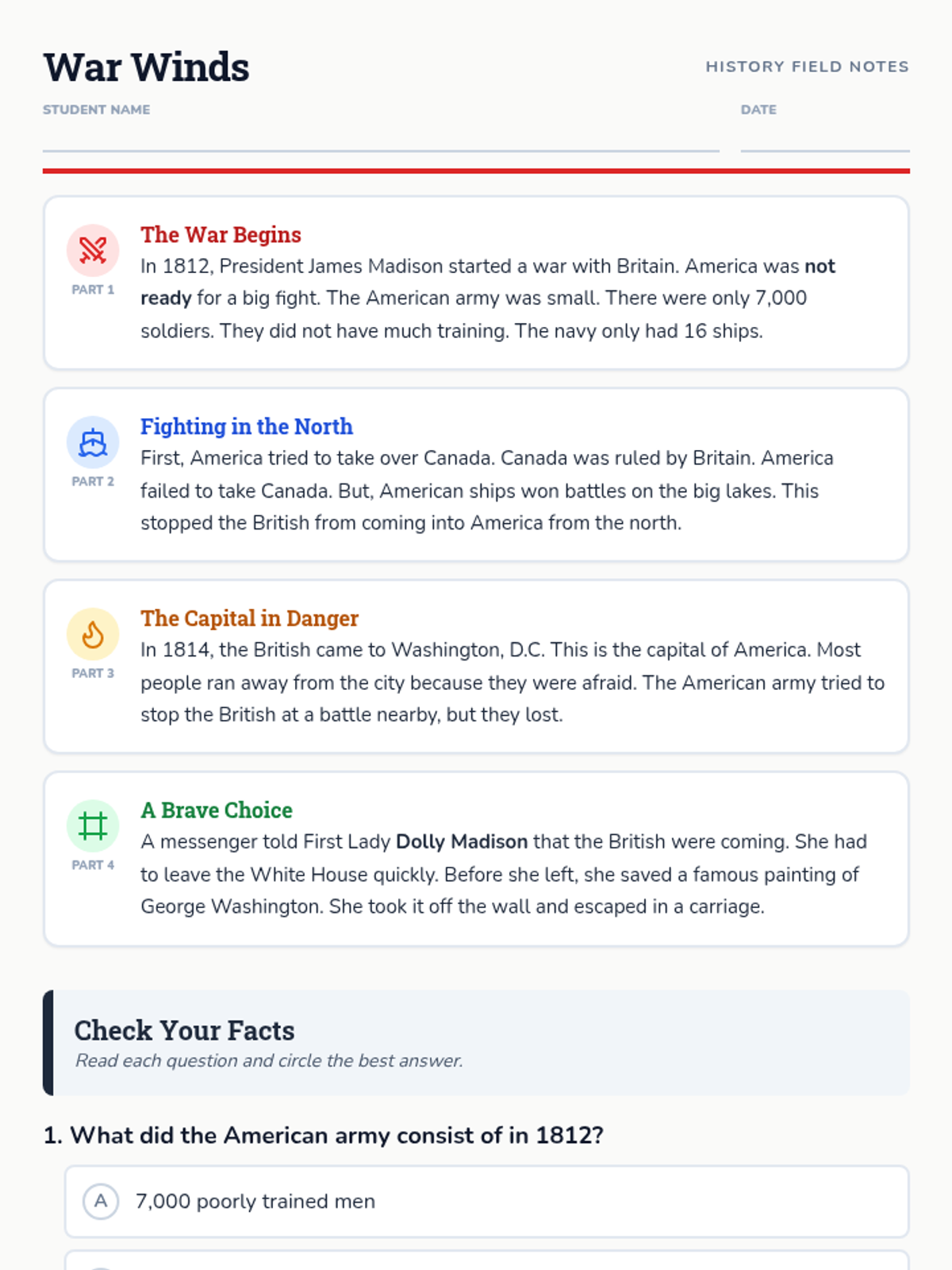
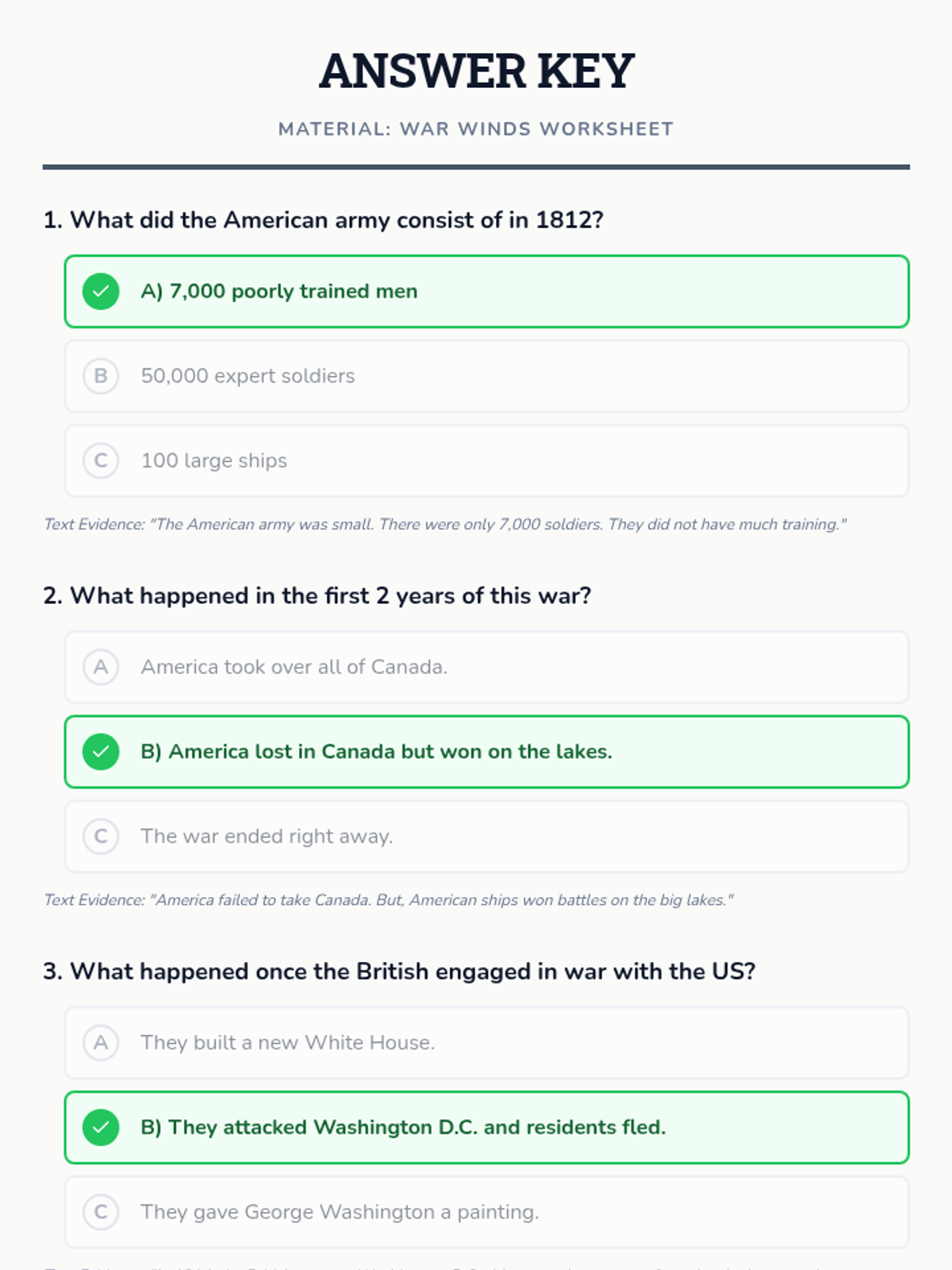
A modified history lesson focusing on the key events of the War of 1812, including the lack of American military readiness and the burning of Washington D.C., adapted for students with special needs at a 4th-5th grade reading level.
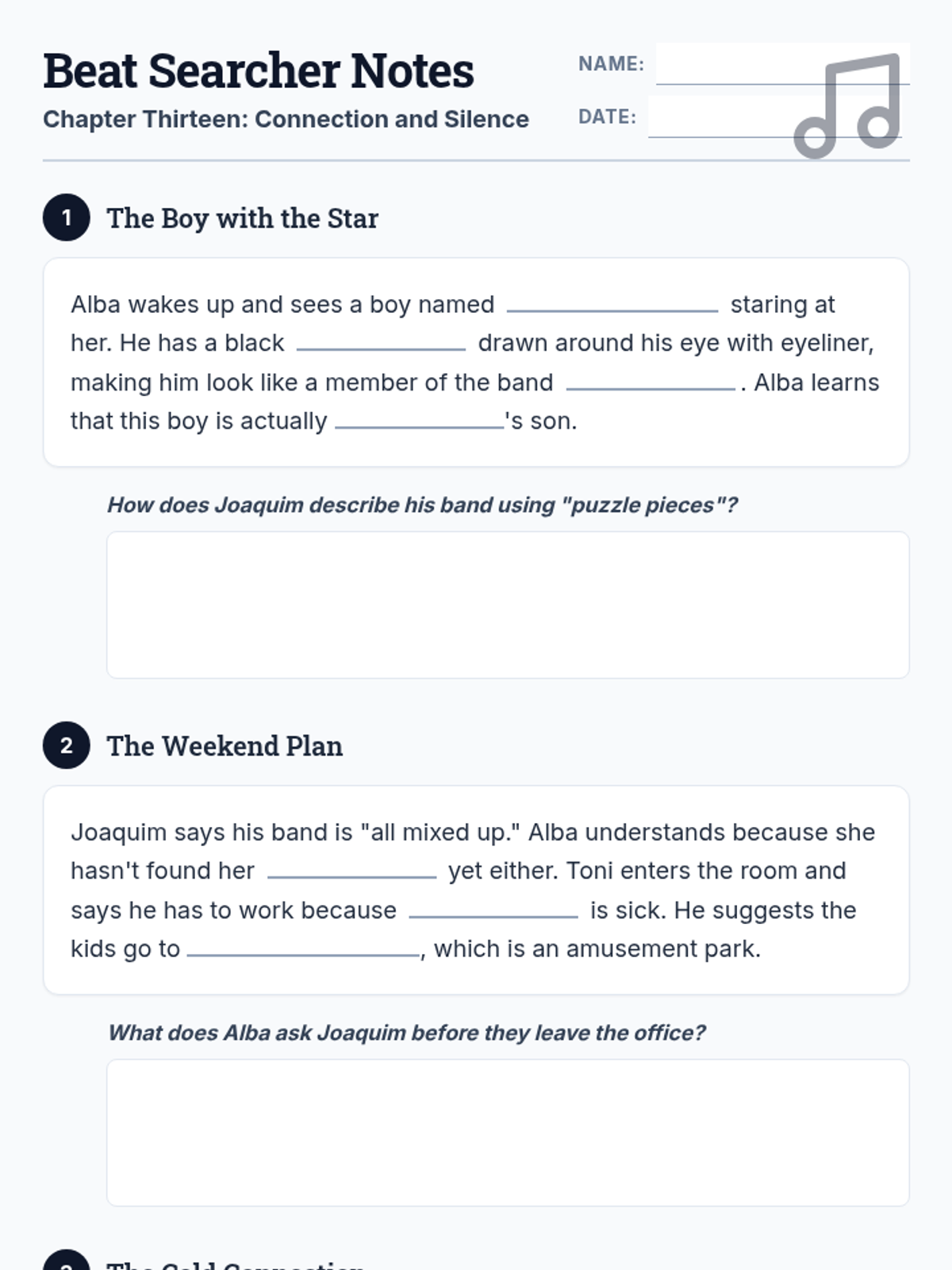
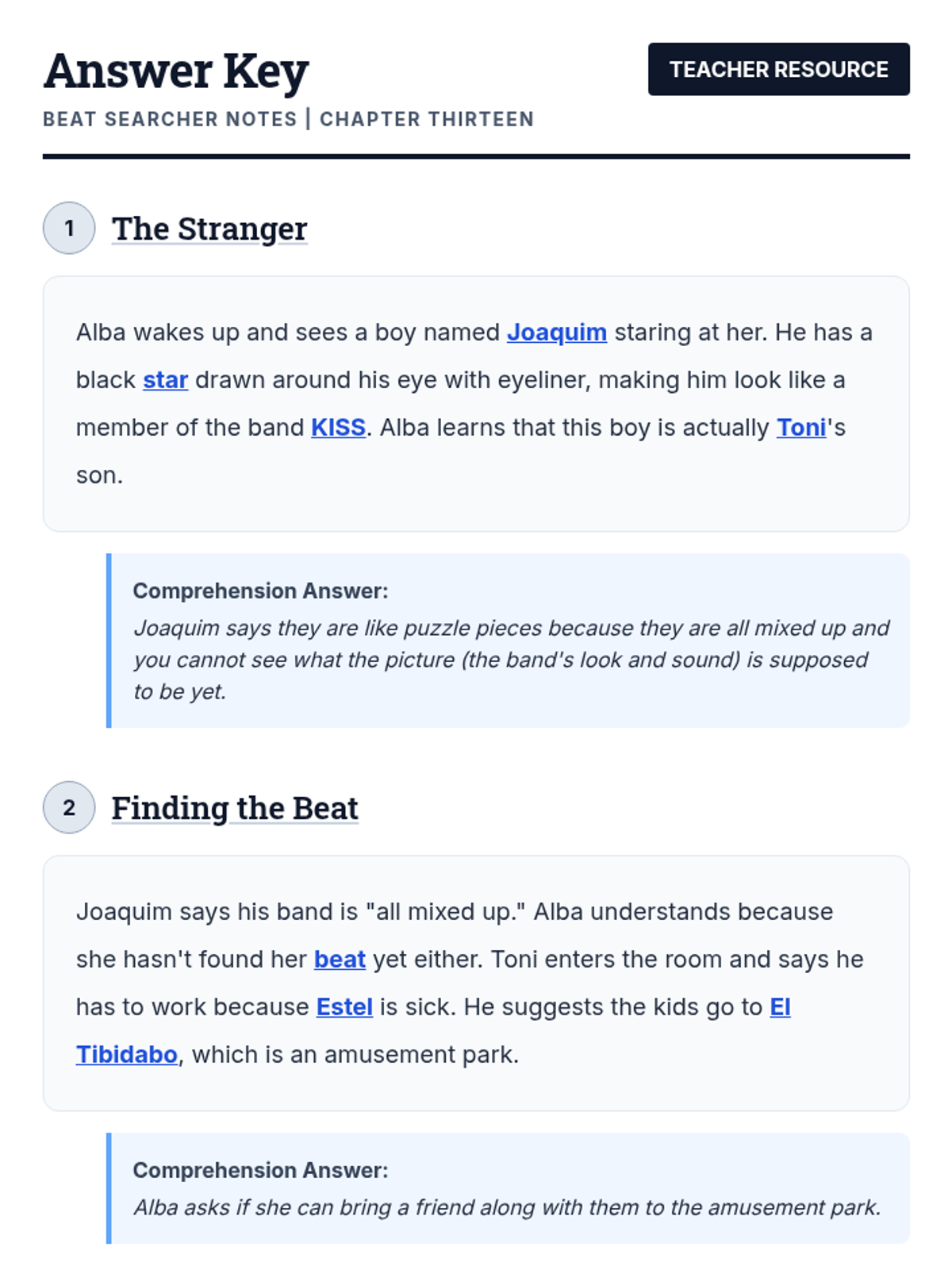
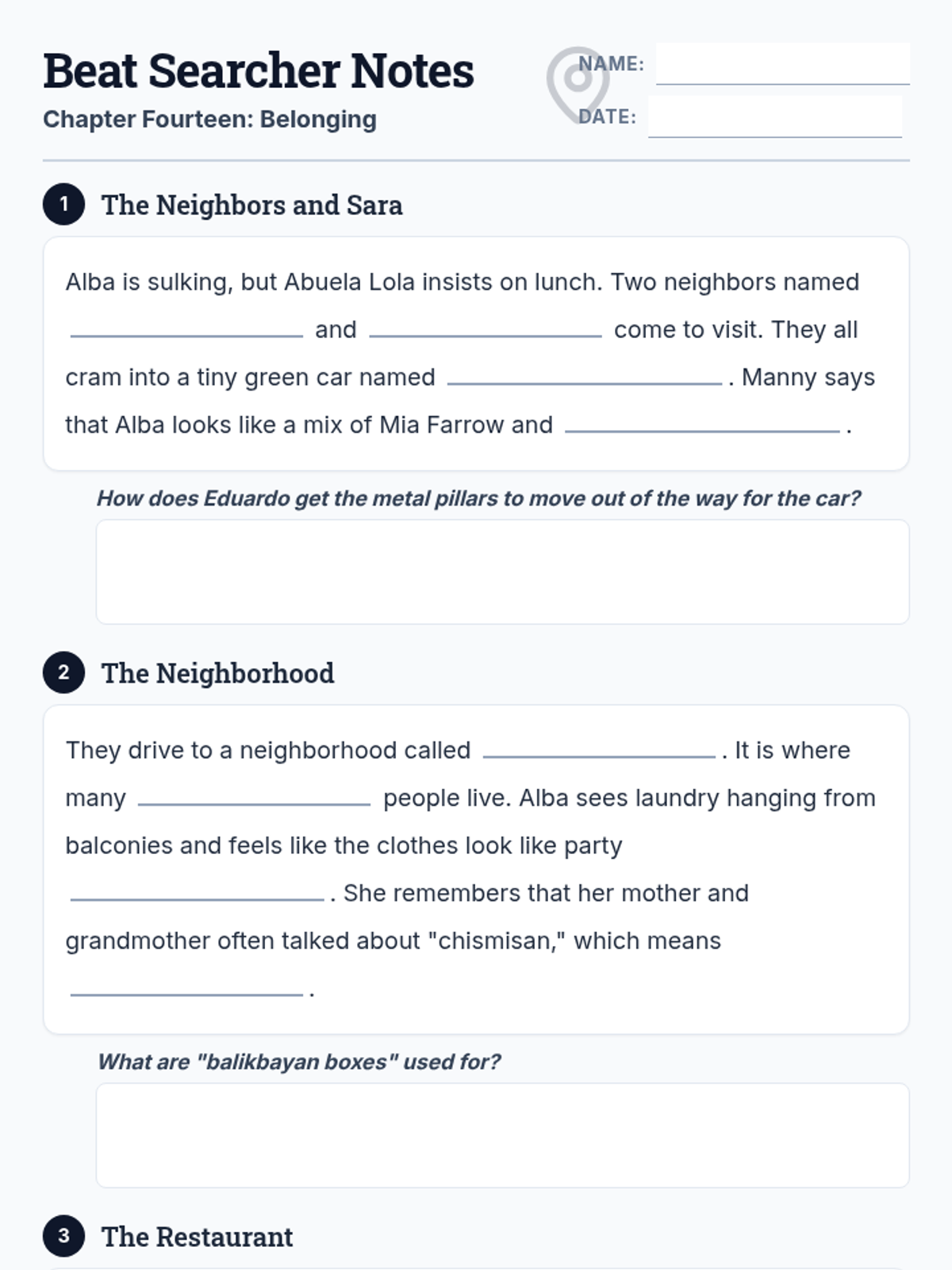
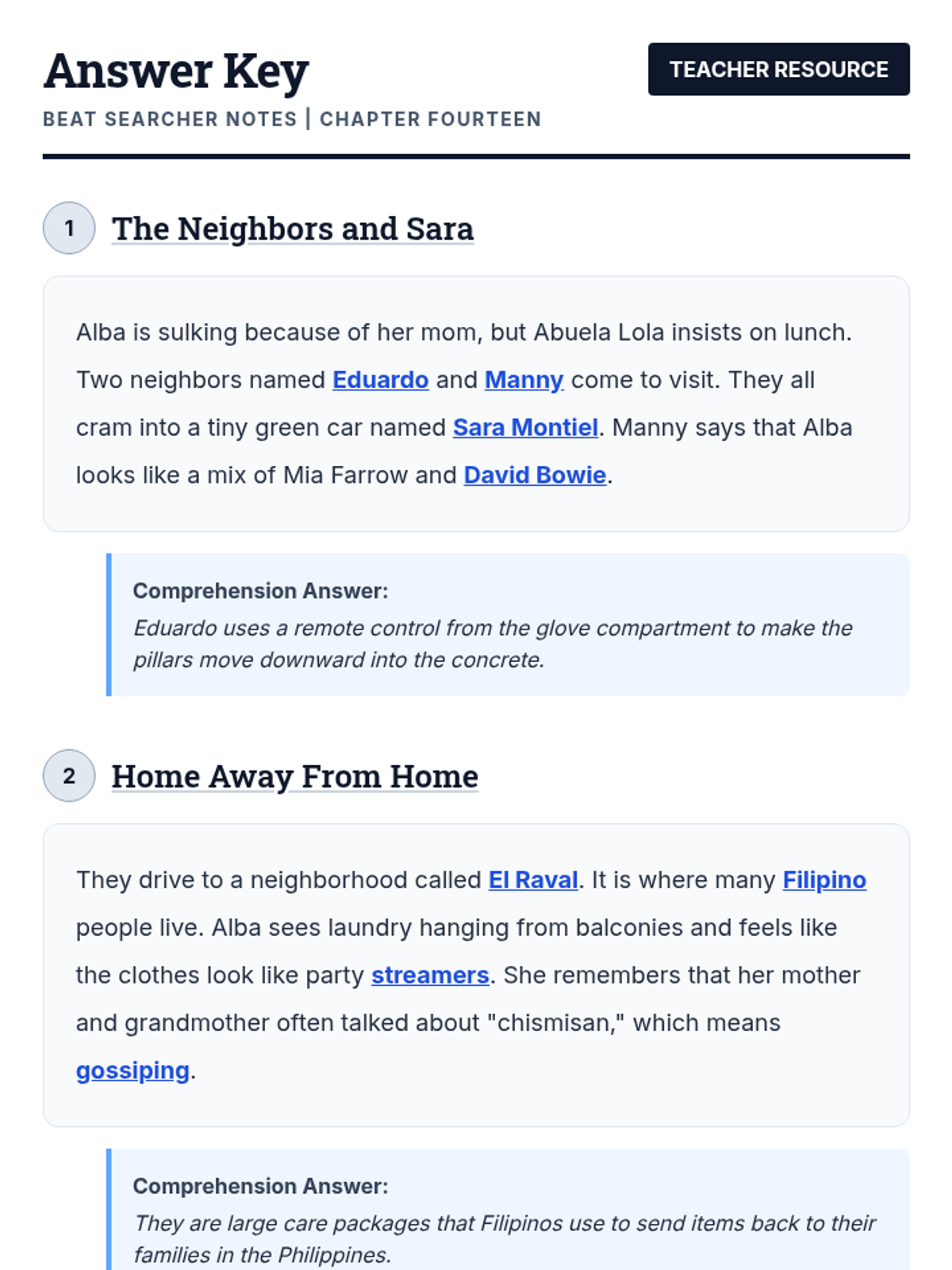
A reading comprehension lesson focused on analyzing character dynamics and emotional subtext in Chapters 13 and 14 of the text, specifically exploring identity, culture, and familial distance.
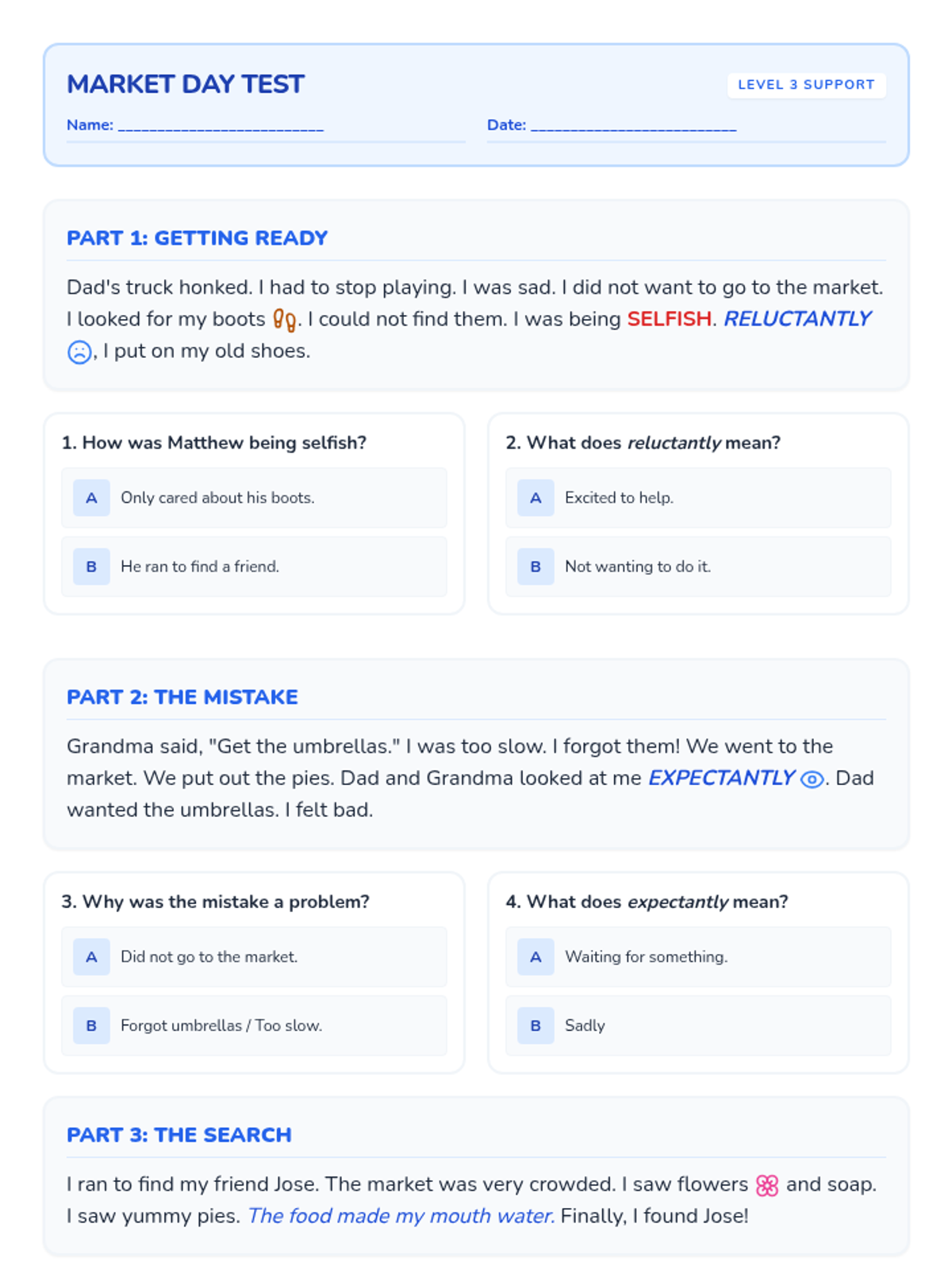
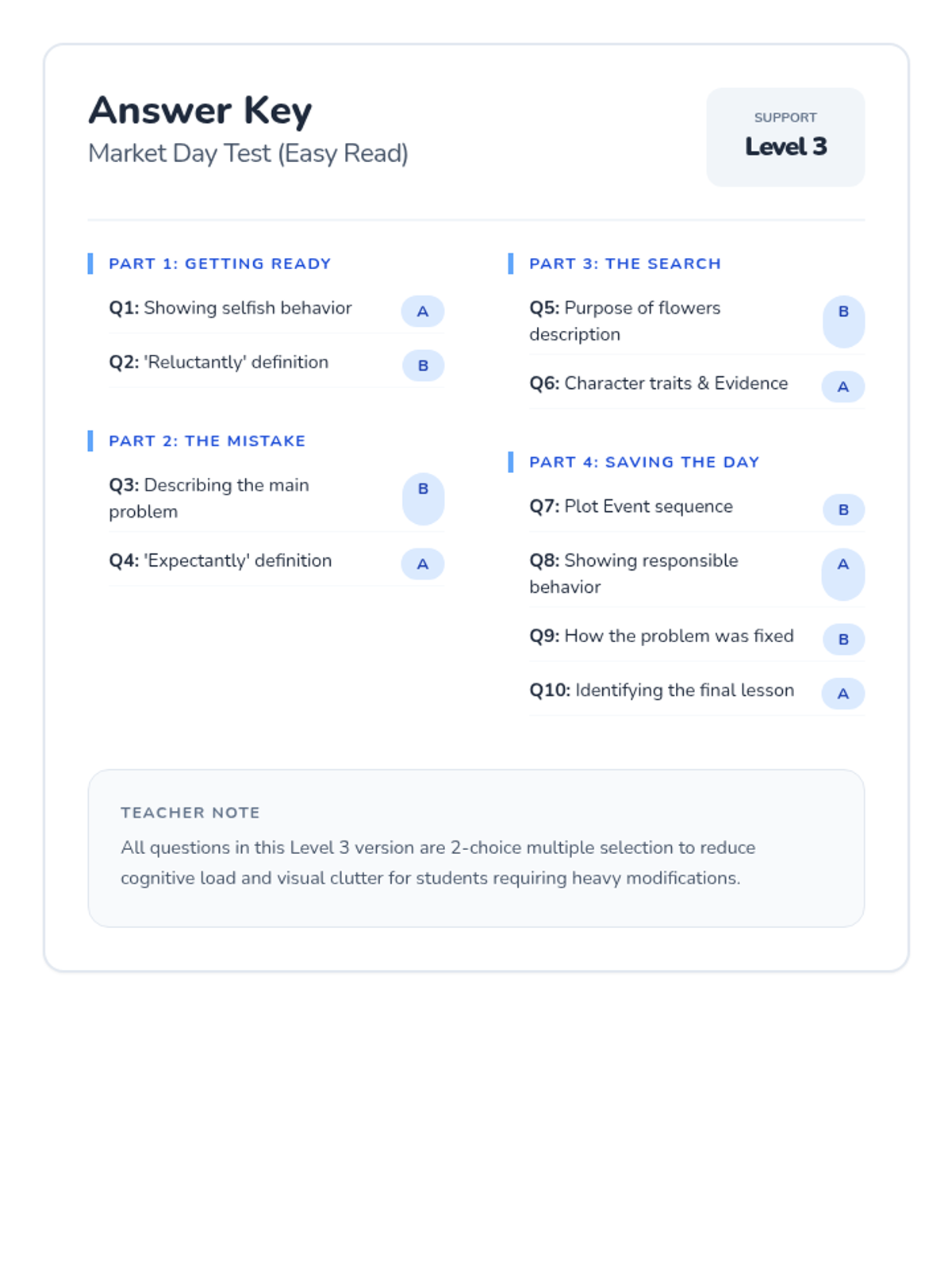
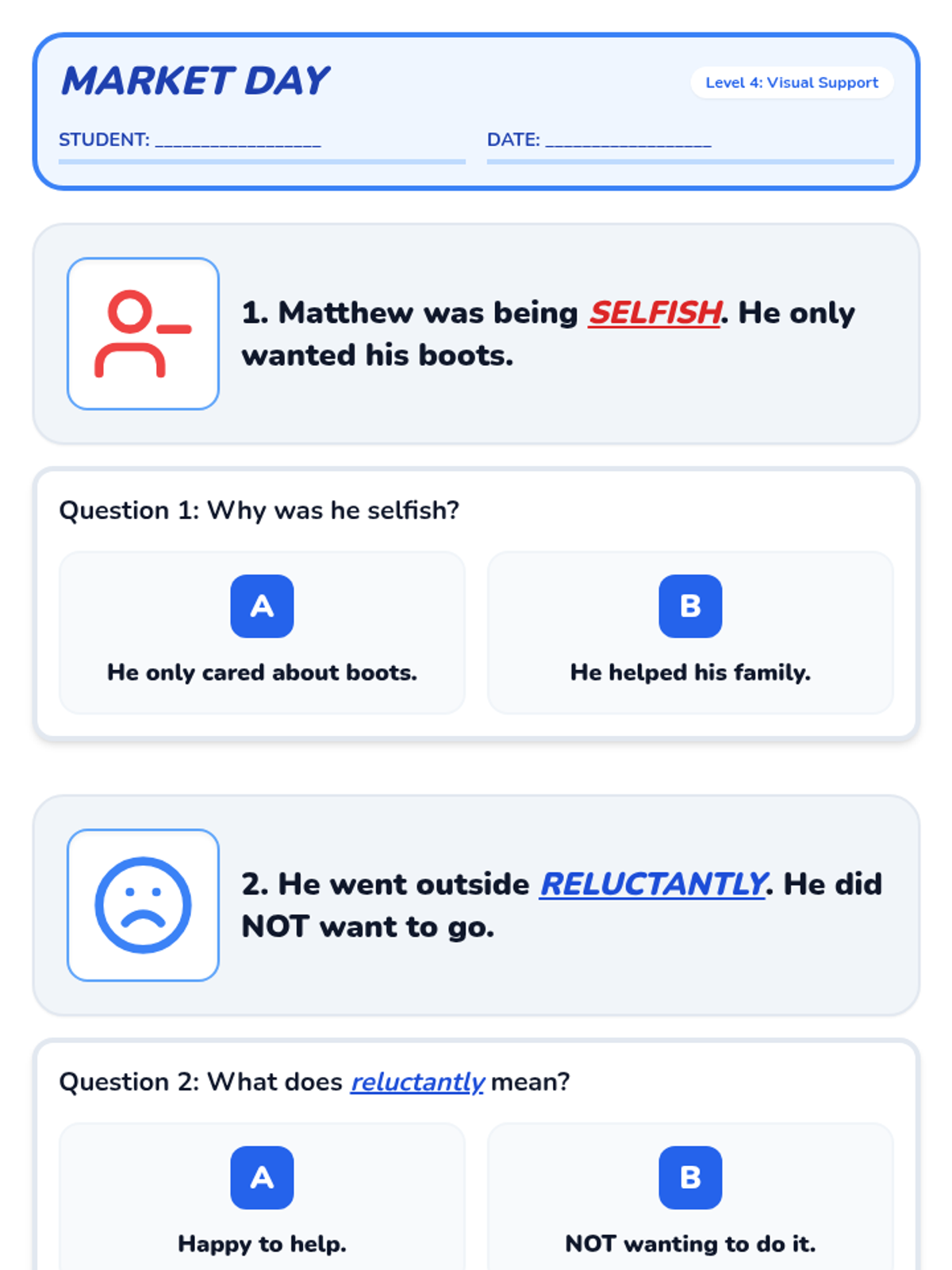
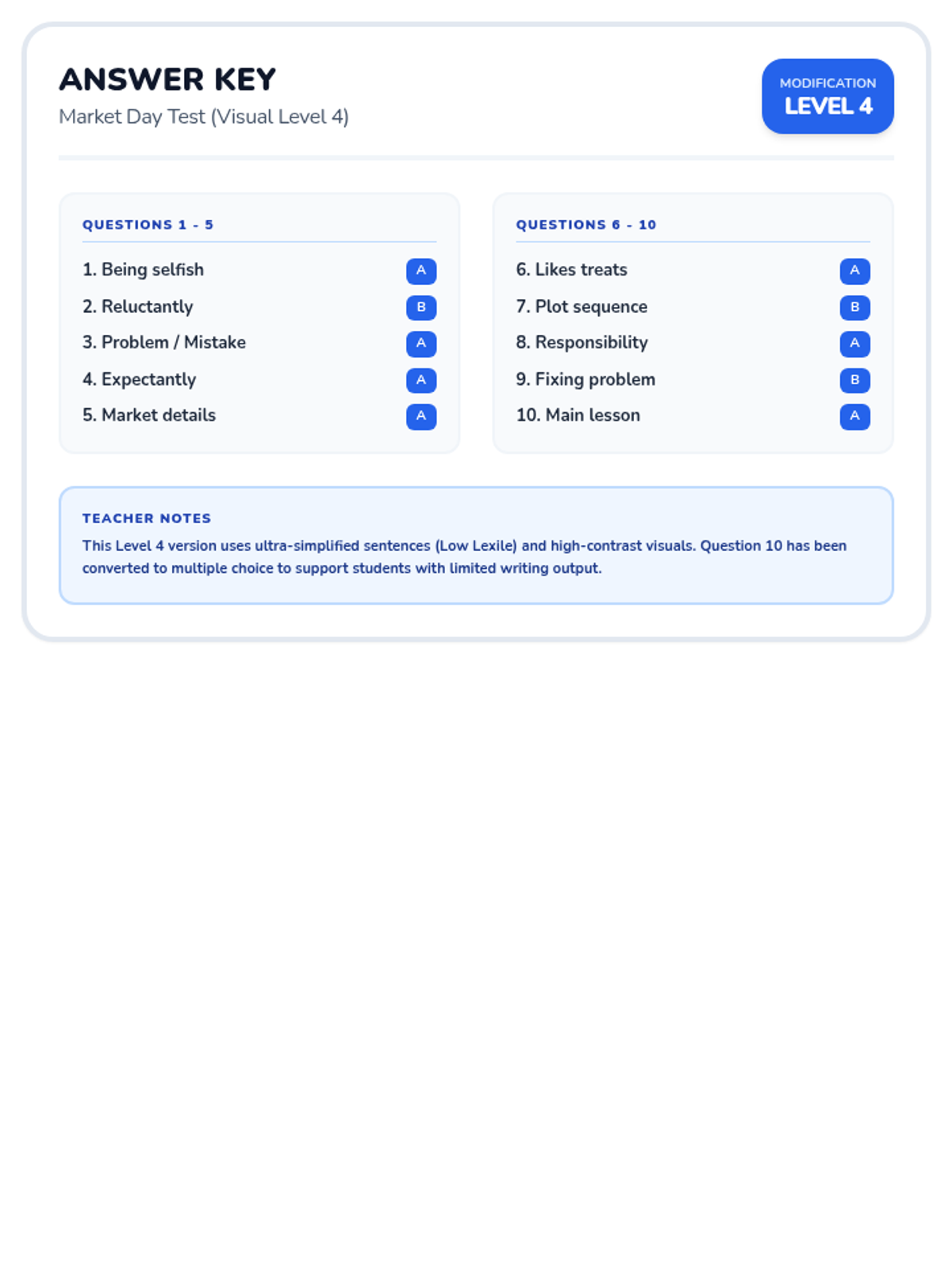
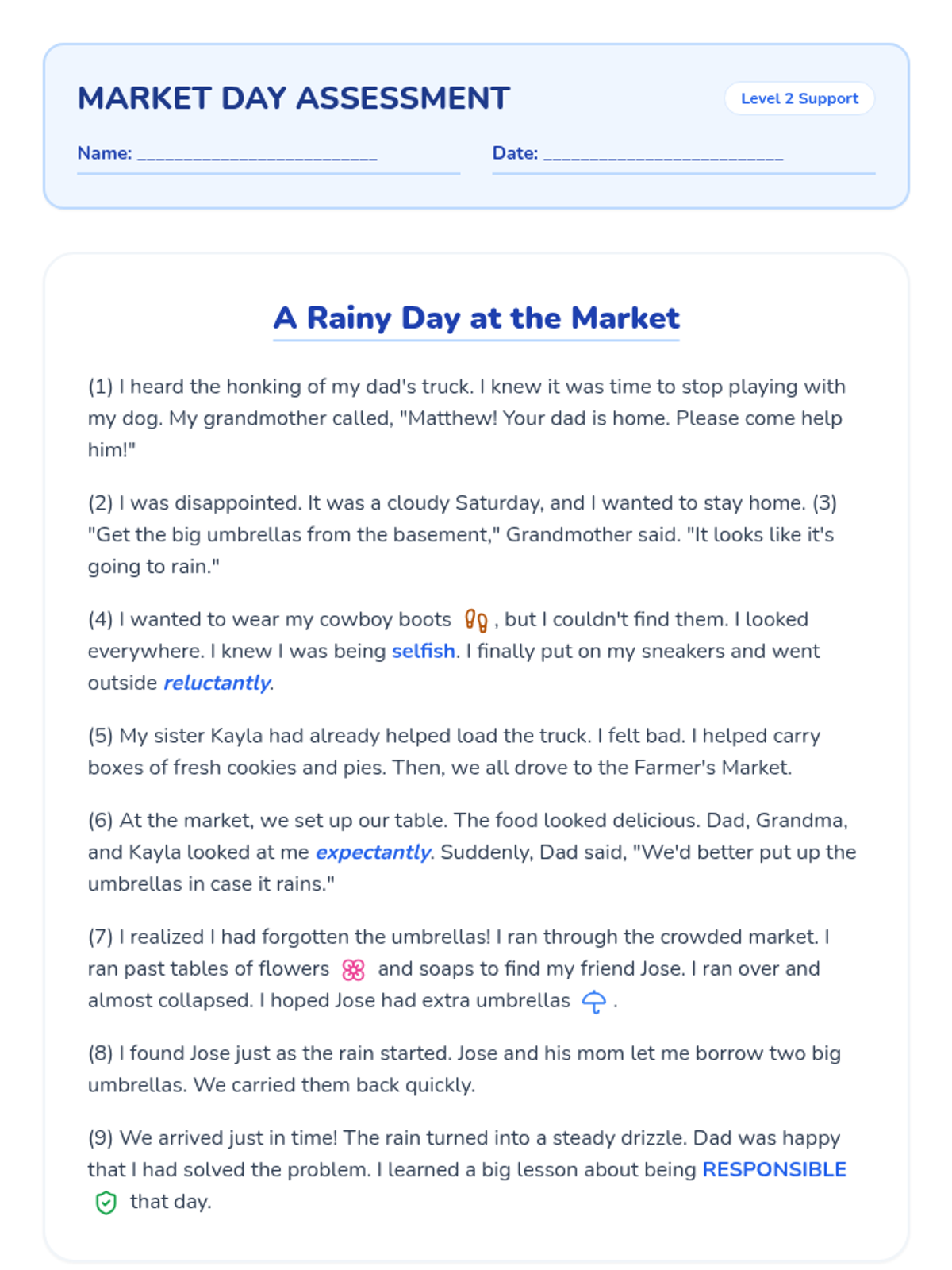
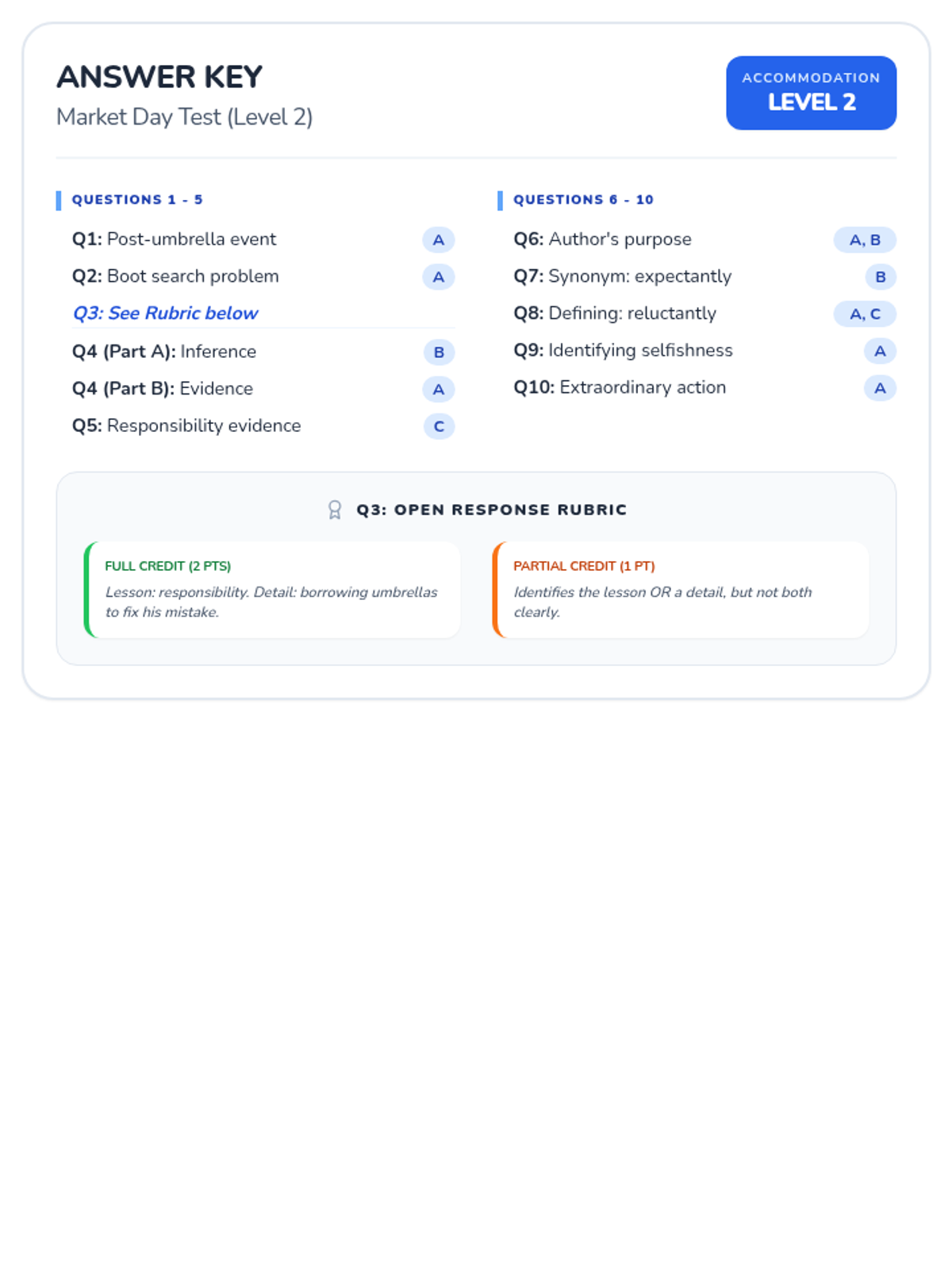
A modified assessment set for the 6th Grade ELA Unit 4 test, specifically designed for students with IEPs. The materials include a simplified reading passage, reduced answer choices, and visual vocabulary supports.
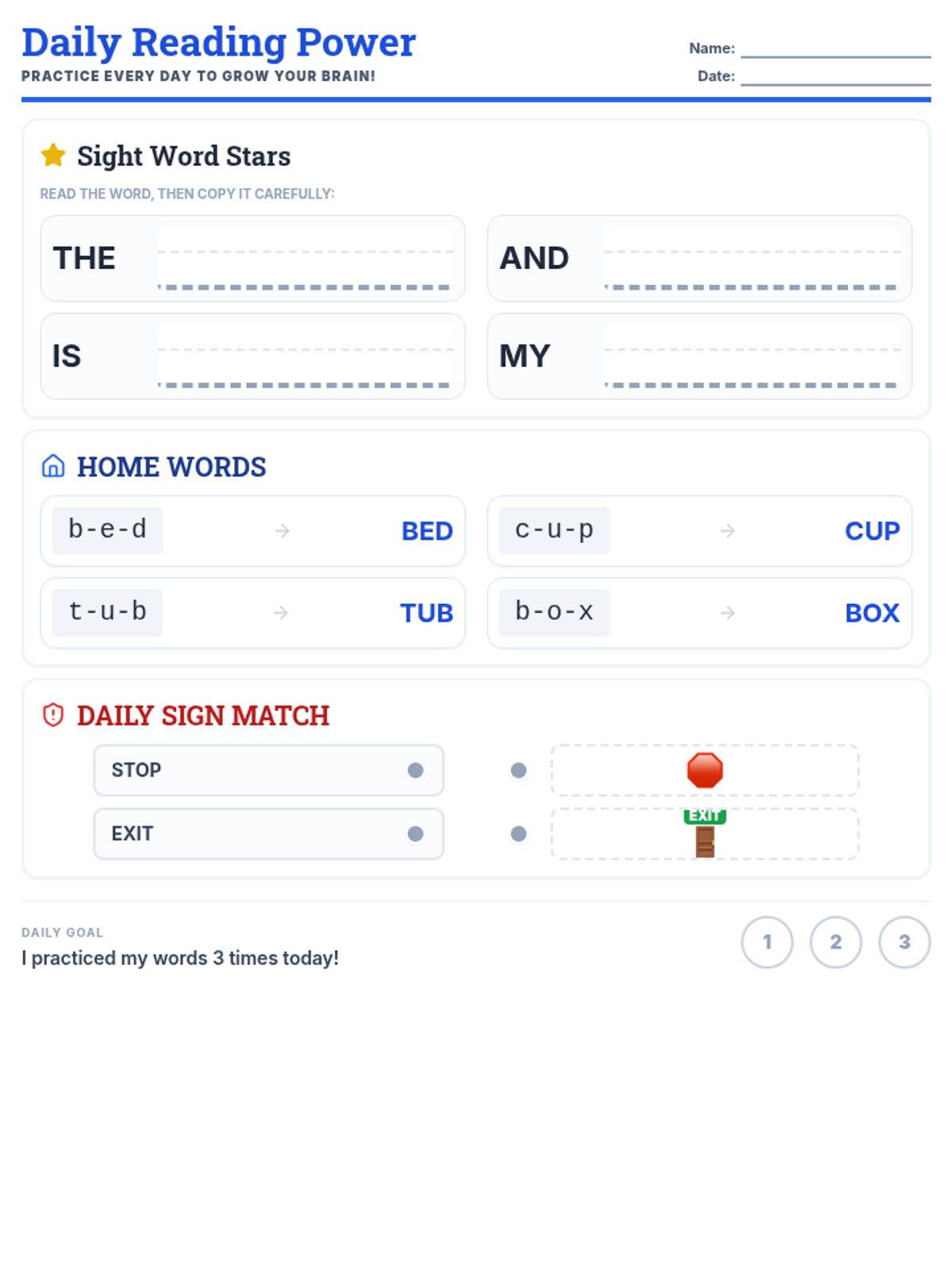
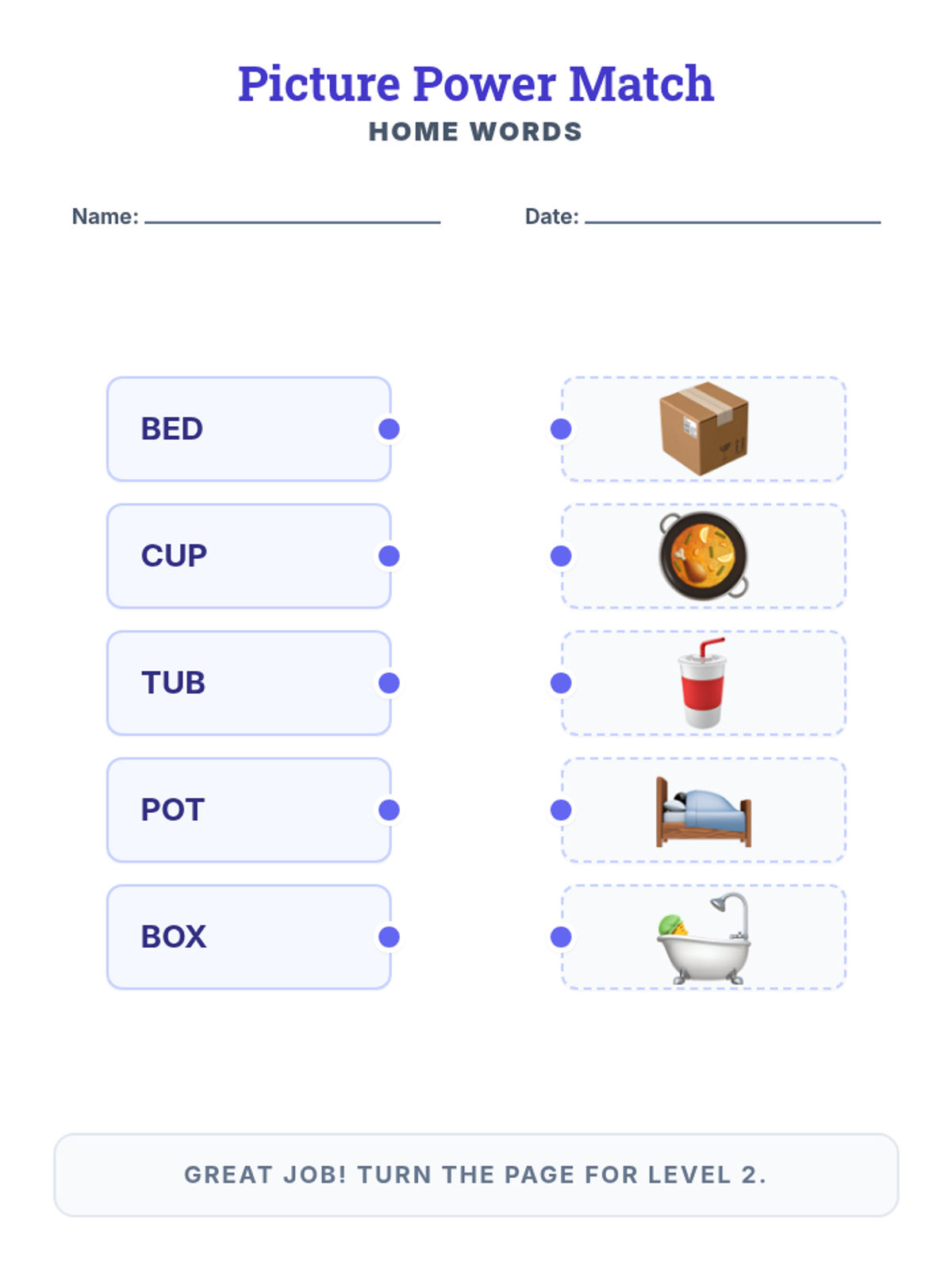
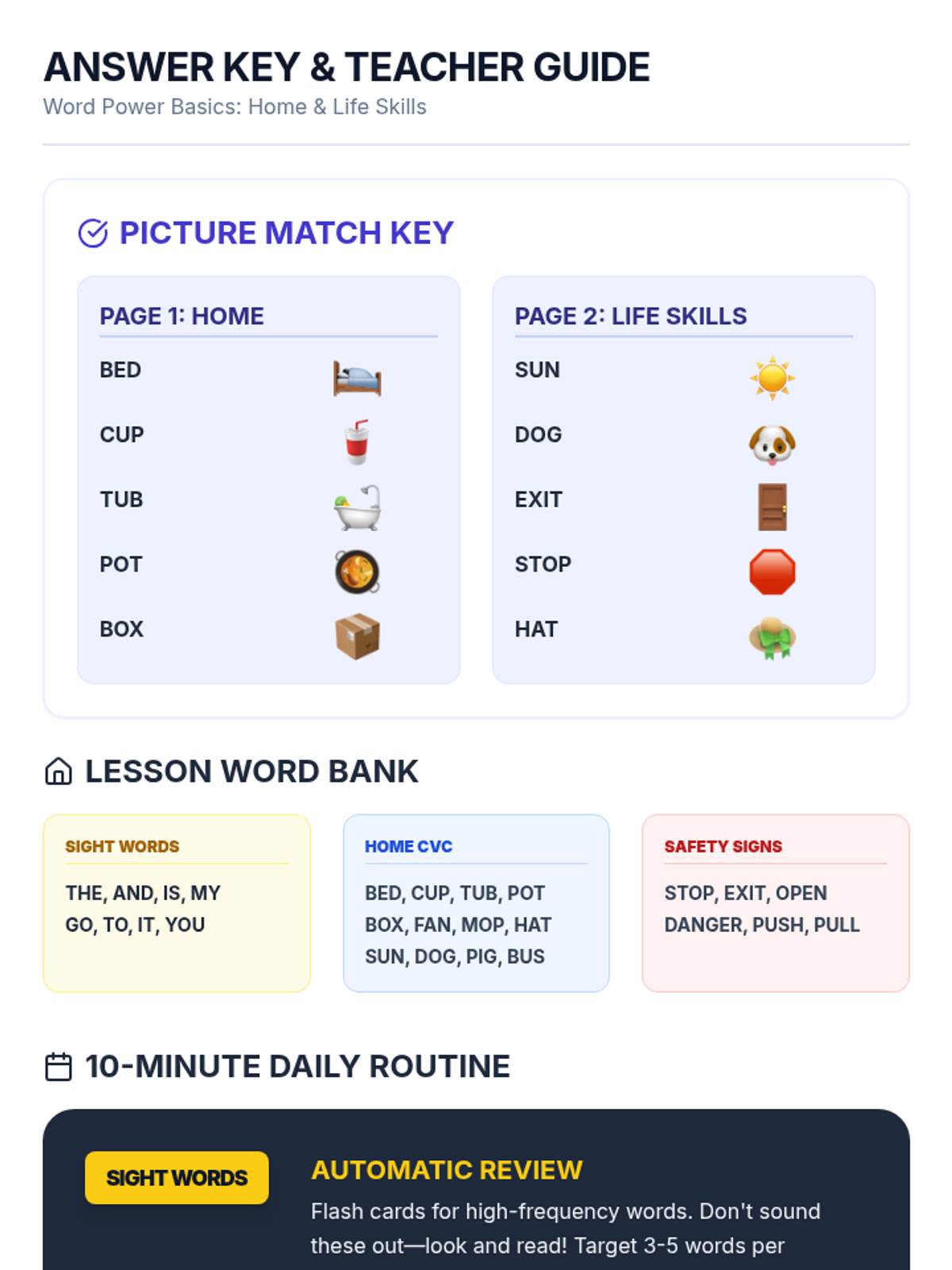
A foundational reading lesson focusing on essential CVC words, high-frequency sight words, and critical safety signs for daily life navigation.
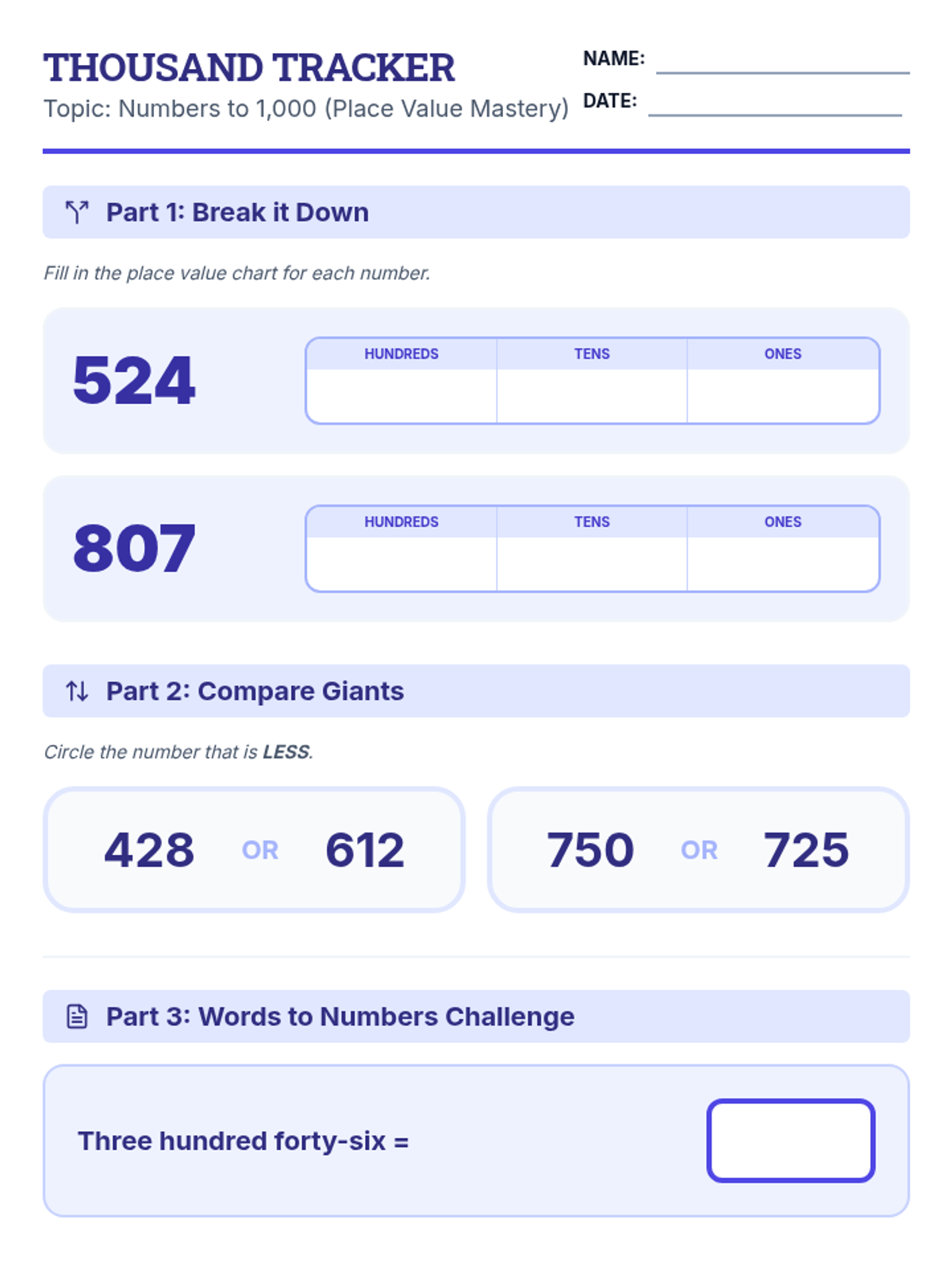
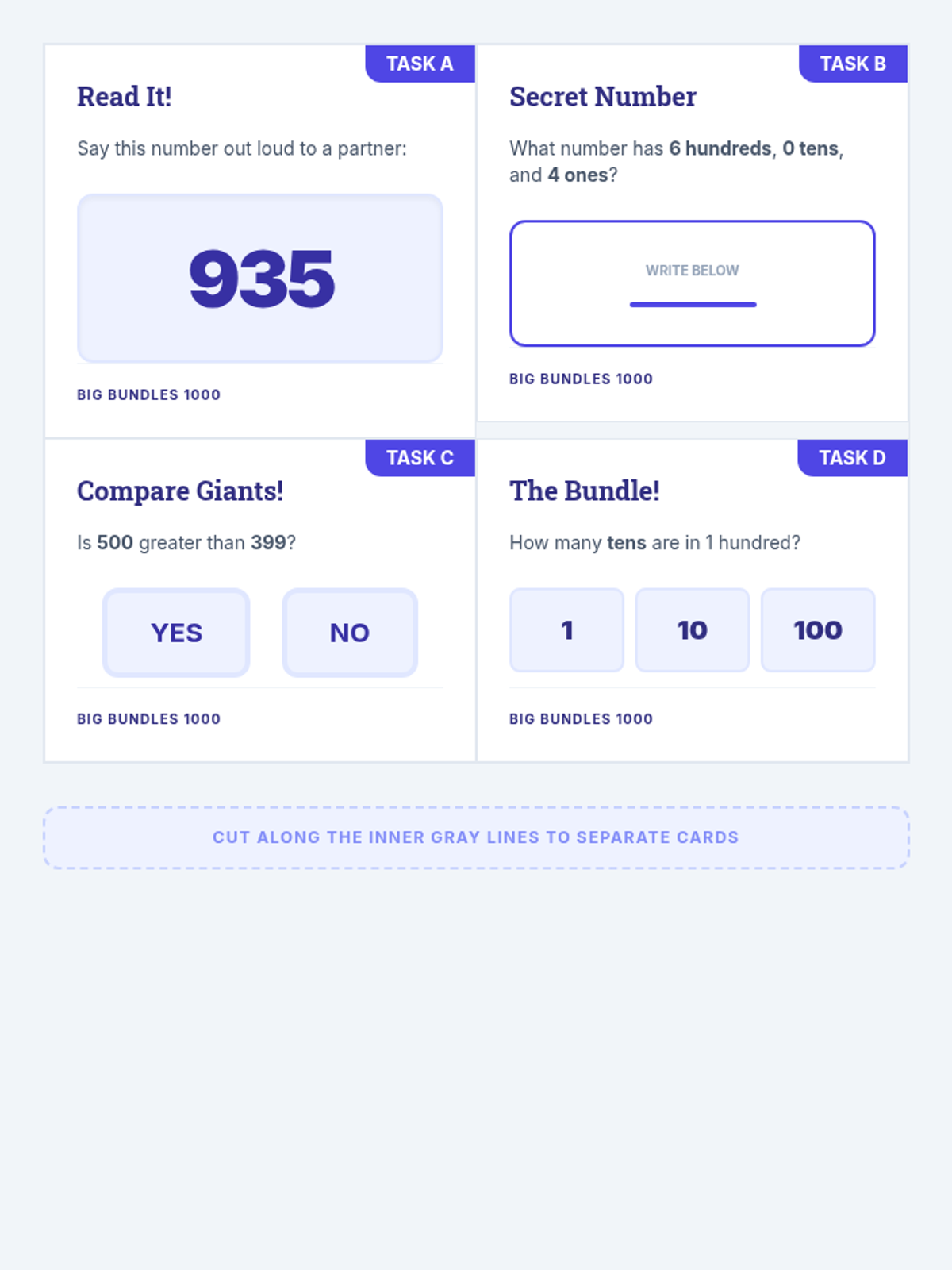
Expands number sense to 1,000, focusing on hundreds, tens, and ones with visual place value models and comparison strategies.
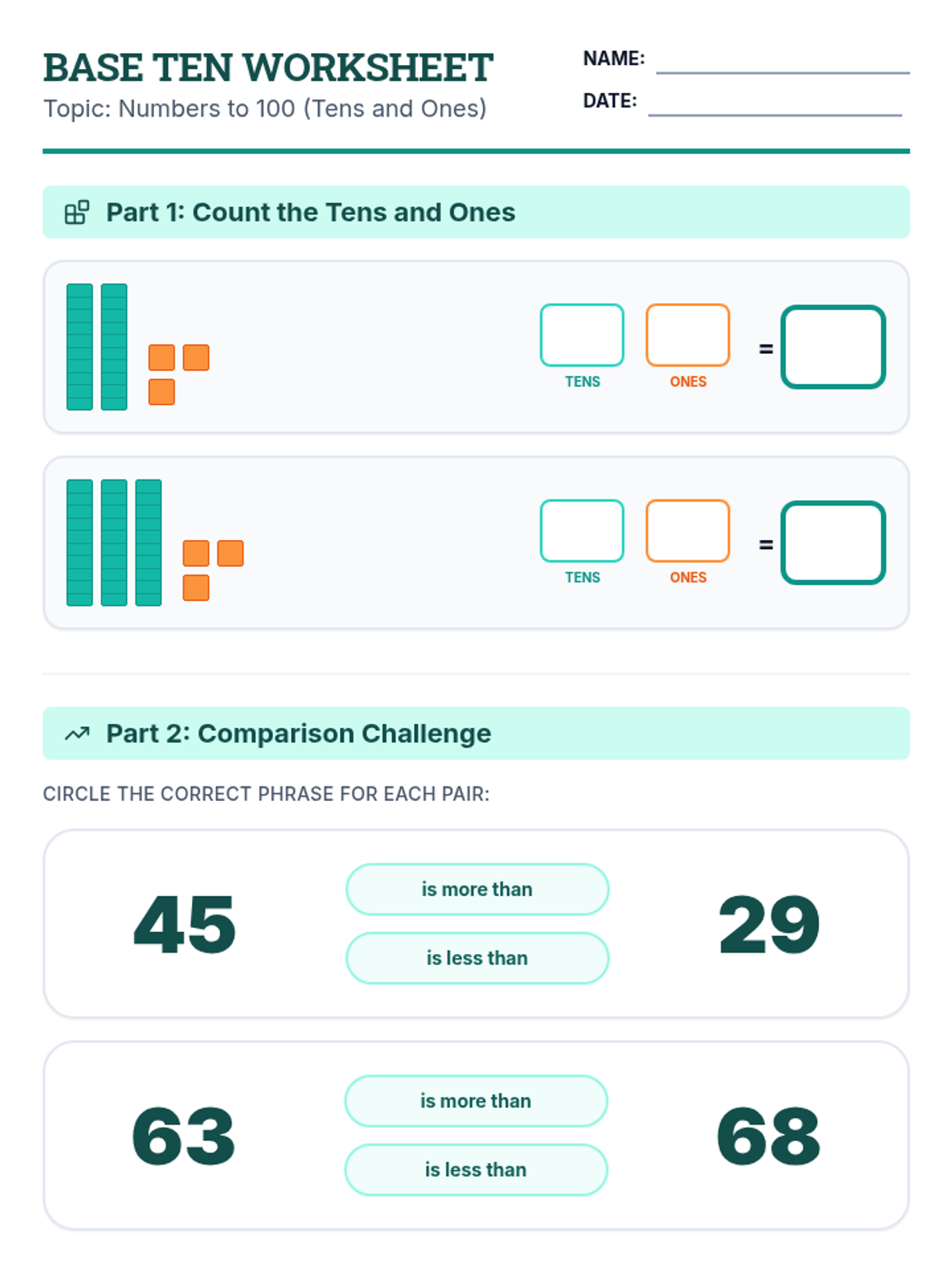
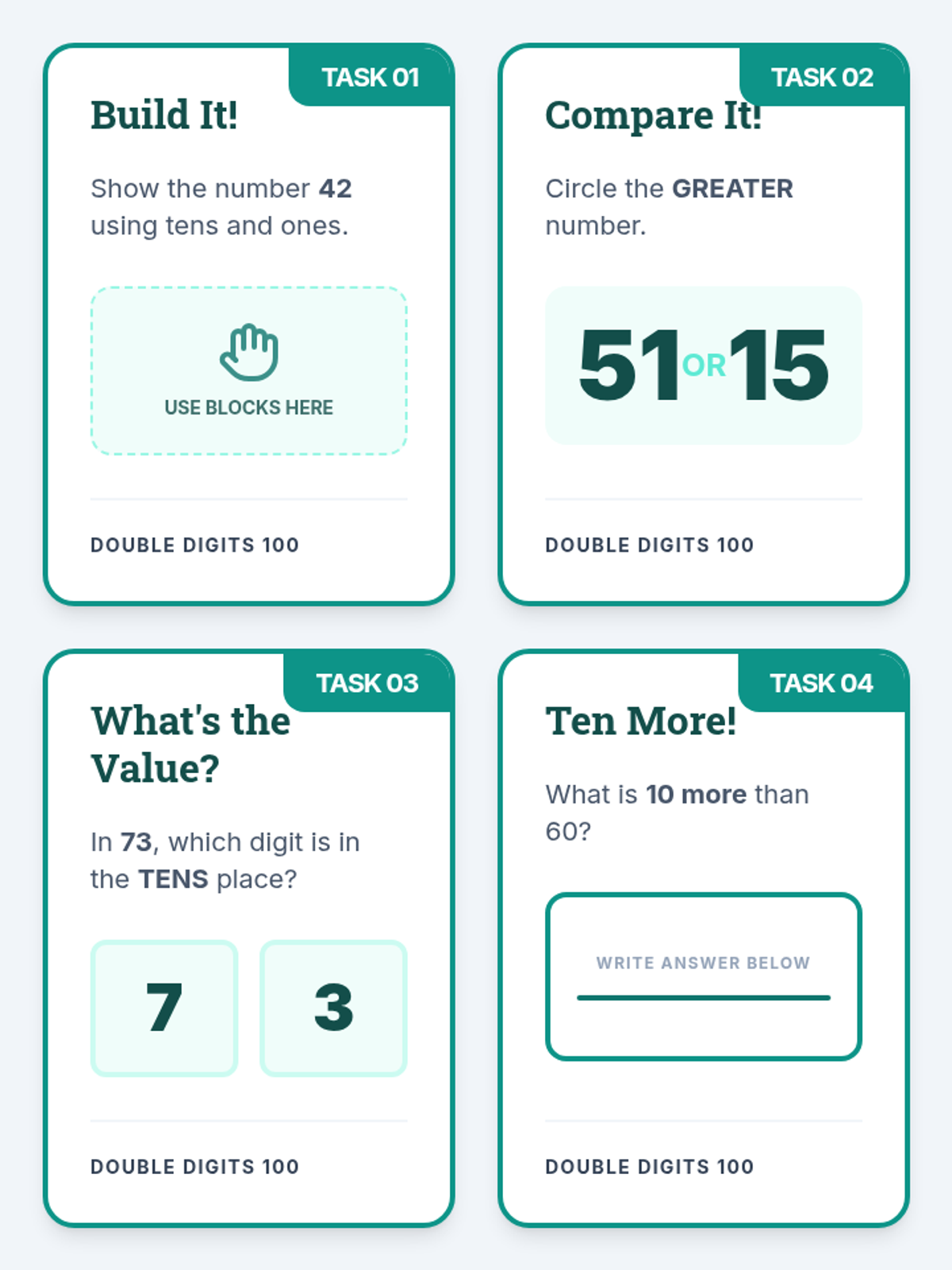
Introduces place value for numbers up to 100, using base-ten blocks (tens and ones) to help students visualize and compare larger values.
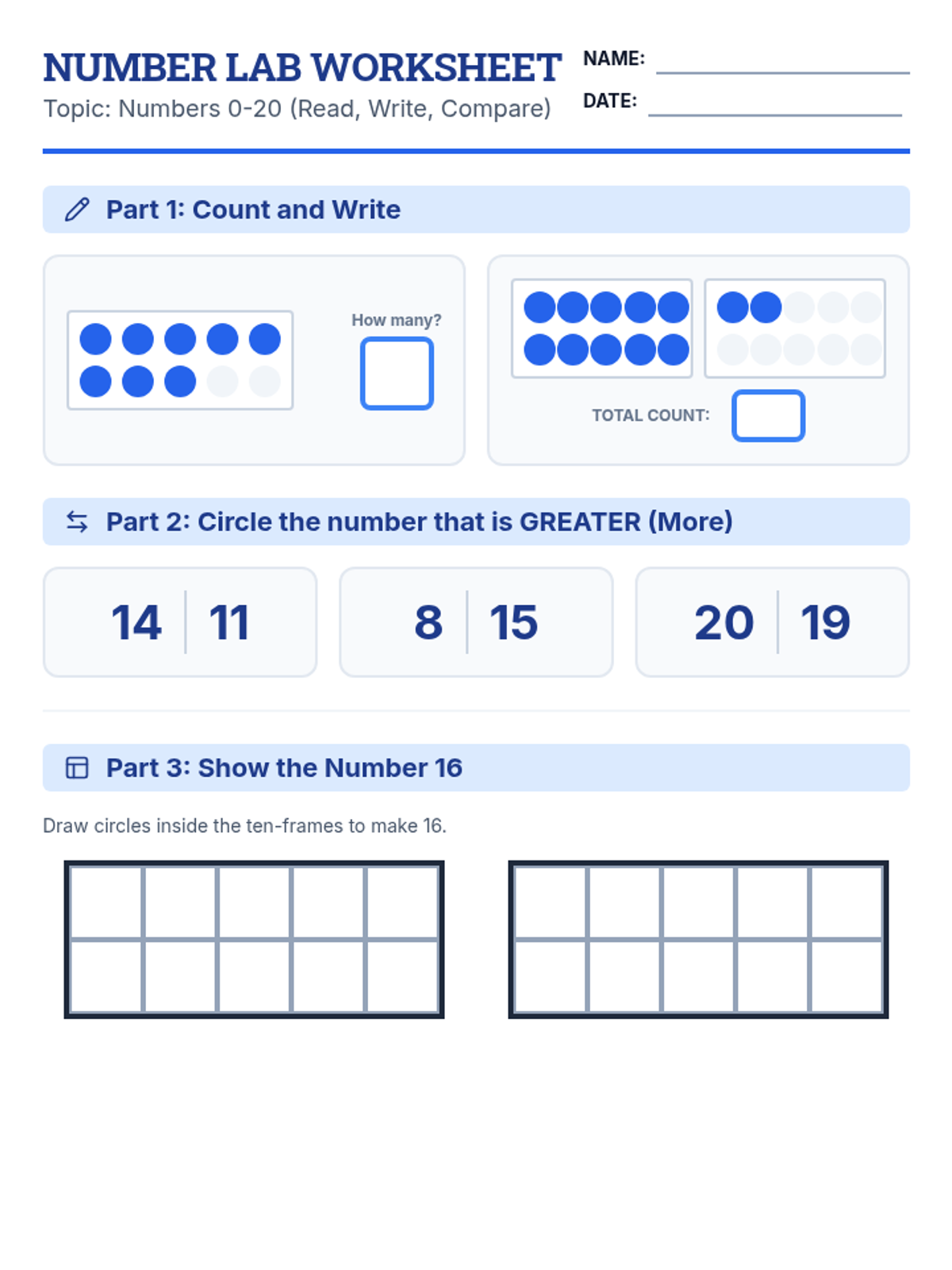
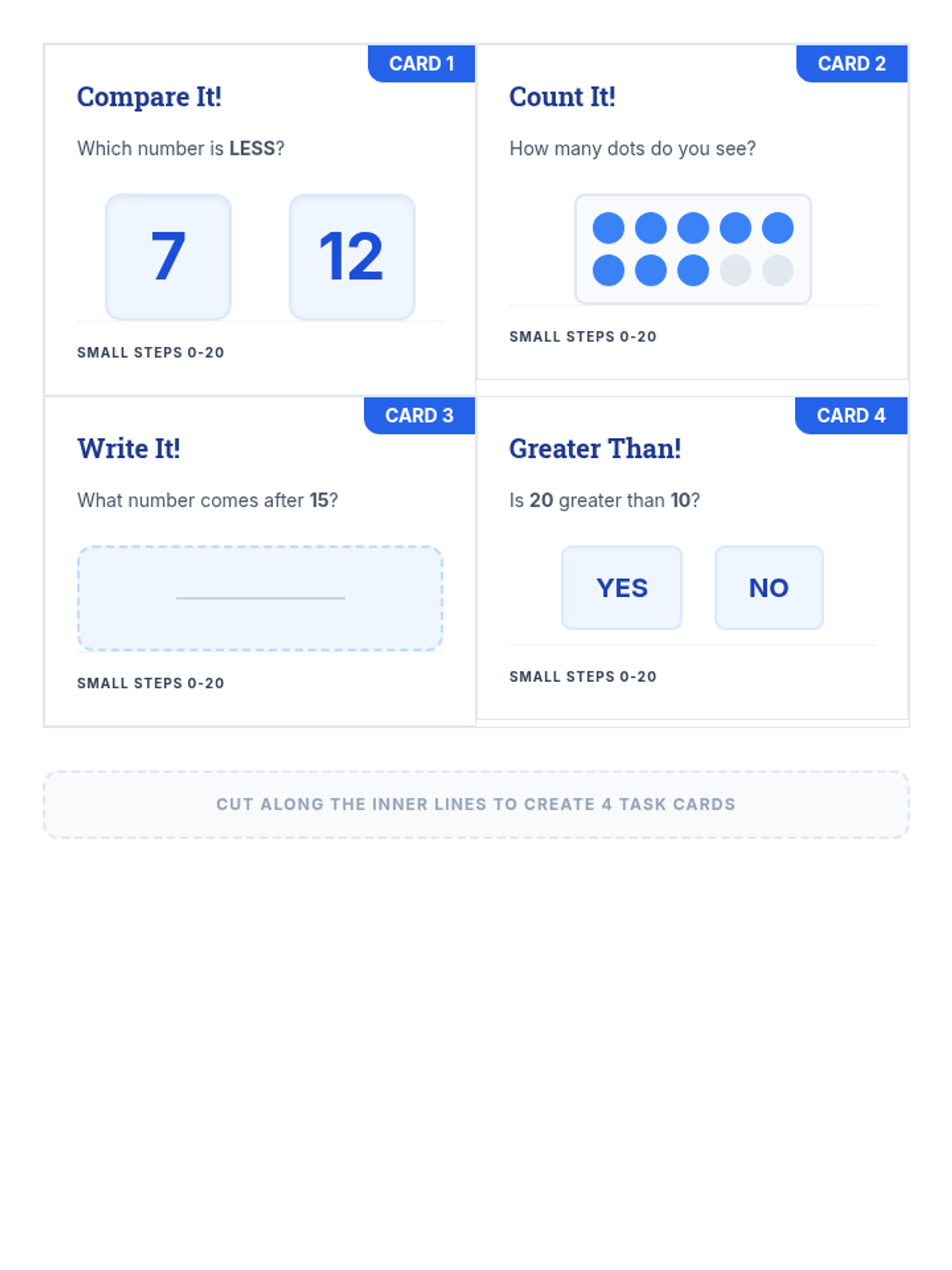
Focuses on reading, writing, and comparing numbers from 0 to 20 using ten-frames and counters to provide concrete visual support.
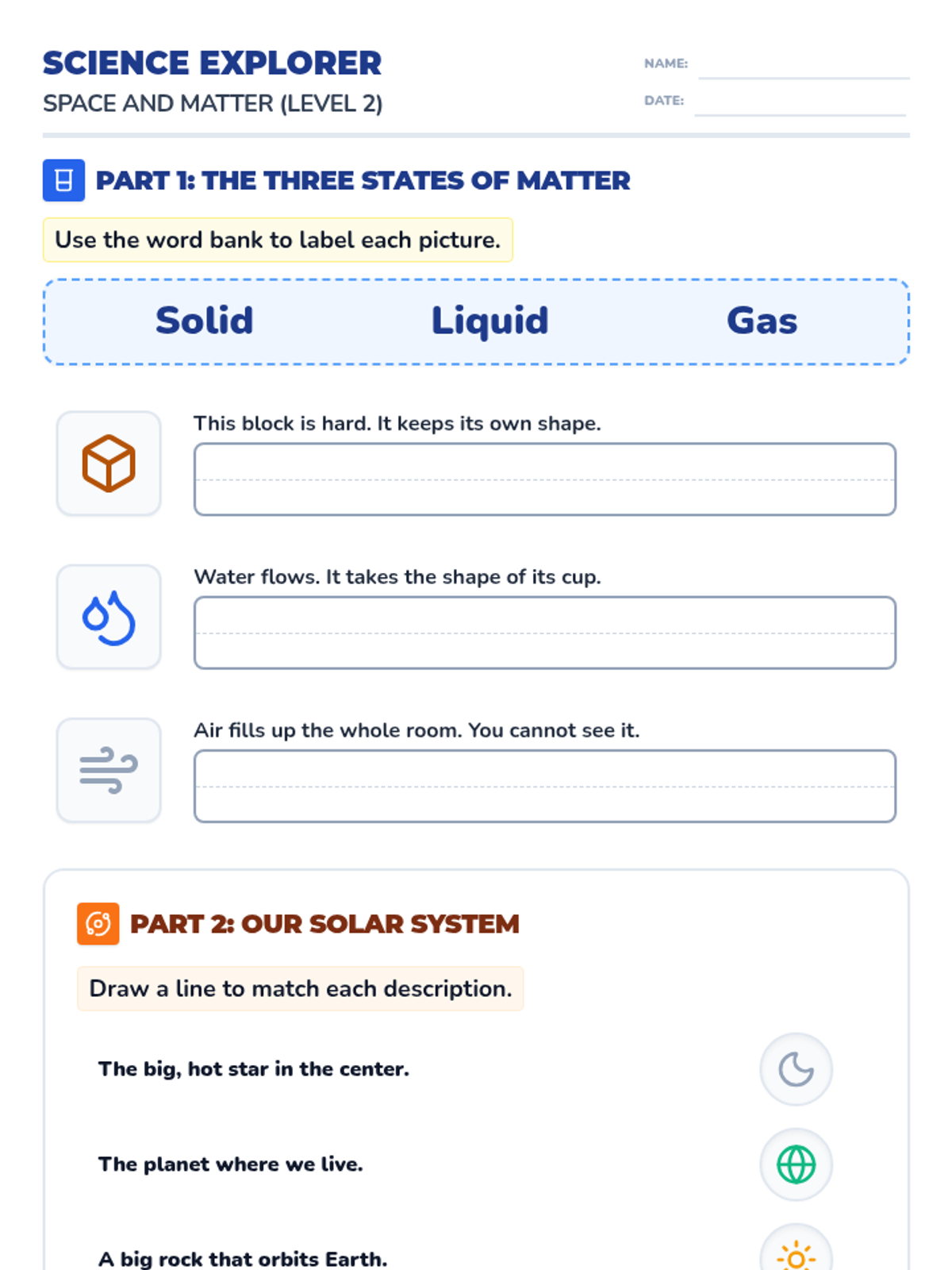
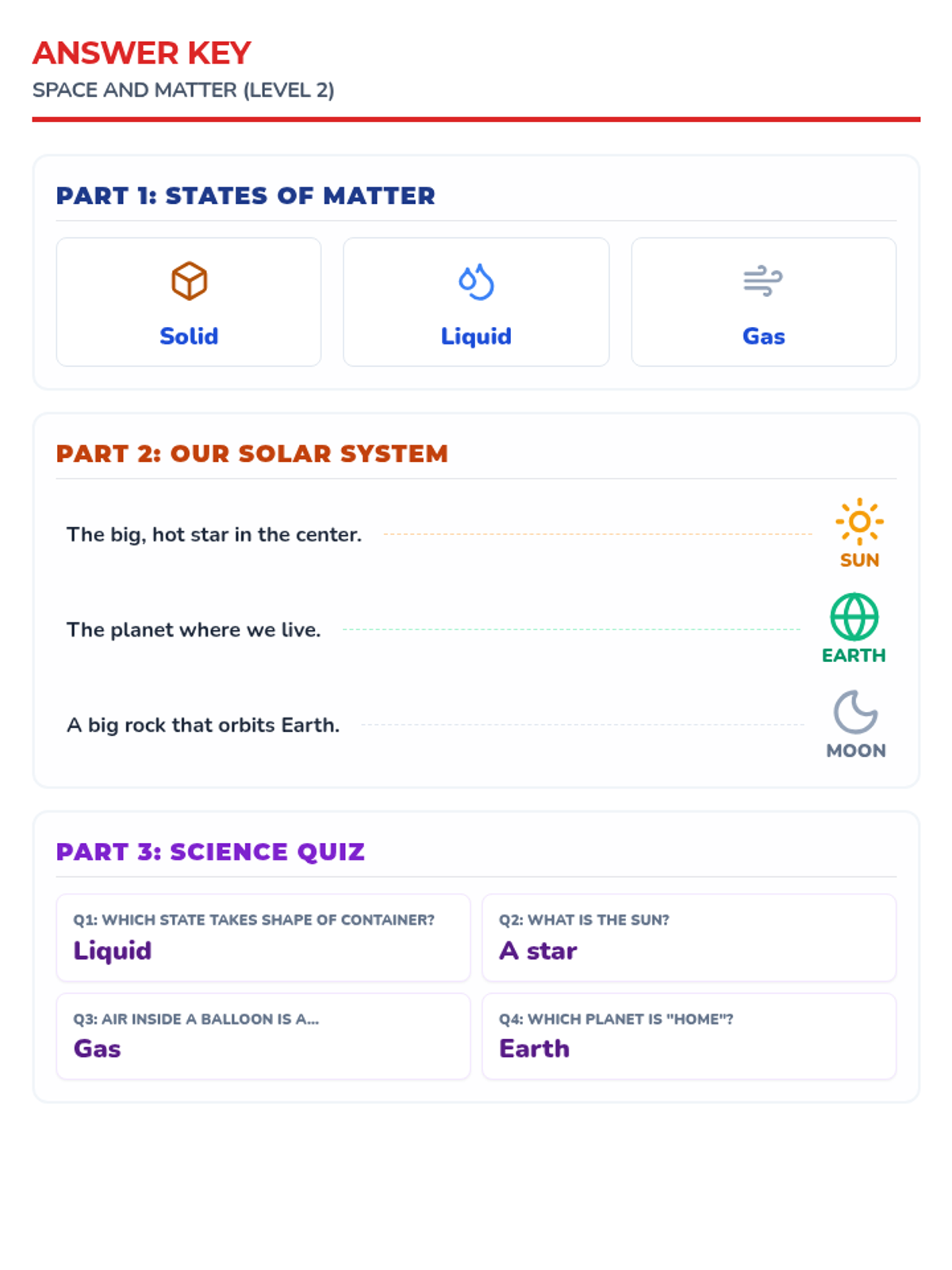
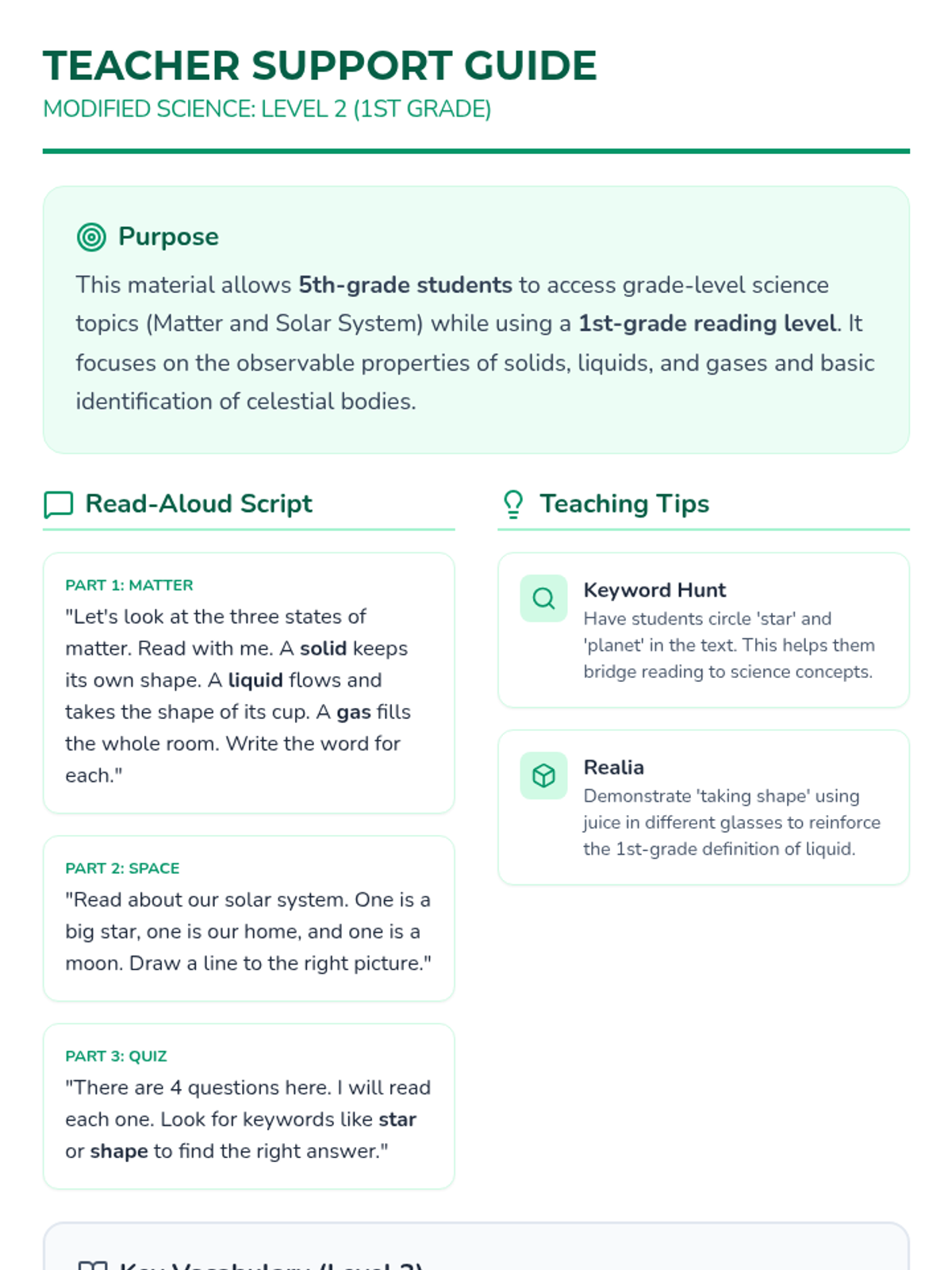
A modified science lesson covering the states of matter and the solar system, specifically designed for students with a kindergarten reading level to access 5th-grade concepts.
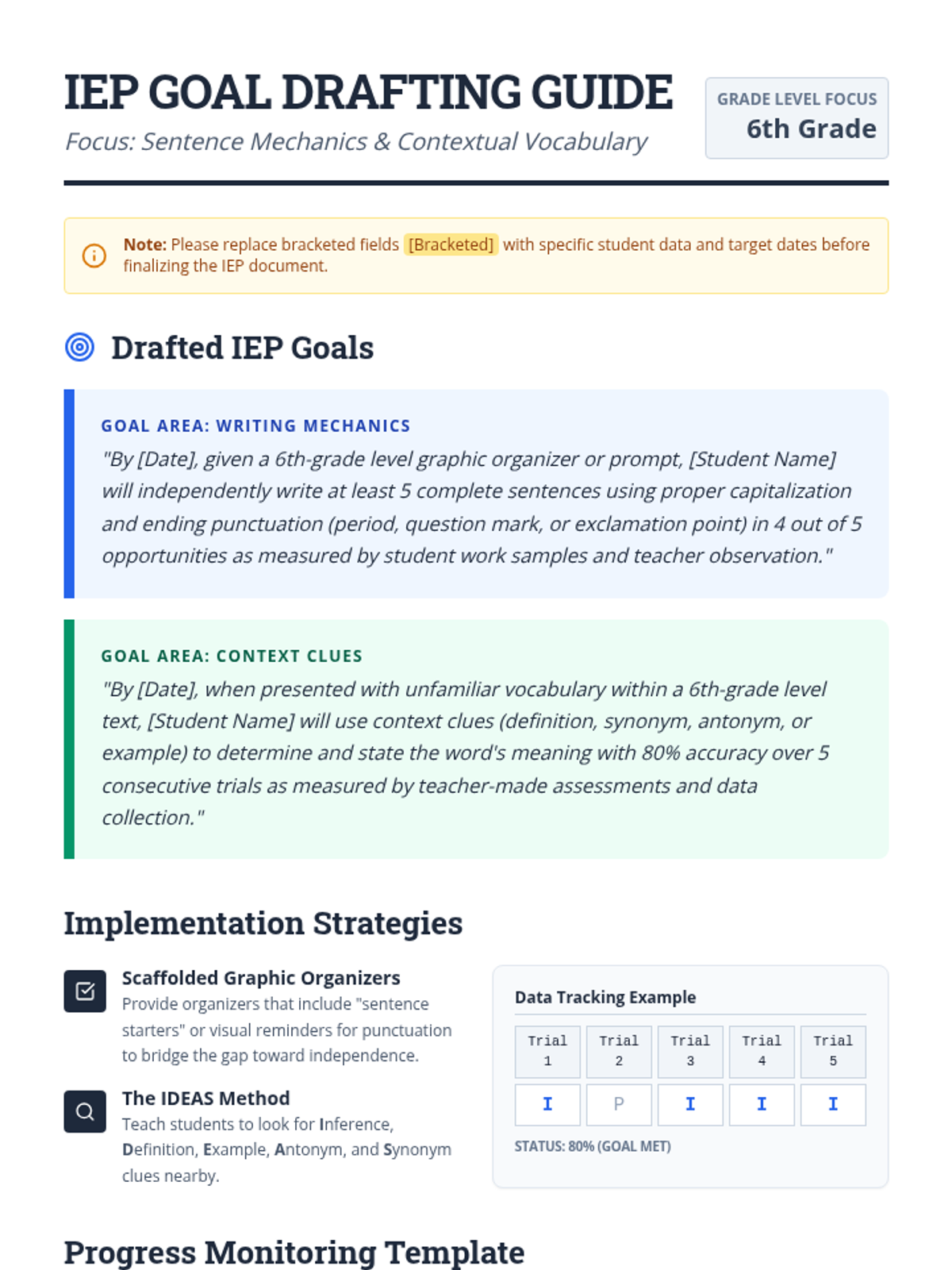
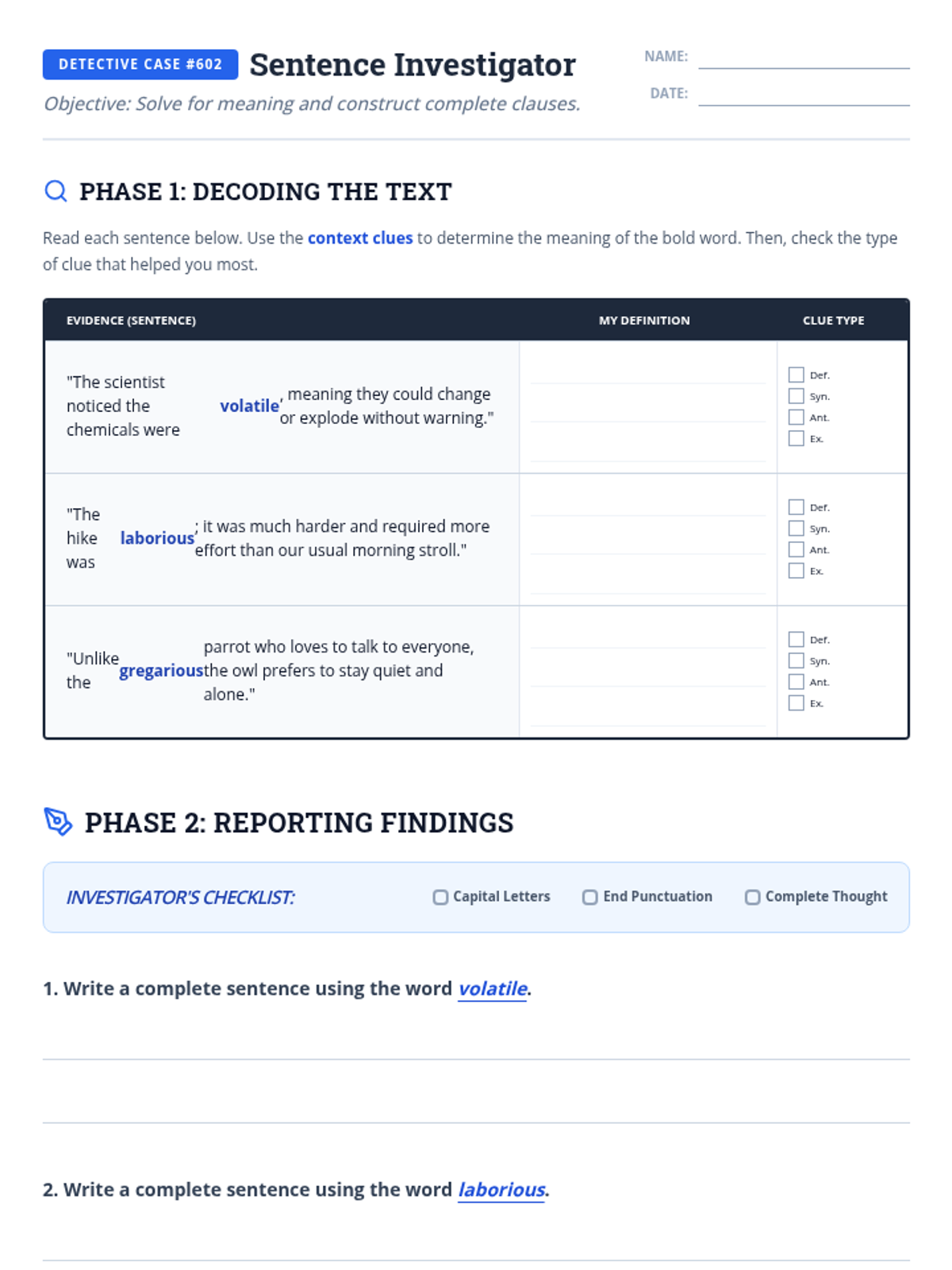
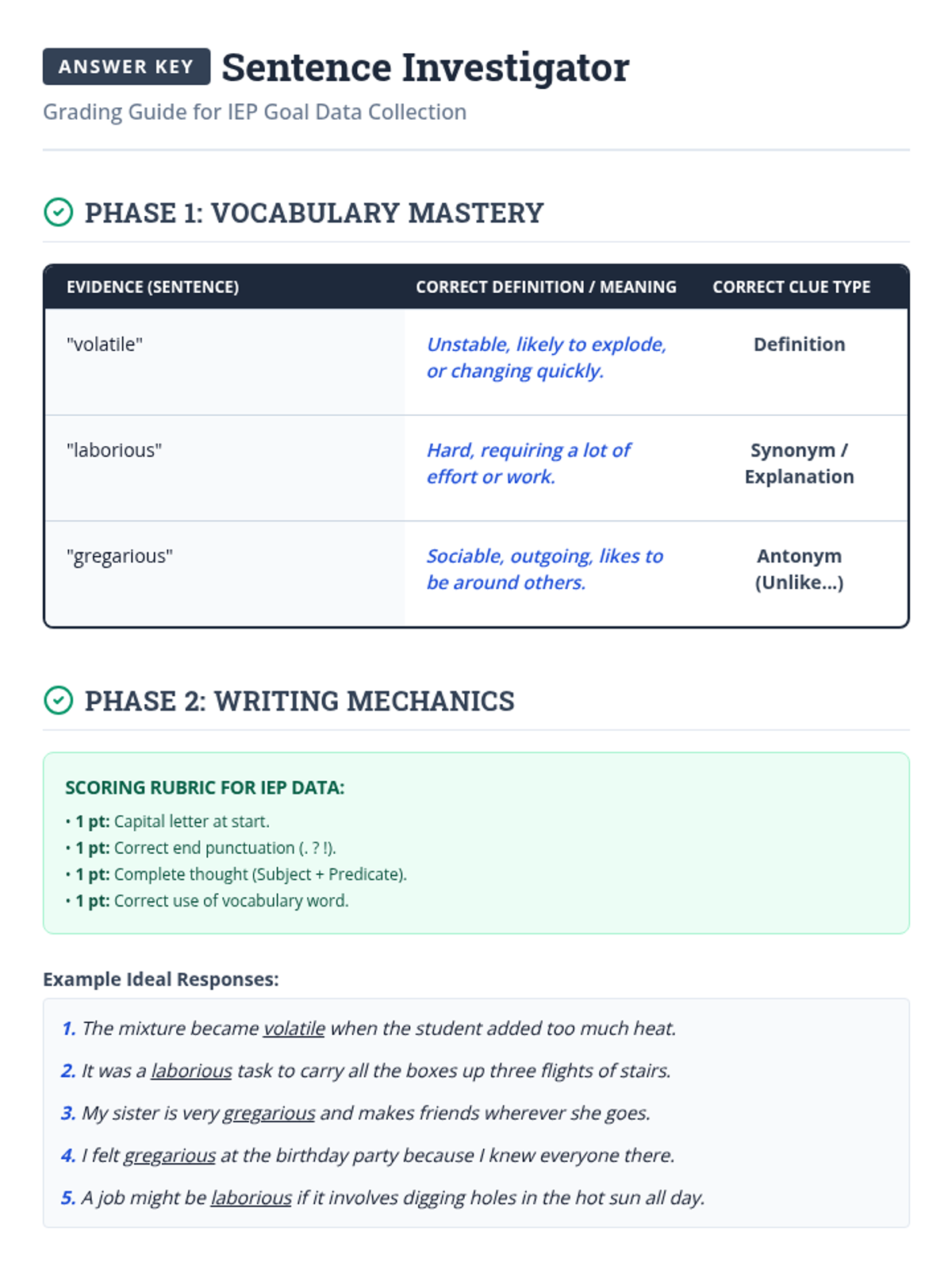
A targeted lesson on using context clues to define academic vocabulary and applying those words in syntactically correct, punctuated sentences.
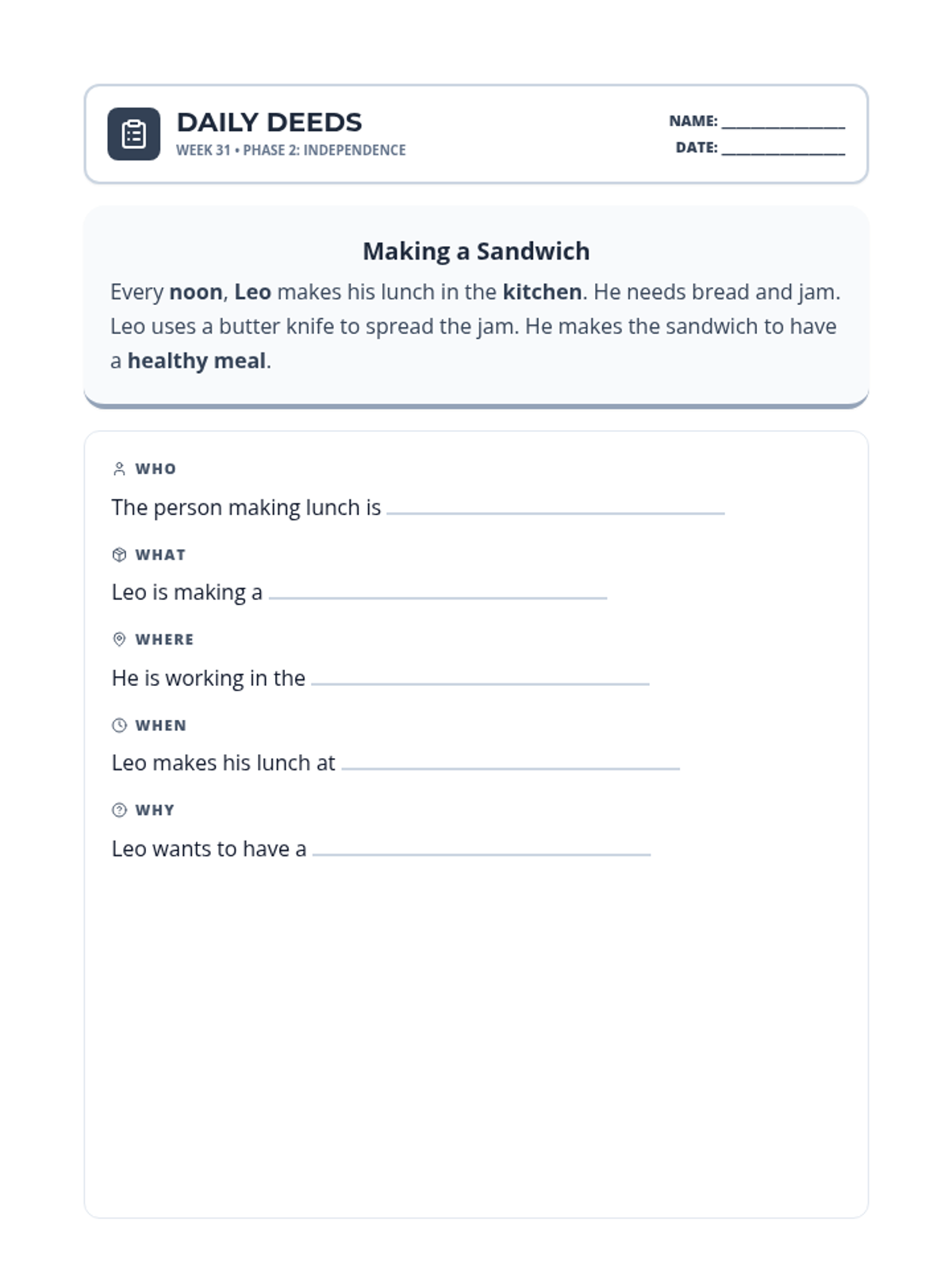
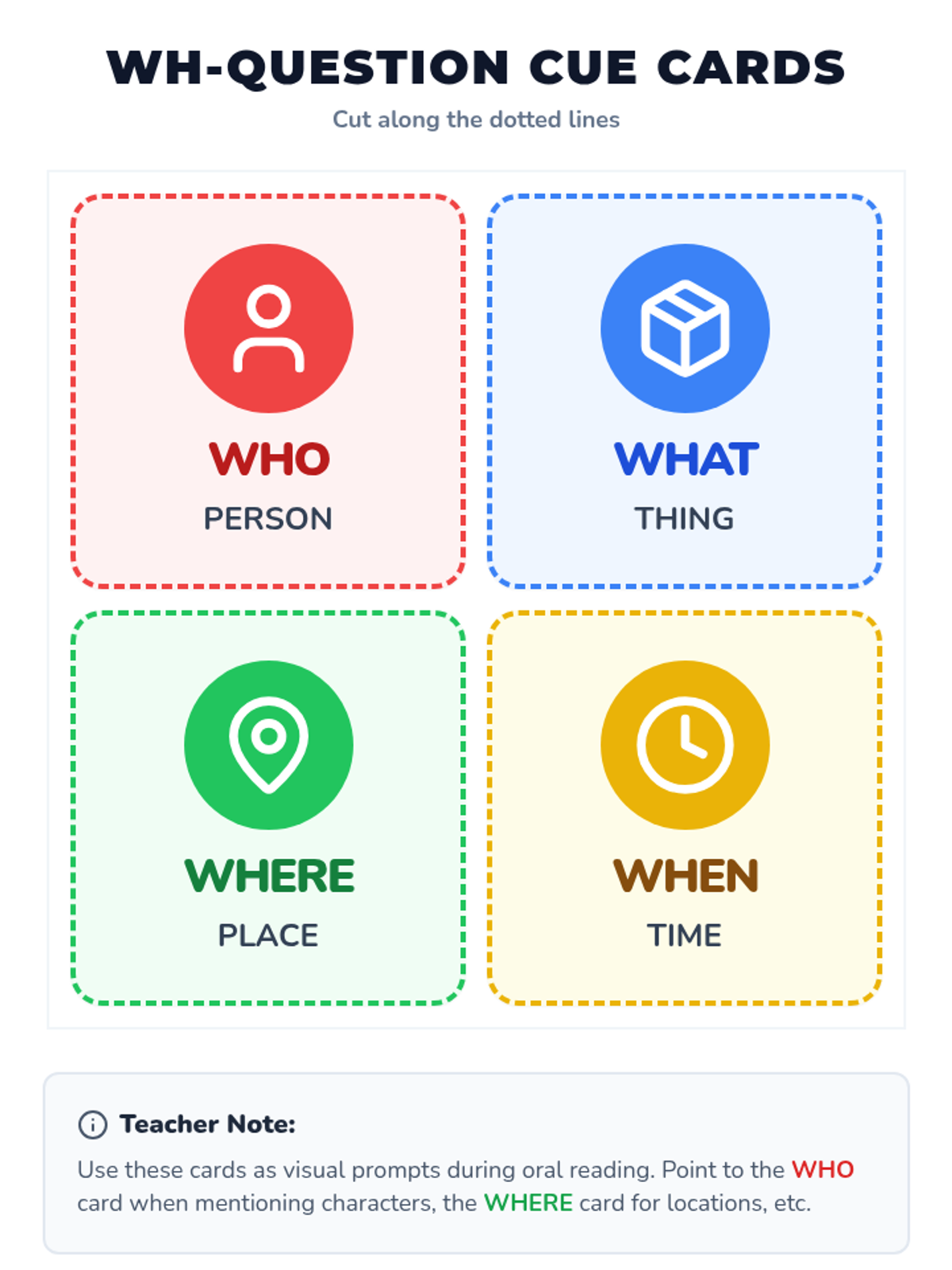
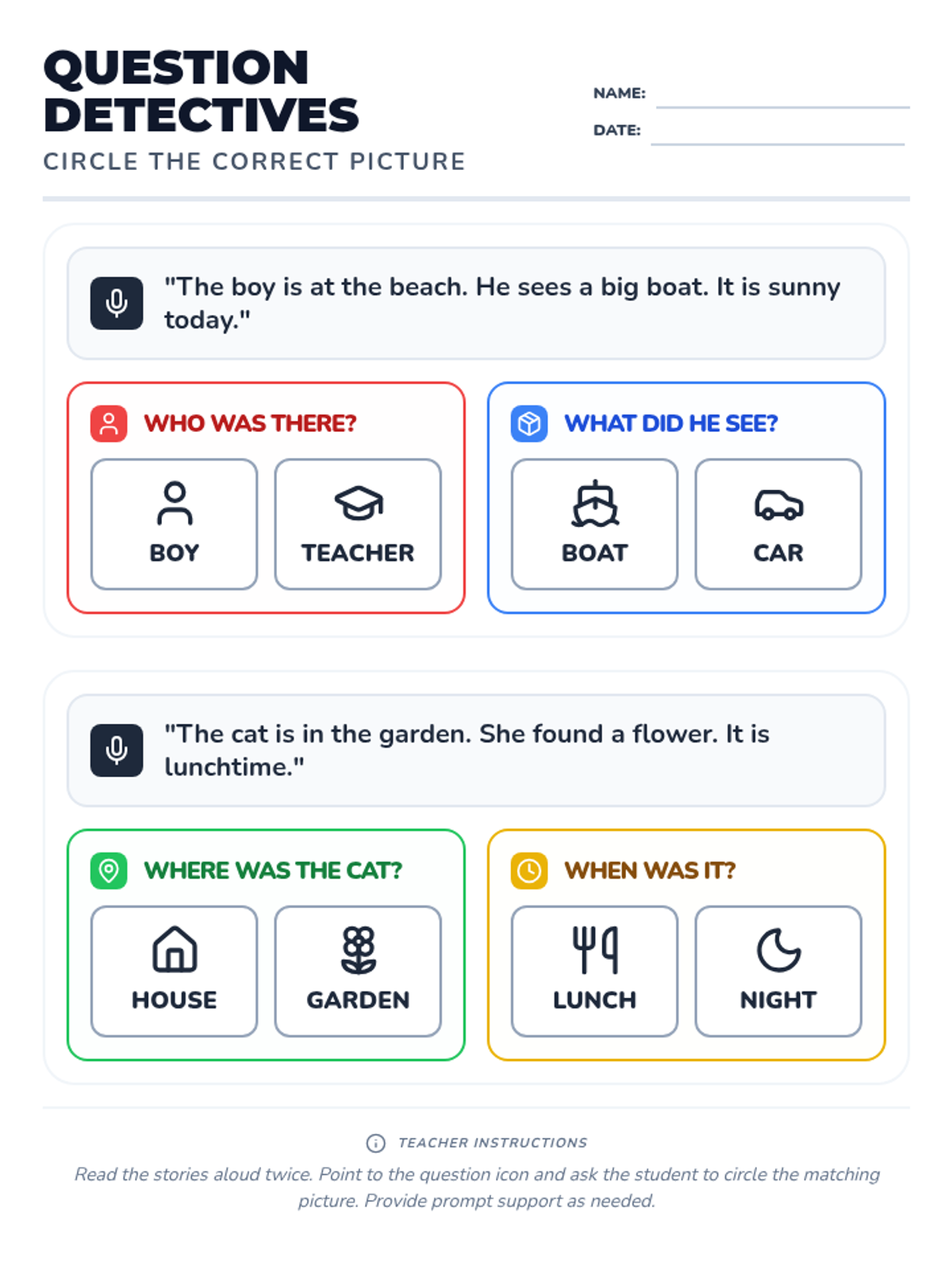
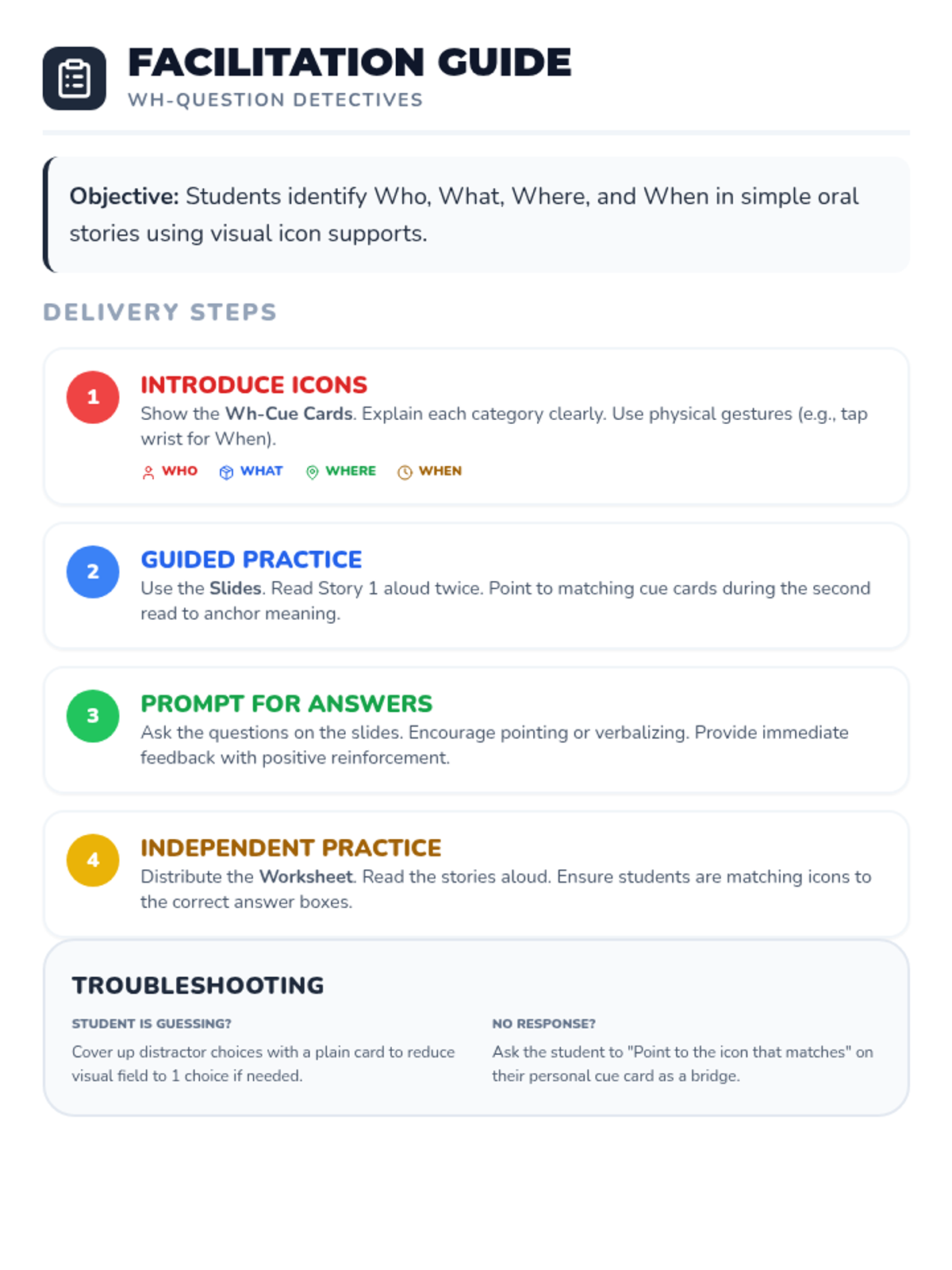
This lesson introduces the four primary question types (Who, What, Where, When) using 2-3 sentence stories. Students use visual icons to bridge the gap between spoken words and meaning.
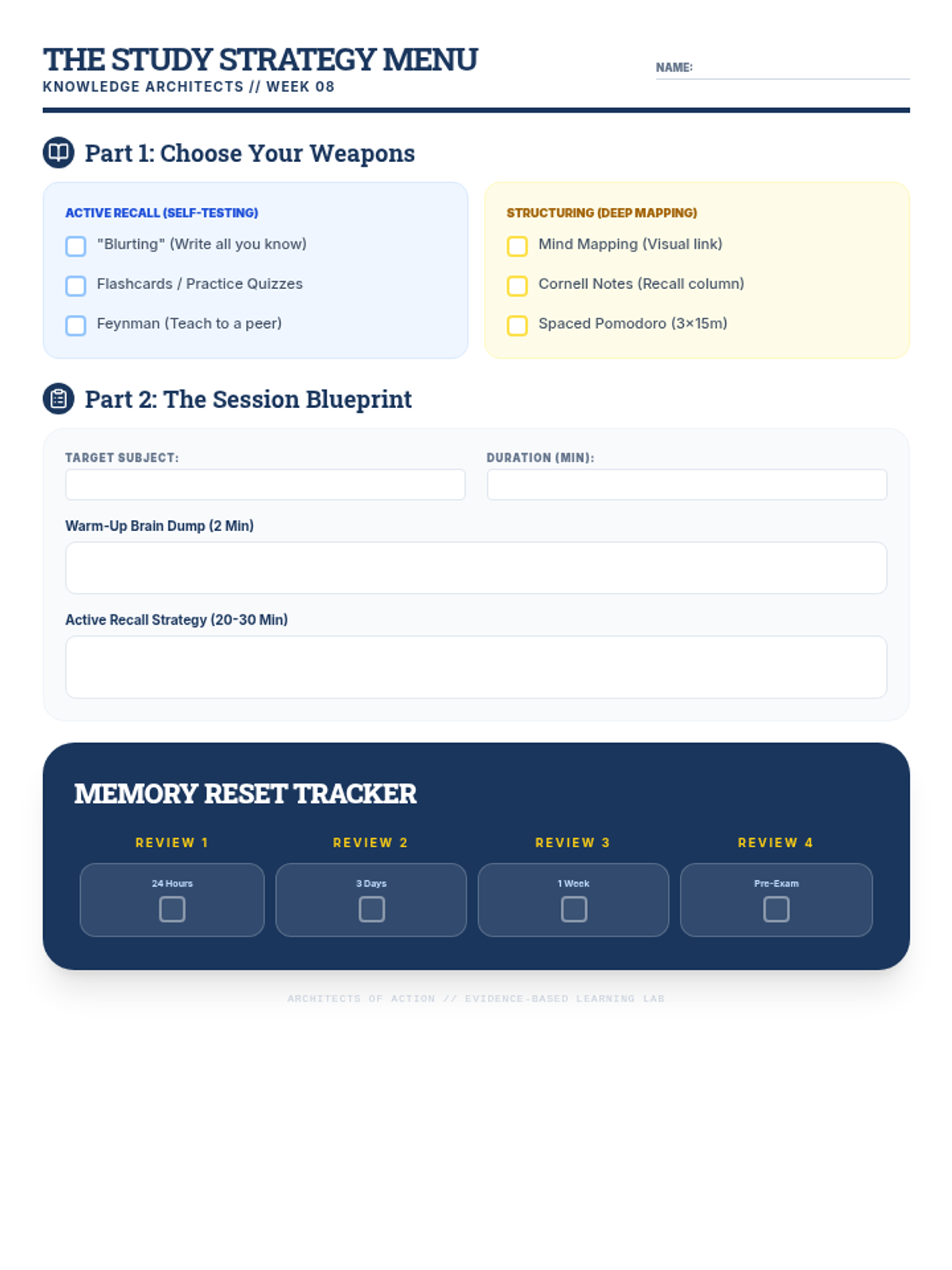
Evidence-based study strategies including active recall, spaced repetition, and personalized note-taking systems.
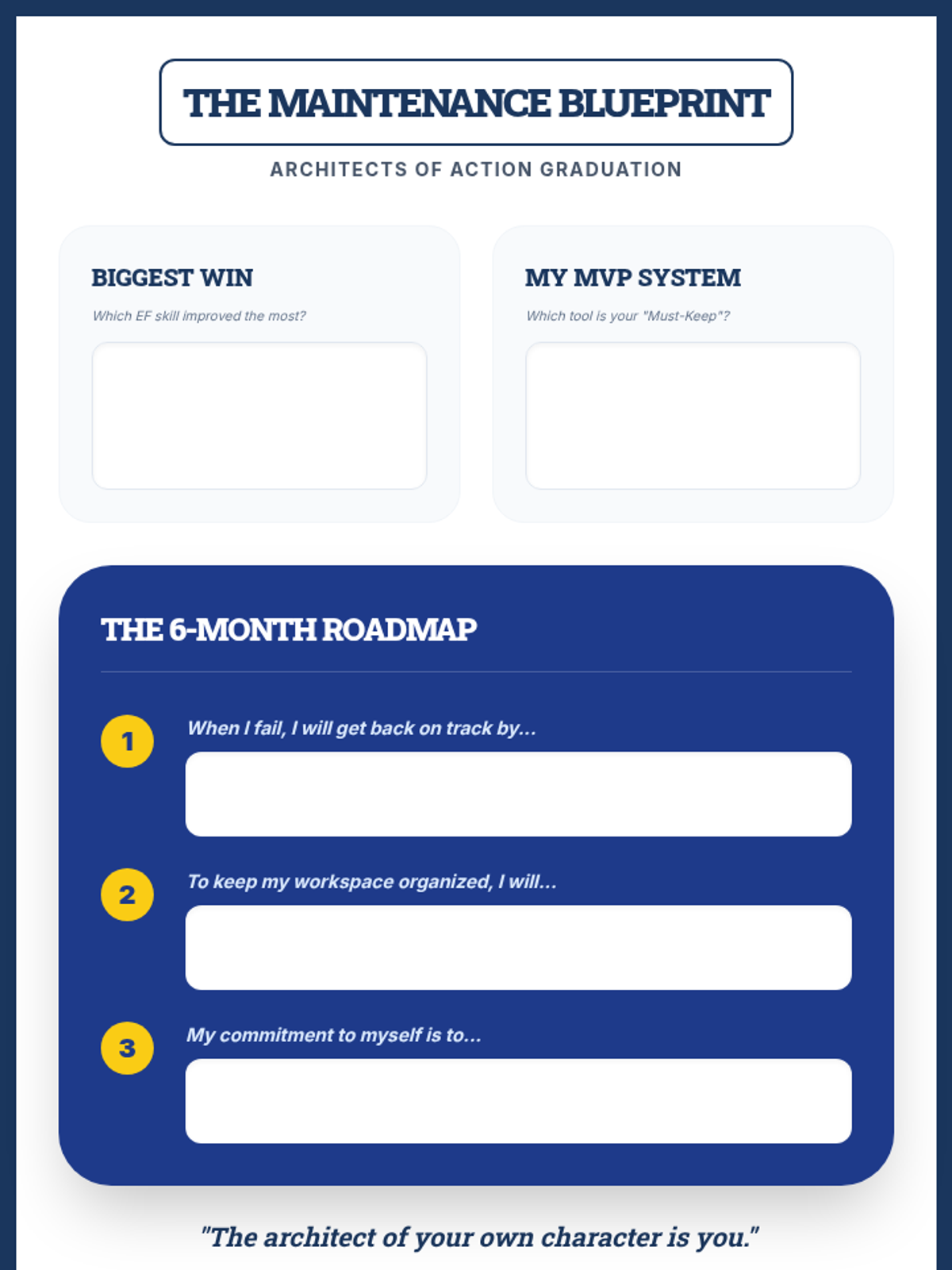
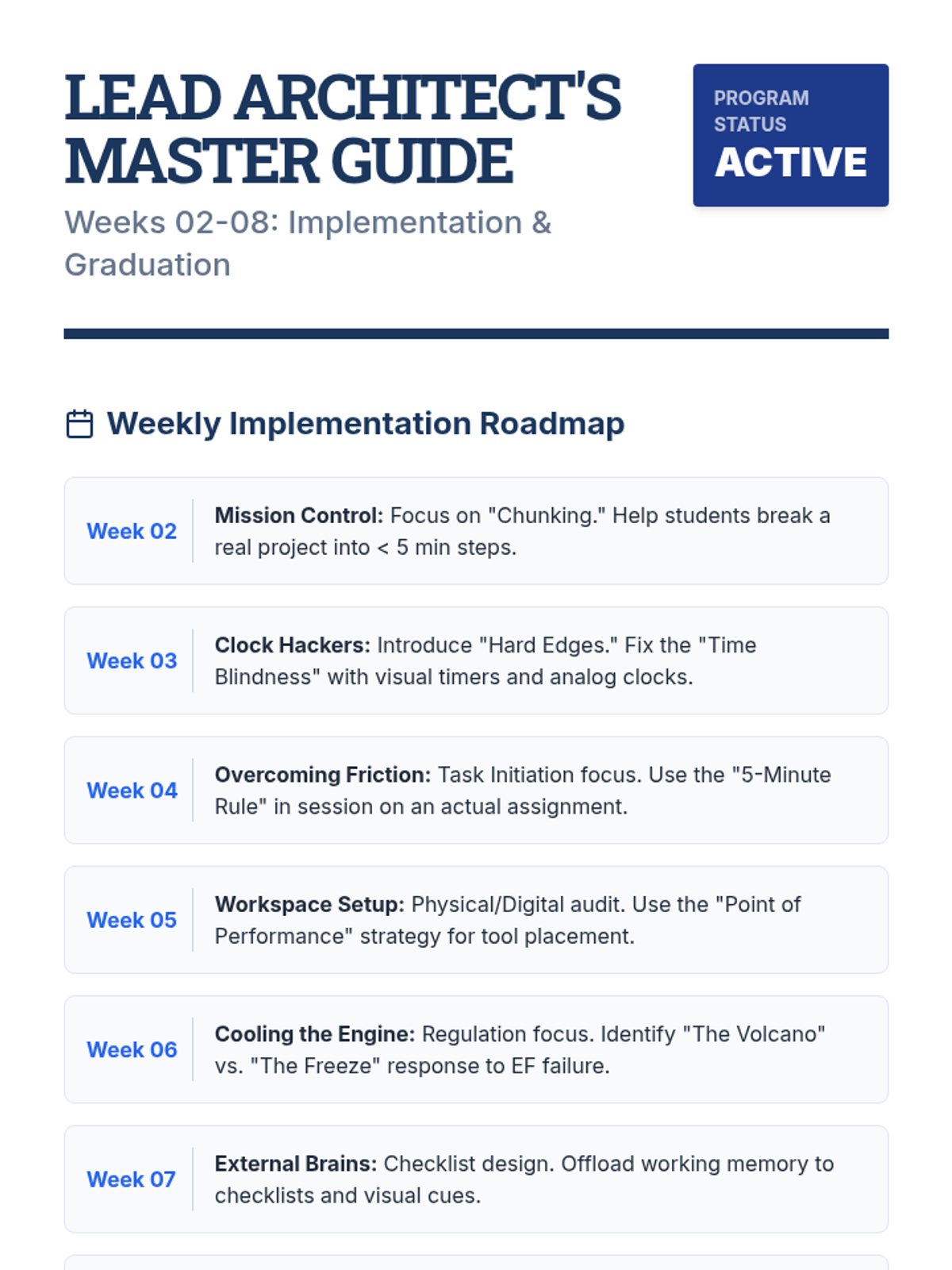
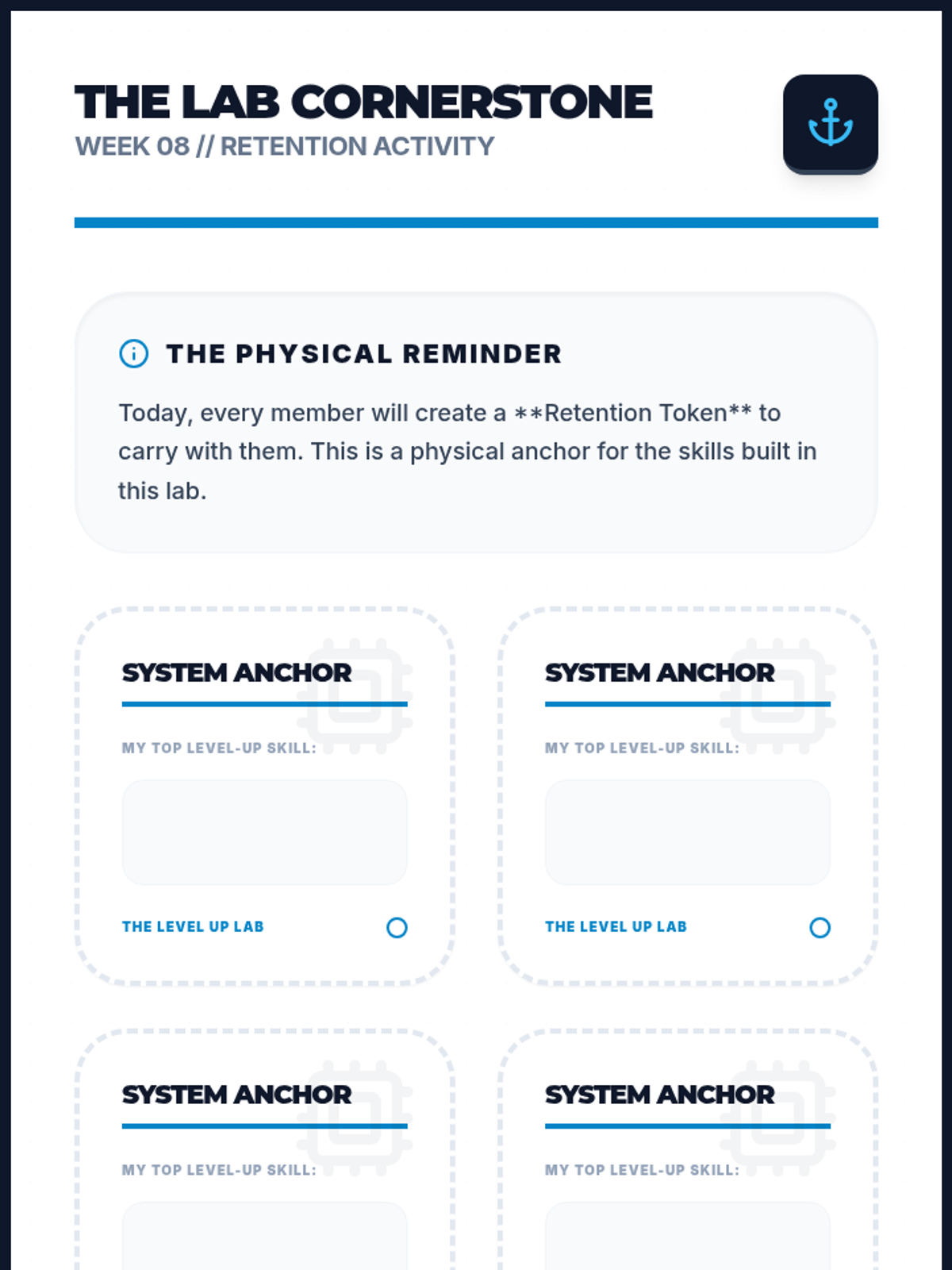
Reflecting on growth, creating a long-term maintenance plan, and celebrating group success.
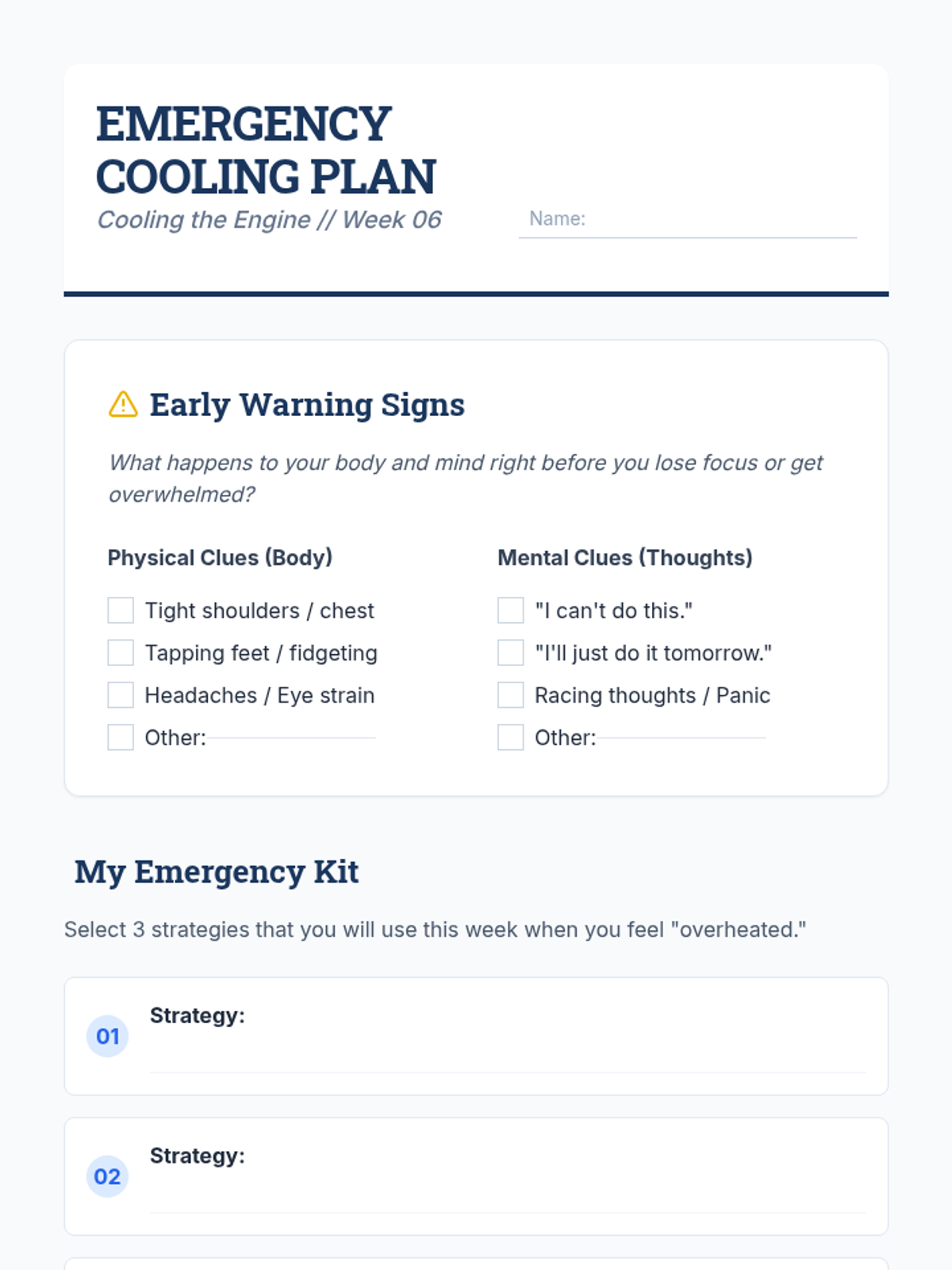
Recognizing how emotions affect EF and learning strategies for self-regulation and stress management.
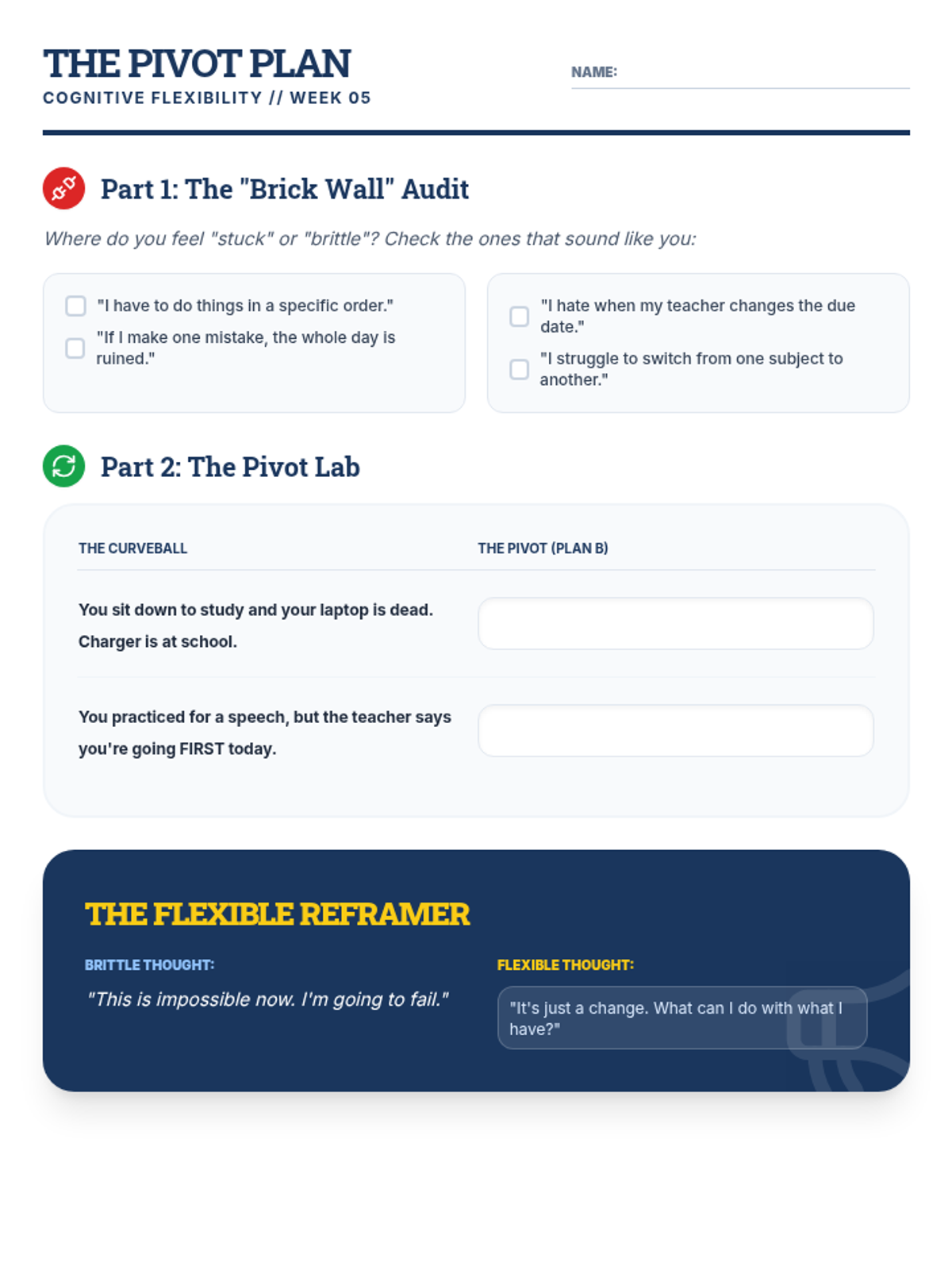
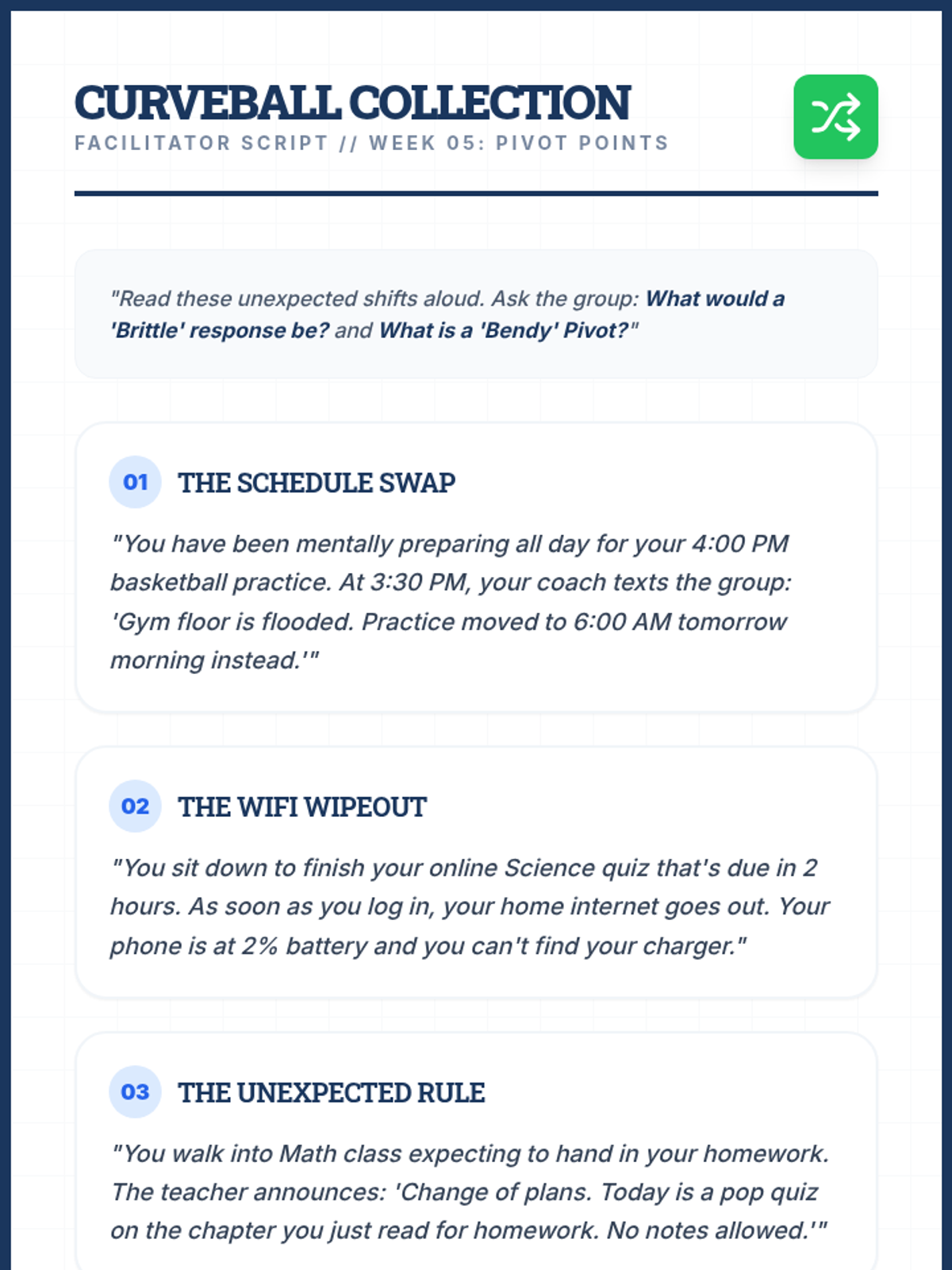
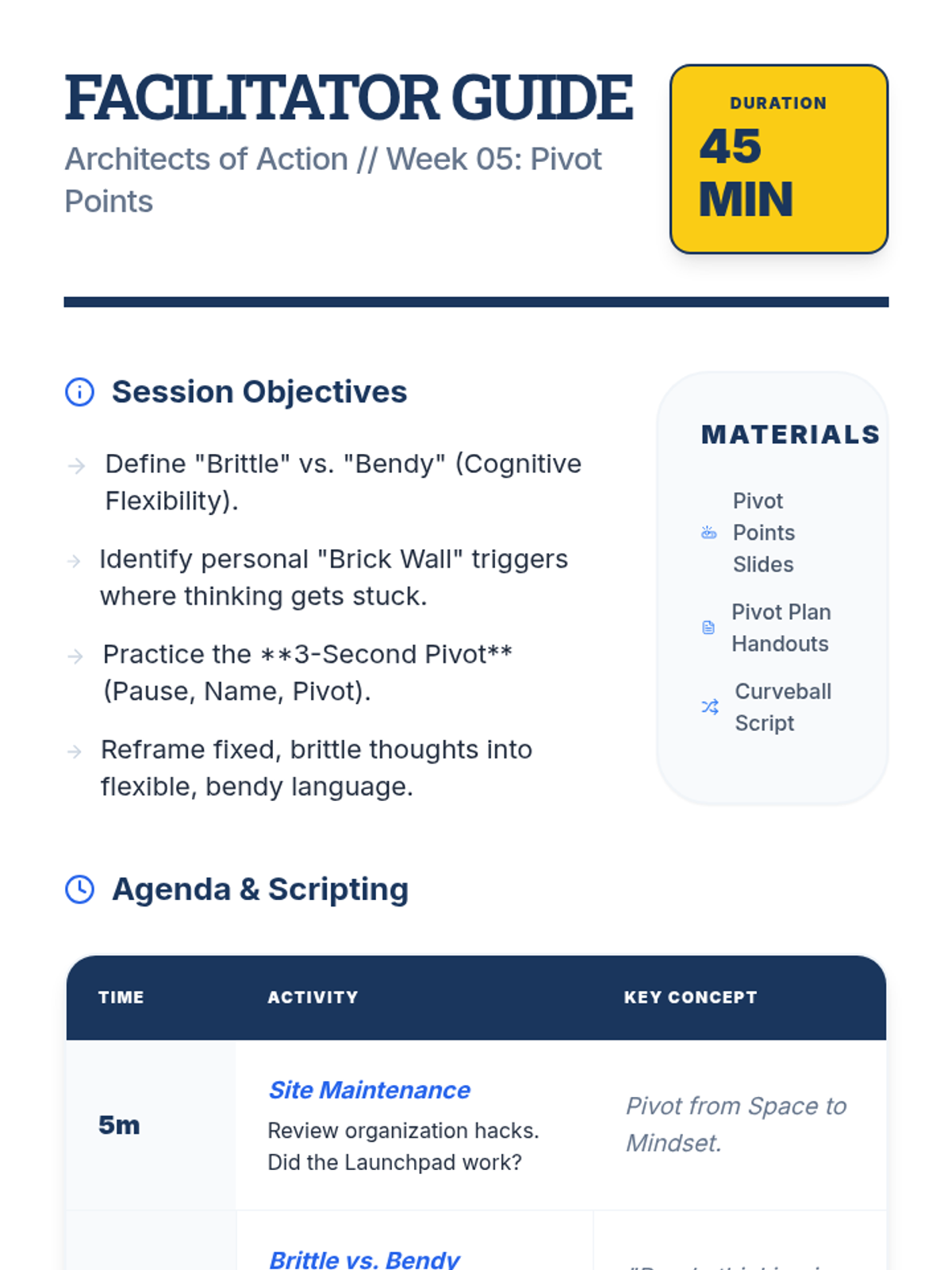
Developing the ability to adapt to changes, switch mindsets, and solve problems from new angles.
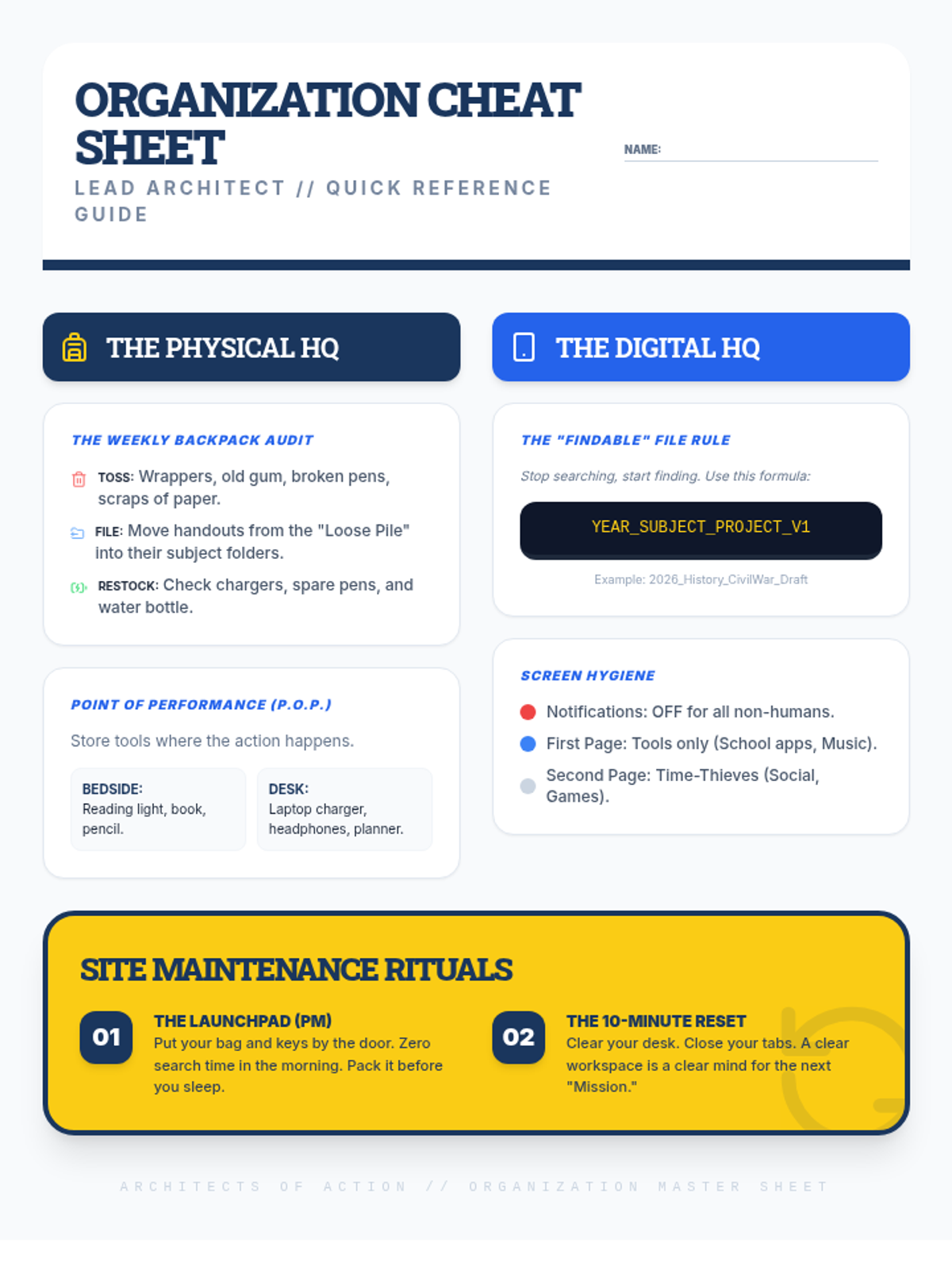
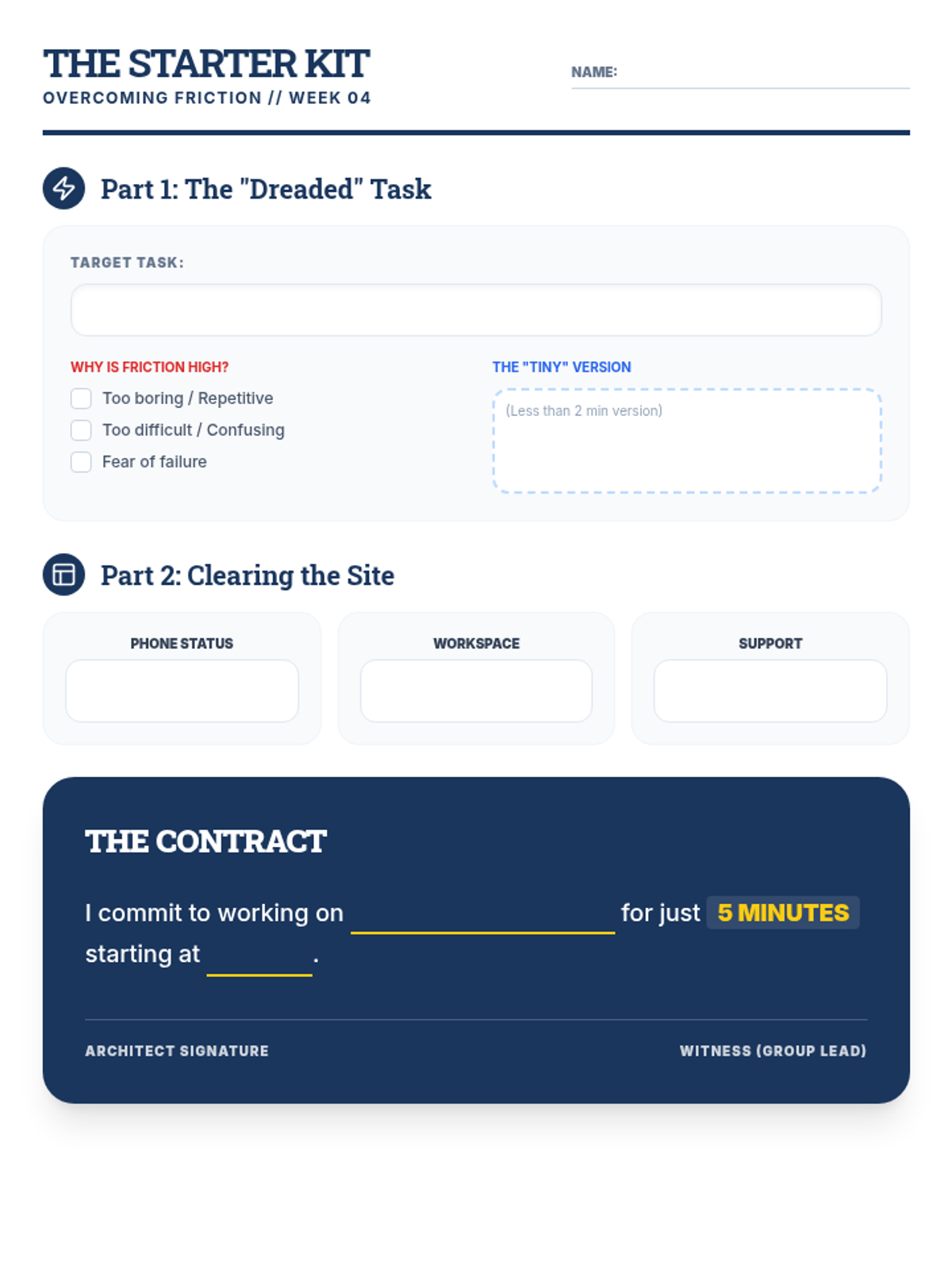
Strategies for task initiation, overcoming procrastination, and maintaining focus in a world of distractions.
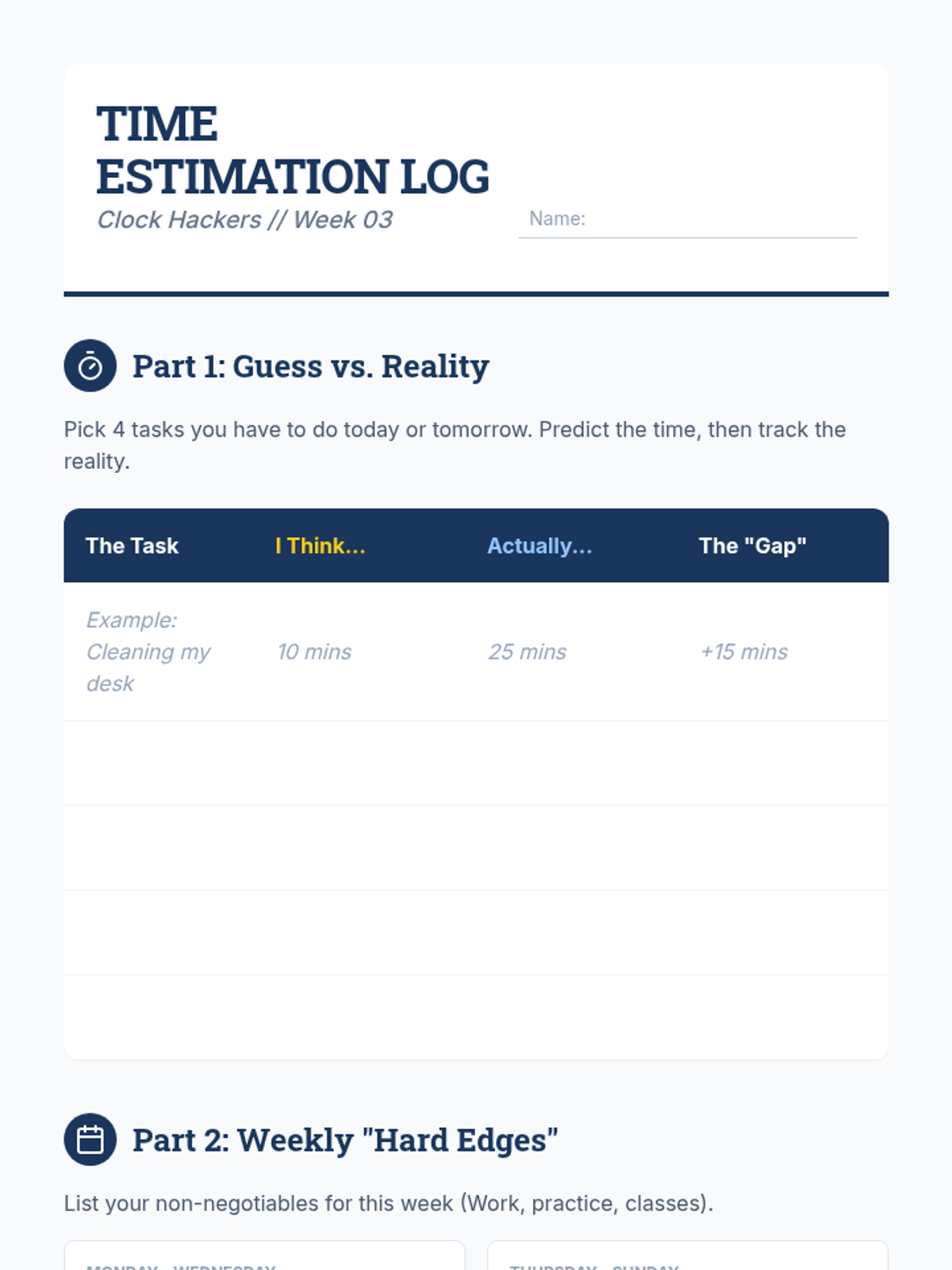
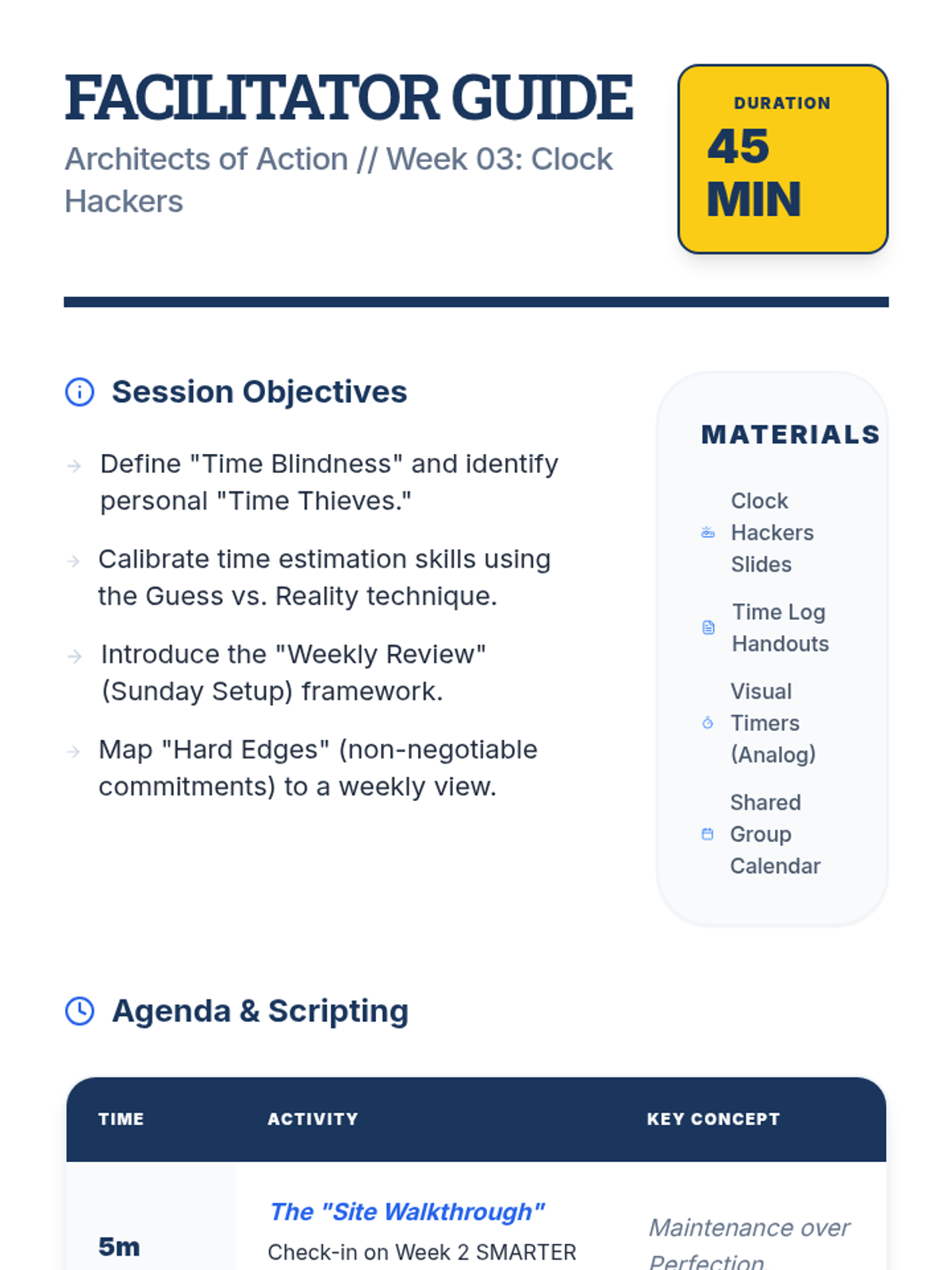
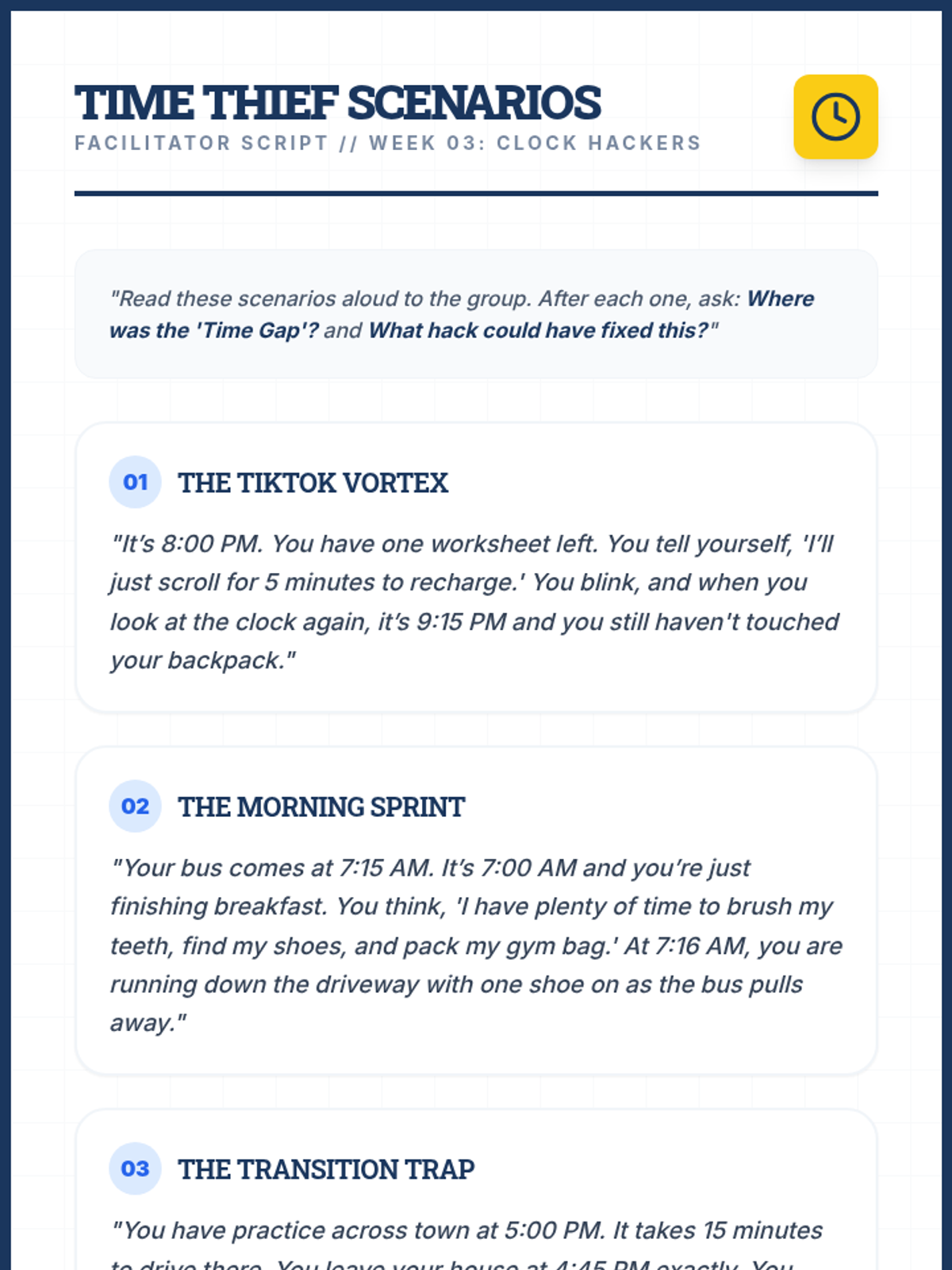
Understanding time blindness, using calendars effectively, and mastering the weekly review.
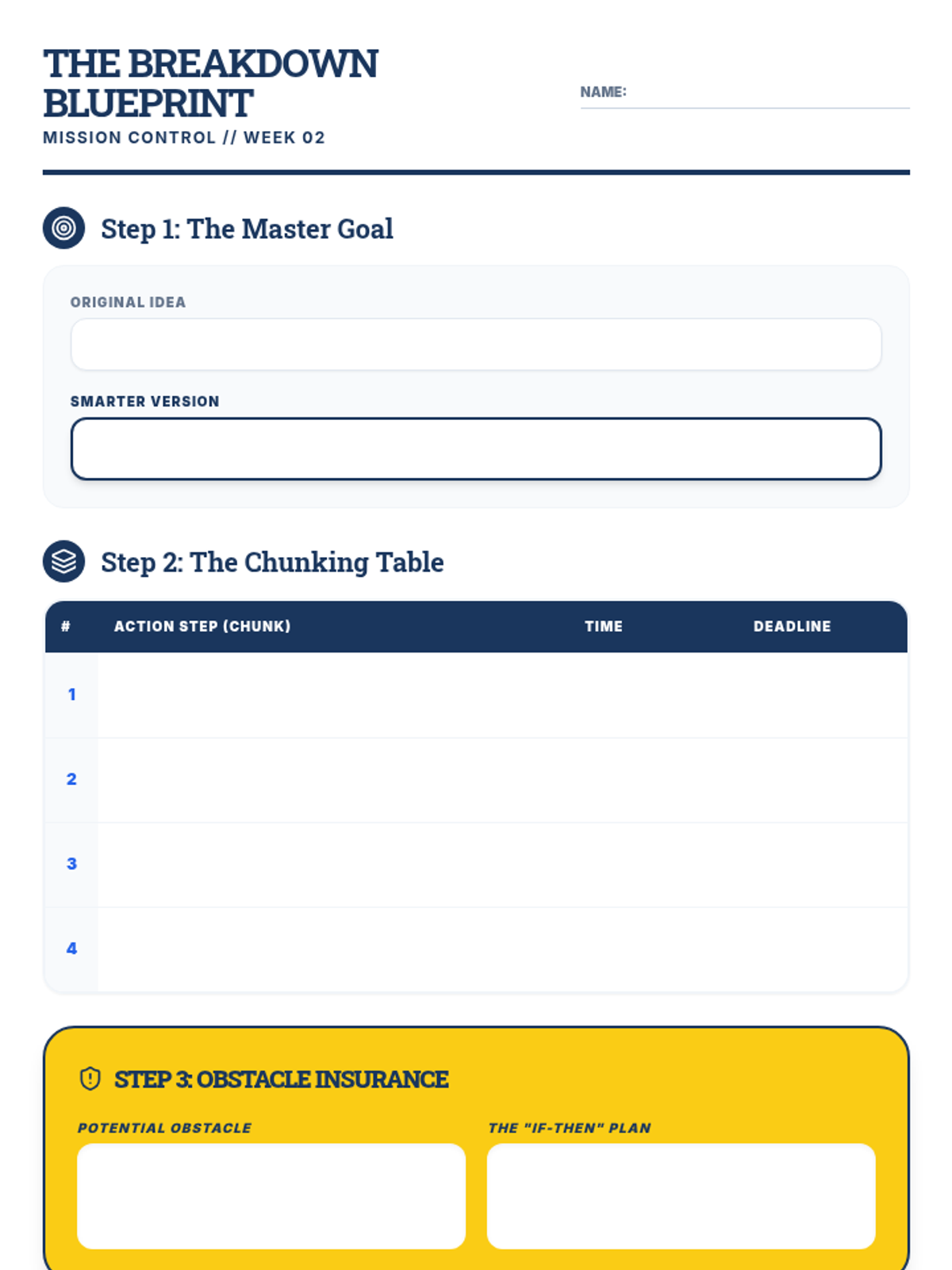
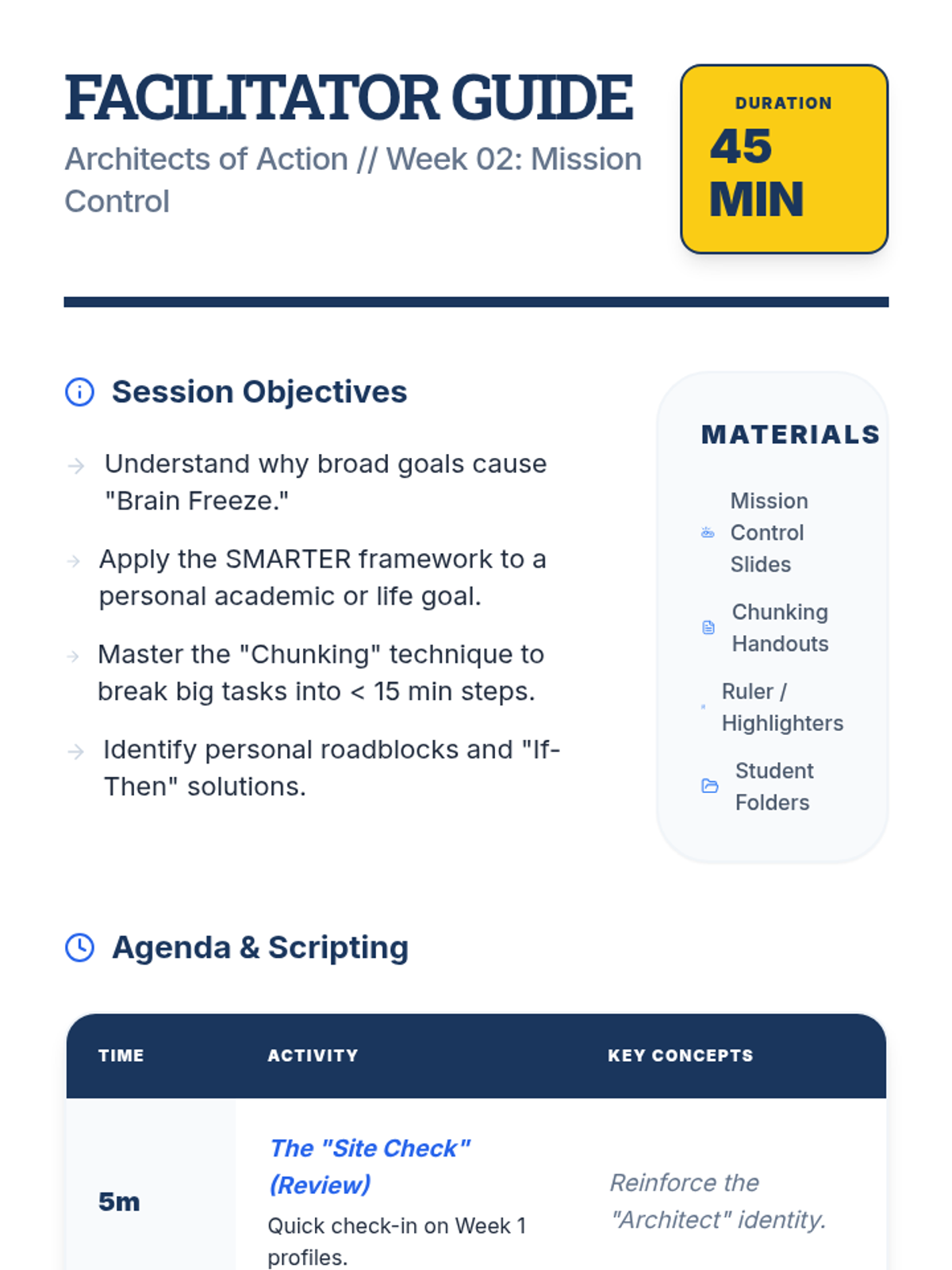
Setting SMARTER goals and learning to break down large projects into manageable chunks.
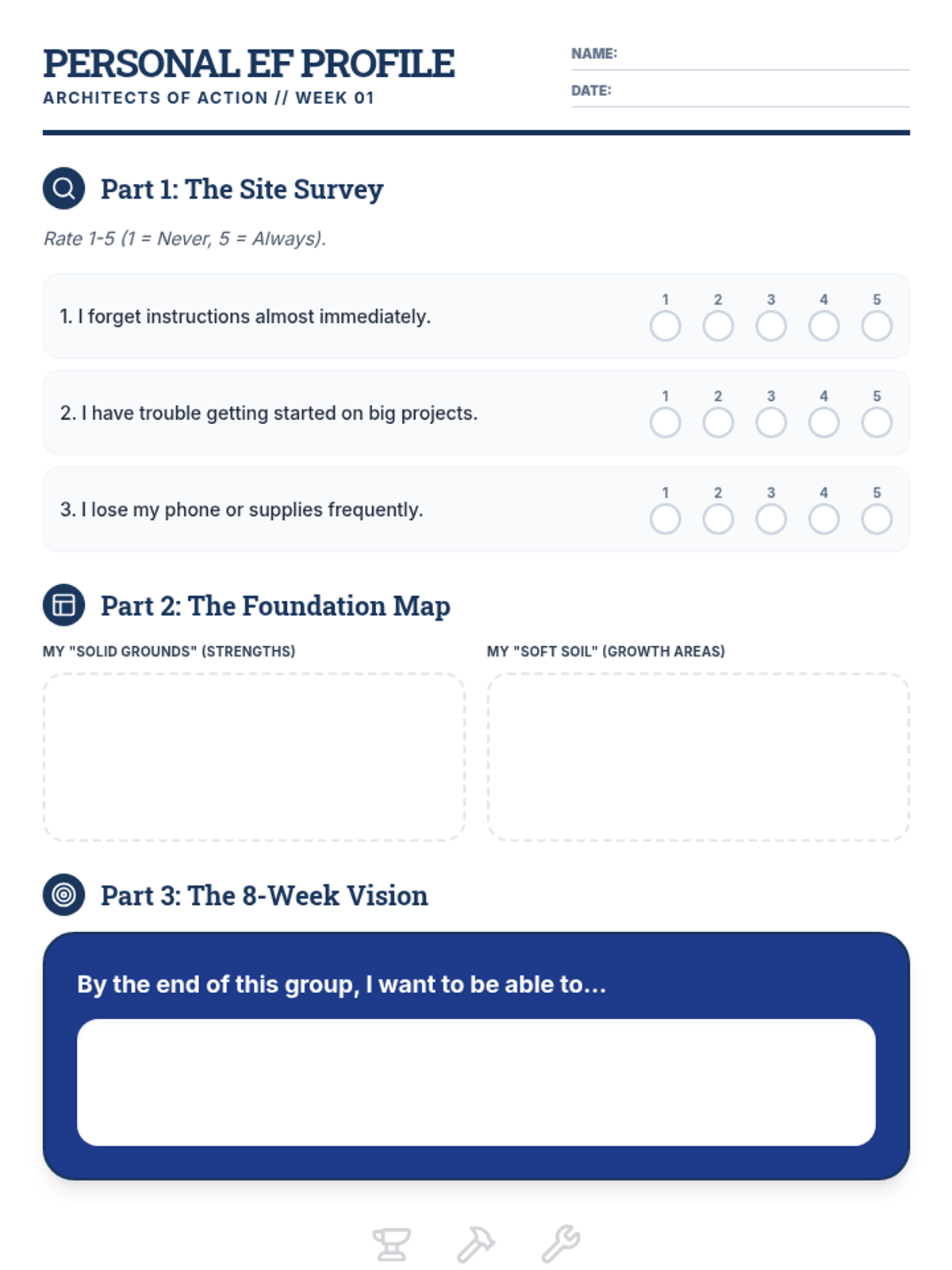
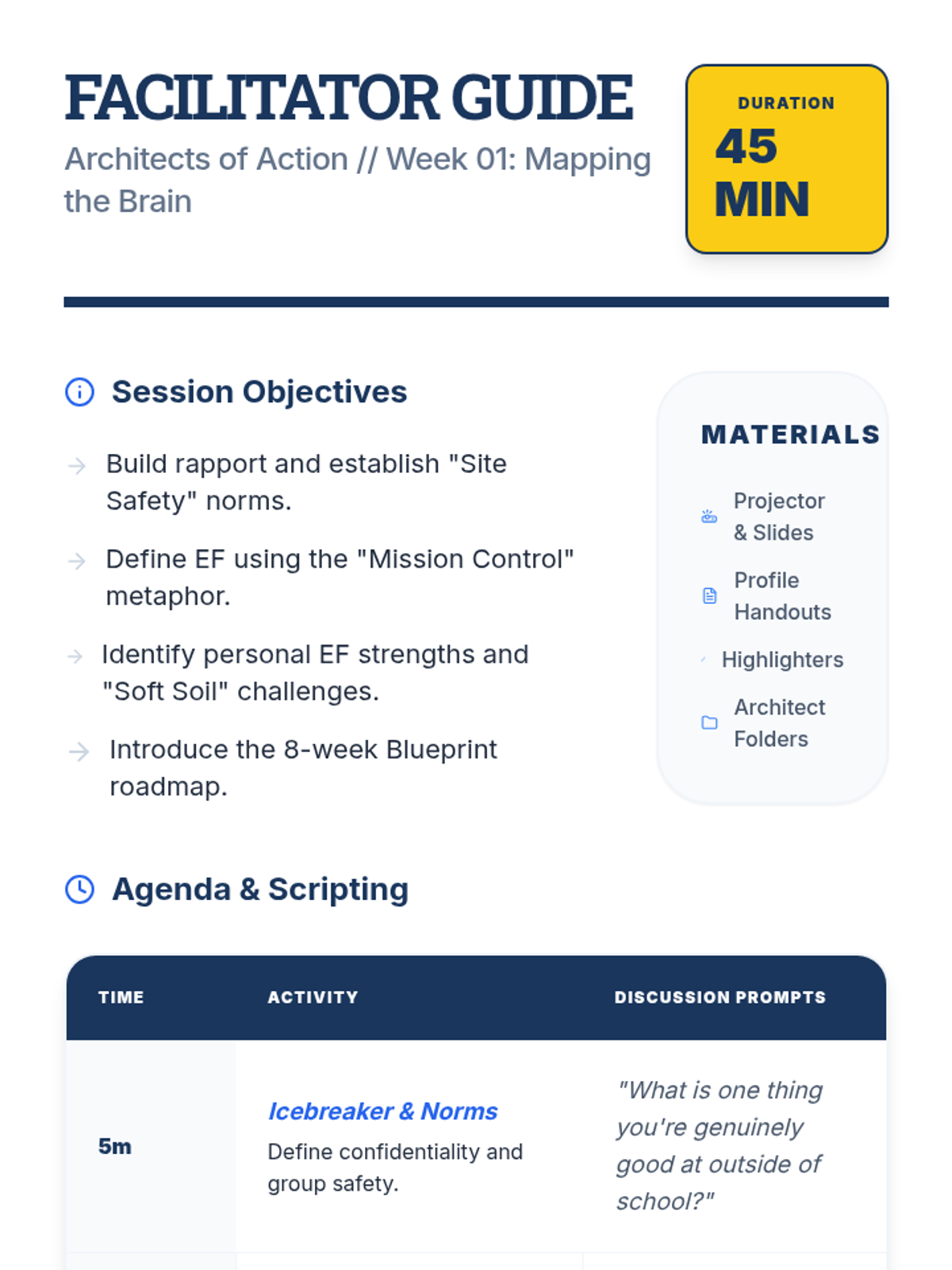
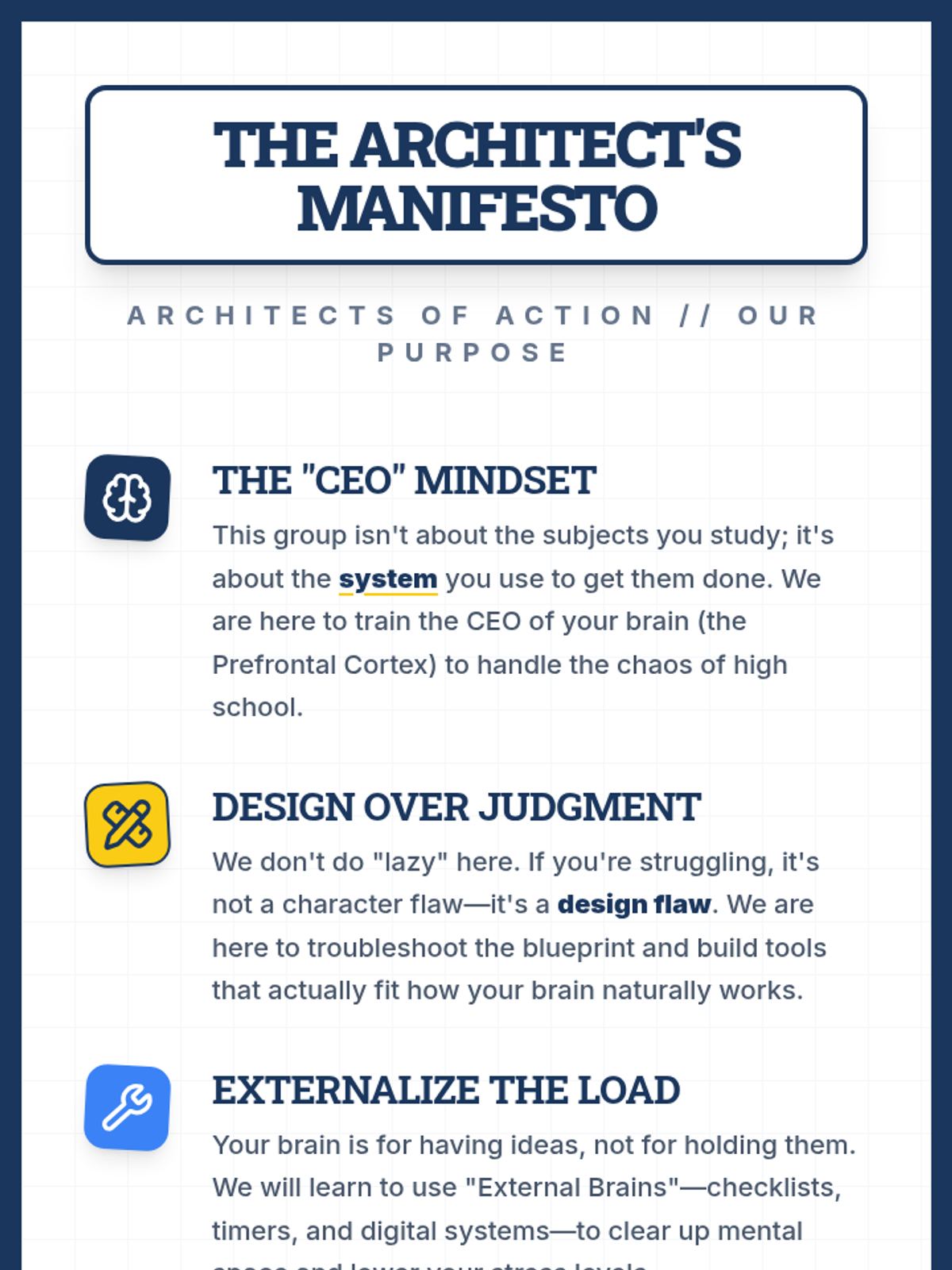
Introduction to executive functioning, self-awareness of strengths and challenges, and building group rapport.
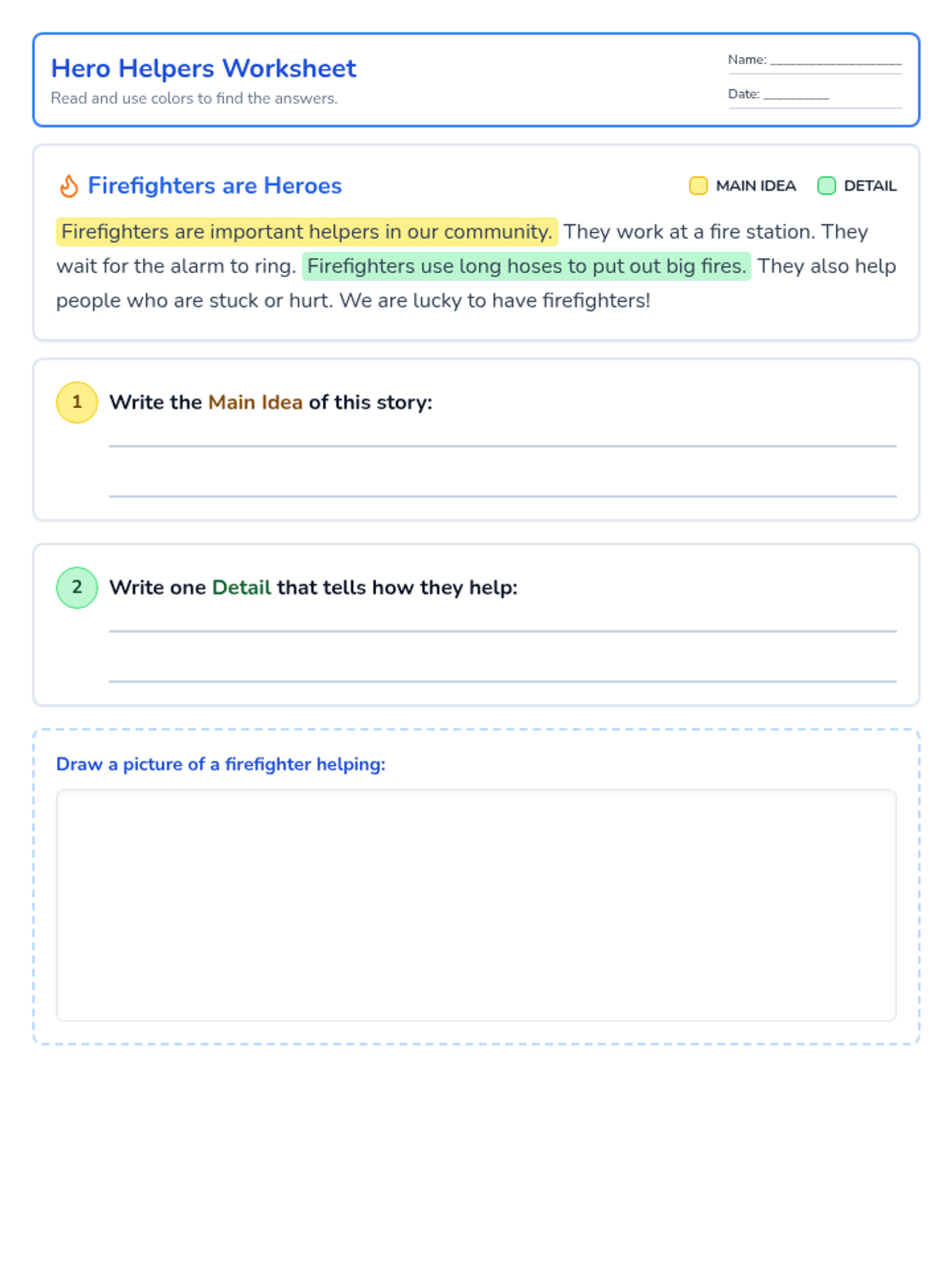
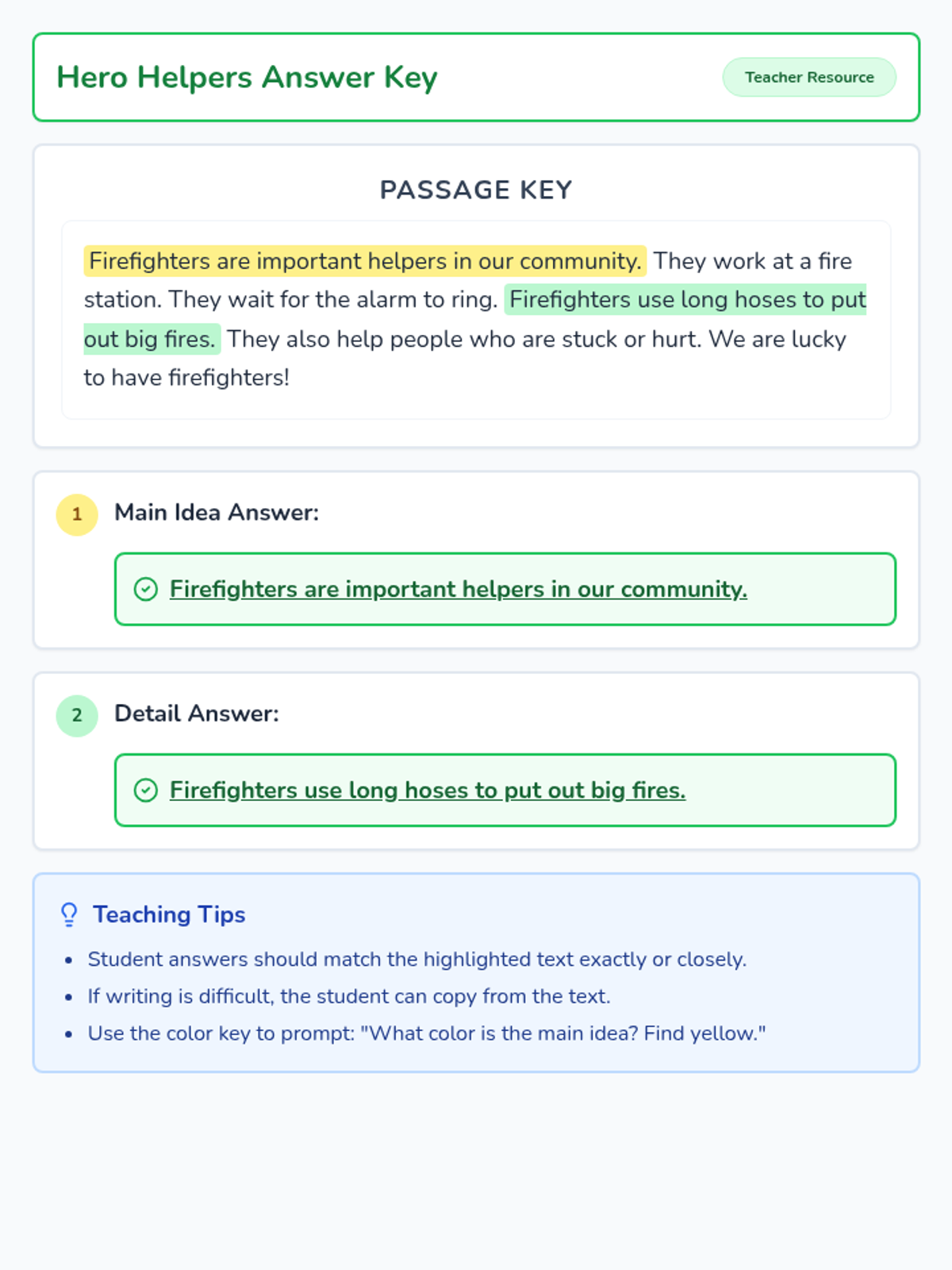
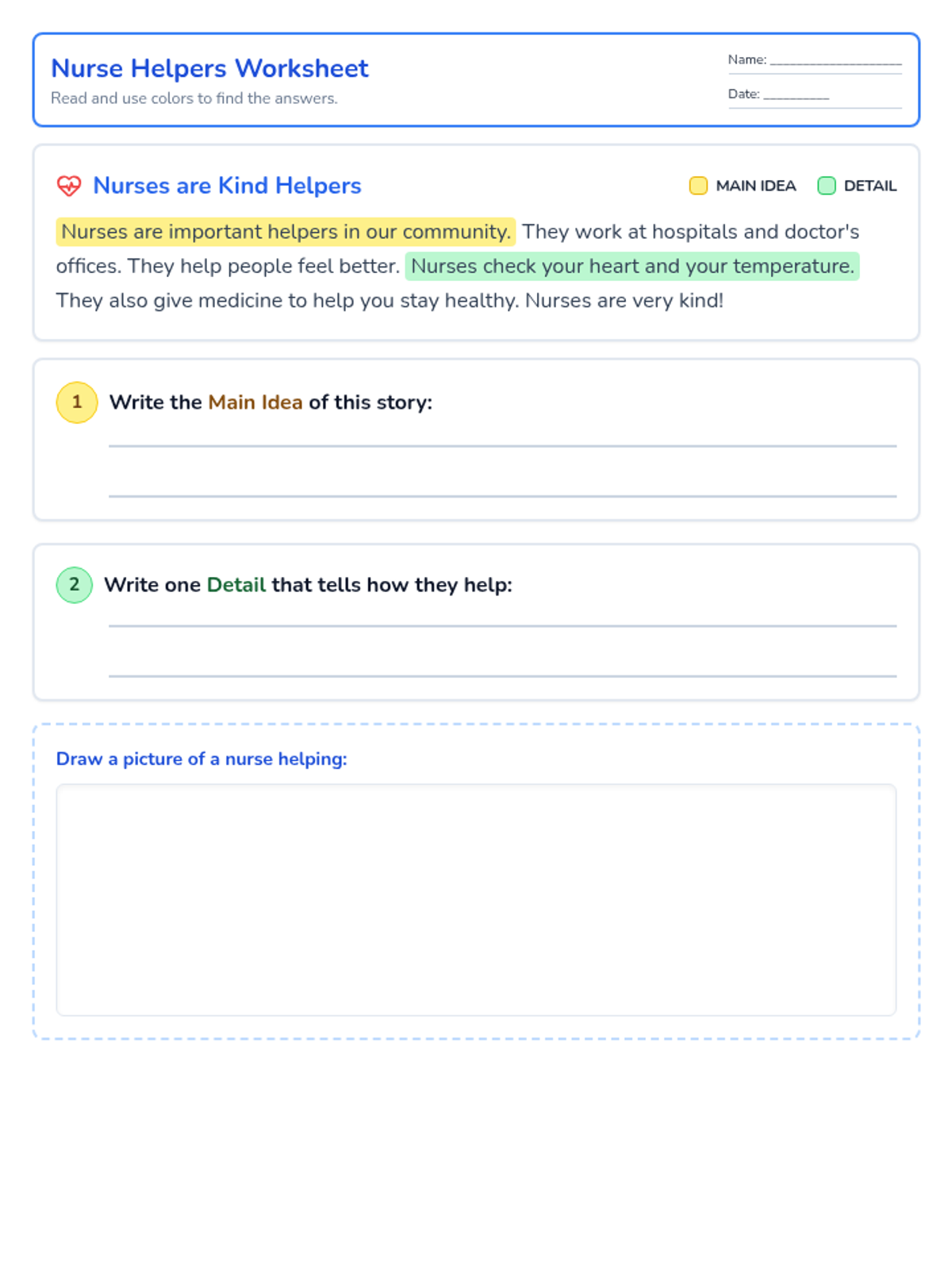
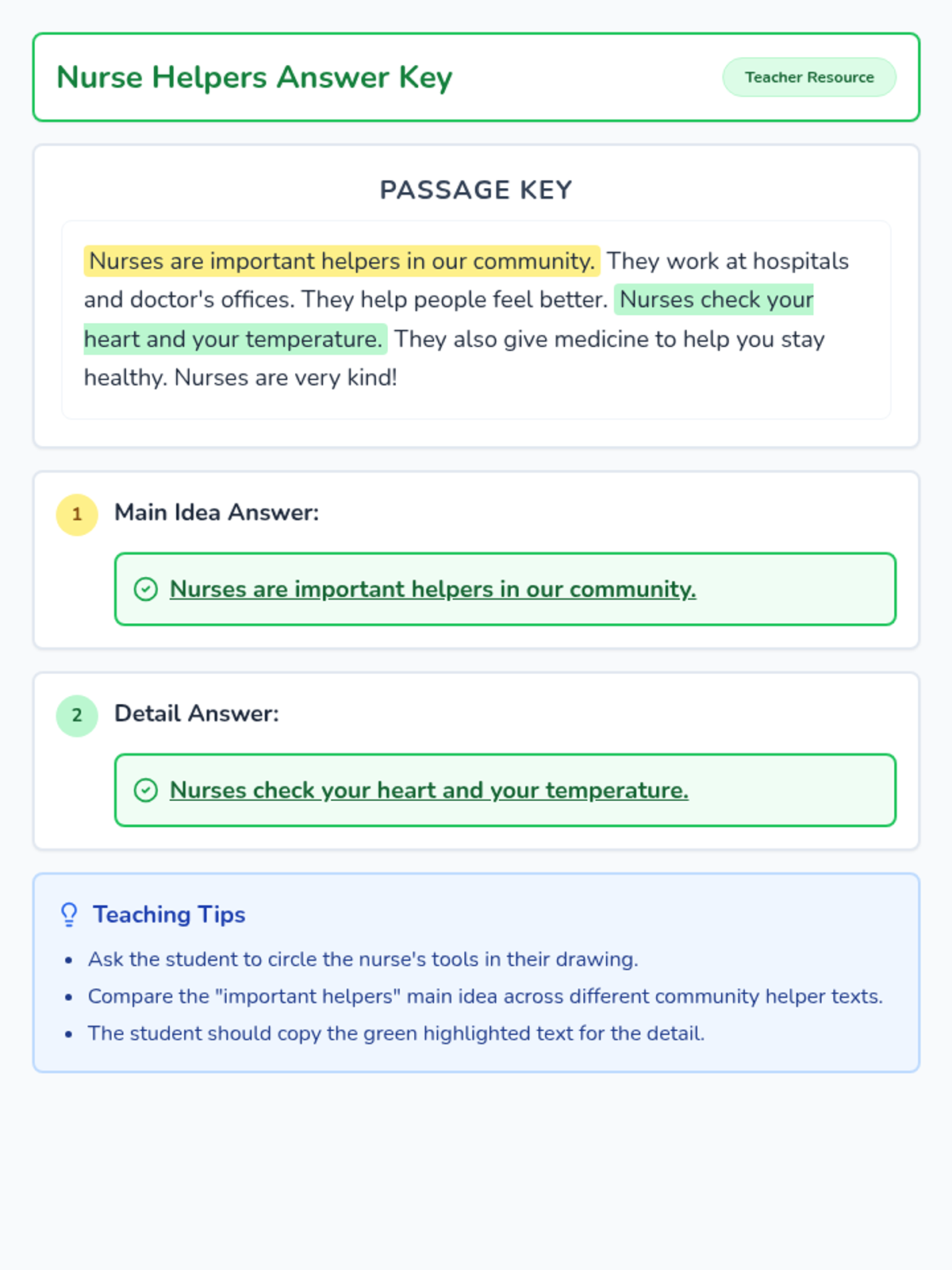
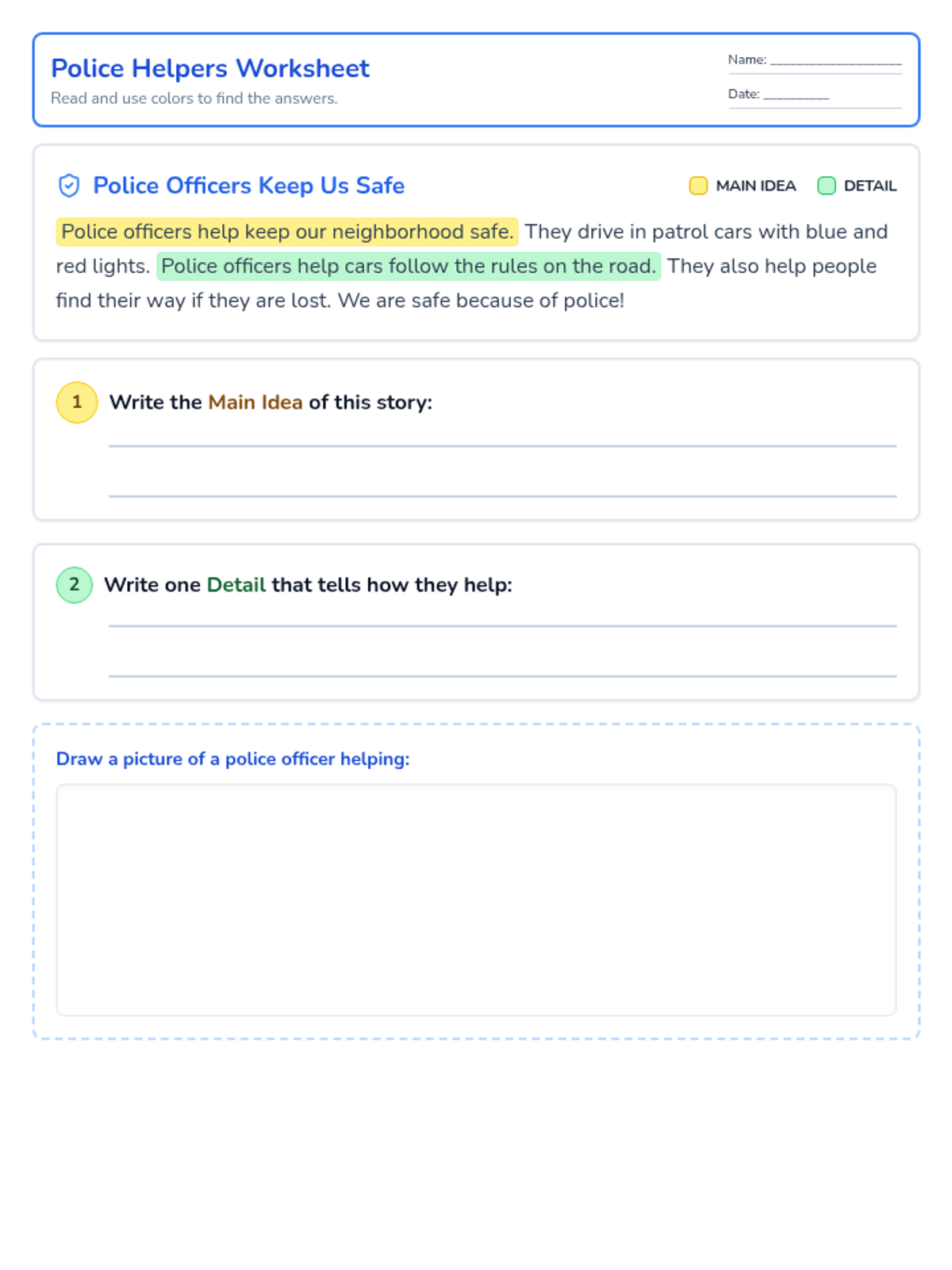
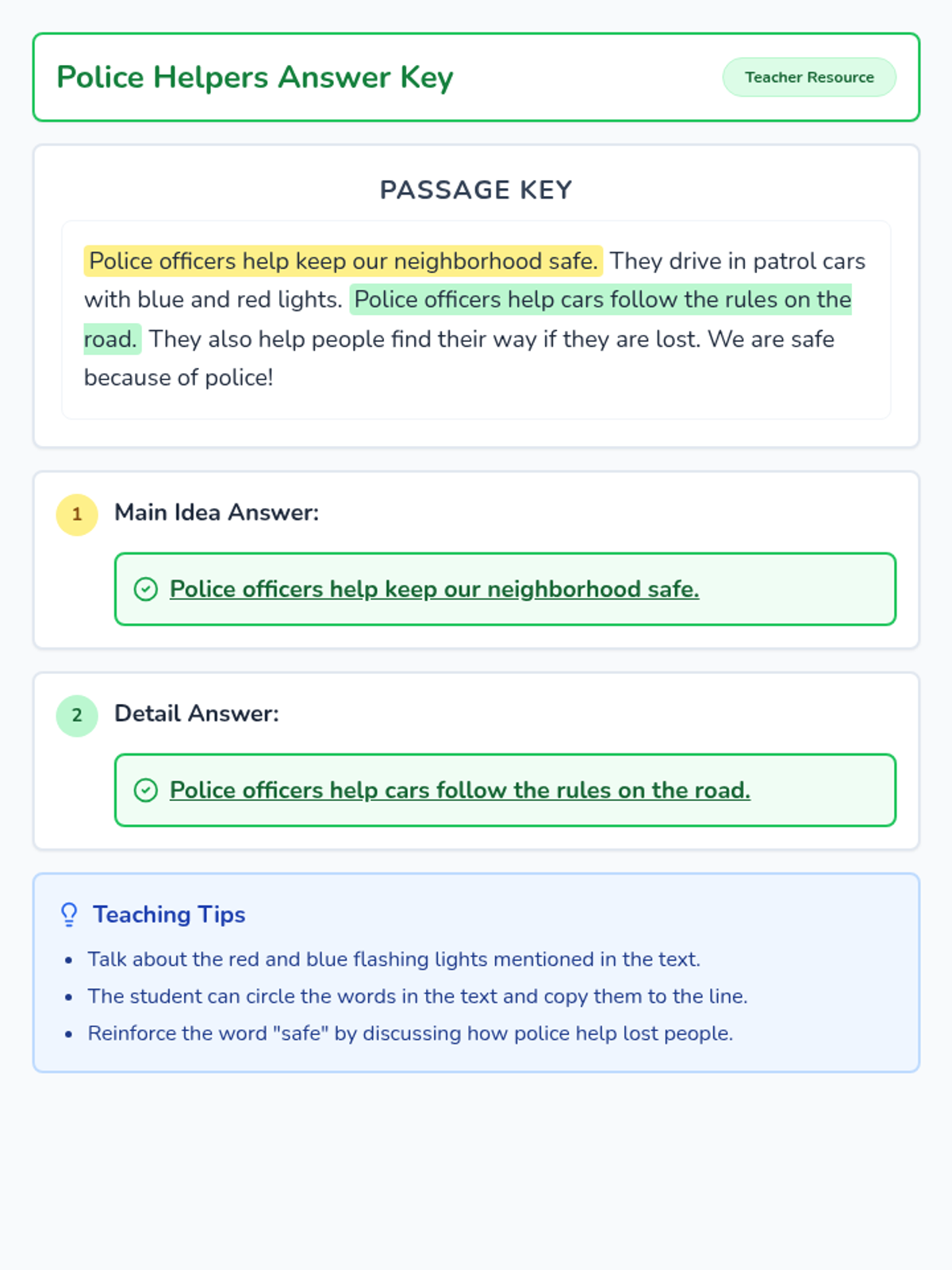
A lesson focused on identifying the main idea and supporting details in informational texts about community helpers, designed specifically with visual supports for 3rd-grade students with autism.
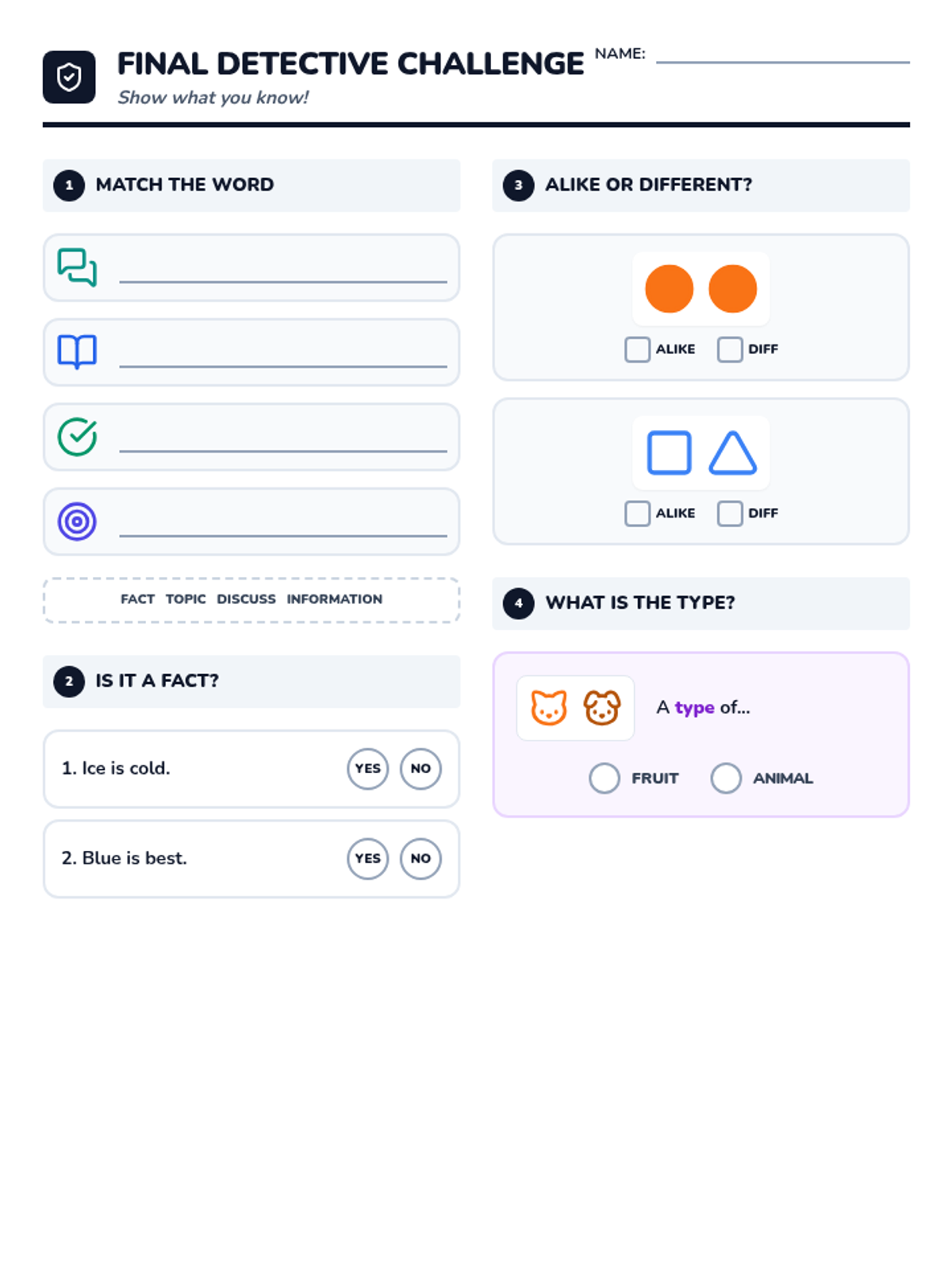
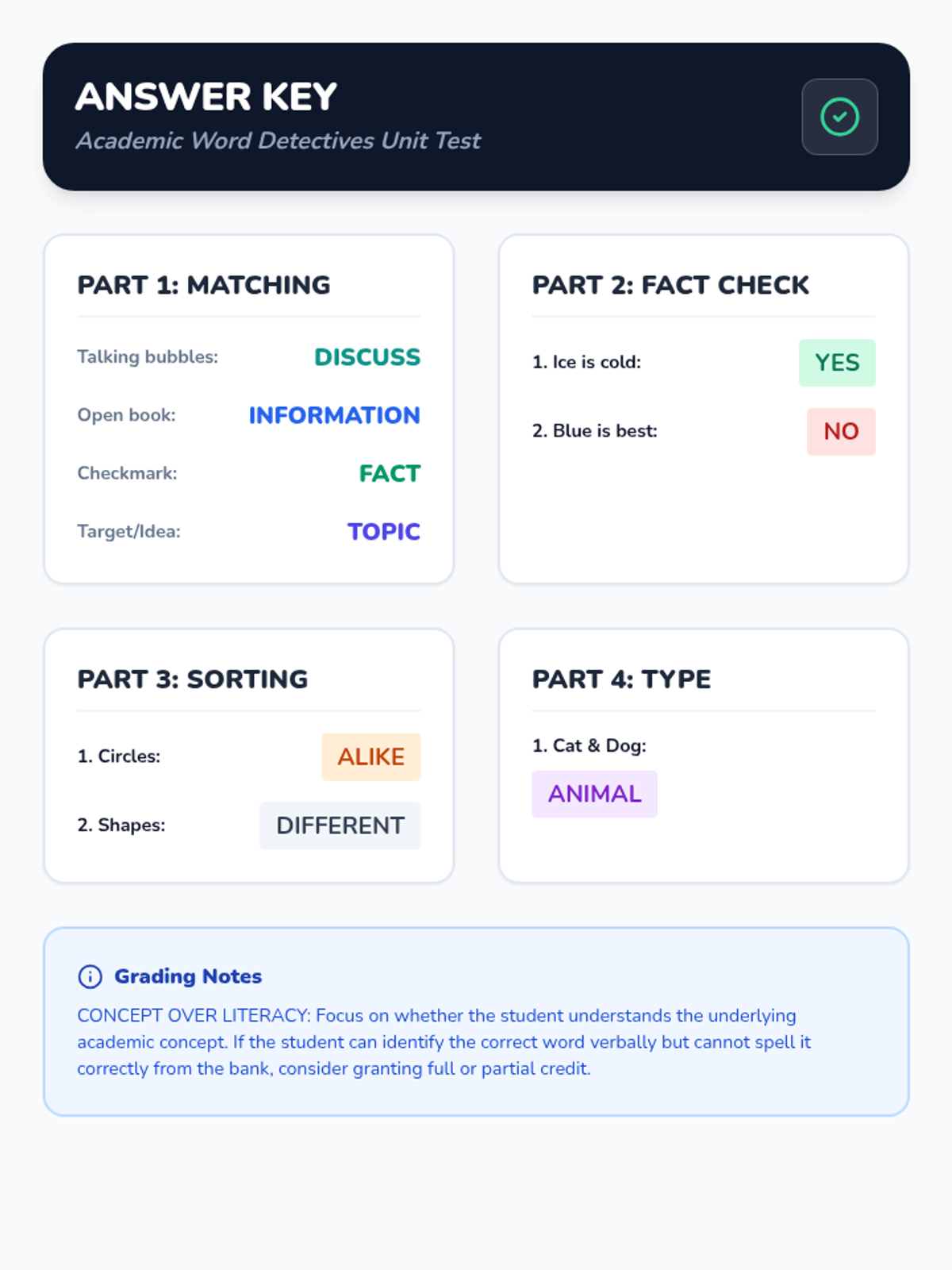
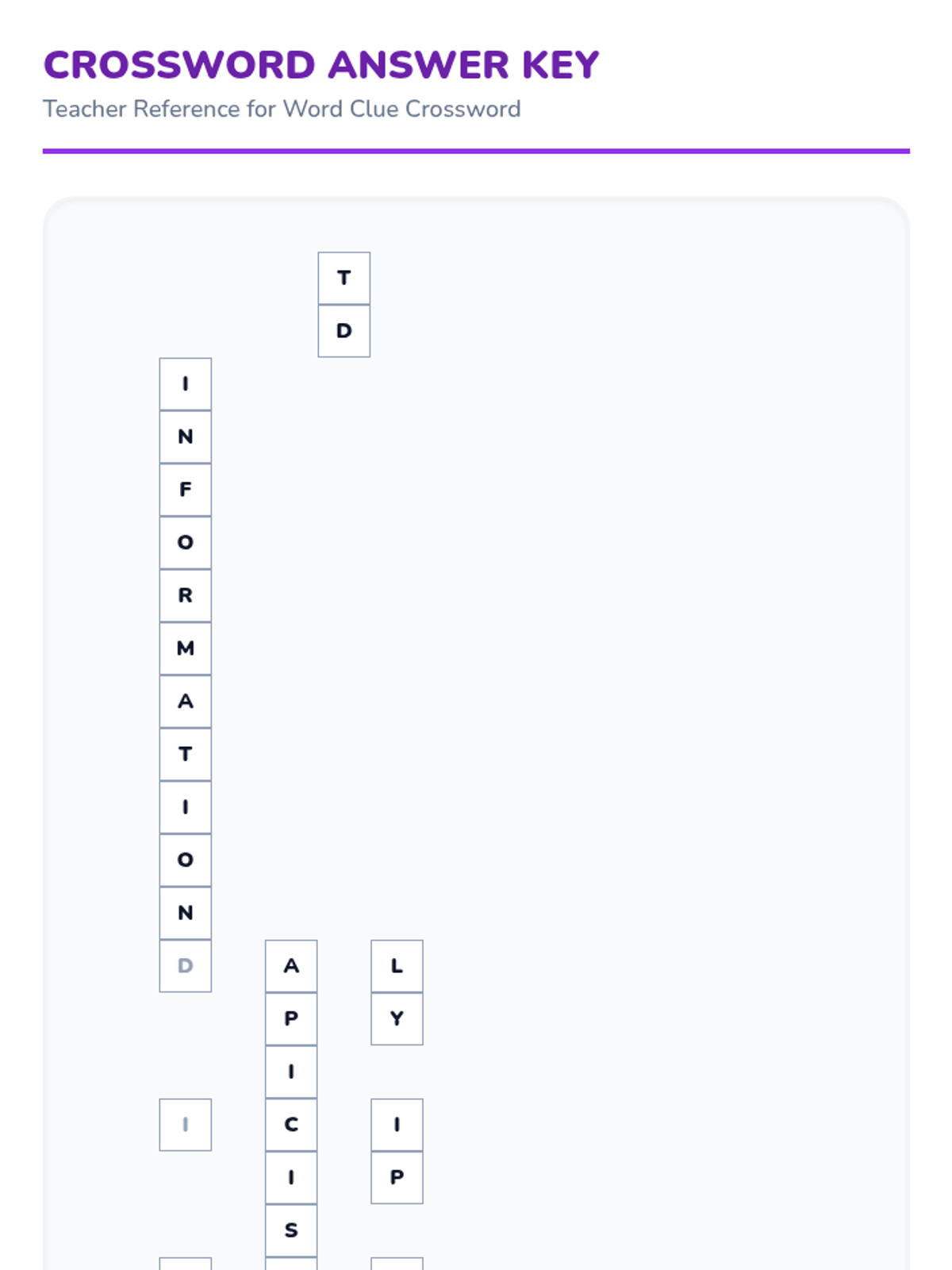
A comprehensive unit assessment for the Academic Word Detectives unit, testing mastery of information, fact, alike, difference, type, discuss, and topic.
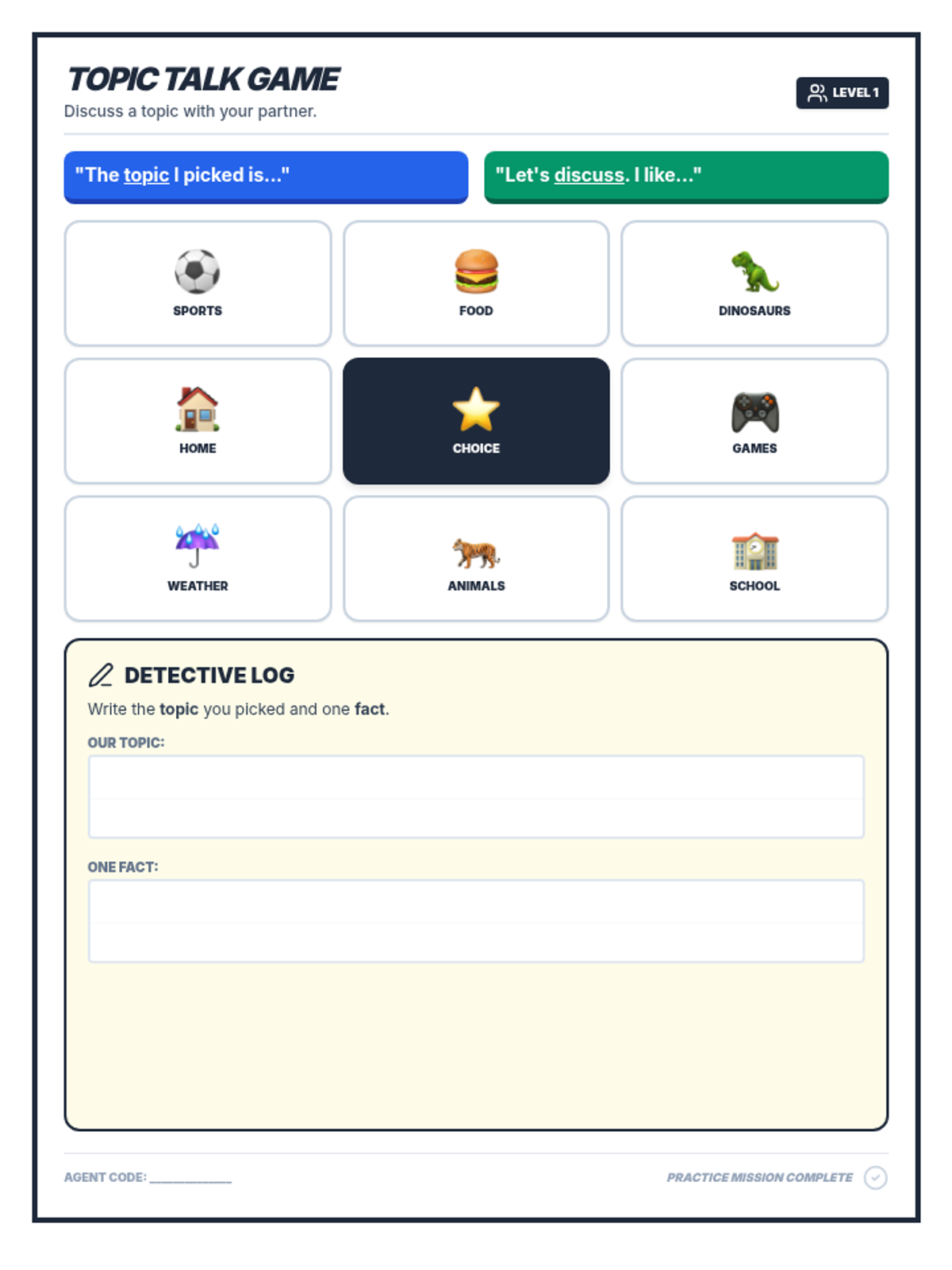
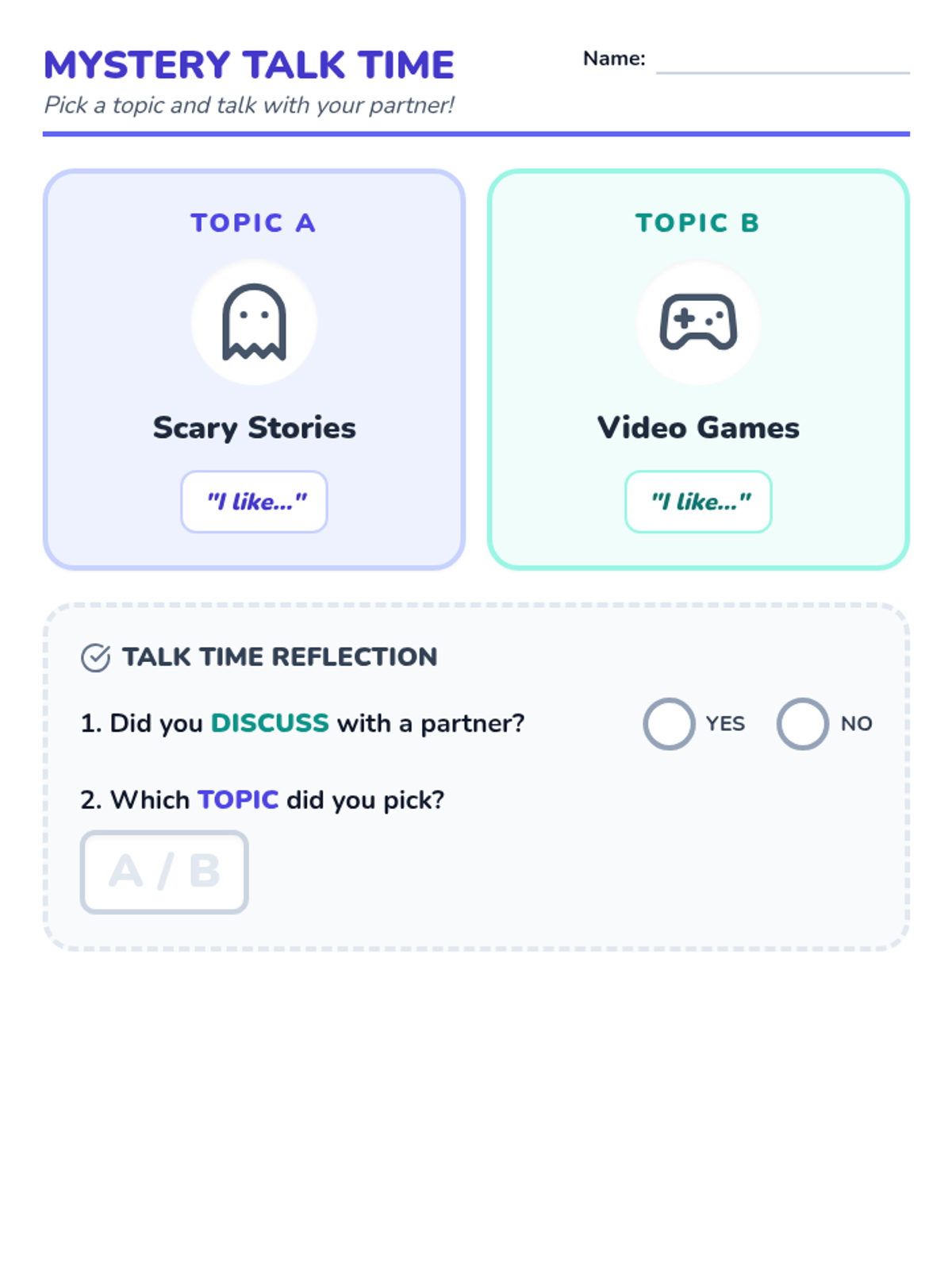
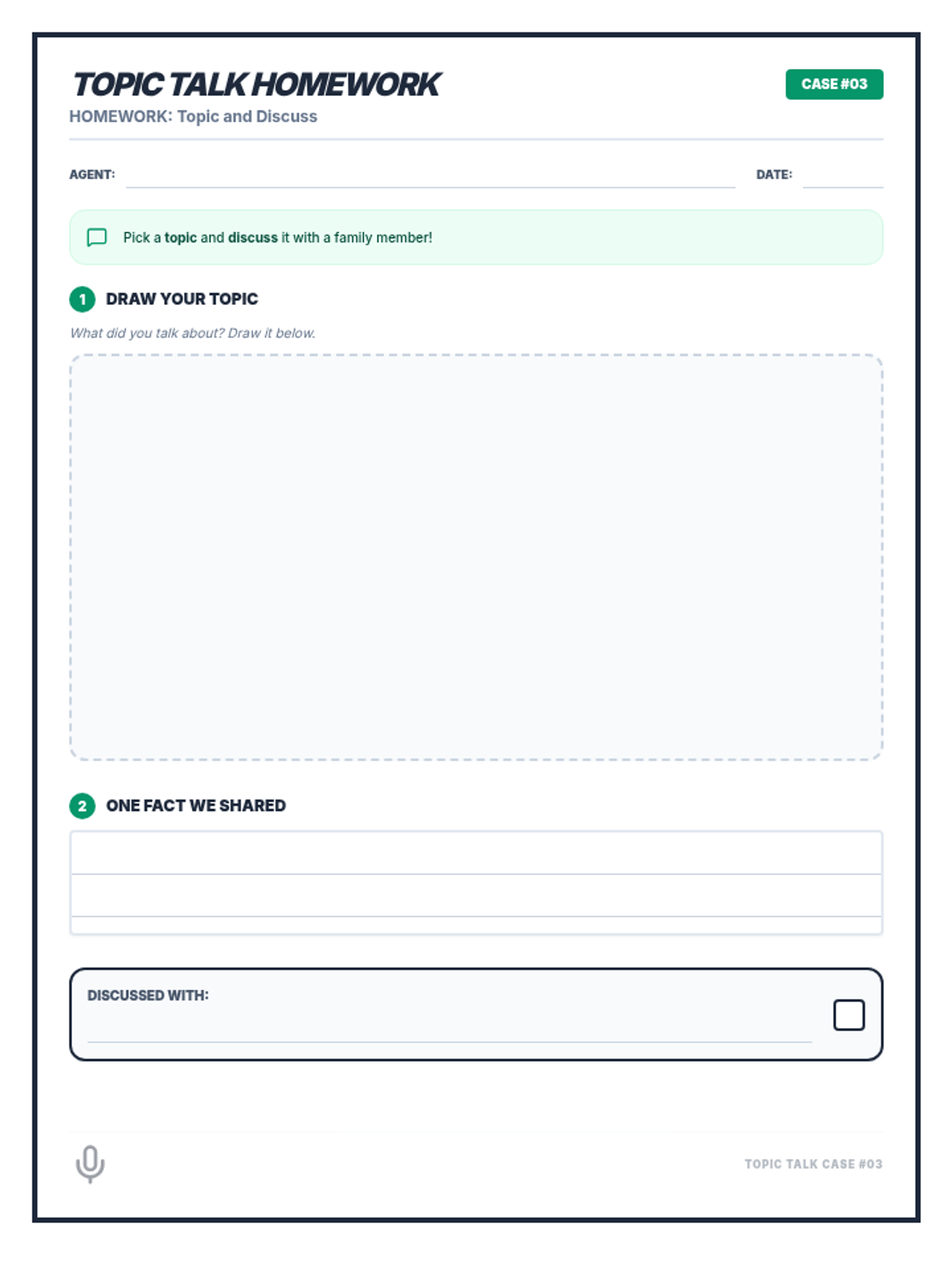
Final lesson in the unit focusing on 'topic' and 'discuss'. Students learn to identify the main idea and participate in structured talking activities.
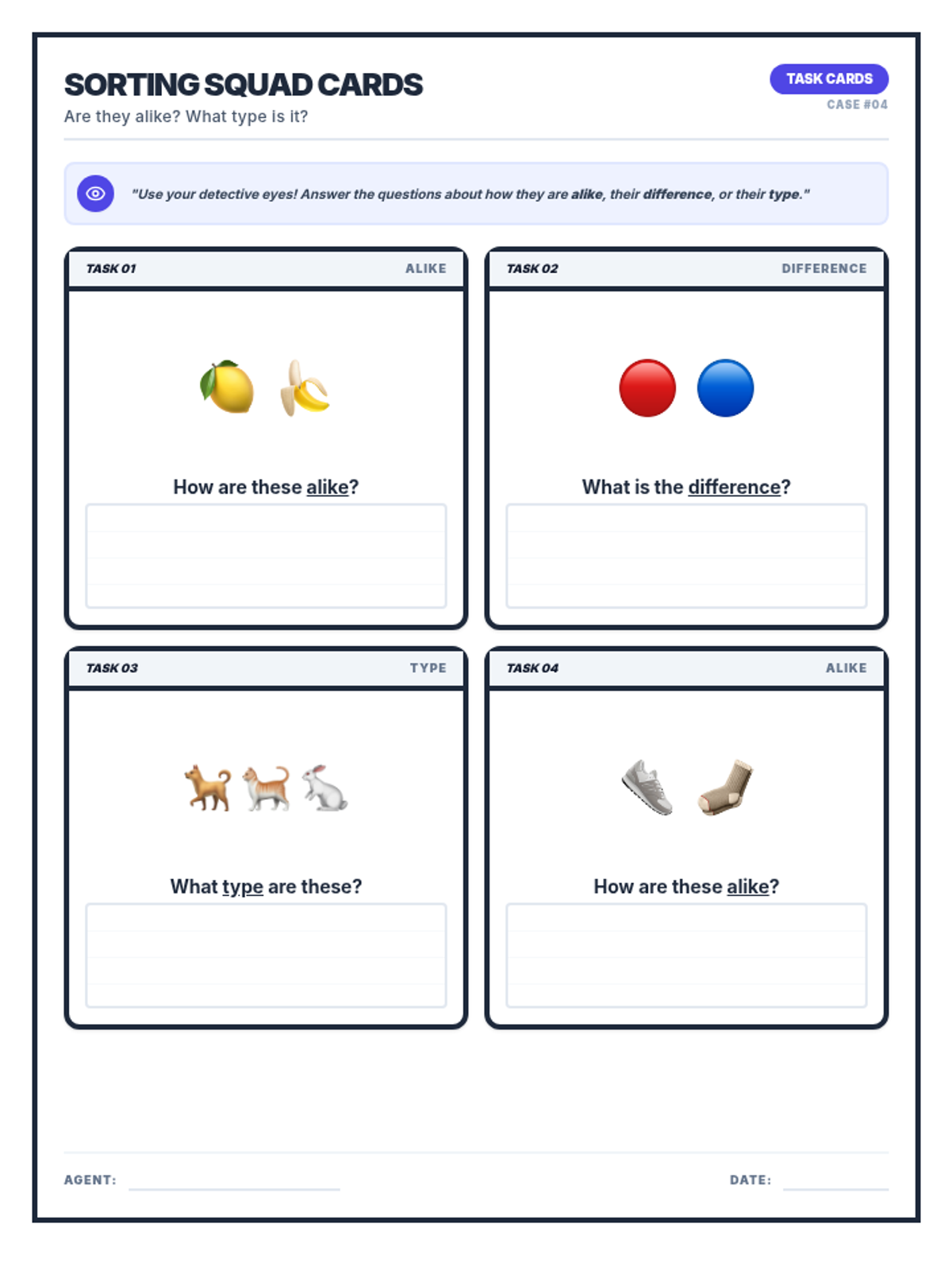
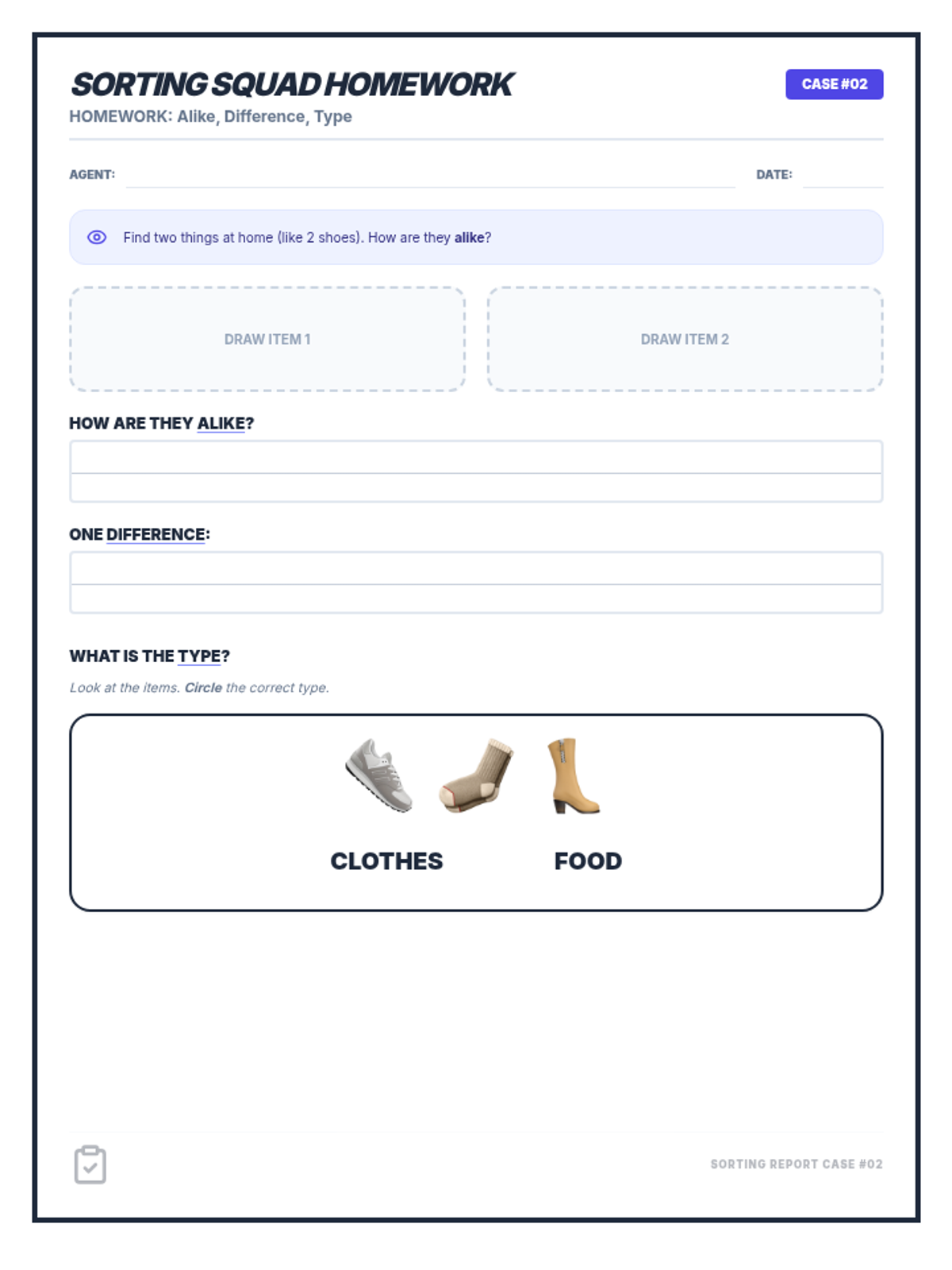
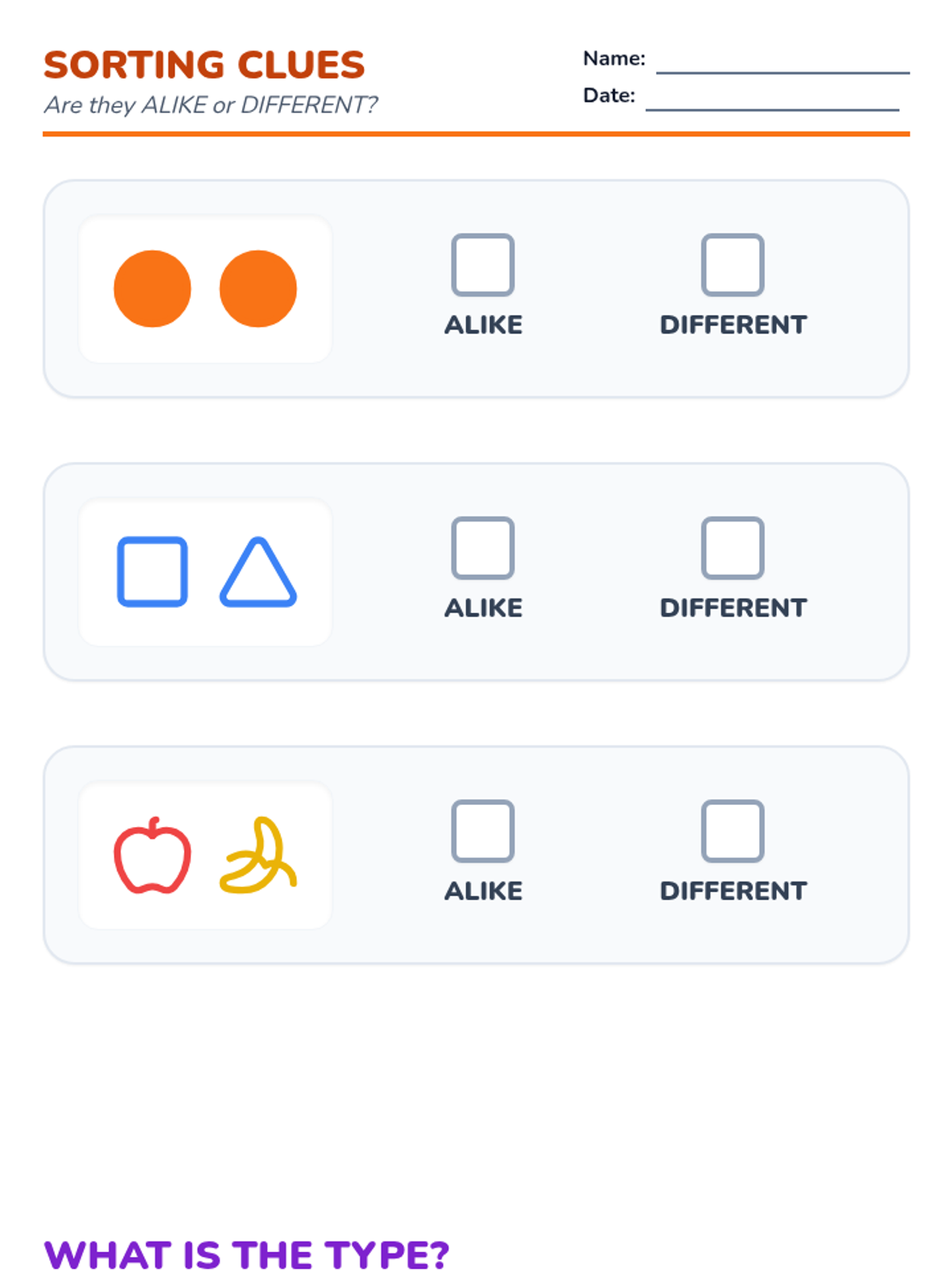
Teaches the concepts of 'alike', 'difference', and 'type' through visual comparison and categorization.
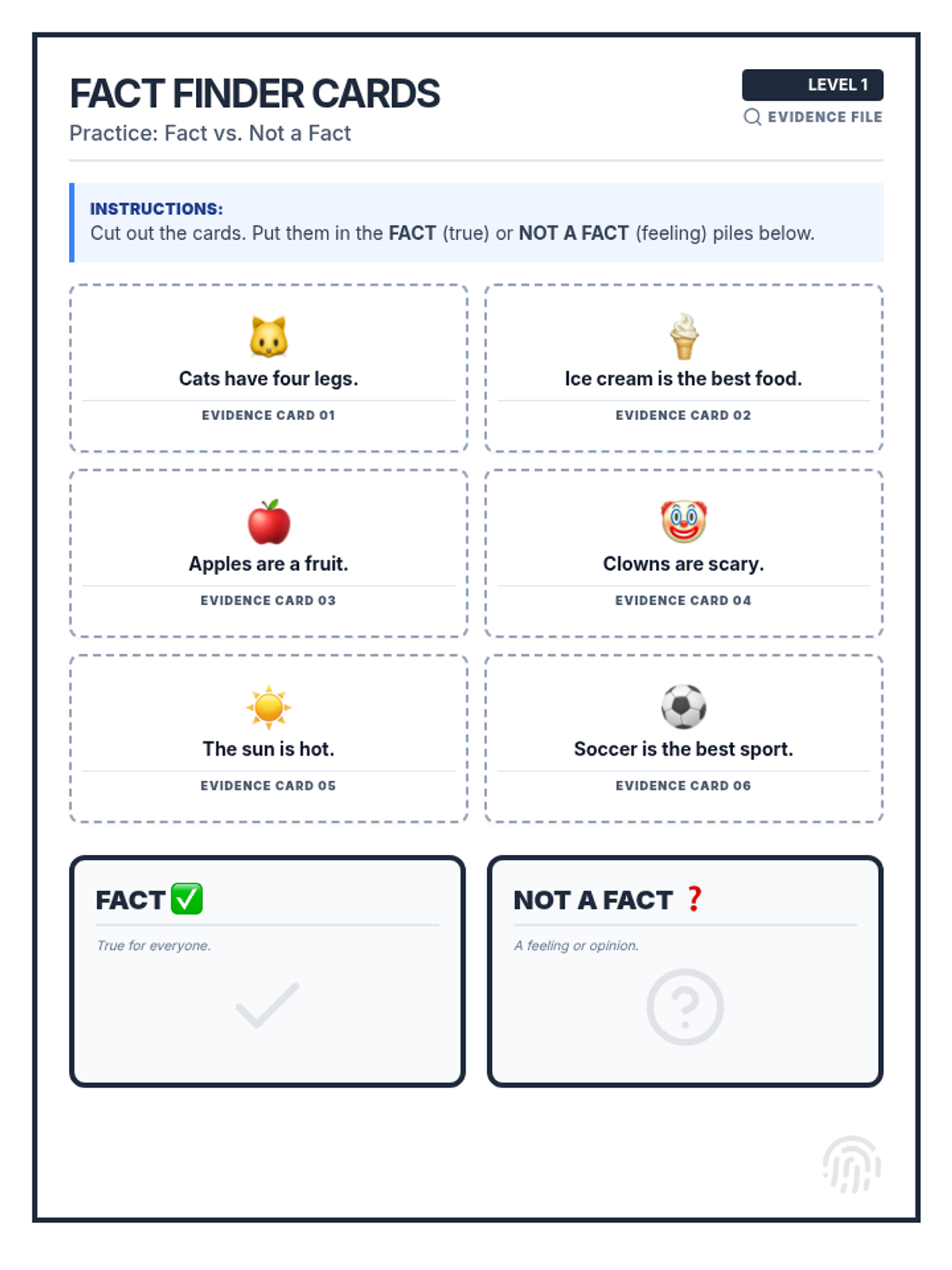
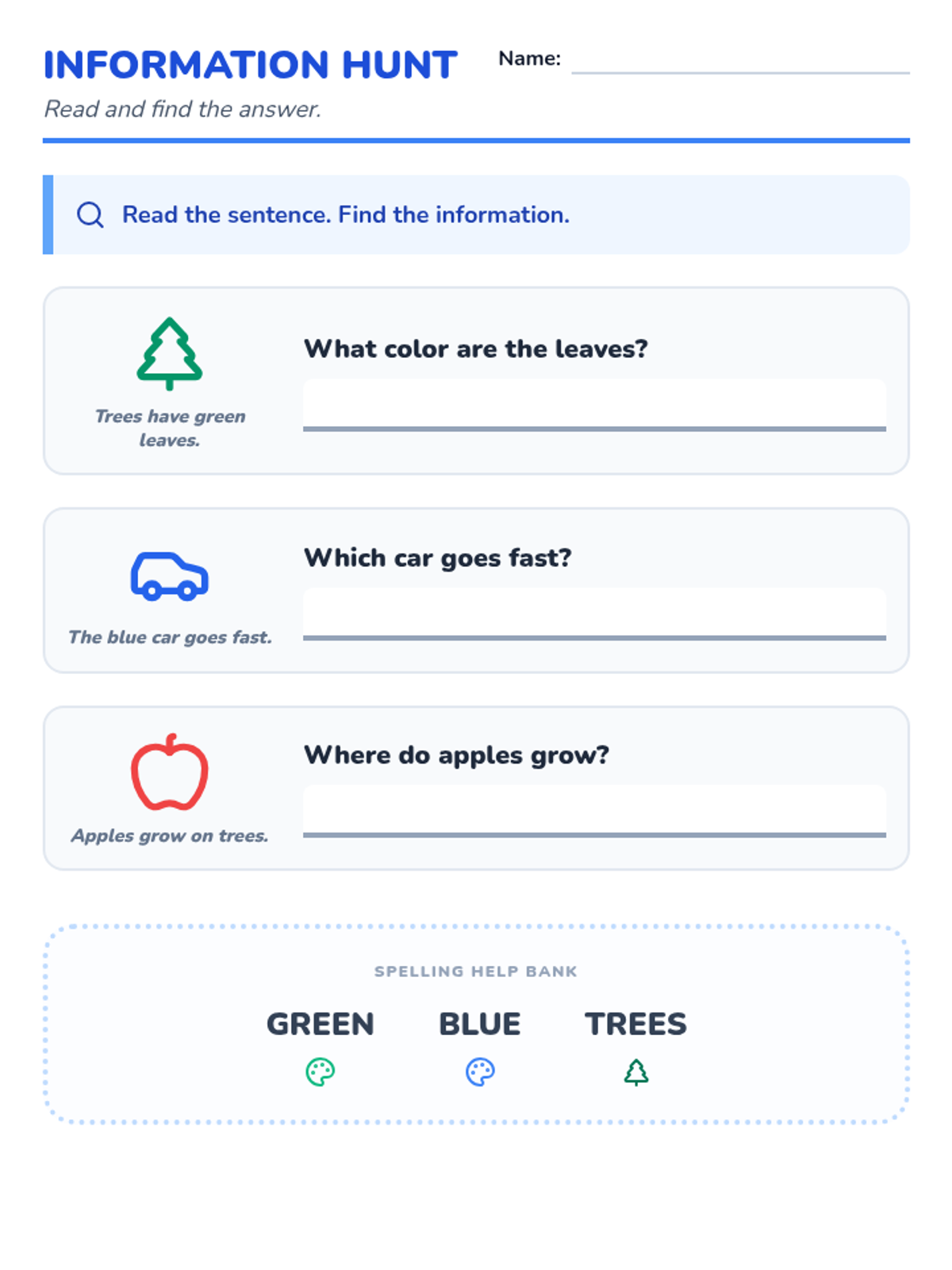
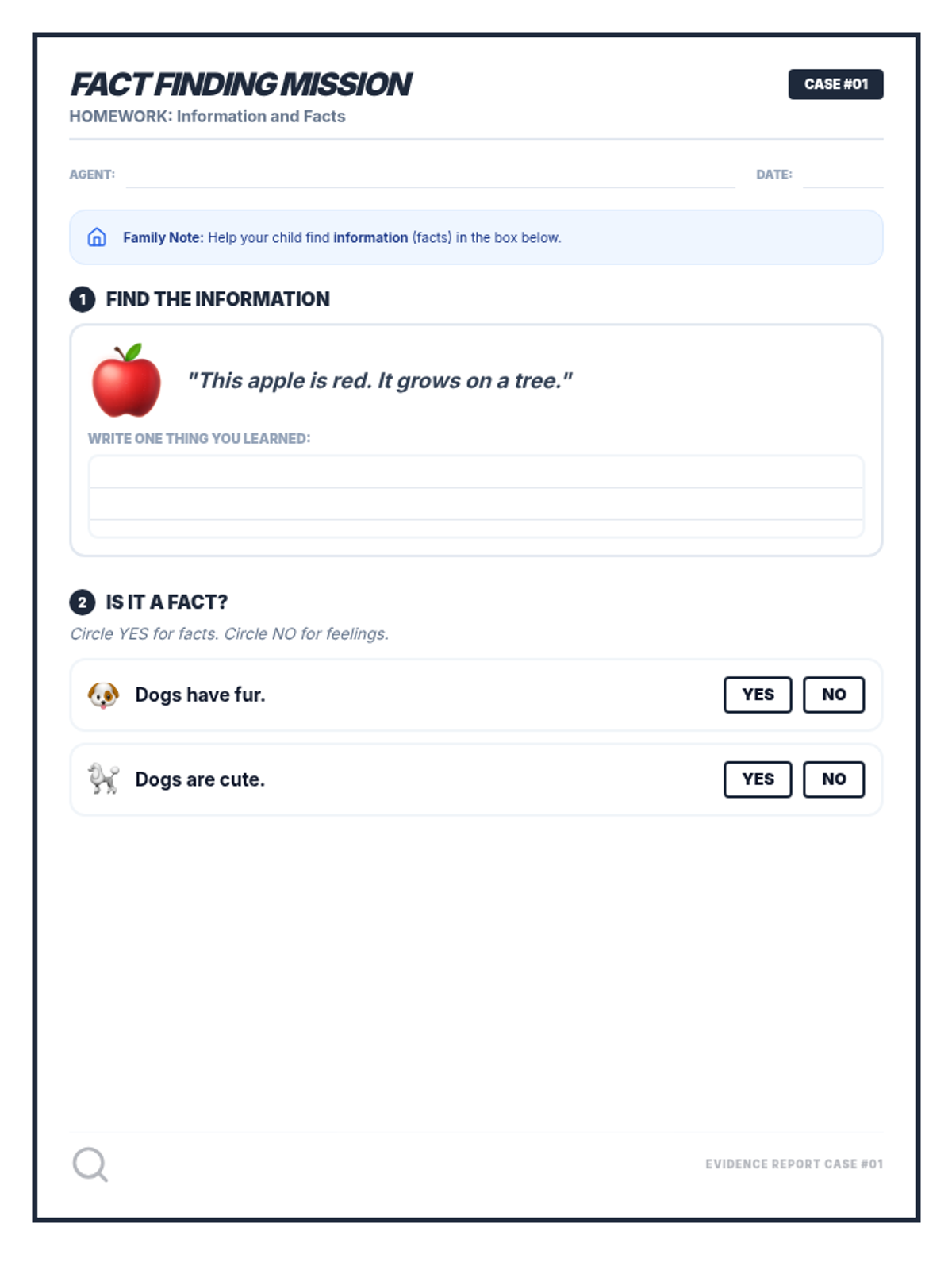
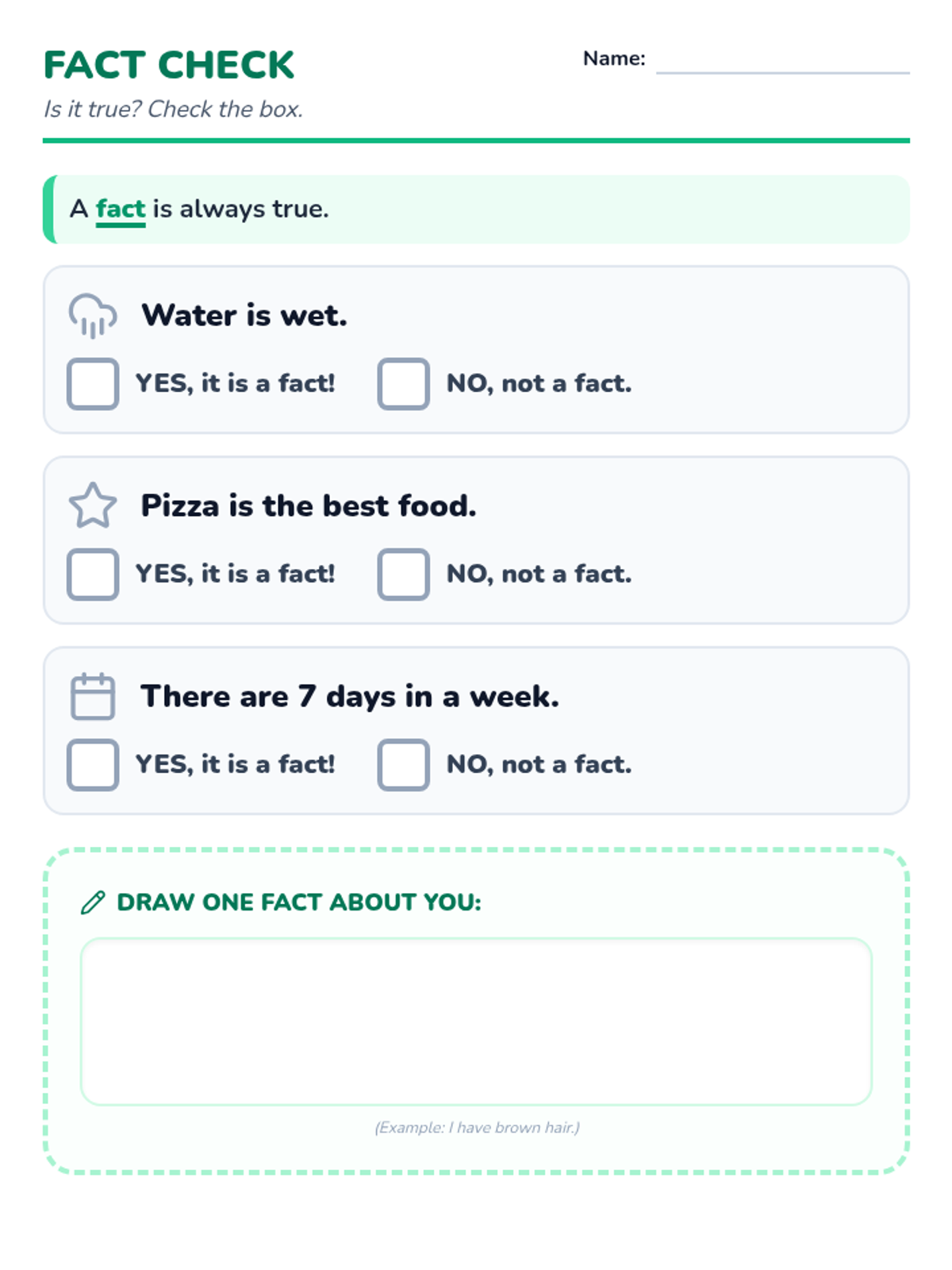
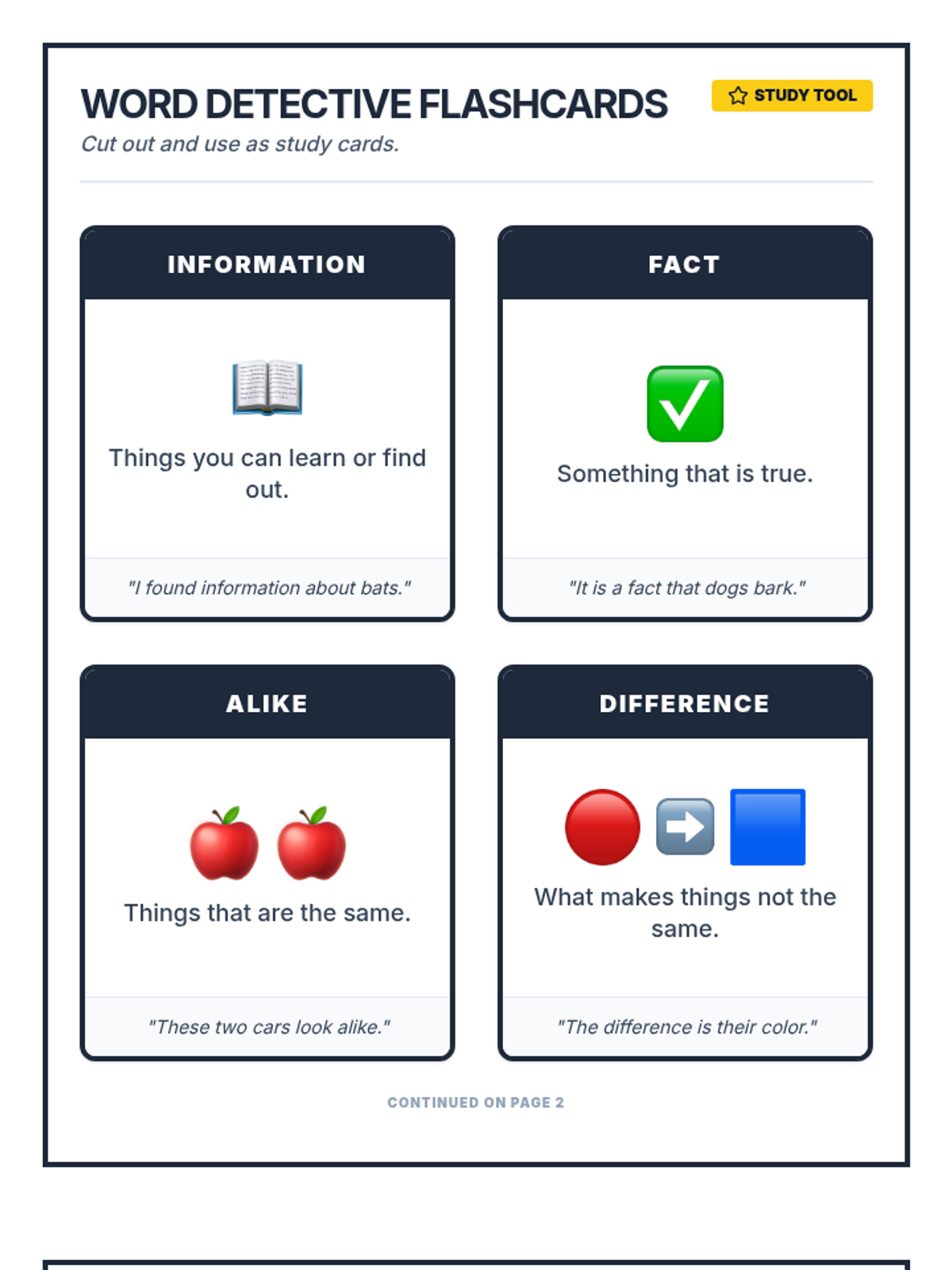
Focuses on using the words 'information' and 'fact'. Students practice identifying facts in simple visual and textual contexts.
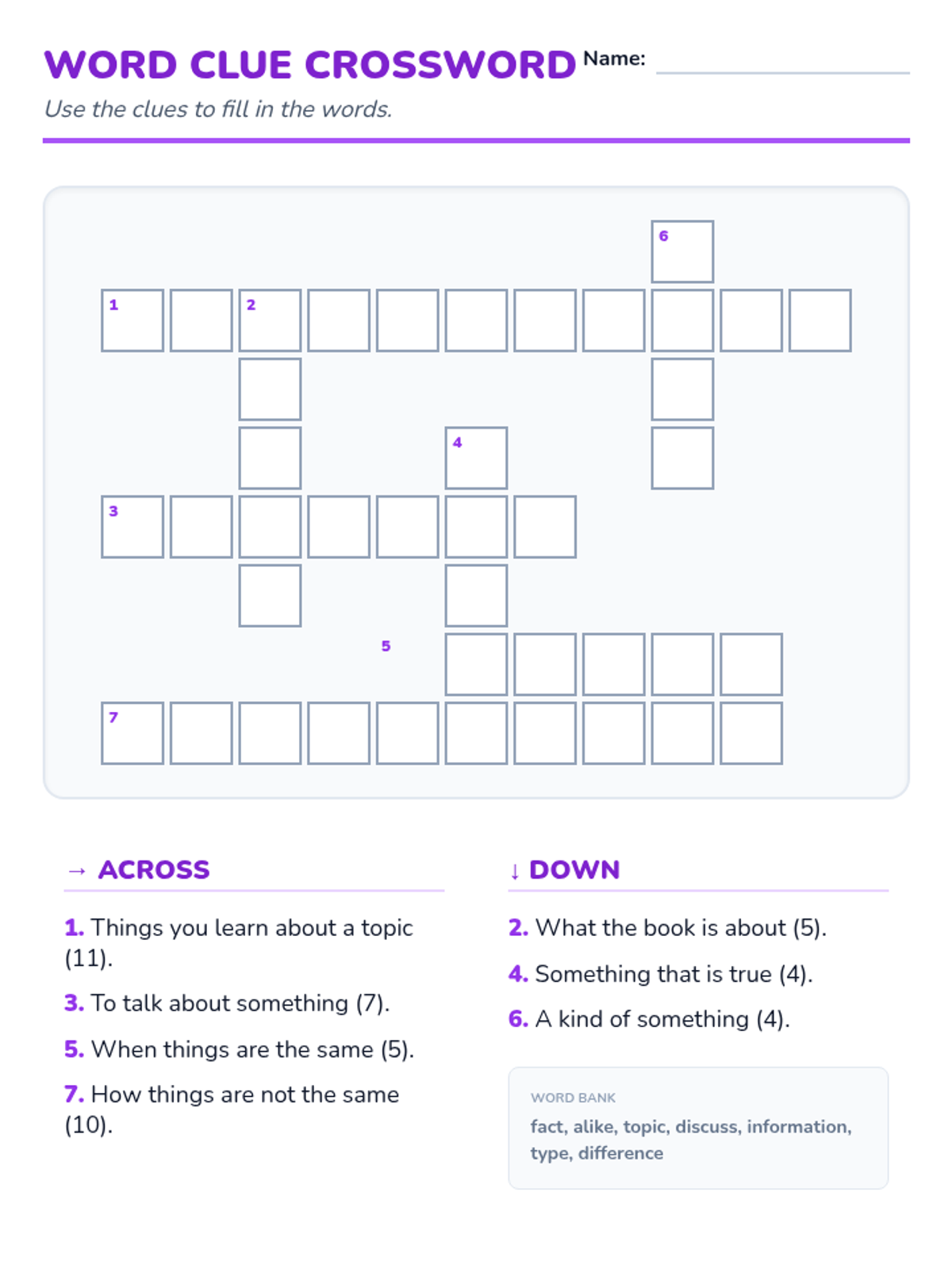
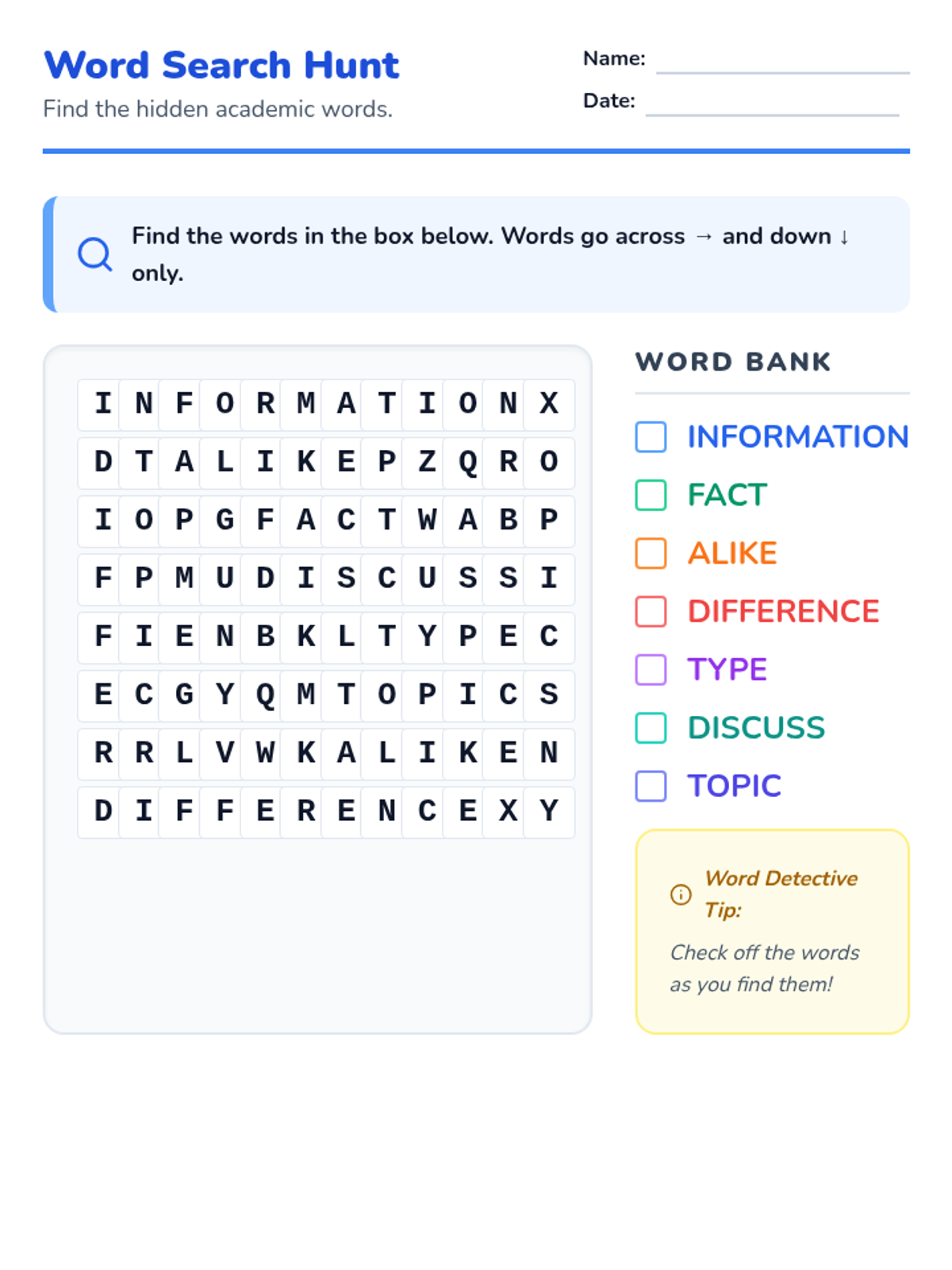
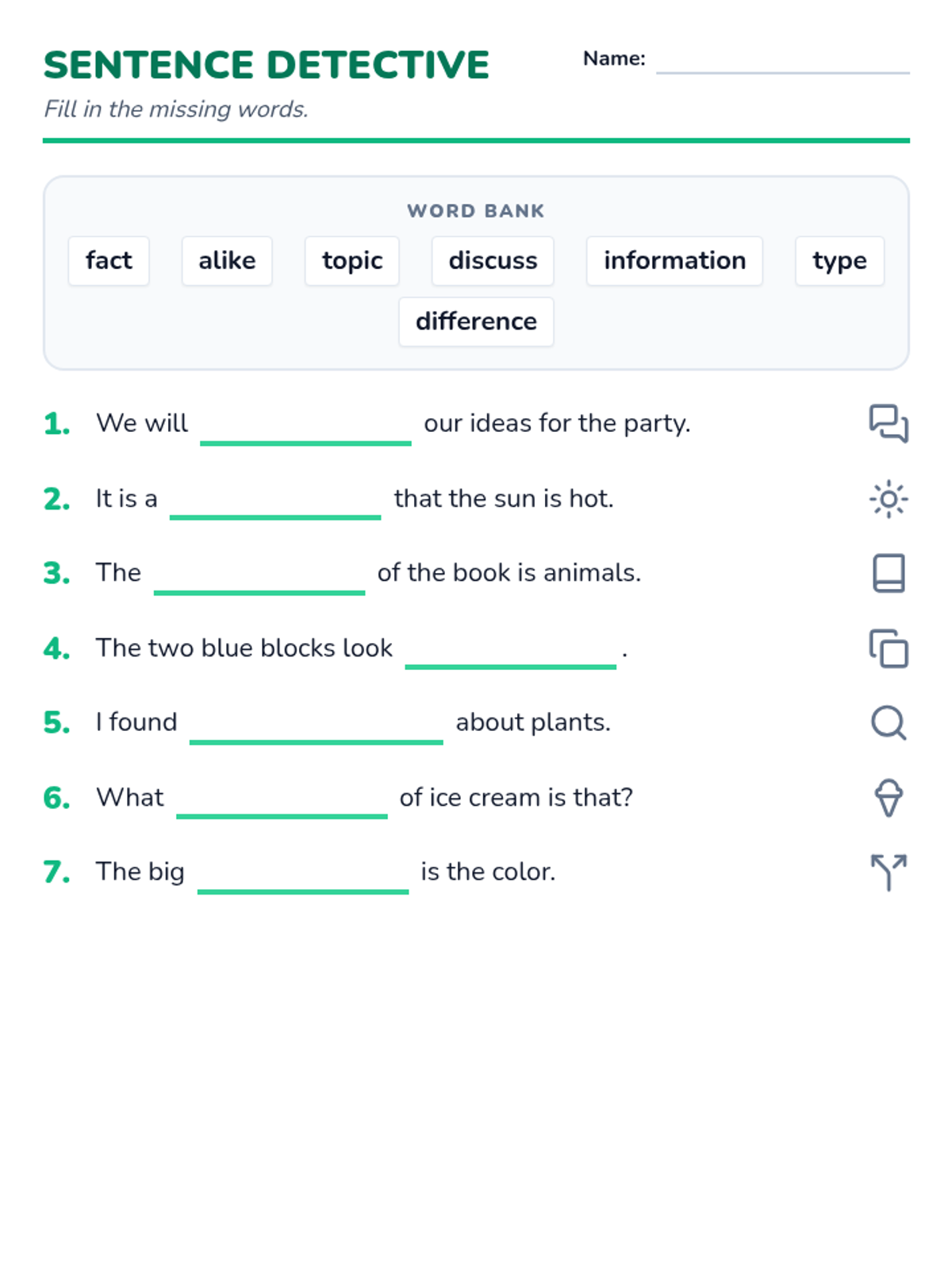
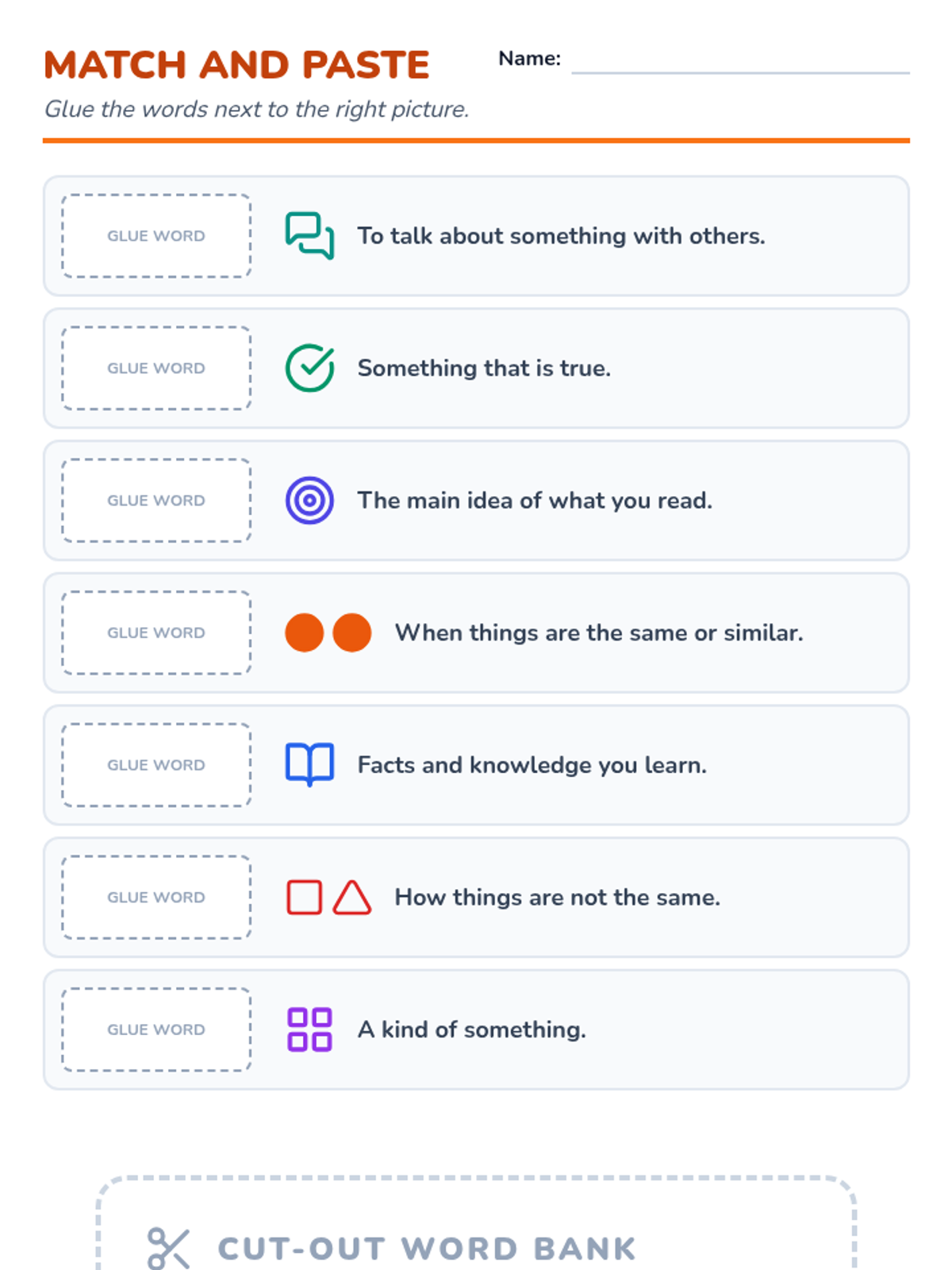
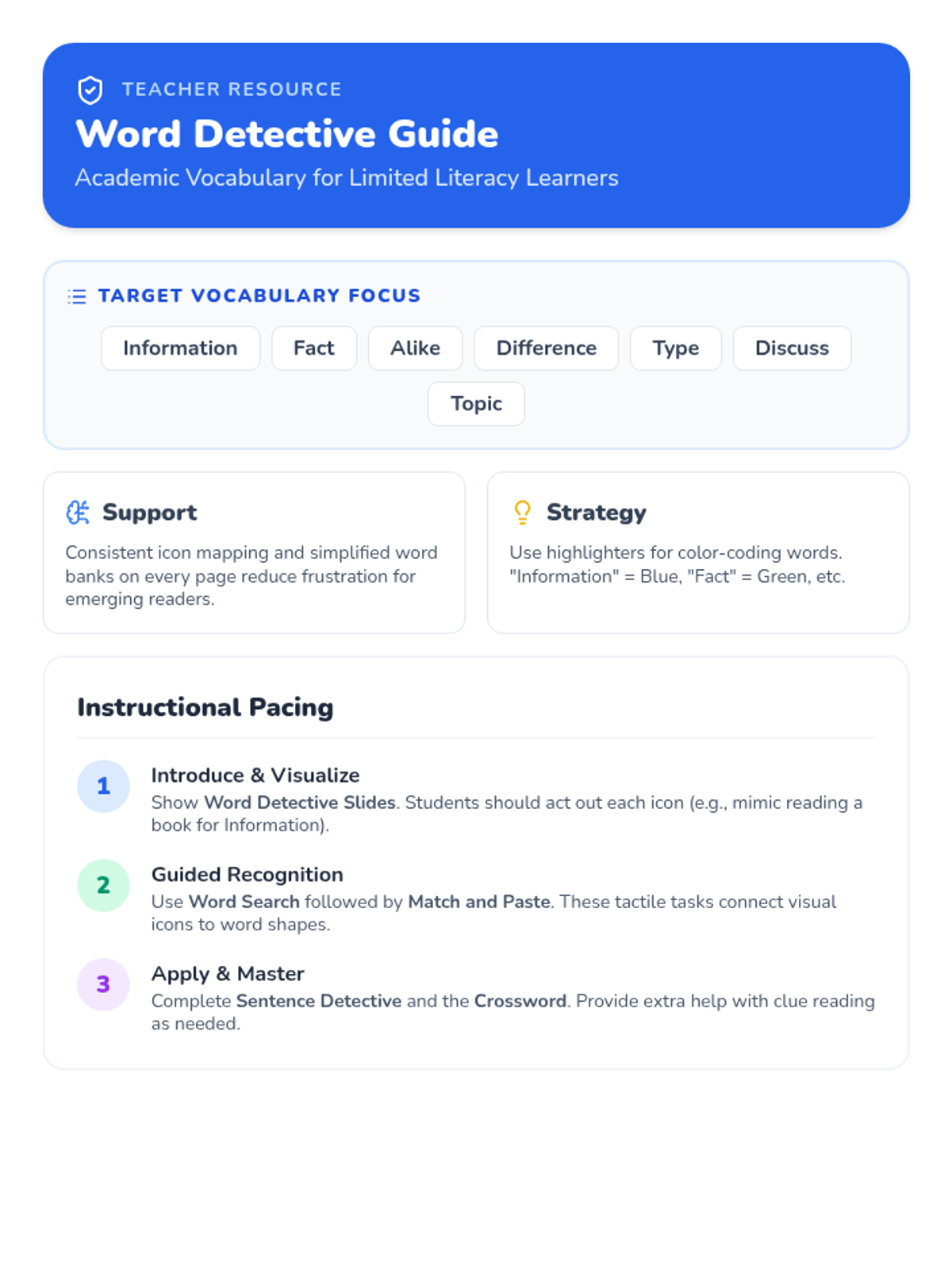
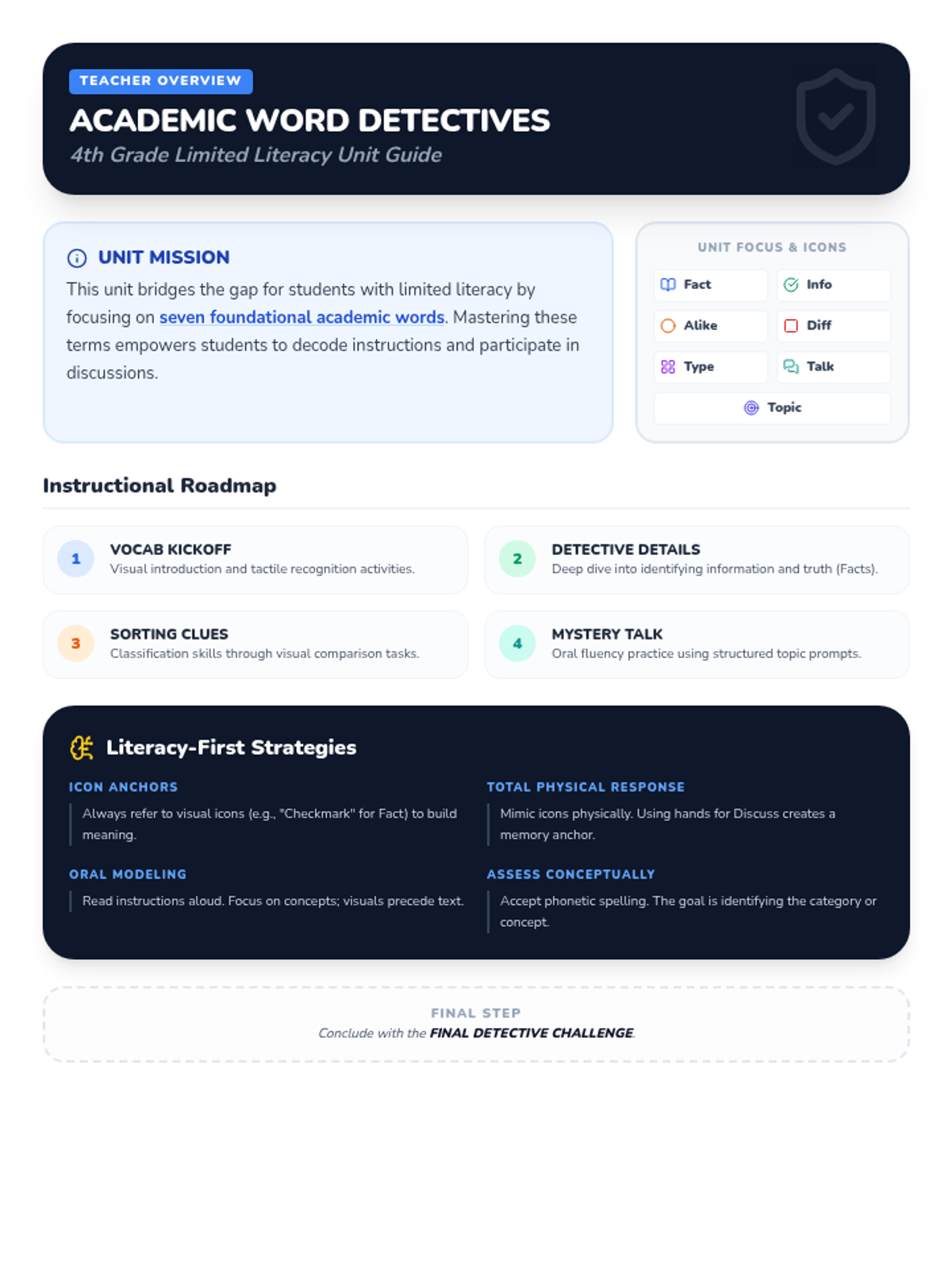
A collection of vocabulary-building resources designed for 4th-grade students with limited literacy. The lesson focuses on seven key academic terms: information, fact, alike, difference, type, discuss, and topic through visual and tactile activities.
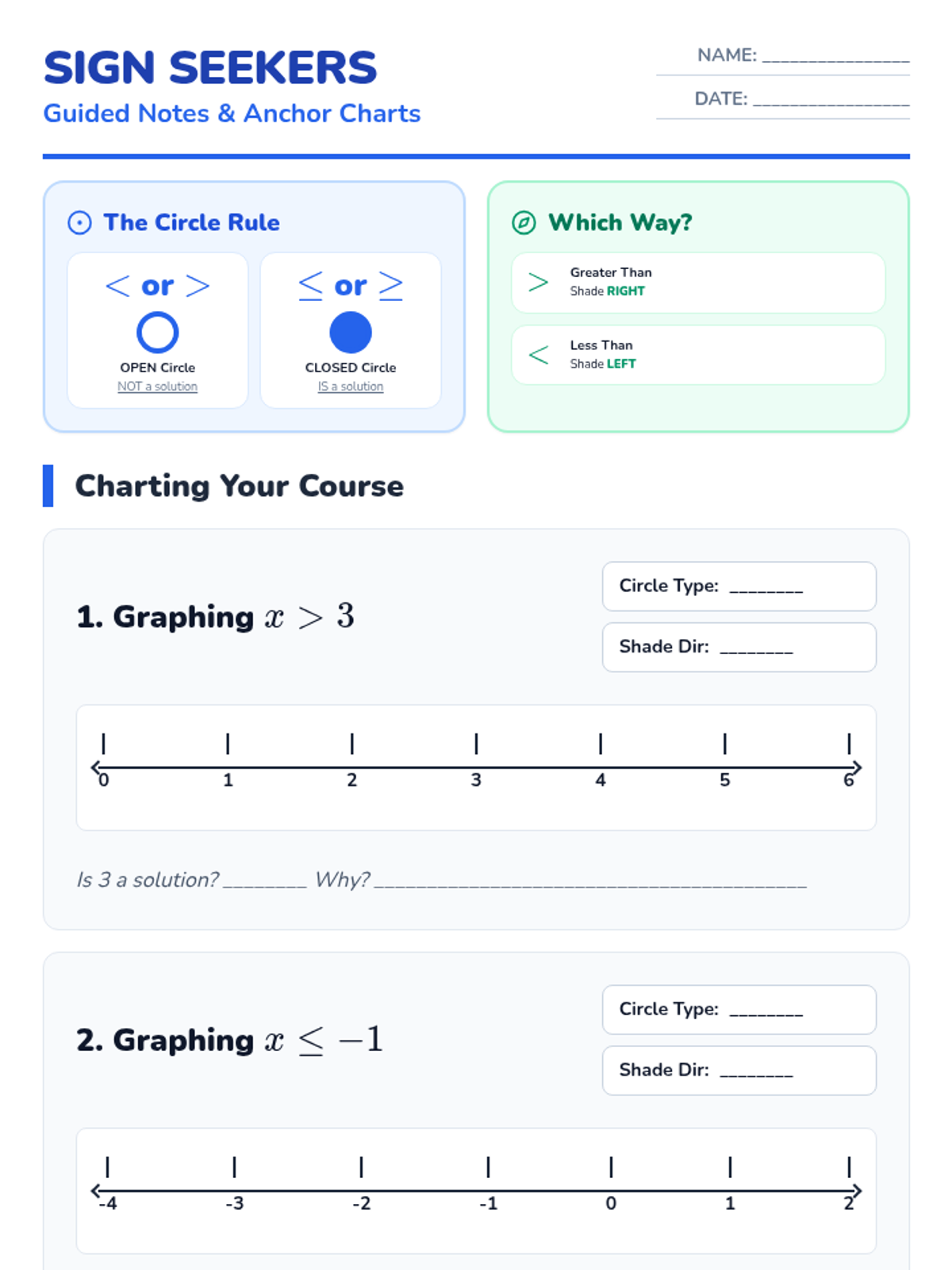
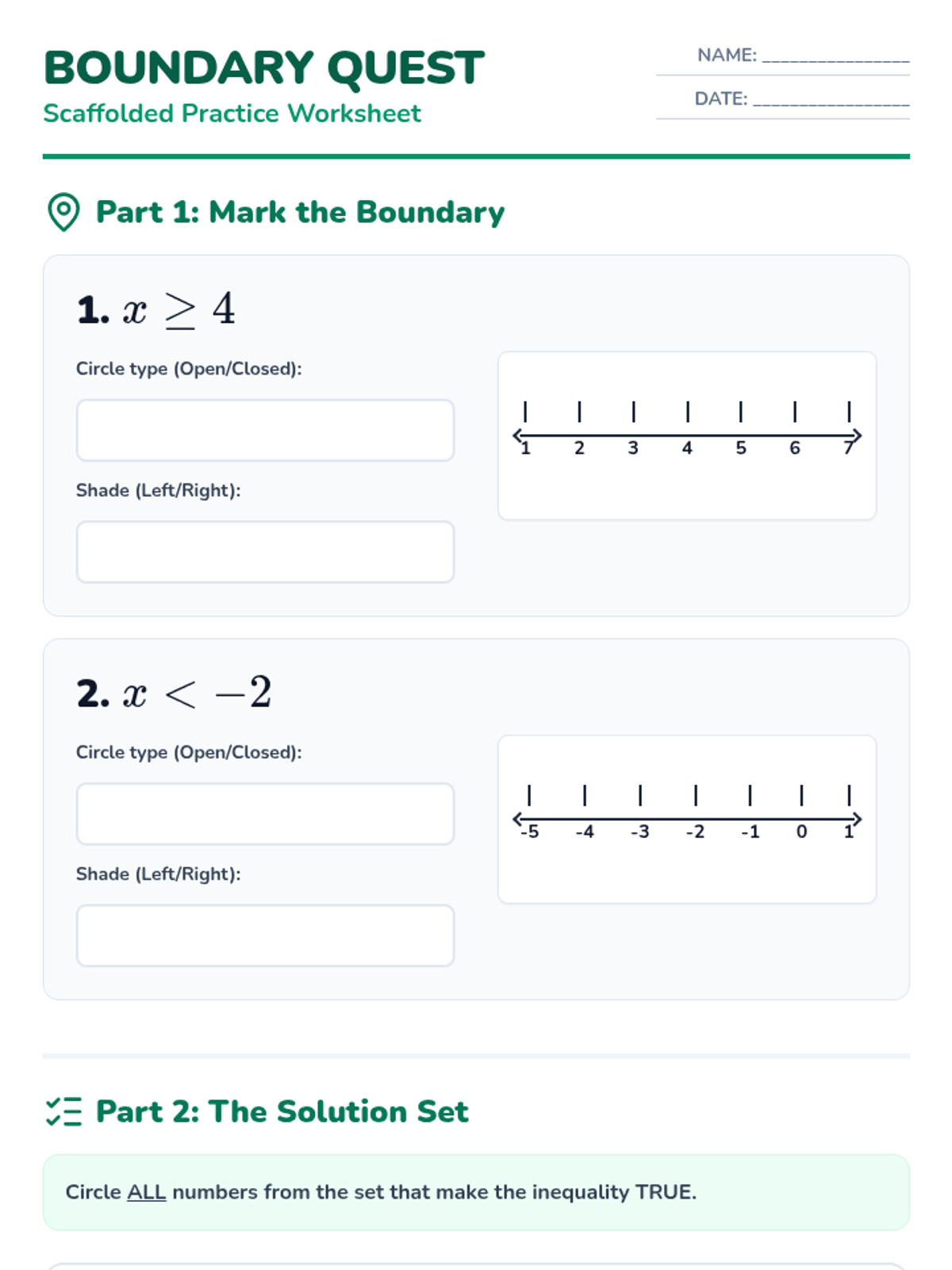
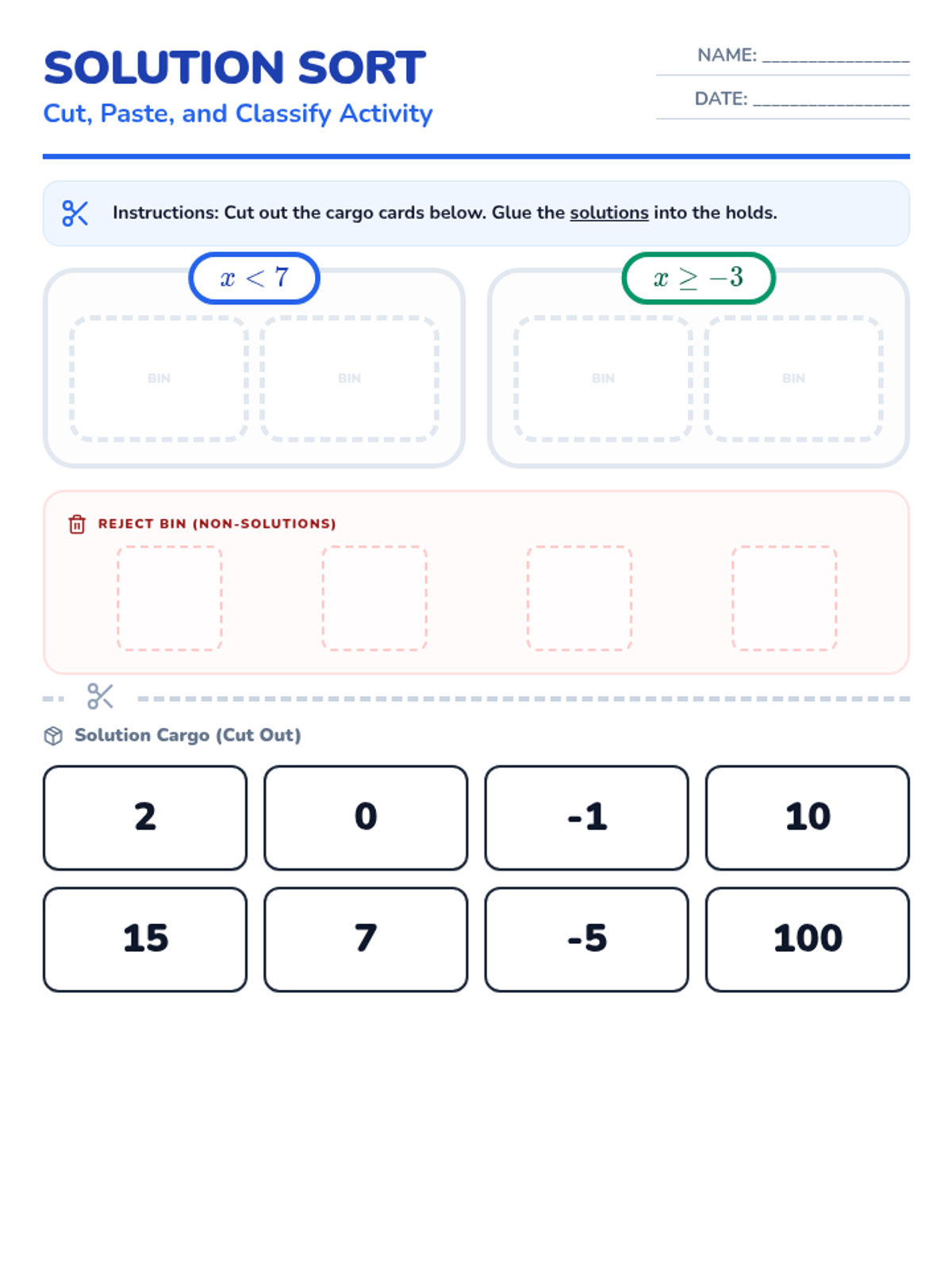
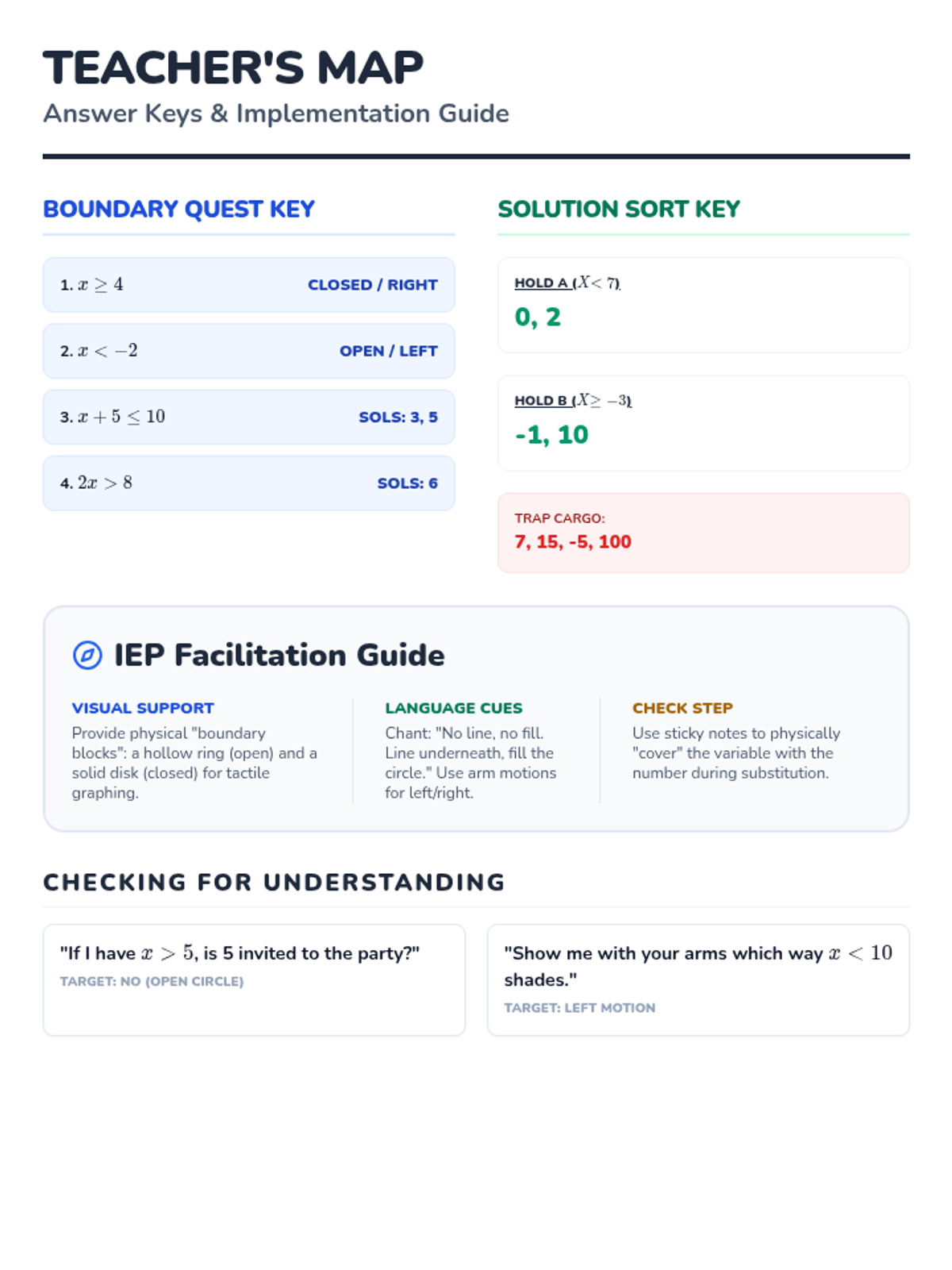
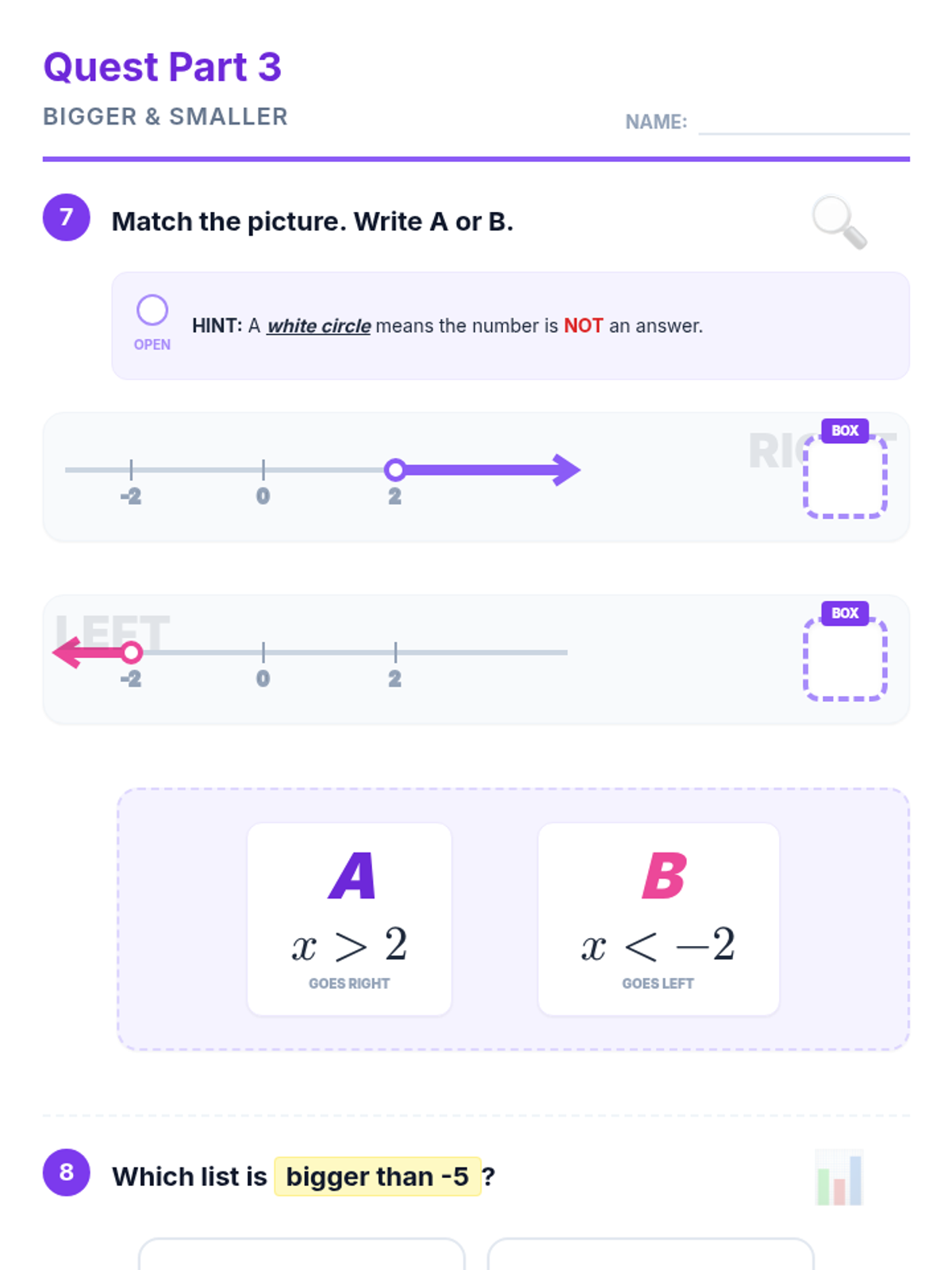
A scaffolded lesson on inequalities designed for students with IEPs, focusing on graphing on number lines and identifying solutions from sets using a navigation-themed approach.
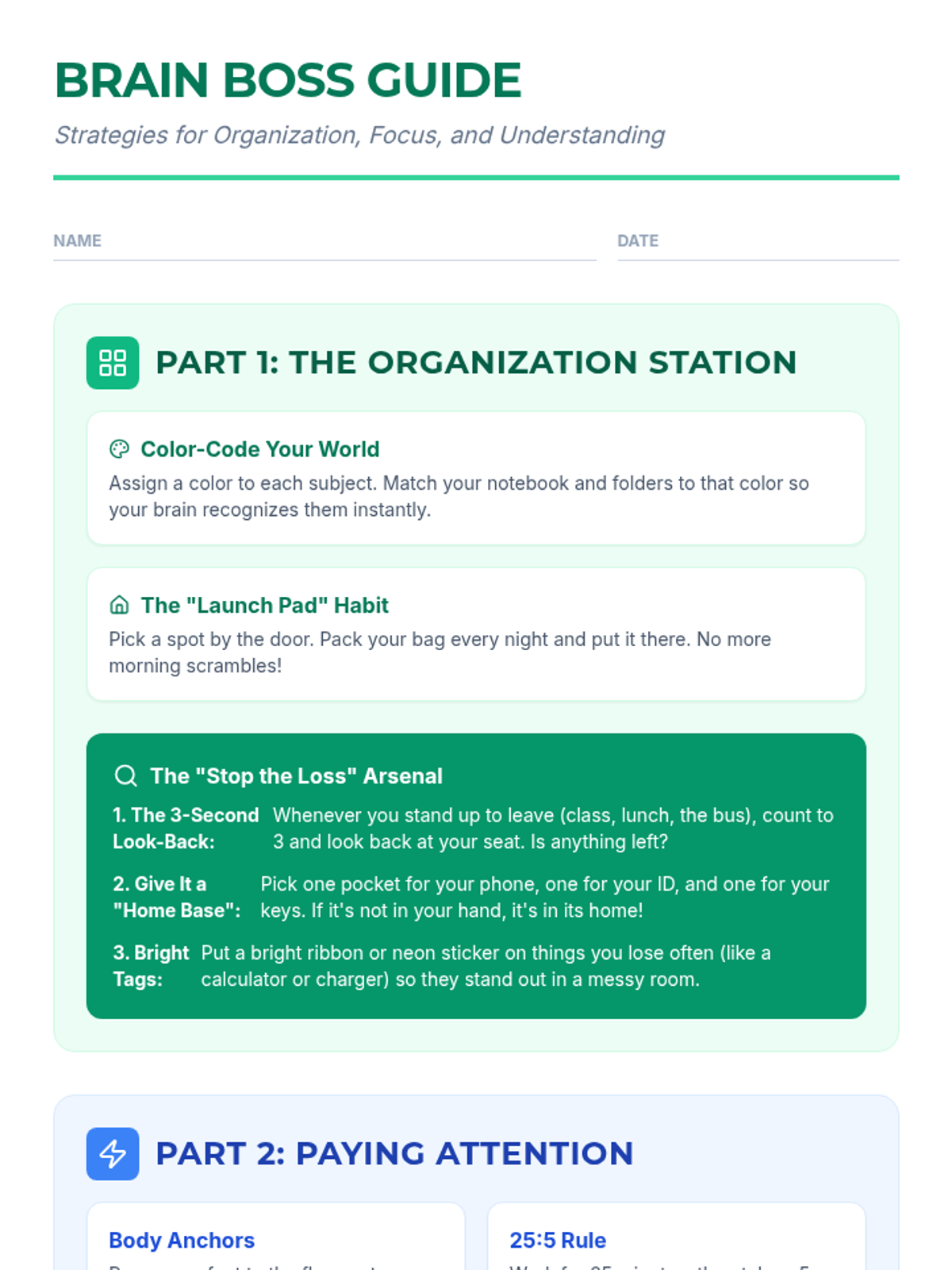
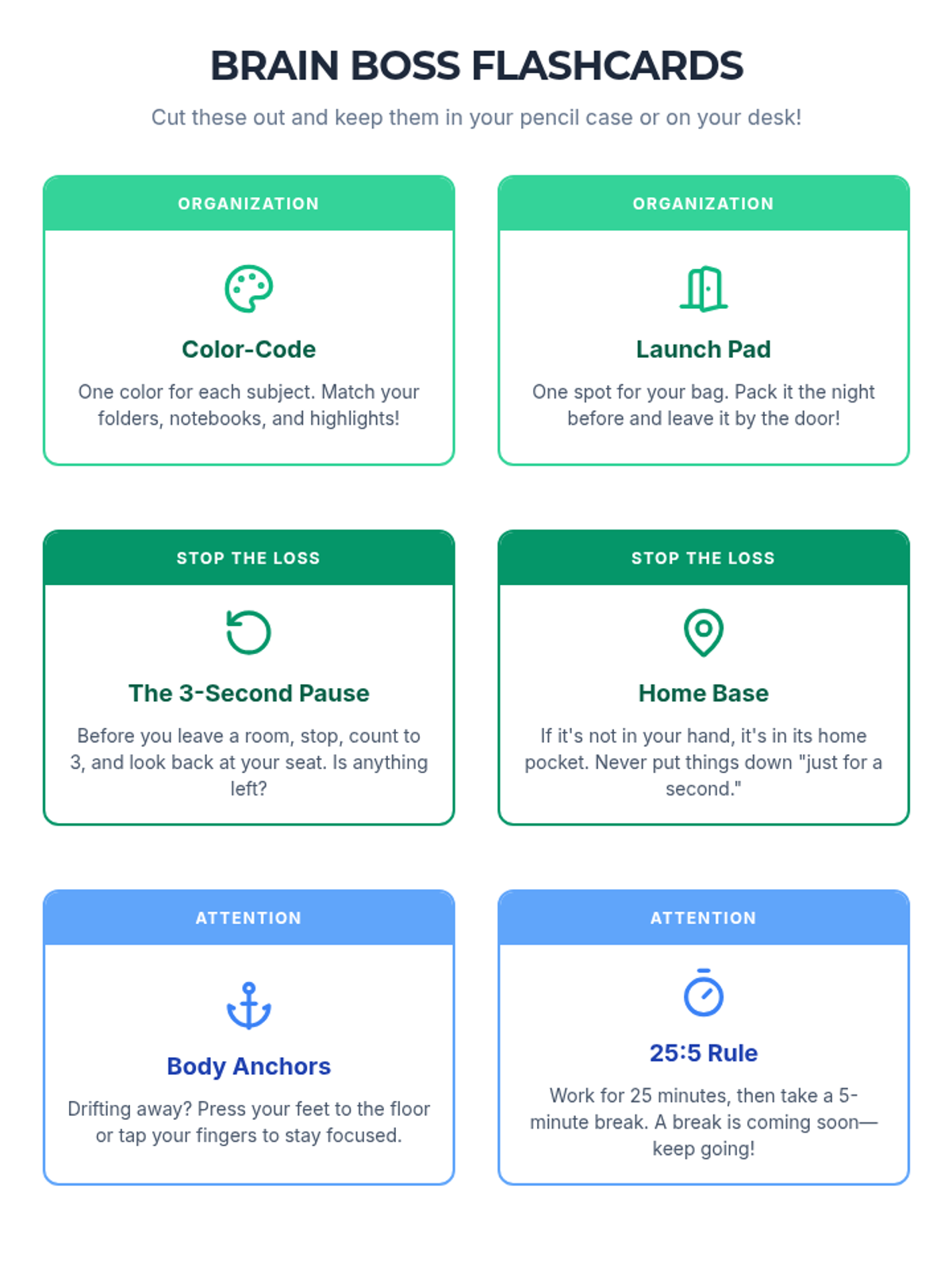
A comprehensive set of tools and strategies designed for a 7th-grade student to improve organizational skills, sustain attention, and boost reading comprehension.
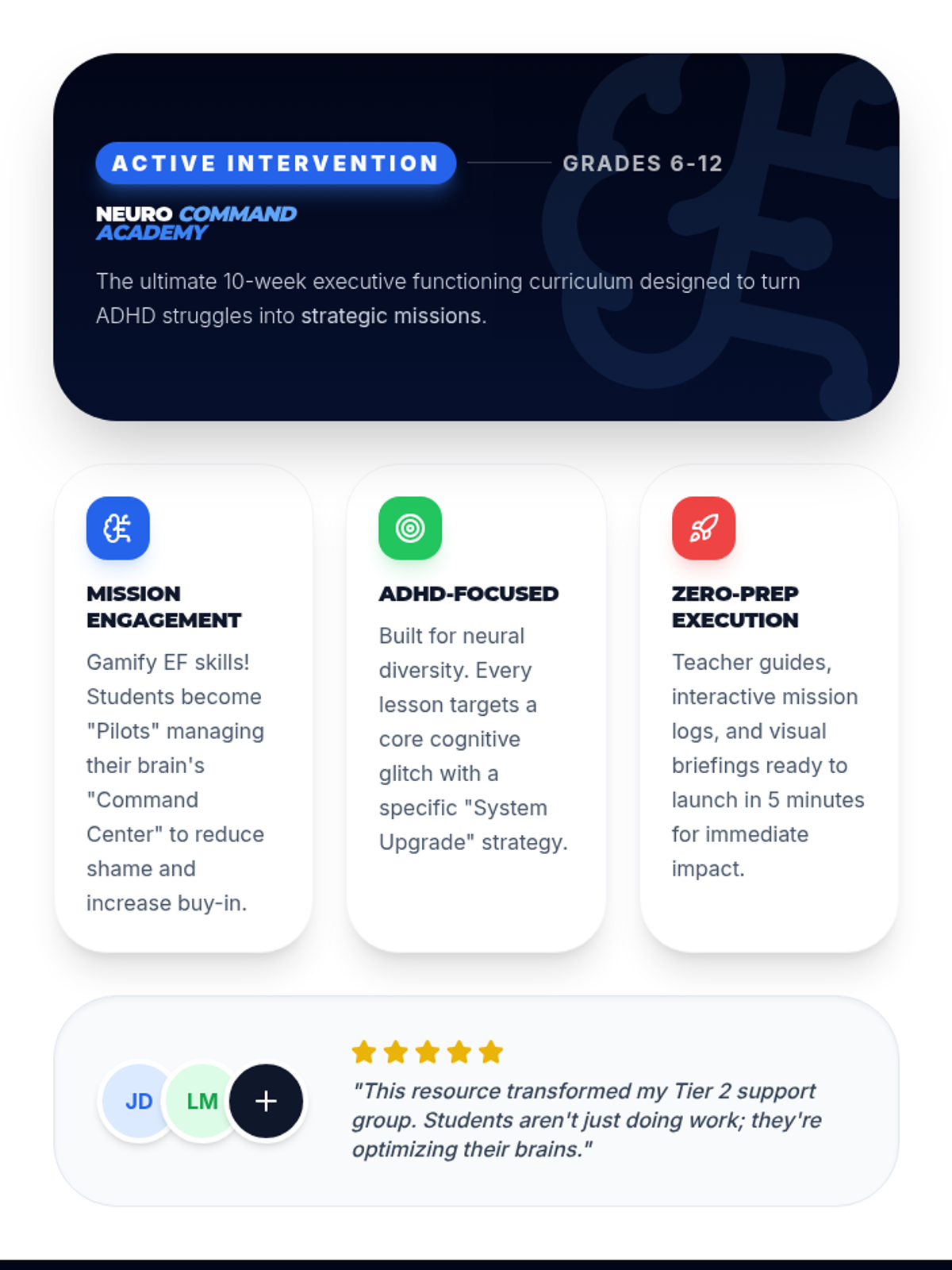
A comprehensive resource kit for the 'Neuro Command Academy' 10-week curriculum, including high-impact TPT product pages and standards-aligned guides.
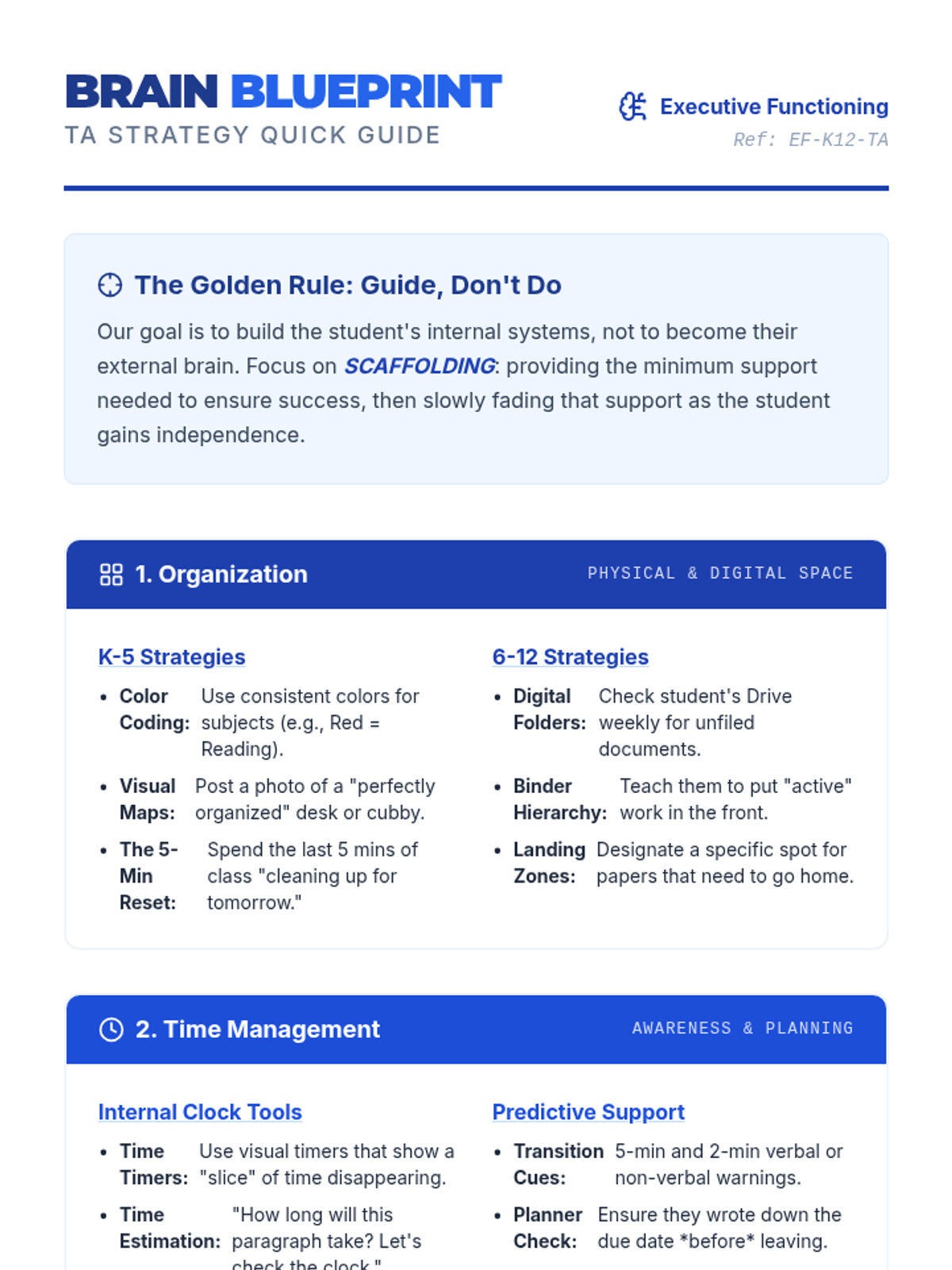
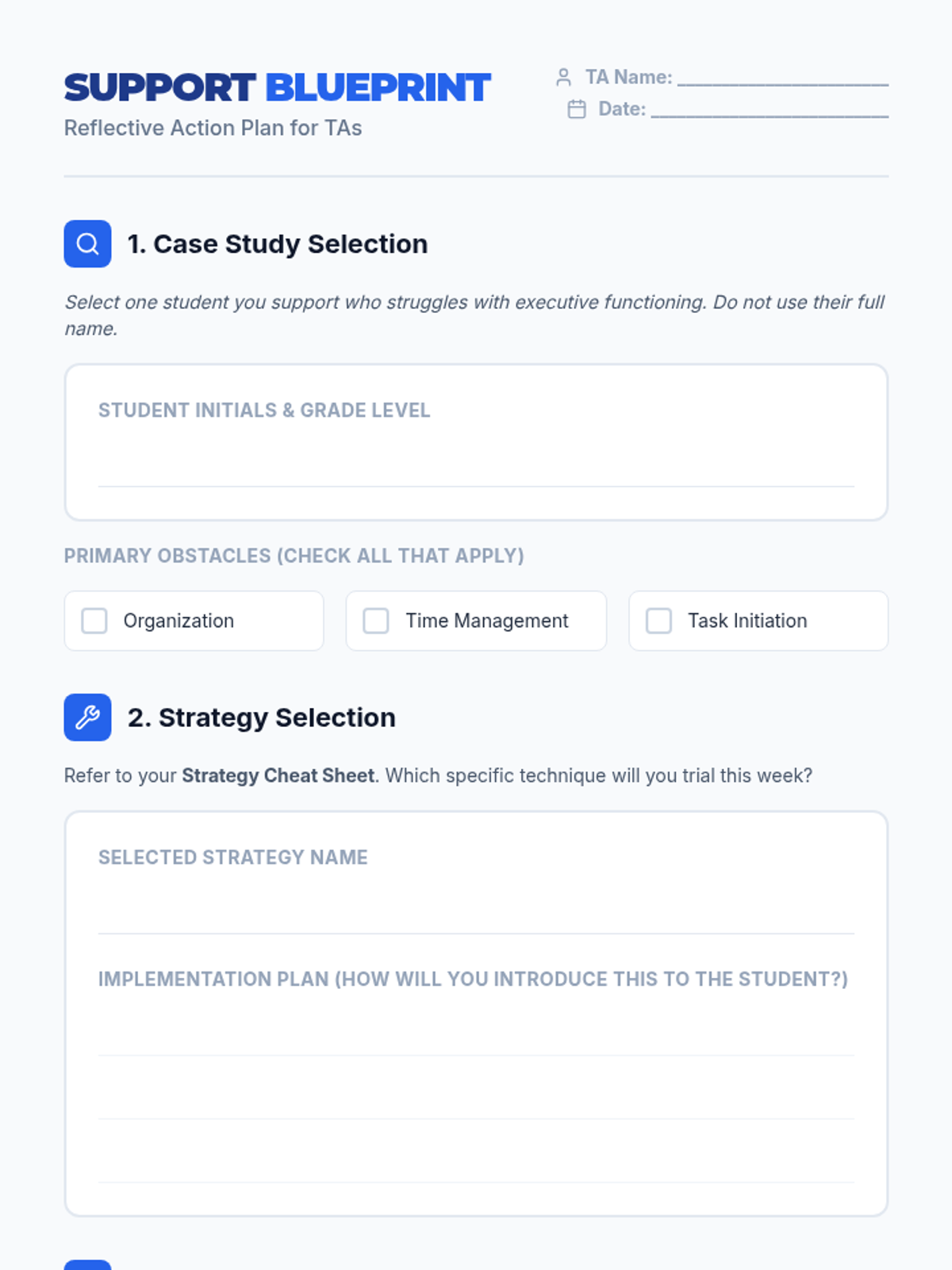
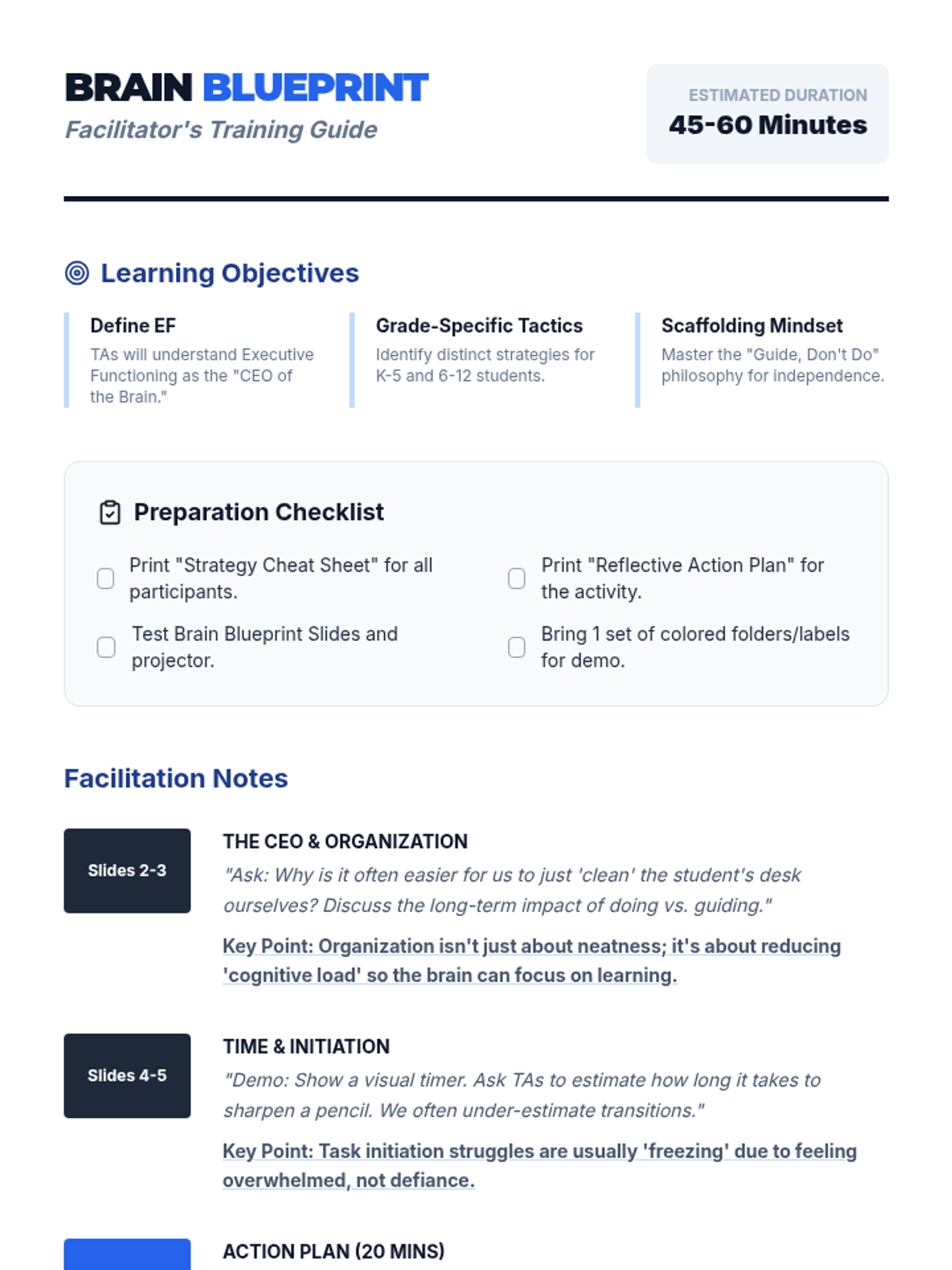
A comprehensive training program for Teaching Assistants to master the art of supporting student executive functioning, focusing on organization, time management, and task initiation across K-12.
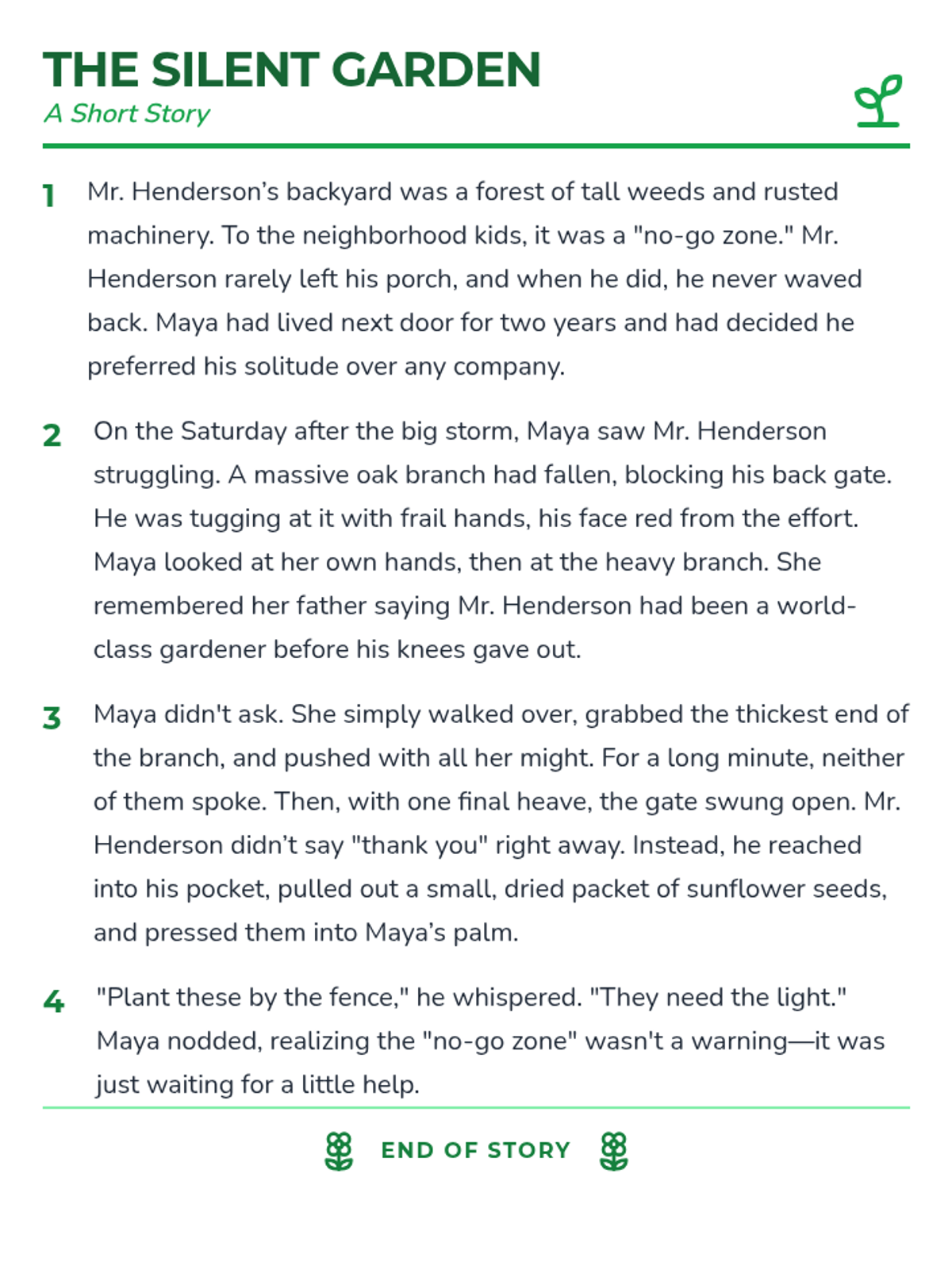
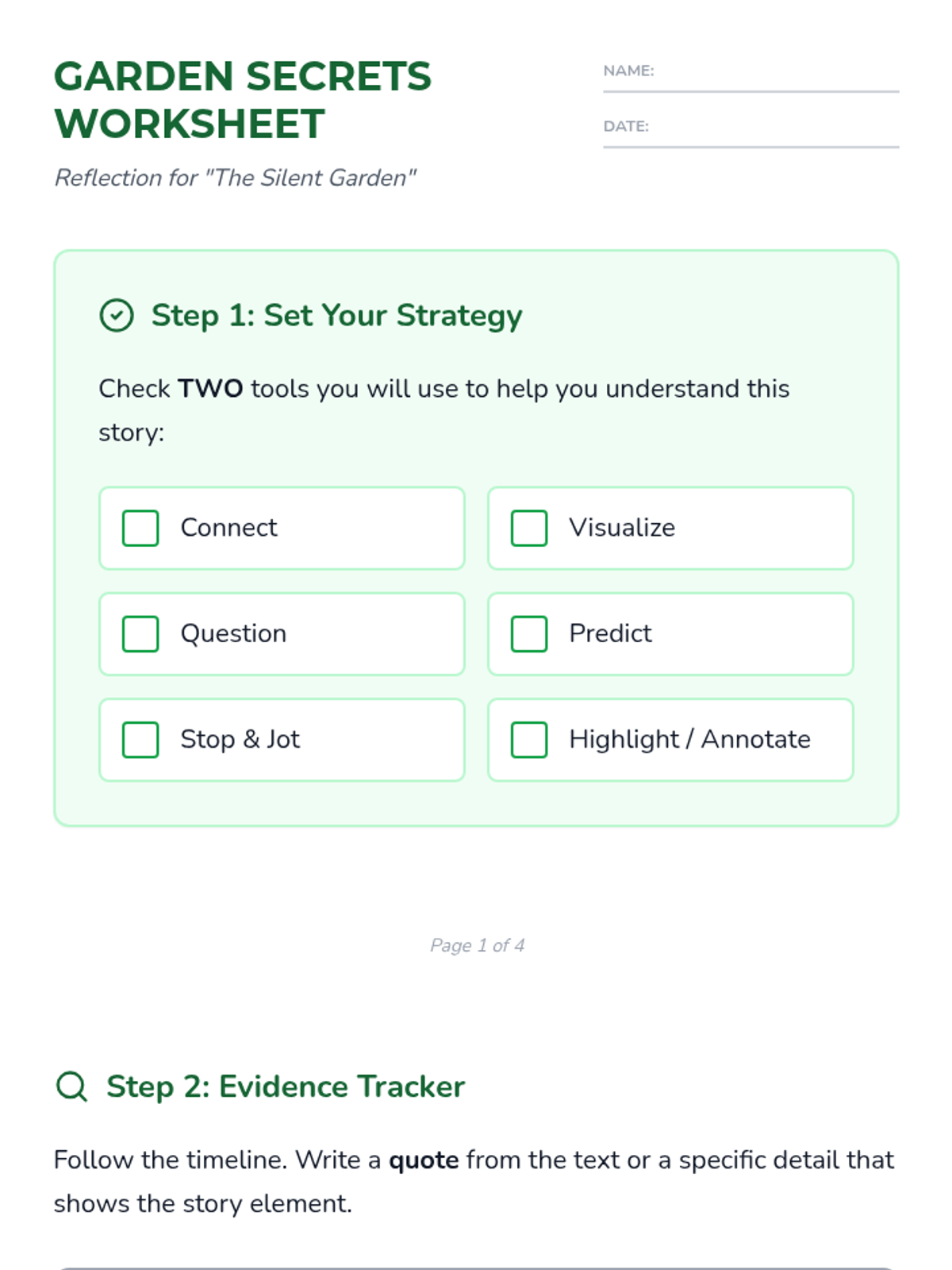
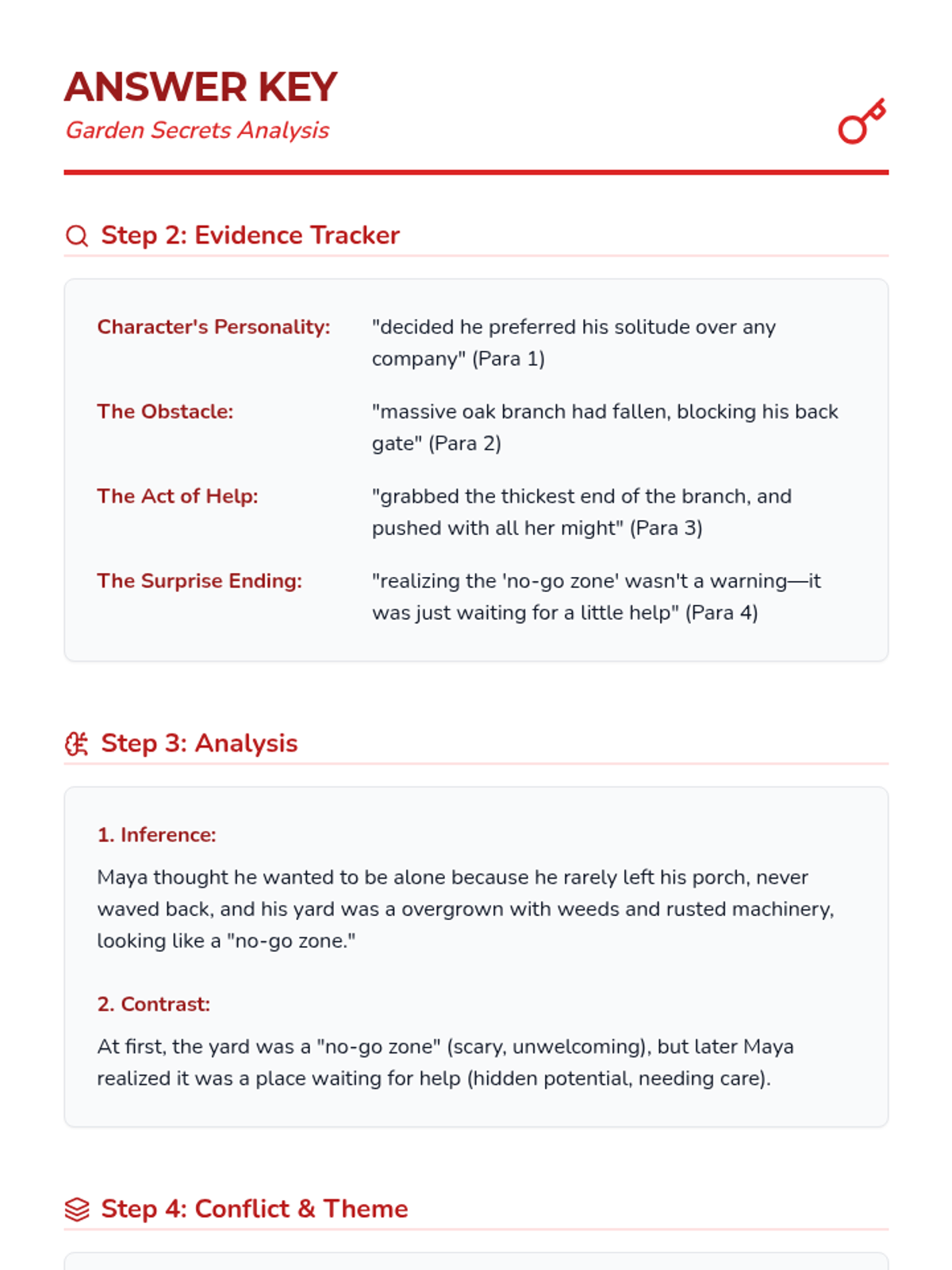
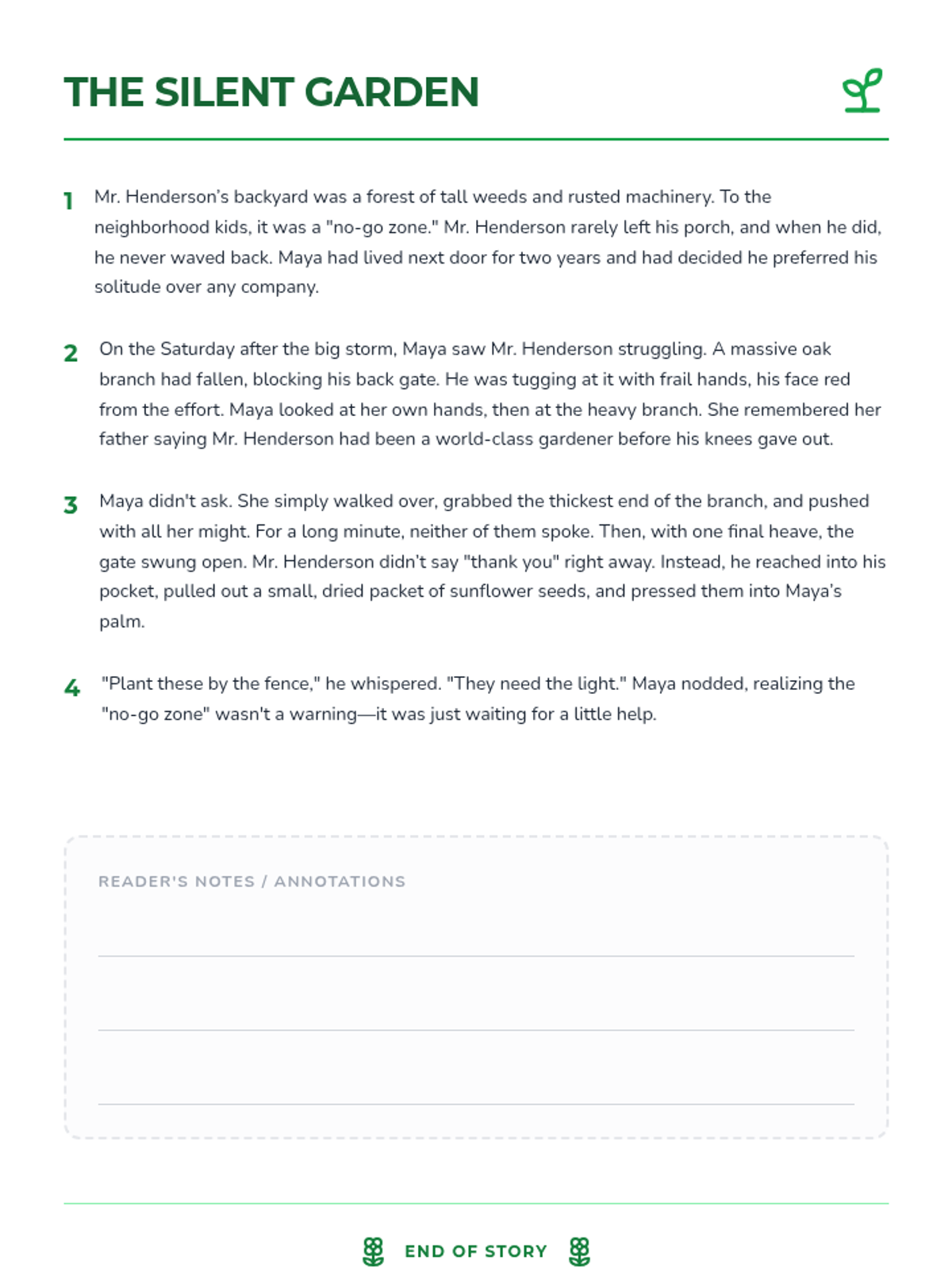
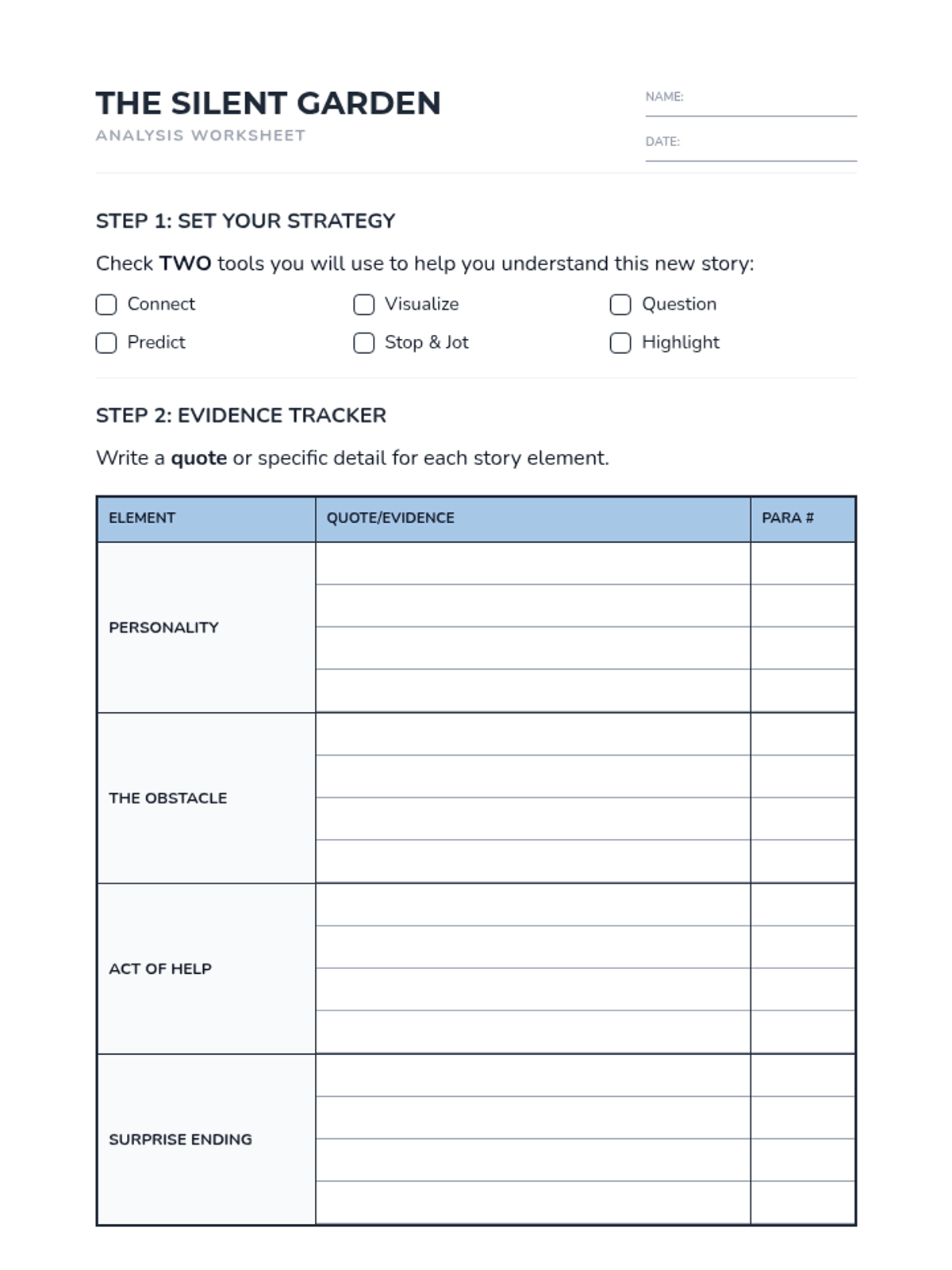
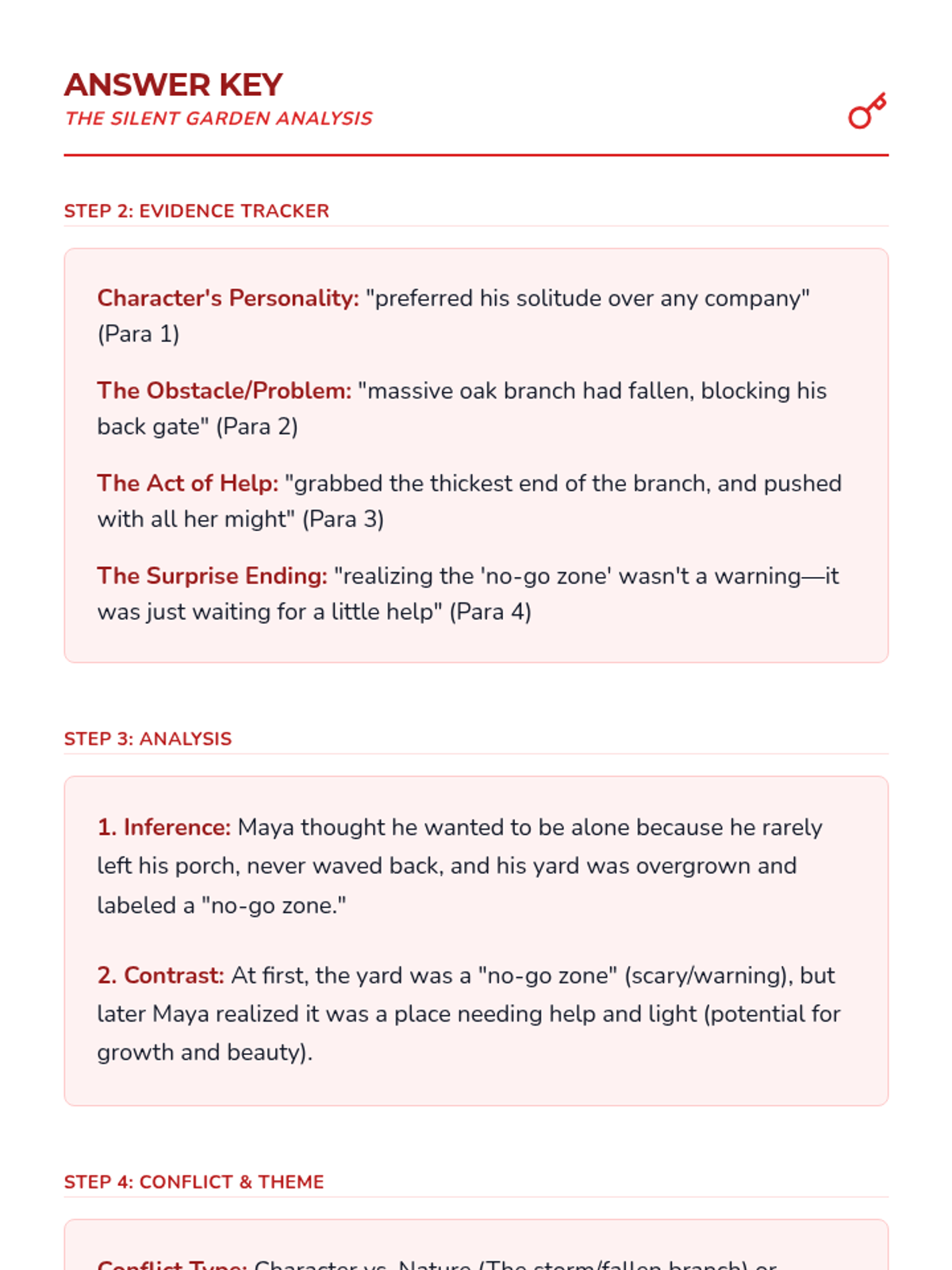
A reading comprehension lesson centered on 'The Silent Garden', focusing on character analysis, conflict types, and theme development with accommodations for special education needs.
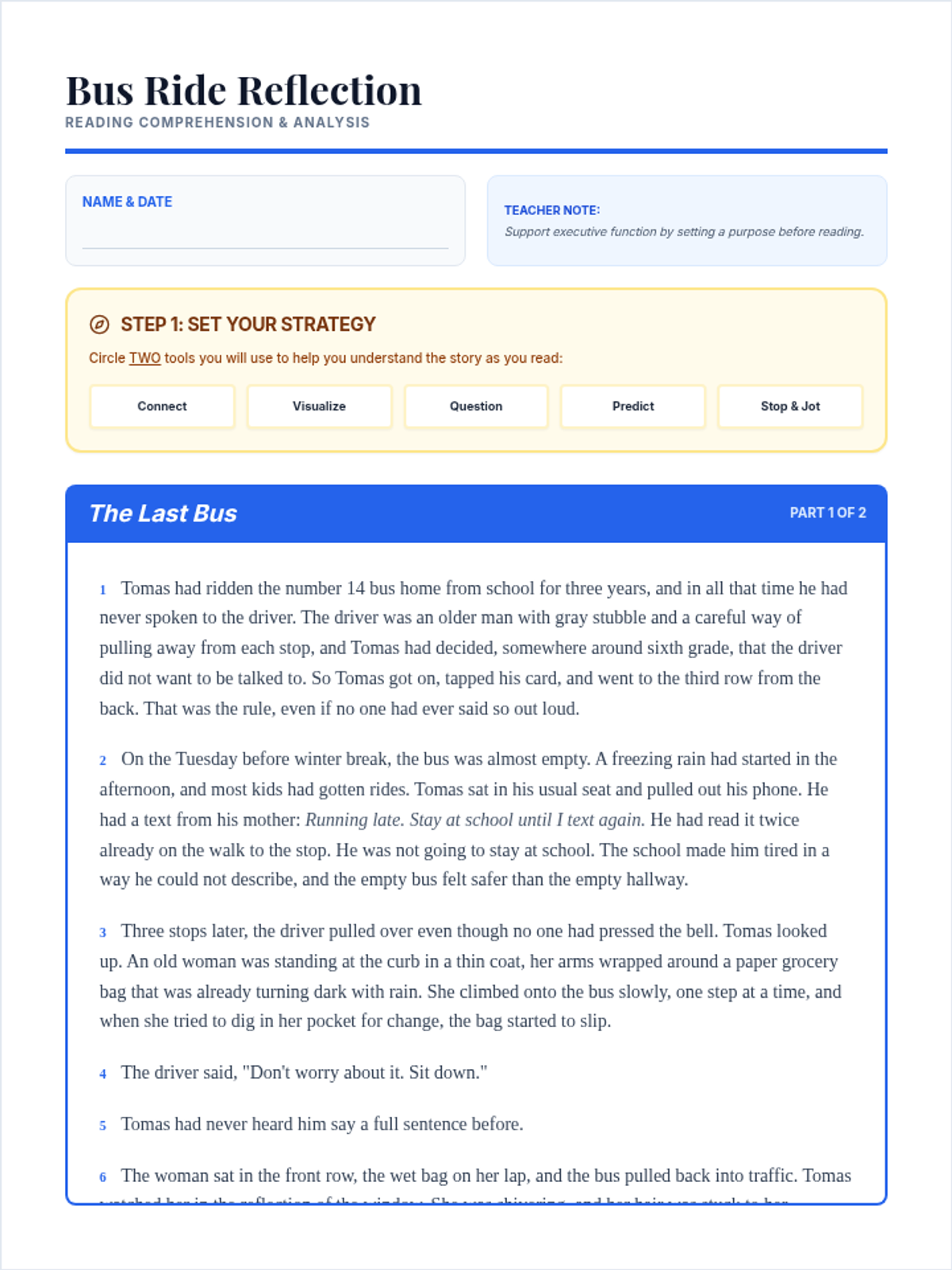
A reading comprehension assessment centered on the story 'The Last Bus', featuring scaffolded graphic organizers to support executive function and inferential thinking.
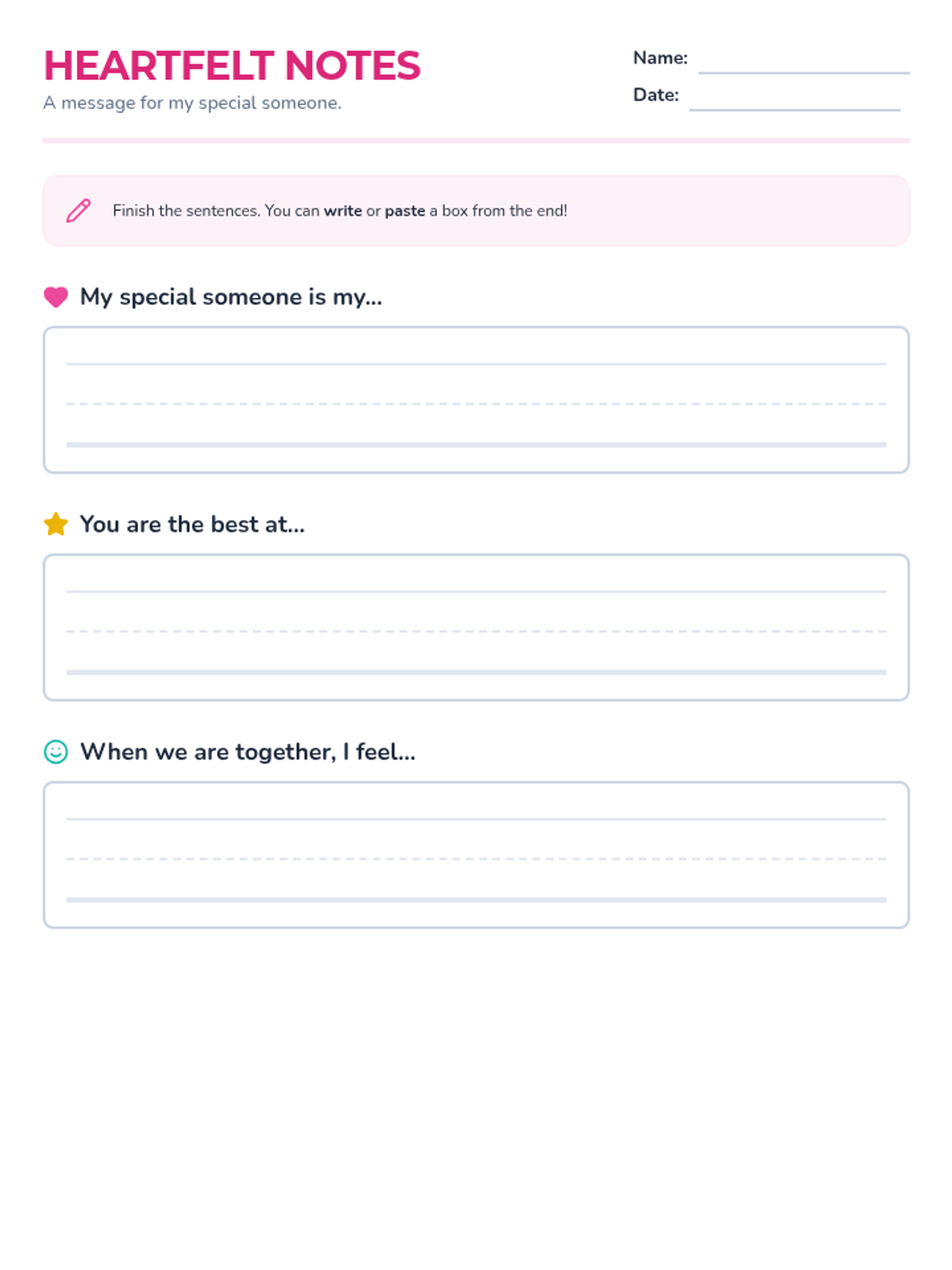
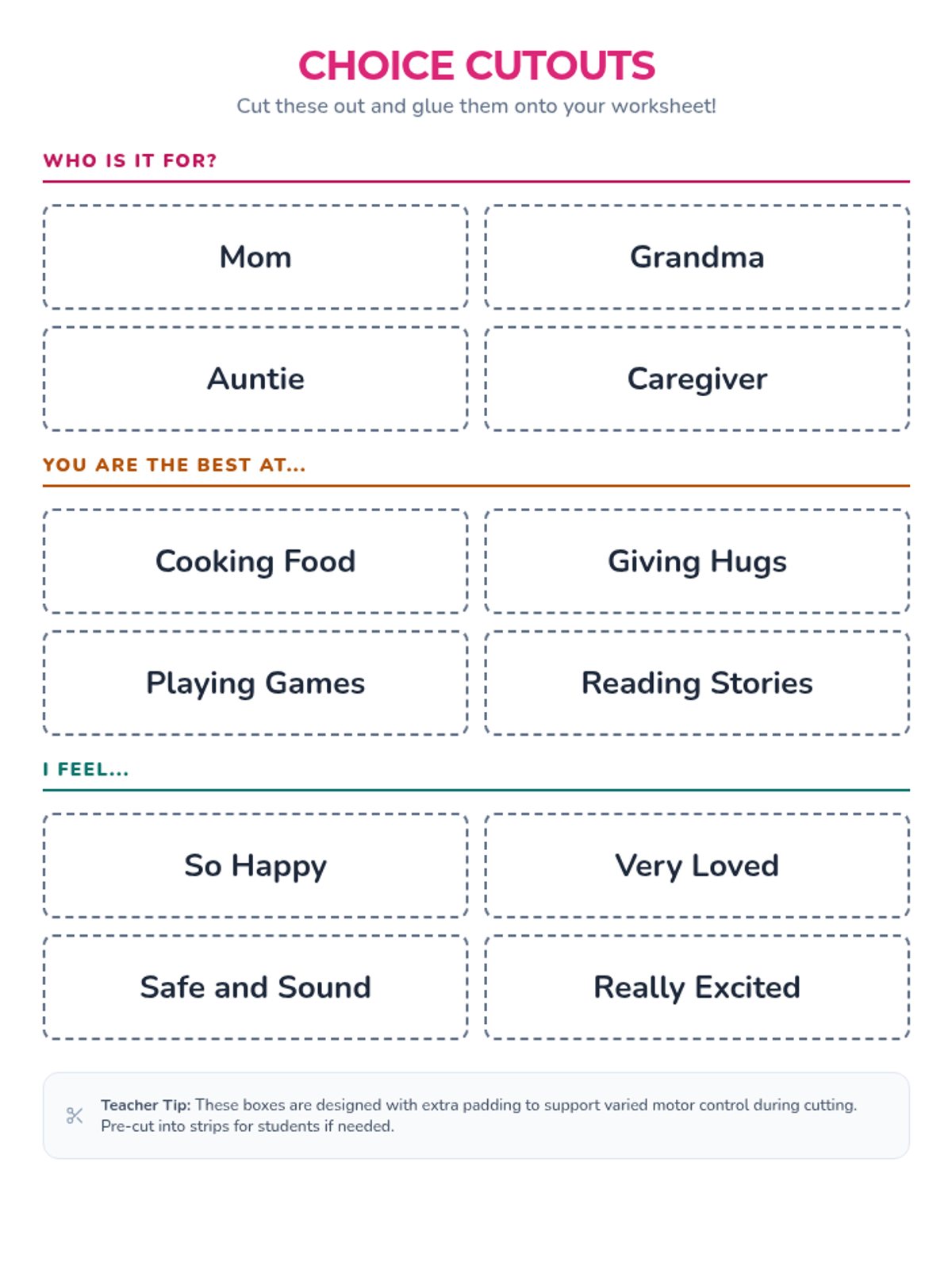
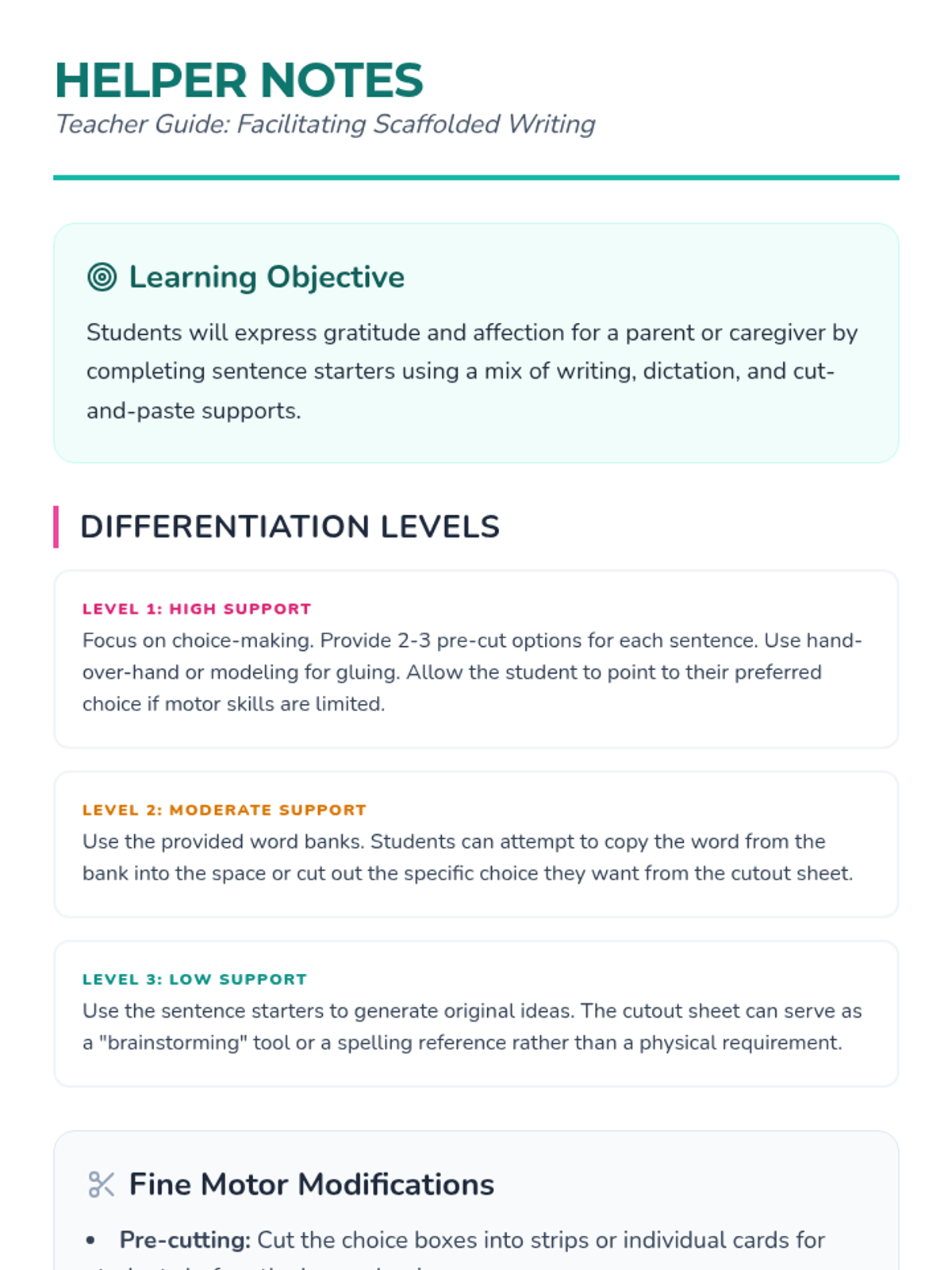
A scaffolded writing activity for Mother's Day and Caregiver Appreciation, specifically designed for students with IEPs. Includes sentence starters, word banks, and cut-and-paste options to support diverse learners in expressing gratitude.
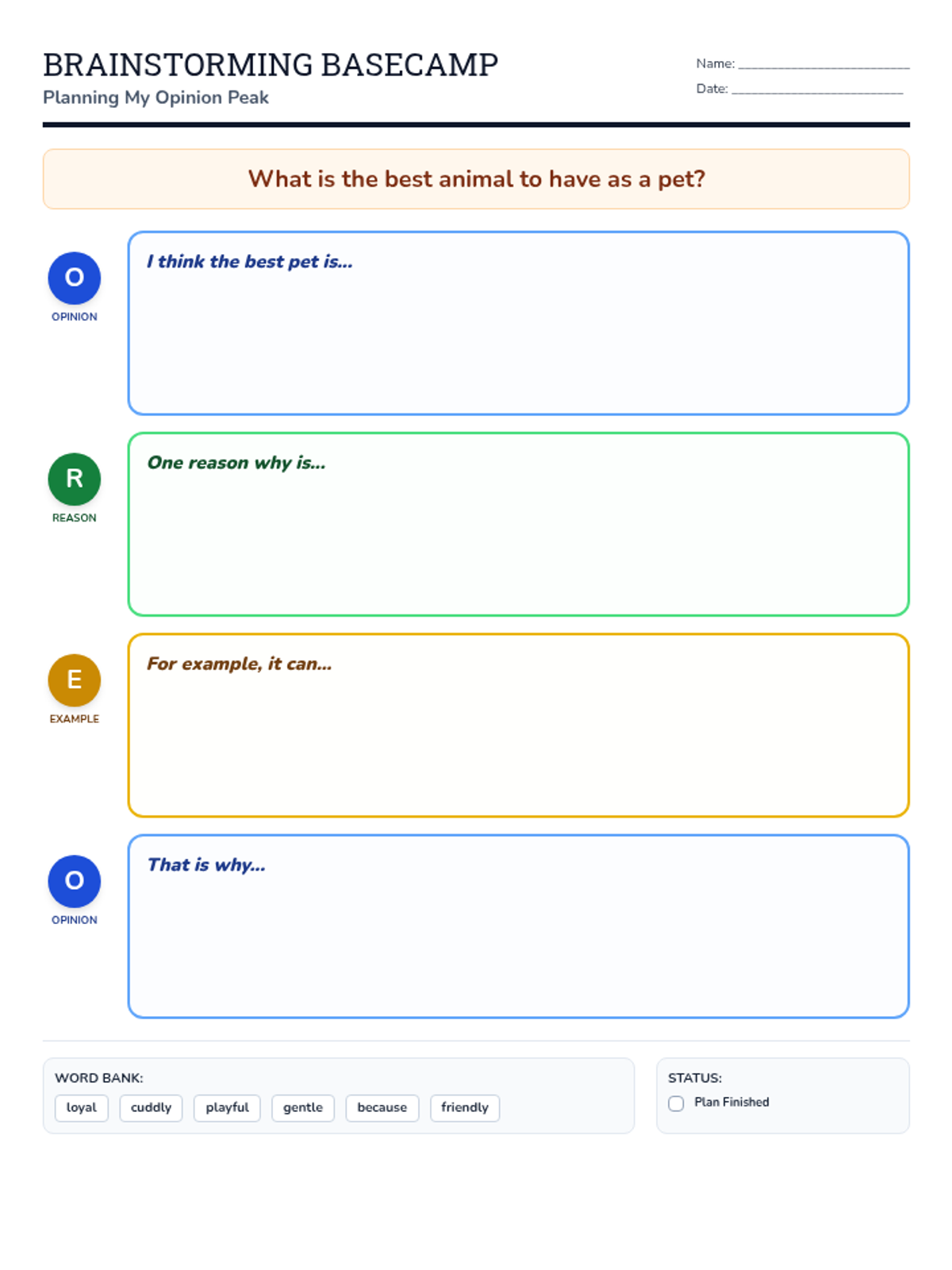
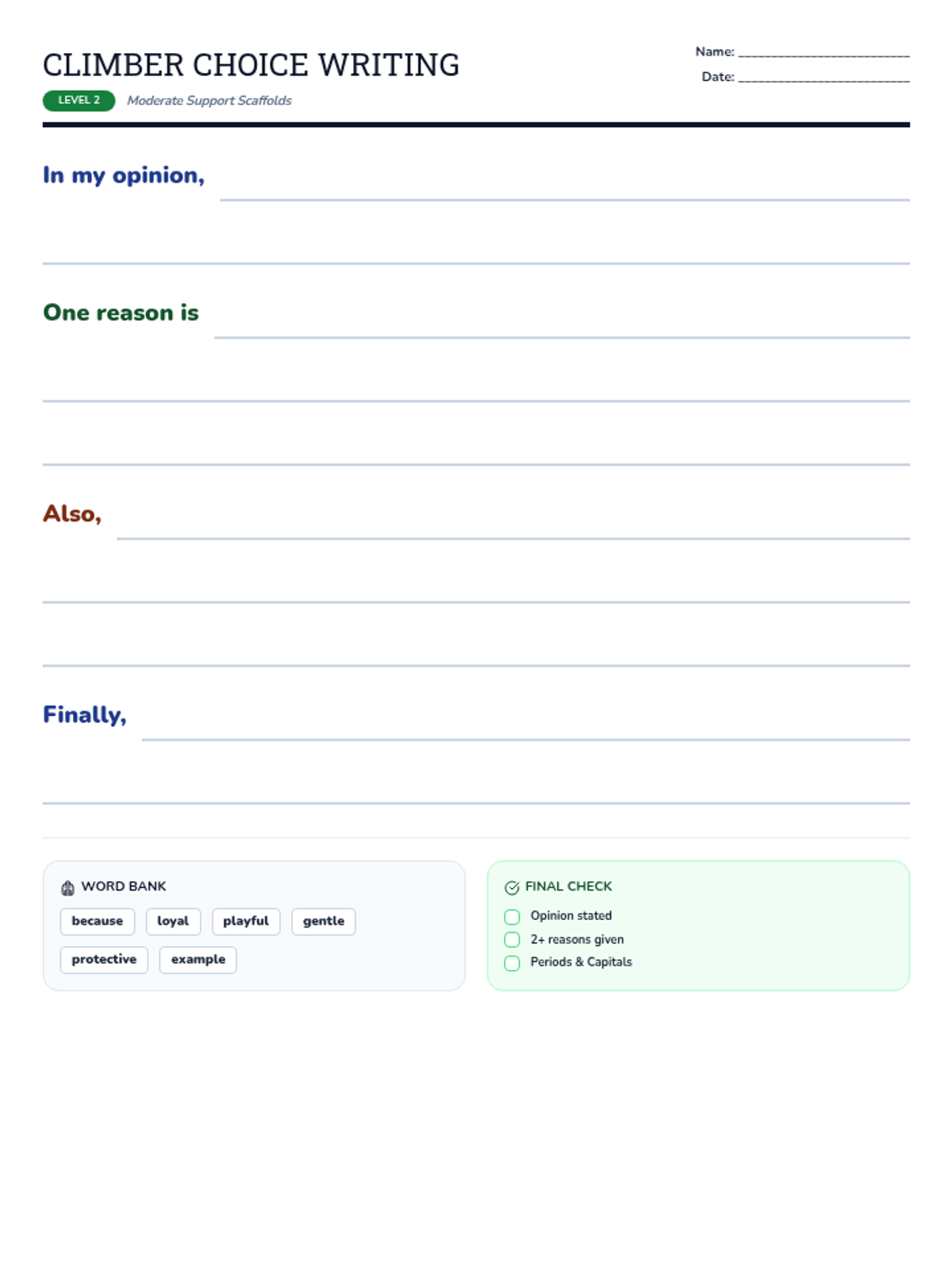
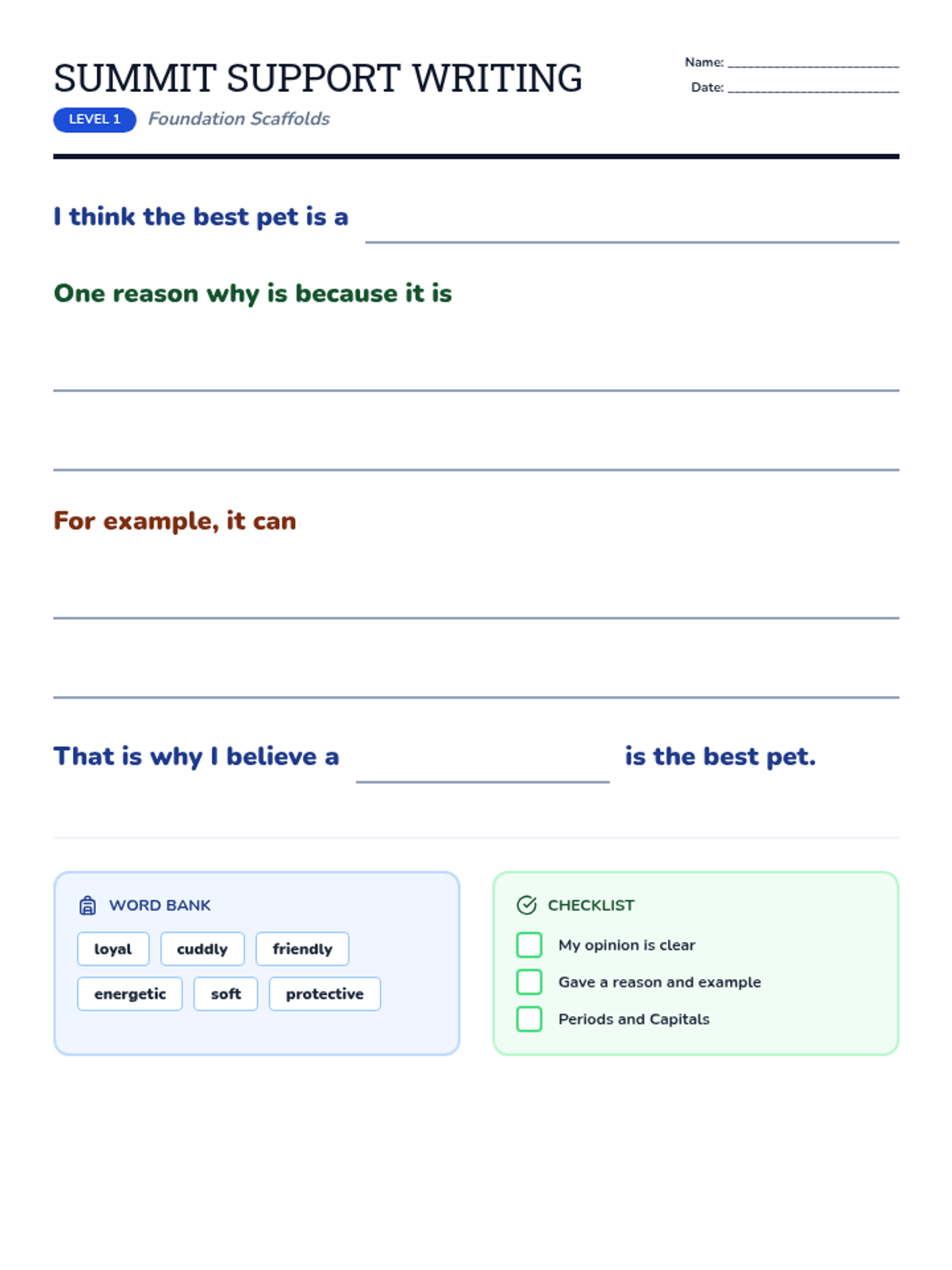
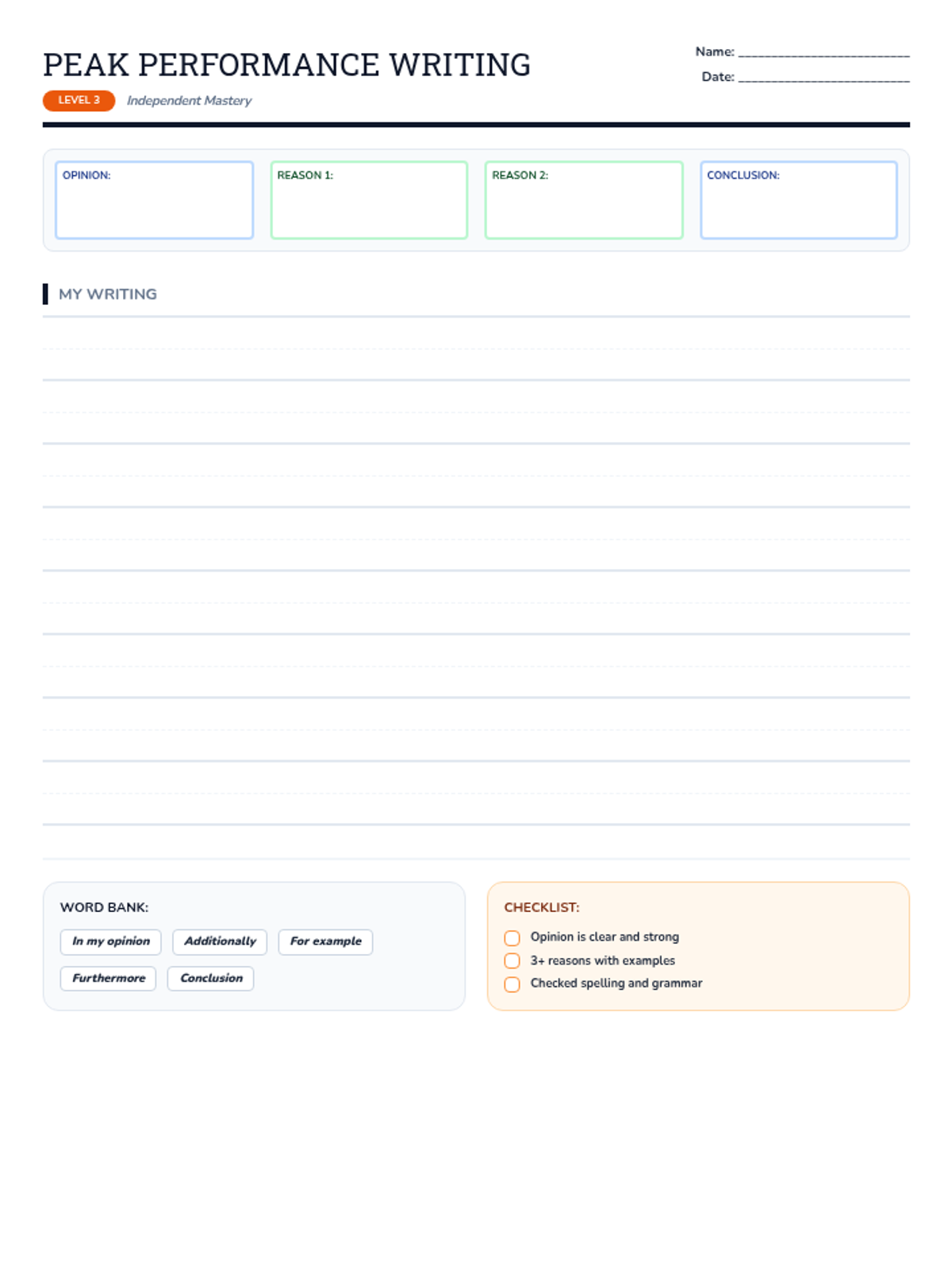
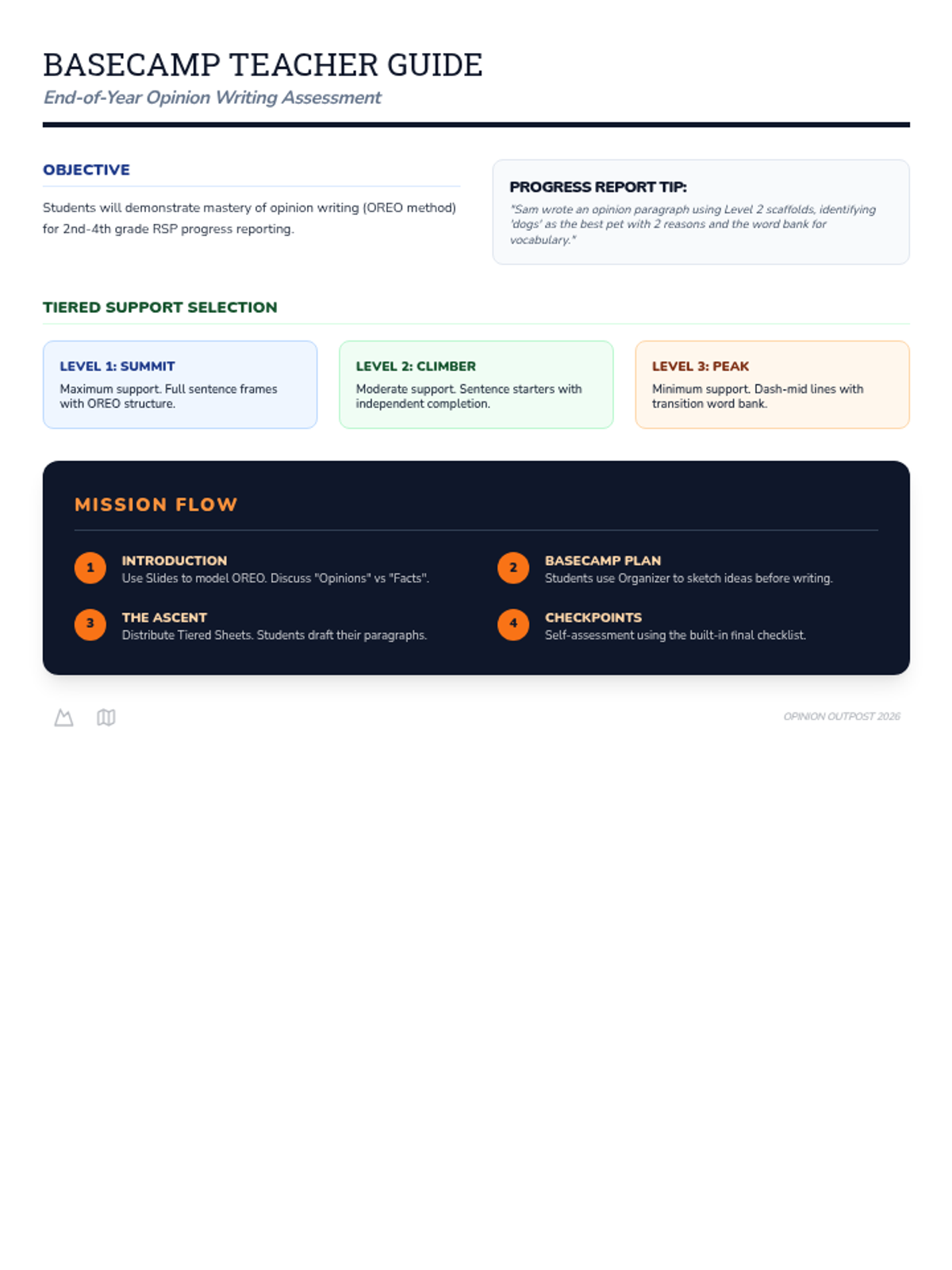
A scaffolded opinion writing lesson focused on 'The Best Pet', designed for 2nd-4th grade RSP students to demonstrate their year-end progress through differentiated writing tasks.
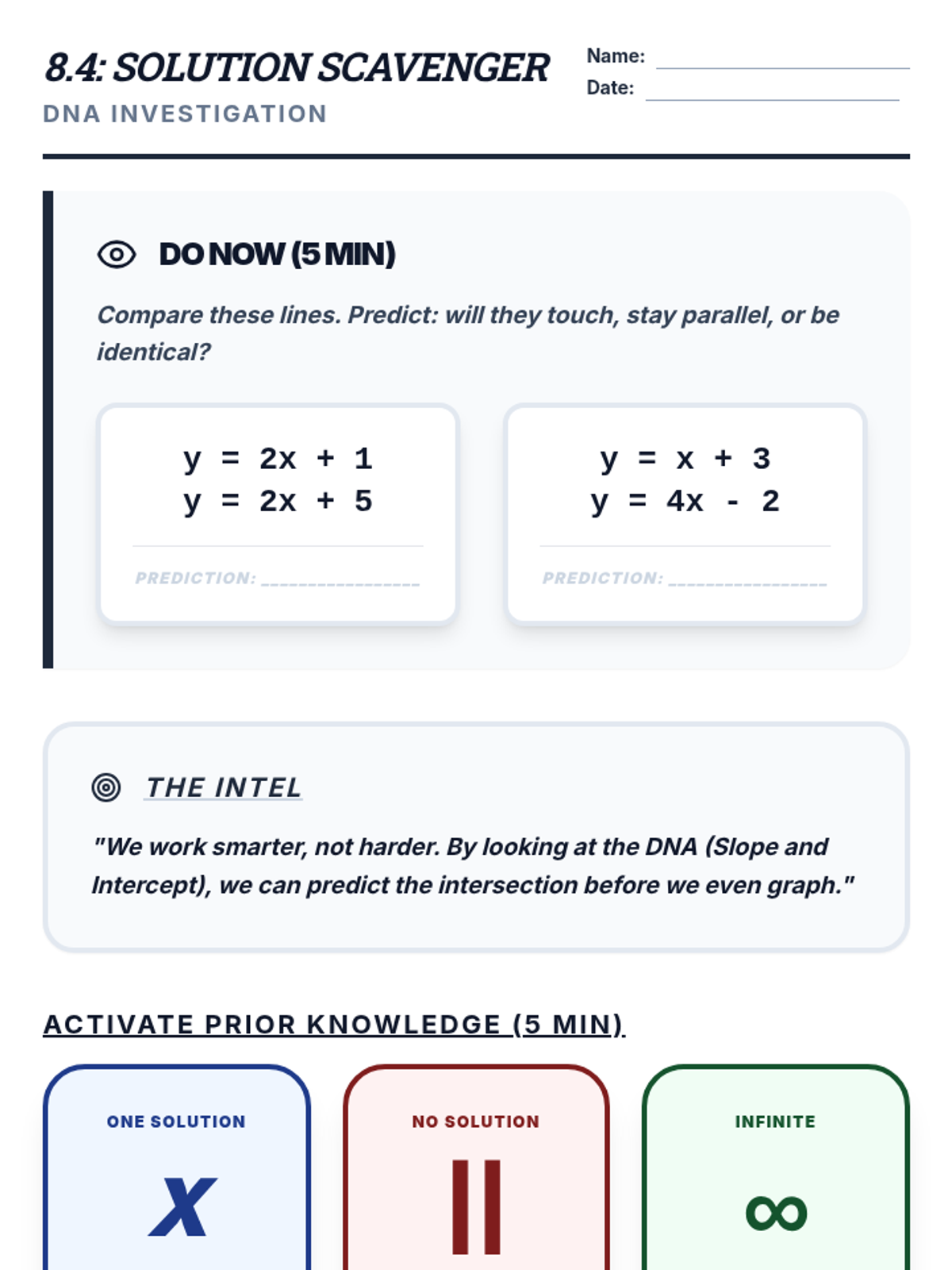
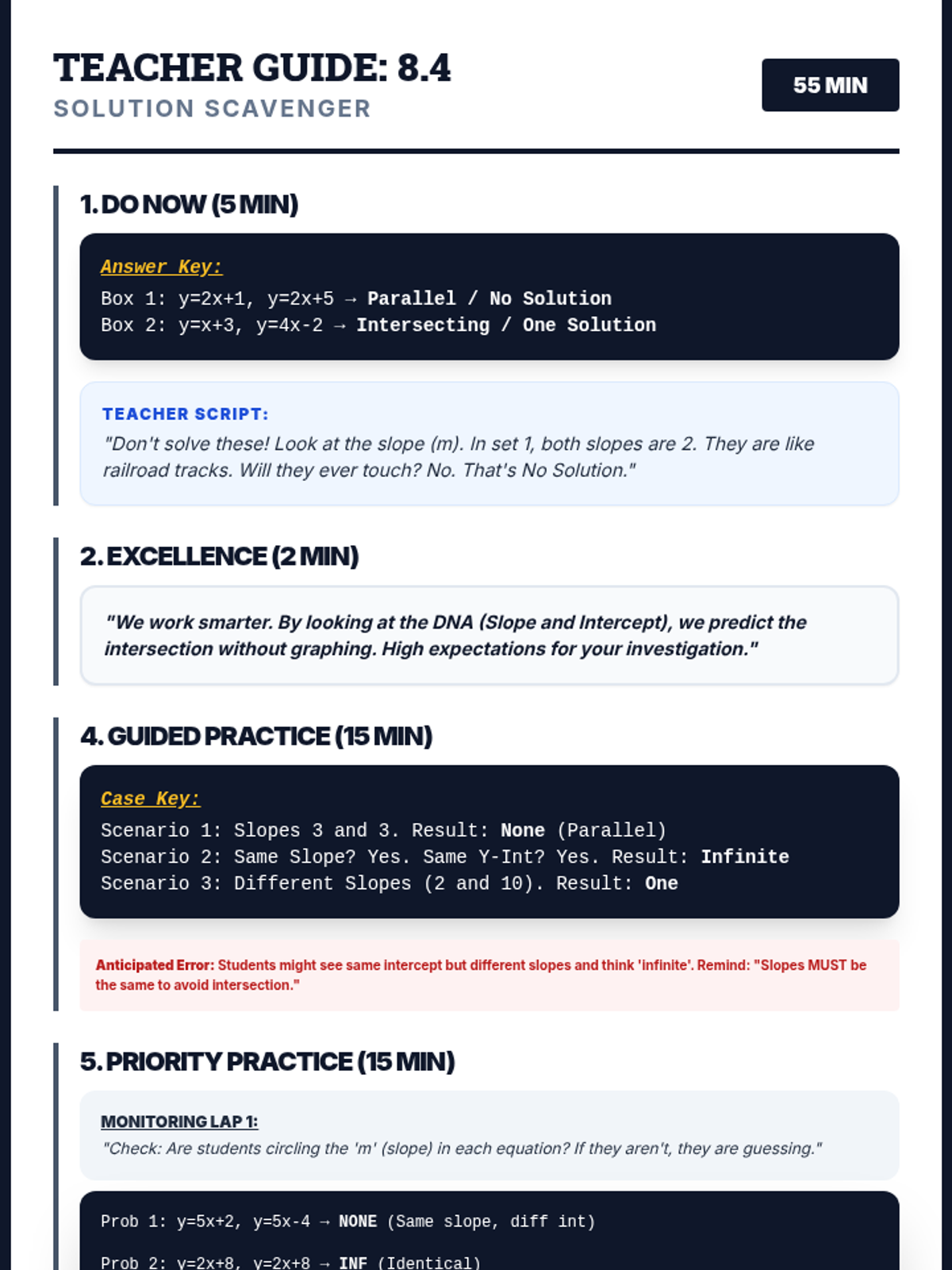
Students will analyze slopes and y-intercepts to determine if a system of equations has one solution, no solution, or infinitely many solutions.
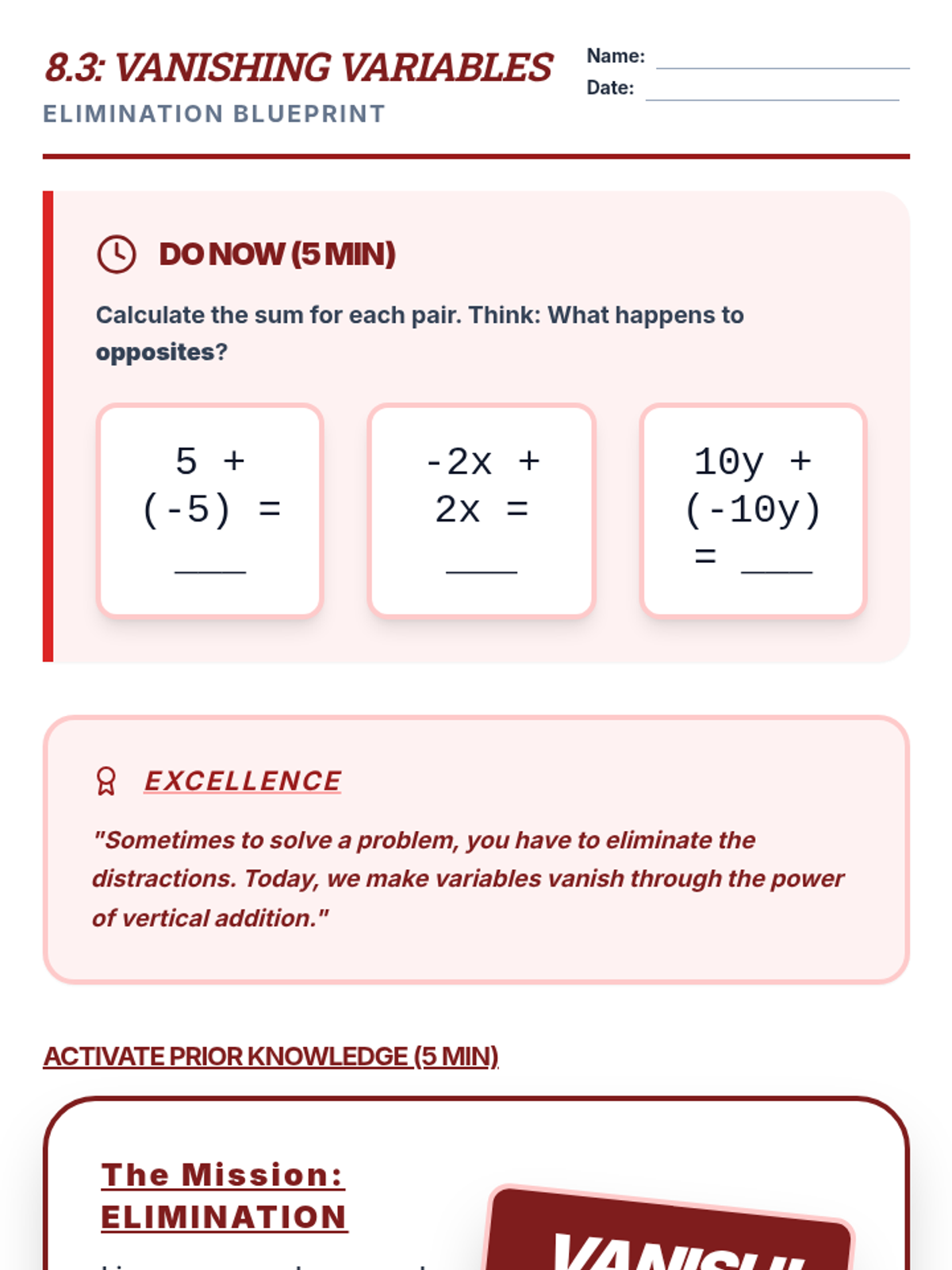
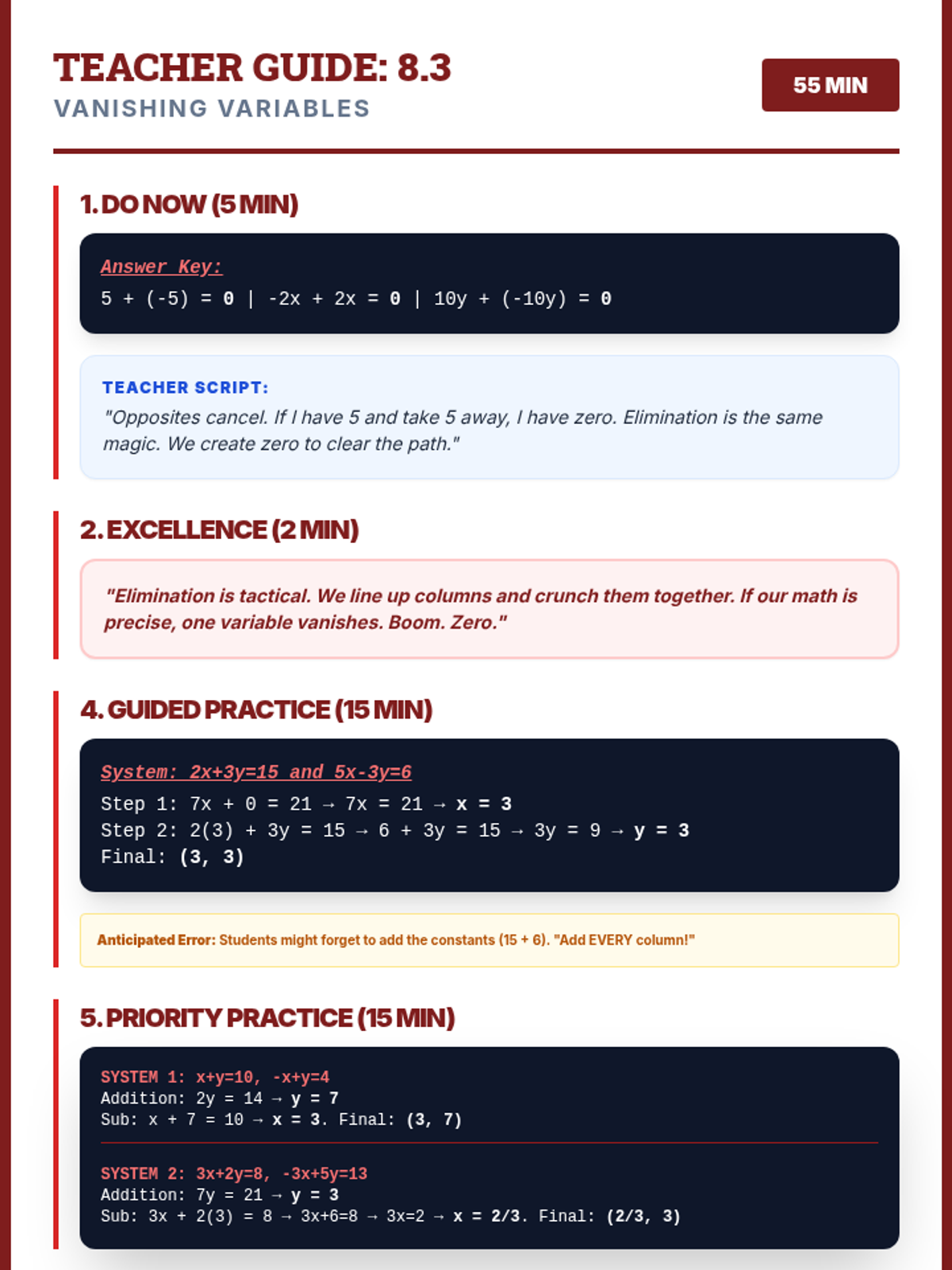
Students will use addition and subtraction to eliminate variables in a system of equations, simplifying complex problems into solvable single-variable equations.
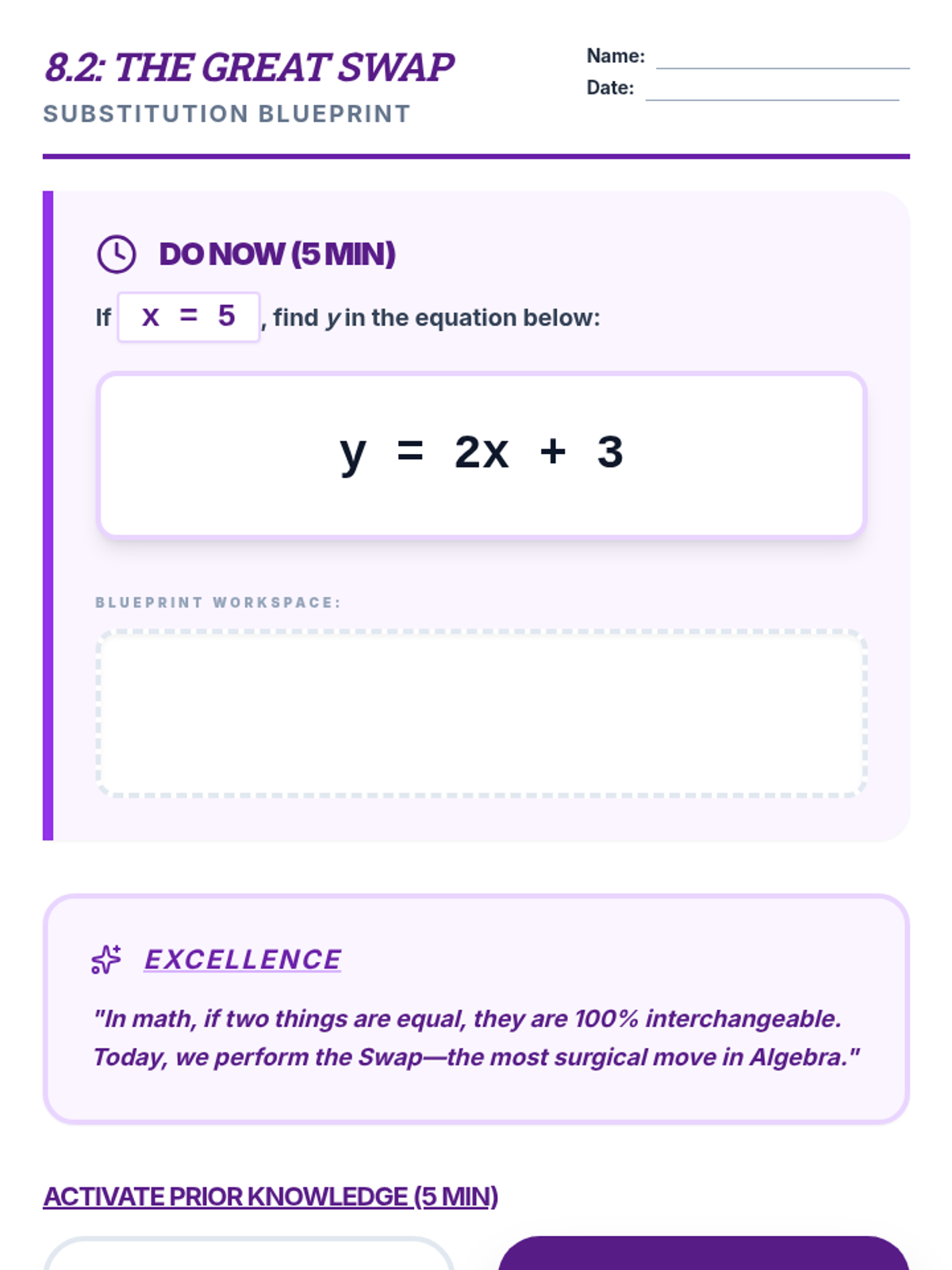
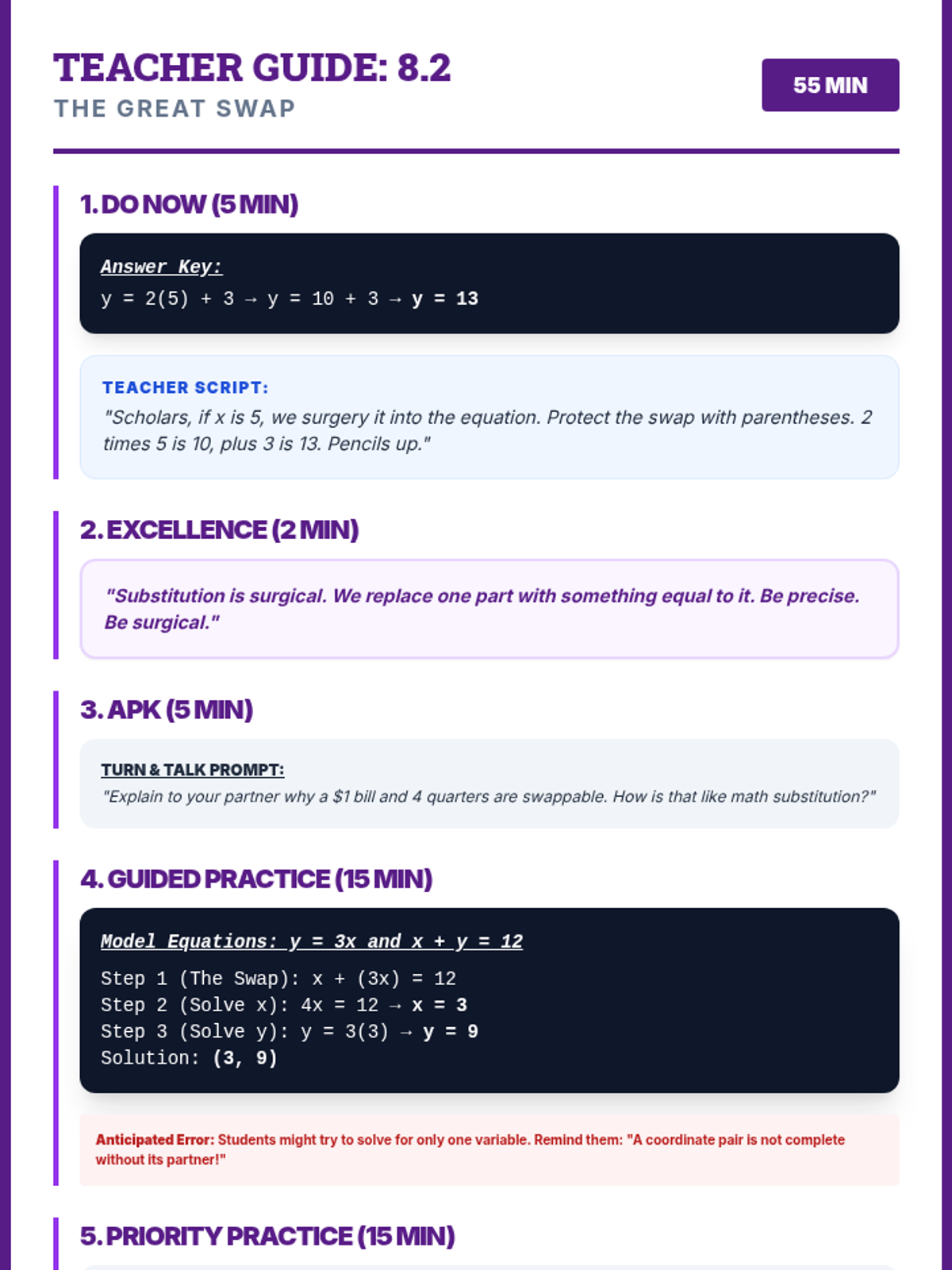
Students will master the substitution method for solving systems, learning to swap one variable for an equivalent expression to solve for unknowns.
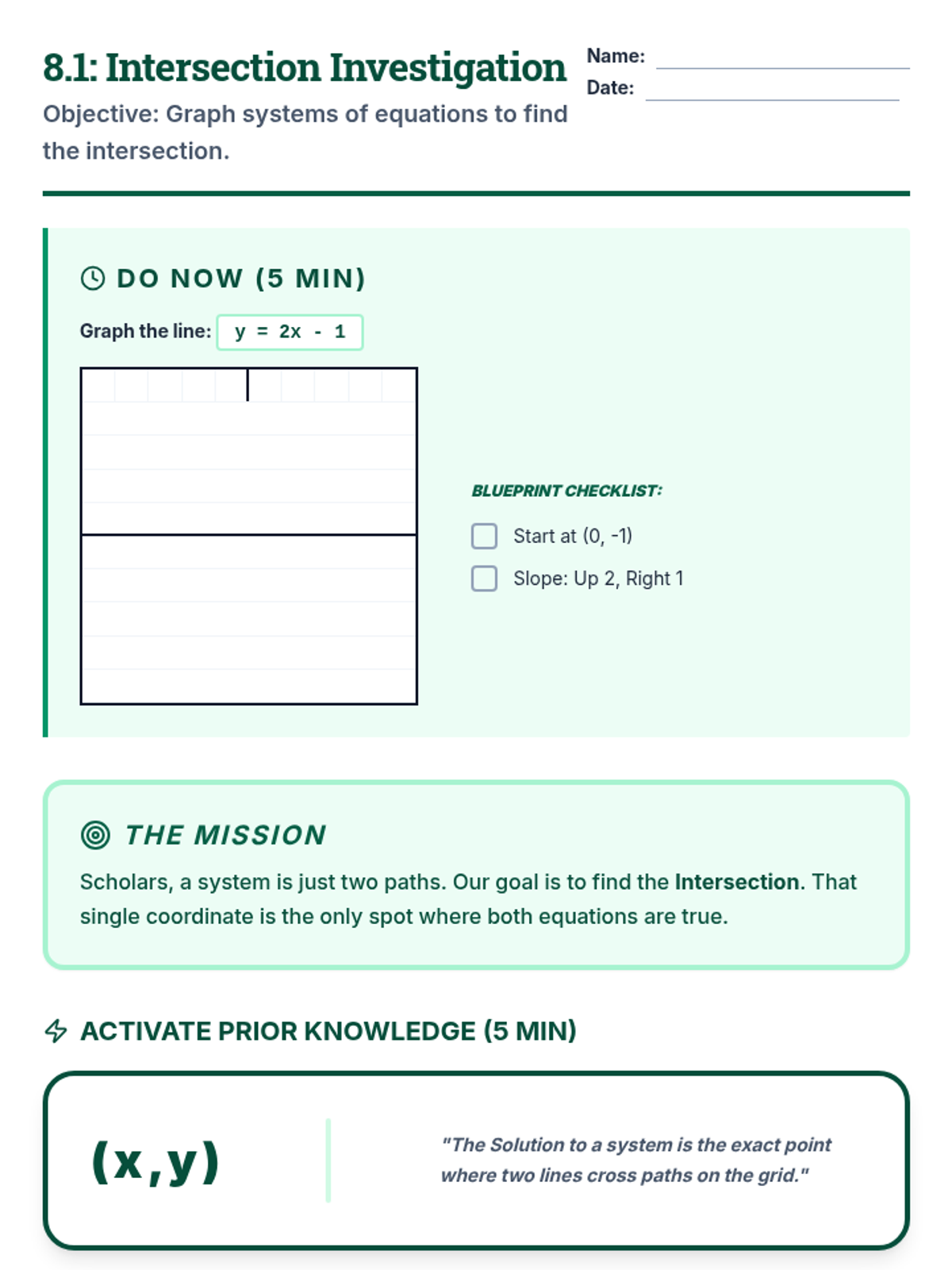
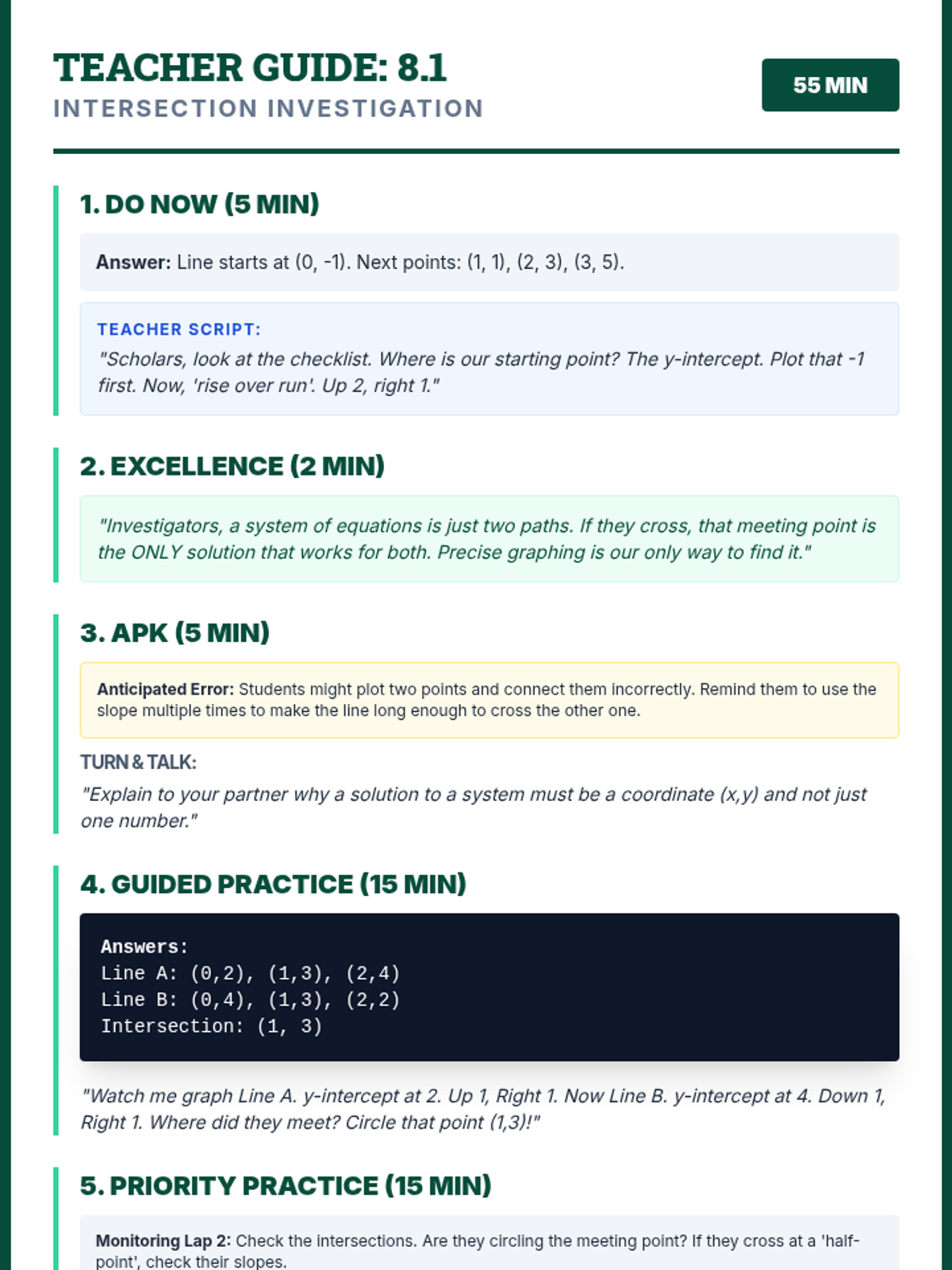
Students will solve systems of linear equations by graphing both lines and identifying the point where they cross as the unique solution.
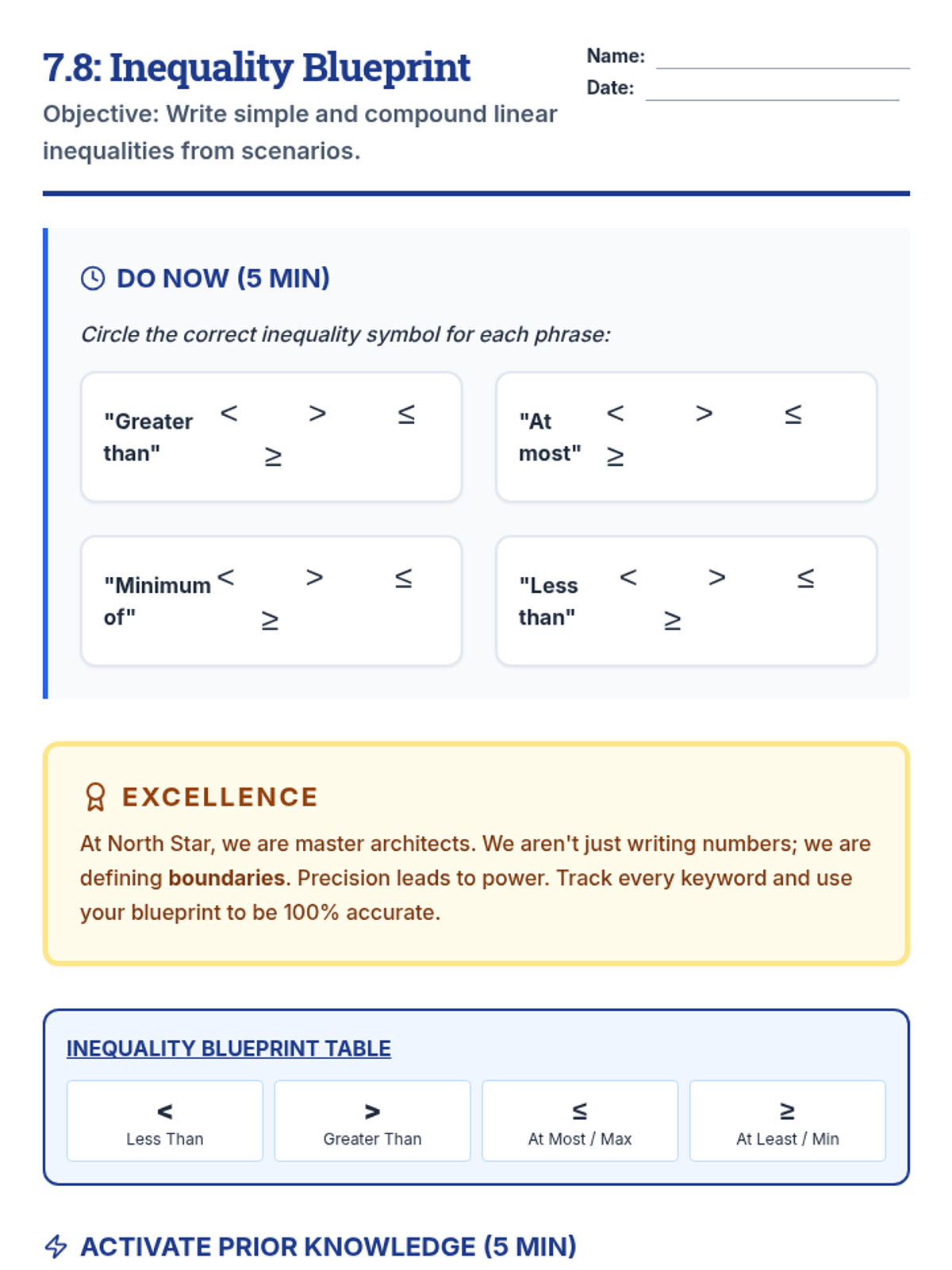
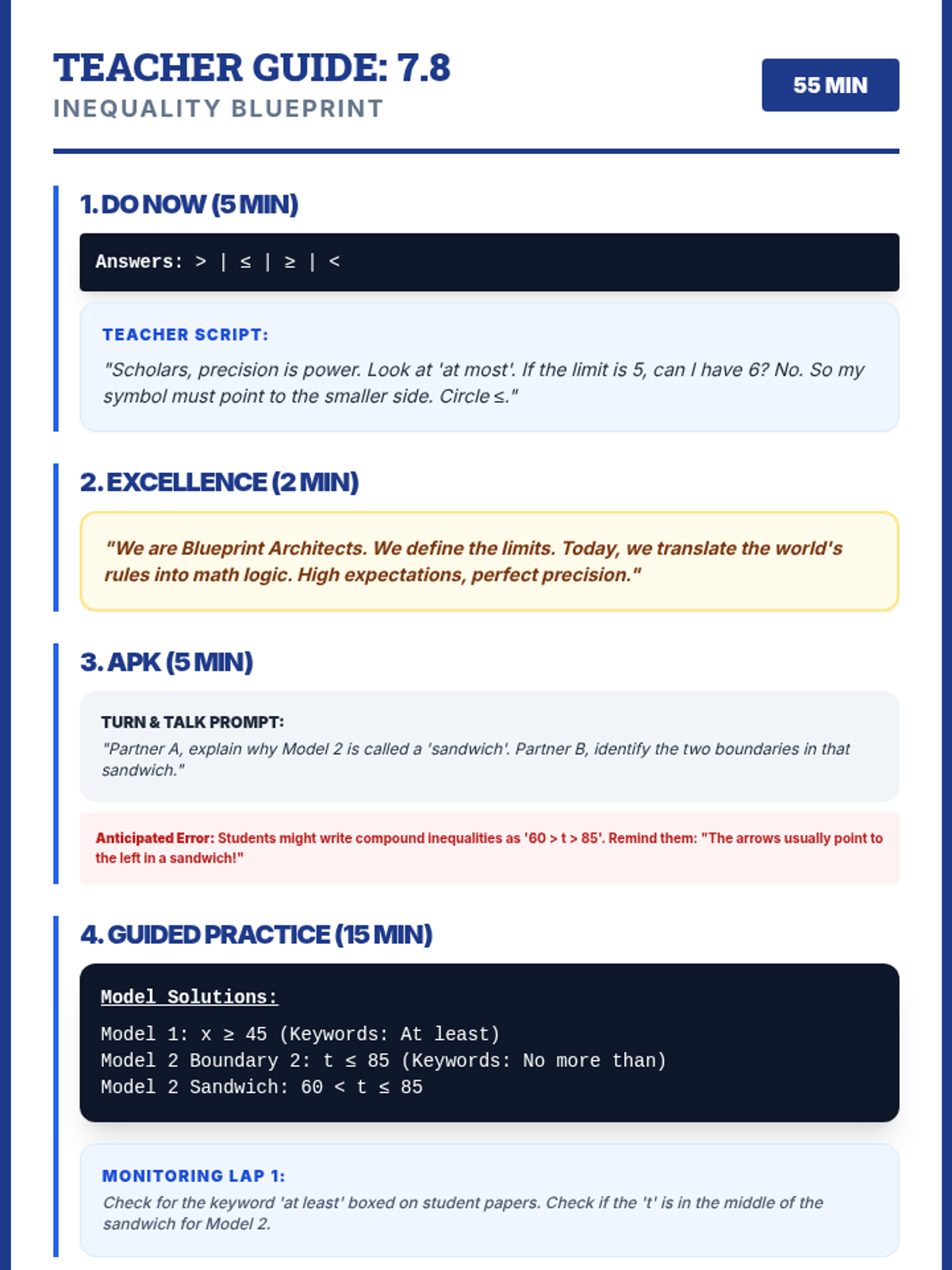
Students will learn to translate real-world scenarios into simple and compound linear inequalities, using keywords to determine the correct symbols and structures.
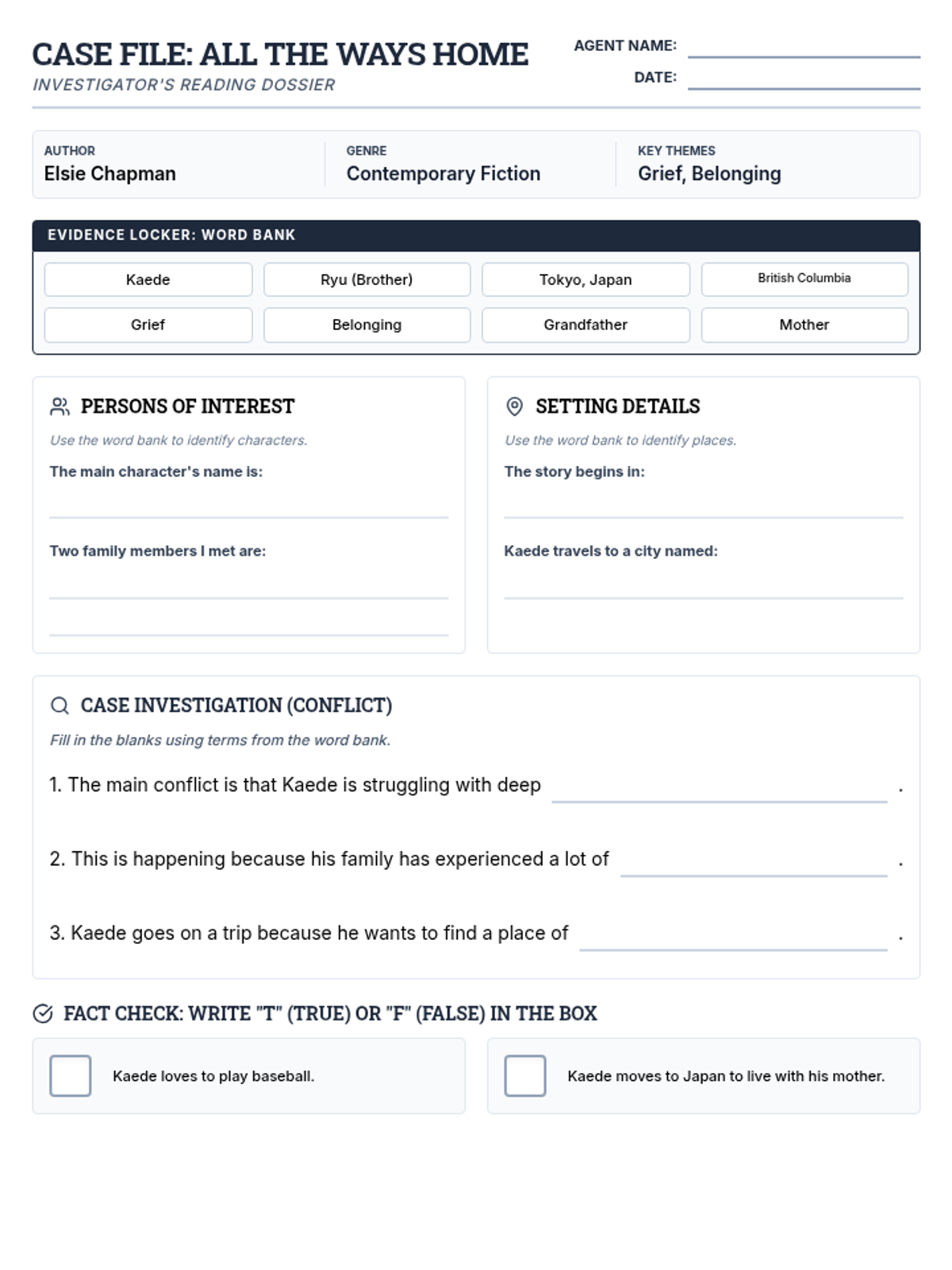
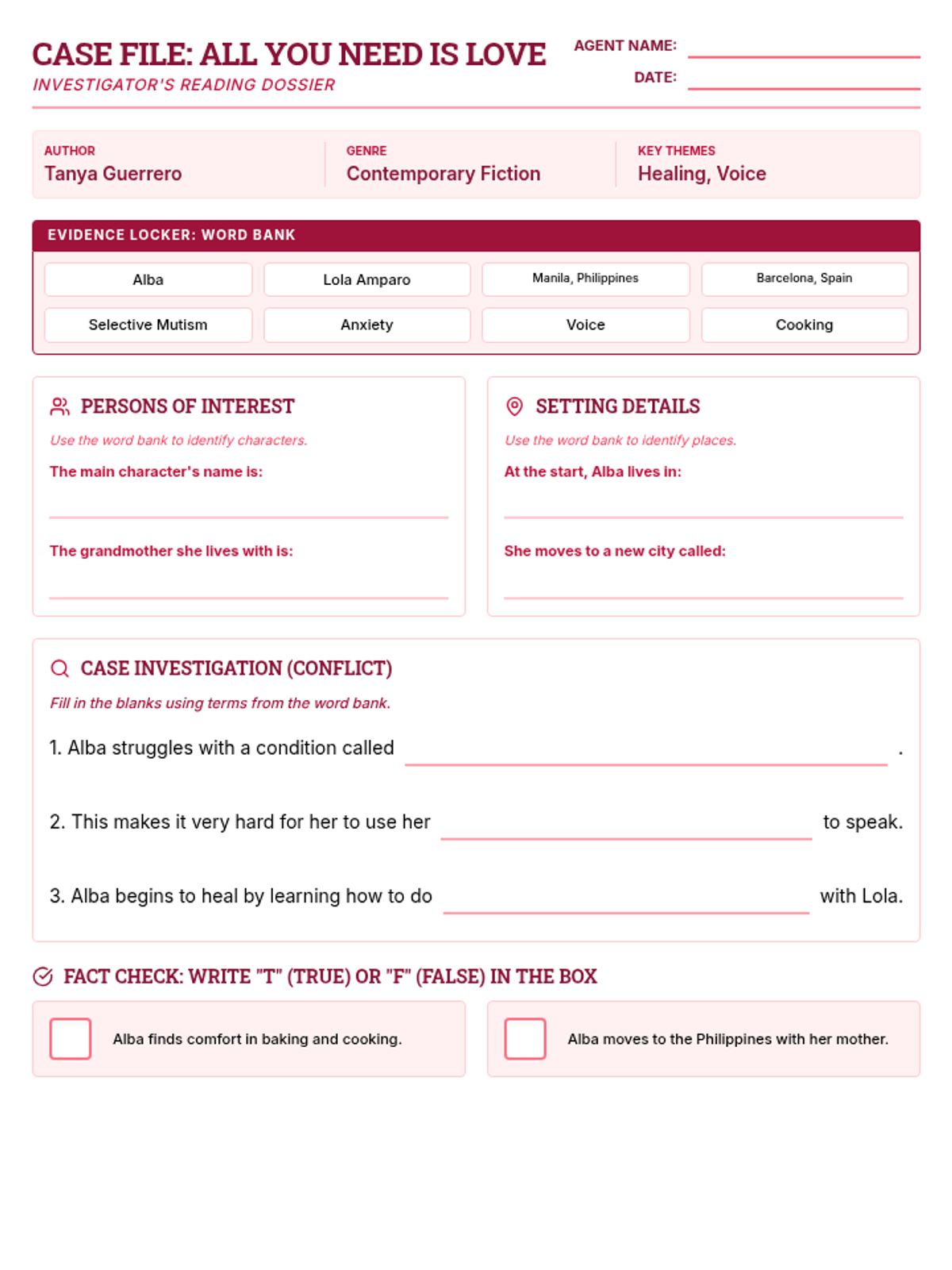
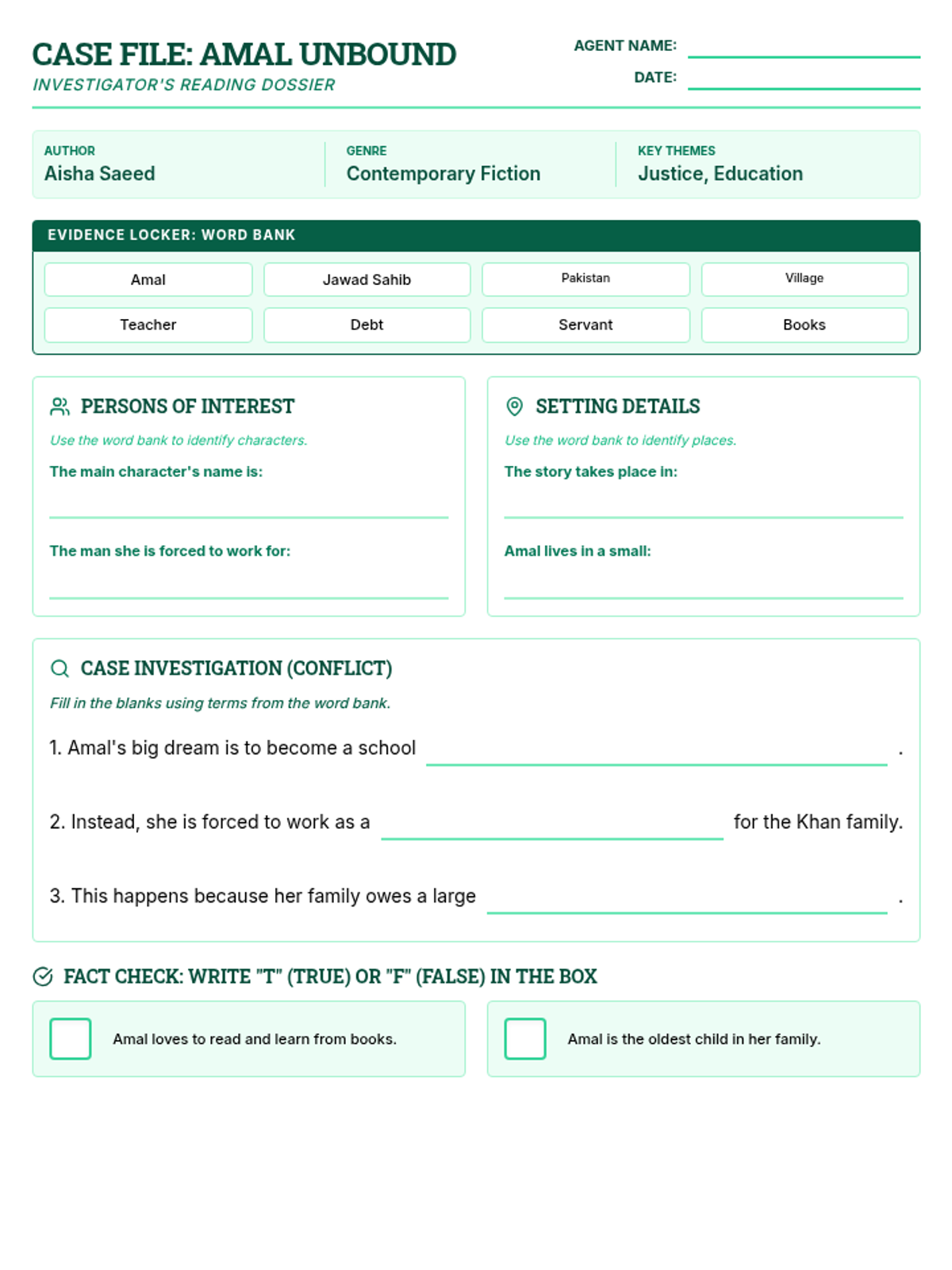
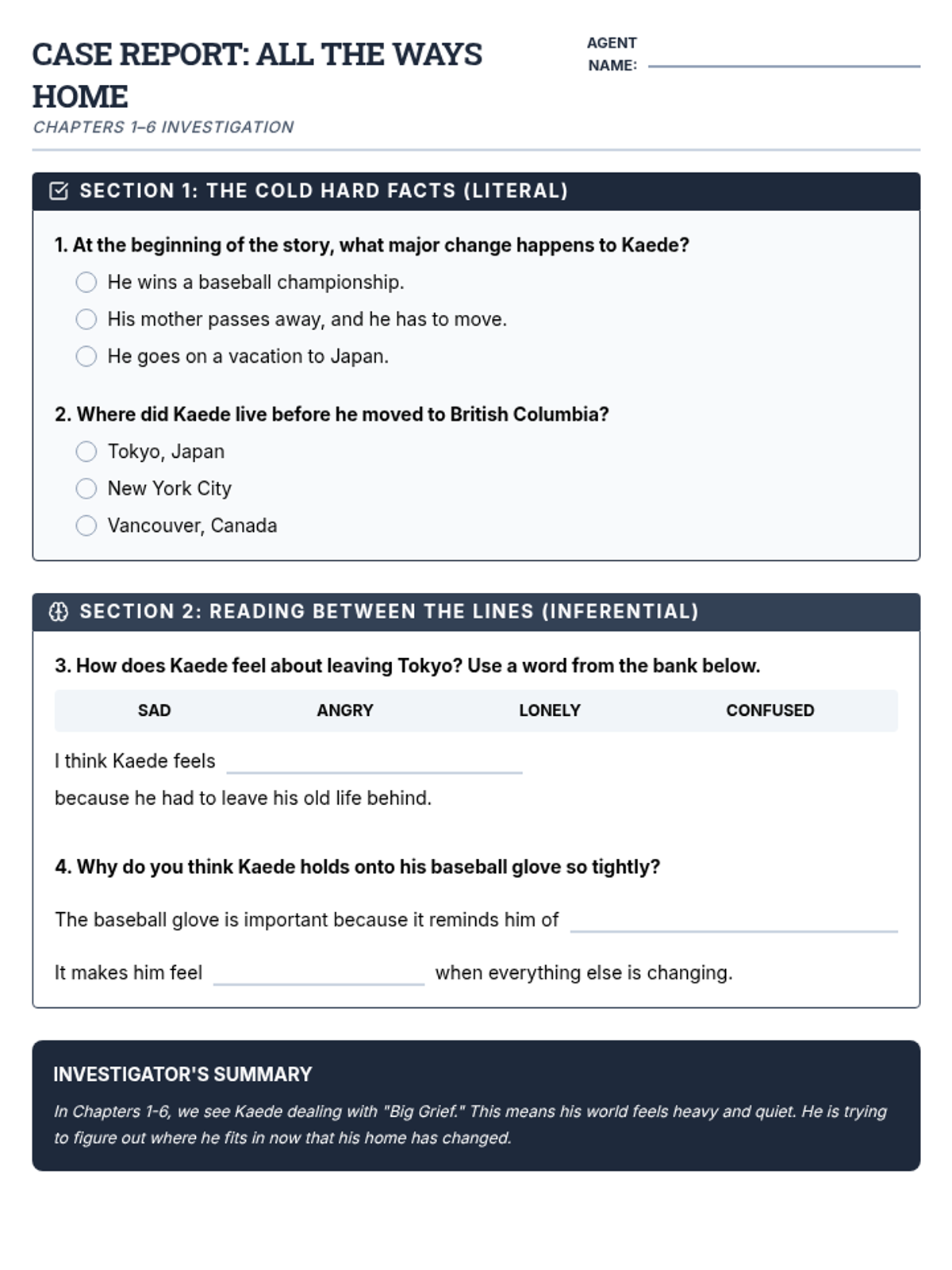
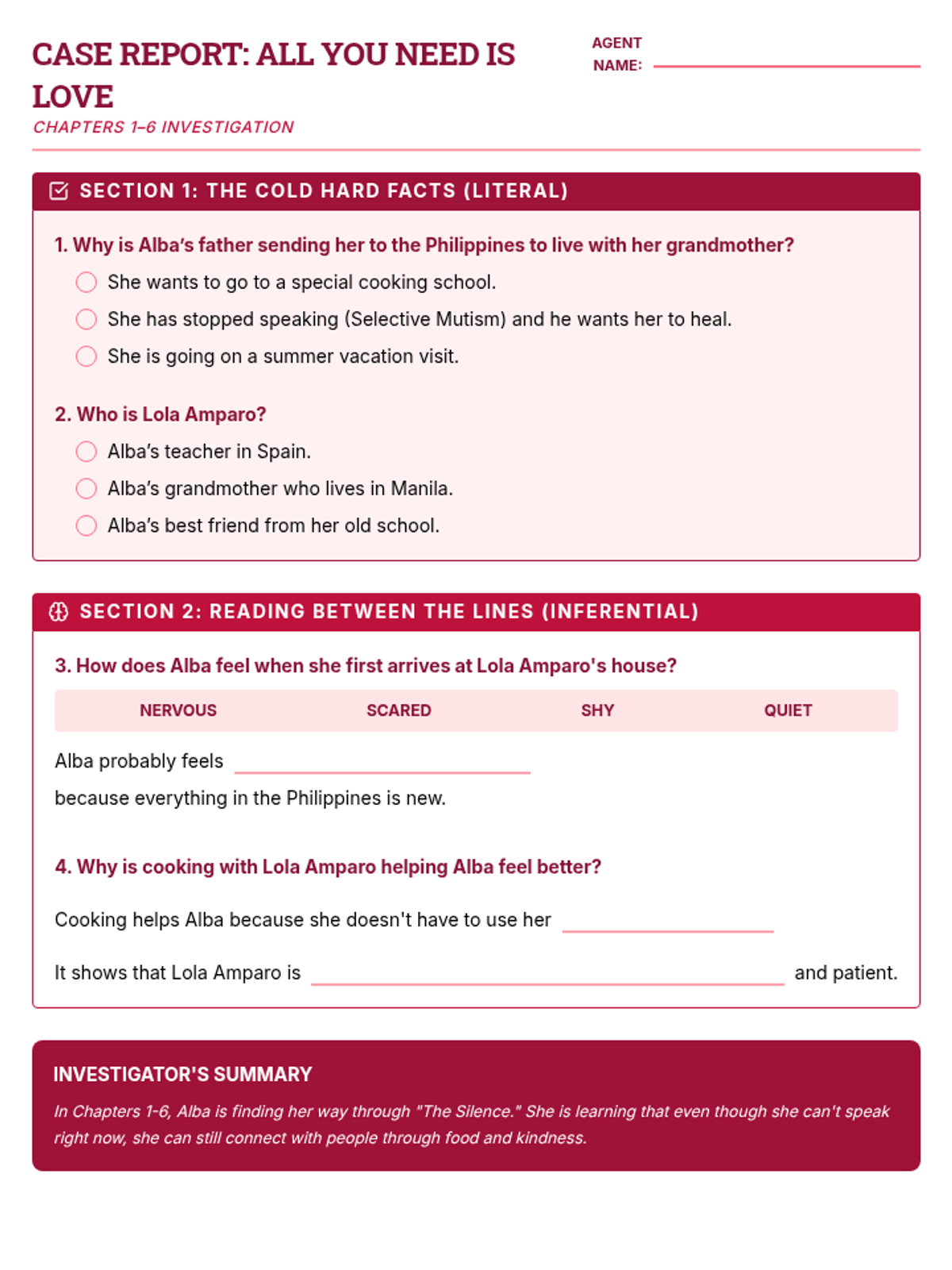
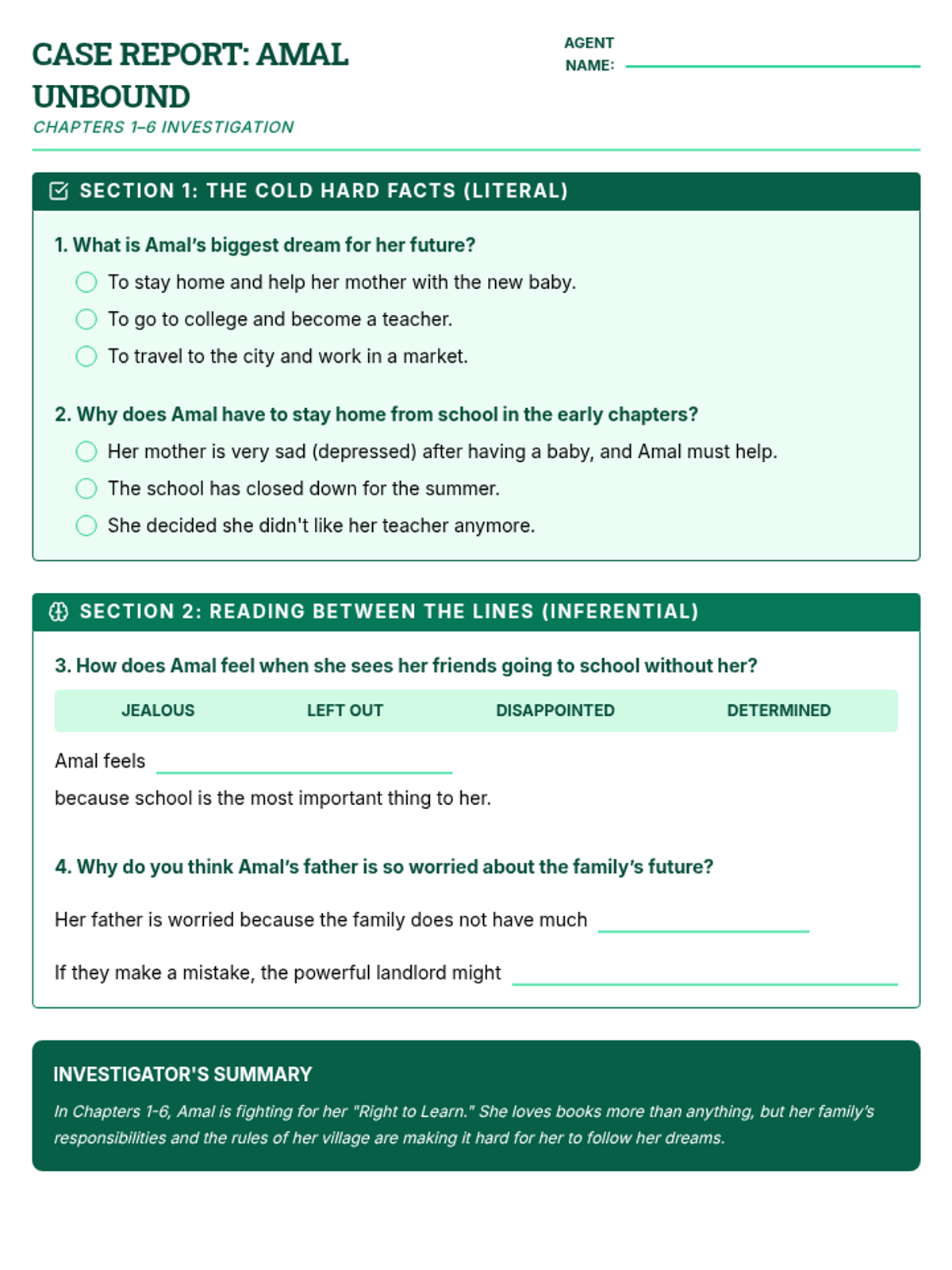
A collection of scaffolded worksheets for 7th-grade students to identify key narrative elements and facts in contemporary novels, specifically designed for students needing extra support.
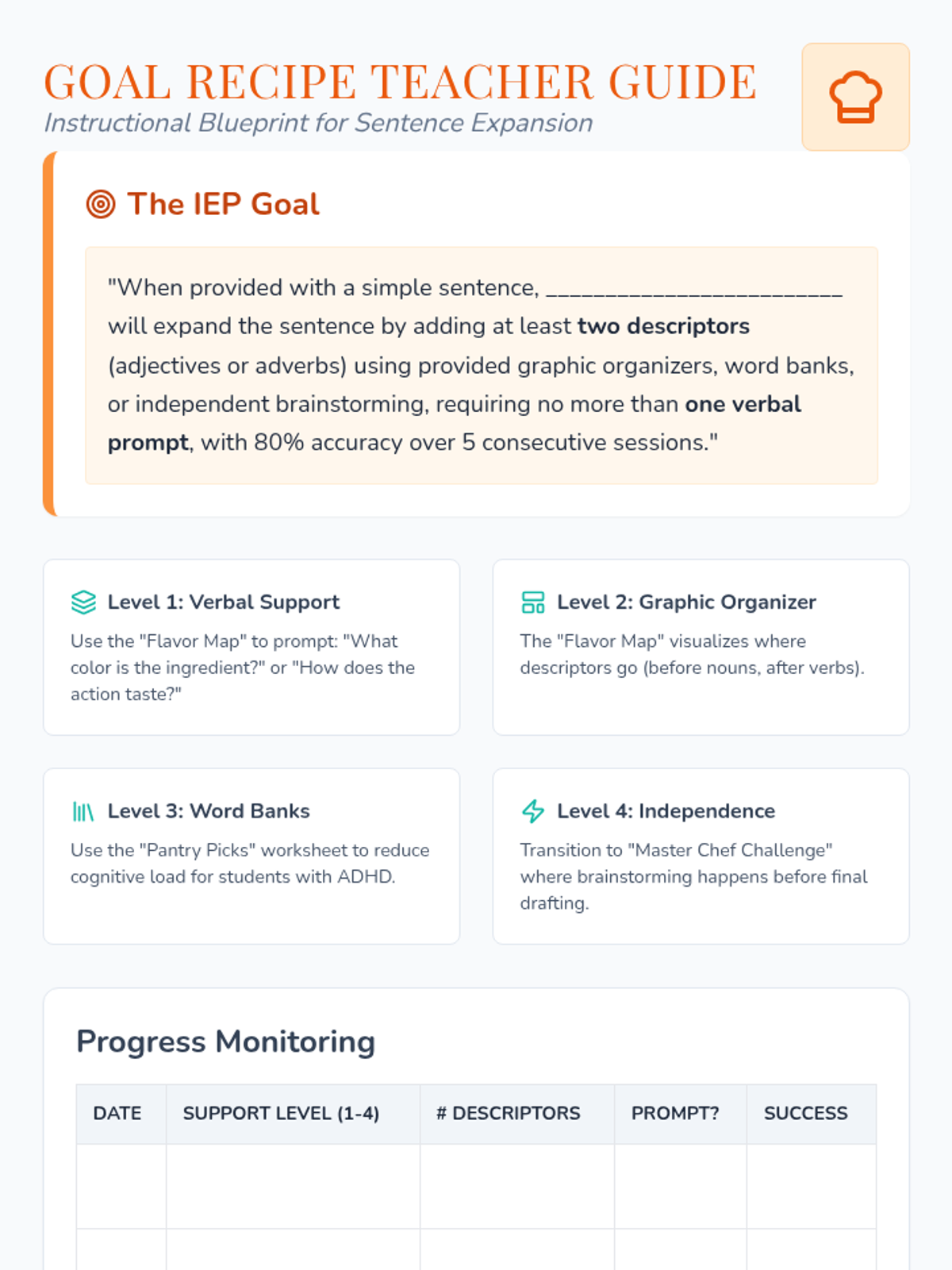
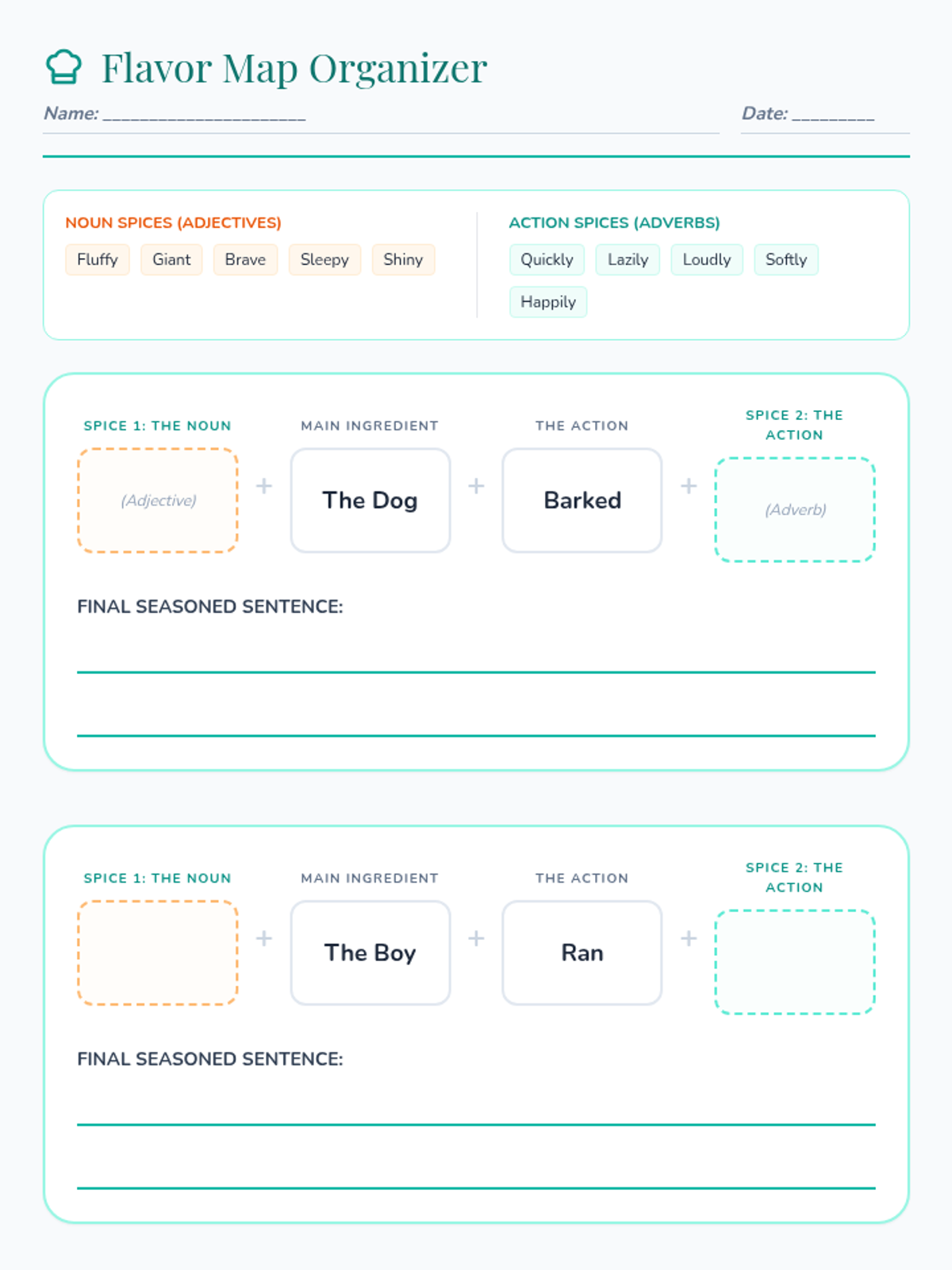
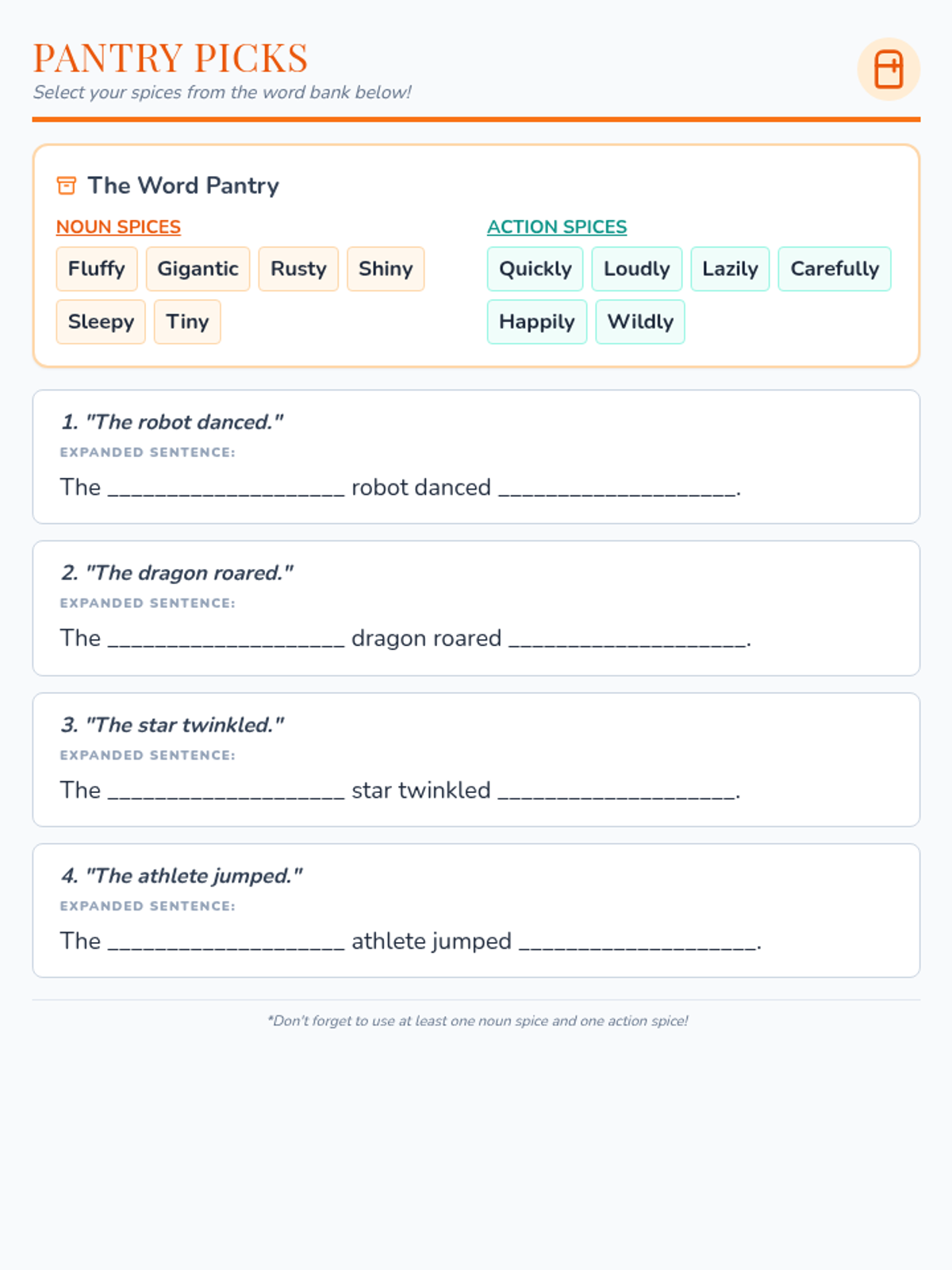
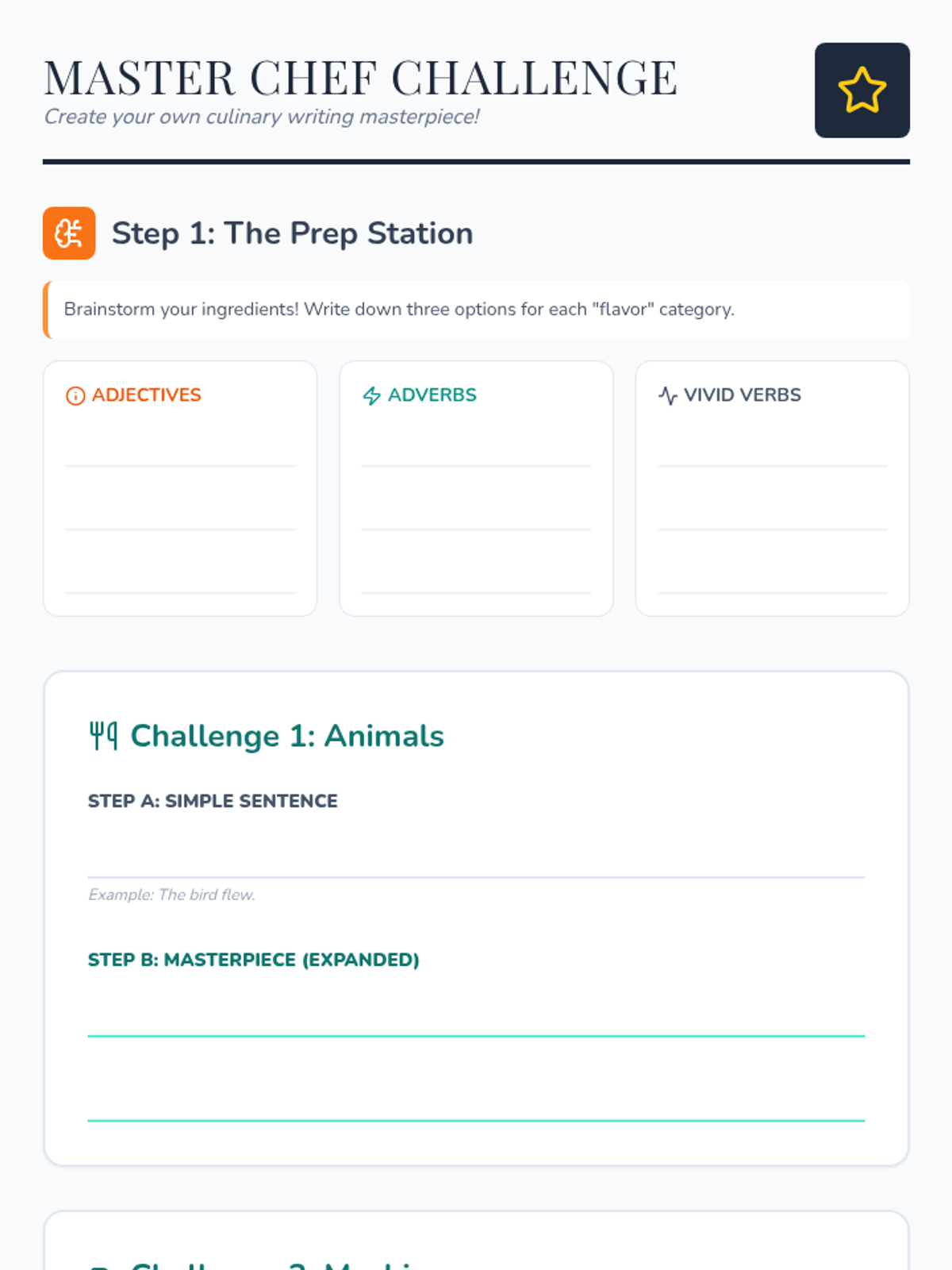
A lesson designed to help students with ADHD expand simple sentences using descriptors (adjectives and adverbs) through a culinary-themed scaffolding approach. Includes visual instruction, graphic organizers, word bank supports, and independent practice.
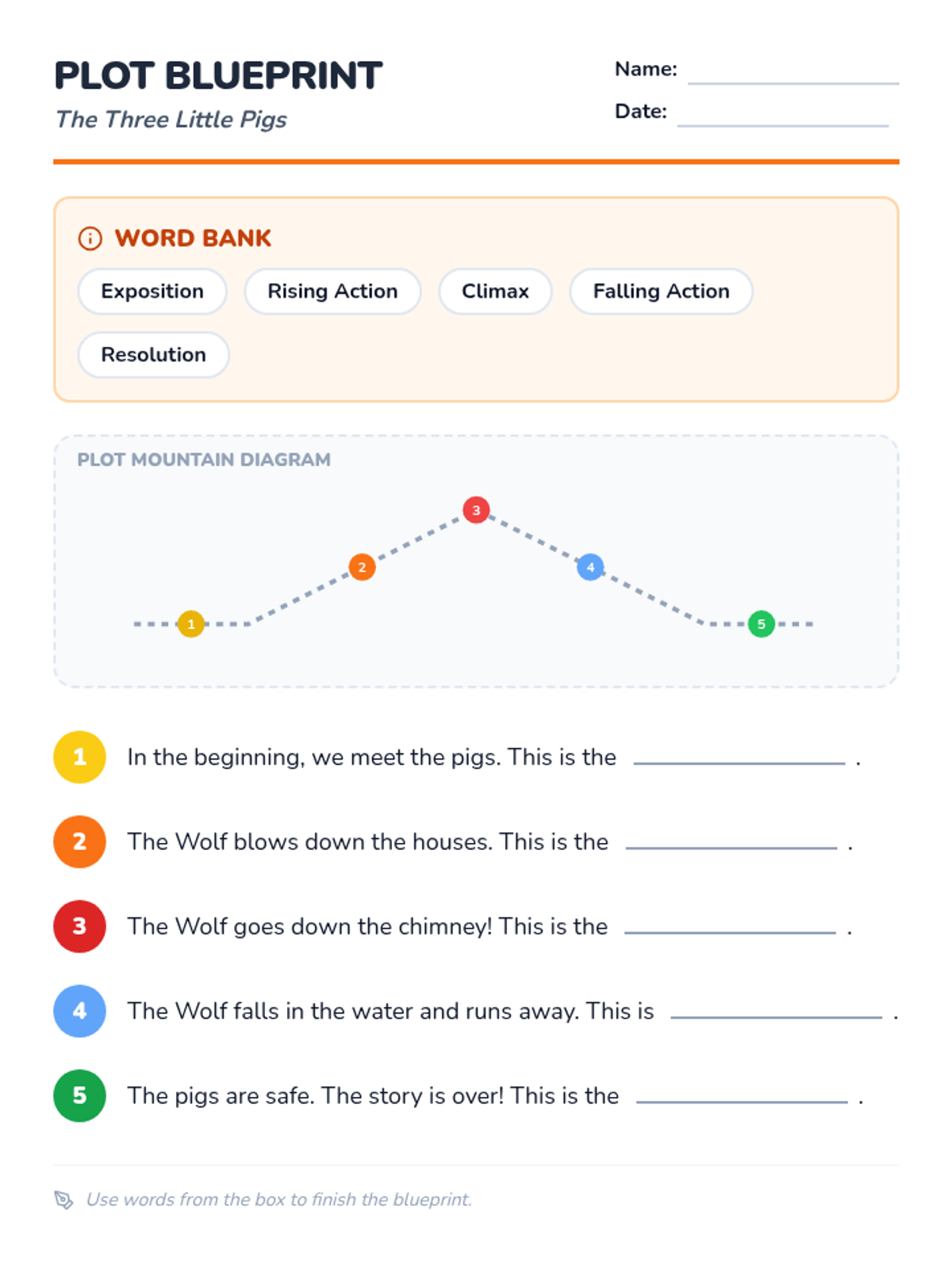
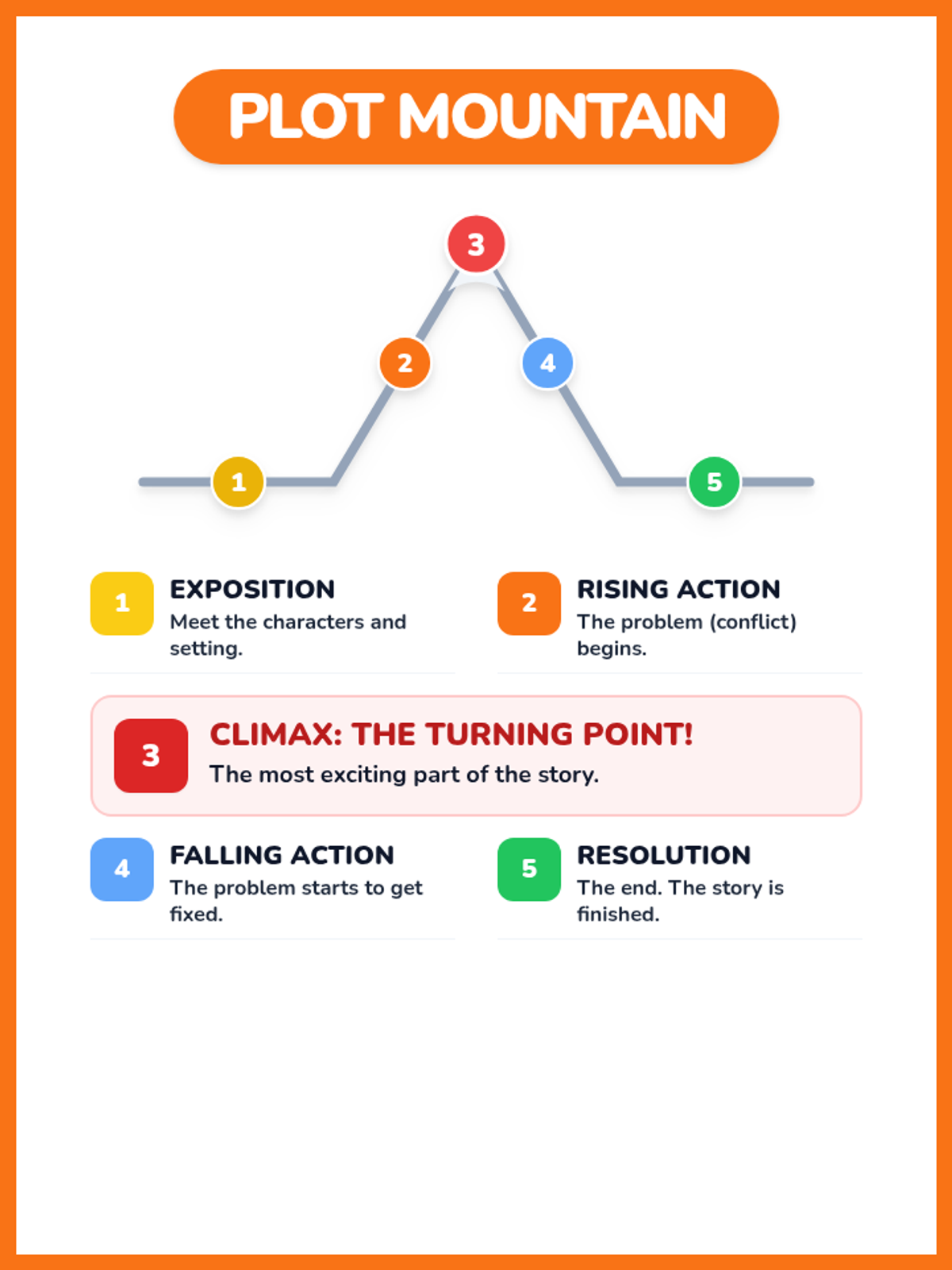
A simplified introduction to the elements of plot using the story of The Three Little Pigs, designed specifically for special education students.
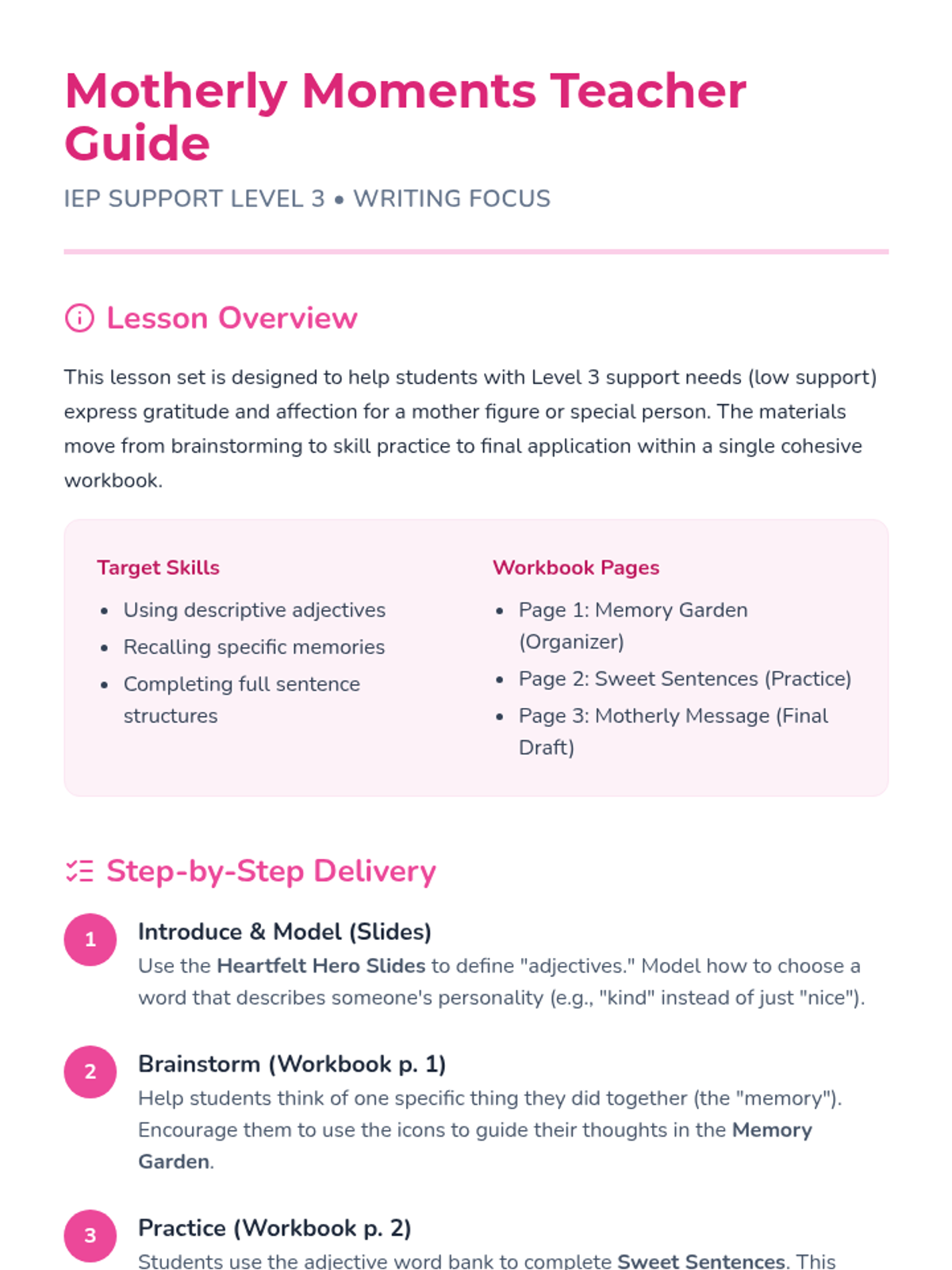
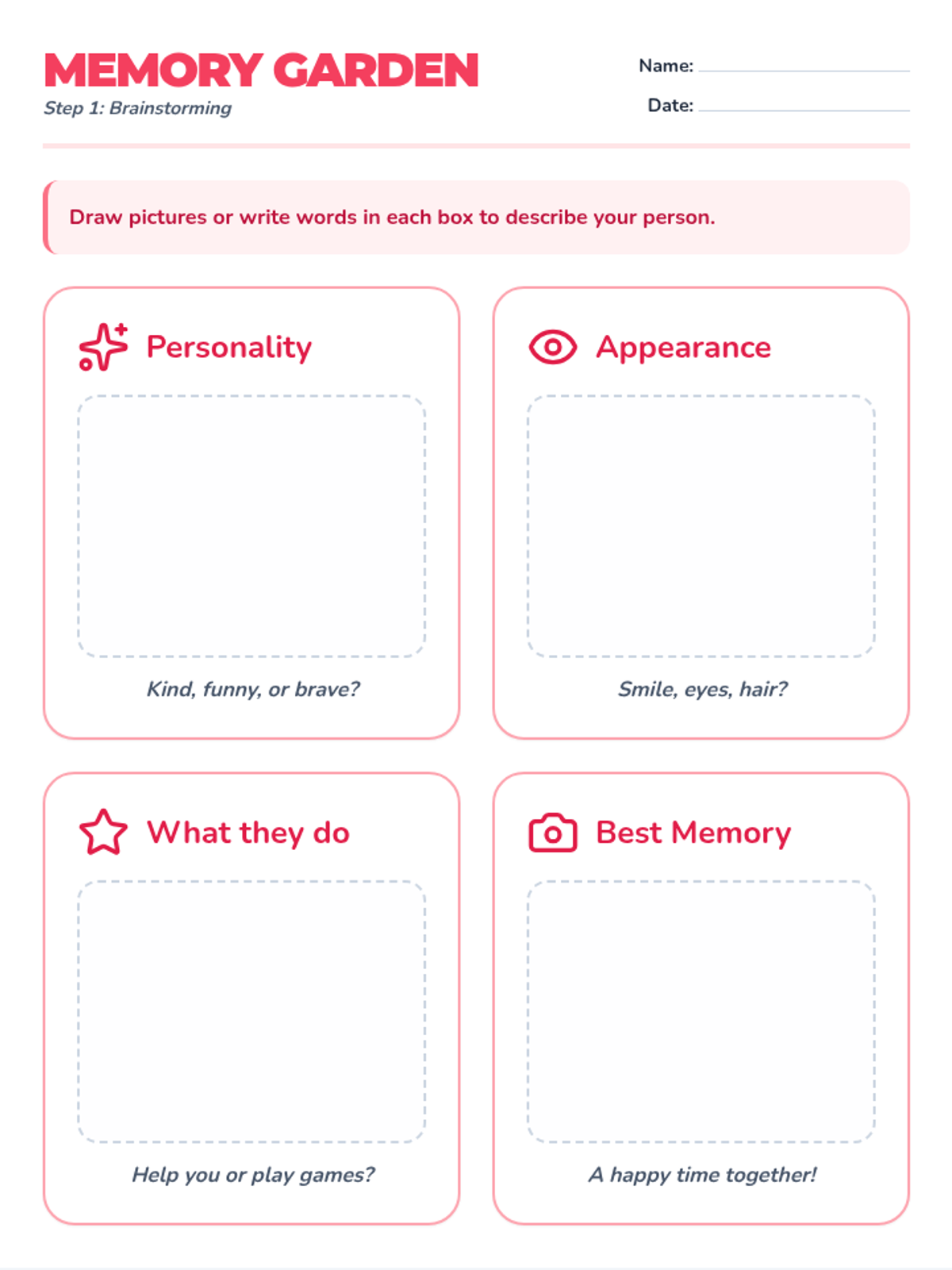
A Mother's Day writing unit designed for IEP Level 3 students, focusing on descriptive adjectives, personal memories, and sentence structure through visual scaffolding and structured templates.
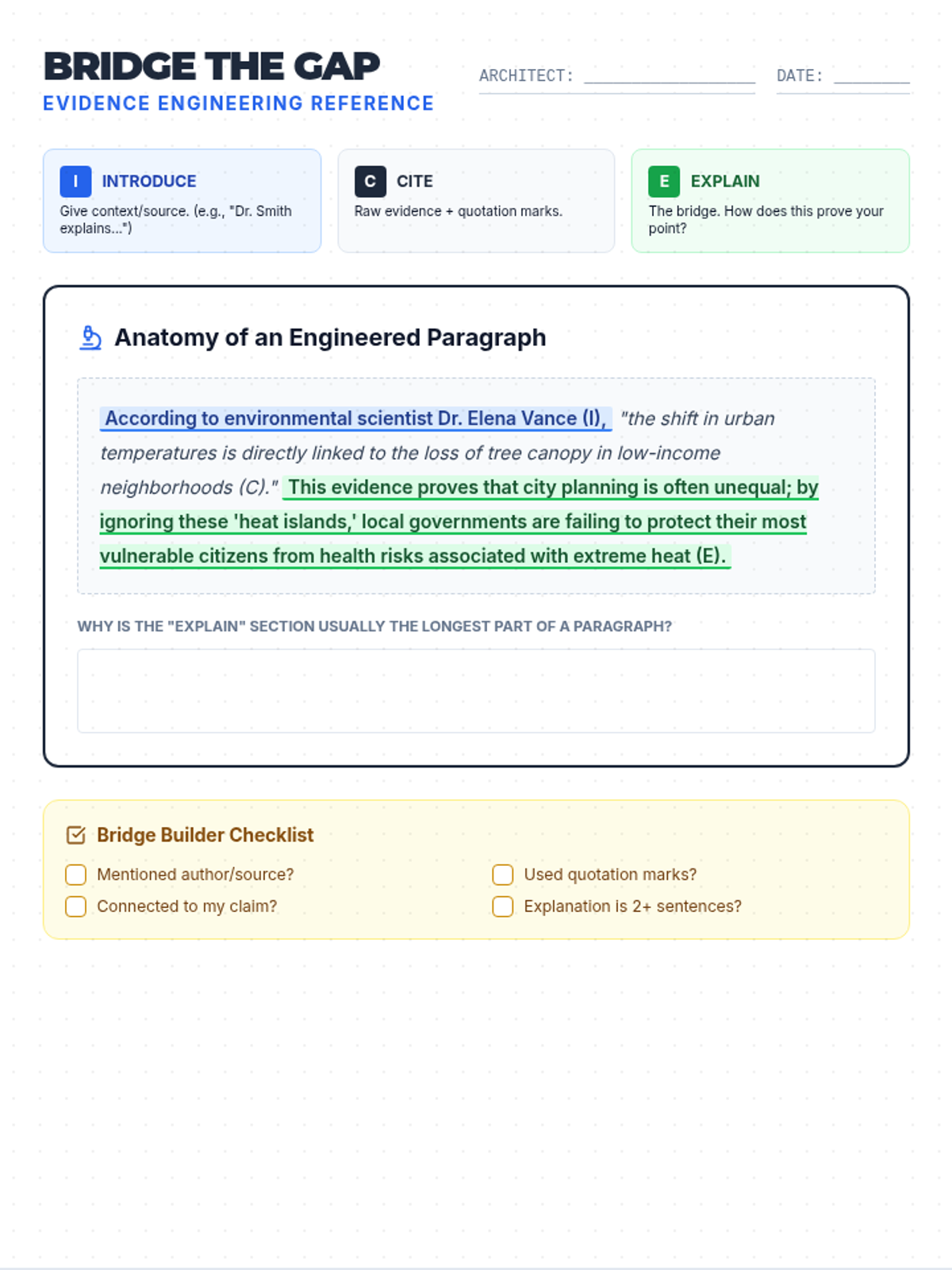
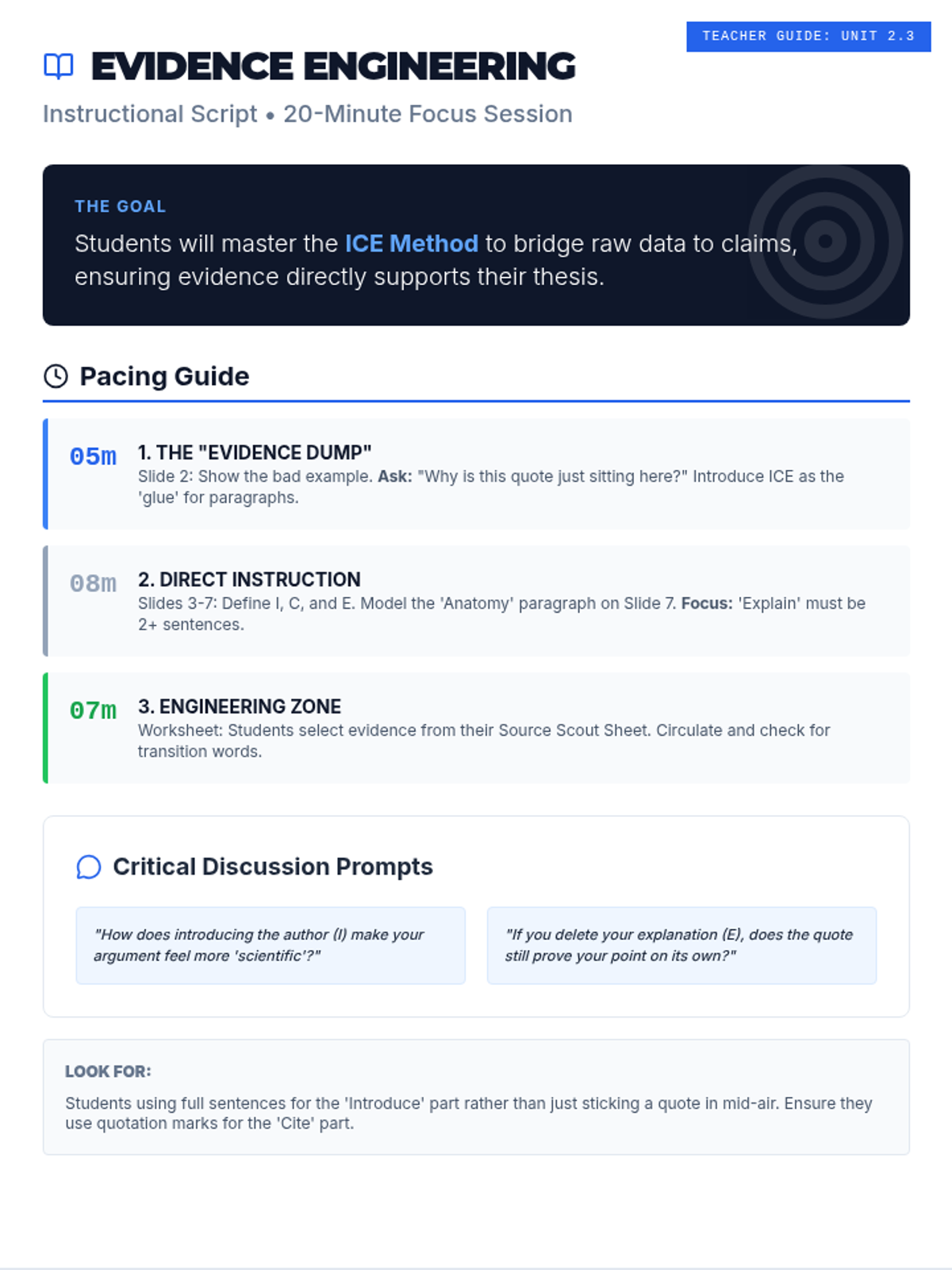
A 20-minute focused session teaching students how to bridge raw evidence to their claims using the 'ICE' method (Introduce, Cite, Explain), ensuring every quote or fact directly supports their stance.
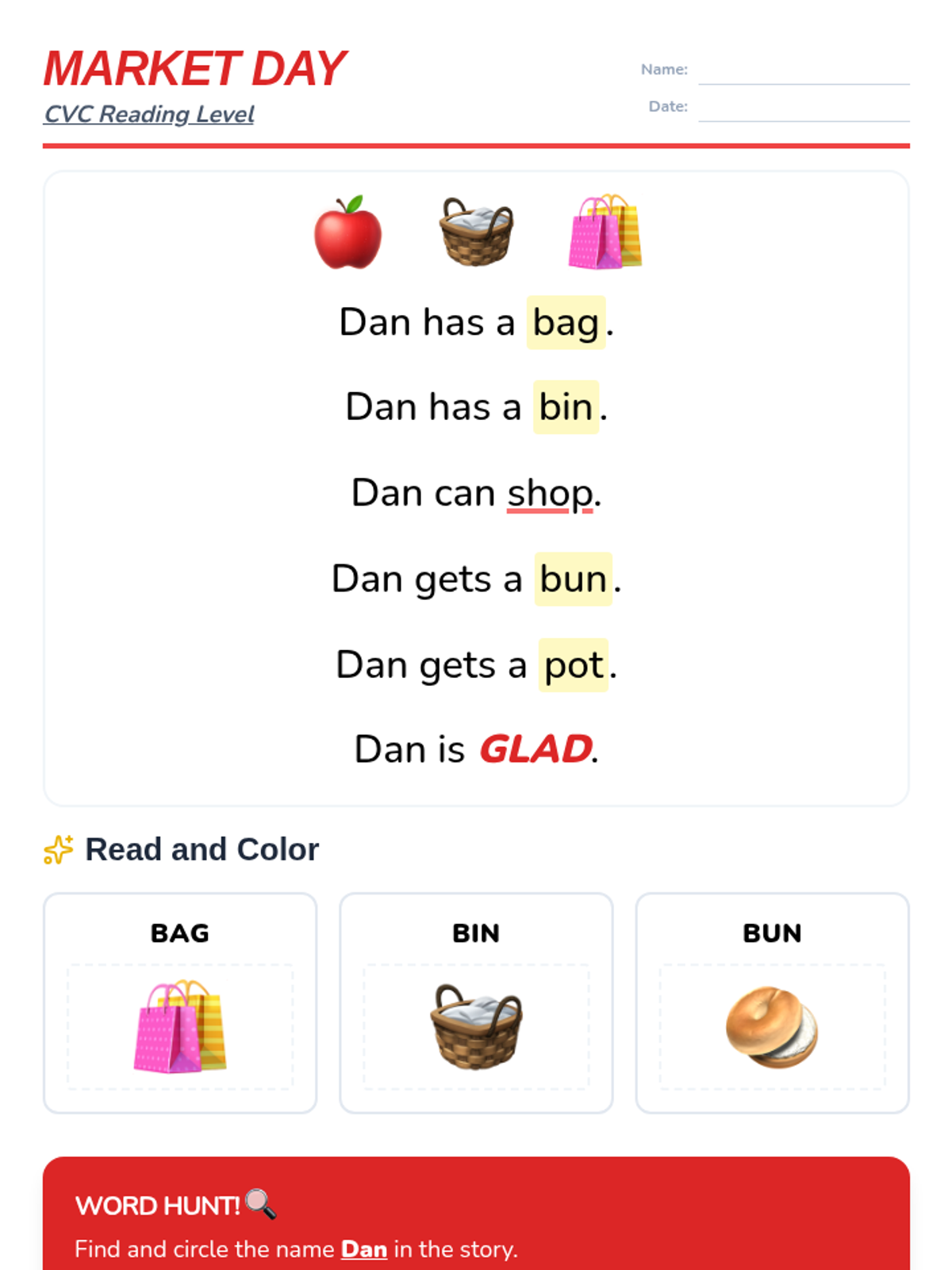
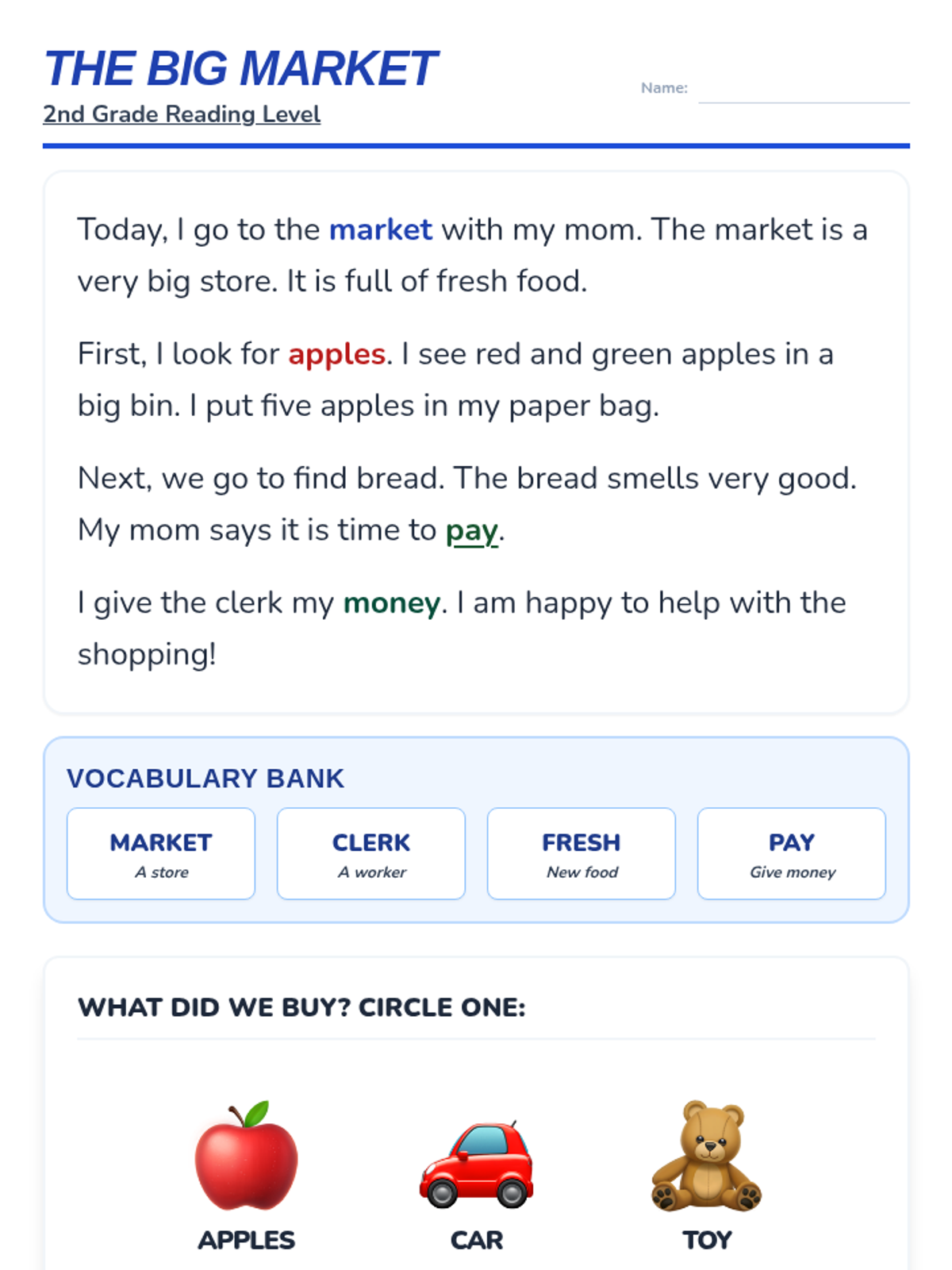
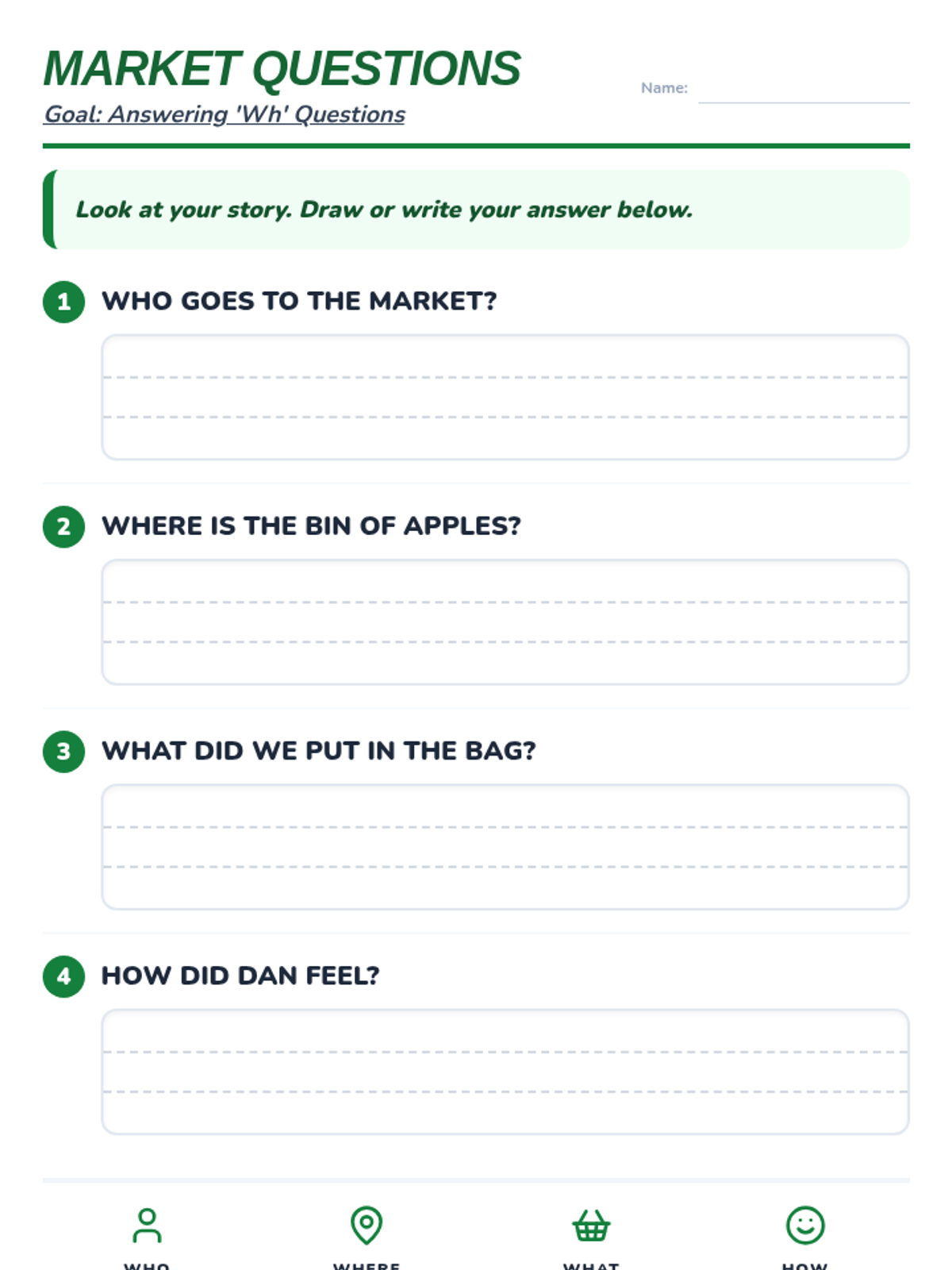
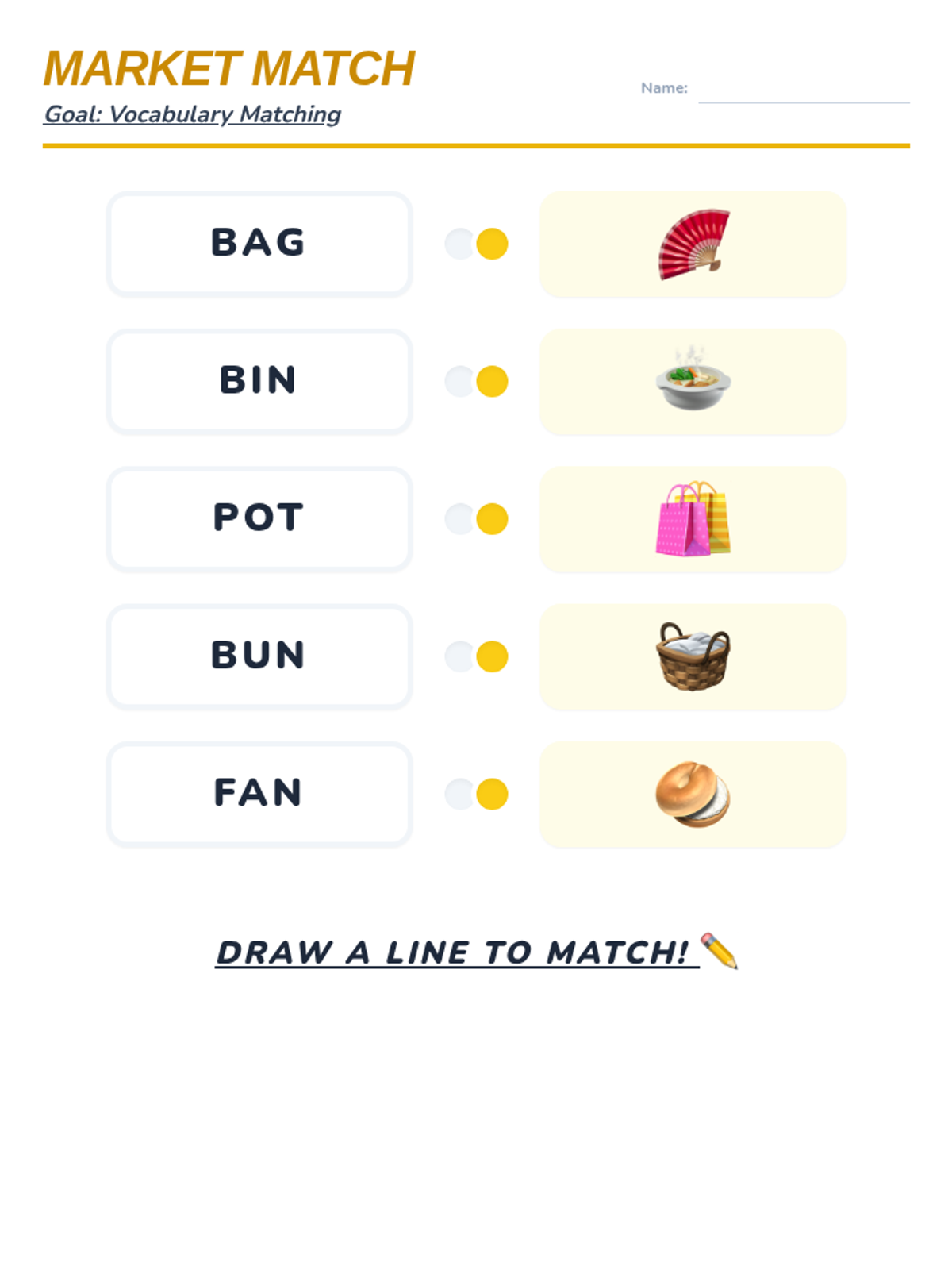
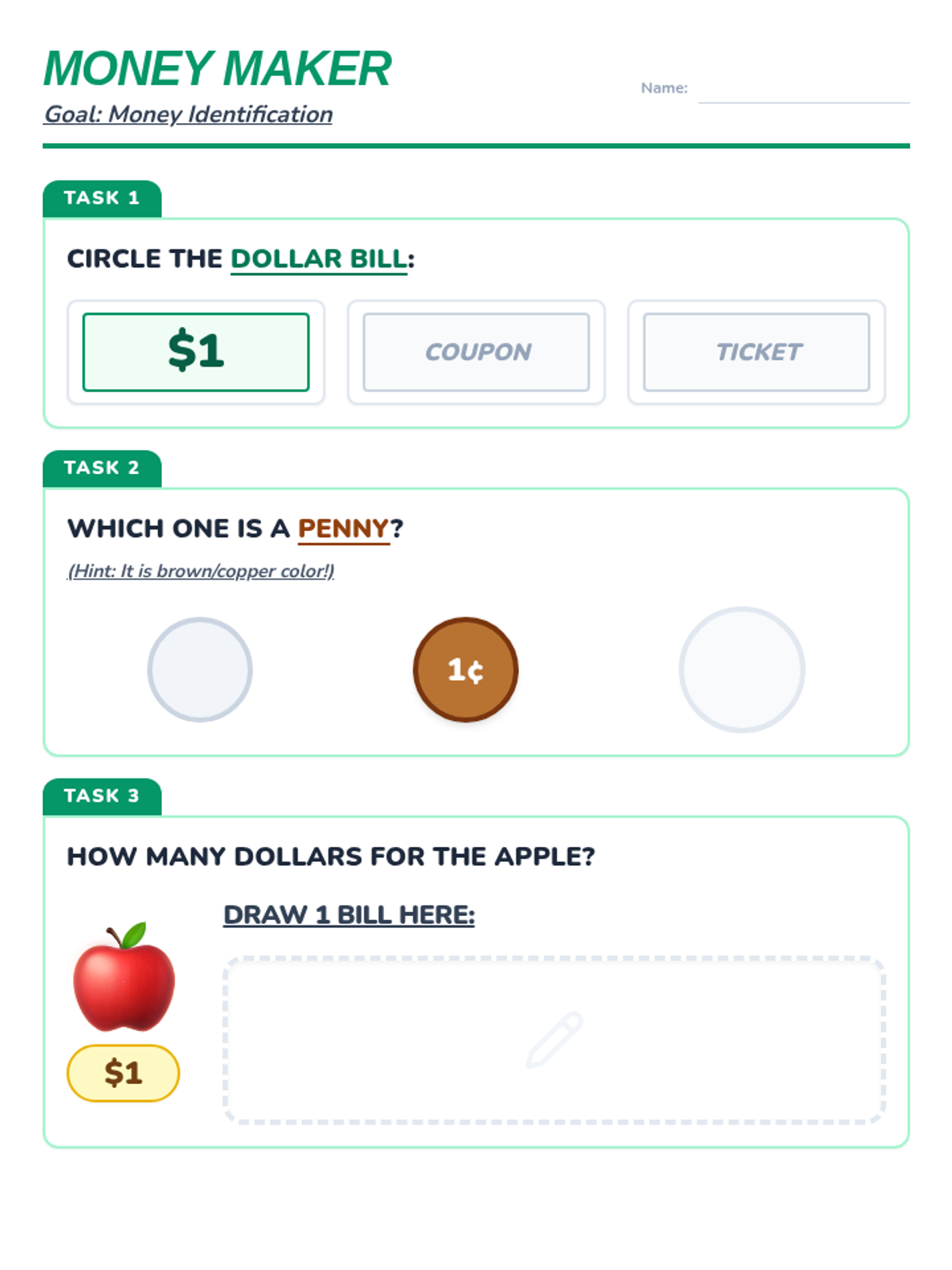
A set of differentiated reading and functional math resources focused on grocery shopping, tailored for students with IEPs. The lesson covers CVC phonics, simplified reading comprehension, 'Wh' questions, and functional money identification.
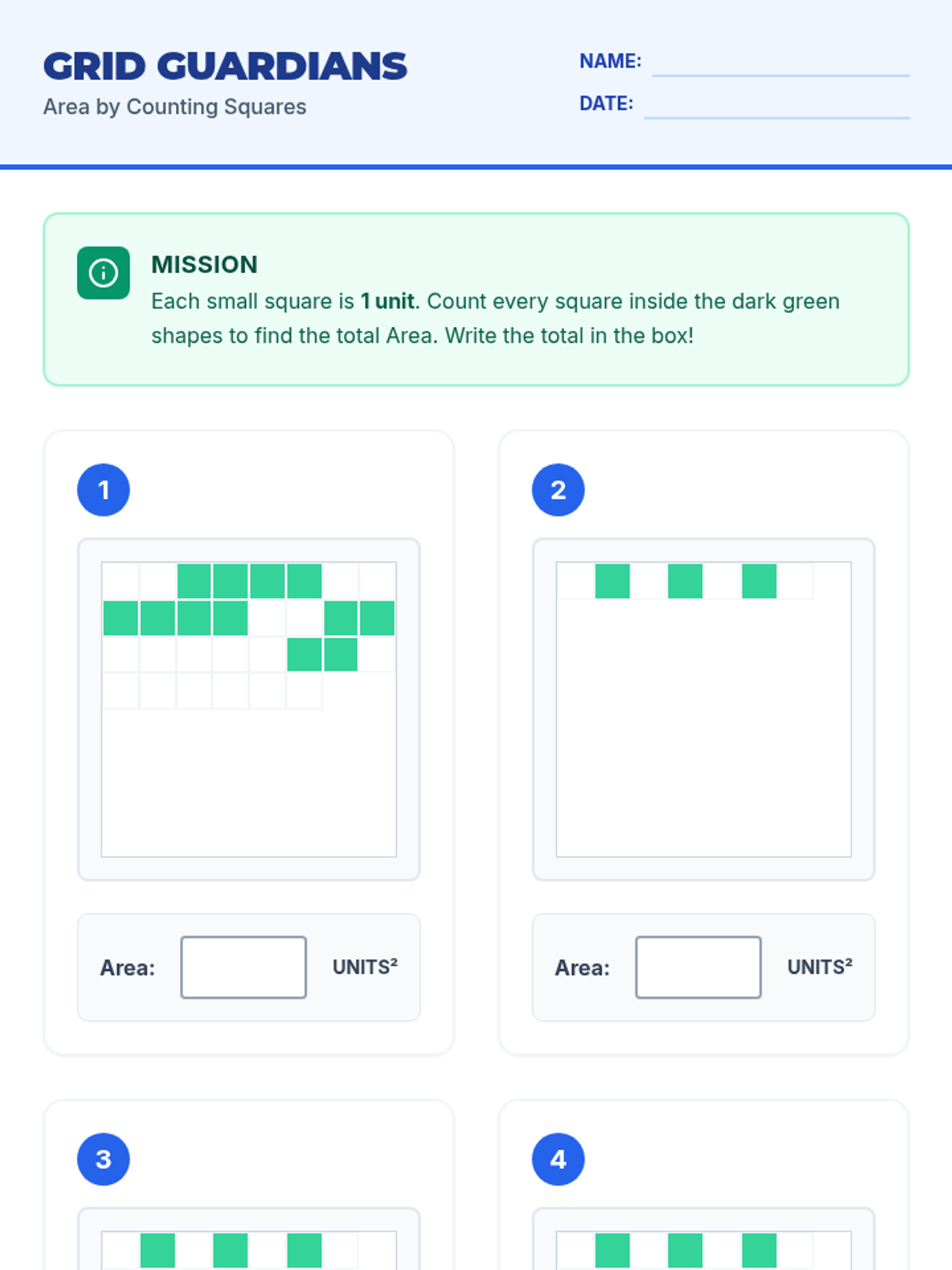
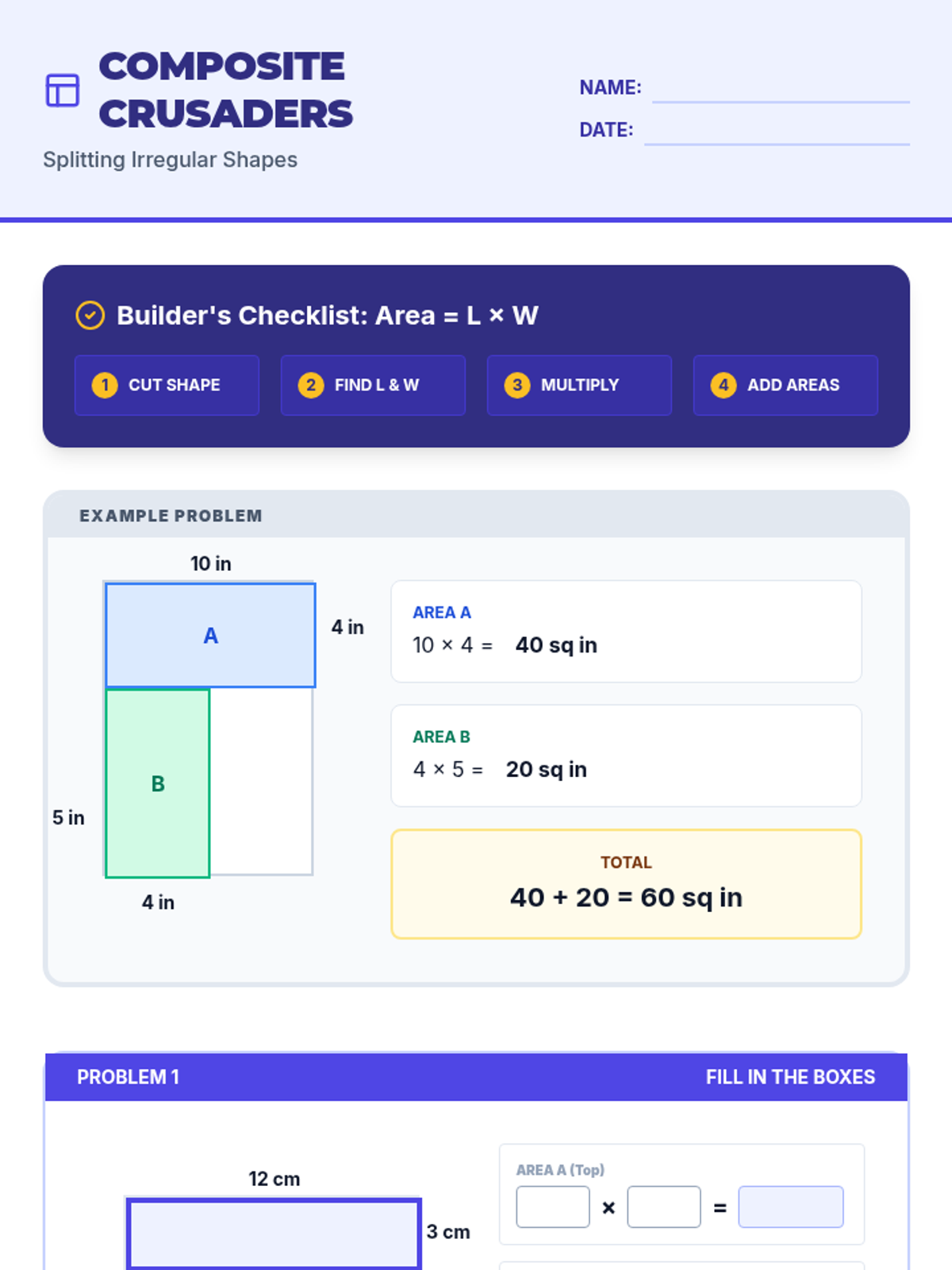
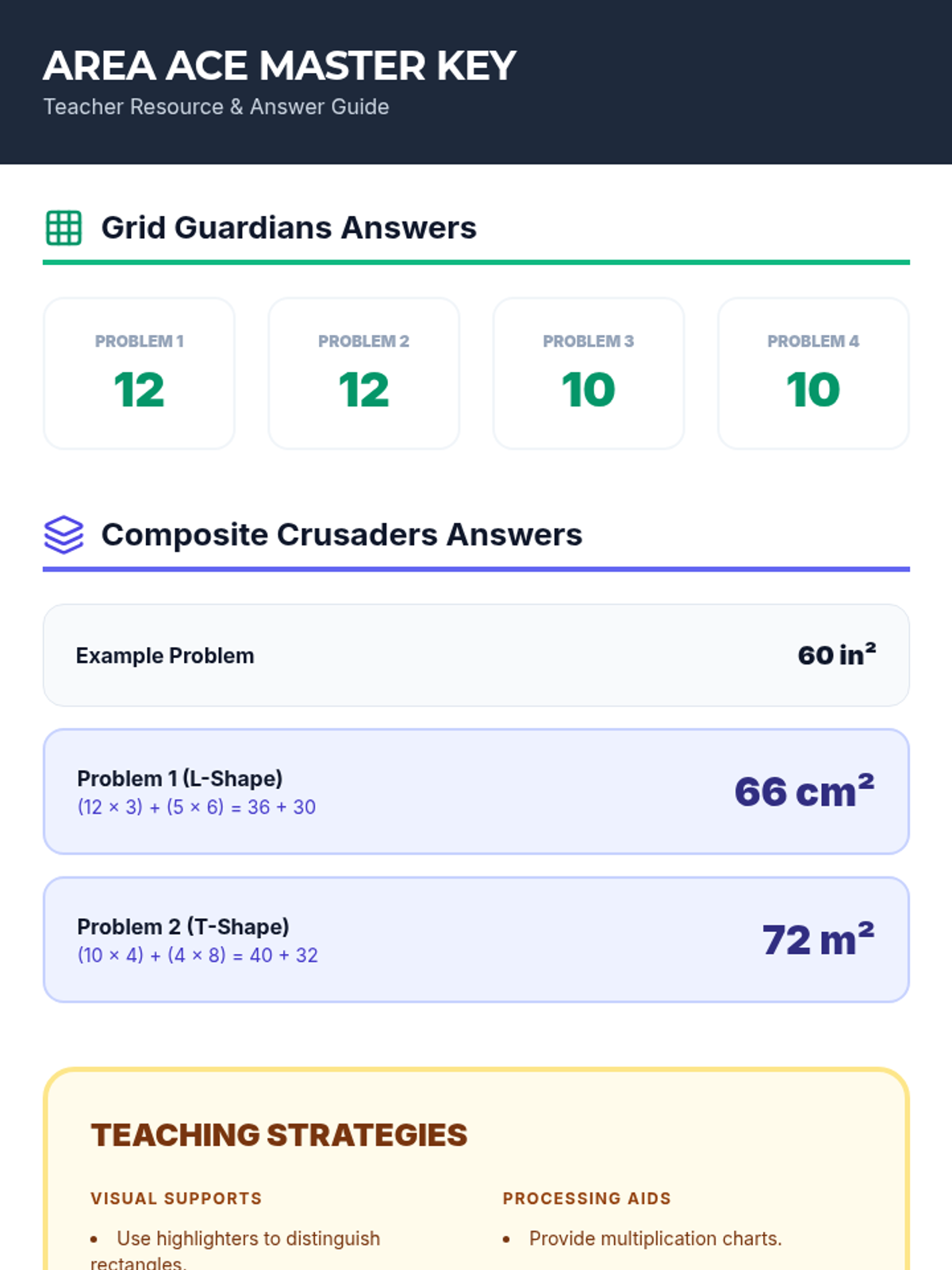
A modified math lesson for IEP students focusing on calculating the area of irregular and composite rectangular shapes using visual grids and step-by-step decomposition strategies.
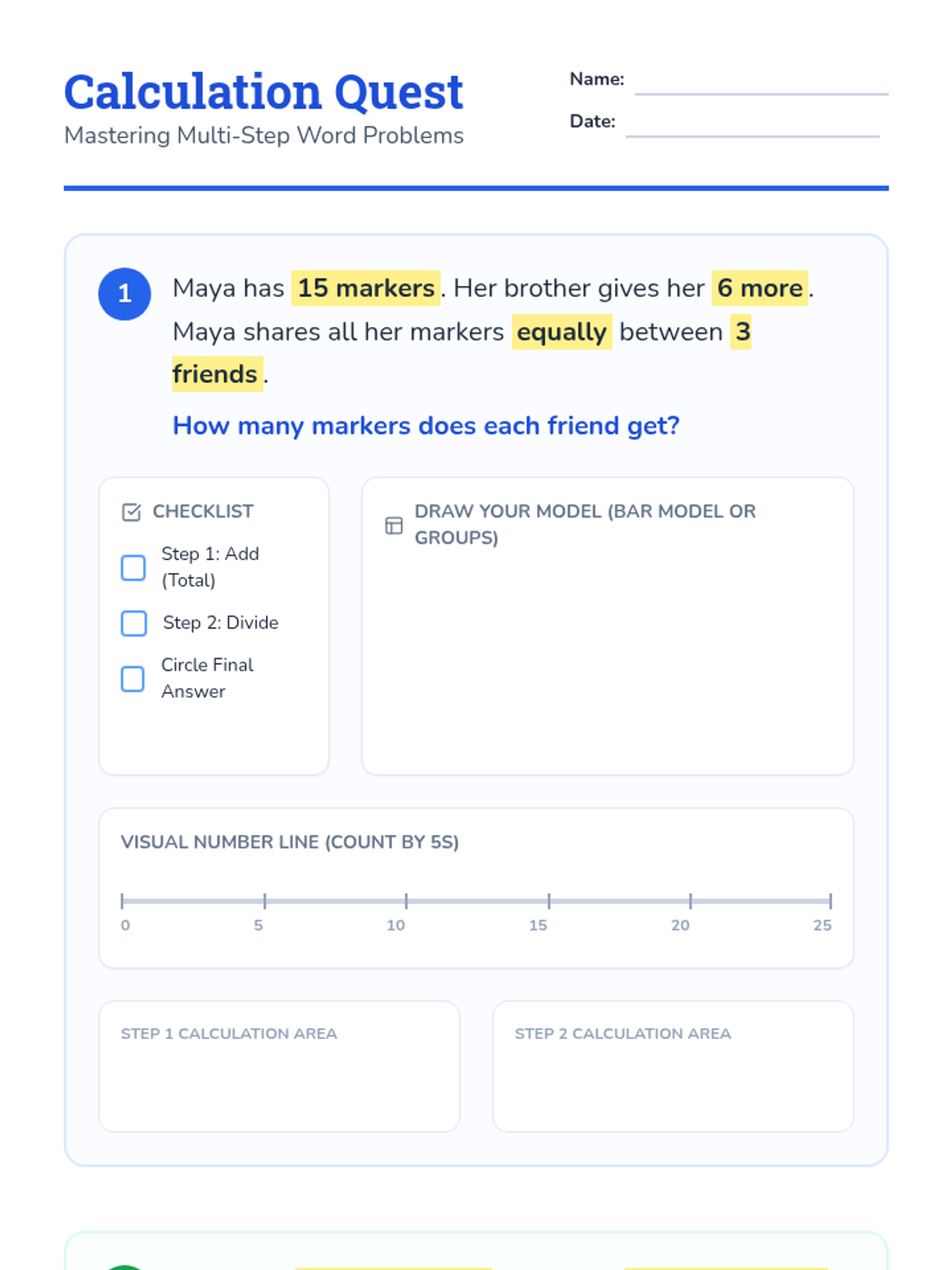
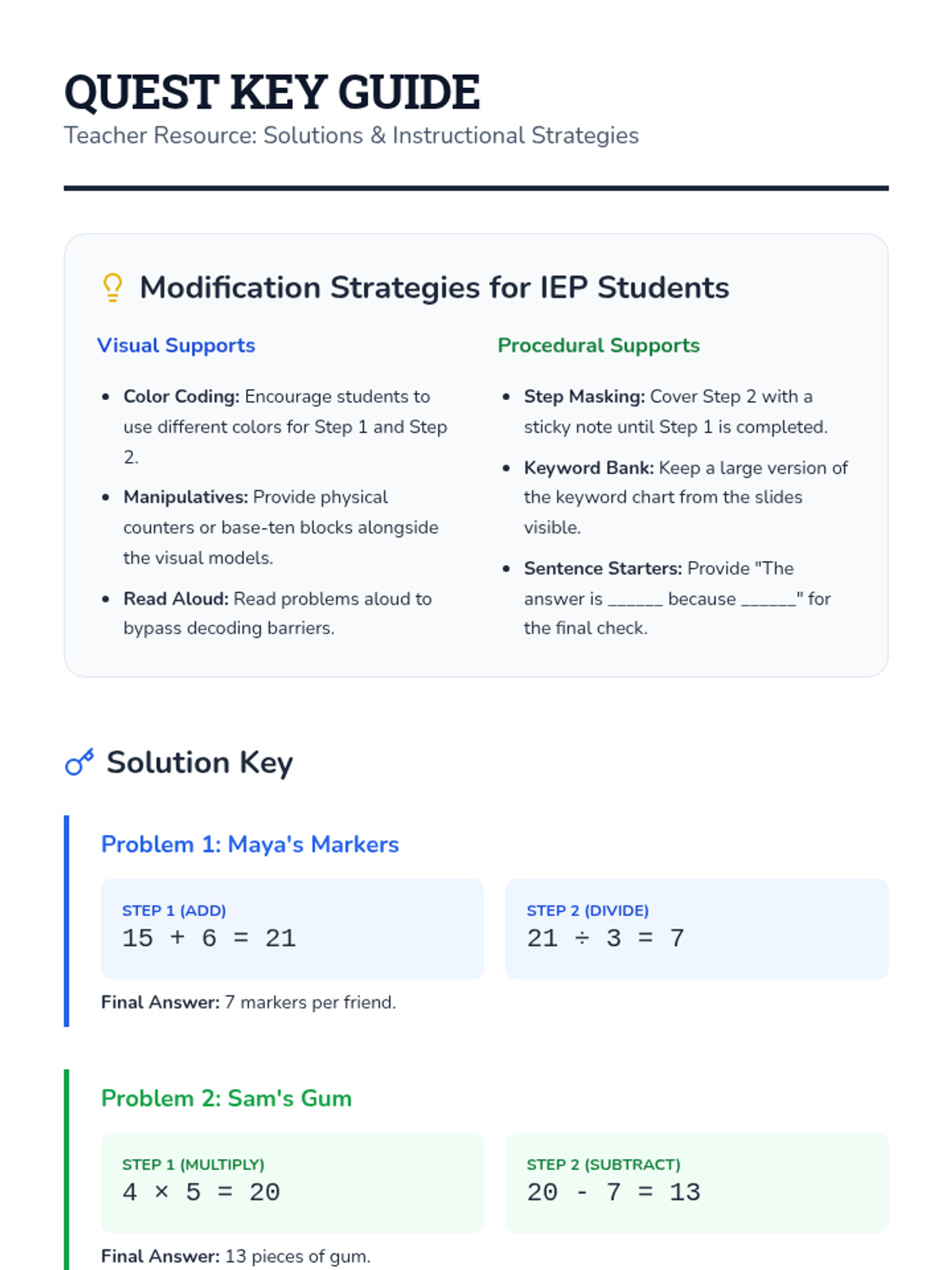
A supportive lesson designed for students with IEPs to master multi-step word problems using a systematic four-step approach. Includes visual aids, keyword strategies, and model drawing to build problem-solving confidence.
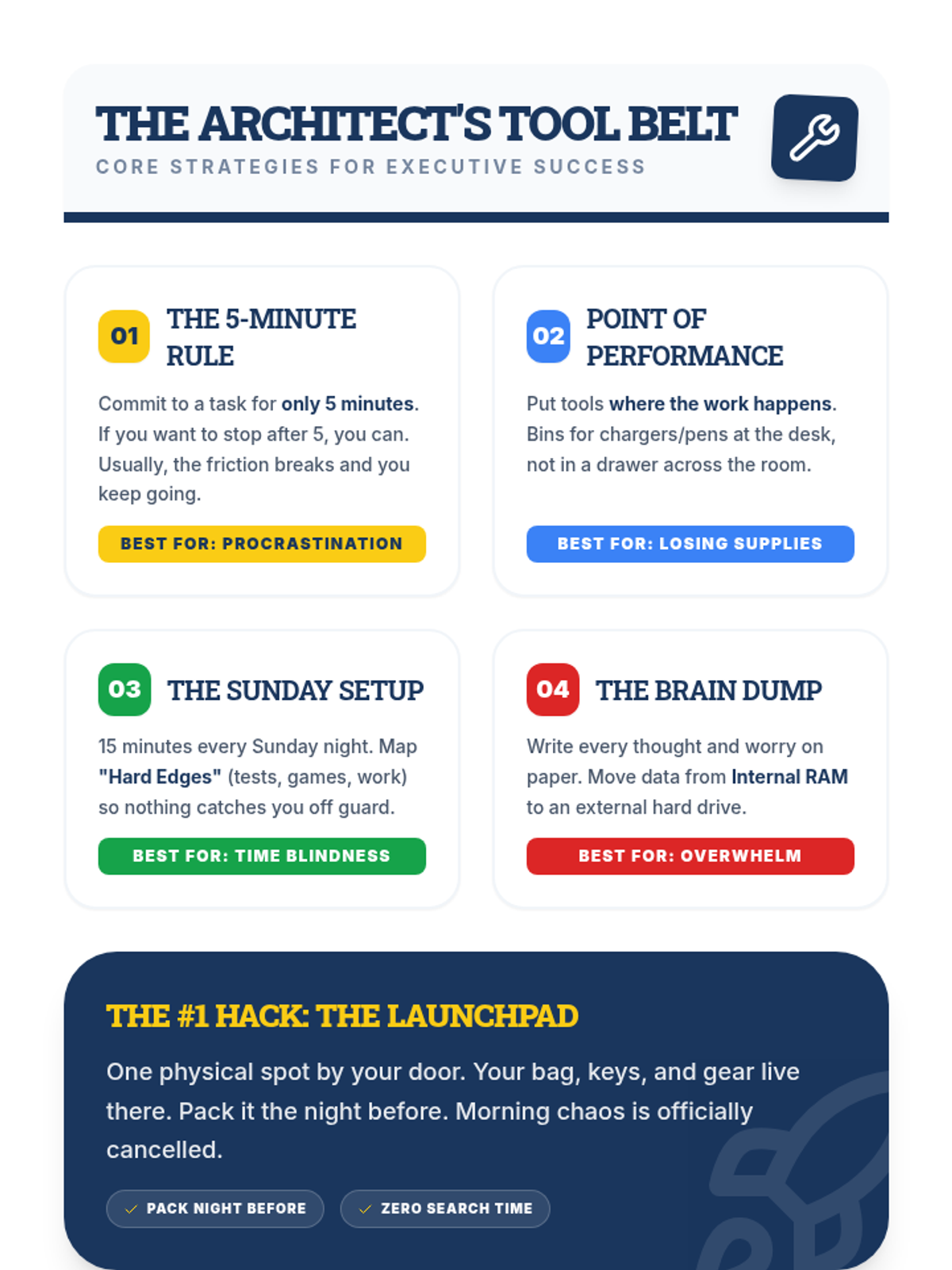
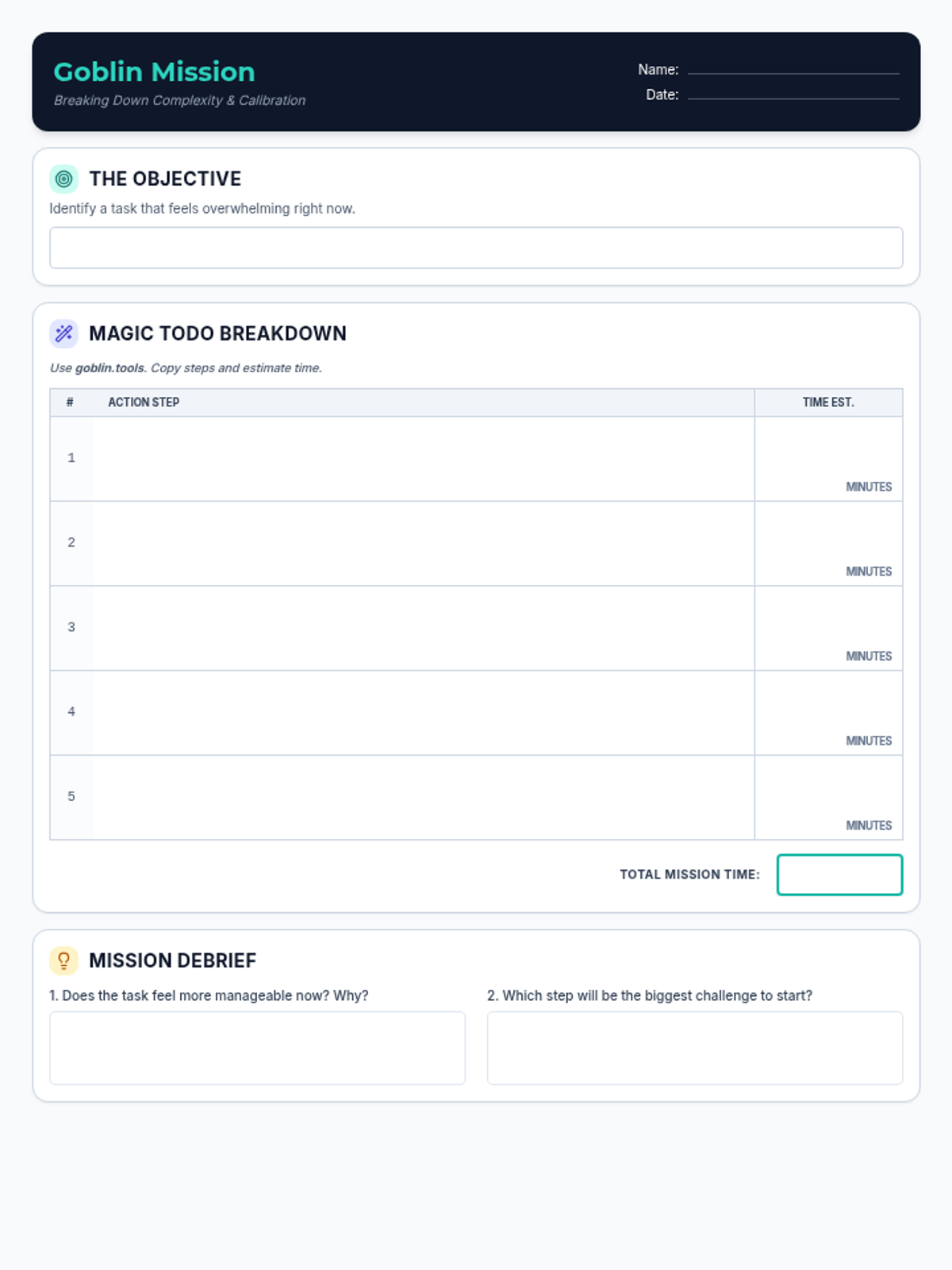
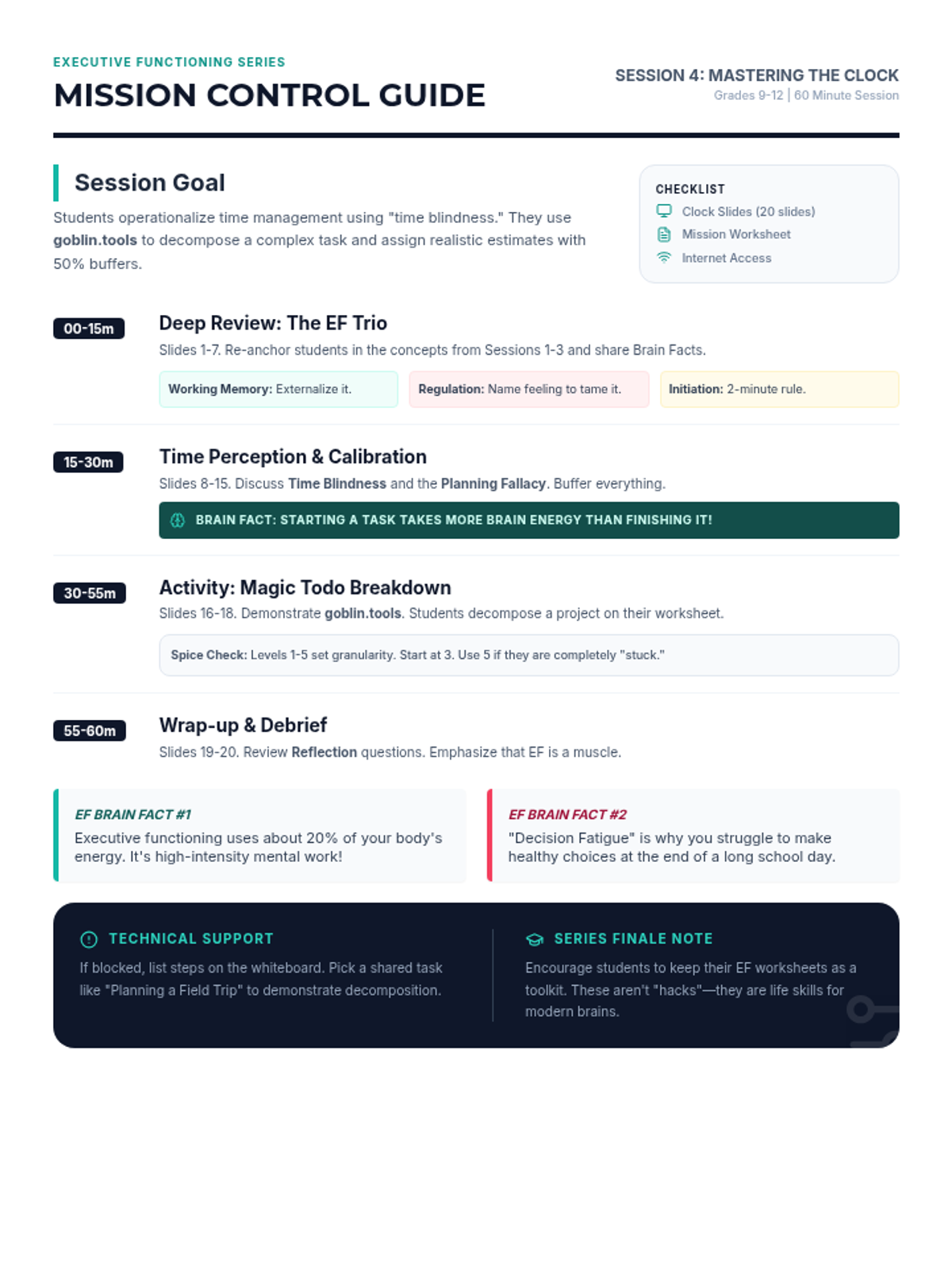
The final session in an executive functioning series, covering time management, pacing, and deadlines, with a review of working memory, emotional regulation, and task initiation. Students use digital tools to practice breaking down complex tasks.
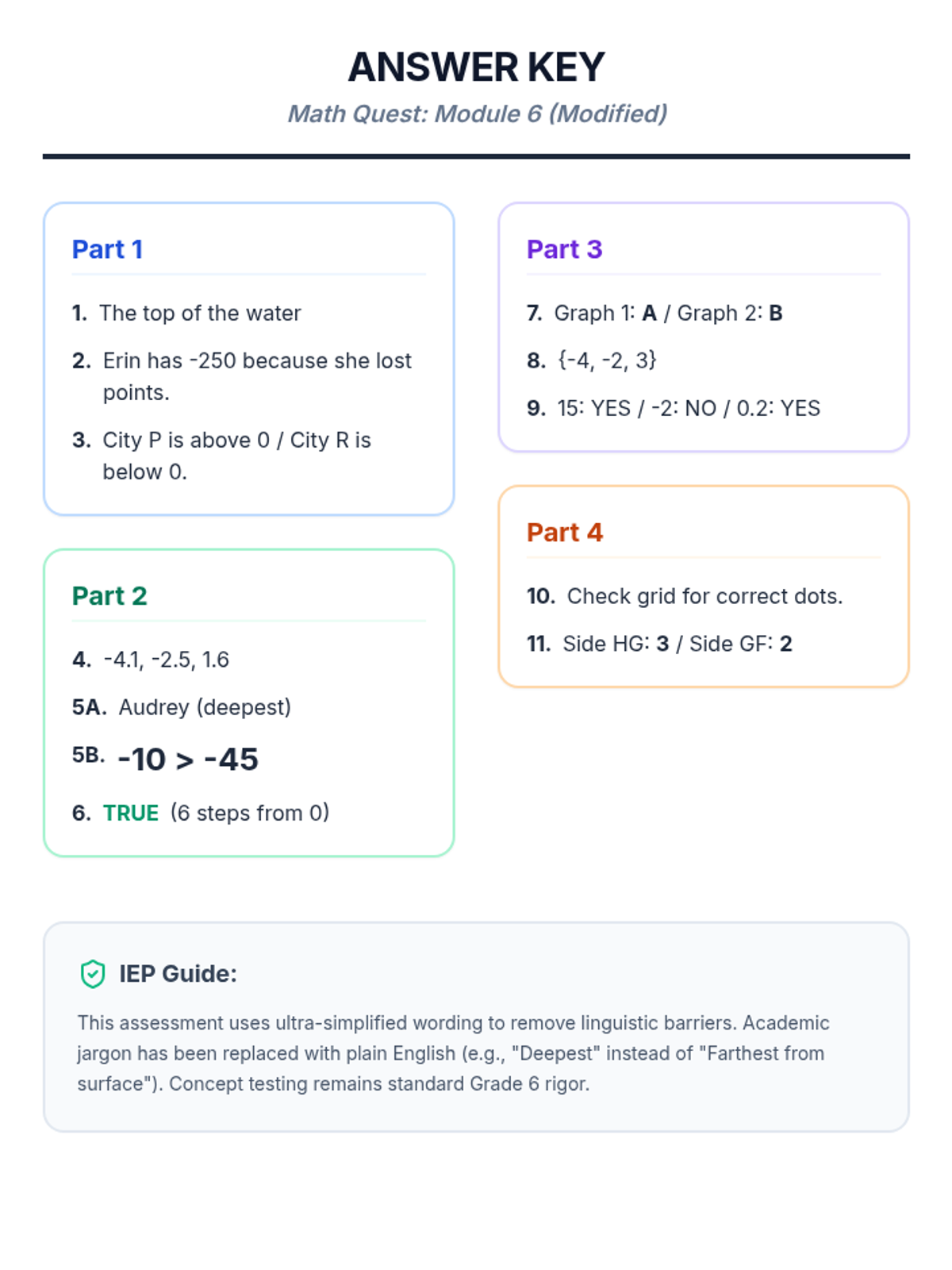
A modified version of the Grade 6 Module 6 Assessment, specifically designed for students with IEPs. The assessment is broken into bite-sized chunks with simplified language, visual supports, and reduced response options to increase accessibility.
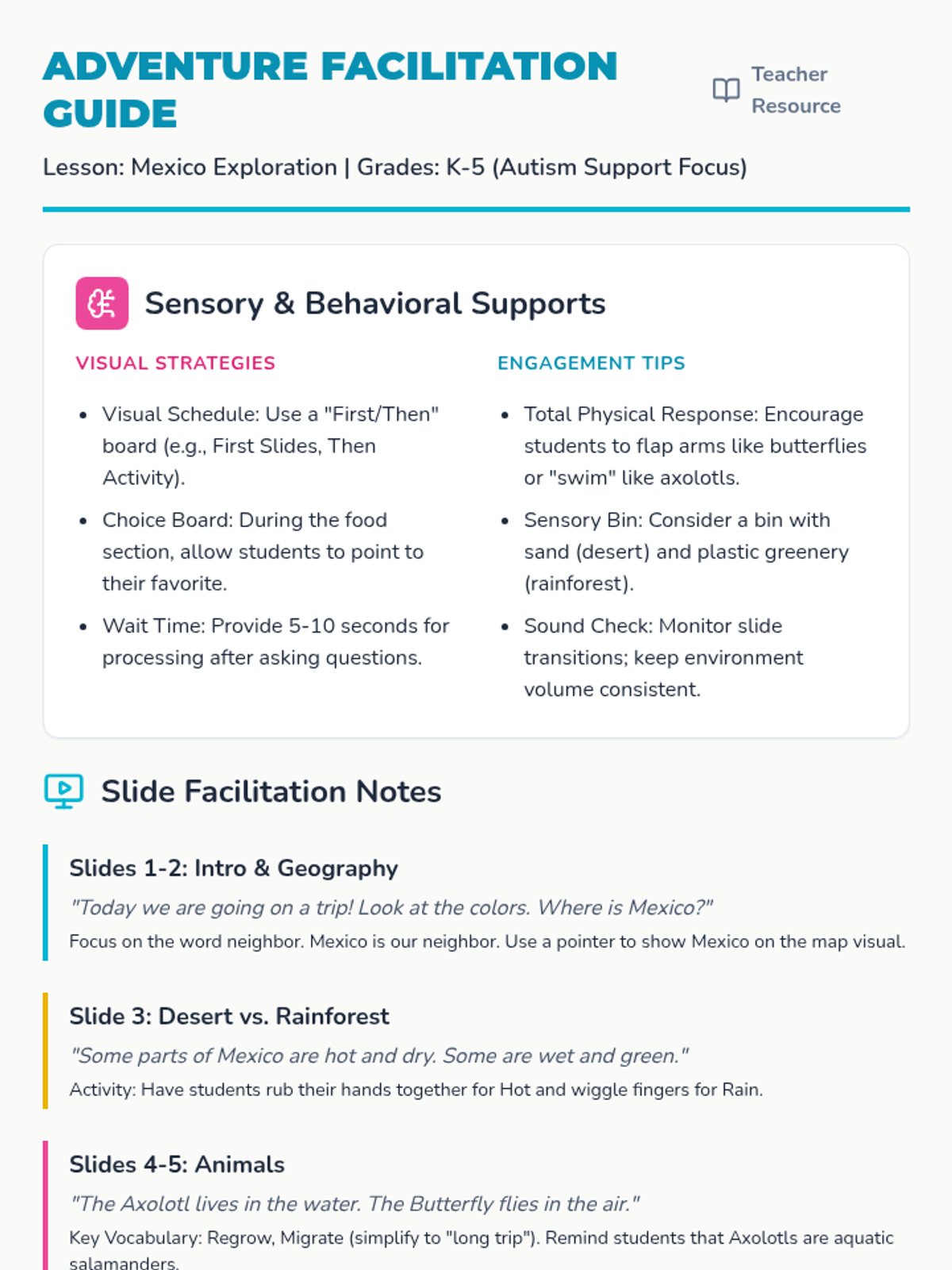
A guide for facilitators to implement neurodiverse-friendly strategies and adaptations in instructional settings.
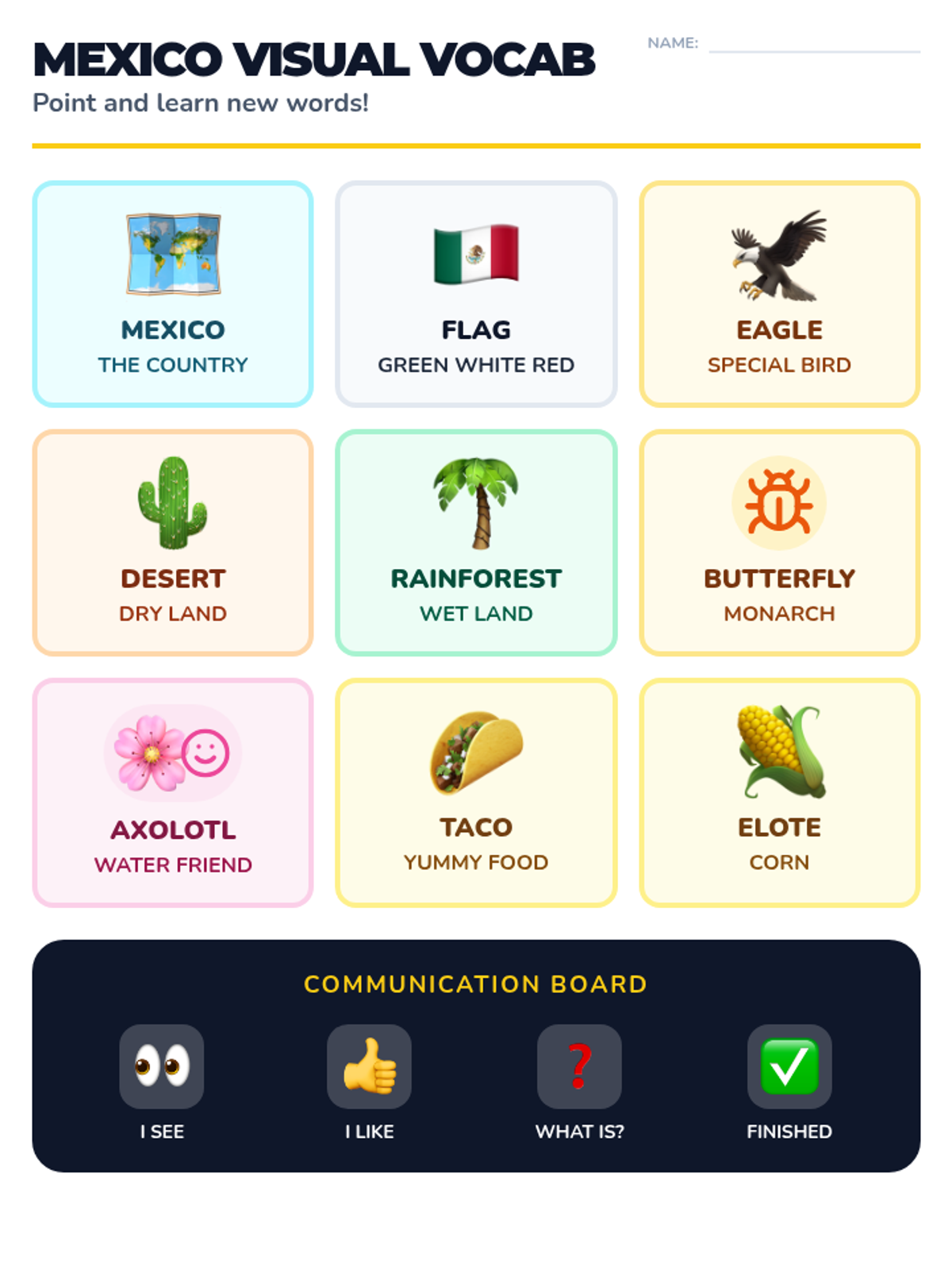
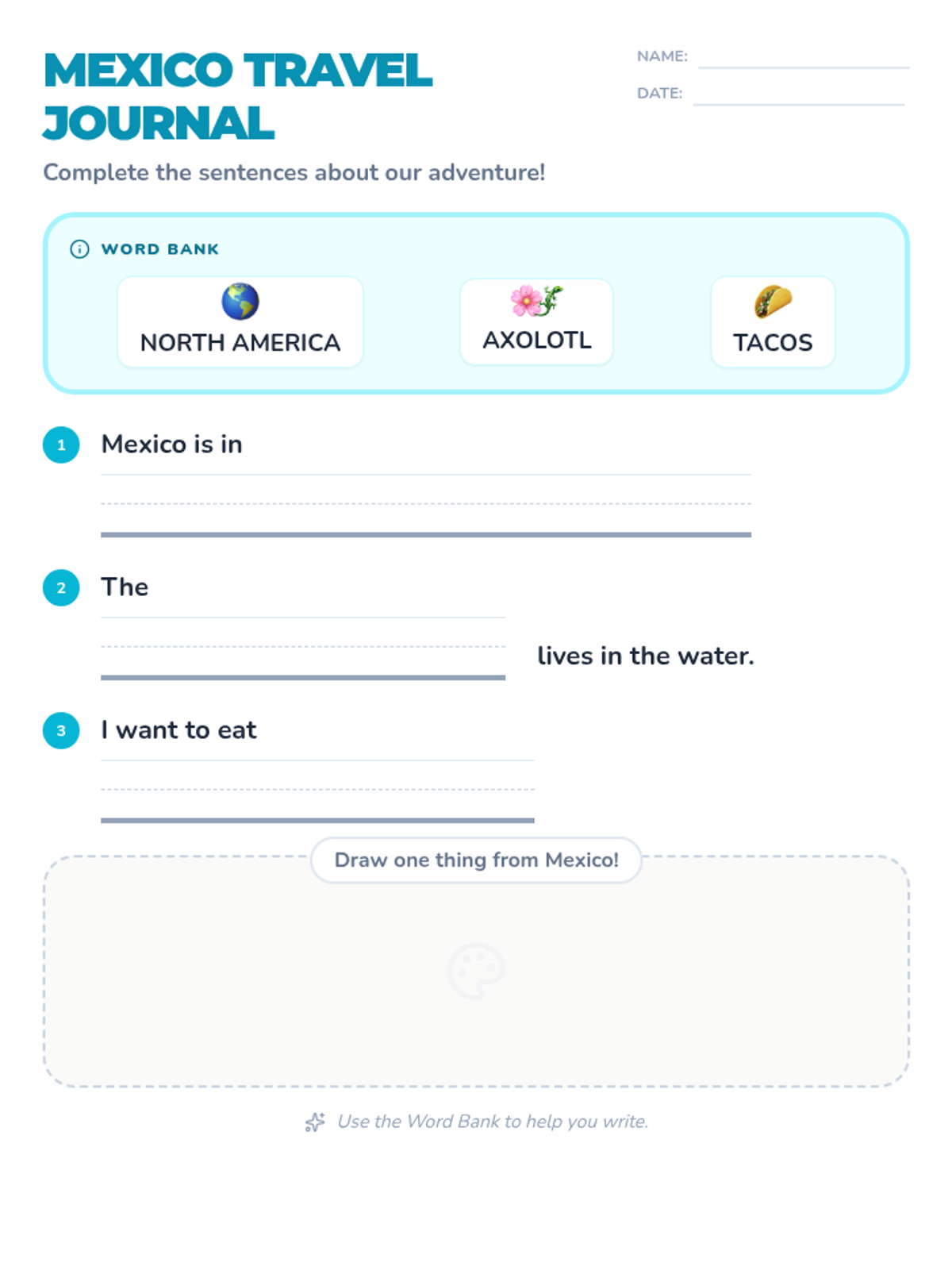
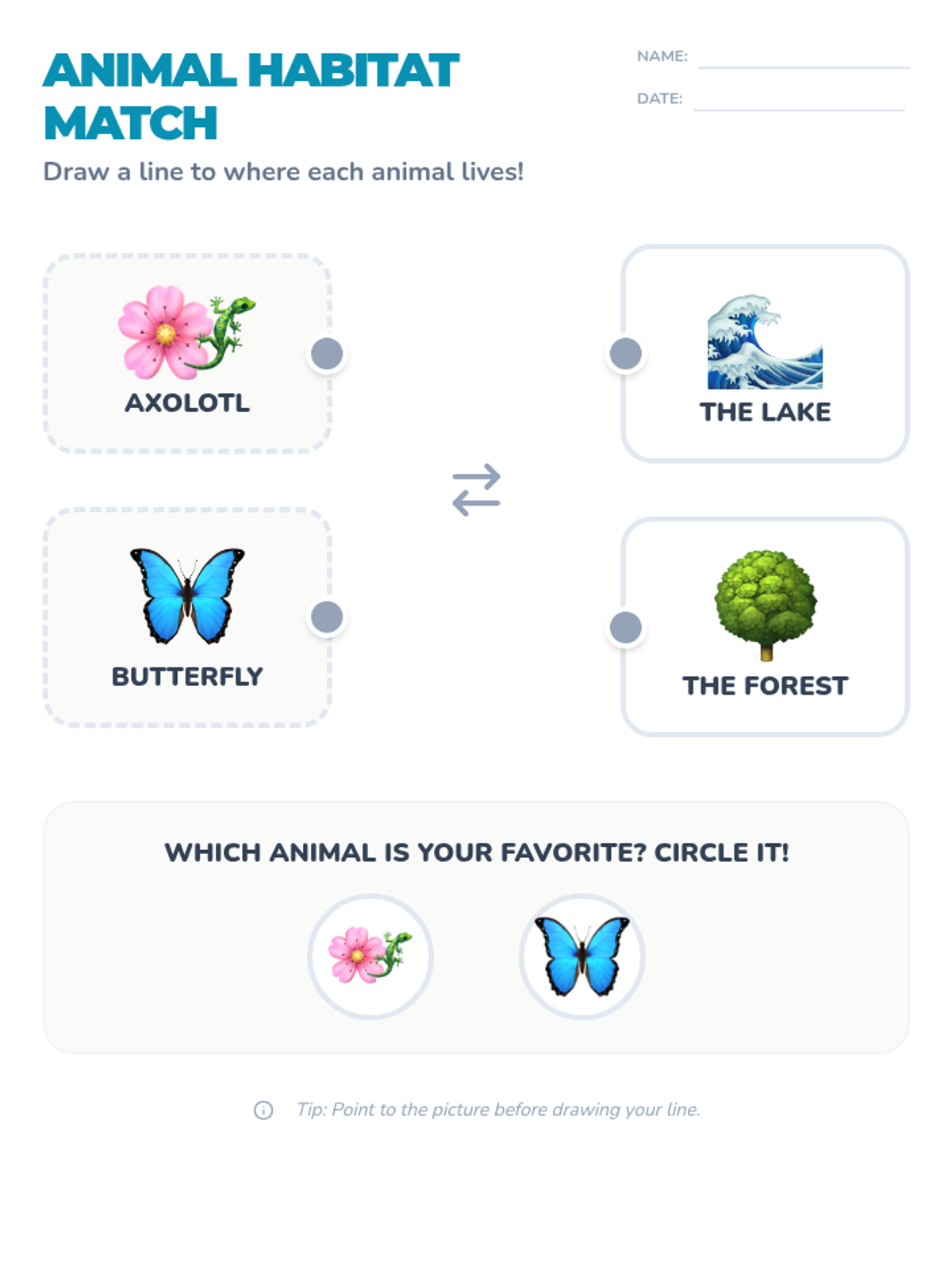
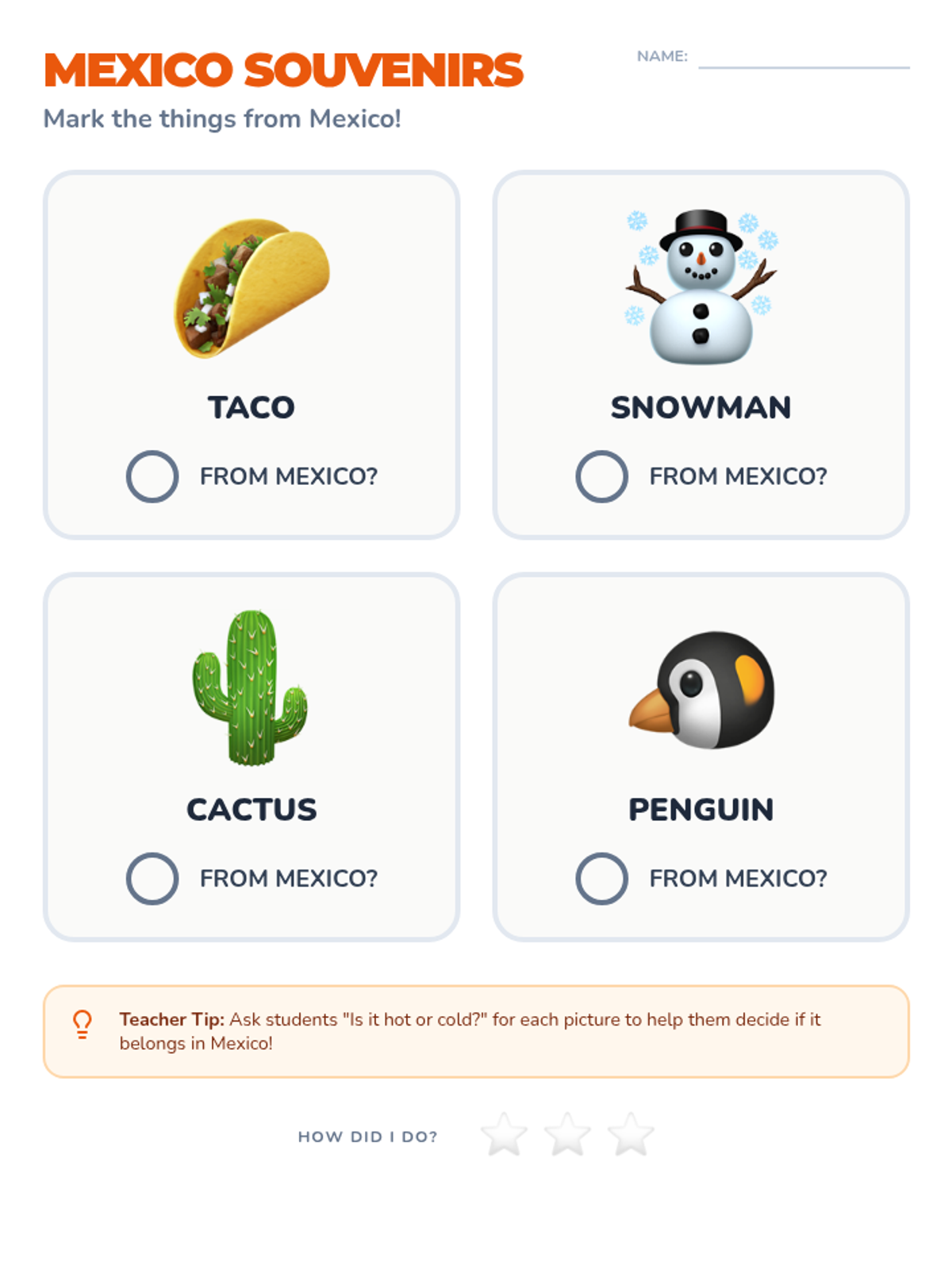
An engaging exploration of Mexico's geography, wildlife, and culture designed specifically for elementary students with autism, featuring visual supports and clear, structured information.
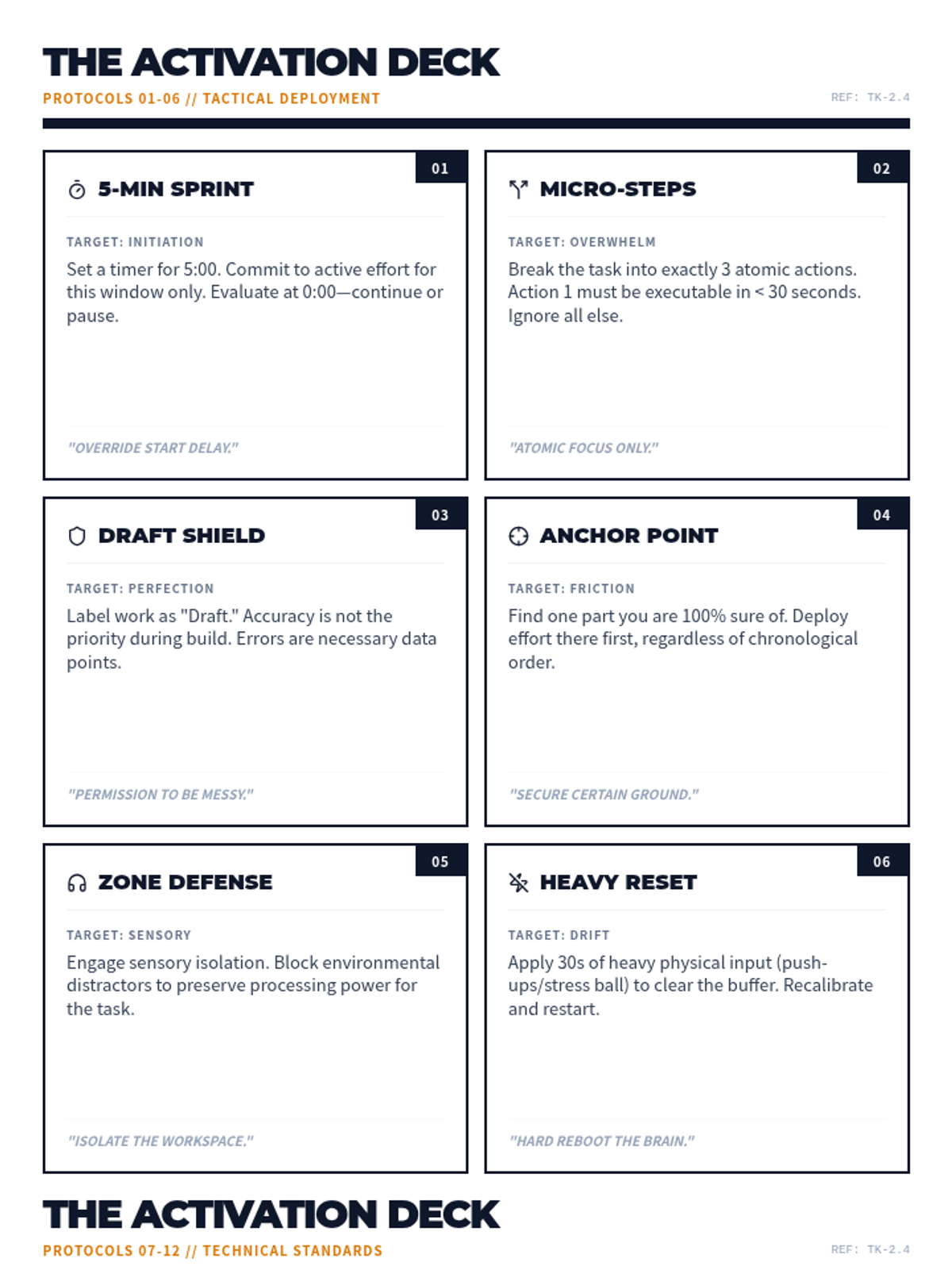
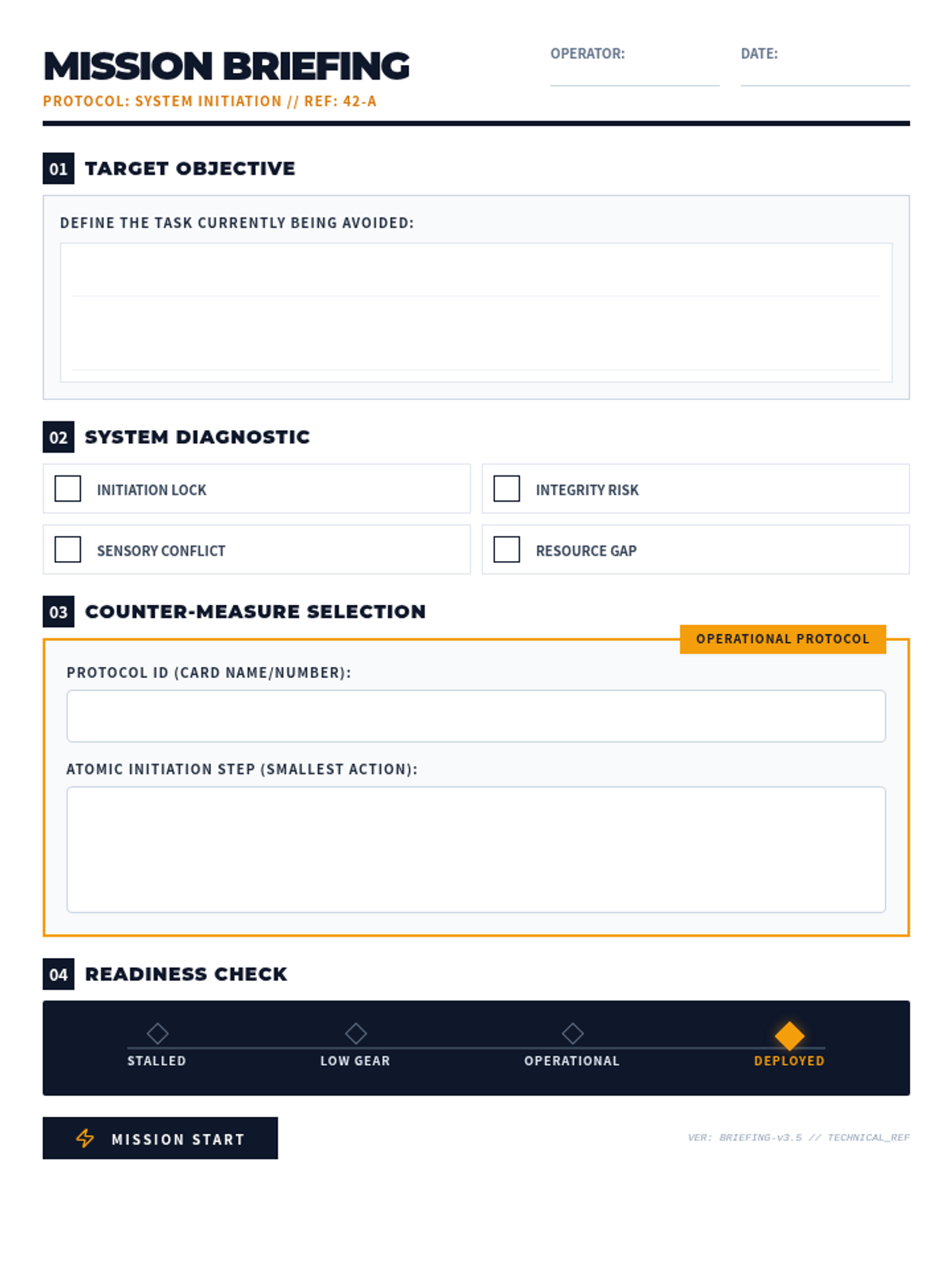
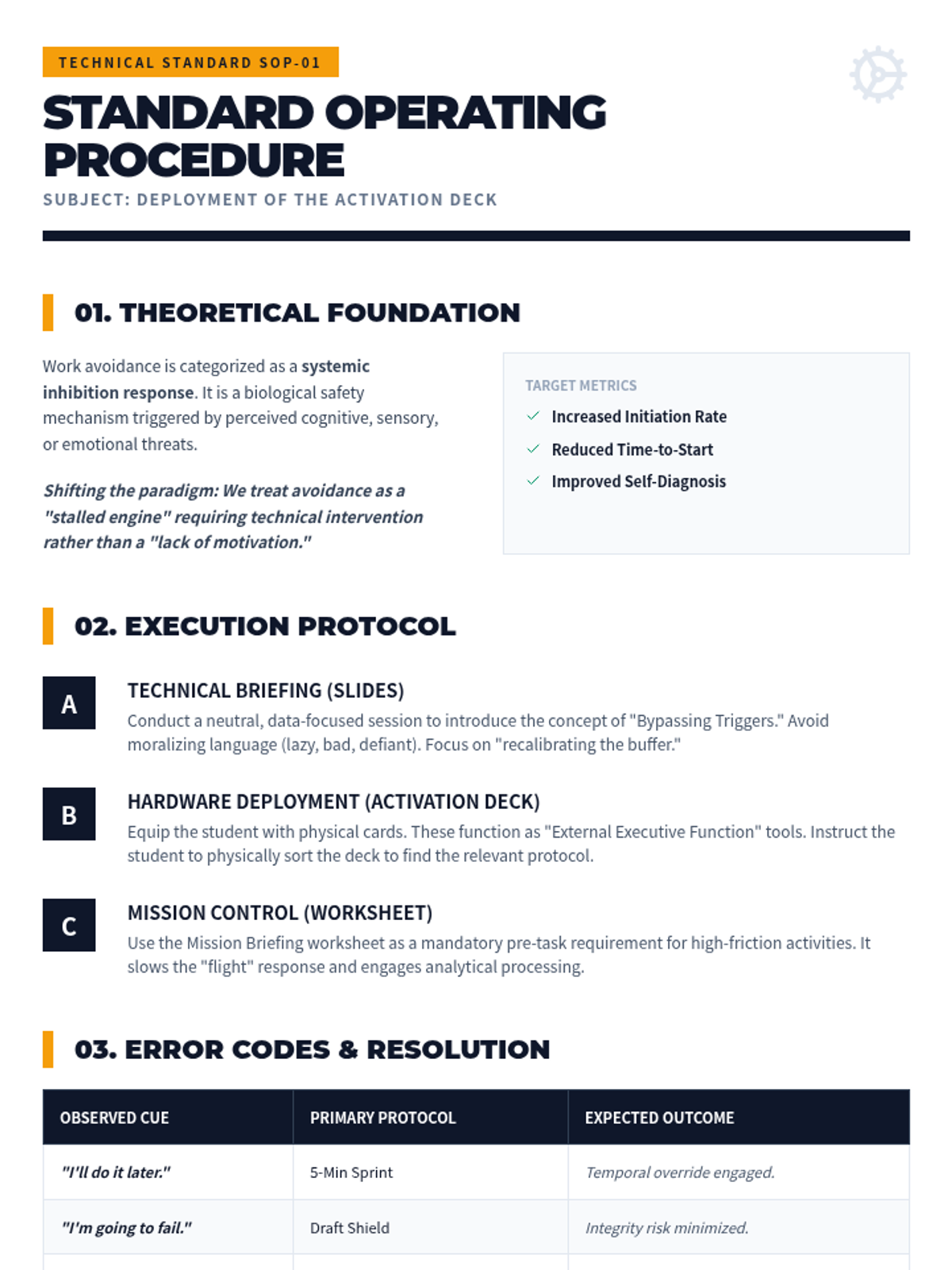
A comprehensive toolkit designed to help students overcome work avoidance by addressing executive functioning, academic confidence, sensory needs, and independent work skills. Includes strategy cards, a presentation for introduction, and a planning worksheet.