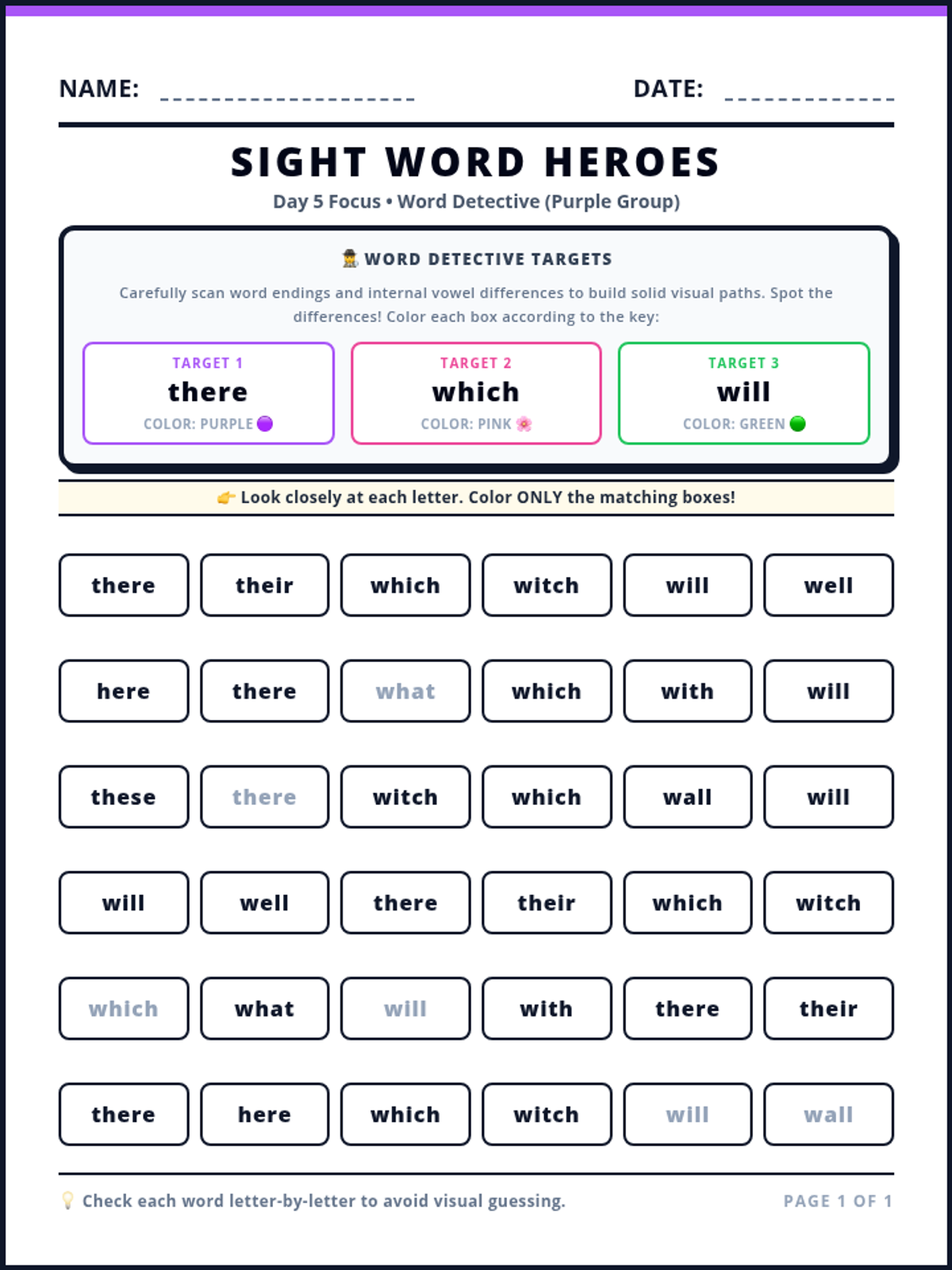
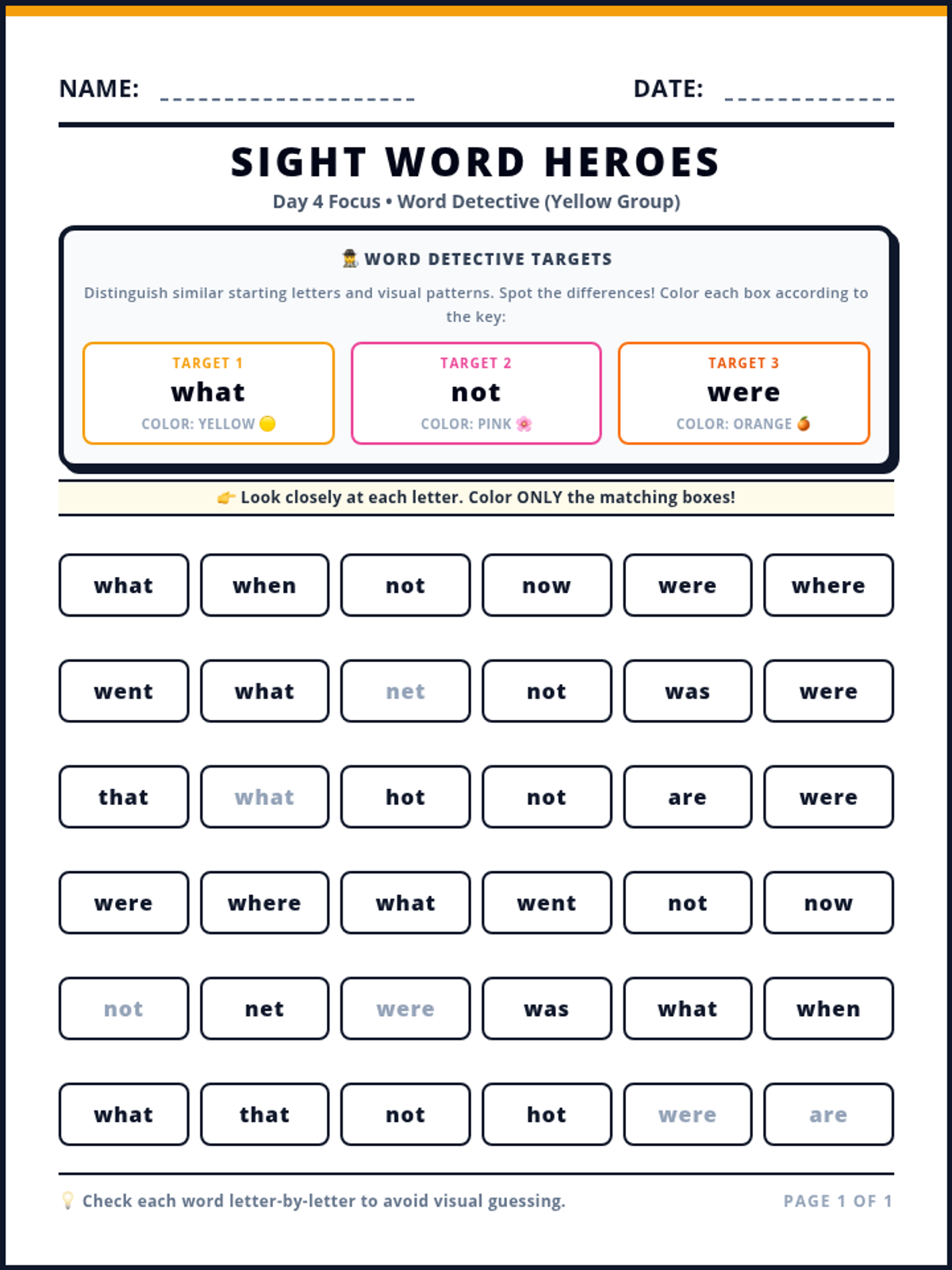
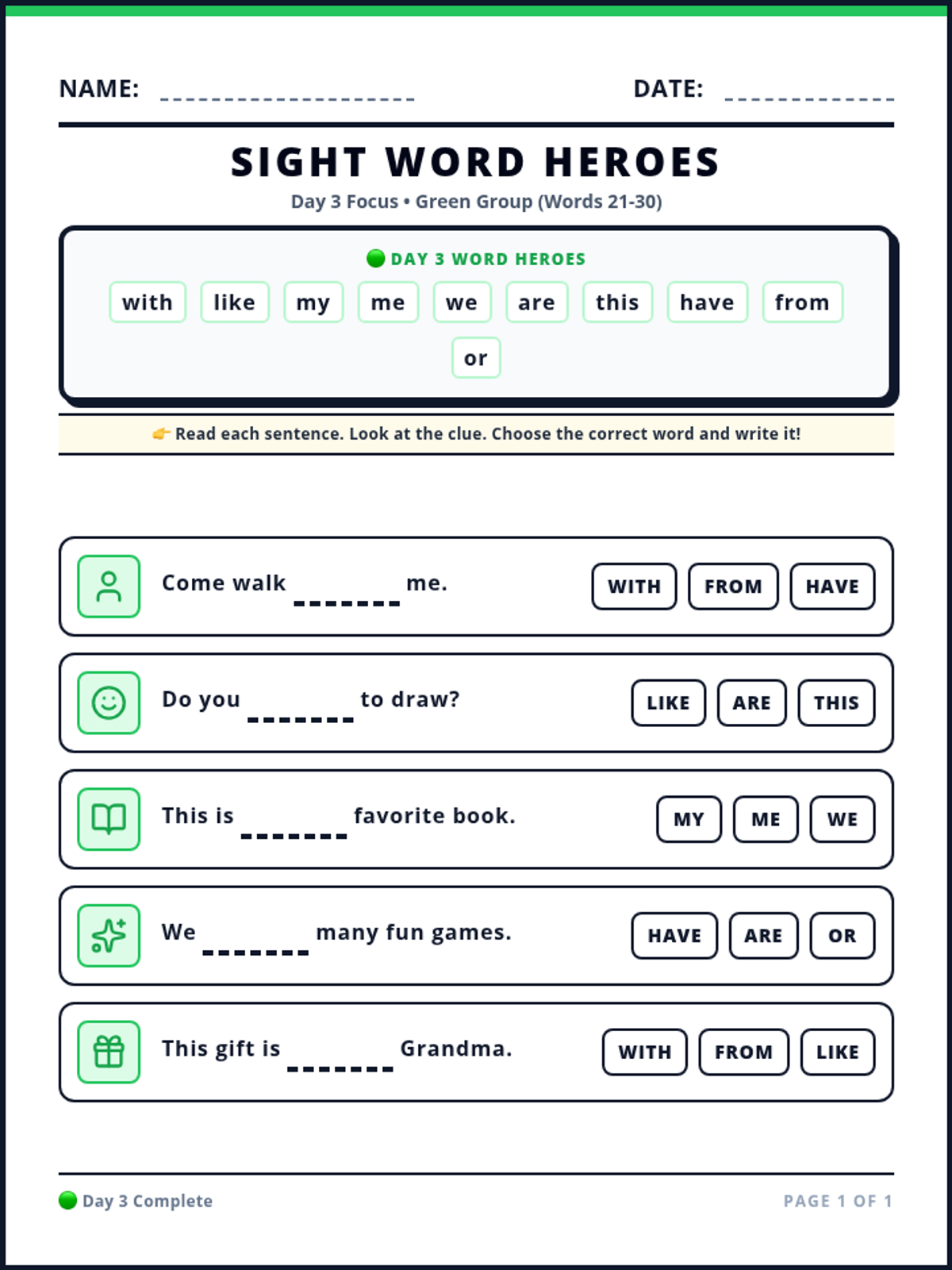
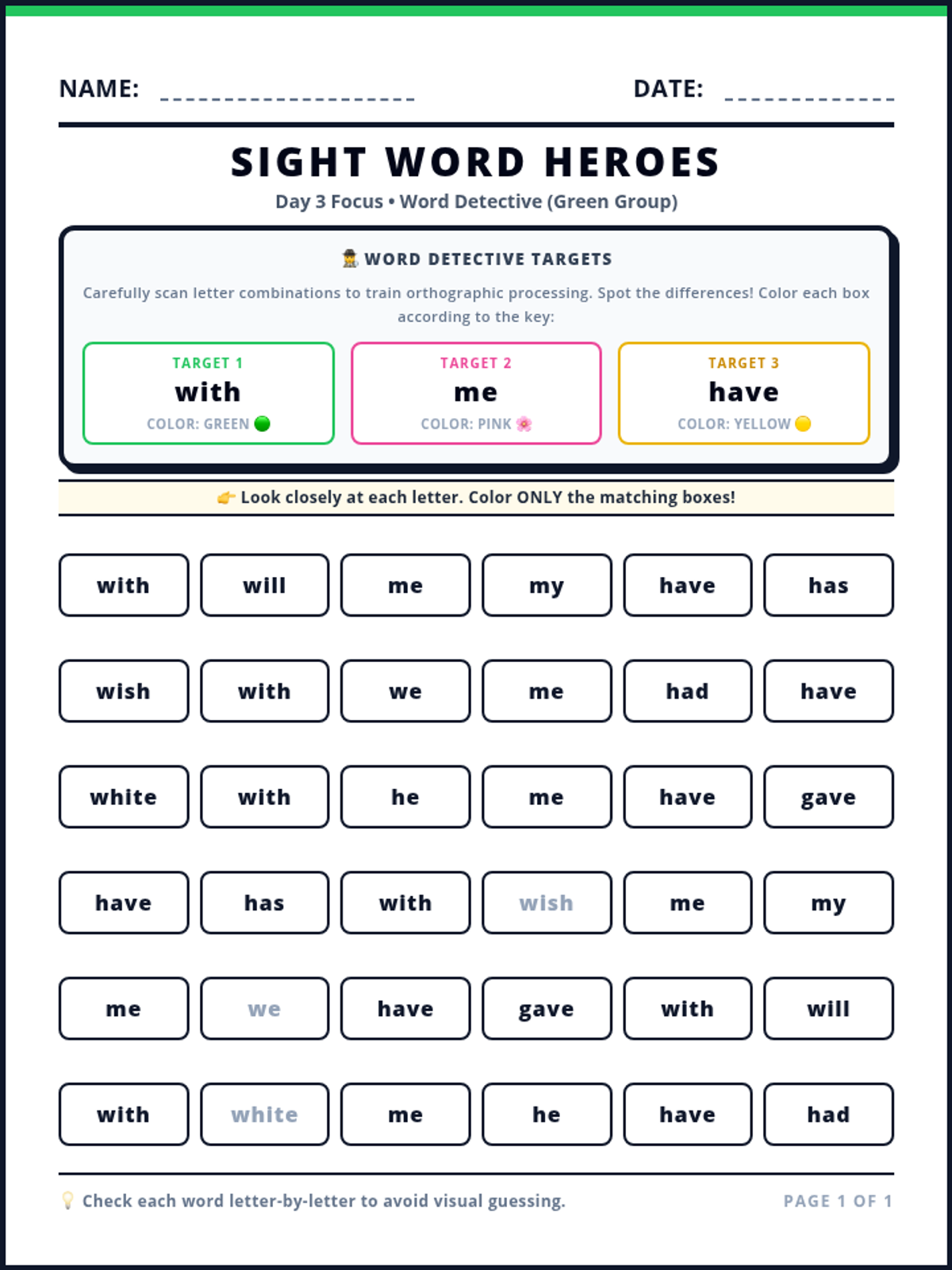
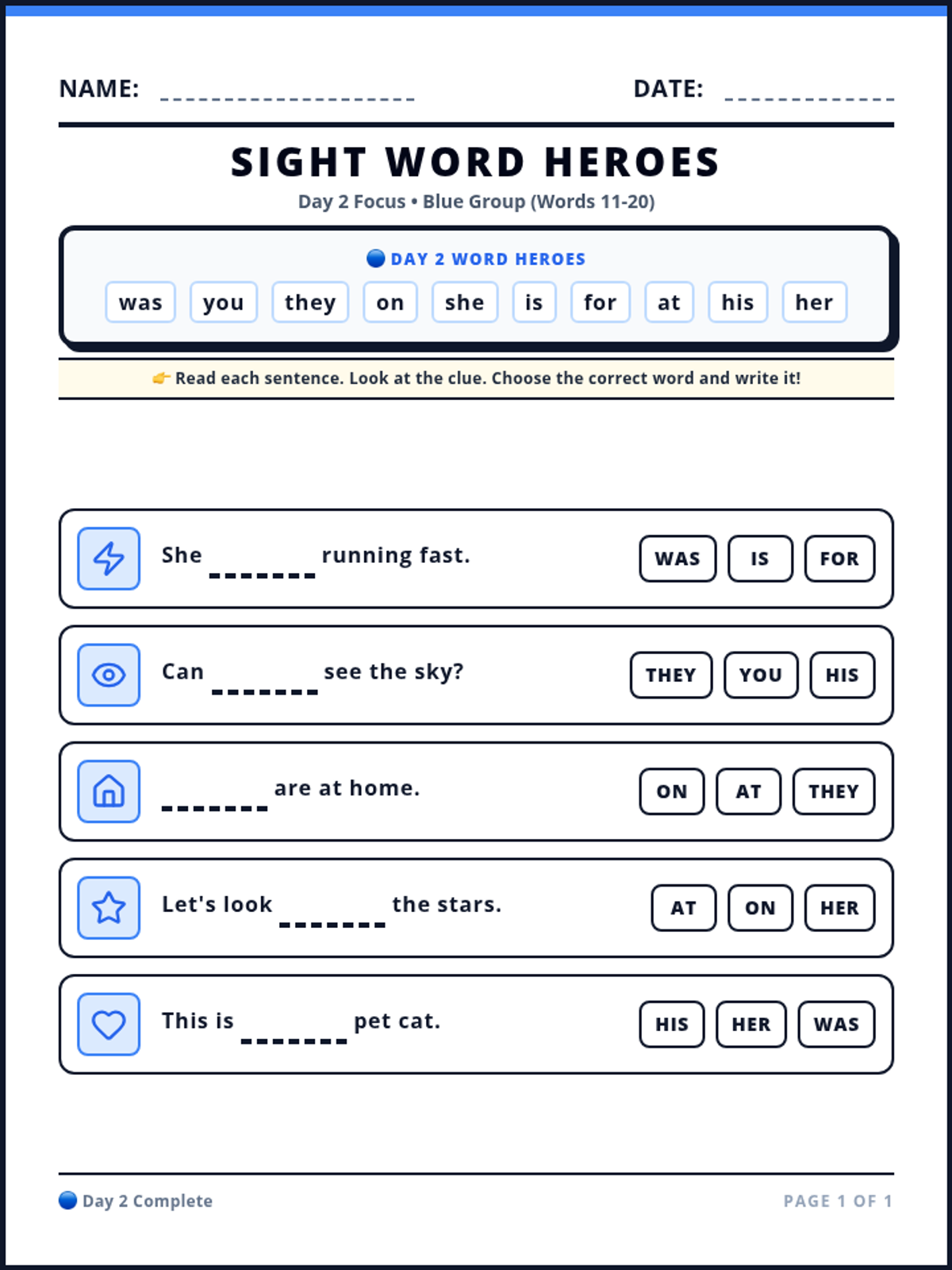
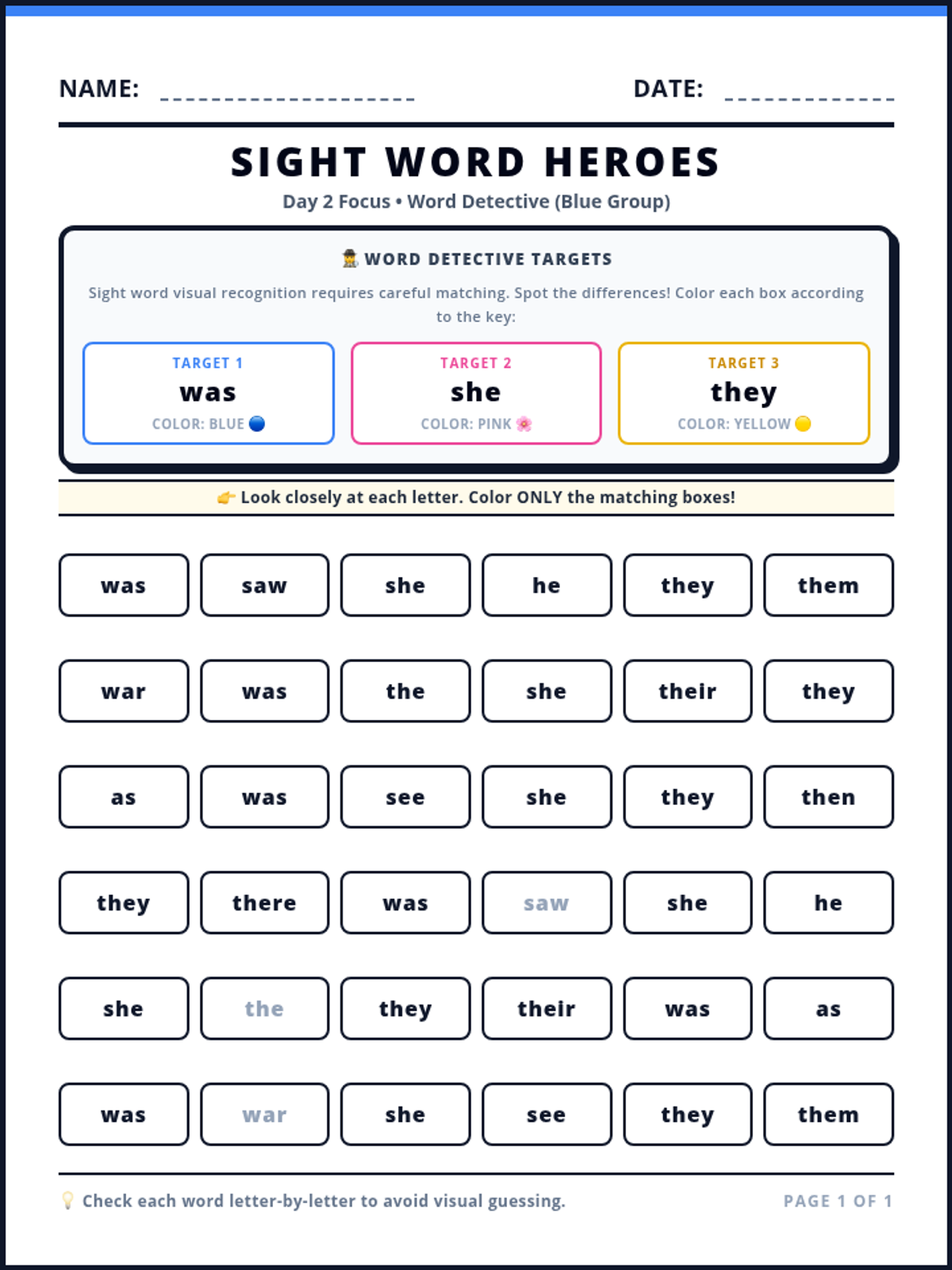
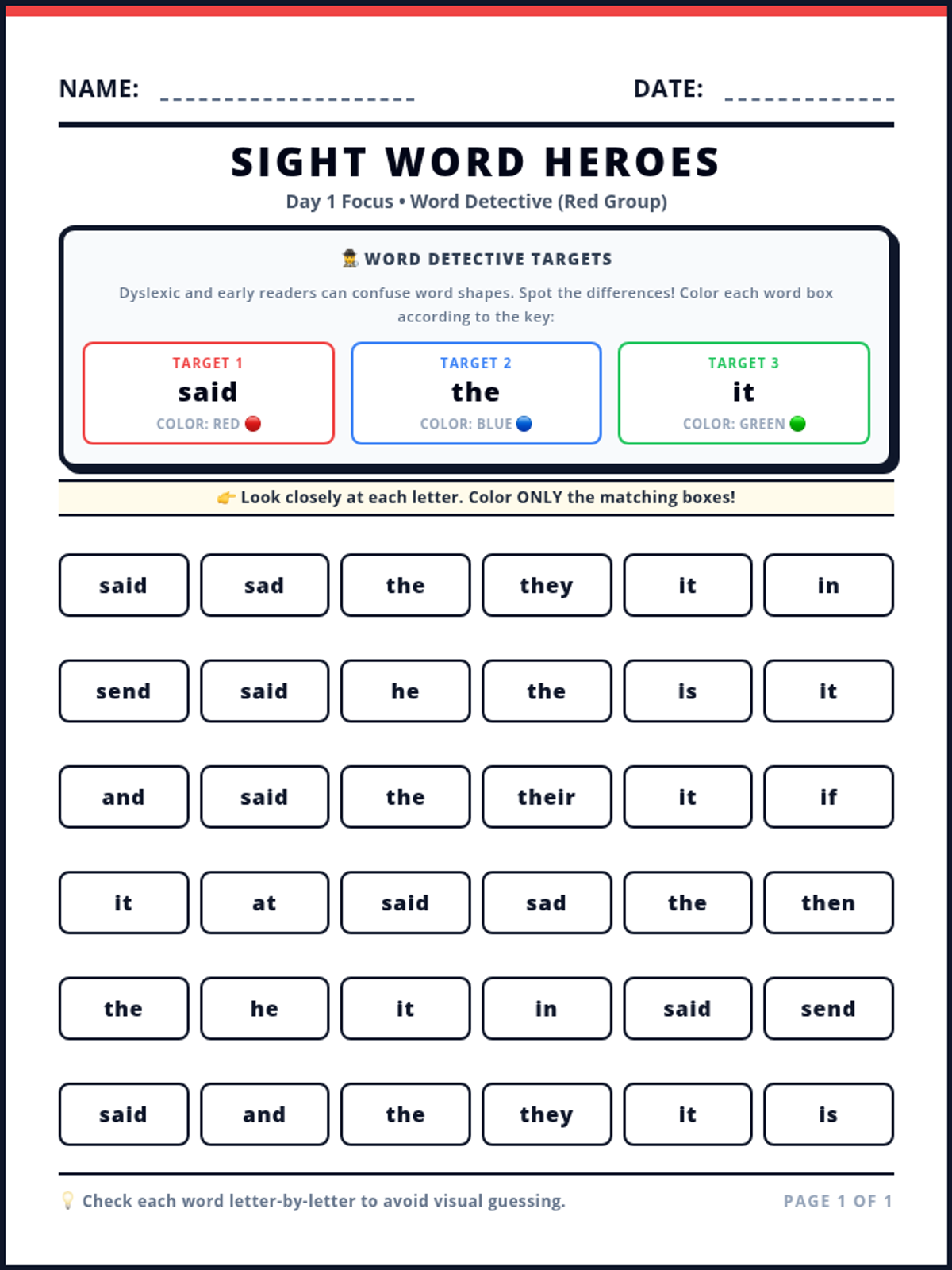
Students learn to use TTS to identify and decode unfamiliar words, acting as 'Word Detectives' to solve mysteries in the text.
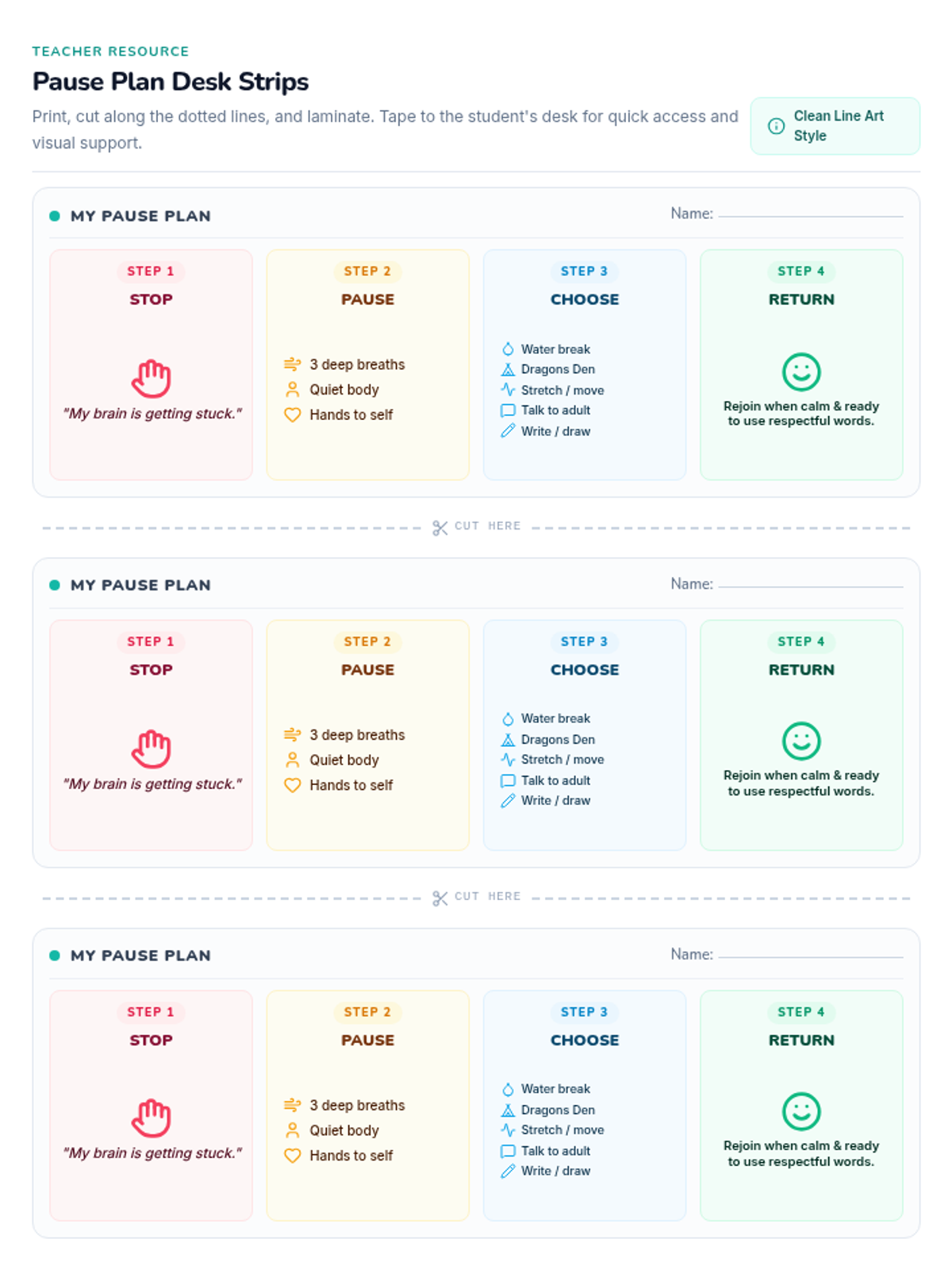
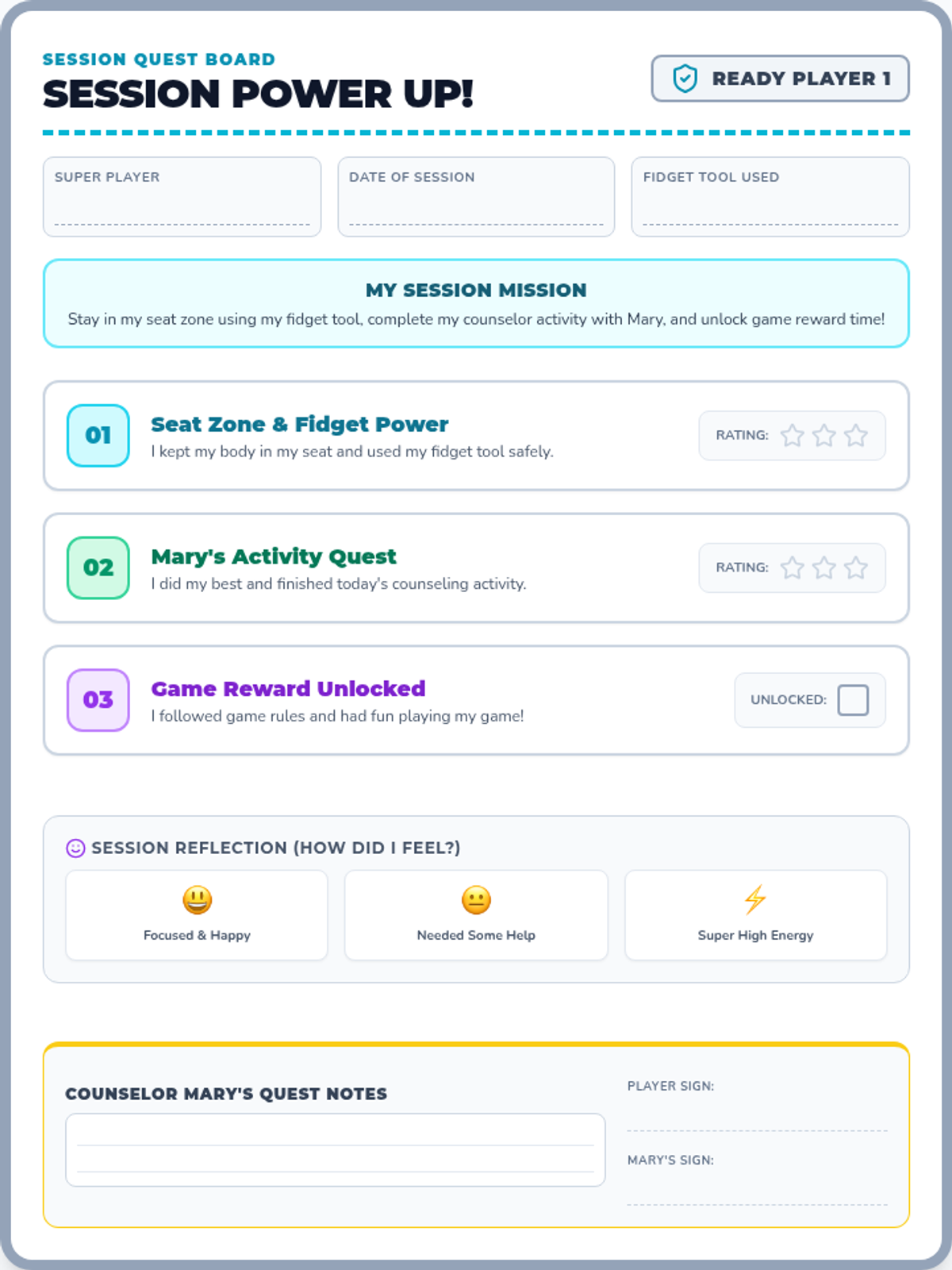
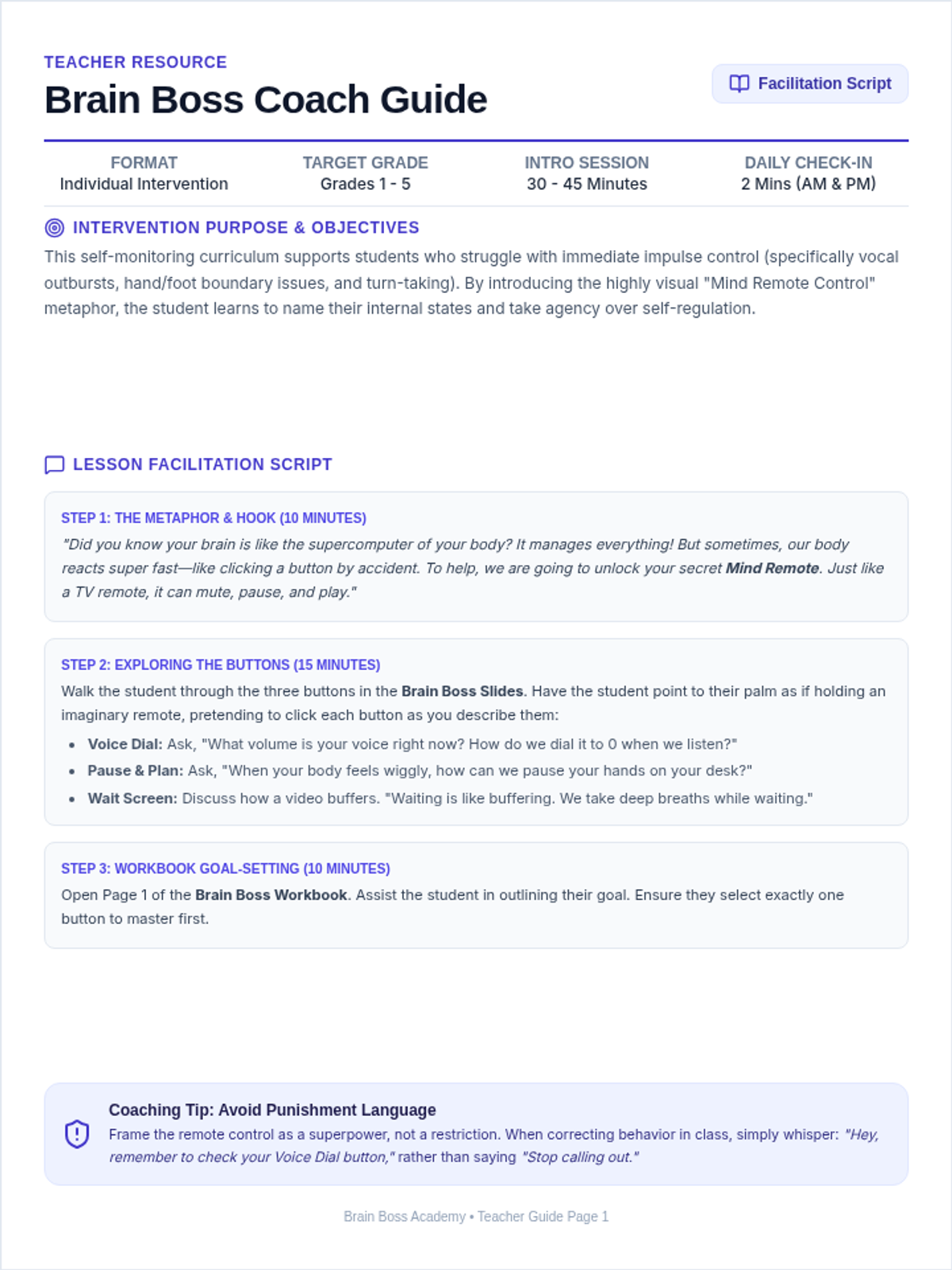
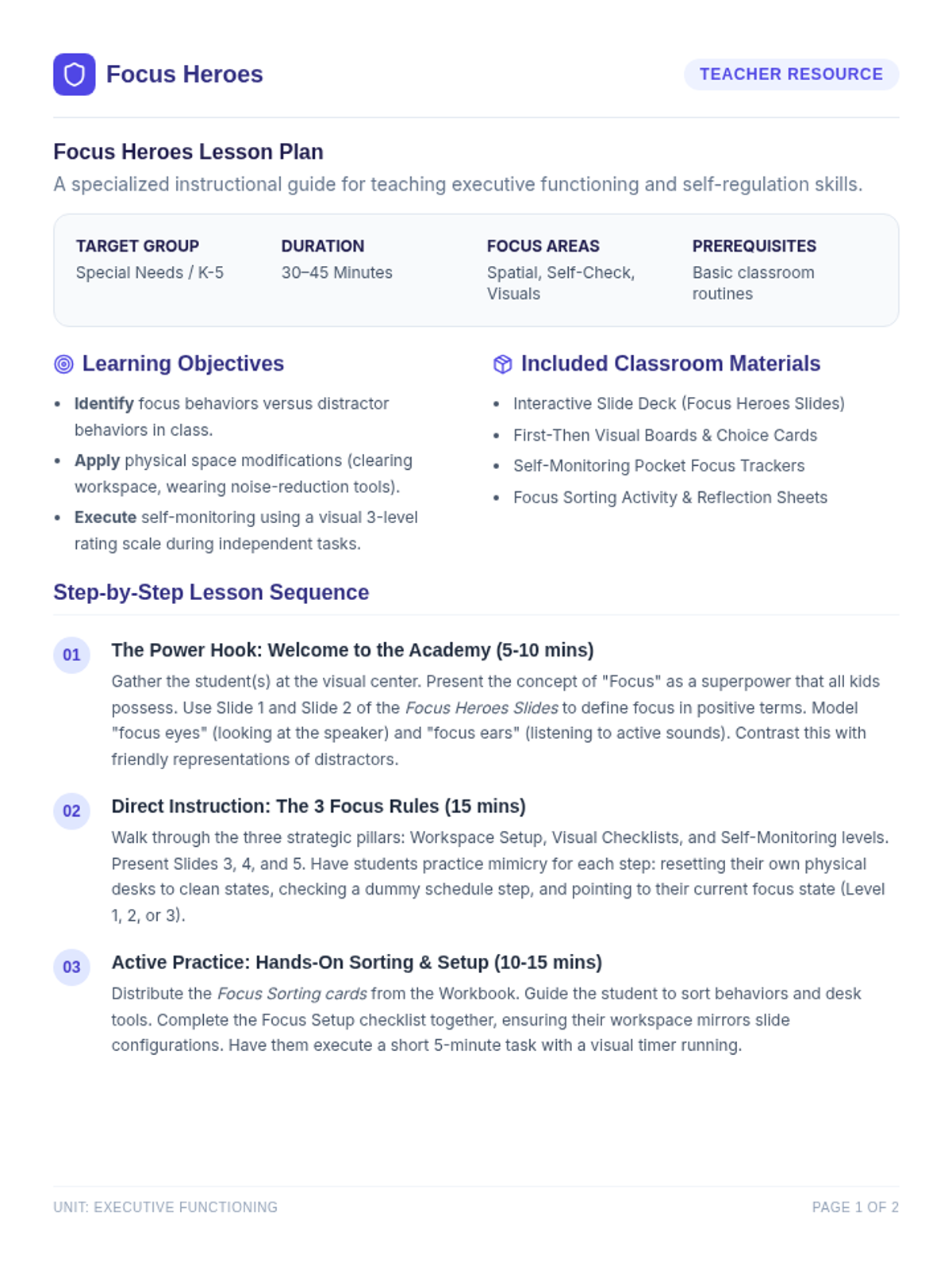
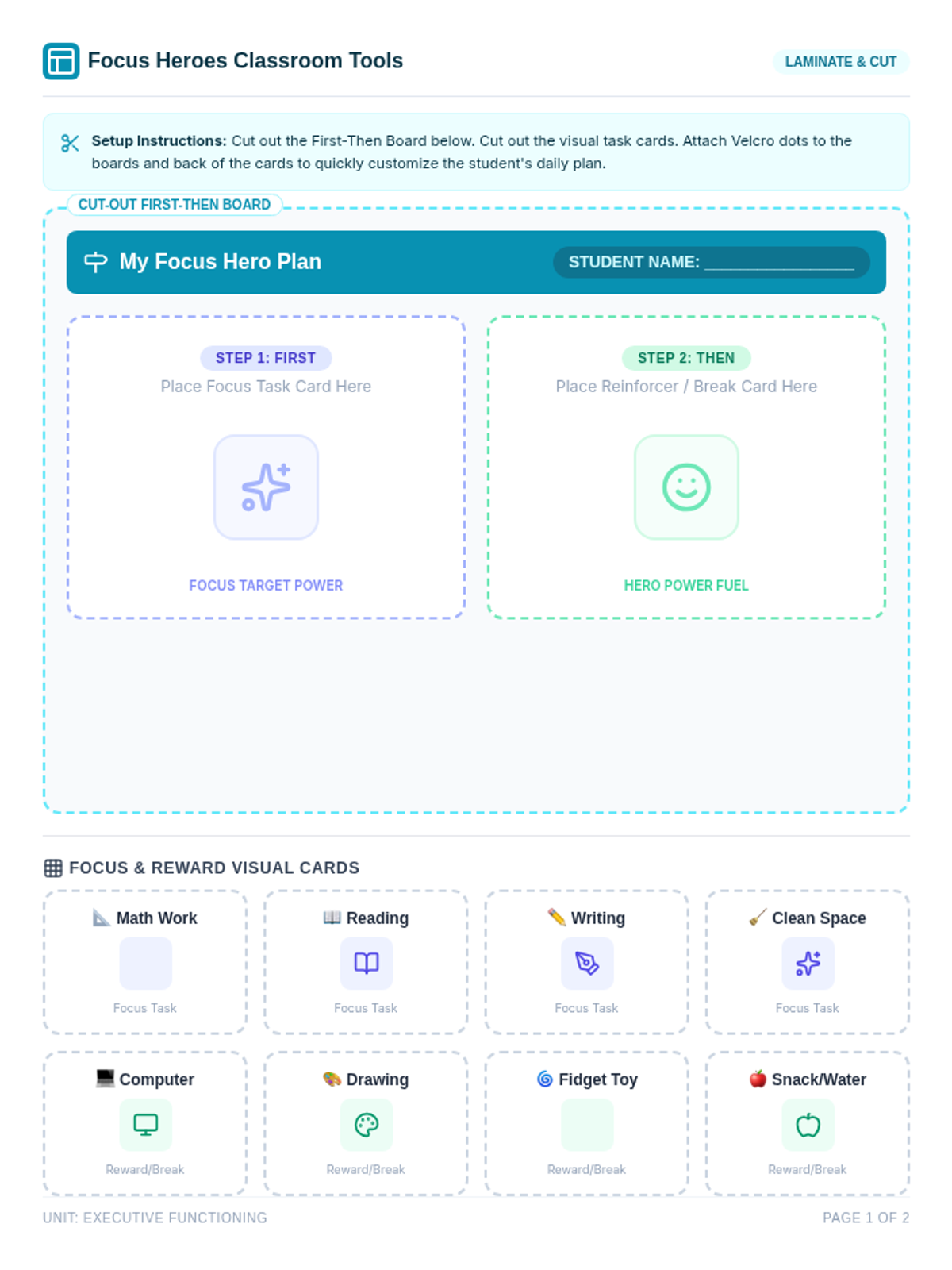
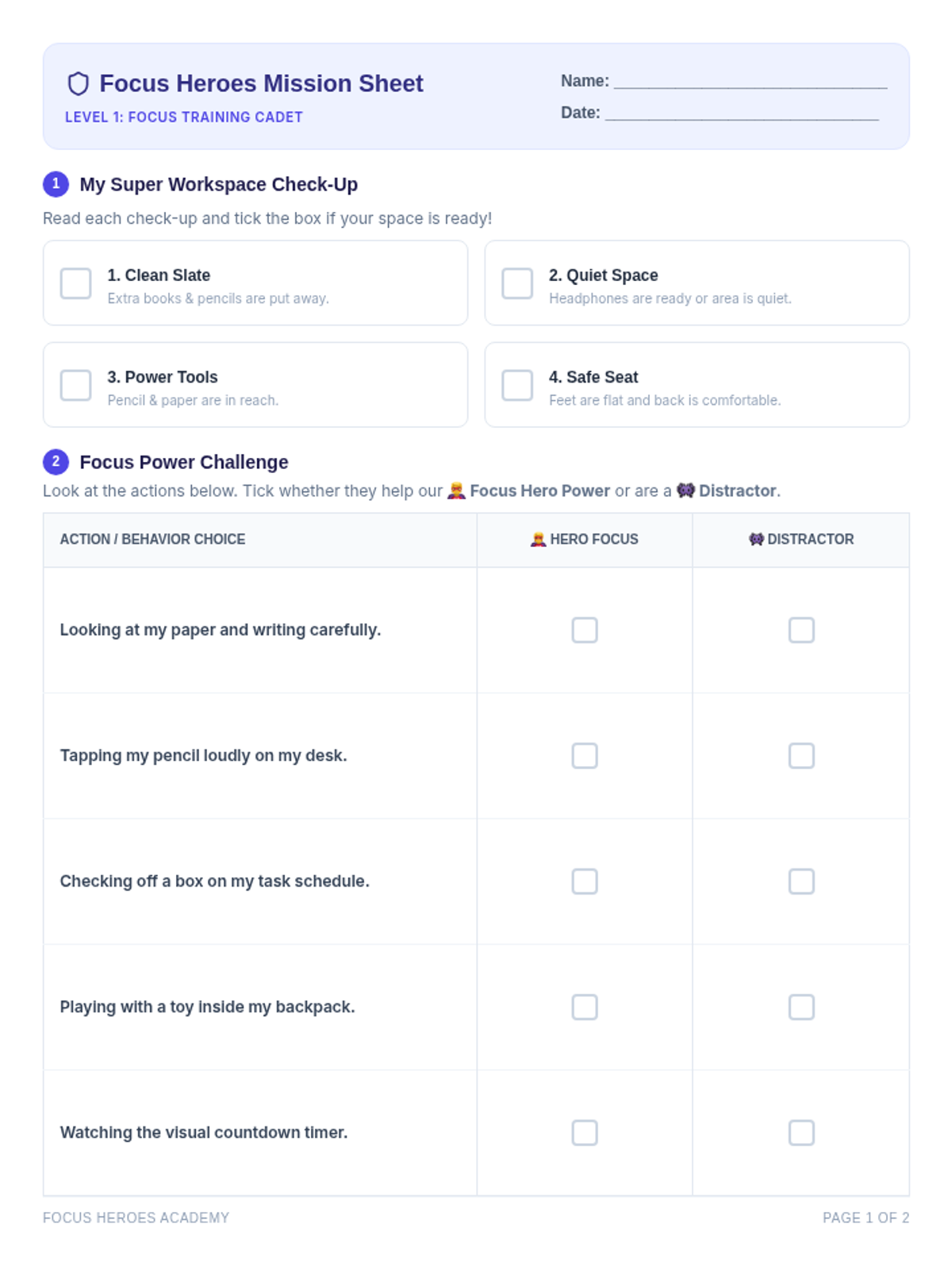
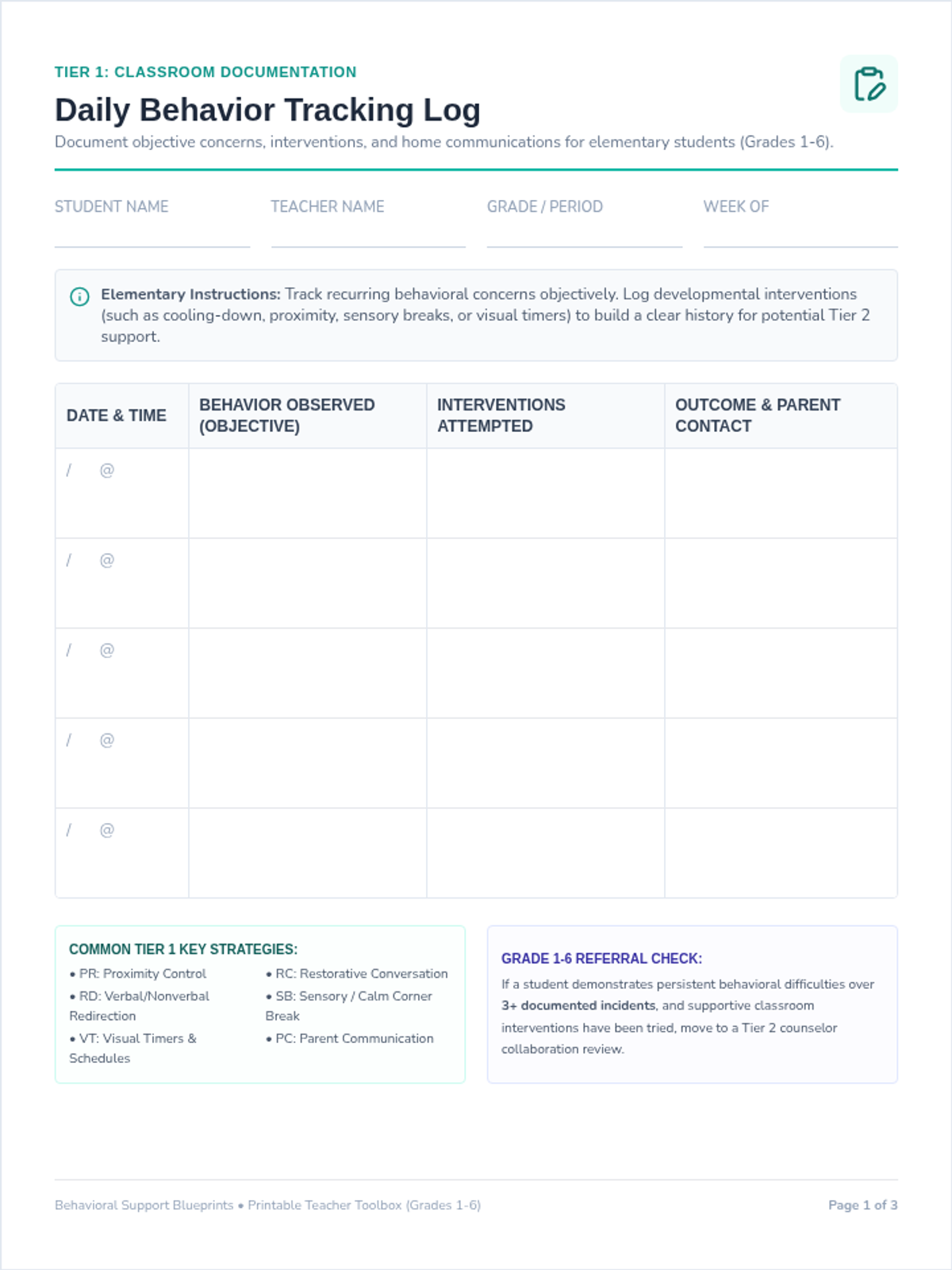
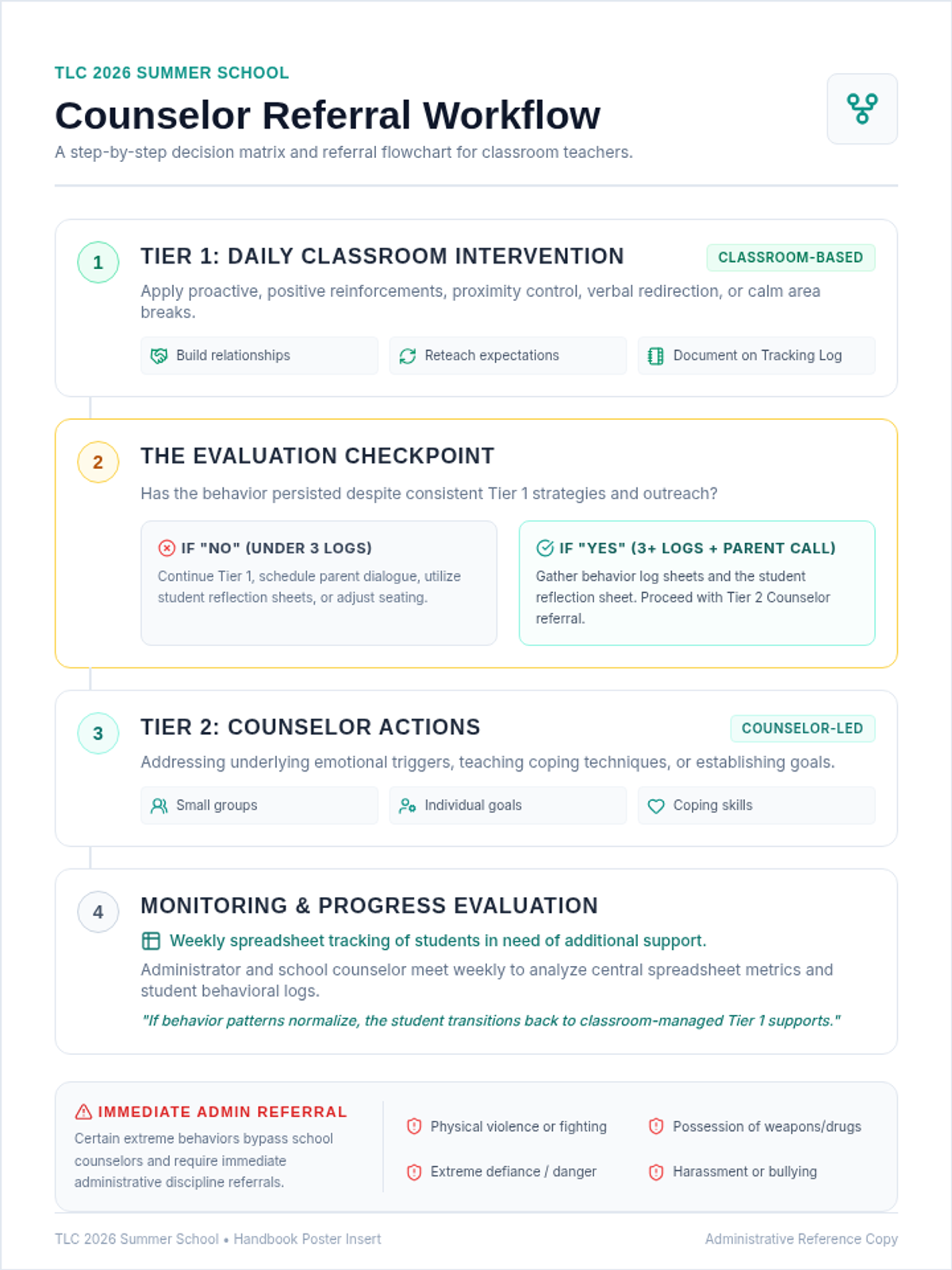
A collection of resources to support students in tracking and improving classroom behaviors, focusing on self-regulation and engagement.
A social skills lesson focused on personal boundaries and frustration tolerance for students with severe intellectual disabilities, using the concrete concept of a 'Personal Bubble'.
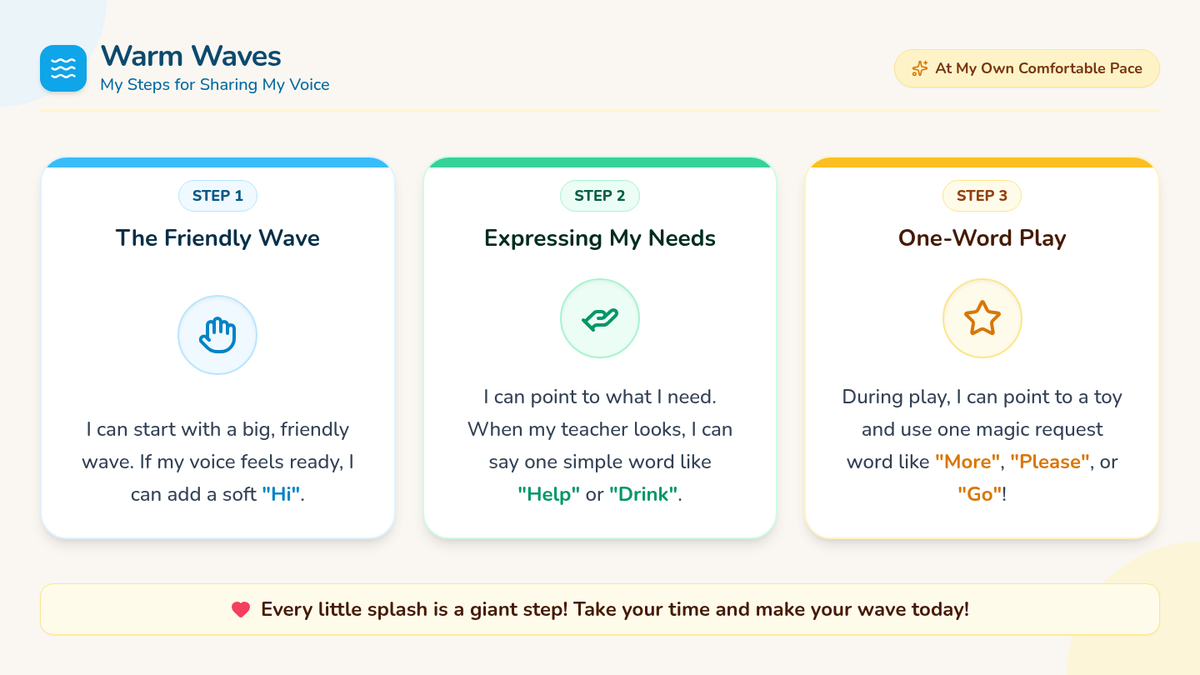
A foundational lesson for non-verbal students with autism to learn and practice three greeting methods: waving, high-fives, and using an AAC device. Includes a social narrative, choice boards, and individual communication cards.
A cumulative review of all four emotions through a matching game. Focuses on generalization across different faces and contexts.
Explores 'Angry' and 'Scared' using clear visual indicators like furrowed brows and wide eyes. Provides slides, teacher support, and a sorting activity mat.
Focuses on identifying 'Happy' and 'Sad' through facial expressions and situational cues. Includes visual slides, a facilitator guide for non-verbal communication, and printable matching cards.
A collection of visual anchor charts and notebook inserts to help students master common spelling rules including the FLOSS rule and the C/K/CK spelling choice.
A comprehensive review of Orton-Gillingham phonics patterns including digraphs, vowel teams, the floss rule, and glued sounds through engaging, hands-on activities.
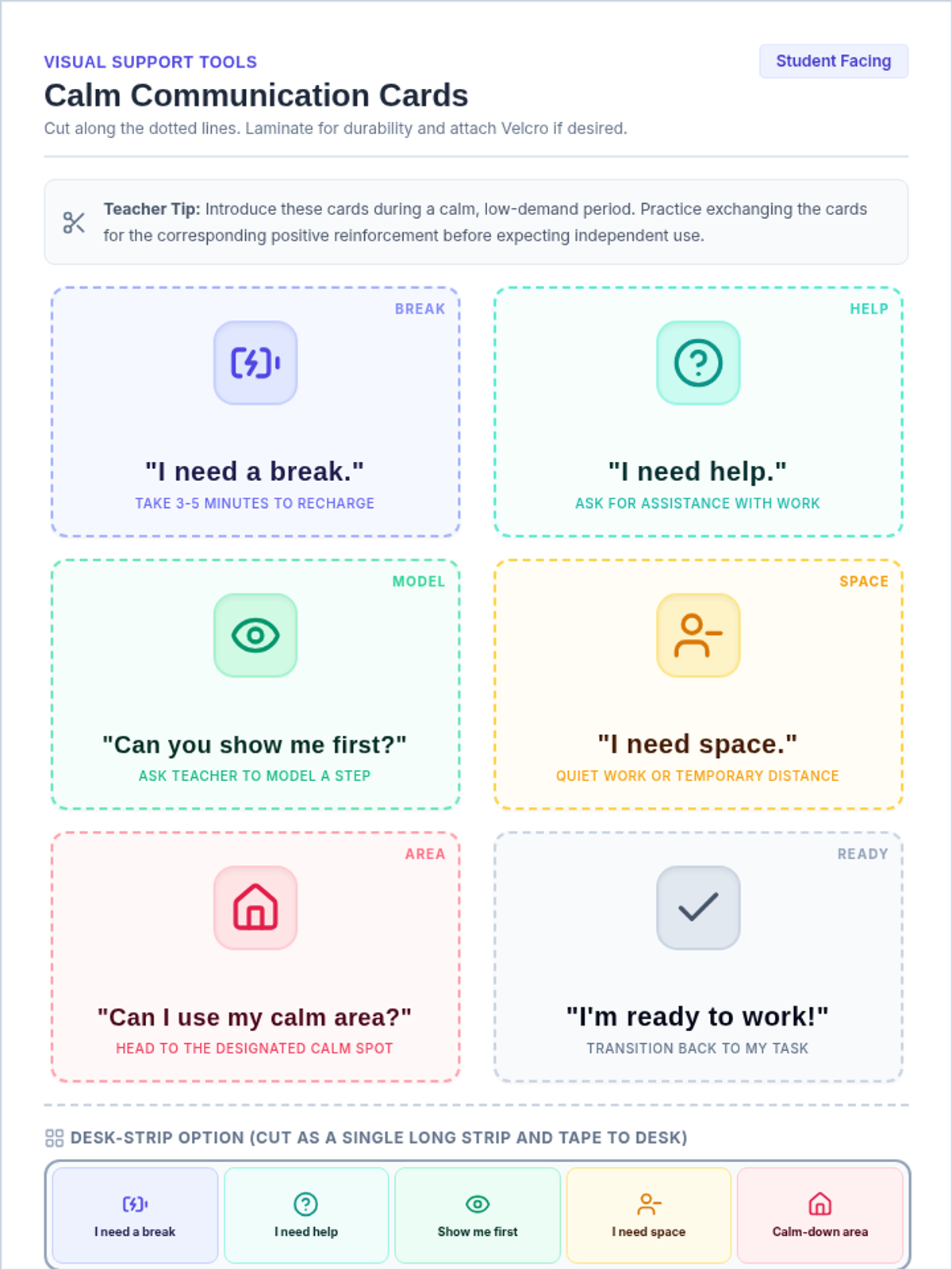
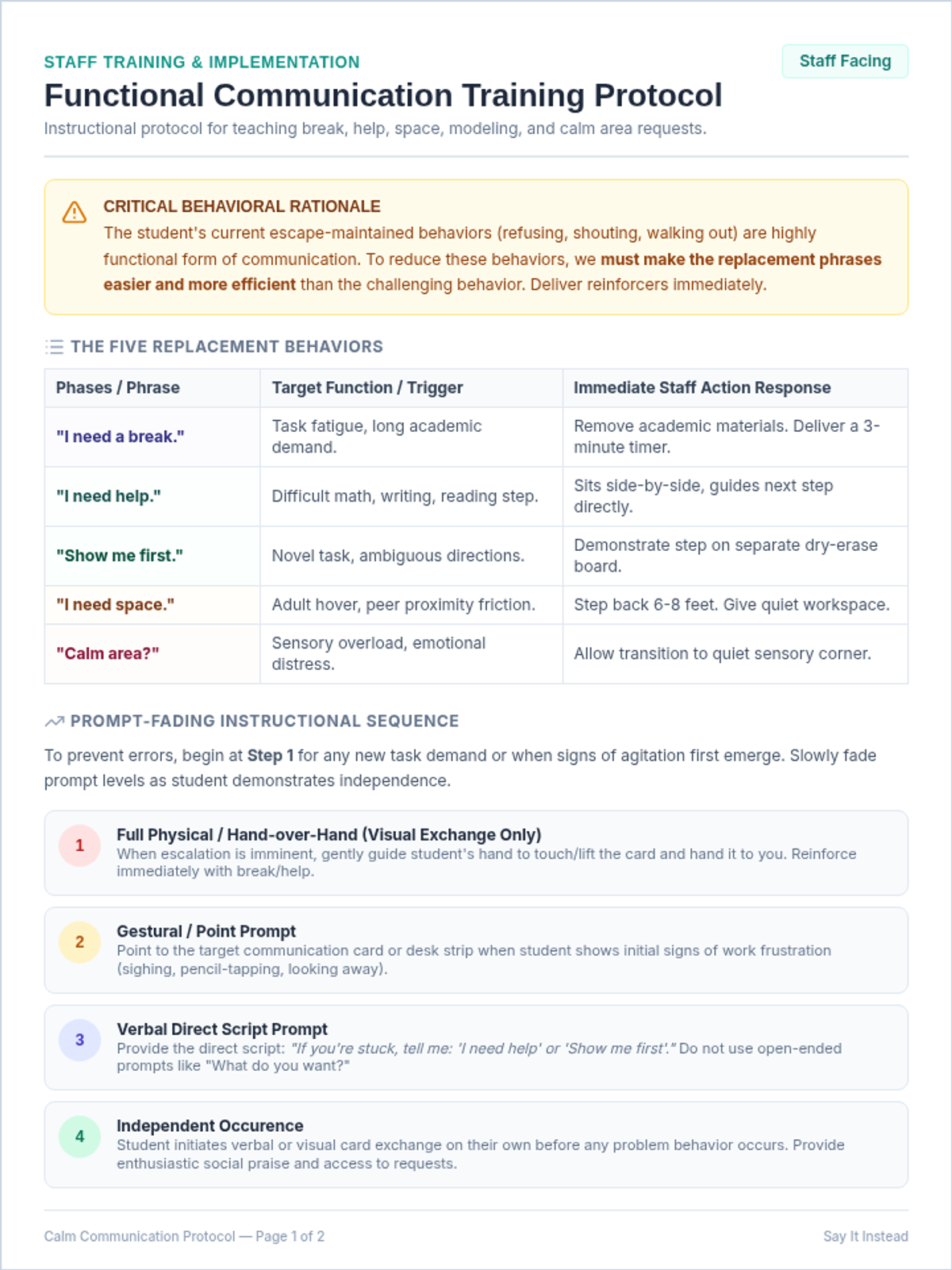
A set of visual communication tools designed for students who struggle with verbalizing emotions and needs, using a cartoon-inspired theme to make communication engaging and accessible.
A daily habit-building system for students to monitor their readiness, preparation, and work effort across all subjects. Includes student trackers and teacher implementation guides to foster accountability and self-regulation.
Review all letters, complex line cutting, CVC word sorting, subtraction within 20, and a celebration of 'quiet voice' mastery.
Focus on the letter 'h', shape cutting, 'ap/op' family building, addition within 20, and self-monitoring the 'quiet voice'.
Focus on the letter 'r', curved line cutting, 'an' family CVC words, mixed math within 10, and maintaining a 'quiet voice'.
Focus on the letter 'a', zigzag line cutting, 'at' family building, subtraction within 10, and practicing the 'quiet voice'.
Focus on the letter 's', straight line cutting, 'at' family CVC words, and addition within 10 using visual supports.
A comprehensive set of templates for special education teachers to track and document student progress toward IEP goals across academic, functional, and behavioral domains.
A simplified independent work packet about the myth of Orpheus and Eurydice, designed for middle school students at a second-grade reading level. The lesson explores the power of music, love, and the consequences of looking back through accessible texts and structured comprehension tasks.
A collection of materials designed to practice the 'IRE' vocalic R sound in initial, medial, and final positions through visual aids, sentence construction, and narrative reading.
A Readers Theater lesson focusing on Wilson Step 5.2 concepts, including open syllable prefixes with closed and V-E base words. Students practice fluency and decoding through a robotic-themed script and word study activities.
A series of high-interest, low-readability reading comprehension assignments targeting sequencing, main idea, and inference skills across three distinct levels.
A foundational grammar lesson focusing on sentence structure through visual scaffolds and color-coding. Students learn to identify fragments, complete sentences, and run-ons using a 'Construction' metaphor.
Identifying and understanding common environmental and safety signs found in the community to ensure safety and independence.
A series of targeted math worksheets for 3rd-grade RSP students to master 2nd-grade mental math and comparison standards using highly scaffolded place value supports.
Foundational tools for assessing student levels and planning instruction based on California Power Standards across grades K-5.