An hour-long structured reading lesson focusing on B and W letter-sound association and common sight words. Designed with dyslexia-friendly spacing, color-coded highlights, and picture scaffolding to support struggling oral readers.
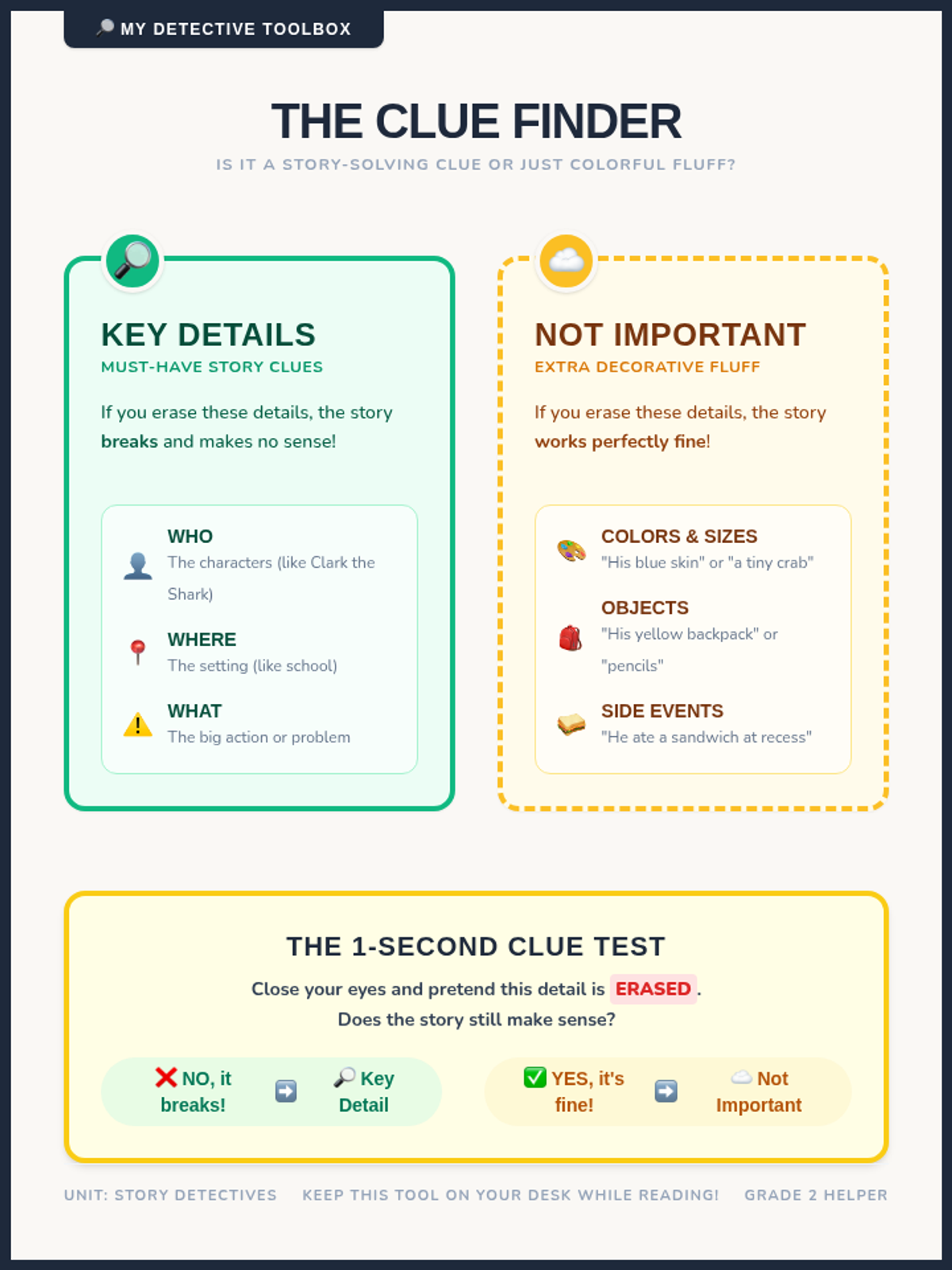
A lesson designed for second graders to distinguish between key details (character, setting, key plot points) and unimportant extra details (fluff) using a fun mystery detective theme.
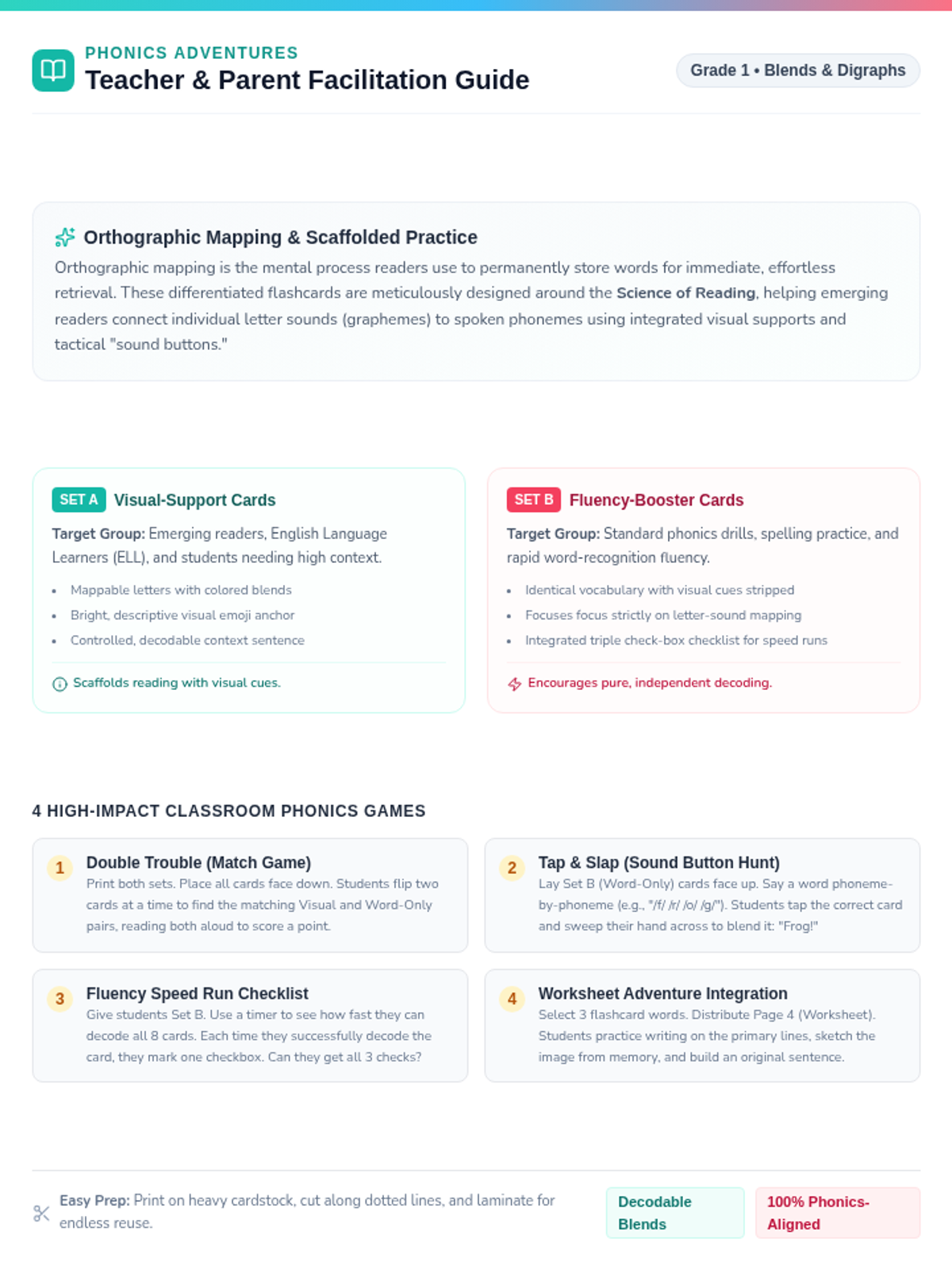
A foundational phonics lesson focusing on reading words with consonant blends and digraphs. This lesson includes differentiated flashcards designed for emerging readers, ELLs, and fluency practice.
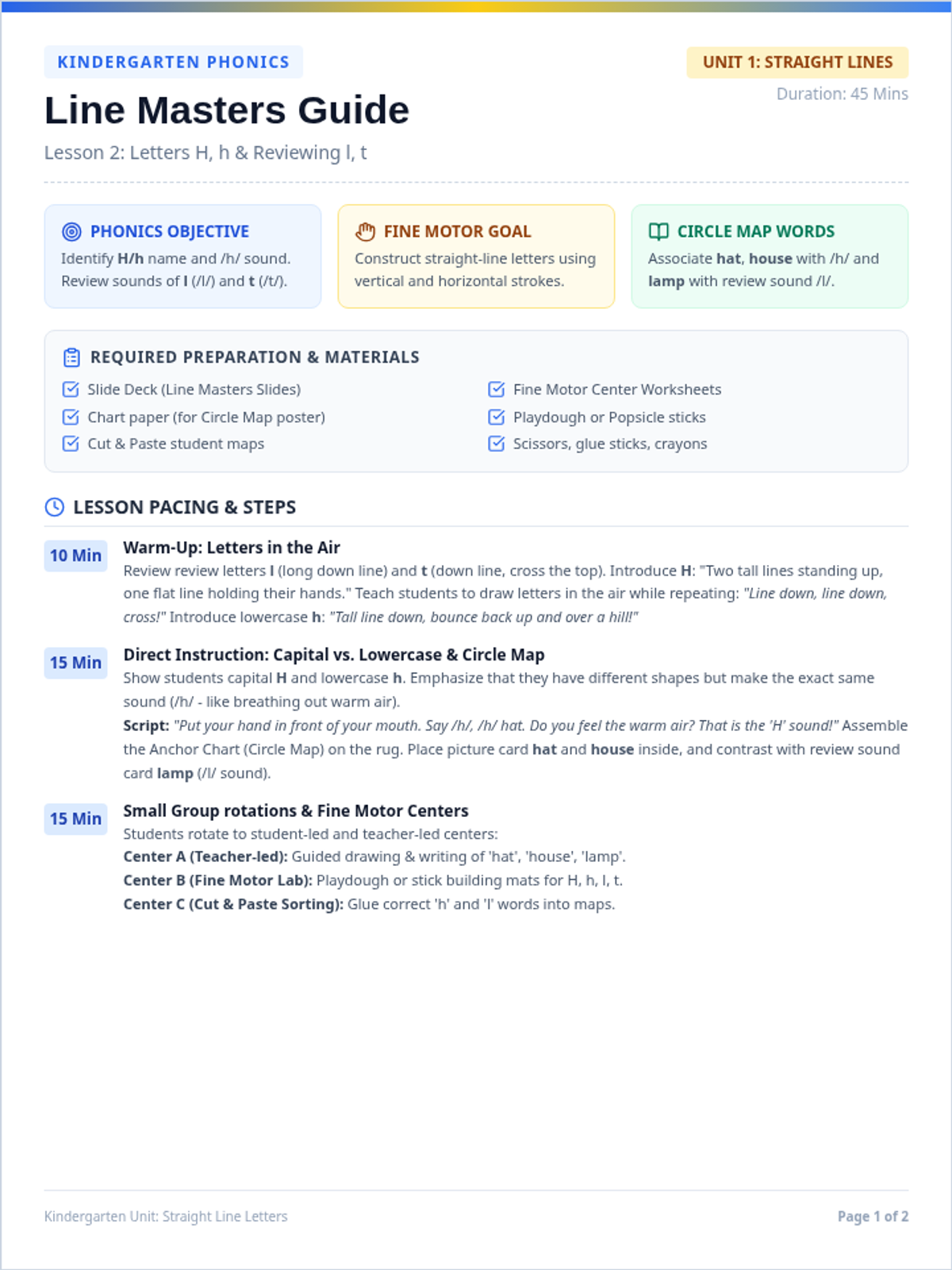
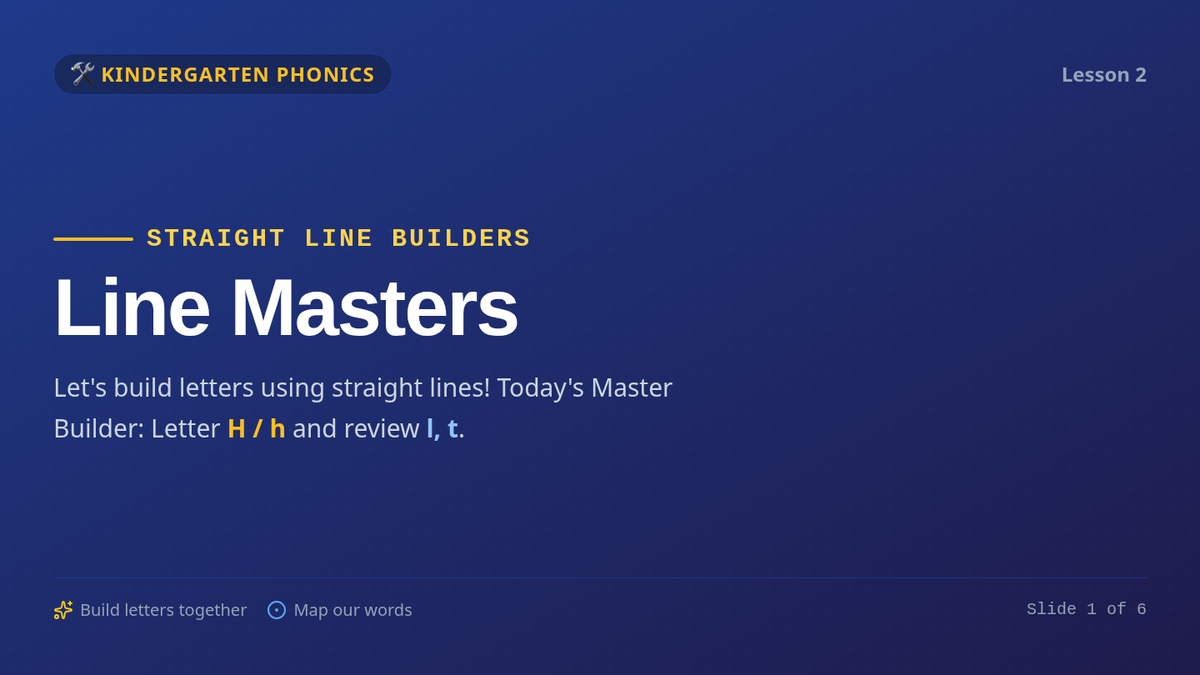
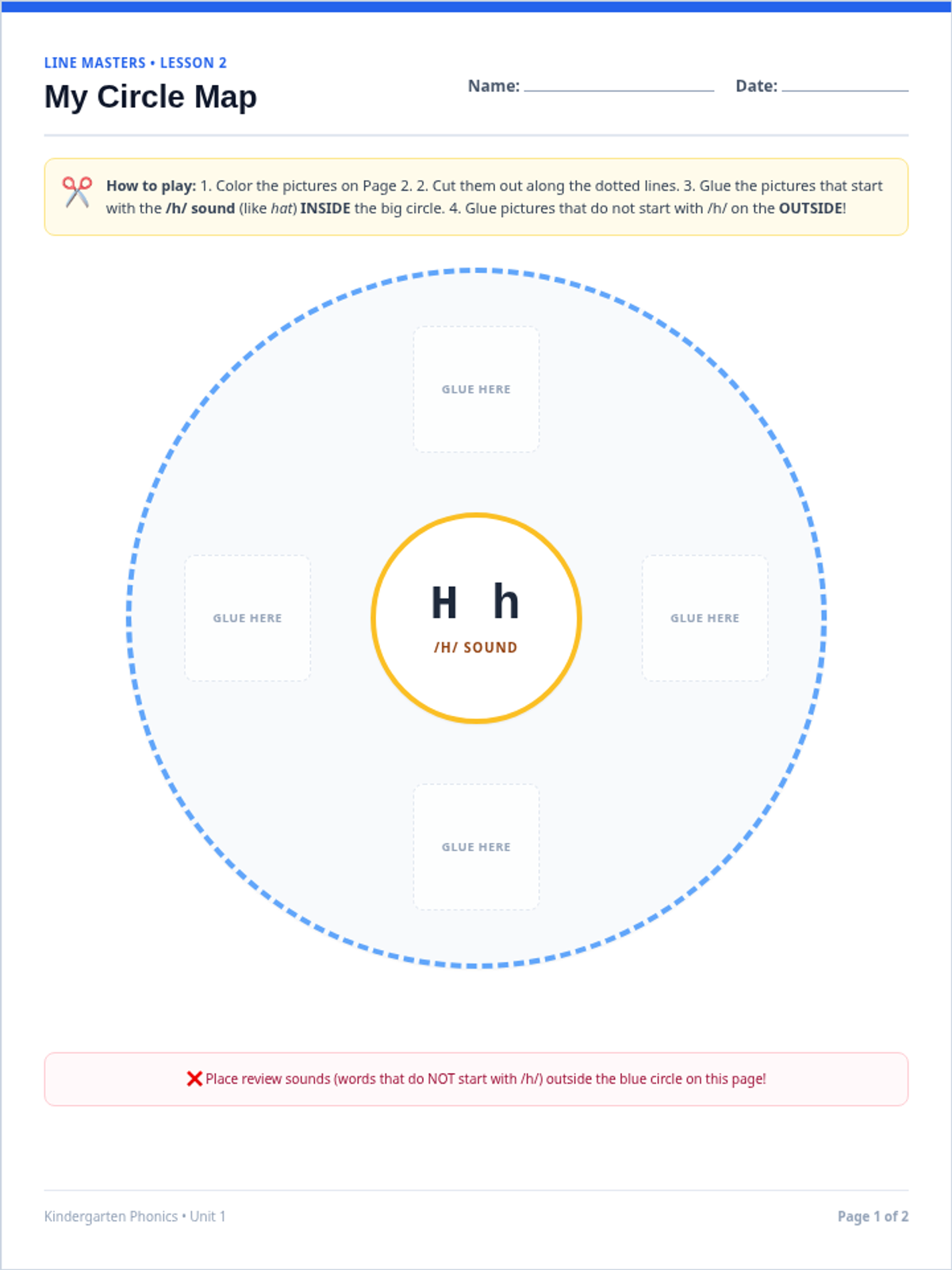
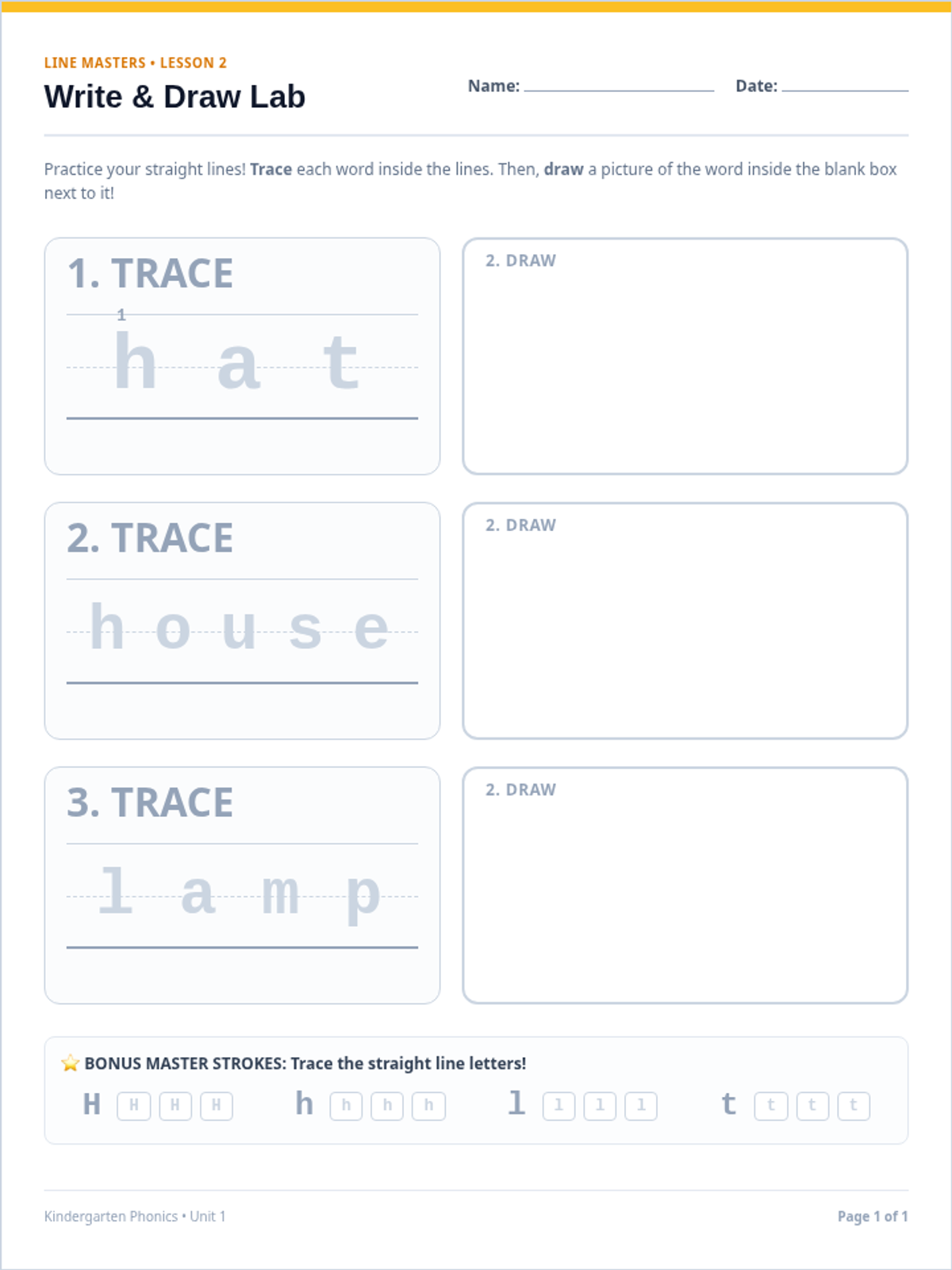
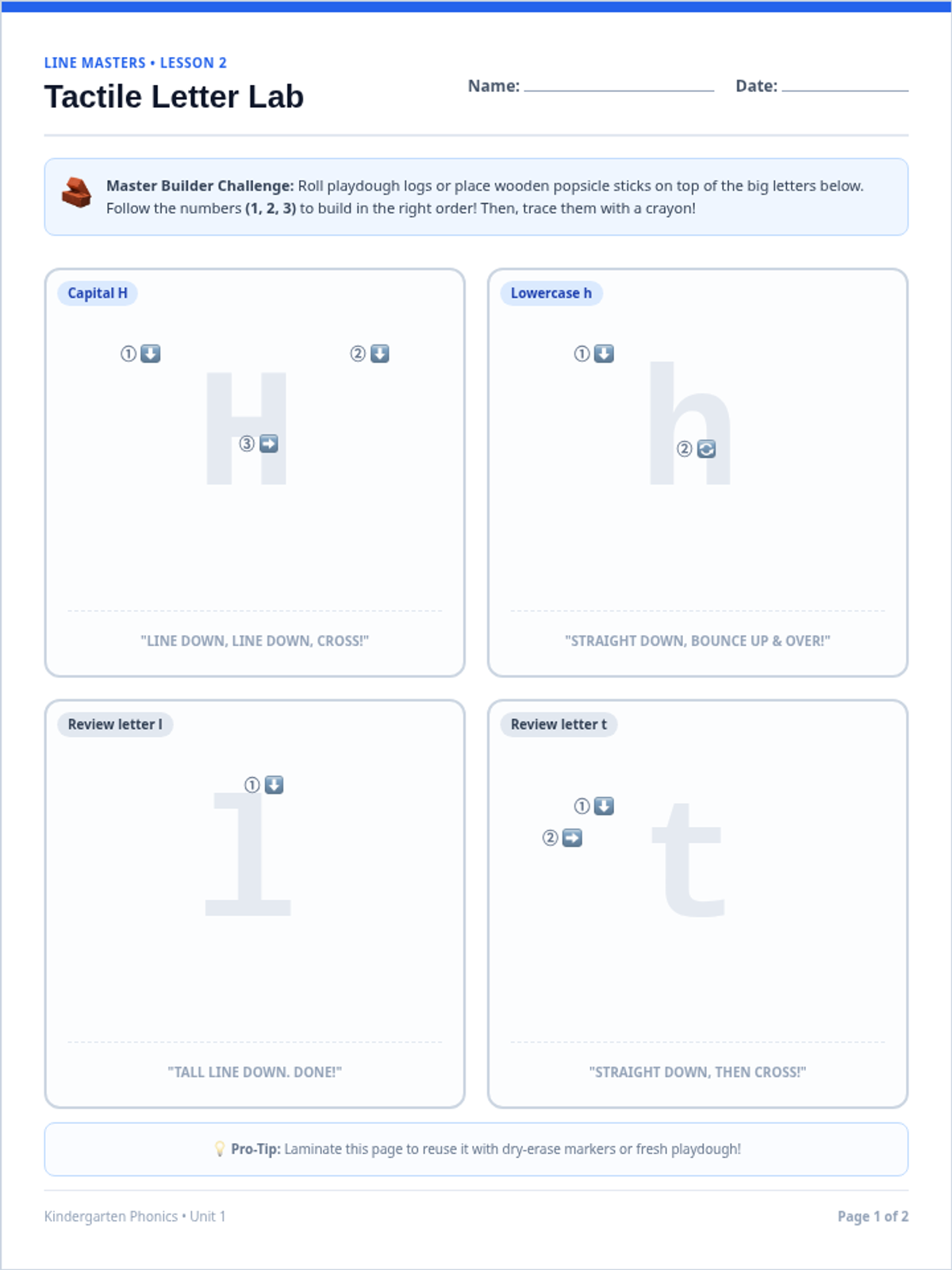
A comprehensive Kindergarten phonics and fine-motor lesson focusing on straight-line letters H, h, and reviewing l, t. Students learn capital vs. lowercase distinctions, engage in tactile letter-building, and explore initial sounds through an interactive Circle Map of 'hat', 'house', and 'lamp'.
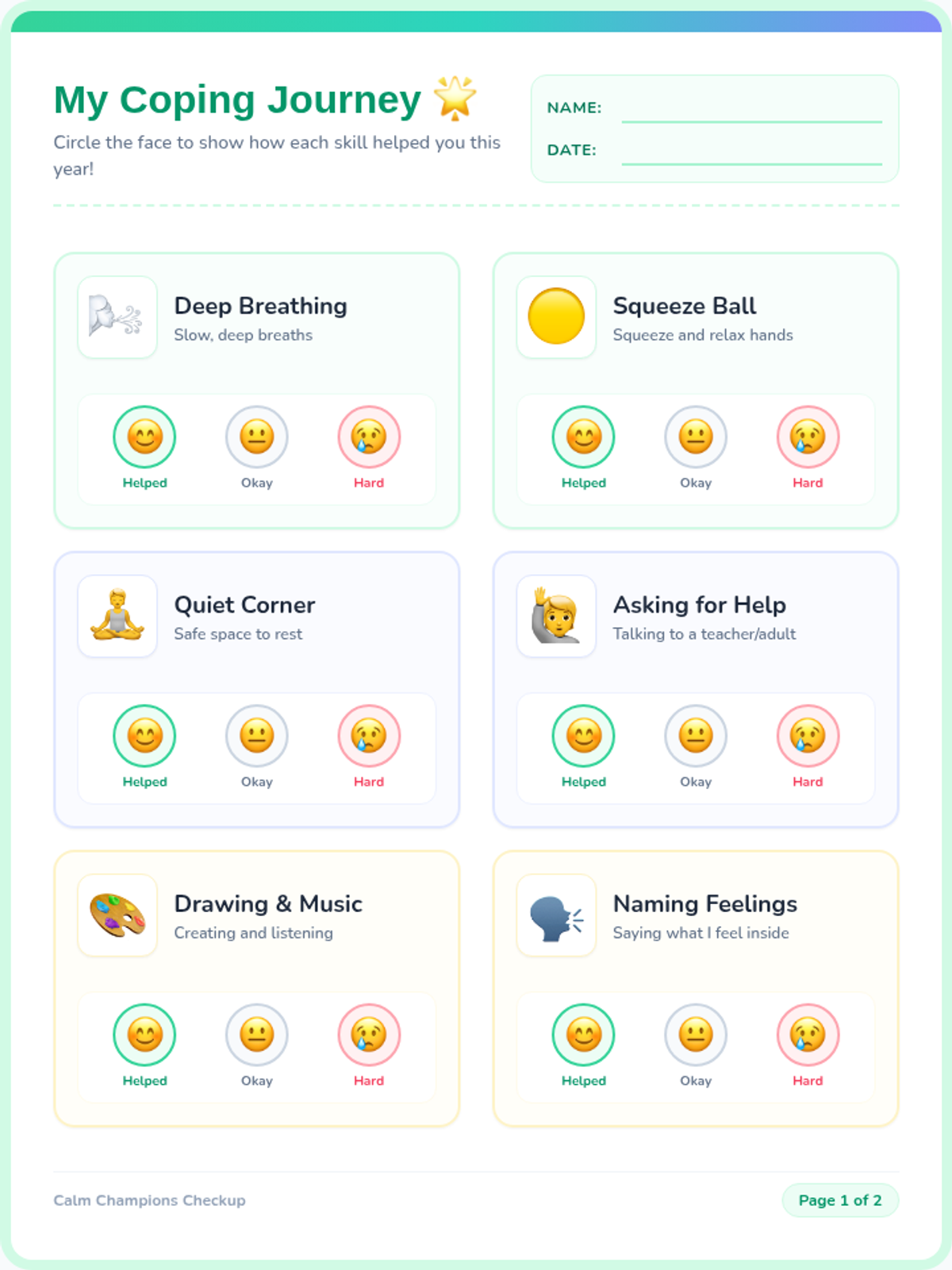
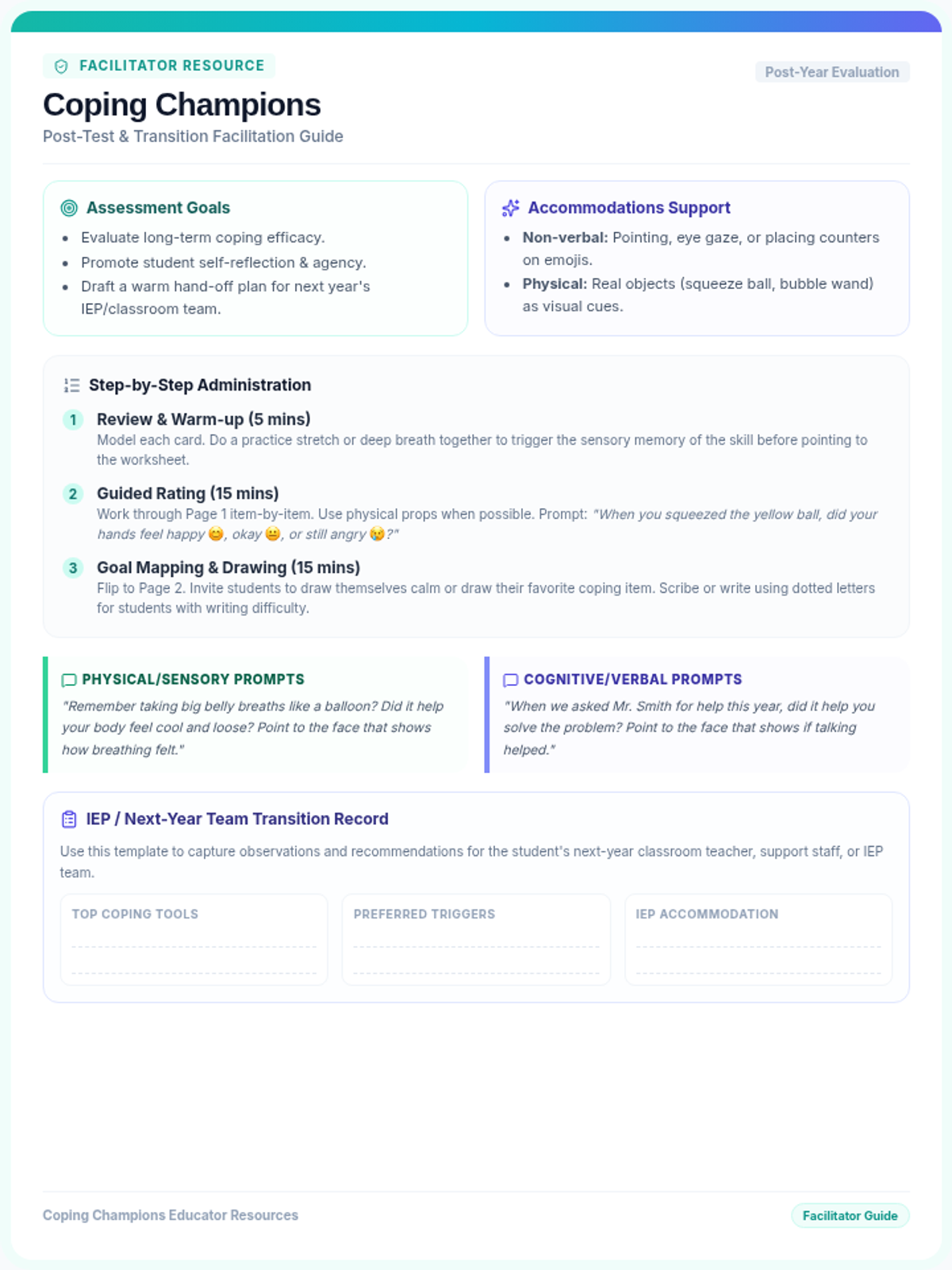
A post-test and reflection lesson designed for students with lower cognitive abilities to evaluate their coping skills from the past year and set gentle goals for the next school year using visual emojis and guided drawing/writing templates.
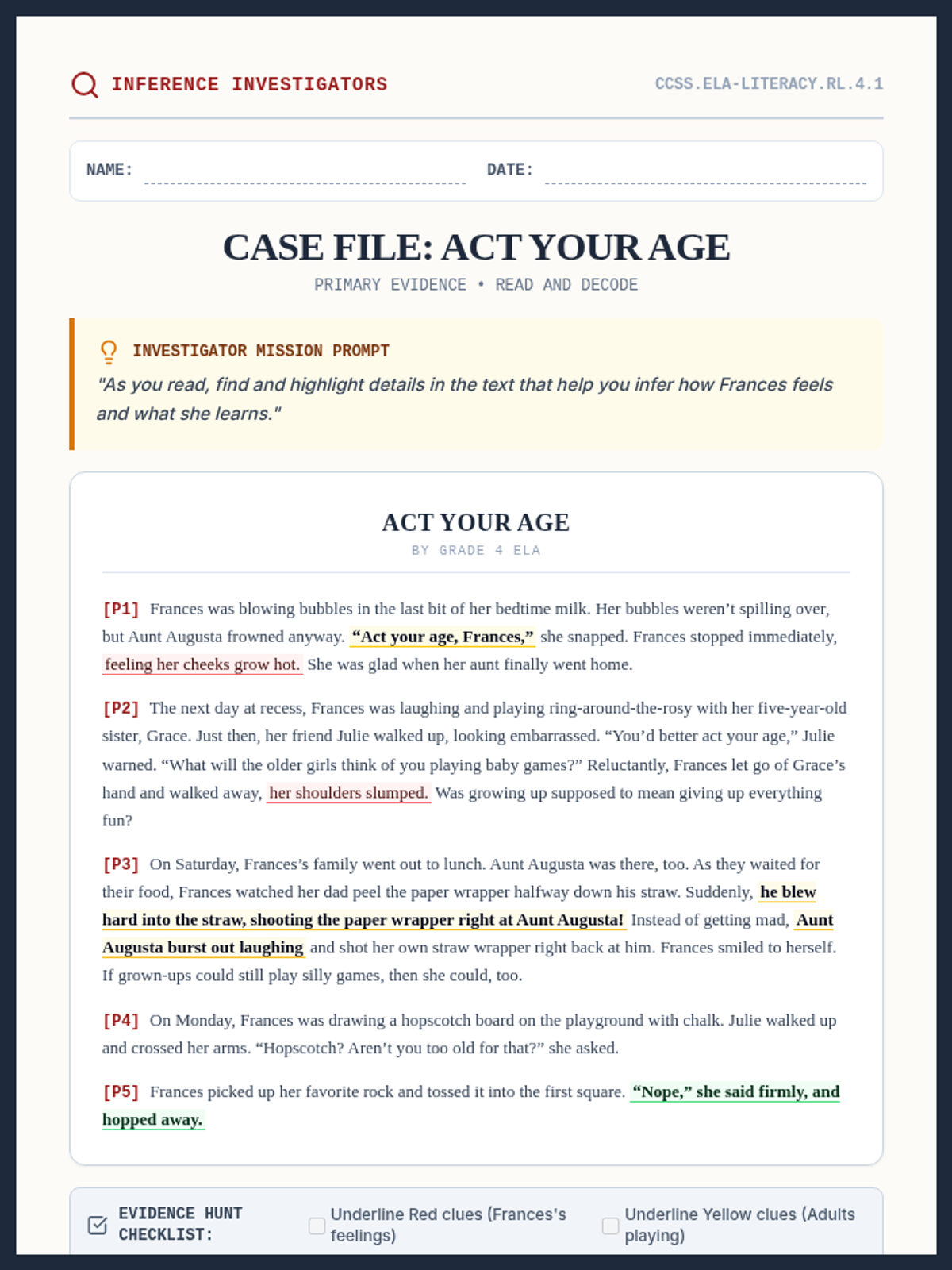
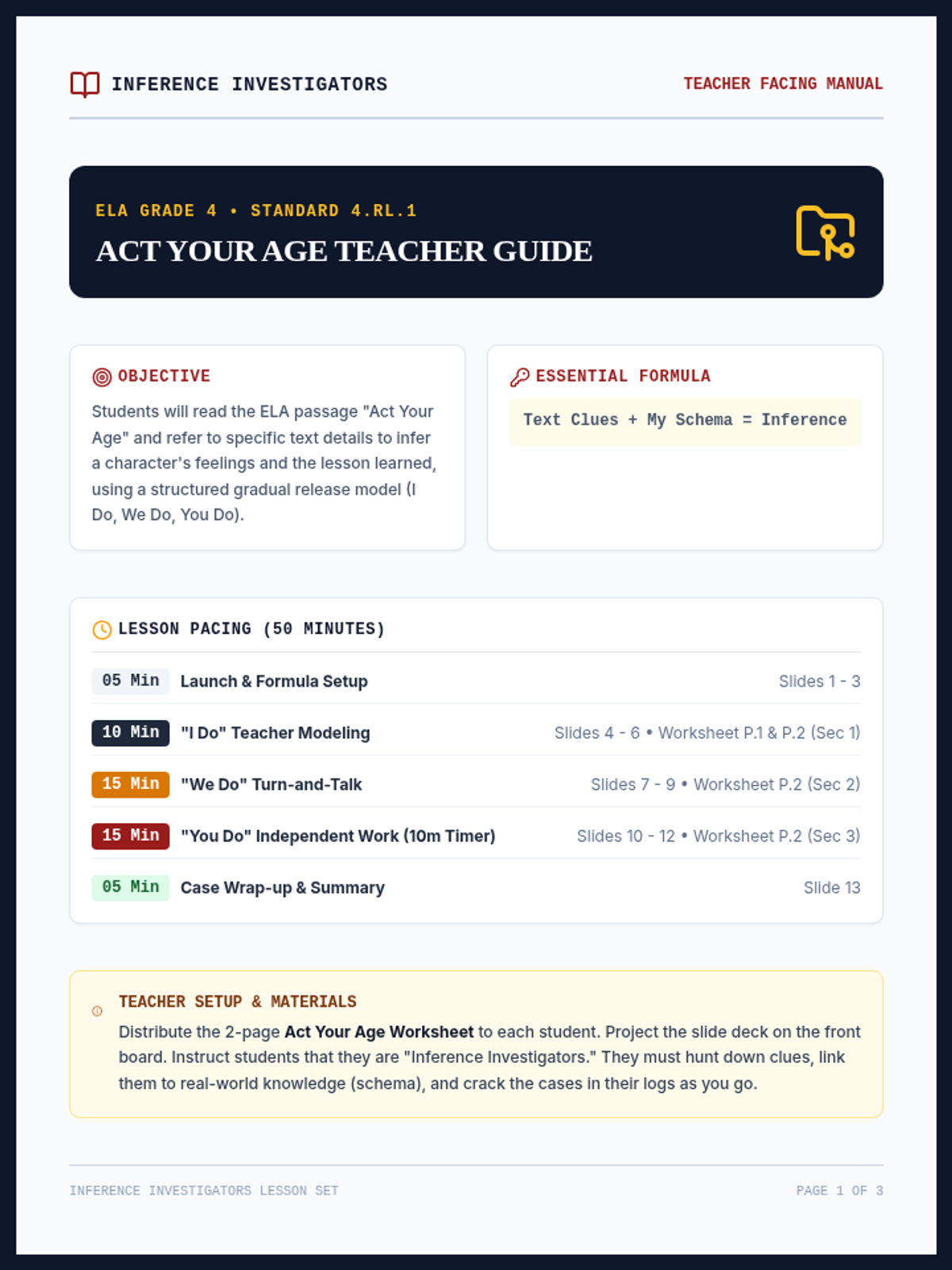
An engaging, detective-themed 4th Grade ELA lesson designed to teach students how to make text-based inferences using the story 'Act Your Age'. Follows an interactive 'I Do, We Do, You Do' gradual release model with class-wide discussion and turn-and-talk prompts.
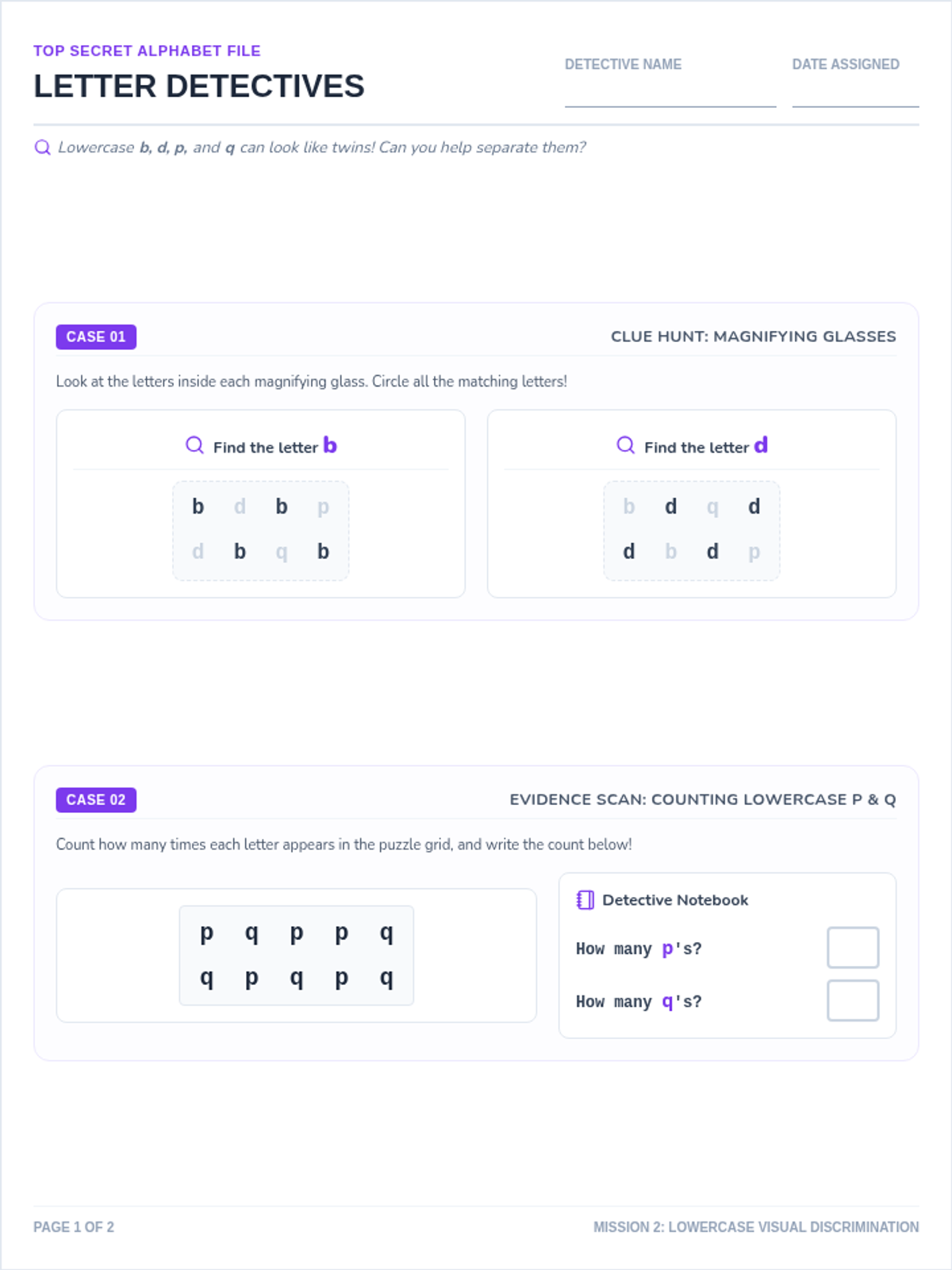
A first-grade letter recognition and formation lesson focusing on identifying uppercase and lowercase letter pairs, distinguishing visually similar letters (like b, d, p, q), and practicing correct stroke pathways.
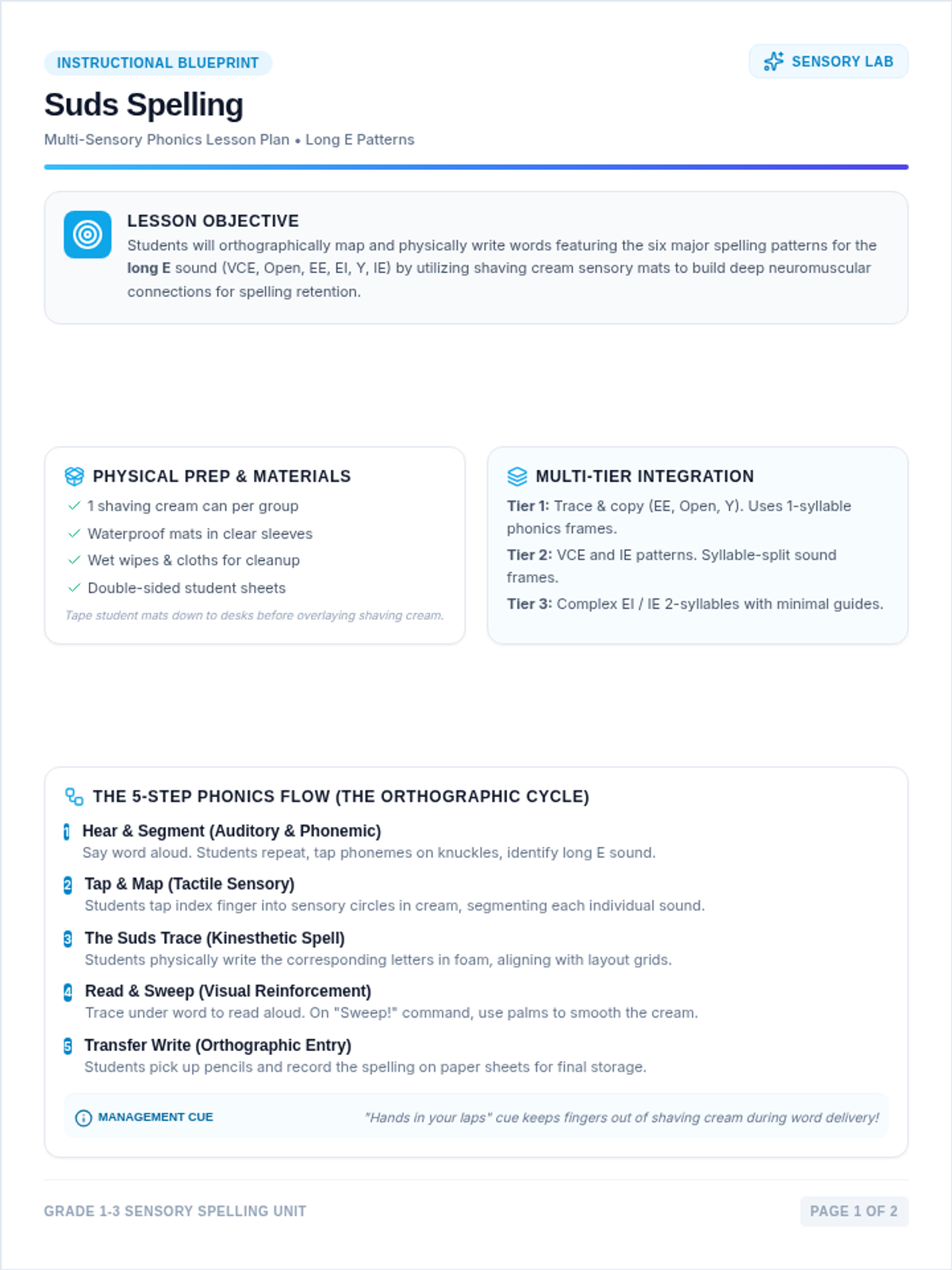
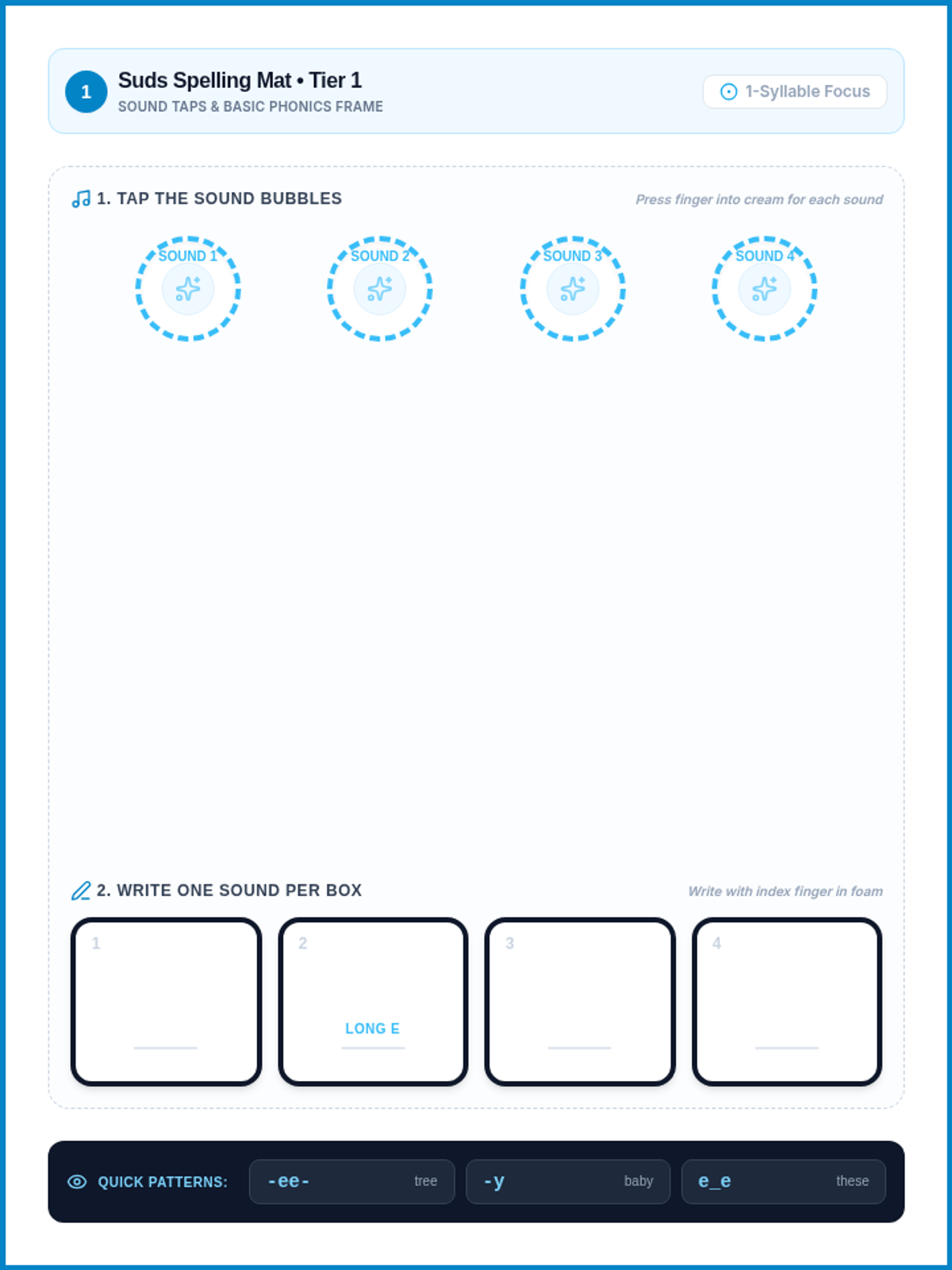
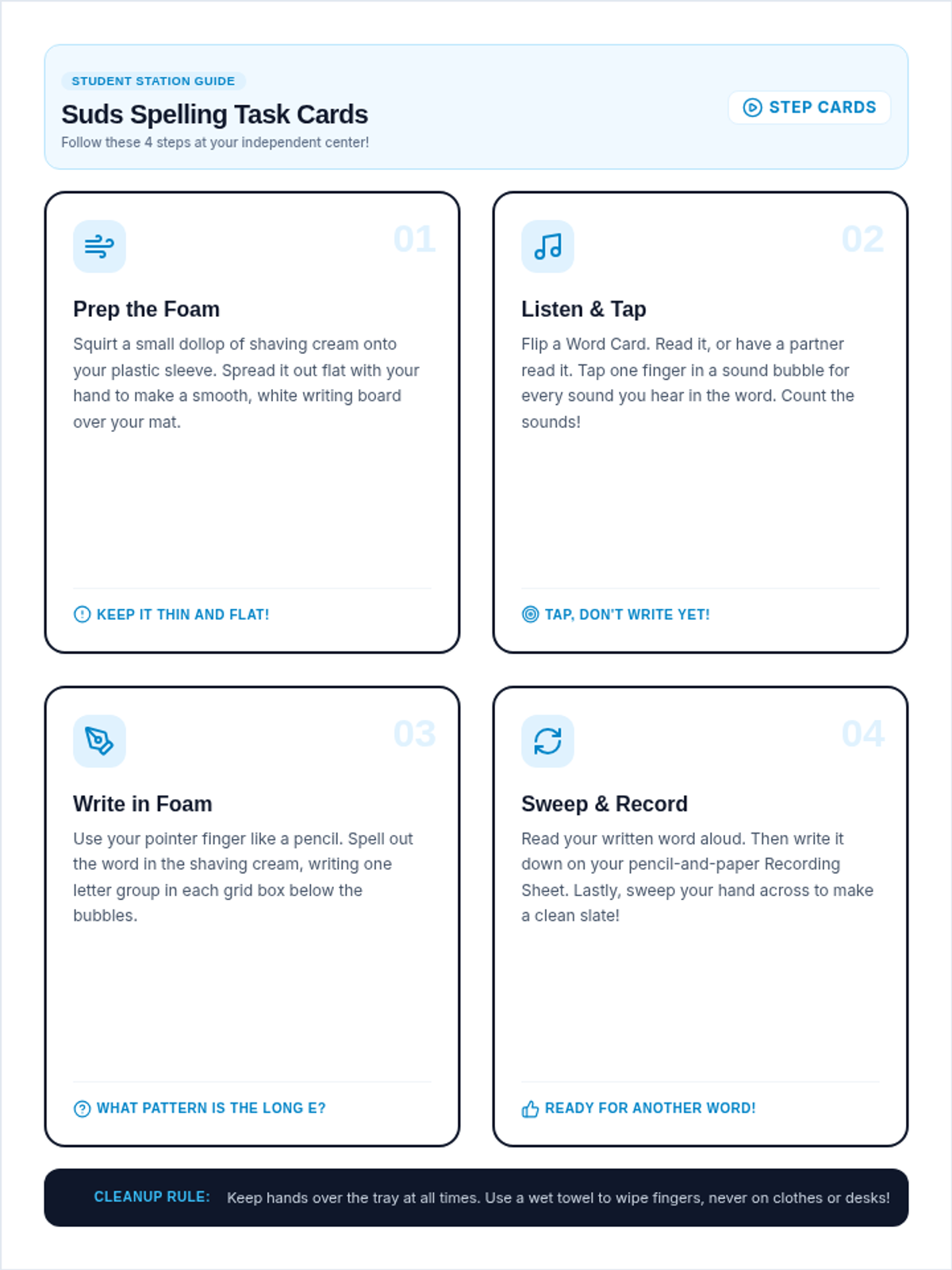
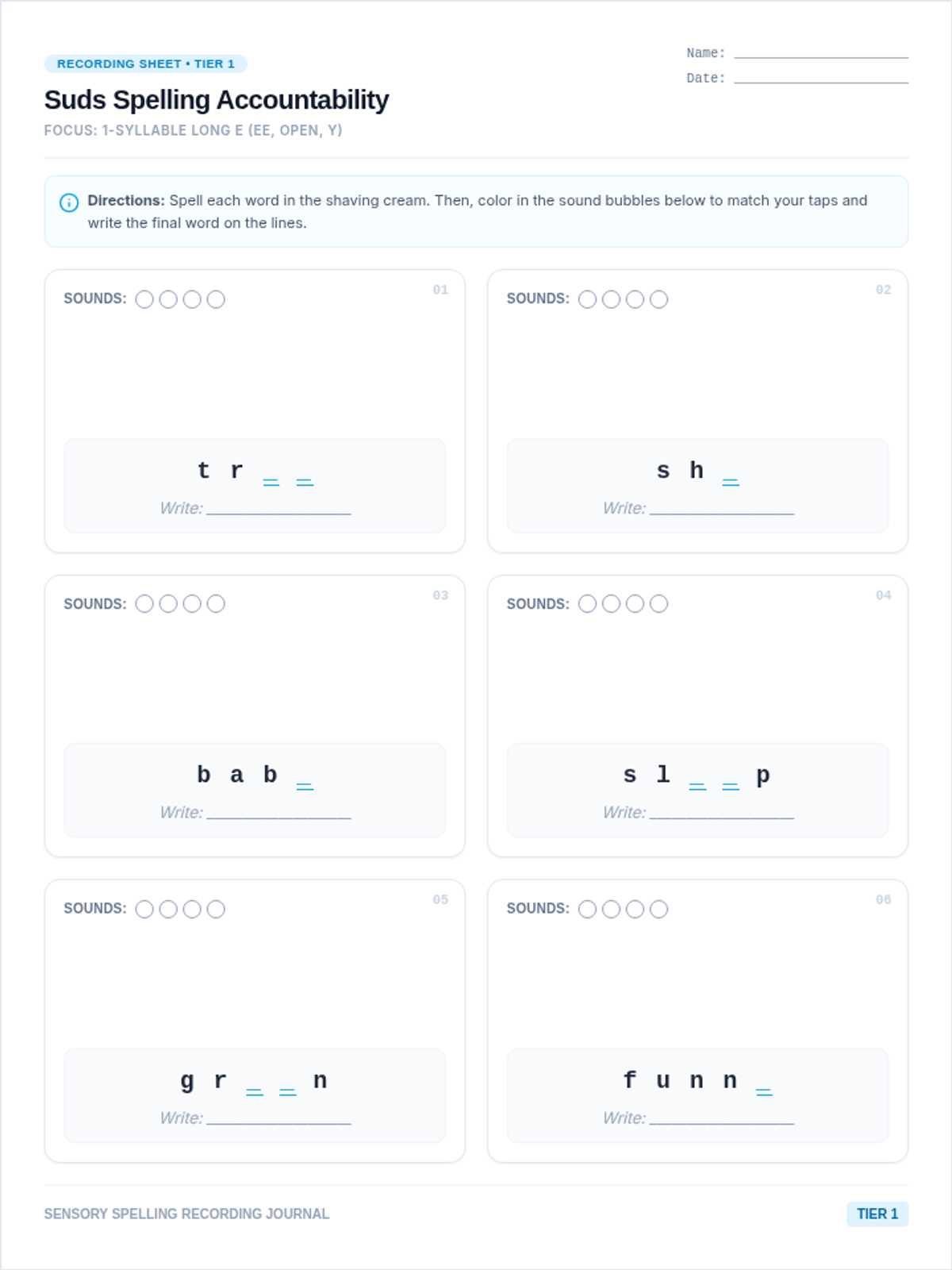
A sensory-rich spelling experience targeting the six primary spelling patterns for the long E sound. Students use shaving cream mats to segment and write words, transitioning tactile memory into written form.
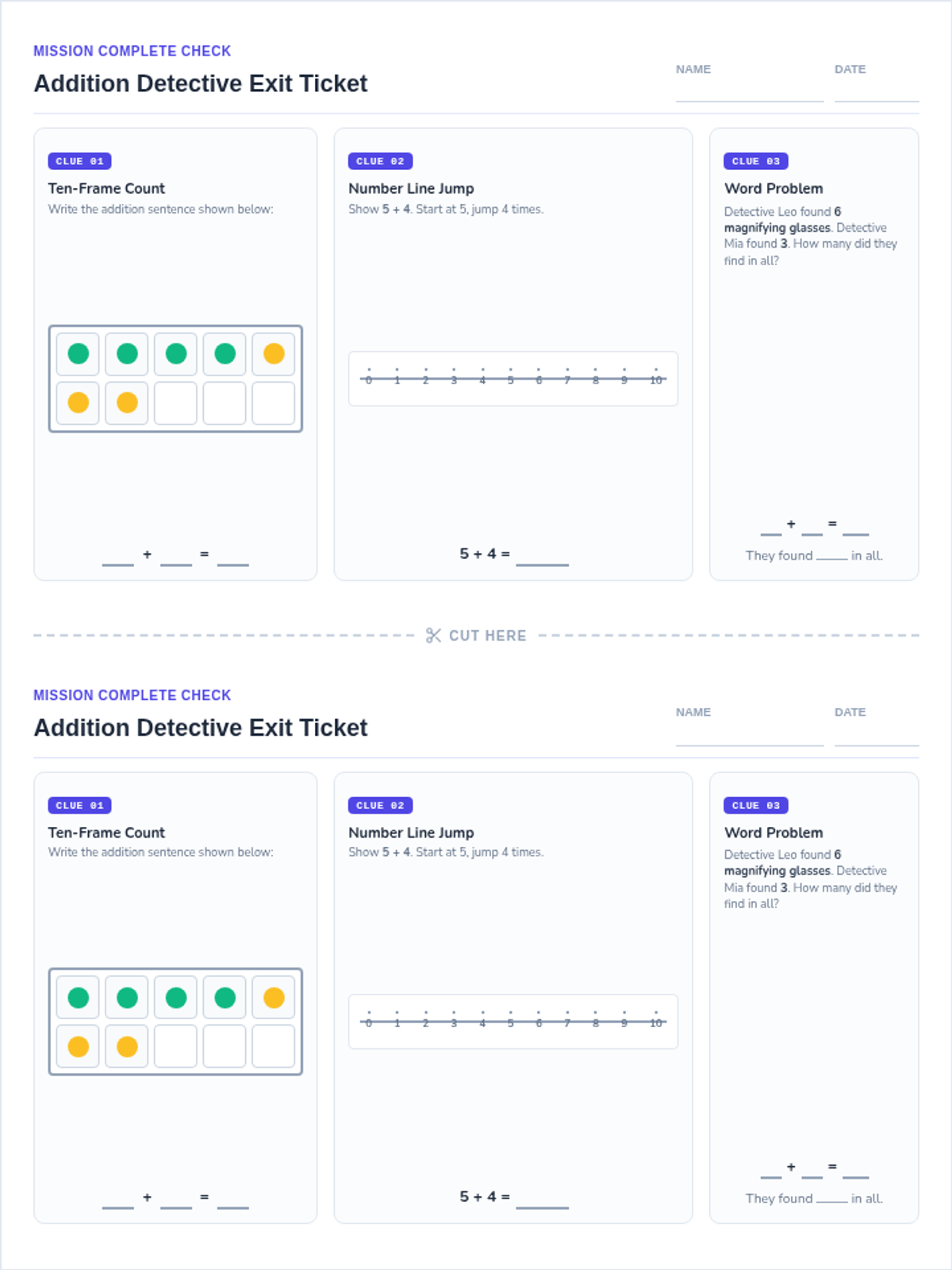
A first-grade addition lesson focusing on visual strategies, concrete models, and counting on to solve addition facts up to 10. Includes student worksheets and formative exit tickets.
Students publish and share their completed 'What I Did This Summer' stories with their classmates, celebrating their growth as narrative writers.

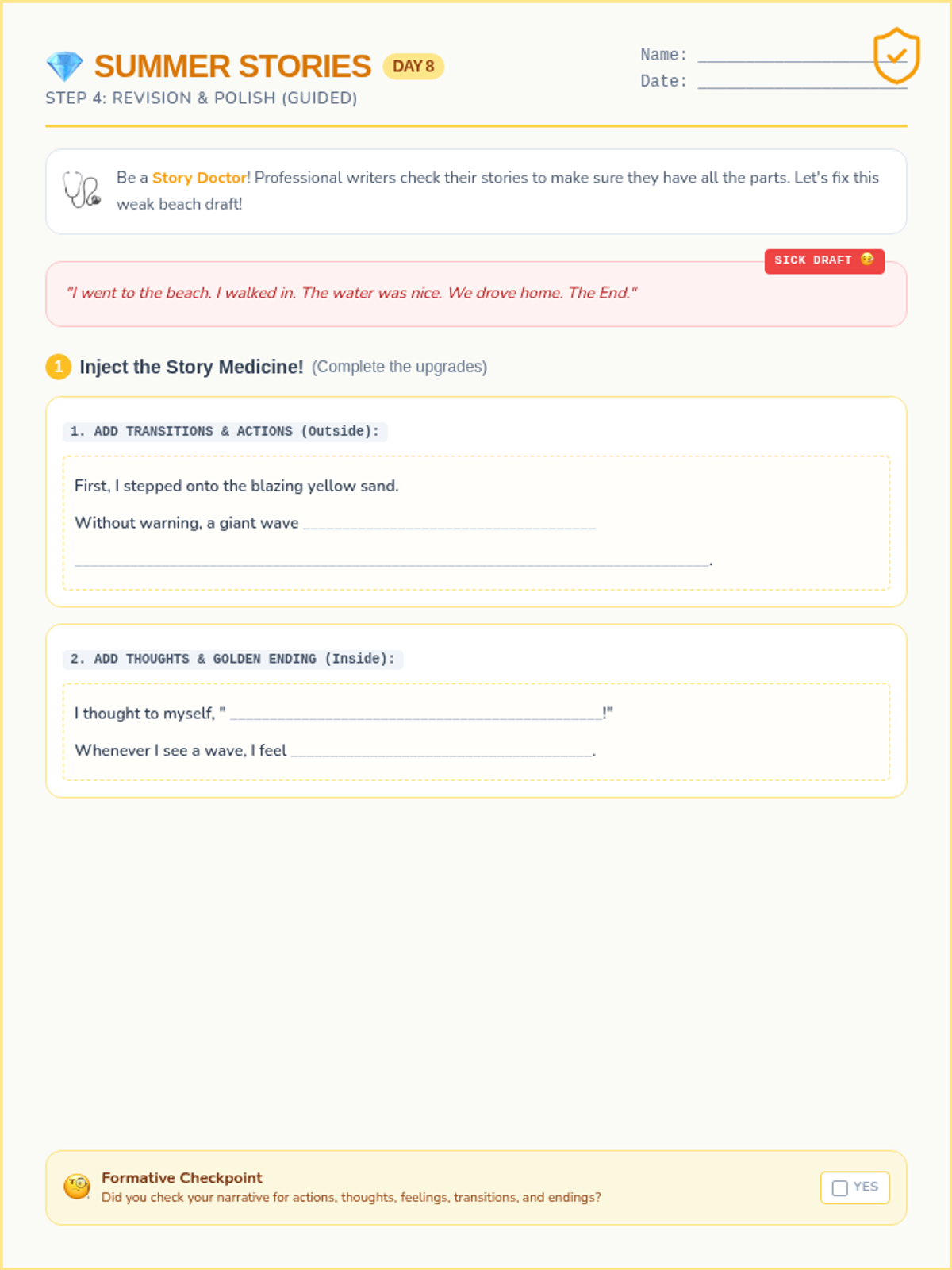
Students review their completed narrative drafts with a checklist, checking for actions, thoughts, feelings, transition words, and a strong conclusion, then writing their final polished draft.
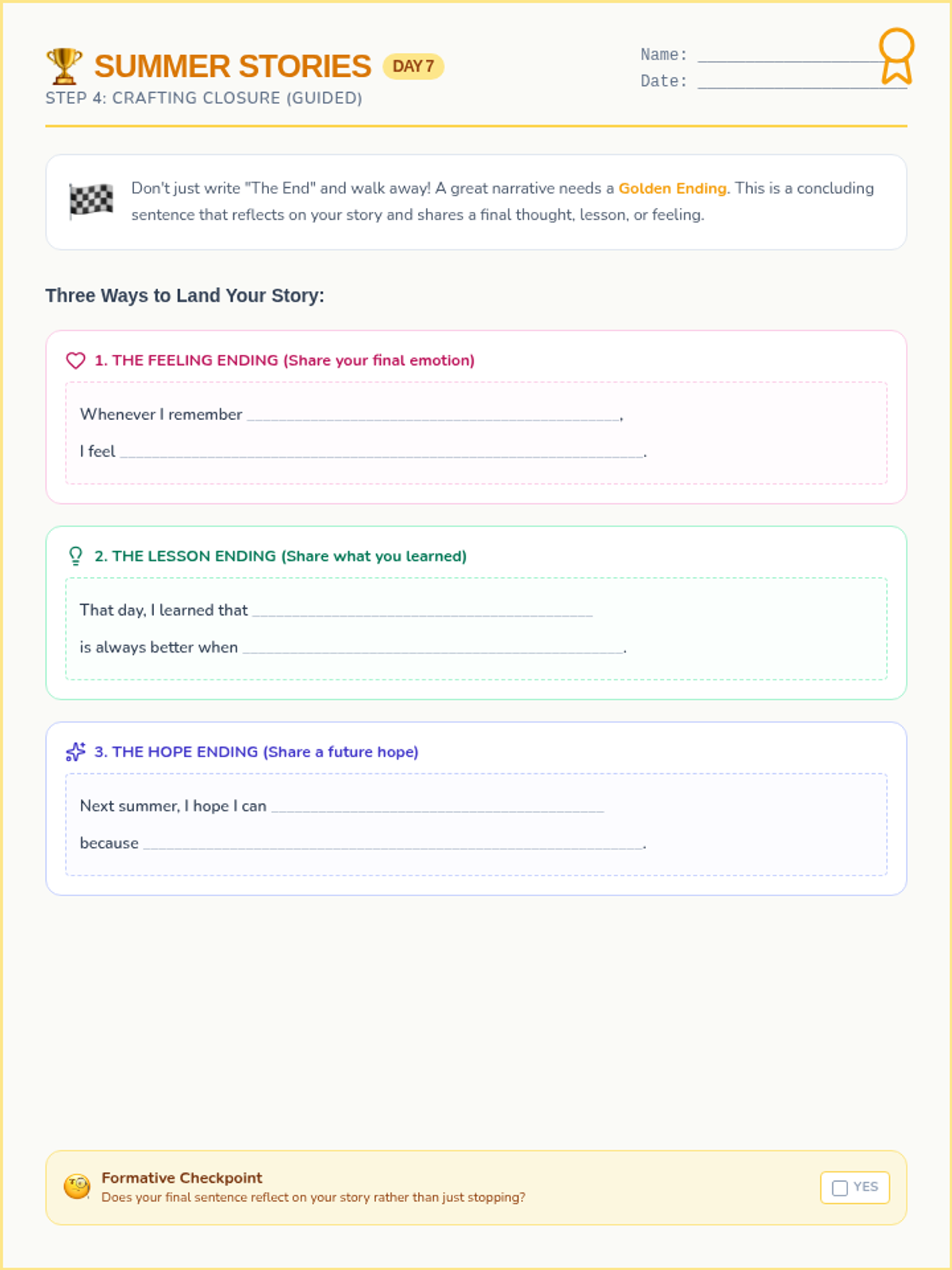
Students learn how to write a satisfying concluding sentence that reflects on their summer story and leaves the reader with a final thought, lesson, or feeling.
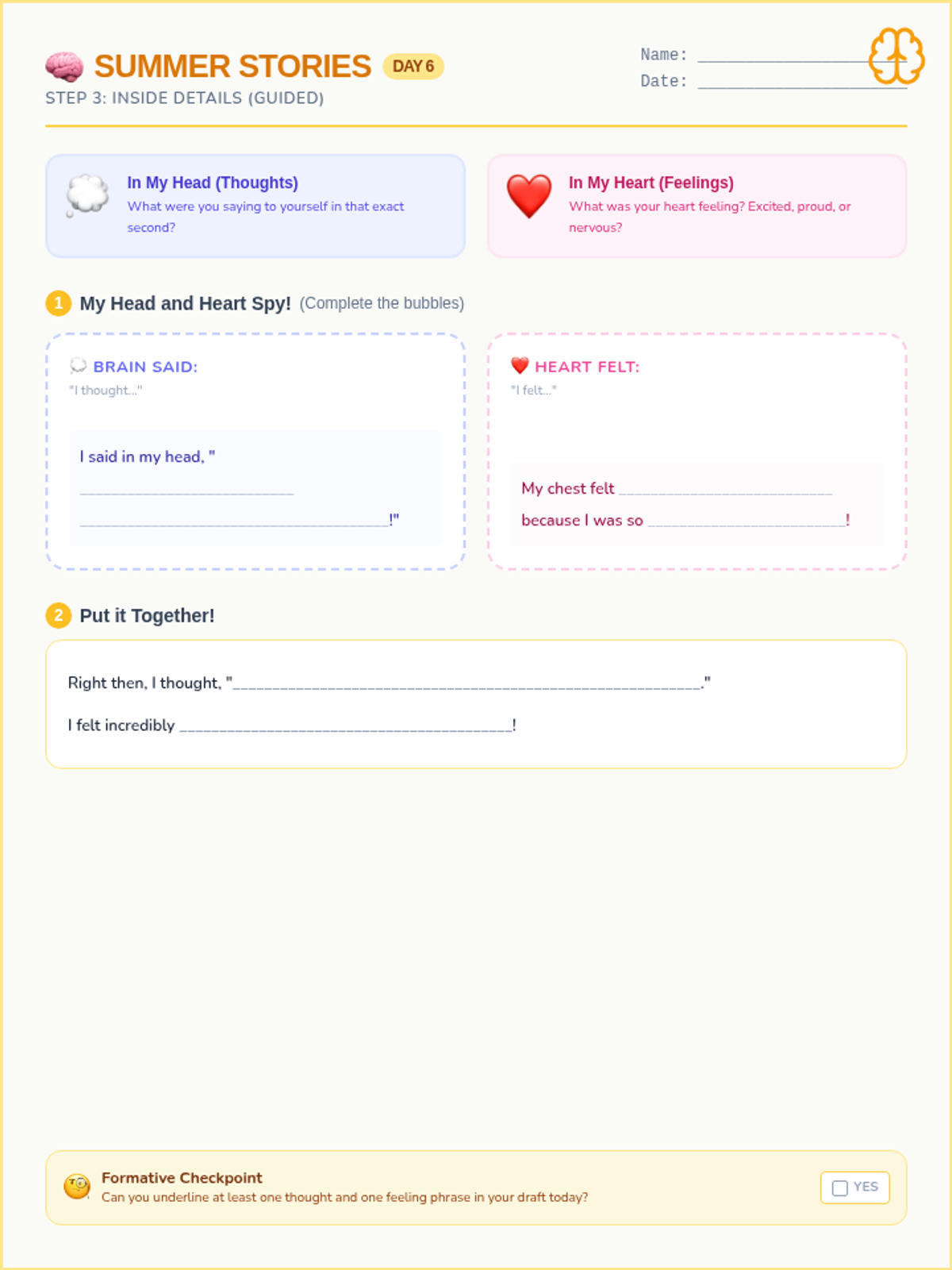
Students elaborate their narratives by adding internal thoughts and feelings, ensuring their emotional response to the summer event is clear.
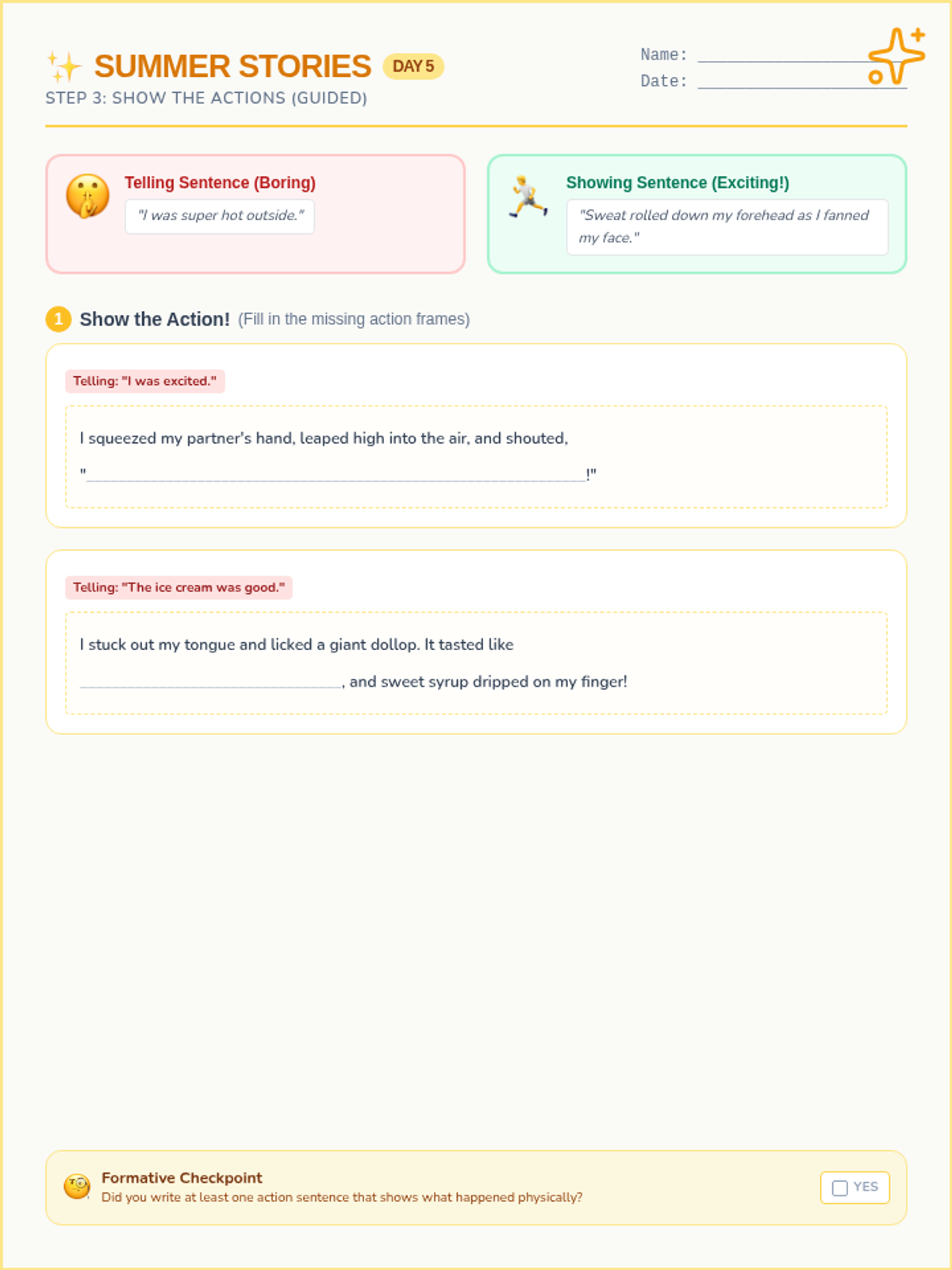
Students go back into their narrative draft to add external actions (Show, Don't Tell) that bring their summer moments to life.
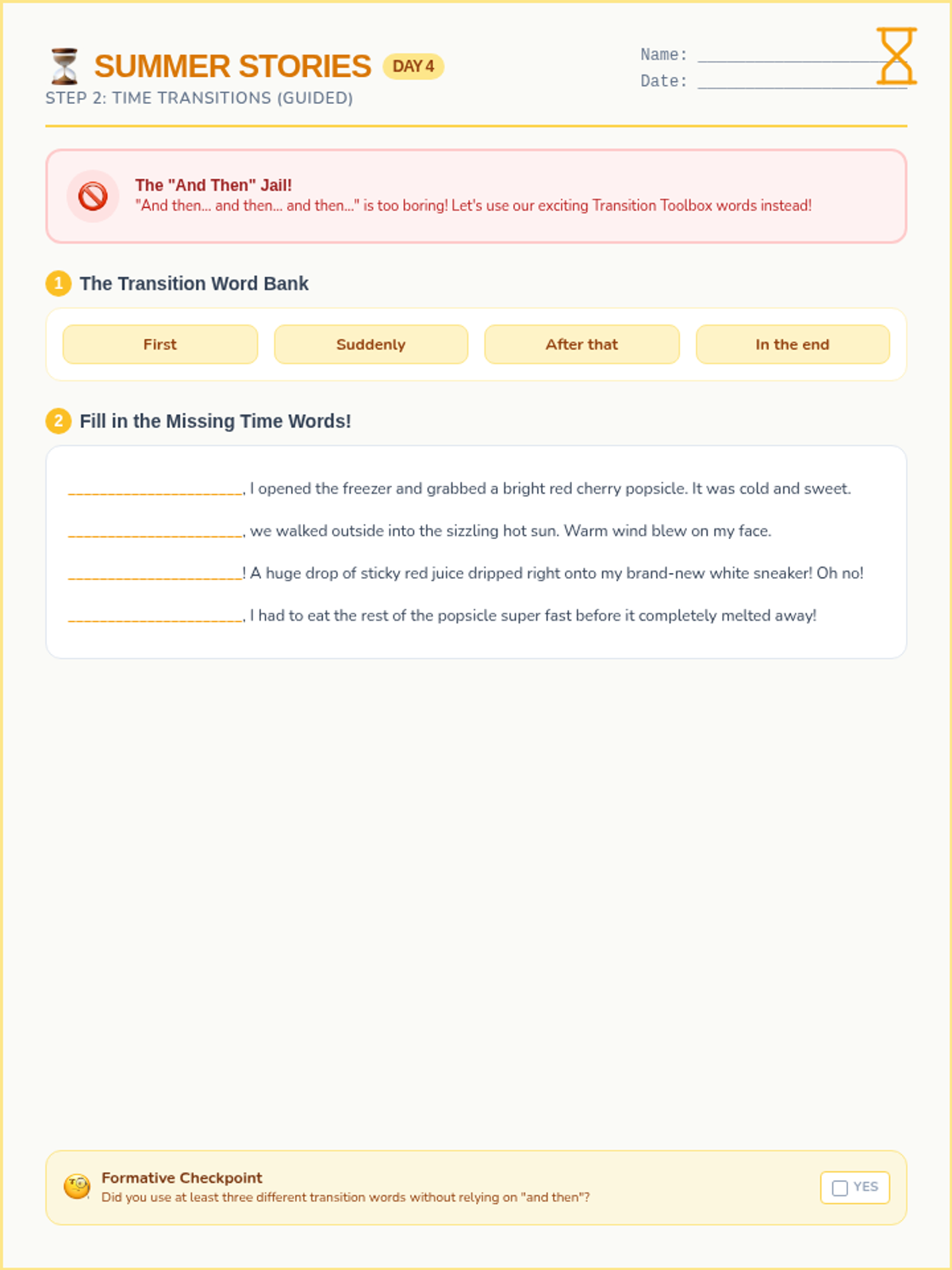
Students learn to use a variety of temporal words (First, Later, Suddenly, After that) to build a smooth, chronological flow.
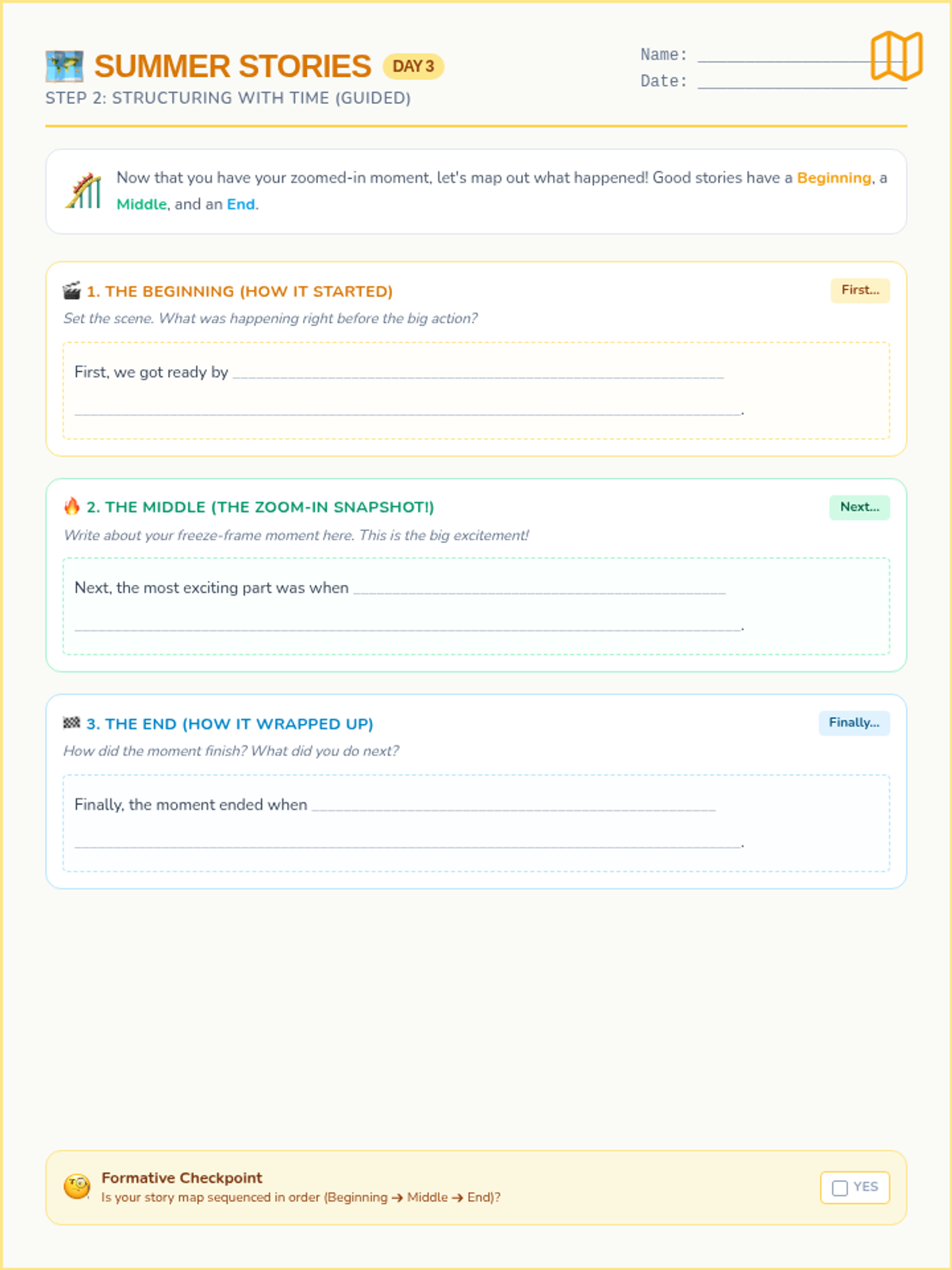
Students sequence their single seed story into a logical 3-part narrative map (beginning, middle, and end) to prepare for drafting.
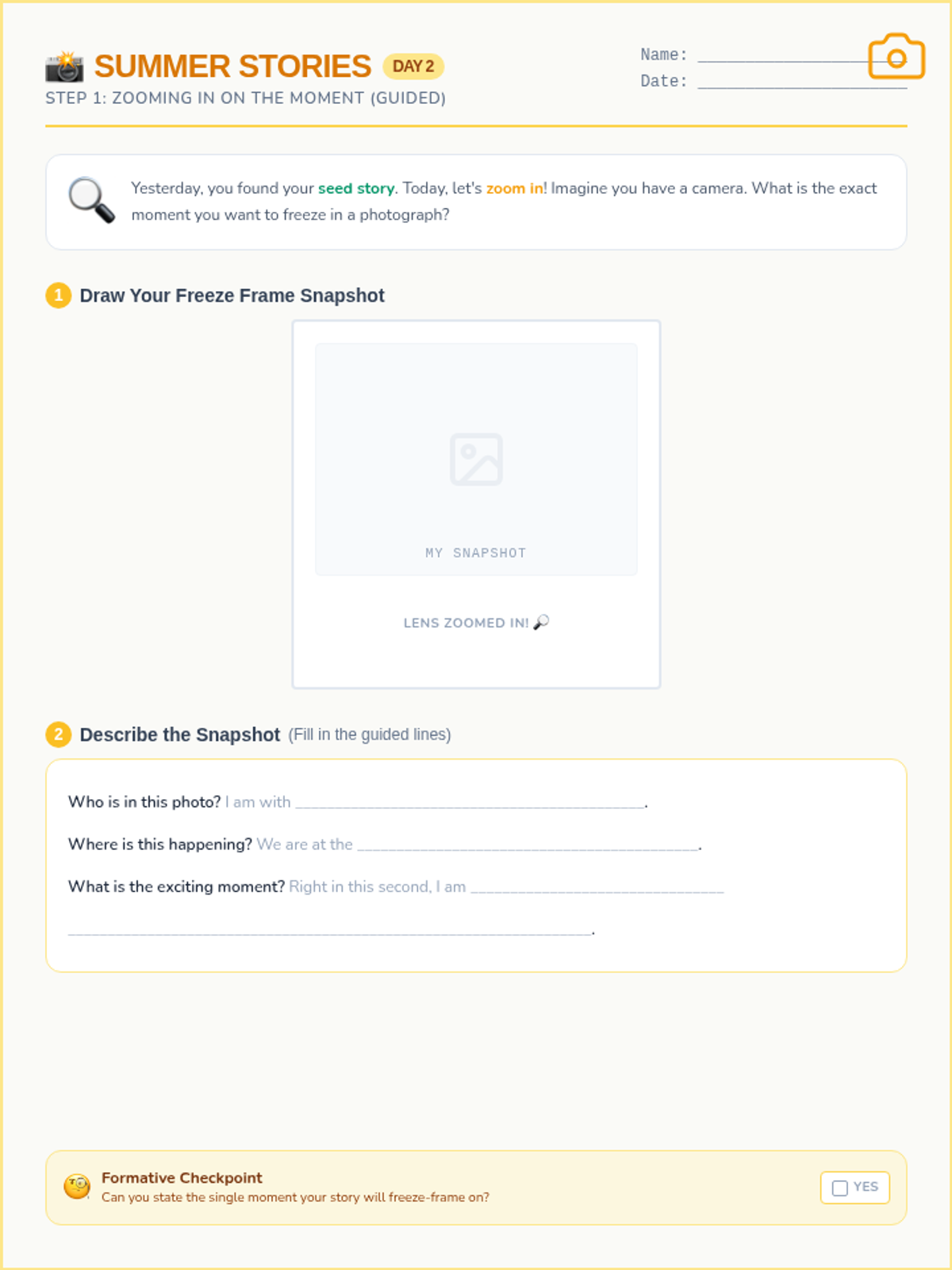
Students zoom in on their selected seed story, identifying the main moment and sketching it out to freeze the frame of their narrative.
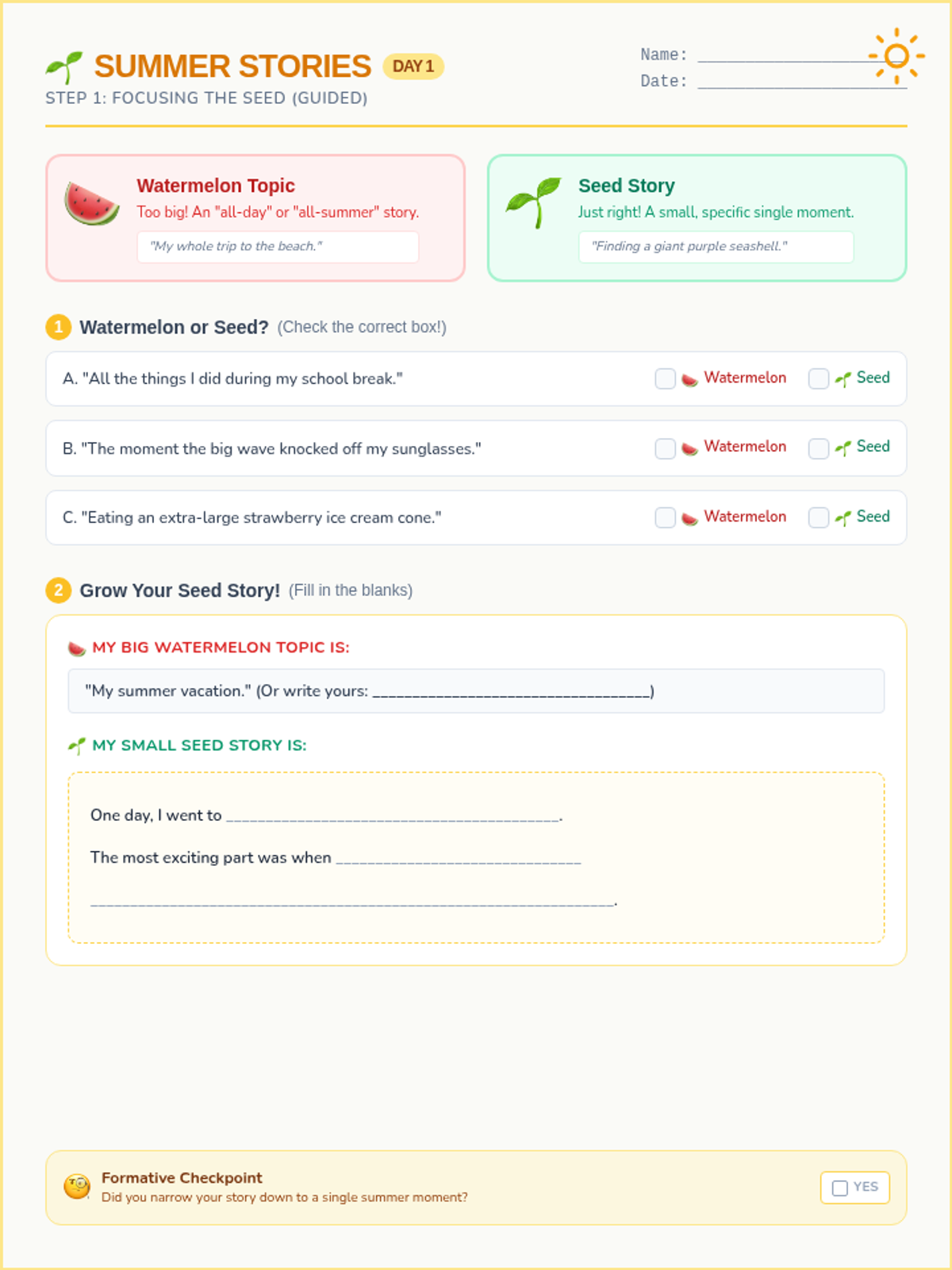
Students learn to distinguish between broad, 'watermelon' topics and focused, 'seed' stories, helping them select a single, specific summer event to write about.
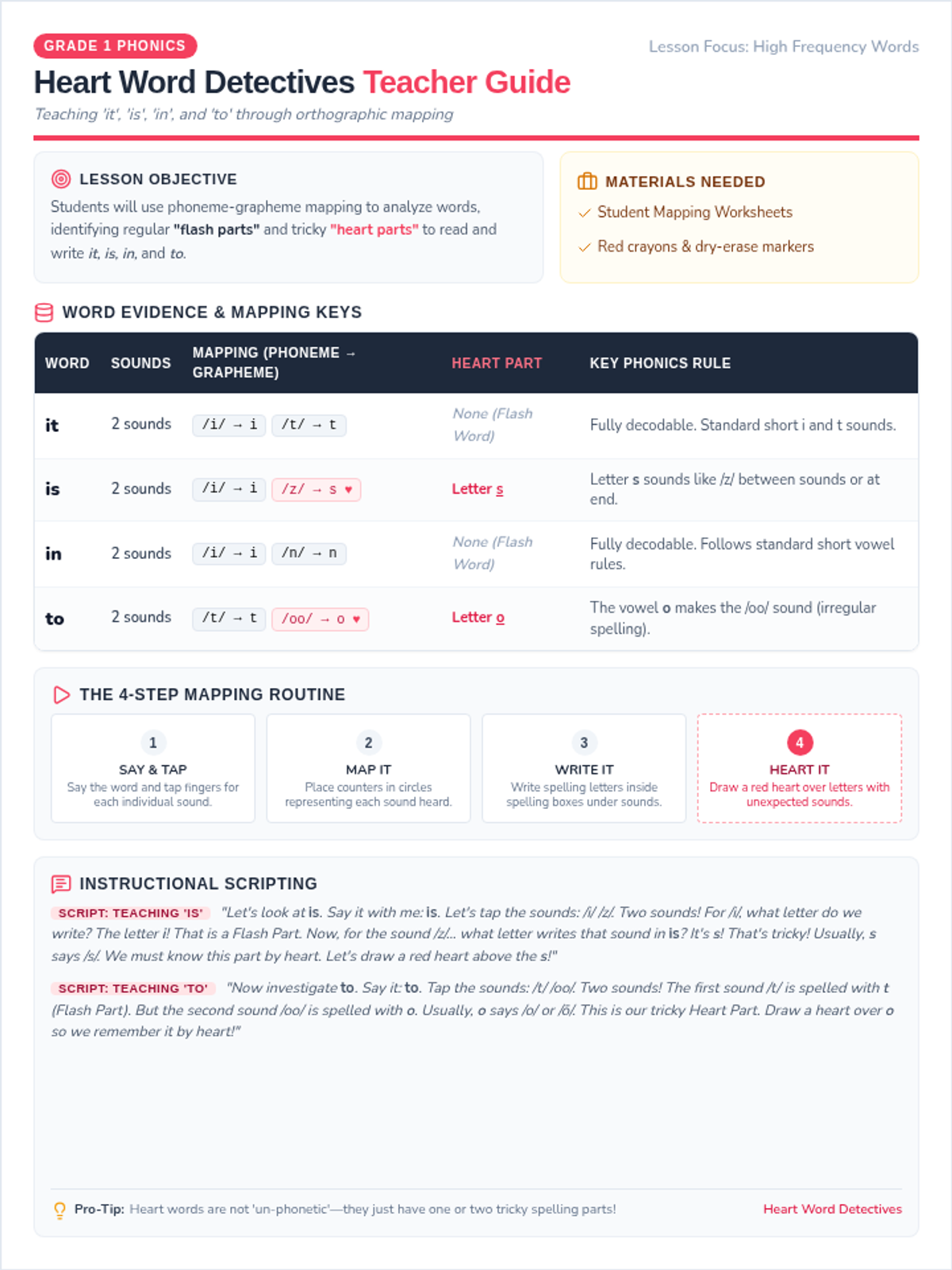
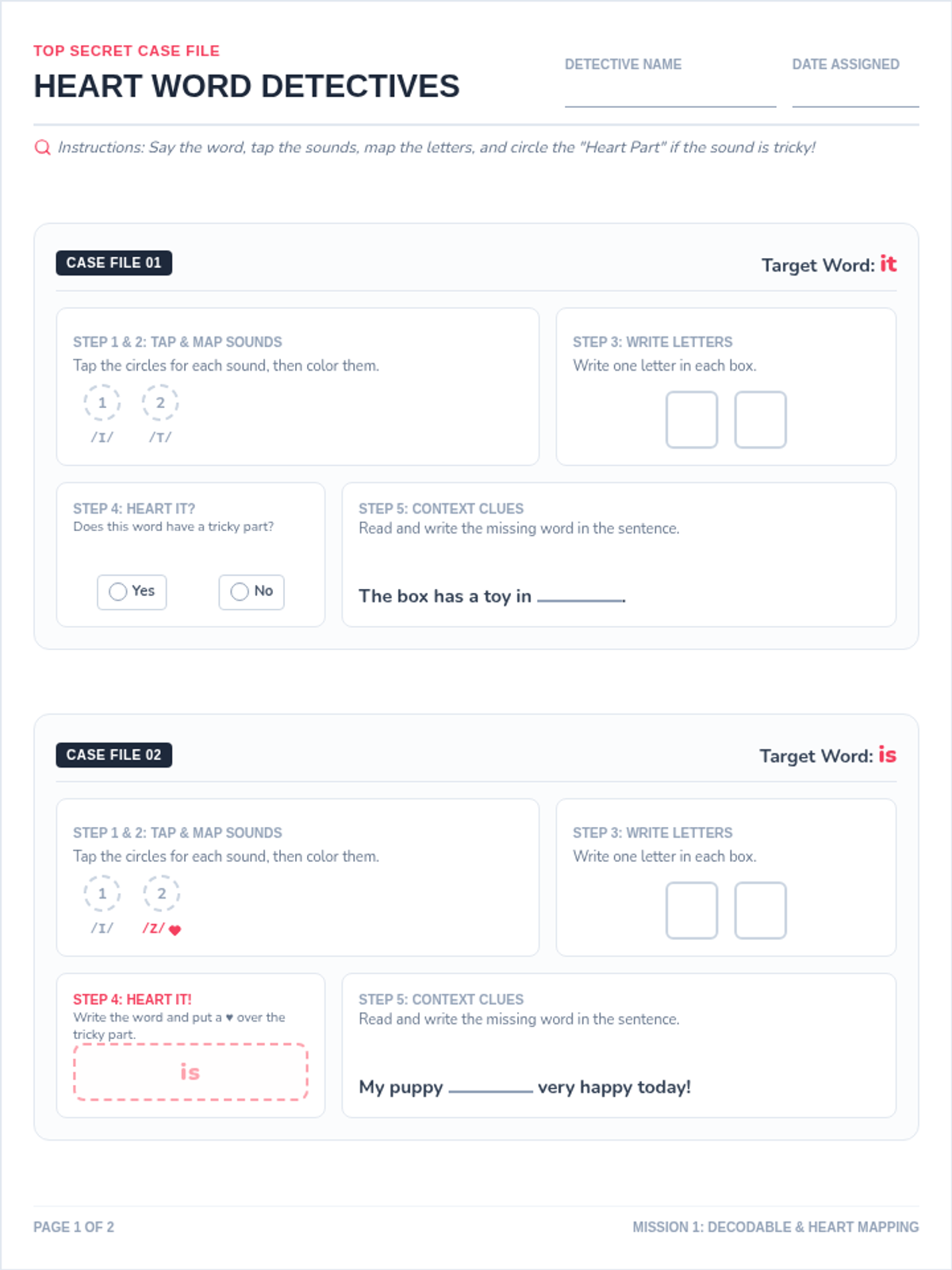
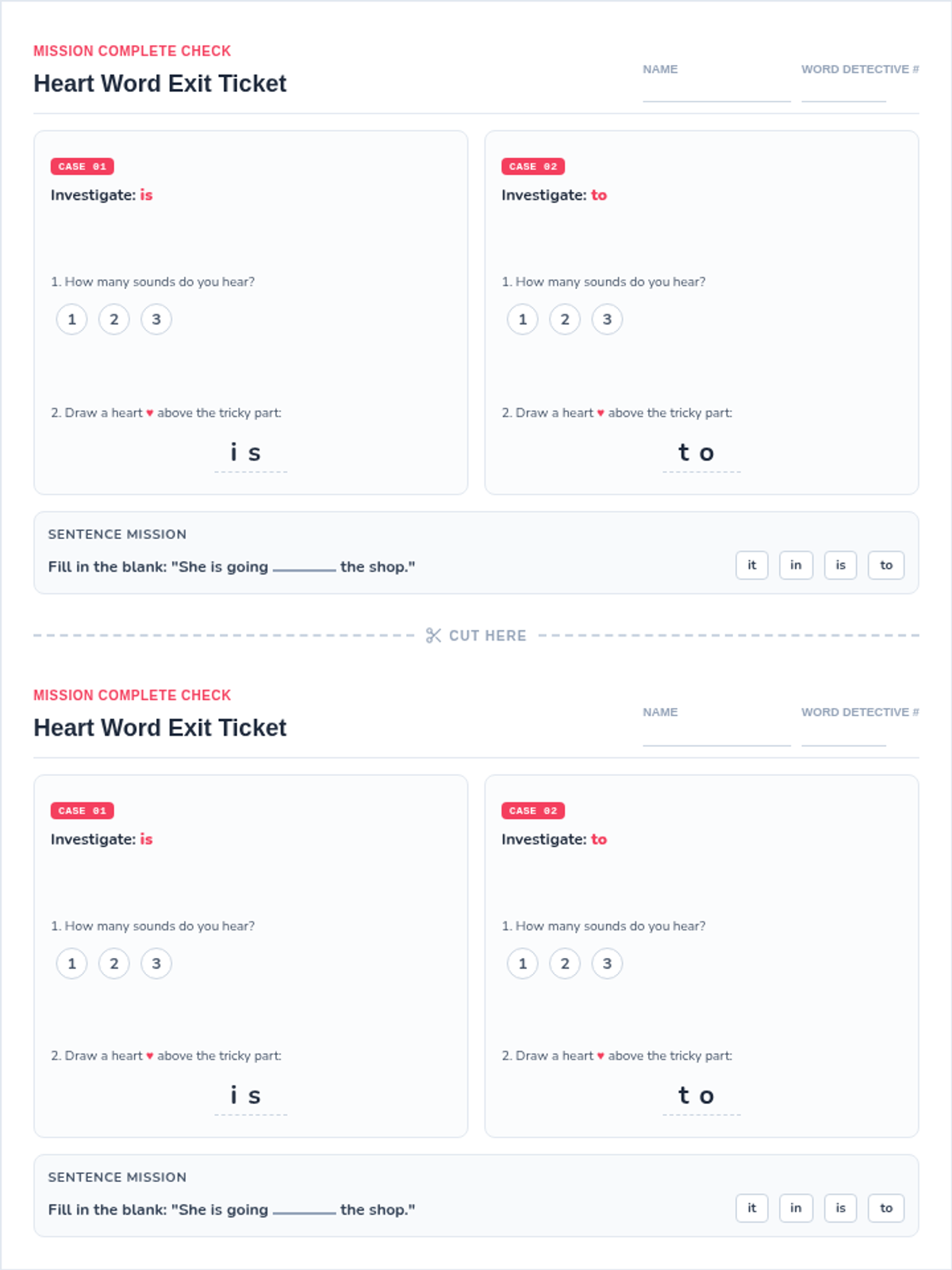
A phonics-based high-frequency word lesson focusing on orthographic mapping and heart-word strategies for 'it', 'is', 'in', and 'to'. Students map phonemes to graphemes and learn to identify regular vs. 'by heart' spelling parts.
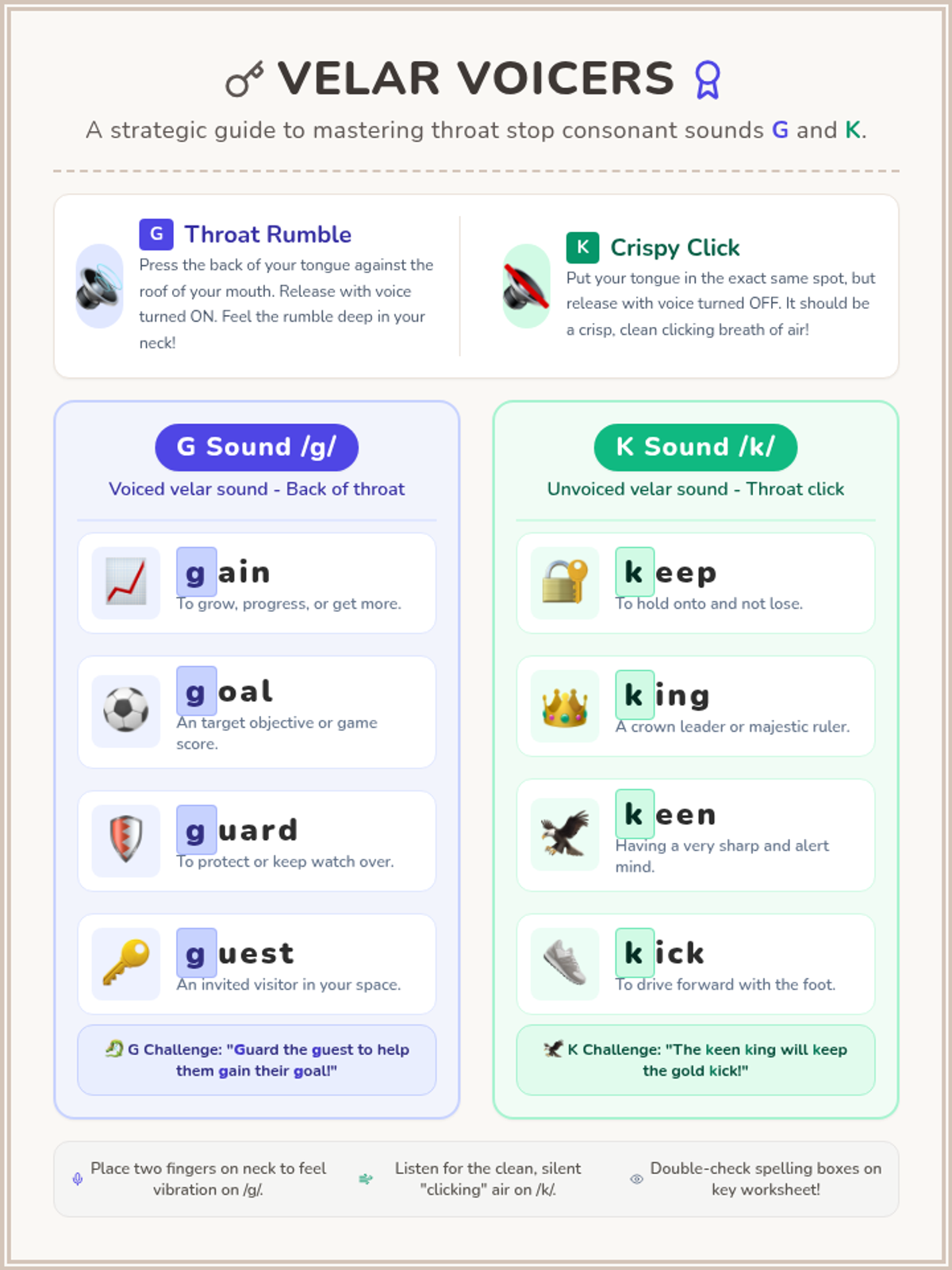
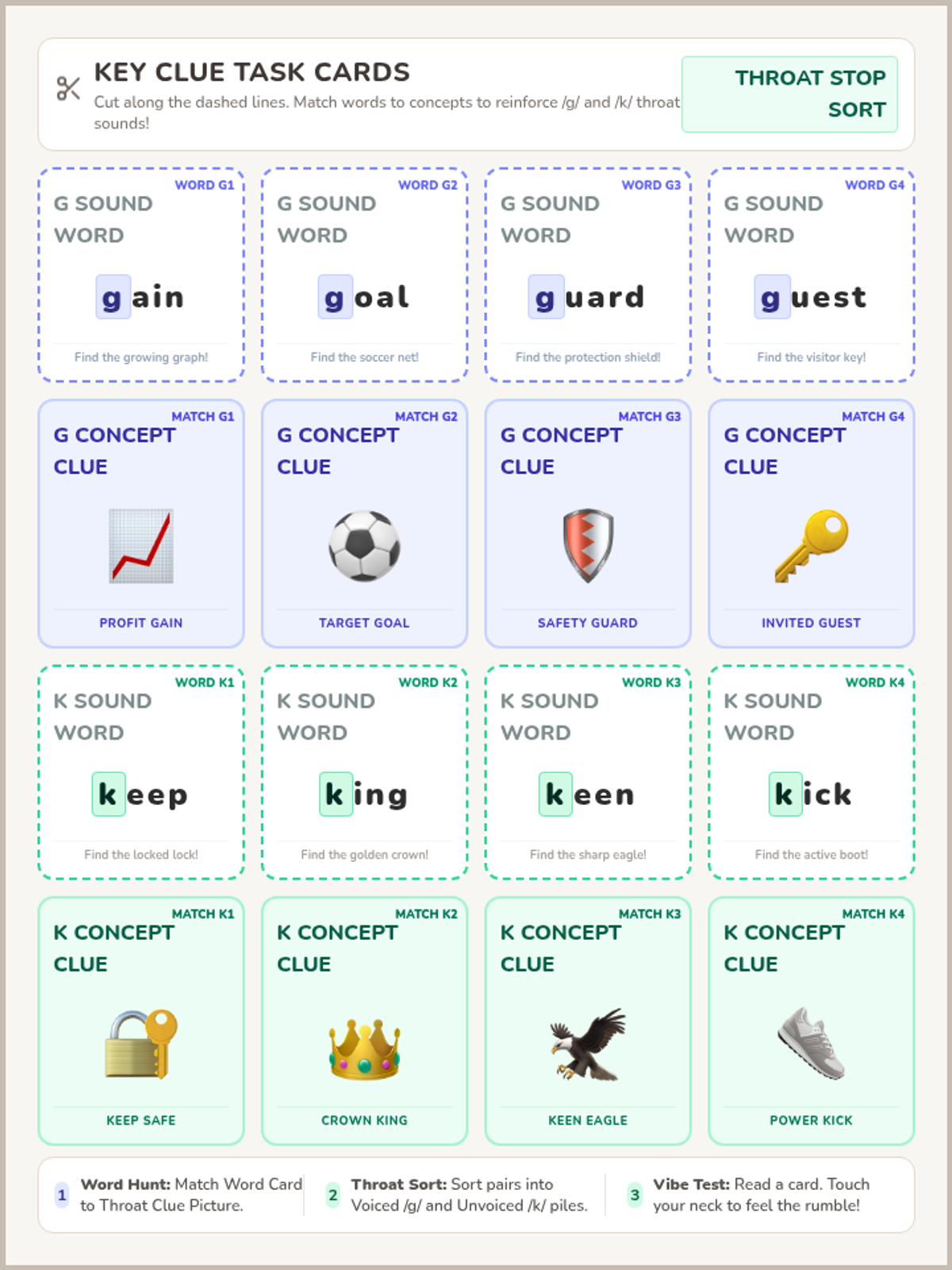
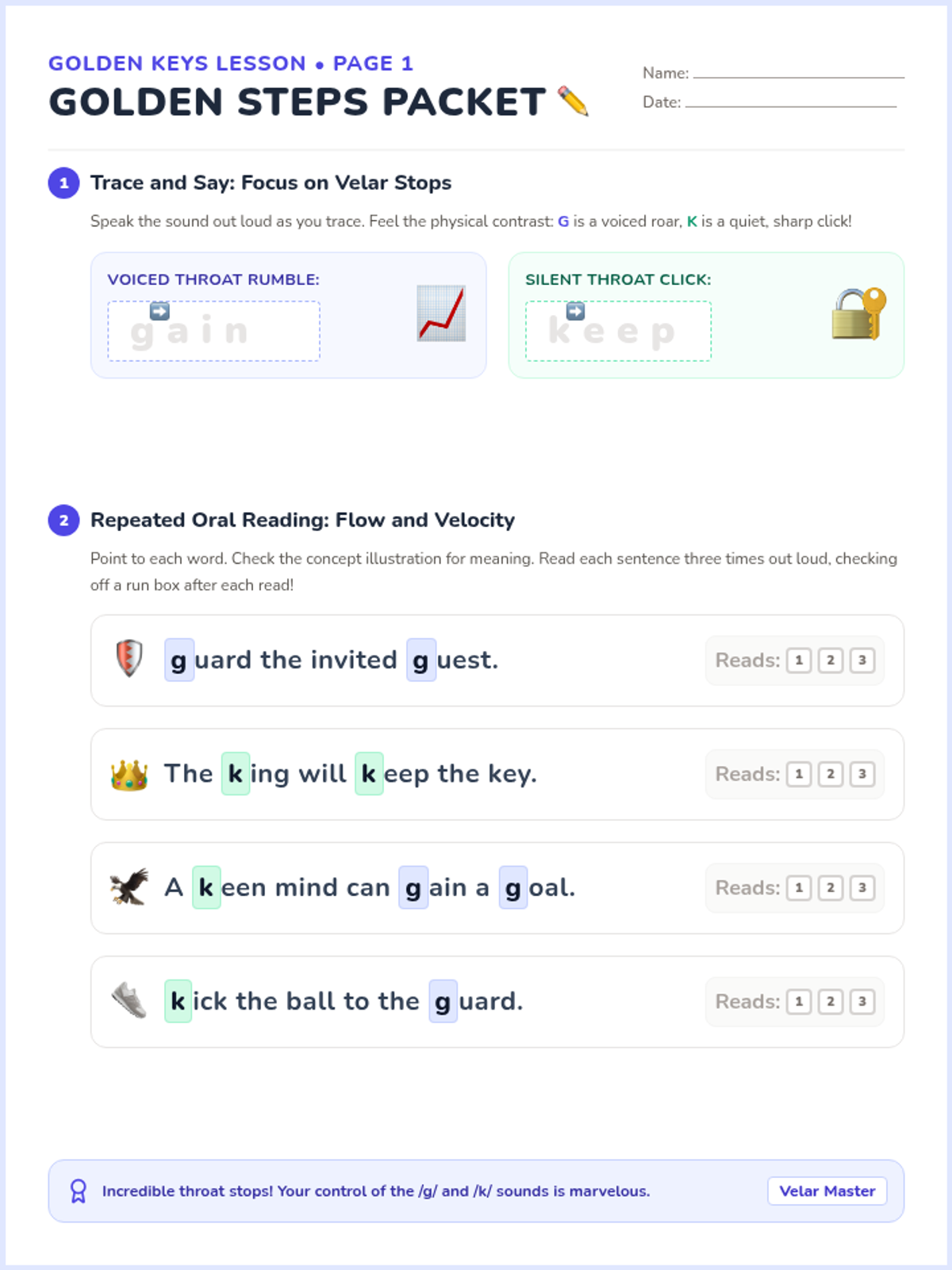
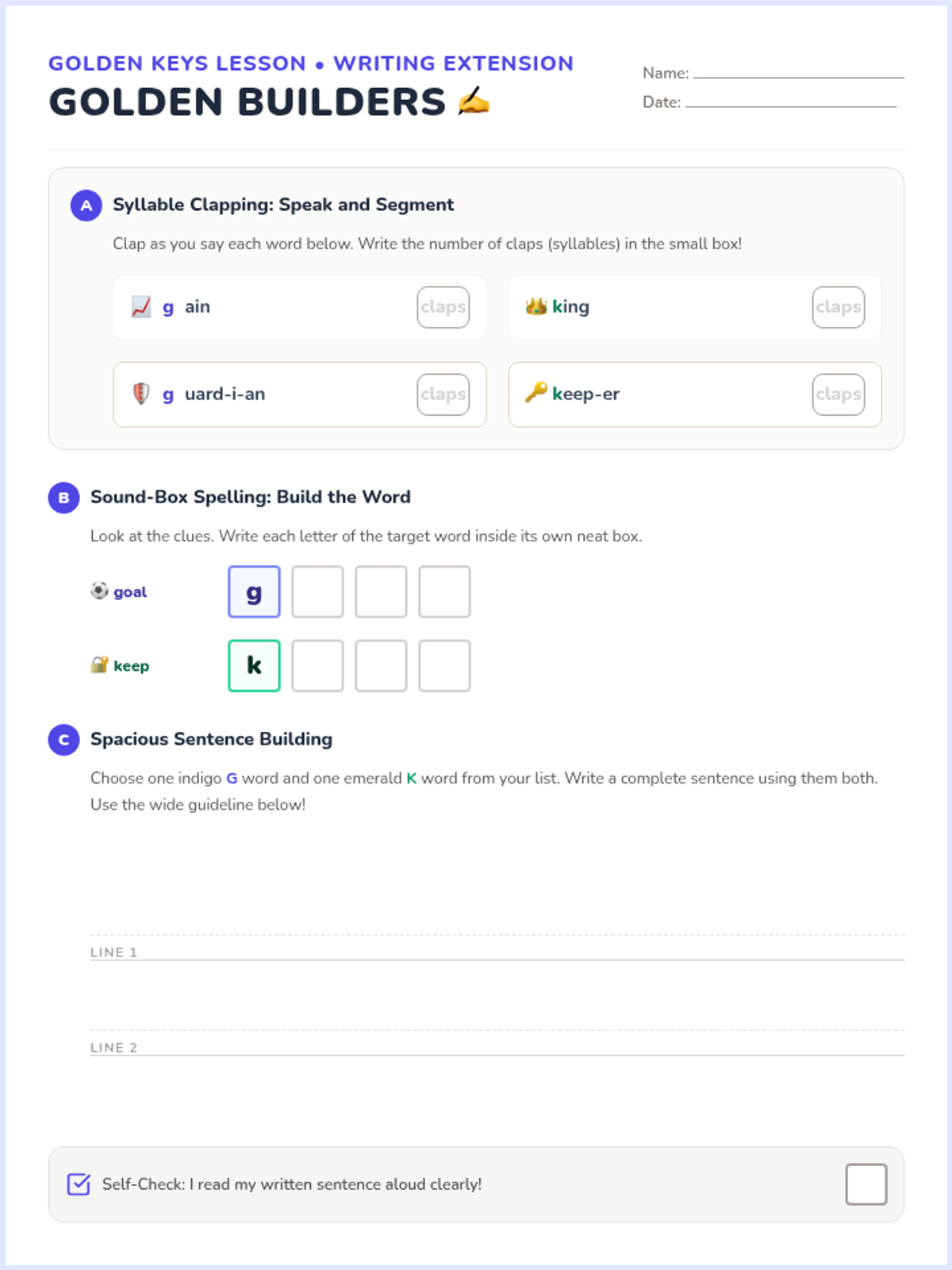
A structured phonics and oral reading lesson contrasting G and K sounds. Features visual voicing indicators, multi-sensory tracing sheets, and high-interest interactive task cards.
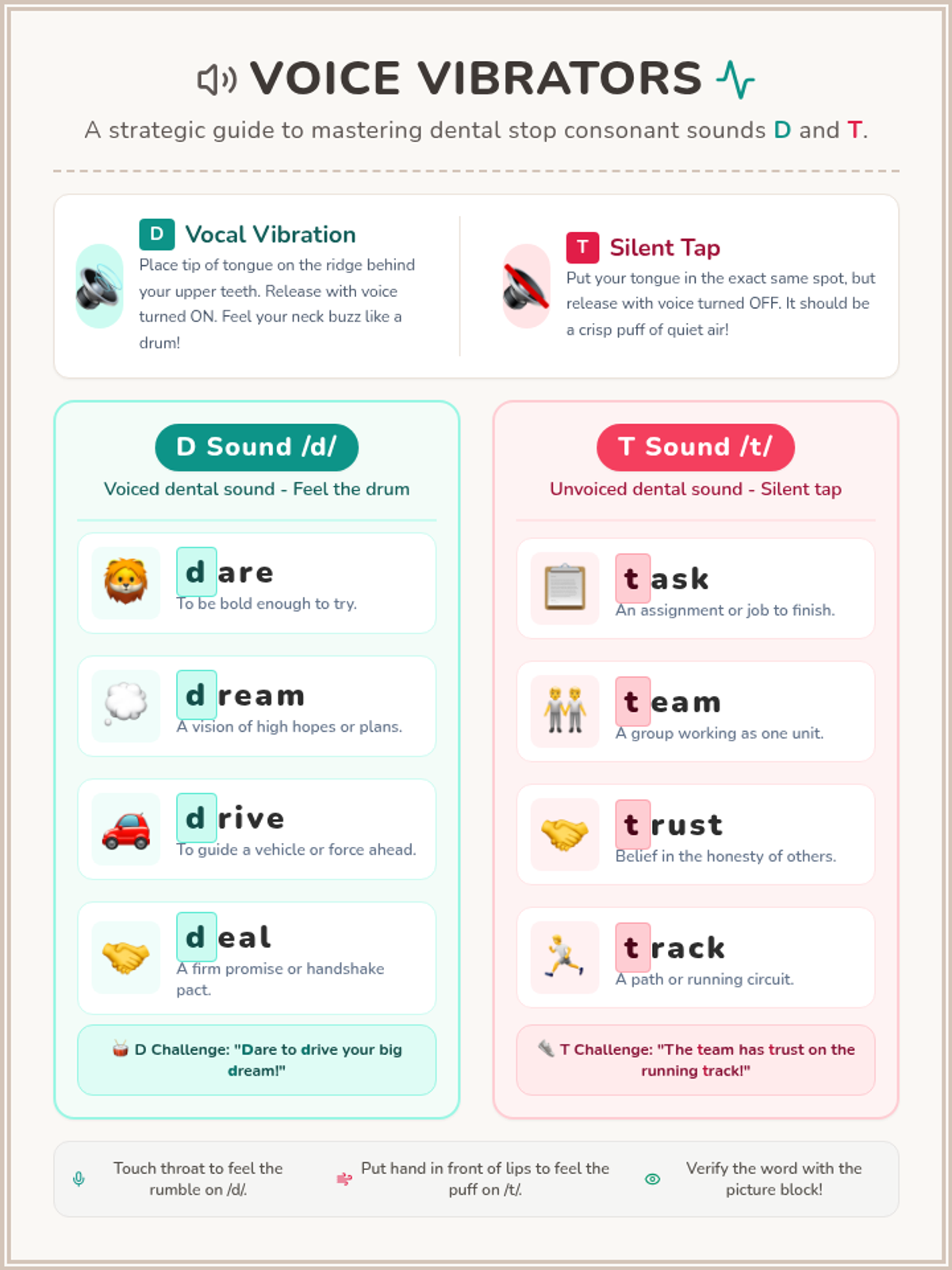
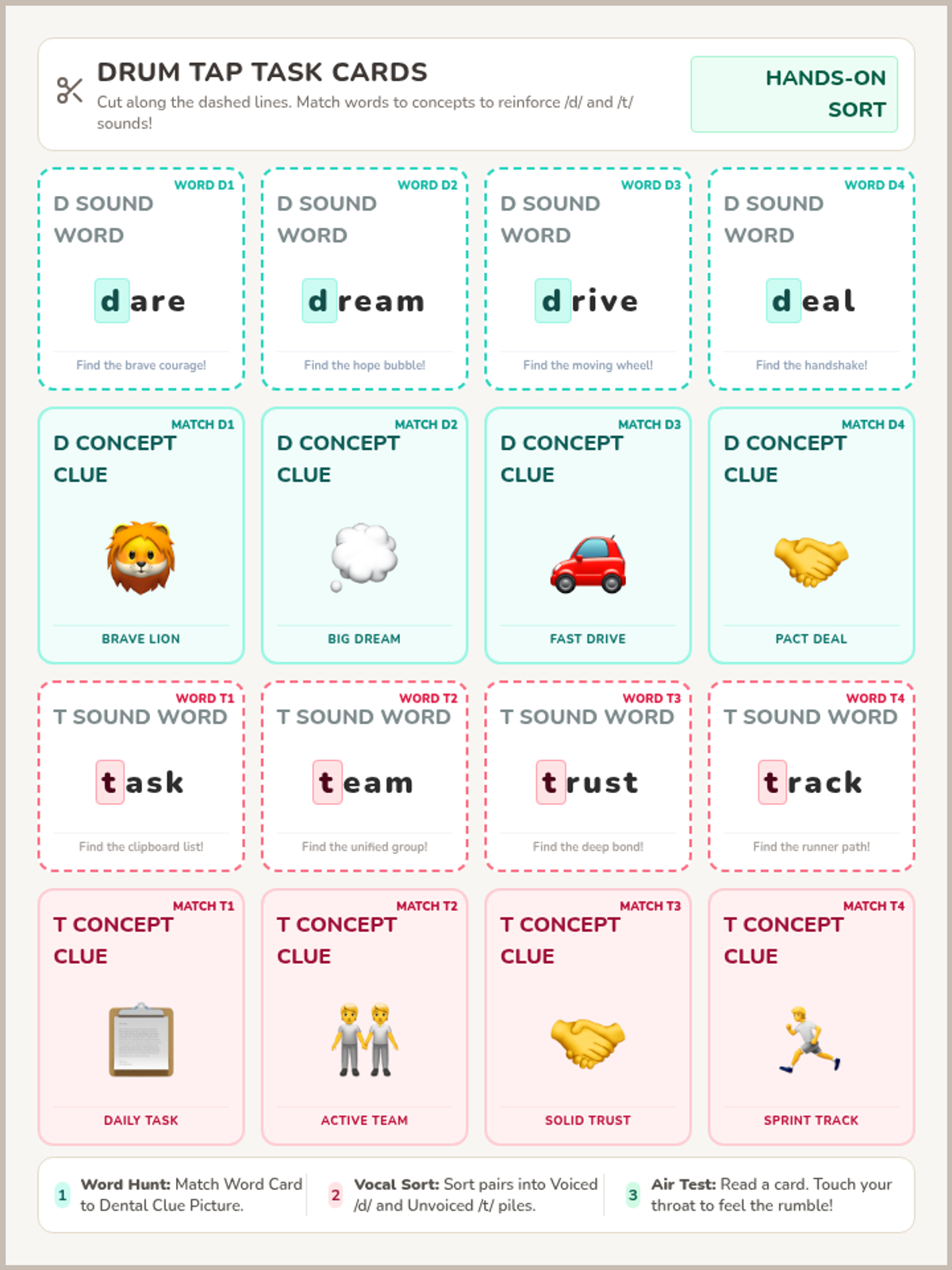
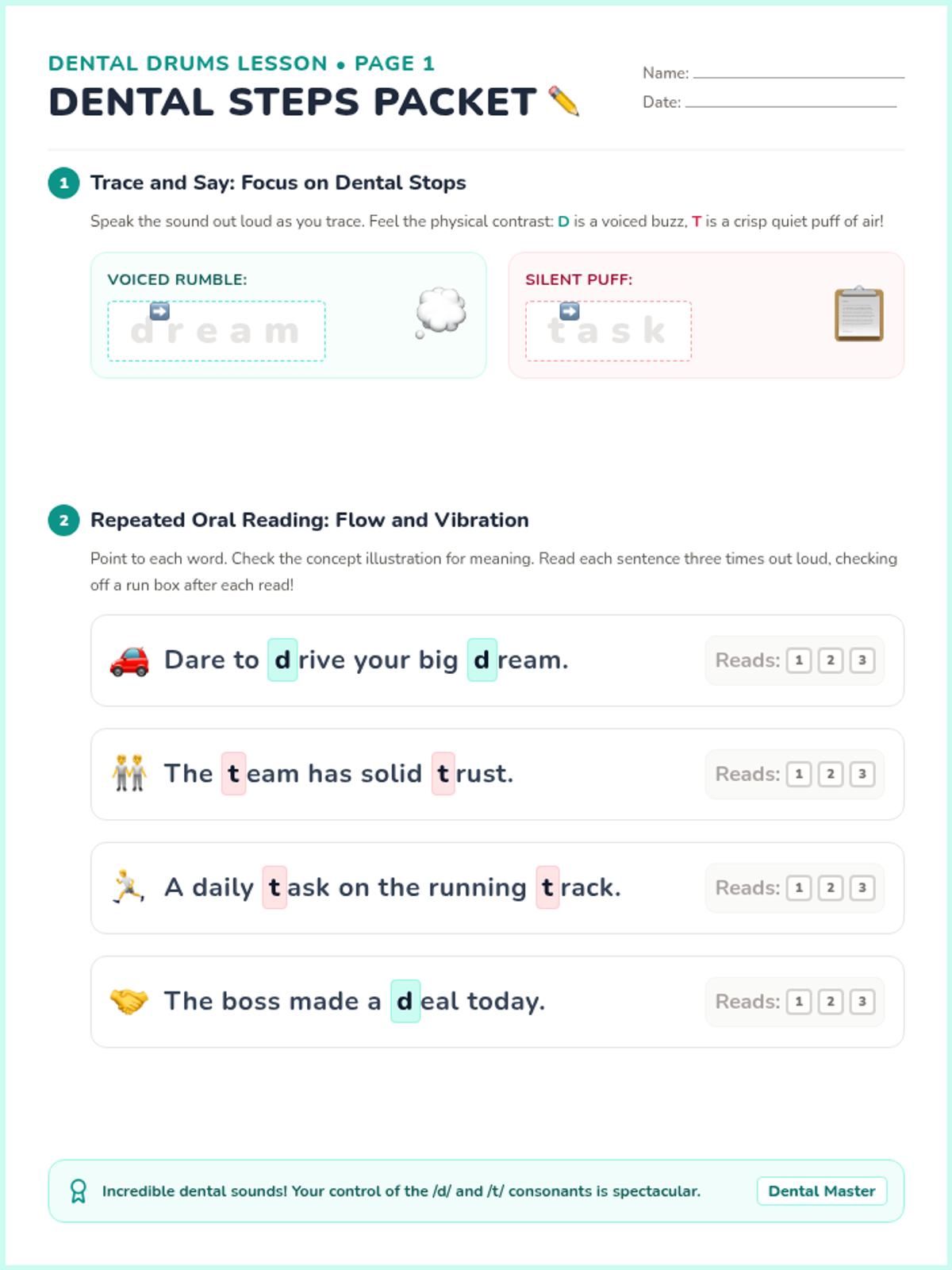
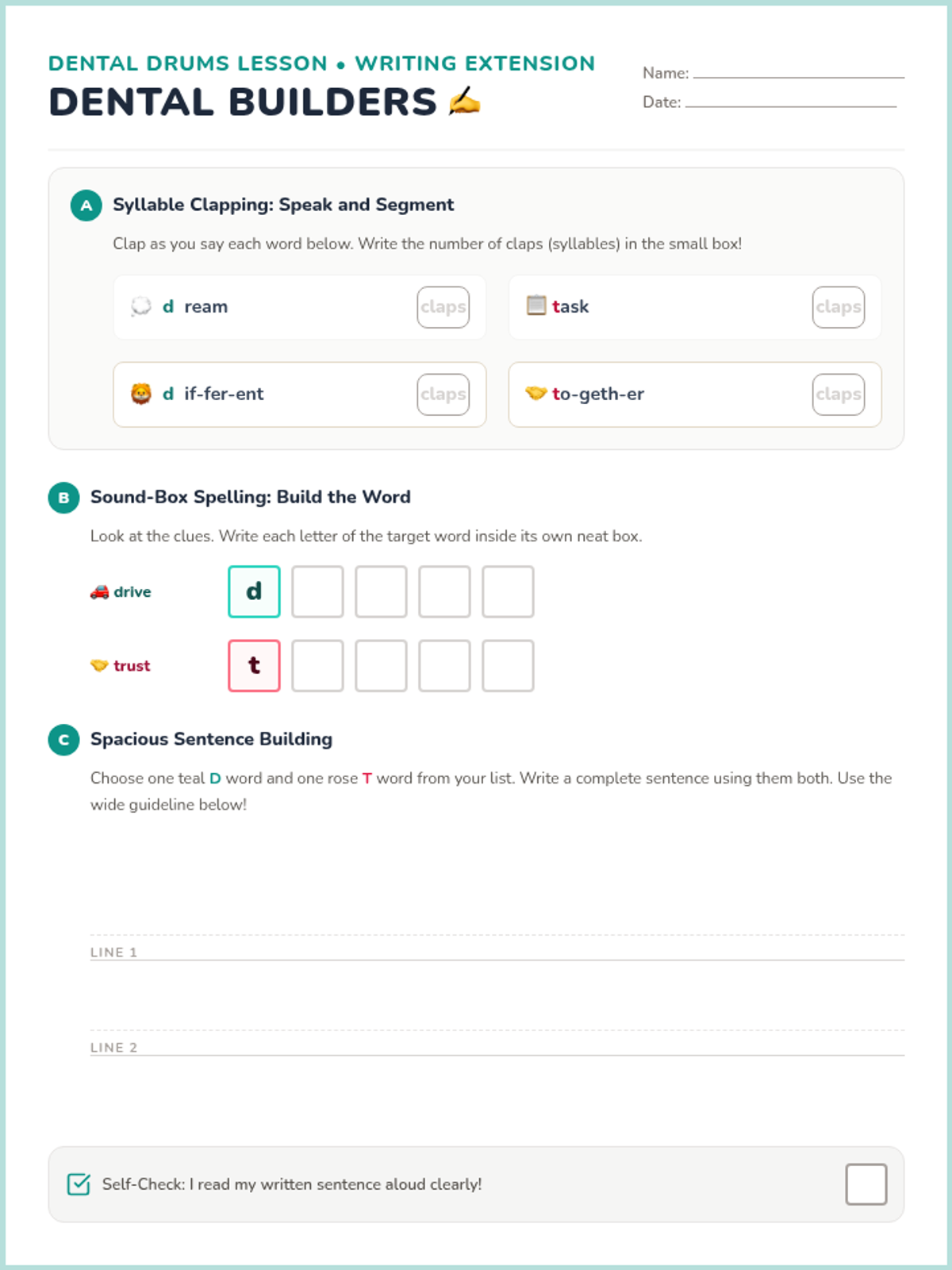
A structured phonics and oral reading lesson contrasting D and T sounds. Features heavy picture scaffolding, voice-vibration indicators, and dyslexia-friendly physical activity resources.
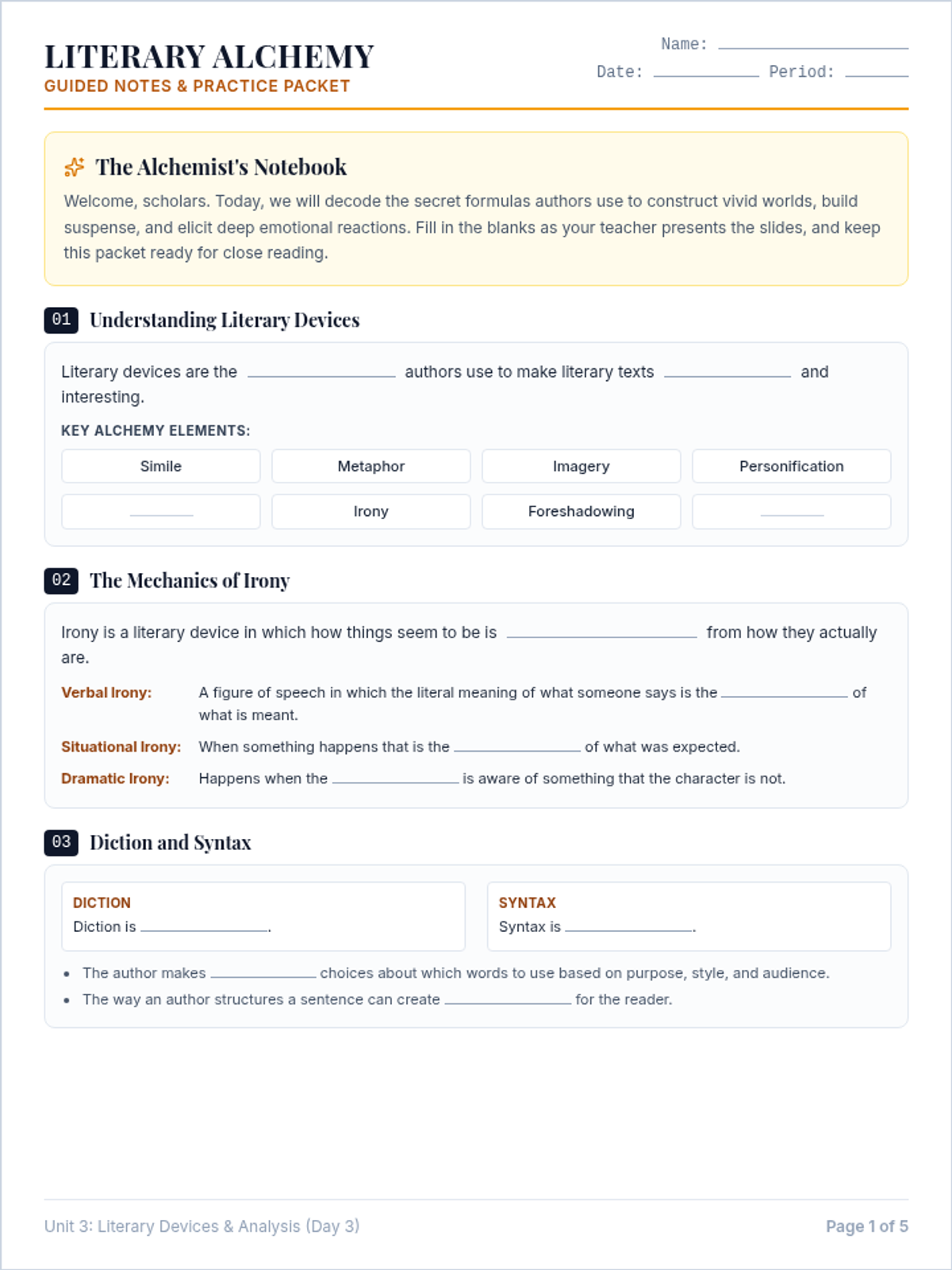
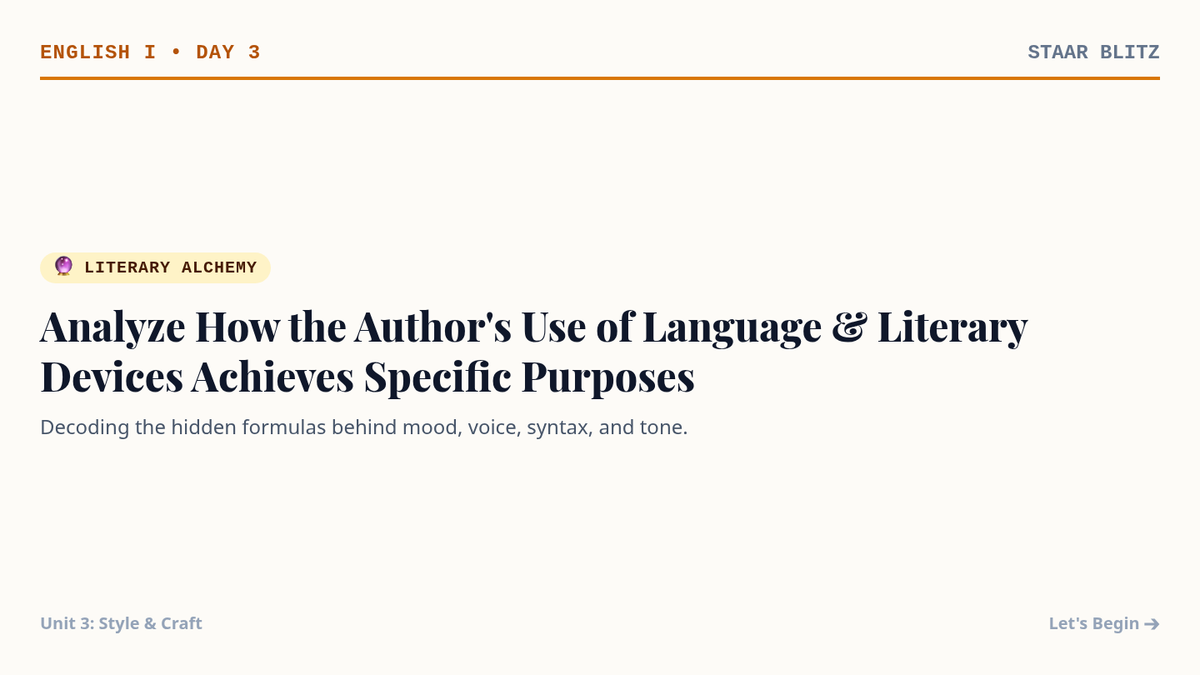
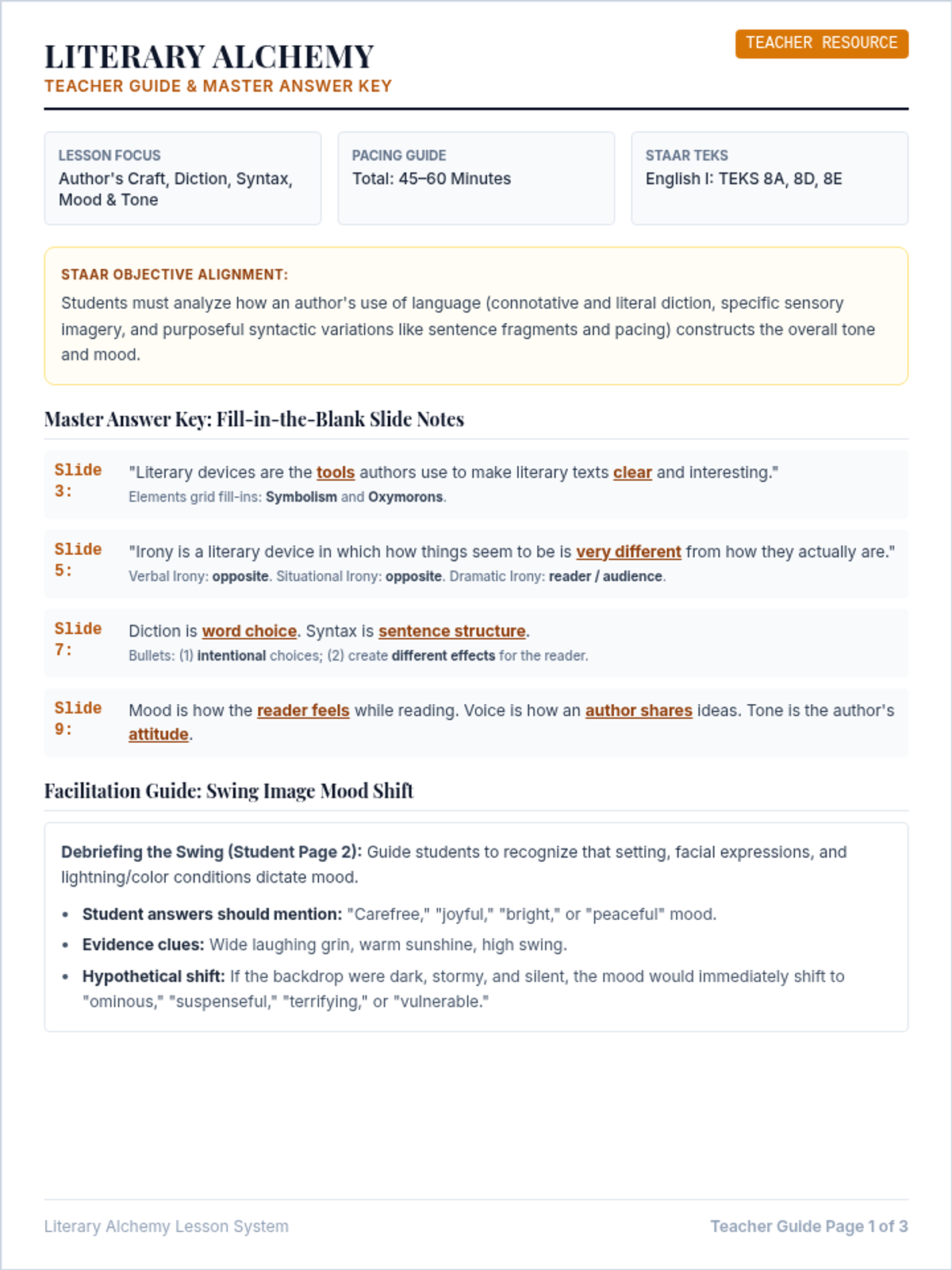
A rigorous STAAR-aligned high school English I lesson analyzing how authors employ literary devices, diction, syntax, and imagery to craft mood, voice, and tone. Students engage in interactive note-taking followed by guided close reading of Edgar Allan Poe and Delia Owens, culminating in independent passage analysis.
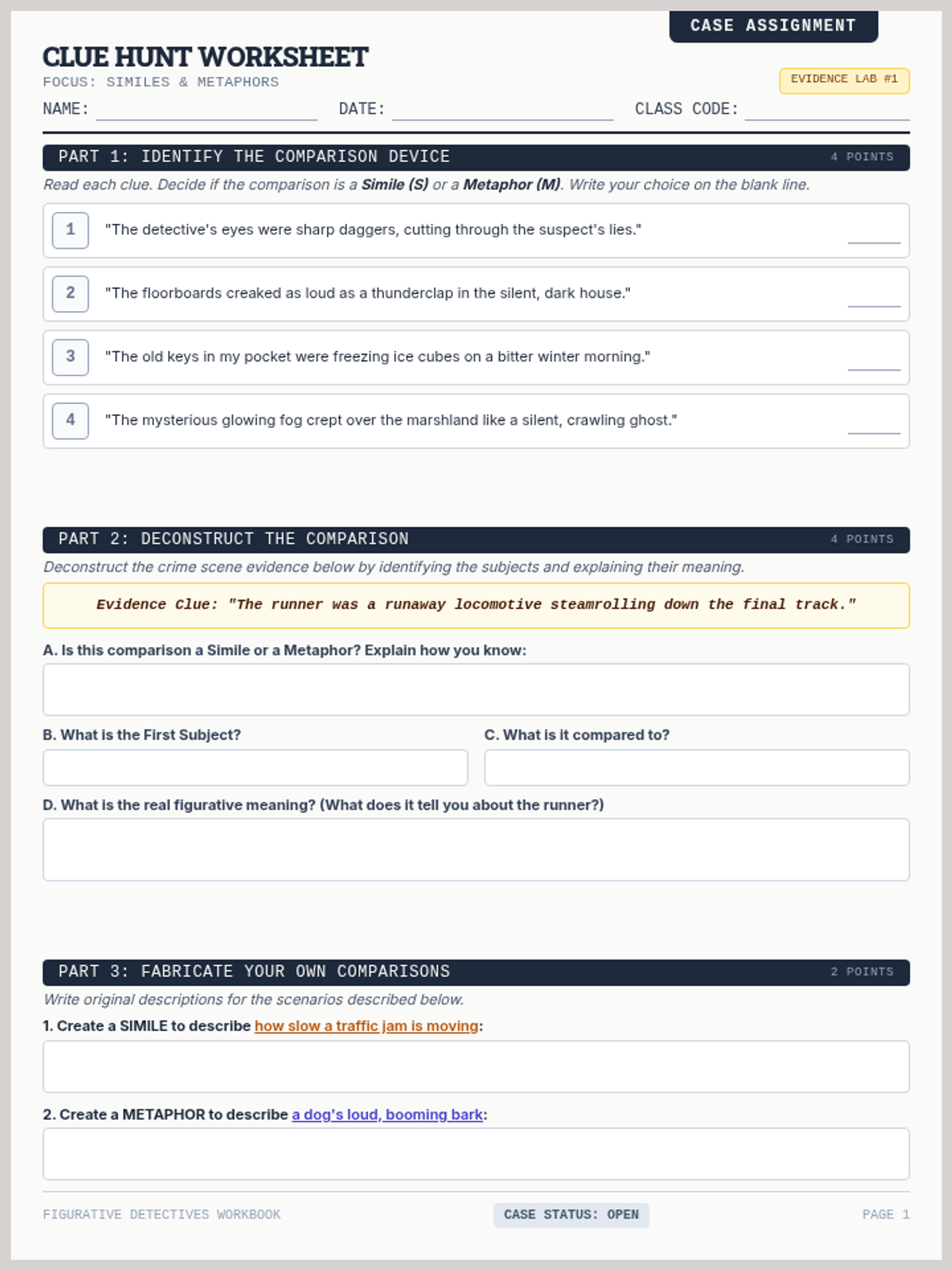
A comprehensive fourth-grade figurative language unit styled as a detective case file. Students act as 'word detectives' tracking down similes, metaphors, idioms, and alliteration through engaging visual guides, targeted clue hunts, and reading passage investigations.
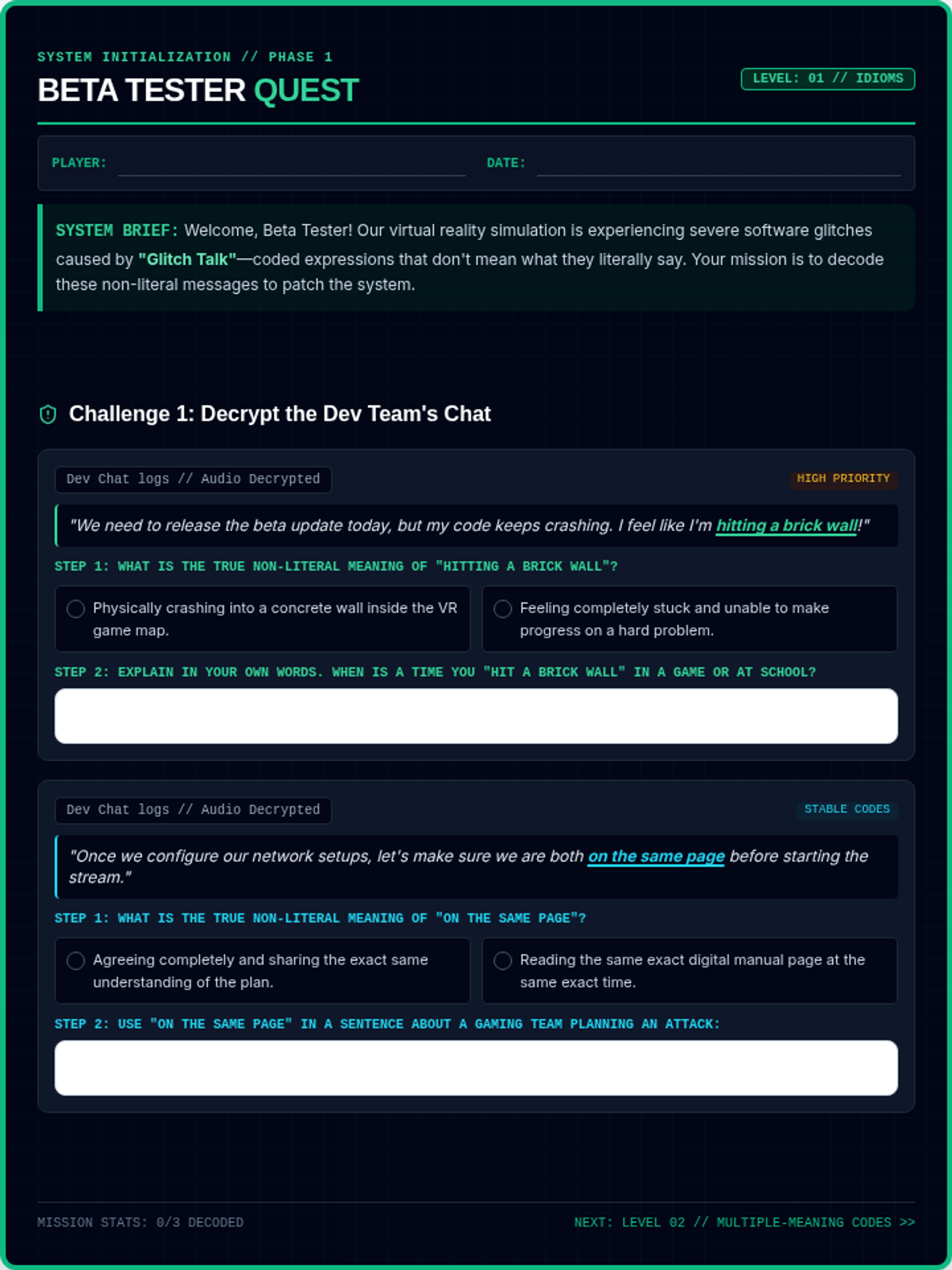
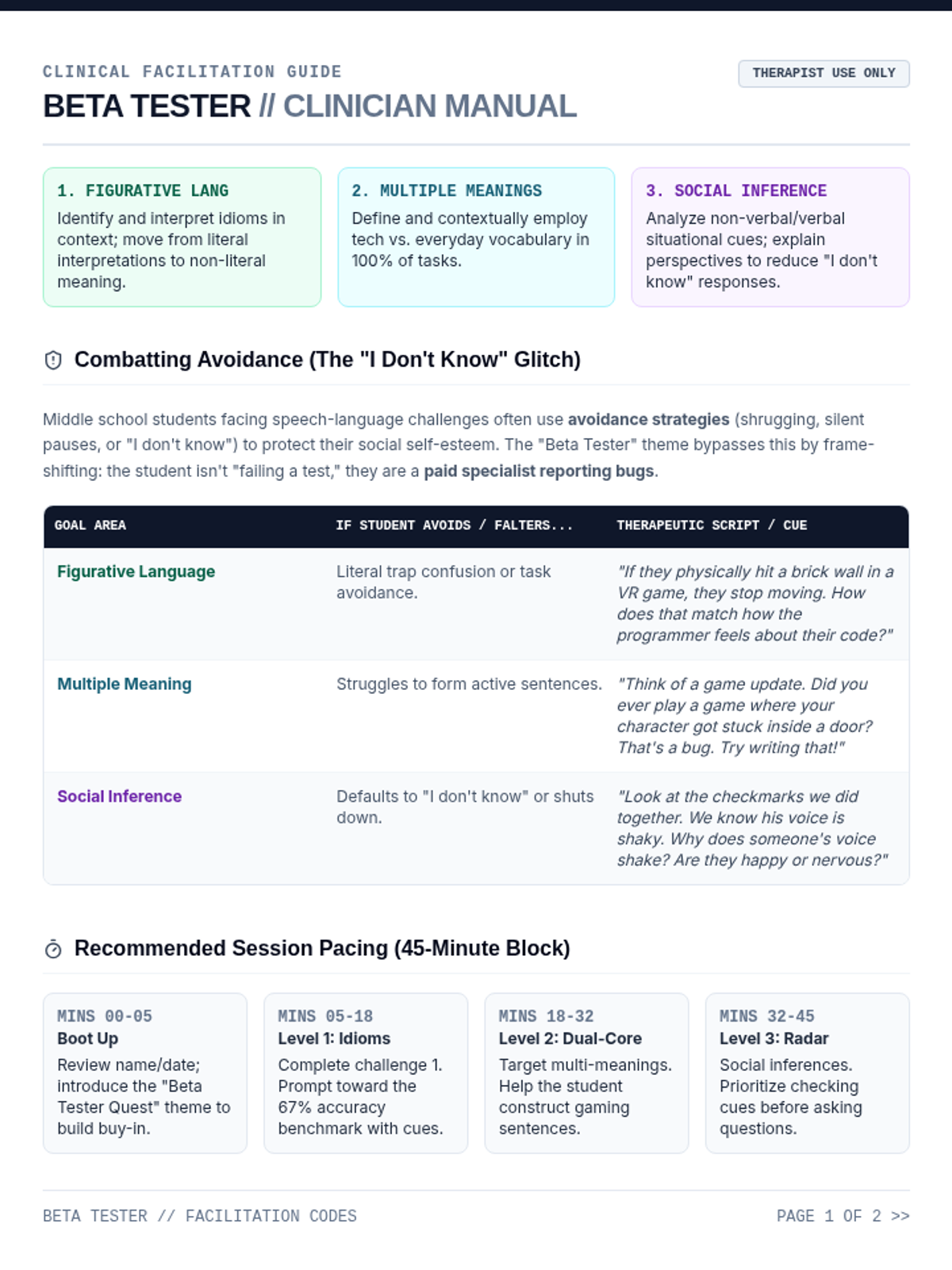
A highly engaging gaming and technology-themed speech-language therapy unit targeting figurative language, multiple-meaning words, and social inference for middle school students, featuring structured scaffolding to support active participation.