Day 4 targets the Yellow Group high-frequency words (one, had, by, word, but, not, what, all, were, when) through structured sentence frames, and clear visual discrimination activities.
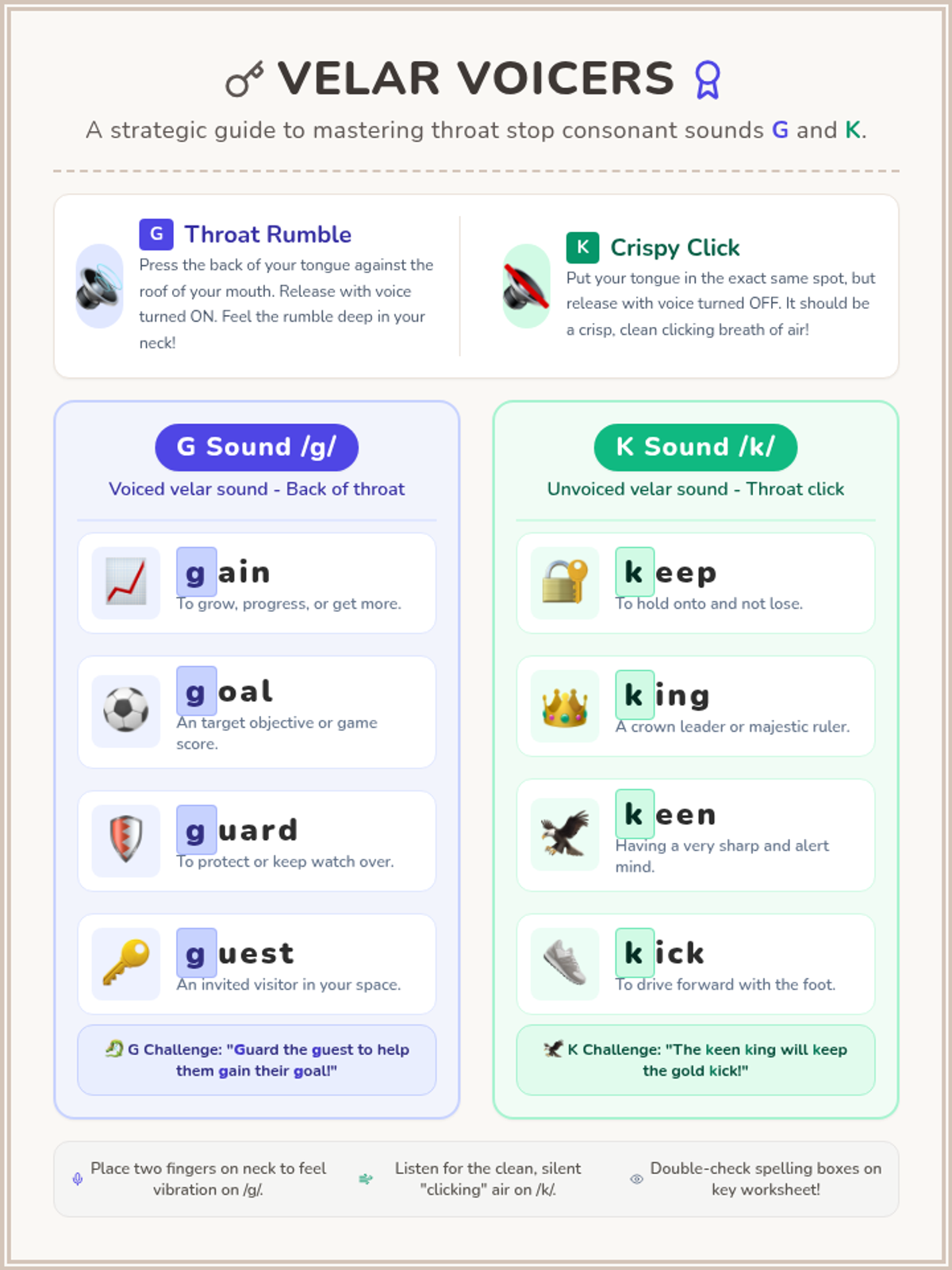
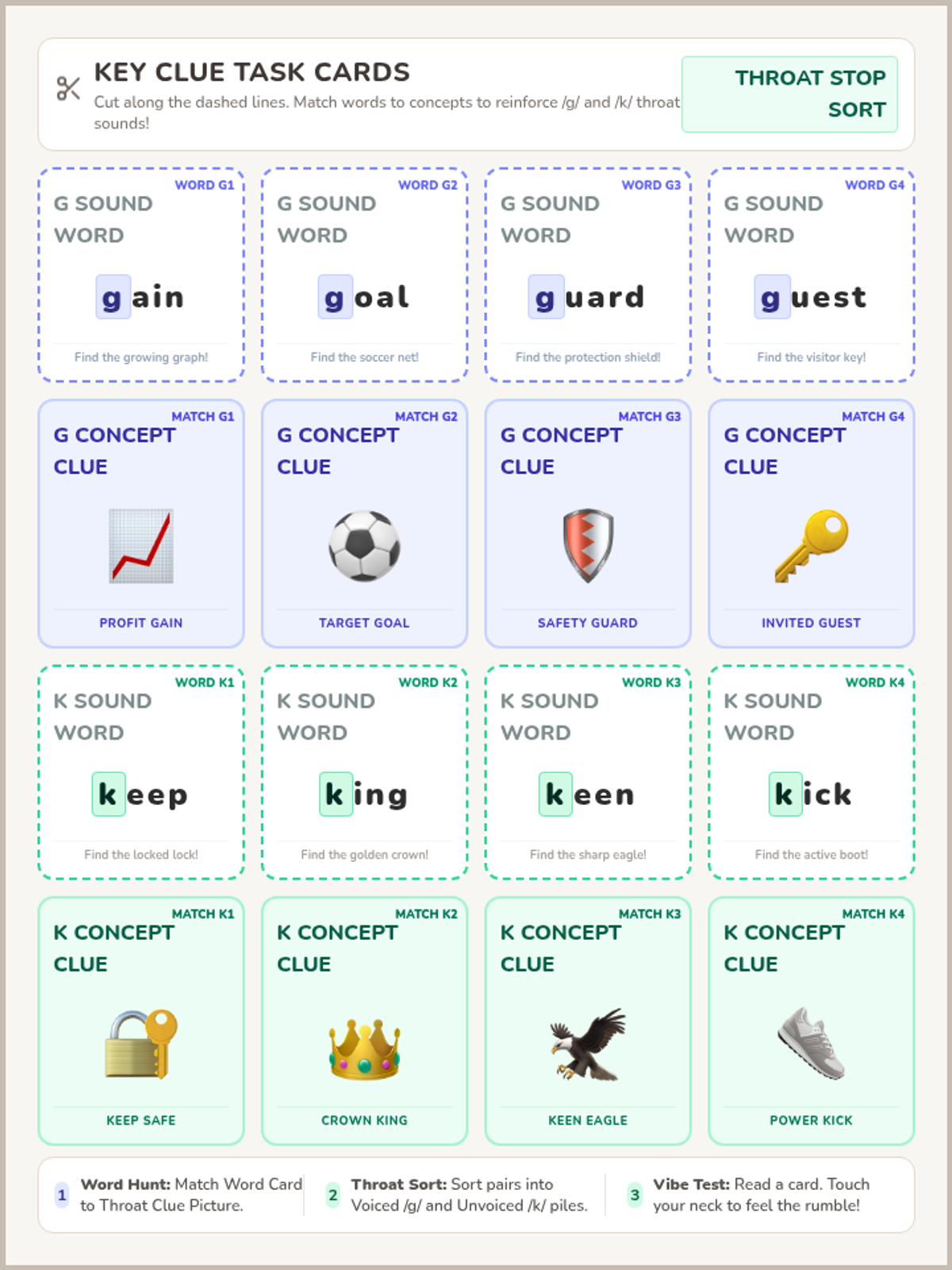
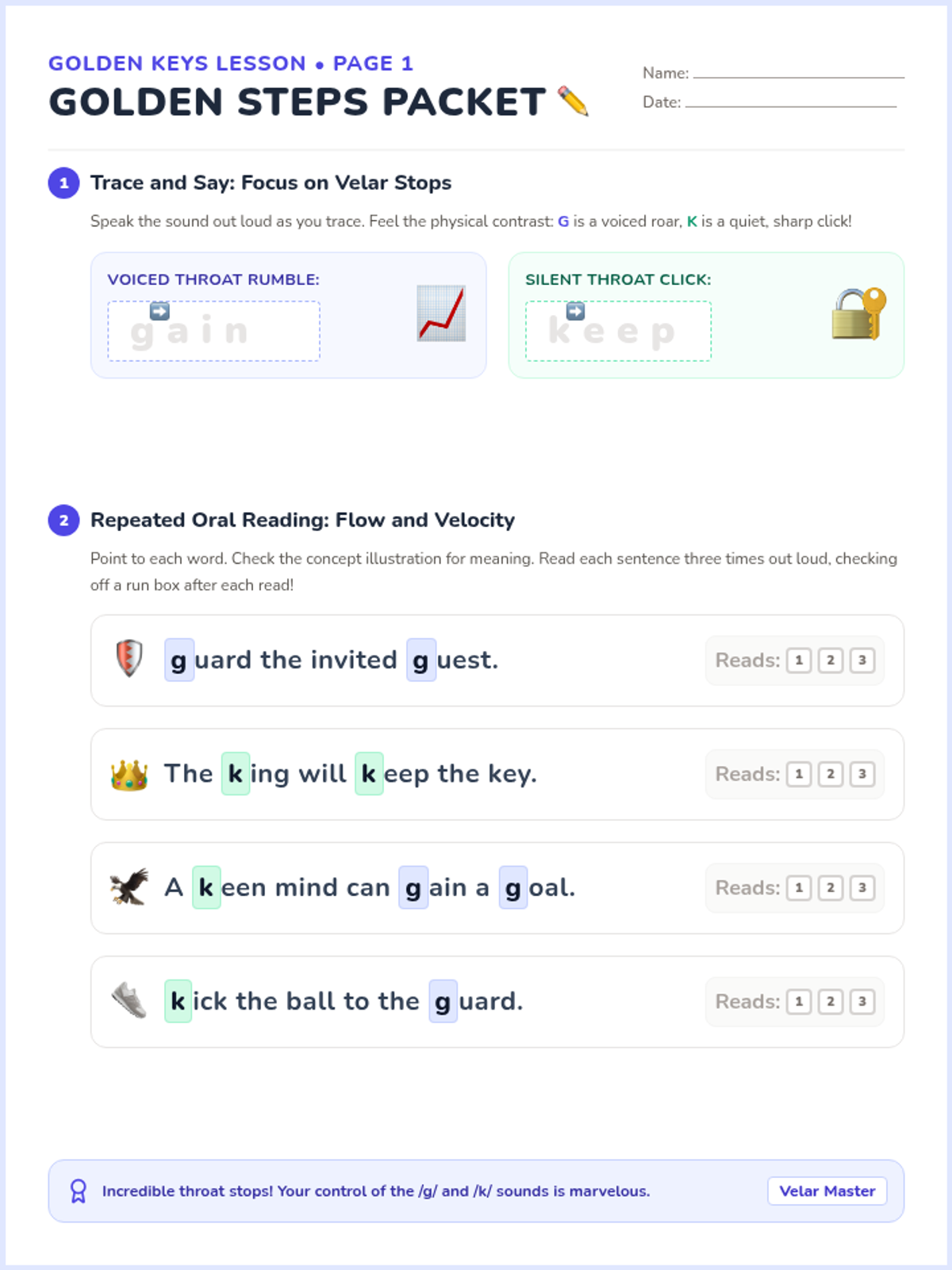
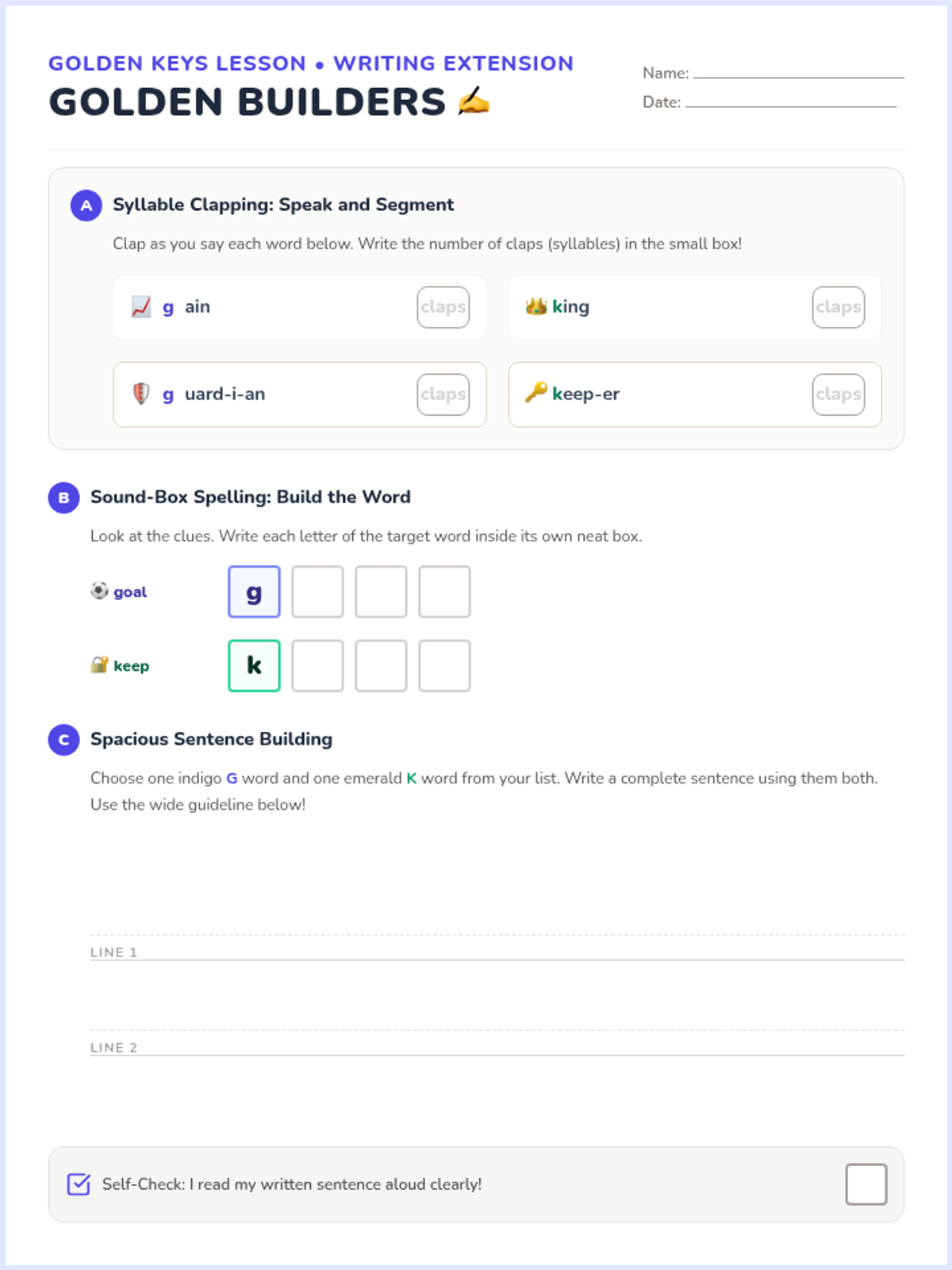
A structured phonics and oral reading lesson contrasting G and K sounds. Features visual voicing indicators, multi-sensory tracing sheets, and high-interest interactive task cards.
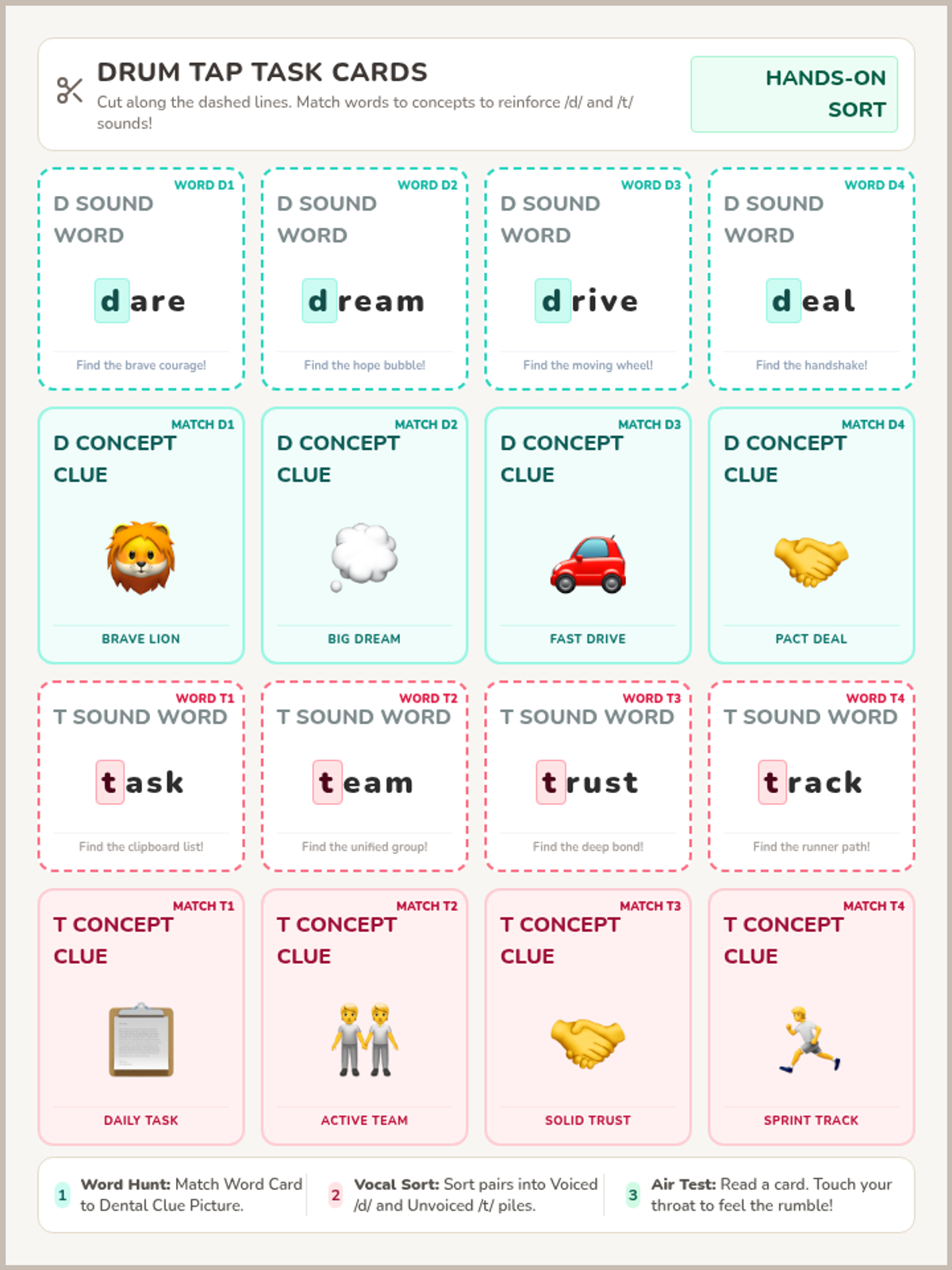
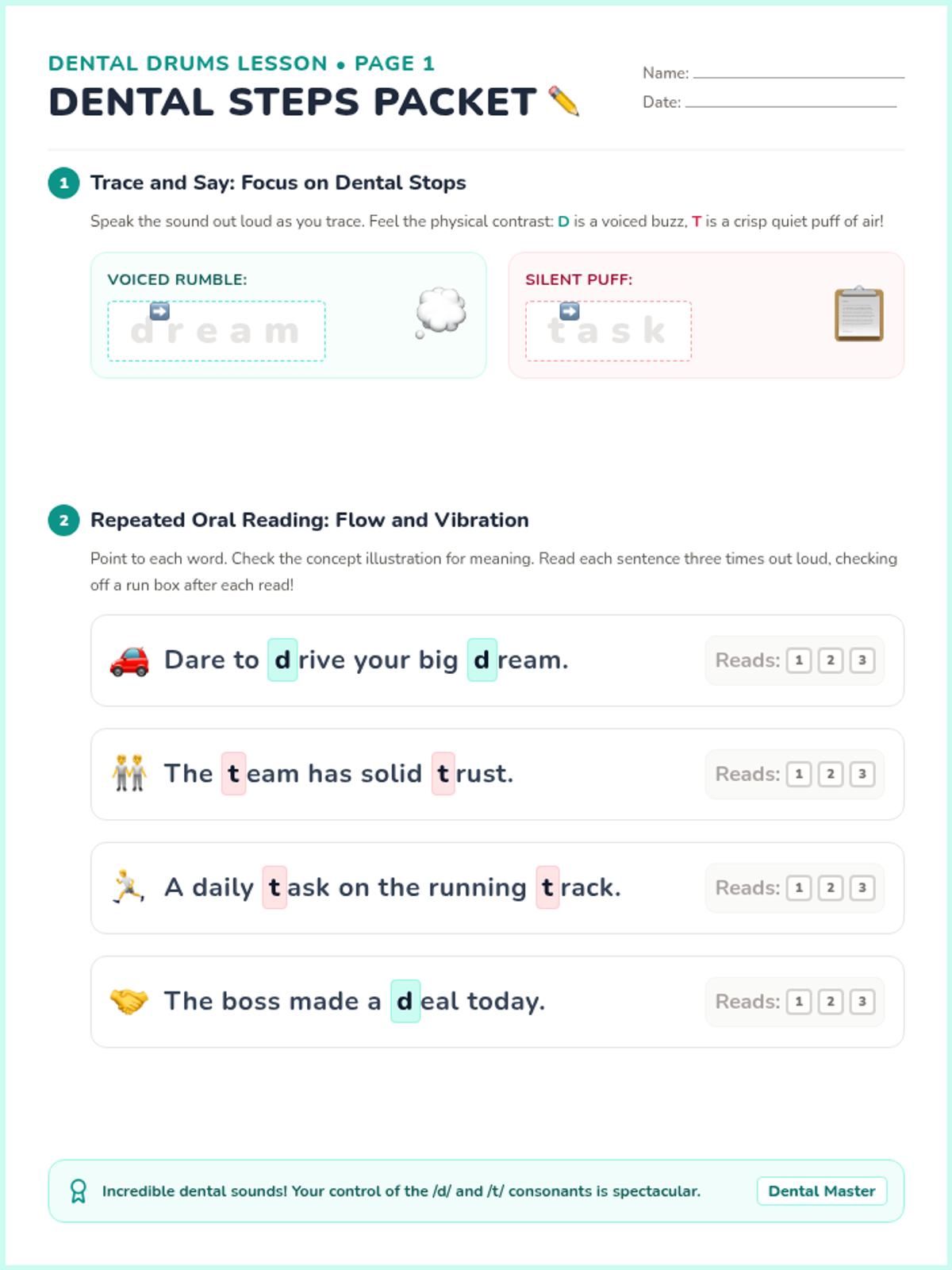
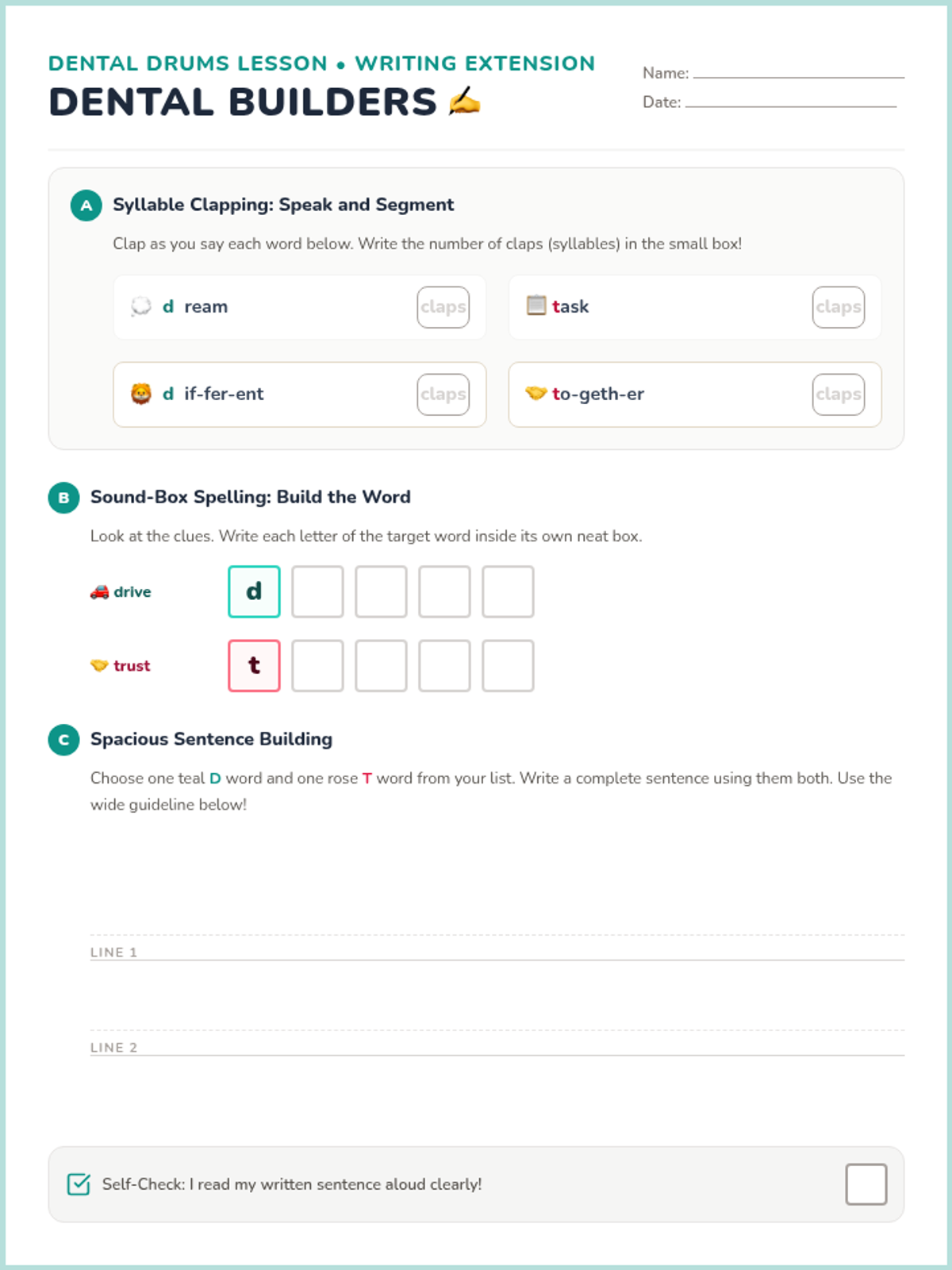
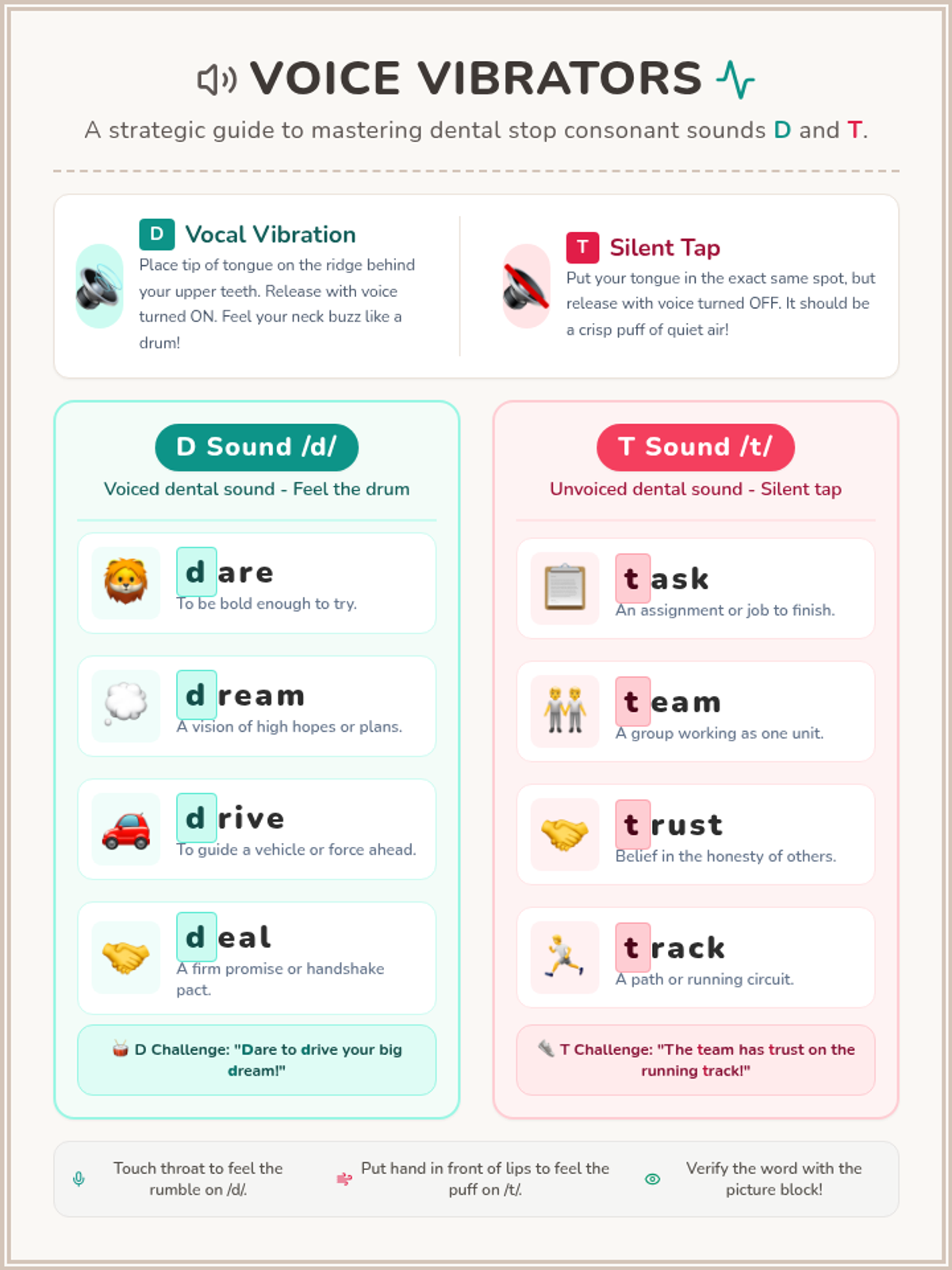
A structured phonics and oral reading lesson contrasting D and T sounds. Features heavy picture scaffolding, voice-vibration indicators, and dyslexia-friendly physical activity resources.
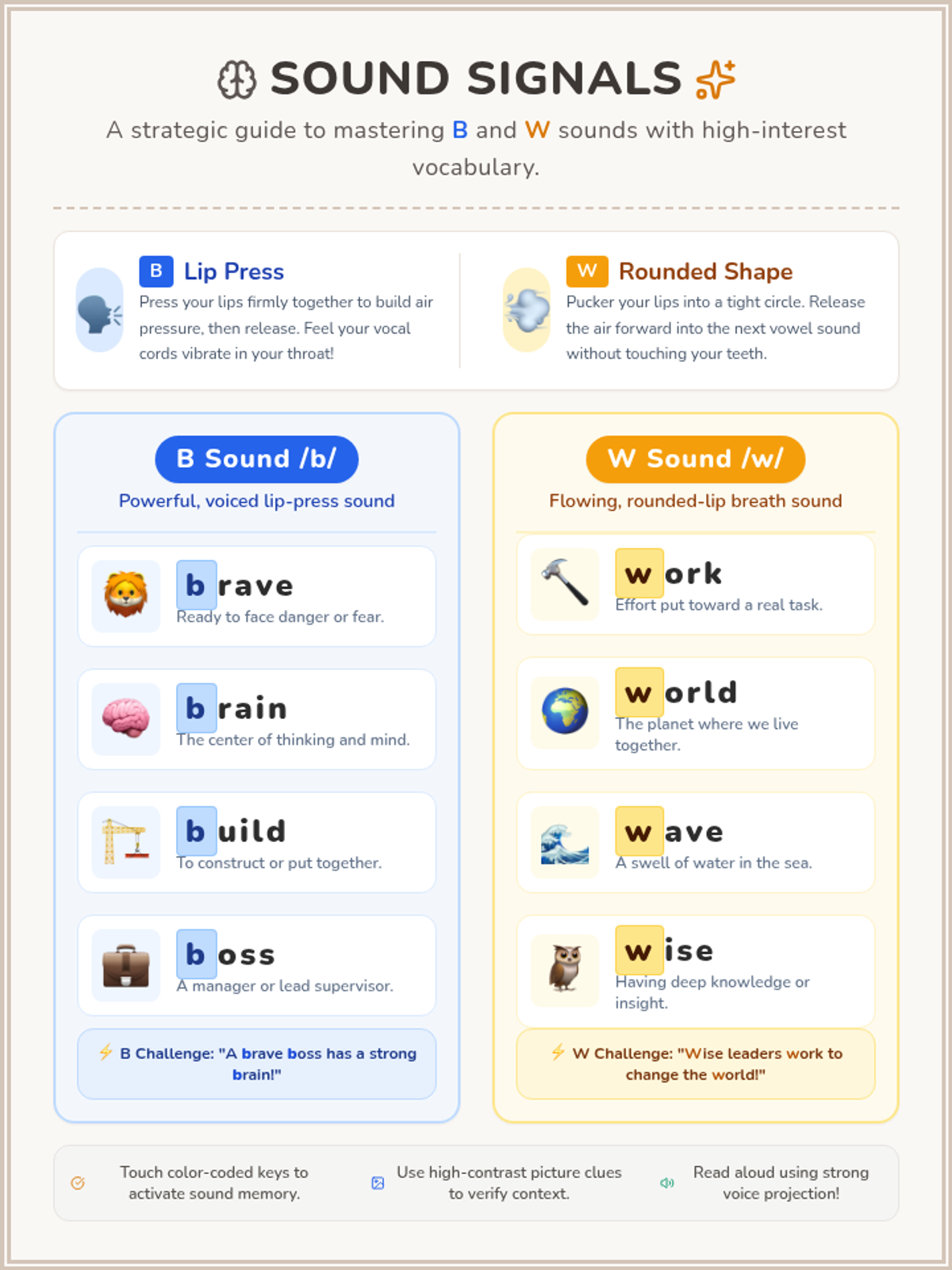
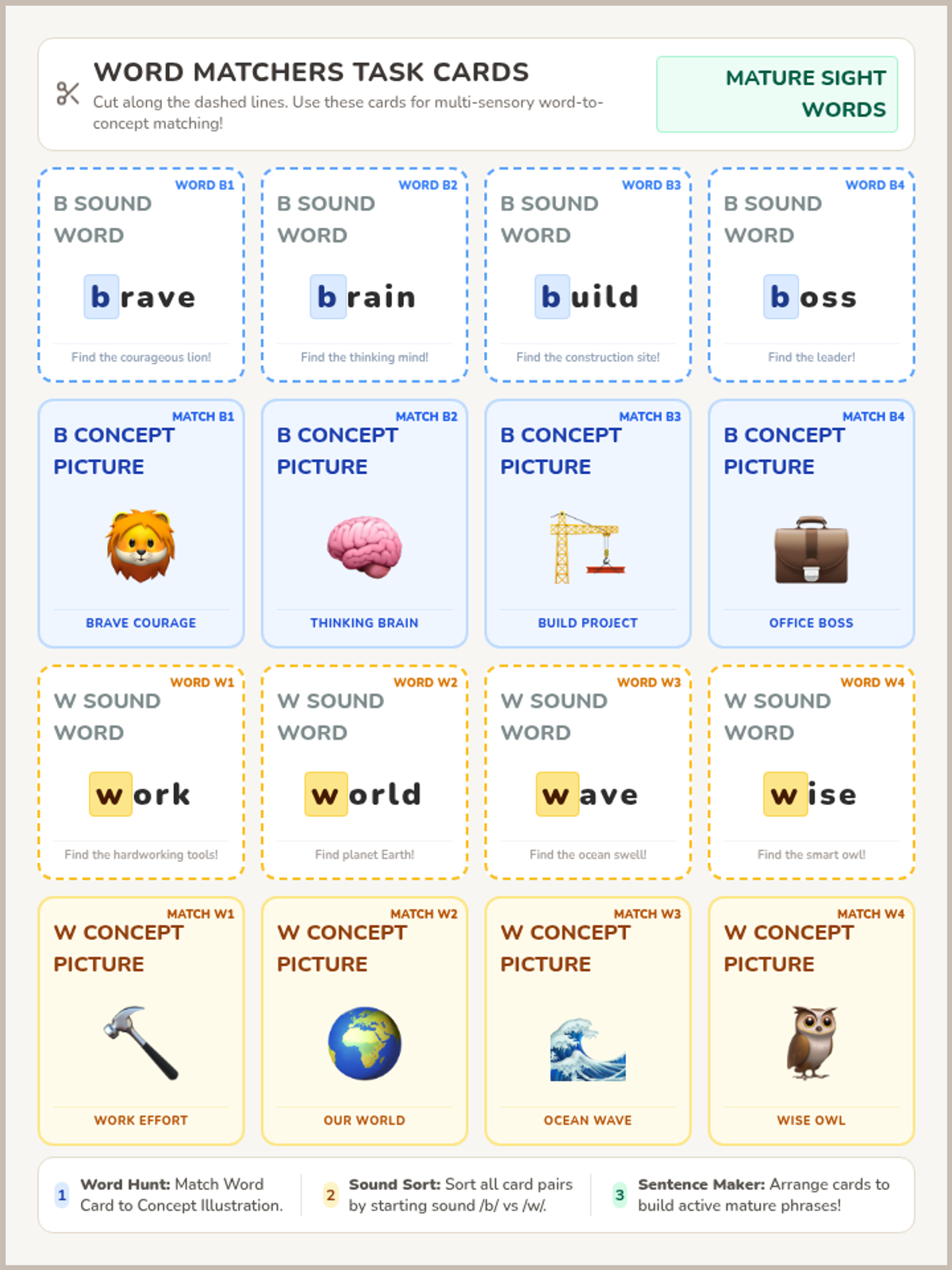
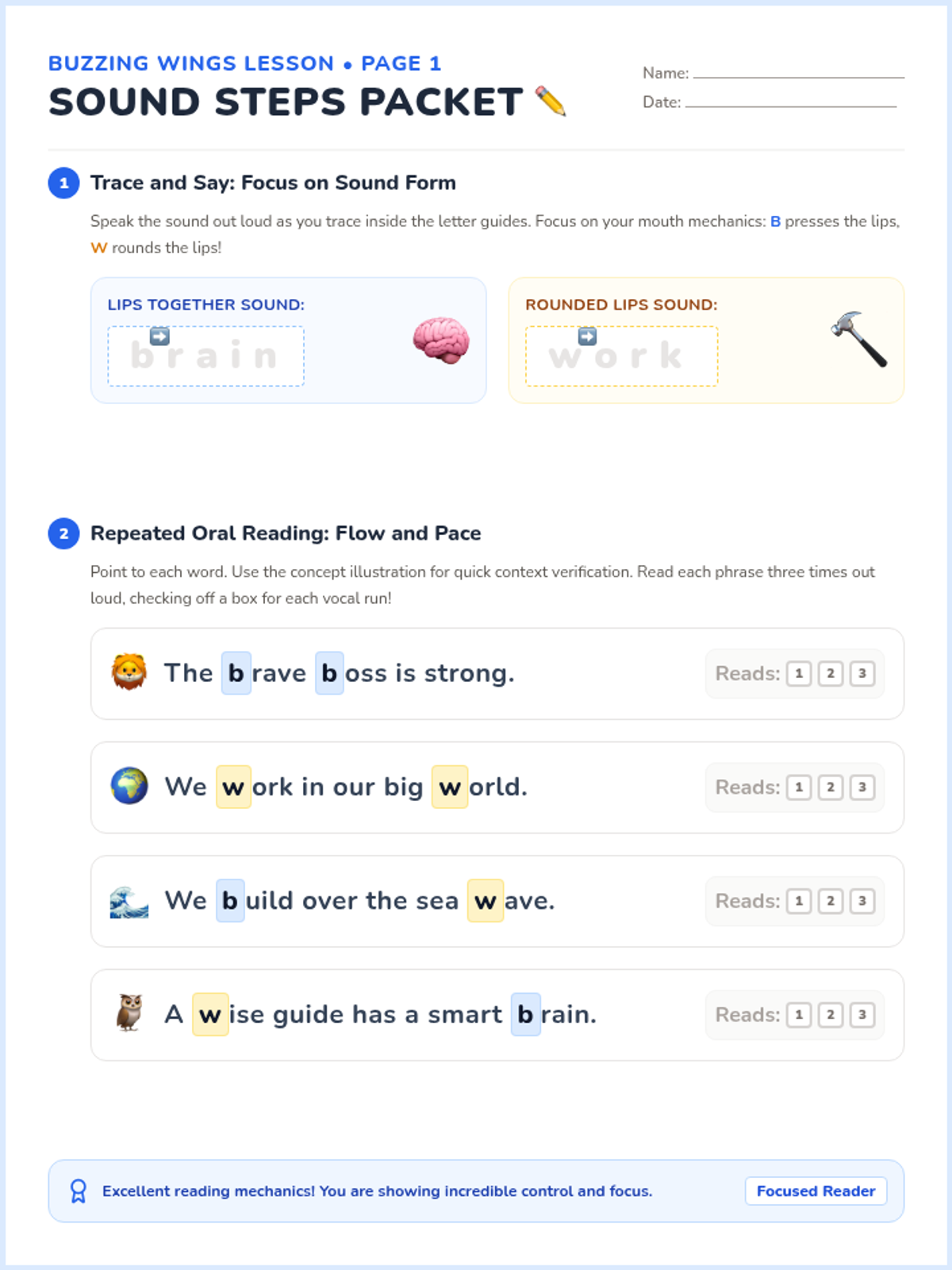
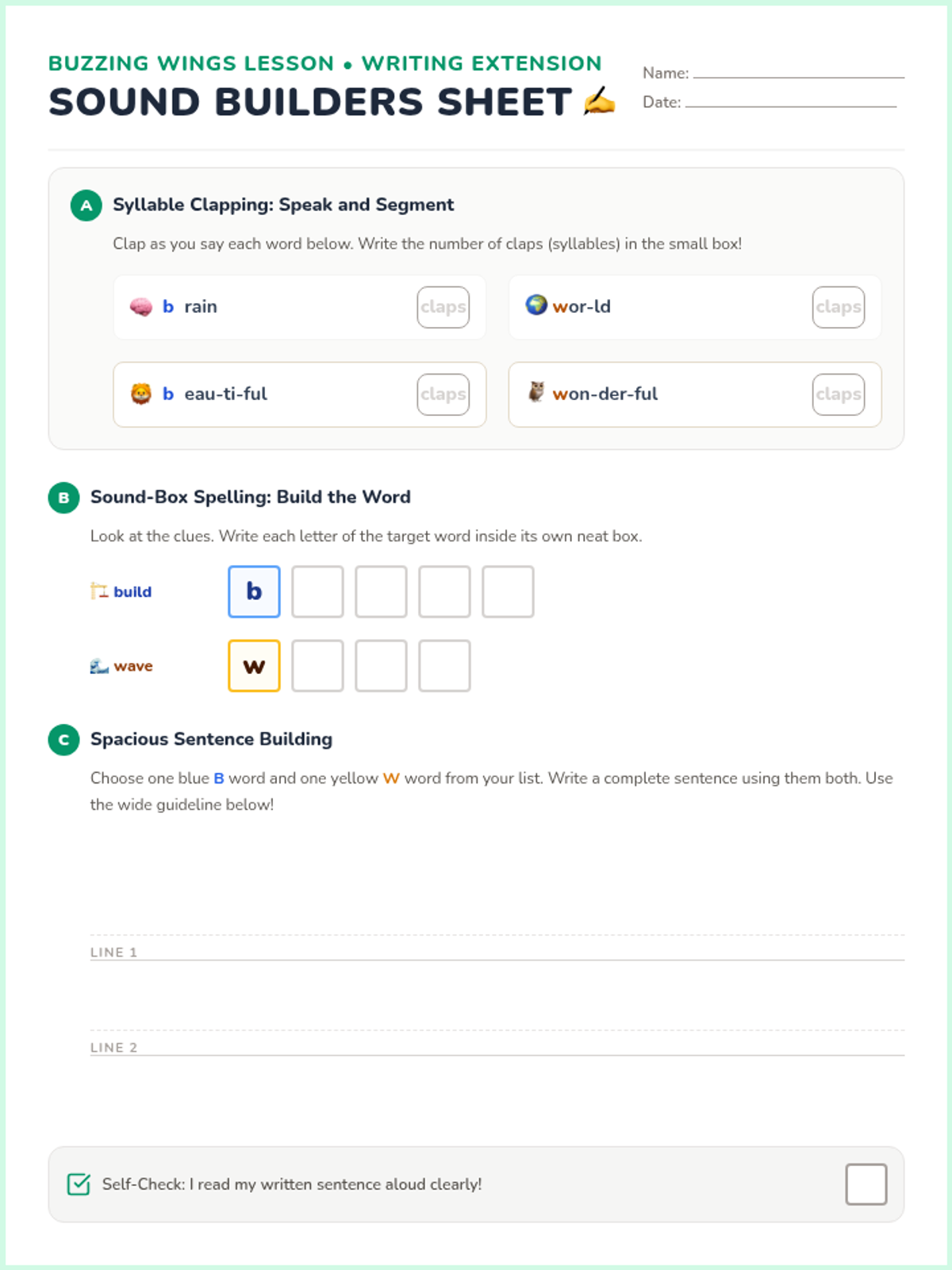
An hour-long structured reading lesson focusing on B and W letter-sound association and common sight words. Designed with dyslexia-friendly spacing, color-coded highlights, and picture scaffolding to support struggling oral readers.
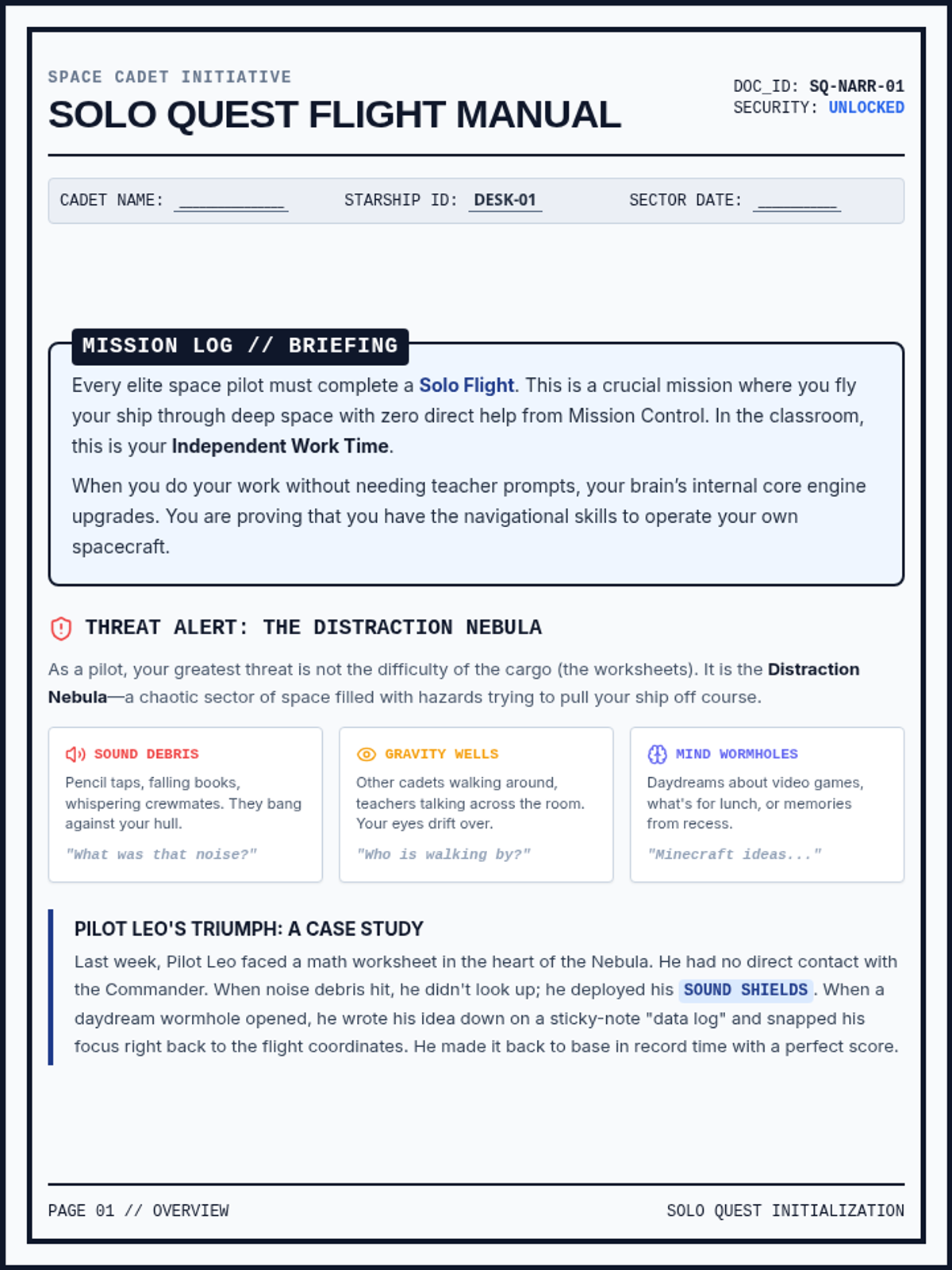
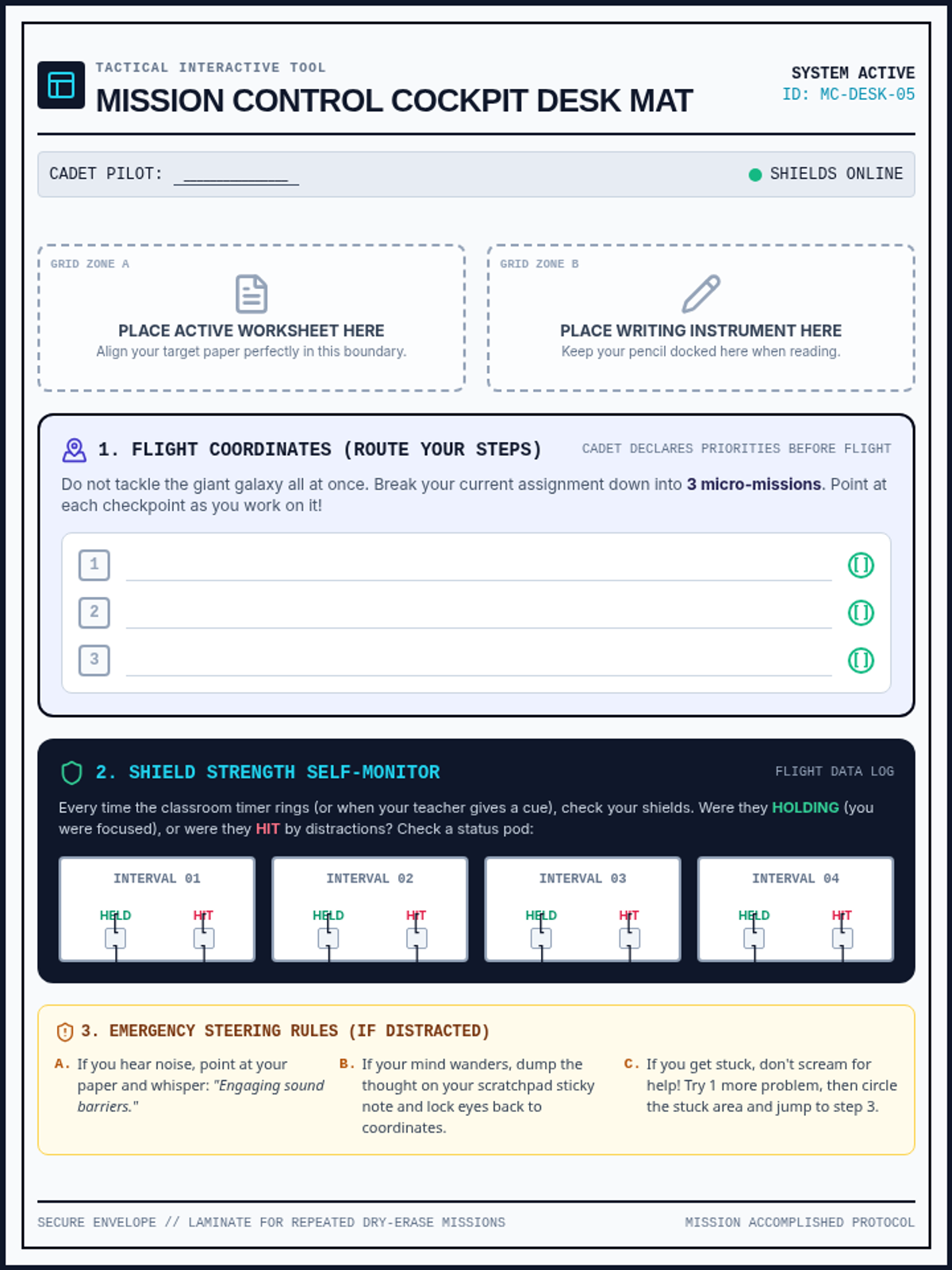
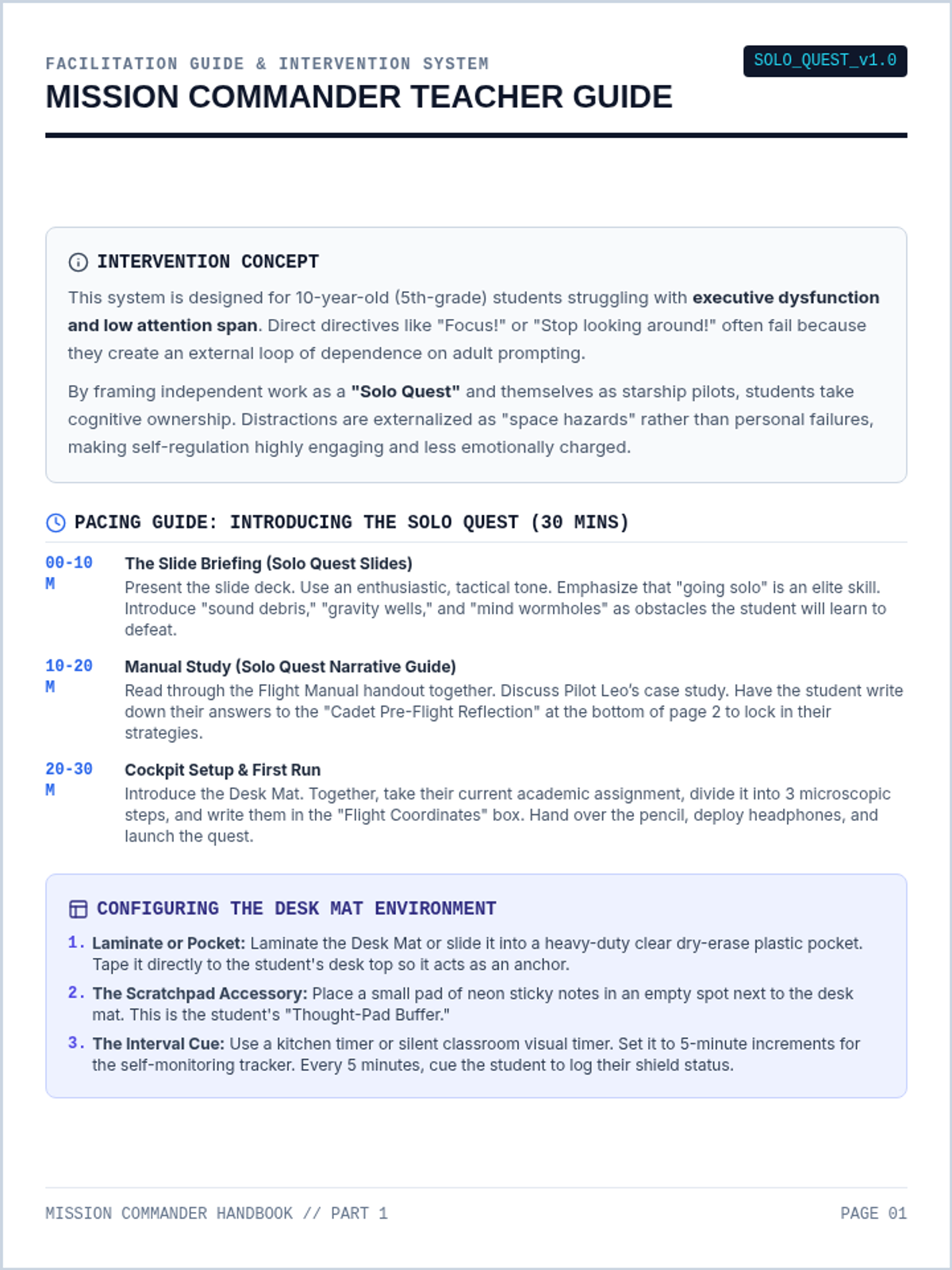
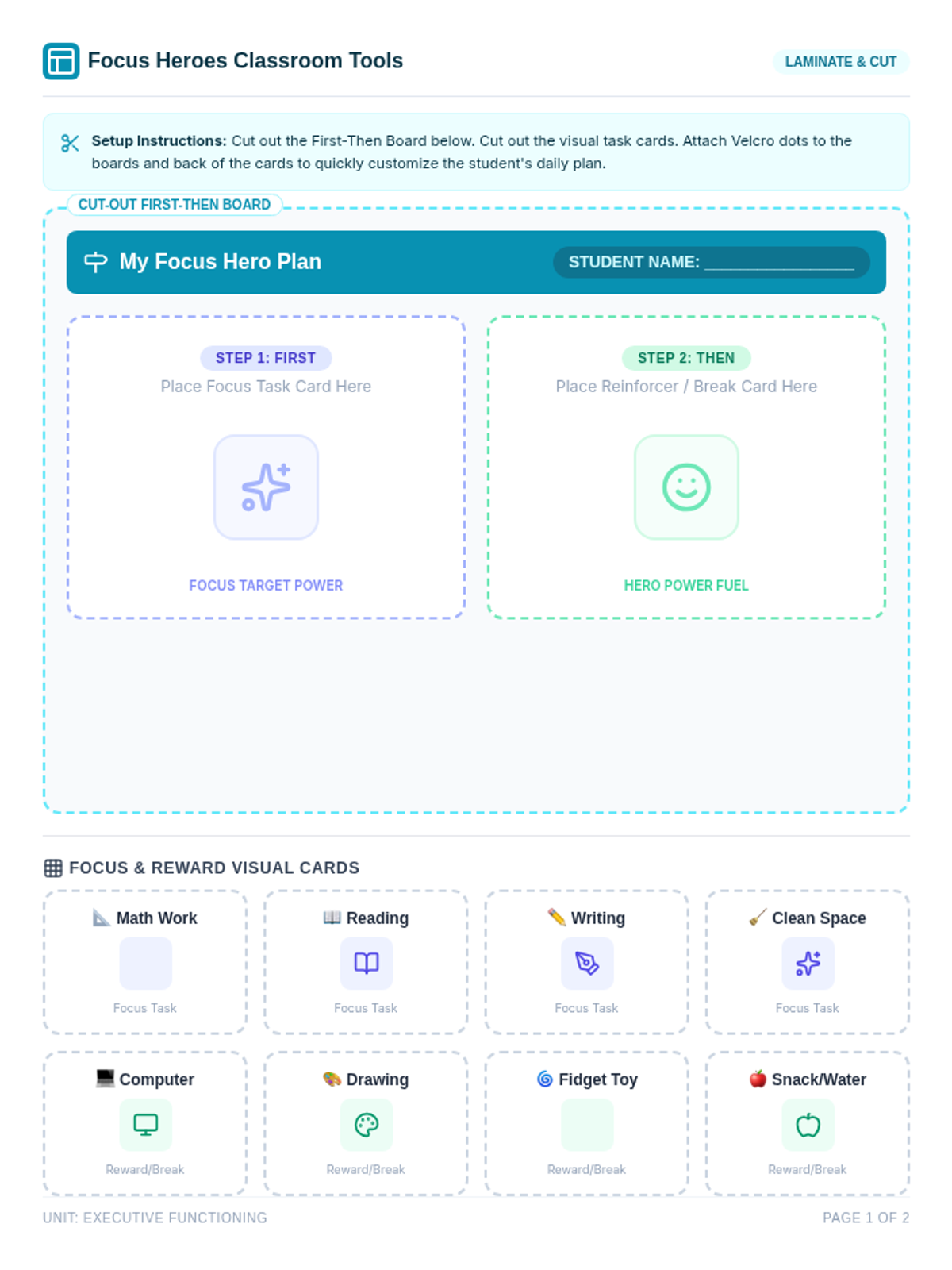
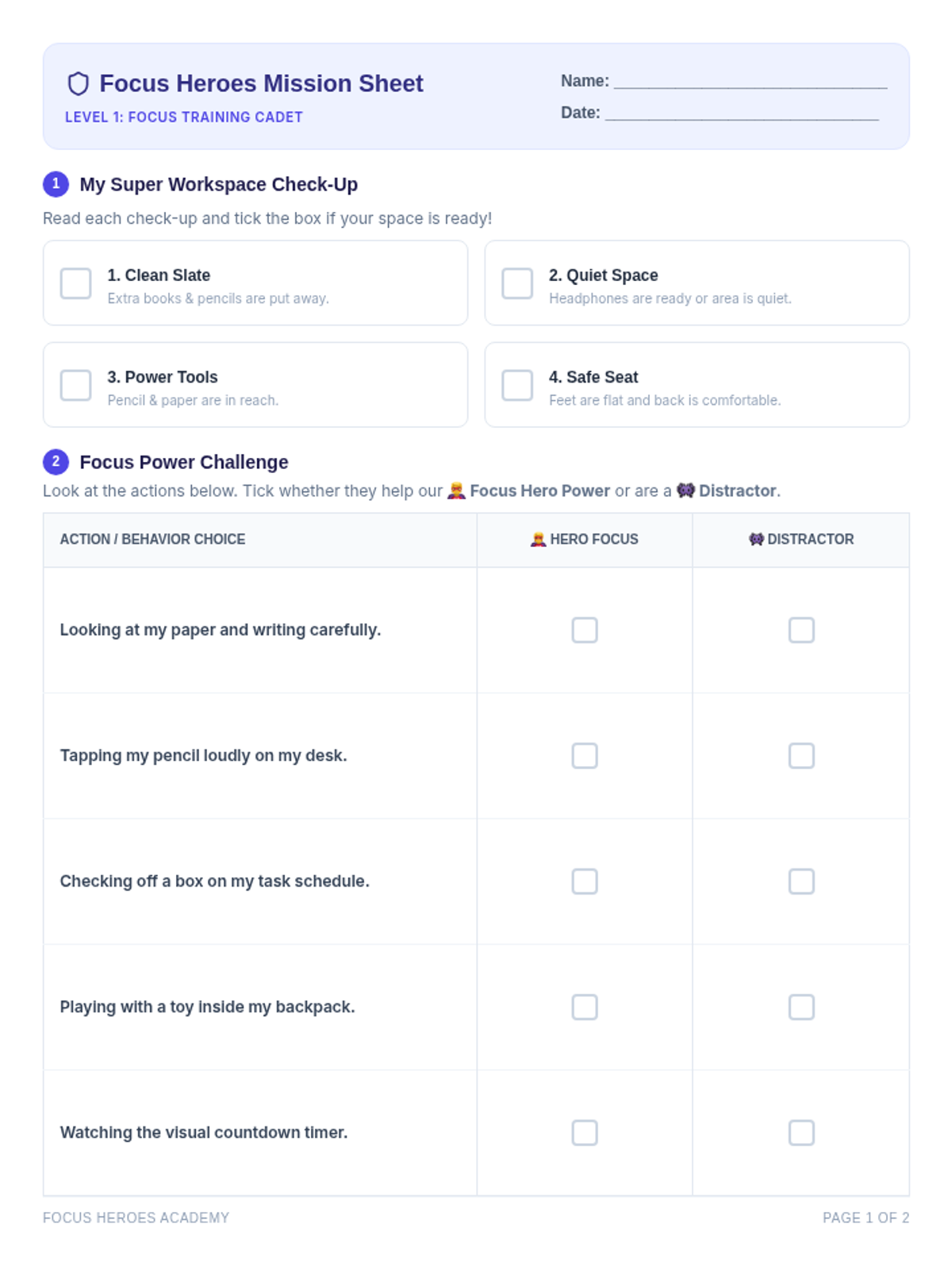
An executive functioning and focus intervention lesson designed to help students build independence during independent work. Framed as a tactical 'solo mission', the lesson guides students through managing distractions and planning tasks with low adult prompting.
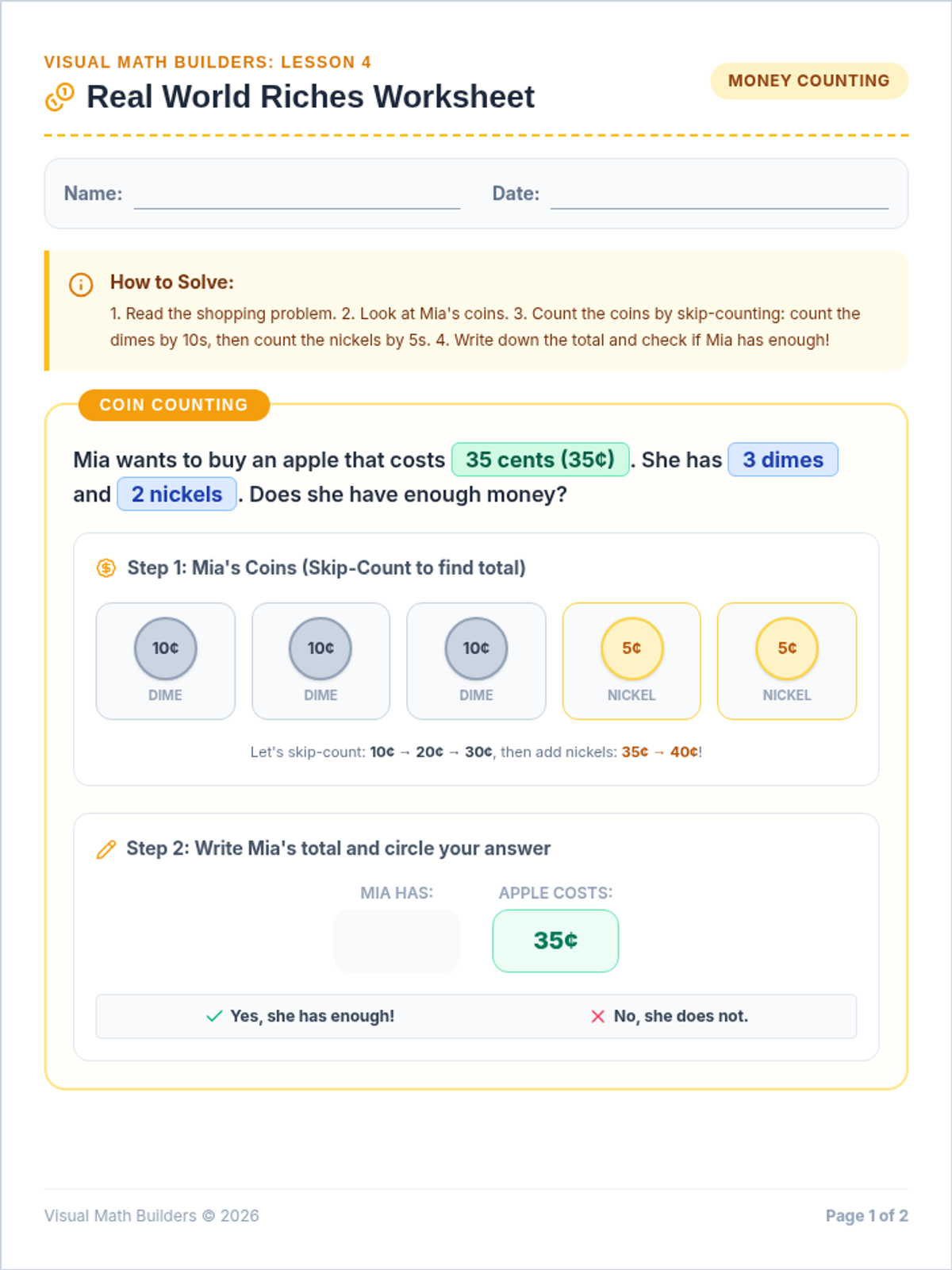
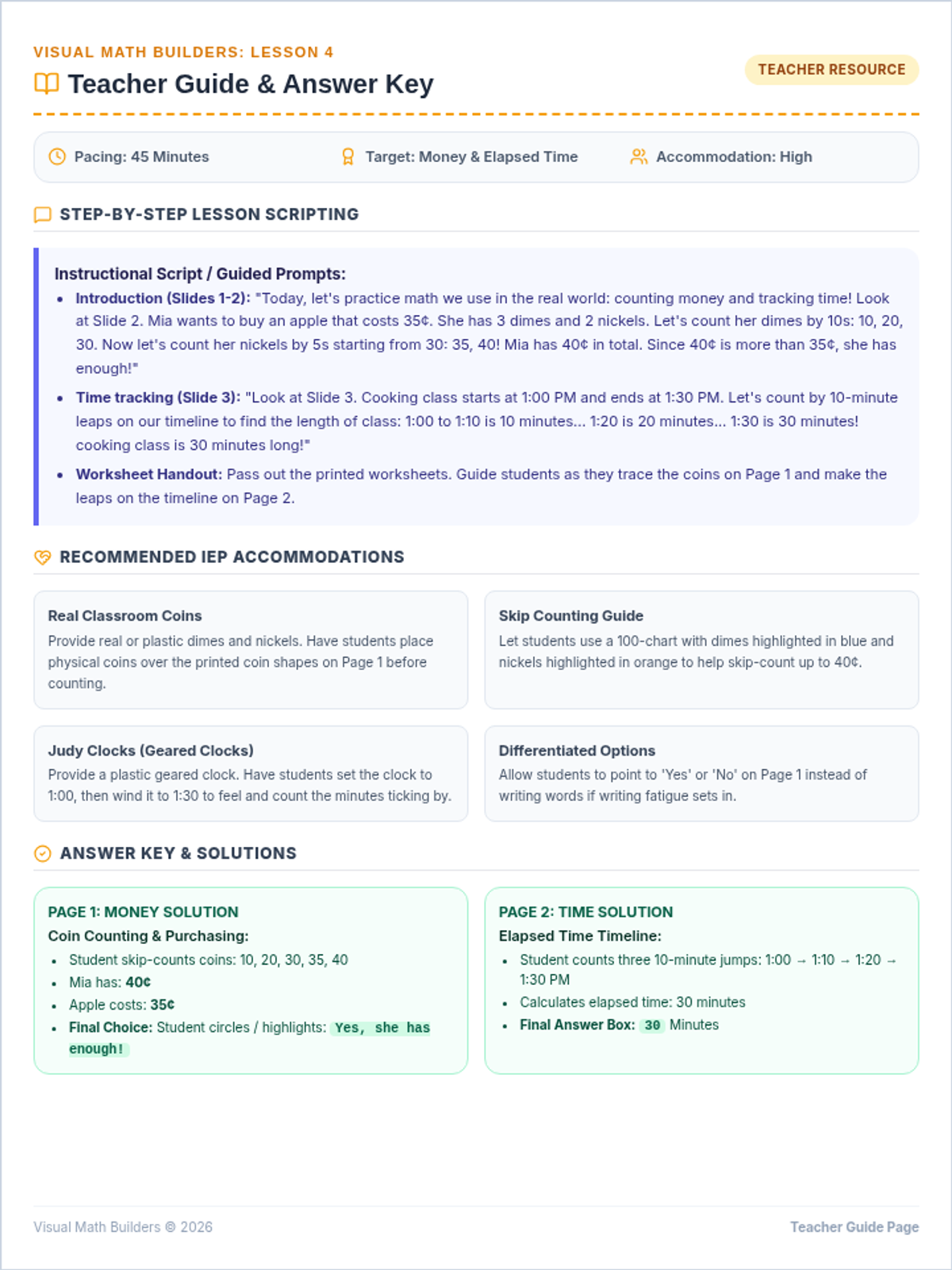
Targets practical, real-world application of math with highly visual scaffolding for coin counting, purchasing decisions, and elapsed time scenarios.
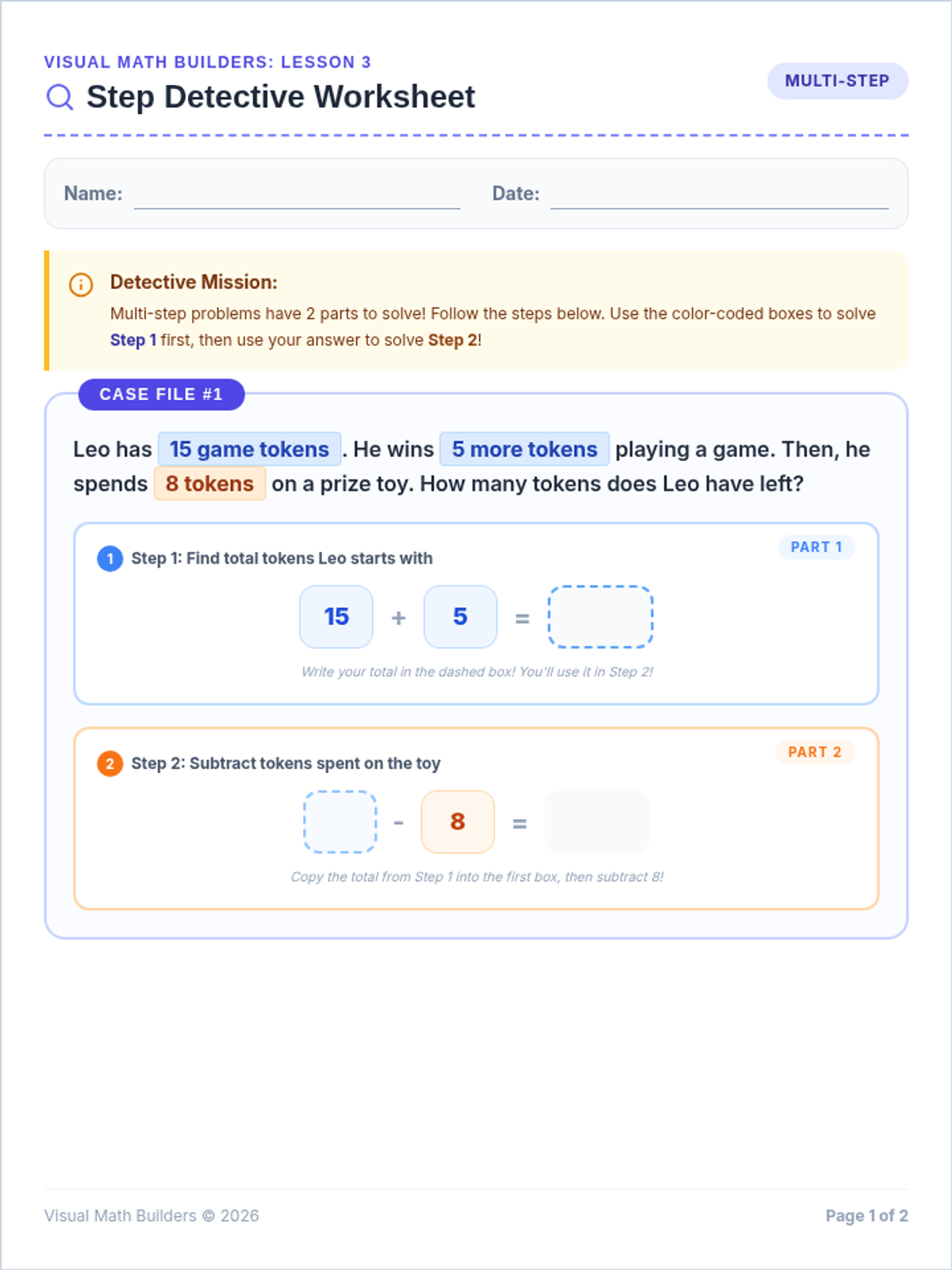
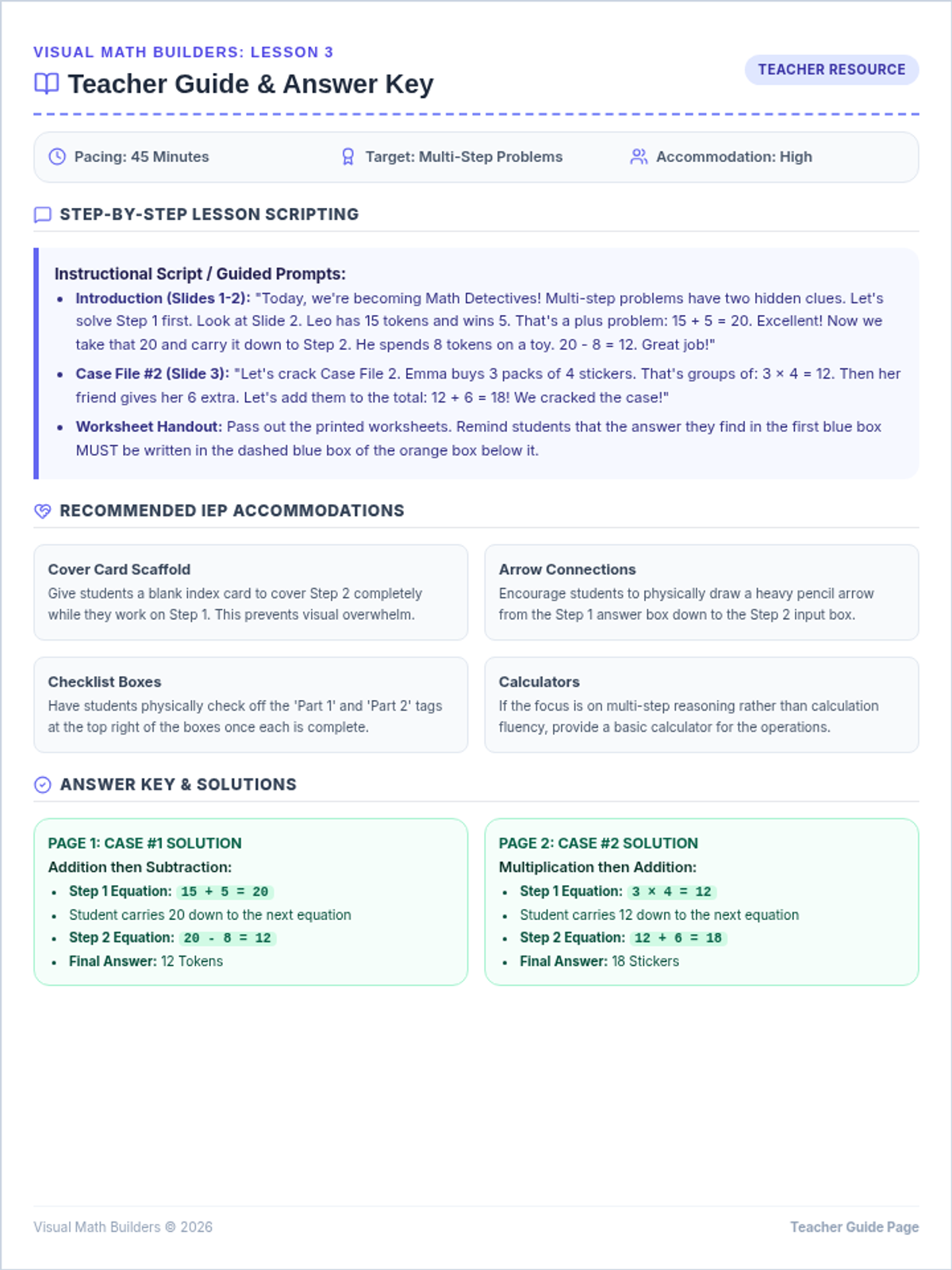
Breaks down multi-step math word problems into bite-sized, color-coded, sequentially numbered parts, helping students systematically parse and solve equations without visual overload.
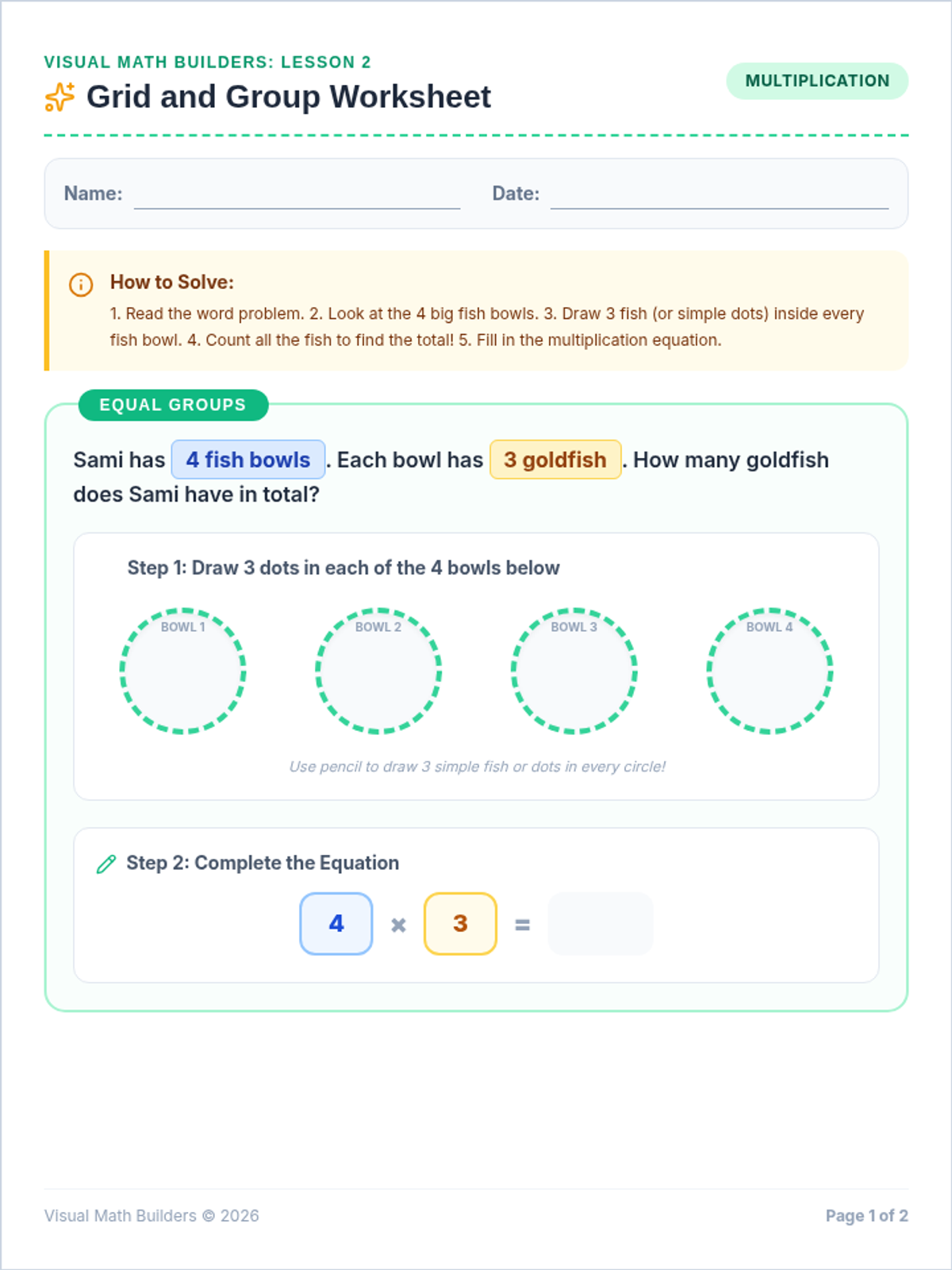
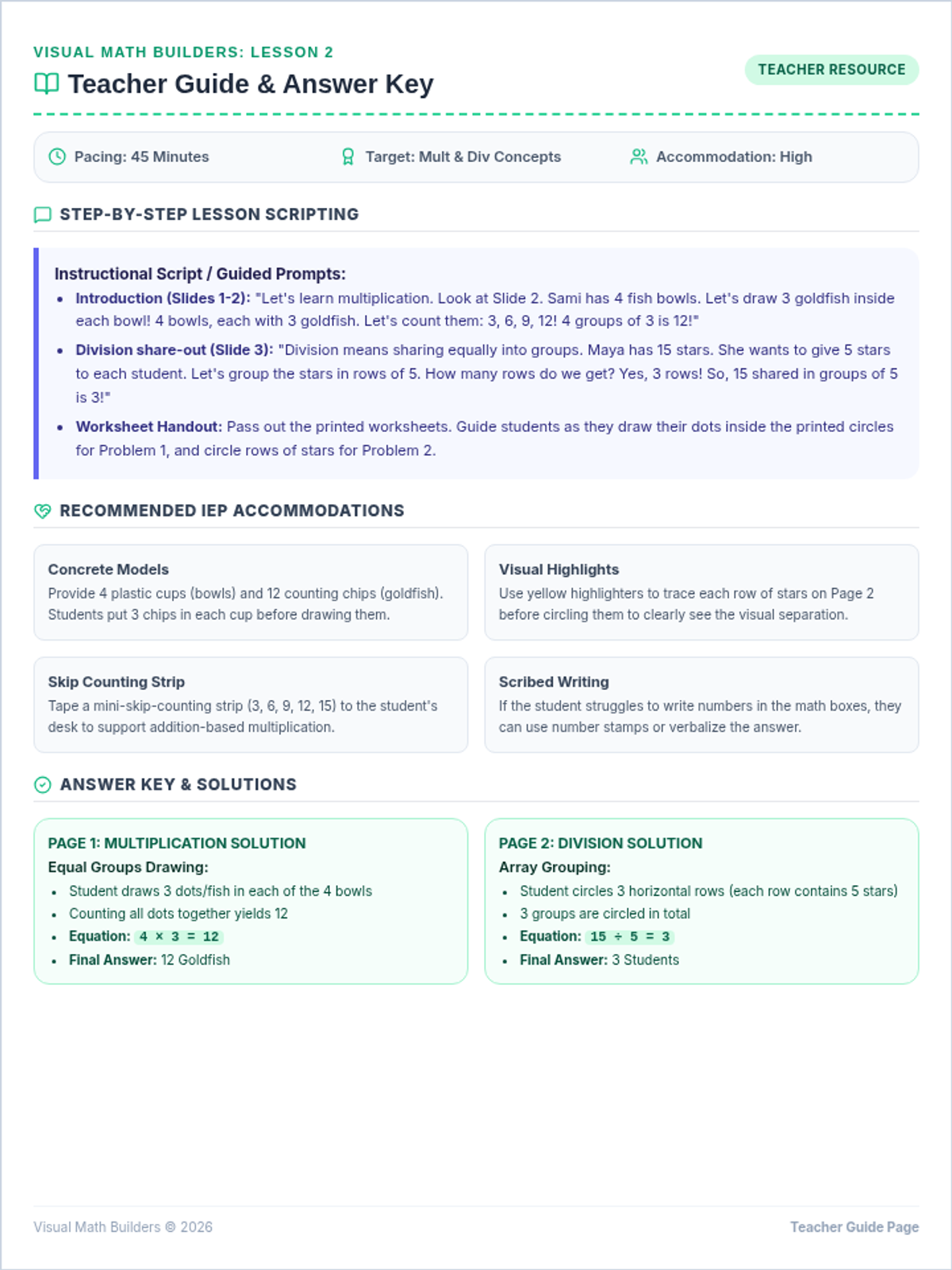
Covers multiplication and division word problems utilizing visual aids such as equal group drawings, array grids, and visual modeling templates to scaffold core concepts.
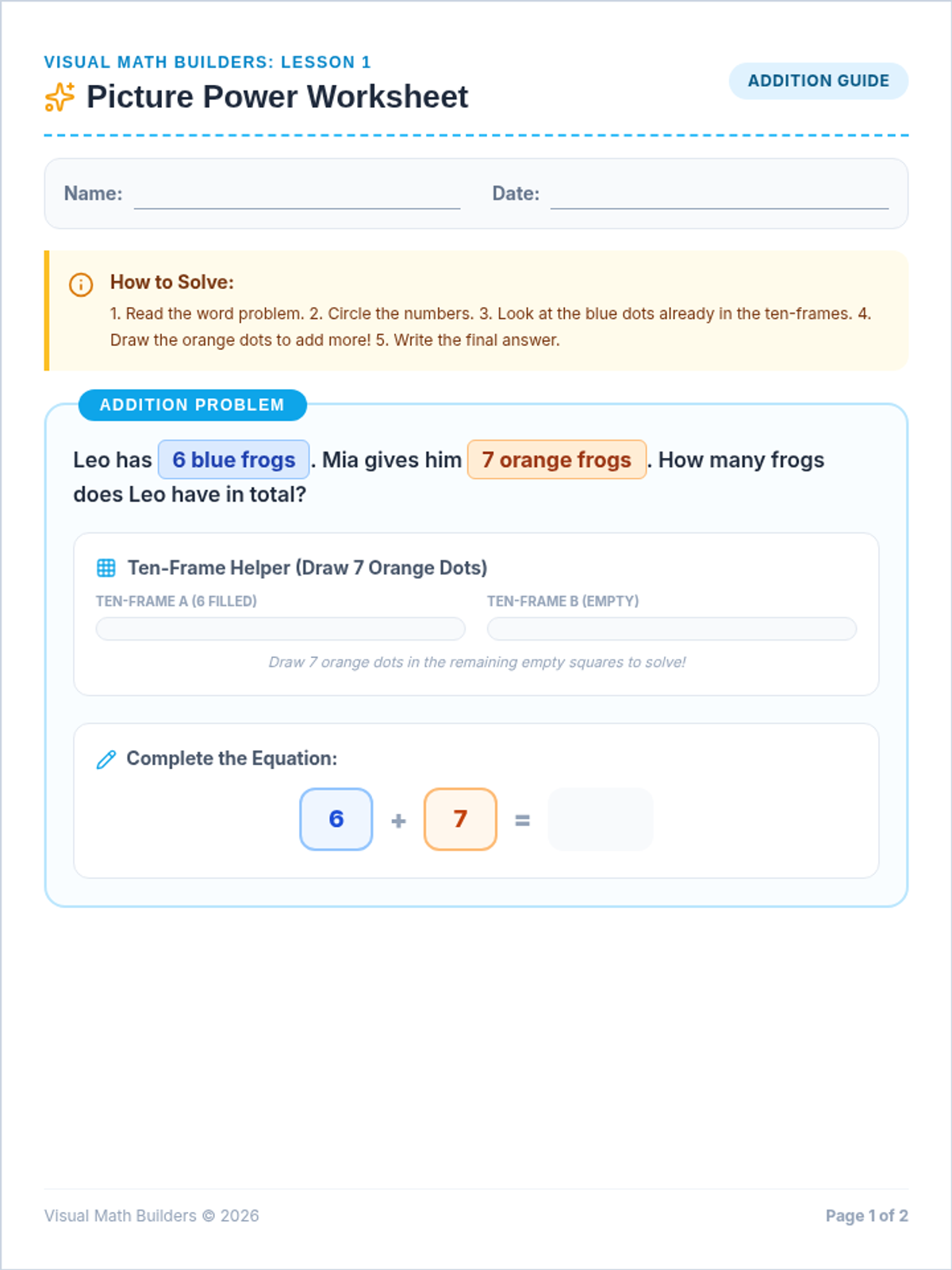
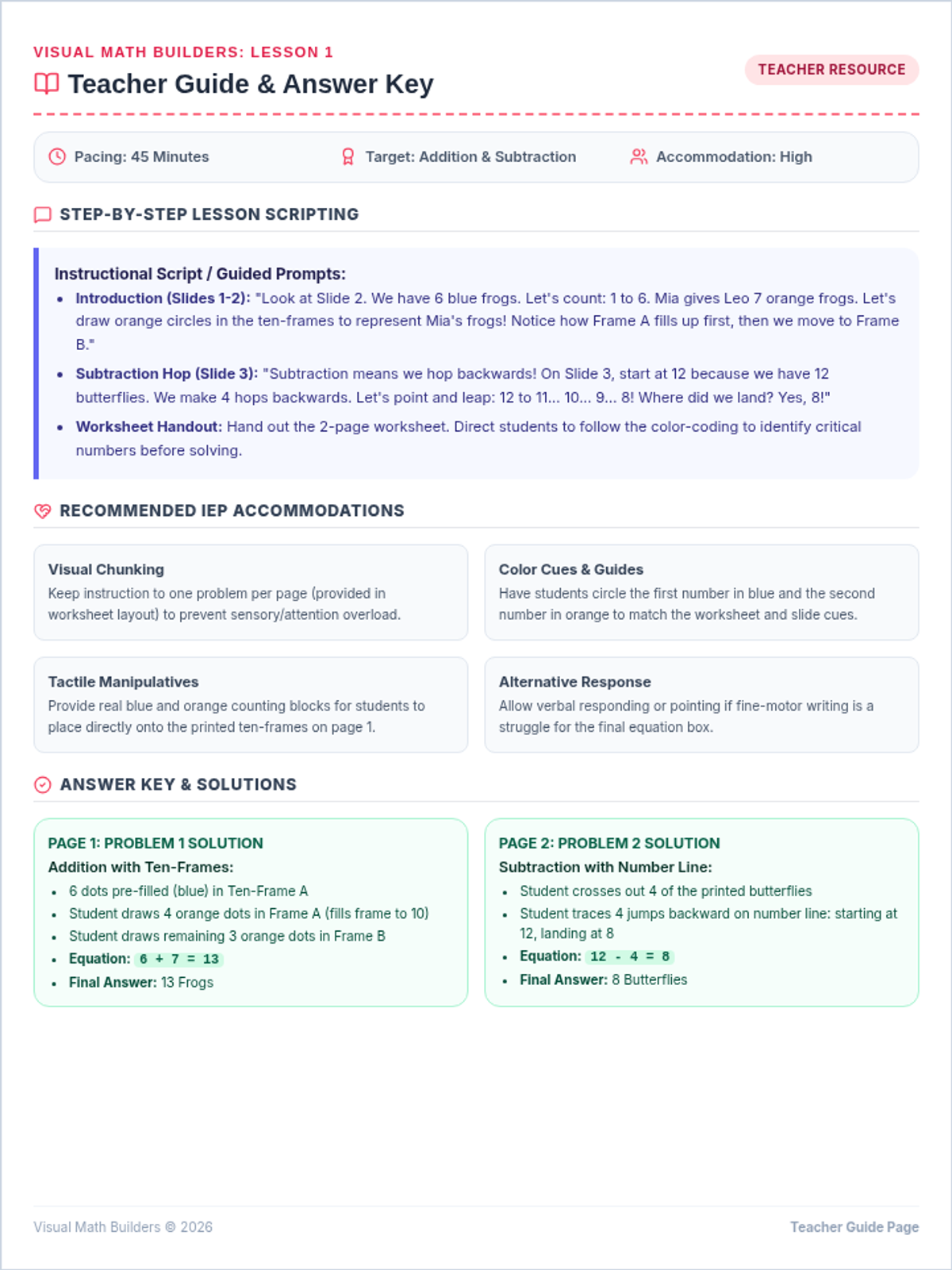
Focuses on addition and subtraction word problems with visual aids including built-in picture representations, ten-frames, and number lines to support student conceptual understanding.
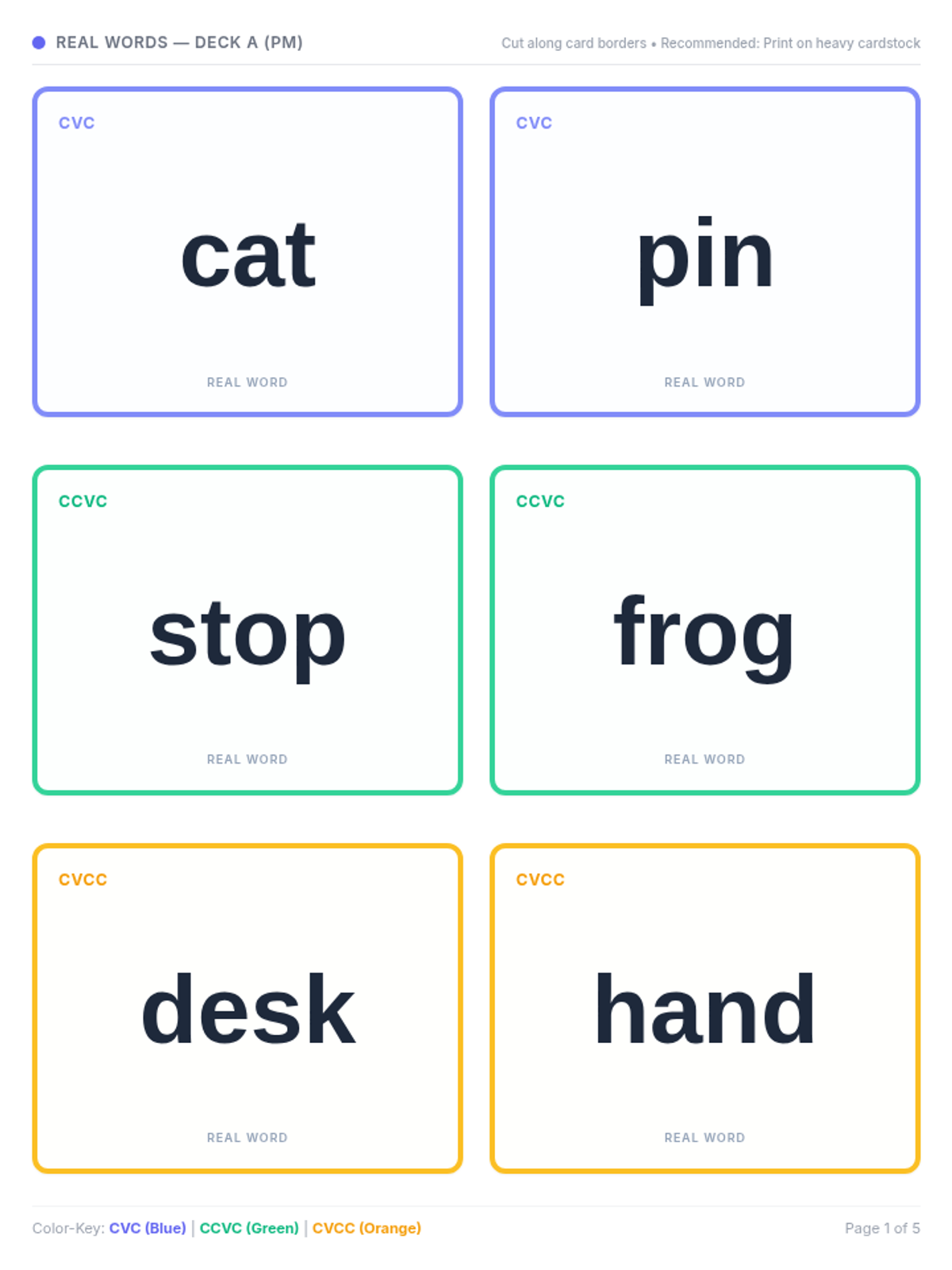
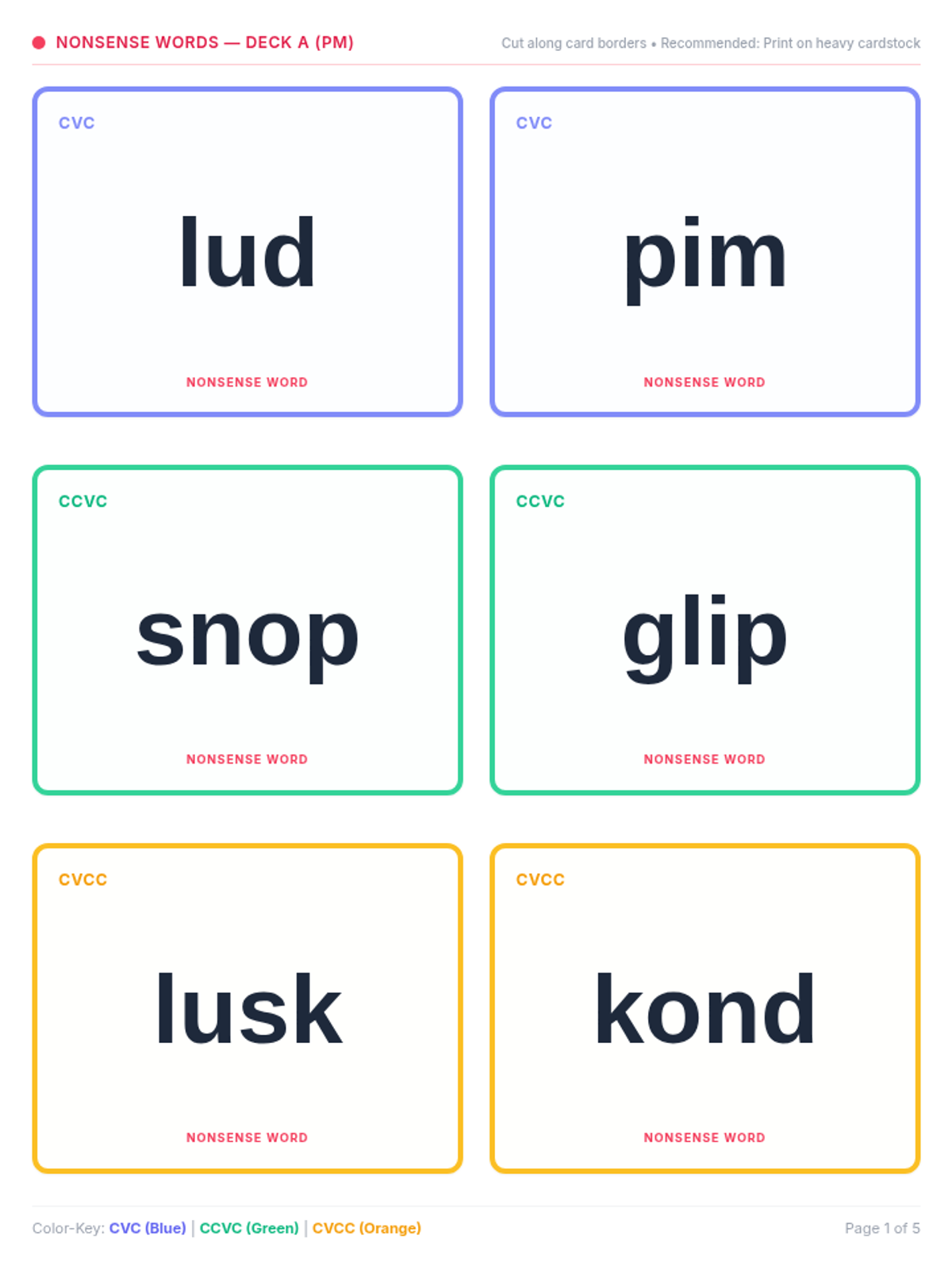
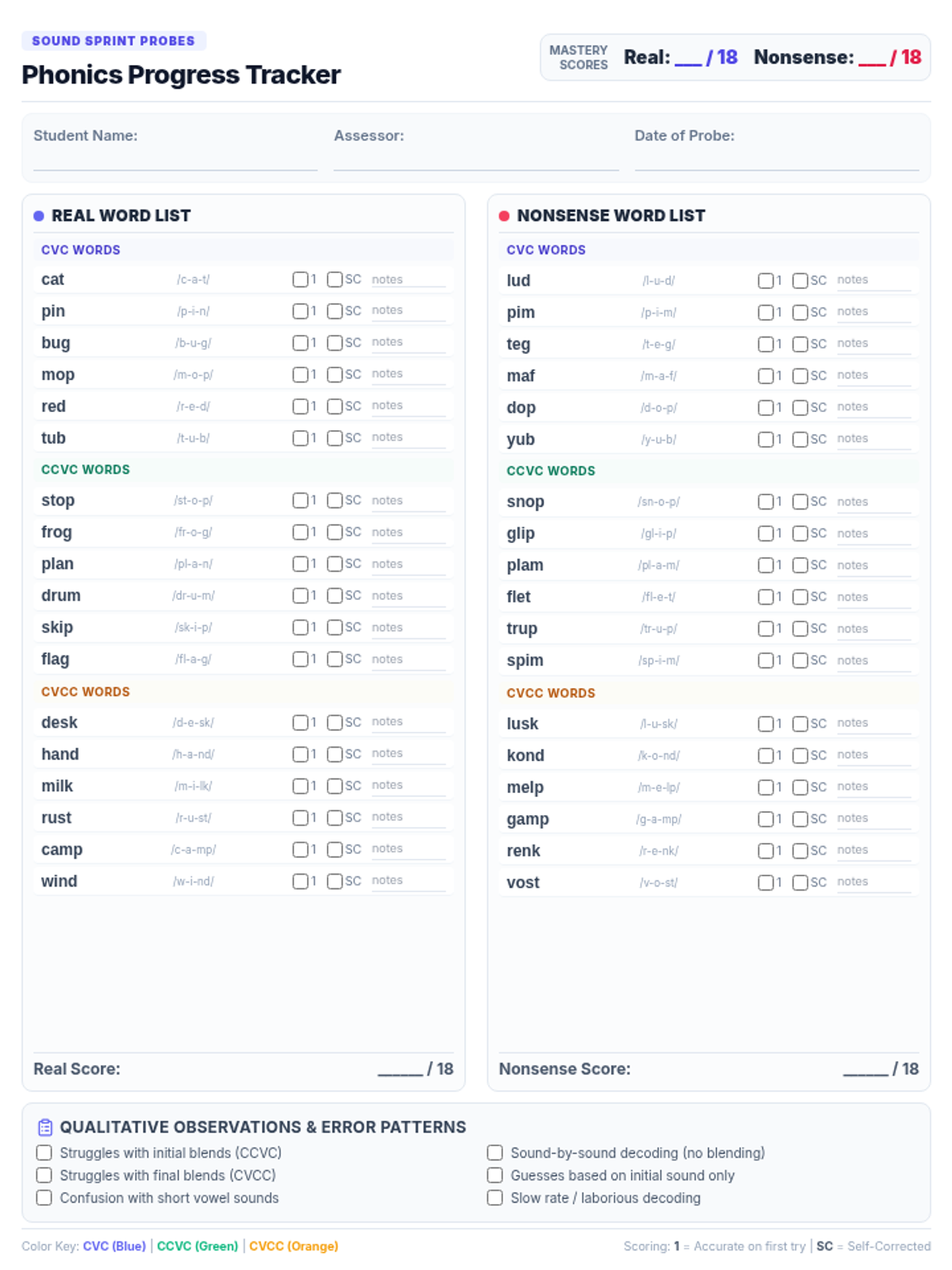
A suite of print-ready progress monitoring flashcards and tracking sheets designed for resource educators to measure decoding progress. Includes color-coded flashcards for real and nonsense CVC, CCVC, and CVCC words, plus an educator assessment tracker.
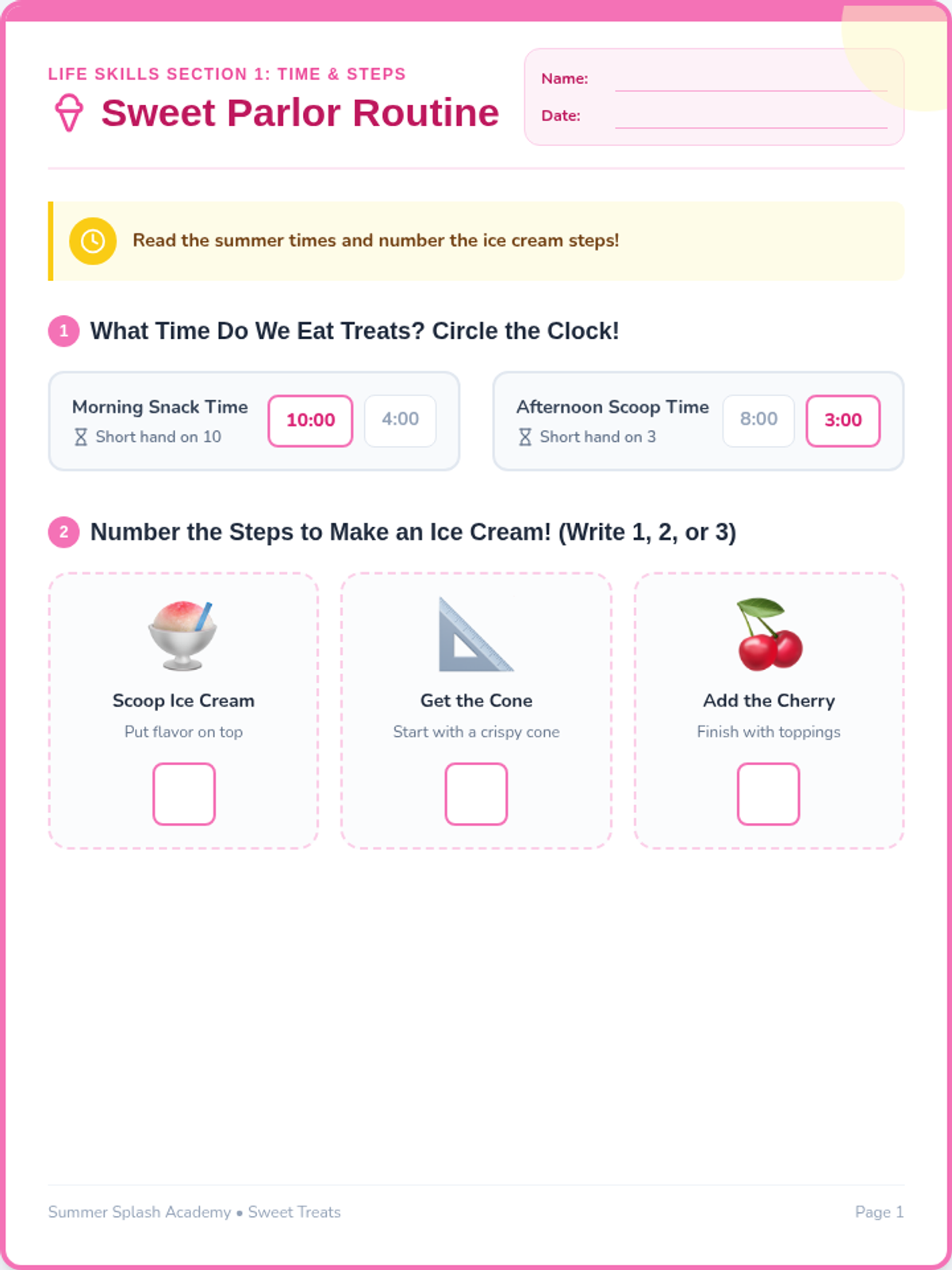
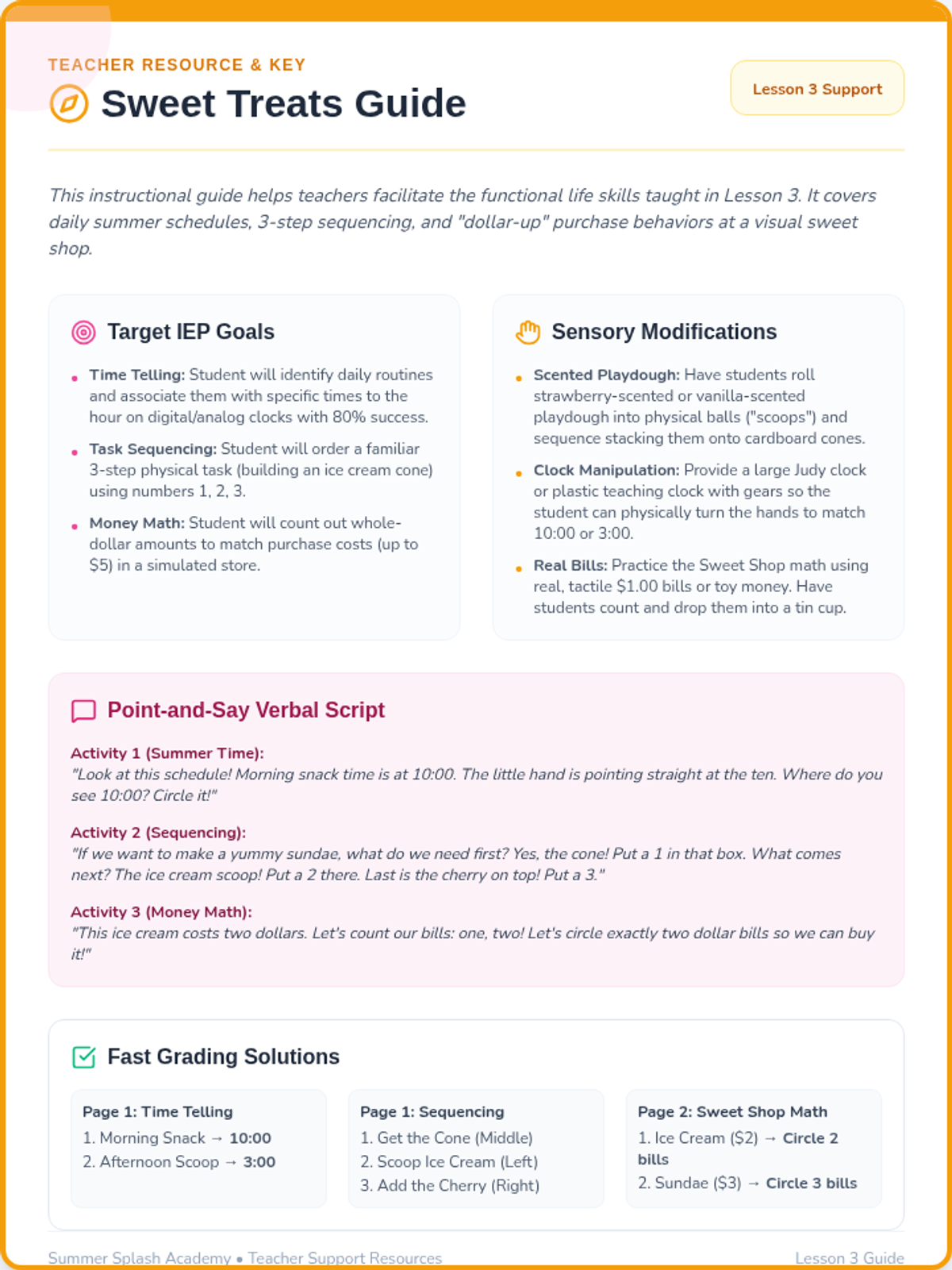
Develops functional basic life skills using ice cream themes. Students learn daily summer routines, practice telling time, complete an ice cream sequencing activity, and practice basic money math at a visual ice cream parlor.
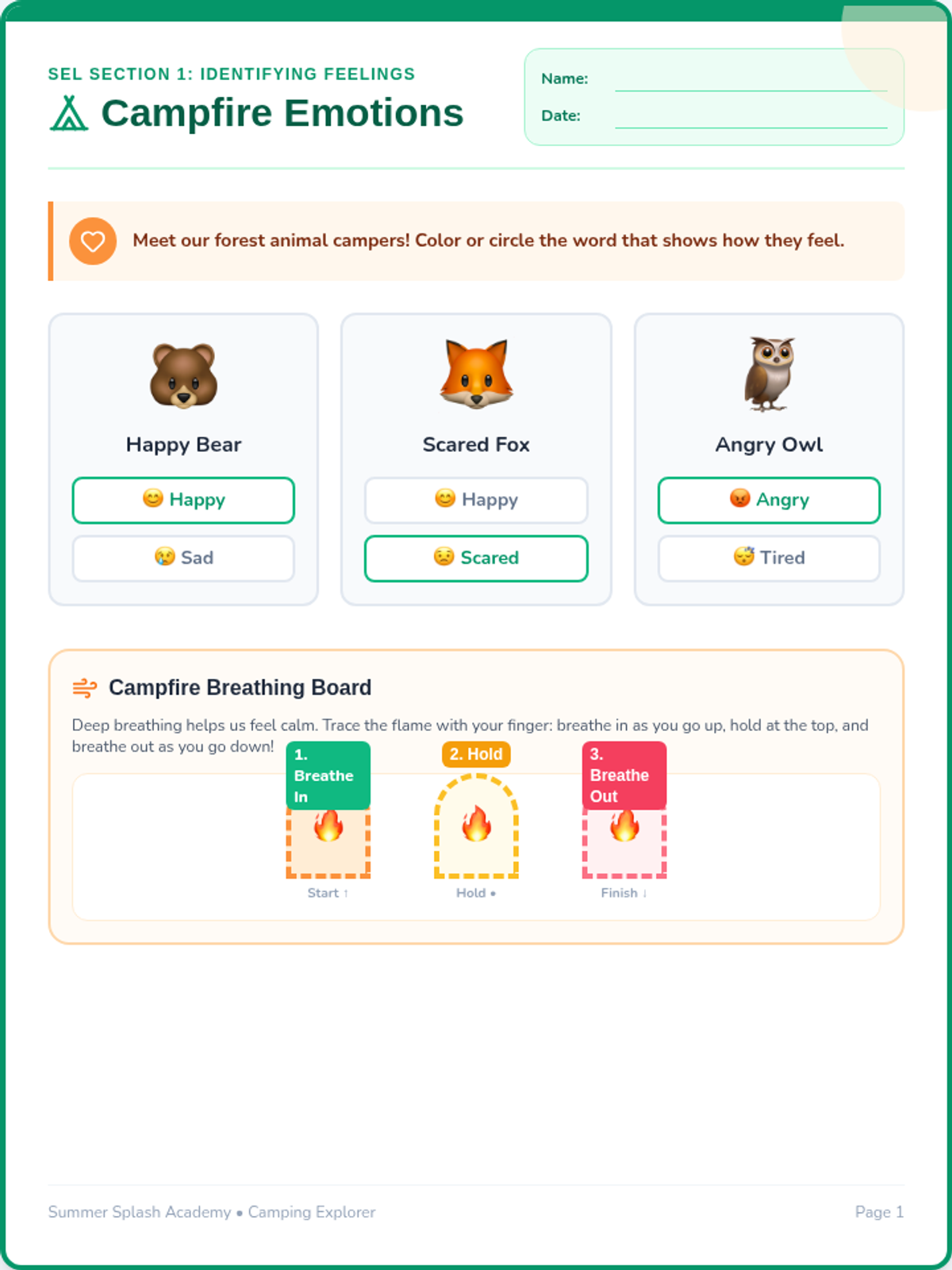
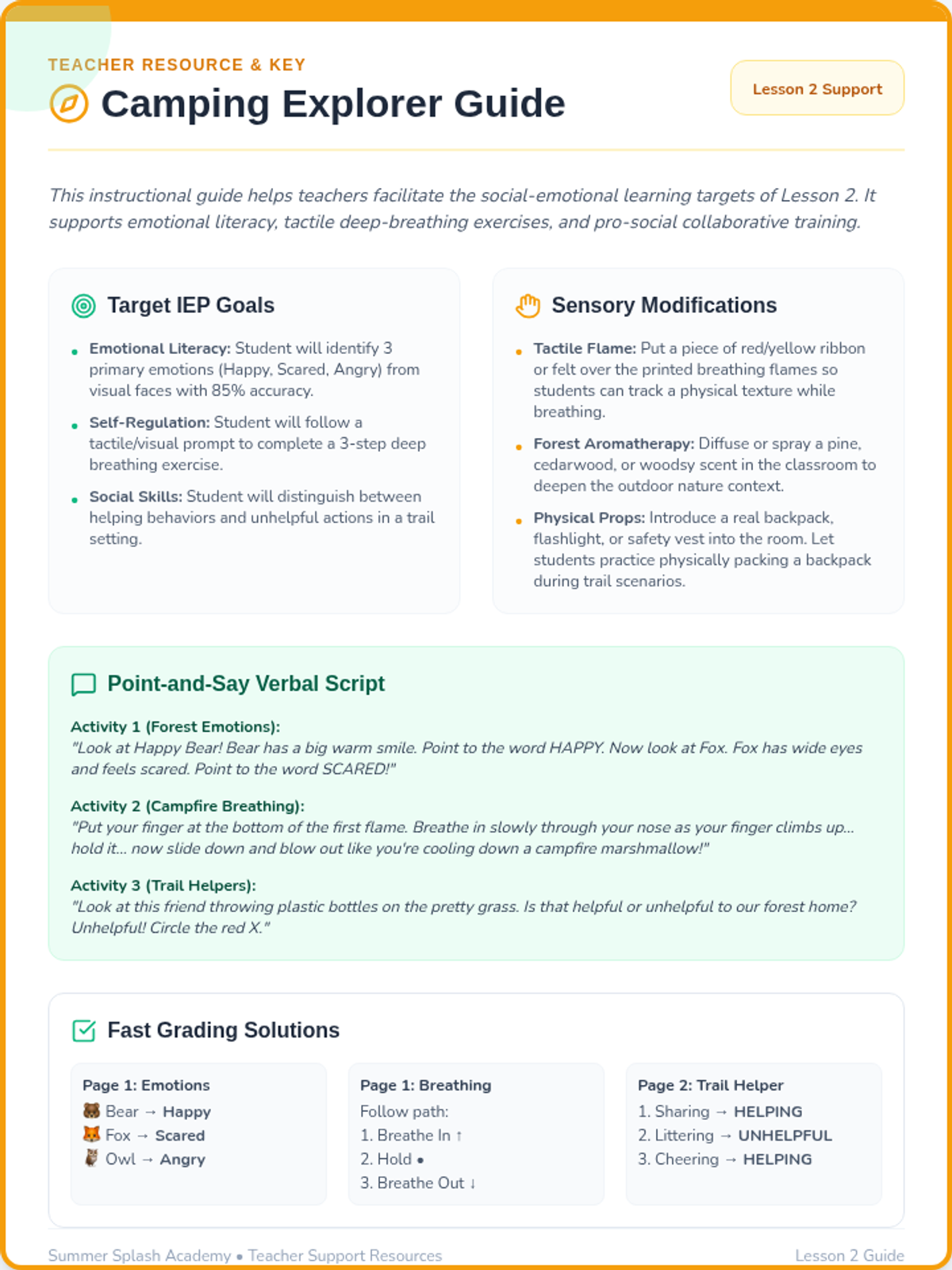
Focuses on social-emotional learning through outdoor themes. Students practice identifying camper emotions, discovering self-regulation strategies with a 'campfire breathing' activity, and understanding positive social interactions on the trail.
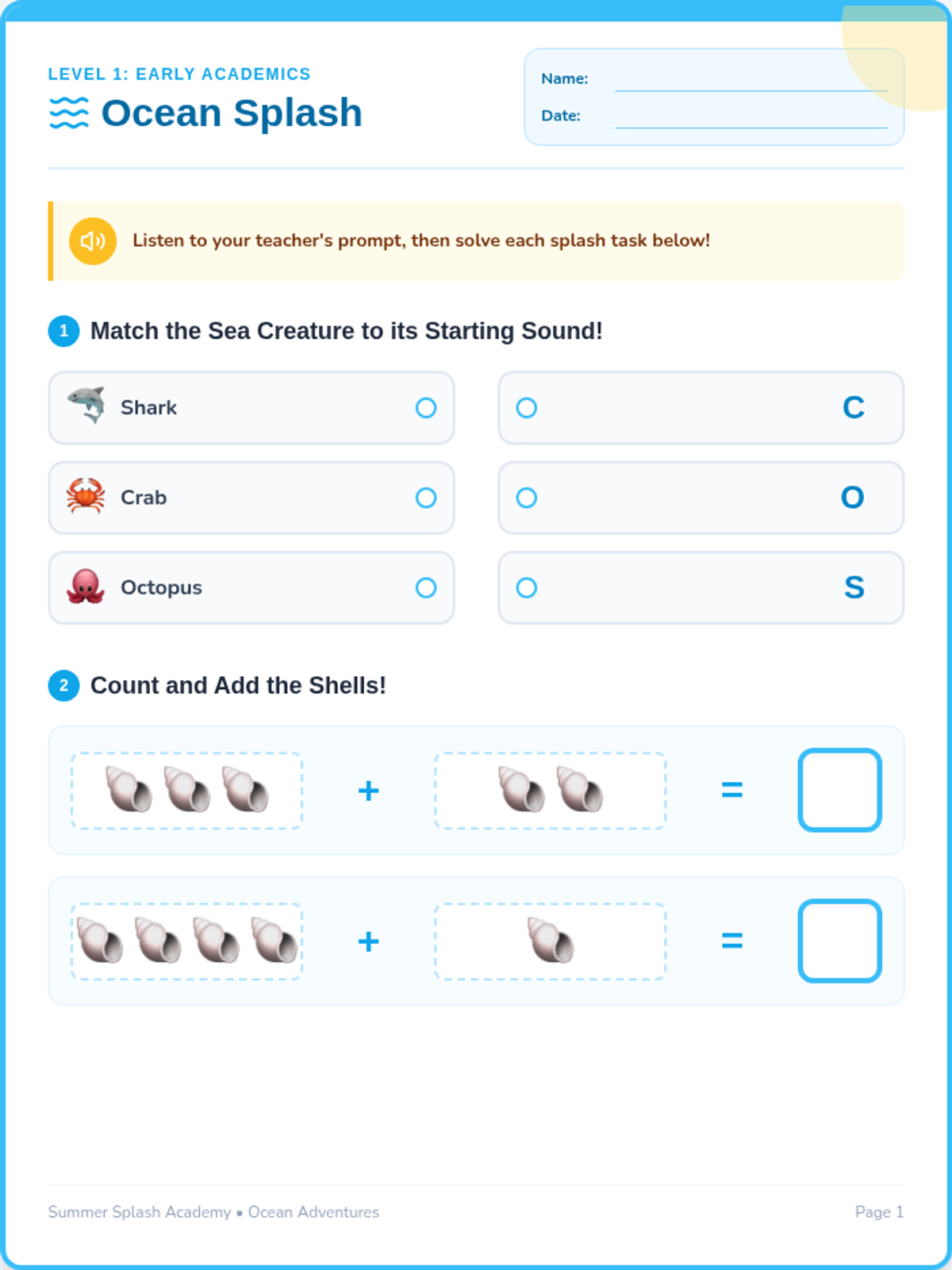
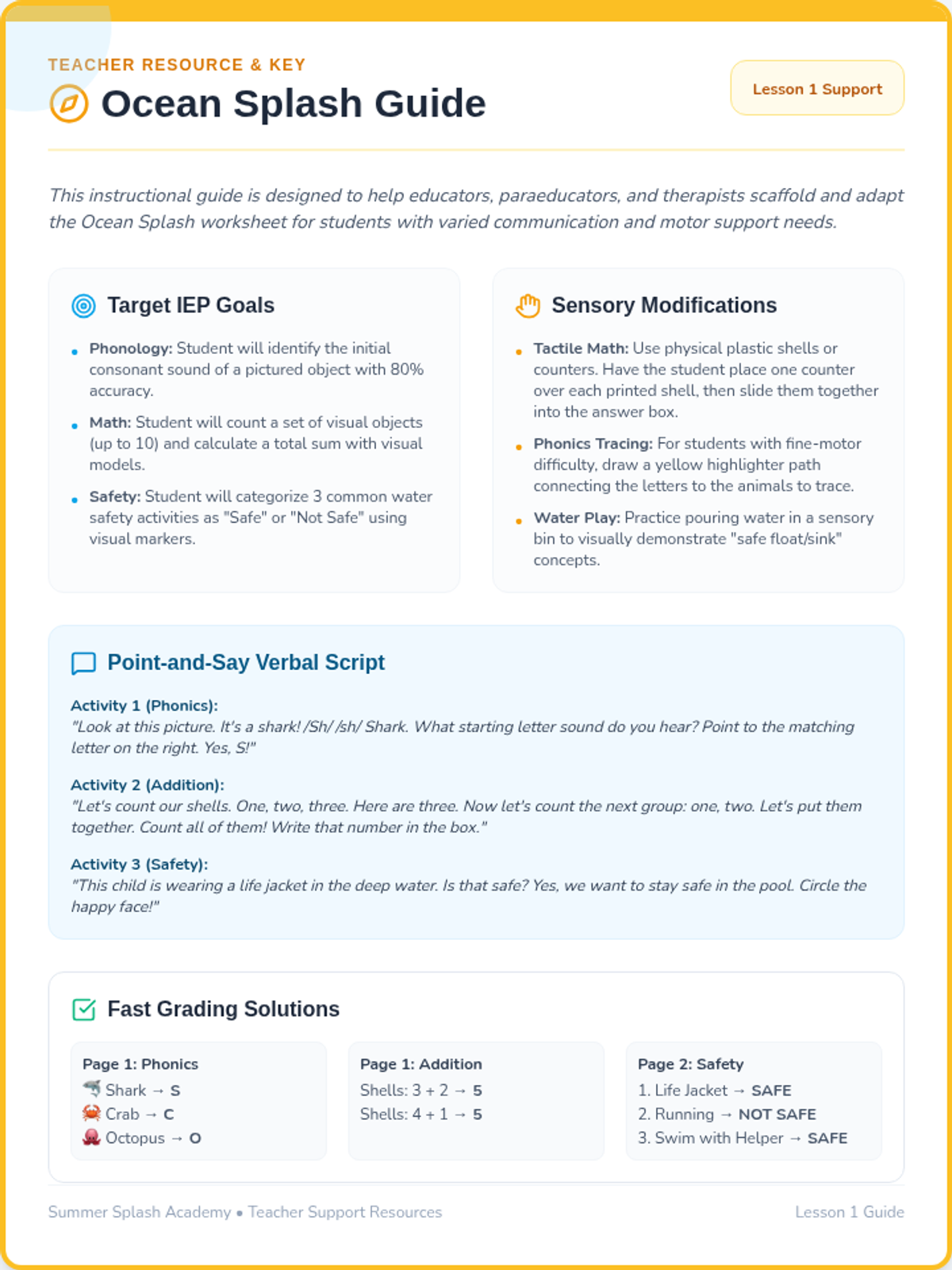
Explores beach and ocean life while strengthening early academic skills. Students practice single-digit starfish addition, phonetic letter sound matching with sea creatures, and basic water safety rules through high-contrast visual worksheets.
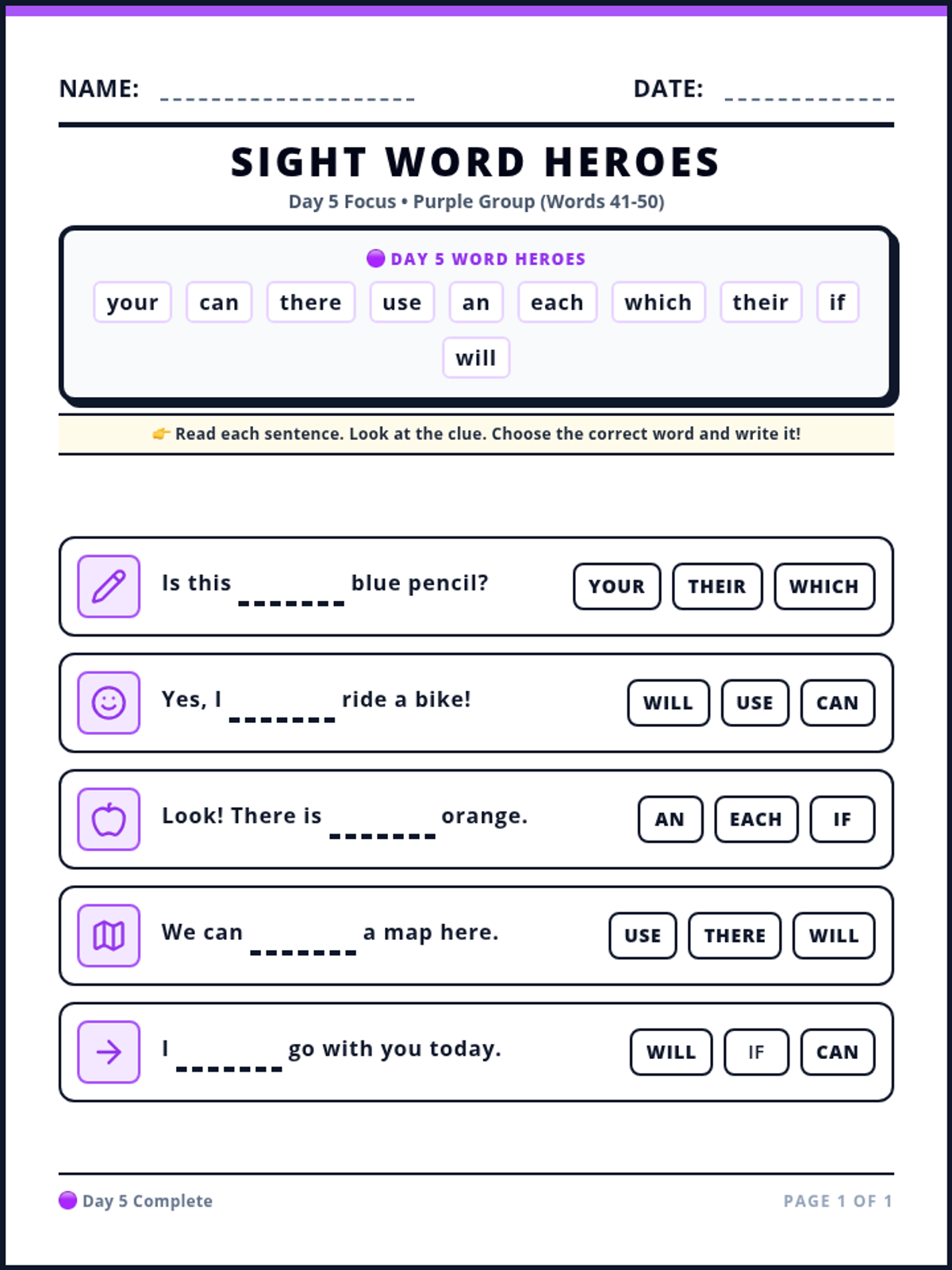
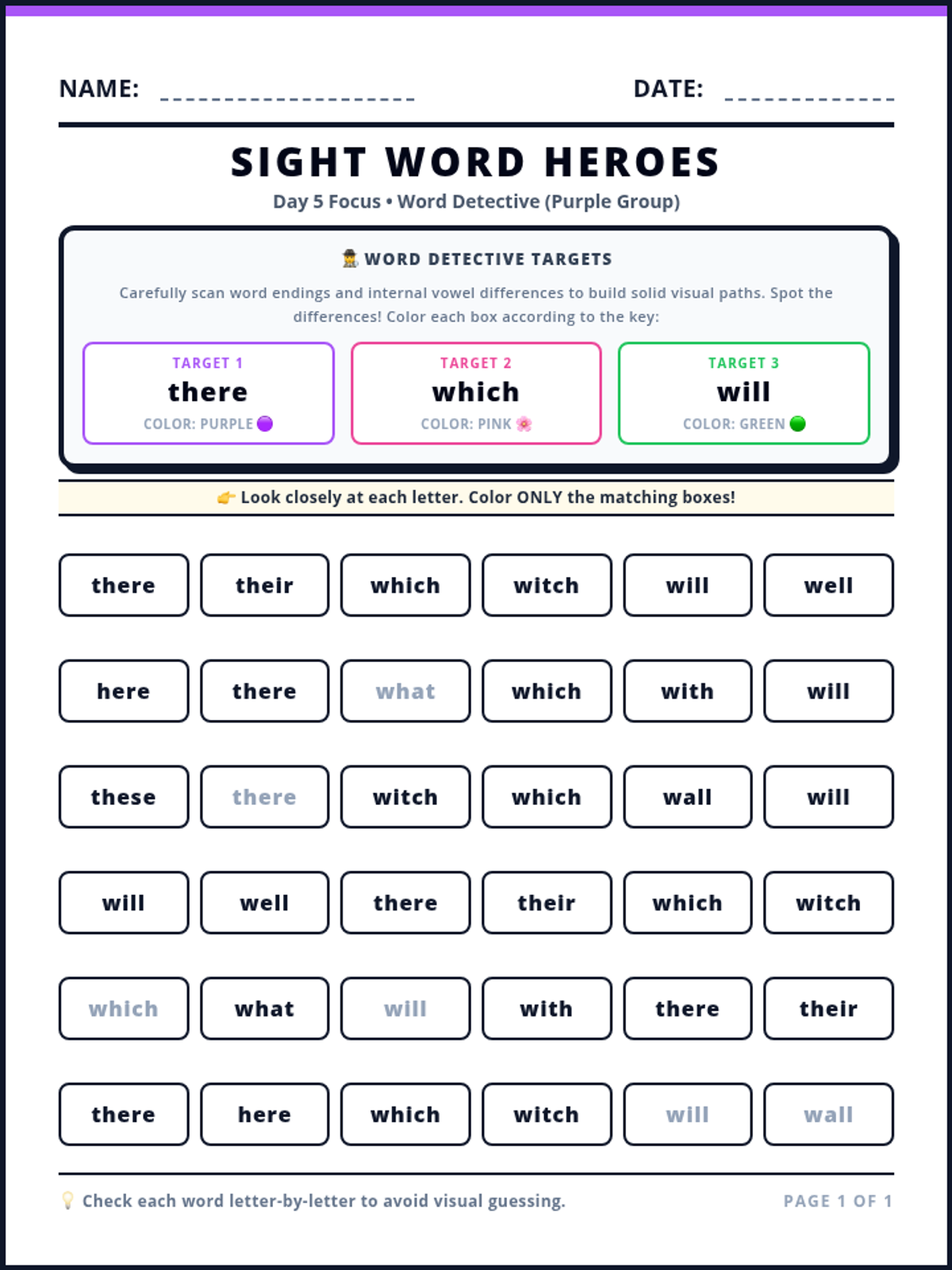
Day 5 targets the Purple Group high-frequency words (your, can, there, use, an, each, which, their, if, will) through structured sentence frames, and clear visual discrimination activities.
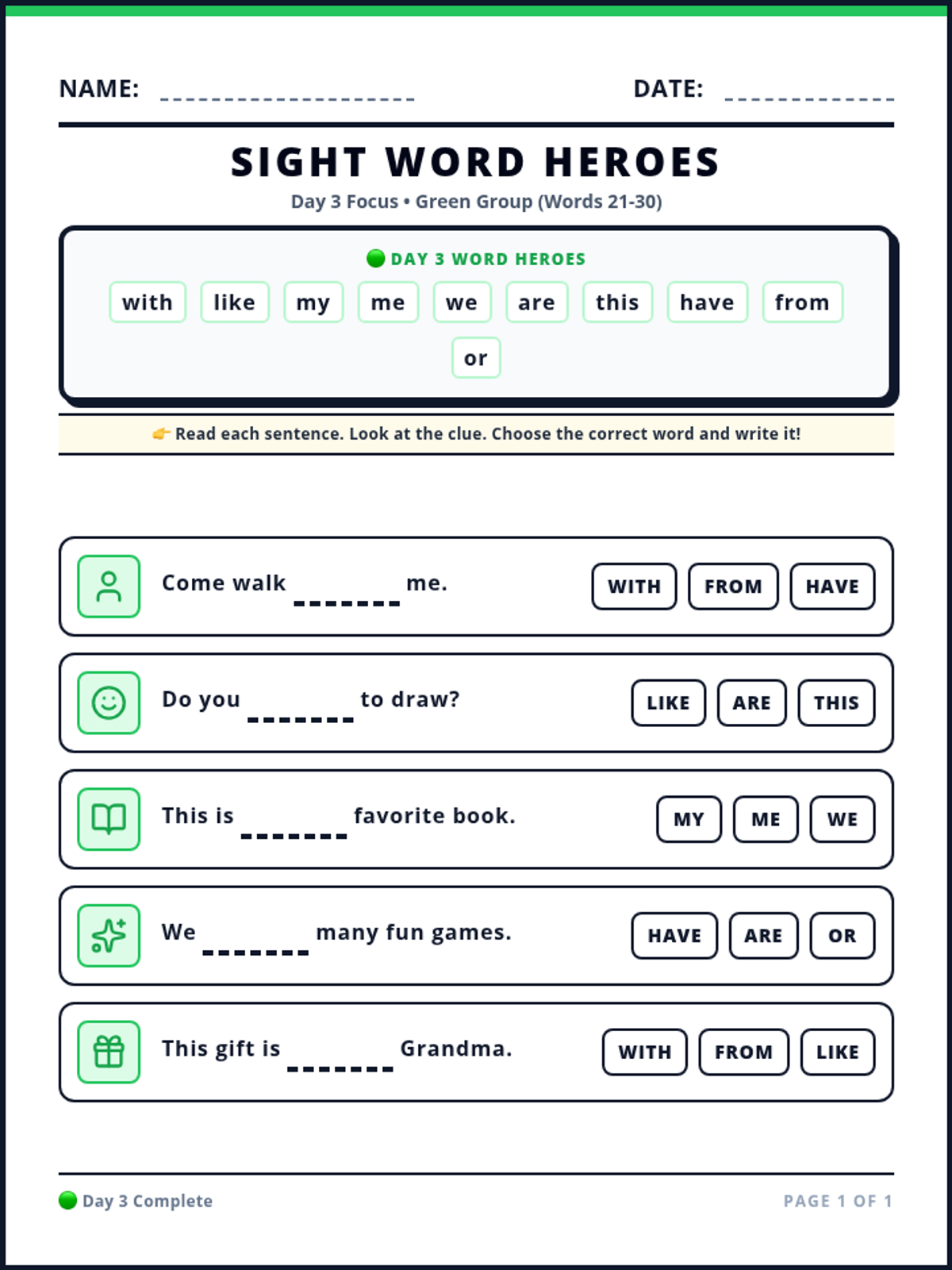
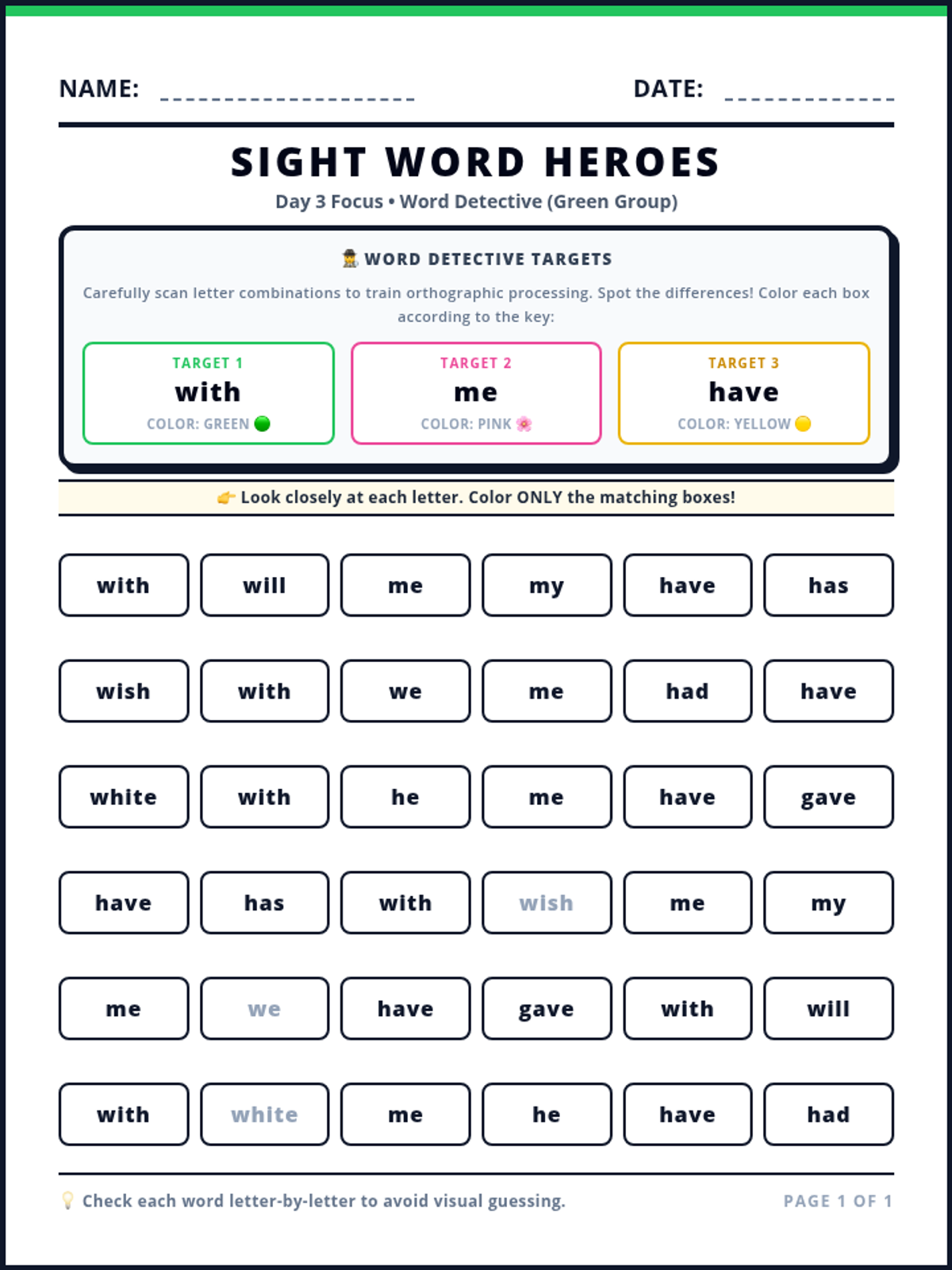
Day 3 targets the Green Group high-frequency words (with, like, my, me, we, are, this, have, from, or) through structured sentence frames, and clear visual discrimination activities.
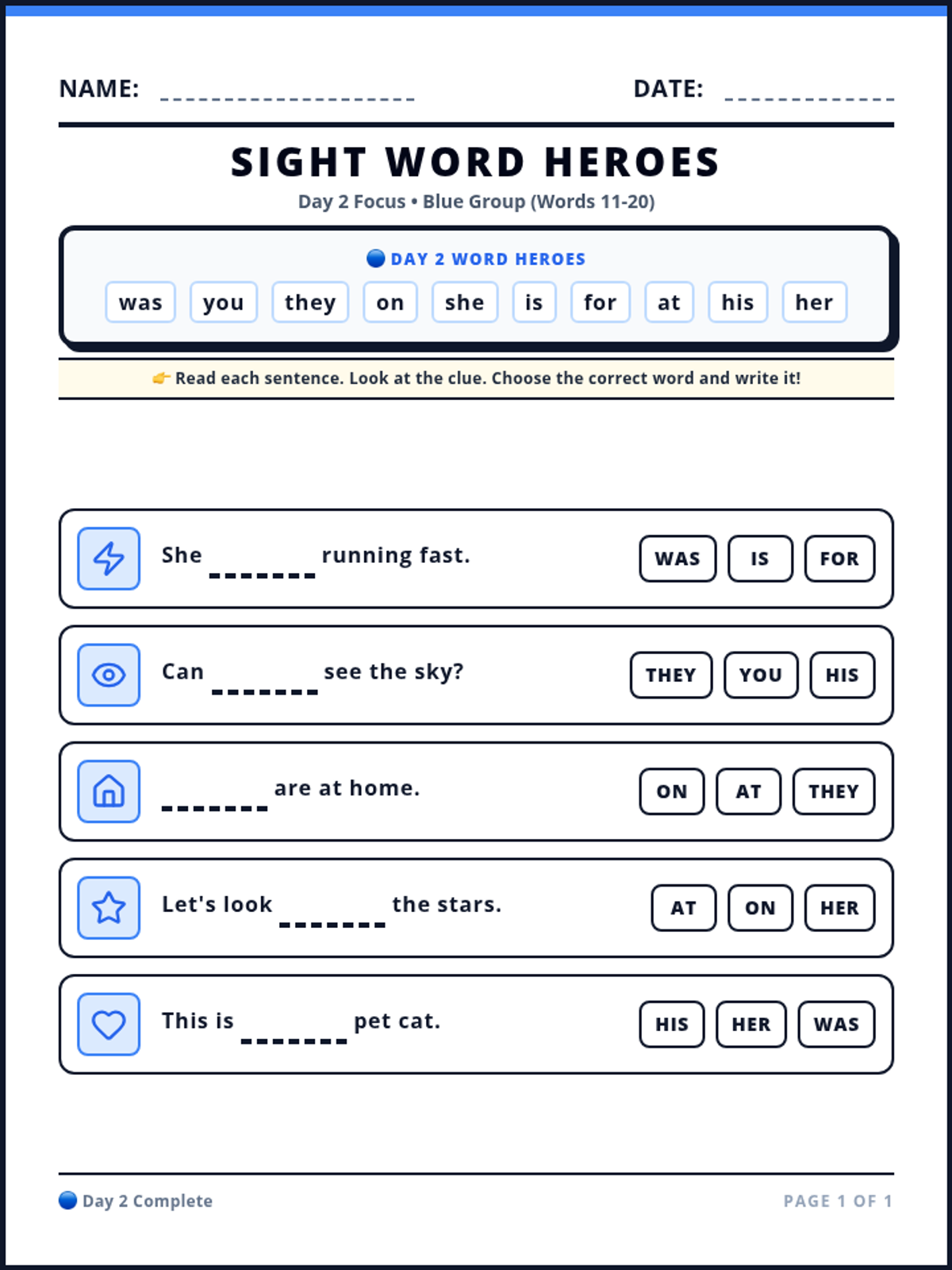
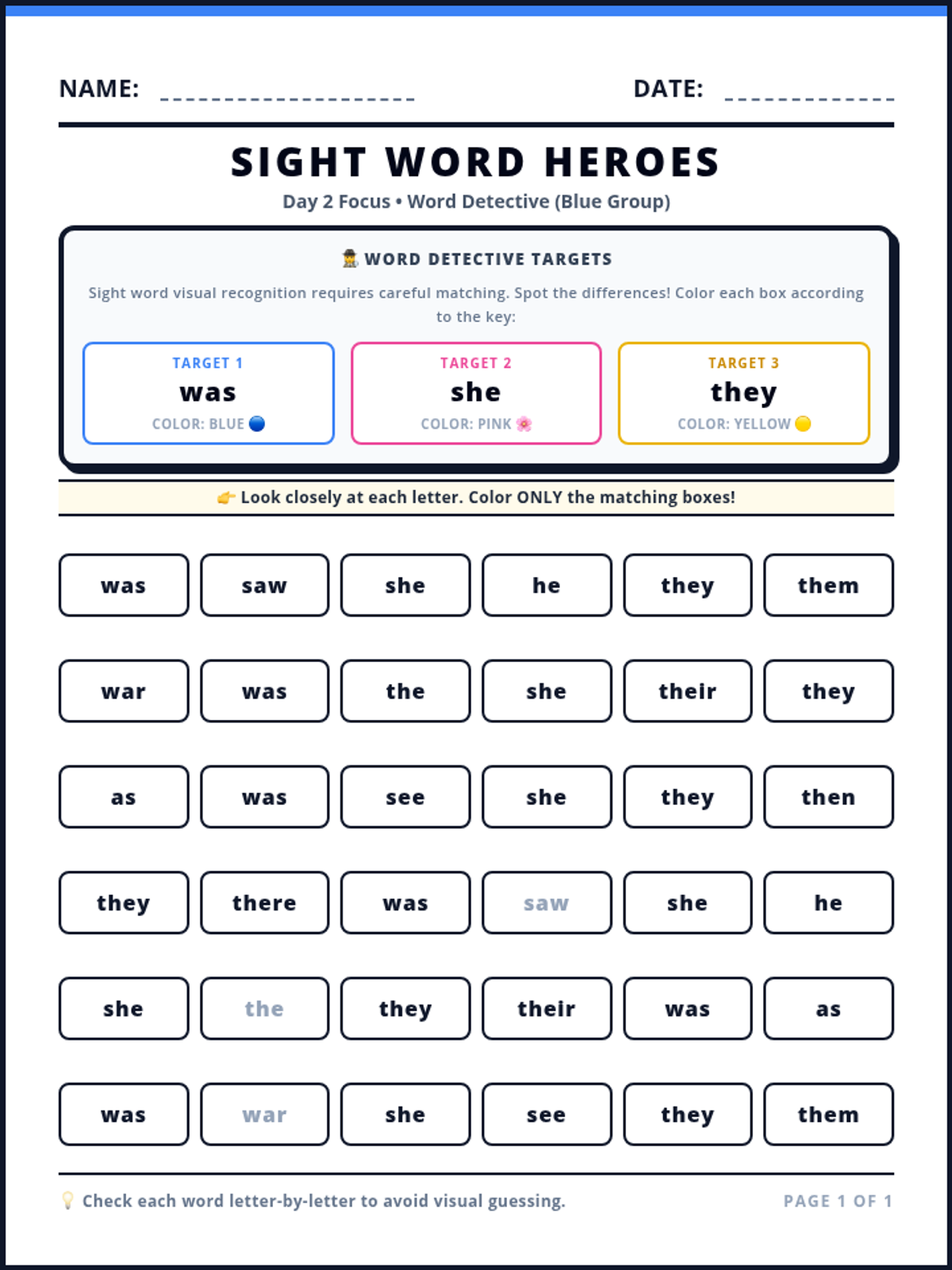
Day 2 targets the Blue Group high-frequency words (was, you, they, on, she, is, for, at, his, her) through structured sentence frames, and clear visual discrimination activities.
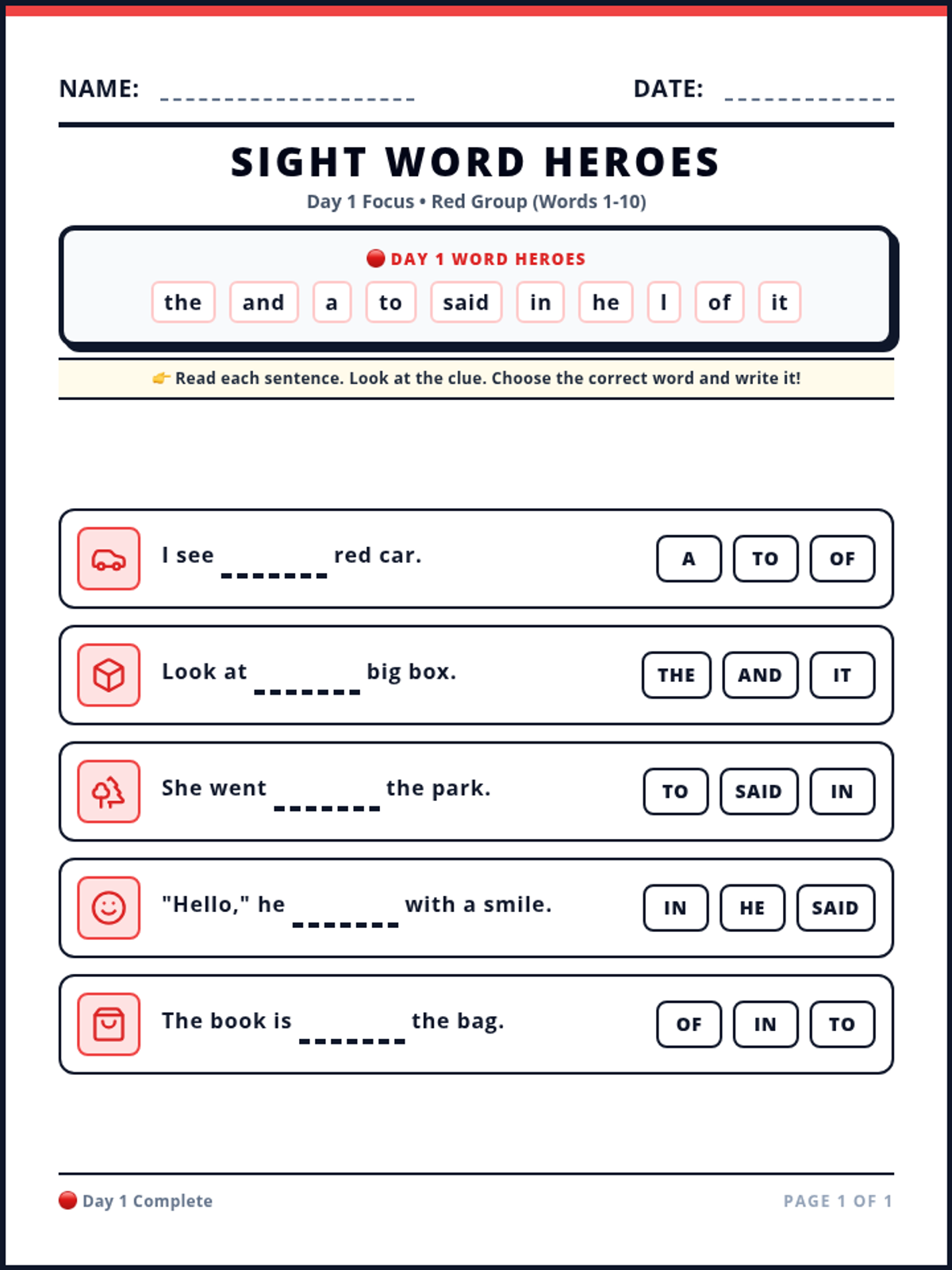
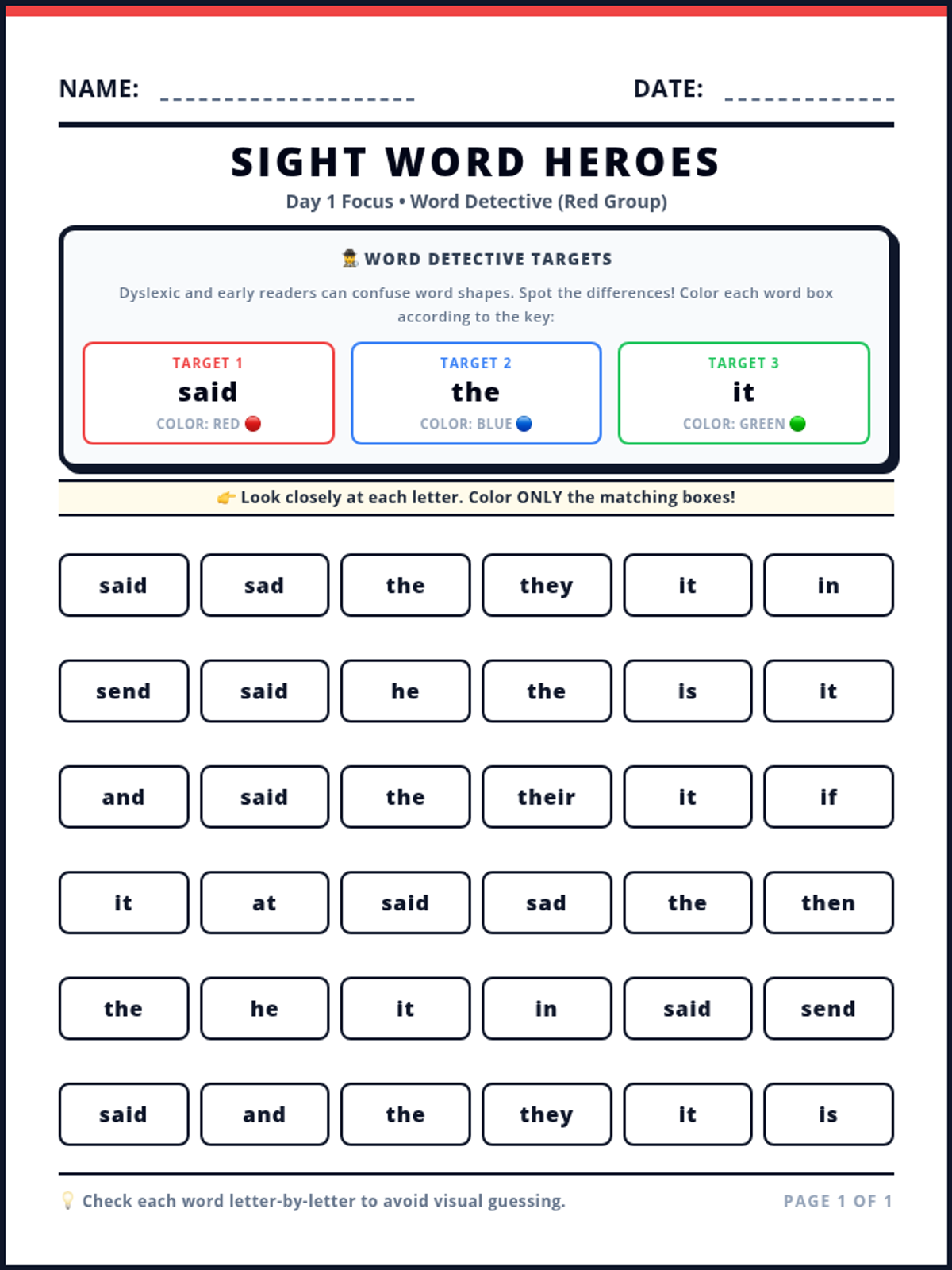
Day 1 targets the Red Group high-frequency words (the, and, a, to, said, in, he, I, of, it) through multisensory tracking, sentence frames, and clear visual discrimination activities.
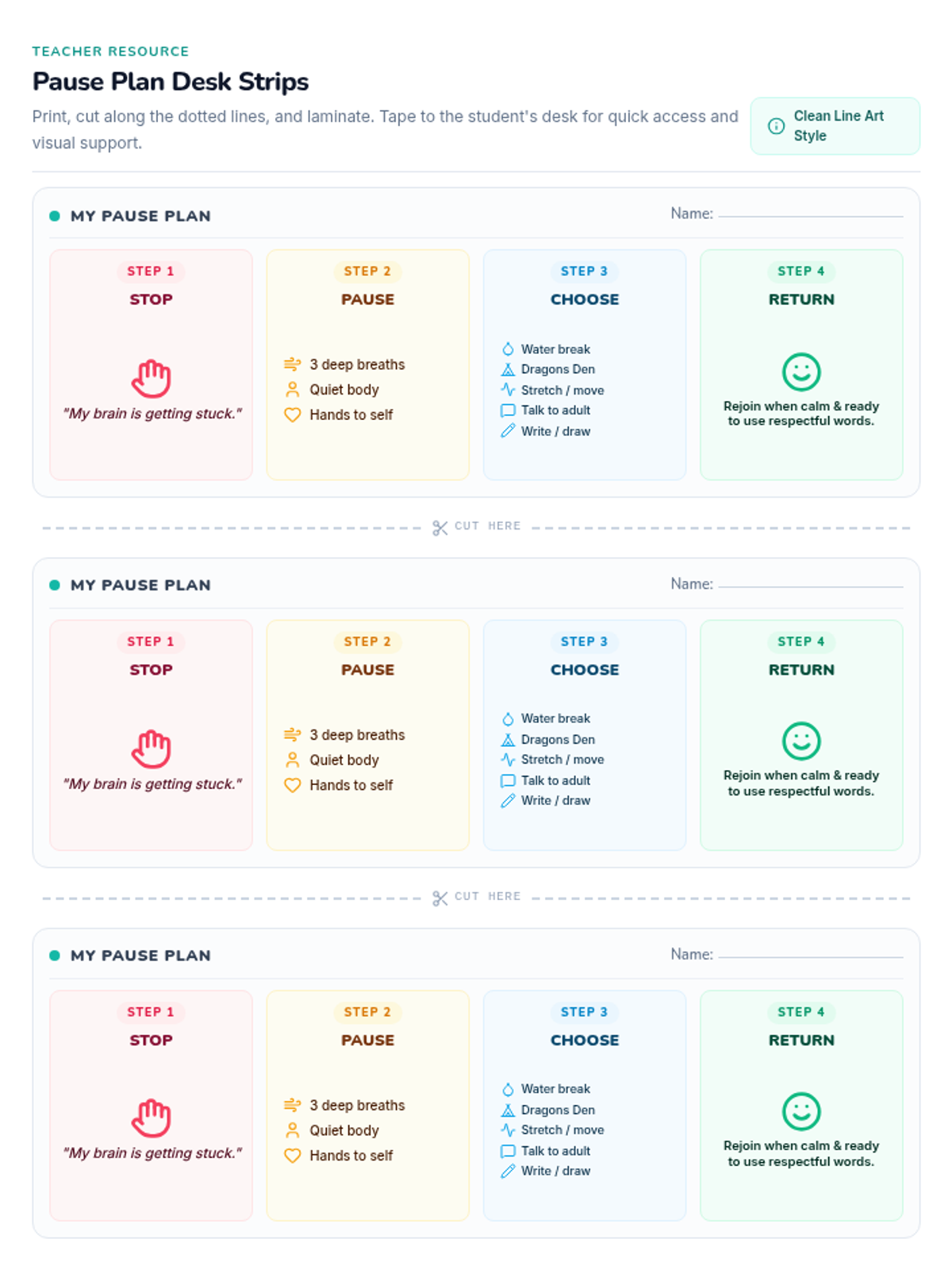
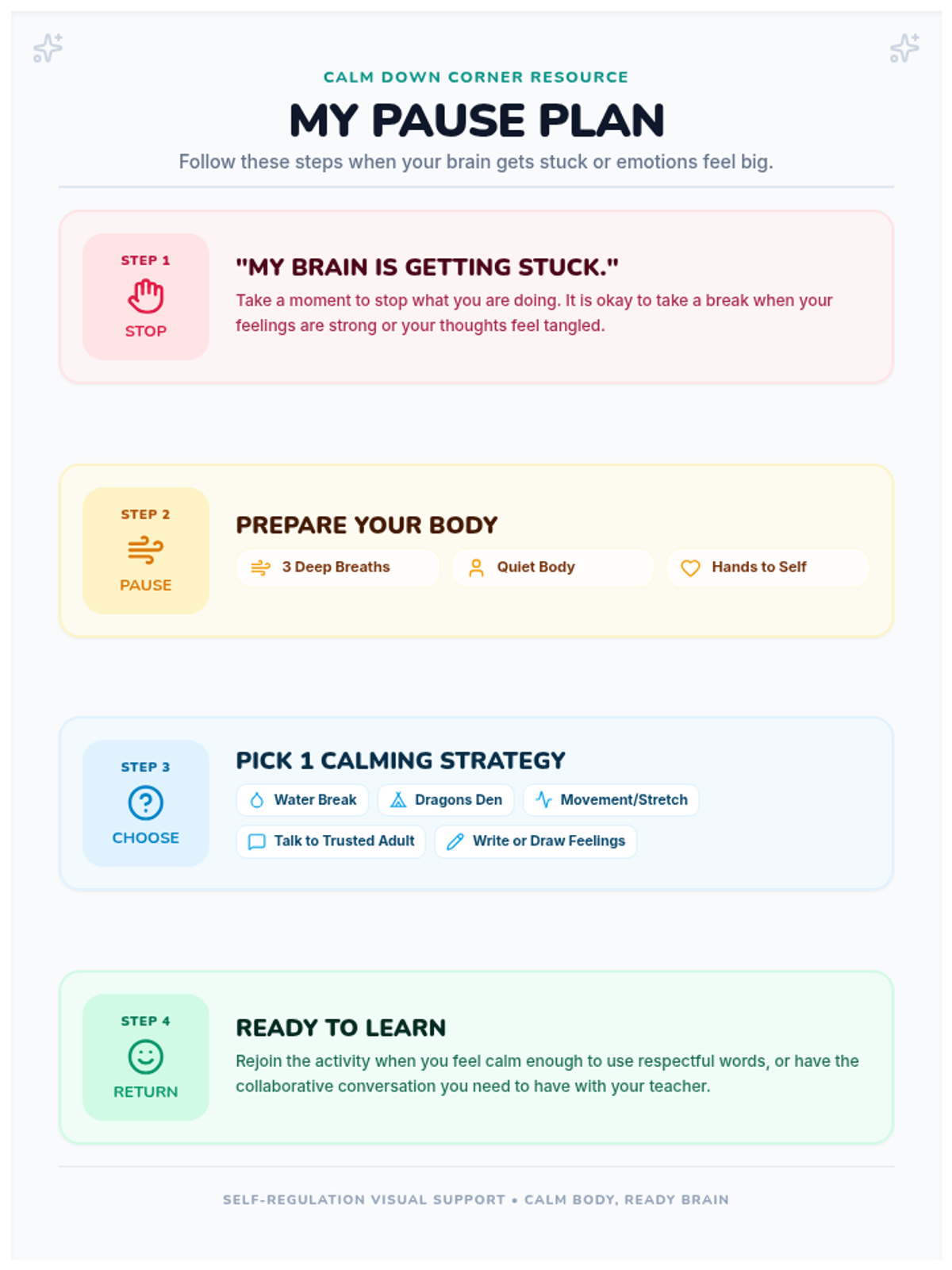
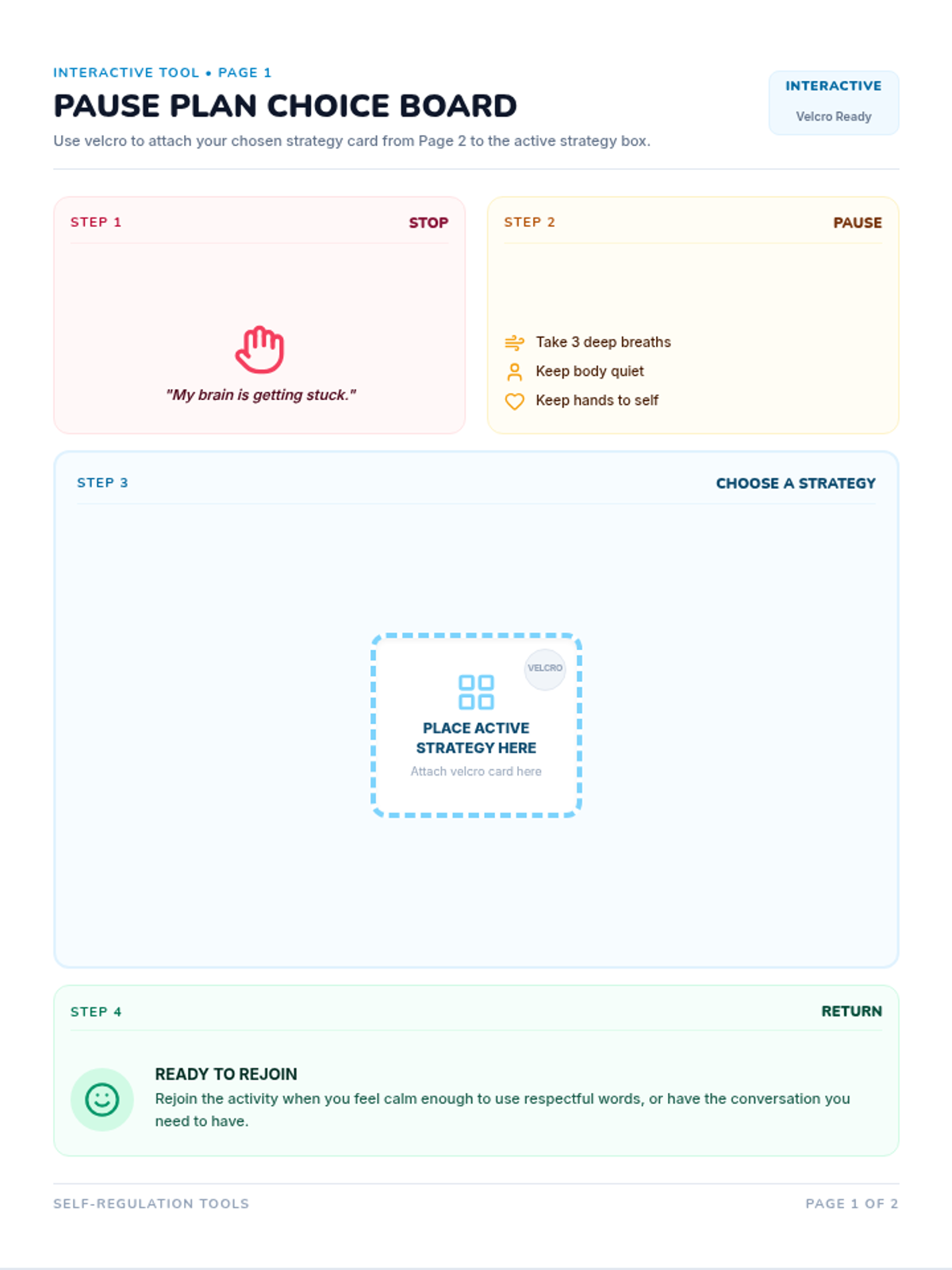
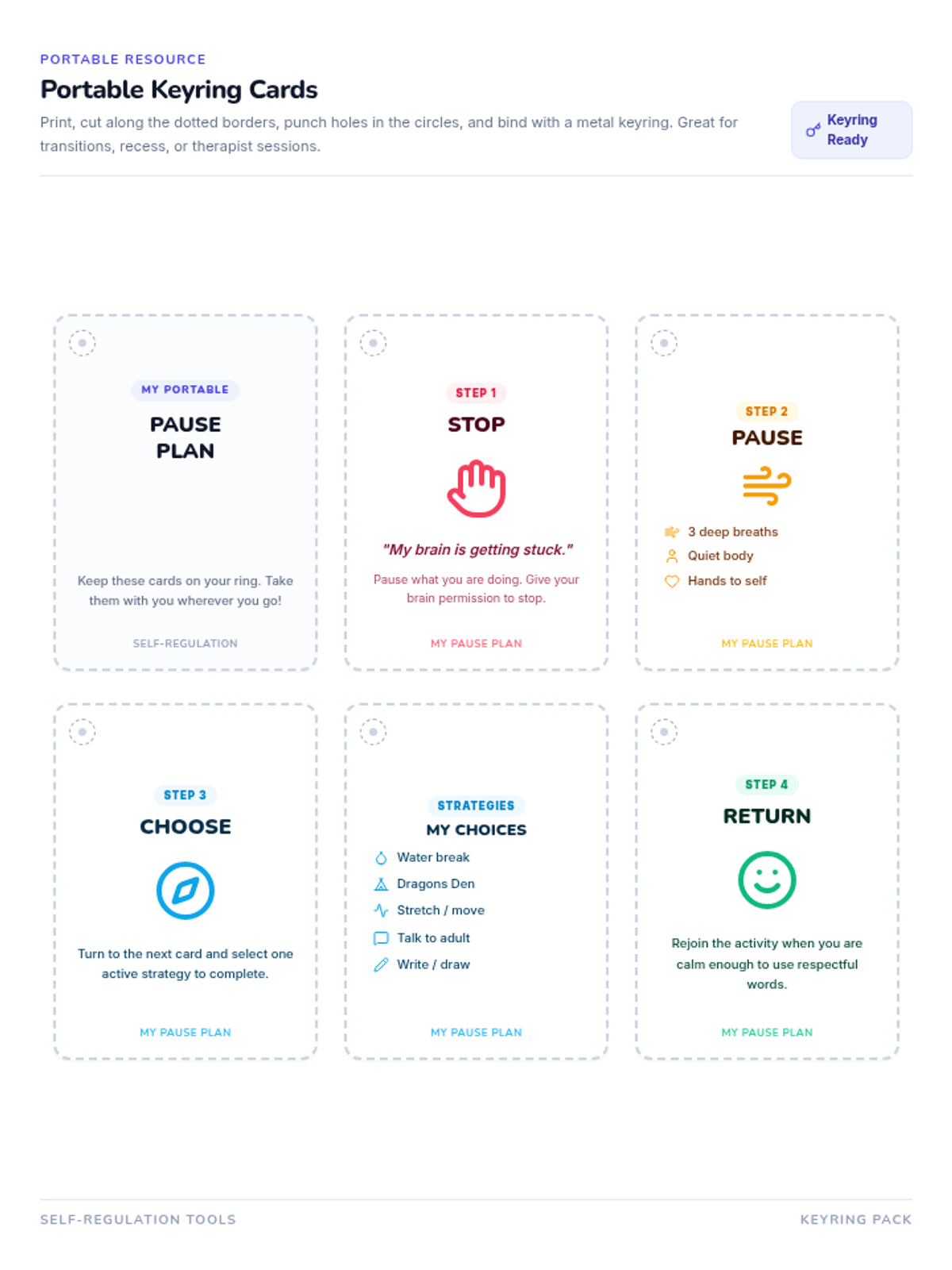
A collection of visual support tools and plans designed to help students self-regulate, manage big emotions, and transition back to learning.
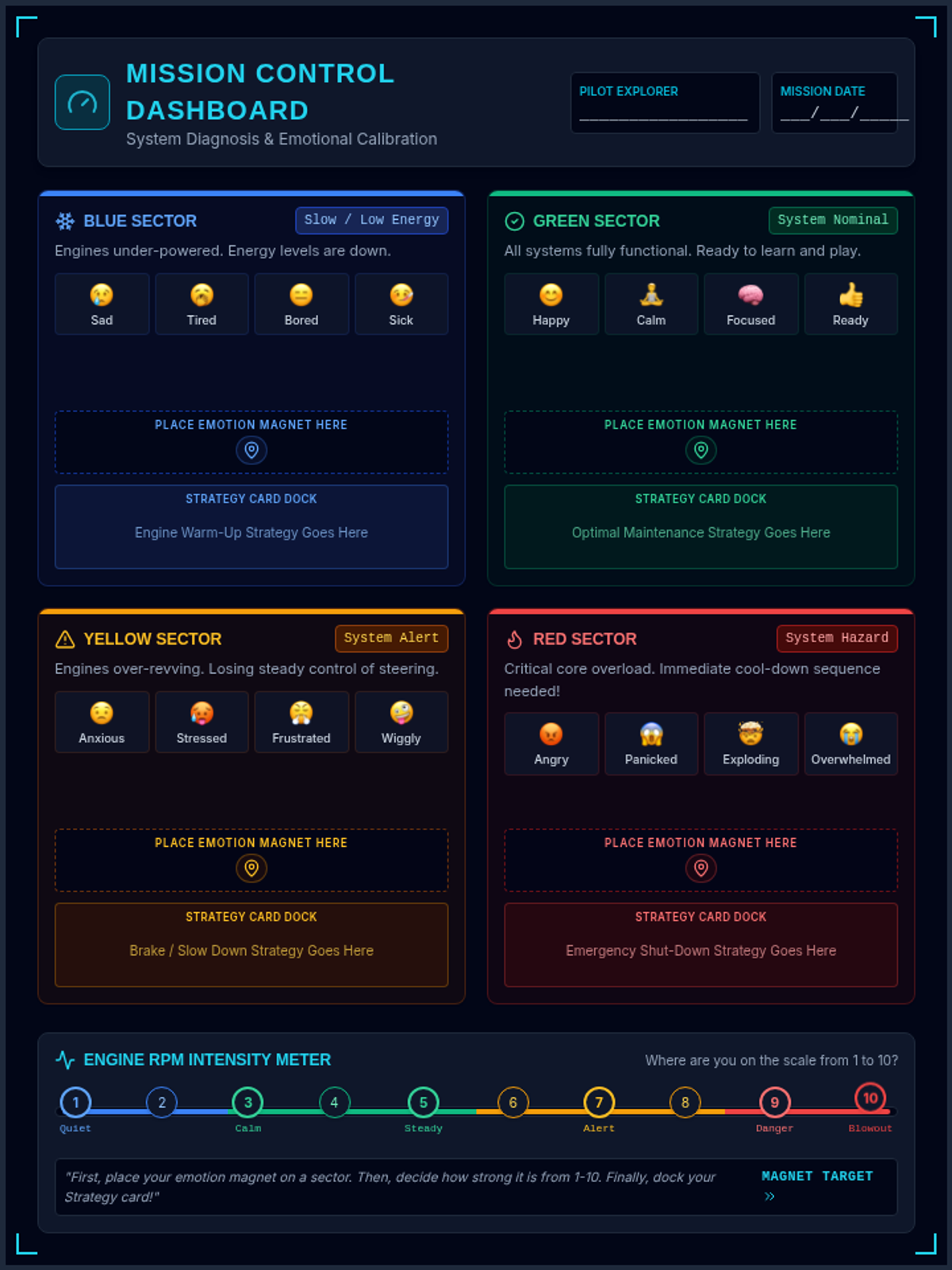
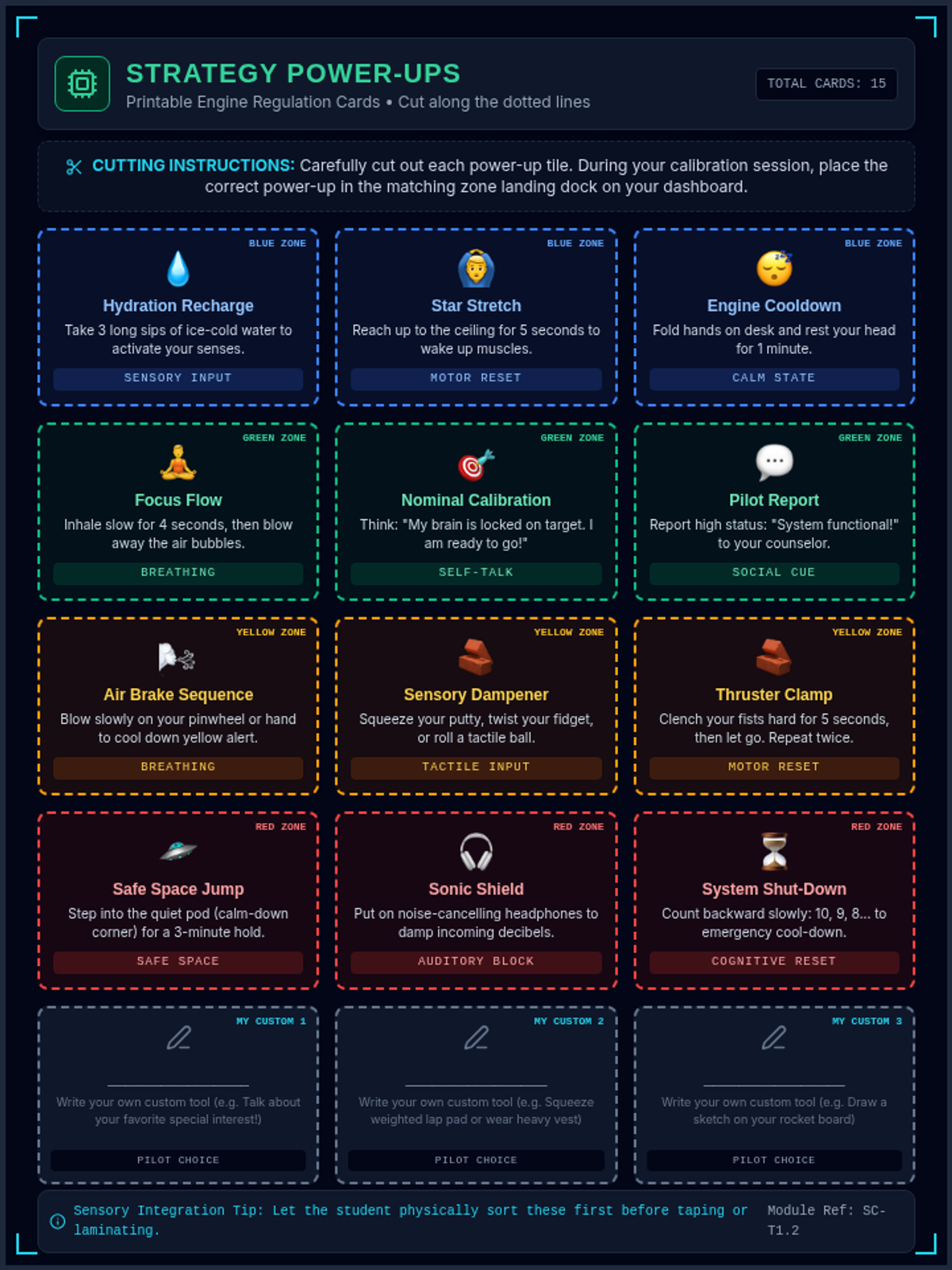
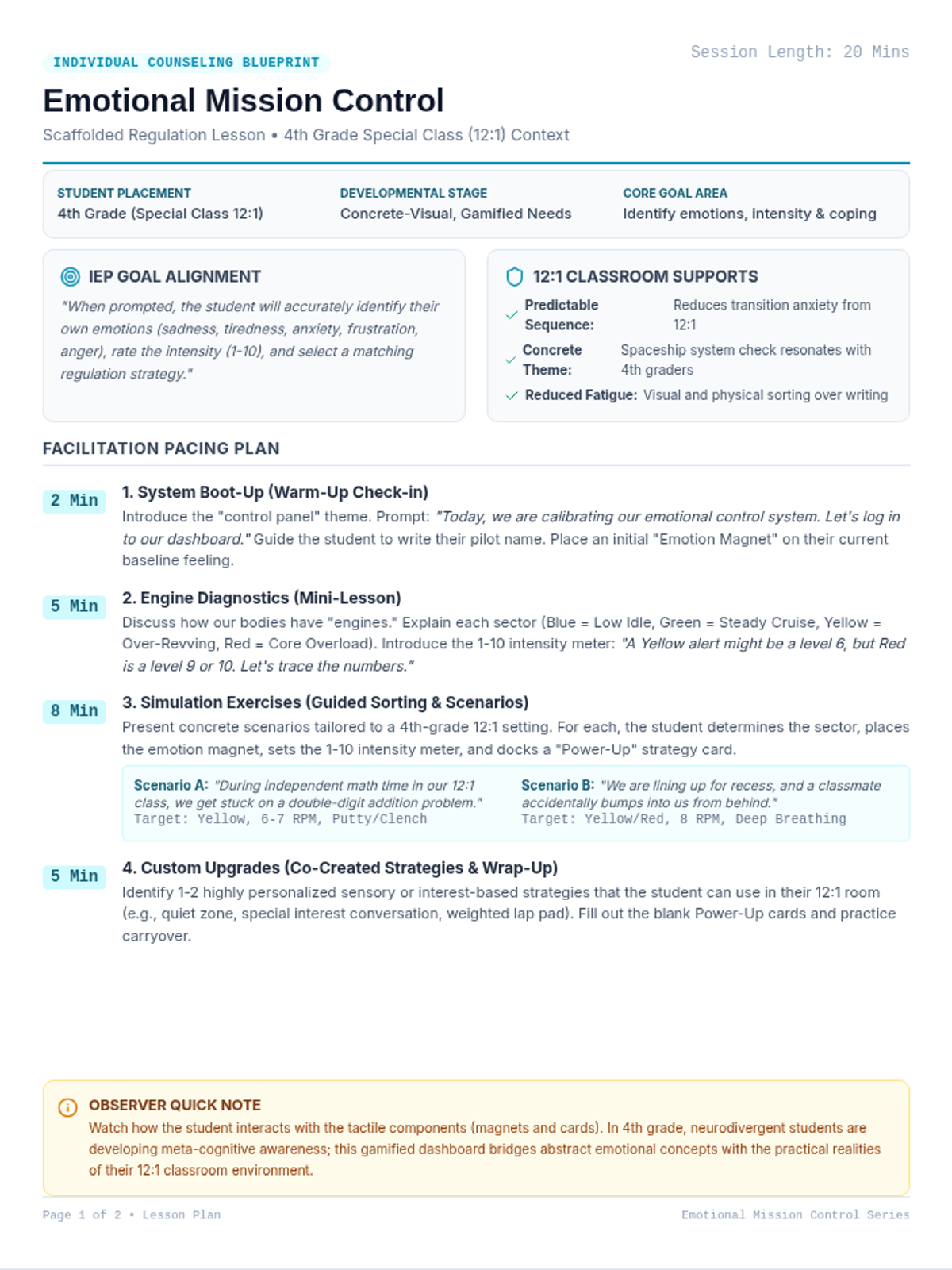
An individual counseling lesson aligned with the Zones of Regulation, designed for neurodivergent students (specifically on the autism spectrum). Includes an interactive student dashboard, strategy sorting cards, and a detailed session guide with an administrator observation rubrics.
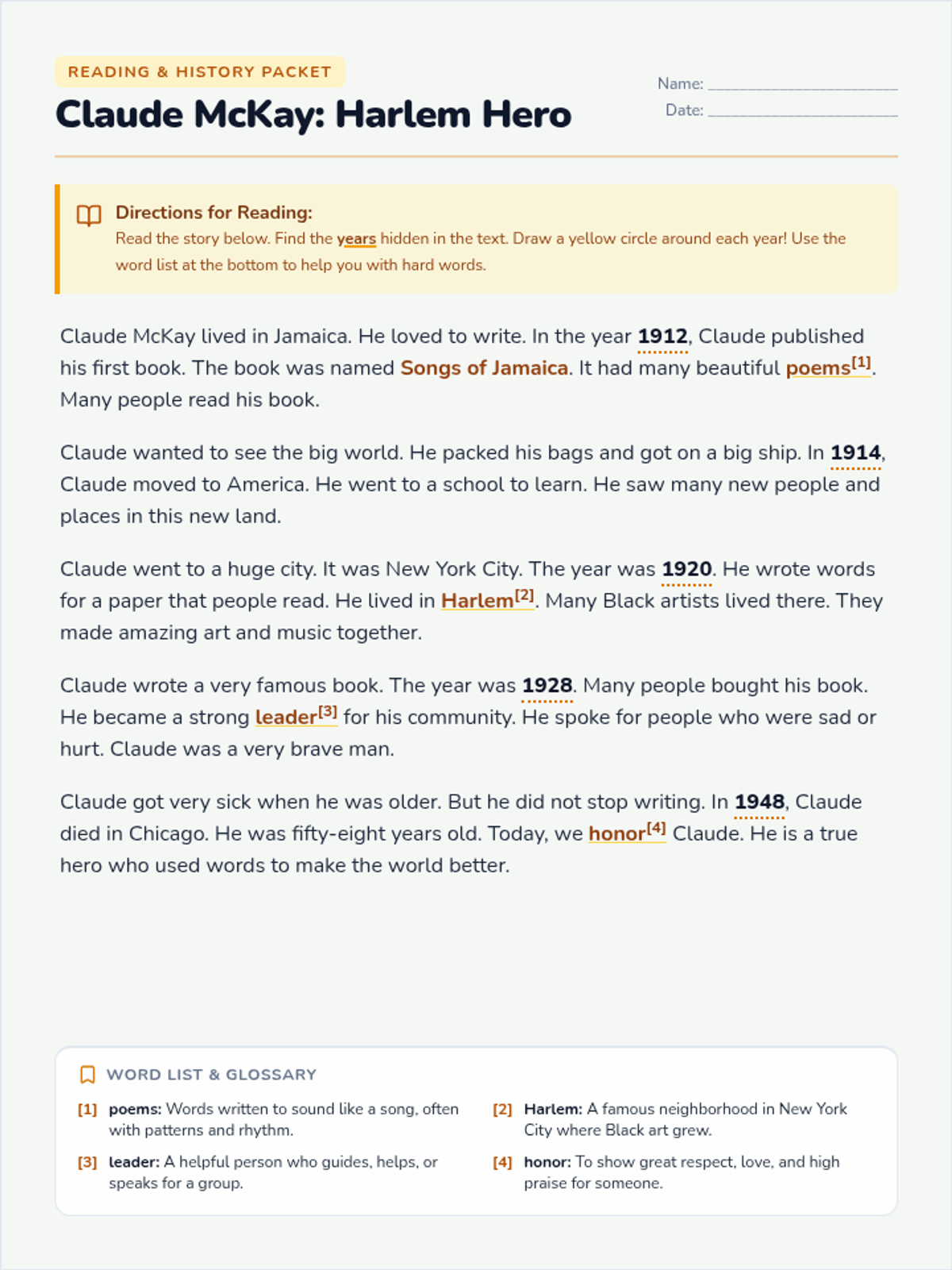
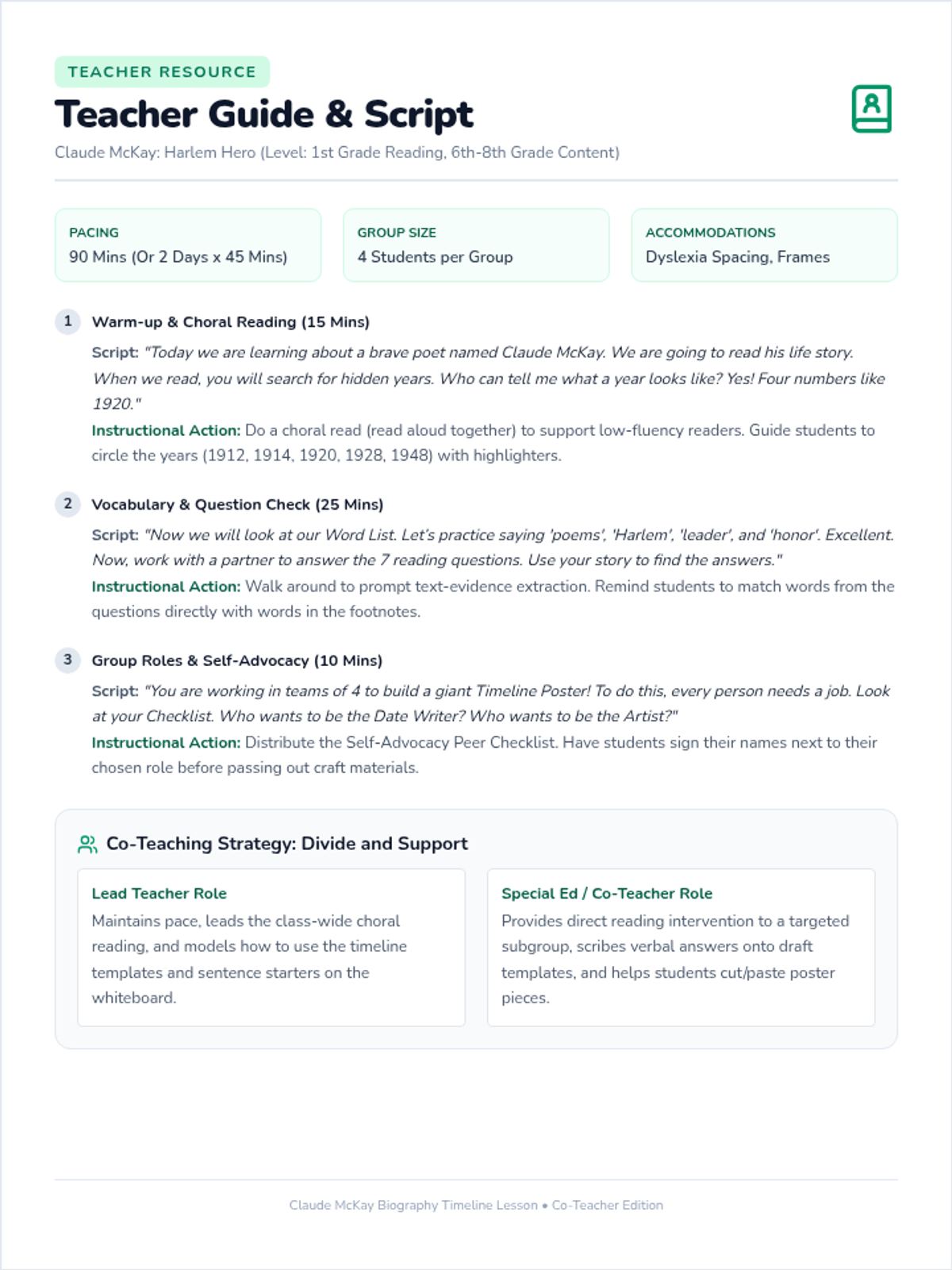
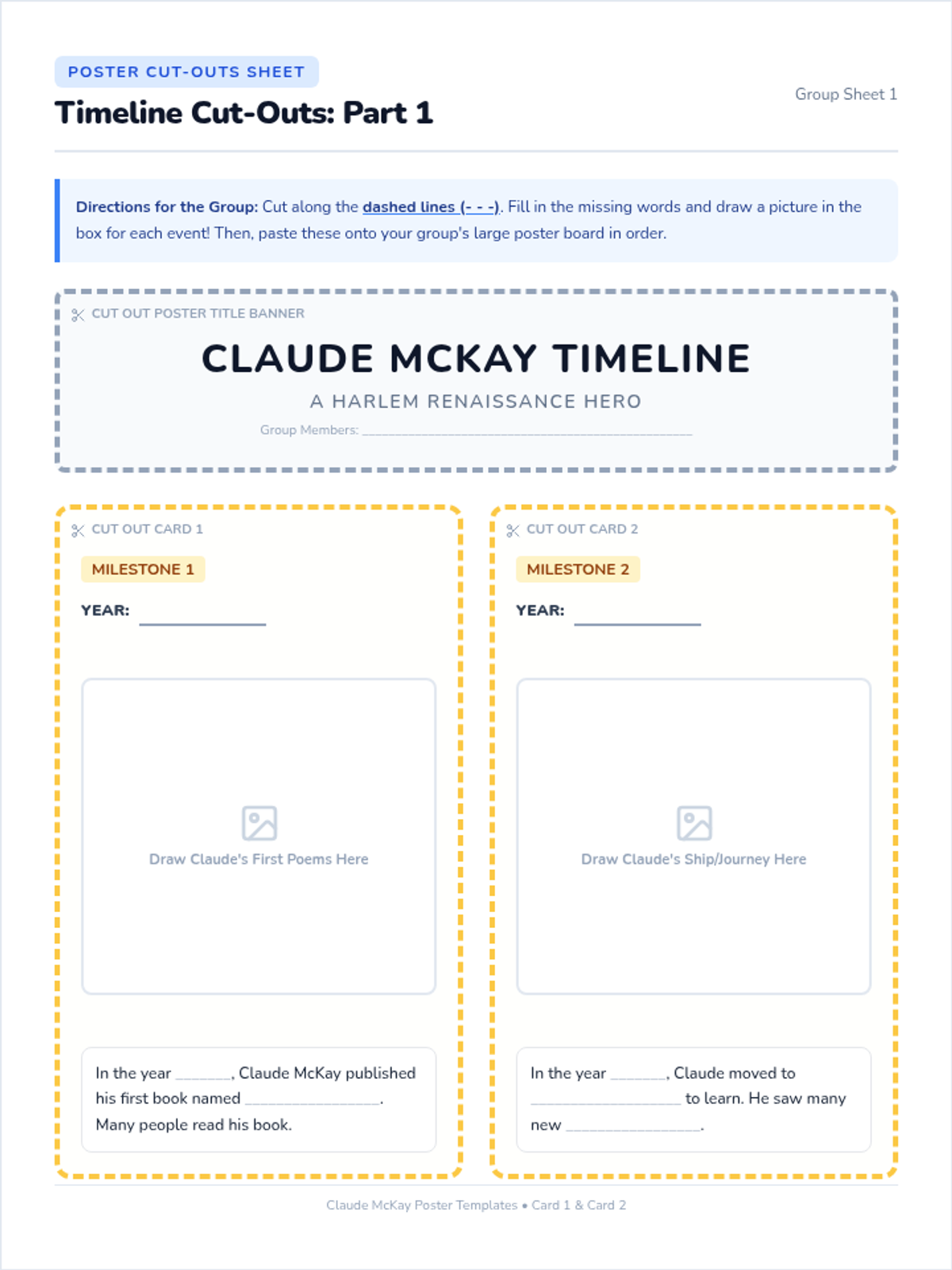
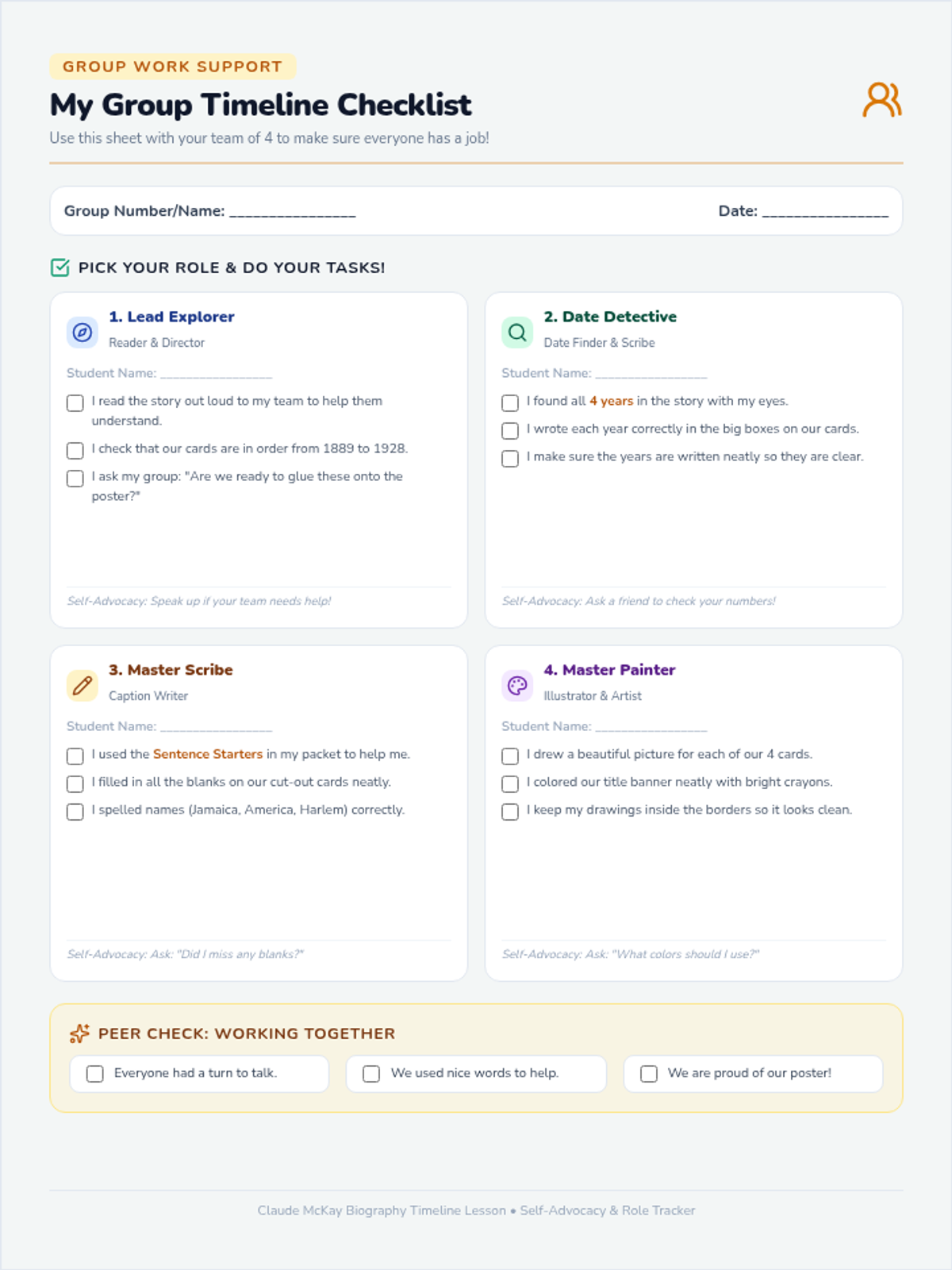
A highly scaffolded middle school lesson on Harlem Renaissance poet Claude McKay, adapted for a first-grade reading level. Includes a text analysis, footnote glossary, comprehension questions, a group timeline poster project, and support tools for co-teachers.
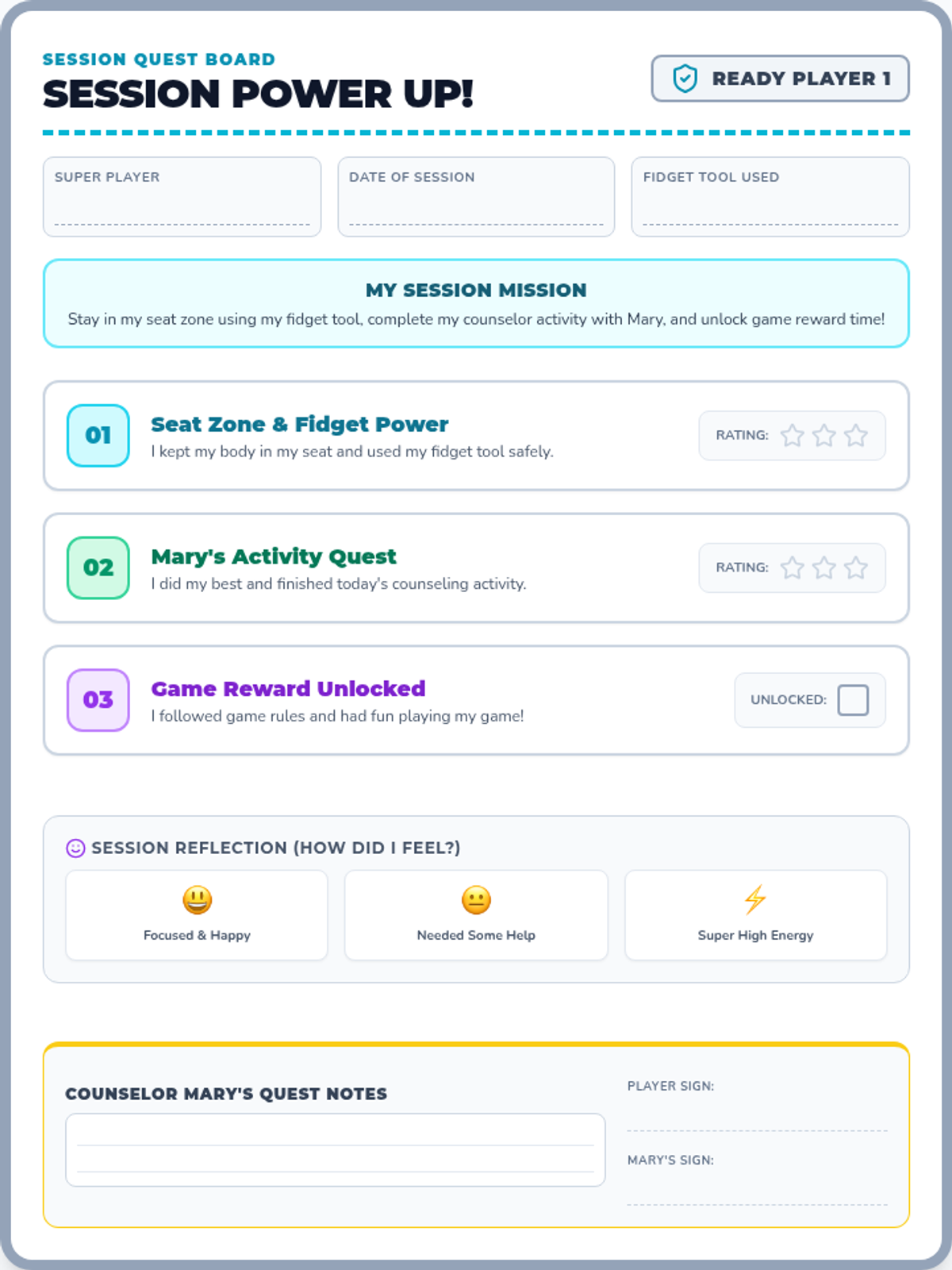
A gamified self-monitoring and reinforcement system designed for second-grade students to build on-task behaviors, stay in their seat with focus tools, and earn rewarding game time.
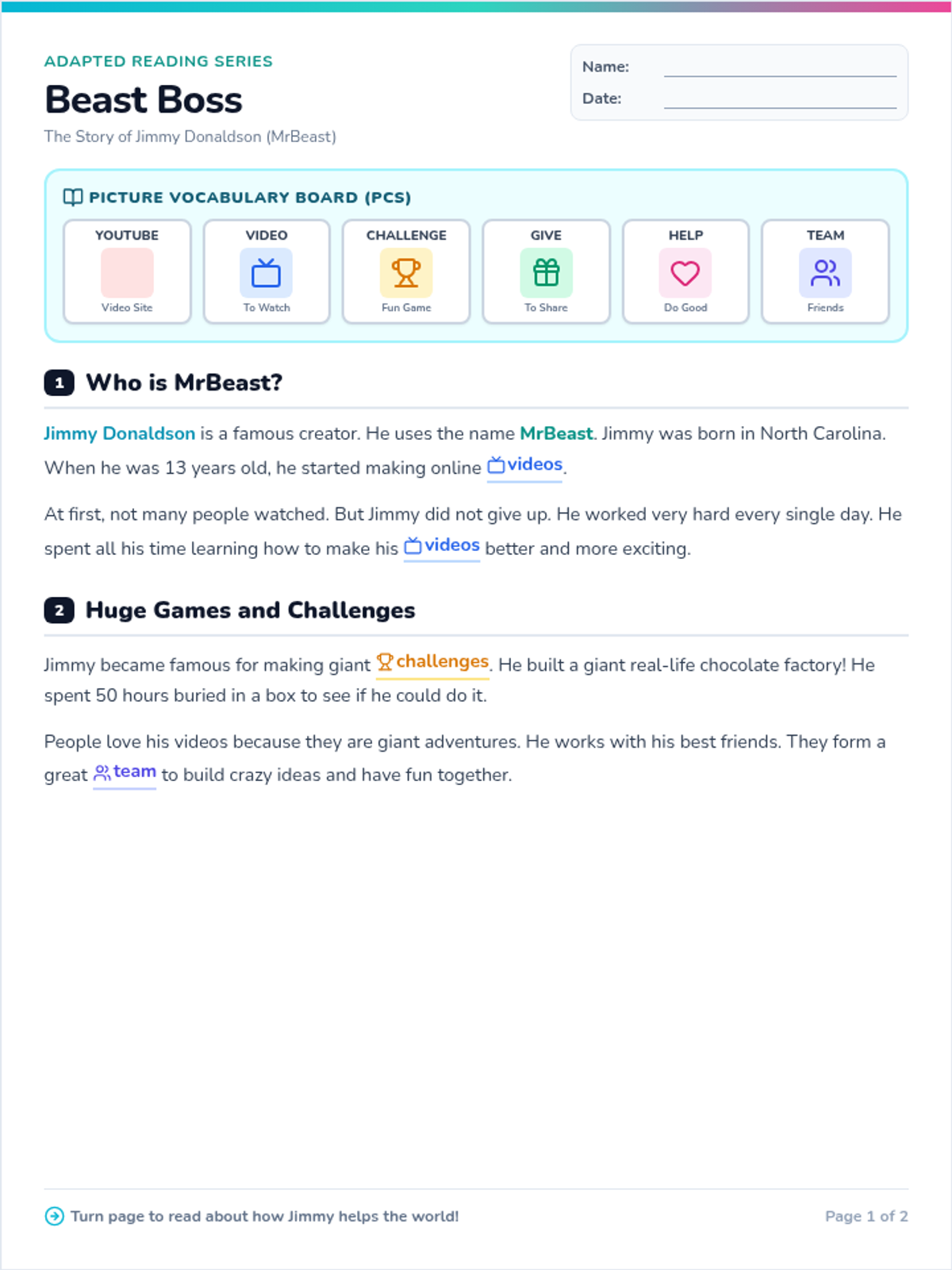
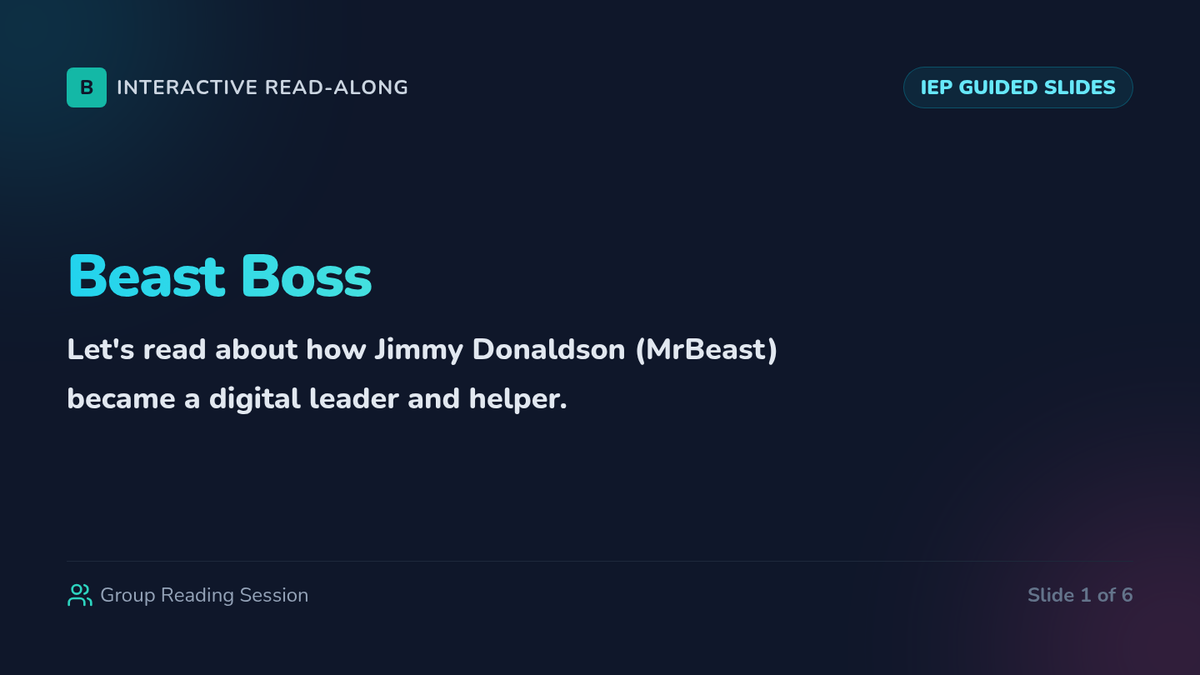
A structured literacy lesson about Jimmy Donaldson (MrBeast) designed for students with IEPs requiring visual supports. This lesson features a simplified biographical passage with picture communication support cards and a guided reading presentation.
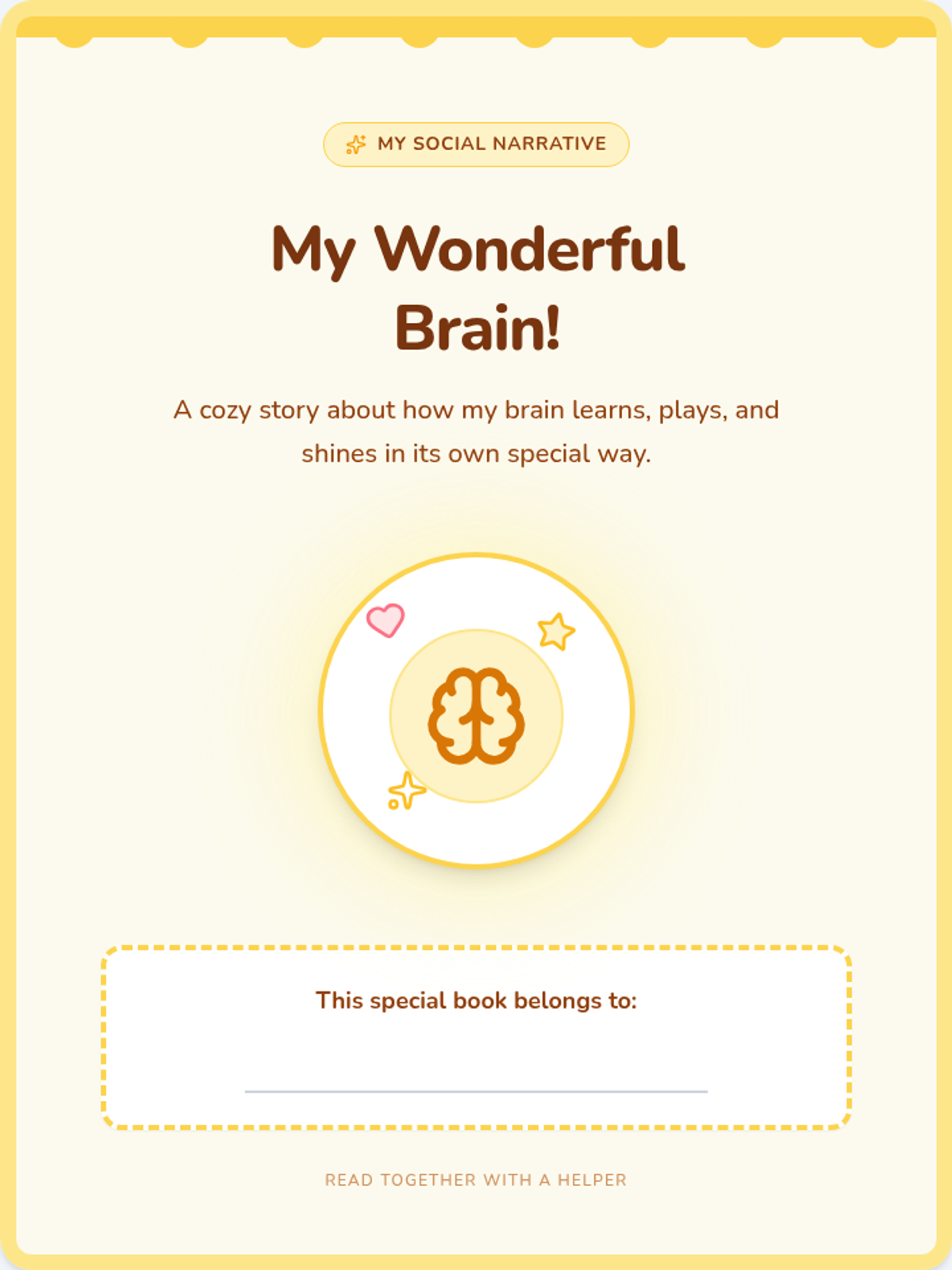
A gentle, reassuring introductory lesson designed for early childhood and verbal students. It introduces neurodiversity and autism using positive, concrete metaphors like custom engines and superhero senses to build self-understanding and confidence.
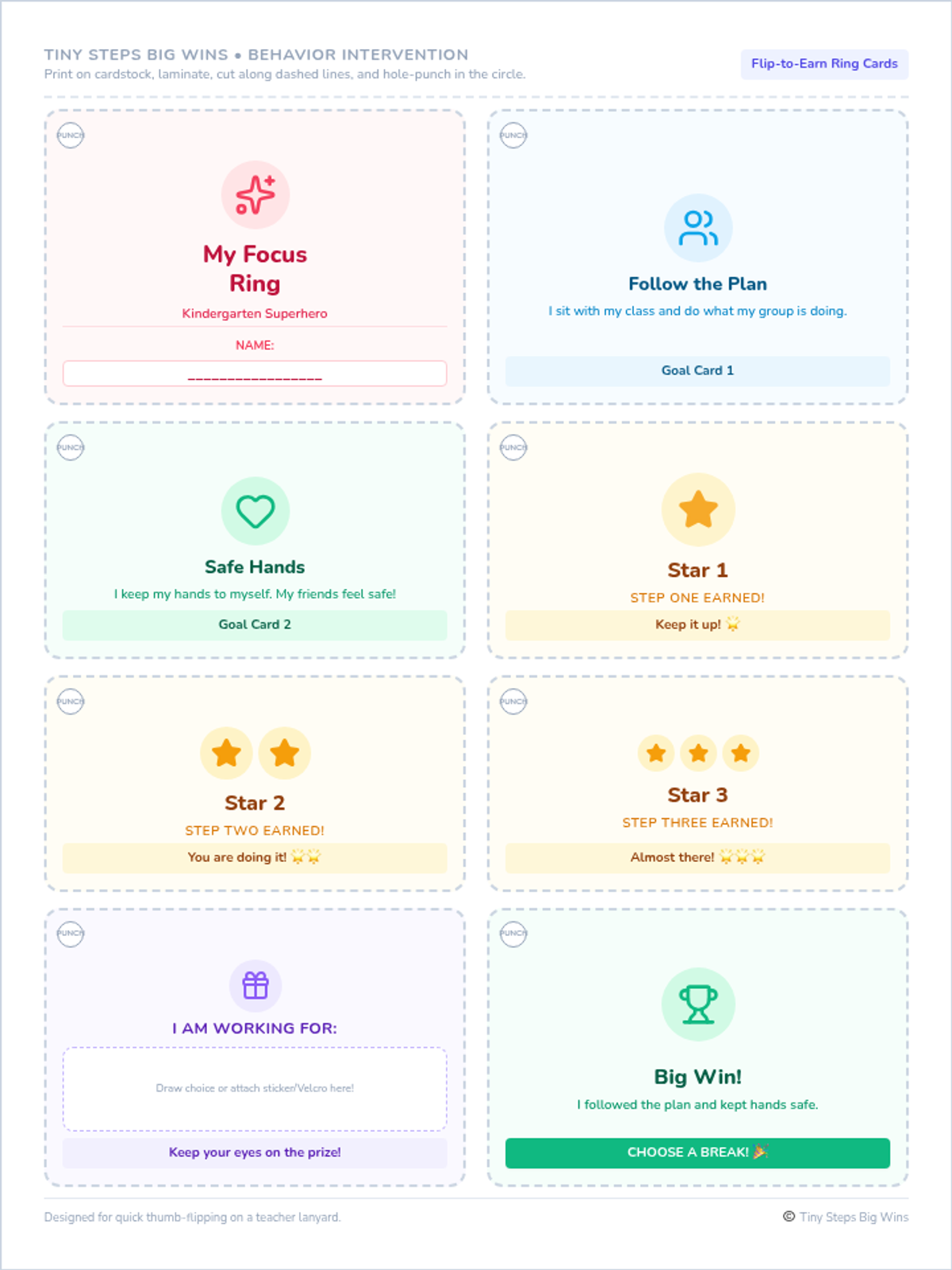
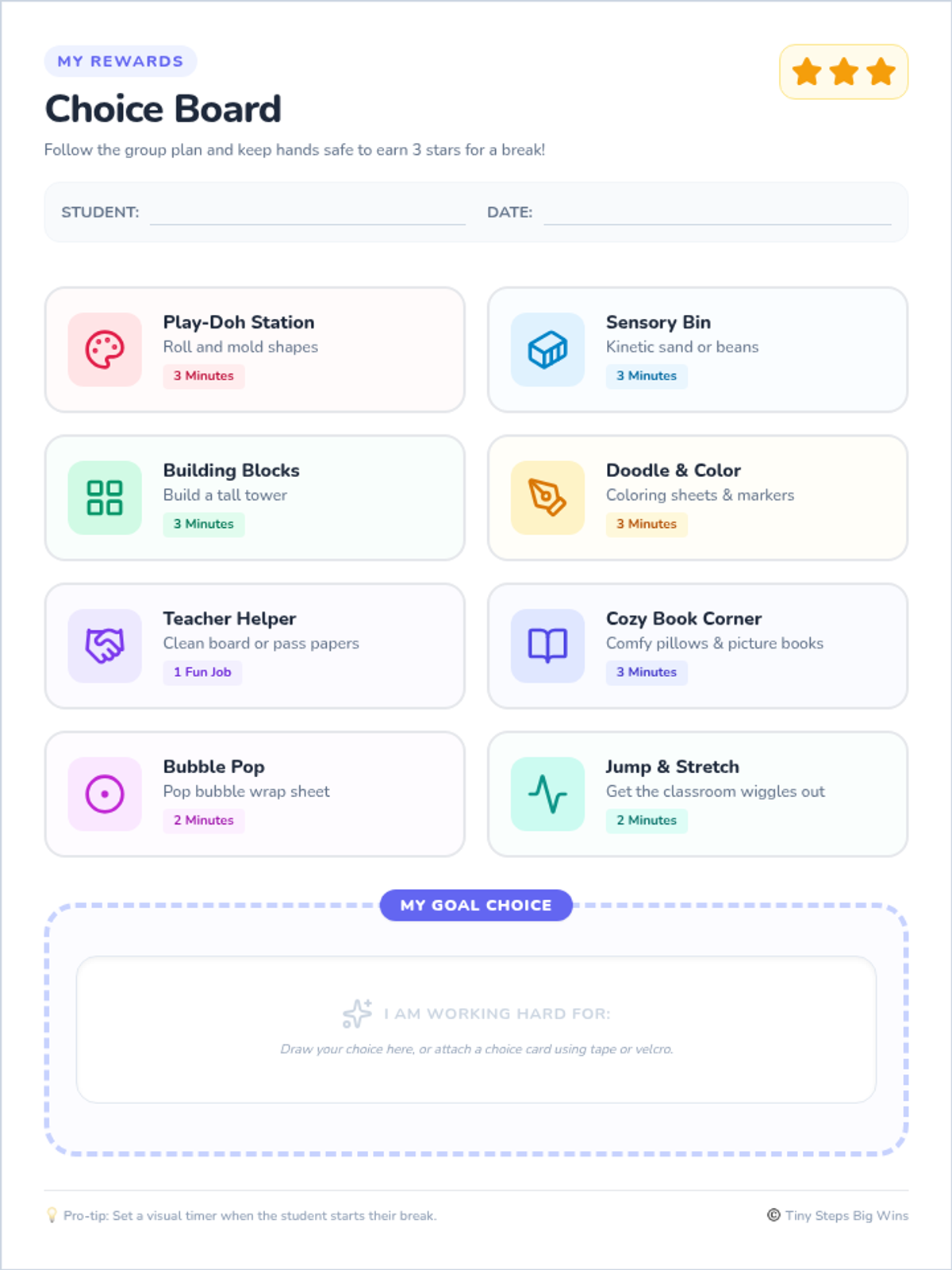
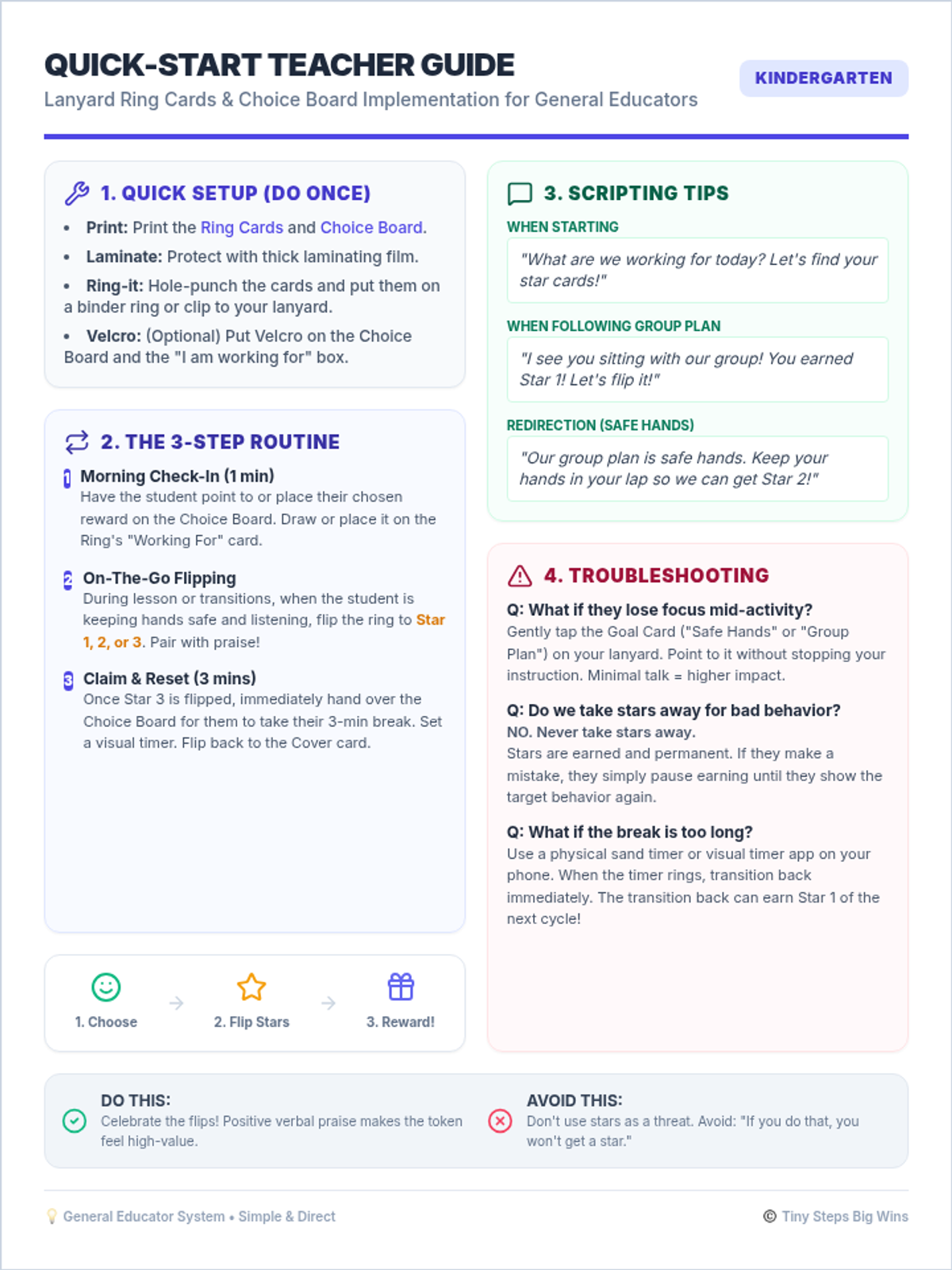
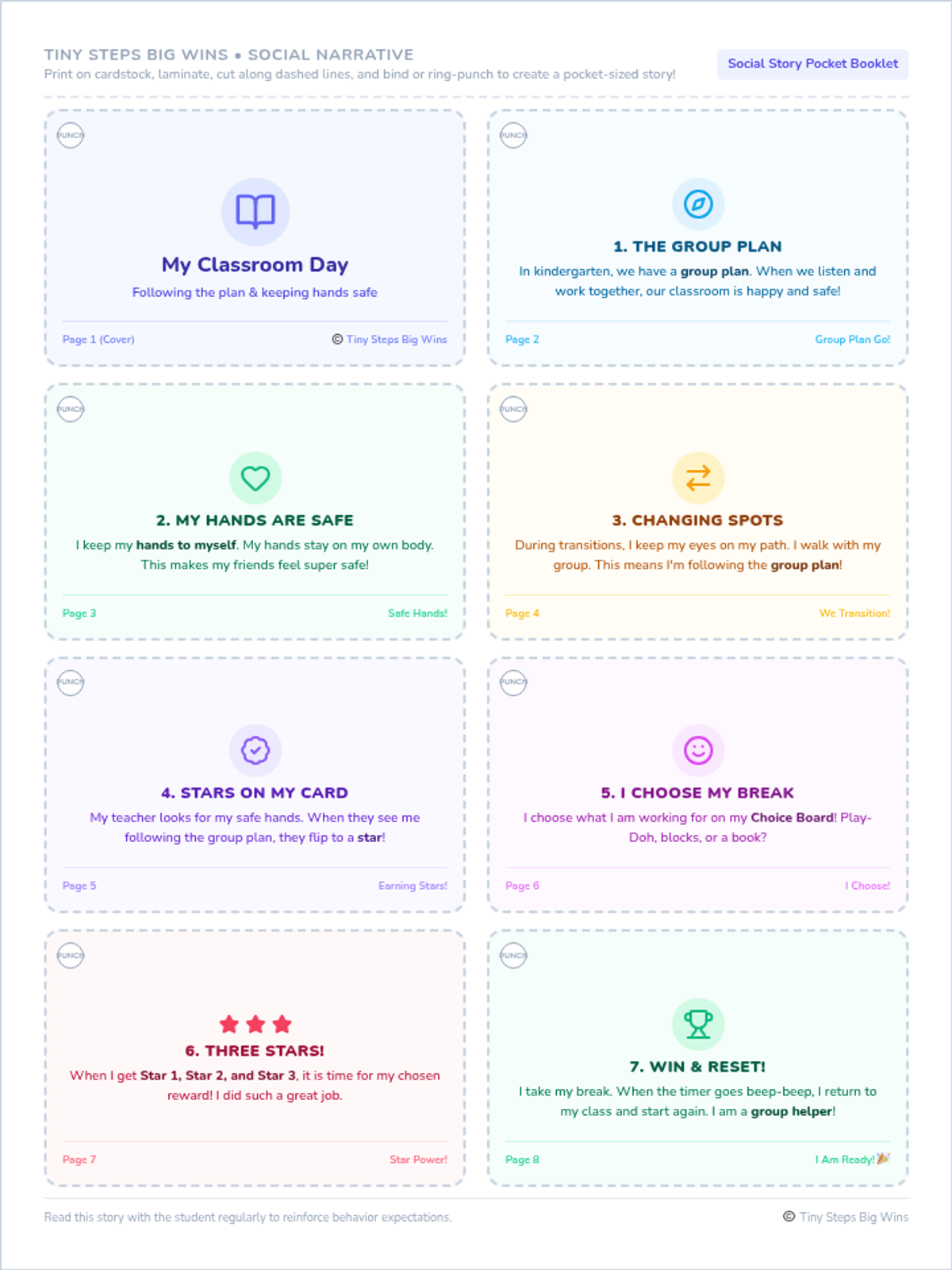
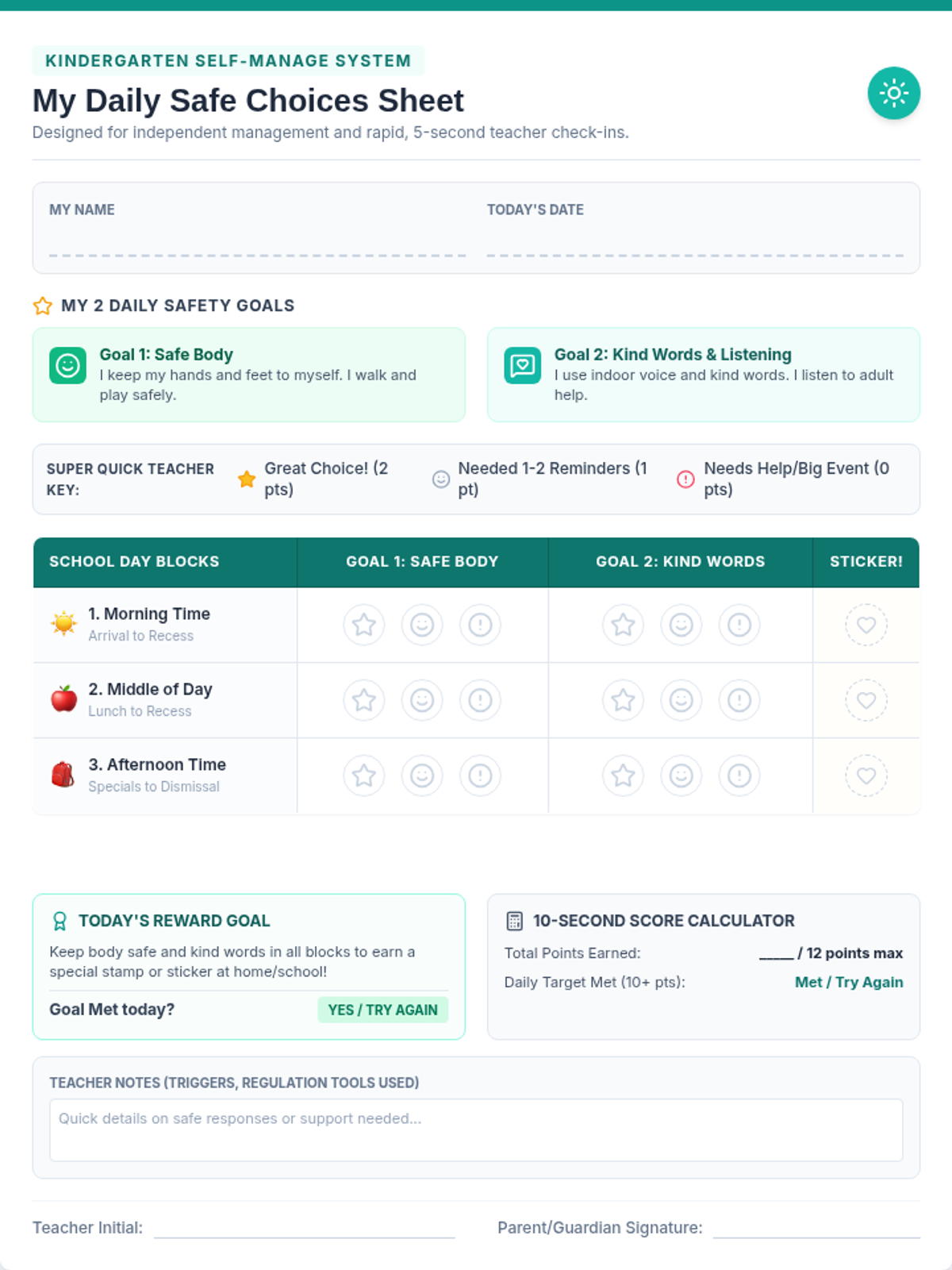
A simple, highly portable behavior reinforcement system designed for kindergarten teachers to help students follow the group plan and keep hands to self using visual flip cards and choice boards.
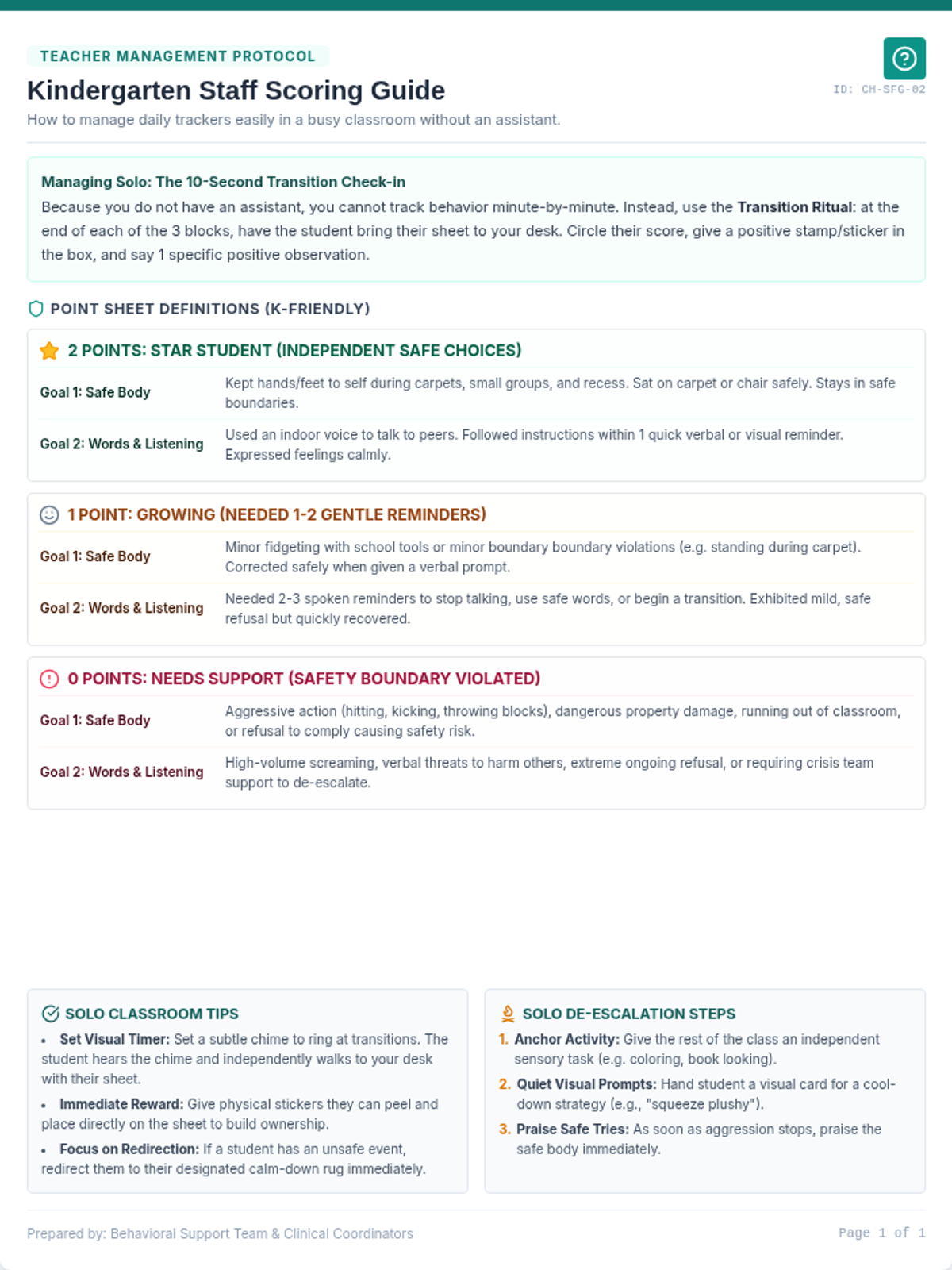
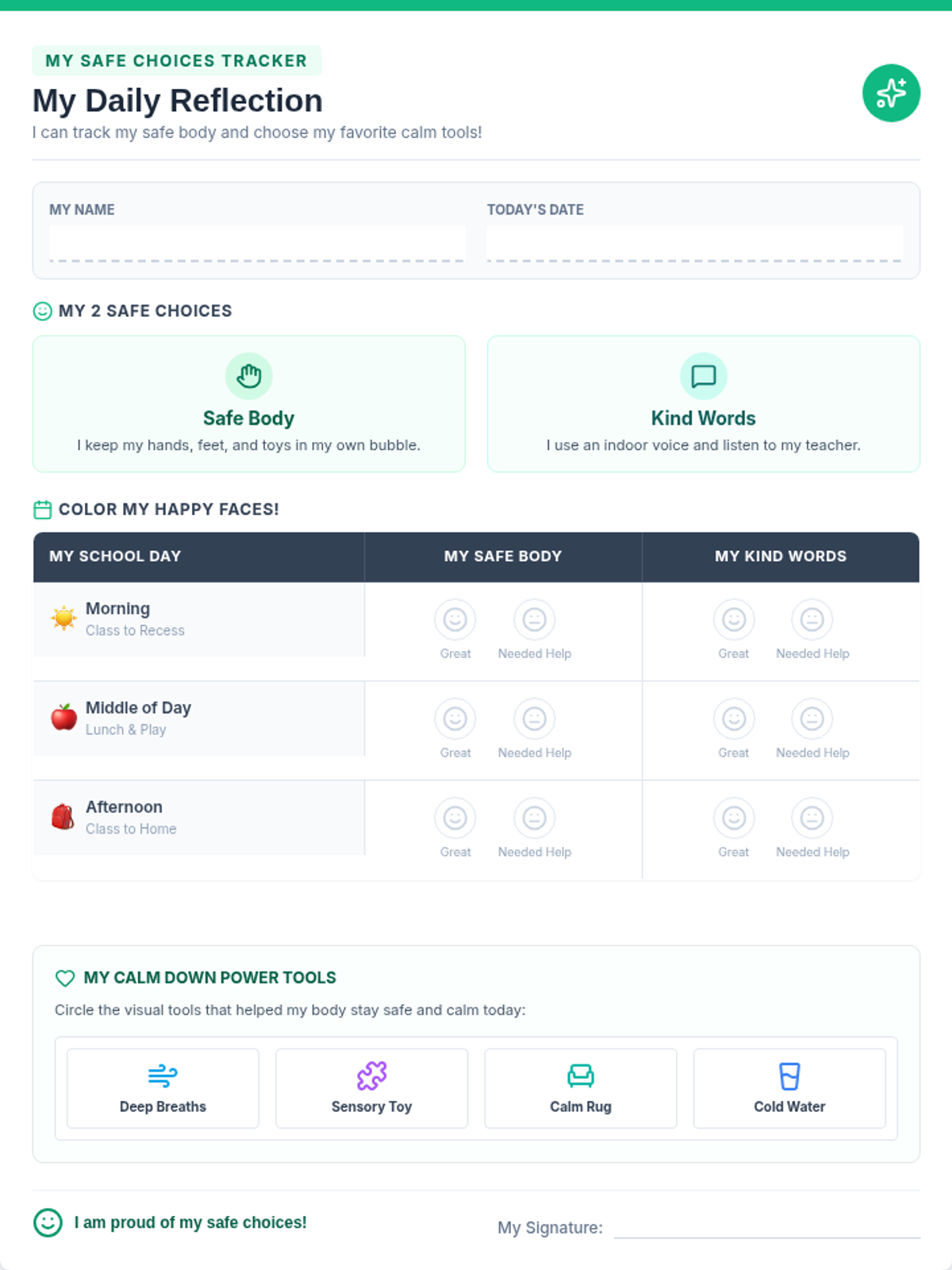
A comprehensive behavioral tracking and de-escalation toolkit designed to reduce aggressive behaviors and maintain safety boundaries. Includes interval-based daily point sheets, staff inter-rater guides, and student-led self-monitoring rubrics.
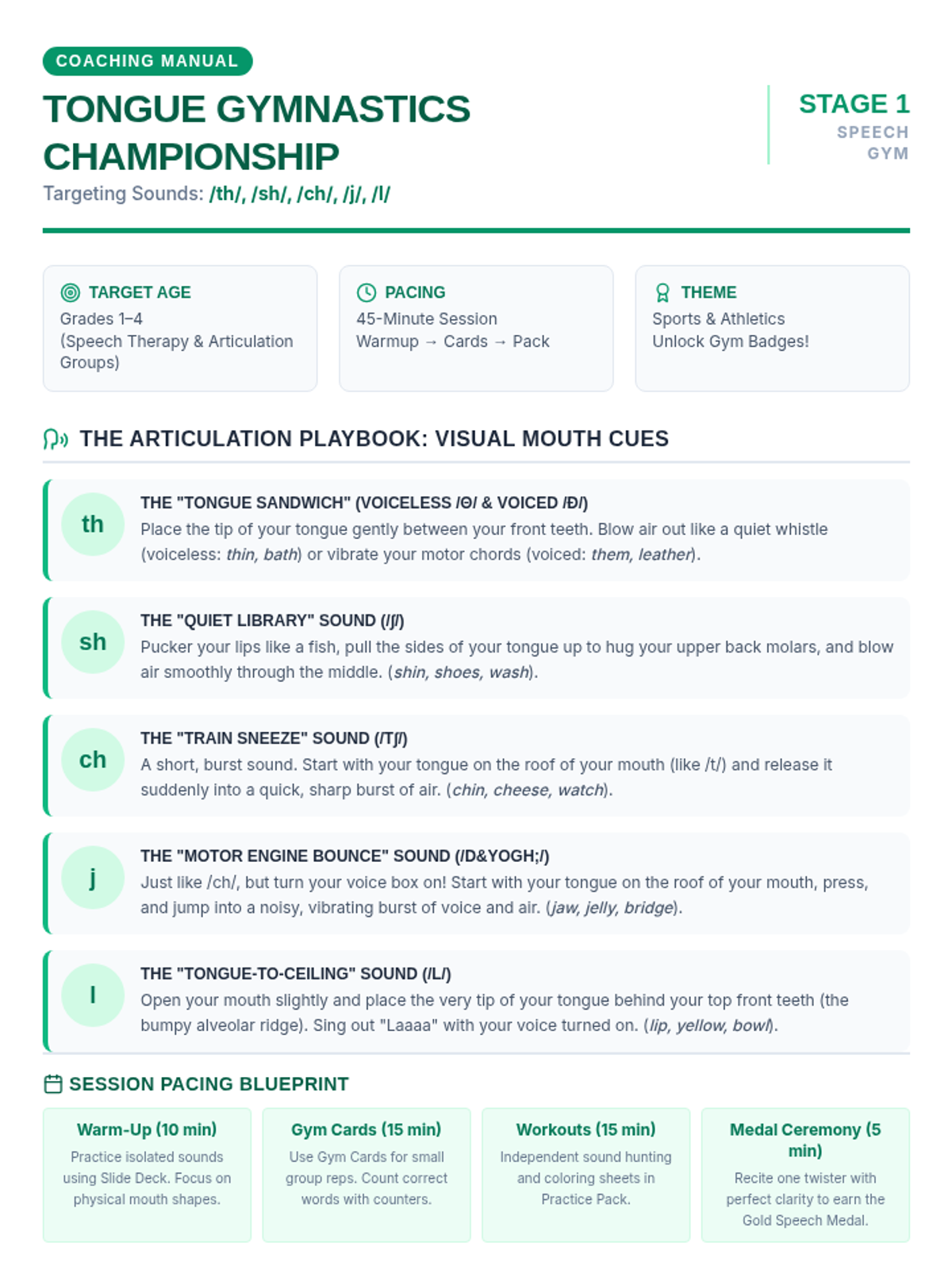
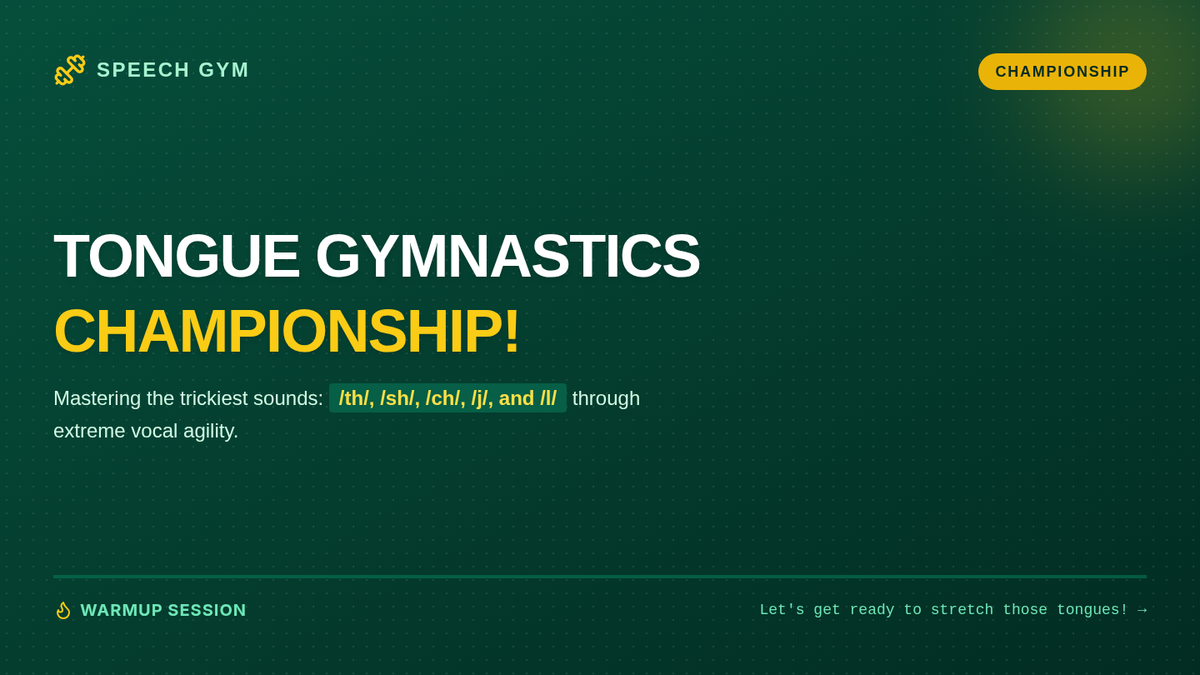
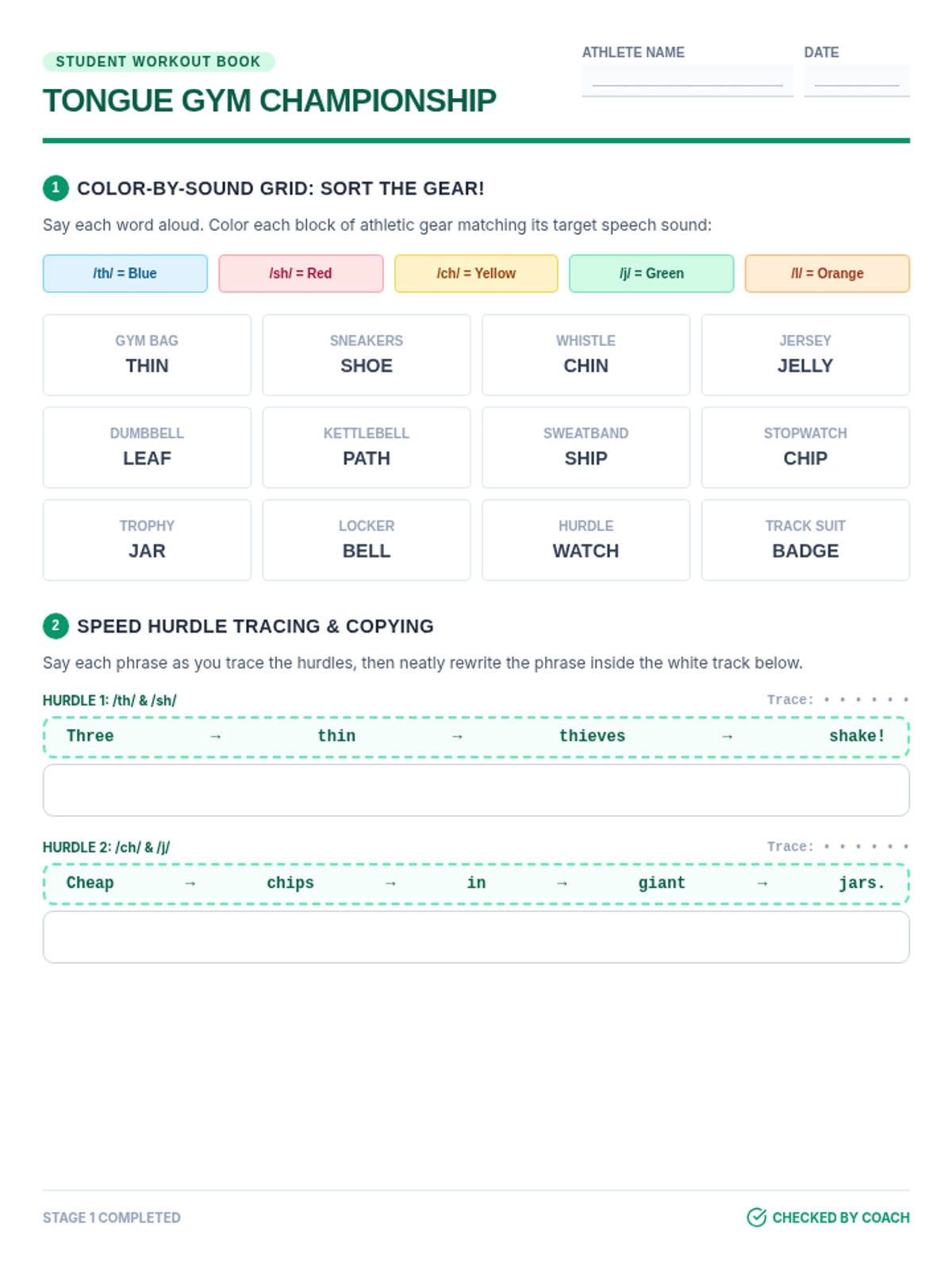
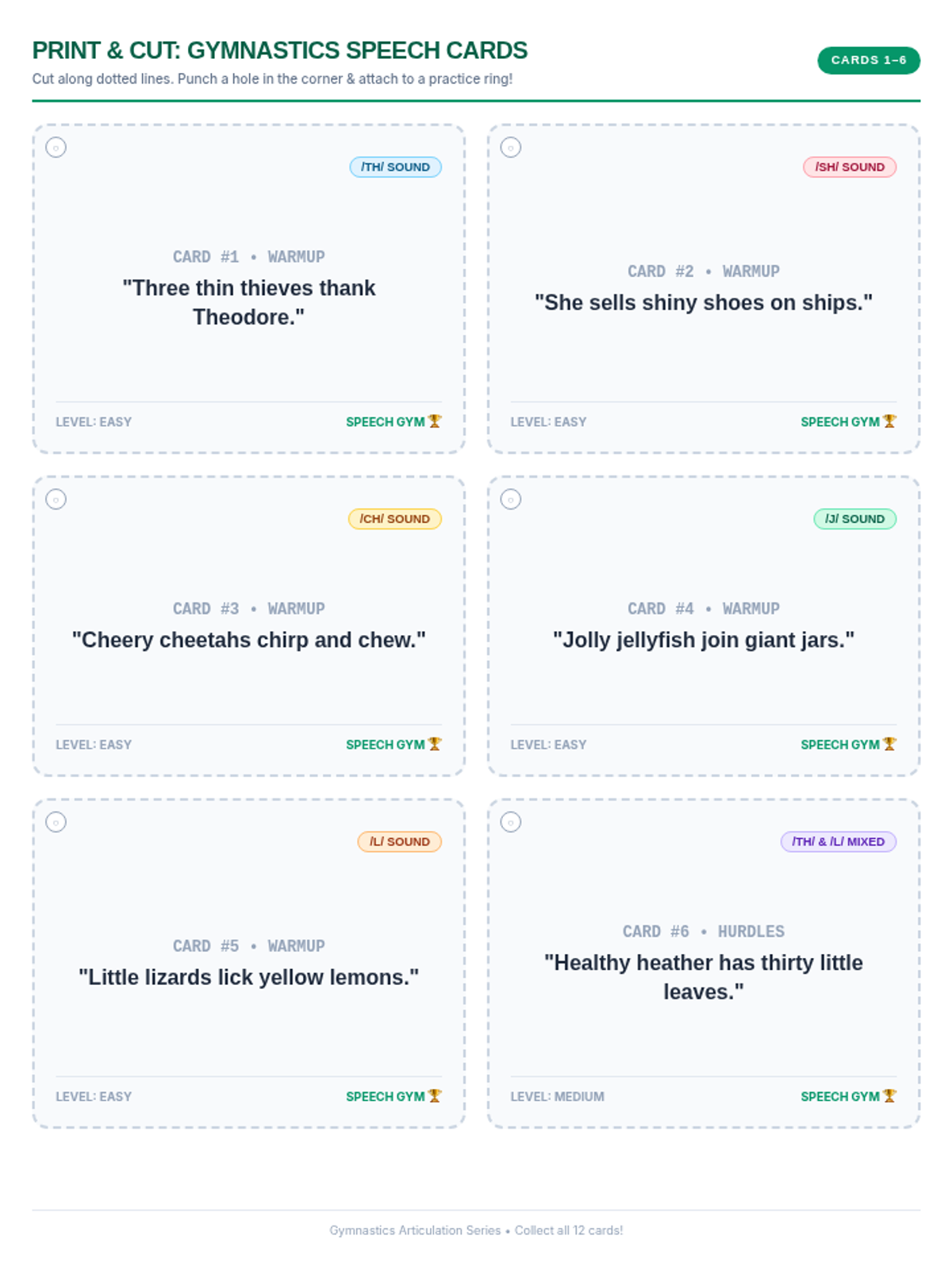
A comprehensive speech and articulation lesson designed to master the tricky /th/, /sh/, /ch/, /j/, and /l/ sounds. Using a fun "Tongue Gymnastics" sports theme, students progress through graduated difficulty levels from basic warm-ups to champion-level contrastive-pair showdowns.
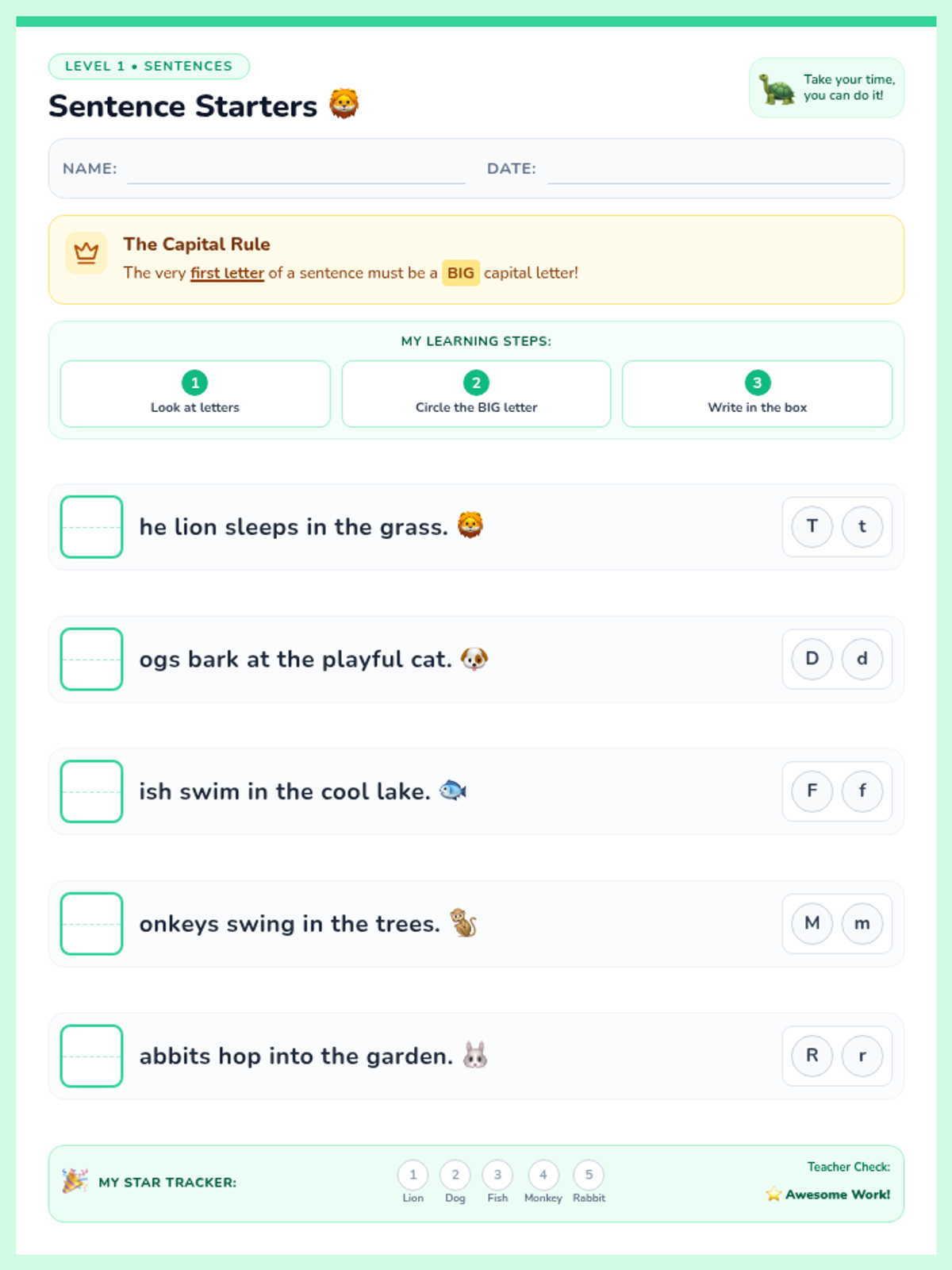
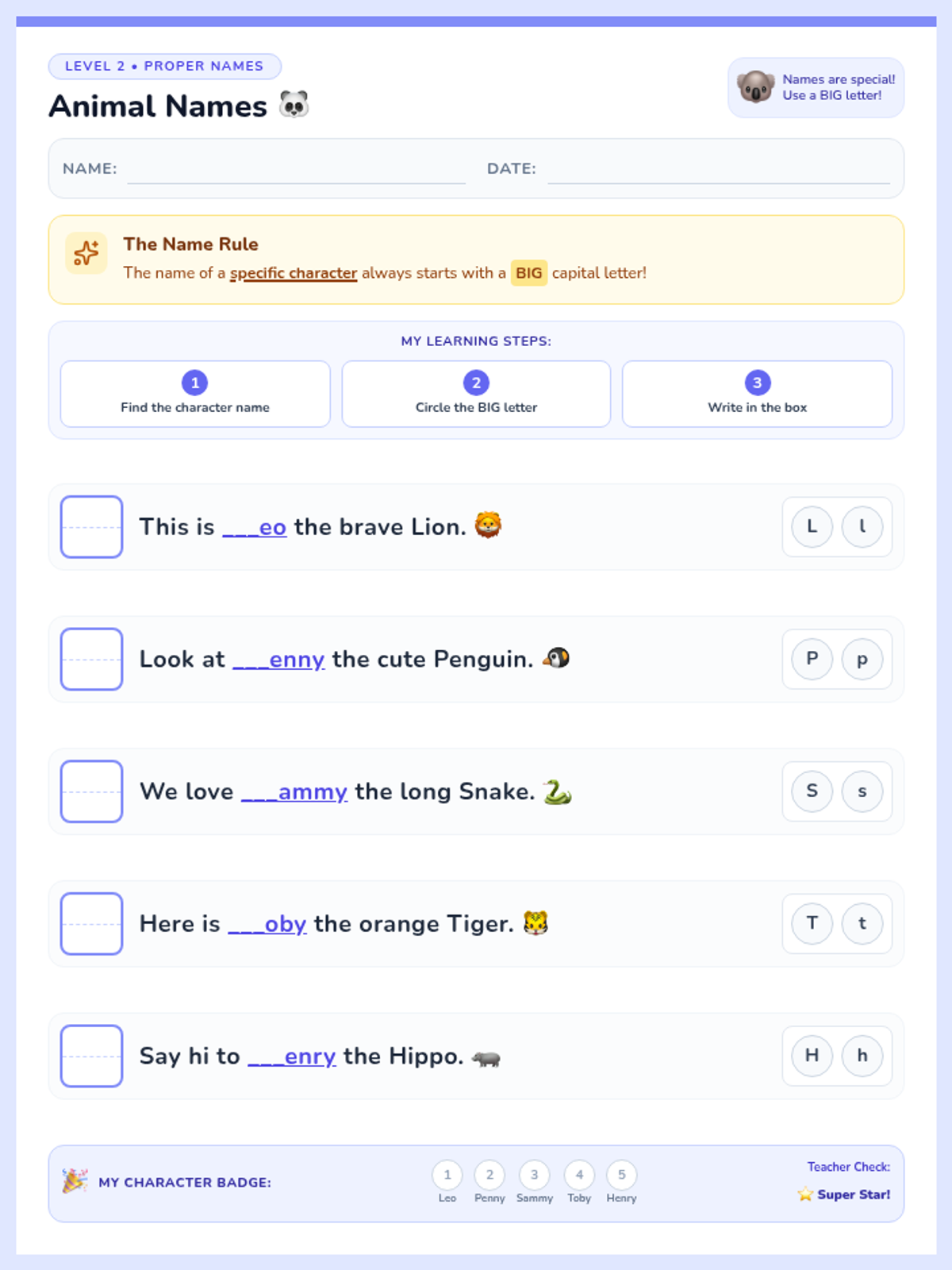
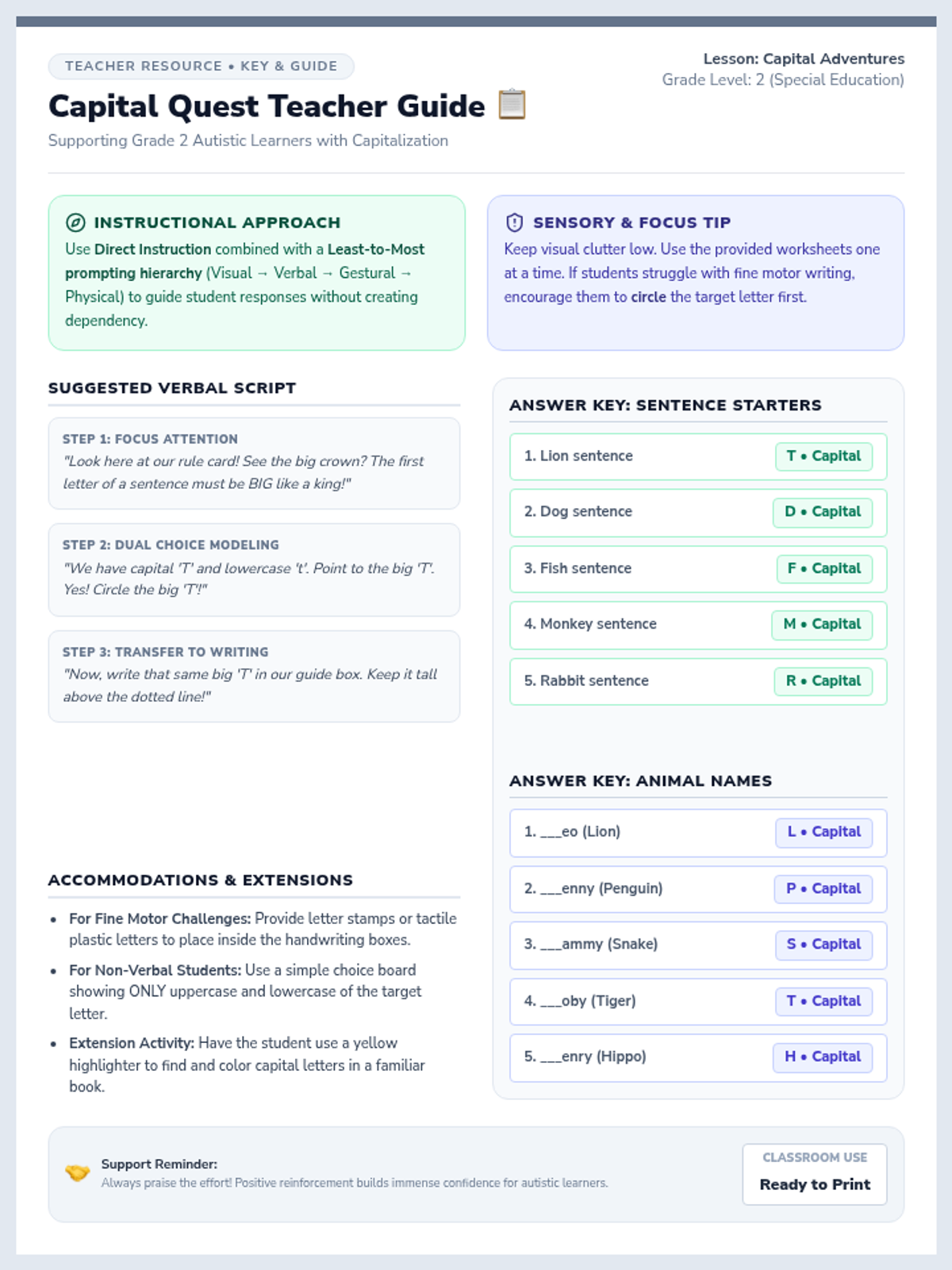
A simple, highly structured capitalization lesson for Grade 2 students with autism, featuring animal-themed worksheets and clear visual supports for sentence starters and proper character names.
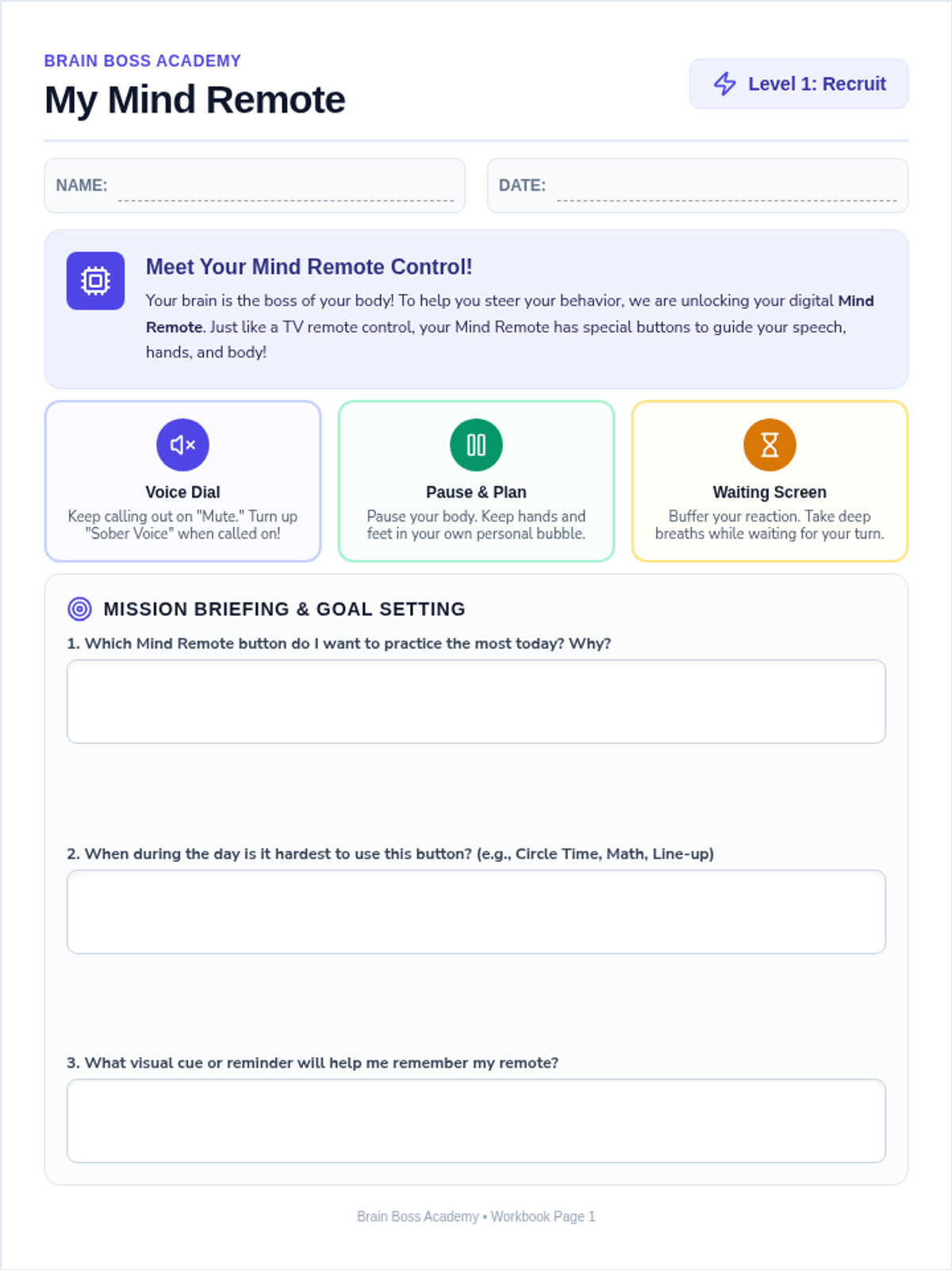
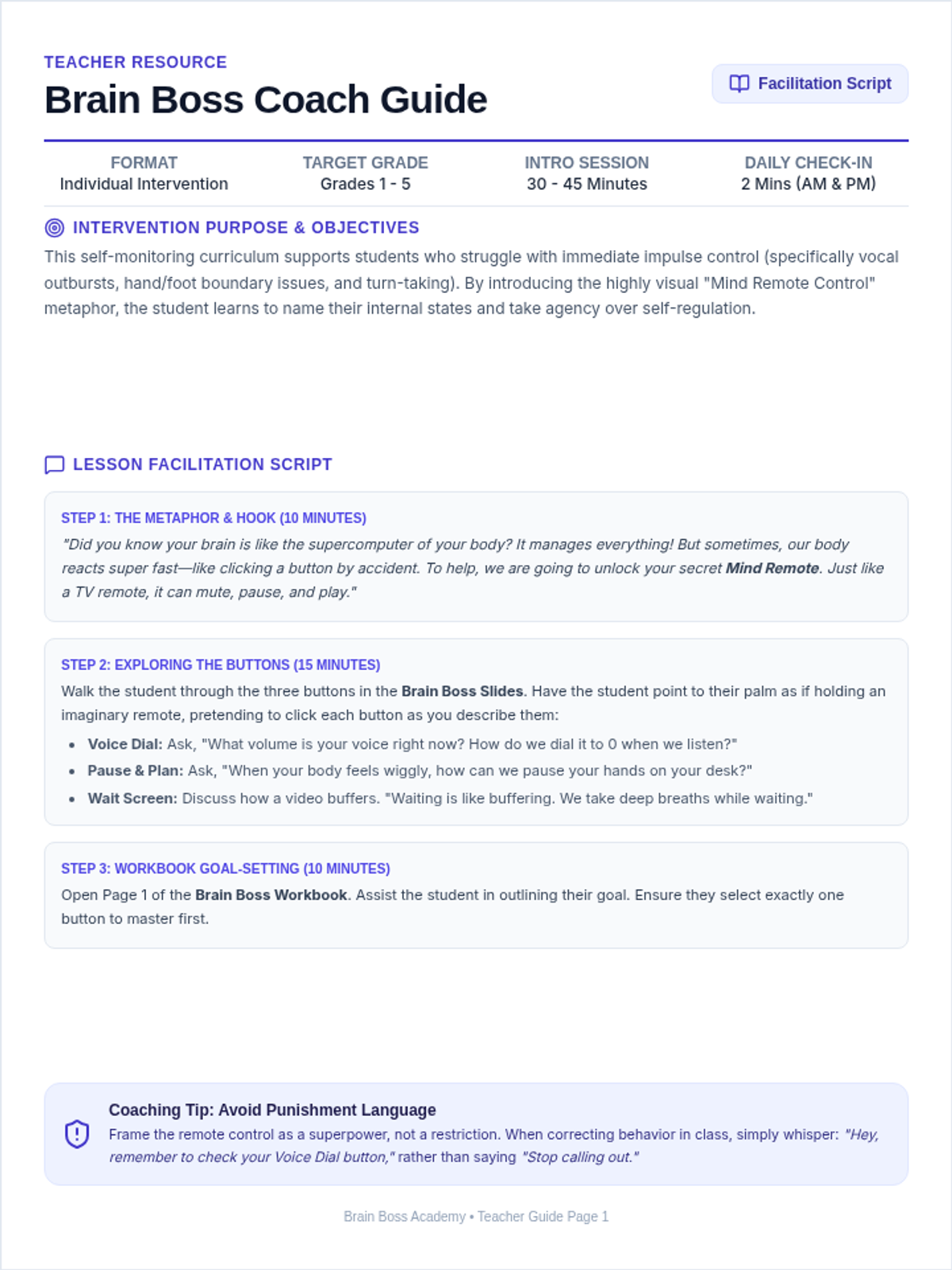
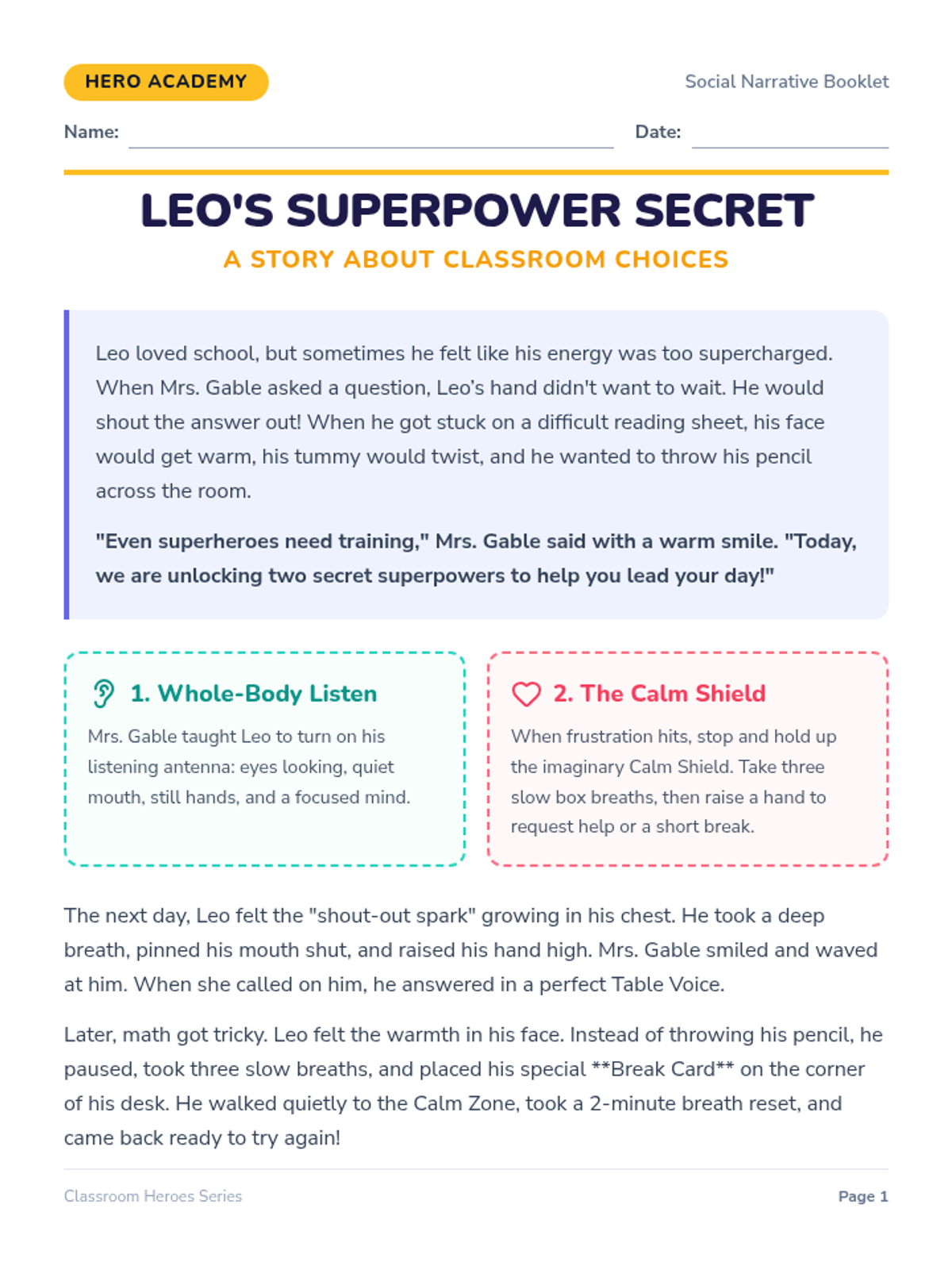
An individual self-monitoring lesson focused on impulse control, teaching students how to manage calling out, wait their turn, and maintain personal boundaries using a relatable 'Mind Remote Control' metaphor.
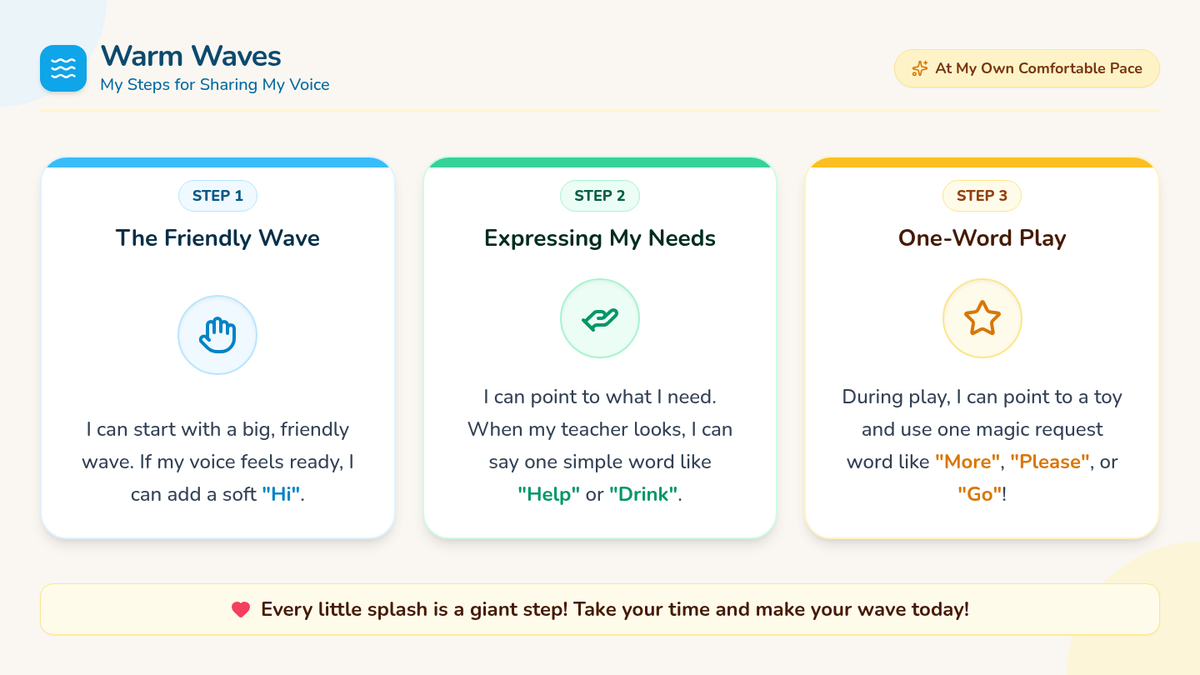
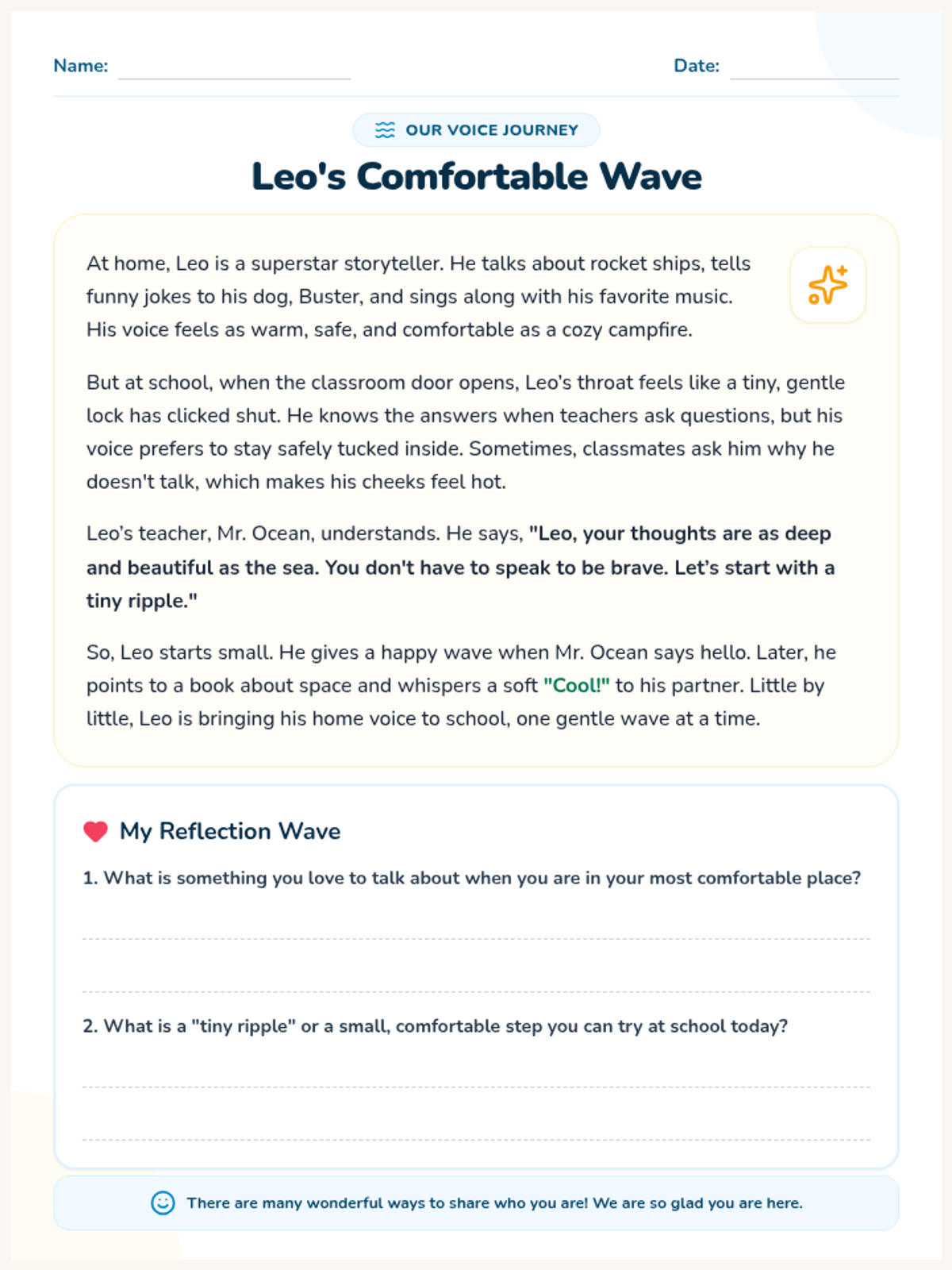
A gentle, step-by-step social narrative lesson designed for second graders who are beginning to vocalize in the classroom. This mini-lesson uses a warm, low-pressure approach to model friendly greetings, expressing basic needs, and making simple one-word requests at the student's own comfortable pace.
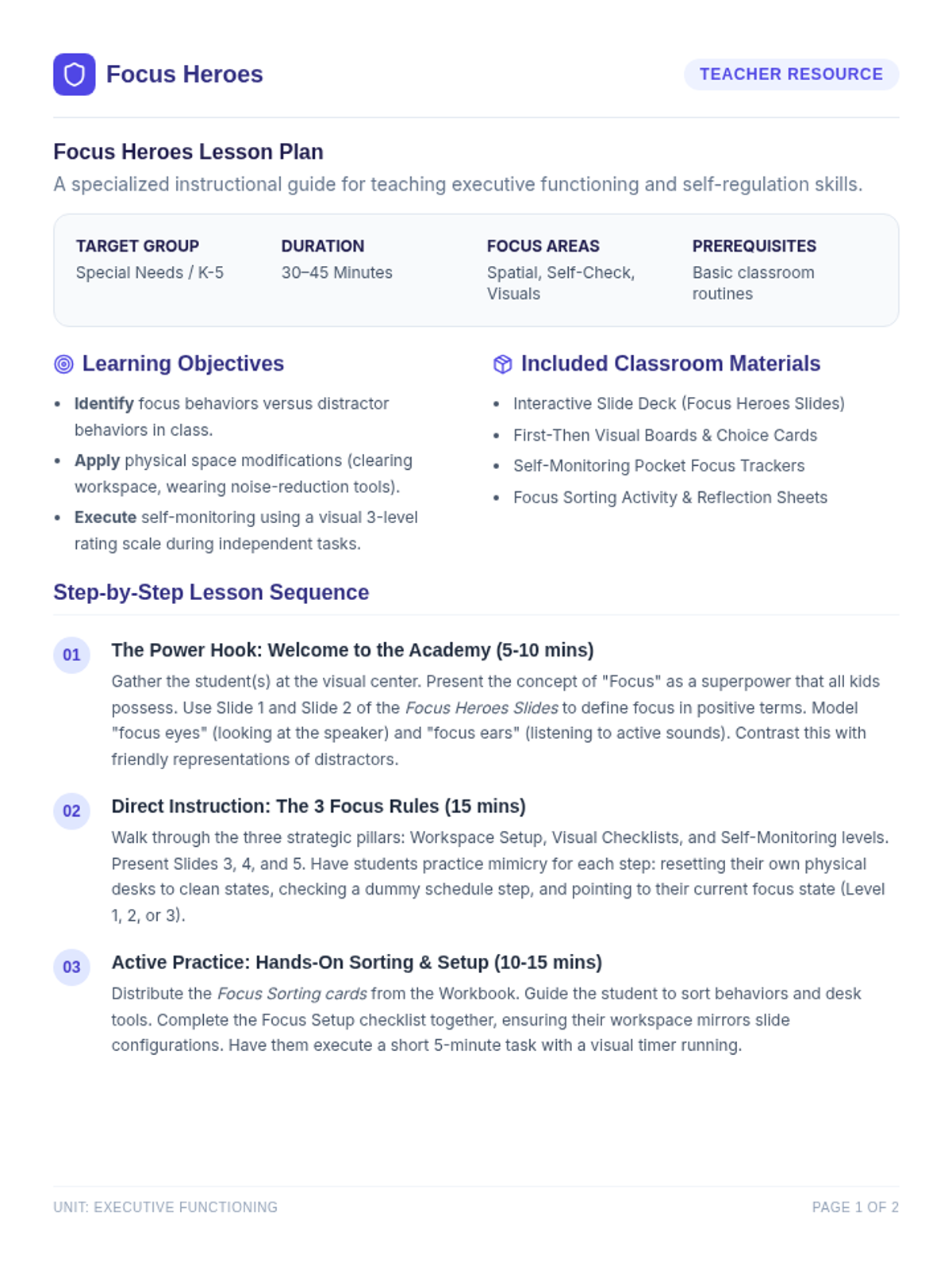
A specialized lesson designed to teach focus strategies, self-monitoring, and environmental adjustments to students with special needs, featuring concrete visual aids and self-regulation tools.
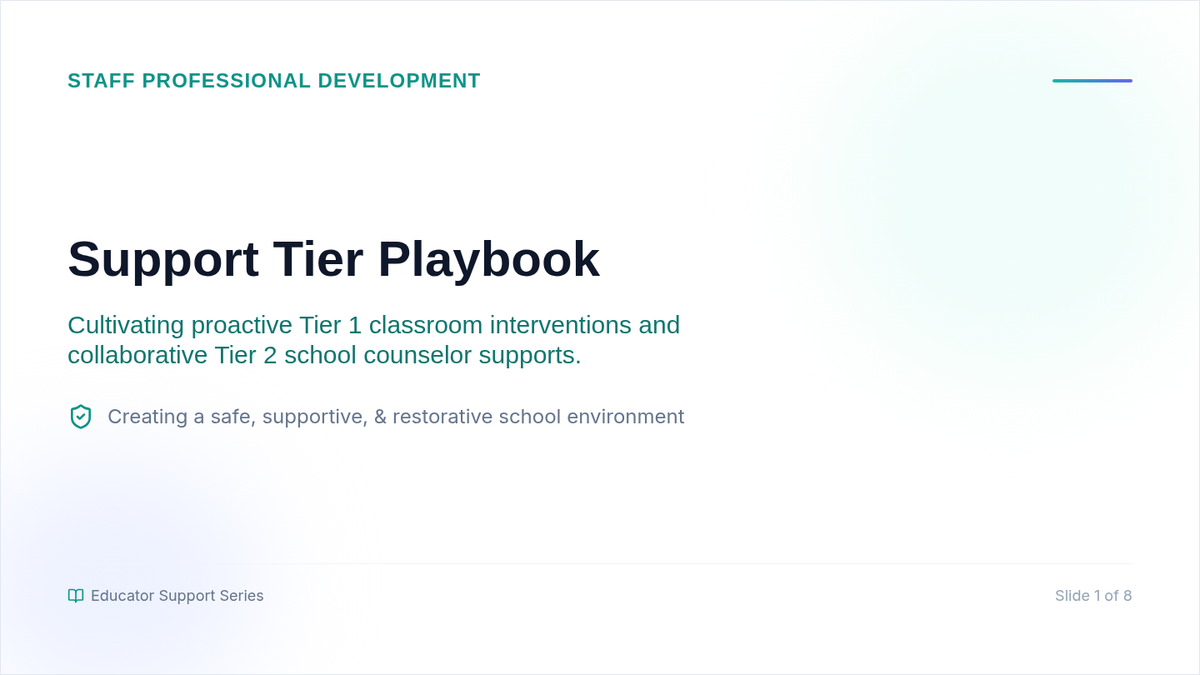
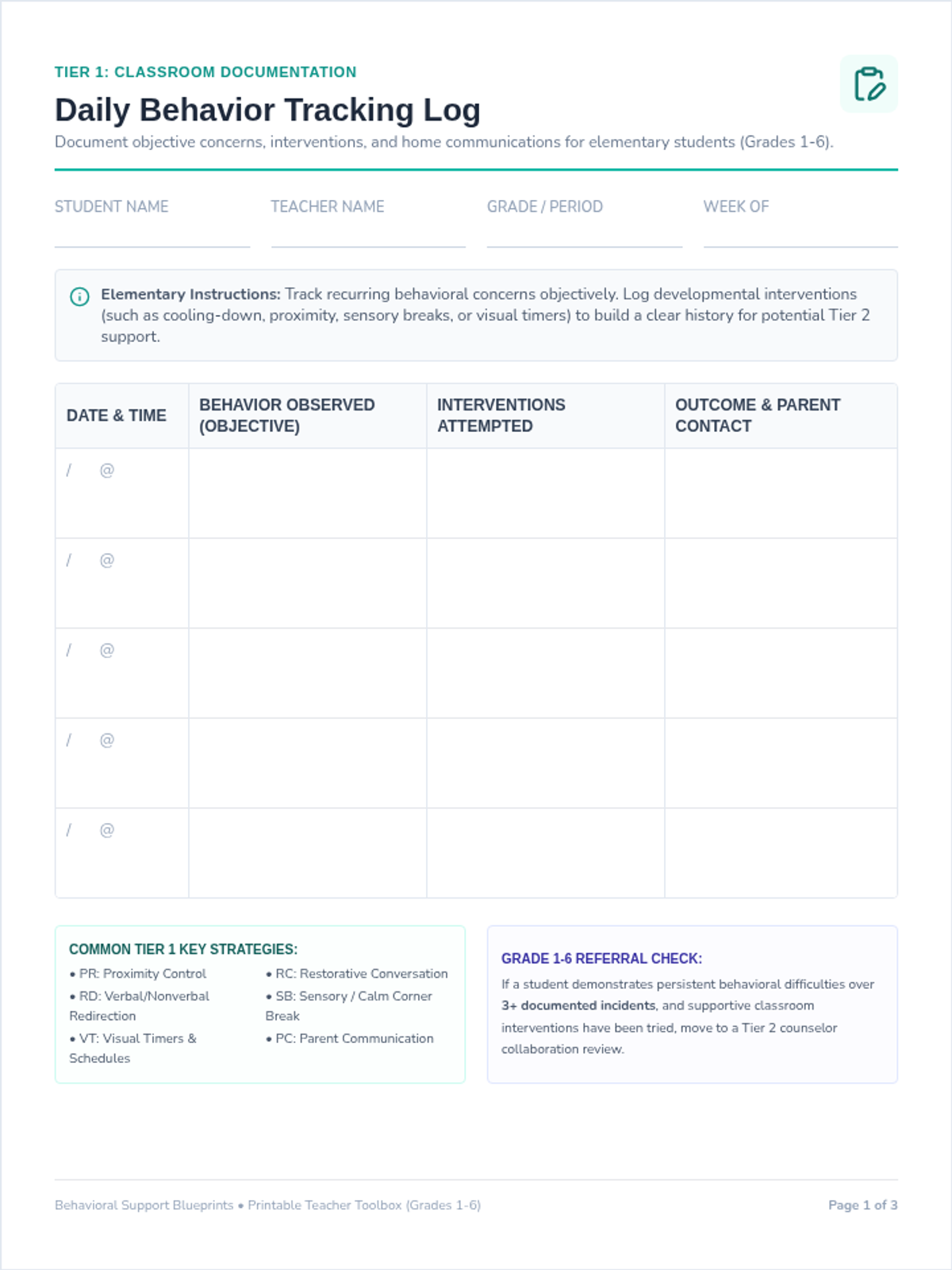
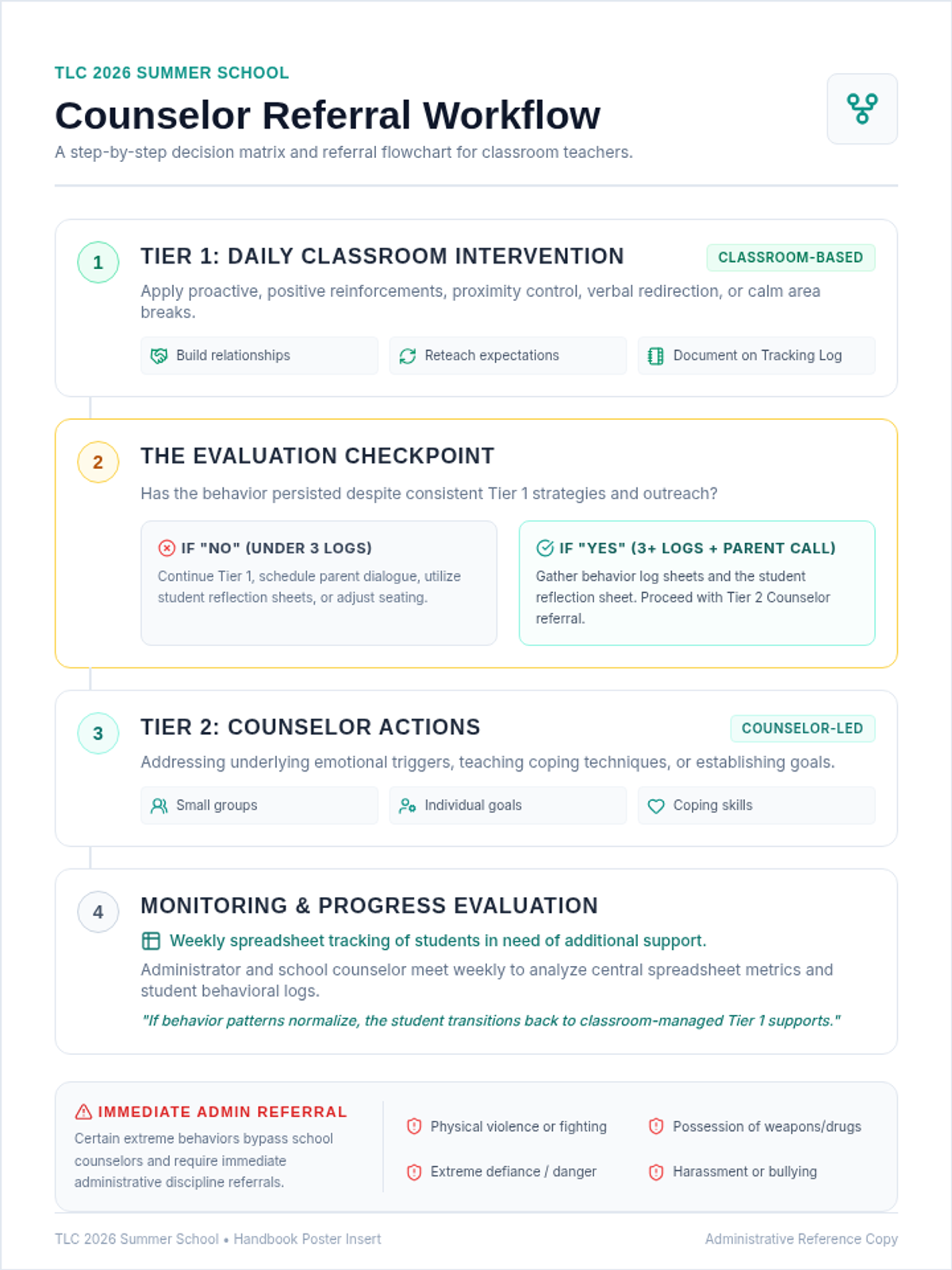
A comprehensive professional development and resource package for educators, mapping out Tier 1 classroom interventions and Tier 2 school counselor supports to build a proactive, collaborative, and restorative student support culture.
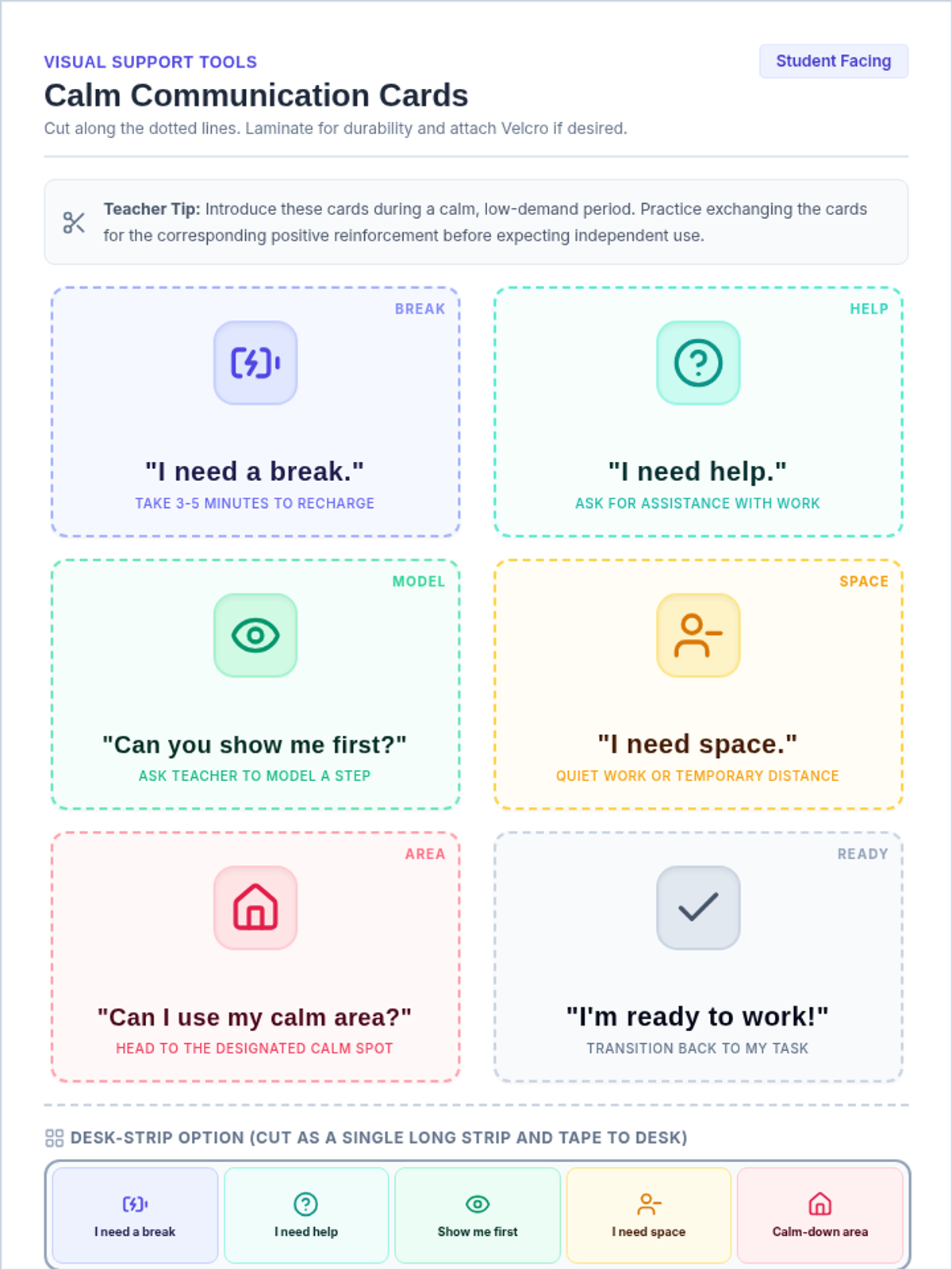
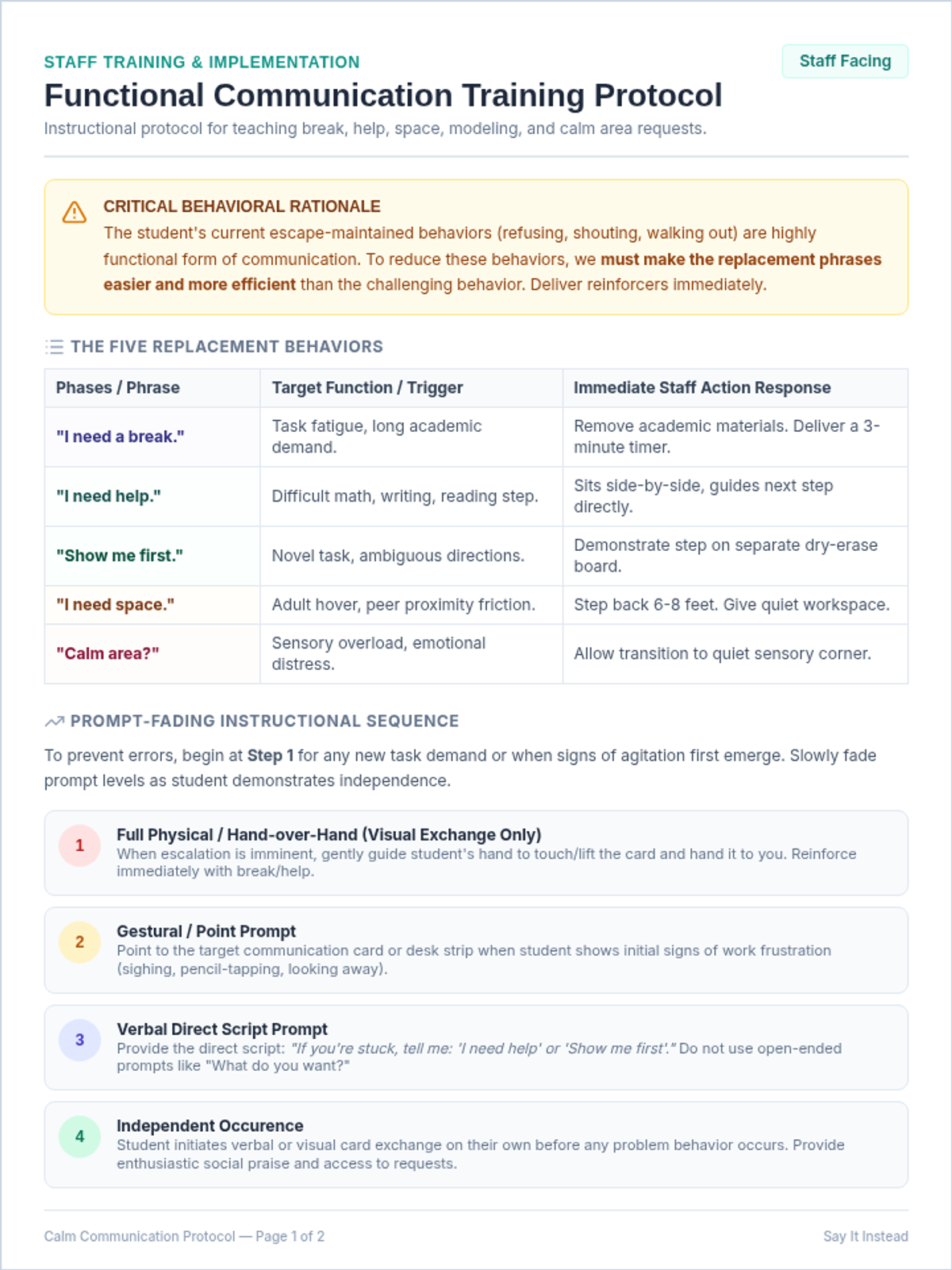
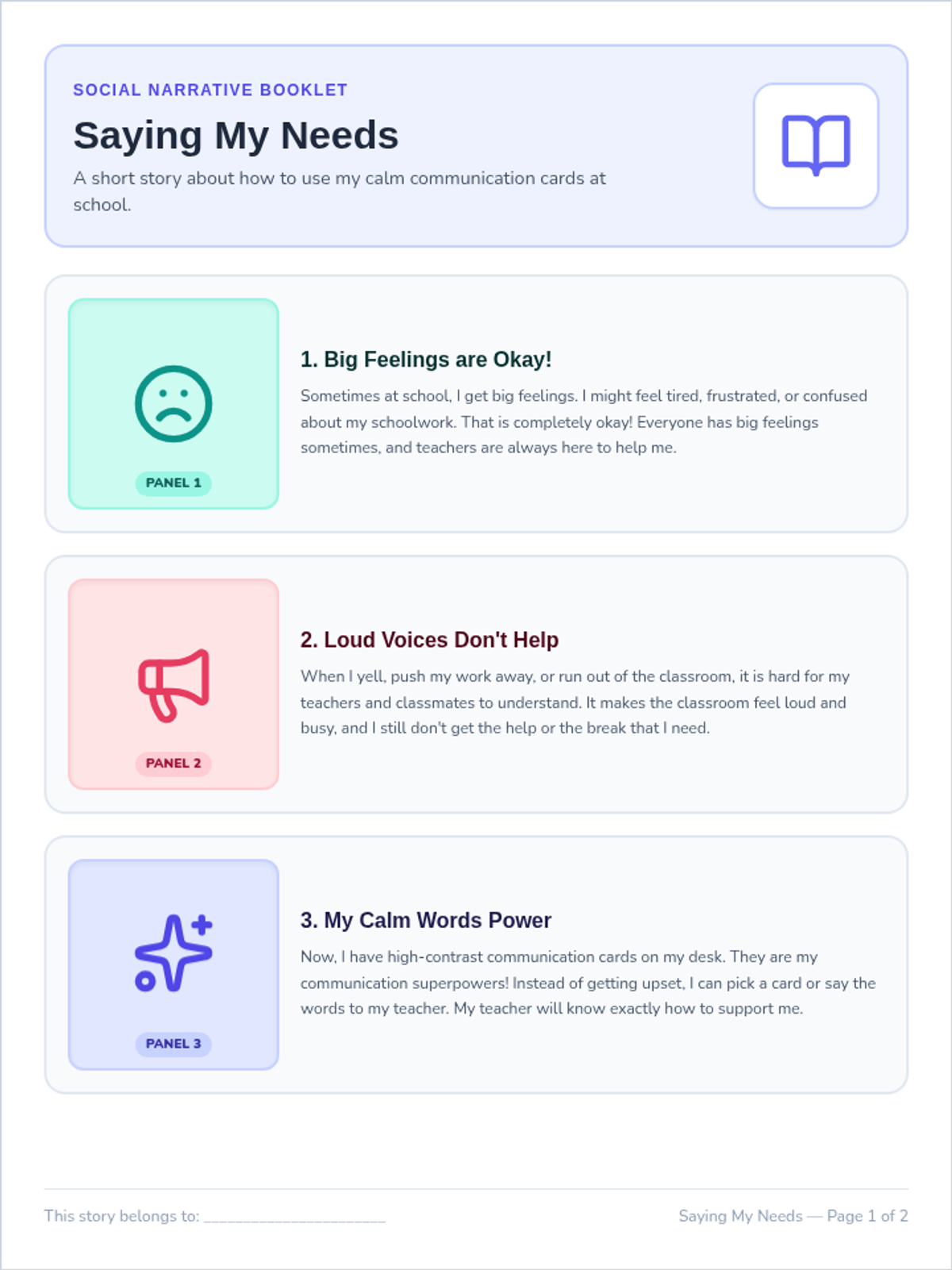
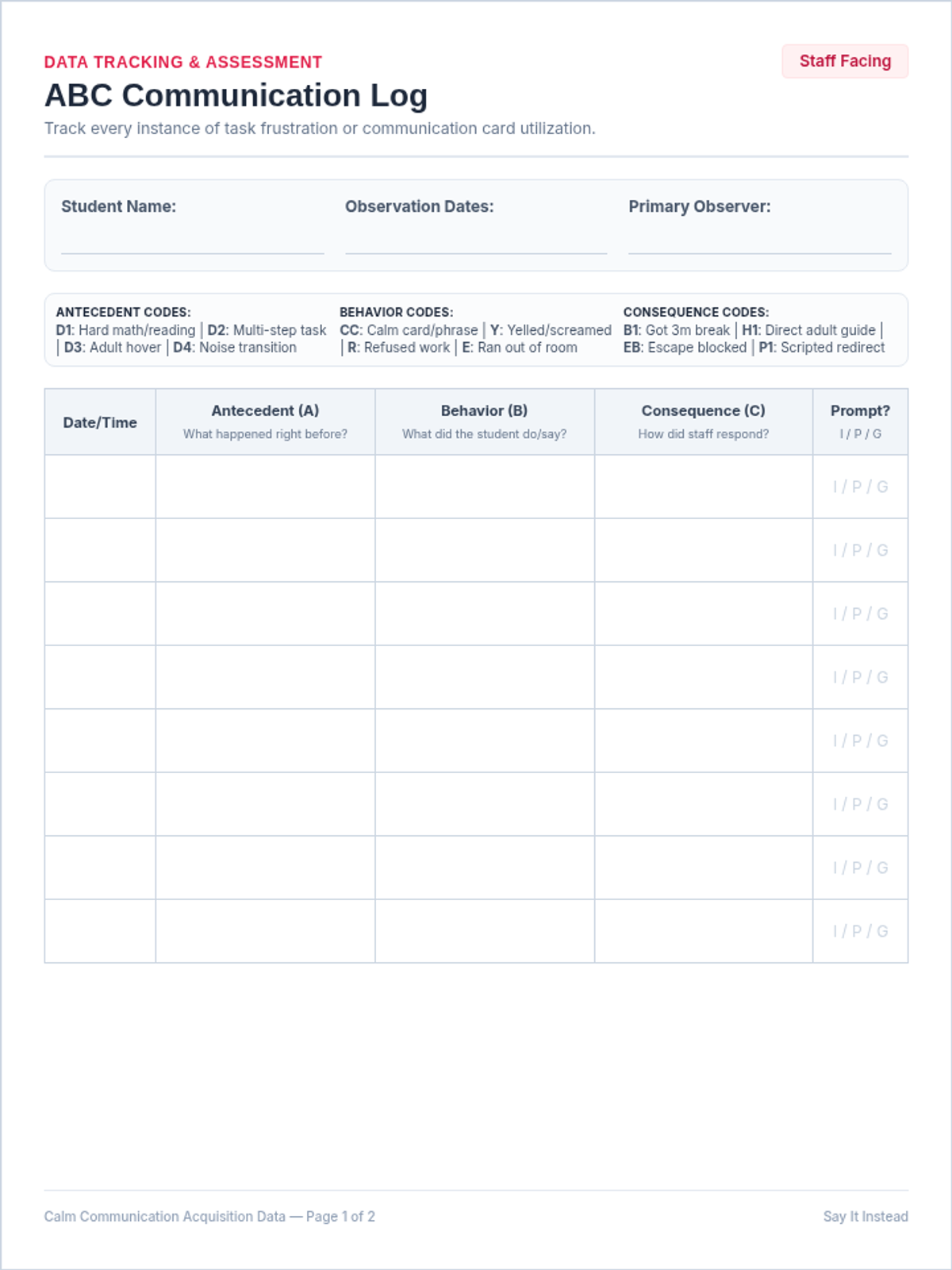
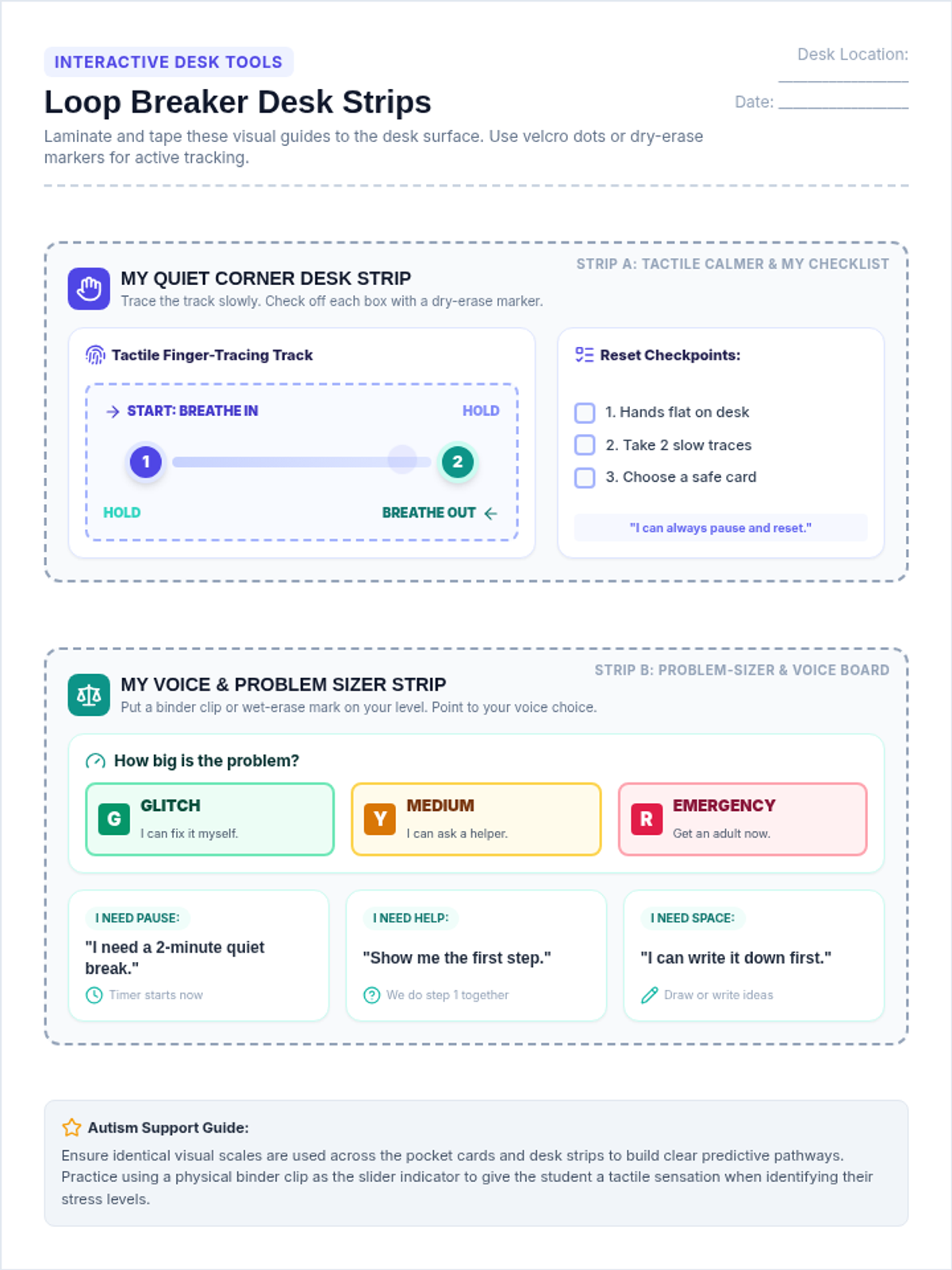
A comprehensive set of visual supports, implementation protocols, a social narrative, and tracking sheets designed to teach and reinforce five critical replacement communication behaviors: requesting a break, asking for help, requesting a demonstration, asking for space, and requesting access to a calm-down area.
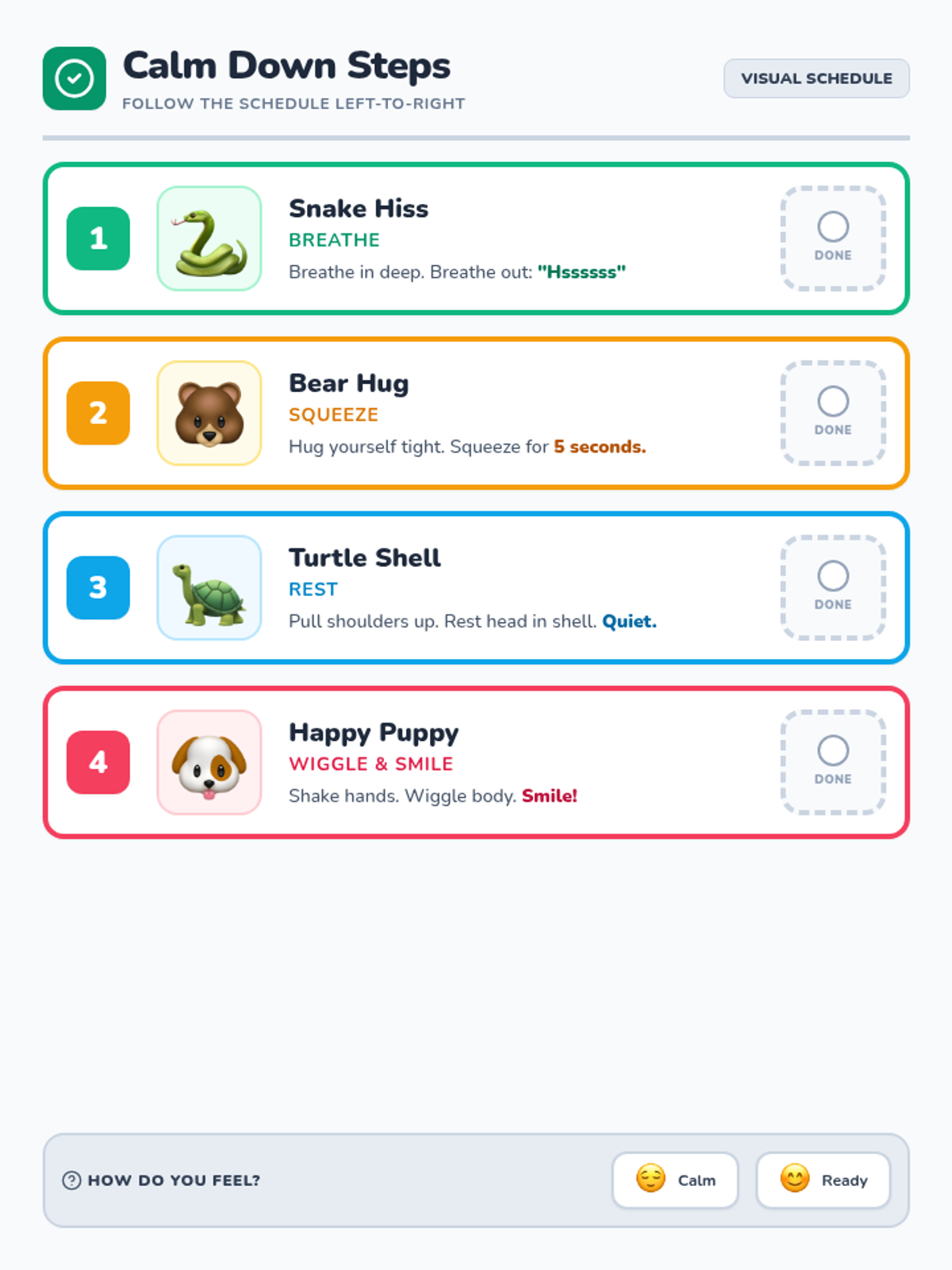
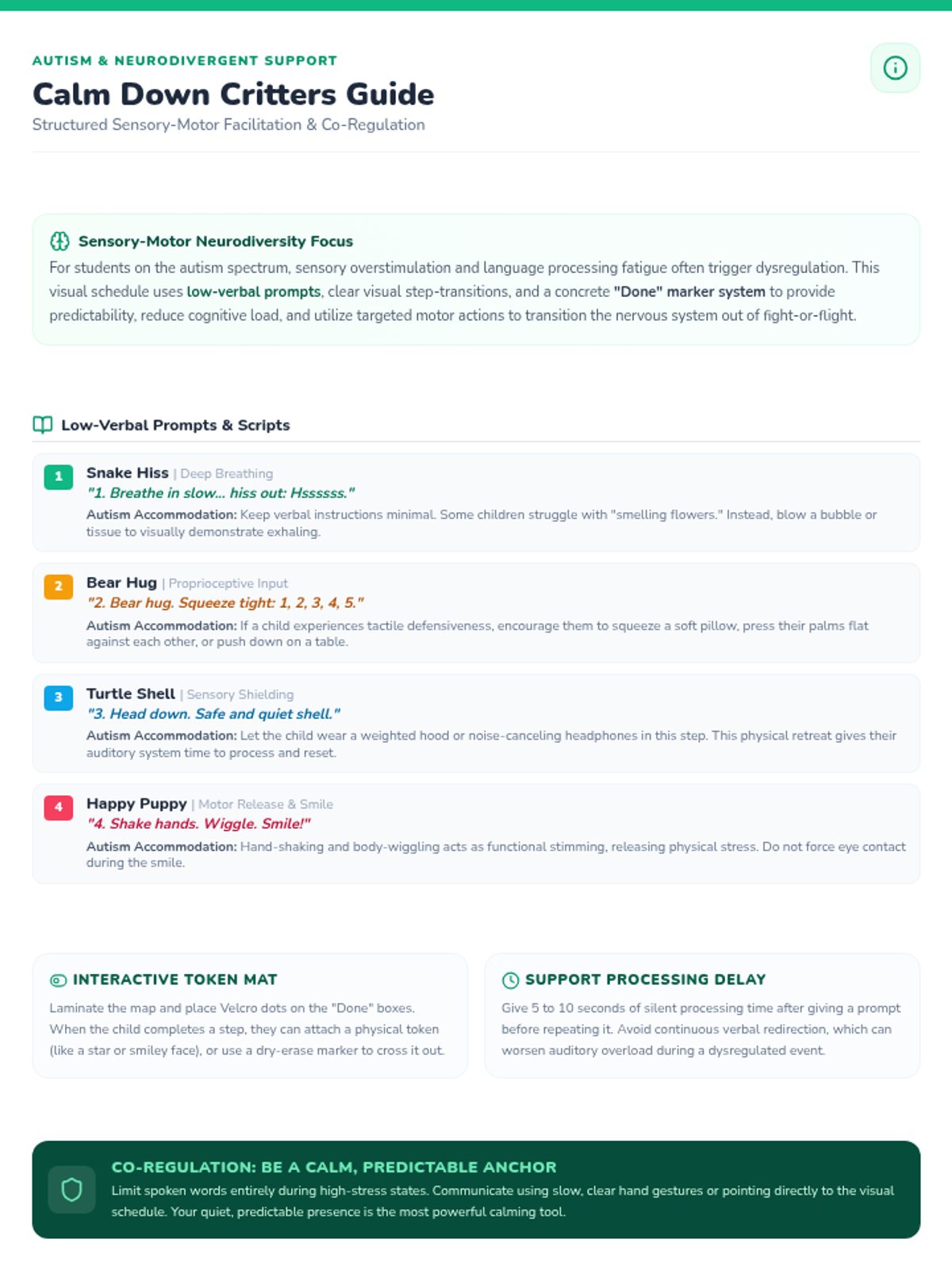
A calming, playful self-regulation lesson for preschoolers featuring sensory-motor animal actions to teach deep breathing and deep pressure therapy.
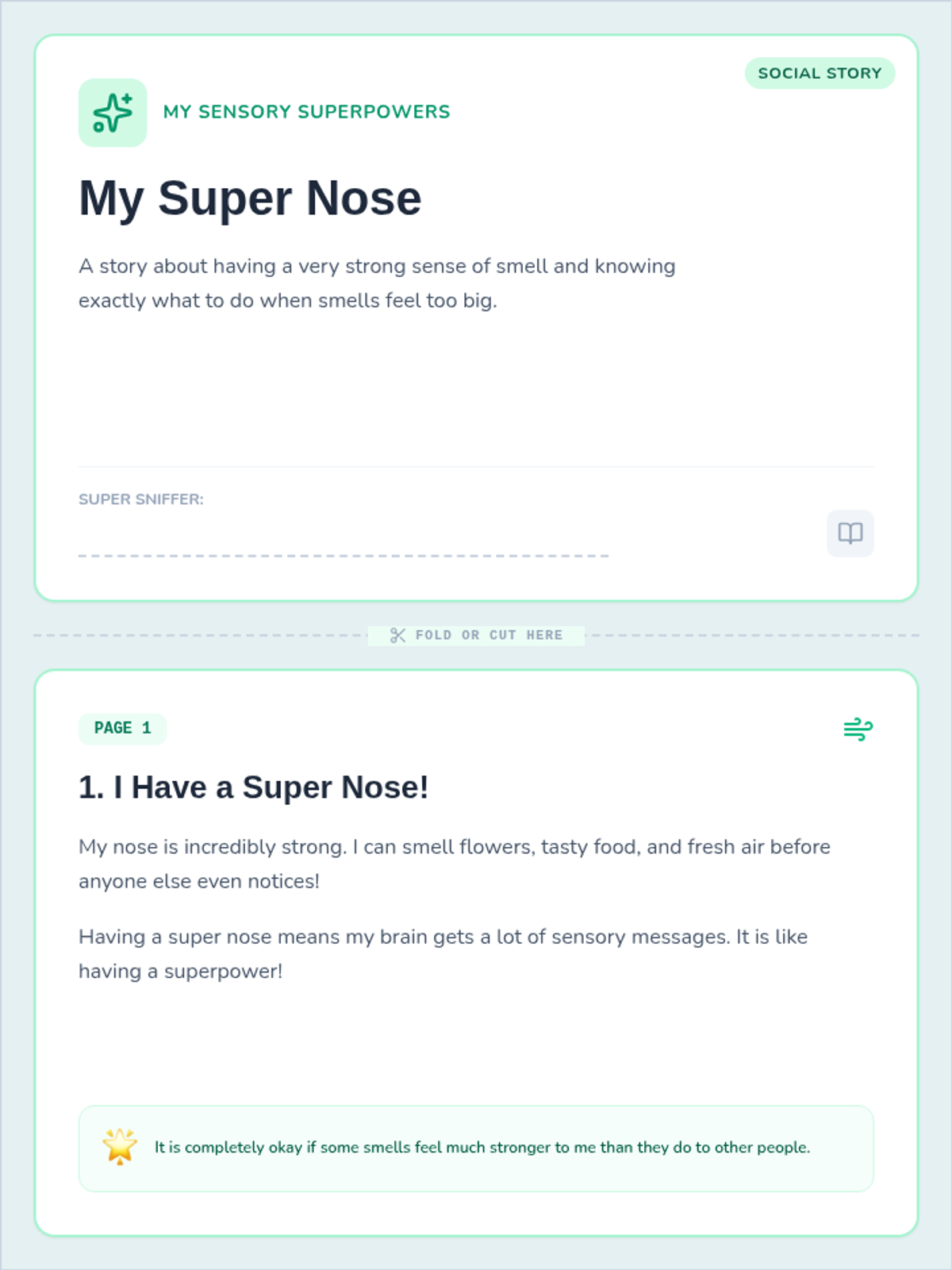
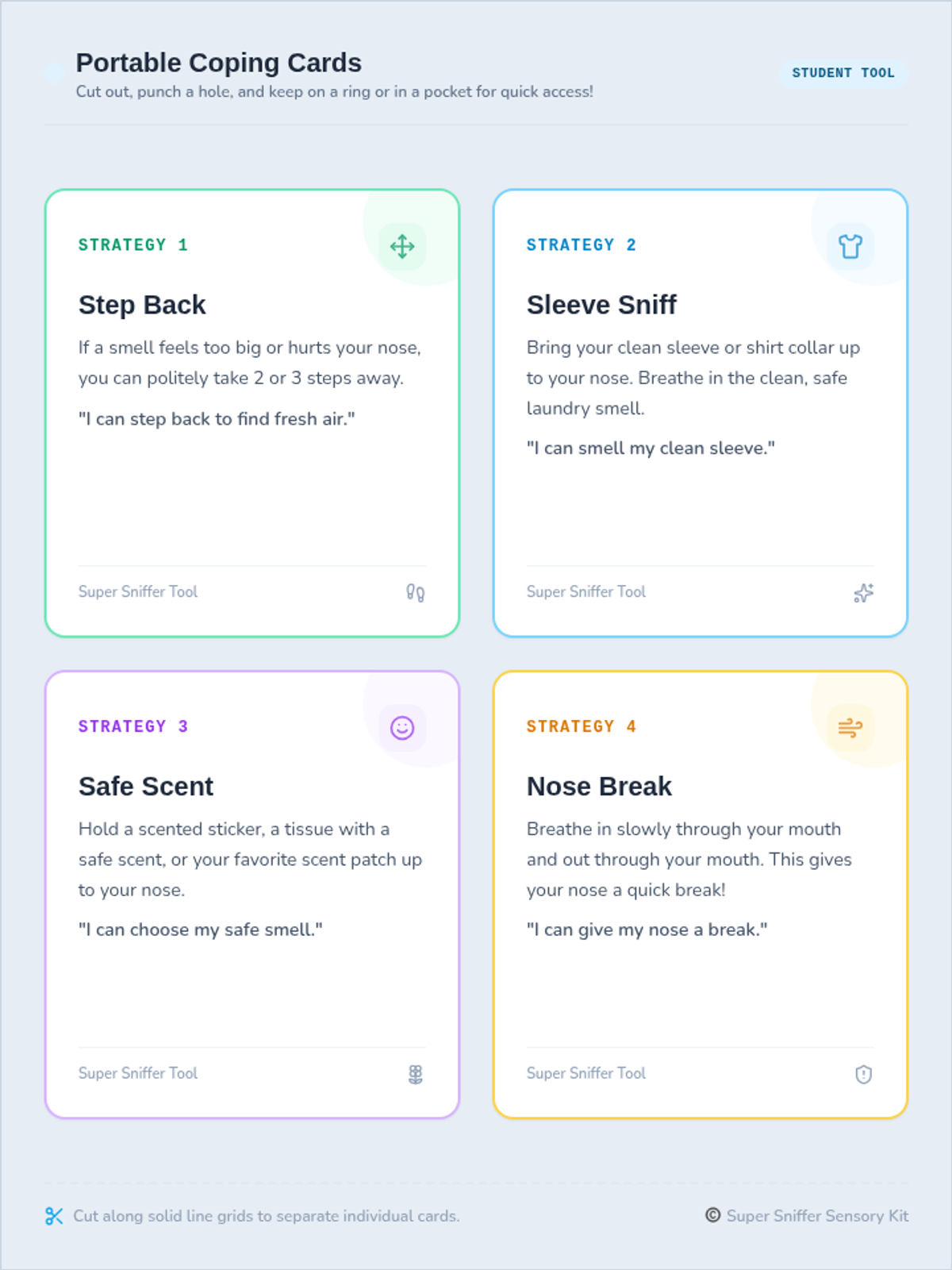
A therapeutic lesson bundle designed to support autistic children with a heightened sense of smell (hyperosmia), specifically focusing on managing sensory responses to body odor. The lesson includes a printable half-page social story booklet and portable pocket coping cards.
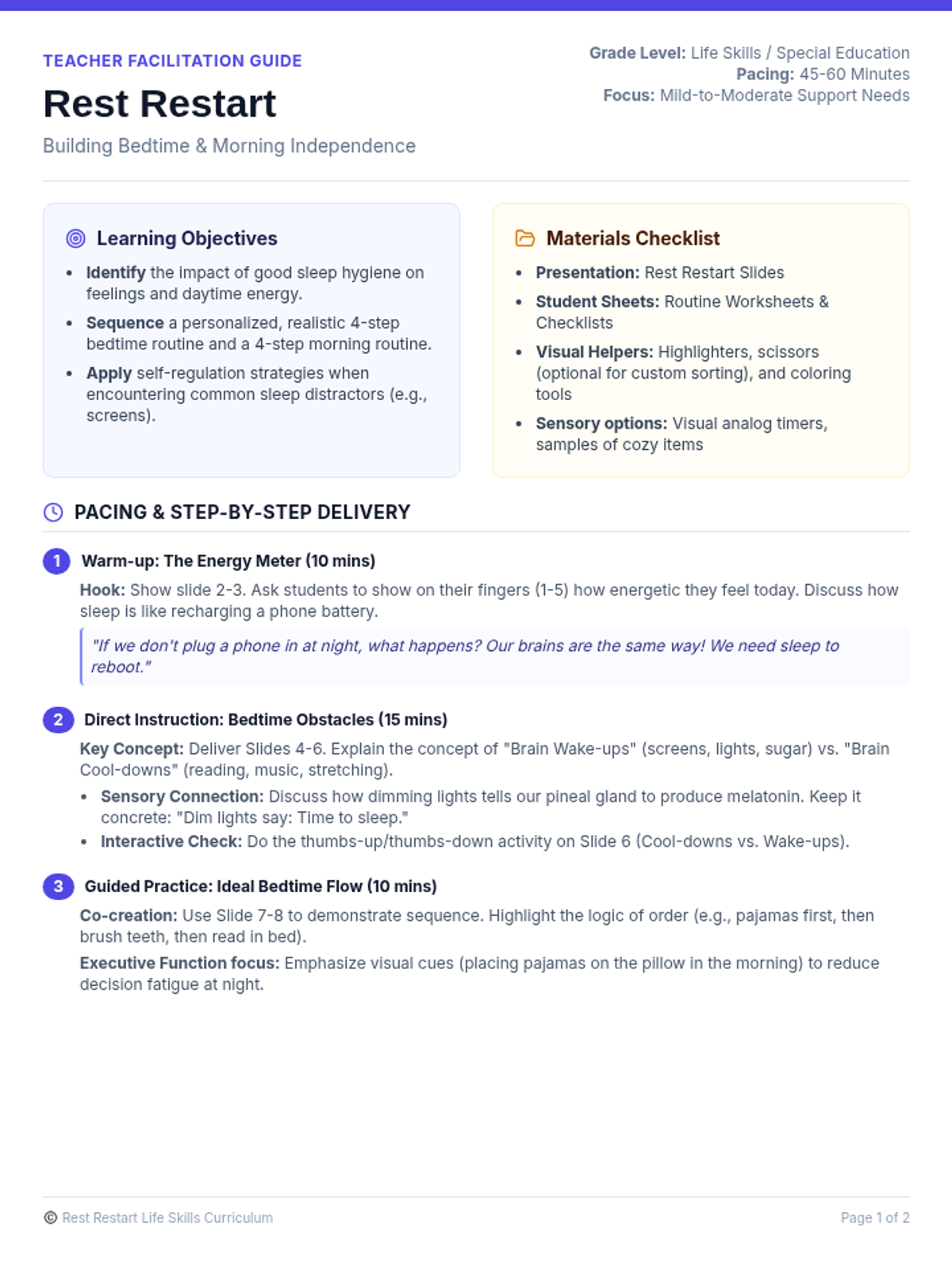
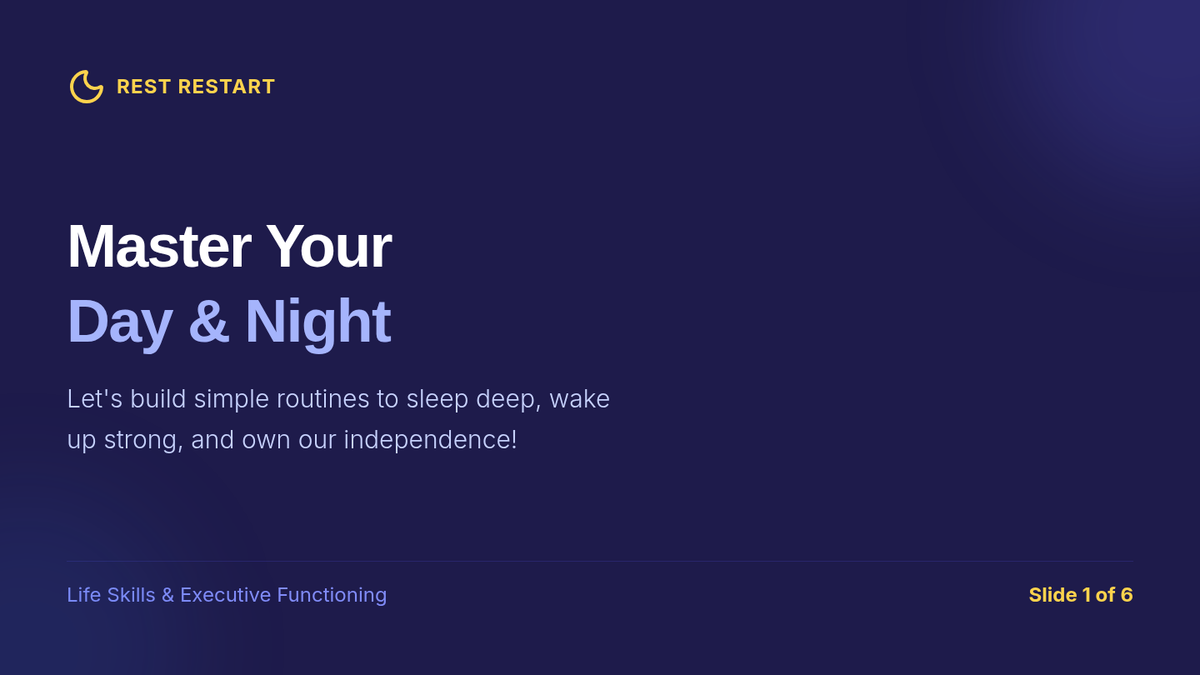
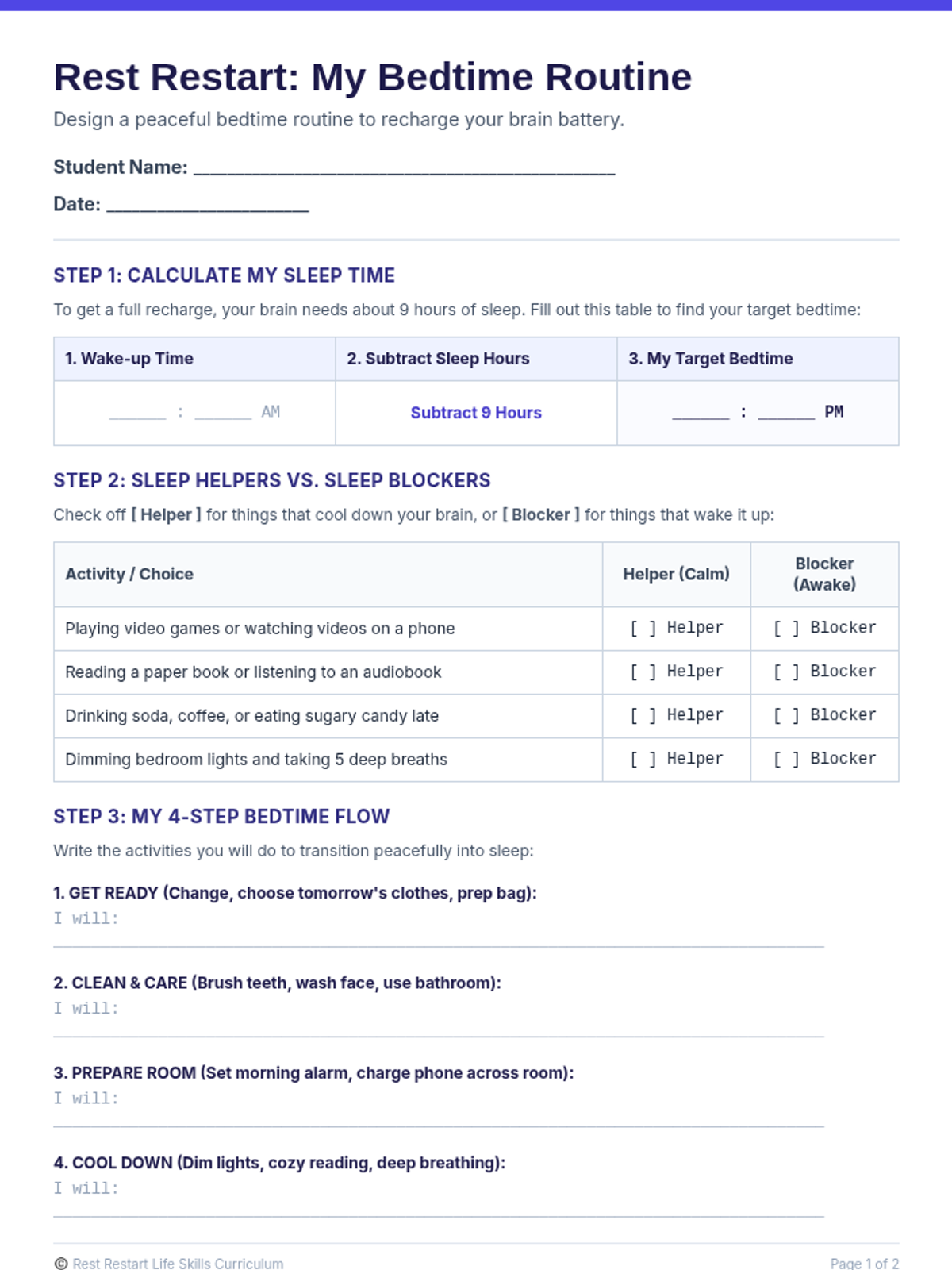
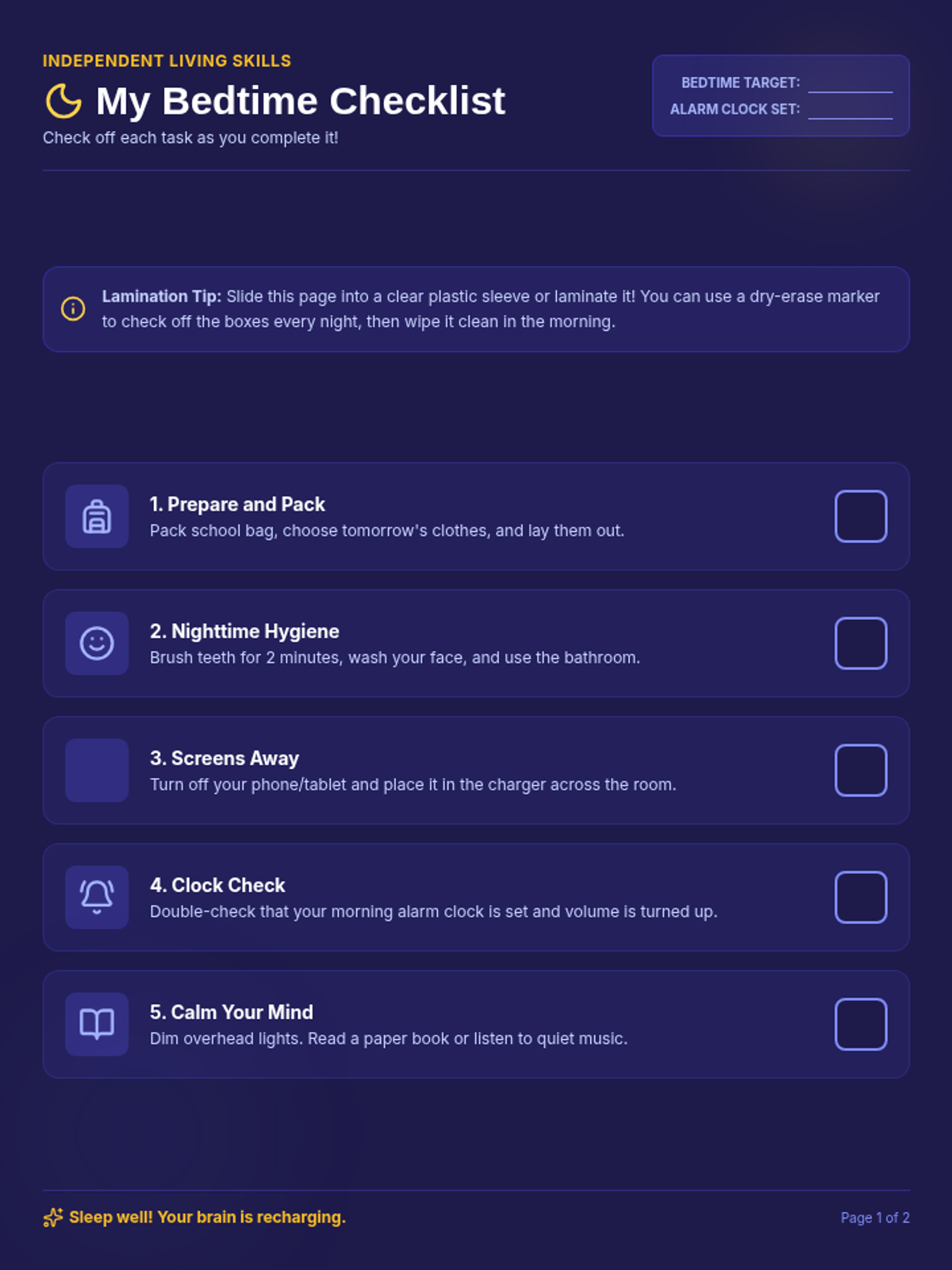
A sleep hygiene lesson designed for students with mild-to-moderate support needs to build independence. It features practical executive functioning tools, structured routines, and visual checklists for bedtime and mornings.
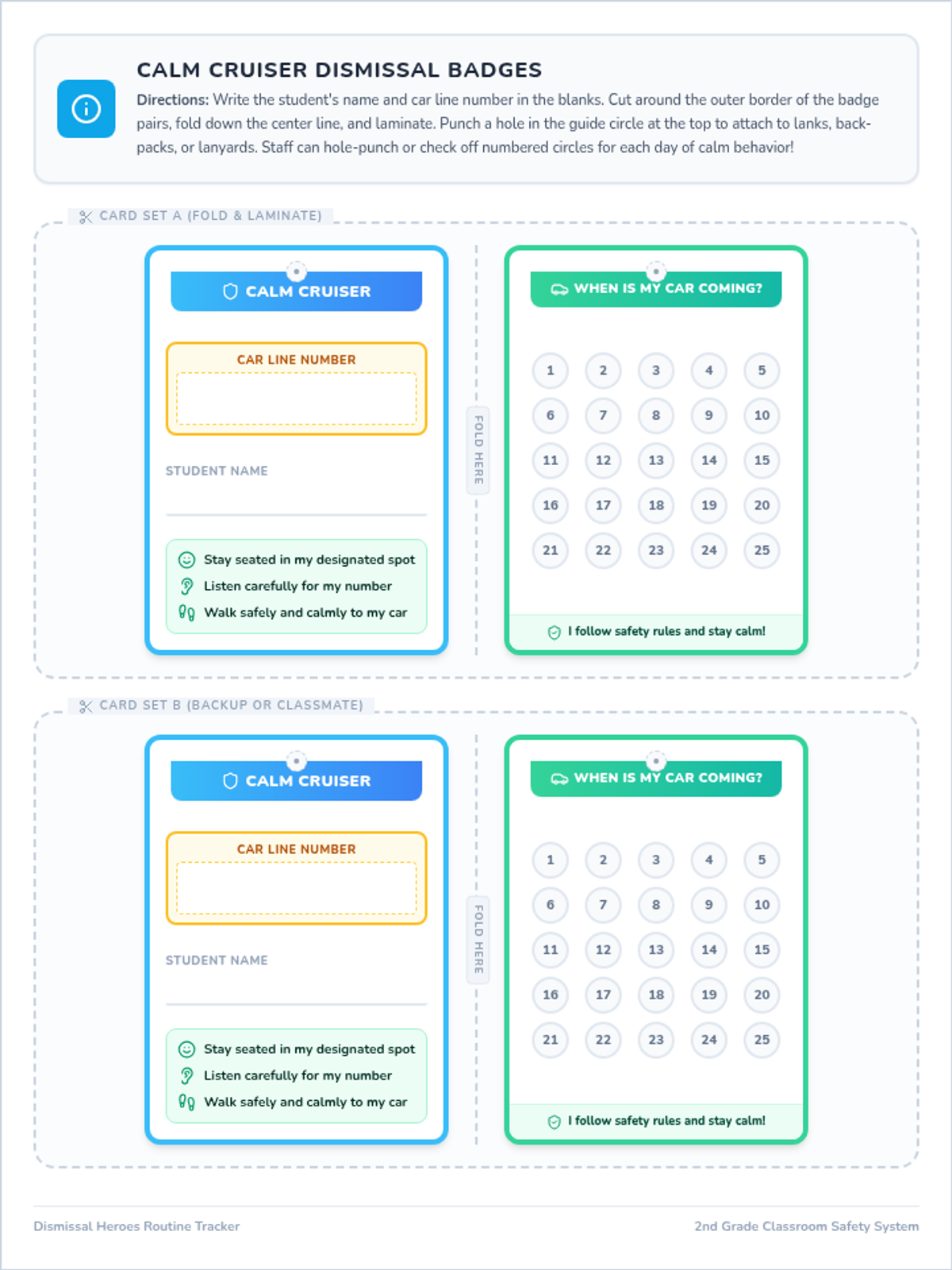
A lesson focused on establishing safe, calm, and cooperative dismissal routines for elementary school students. This lesson includes training on safety expectations, interactive practice, and a daily behavioral tracking system using personalized dismissal badges.
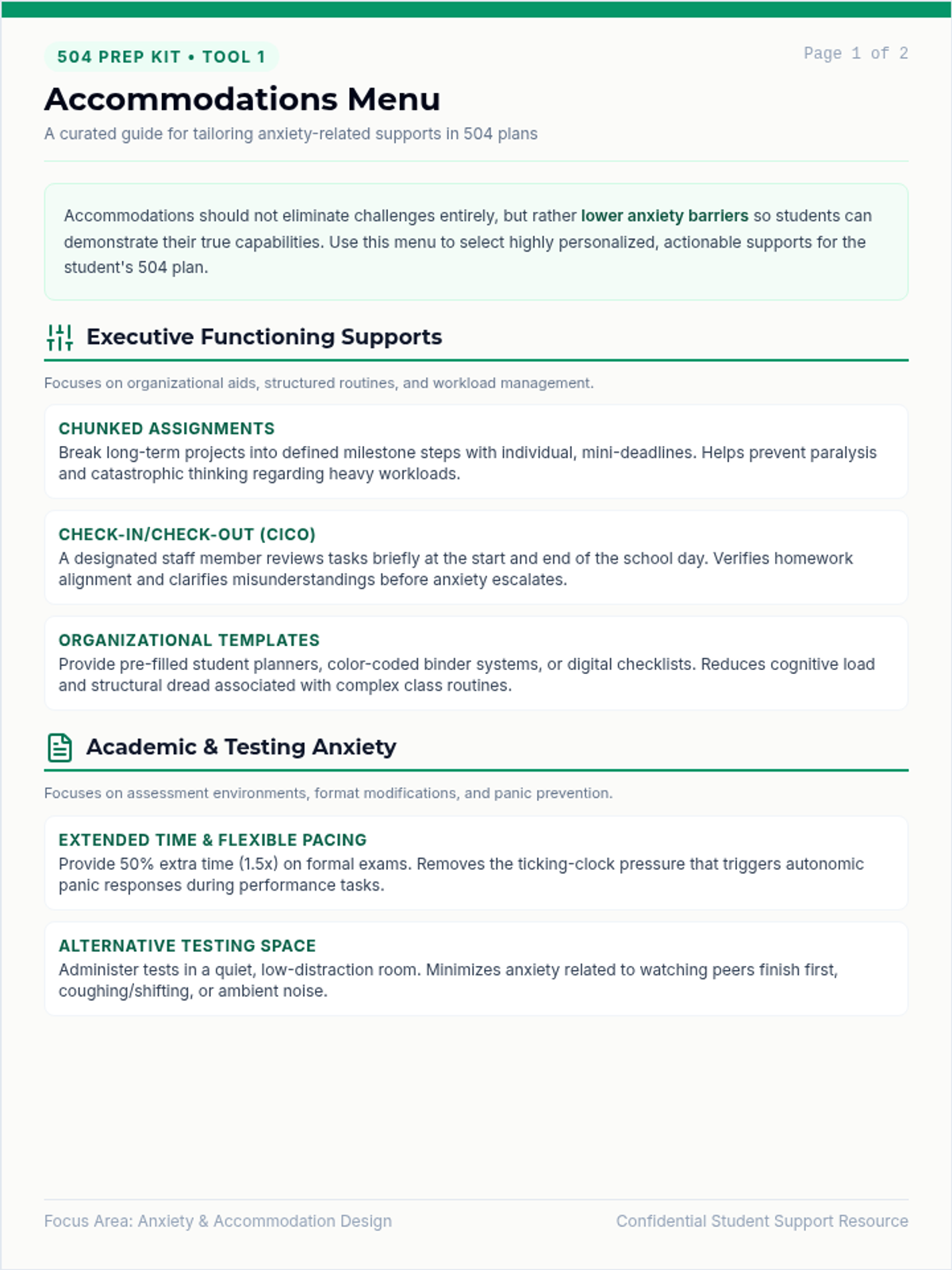
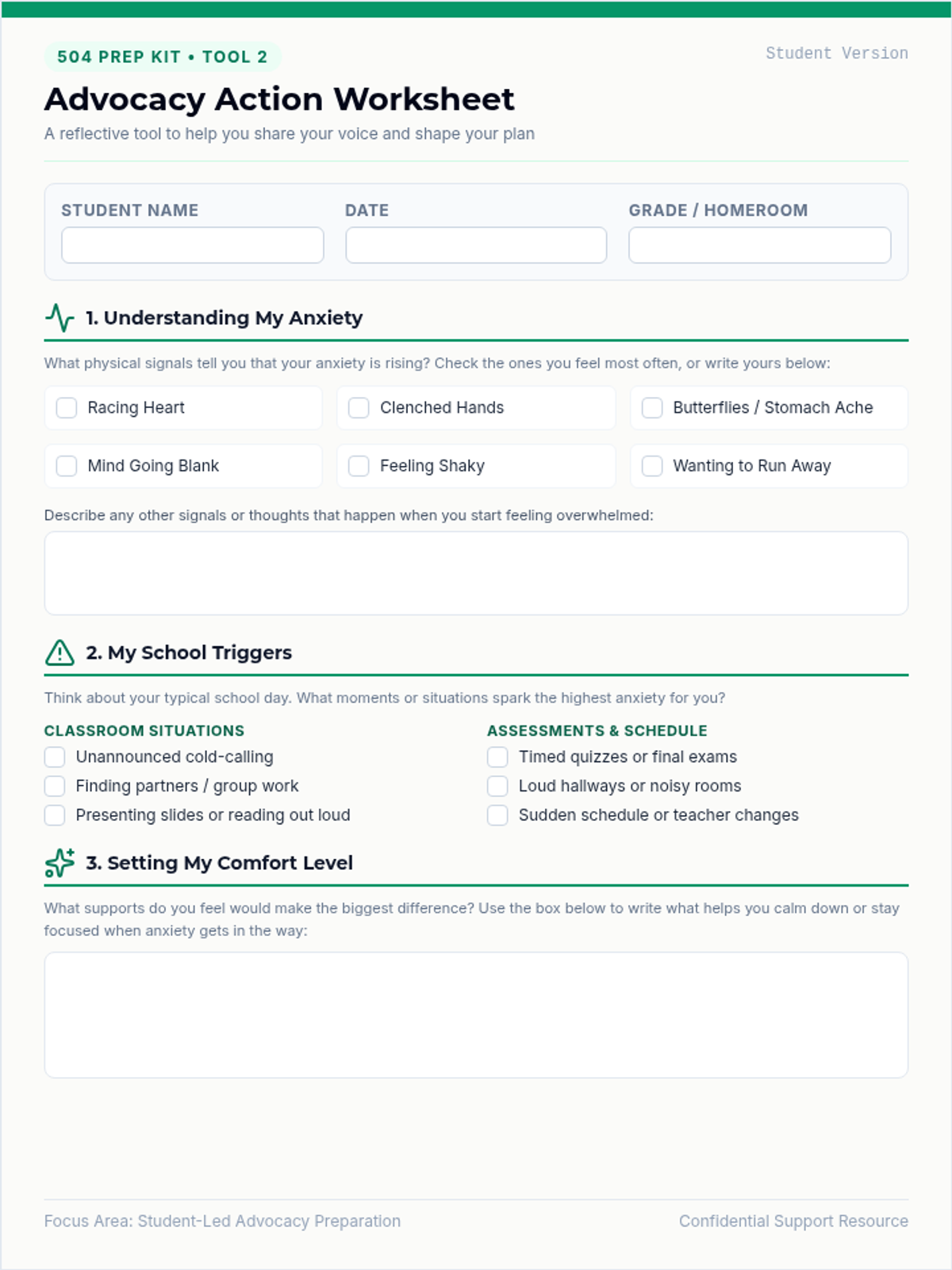
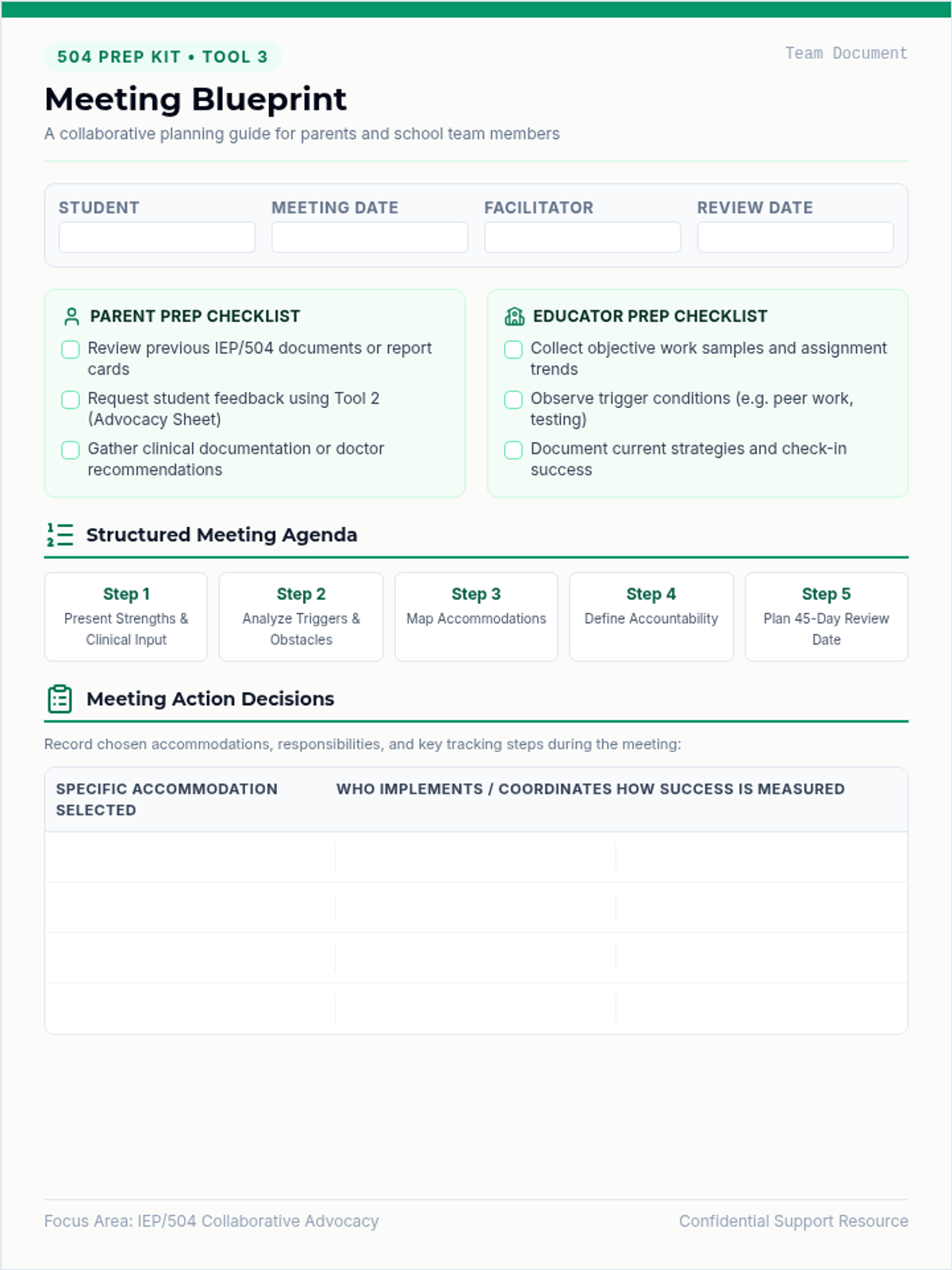
A comprehensive preparation kit for parents, teachers, and students to navigate 504 meetings for anxiety. Includes an accommodations menu categorized by domain, a student self-advocacy preparation sheet, and a meeting planning blueprint.
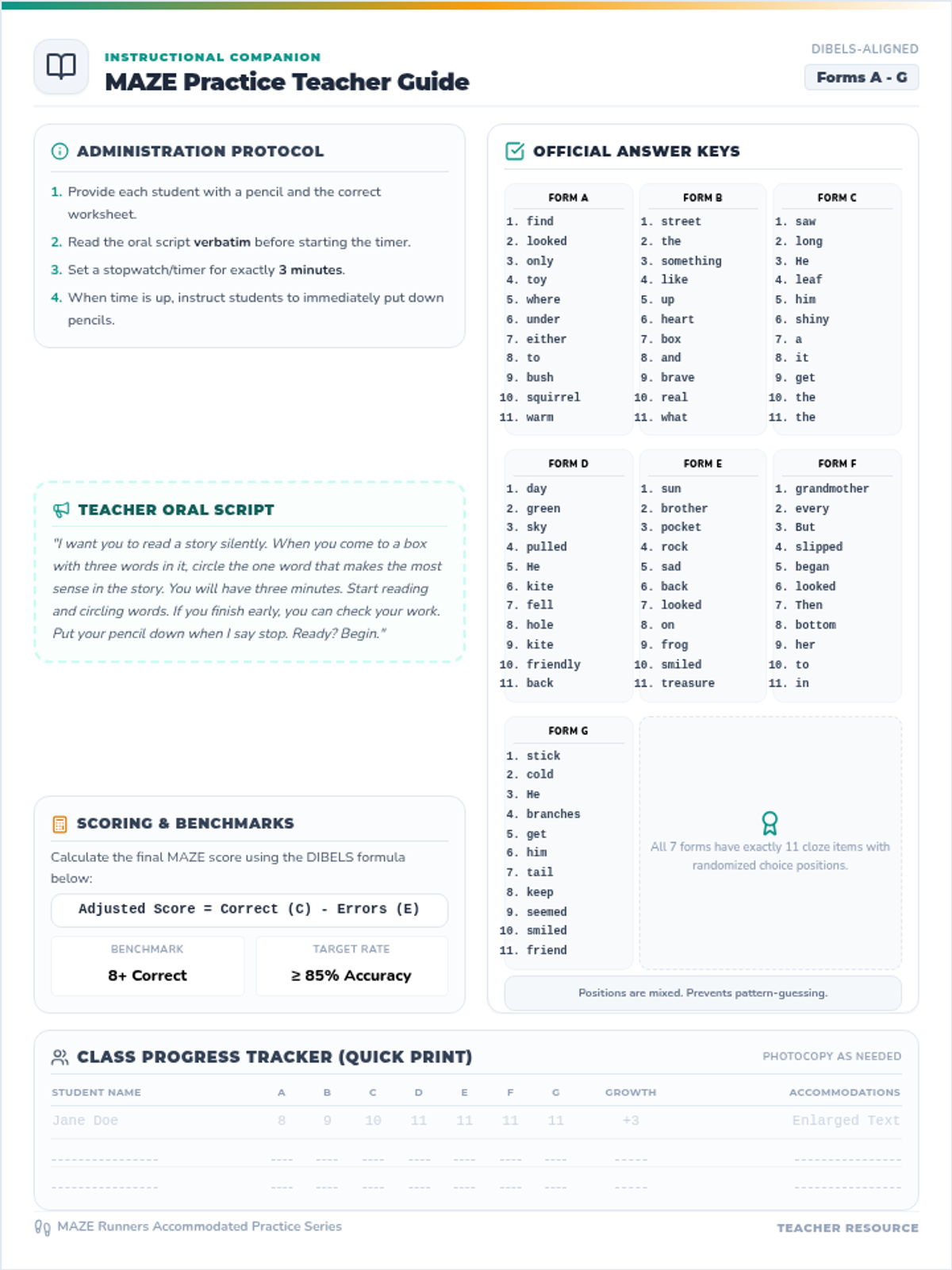
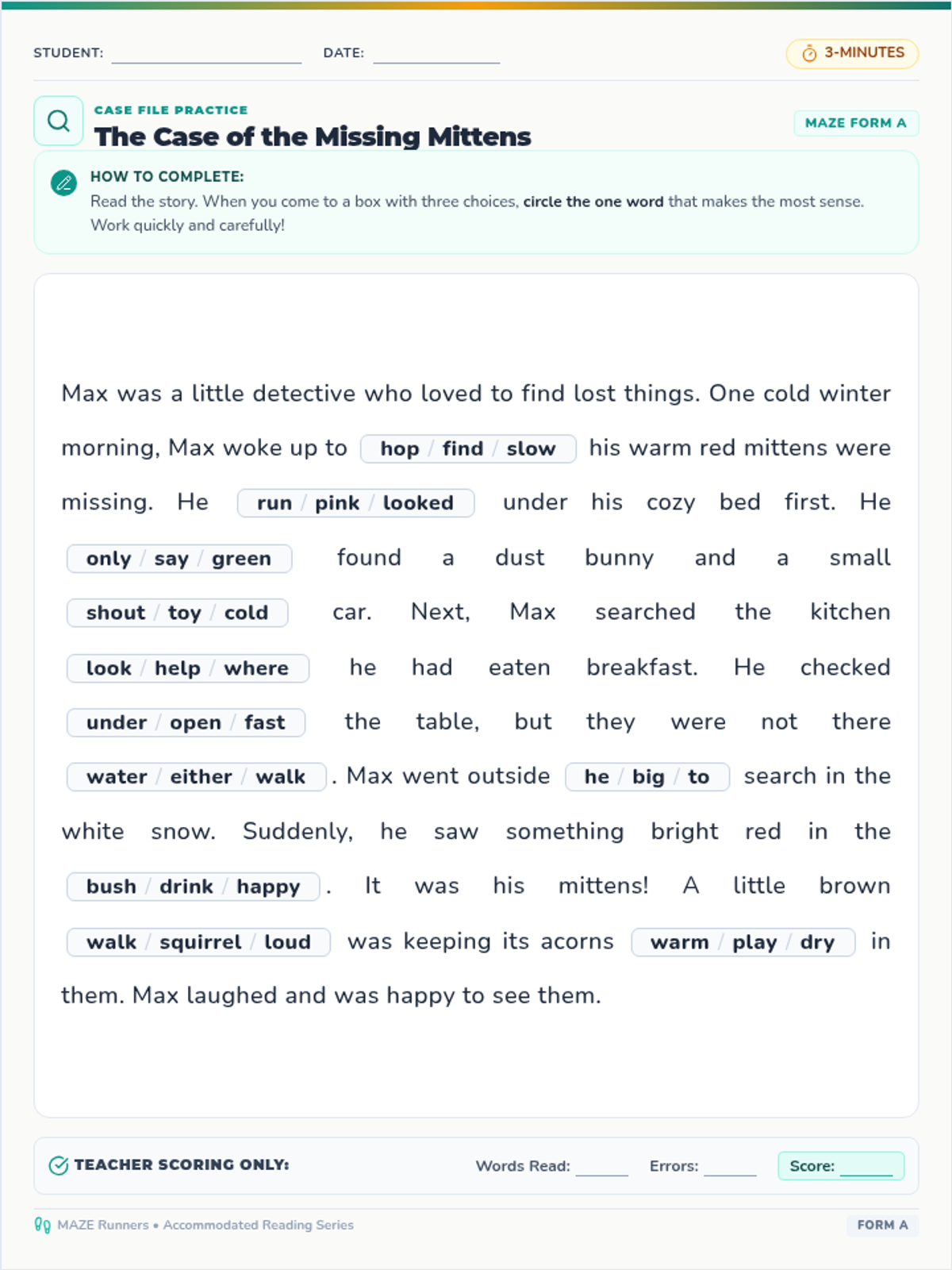
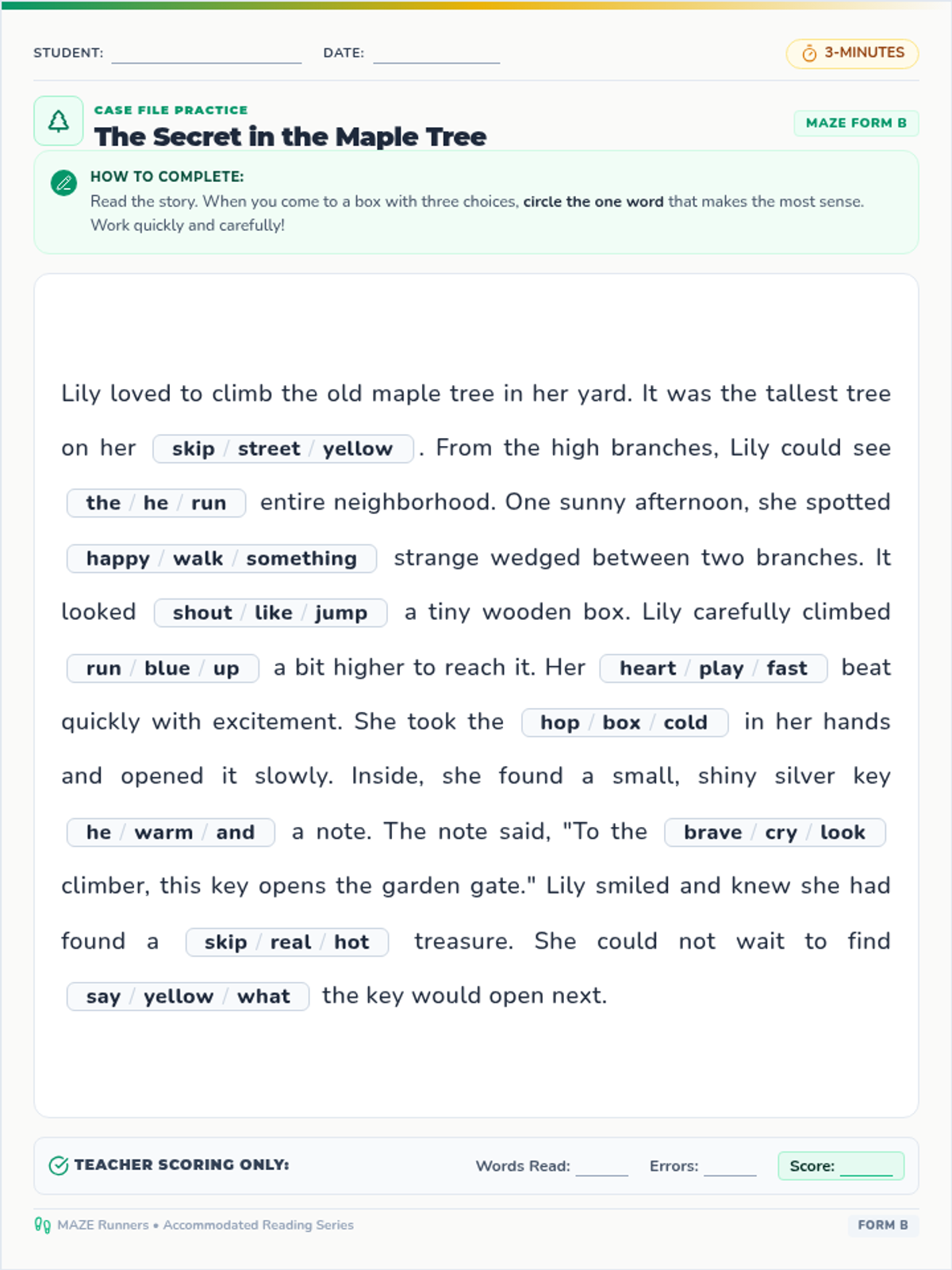
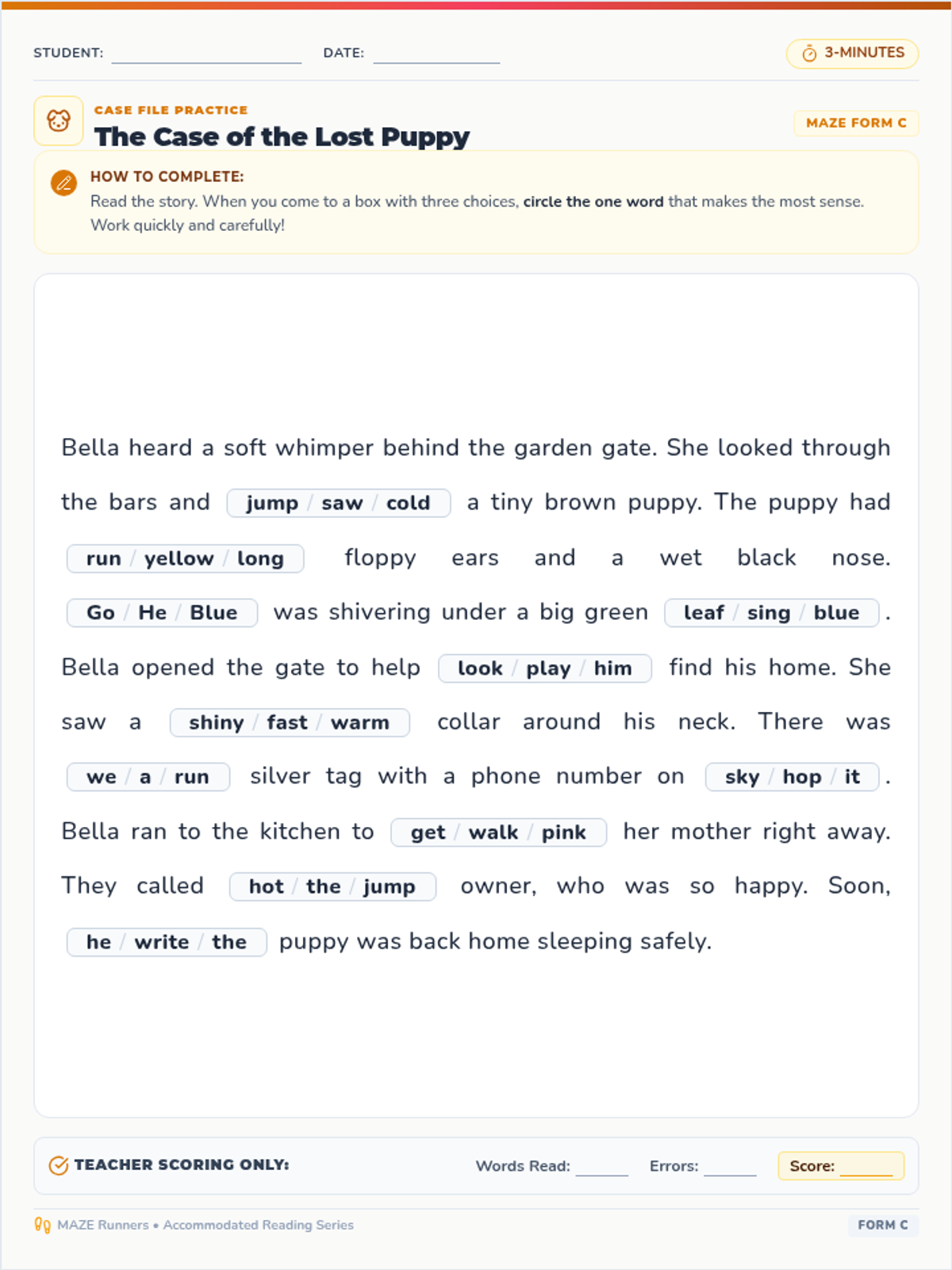
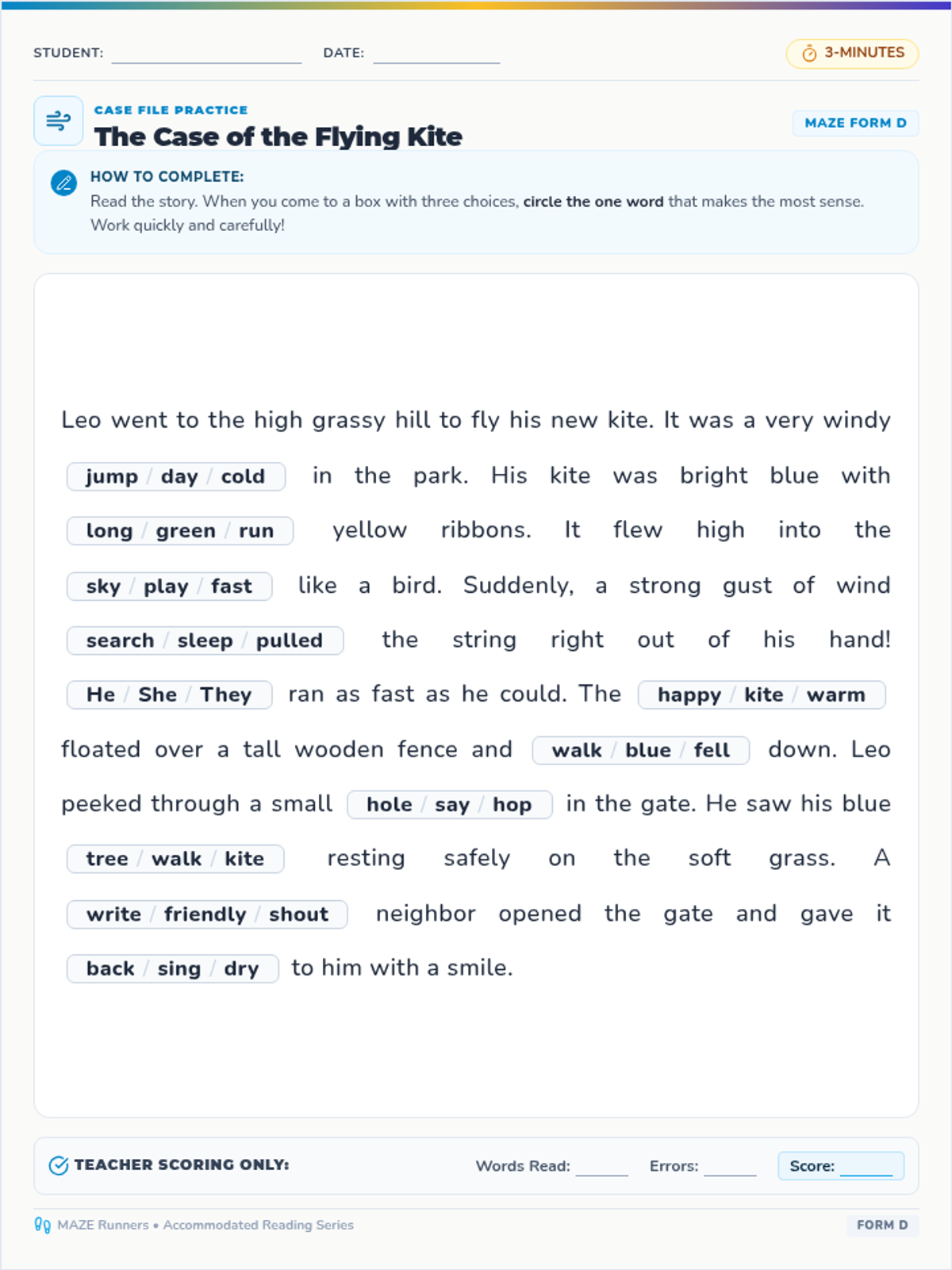
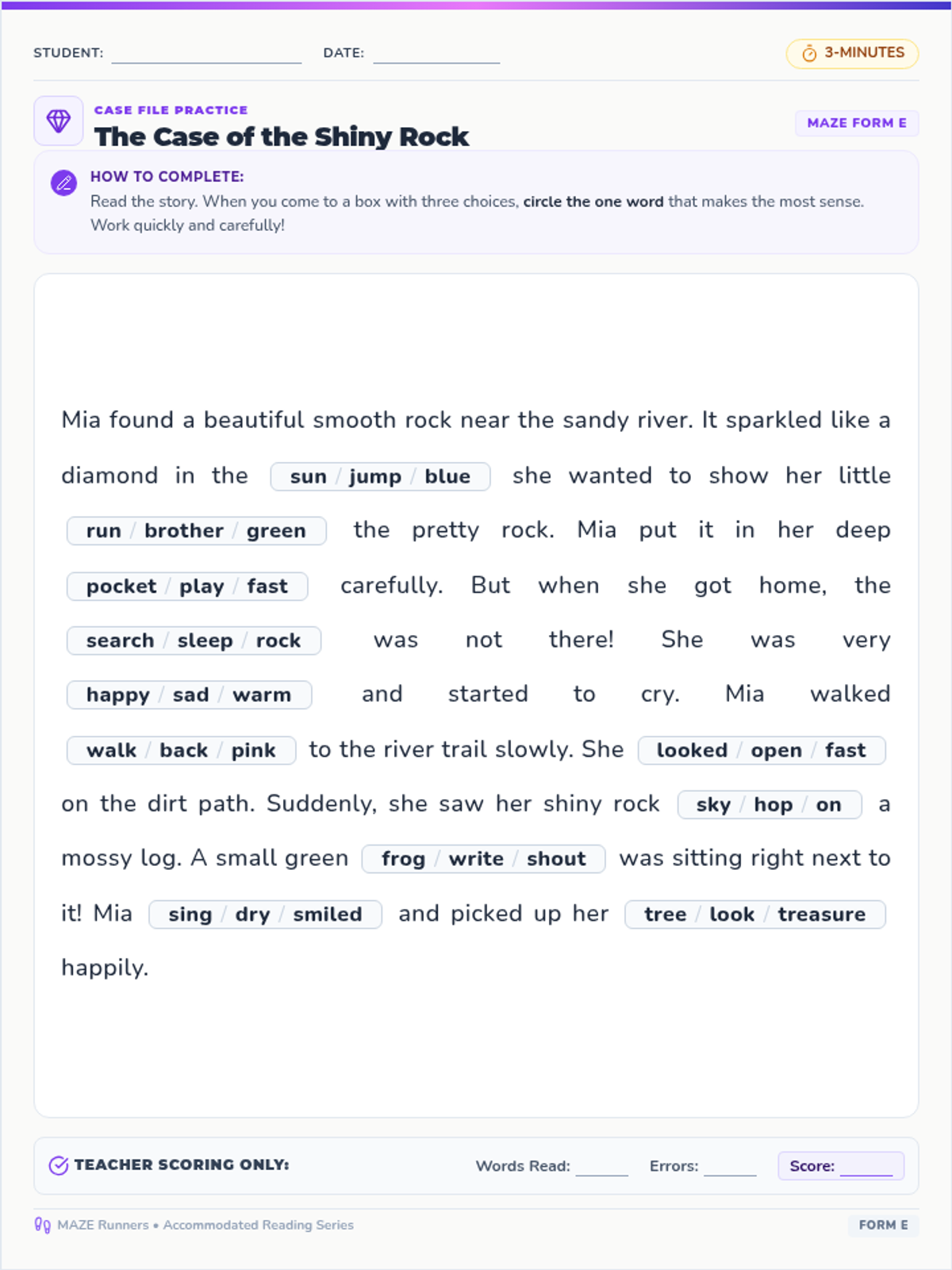
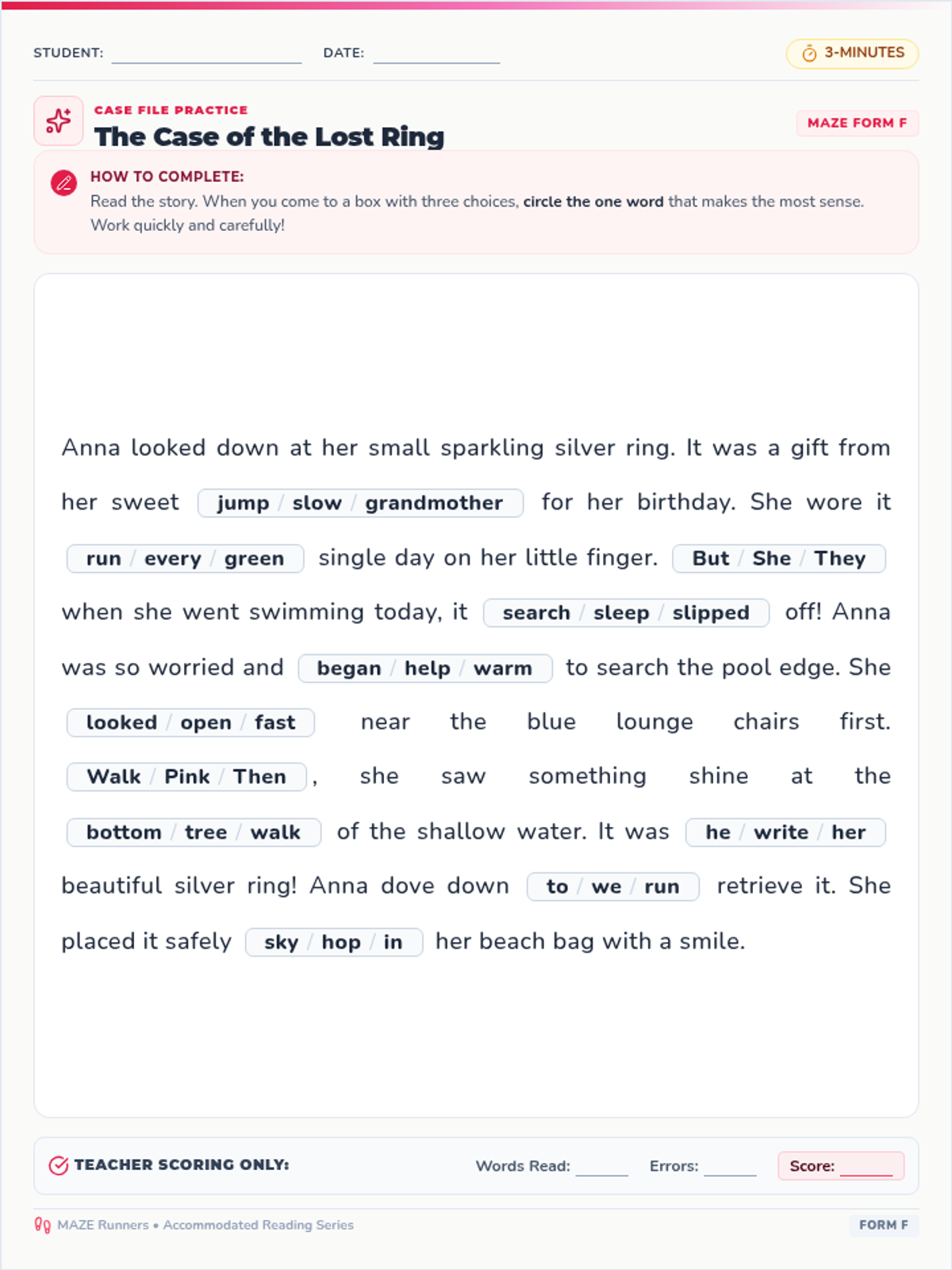
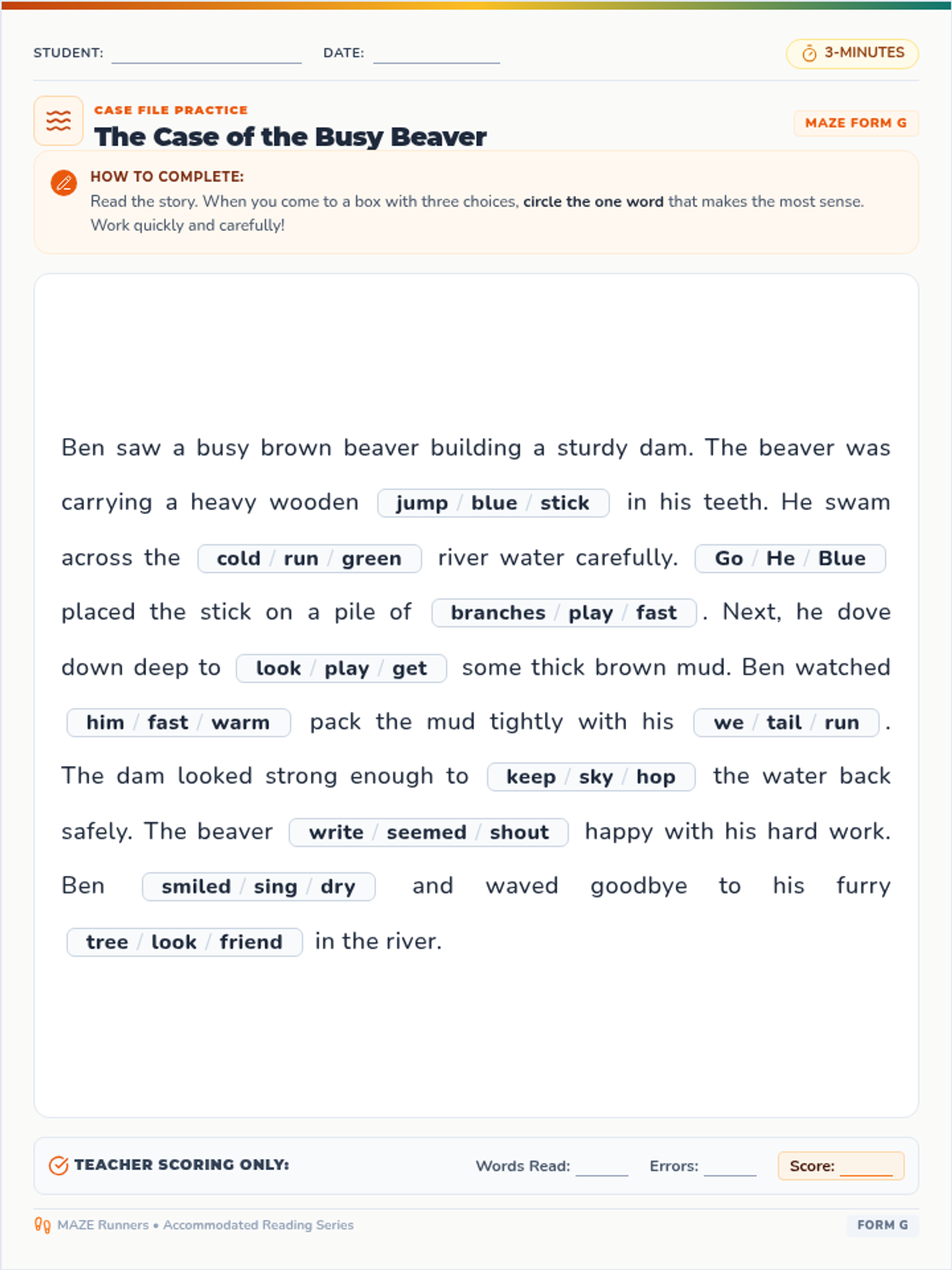
A collection of accommodated 2nd grade DIBELS MAZE comprehension practice worksheets with enlarged text and spacing to support student success.
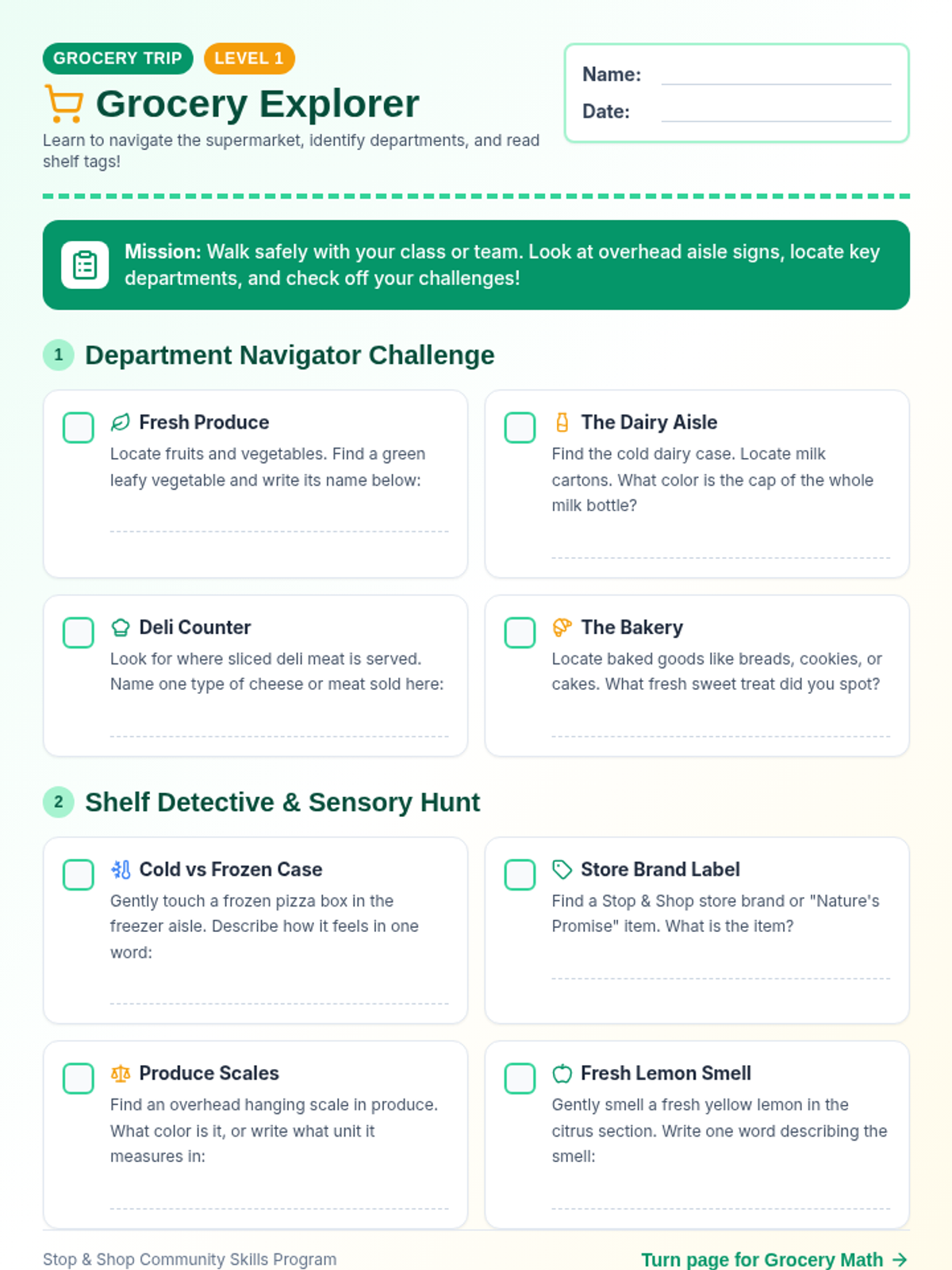
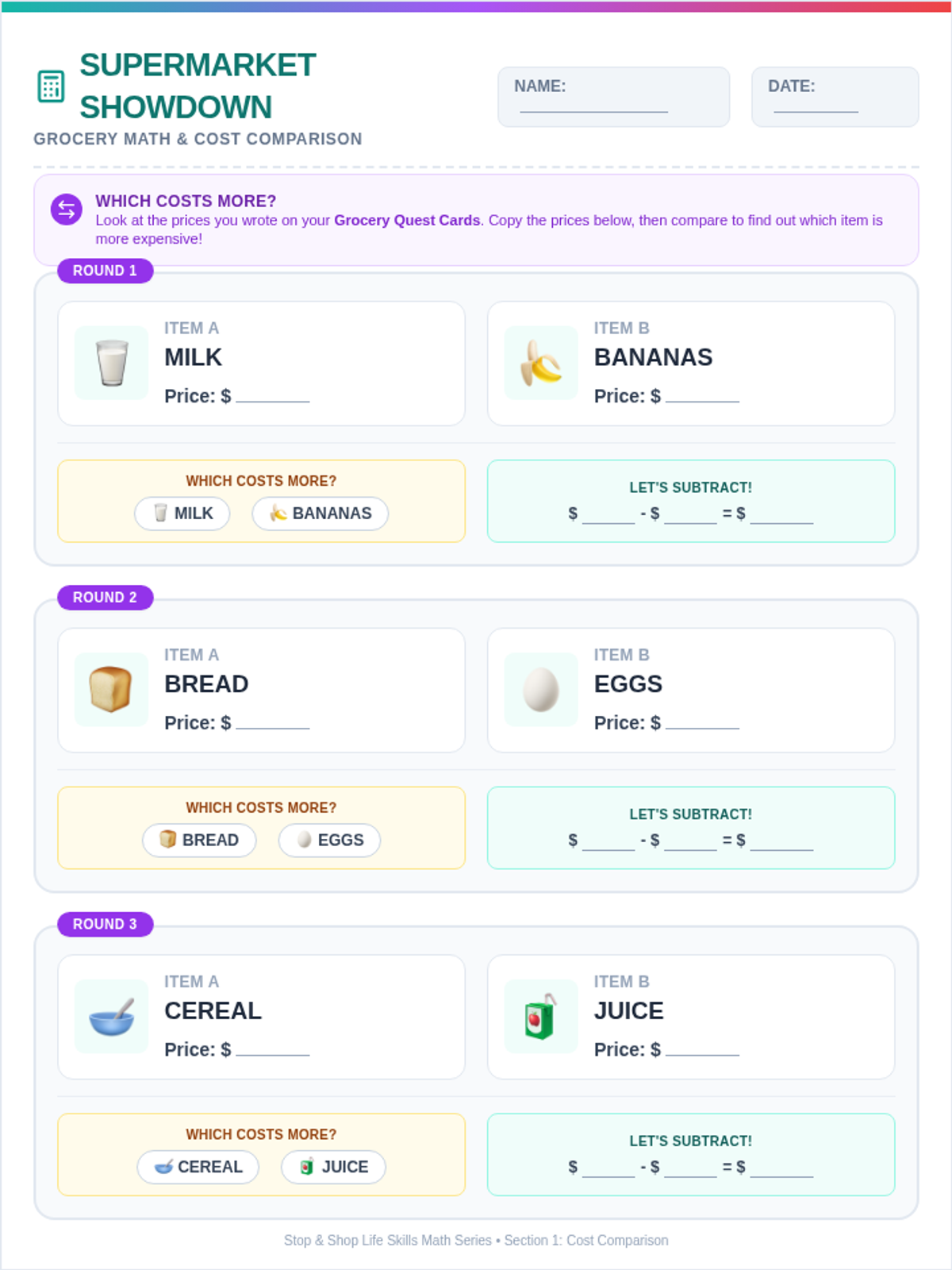
An interactive community-based instruction lesson at a Stop & Shop grocery store. Students focus on identifying departments, comparing food labels, and calculating grocery costs within a specific budget.
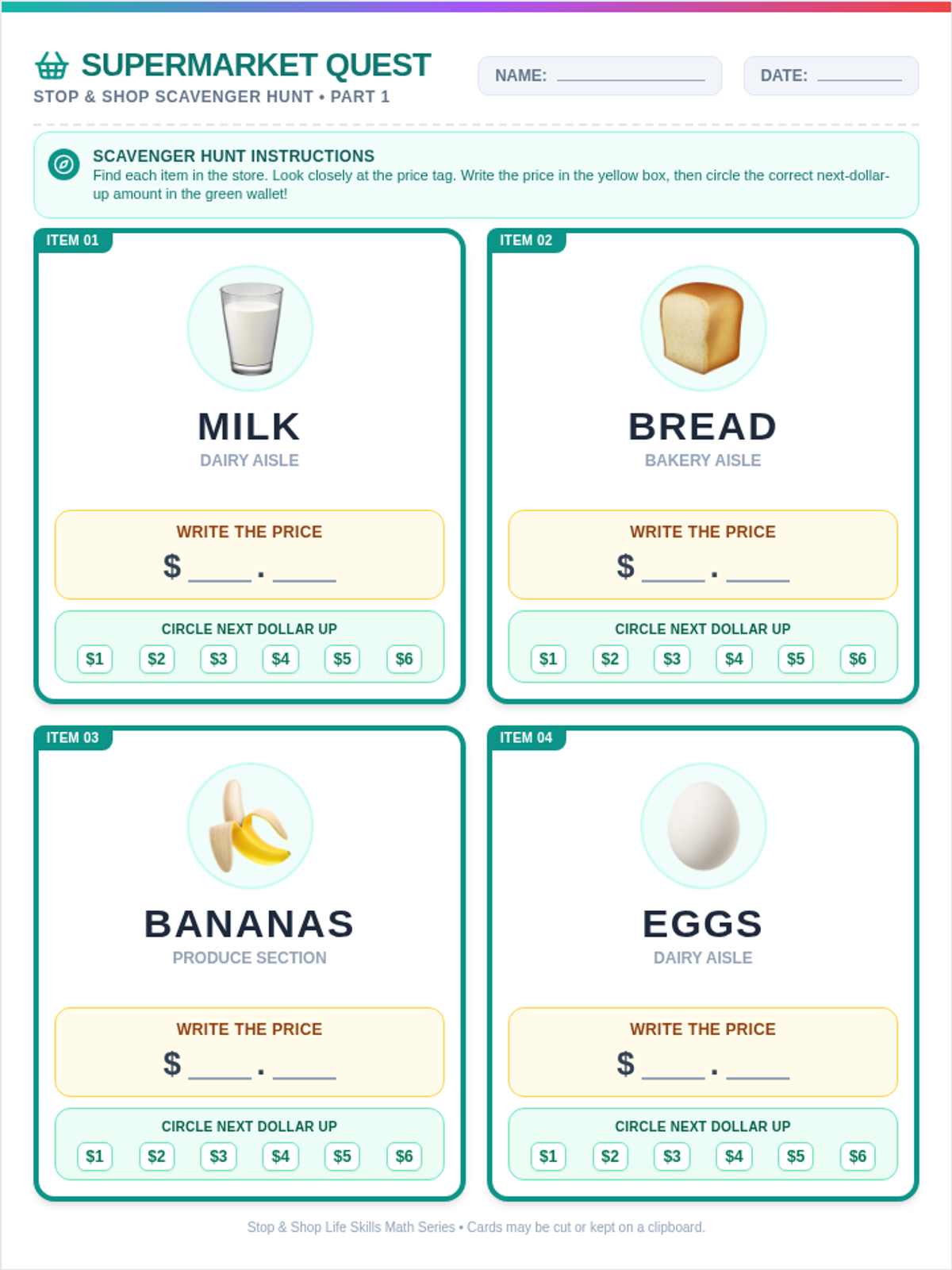
A real-world functional math lesson designed for life skills students. Students navigate a Stop & Shop store to locate items, read price tags, and calculate next-dollar-up budgets using highly visual scaffolded cards.
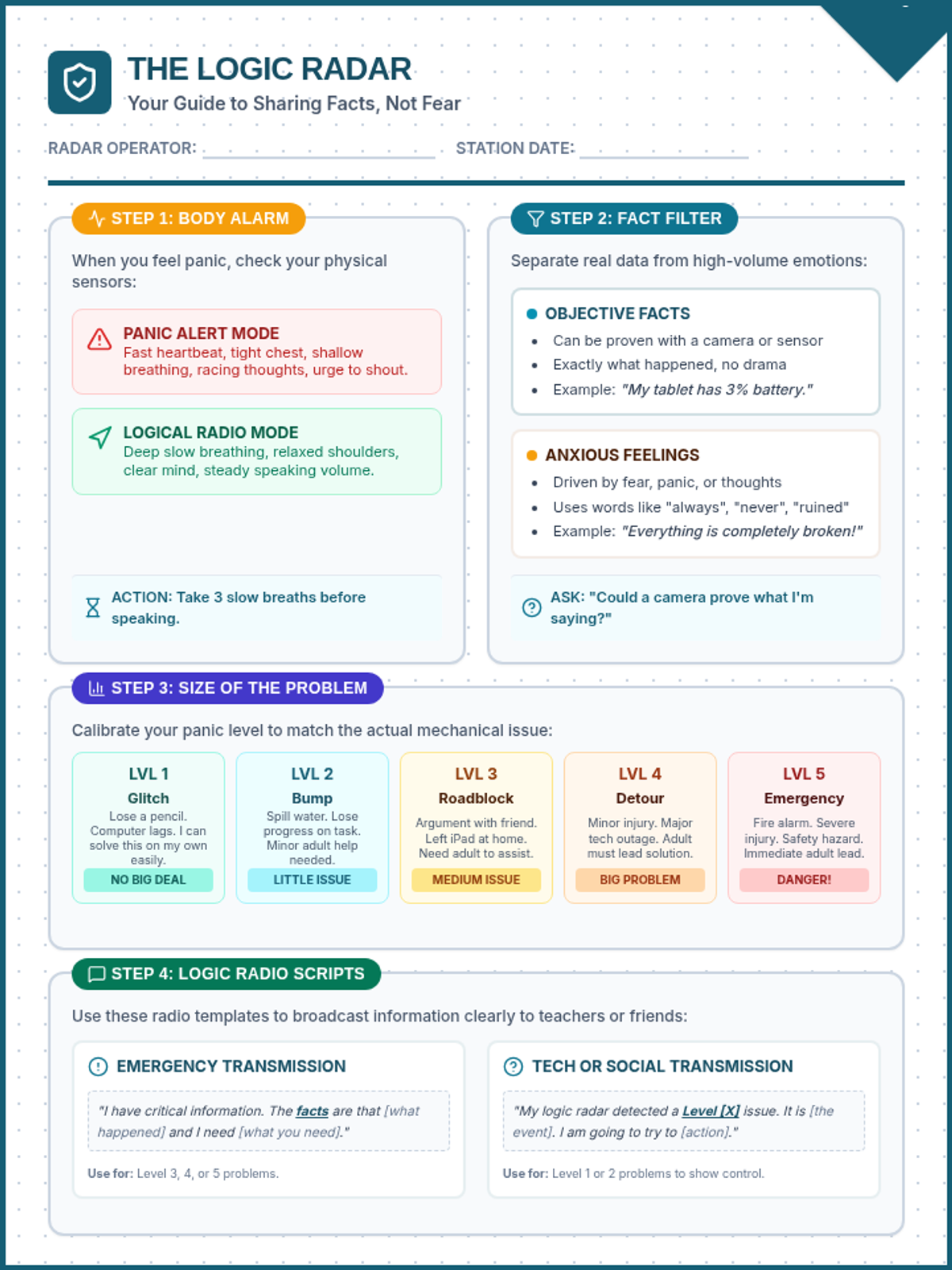
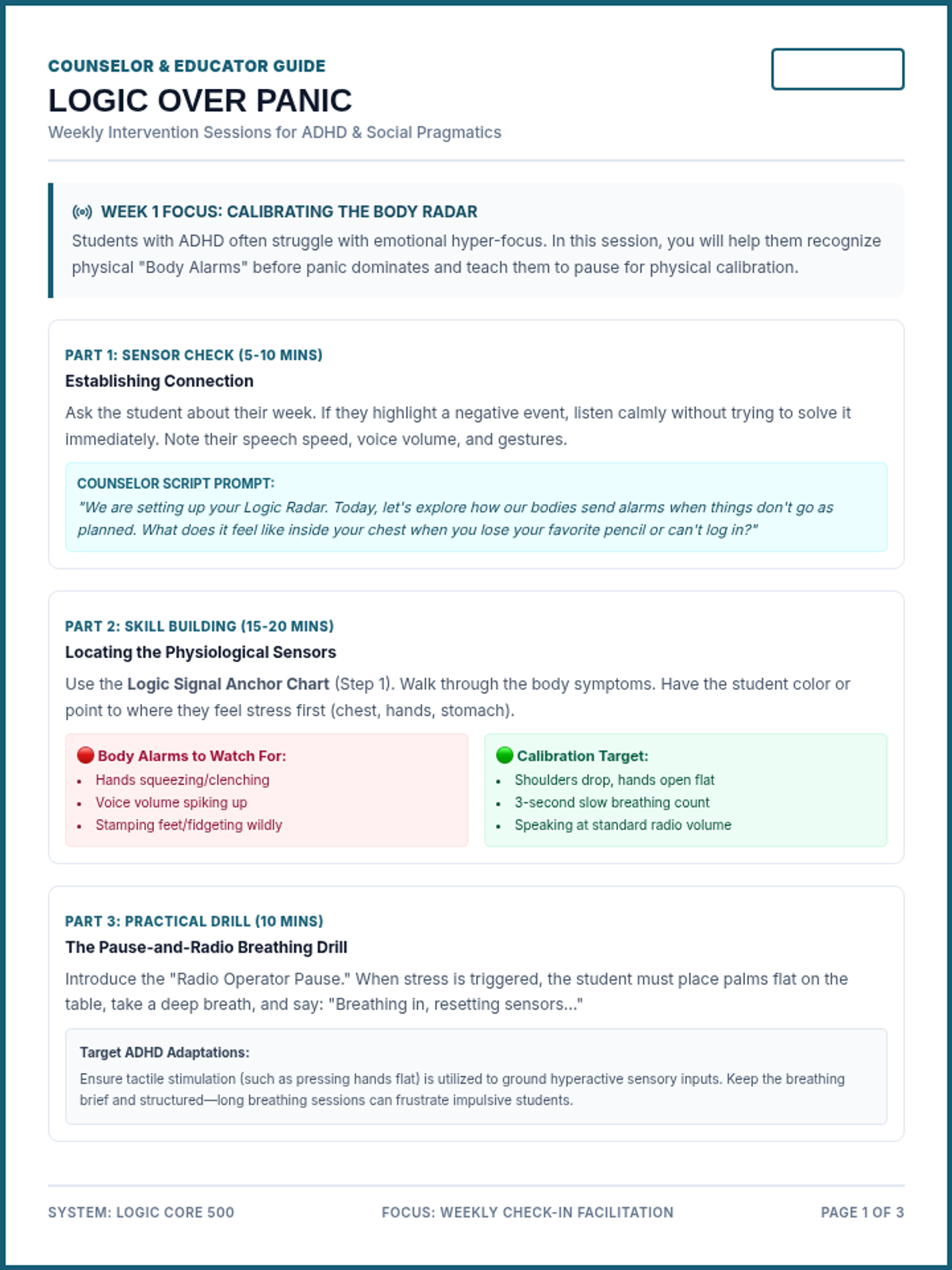
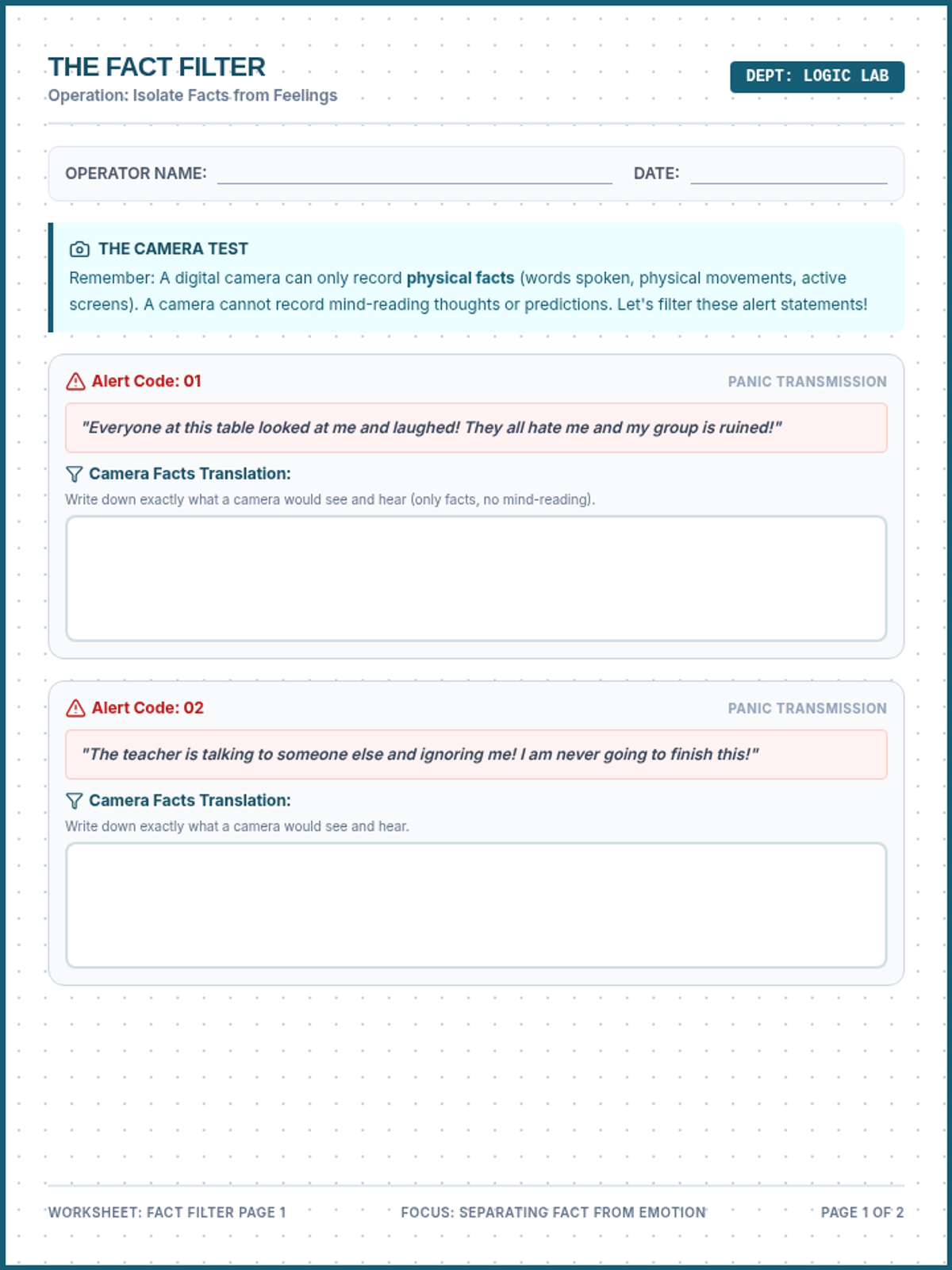
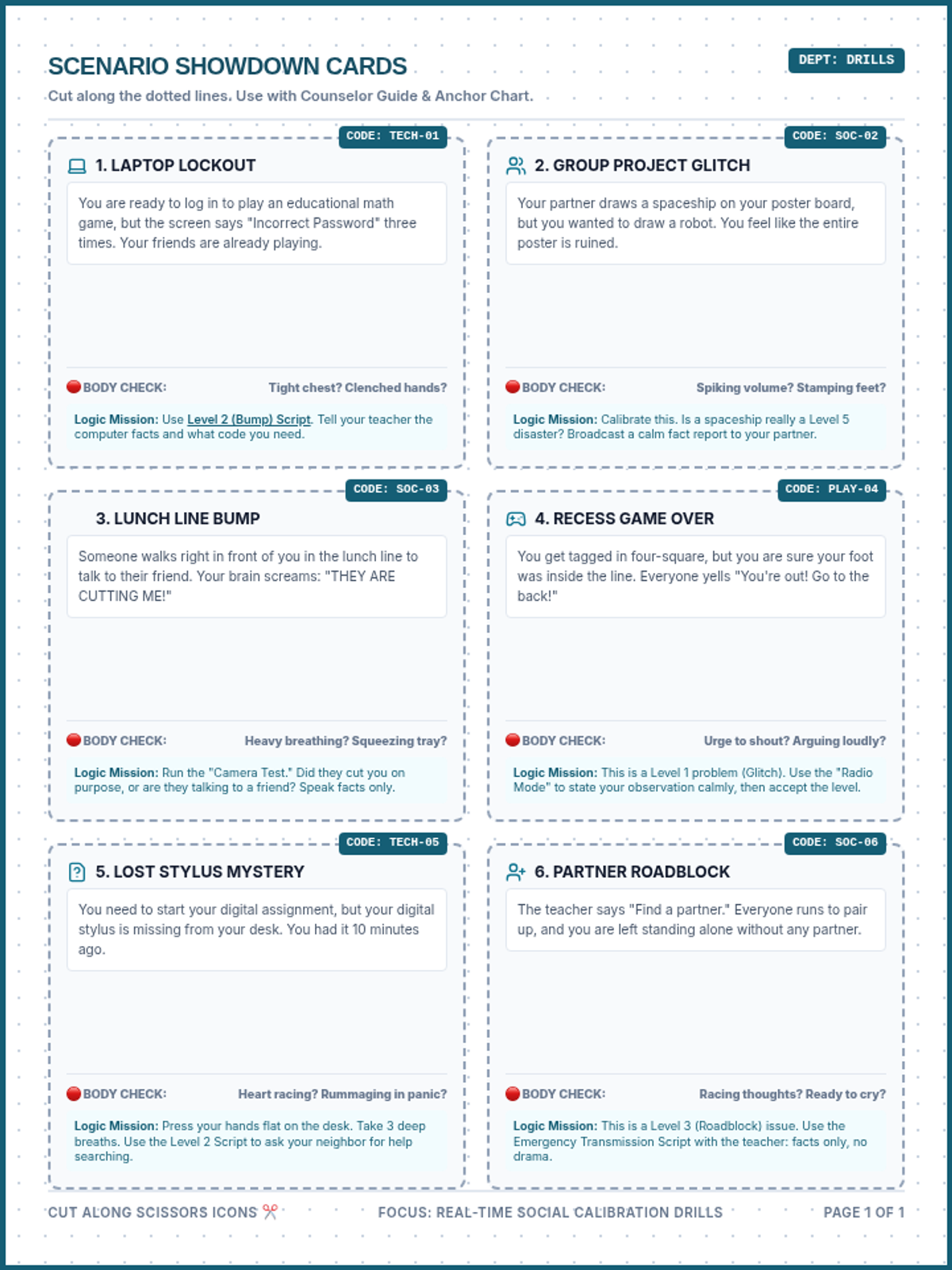
A multi-week social-emotional intervention sequence designed for students with ADHD and social communication challenges, focusing on transitioning from panic-based reactions to fact-based logical communication.
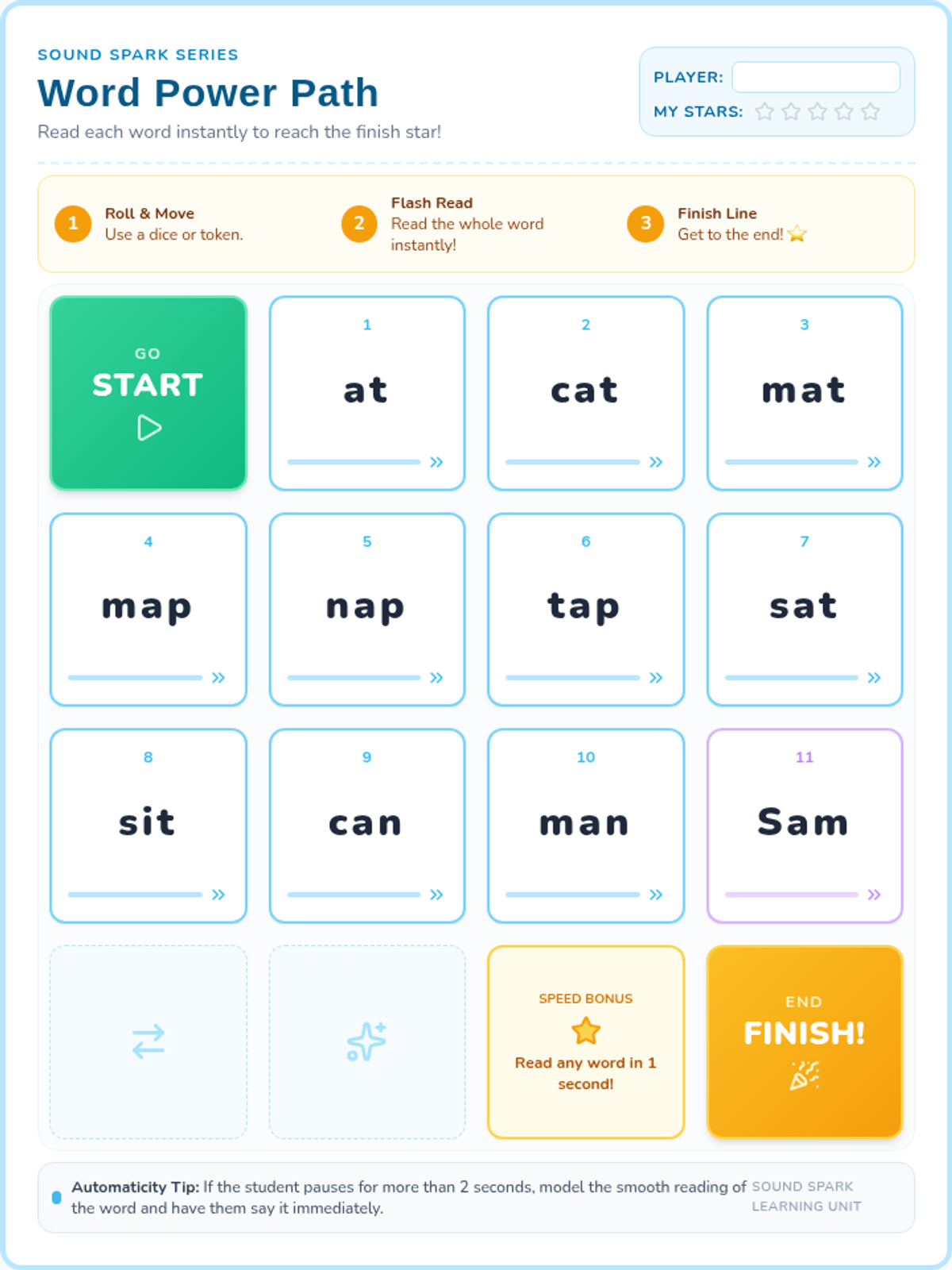
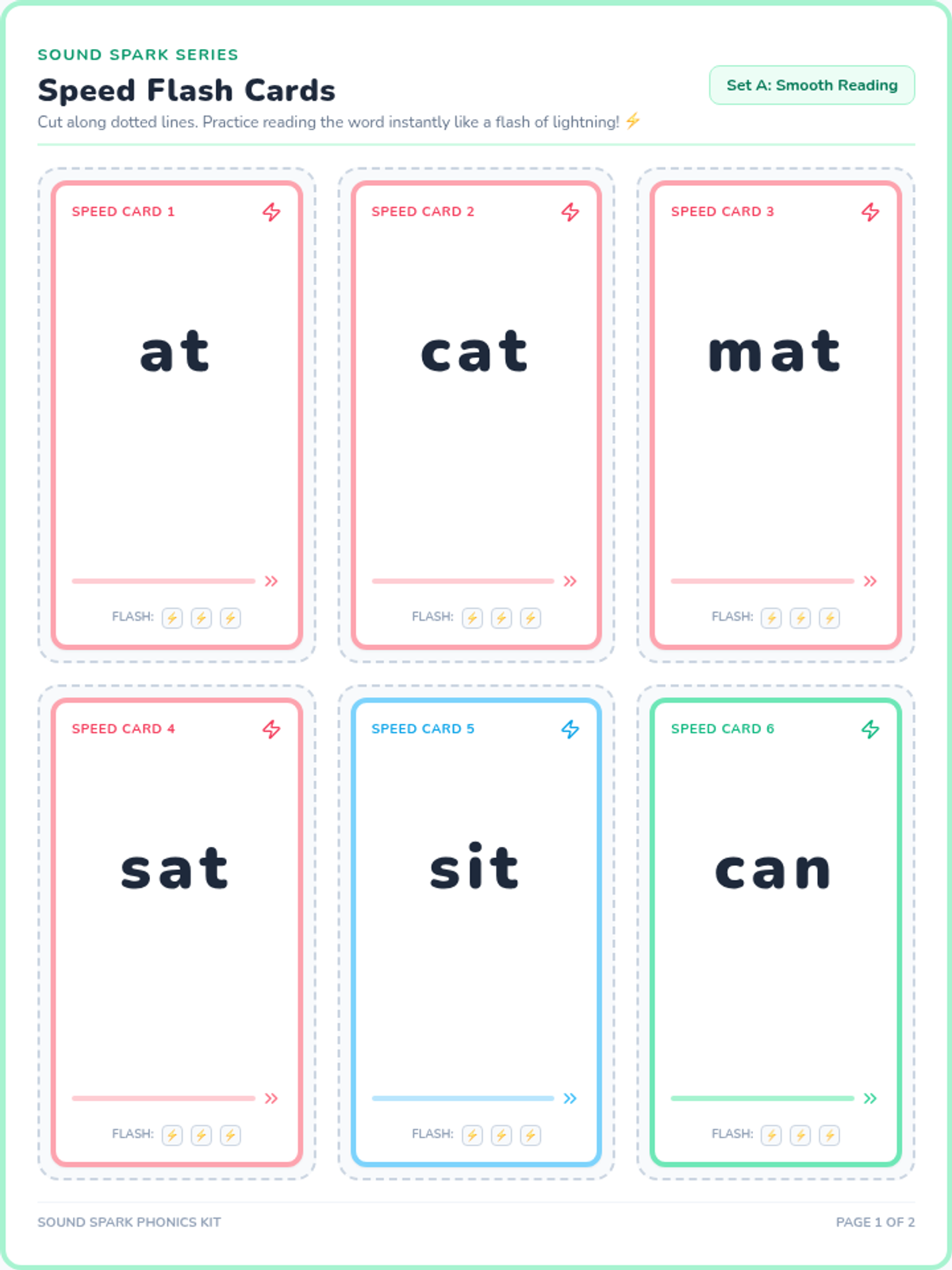
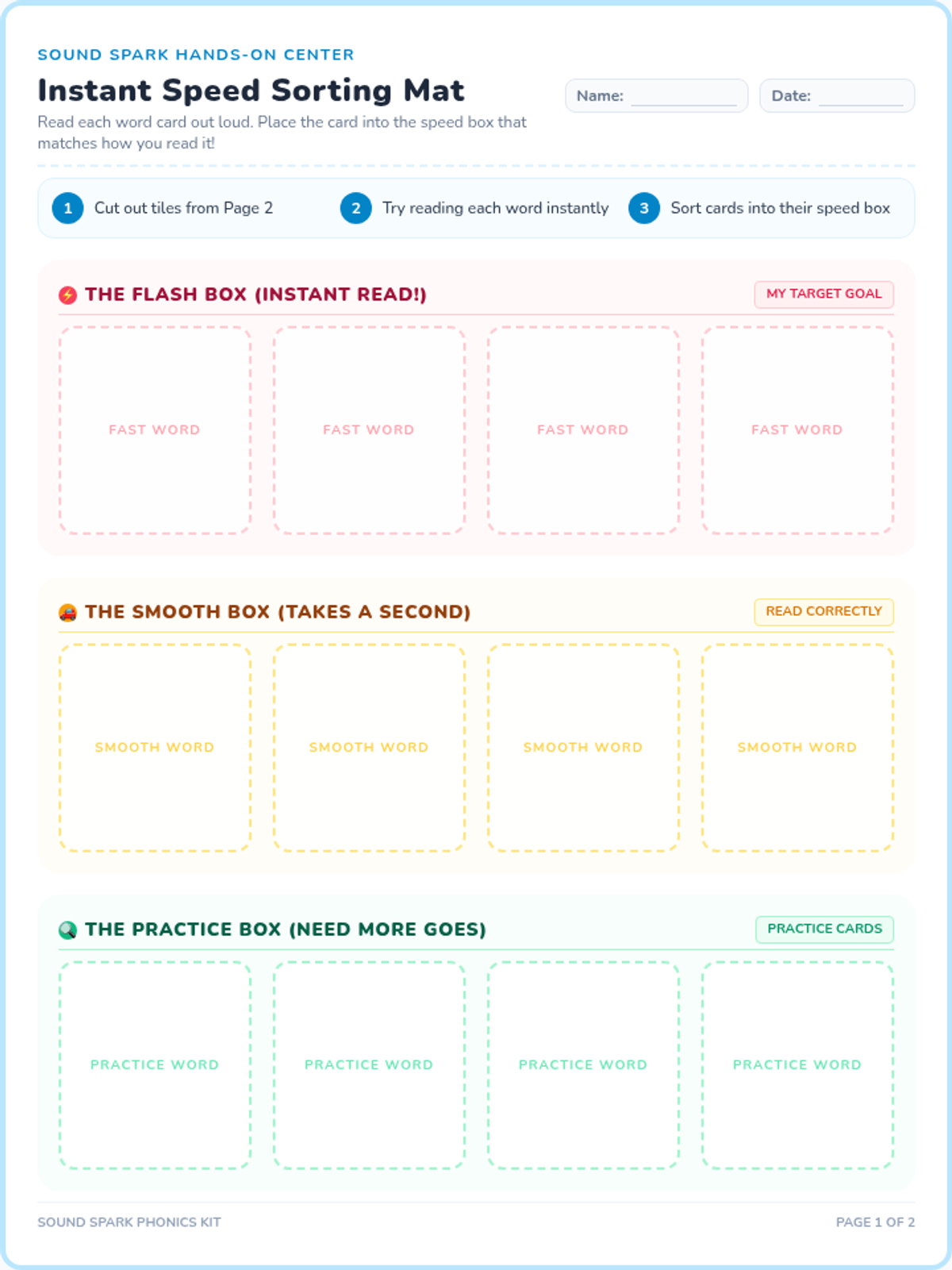
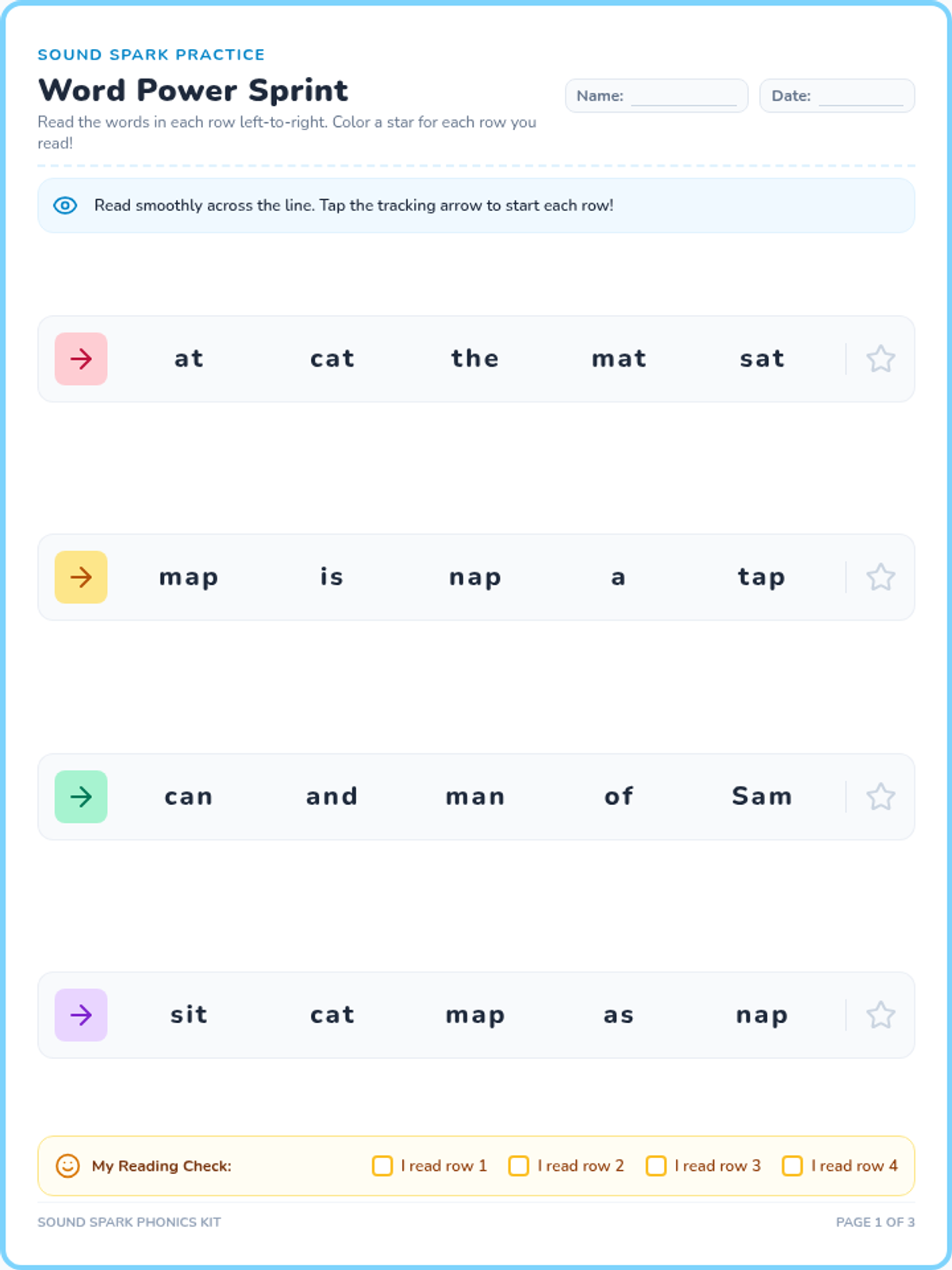
A structured, sensory-friendly early reading kit for students with autism, focusing on CVC automaticity and phonics blending. Features structured worksheets, Elkonin boxes, and low-distraction print-and-play games.
A comprehensive lesson designed to teach elementary students essential classroom self-regulation and active listening skills. It includes interactive presentation slides and a targeted social story with reflection activities to reinforce behavioral expectations.
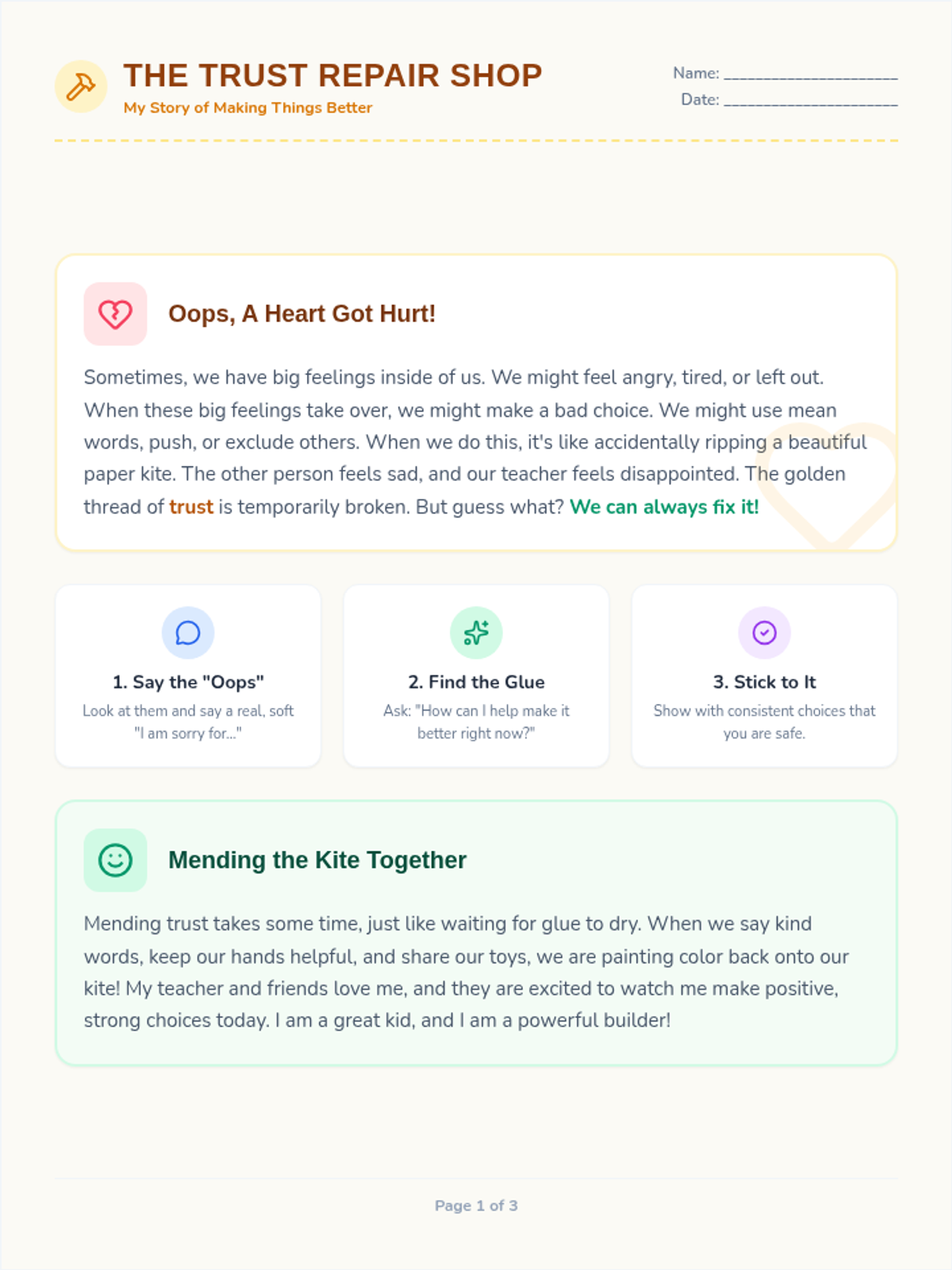
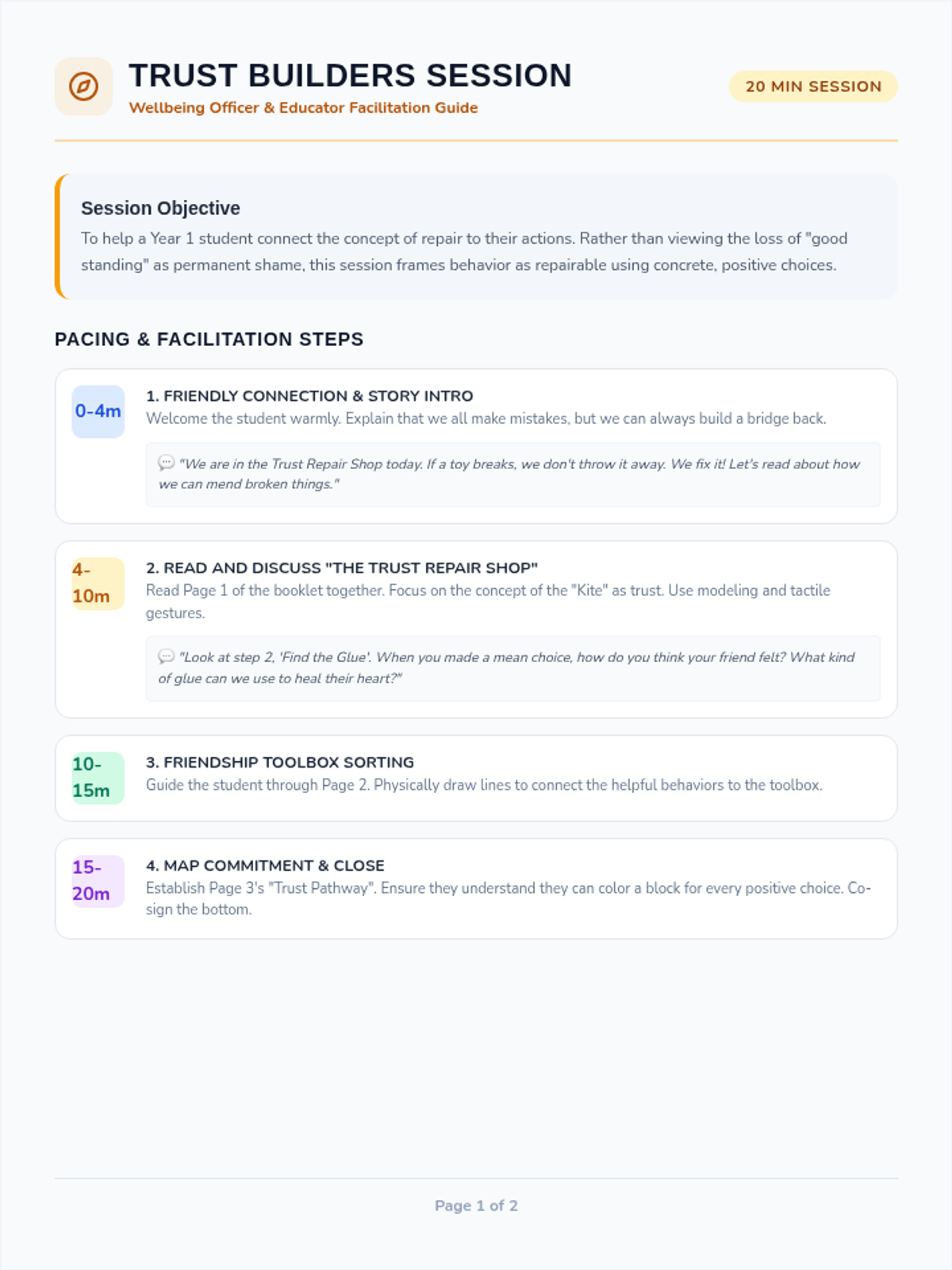
A restorative 20-minute session featuring a personalized social story and hands-on activities designed for a Year 1 student to understand, practice, and track behavioral repair.
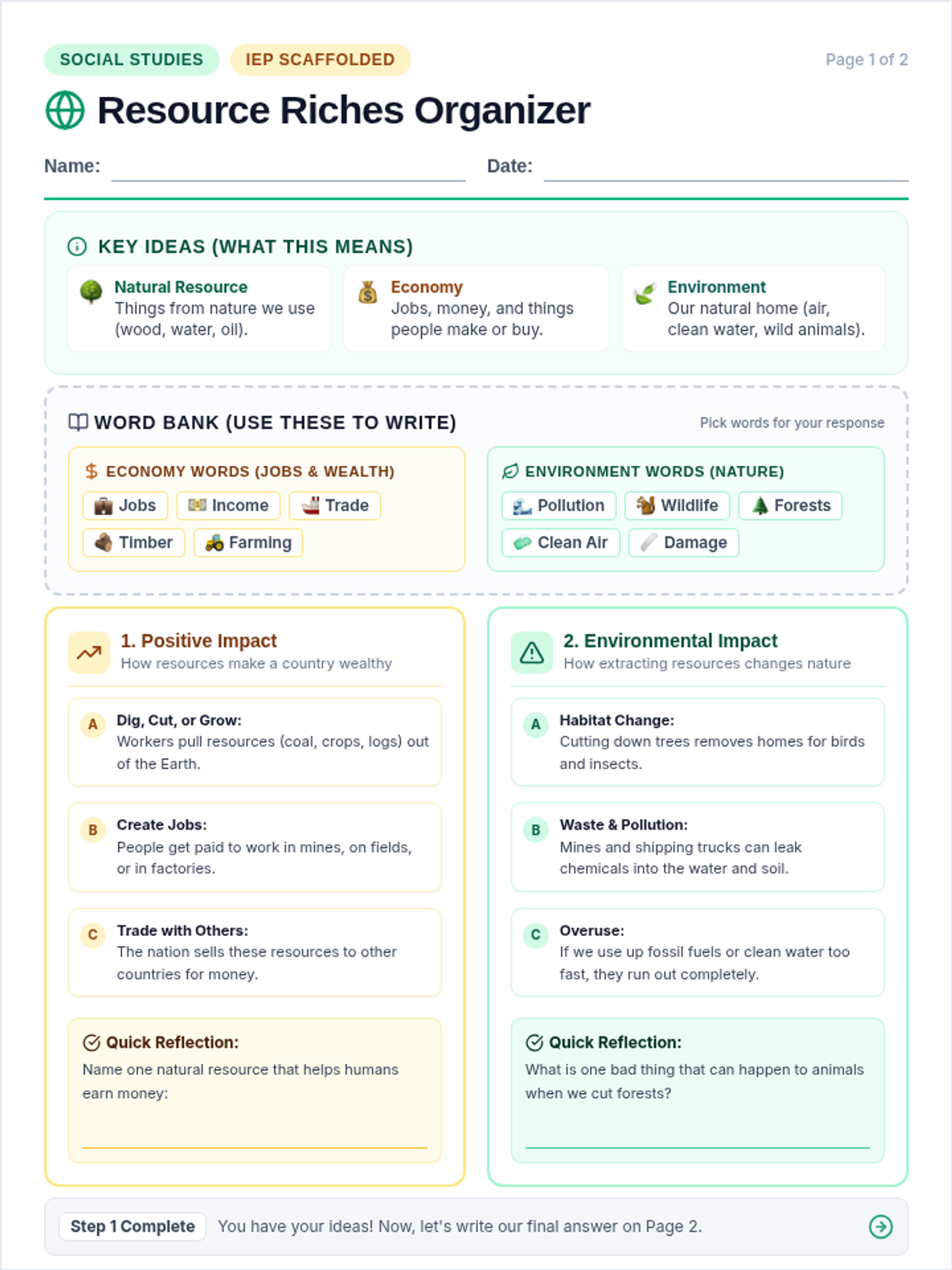
A lesson exploring how a nation's natural resources shape its economy and environment, specifically modified with scaffolded visual organizers, word banks, and structured writing frames for students needing IEP support.
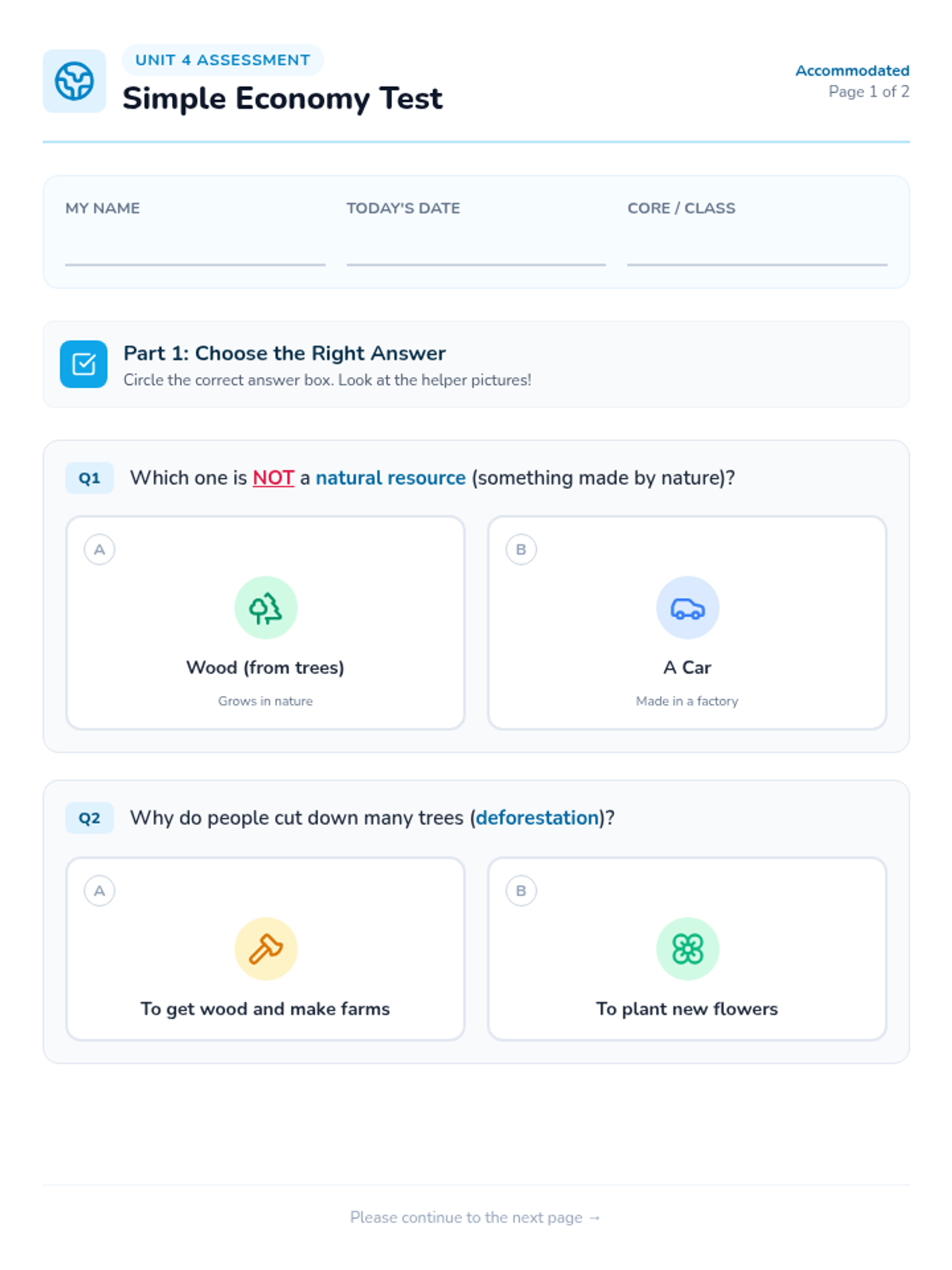
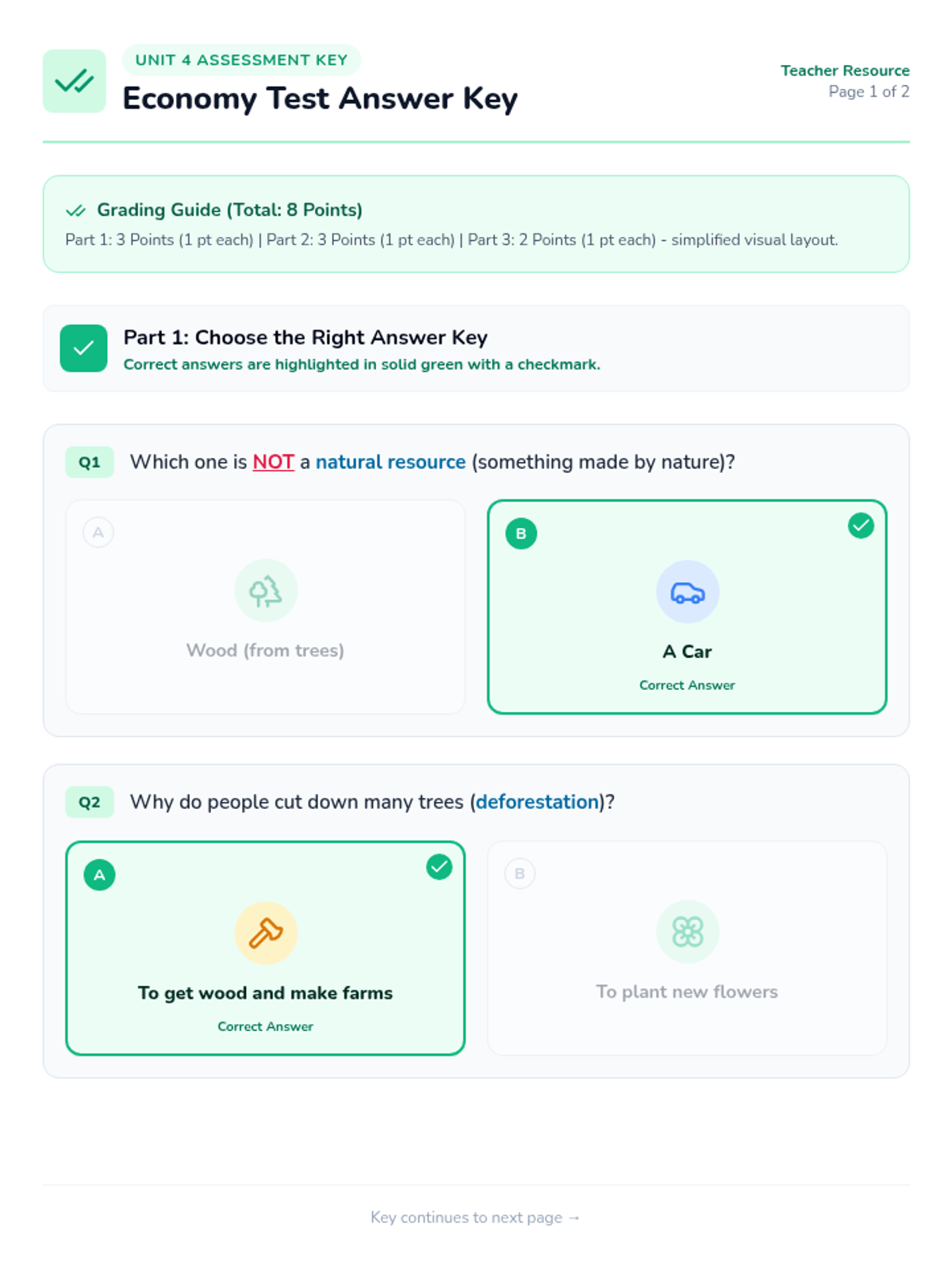
A modified, highly accessible economics assessment package tailored for students with IEP accommodations. Features simplified reading level, reduced multiple-choice options, bolded key terms, clear visual icons, and an intuitive match-by-letter format instead of complex grids.
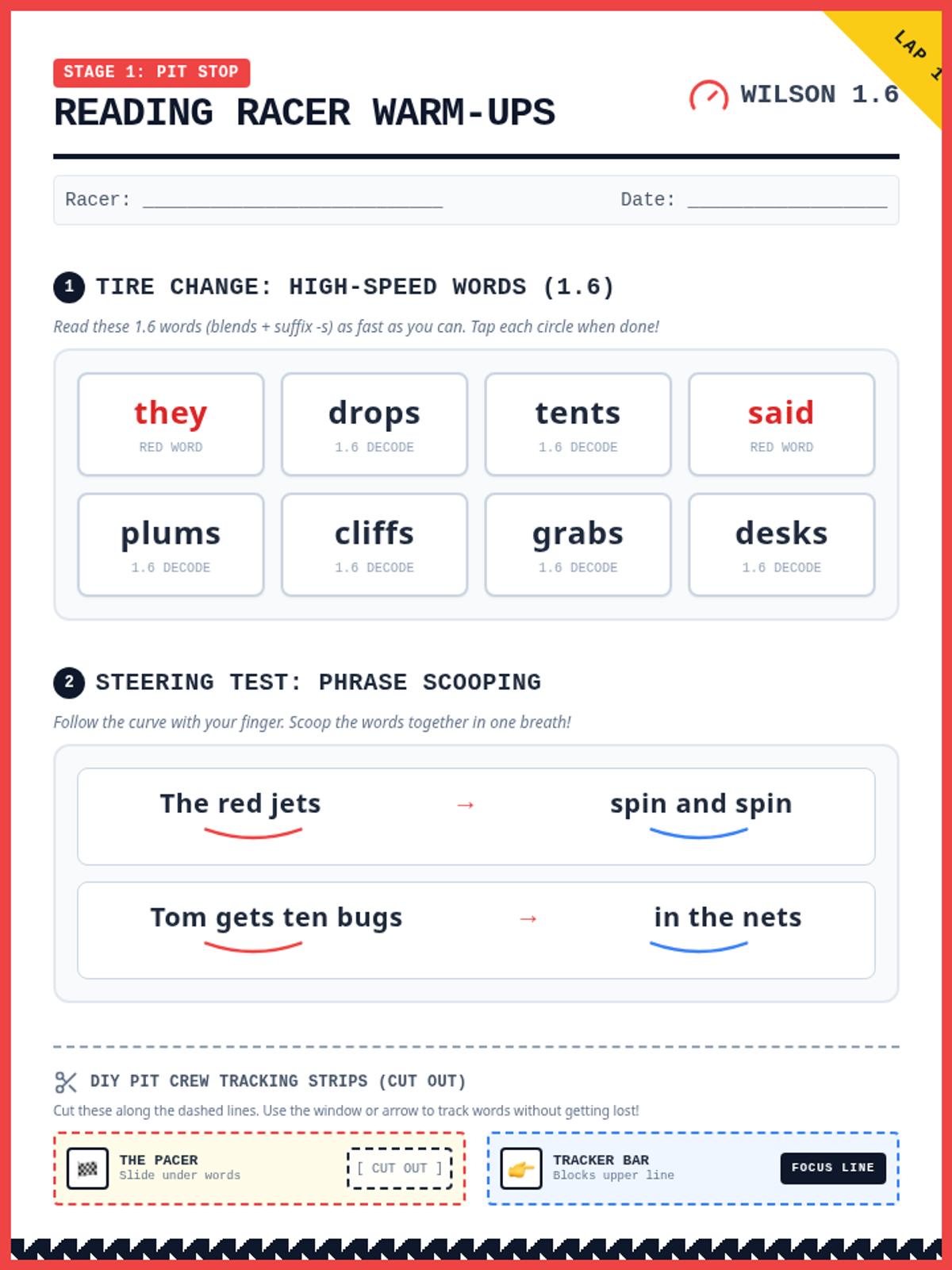
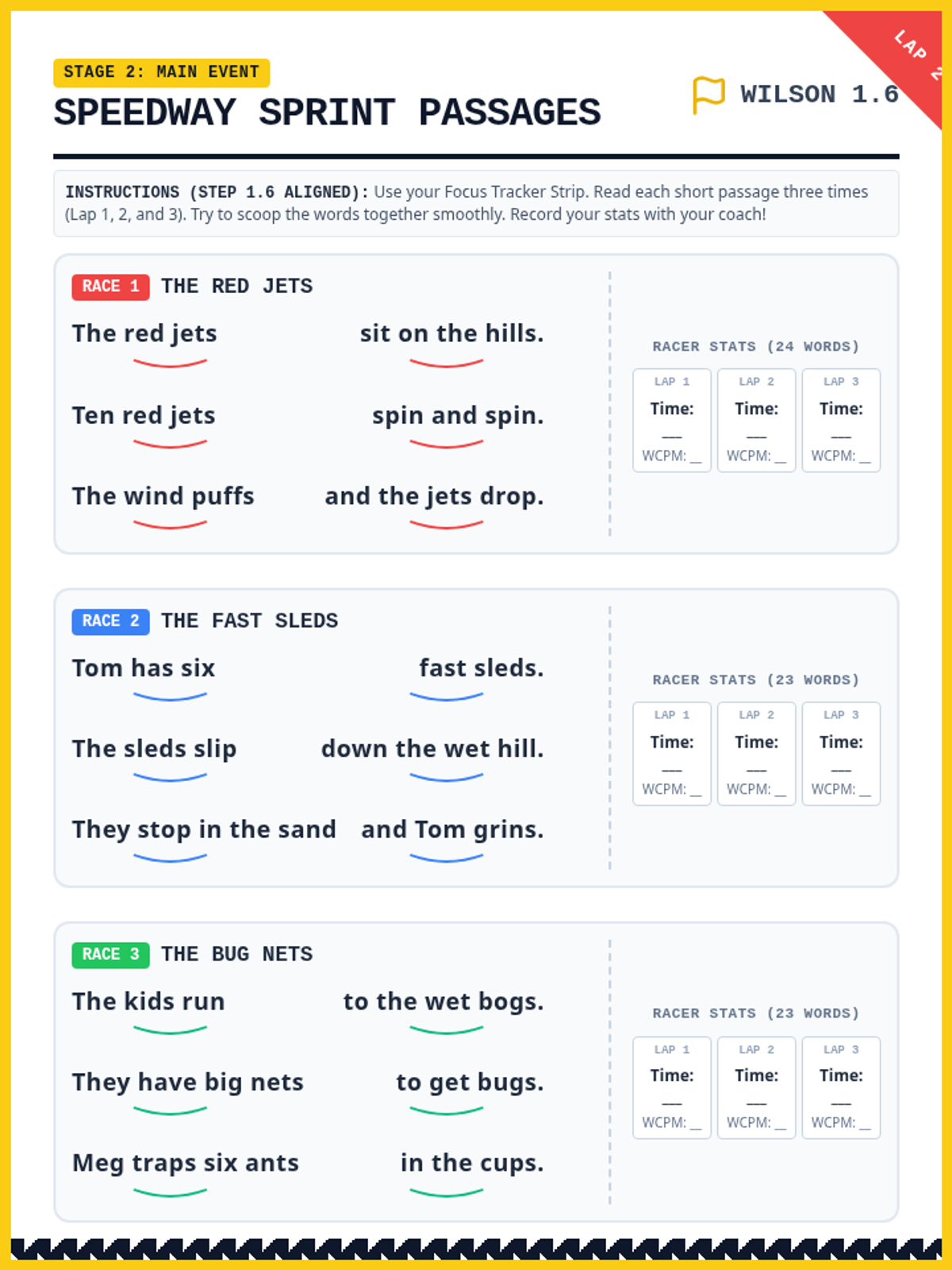
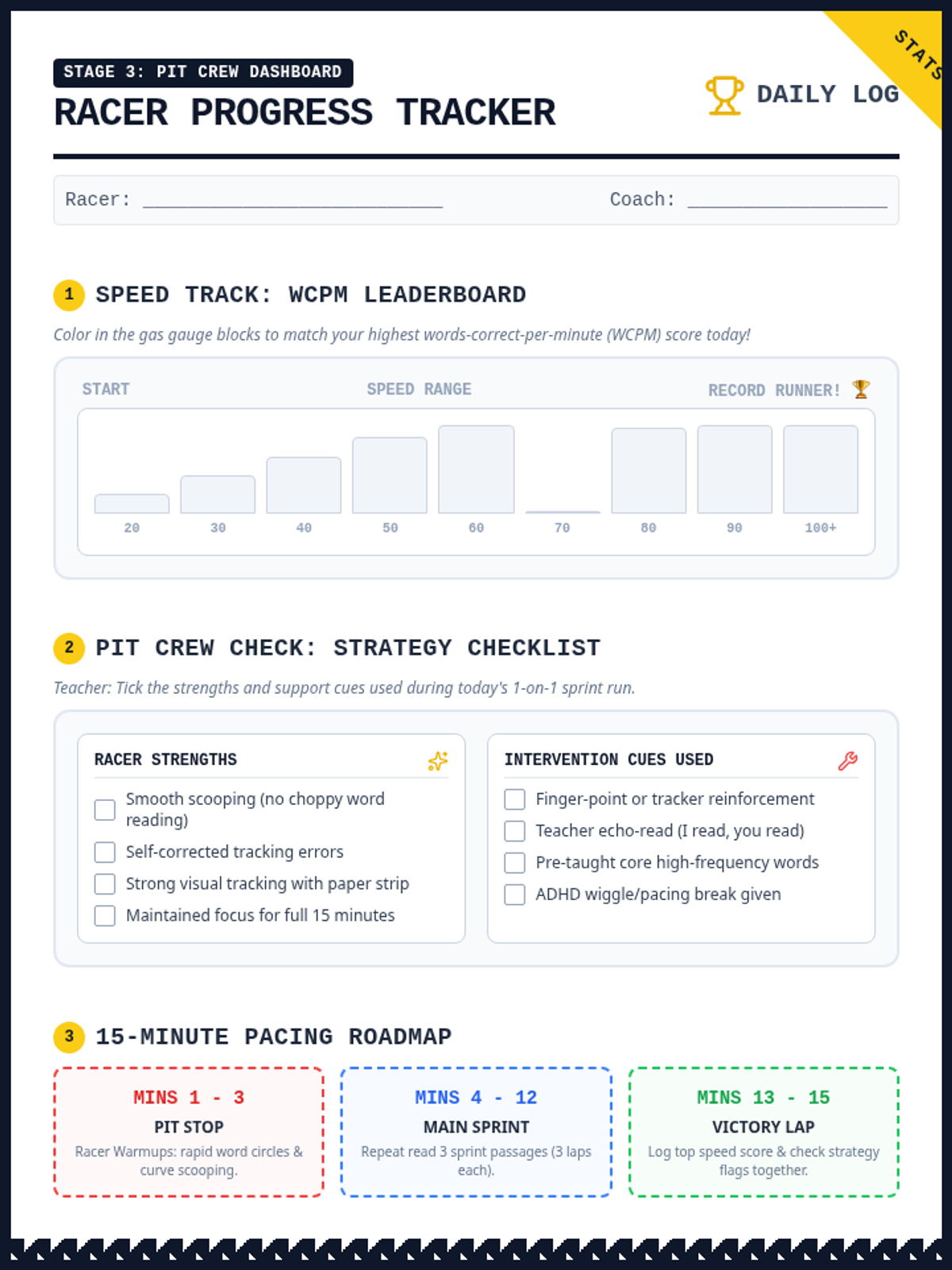
A gamified, high-intensity fluency bundle designed for a 1-on-1 15-minute intervention. Tailored for a 2nd grader with suspected dyslexia and ADHD who decodes well but needs support with visual tracking, phrasing, and rapid automaticity.
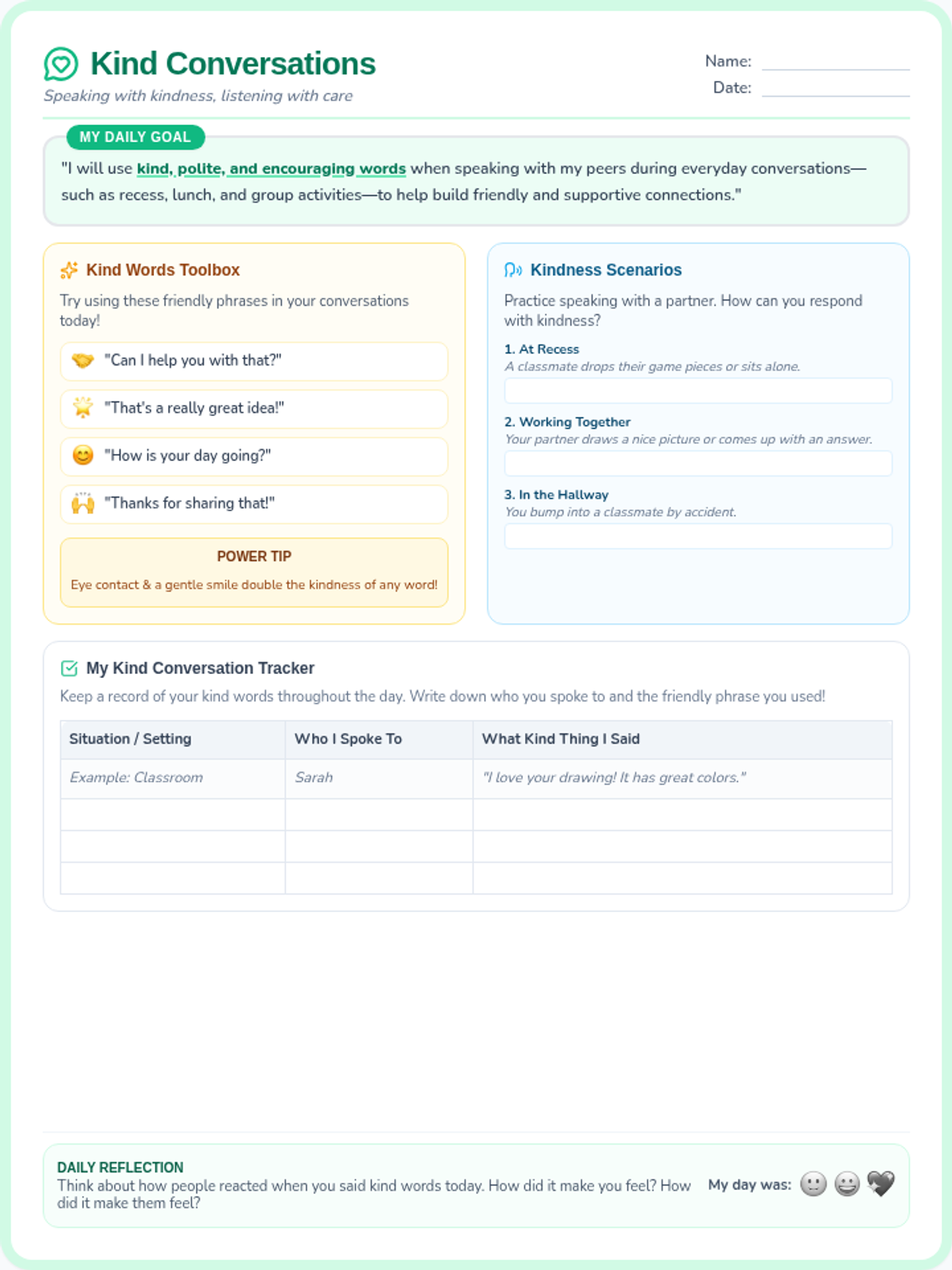
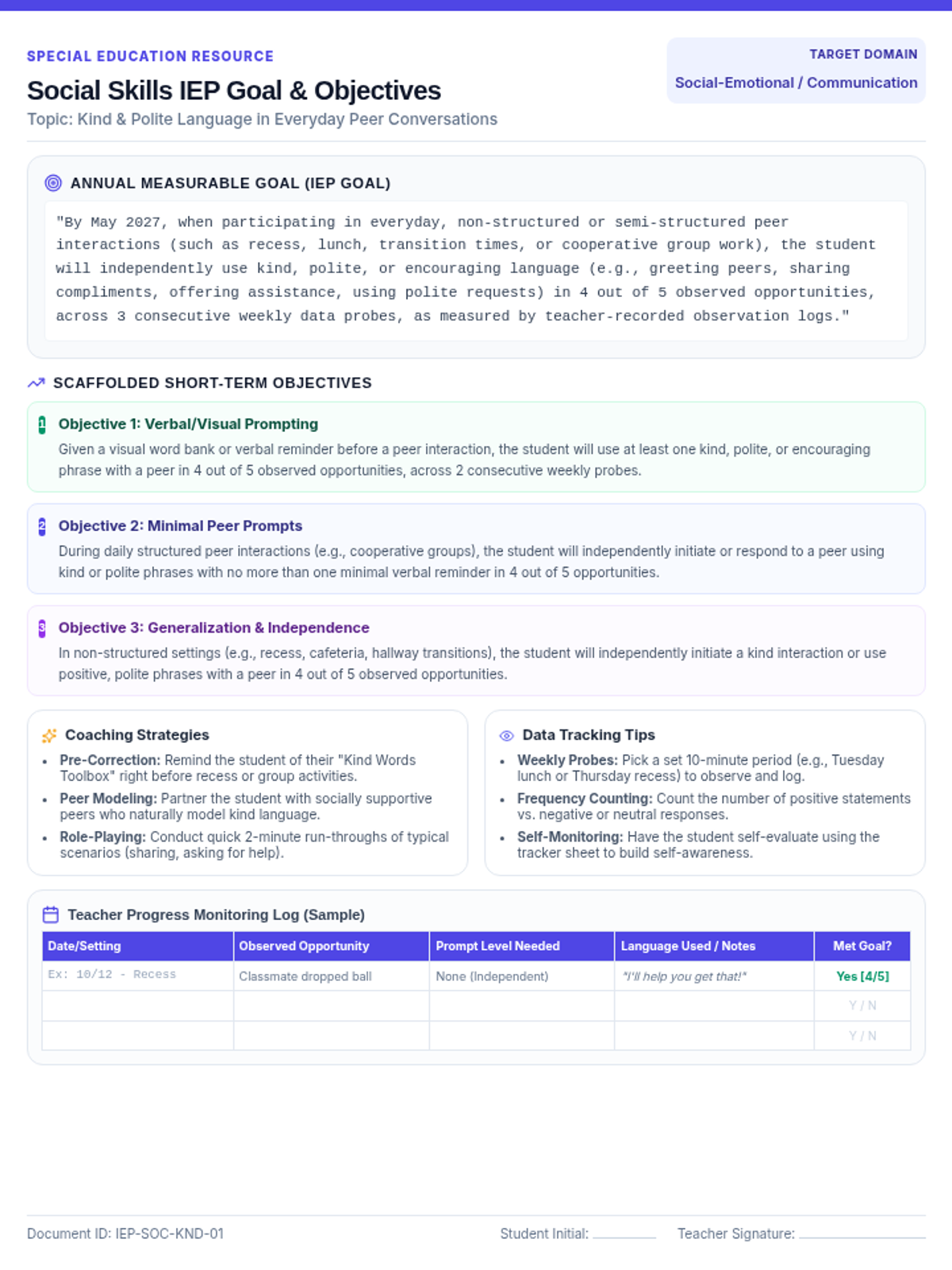
A social skills lesson designed to help students learn and apply kind, polite, and encouraging language during daily peer interactions. Includes clear visual objectives, structured discussion cards, and a reflection tracker.
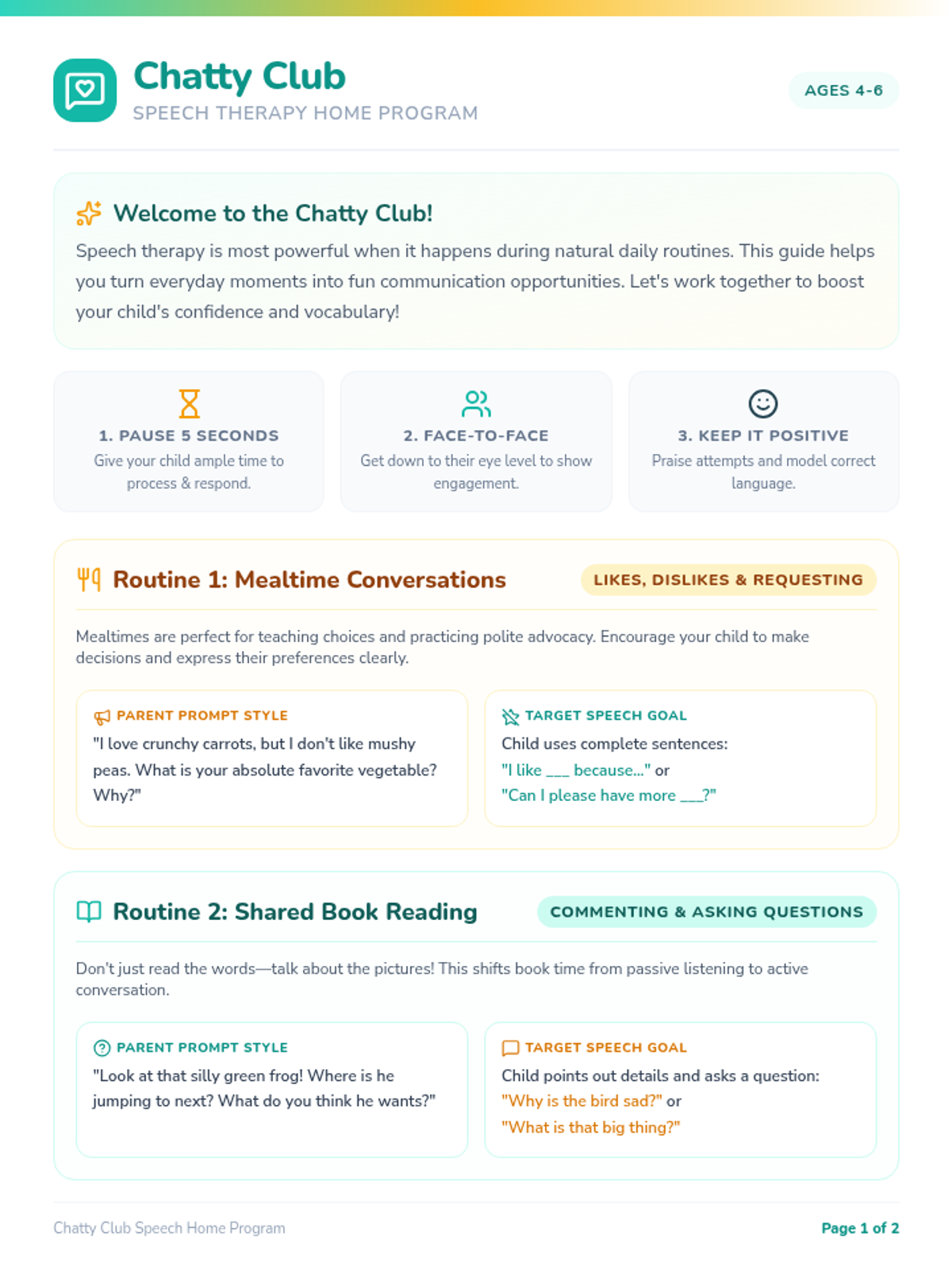
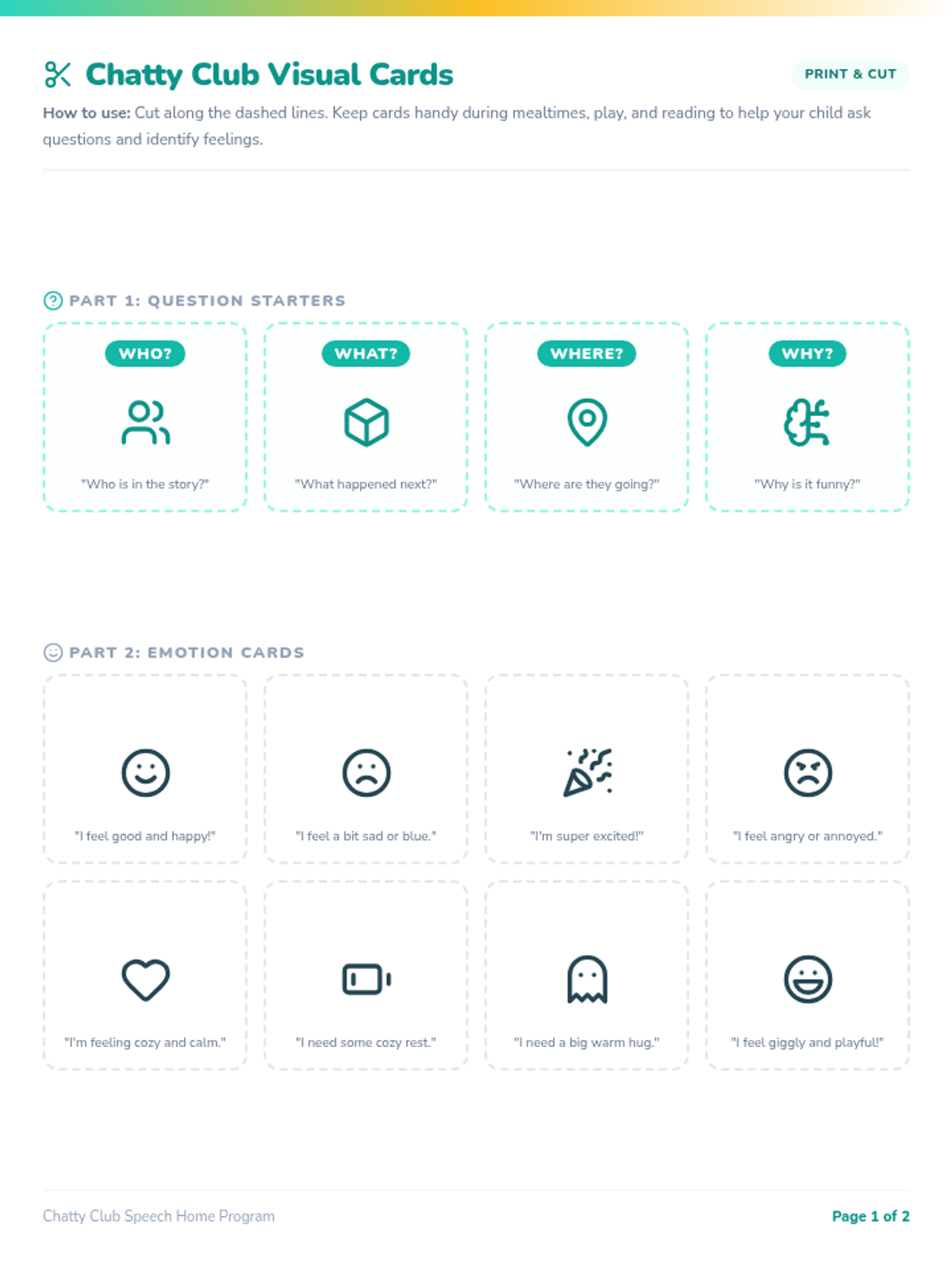
An interactive speech therapy home program designed for parents of 5-year-olds to support asking questions, commenting, recounting previous events, and advocating for preferences during natural daily routines.
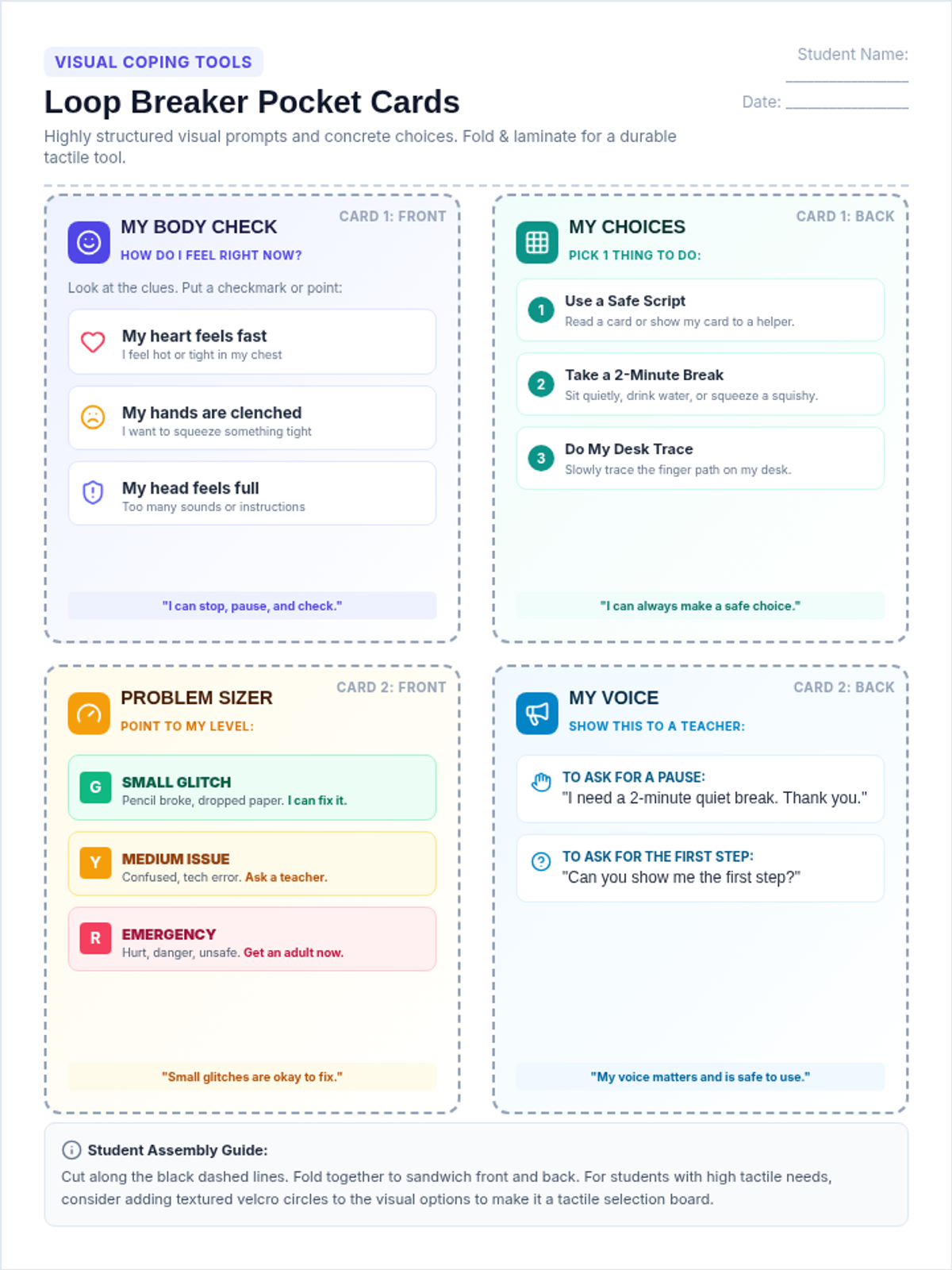
A set of portable, visual cognitive behavioral tools to help students disrupt automatic negative thoughts and set constructive boundaries when feeling overwhelmed by tasks.
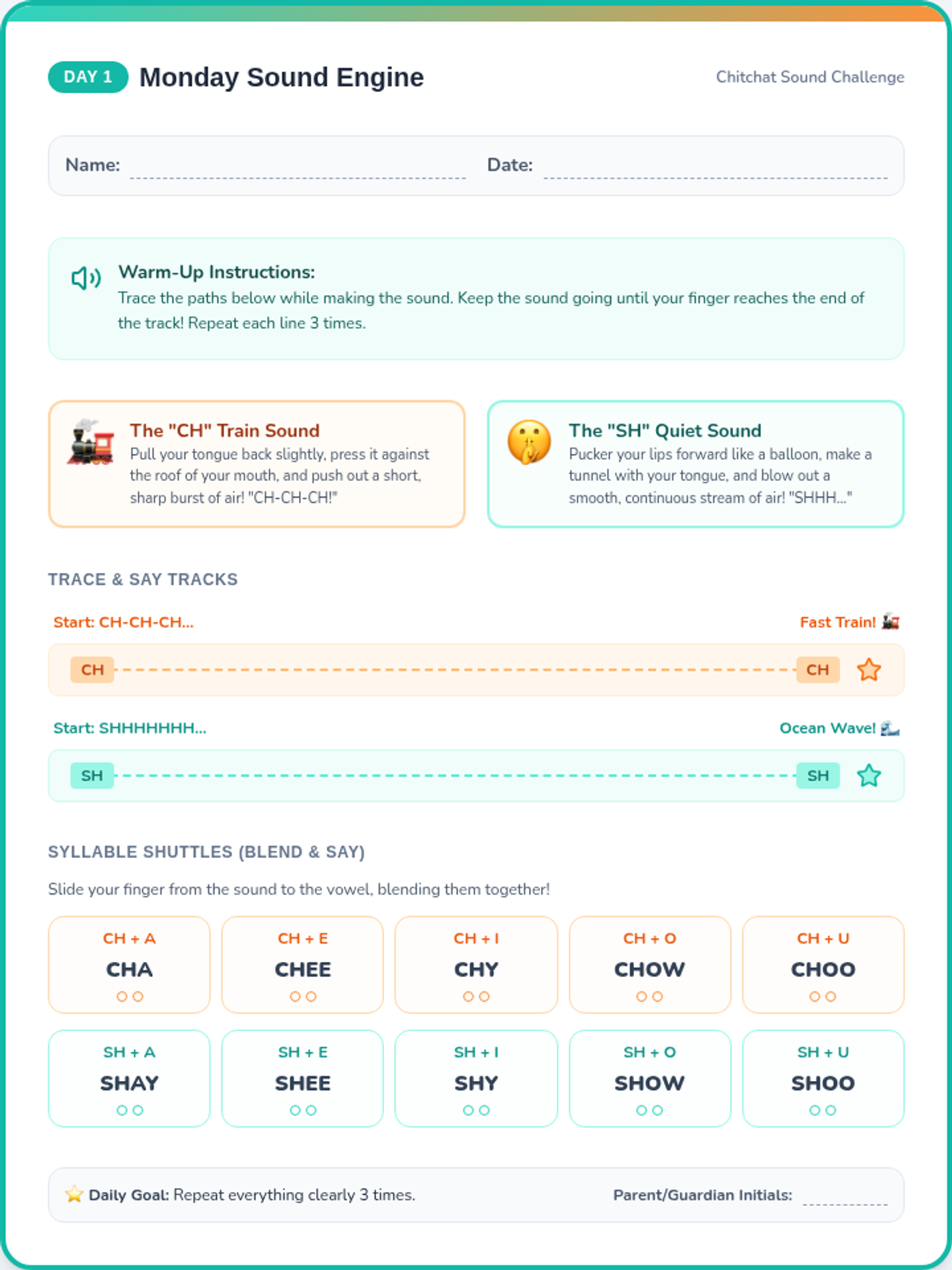
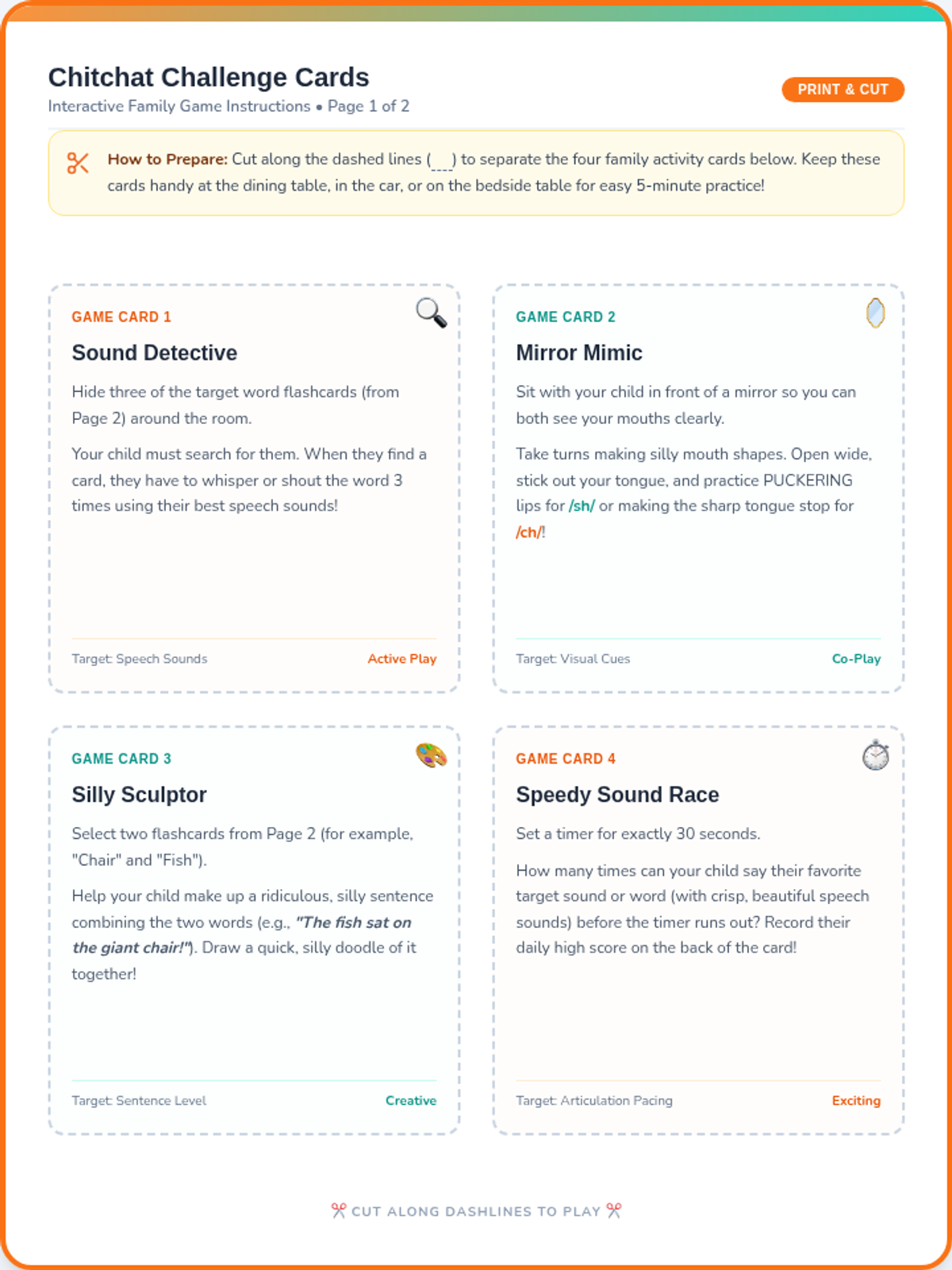
A home practice program designed to help children master the articulation of /ch/ and /sh/ sounds through engaging daily micro-activities and interactive family games.