An interactive community-based instruction lesson at a Stop & Shop grocery store. Students focus on identifying departments, comparing food labels, and calculating grocery costs within a specific budget.
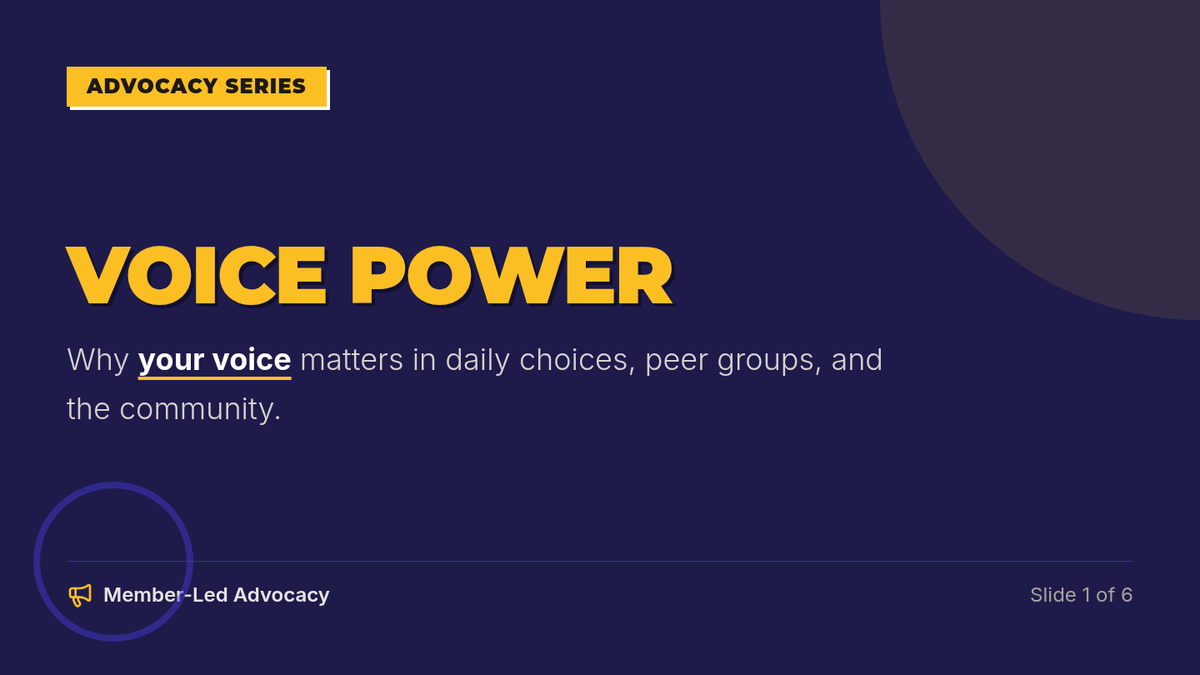
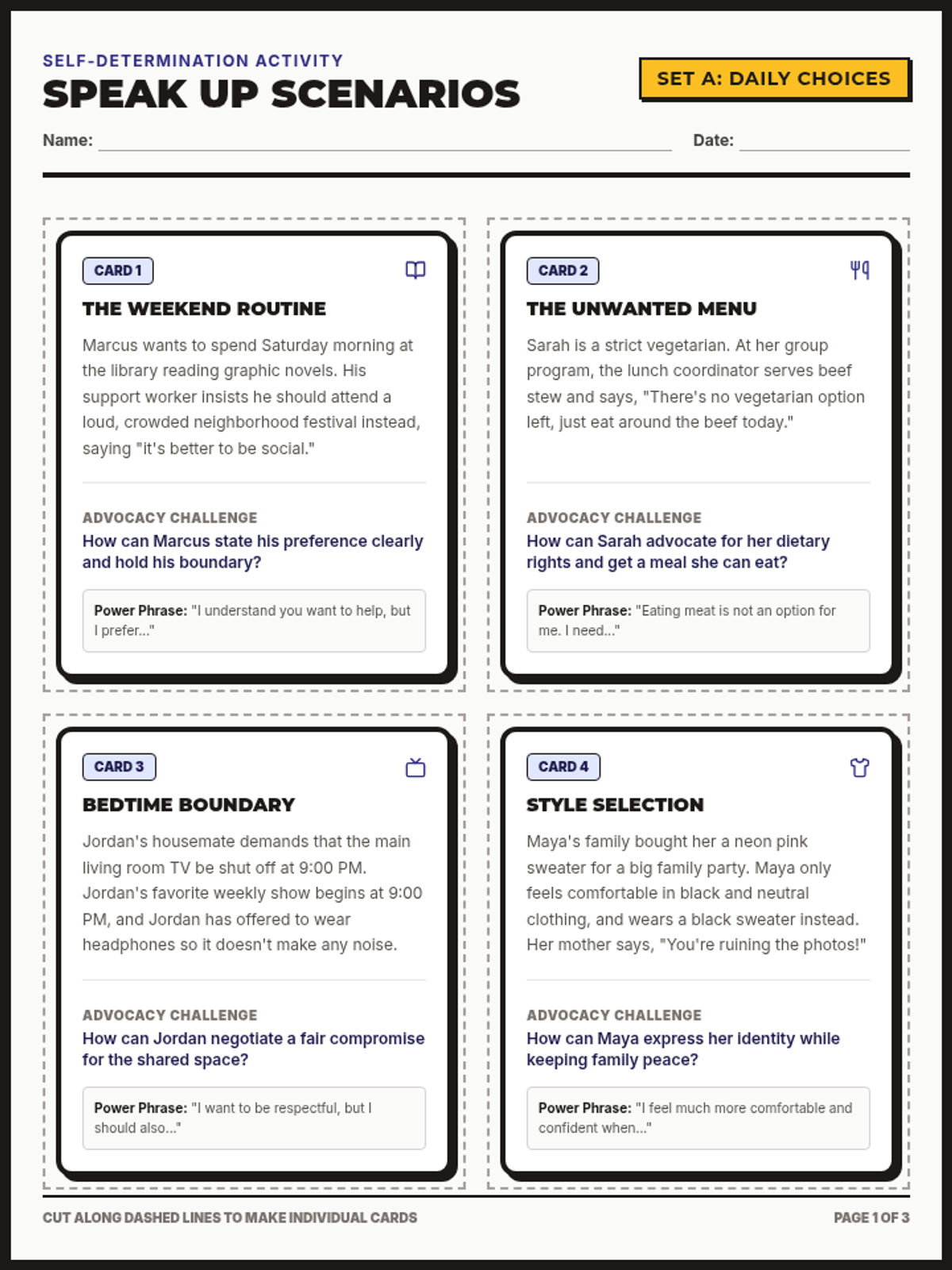
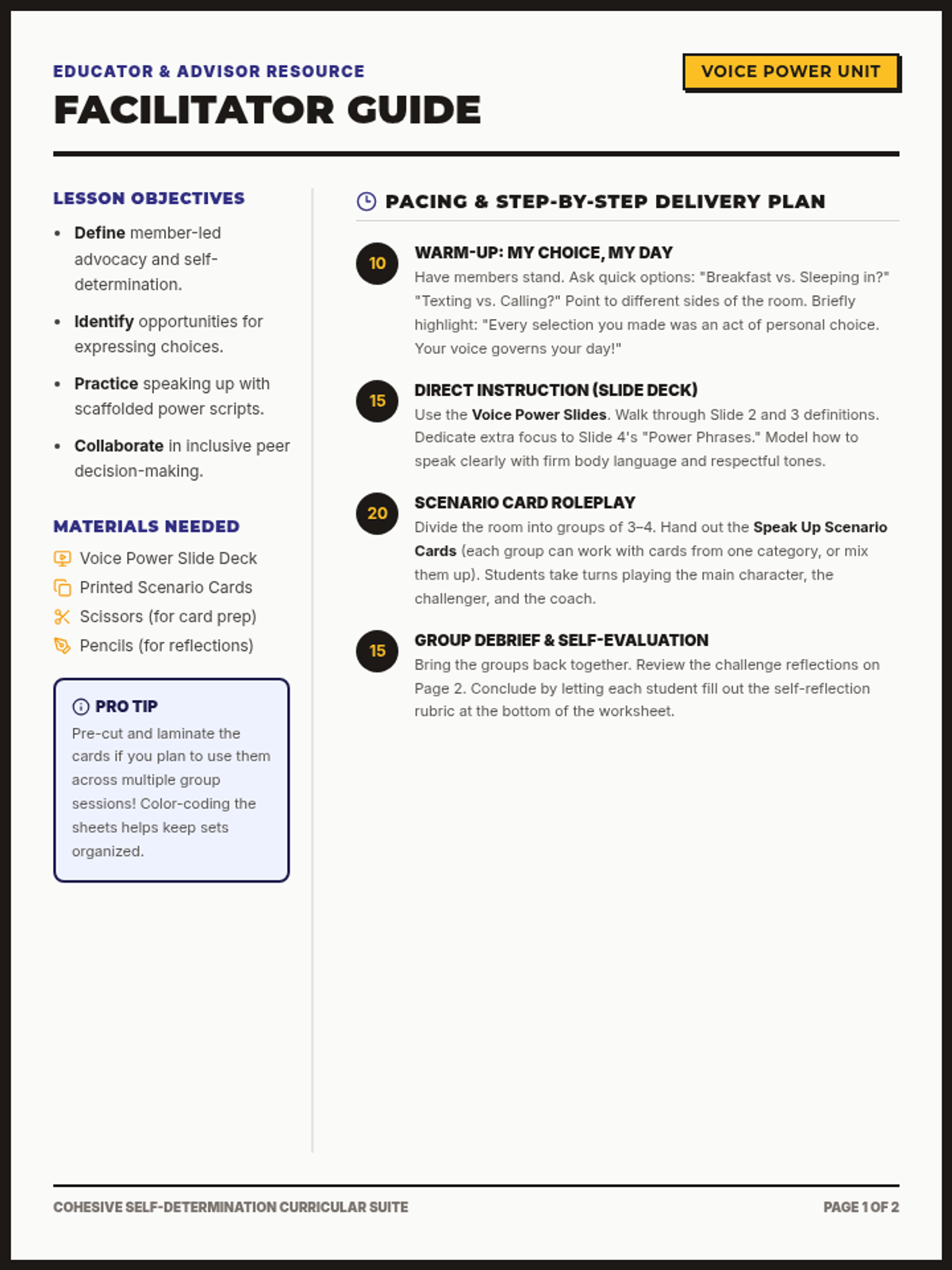
A self-determination and member-led advocacy lesson where students explore why their voices matter, practice speaking up in everyday scenarios, and build confidence in group decision-making.
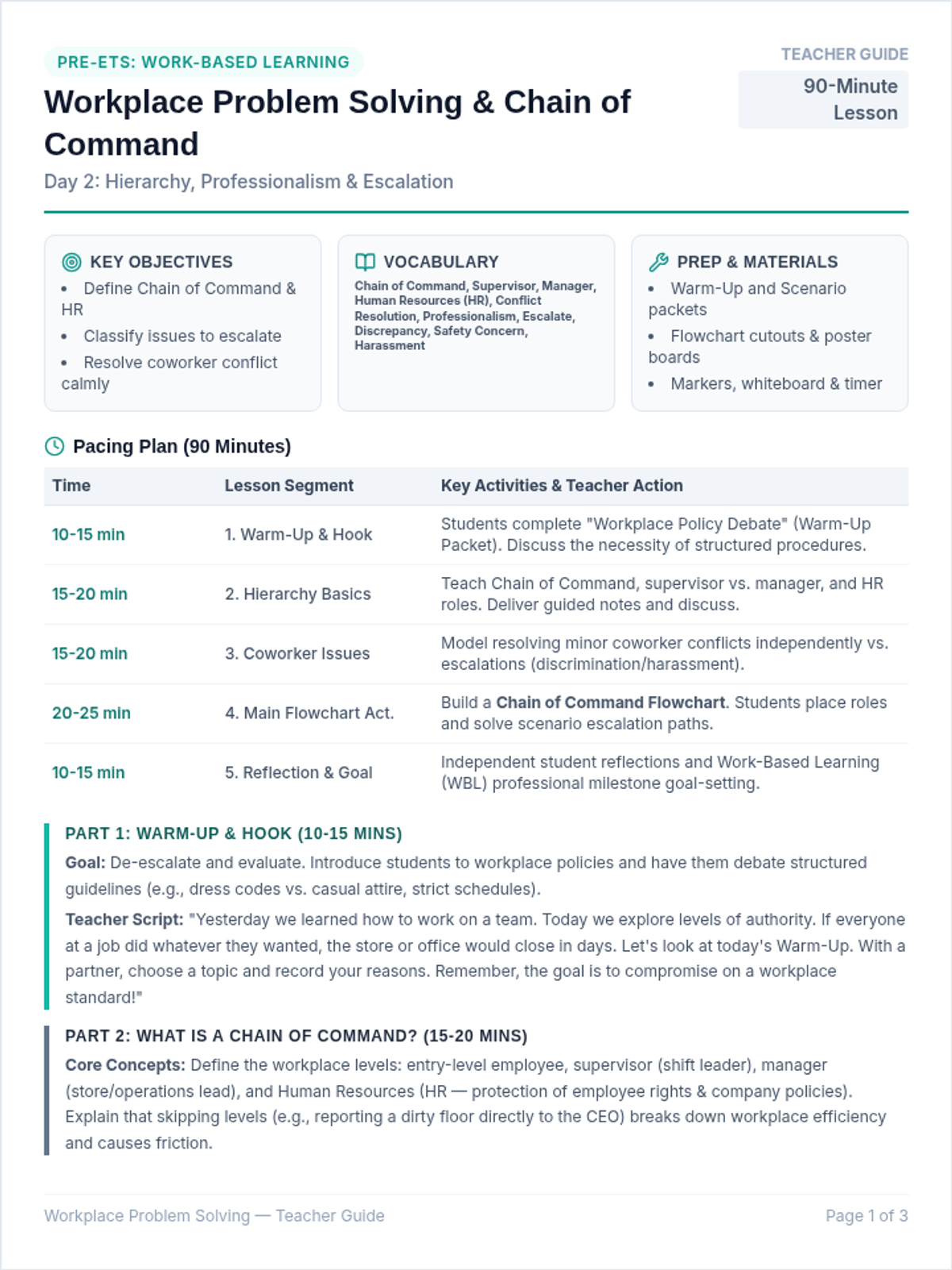
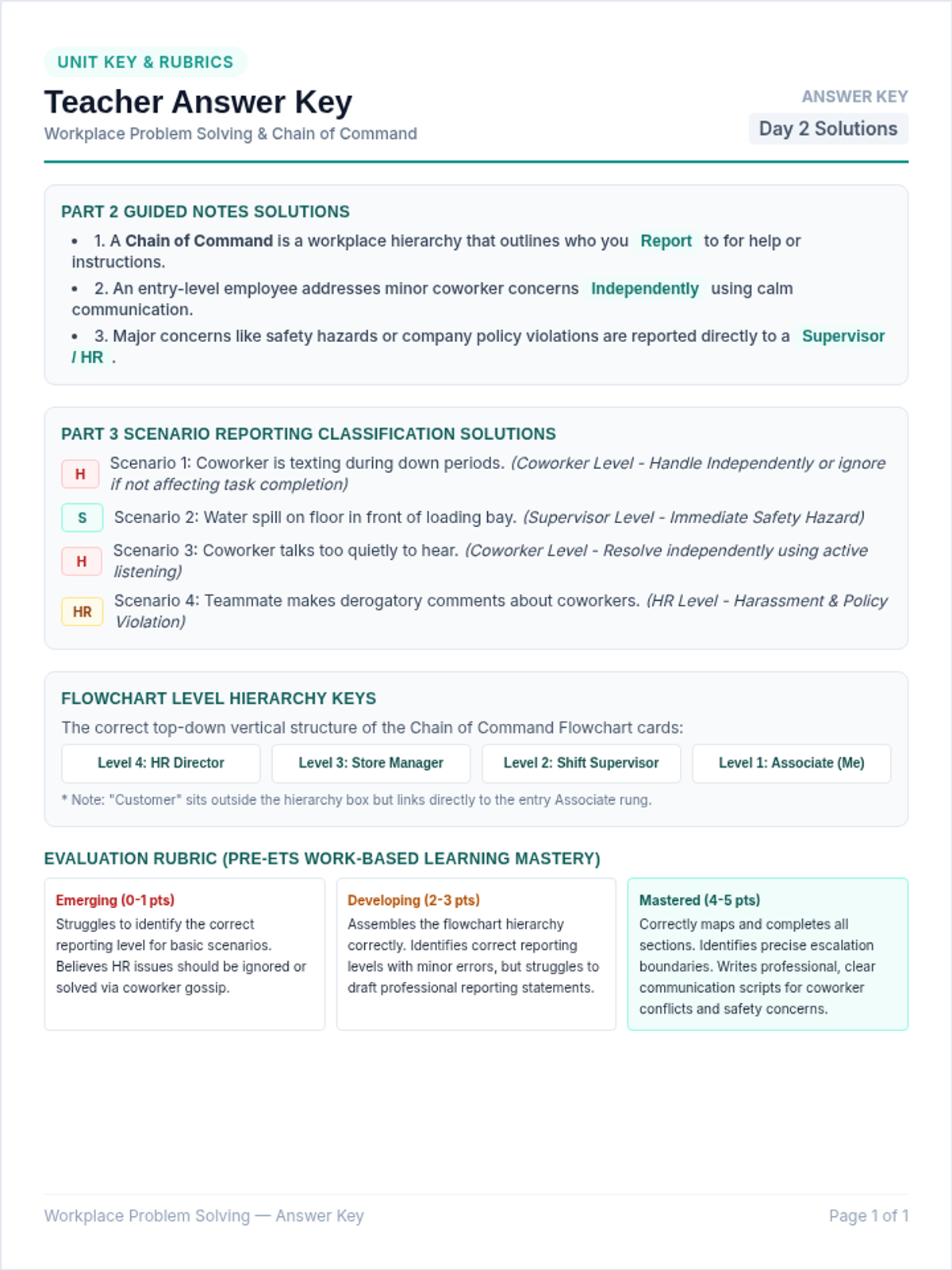
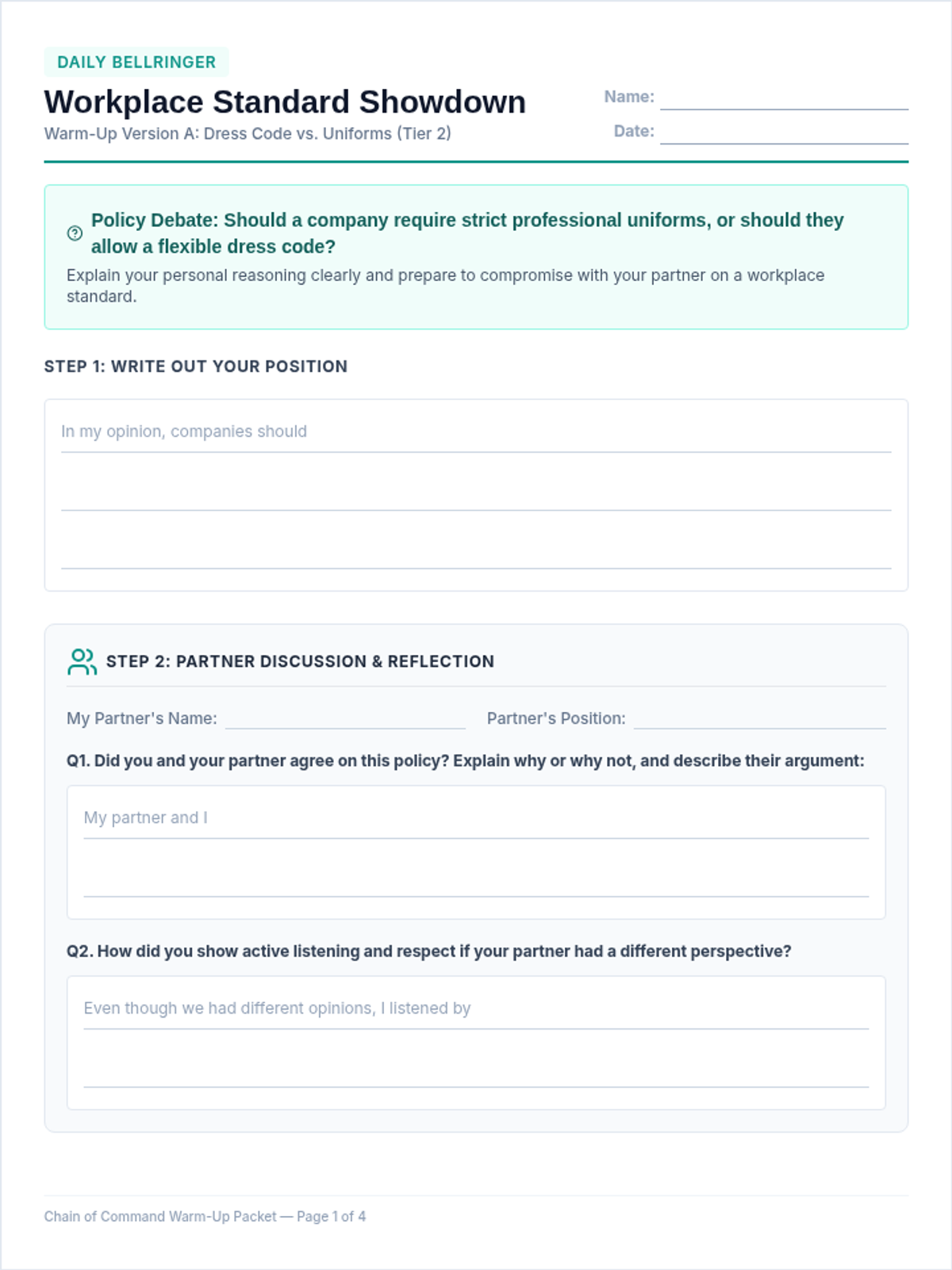
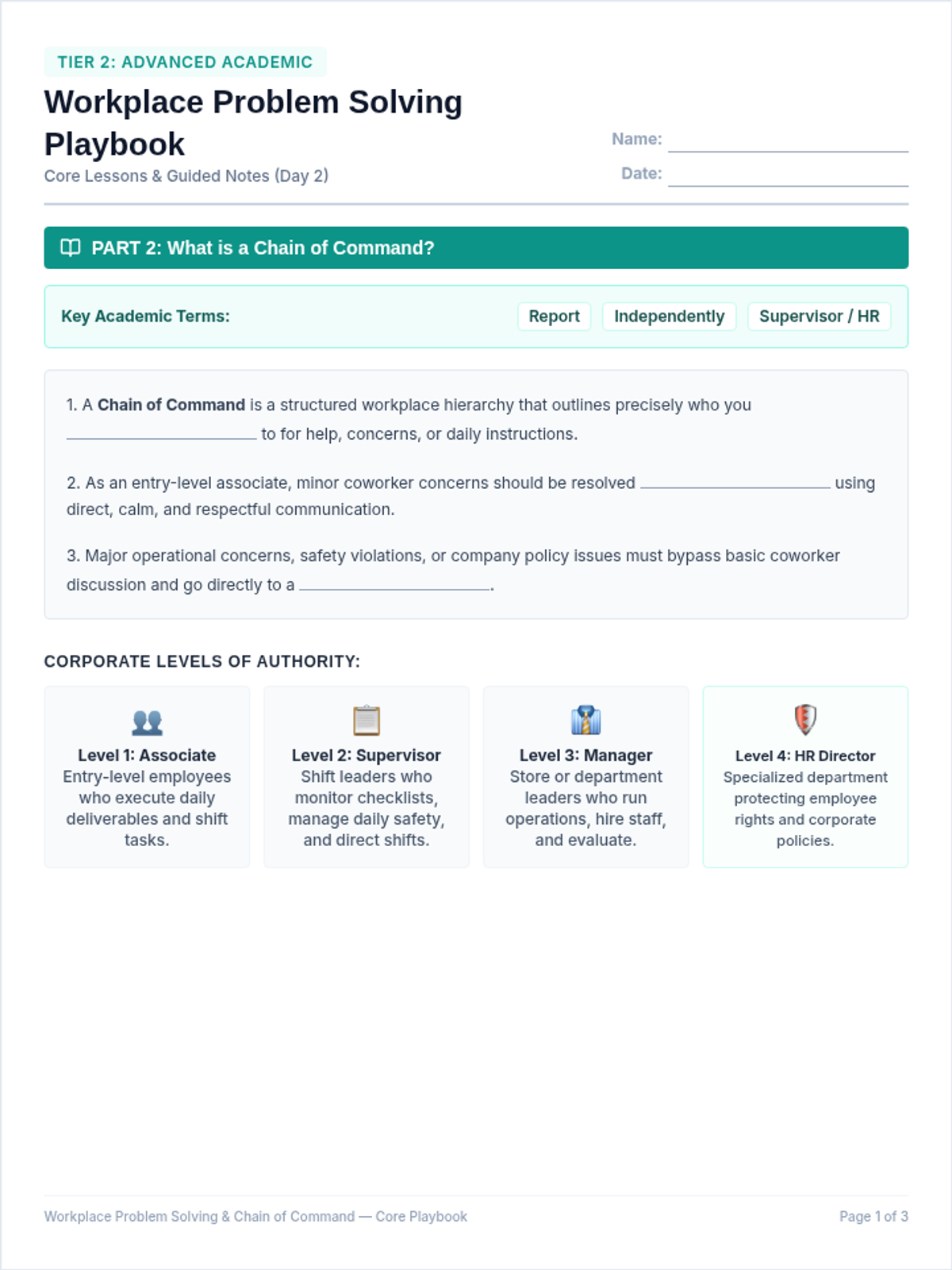
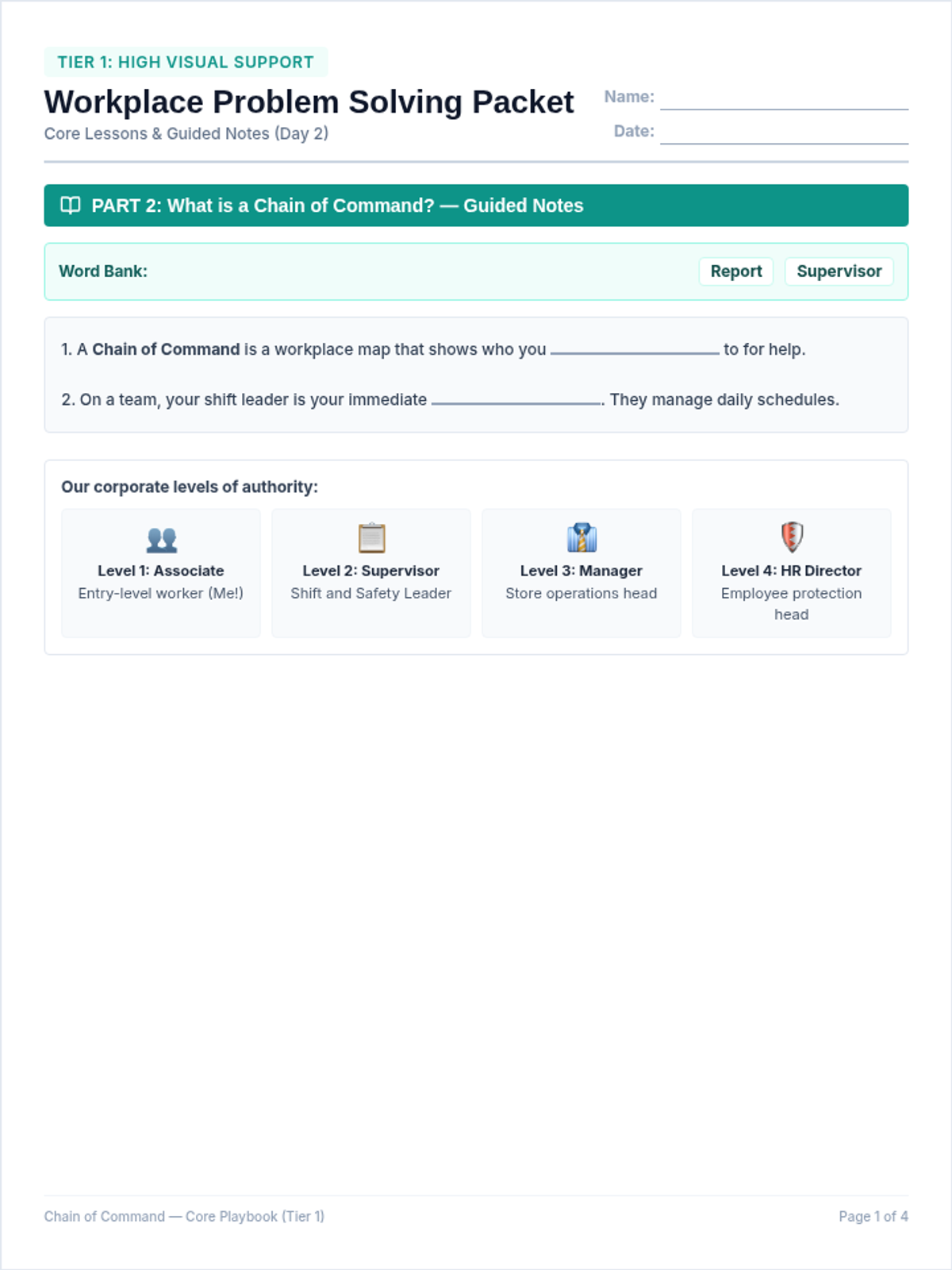
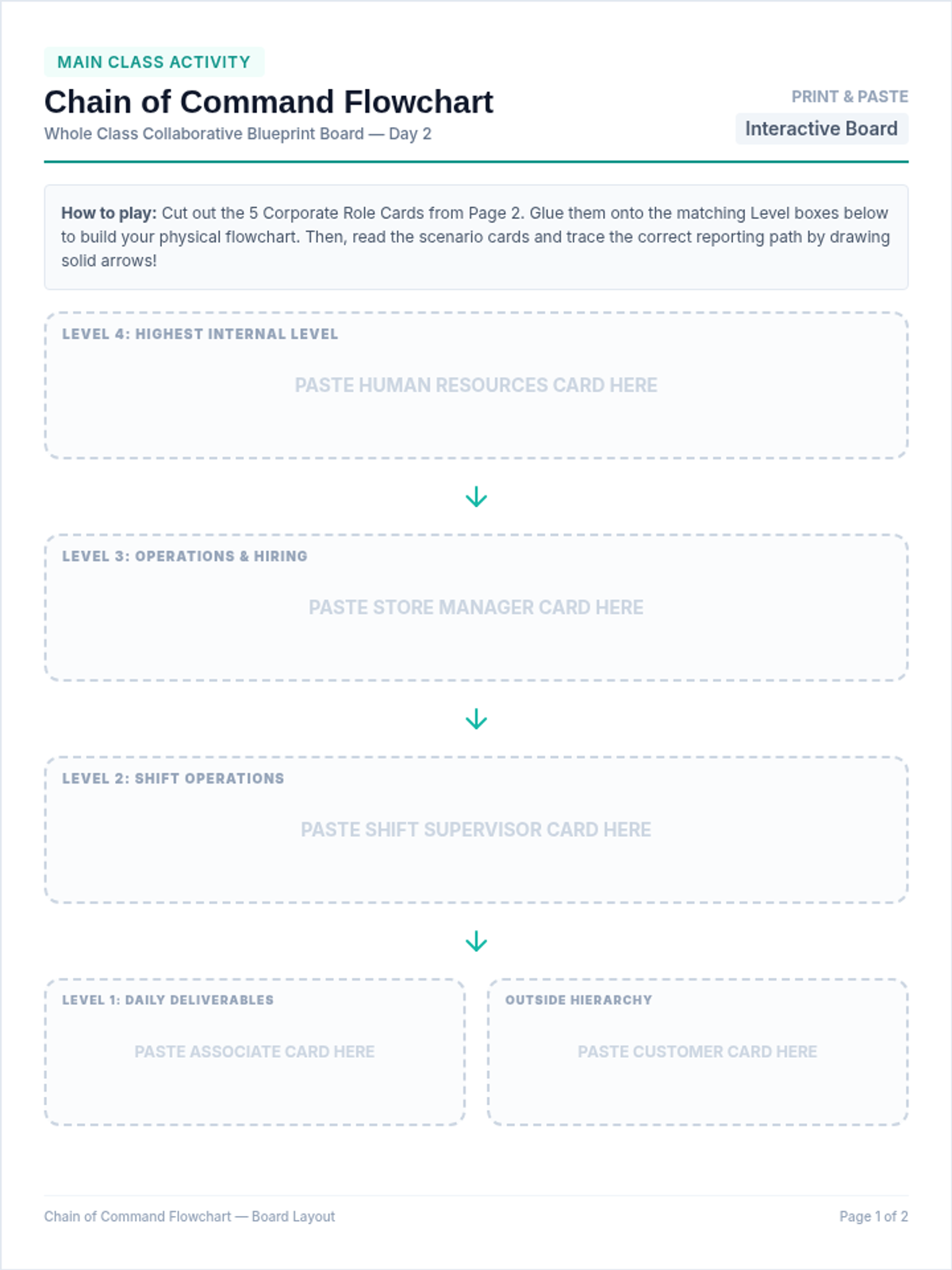
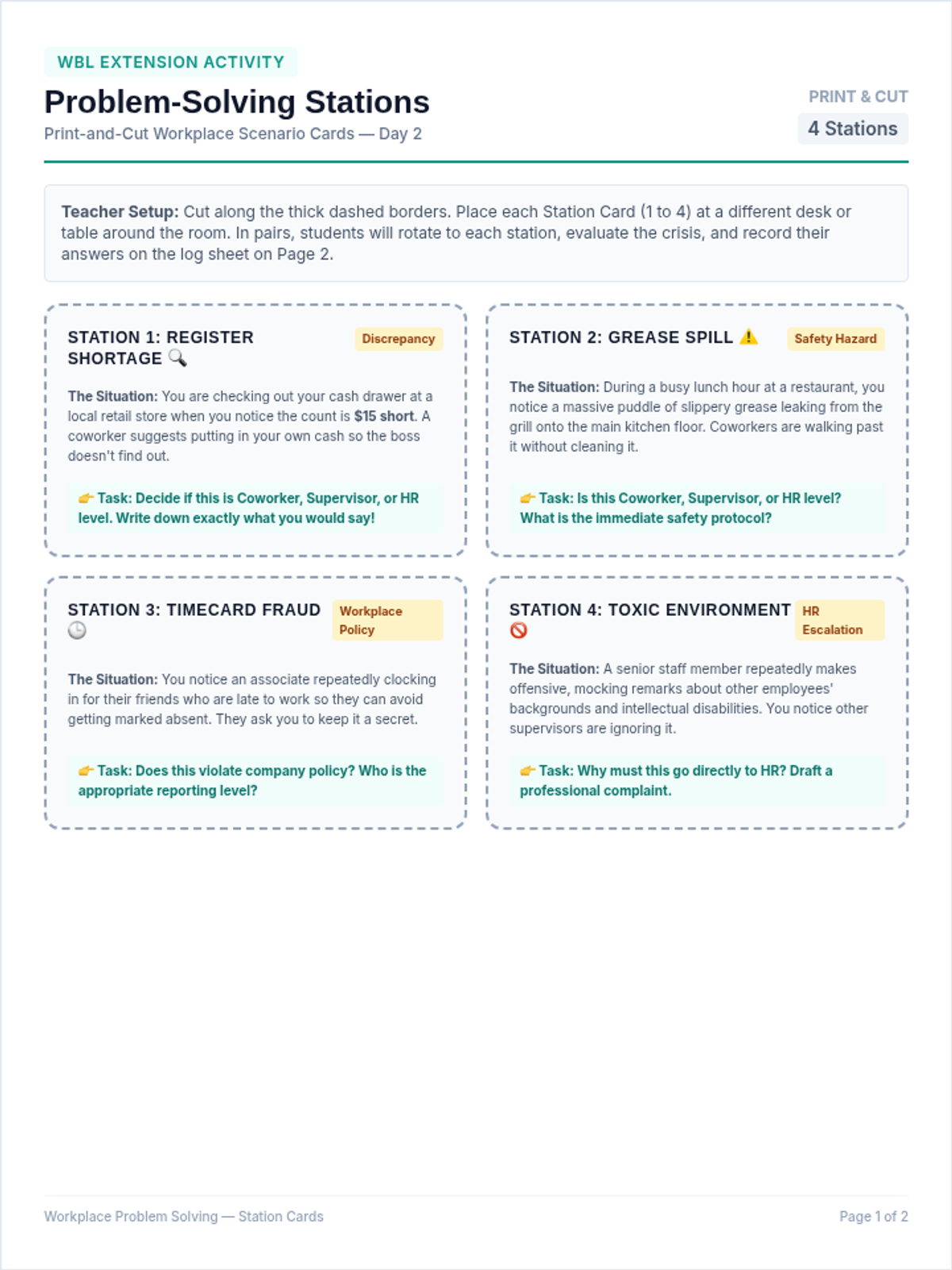
This lesson introduces students to workplace levels of authority, the chain of command, and professional conflict resolution. Students learn how to classify issues and determine when to solve problems independently, report to supervisors, or escalate to HR through interactive scenarios and a collaborative flowchart activity.
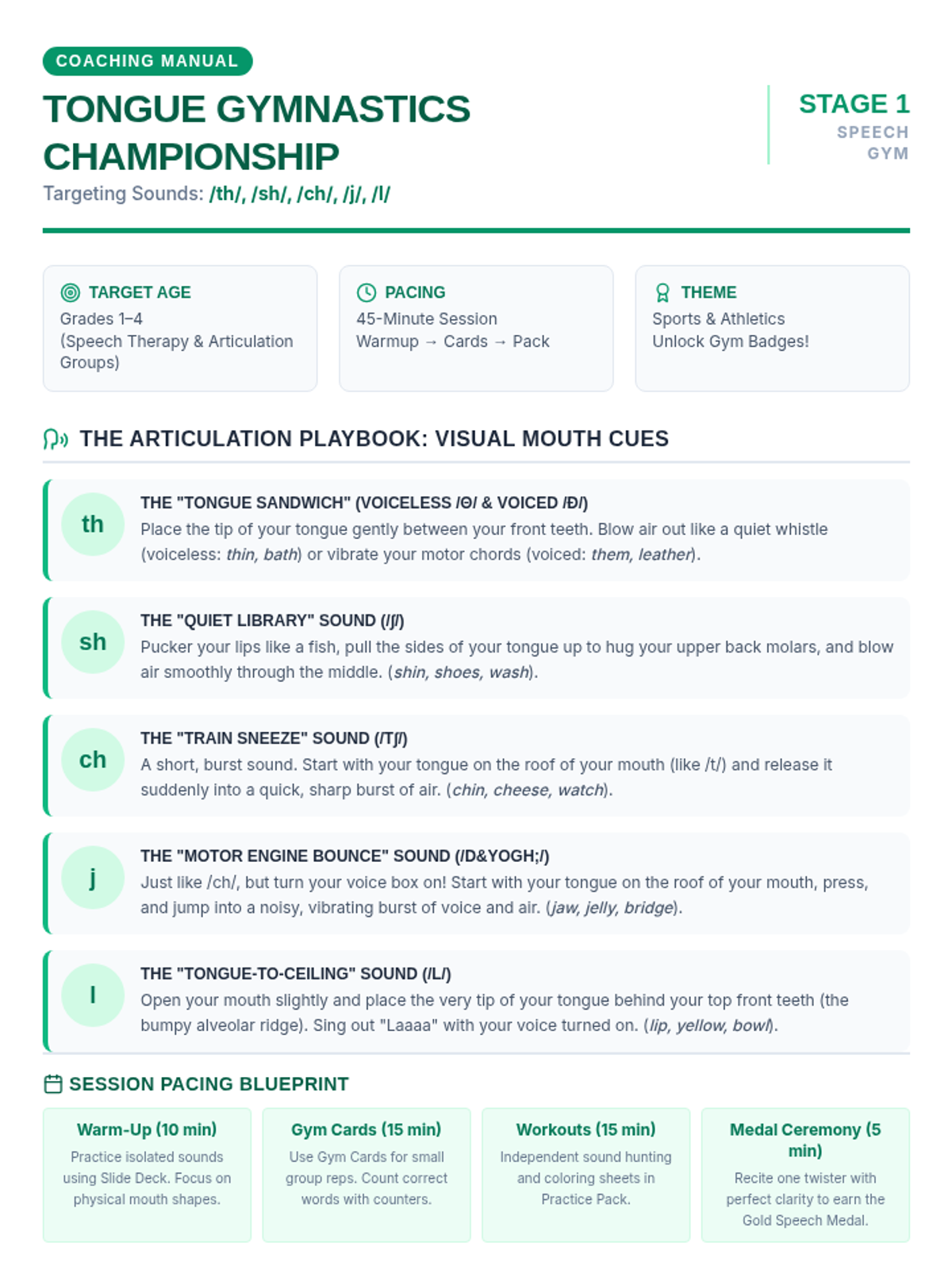
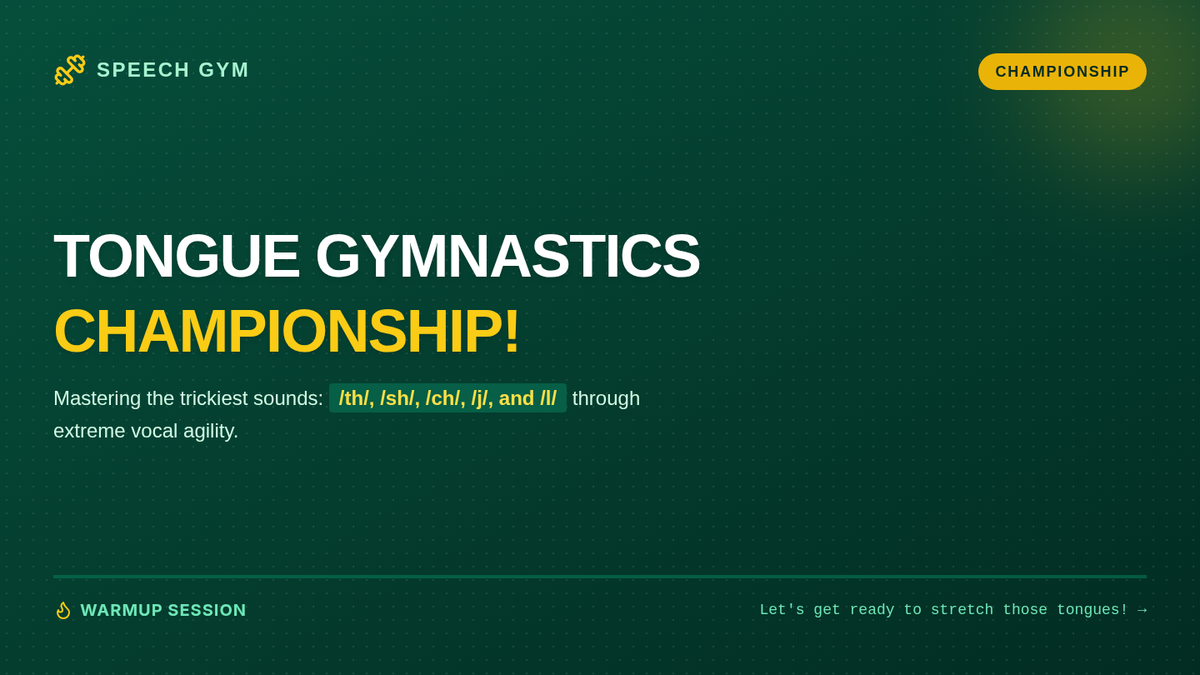
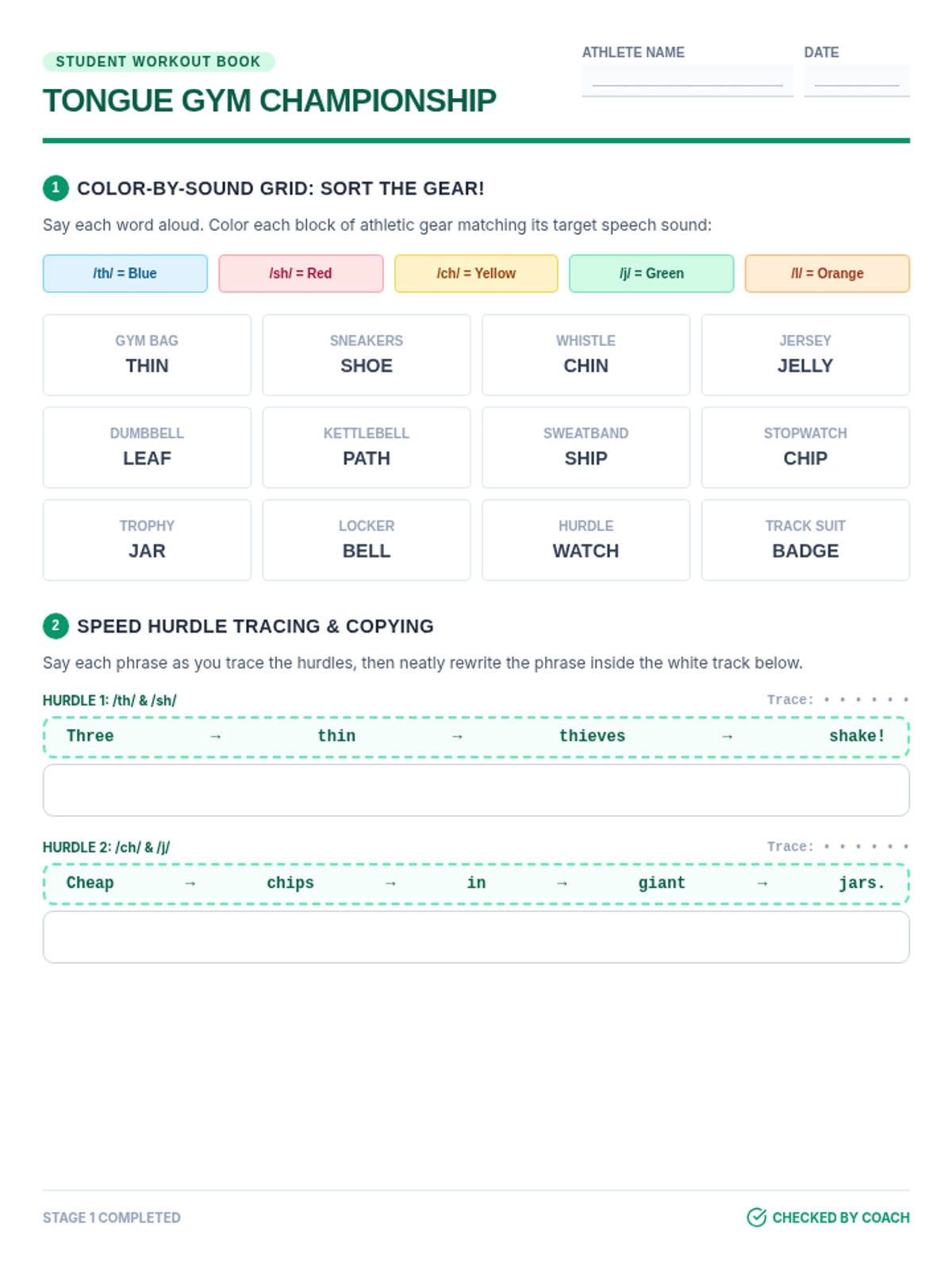
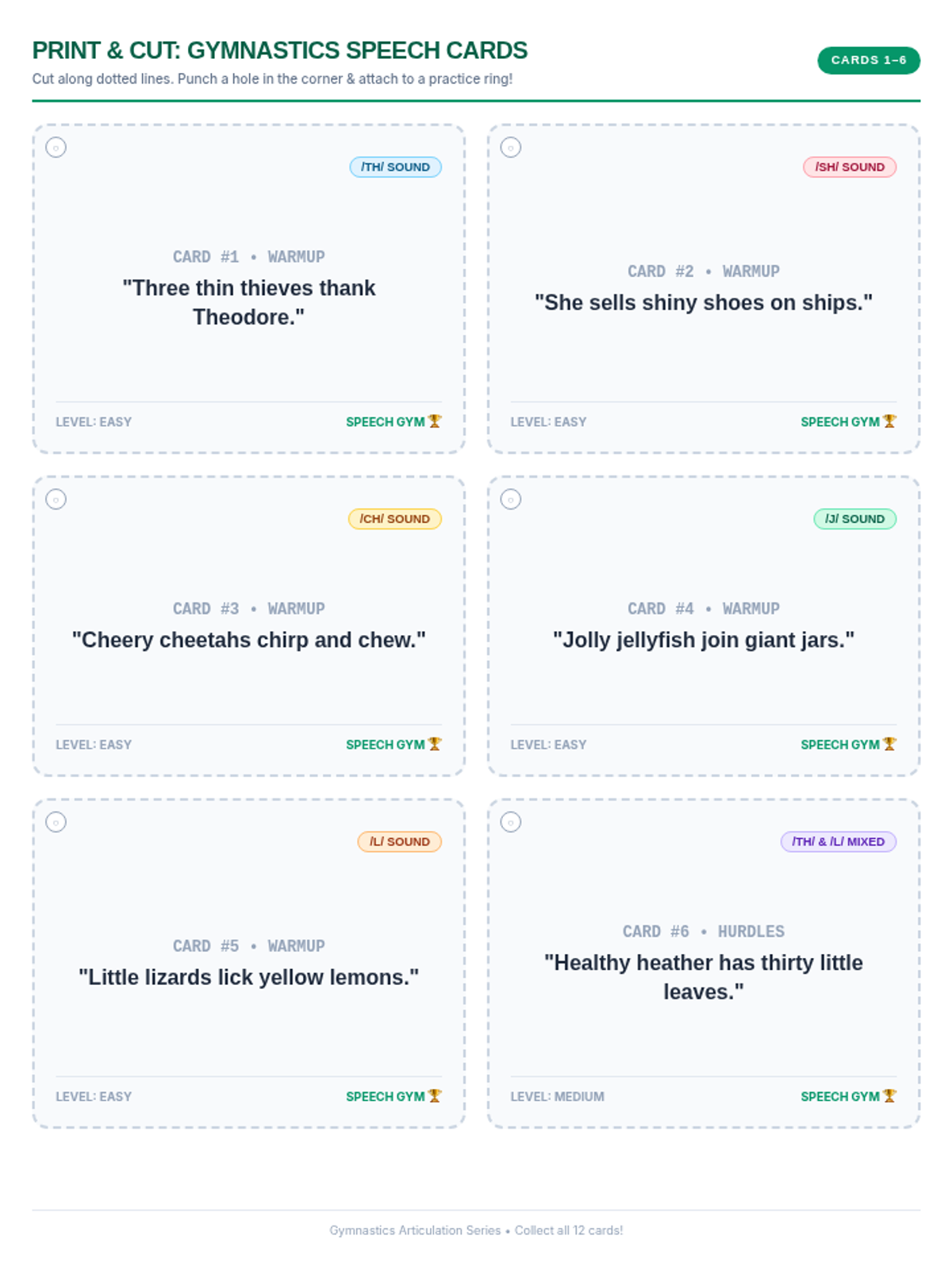
A comprehensive speech and articulation lesson designed to master the tricky /th/, /sh/, /ch/, /j/, and /l/ sounds. Using a fun "Tongue Gymnastics" sports theme, students progress through graduated difficulty levels from basic warm-ups to champion-level contrastive-pair showdowns.
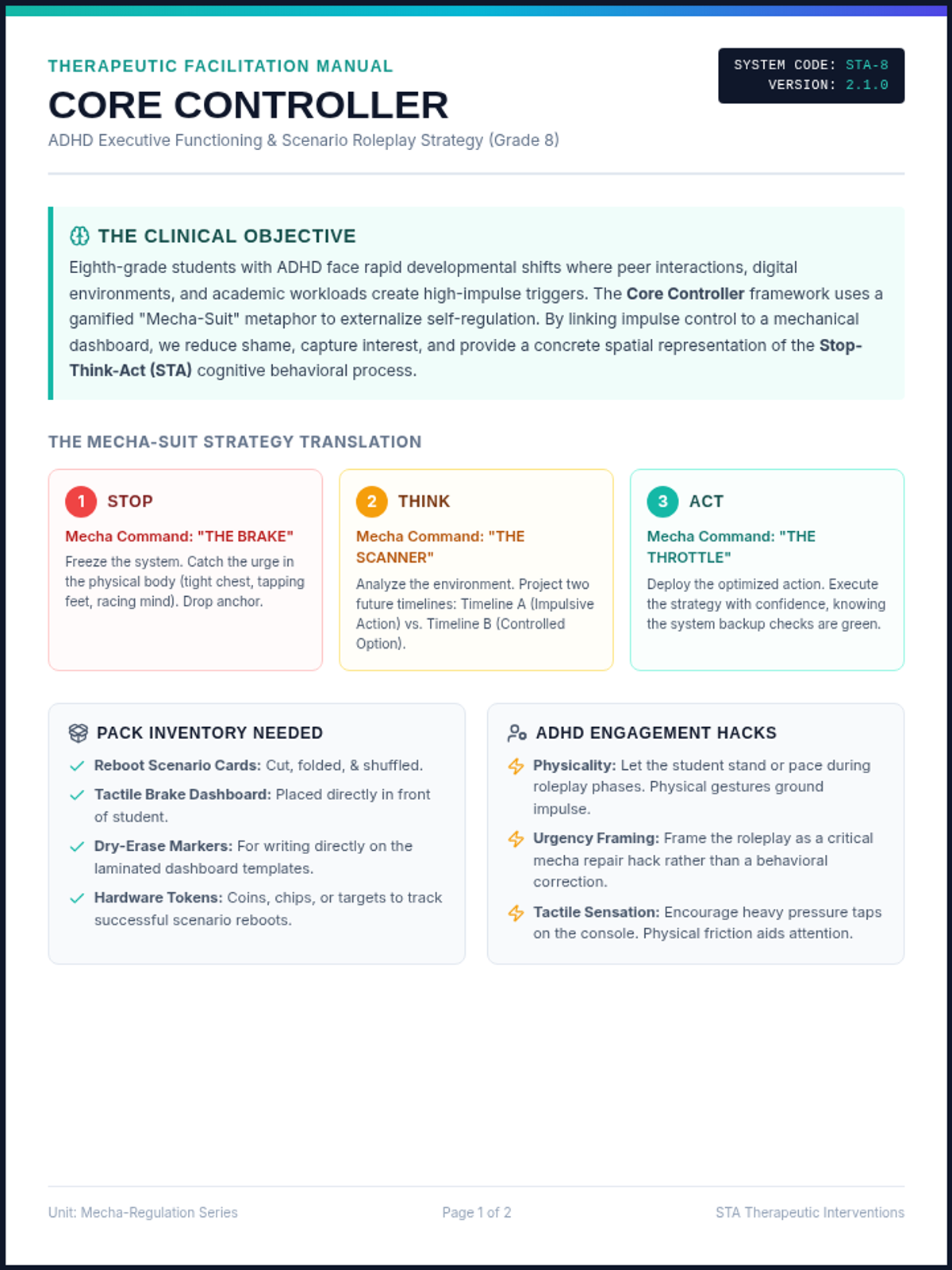
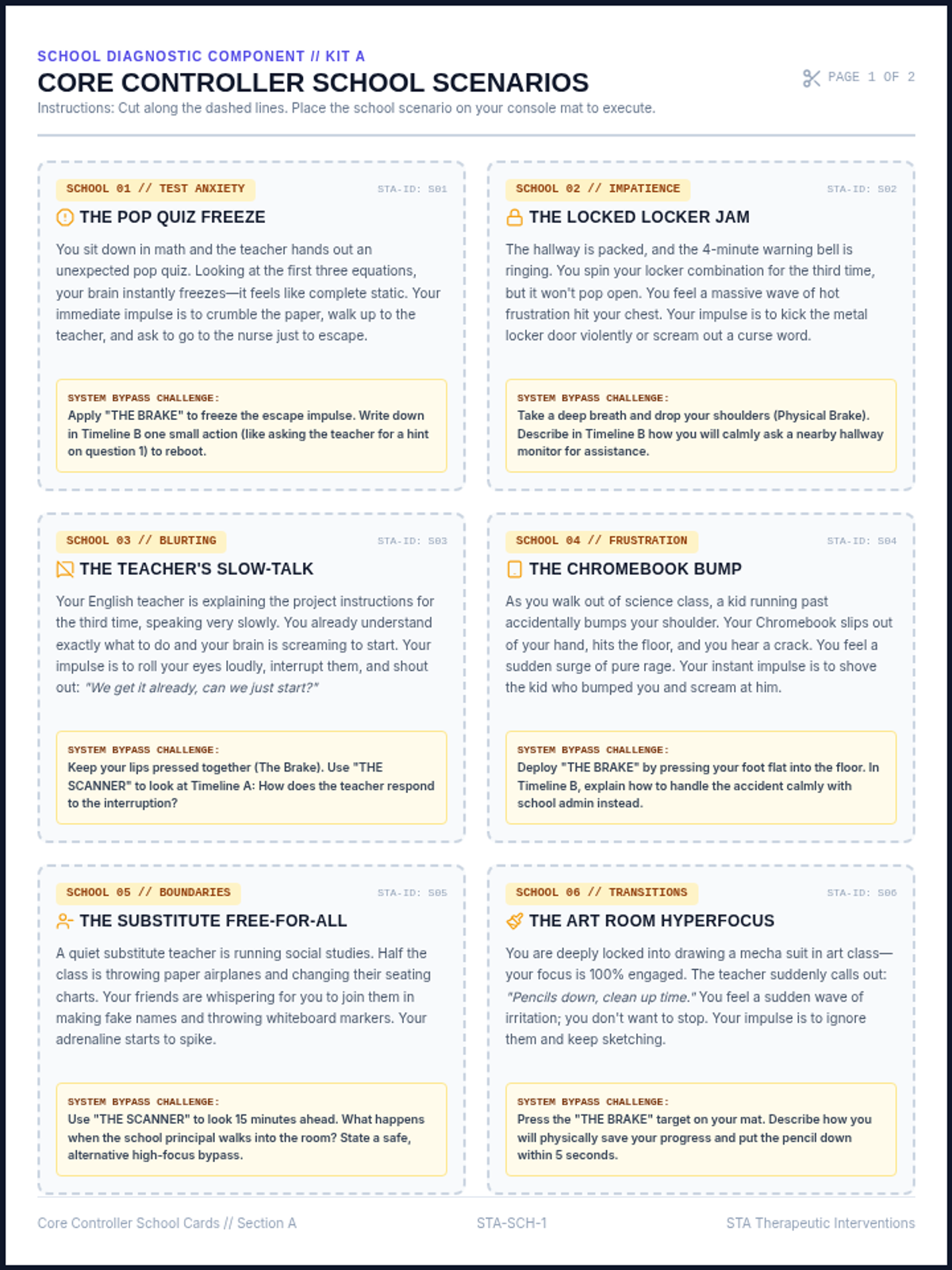
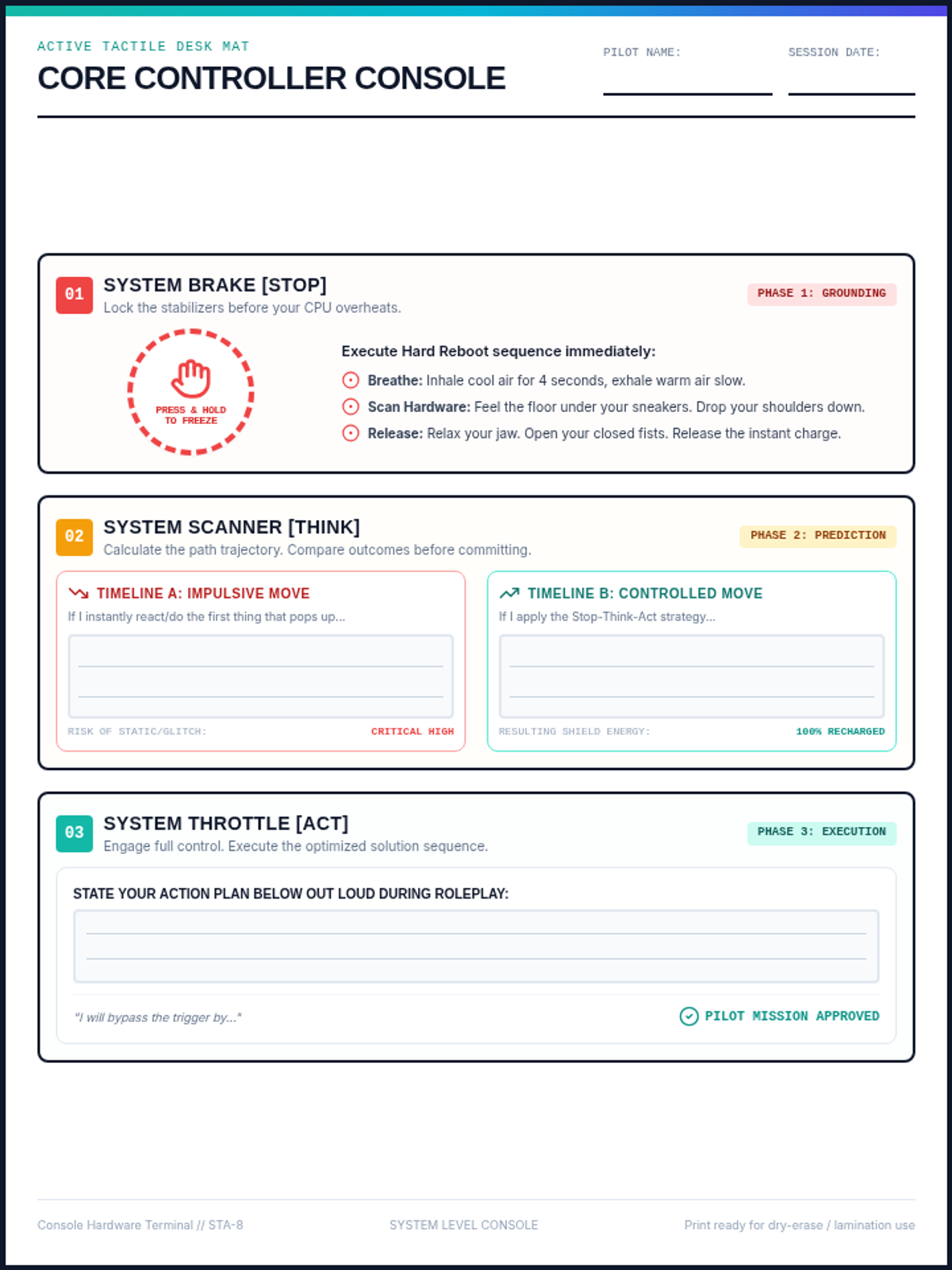
A high-engagement therapeutic game pack and session plan for 8th-grade students with ADHD, focusing on the Stop-Think-Act impulse control strategy. Designed with a retro-futuristic mecha theme to maintain focus and promote active roleplay.
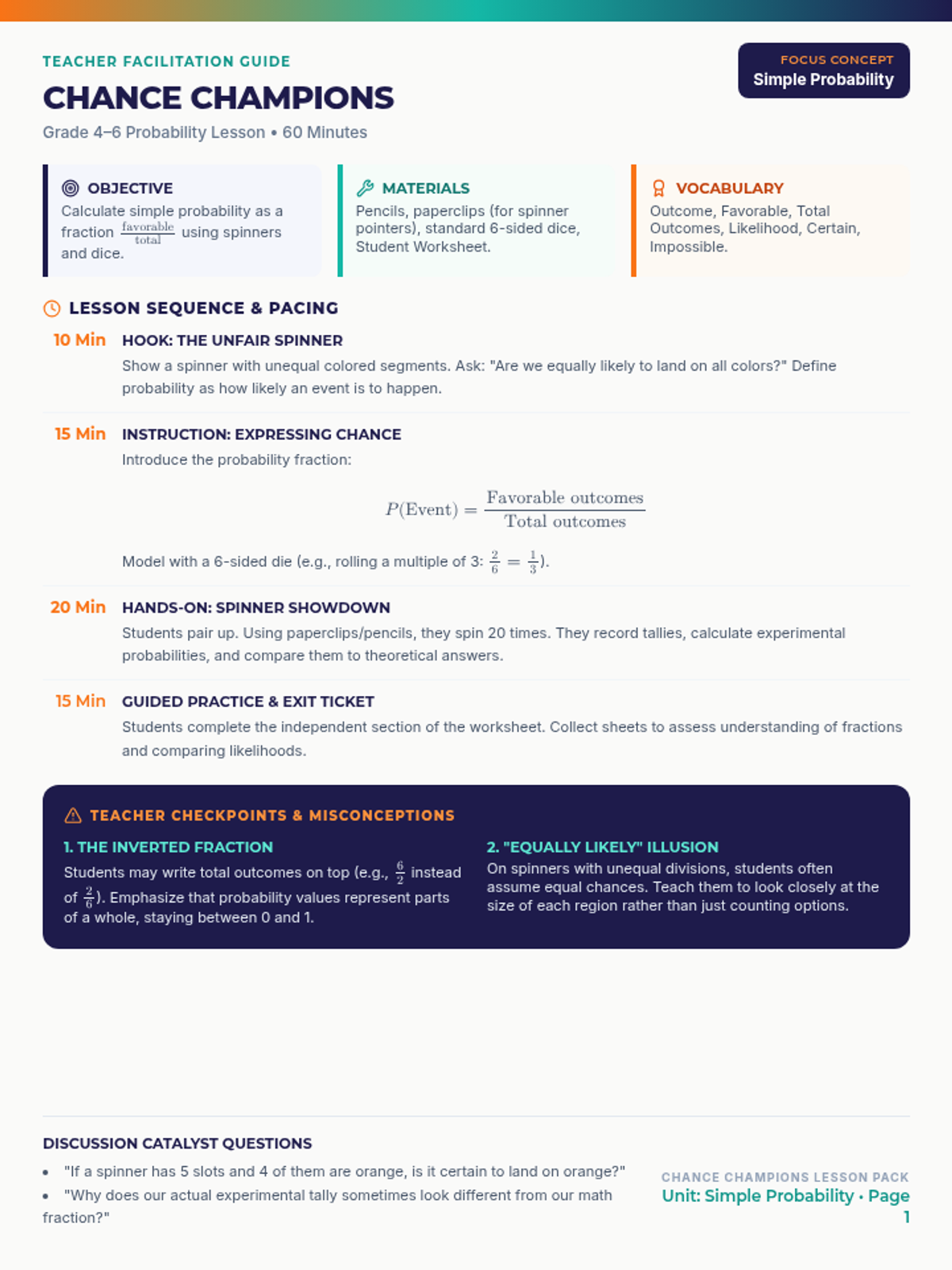
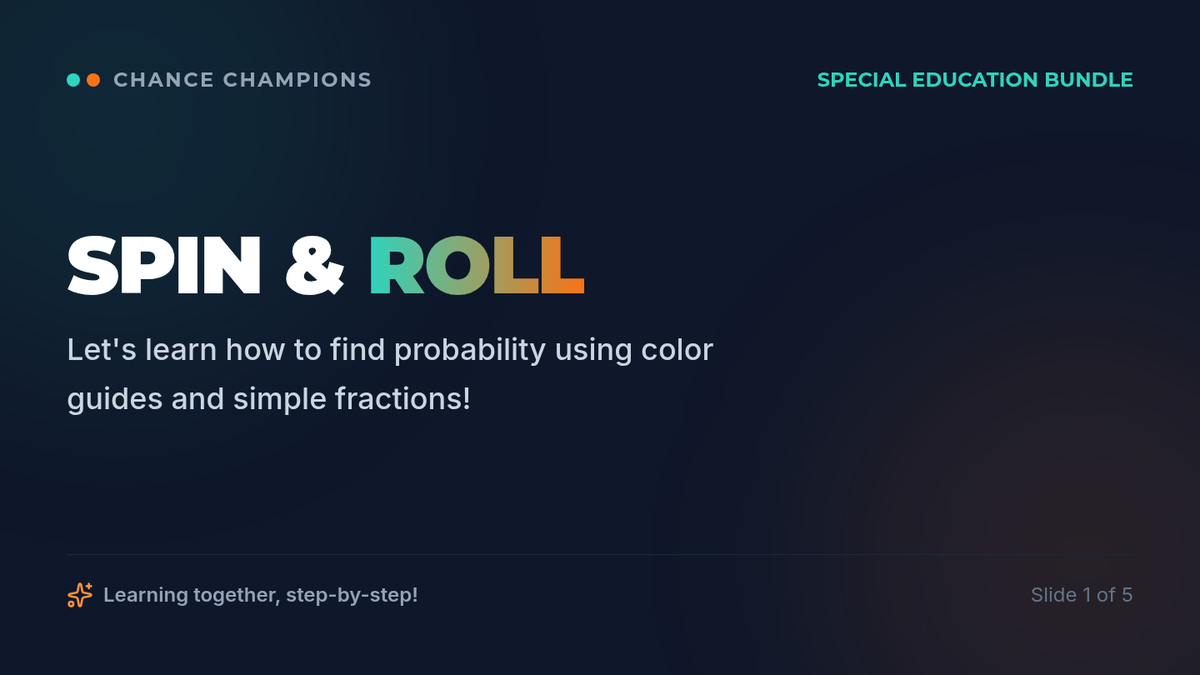
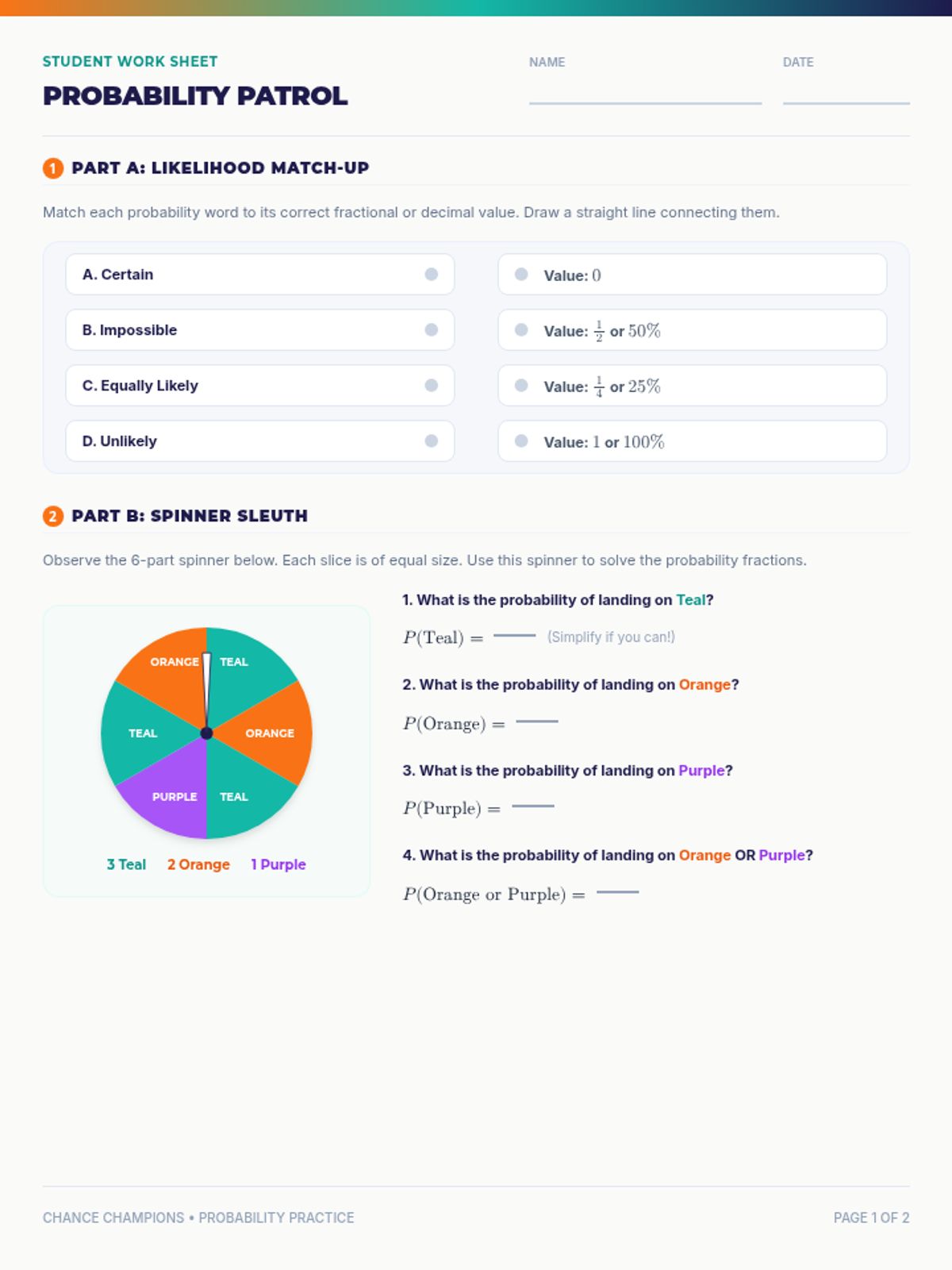
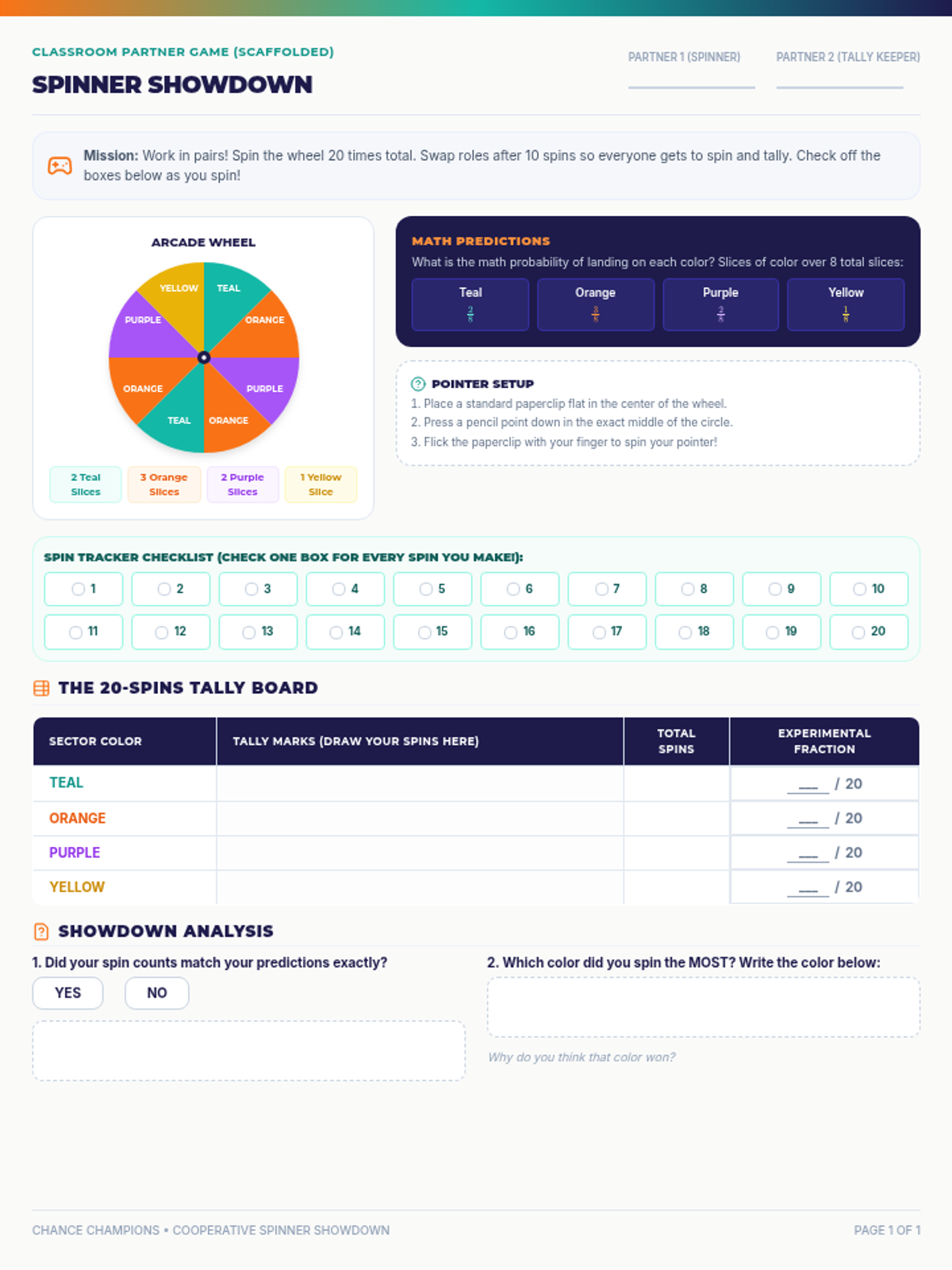
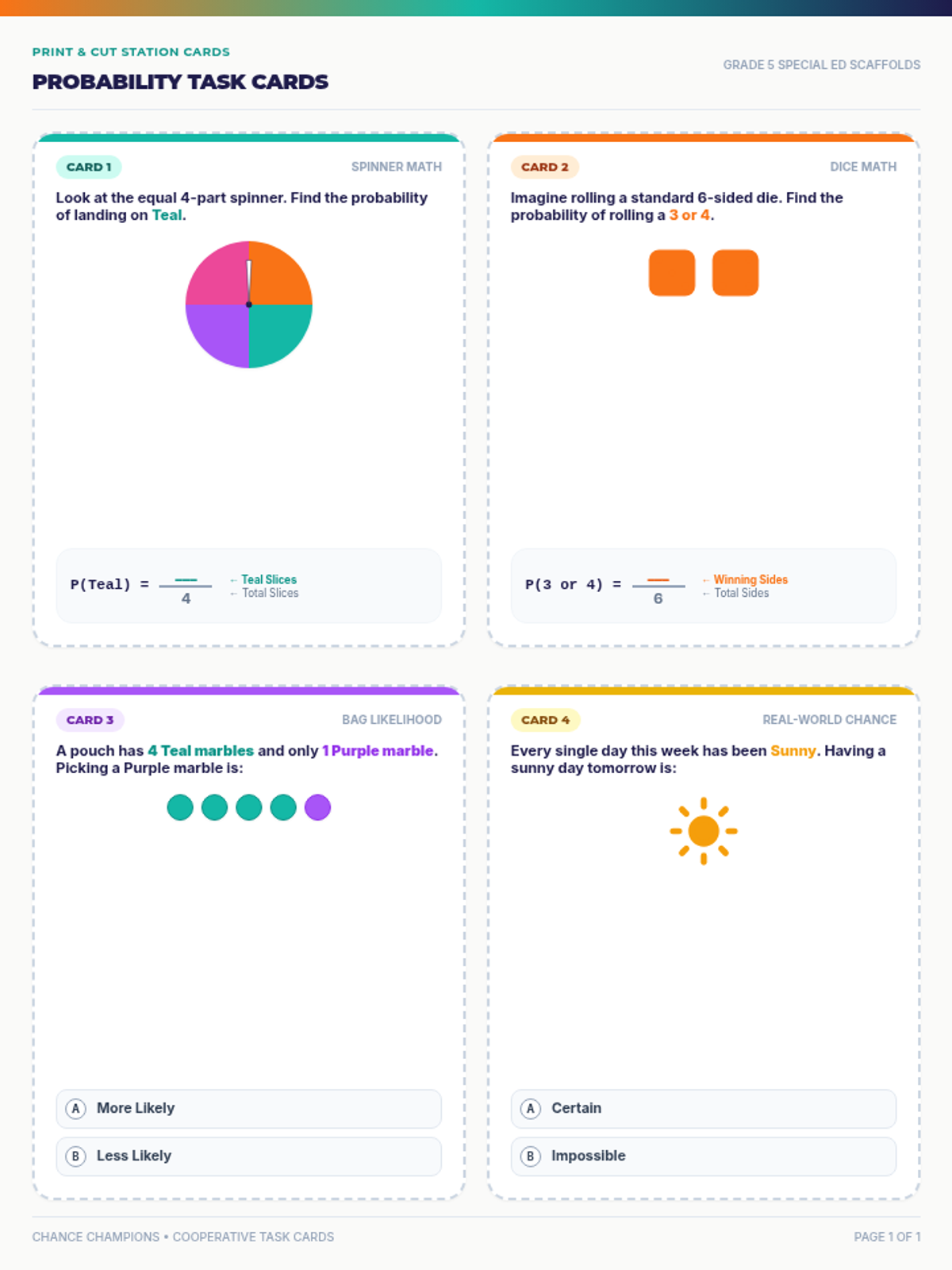
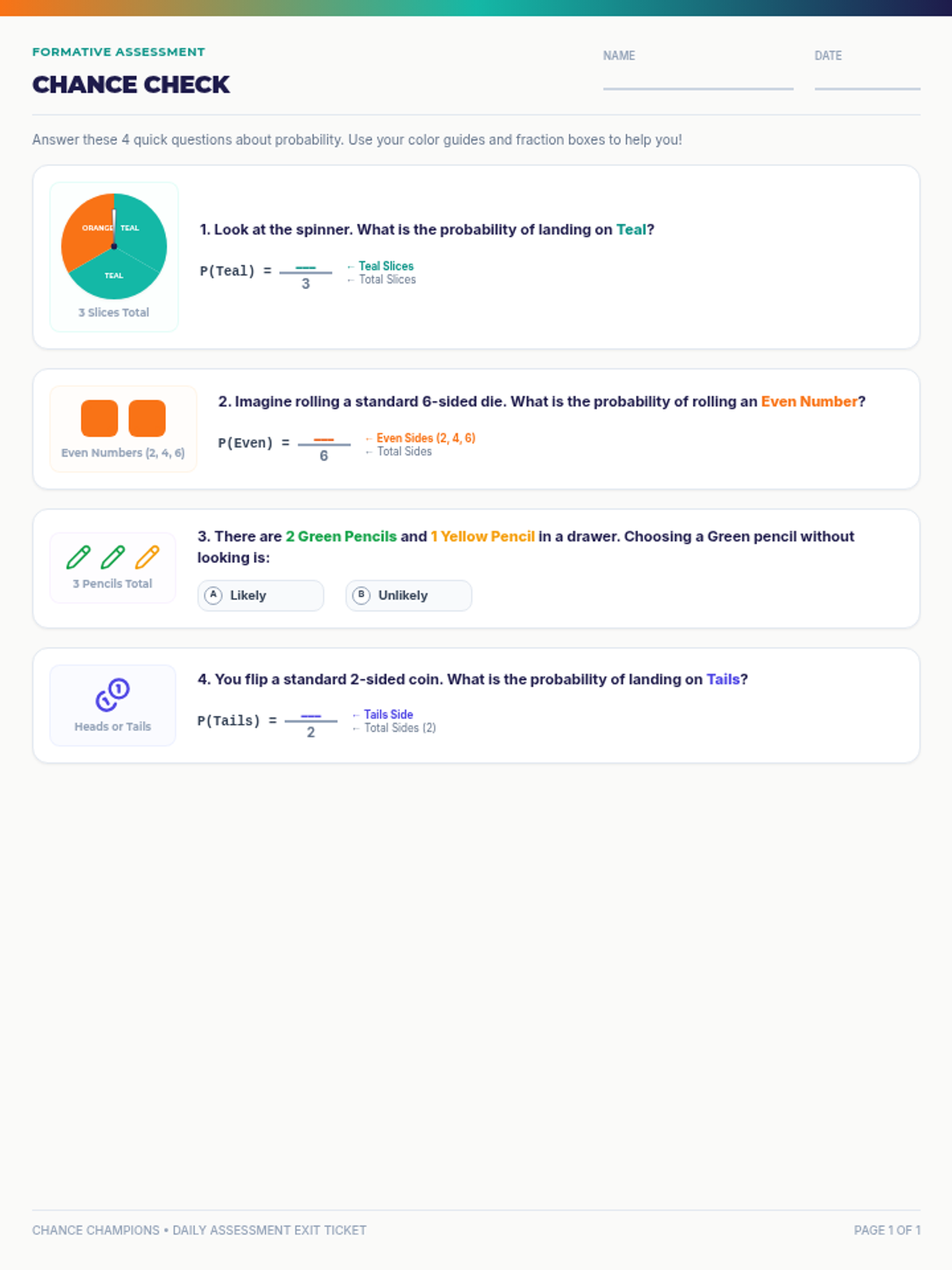
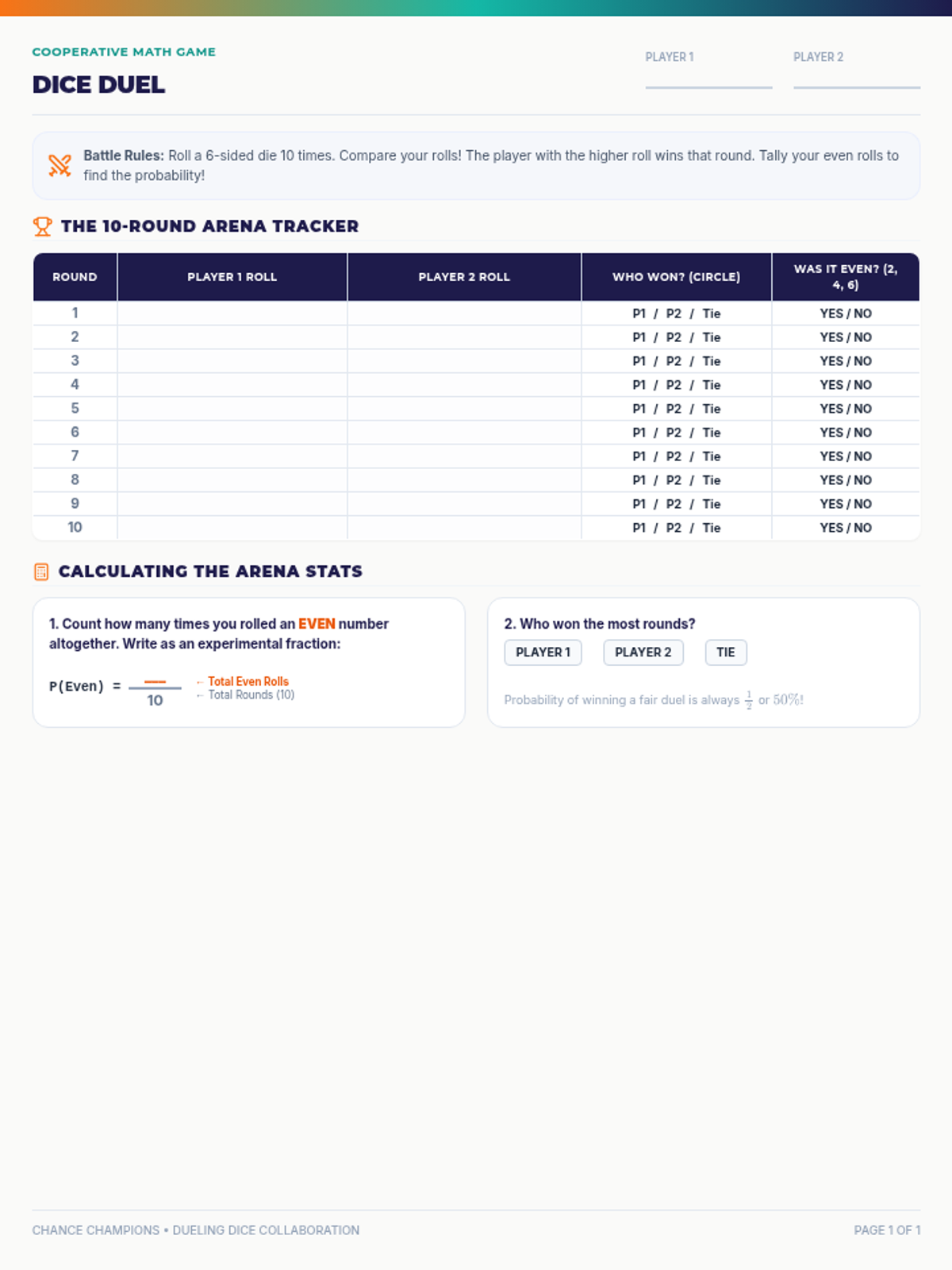
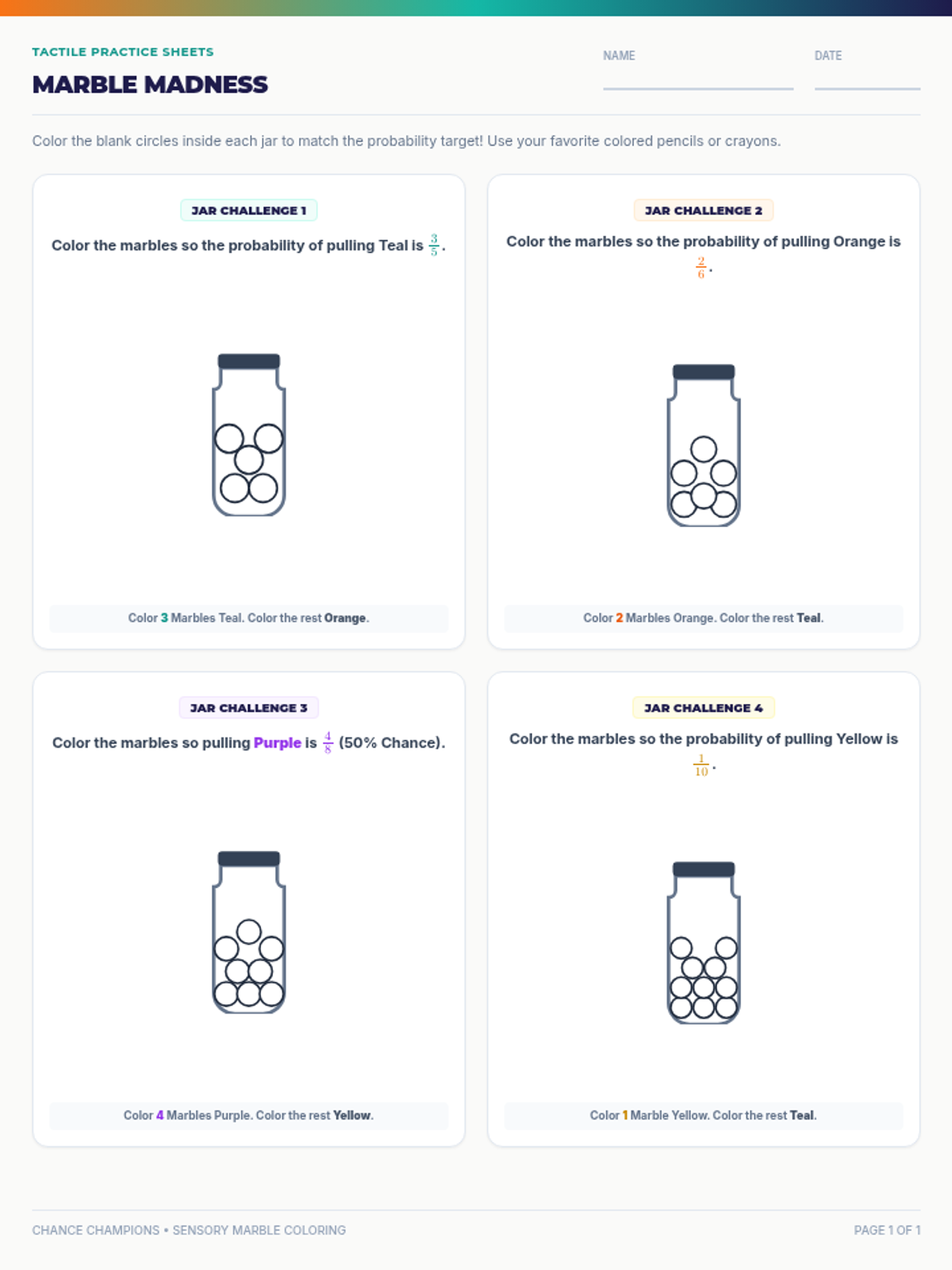
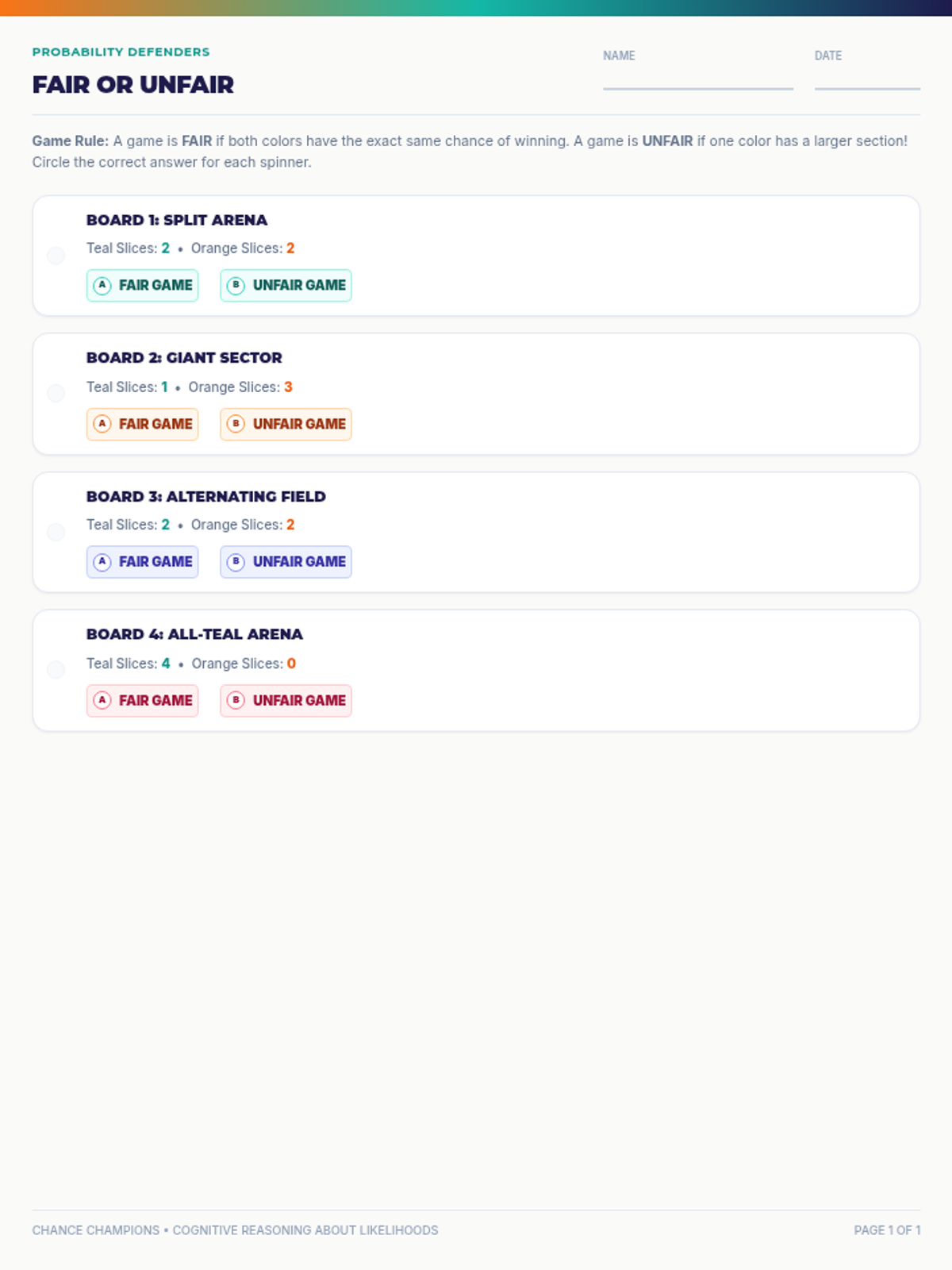
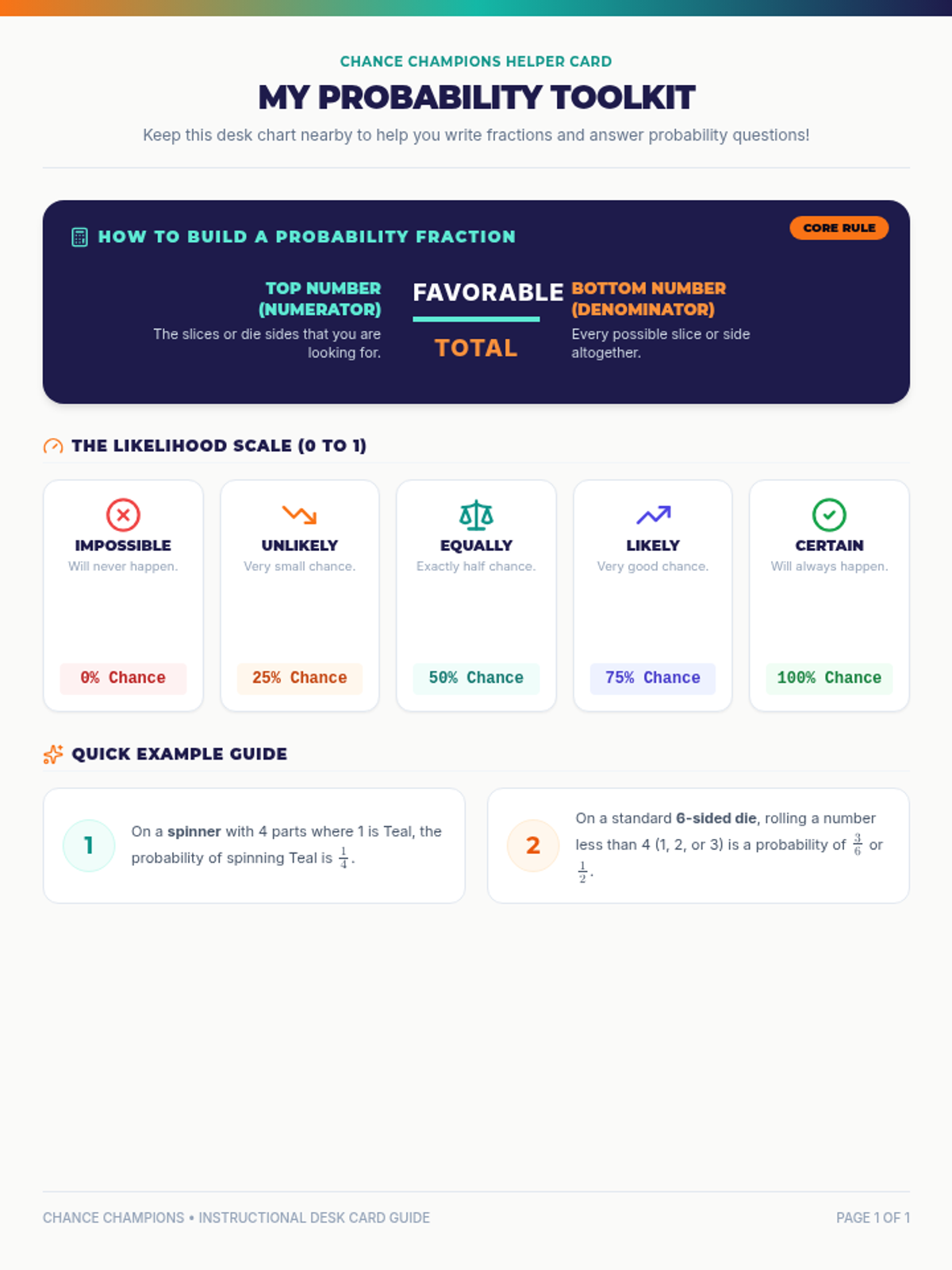
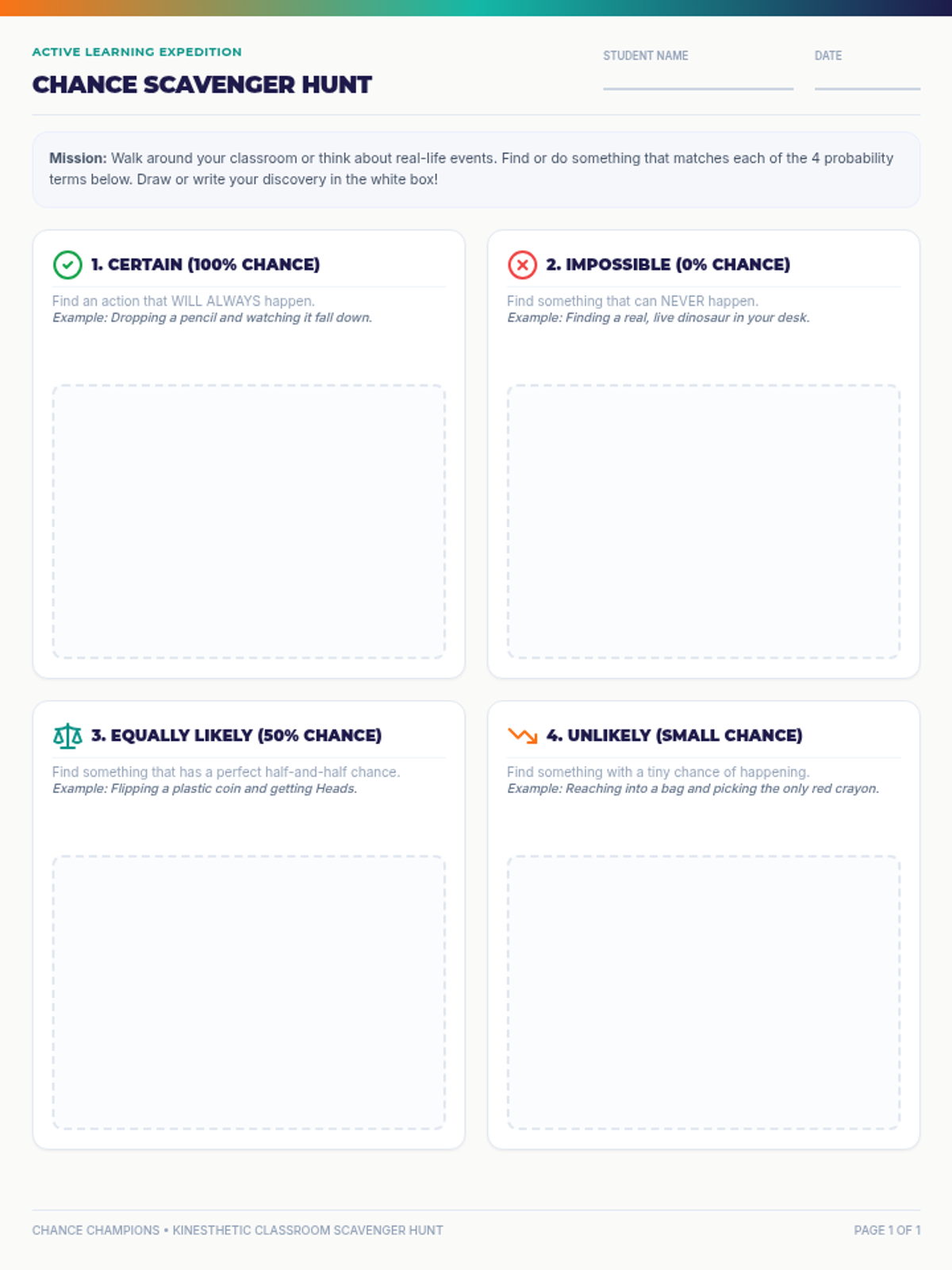
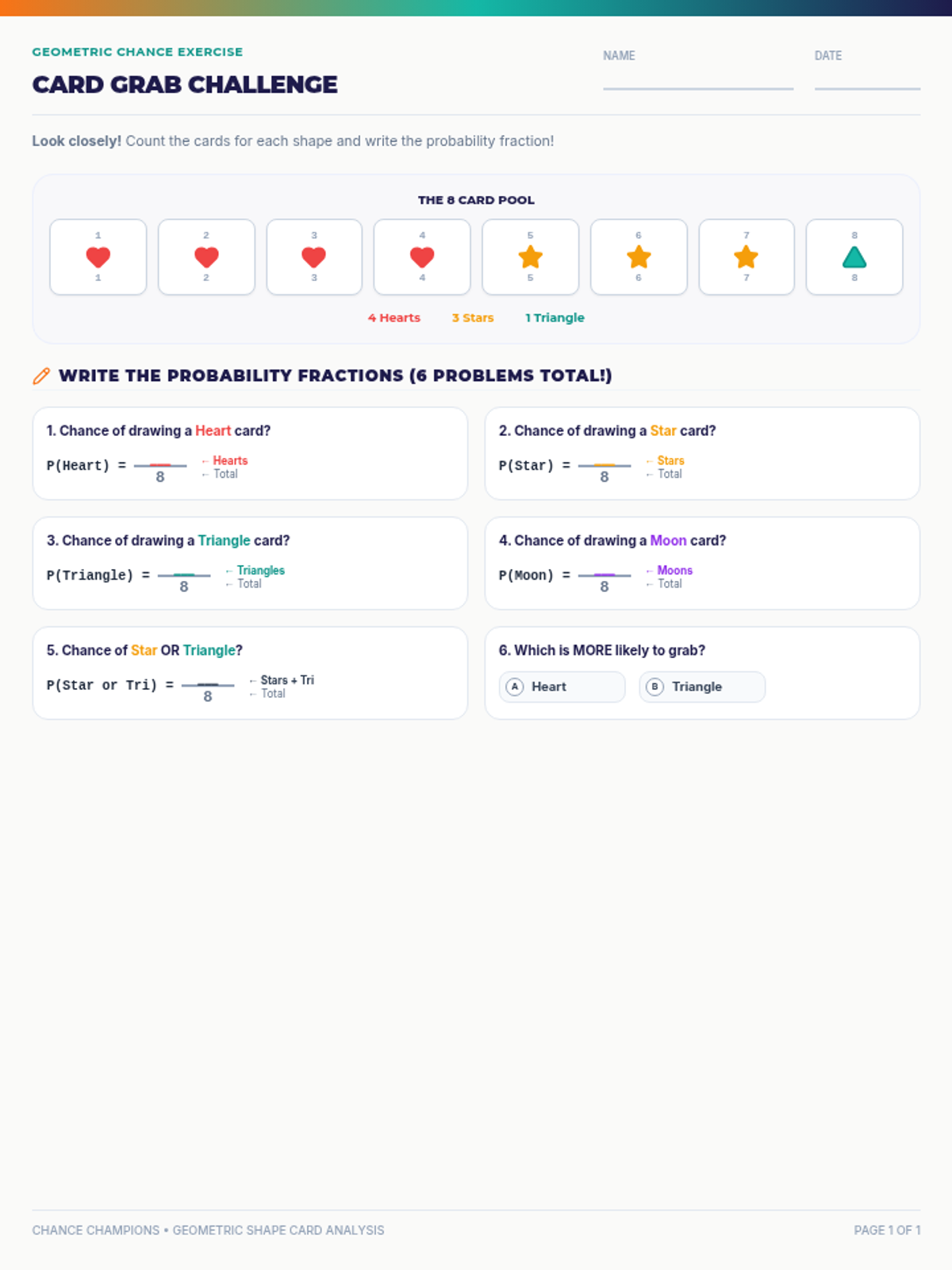
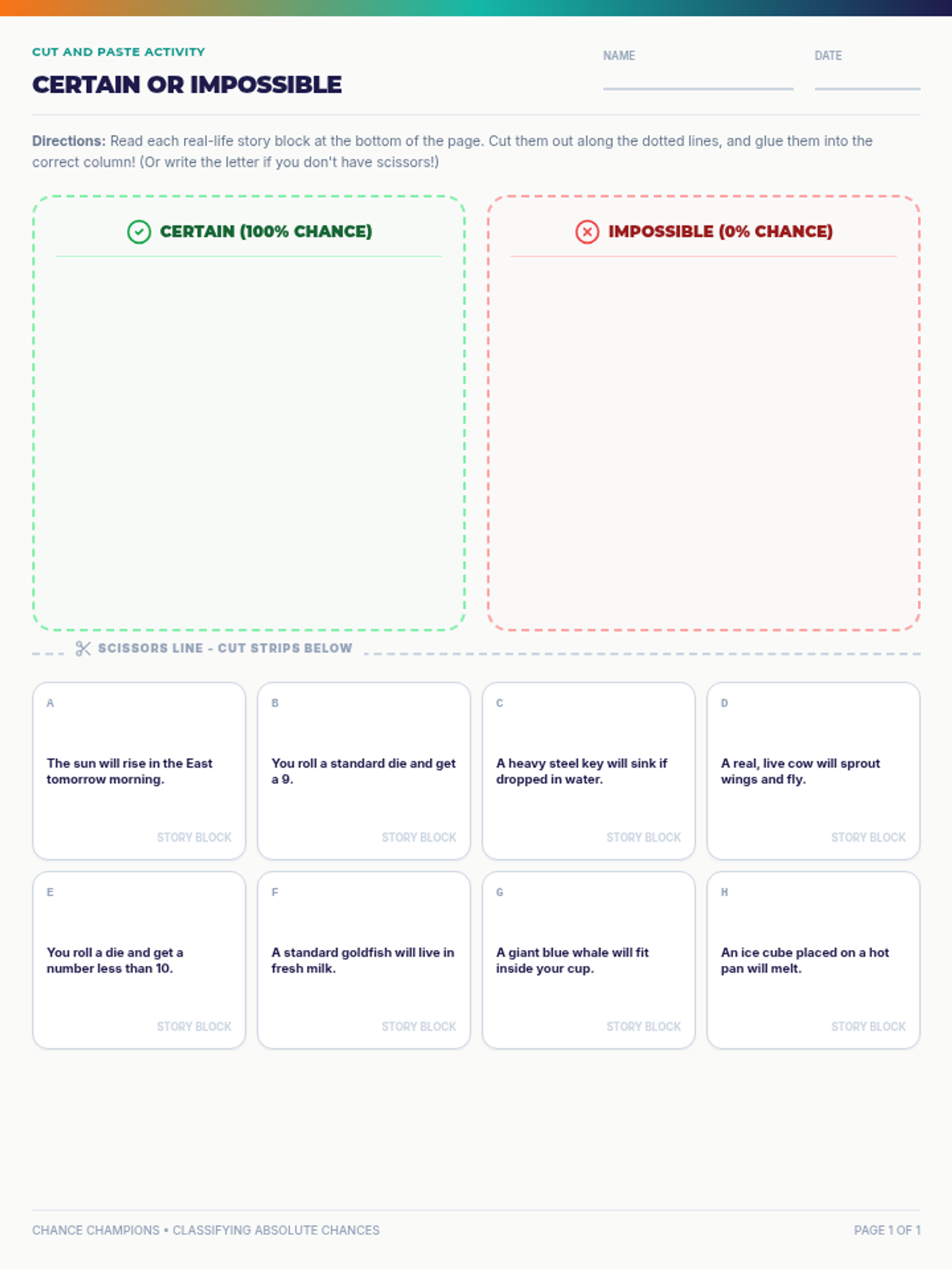
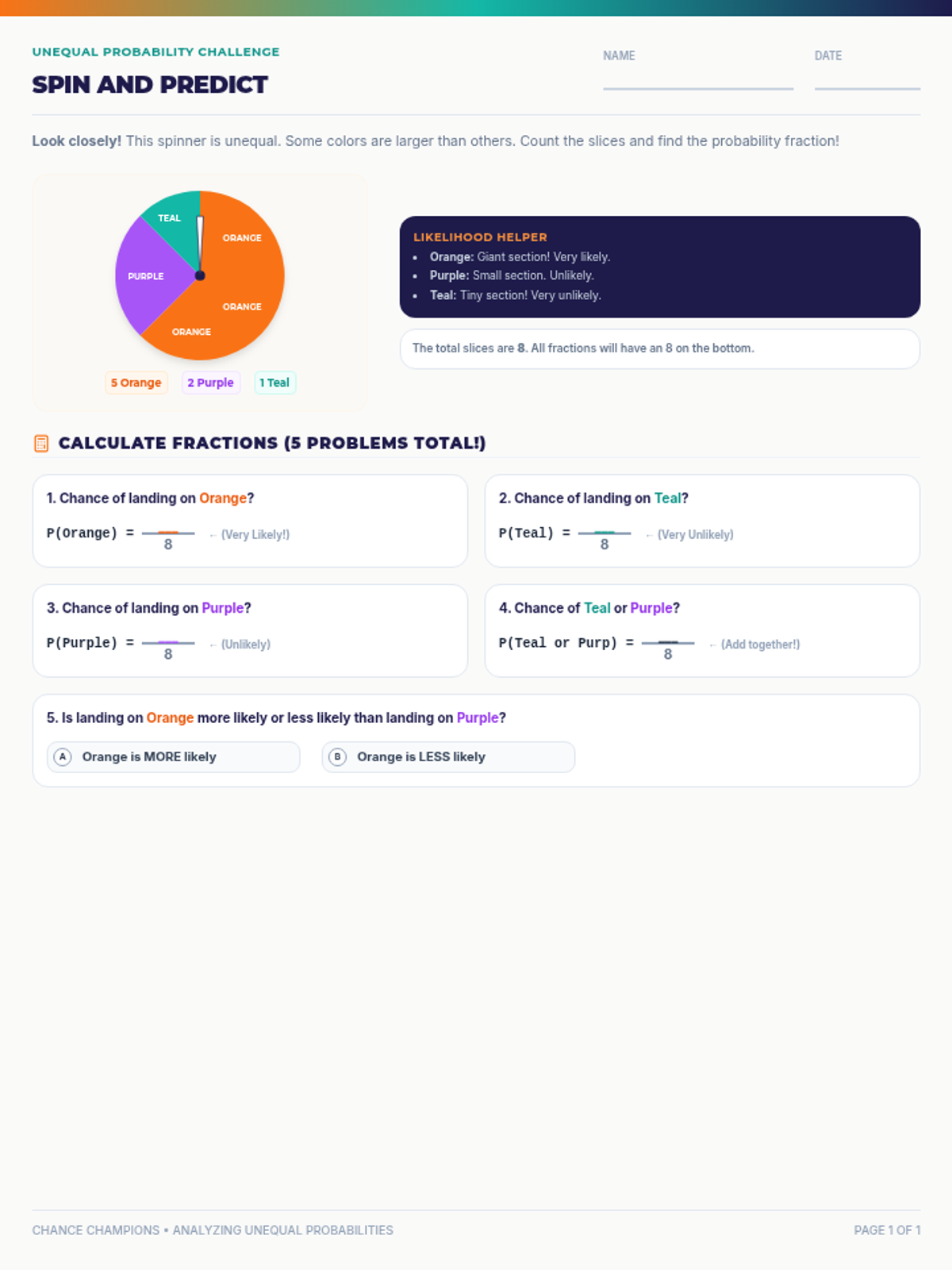
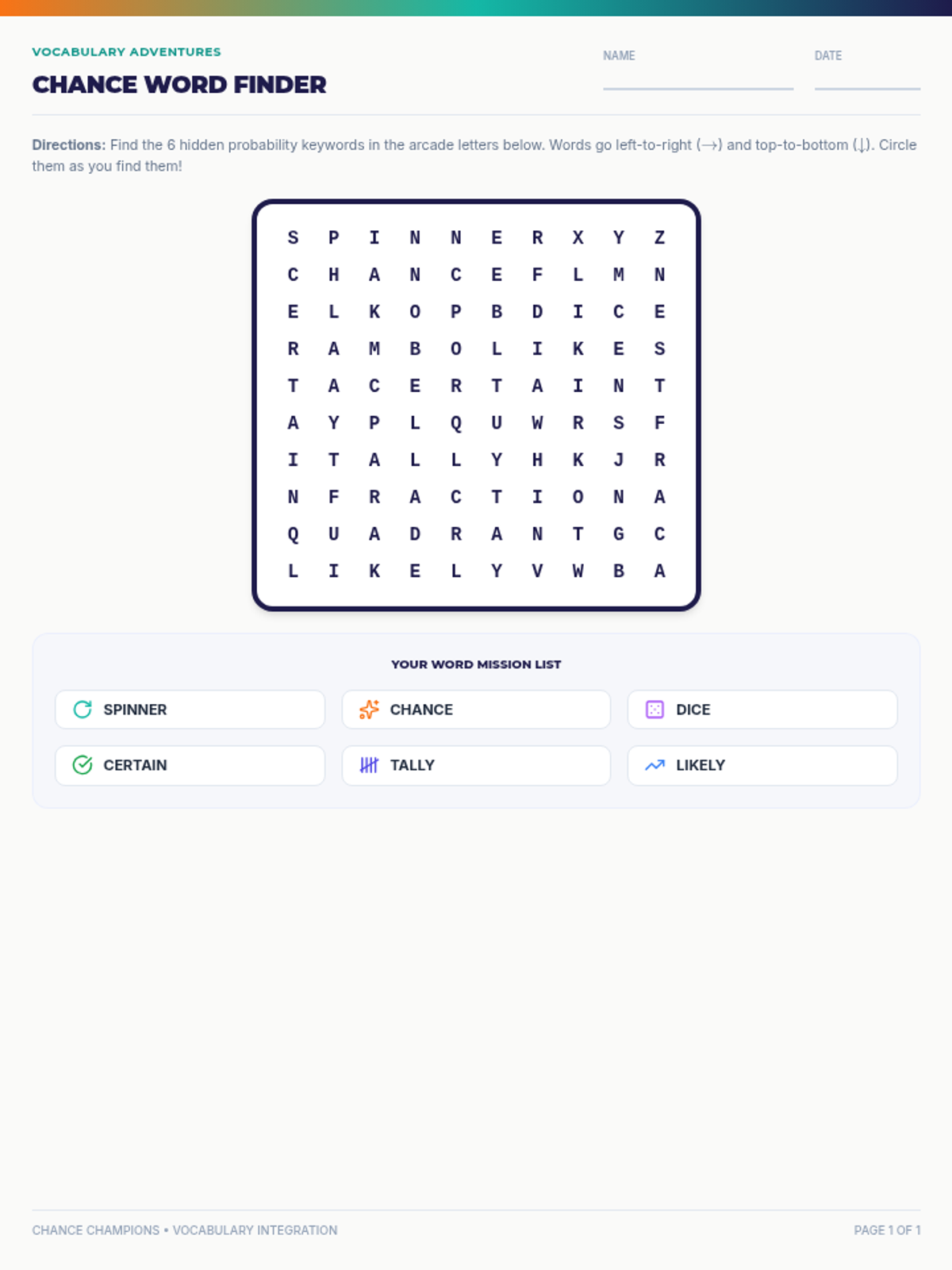
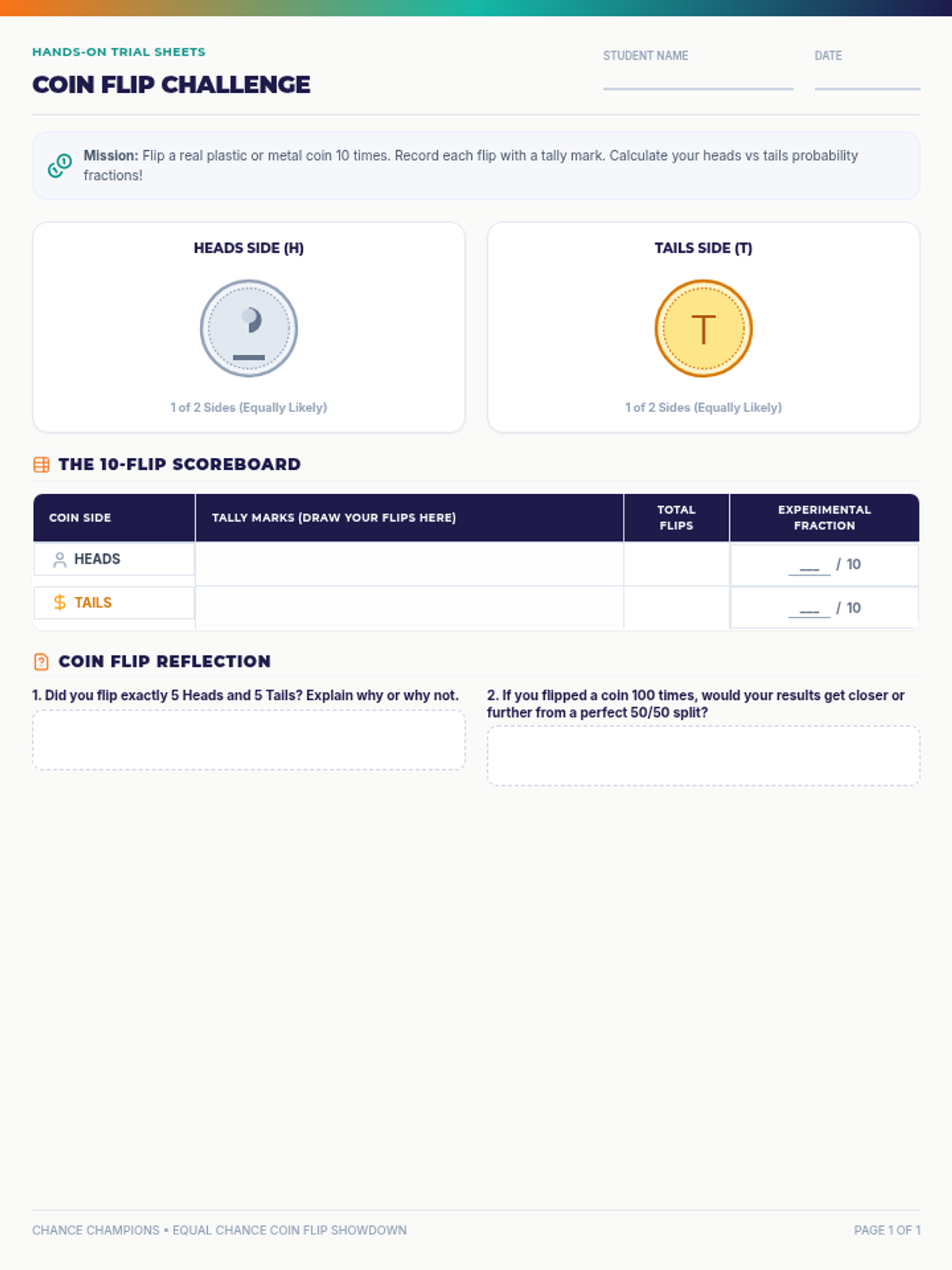
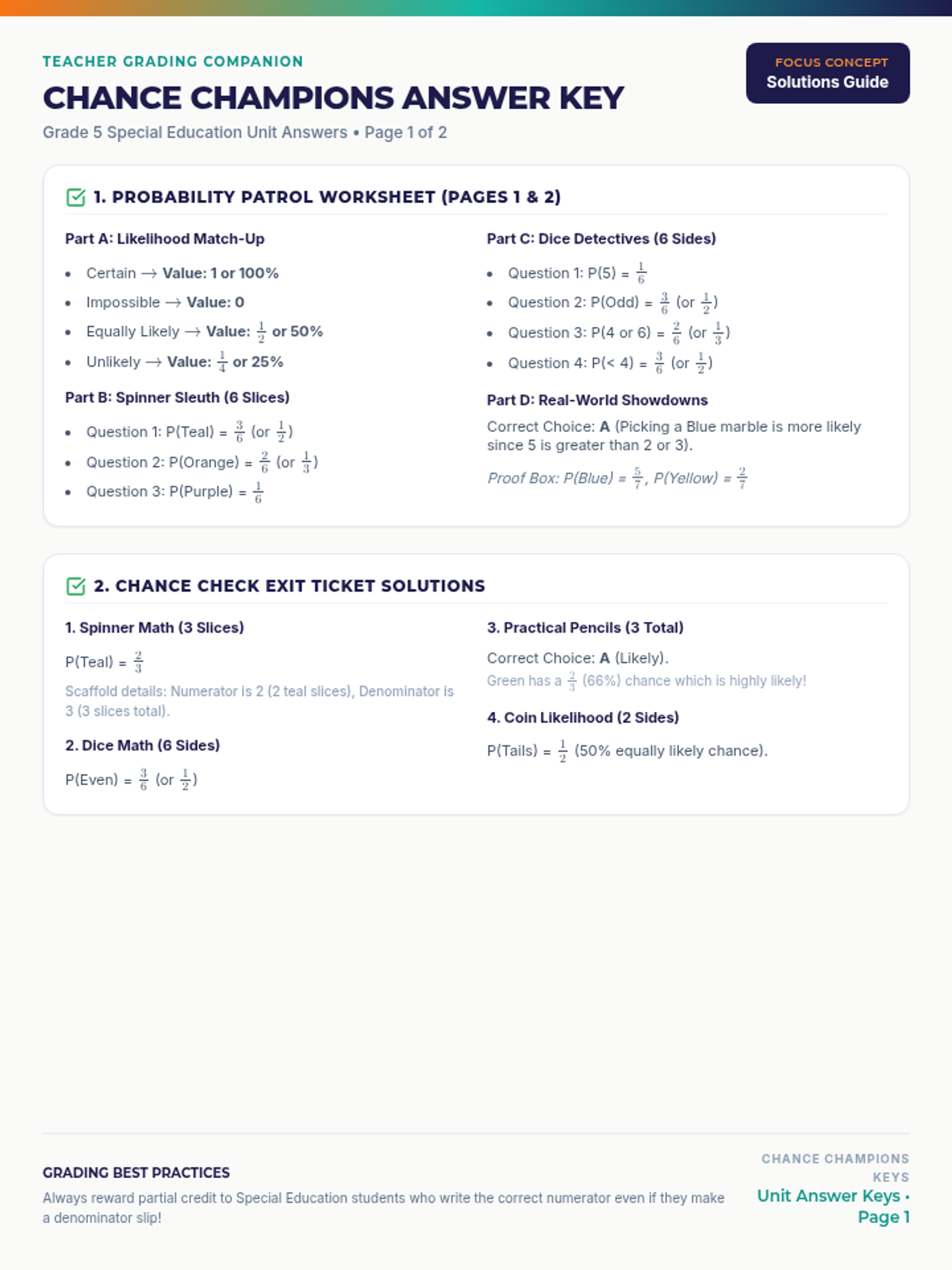
An interactive lesson bundle focused on simple probability using spinners and dice. Students learn to calculate and express probabilities as simple fractions, compare likelihoods, and play a collaborative spinner game.
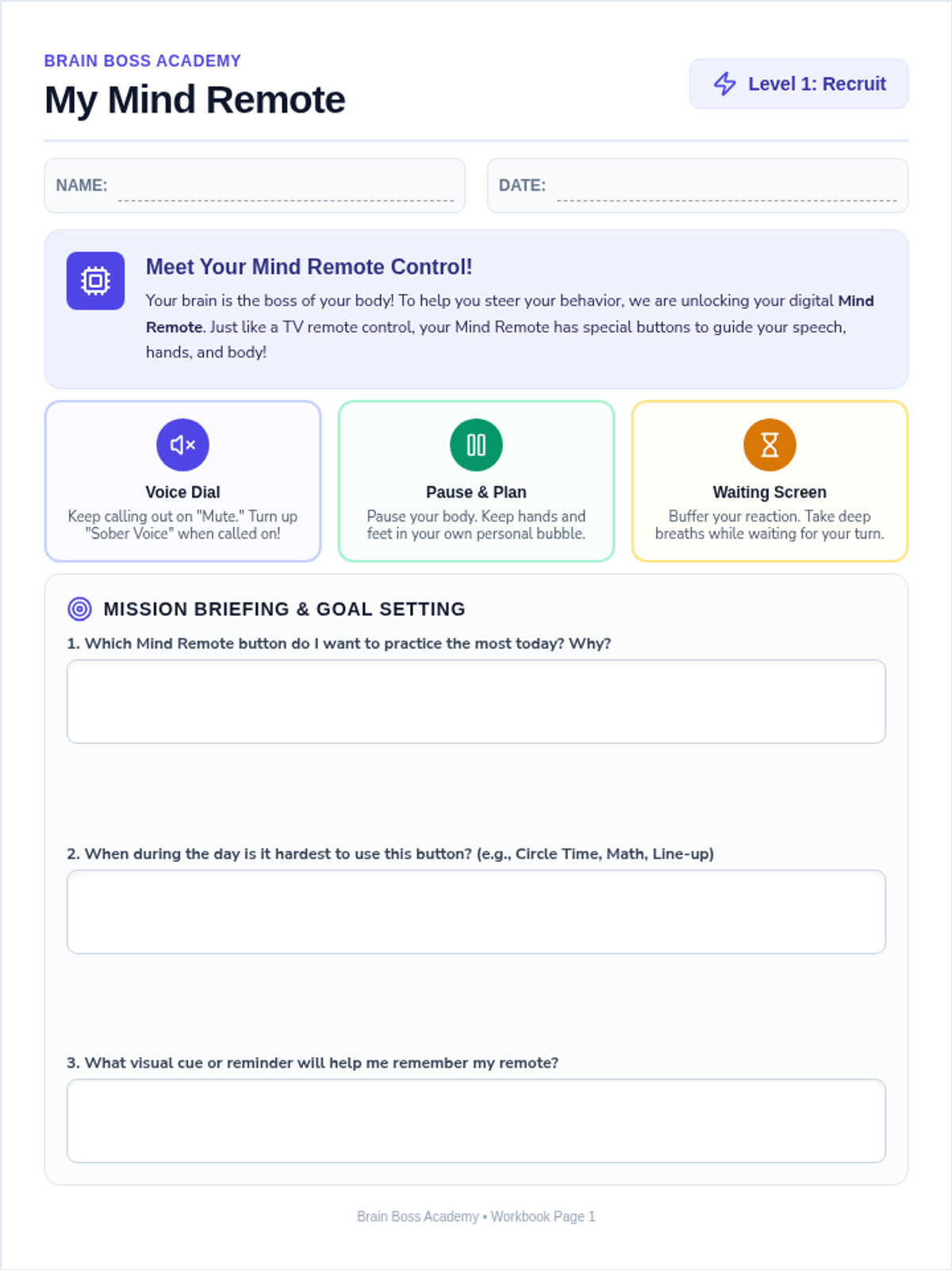
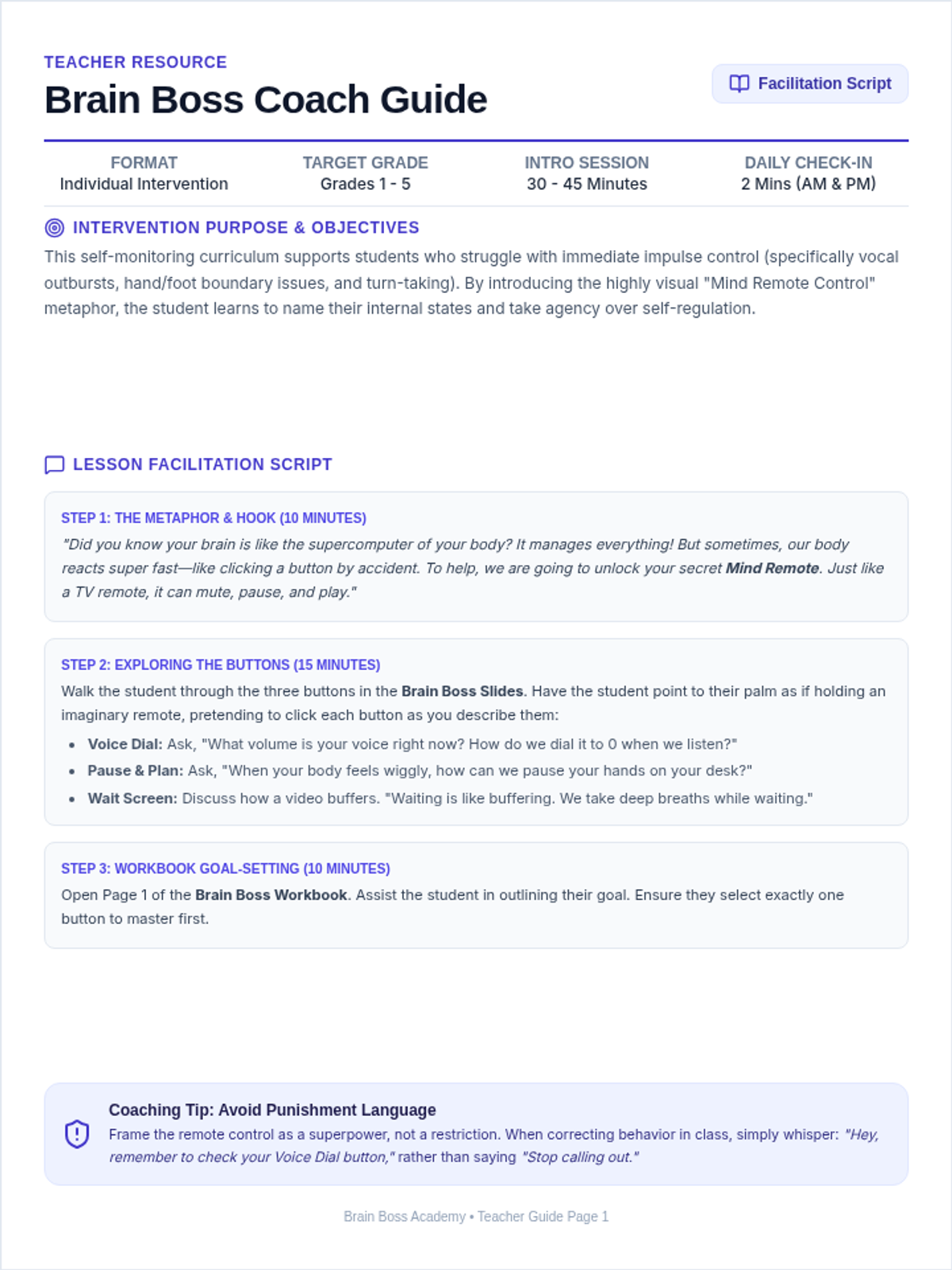
An individual self-monitoring lesson focused on impulse control, teaching students how to manage calling out, wait their turn, and maintain personal boundaries using a relatable 'Mind Remote Control' metaphor.
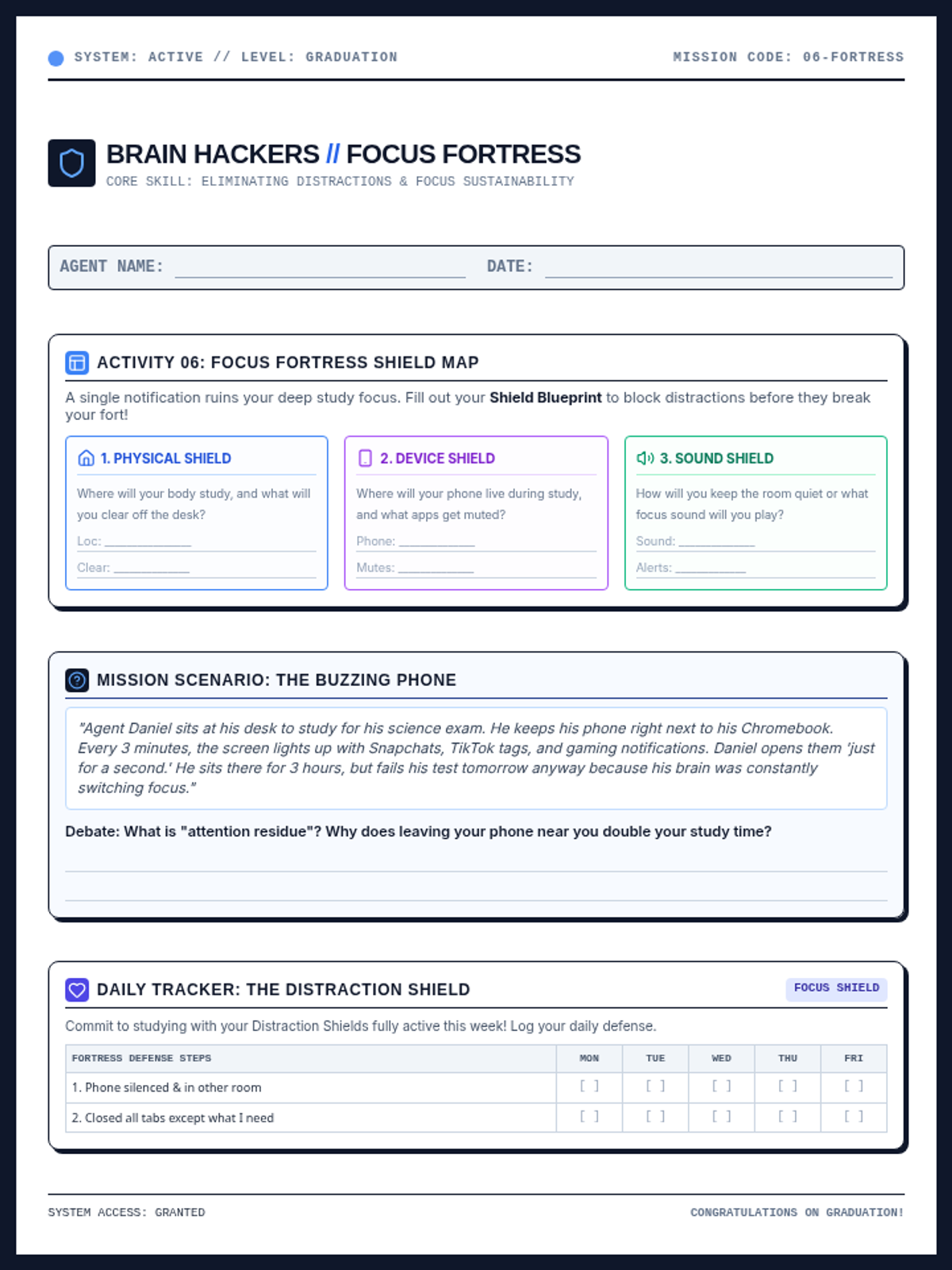
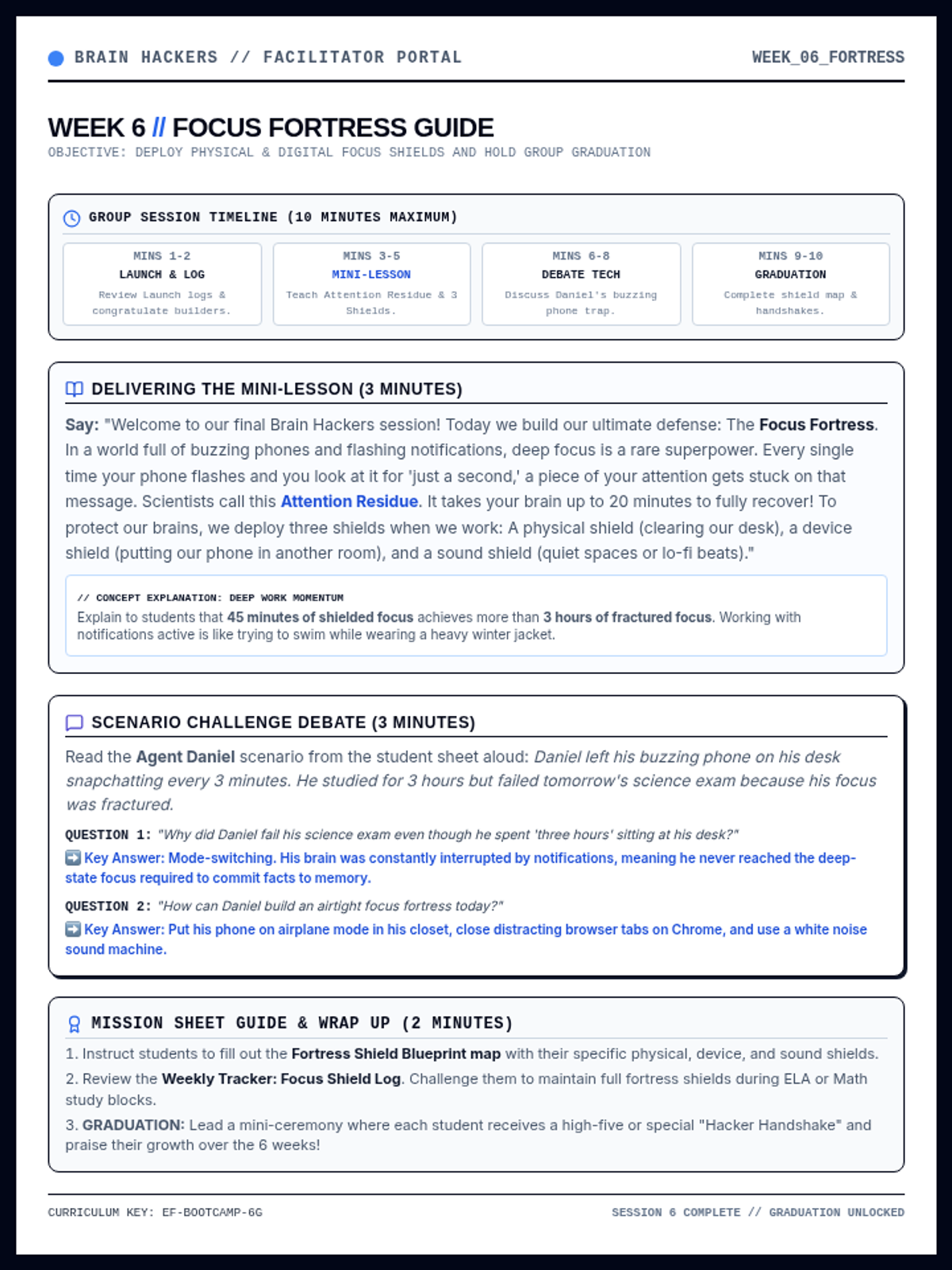
Week 6 focuses on minimizing digital and physical distractions. Students learn to build a physical and digital "Focus Fortress" and complete their executive functioning graduation.
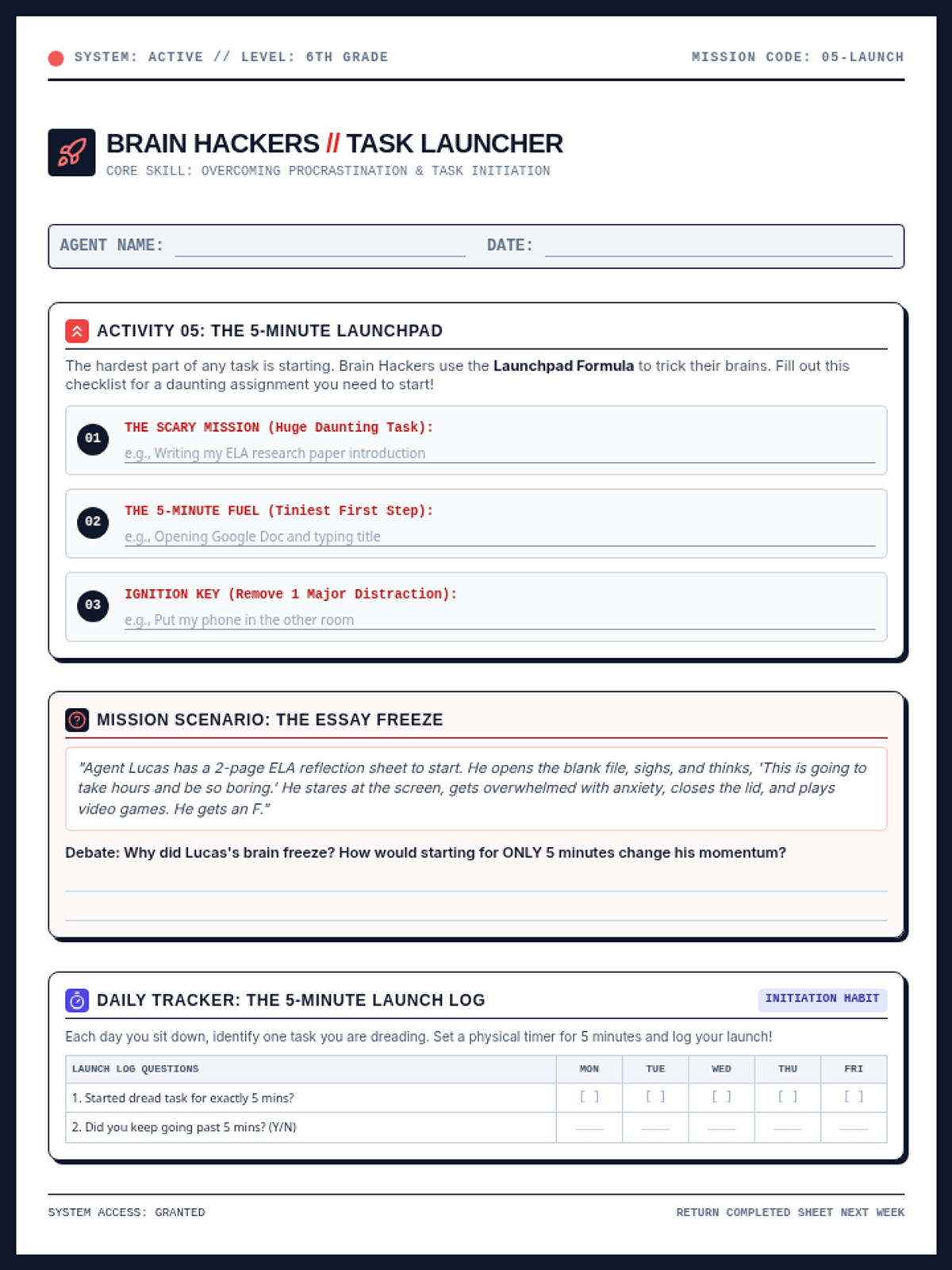
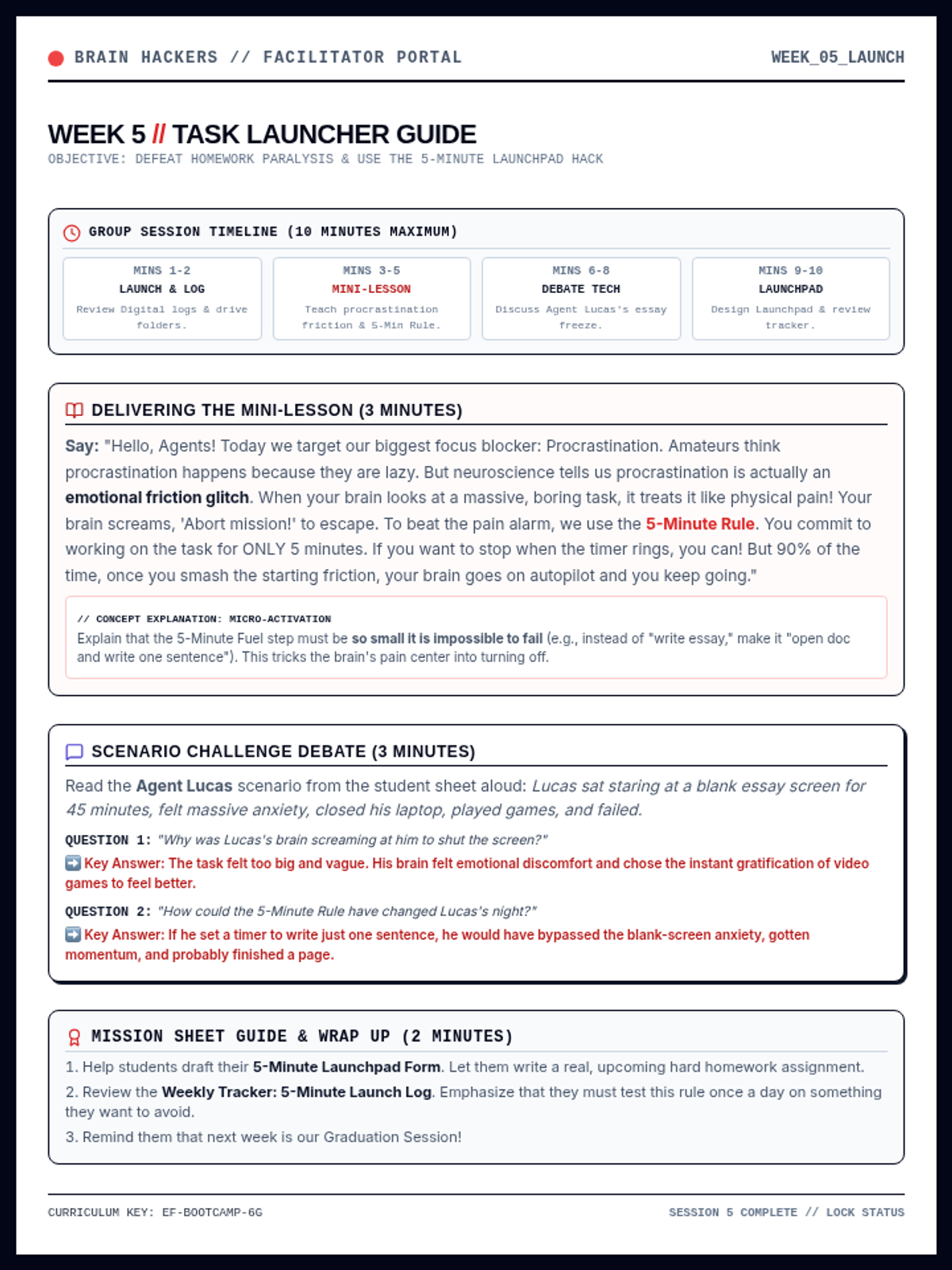
Week 5 focuses on task initiation and beating procrastination. Students learn the "5-Minute Rule" and design "Launchpads" to break down daunting assignments.
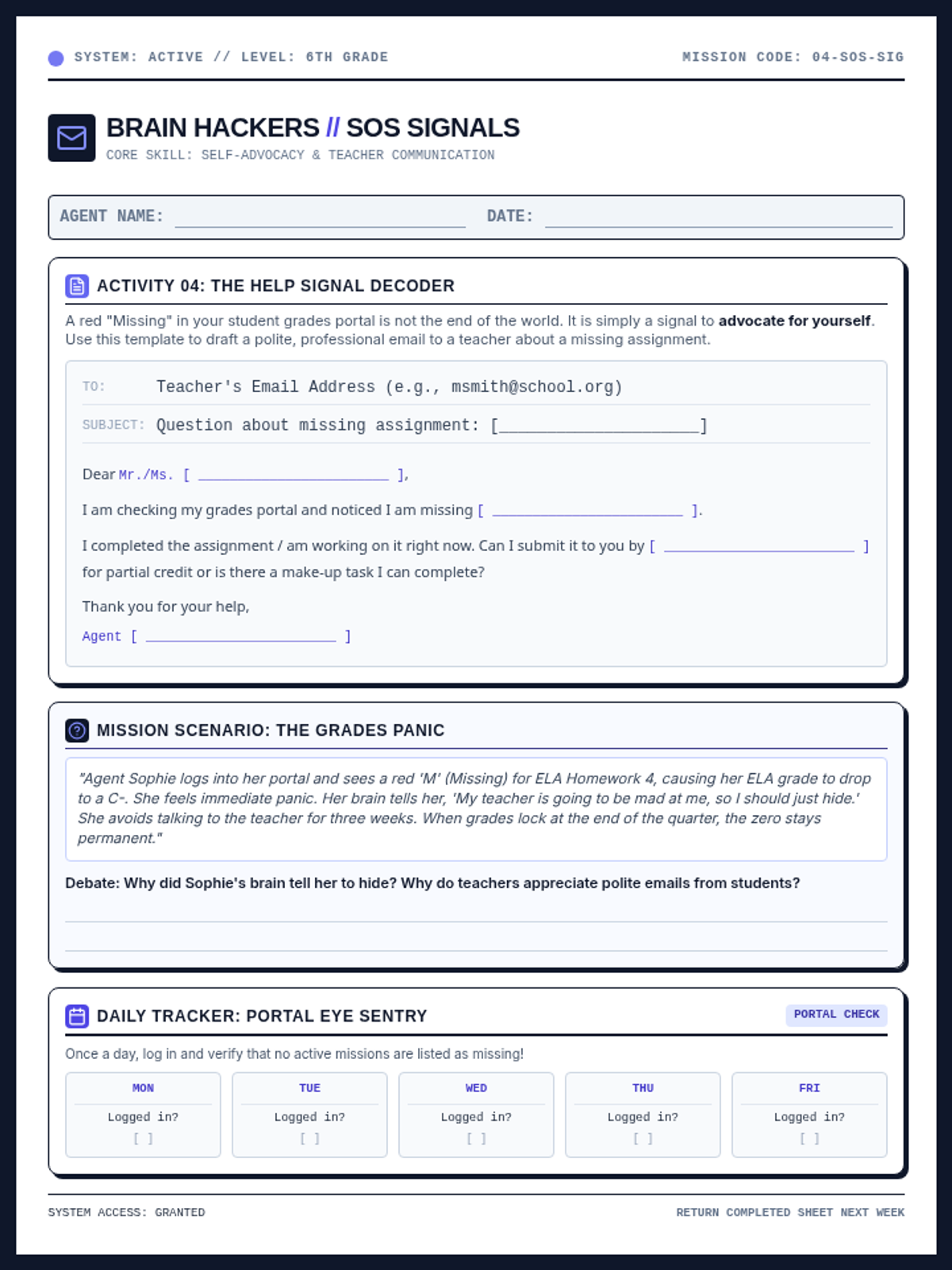
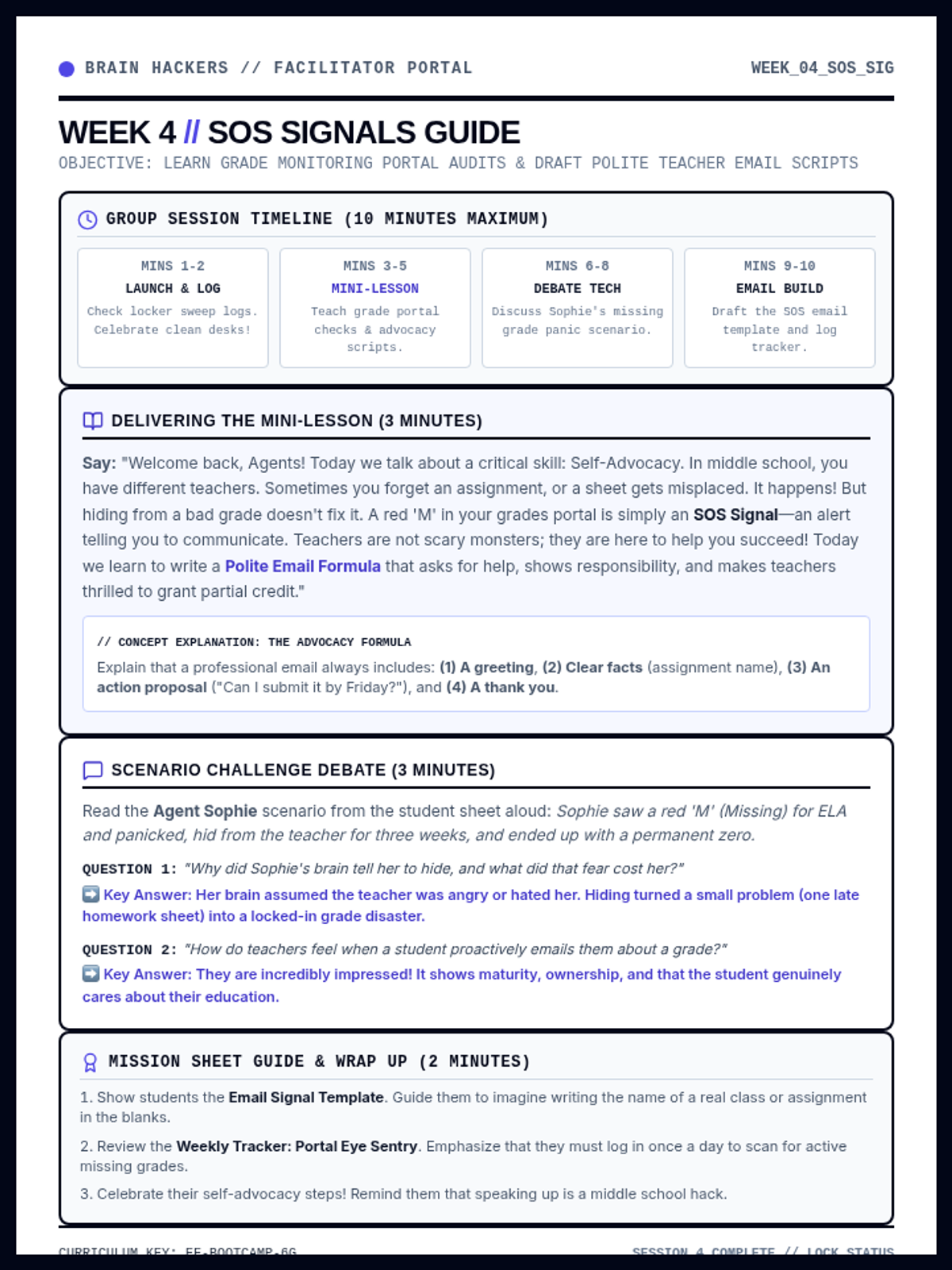
Week 4 focuses on self-advocacy and managing missing assignments. Students learn to audit their online grades portal, draft professional help emails to teachers, and use face-to-face communication scripts.
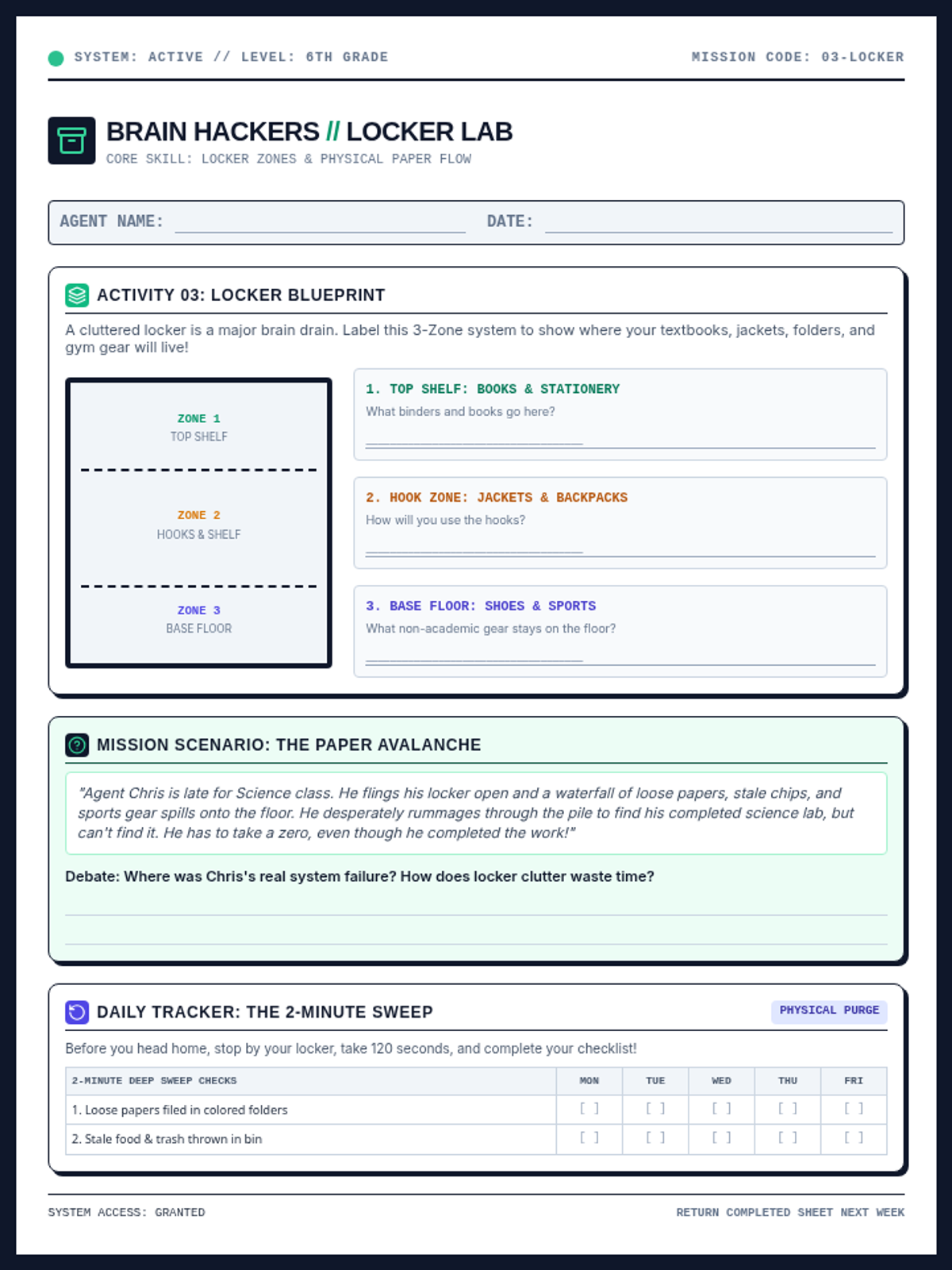
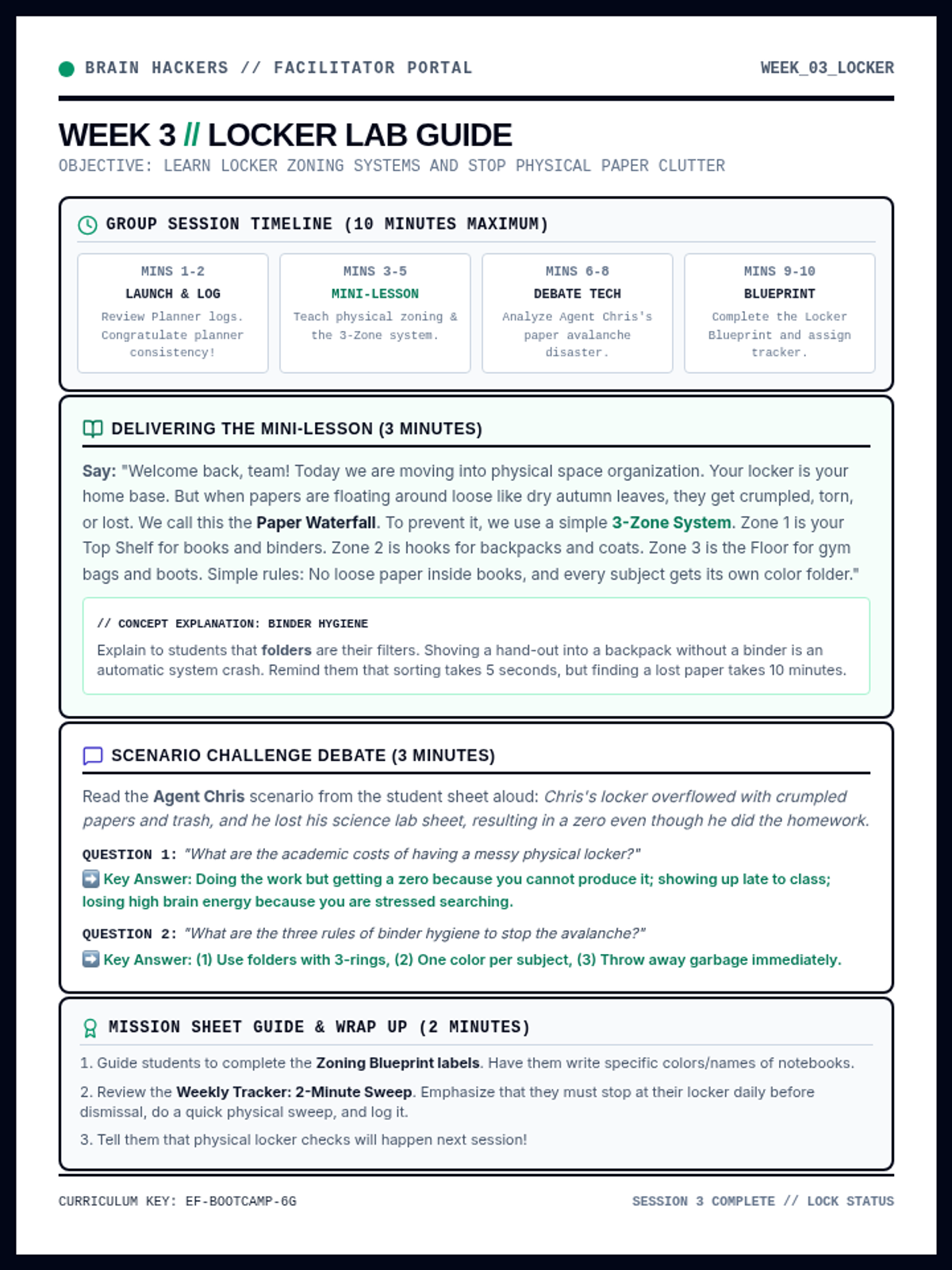
Week 3 focuses on locker and physical materials organization. Students learn to design their locker zones and apply a simple color-coded system to keep papers and notebooks in check.
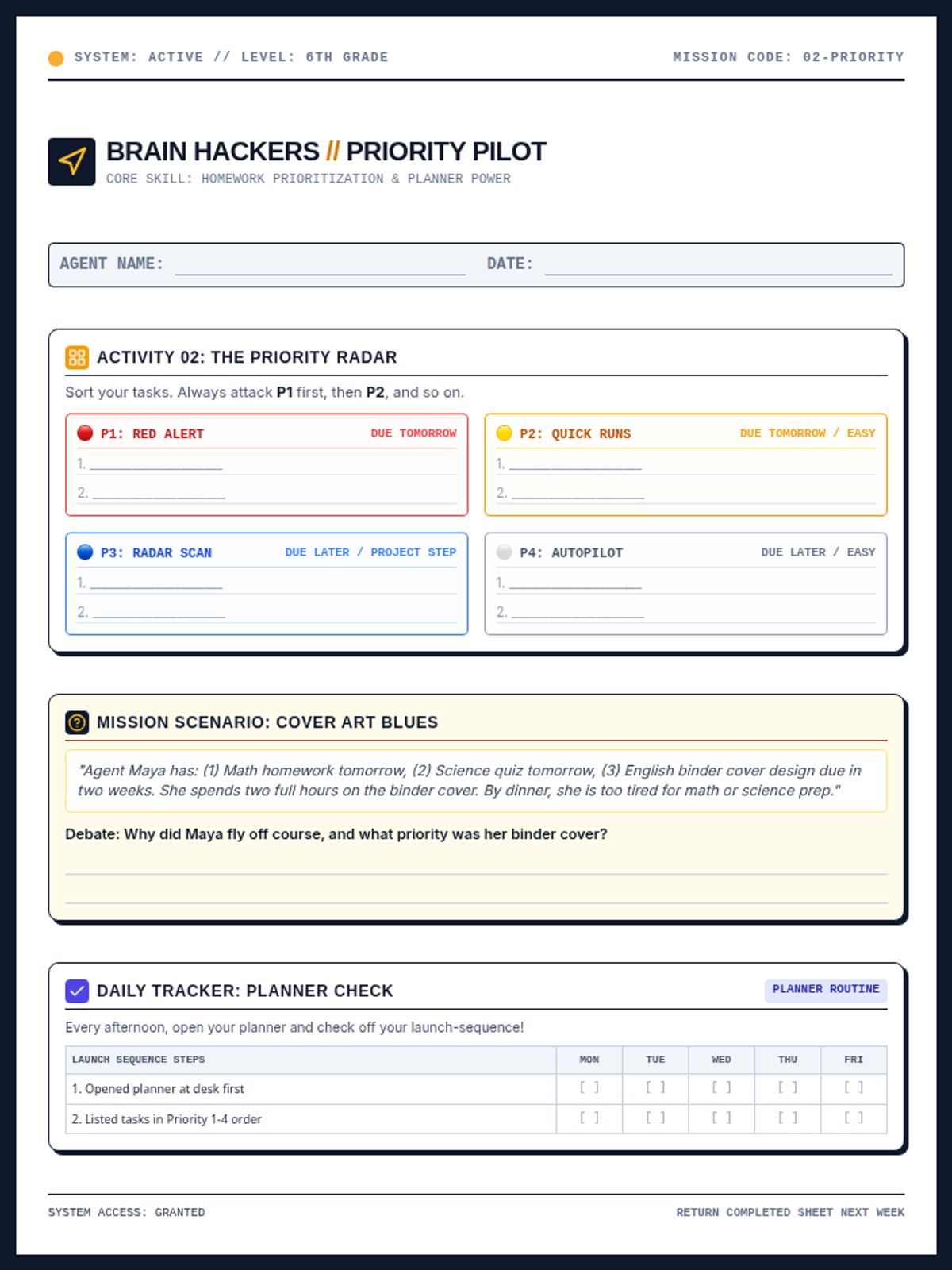
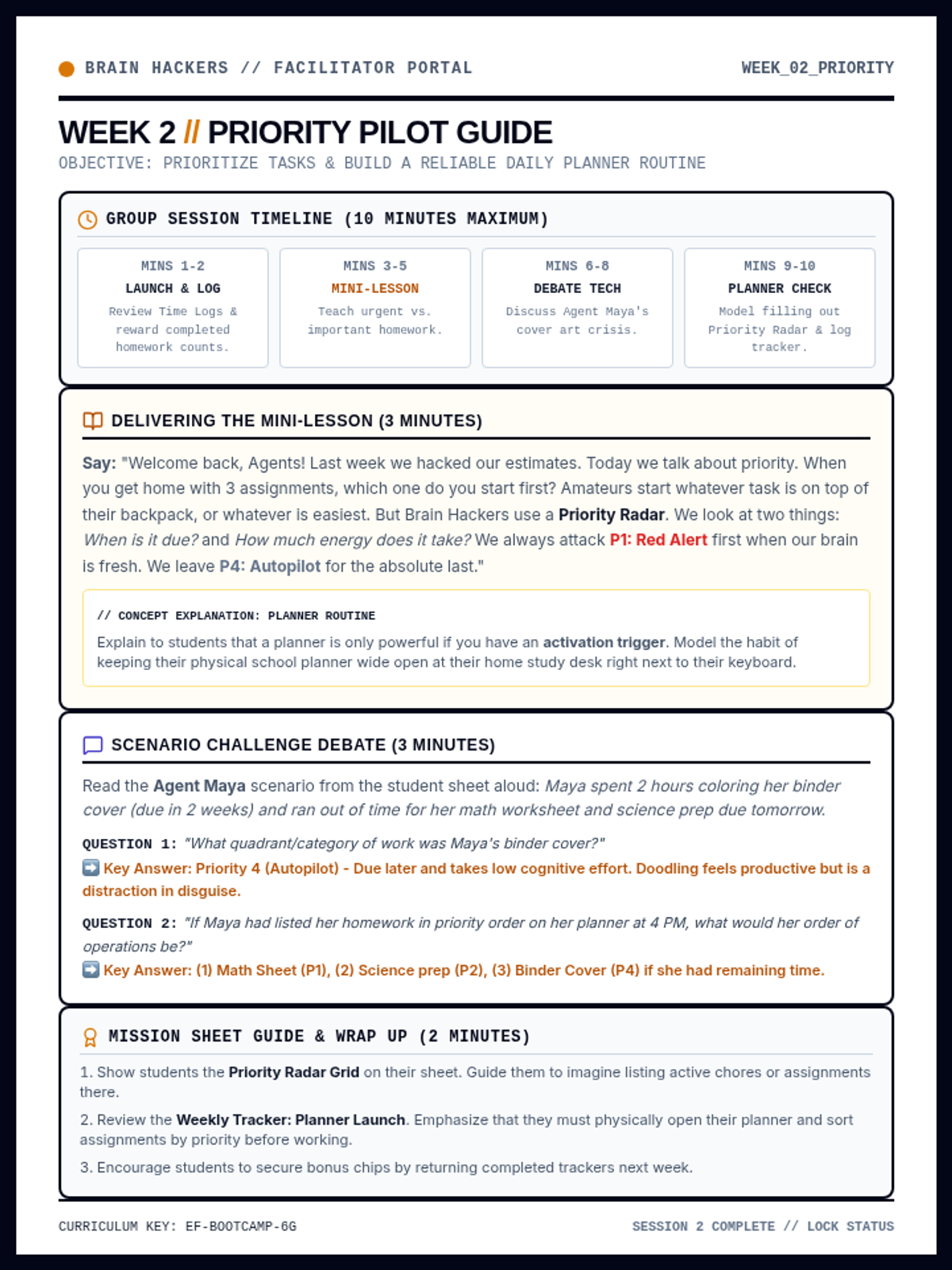
Week 2 focuses on homework prioritization and introducing students to using a planner. Students learn to categorize tasks by urgency and importance and plan their afternoon order of operations.
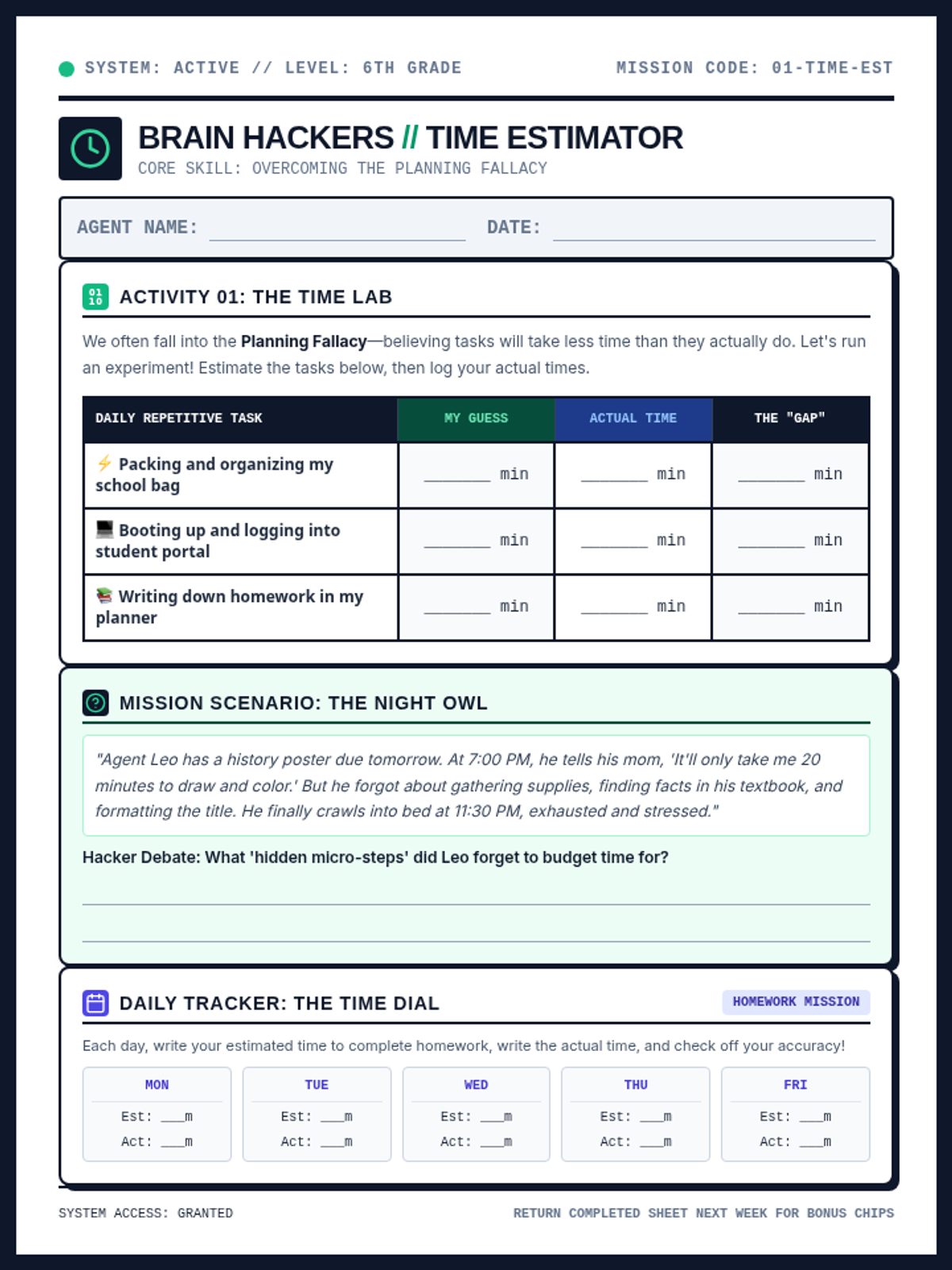
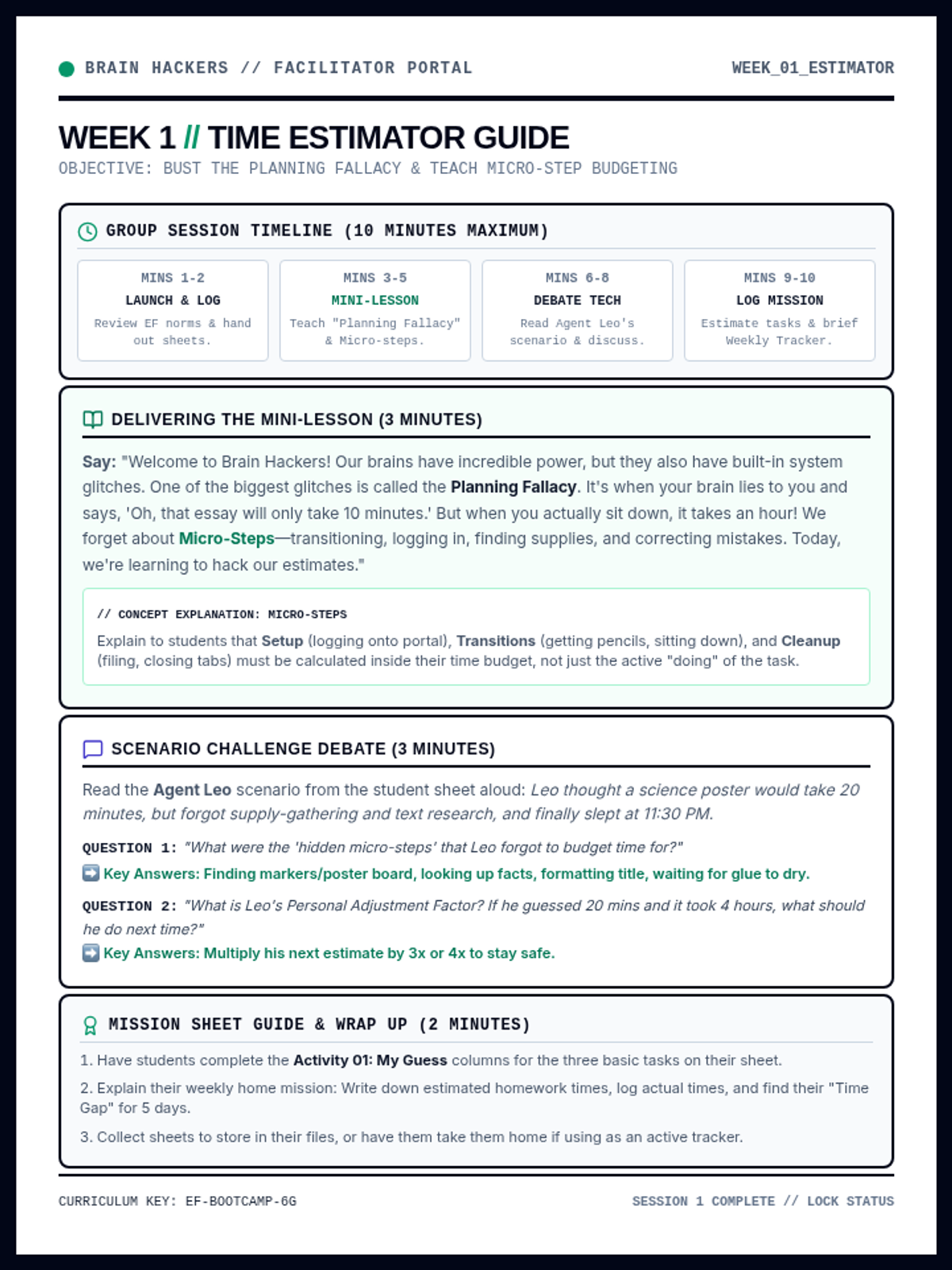
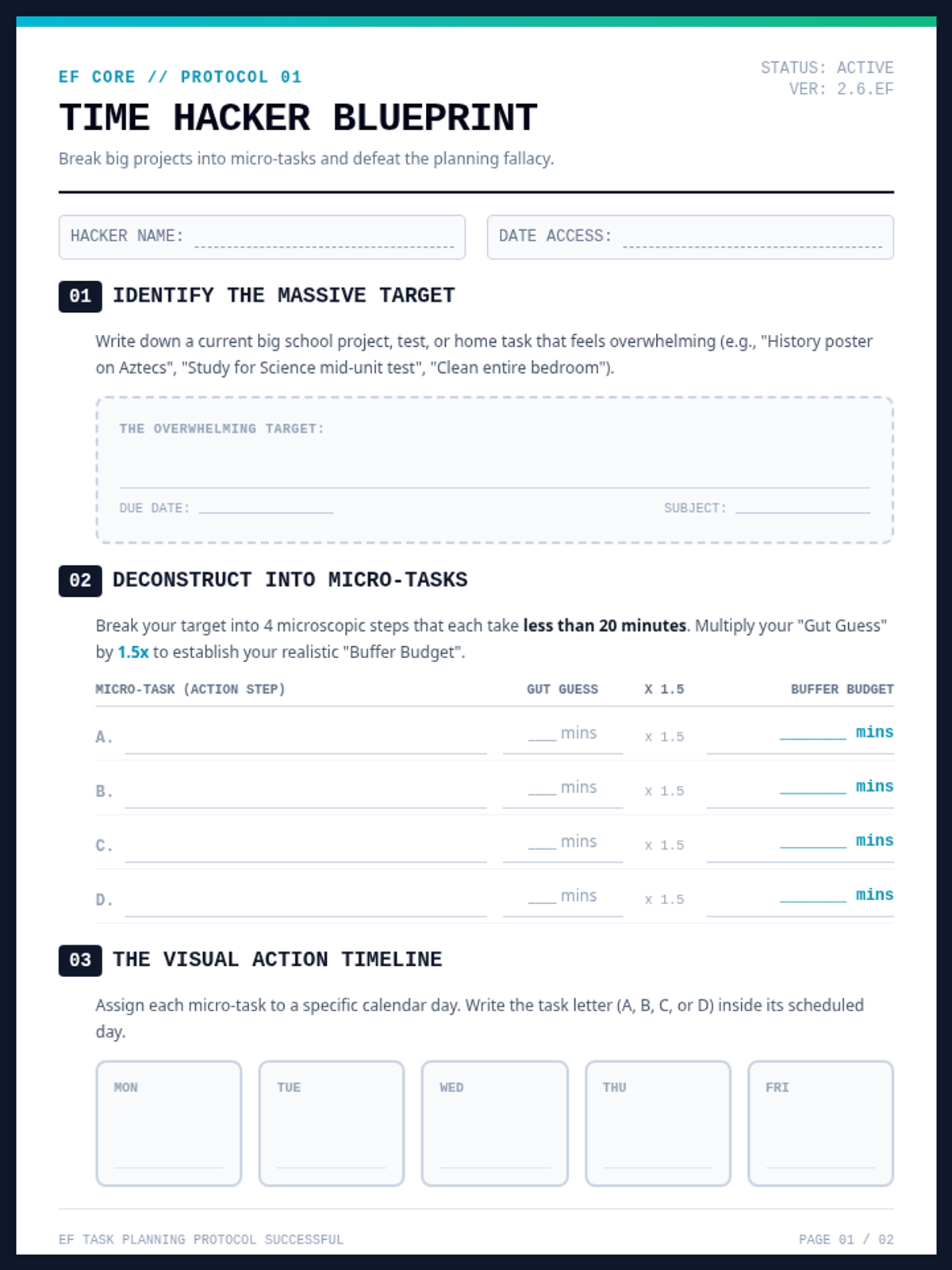
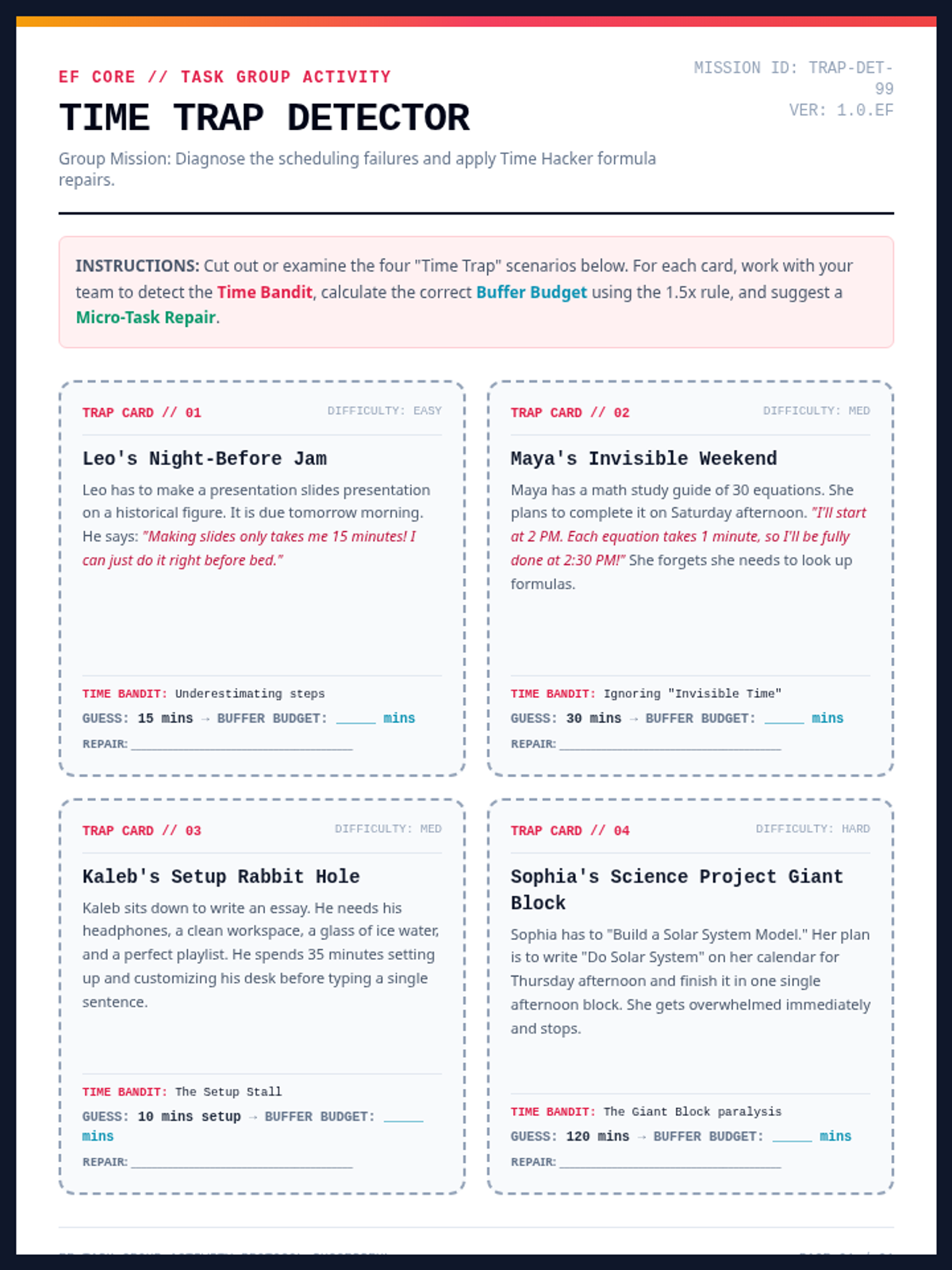
Week 1 focuses on estimating task length and planning realistic time budgets to avoid the 'planning fallacy'. Students learn to guess time, track actual time, and calculate their personal adjustment factors.
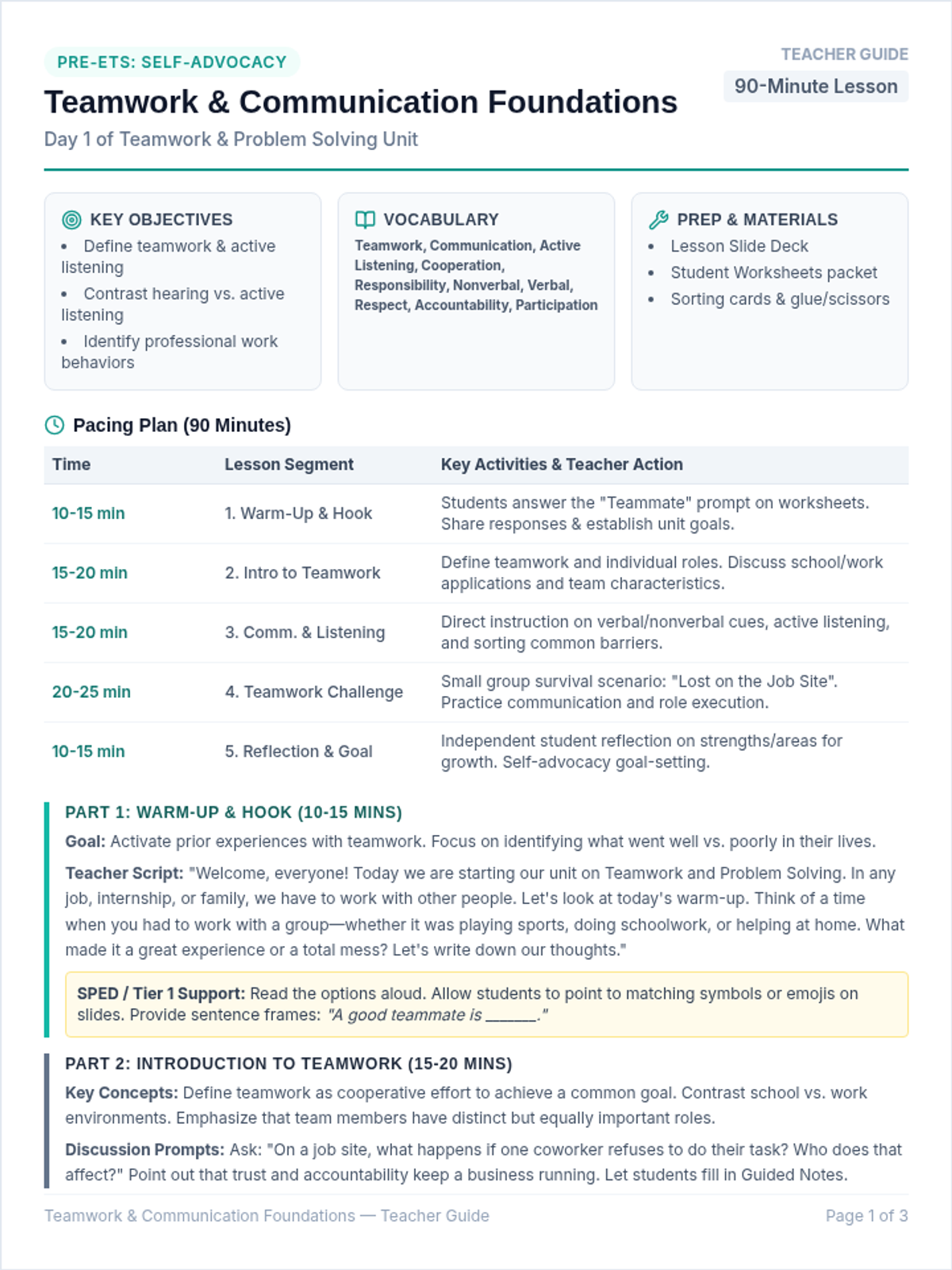
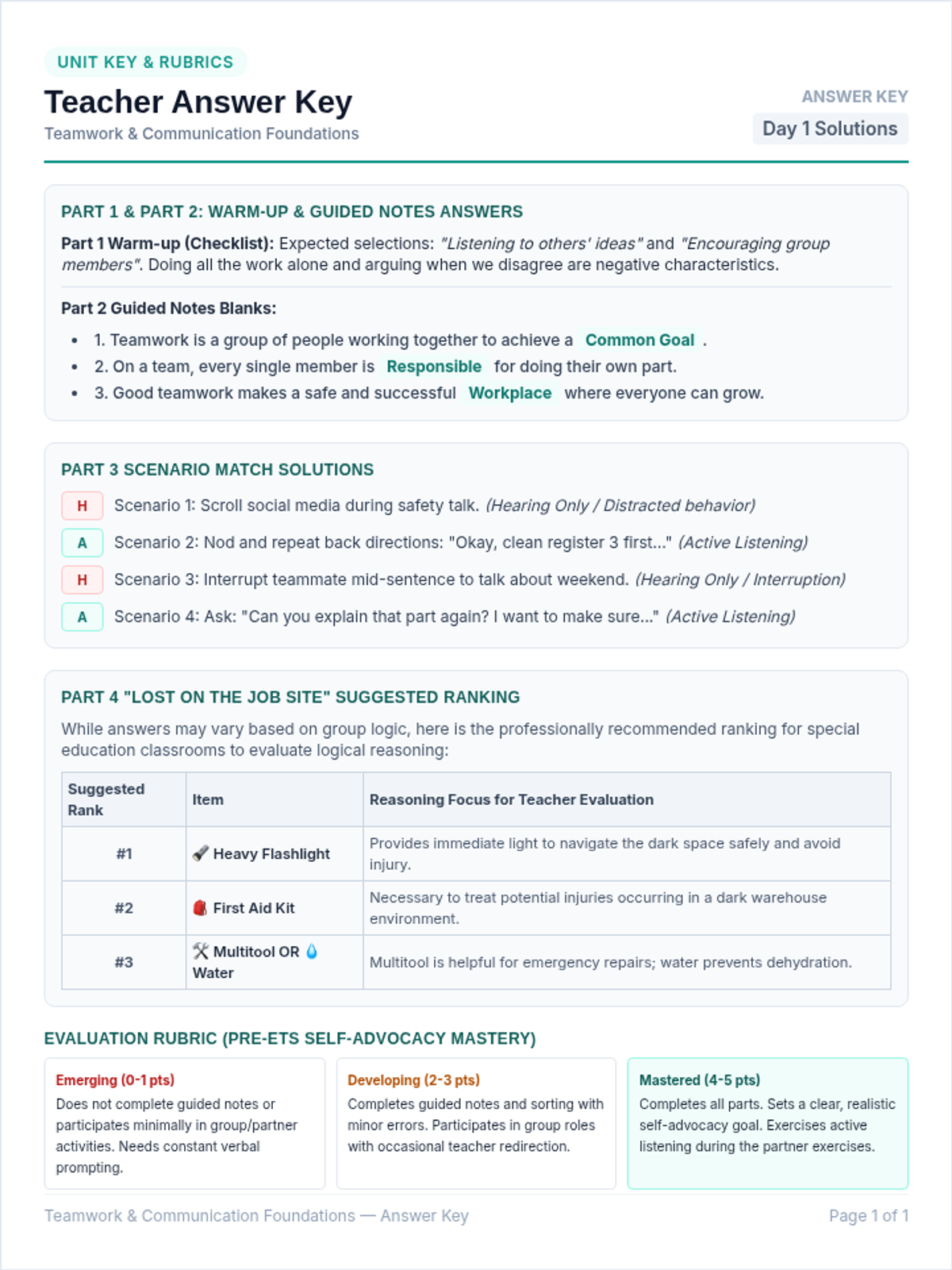
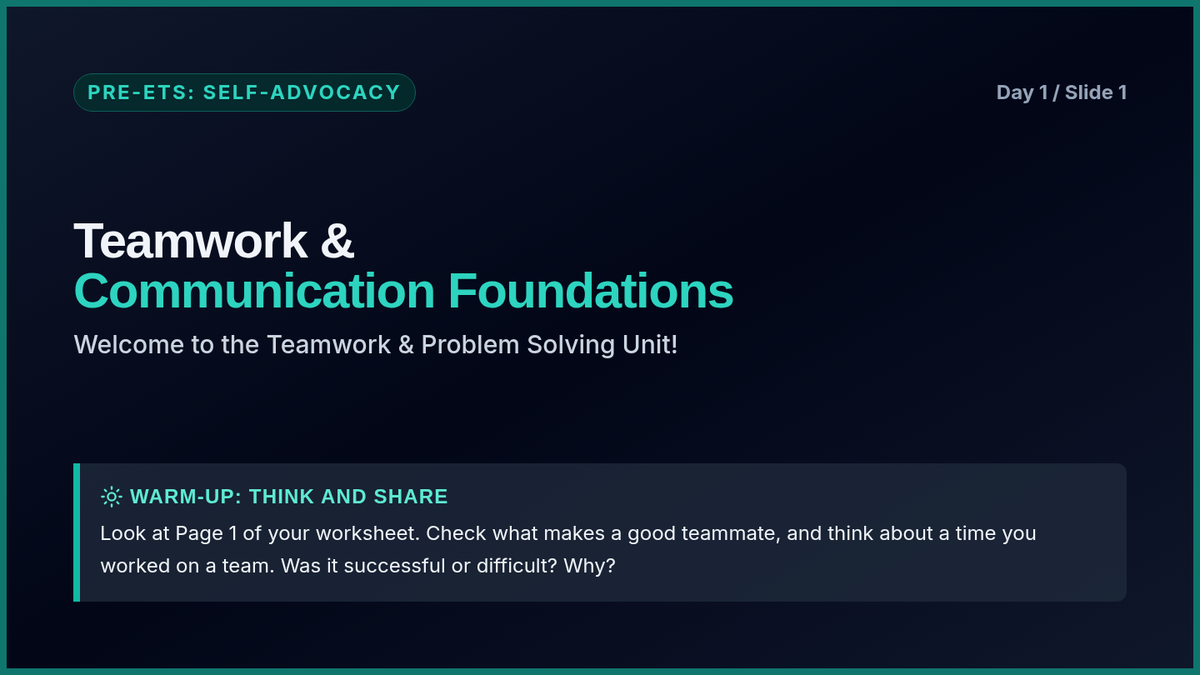
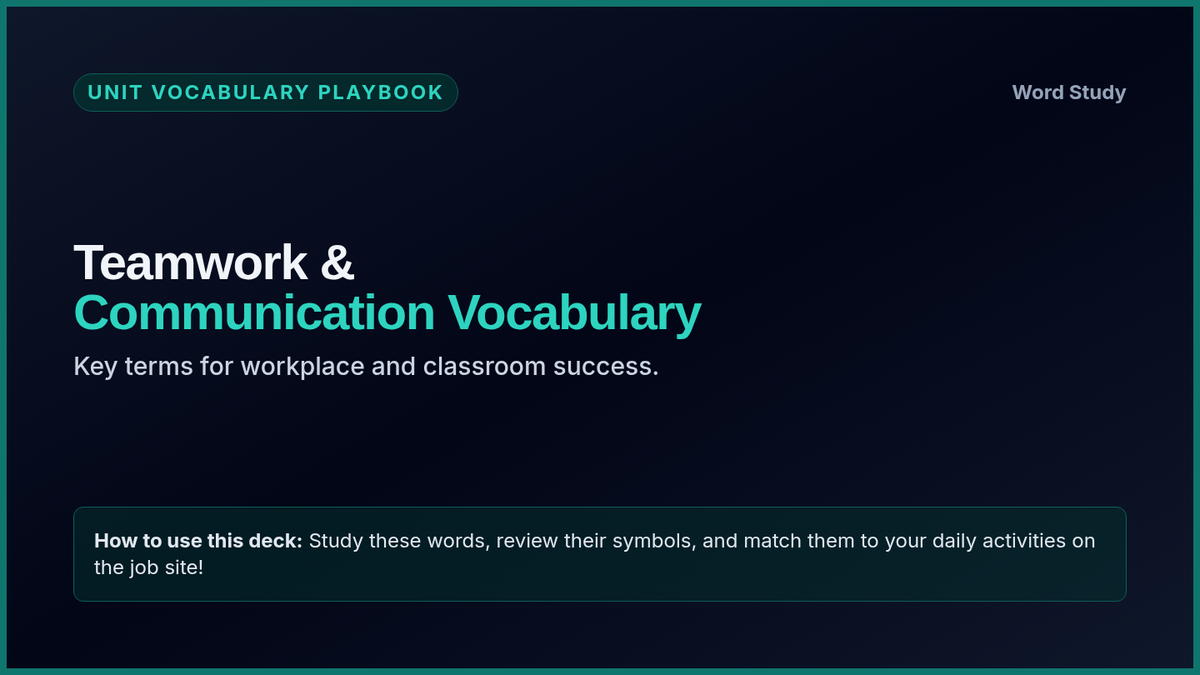
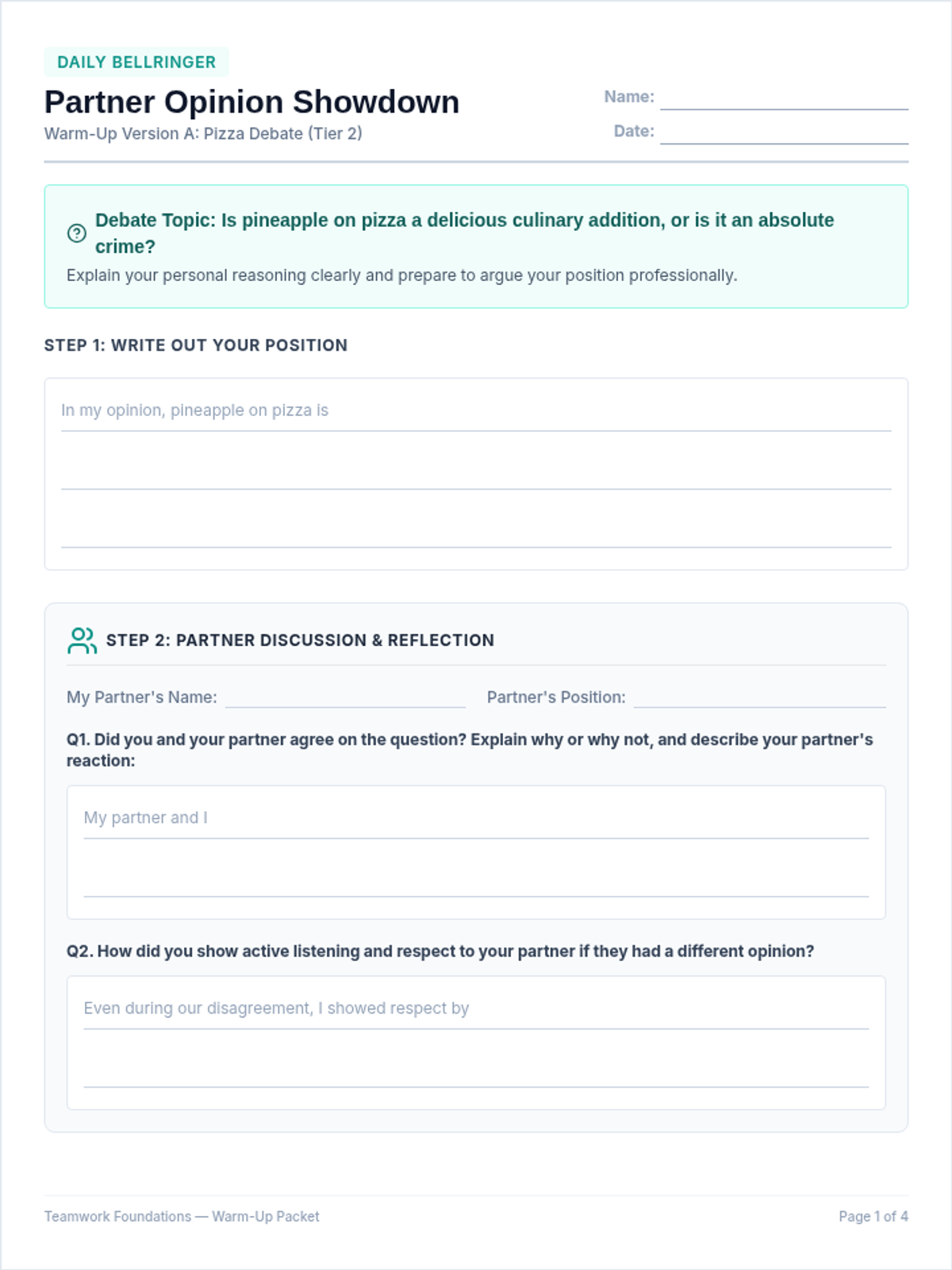
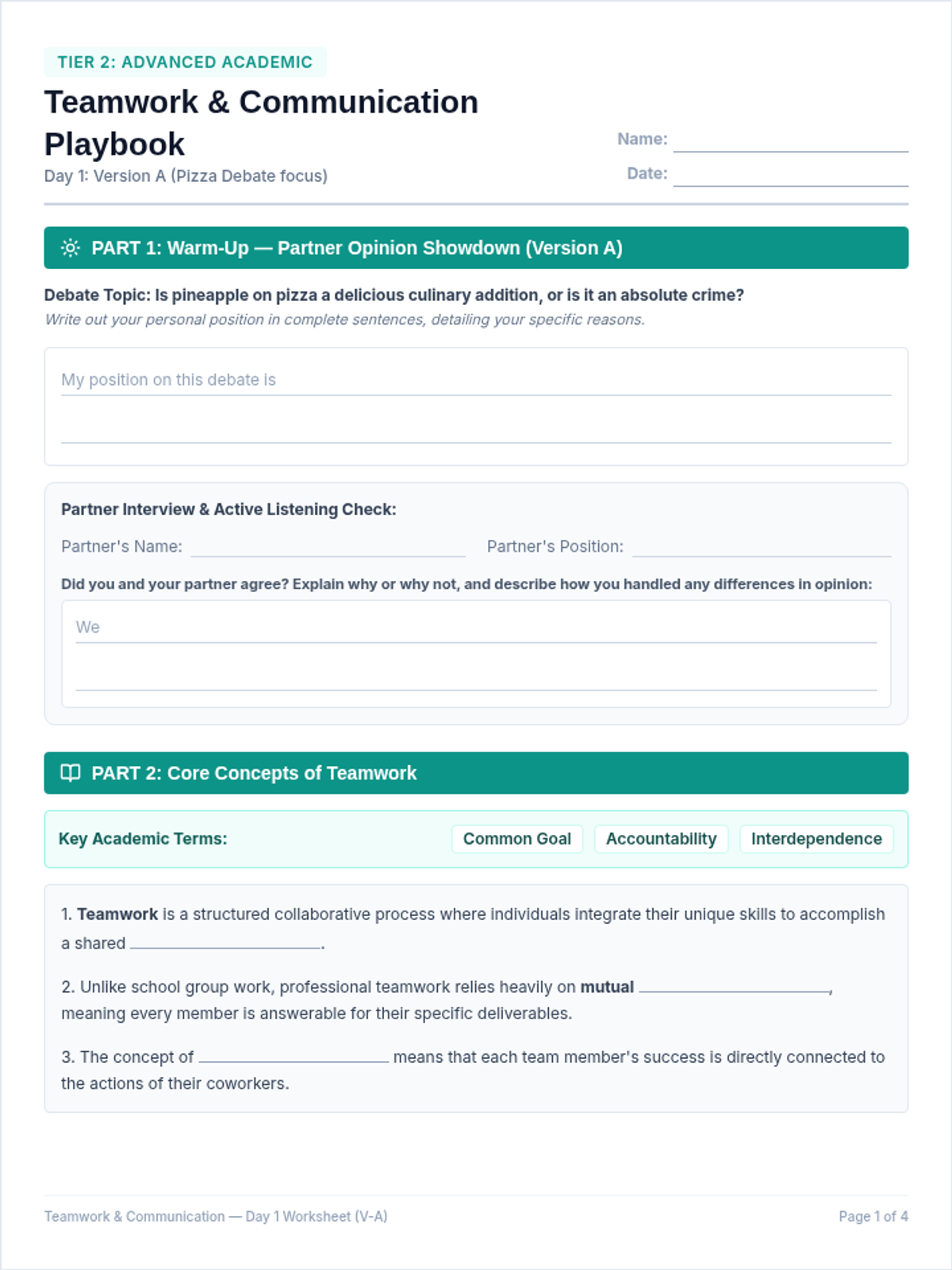
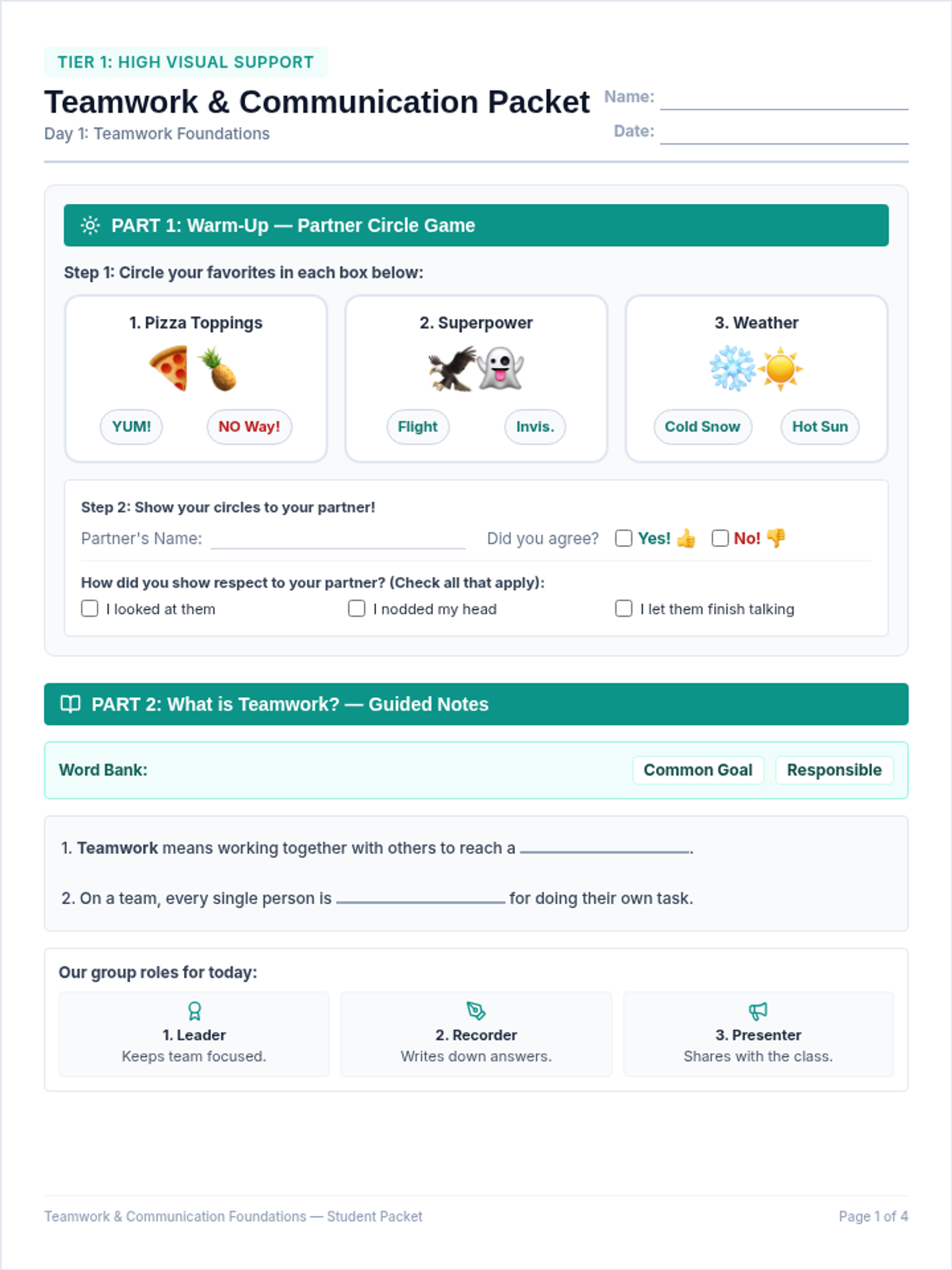
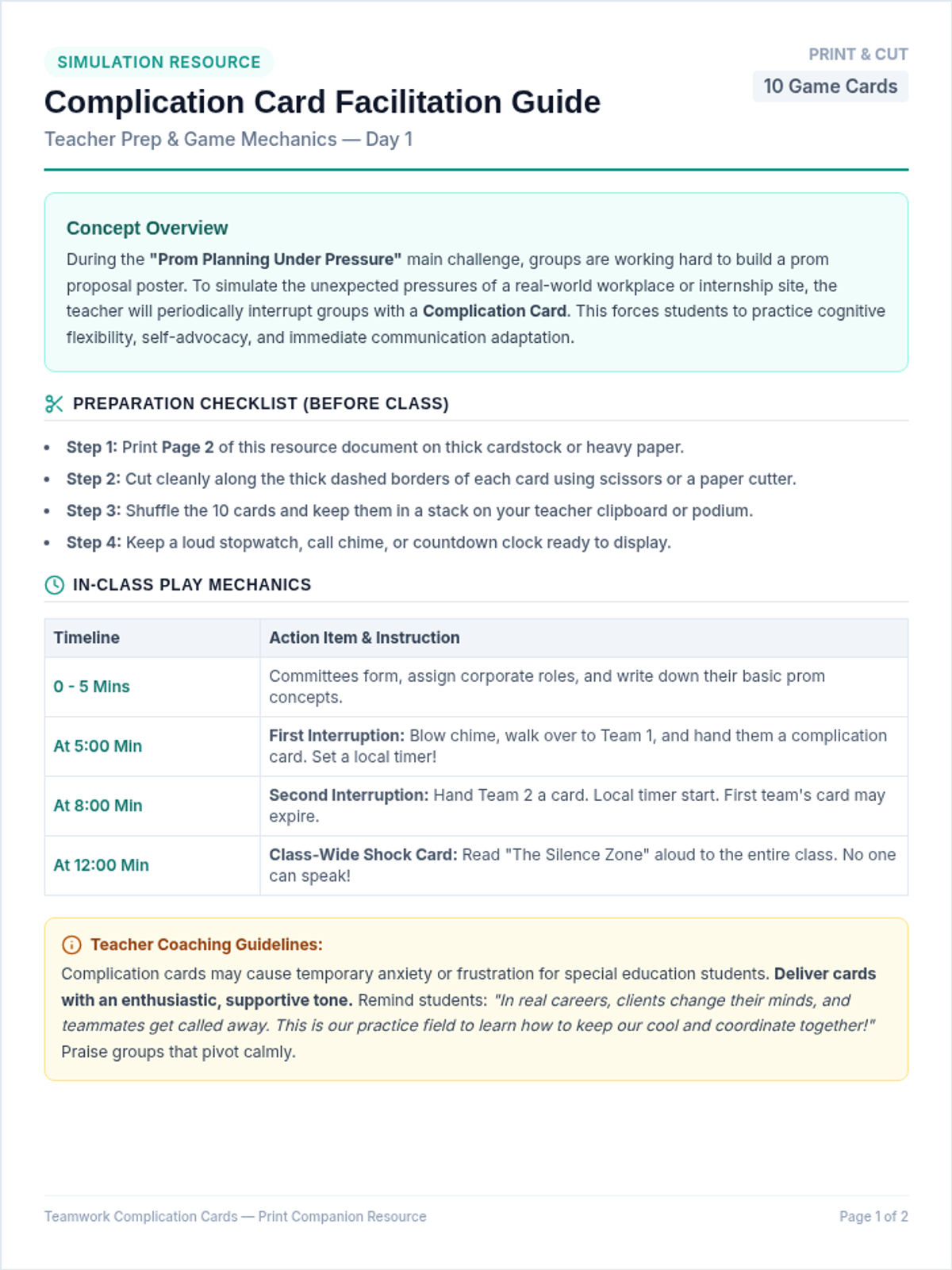
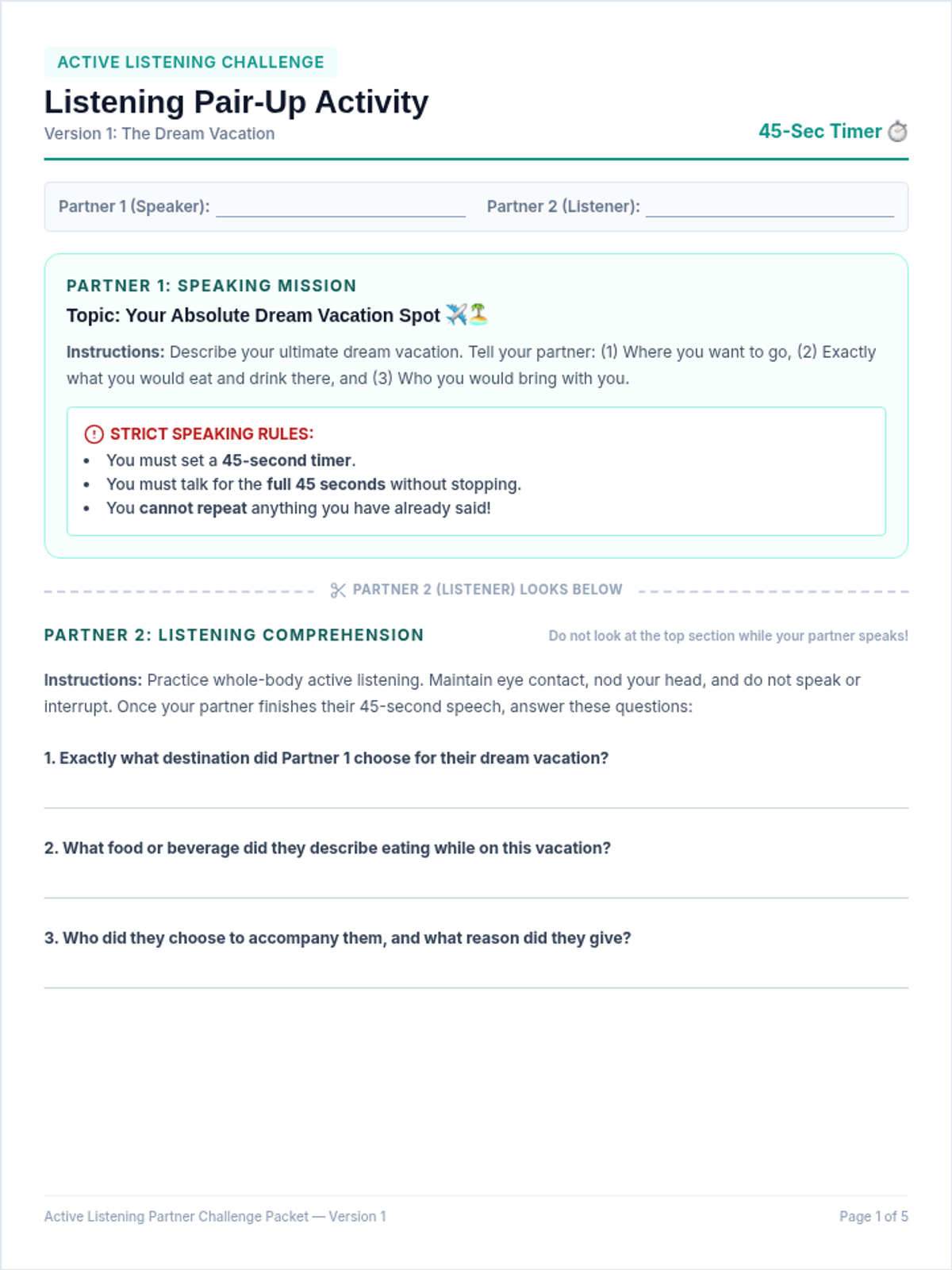
This introductory lesson establishes the fundamental principles of teamwork, verbal/nonverbal communication, and active listening. Students learn roles in a team and practice active listening through partner exercises, connecting these self-advocacy skills directly to workplace readiness and internships.
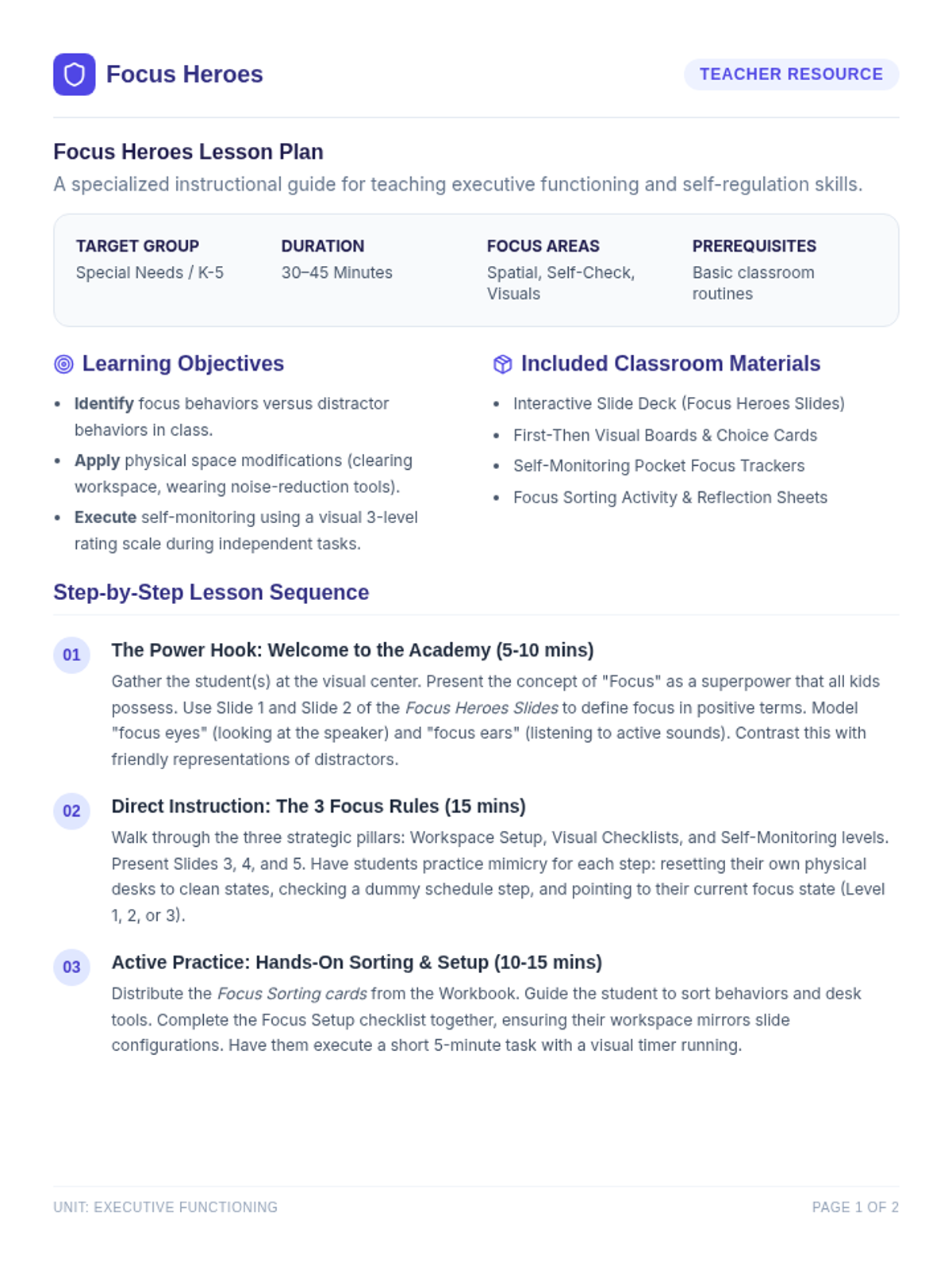
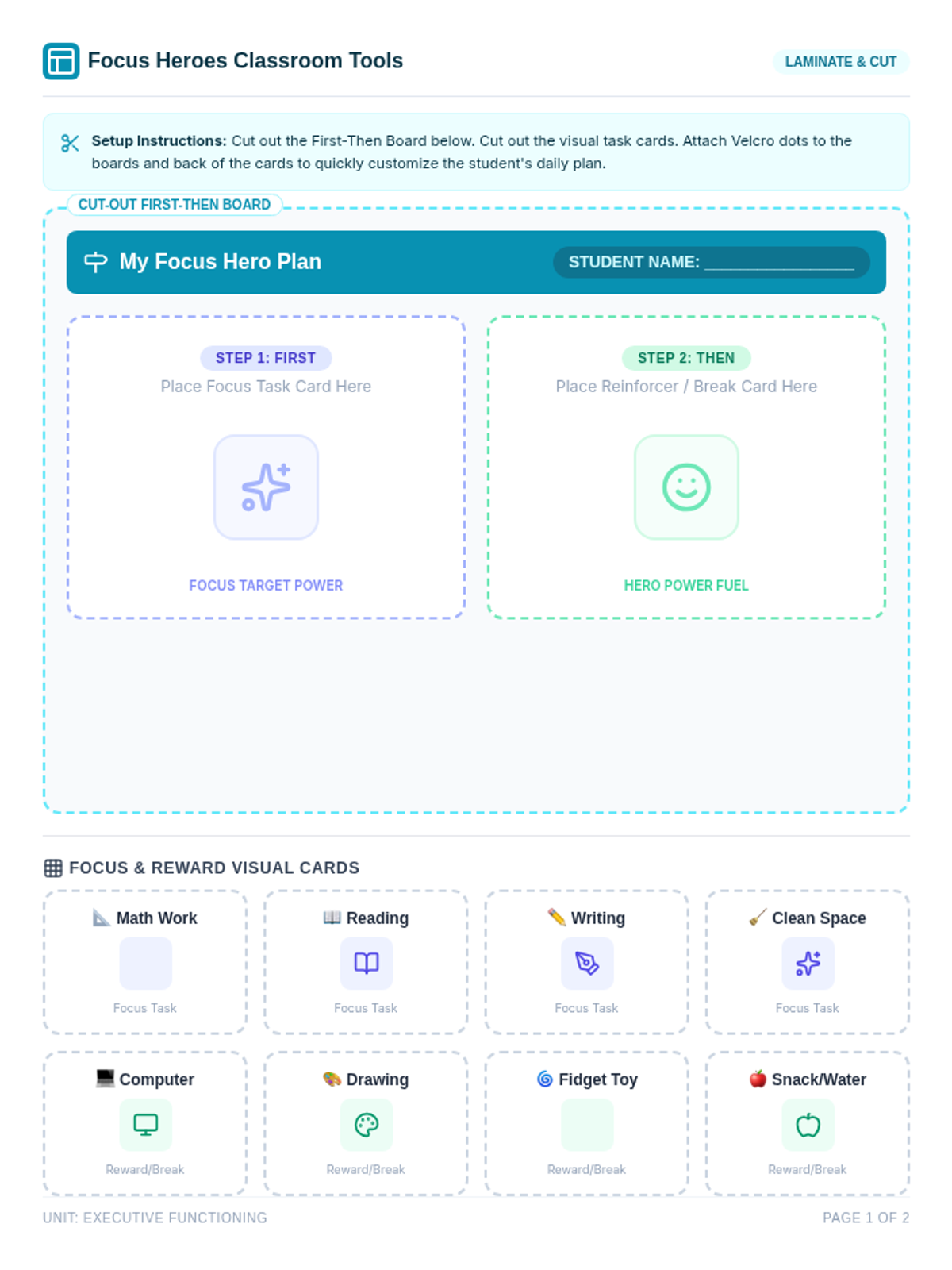
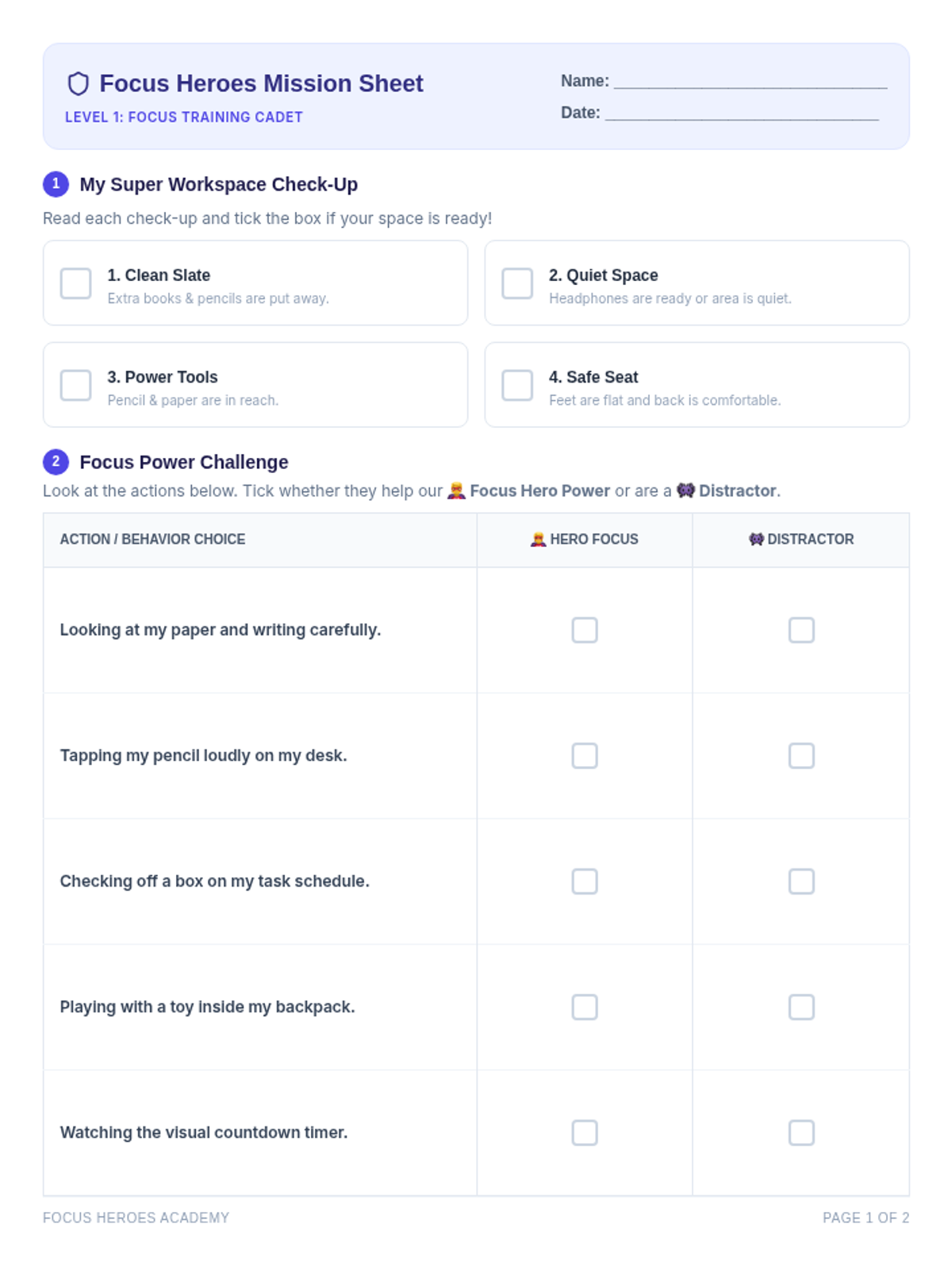
A specialized lesson designed to teach focus strategies, self-monitoring, and environmental adjustments to students with special needs, featuring concrete visual aids and self-regulation tools.
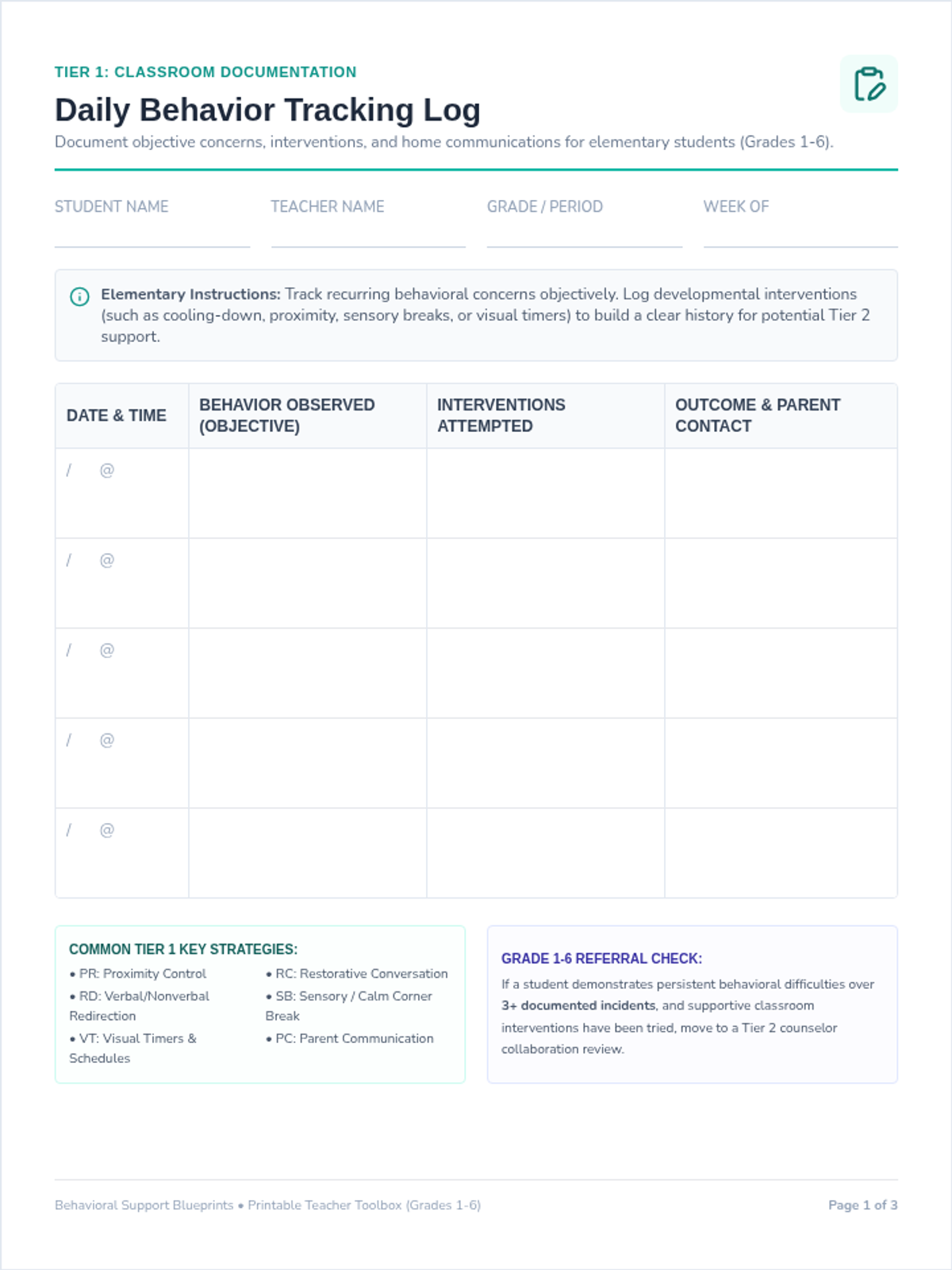
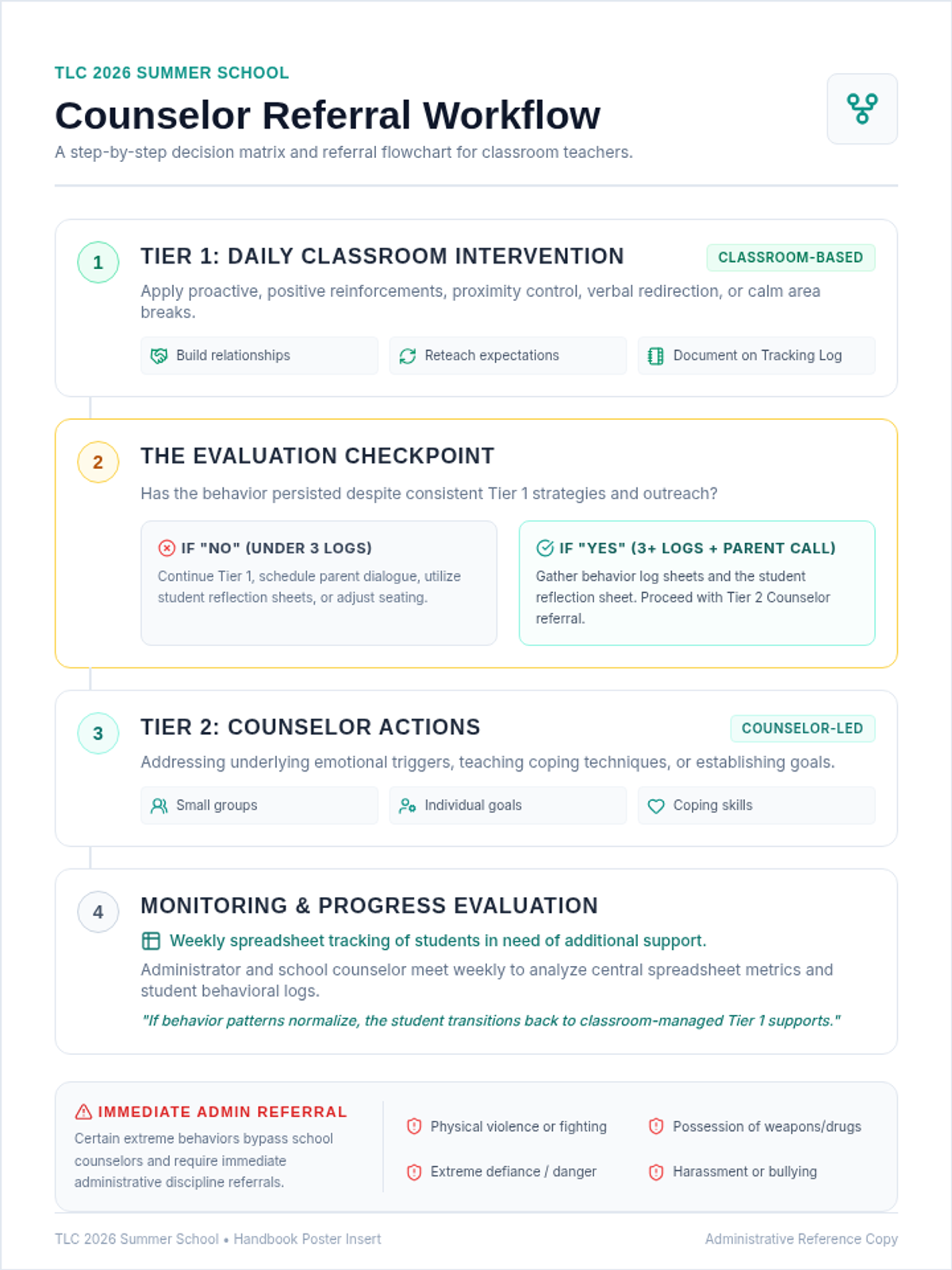
A comprehensive professional development and resource package for educators, mapping out Tier 1 classroom interventions and Tier 2 school counselor supports to build a proactive, collaborative, and restorative student support culture.
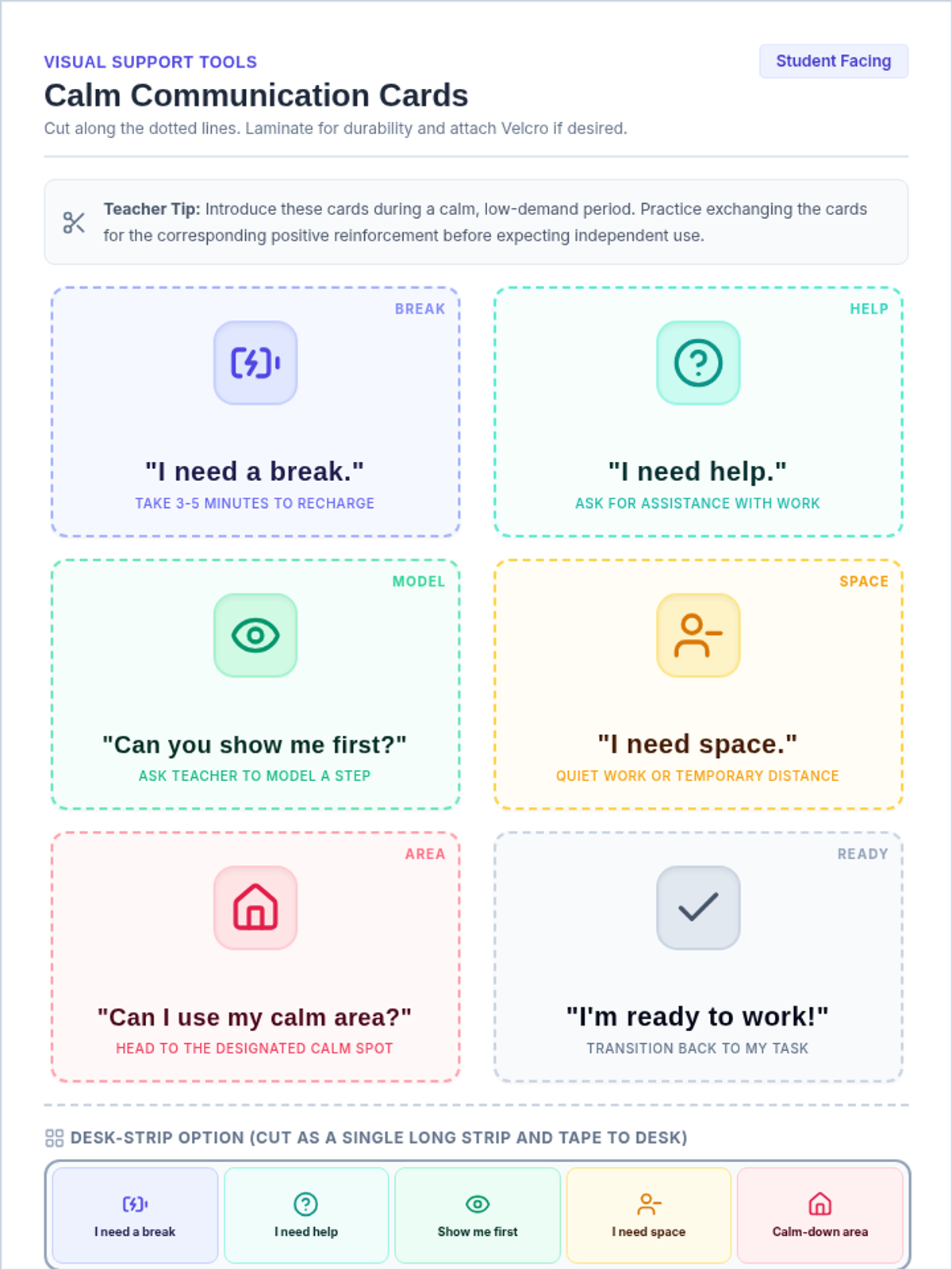
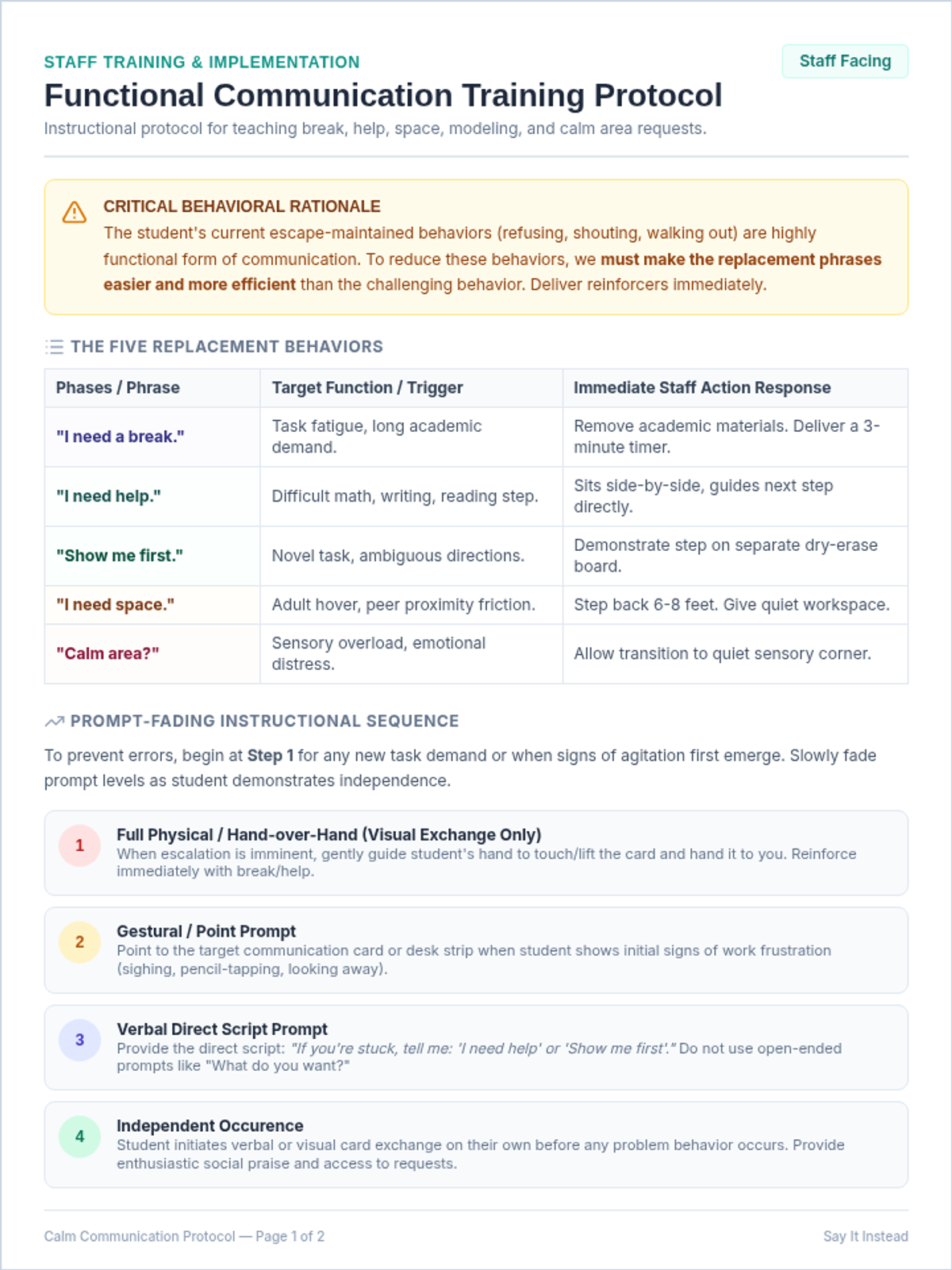
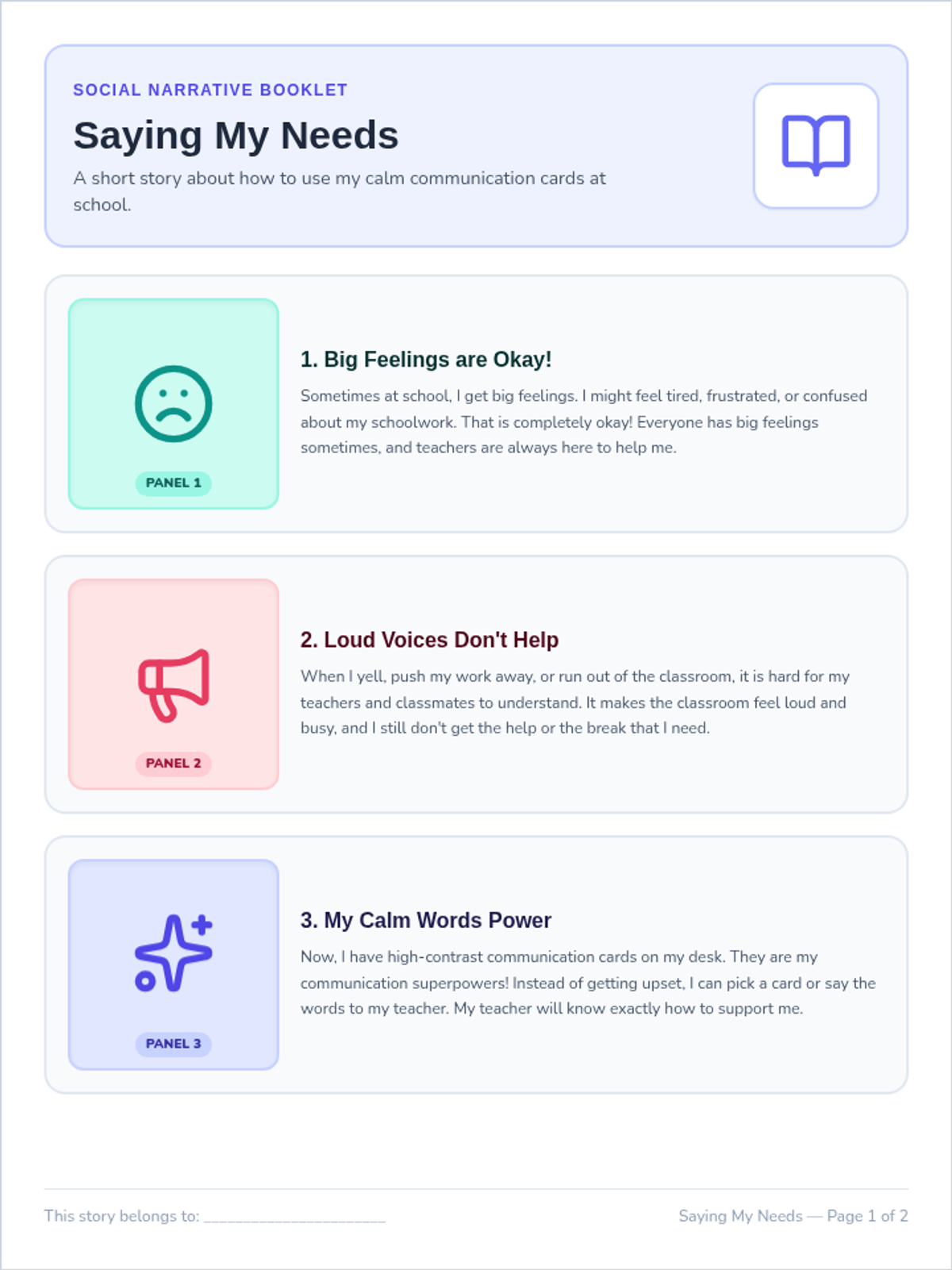
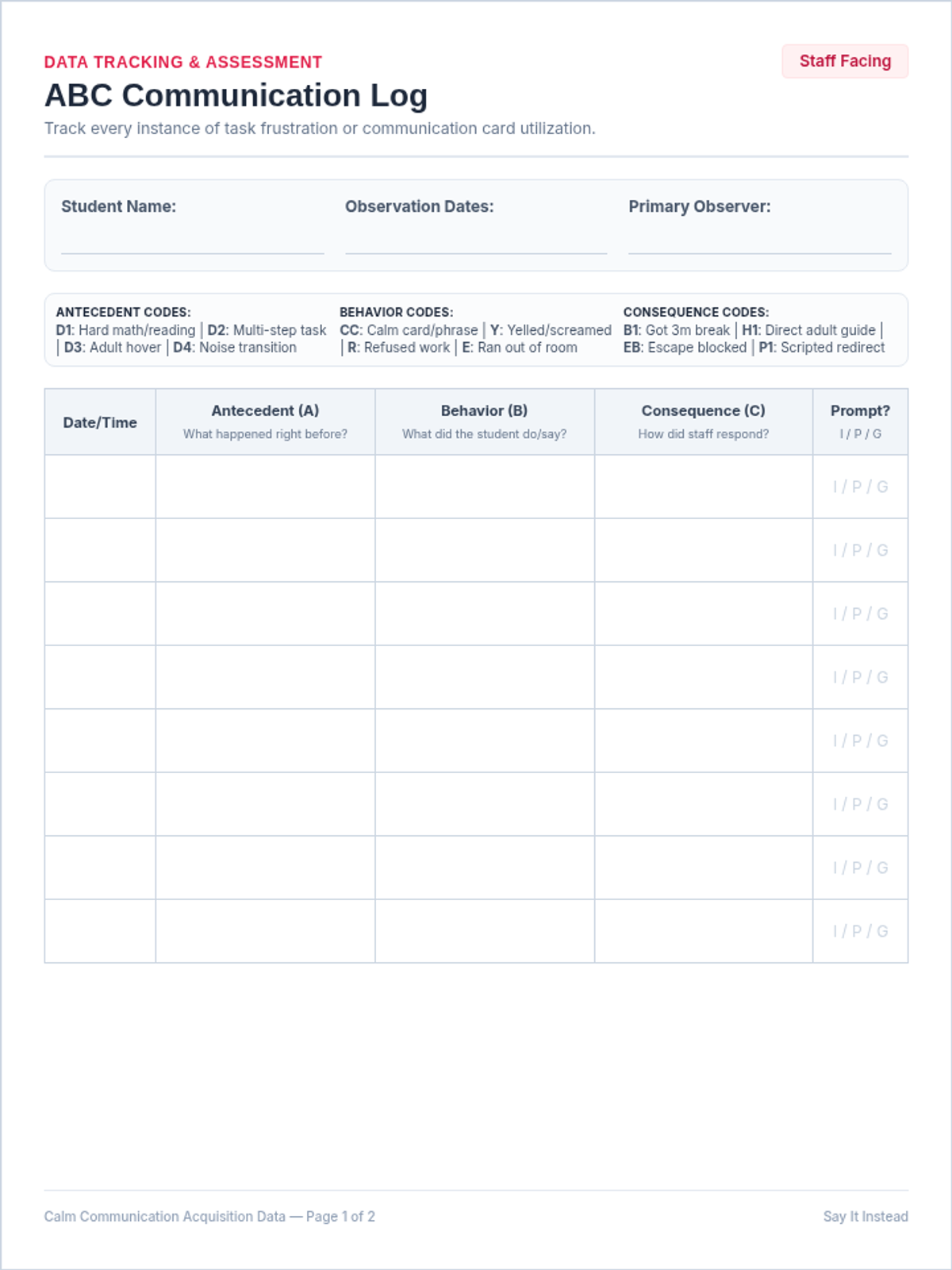
A comprehensive set of visual supports, implementation protocols, a social narrative, and tracking sheets designed to teach and reinforce five critical replacement communication behaviors: requesting a break, asking for help, requesting a demonstration, asking for space, and requesting access to a calm-down area.
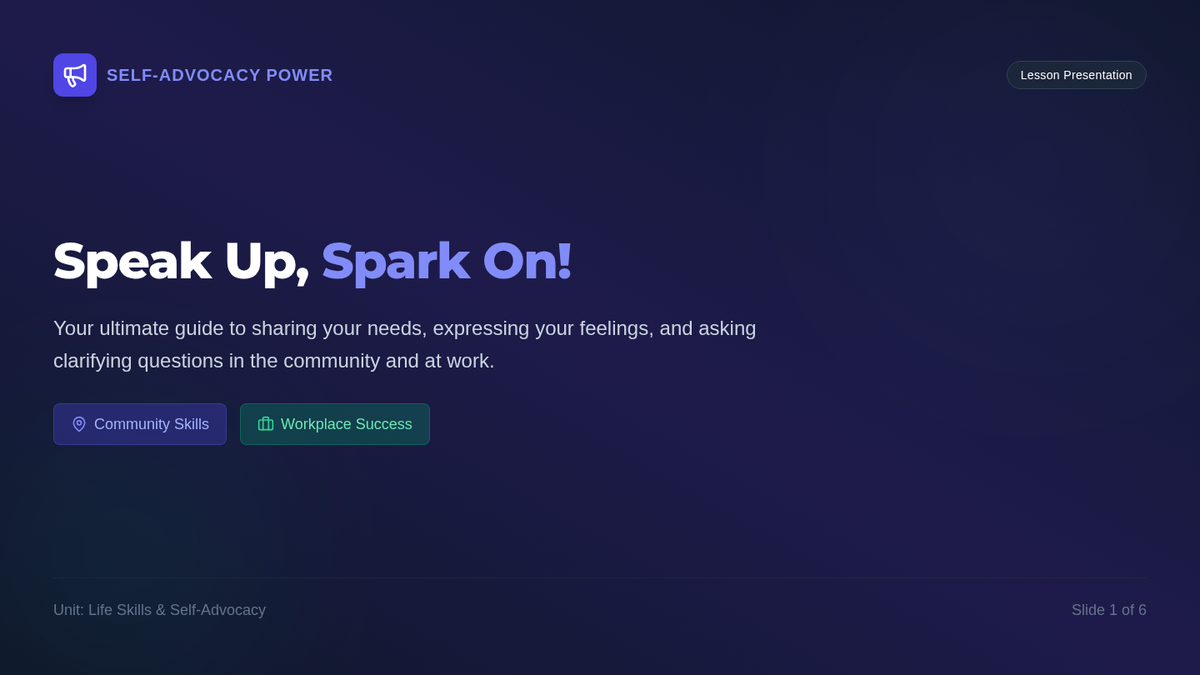
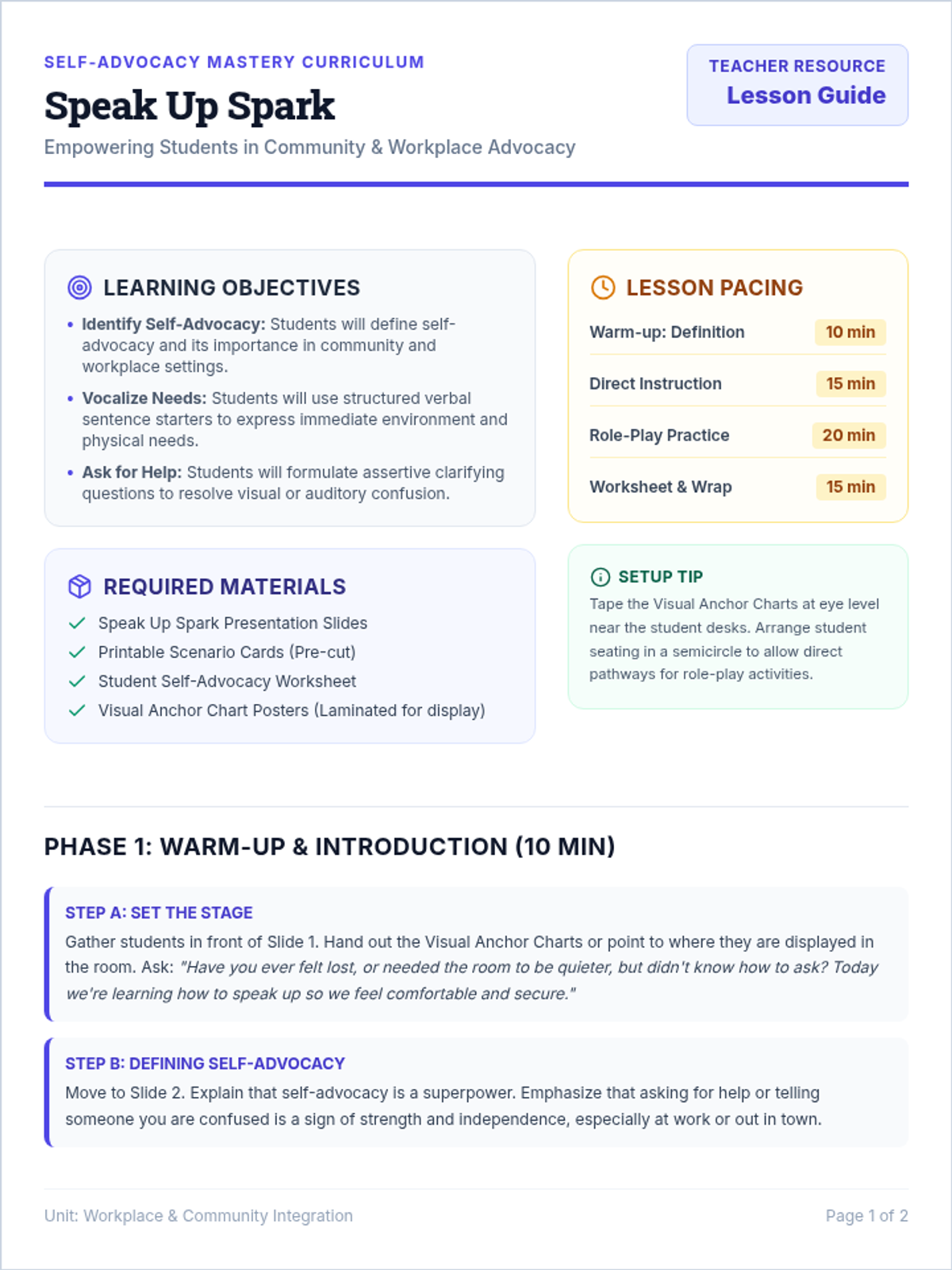
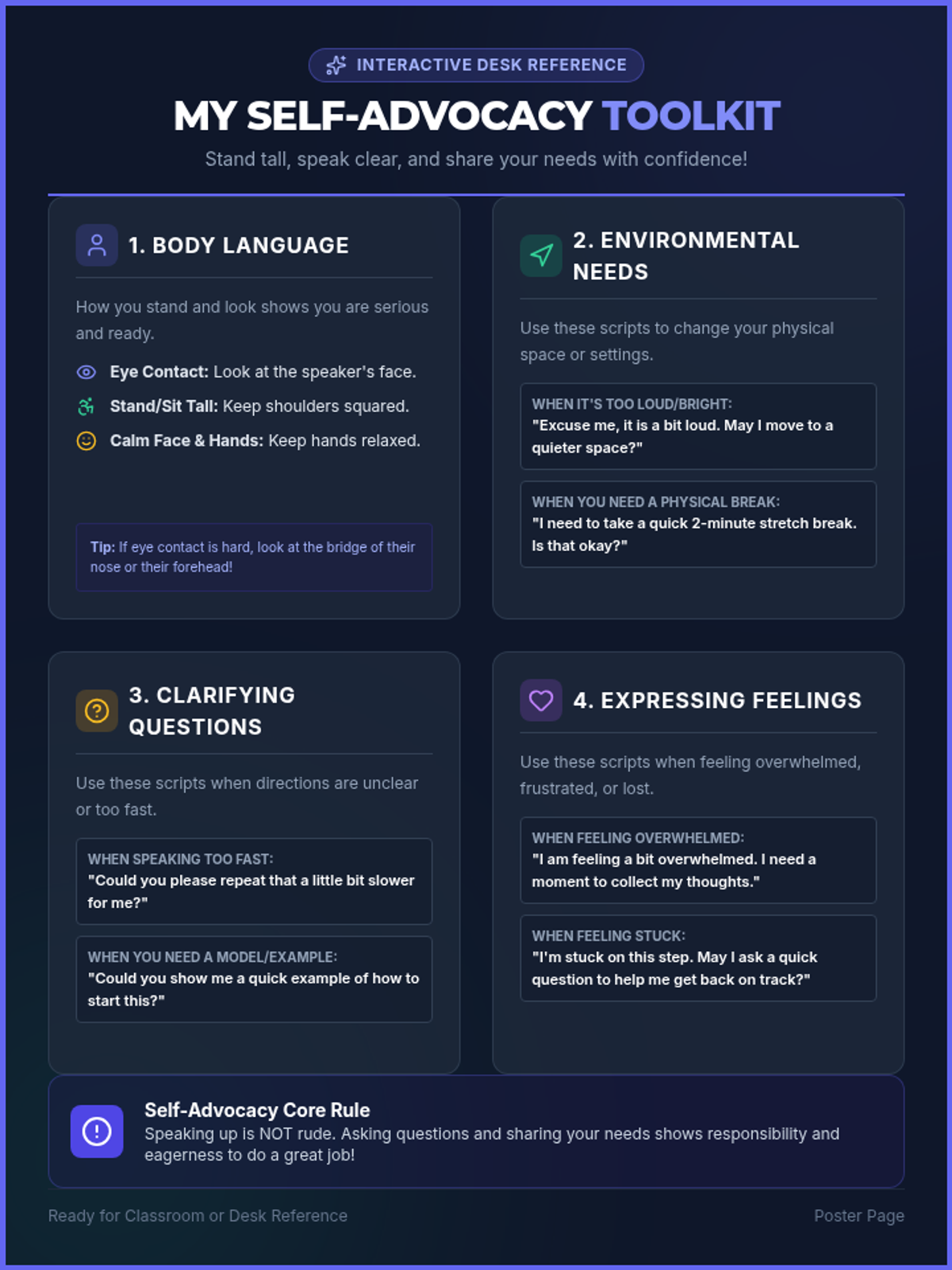
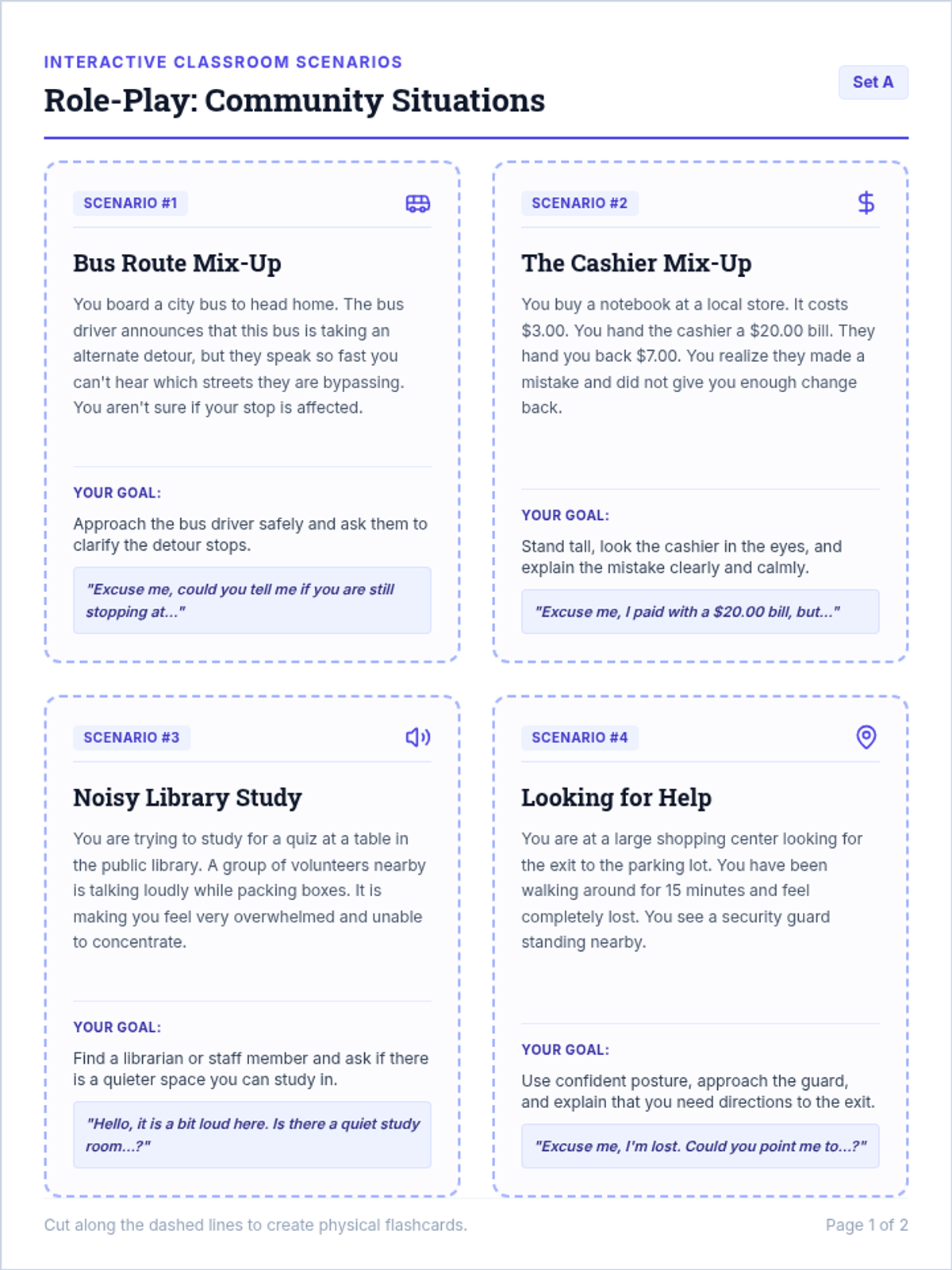
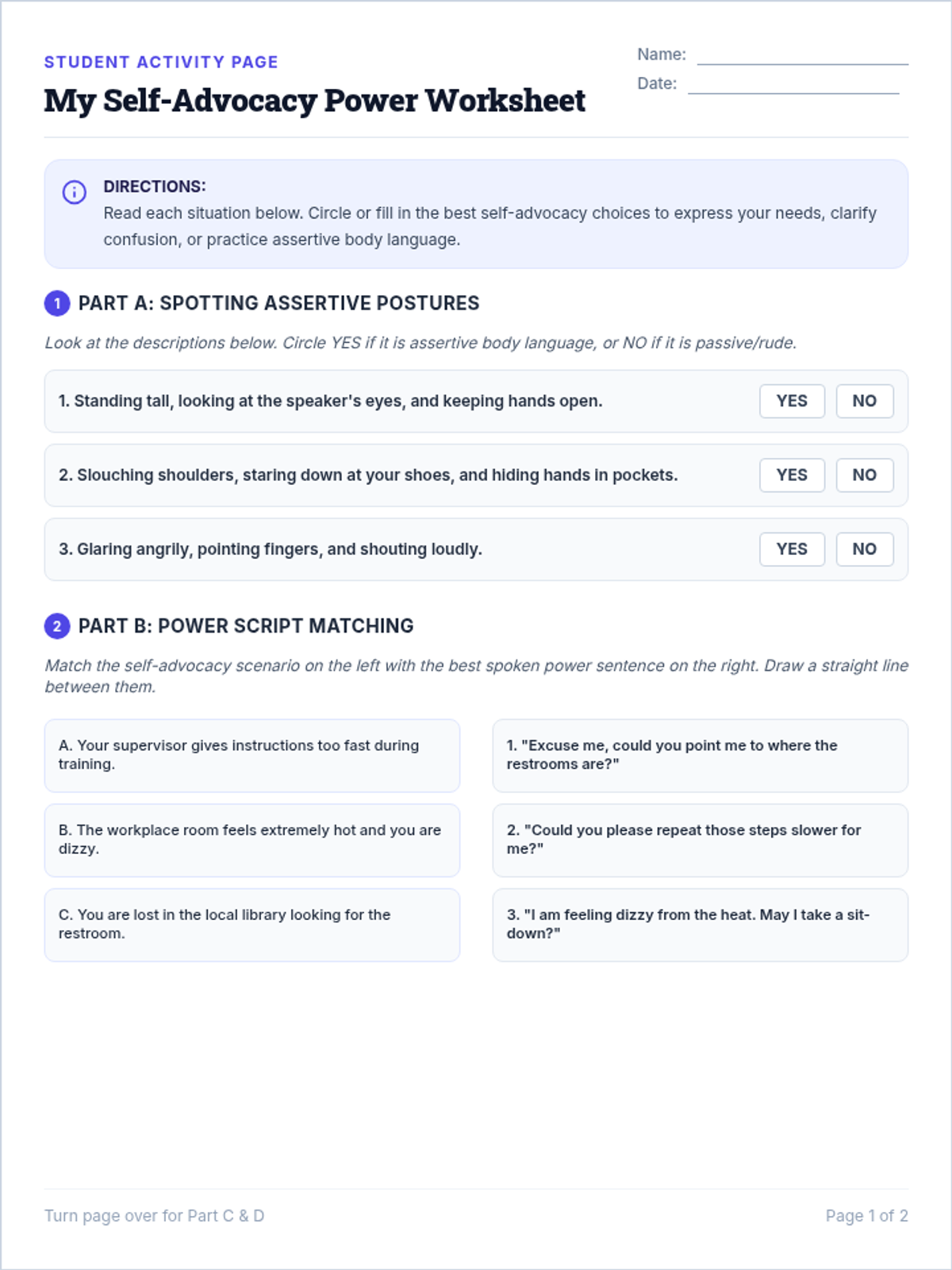
A comprehensive lesson plan and activity bundle designed to empower students with disabilities to practice self-advocacy in community and workplace settings. The lesson teaches verbal scripts, assertive body language, and clarifying questions through direct instruction, interactive slides, visual anchor charts, role-play cards, and differentiated worksheets.
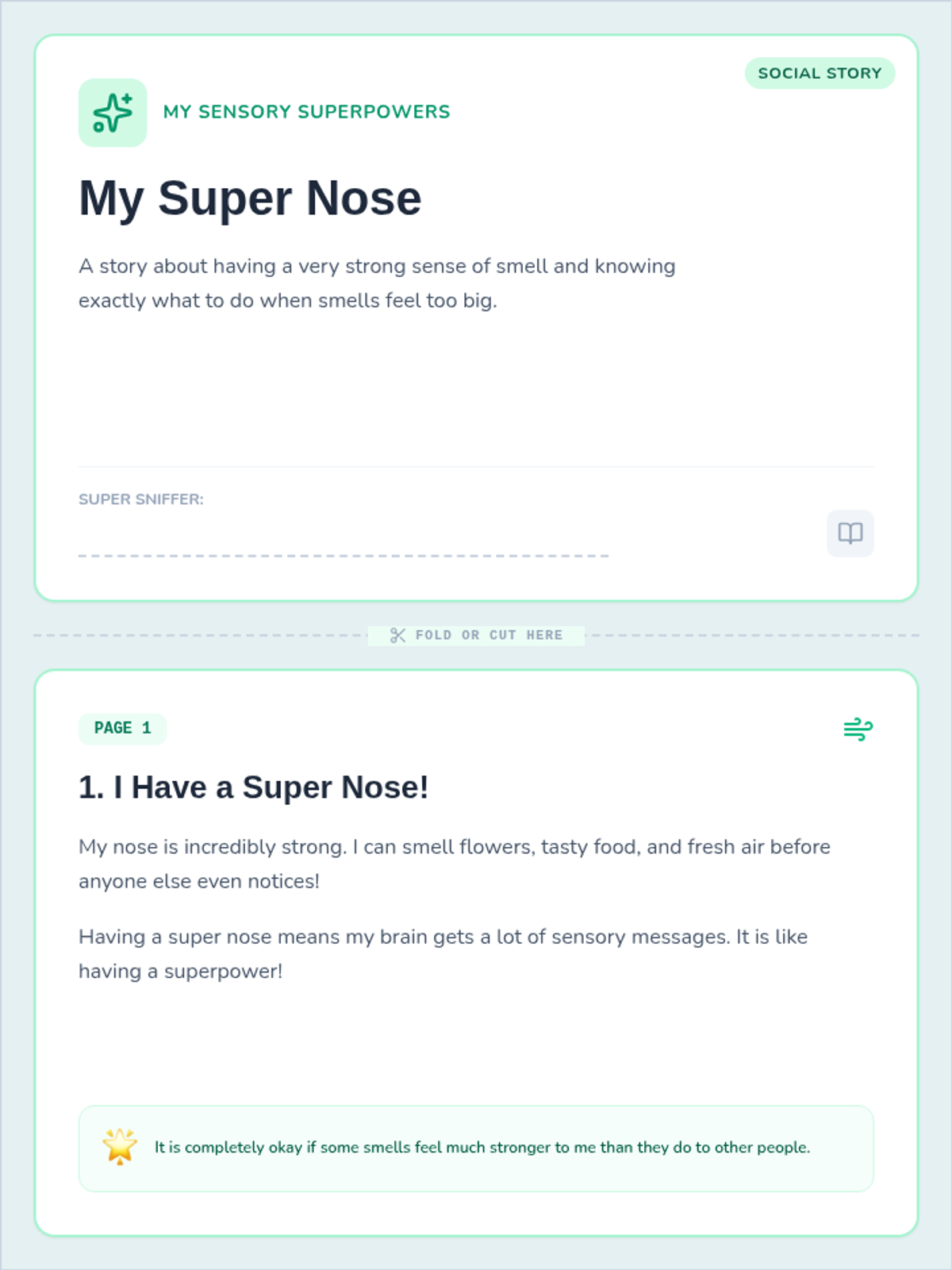
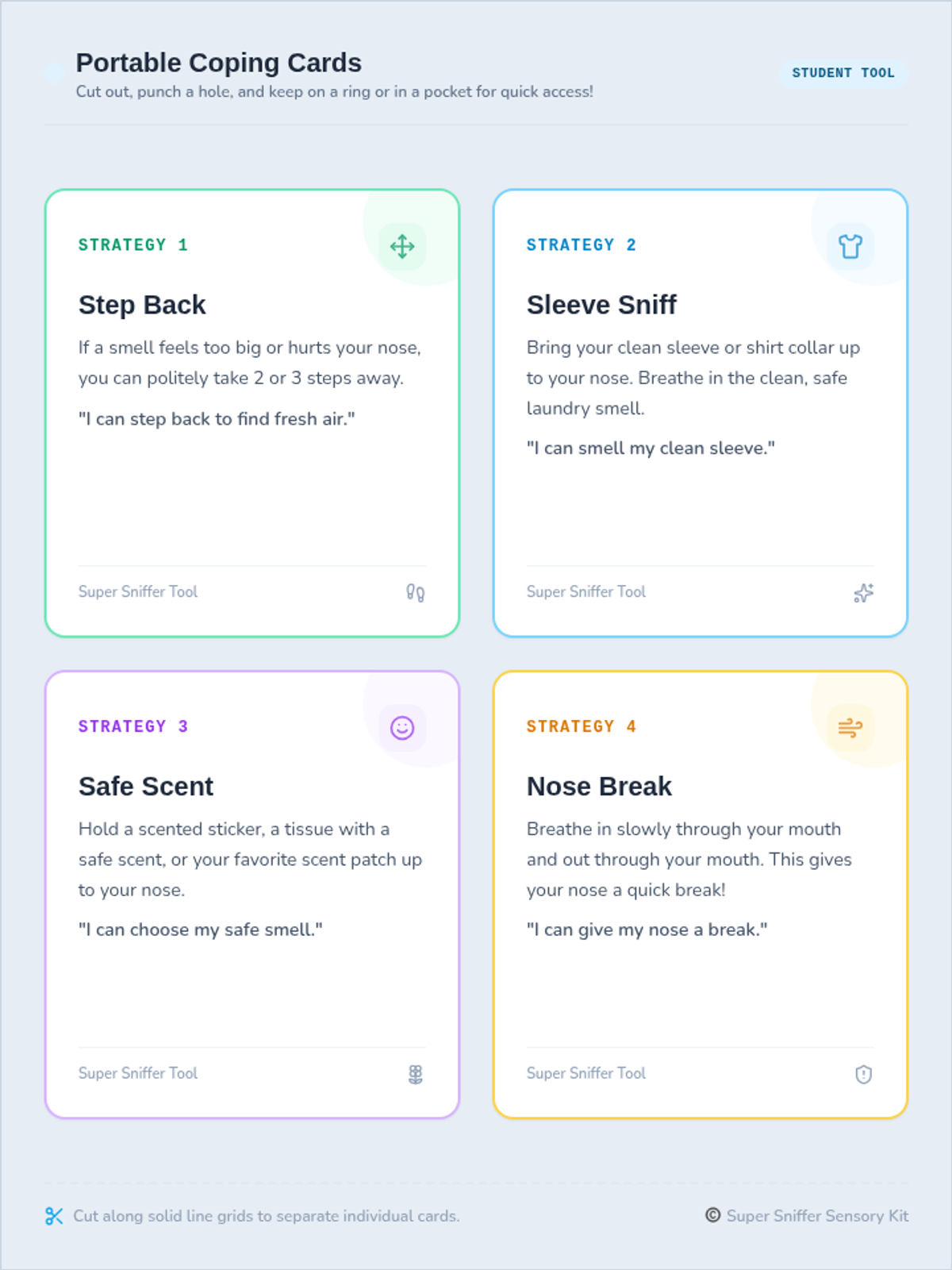
A therapeutic lesson bundle designed to support autistic children with a heightened sense of smell (hyperosmia), specifically focusing on managing sensory responses to body odor. The lesson includes a printable half-page social story booklet and portable pocket coping cards.
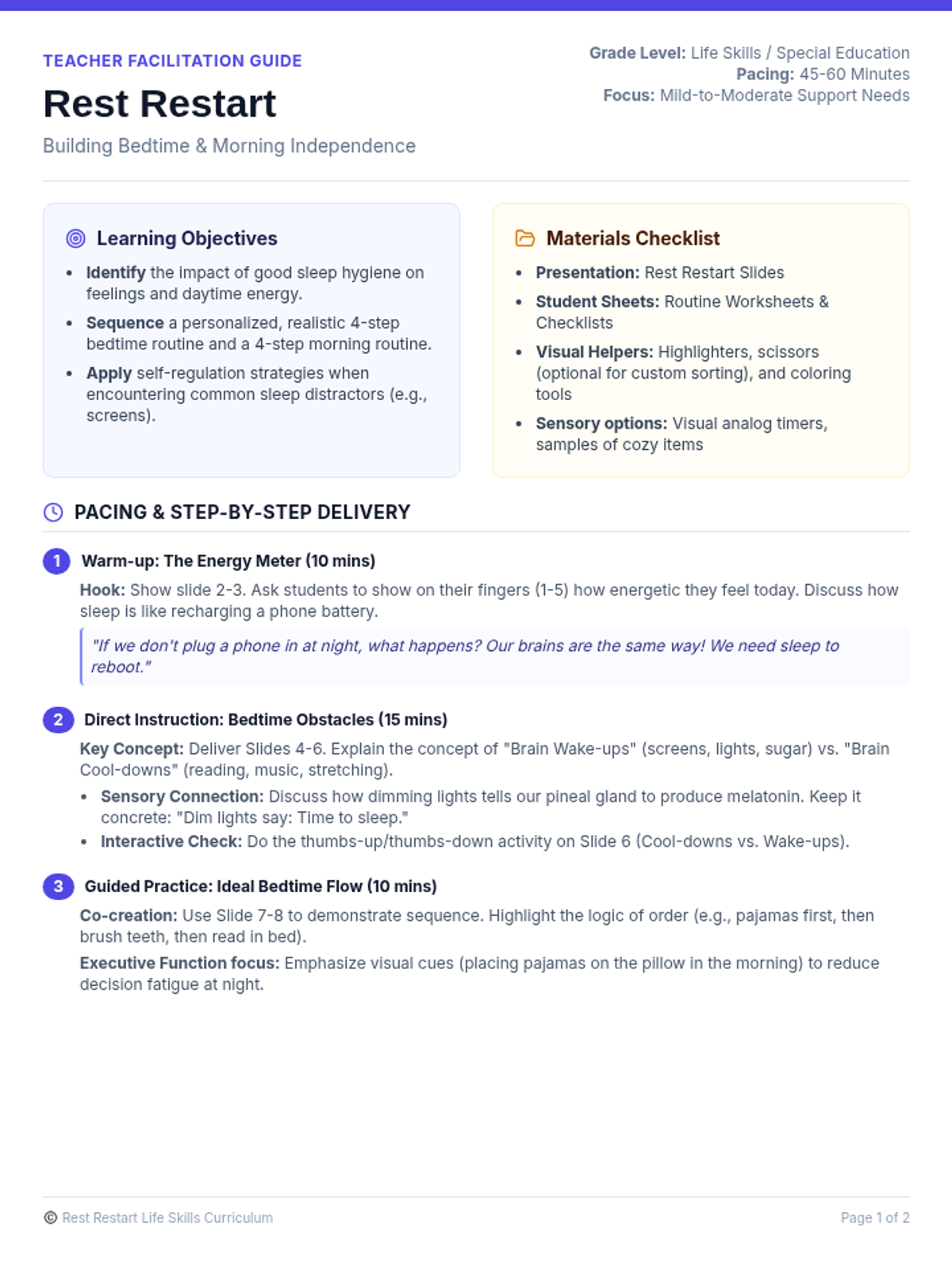
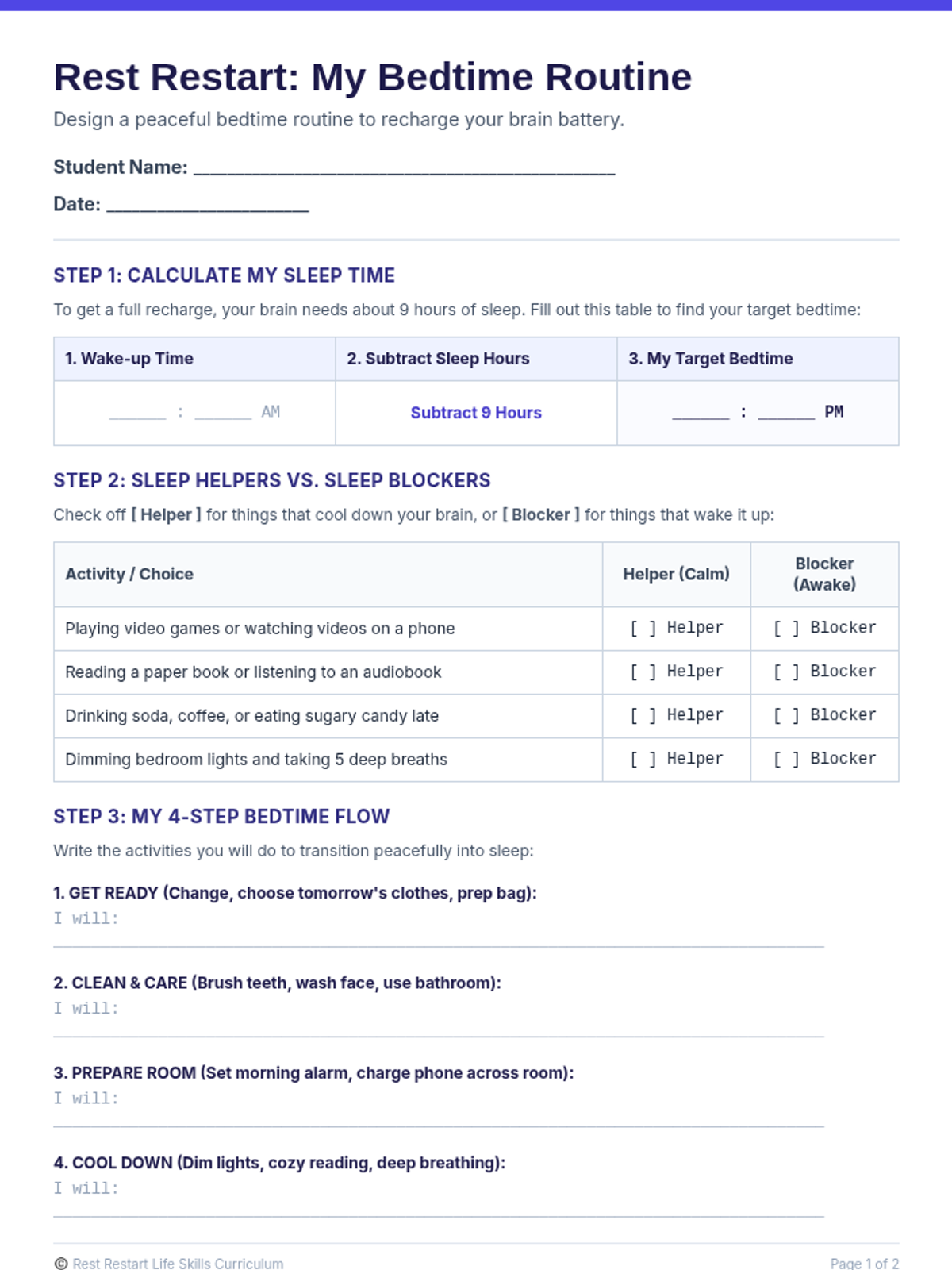
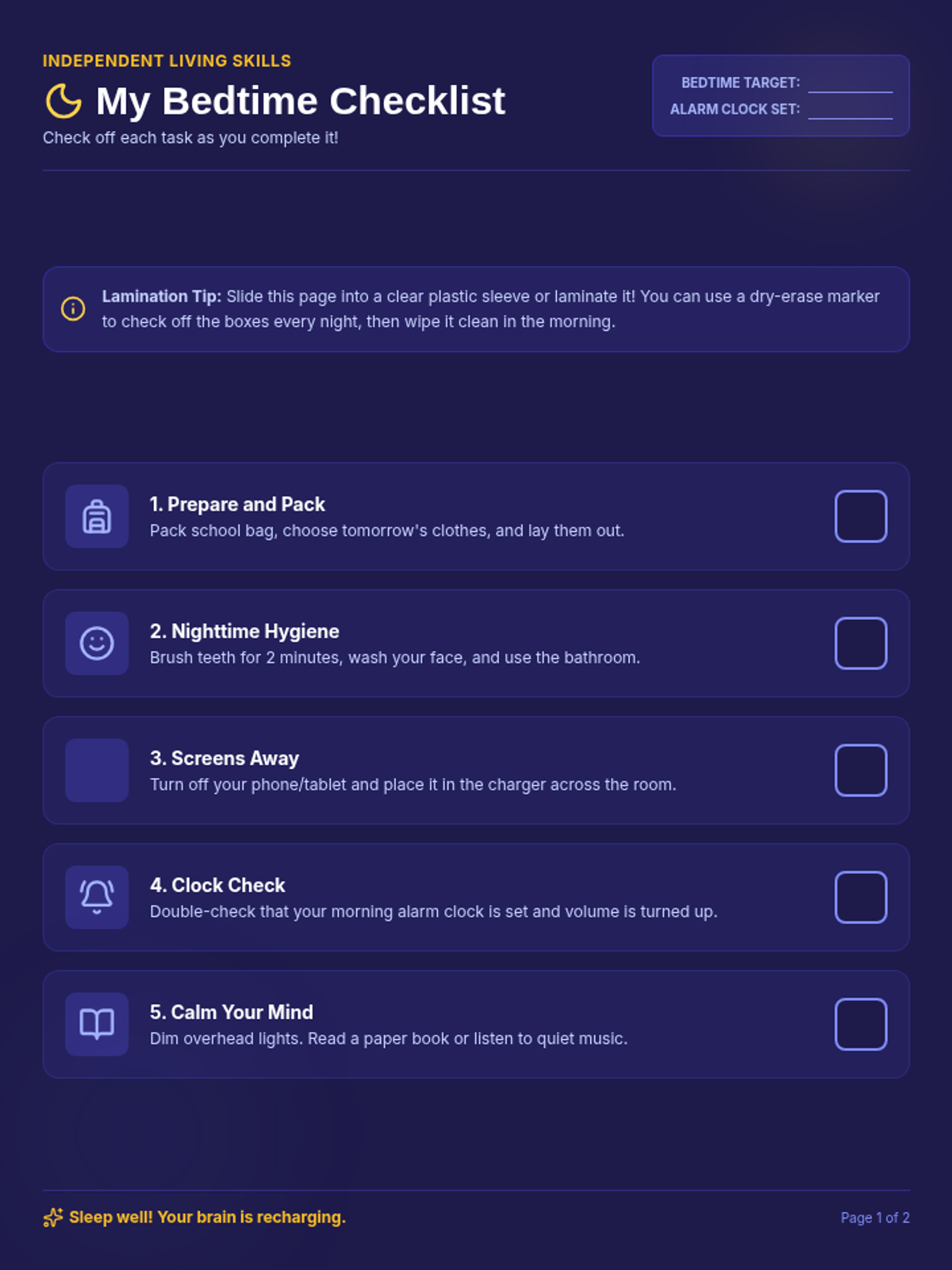
A sleep hygiene lesson designed for students with mild-to-moderate support needs to build independence. It features practical executive functioning tools, structured routines, and visual checklists for bedtime and mornings.
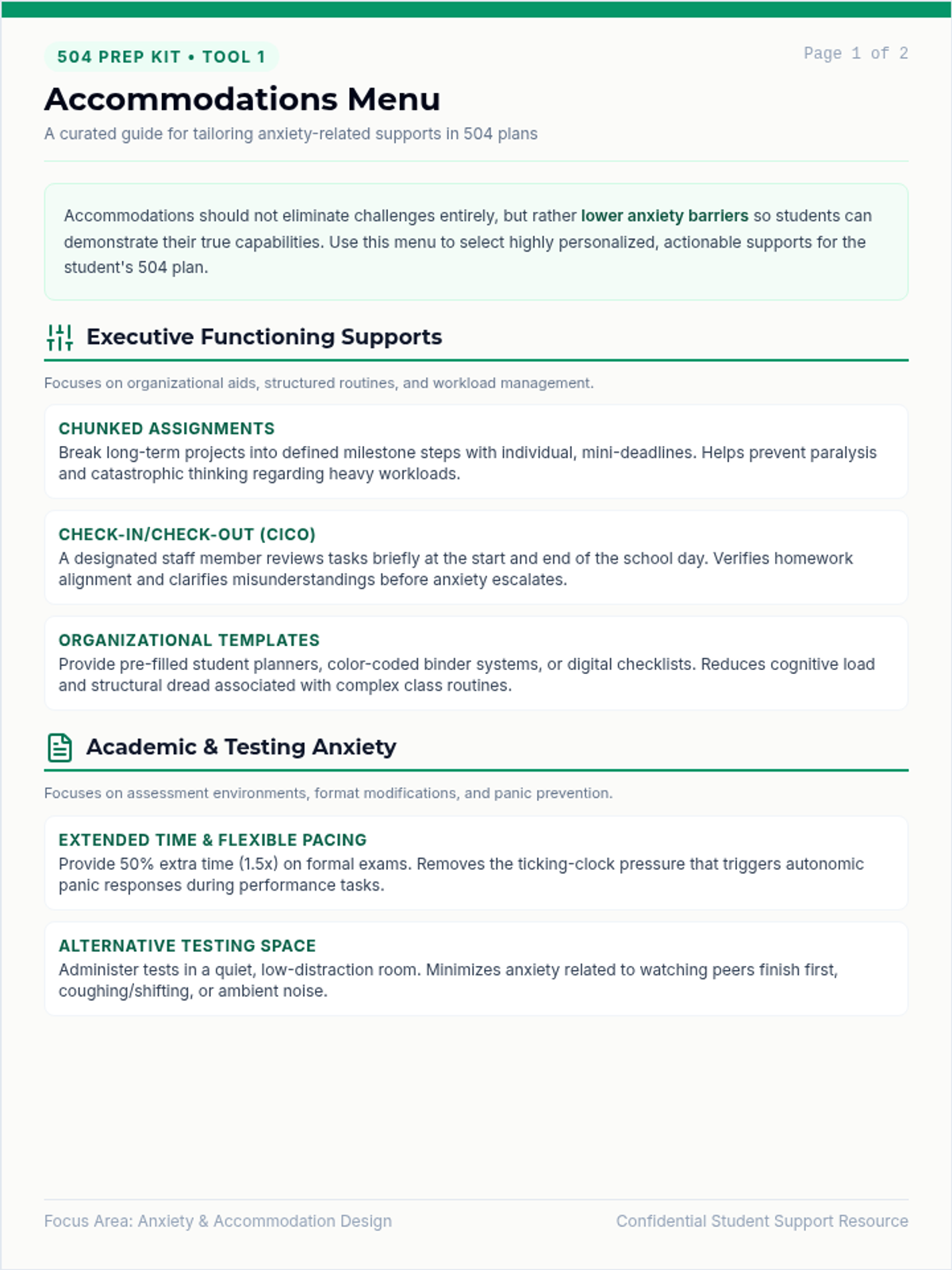
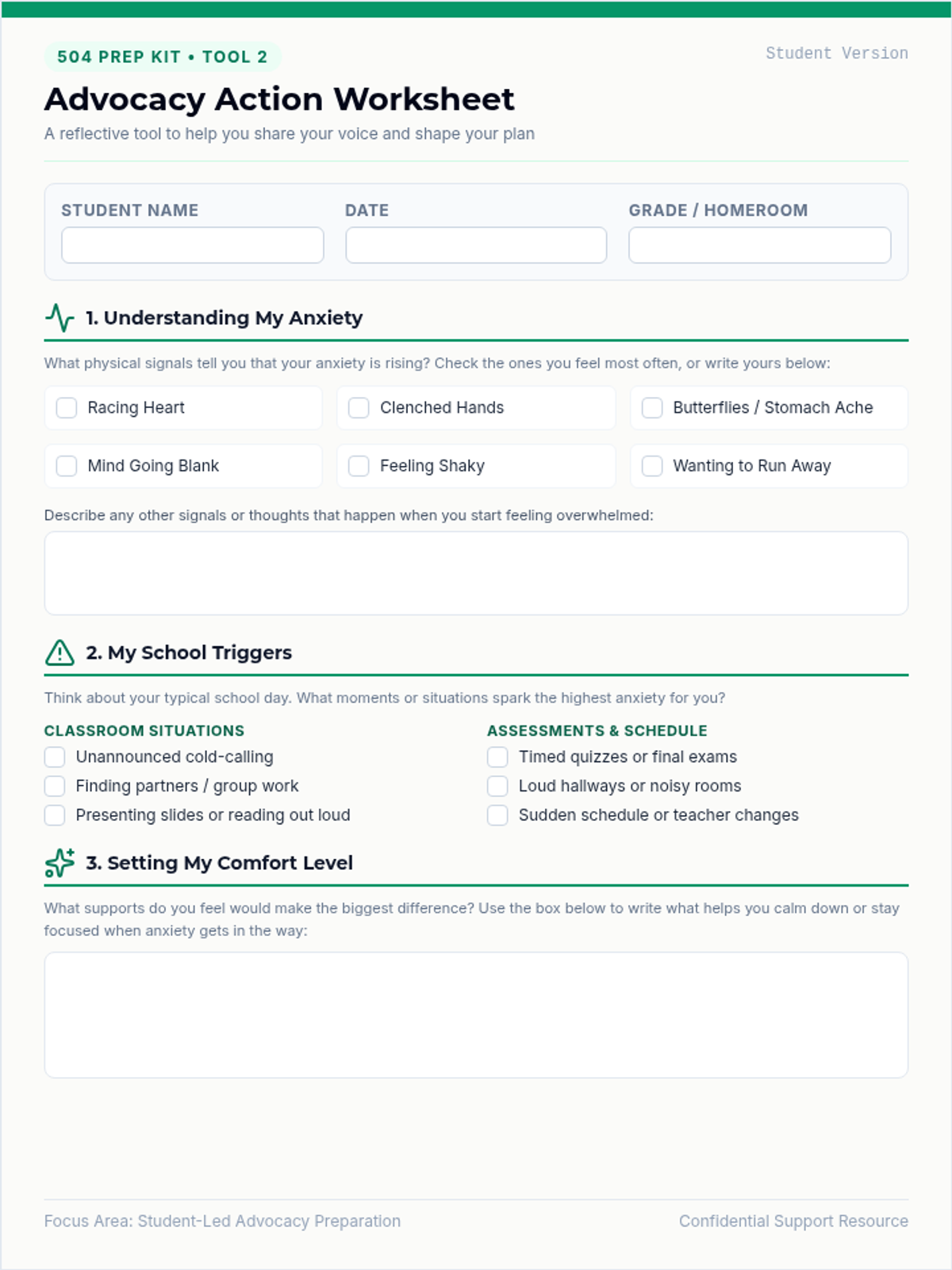
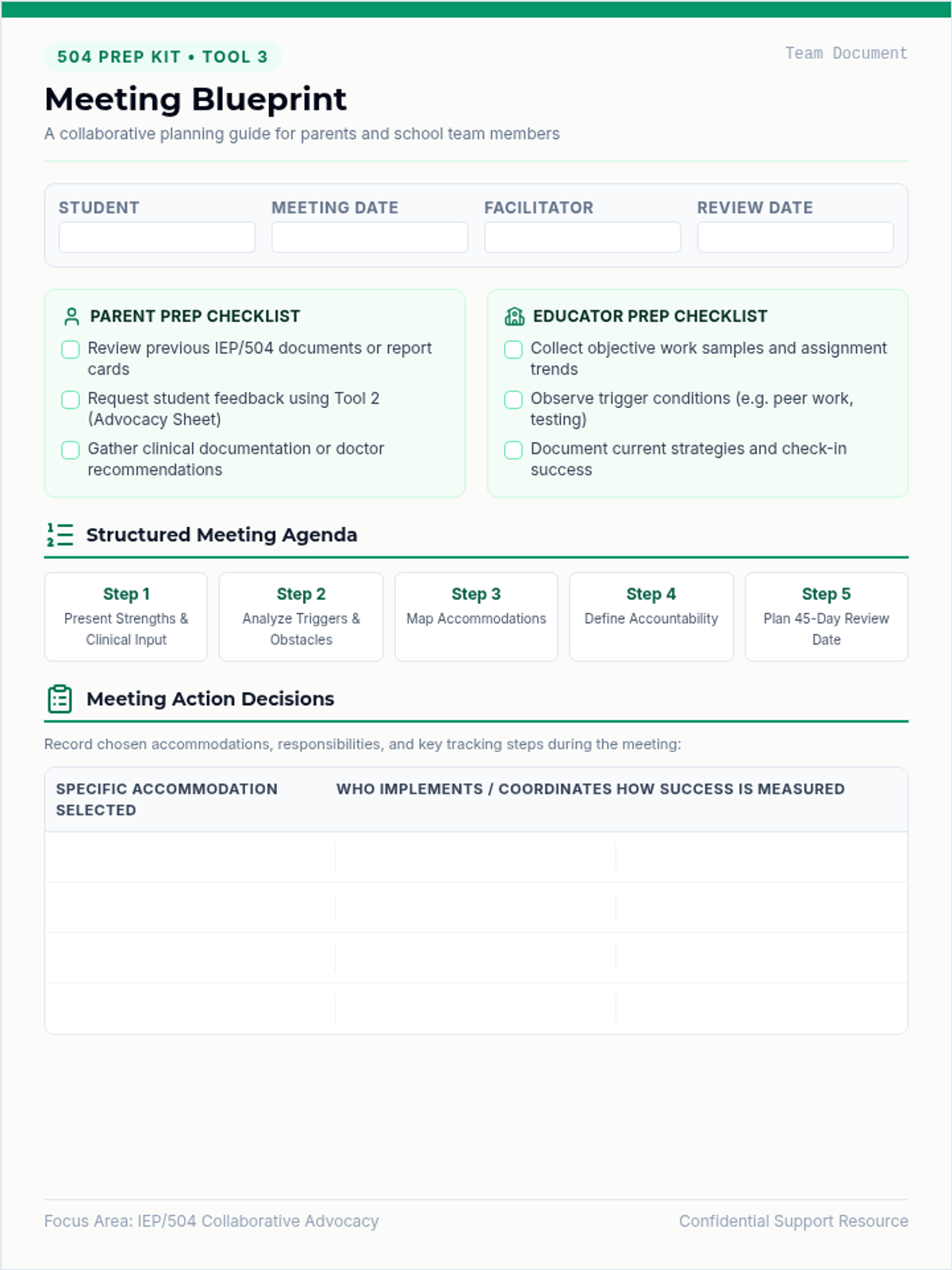
A comprehensive preparation kit for parents, teachers, and students to navigate 504 meetings for anxiety. Includes an accommodations menu categorized by domain, a student self-advocacy preparation sheet, and a meeting planning blueprint.
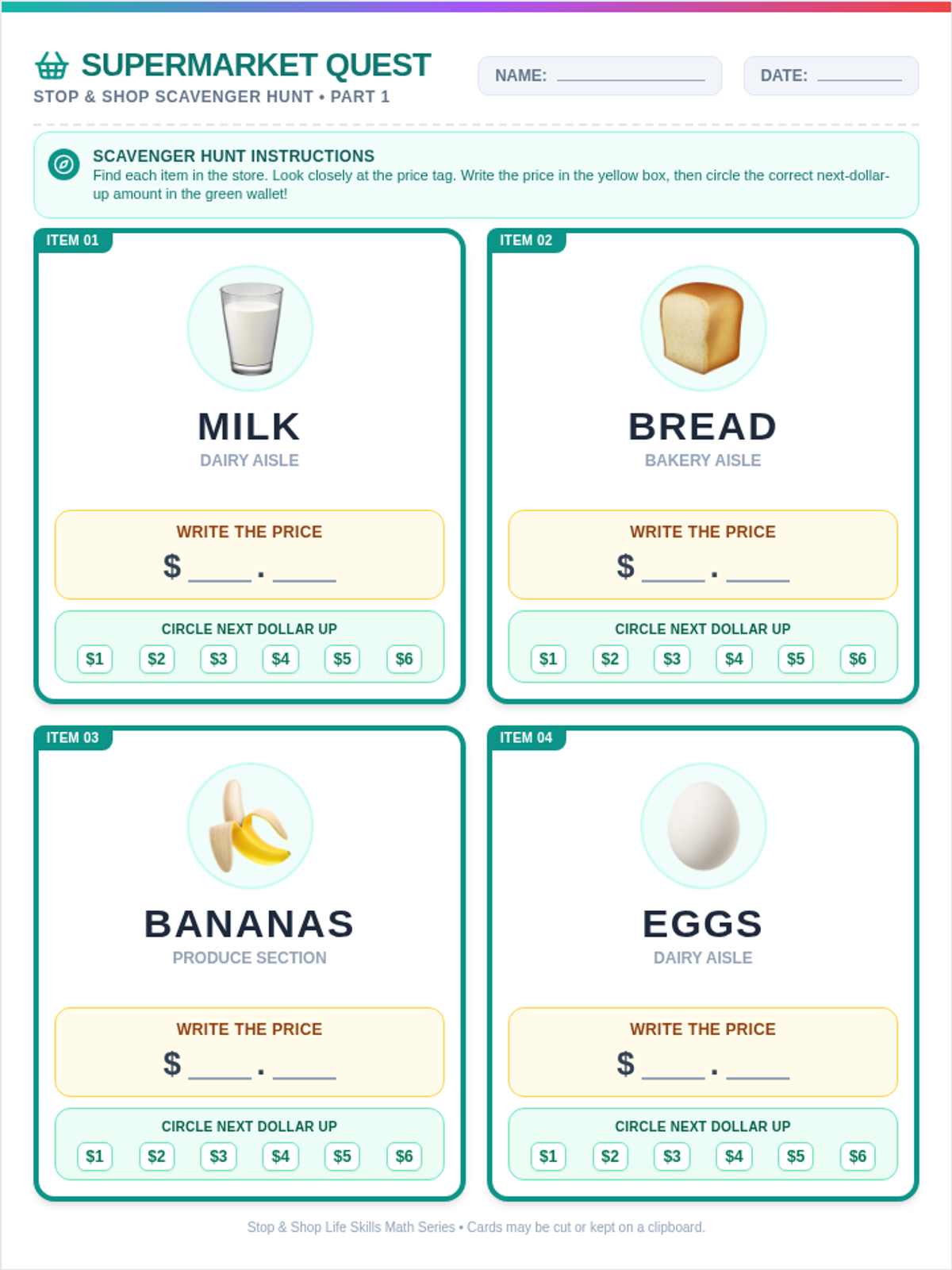
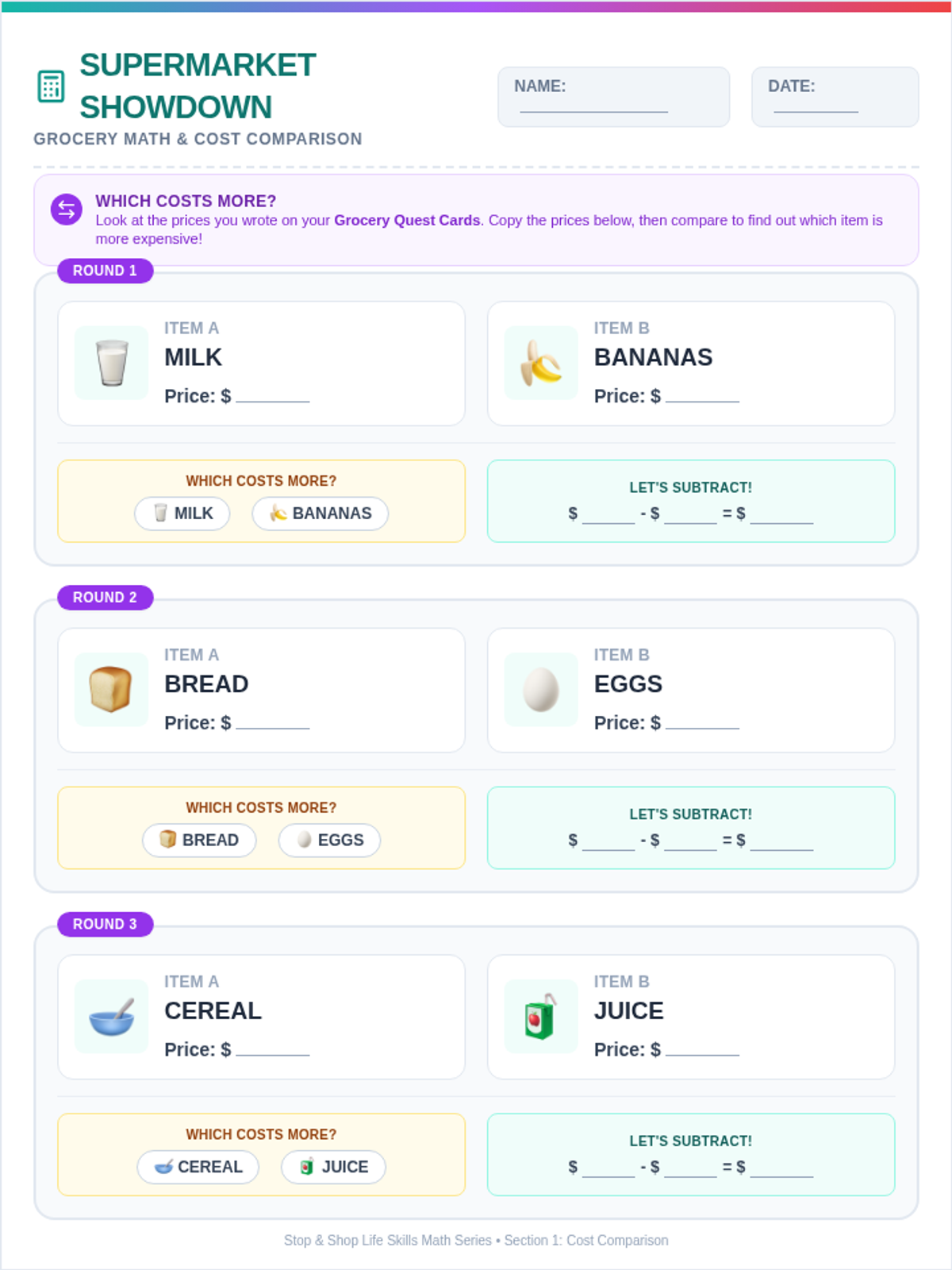
A real-world functional math lesson designed for life skills students. Students navigate a Stop & Shop store to locate items, read price tags, and calculate next-dollar-up budgets using highly visual scaffolded cards.
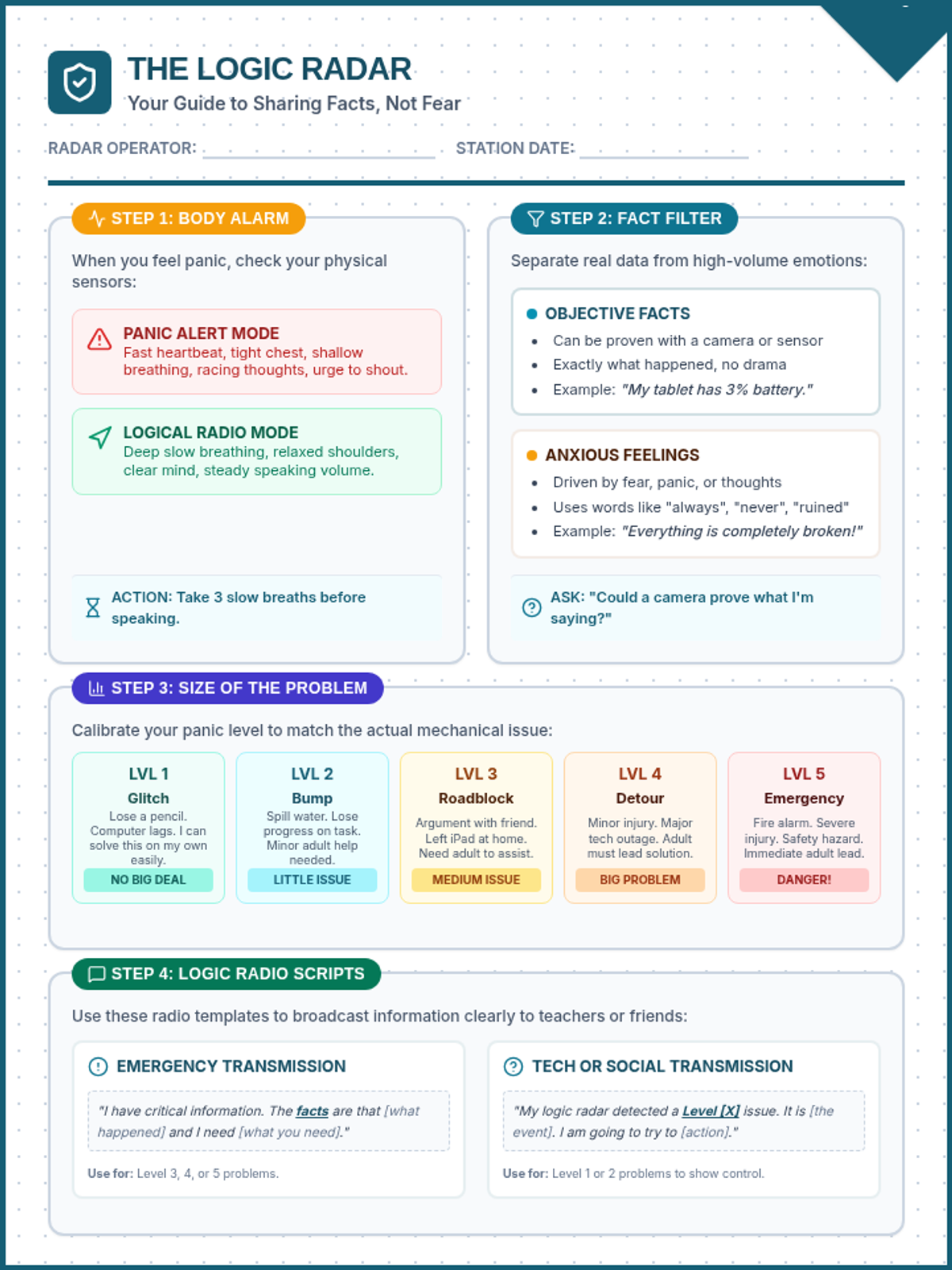
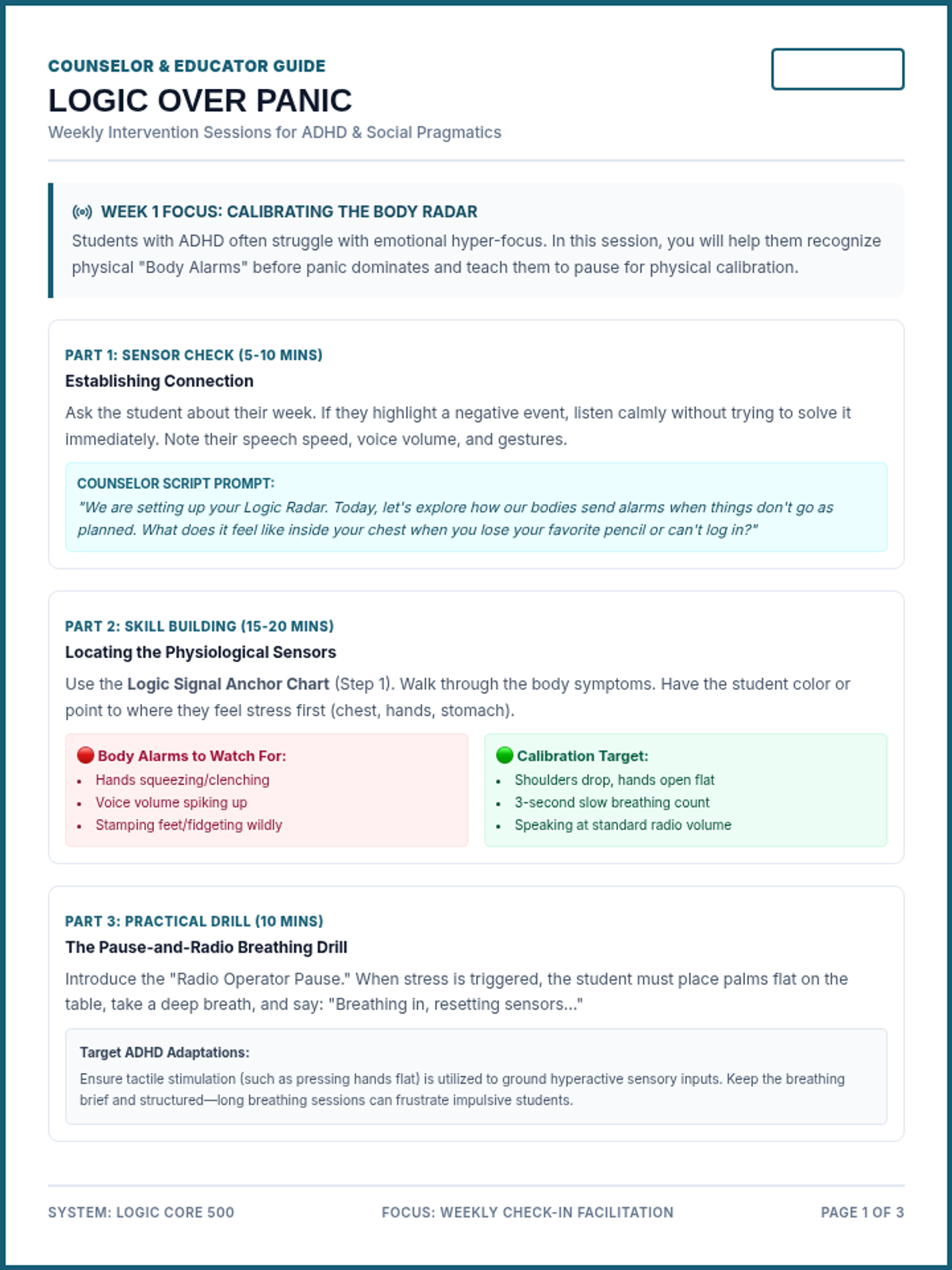
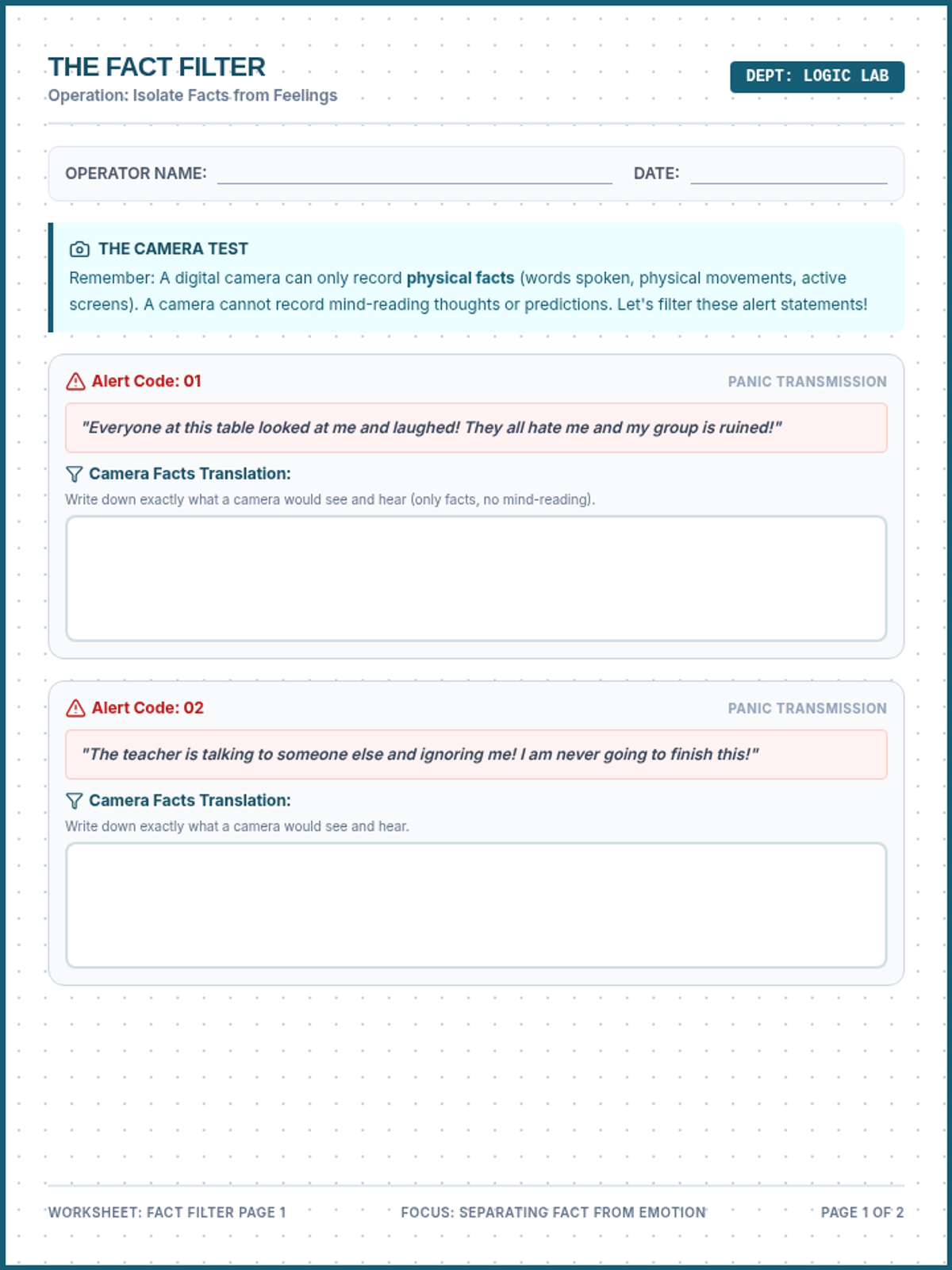
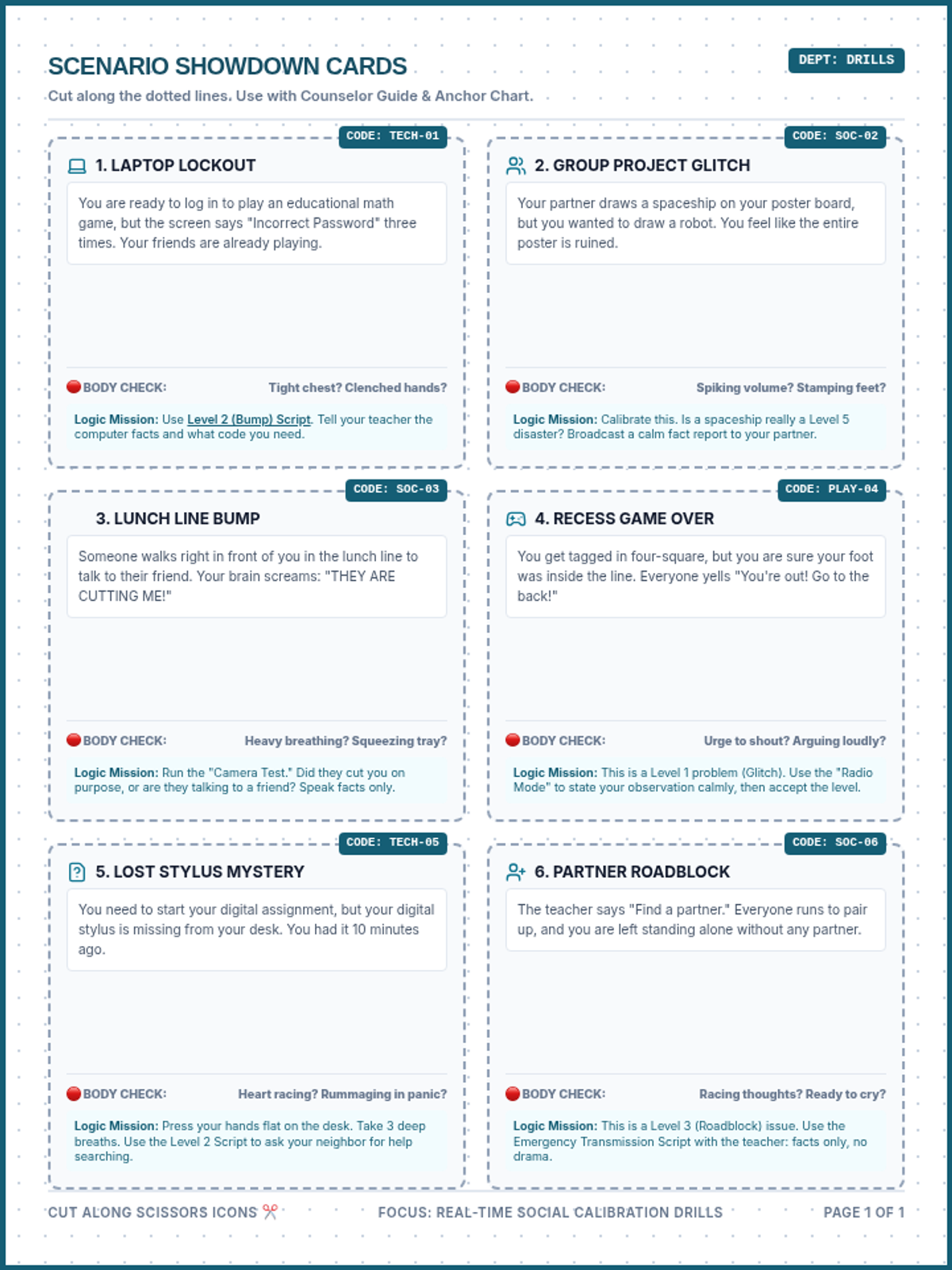
A multi-week social-emotional intervention sequence designed for students with ADHD and social communication challenges, focusing on transitioning from panic-based reactions to fact-based logical communication.
An engaging, tech-themed executive functioning lesson for middle schoolers (6th-8th grade) focusing on time management, project planning, breaking down tasks, estimating time, and building visual checklists.
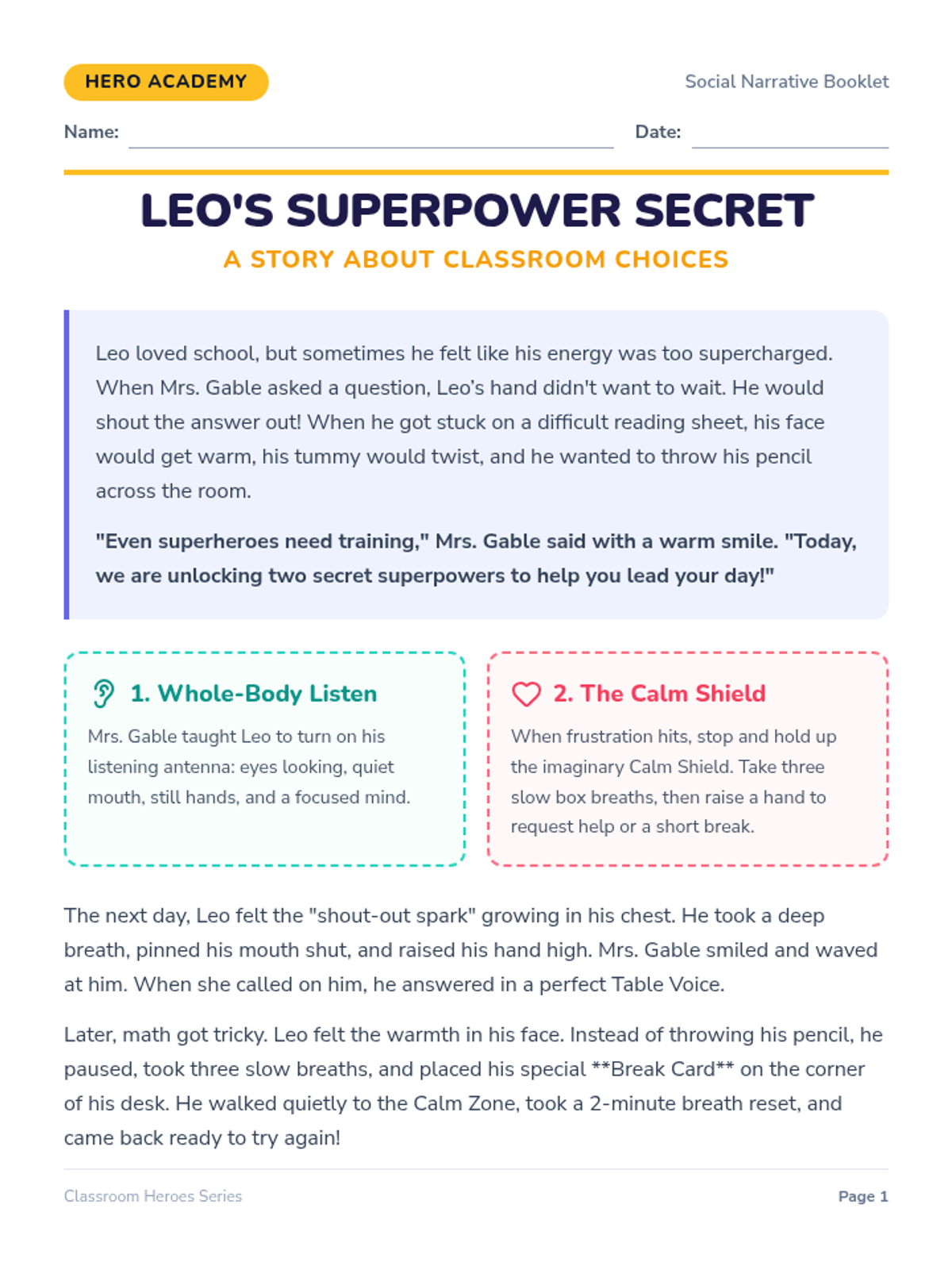
A comprehensive lesson designed to teach elementary students essential classroom self-regulation and active listening skills. It includes interactive presentation slides and a targeted social story with reflection activities to reinforce behavioral expectations.
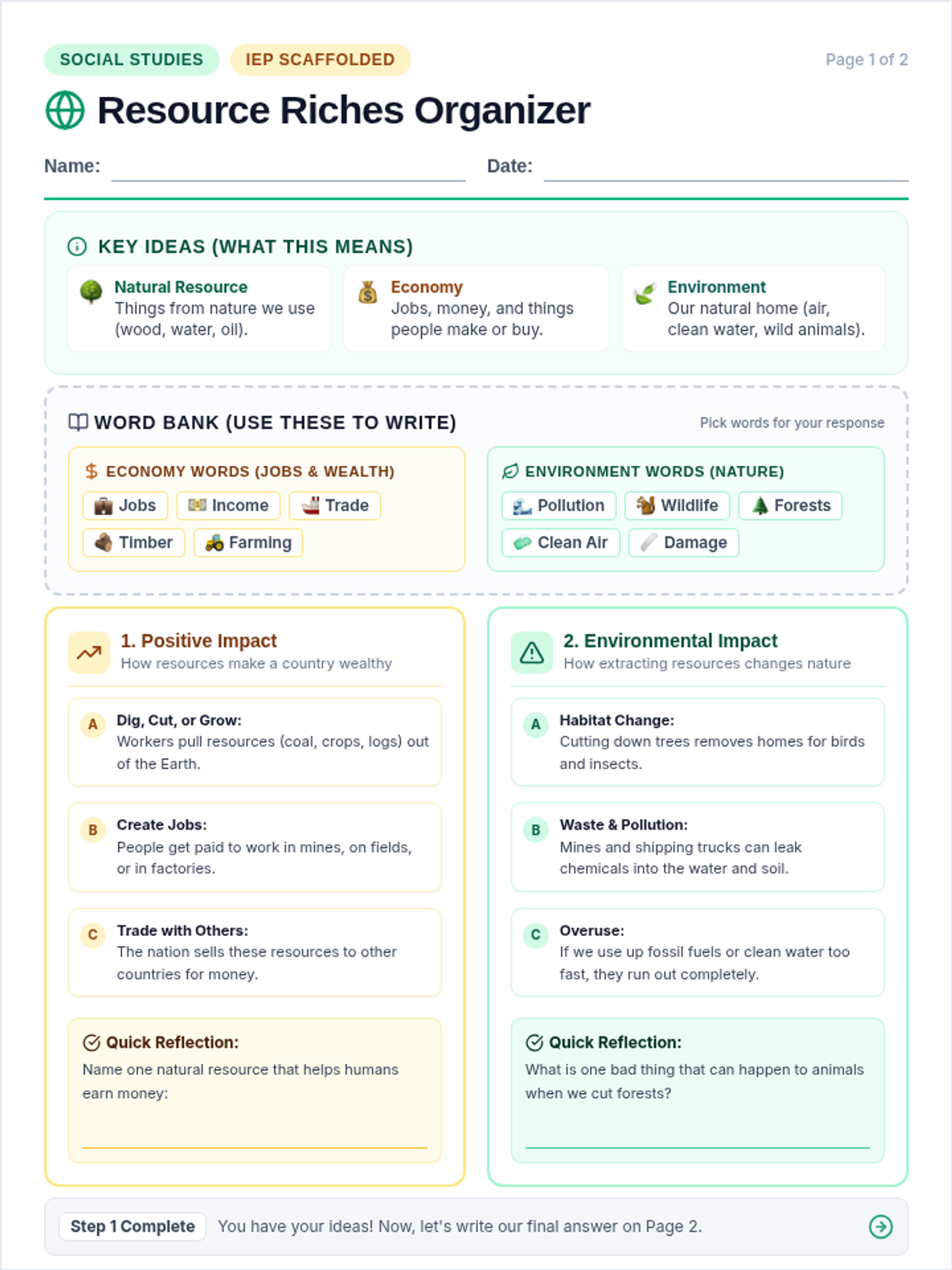
A lesson exploring how a nation's natural resources shape its economy and environment, specifically modified with scaffolded visual organizers, word banks, and structured writing frames for students needing IEP support.
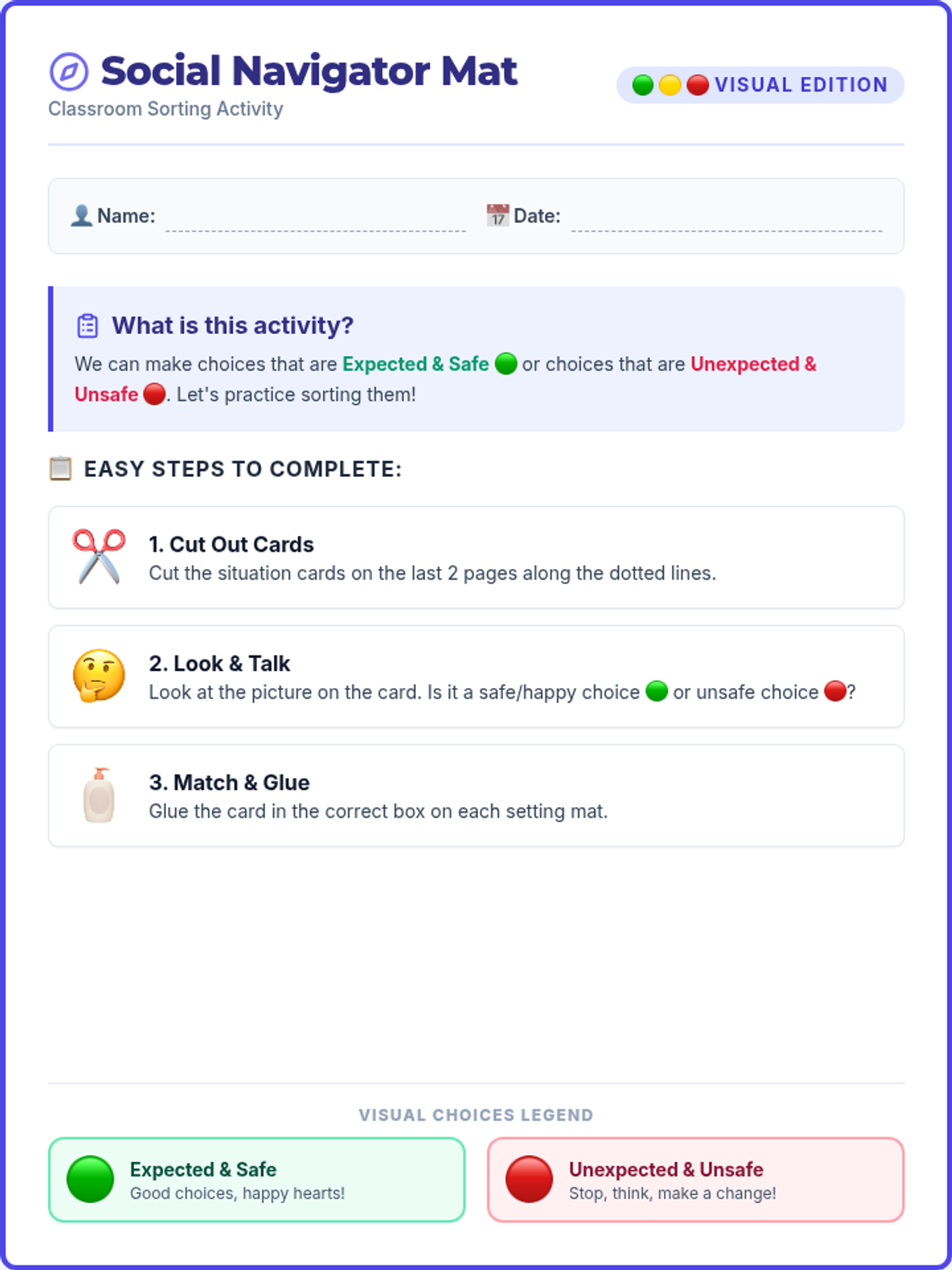
A life-skills focused lesson designed for high school special education students to learn and practice distinguishing between safe vs. unsafe, expected vs. unexpected, and appropriate vs. inappropriate behaviors across school, work, community, and online settings.
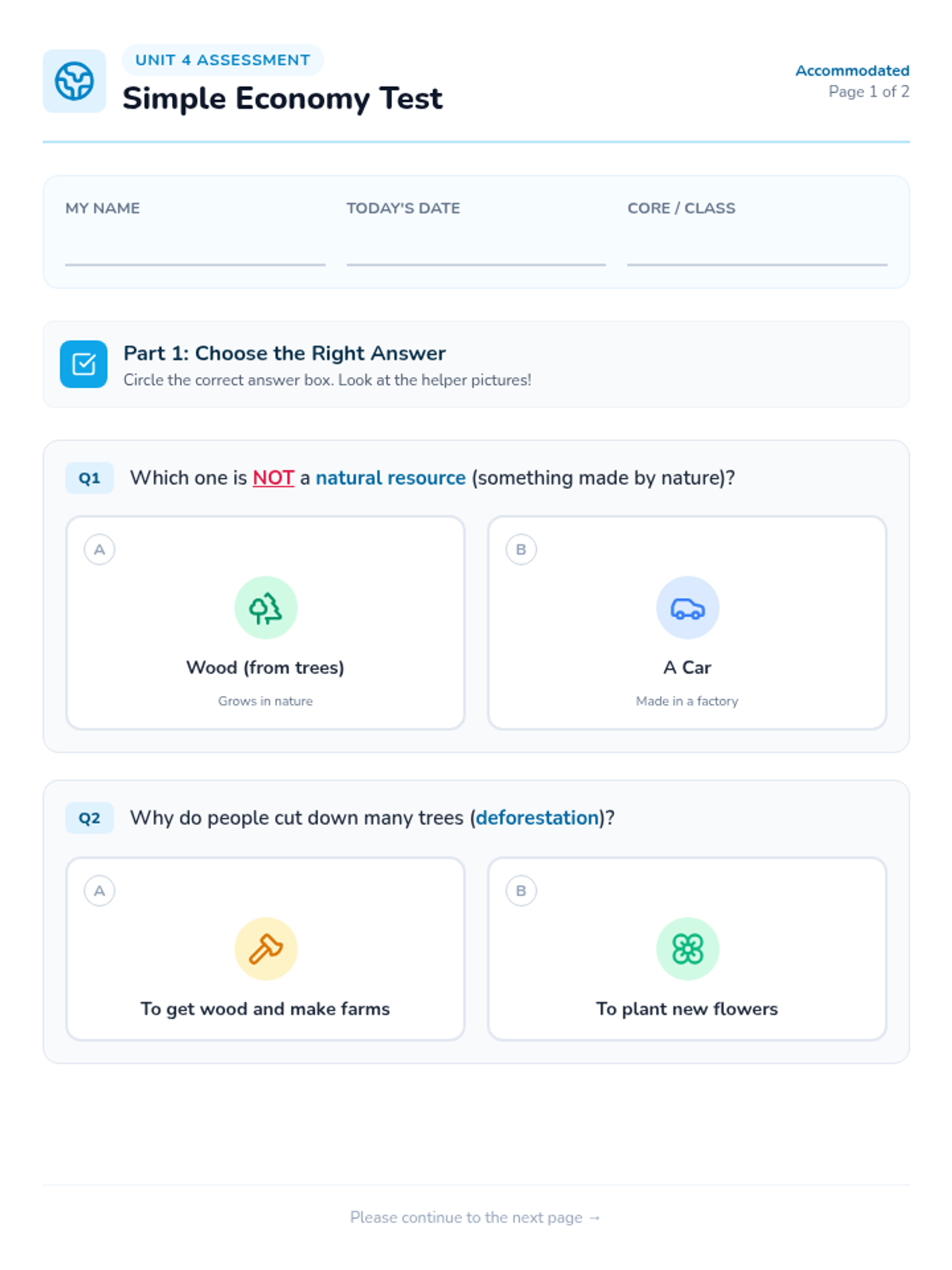
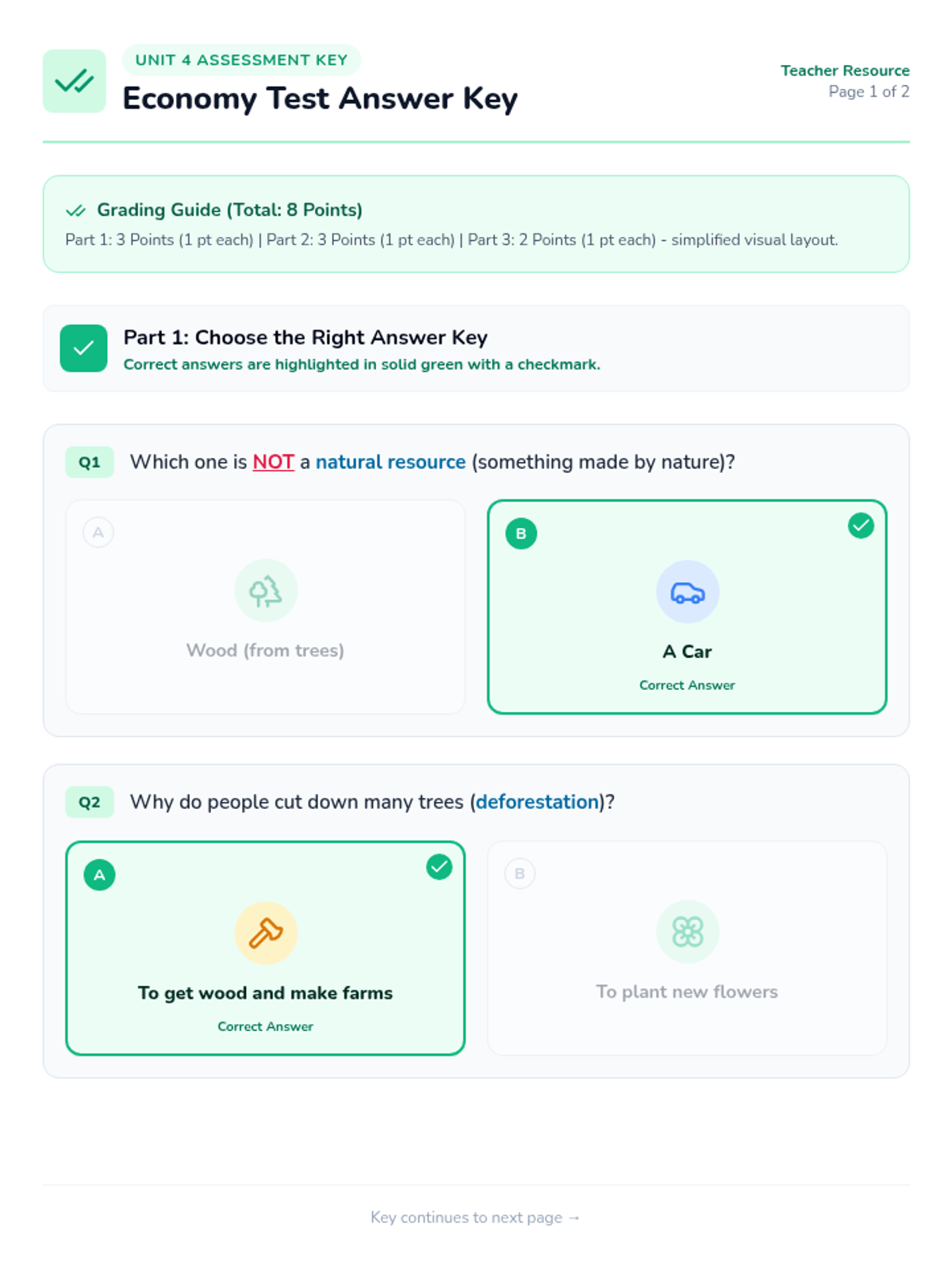
A modified, highly accessible economics assessment package tailored for students with IEP accommodations. Features simplified reading level, reduced multiple-choice options, bolded key terms, clear visual icons, and an intuitive match-by-letter format instead of complex grids.
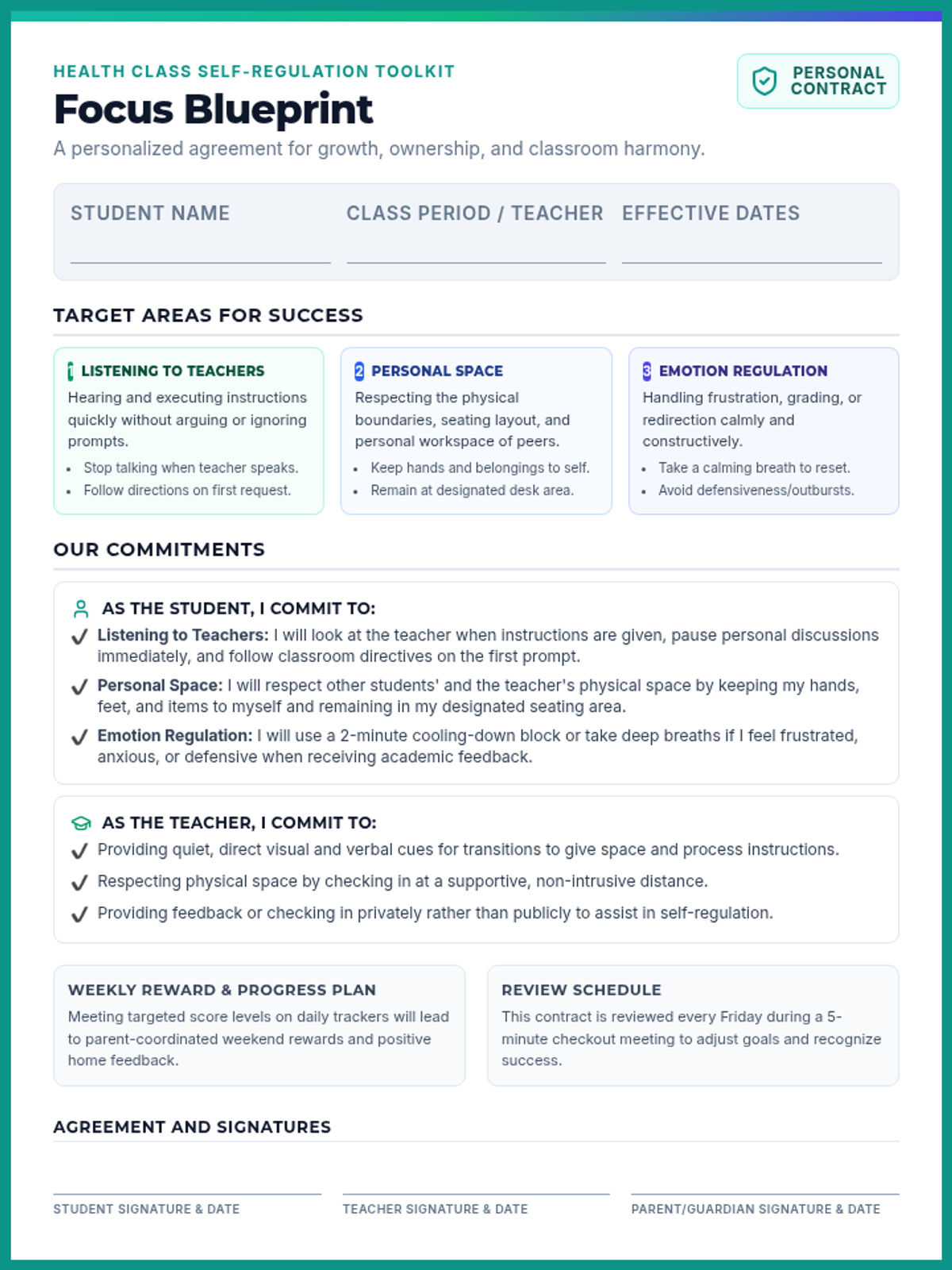
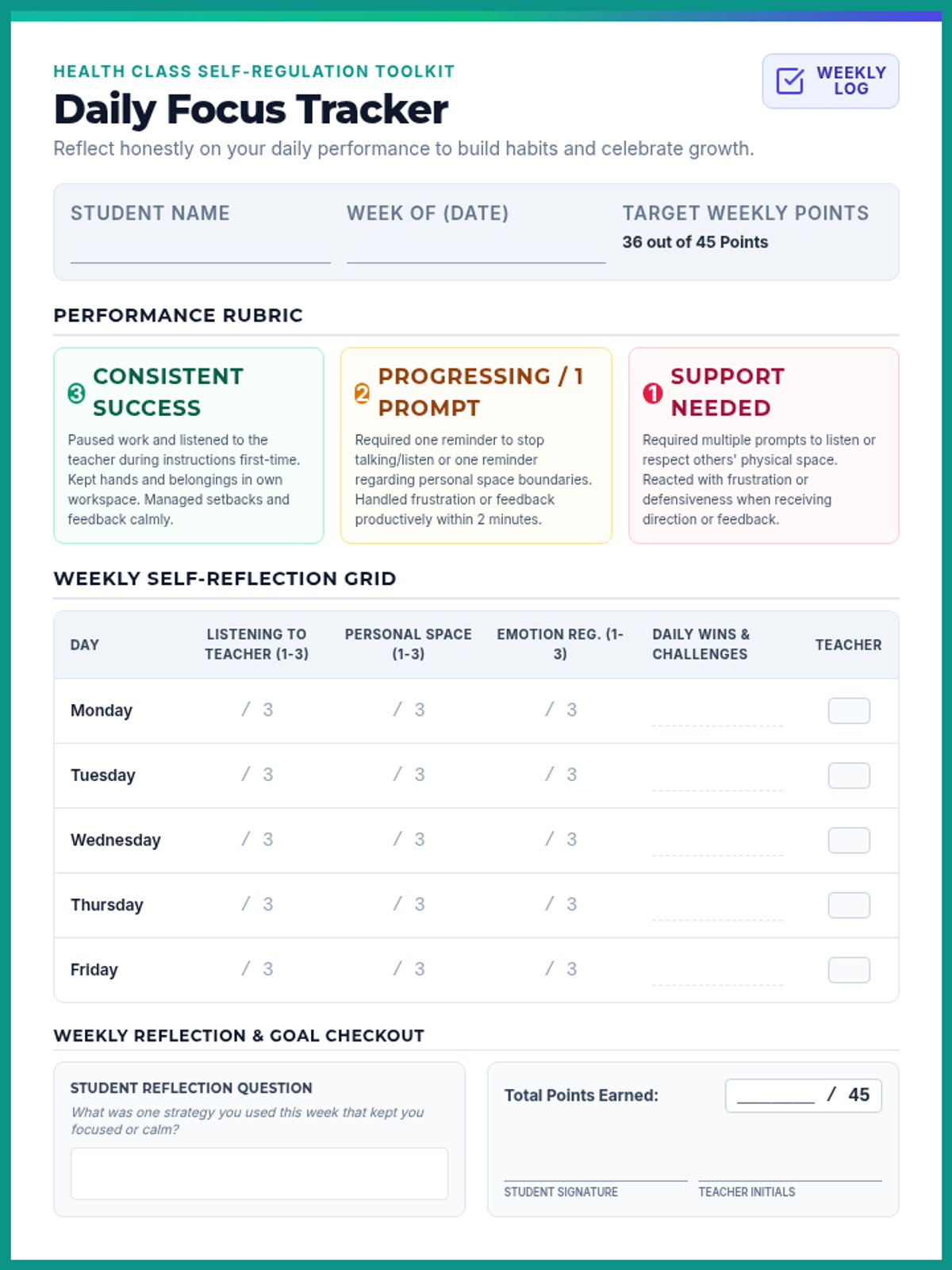
A self-regulation and goal-setting toolkit designed for high school health class, featuring a personalized behavior contract and a self-monitoring tracker. These resources help students build self-awareness, improve work completion, and develop emotional regulation strategies.
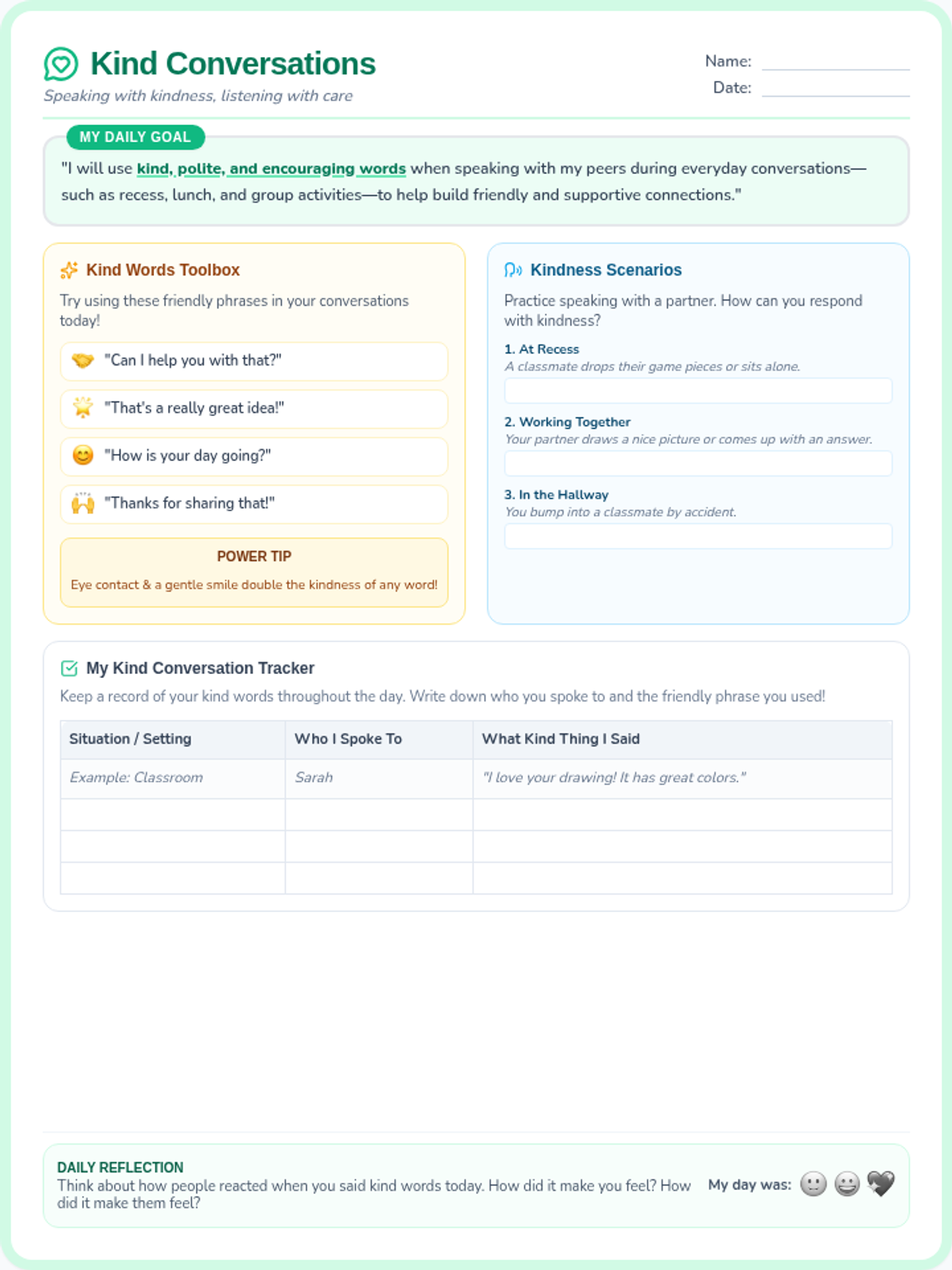
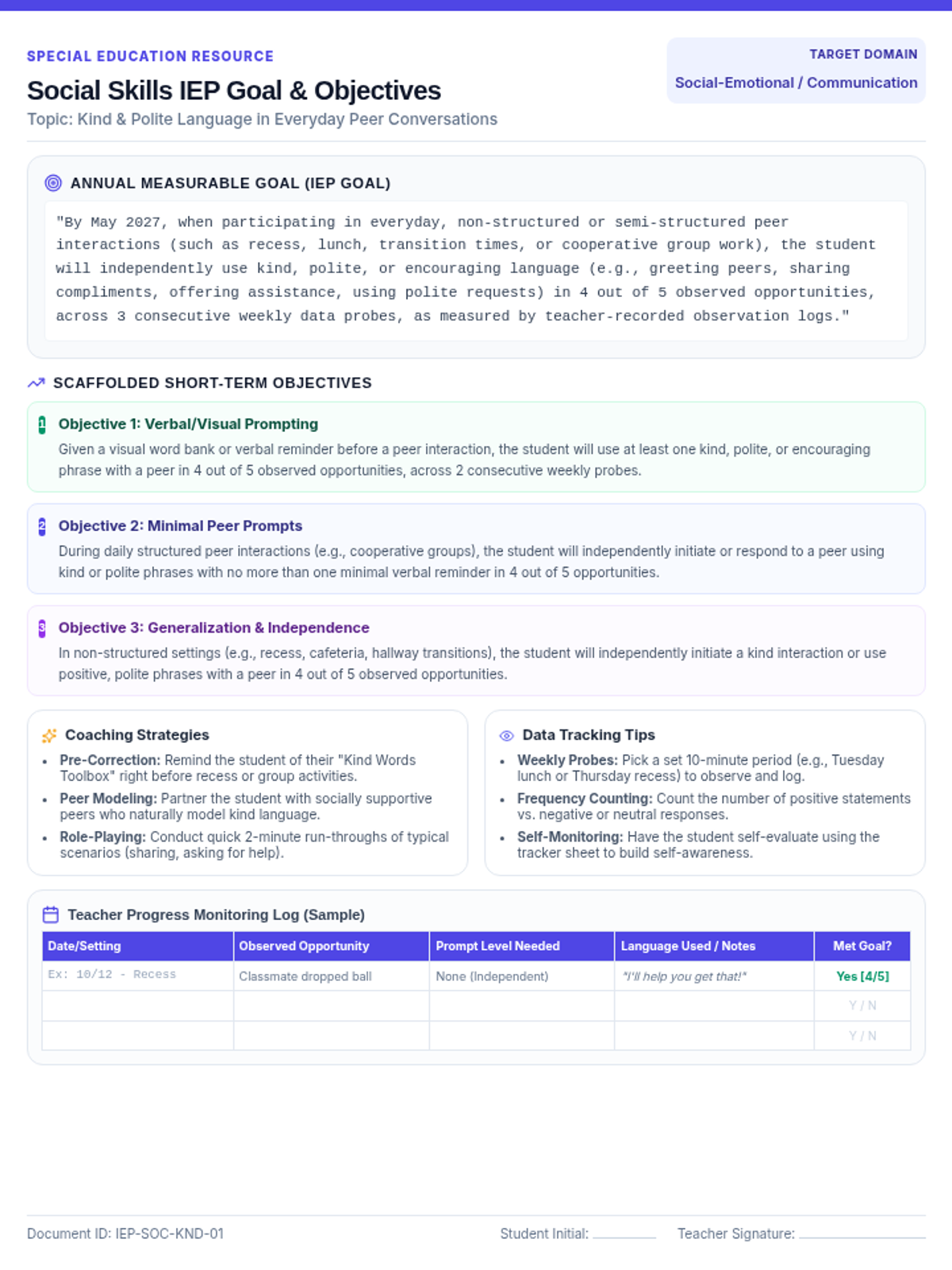
A social skills lesson designed to help students learn and apply kind, polite, and encouraging language during daily peer interactions. Includes clear visual objectives, structured discussion cards, and a reflection tracker.
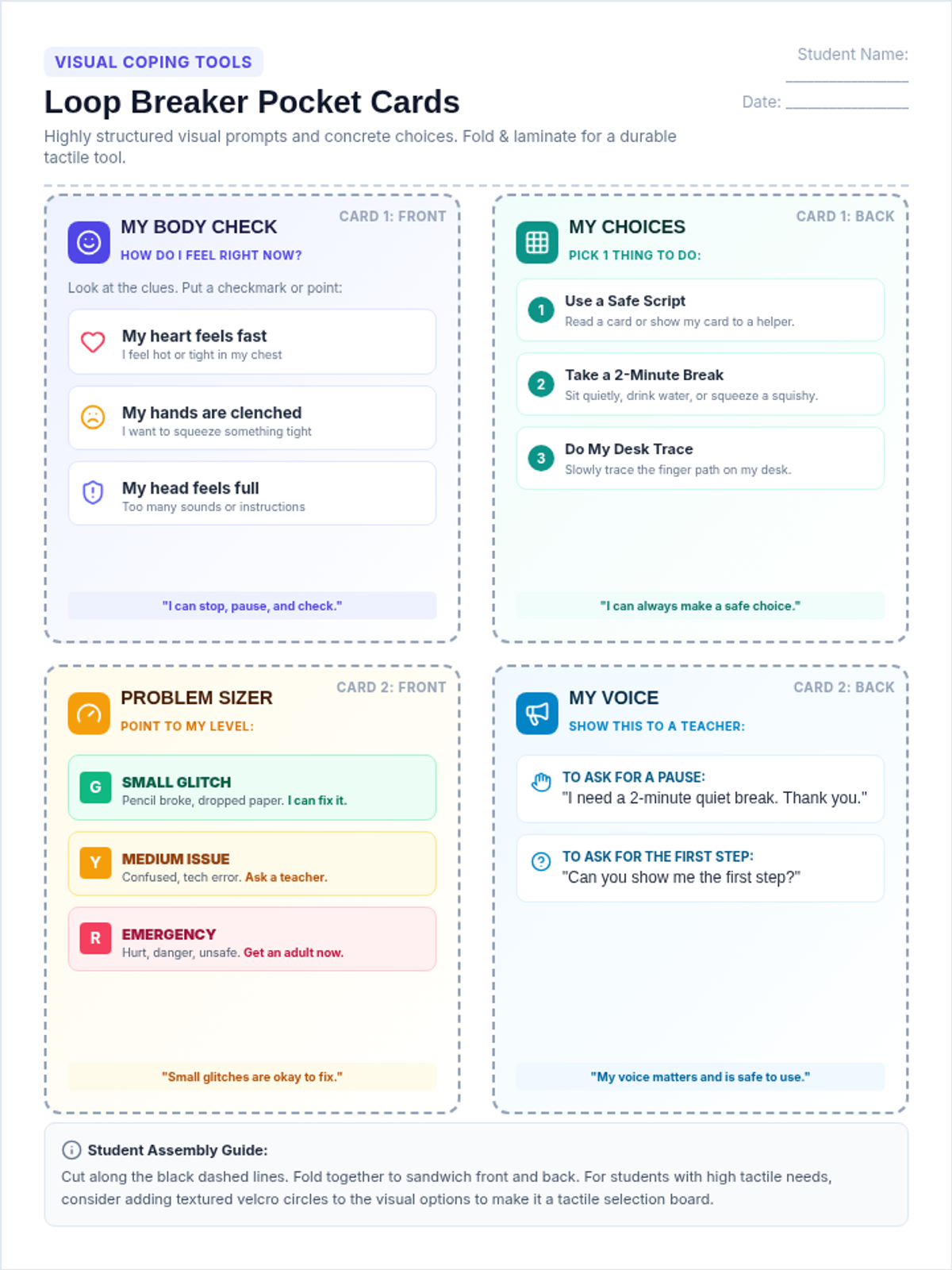
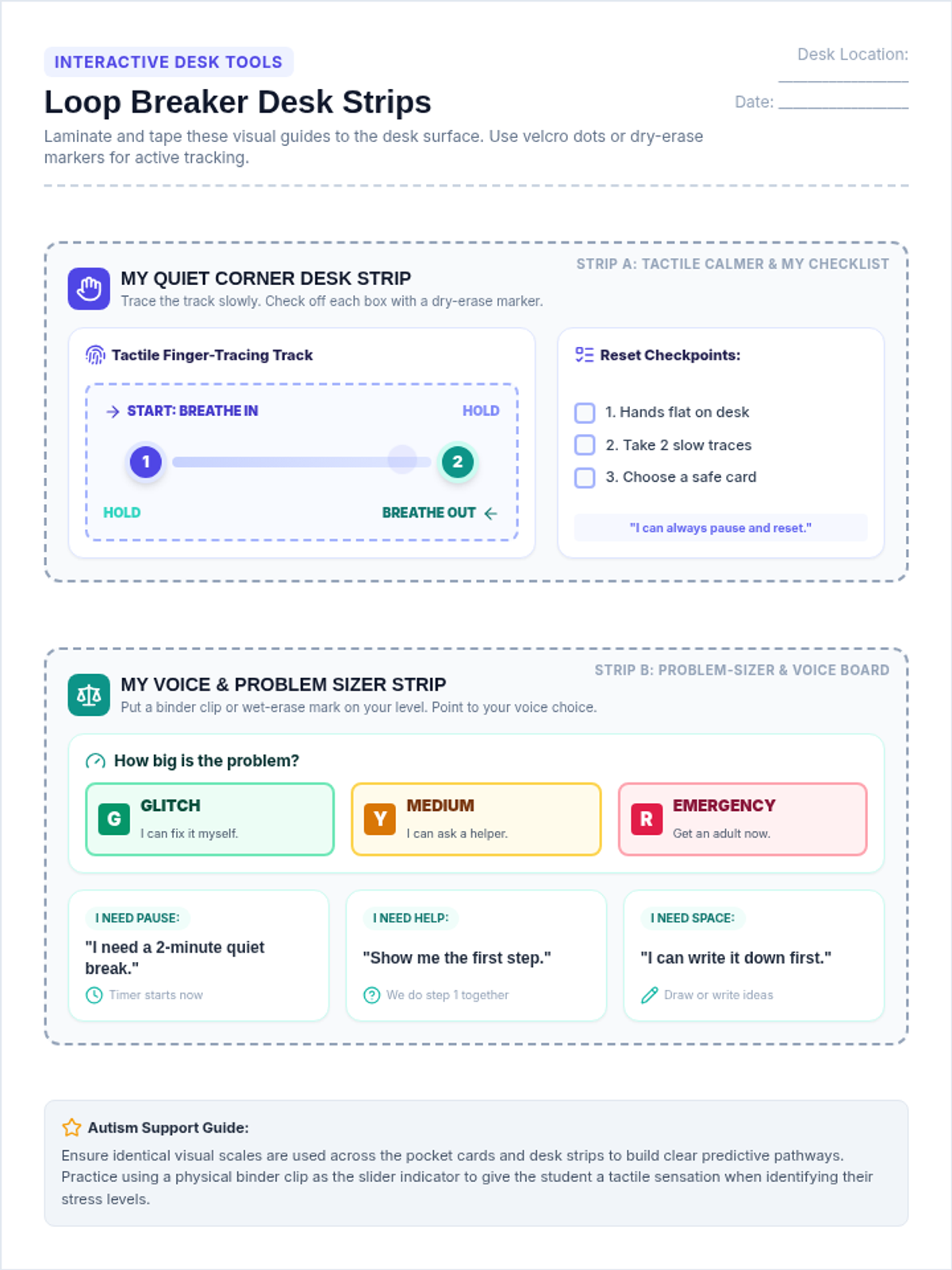
A set of portable, visual cognitive behavioral tools to help students disrupt automatic negative thoughts and set constructive boundaries when feeling overwhelmed by tasks.
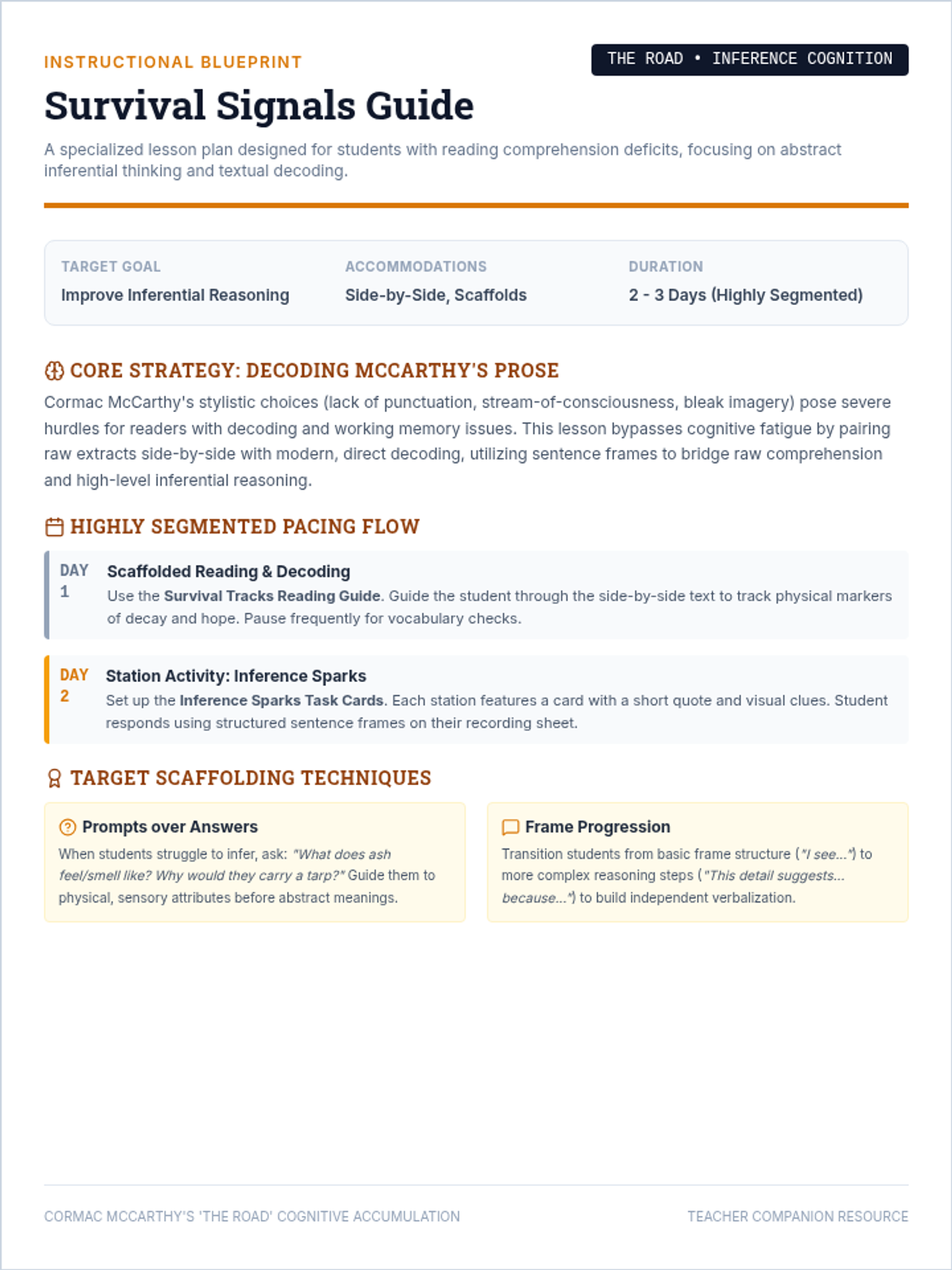
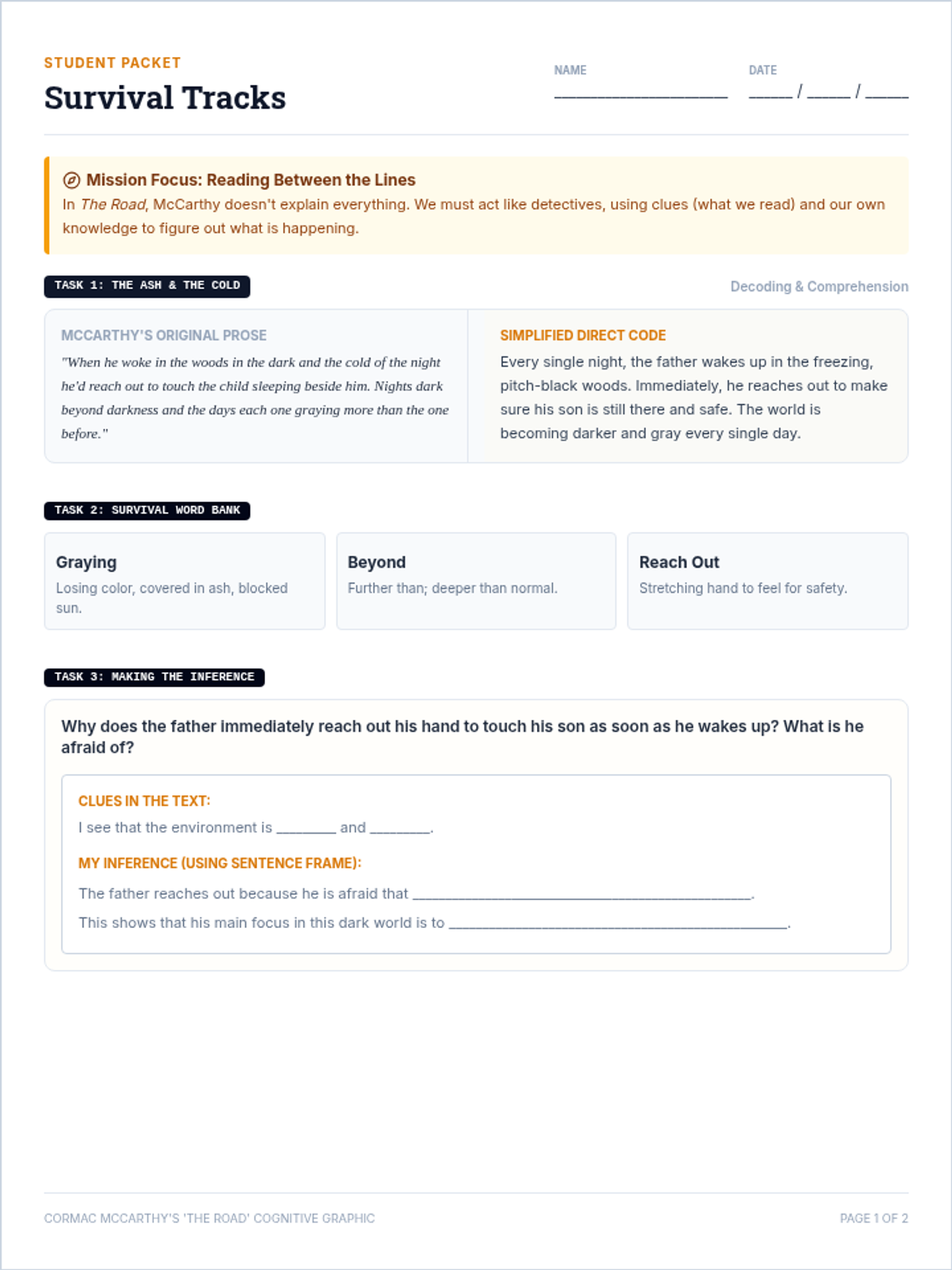
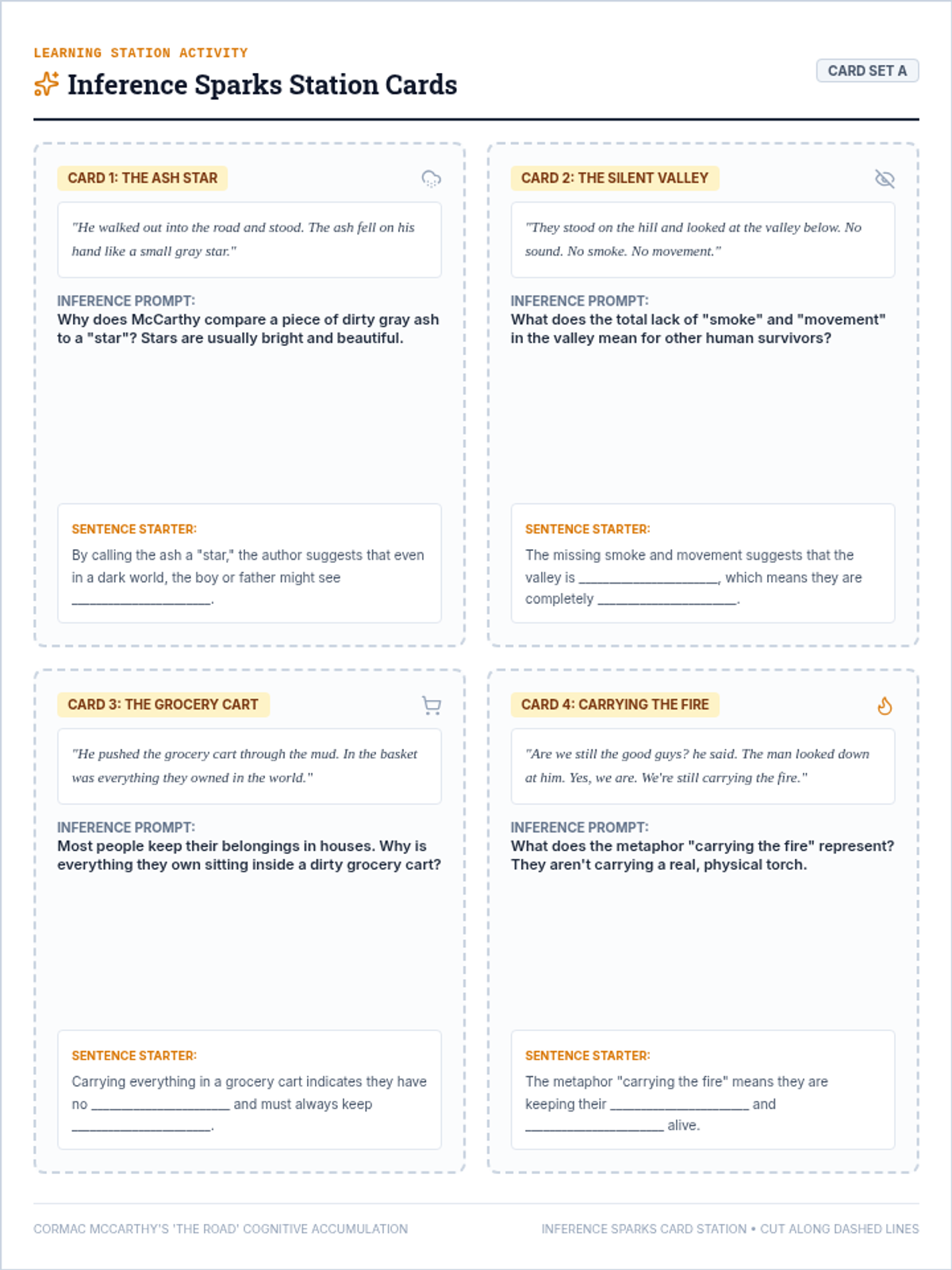
A targeted reading comprehension lesson designed for students with reading comprehension deficits, focusing on inferential thinking using Cormac McCarthy's 'The Road'. It includes a side-by-side text decoding guide, vocabulary scaffolding, highly segmented tasks, and a task card station activity with sentence starters.
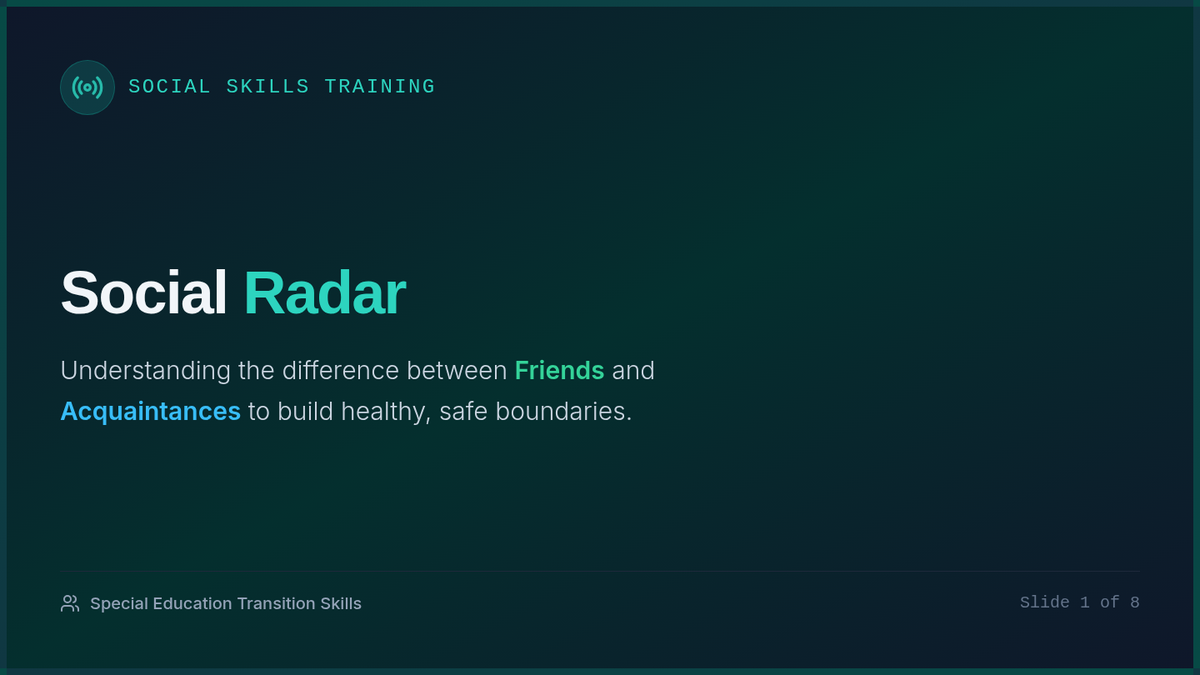
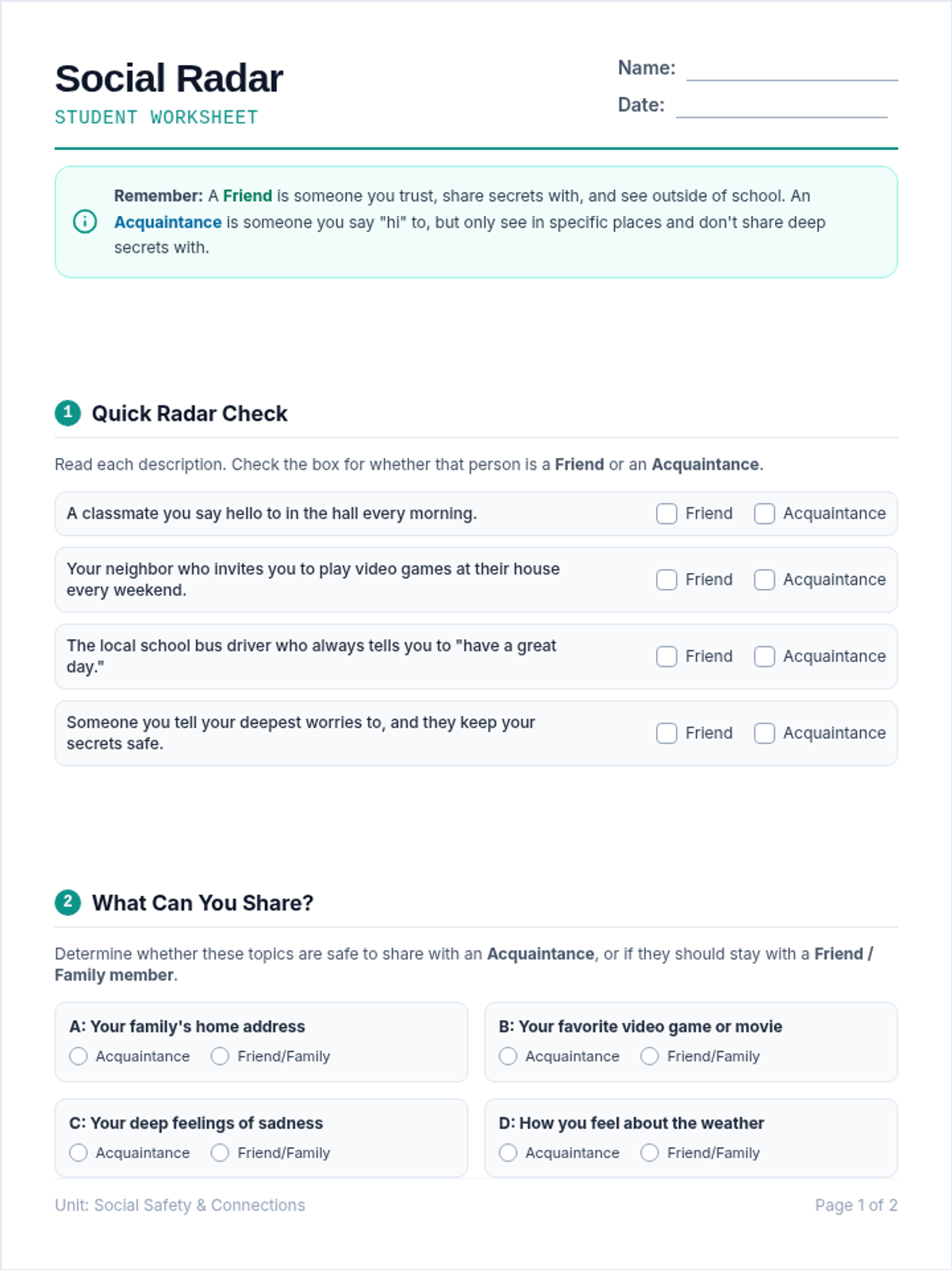
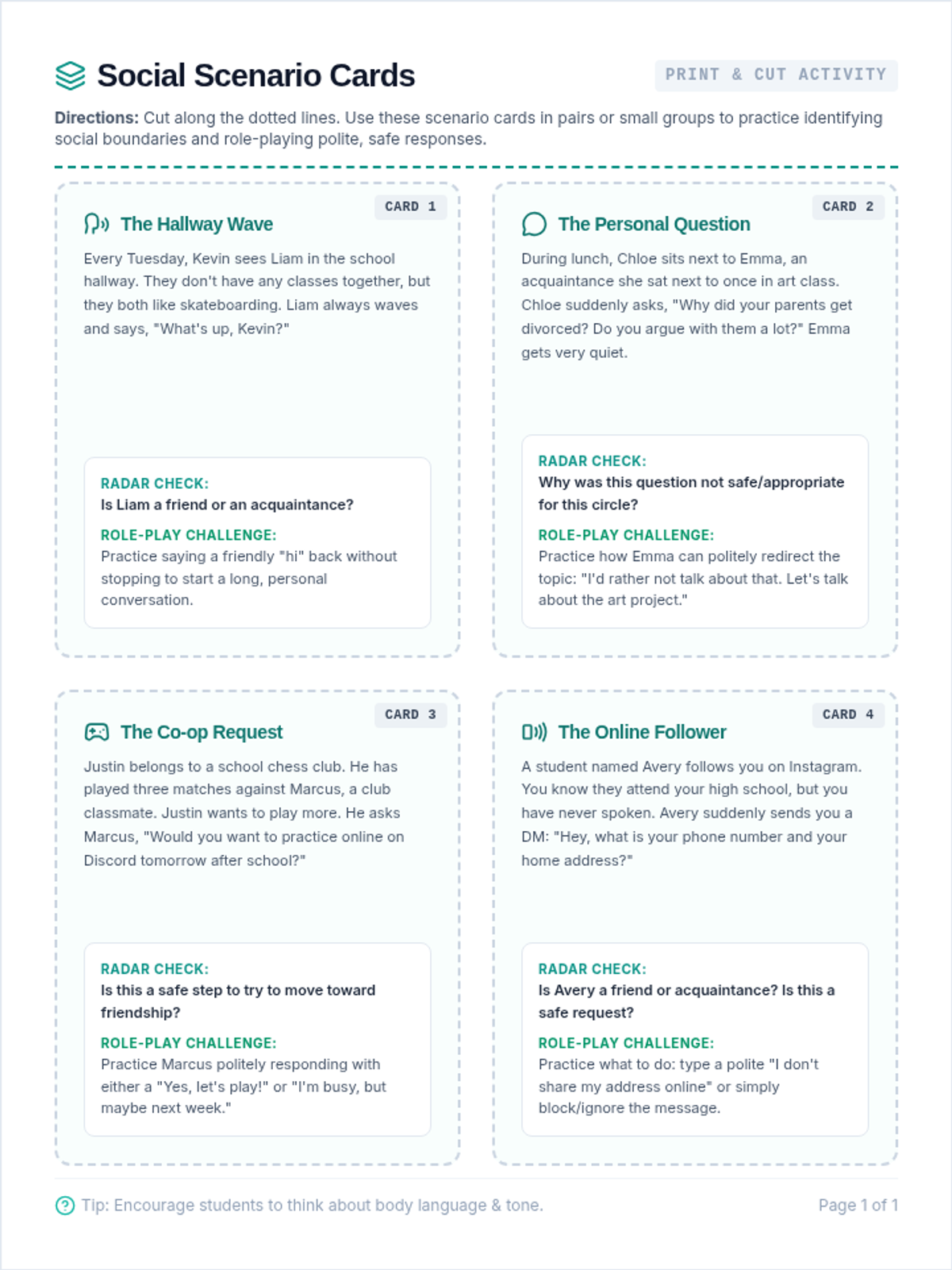
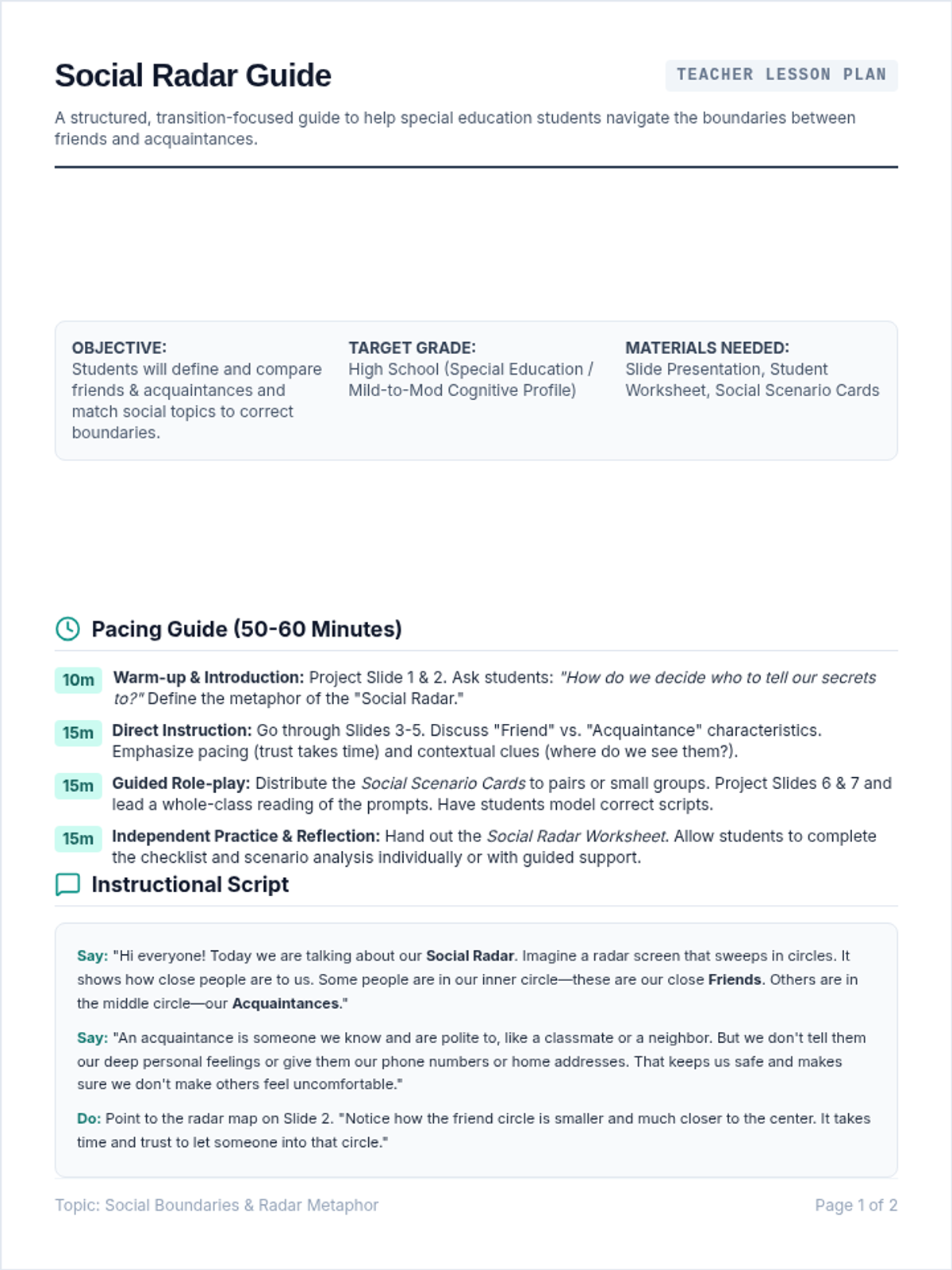
A comprehensive social skills lesson helping high school special education students distinguish between friends and acquaintances using a 'Social Radar' concentric circles metaphor. It features visual presentation slides, role-play scenario cards, and structured student worksheets.
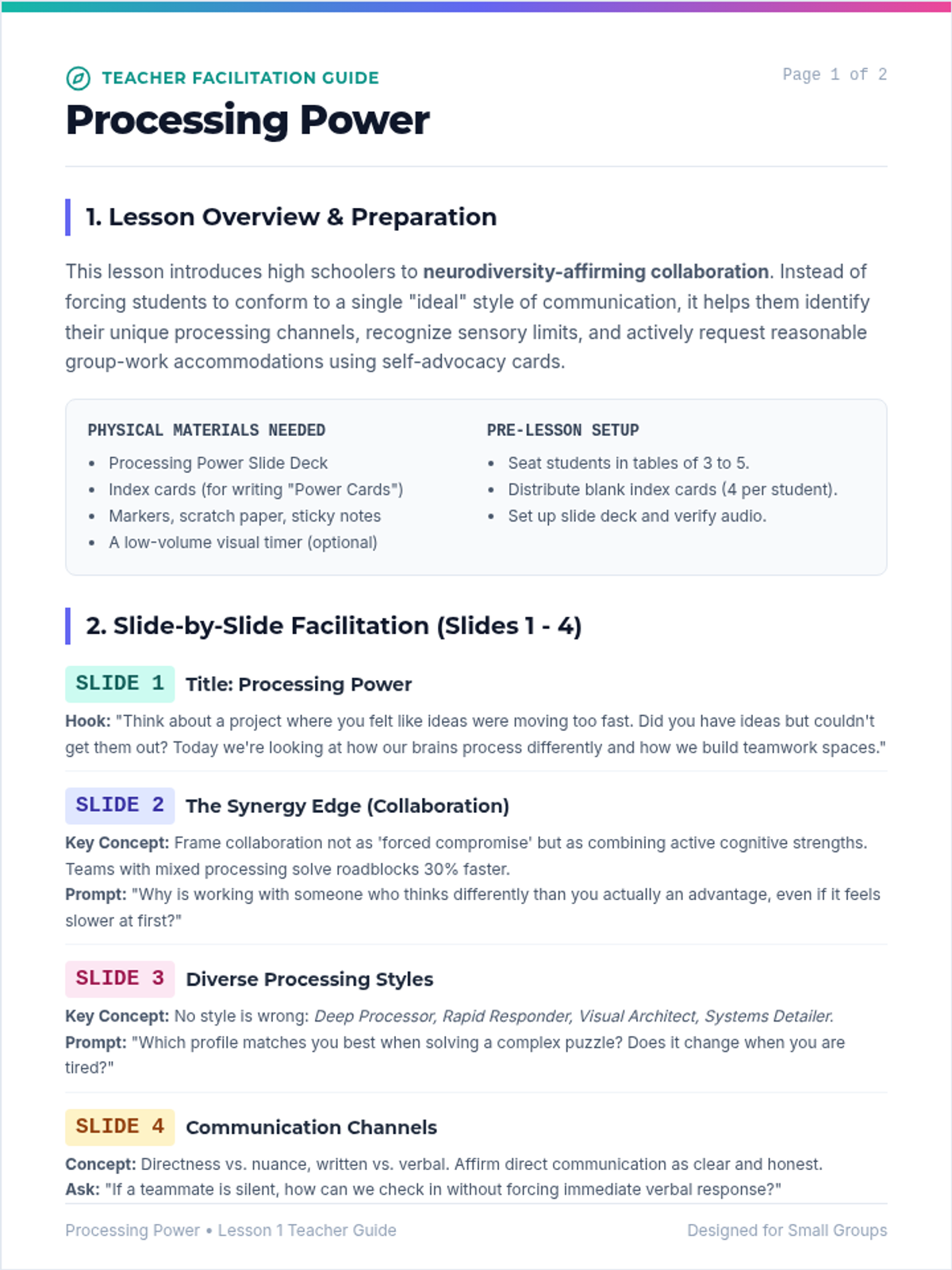
A presentation-based lesson designed for small groups of high school students to explore neurodiverse-affirming communication, understand diverse processing styles, and develop self-advocacy skills for teamwork.
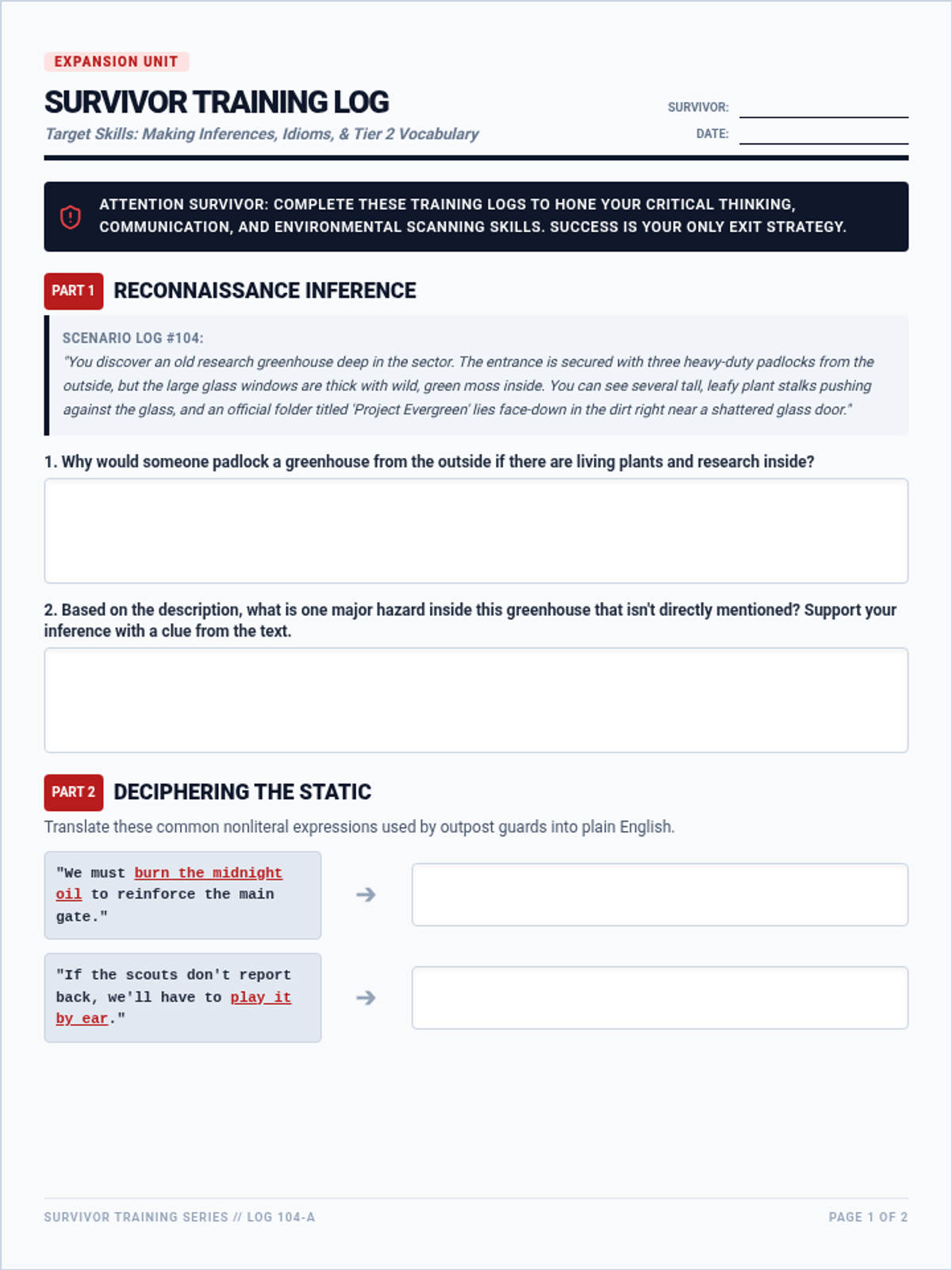
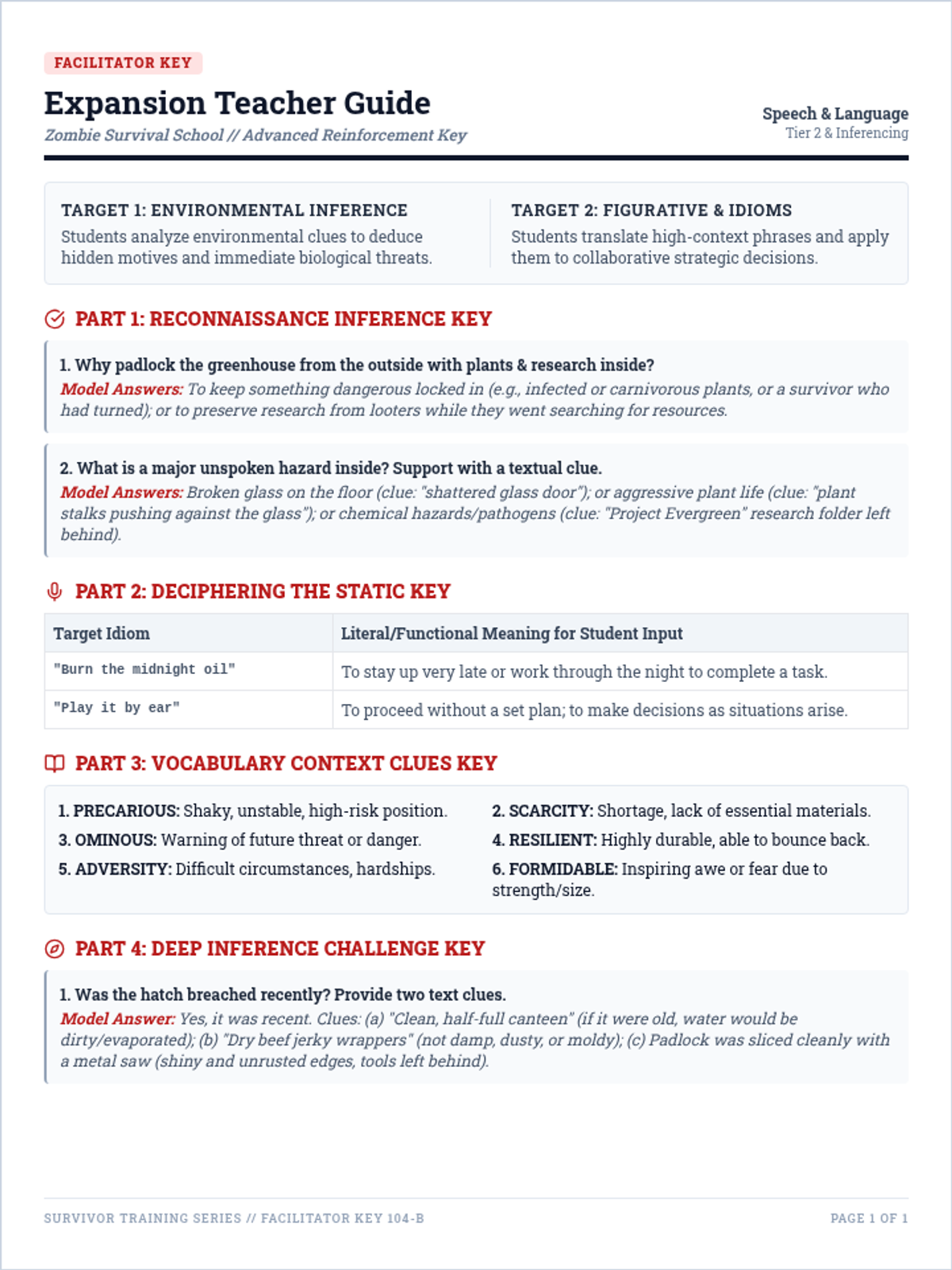
A zombie apocalypse themed speech-language therapy lesson targeting making inferences, interpreting nonliteral language, and mastering Tier 2 vocabulary.
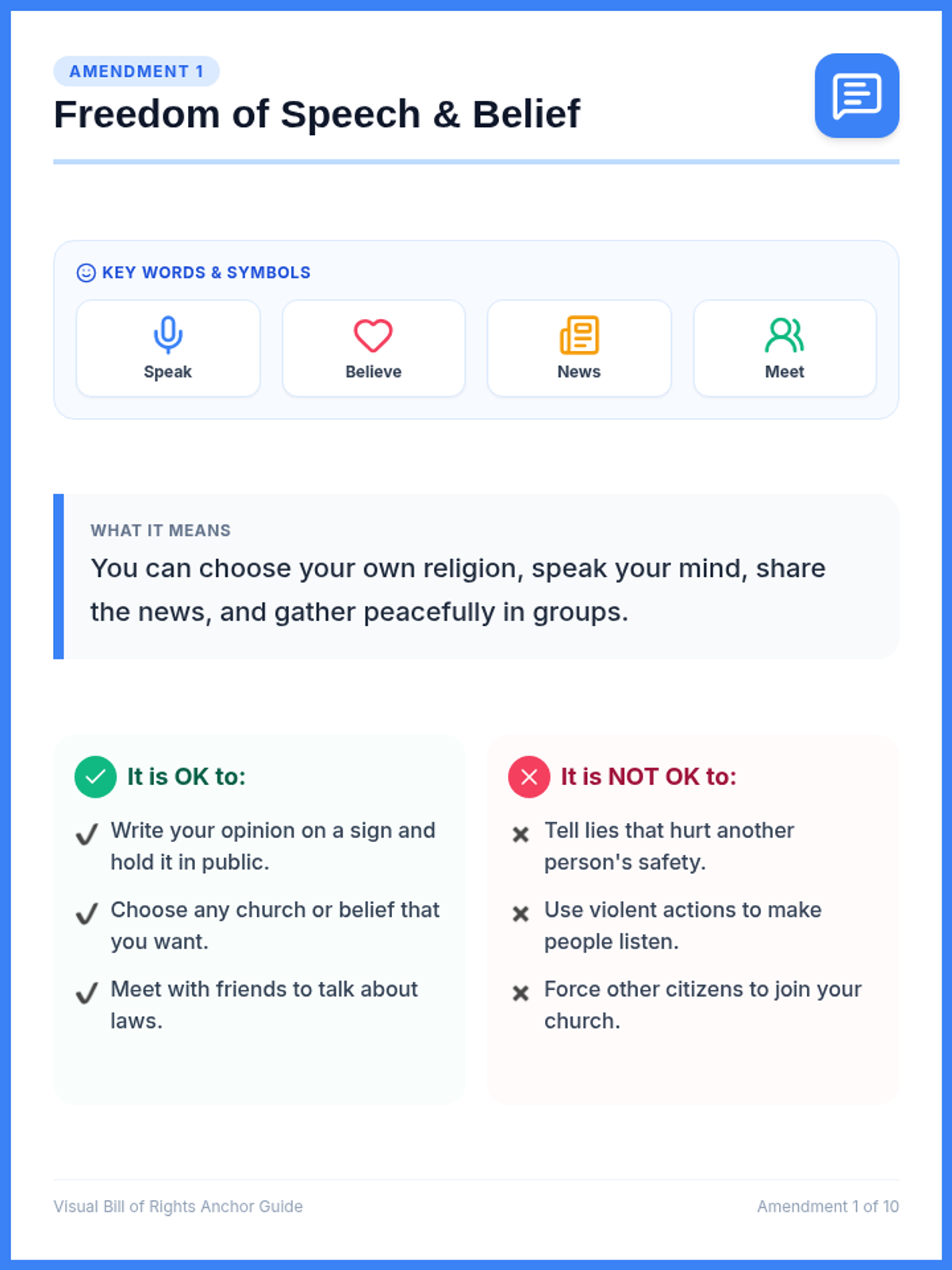
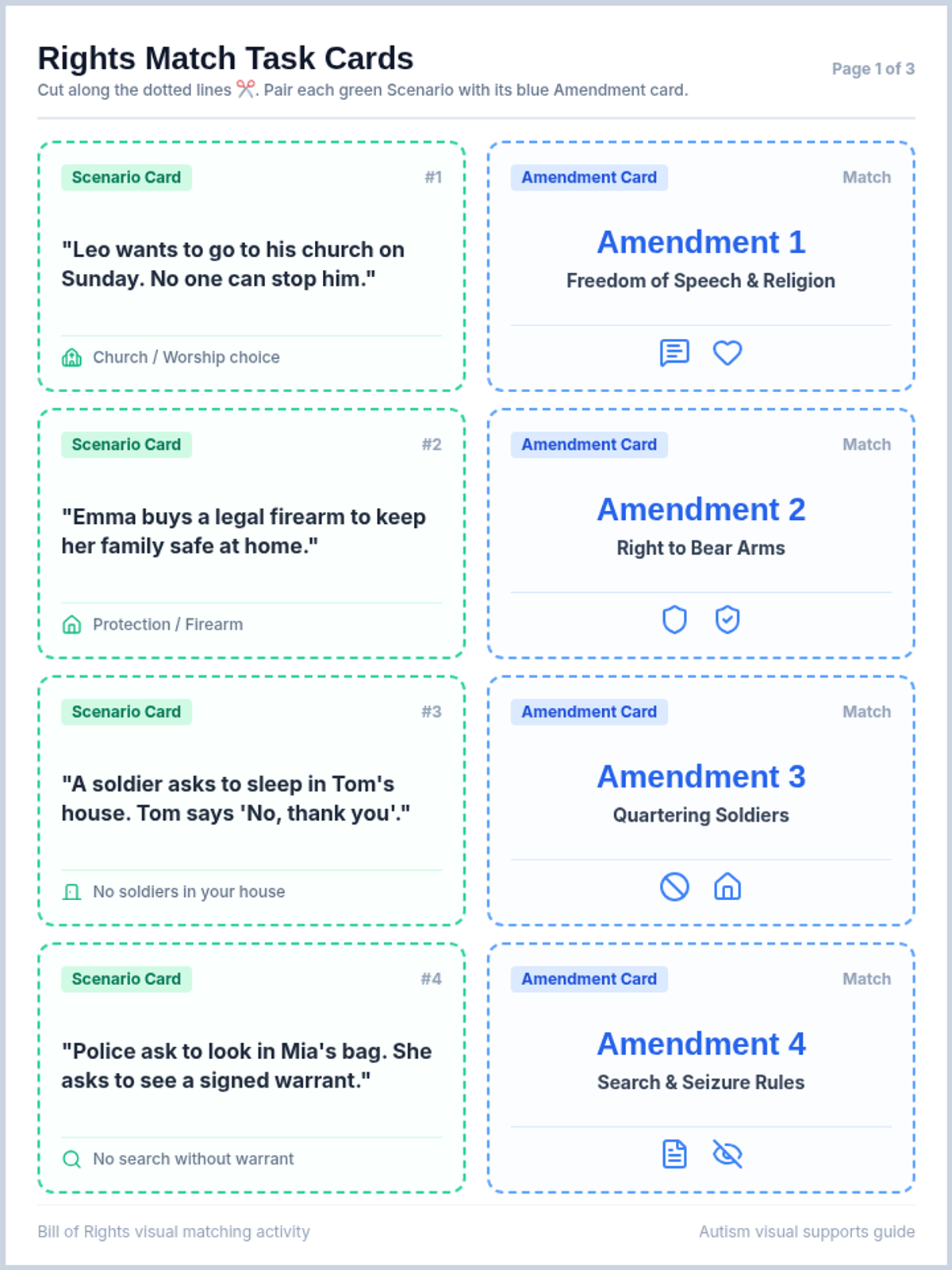
A highly structured, visually supported unit on the Bill of Rights designed for students with Autism, featuring large symbol-supported anchor charts and hands-on matching scenario task cards.
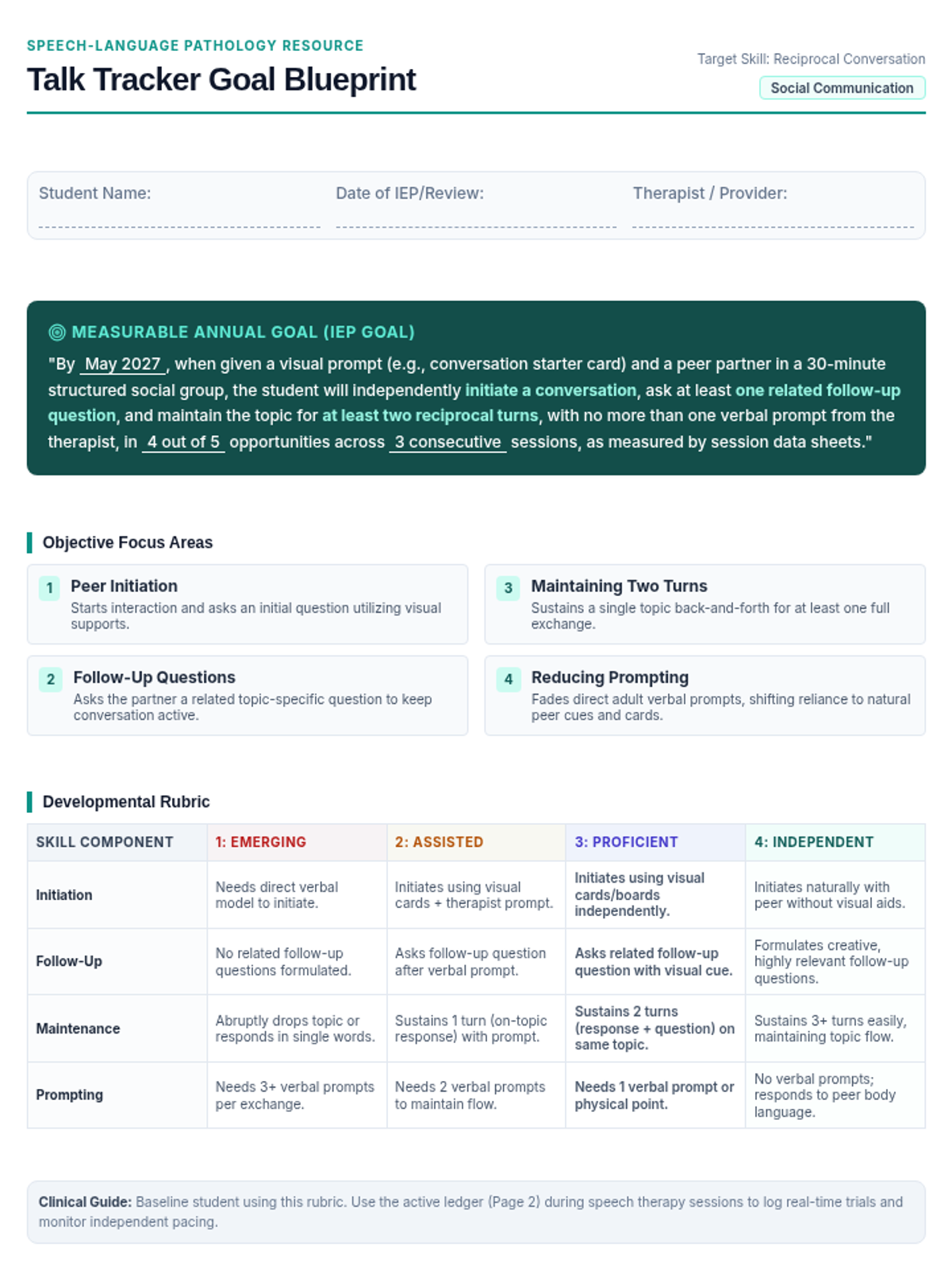
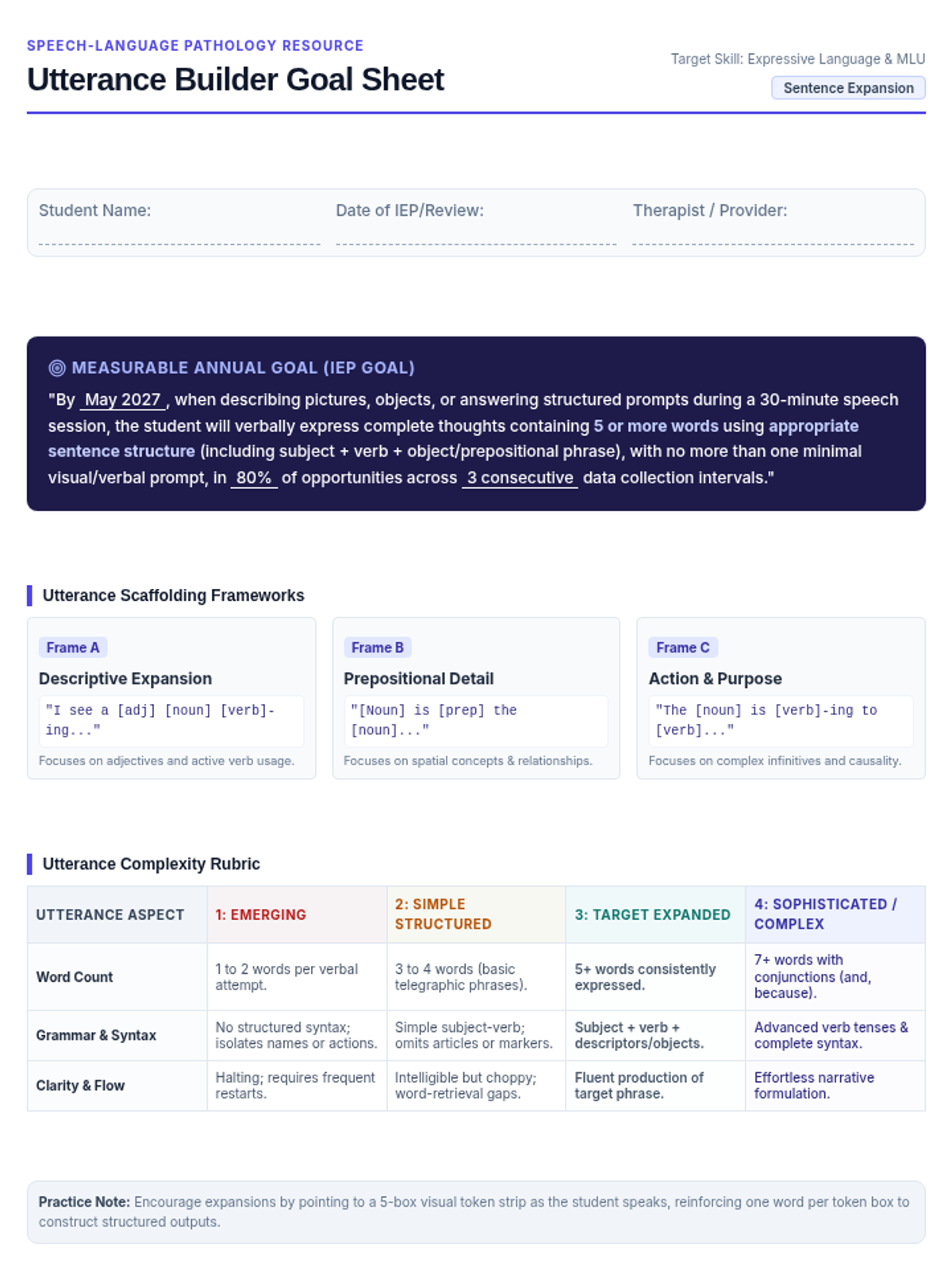
A lesson centered around tracking and achieving measurable progress in reciprocal conversation skills during speech therapy sessions, complete with formal IEP goals, a developmental rubric, and an actionable session data tracker.
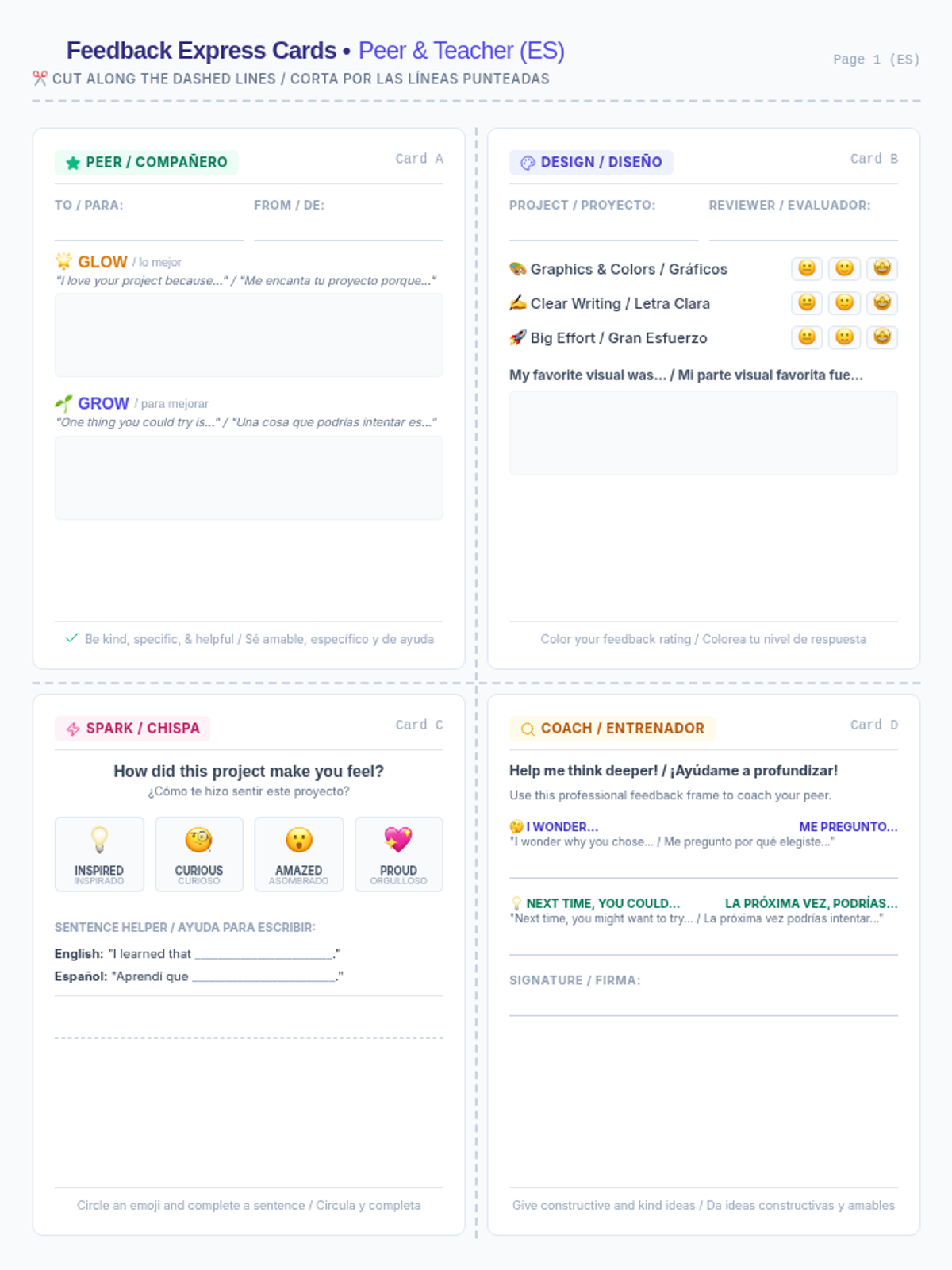
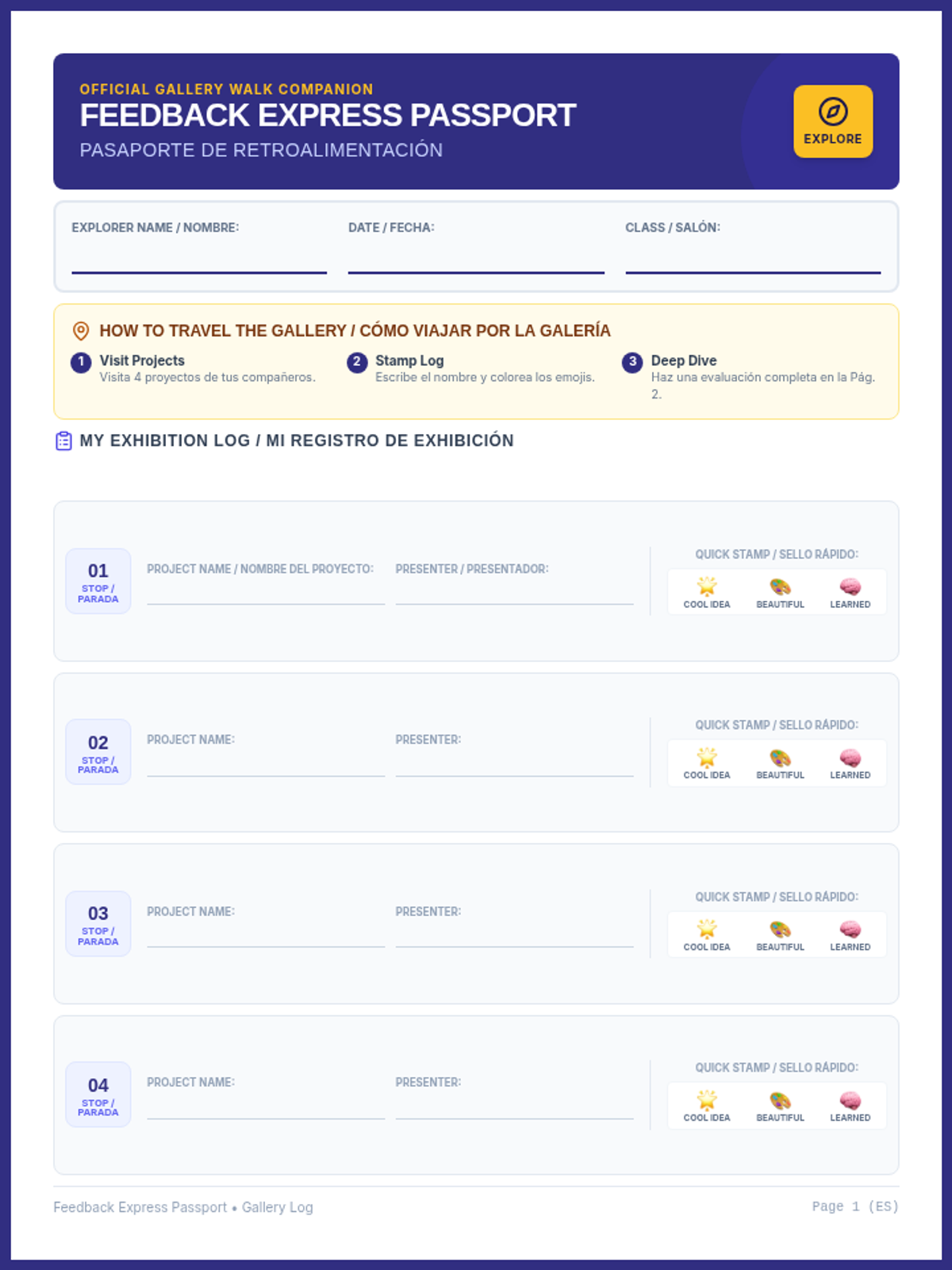
A visual feedback toolkit designed for elementary and middle school classrooms, families, and peers to provide meaningful project feedback. Includes emoji-rich rating systems, structured review guides, and sentence starter frames.
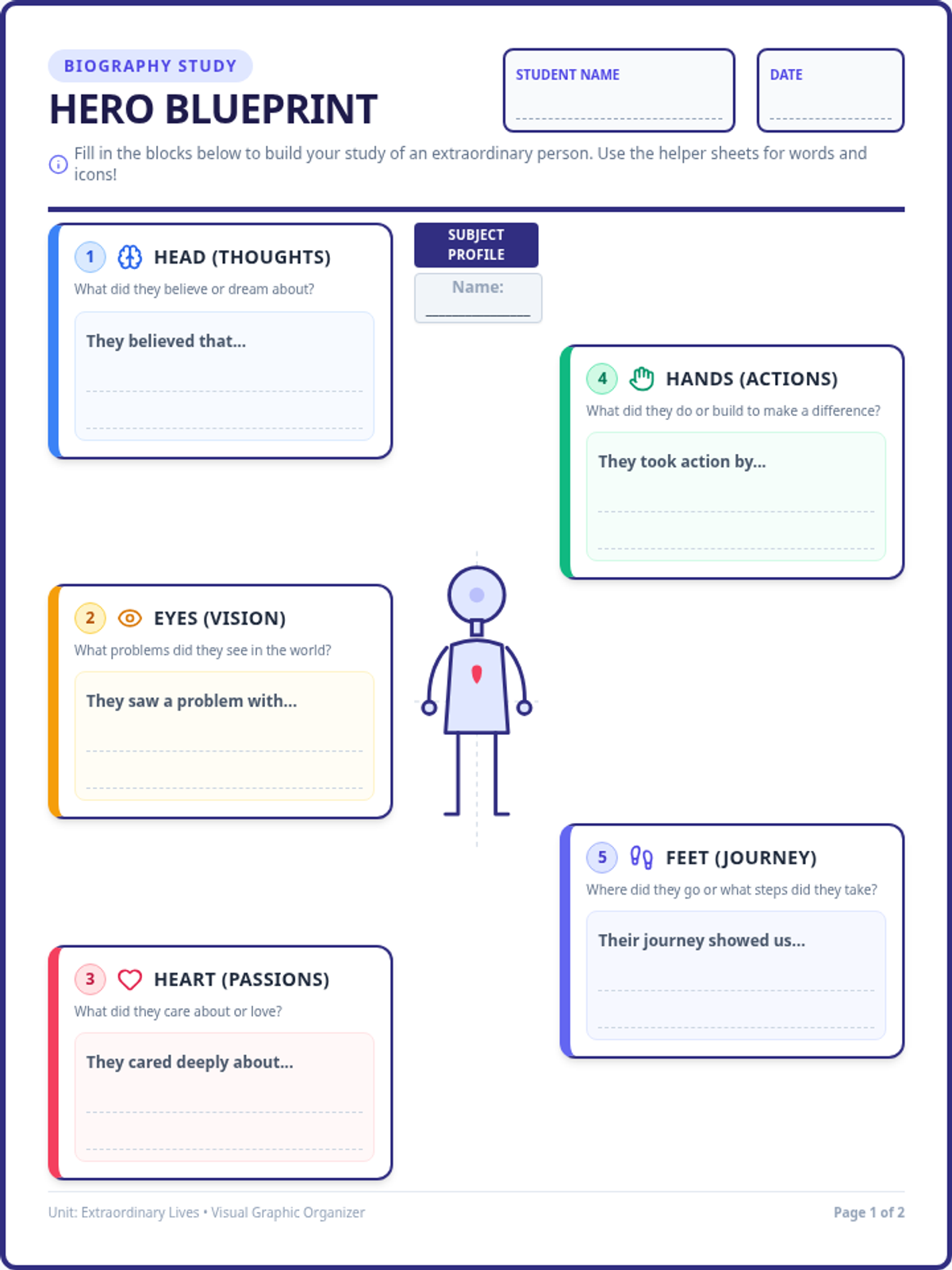
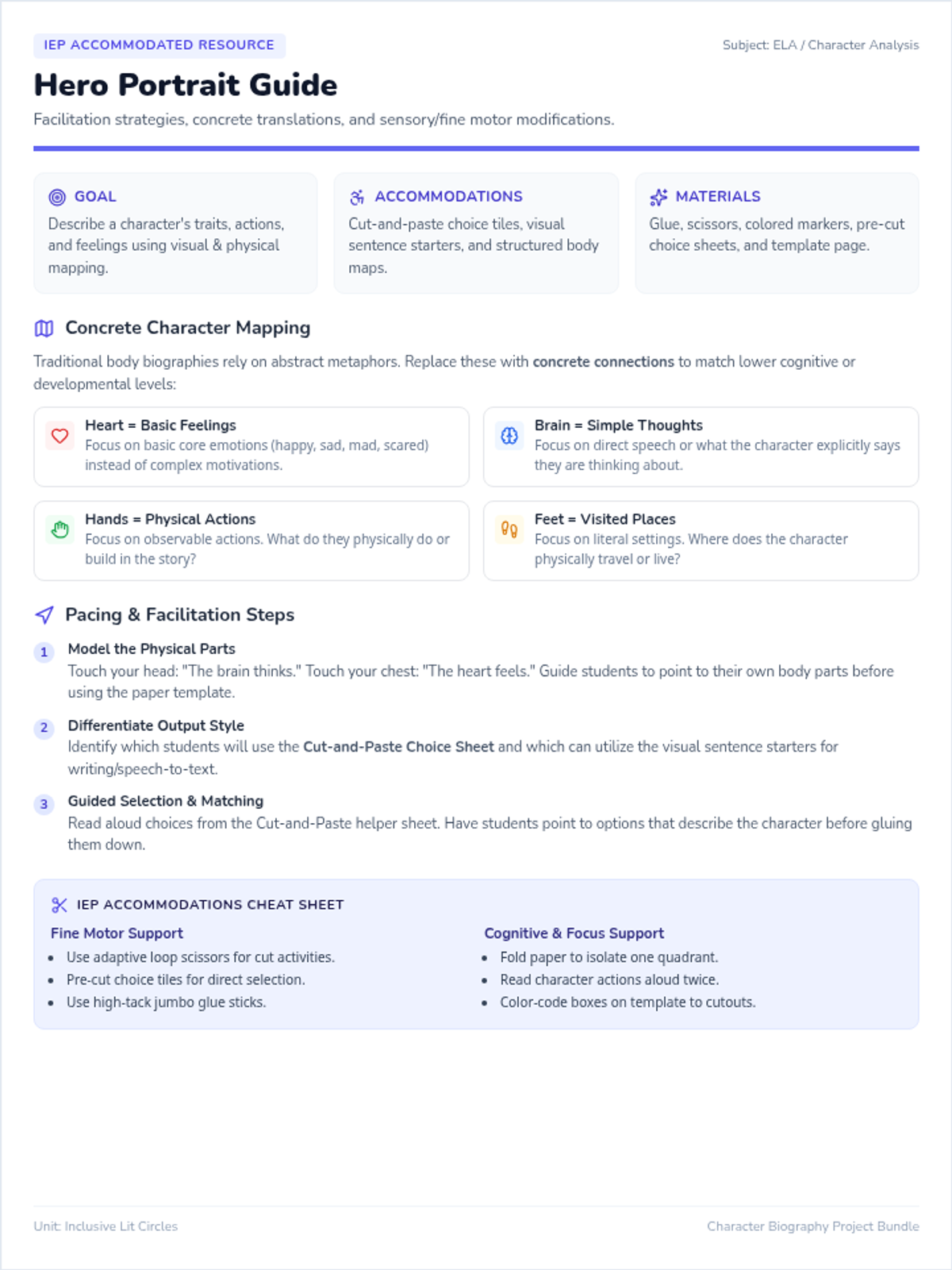
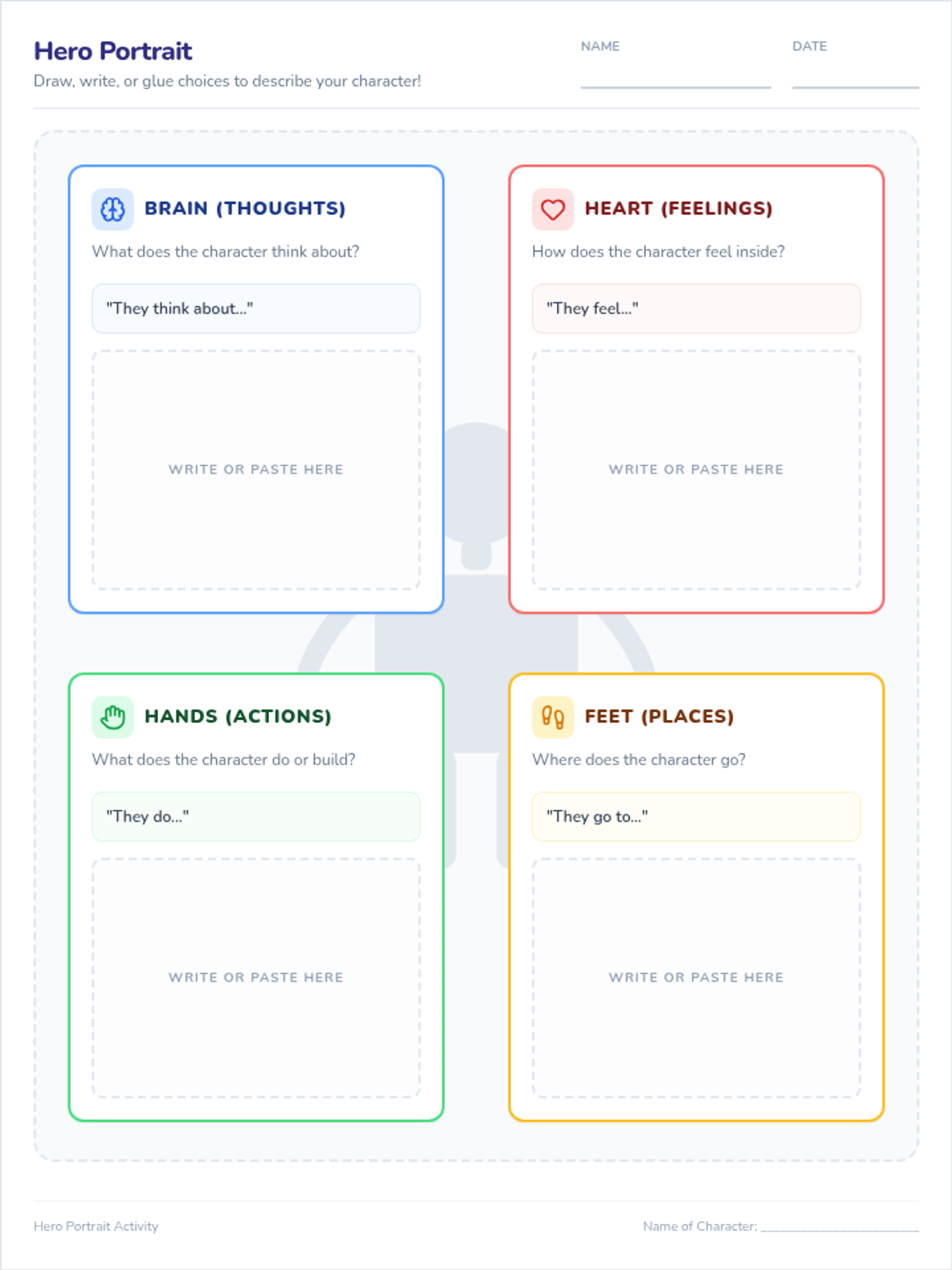
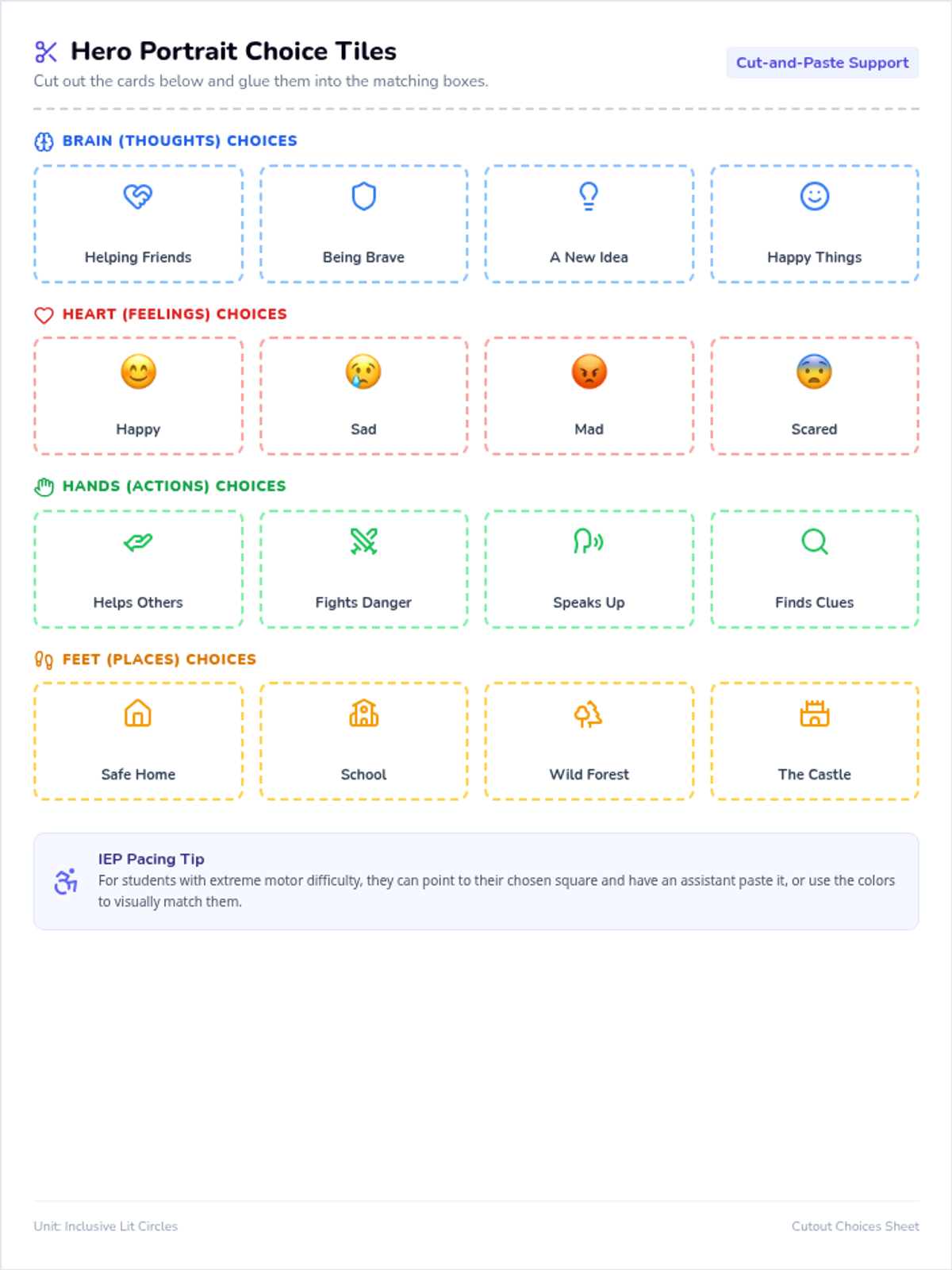
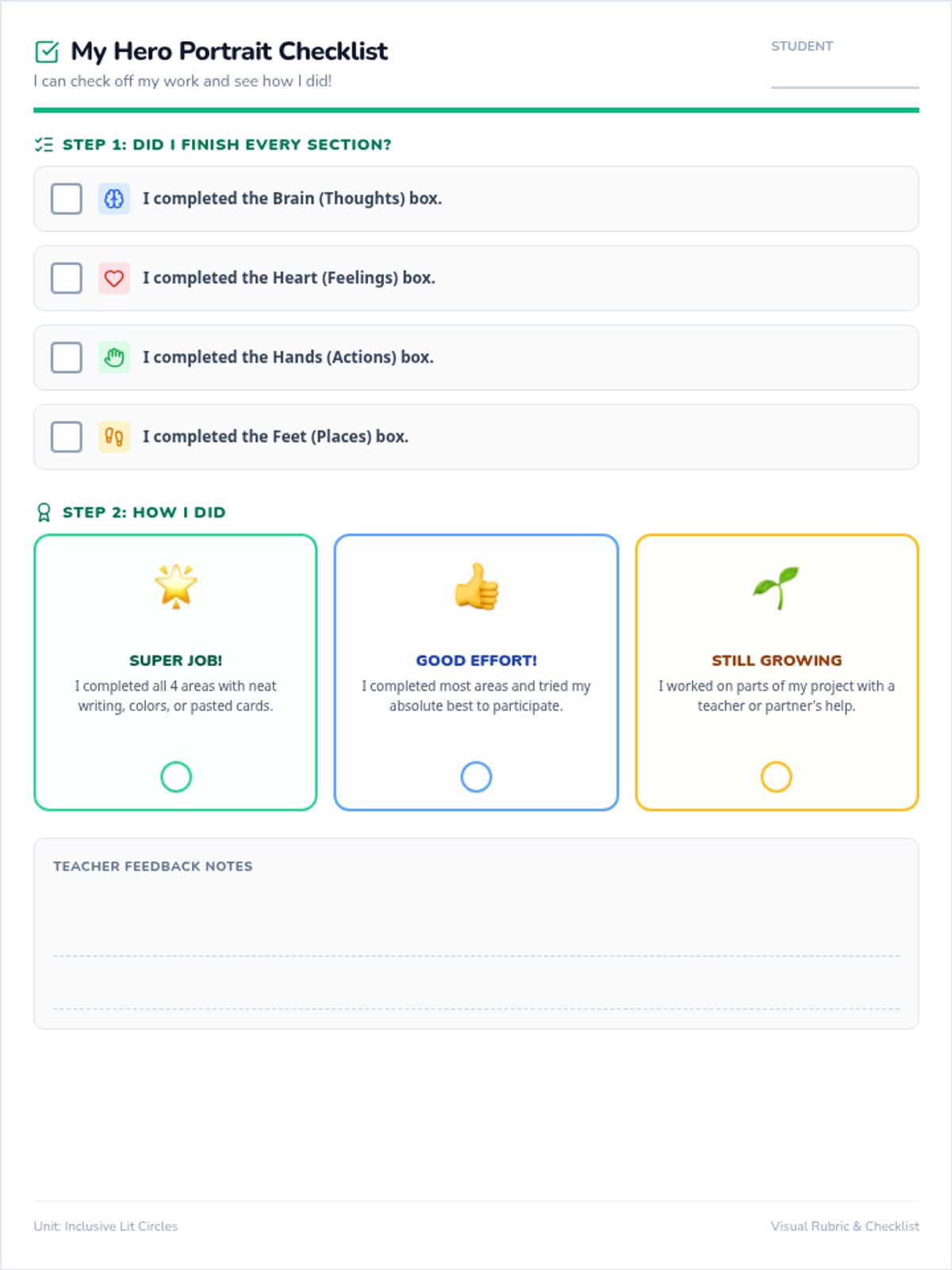
A biography study lesson featuring tiered, highly visual body graphic organizers designed to support IEP students with visual symbol supports, sentence starters, and cut-and-paste vocabulary options.
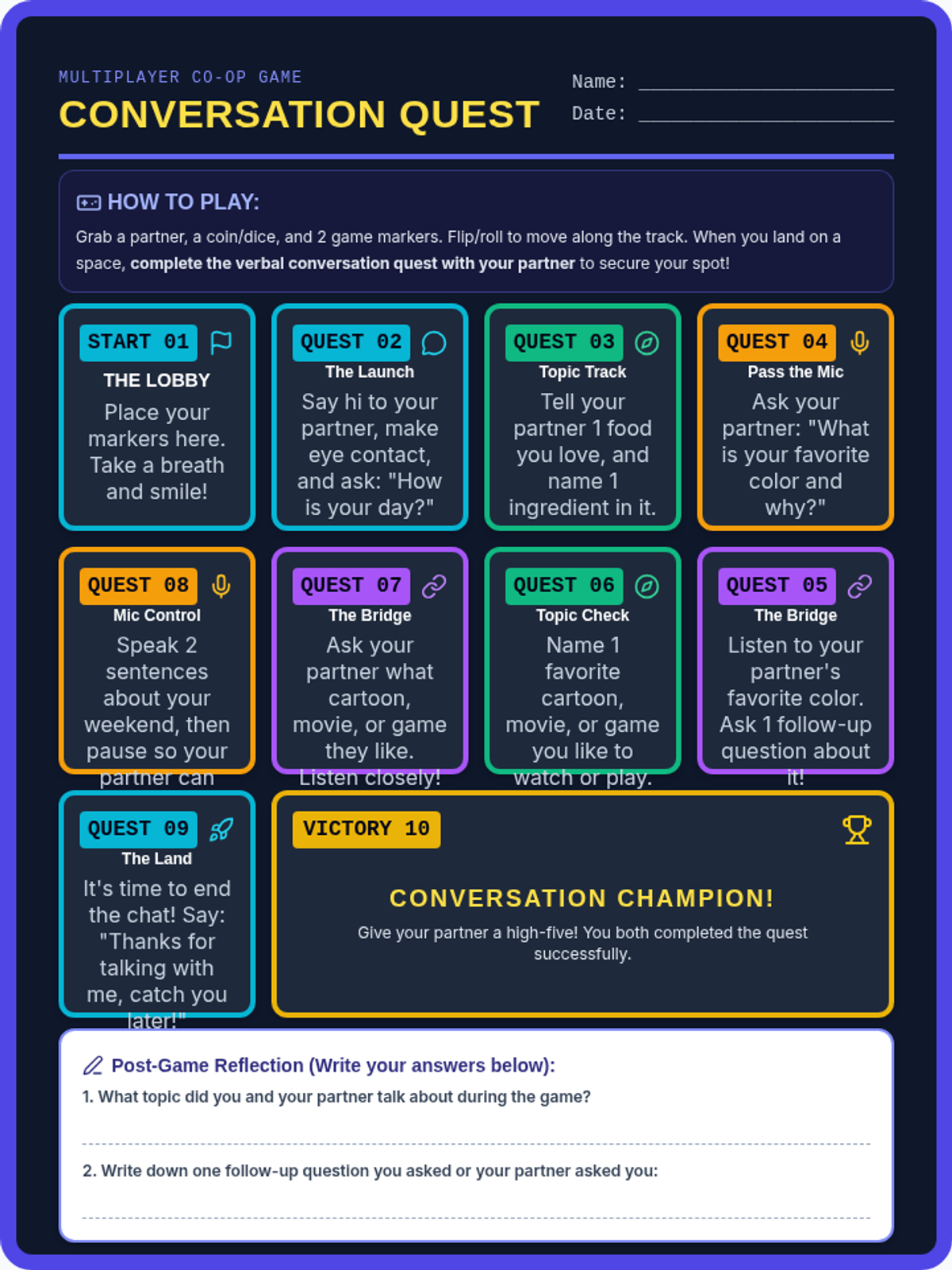
A gamified social skills lesson designed for students with ASD to practice and master conversational rules, including starting and ending conversations, staying on-topic, taking turns, and asking follow-up questions.
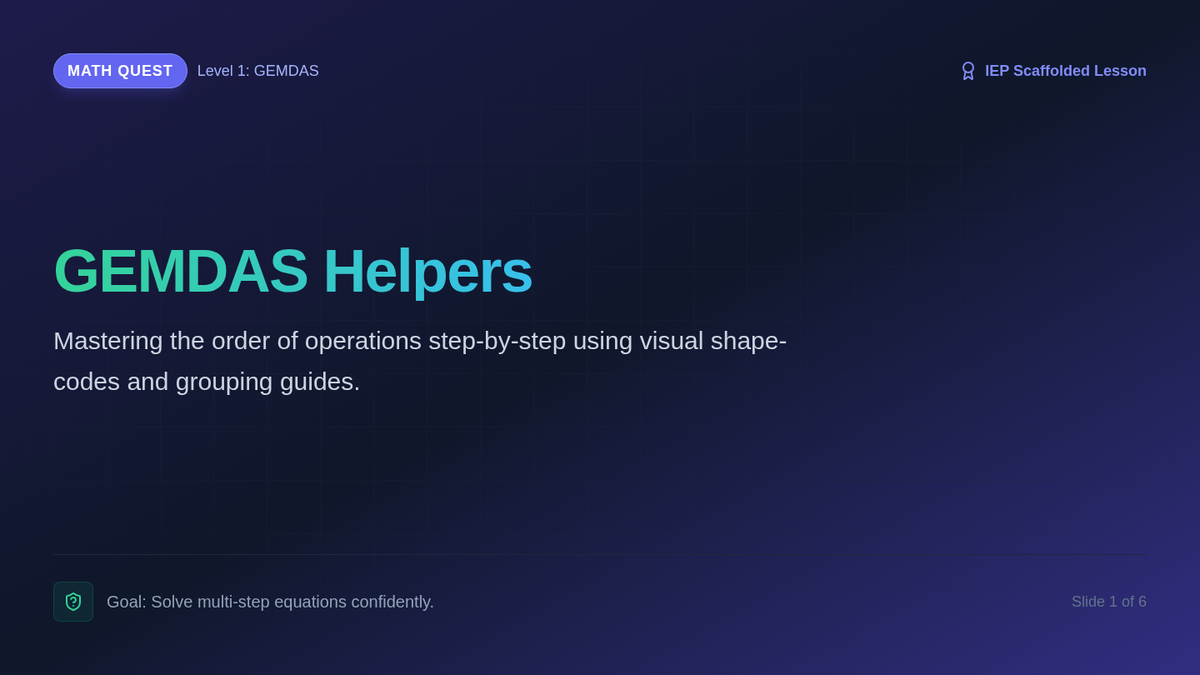
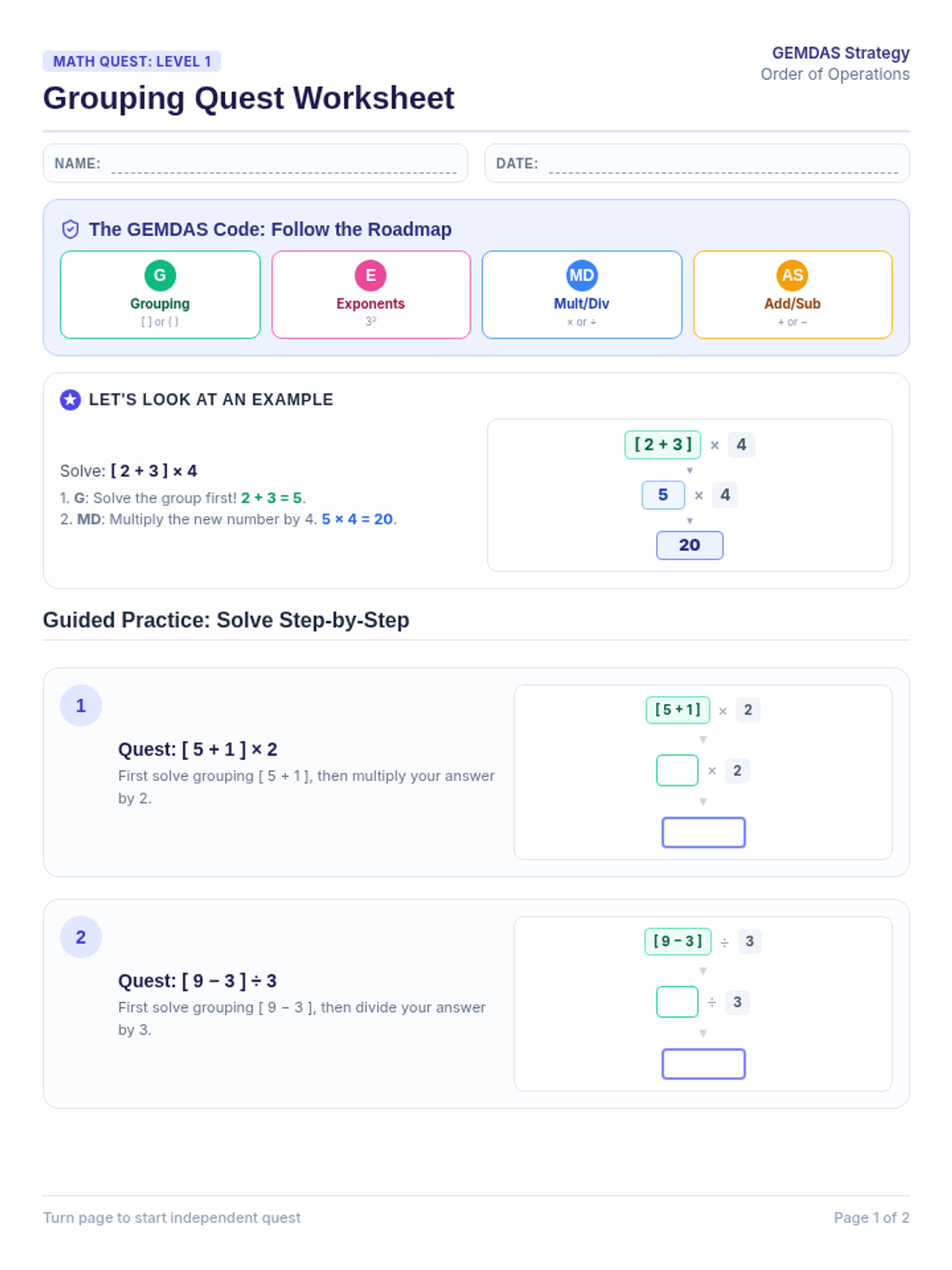
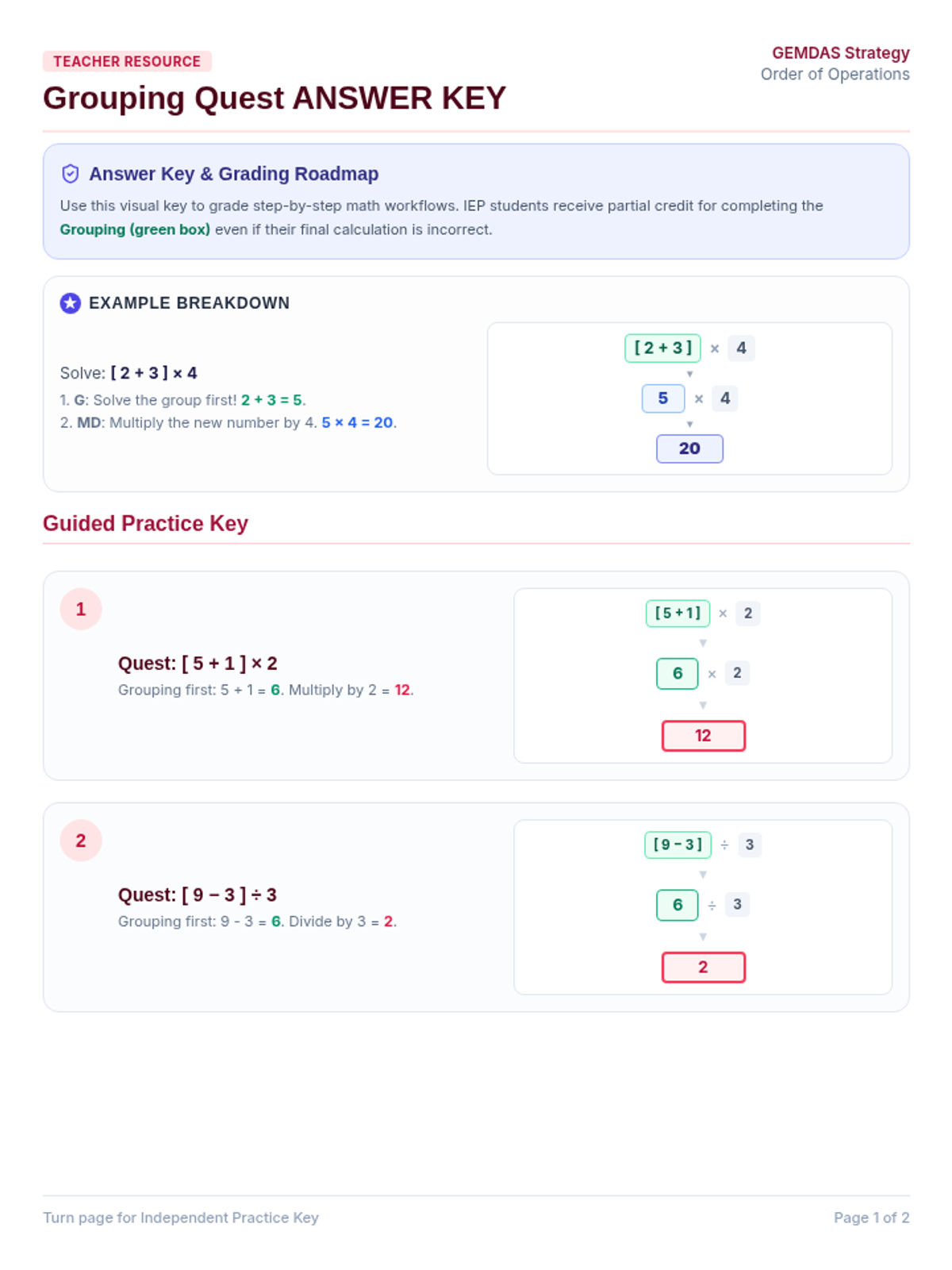
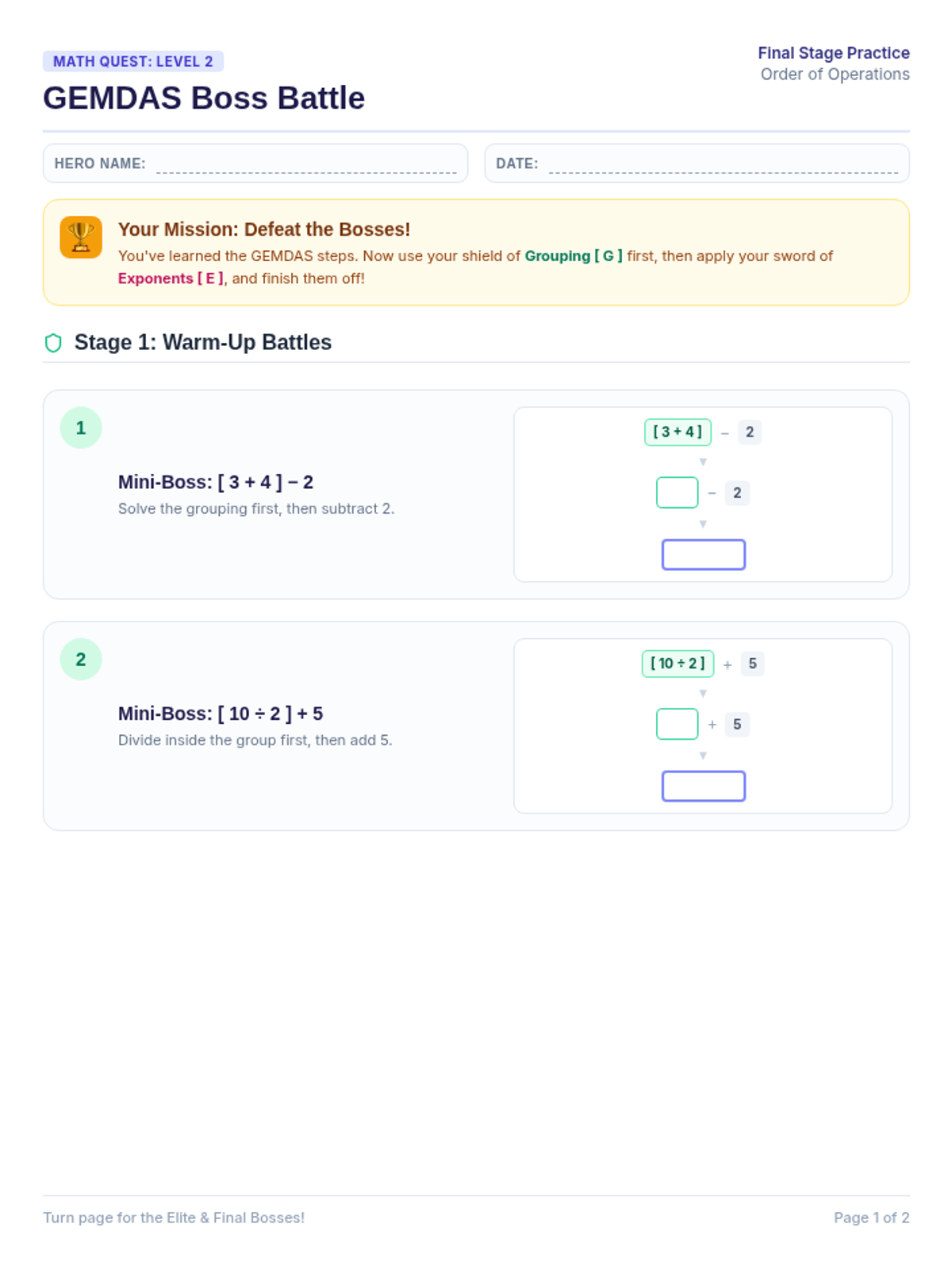
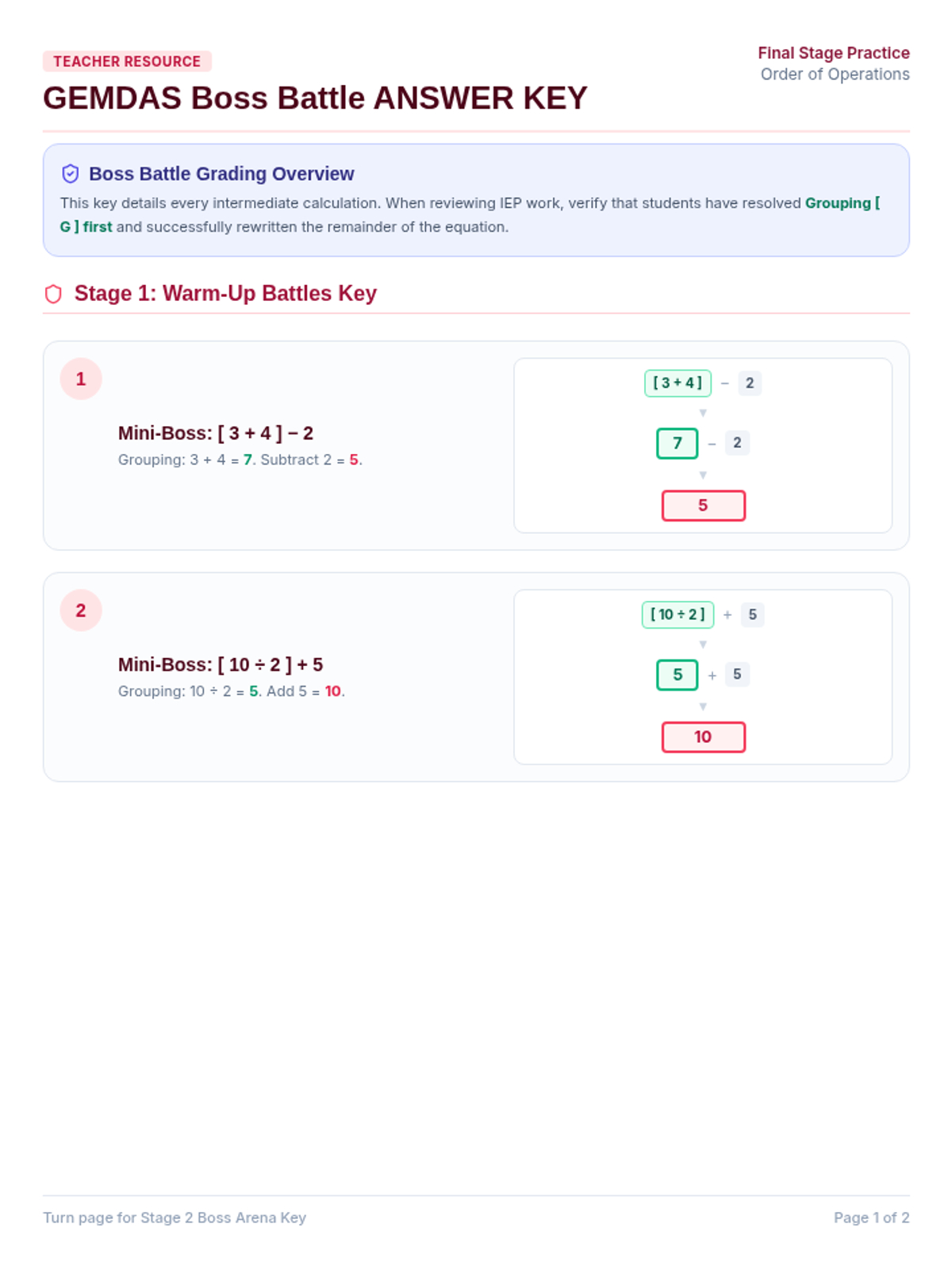
A lesson designed for IEP students focusing on the order of operations using GEMDAS (Grouping, Exponents, Multiplication/Division, Addition/Subtraction). It features shape-coded guided steps and simplified numbers to scaffold comprehension.
A scaffolded Character Body Biography project adapted for IEP students, featuring simplified concrete connections, cut-and-paste elements, and visual supports.
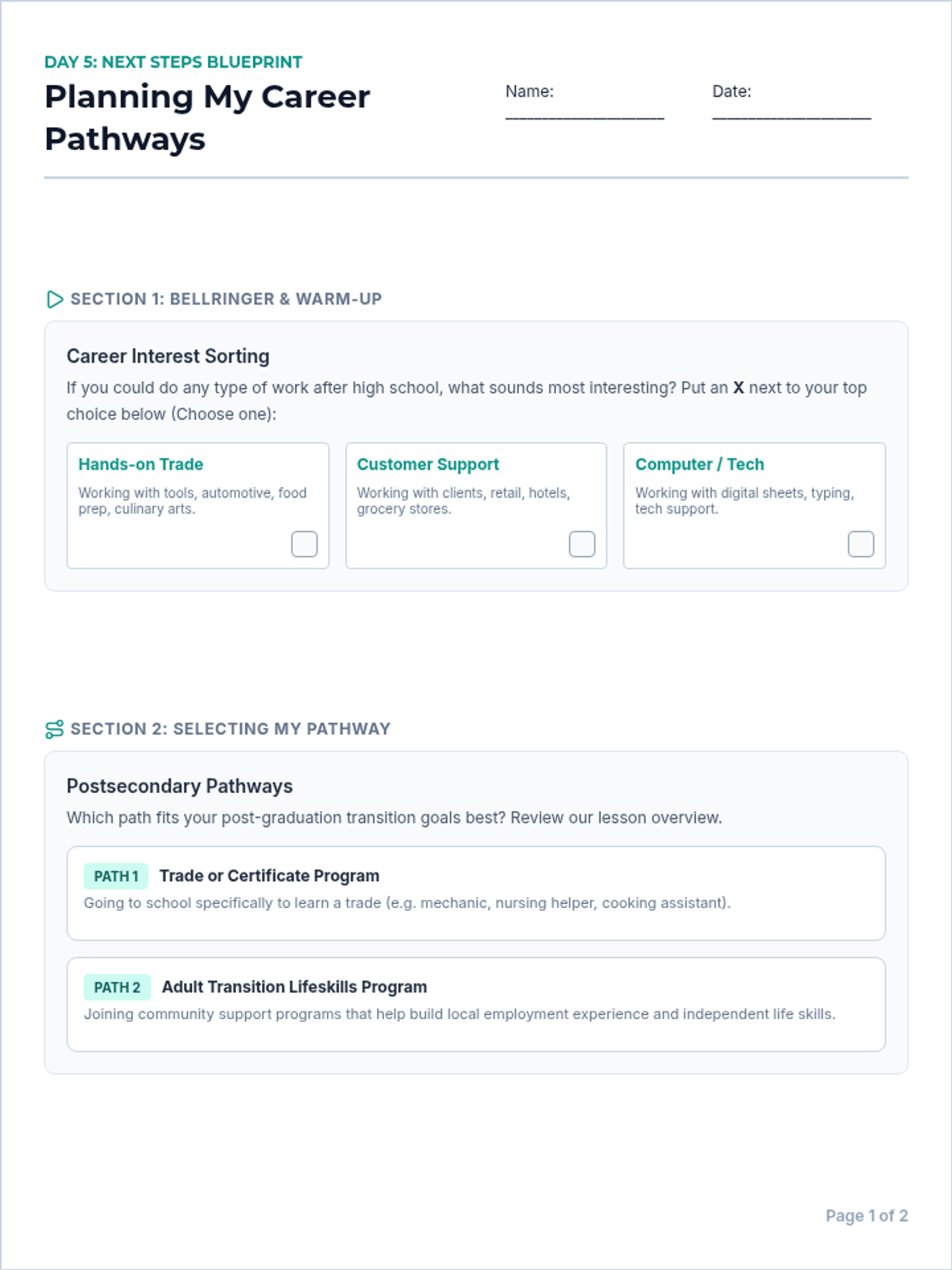
Day 5 explores postsecondary options and career pathways, conducts the final unit assessments, and establishes individual student next-steps action plans.
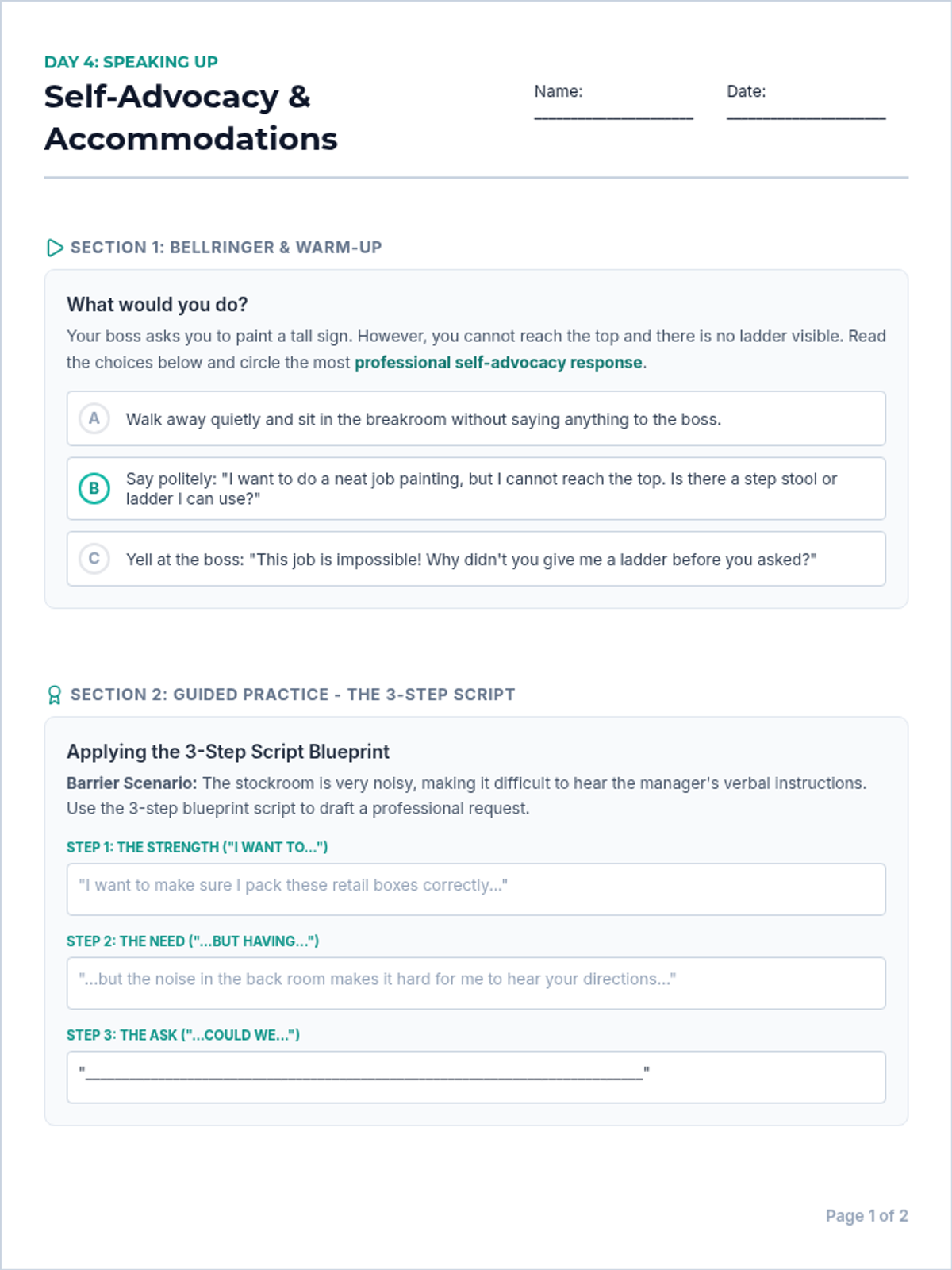
Day 4 targets self-advocacy and accommodation requesting, teaching students how to identify their needs, communicate them respectfully, and navigate the workplace independently.
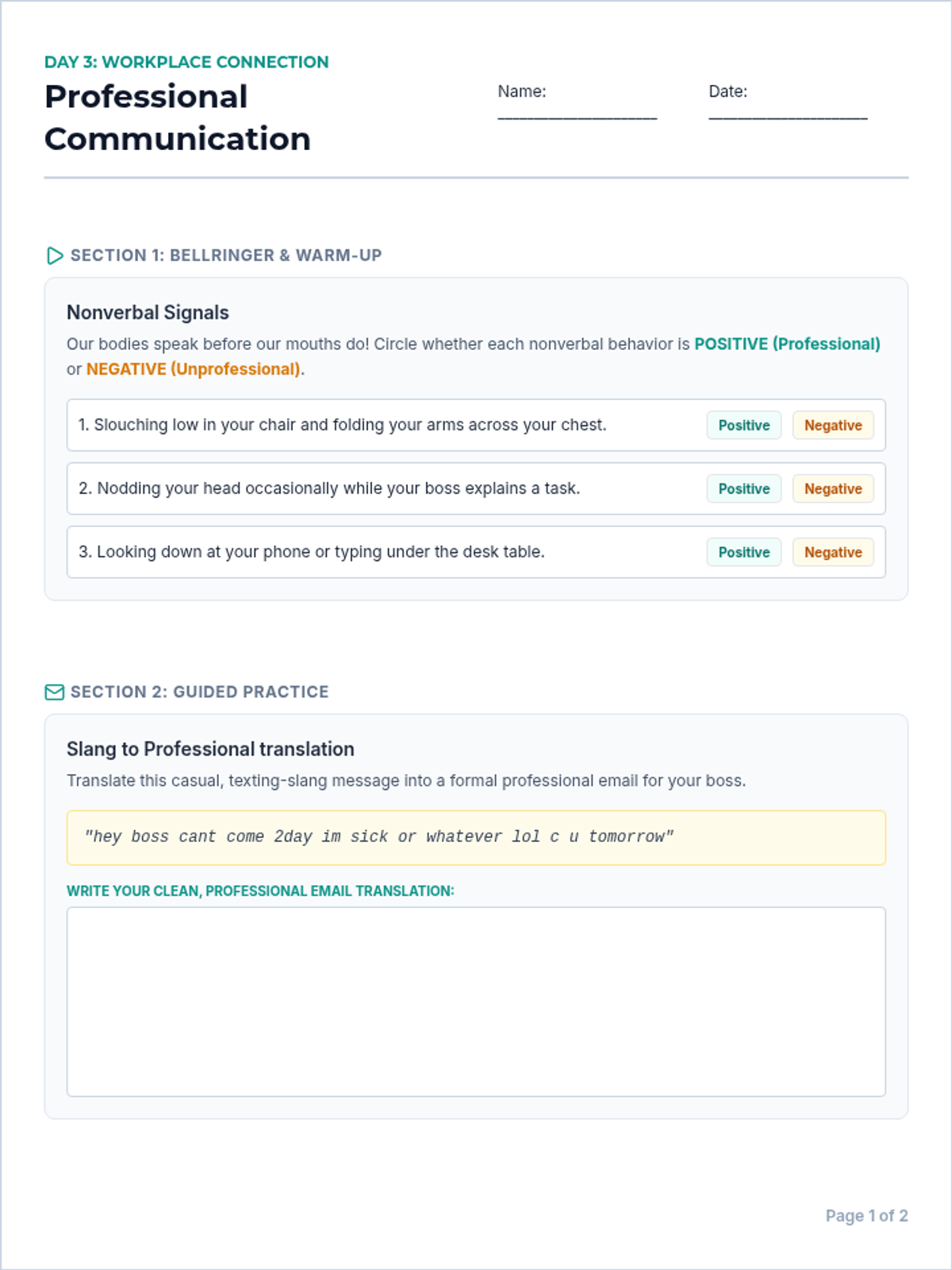
Day 3 focuses on professional verbal and non-verbal communication, email etiquette, and active teamwork within diverse workplace scenarios.
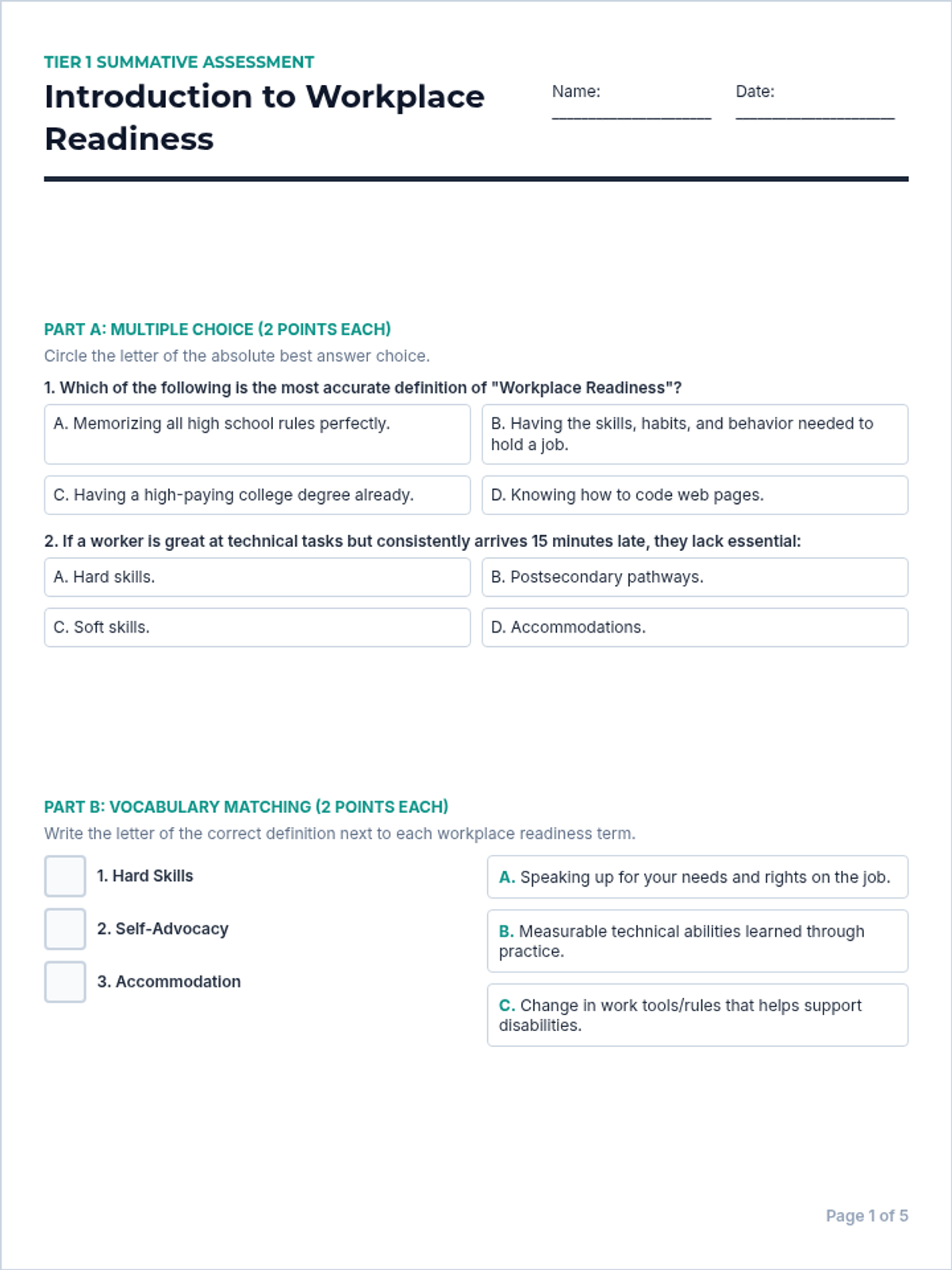
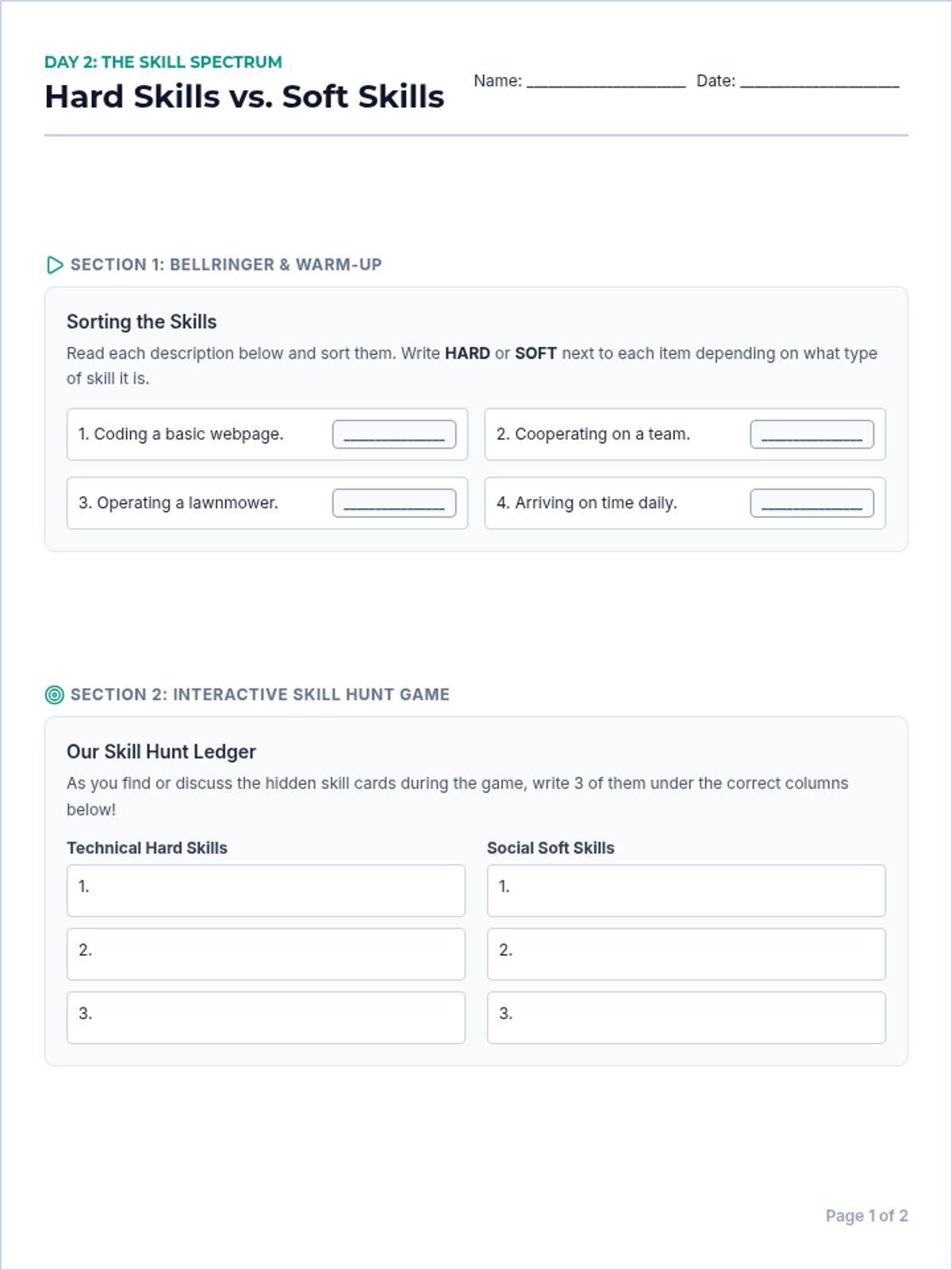
Day 2 dives into hard versus soft skills, exploring how technical abilities get you hired while interpersonal qualities keep you employed.