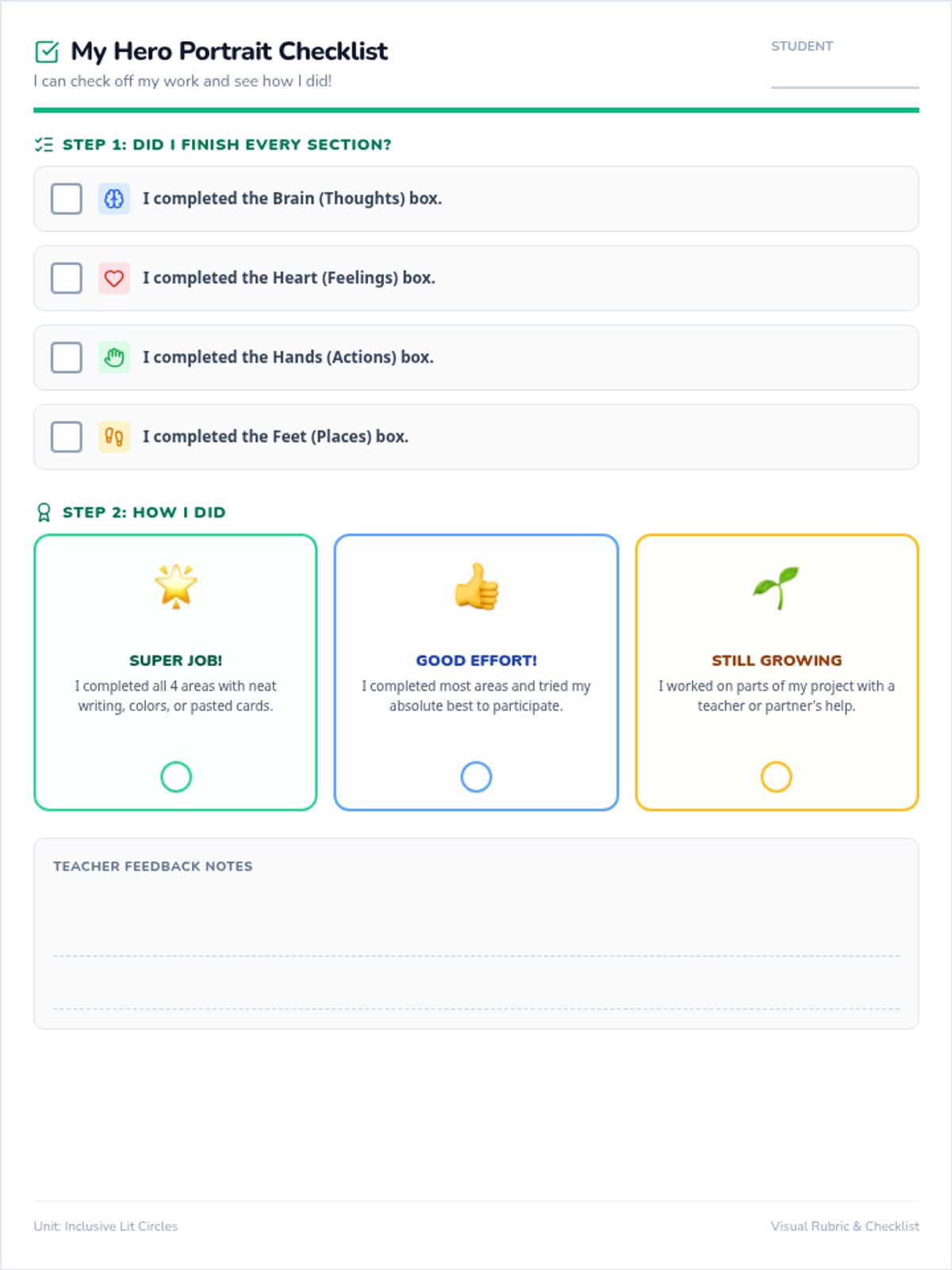
A highly structured, visually supported unit on the Bill of Rights designed for students with Autism, featuring large symbol-supported anchor charts and hands-on matching scenario task cards.
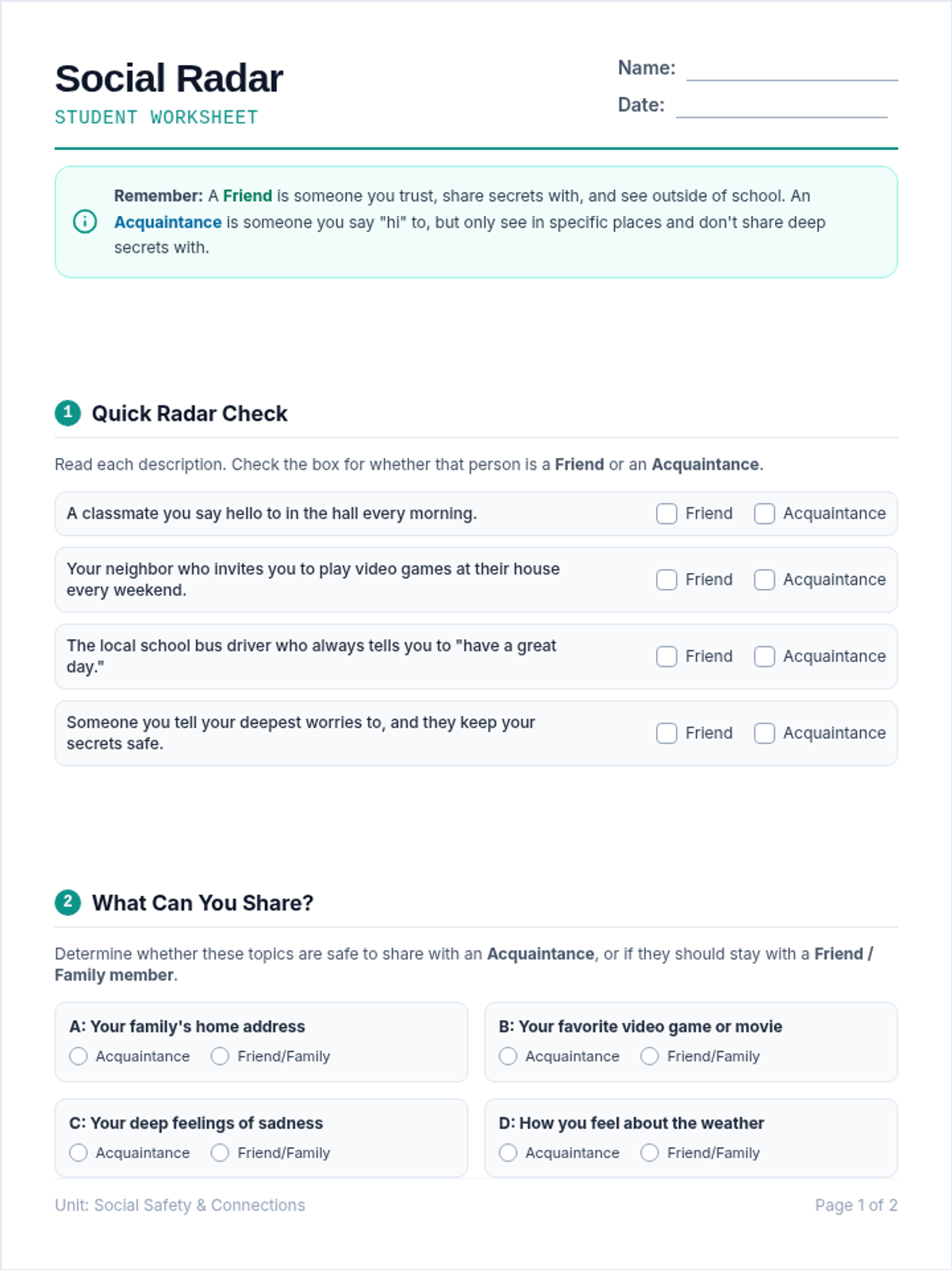
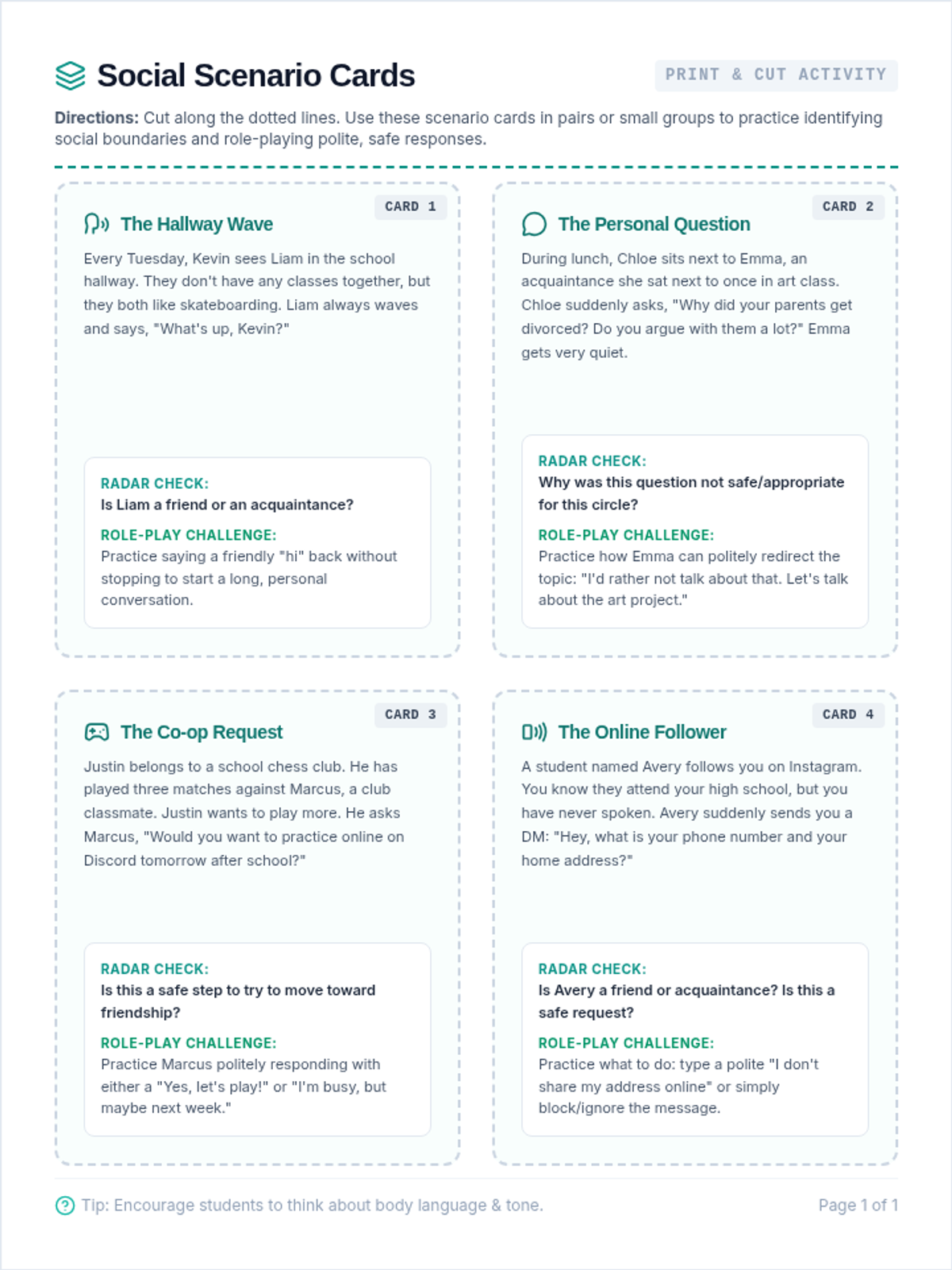
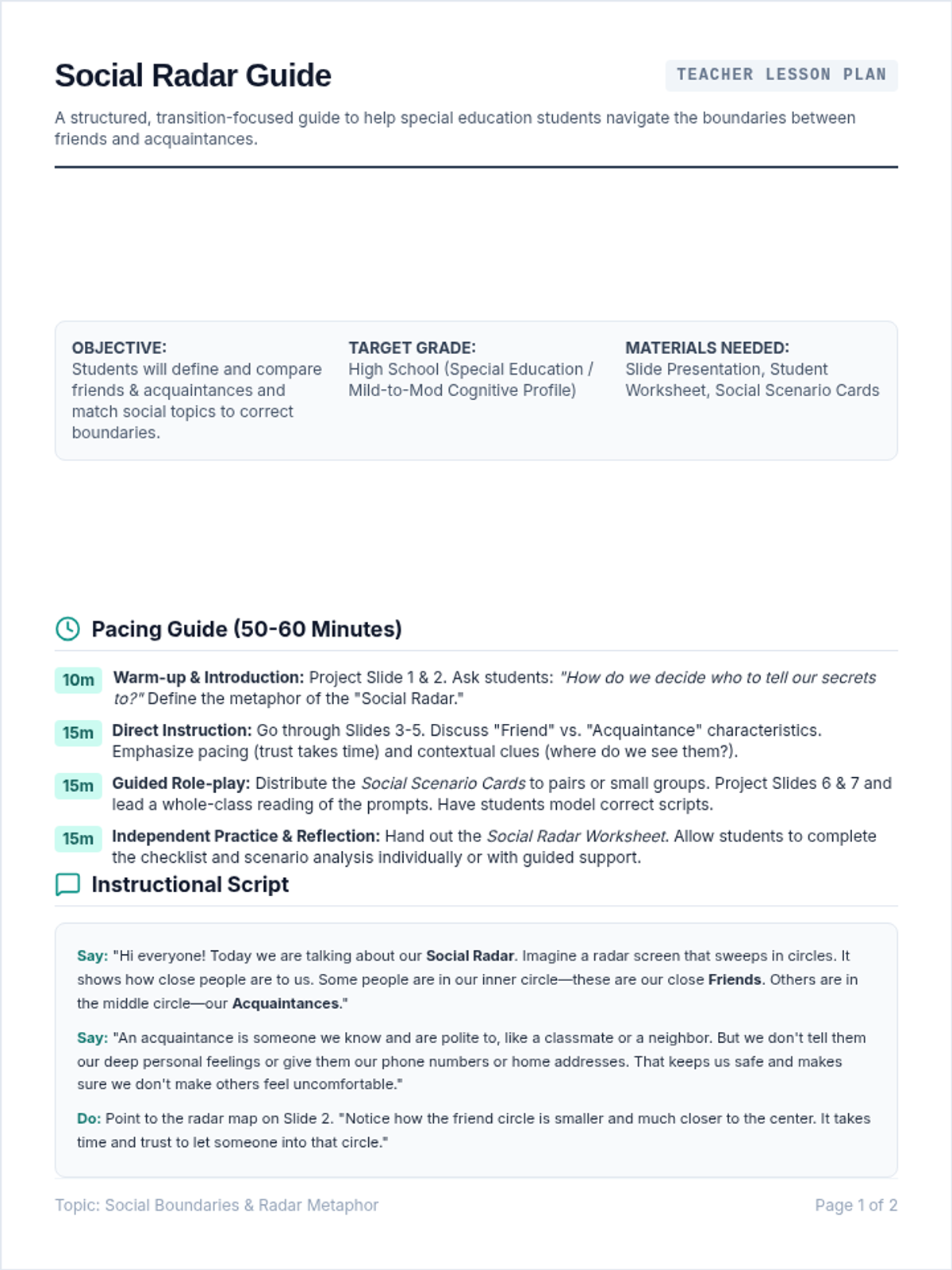
A comprehensive social skills lesson helping high school special education students distinguish between friends and acquaintances using a 'Social Radar' concentric circles metaphor. It features visual presentation slides, role-play scenario cards, and structured student worksheets.
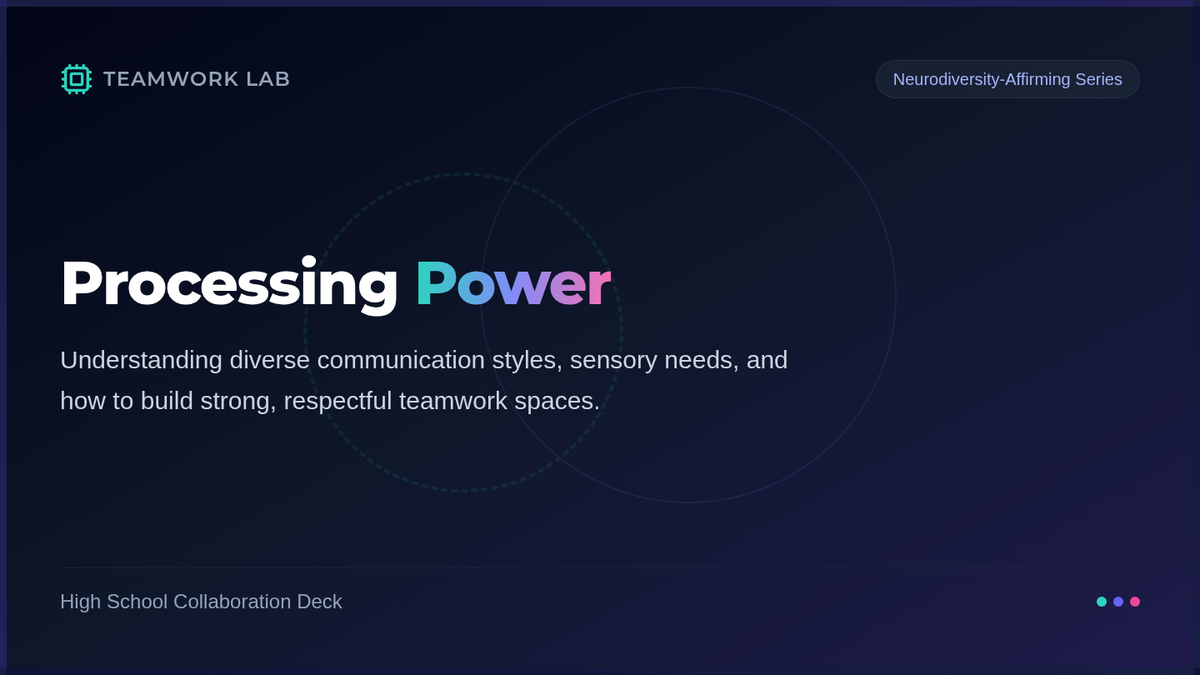
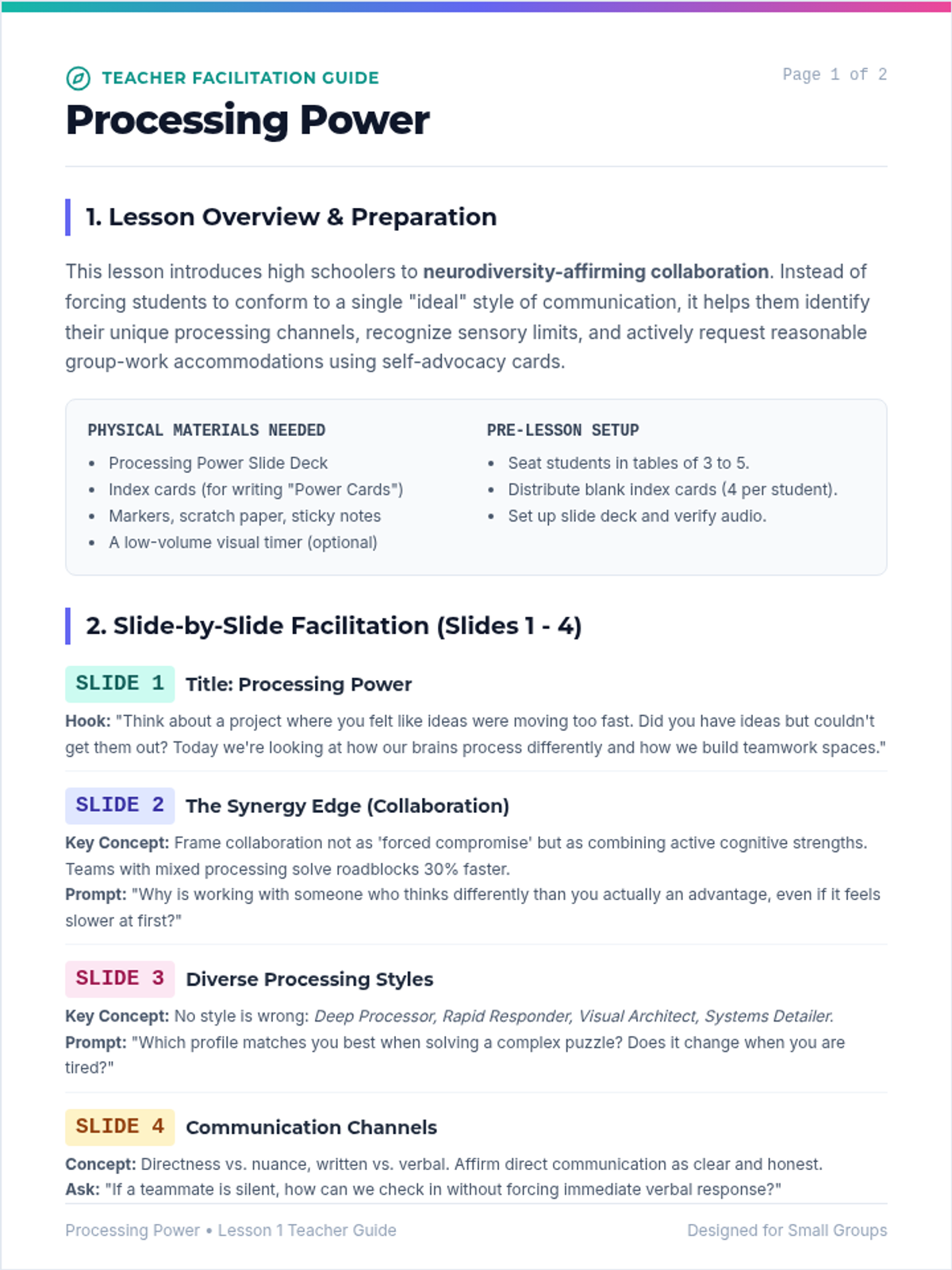
A presentation-based lesson designed for small groups of high school students to explore neurodiverse-affirming communication, understand diverse processing styles, and develop self-advocacy skills for teamwork.
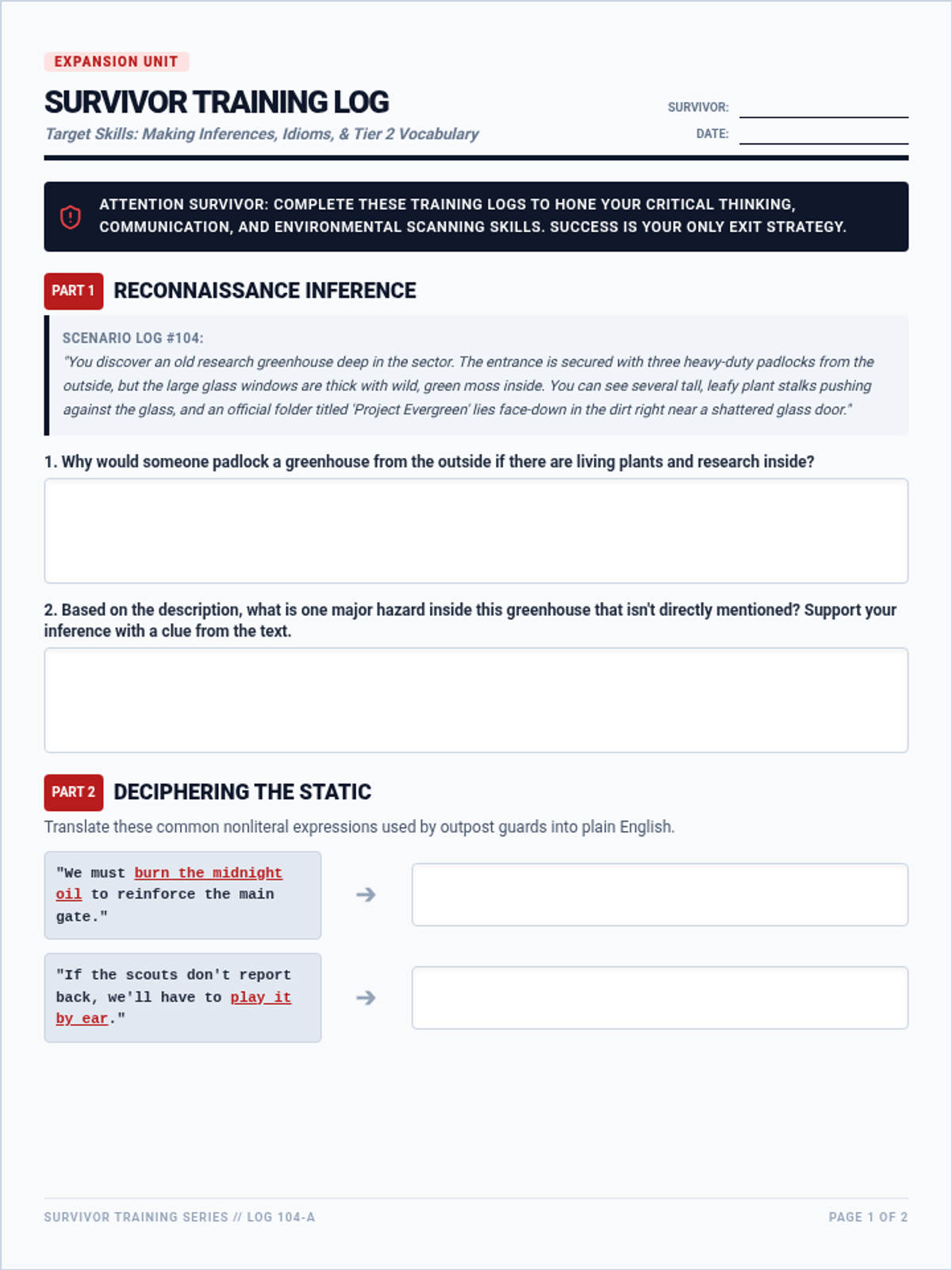
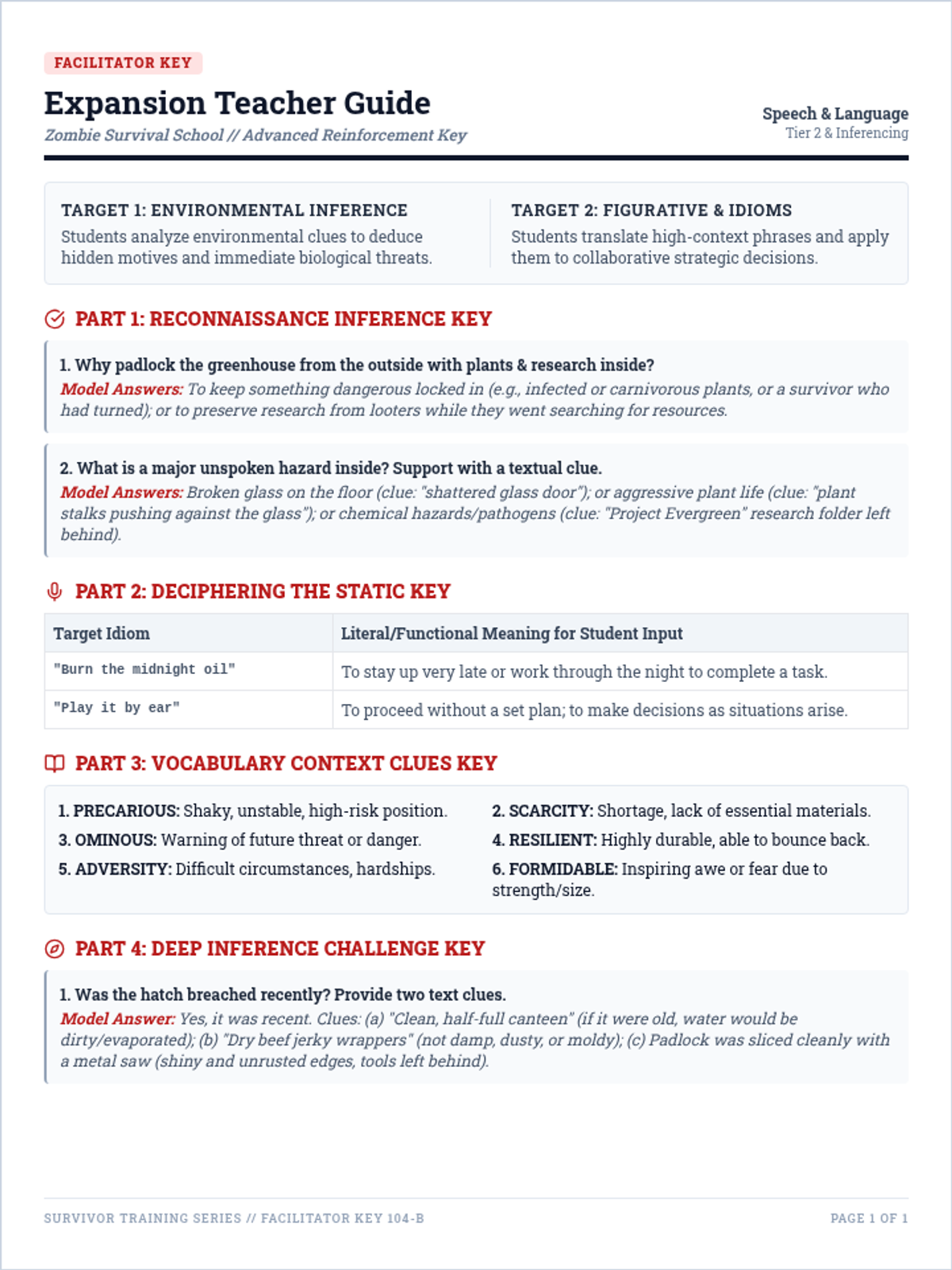
A zombie apocalypse themed speech-language therapy lesson targeting making inferences, interpreting nonliteral language, and mastering Tier 2 vocabulary.
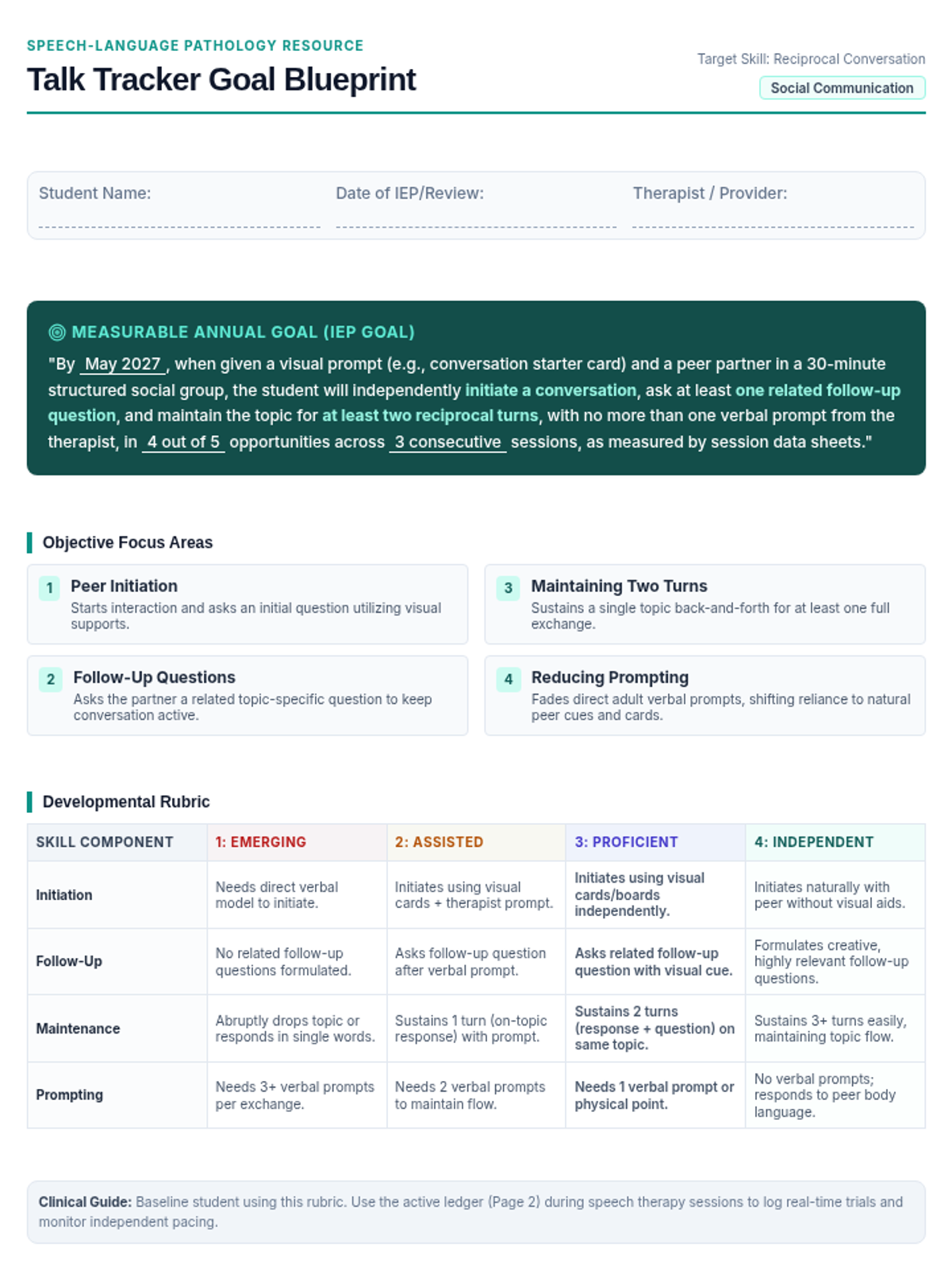
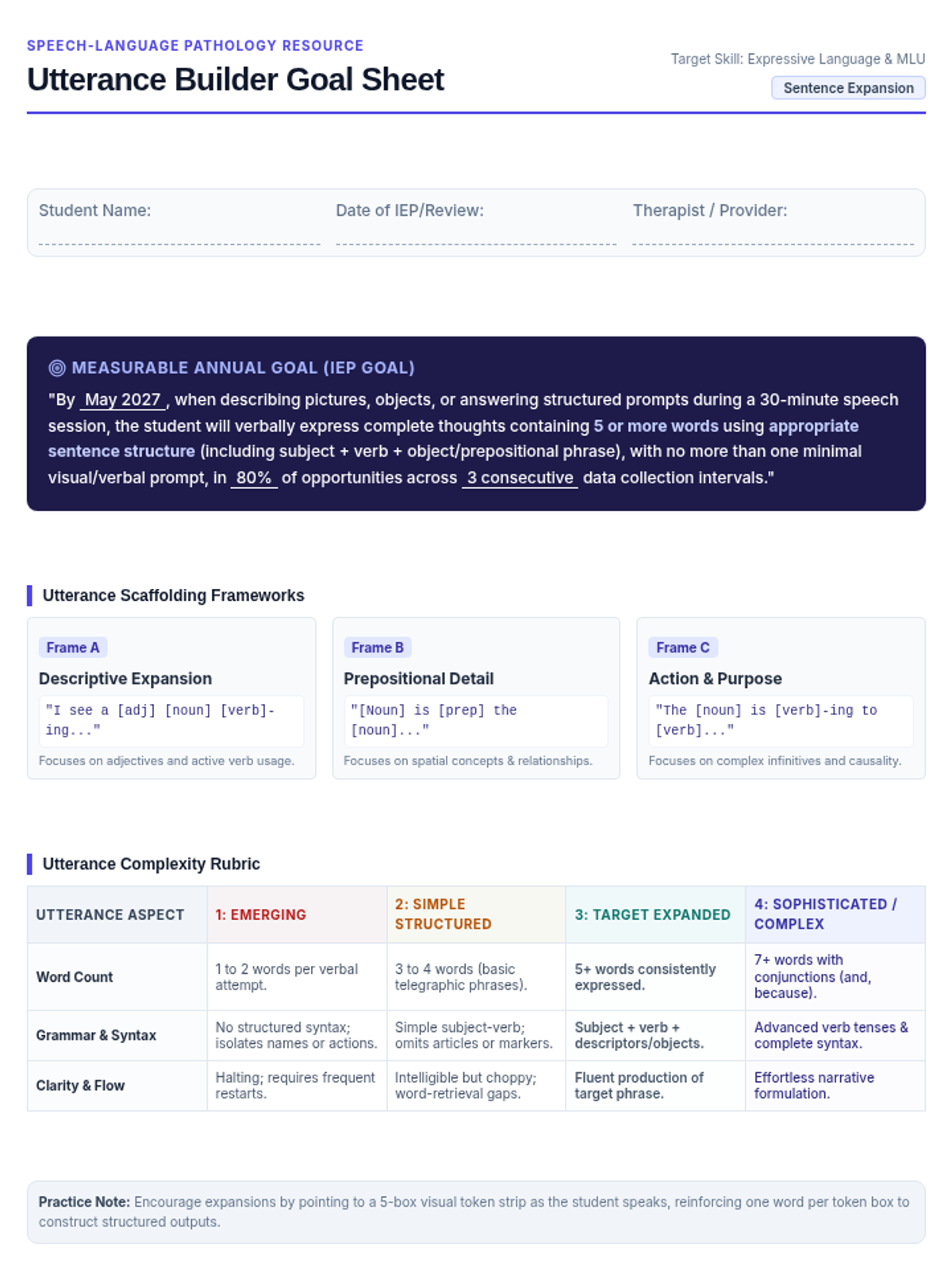
A lesson centered around tracking and achieving measurable progress in reciprocal conversation skills during speech therapy sessions, complete with formal IEP goals, a developmental rubric, and an actionable session data tracker.
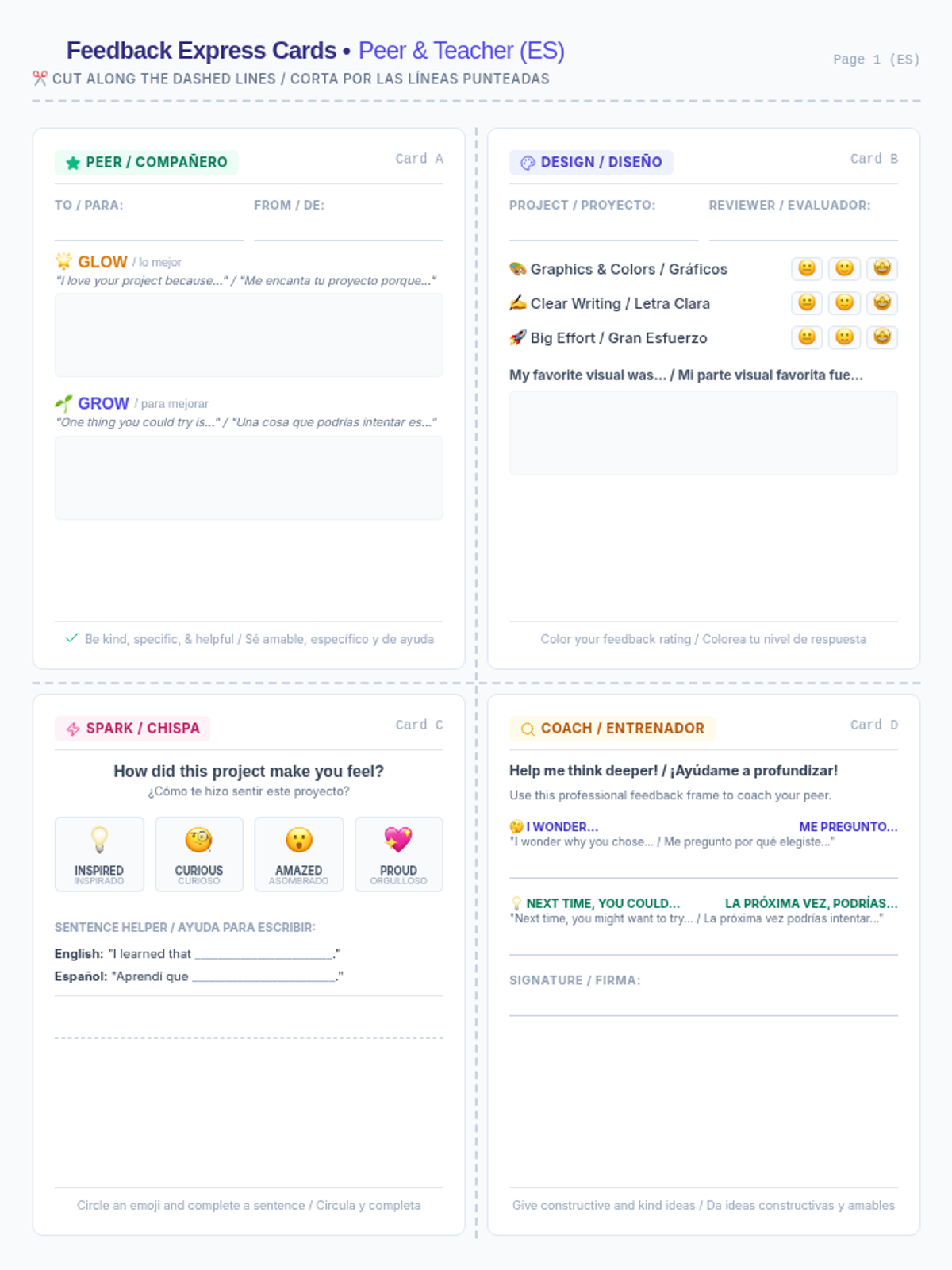
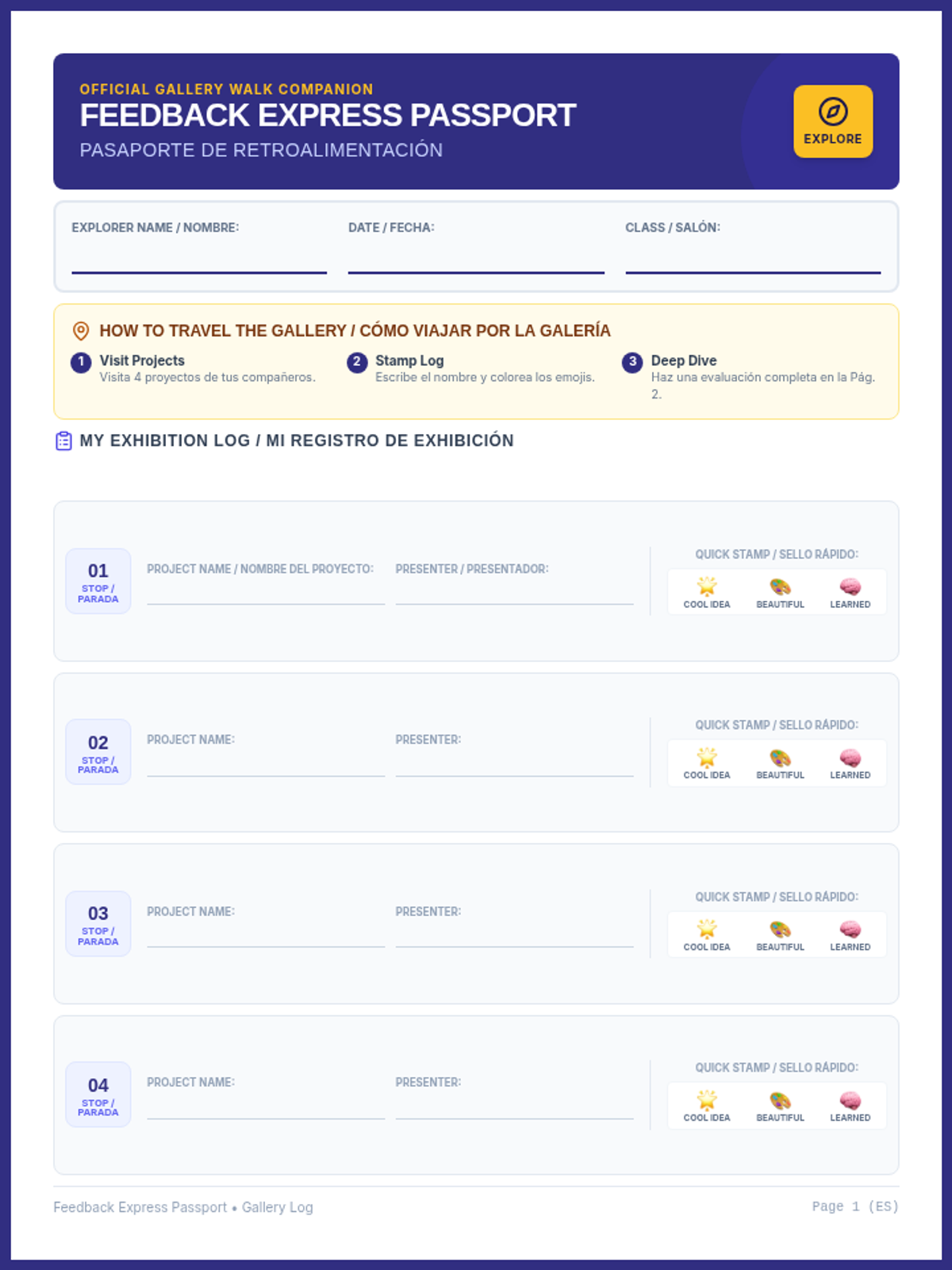
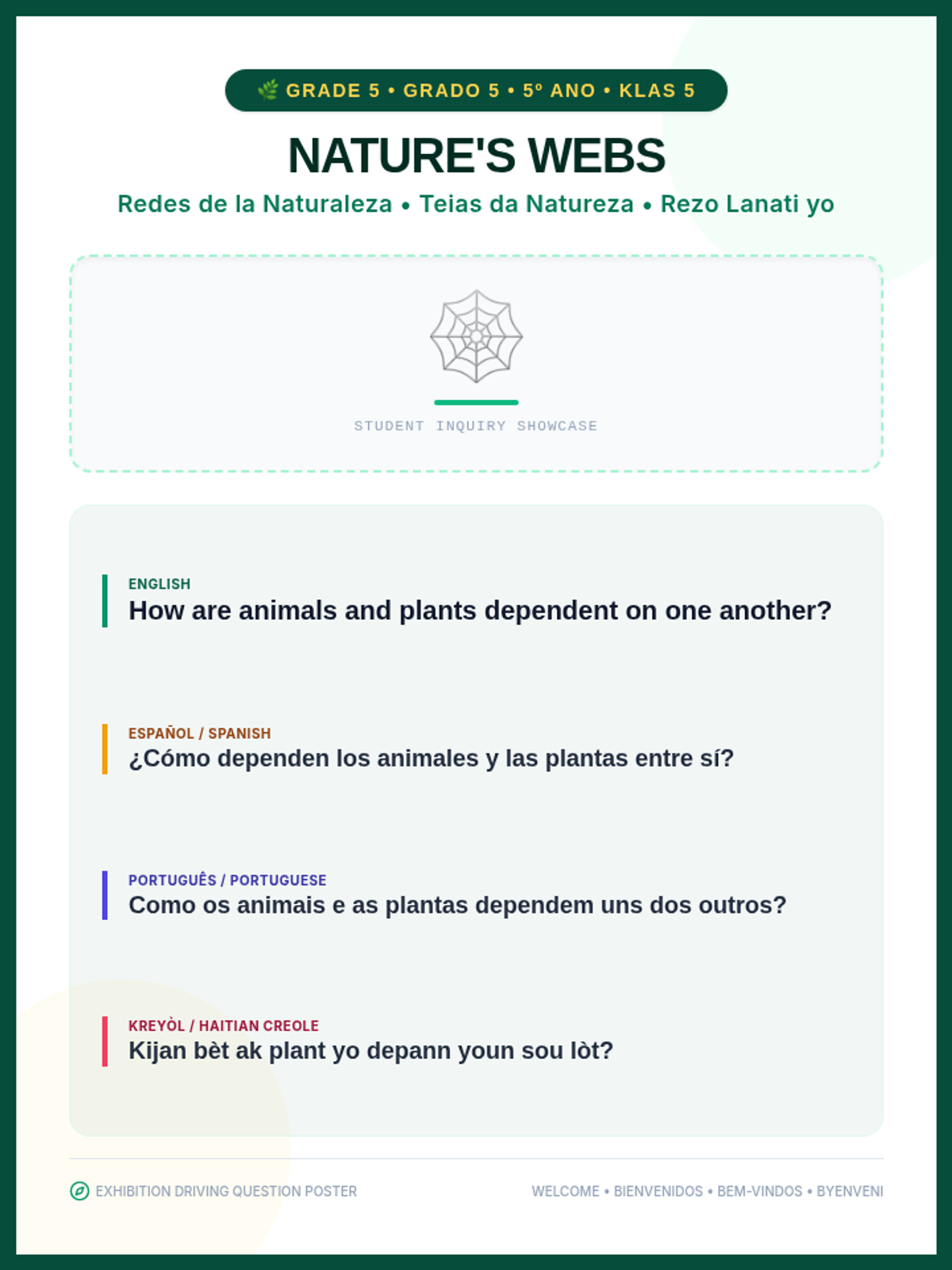
A bilingual, visual feedback toolkit designed for multilingual classrooms, families, and peers to provide meaningful project feedback. Includes emoji-rich rating systems, English-Spanish translation scaffoldings, and sentence starter frames.
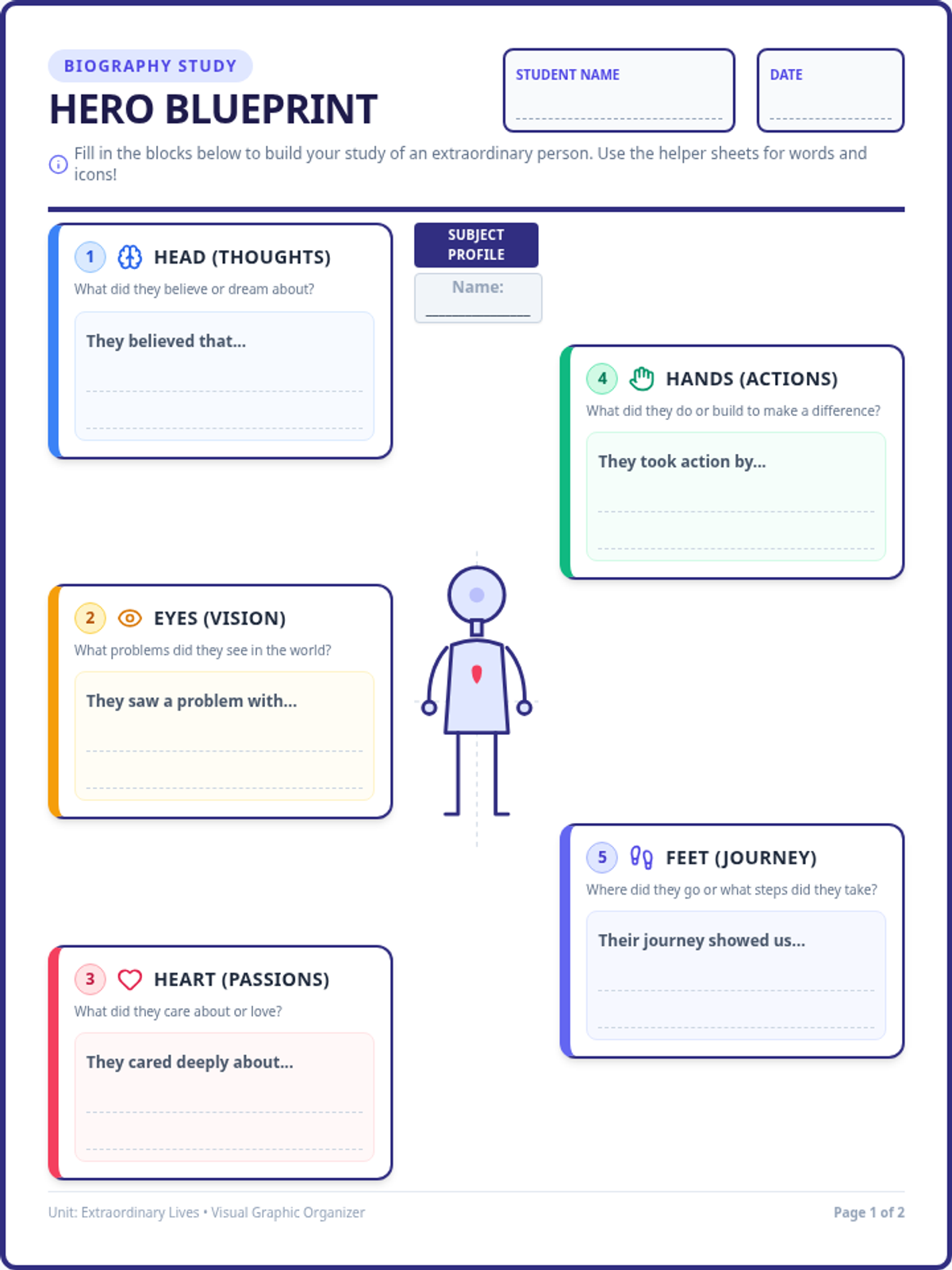
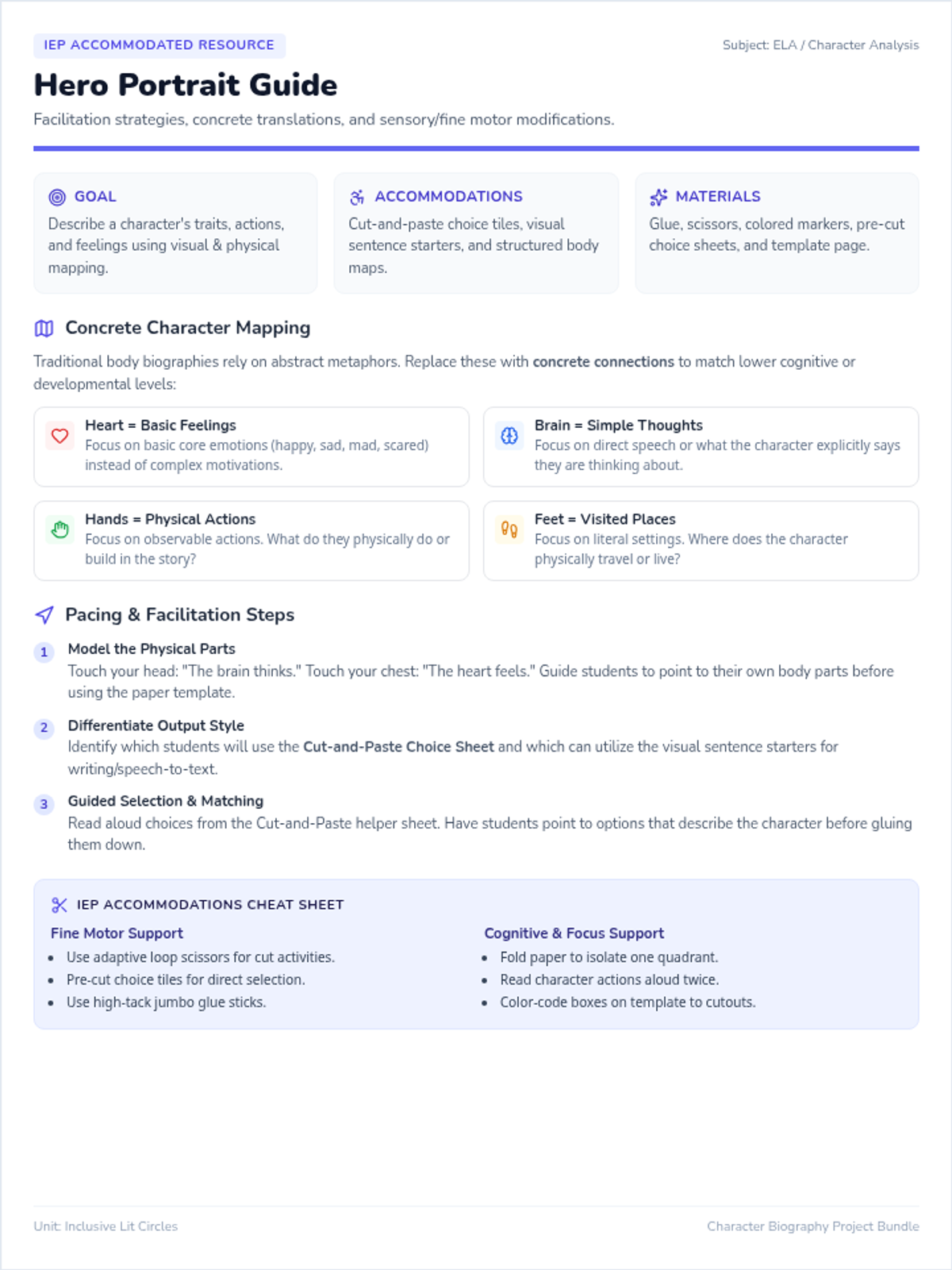
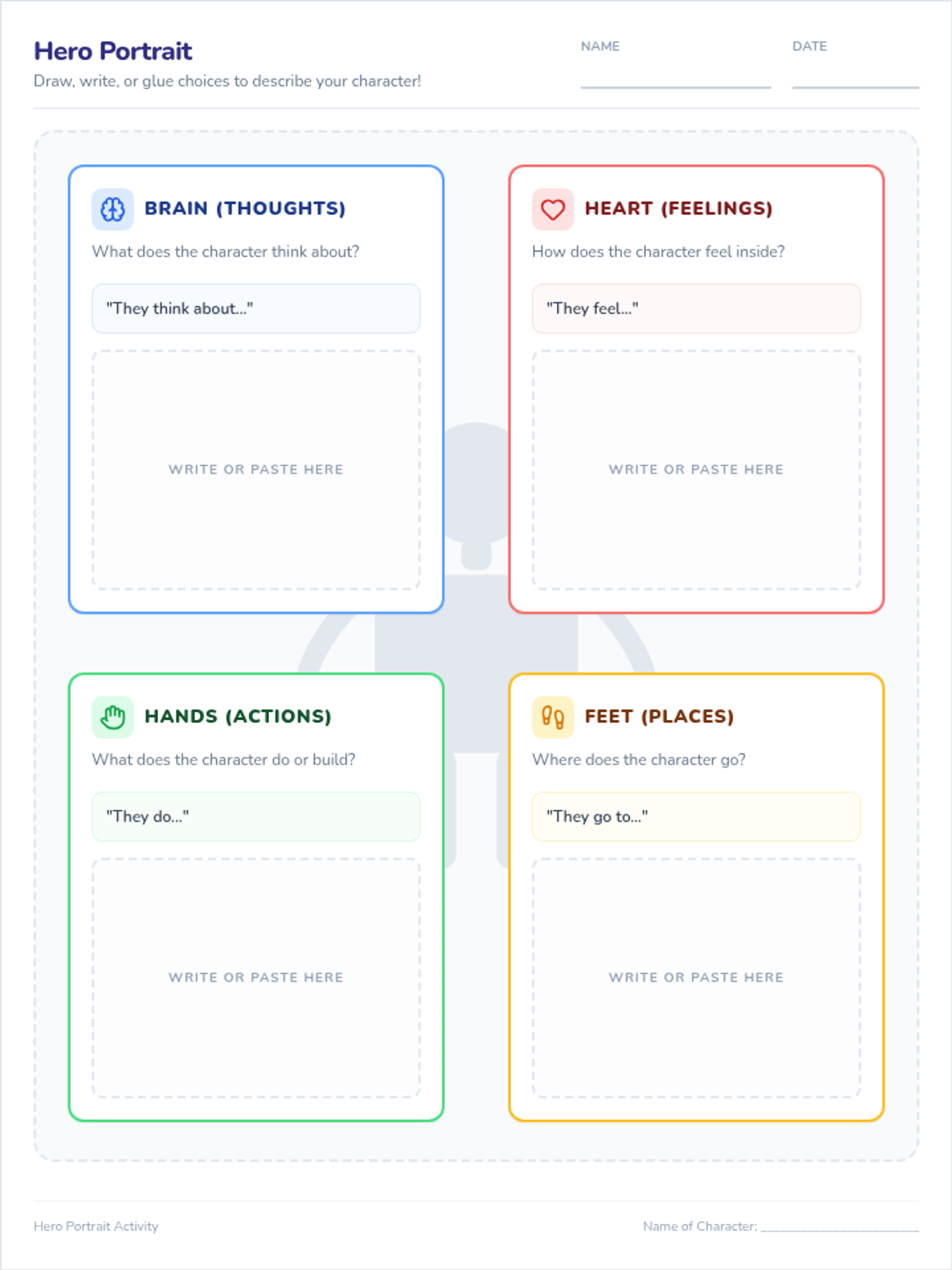
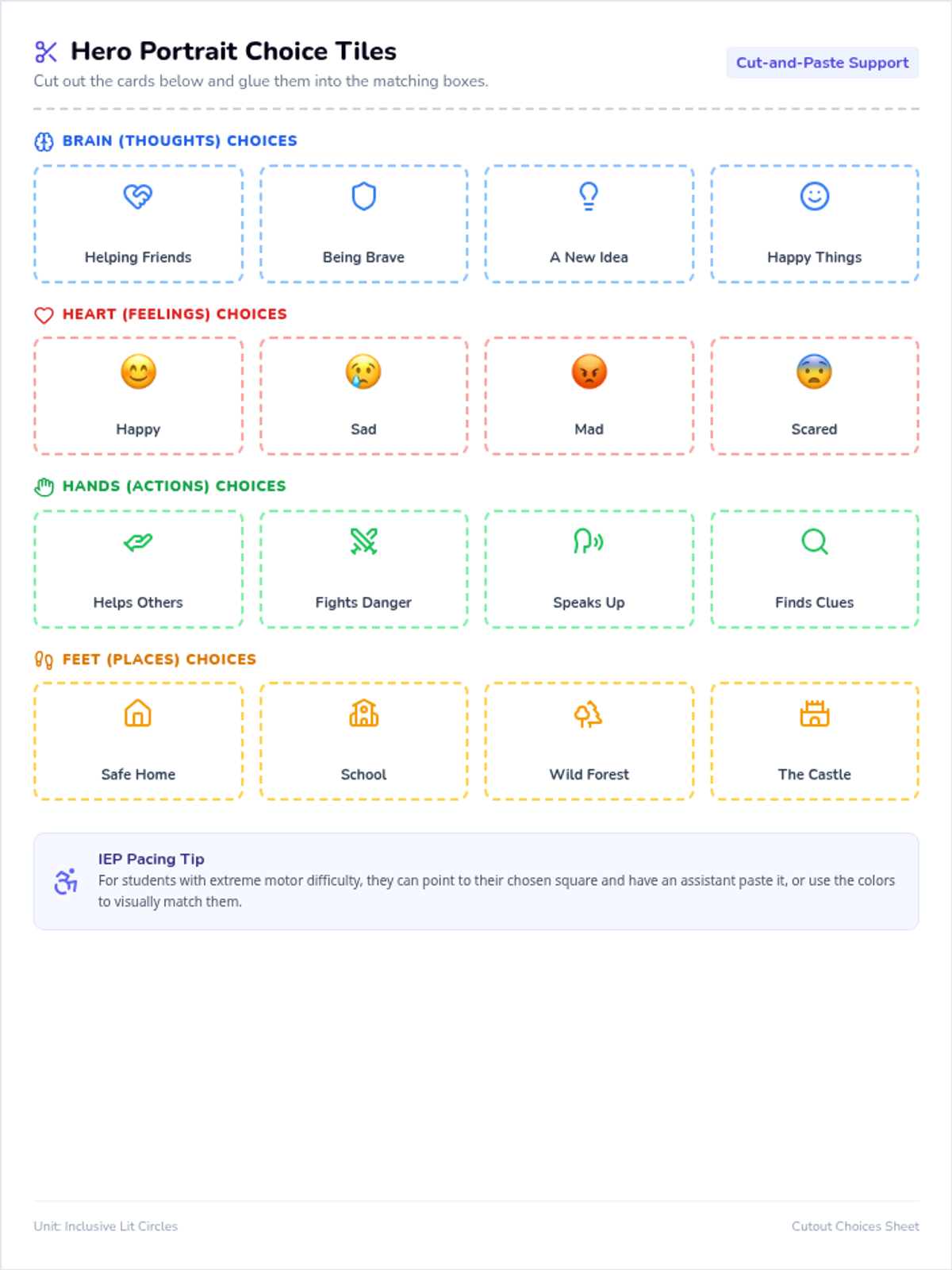
A biography study lesson featuring tiered, highly visual body graphic organizers designed to support IEP students with visual symbol supports, sentence starters, and cut-and-paste vocabulary options.
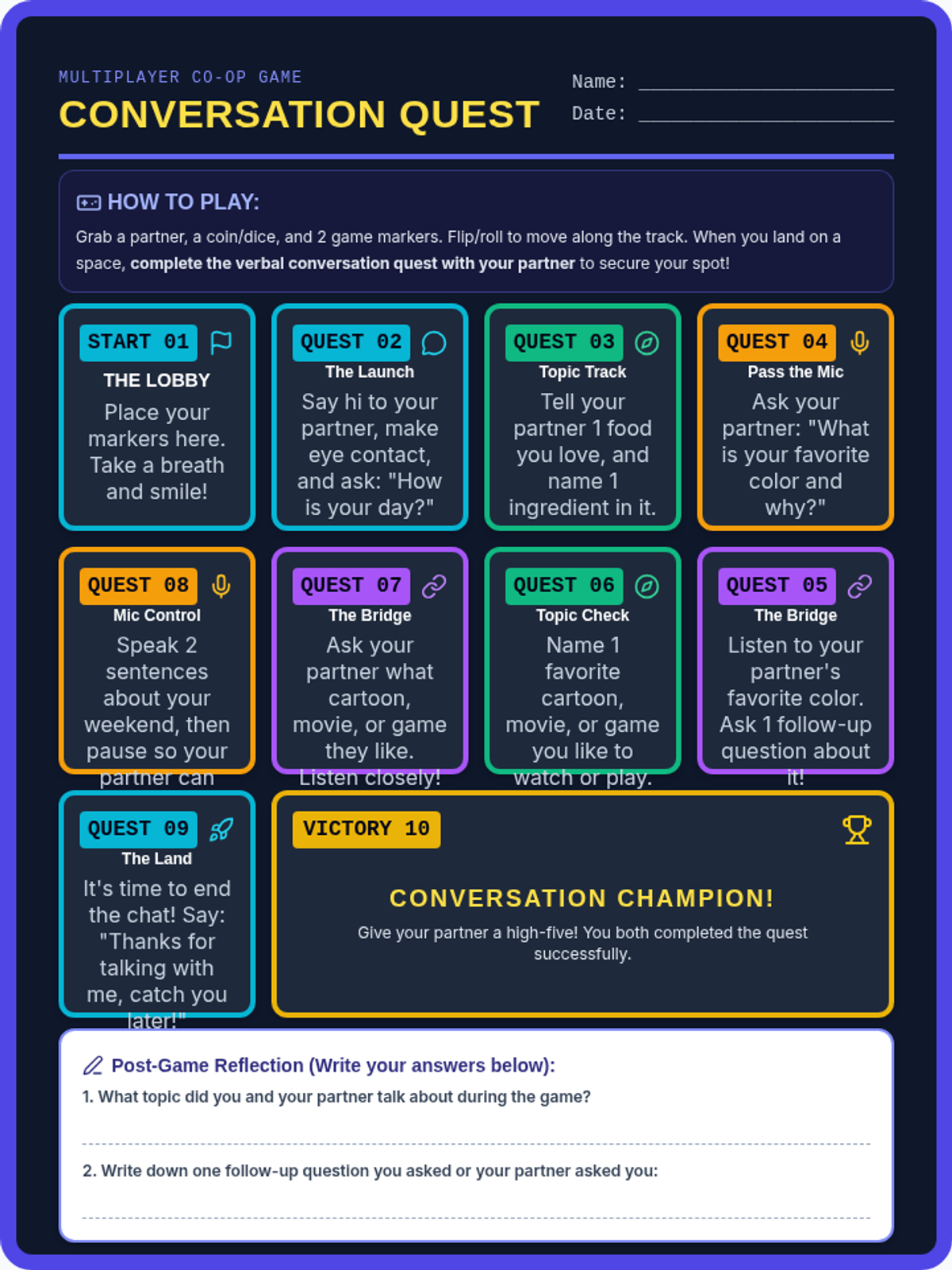
A gamified social skills lesson designed for students with ASD to practice and master conversational rules, including starting and ending conversations, staying on-topic, taking turns, and asking follow-up questions.
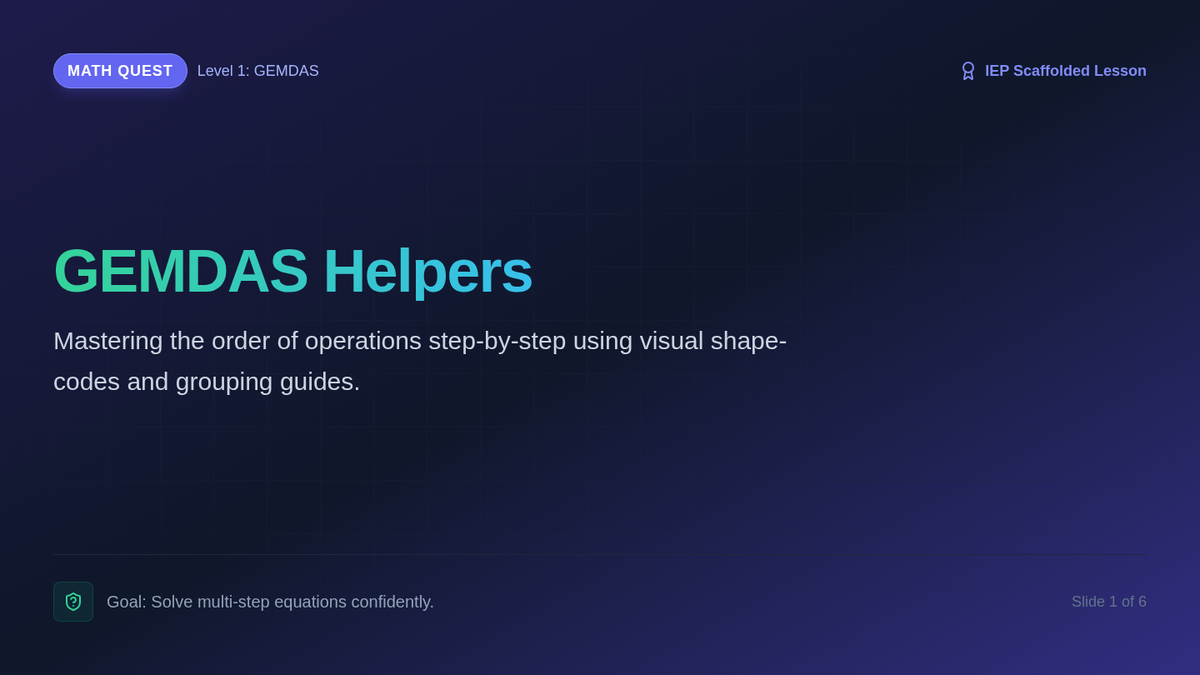
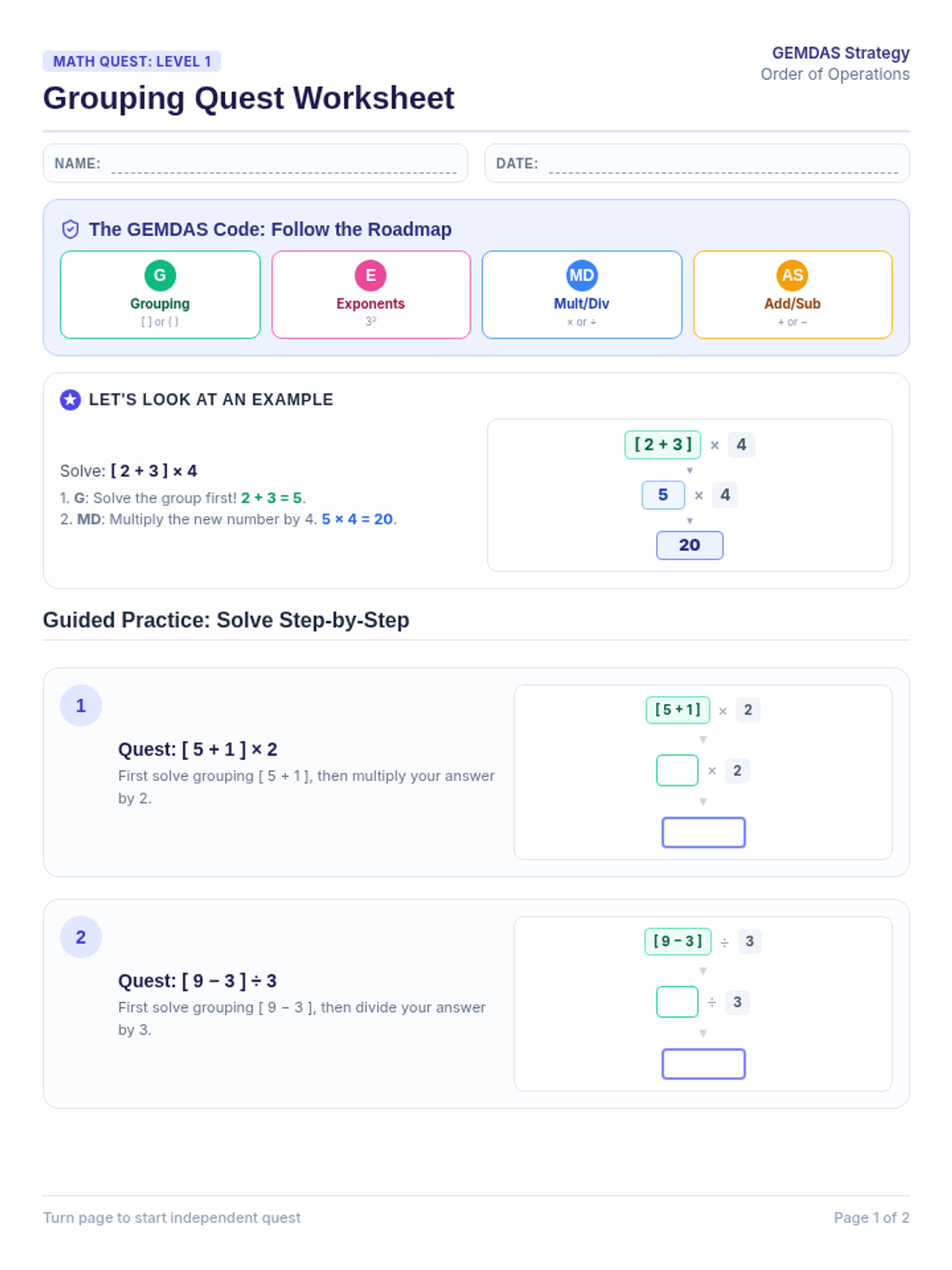
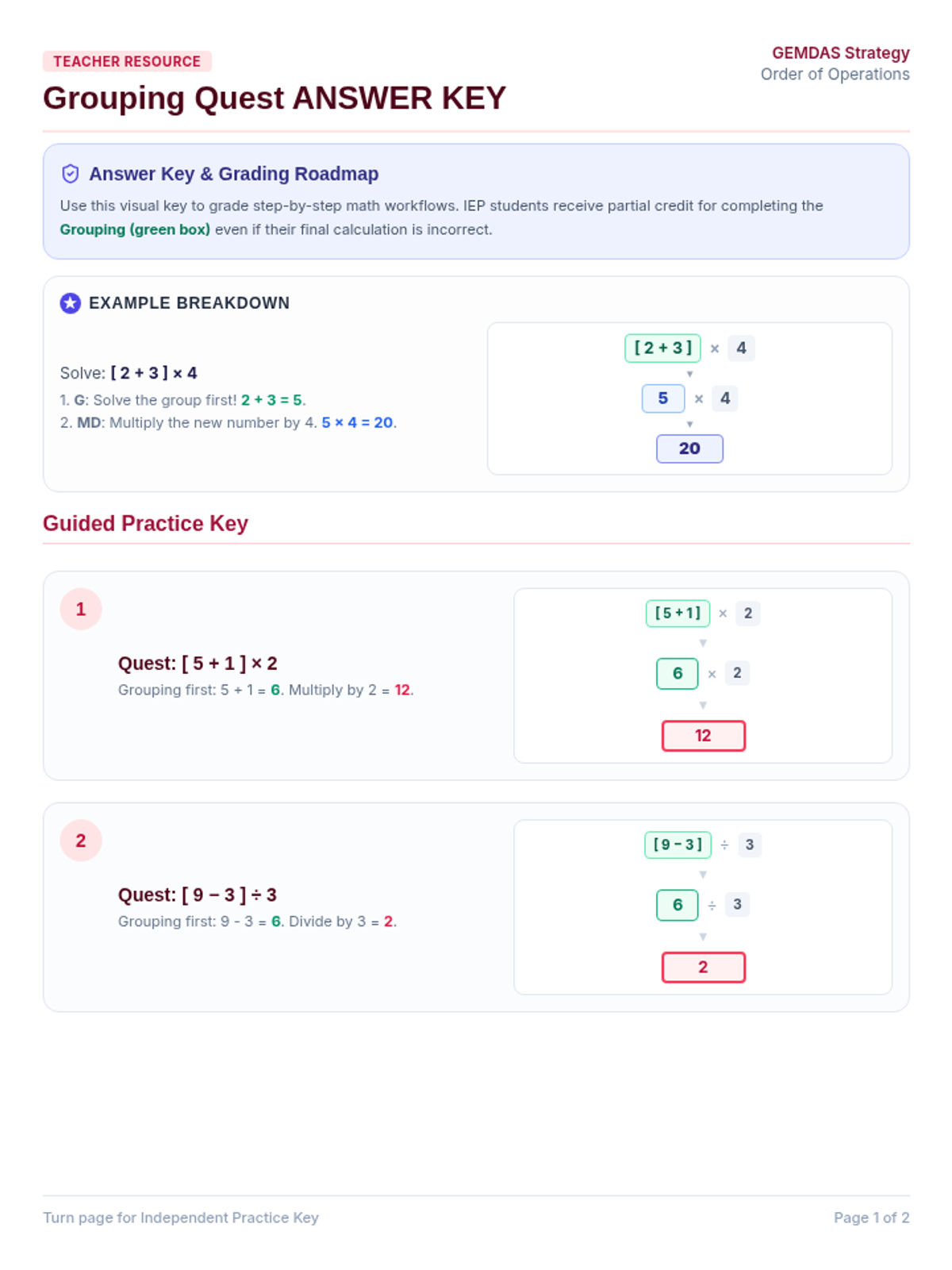
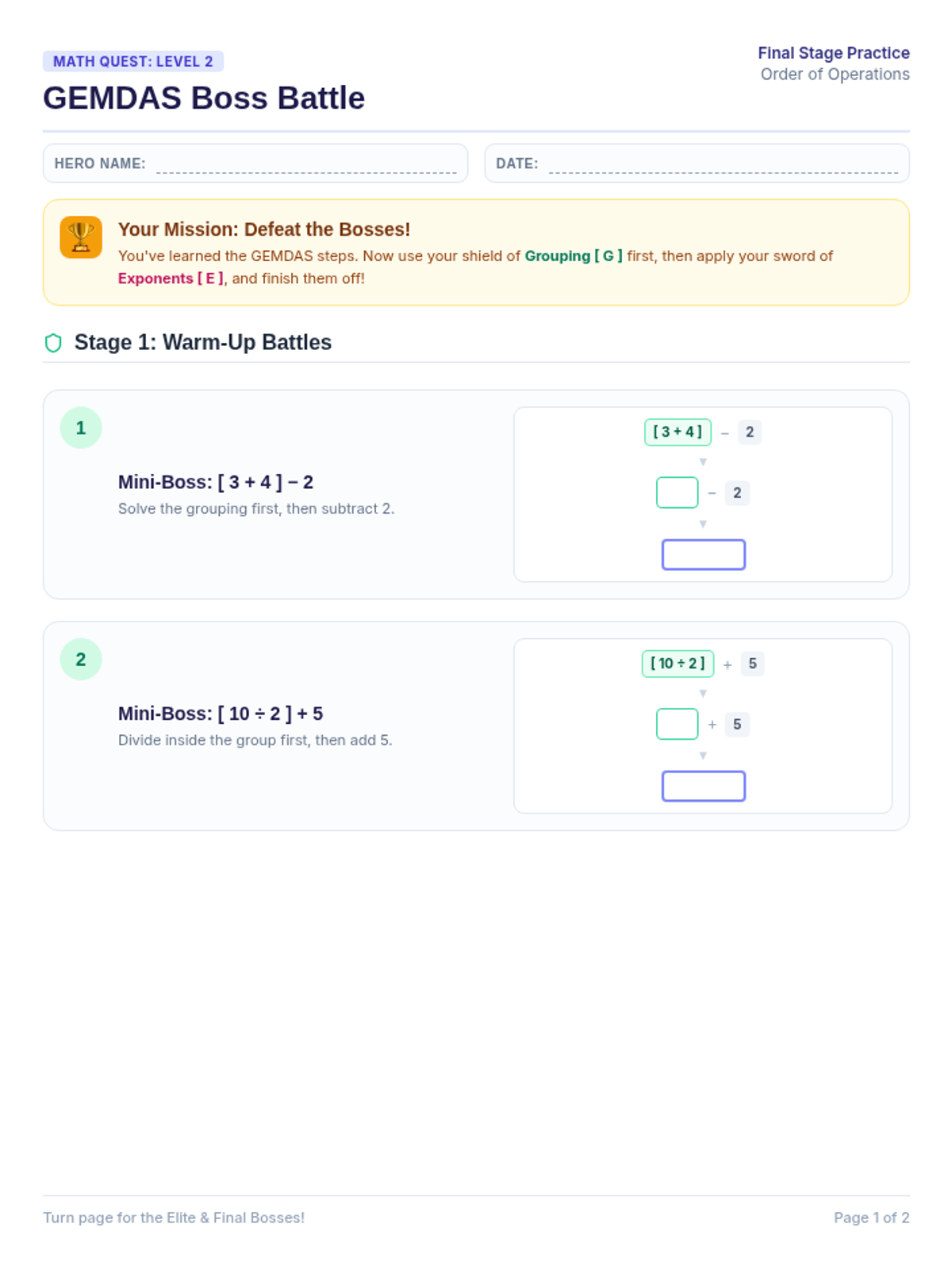
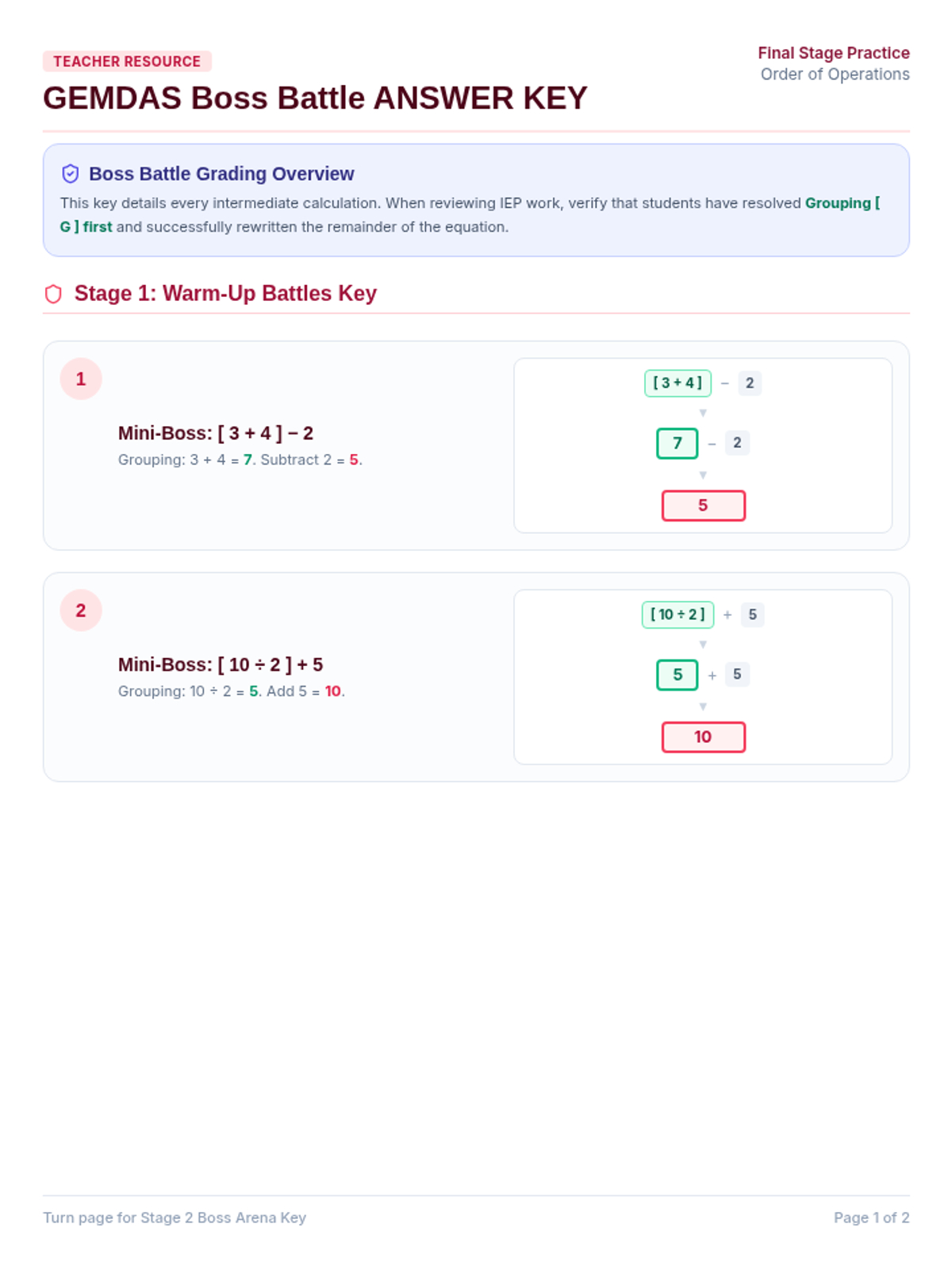
A lesson designed for IEP students focusing on the order of operations using GEMDAS (Grouping, Exponents, Multiplication/Division, Addition/Subtraction). It features shape-coded guided steps and simplified numbers to scaffold comprehension.
A scaffolded Character Body Biography project adapted for IEP students, featuring simplified concrete connections, cut-and-paste elements, and visual supports.
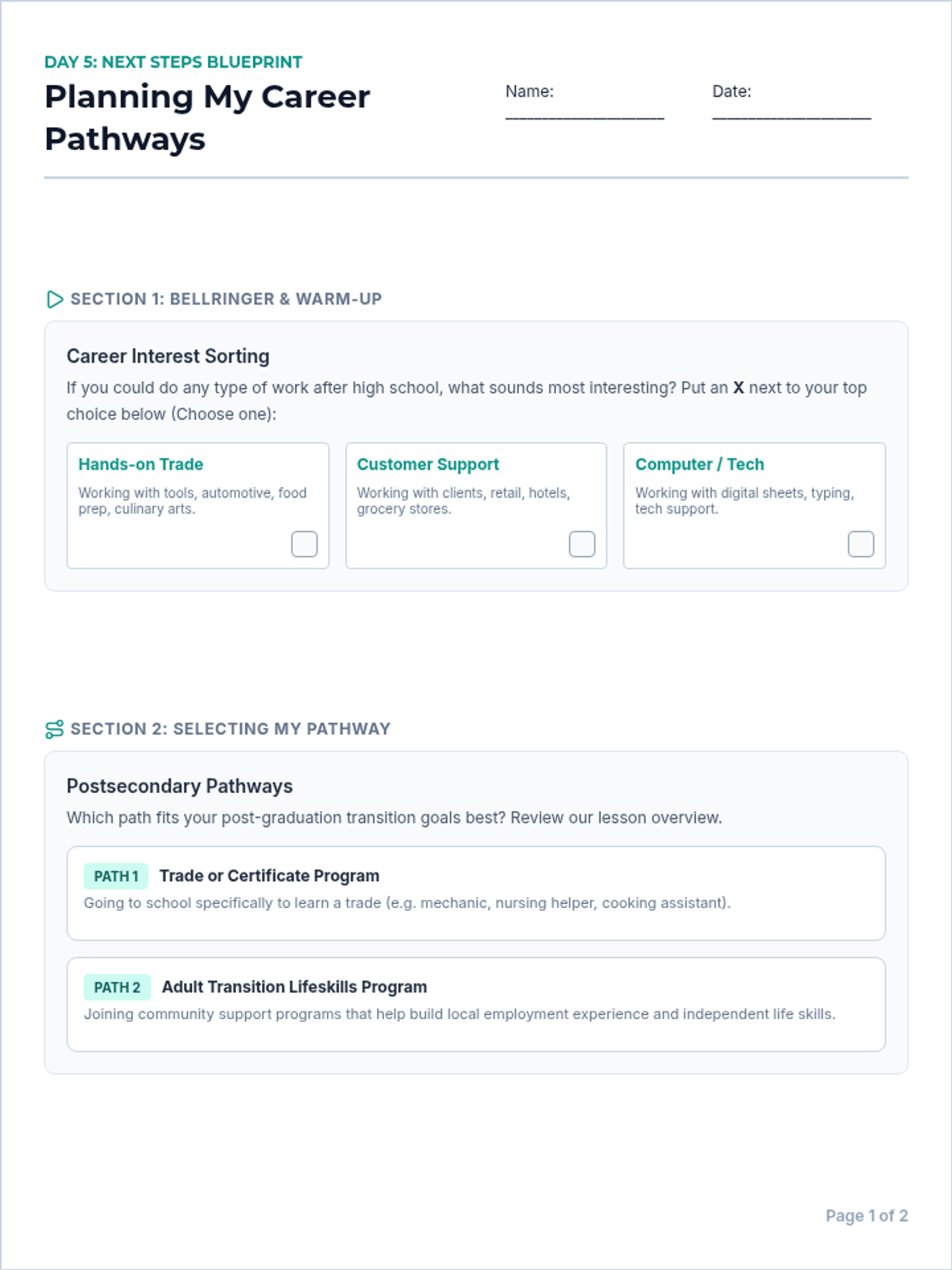
Day 5 explores postsecondary options and career pathways, conducts the final unit assessments, and establishes individual student next-steps action plans.
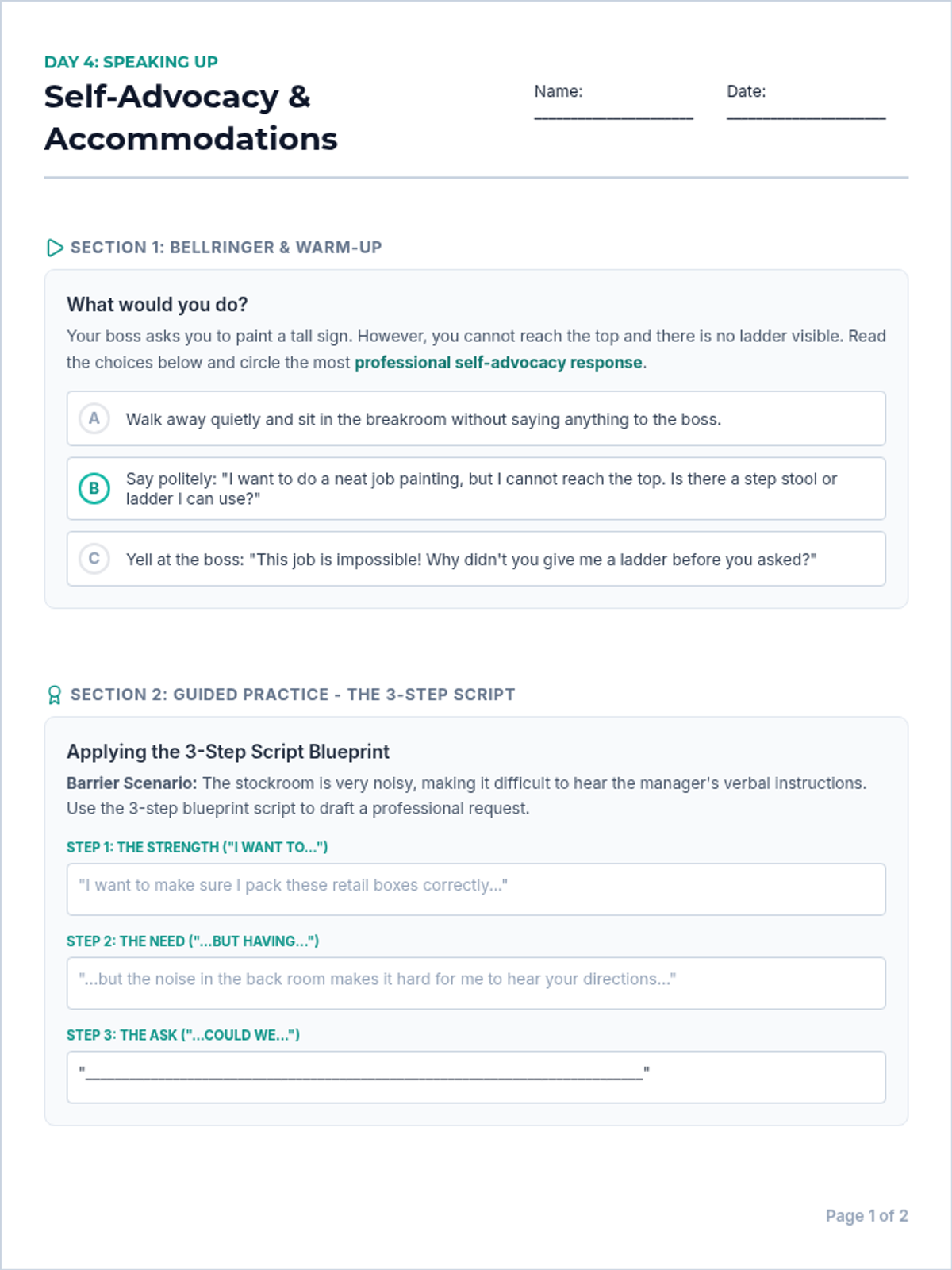
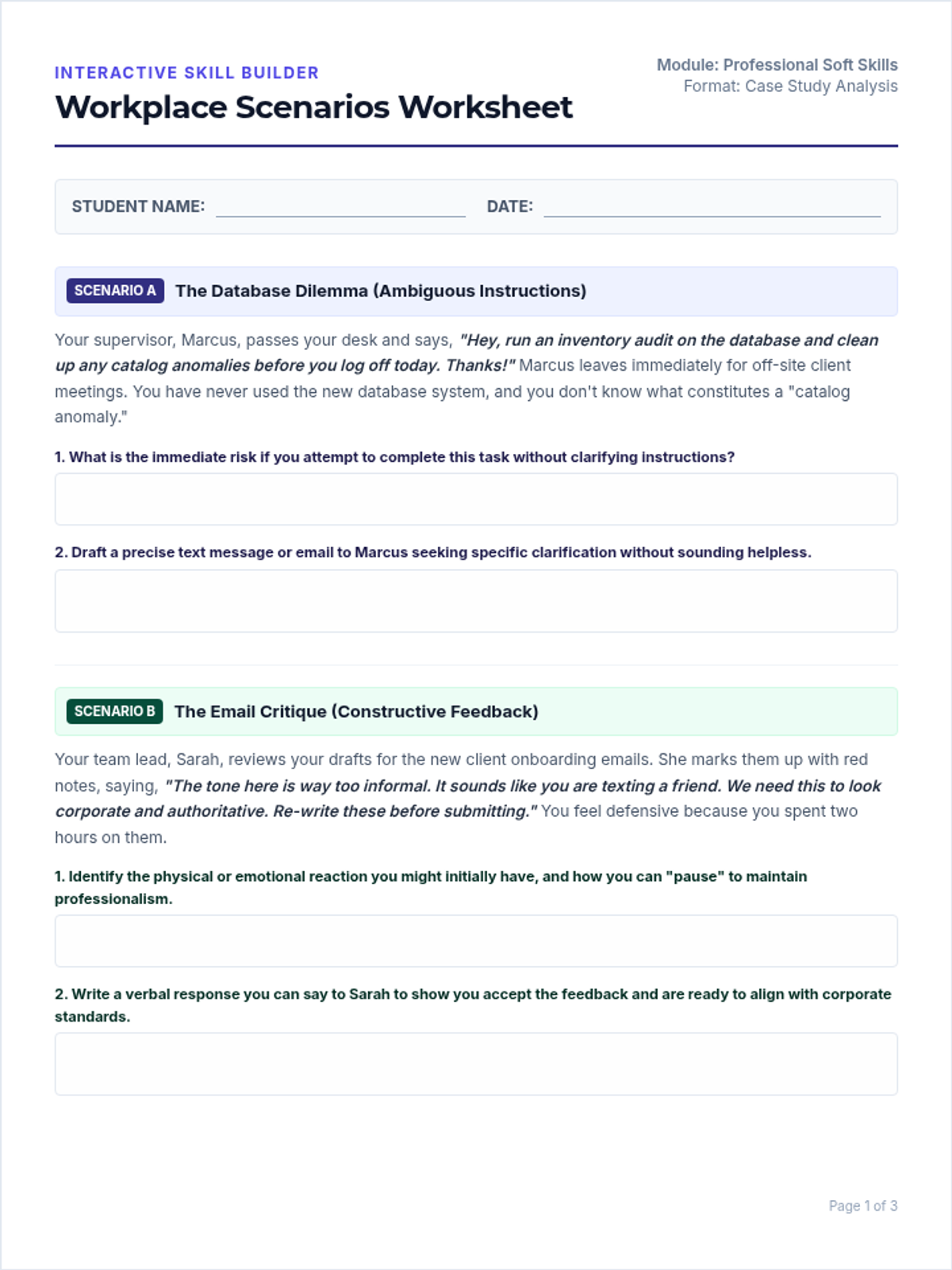
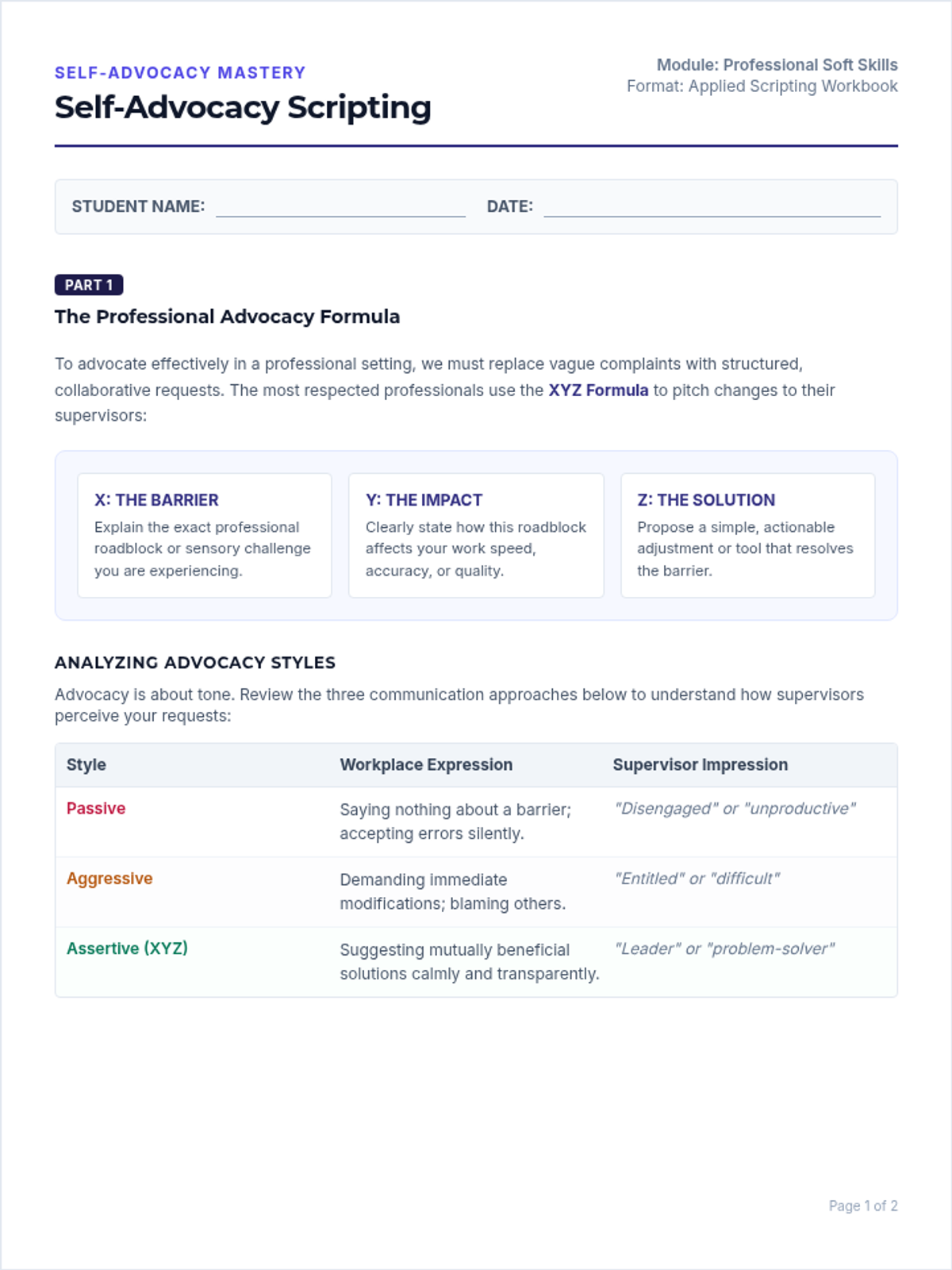
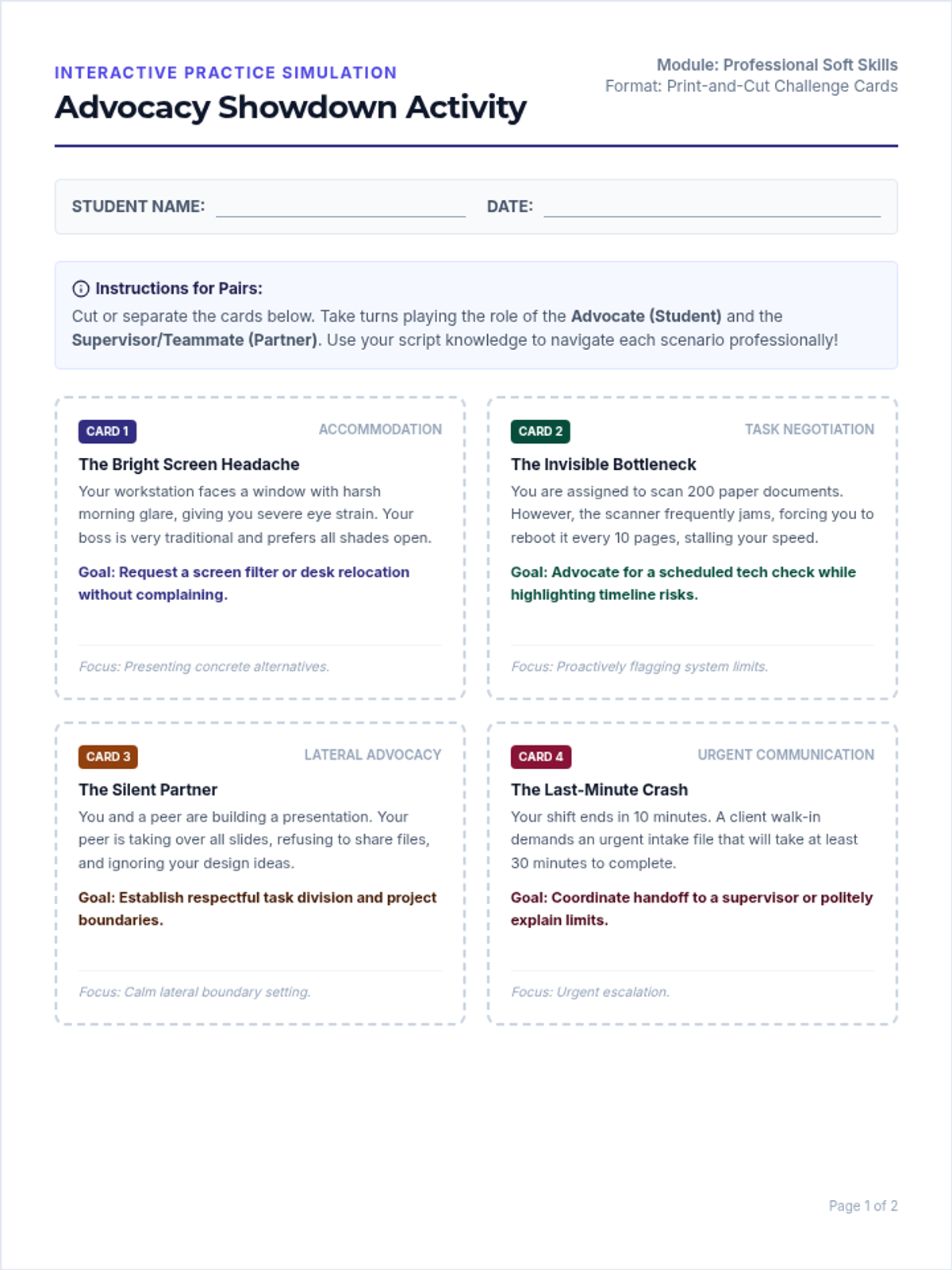
Day 4 targets self-advocacy and accommodation requesting, teaching students how to identify their needs, communicate them respectfully, and navigate the workplace independently.
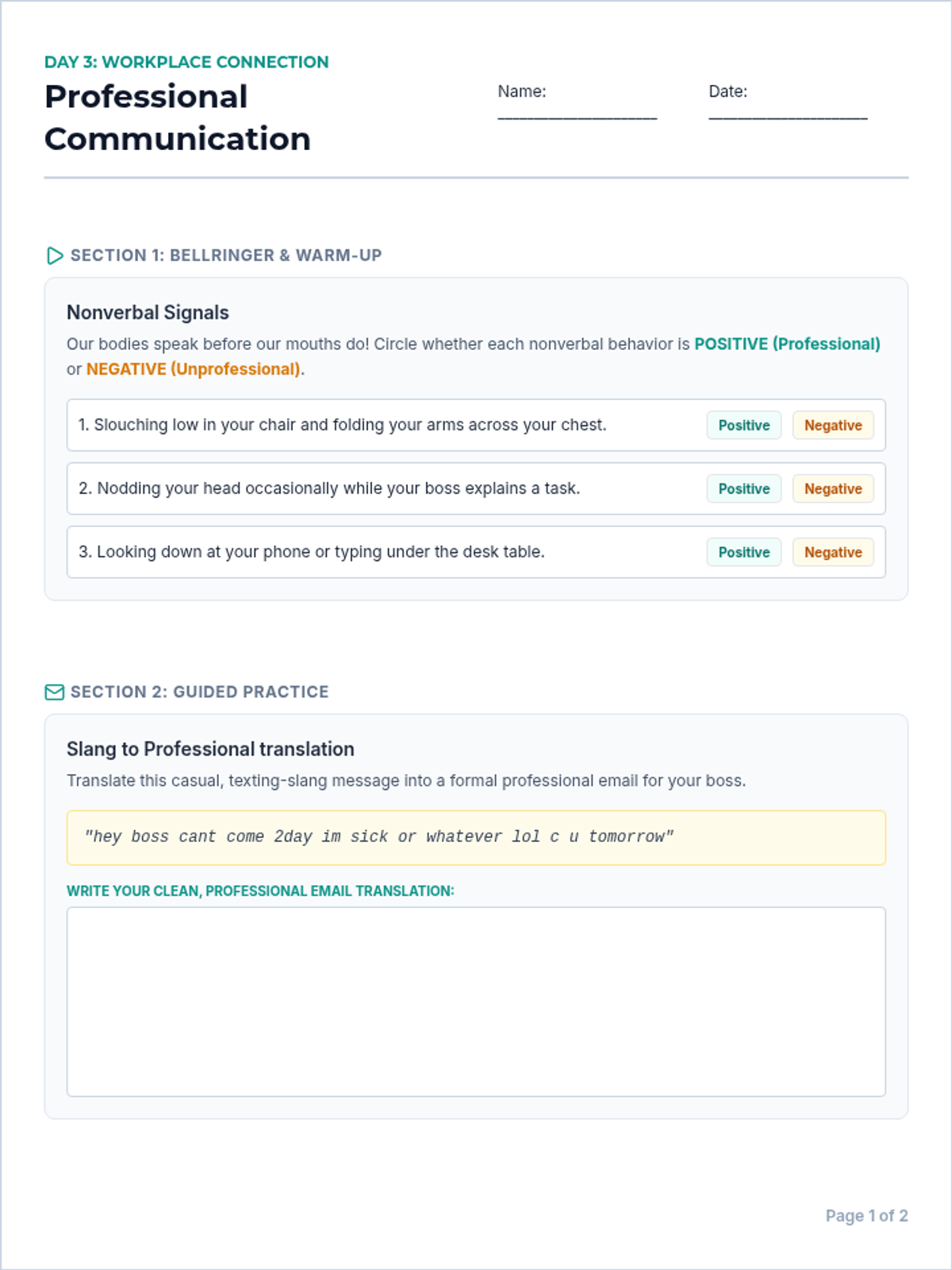
Day 3 focuses on professional verbal and non-verbal communication, email etiquette, and active teamwork within diverse workplace scenarios.
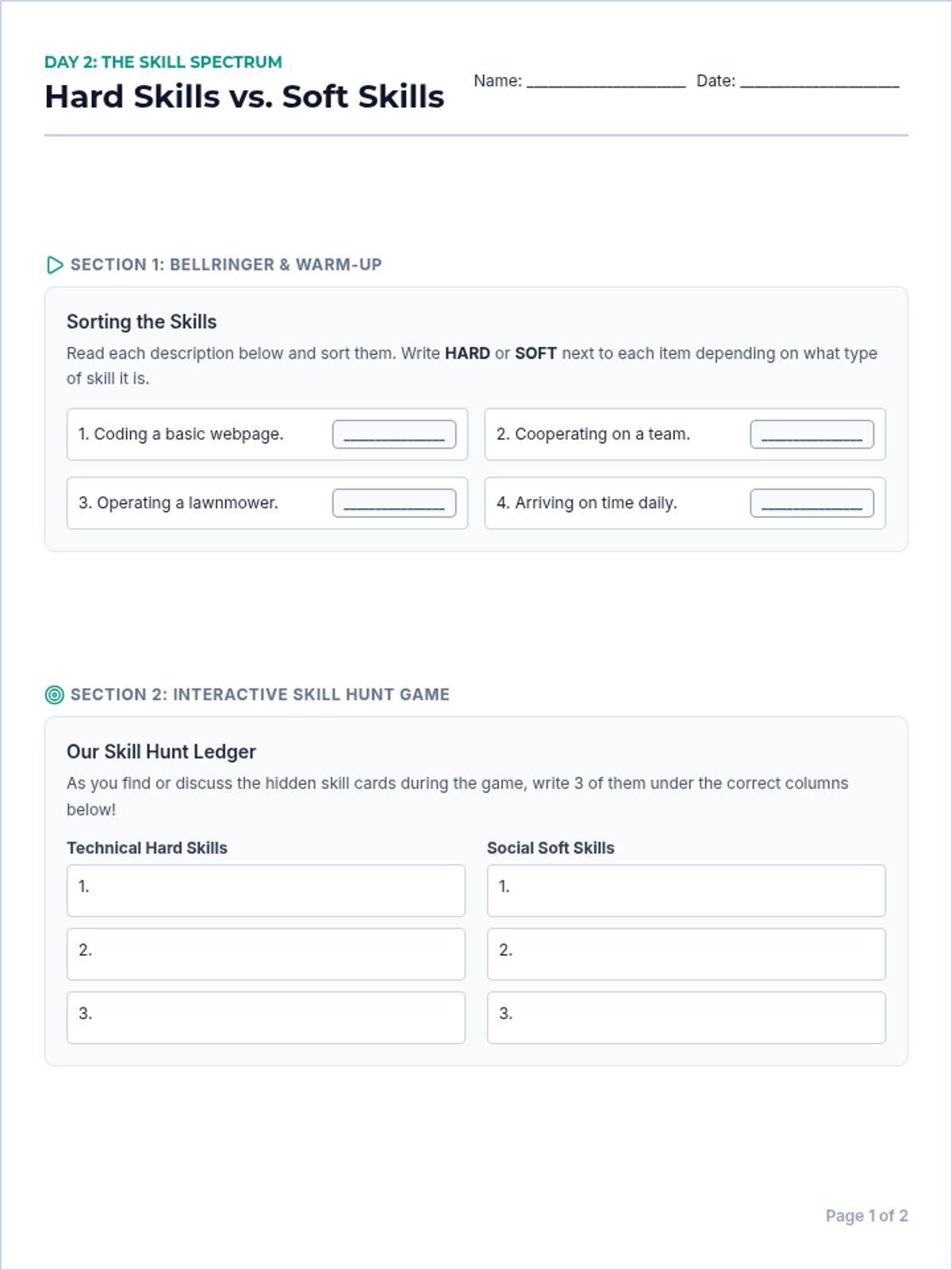
Day 2 dives into hard versus soft skills, exploring how technical abilities get you hired while interpersonal qualities keep you employed.
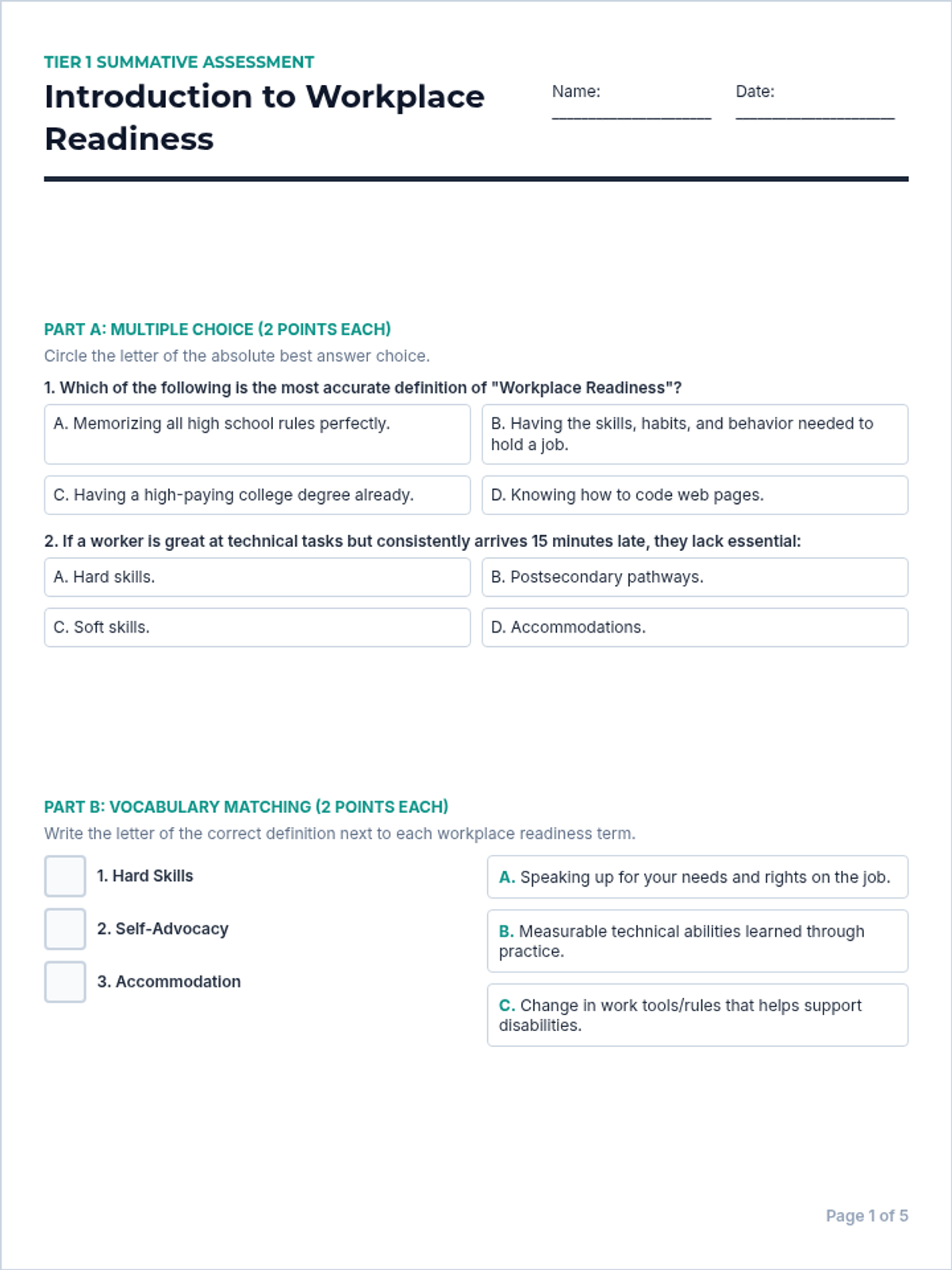
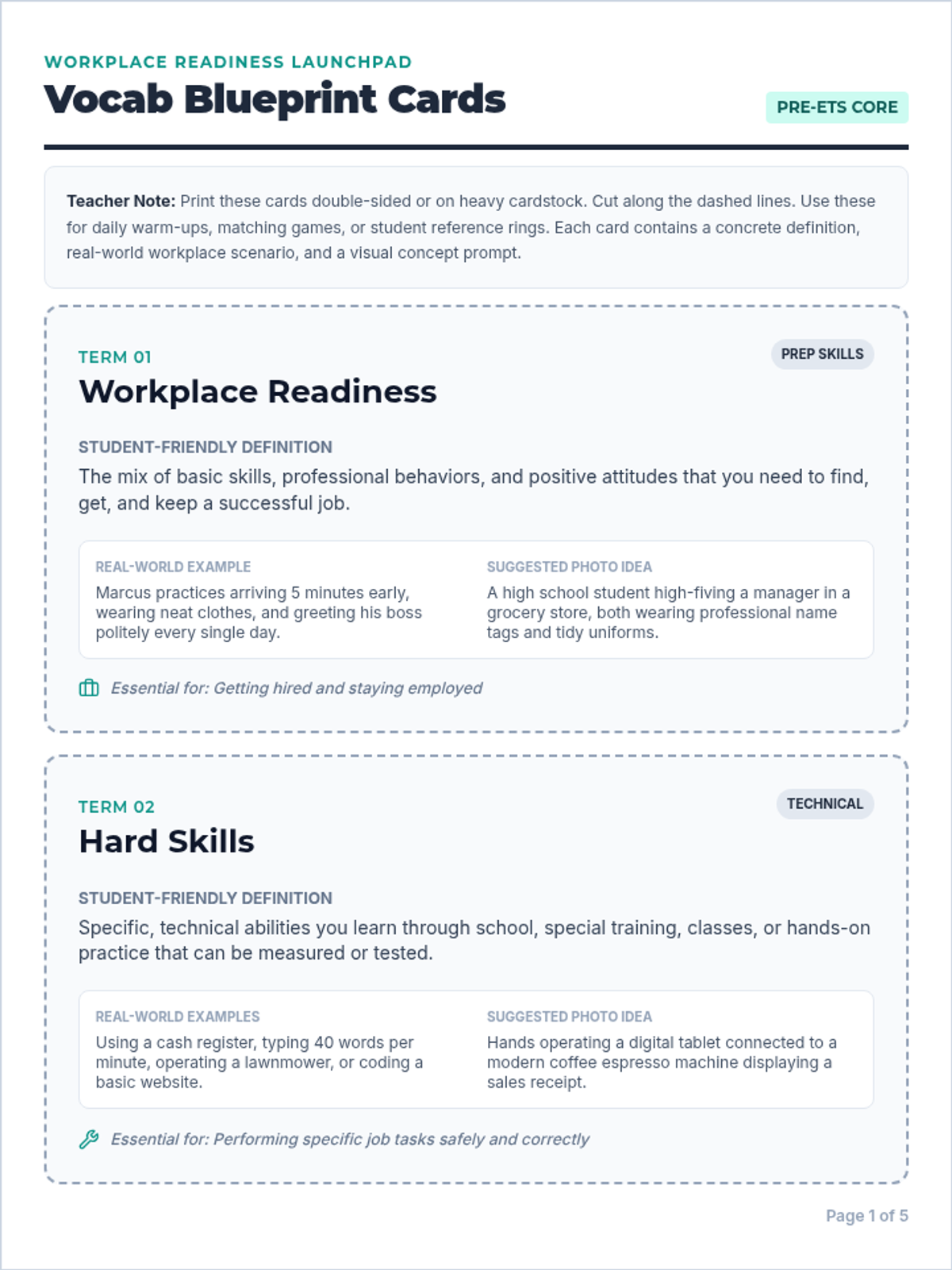
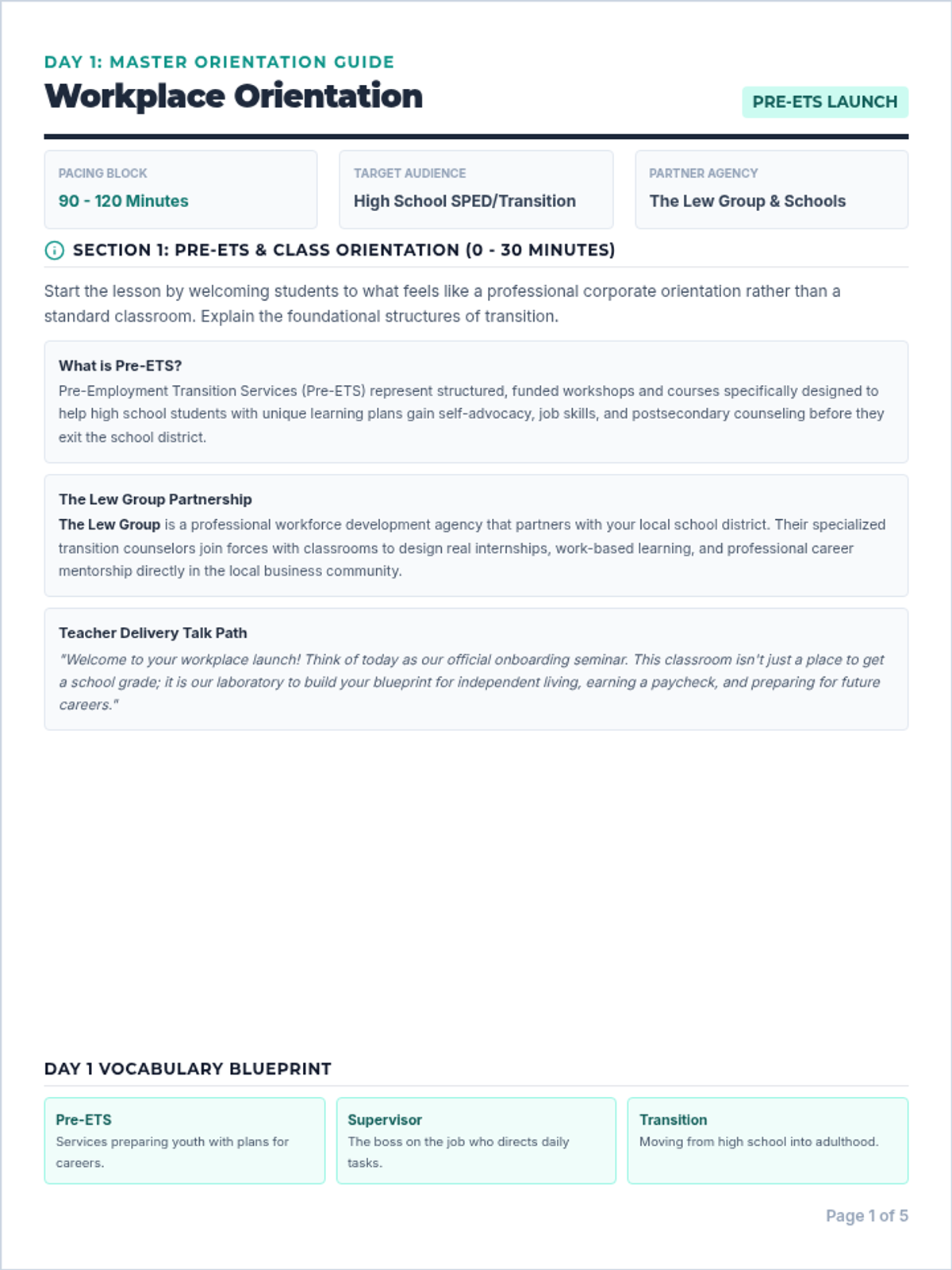
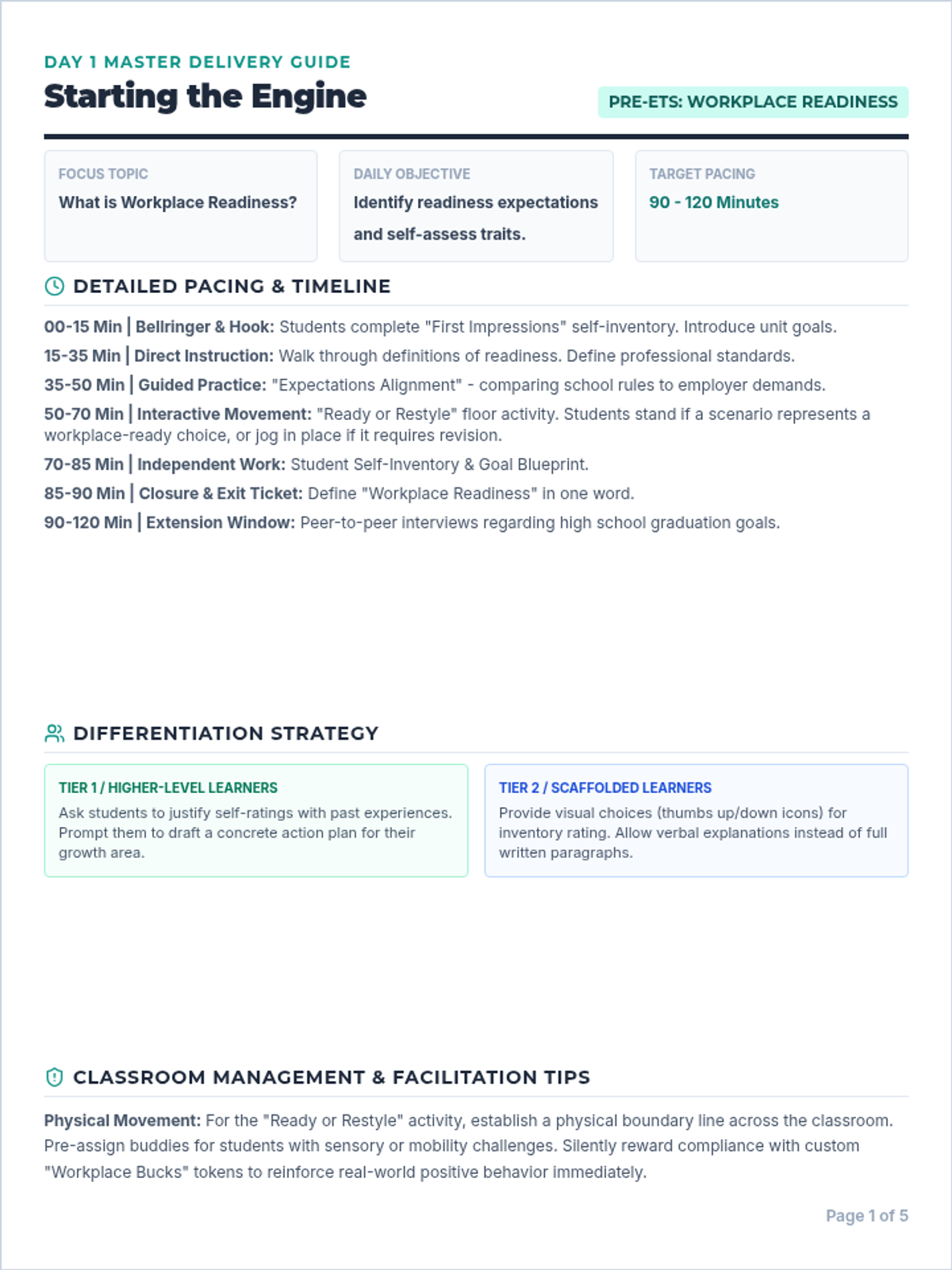
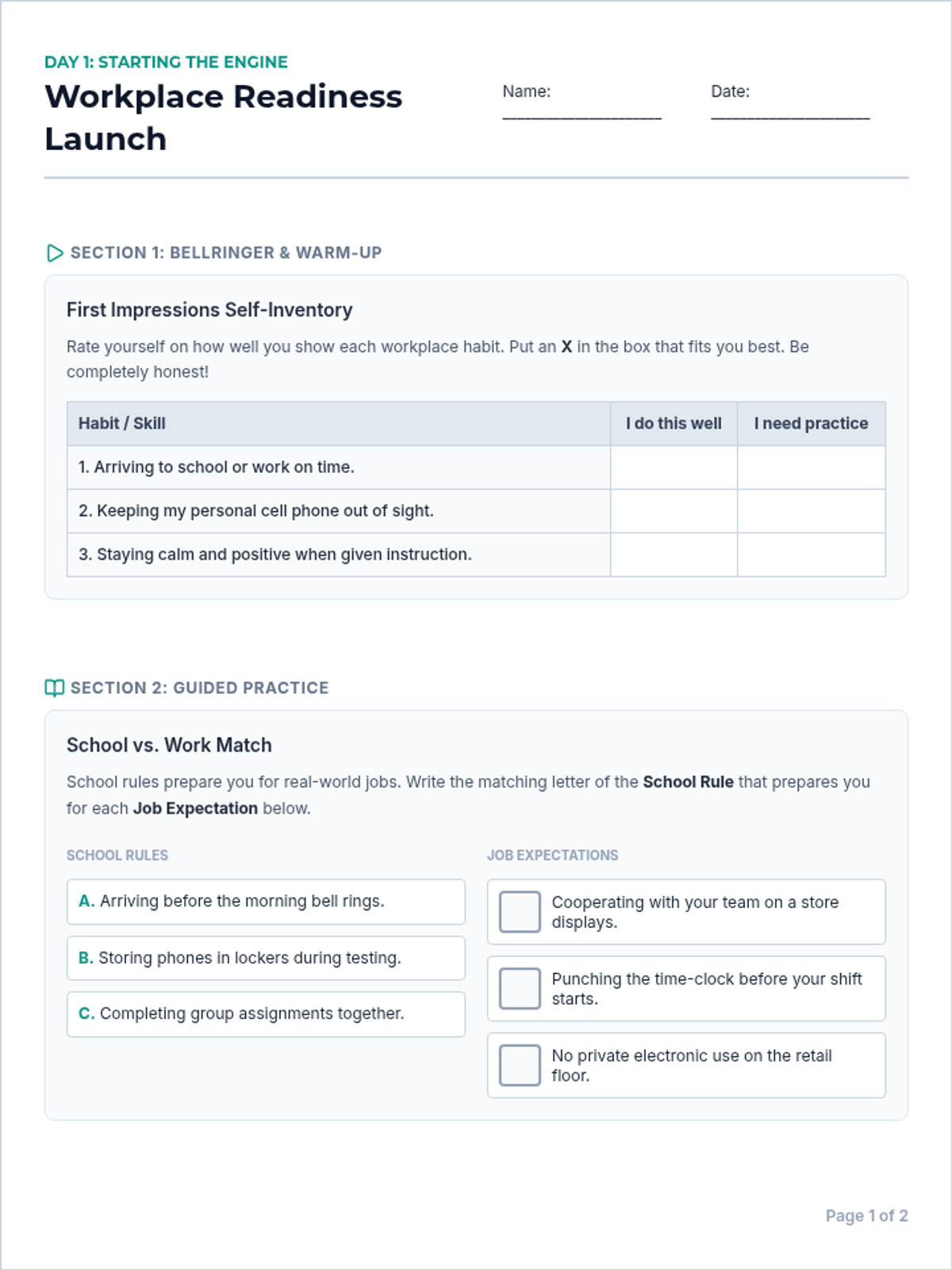
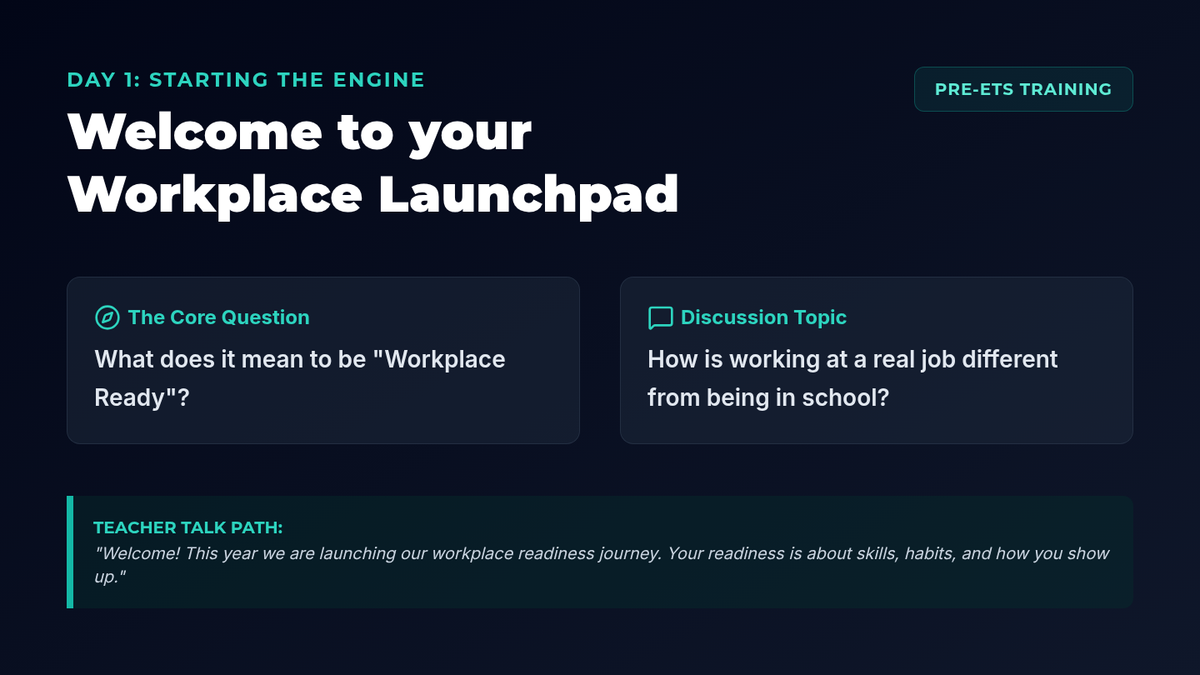
Day 1 introduces the concept of workplace readiness, high school transition expectations, and helps students assess their current baseline while establishing professional habits.
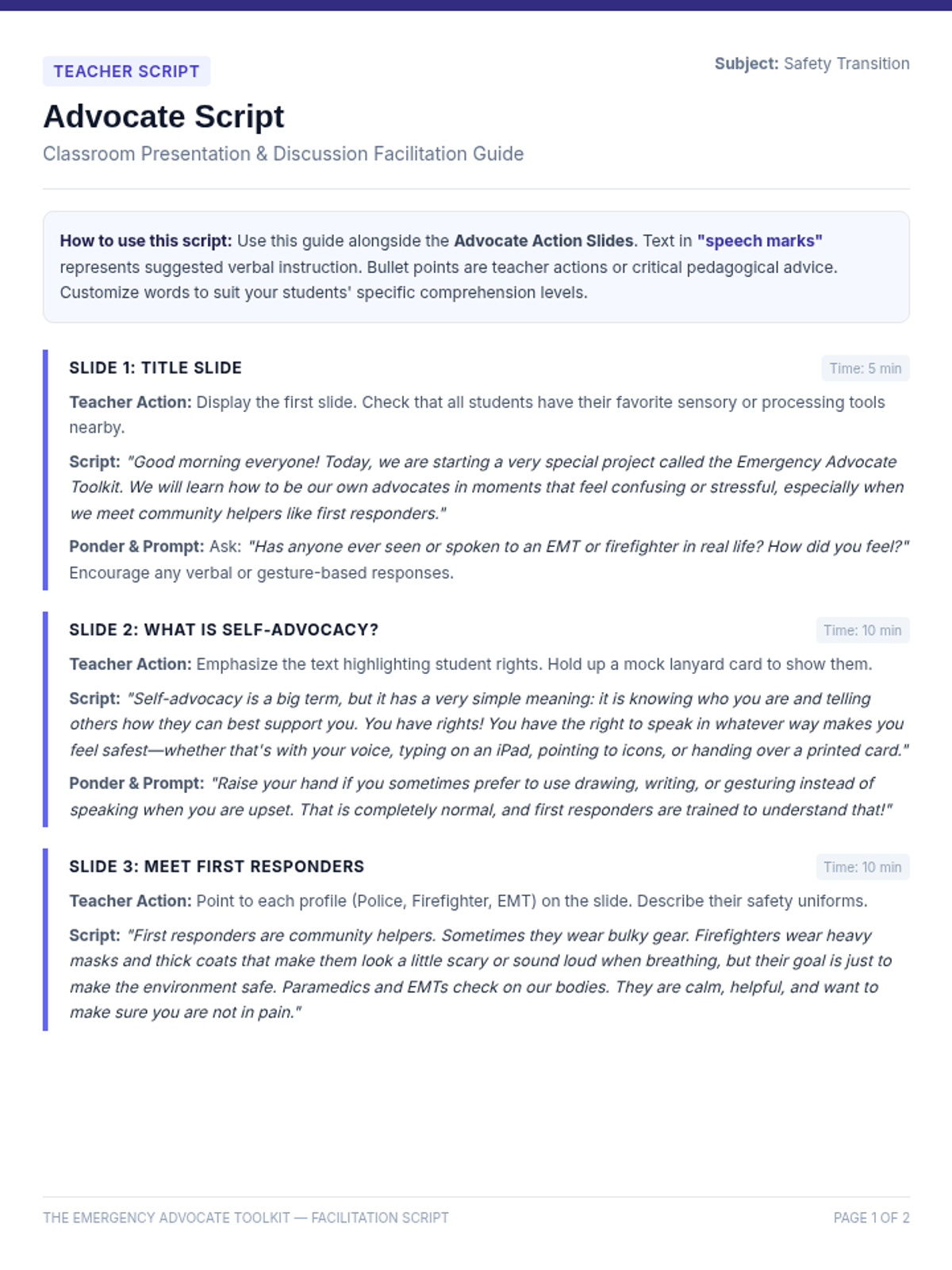
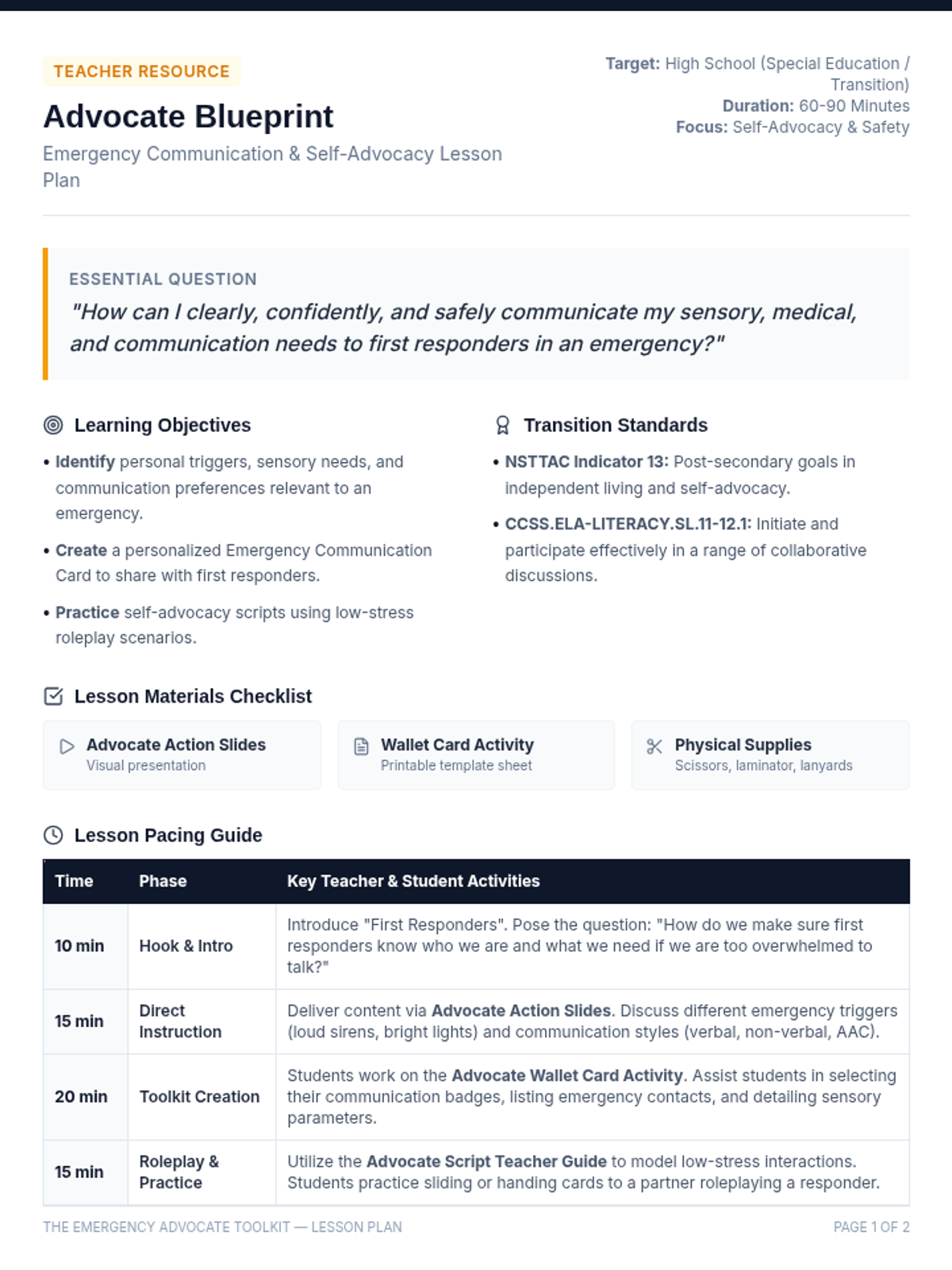
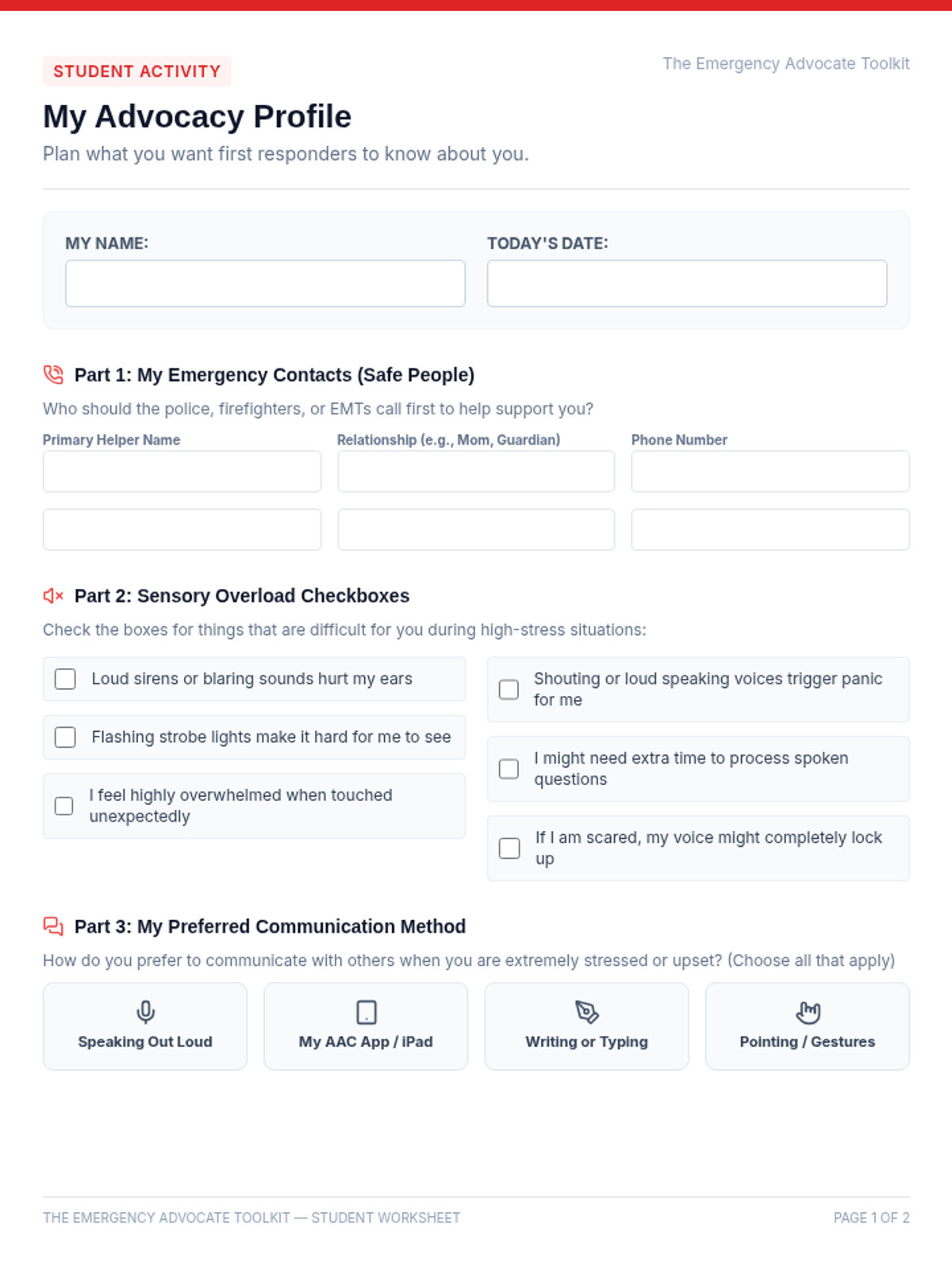
A comprehensive training package designed for high school students with exceptionalities to help them build self-advocacy skills, understand the role of first responders, and create a personalized emergency communication toolkit.
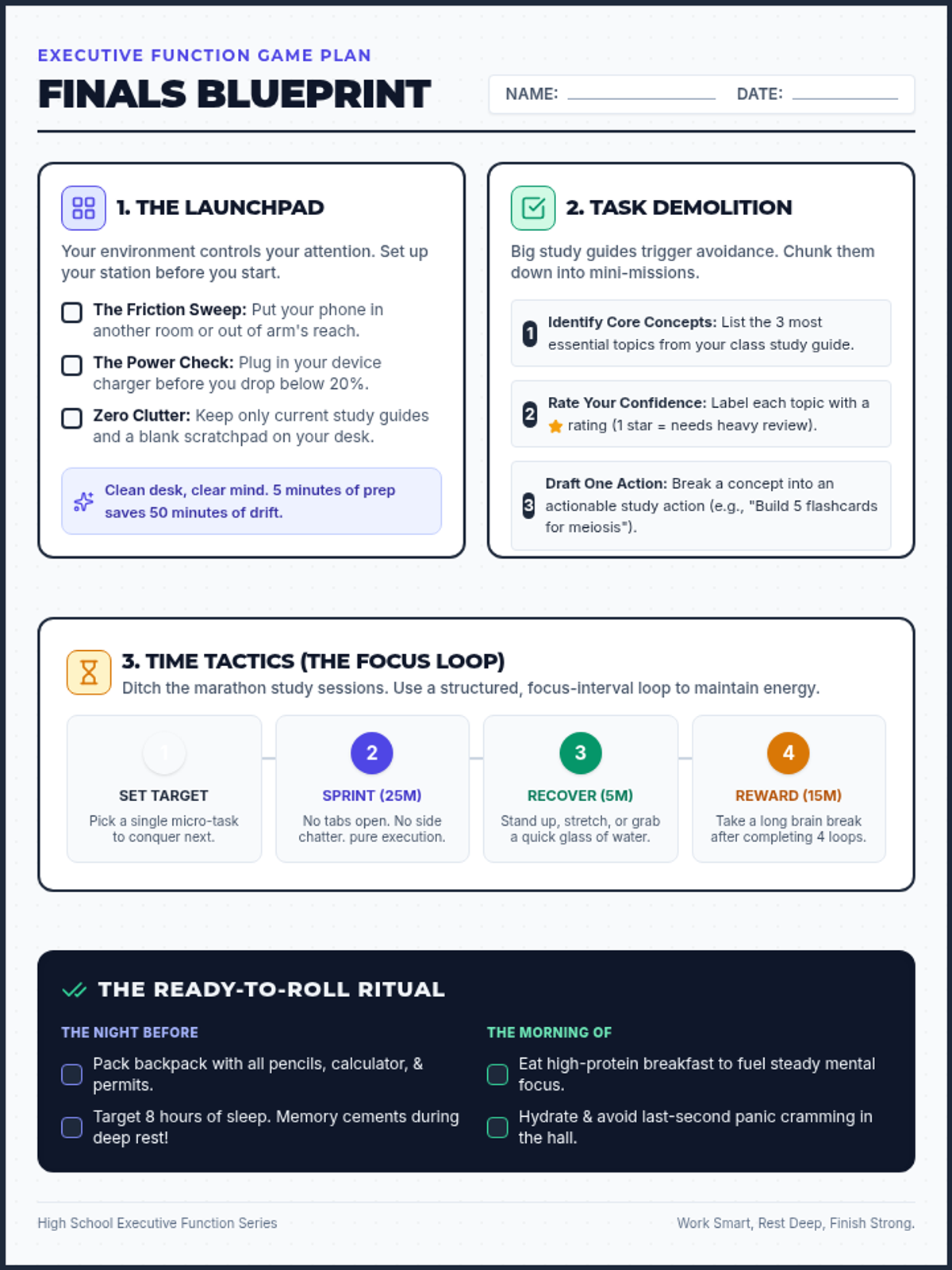
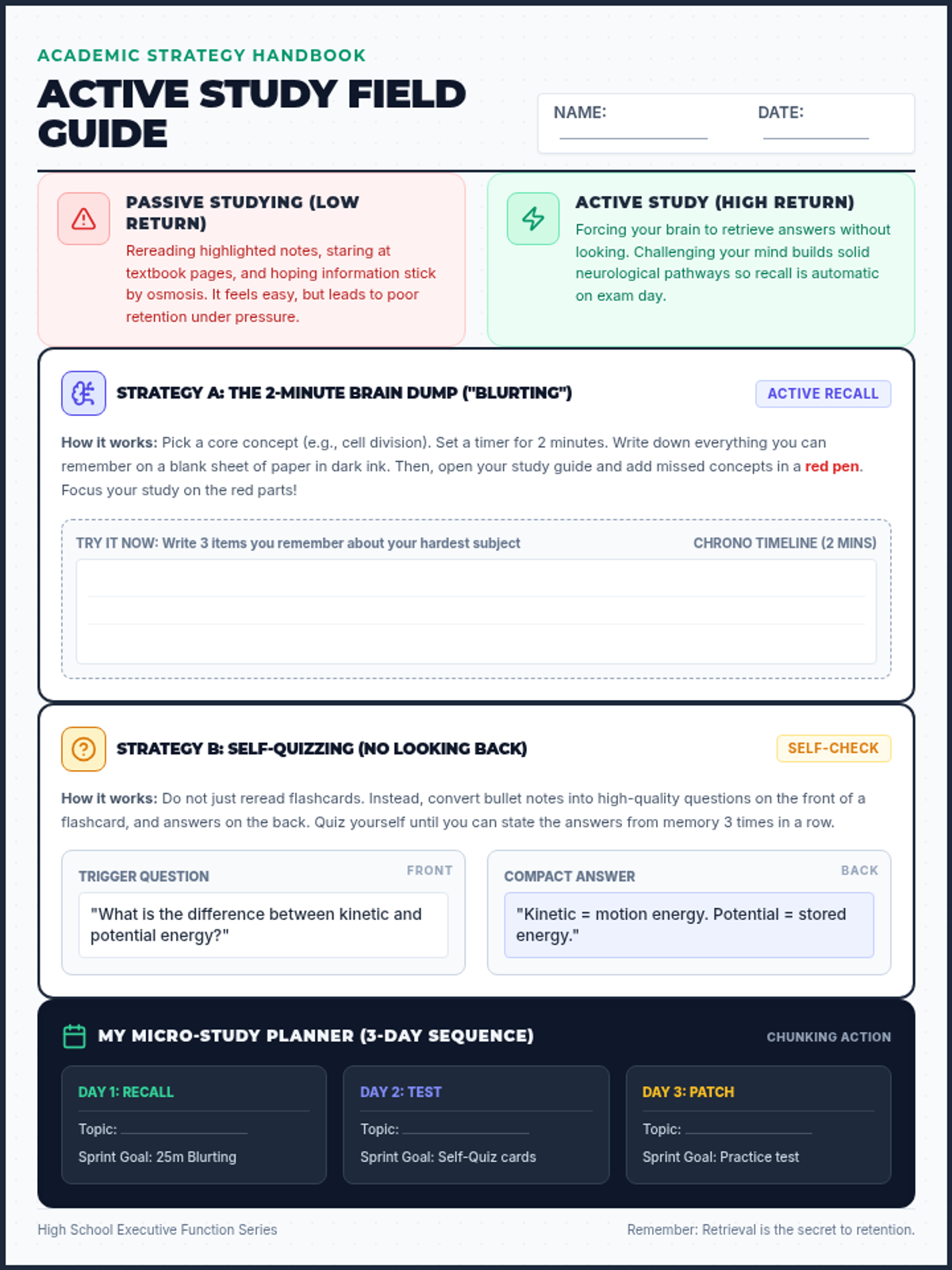
A lesson dedicated to helping high school students build executive function skills, organize their study environments, track tasks, and manage time effectively to prepare for final exams.
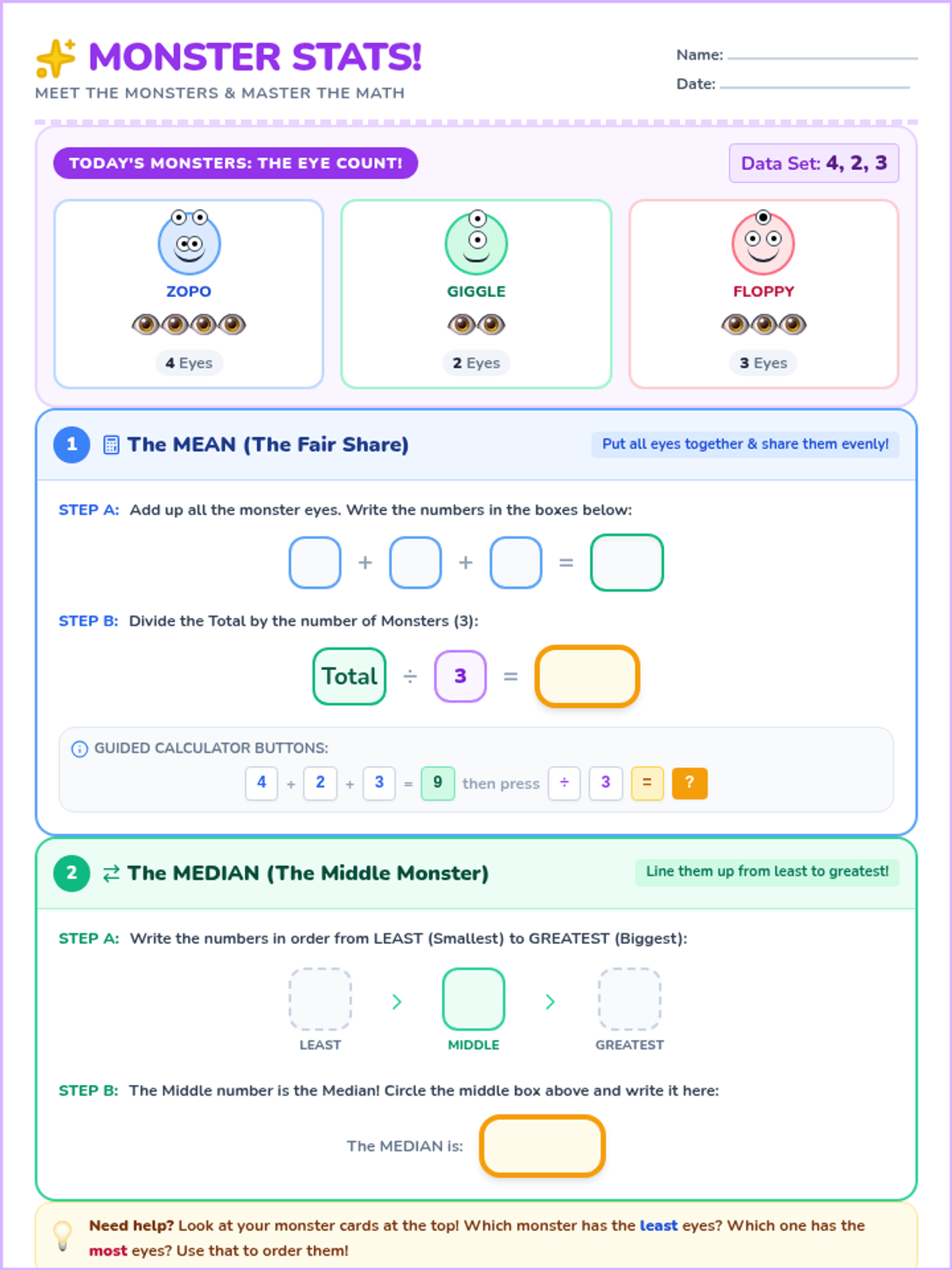
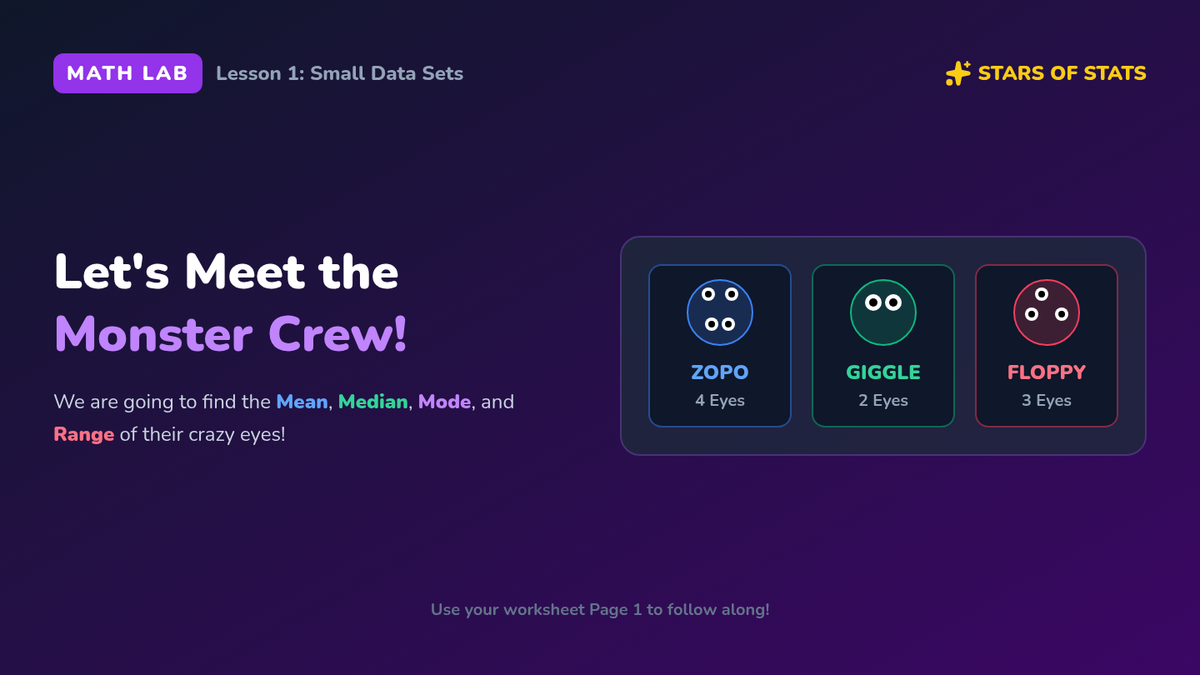
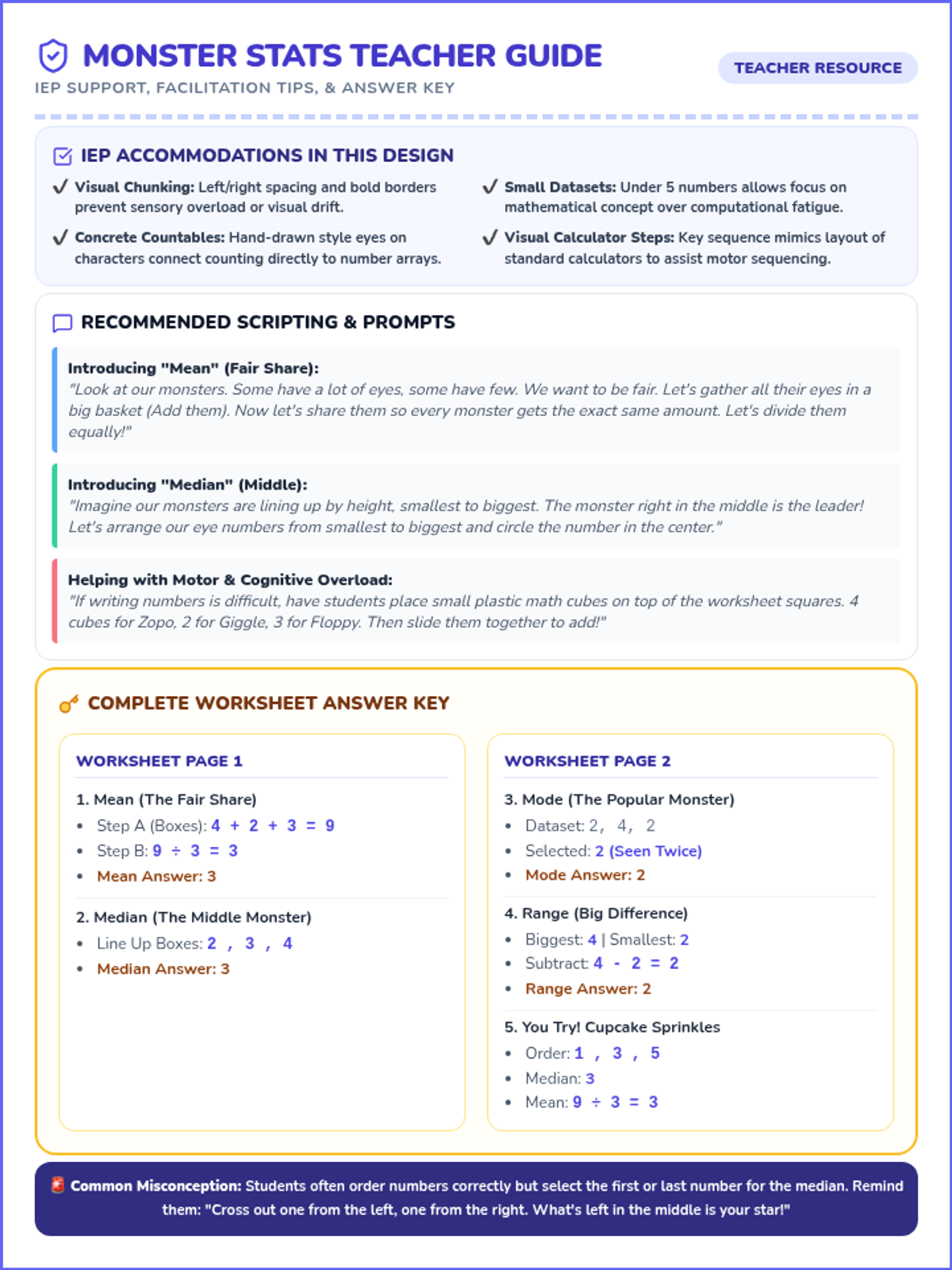
An introductory lesson on mean, median, mode, and range tailored for students with IEP accommodations. It features small data sets (under 5 numbers), countable visual objects, and step-by-step graphic organizers with guided calculator support.
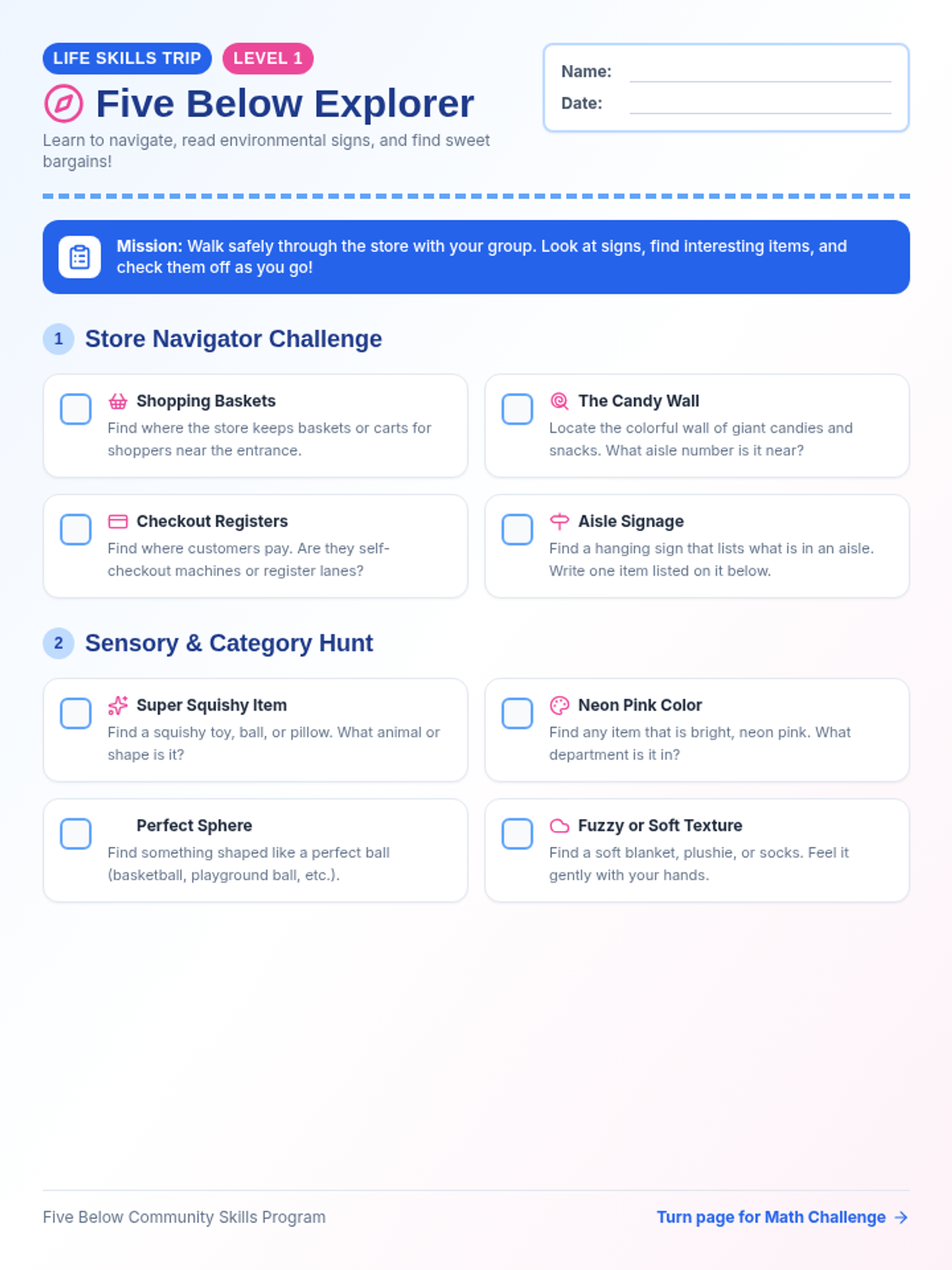
A practical life skills and functional math lesson centered around an educational store visit to Five Below. Students practice locating departments, reading signs, and performing budget calculations.
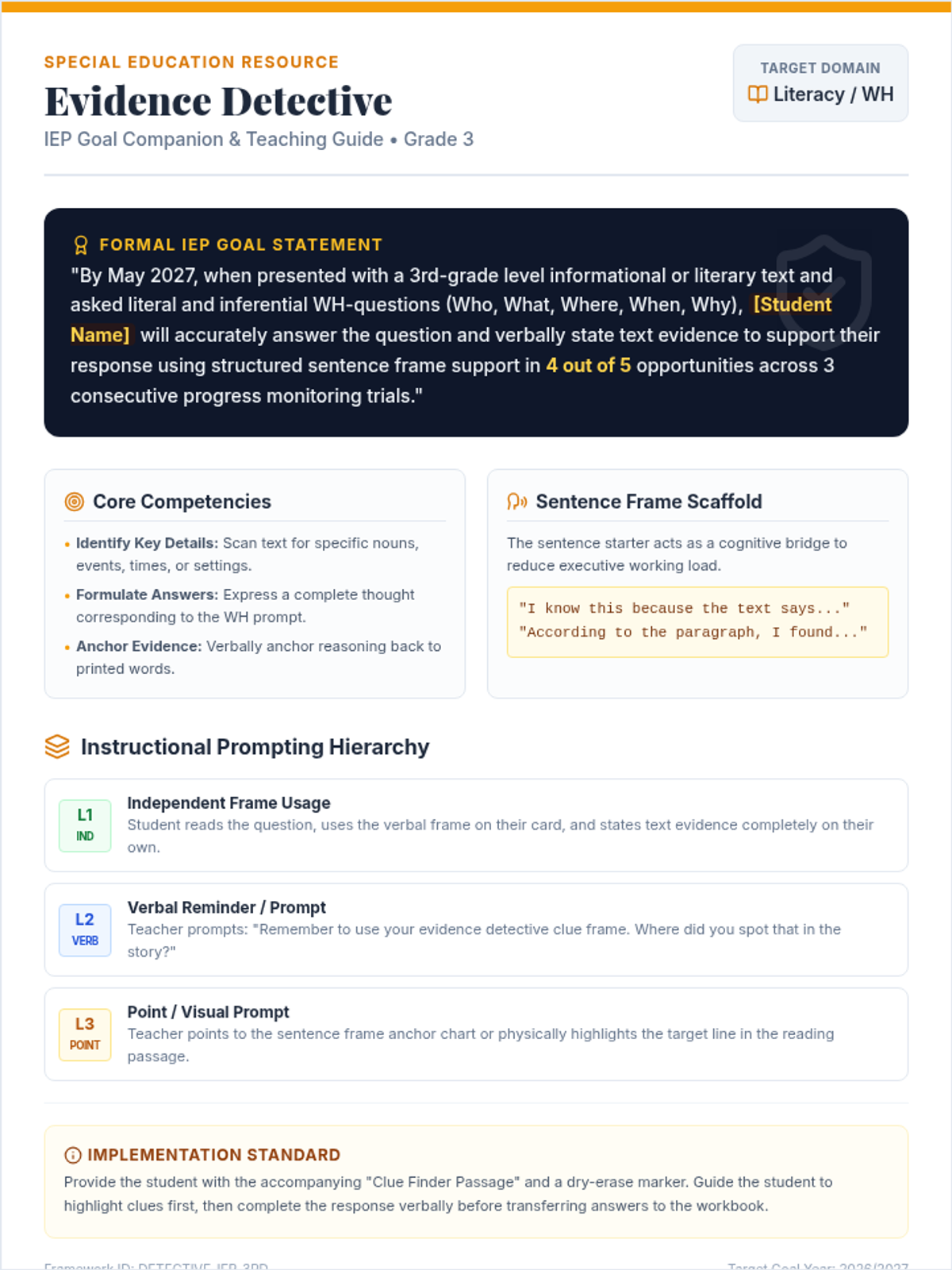
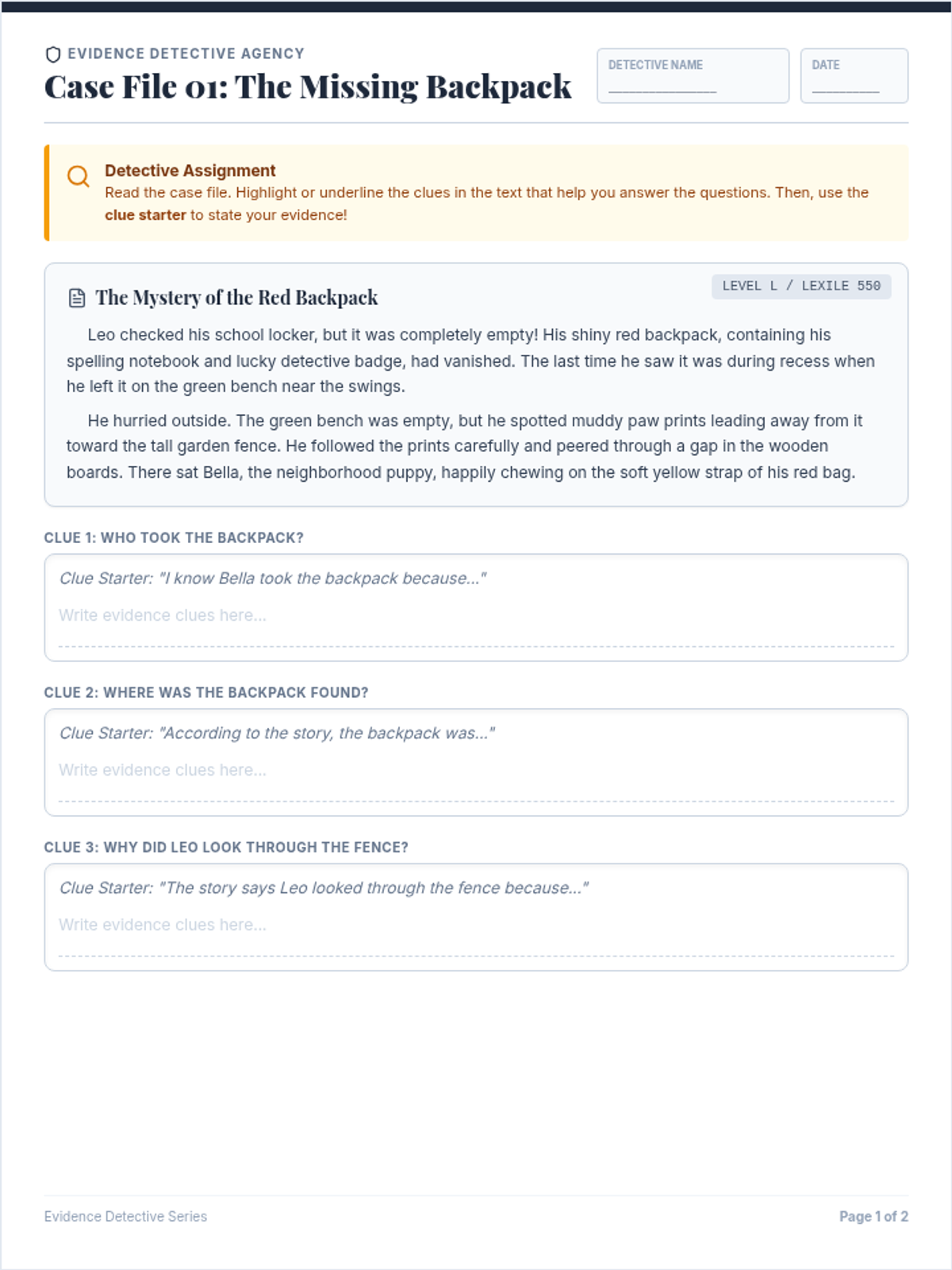
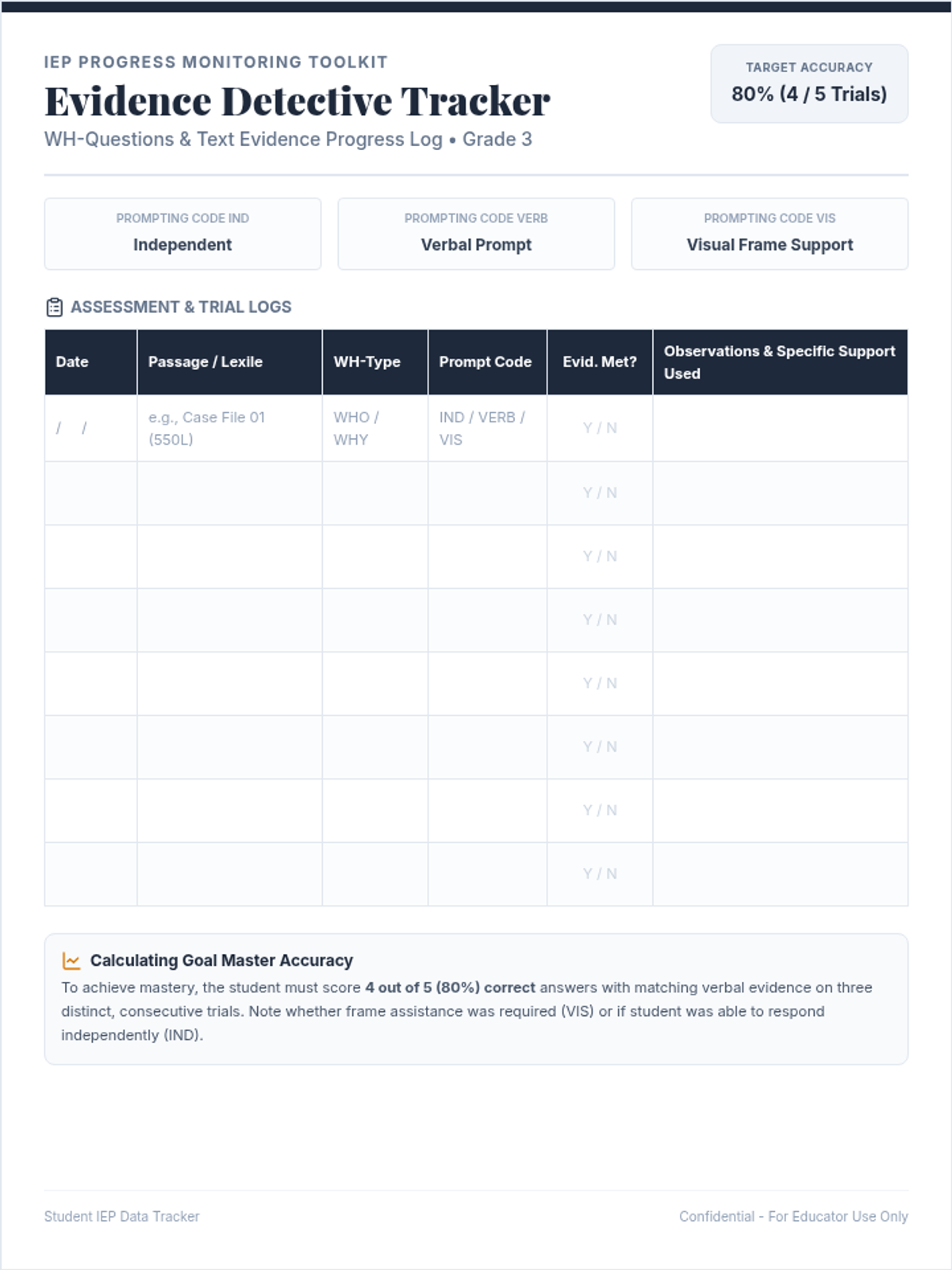
IEP goal framework, progress monitoring toolkit, and student-facing reading passages themed around being an Evidence Detective. This bundle provides 3rd-grade students with structured sentence frames to answer WH-questions and cite text evidence.
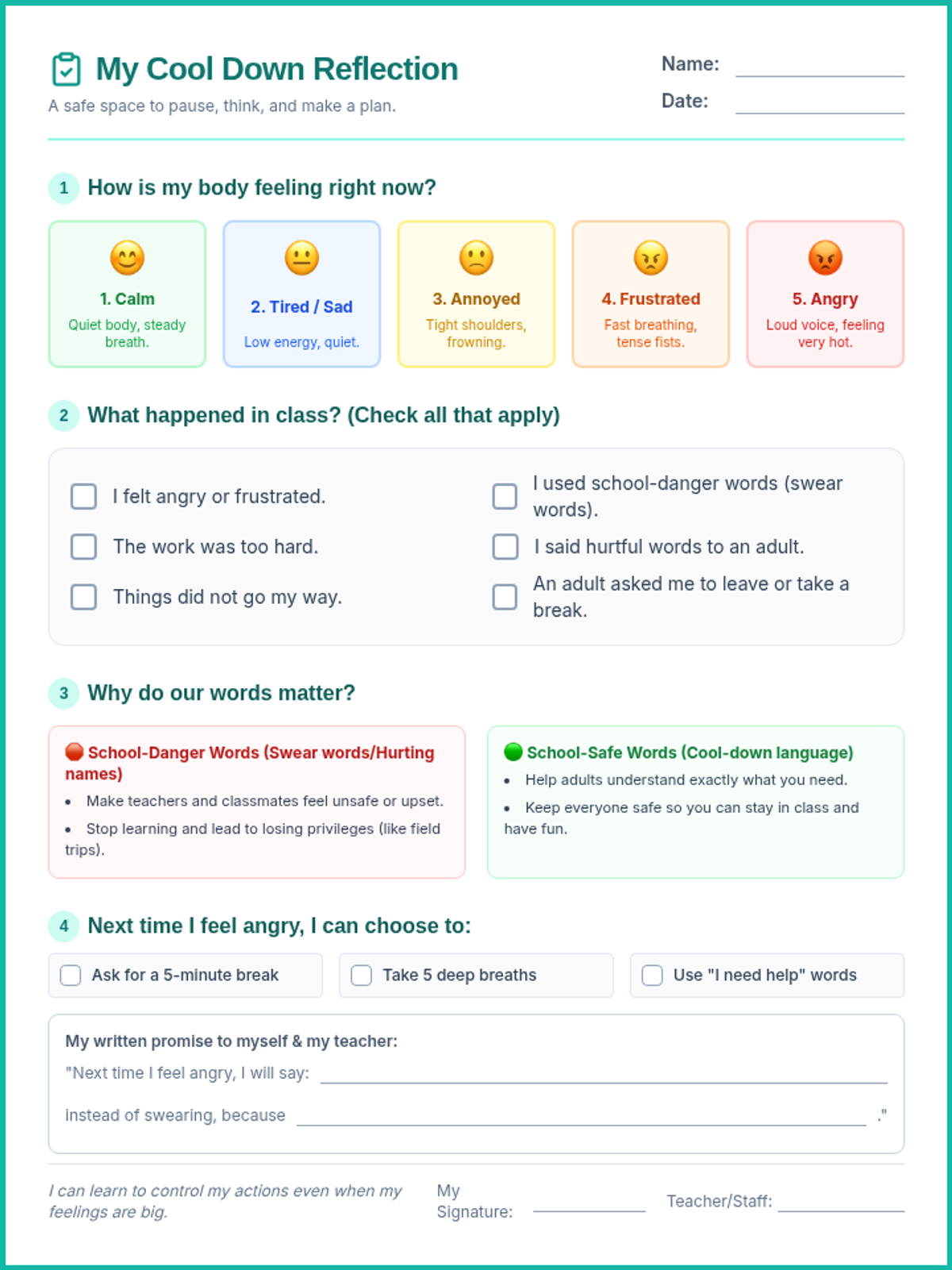
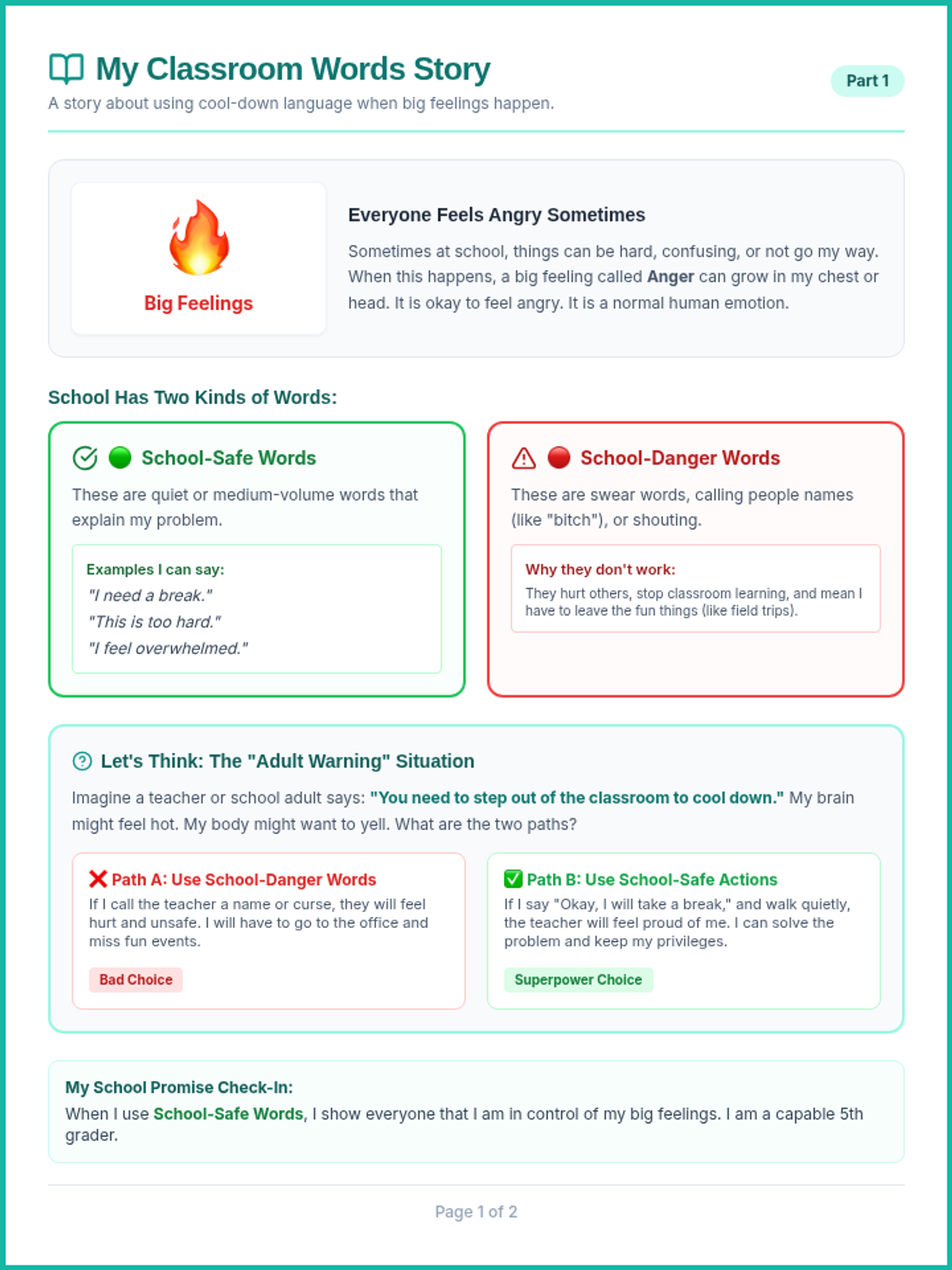
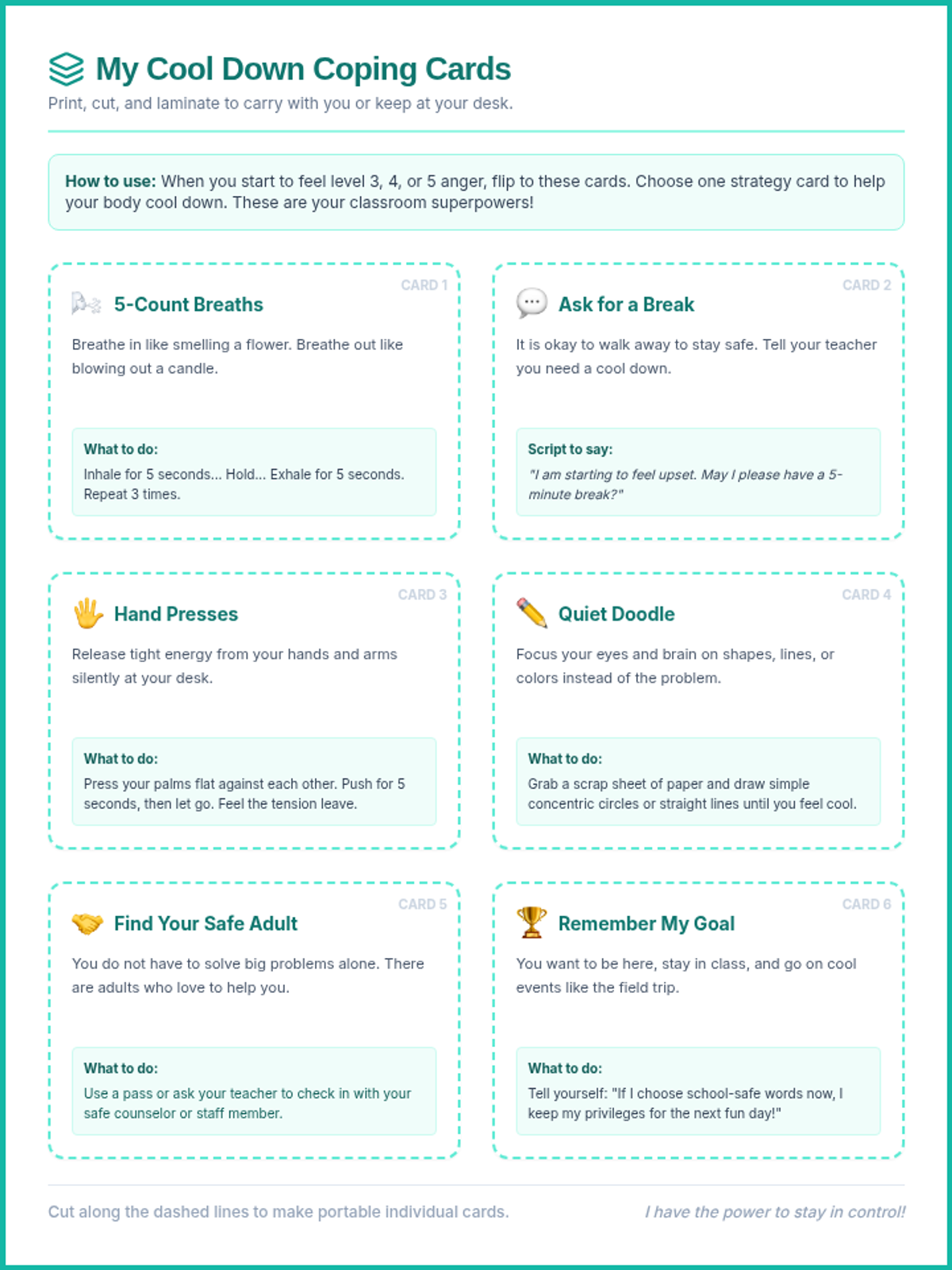
A comprehensive support lesson designed for a 5th-grade student on the autism spectrum, focusing on reflecting on school behavior, understanding school-appropriate language, and developing visual coping strategies for anger.
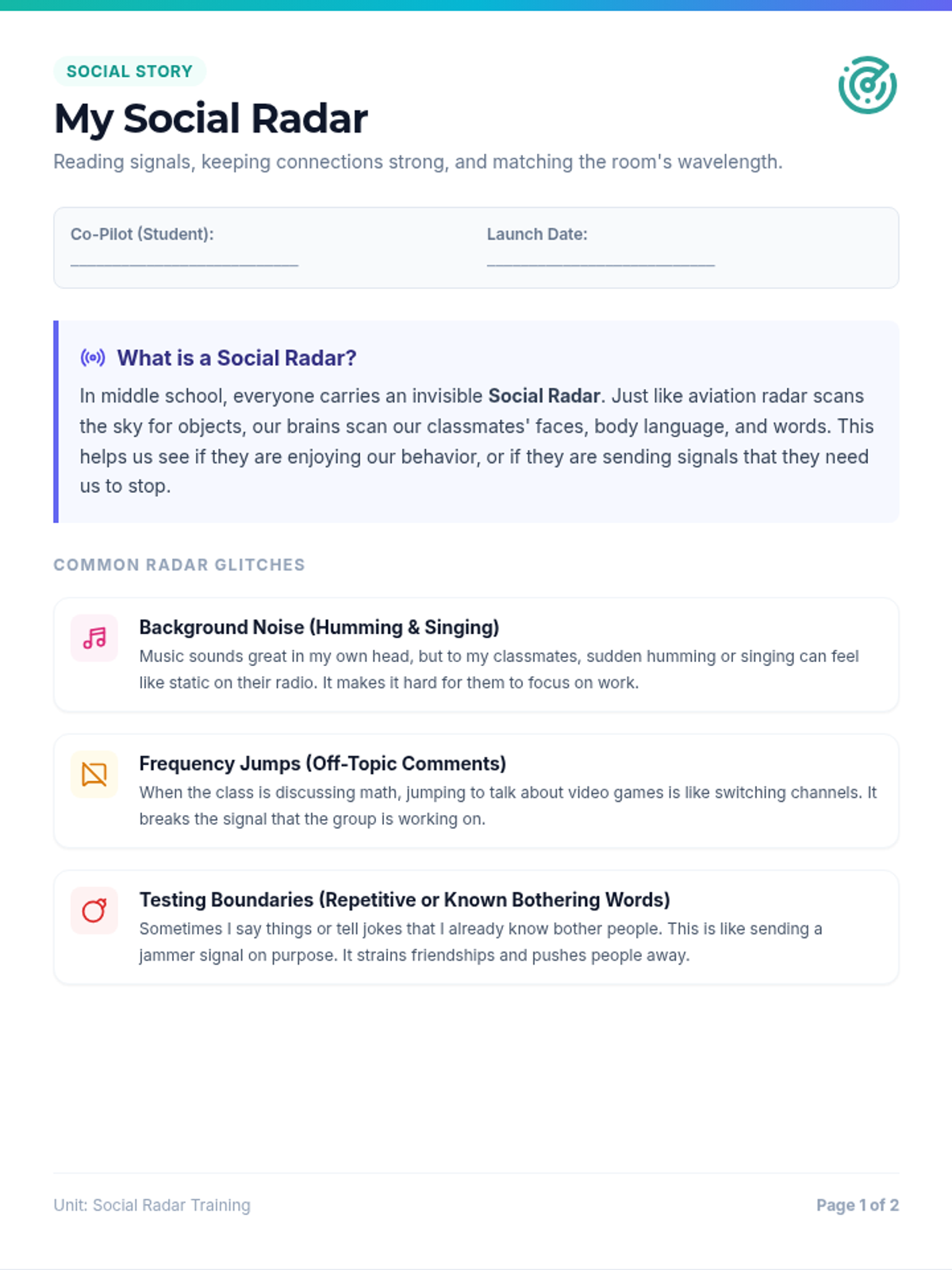
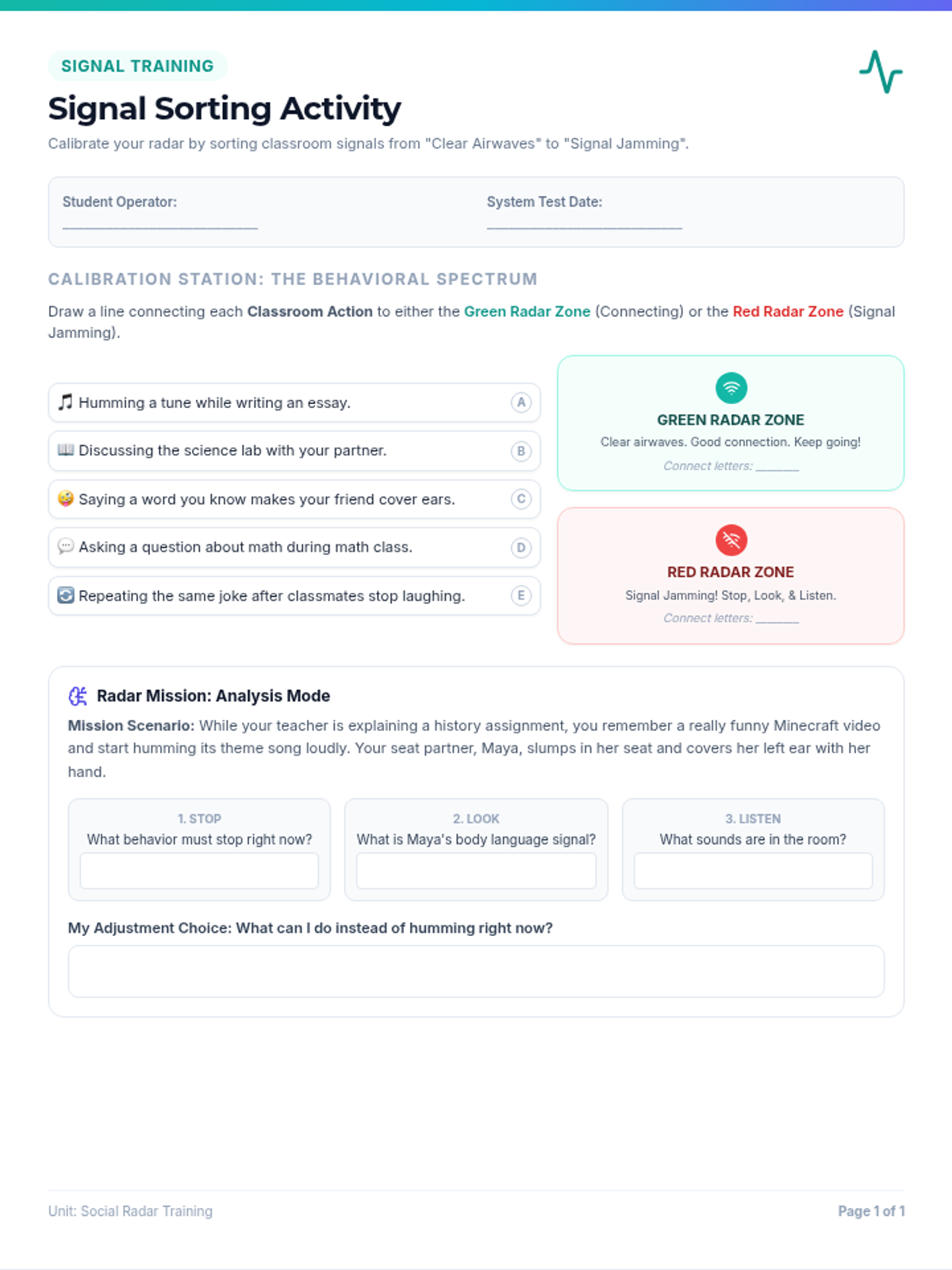
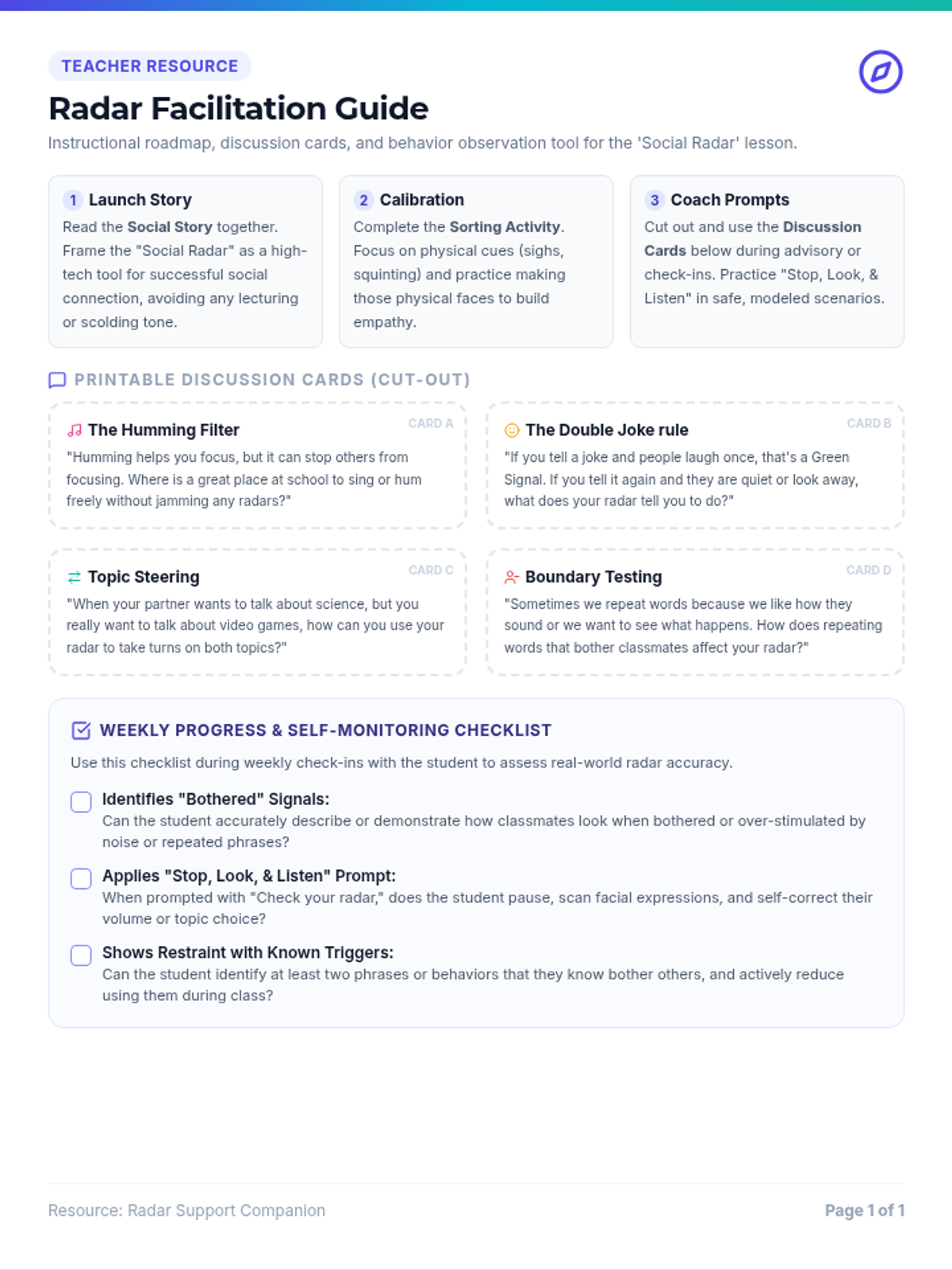
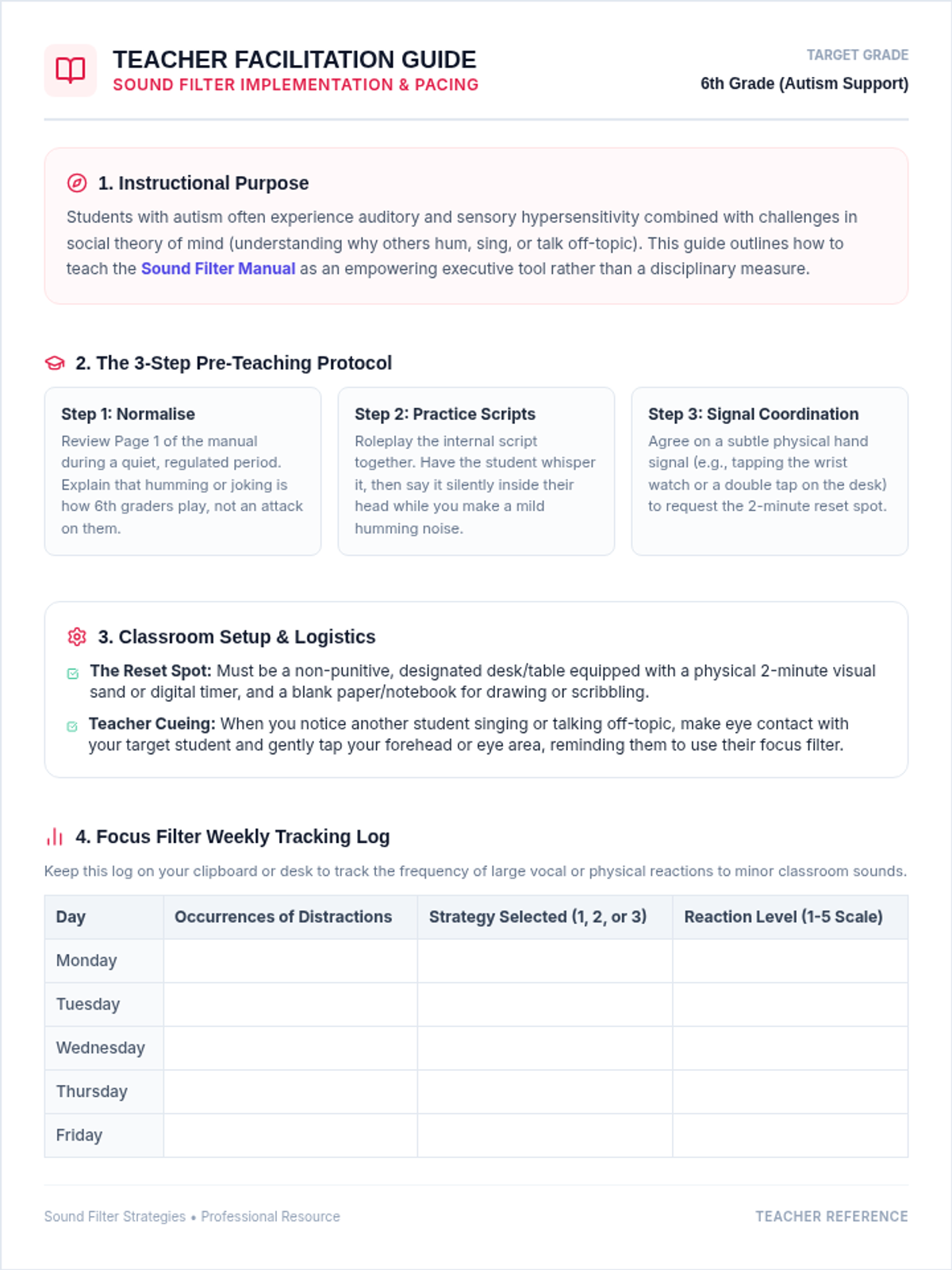
A comprehensive lesson bundle designed for a 6th-grade student with autism to build social awareness. The lesson focuses on the 'Stop, Look, & Listen' rule to help the student recognize when behaviors like humming, off-topic comments, and repetitive joking are bothering classmates, utilizing a friendly 'social radar' theme.
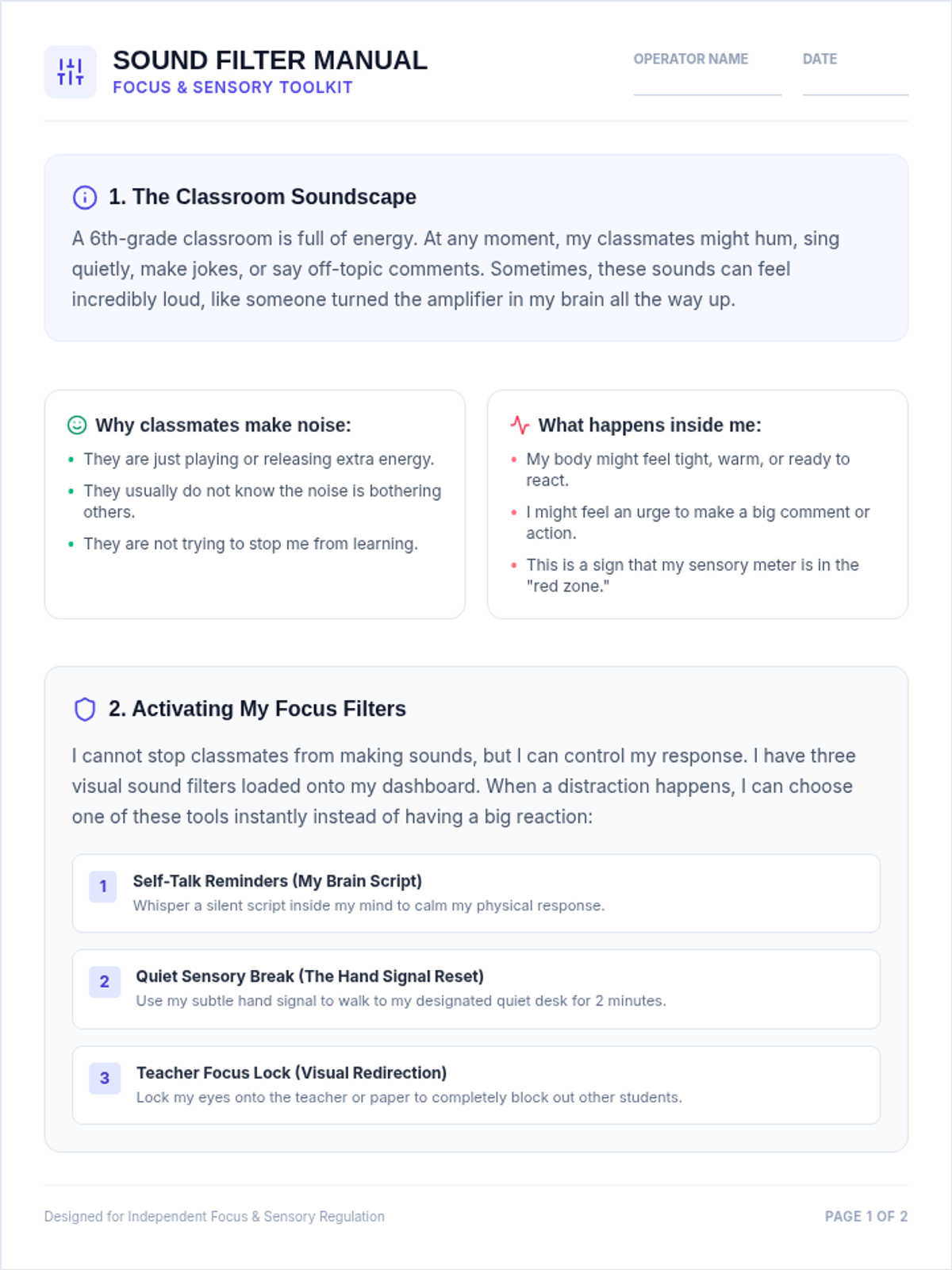
A lesson featuring strategies and visual tools to help neurodiverse students navigate sensory and social distractions in the middle school classroom.
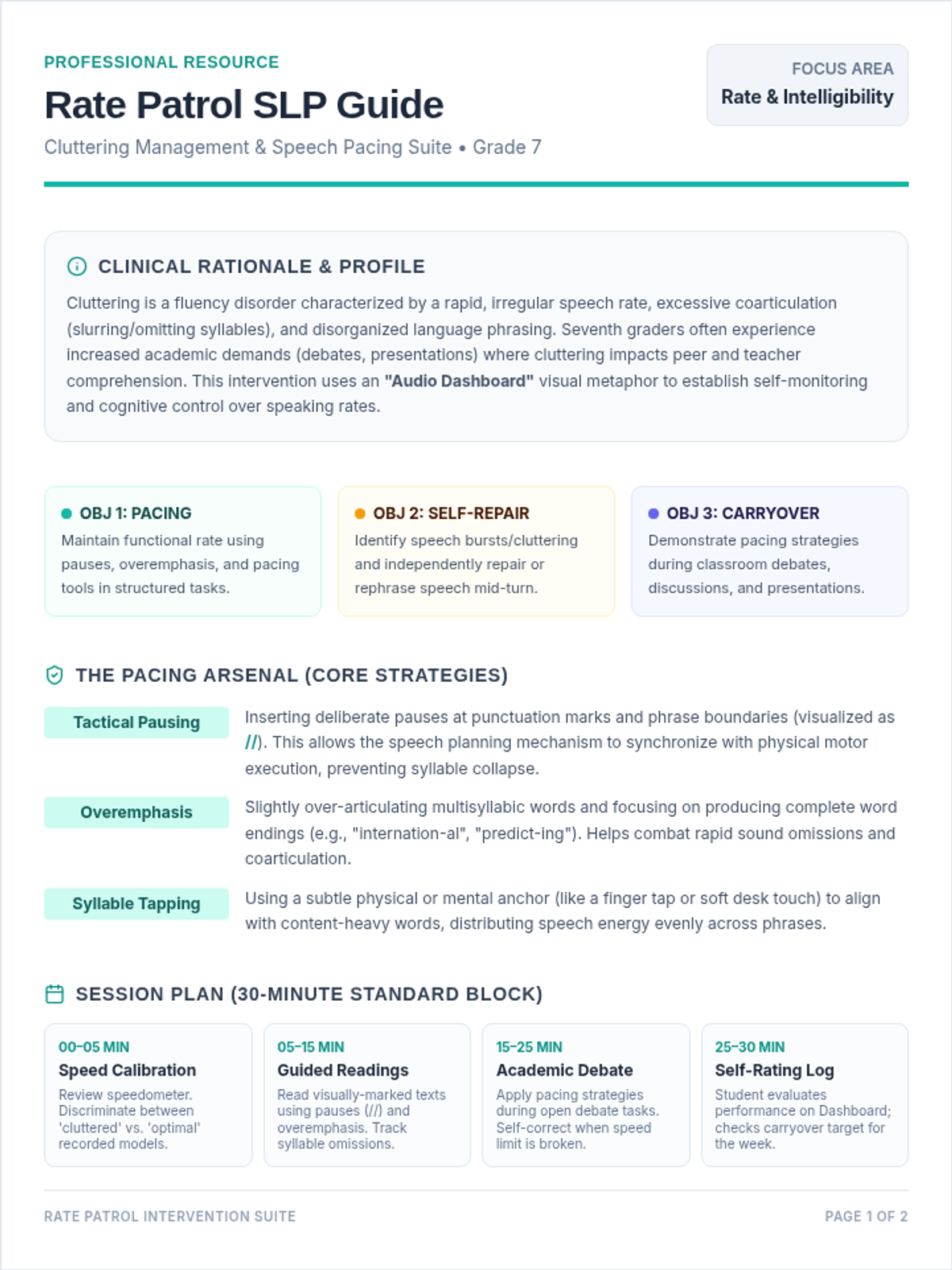
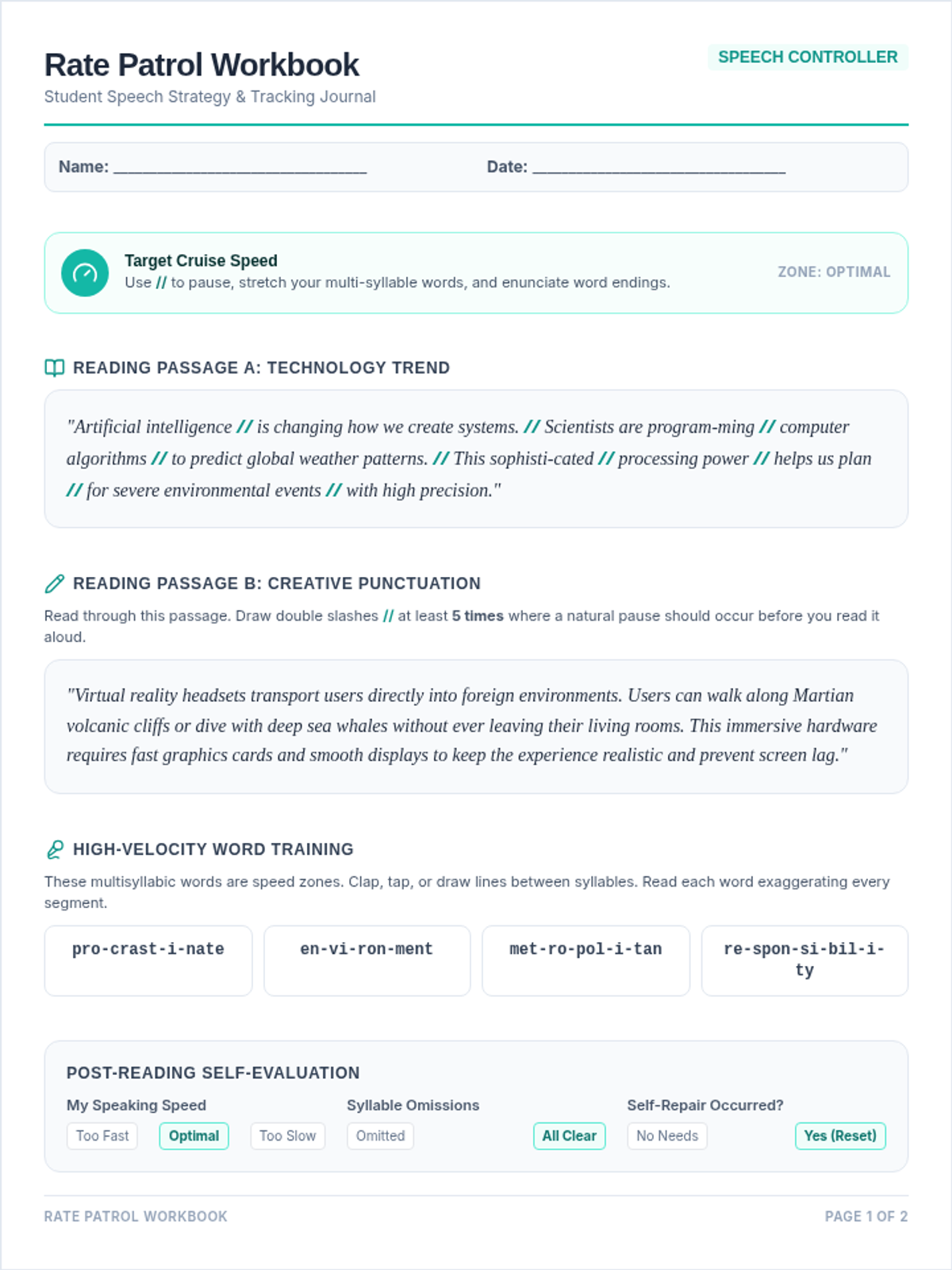
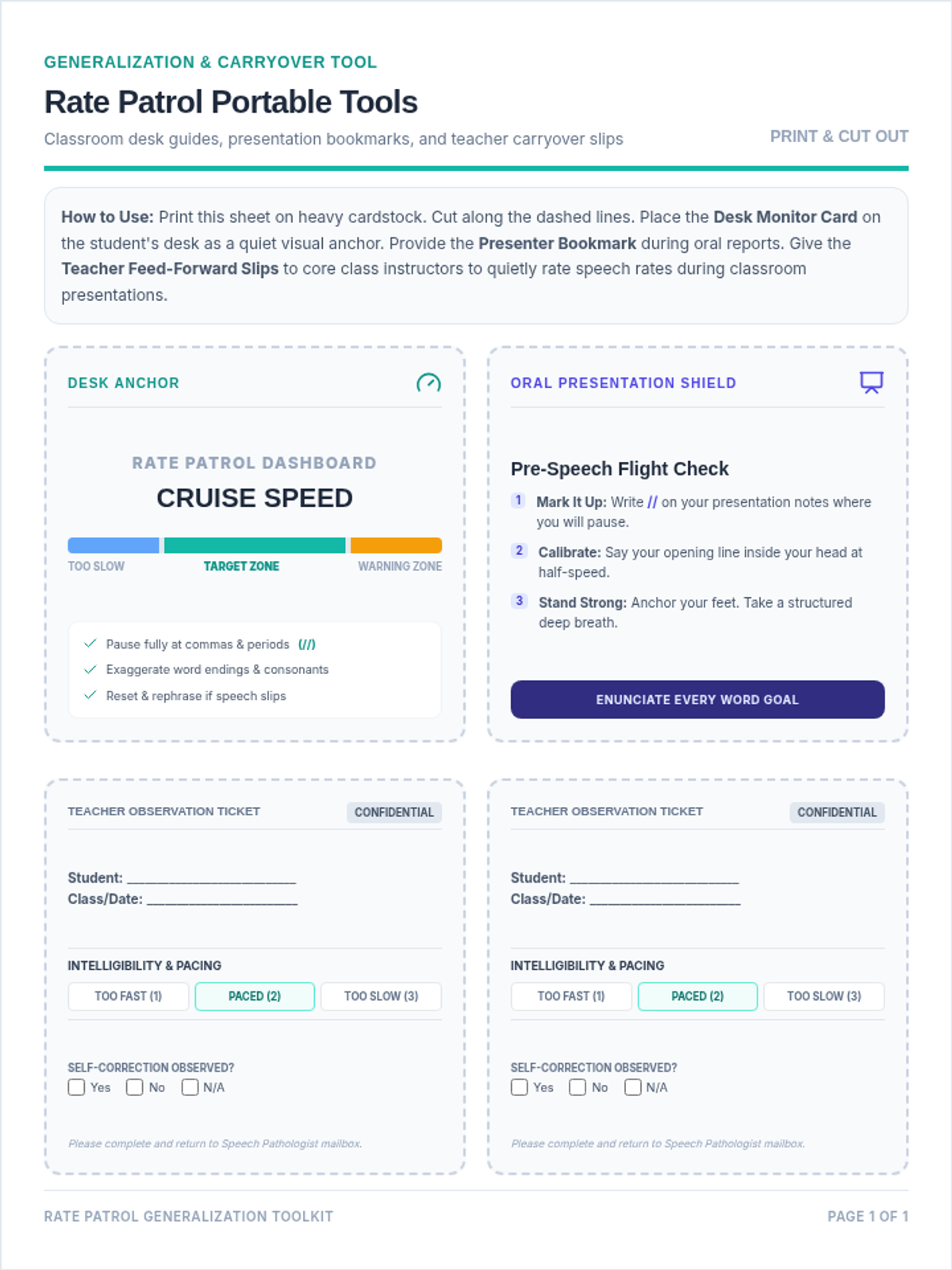
A comprehensive speech therapy bundle designed for a 7th-grade student with cluttering. This lesson focuses on speed control, self-monitoring, and classroom carryover using an interactive, dashboard-themed approach ('Rate Patrol') to master speech pacing, overemphasis, and intentional pausing.
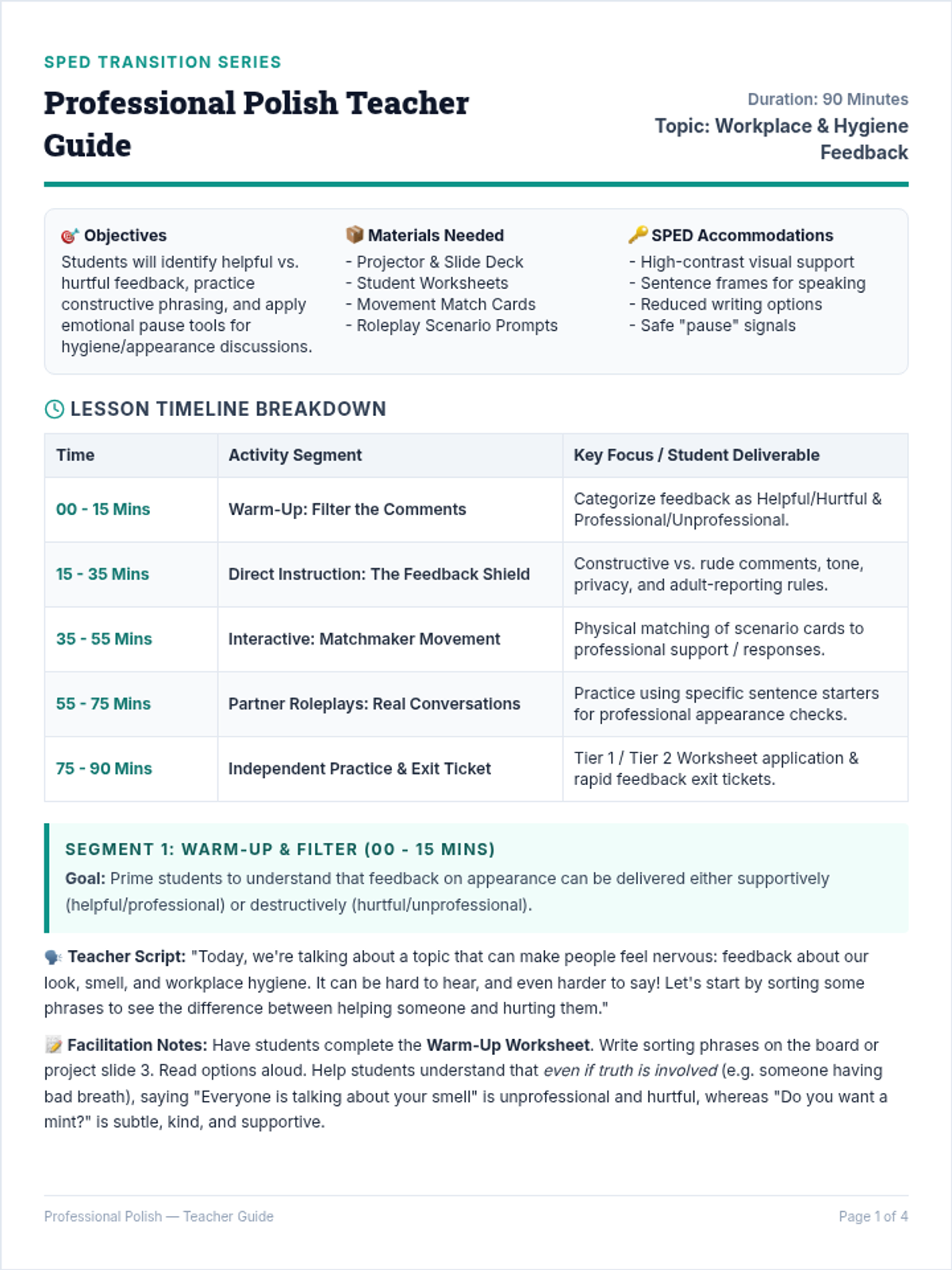
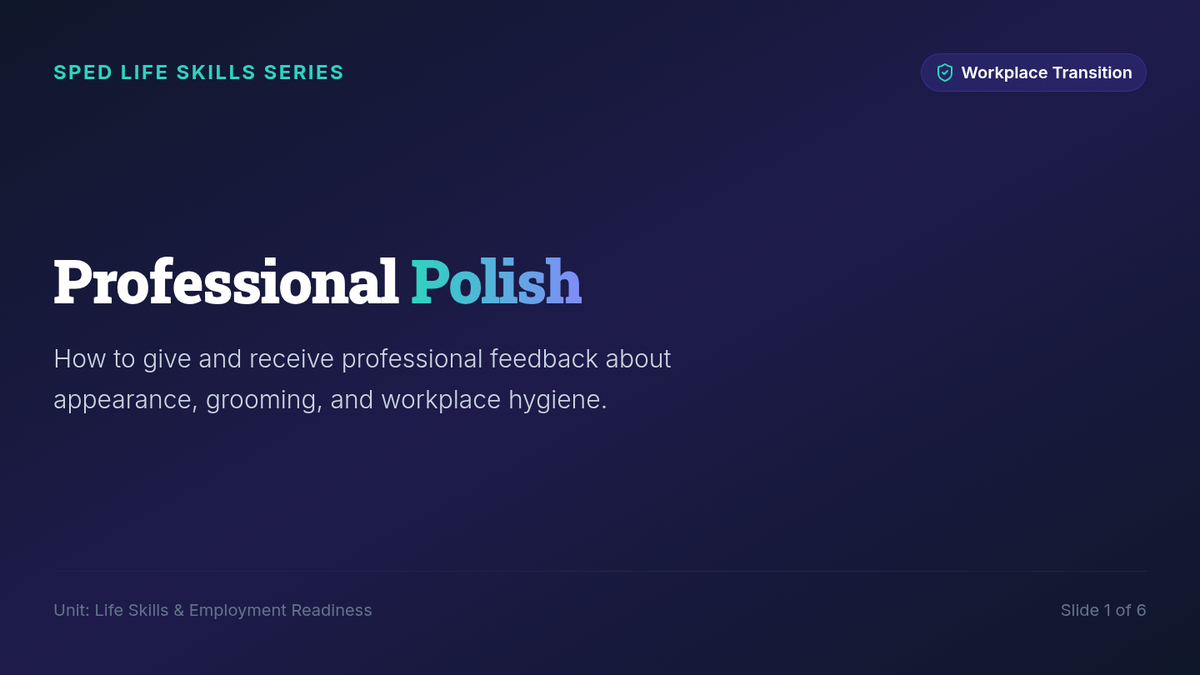
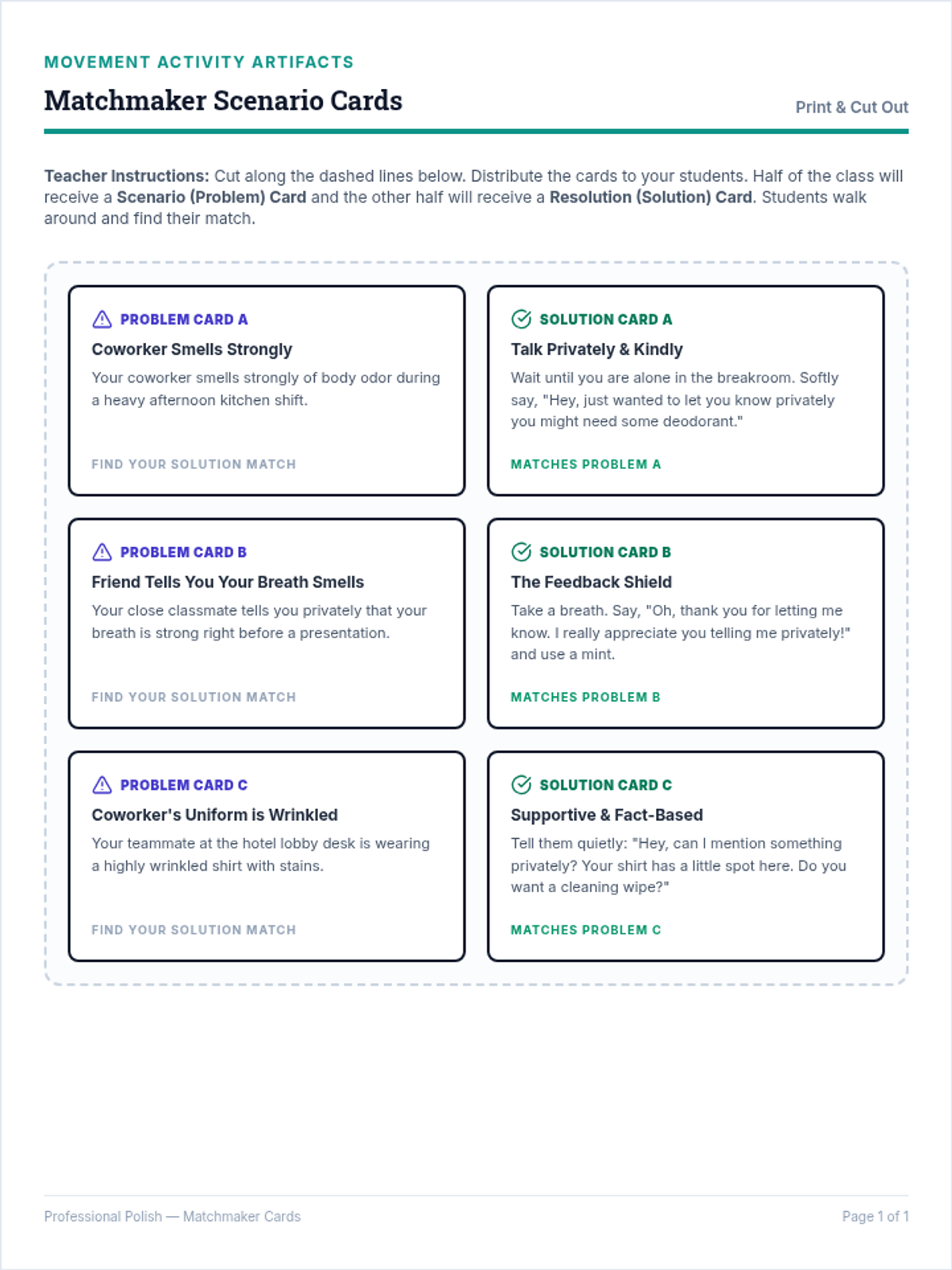
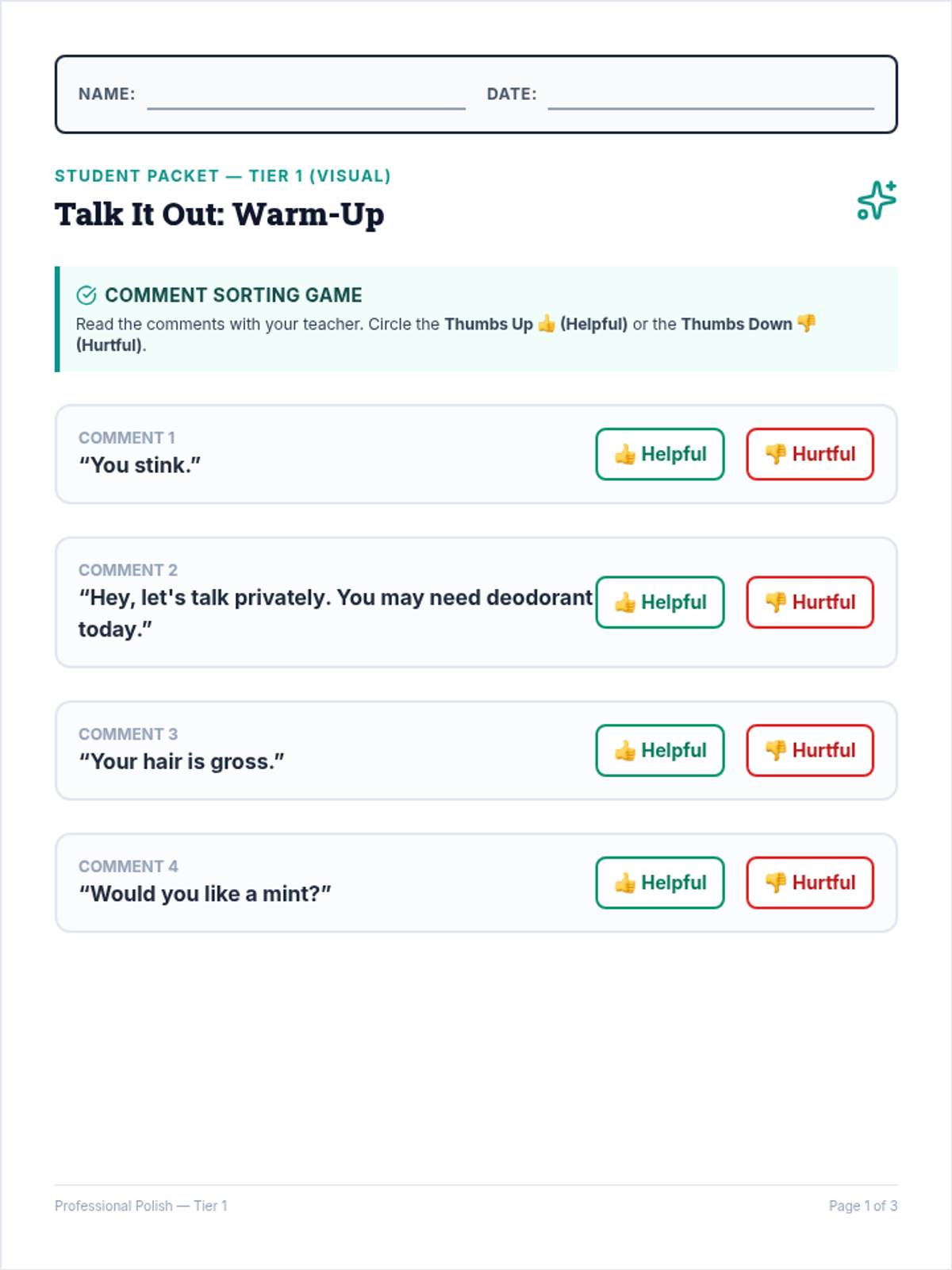
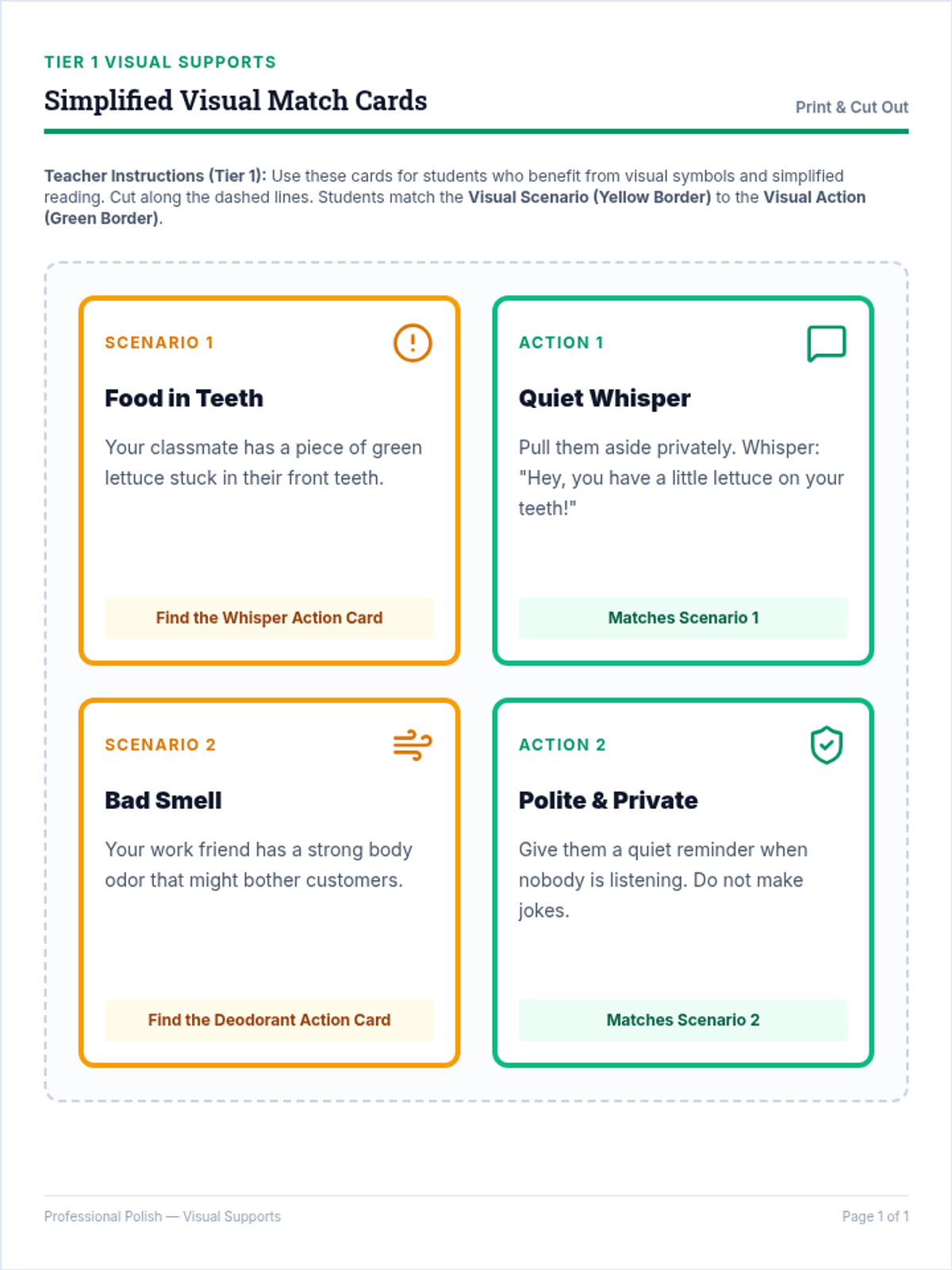
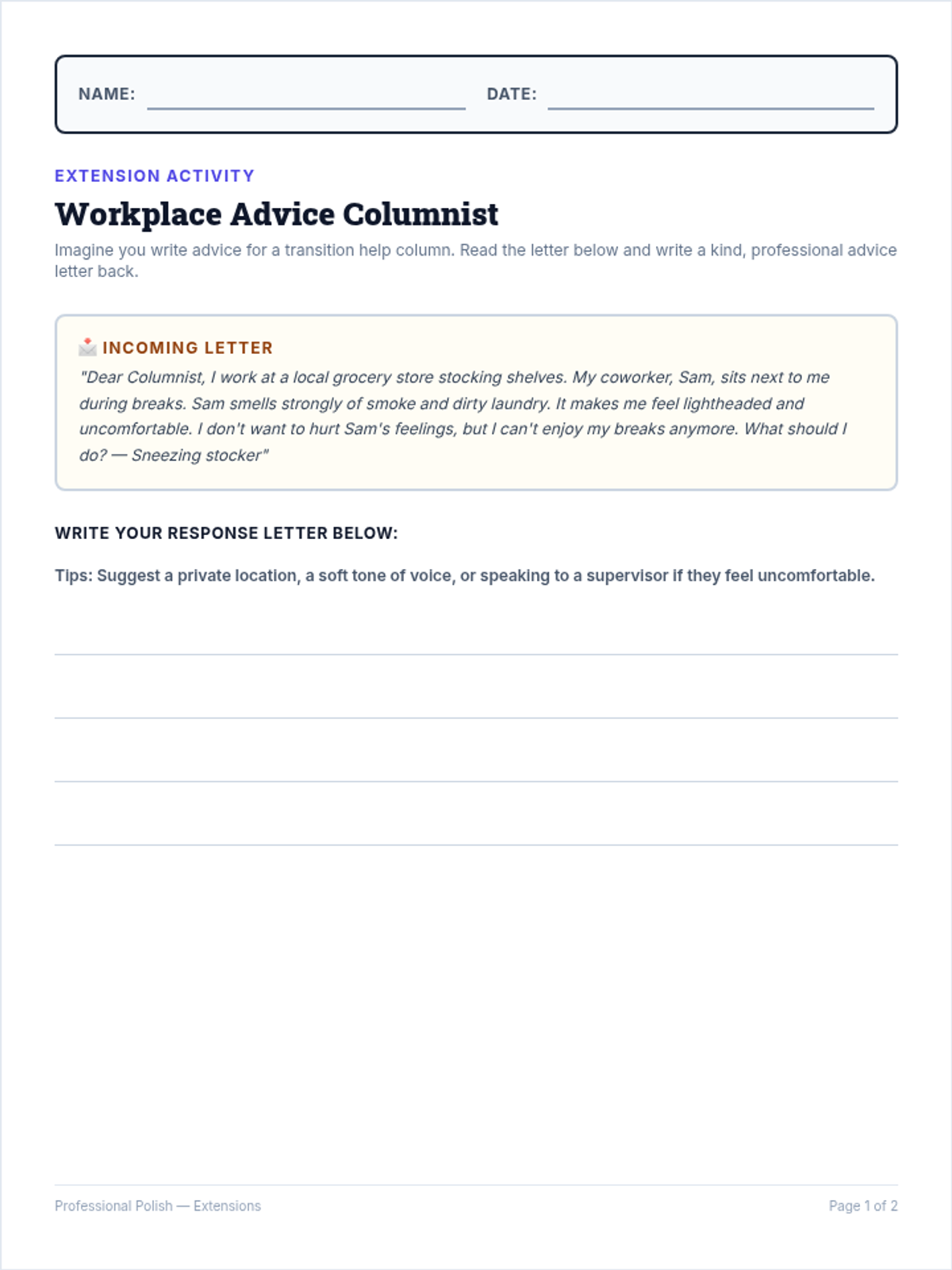
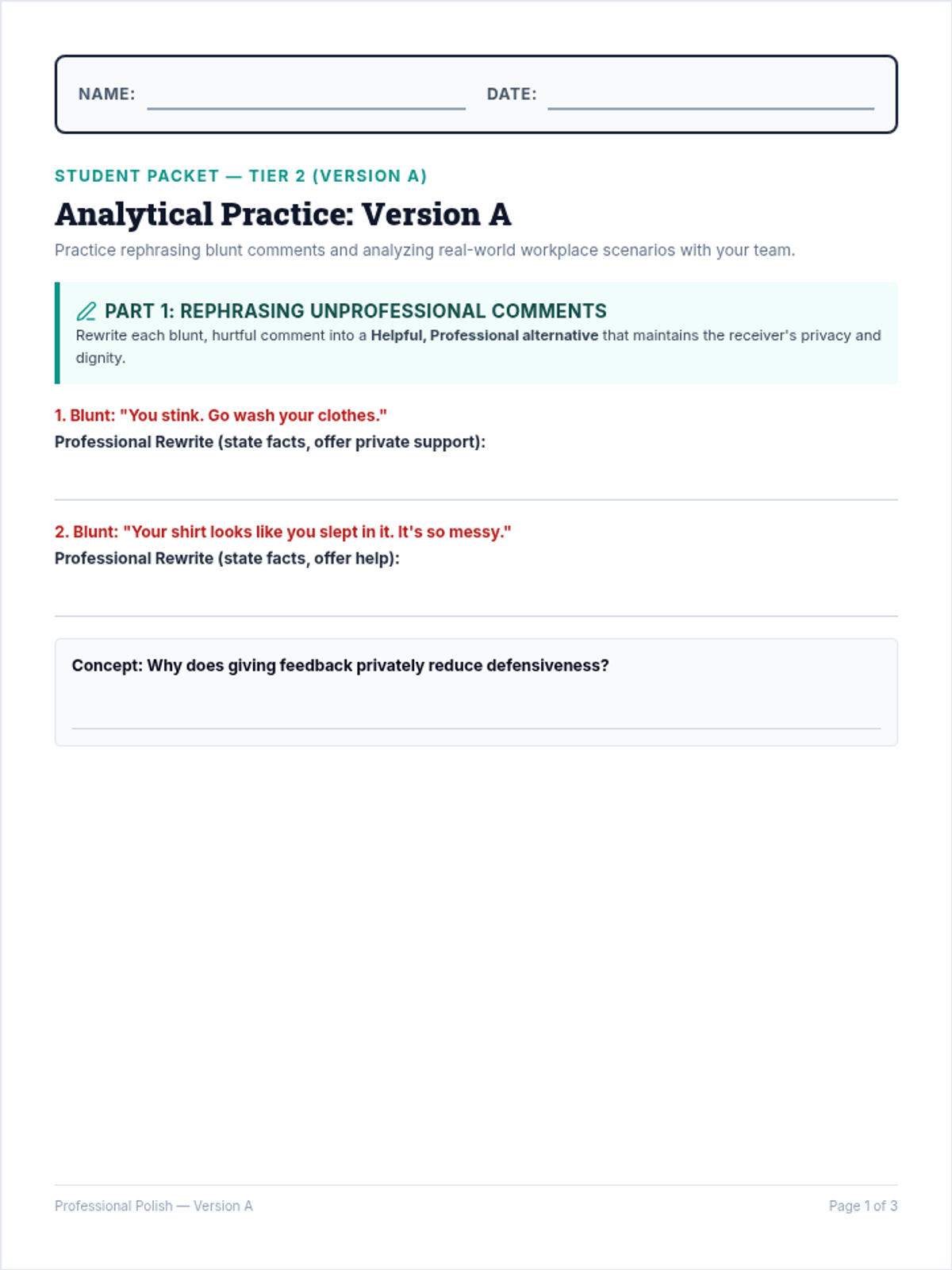
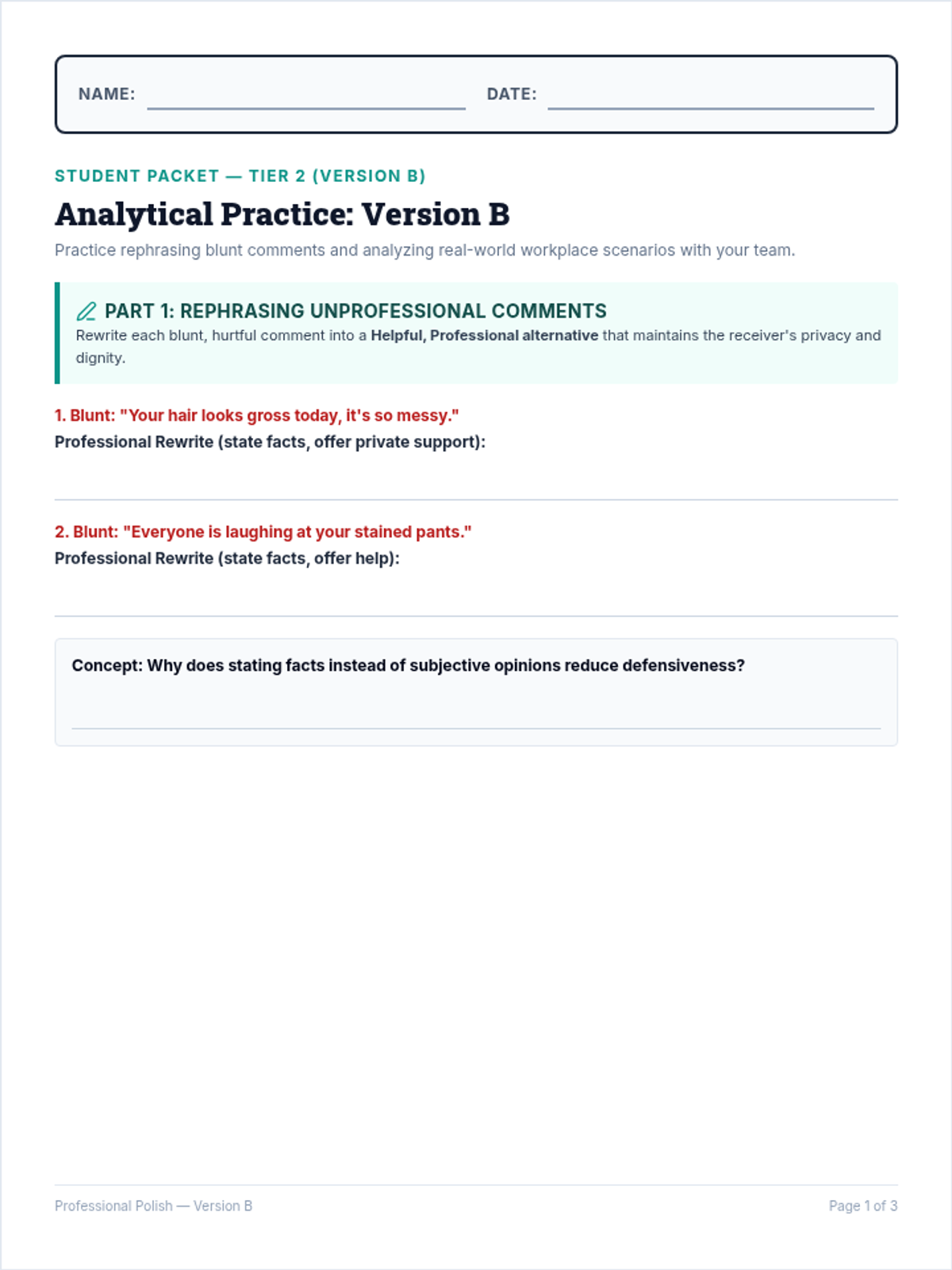
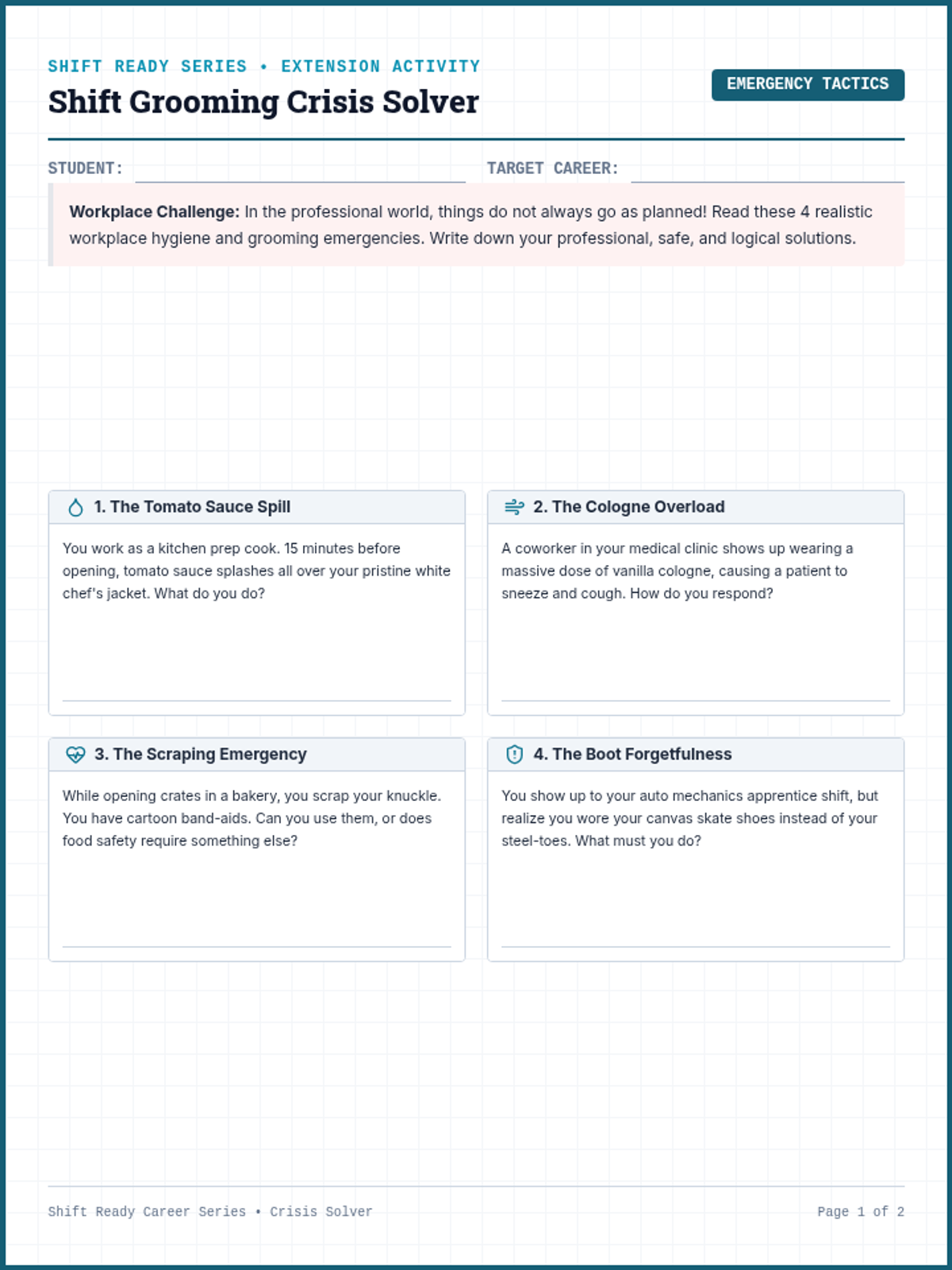
A comprehensive SPED-focused transition lesson about navigating sensitive feedback regarding personal hygiene, grooming, and appearance in workplace and social settings.
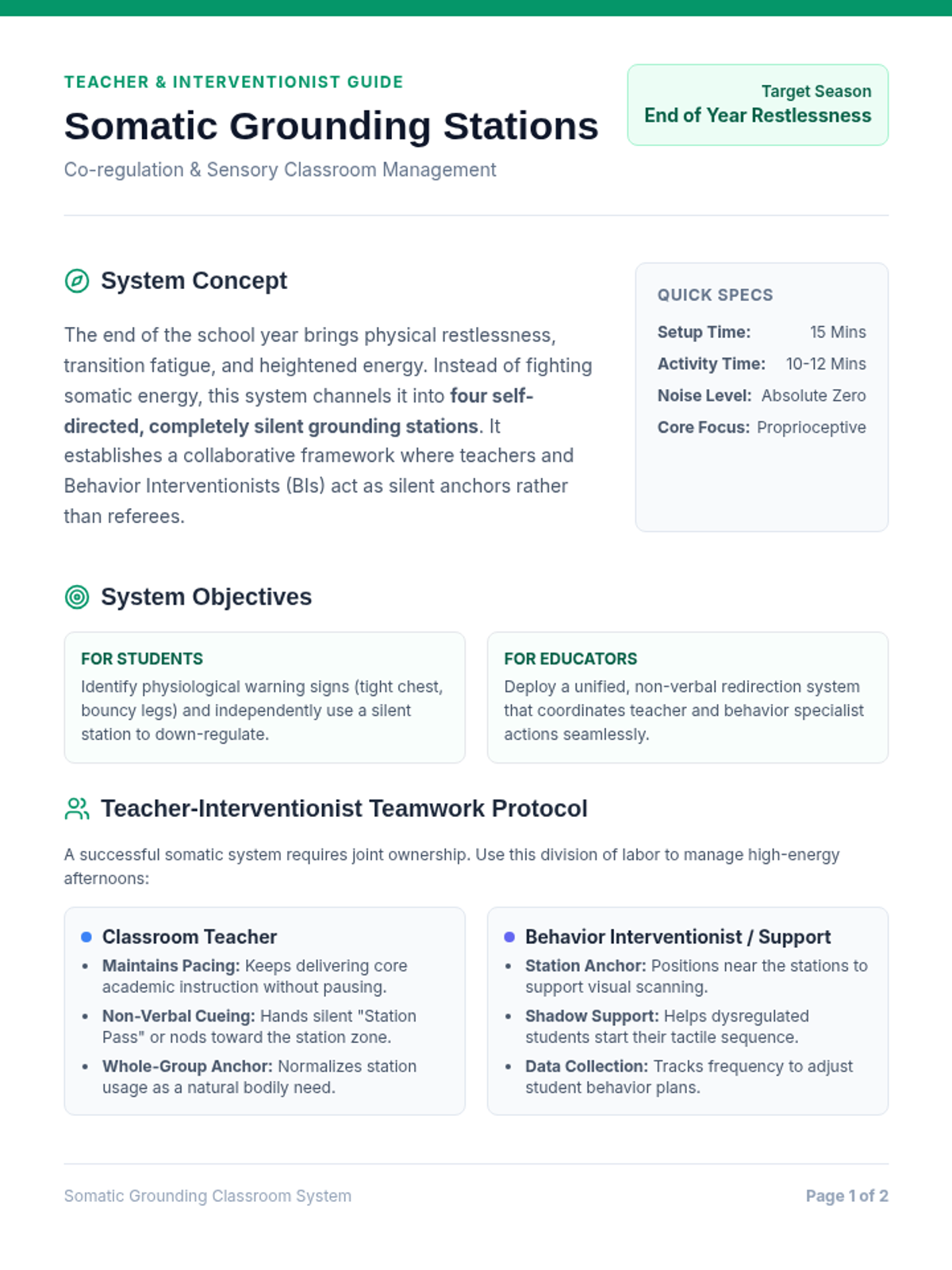
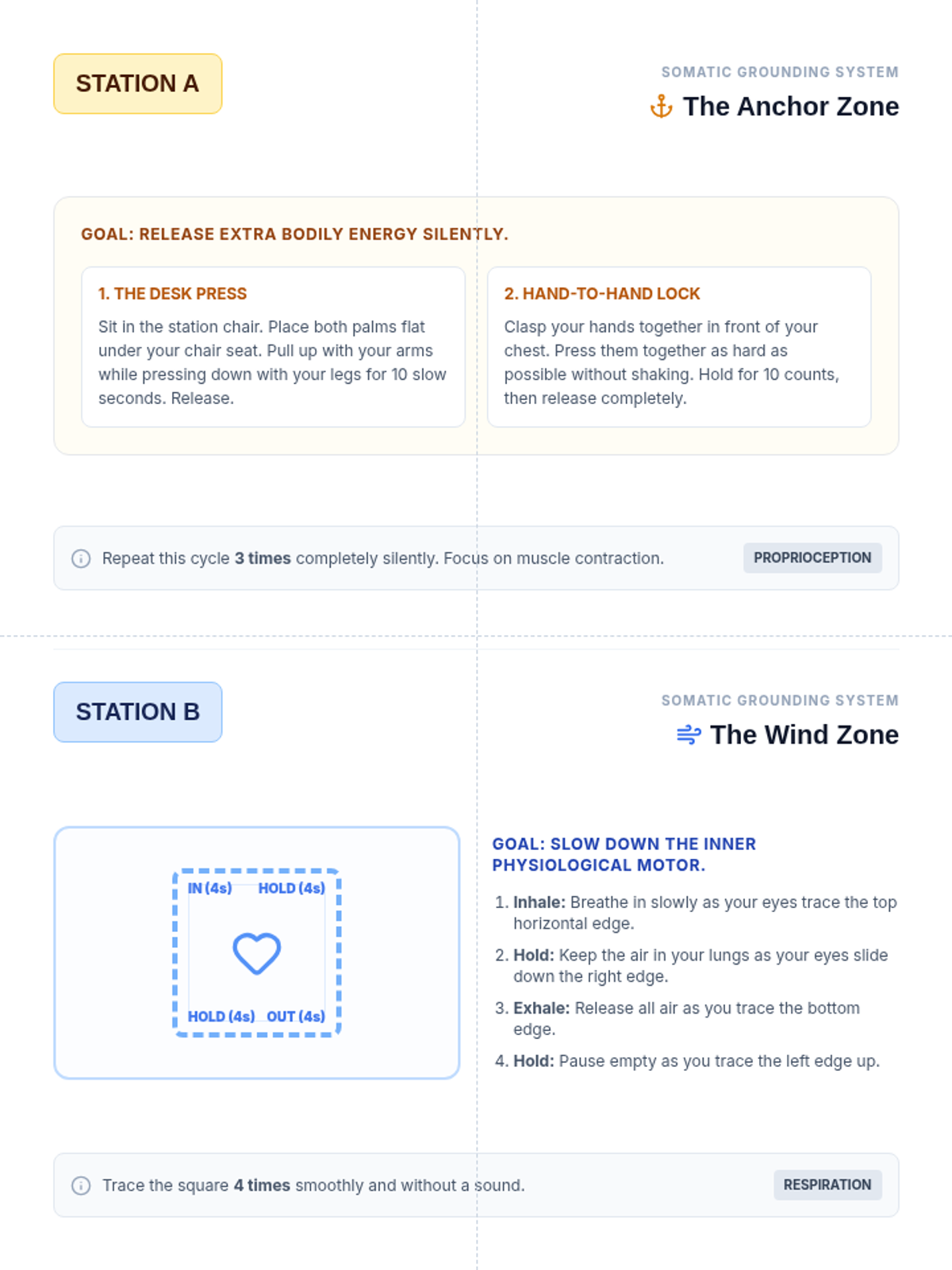
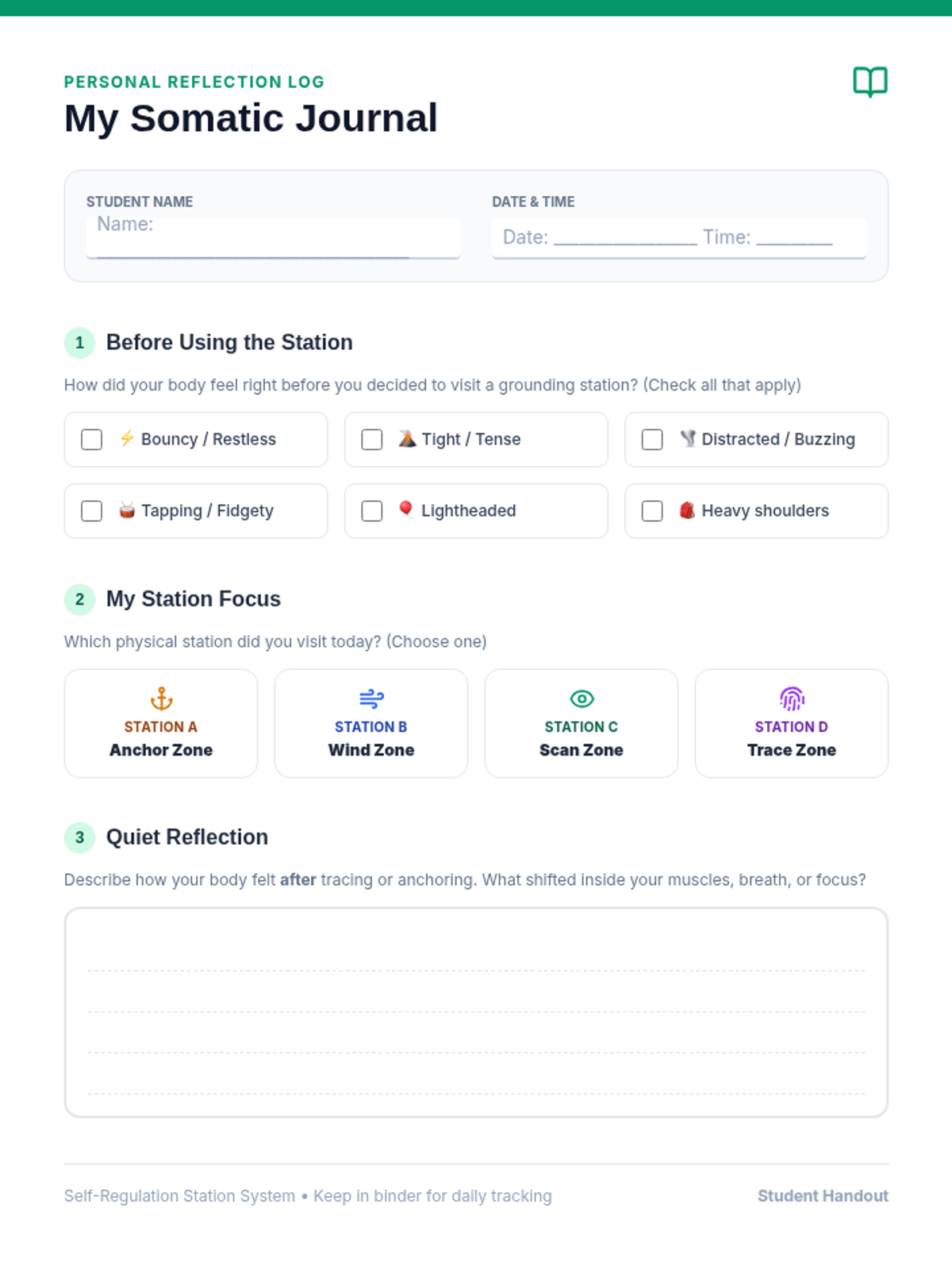
A sensory-based regulation system lesson designed to establish quick, silent coping zones in classrooms during high-energy periods, facilitating collaboration between teachers and behavior interventionists.
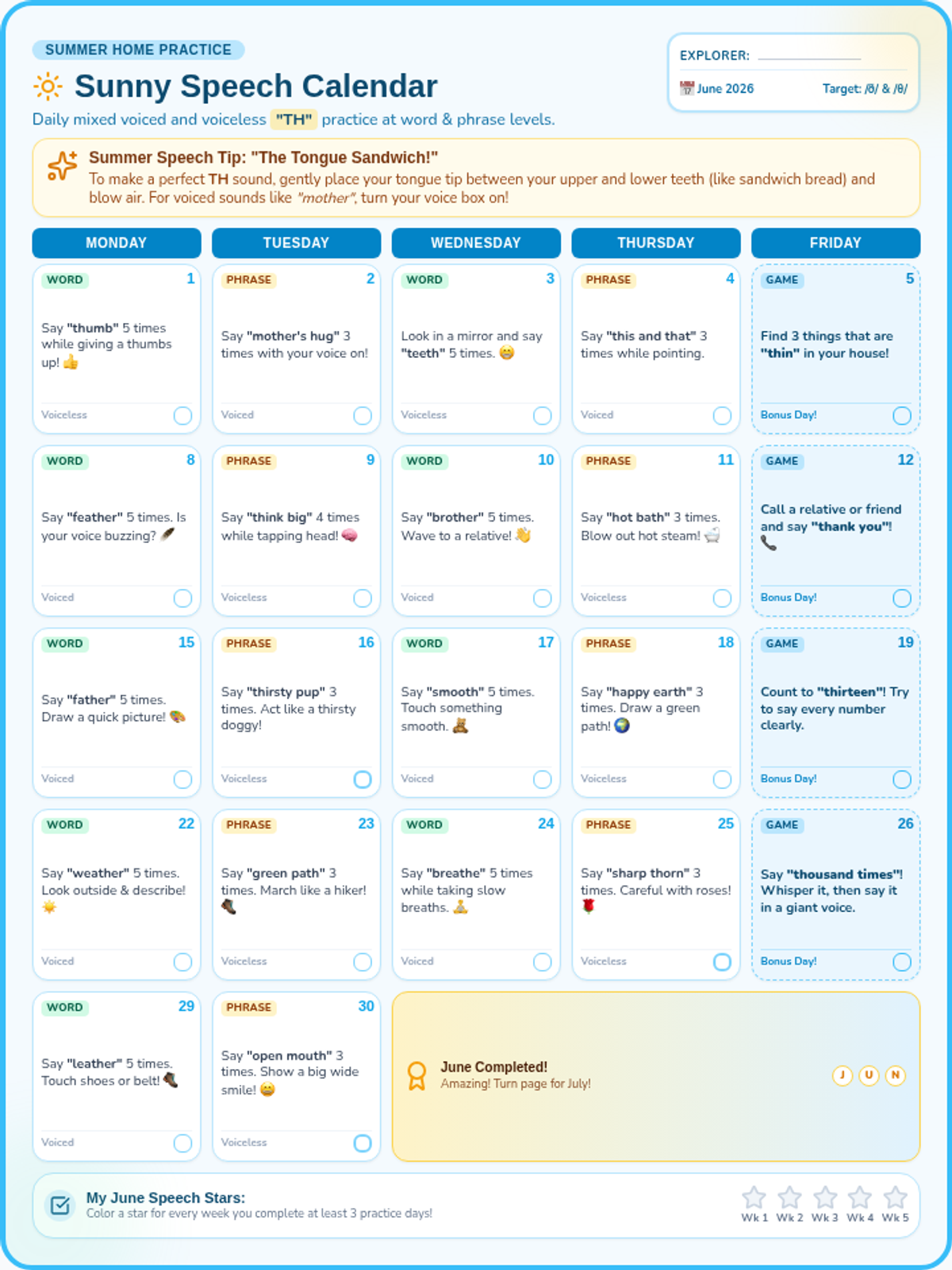
A 2-month summer speech calendar program for June and July 2026 designed to support students in practicing mixed voiced and voiceless TH sounds at the word and phrase levels through quick, engaging daily home activities.
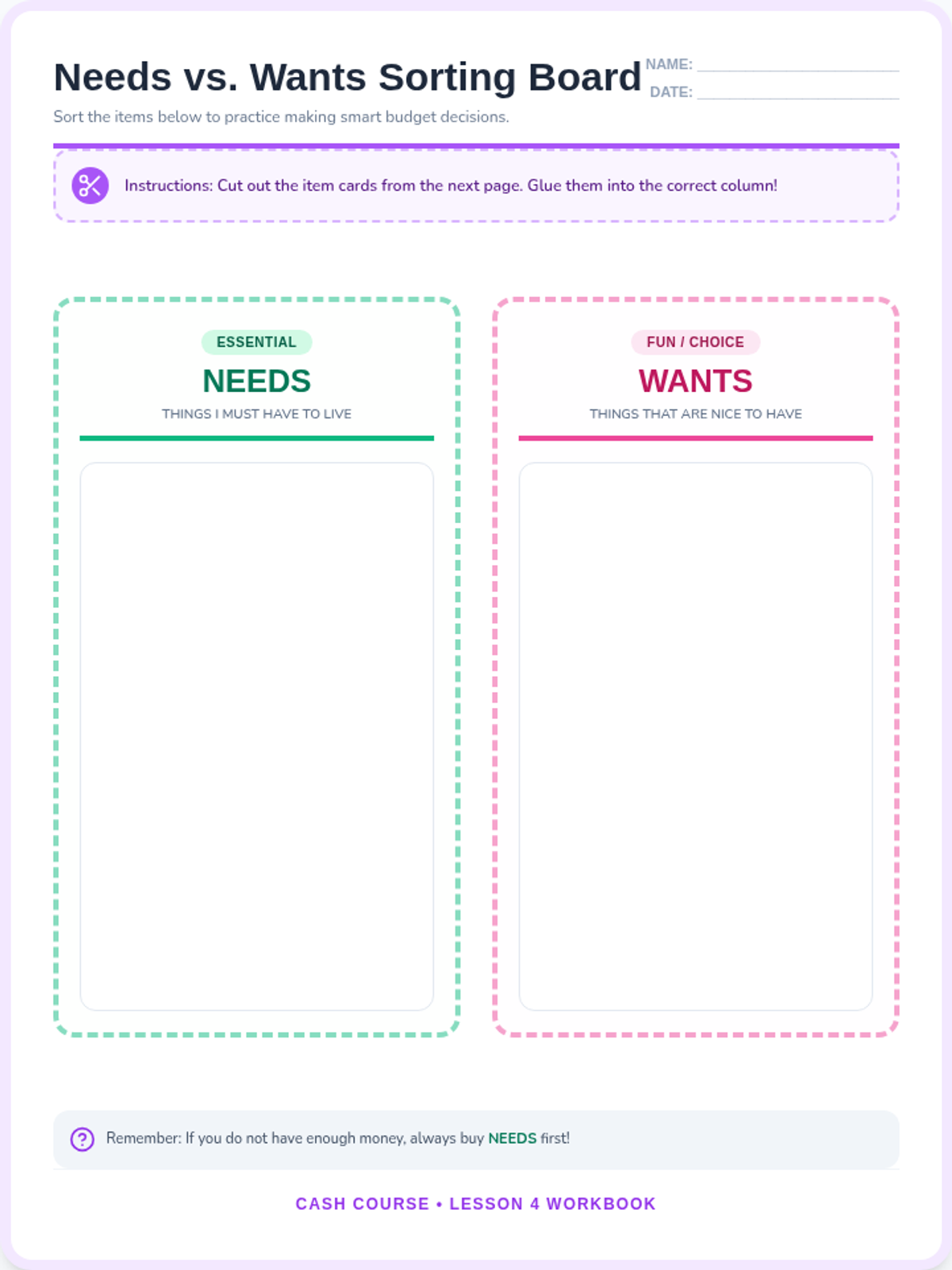
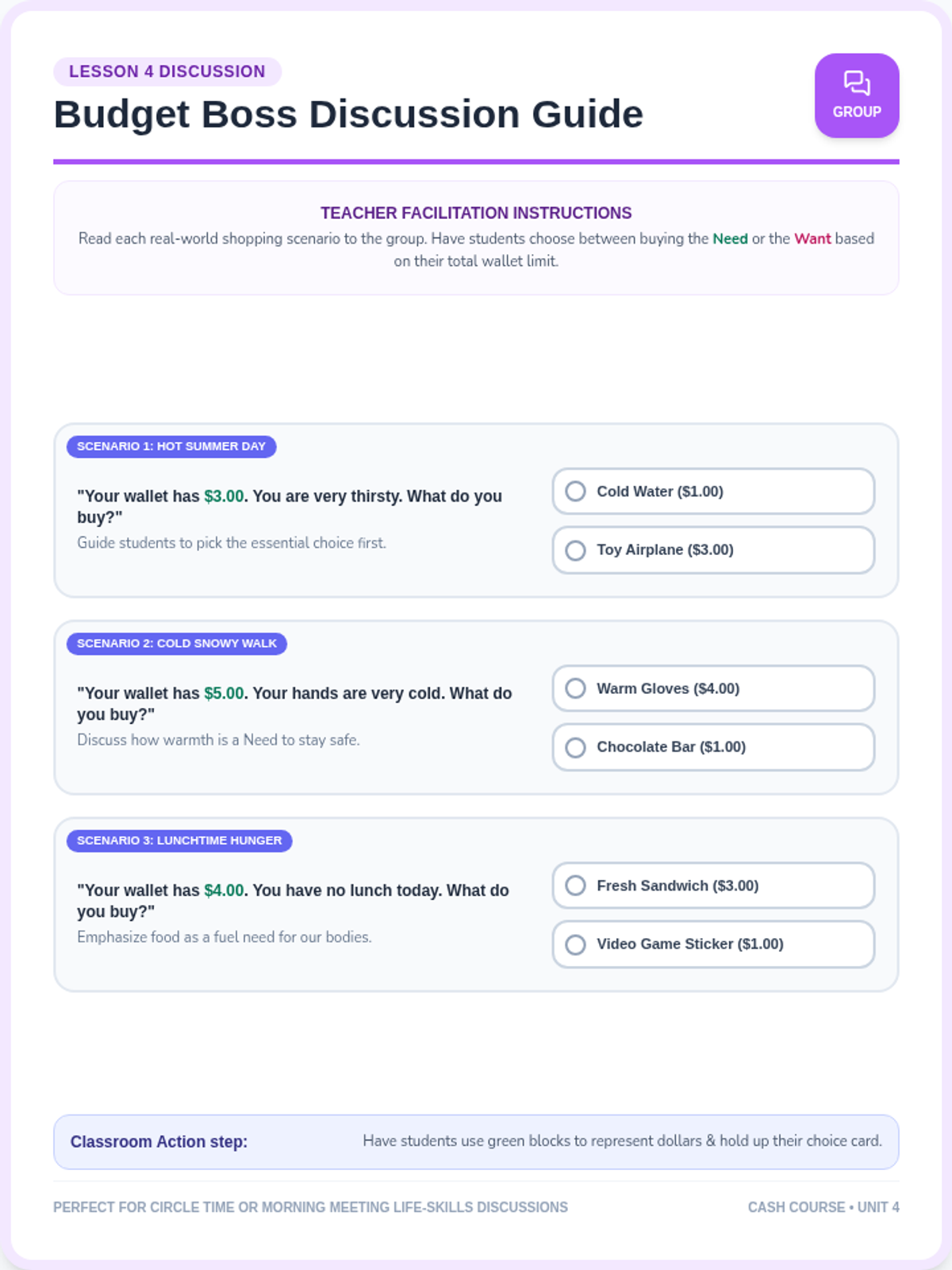
Teaches students to distinguish between essential items (needs) and non-essential items (wants), and guides them through making simple purchases within a fixed budget.
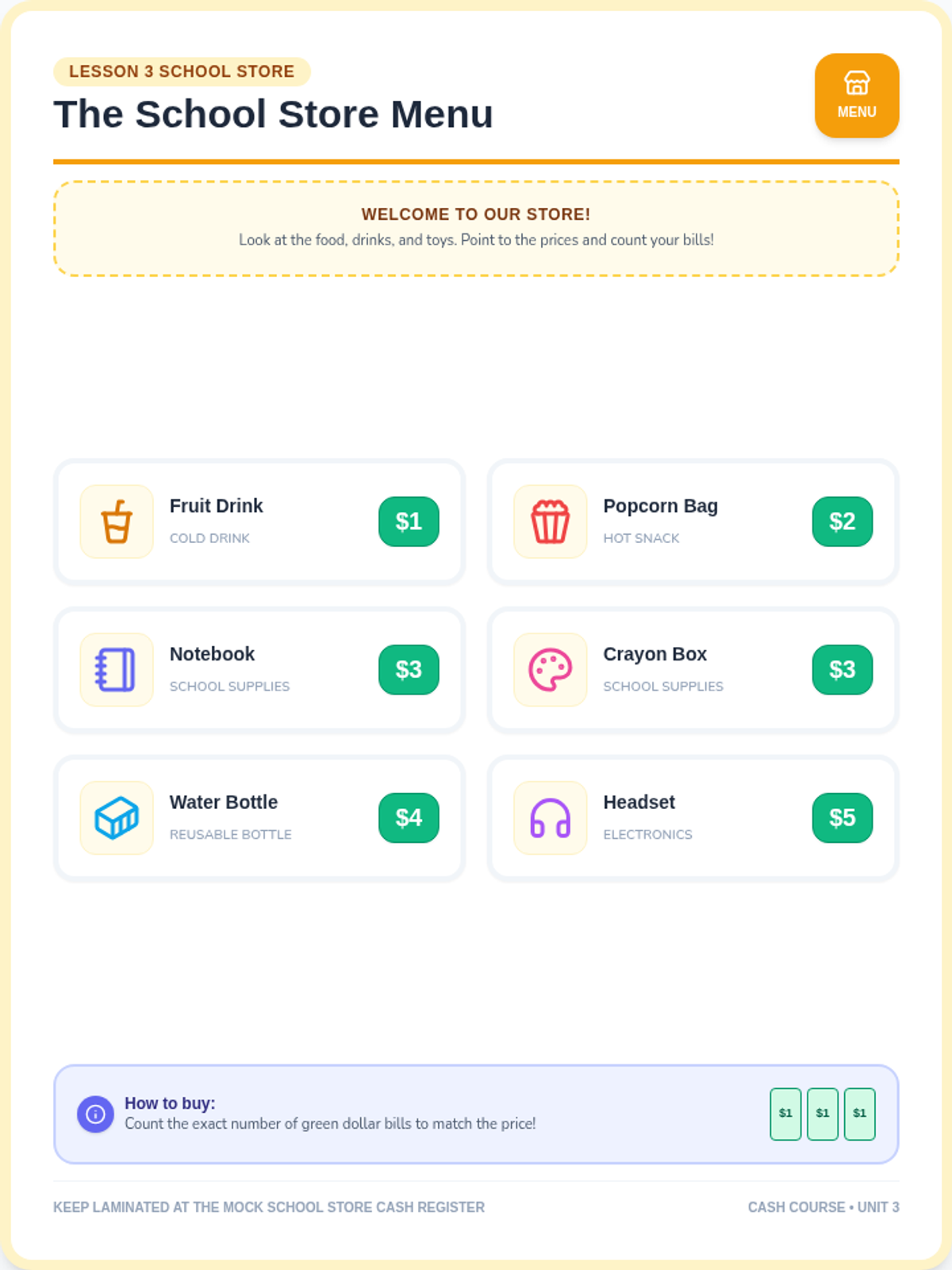
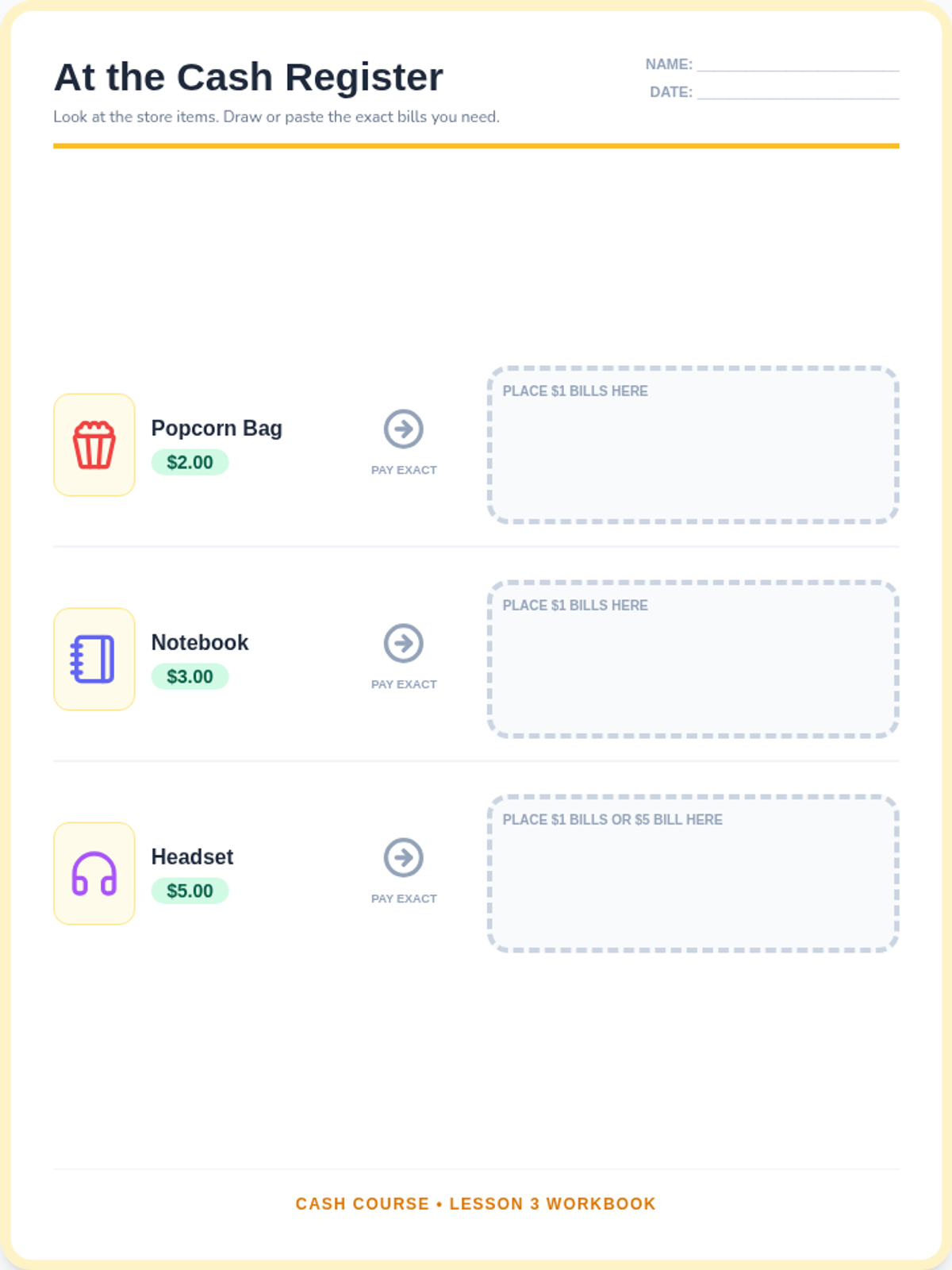
Students practice making simple exact transactions up to five dollars, simulating visual school store scenarios to build independent living skills.
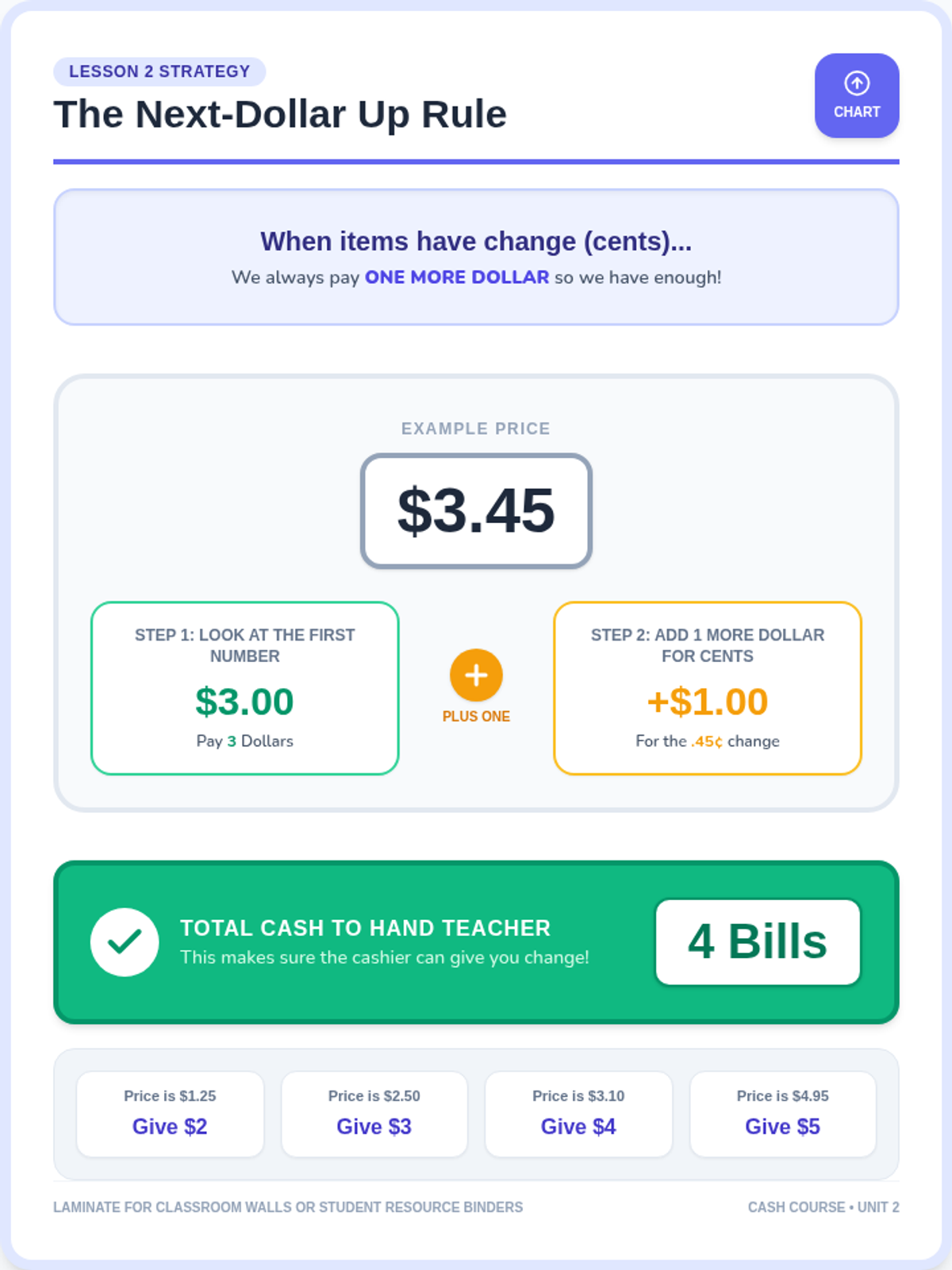
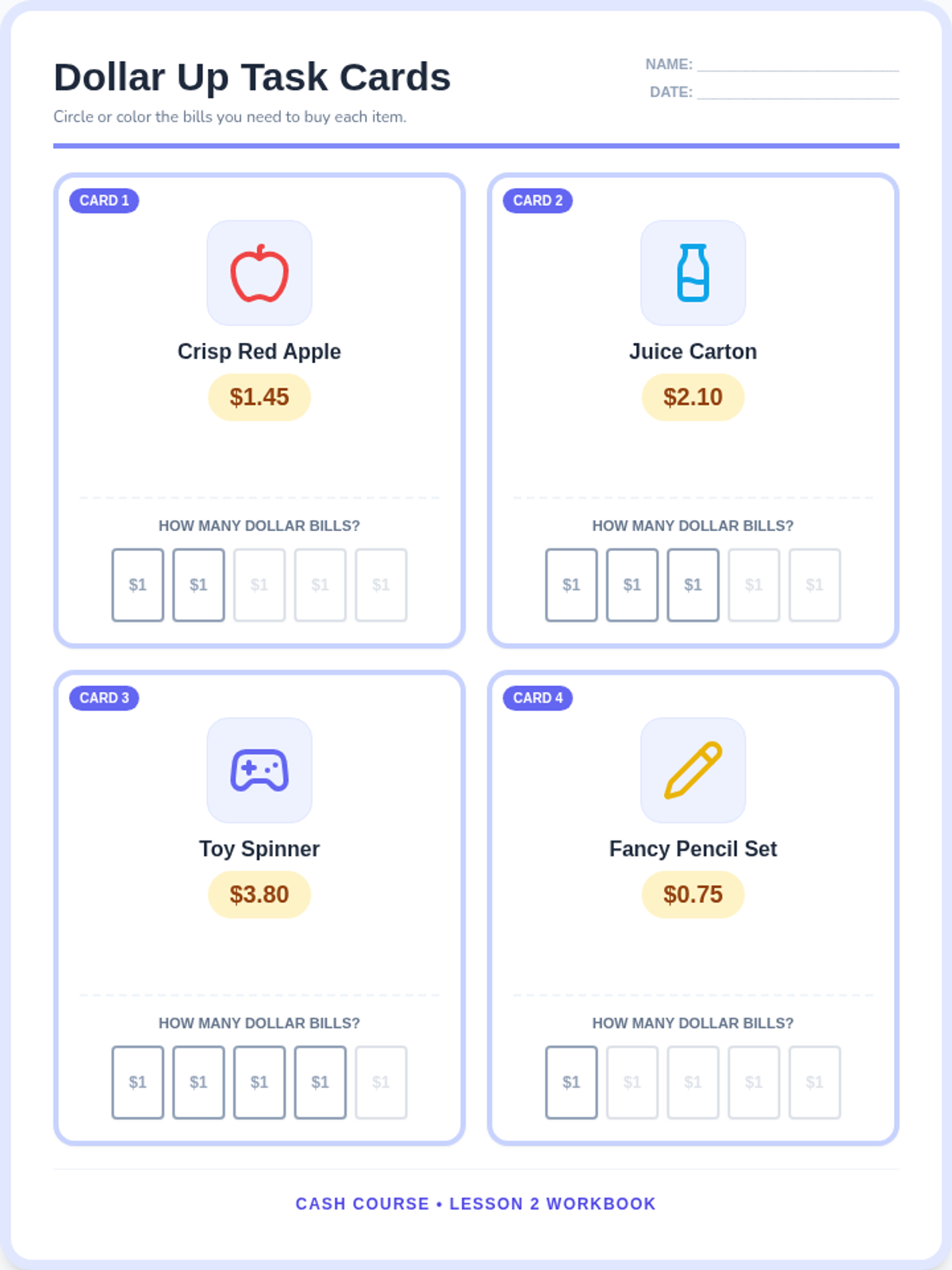
Introduces the Next-Dollar Up strategy, teaching students with cognitive and learning disabilities how to determine how many one-dollar bills to pay for items with decimal prices.
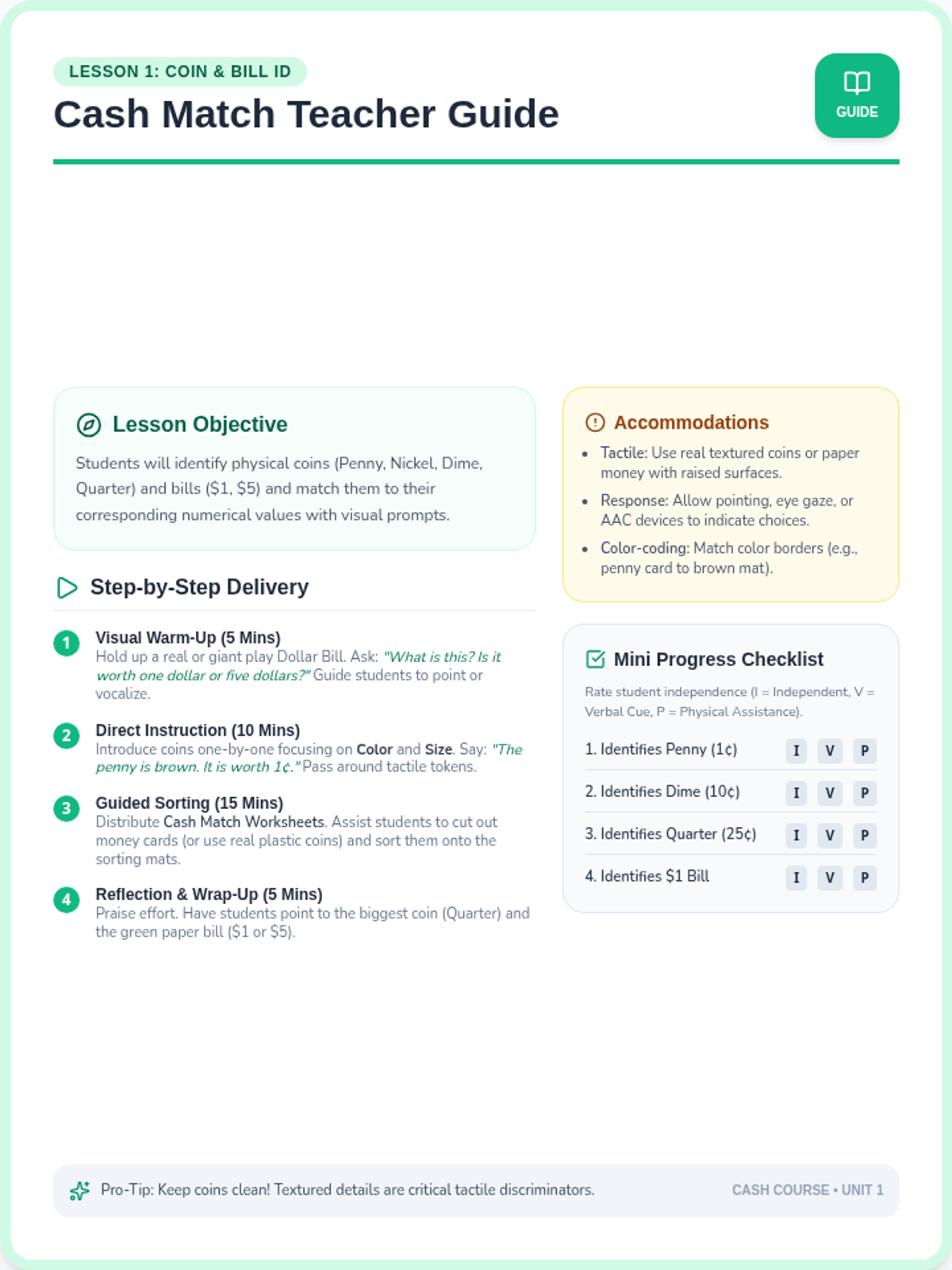
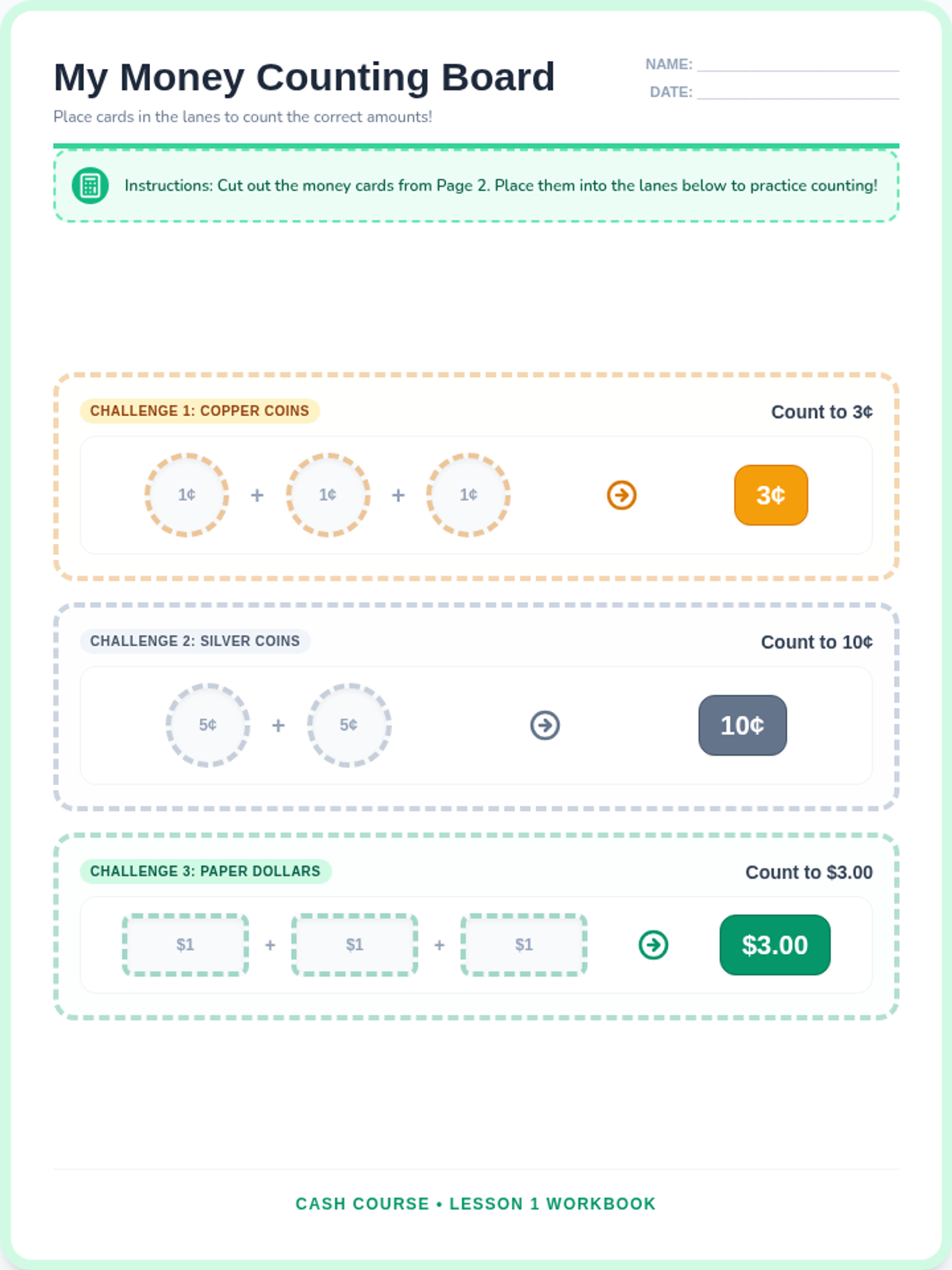
Focuses on recognizing physical coins and bills, matching them to their numeric values, and sorting money in physical or visual formats for students with significant cognitive disabilities.
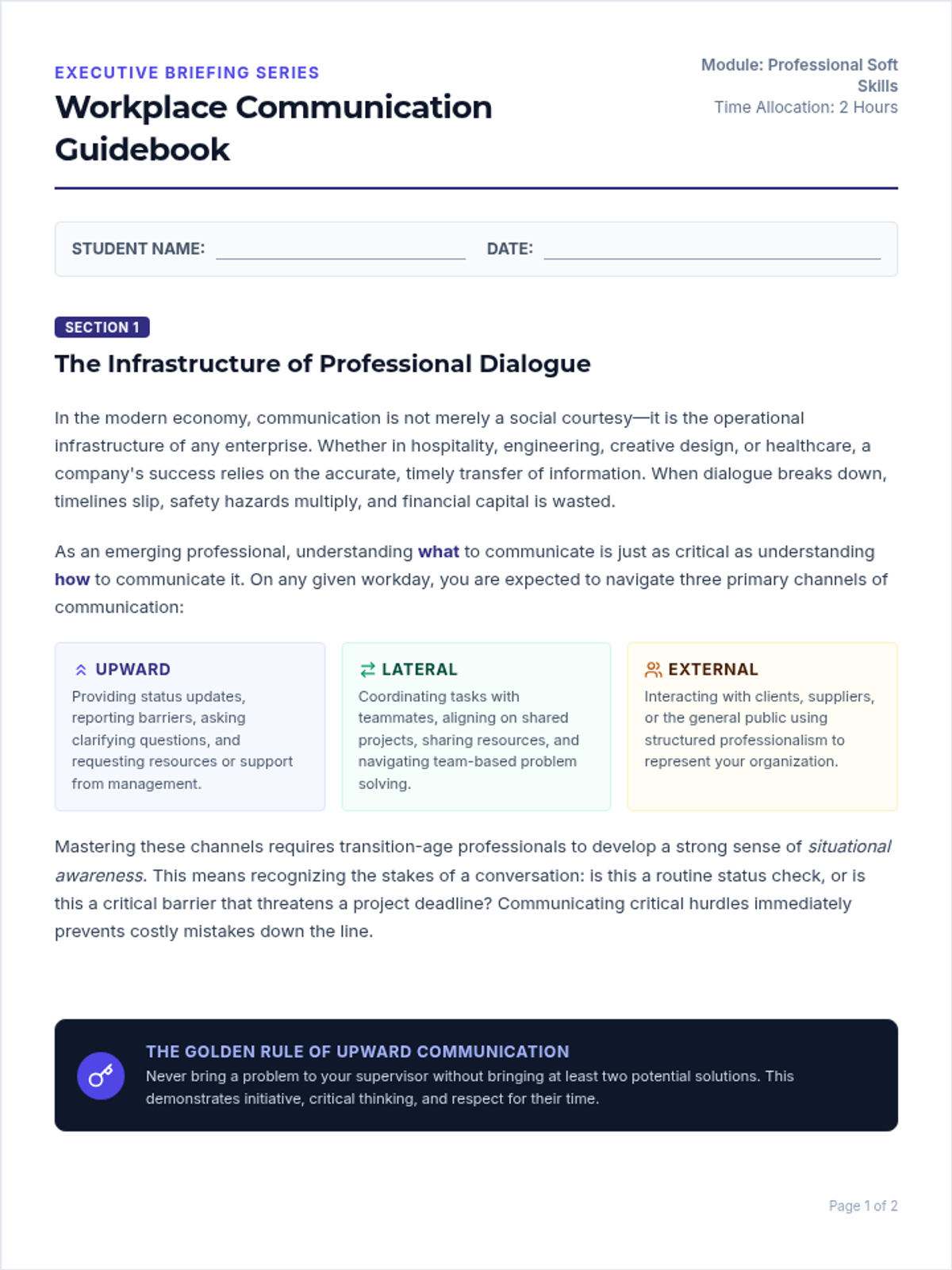
An advanced 2-hour lesson bundle for transition-age youth focusing on professional communication, workplace advocacy, and navigating accommodation requests with confidence and clarity.
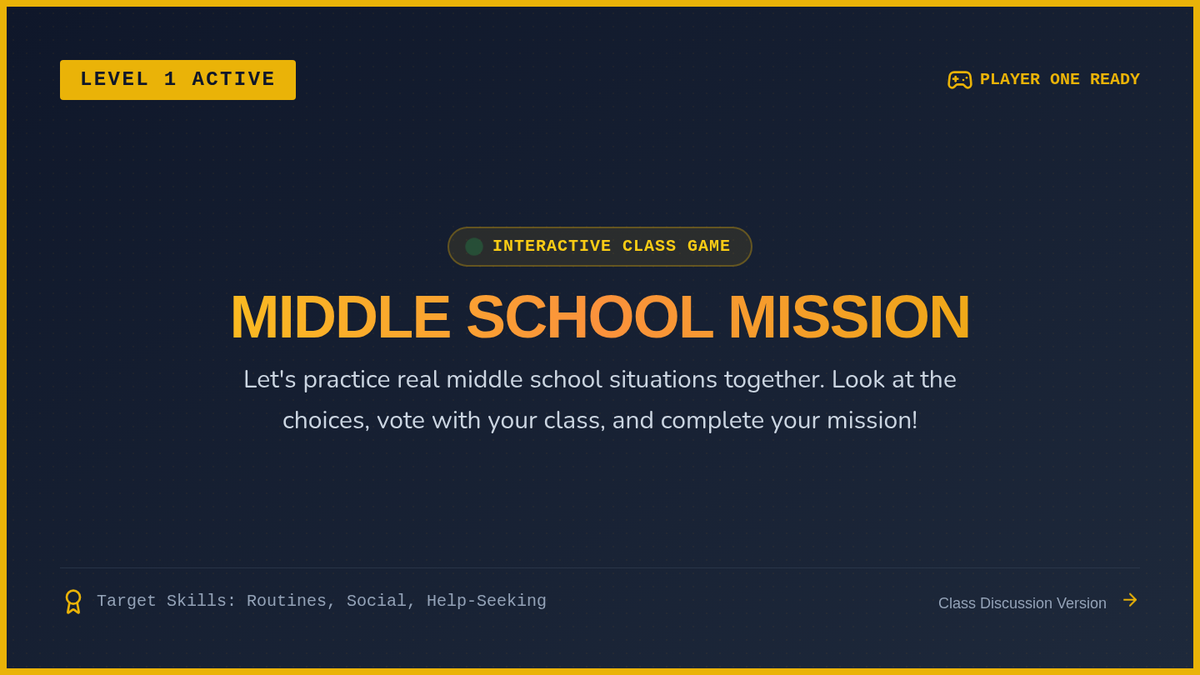
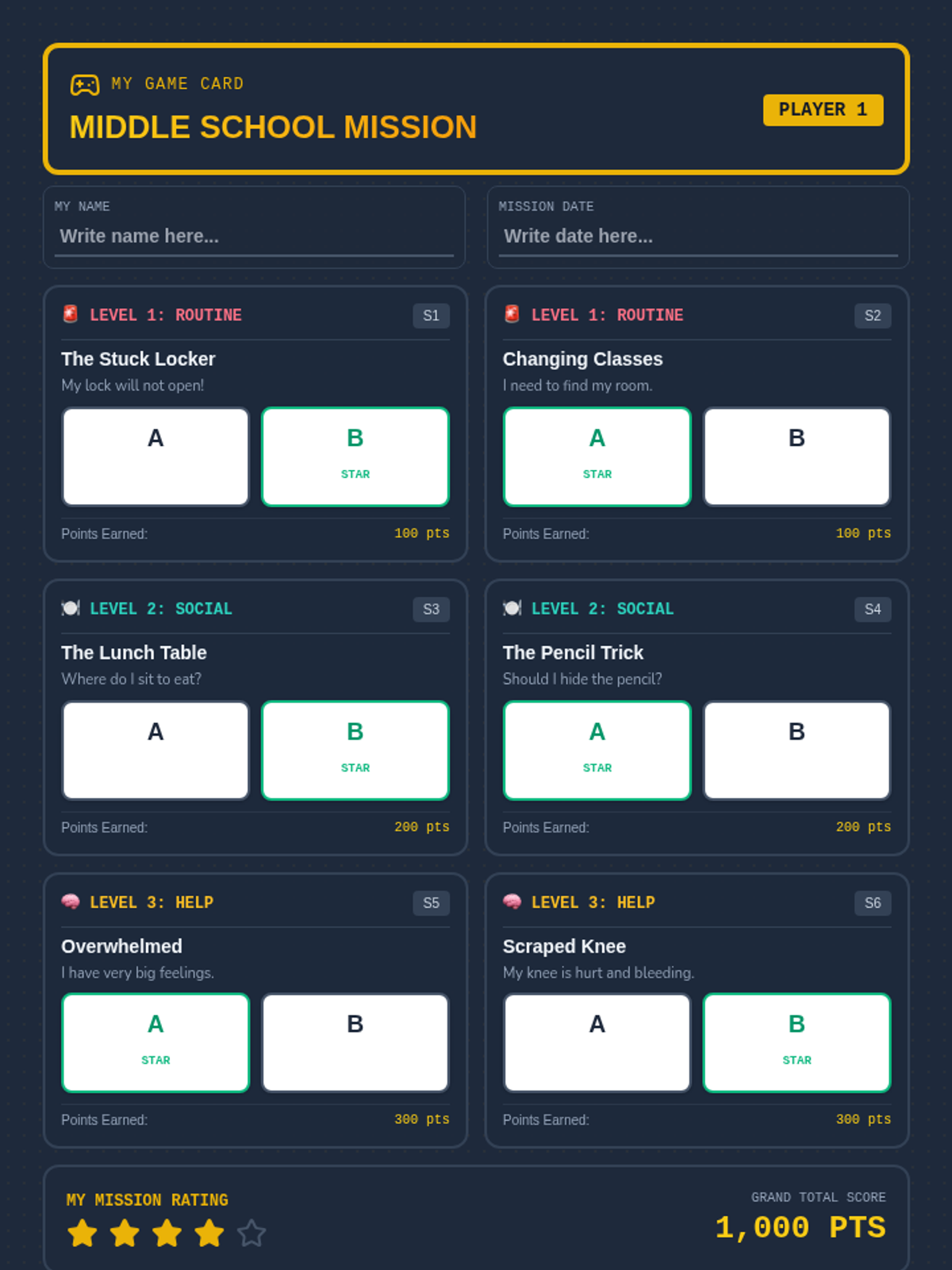
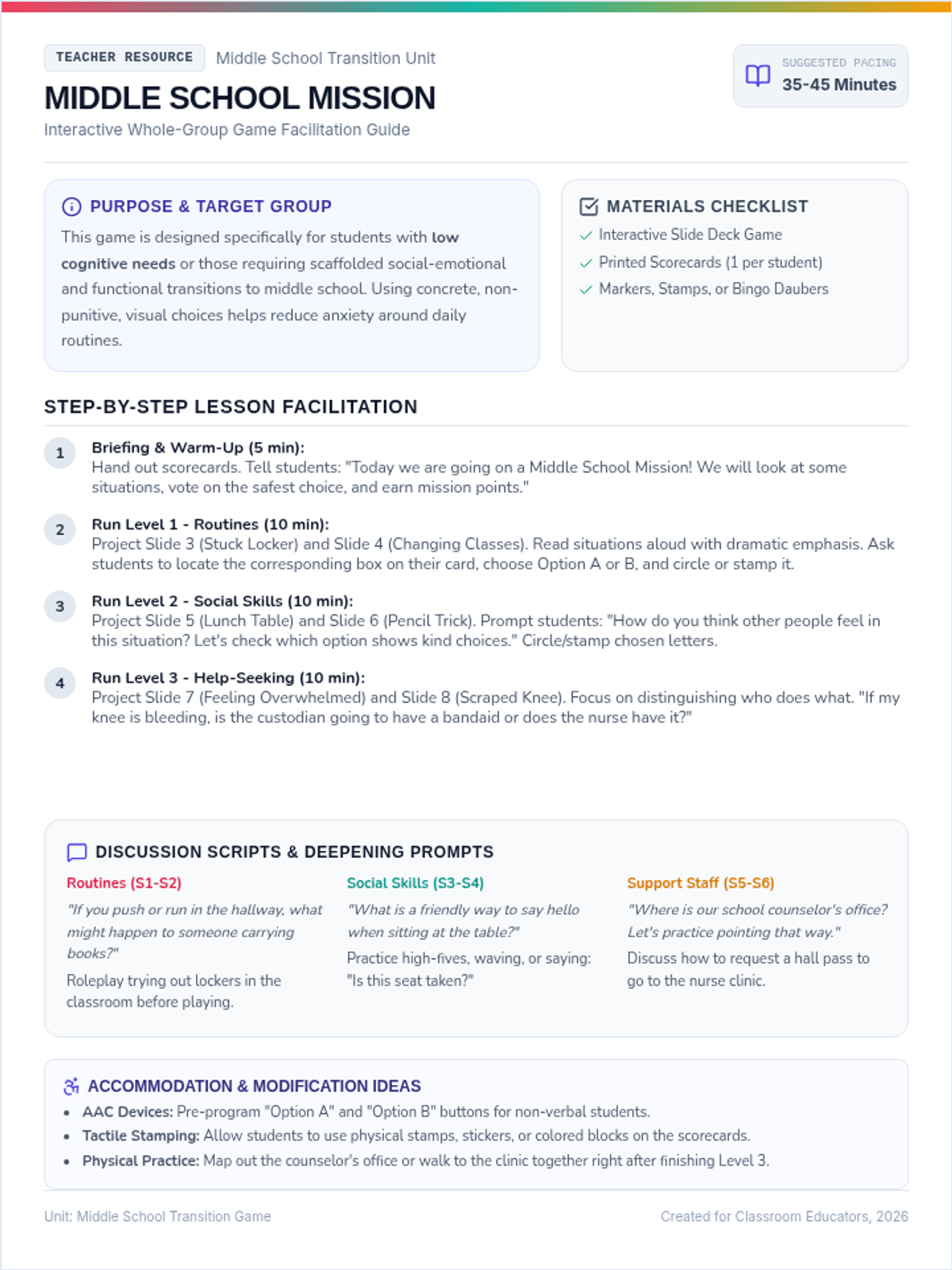
An interactive, game-based transition unit for middle school students with low cognitive needs. It teaches essential routines, social-emotional skills, and support systems through guided scenario-based choices.
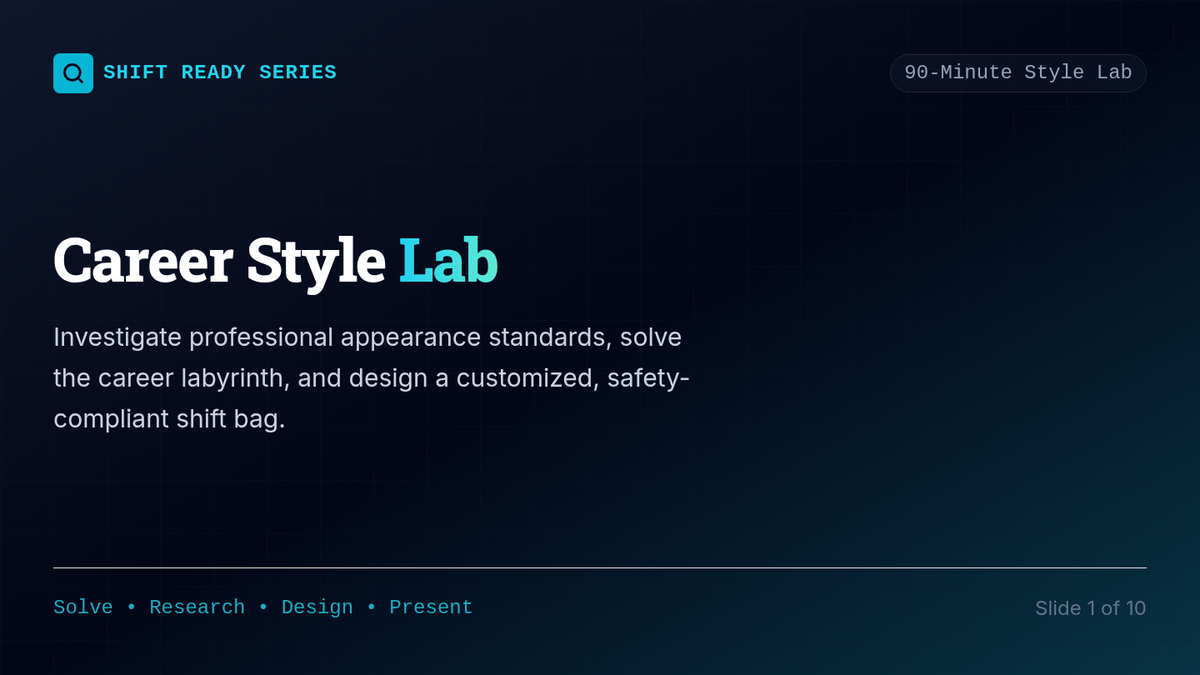
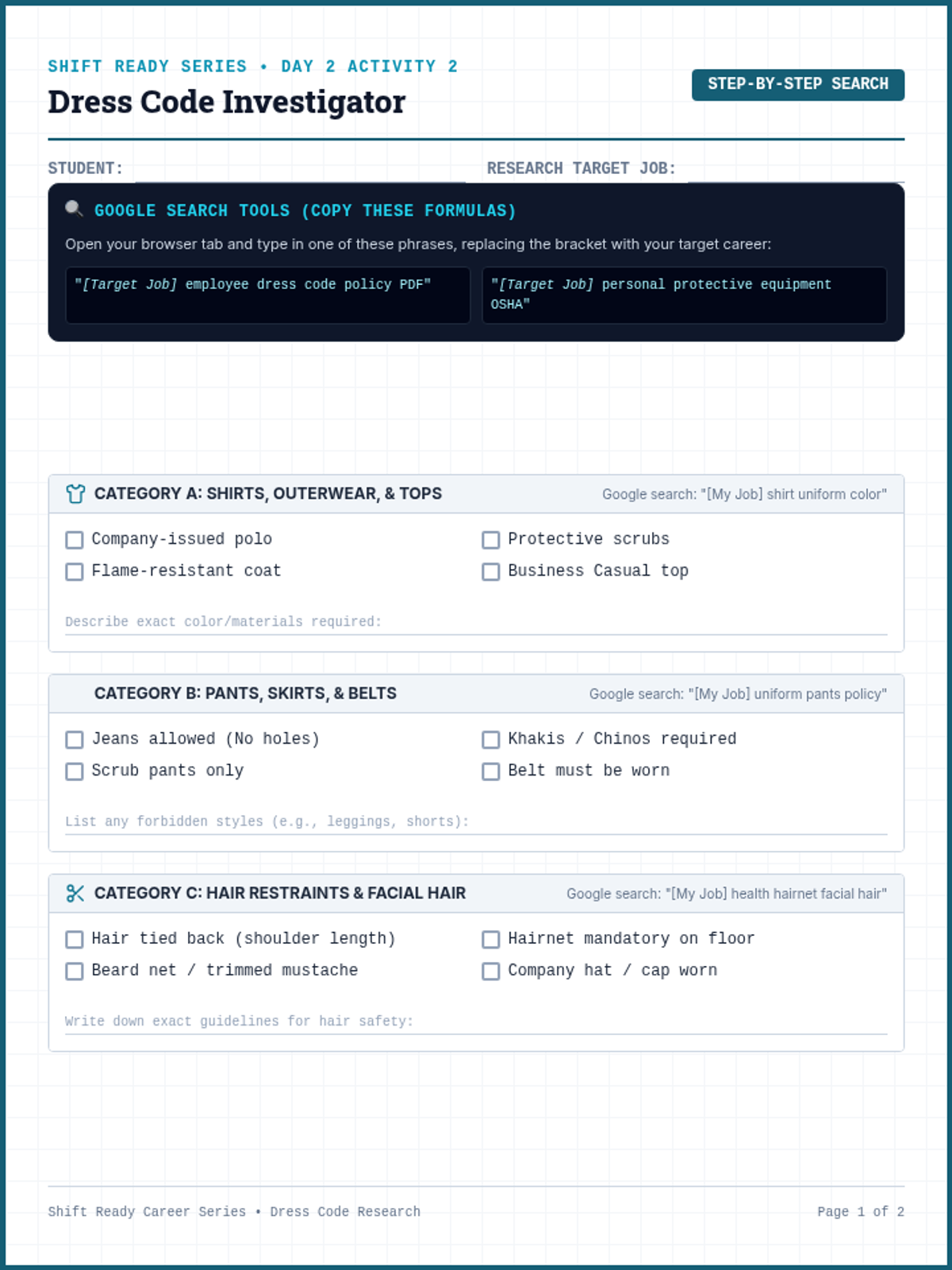
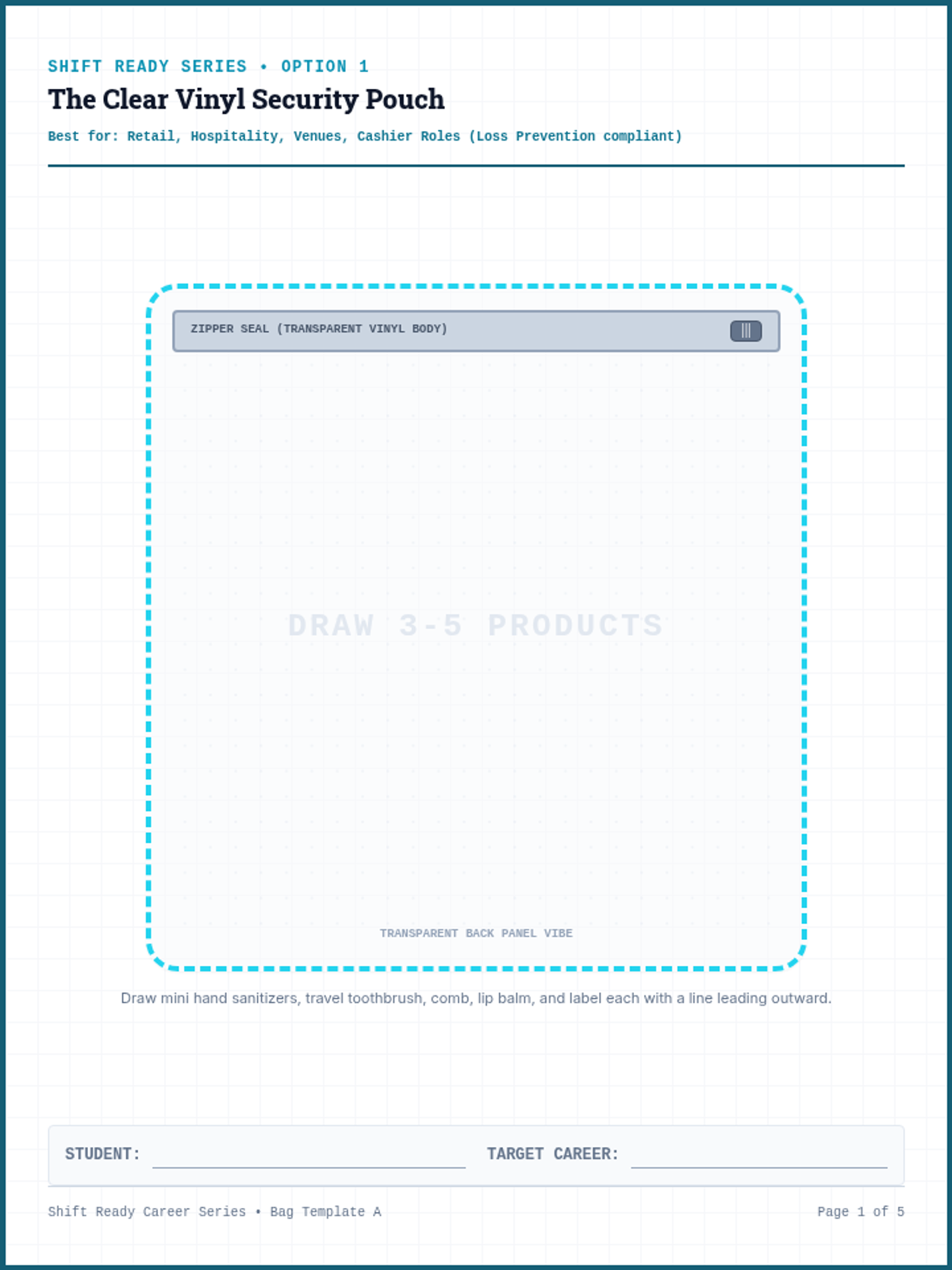
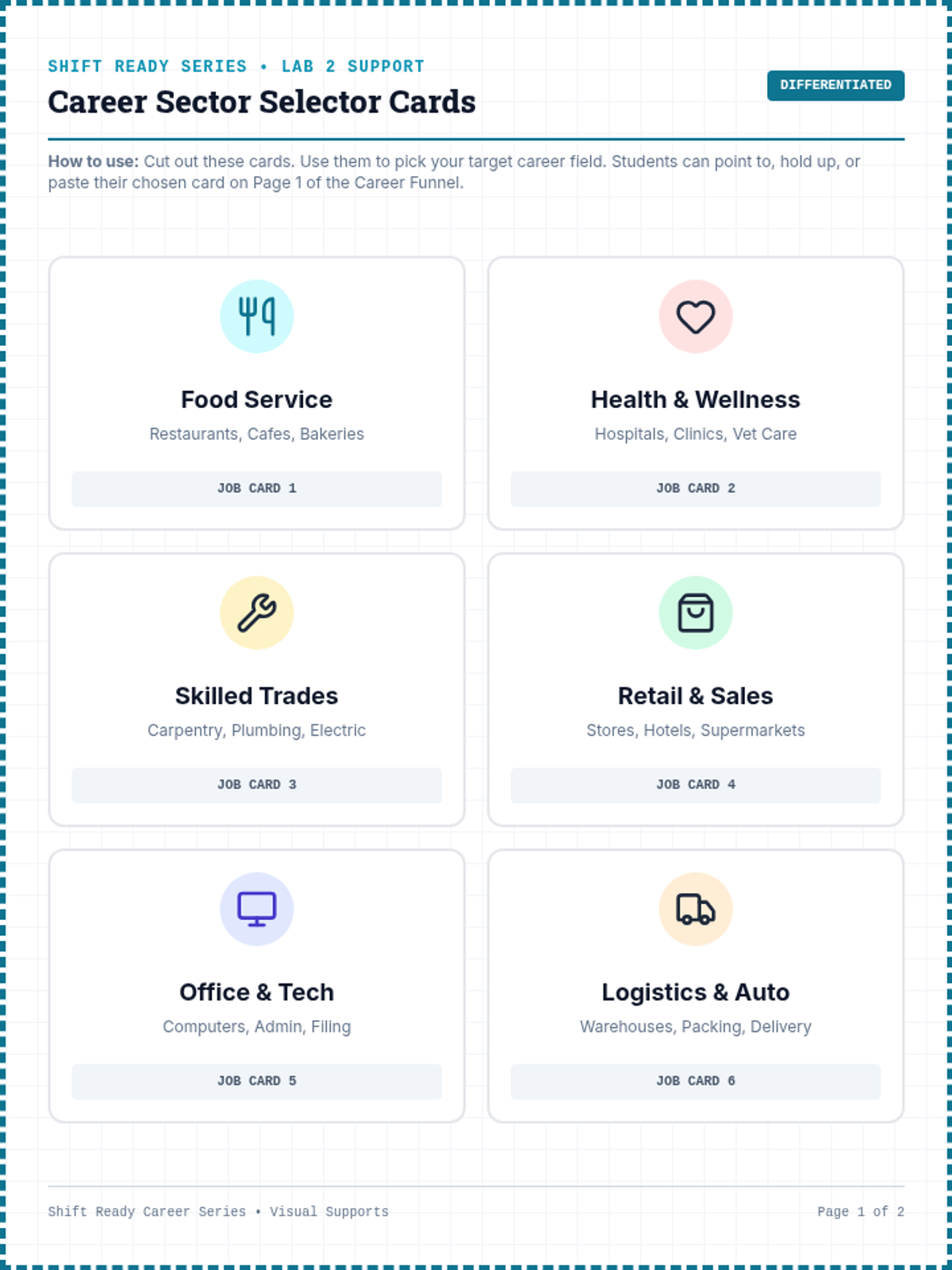
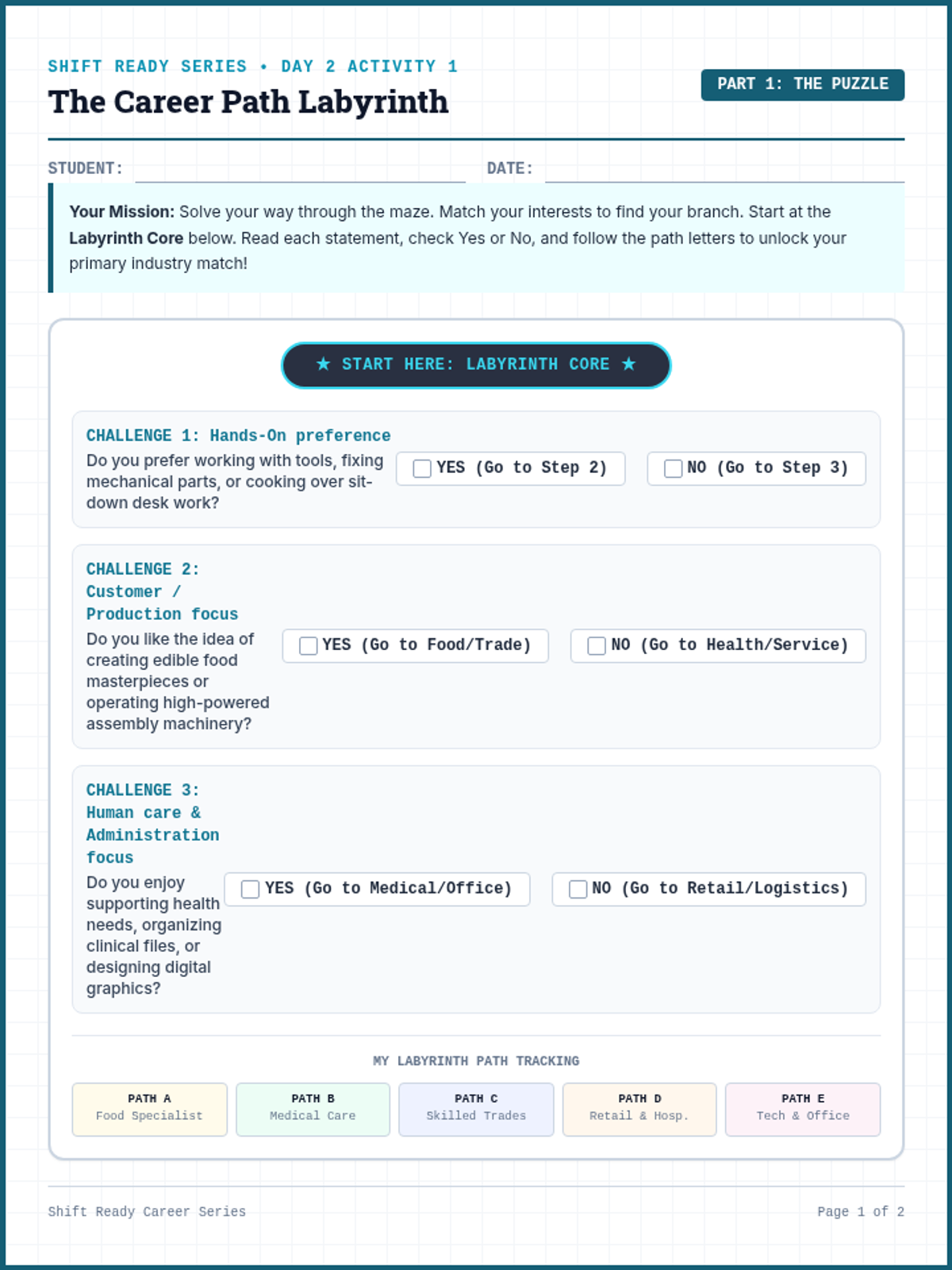
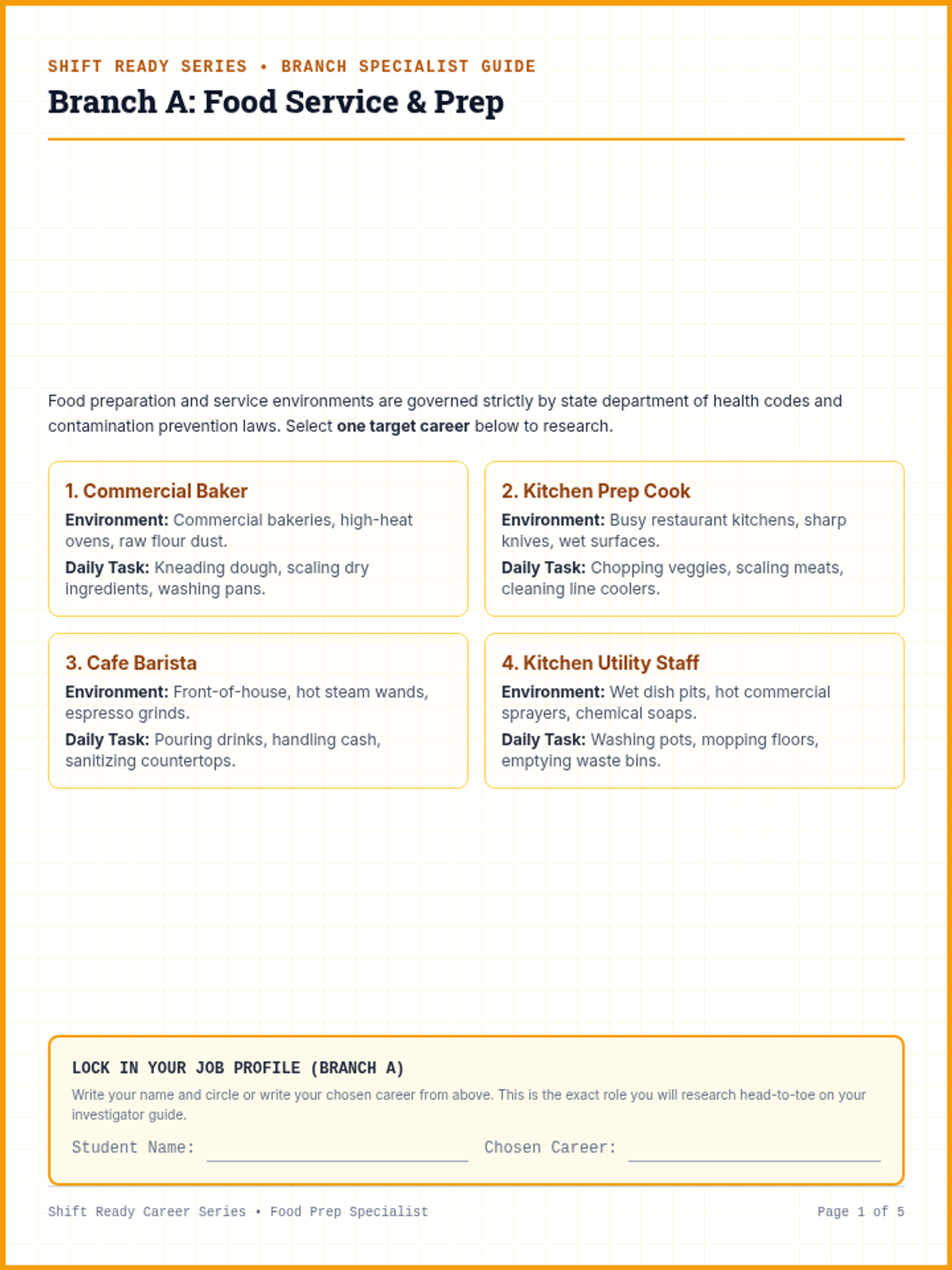
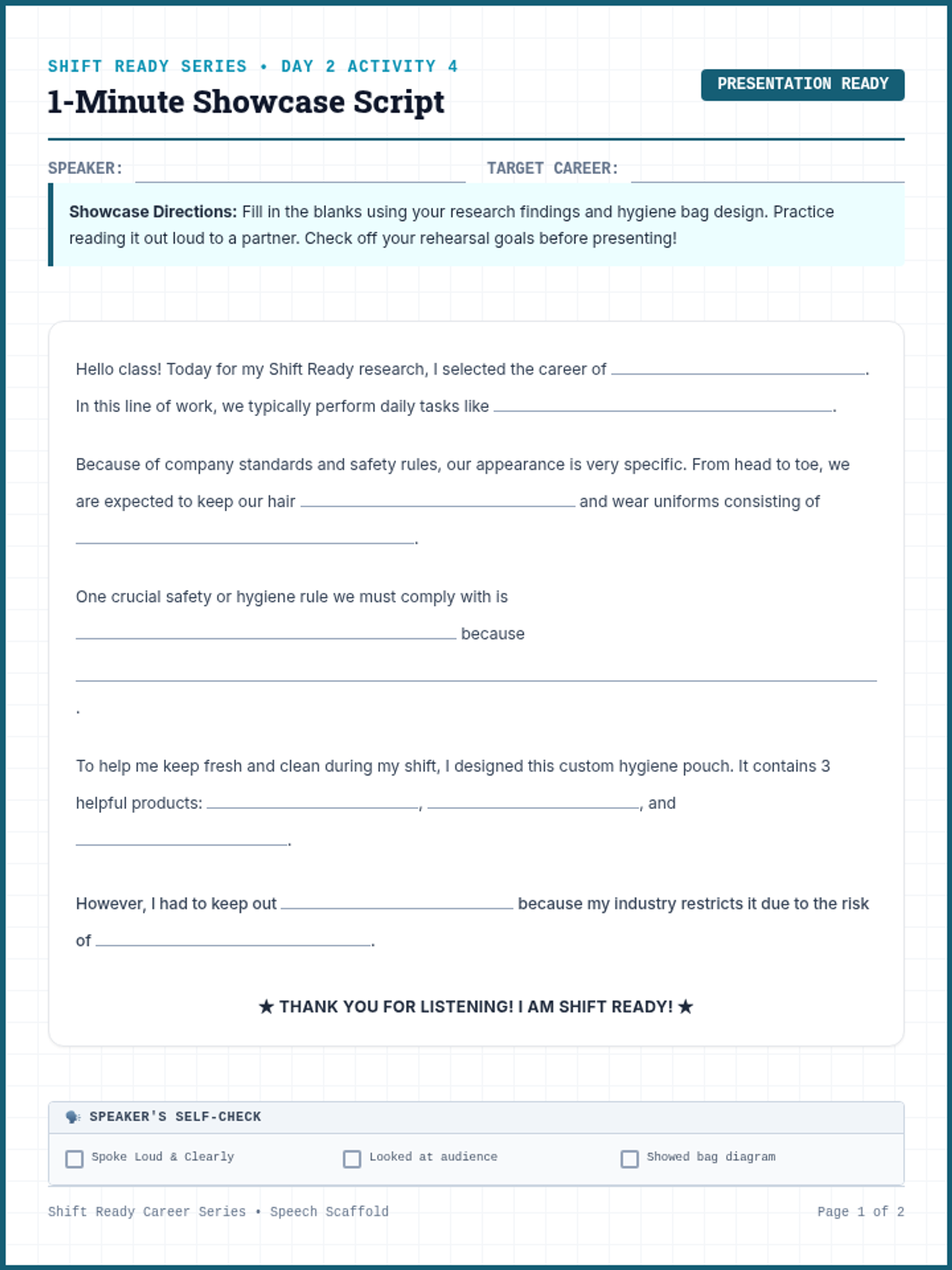
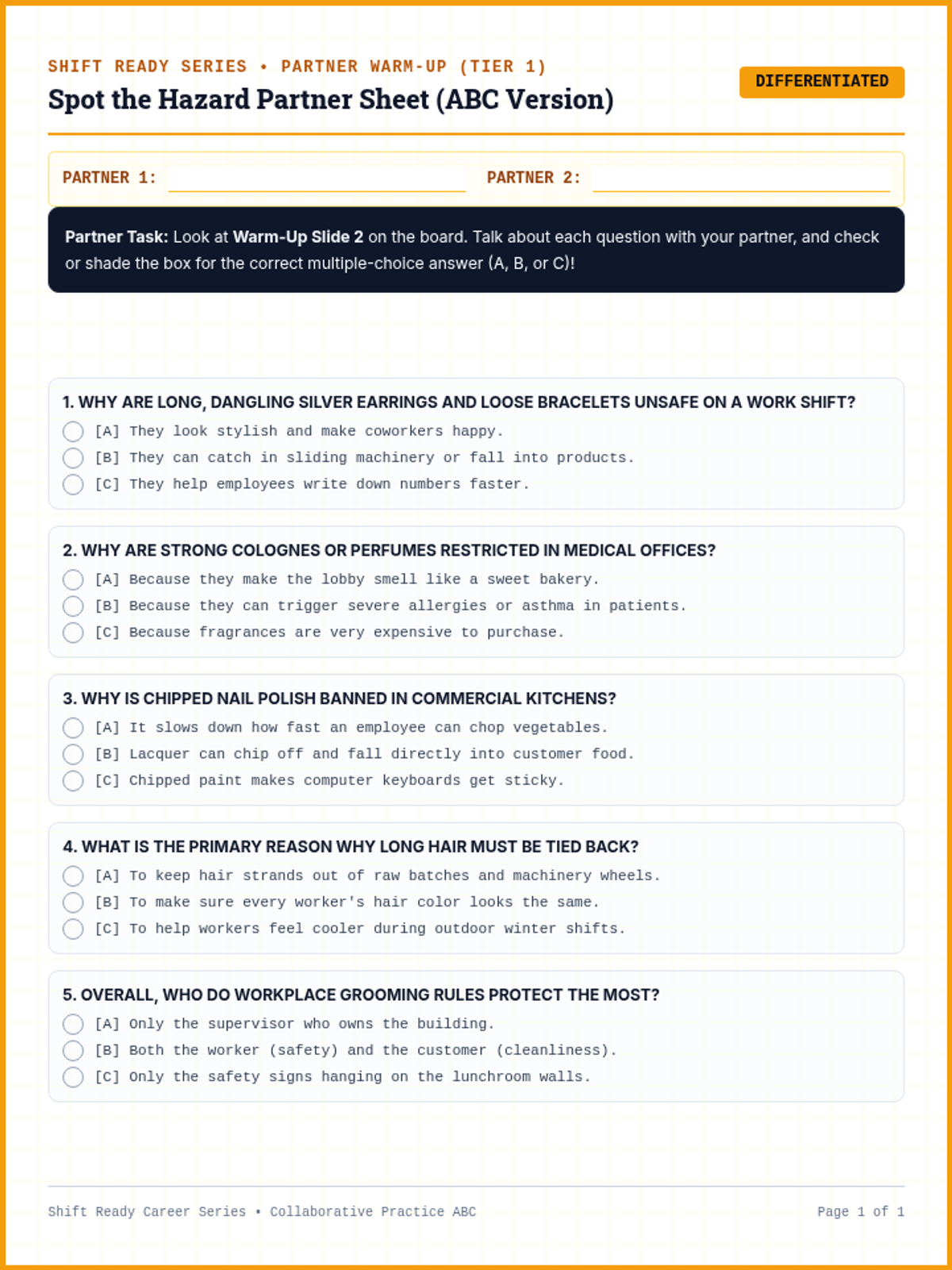
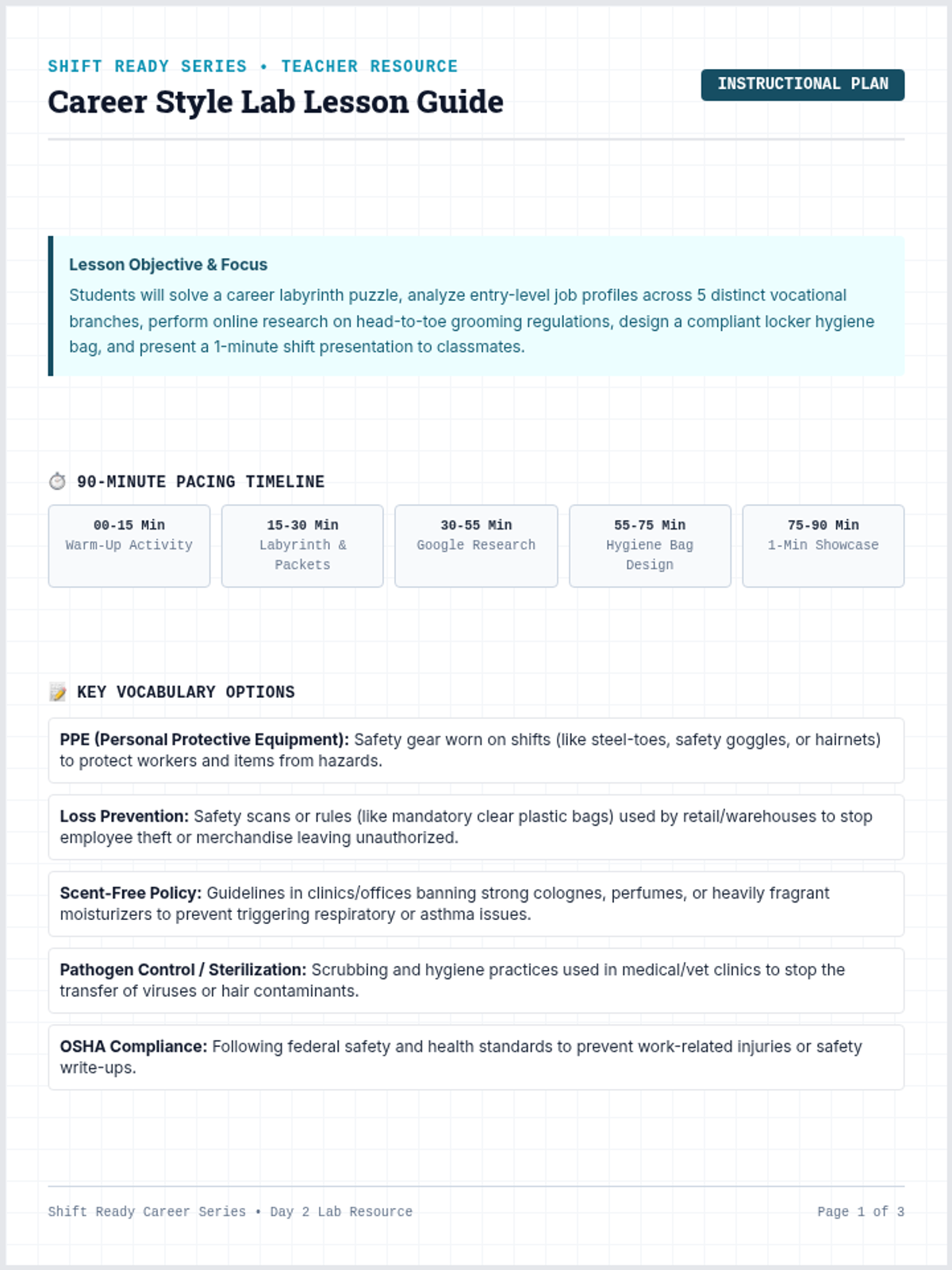
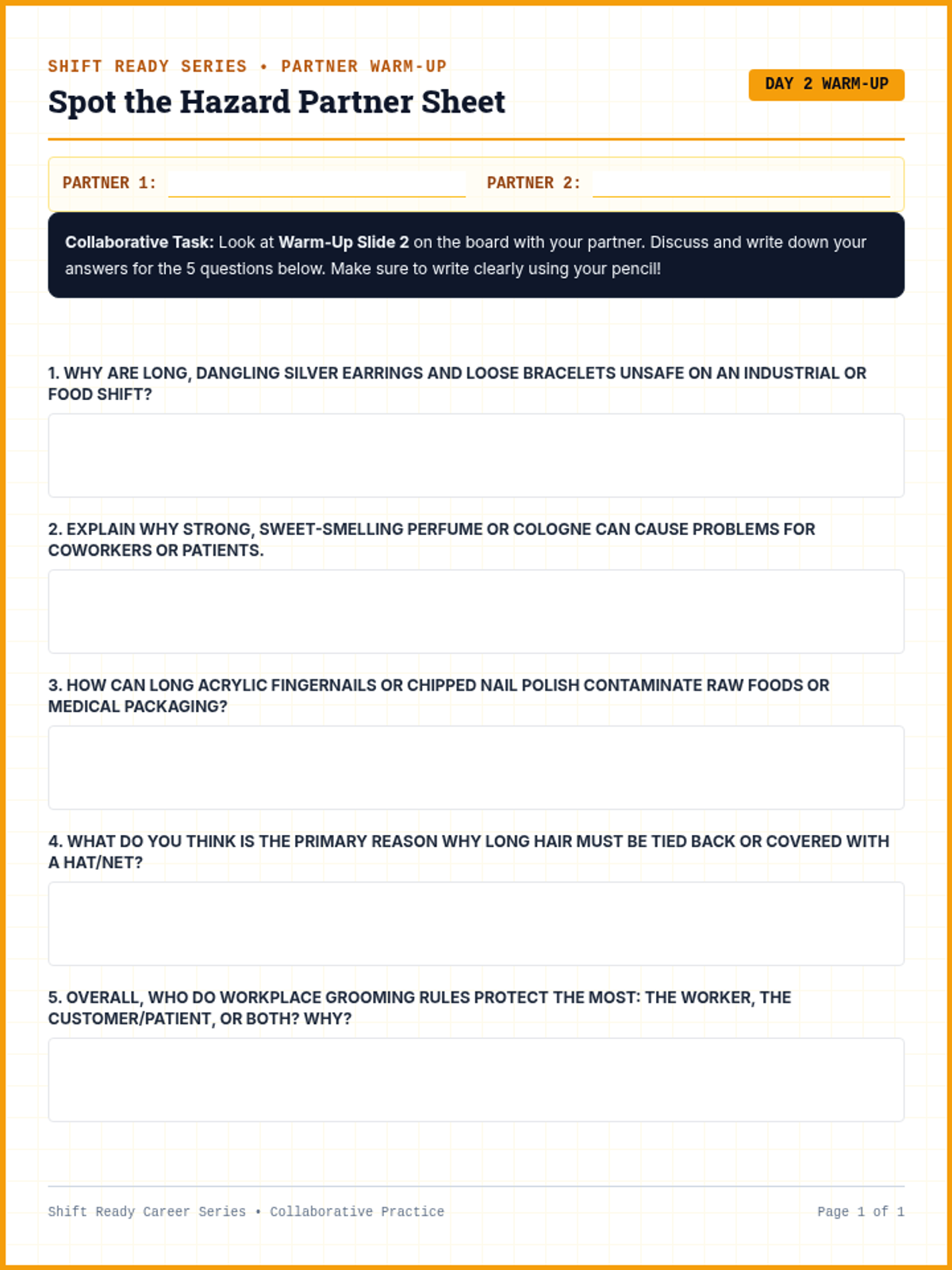
A guided research lesson for transition students to narrow down a career interest, research hygiene/apparel rules from head to toe, design a workplace-appropriate grooming bag, and present findings using a structured 1-minute presentation script.
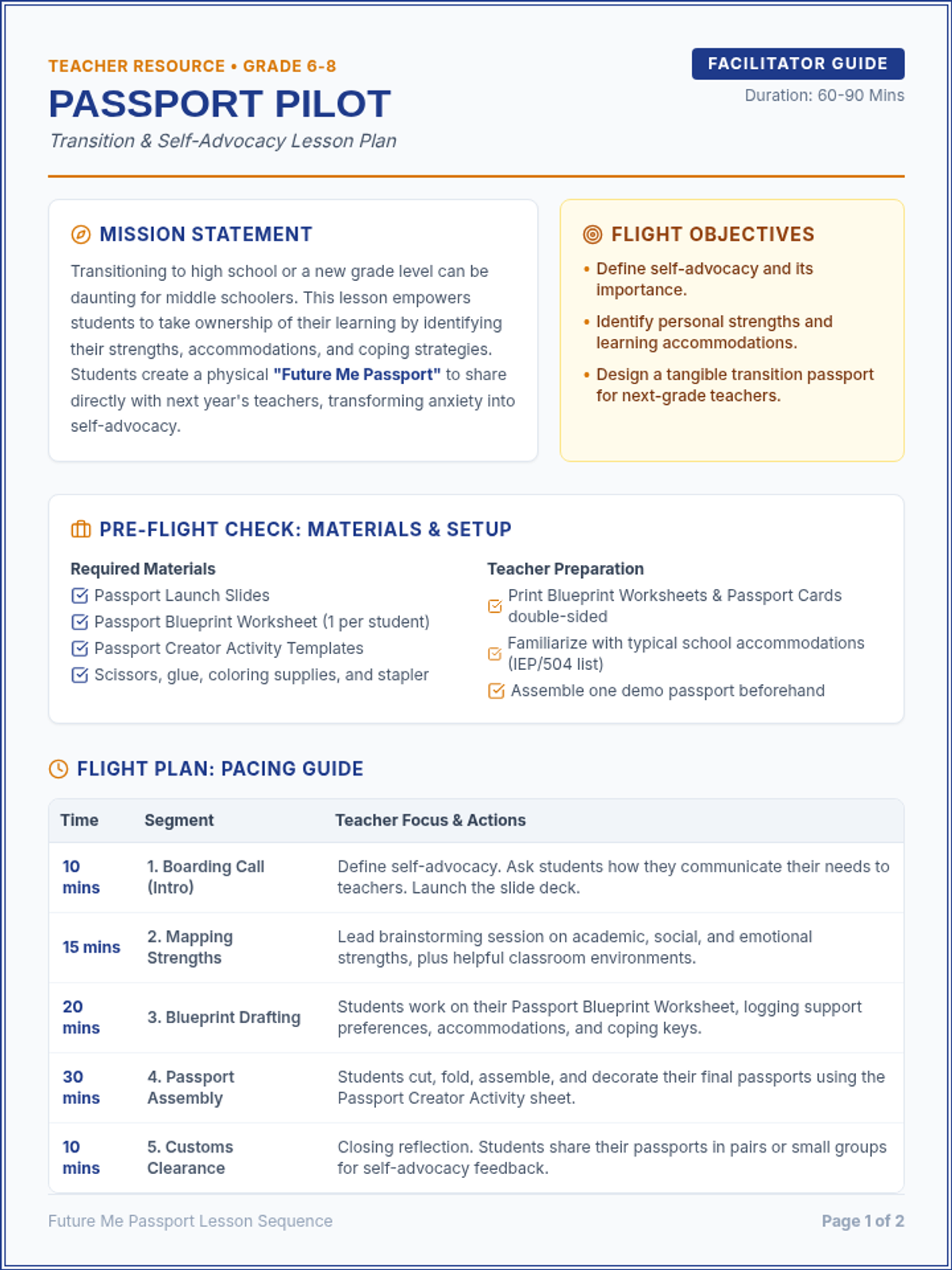
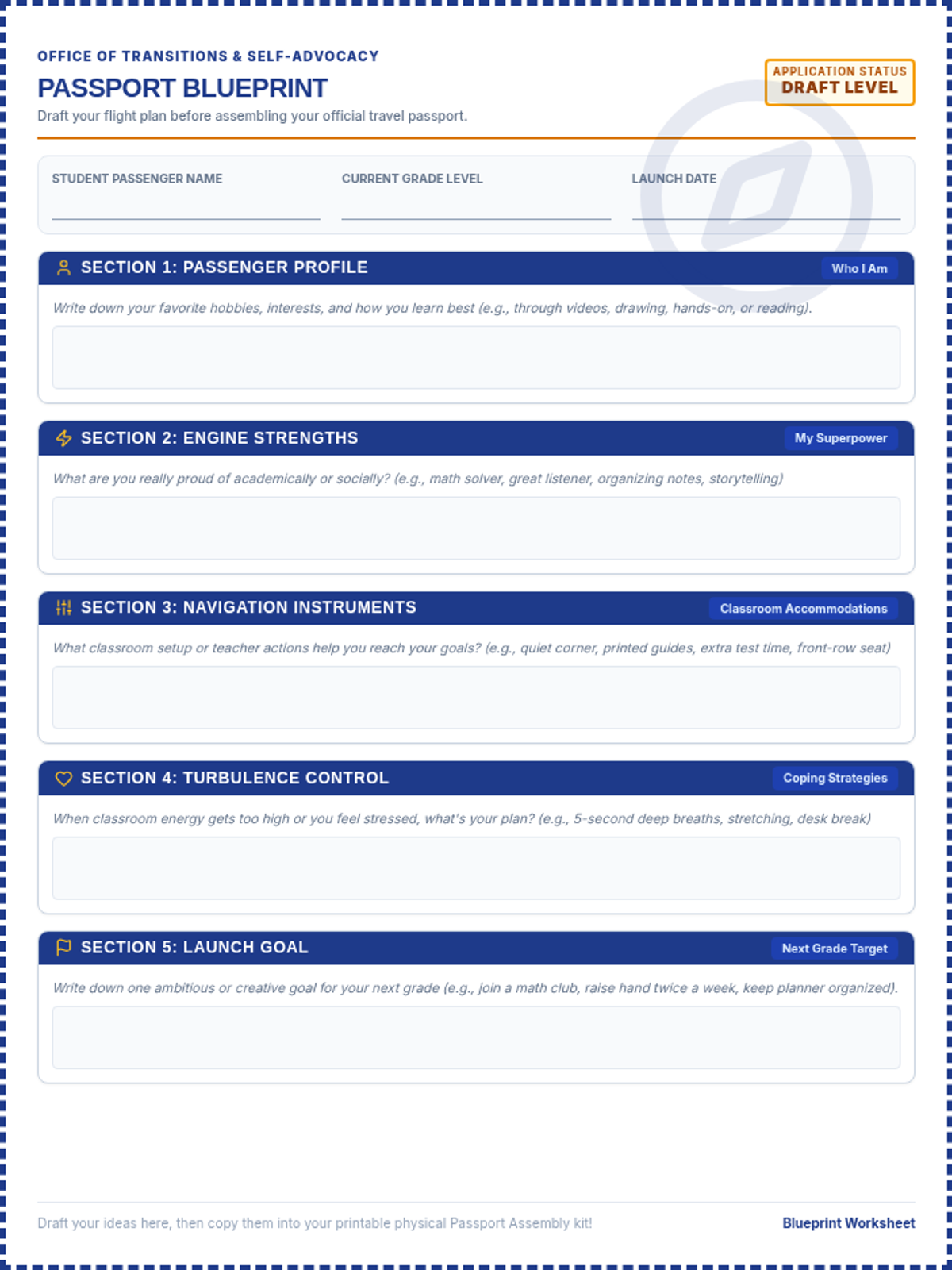
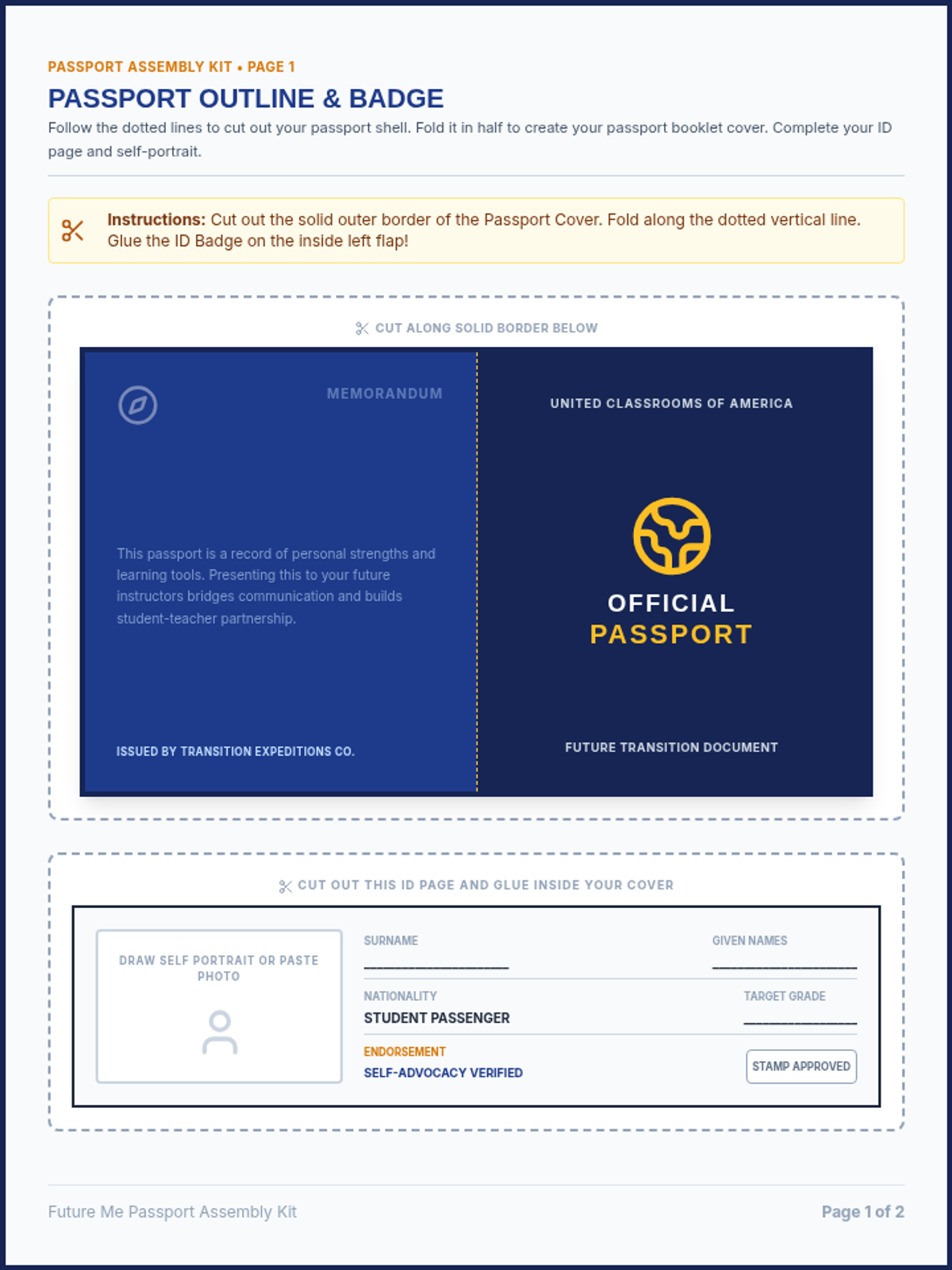
A self-advocacy and transition planning lesson where middle school students discover their strengths, identify necessary accommodations, and design a 'Transition Passport' to present to their future teachers.
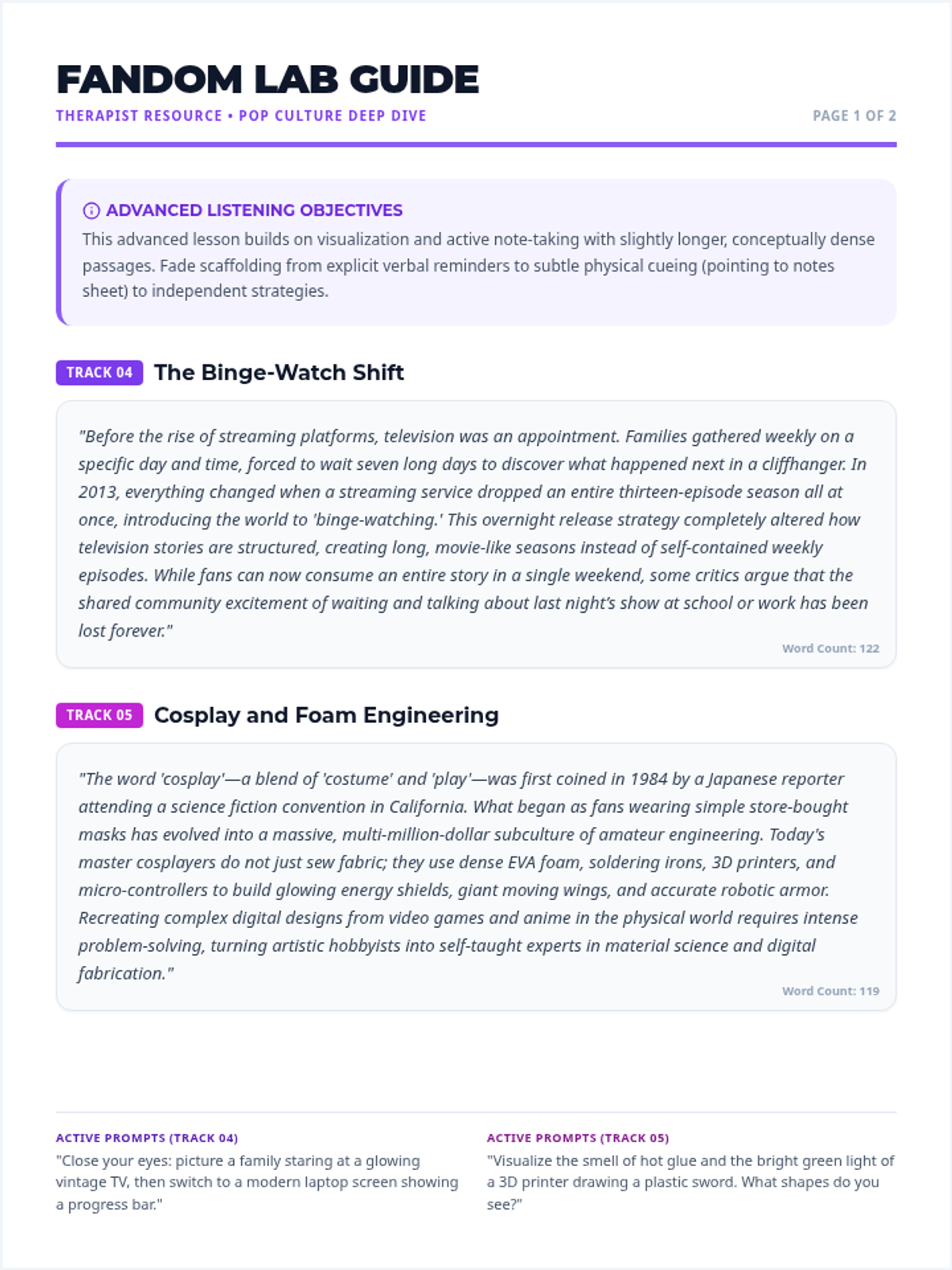
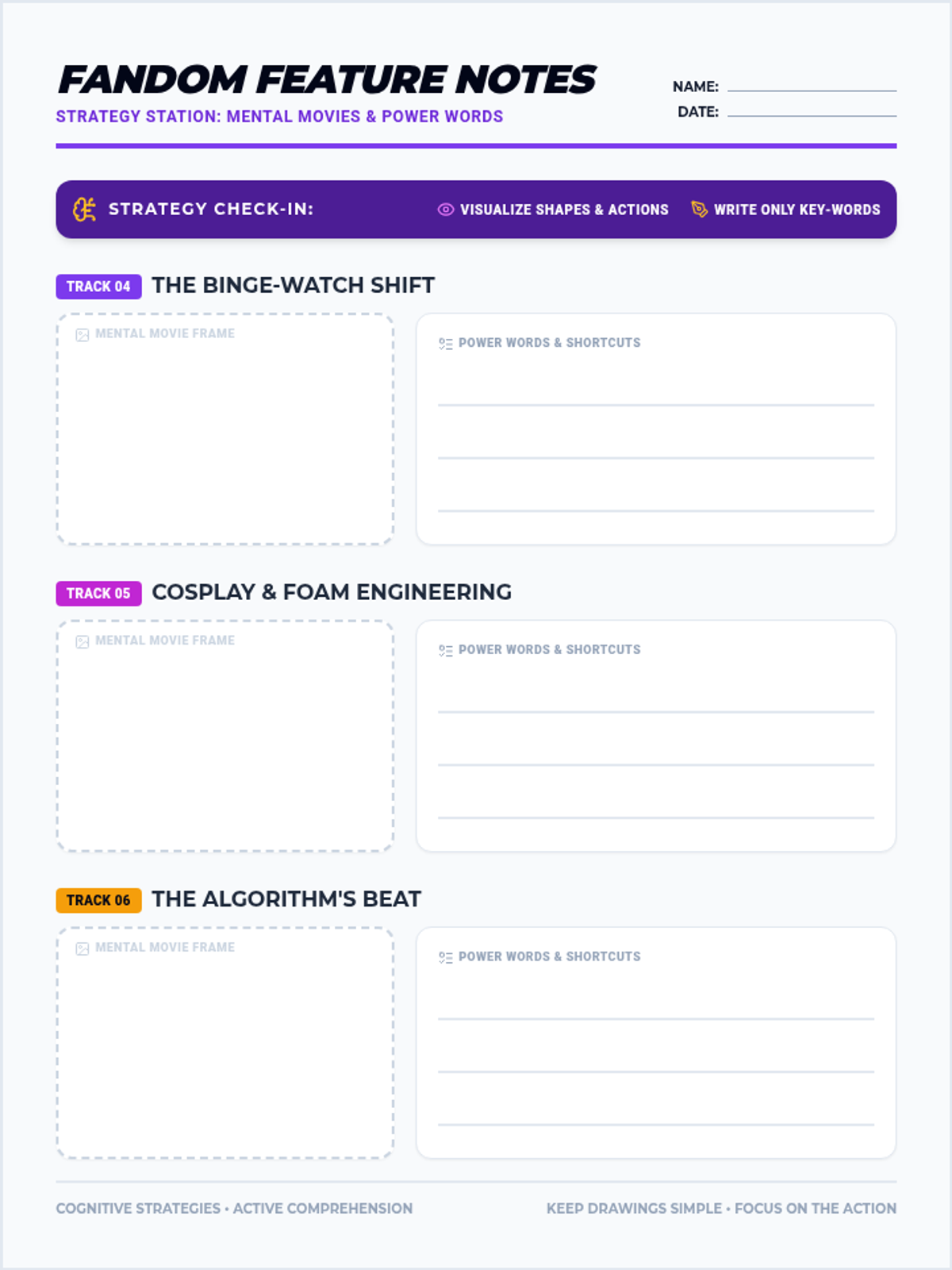
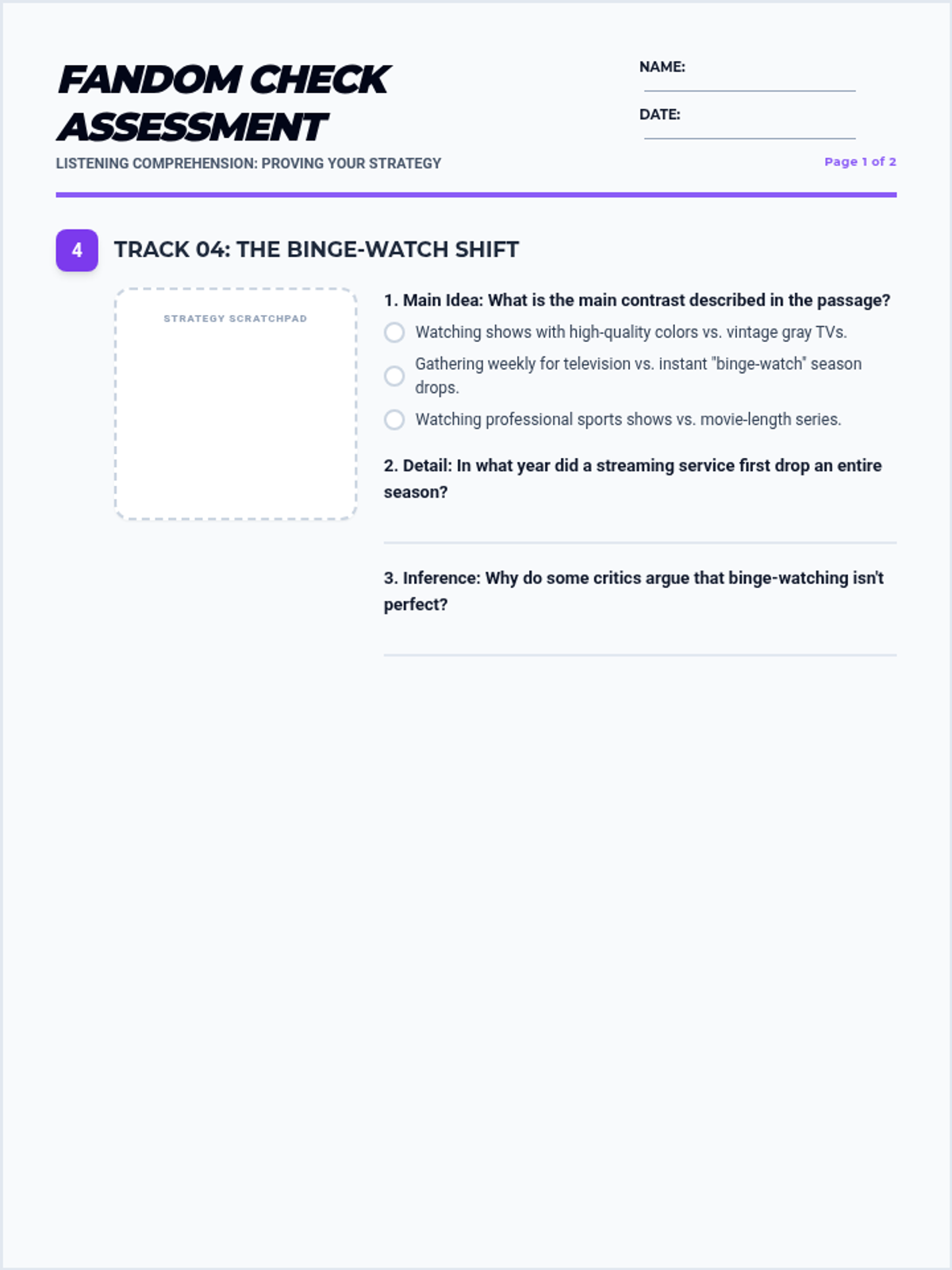
An advanced listening comprehension lesson building on visualization and active note-taking strategies with longer oral passages, denser pop culture topics, and an increased volume of targeted comprehension questions.
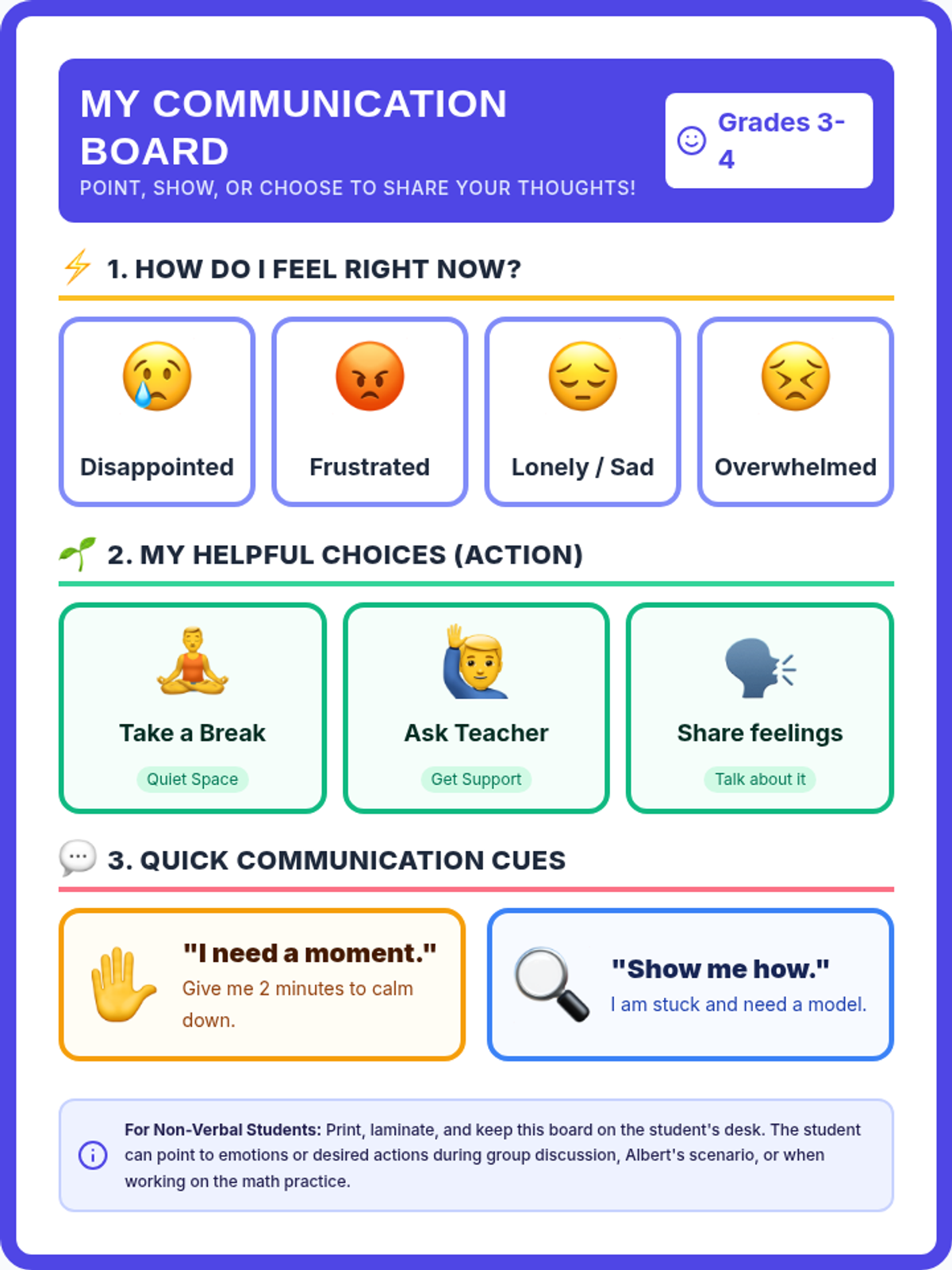
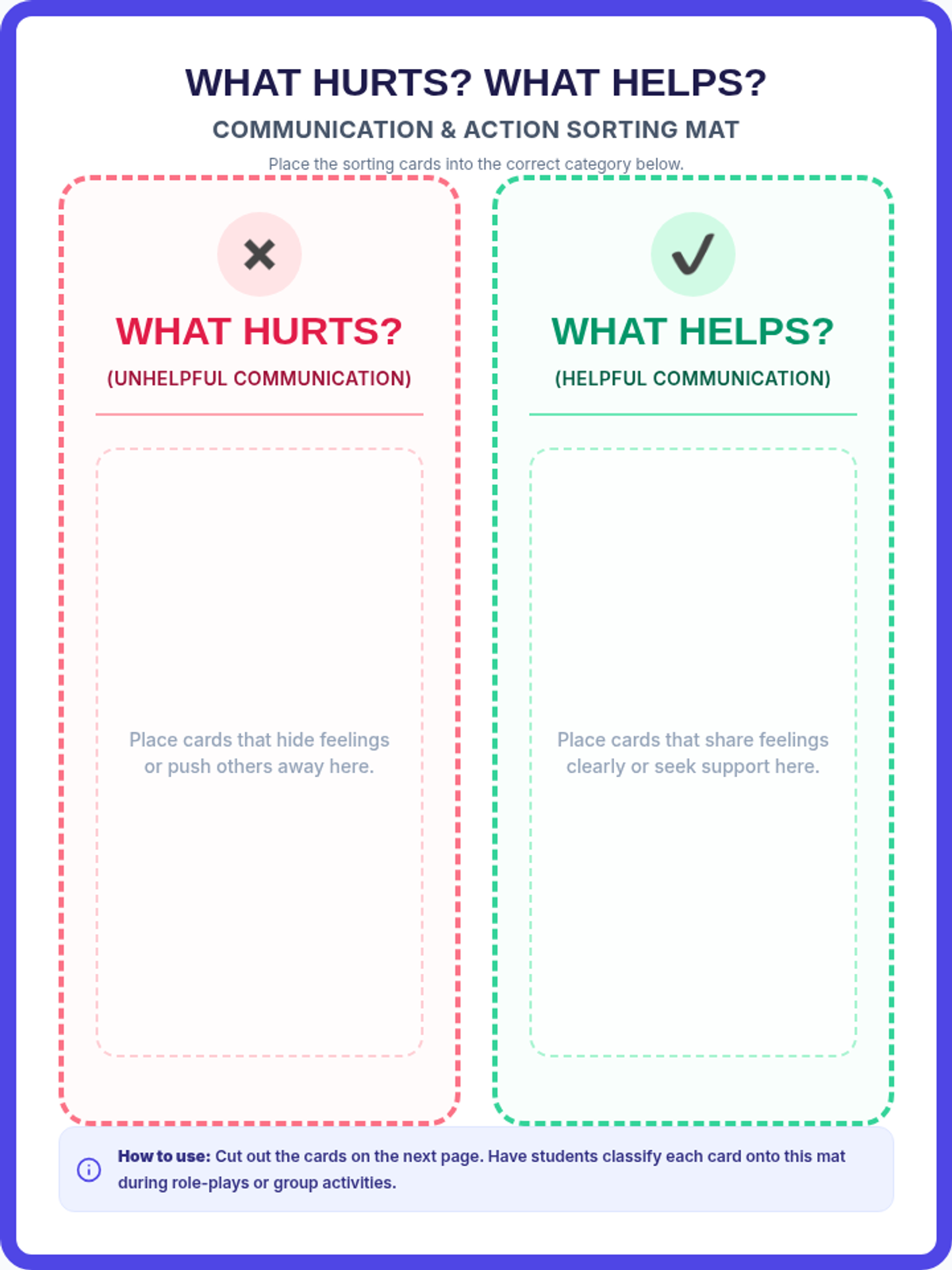
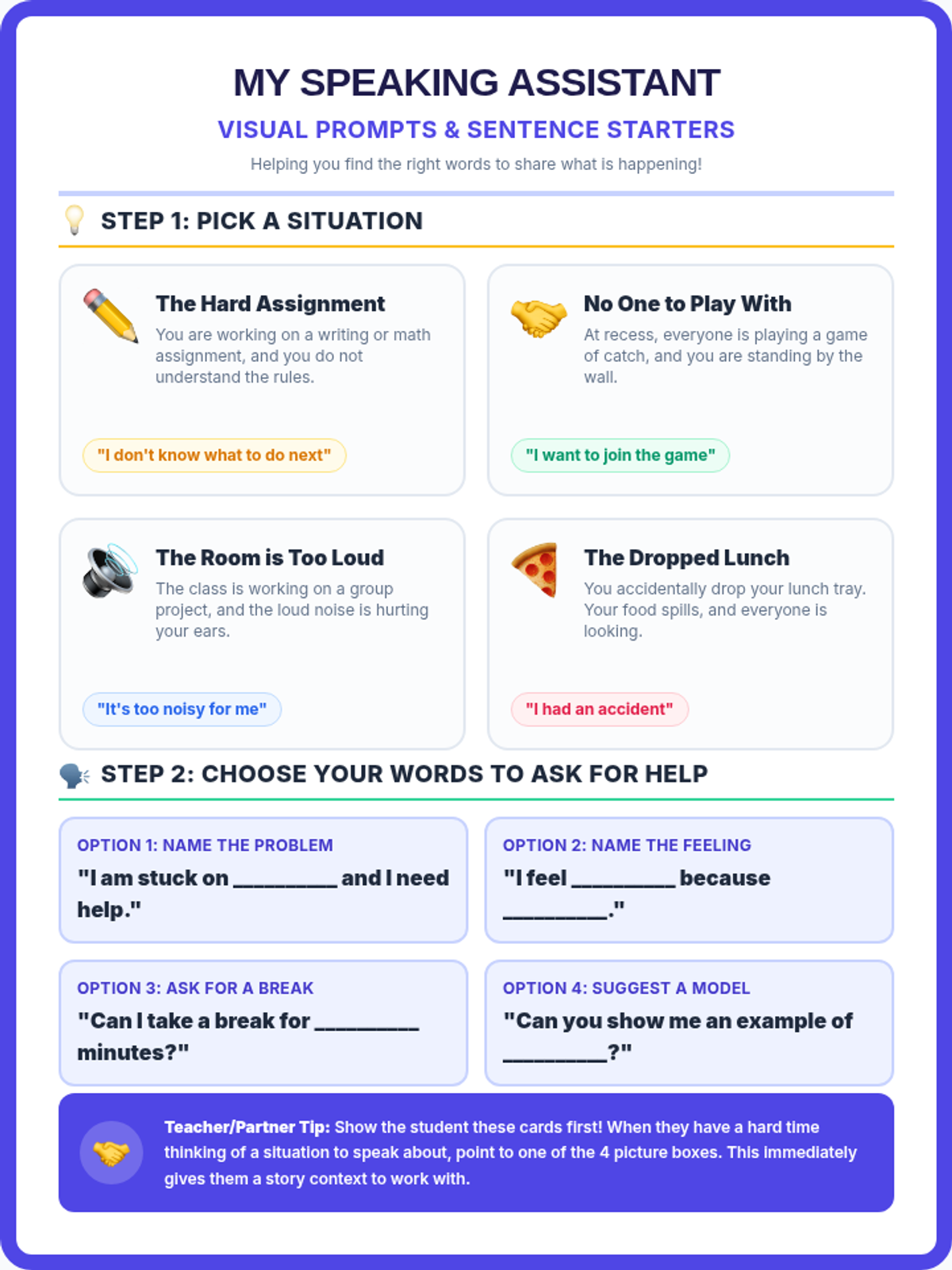
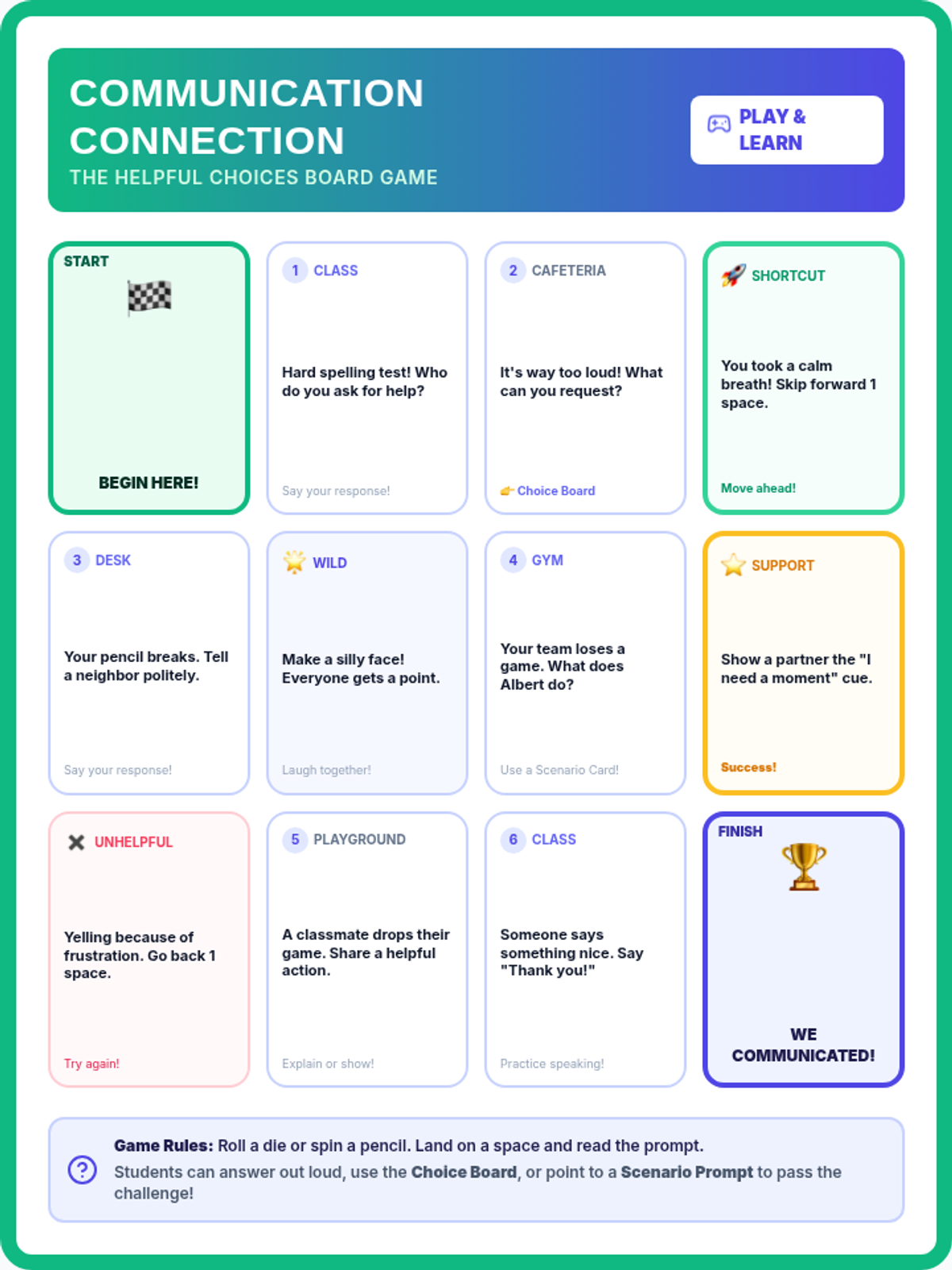
A visual, highly structured social-emotional learning lesson focusing on helpful vs. unhelpful communication. Tailored for 3rd and 4th graders, with explicit non-verbal communication supports (visual boards, sorting cards) to fully include students with autism.
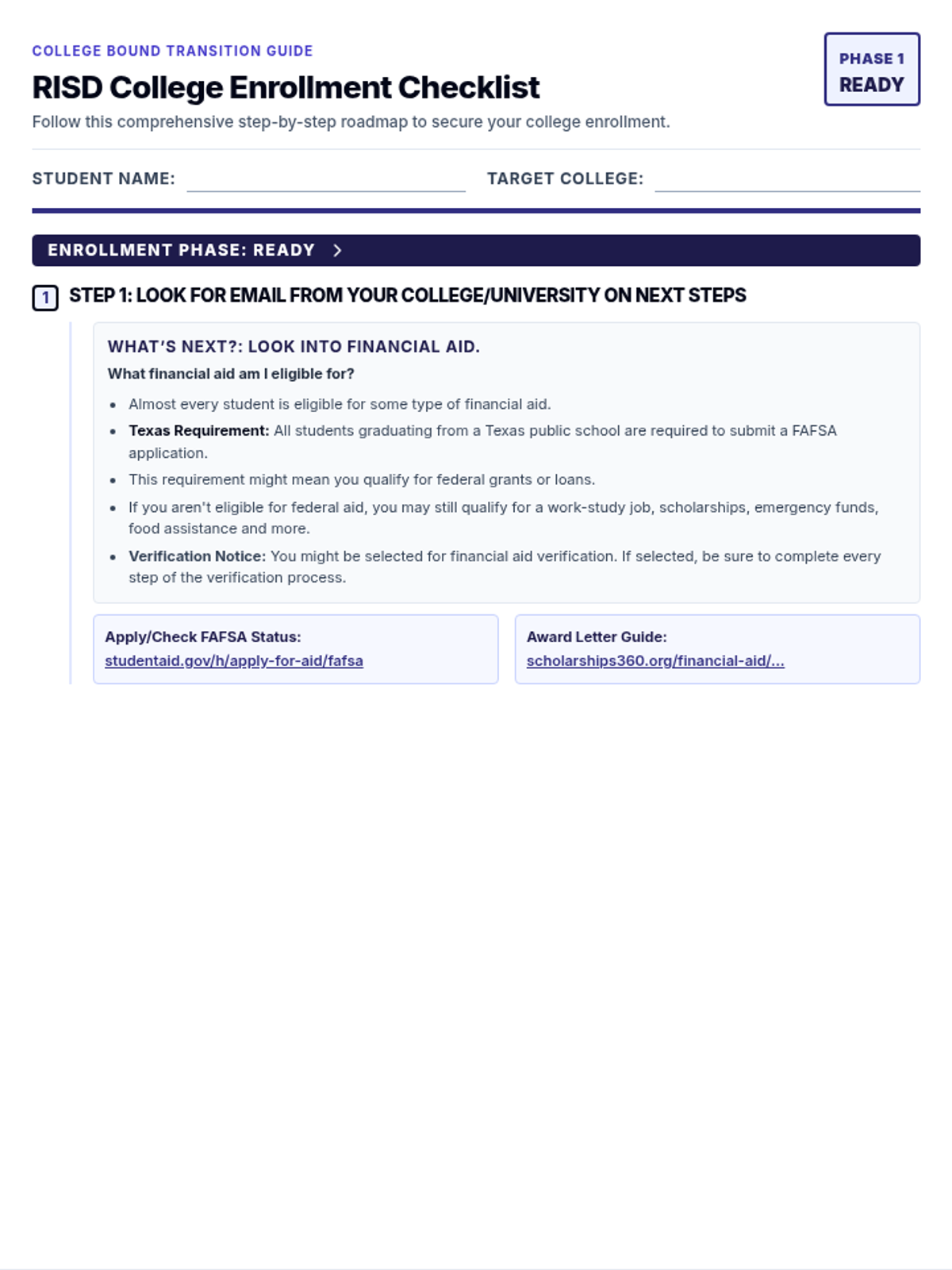
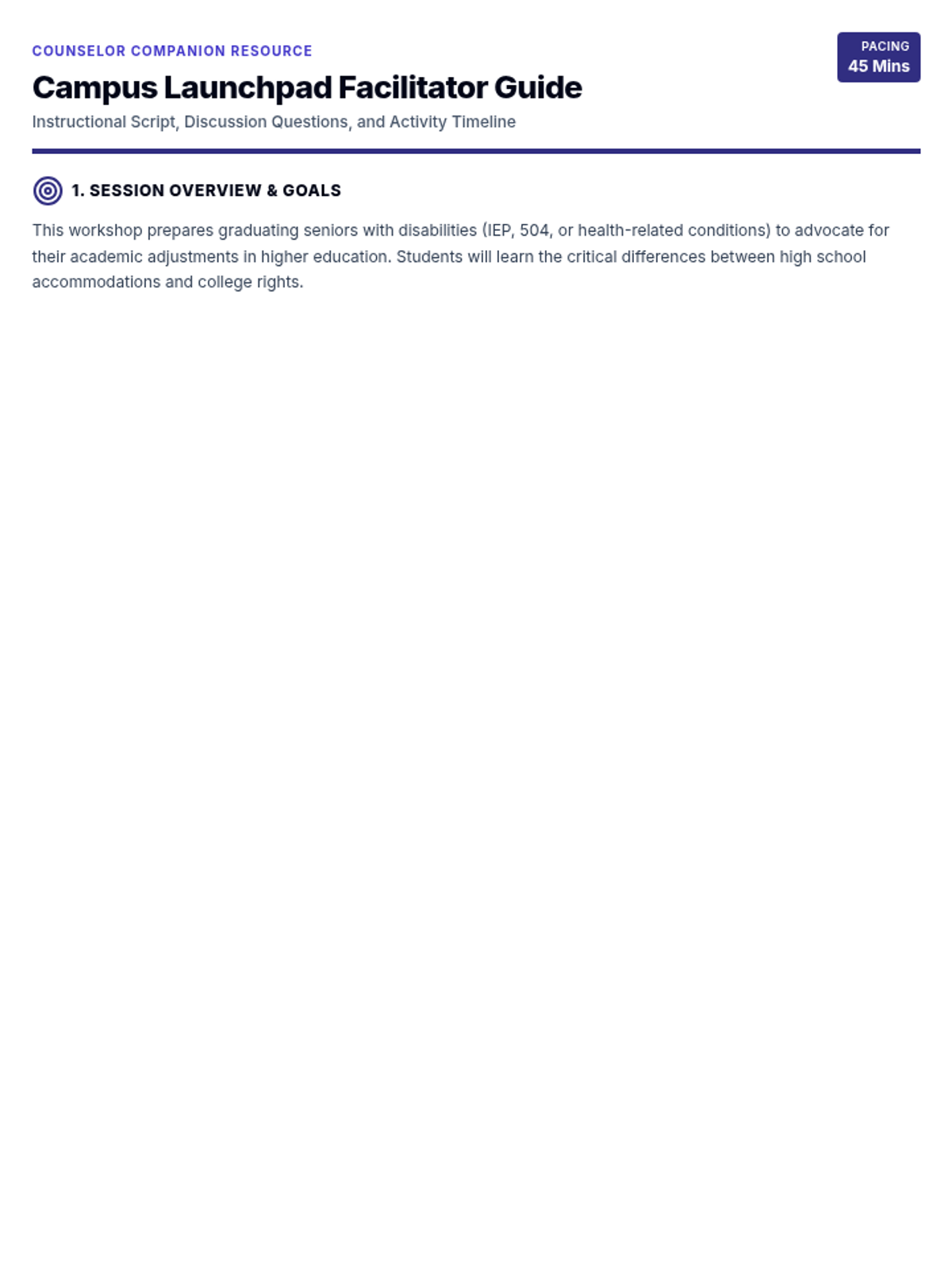
A transition lesson designed to help graduating high school seniors navigate college campus resources, master self-advocacy, and successfully secure academic adjustments.
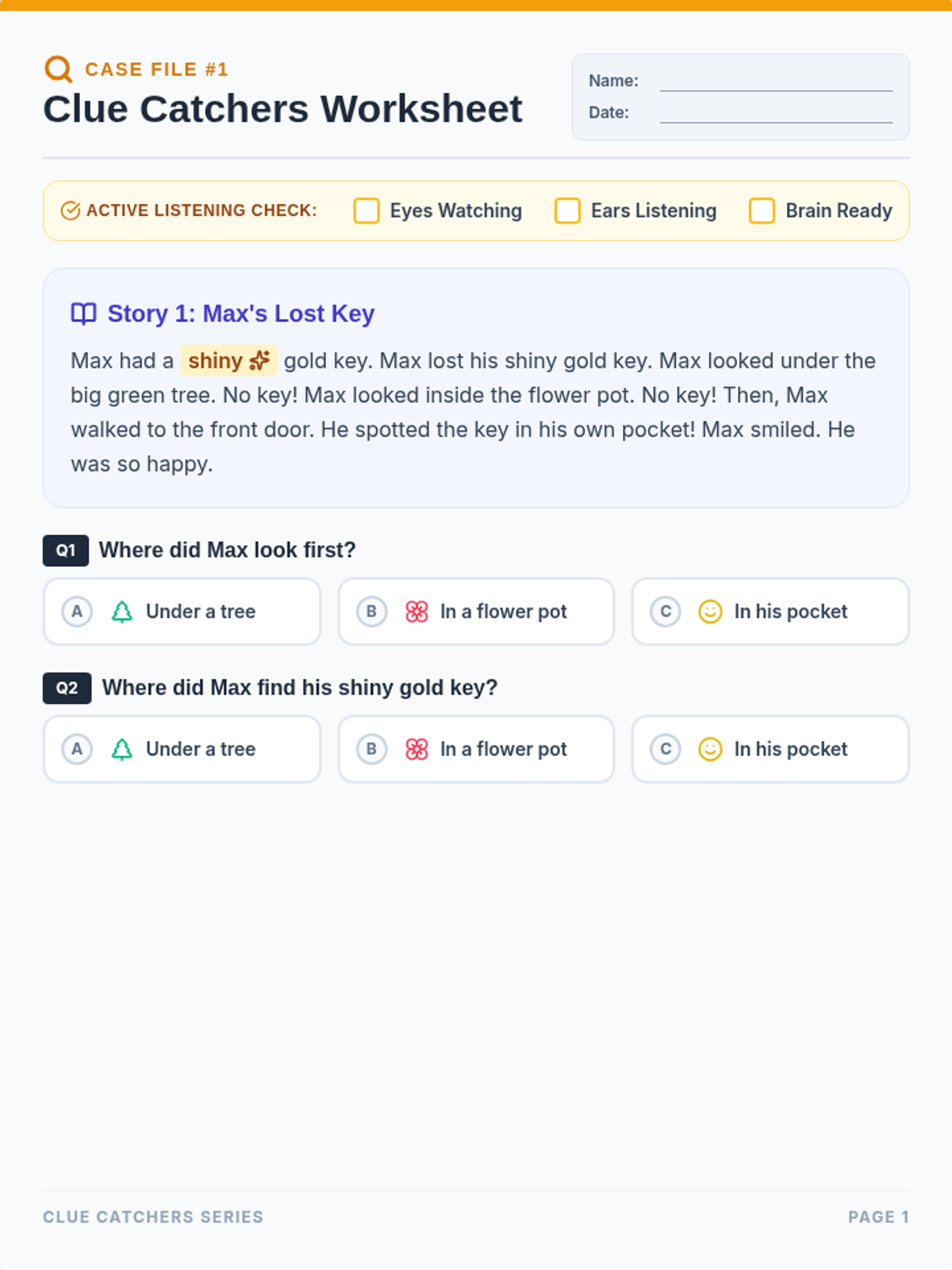
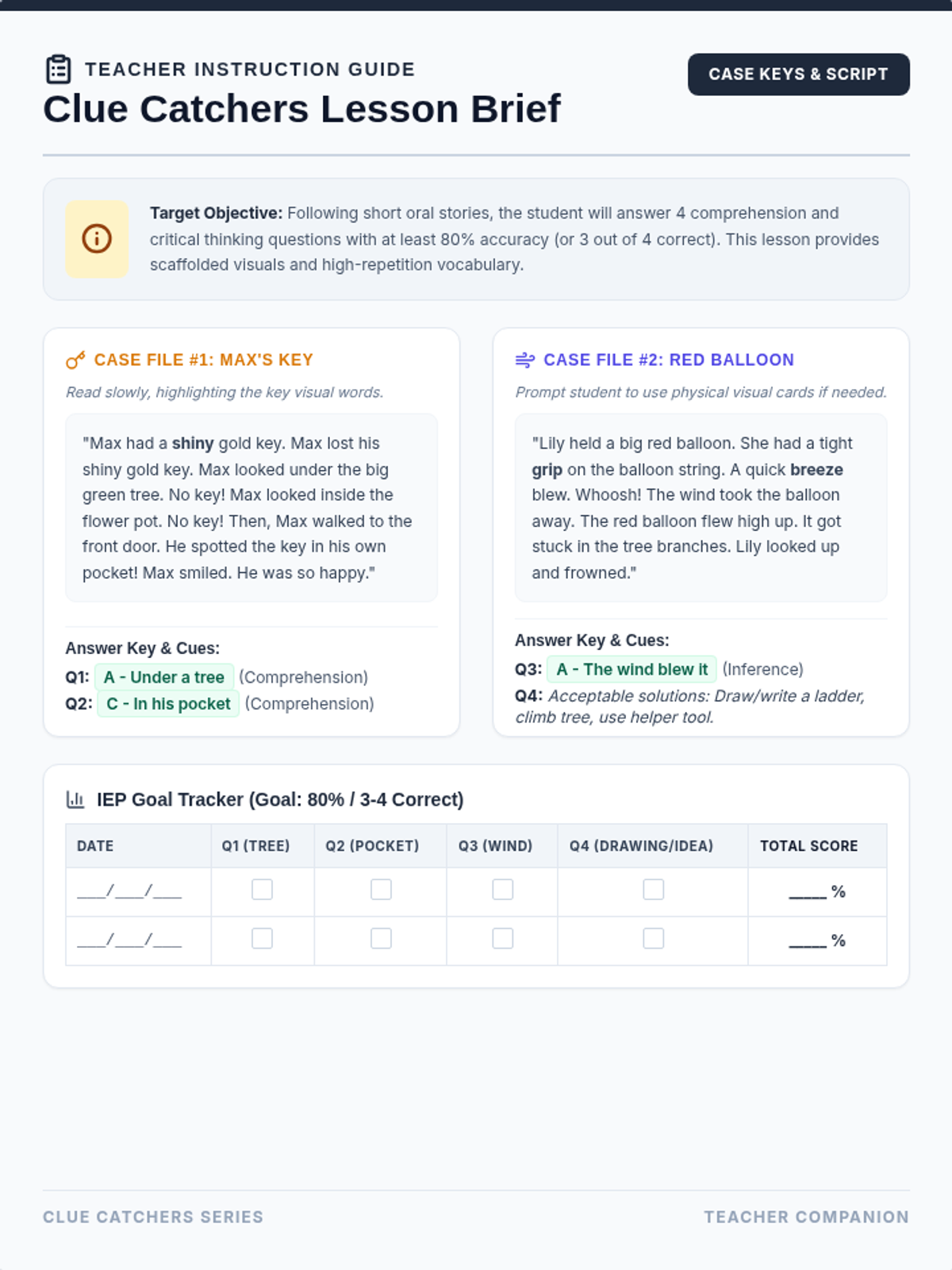
A specialized listening comprehension lesson designed for third-grade students requiring visual supports and simplified text structures. Features engaging short stories read aloud by the teacher, supported by an interactive slide deck and visual-aid student worksheets.