A lesson designed for IEP students focusing on the order of operations using GEMDAS (Grouping, Exponents, Multiplication/Division, Addition/Subtraction). It features shape-coded guided steps and simplified numbers to scaffold comprehension.
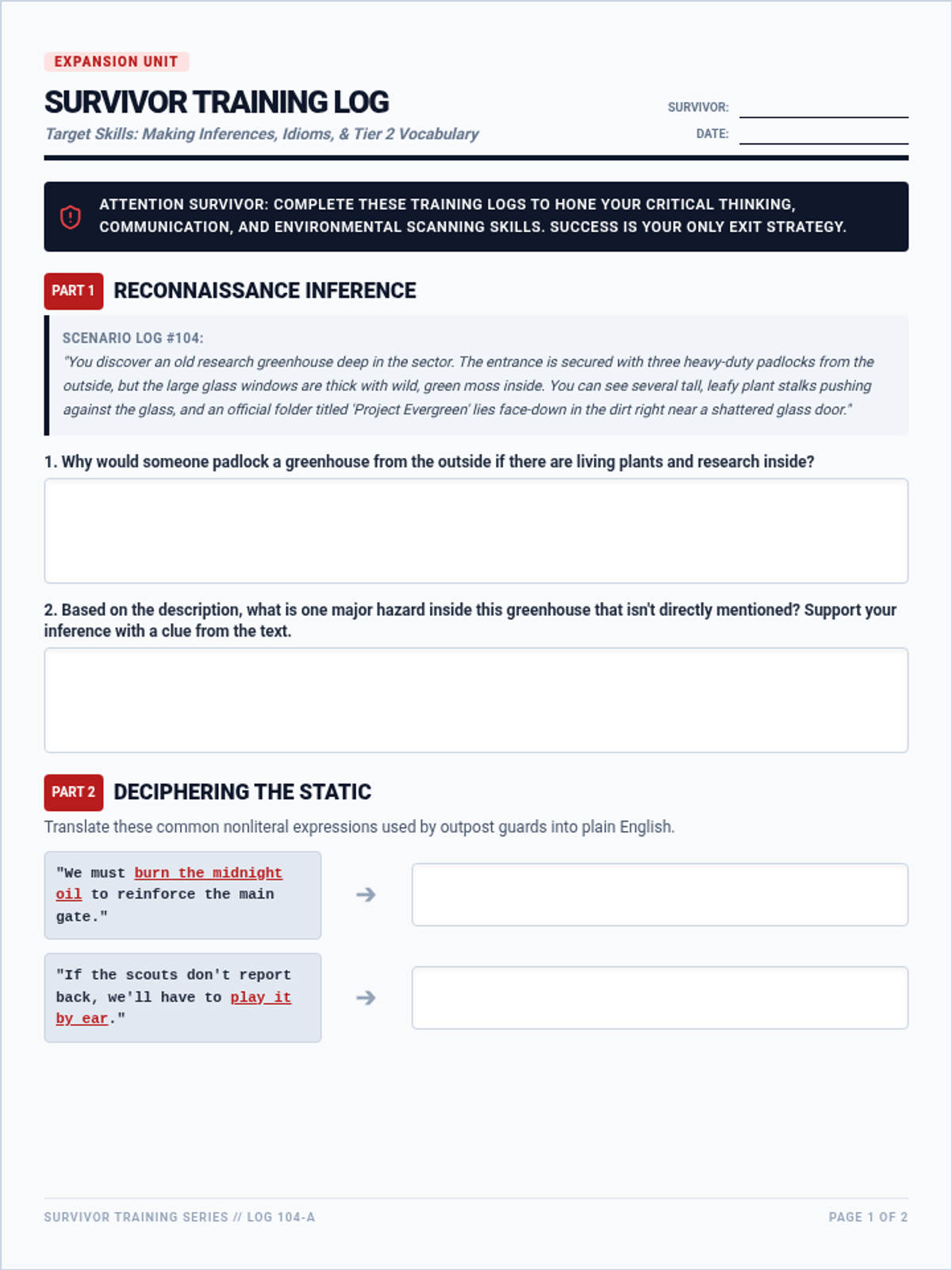
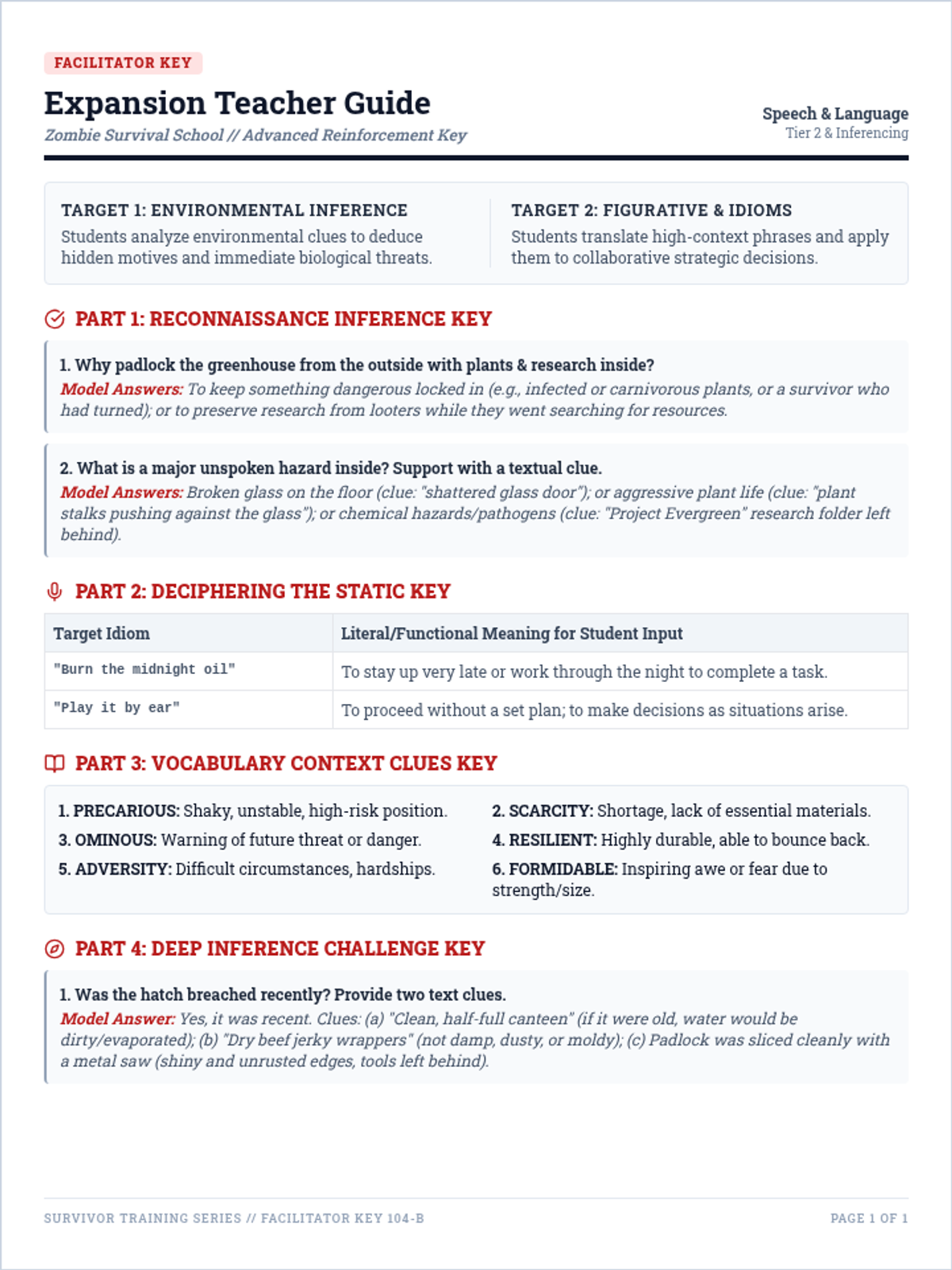
A zombie apocalypse themed speech-language therapy lesson targeting making inferences, interpreting nonliteral language, and mastering Tier 2 vocabulary.
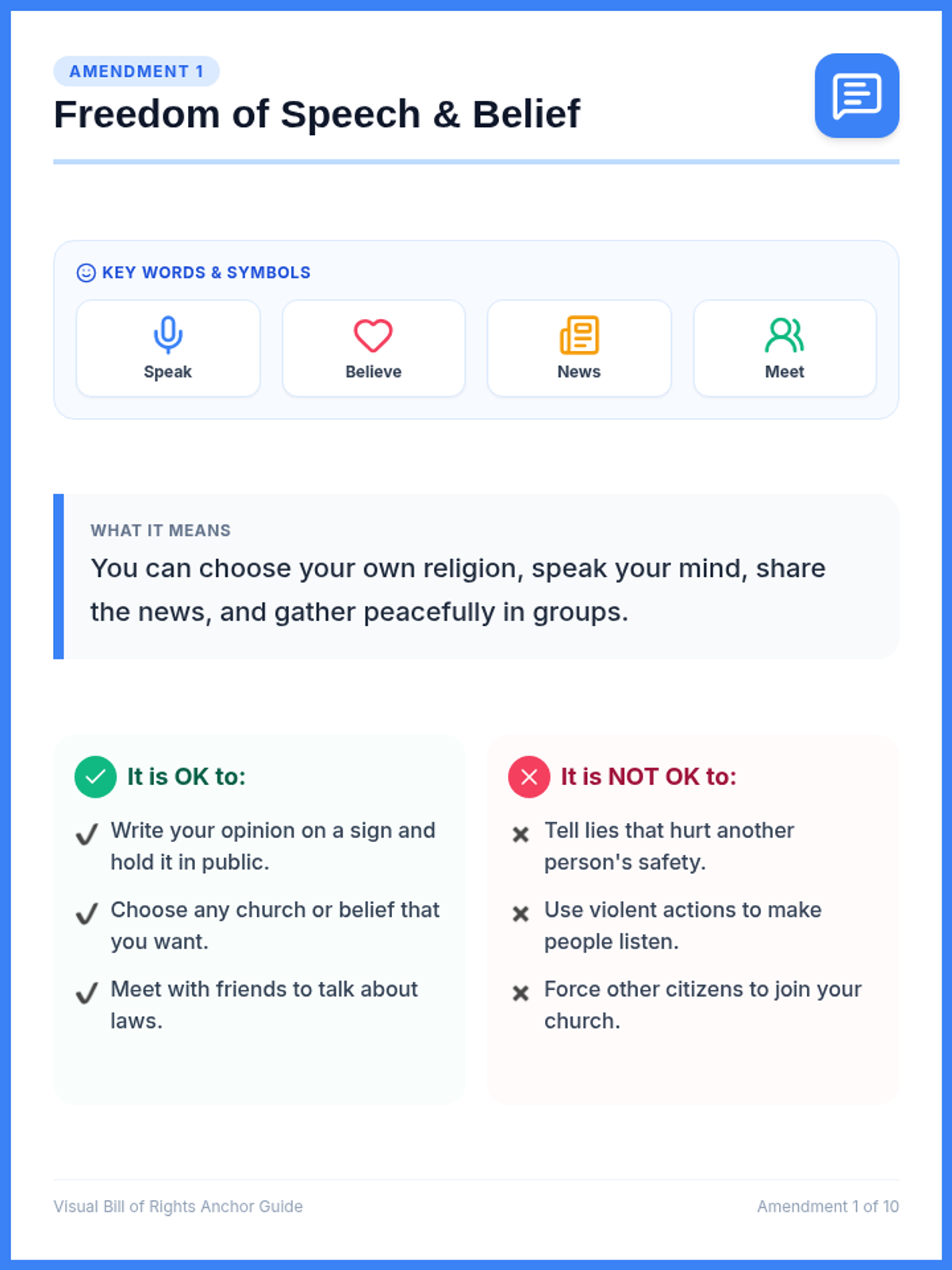
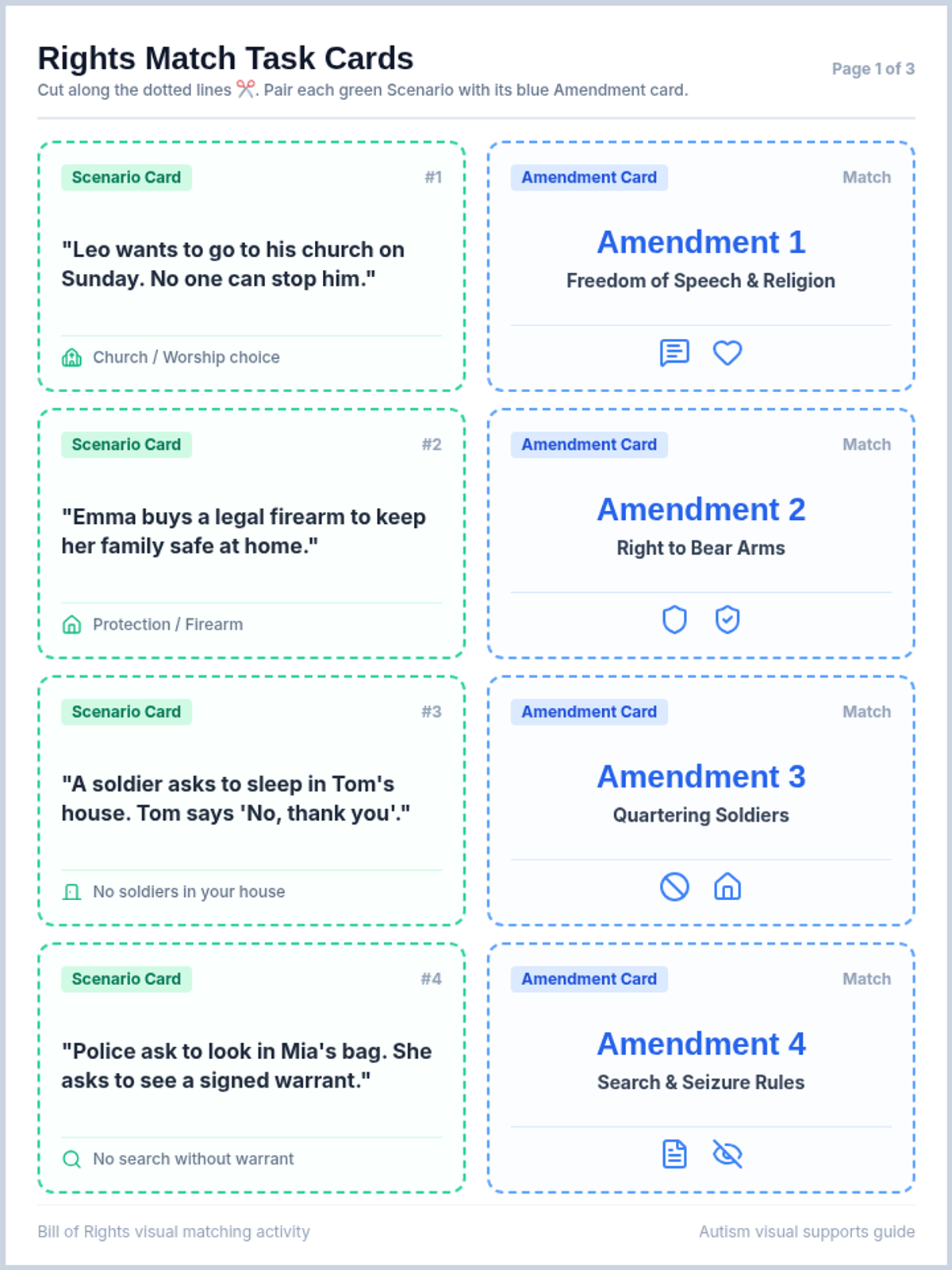
A highly structured, visually supported unit on the Bill of Rights designed for students with Autism, featuring large symbol-supported anchor charts and hands-on matching scenario task cards.
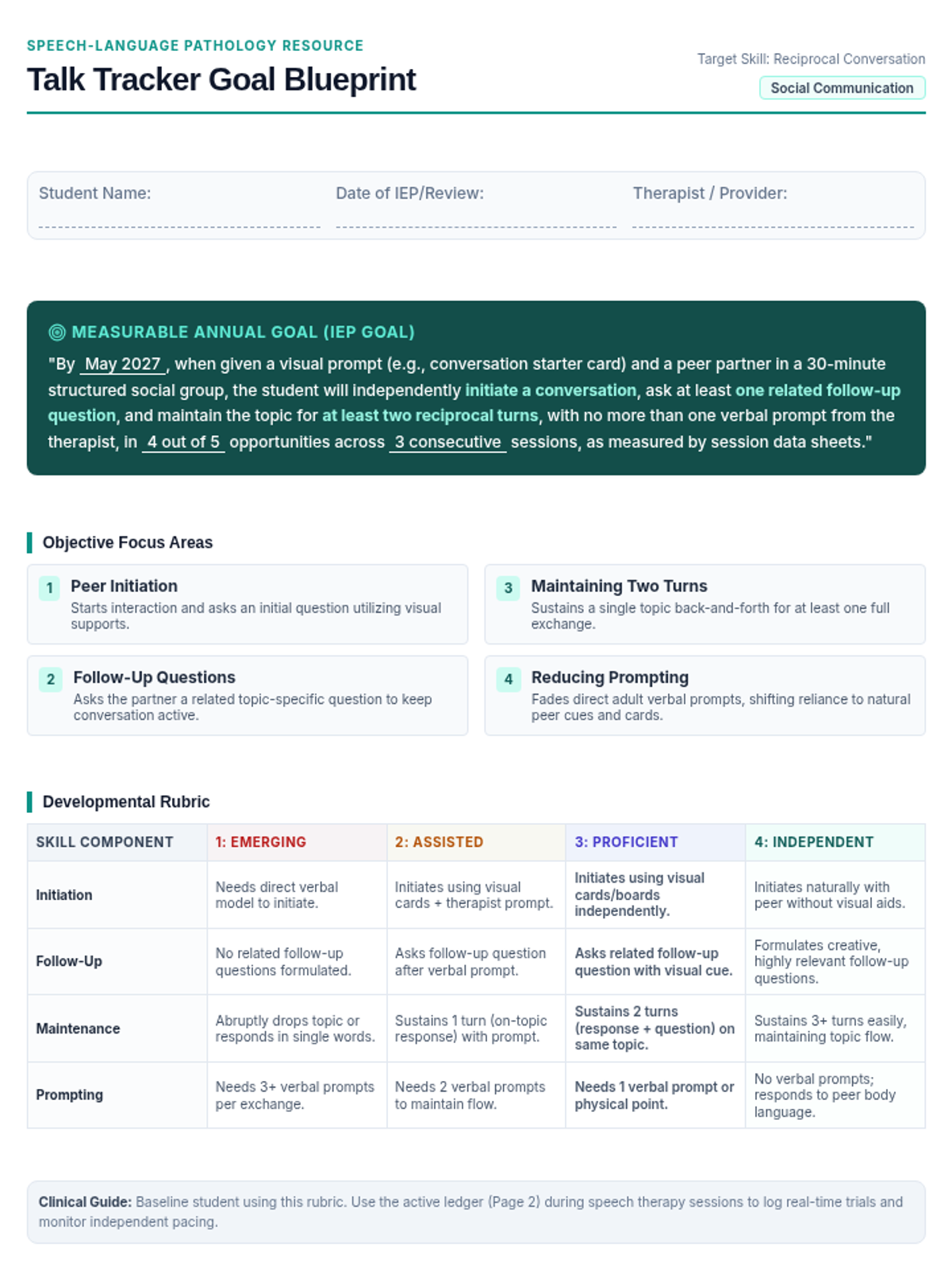
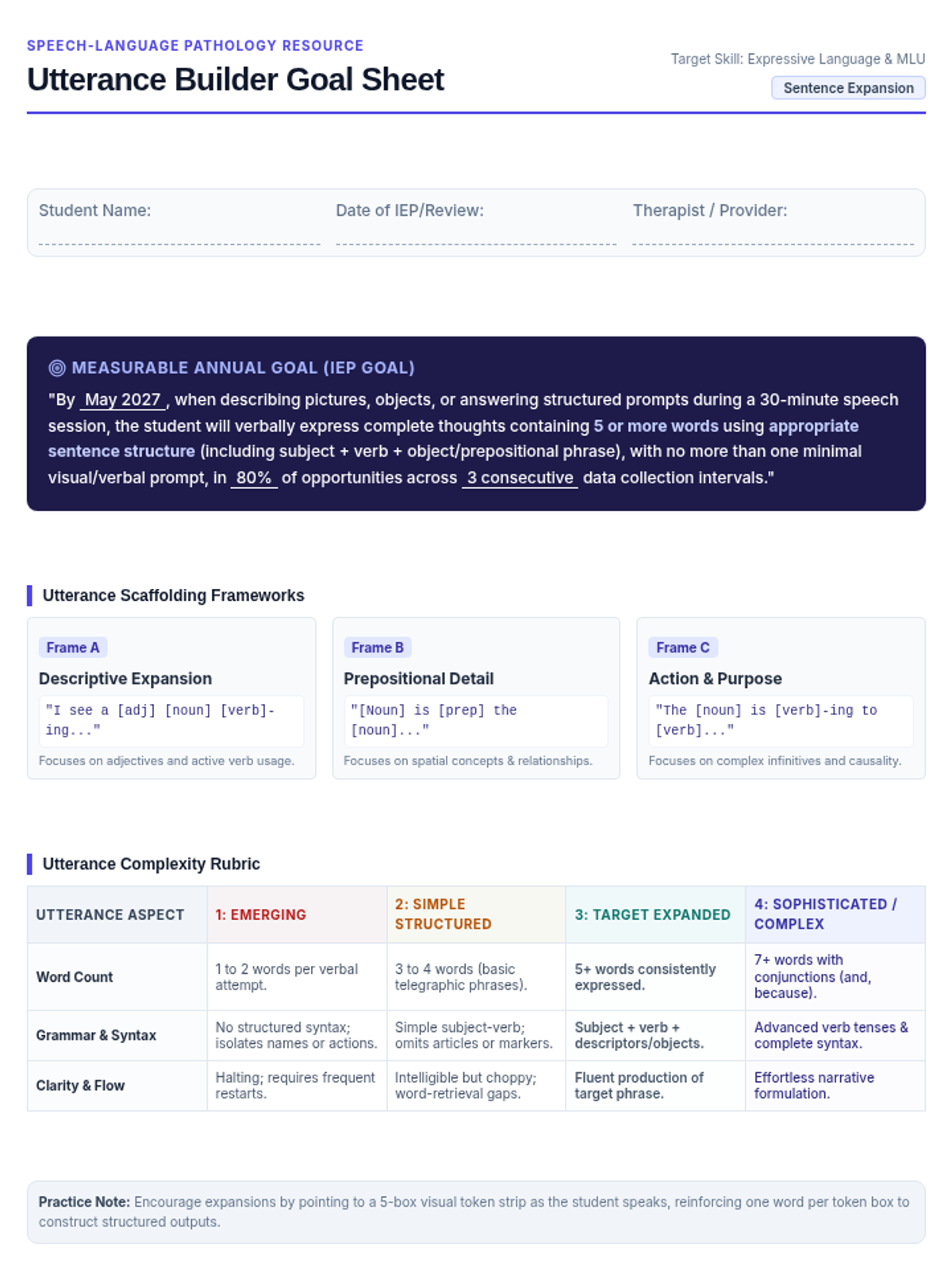
A lesson centered around tracking and achieving measurable progress in reciprocal conversation skills during speech therapy sessions, complete with formal IEP goals, a developmental rubric, and an actionable session data tracker.
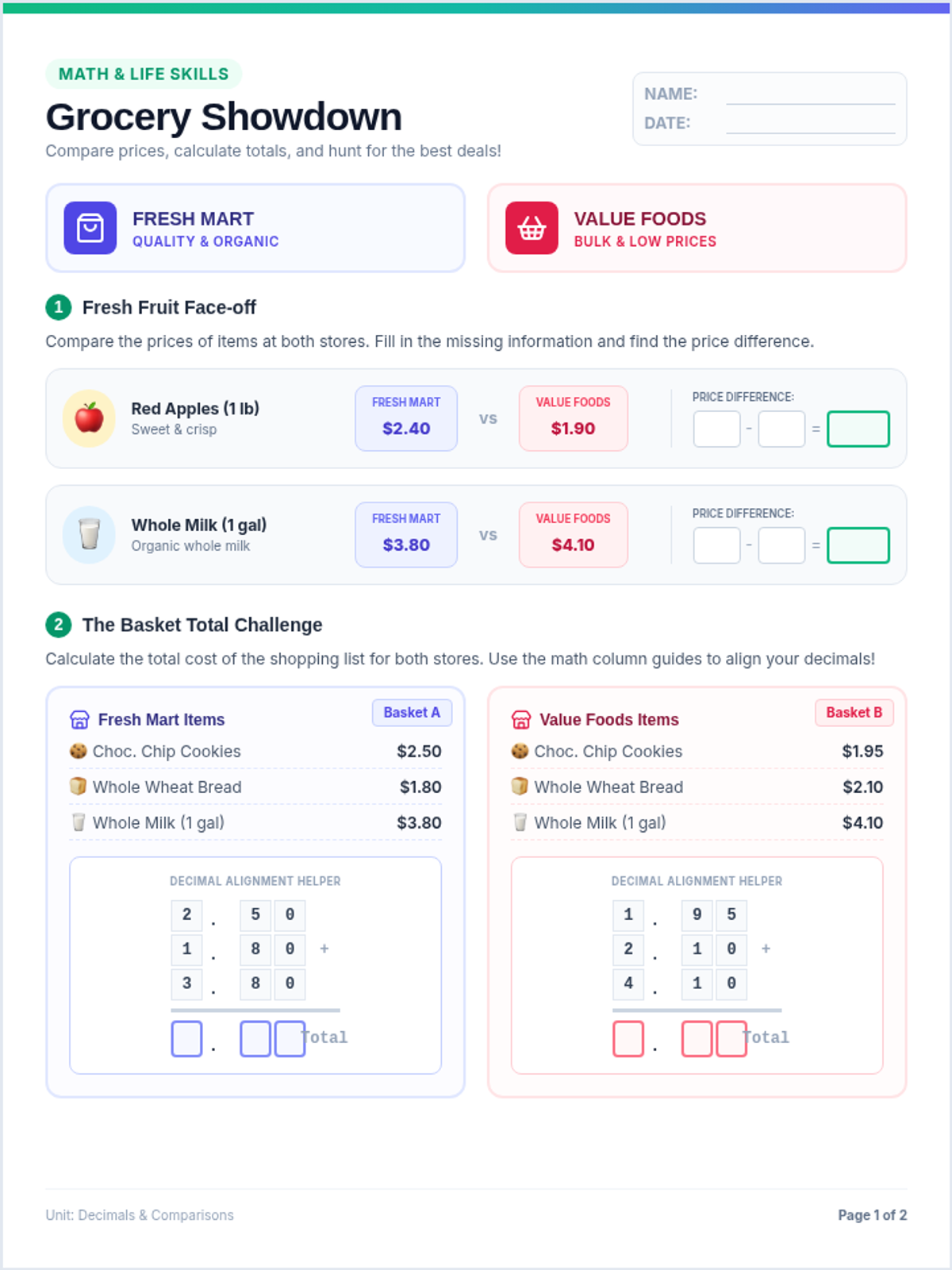
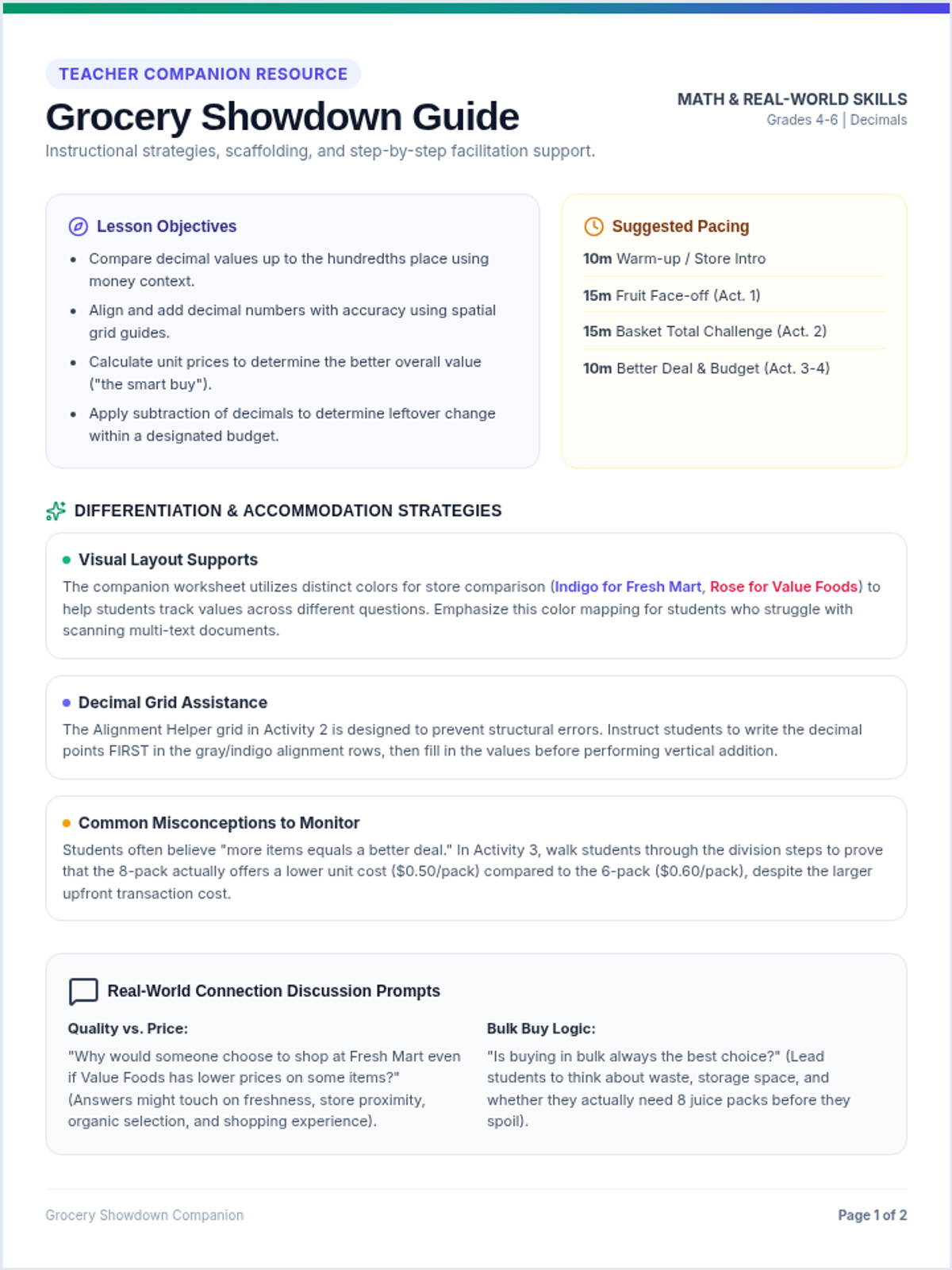
A visually-supported math lesson where students compare grocery prices between two supermarkets, calculate totals using color-coded guide boxes, and determine the best deals. Designed with rich visual support and clear calculation aids for accessibility.
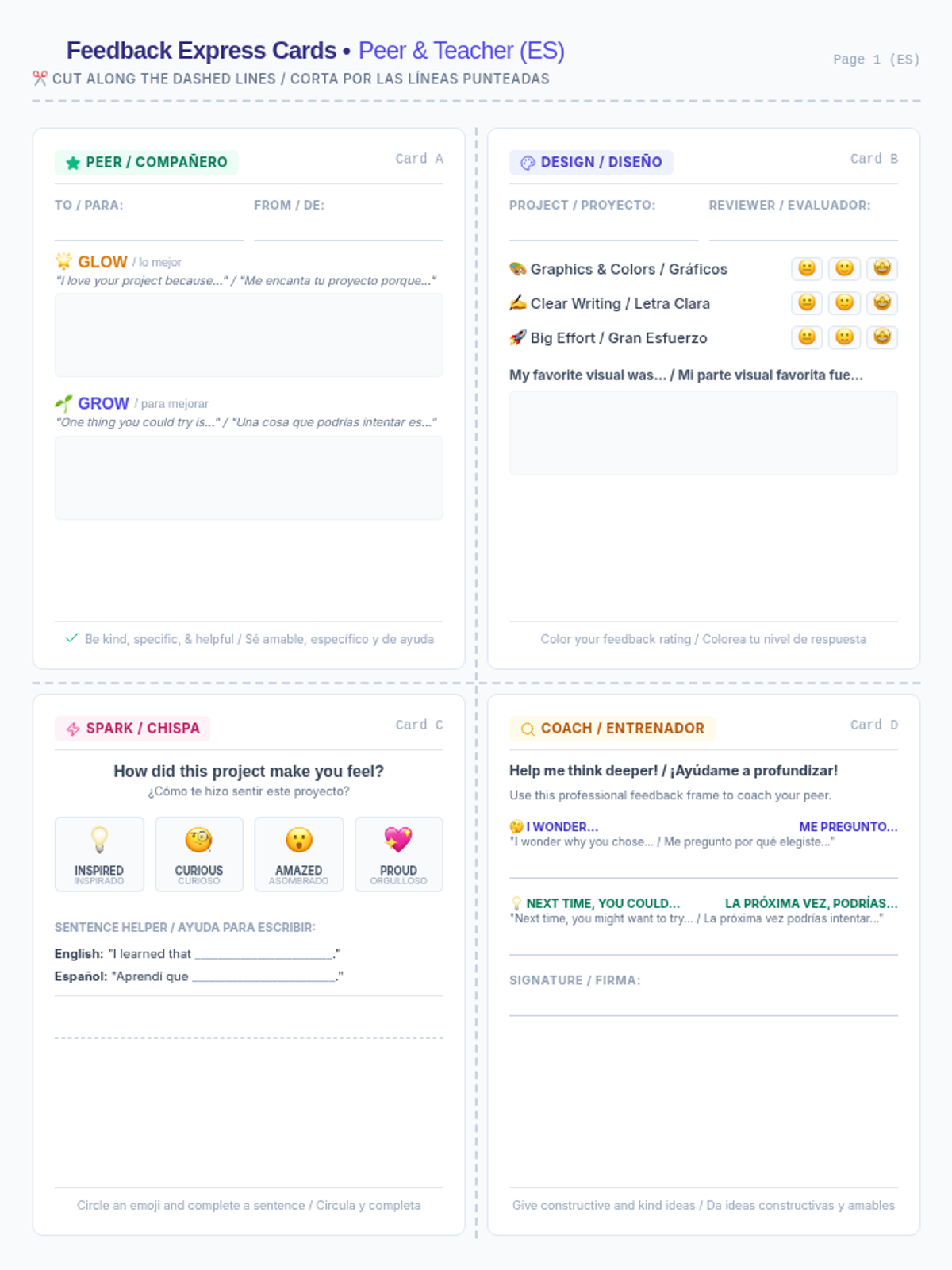
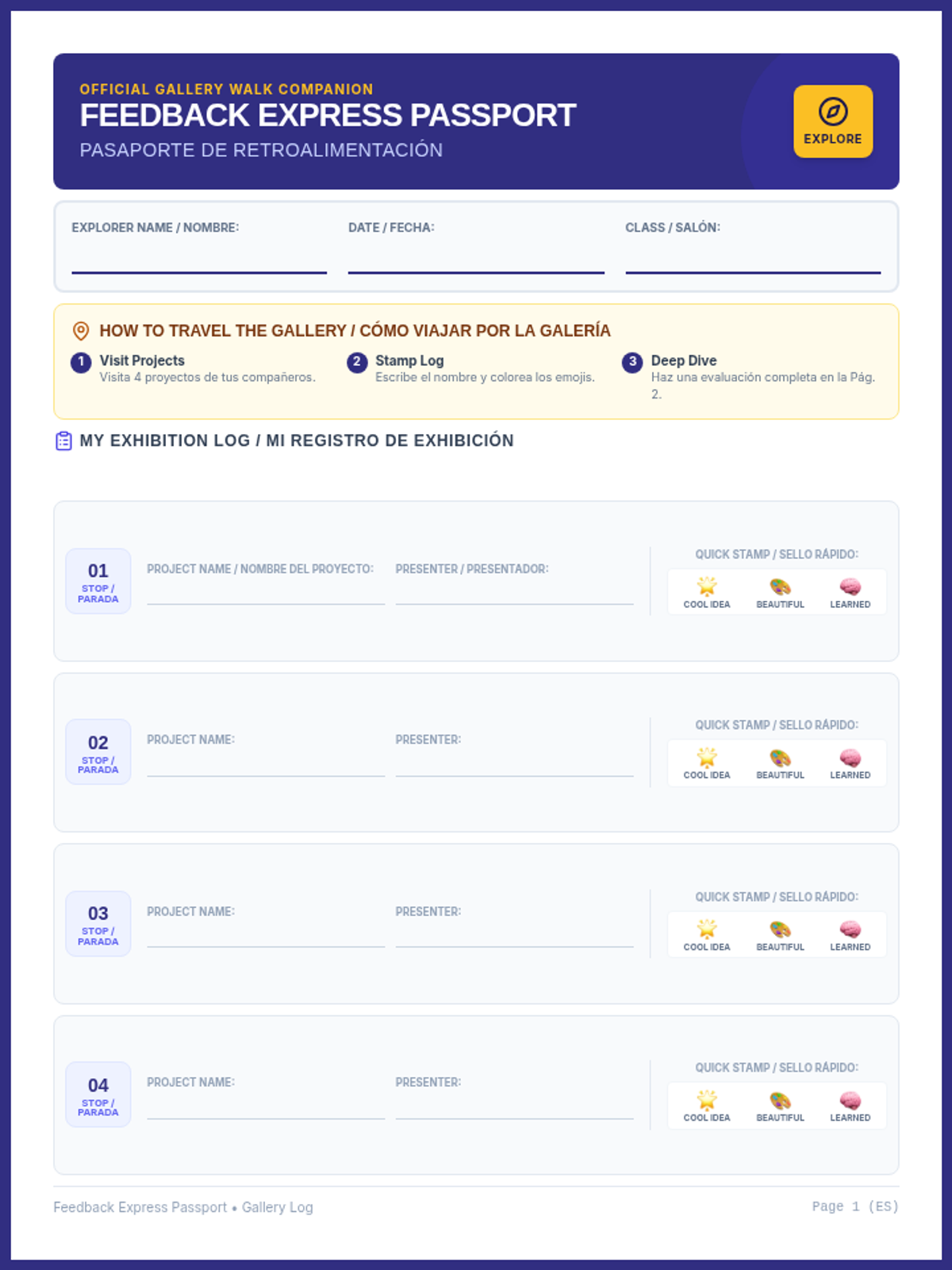
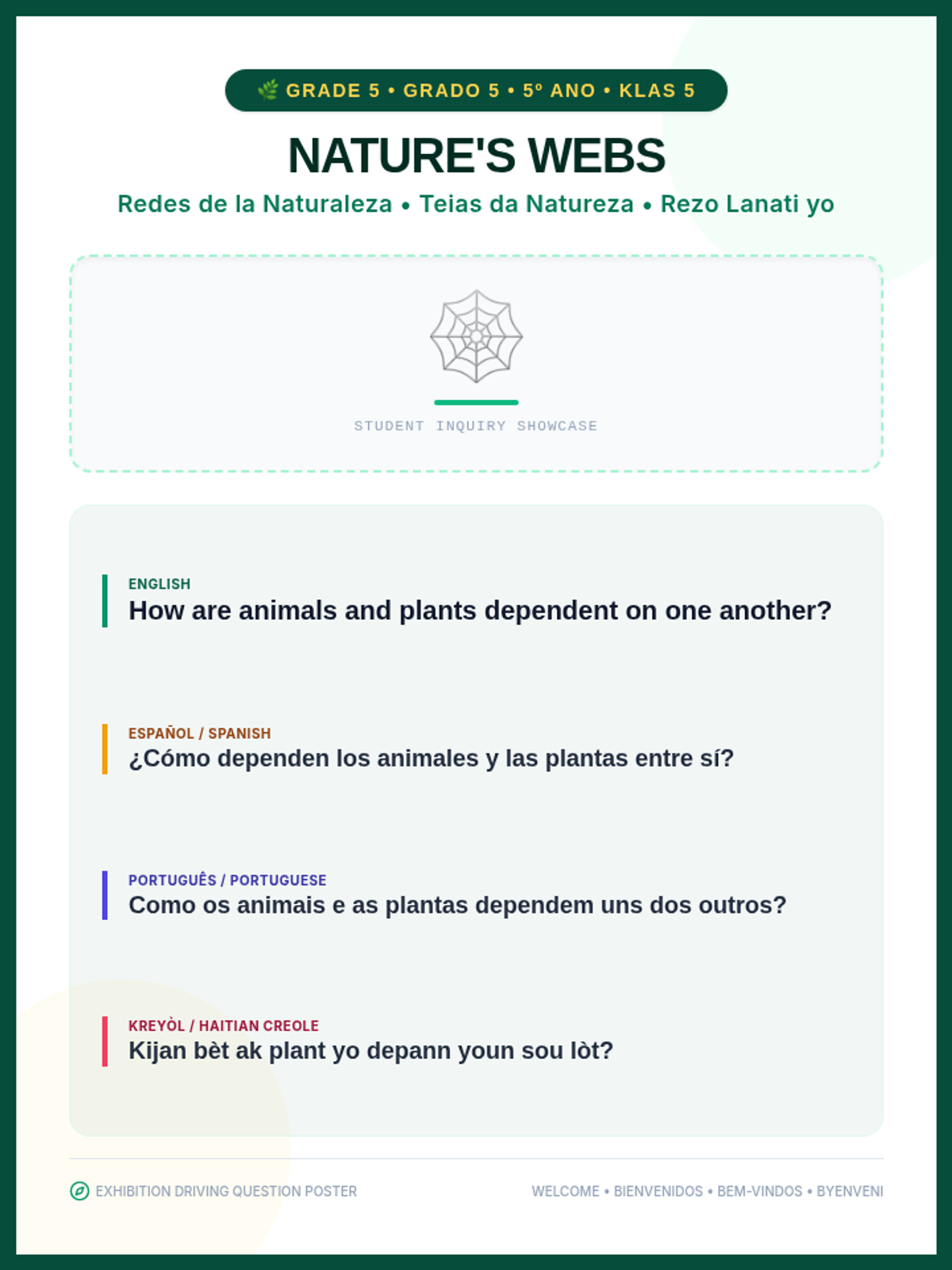
A bilingual, visual feedback toolkit designed for multilingual classrooms, families, and peers to provide meaningful project feedback. Includes emoji-rich rating systems, English-Spanish translation scaffoldings, and sentence starter frames.
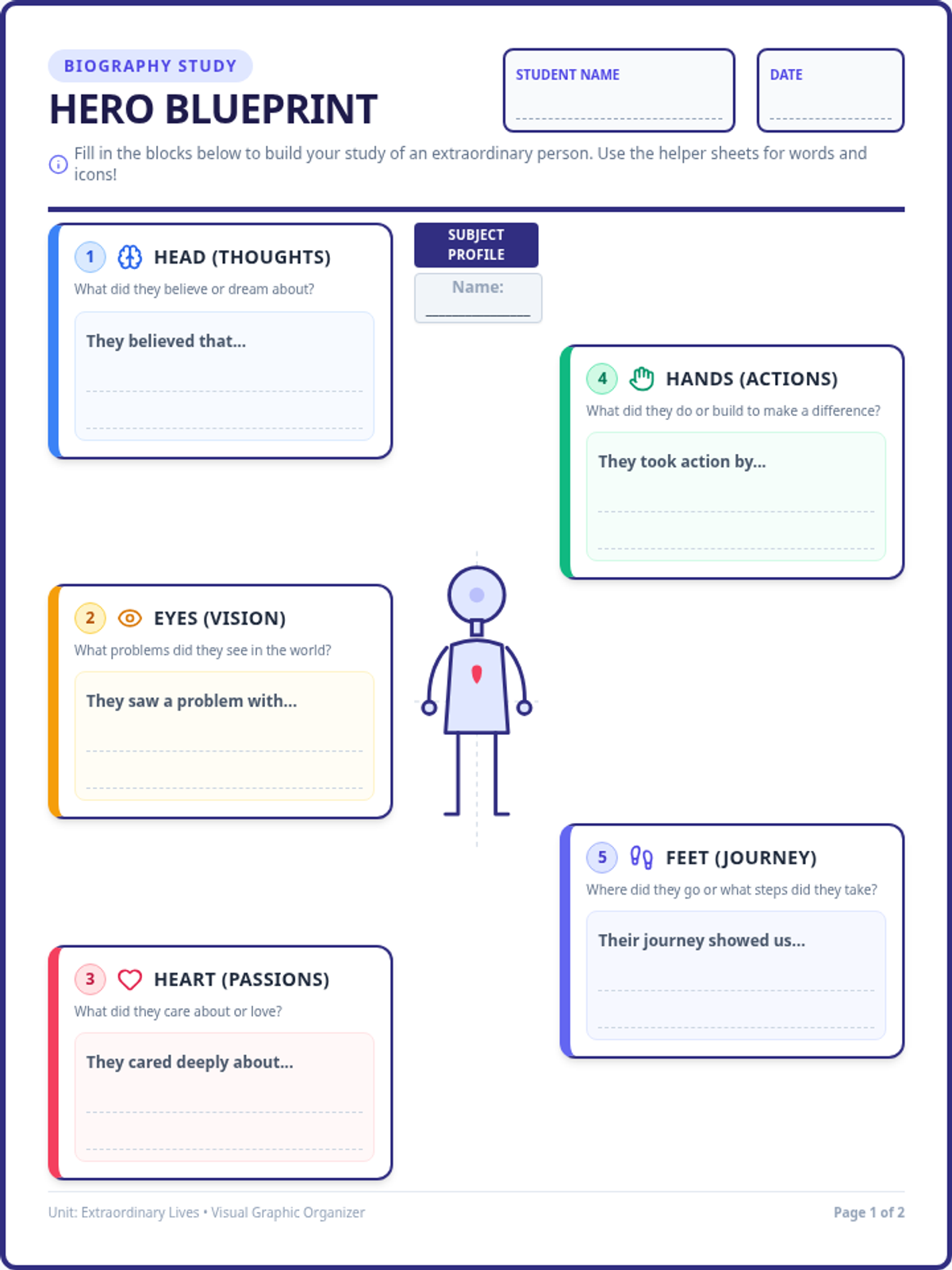
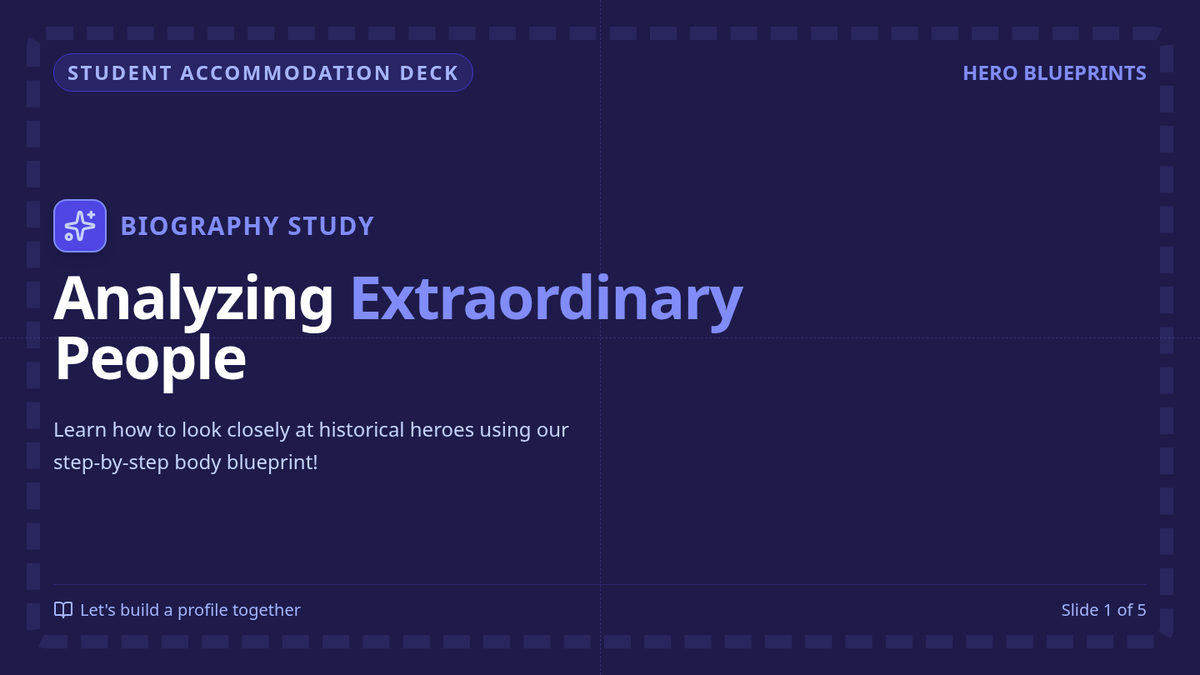
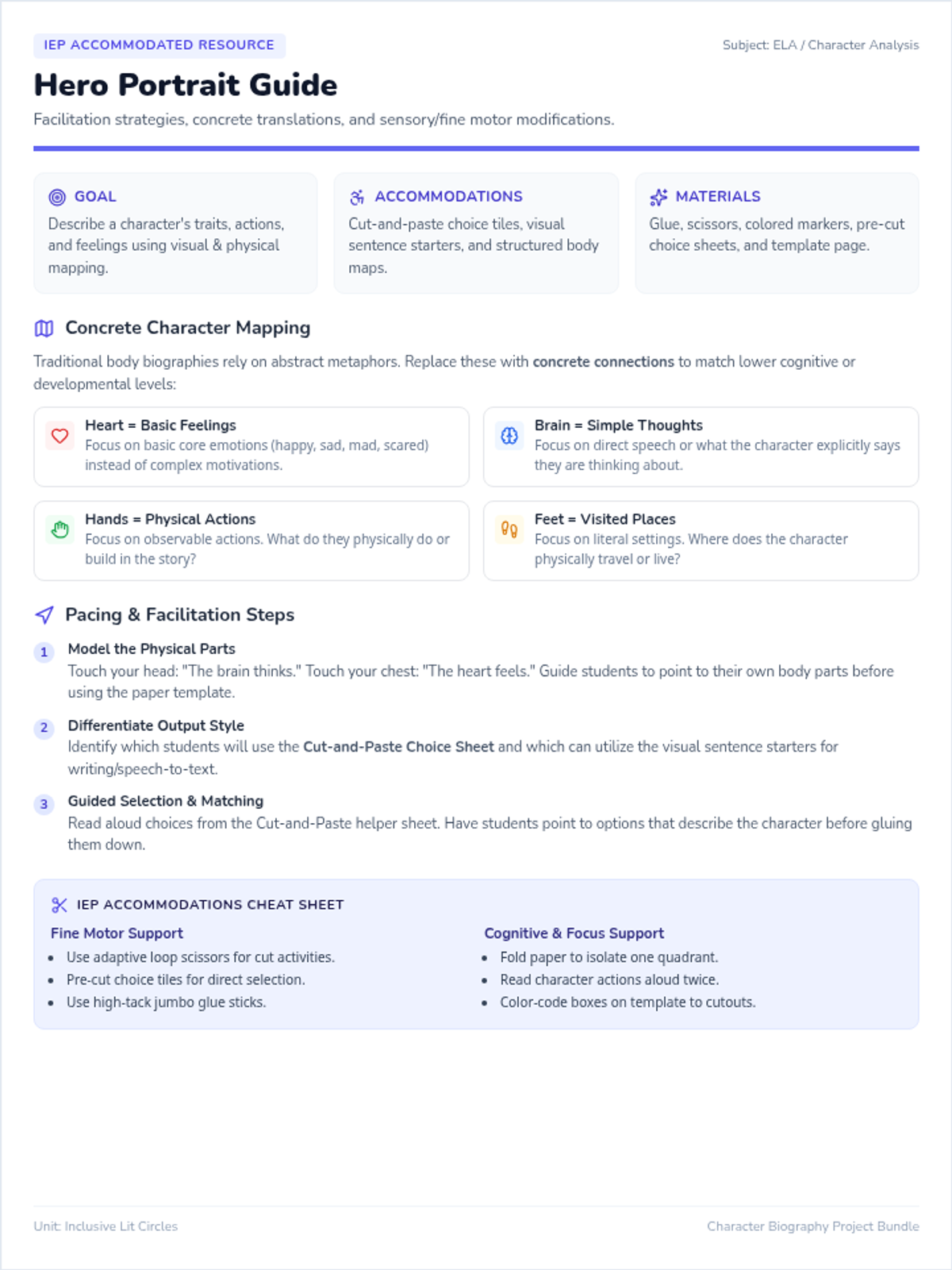
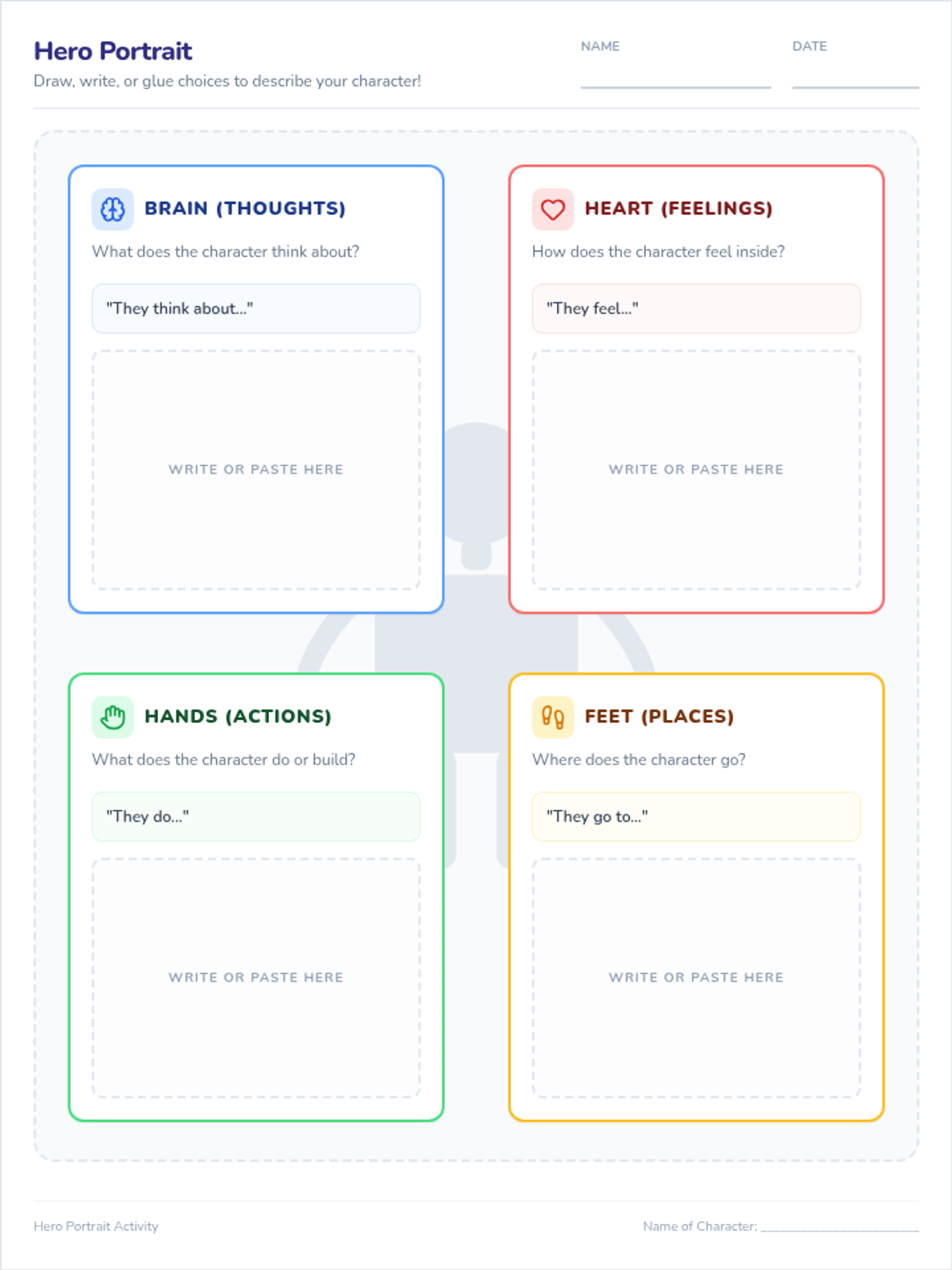
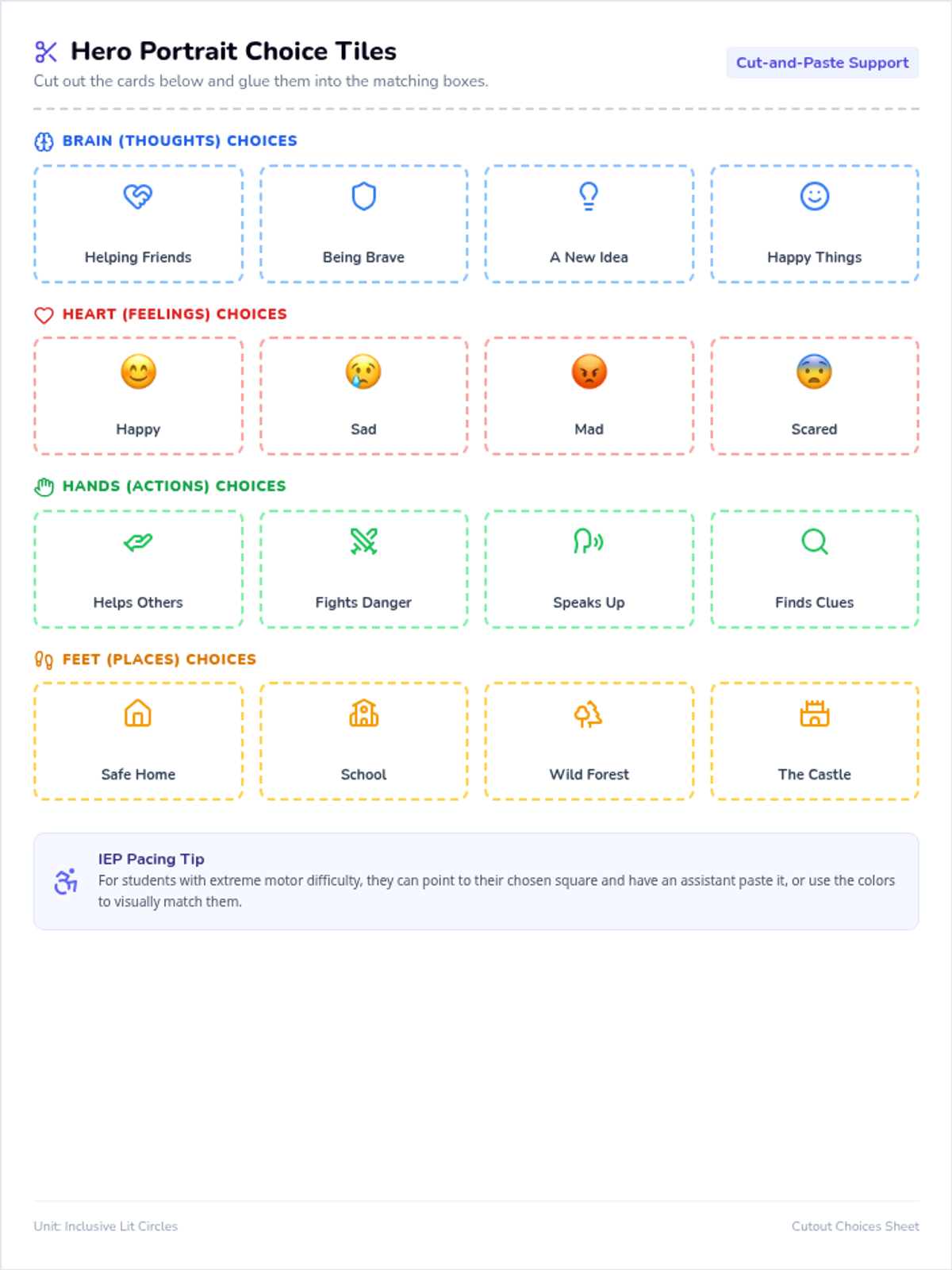
A biography study lesson featuring tiered, highly visual body graphic organizers designed to support IEP students with visual symbol supports, sentence starters, and cut-and-paste vocabulary options.
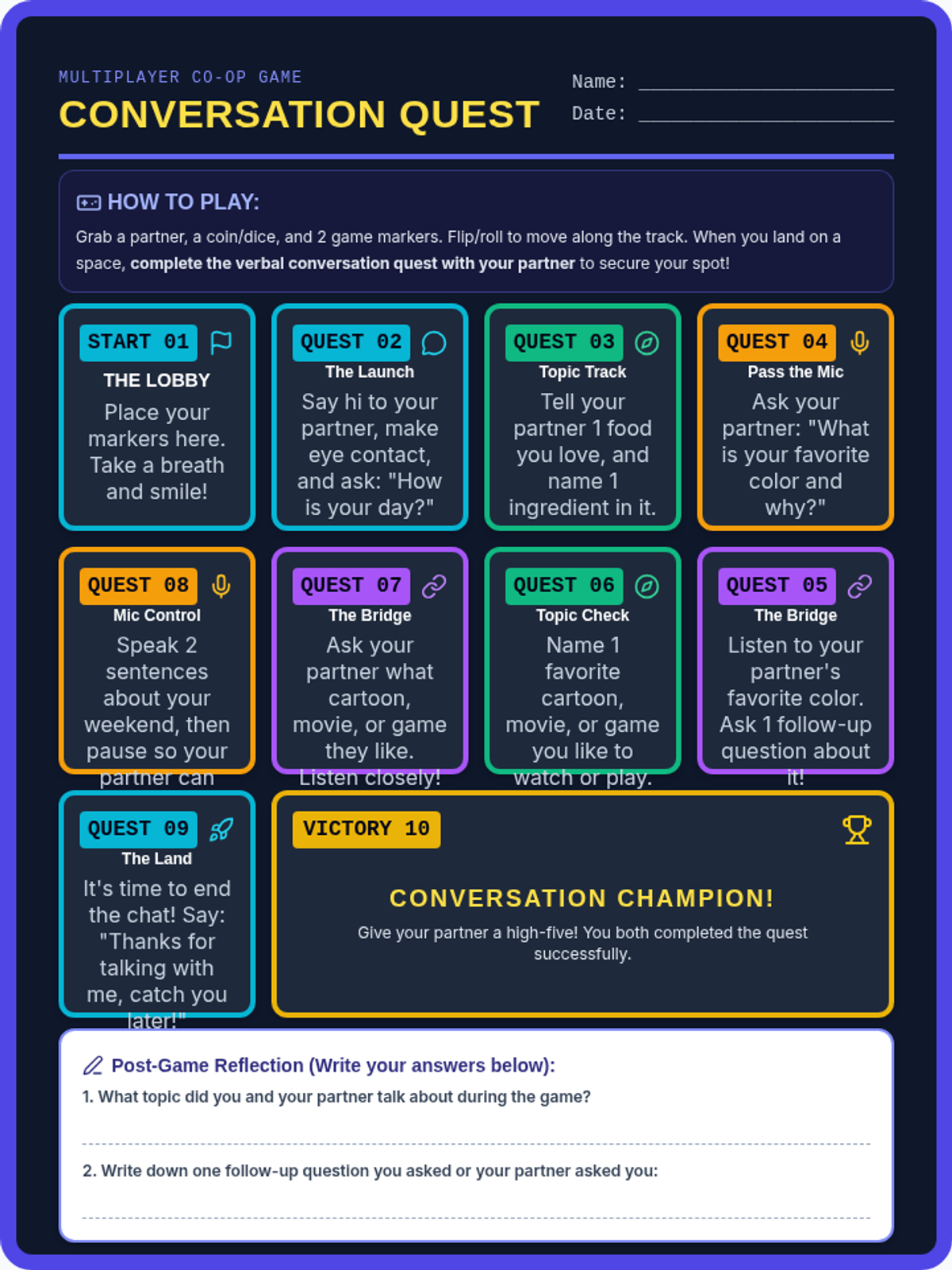
A gamified social skills lesson designed for students with ASD to practice and master conversational rules, including starting and ending conversations, staying on-topic, taking turns, and asking follow-up questions.
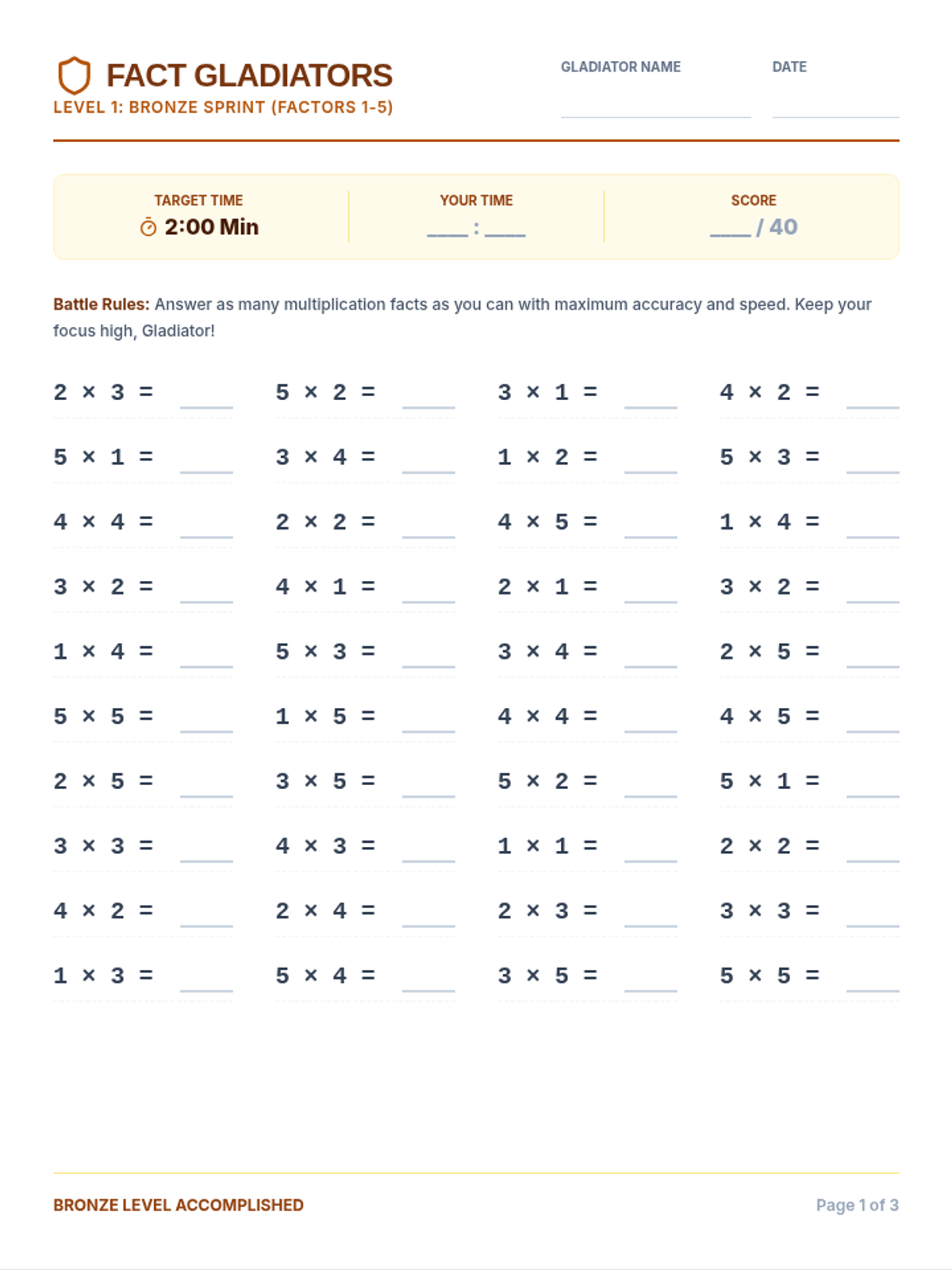
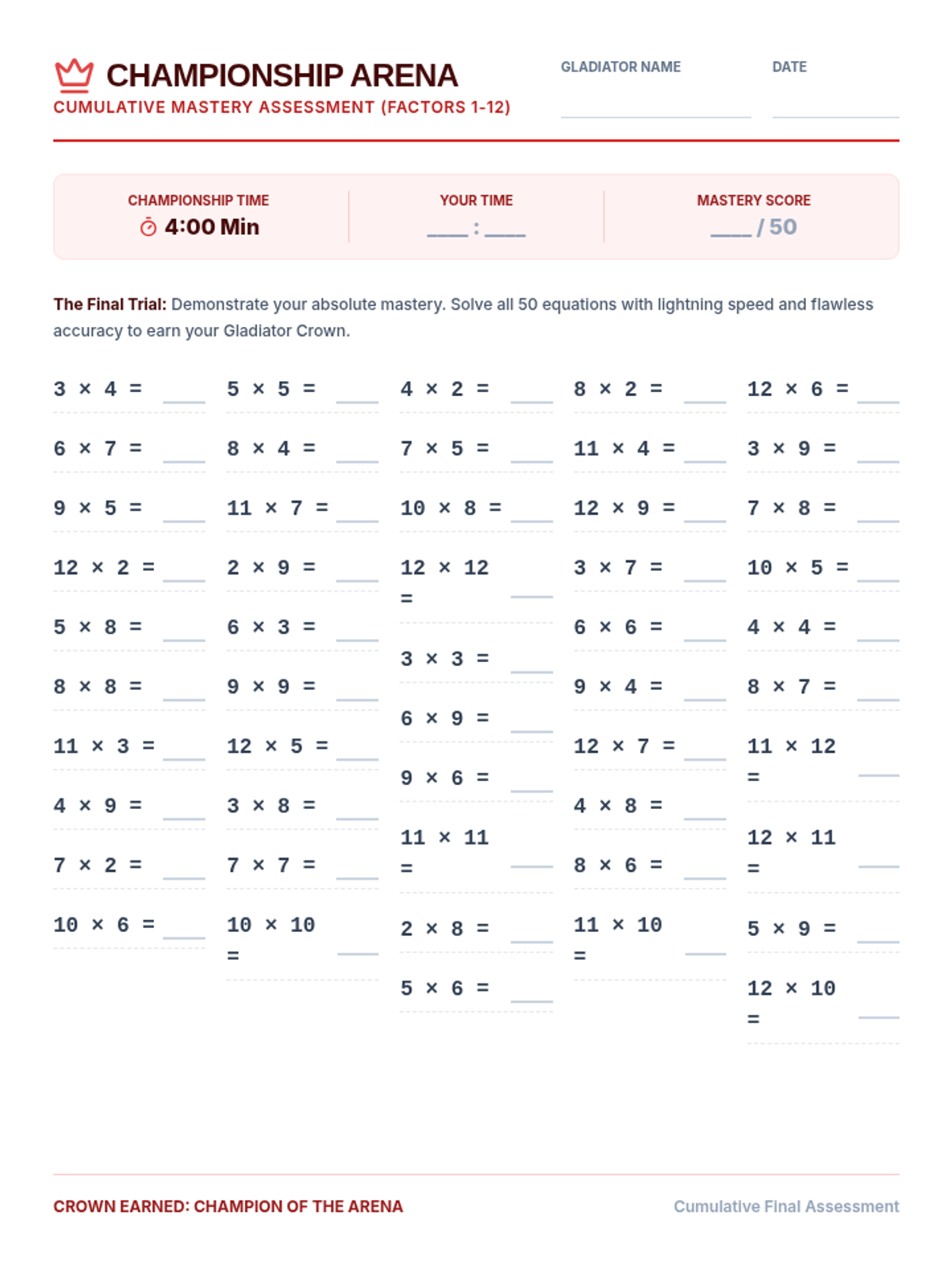
A lesson focused on building multiplication fact fluency for factors 1 to 12. It features a leveled progression worksheet system (Bronze, Silver, and Gold tiers) designed to assess speed and accuracy.
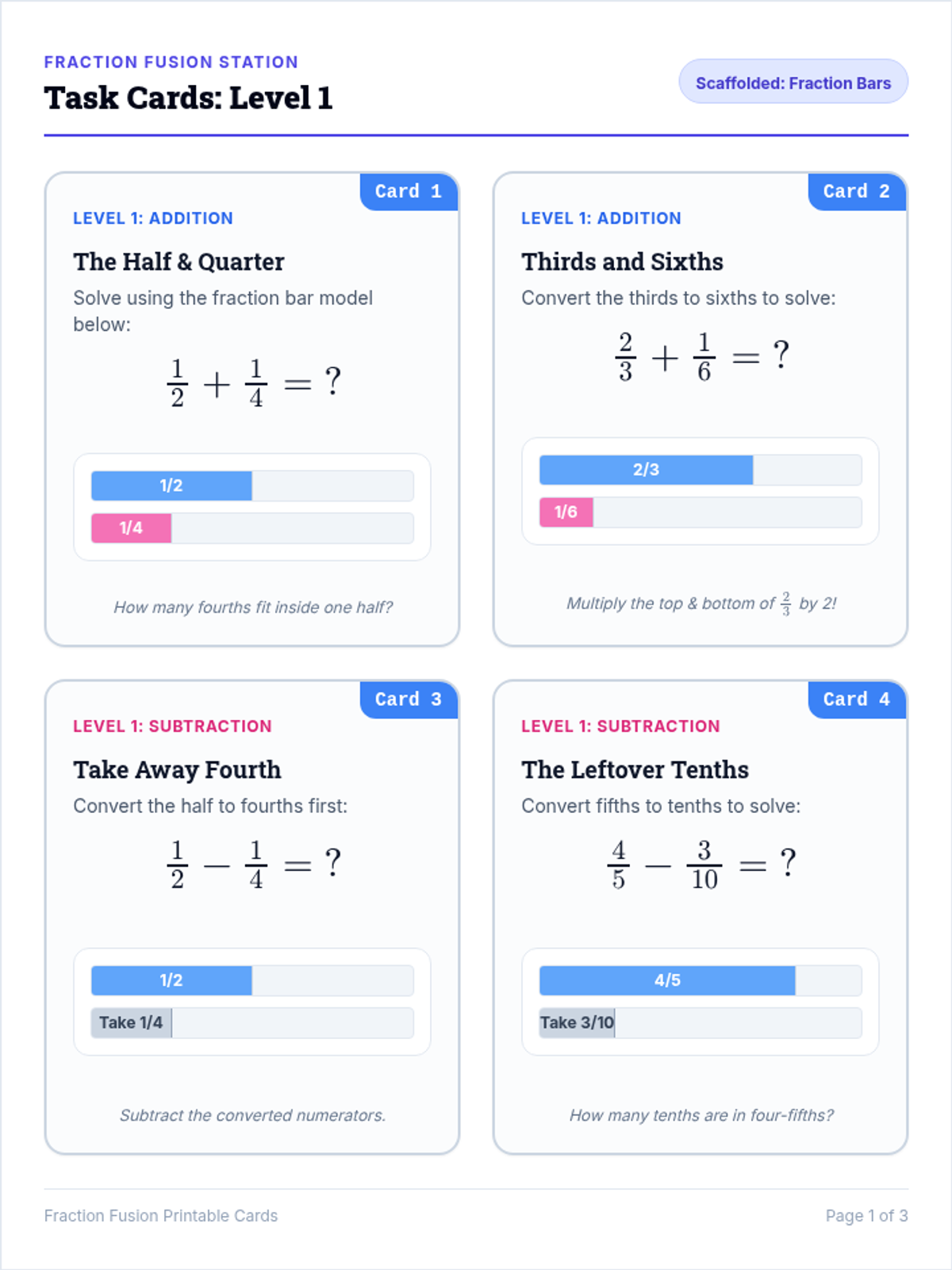
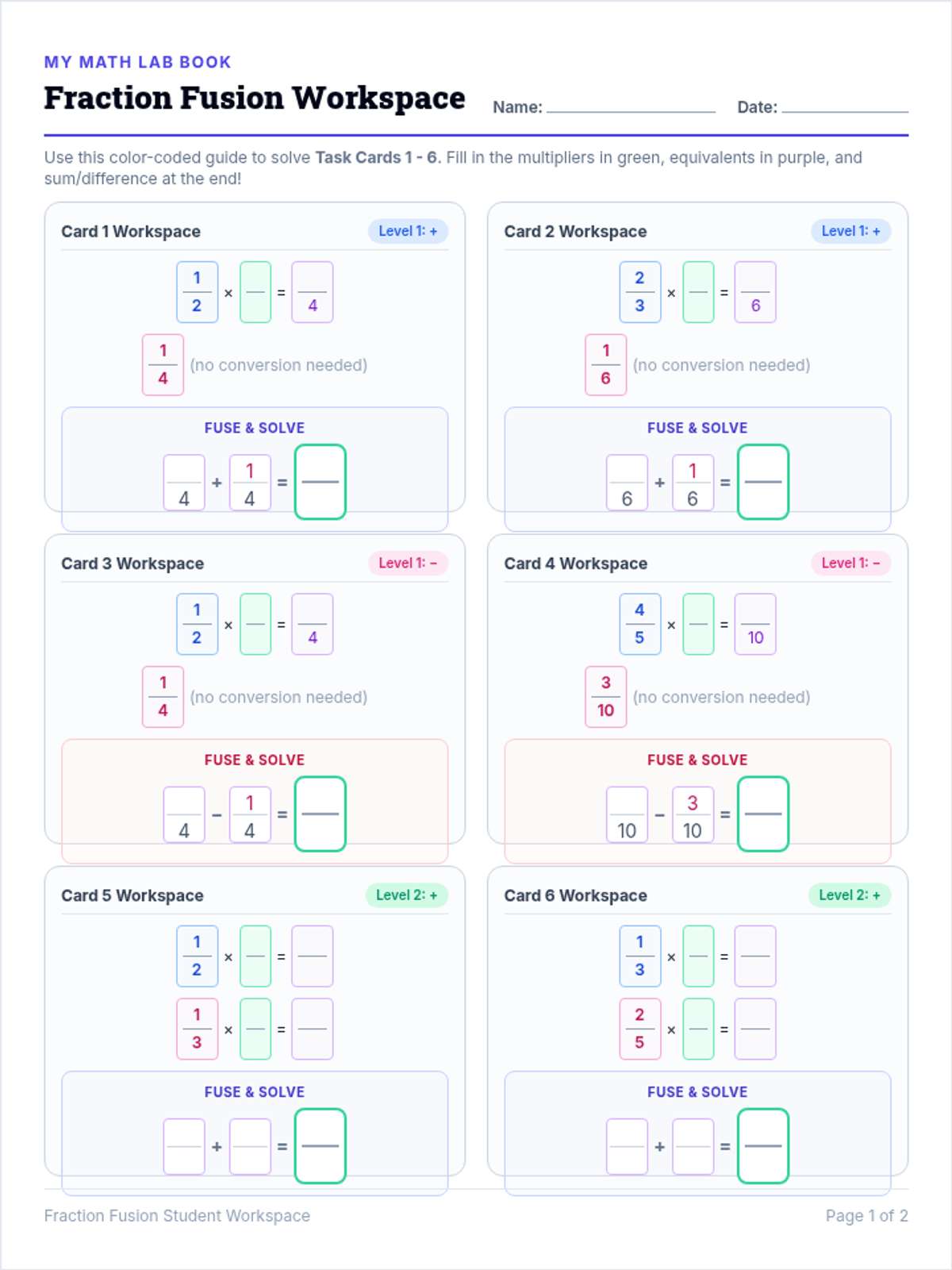
A lesson designed to teach students how to add and subtract fractions with unlike denominators using visual area models, fraction bars, and step-by-step color-coded graphic organizers.
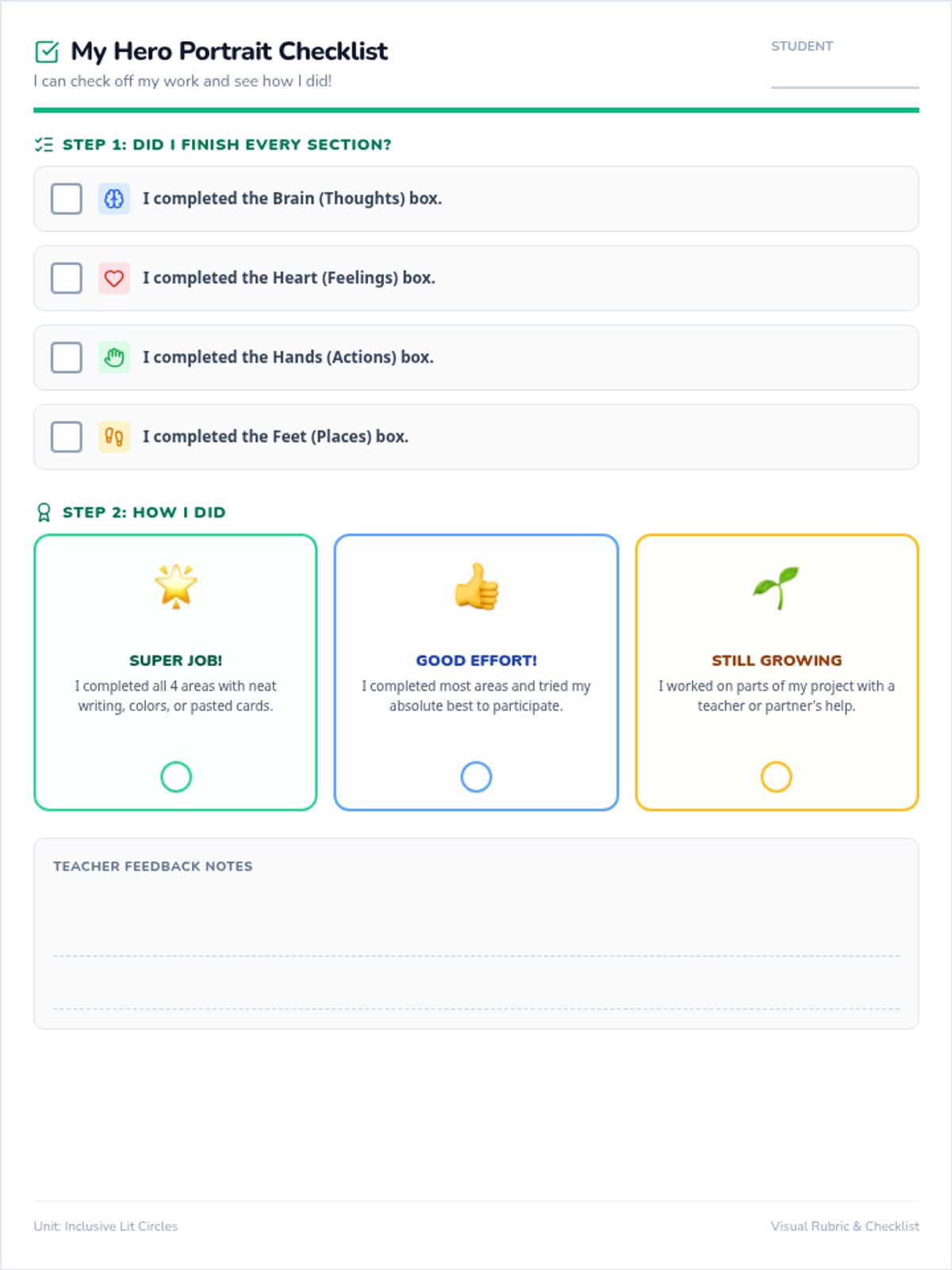
A scaffolded Character Body Biography project adapted for IEP students, featuring simplified concrete connections, cut-and-paste elements, and visual supports.
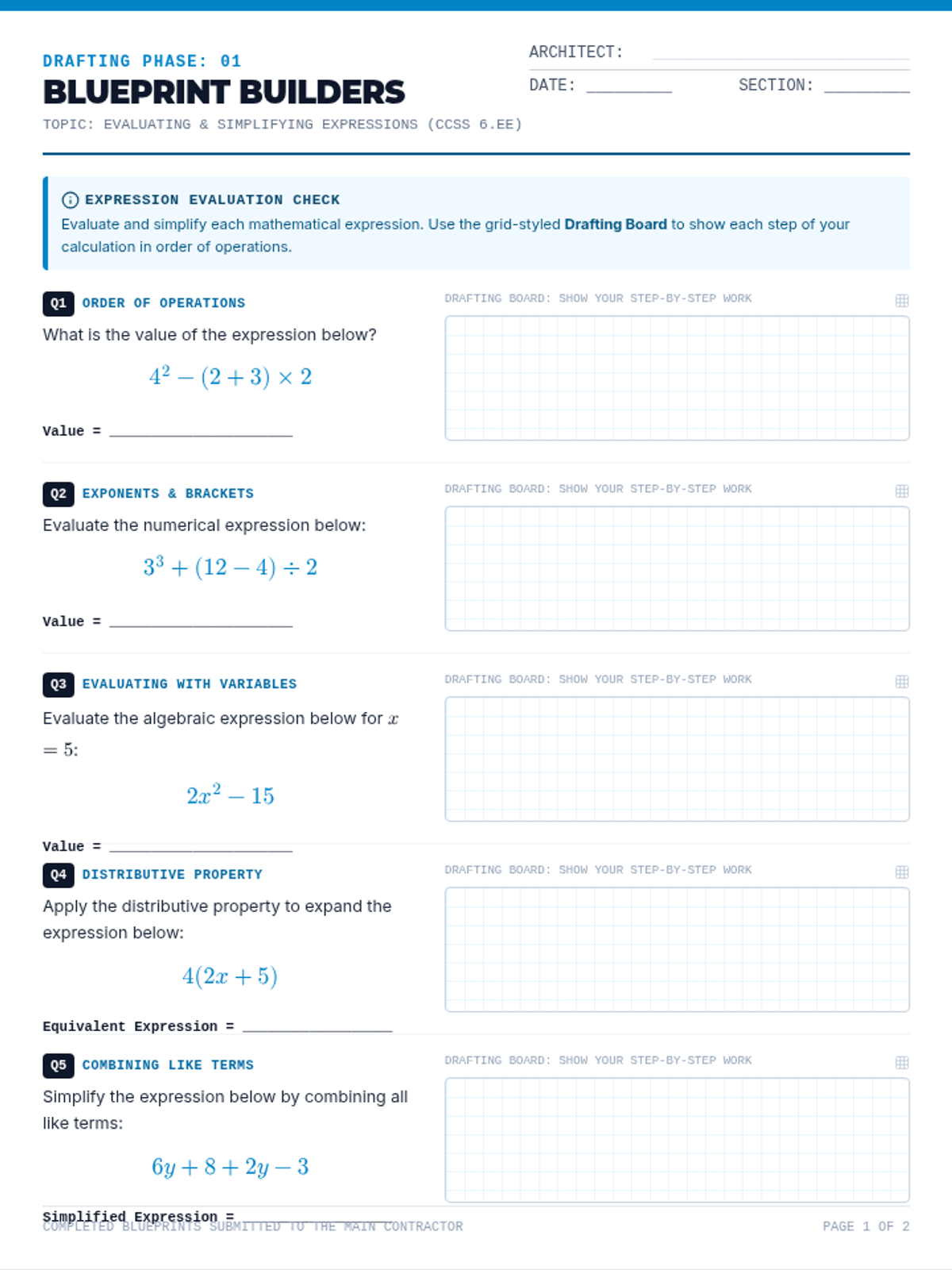
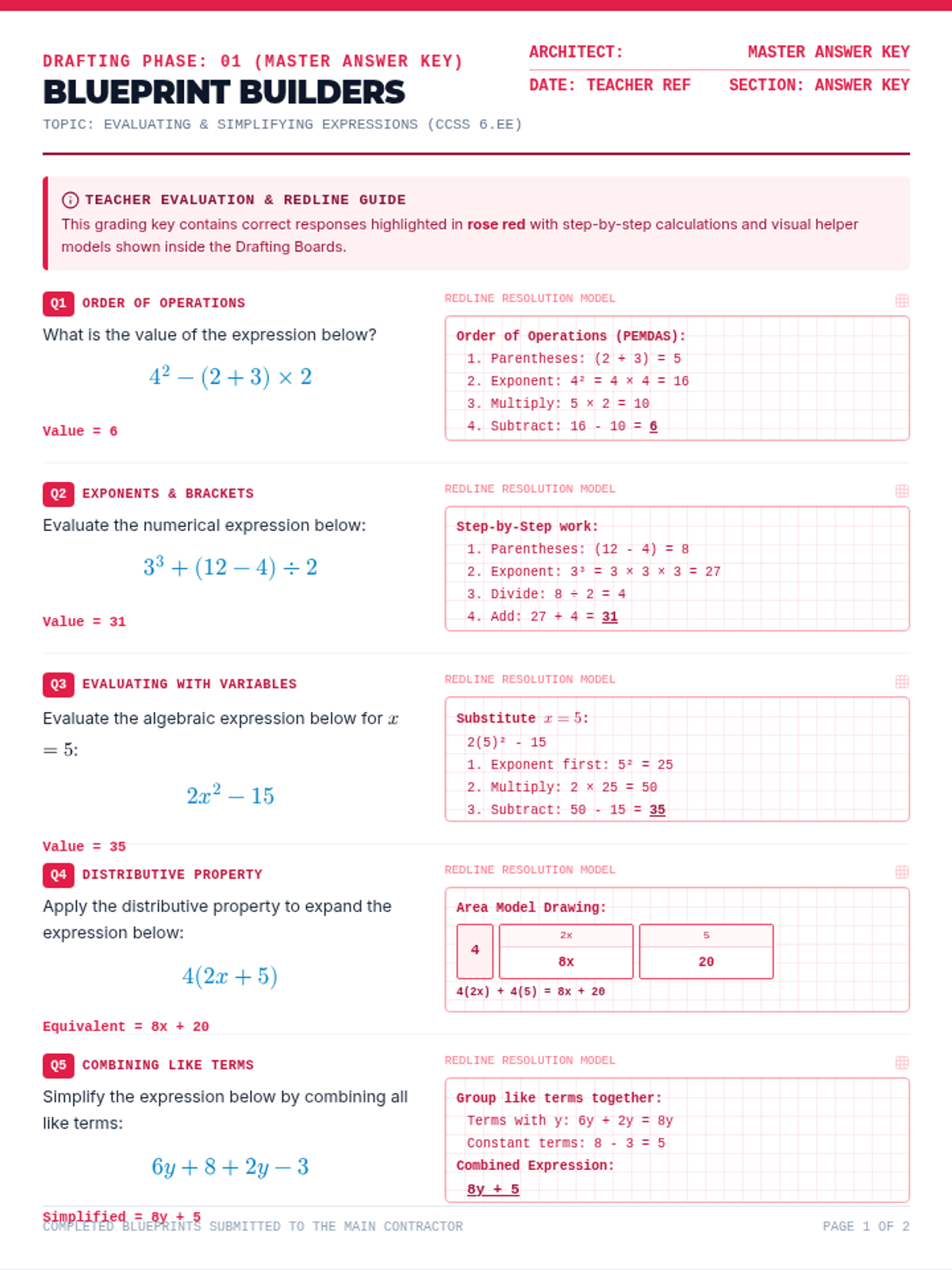
A 6th-grade math lesson focused on Expressions and Equations (CCSS 6.EE). Students act as Junior Architects, using visual blueprints, tape diagrams, and mathematical modeling to write expressions, evaluate with exponents, apply the distributive property, and solve one-step real-world equations.
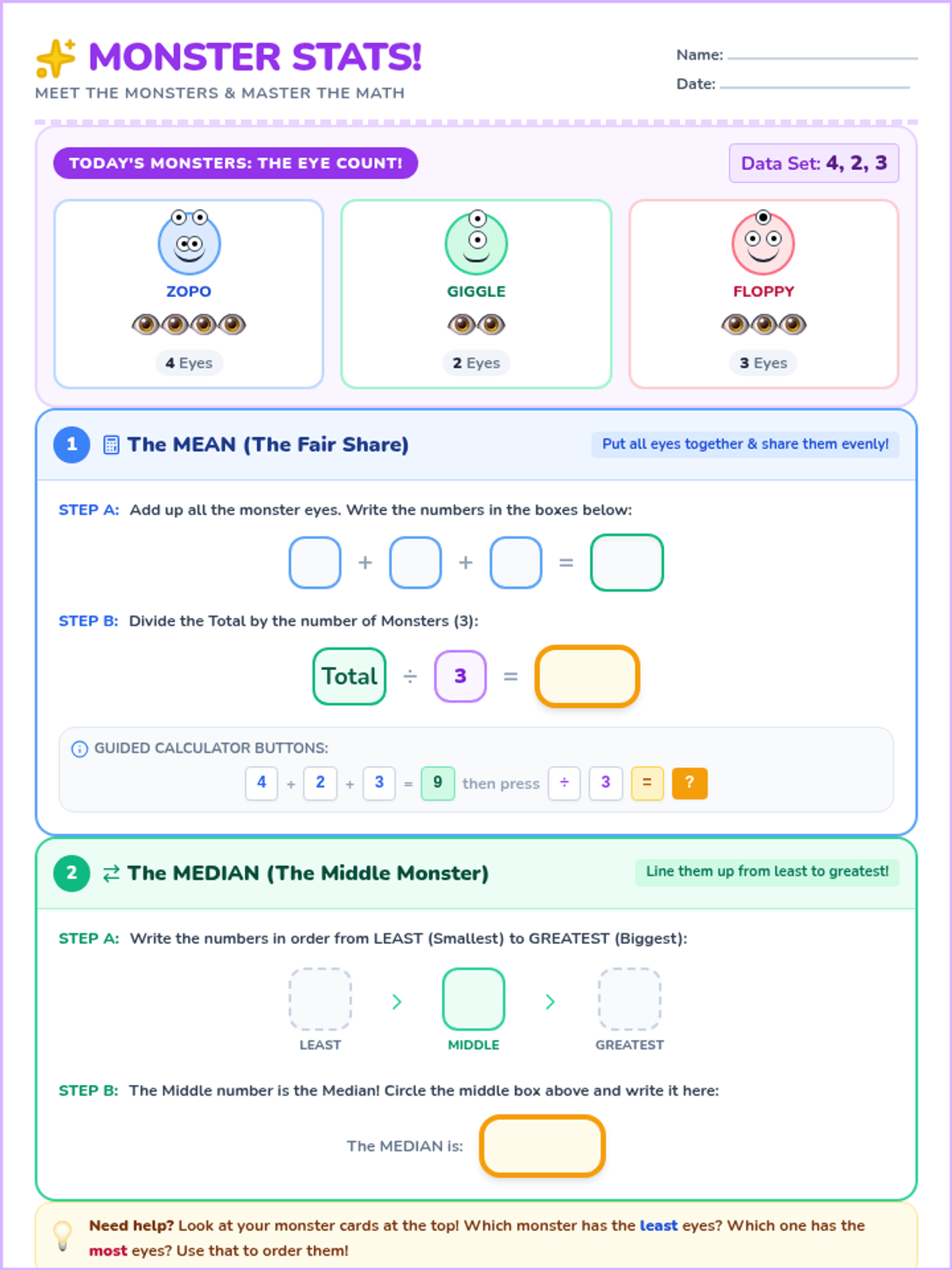
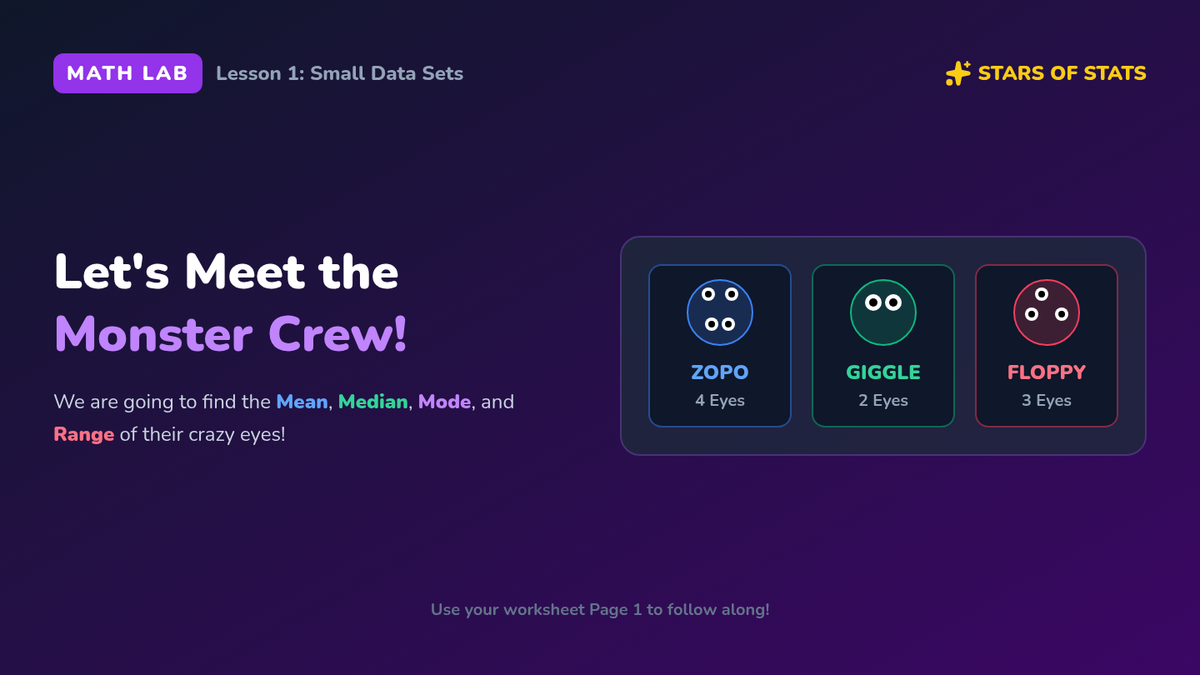
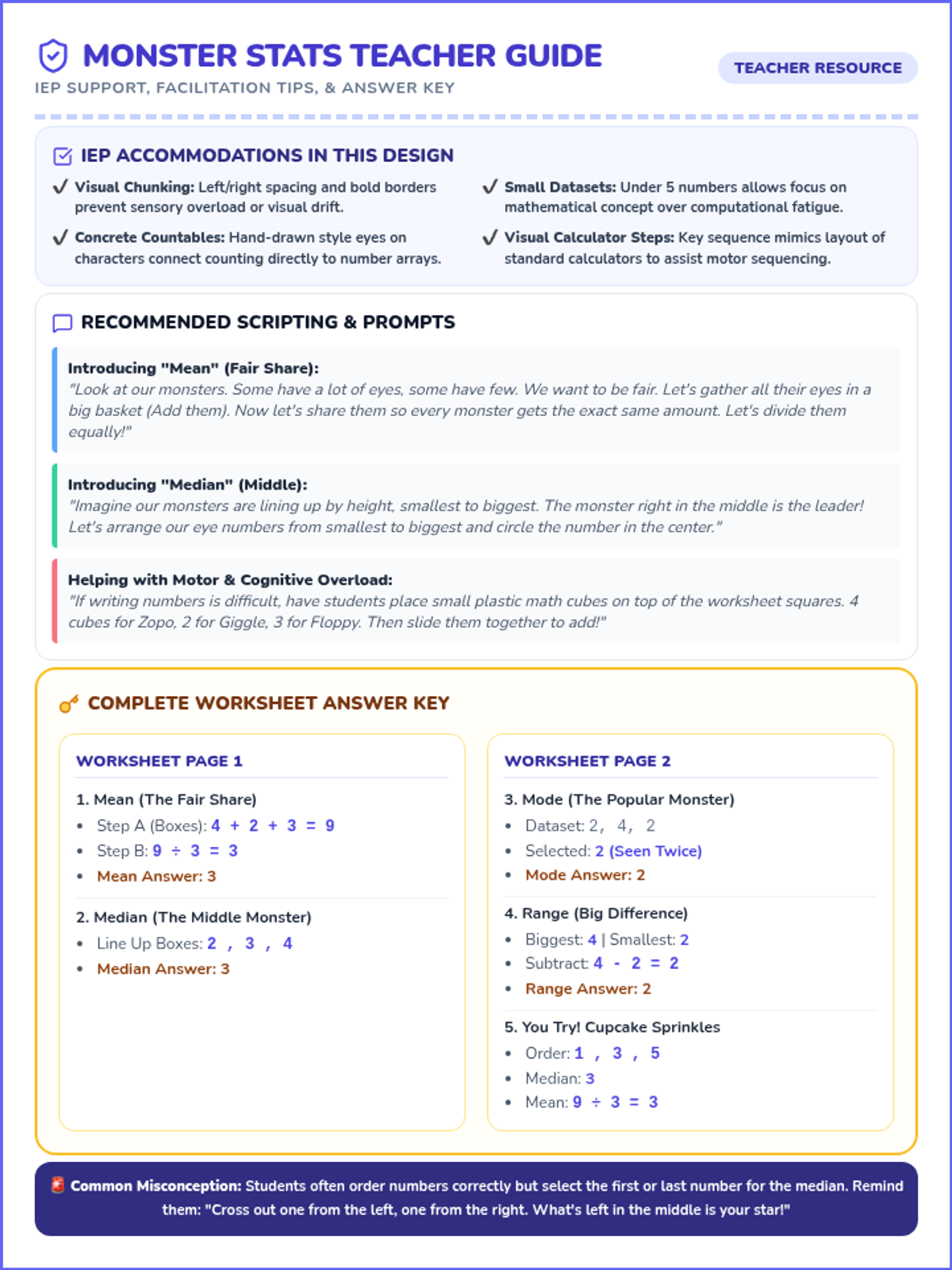
An introductory lesson on mean, median, mode, and range tailored for students with IEP accommodations. It features small data sets (under 5 numbers), countable visual objects, and step-by-step graphic organizers with guided calculator support.
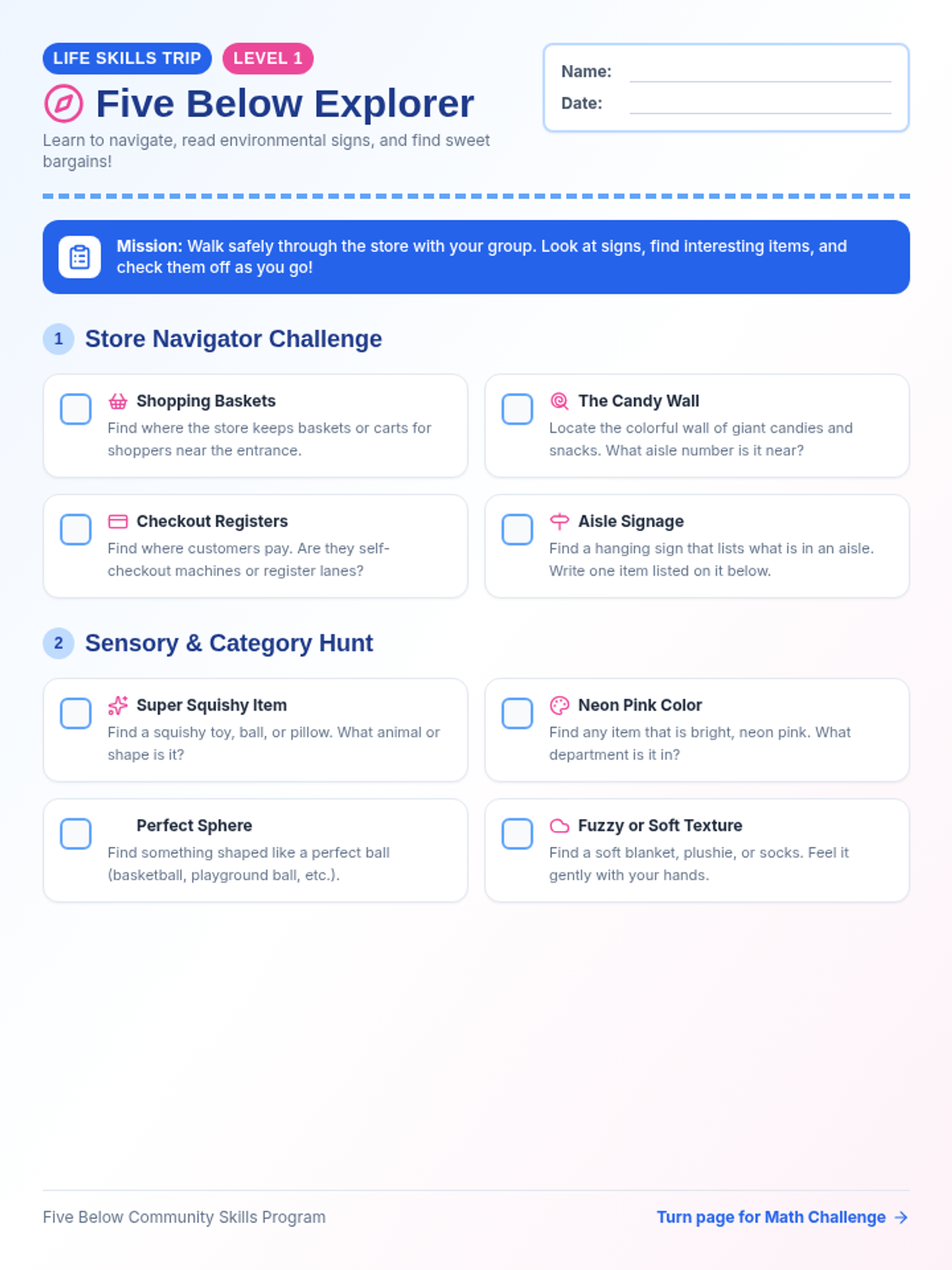
A practical life skills and functional math lesson centered around an educational store visit to Five Below. Students practice locating departments, reading signs, and performing budget calculations.
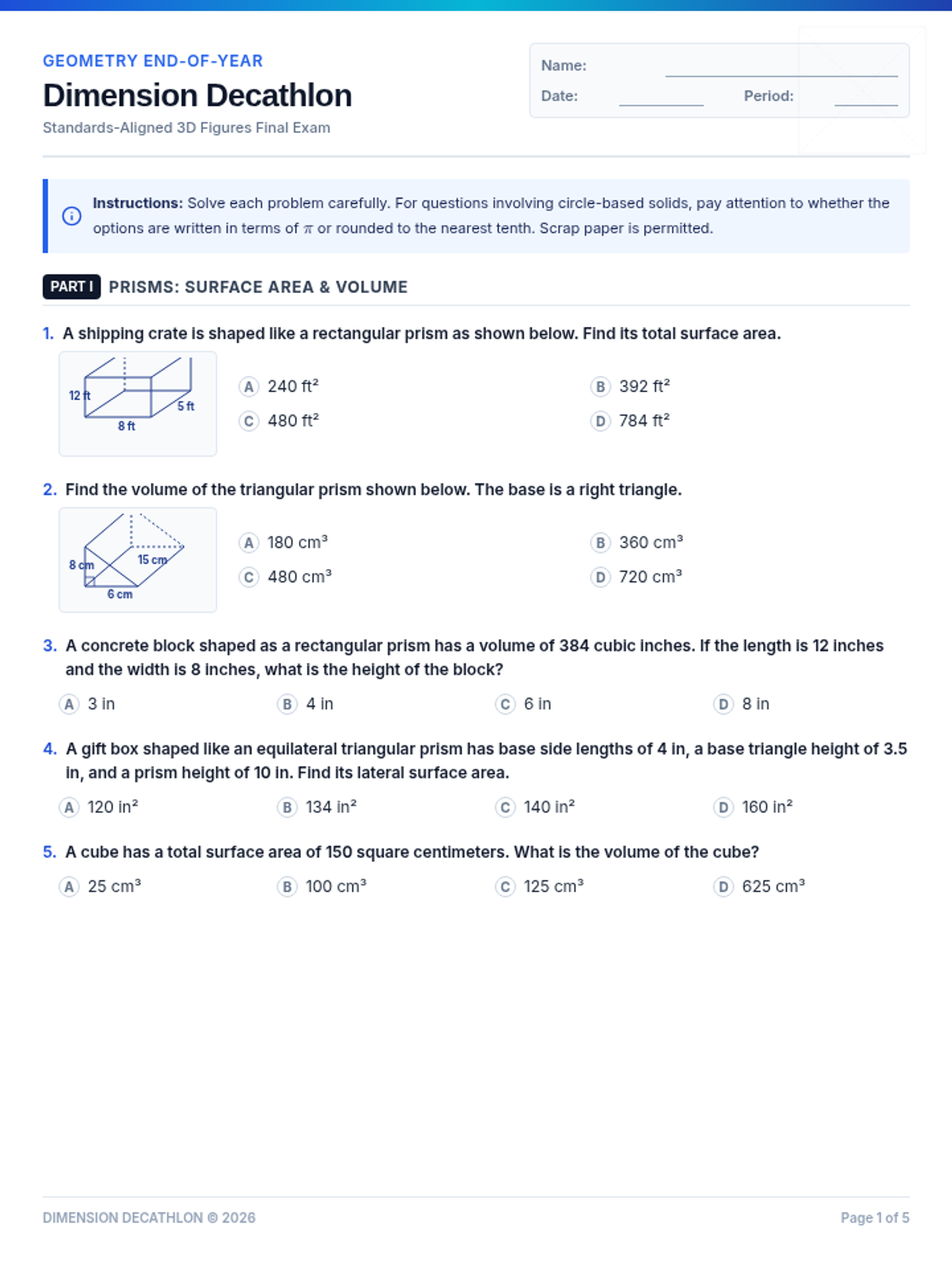
A comprehensive end-of-year final exam package evaluating 3D geometry skills, focusing on surface area and volume of prisms, cylinders, pyramids, and cones. Includes a clean, printable 25-question student exam and a matching step-by-step teacher key.
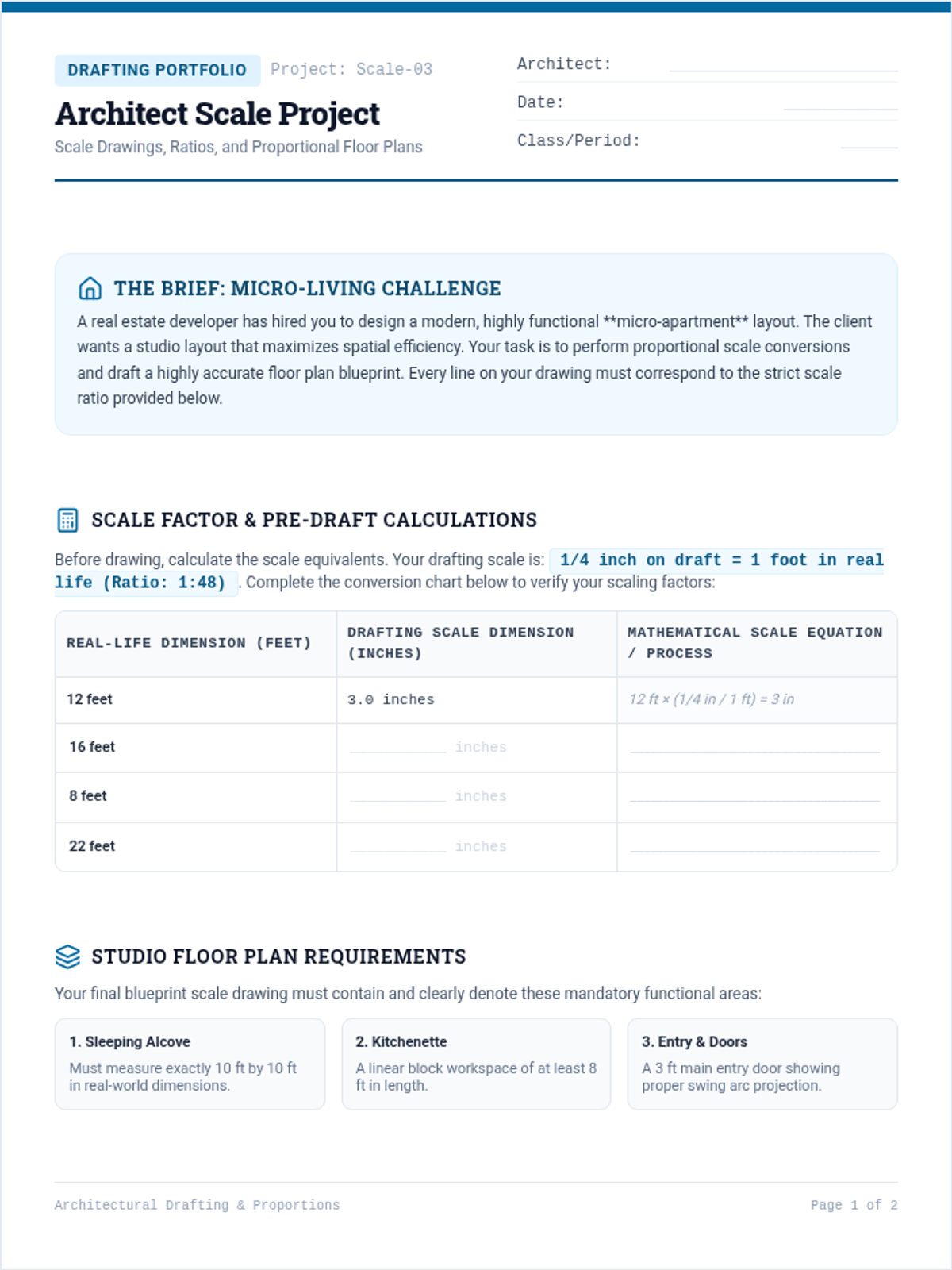
A scale drawing and architectural design project where students draft floor plans to a precise scale ratio and compute real-world dimensions.
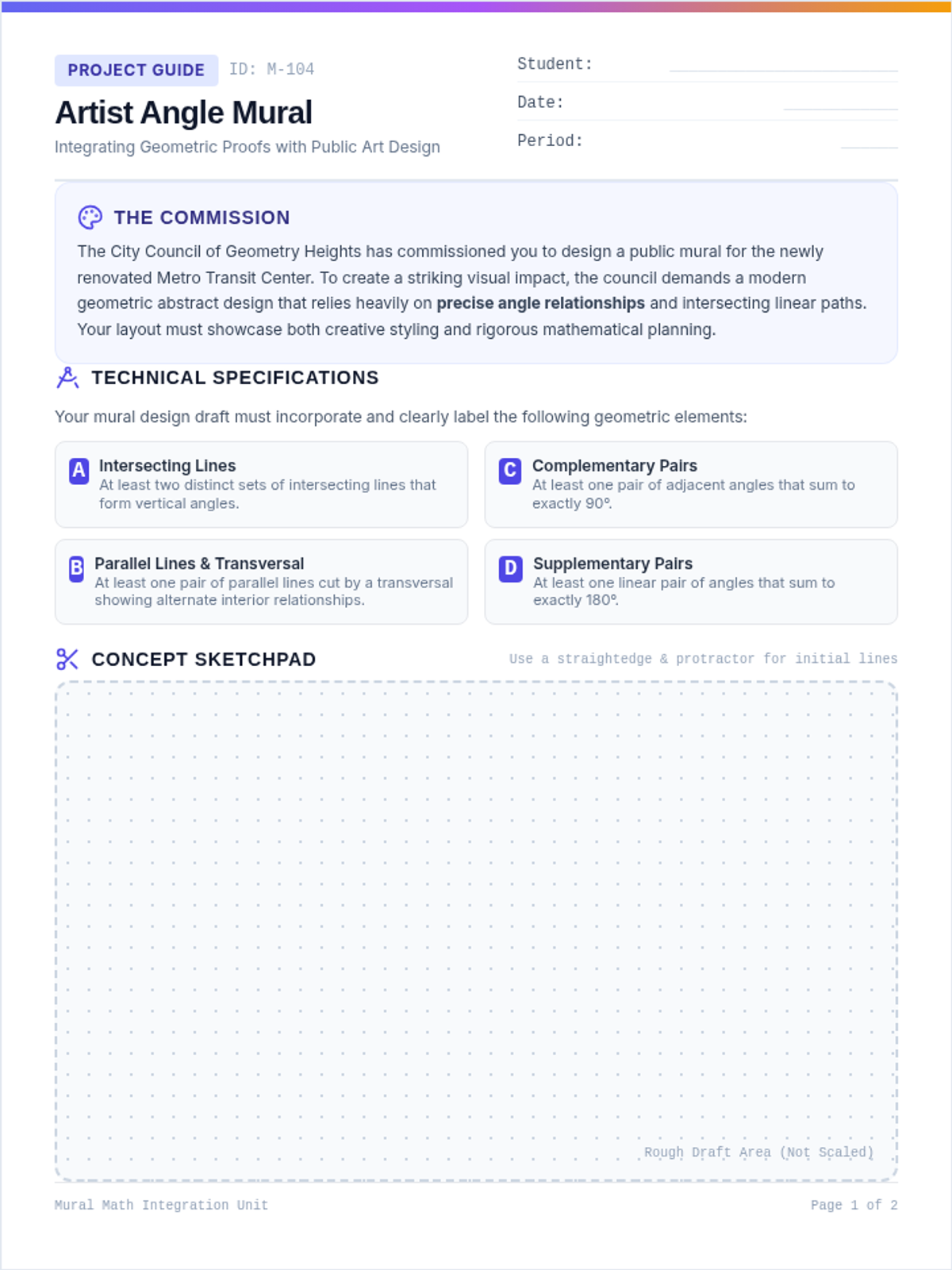
A creative math and art integration project where students design a geometric mural using precise angle relationships and calculate missing measurements.
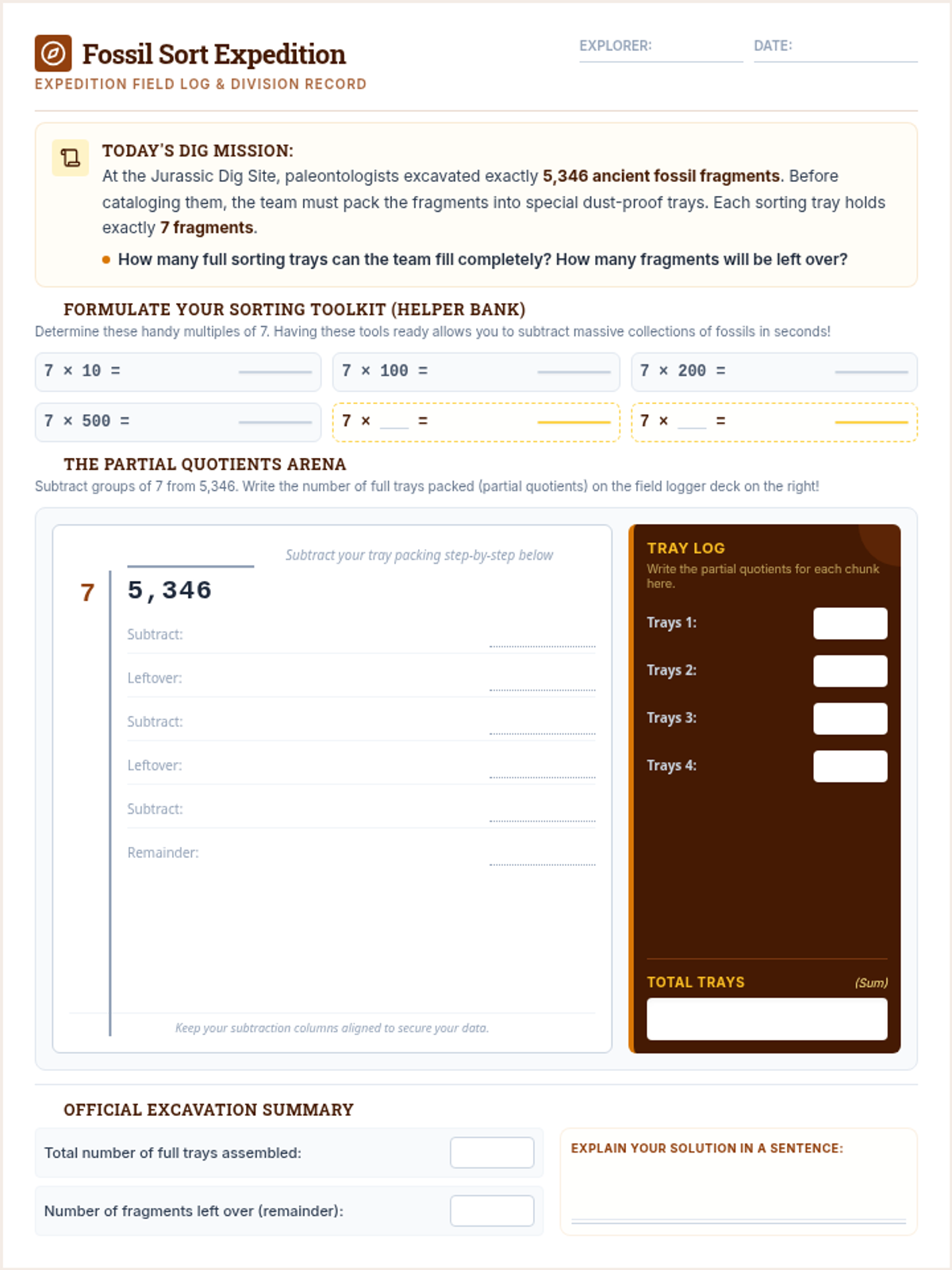
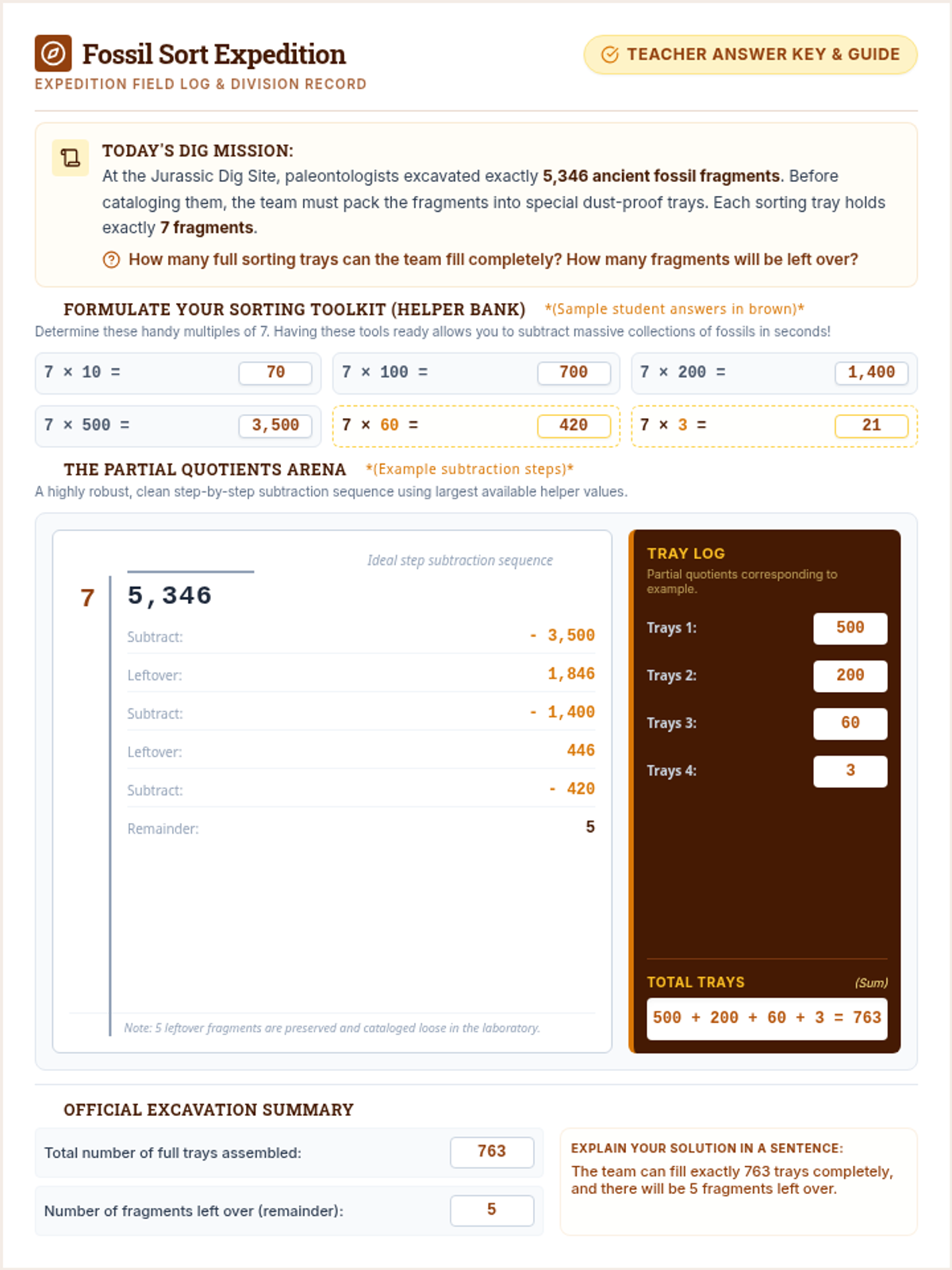
A math lesson focusing on division with remainders in an archeological fossil sorting scenario. Students divide 5,346 by 7 using a multiples toolkit and partial quotients.
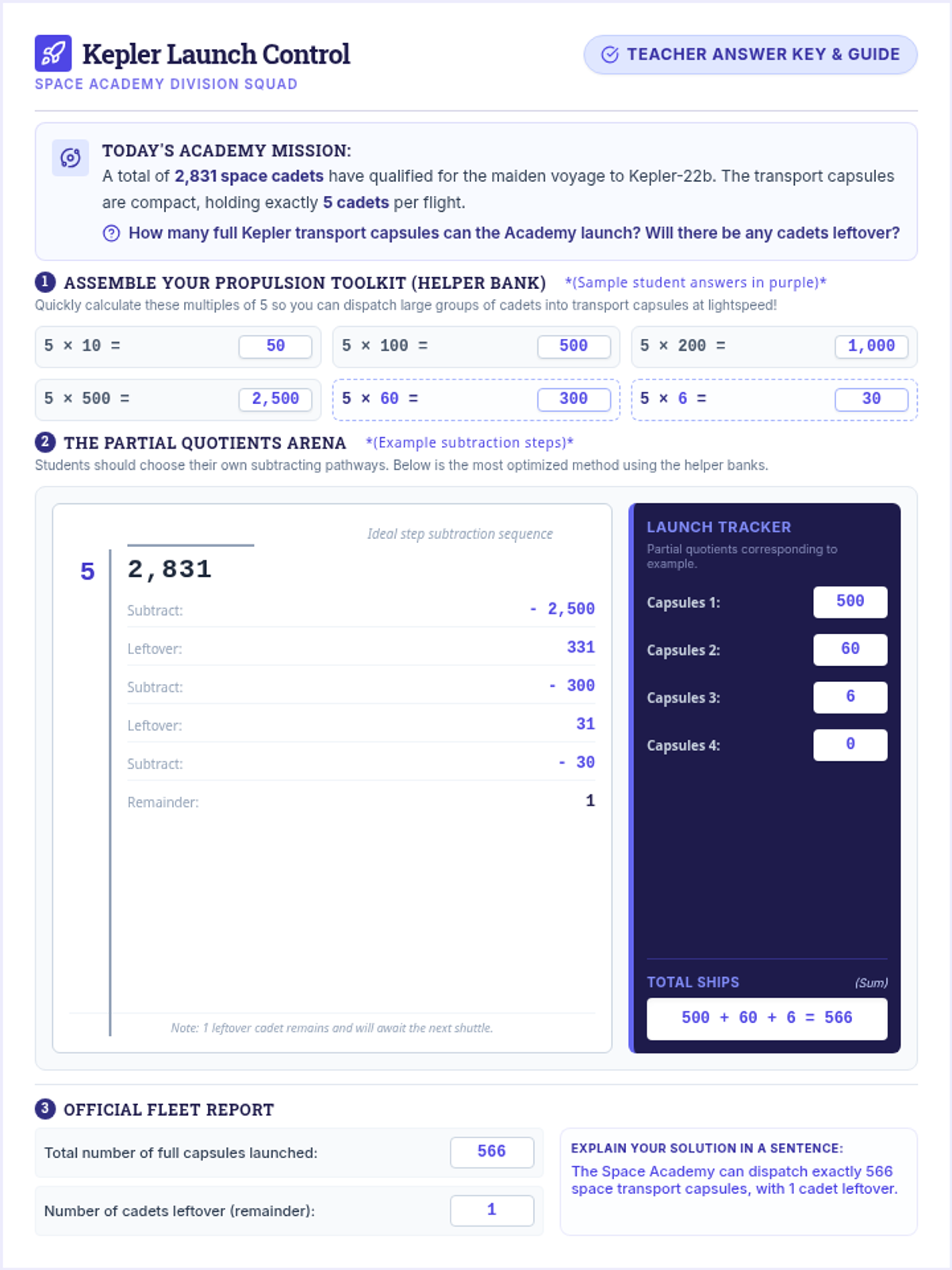
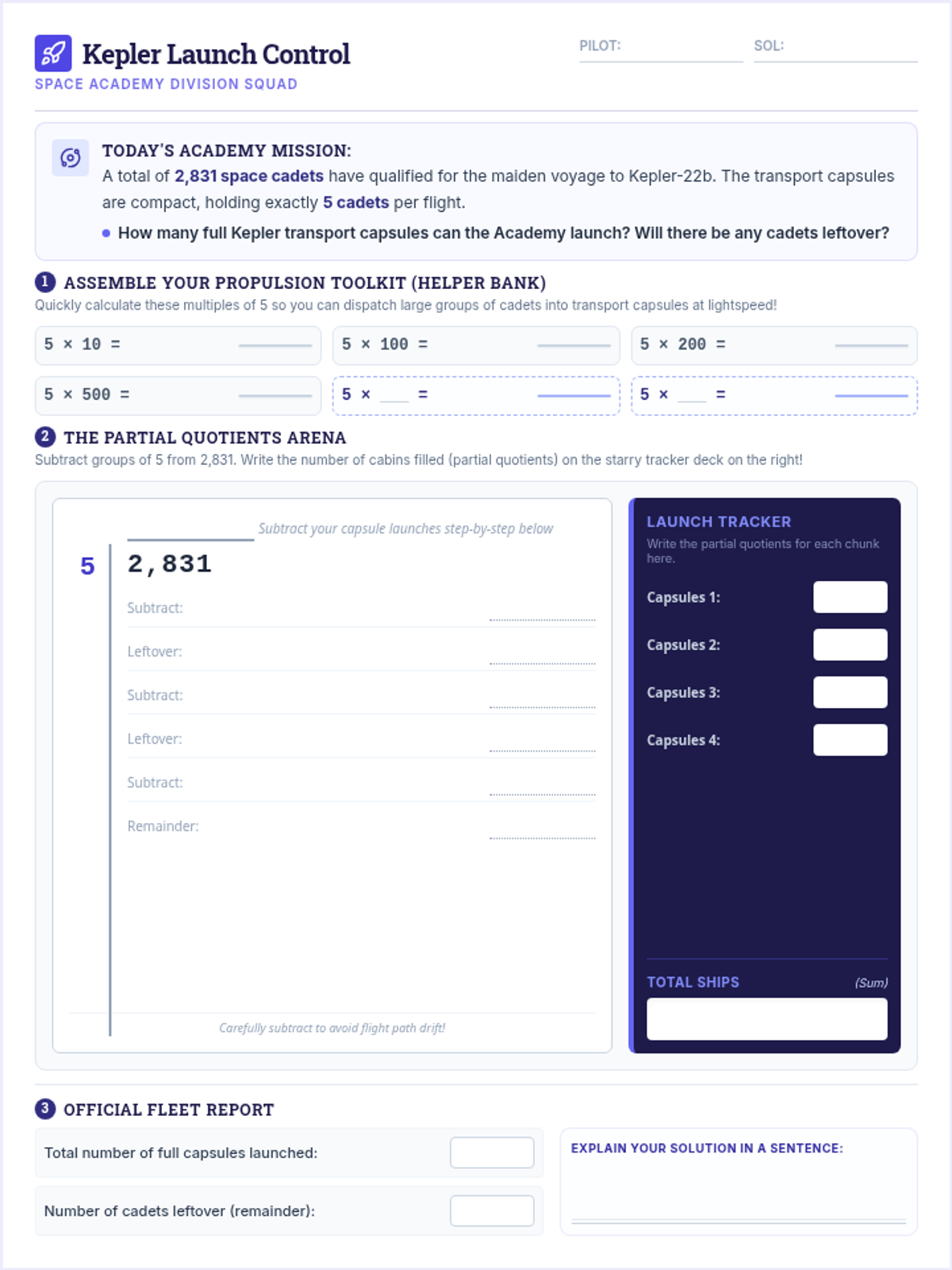
A math lesson focusing on division with remainders in a futuristic spaceship boarding scenario. Students divide 2,831 by 5 using a multiples toolkit and partial quotients.
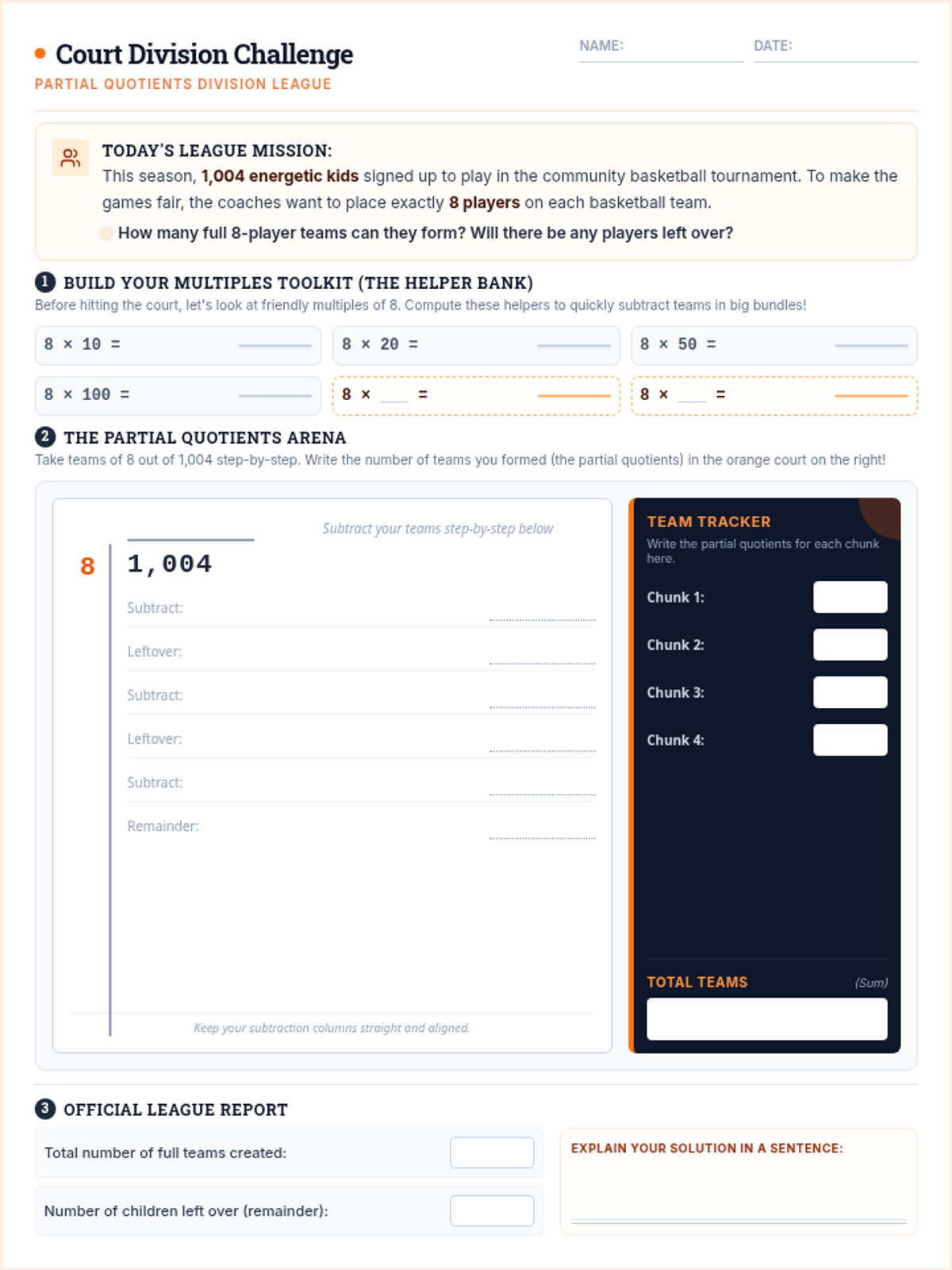
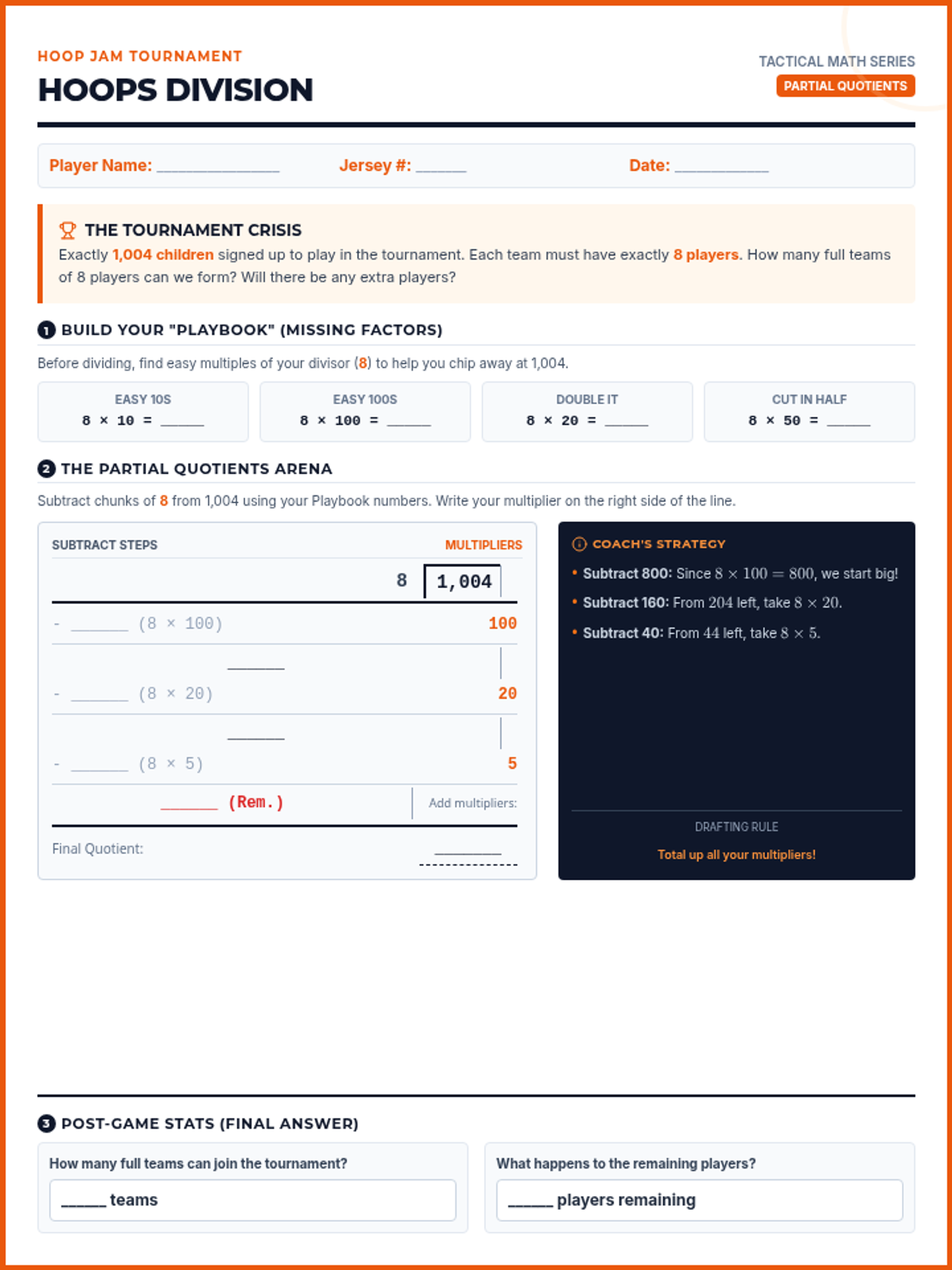
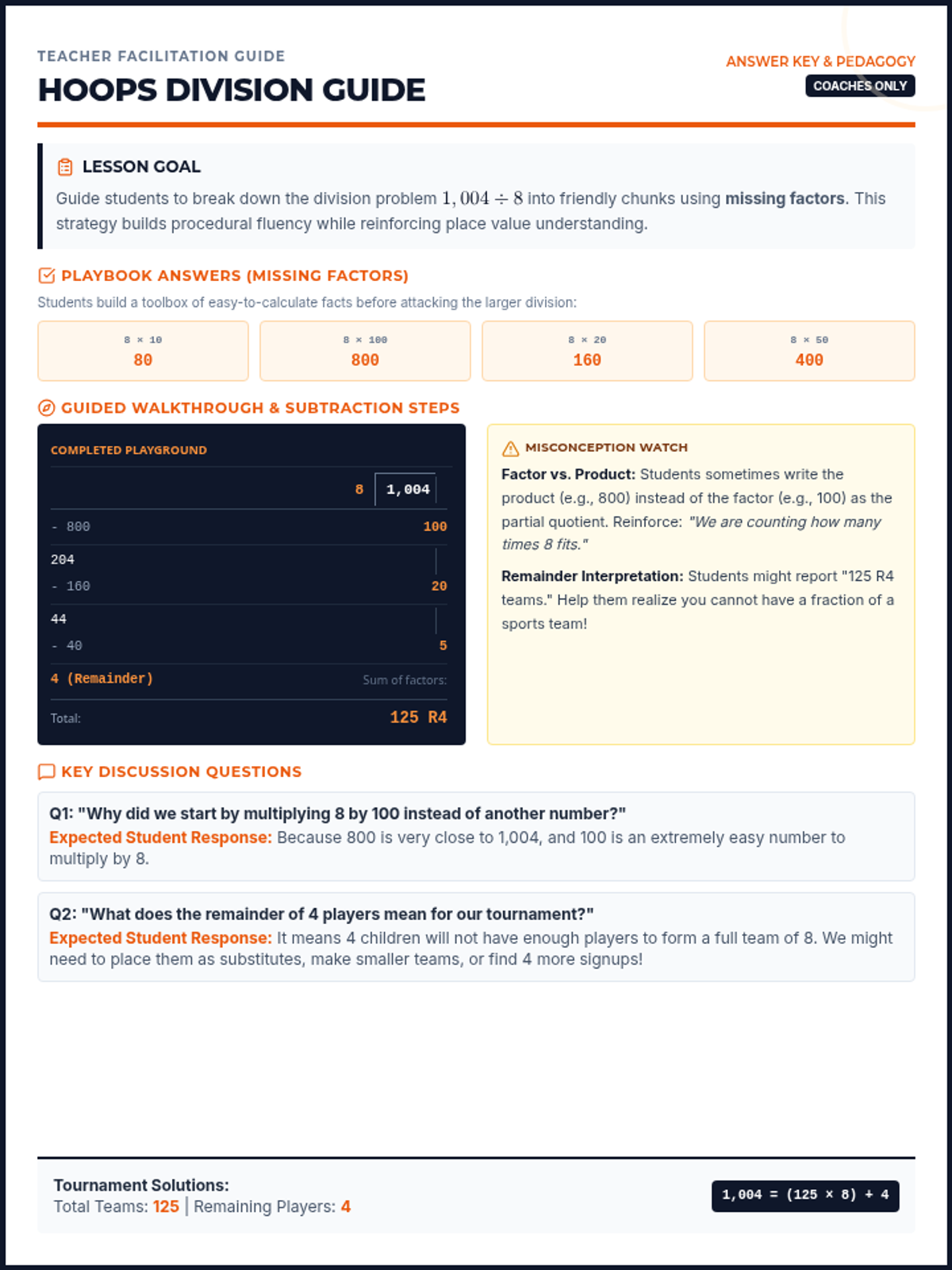
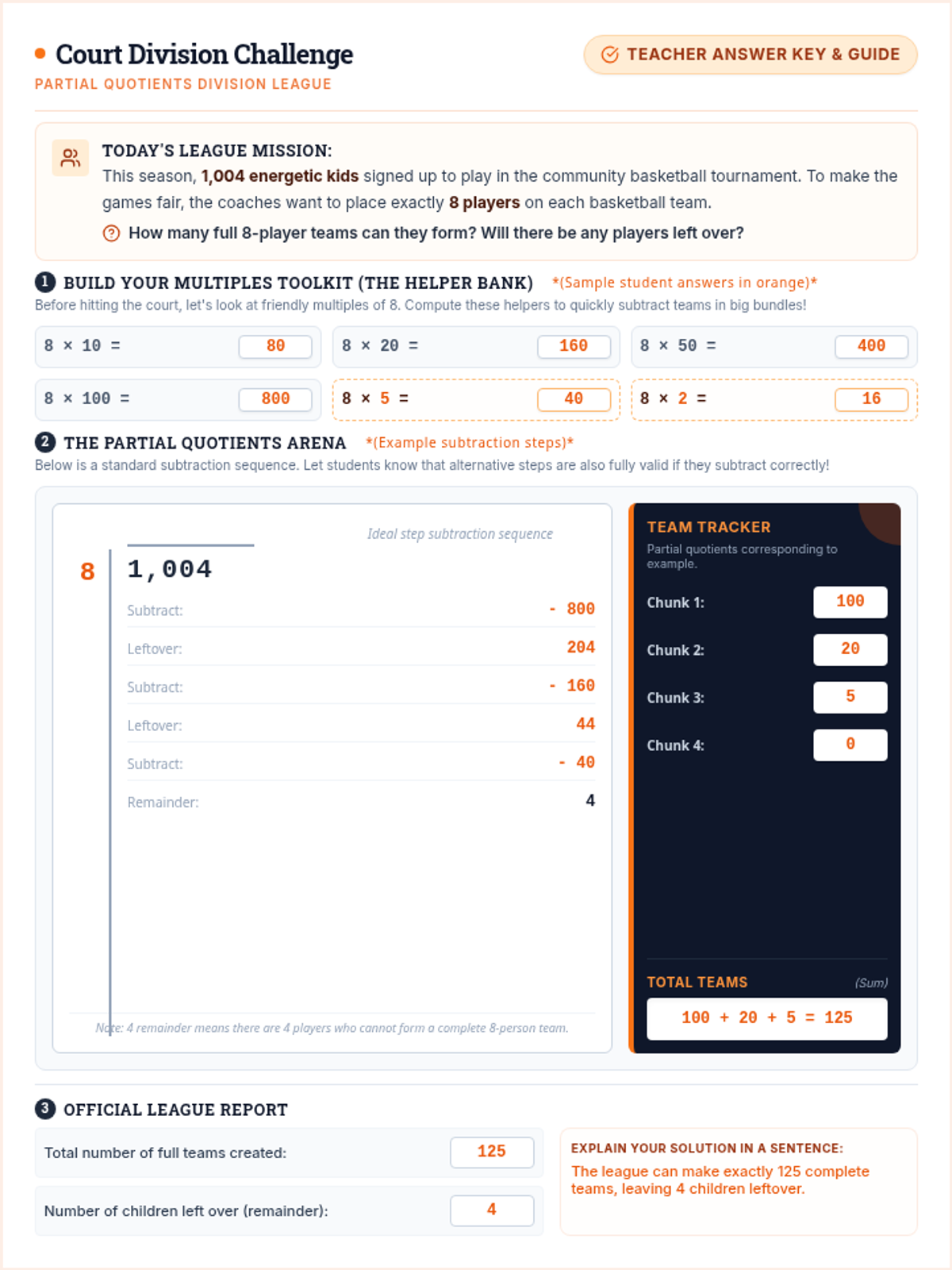
A math lesson focusing on division with remainders in a basketball team division scenario. Students divide 1,004 by 8 using a multiples toolkit and partial quotients.
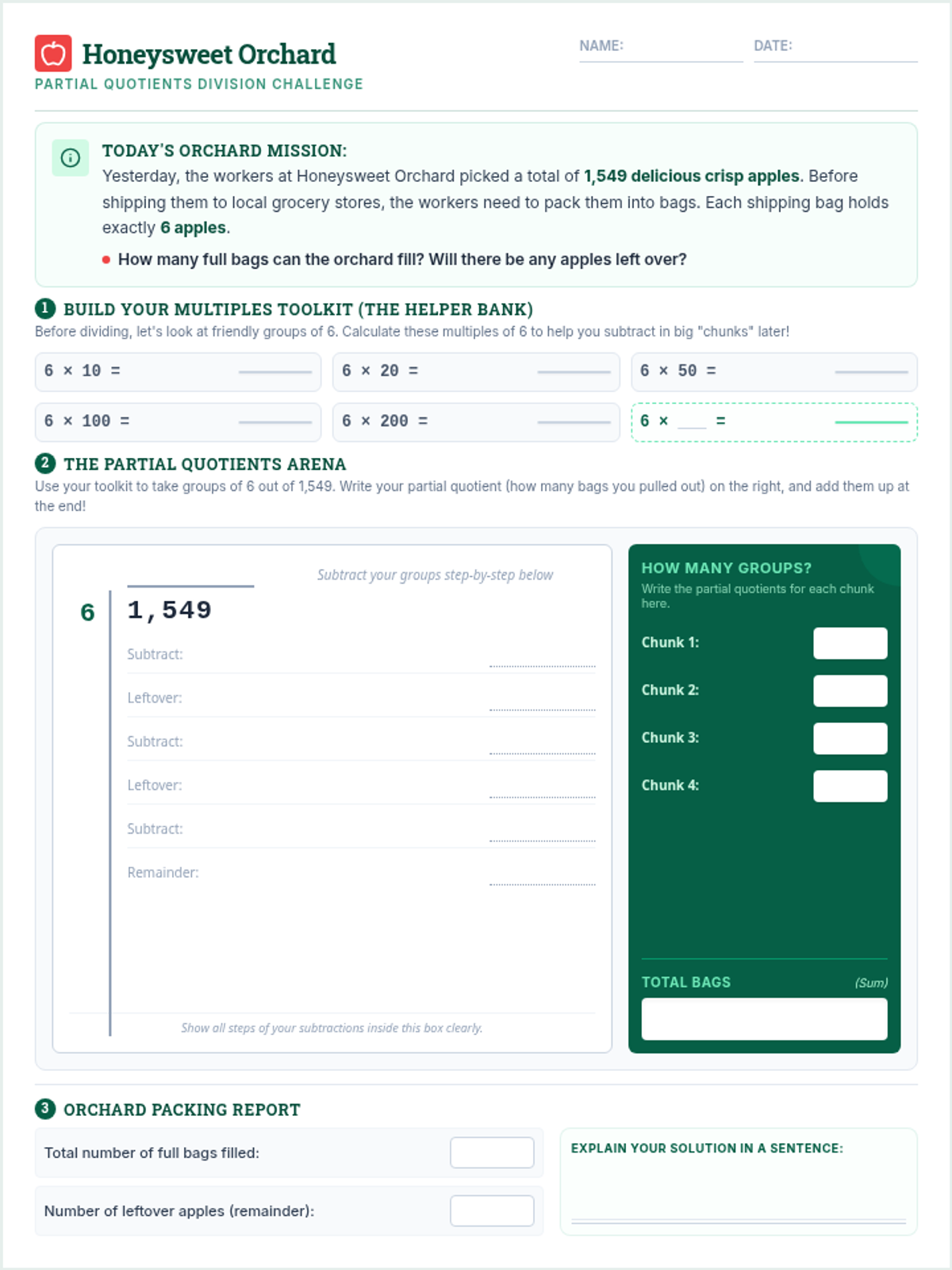
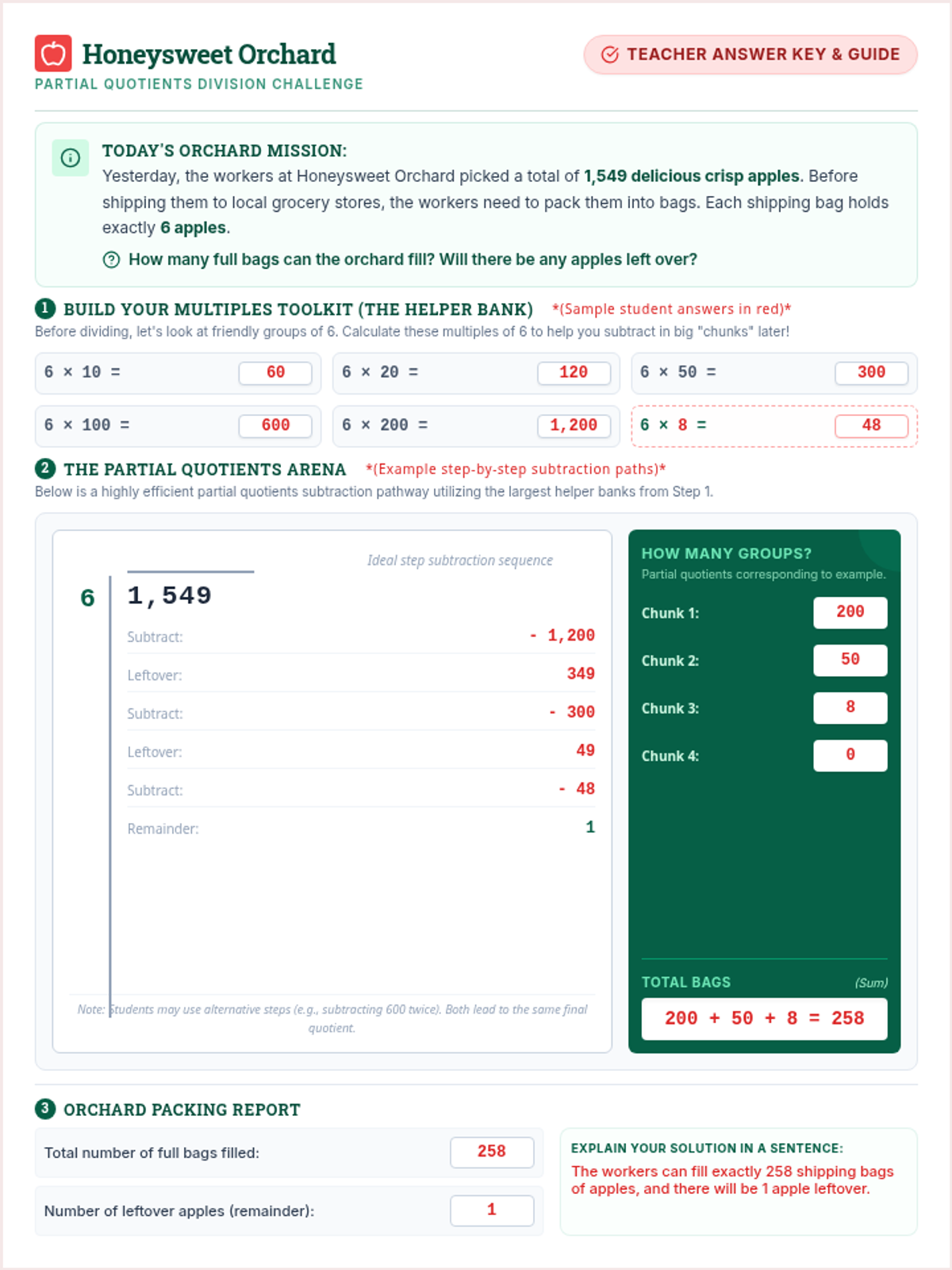
A scaffolded math lesson focusing on the partial quotients division method using a real-world orchard word problem. Students build a multiples toolkit to solve 1,549 divided by 6 step-by-step.
A lesson introducing the partial quotients strategy using missing factors, themed around a basketball tournament division problem (1,004 players split into teams of 8).
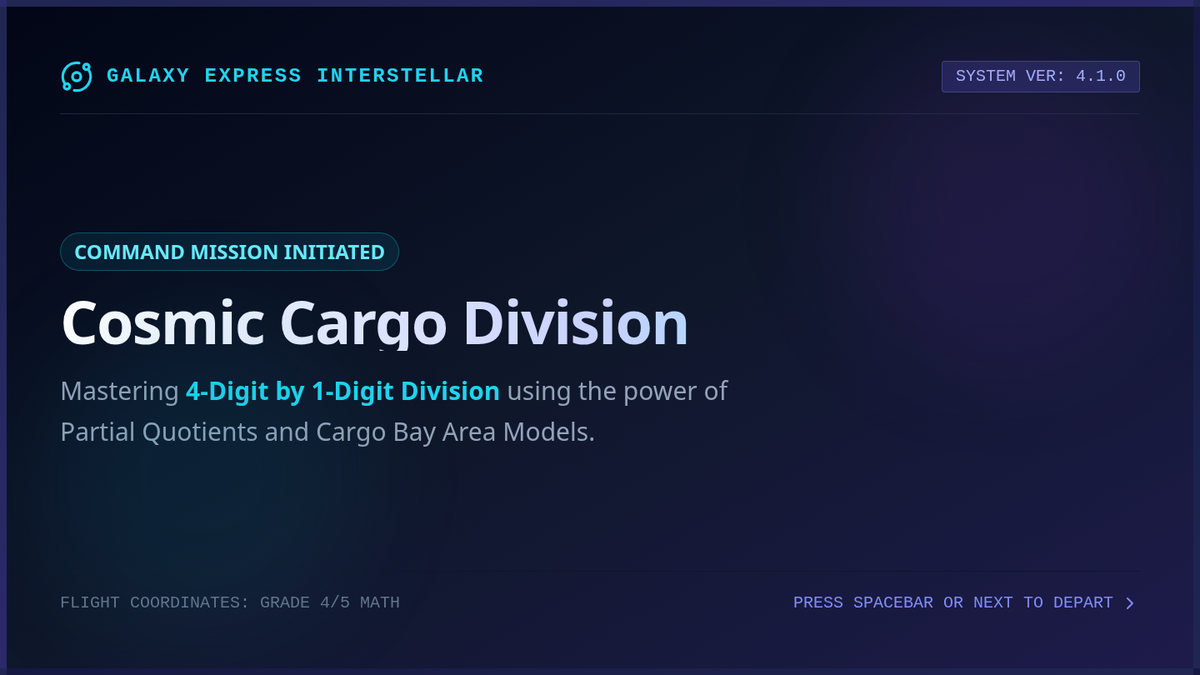
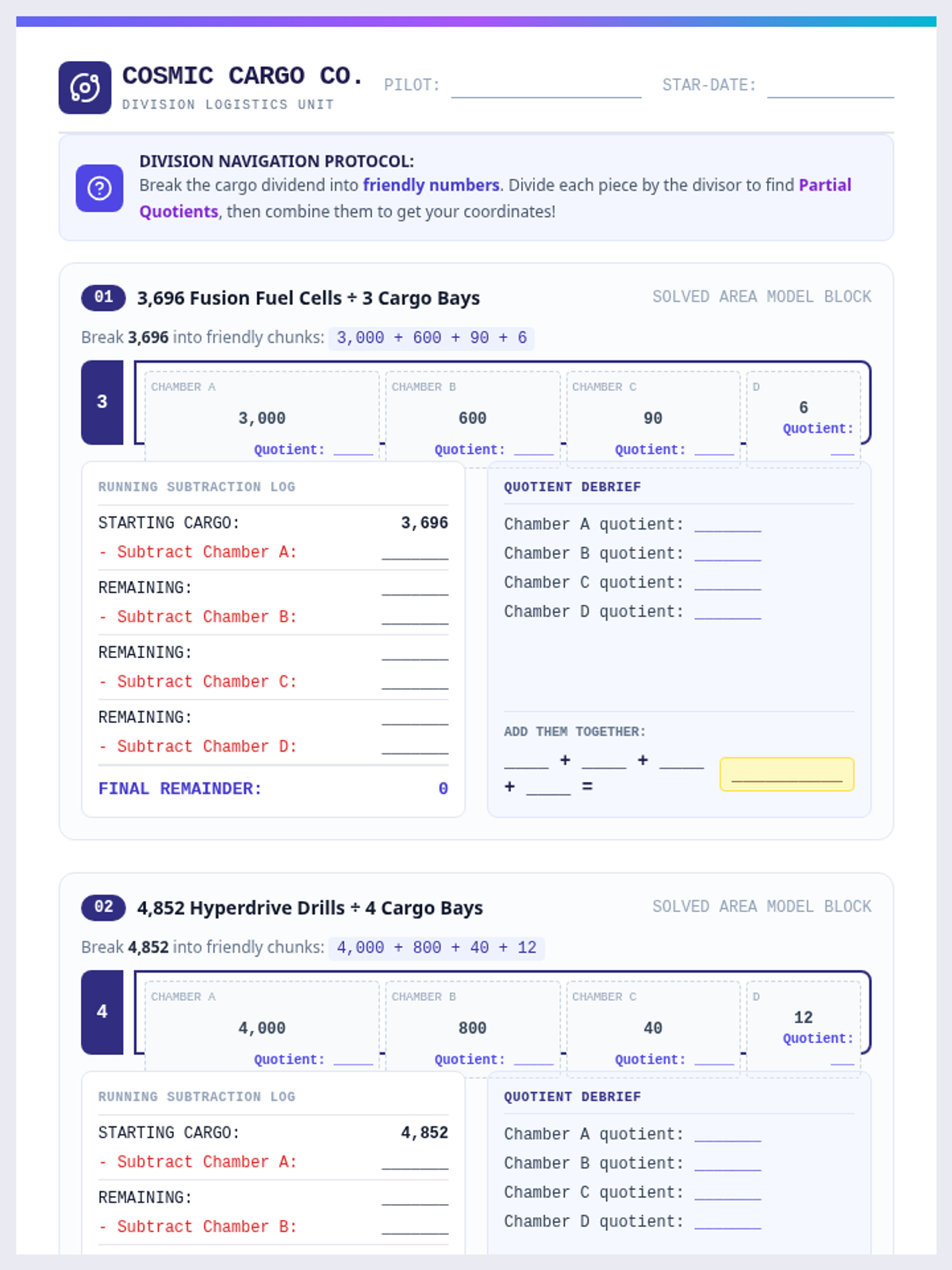
A highly visual lesson introducing 4-digit by 1-digit division using the partial quotients and area model methods. Students learn to distribute cosmic cargo systematically using friendly numbers and guided workspace scaffolds.
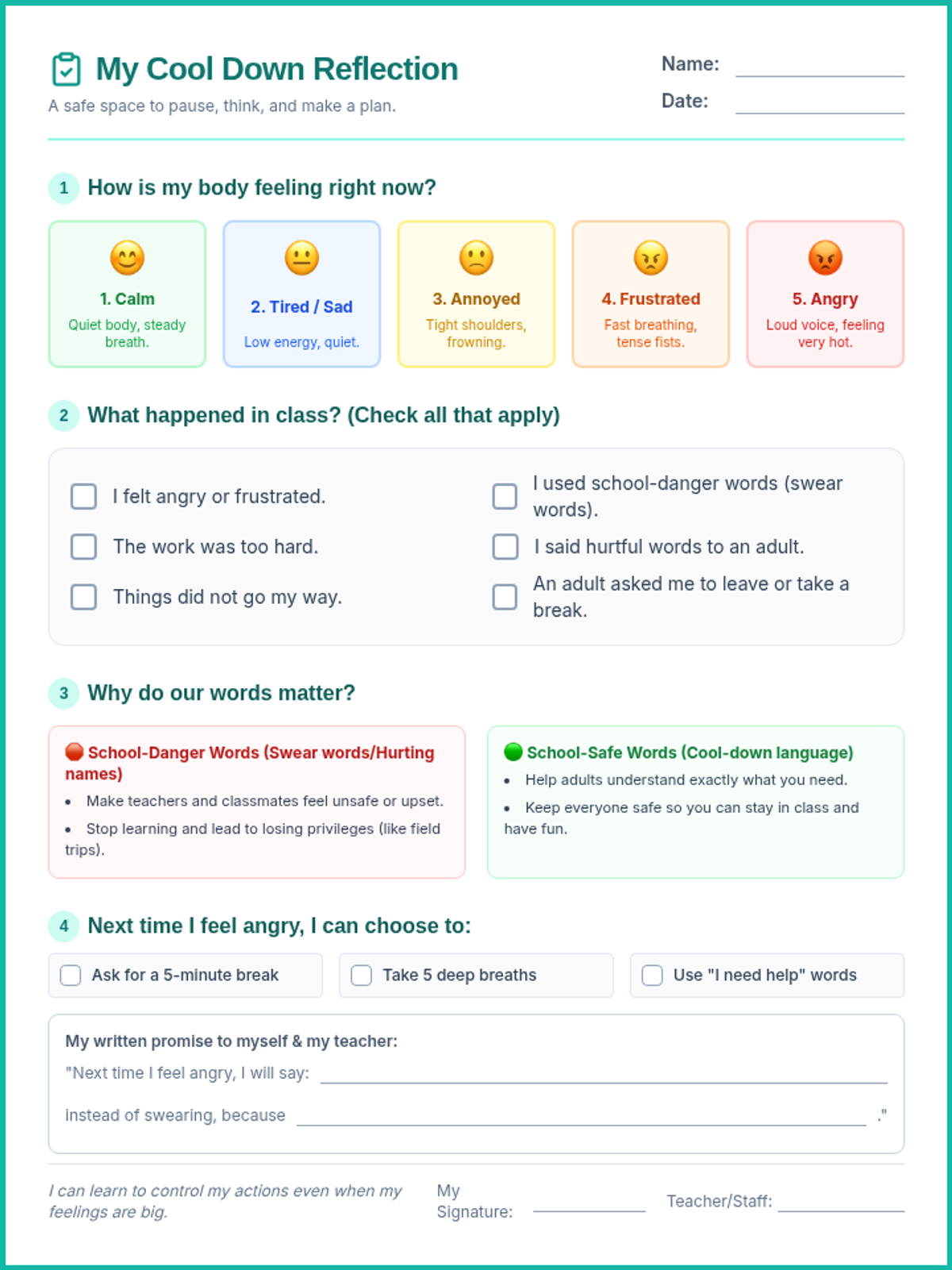
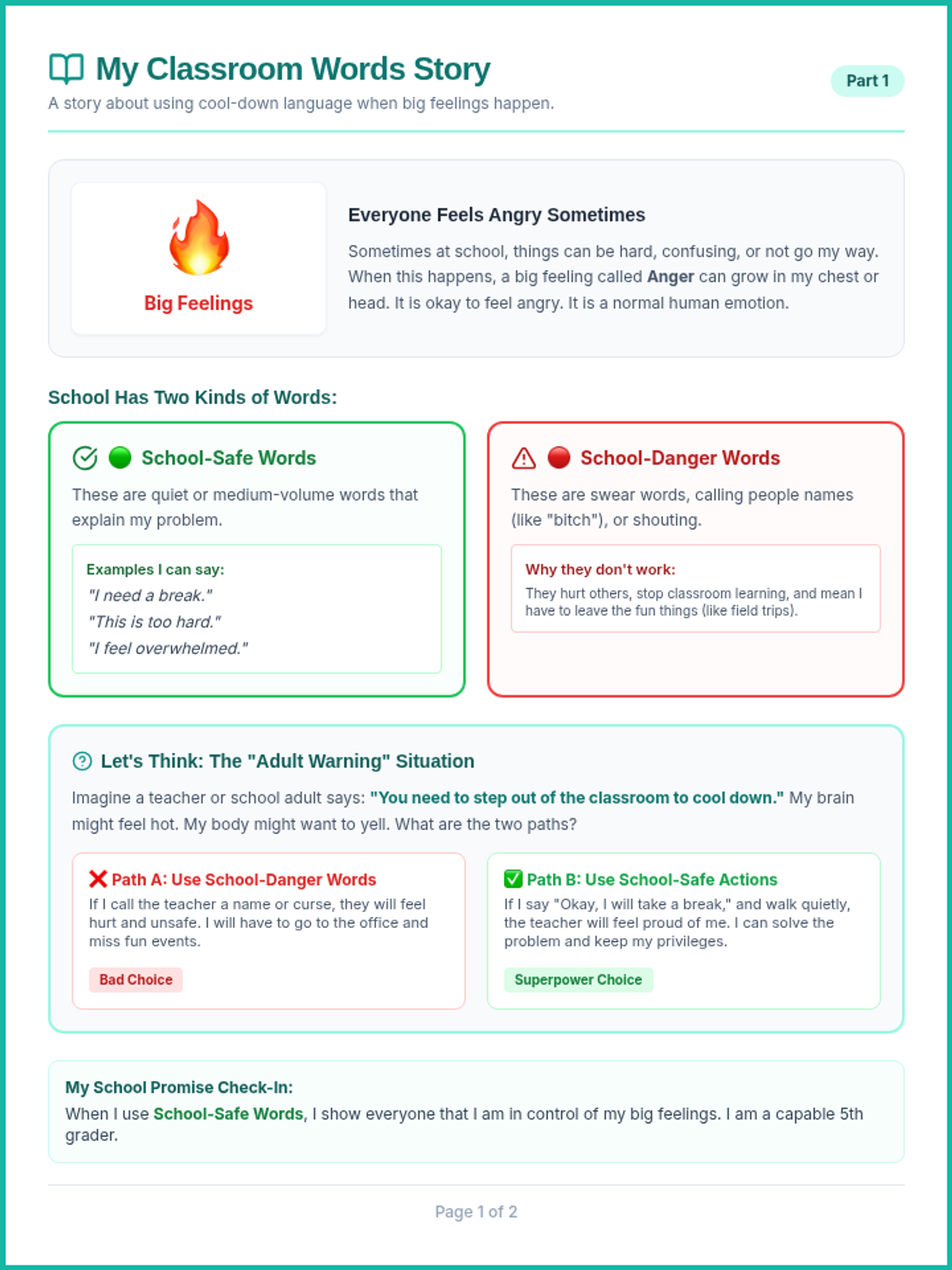
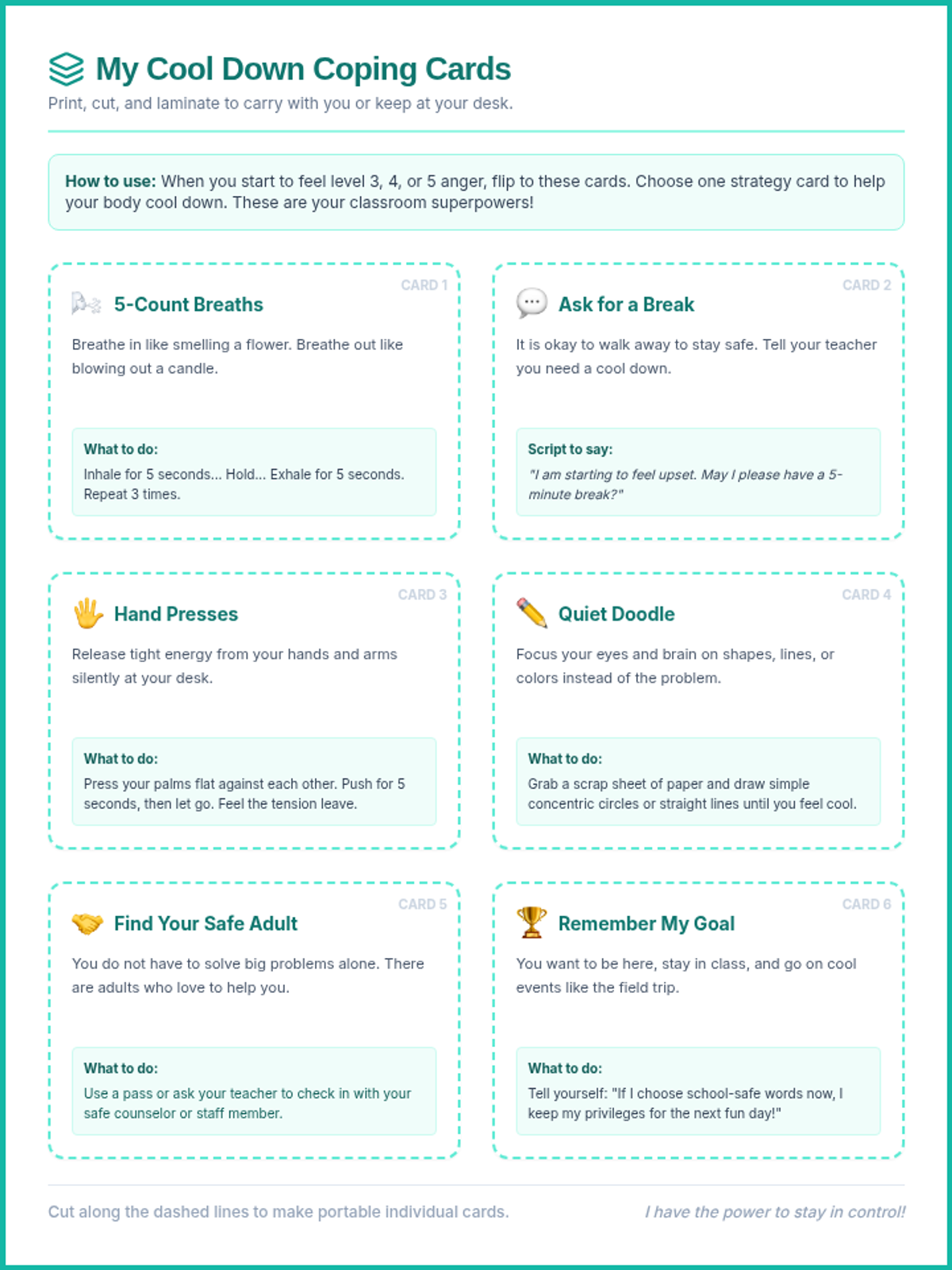
A comprehensive support lesson designed for a 5th-grade student on the autism spectrum, focusing on reflecting on school behavior, understanding school-appropriate language, and developing visual coping strategies for anger.
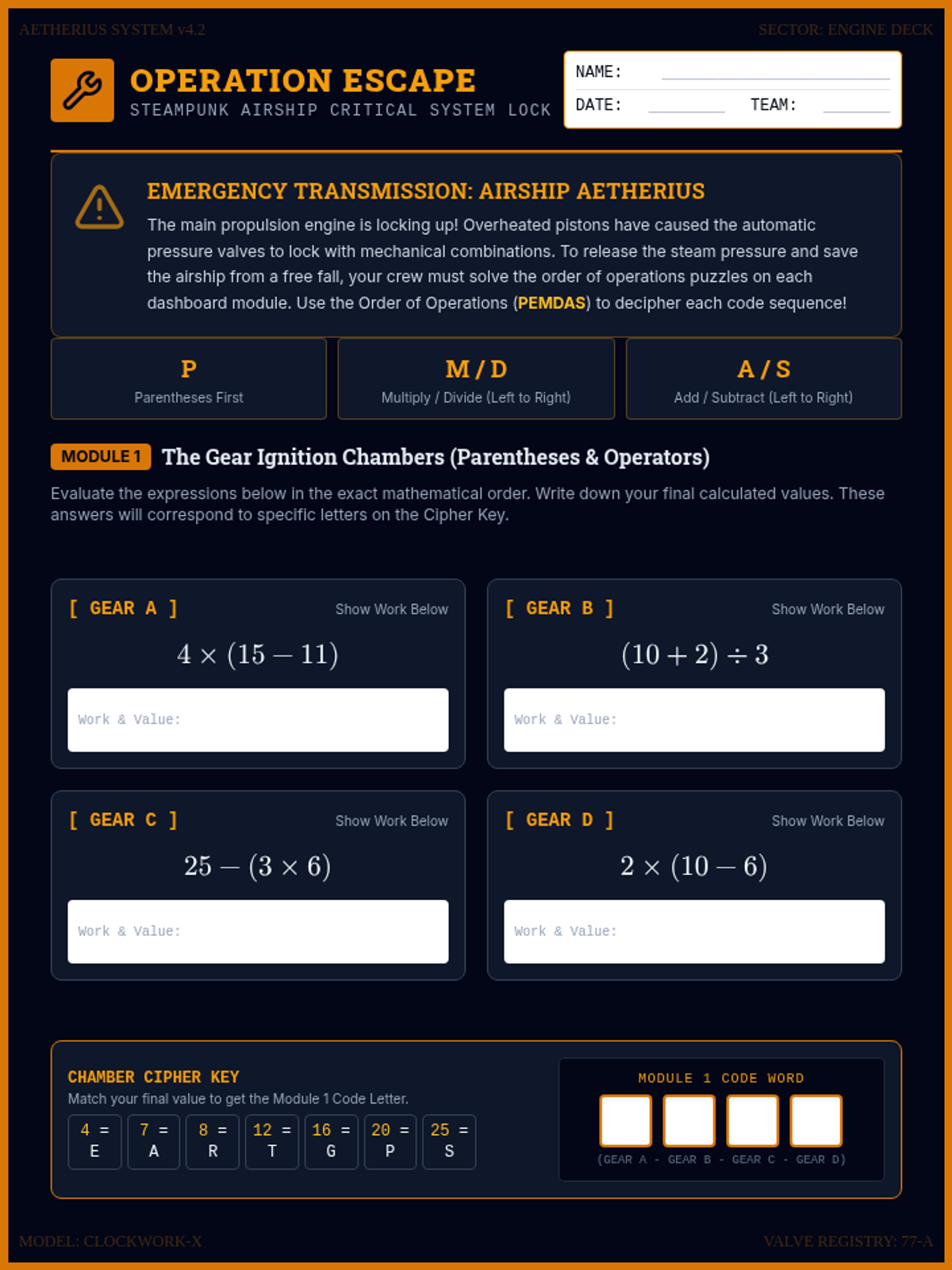
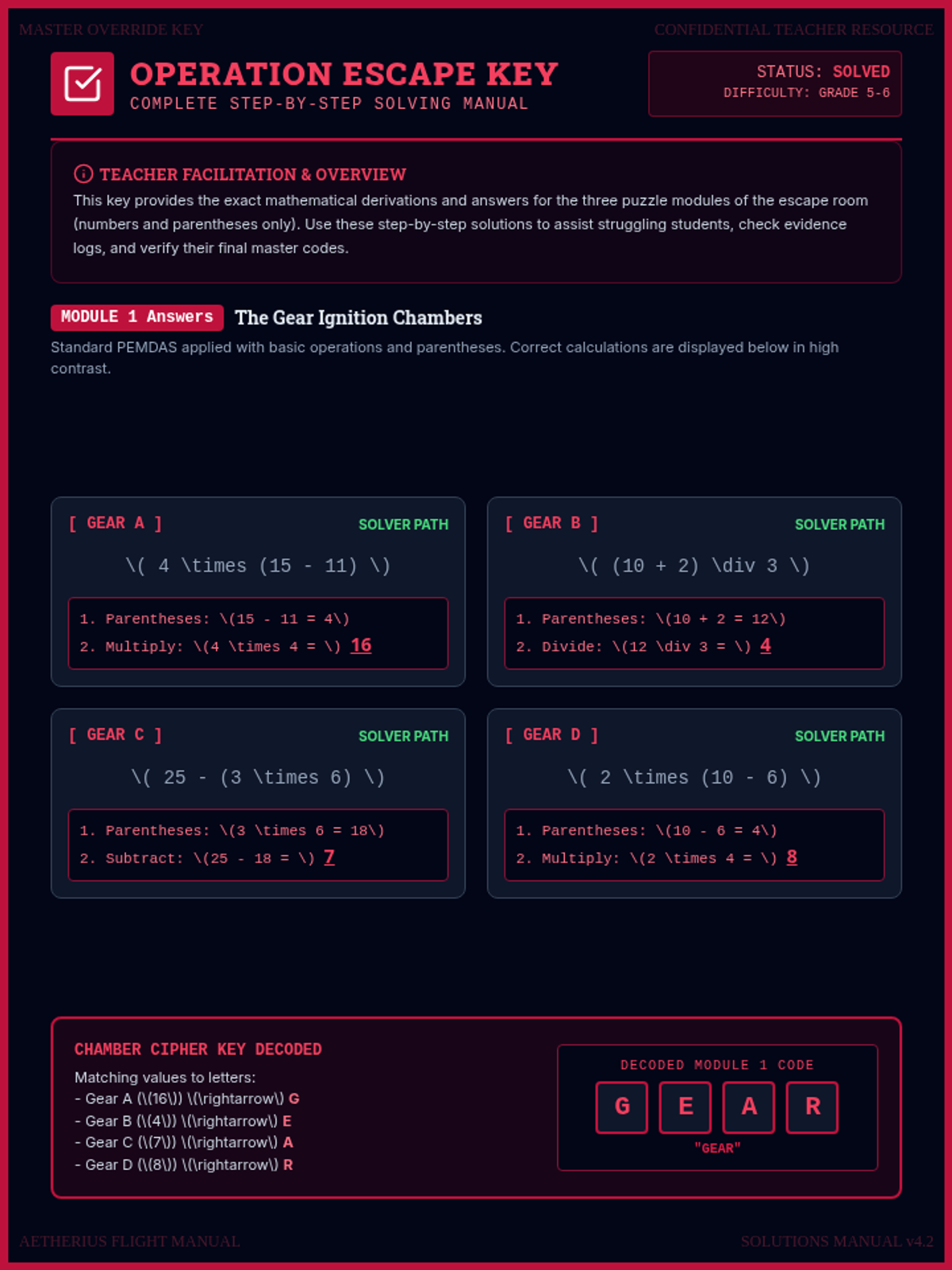
An immersive, celebratory end-of-the-year math escape room lesson where students use their Order of Operations skills (PEMDAS, fractions, and exponents) to crack the final school locker locks and unlock their summer vacation.
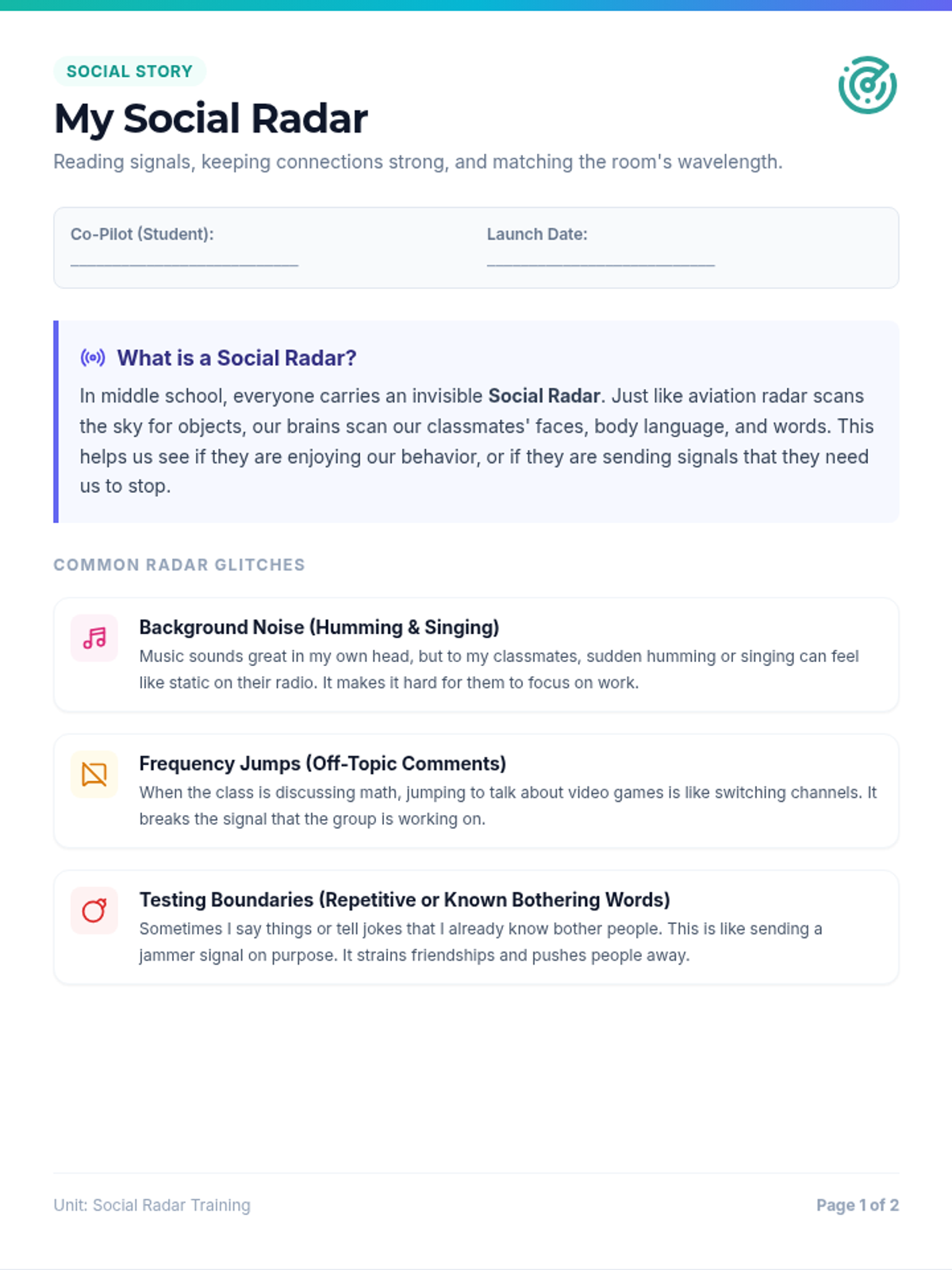
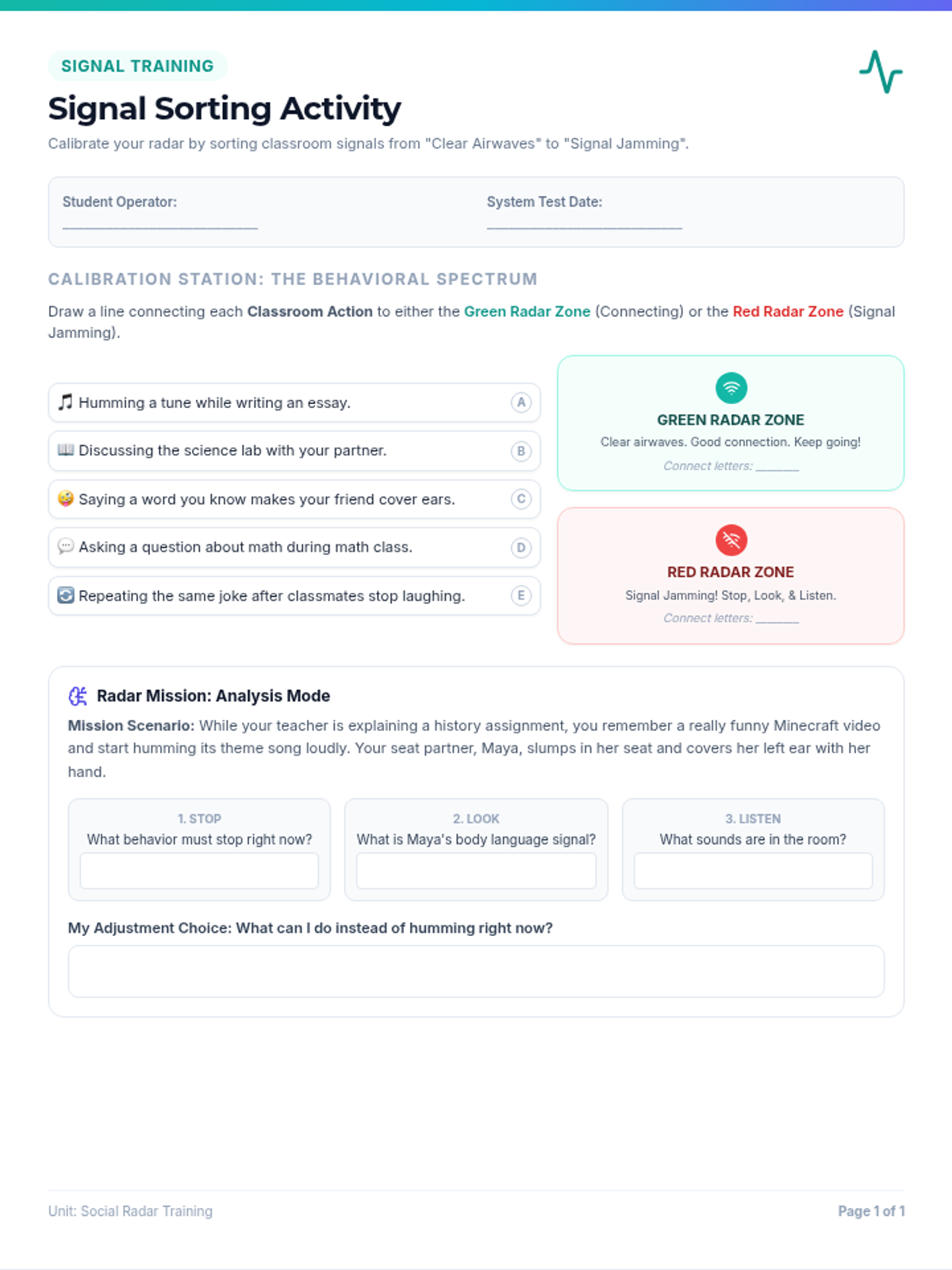
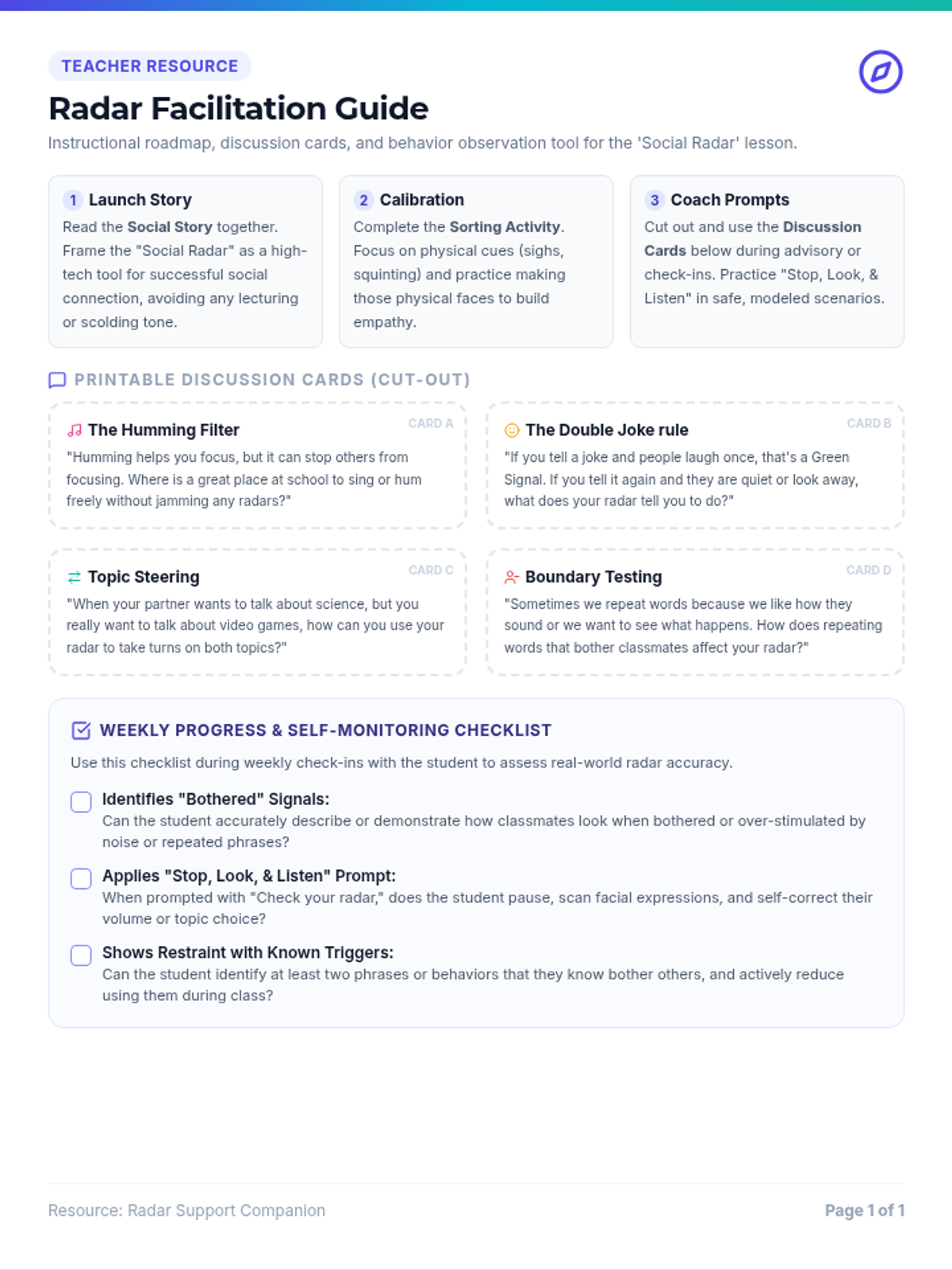
A comprehensive lesson bundle designed for a 6th-grade student with autism to build social awareness. The lesson focuses on the 'Stop, Look, & Listen' rule to help the student recognize when behaviors like humming, off-topic comments, and repetitive joking are bothering classmates, utilizing a friendly 'social radar' theme.
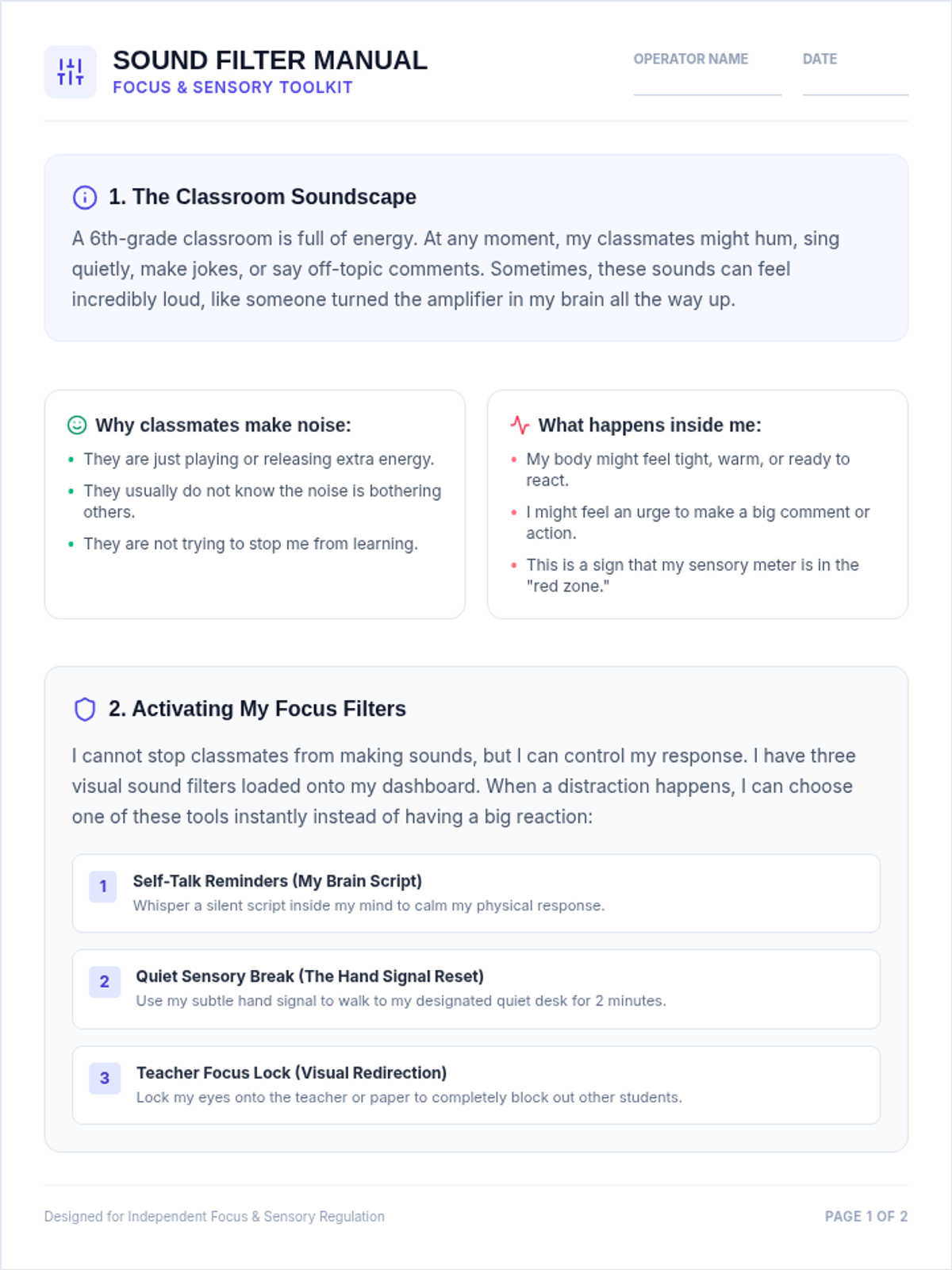
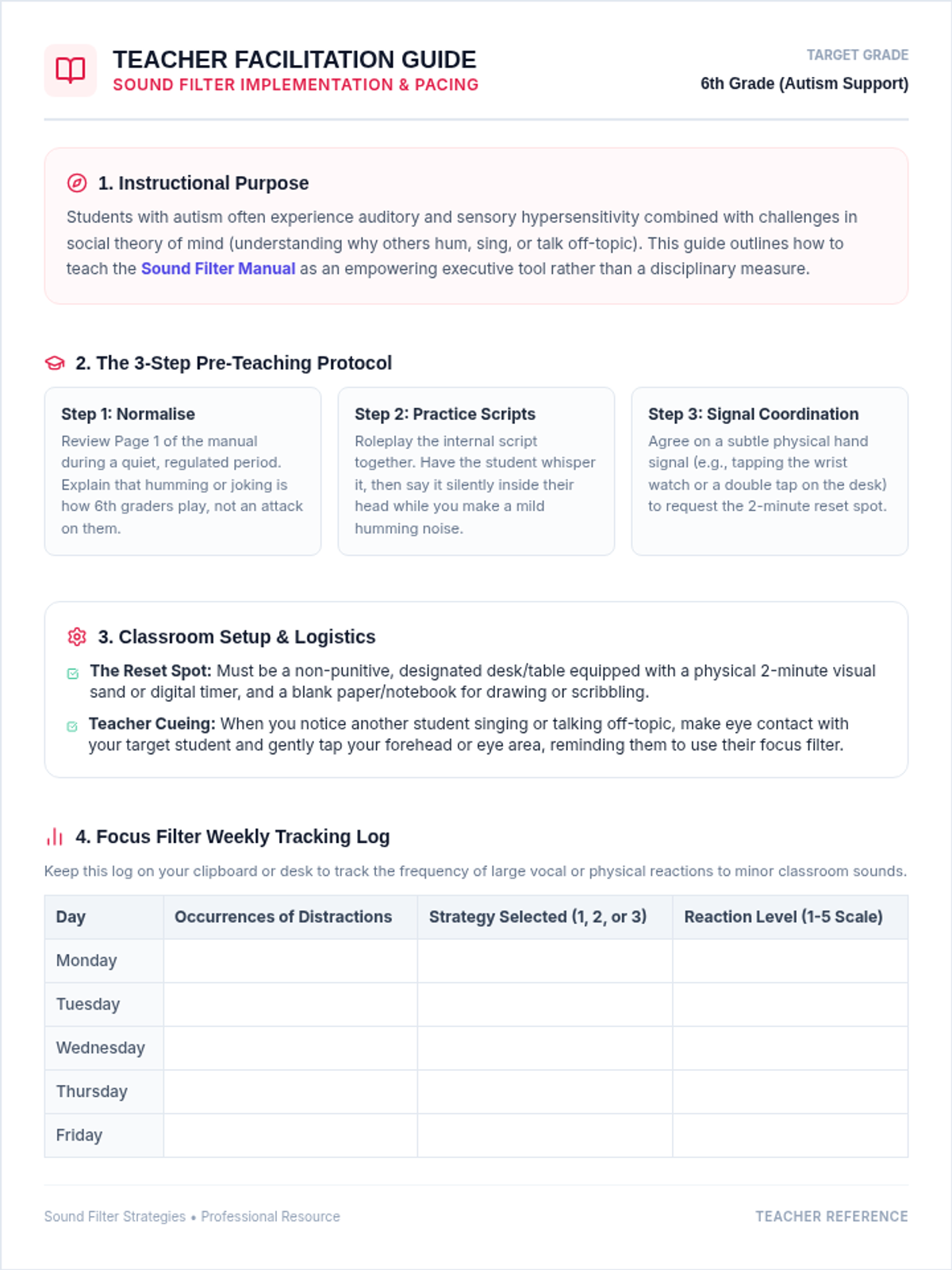
A lesson featuring strategies and visual tools to help neurodiverse students navigate sensory and social distractions in the middle school classroom.
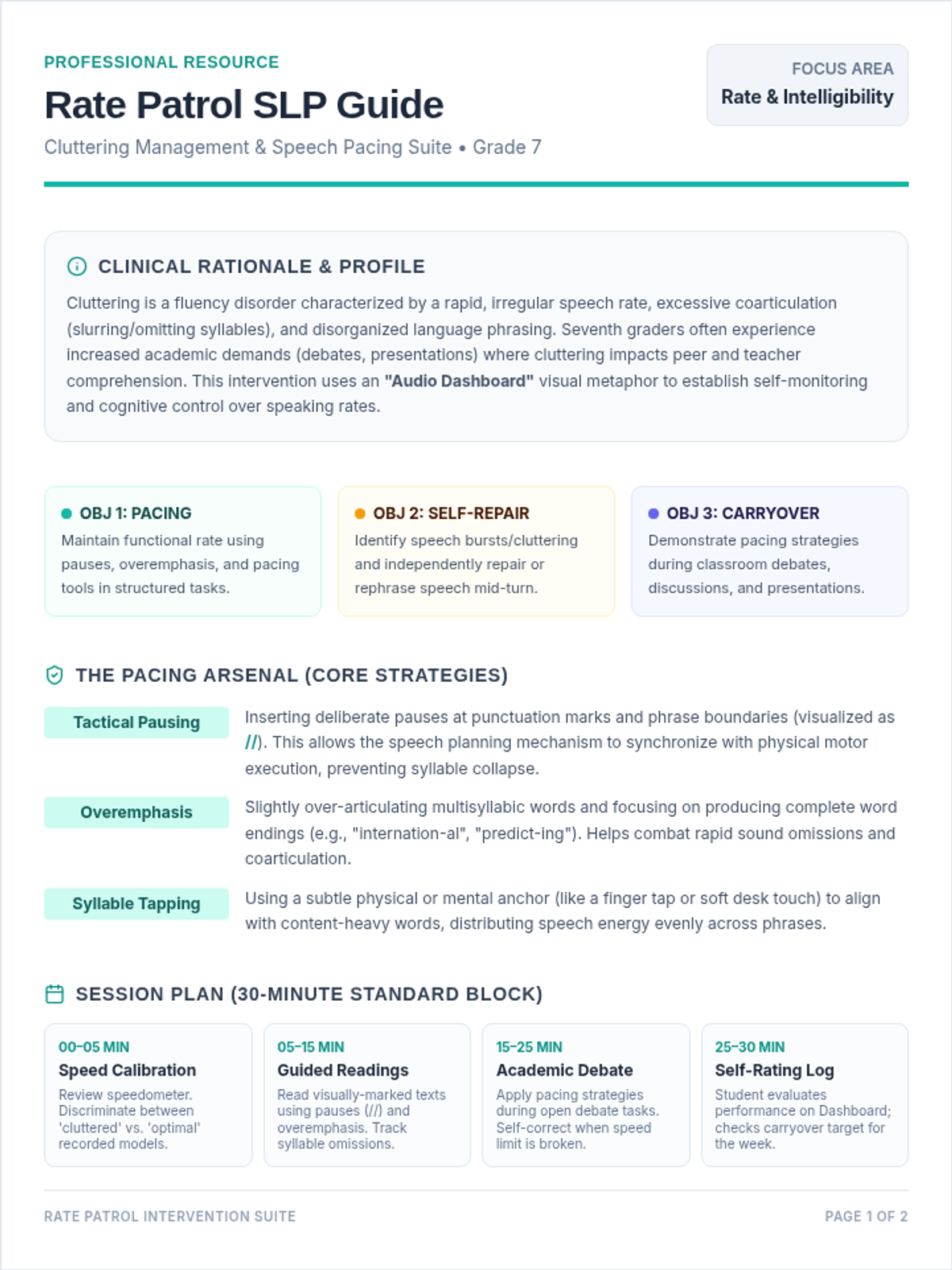
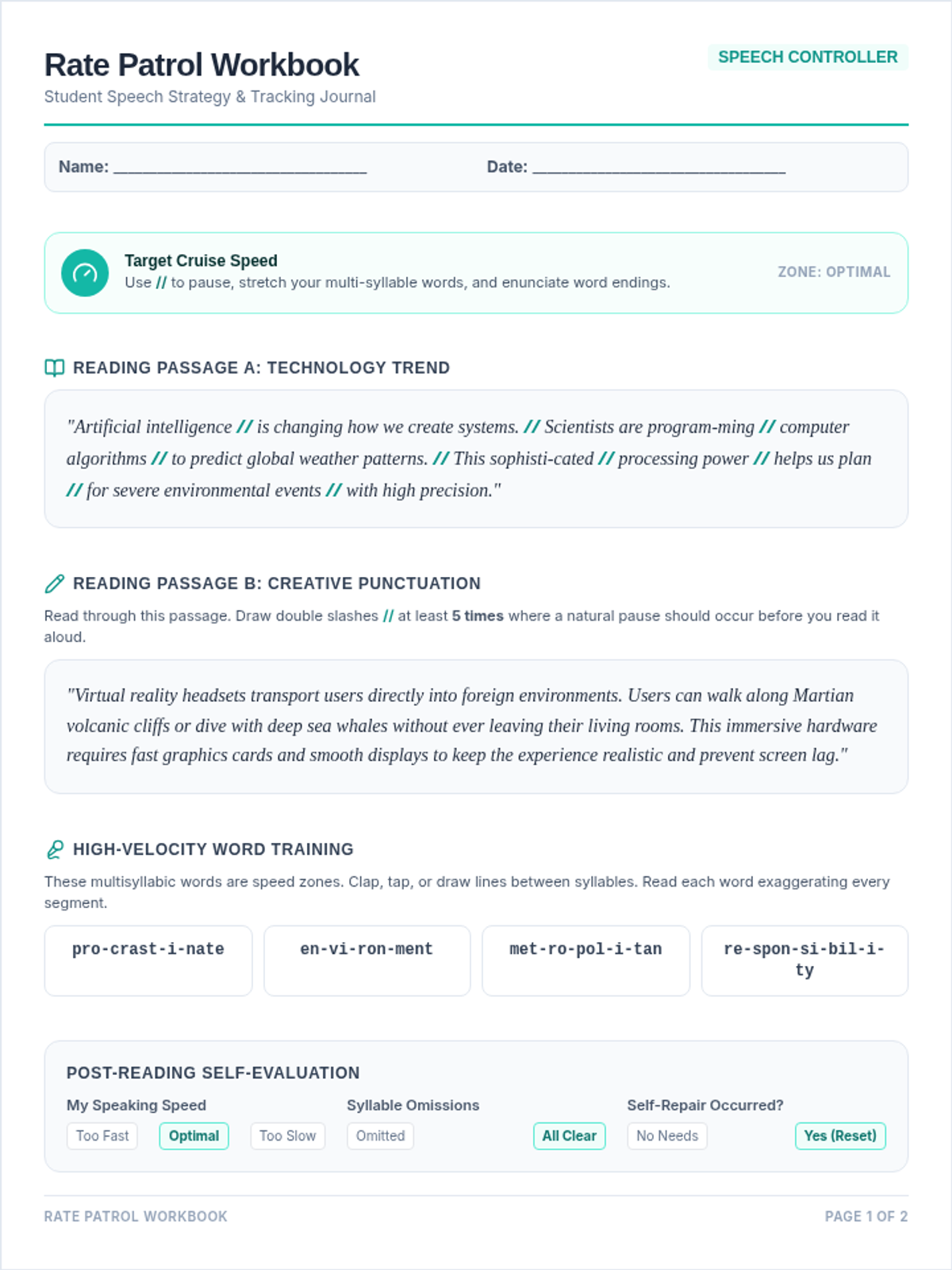
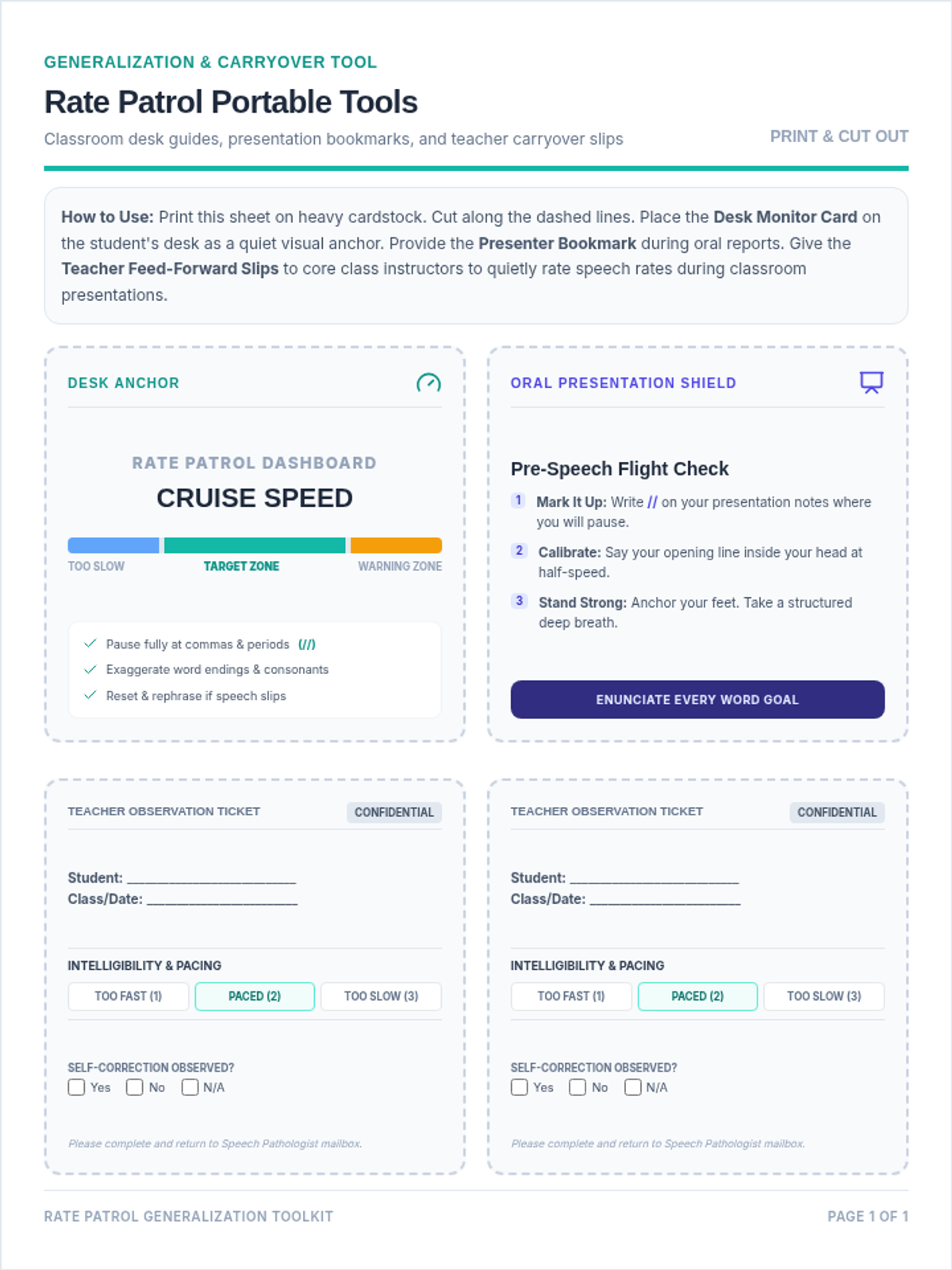
A comprehensive speech therapy bundle designed for a 7th-grade student with cluttering. This lesson focuses on speed control, self-monitoring, and classroom carryover using an interactive, dashboard-themed approach ('Rate Patrol') to master speech pacing, overemphasis, and intentional pausing.
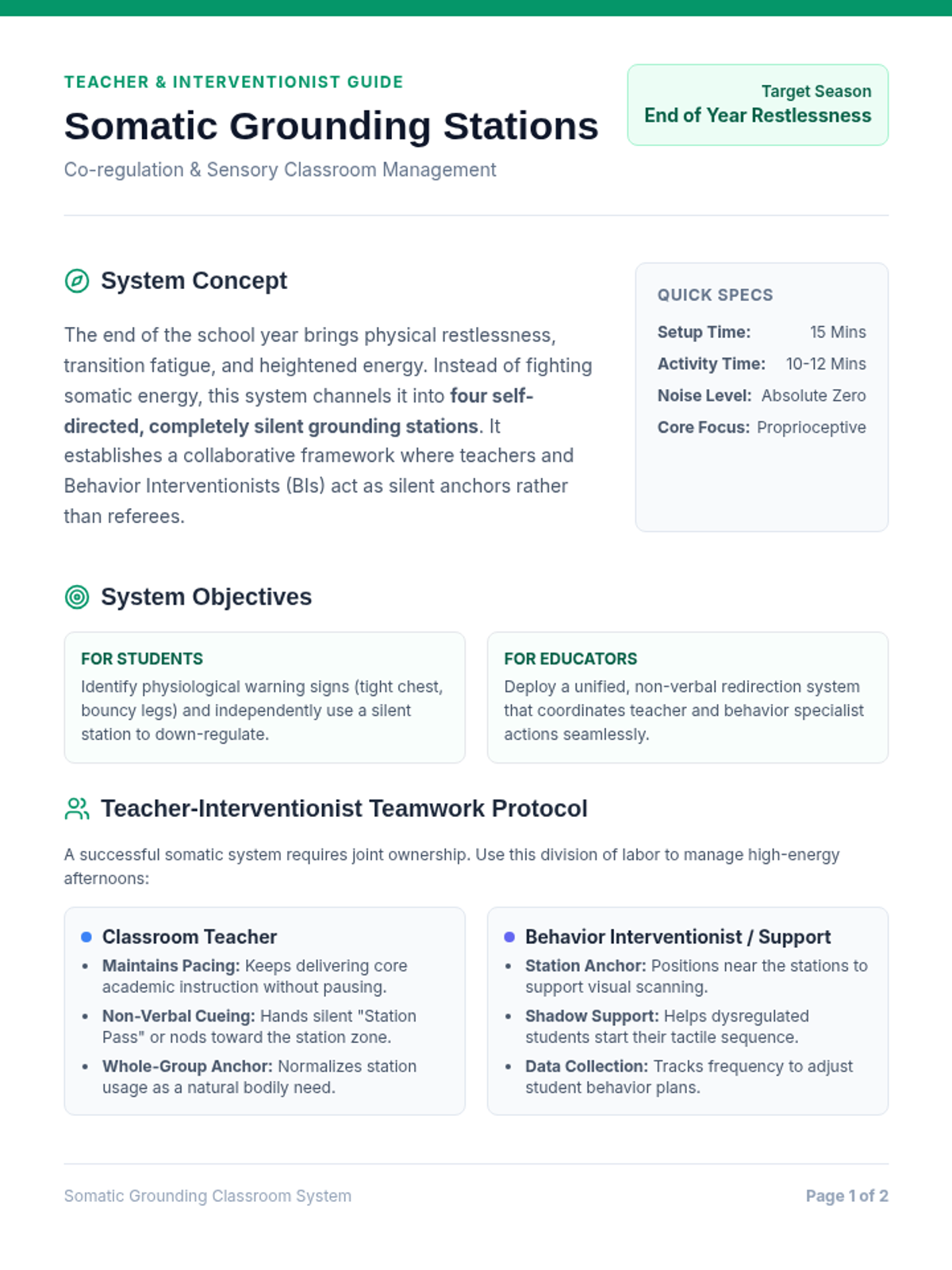
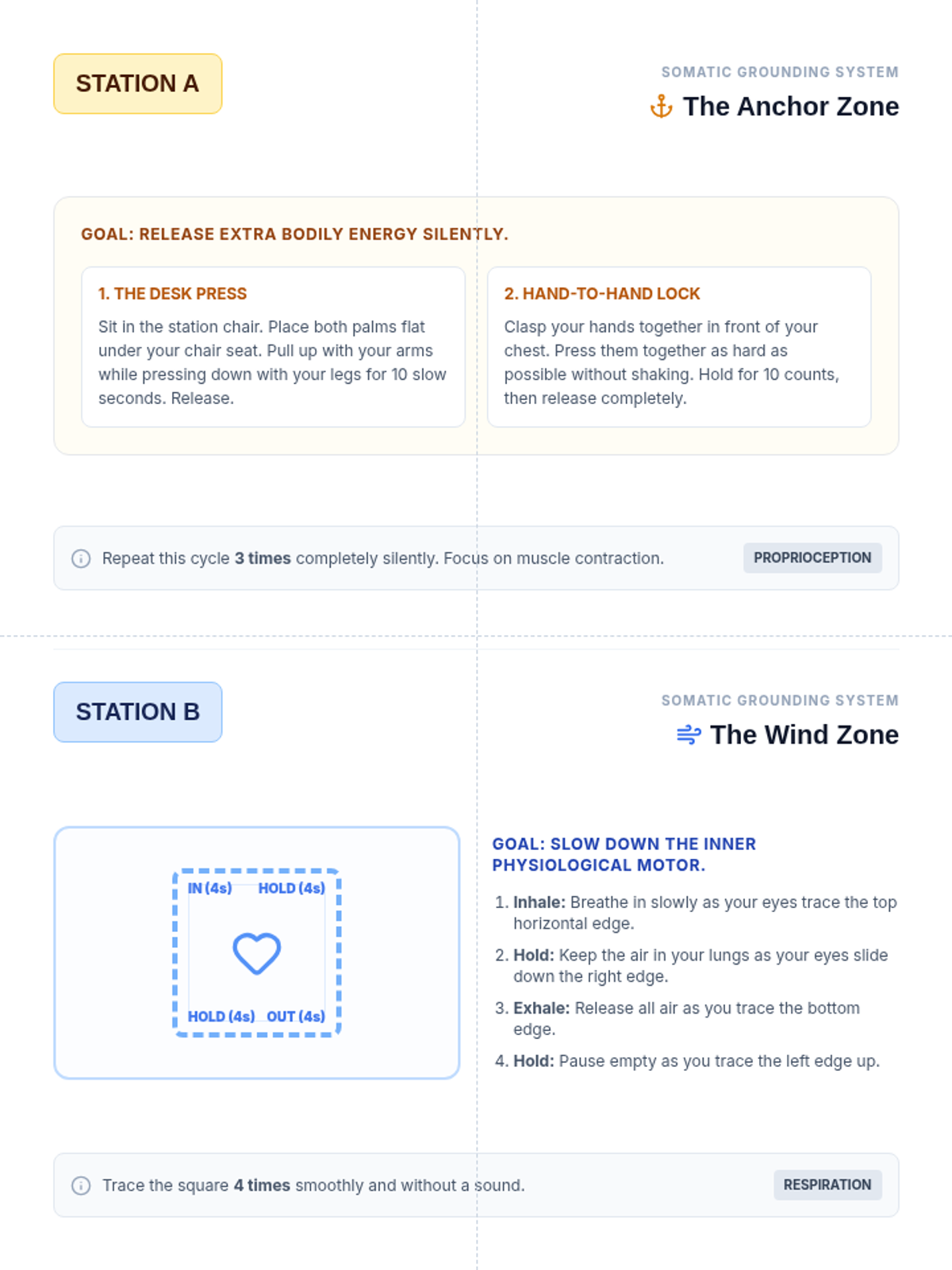
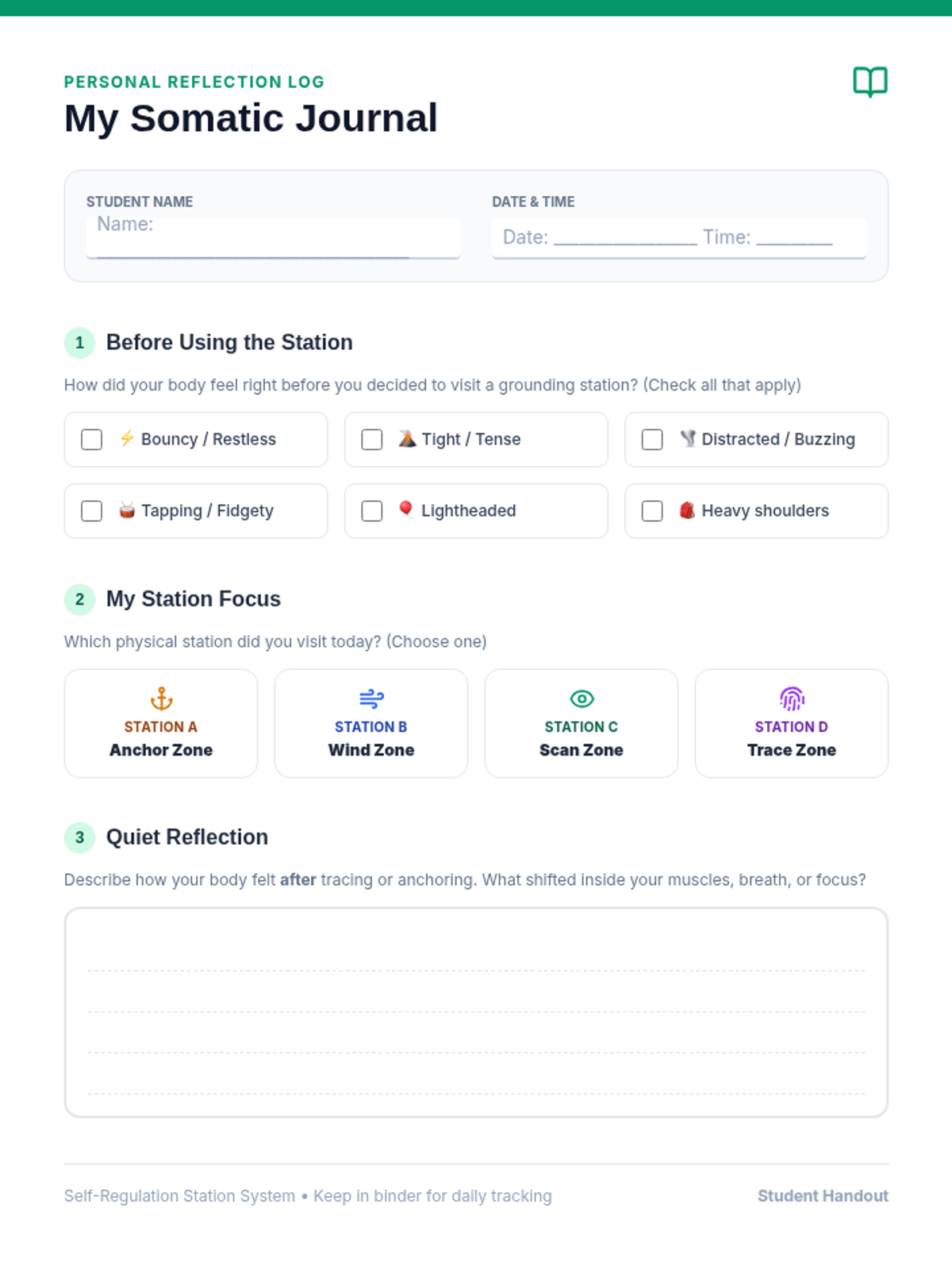
A sensory-based regulation system lesson designed to establish quick, silent coping zones in classrooms during high-energy periods, facilitating collaboration between teachers and behavior interventionists.
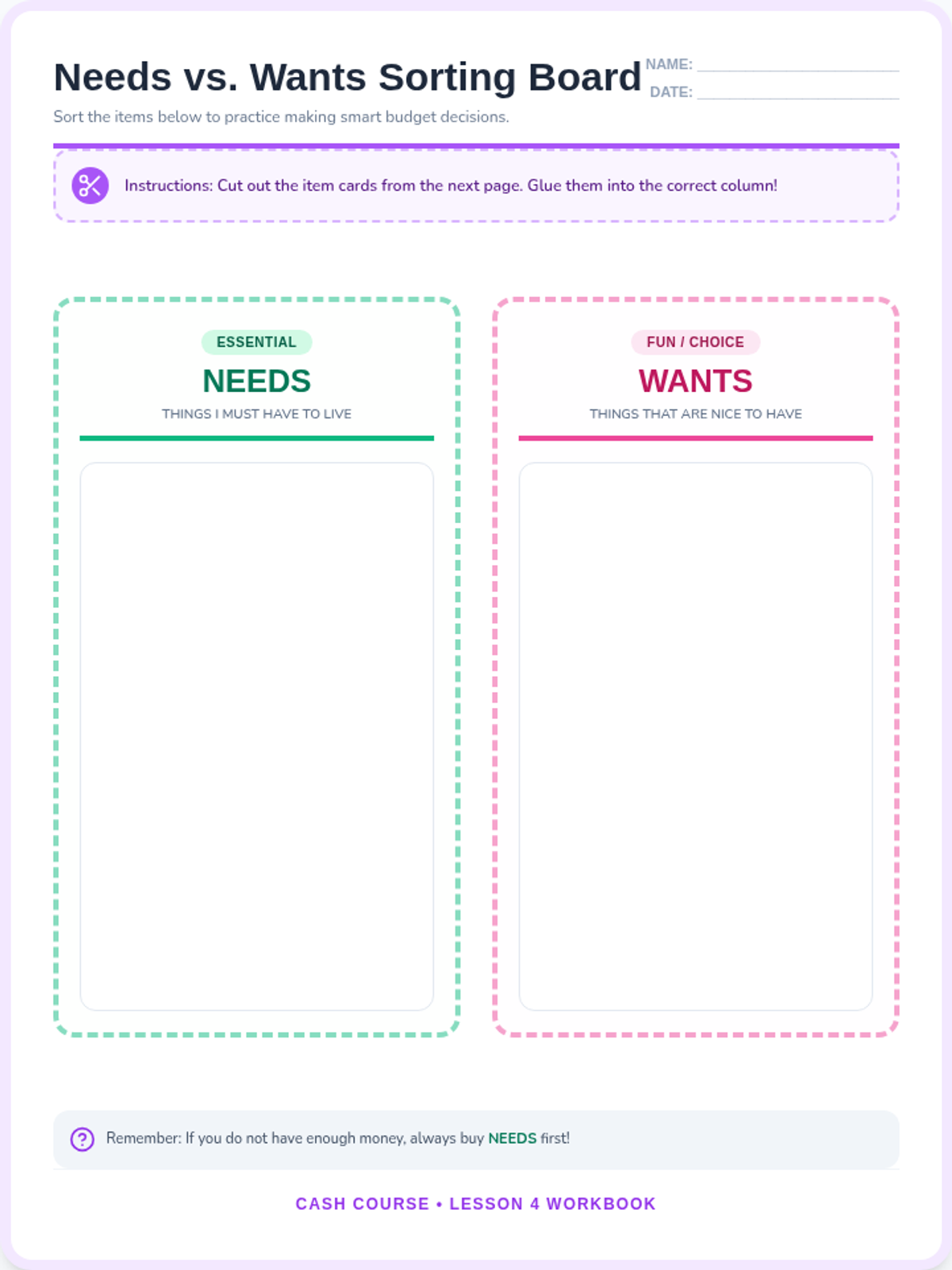
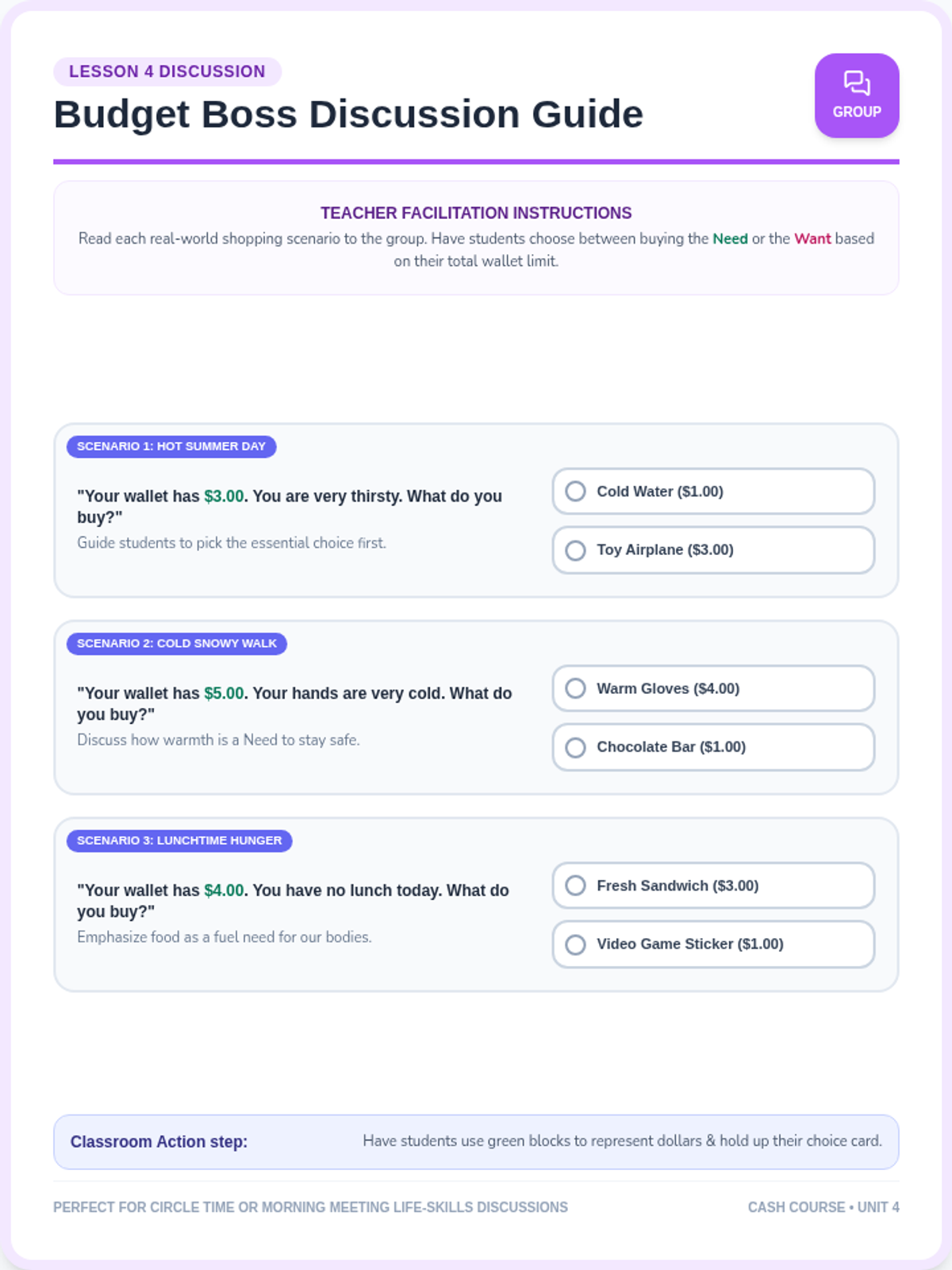
Teaches students to distinguish between essential items (needs) and non-essential items (wants), and guides them through making simple purchases within a fixed budget.
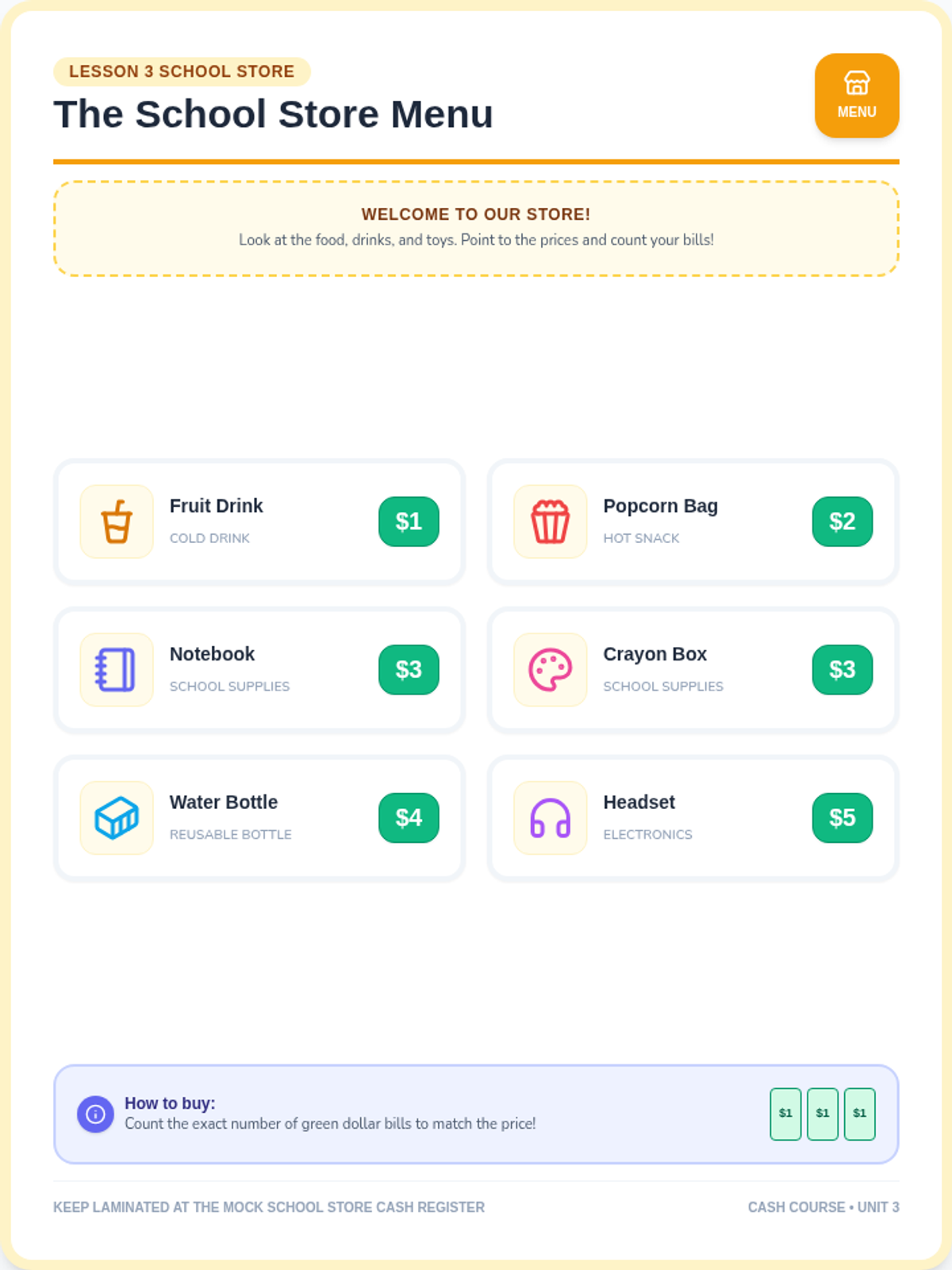
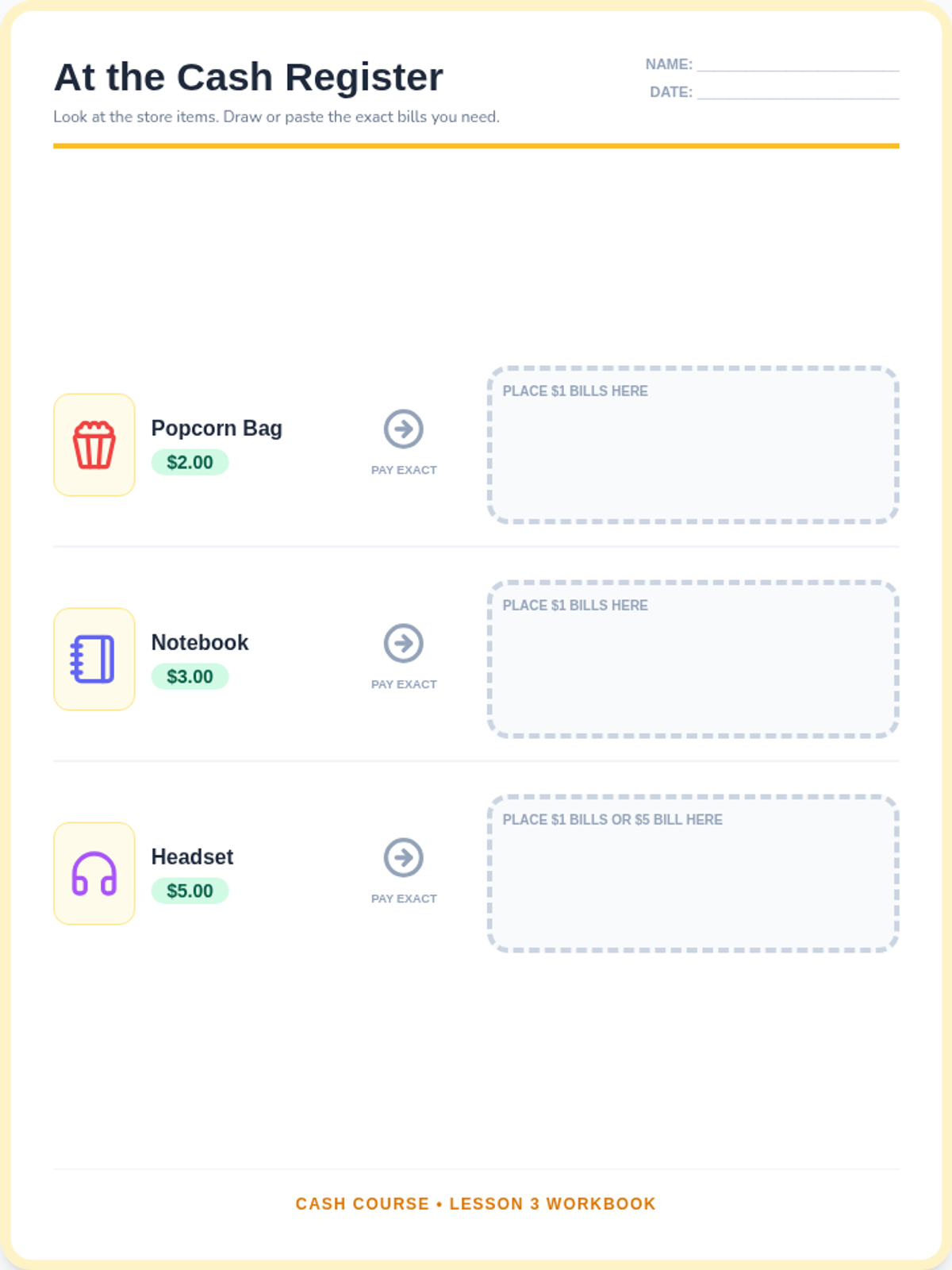
Students practice making simple exact transactions up to five dollars, simulating visual school store scenarios to build independent living skills.
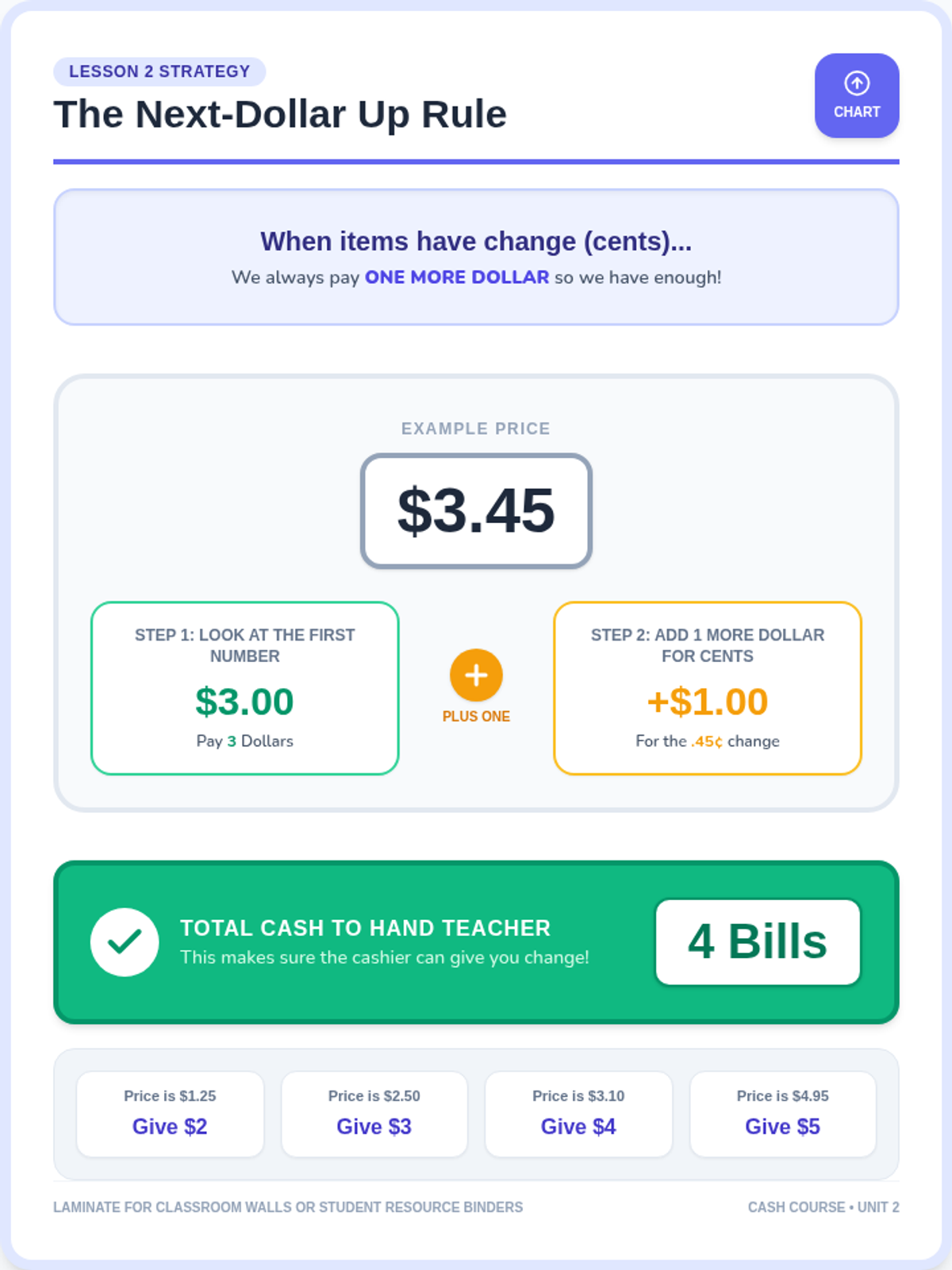
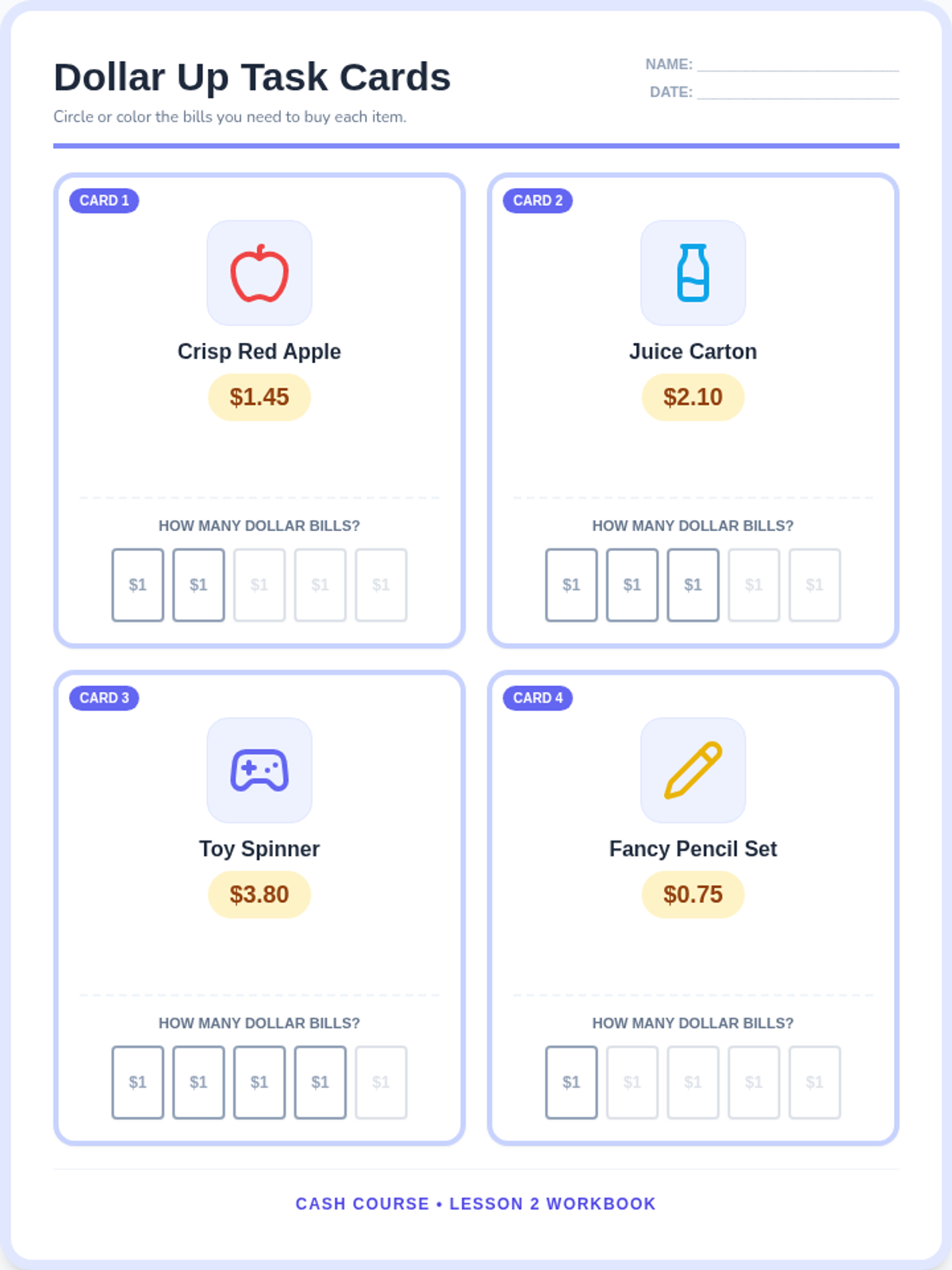
Introduces the Next-Dollar Up strategy, teaching students with cognitive and learning disabilities how to determine how many one-dollar bills to pay for items with decimal prices.
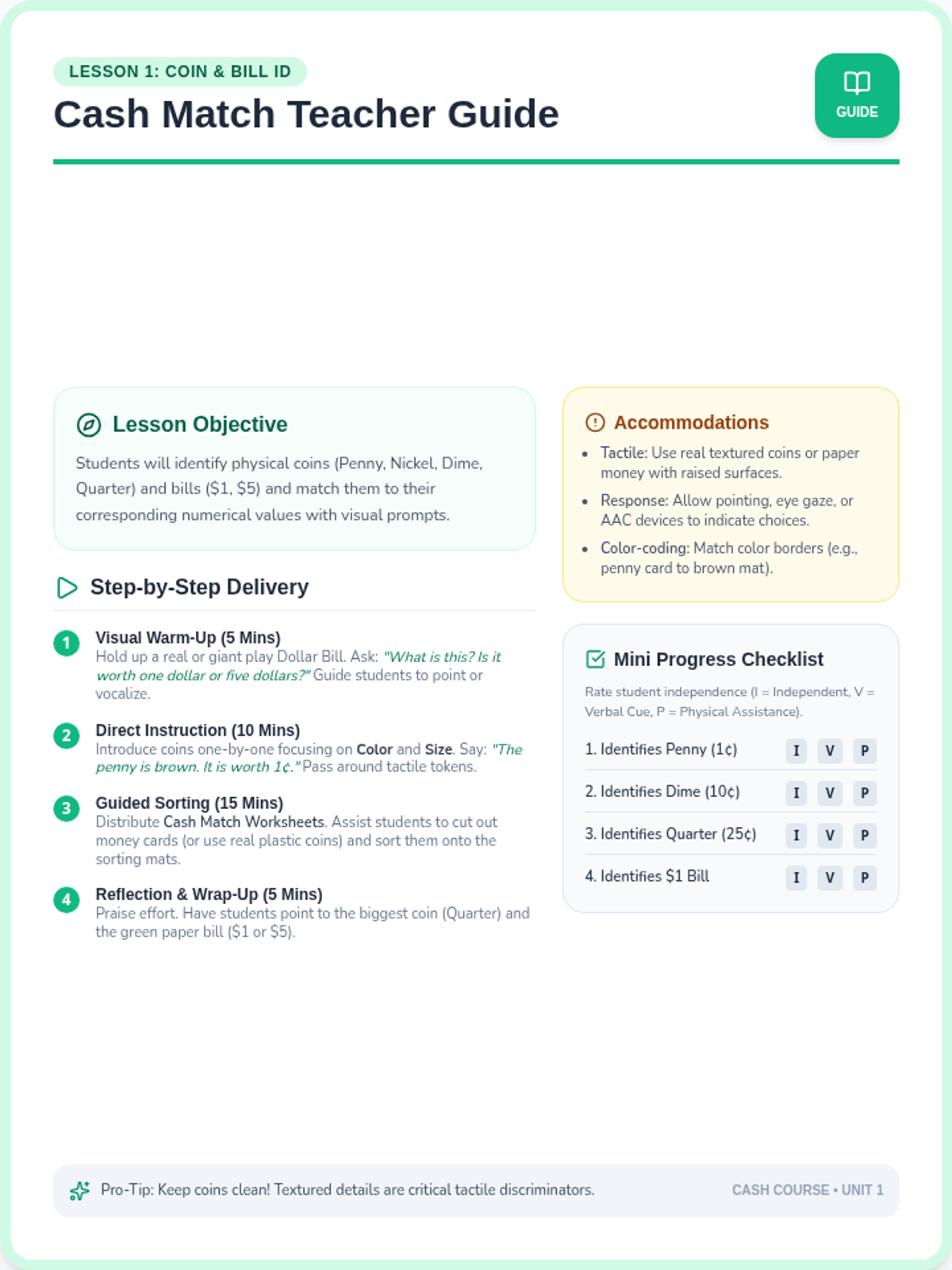
Focuses on recognizing physical coins and bills, matching them to their numeric values, and sorting money in physical or visual formats for students with significant cognitive disabilities.