Focuses on recognizing physical coins and bills, matching them to their numeric values, and sorting money in physical or visual formats for students with significant cognitive disabilities.
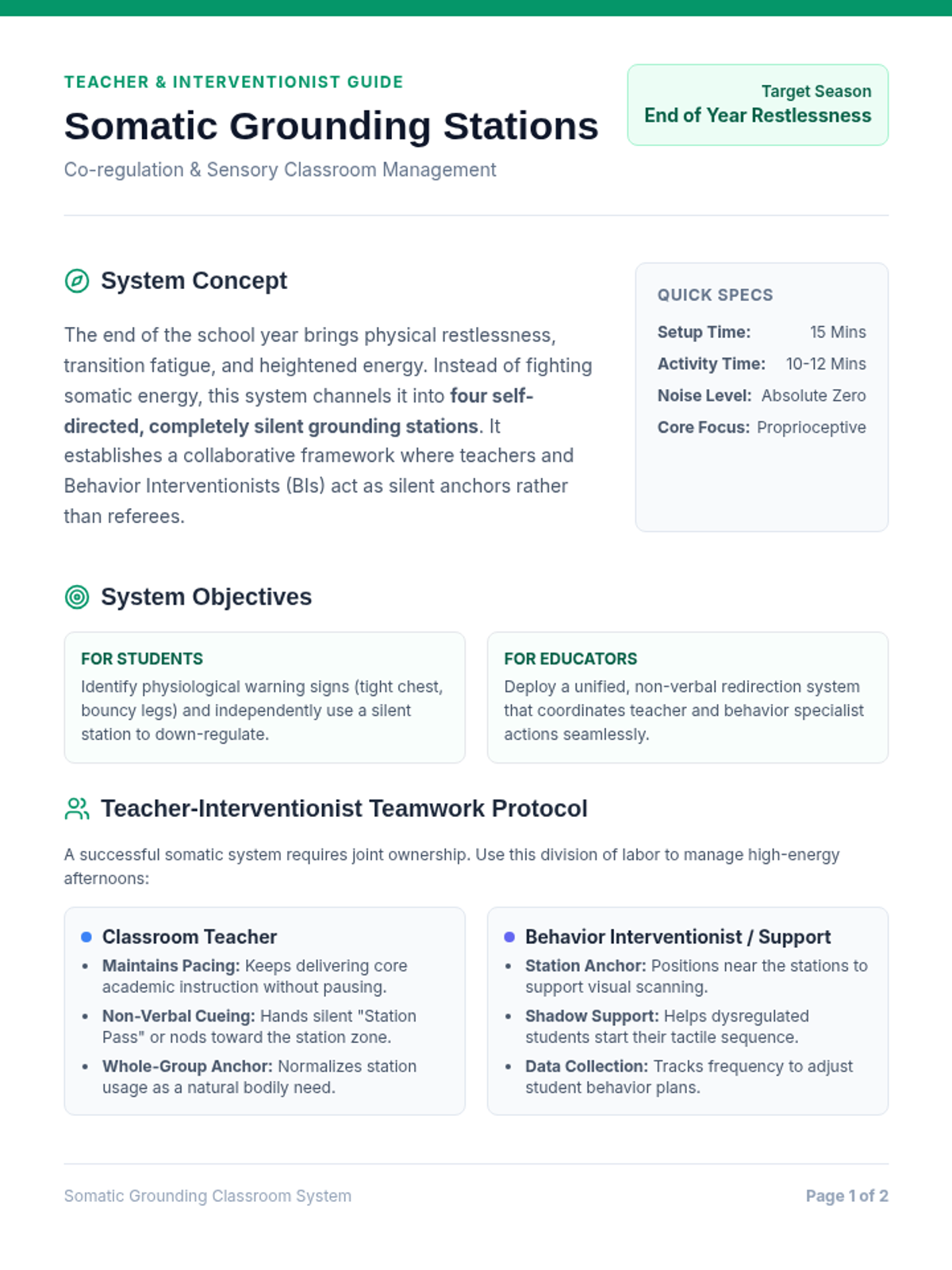
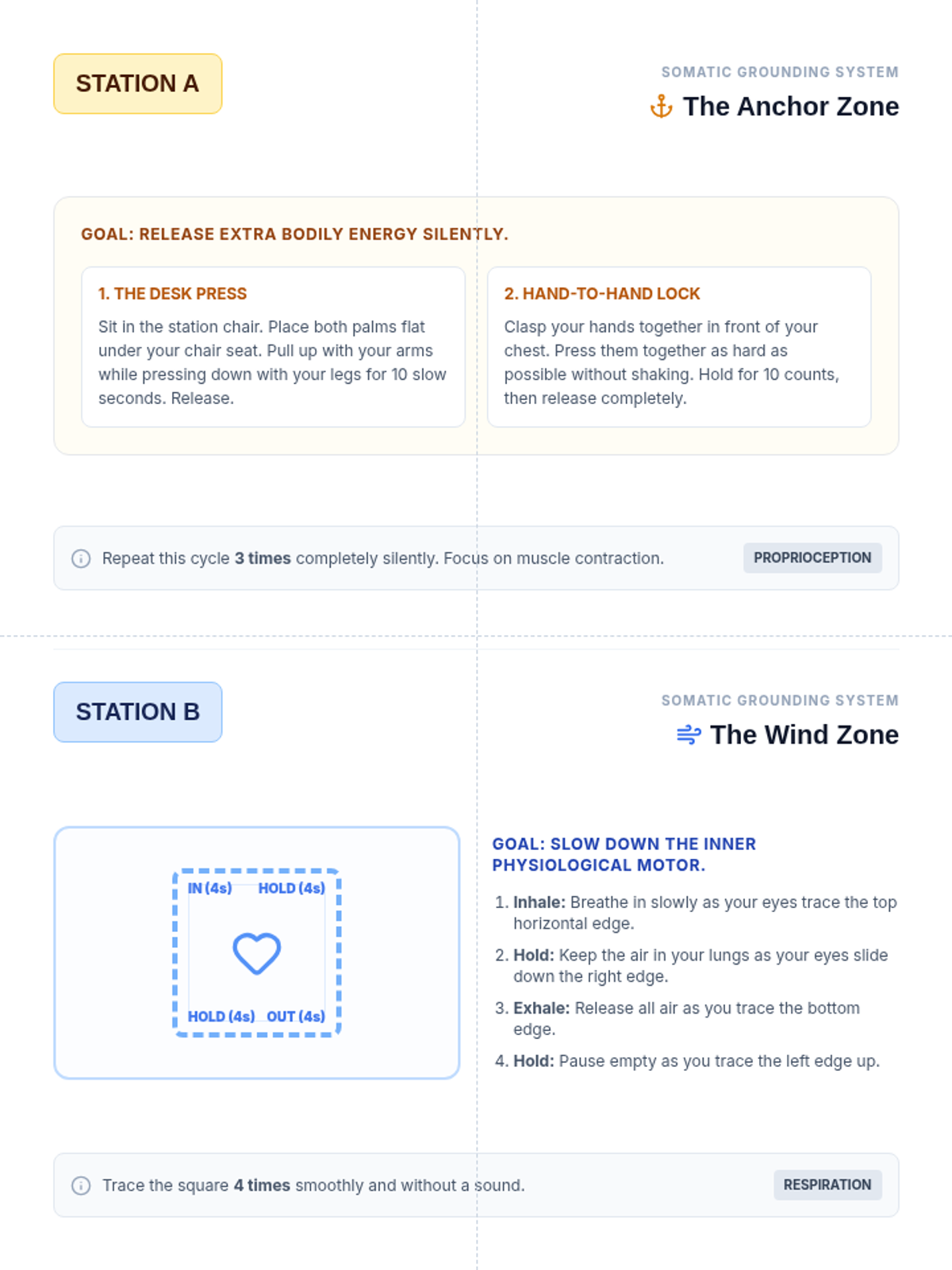
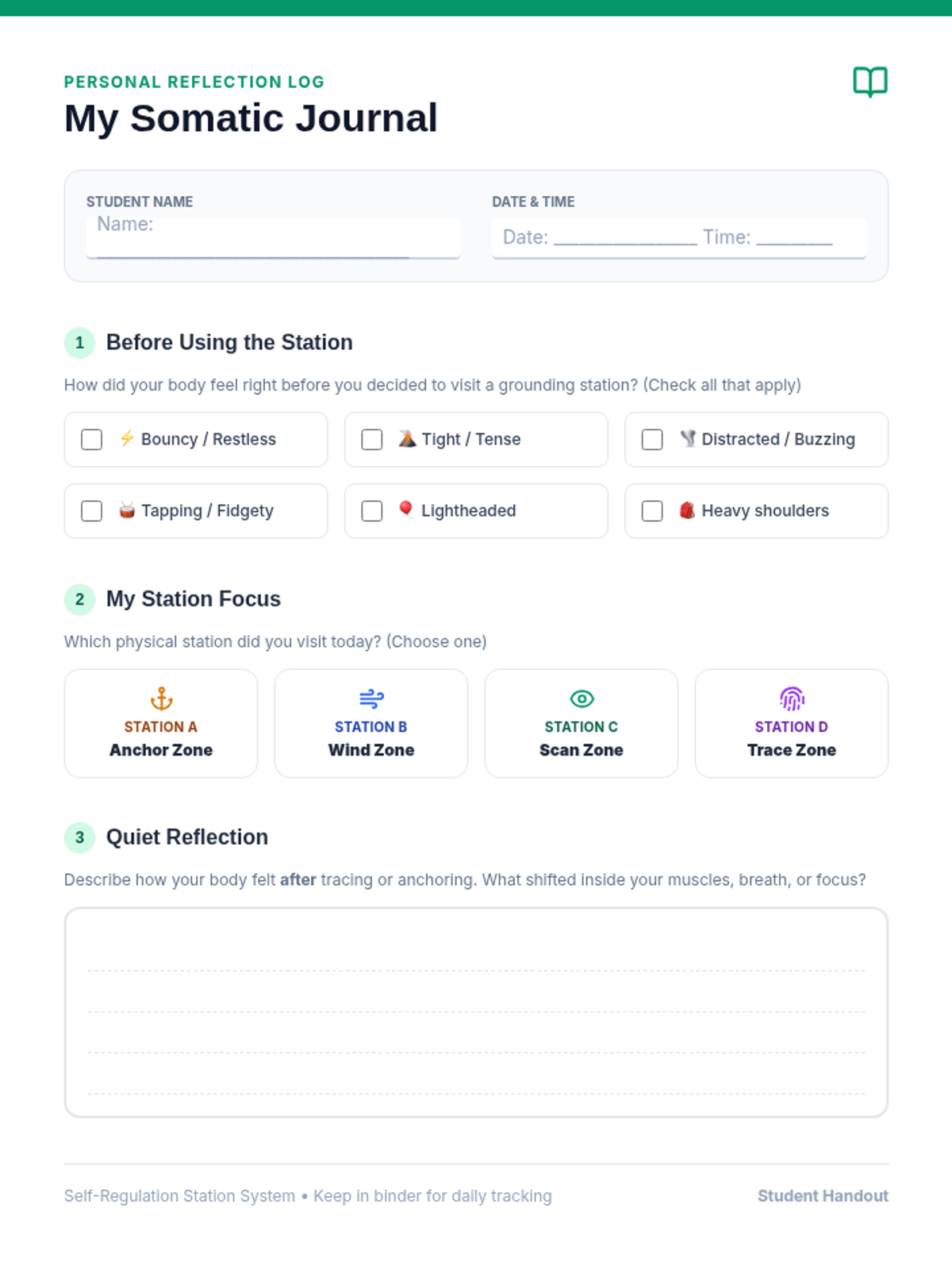
A sensory-based regulation system lesson designed to establish quick, silent coping zones in classrooms during high-energy periods, facilitating collaboration between teachers and behavior interventionists.
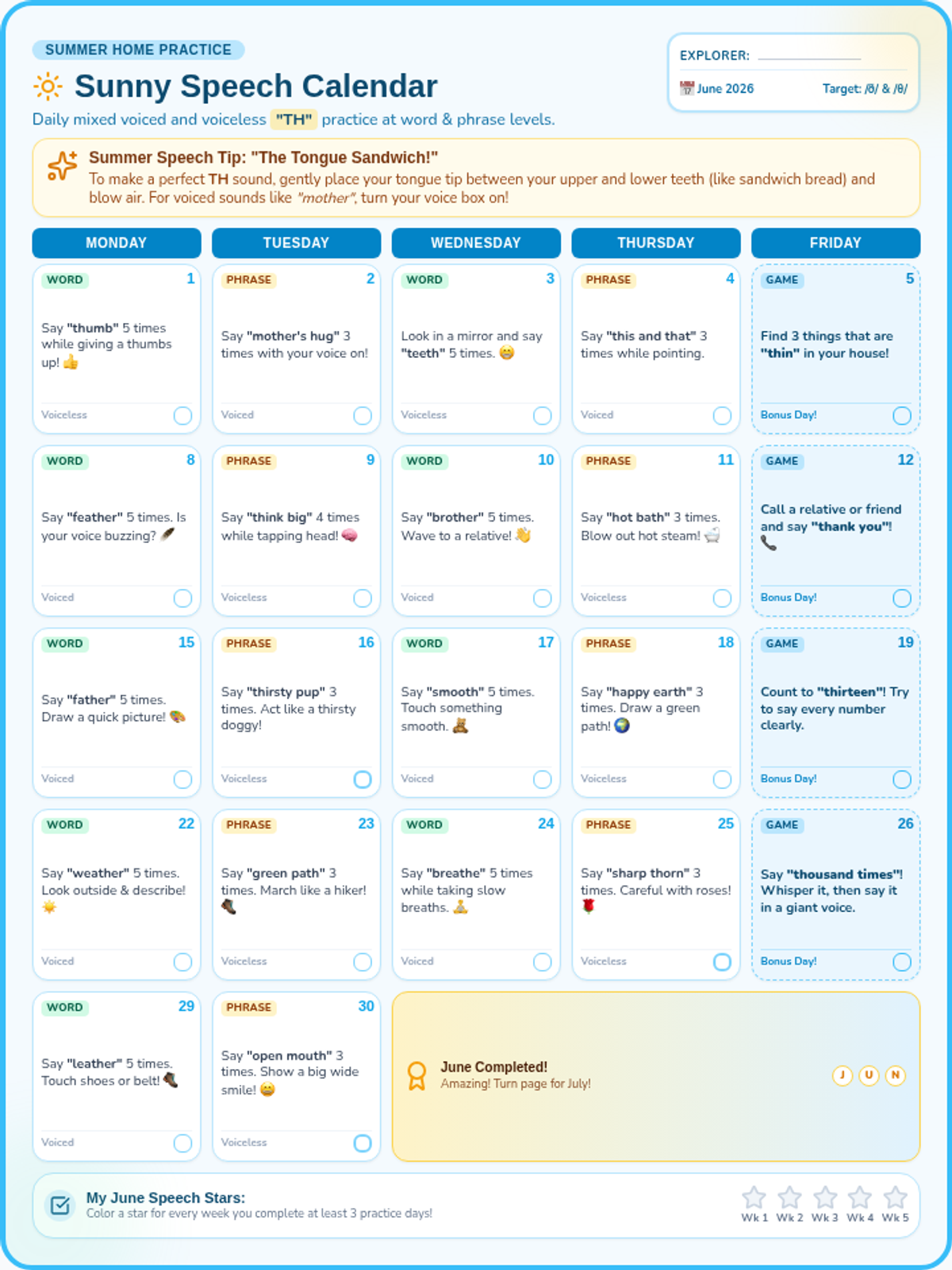
A 2-month summer speech calendar program for June and July 2026 designed to support students in practicing mixed voiced and voiceless TH sounds at the word and phrase levels through quick, engaging daily home activities.
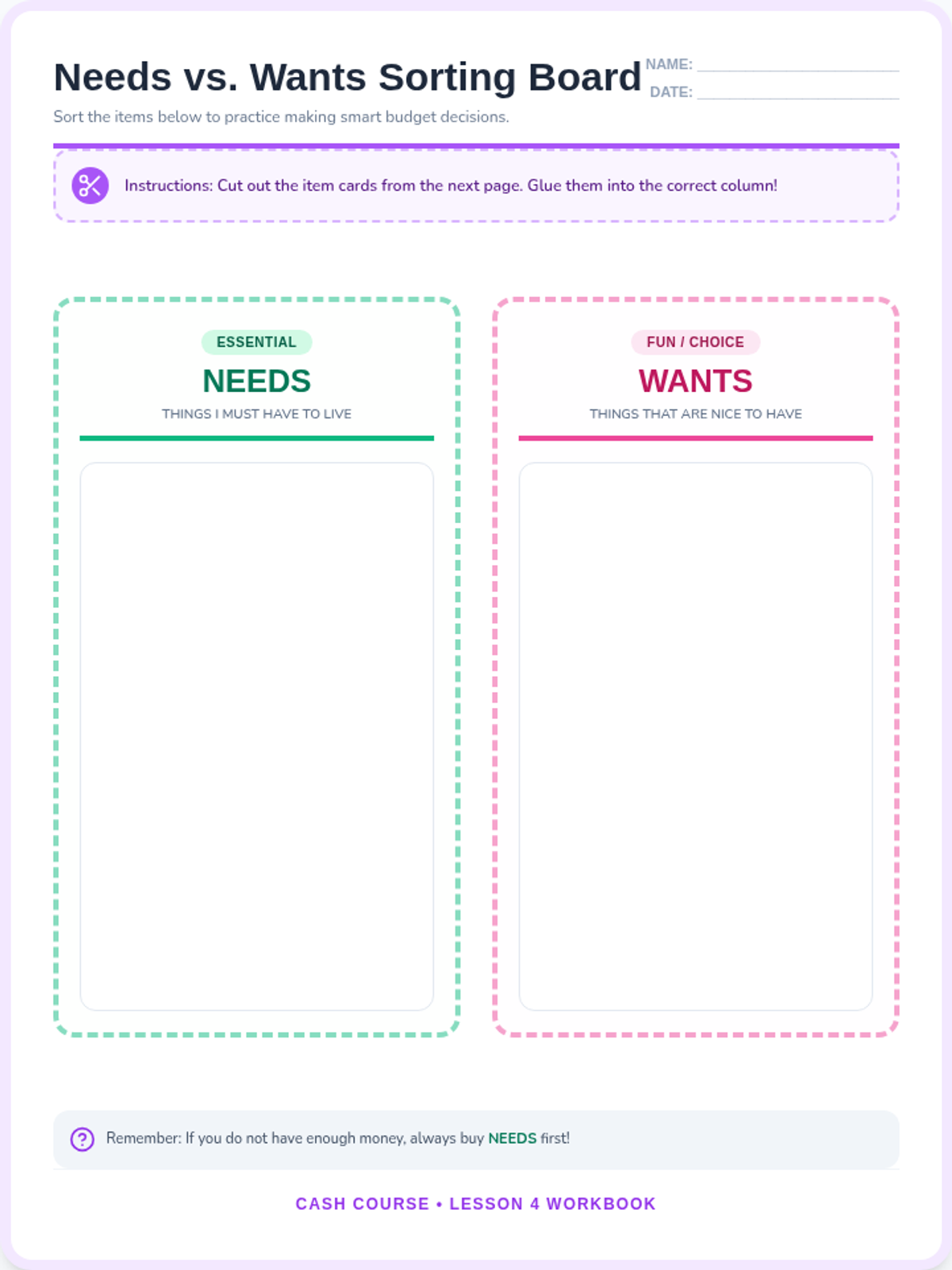
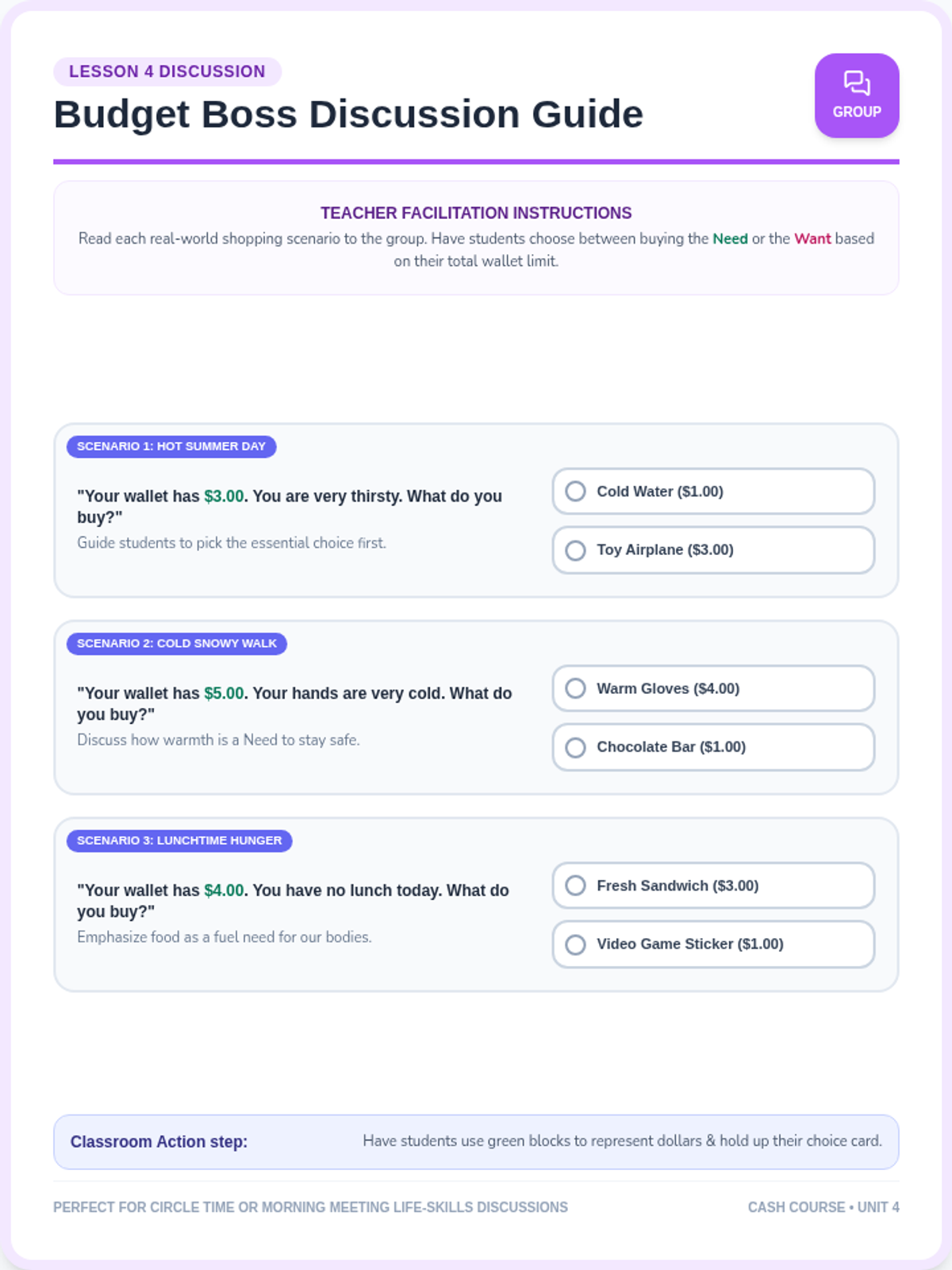
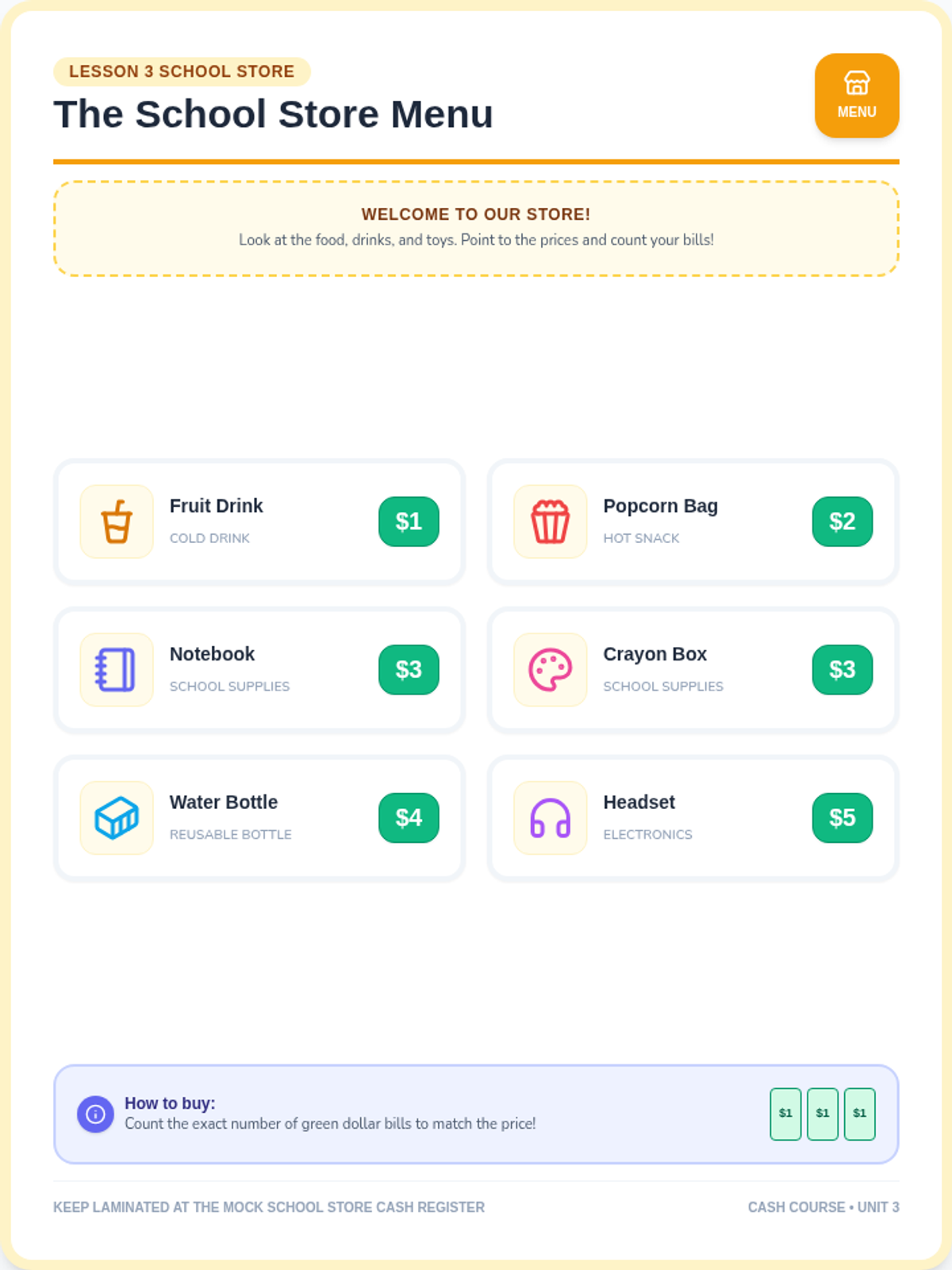
Teaches students to distinguish between essential items (needs) and non-essential items (wants), and guides them through making simple purchases within a fixed budget.
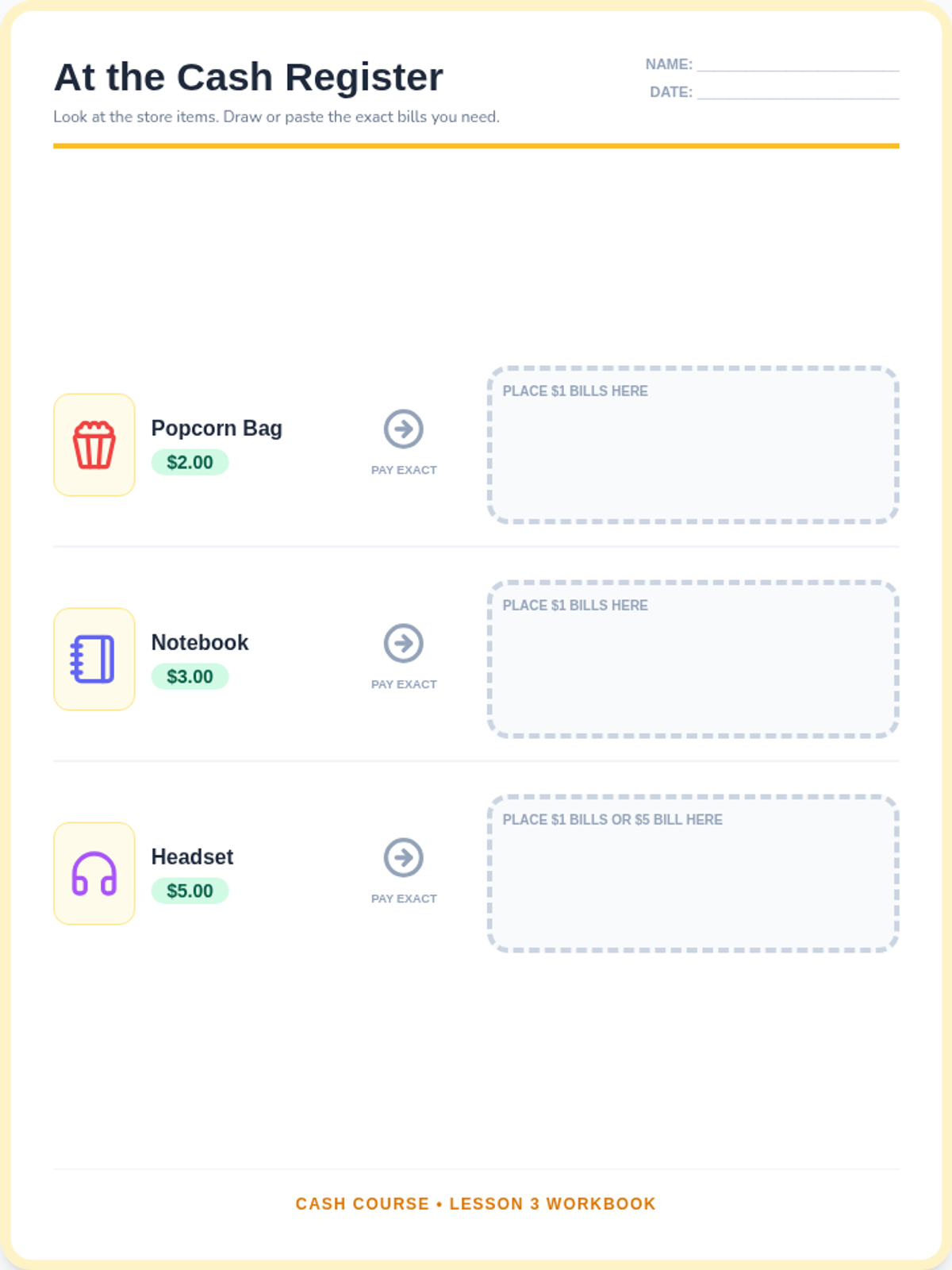
Students practice making simple exact transactions up to five dollars, simulating visual school store scenarios to build independent living skills.
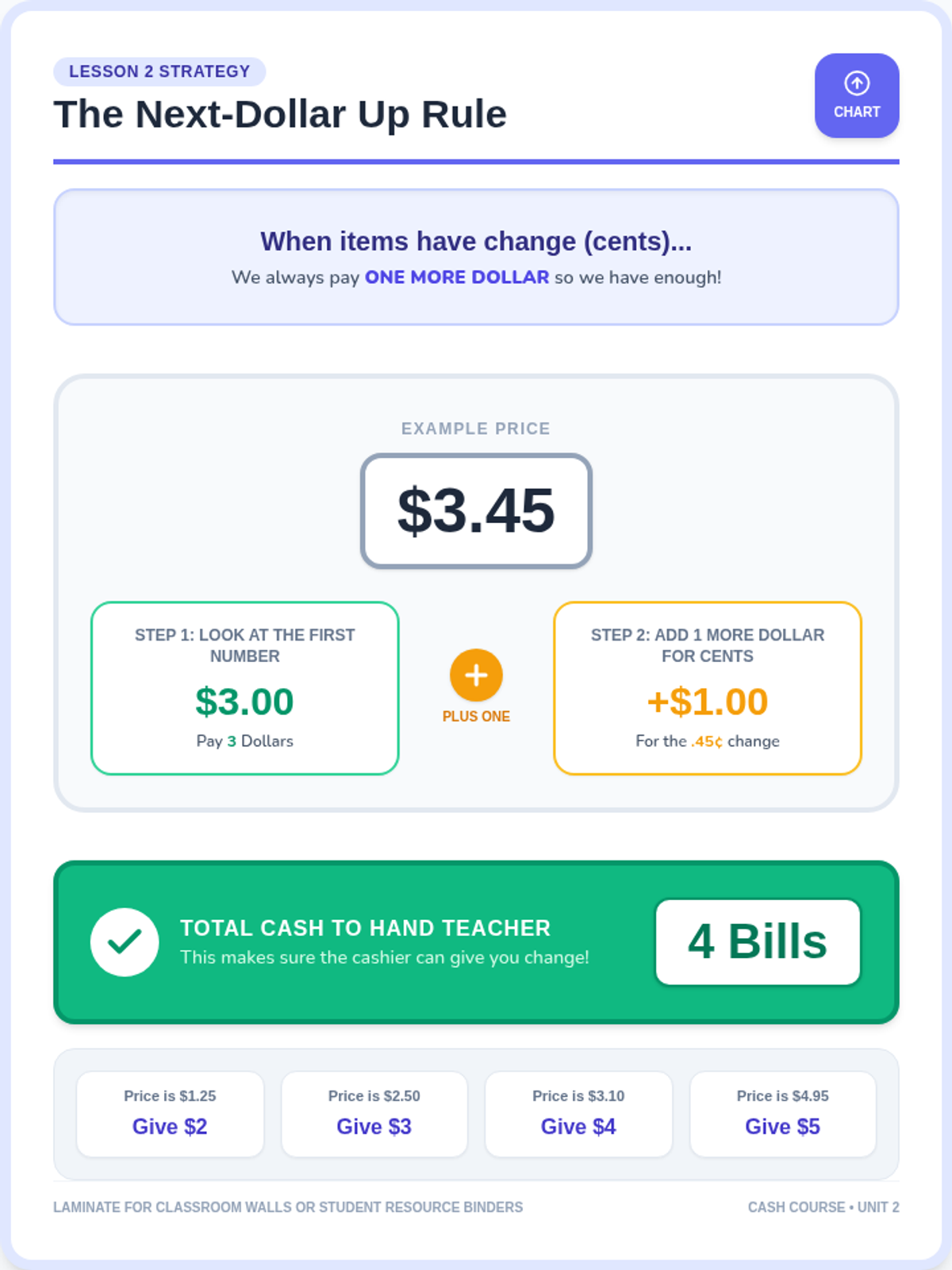
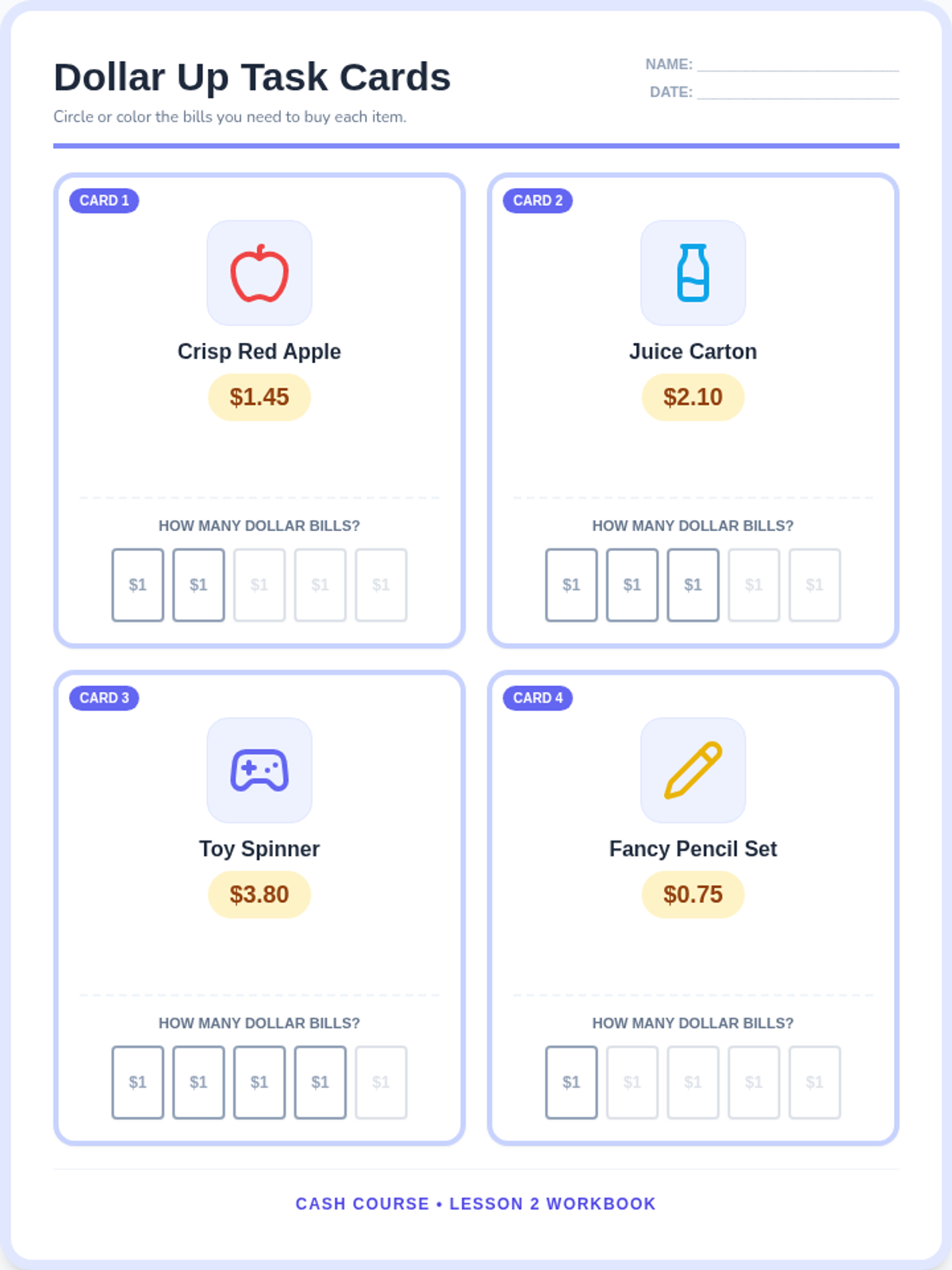
Introduces the Next-Dollar Up strategy, teaching students with cognitive and learning disabilities how to determine how many one-dollar bills to pay for items with decimal prices.
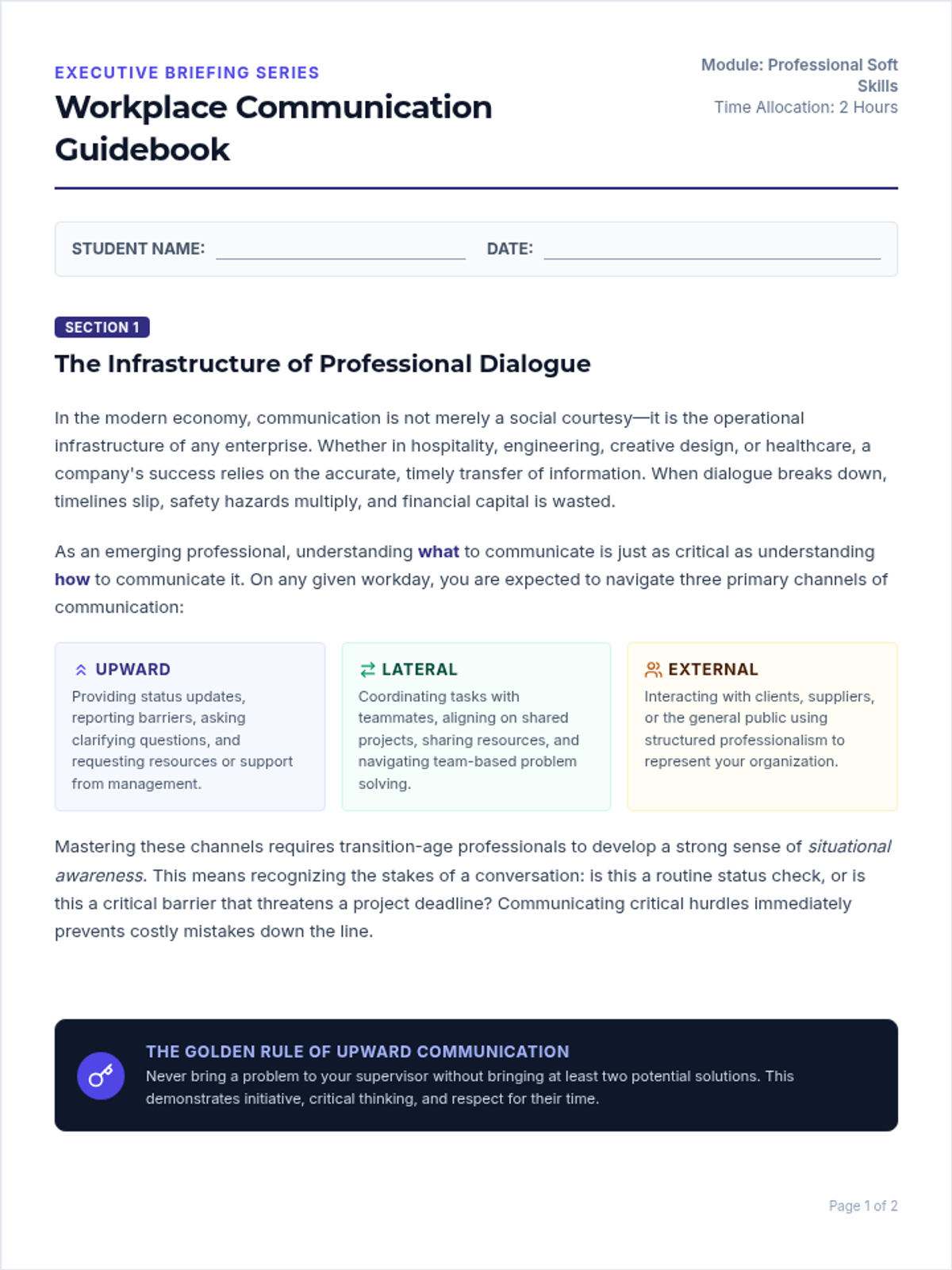
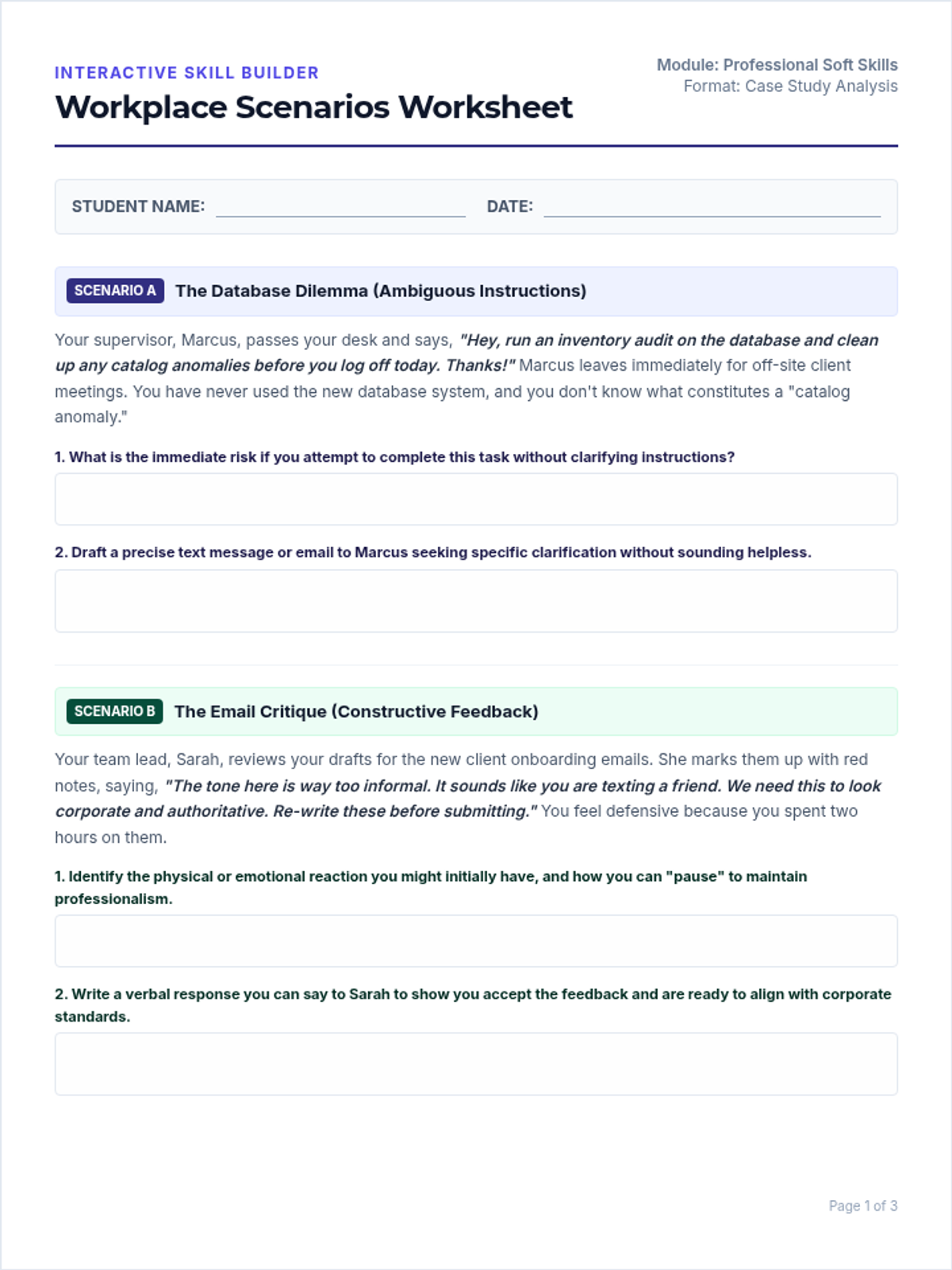
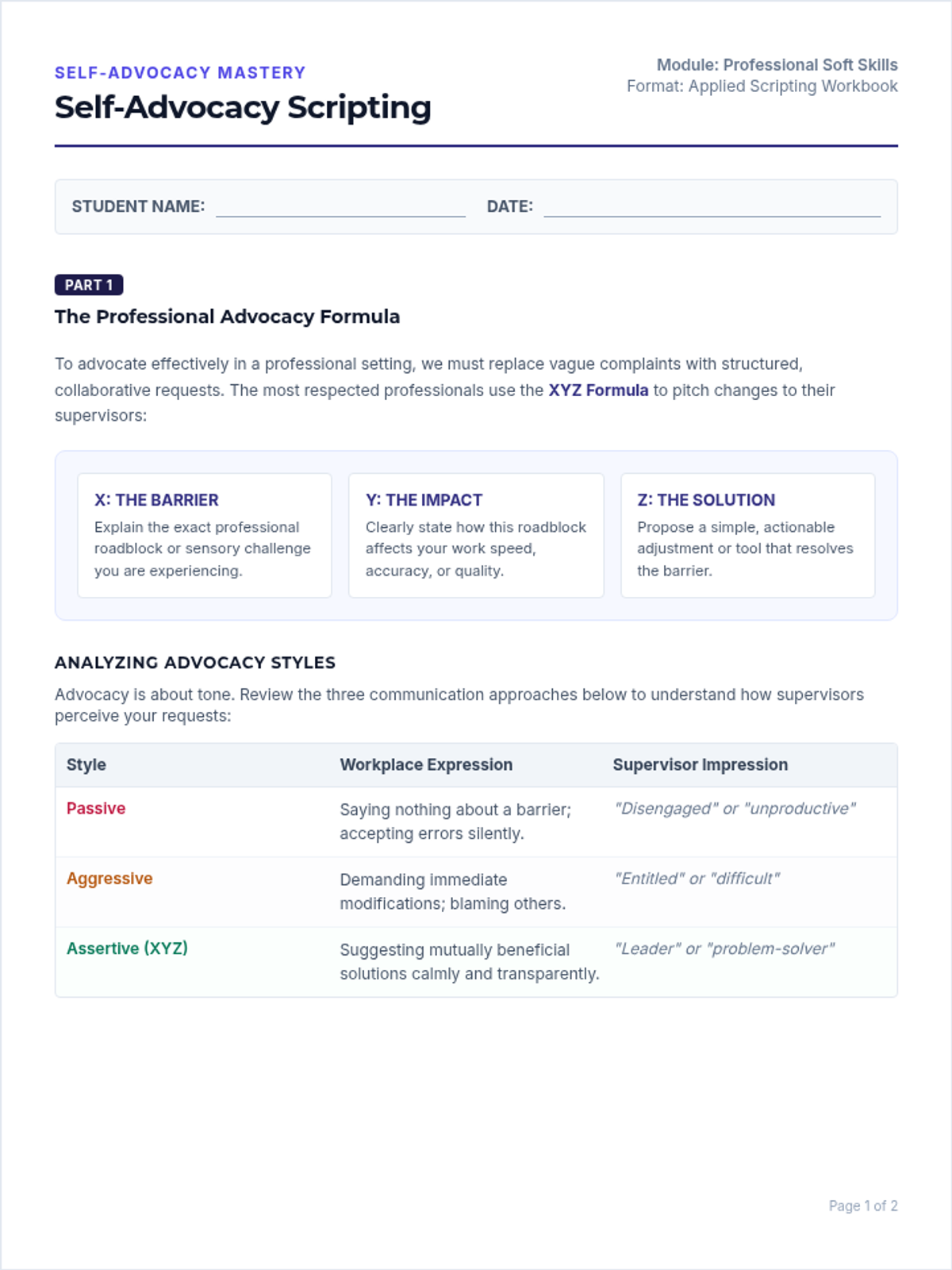
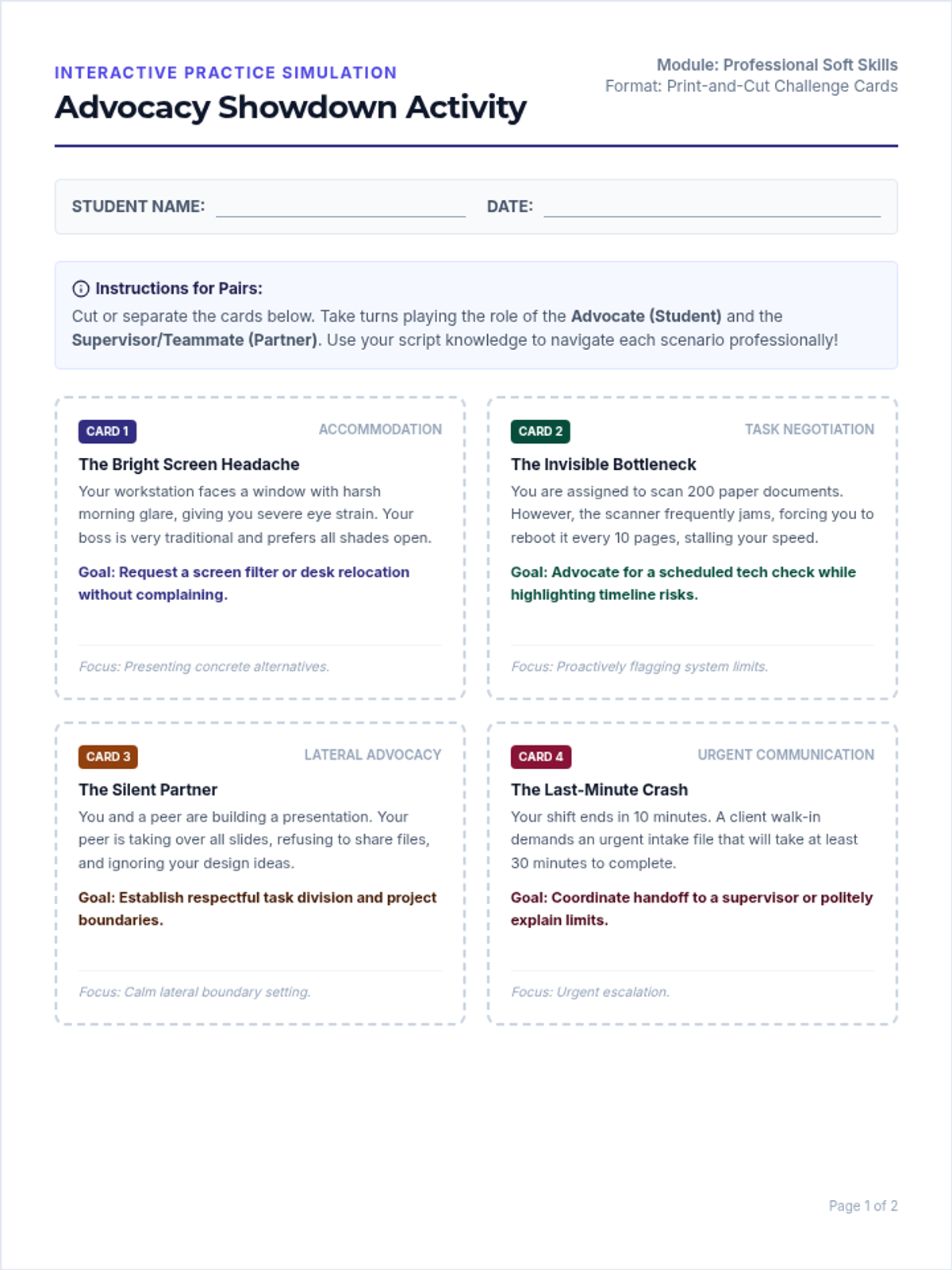
An advanced 2-hour lesson bundle for transition-age youth focusing on professional communication, workplace advocacy, and navigating accommodation requests with confidence and clarity.
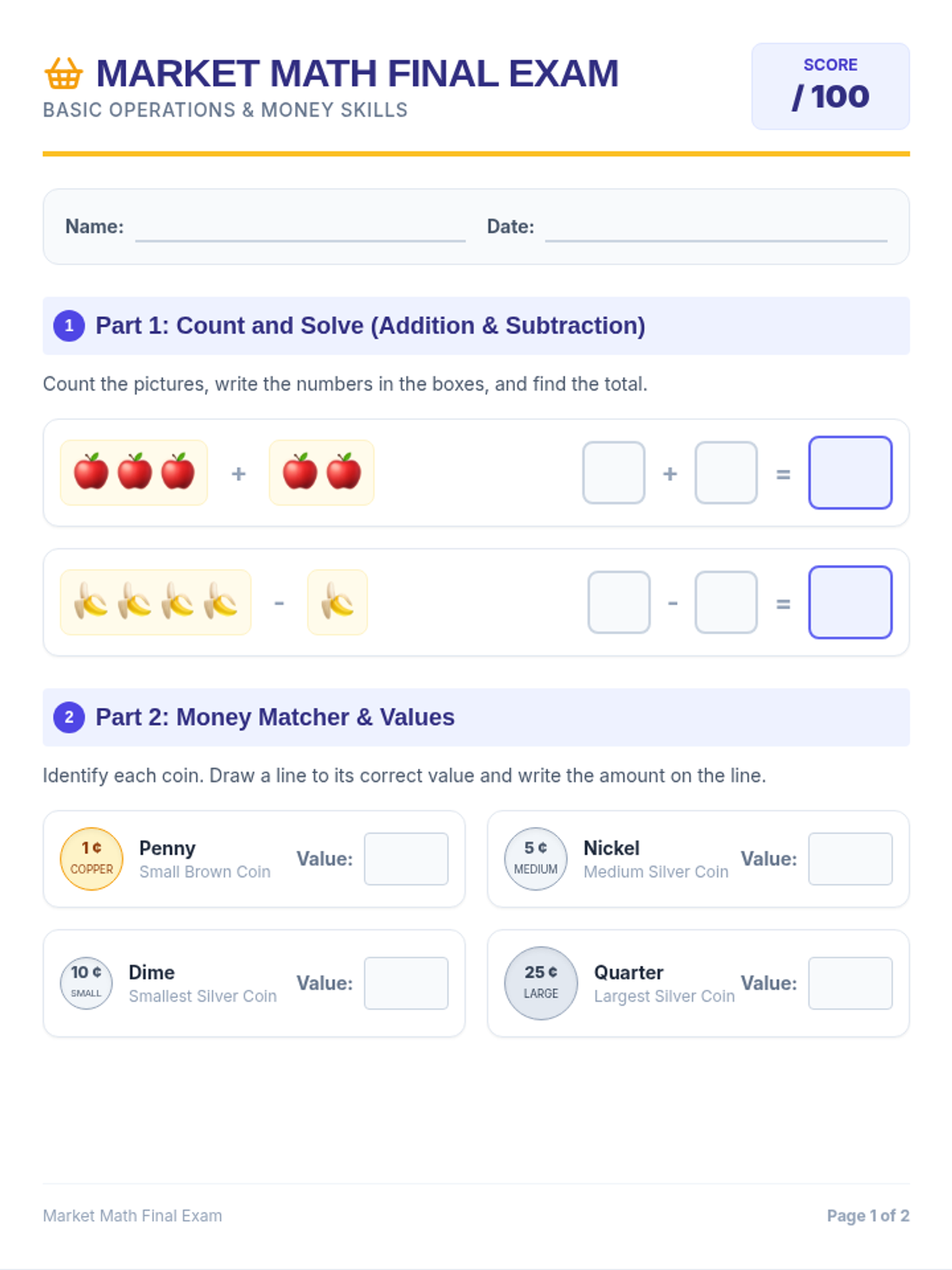
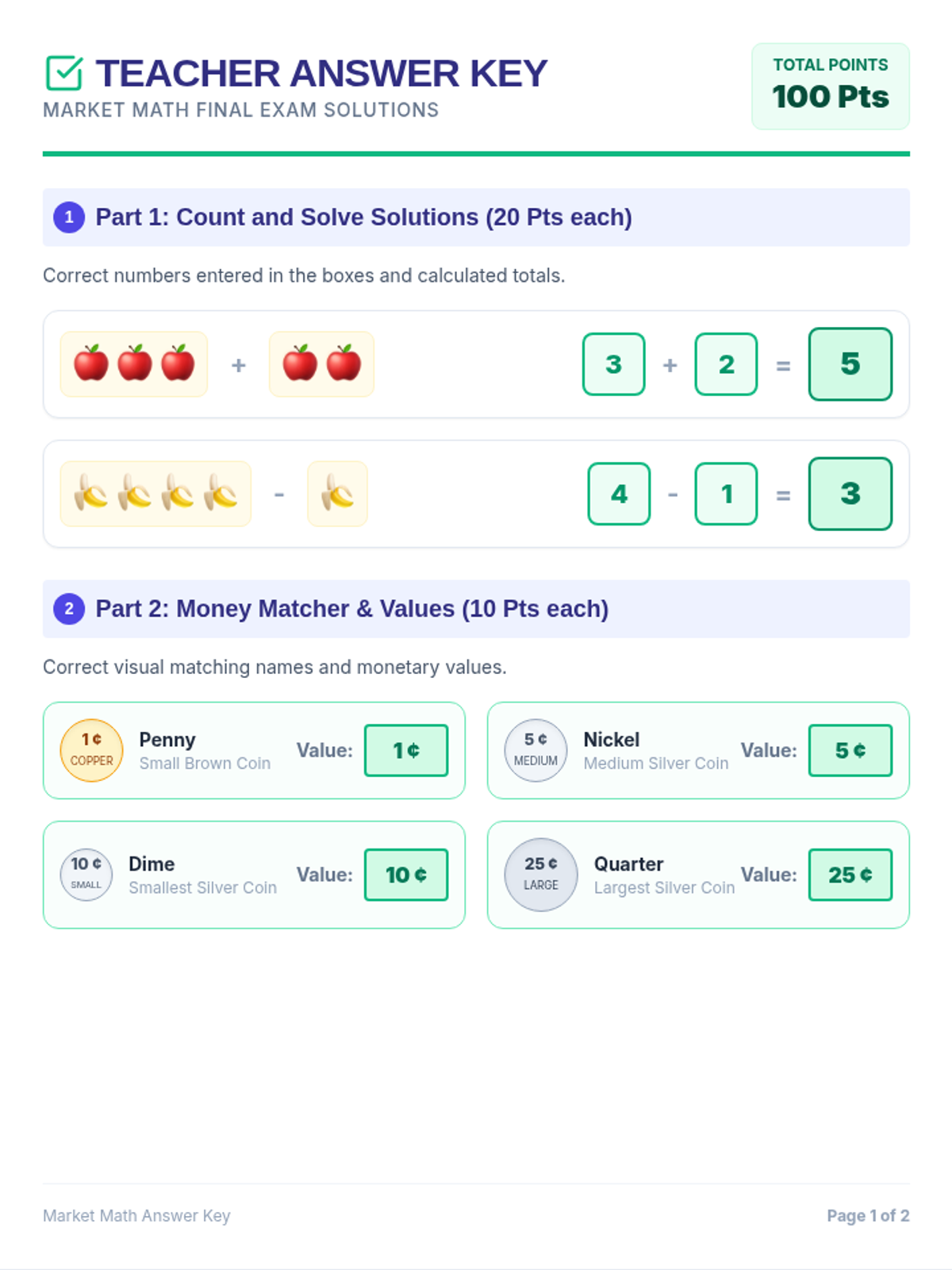
A comprehensive final exam lesson covering basic addition, subtraction, coin identification, and functional life skills grocery shopping math with visual support.
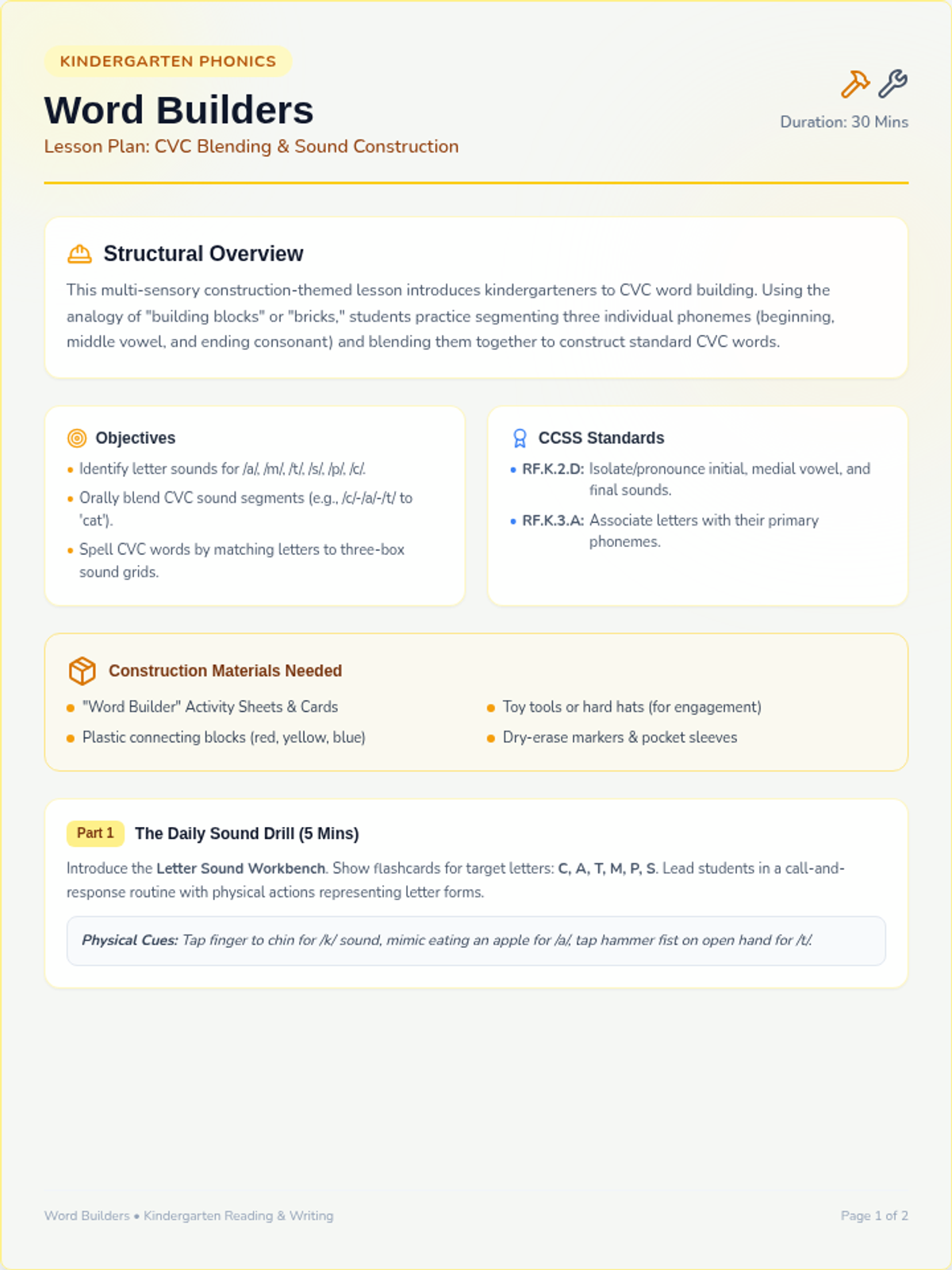
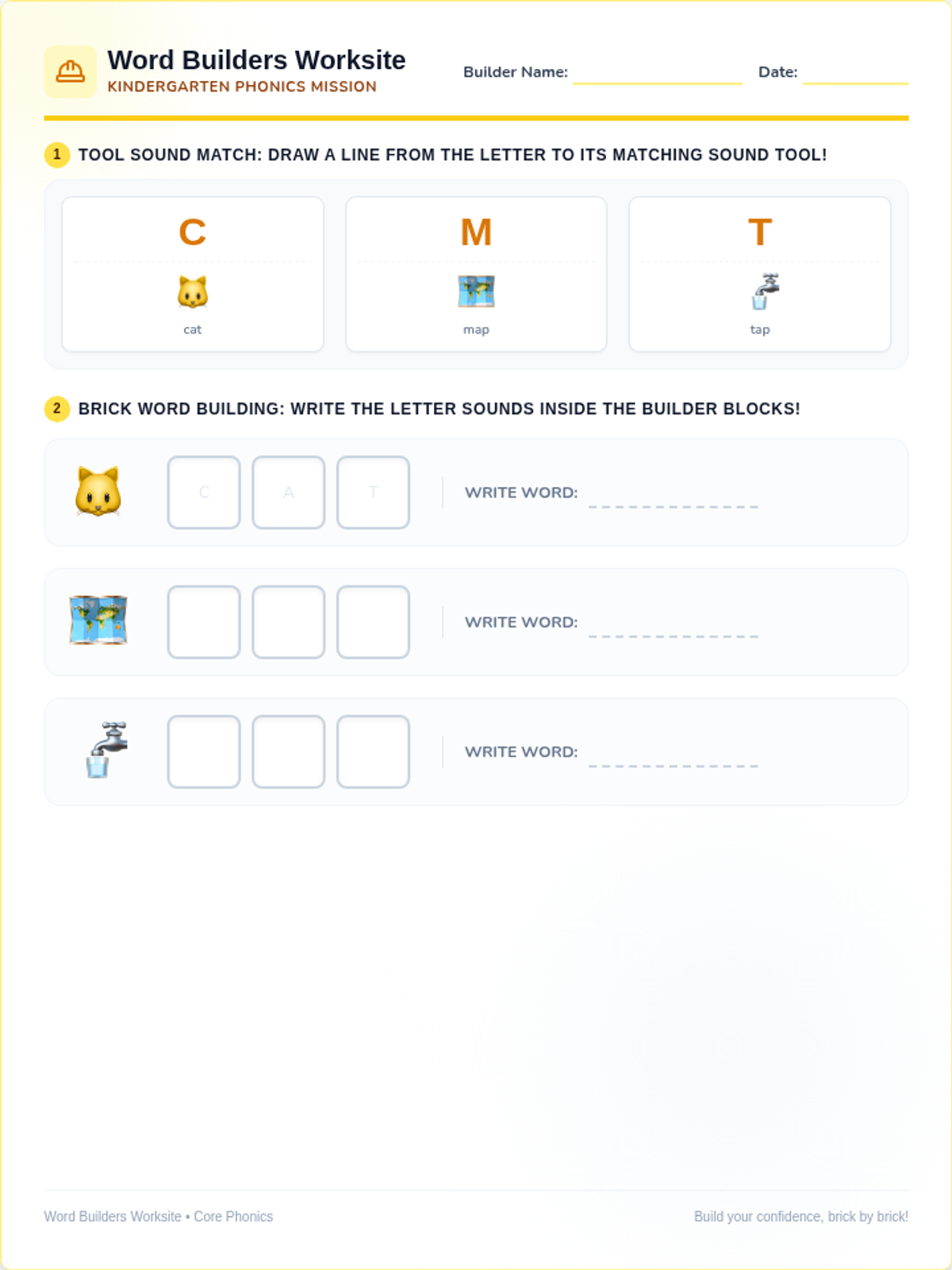
A foundational early literacy lesson helping kindergarteners identify letters, master letter sounds, and practice blending CVC and high-frequency words.
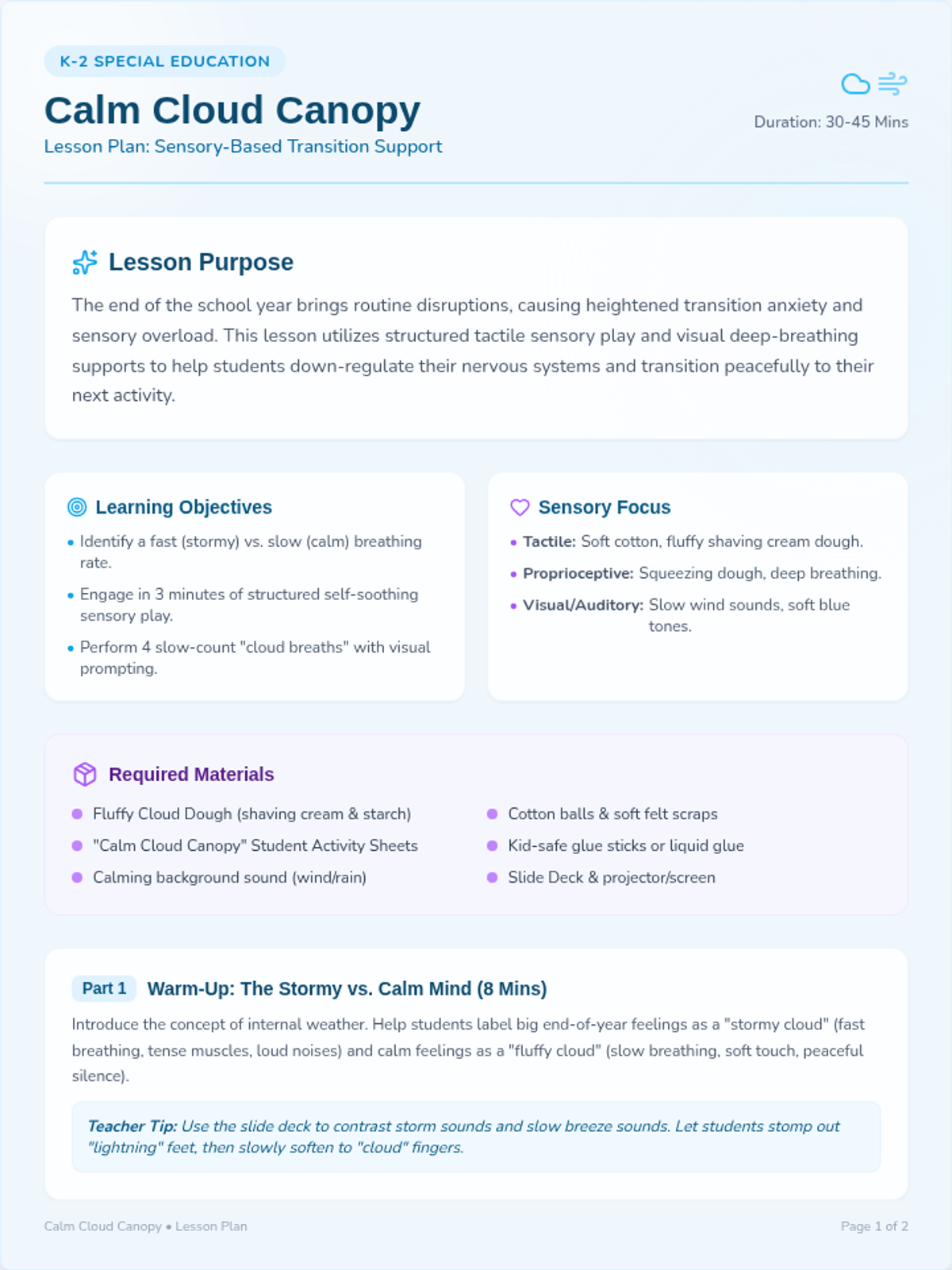
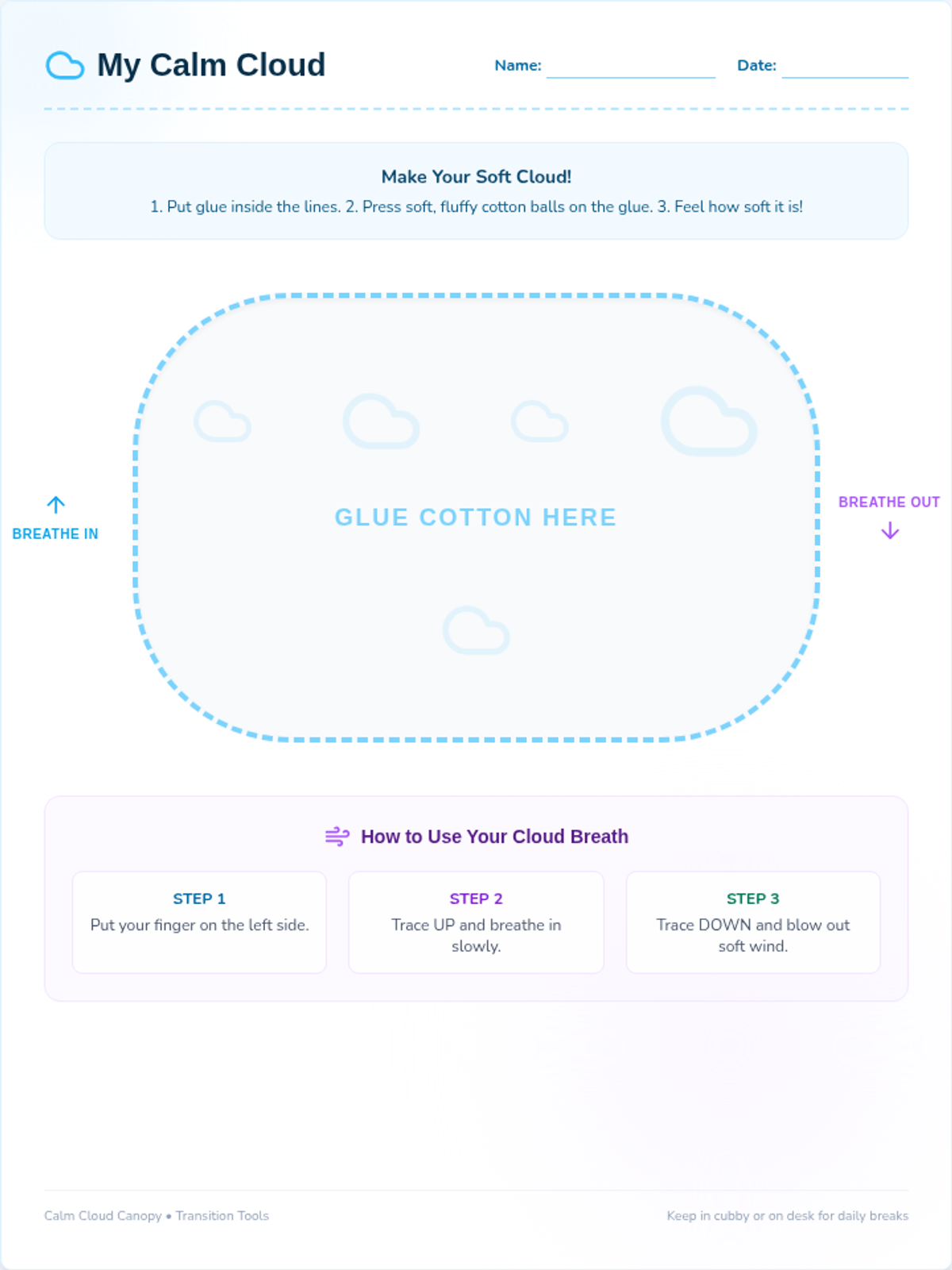
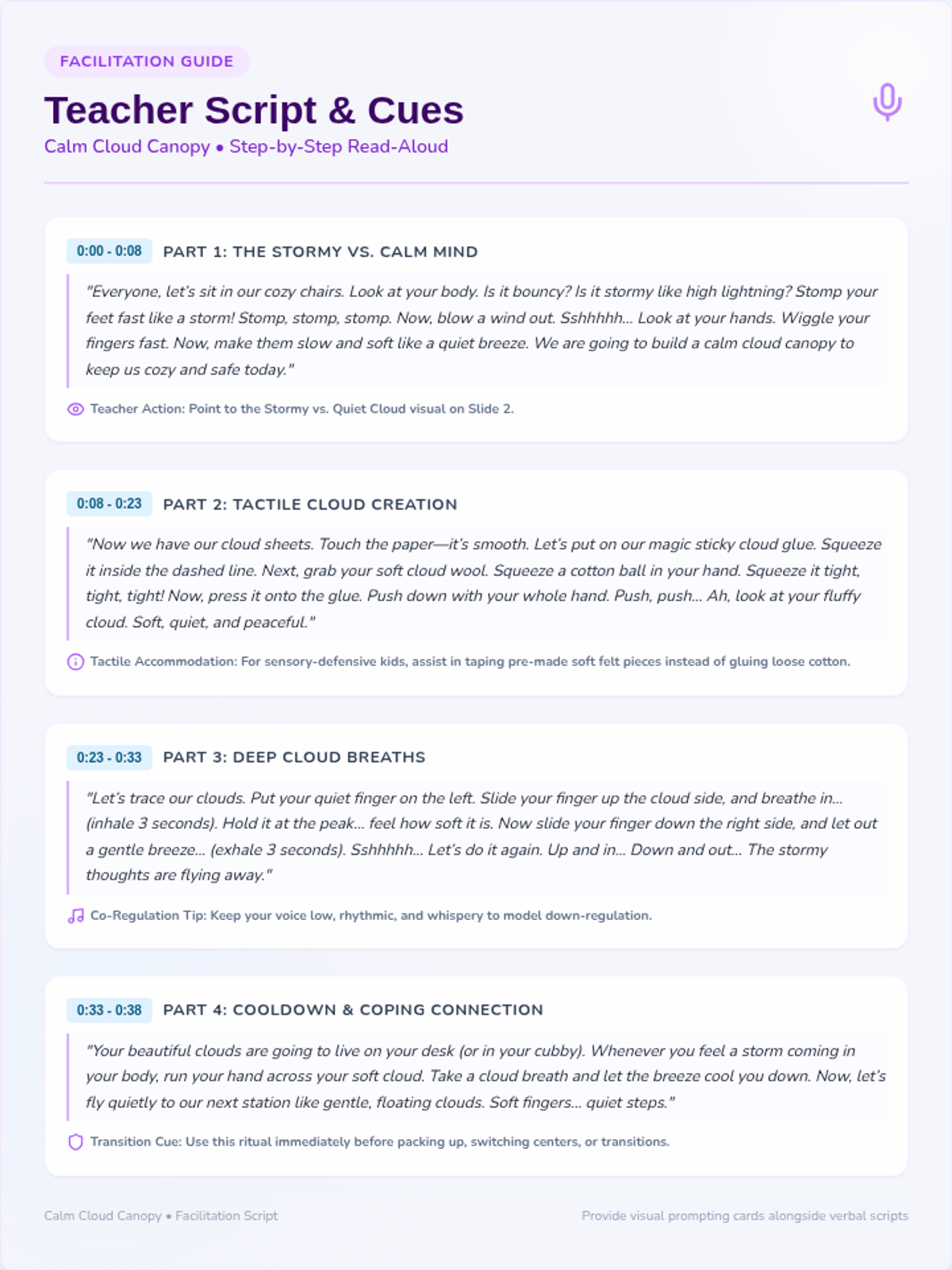
A sensory-focused lesson helping K-2 special education students manage transition anxiety and sensory overload through tactile cloud play and deep breathing simulation.
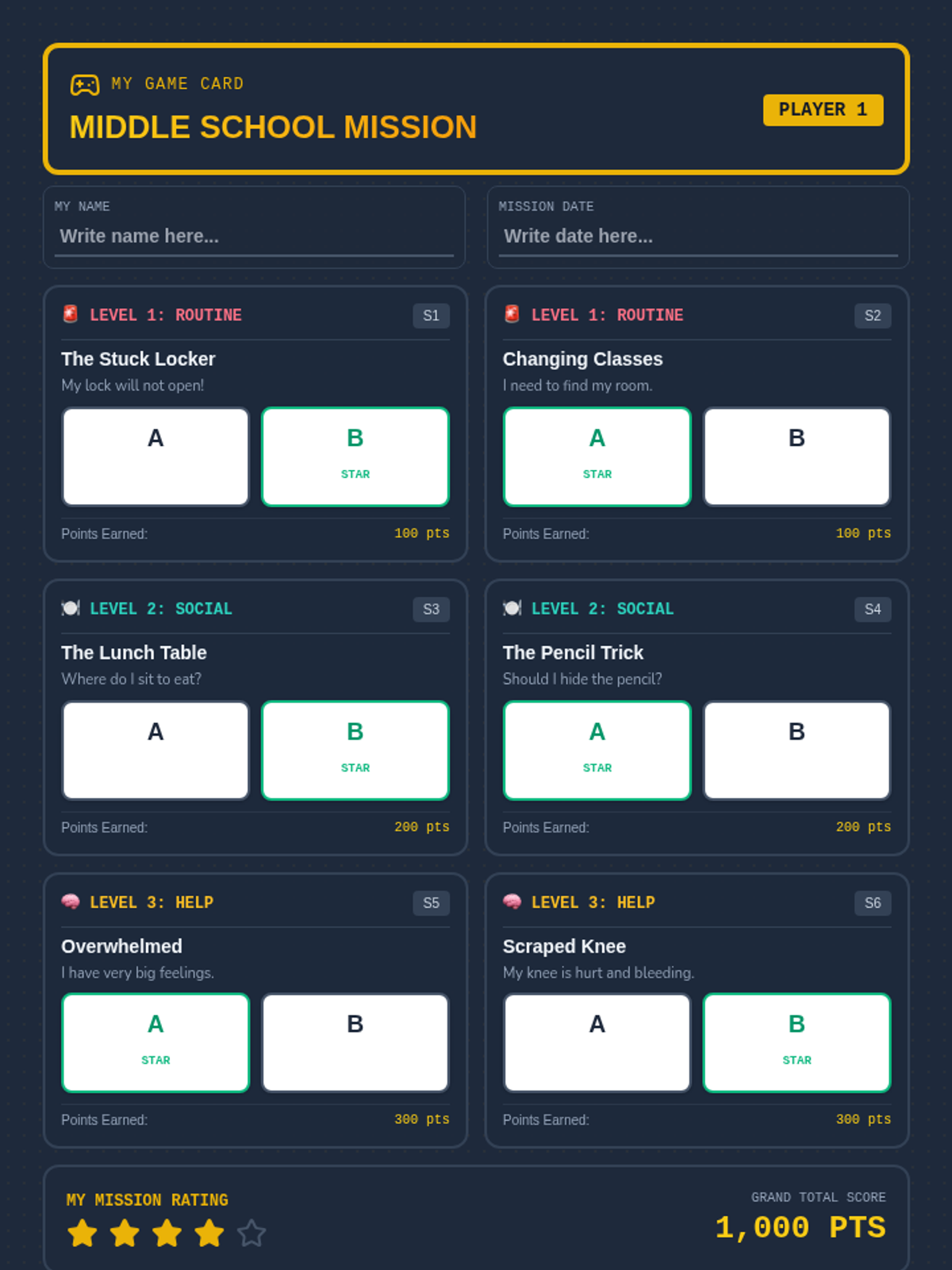
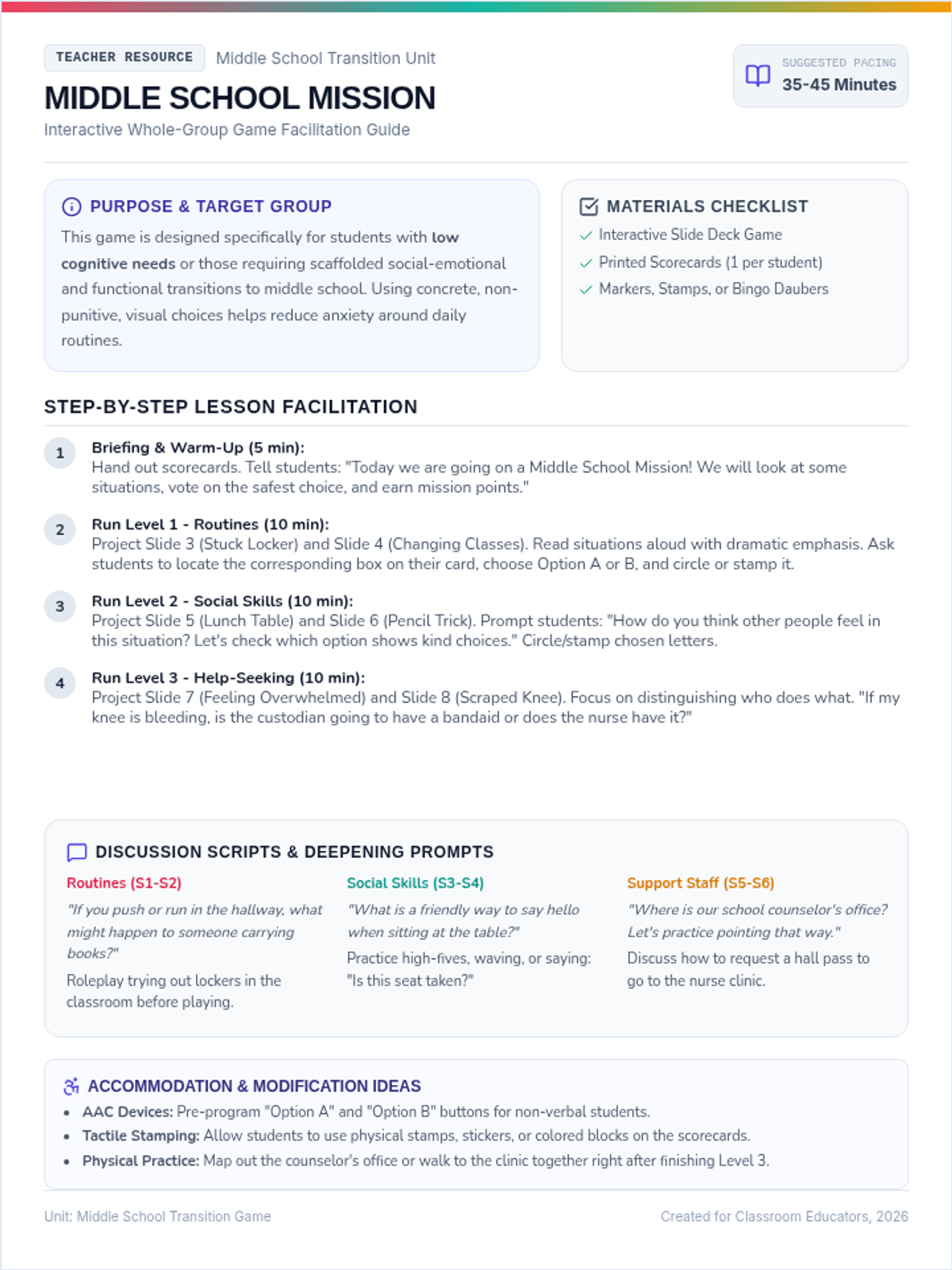
An interactive, game-based transition unit for middle school students with low cognitive needs. It teaches essential routines, social-emotional skills, and support systems through guided scenario-based choices.
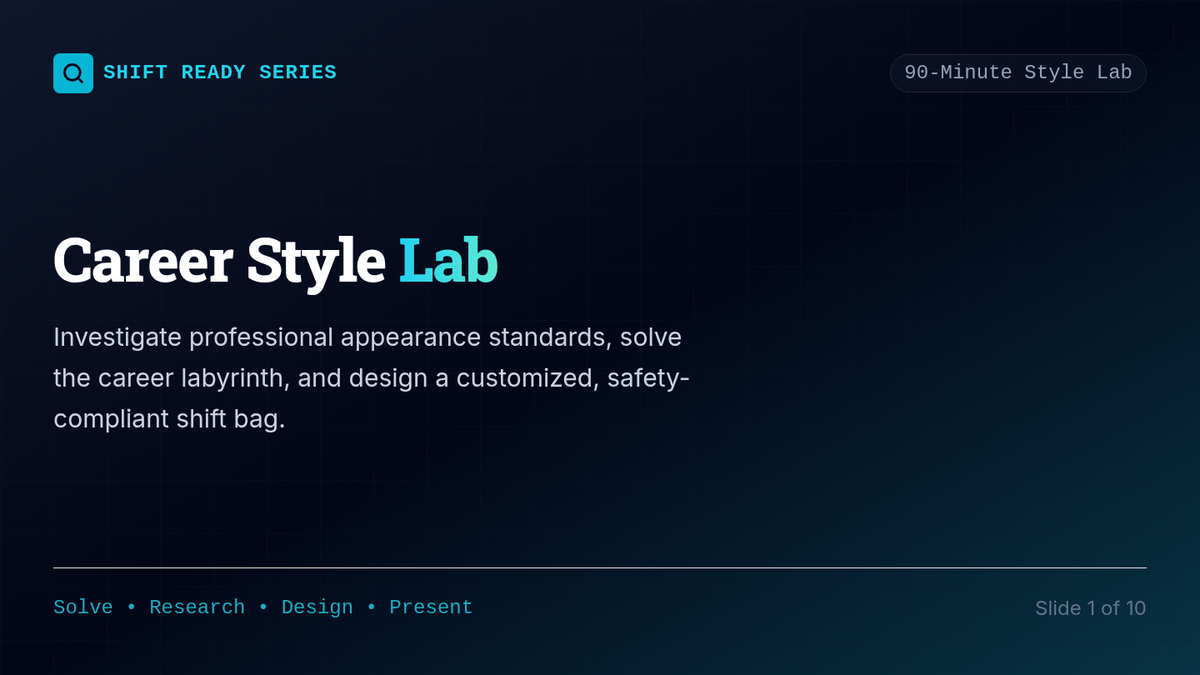
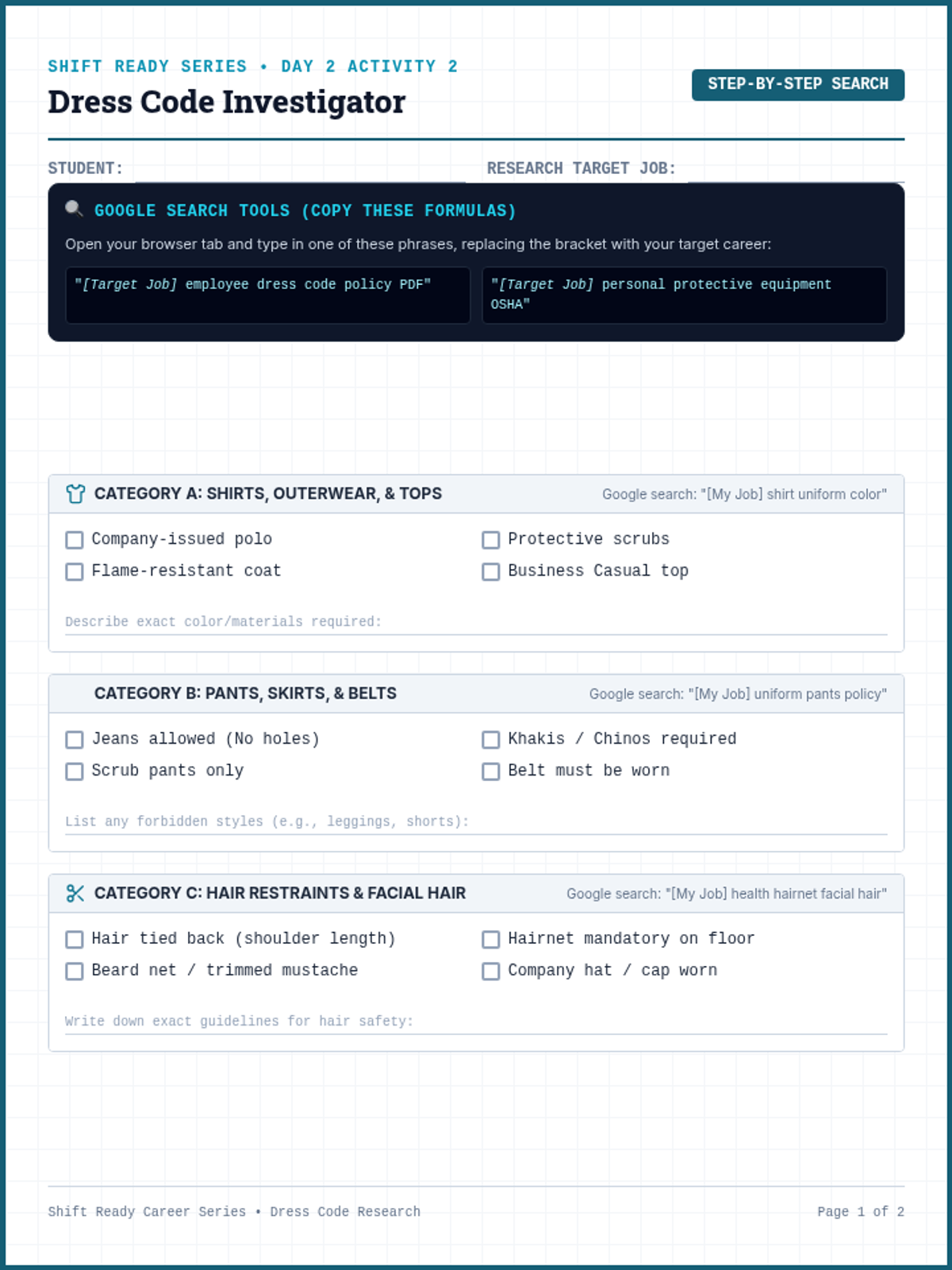
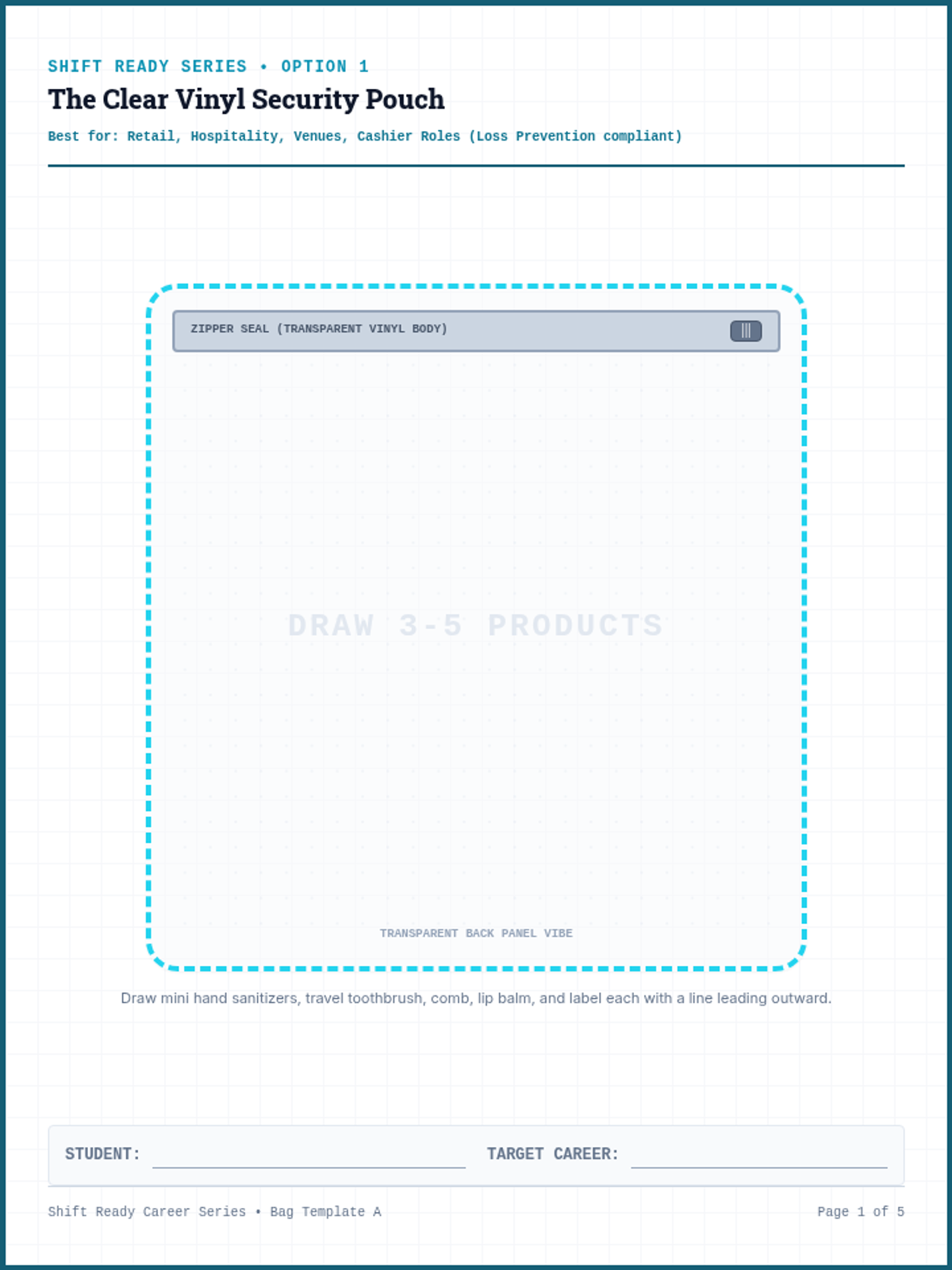
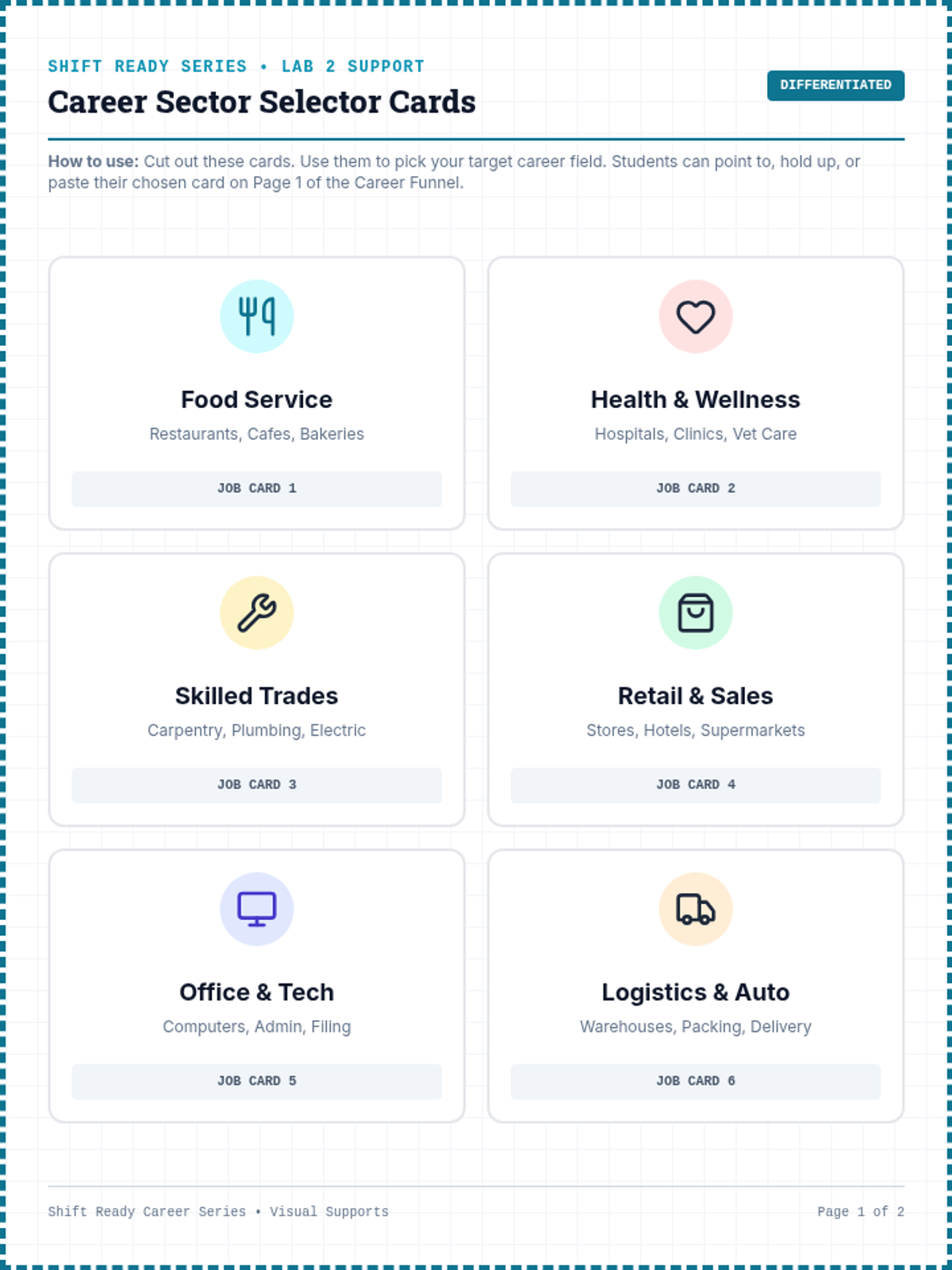
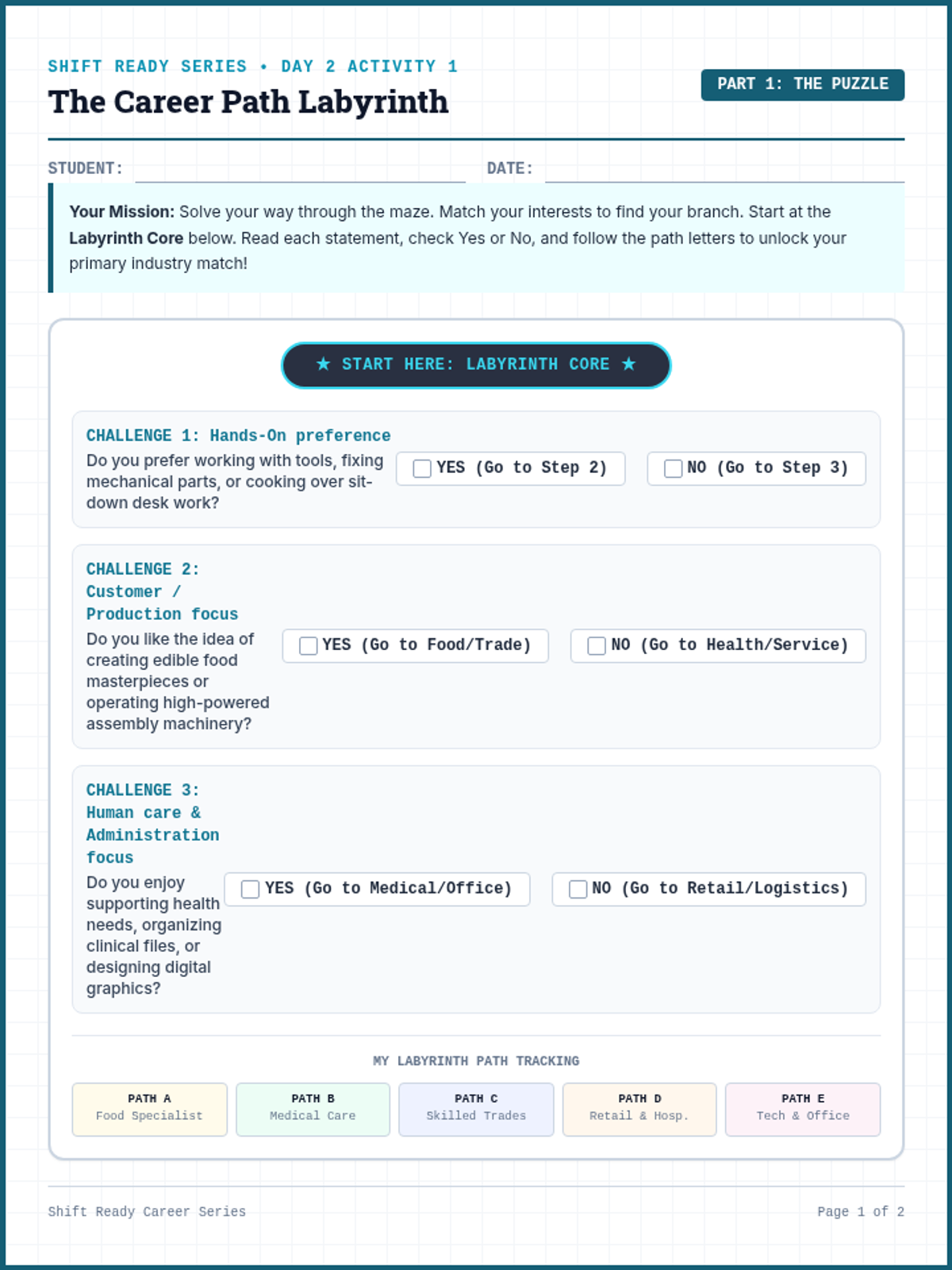
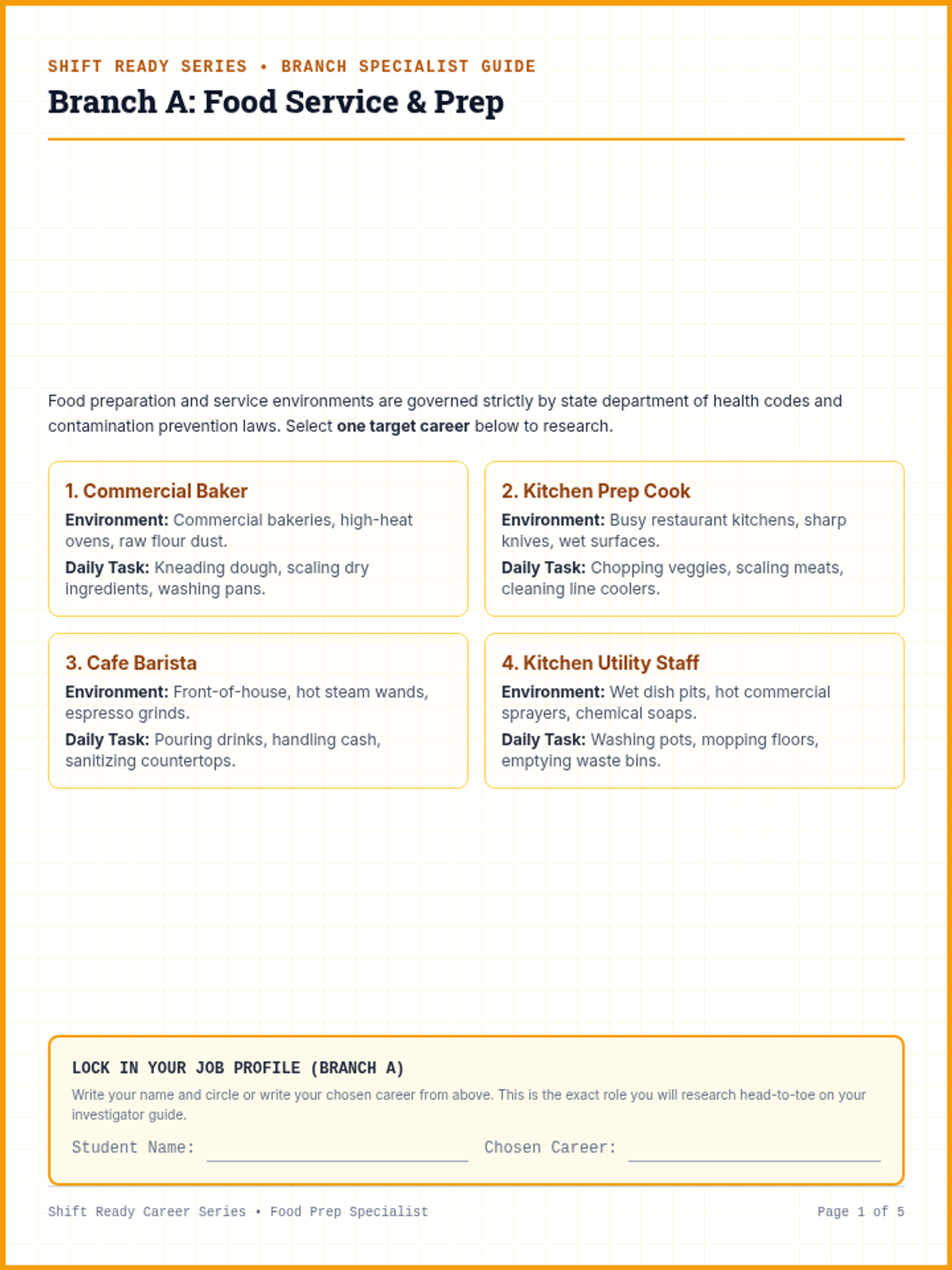
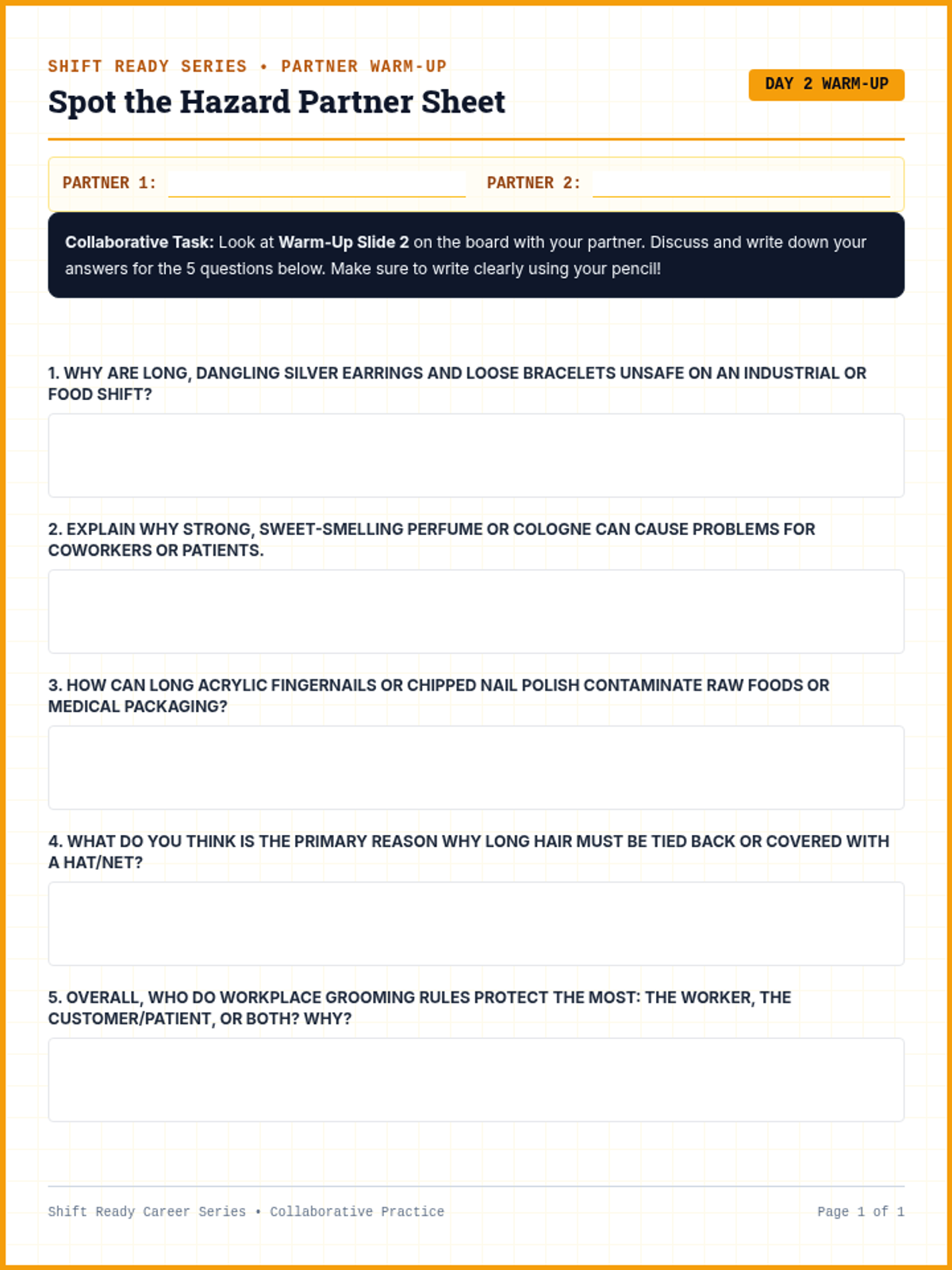
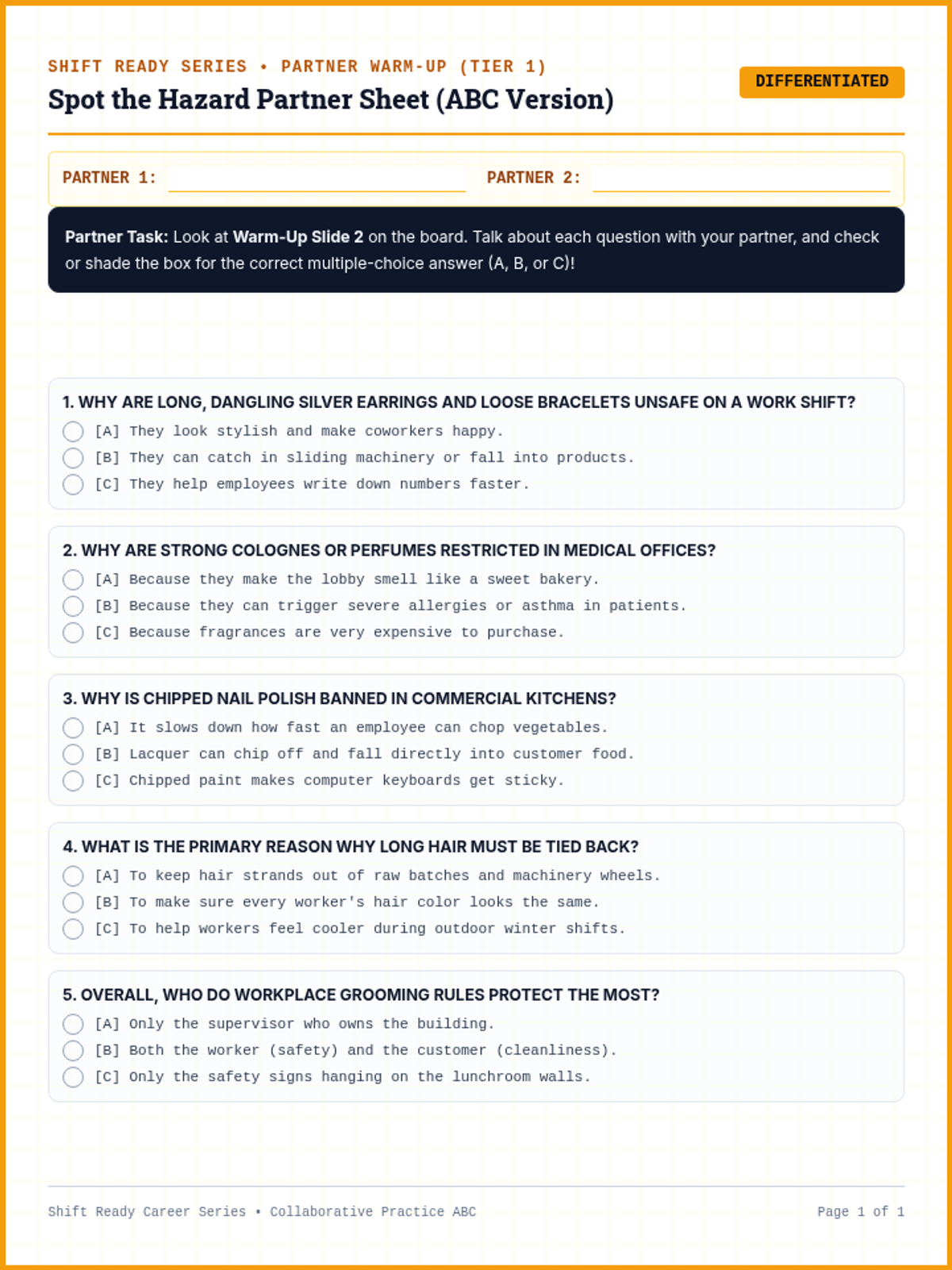
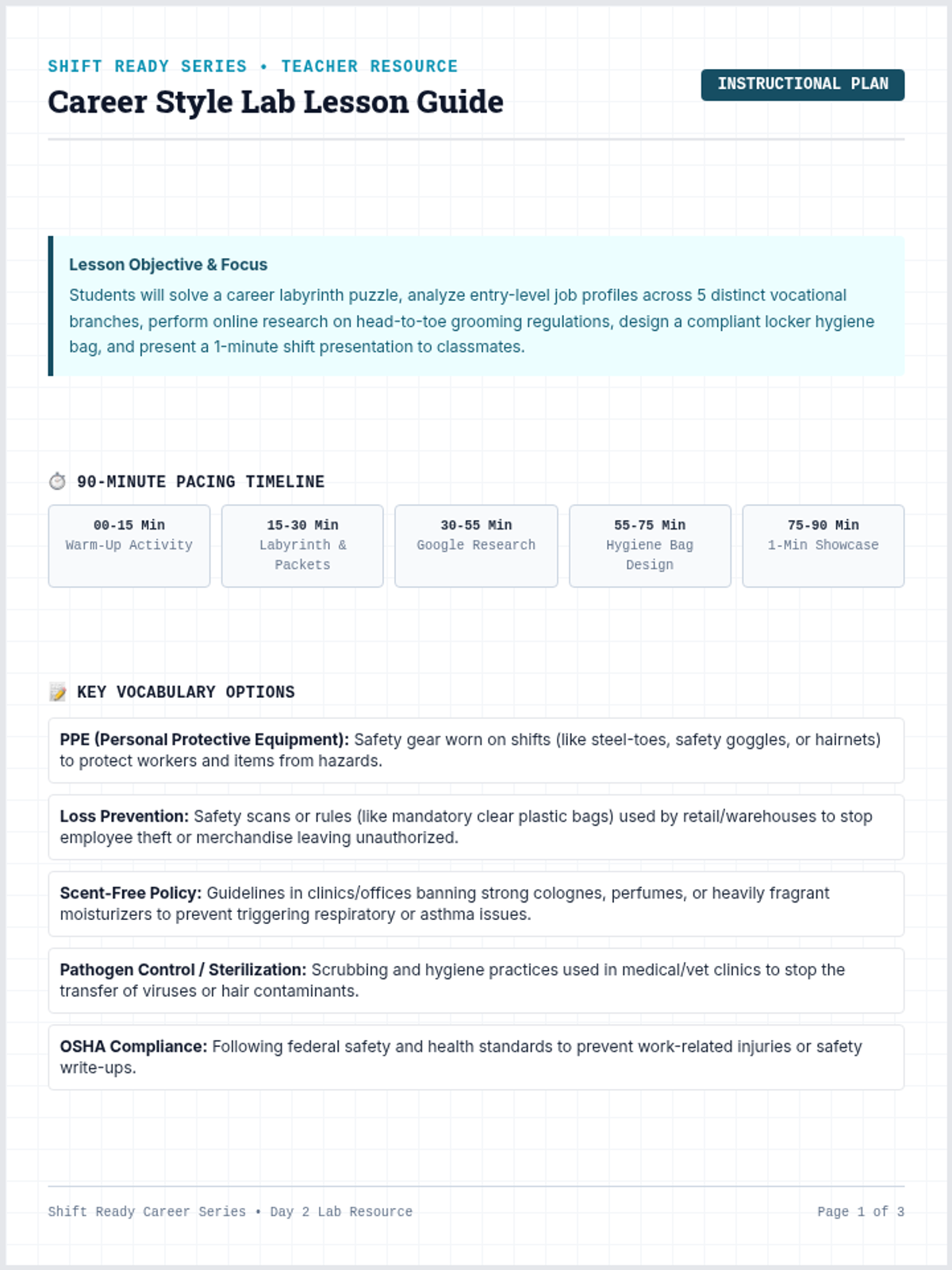
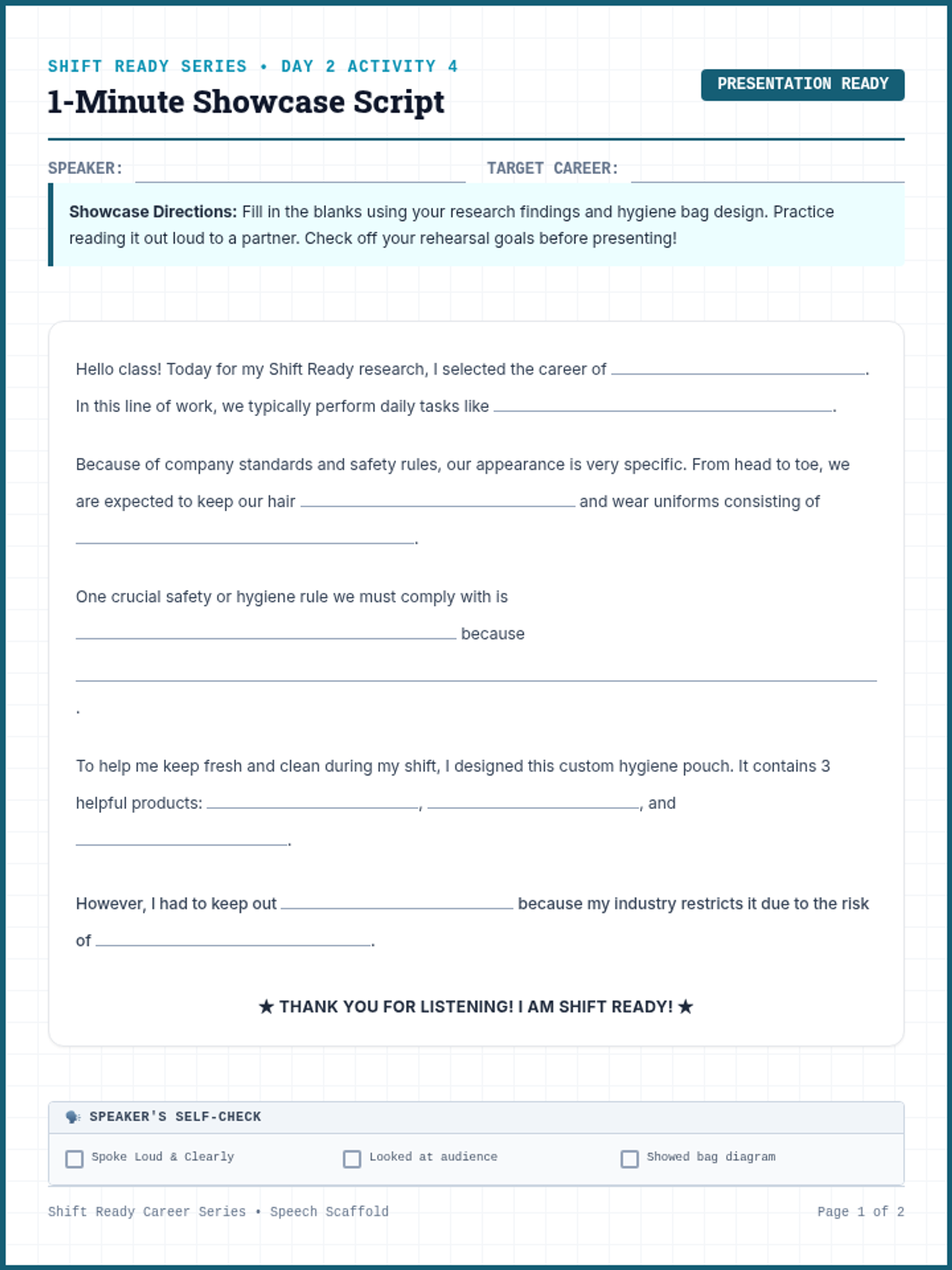
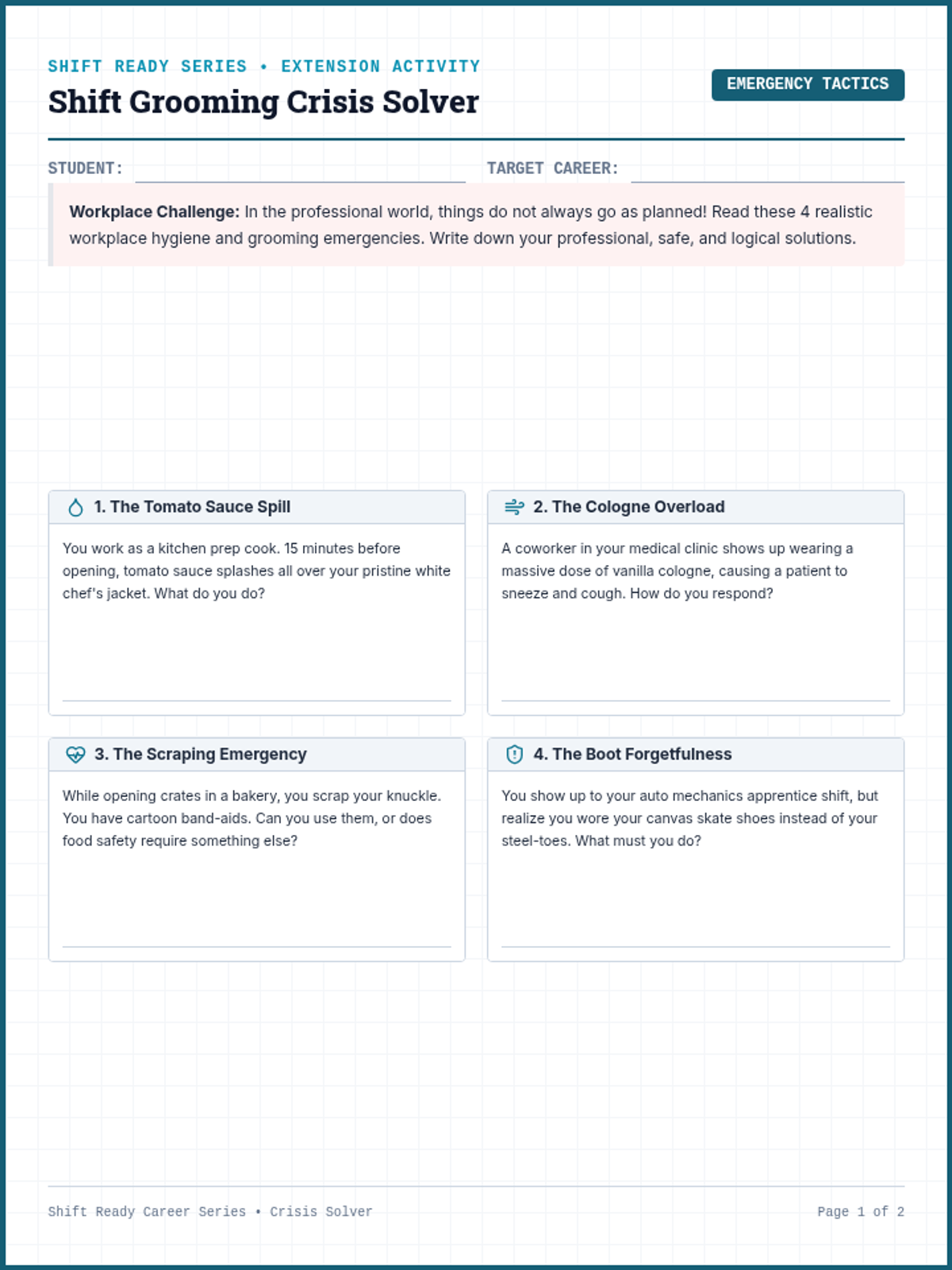
A guided research lesson for transition students to narrow down a career interest, research hygiene/apparel rules from head to toe, design a workplace-appropriate grooming bag, and present findings using a structured 1-minute presentation script.
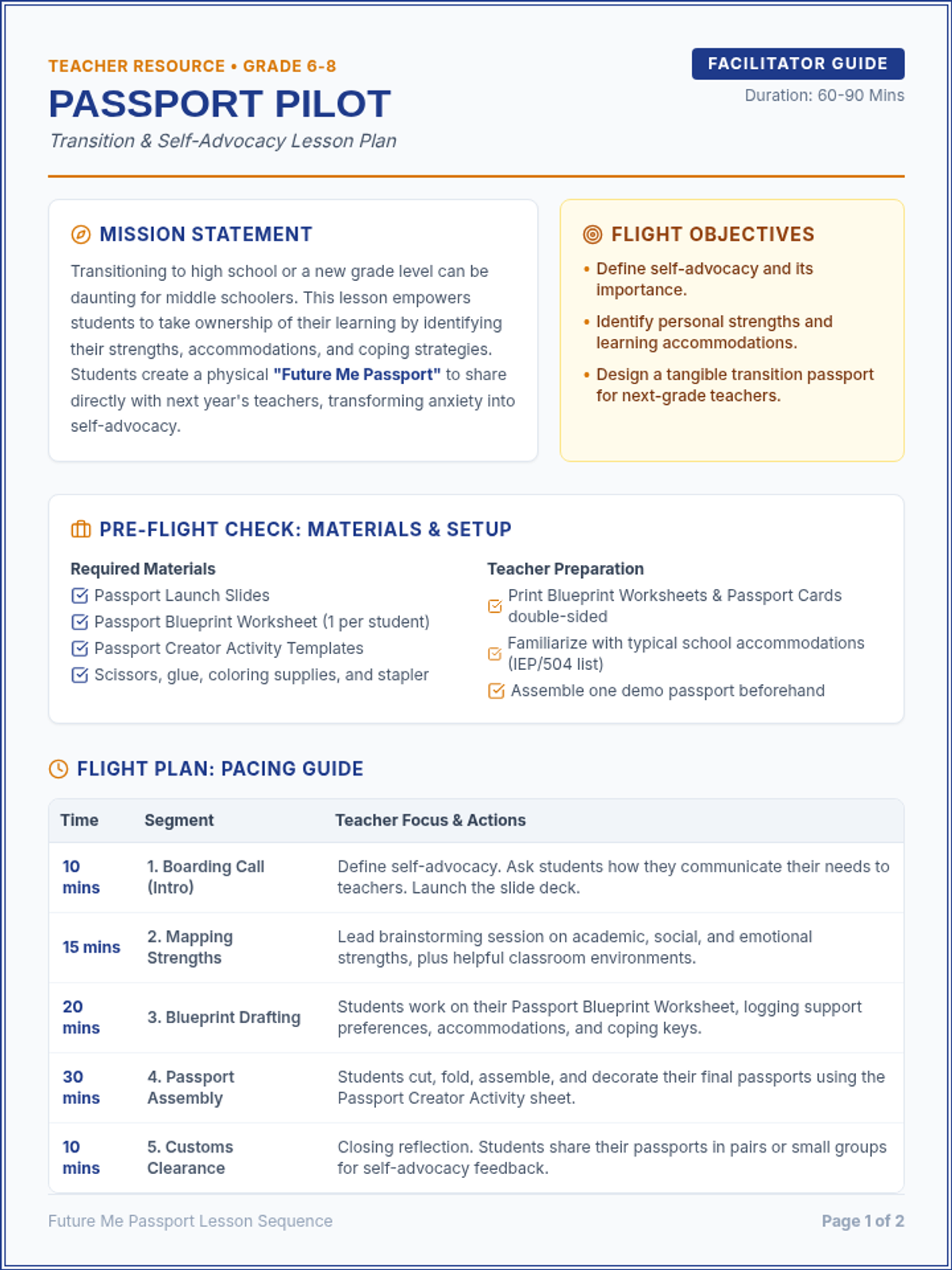
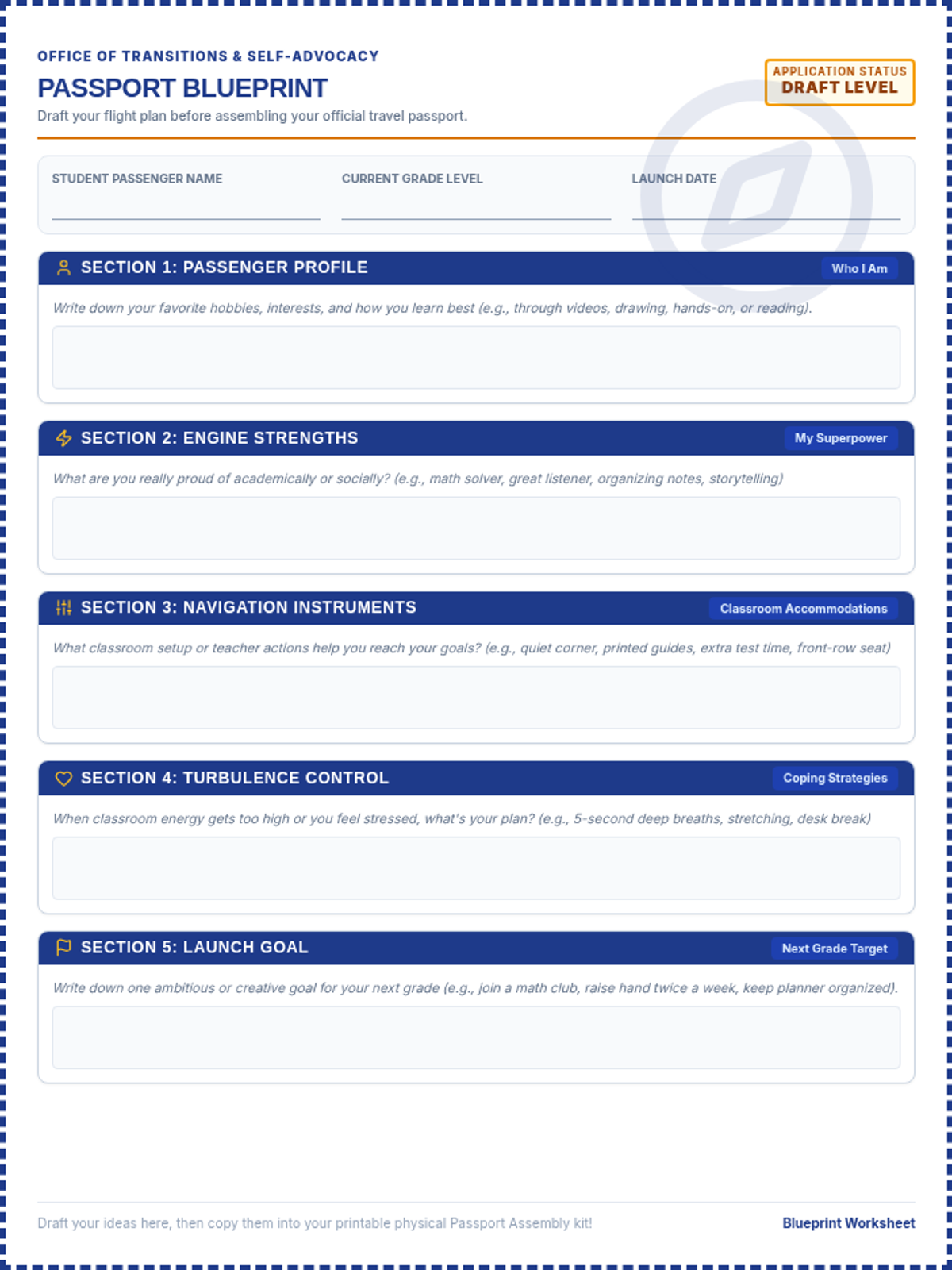
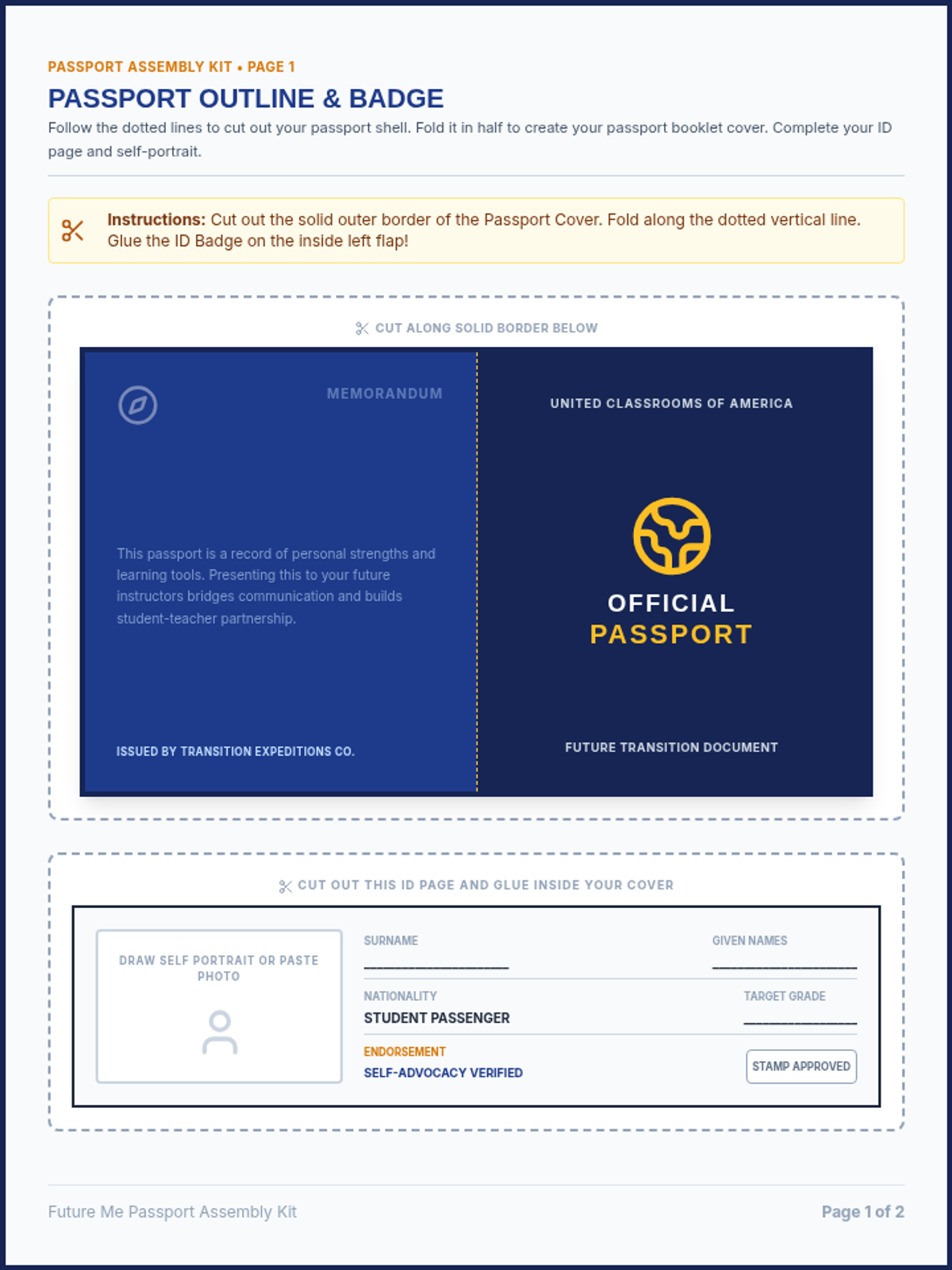
A self-advocacy and transition planning lesson where middle school students discover their strengths, identify necessary accommodations, and design a 'Transition Passport' to present to their future teachers.
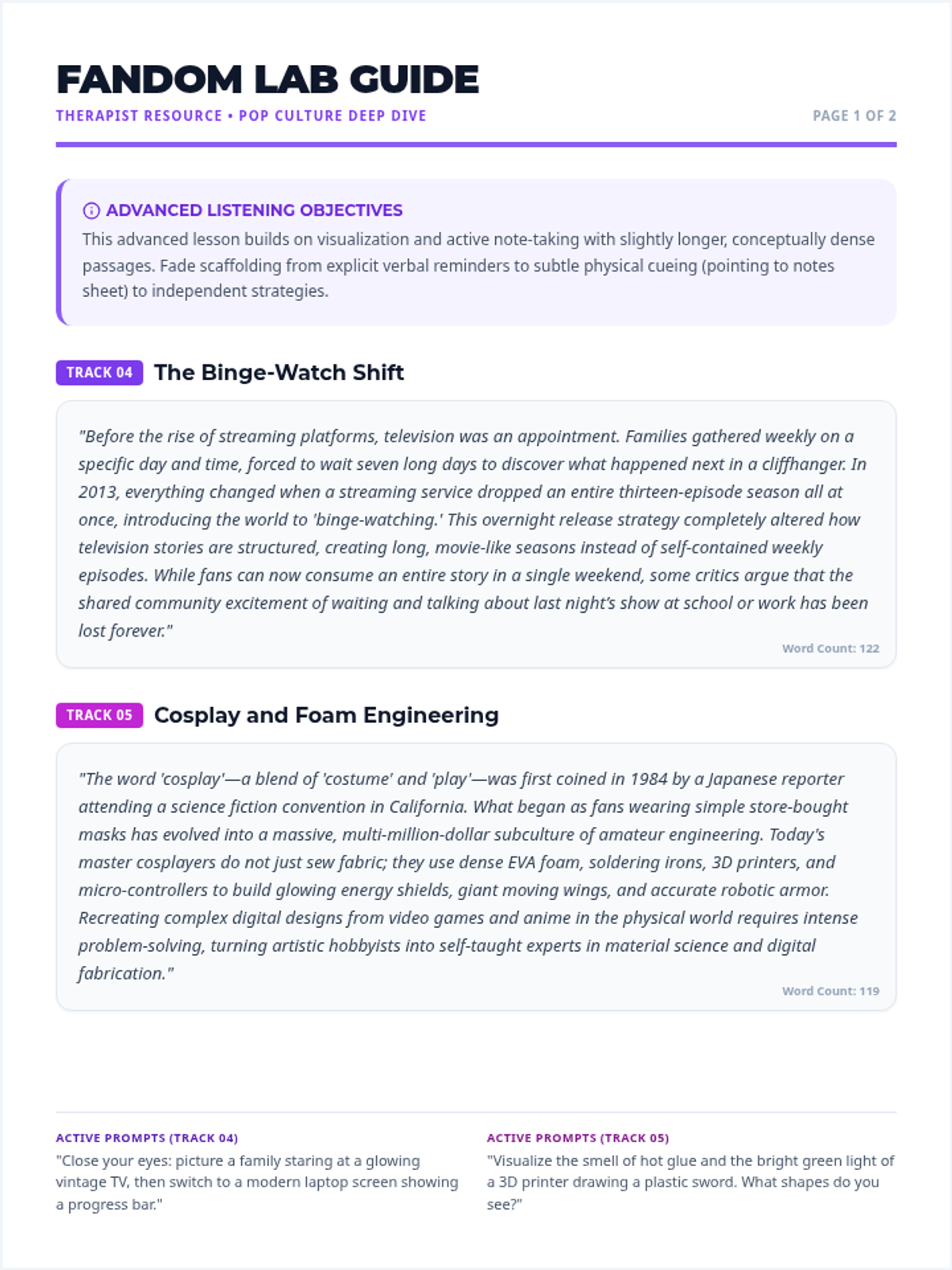
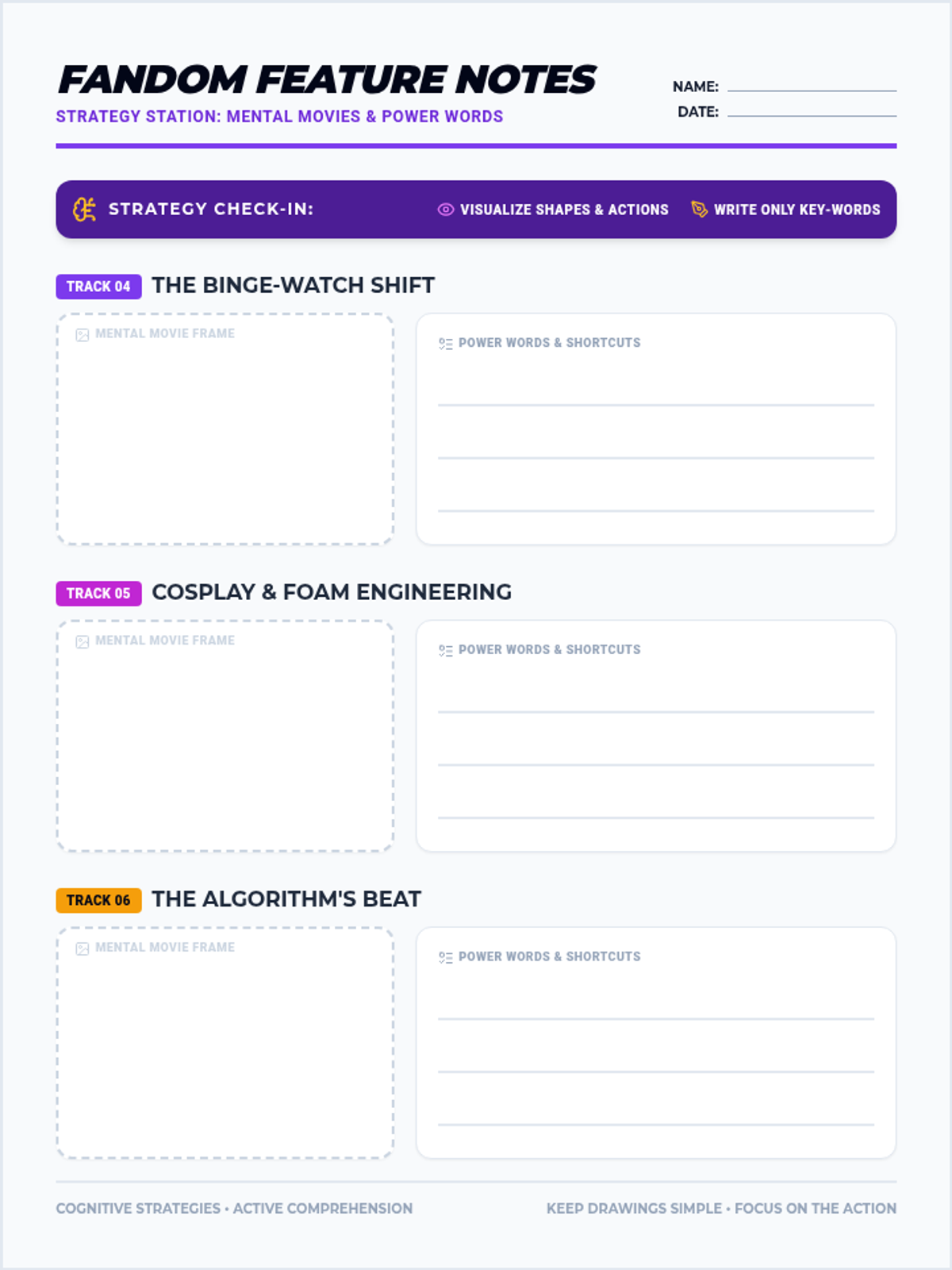
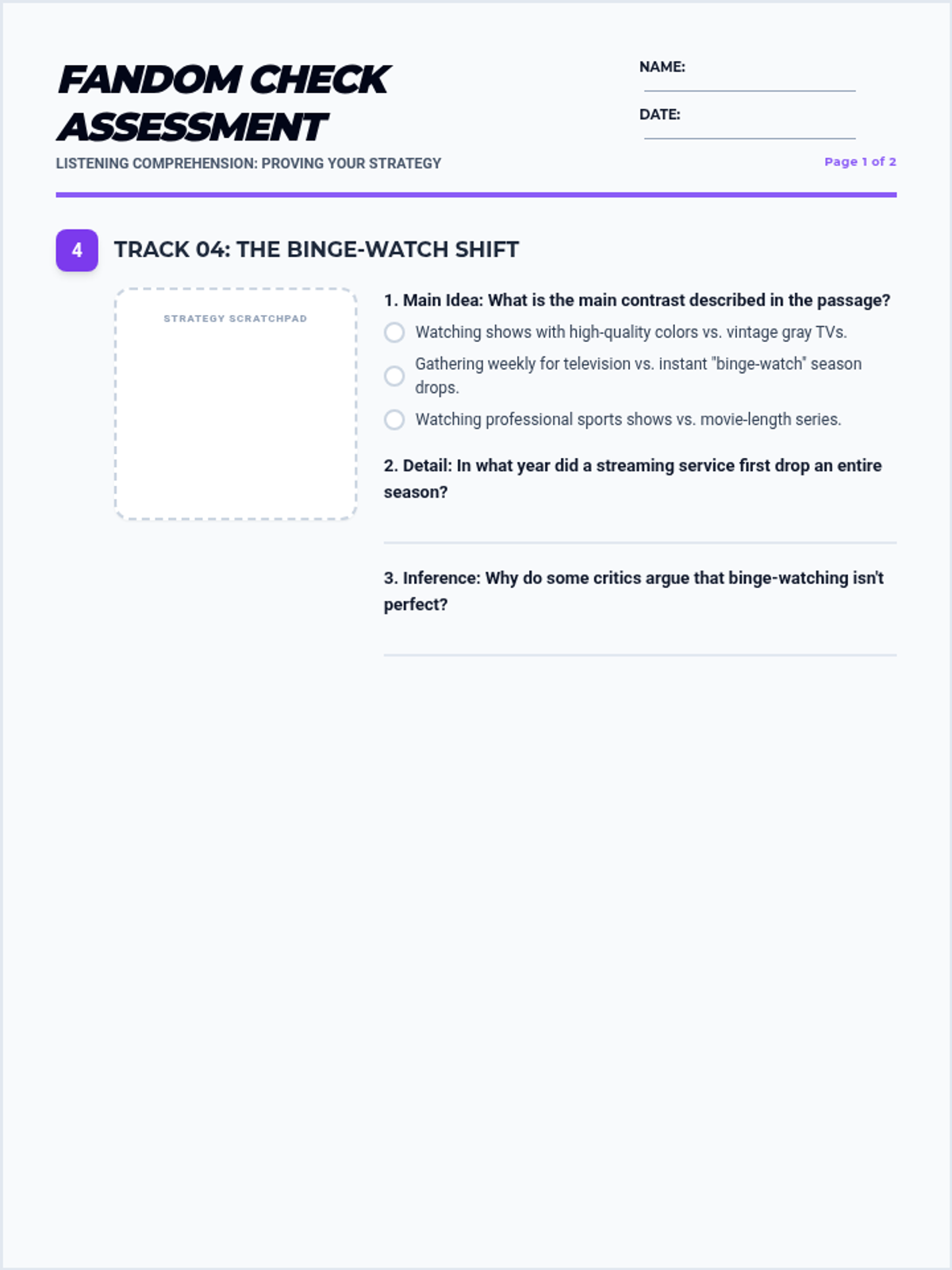
An advanced listening comprehension lesson building on visualization and active note-taking strategies with longer oral passages, denser pop culture topics, and an increased volume of targeted comprehension questions.
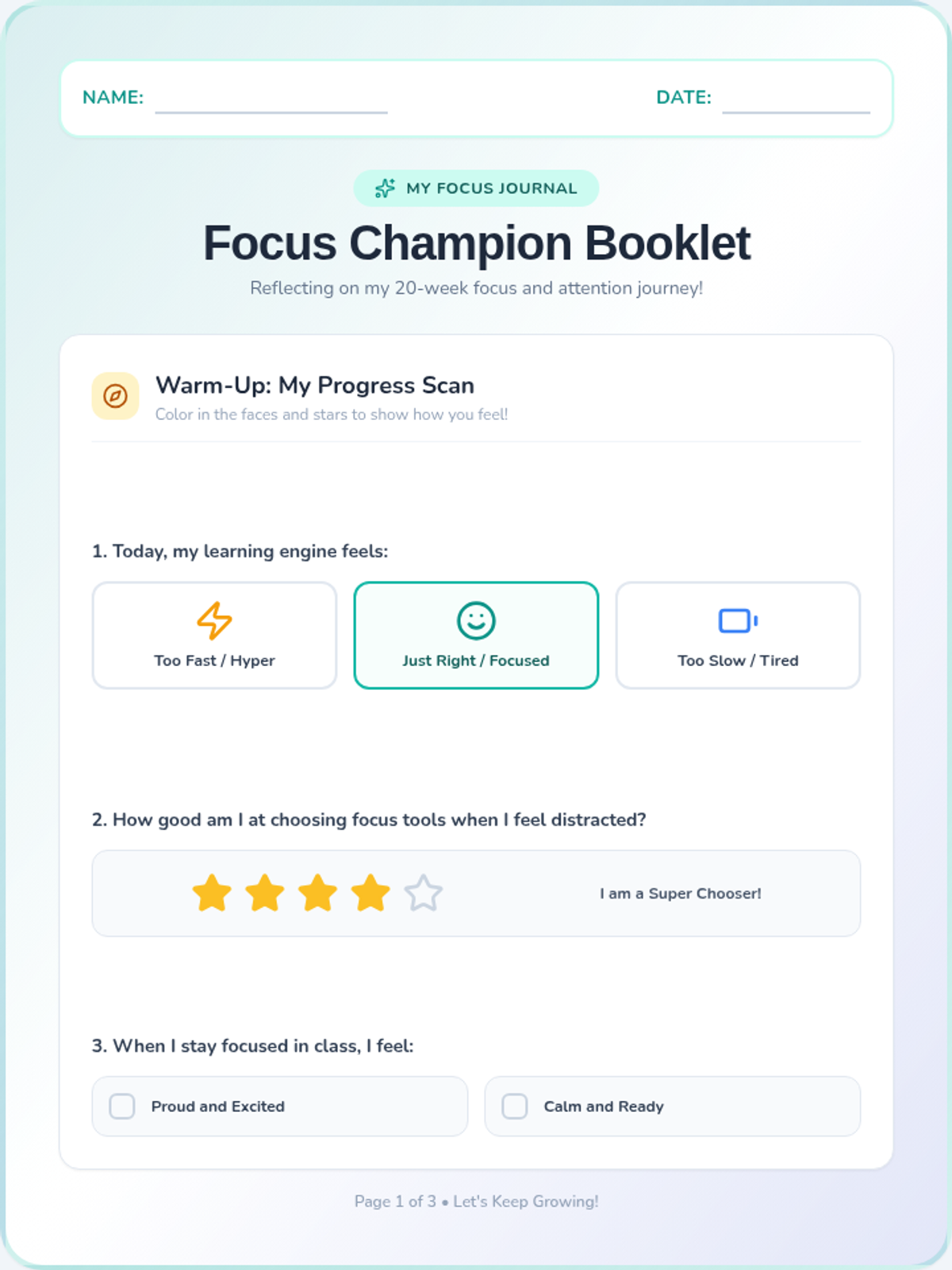
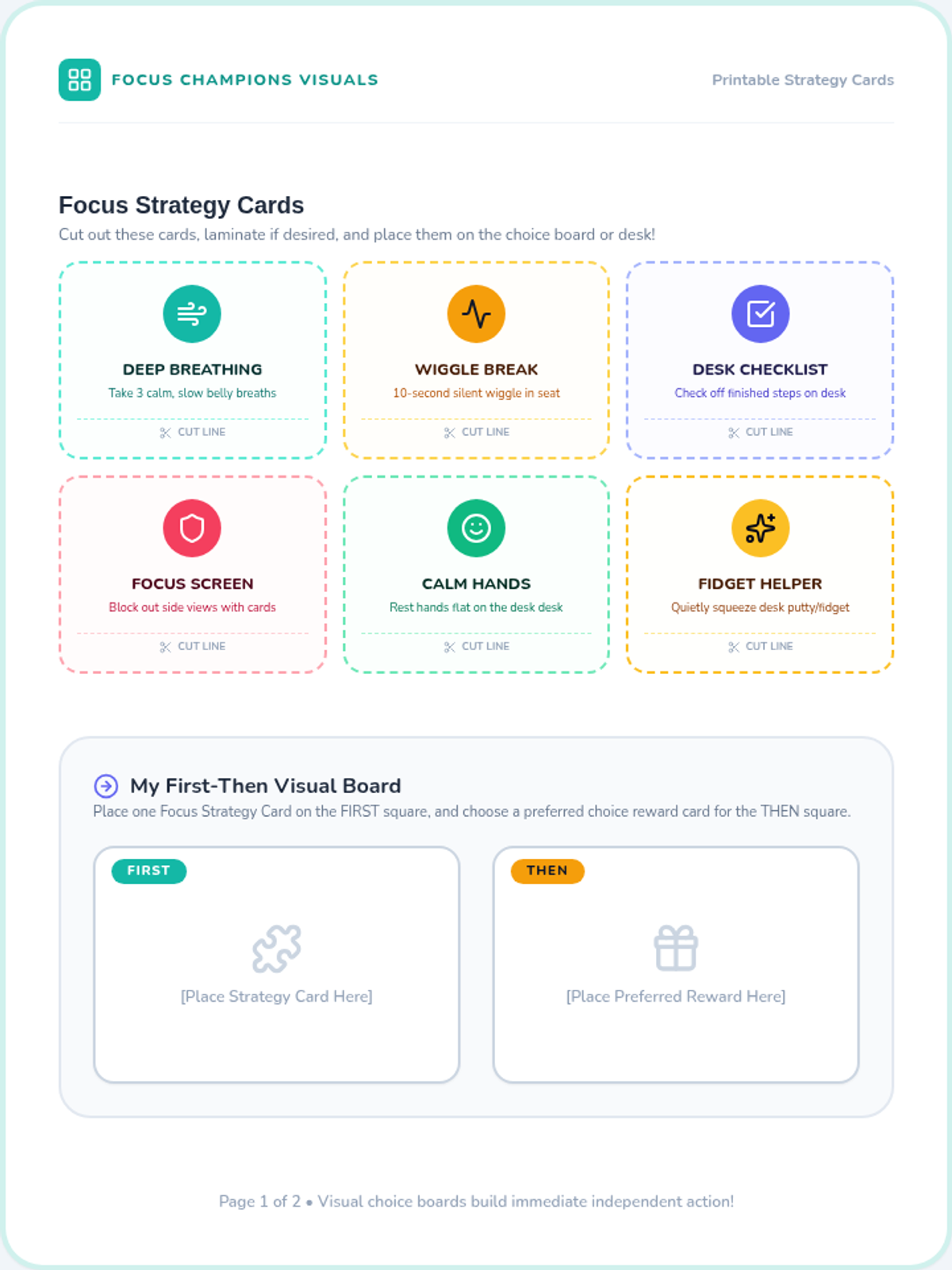
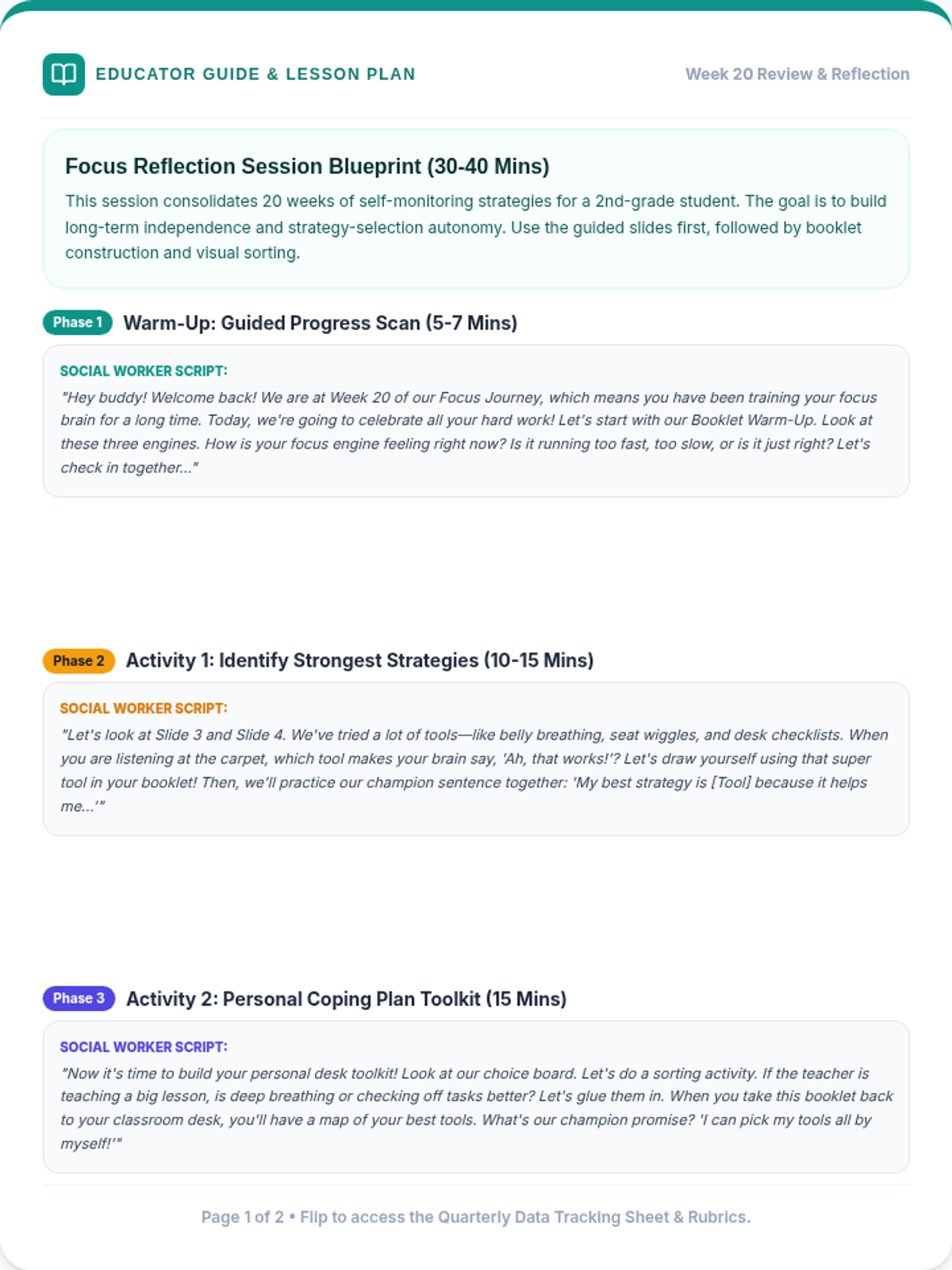
A self-reflection and coping strategy consolidation unit for a 2nd-grade student struggling with sustained attention. Includes a guided social story presentation, an interactive reflection booklet, visual strategy cards, and a comprehensive educator guide with an integrated data tracking system.
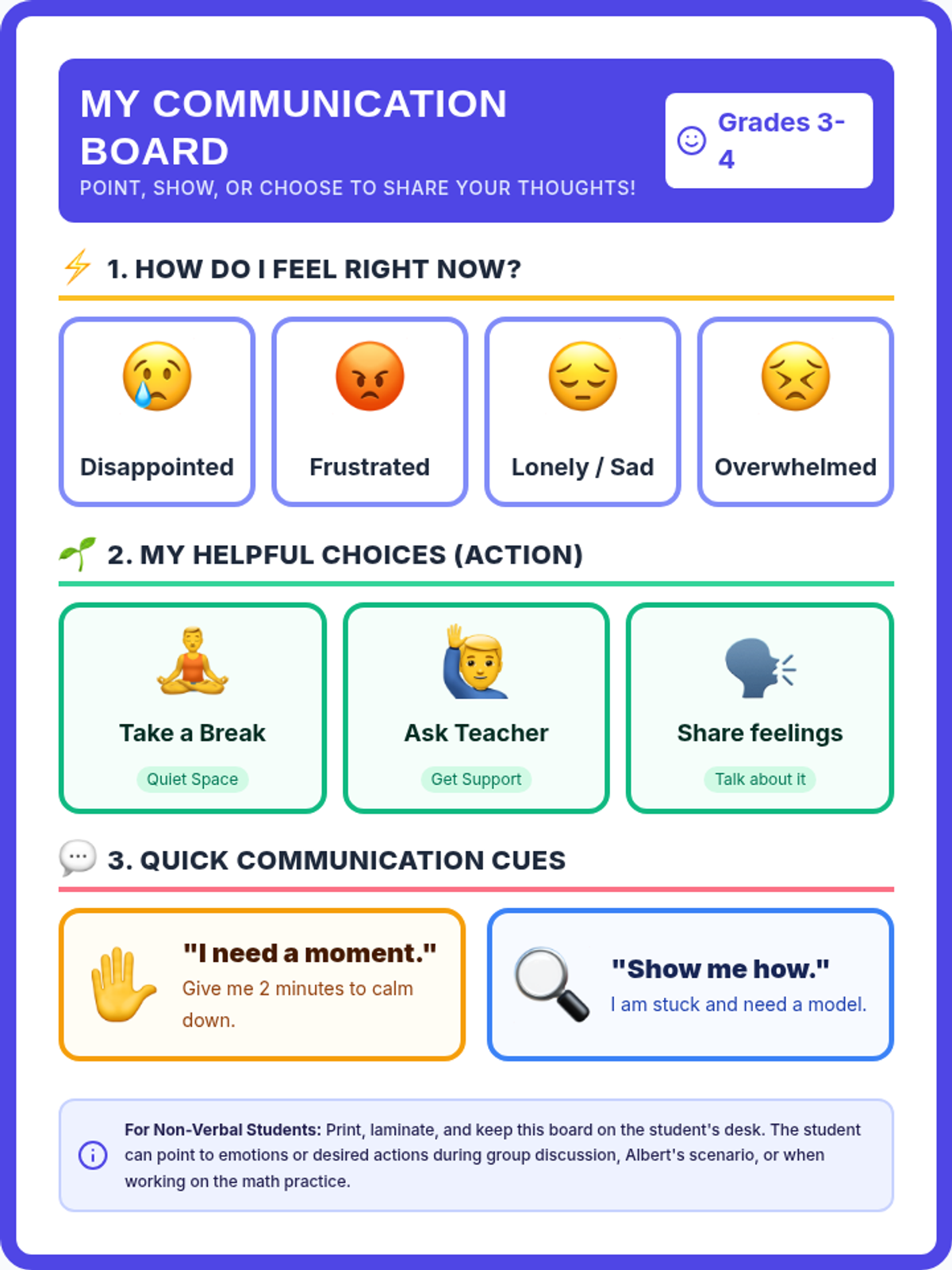
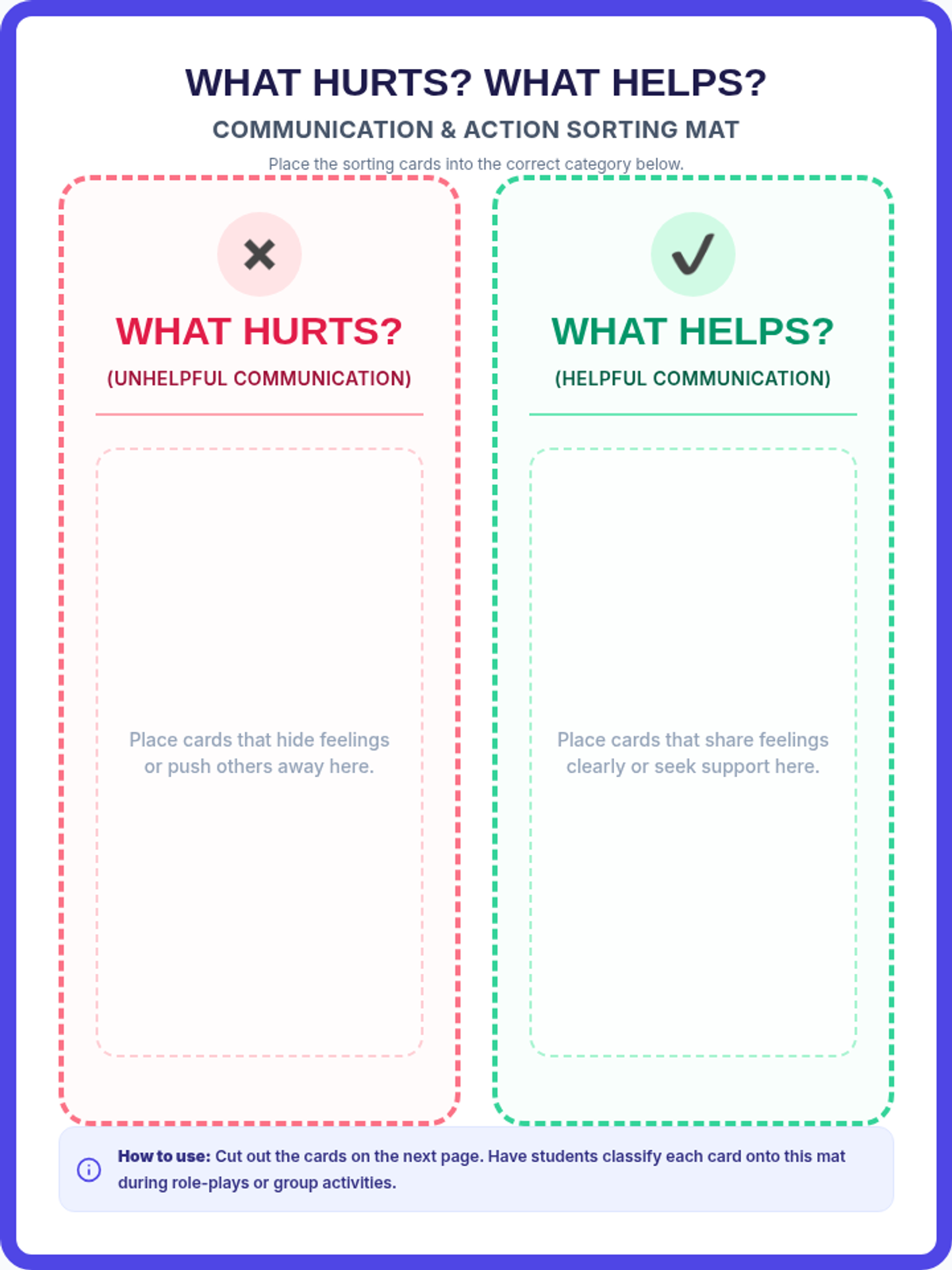
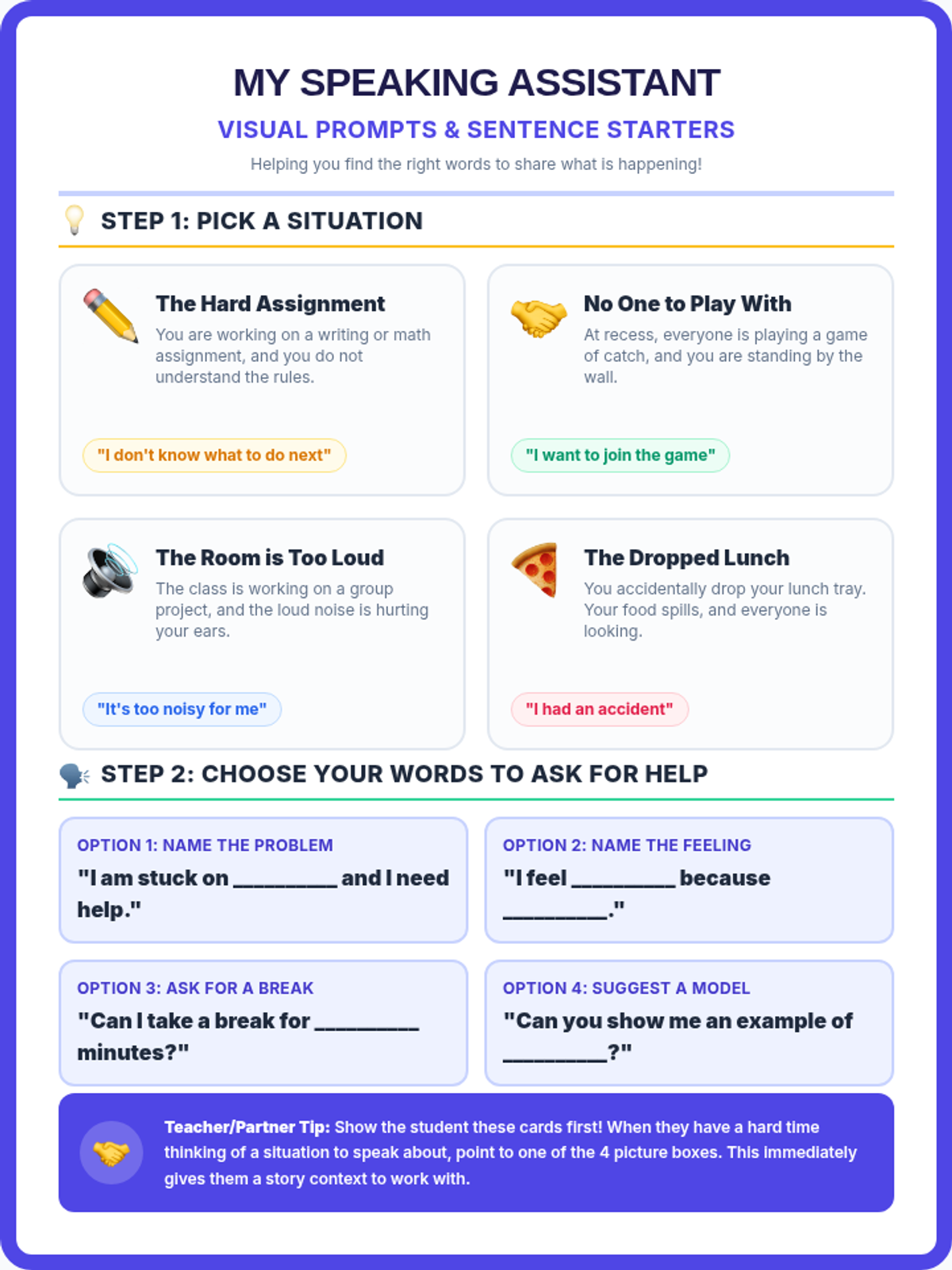
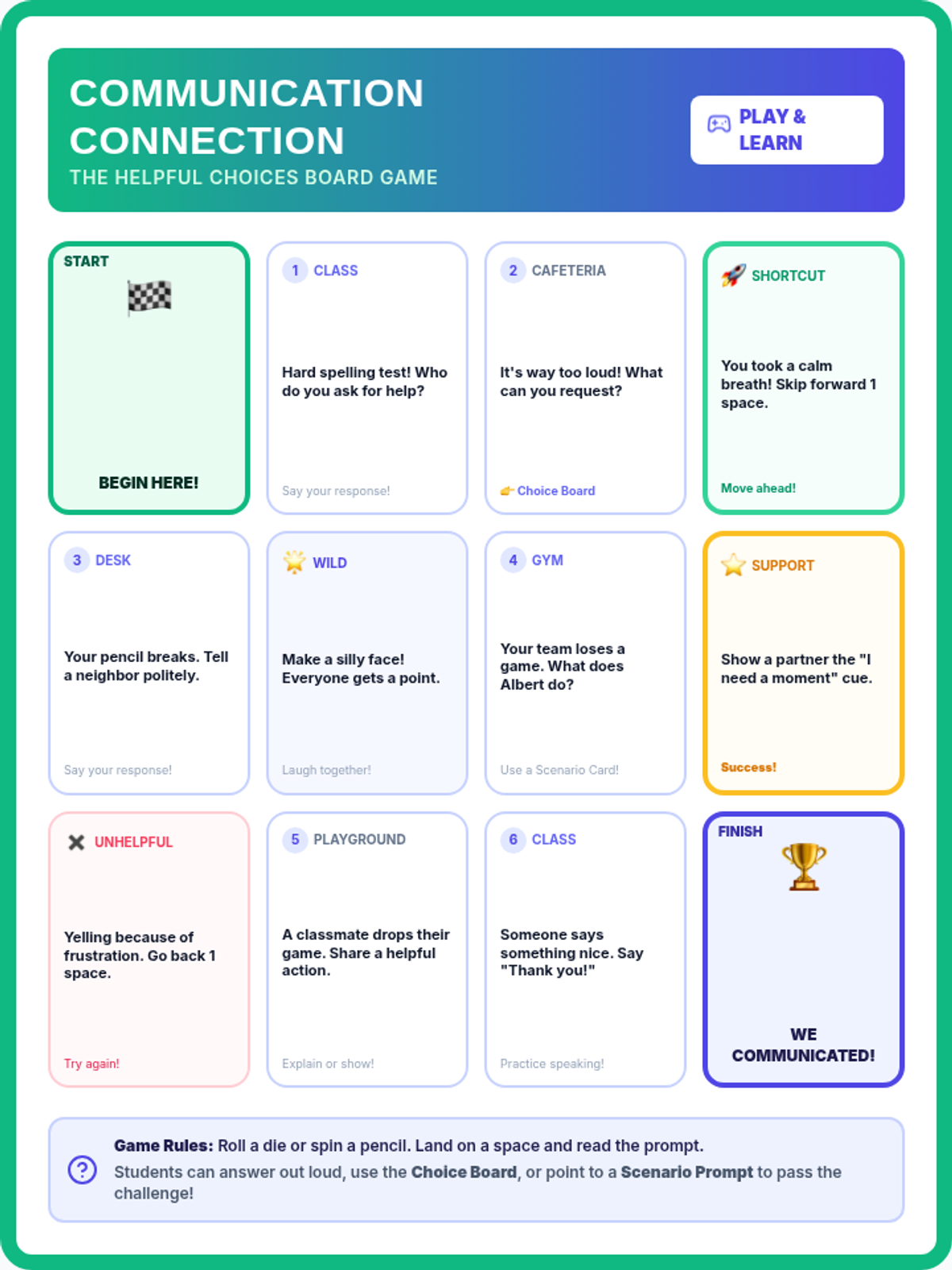
A visual, highly structured social-emotional learning lesson focusing on helpful vs. unhelpful communication. Tailored for 3rd and 4th graders, with explicit non-verbal communication supports (visual boards, sorting cards) to fully include students with autism.
A transition lesson designed to help graduating high school seniors navigate college campus resources, master self-advocacy, and successfully secure academic adjustments.
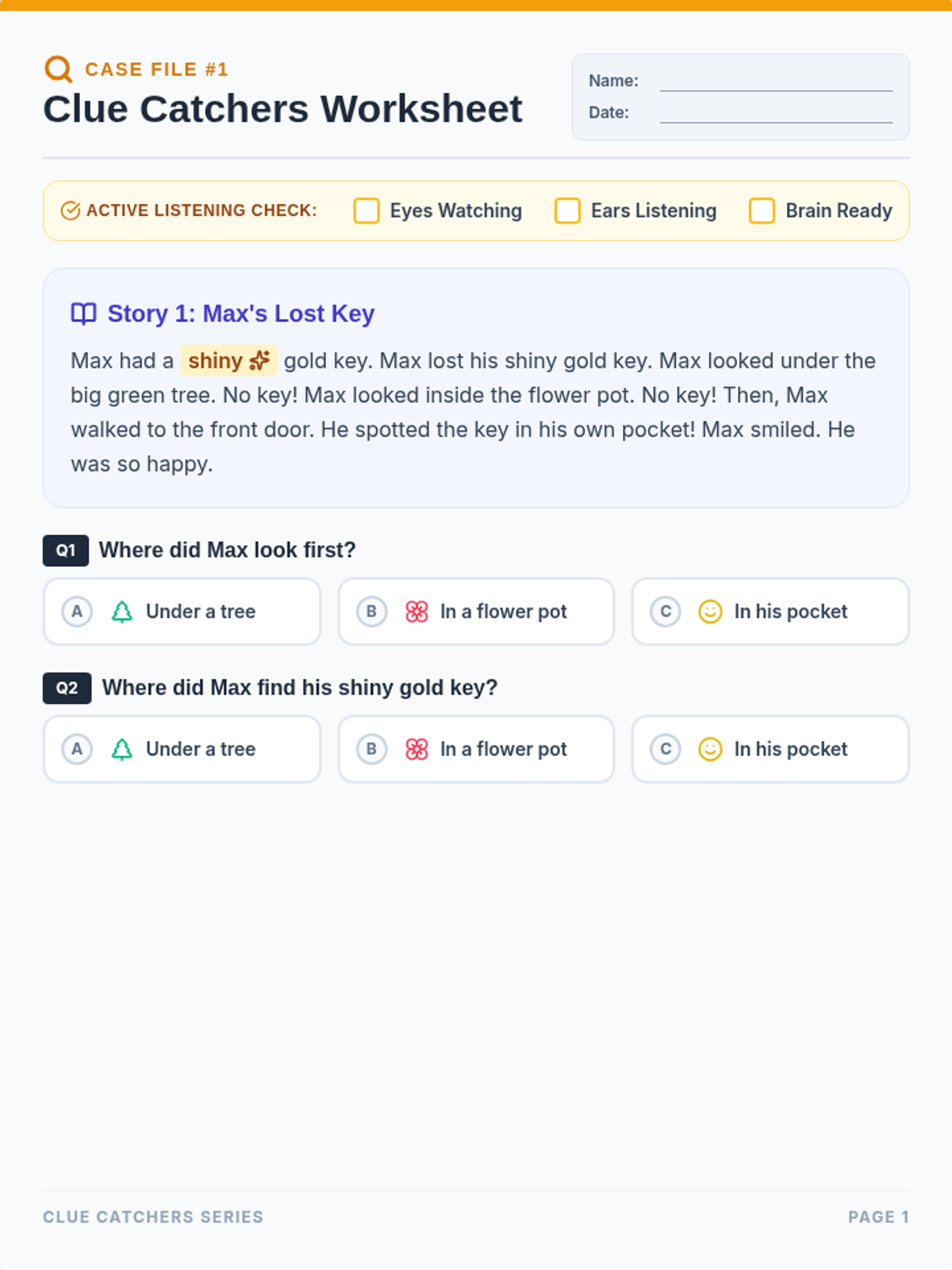
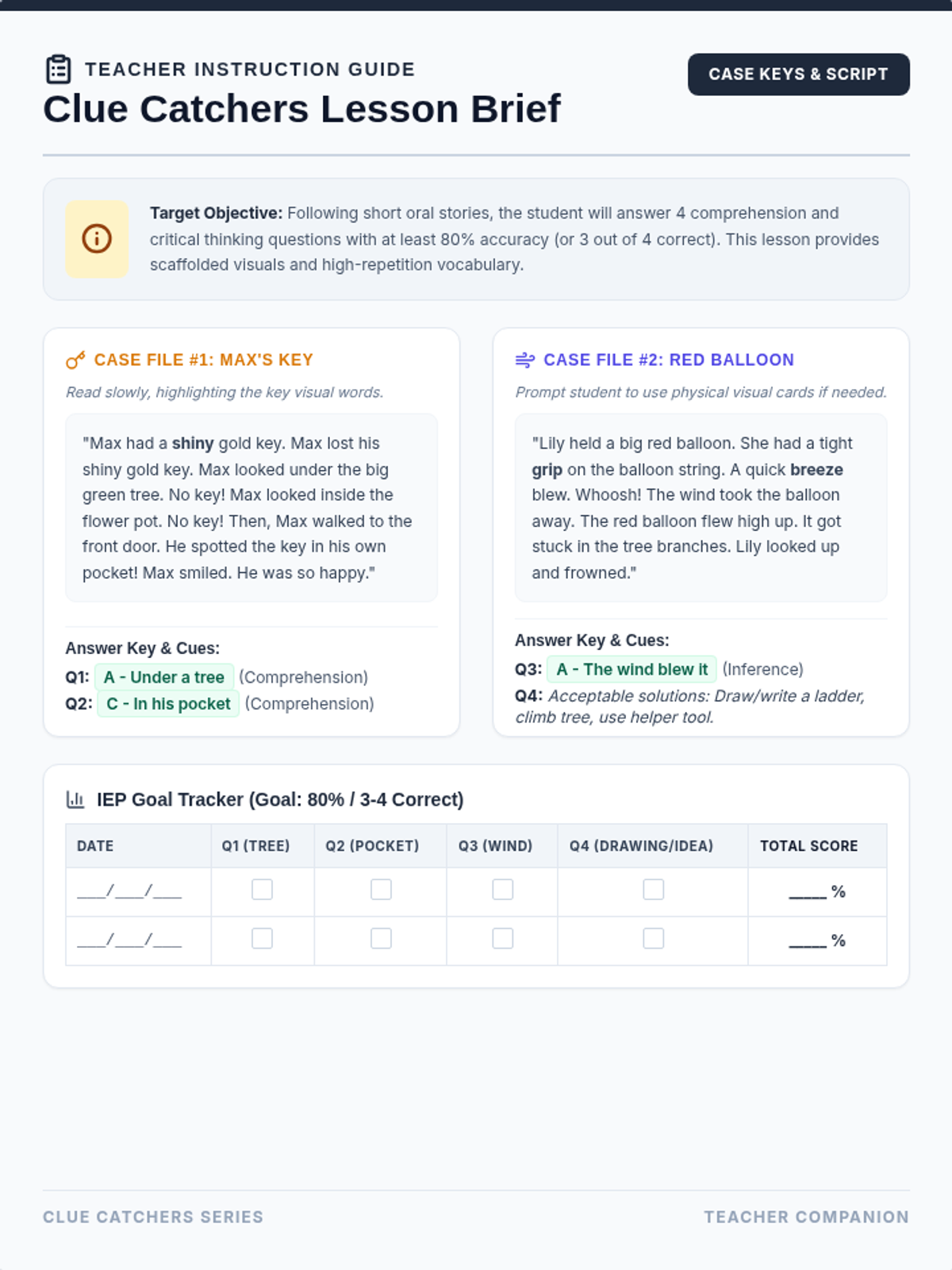
A specialized listening comprehension lesson designed for third-grade students requiring visual supports and simplified text structures. Features engaging short stories read aloud by the teacher, supported by an interactive slide deck and visual-aid student worksheets.
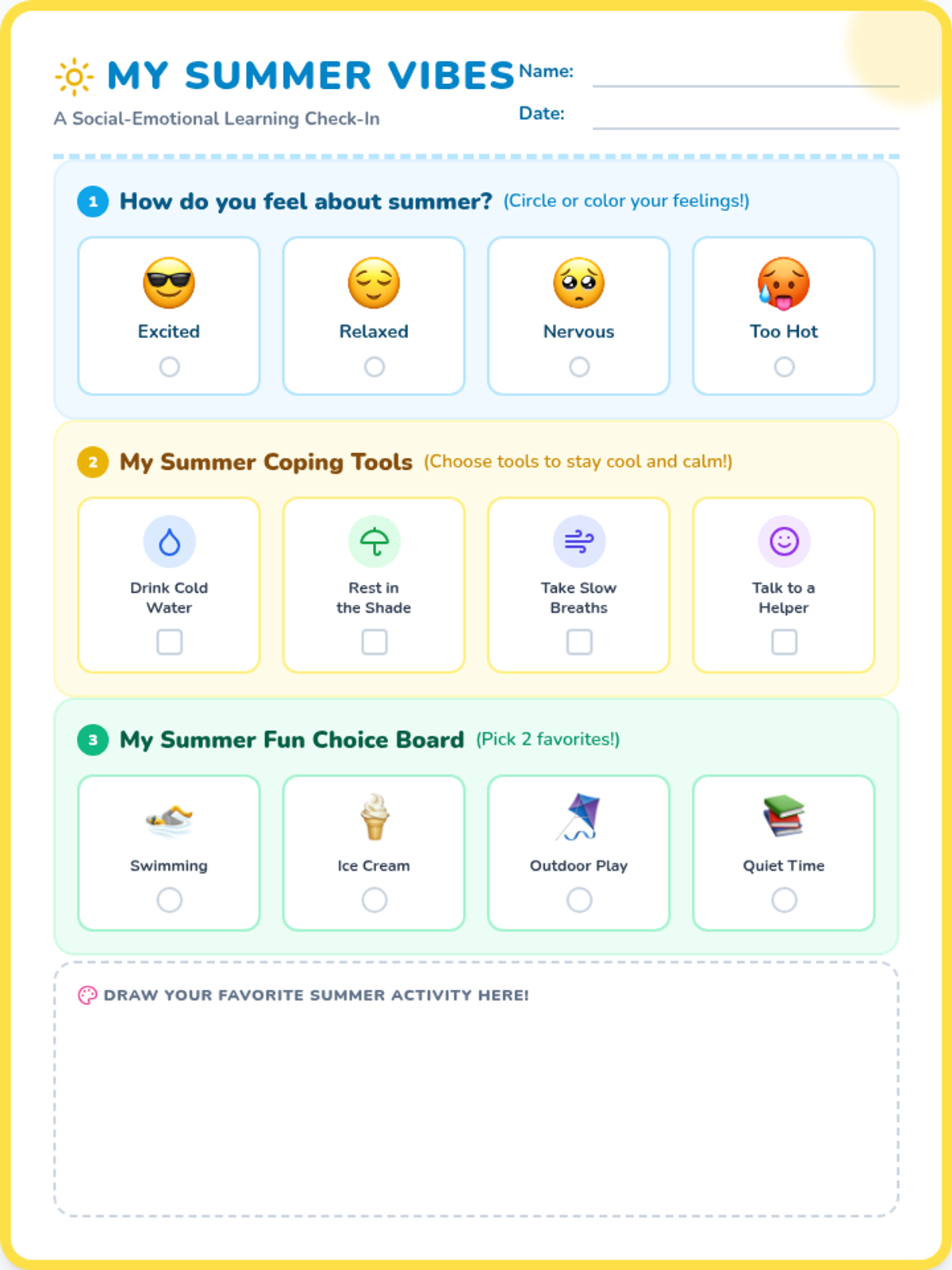
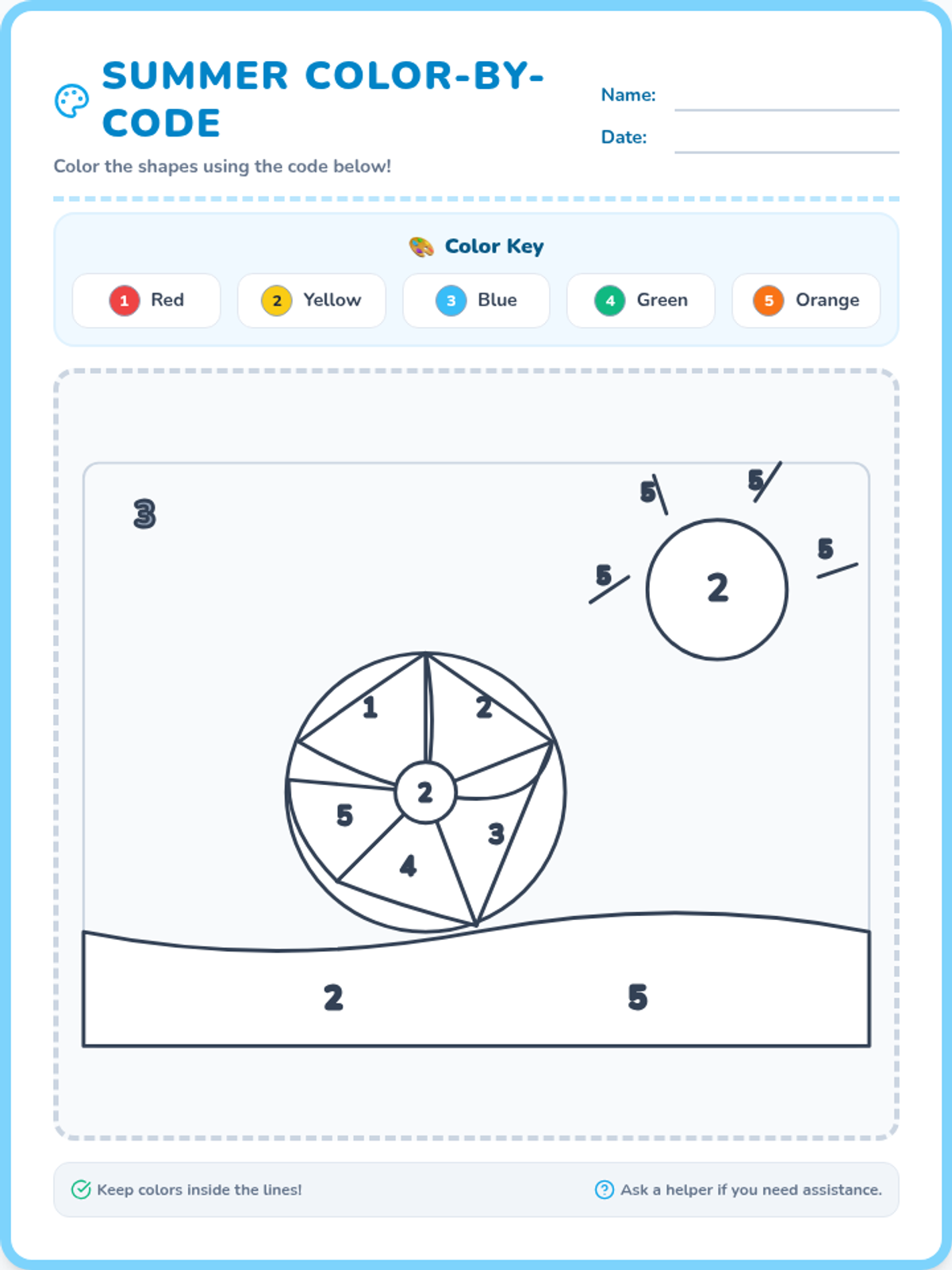
A specialized social-emotional lesson designed for special education students to explore summer-themed feelings, identify healthy coping skills, and practice visual discrimination through themed color-by-code sheets.
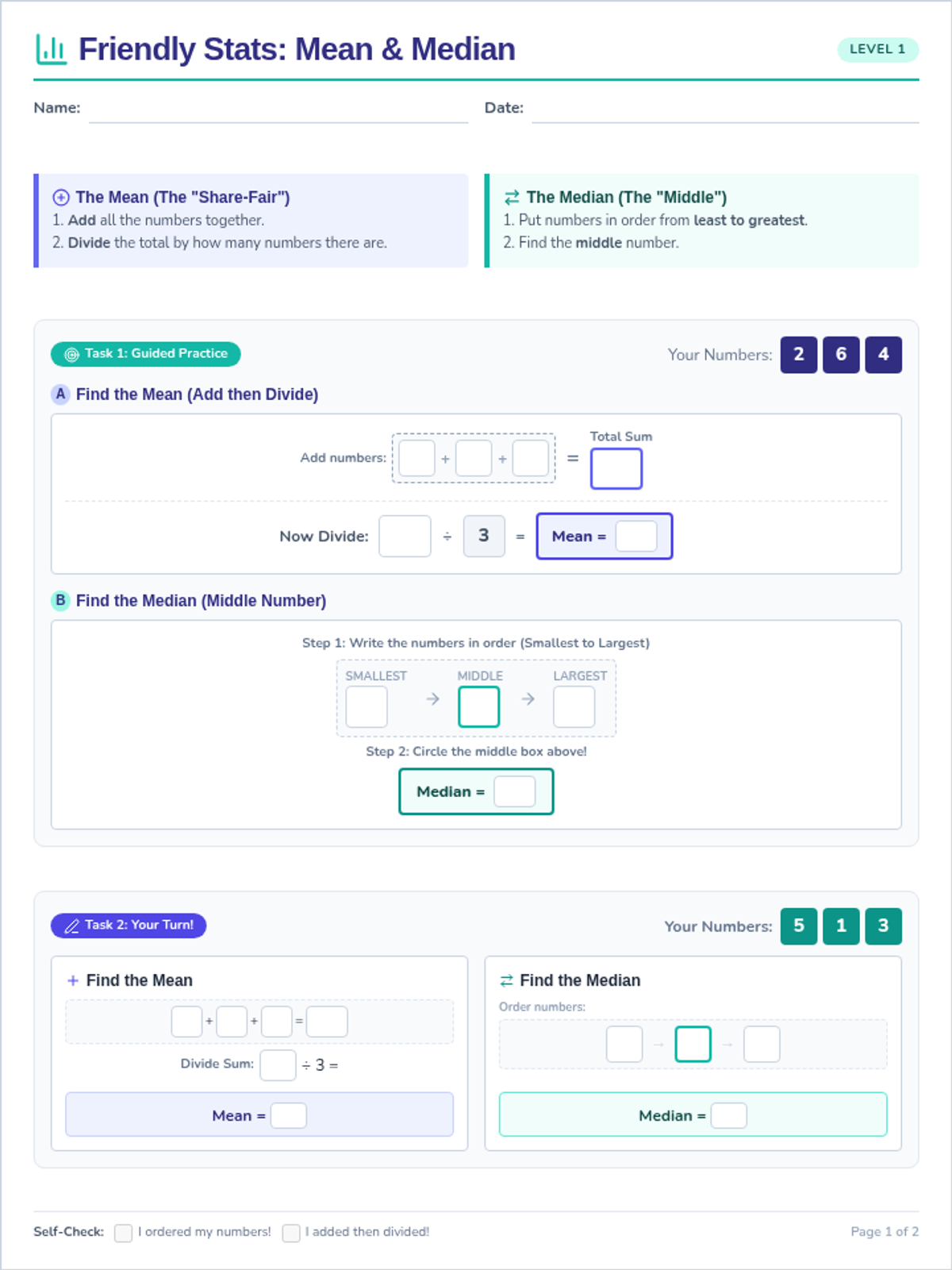
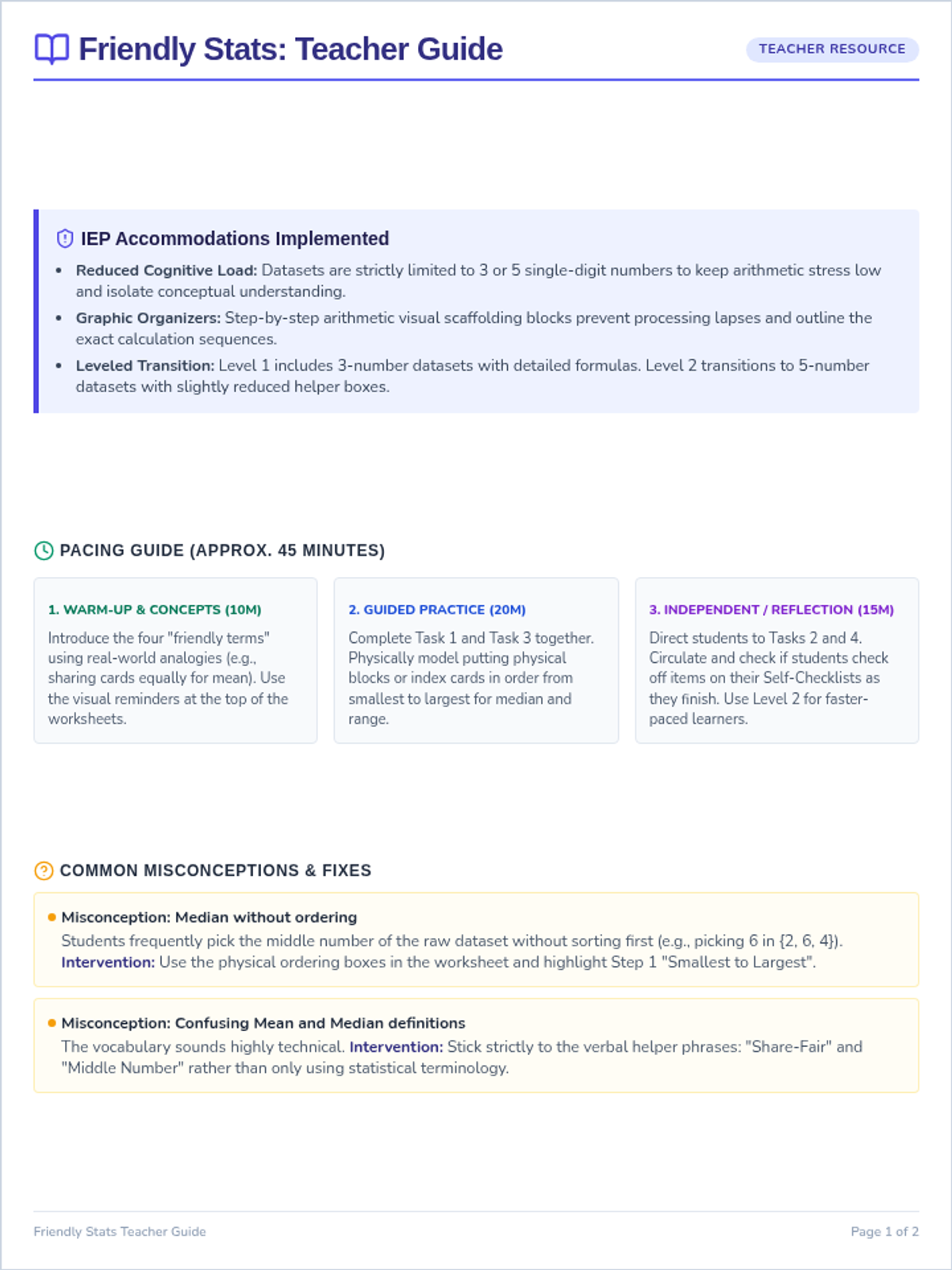
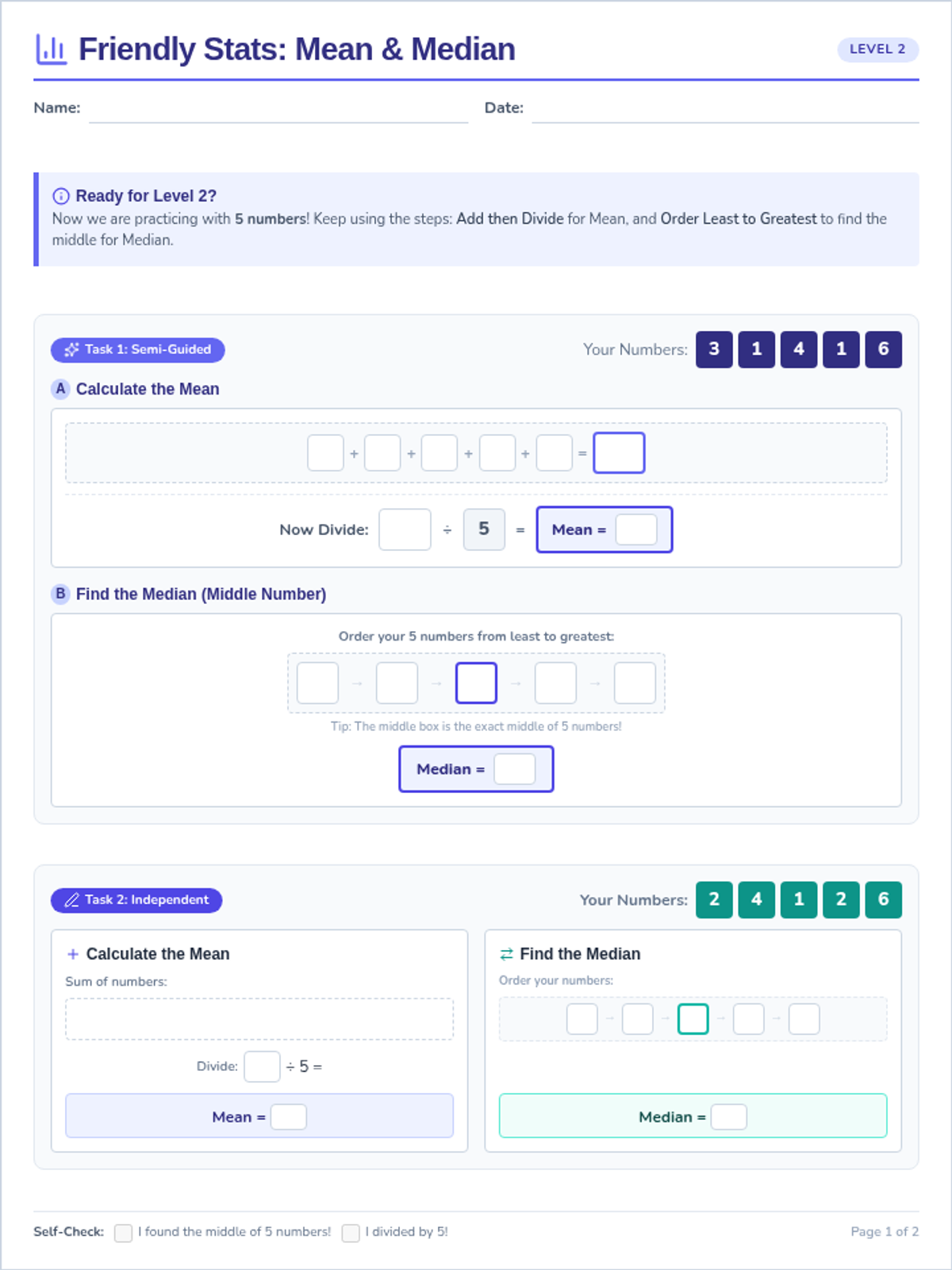
A highly scaffolded lesson on finding the mean, median, mode, and range using small, single-digit datasets (3-5 numbers) designed specifically for students with IEP accommodations.
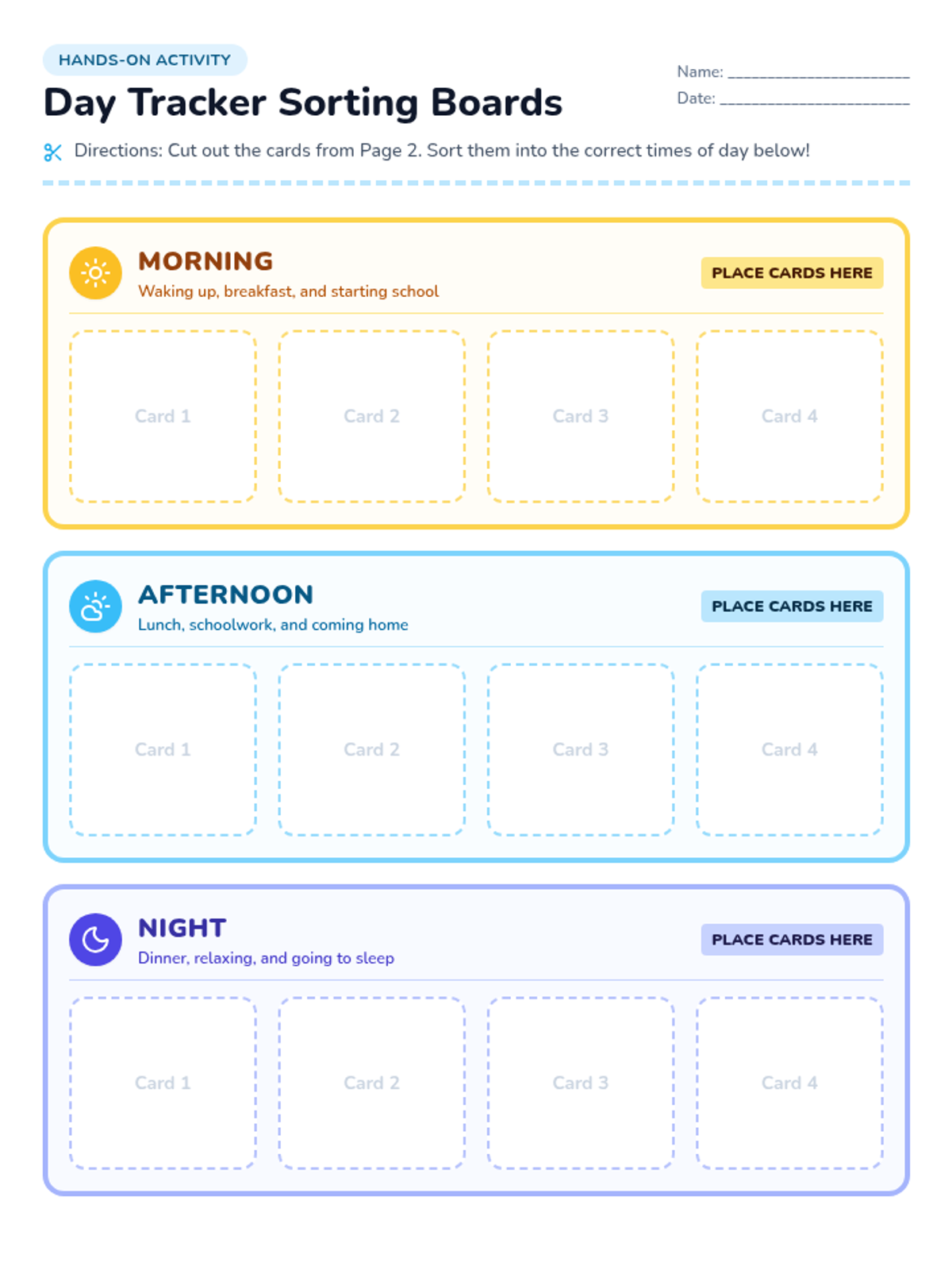
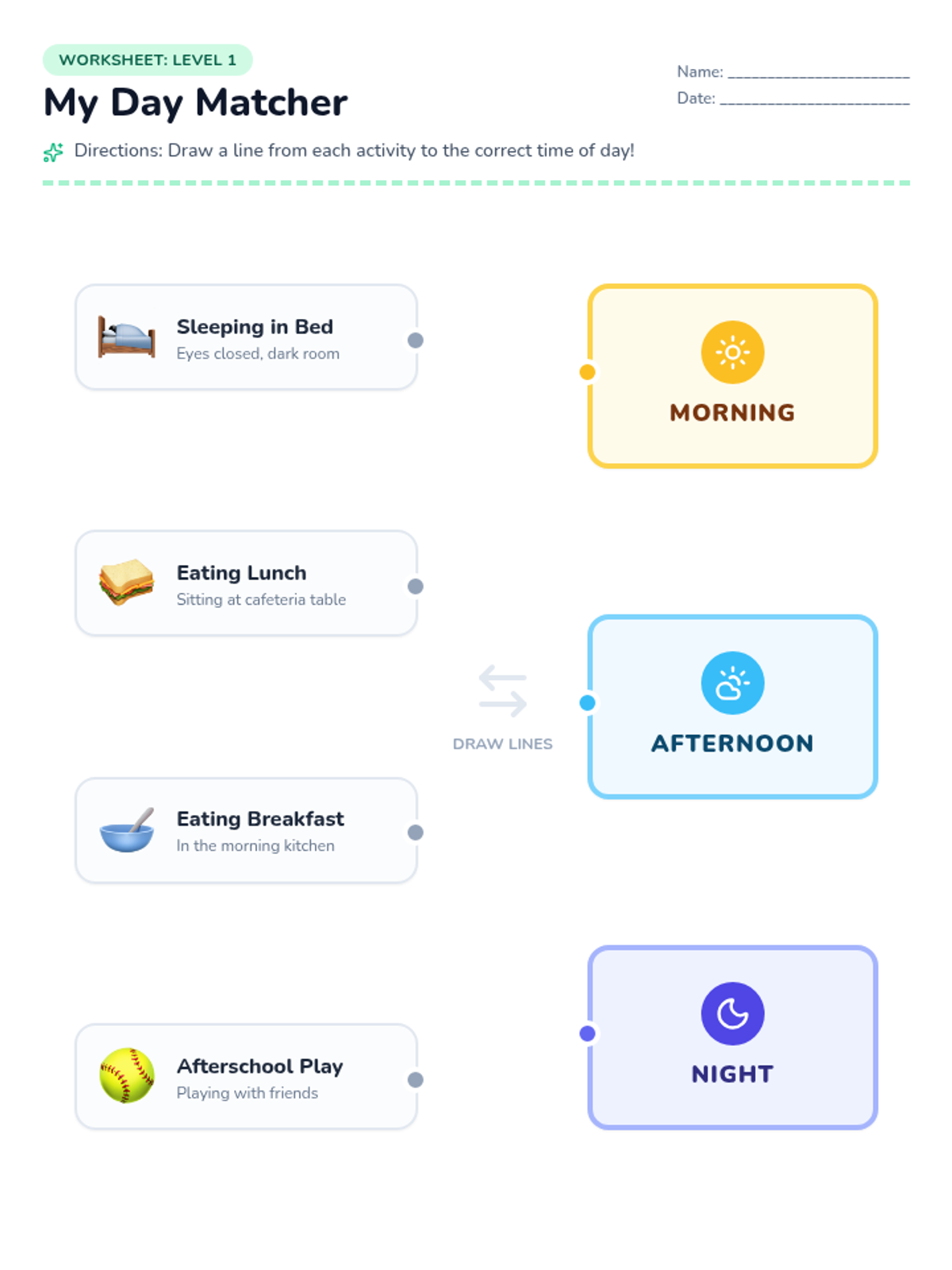
A lesson designed for 6th-grade students with low cognitive abilities to master basic time management. It uses structured visual supports, hands-on sorting cards, and simplified matching worksheets to connect times of day (morning, afternoon, night) and hours to daily school and home routines.
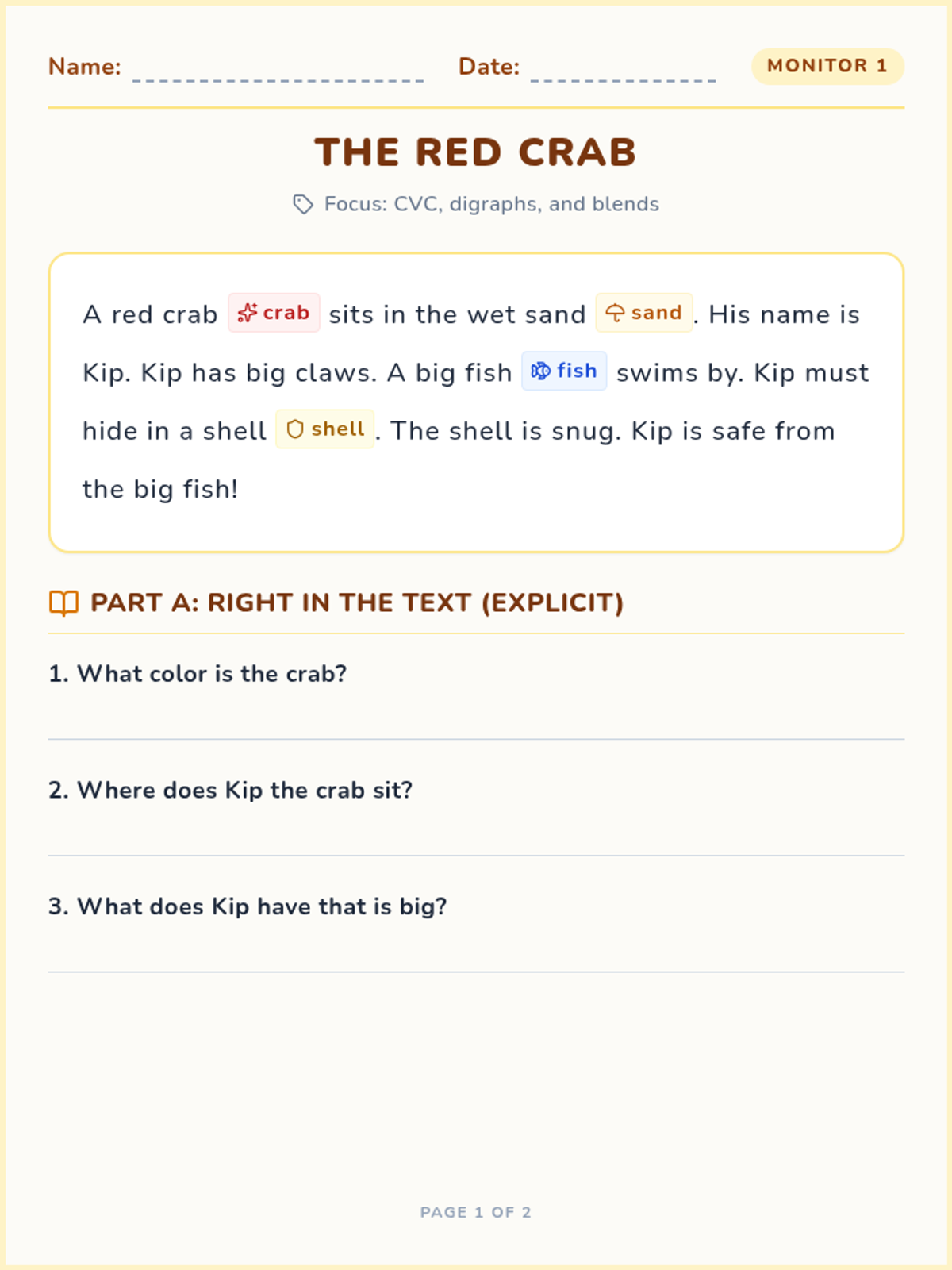
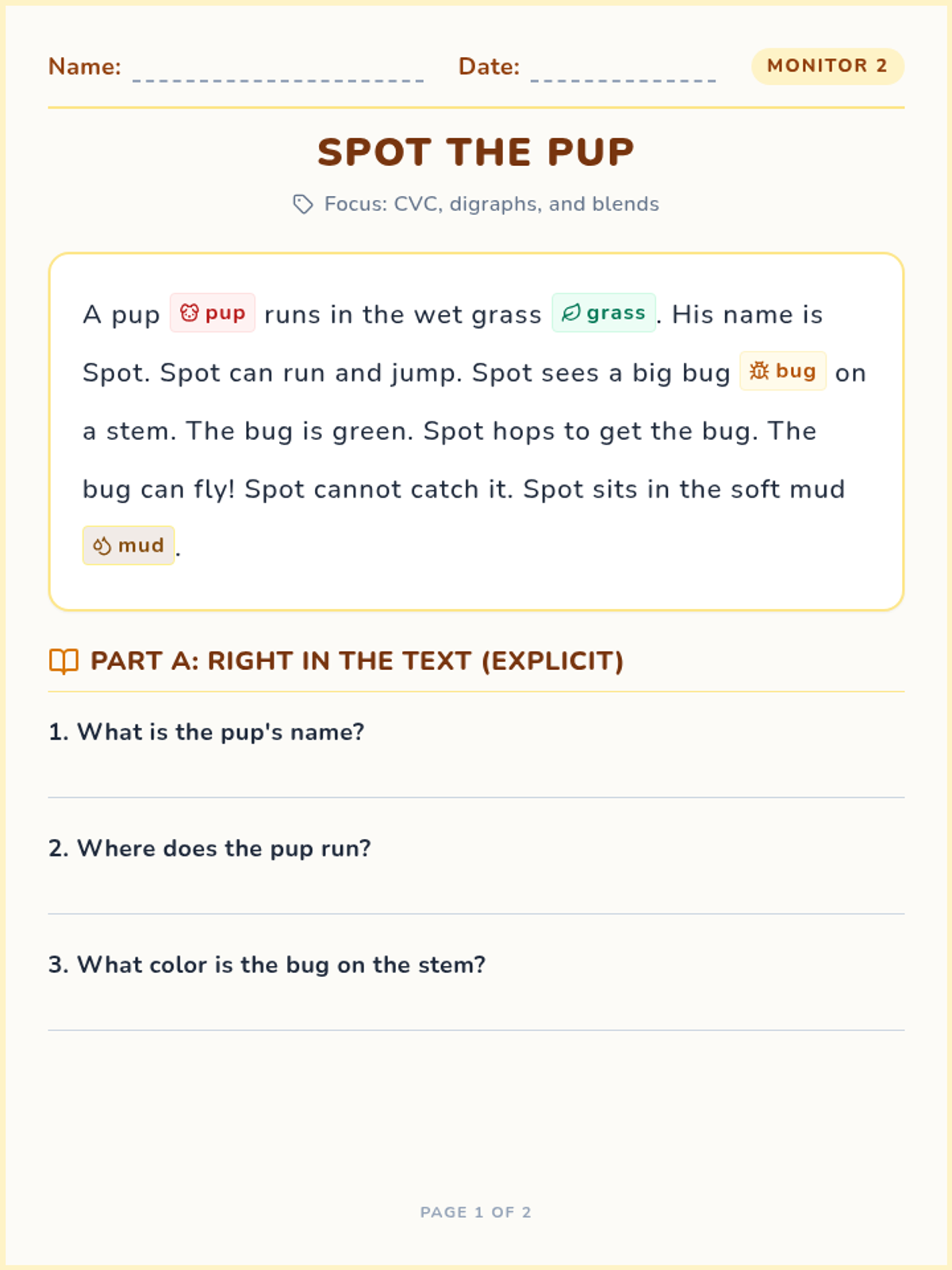
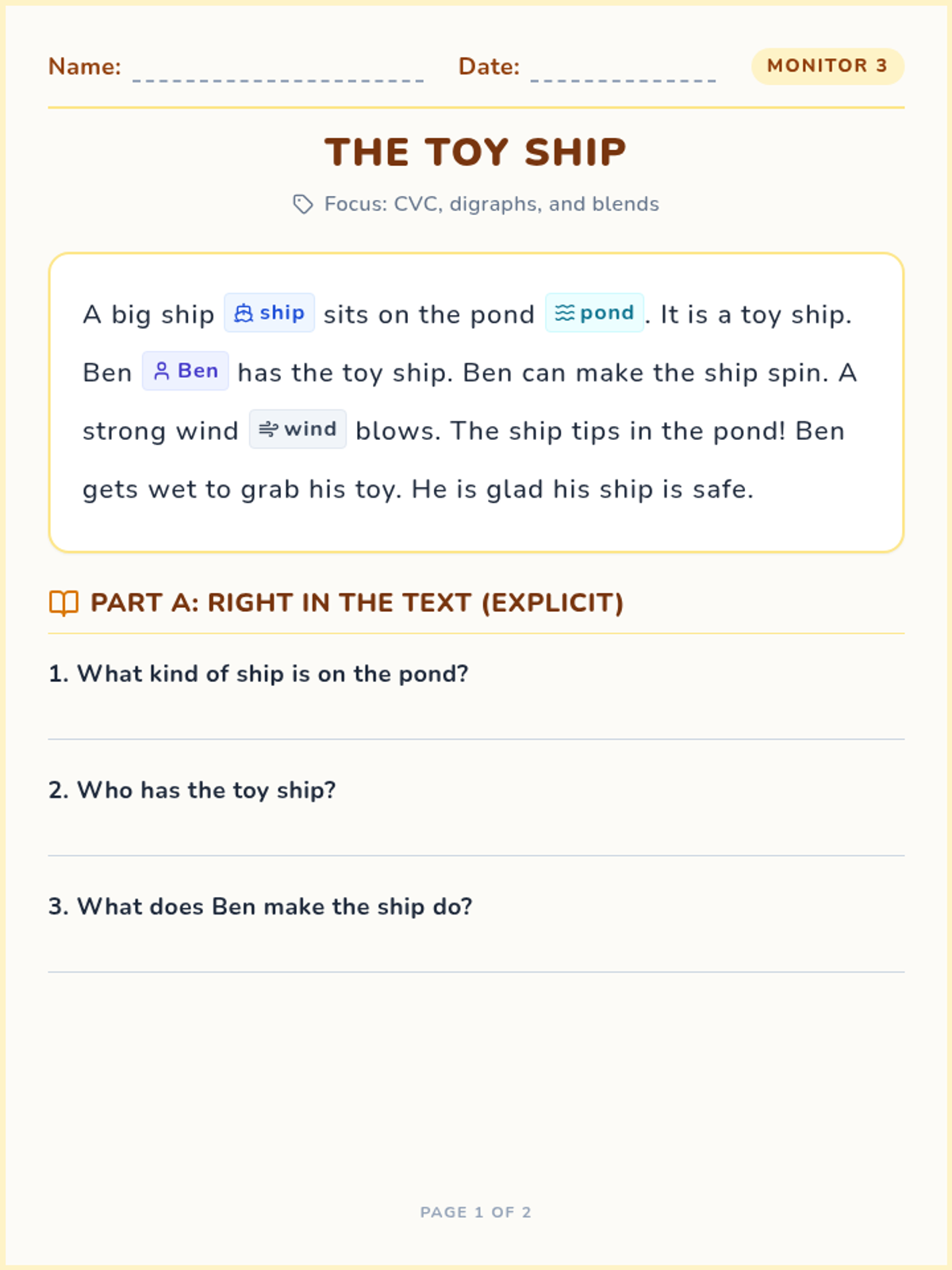
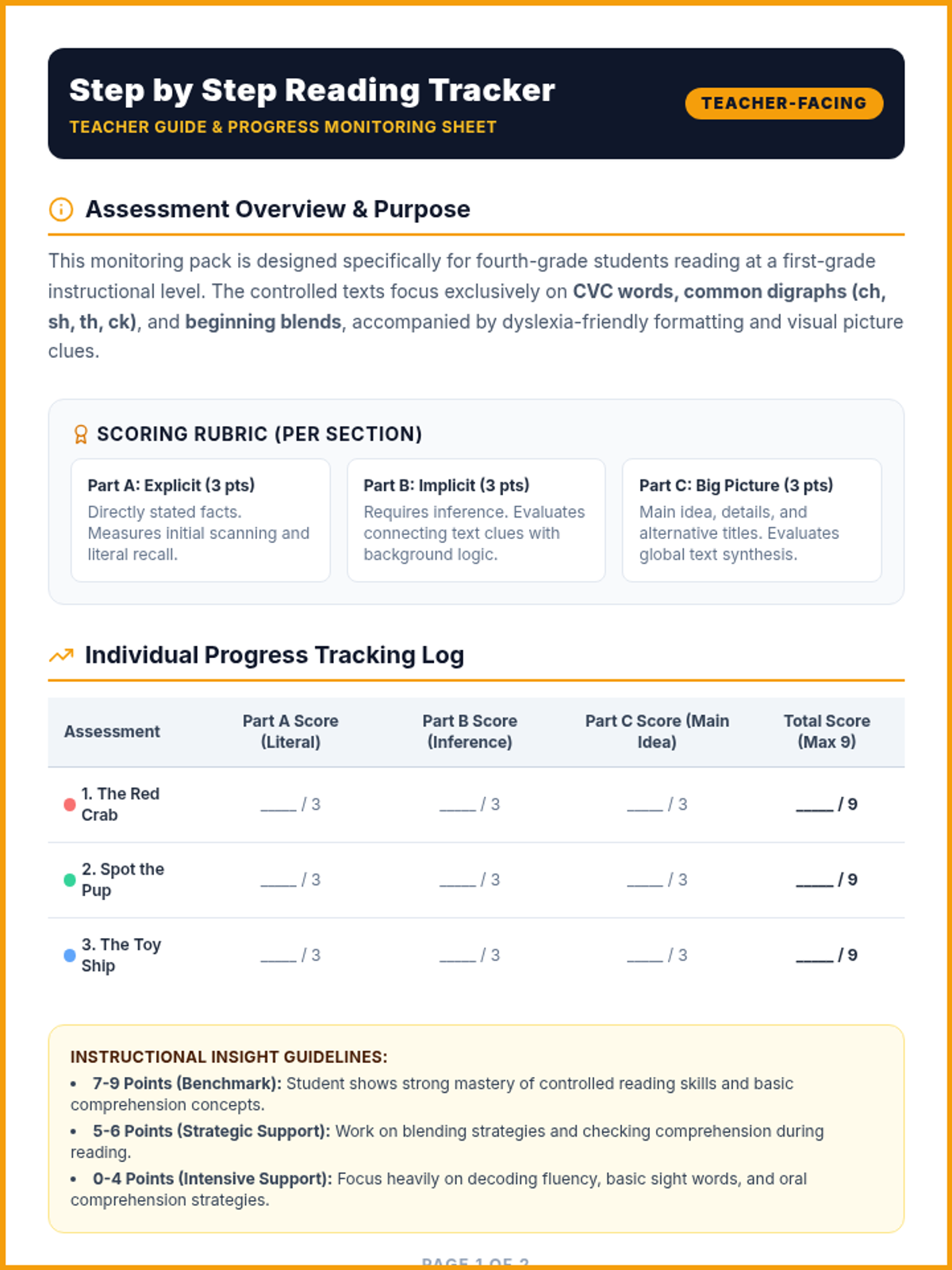
A progress monitoring pack with three phonics-controlled reading comprehension assessments and a comprehensive teacher scoring guide, customized with dyslexia-friendly visual supports for fourth-grade students reading at a first-grade level.
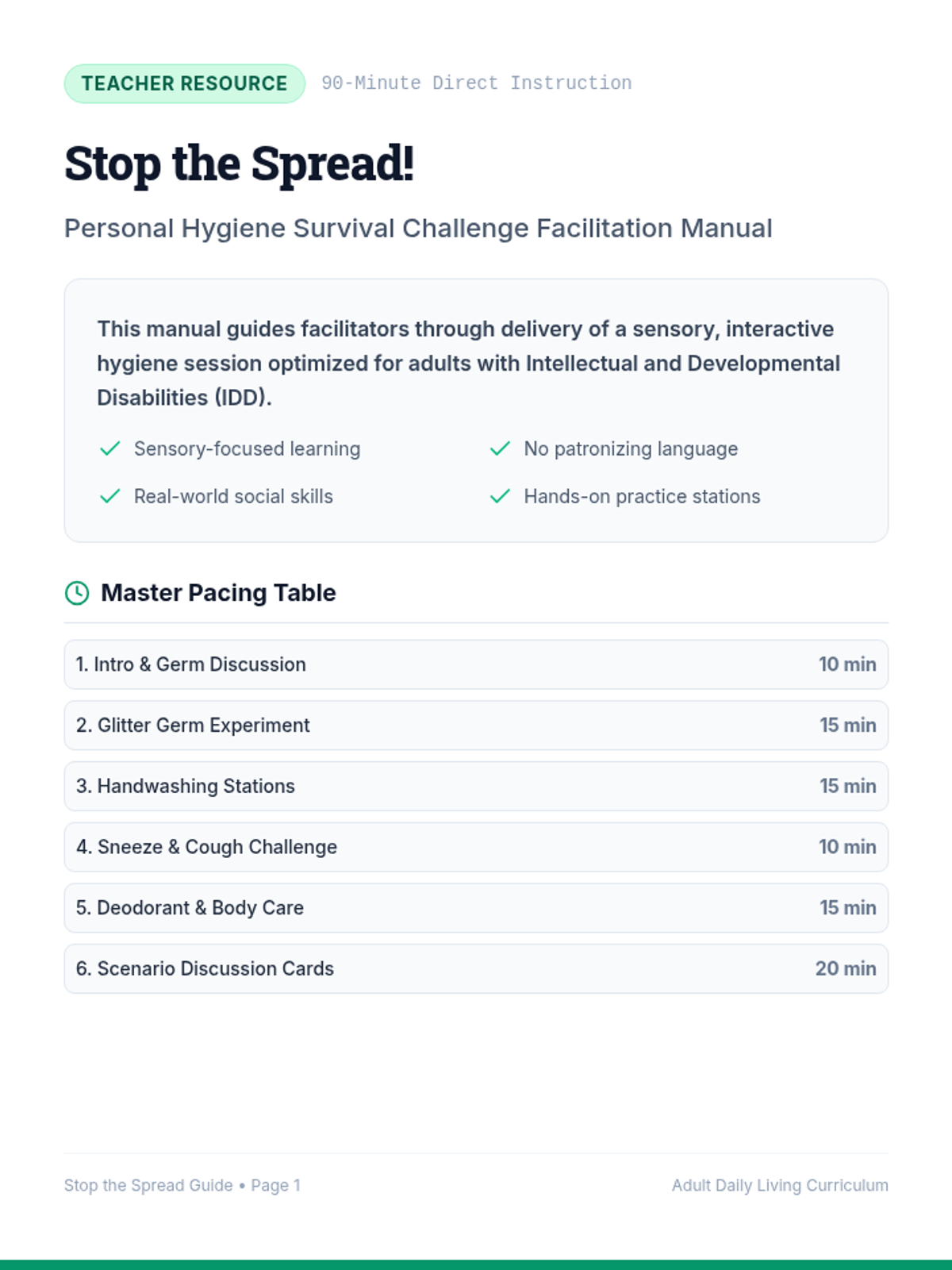
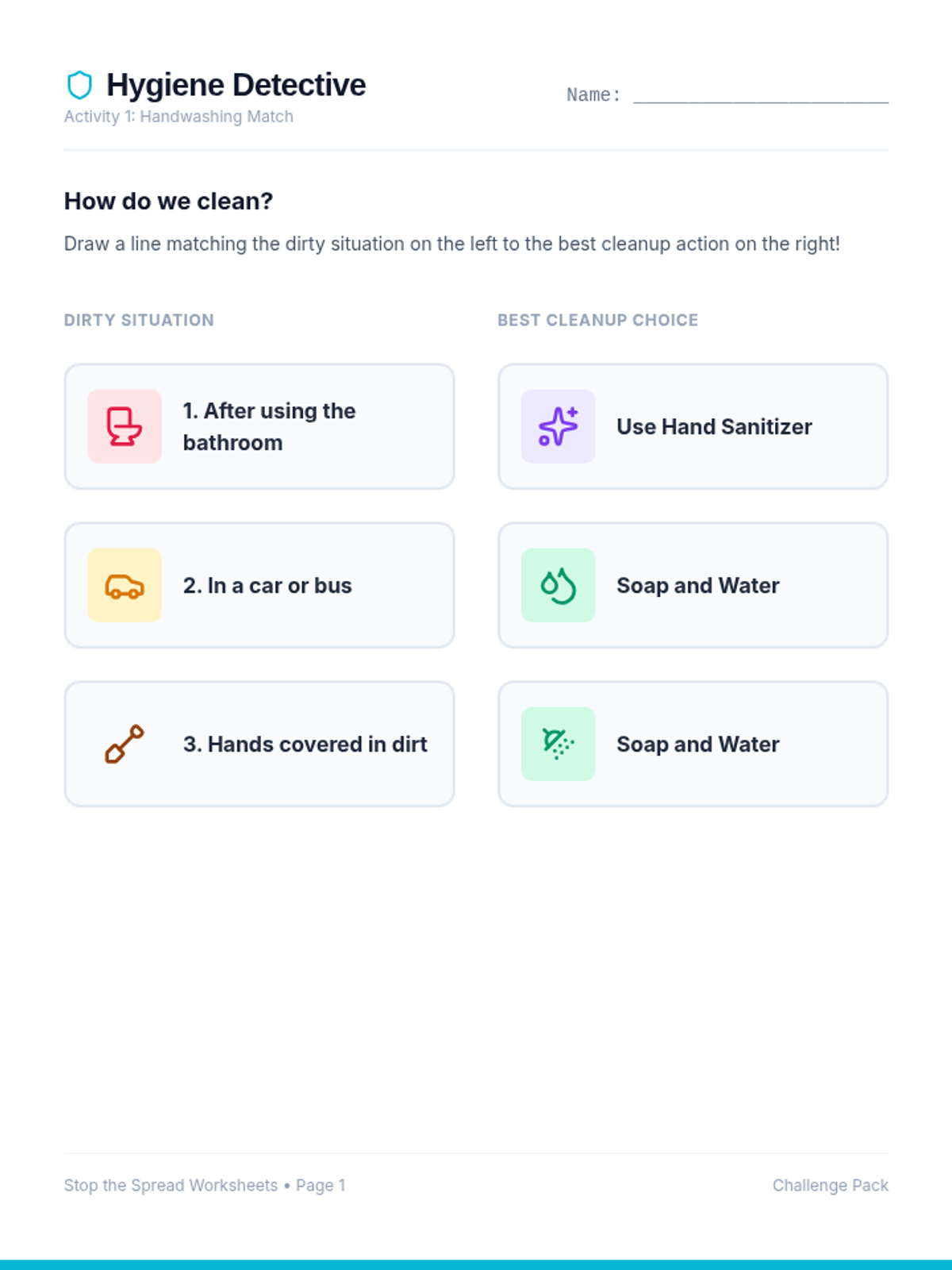
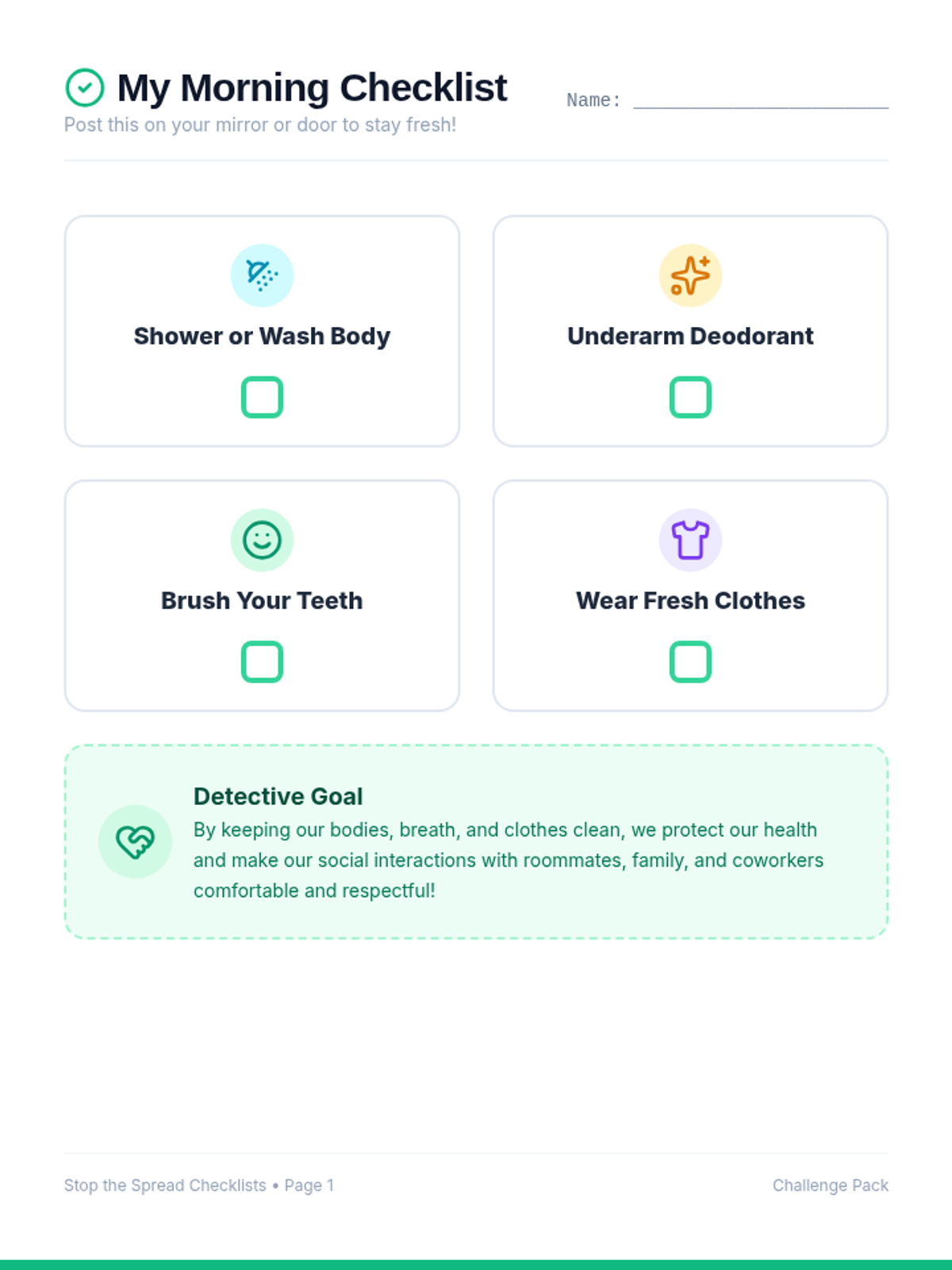
A 90-minute hands-on lesson designed for adults with intellectual and developmental disabilities (IDD) to master daily hygiene skills using visual guides, experiments, and realistic scenarios.
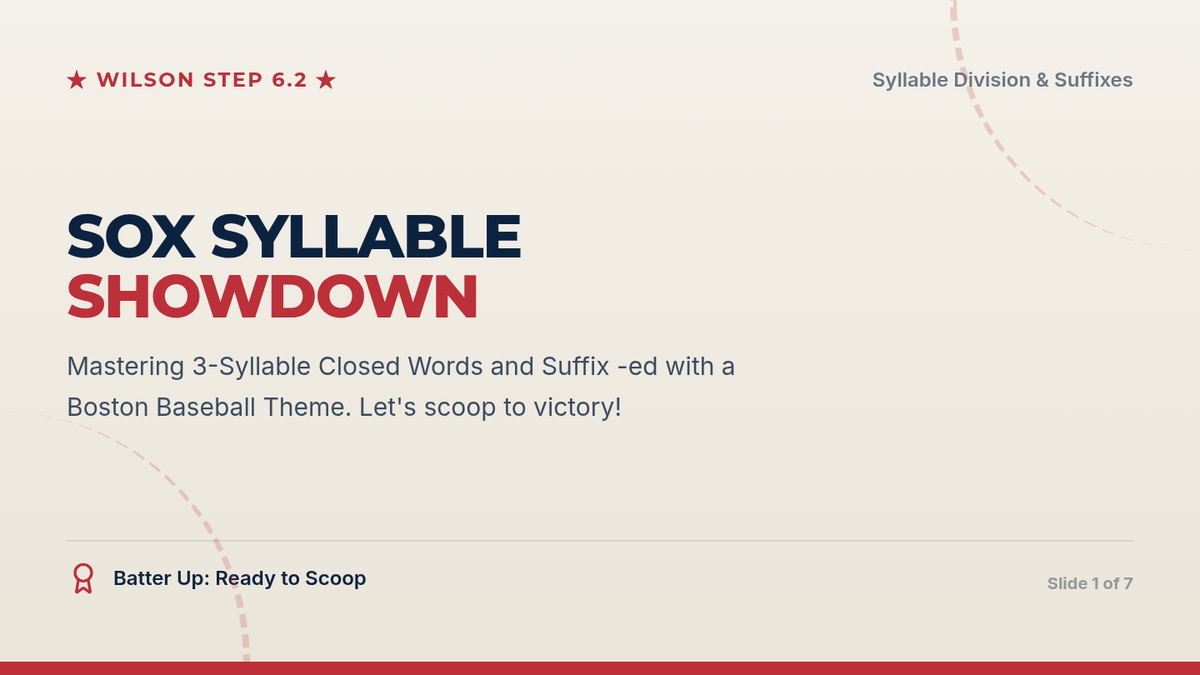
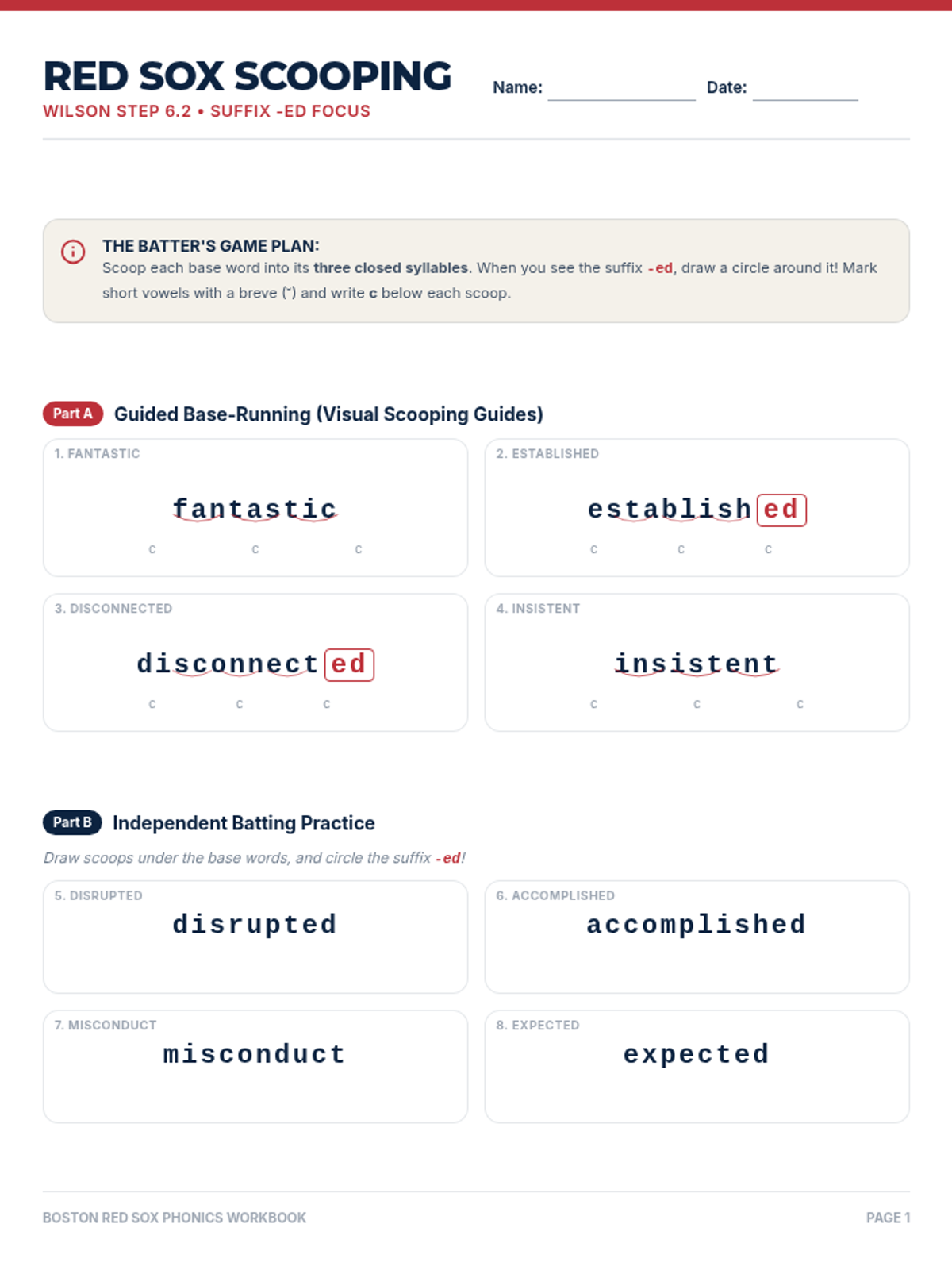
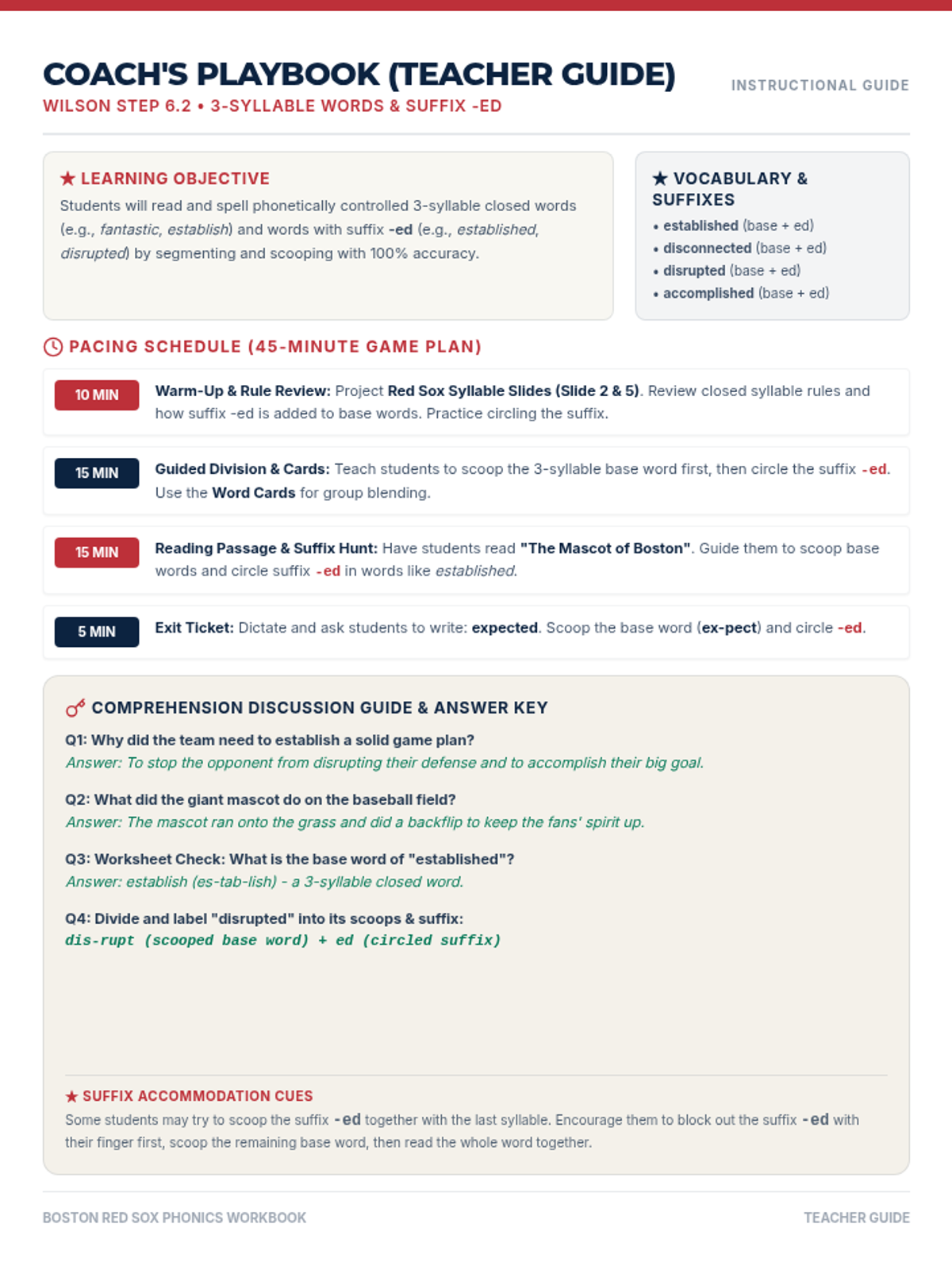
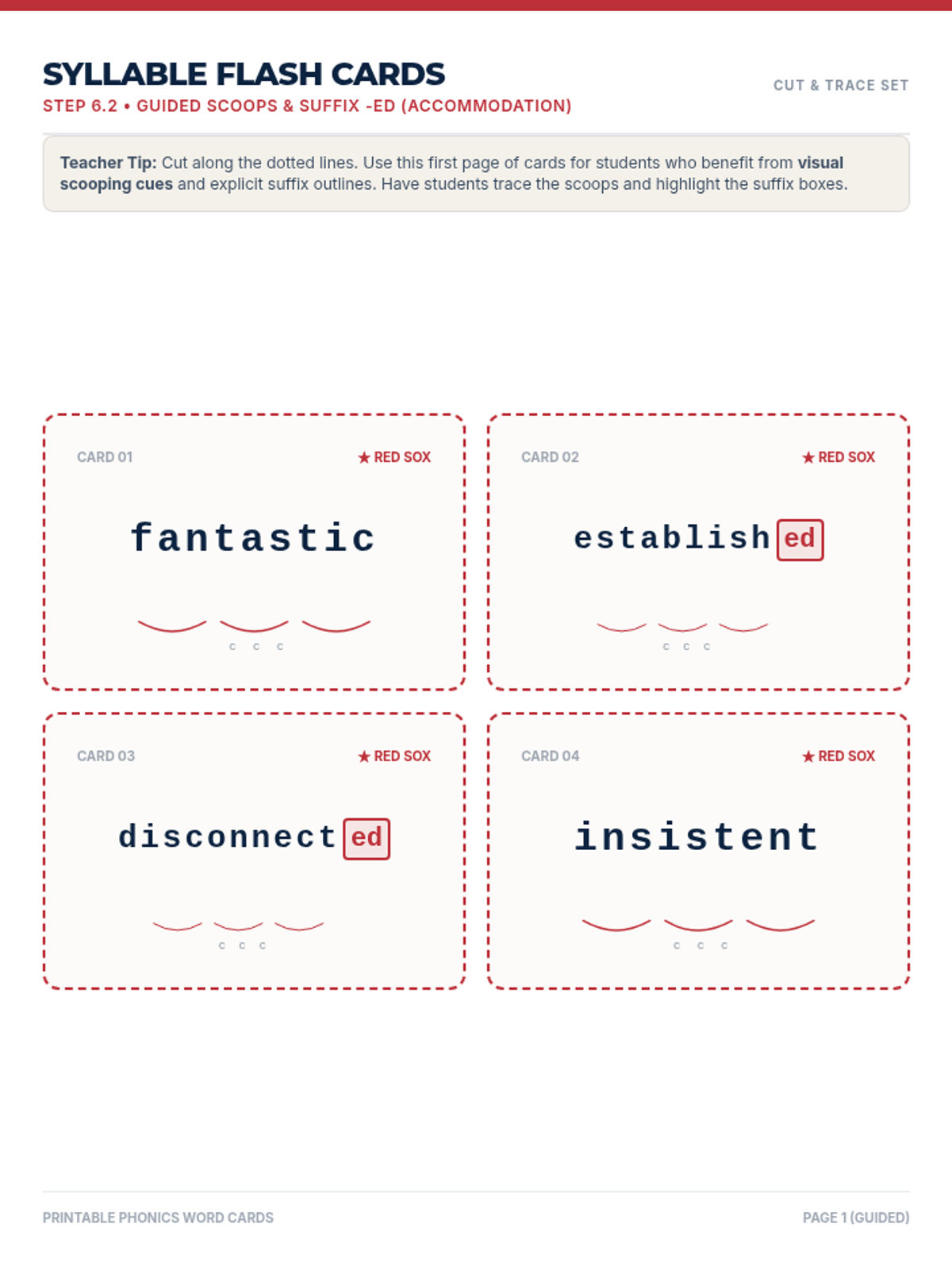
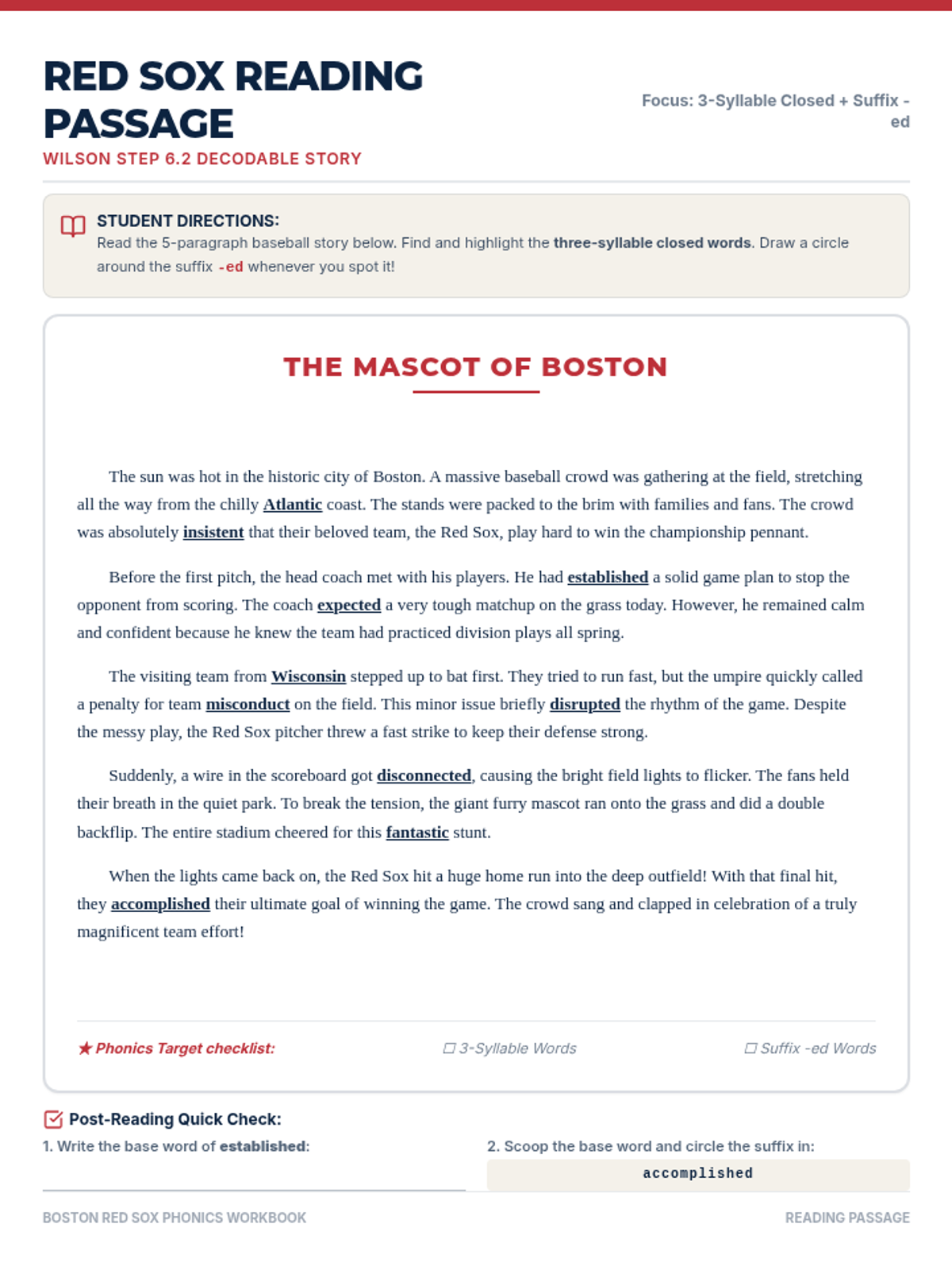
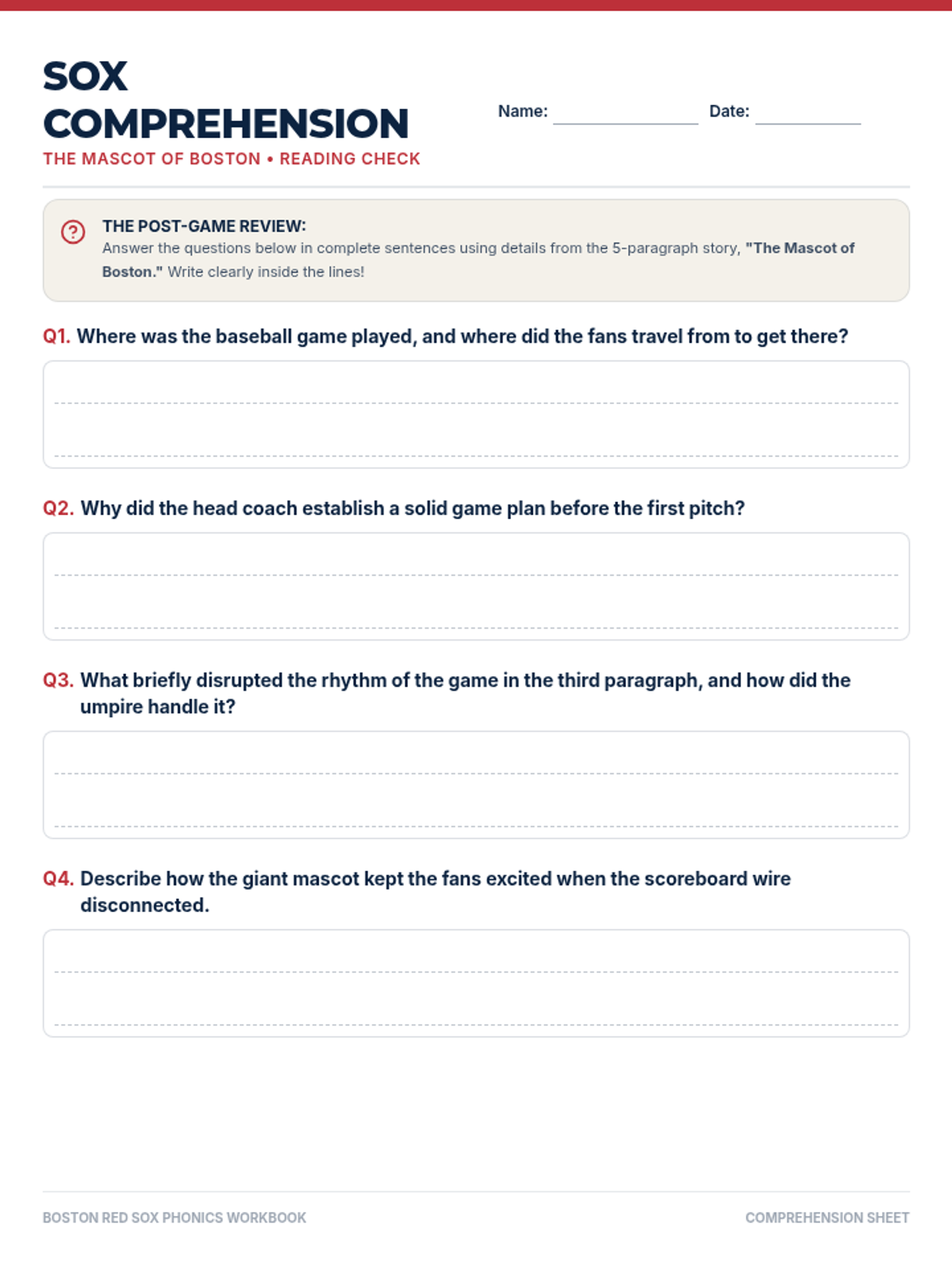
A comprehensive Wilson Step 6.2 lesson focusing on 3-syllable closed words, themed around the Boston Red Sox. Includes a slide deck, scooping worksheets, word cards, and a teacher guide with comprehension questions.
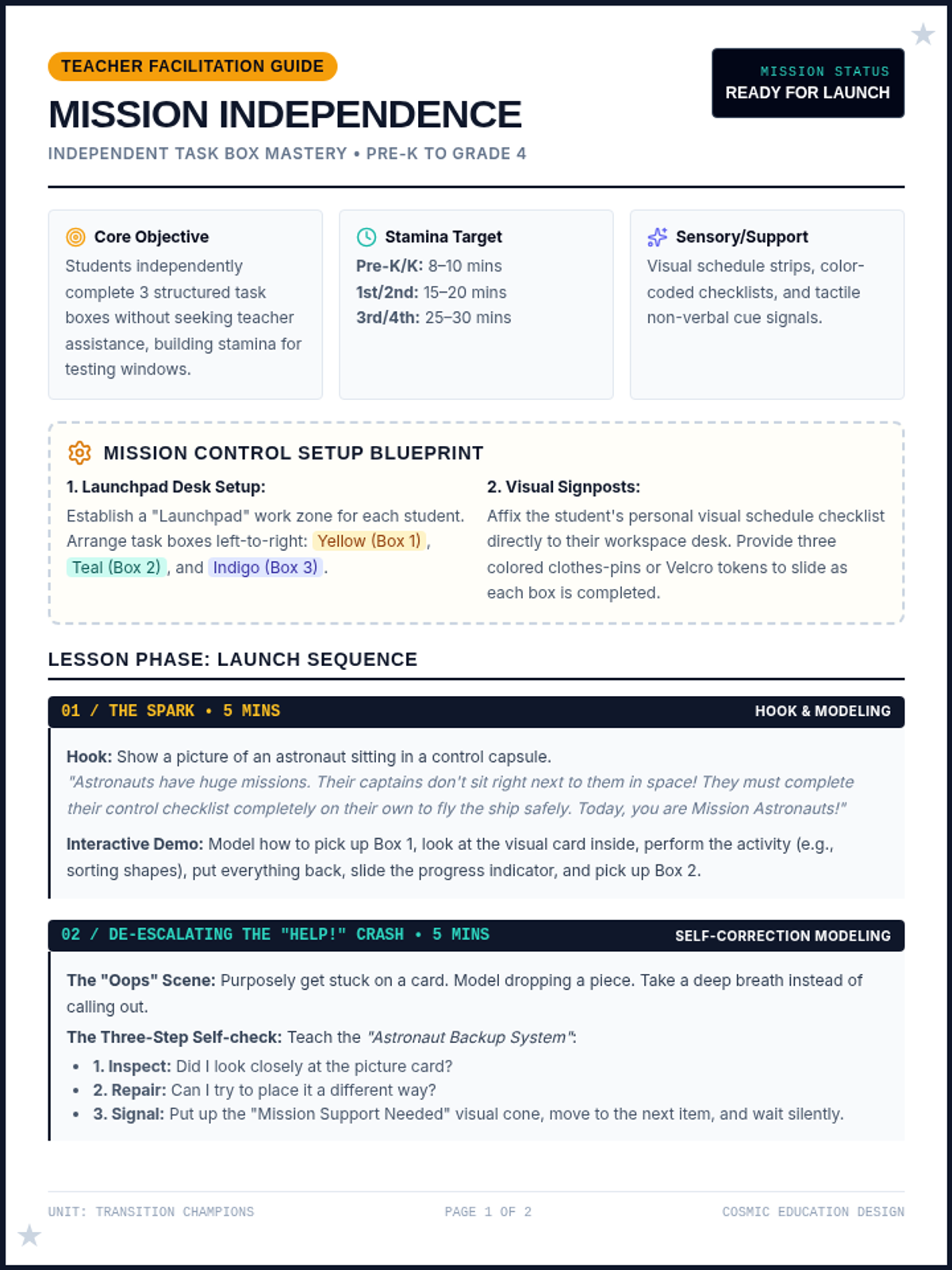
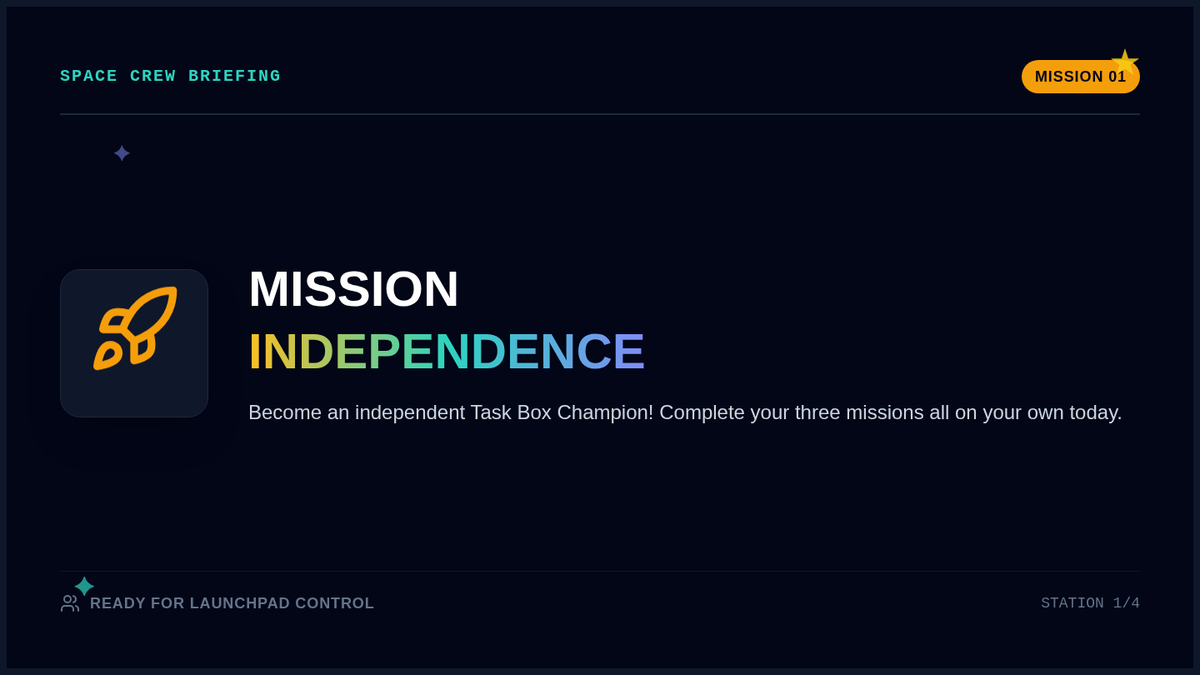
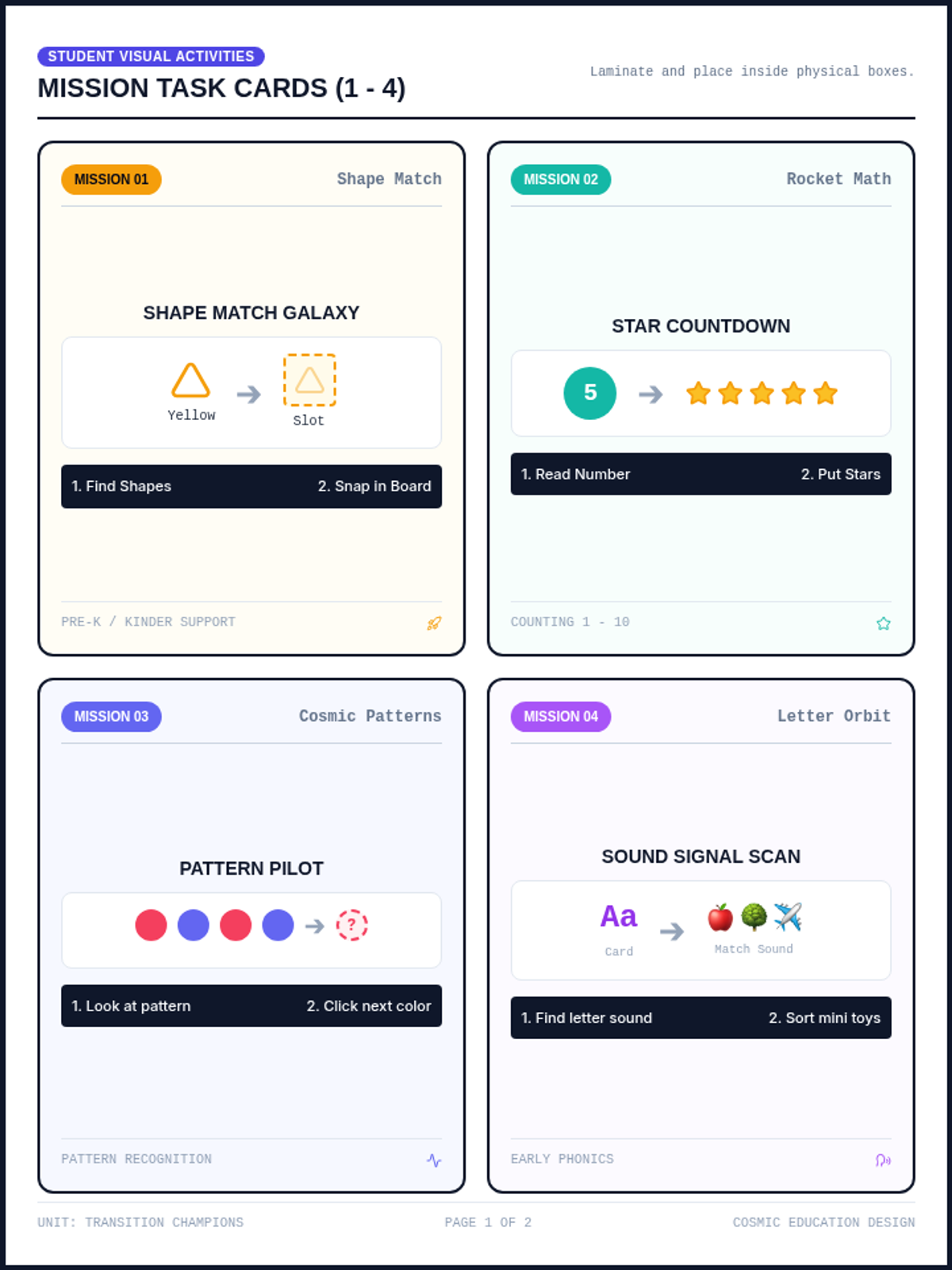
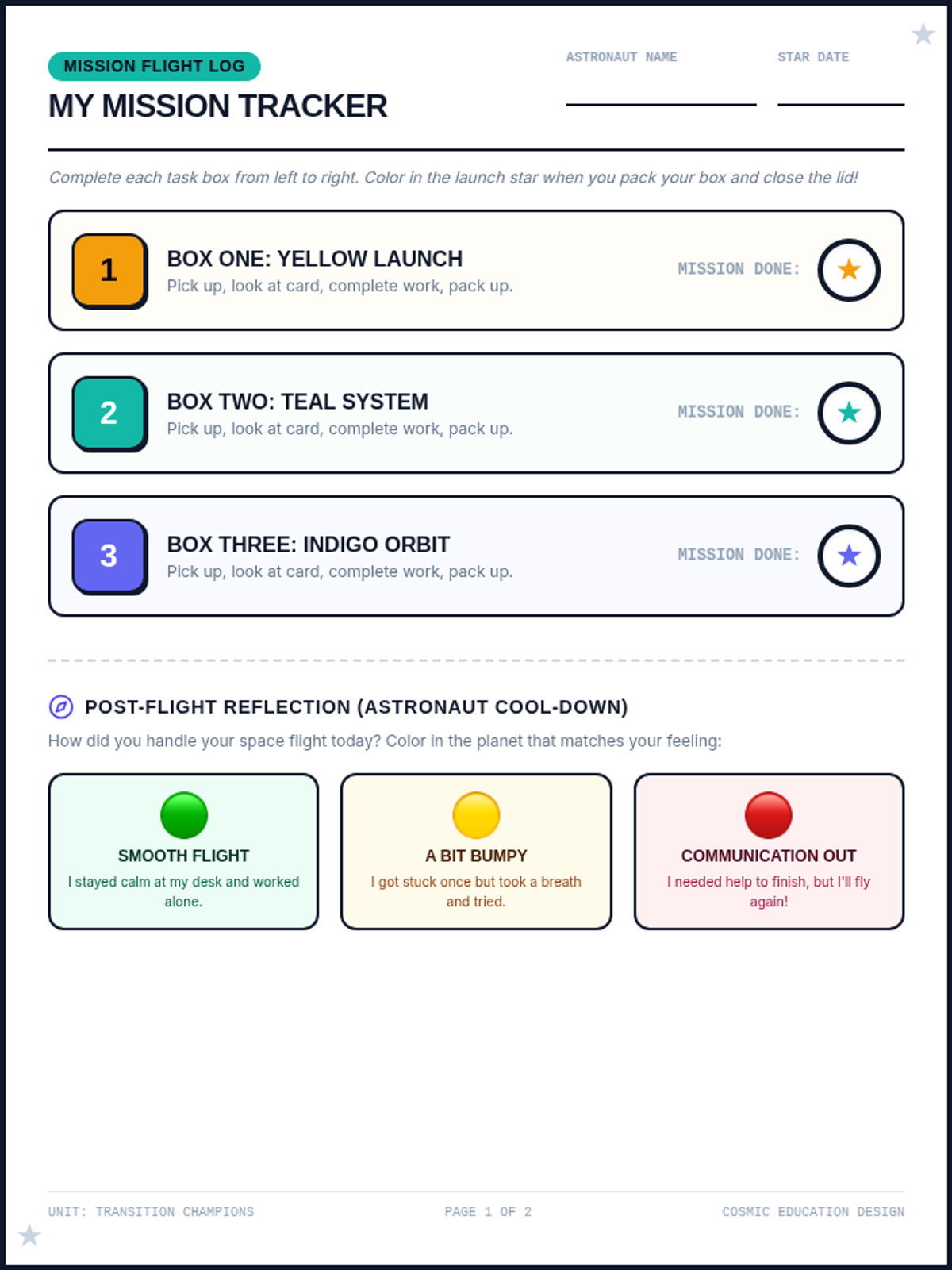
A lesson designed for Pre-K to 4th-grade students with diverse needs to master independent task boxes. This lesson builds self-regulation, transition stamina, and self-monitoring skills during end-of-year testing or busy transition periods using a structured 'Mission Independence' space-explorer theme.
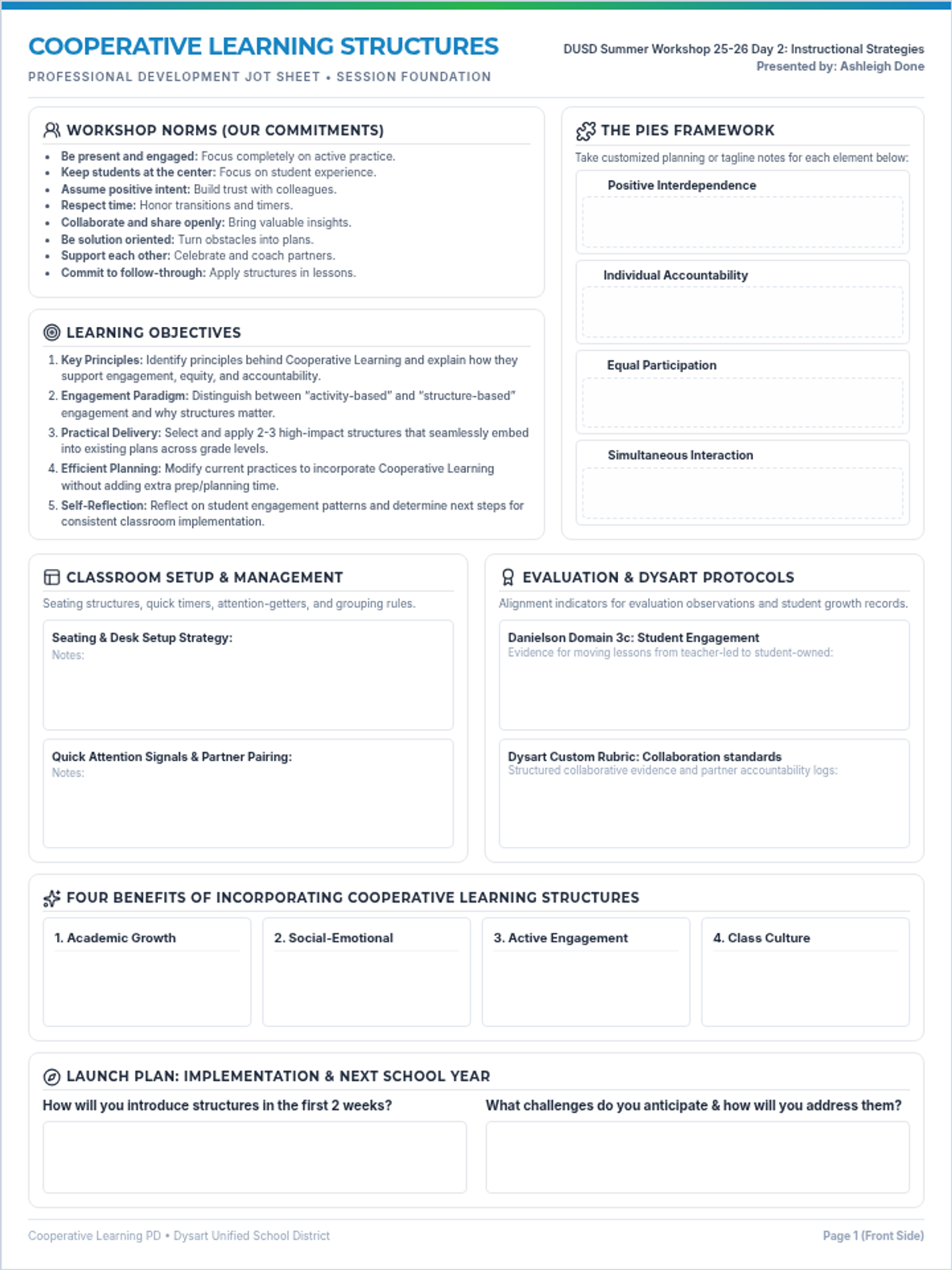
A professional development session focused on training educators to implement highly active cooperative learning structures in their classrooms, aligned with Dysart protocols and evaluation rubrics.
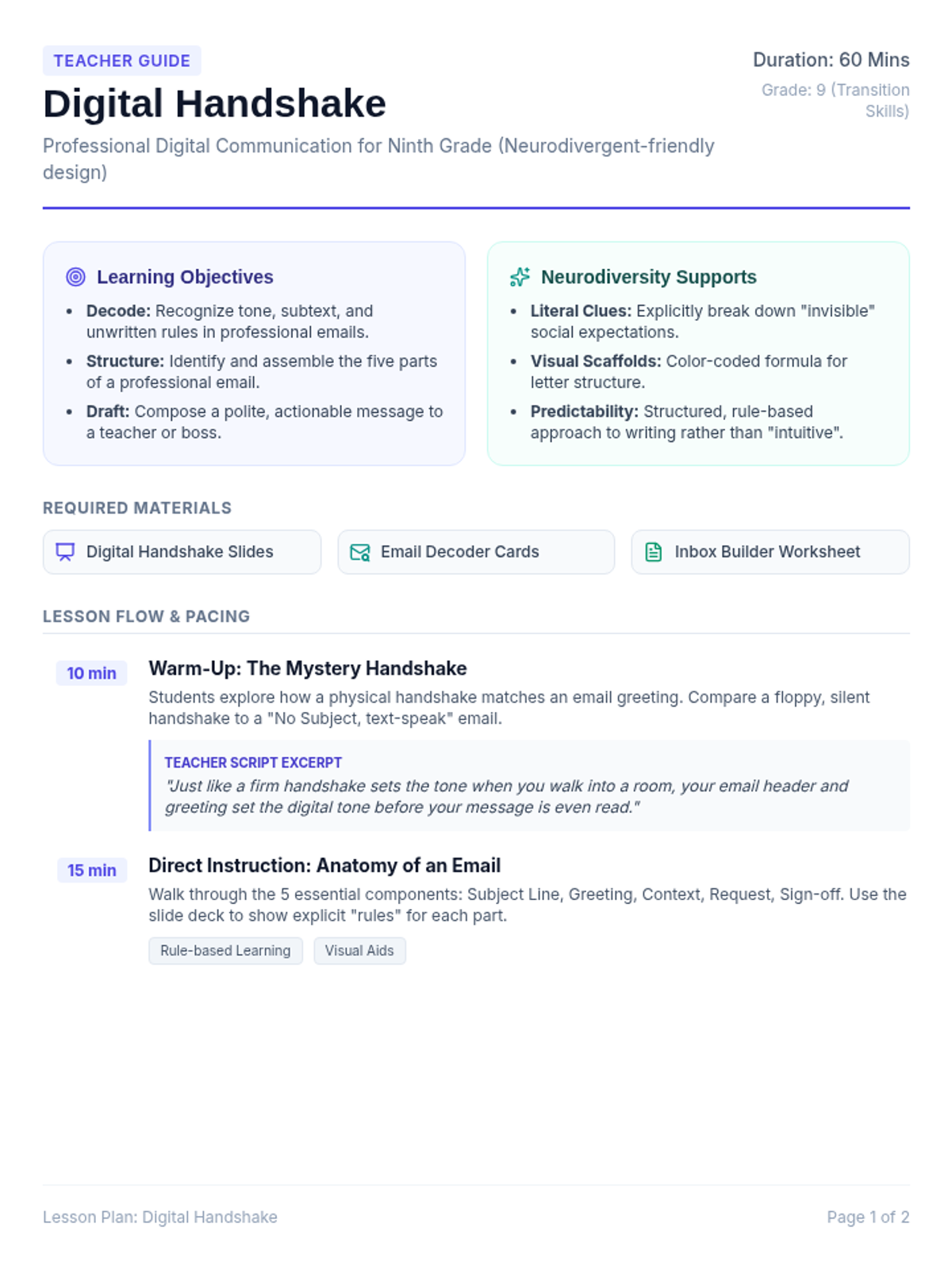
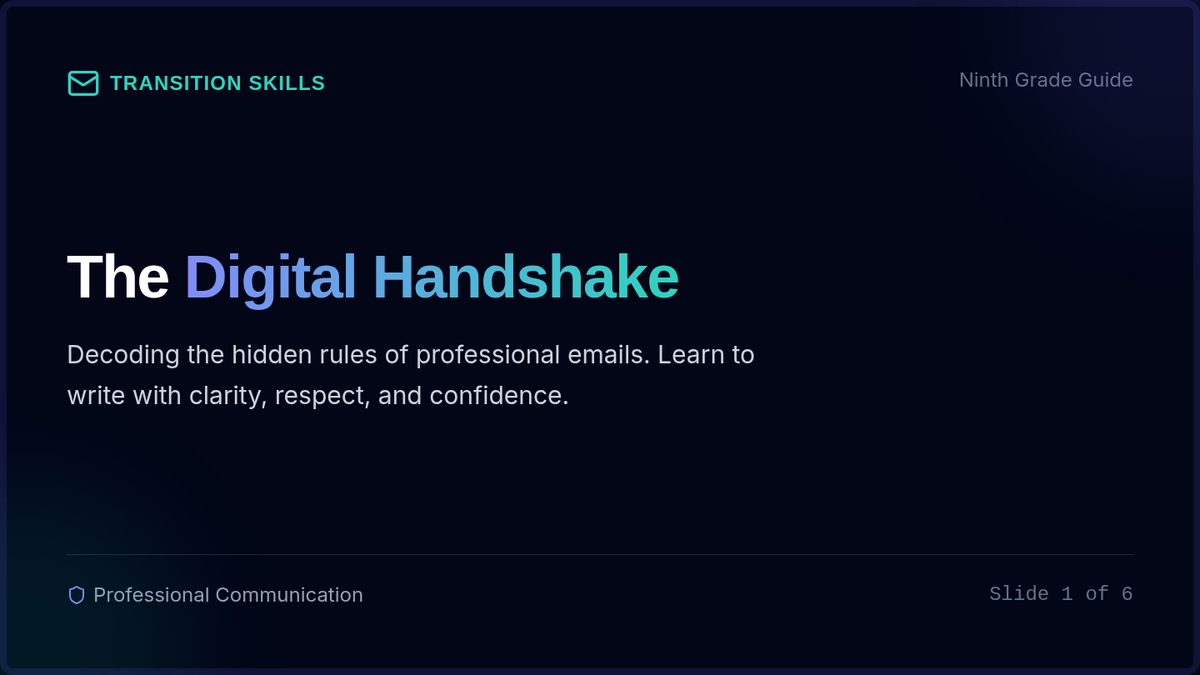
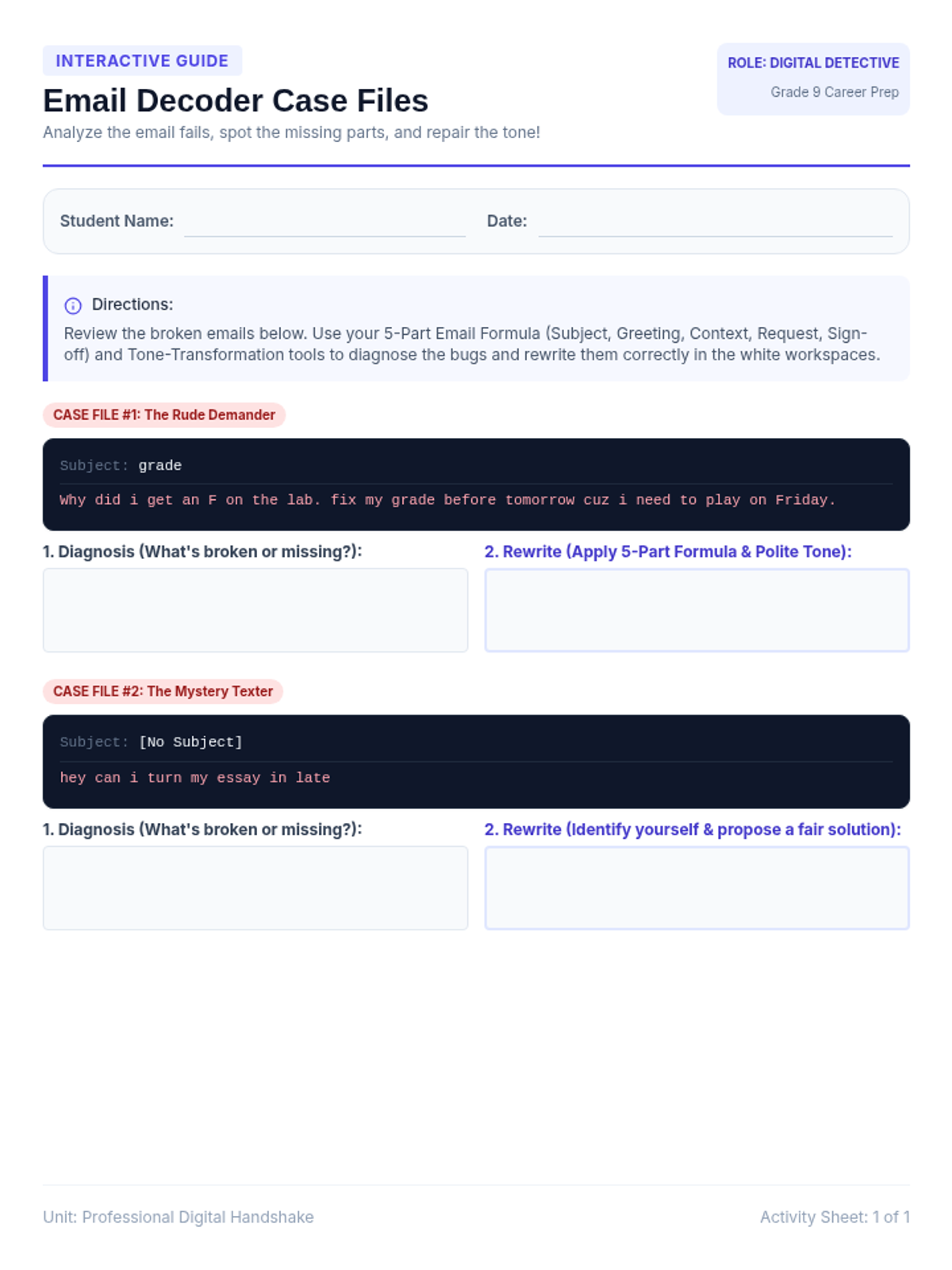
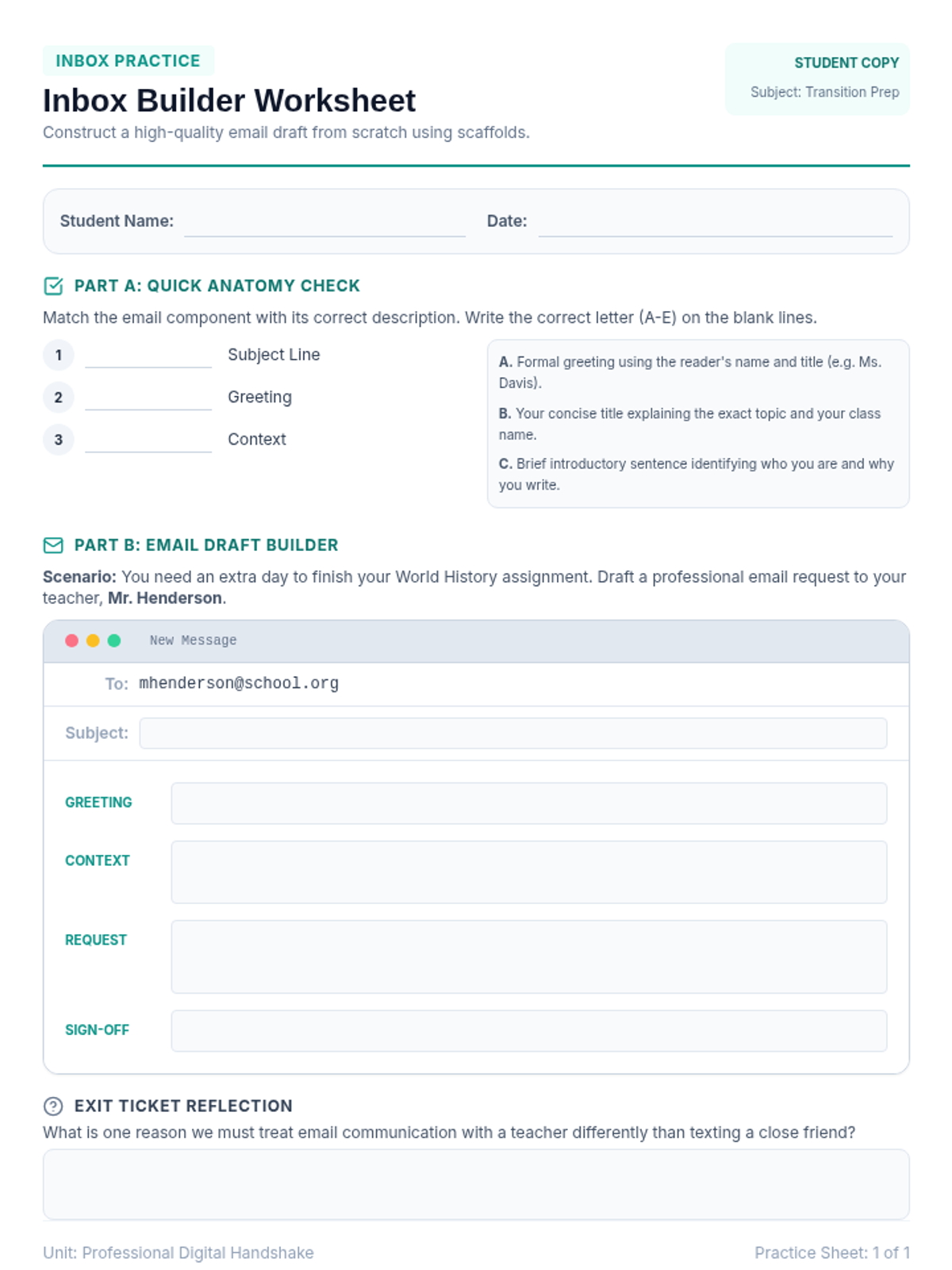
An interactive guide to professional digital communication tailored for neurodivergent ninth graders. Students learn to decode social cues in emails, practice drafting respectful messages to teachers, and build essential transition skills for the modern world.
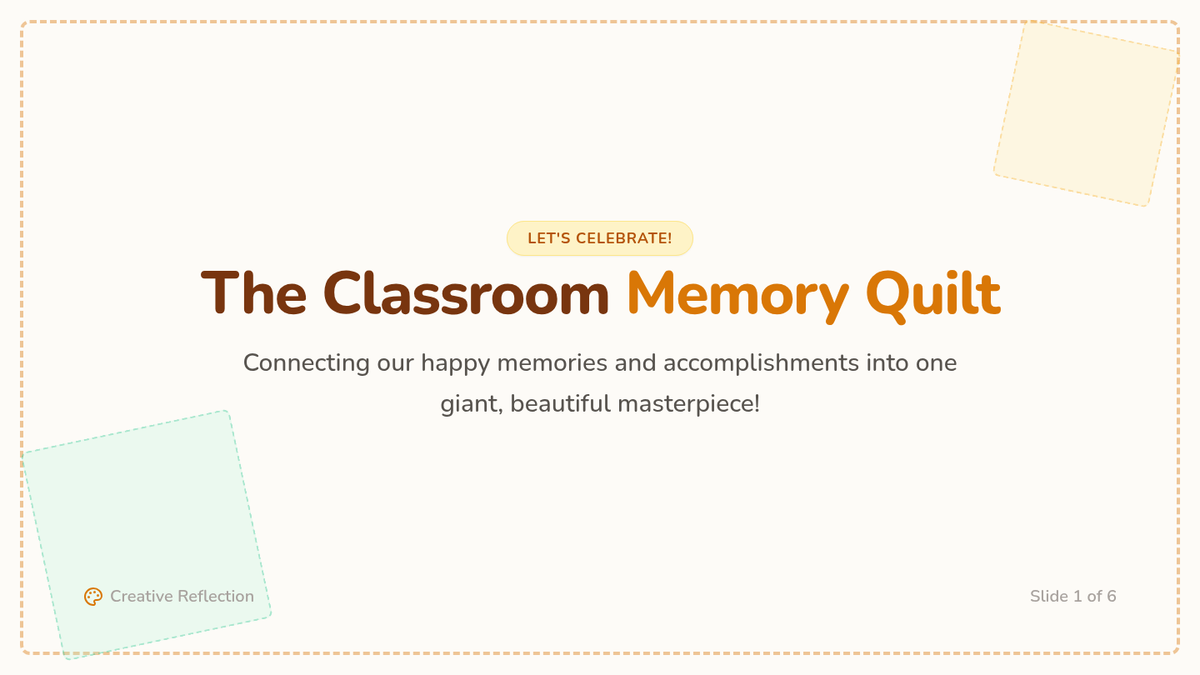
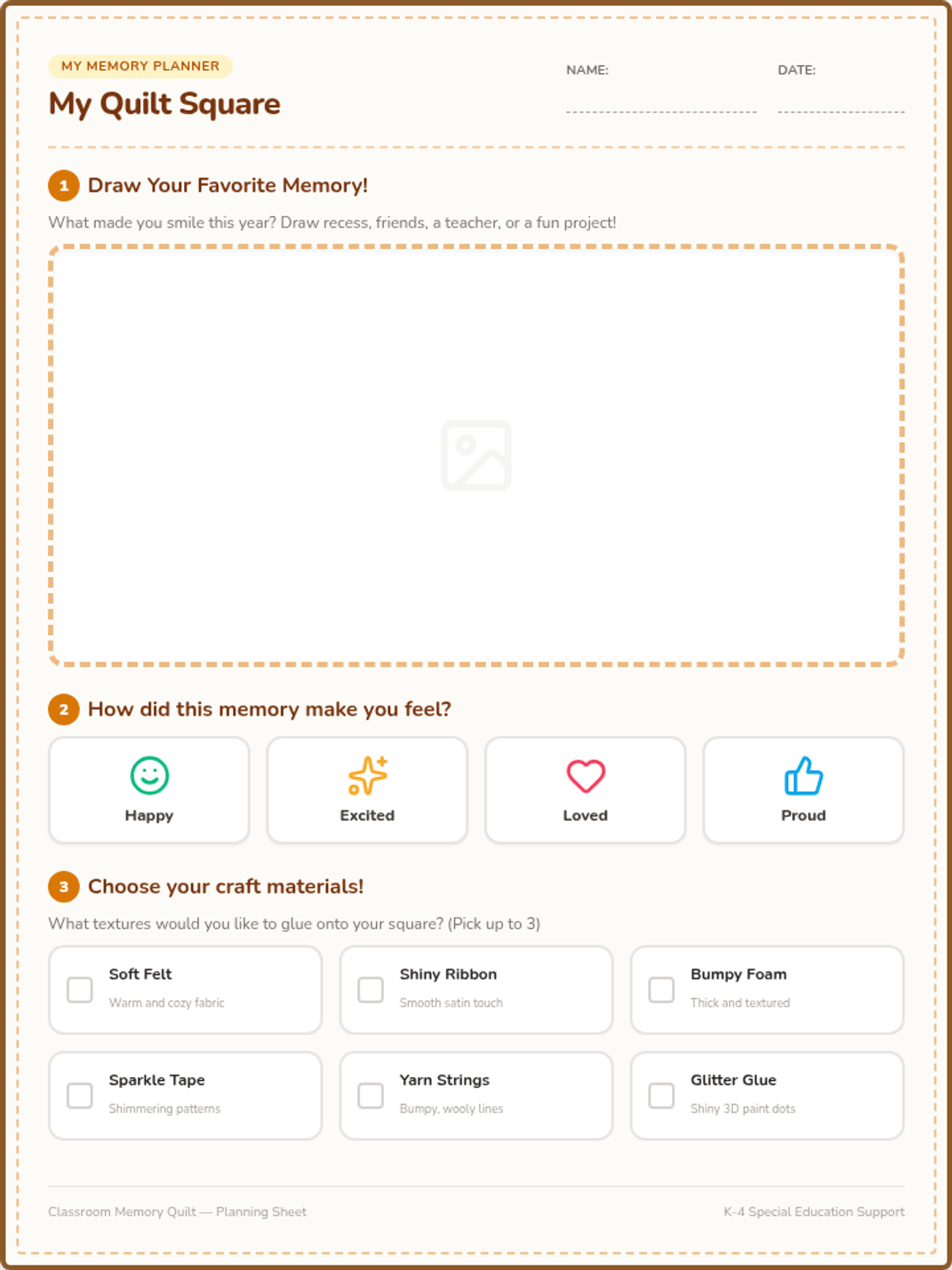
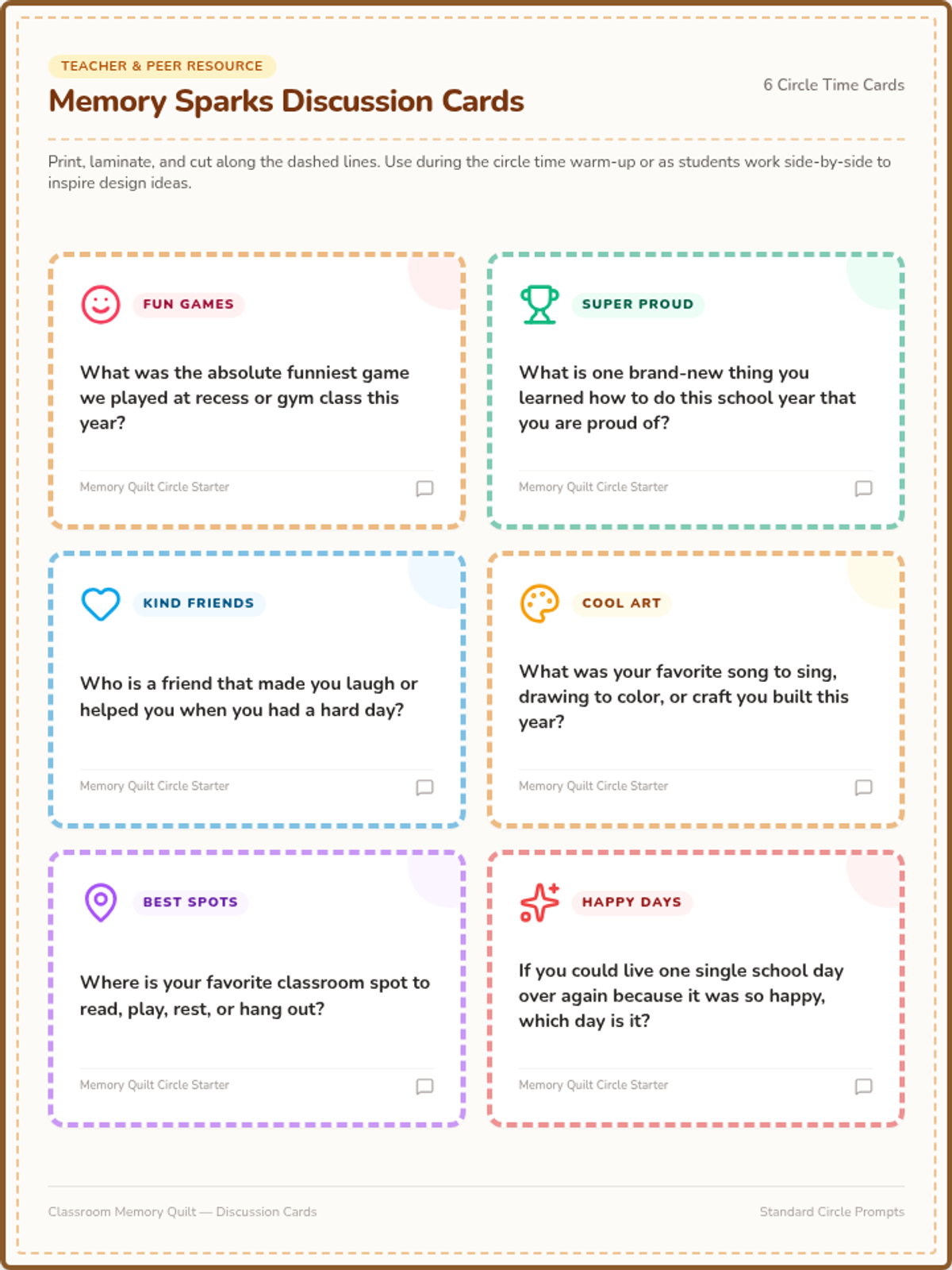
A sensory-friendly collaborative arts and reflection lesson for K-4 special education students to celebrate school year achievements and memories by building a paper quilt.
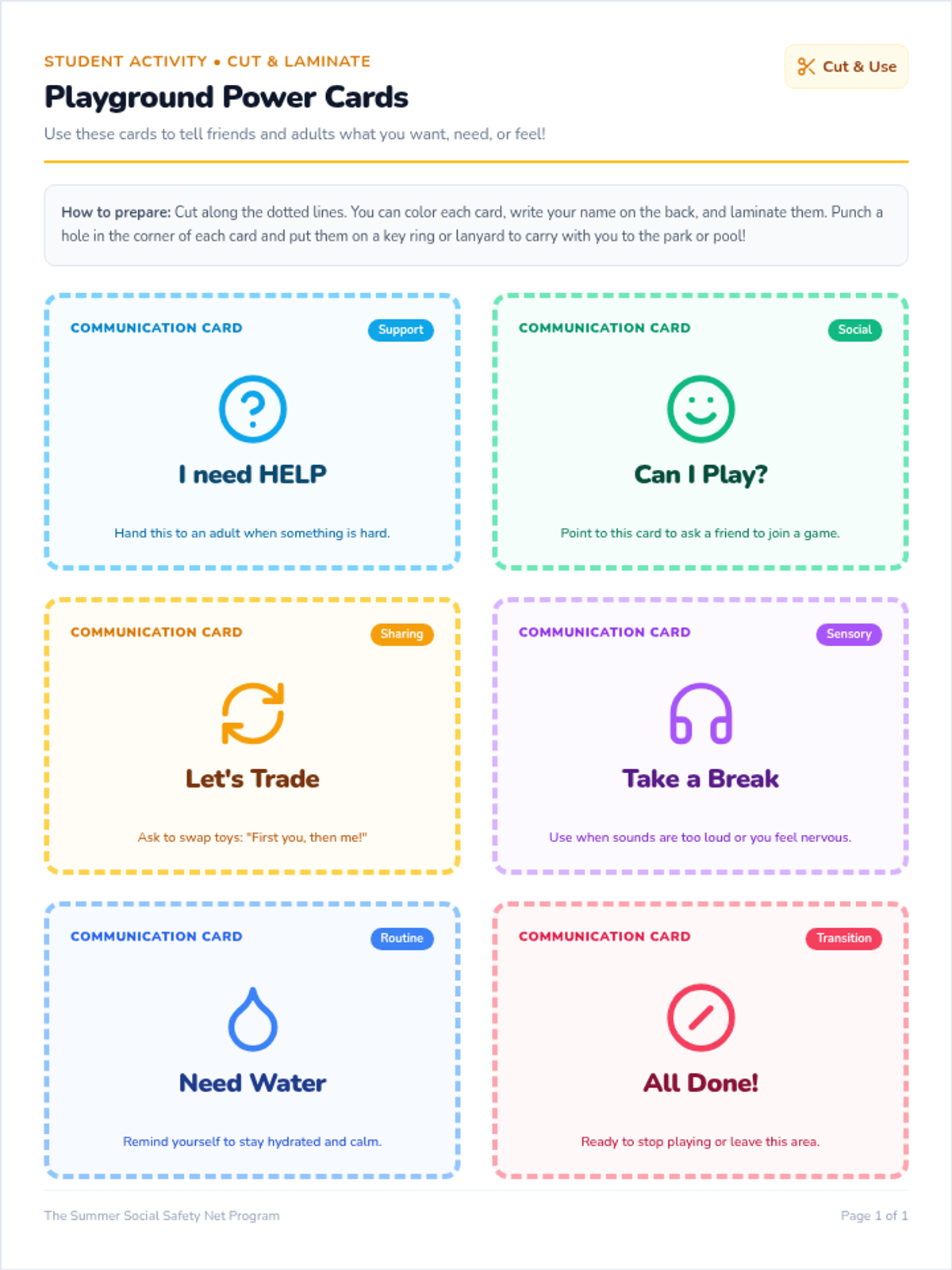
A comprehensive social skills and routine-building lesson for K-4 students with autism or social communication needs. The lesson uses social narratives, interactive role-play, and visual aids to help students practice requesting help, sharing, and navigating unstructured play environments like parks and pools during summer break.
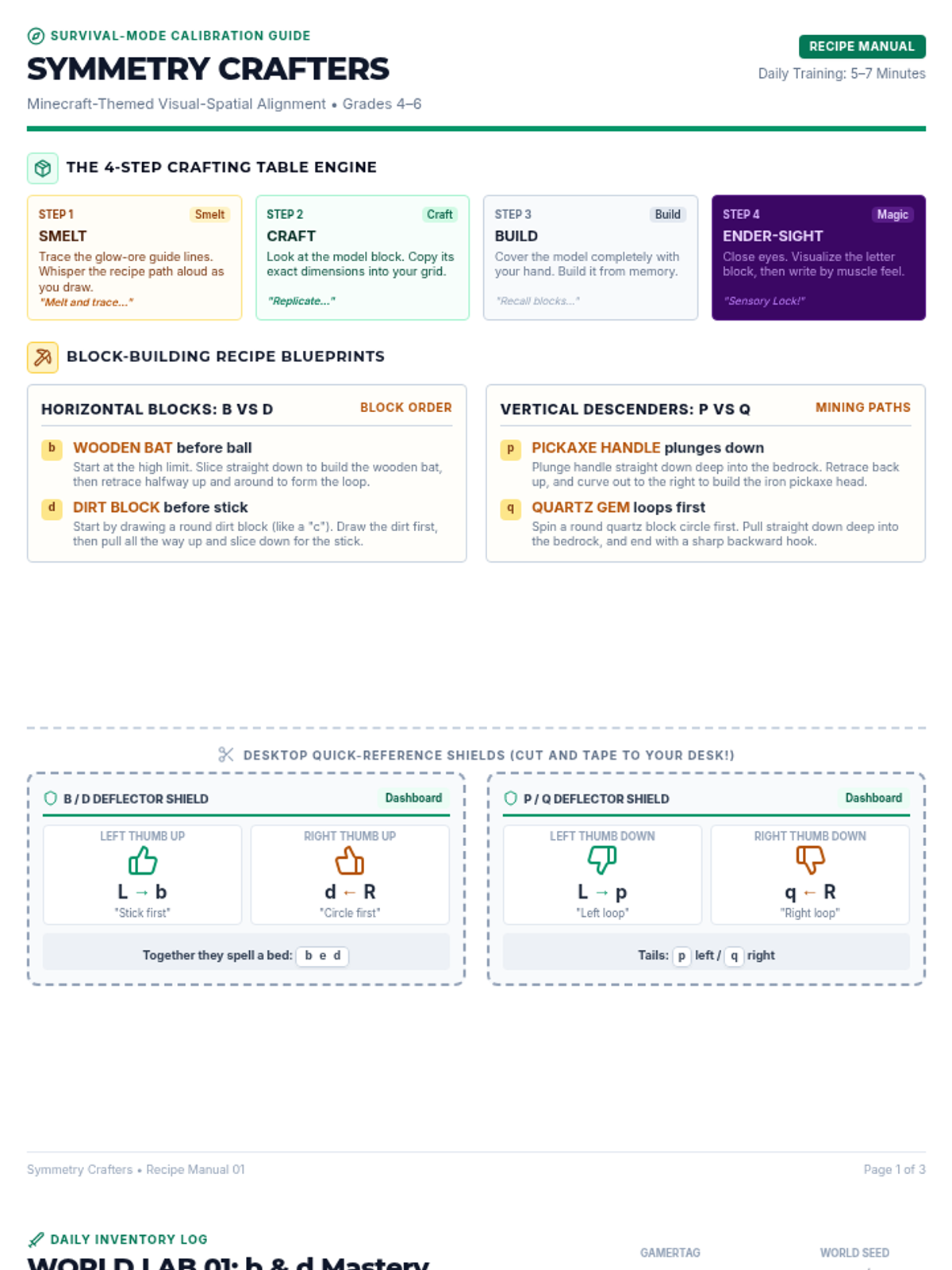
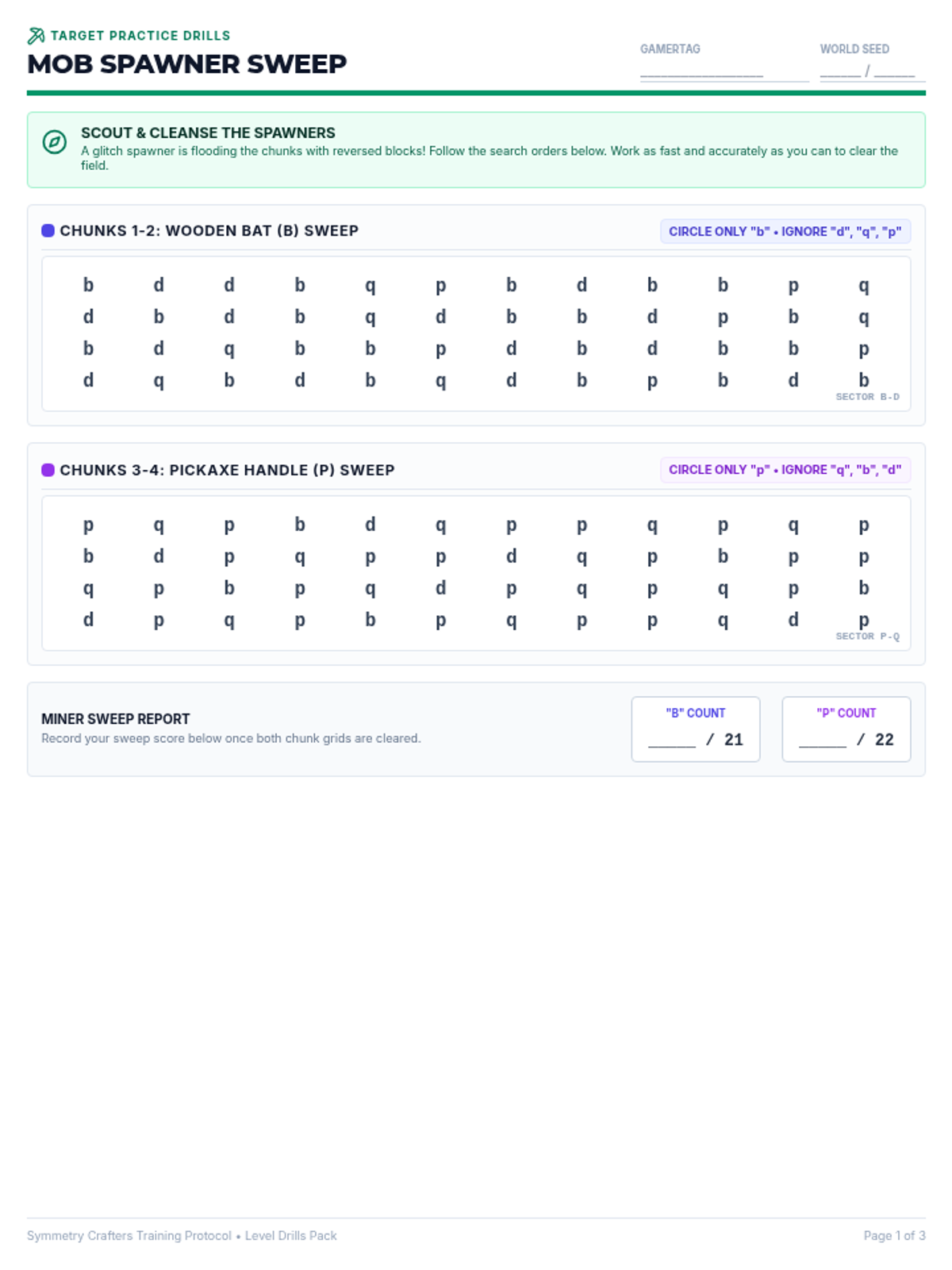
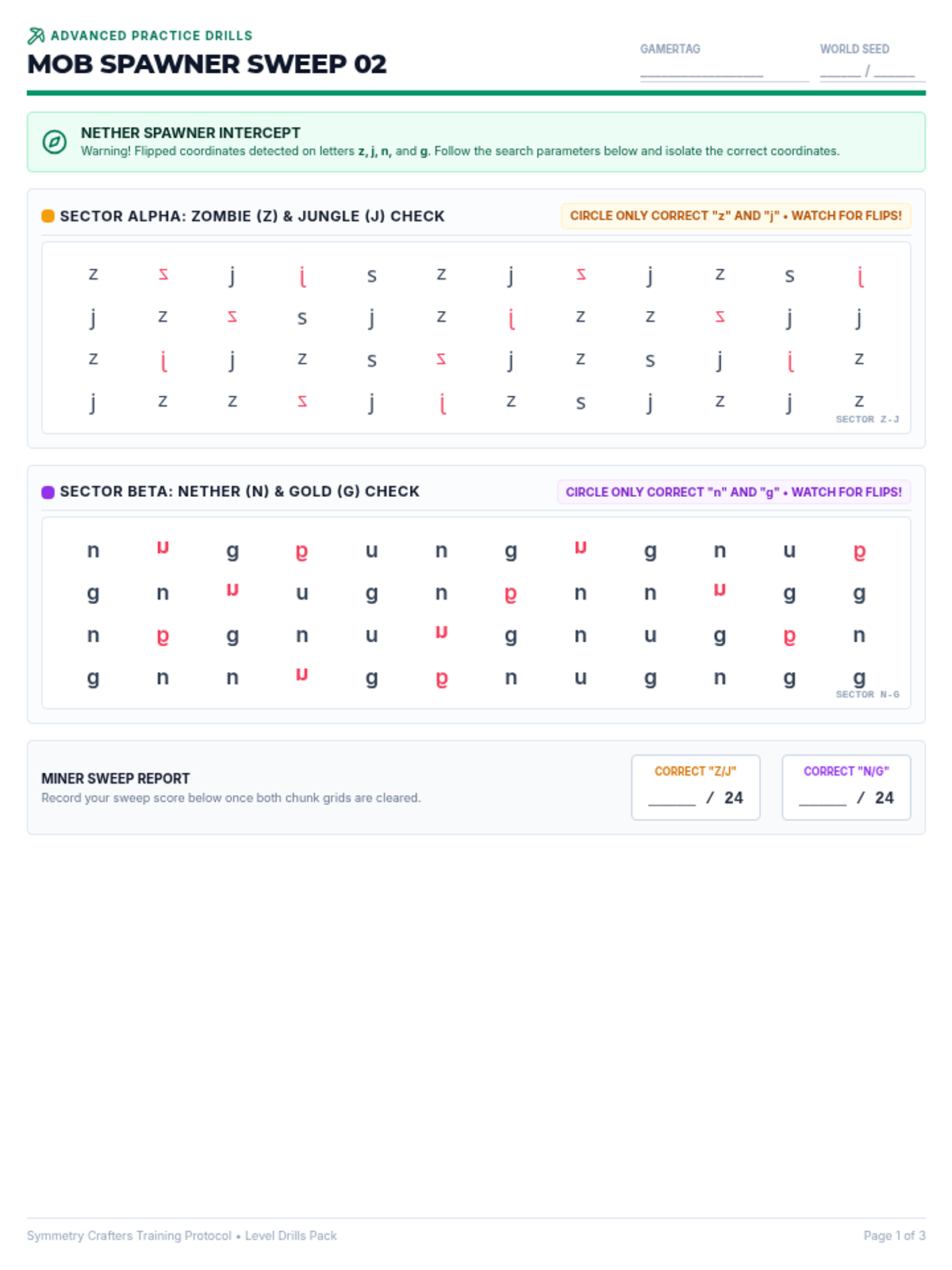
An evidence-based training program targeting letter reversals in upper elementary students, incorporating Trace-Copy-Cover-Closed and spatial-motor anchors.
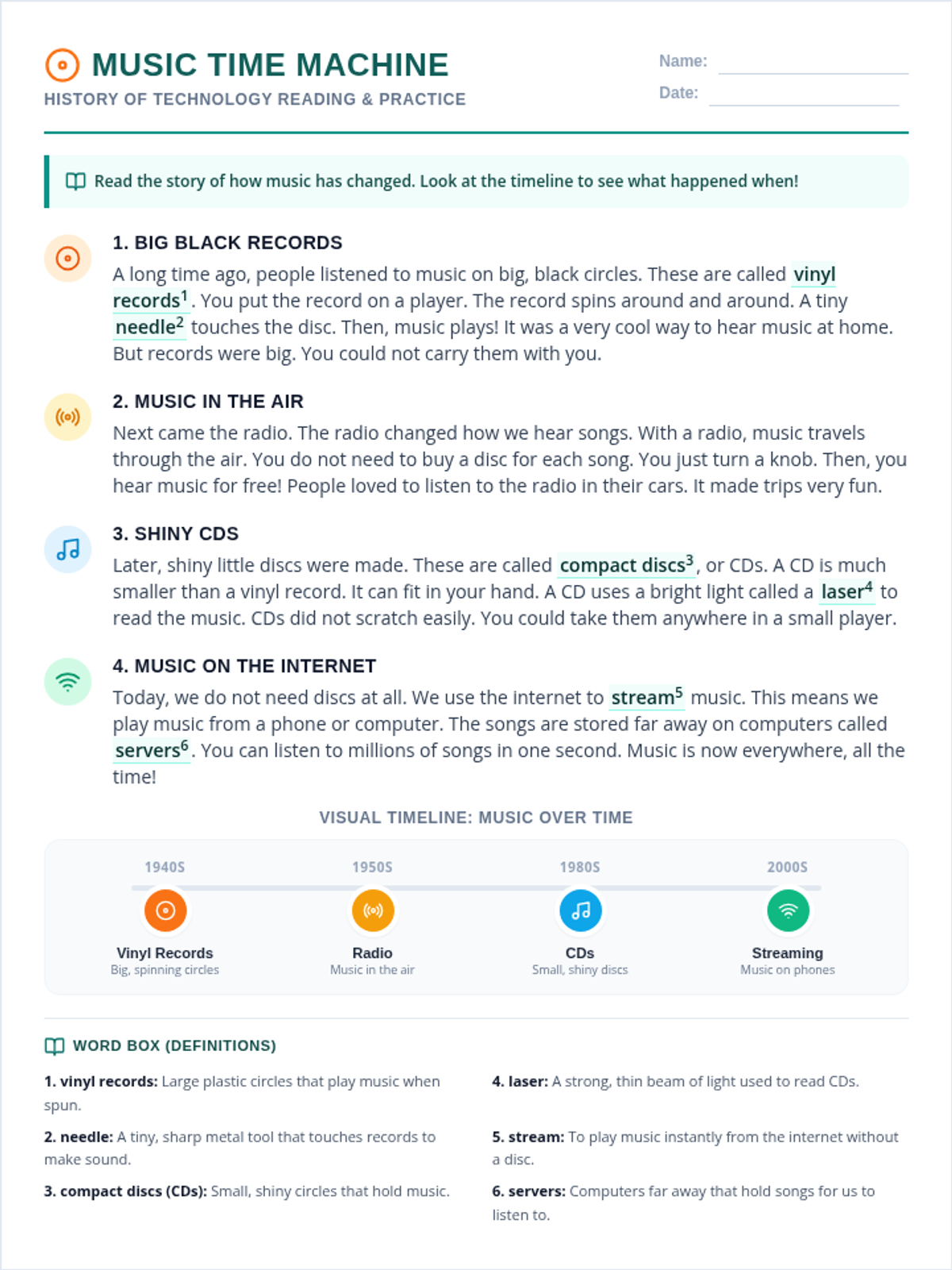
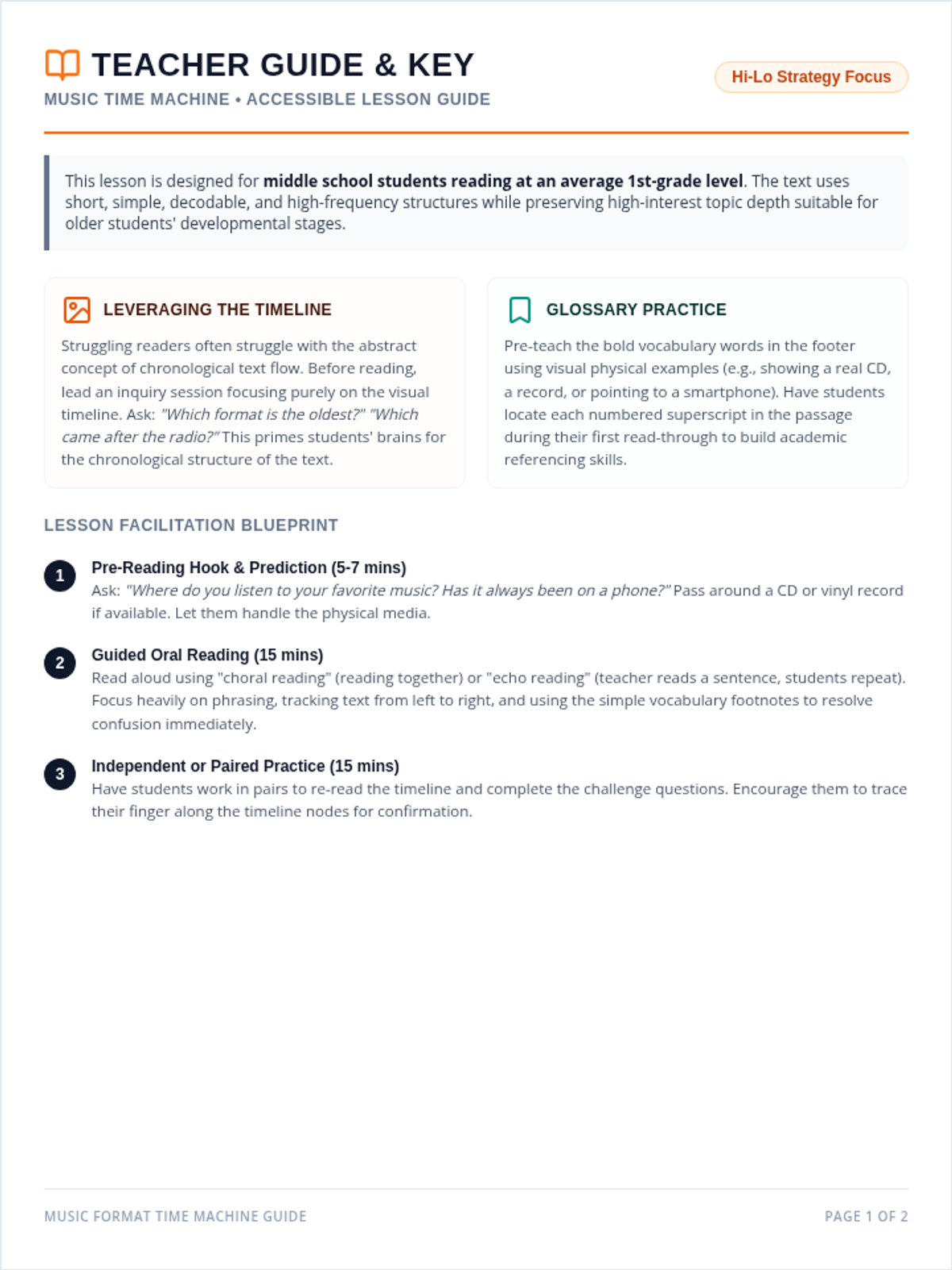
A history-of-technology lesson designed for middle school students reading at a first-grade level. It explores the evolution of music formats from vinyl records to modern streaming, supported by a visual timeline and simple vocabulary footnotes.
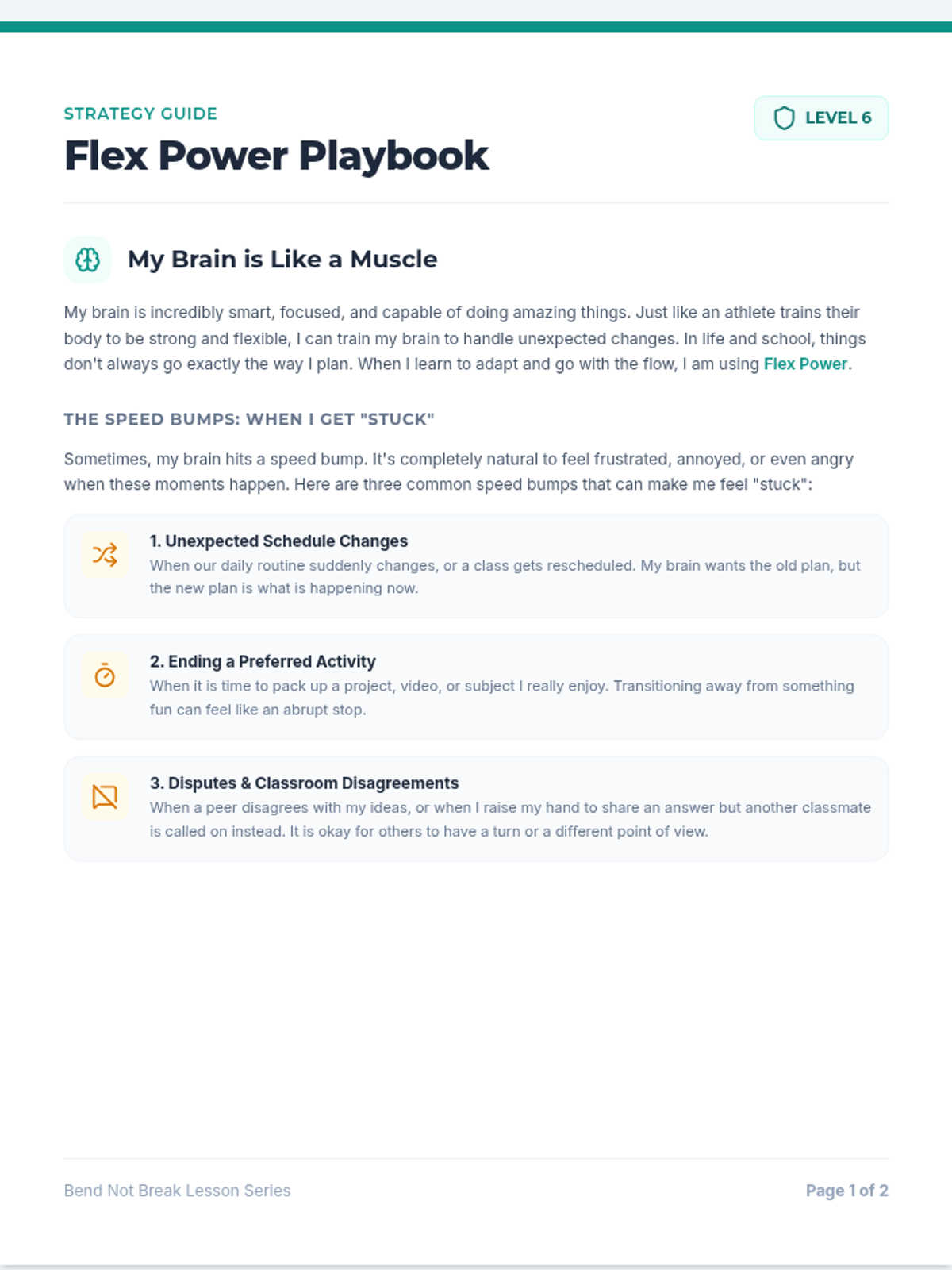
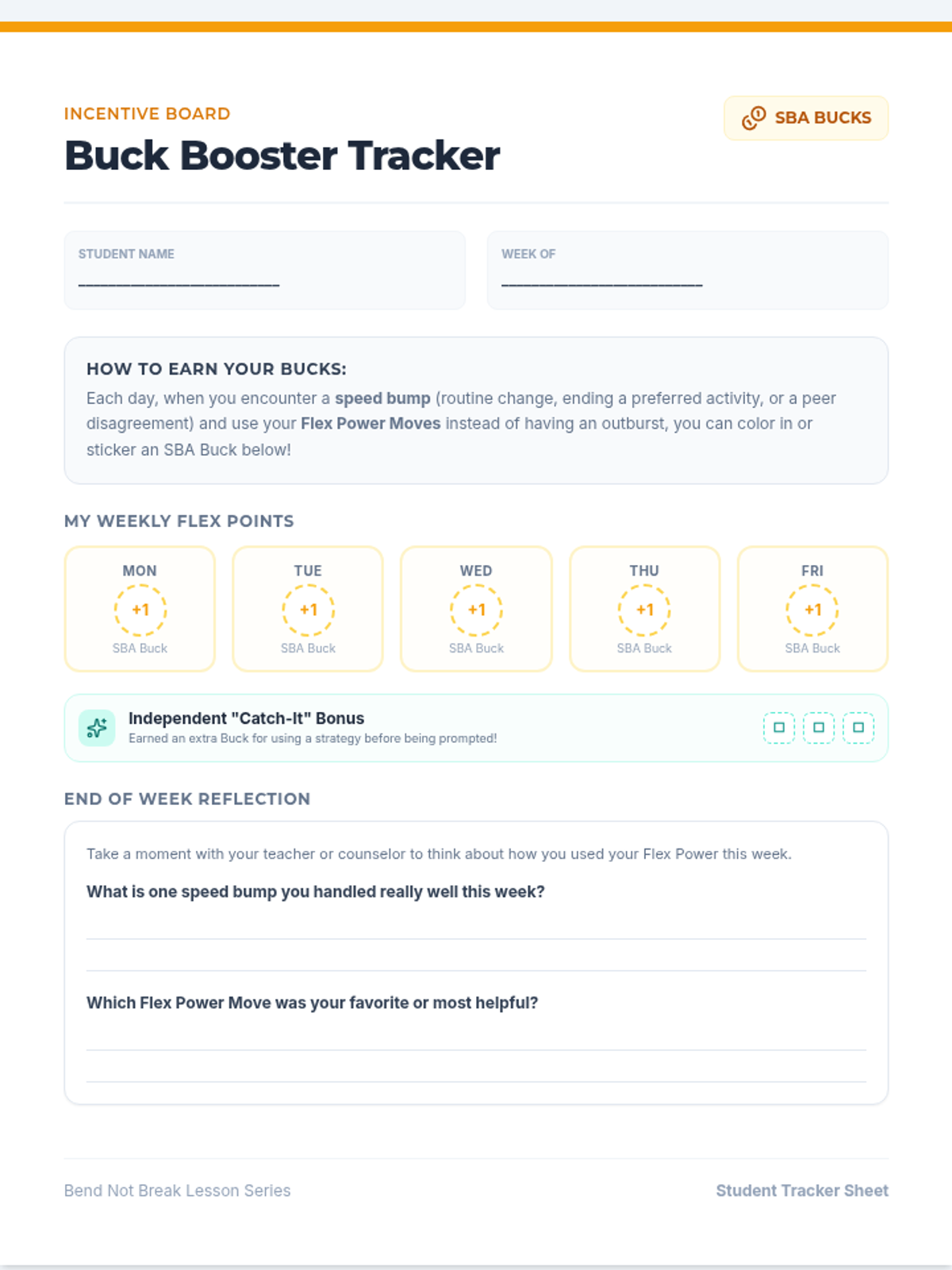
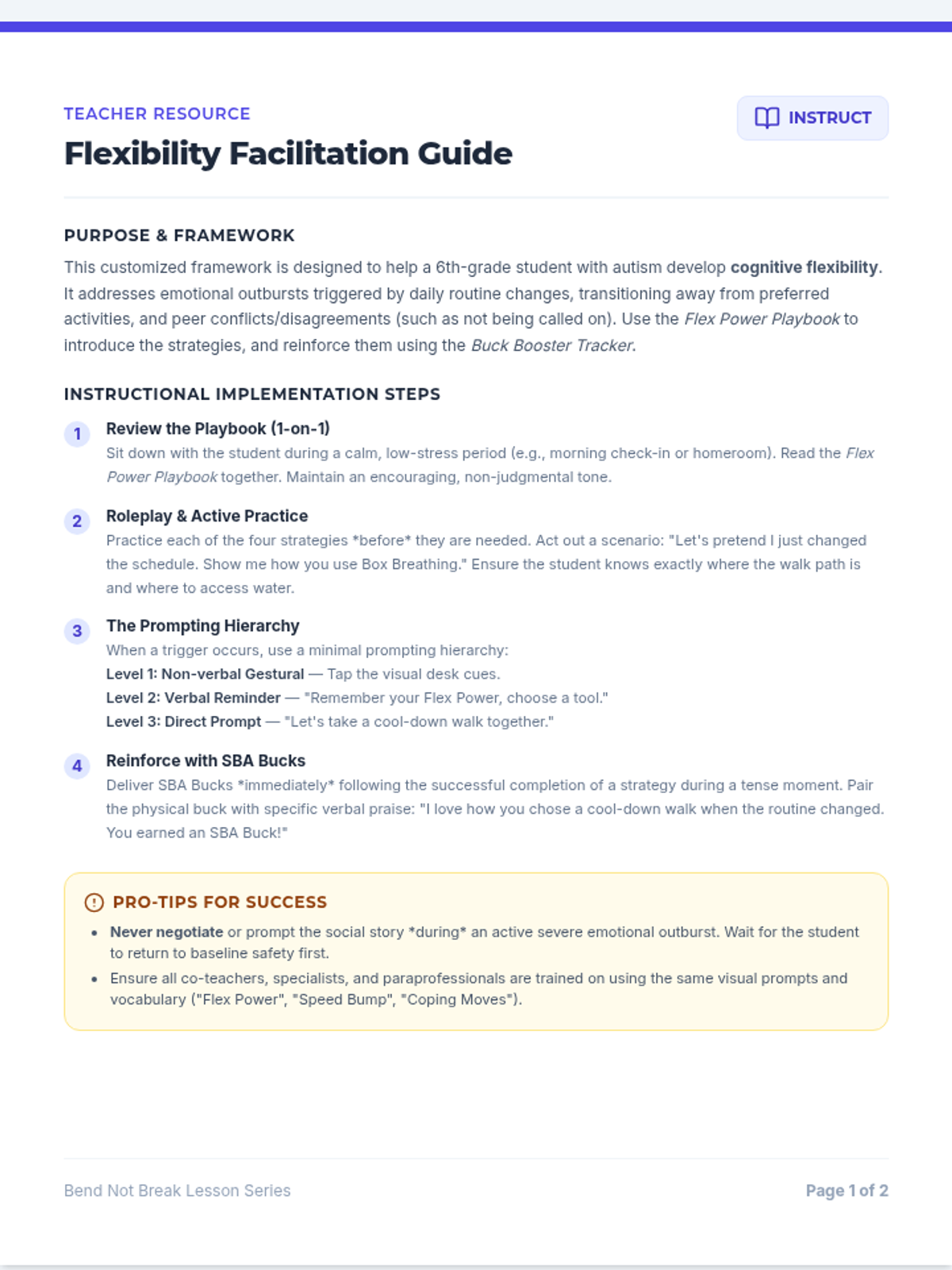
A personalized lesson framework designed to support a 6th-grade student with autism in developing cognitive flexibility, utilizing a structured social story, visual desk cues, and a targeted SBA Bucks reinforcement tracker.
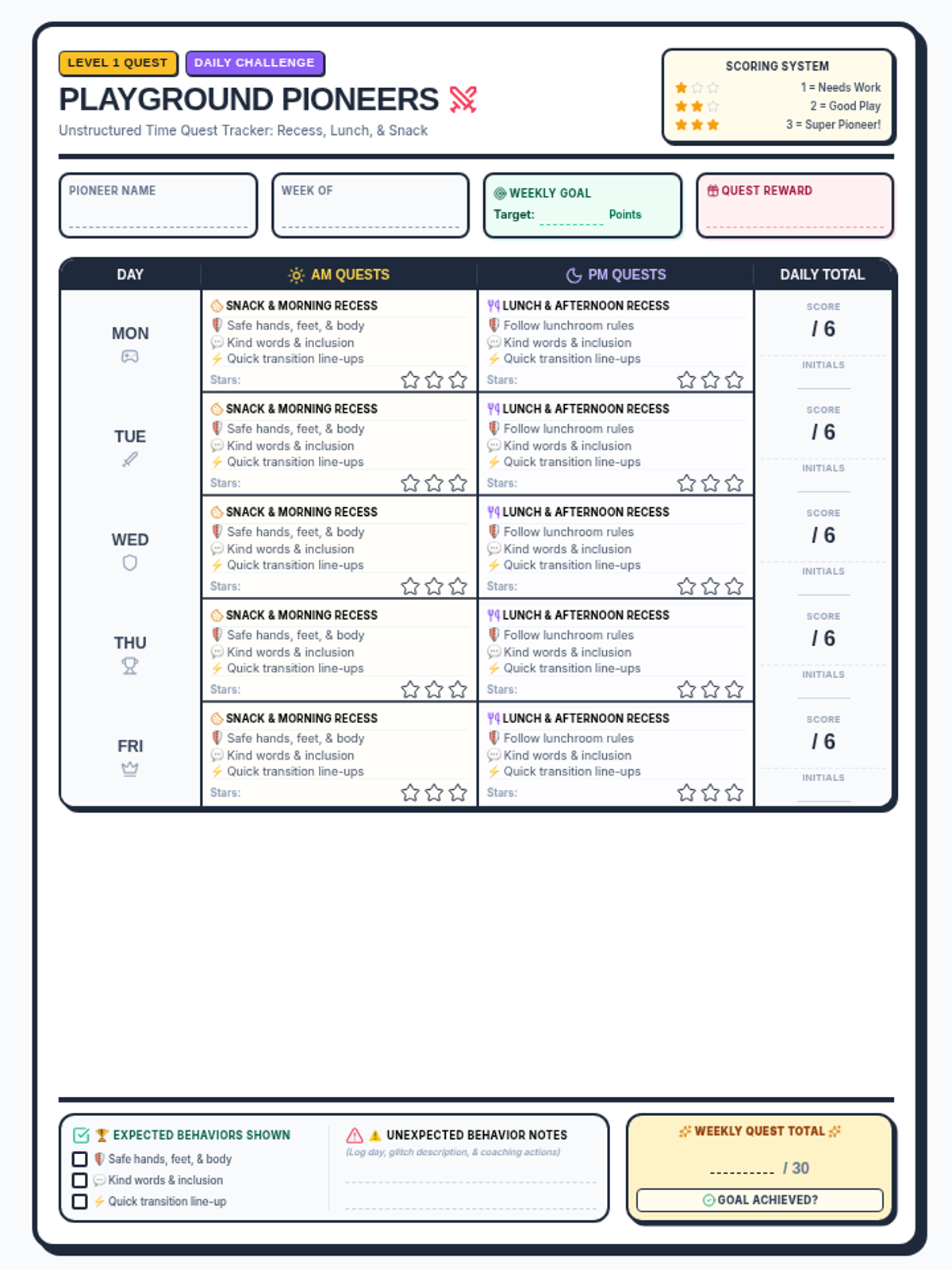
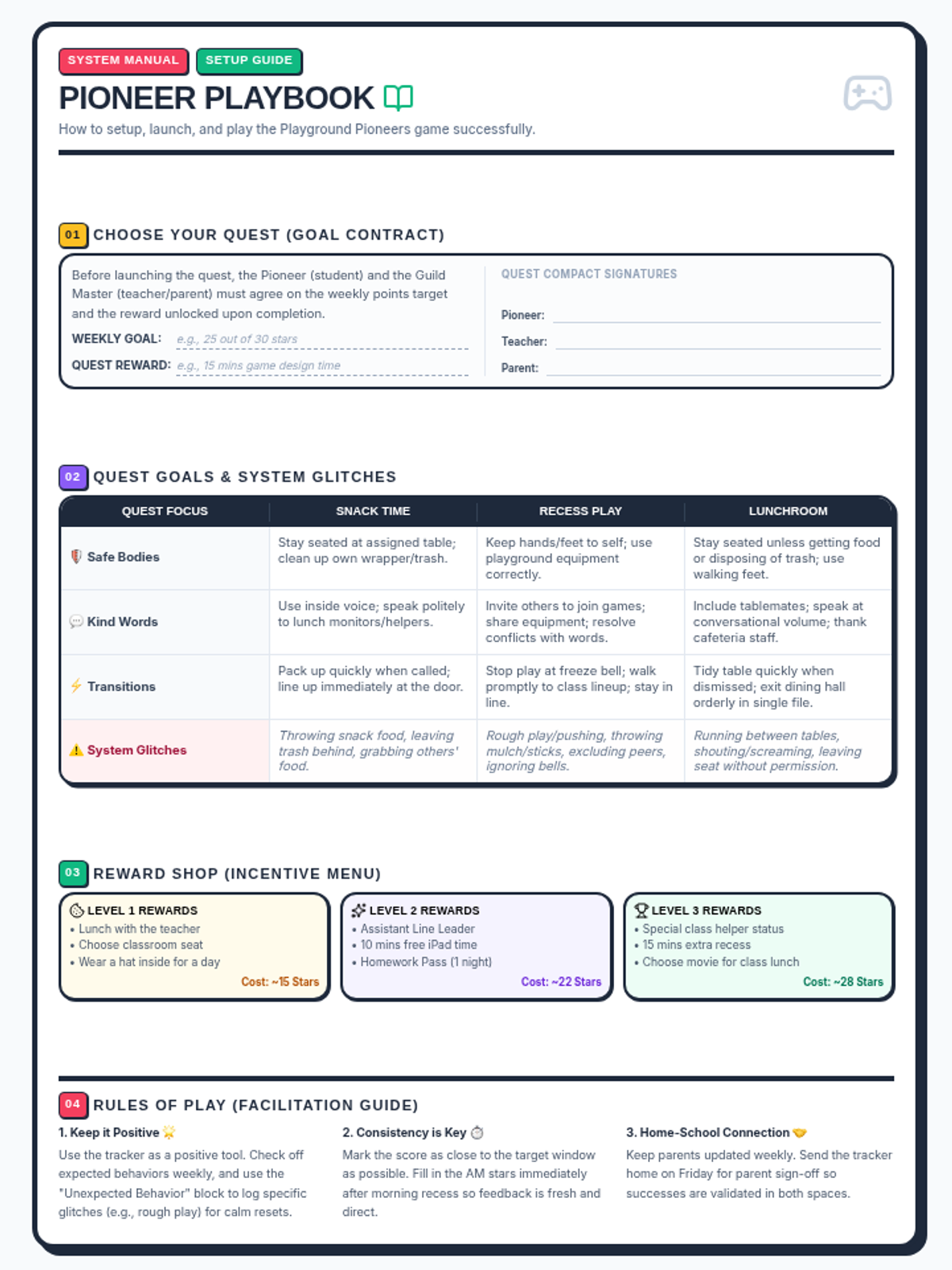
A gamified behavior tracking and support system designed to structure unstructured school times like recess, lunch, and snack. It includes a weekly AM/PM point-tracking chart and a goal-setting setup guide to promote positive peer interactions, safe play, and self-regulation.
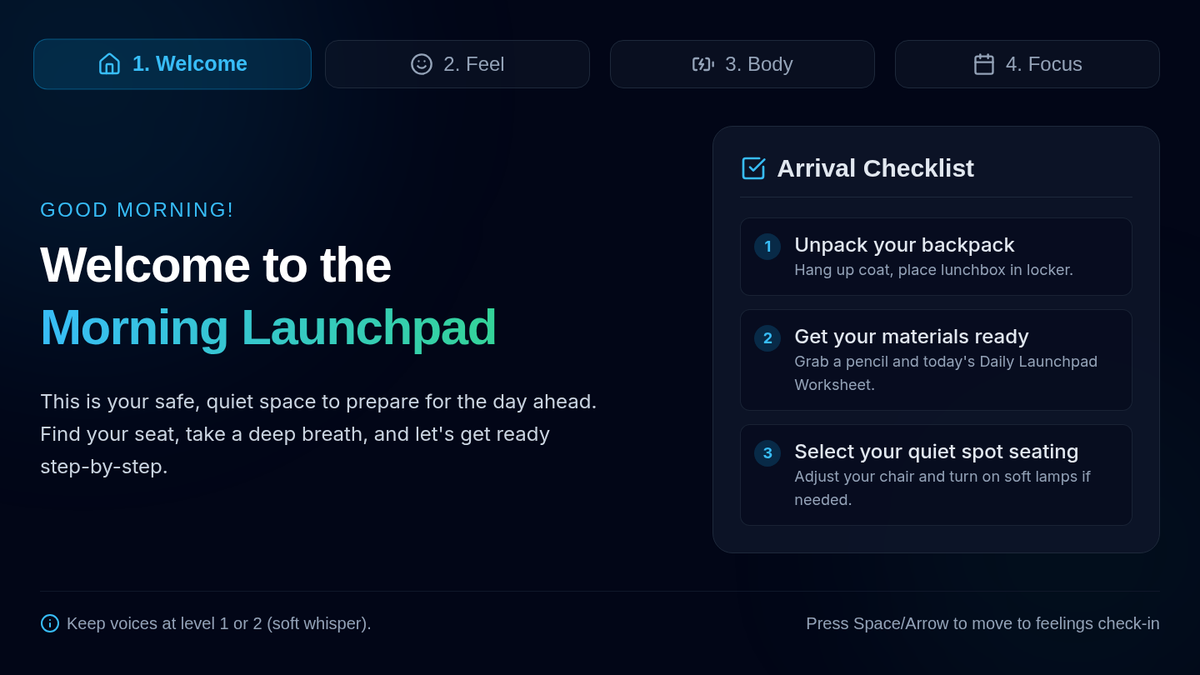
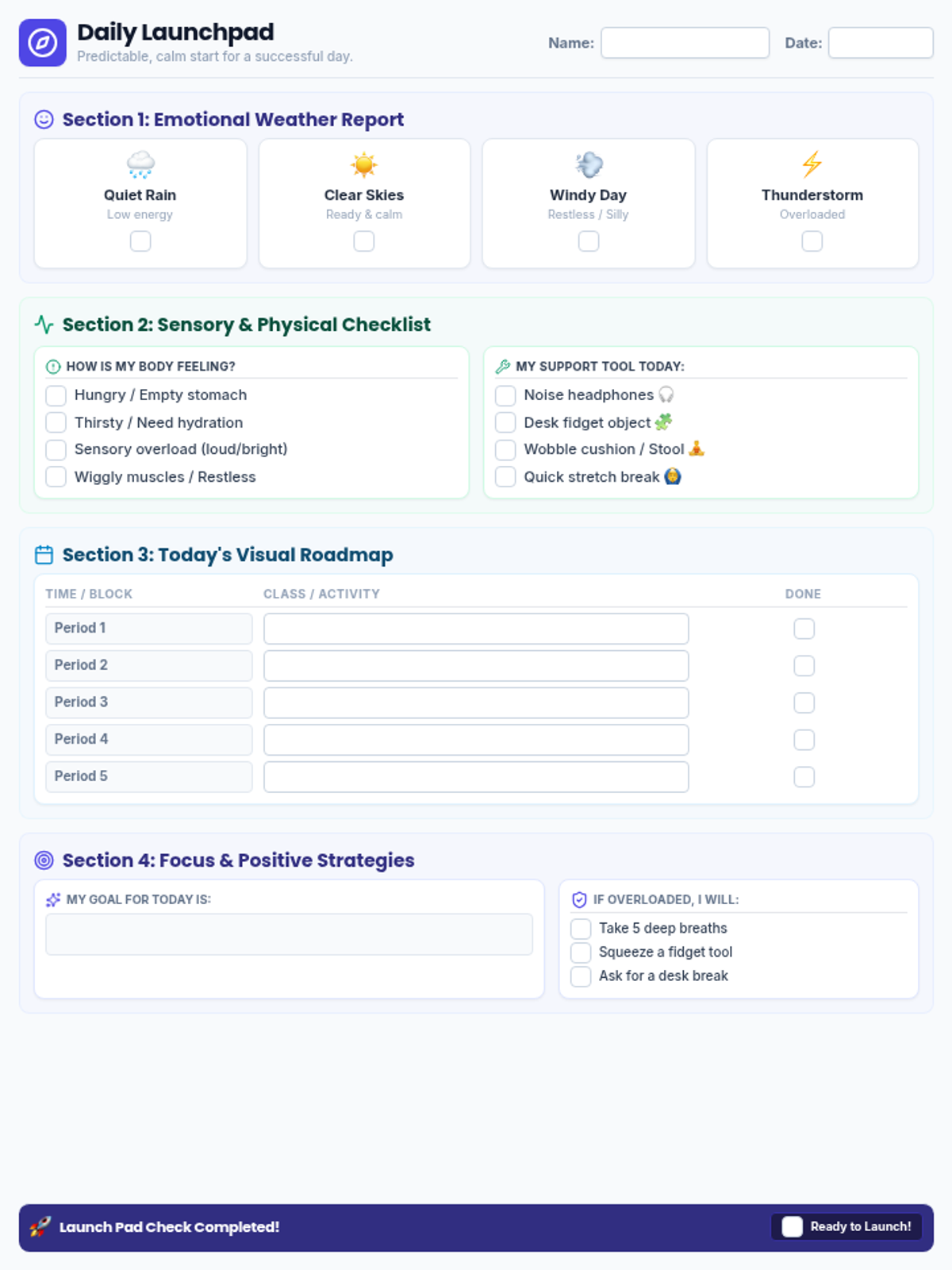
A structured morning routine sequence designed for middle school ASD students to support emotional regulation, sensory tracking, and executive functioning. Includes interactive visual slides and a corresponding daily check-in worksheet to establish a predictable, calming start to the school day.
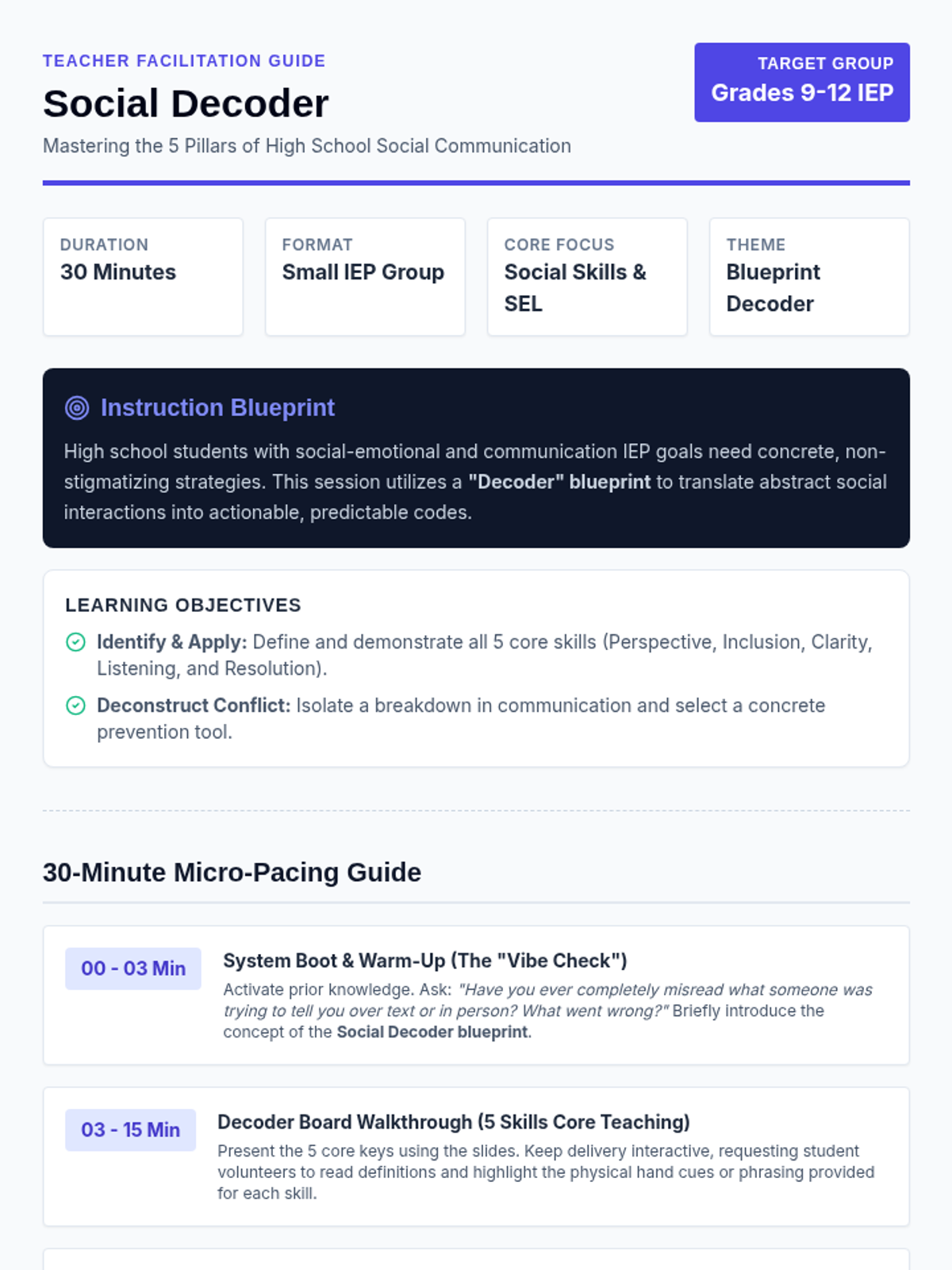
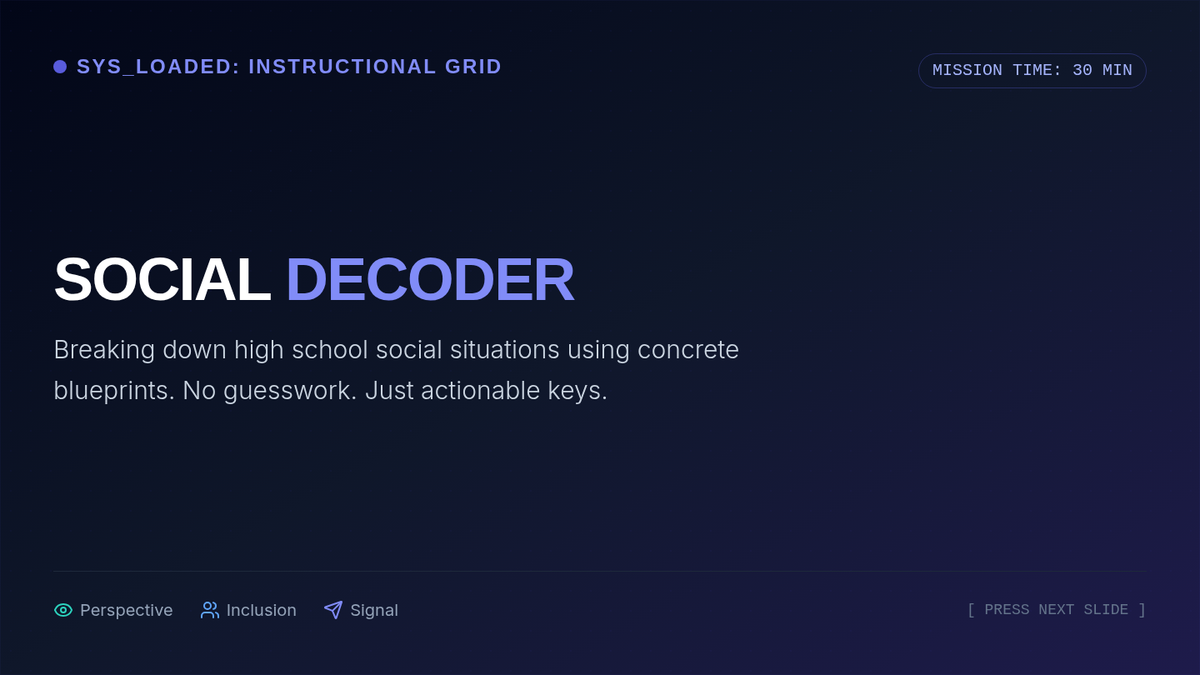
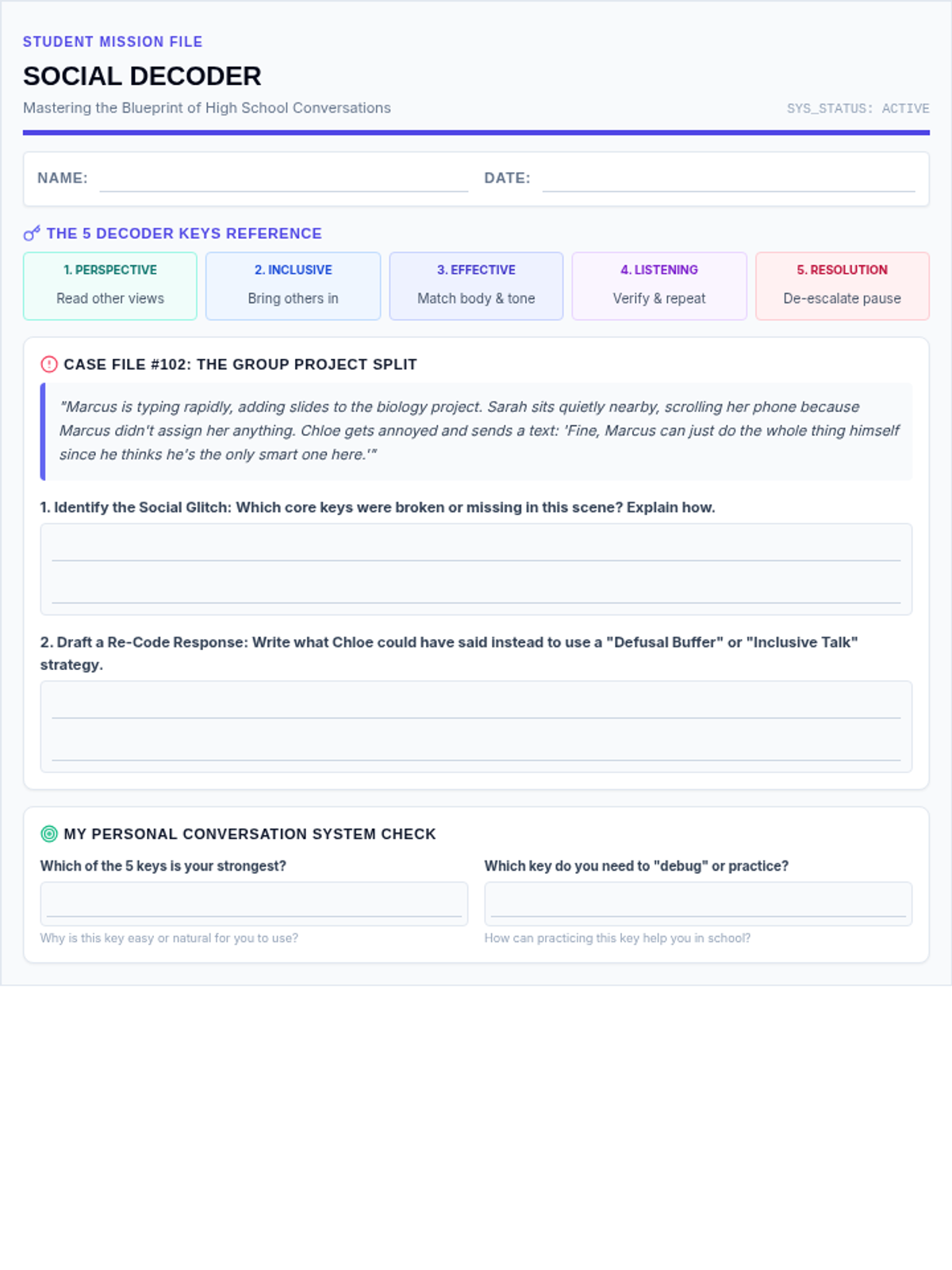
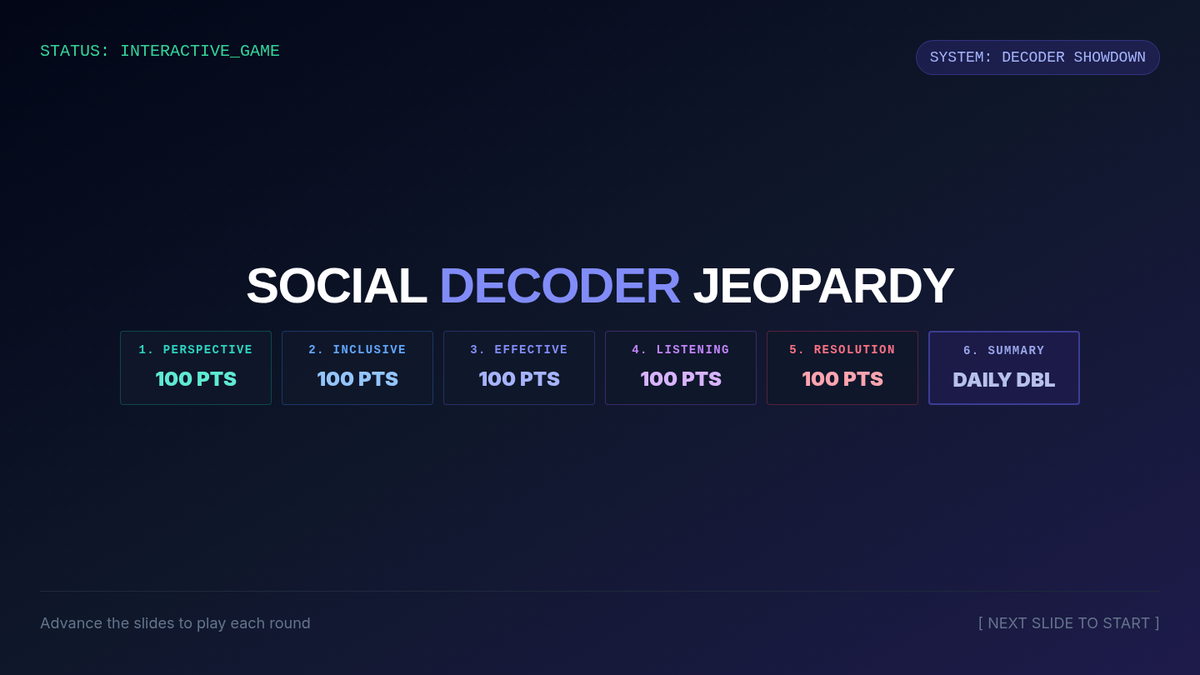
A highly engaging 30-minute social skills lesson designed for high school IEP groups. This lesson covers five essential communication skills—Perspective Taking, Inclusive Communication, Effective Communication, Active Listening, and Conflict Prevention/Resolution—using a modern 'Social Decoder' blueprint theme.
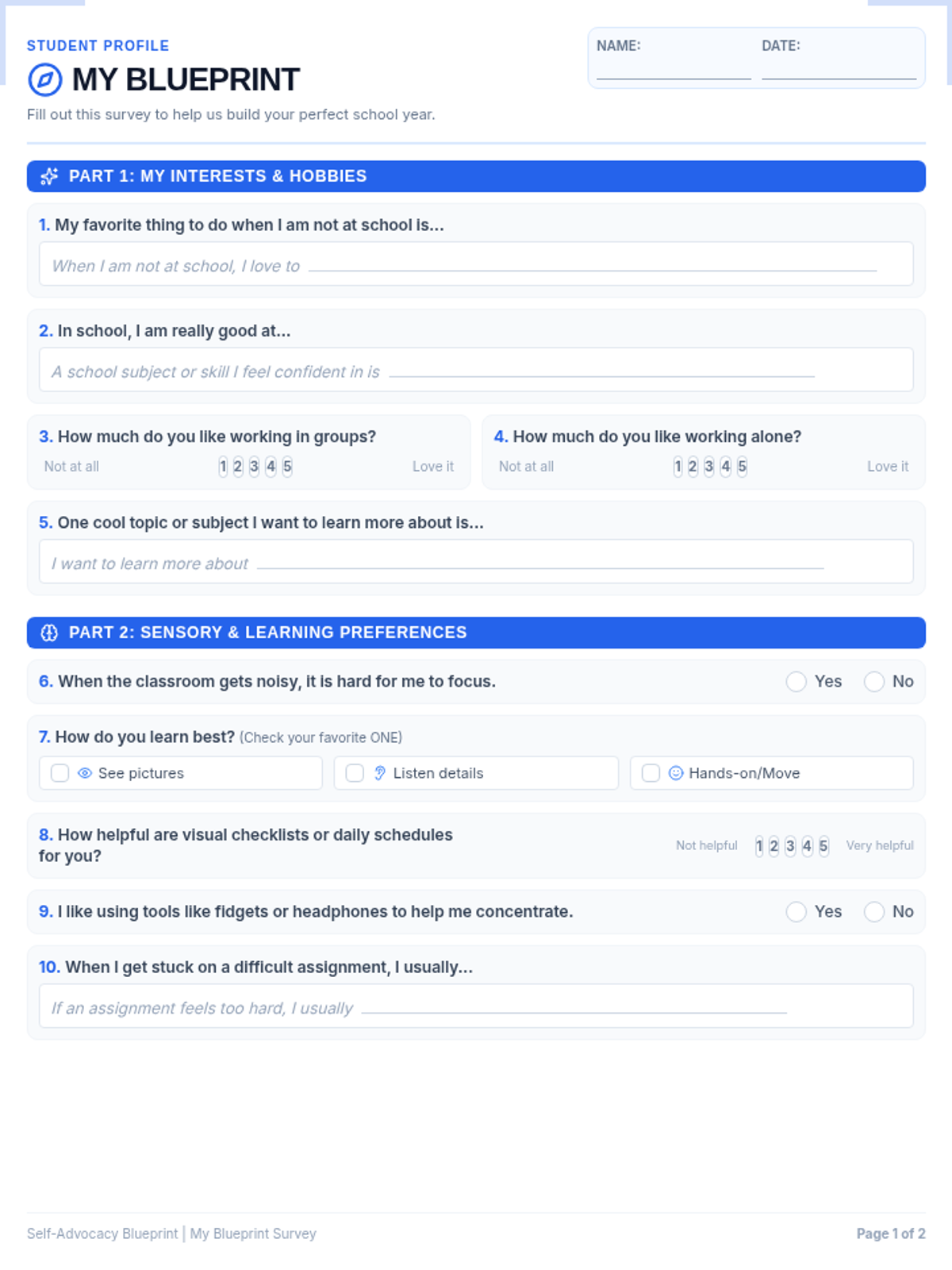
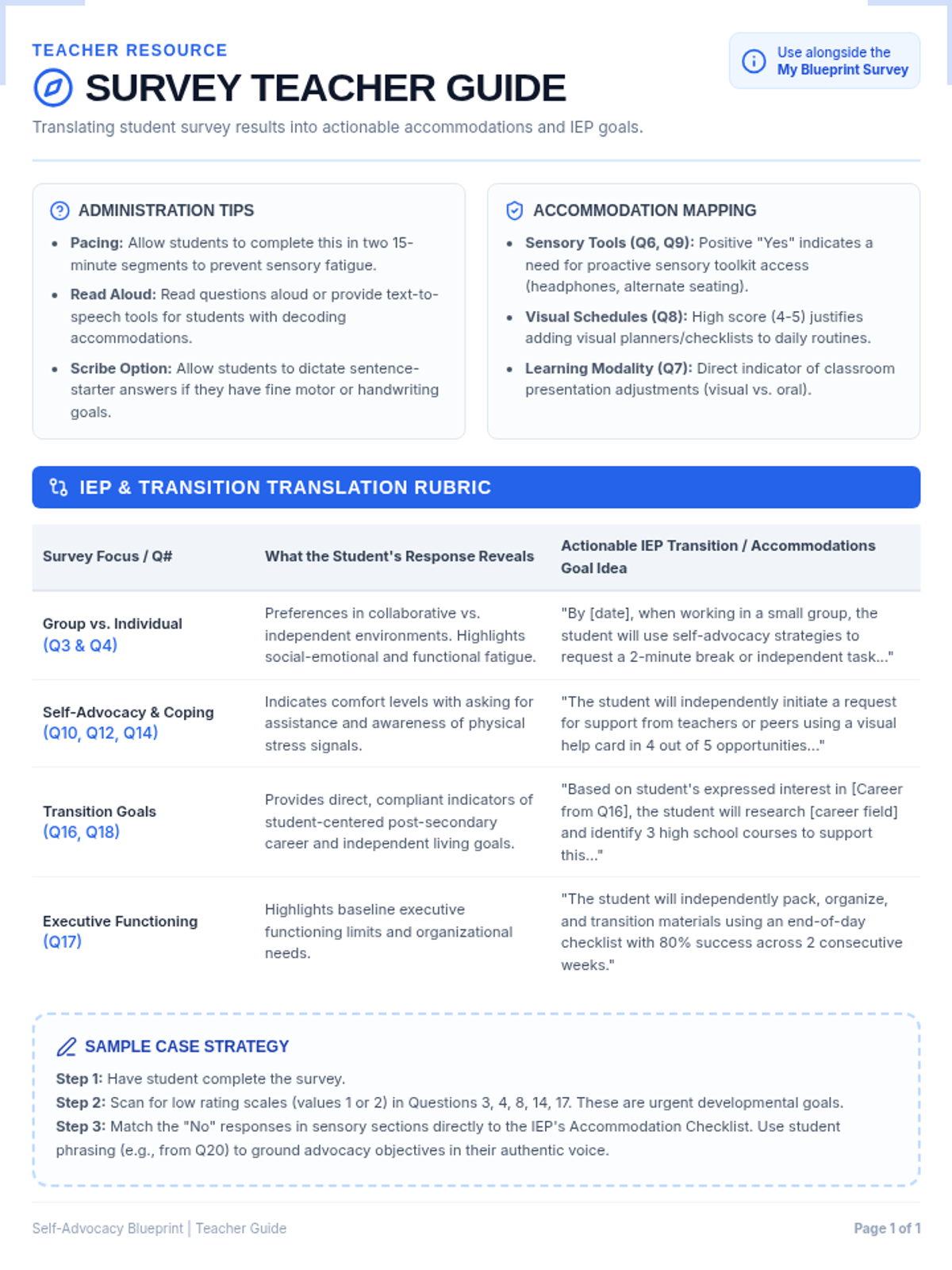
A transition-focused lesson featuring an accessible "All About Me" survey for middle school students with accommodations, alongside a guide for teachers to translate student responses into IEP goals and classroom support strategies.
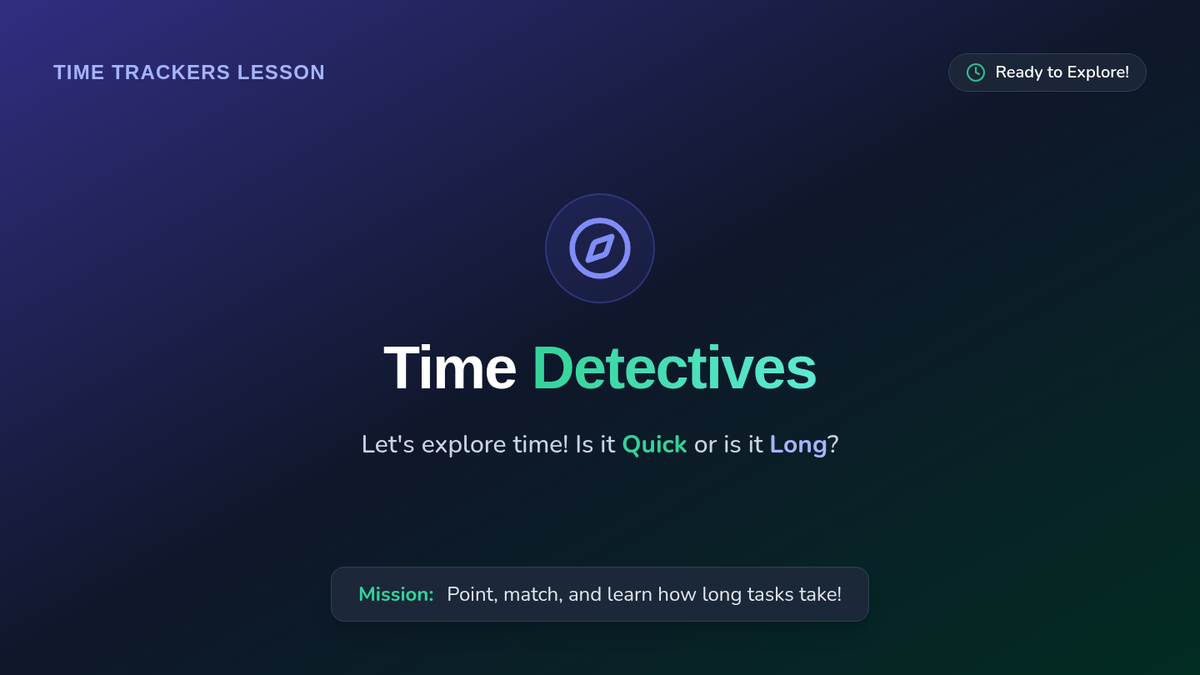
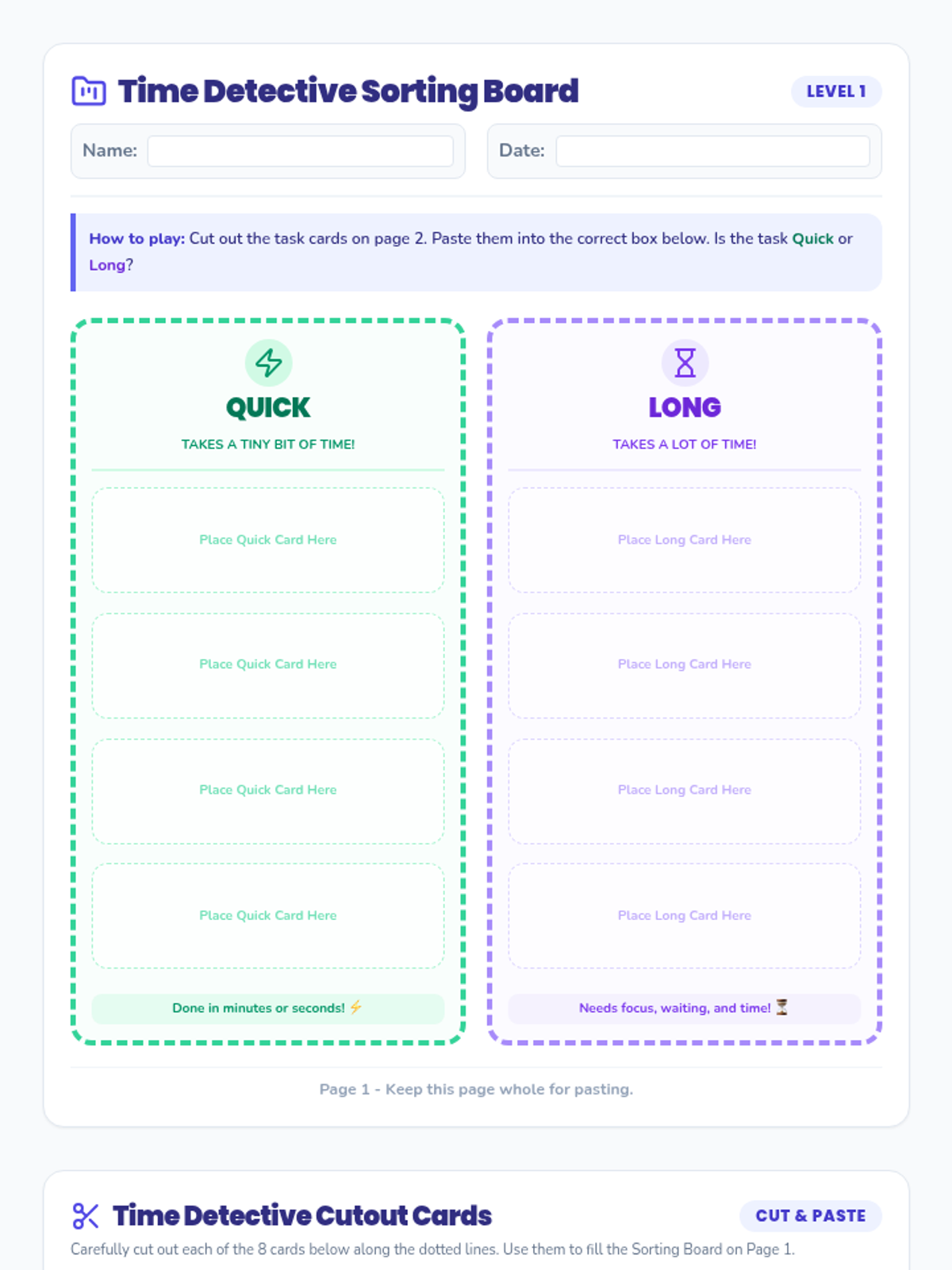
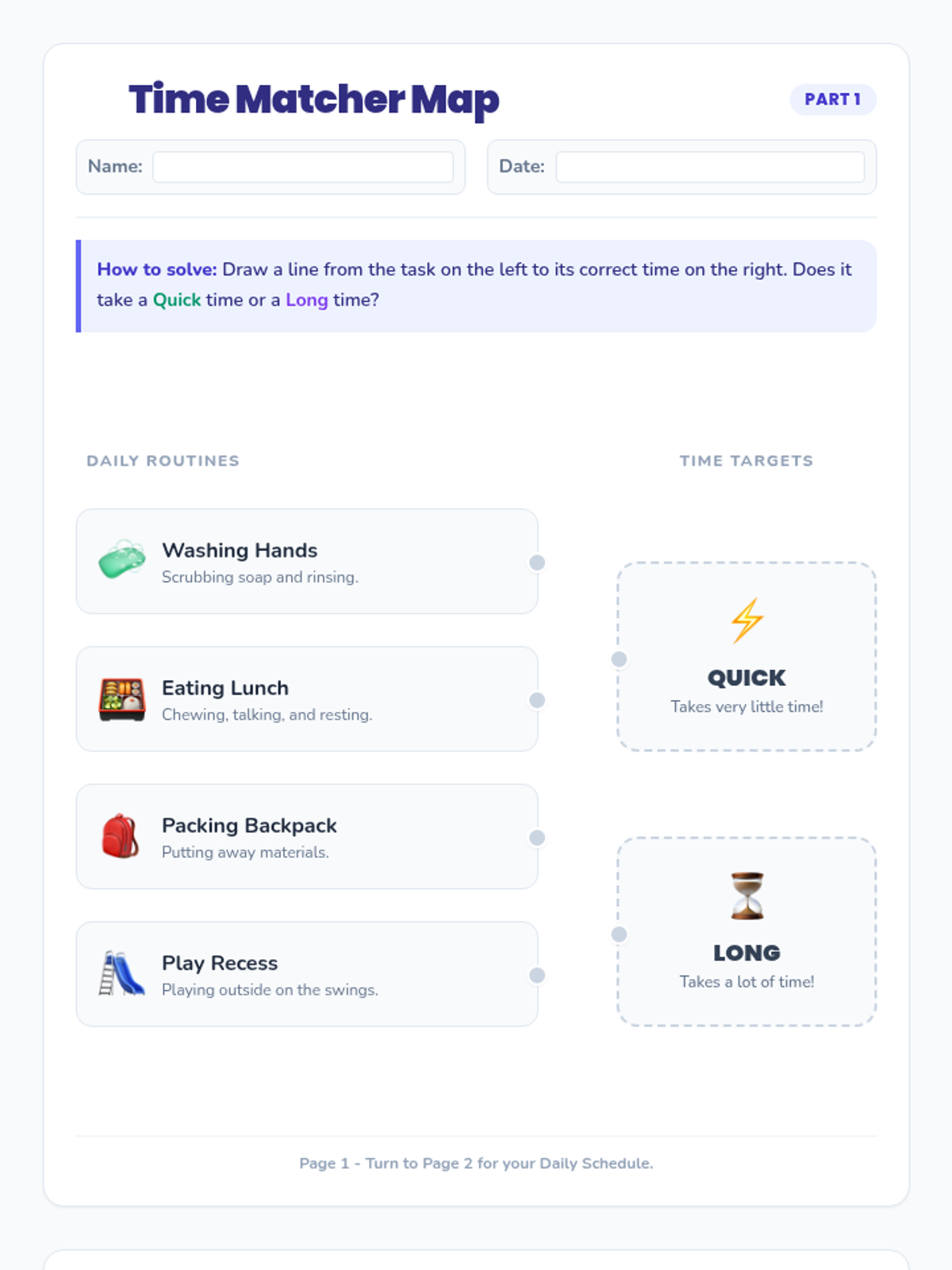
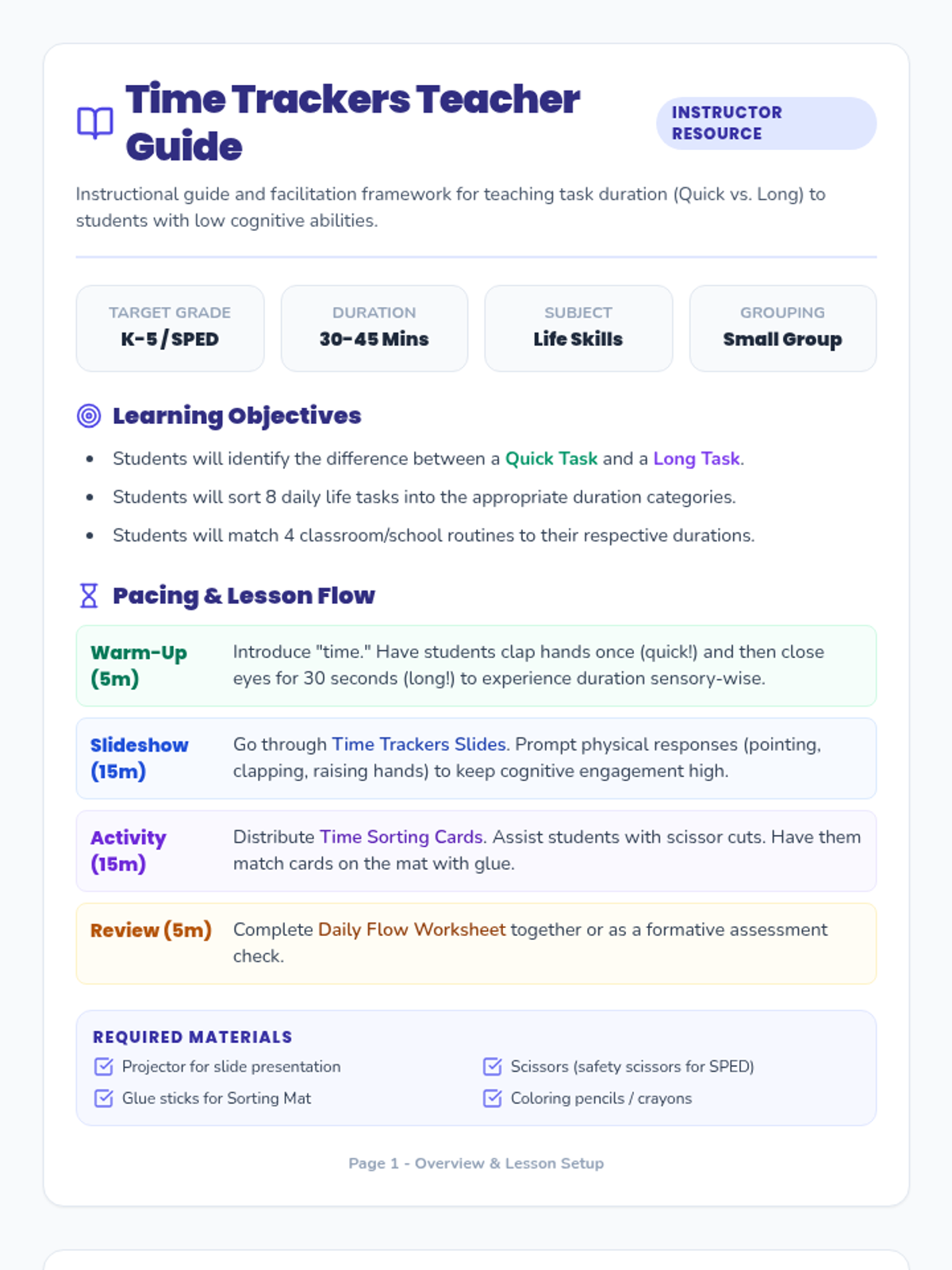
A special education lesson designed to teach students with low cognitive abilities how to estimate and understand task durations (quick vs. long tasks) using highly visual, interactive, and structured activities.
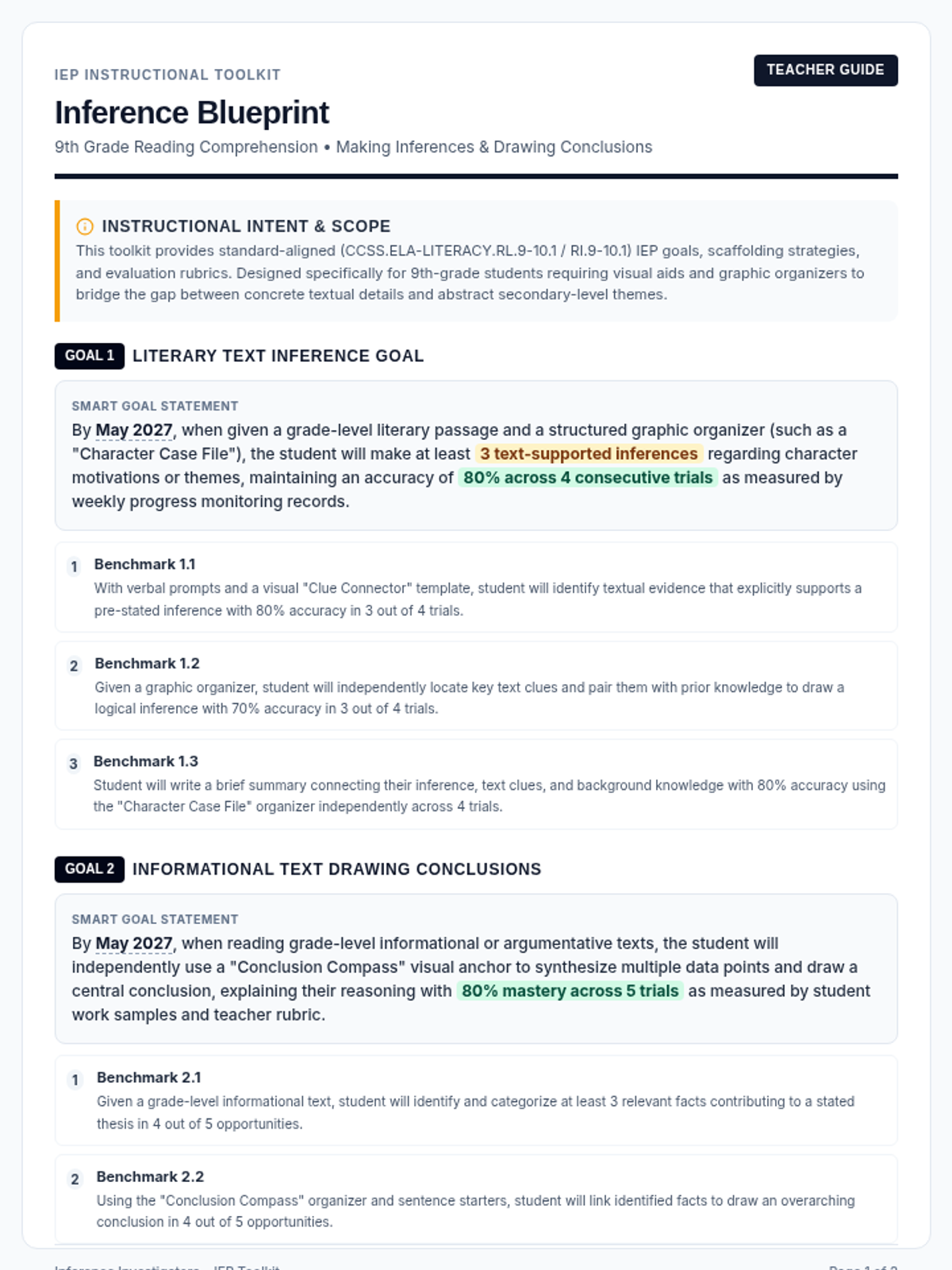
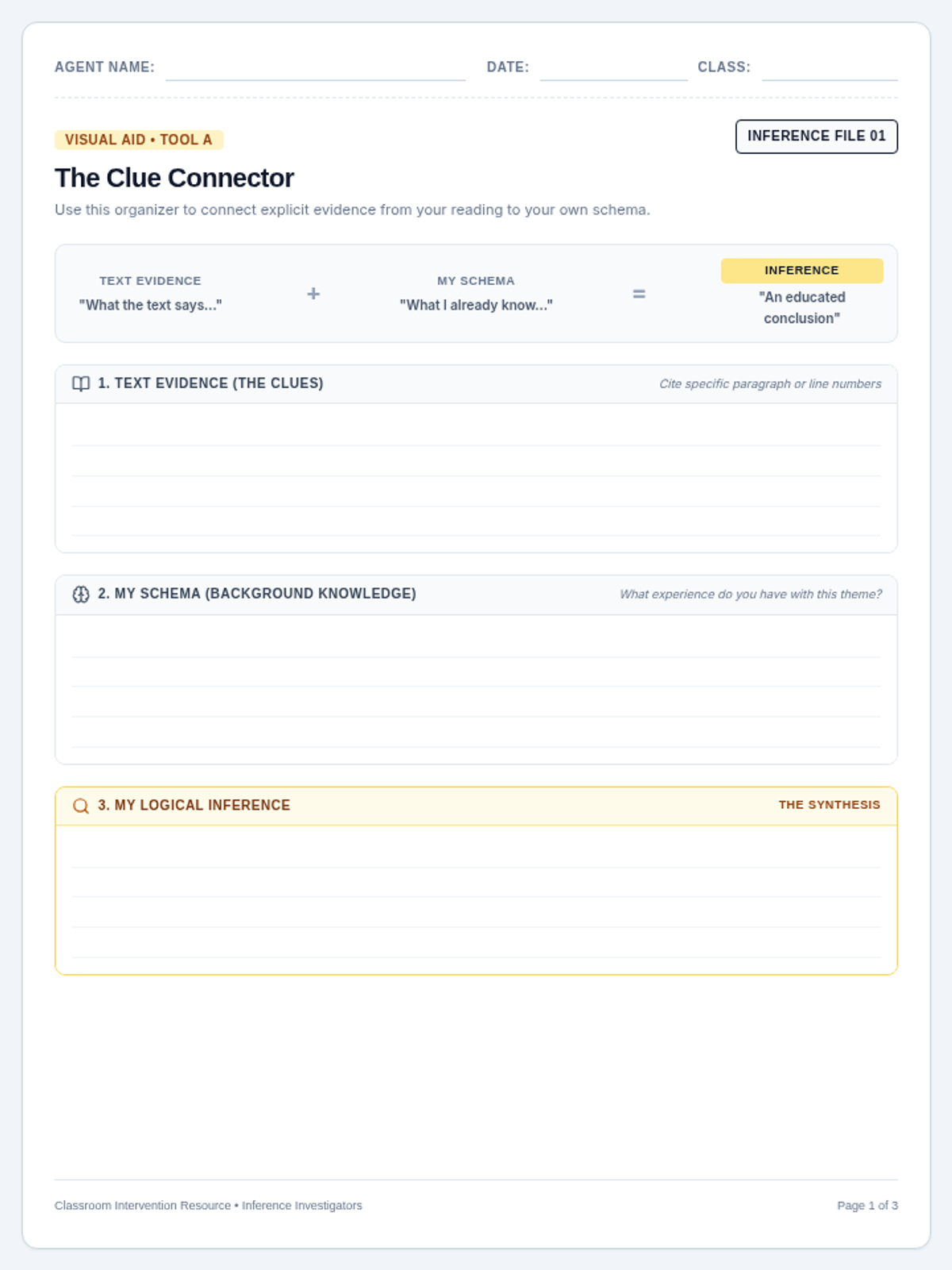
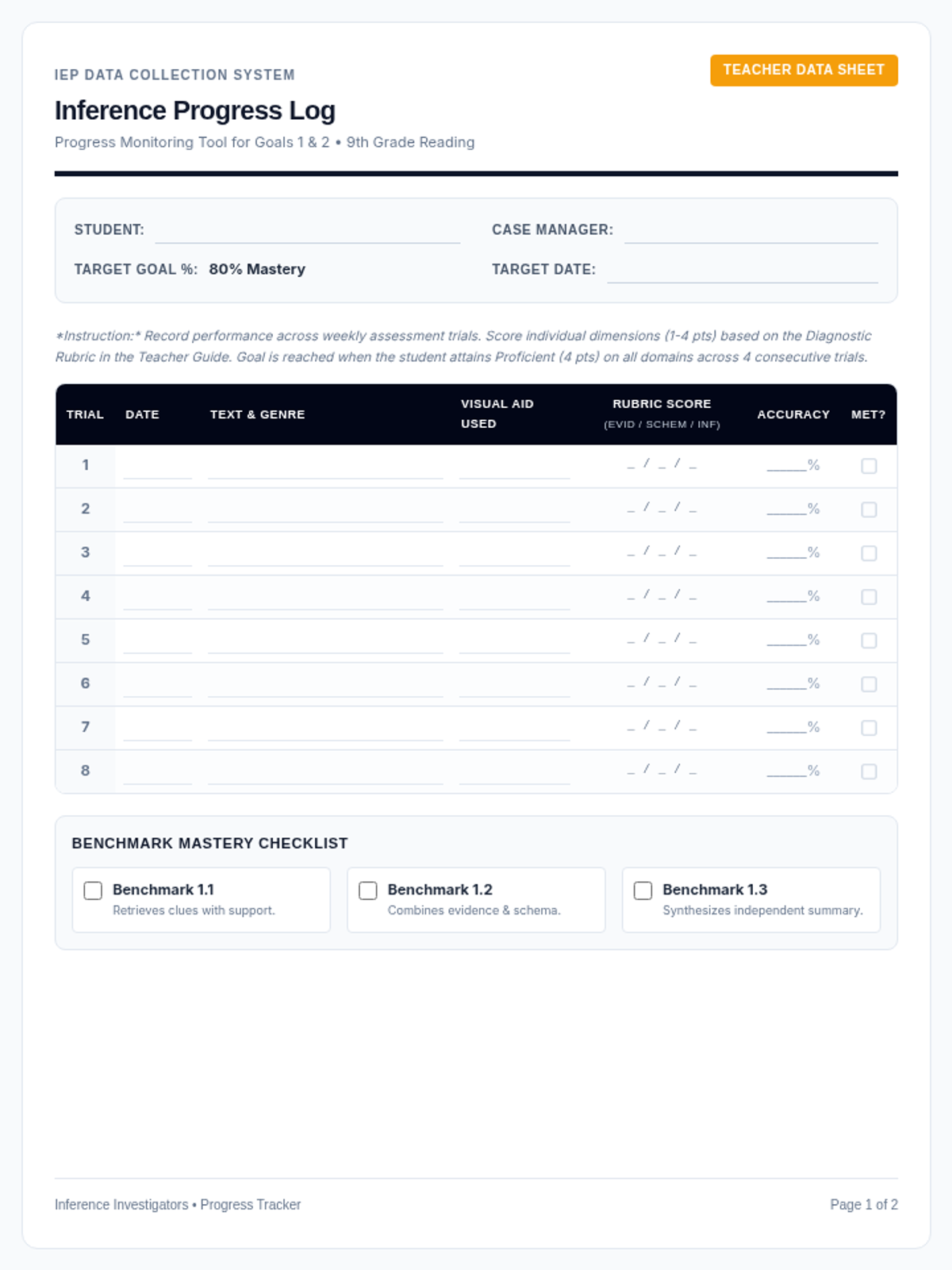
A comprehensive IEP goal and instructional toolkit designed to scaffold 9th-grade reading comprehension. This lesson package includes measurable IEP goals, scaffolded graphic organizers, and structured progress monitoring tools focused on making inferences and drawing conclusions.
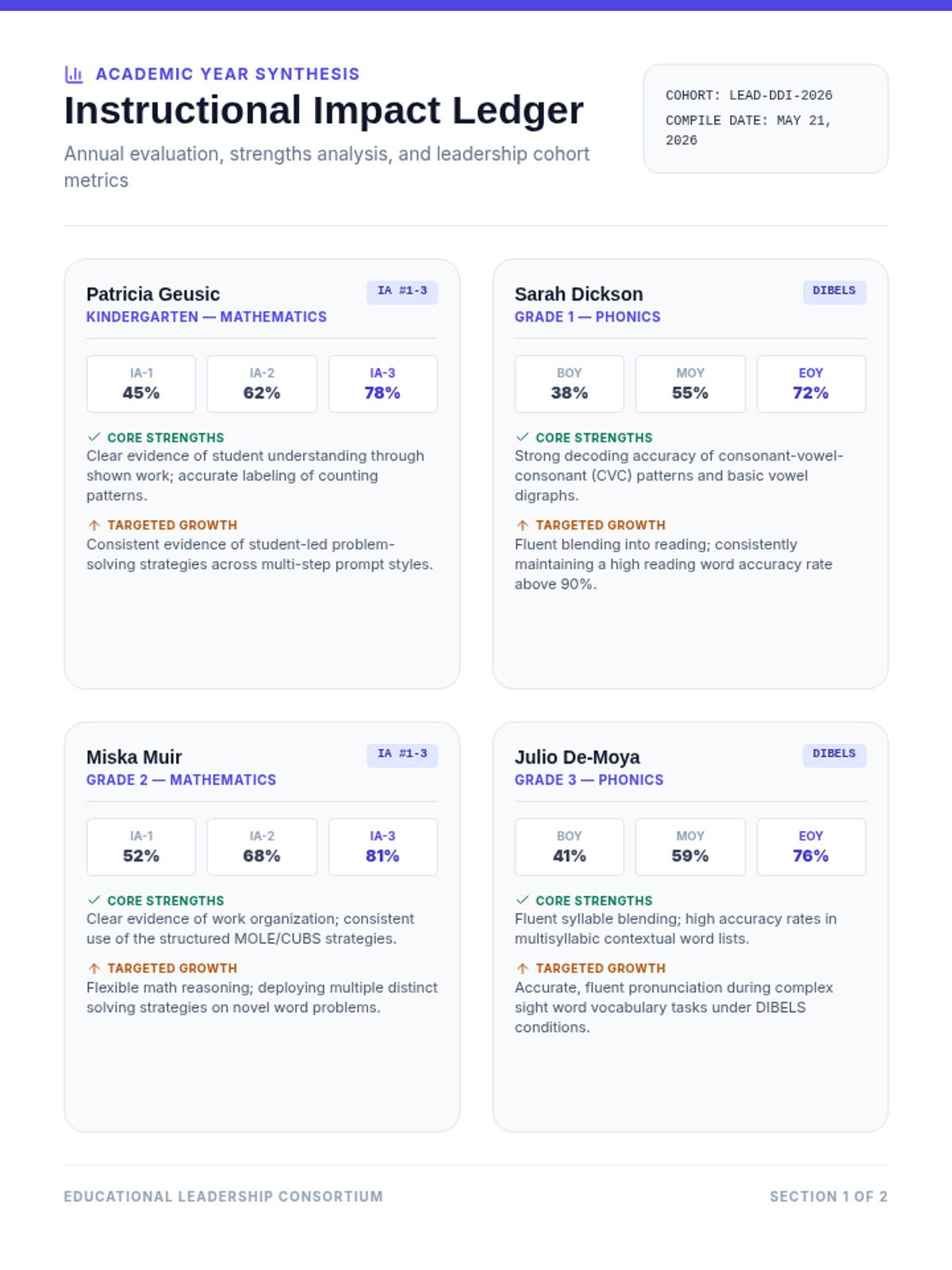
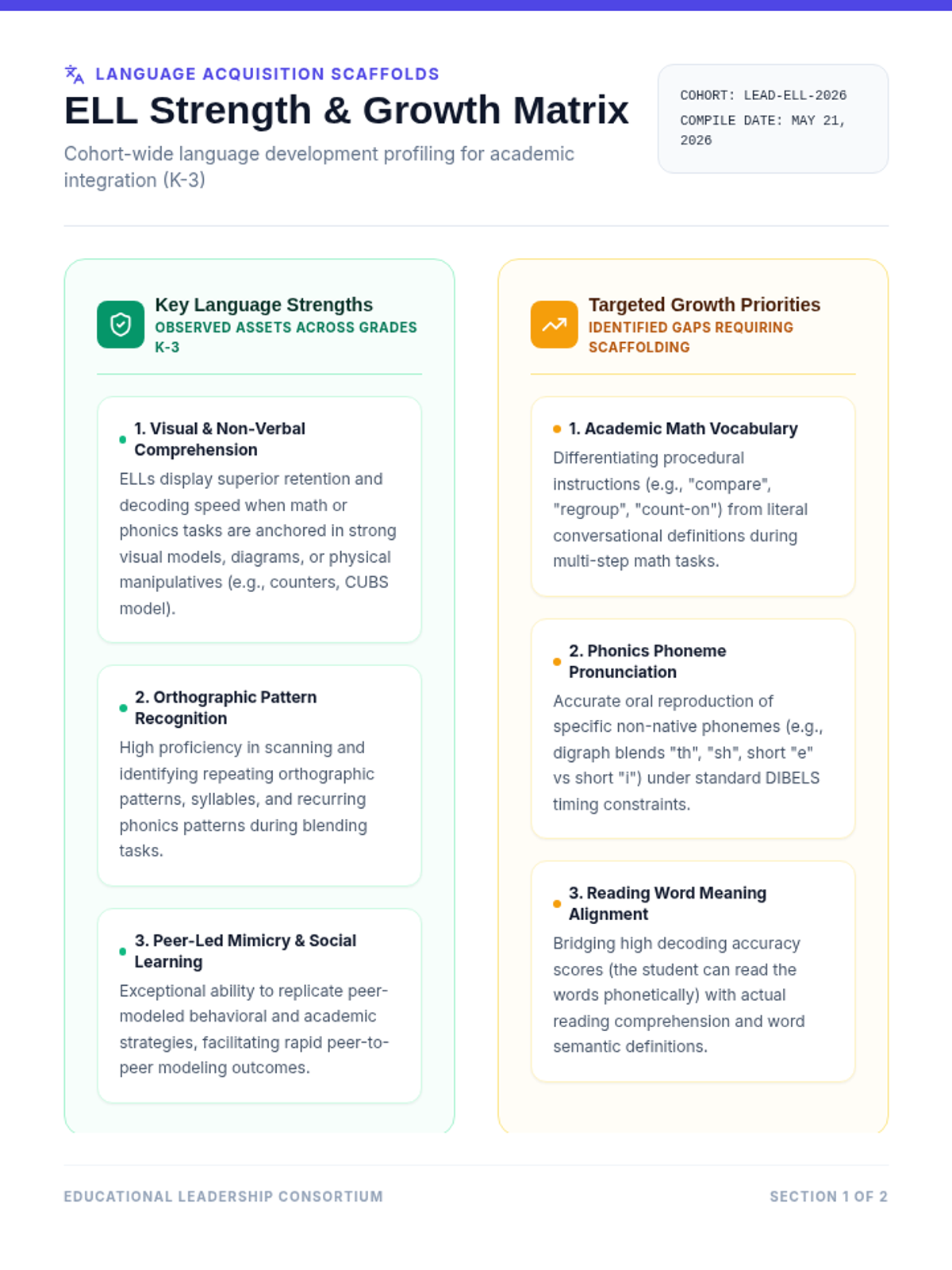
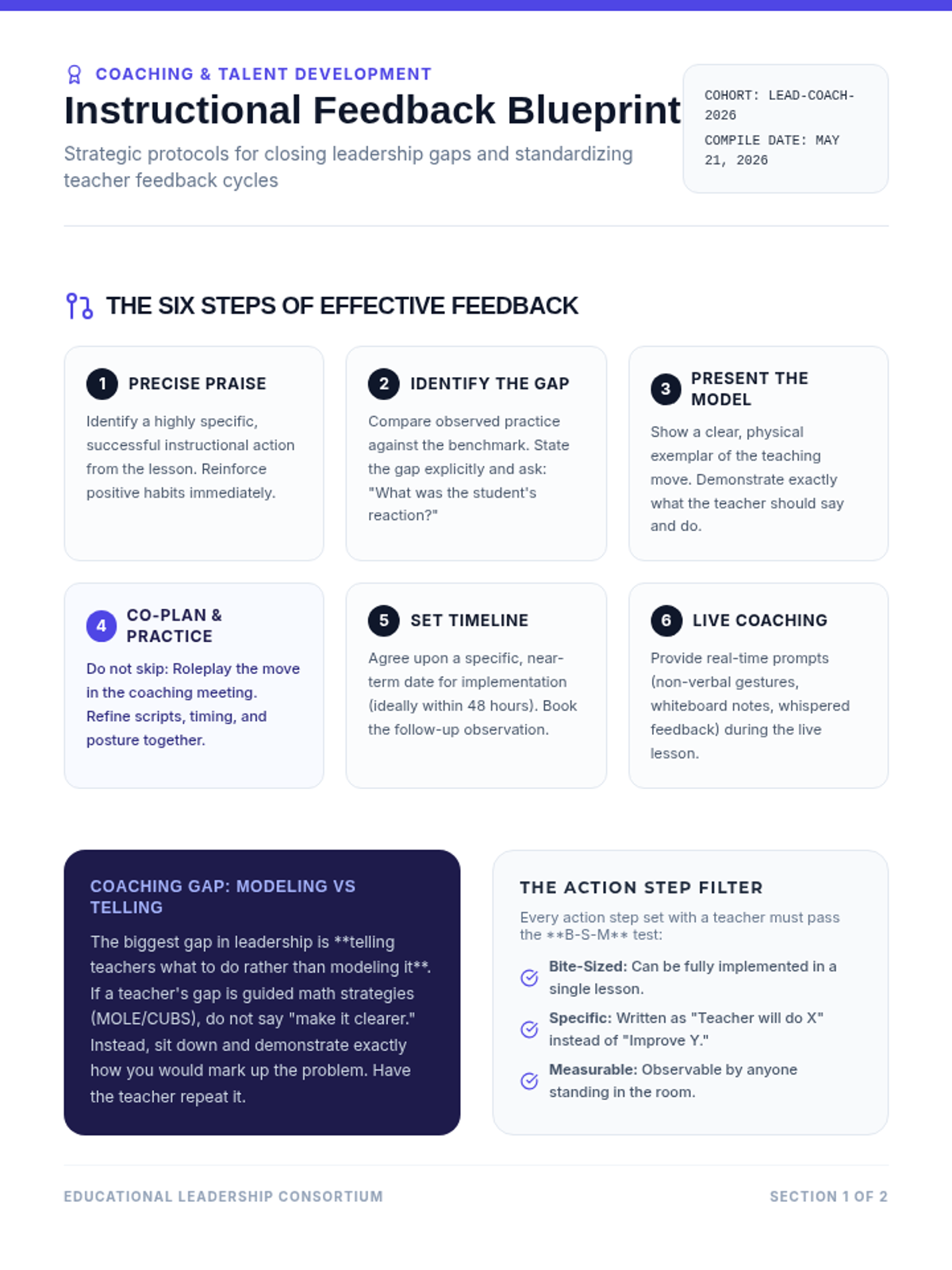
An advanced data reflection and tracking module for educational leaders to systematically assess grade-level performance and plan organizational next steps.
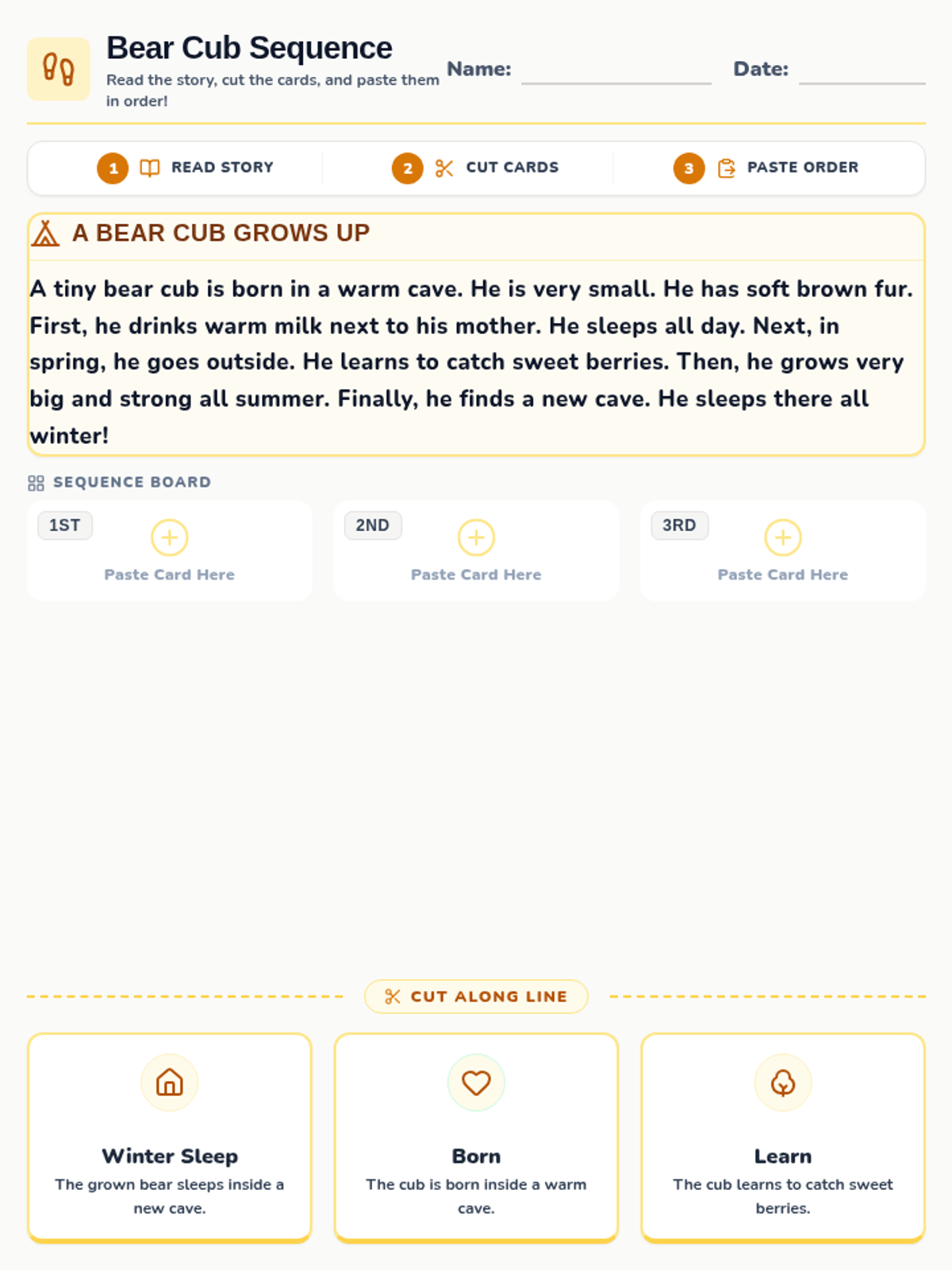
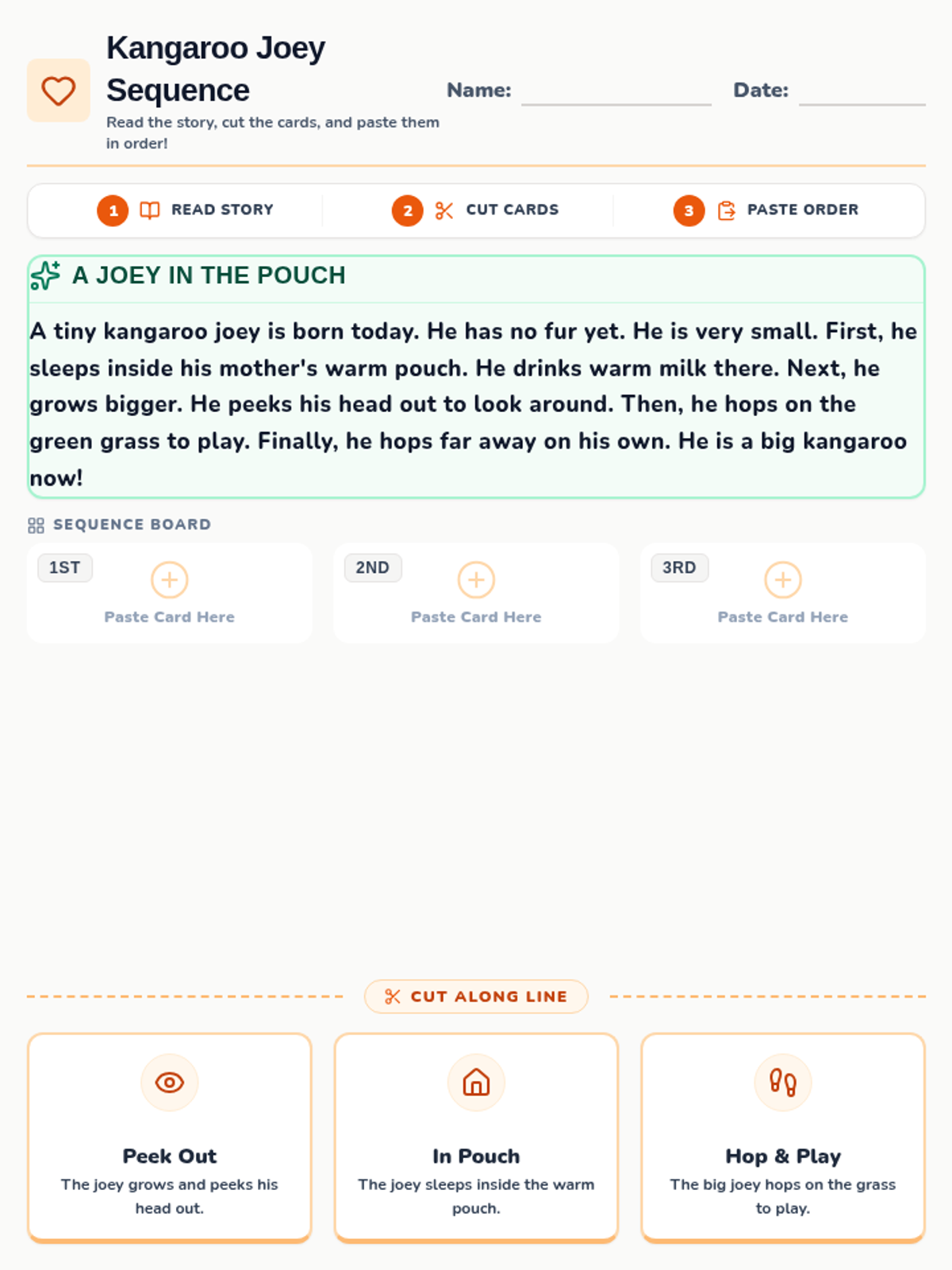
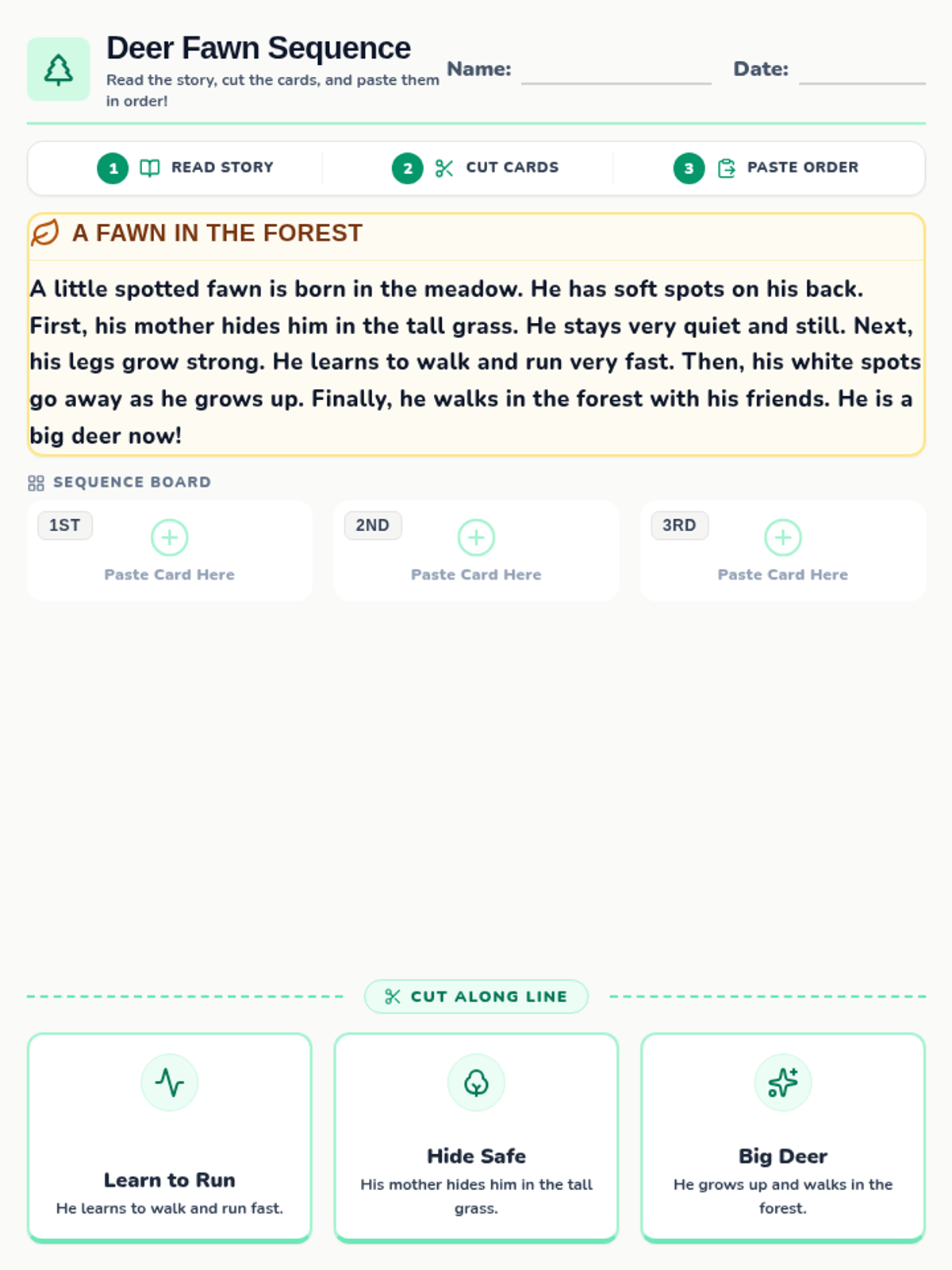
A structured, high-visual lesson designed for students with autism to practice 3-step sequencing using different animal life cycles. Includes printable worksheets with matching card designs.