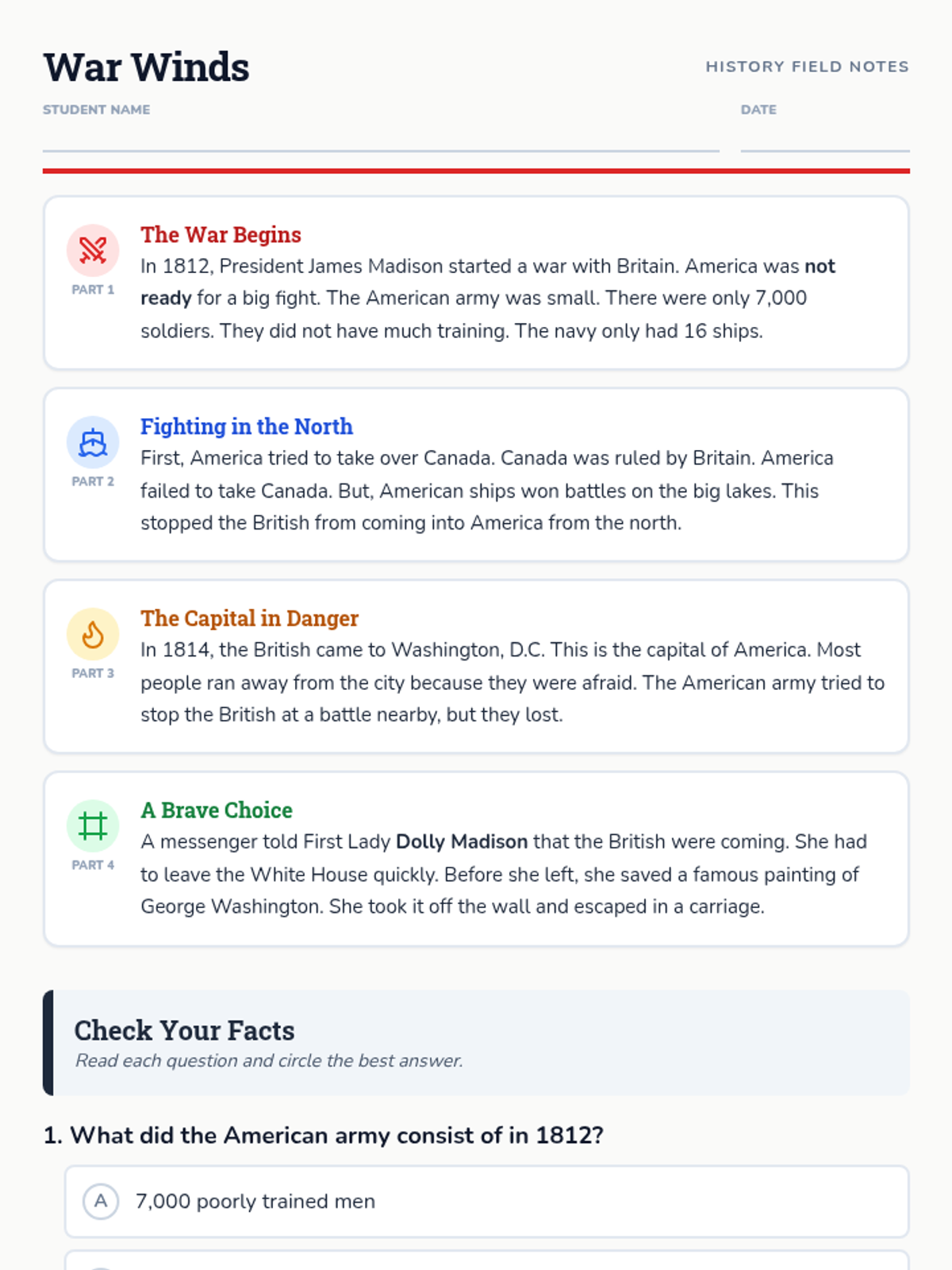
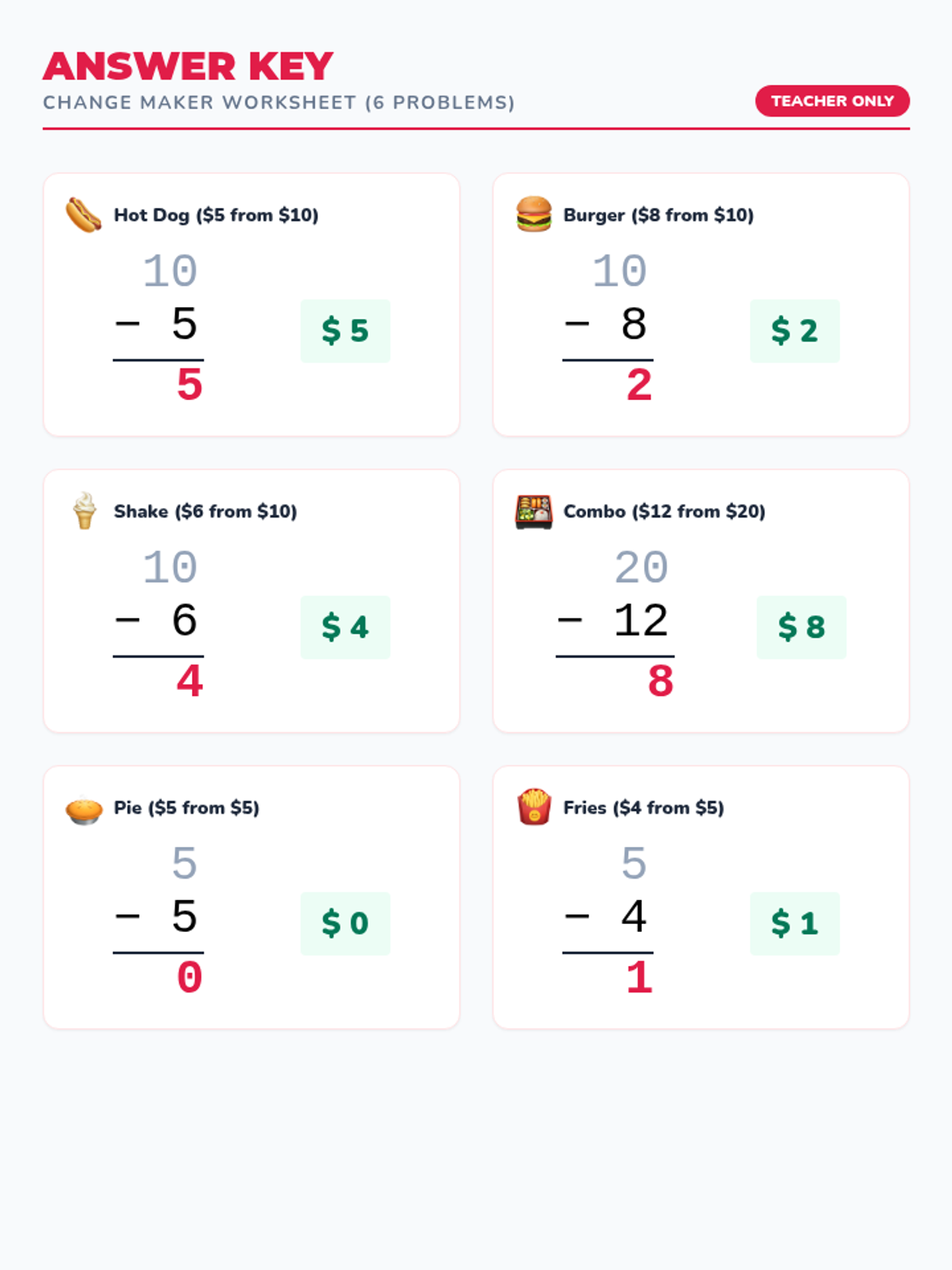
Students practice using TTS on non-fiction articles, learning how to handle captions, sidebars, and headings. They discuss the order in which to listen to these elements for best understanding.
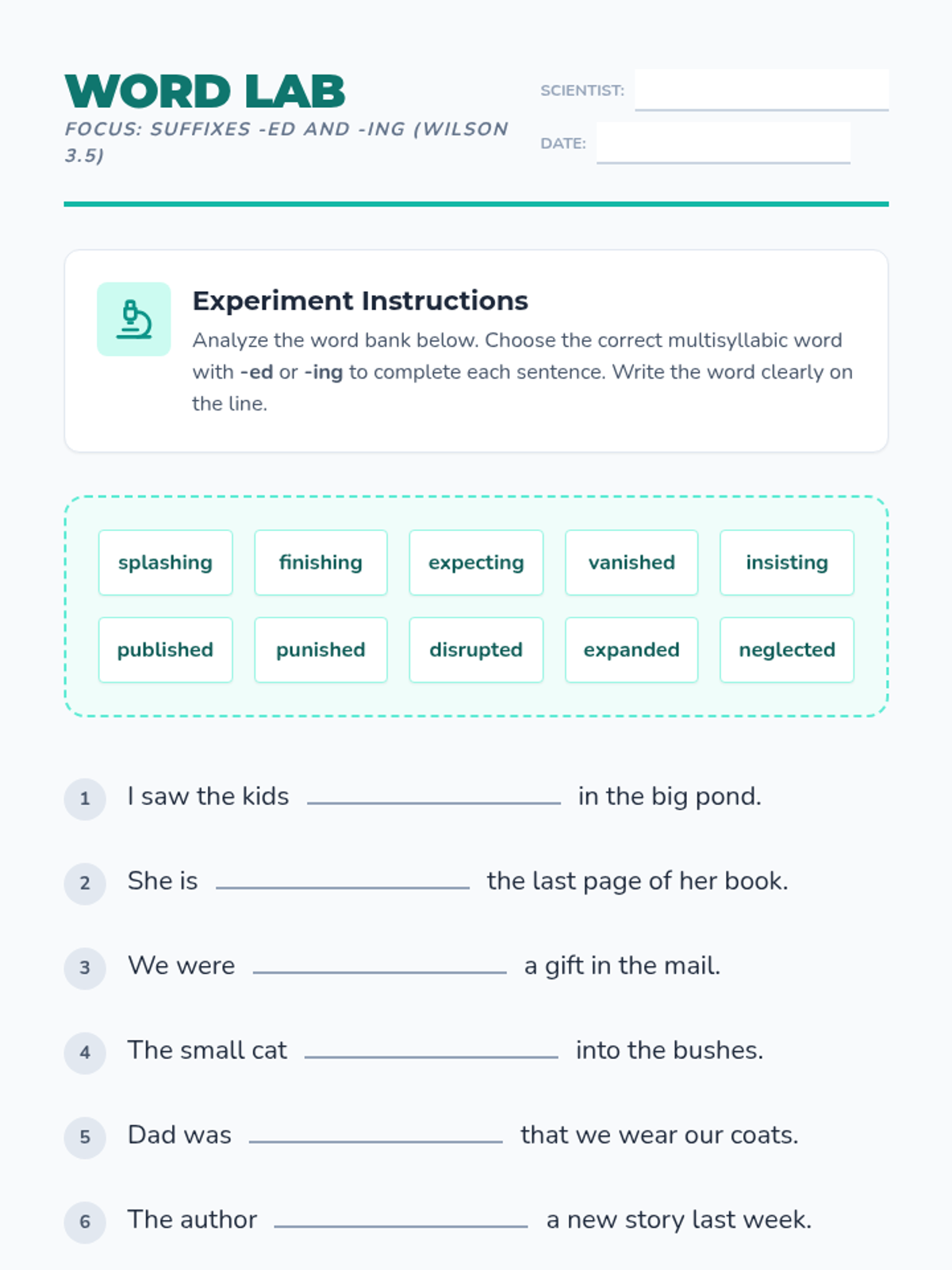
This lesson focuses on identifying, dividing, and reading multi-syllabic words with open syllables (Step 5.2). It includes daily warm-ups and structured practice.
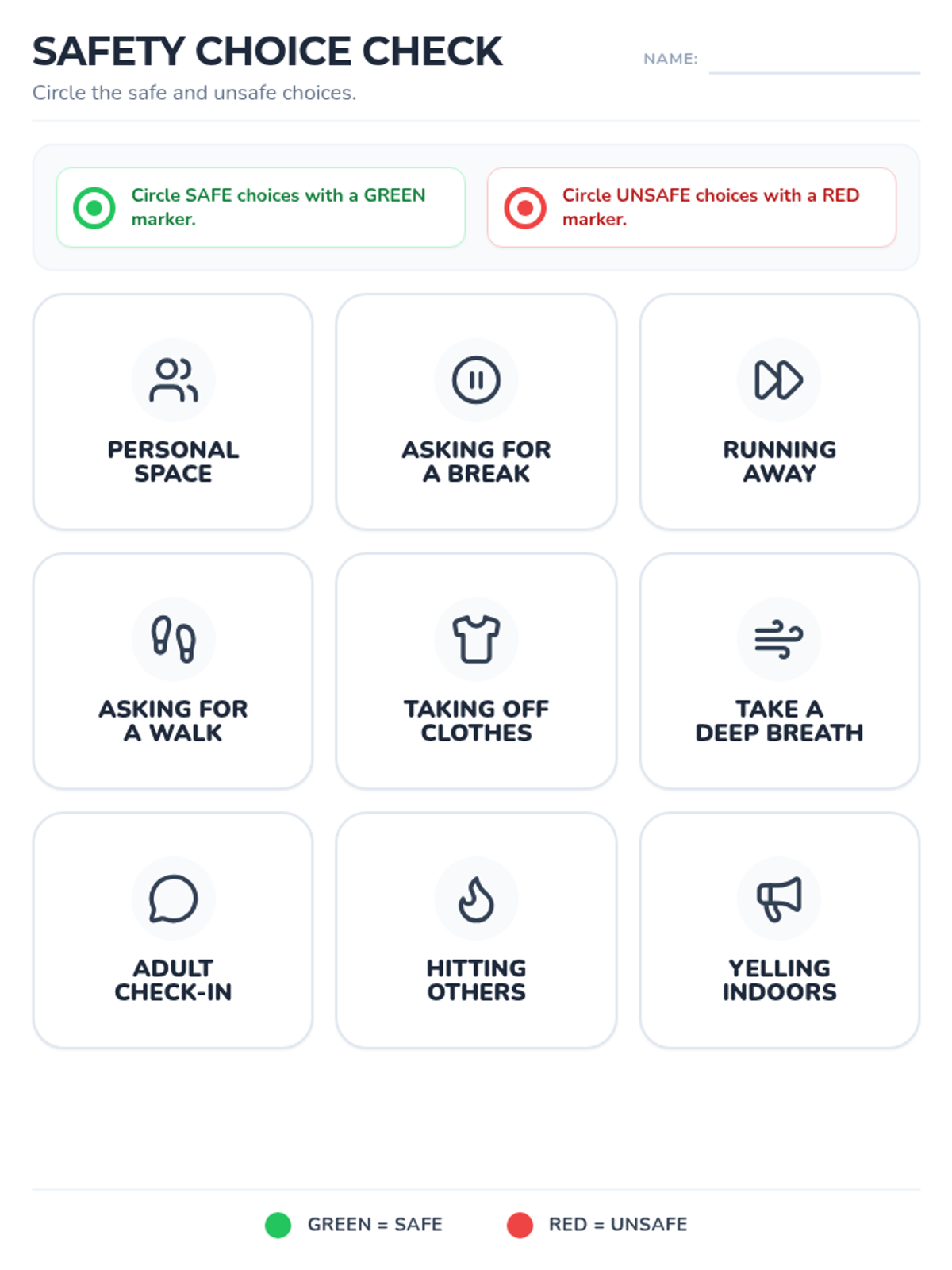
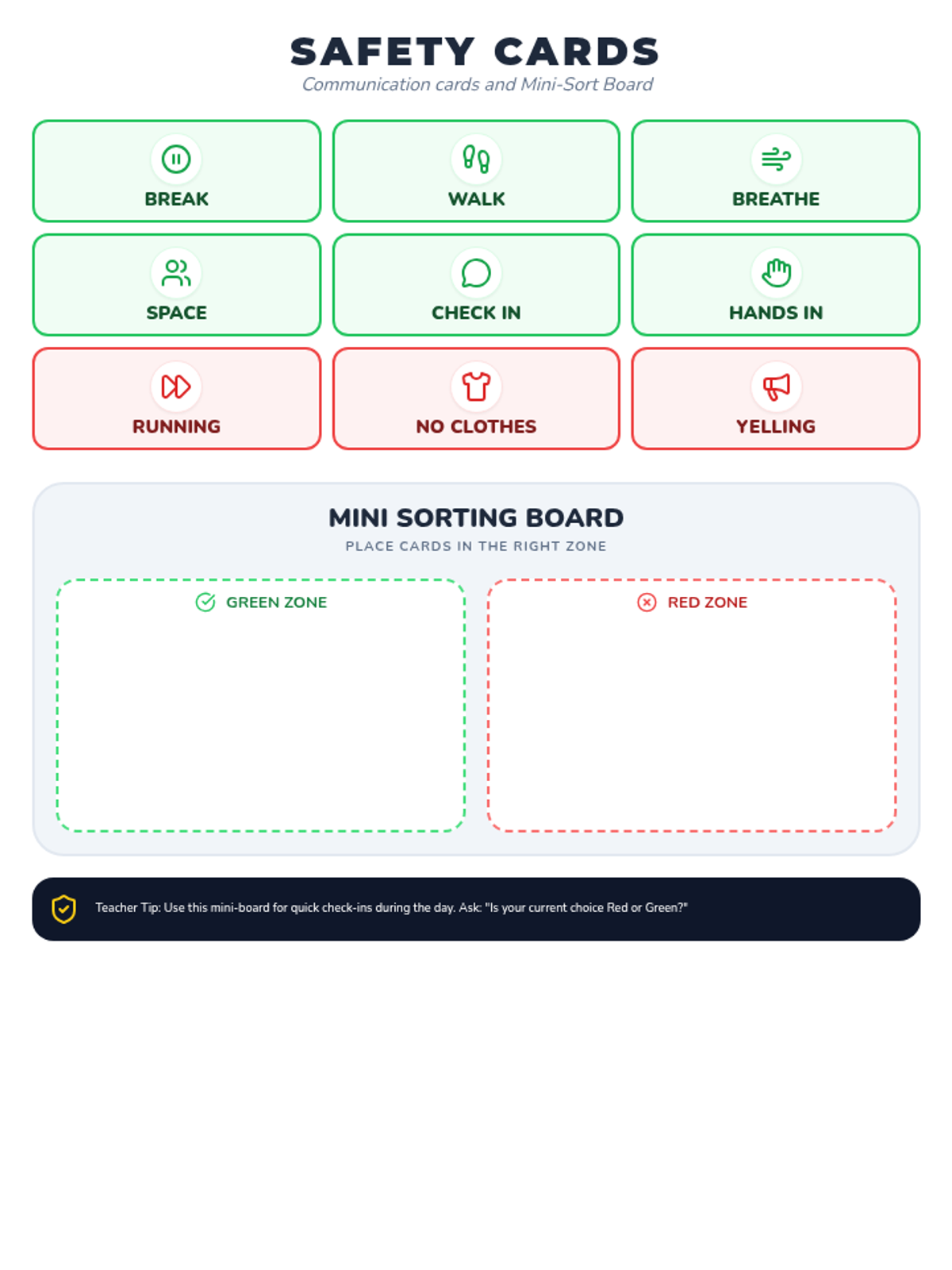
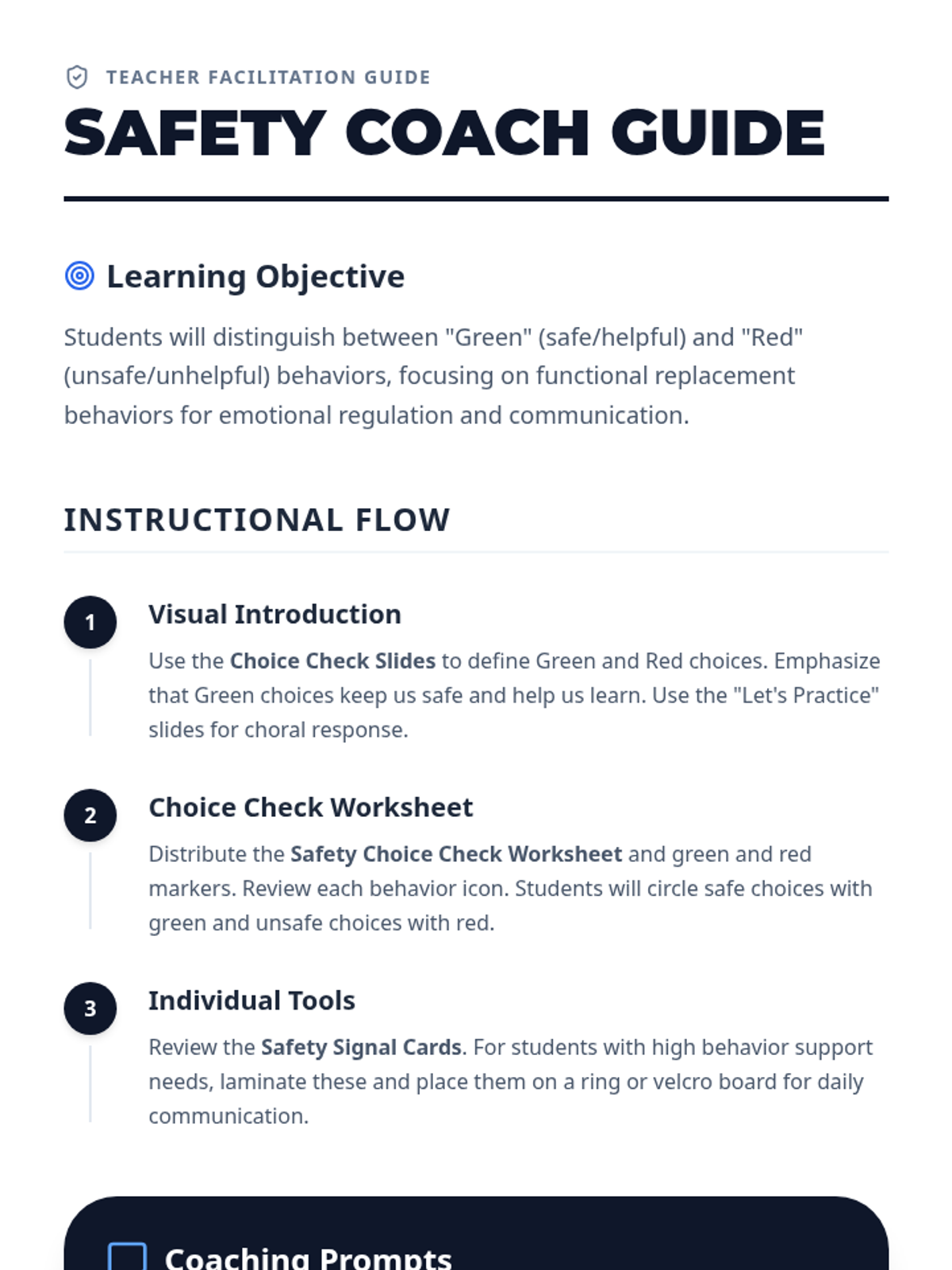
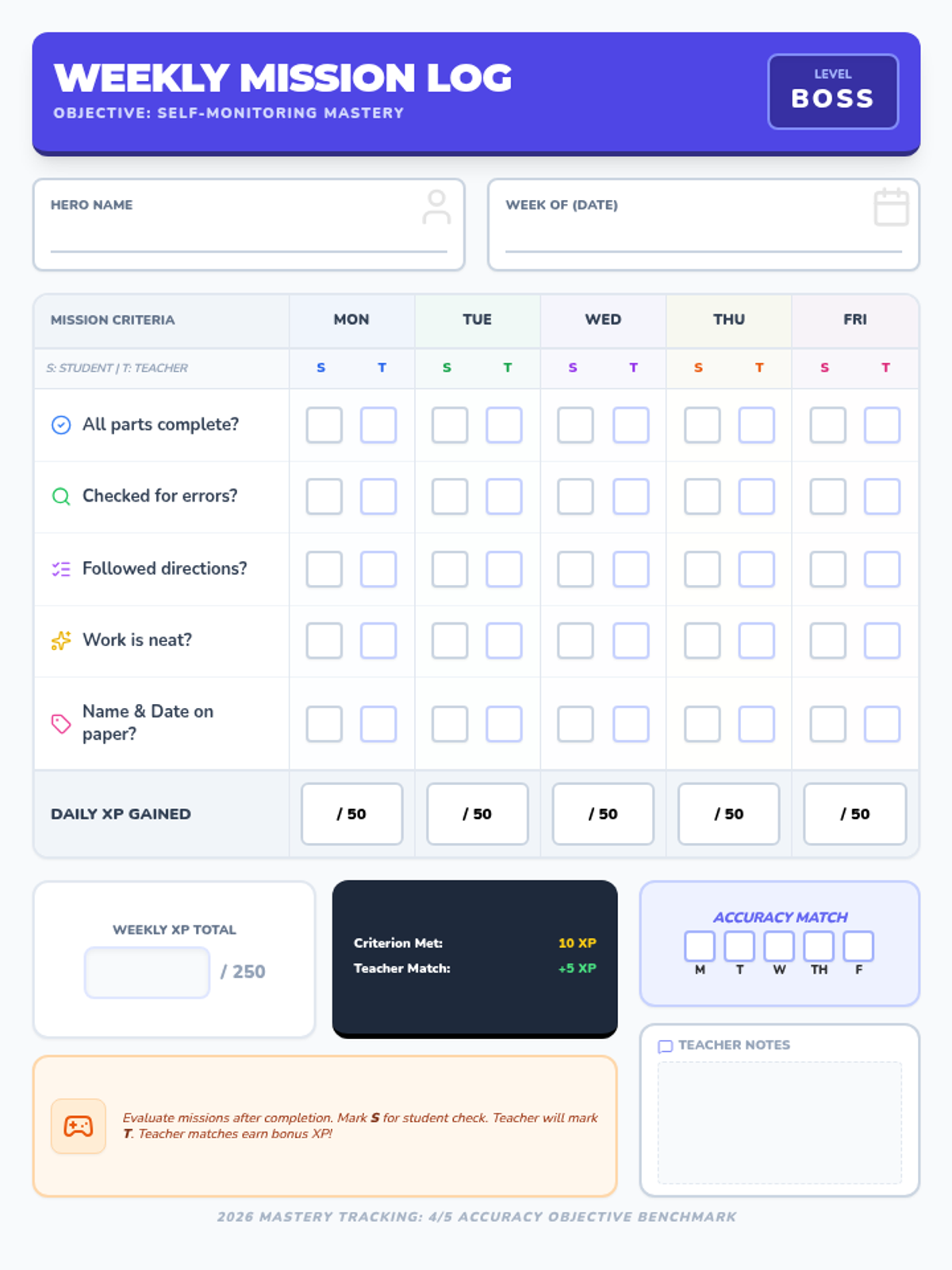
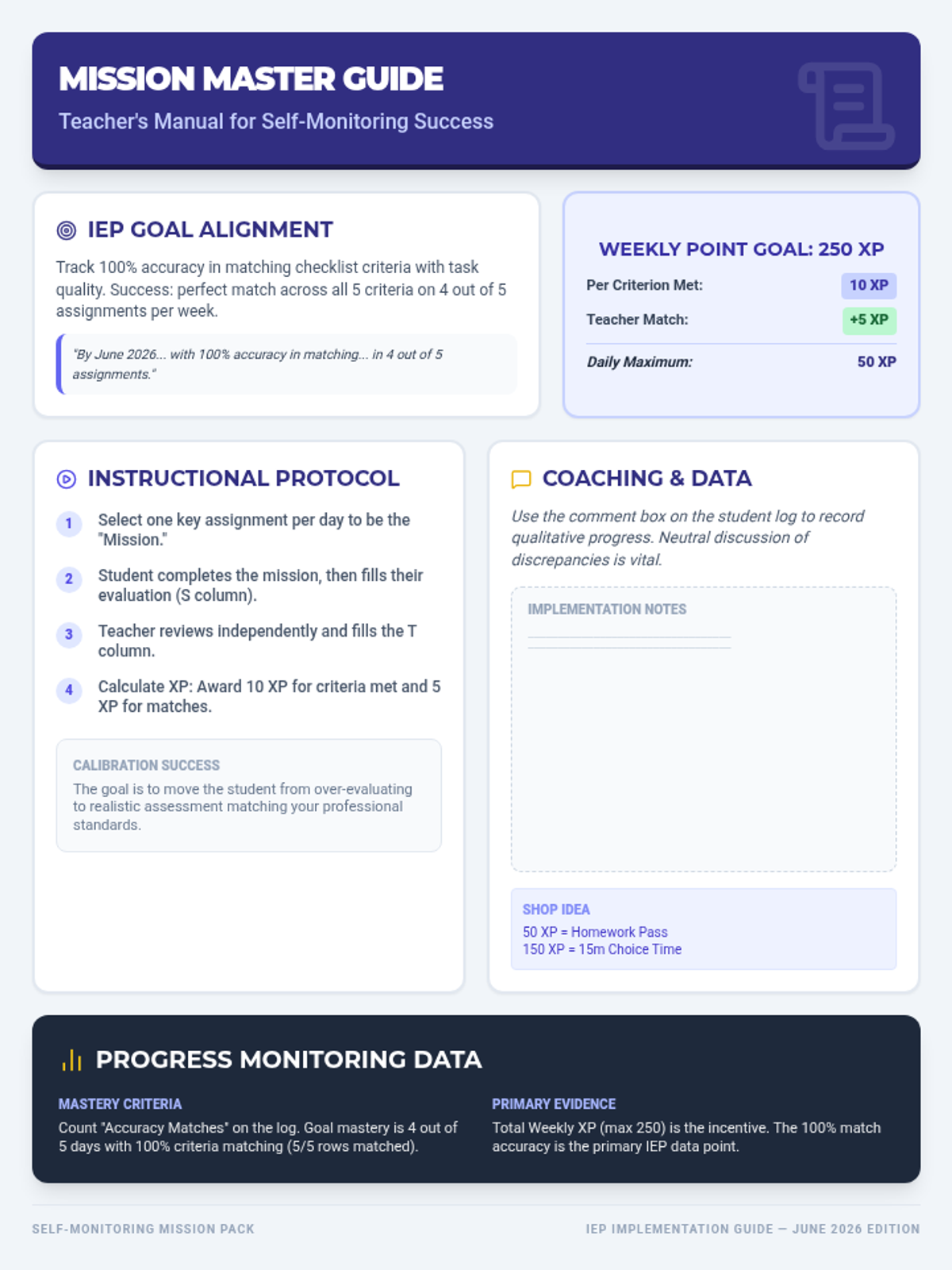
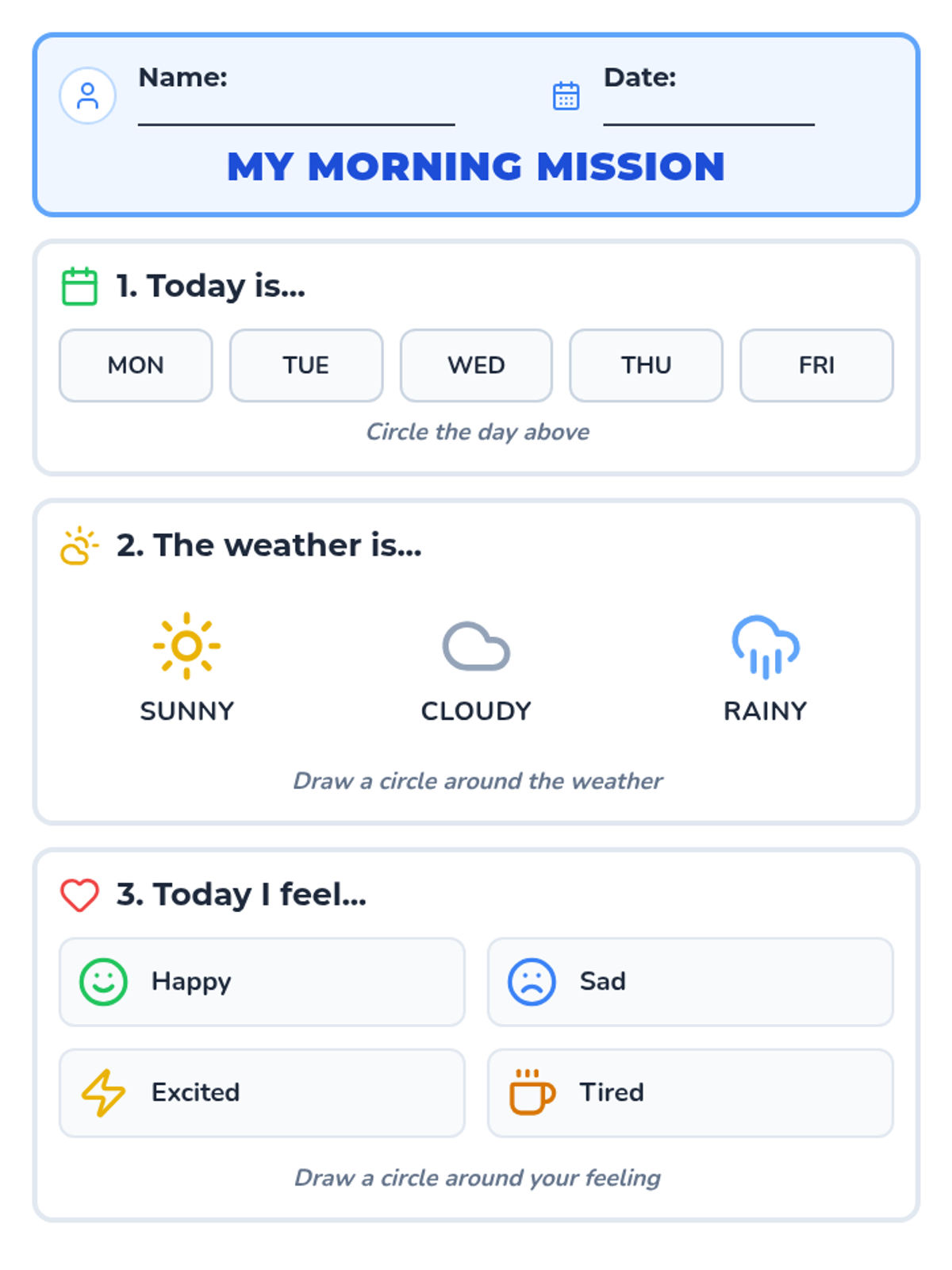
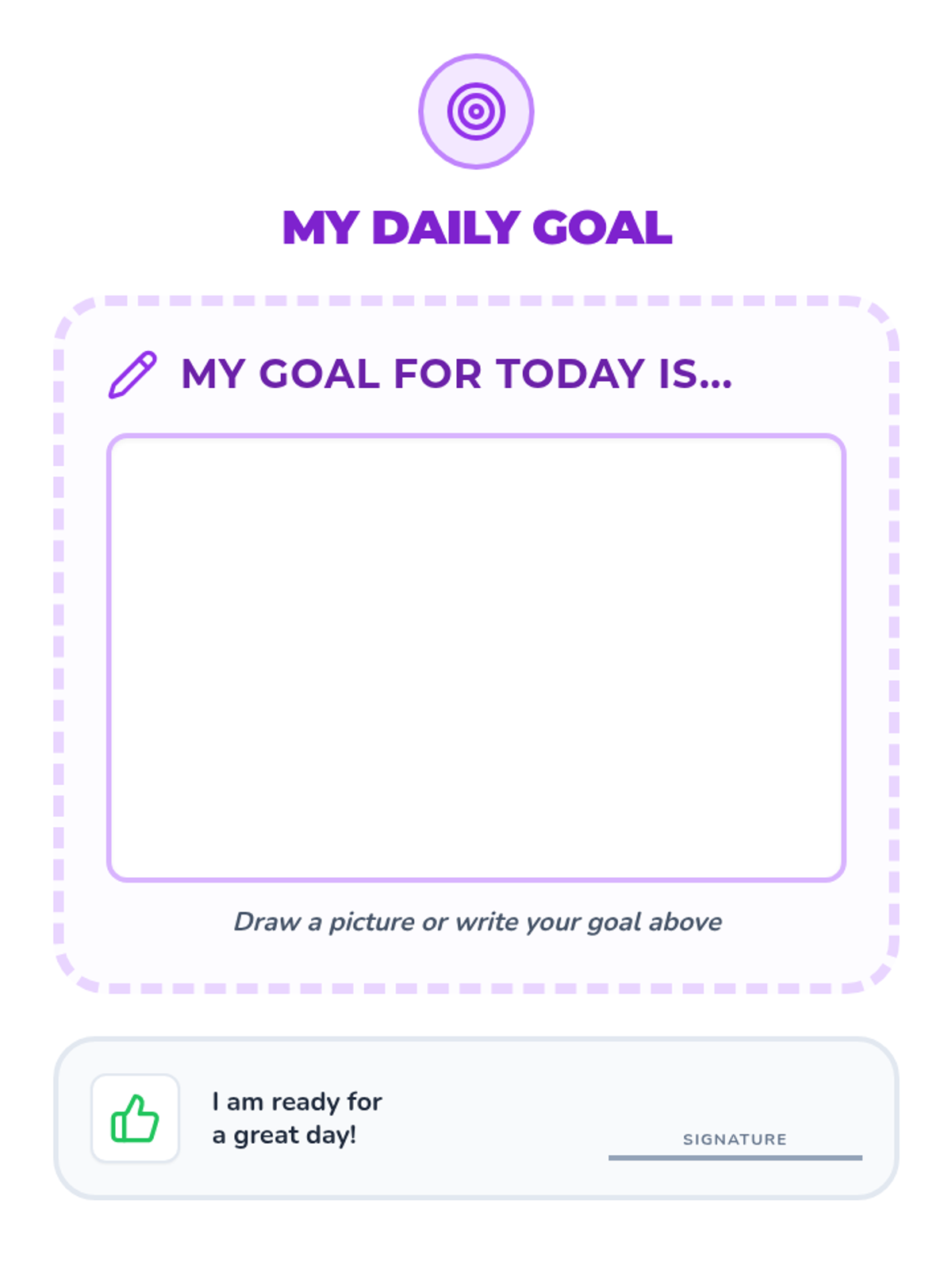
A set of tools to support a student's daily behavioral goals through a consistent check-in/check-out system.
Students explore neurodiversity through the lens of ADHD using powerful metaphors like the Race Car Brain and the Brain Secretary. They will learn to identify brain-based differences as unique strengths and challenges rather than character flaws.
Final review and mastery of all 15 contractions covered in the 9-week sequence, featuring comprehensive dictation and games.
Reinforcement of 'ed', 'er', 'ou', 'ow', and 'st' contractions through repetitive writing and word-building exercises.
Introduction to additional common part signs: 'ed', 'er', 'ou', 'ow', and 'st'. Focuses on placement within words.
Mastery check for the 'ch' group contractions, including complex dictation and mixed contraction review.
Reinforcement of 'ch', 'gh', 'sh', 'th', and 'wh' contractions through targeted practice sheets and matching activities.
Introduction to the 'ch' group of contractions: 'ch', 'gh', 'sh', 'th', and 'wh'. Focuses on the unique dot patterns for each.
Mastery check for the 'and' group contractions using dictation passages and independent writing activities.
Reinforcement of the 'and' group contractions through repetitive tracing, matching games, and simple fill-in-the-blank sentences.
Introduction to the 'and' group of contractions: 'and', 'for', 'of', 'the', and 'with'. Focuses on recognition and basic tracing.
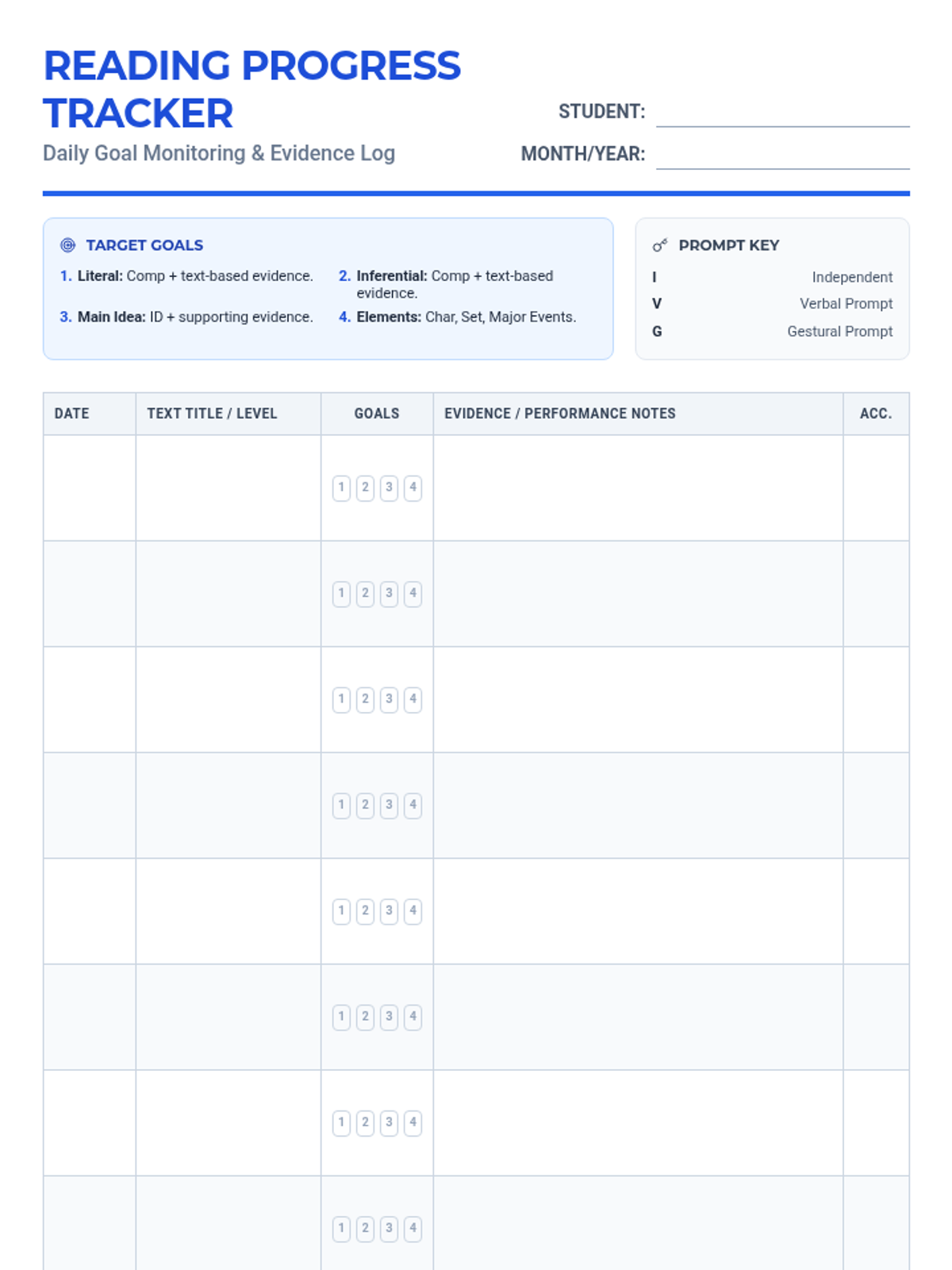
A comprehensive set of non-academic activities and assessments designed to evaluate a student's organizational, categorization, and goal-setting skills through hands-on tasks.
A social story and behavior guide designed to help students understand and practice expected behaviors during school assemblies and presentations in the gym.
A sports-themed behavior management system featuring football and basketball tokens and a customizable reward board to motivate students toward specific goals like a movement break or a treasure box.
A lesson focused on the routine of safely exiting the school bus upon arrival at school, featuring clear visual supports for students.
Resources for teachers to facilitate conversations with families regarding the transition to the new 15:1 self-contained classroom at the St. Jacob's campus.
A 30-minute co-taught lesson (Speech/OT) centered on the book 'If You Give a Mouse to School', focusing on vocabulary and WH-question comprehension through visual supports and structured writing tasks.
A lesson focused on teaching simple self-regulation strategies like deep breathing and muscle relaxation to students with intellectual disabilities using a social story and visual supports.
A lesson focused on teaching students with intellectual disabilities how to identify feelings of frustration and use appropriate social strategies to ask for help in the classroom.
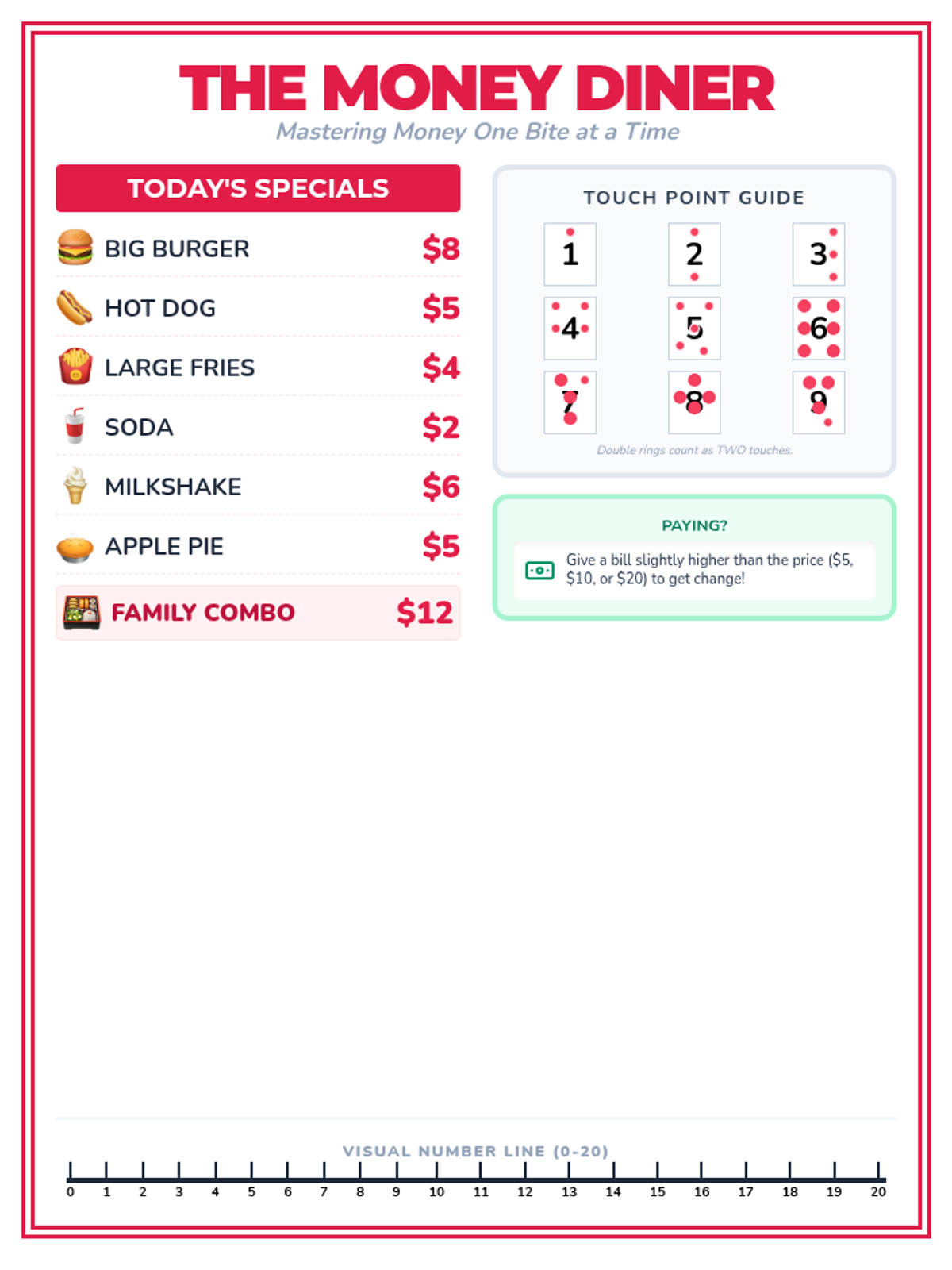
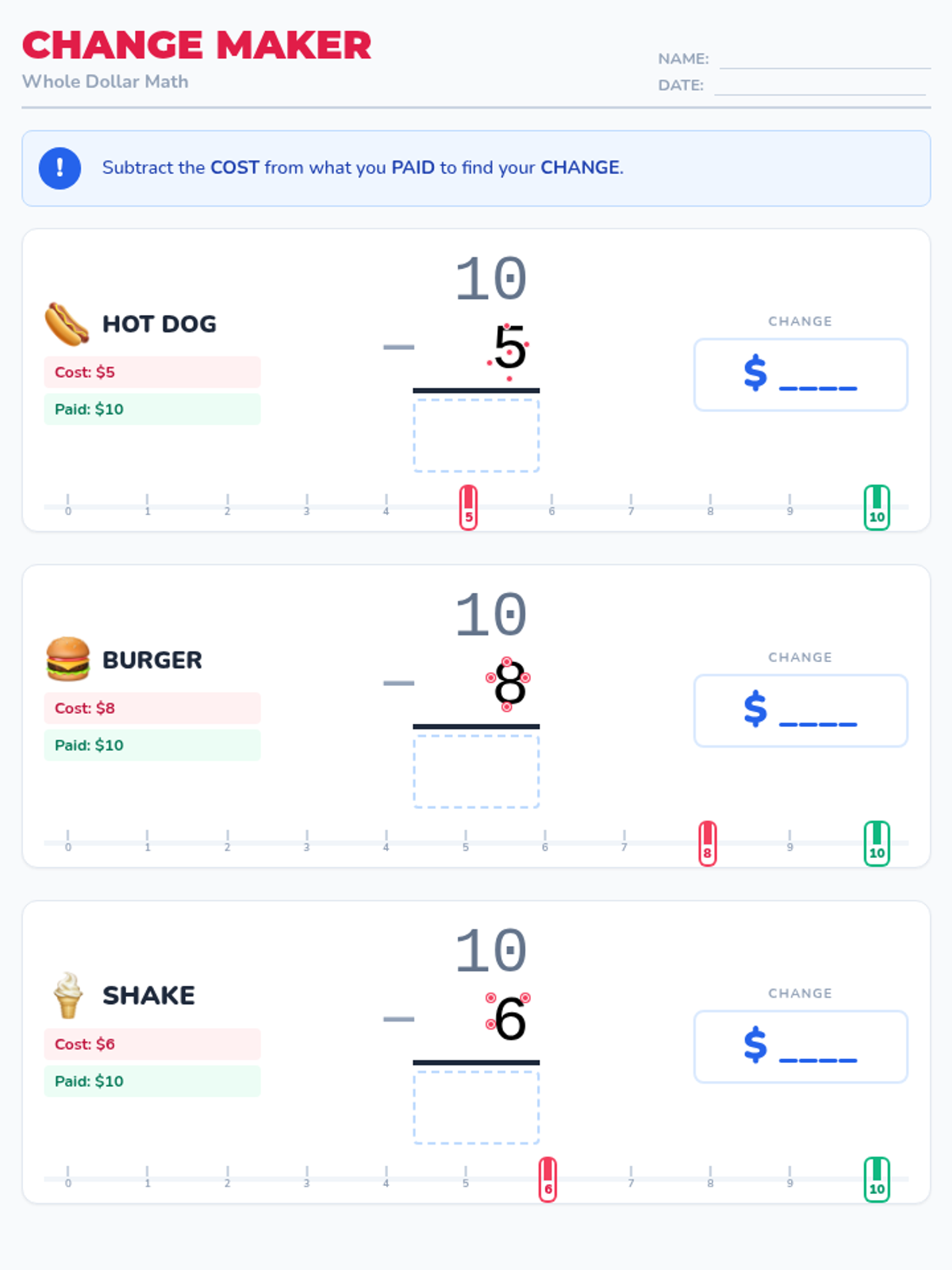
A comprehensive lesson teaching the 'Next Dollar Up' strategy to students with special needs, focusing on practical money skills through visual aids and hands-on shopping simulations.
A life skills lesson designed for special education students to identify symptoms of illness and practice communicating how they feel to trusted adults. The lesson uses clear visuals and simple scenarios to build independence in healthcare communication.
A lesson designed to help students with special needs understand the social expectations and physical steps for meeting and petting a therapy dog safely and gently.
A gamified chore and reward system featuring Minecraft and Super Mario themes to motivate students through 'quests' and 'level-ups'.
A comprehensive guide to executive function accommodations, focusing on rigidity, behavioral expectations, and task completion for neurodivergent students.
A vocabulary-focused lesson introducing 12 key words related to marine biology and whale feeding, specifically designed for 4th-grade special education students with a focus on syllable division and fluency.
A comprehensive speech therapy lesson focused on Groundhog Day, targeting expressive language (predictions, descriptions) and receptive language (WH questions, following directions) through a 'Field Guide' lens.
A comprehensive set of data collection tools for Extended School Year (ESY) services, focusing on attendance tracking and daily progress monitoring for IEP goals.
Social and functional skills for cafes, including ordering, waiting for a turn, and paying for a snack or drink.
Exploring public services at the library and post office, focusing on quiet expectations, mailing letters, and checking out books.
Developing skills for navigating retail environments like CVS and Stop & Shop, including finding specific items and completing a checkout transaction.
Focuses on universal community skills: identifying locations, asking for help, and using a communication board to navigate the community safely.
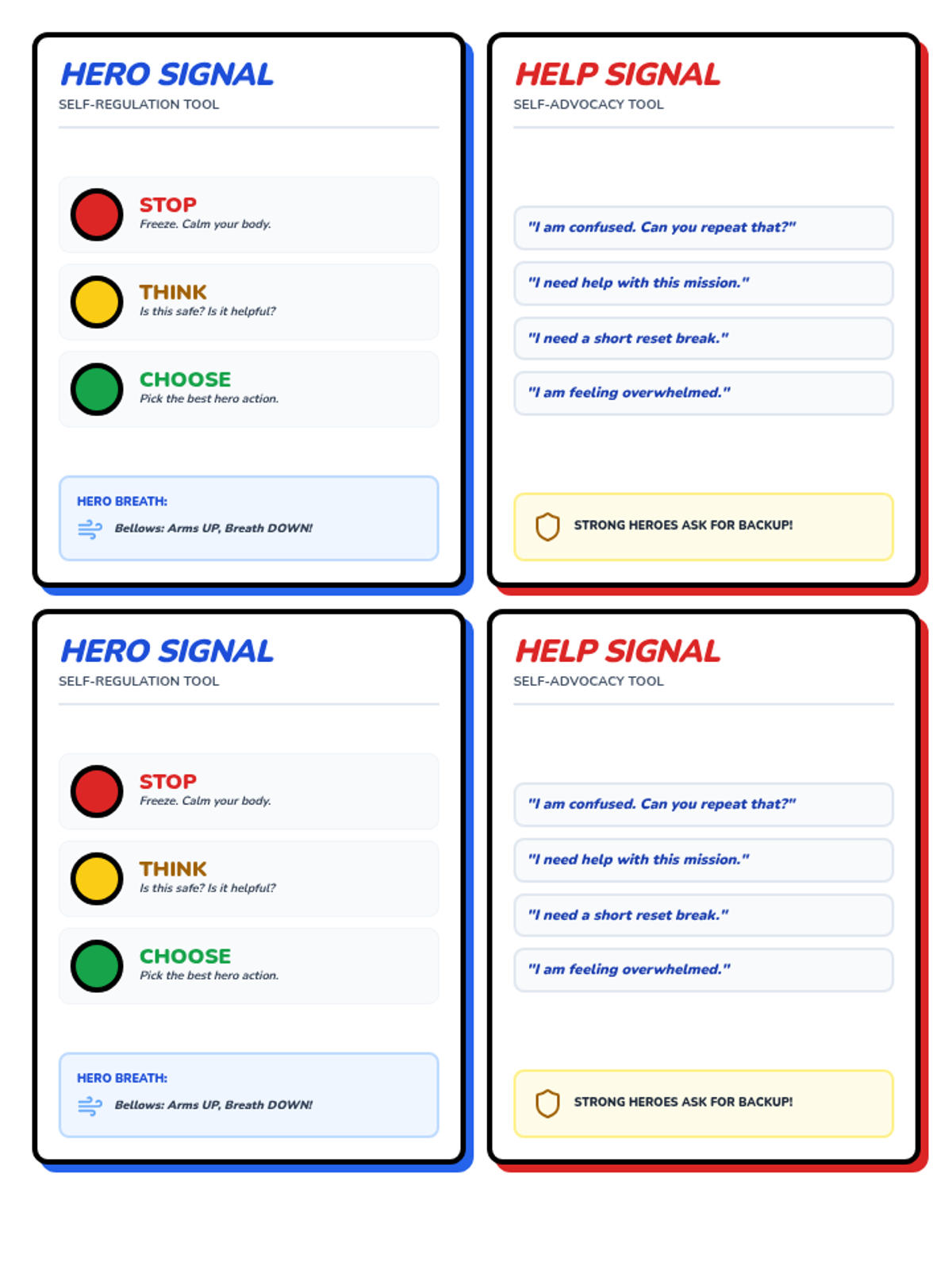
A specialized intervention lesson for Tier III students to identify common classroom distractions and implement a 'Stop, Breathe, Return' strategy using visual cues.
A positive reinforcement system designed to help students remain in the classroom through a themed 'Base Camp' tracking system. Includes a student-facing milestone chart and a teacher guide for implementation.
A lesson focused on recognizing personal strengths and identifying positive emotions through affirmations and a creative sunshine craft.
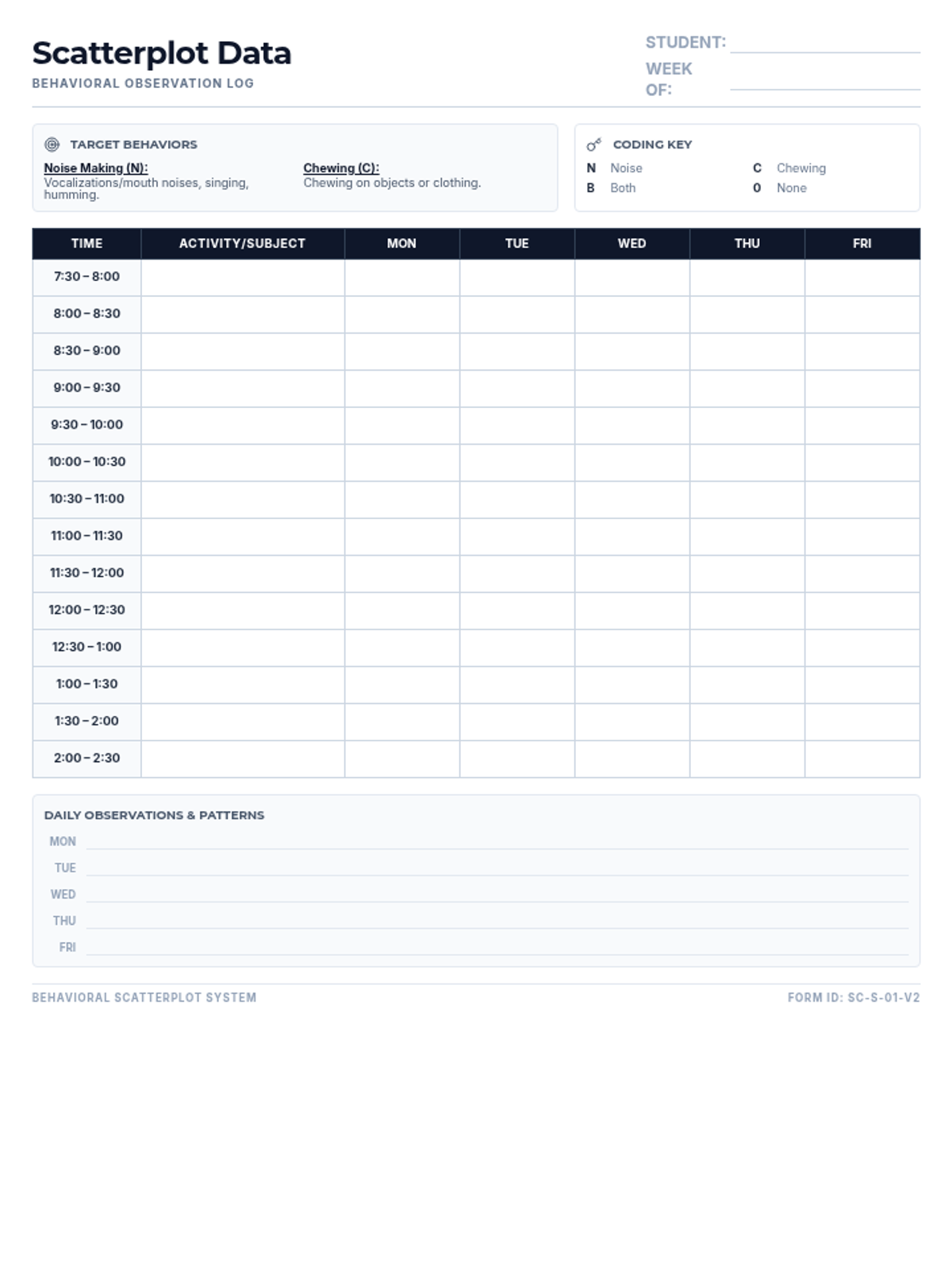
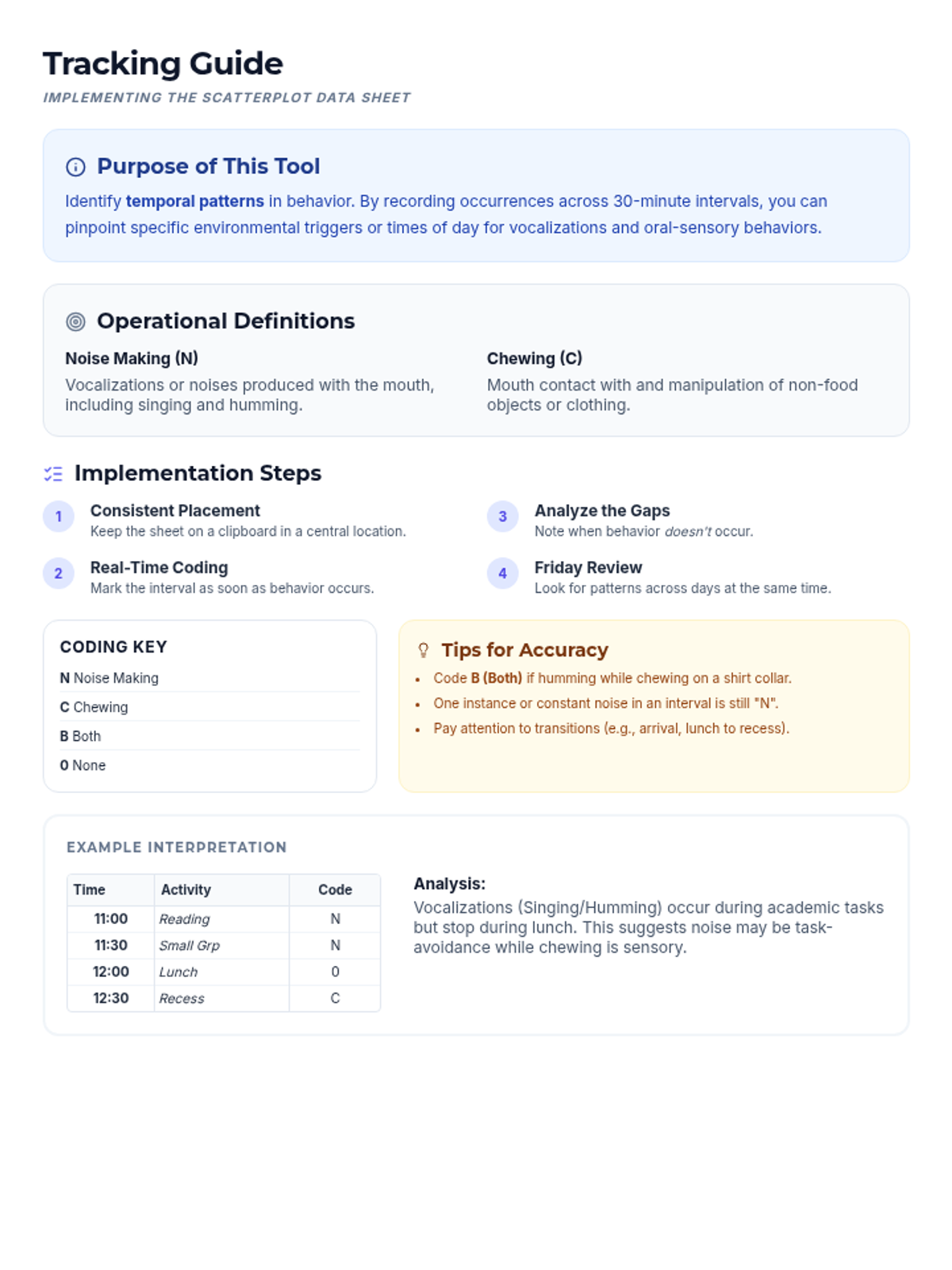
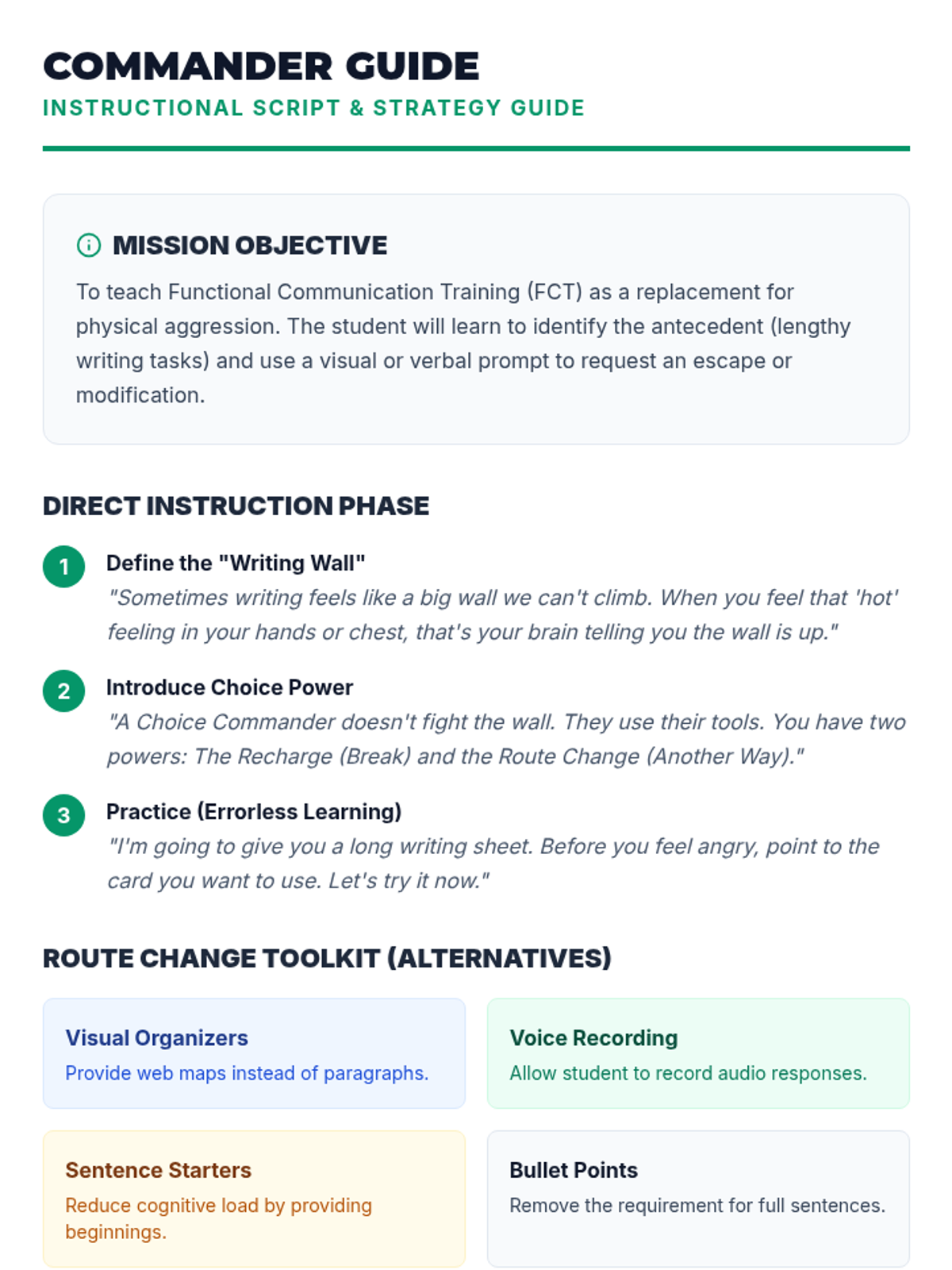
A comprehensive kit for educators and students to investigate the functions of behavior through a 'Behavior Detective' lens, focusing on ABC data and intervention strategies.
A gentle lesson designed for students with low cognitive abilities to recognize and practice self-care choices through social narratives, visual matching, and creative expression.
A third-level detective session focusing on 'Hidden Clues'—Frustration and Boredom. Students learn to spot the early warning signs of frustration (tight jaws, stiff necks) and the low-energy signals of boredom (heavy eyes, wandering thoughts).
A second-level training session for body detectives. This lesson focuses on 'Fast Heart' emotions—Worry and Excitement—and how to tell the difference between them through internal clues like stomach feelings and muscle tension.
A specialized lesson designed for students with ASD to develop interoceptive awareness. It focuses on identifying the physical signals of sadness and anger through detective-themed movement activities and visual body mapping.
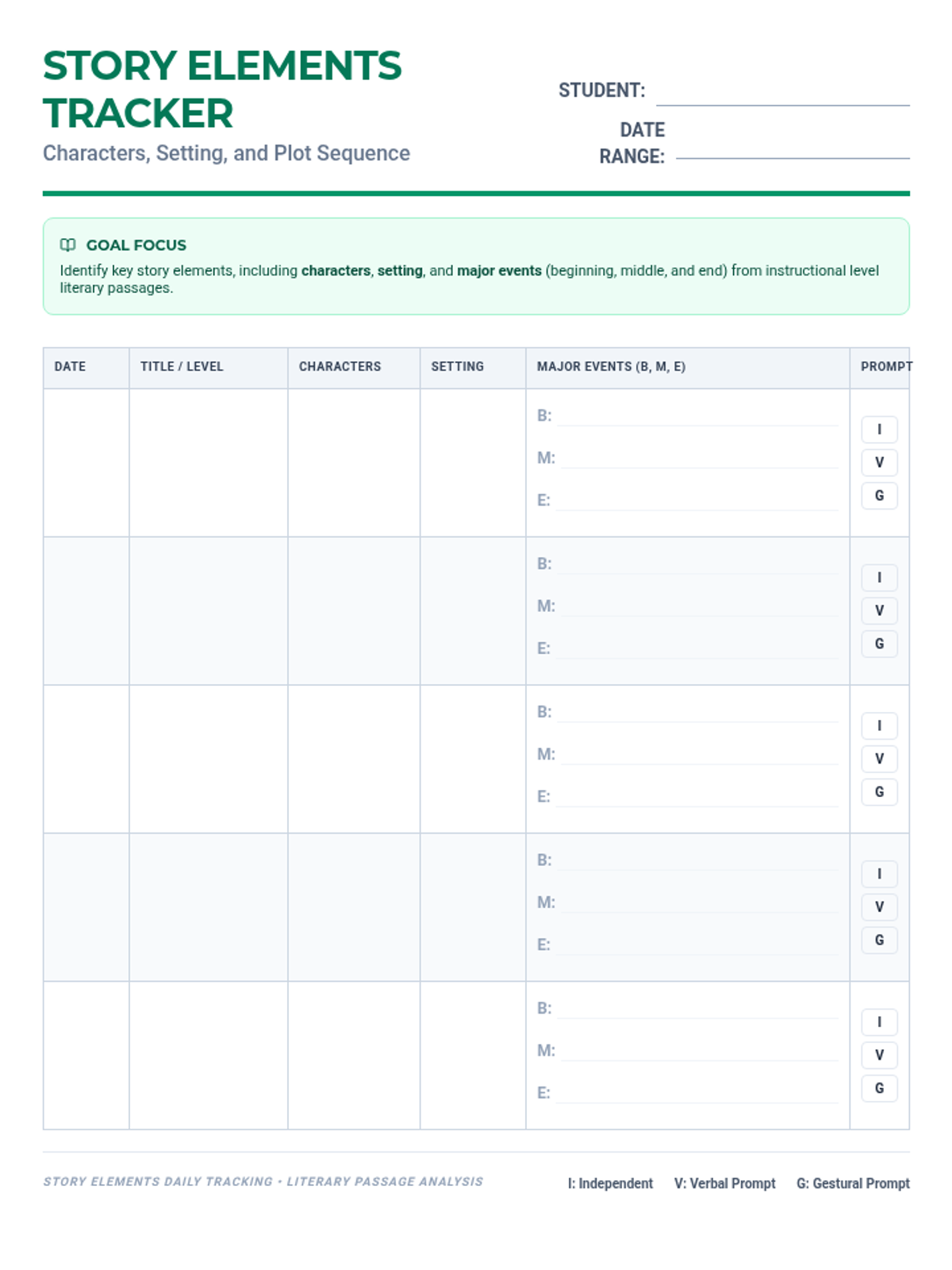
A week-long instructional unit focused on mastering multiplication facts for 2, 3, 5, and 10 through explicit modeling, visual representations, and multi-sensory practice.