Lenny LearningLenny
Create
Explore
Workspace
LoginSign up
MathEnglish Language ArtsScience & EngineeringSocial StudiesGlobal LanguagesHealth & Physical EducationSpecial EducationCounseling & Life SkillsArts & CreativityESL
Lenny LearningLenny
Lenny Learning
About
Training
Pricing
Support
Contact
© 2026 Lenny Learning Inc.
Special EducationSensory Processing & RegulationSensory Preferences IdentificationSensory Tool UseCommunicating Sensory NeedsSensory Overload RecognitionDeep Breathing PracticeMovement Break UtilizationIndependent Calming Strategy UsePersonalized Calming RoutinePersonal Sensory Diet CreationProactive Sensory BreaksEmotion Intensity RecognitionDysregulation RecoveryPositive Behavior SupportUnderstanding Social StoriesPersonal Social Story CreationEmotional Regulation FrameworksPersonal Trigger IdentificationSelecting Regulation StrategiesReinforcement System ResponseSelf-Monitoring & RewardsLearning Positive AlternativesCross-Setting Skill GeneralizationSocial CommunicationEye Contact & Personal SpaceContext-Appropriate GreetingsAppropriate Volume & ToneConversation Turn-TakingTopic Maintenance in DiscussionEffective Help-SeekingBody Language InterpretationFacial Expression RecognitionIdioms & Figurative LanguageSocial Problem IdentificationSocial Solution GenerationSocial Decision EvaluationTask ManagementMinimal Prompting Task StartSelf-Talk for StartingStarter Strategies for Difficult TasksAge-Appropriate Task PersistenceStrategic Break ManagementSmooth Task TransitionsAdapting to Plan ChangesObstacle Problem-SolvingMulti-Day Project CompletionPlanning & OrganizationPhysical Material OrganizationVisual Schedule & Timer UseSequential Task BreakingTime Estimation SkillsTask PrioritizationDigital & Physical Workspace ManagementPersonalized Organization StrategiesDetailed Project PlanningMultiple Commitment BalancingAcademic Support StrategiesMath Manipulative UseVisual Math Problem RepresentationComplex Math Problem BreakdownText Highlighting & AnnotationVisualization While ReadingPredictions & Inferences from TextText Structure Graphic OrganizersWriting Graphic OrganizersSentence Frames & TemplatesStudy Guide CreationSpaced Repetition for MemoryAssistive Writing TechnologyWorking Memory SupportSingle-Step Direction FocusMulti-Step Direction FollowingInformation Chunking PracticeVisual Support Memory AidsMnemonic Device ApplicationEfficient Note-Taking SystemsGraphic Organizer Note-TakingNote Review & OrganizationSustained Complex Task AttentionAssistive TechnologySymbol-Word CommunicationAAC Device NavigationSpeech Recognition DictationDictation Text EditingText-to-Speech for ReadingDigital Calendar UseKeyboard Shortcuts NavigationProductivity App ManagementSelf-Advocacy SkillsCommunicating Learning NeedsRequesting AccommodationsAdvocating for Appropriate SupportsIEP & Student RightsUnderstanding IEP ComponentsMeaningful IEP Meeting ParticipationIDEA & Section 504 RightsProgress MonitoringTracking IEP Goal ProgressReflecting on AchievementData-Informed Instructional AdjustmentTransition PlanningCareer & Vocational Goal SettingExploring Post-Secondary OptionsIndependent Living Skills Planning

Working Memory Support

SequencesLessonsMaterialsVideos
  1. Special Education

Working Memory Support

SequencesLessonsMaterialsVideos

Mnemonic strategies, information chunking, and visual supports for processing and retaining classroom information. Strengthens focus on complex tasks and multi-step directions through organized note-taking and graphic organizers.

Single-Step Direction FocusTechniques for reducing cognitive load by isolating tasks into discrete, single-step instructions. Employs visual cues and verbal repetition to improve task completion for students with processing challenges.
Multi-Step Direction FollowingInstructional strategies for chunking, visualizing, and rehearsing sequential tasks. Targets auditory processing and reduces cognitive load to help students follow multi-step directions effectively.
Information Chunking PracticeTechniques for breaking down complex instructions and long-form data into smaller, manageable units. Strengthens recall through categorization and pattern recognition for students with executive functioning challenges.
Visual Support Memory AidsGraphic organizers, visual checklists, and instructional cues reduce cognitive load by externalizing information demands. Supports students in following multi-step directions and maintaining focus during complex tasks.
Mnemonic Device ApplicationAcronyms, acrostics, and visualization techniques to facilitate information retrieval and retention. Equips educators with practical methods to reduce cognitive load and support students with executive function challenges.
Efficient Note-Taking SystemsScaffolded templates and visual mapping strategies designed to minimize cognitive load during information capture. Equips students with systematic recording methods like the Cornell system and digital tools to support information retrieval.
Graphic Organizer Note-TakingVisual scaffolds reduce cognitive load by externalizing organizational structures during lectures and reading. Targets information retention through categorized segments, flow charts, and hierarchical templates designed for neurodivergent learners.
Note Review & OrganizationStructured strategies for color-coding, layout organization, and scheduled review intervals to reduce cognitive load. Equips students with tools to manage complex information and improves long-term retrieval through systematic repetition.
Sustained Complex Task AttentionScaffolding techniques for maintaining focus during multi-step academic procedures and complex problem-solving. Targets cognitive load management through visual aids, chunking, and self-regulation prompts.
No videos found
There are no videos available for this topic yet.
No videos found
There are no videos available for this topic yet.
No videos found
There are no videos available for this topic yet.
No videos found
There are no videos available for this topic yet.
No videos found
There are no videos available for this topic yet.
Video
How to (Explain) ADHD

How to (Explain) ADHD

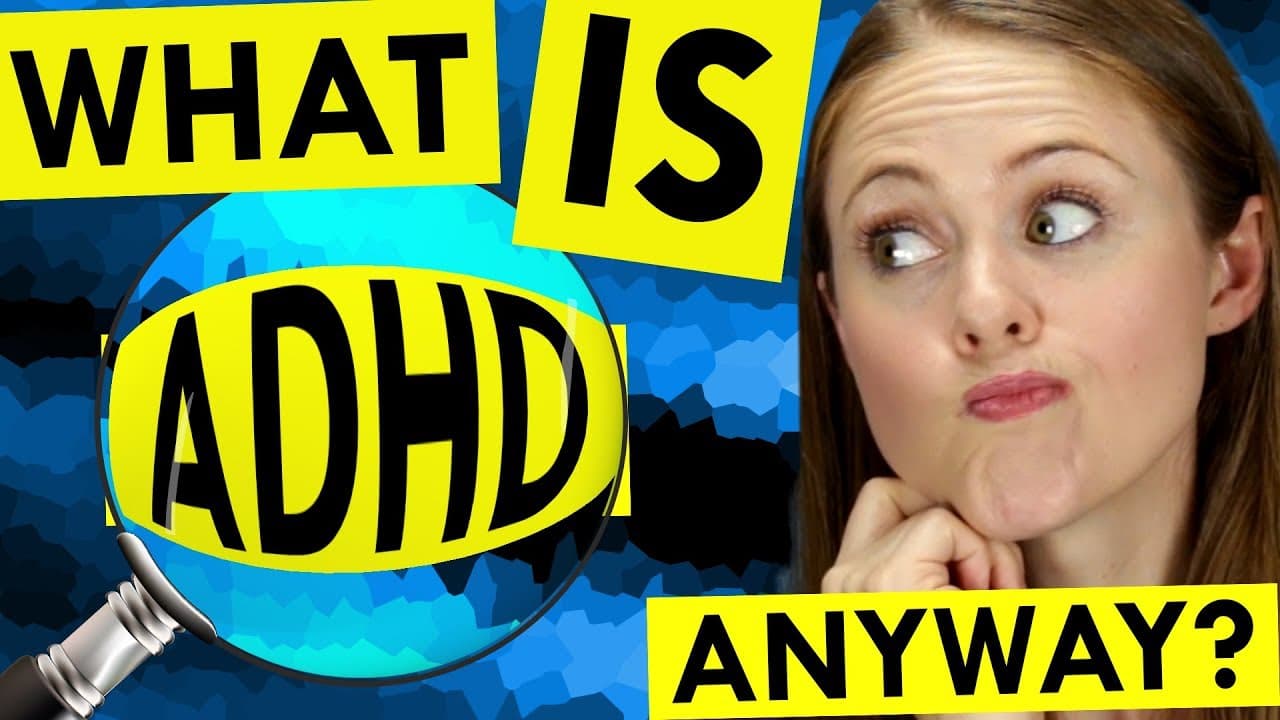
This educational video demystifies Attention Deficit Hyperactivity Disorder (ADHD) by exploring the internal experience of living with the condition. Hosted by Jessica McCabe, the video moves beyond clinical definitions to offer relatable, concrete metaphors that describe executive dysfunction, working memory challenges, and emotional dysregulation. It emphasizes that ADHD behaviors are not character flaws but rather neurological differences in how the brain regulates attention and emotion. The content breaks down complex neurological concepts into accessible analogies, such as comparing the brain to a CEO with a bad secretary, working memory to a whiteboard that constantly needs erasing, and emotional regulation to a severe sunburn. The video addresses key themes including the myth of "attention deficit" (versus attention regulation), the invisibility of the struggle, and the strengths that often accompany ADHD brains, such as creativity and out-of-the-box thinking. For educators, this resource is invaluable for fostering empathy and understanding in the classroom. It provides a shared language for teachers and students to discuss learning differences without stigma. By framing ADHD through mechanical and situational metaphors—like a race car with bicycle brakes—it offers students with ADHD a way to articulate their experiences and helps neurotypical peers understand why certain tasks are more challenging for their classmates.

How to ADHDHow to ADHD

7mins 39s

No videos found
There are no videos available for this topic yet.
No videos found
There are no videos available for this topic yet.
Video
How to (Explain) ADHD

How to (Explain) ADHD

This educational video demystifies Attention Deficit Hyperactivity Disorder (ADHD) by exploring the internal experience of living with the condition. Hosted by Jessica McCabe, the video moves beyond clinical definitions to offer relatable, concrete metaphors that describe executive dysfunction, working memory challenges, and emotional dysregulation. It emphasizes that ADHD behaviors are not character flaws but rather neurological differences in how the brain regulates attention and emotion. The content breaks down complex neurological concepts into accessible analogies, such as comparing the brain to a CEO with a bad secretary, working memory to a whiteboard that constantly needs erasing, and emotional regulation to a severe sunburn. The video addresses key themes including the myth of "attention deficit" (versus attention regulation), the invisibility of the struggle, and the strengths that often accompany ADHD brains, such as creativity and out-of-the-box thinking. For educators, this resource is invaluable for fostering empathy and understanding in the classroom. It provides a shared language for teachers and students to discuss learning differences without stigma. By framing ADHD through mechanical and situational metaphors—like a race car with bicycle brakes—it offers students with ADHD a way to articulate their experiences and helps neurotypical peers understand why certain tasks are more challenging for their classmates.

How to ADHDHow to ADHD

7mins 39s