Lenny LearningLenny
Create
Explore
Workspace
LoginSign up
MathEnglish Language ArtsScience & EngineeringSocial StudiesGlobal LanguagesHealth & Physical EducationSpecial EducationCounseling & Life SkillsArts & CreativityESL
Lenny LearningLenny
Lenny Learning
About
Training
Pricing
Support
Contact
© 2026 Lenny Learning Inc.

Self-Advocacy Skills

SequencesLessonsMaterialsVideos
  1. Special Education

Self-Advocacy Skills

SequencesLessonsMaterialsVideos

Strategies for identifying specific learning needs and articulating accommodation requests to educators. Equips students with communication skills to advocate for necessary environmental, academic, and social supports.

Communicating Learning NeedsIdentification of personal learning styles and challenges to help students articulate specific accommodation requests. Equips learners with communication scripts and strategies for effectively requesting support from educators and peers.
Requesting AccommodationsIdentifies personal learning needs and develops communication strategies for requesting IEP or 504 plan accommodations. Equips students with scripts and confidence to articulate specific support requirements to educators and staff.
Advocating for Appropriate SupportsCommunication techniques and legal rights training for requesting classroom accommodations. Develops the ability to articulate specific learning needs and negotiate for necessary modifications during IEP or 504 meetings.
Special EducationSensory Processing & RegulationSensory Preferences IdentificationSensory Tool UseCommunicating Sensory NeedsSensory Overload RecognitionDeep Breathing PracticeMovement Break UtilizationIndependent Calming Strategy UsePersonalized Calming RoutinePersonal Sensory Diet CreationProactive Sensory BreaksEmotion Intensity RecognitionDysregulation RecoveryPositive Behavior SupportUnderstanding Social StoriesPersonal Social Story CreationEmotional Regulation FrameworksPersonal Trigger IdentificationSelecting Regulation StrategiesReinforcement System ResponseSelf-Monitoring & RewardsLearning Positive AlternativesCross-Setting Skill GeneralizationSocial CommunicationEye Contact & Personal SpaceContext-Appropriate GreetingsAppropriate Volume & ToneConversation Turn-TakingTopic Maintenance in DiscussionEffective Help-SeekingBody Language InterpretationFacial Expression RecognitionIdioms & Figurative LanguageSocial Problem IdentificationSocial Solution GenerationSocial Decision EvaluationTask ManagementMinimal Prompting Task StartSelf-Talk for StartingStarter Strategies for Difficult TasksAge-Appropriate Task PersistenceStrategic Break ManagementSmooth Task TransitionsAdapting to Plan ChangesObstacle Problem-SolvingMulti-Day Project CompletionPlanning & OrganizationPhysical Material OrganizationVisual Schedule & Timer UseSequential Task BreakingTime Estimation SkillsTask PrioritizationDigital & Physical Workspace ManagementPersonalized Organization StrategiesDetailed Project PlanningMultiple Commitment BalancingAcademic Support StrategiesMath Manipulative UseVisual Math Problem RepresentationComplex Math Problem BreakdownText Highlighting & AnnotationVisualization While ReadingPredictions & Inferences from TextText Structure Graphic OrganizersWriting Graphic OrganizersSentence Frames & TemplatesStudy Guide CreationSpaced Repetition for MemoryAssistive Writing TechnologyWorking Memory SupportSingle-Step Direction FocusMulti-Step Direction FollowingInformation Chunking PracticeVisual Support Memory AidsMnemonic Device ApplicationEfficient Note-Taking SystemsGraphic Organizer Note-TakingNote Review & OrganizationSustained Complex Task AttentionAssistive TechnologySymbol-Word CommunicationAAC Device NavigationSpeech Recognition DictationDictation Text EditingText-to-Speech for ReadingDigital Calendar UseKeyboard Shortcuts NavigationProductivity App ManagementSelf-Advocacy SkillsCommunicating Learning NeedsRequesting AccommodationsAdvocating for Appropriate SupportsIEP & Student RightsUnderstanding IEP ComponentsMeaningful IEP Meeting ParticipationIDEA & Section 504 RightsProgress MonitoringTracking IEP Goal ProgressReflecting on AchievementData-Informed Instructional AdjustmentTransition PlanningCareer & Vocational Goal SettingExploring Post-Secondary OptionsIndependent Living Skills Planning
No videos found
There are no videos available for this topic yet.
No videos found
There are no videos available for this topic yet.
Video
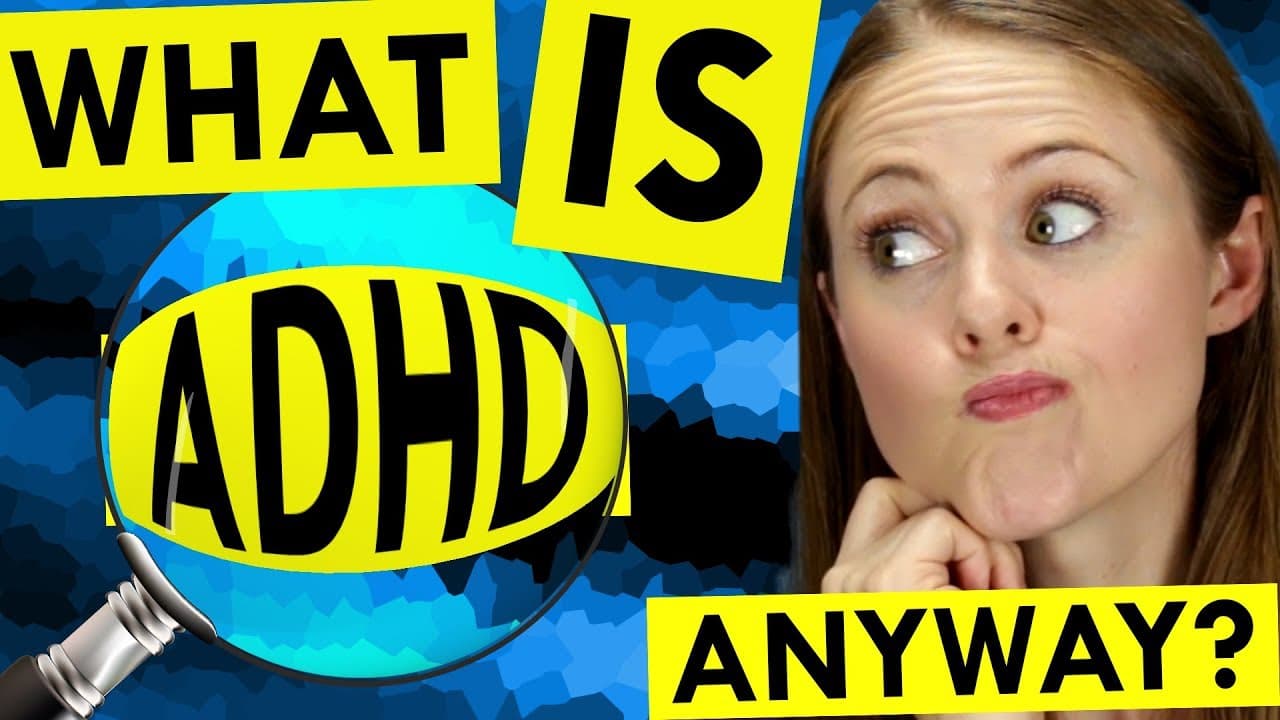
How to (Explain) ADHD

How to (Explain) ADHD

This educational video demystifies Attention Deficit Hyperactivity Disorder (ADHD) by exploring the internal experience of living with the condition. Hosted by Jessica McCabe, the video moves beyond clinical definitions to offer relatable, concrete metaphors that describe executive dysfunction, working memory challenges, and emotional dysregulation. It emphasizes that ADHD behaviors are not character flaws but rather neurological differences in how the brain regulates attention and emotion. The content breaks down complex neurological concepts into accessible analogies, such as comparing the brain to a CEO with a bad secretary, working memory to a whiteboard that constantly needs erasing, and emotional regulation to a severe sunburn. The video addresses key themes including the myth of "attention deficit" (versus attention regulation), the invisibility of the struggle, and the strengths that often accompany ADHD brains, such as creativity and out-of-the-box thinking. For educators, this resource is invaluable for fostering empathy and understanding in the classroom. It provides a shared language for teachers and students to discuss learning differences without stigma. By framing ADHD through mechanical and situational metaphors—like a race car with bicycle brakes—it offers students with ADHD a way to articulate their experiences and helps neurotypical peers understand why certain tasks are more challenging for their classmates.

How to ADHDHow to ADHD

7mins 39s

Video
Jack and Jill Have ADHD

Jack and Jill Have ADHD

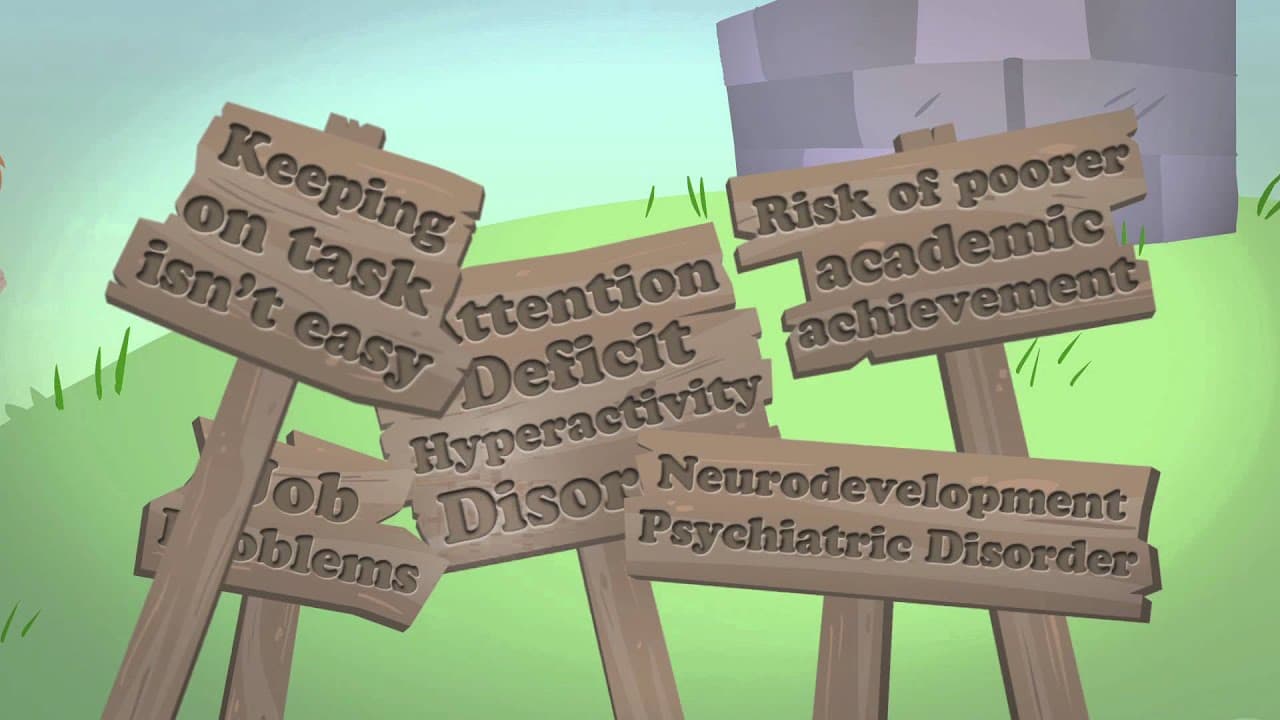
This animated short film reimagines the classic nursery rhyme "Jack and Jill" to explain Attention Deficit Hyperactivity Disorder (ADHD) in a relatable and accessible way. Instead of simply fetching a pail of water, Jack gets distracted by a bluebird and a butterfly, while Jill's imagination runs wild envisioning a castle instead of focusing on the task at hand. The video illustrates the challenges children with ADHD face regarding focus, organization, and completing mundane tasks, while also highlighting their creativity and problem-solving abilities when they are engaged and supported. The narrative addresses the friction between neurodivergent thinking and traditional expectations. An older townsperson represents the common misunderstanding that ADHD is simply laziness or a lack of discipline. However, the video pivots to show that when Jack and Jill are allowed to use their unique strengths—creativity, engineering, and "out of the box" thinking—they can solve problems in innovative ways, constructing an elaborate aqueduct system instead of carrying buckets manually. For educators and parents, this video serves as a powerful tool to destigmatize ADHD and shift the conversation from "deficit" to "difference." It provides a clear explanation of ADHD as a neurodevelopmental disorder affecting executive function, not intelligence. The video encourages adults to provide context, clear goals, and creative freedom to help students with ADHD succeed, rather than relying solely on repetitive rote tasks.

MHLiteracyMHLiteracy

5mins 25s