Strategies for identifying specific learning needs and articulating accommodation requests to educators. Equips students with communication skills to advocate for necessary environmental, academic, and social supports.
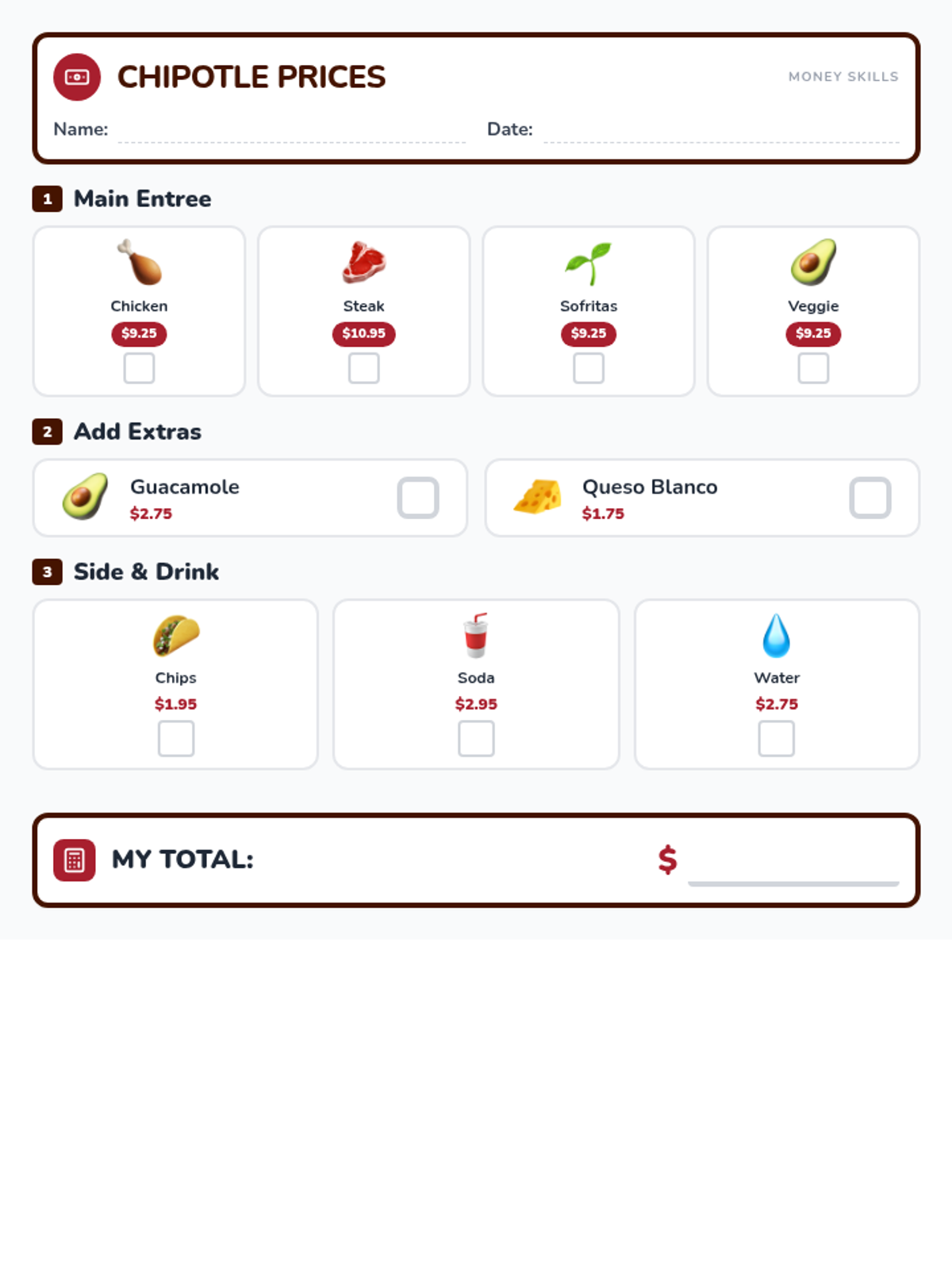
A version of the visual Chipotle ordering checklist that includes item prices and a total box to support money management and math skills.
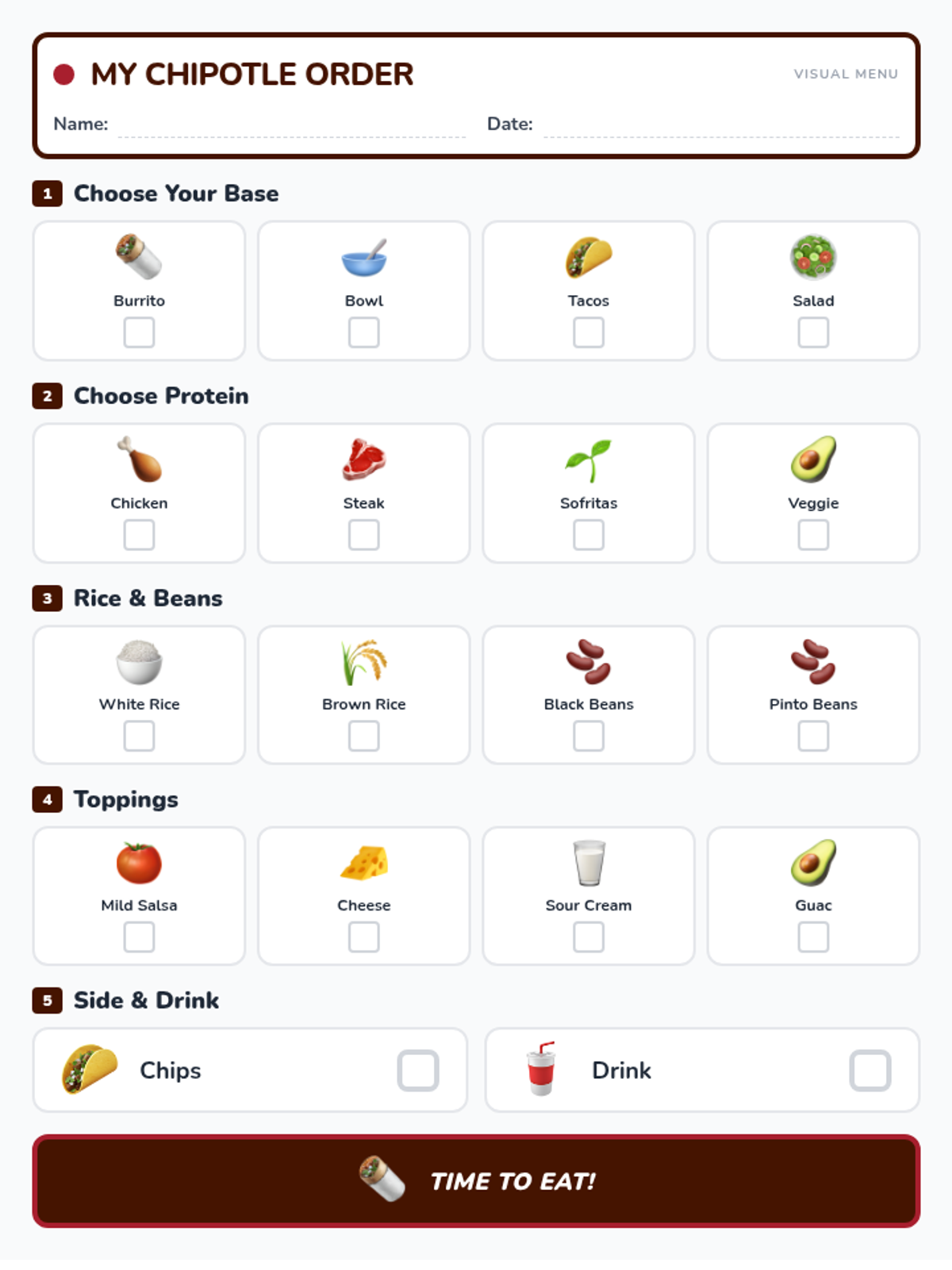
A step-by-step visual ordering checklist for Chipotle, featuring icons for base, protein, rice, beans, toppings, and sides to help students with special needs navigate the assembly-line ordering process.
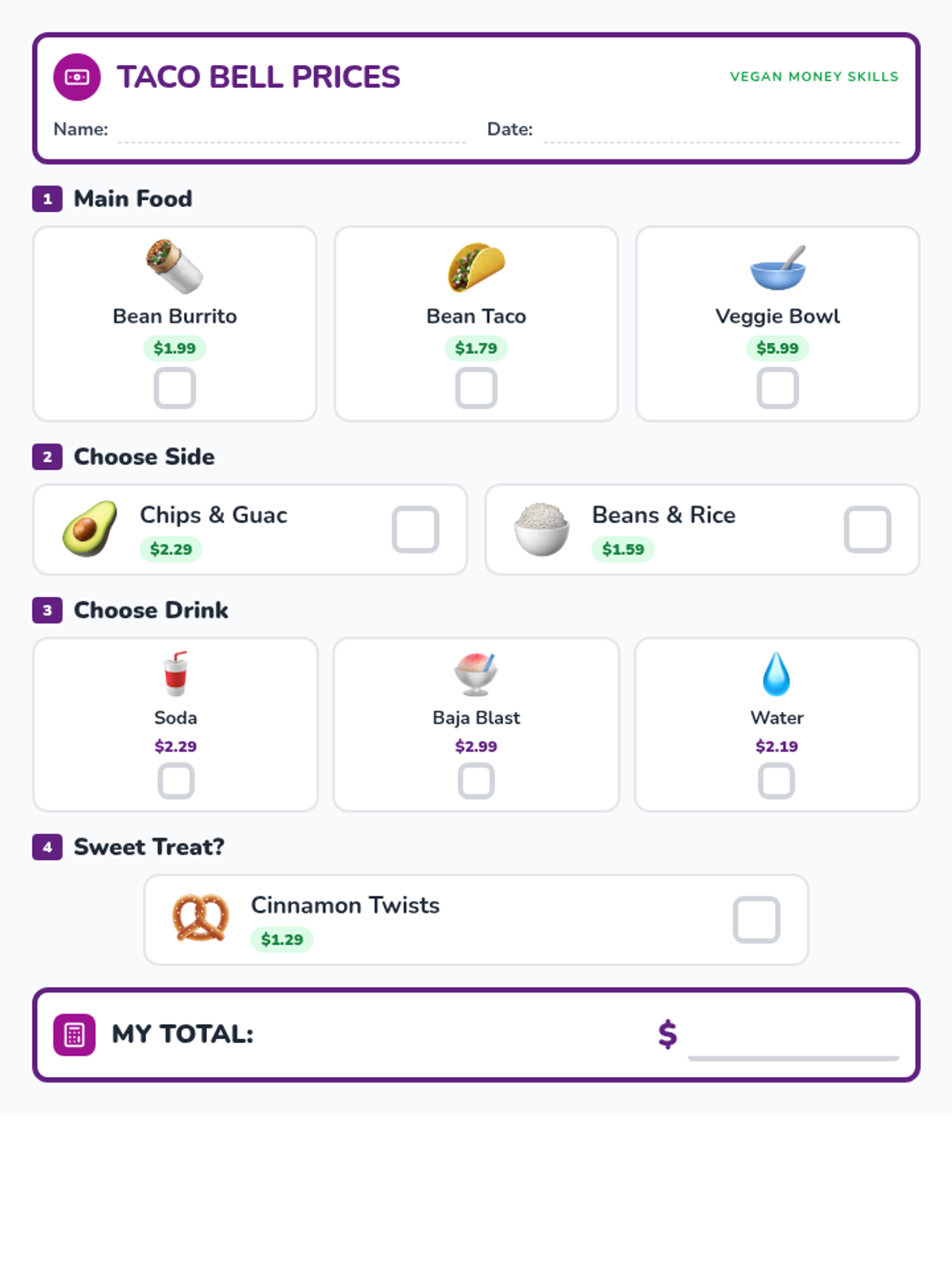
A version of the visual Taco Bell vegan ordering checklist that includes item prices and a total box to support money management and math skills.
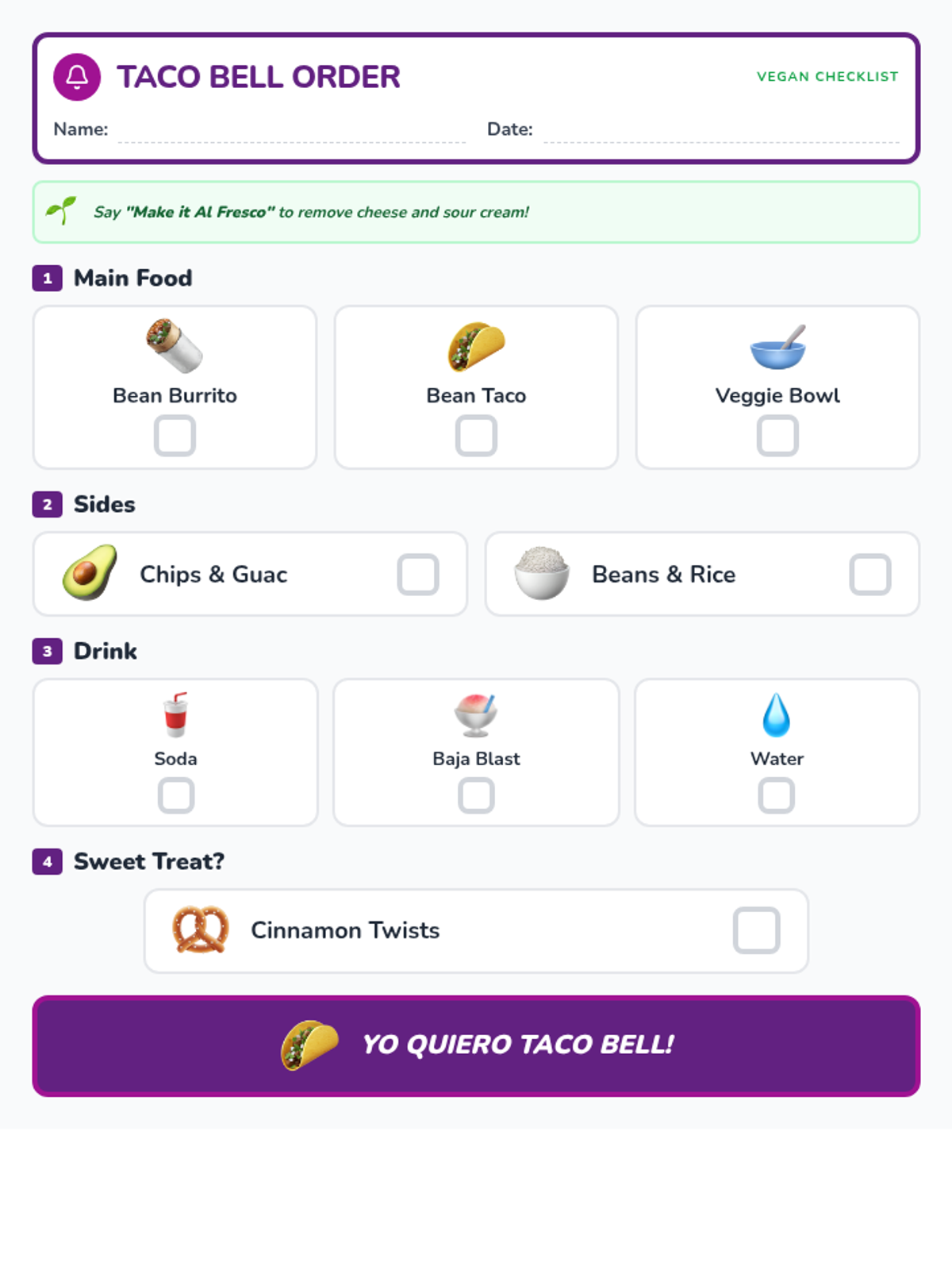
A visual Taco Bell ordering form featuring exclusively vegan-friendly options, designed for students with special needs. Includes the "Al Fresco" ordering prompt to assist with dietary restrictions.
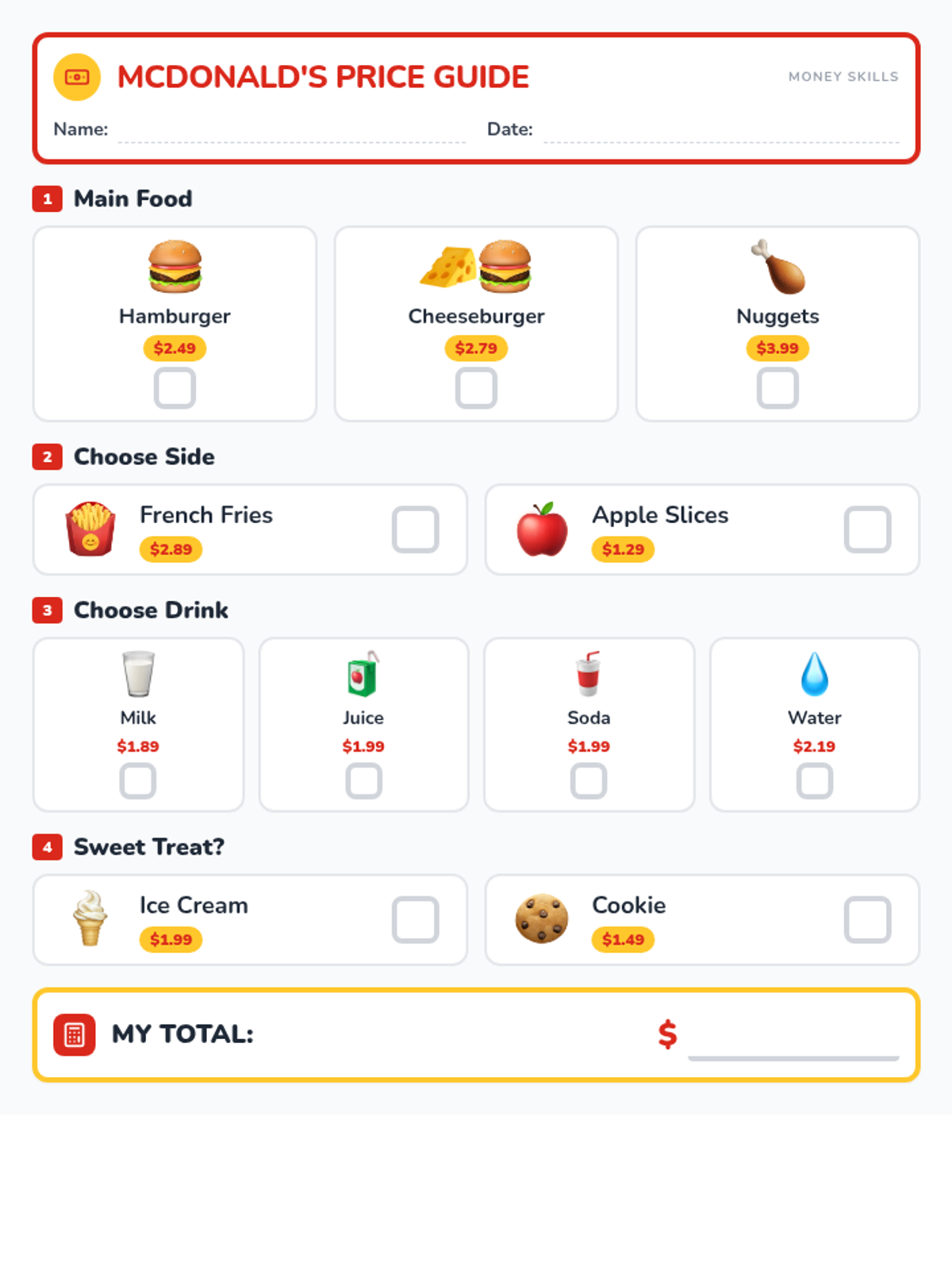
A version of the visual McDonald's ordering checklist that includes item prices and a total box to support money management and math skills.
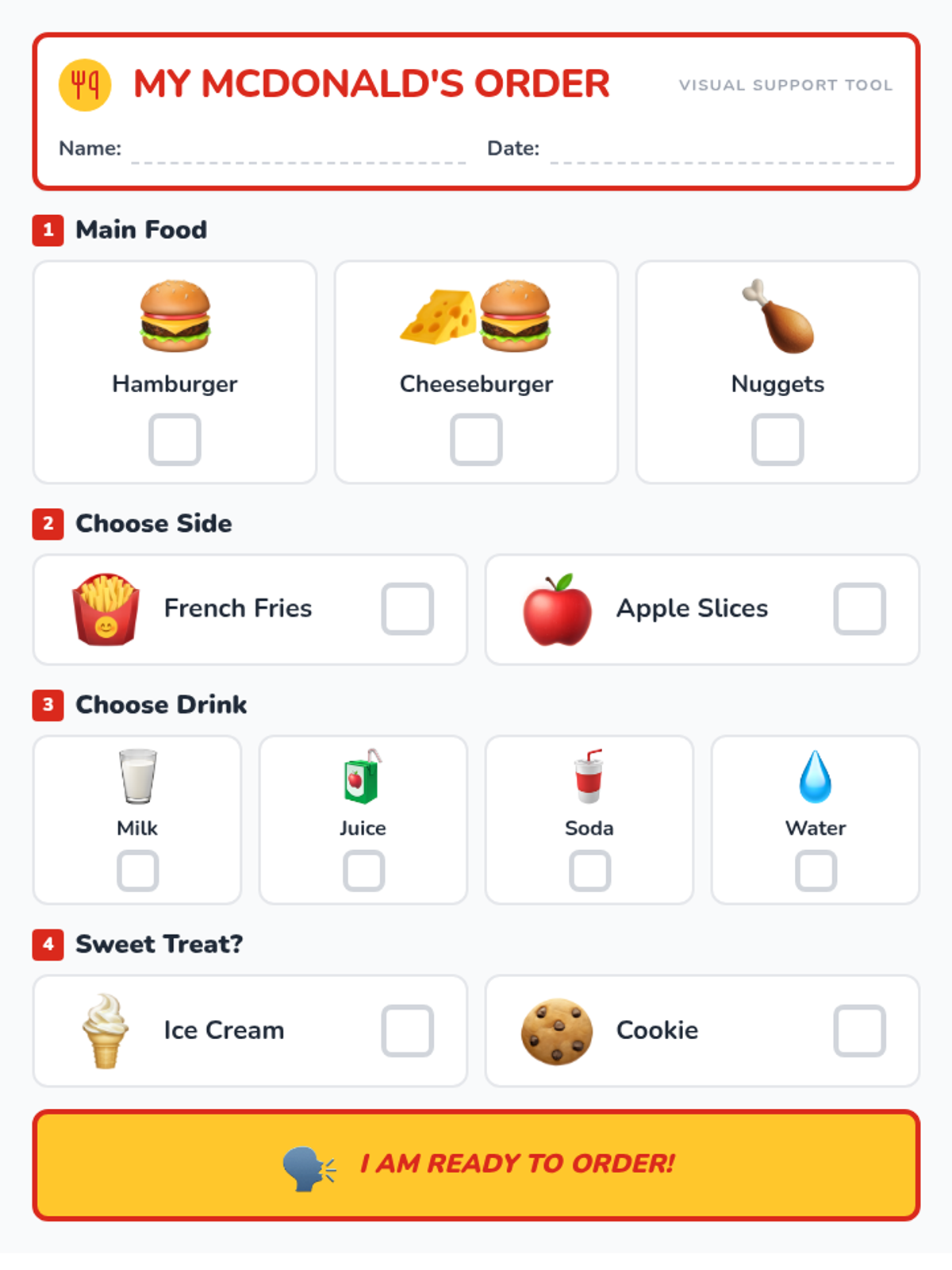
A single-page visual McDonald's ordering checklist designed for students with special needs. It features large emoji icons, clear item names, and consistent check boxes for easy selection.
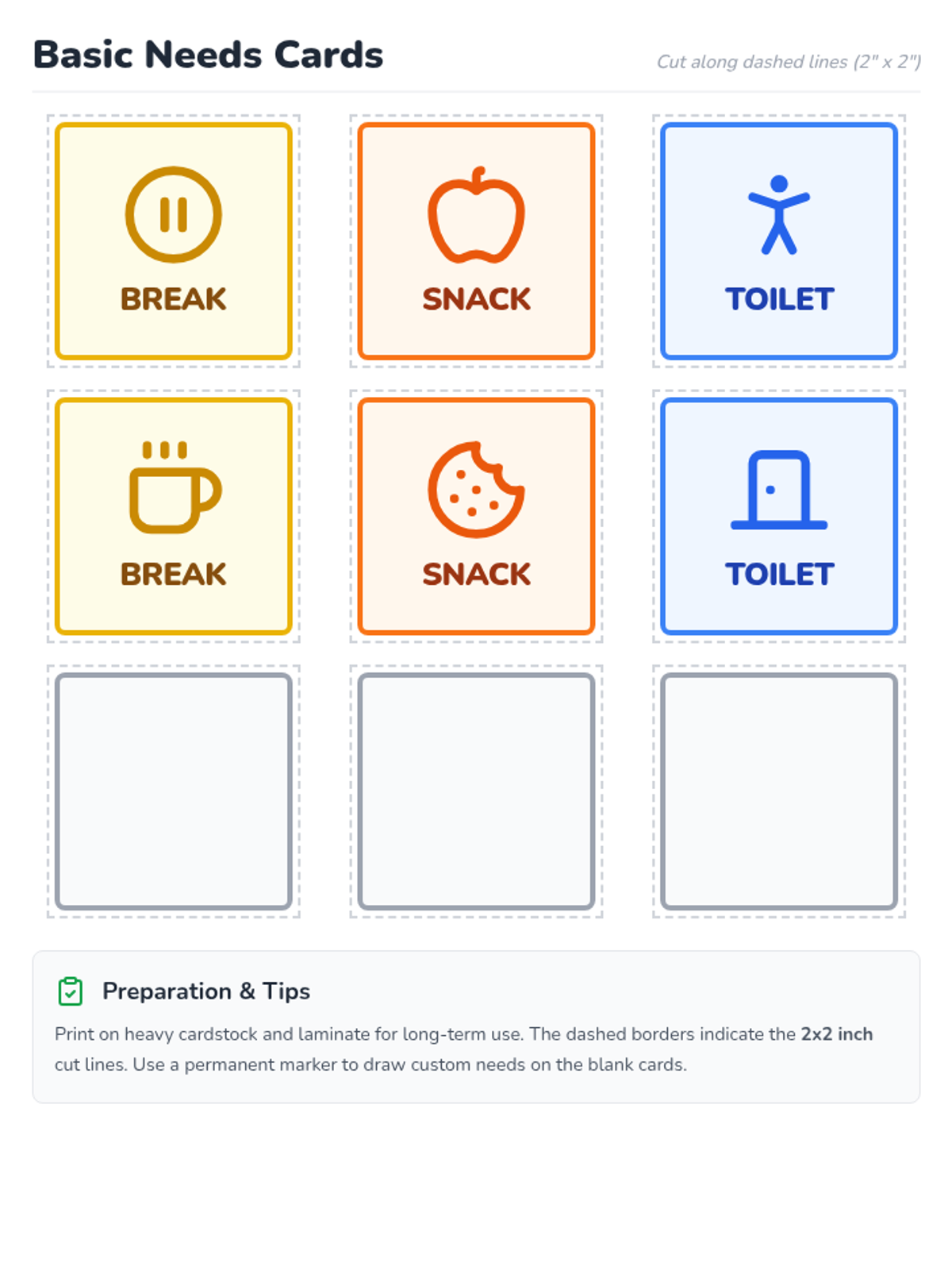
A sheet of high-contrast communication cards (2x2 inches) featuring icons for break, snack, and restroom needs. Includes alternate icons and blank spaces for customization.
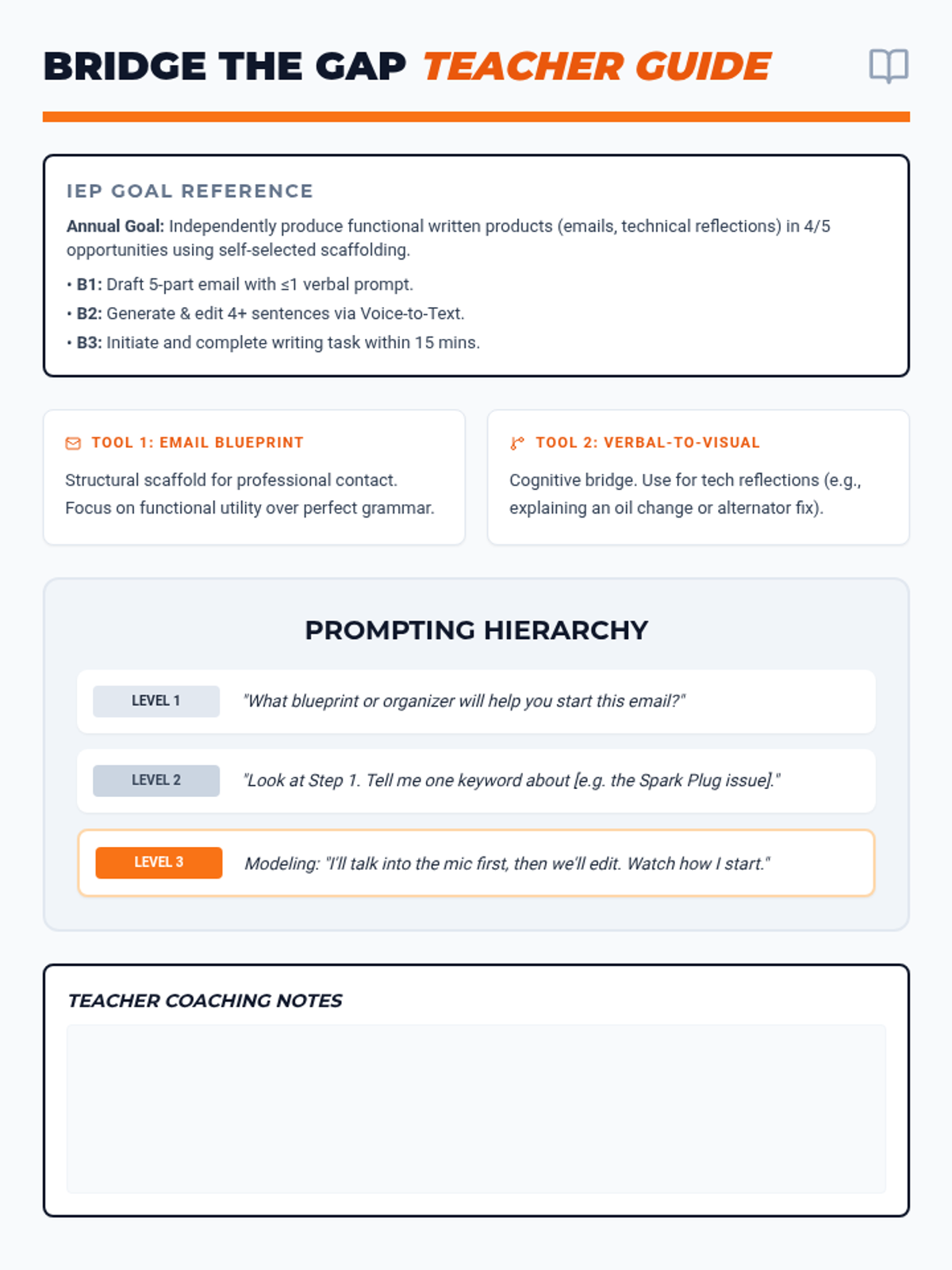
A teacher facilitation guide providing instructional strategies, a prompting hierarchy, and pacing advice for supporting a student's transition to independent writing.
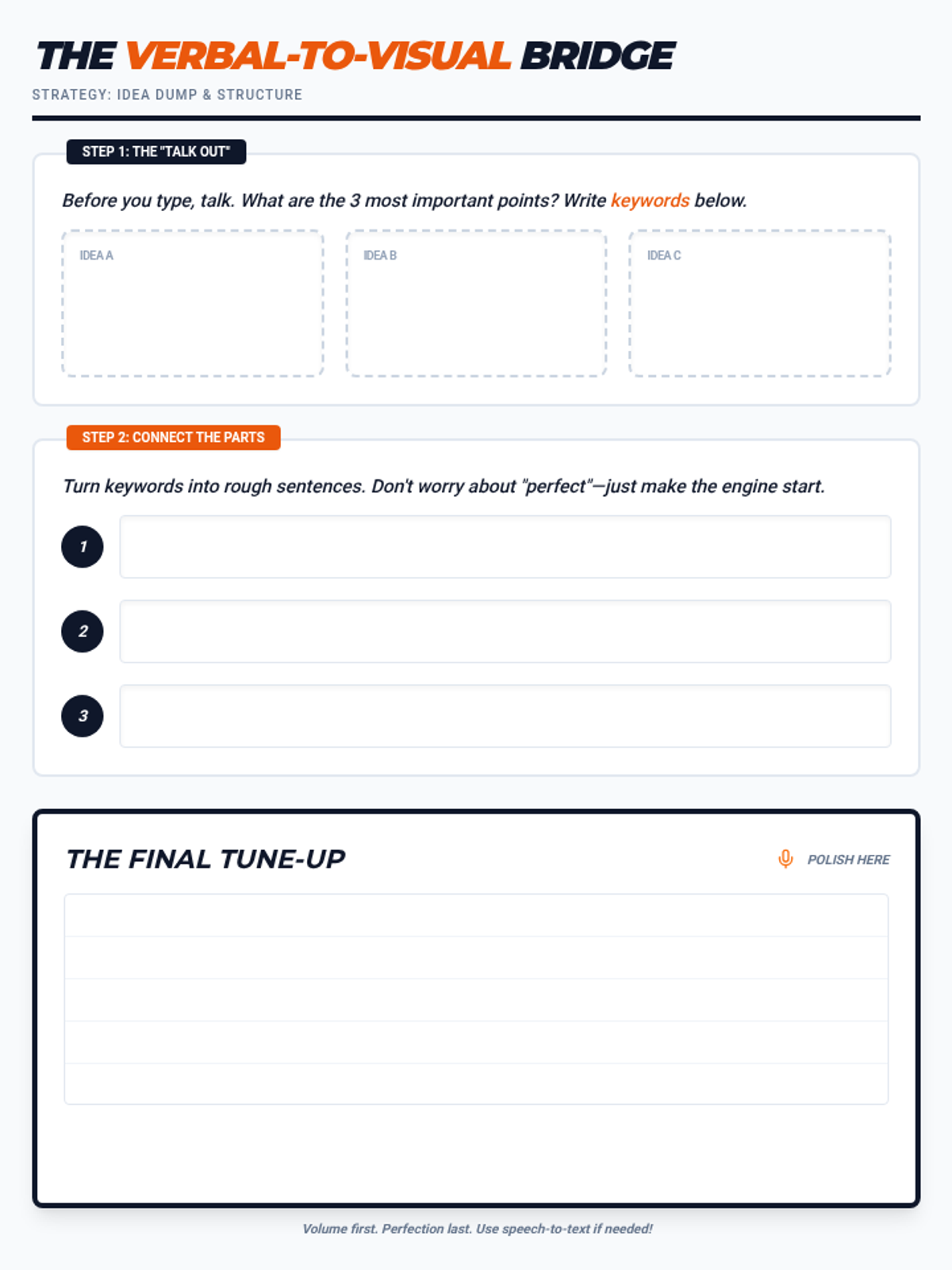
A graphic organizer designed to scaffold the writing process by bridging the gap between verbal ideas and written output through keyword mapping and sentence connection.
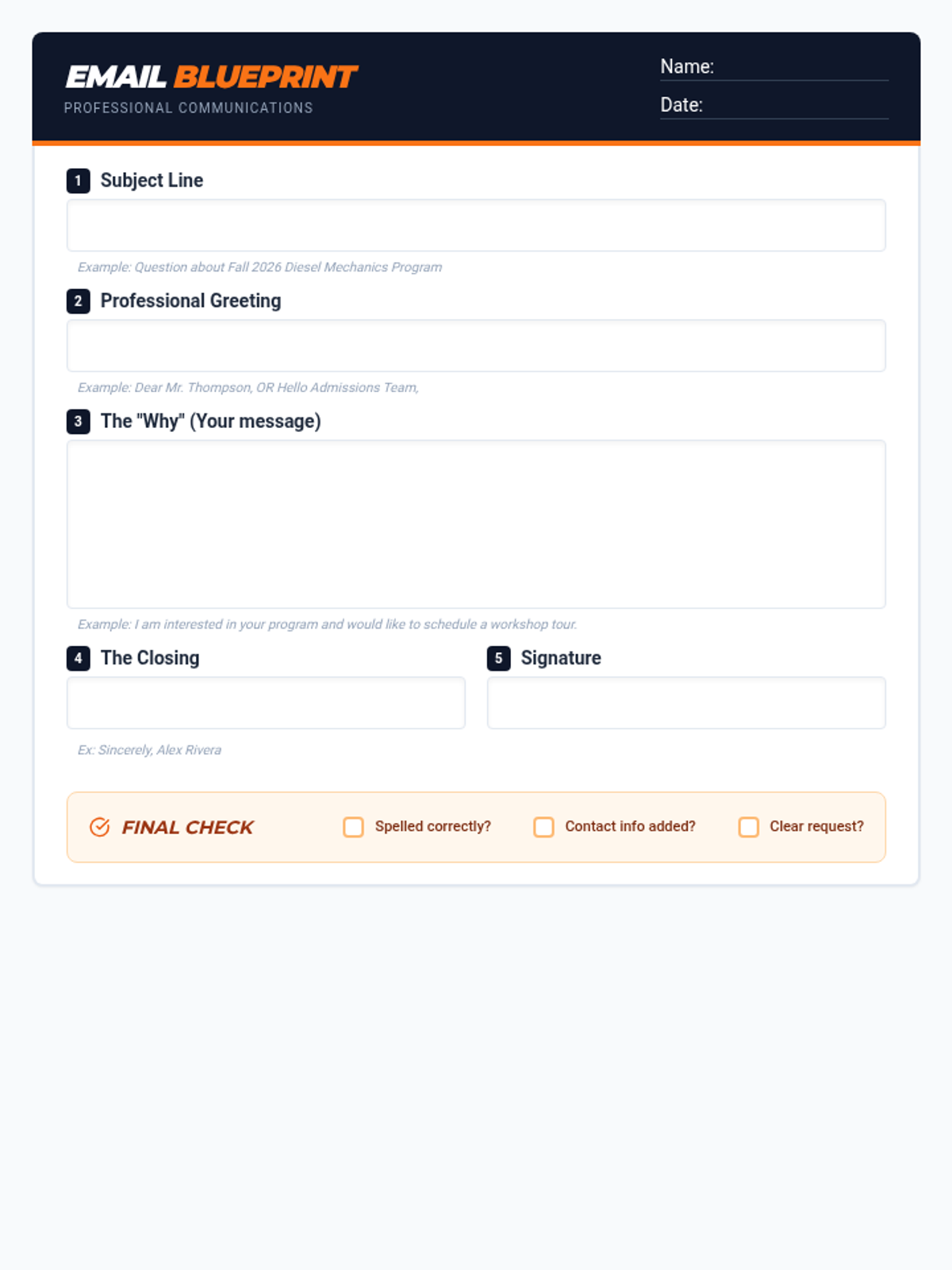
A functional writing template designed to help students draft professional emails by breaking the process down into five manageable parts.
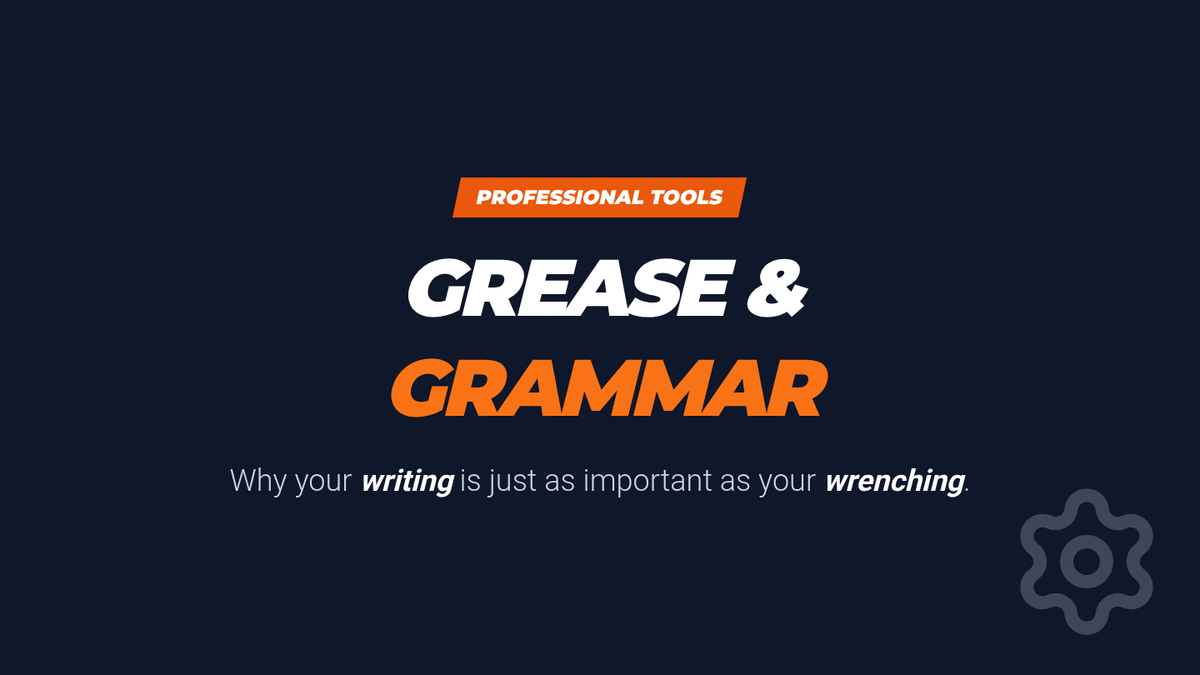
A visual presentation for a 12th-grade student that reframes writing as a technical tool for a career in mechanics, offering strategies like voice-to-text and templates.
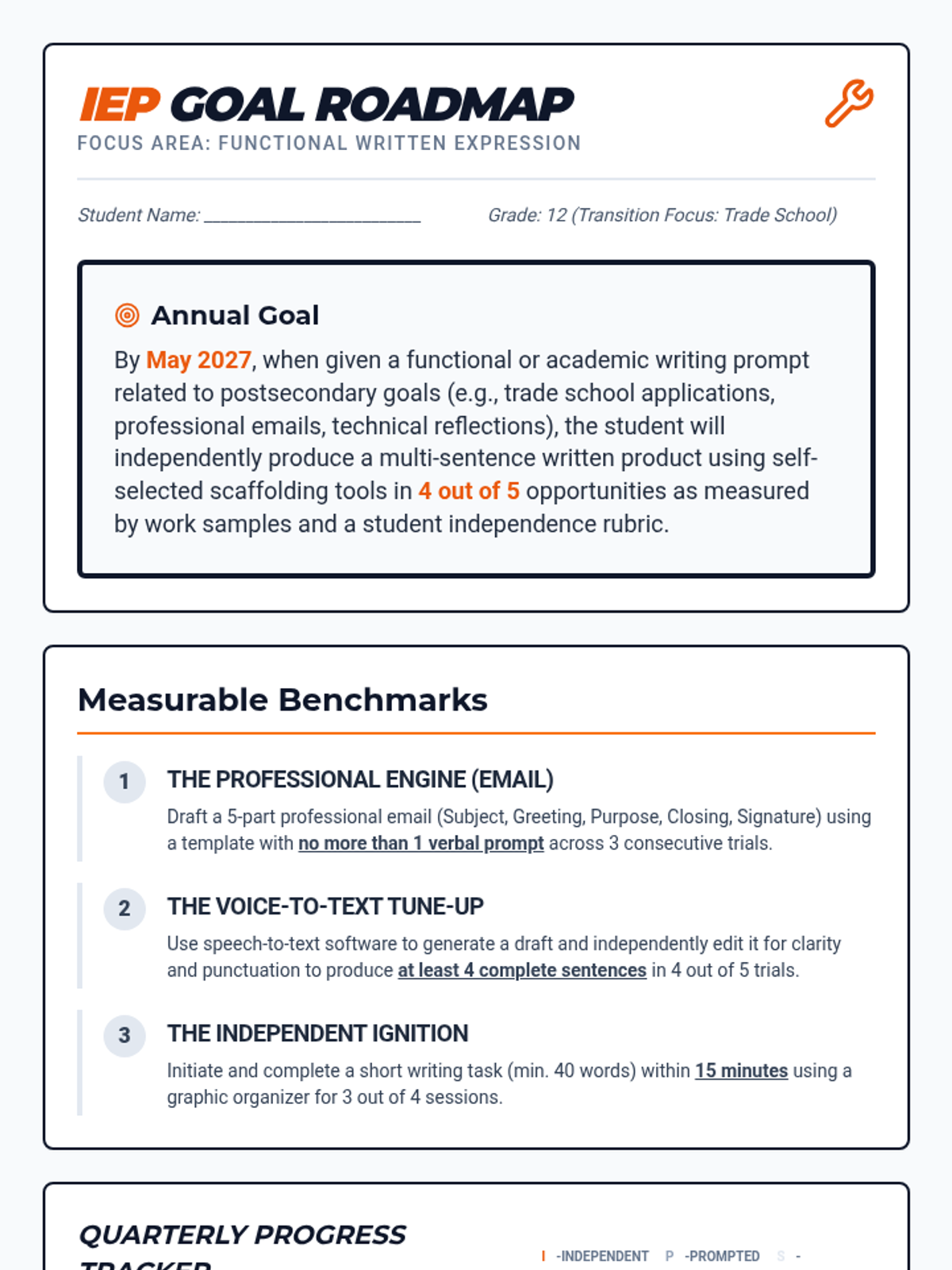
A formal IEP goal sheet outlining a written expression goal and three measurable benchmarks specifically tailored for a student pursuing a career in mechanics.
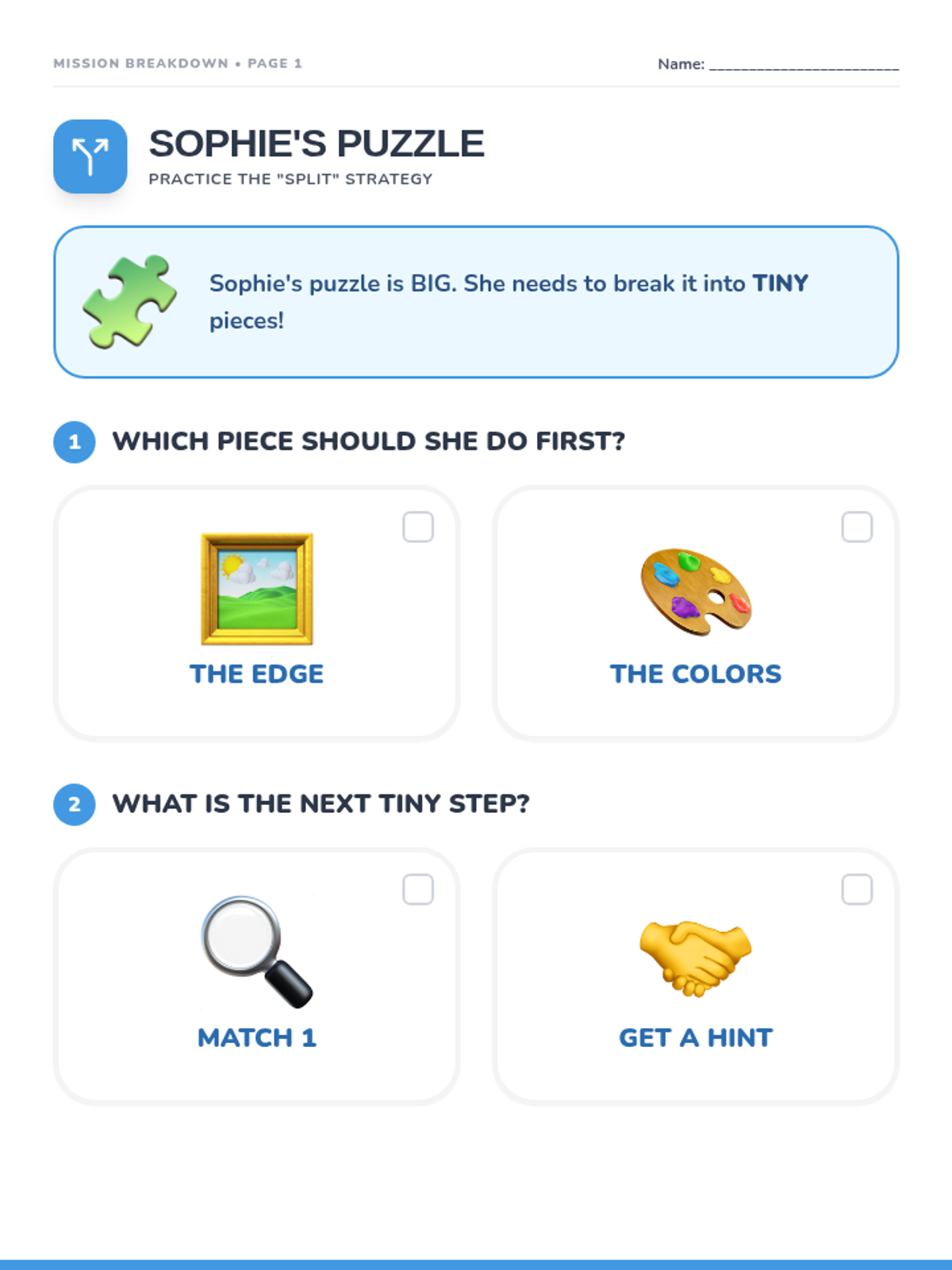
A multi-page packet designed for nonverbal students to practice the 'Split' strategy. Each page presents a 'Hard... Yet' mission with visual choices for breaking it down into smaller, manageable steps.
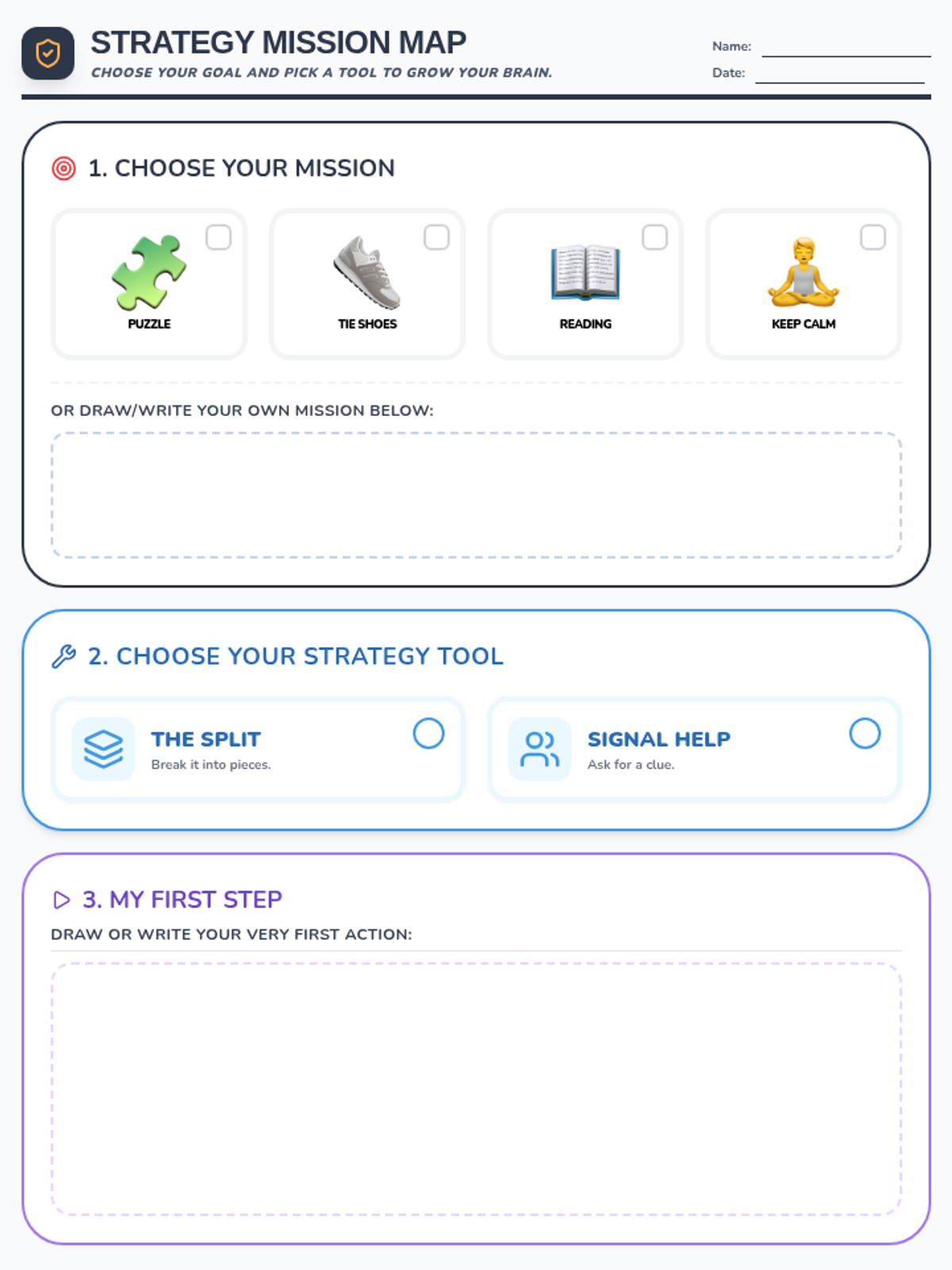
A visually simplified mission worksheet designed for students who benefit from visual choices. It features large icons for goal setting and strategy selection, reducing the amount of writing required while maintaining the focus on the growth mindset mission.
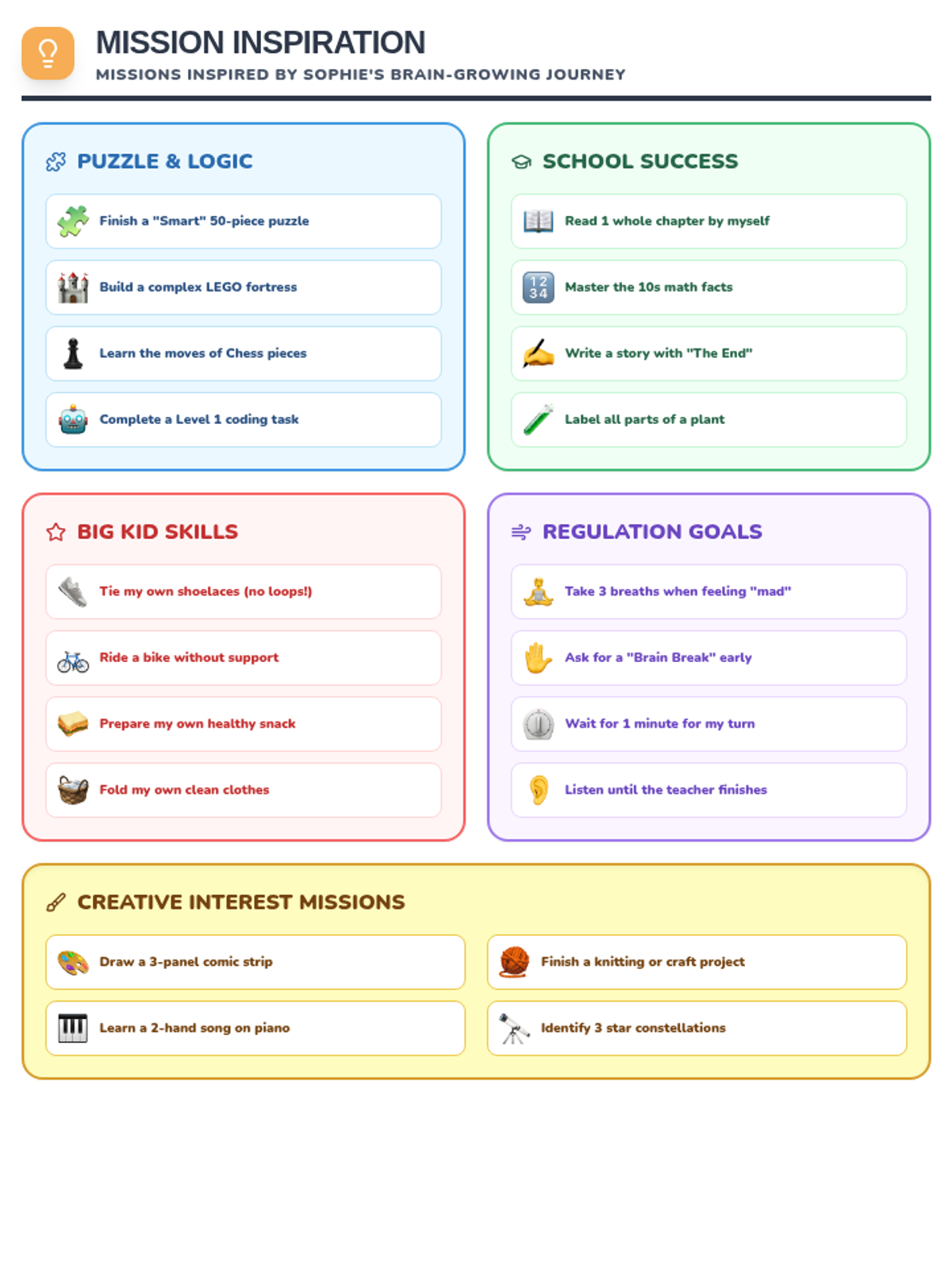
A visual categorized reference sheet of 20 goal examples (missions) to help students brainstorm ideas for their Strategy Mission Worksheet. Categories include Academic, Social, Life Skills, Regulation, and Personal Projects.
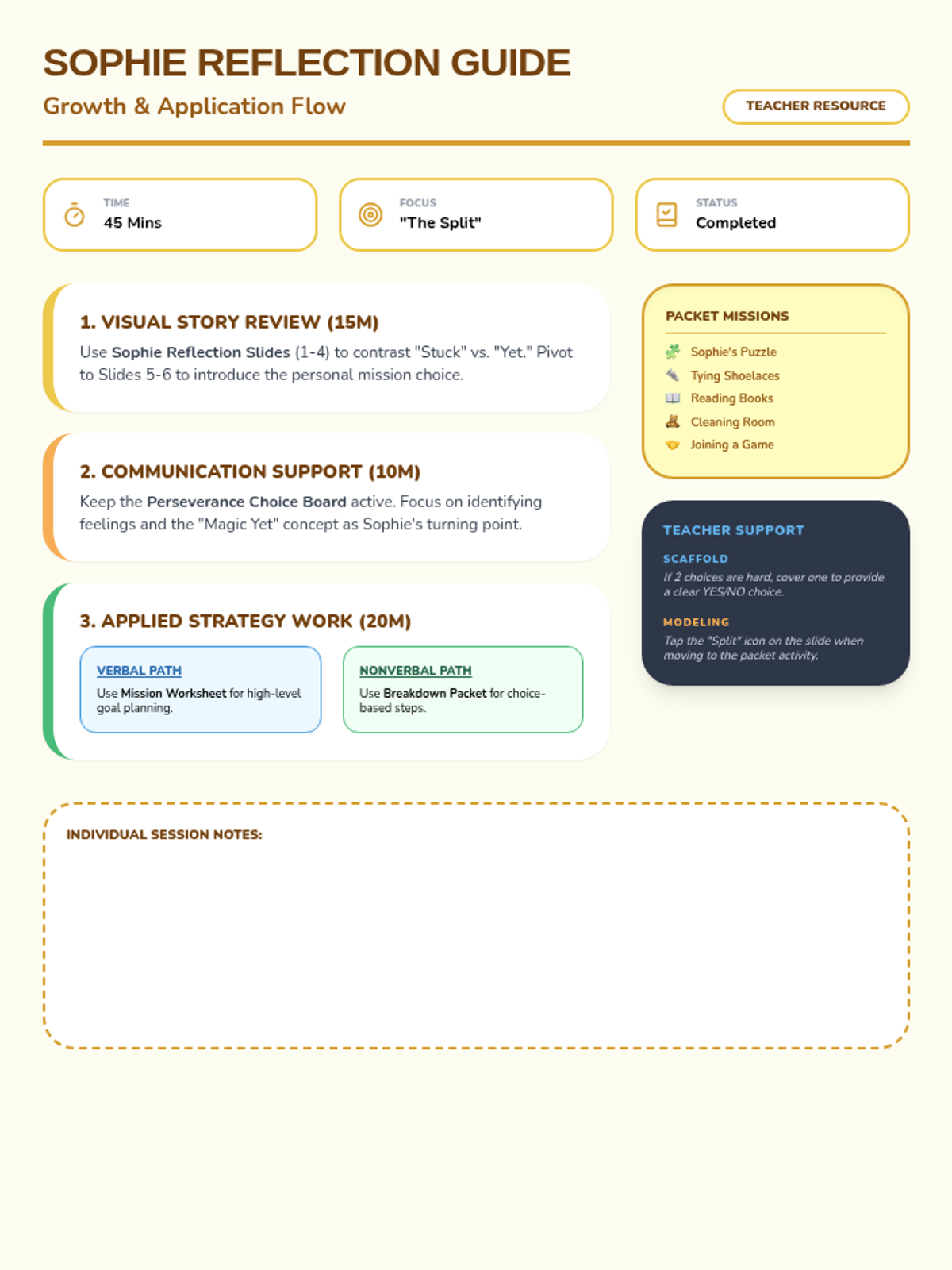
A comprehensive facilitation guide for teachers, offering step-by-step instructions and specific adaptations for teaching perseverance to students with autism. Includes strategies for both verbal and nonverbal learners.
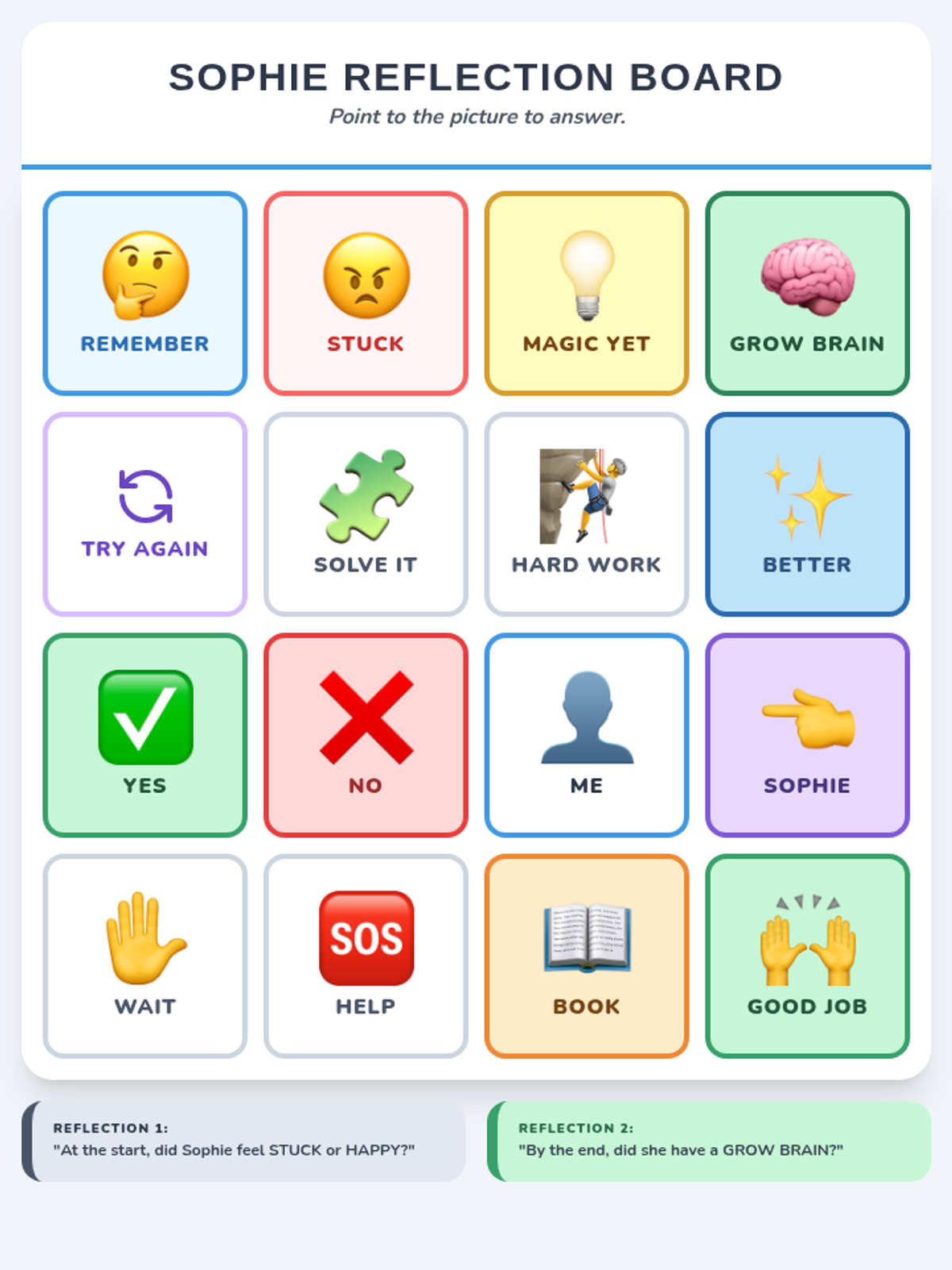
A simple communication choice board featuring 16 high-contrast icons to help nonverbal students respond to questions about 'When Sophie Thinks She Can't'. Includes feelings, actions, and key concept icons like 'Yet'.
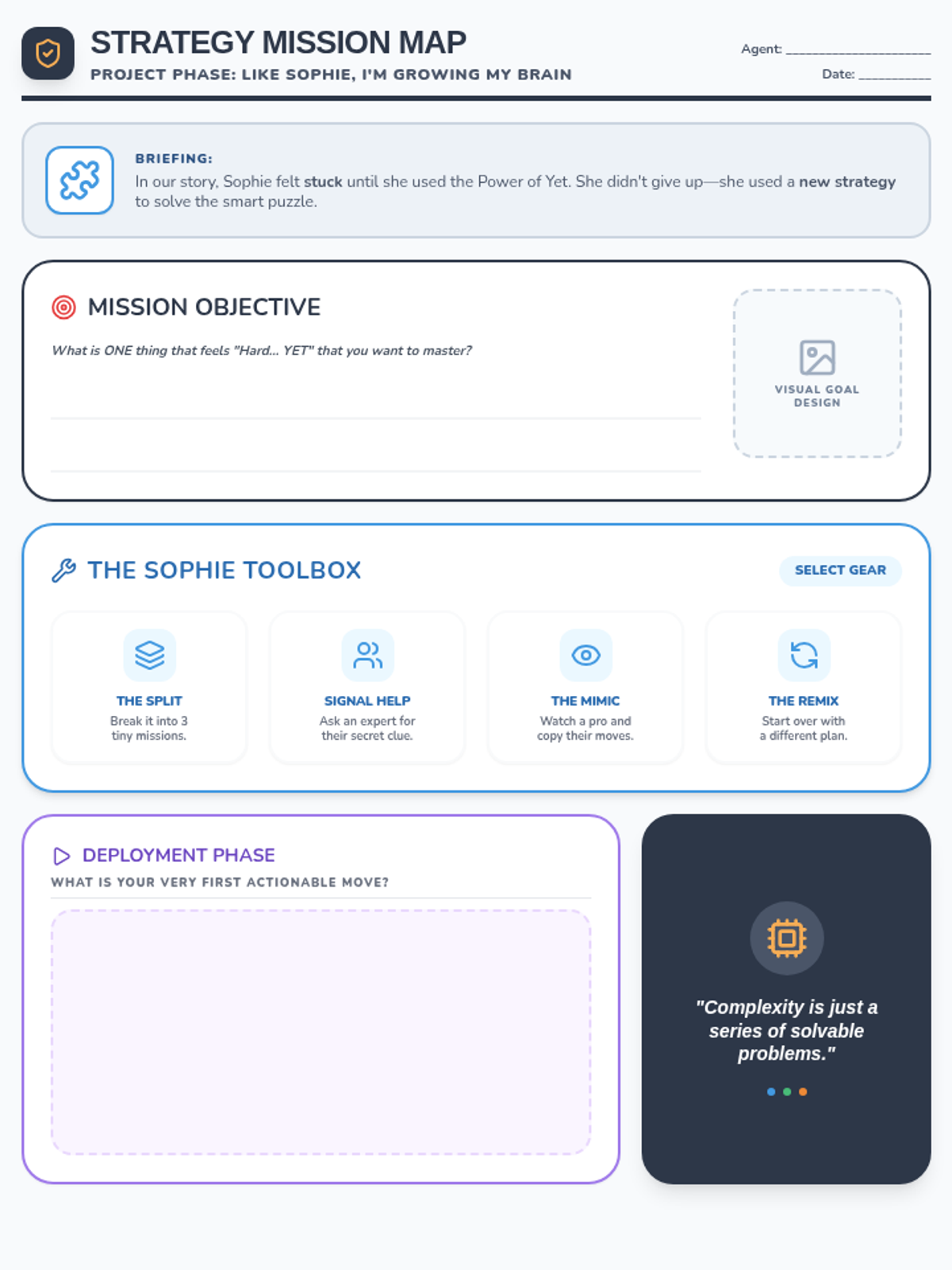
An advanced, project-focused growth mindset worksheet for capable students. It replaces simple can/can't lists with a structured "Mission Map" where students define a complex objective, select high-level strategies from a toolbox, and plan their initial deployment step.
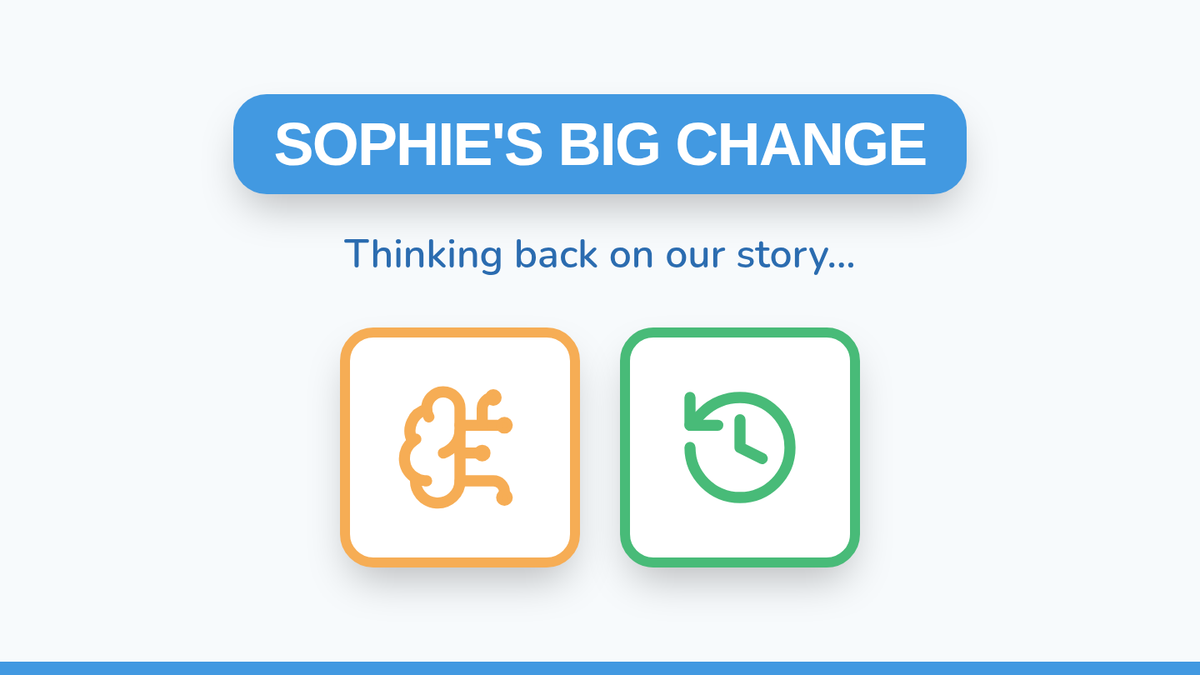
A visual slide deck designed for students with autism to reflect on 'When Sophie Thinks She Can't'. It now includes slides for personal mission selection and strategy picking to scaffold the reflection activity.
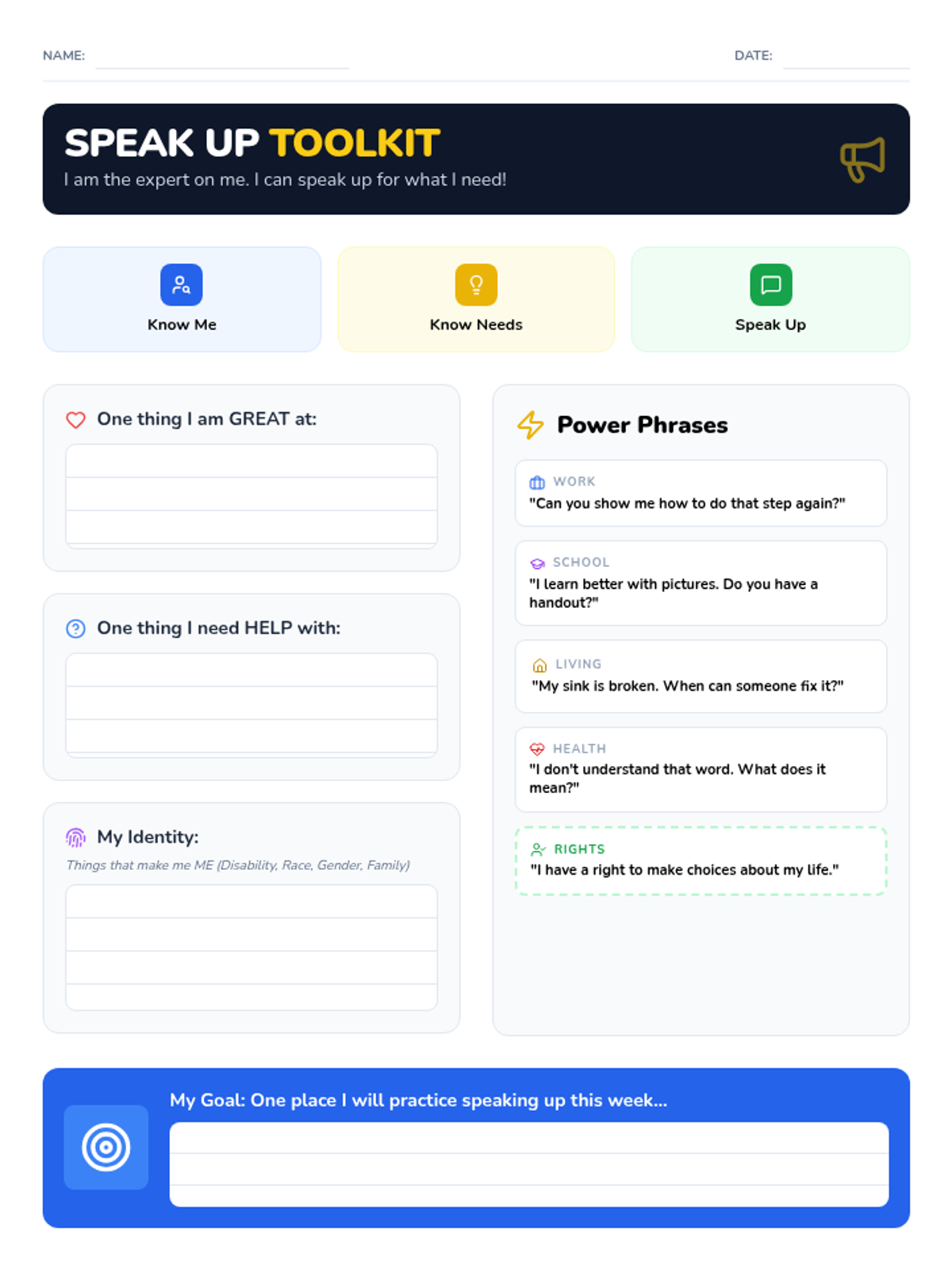
A student-facing printable handout that serves as a self-advocacy toolkit. It features 'Power Phrases' for common transition scenarios and provides designated spaces for students to reflect on their strengths, needs, and personal goals.
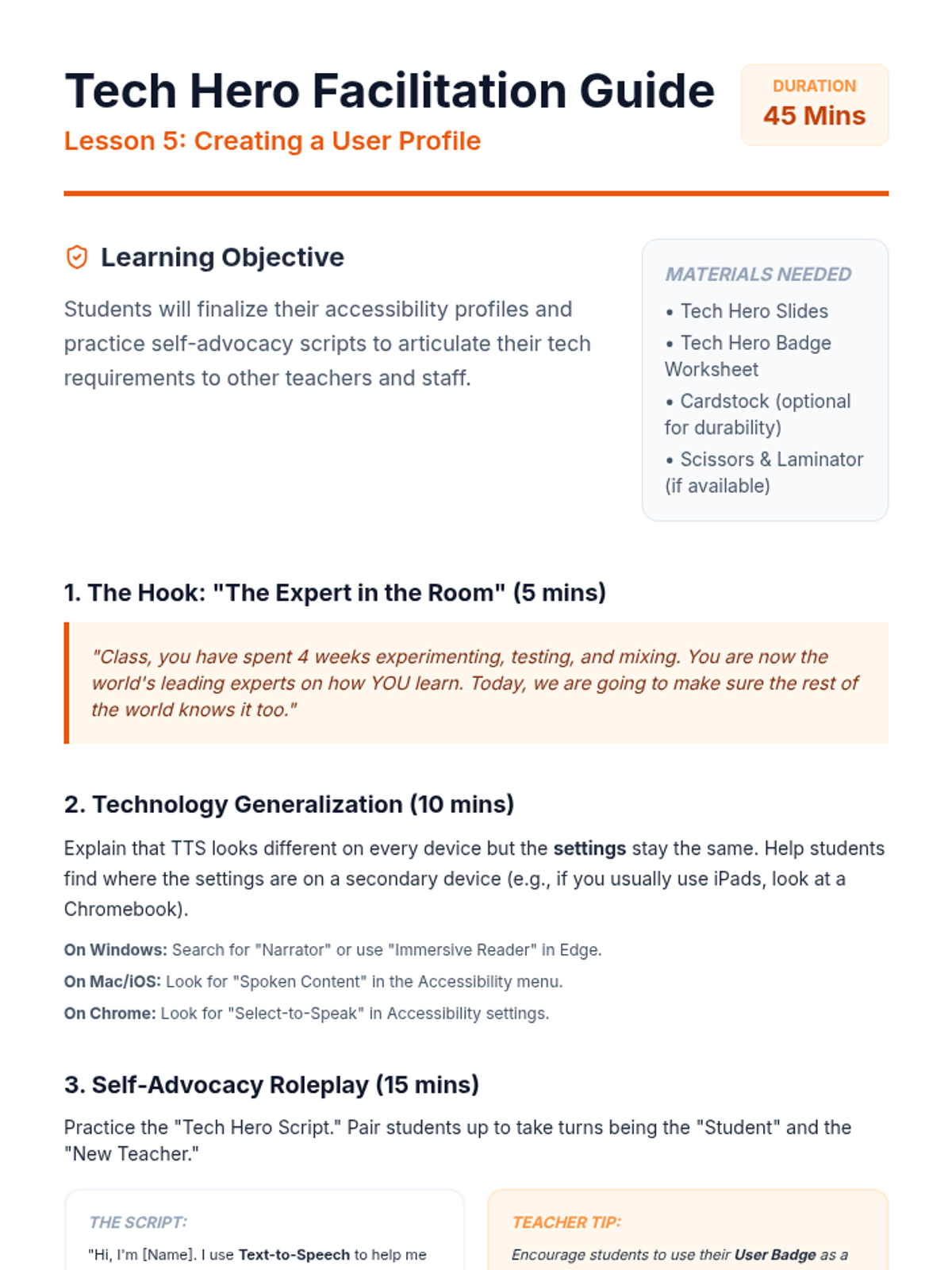
A facilitation guide for teachers to lead the Tech Hero Profile lesson, including self-advocacy scripts, roleplay instructions, and cross-device generalization tips.
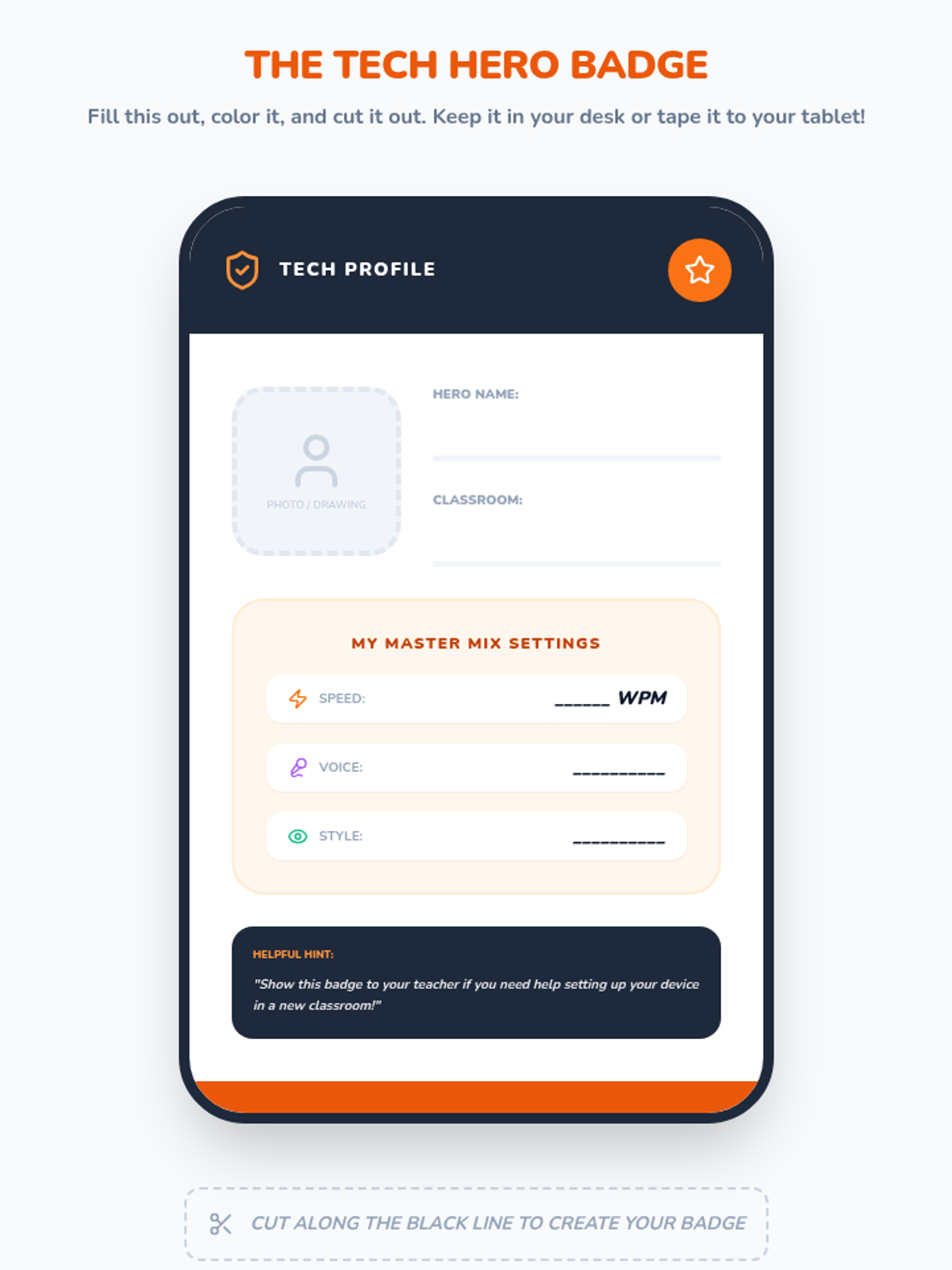
A portable 'User Badge' for students to display their preferred text-to-speech settings and use for self-advocacy.
Slides for the Tech Hero Profile lesson, focusing on self-advocacy, cross-device accessibility settings, and finalizing the student user profile.
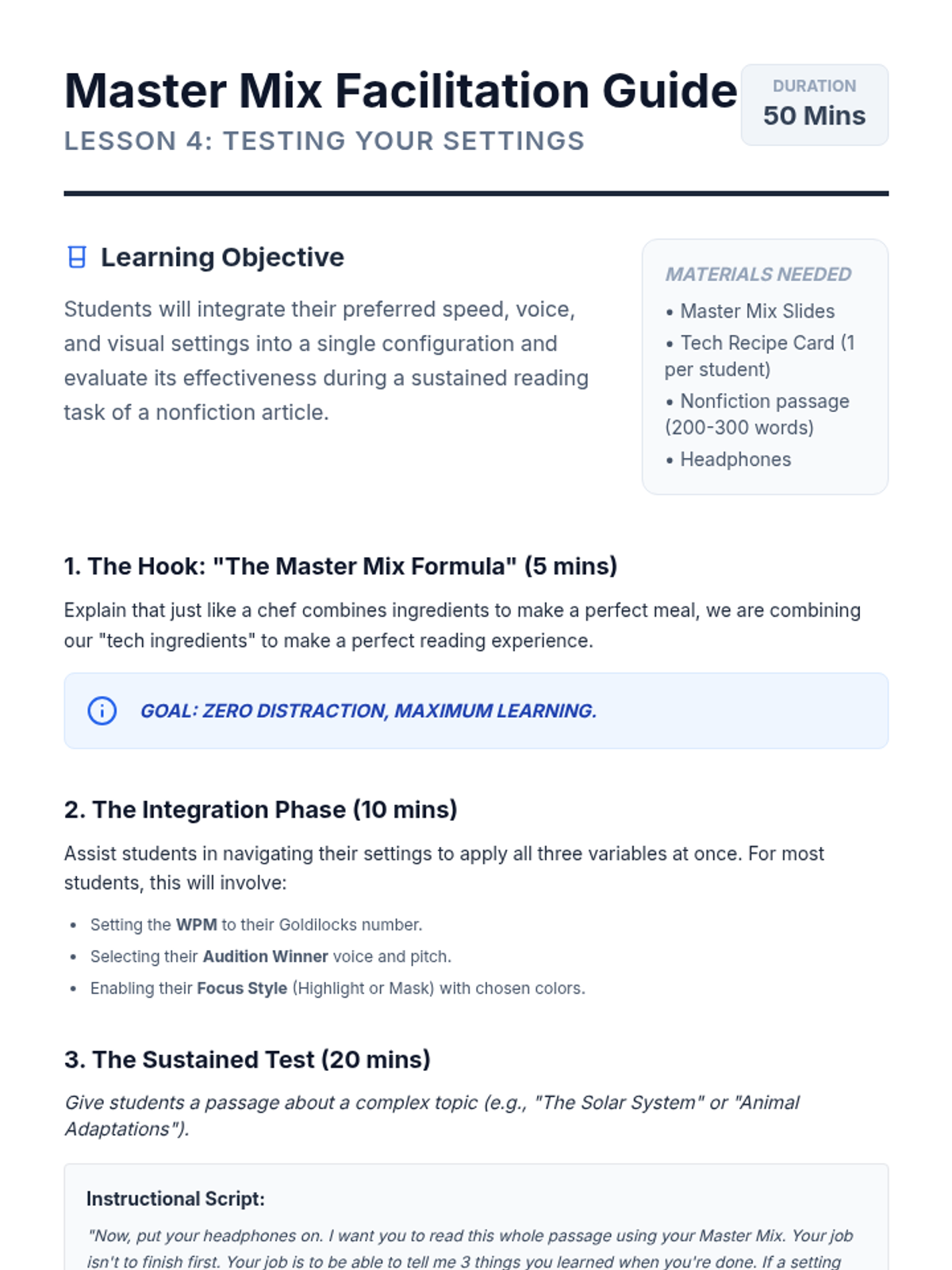
A teacher guide for the Master Mix Testing lesson, including instructions for the integrated test and metacognitive reflection prompts.
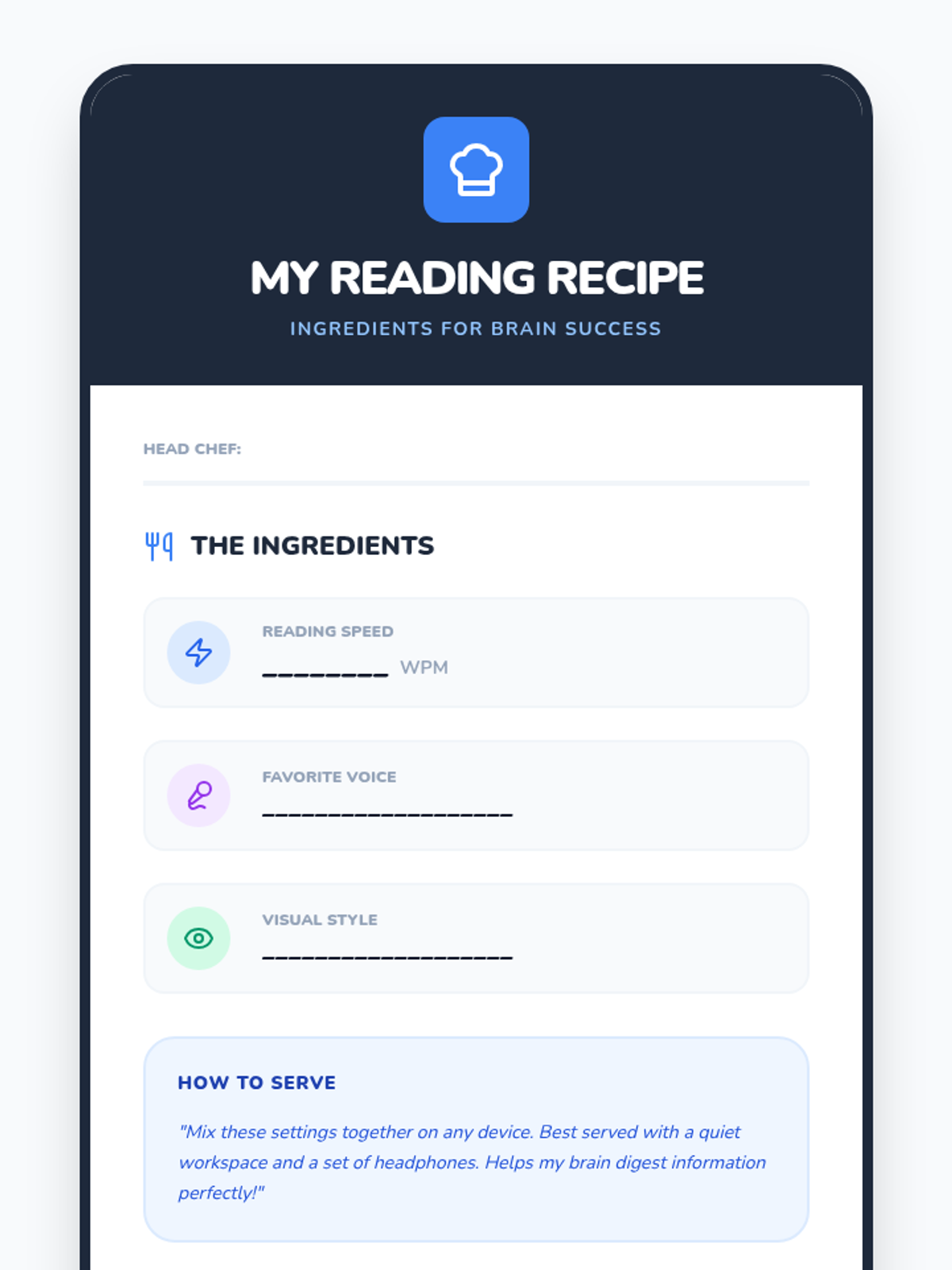
A fun recipe-style card for students to record their final chosen text-to-speech settings for speed, voice, and visuals.
Slides for the Master Mix Testing lesson, where students combine their chosen speed, voice, and visual settings to read a nonfiction article.
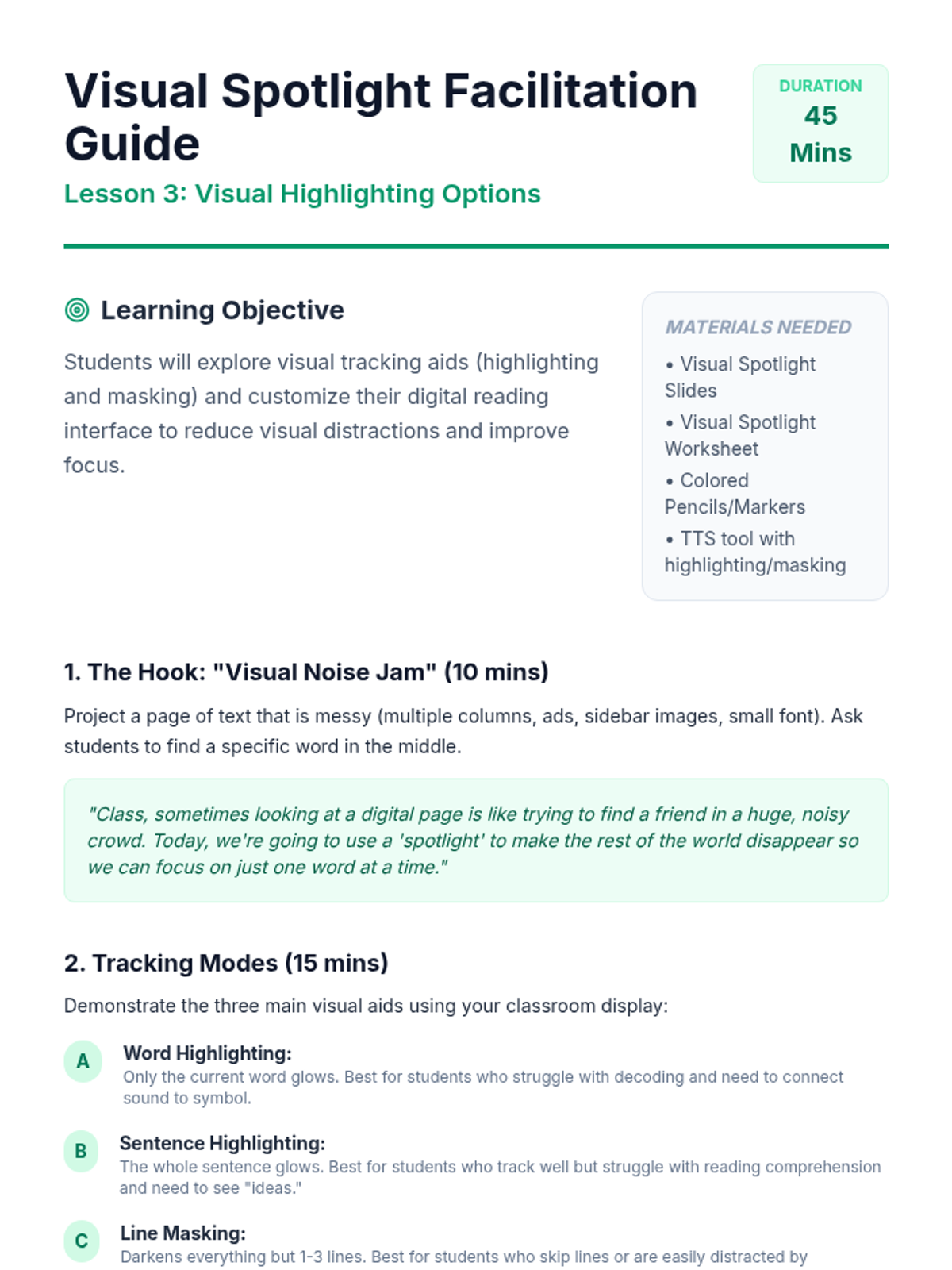
A teacher guide for the Visual Spotlight Zone lesson, focusing on masking vs highlighting and color contrast psychology.
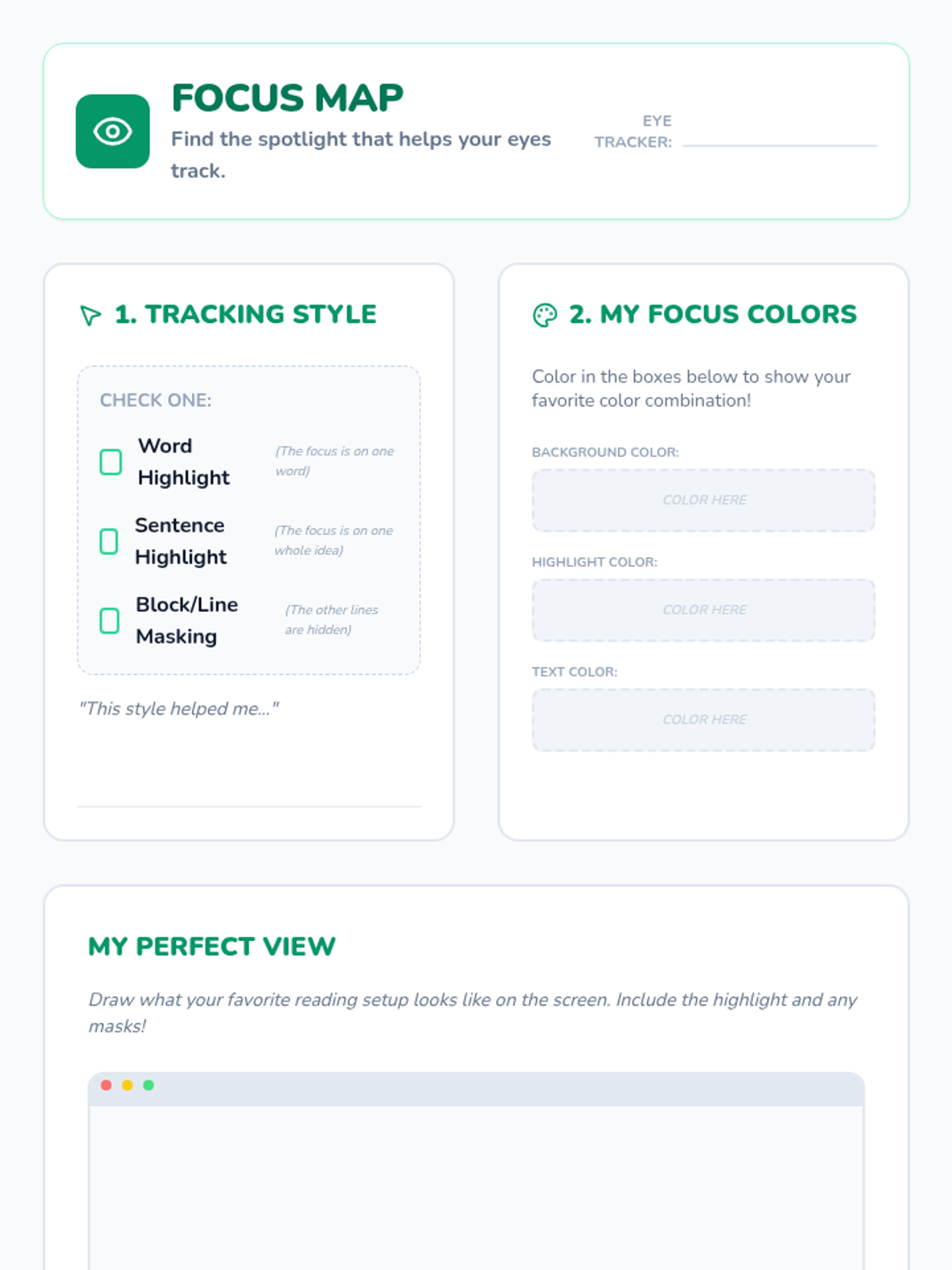
A worksheet for students to investigate and record their visual preferences for reading, including highlighting style and color contrast.
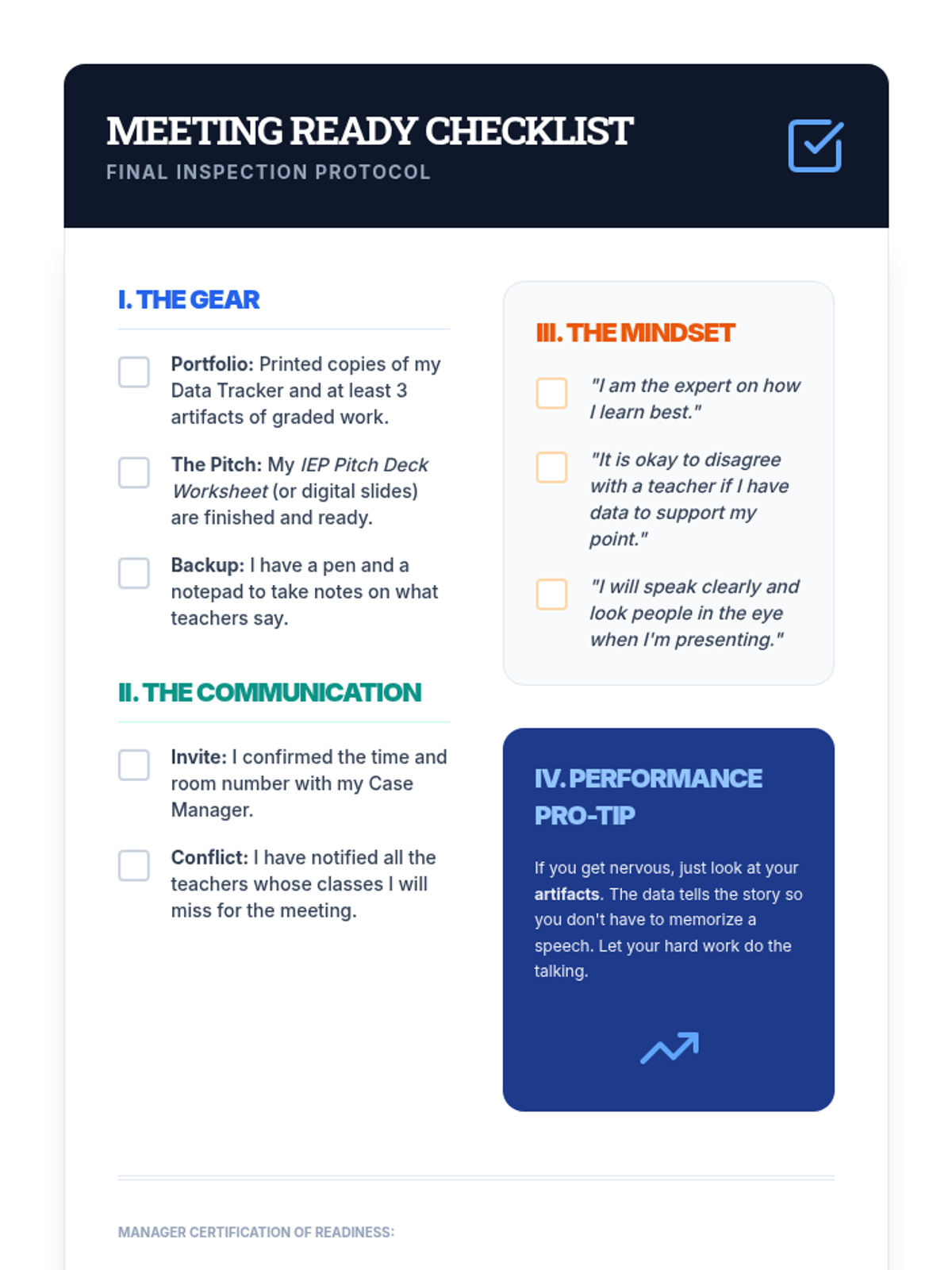
Final checklist for students to ensure they are prepared for their IEP meeting. Covers physical materials (gear), communication logistics, and mental preparation (mindset).
Slides for the Visual Spotlight Zone lesson, investigating highlighting types, masking, and color contrast for reading focus.
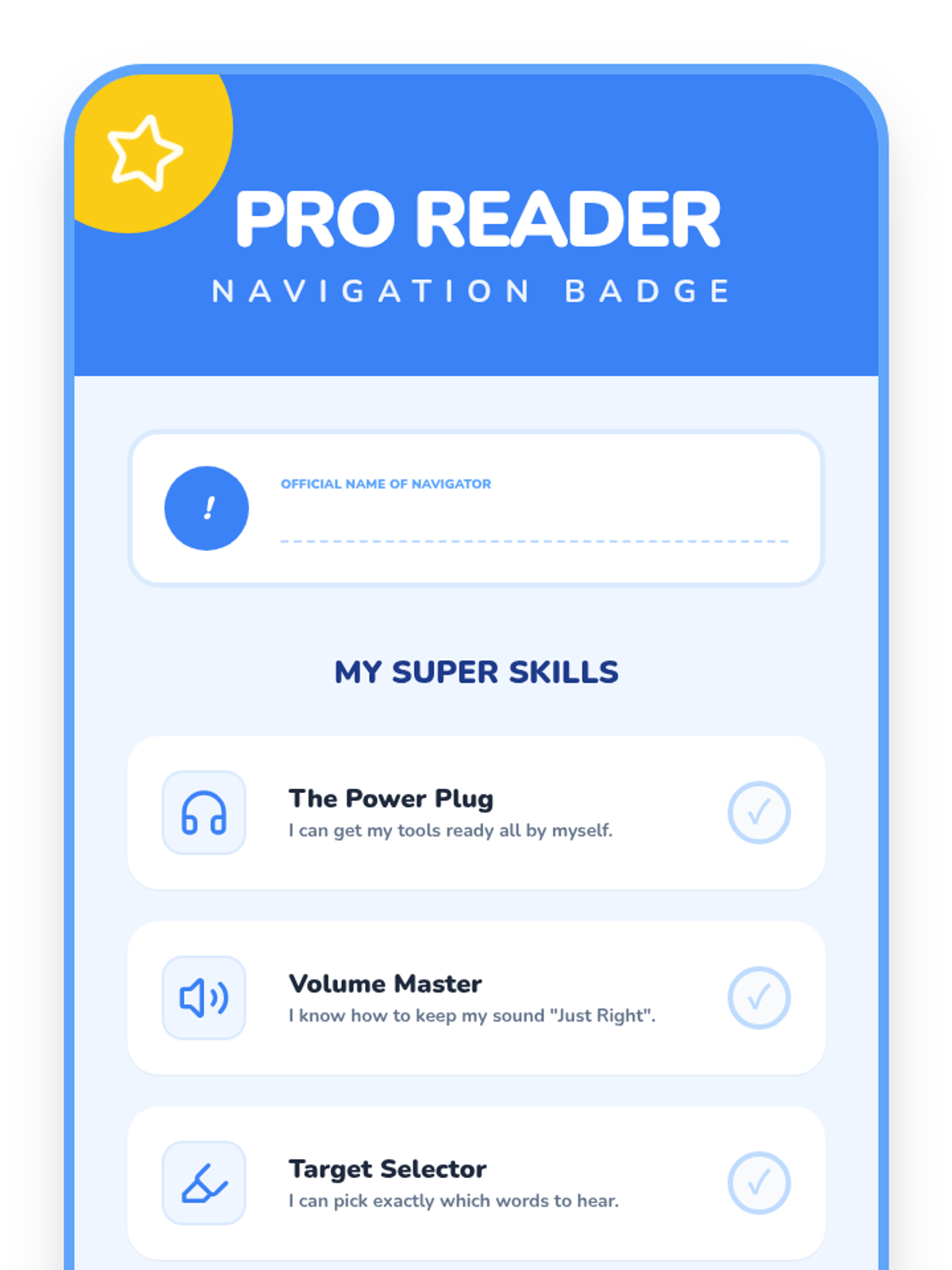
A commemorative mastery checklist and 'Pro Reader' badge for students to complete upon demonstrating independence with text-to-speech tools.
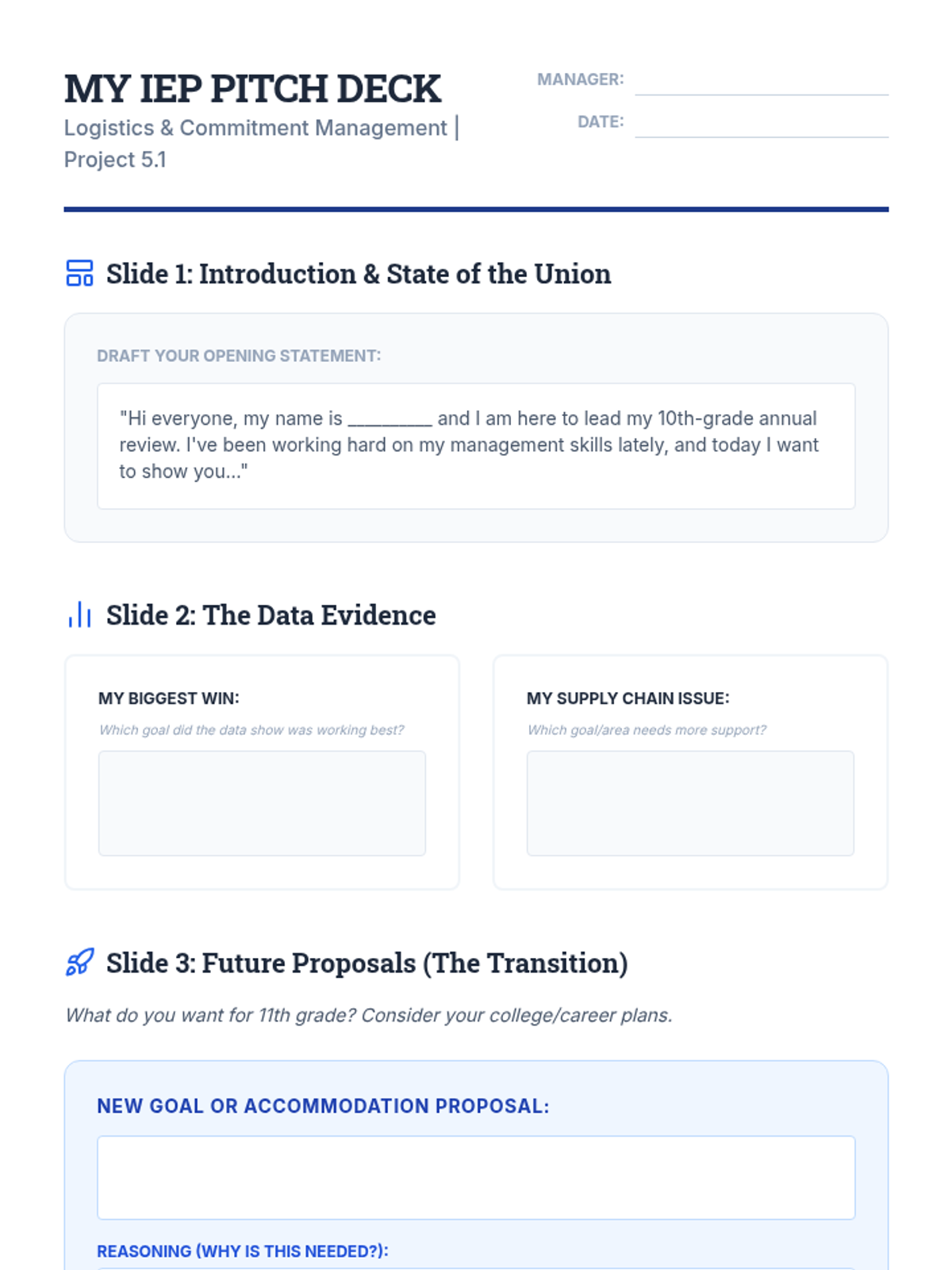
Planning worksheet for a student-led IEP presentation. Guides students through drafting their opening statement, data wins/challenges, and proposals for future accommodations/goals.
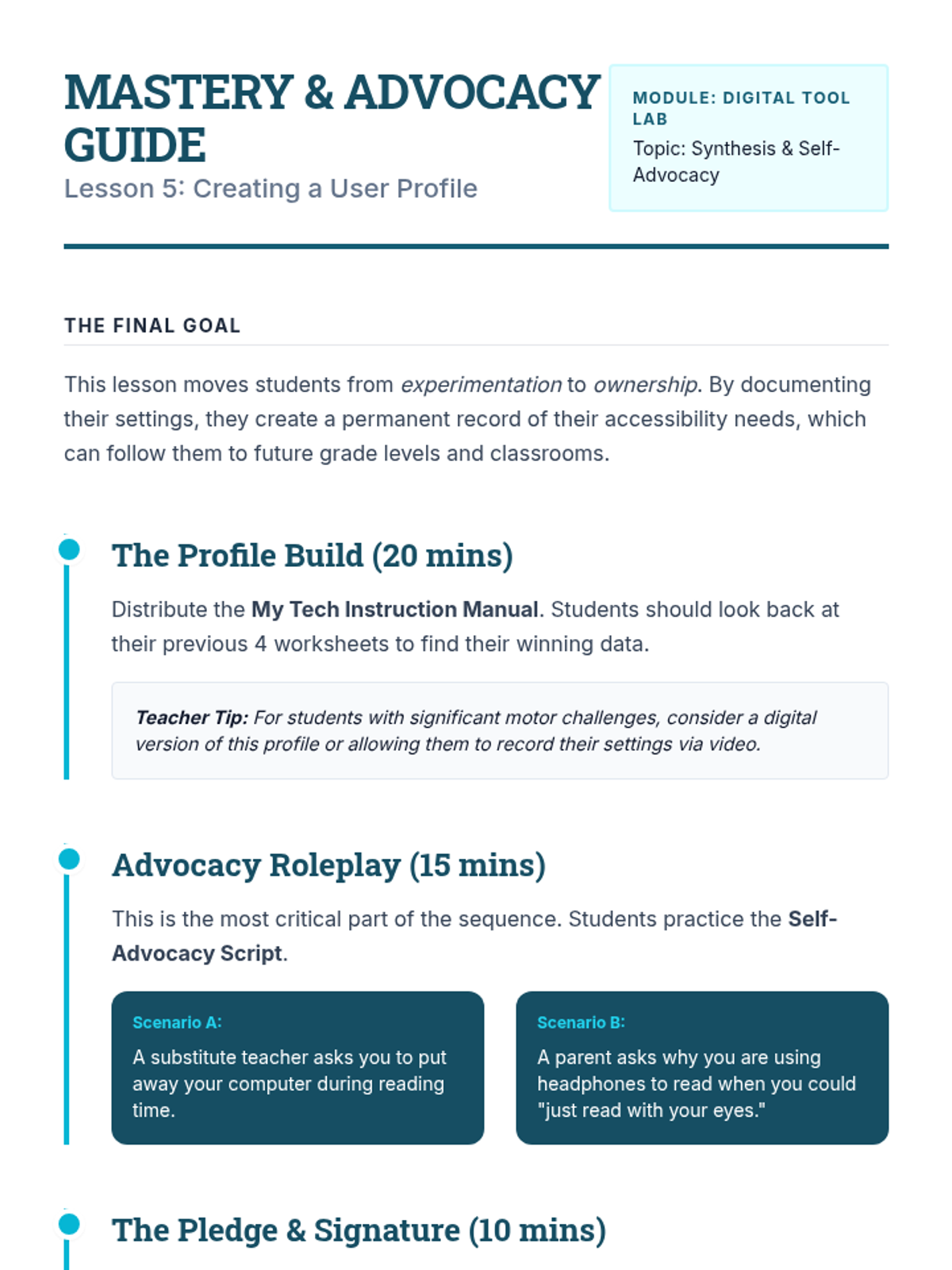
A teacher guide for Lesson 5 focusing on finalizing student profiles, role-playing self-advocacy conversations, and integrating these tools into classroom routines.
Capstone slides for Lesson 5. Focuses on student-led IEP meeting leadership, including analyzing a student-led meeting, a presentation script formula (Opening, Data, Ask), and the power of artifact evidence.
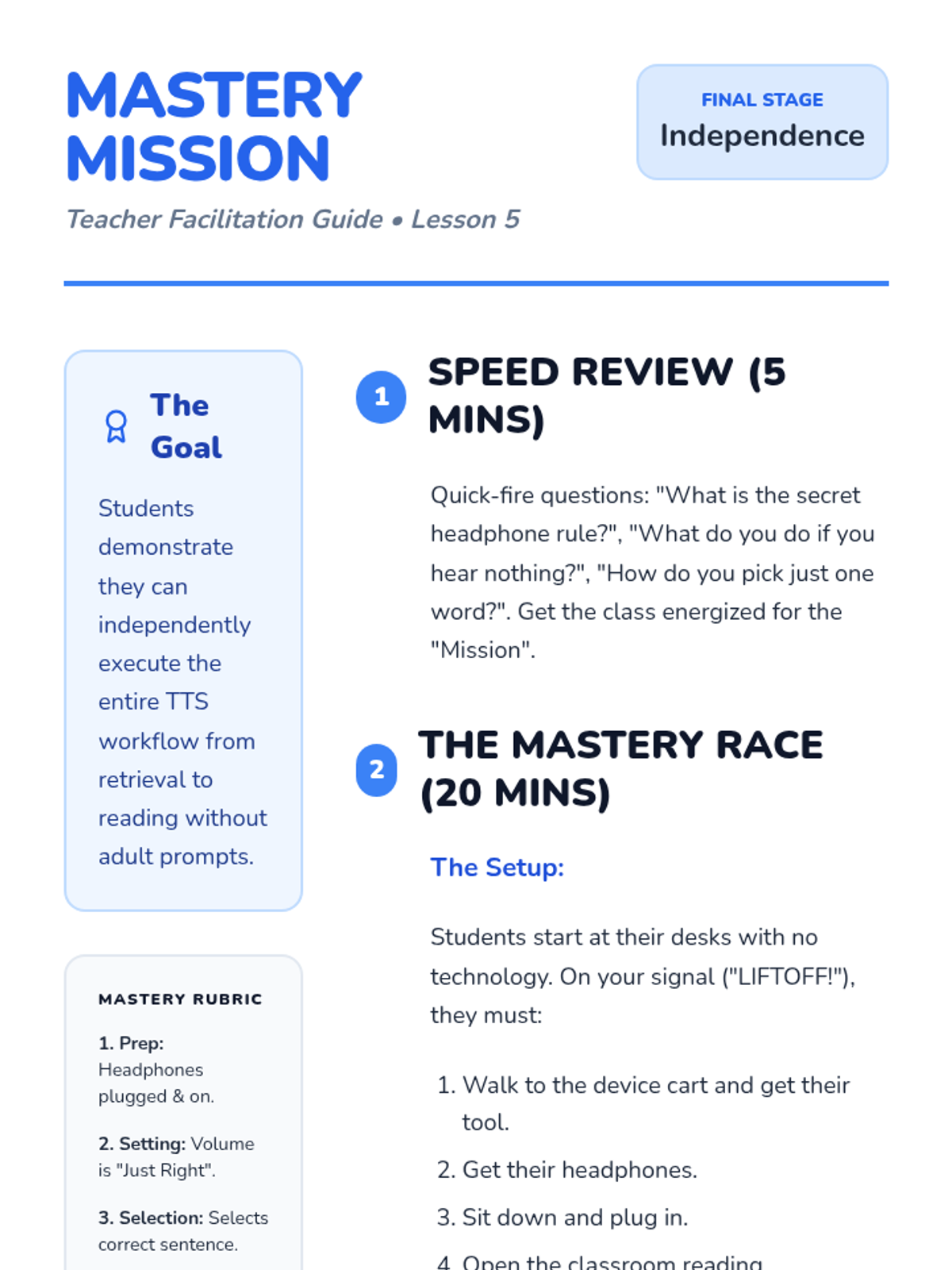
Teacher guide for the final lesson, providing instructions for the 'Mastery Race' assessment and criteria for evaluating student independence with TTS technology.
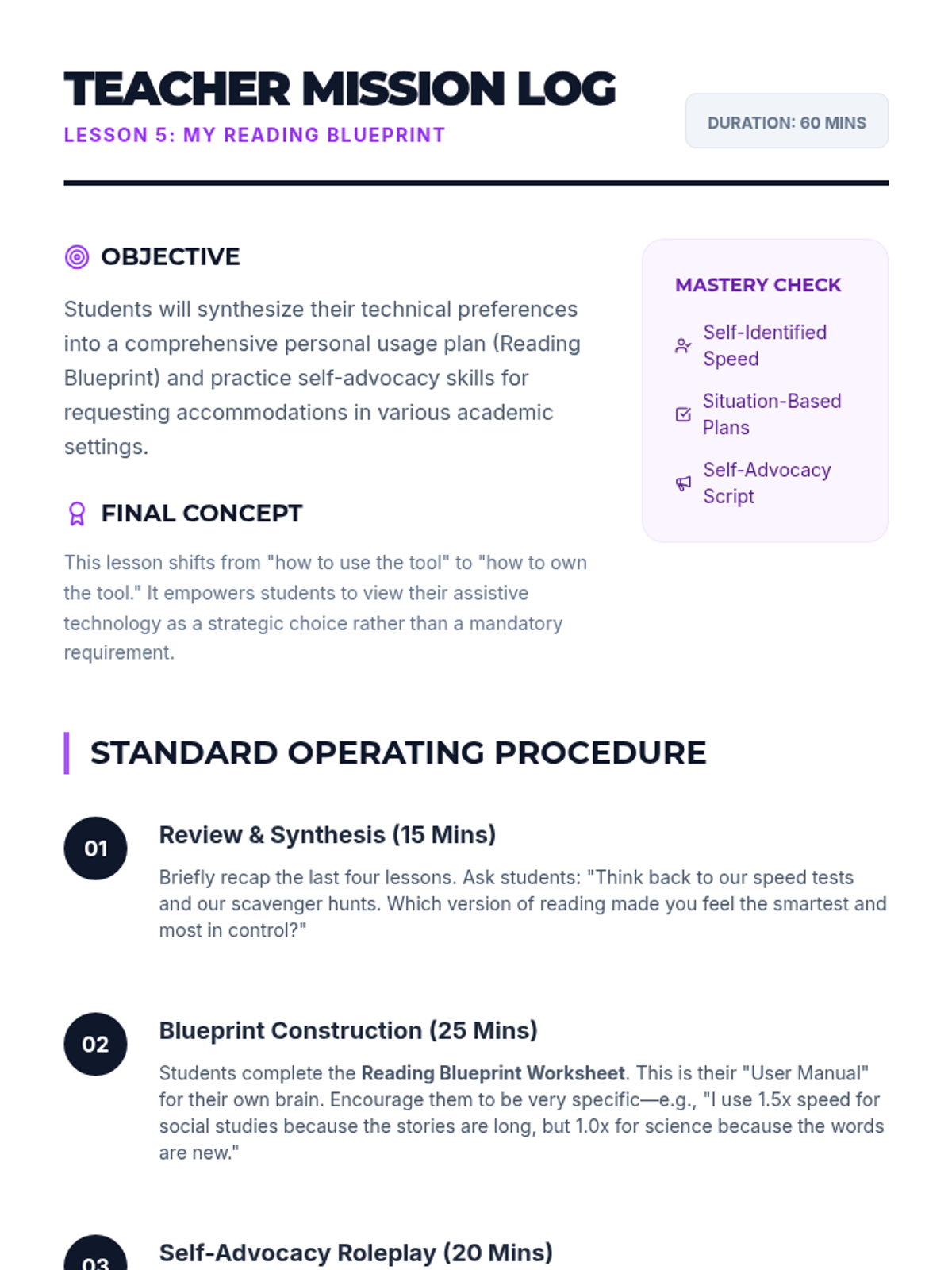
Final teacher guide for Lesson 5, focusing on synthesizing student learning into a personalized plan and practicing self-advocacy.
A slide deck for Lesson 5 that reviews all the text-to-speech settings learned and introduces the concept of self-advocacy.
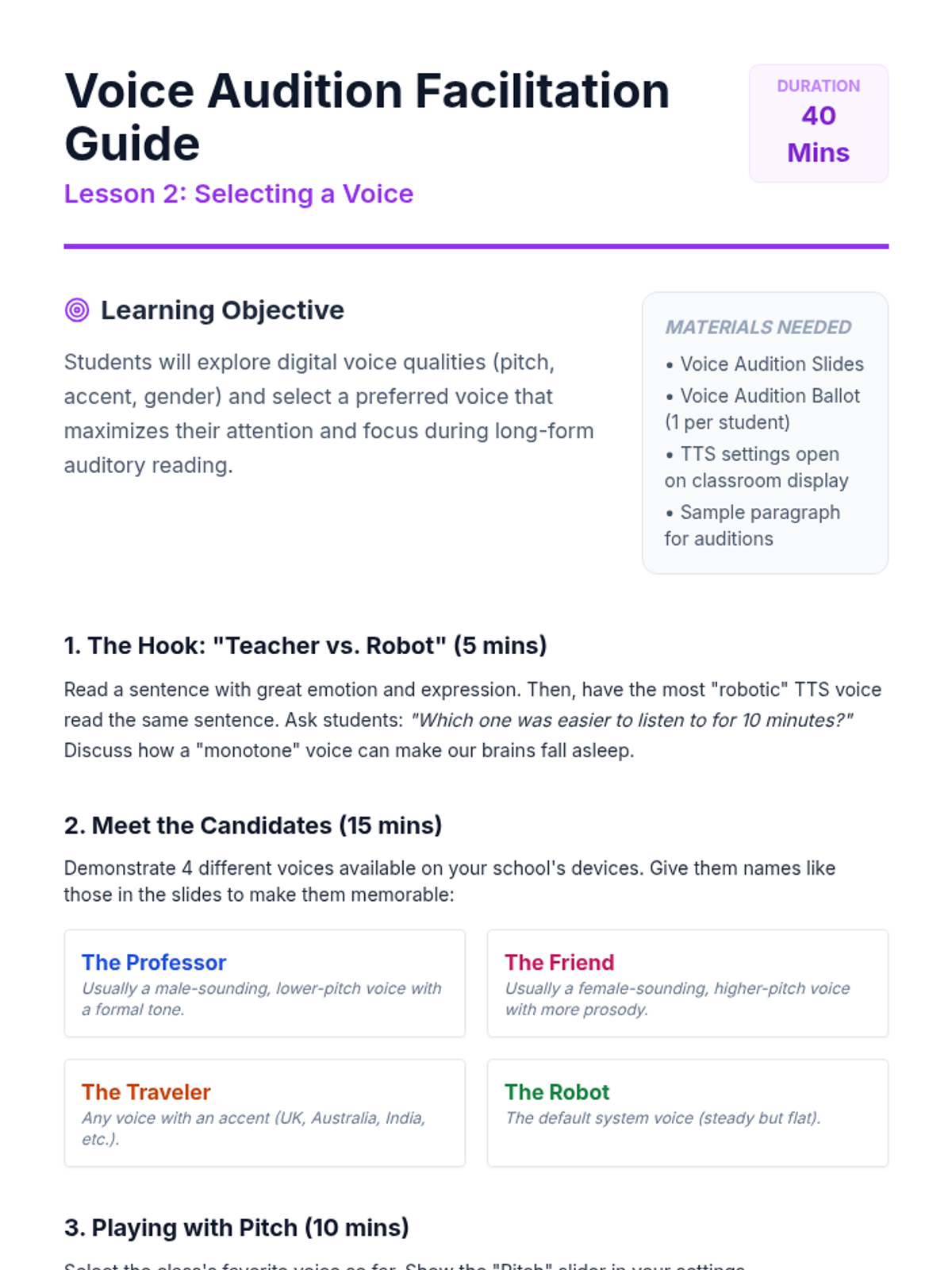
A teacher guide for the Voice Audition Studio lesson, including descriptions of voice types, pitch adjustment activities, and discussion prompts.
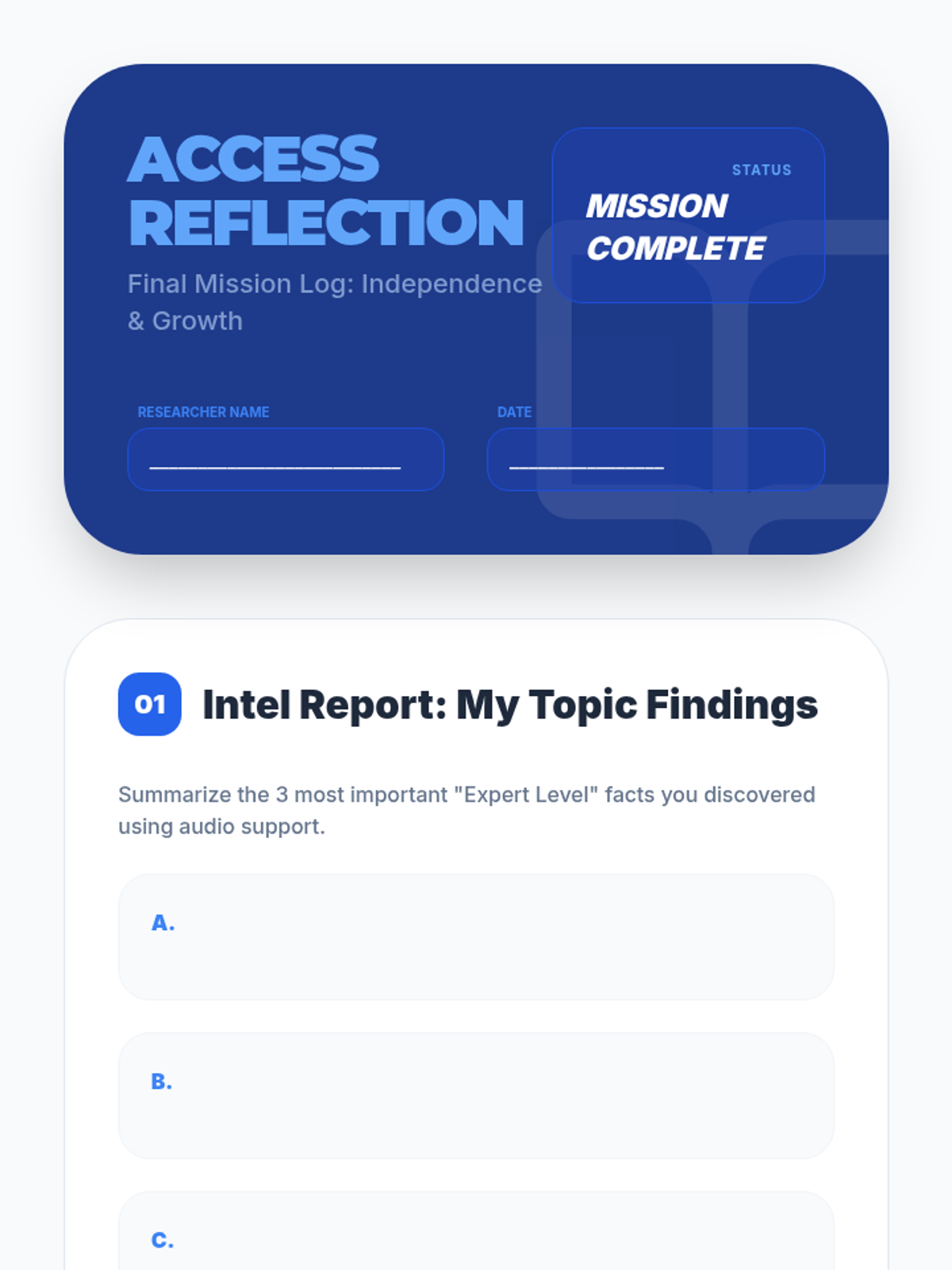
Student reflection journal for Lesson 5, guiding them through summarizing their research findings and reflecting on their journey from decoding frustration to digital independence.
Final slide deck for Lesson 5, reviewing all TTS skills and introducing the 'Ready to Read' mission where students demonstrate independent mastery under a time limit.
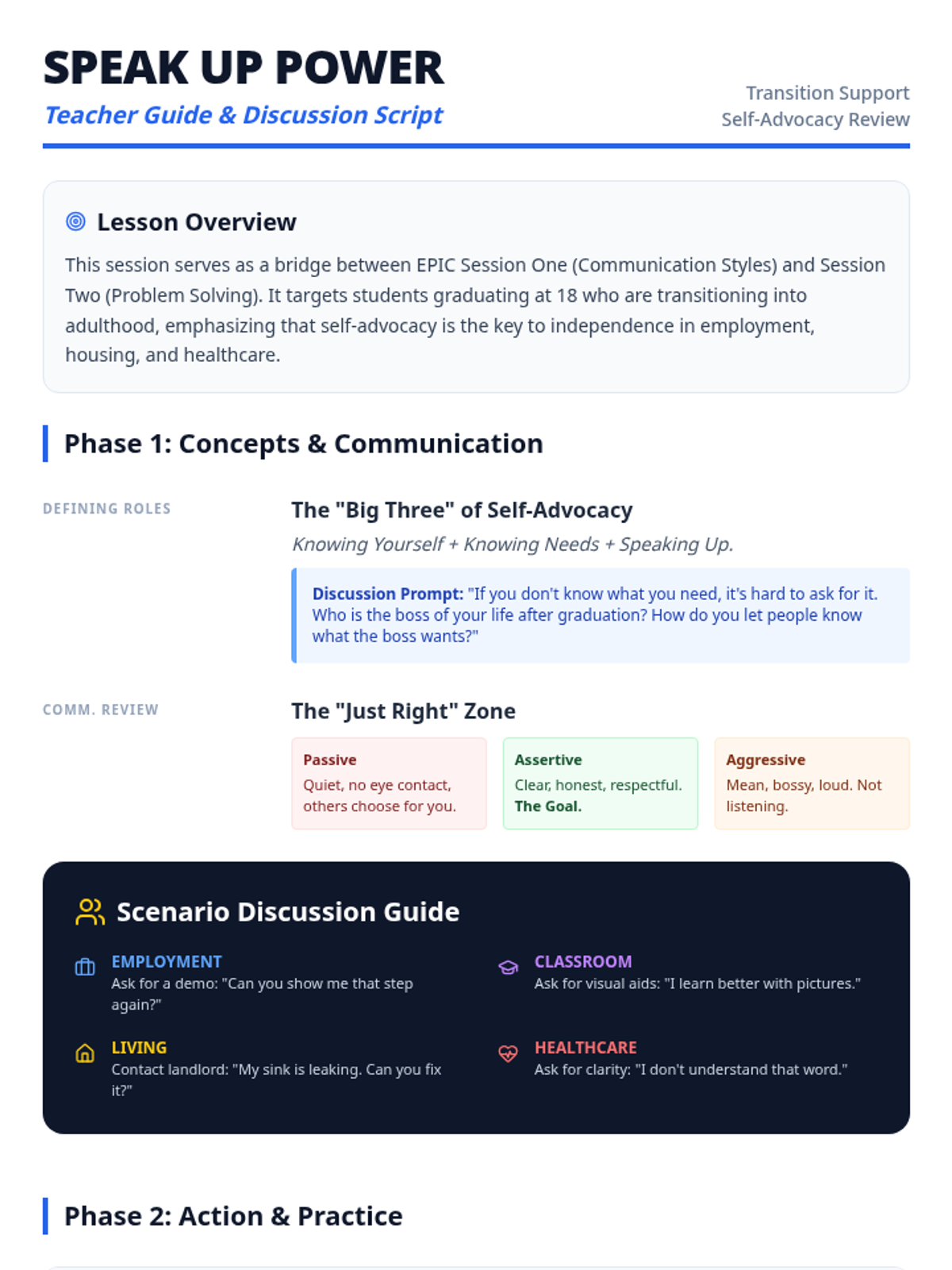
A comprehensive facilitator guide for teachers to deliver the Speak Up Power lesson. It includes instructional strategies, discussion prompts for each scenario, adaptations for students with intellectual disabilities, and a suggested script.
A 10-slide interactive presentation designed for high school students with intellectual disabilities to review self-advocacy concepts. It includes definitions, communication styles, and practical 'What would you do?' scenarios for employment, living, education, and healthcare.
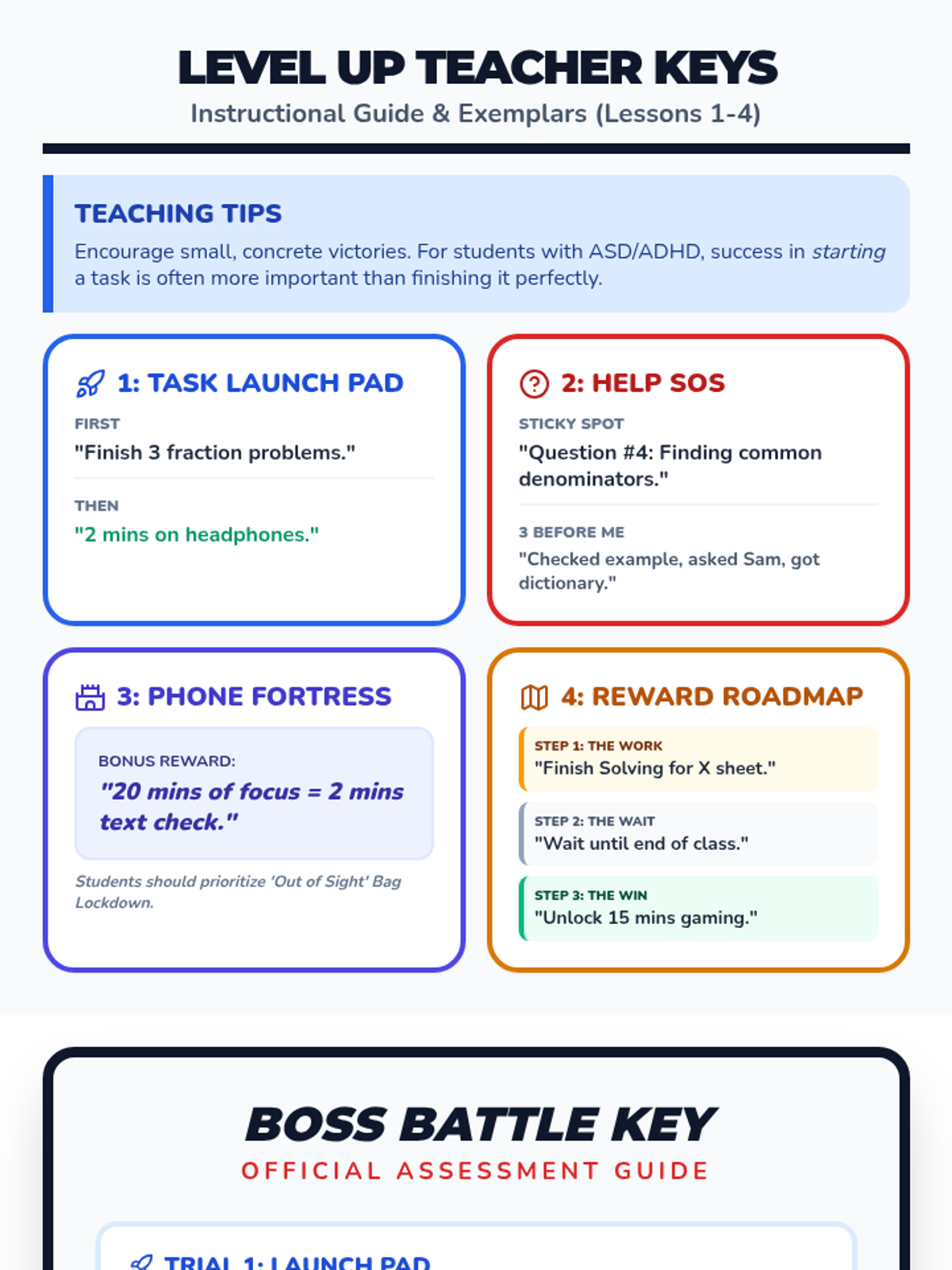
A comprehensive teacher's answer key and exemplar guide for the 'Level Up Regulation' sequence, providing sample student responses and instructional tips for all 5 lessons.
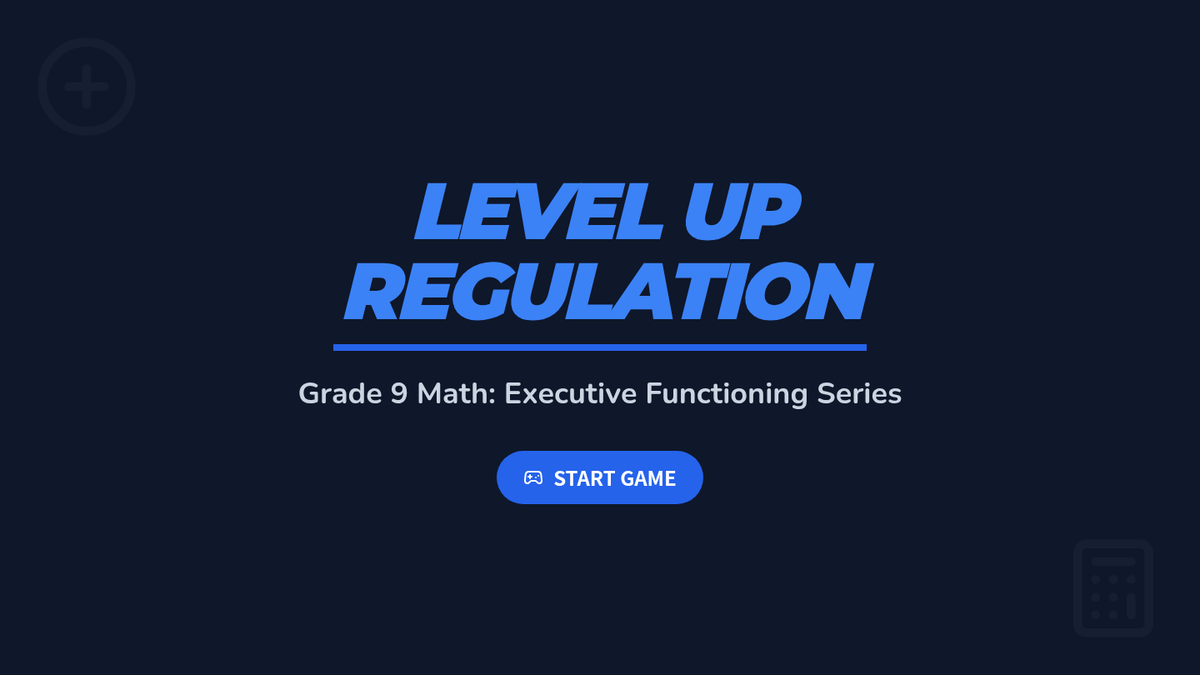
A visual slide presentation for the 'Level Up Regulation' series, introducing Ontario MTH1W SEL goals, task initiation strategies, phone management, and help-seeking scripts.
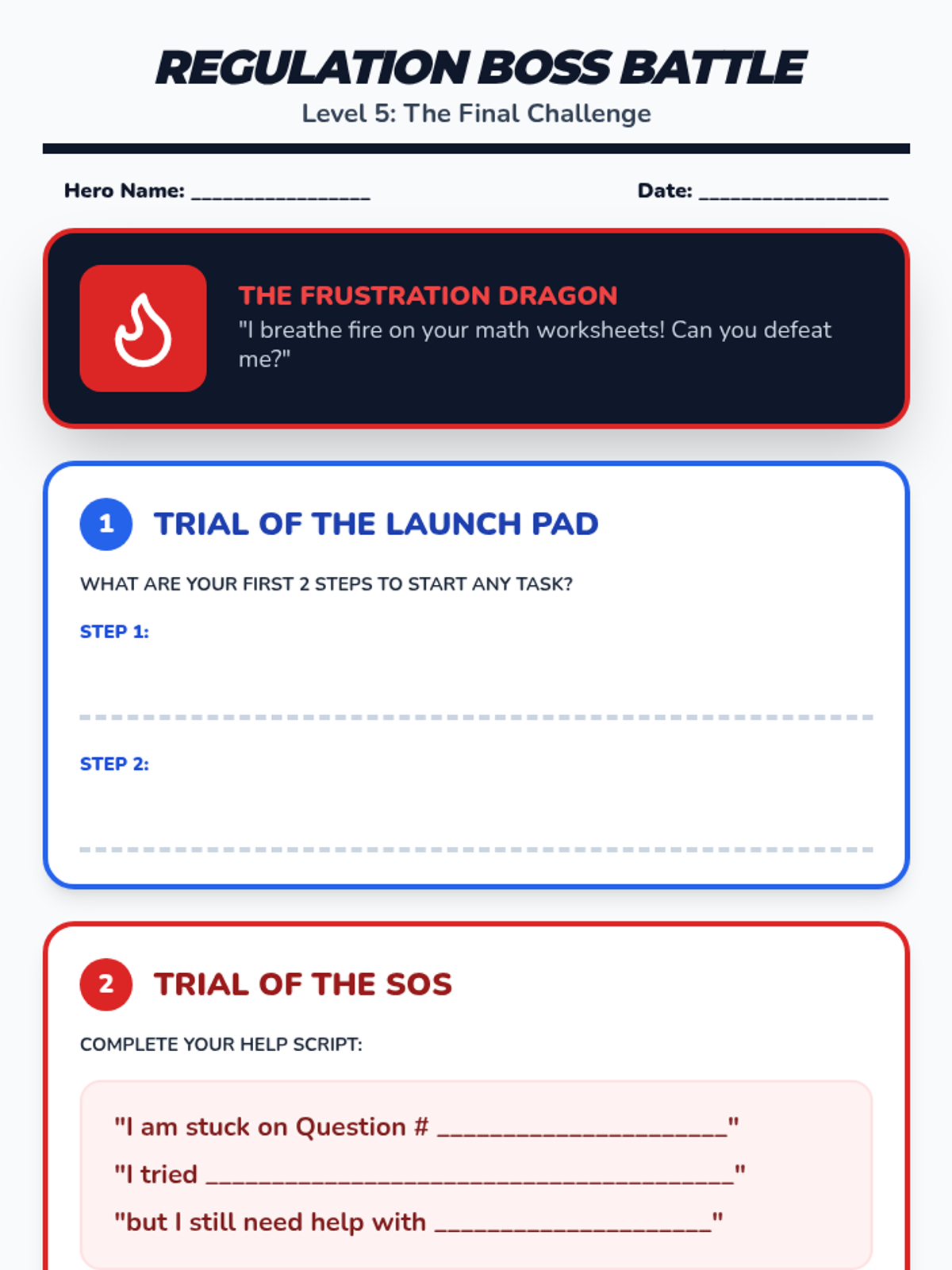
A cumulative 'Regulation Boss Battle' assessment document that reviews all skills from the sequence (task initiation, help-seeking, and distraction management) through a gamified challenge format.
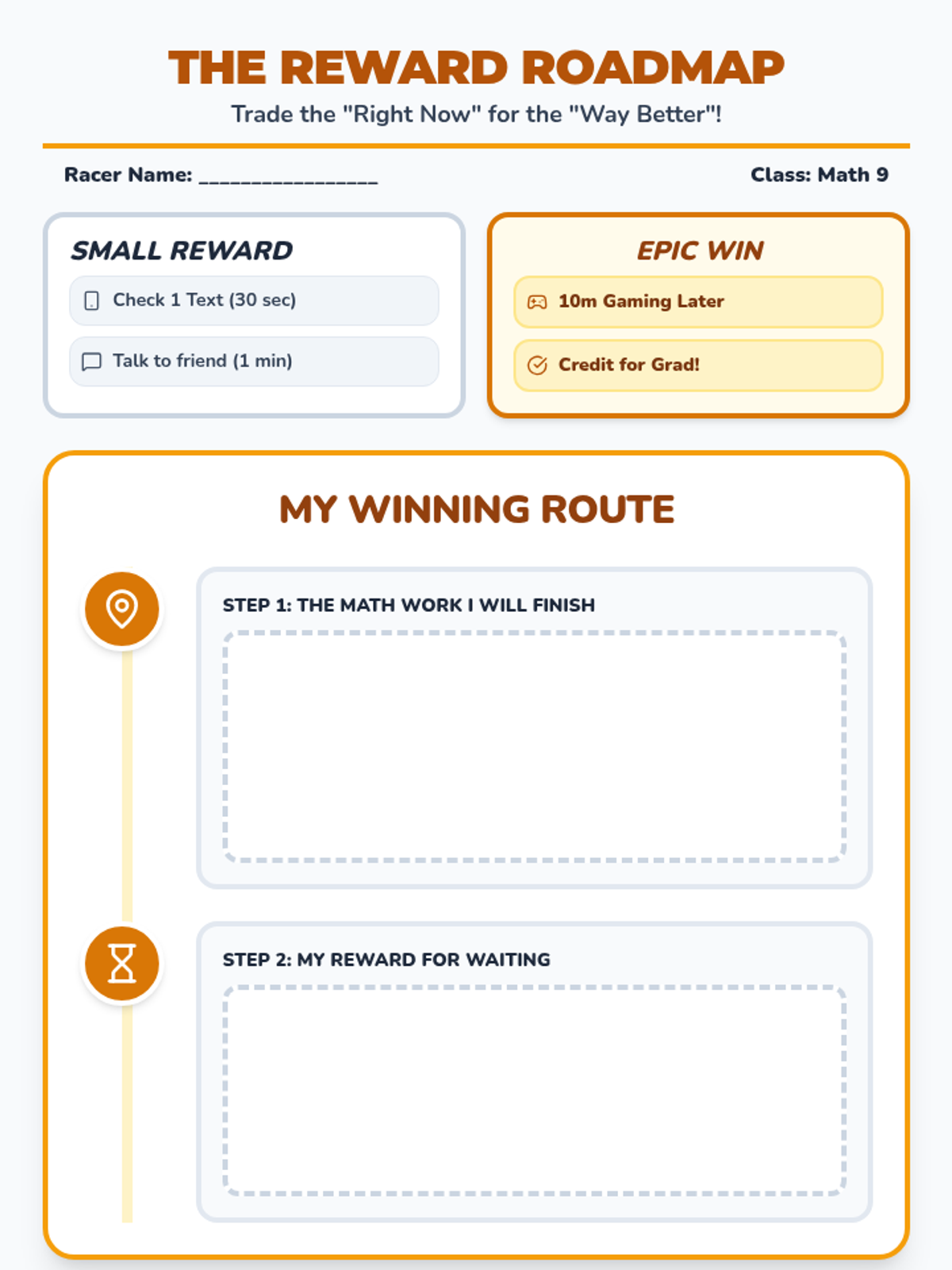
A 'Reward Roadmap' student material that visualizes the concept of delayed gratification, helping students plan long-term rewards for completing math tasks instead of seeking immediate distractions.
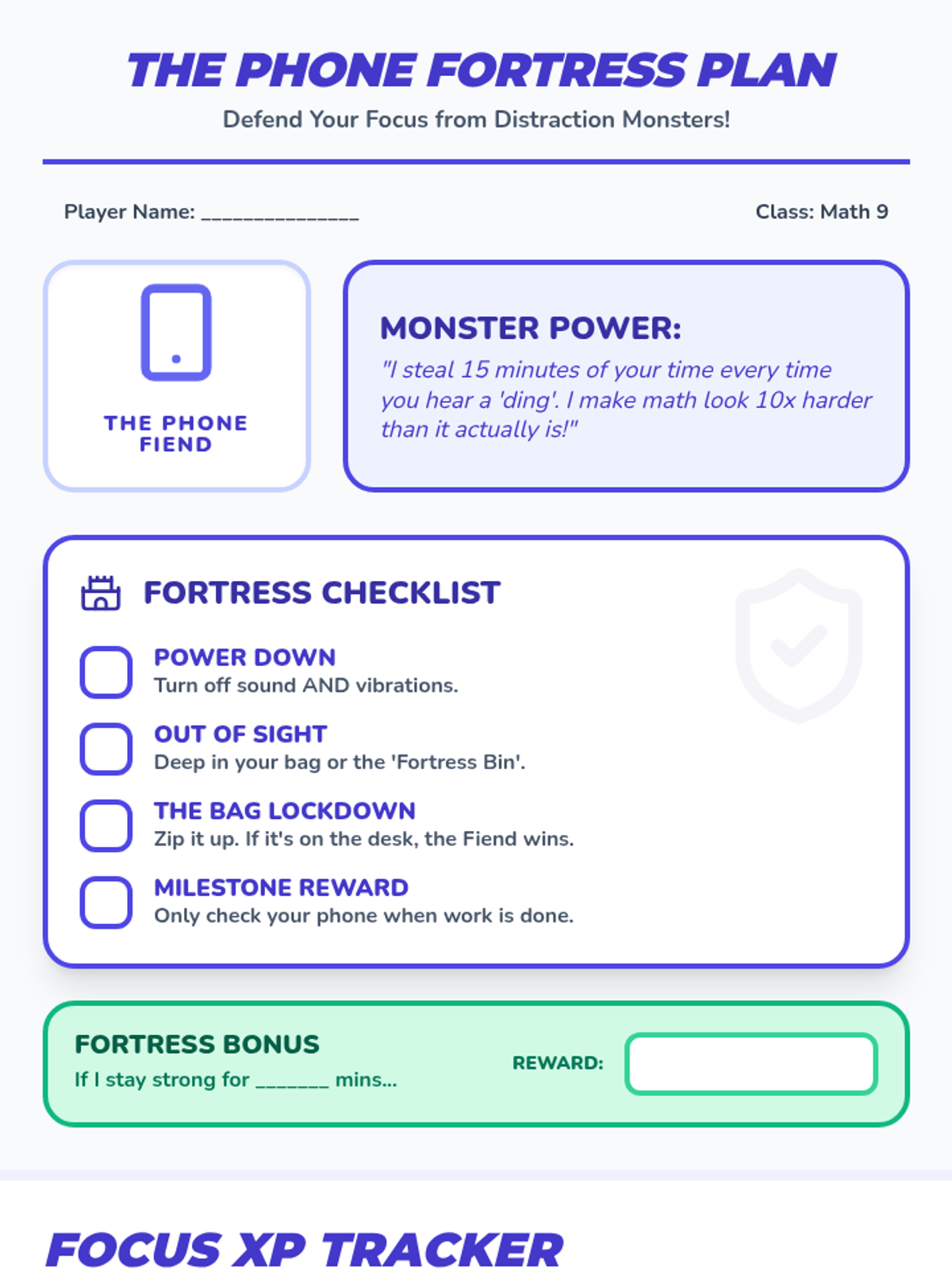
A gamified 'Phone Fortress' student handout designed to help students manage phone distractions using a castle-themed checklist and a weekly XP tracker for positive reinforcement.
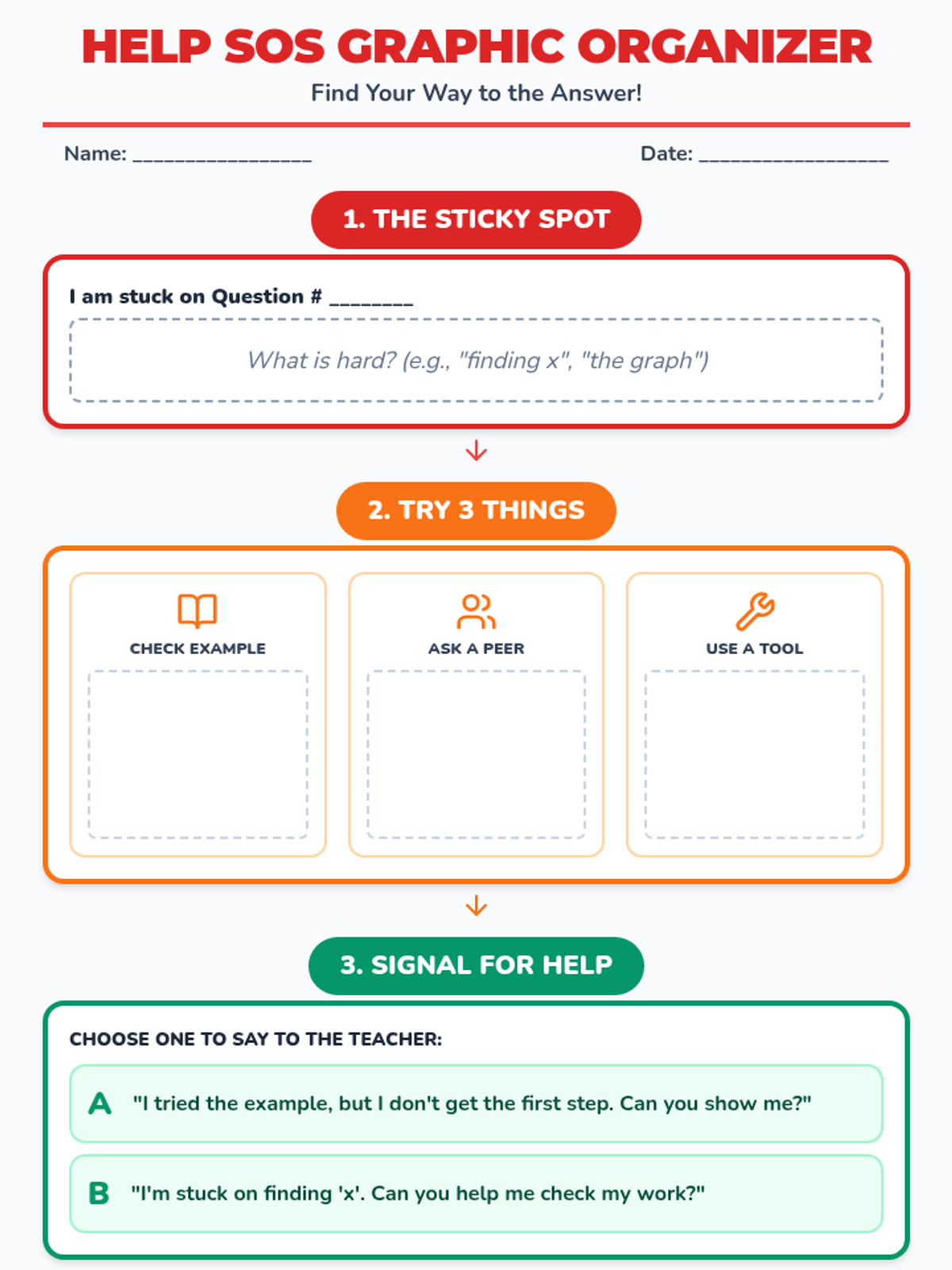
A two-part resource featuring a student 'Help SOS' graphic organizer to guide help-seeking behaviors and a teacher's guide for a gamified 'Help Scavenger' activity. designed for Grade 9 Math SEL integration.
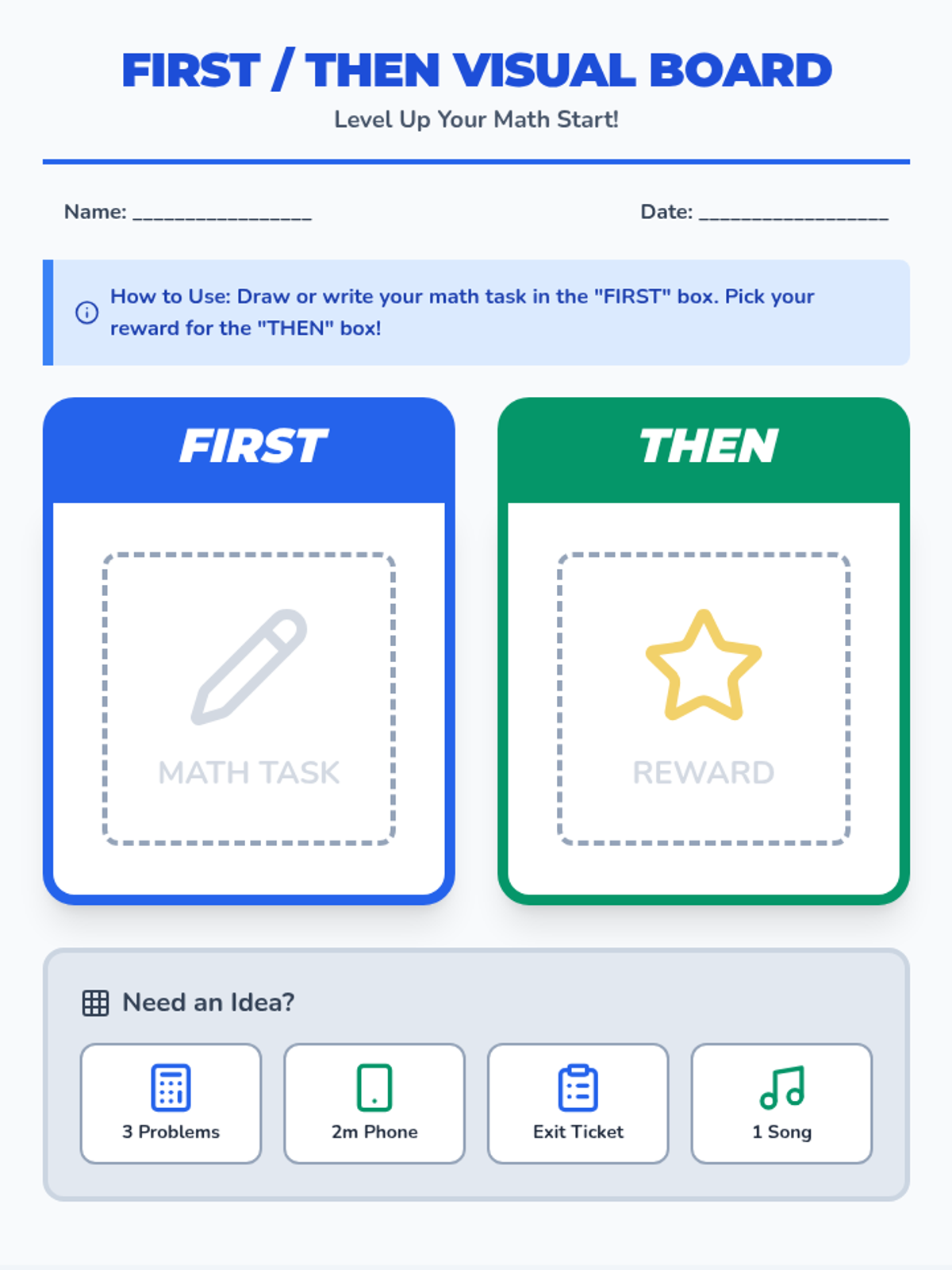
A visual student resource containing a 'First/Then' board and an illustrated task-initiation checklist, designed to help students with ASD and ADHD manage their classroom transitions and work starts.
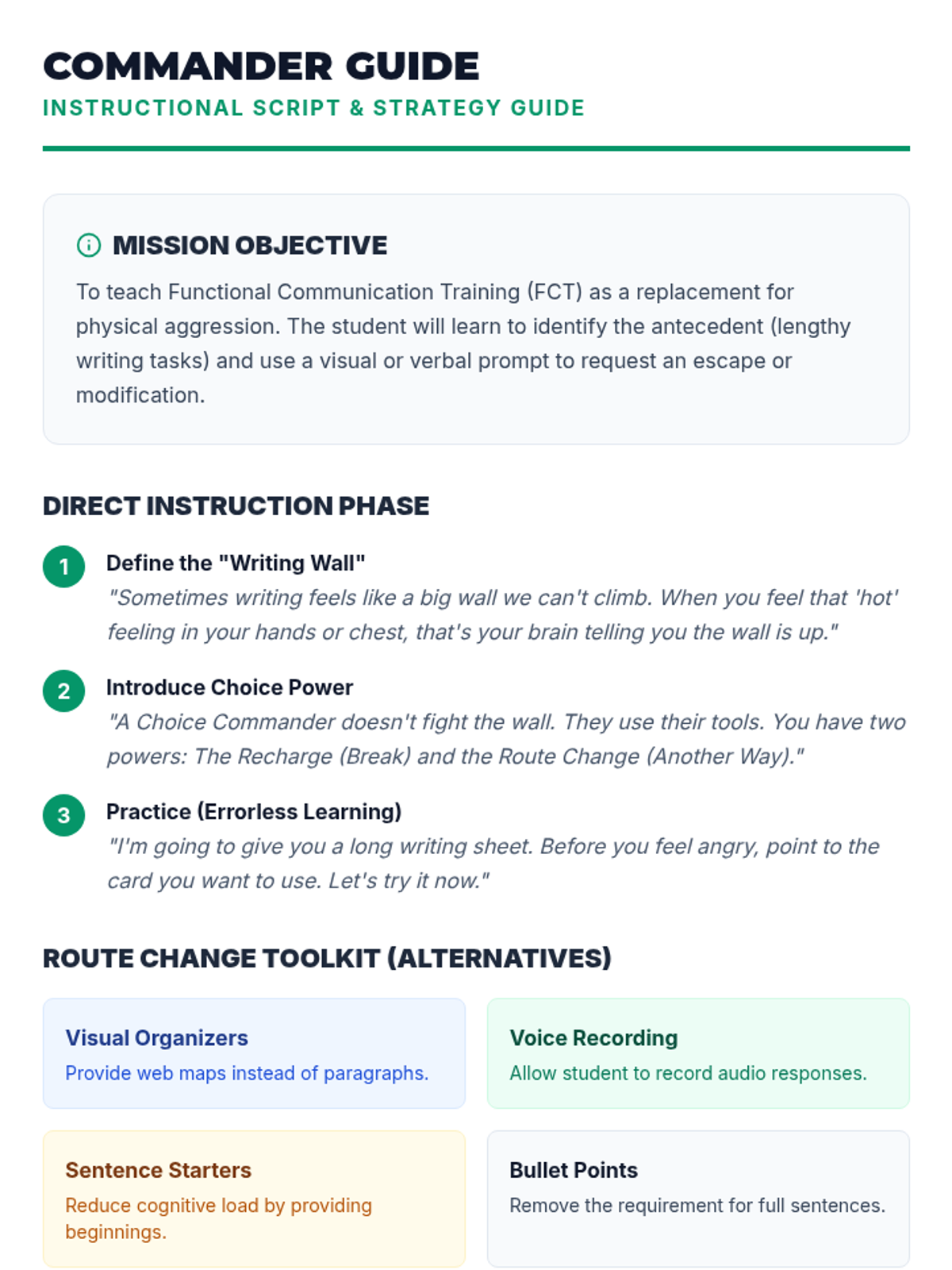
A teacher-facing resource for the 'Choice Commander' lesson. It provides instructional scripts for Functional Communication Training, a toolkit for writing modifications, and a simple data tracking table to monitor the student's progress.
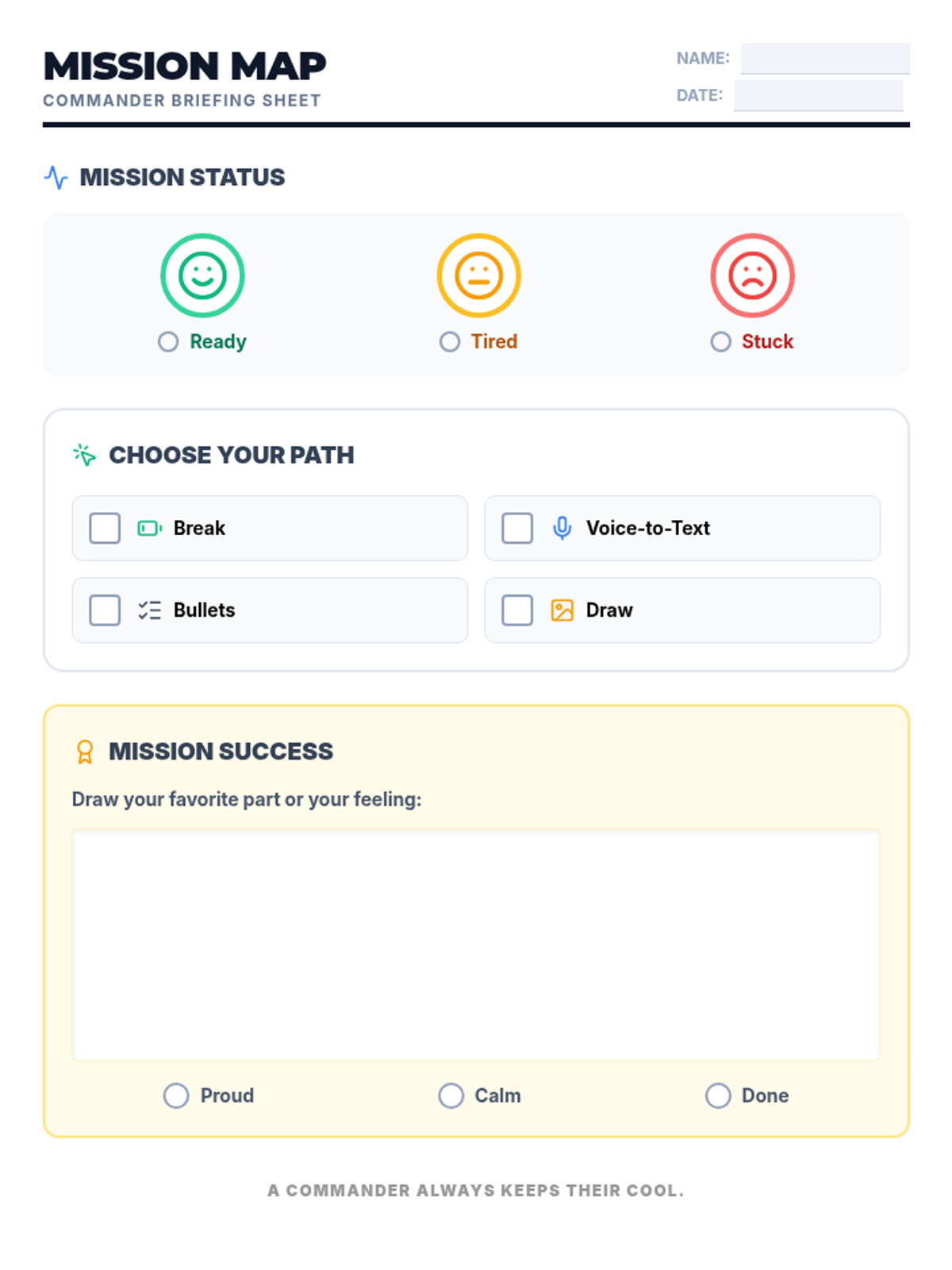
A low-writing 'Mission Map' worksheet for the student. It uses visual check-ins, checkboxes for choosing alternative tasks, and a drawing area for reflection. This version is optimized for single-page printing with clear selection markers.
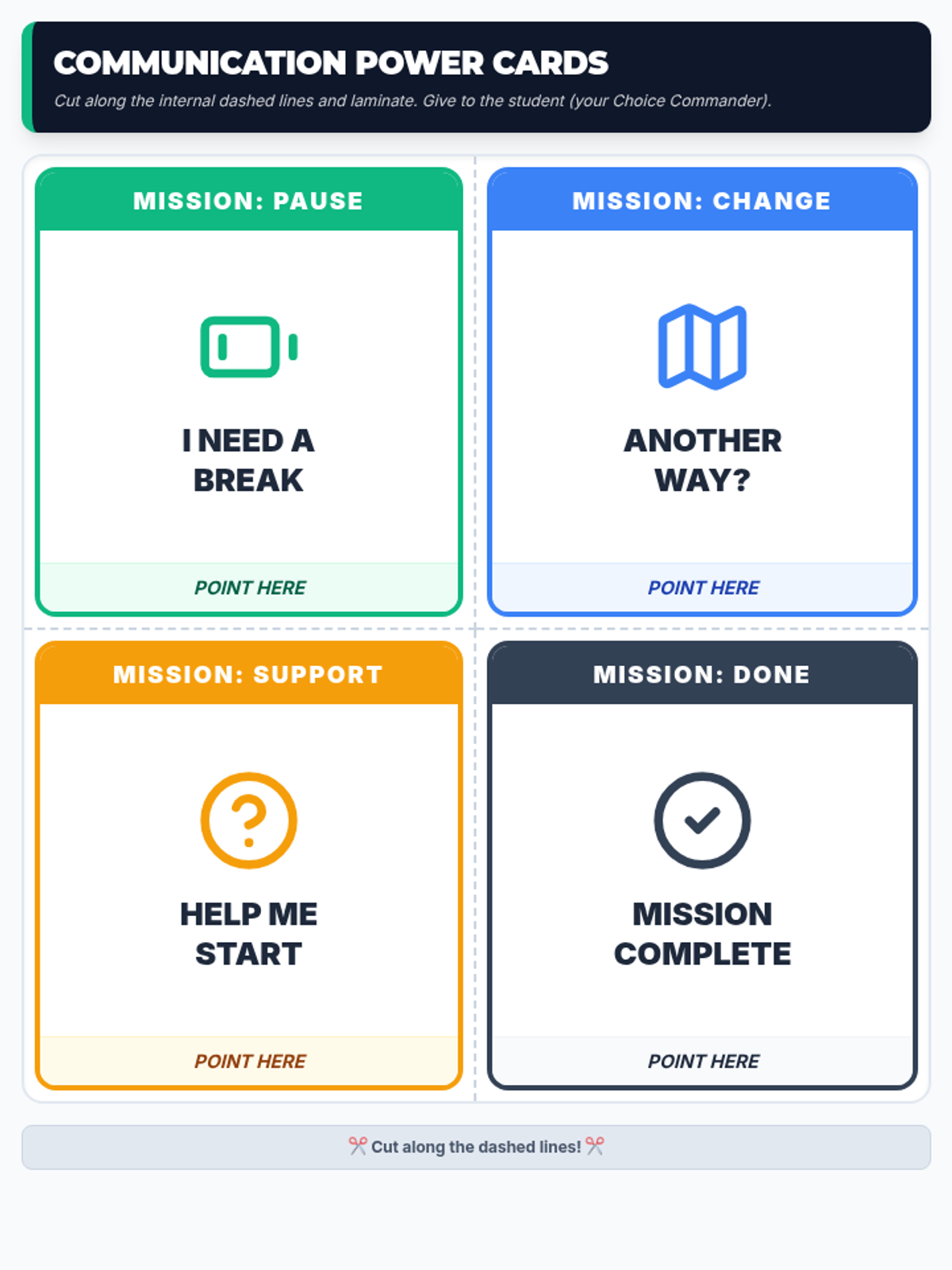
A printable set of visual communication cards for an autistic student. The cards feature clear icons and minimal text to help the student request a break, an alternative task, or help without resorting to physical aggression. This version includes internal cut guides and optimized sizing to fit on one page.
A set of presentation slides titled 'Choice Commander' designed to teach an autistic student to recognize writing frustration and use replacement behaviors like requesting breaks or alternative tasks. The slides use a mission-based theme with large text and clear visuals for accessibility.
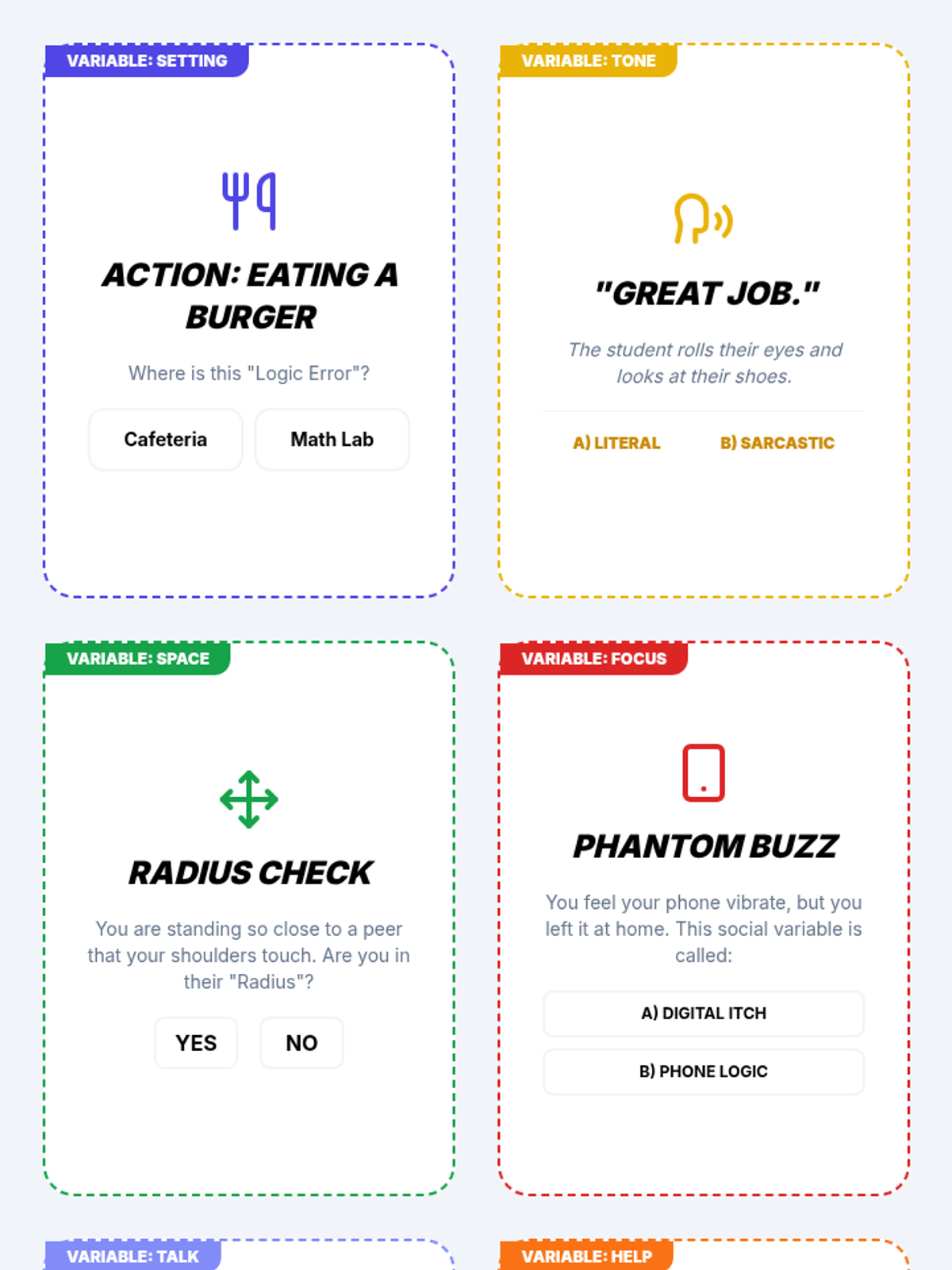
A revised set of printable task cards and classroom visuals. It now includes 6 detailed activity cards with dash-lined borders for easy cutting and a high-contrast 'Vibe Meter' classroom poster. Answer keys are removed from card faces to encourage active student reasoning.