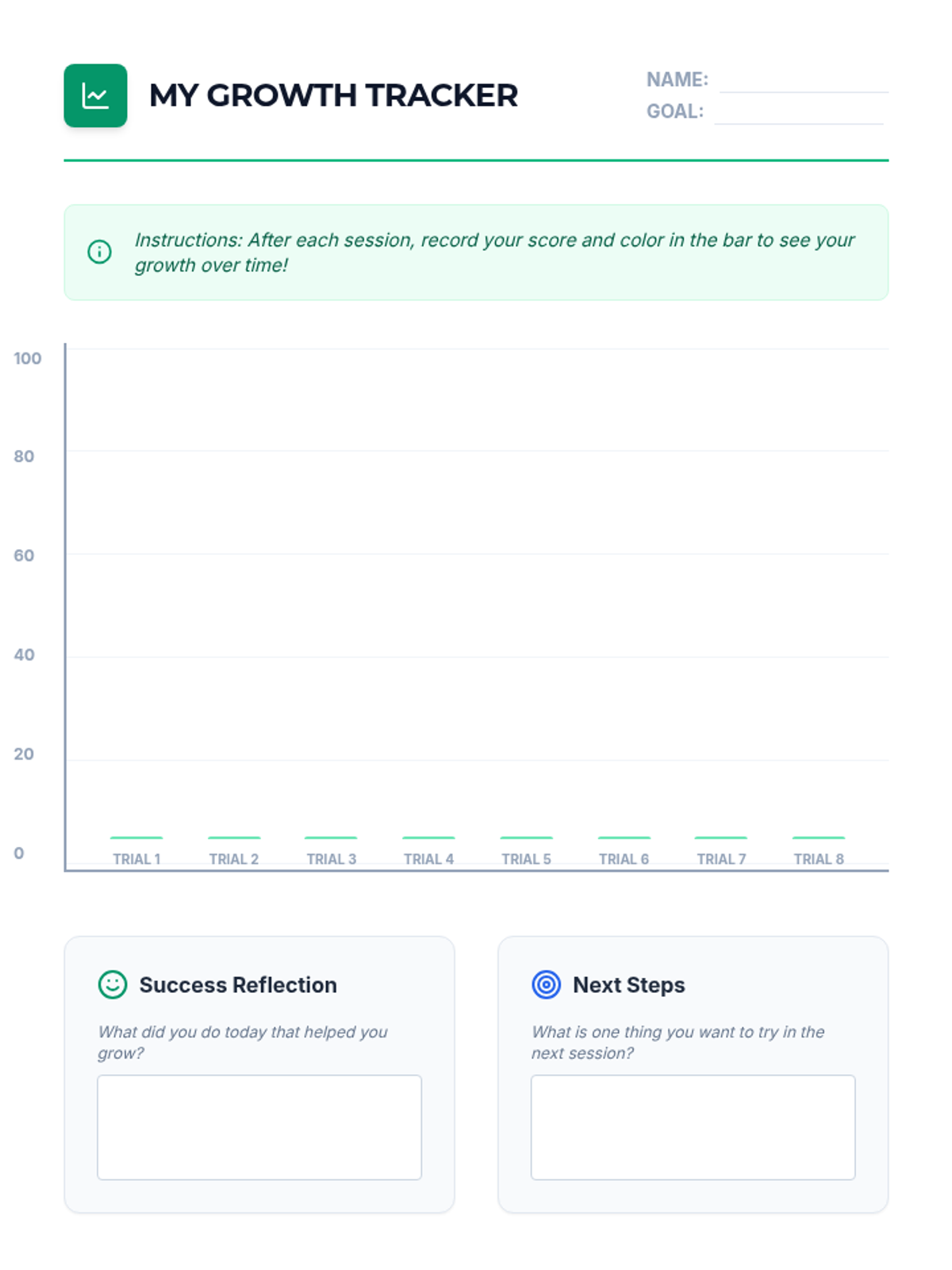
Systematic tracking of IEP goal progress and analysis of student achievement data. Equips educators to make data-informed instructional adjustments and document growth over time.
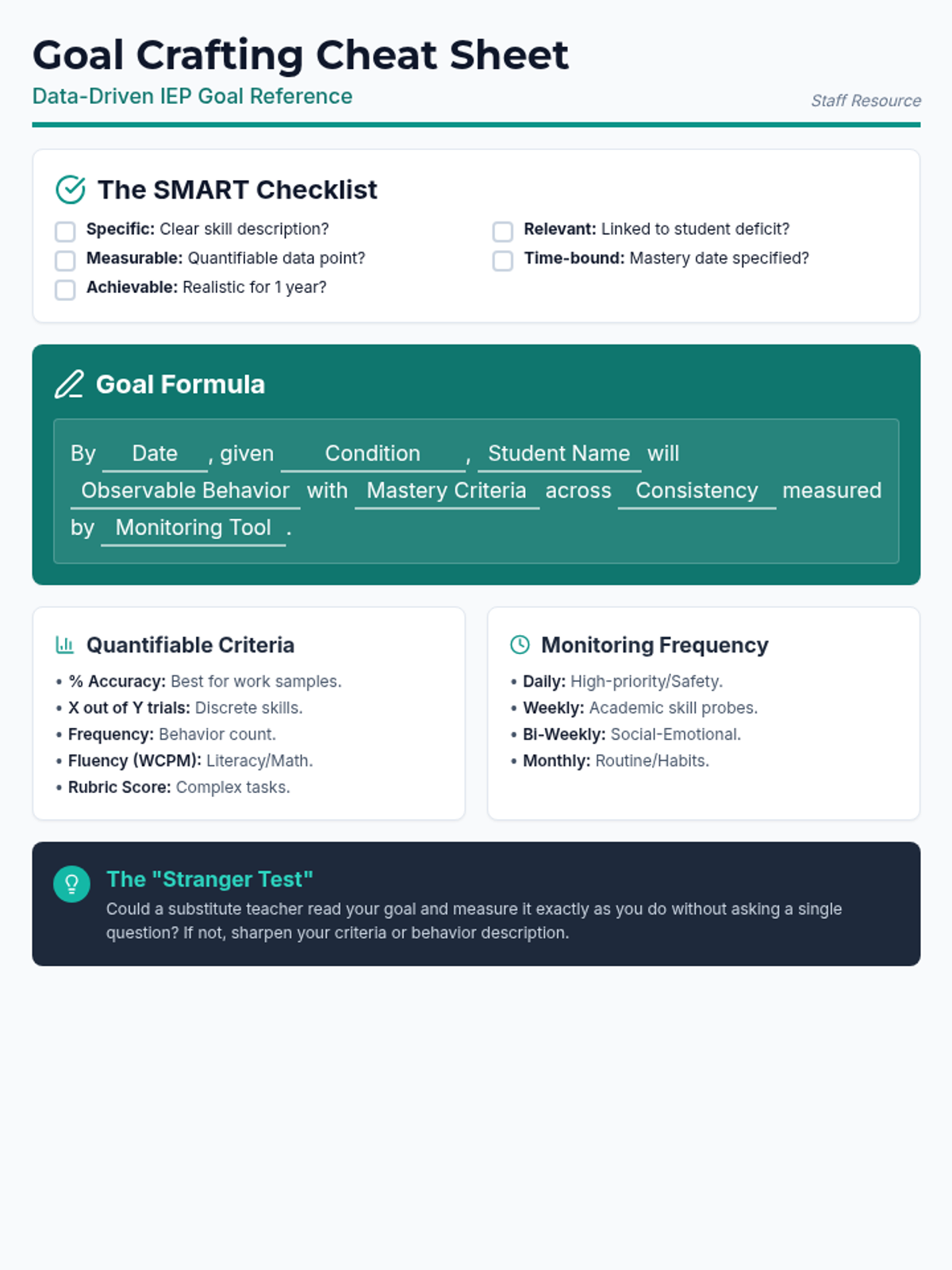
A 5-slide presentation for special education teachers focused on crafting IEP goals that are measurable and rooted in consistent data-driven progress monitoring.
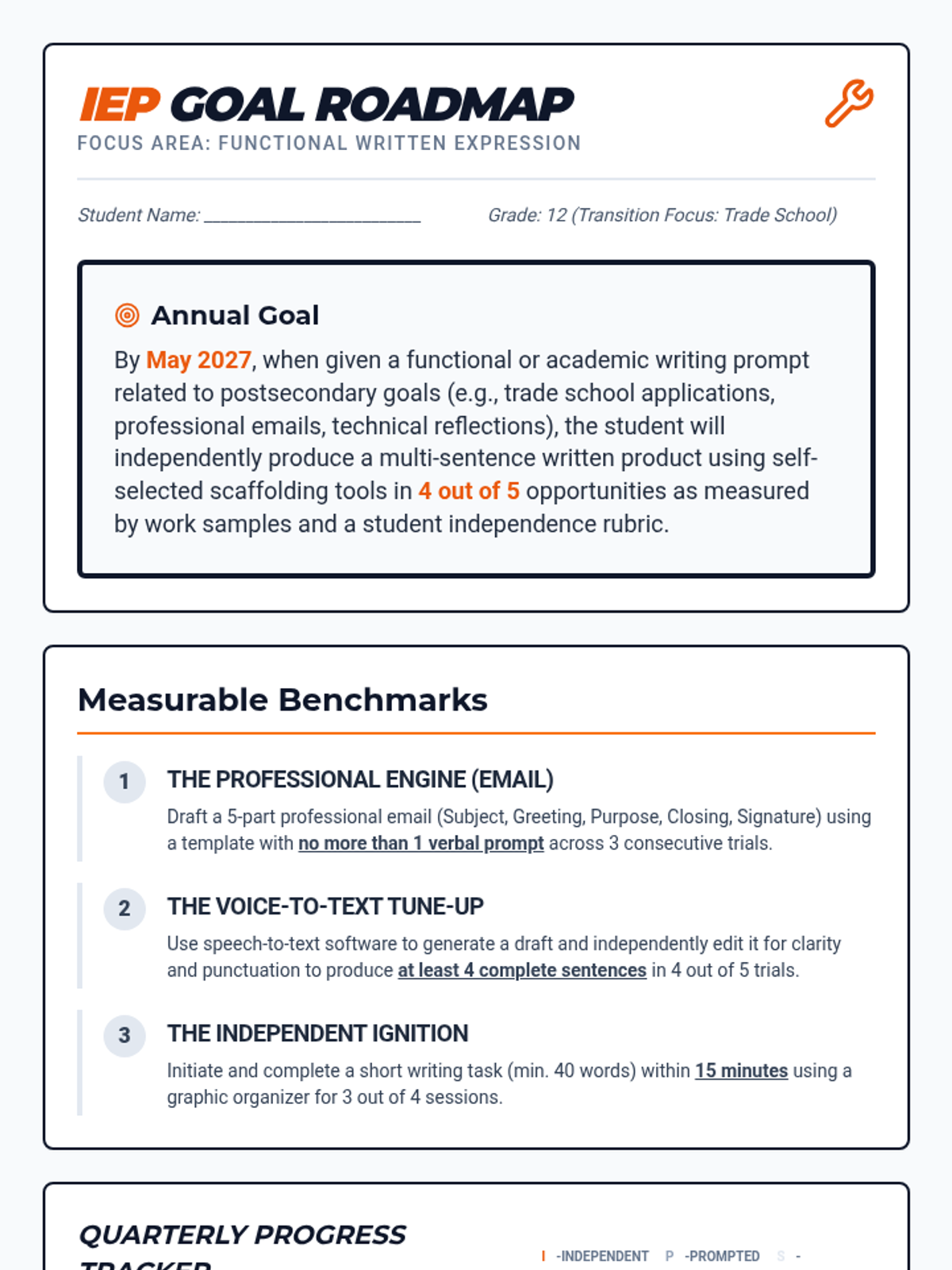
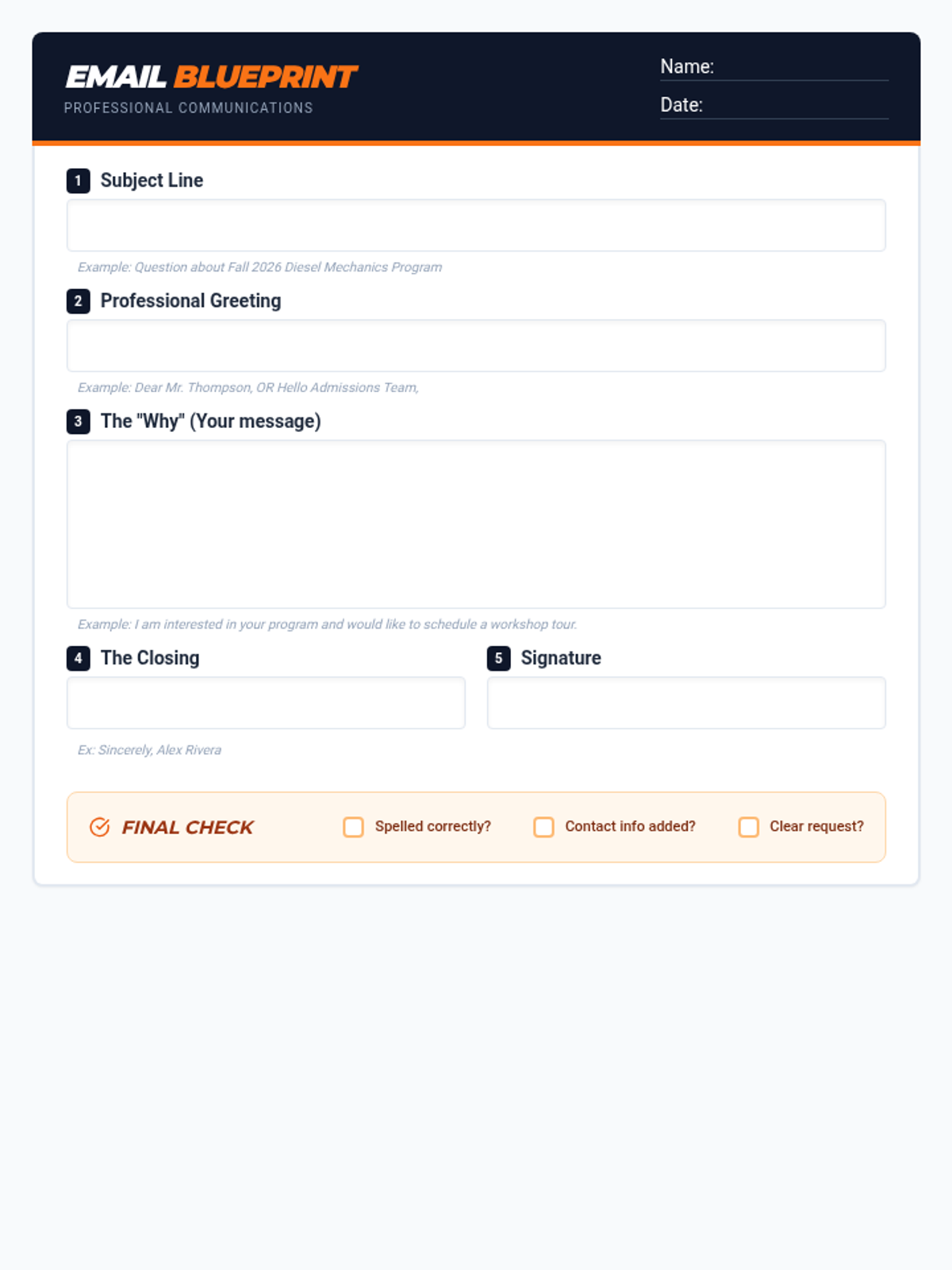
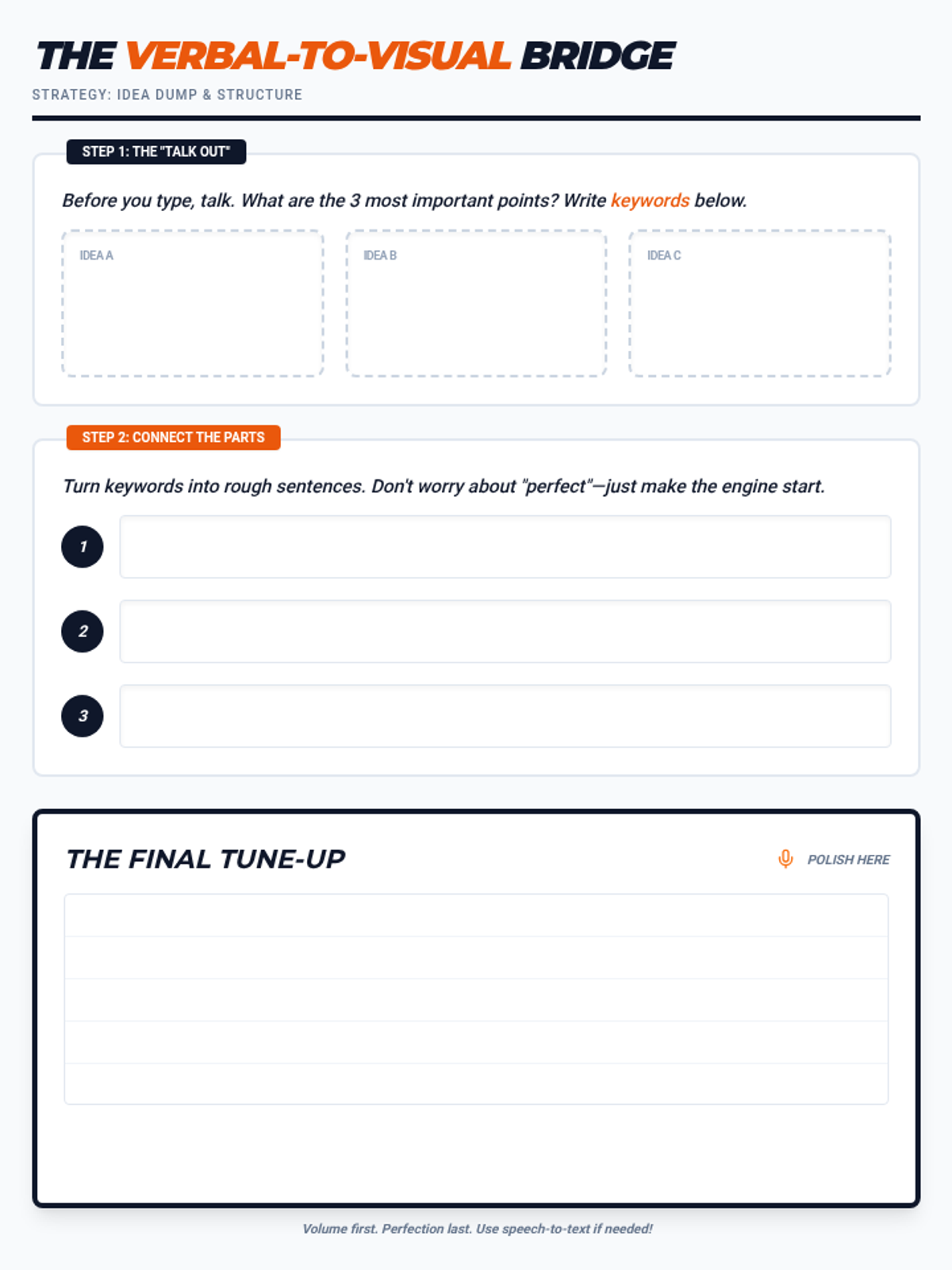
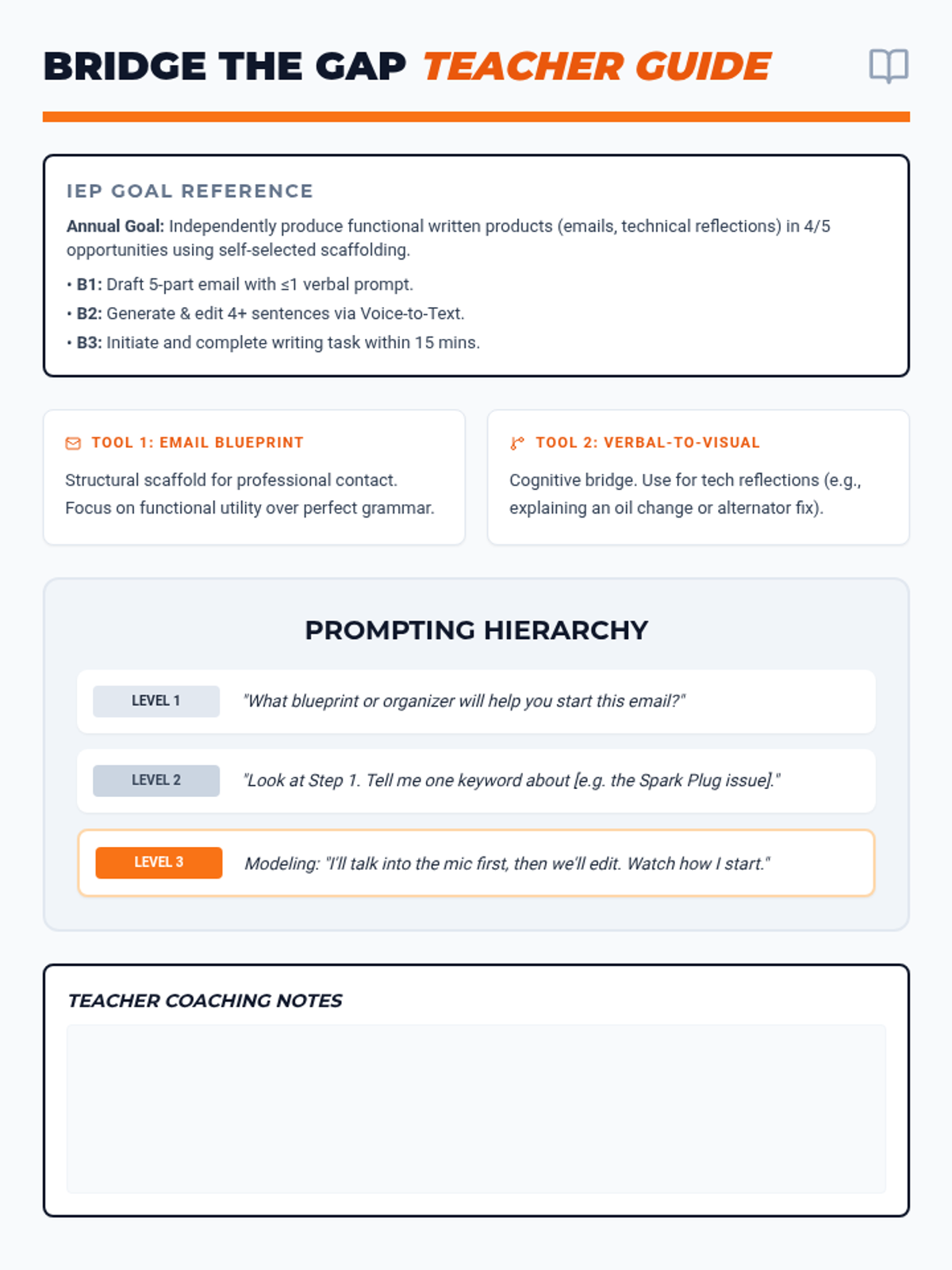
A set of resources designed to help a 12th-grade student interested in automotive trades overcome writing anxiety and develop functional communication skills for postsecondary success.
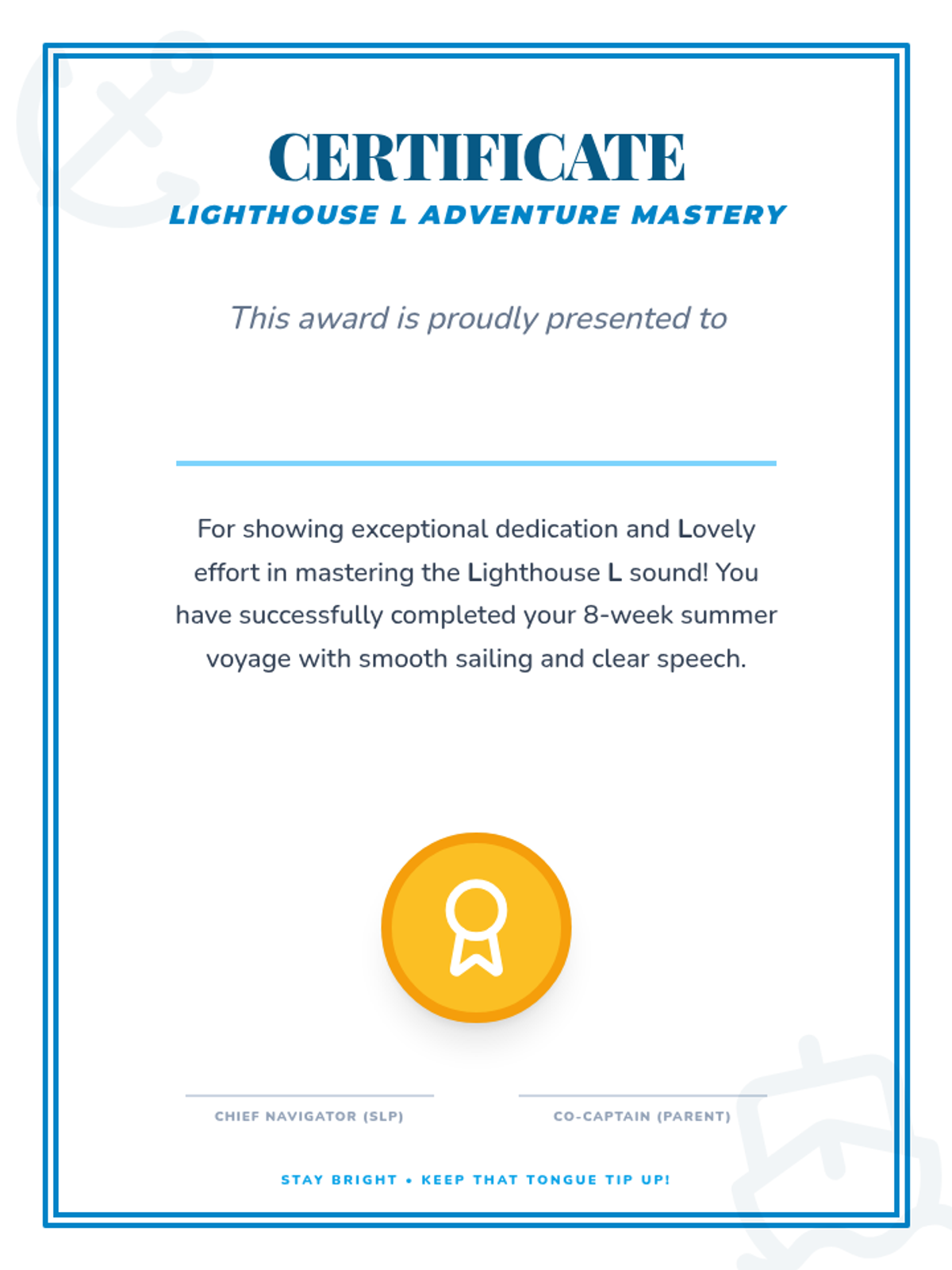
A review and celebration week where students demonstrate their progress and receive a certificate of completion.
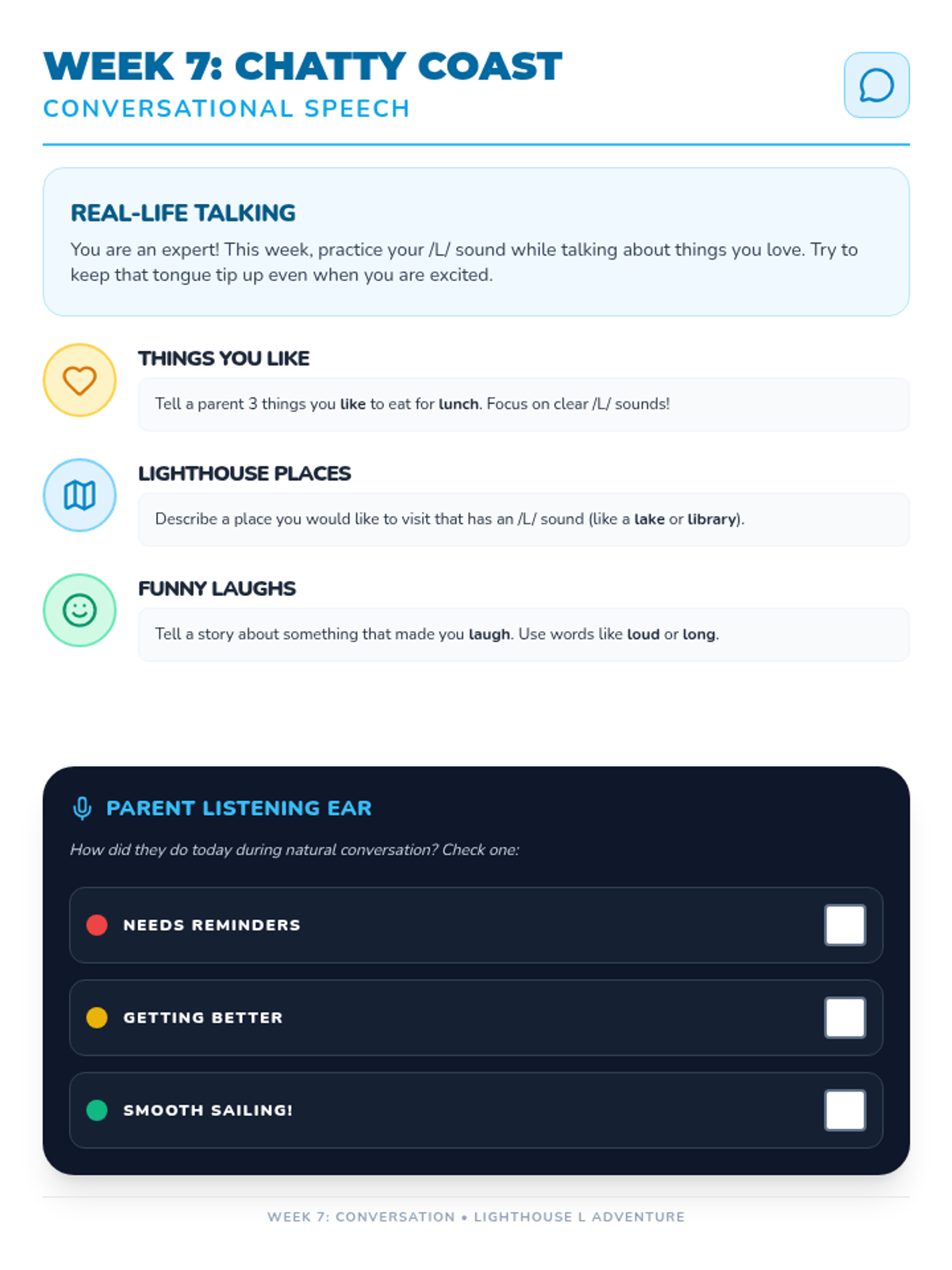
Prepares students for natural speech by using conversational prompts and open-ended questions targeting /l/ words.
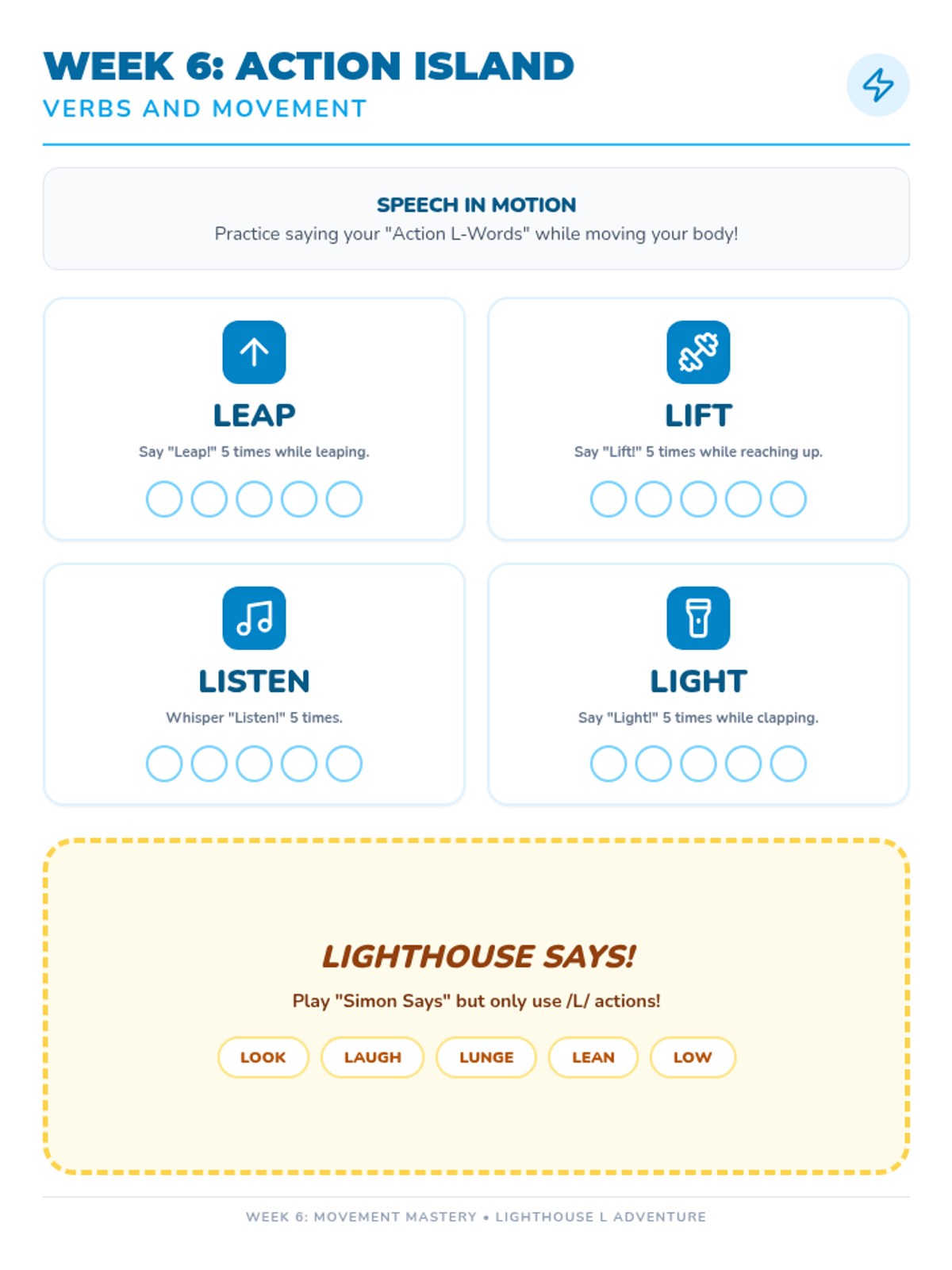
Focuses on 'action' words starting with /l/ (leap, lick, lift, etc.) to incorporate movement into speech practice.
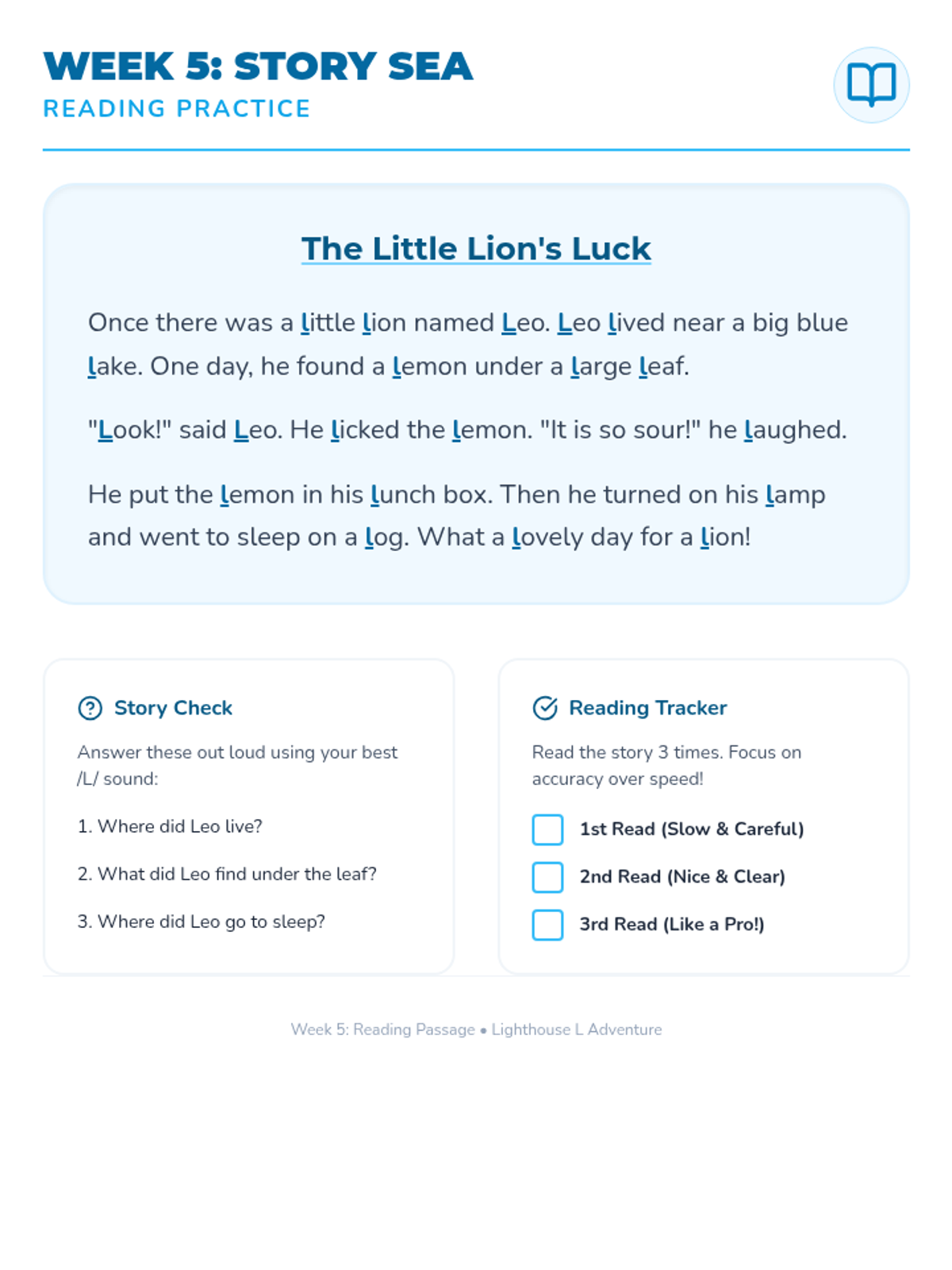
Using a short nautical-themed story, students practice their /l/ sound in a controlled reading context.
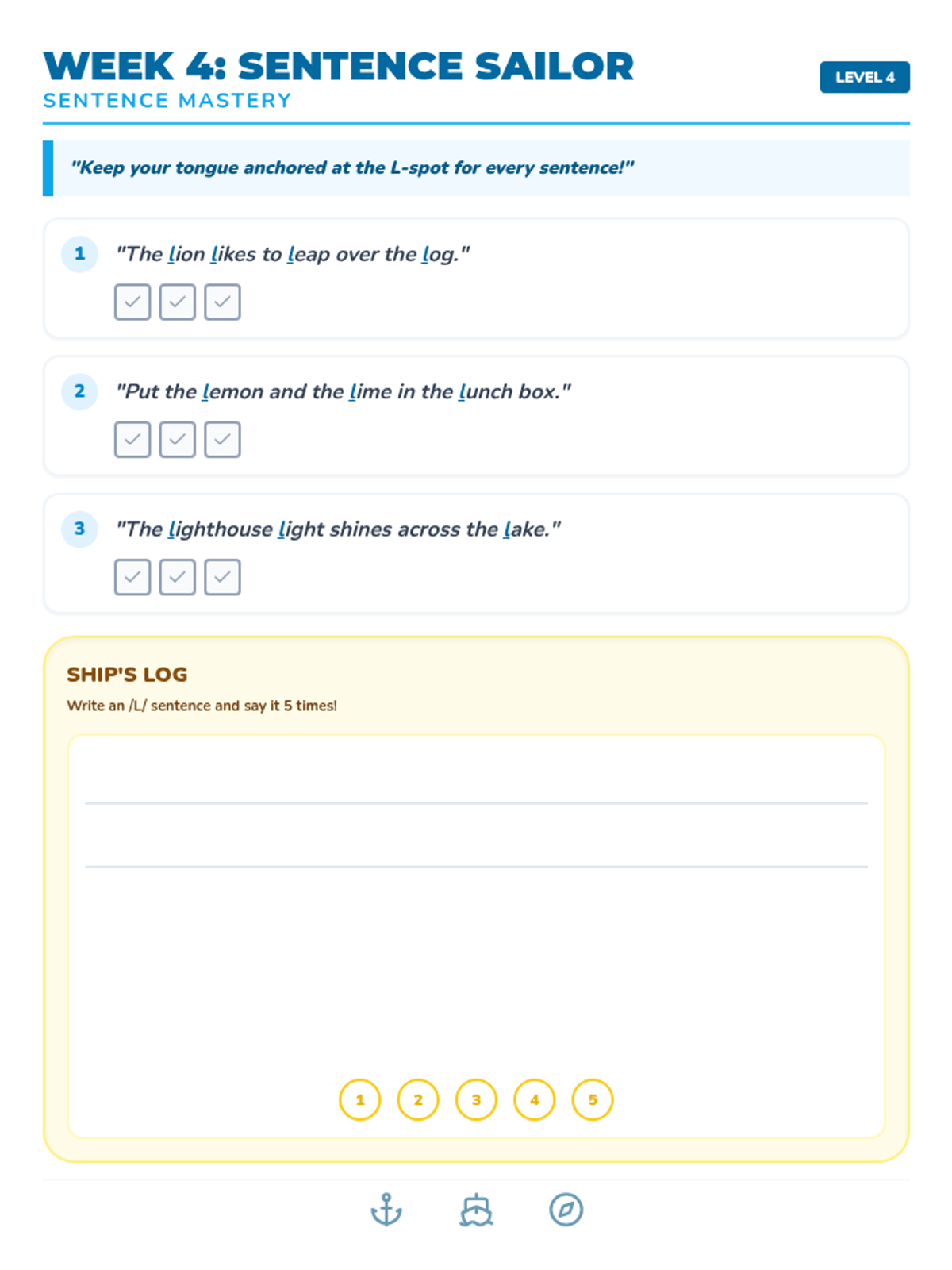
This week focuses on using /l/ words in full sentences, encouraging self-monitoring and clear production during longer utterances.
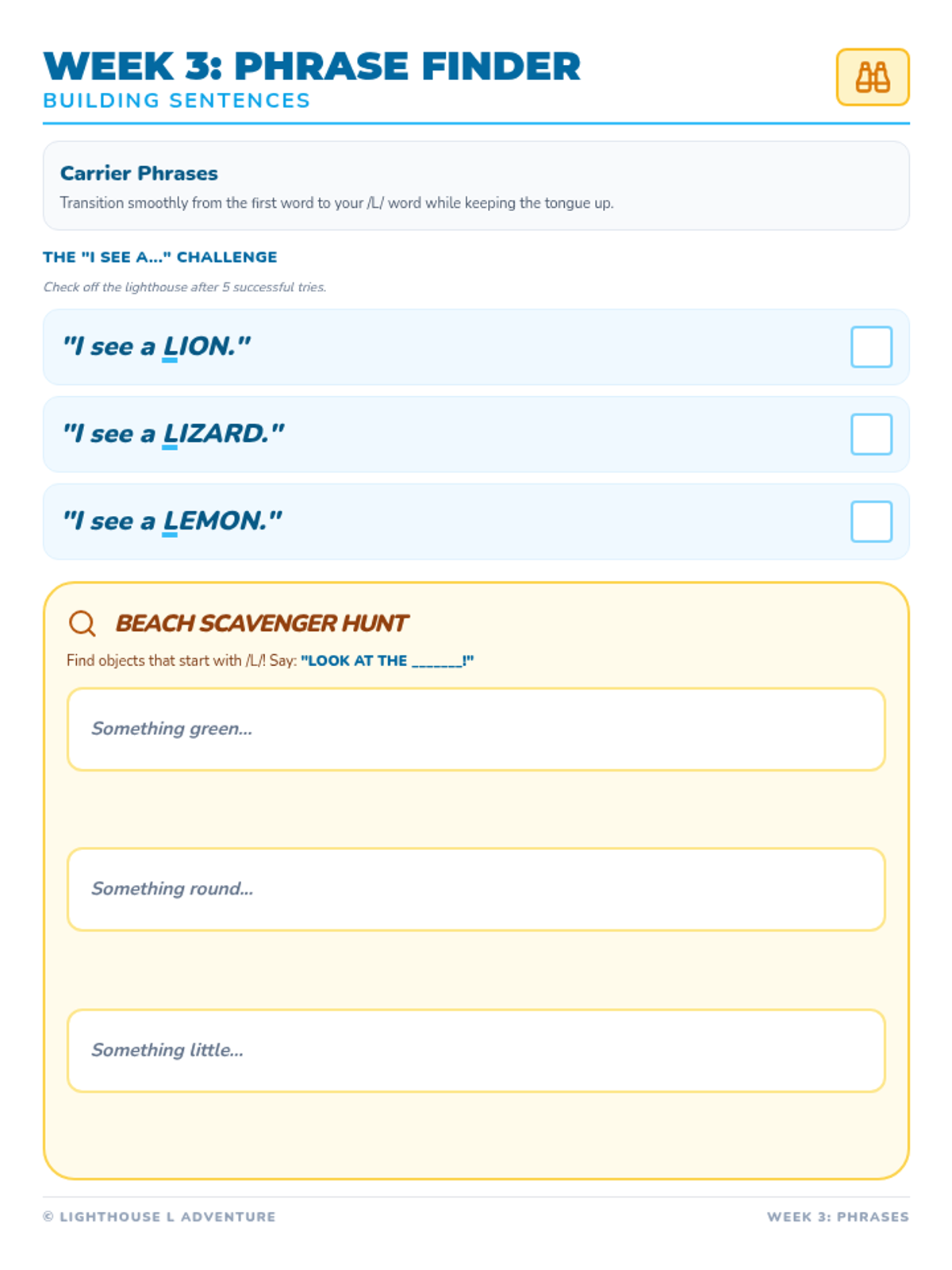
Students begin combining their target /l/ words with simple carrier phrases to build stamina and consistency.
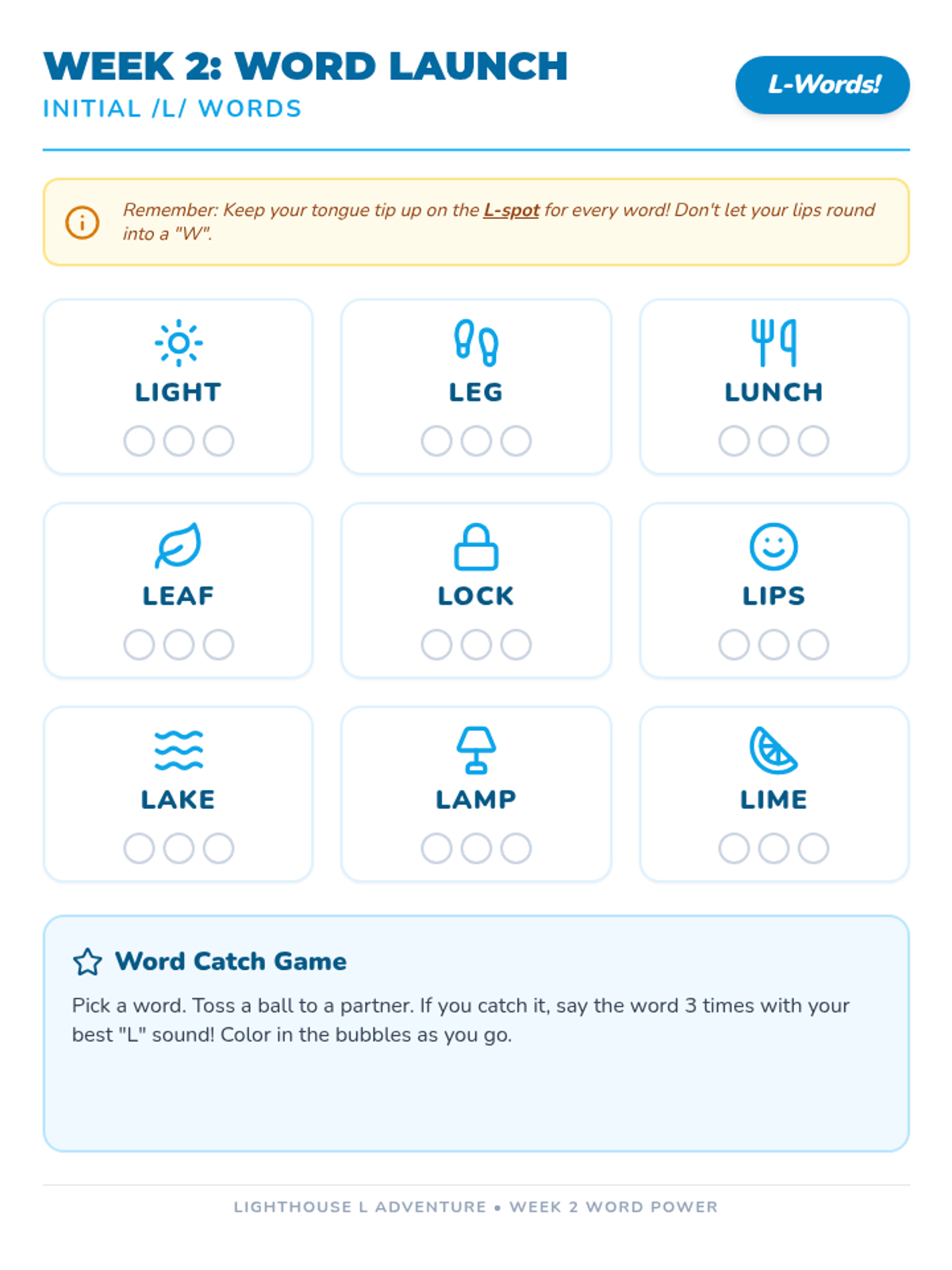
Moving from syllables to single words, this week focuses on high-frequency /l/ words using visual supports and a fun tracking sheet.
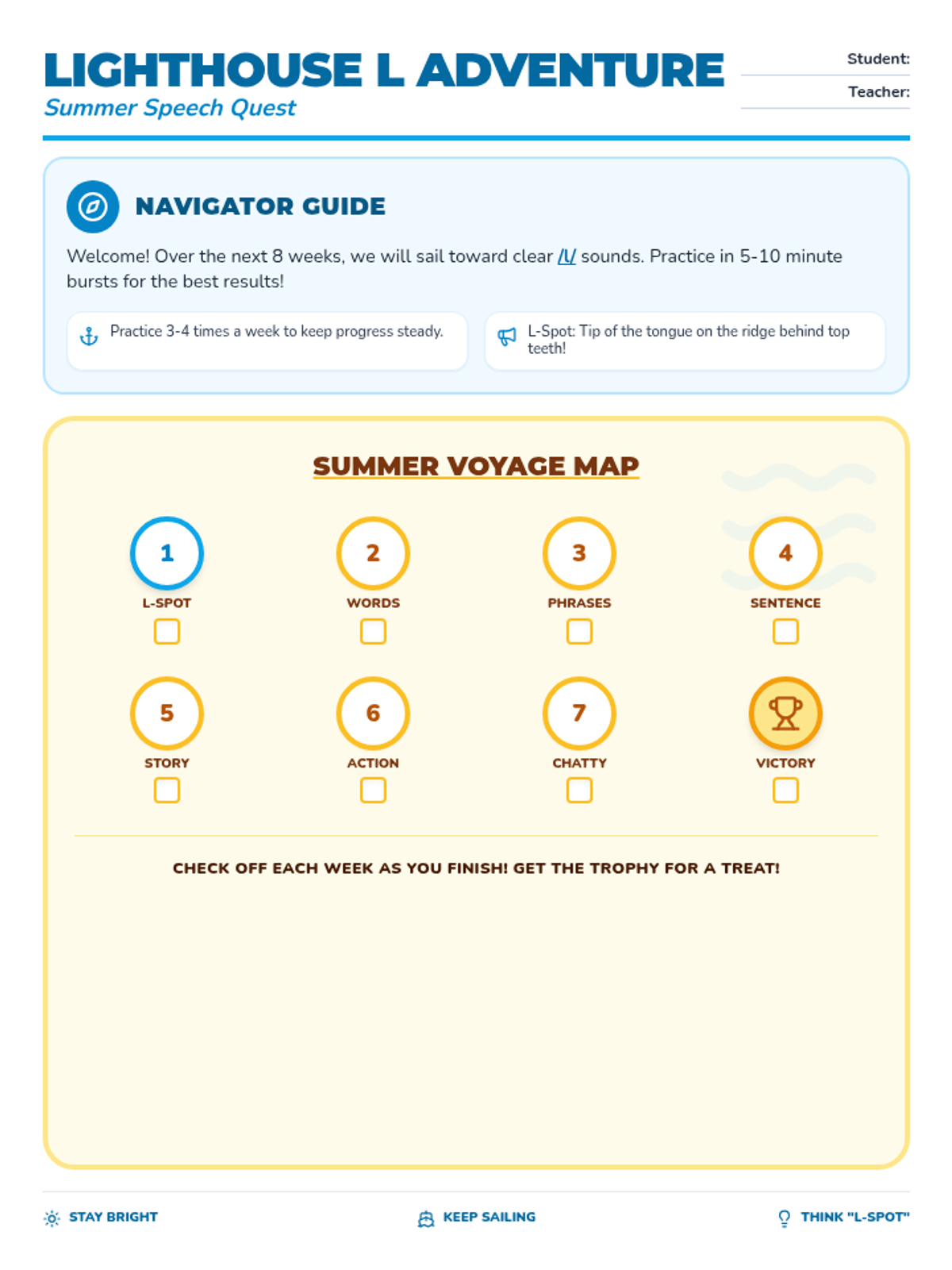
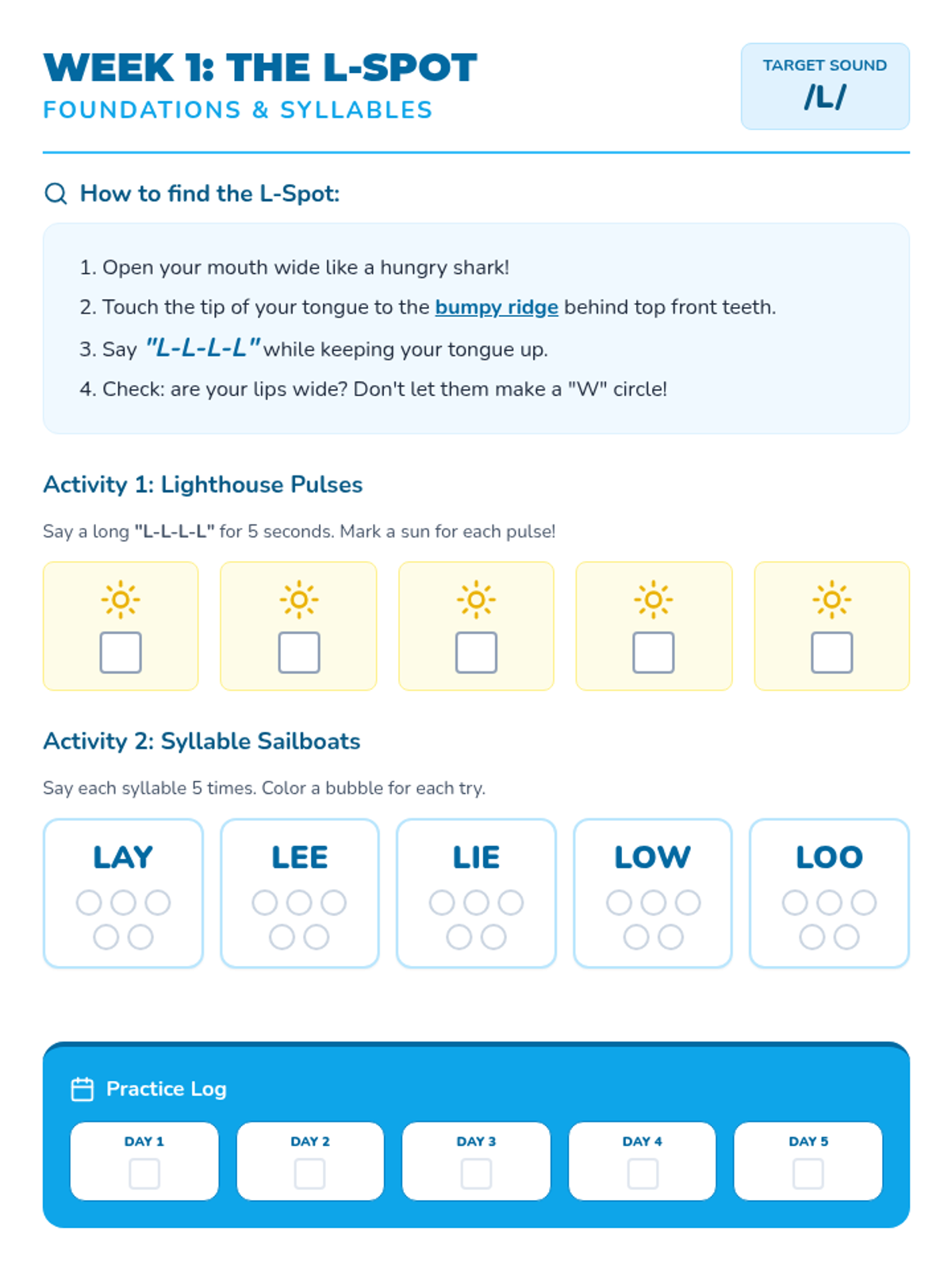
The foundational week focuses on establishing correct tongue placement (the 'L-spot') and producing the /l/ sound in isolation and simple syllables.
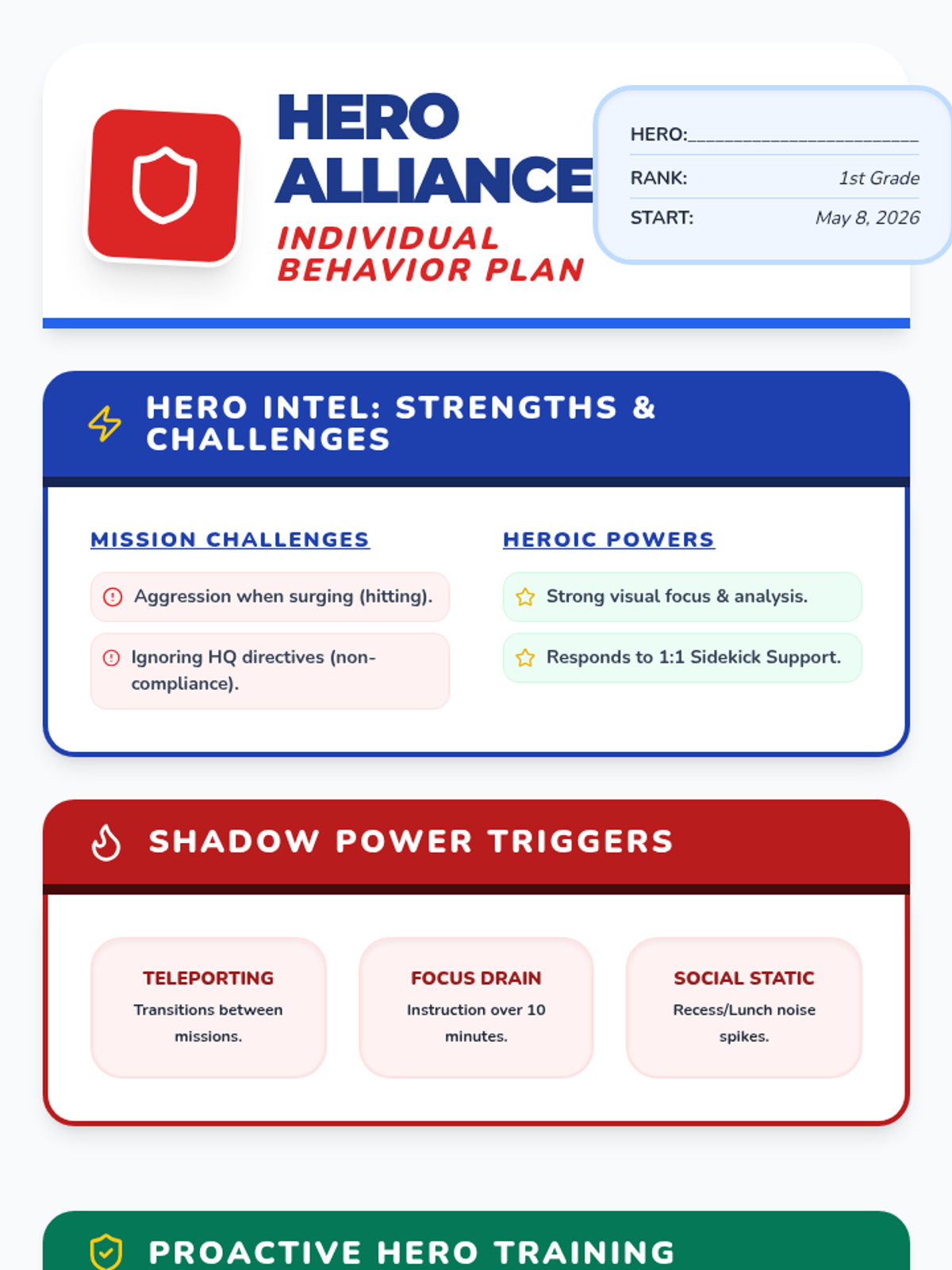
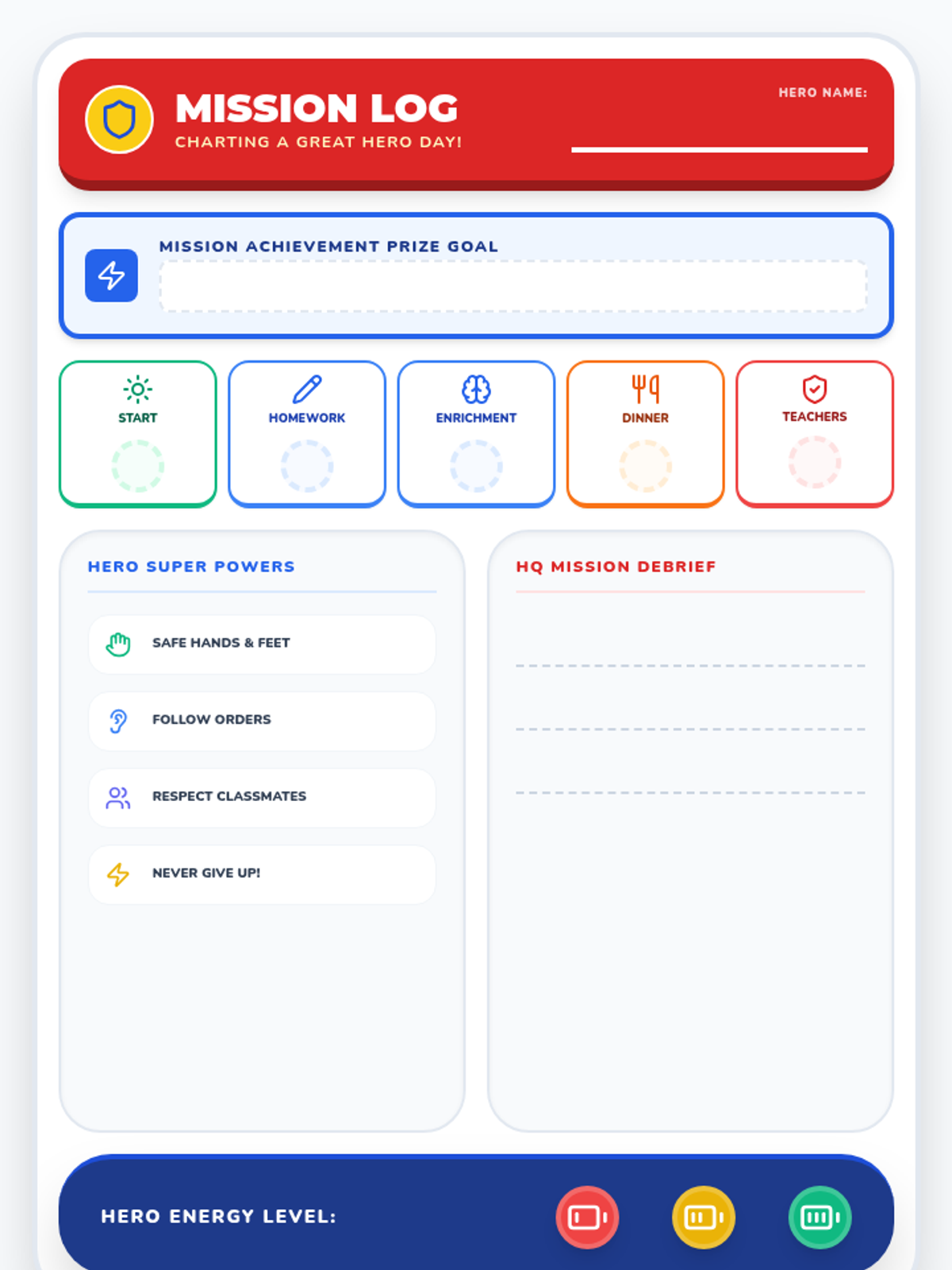
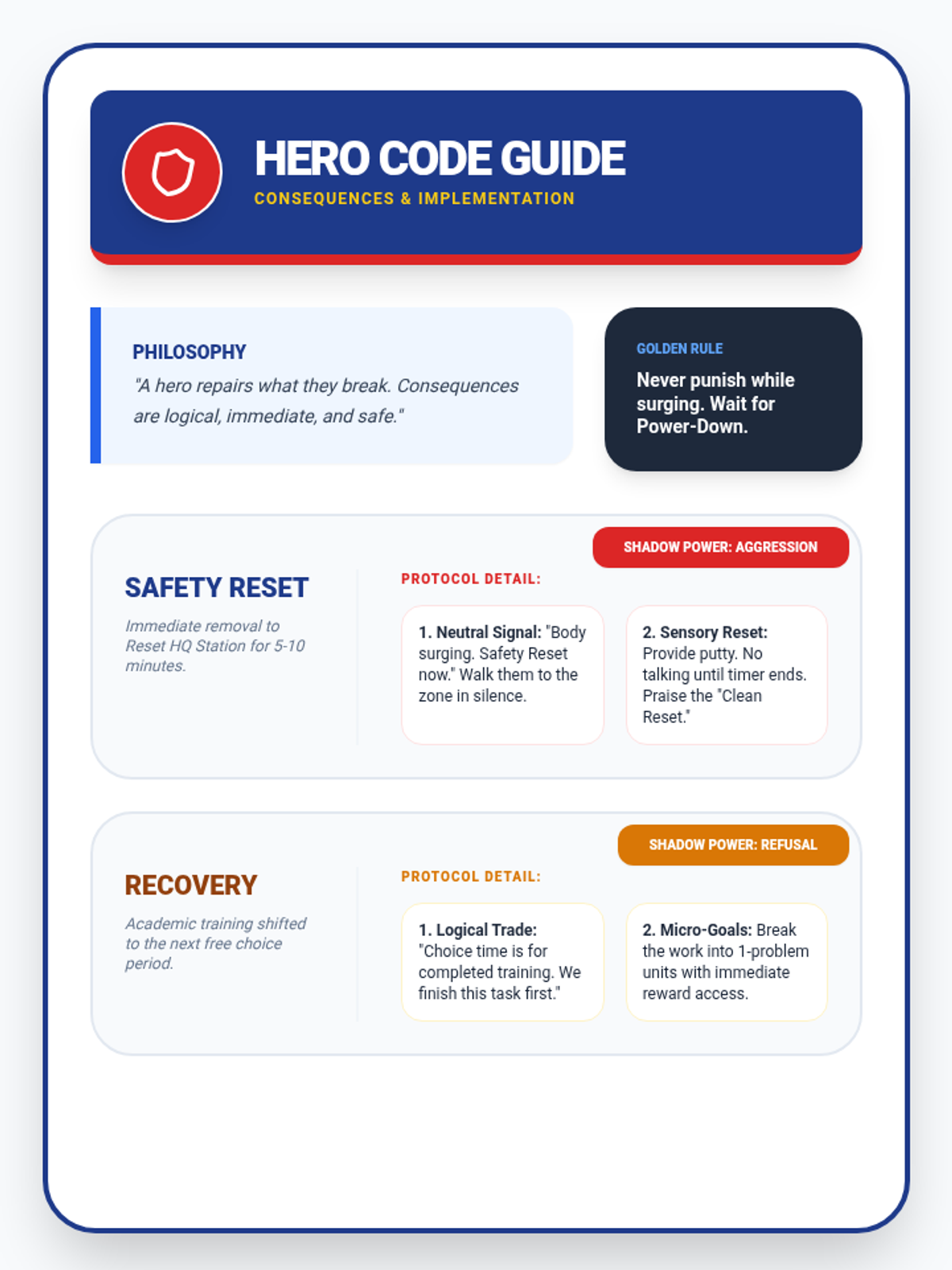
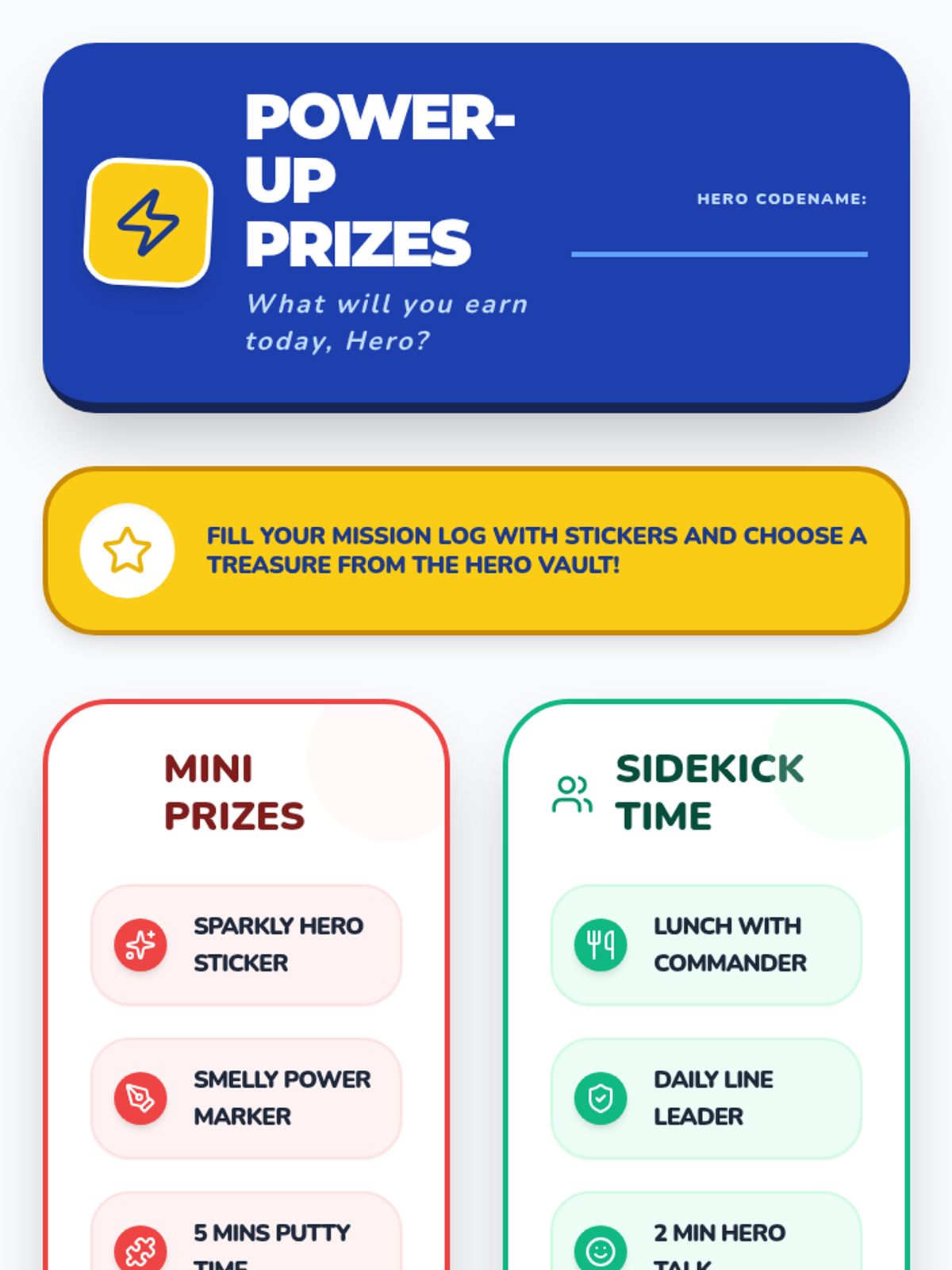
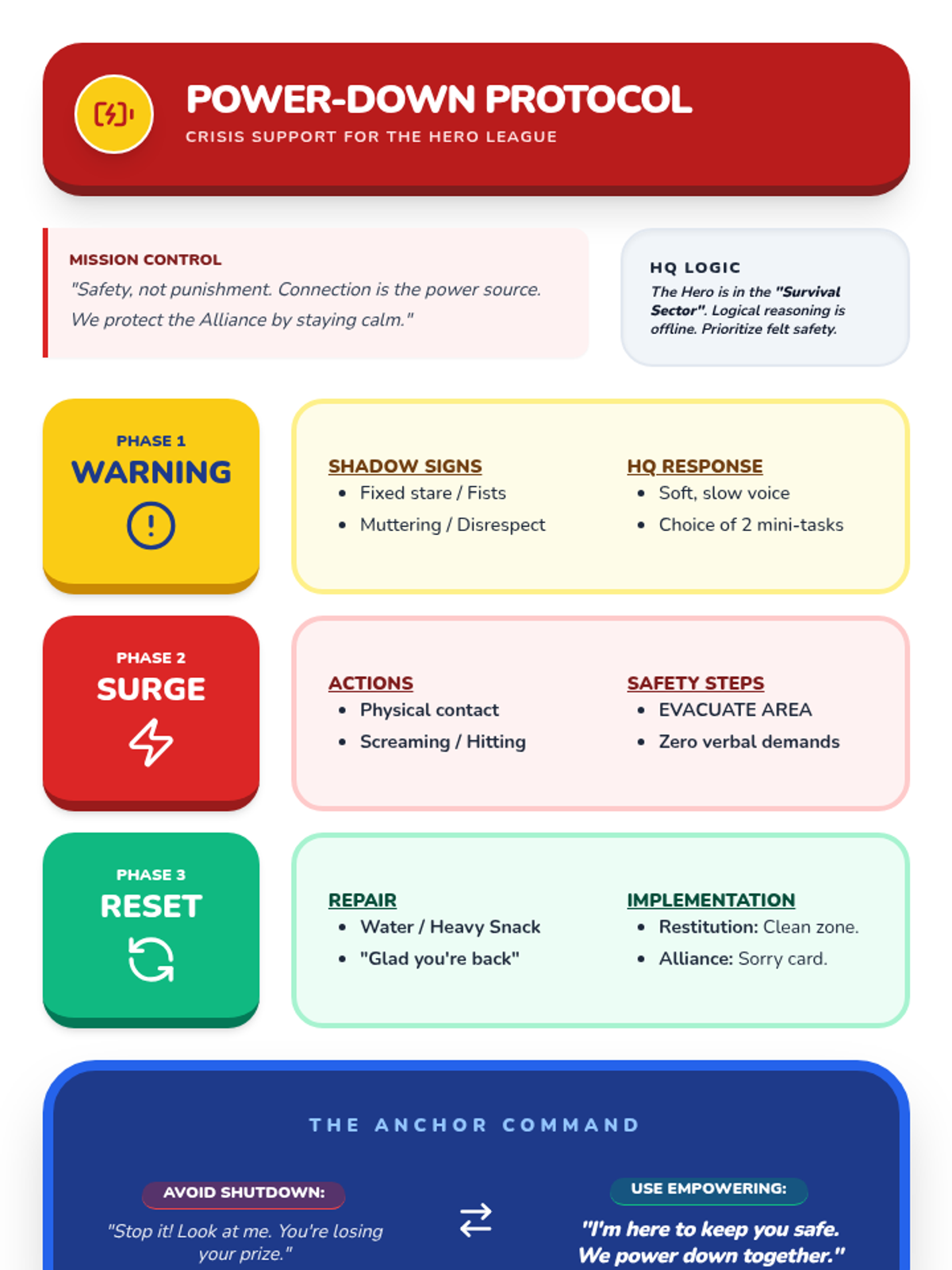
A comprehensive set of trauma-informed resources to support a 1st-grade student, reimagined with a high-engagement Super Hero theme. Focuses on 'hero powers' (positive behaviors), 'mission logs' (tracking), and restorative 'hero code' consequences.
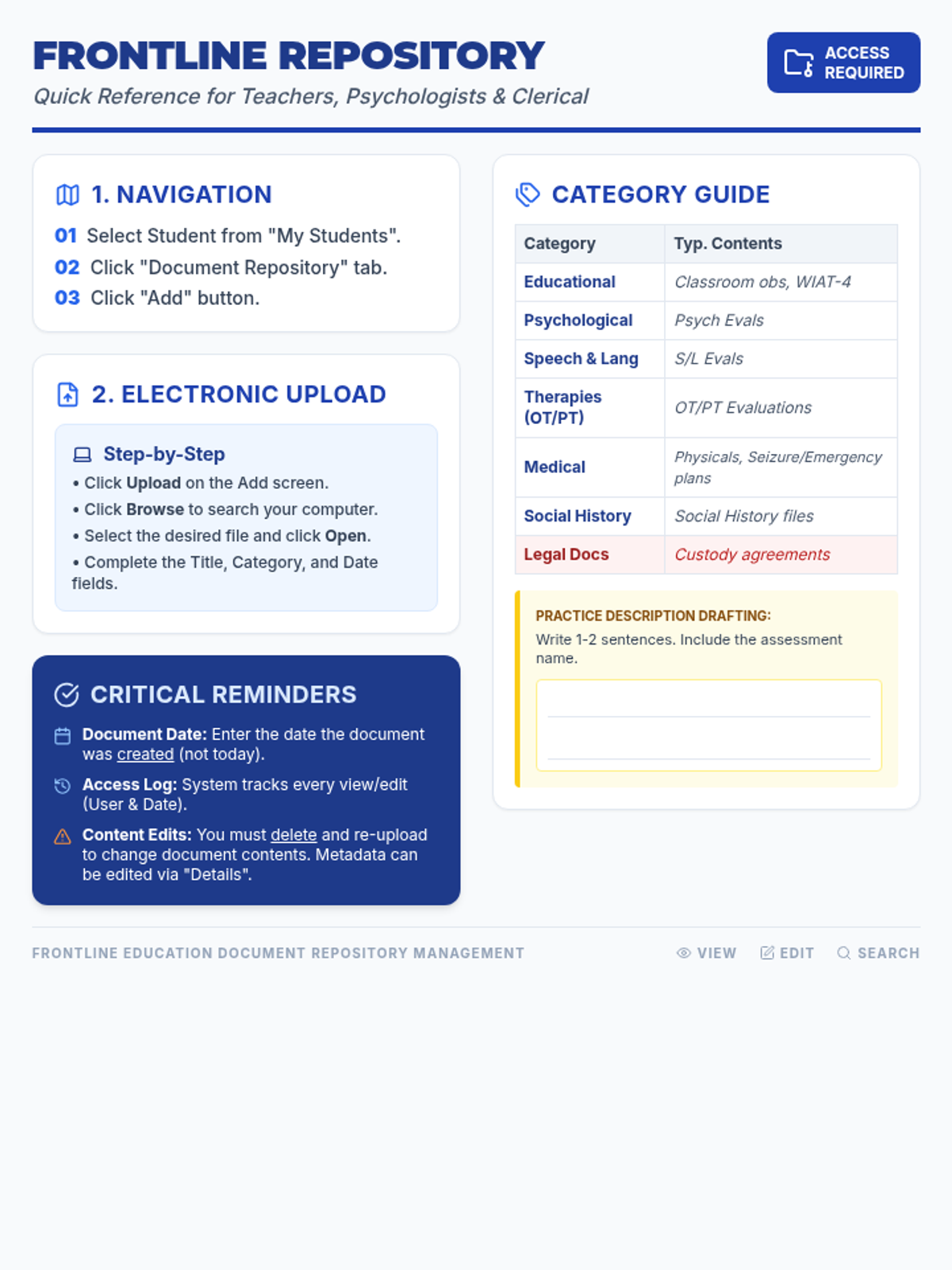
A comprehensive training session for staff on navigating and utilizing the Frontline Document Repository, covering electronic uploads, faxing, and categorization.
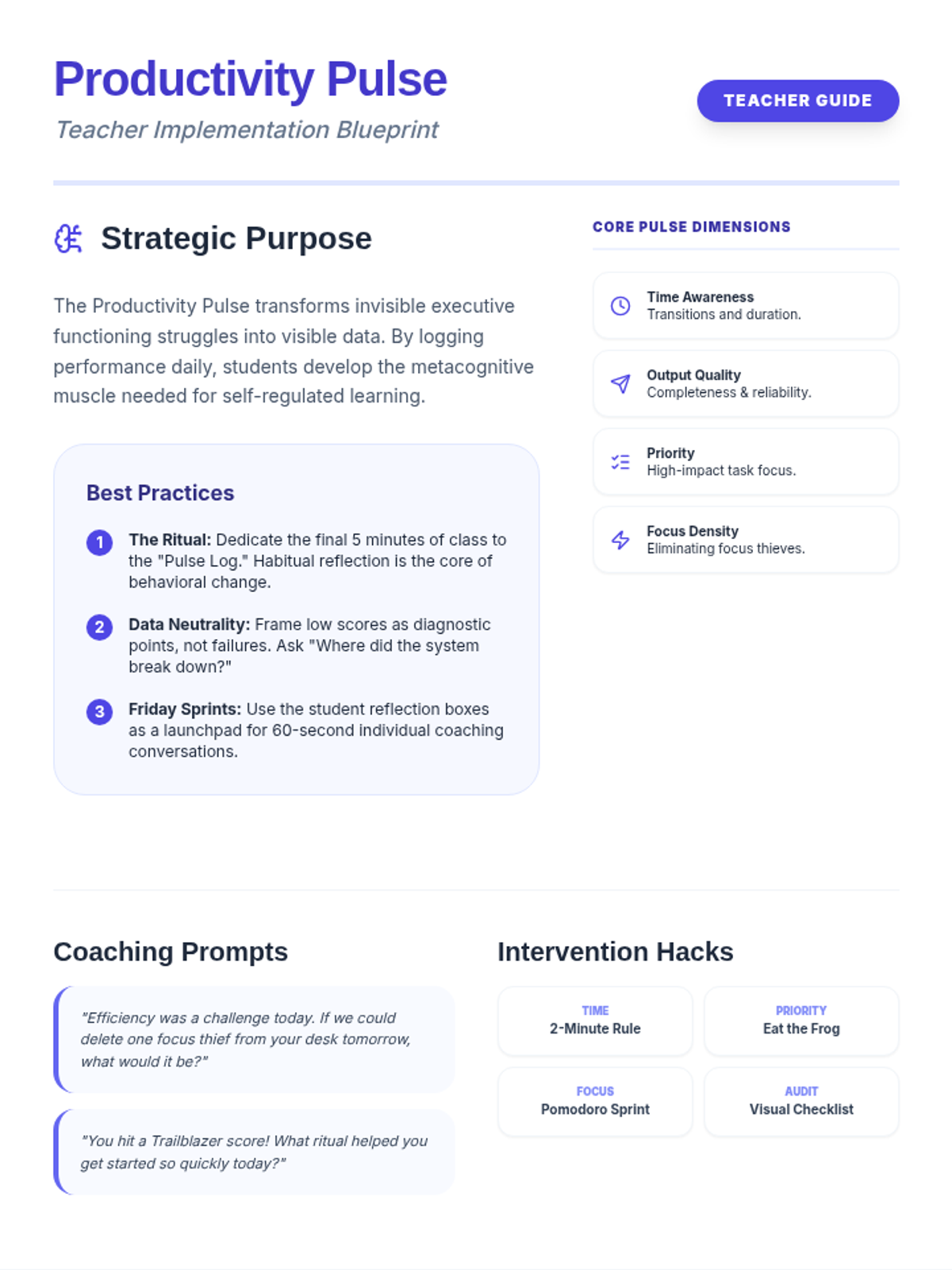
A comprehensive toolkit for students to track and improve their executive functioning skills through daily logging and descriptive rubrics.
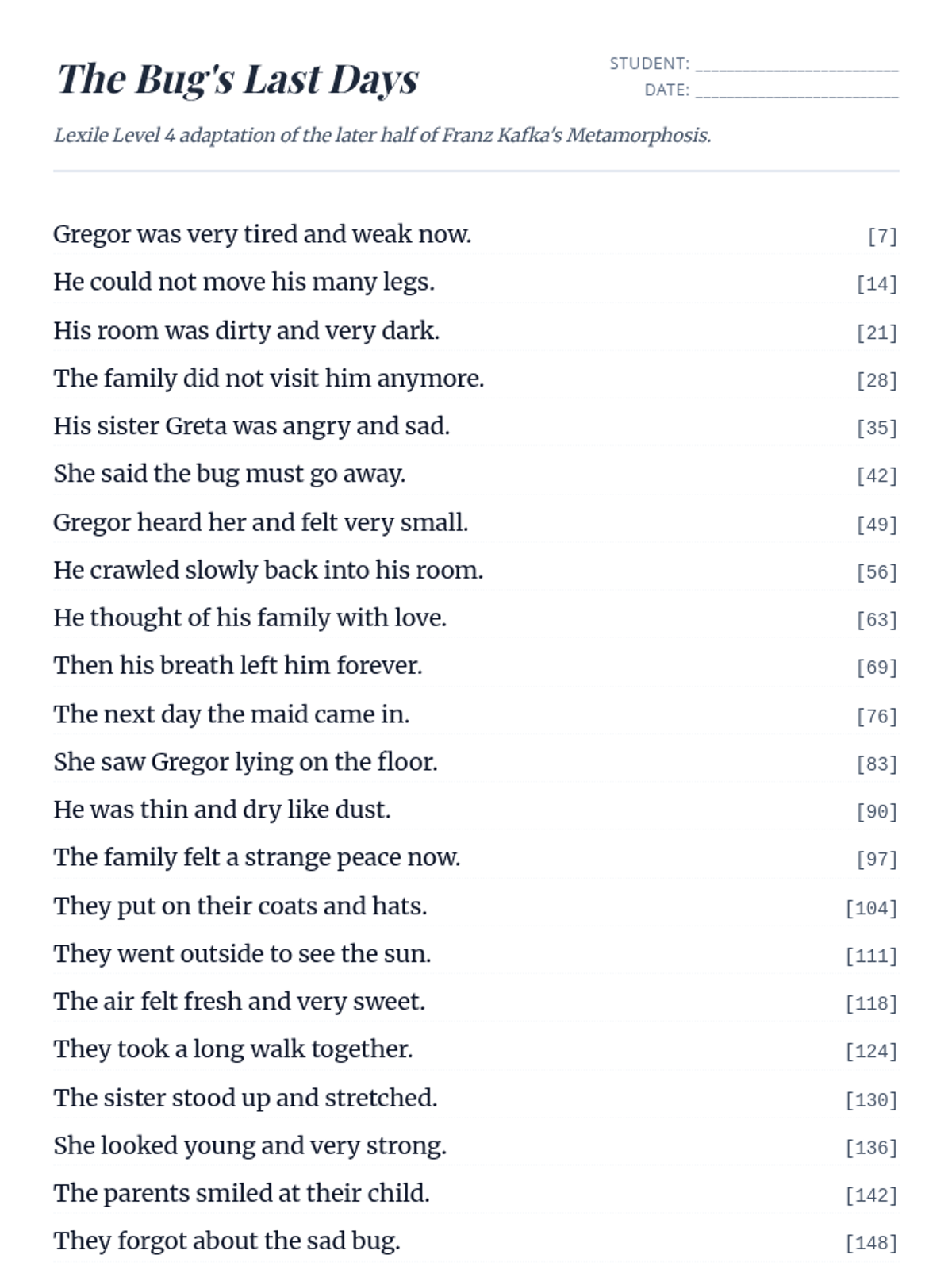
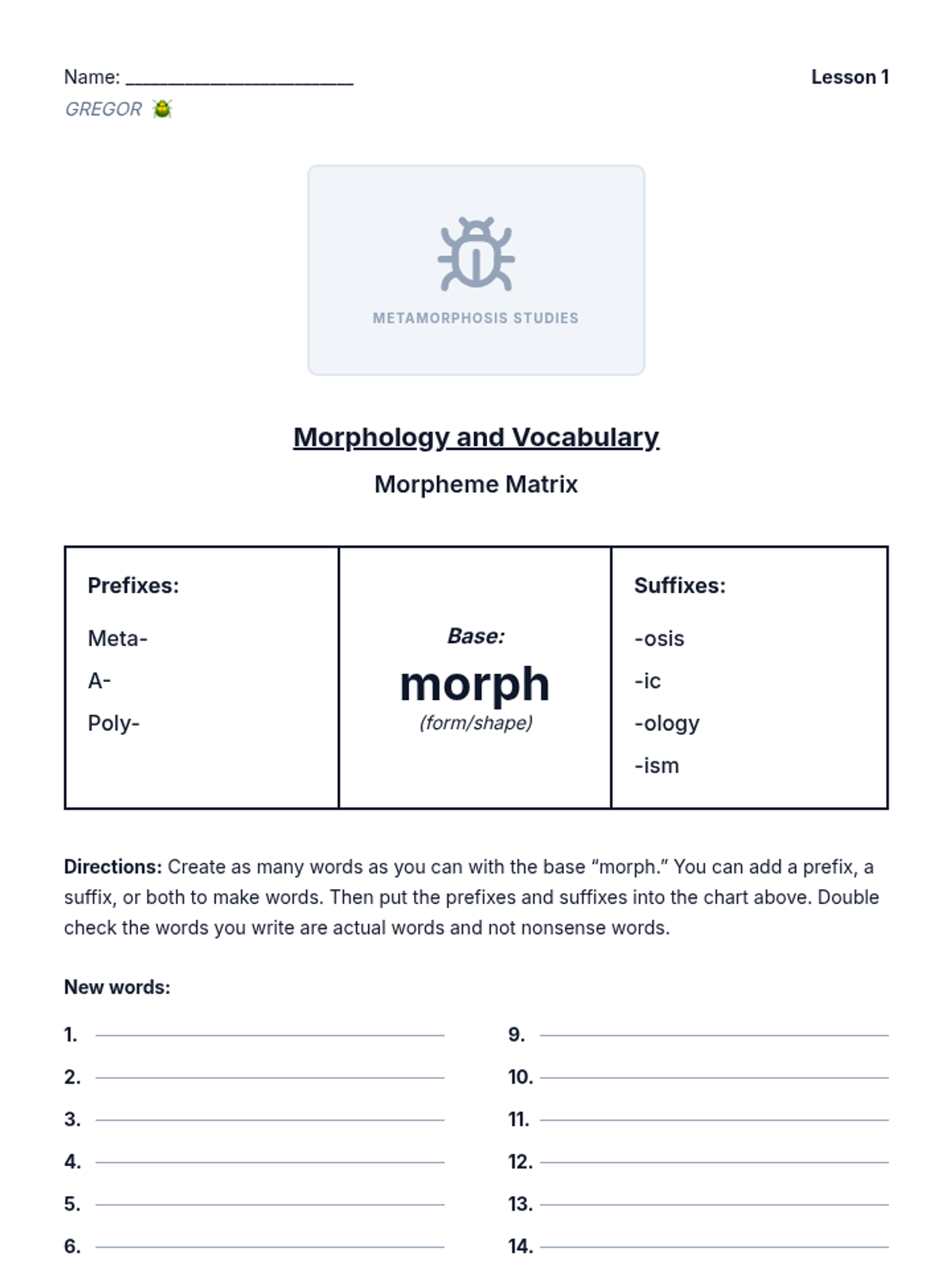
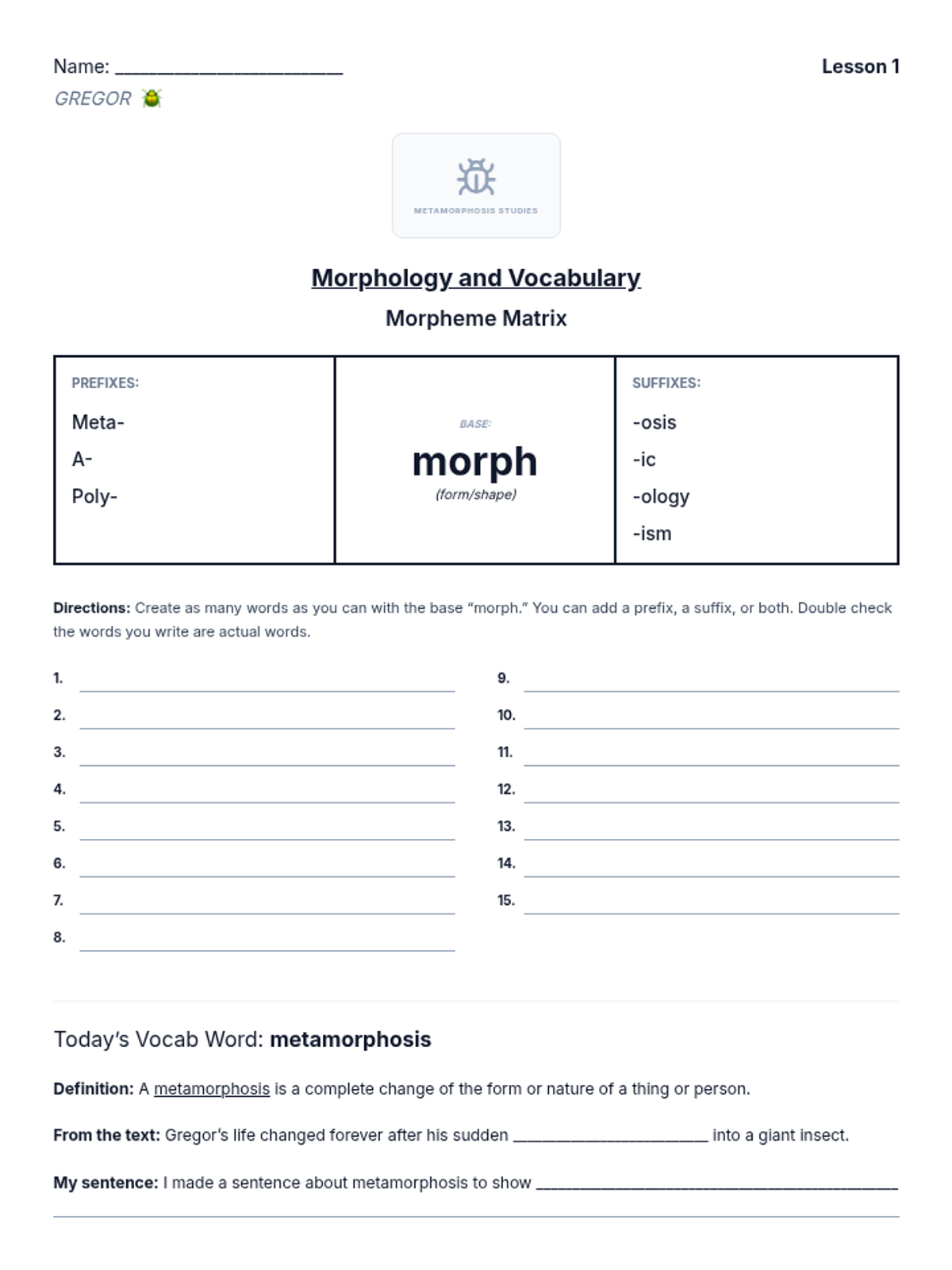
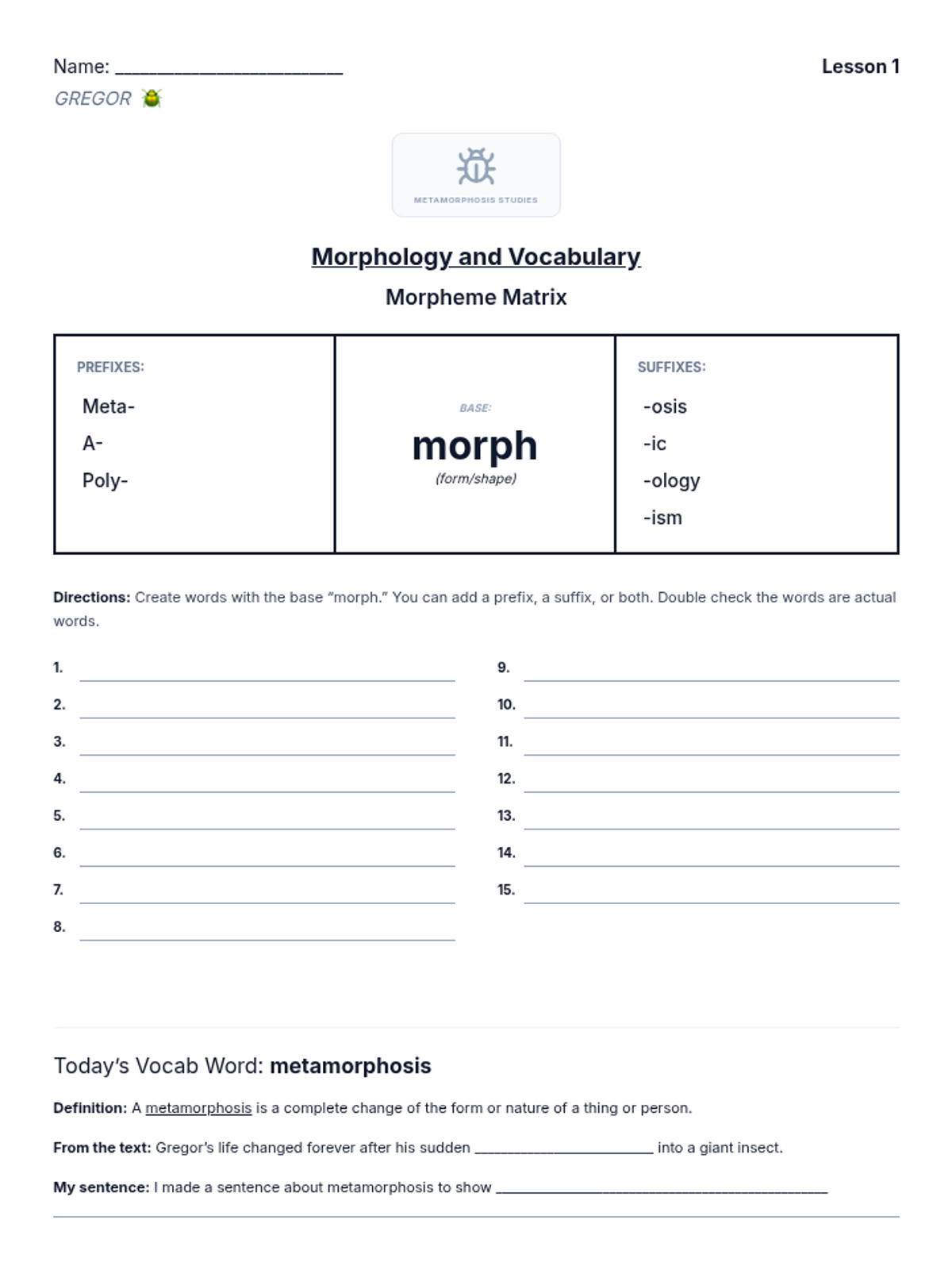
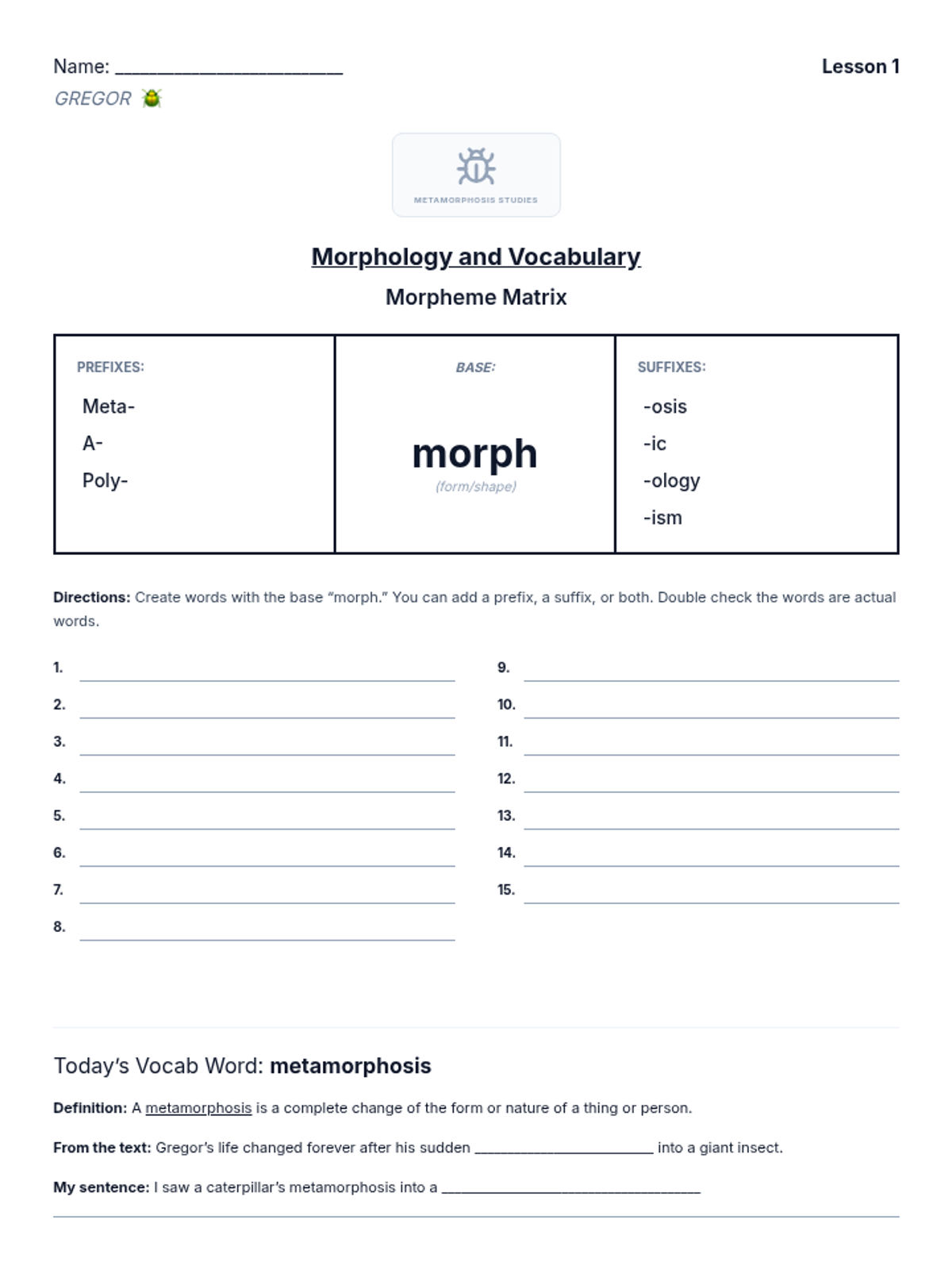
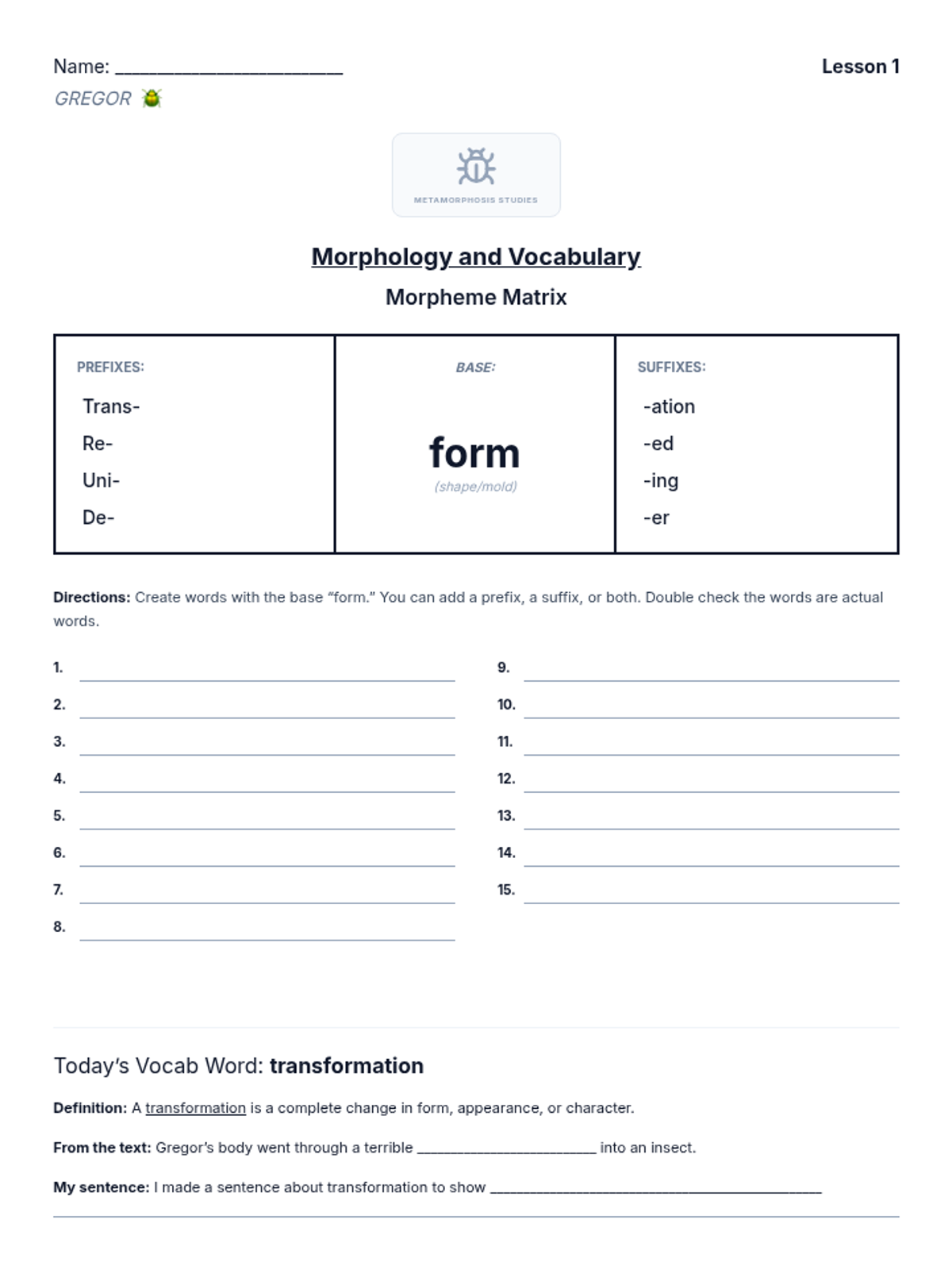
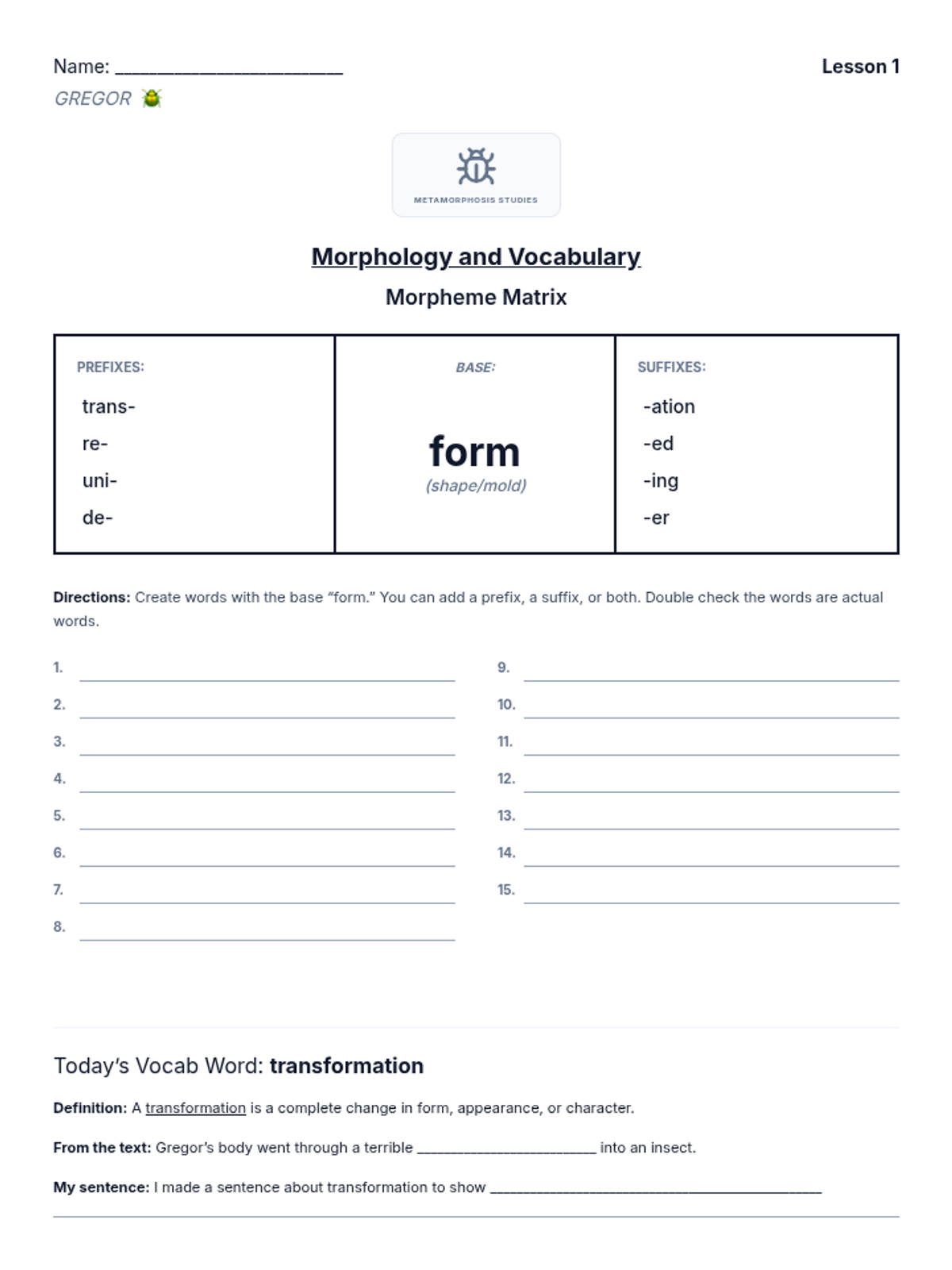
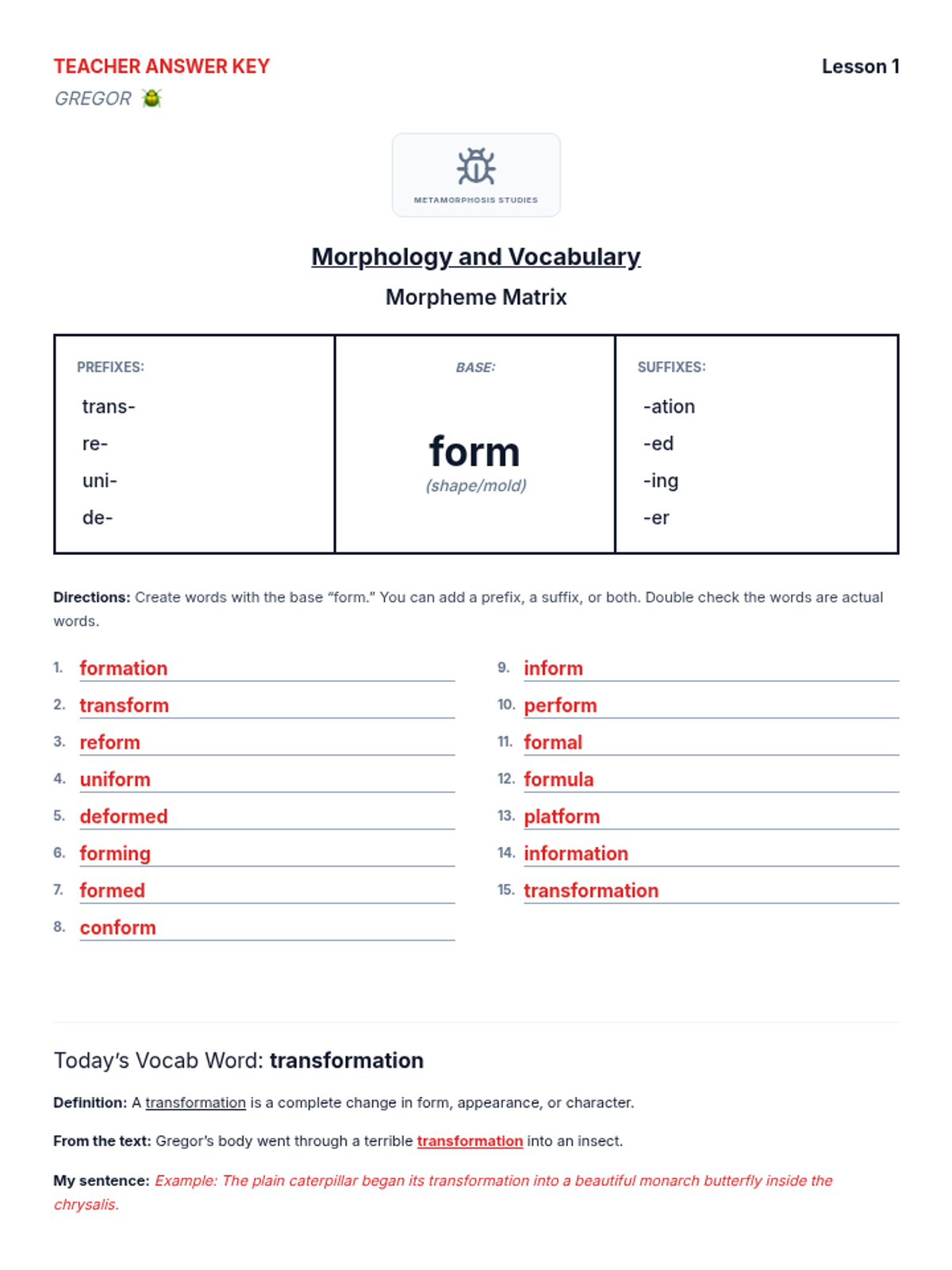
A simplified exploration of the later half of Franz Kafka's Metamorphosis, focusing on readability and text analysis for early intermediate readers.
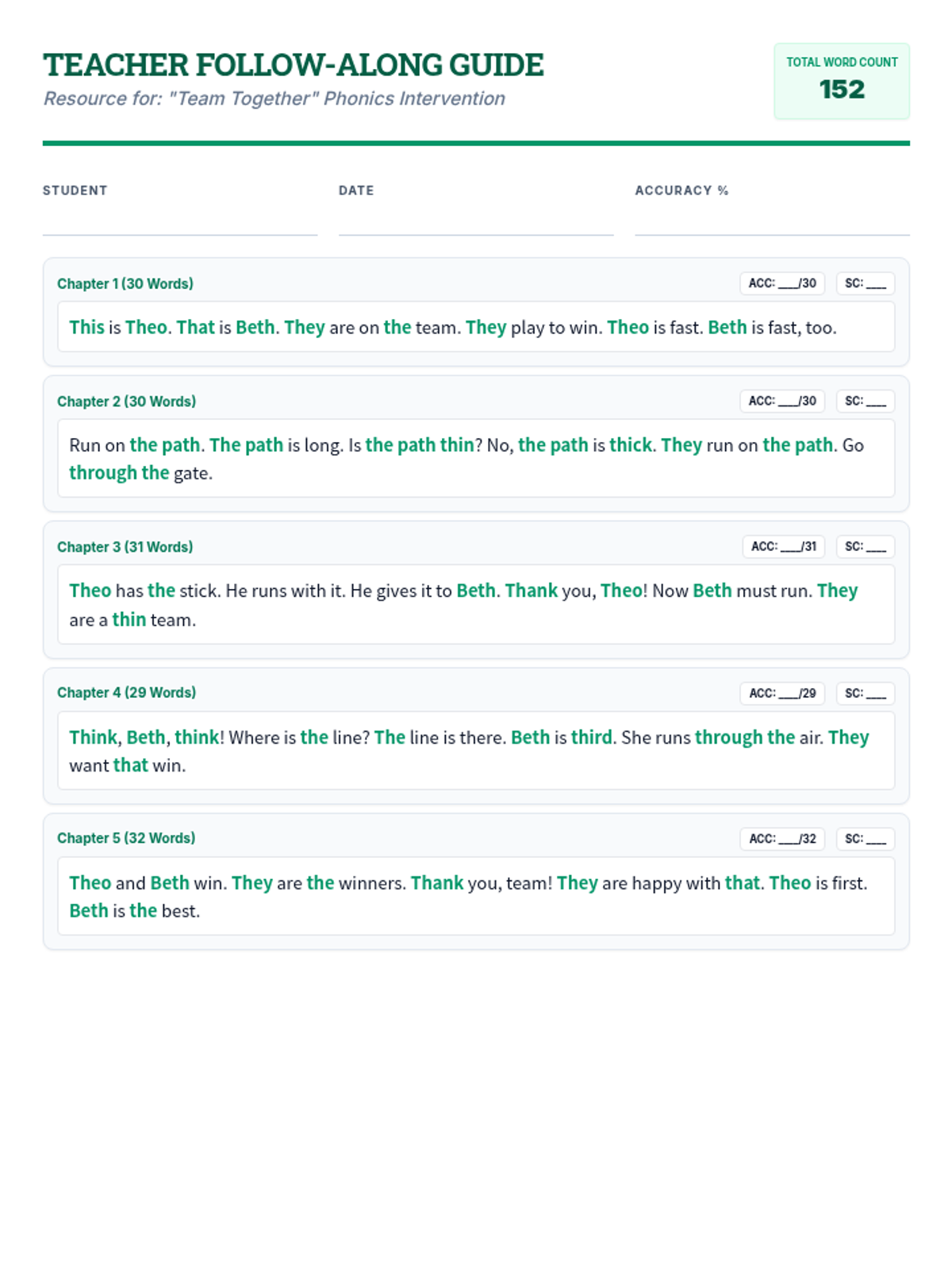
A phonics intervention lesson targeting the 'TH' digraph through a relay race story. Focuses on tongue placement for voiced and unvoiced dental fricatives.
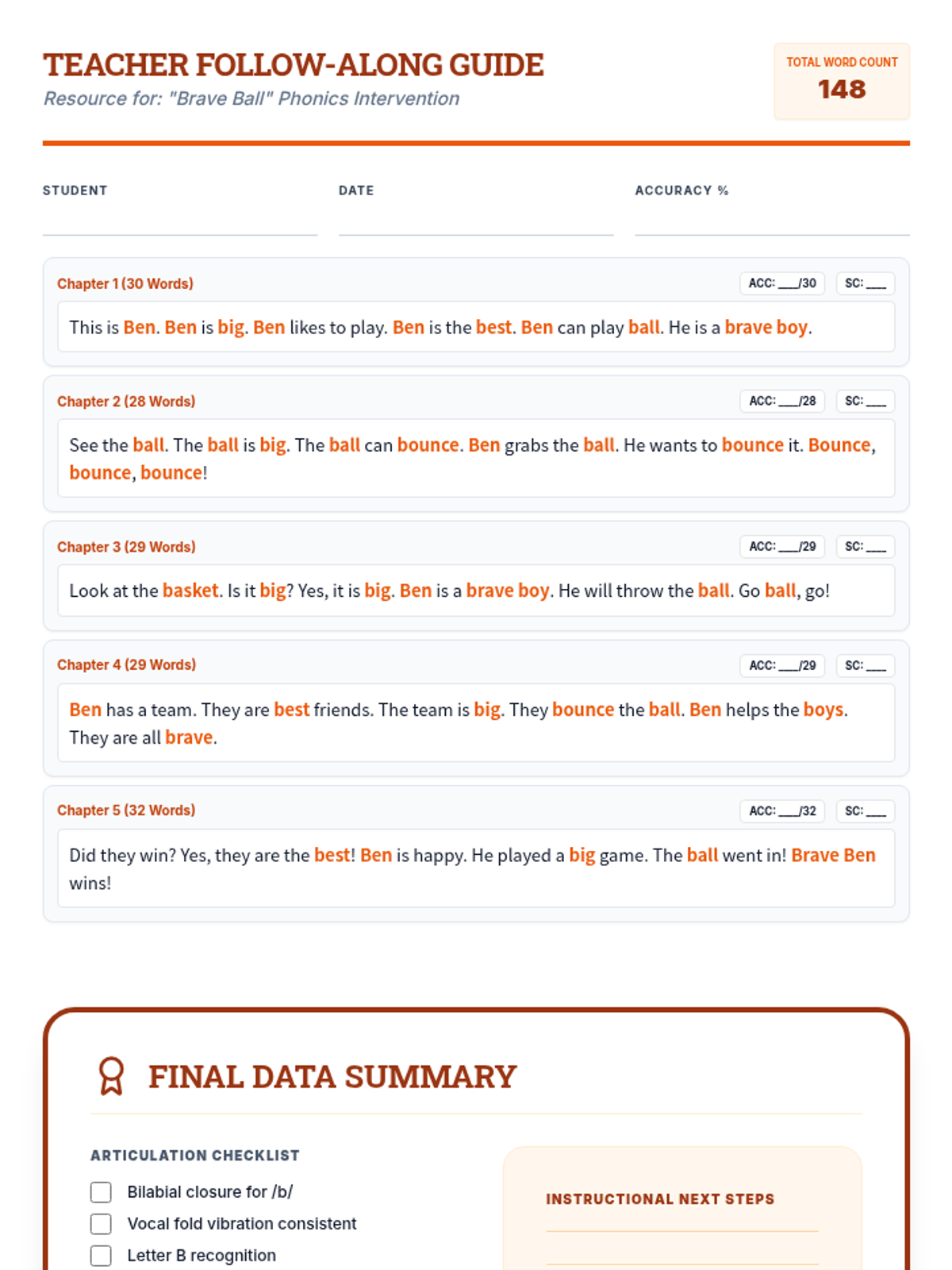
A phonics intervention lesson targeting the 'B' sound through a basketball-themed story. Focuses on bilabial plosive articulation and letter recognition.
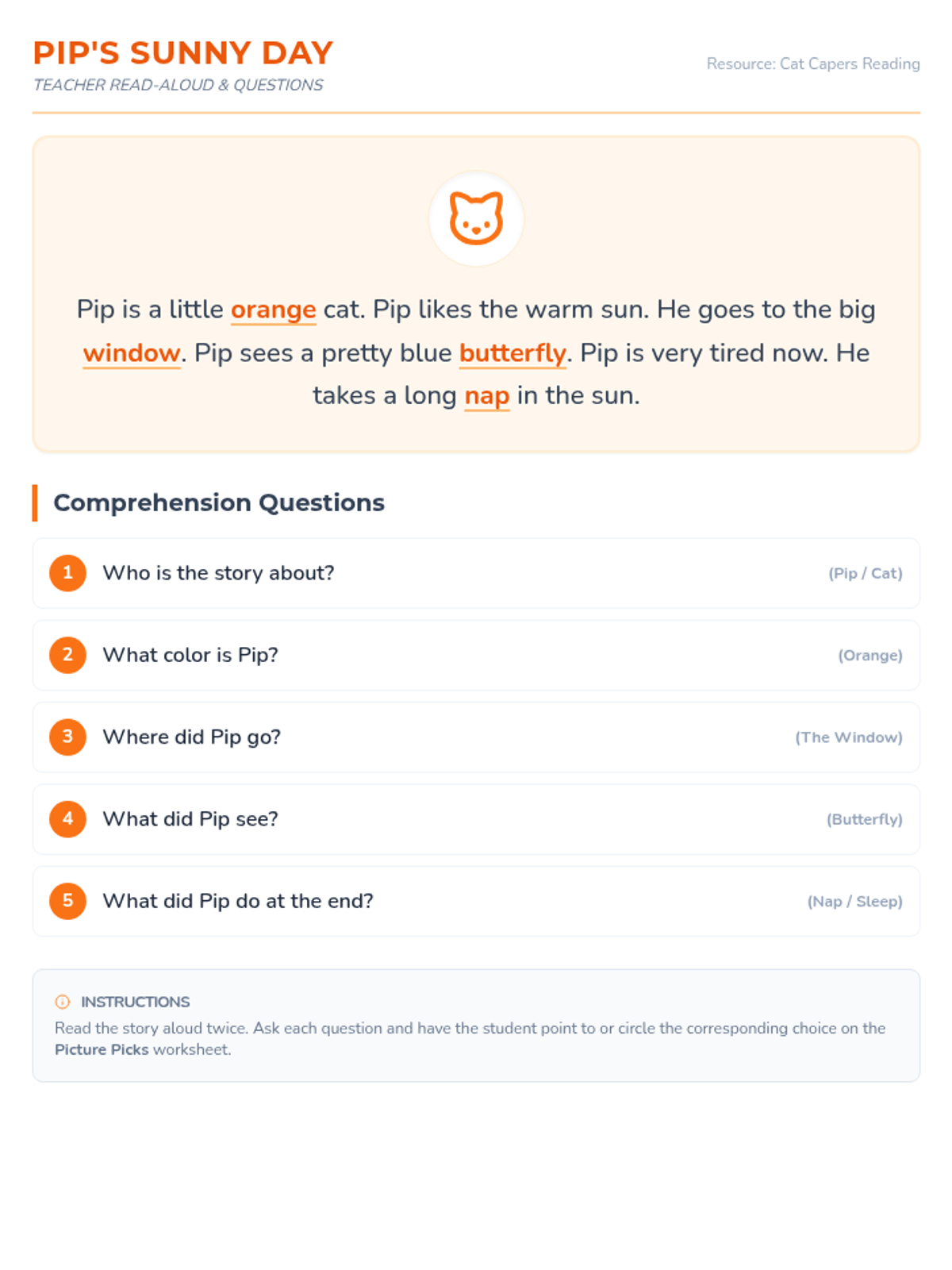
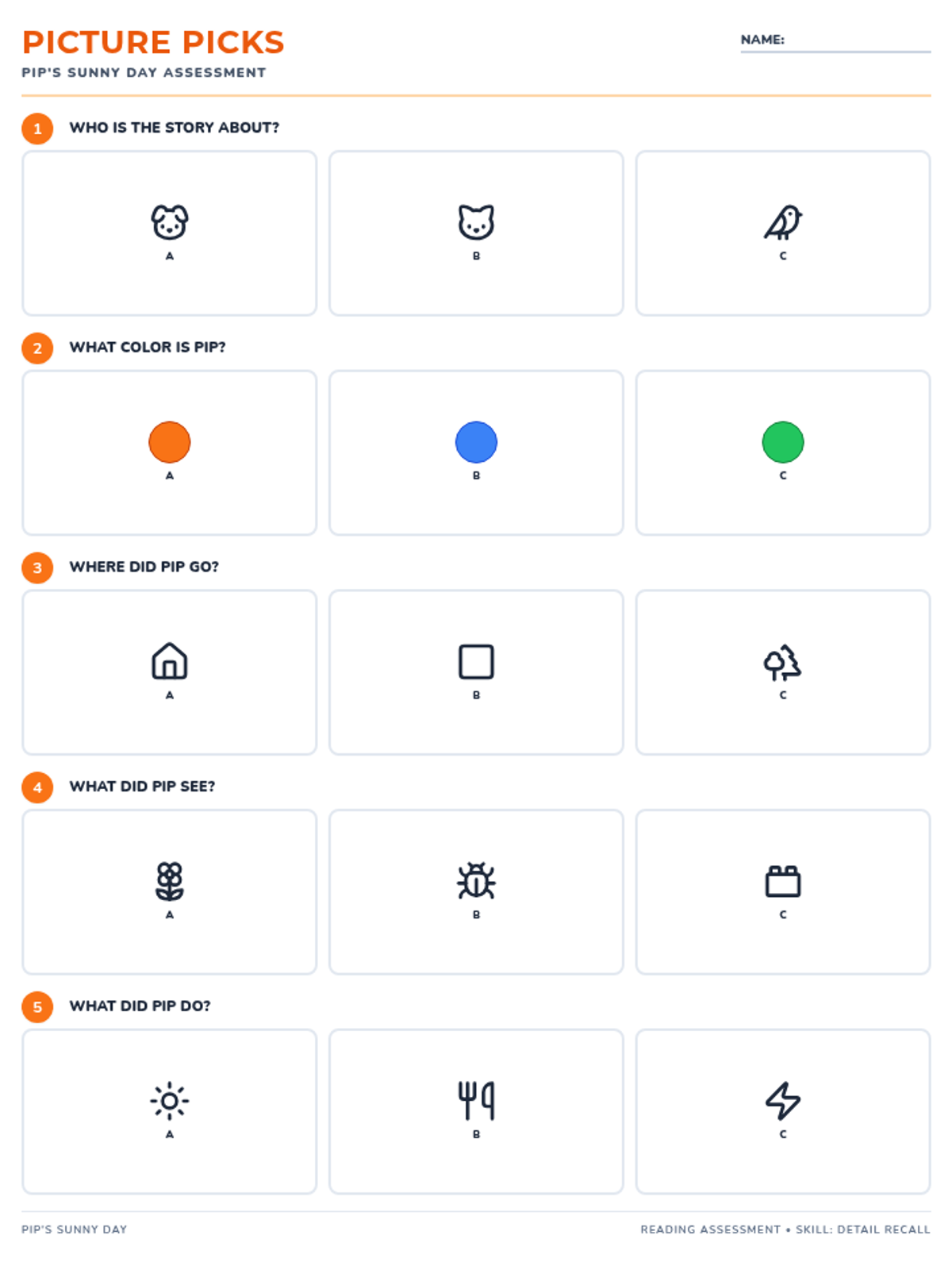
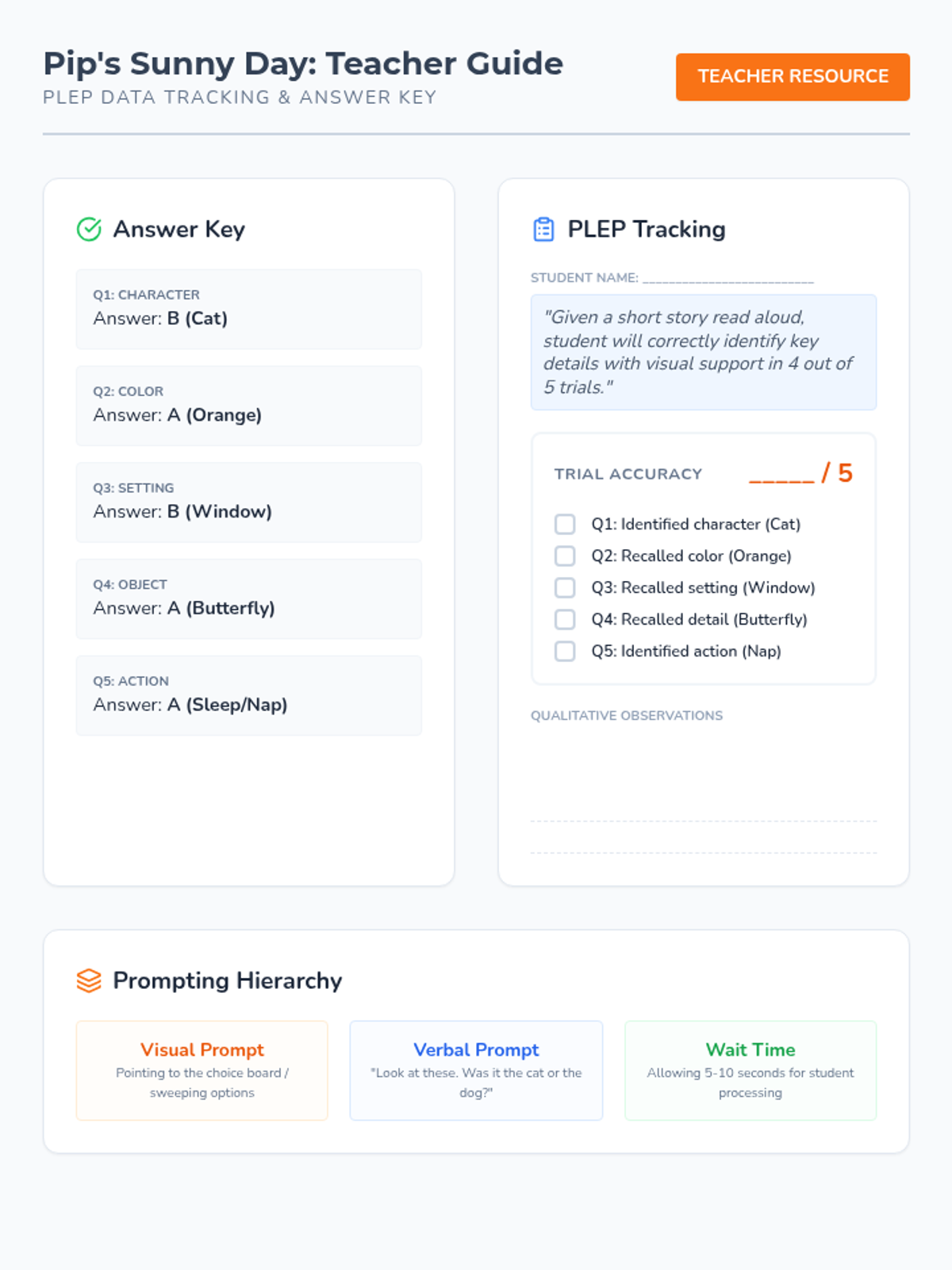
A simple reading comprehension lesson for kindergarten students focusing on a short story about a cat named Pip, including visual choice assessments.
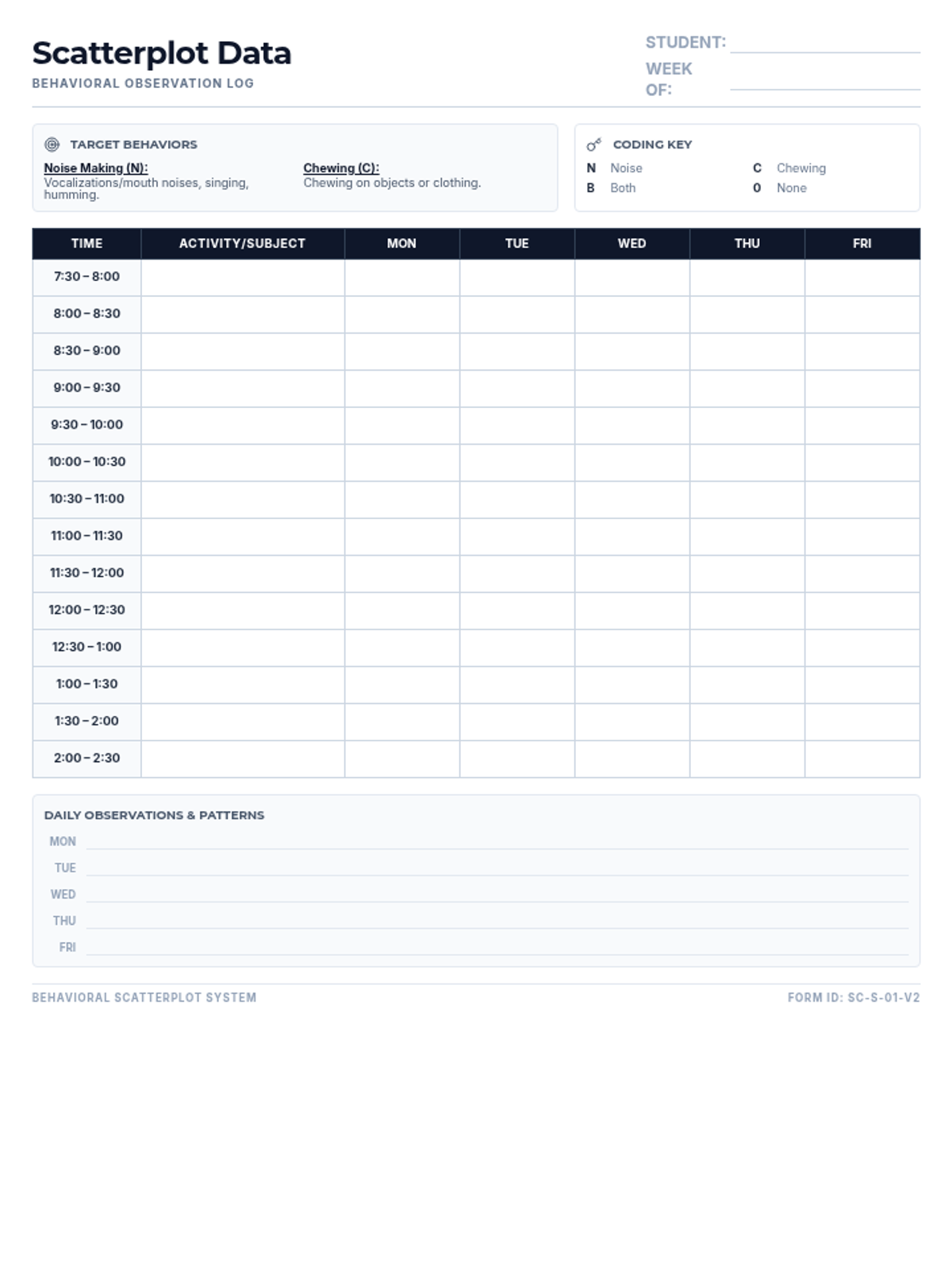
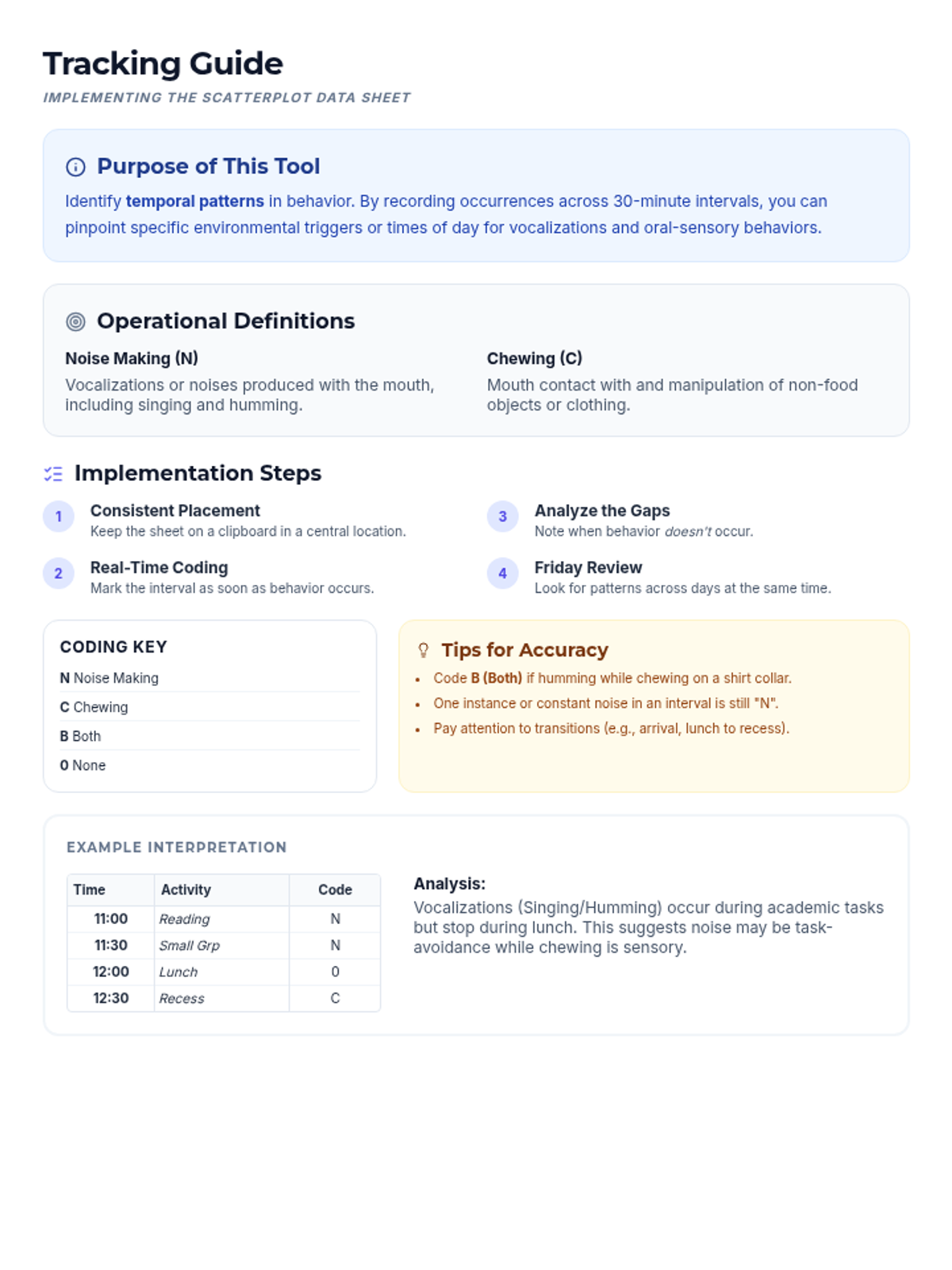
A collection of resources for tracking and analyzing noise-making and chewing behaviors in a classroom or clinical setting, featuring a structured scatterplot data sheet and implementation guide.
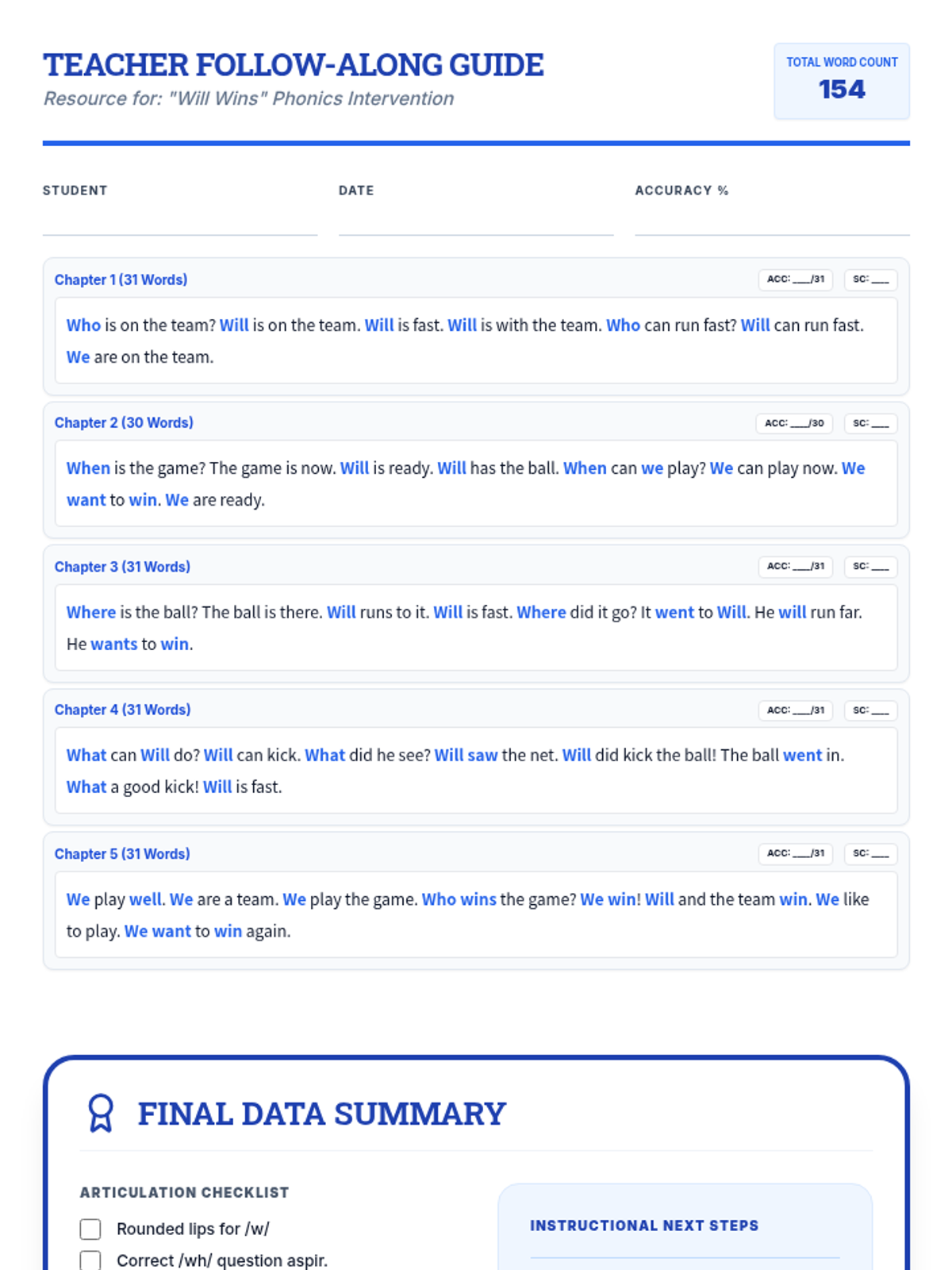
A targeted phonics intervention lesson focusing on 'W' question words through a sports-themed chapter book. Students practice reading fluency and phonetic articulation while following a story about teamwork.
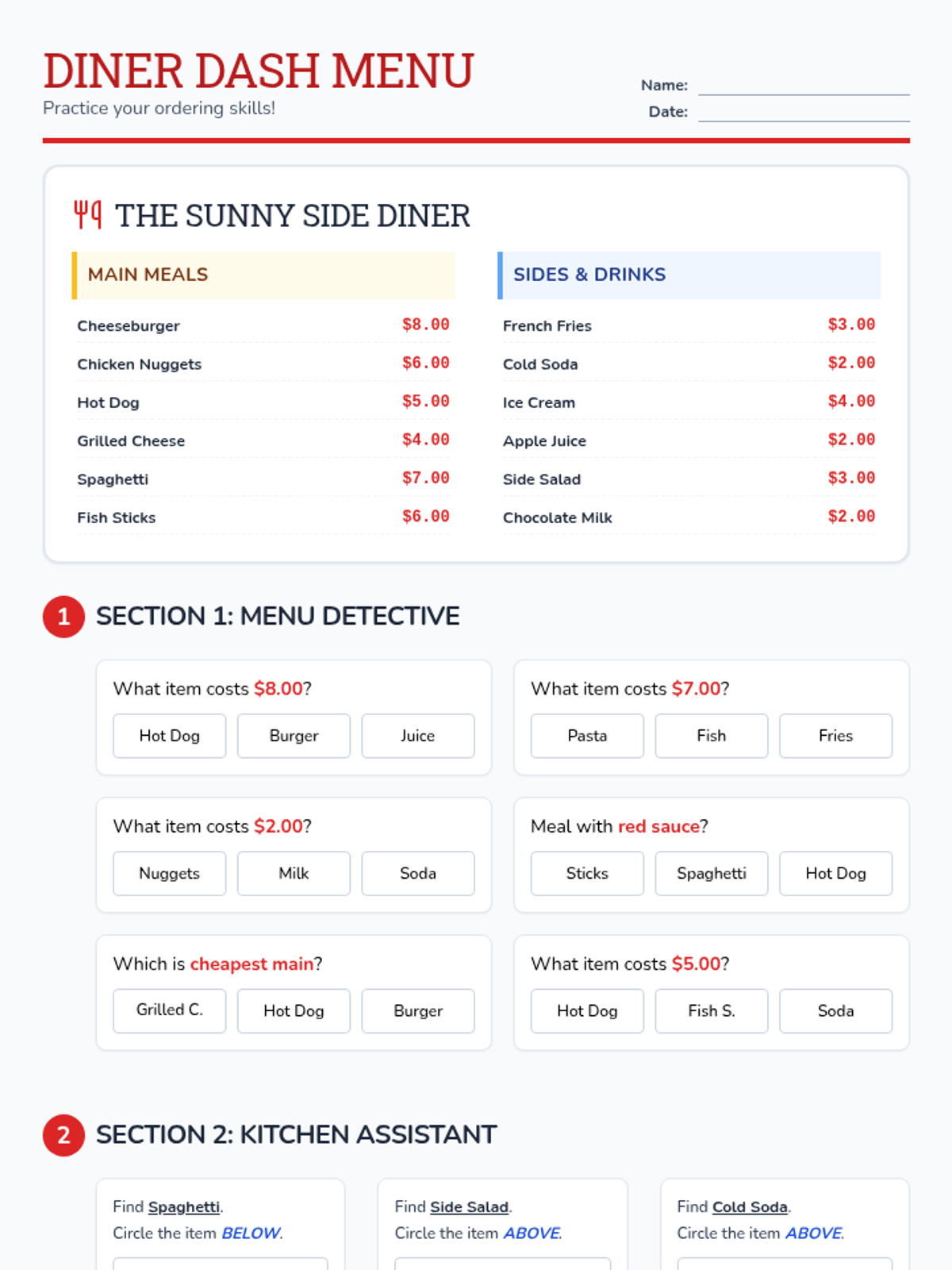
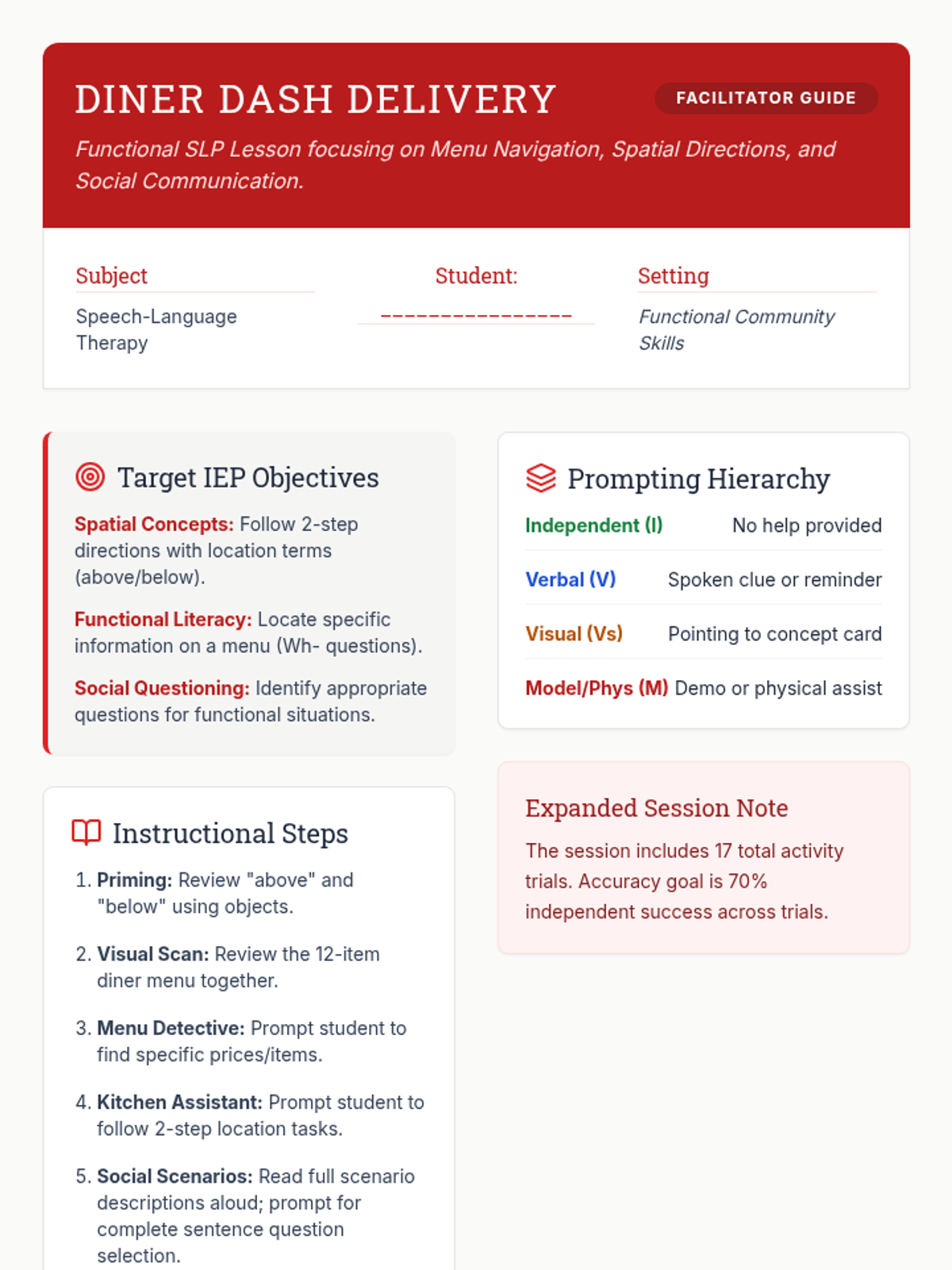
A functional speech-language therapy lesson focused on restaurant ordering, menu navigation, and social problem-solving for students with moderate-to-severe autism.
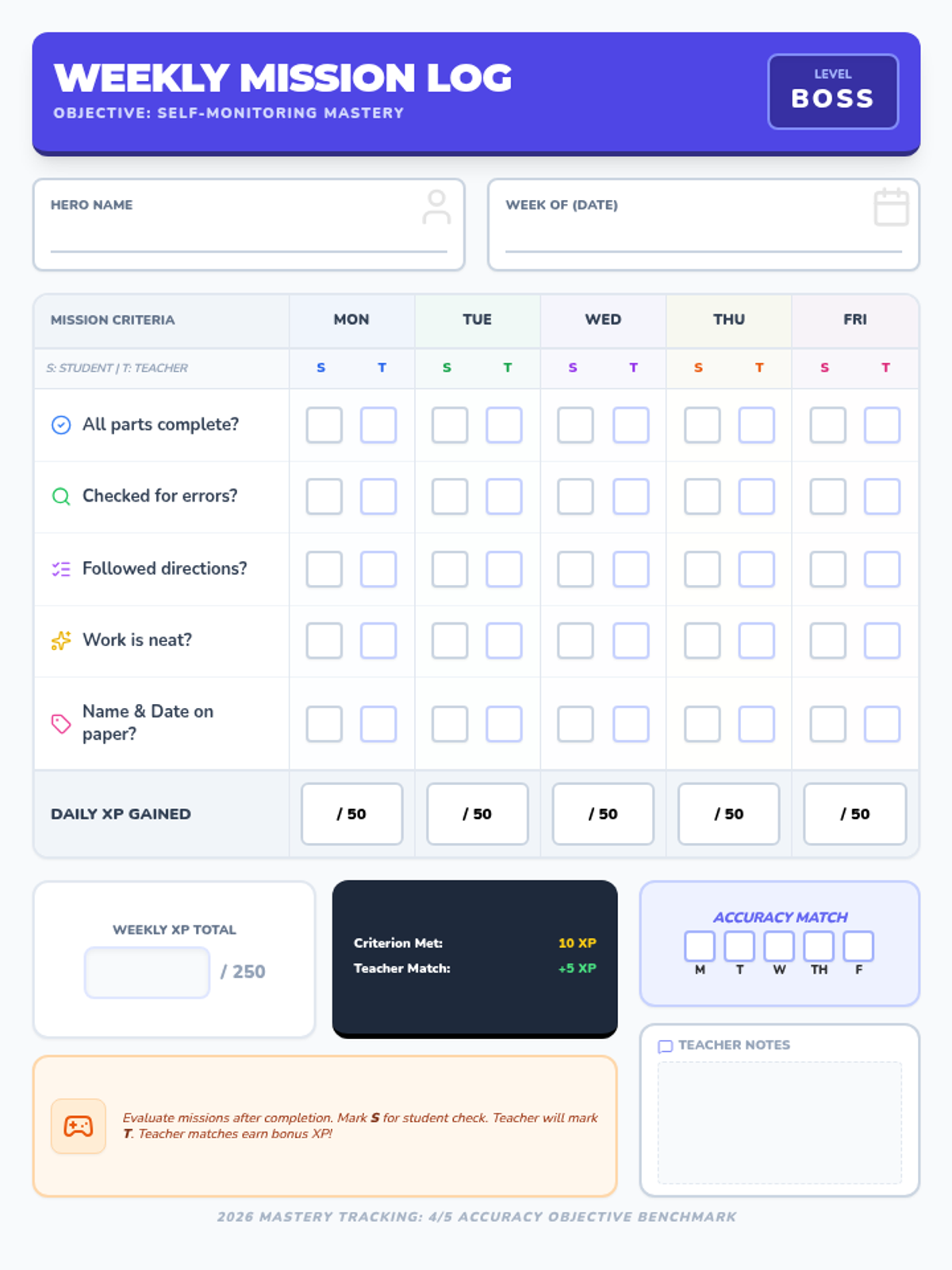
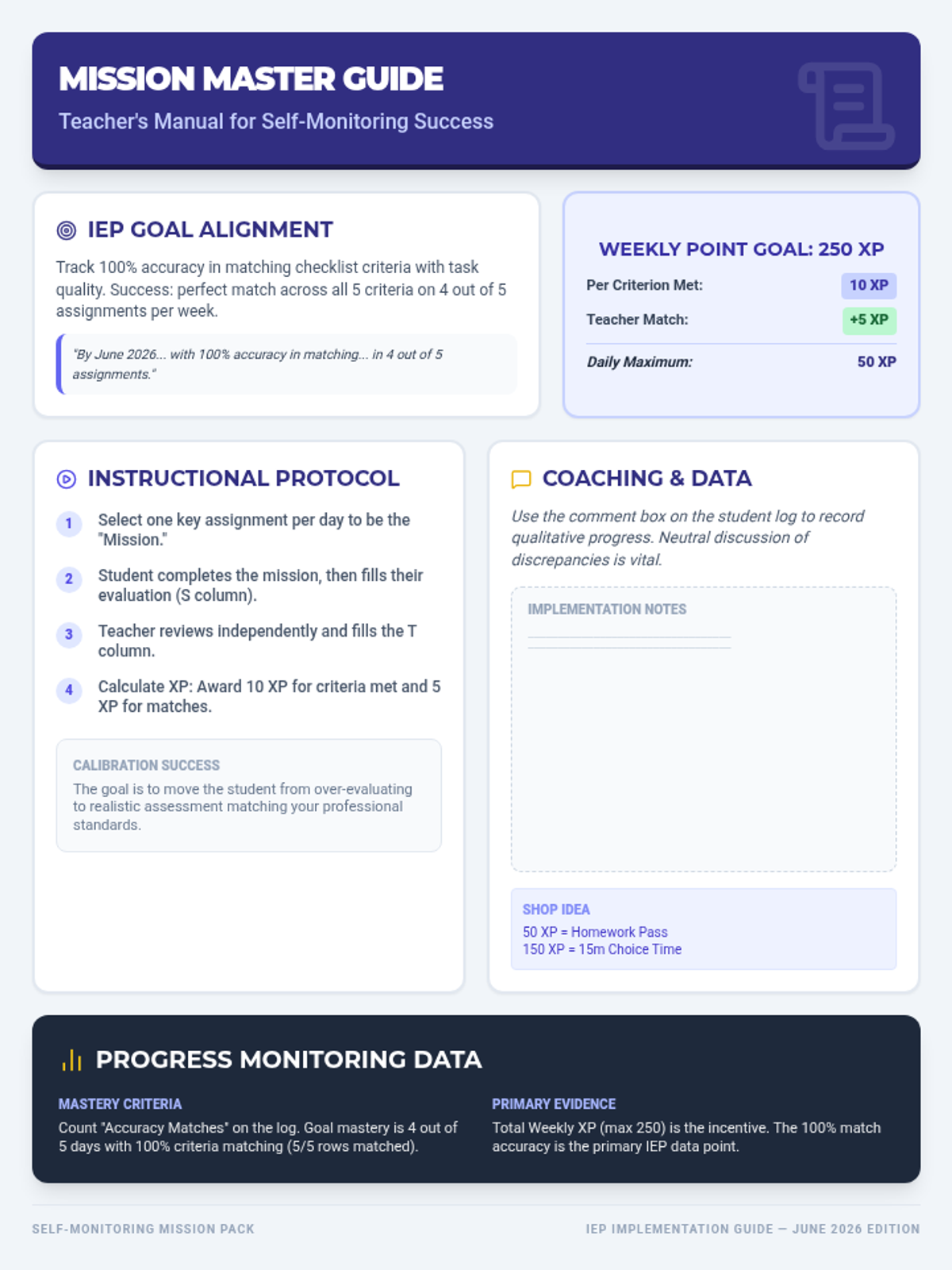
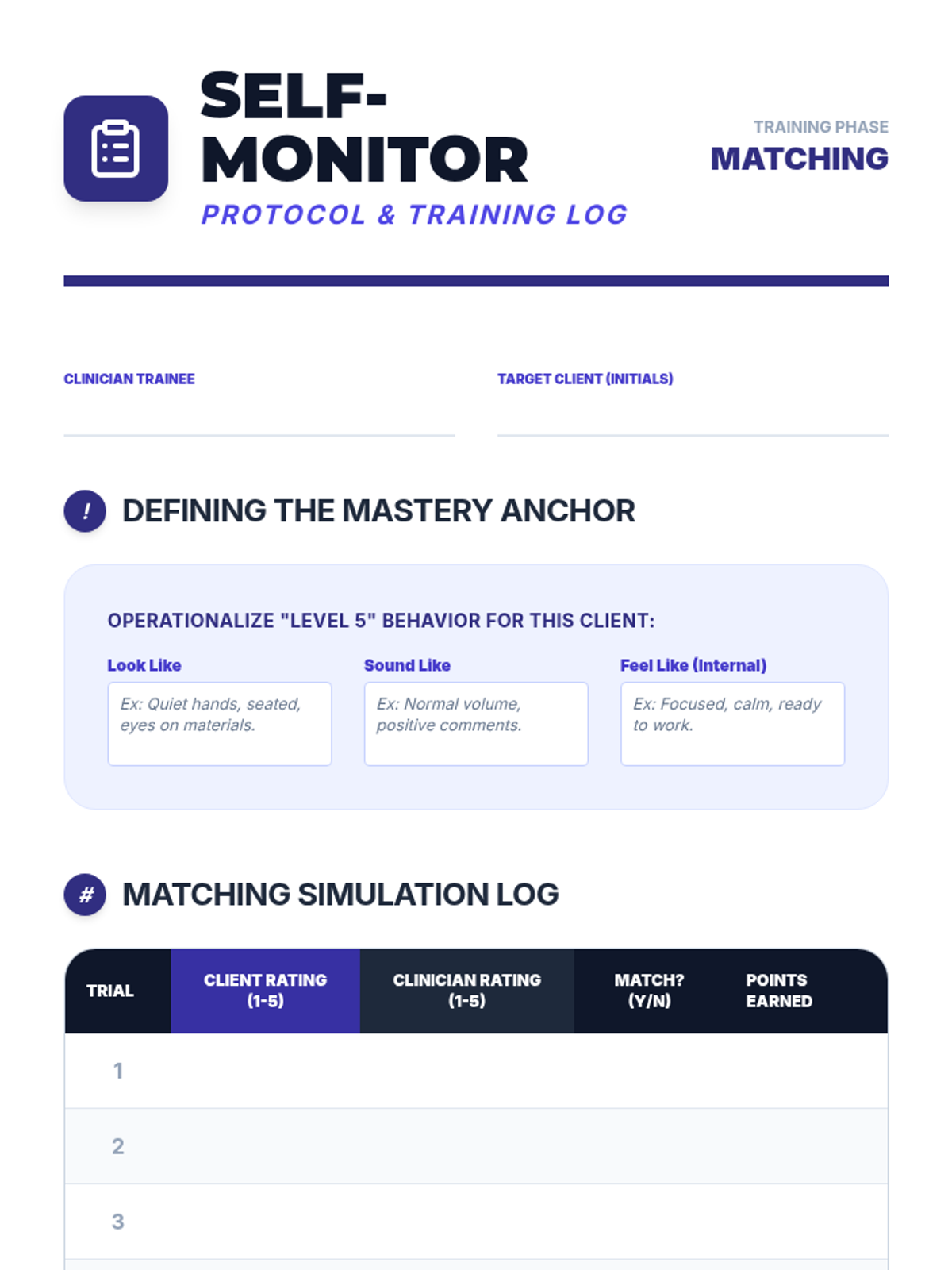
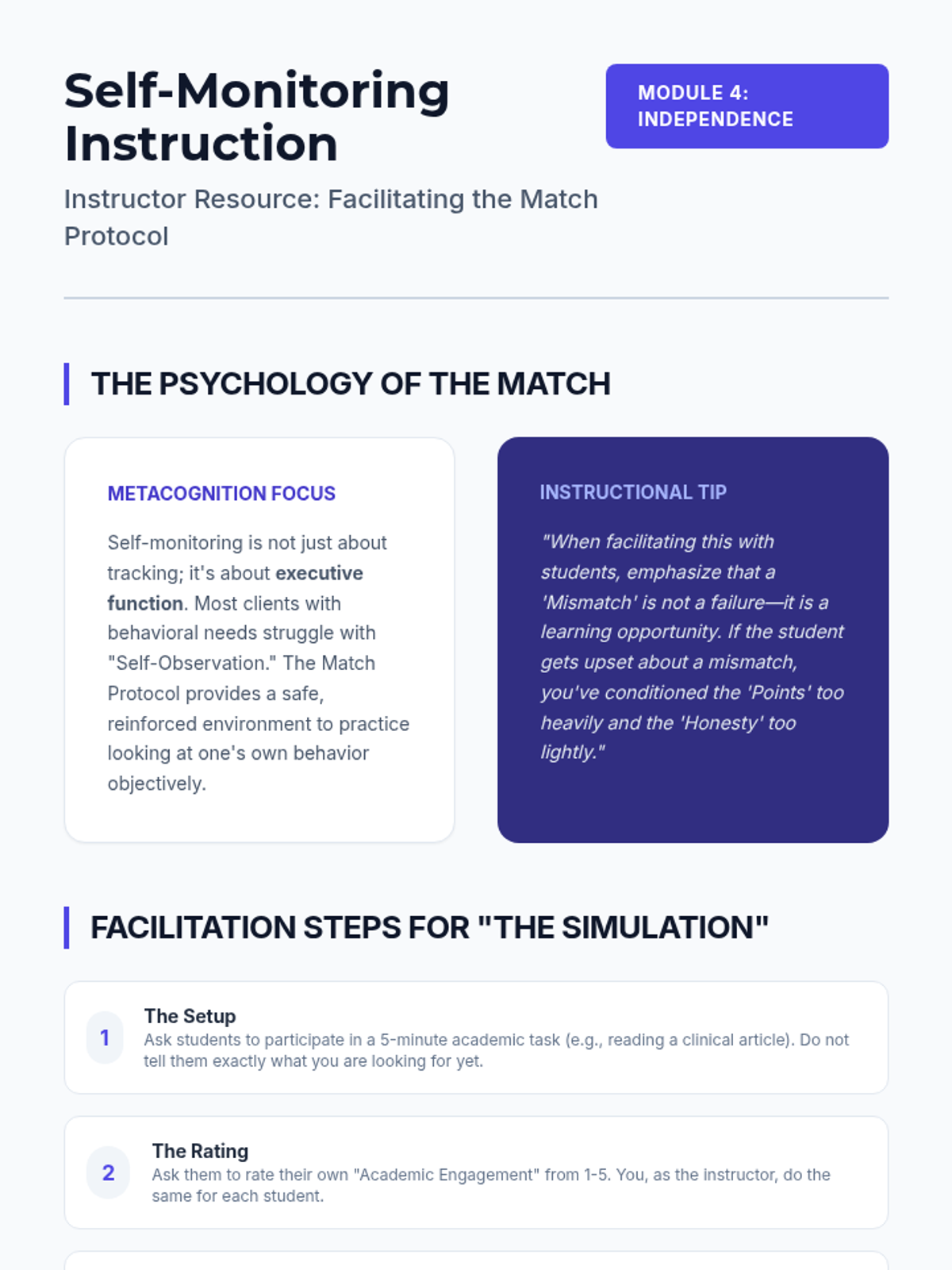
A lesson centered on developing self-monitoring skills for task completion and quality through a gamified weekly point system. Students learn to evaluate their own work against specific criteria and match their assessments with teacher feedback.
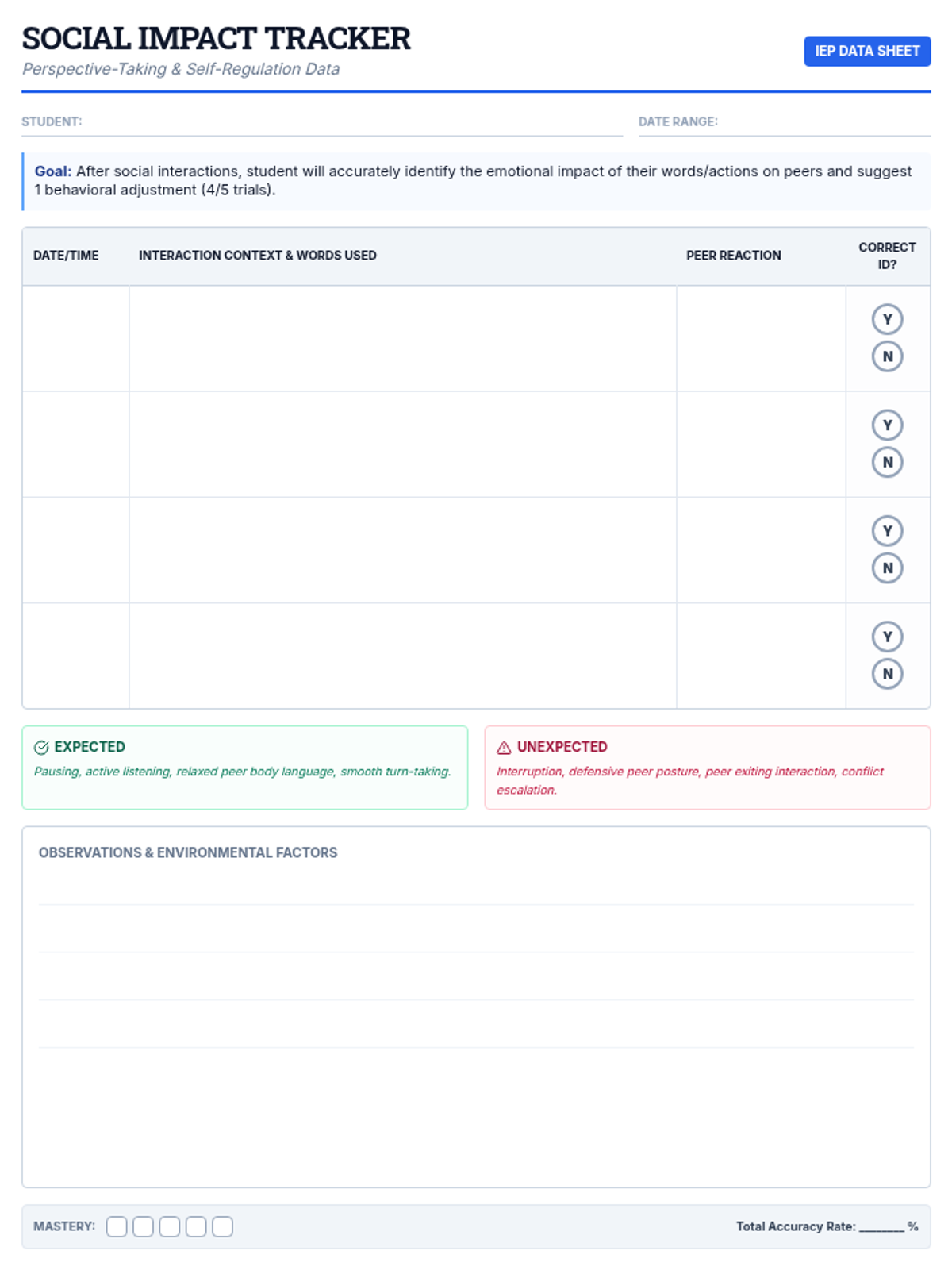
This lesson focuses on developing perspective-taking skills, specifically helping students understand the ripple effect of their words and actions on the people around them. It includes tools for monitoring progress and reflective practice.
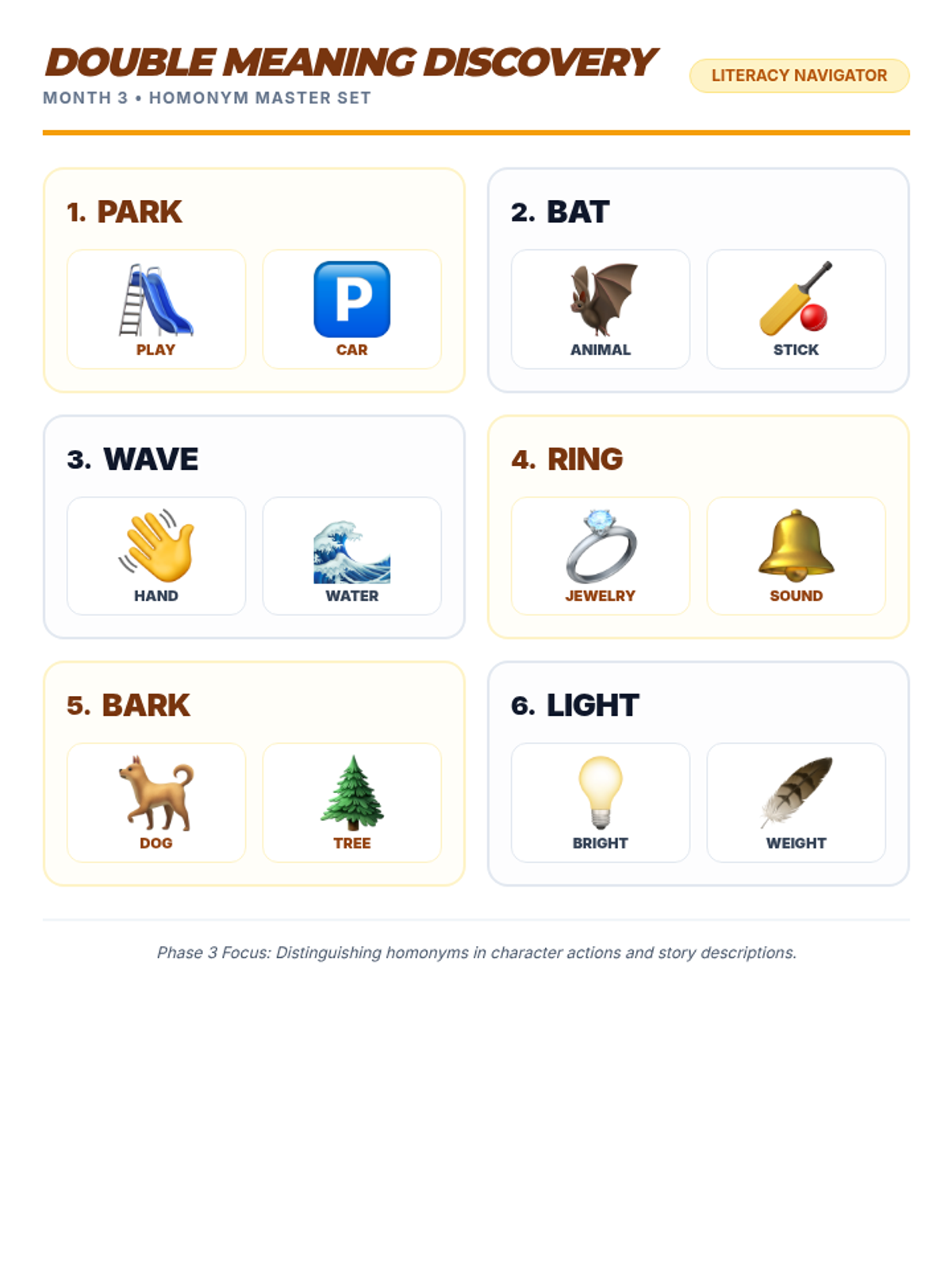
Introduction to high-frequency multiple-meaning words found in 3rd and 4th-grade texts with heavy visual support and functional application.
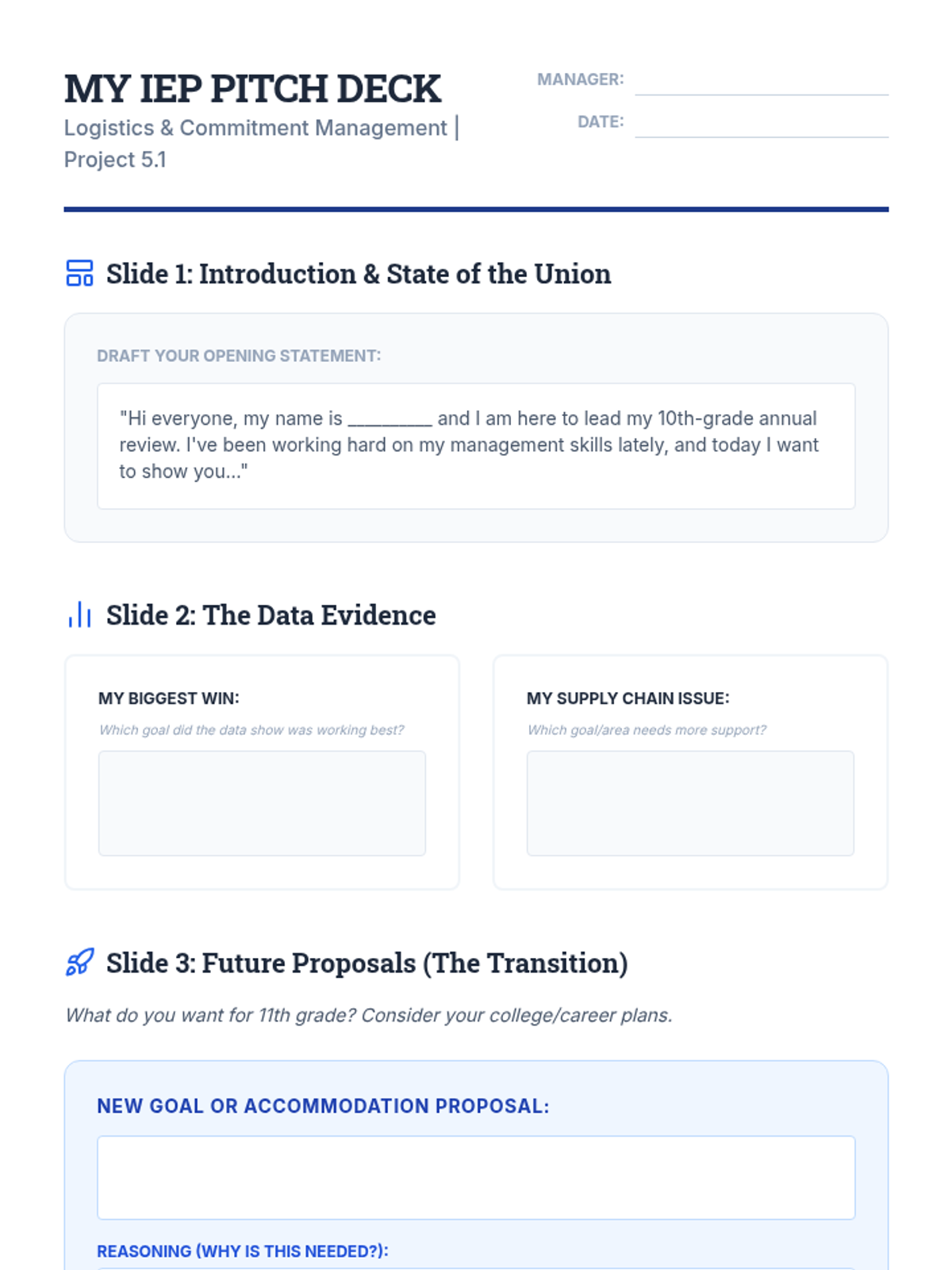
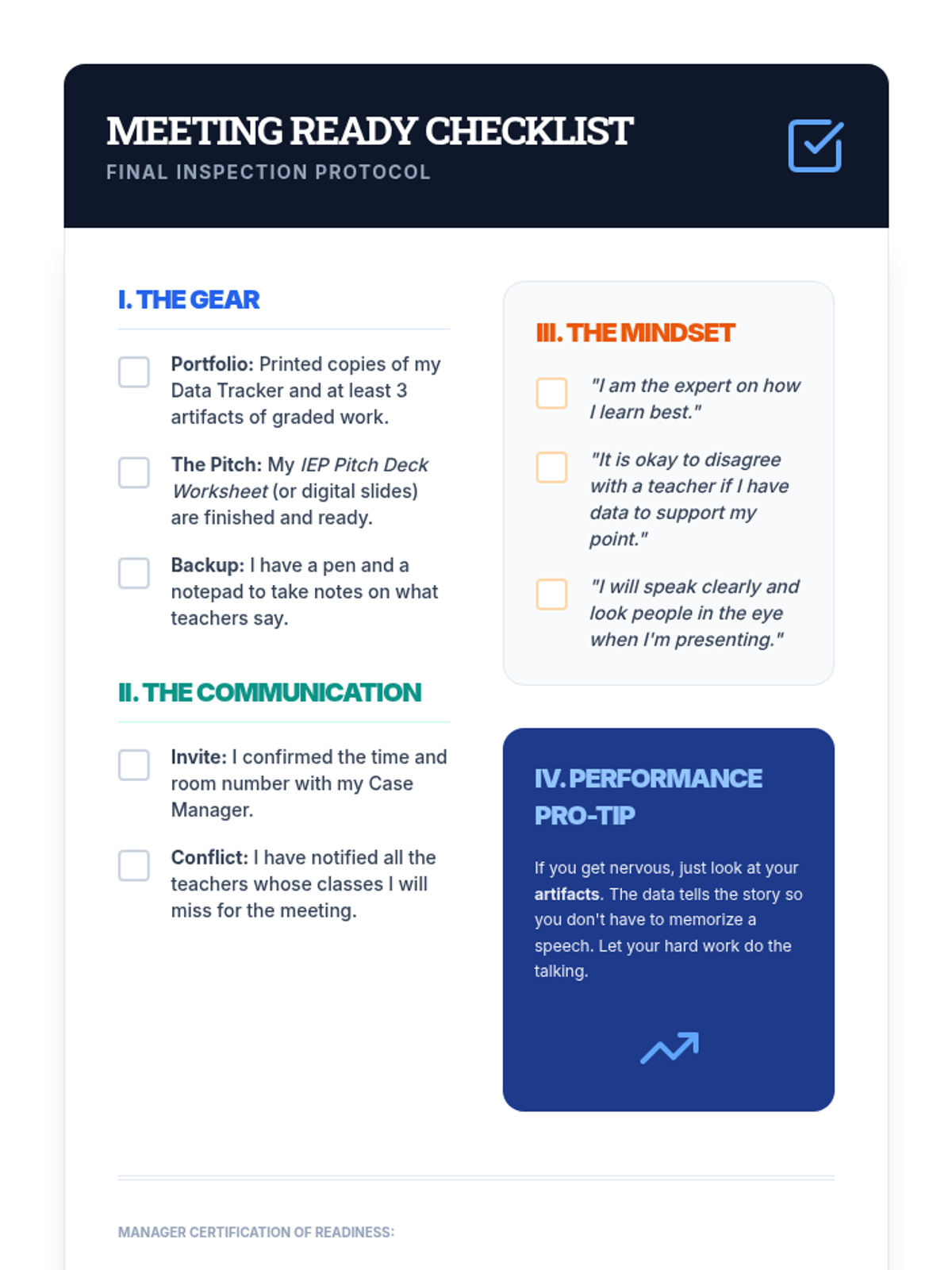
In the capstone lesson, students synthesize their scheduling, organization, and data-tracking efforts to prepare a professional presentation for their next IEP meeting. They practice leading the conversation about their own future.
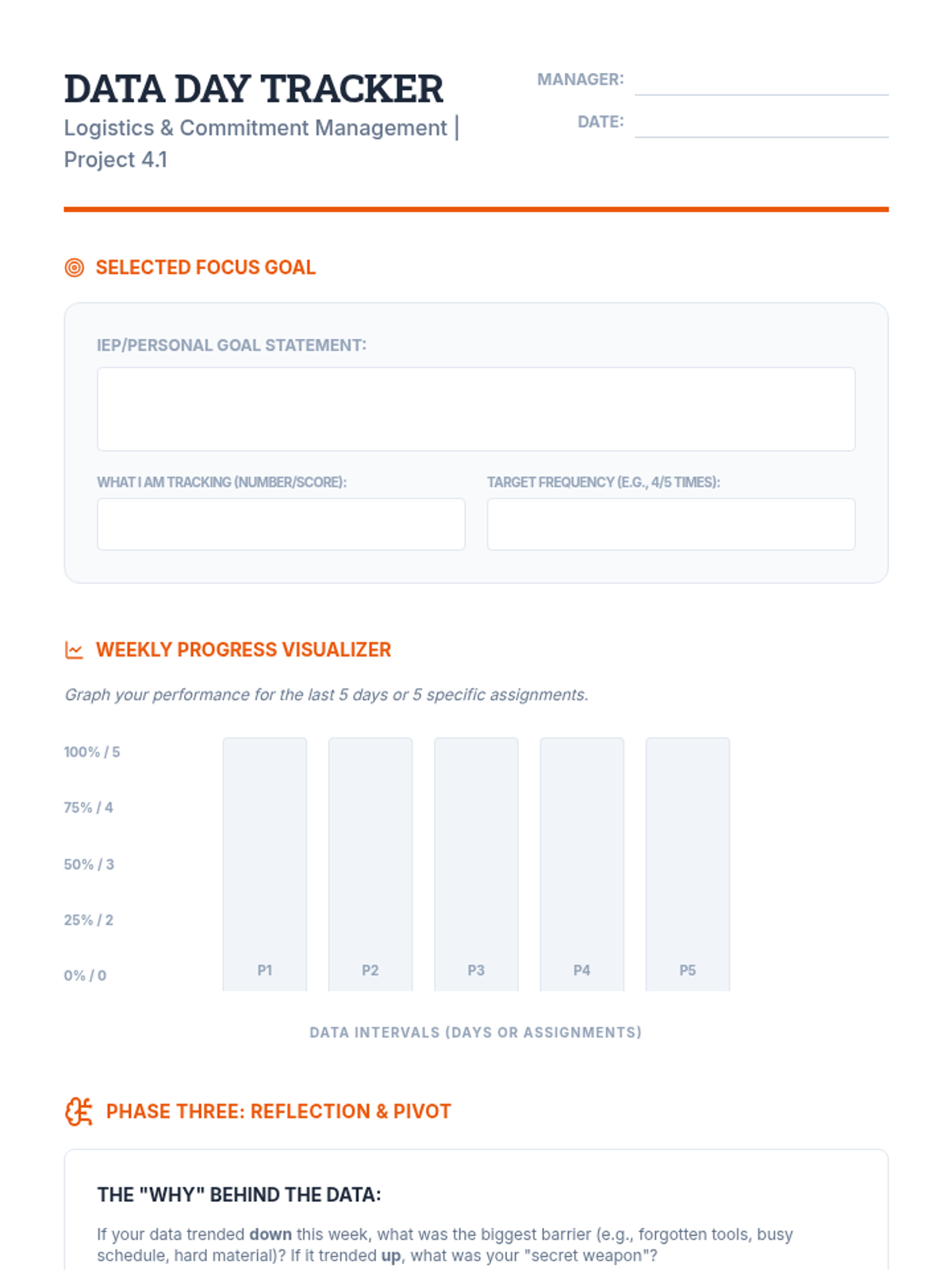
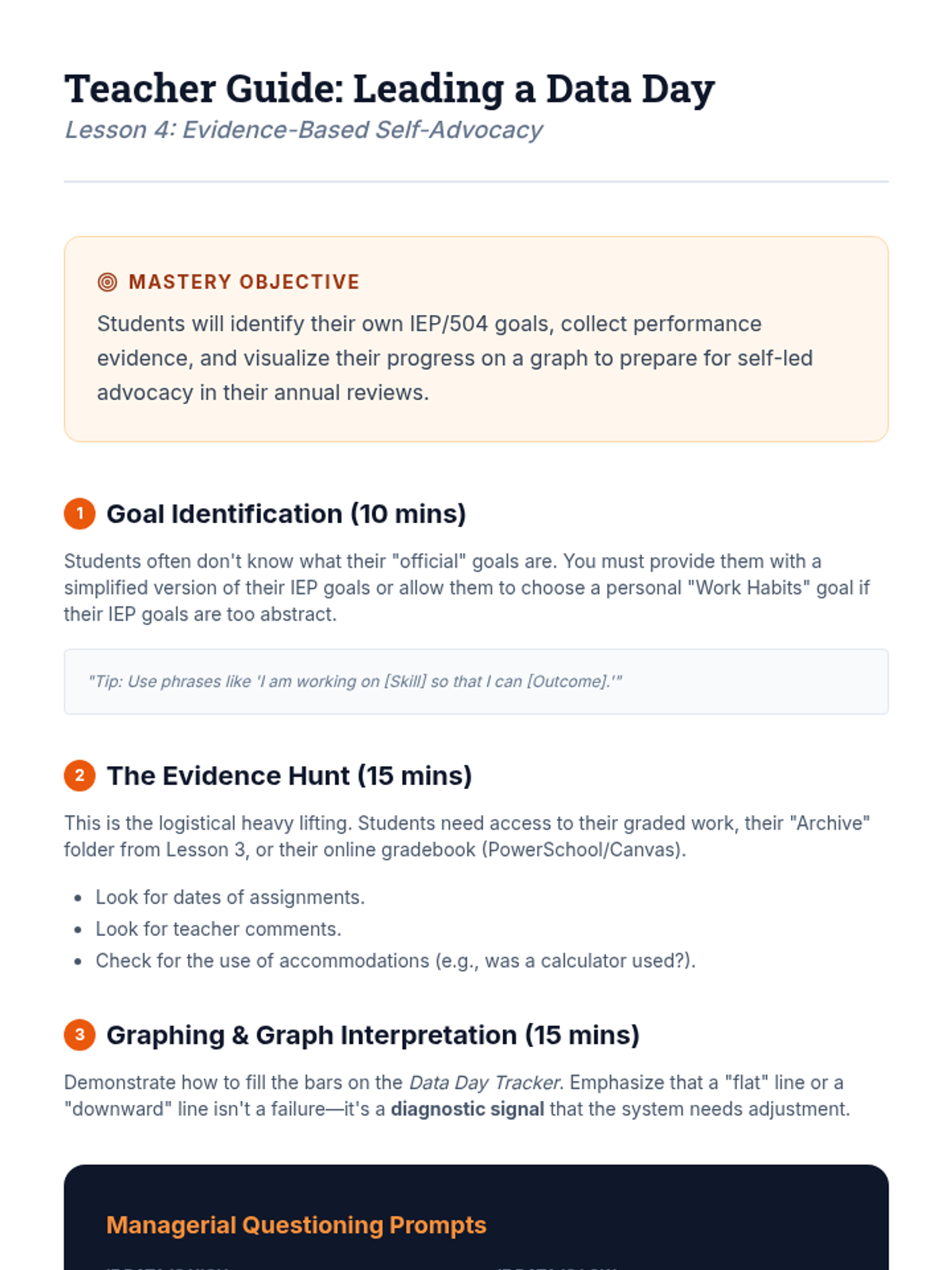
Students take charge of their own progress by learning to track data against their IEP goals. They develop a 'Data Day' routine for self-reflection and objective performance monitoring.
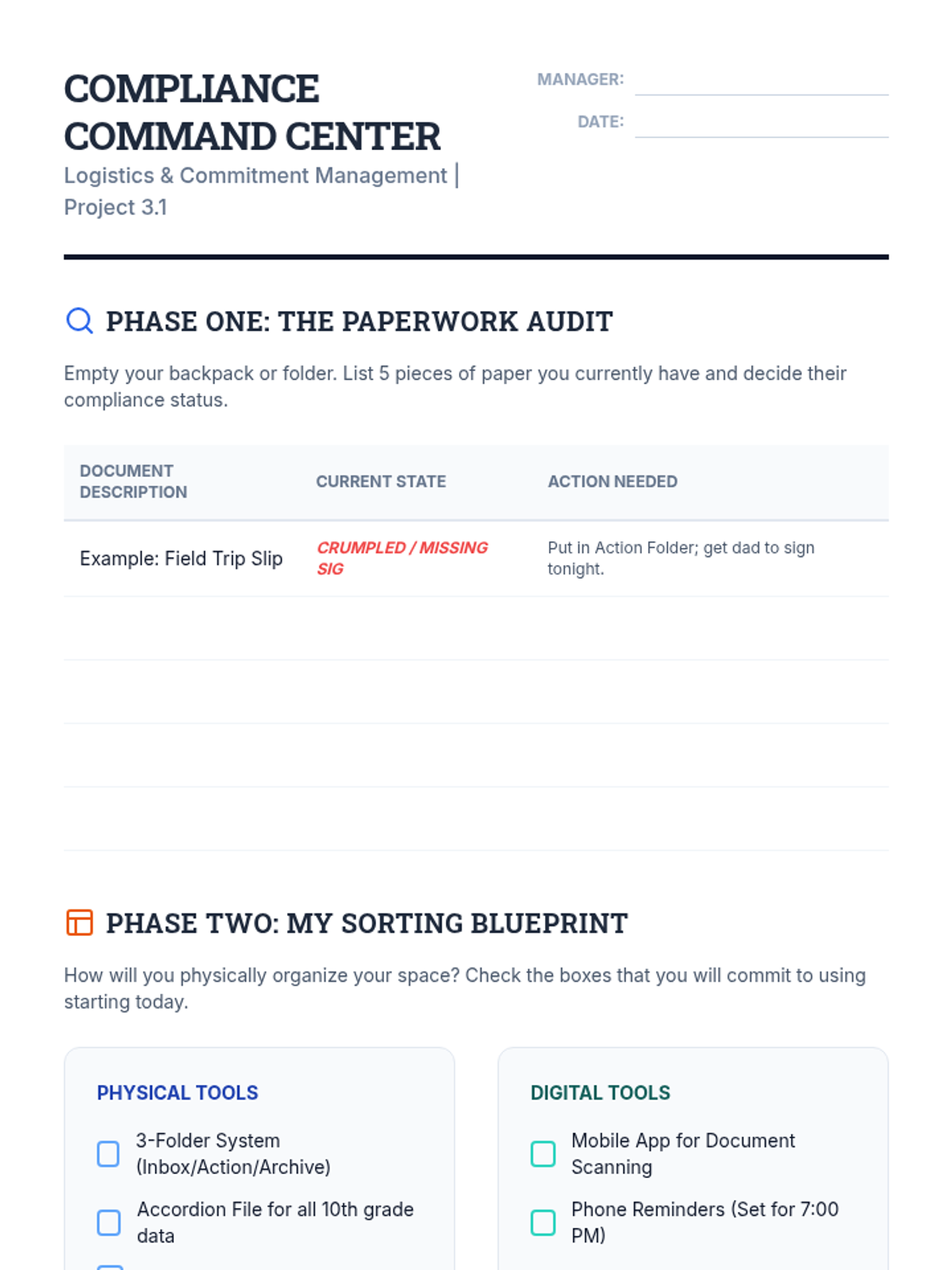
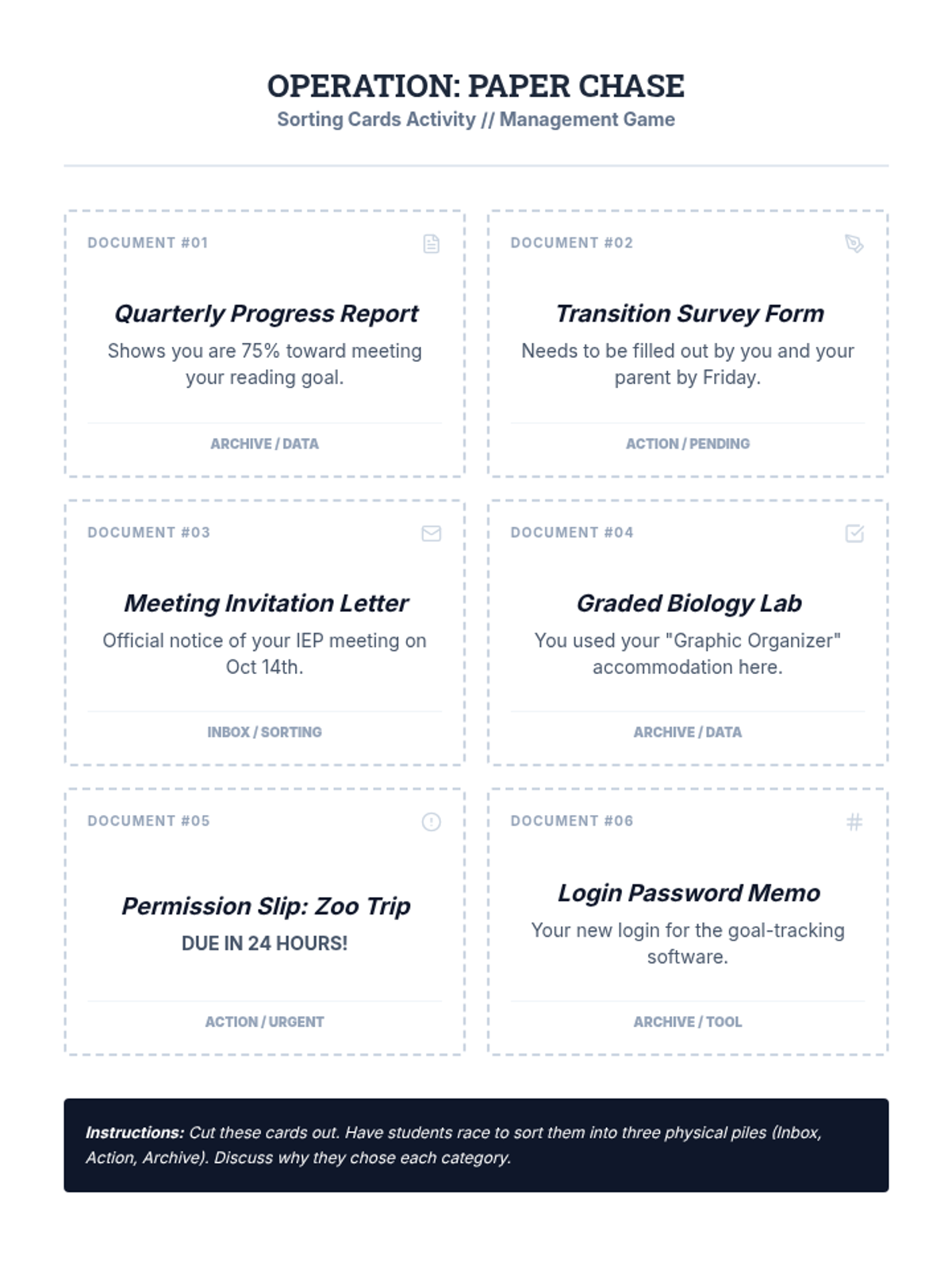
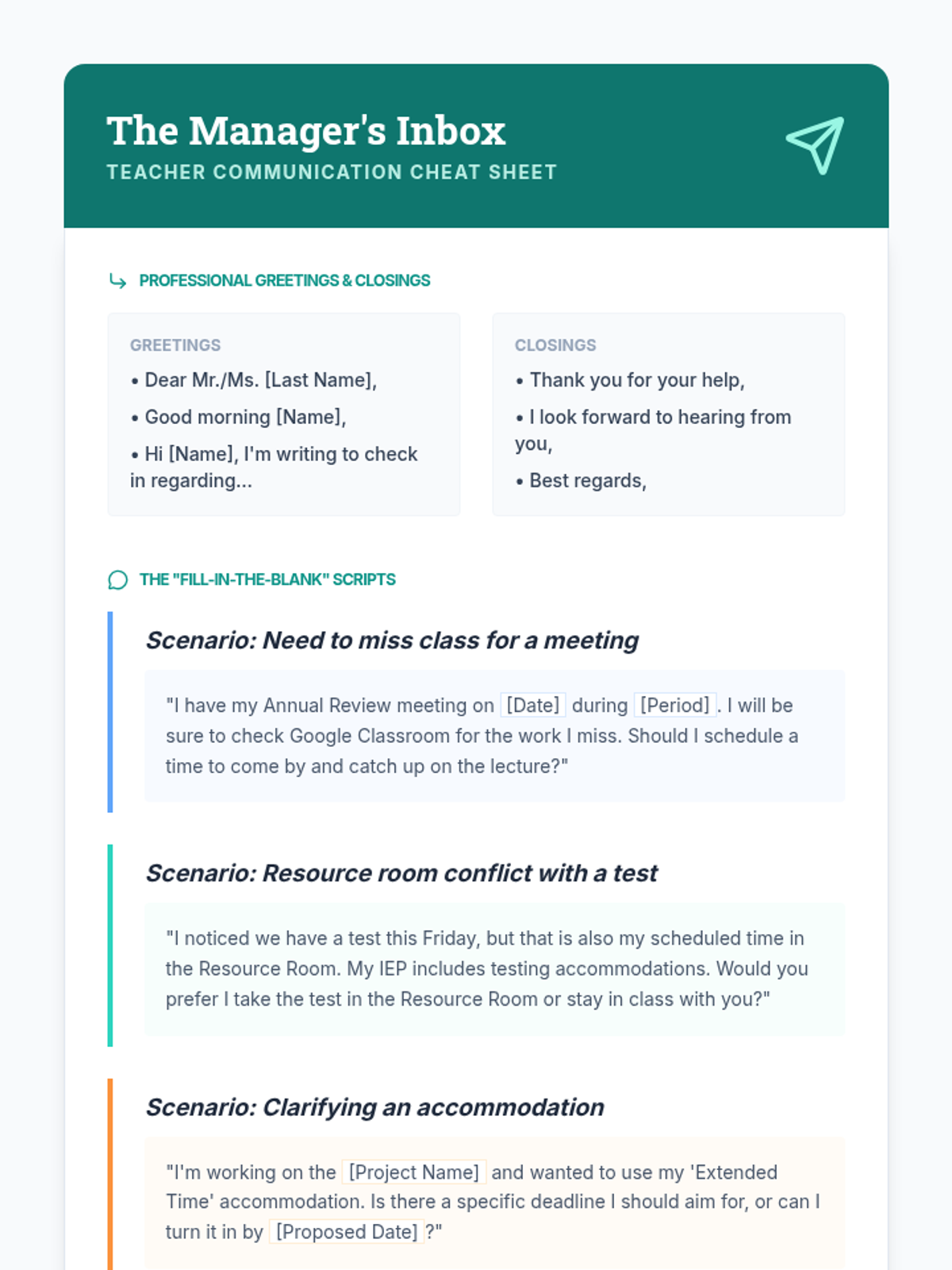
Students tackle the administrative side of education, from permission slips to agenda management. They develop a personal 'compliance system' to stay organized and responsible for their own paperwork.
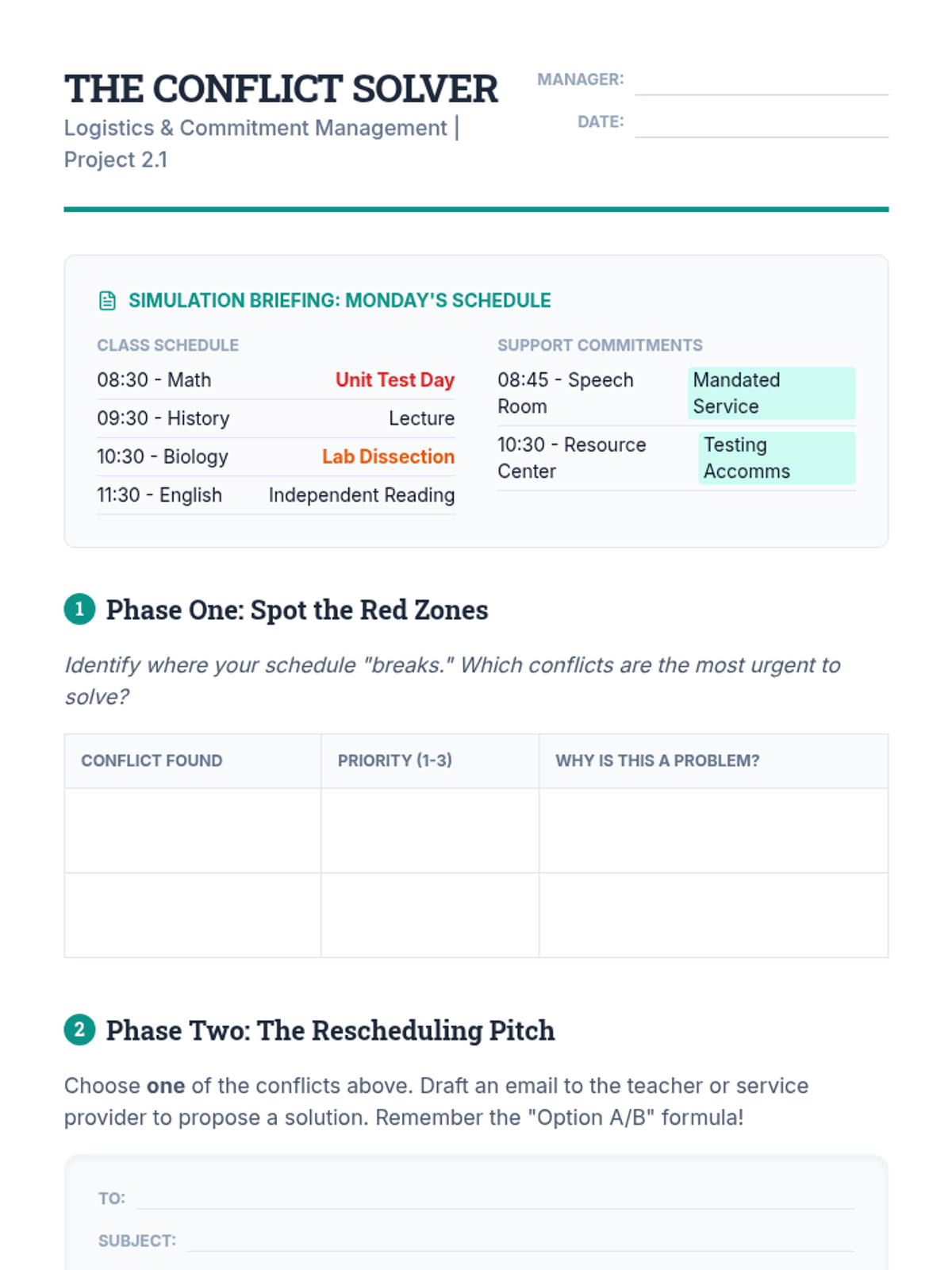
Students learn the art of coordinating conflicting schedules, focusing on the overlap between general education classes and mandated support services. They practice professional communication to resolve these conflicts.
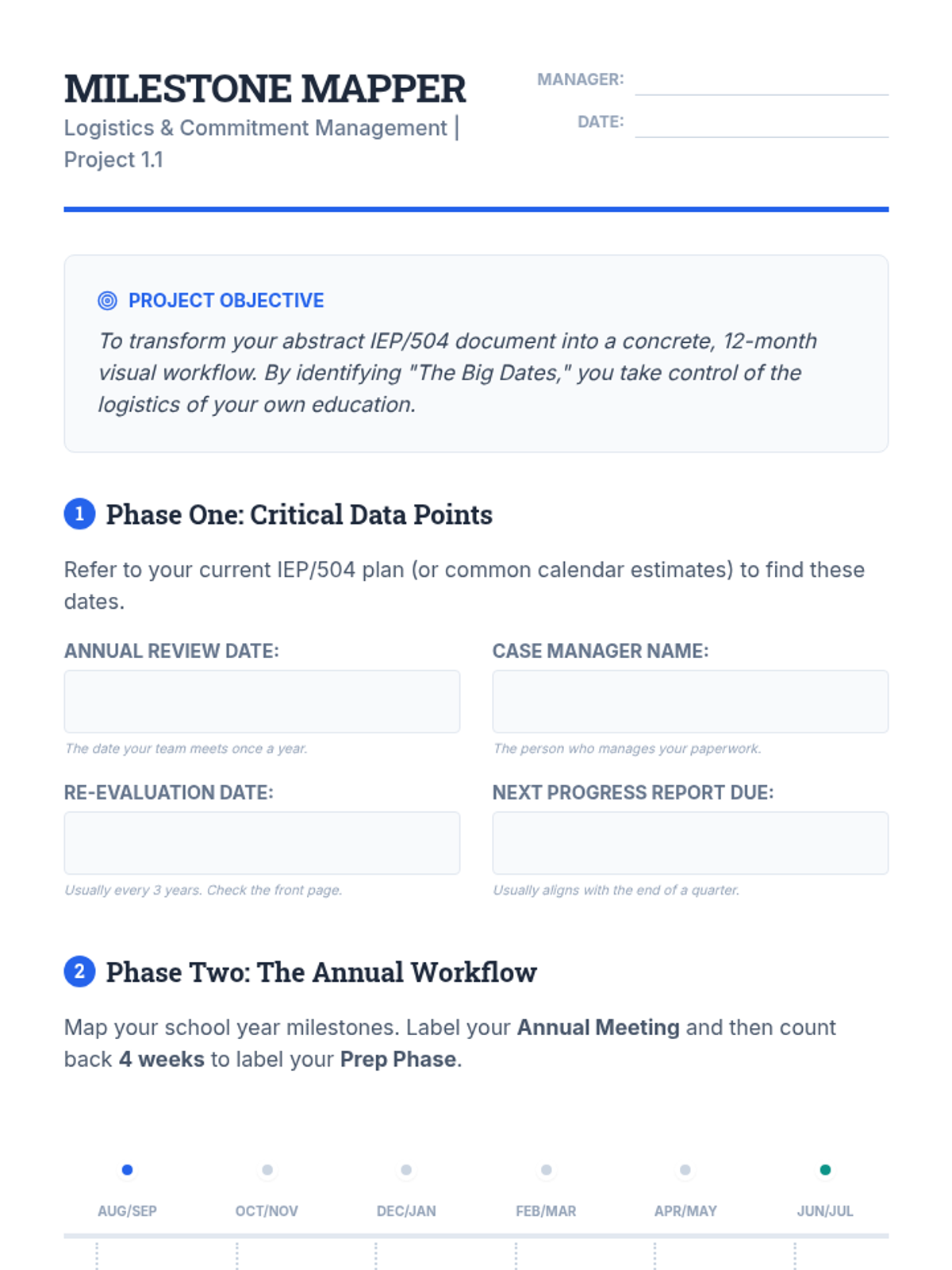
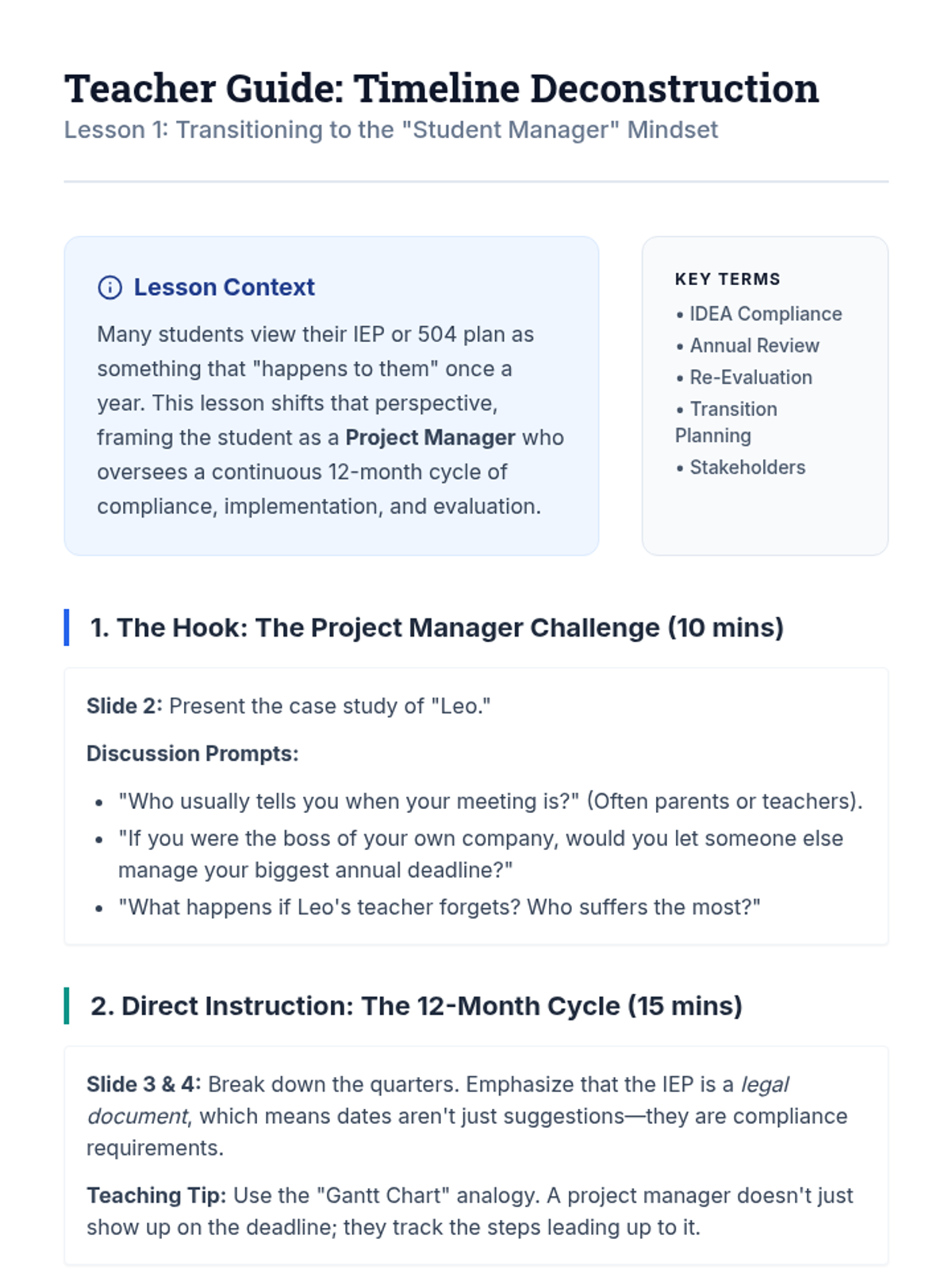
Students act as project managers to deconstruct the annual IEP/504 cycle, identifying critical deadlines and mapping out their own educational timelines.
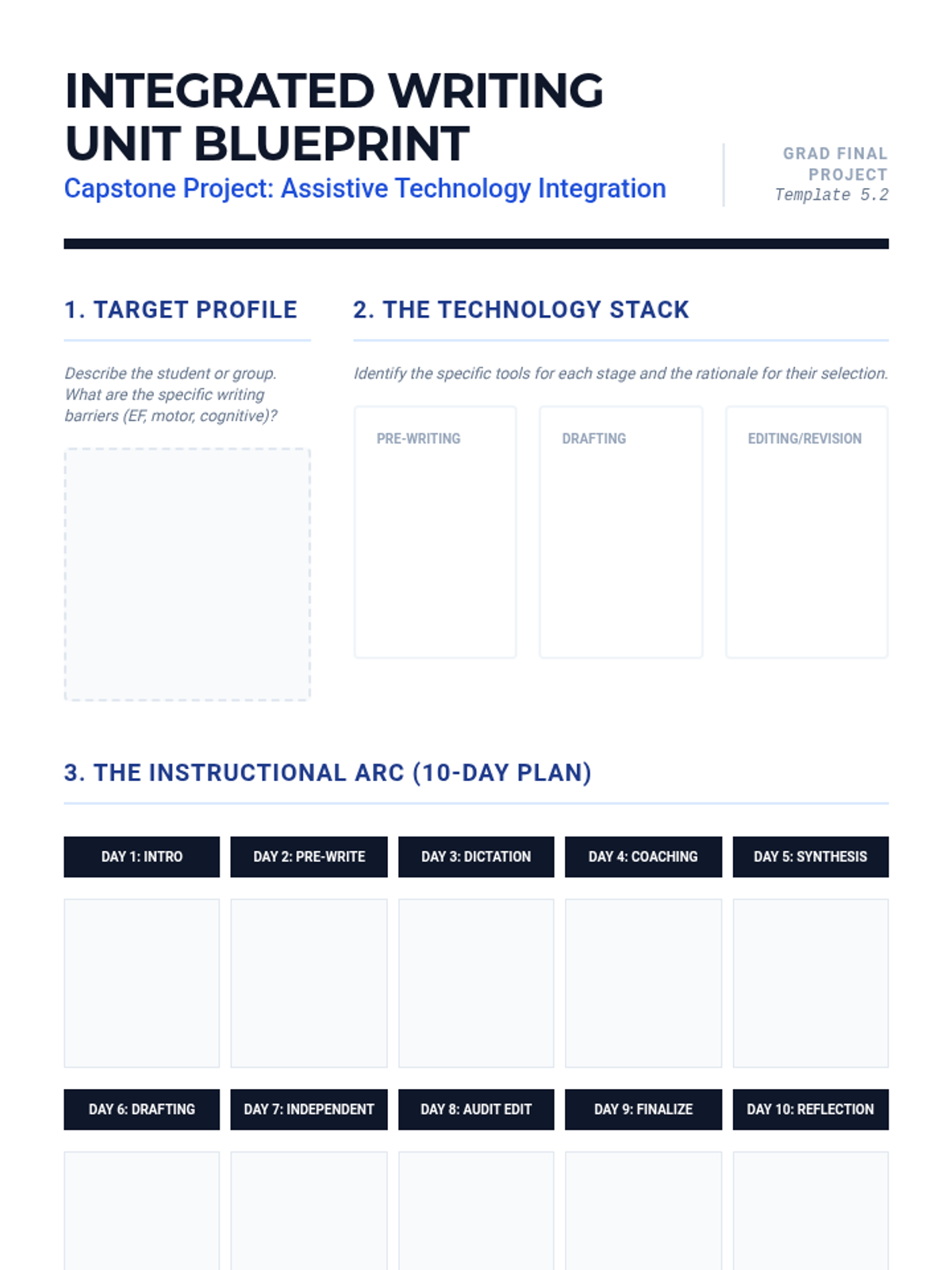
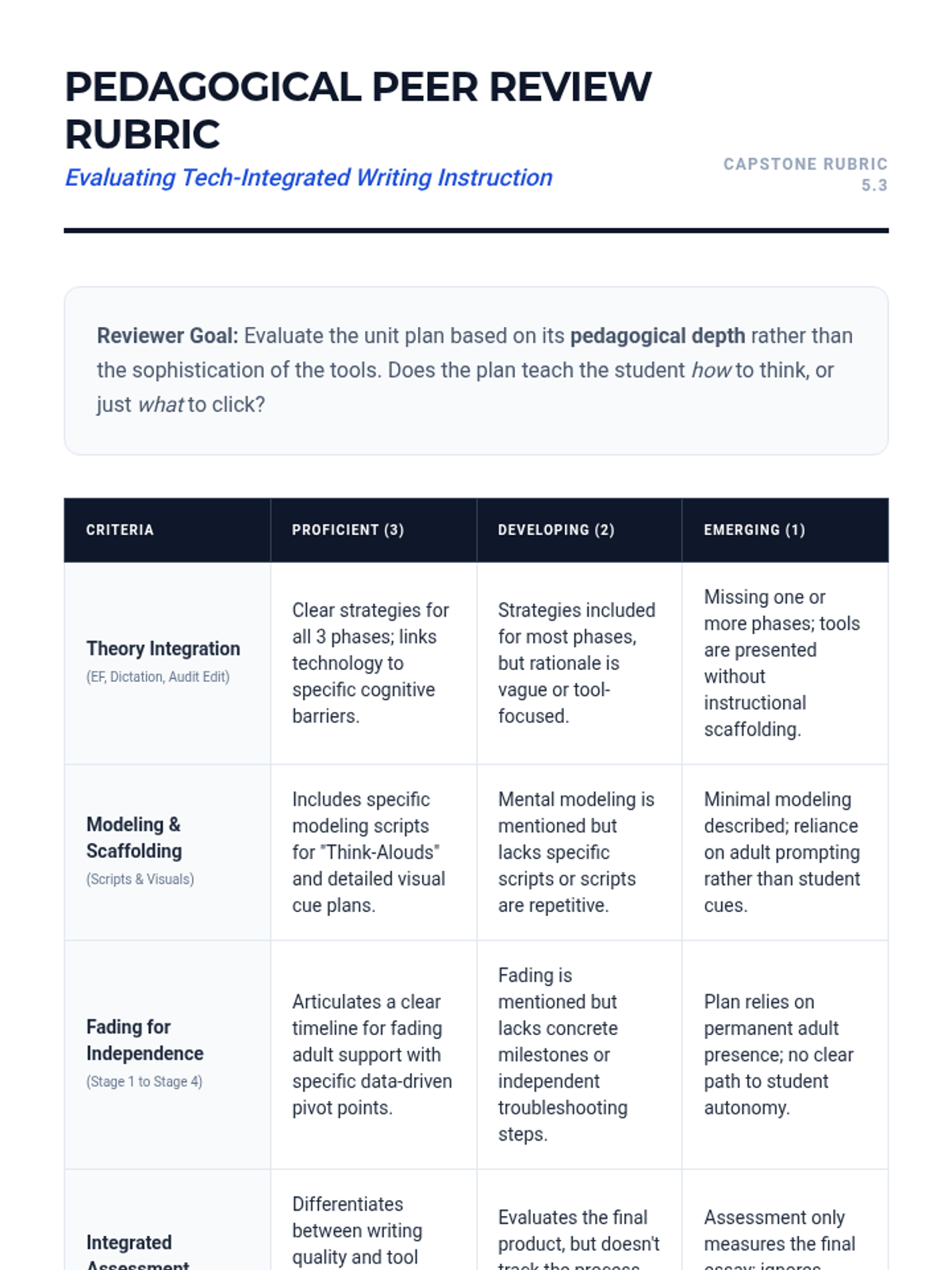
A synthesis lesson where participants design a 2-week writing unit integrating assistive technology. Includes modeling, guided practice, and assessment of tech-integrated writing products.
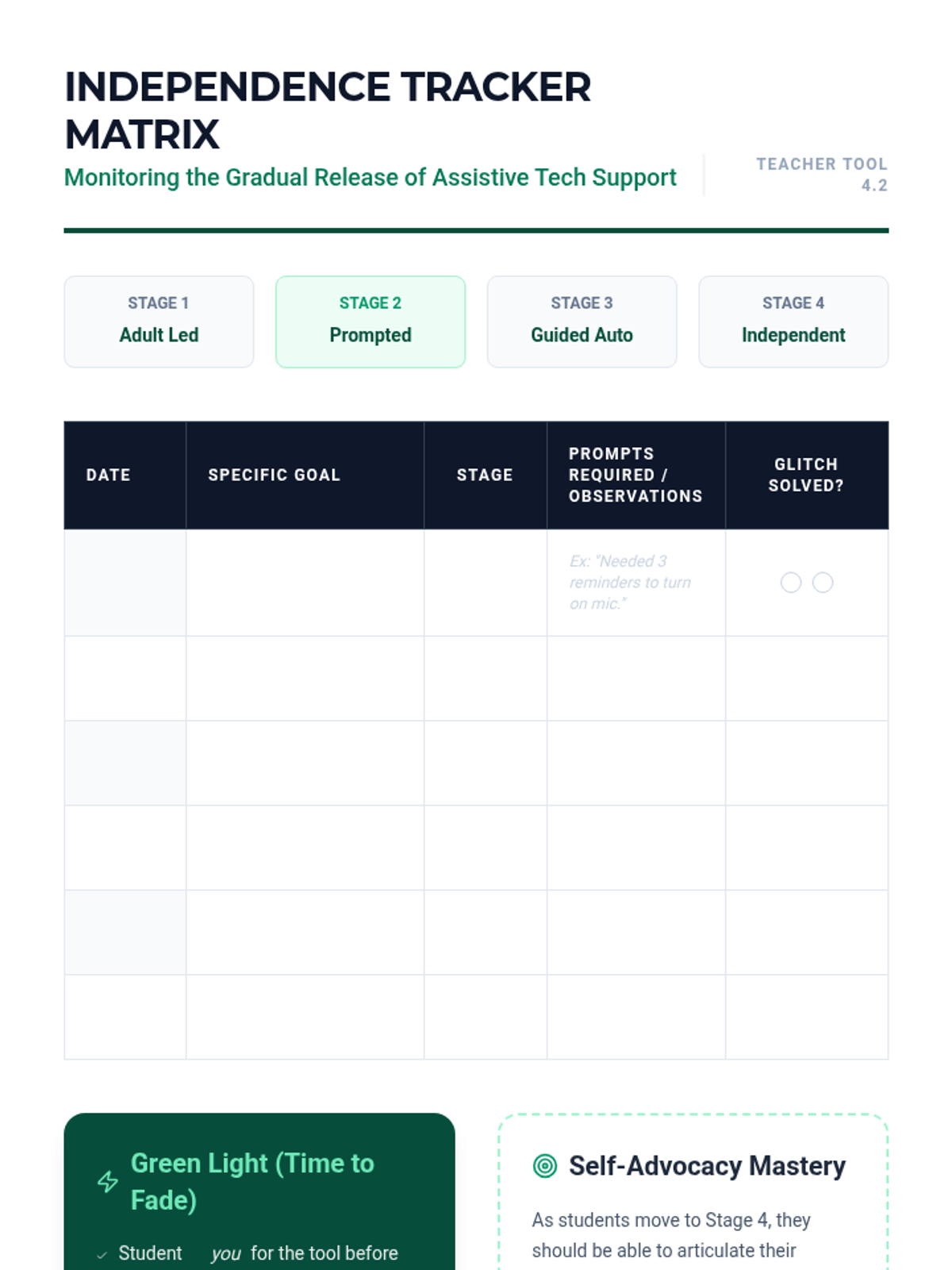
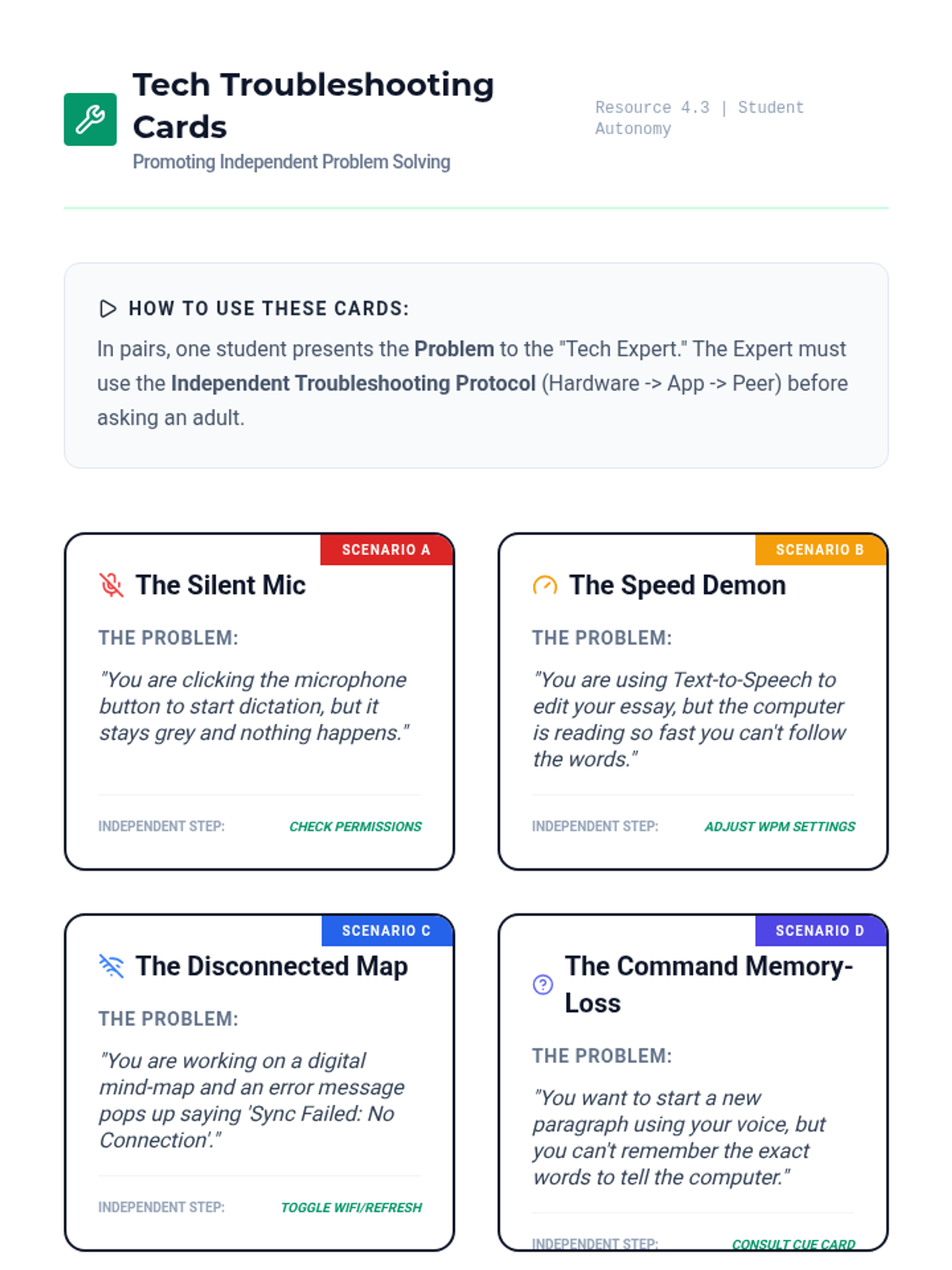
Addresses the transition from adult-prompted technology use to student independence. Focuses on data-driven fading plans and teaching students to manage their own troubleshooting.
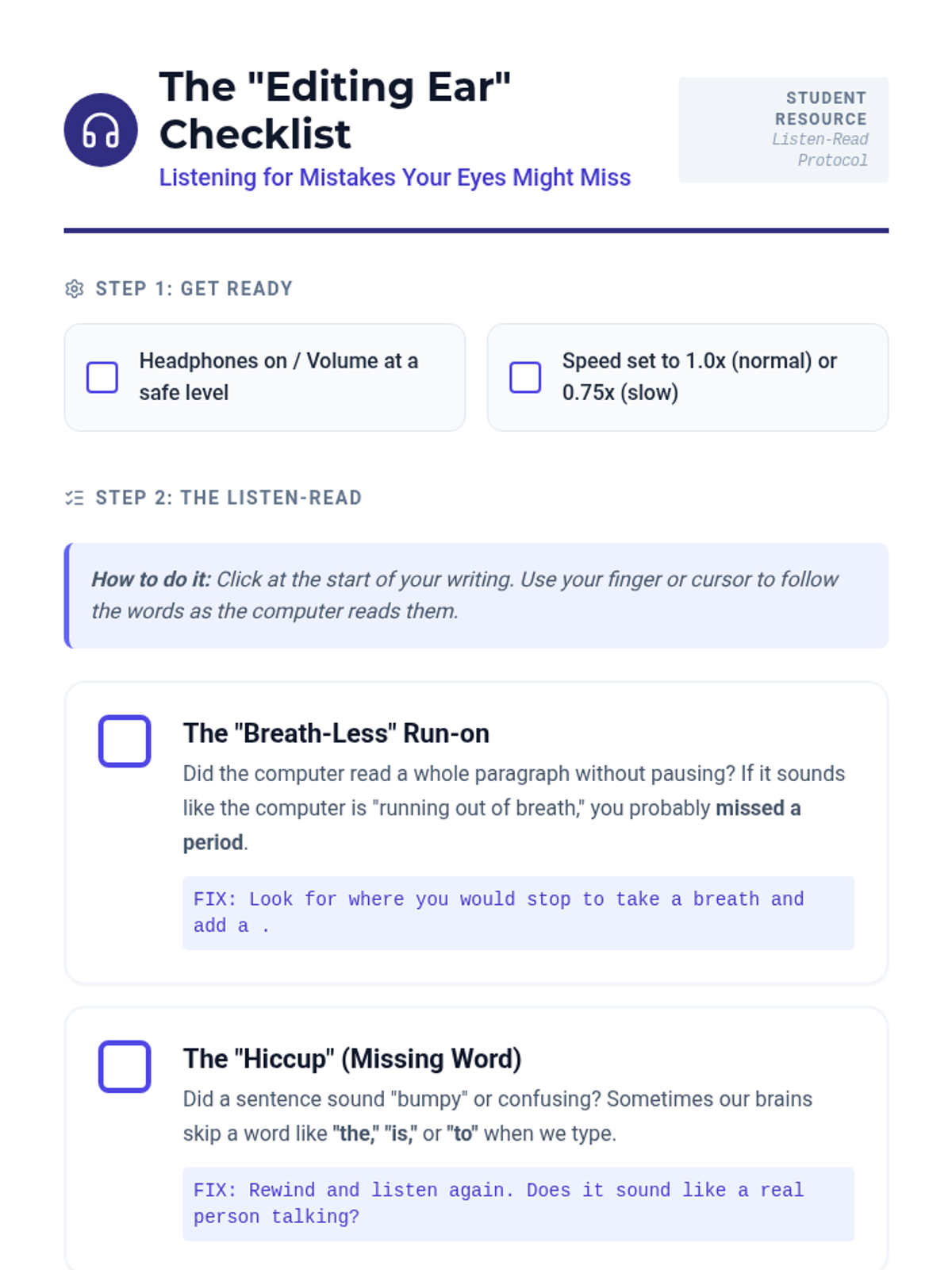
Teaches the 'Listen-Read' method for auditory editing using Text-to-Speech (TTS). Participants develop student checklists to catch syntax errors and omissions that visual reading might miss.
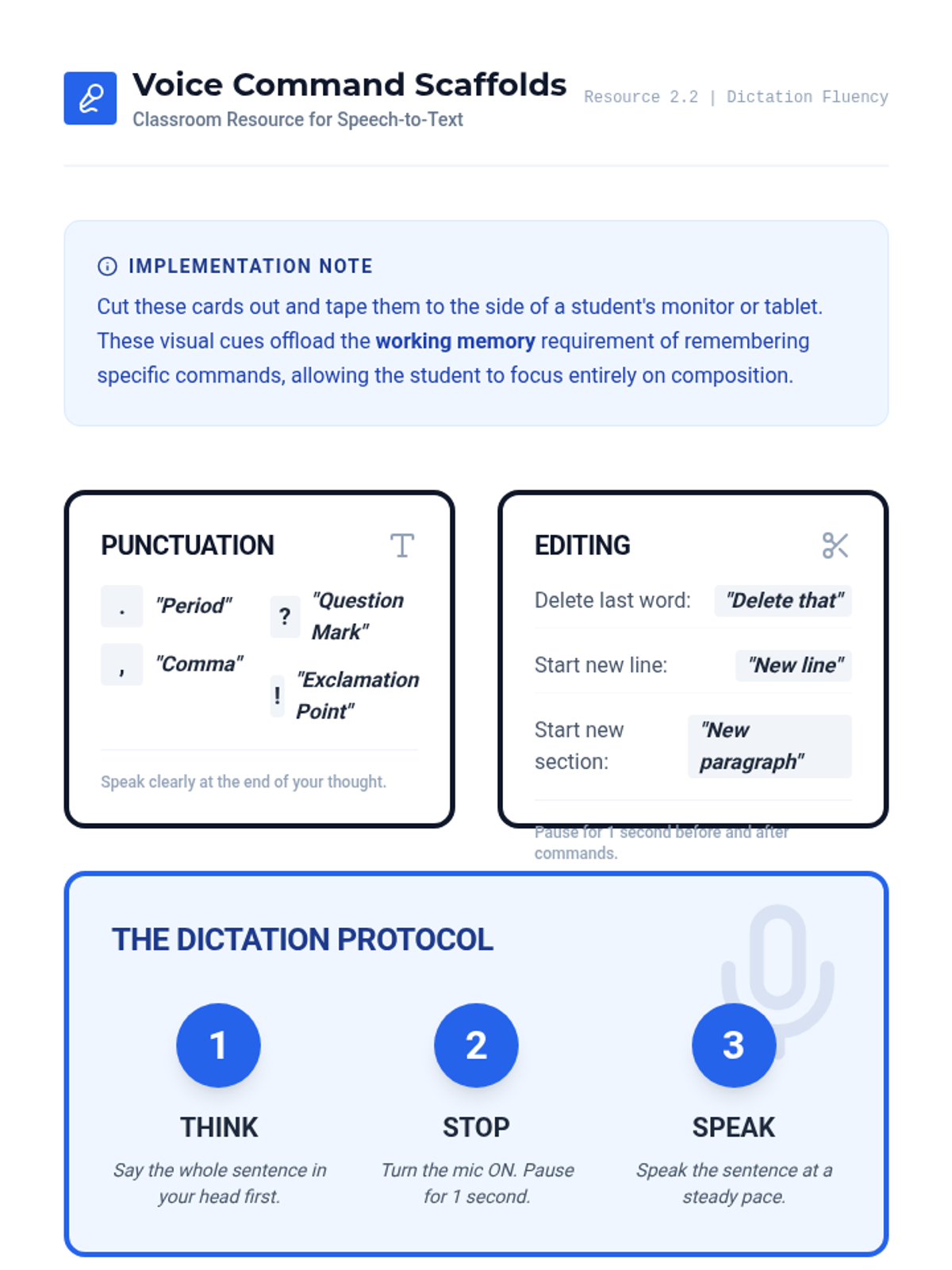
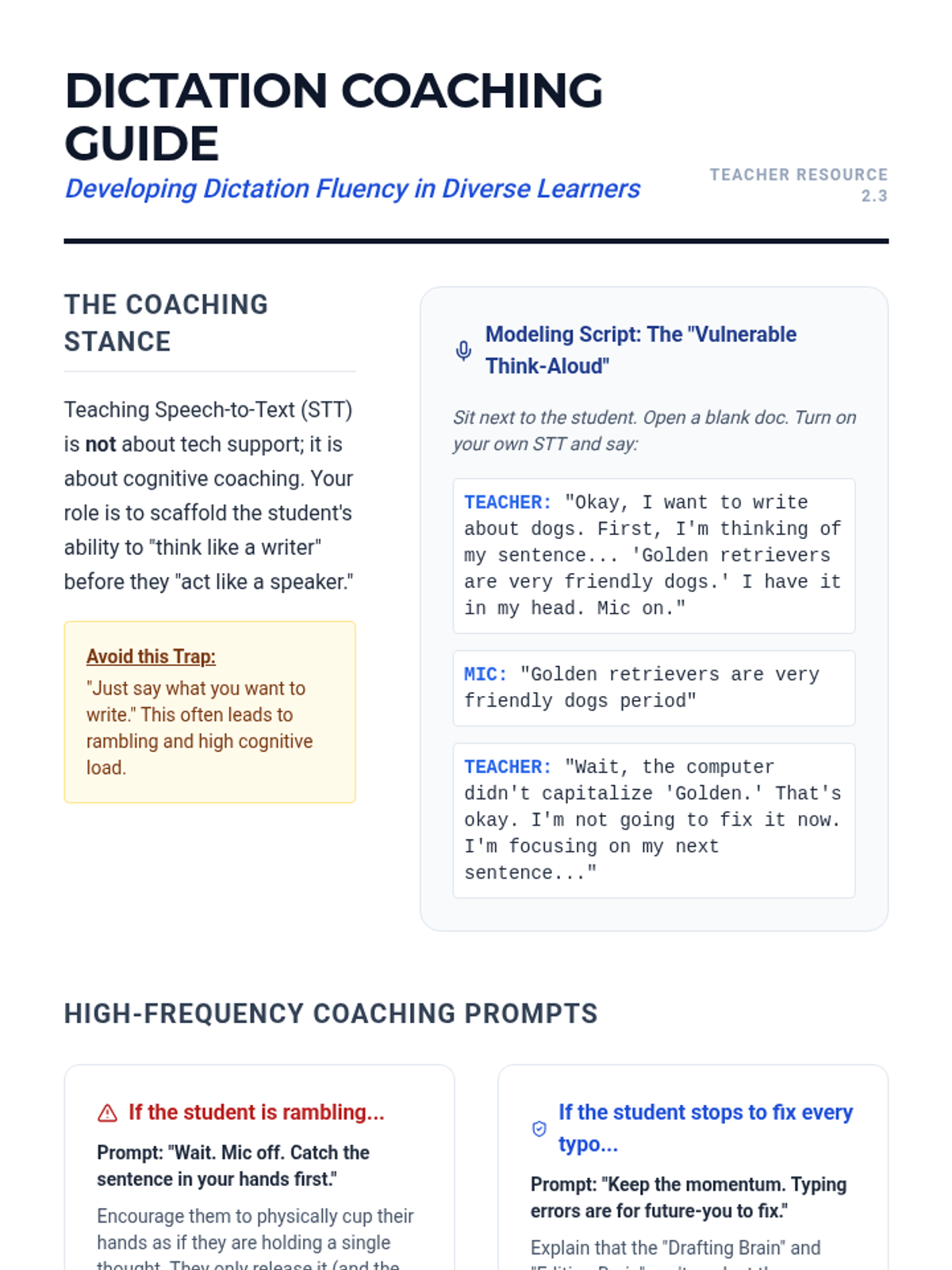
Focuses on 'dictation fluency' and the coaching techniques required for effective speech-to-text use. Covers 'think-alouds', short-burst drafting, and creating visual scaffolds for voice commands.
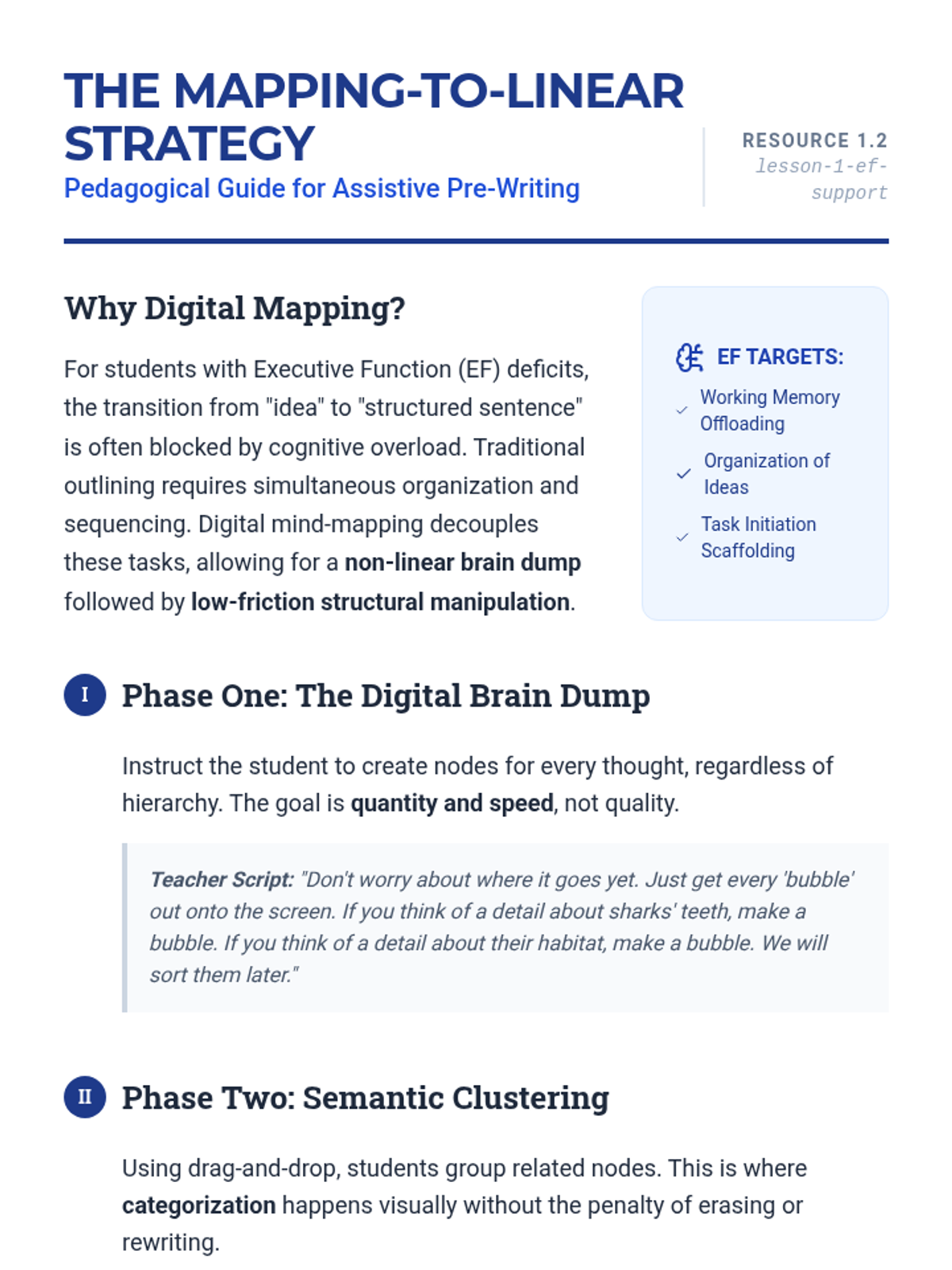
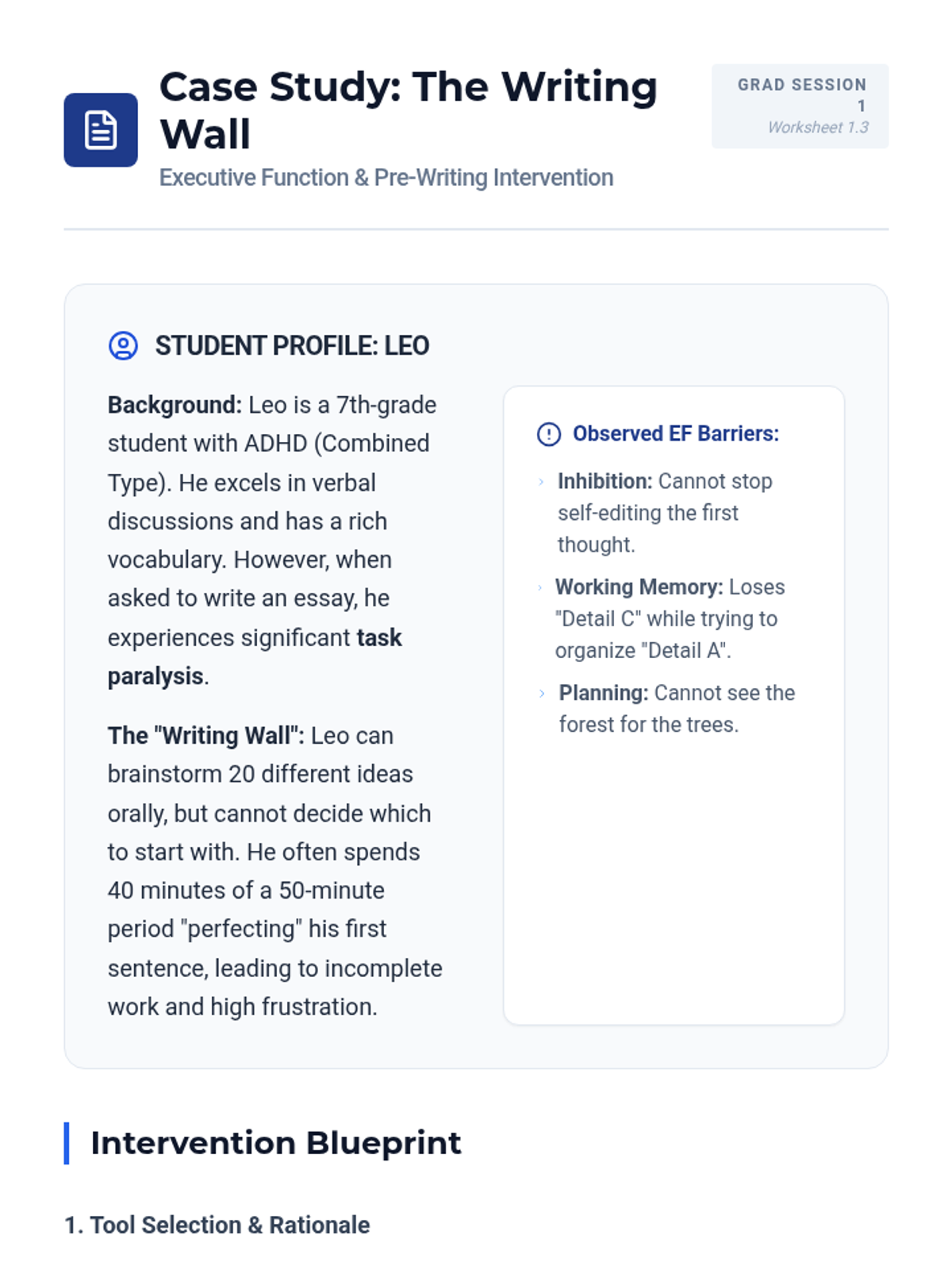
Explores how digital graphic organizers support executive function in the pre-writing stage. Graduate students learn to teach the conversion of mind-maps to linear outlines using drag-and-drop technology.
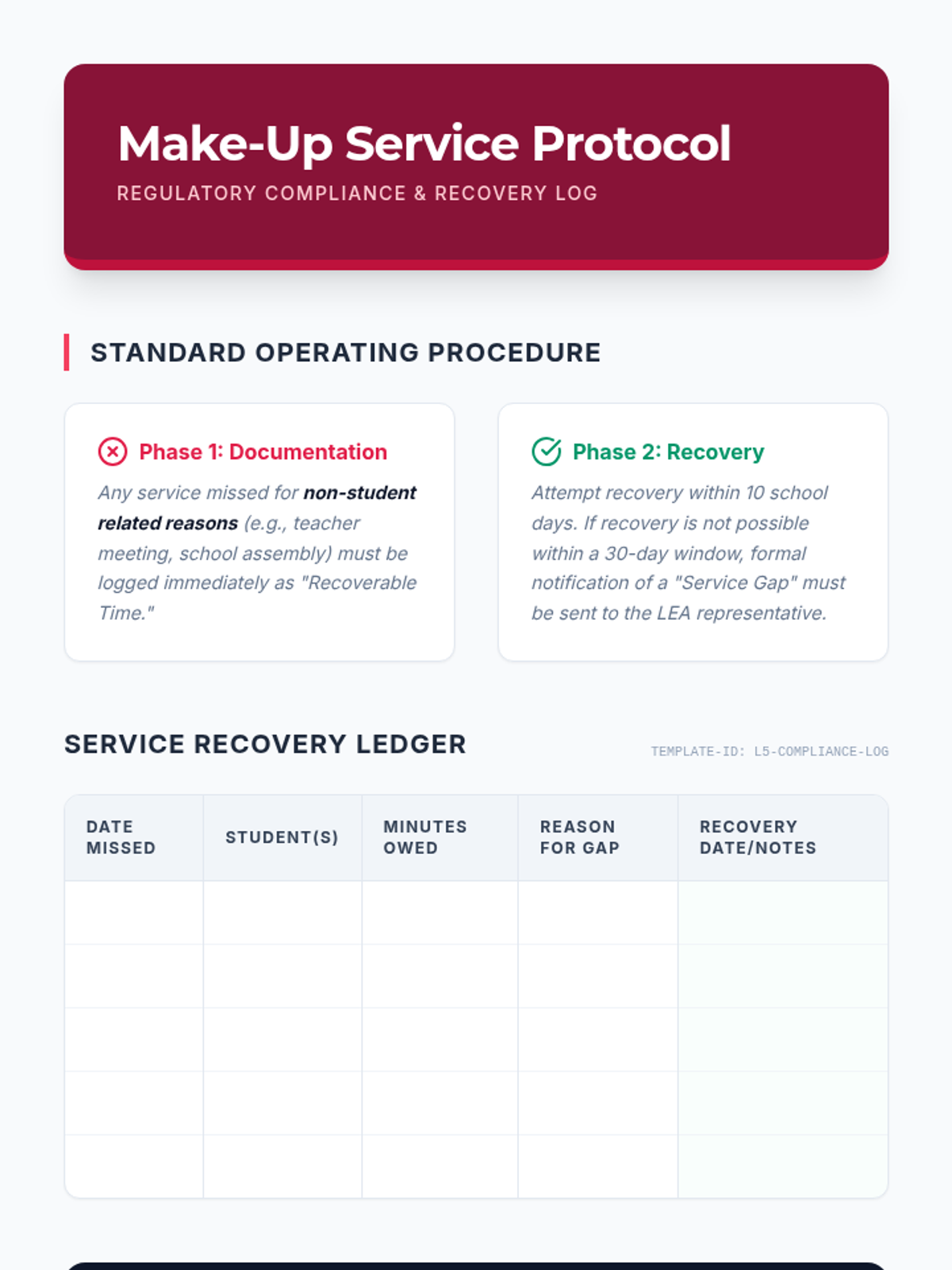
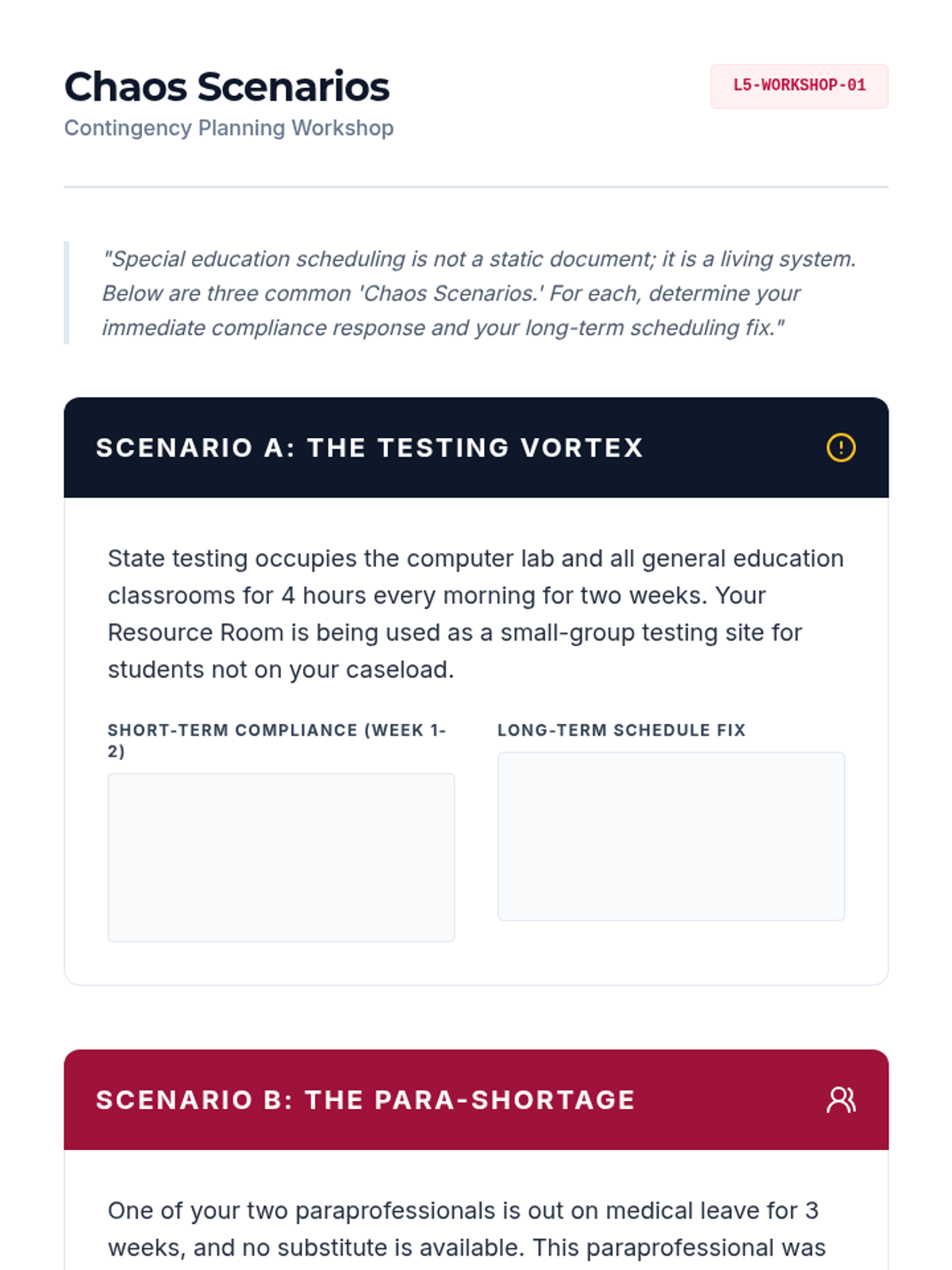
Students develop contingency plans for common disruptions (assemblies, teacher absence, testing weeks). They create a 'Make-Up Service' log and protocol to ensure FAPE is maintained despite irregularities.
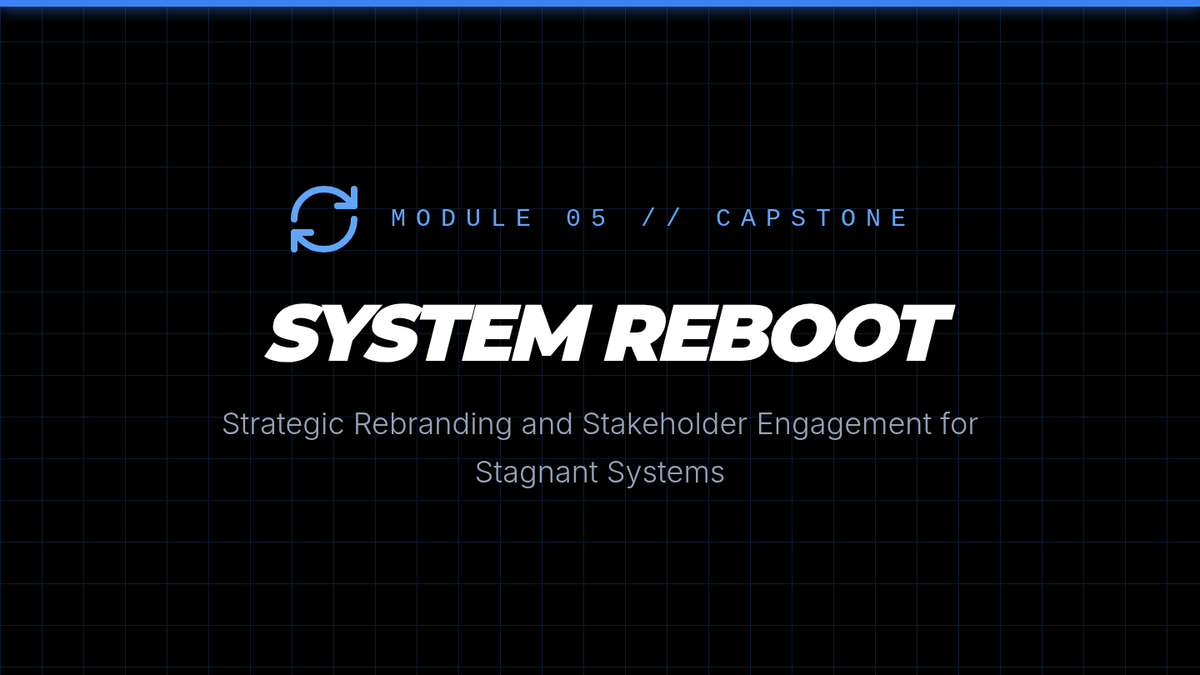
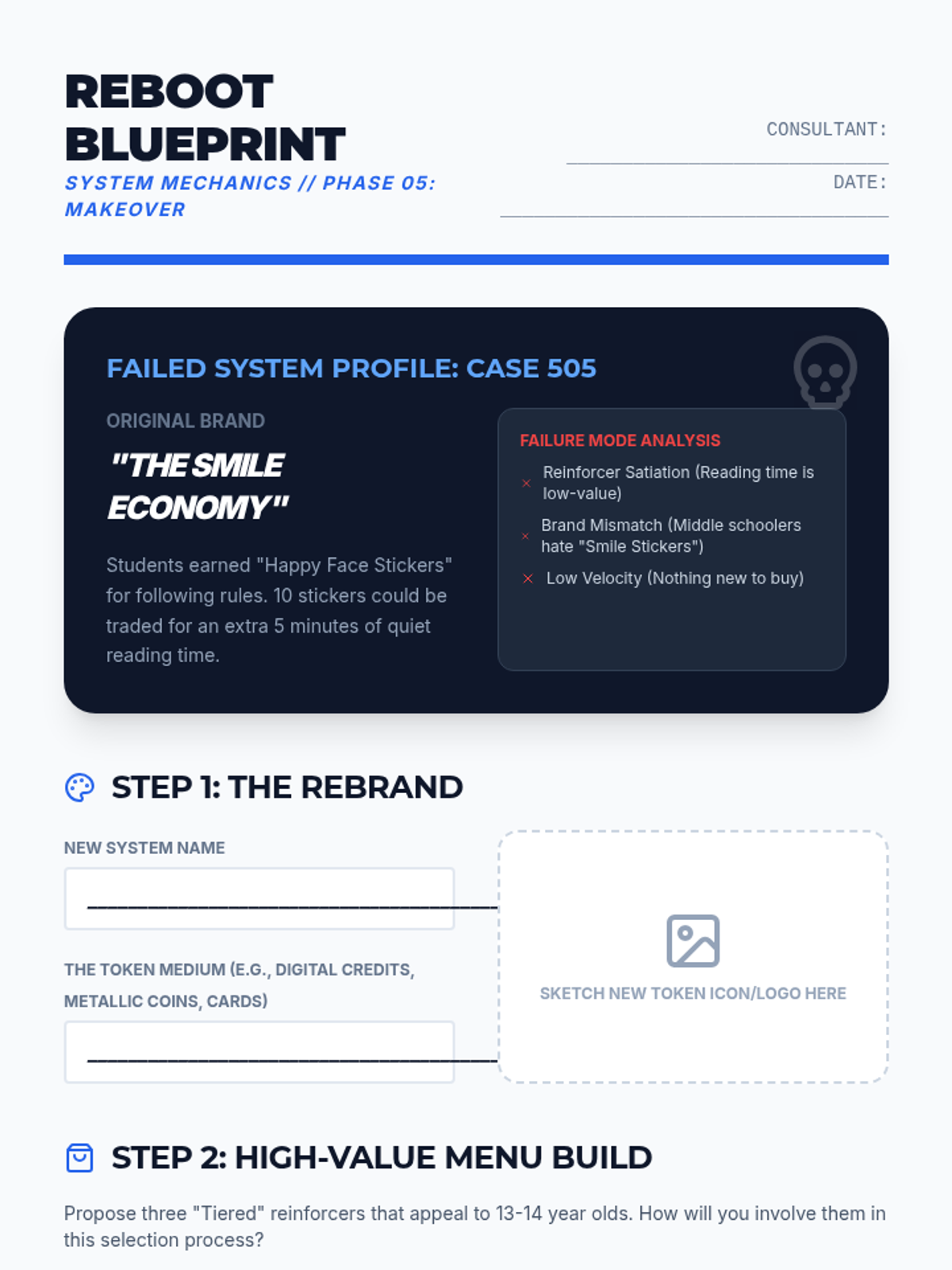
Developing comprehensive 'reboot' plans for stagnant token systems through rebranding and stakeholder engagement.
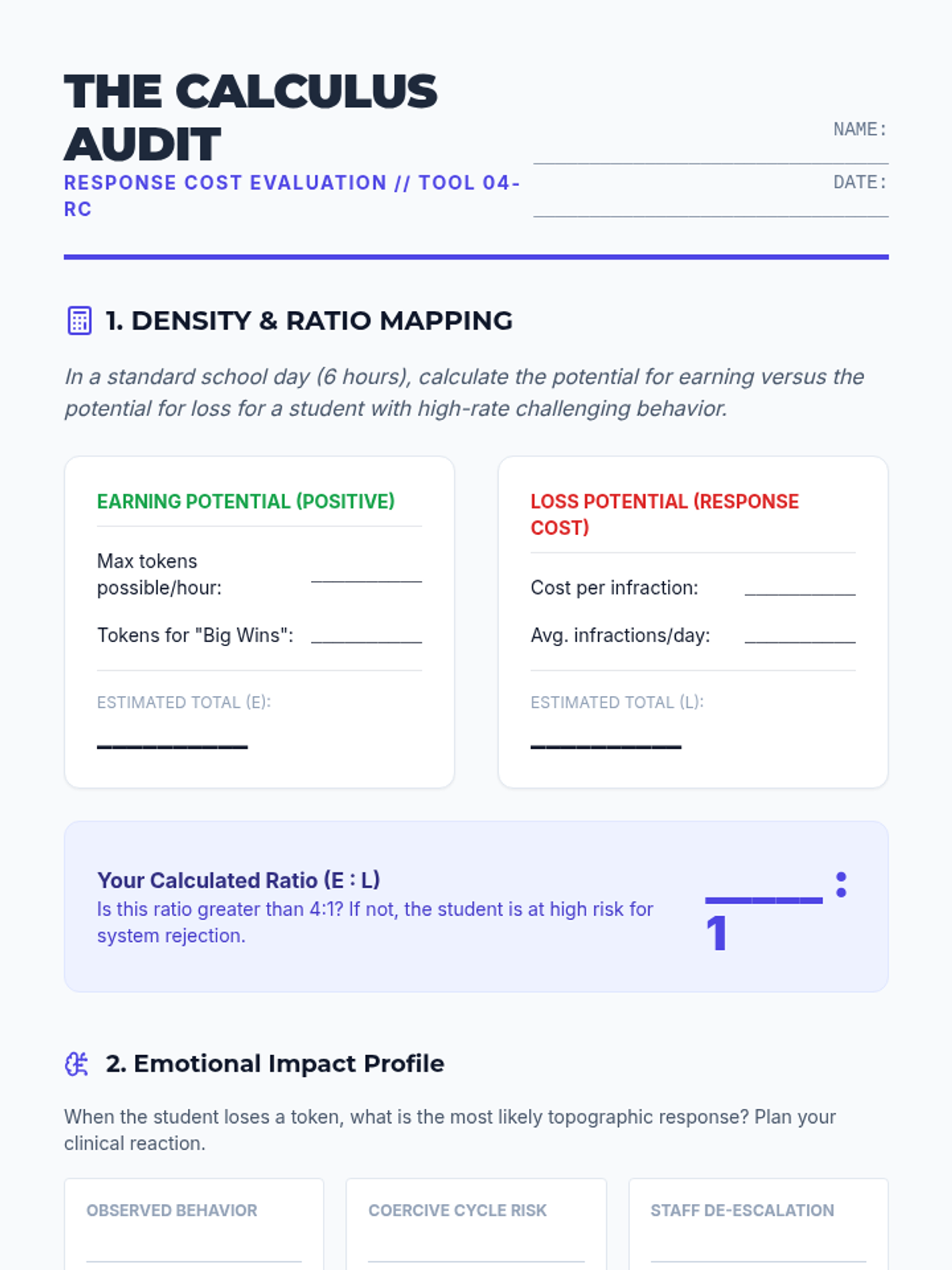
Critical examination of response costs and their emotional impact, focusing on the earning-to-losing ratio.
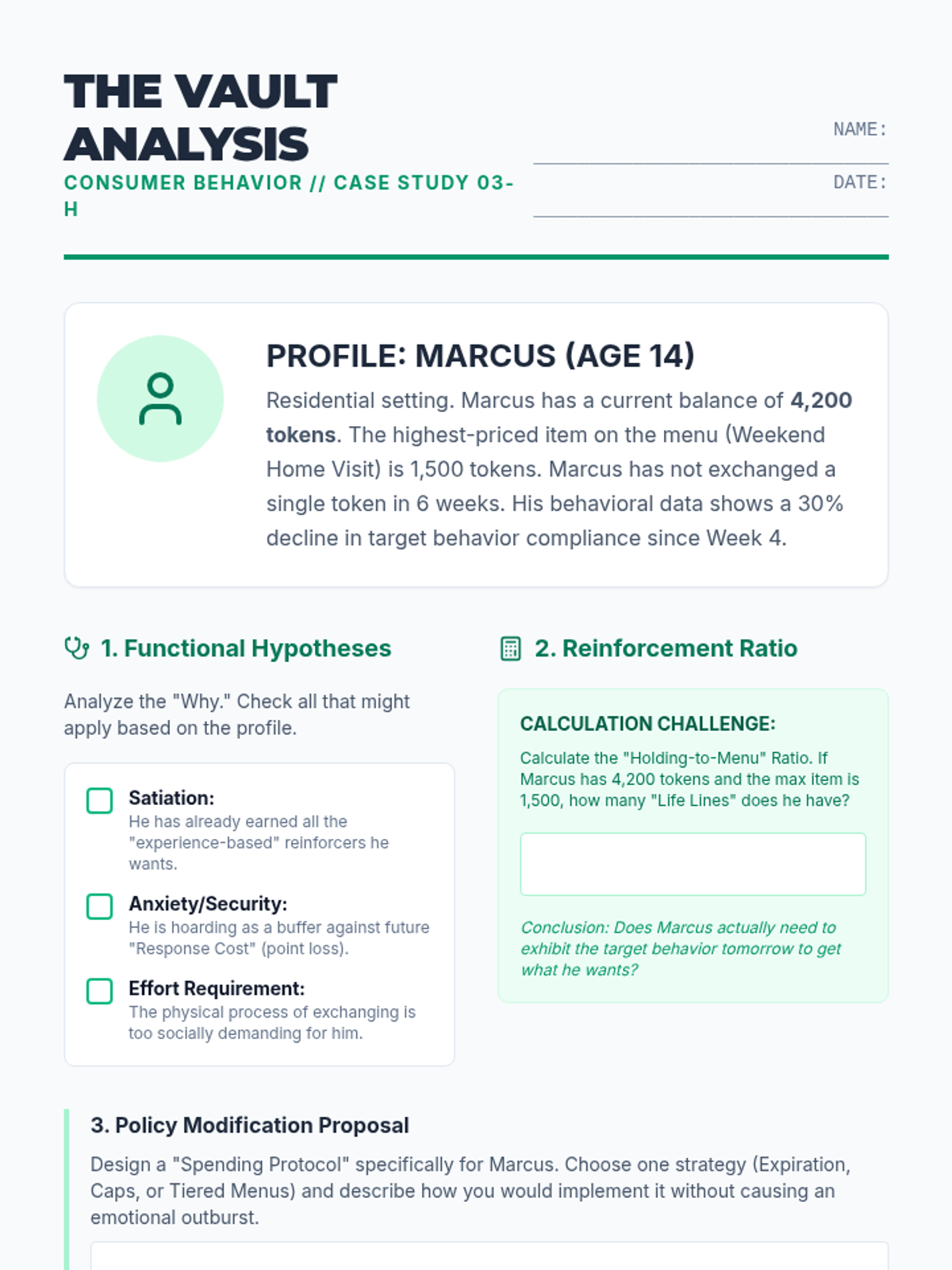
Analysis of token accumulation and non-exchange behaviors, focusing on policy modification and consumer behavior.
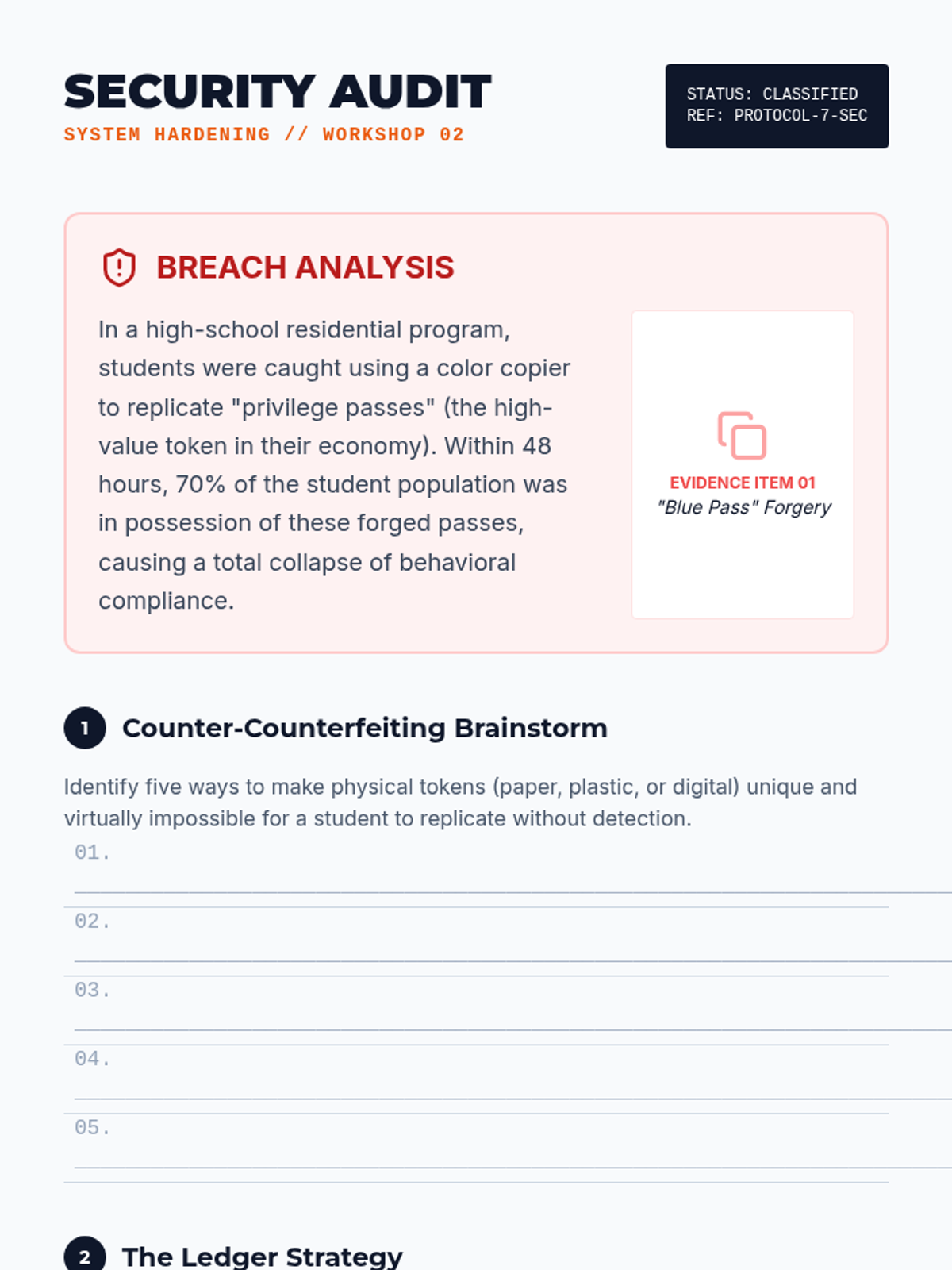
Addressing the illicit economy, students design security measures and response protocols for token theft and fabrication.
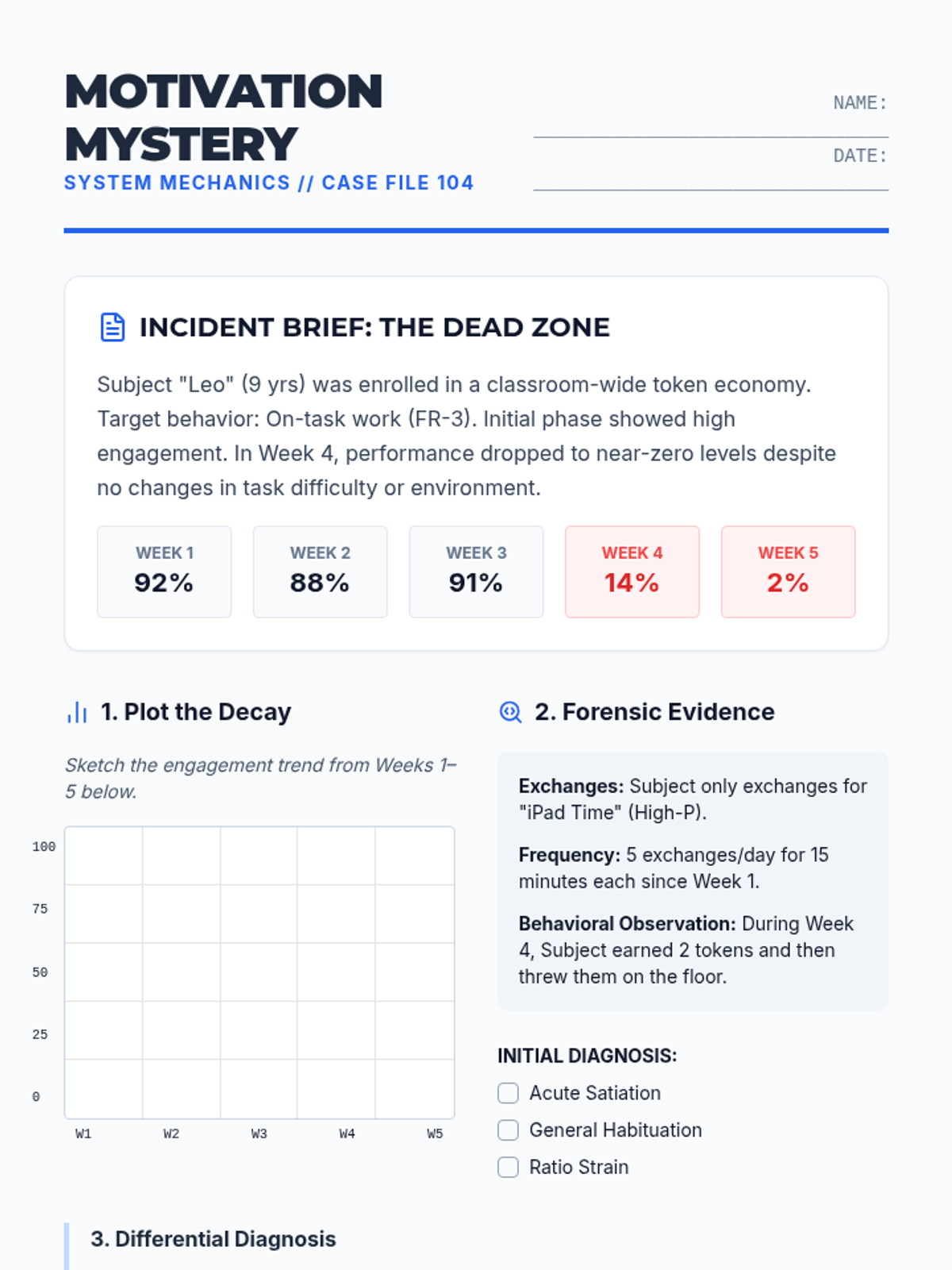
Students investigate scenarios where clients lose interest in reinforcers and learn to apply functional assessments to motivation.
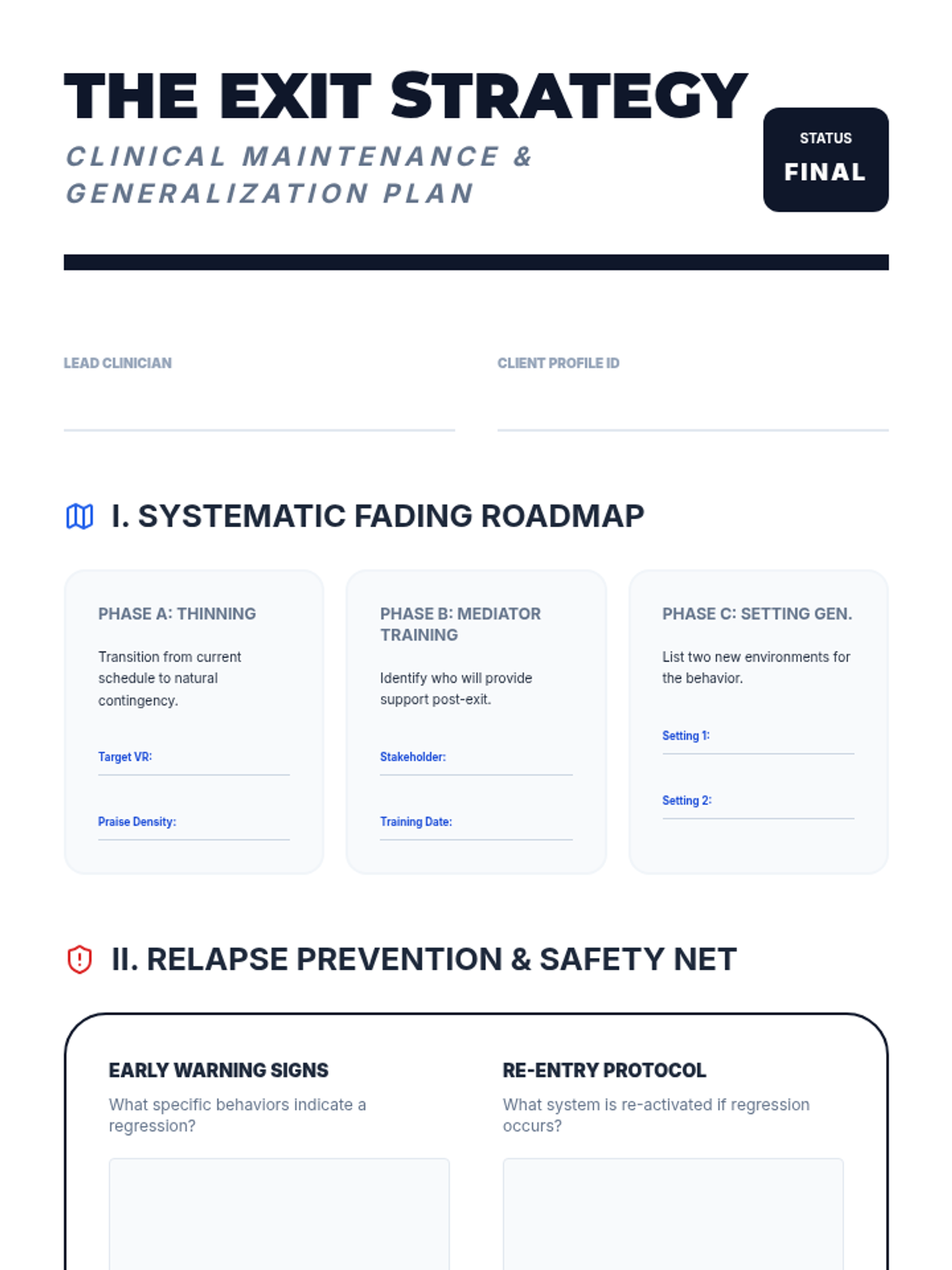
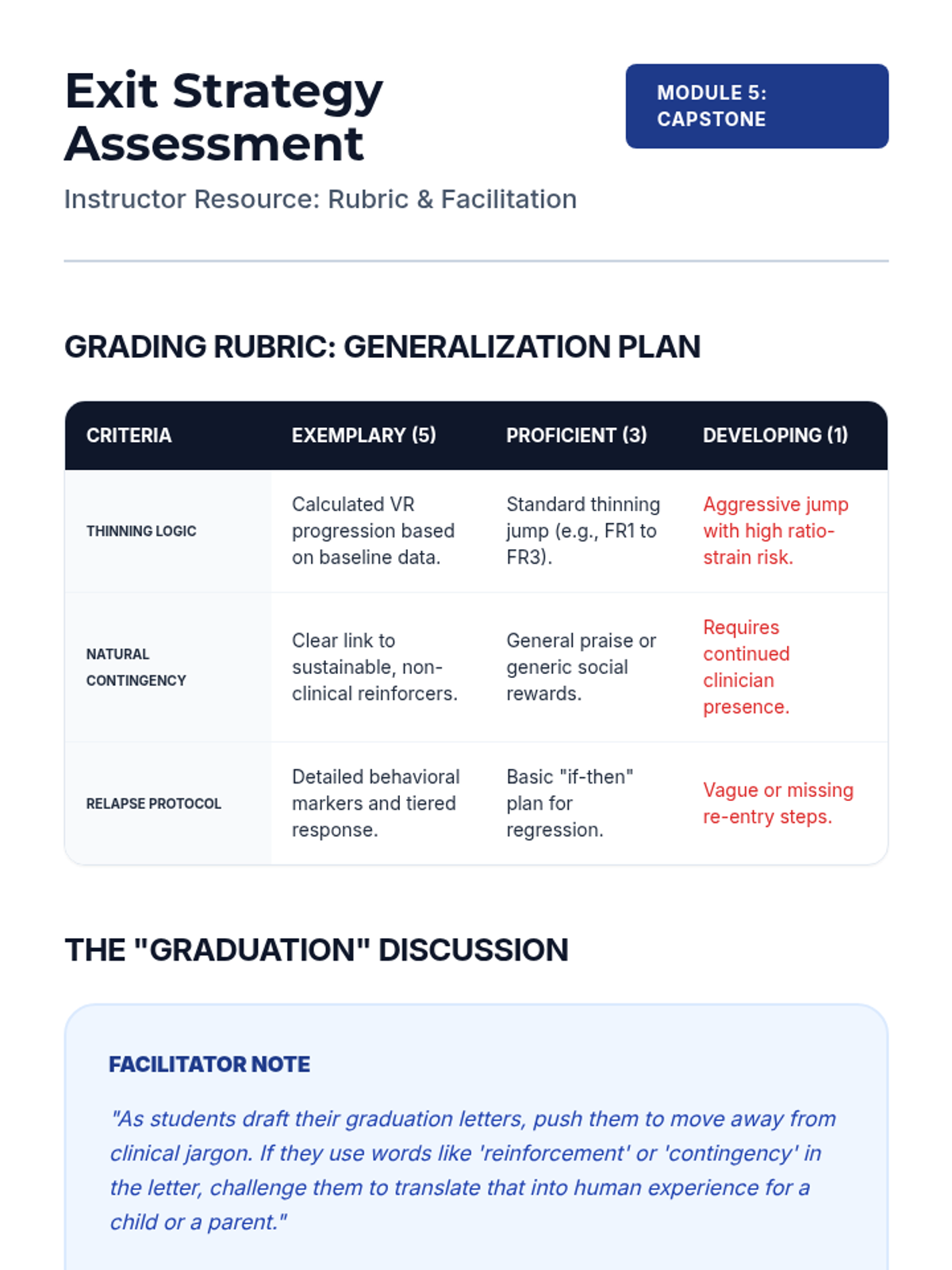
The capstone lesson on planning for skill maintenance and generalization across settings with a clear exit strategy.
Explores techniques for teaching clients to track and manage their own behavior, moving toward clinical independence.
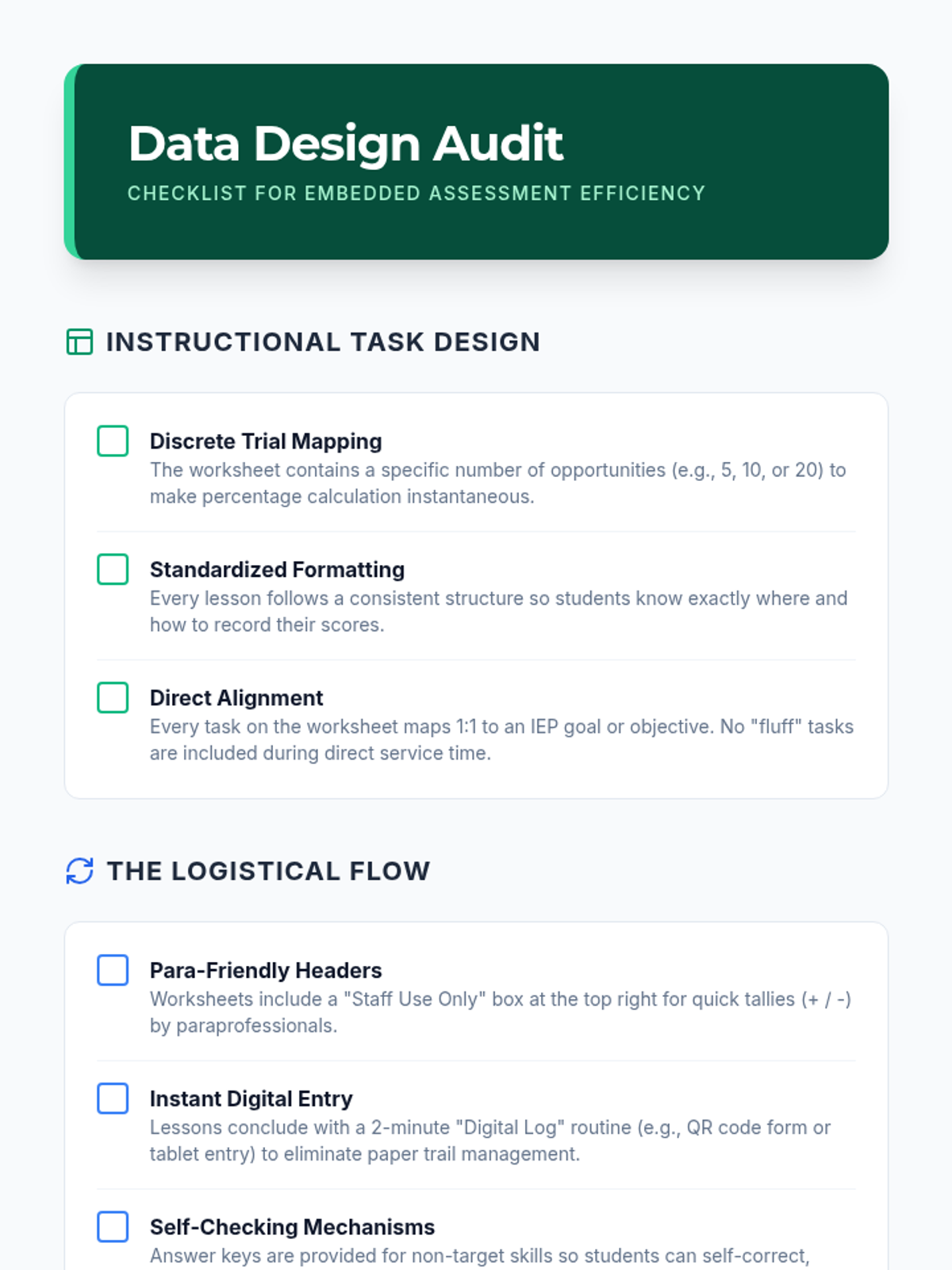
This lesson teaches students to design instruction that generates data automatically, reducing the need for separate 'testing' sessions. Students create data sheets and digital forms that students can complete as part of their learning tasks.
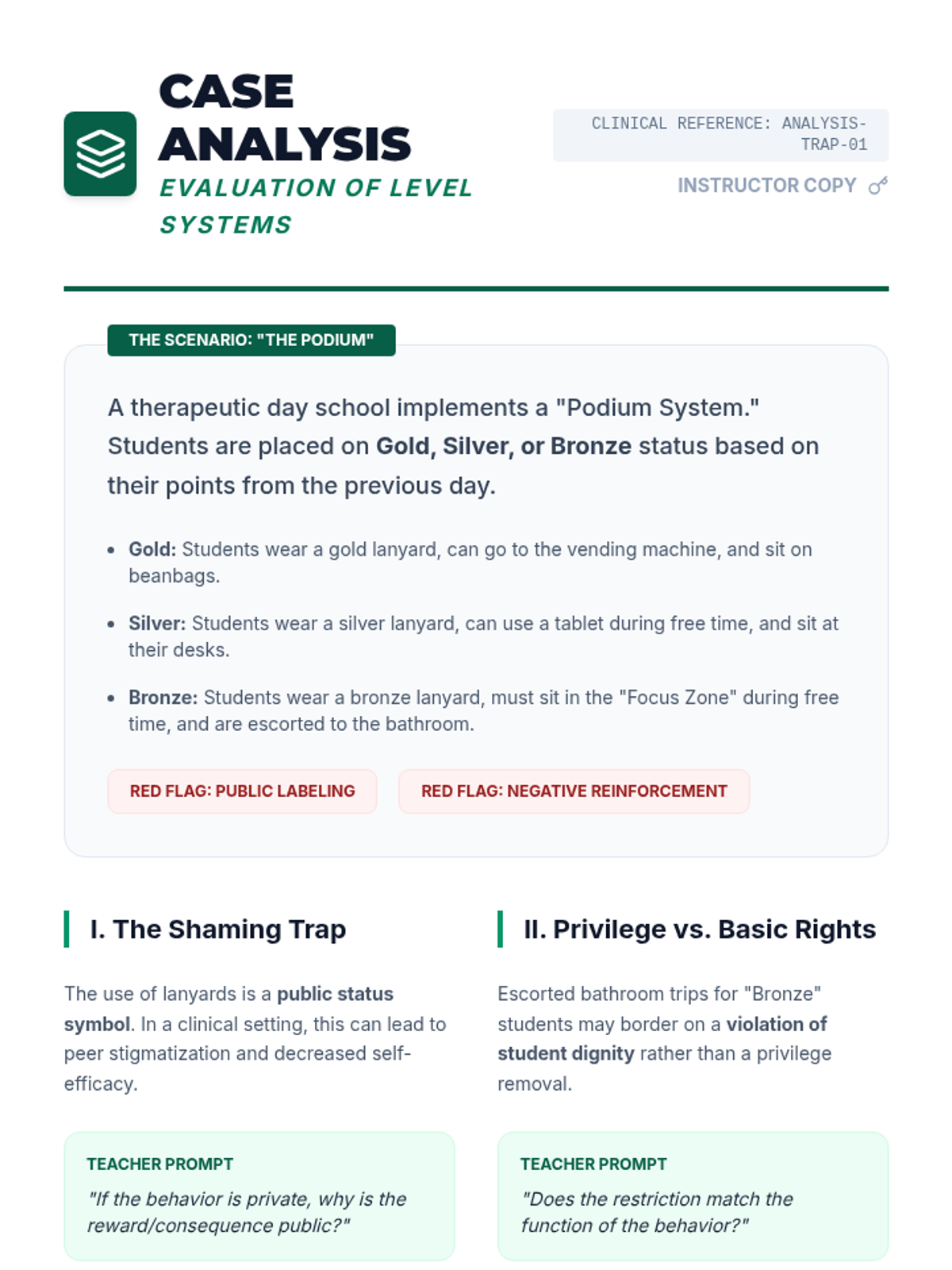
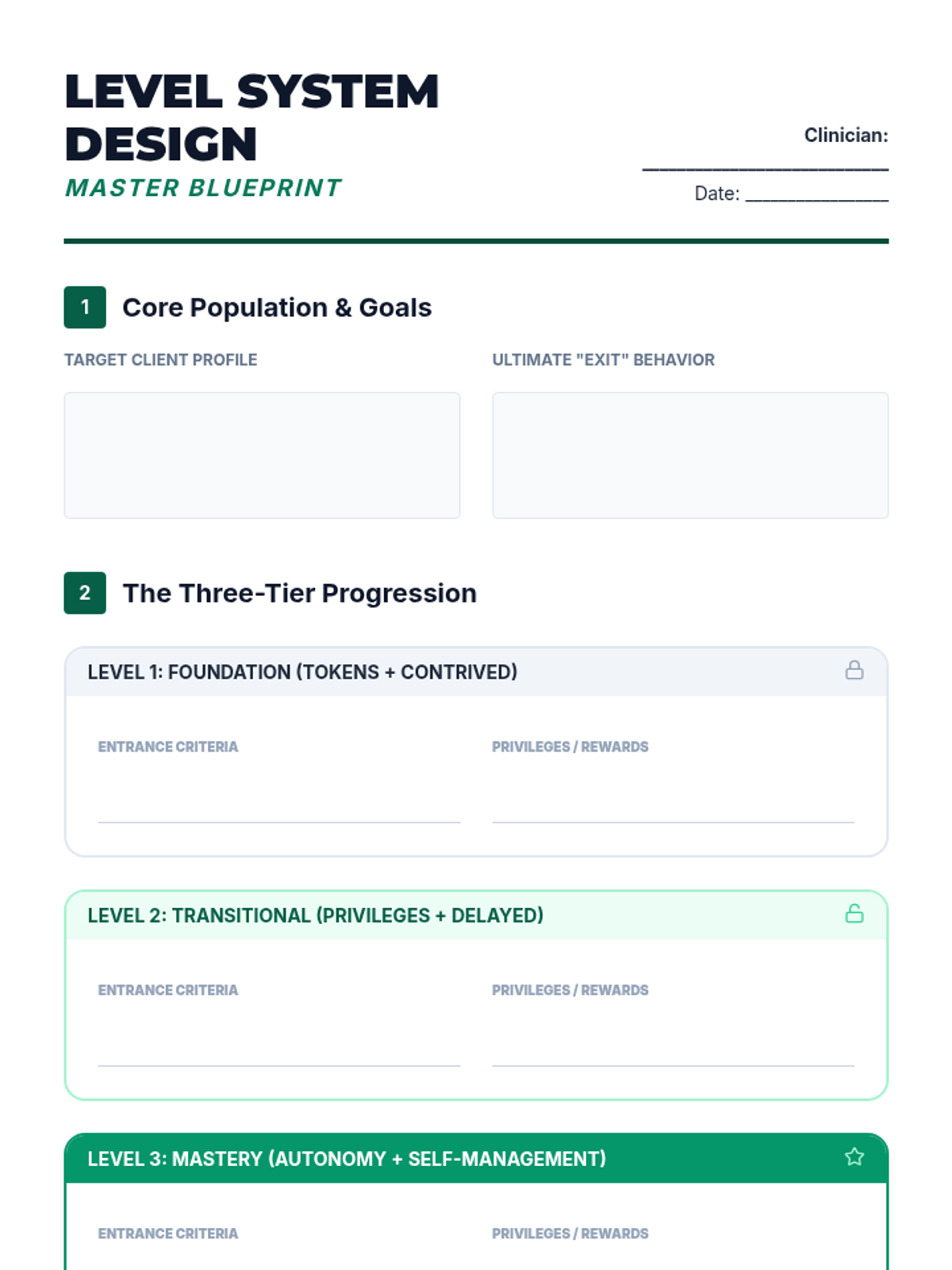
Teaches students how to design and implement level systems that bridge the gap between token economies and real-world expectations.