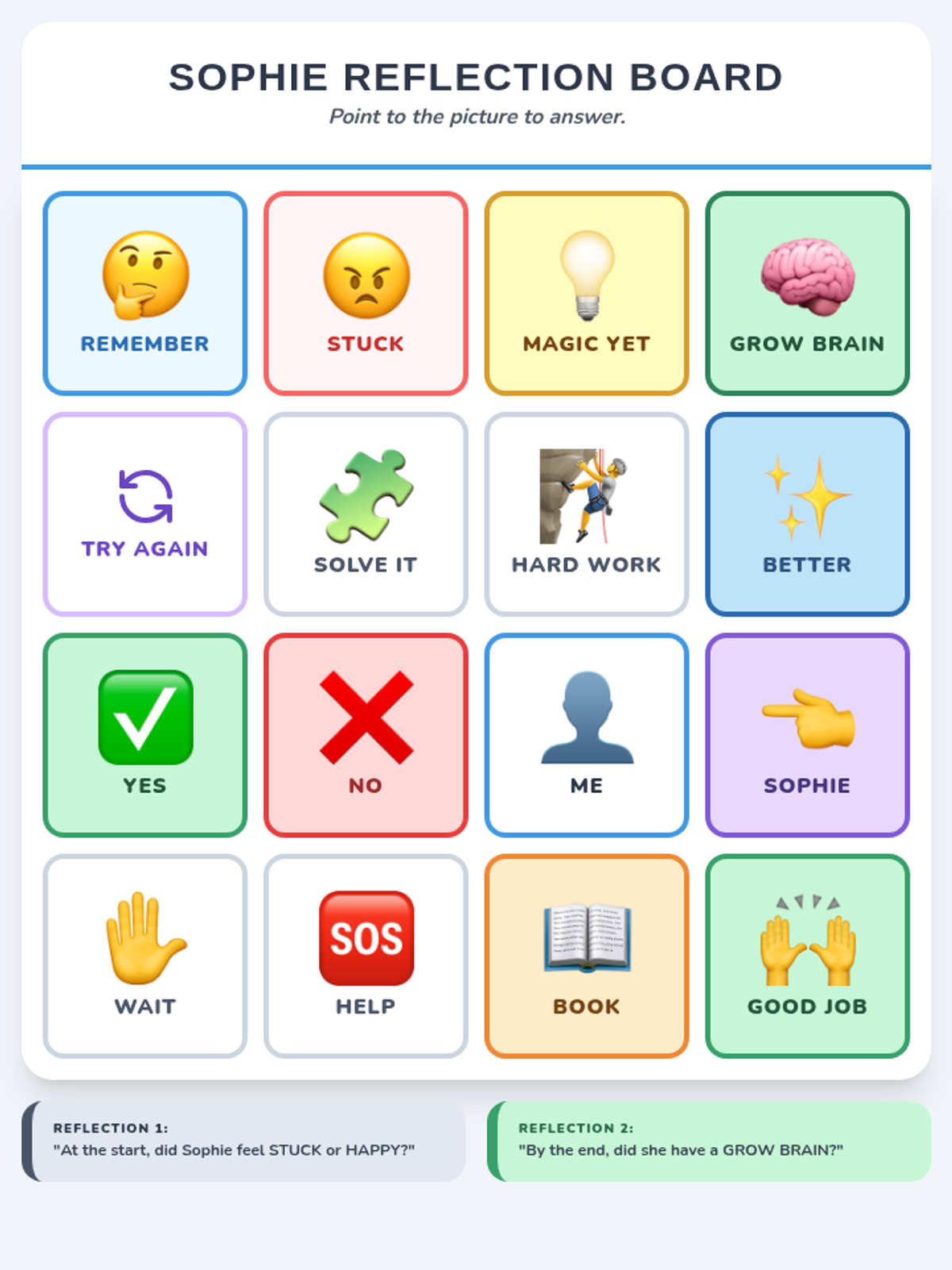
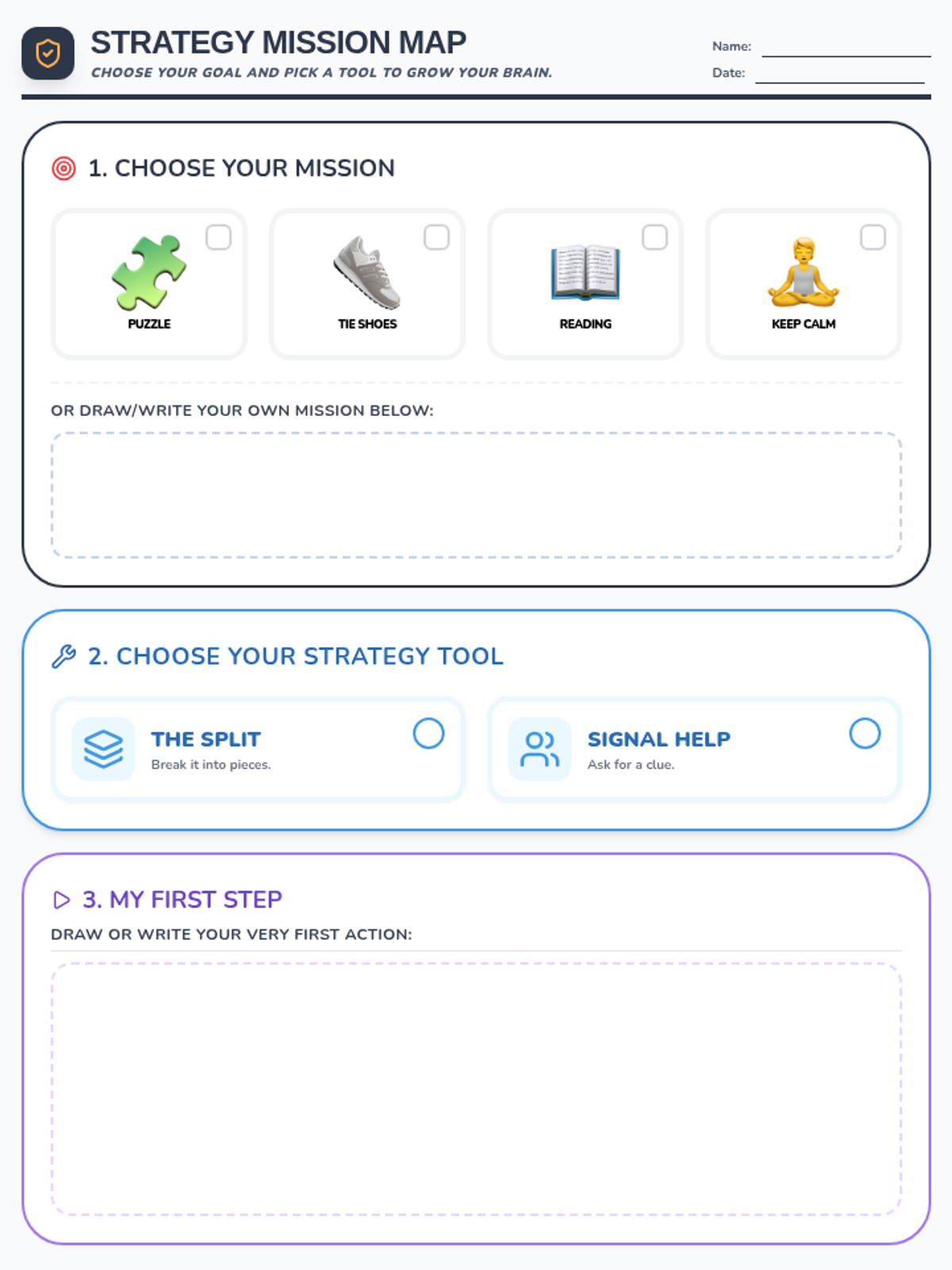
Students practice a physical routine where they stop their work and look at a visual reference board whenever they feel lost. This builds the habit of referencing external aids rather than guessing.
Students compose a simple informative report about a bird using a combination of drawing and dictation/writing with high levels of visual support. Focuses on informative writing (W.K.2).
Students participate in shared research to discover how different beaks help birds eat different foods. Focuses on shared research (W.K.7) and answering questions from sources (W.K.8).
Students identify basic bird body parts (wings, feathers, beak, feet) using high-interest visuals and simple labeling tasks. Focuses on gathering information from visual sources (W.K.8).
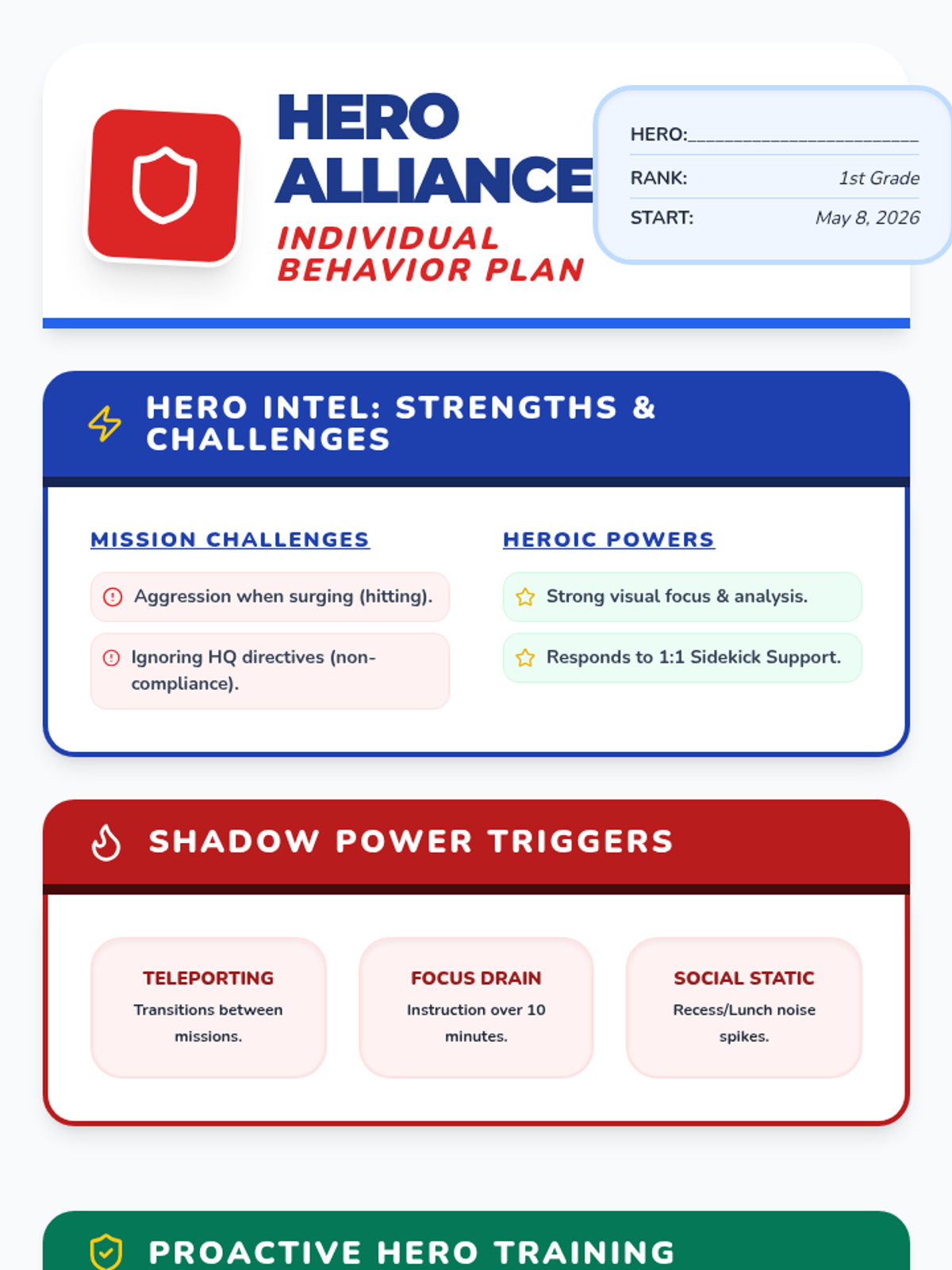
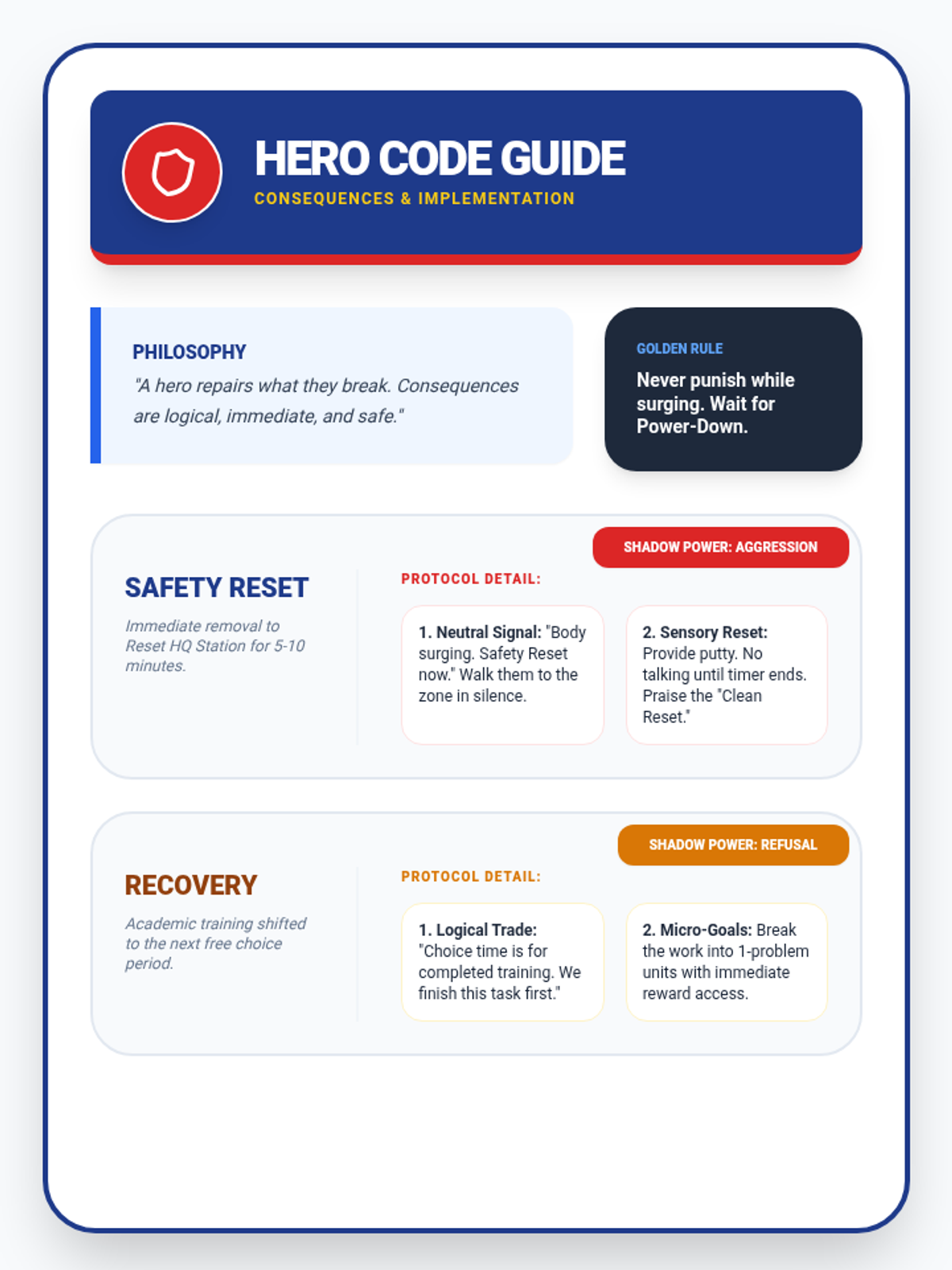
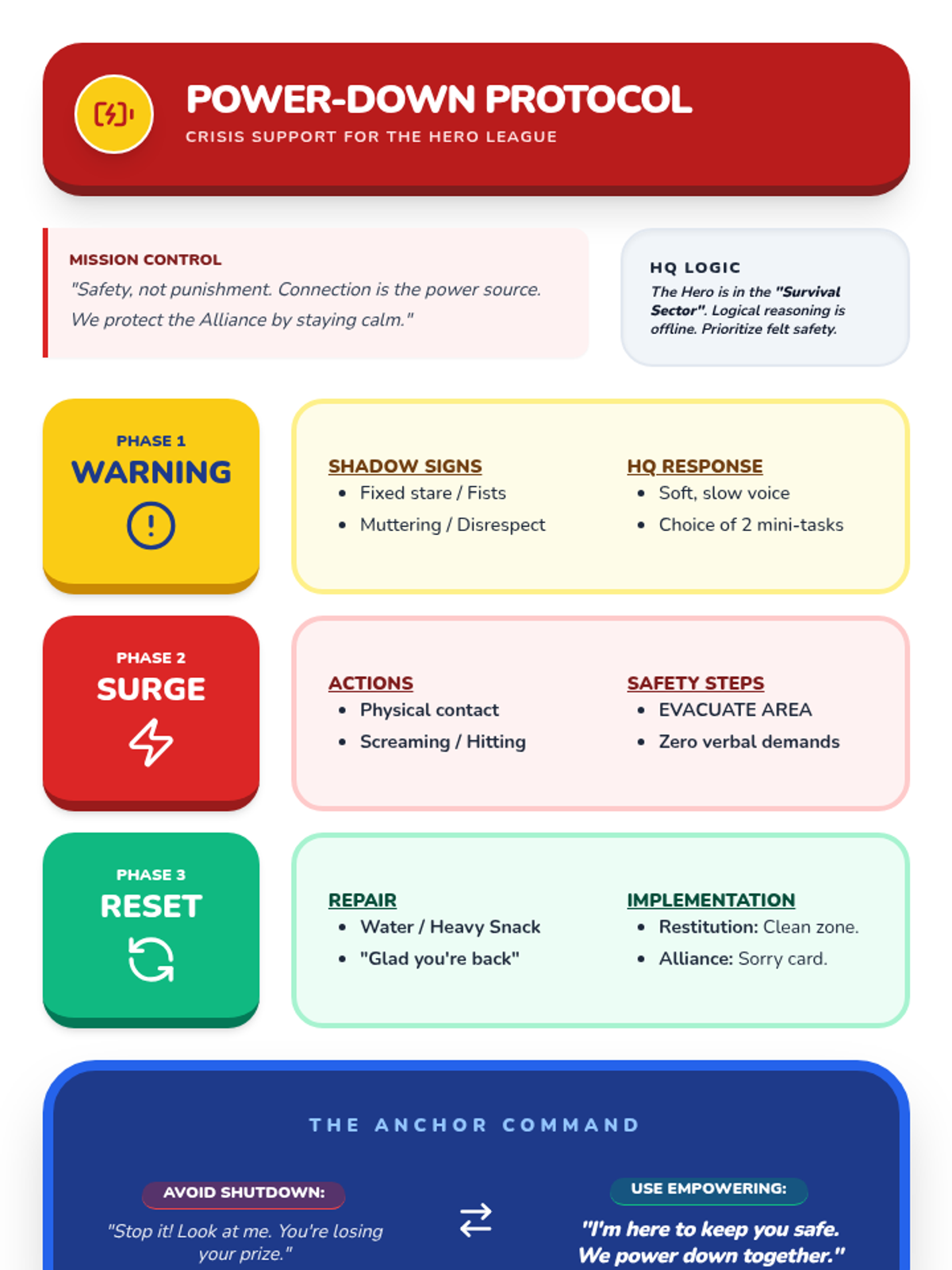
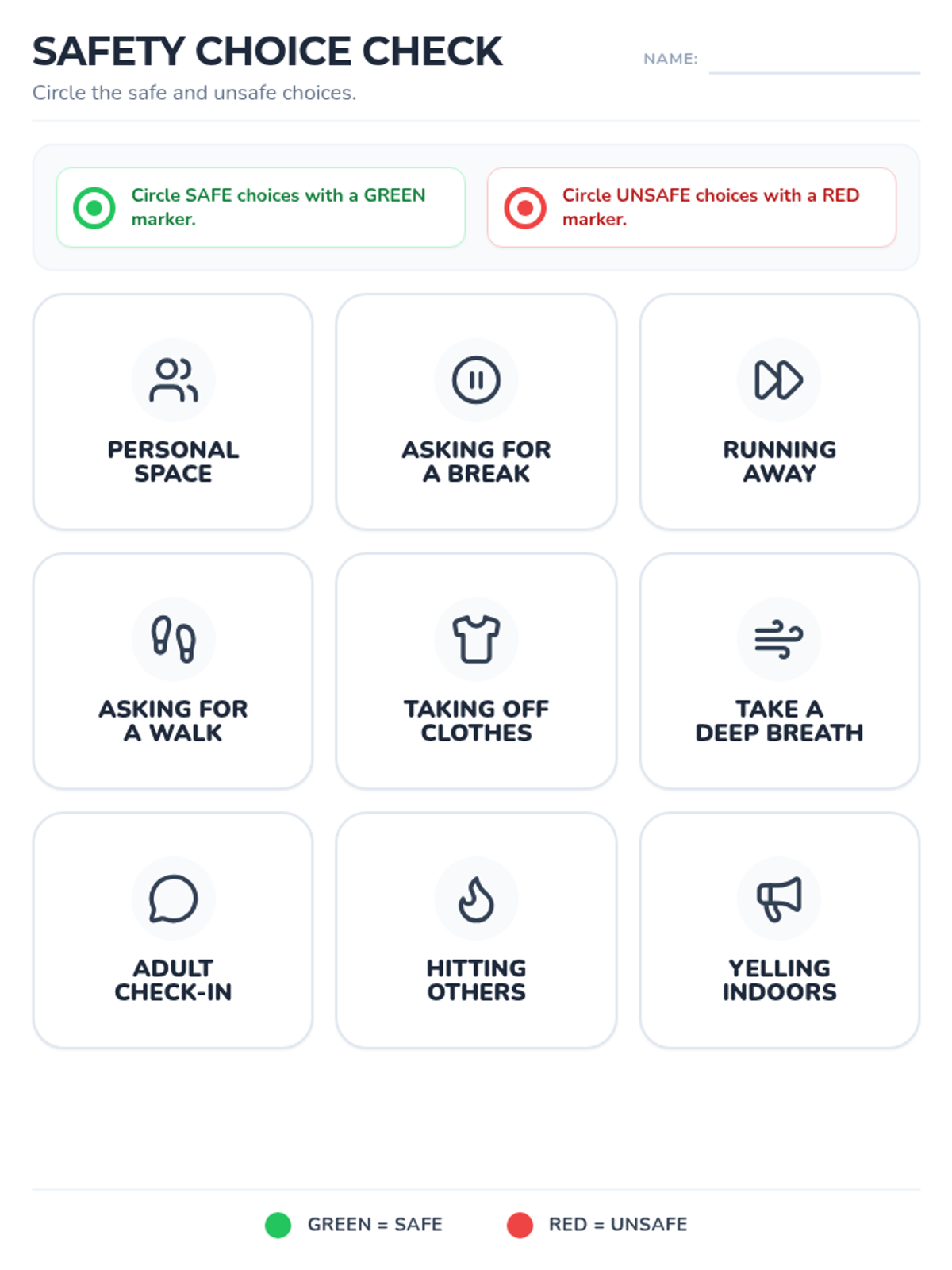
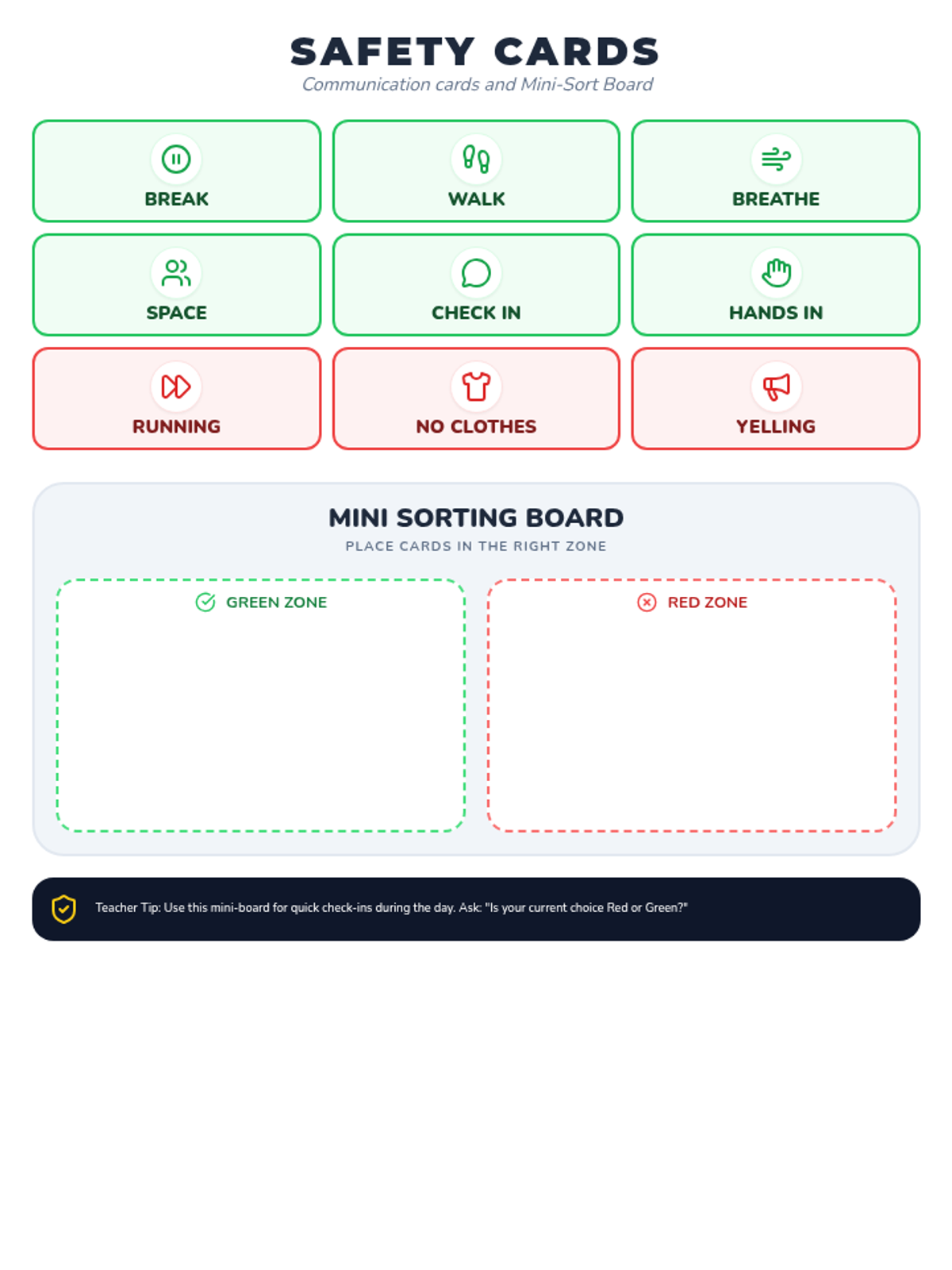
A targeted intervention lesson designed to help students with autism replace swearing and threats with functional communication and self-regulation strategies. This lesson focuses on identifying triggers like redirection and provides concrete 'Power Words' to use instead.
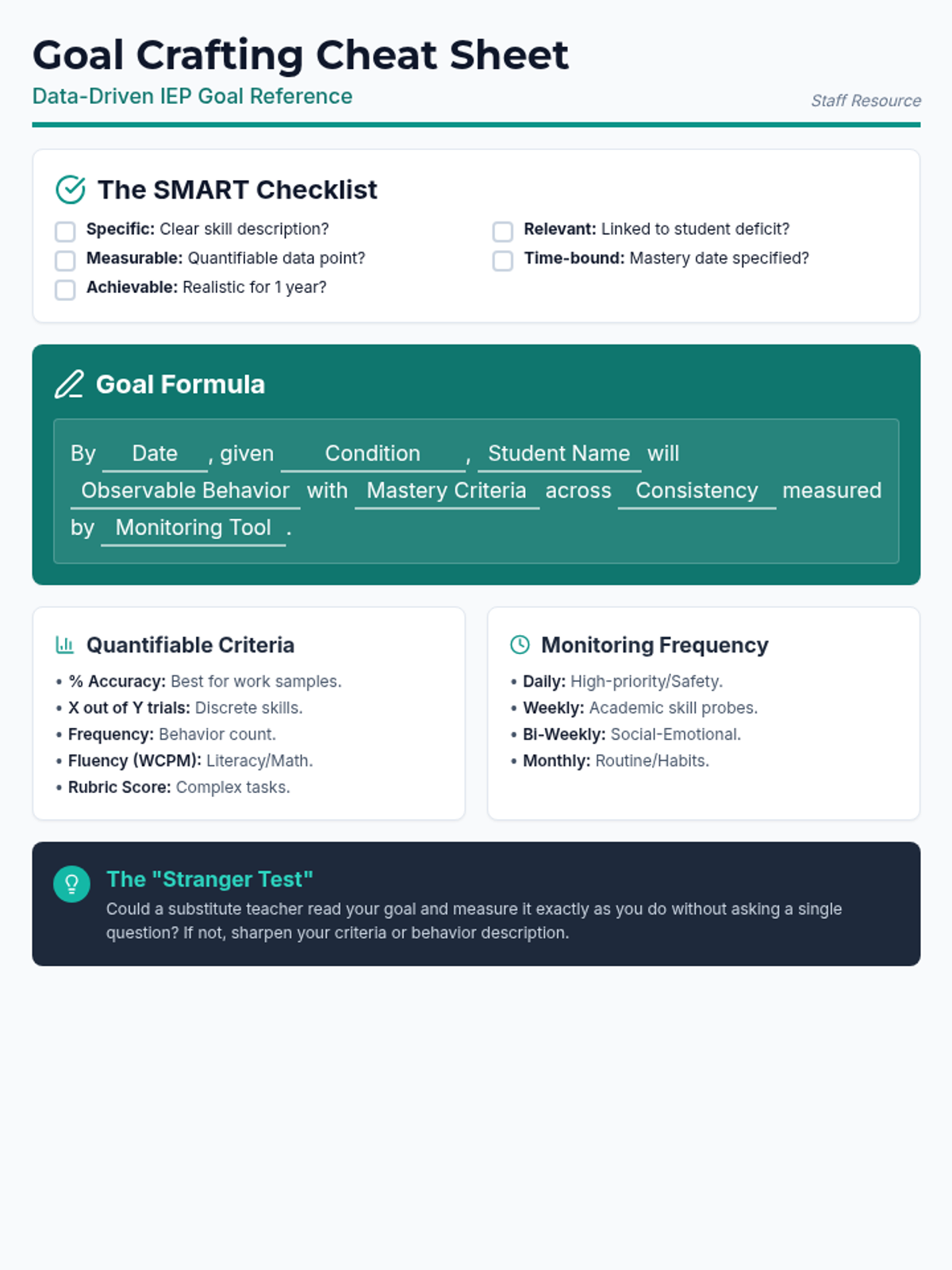
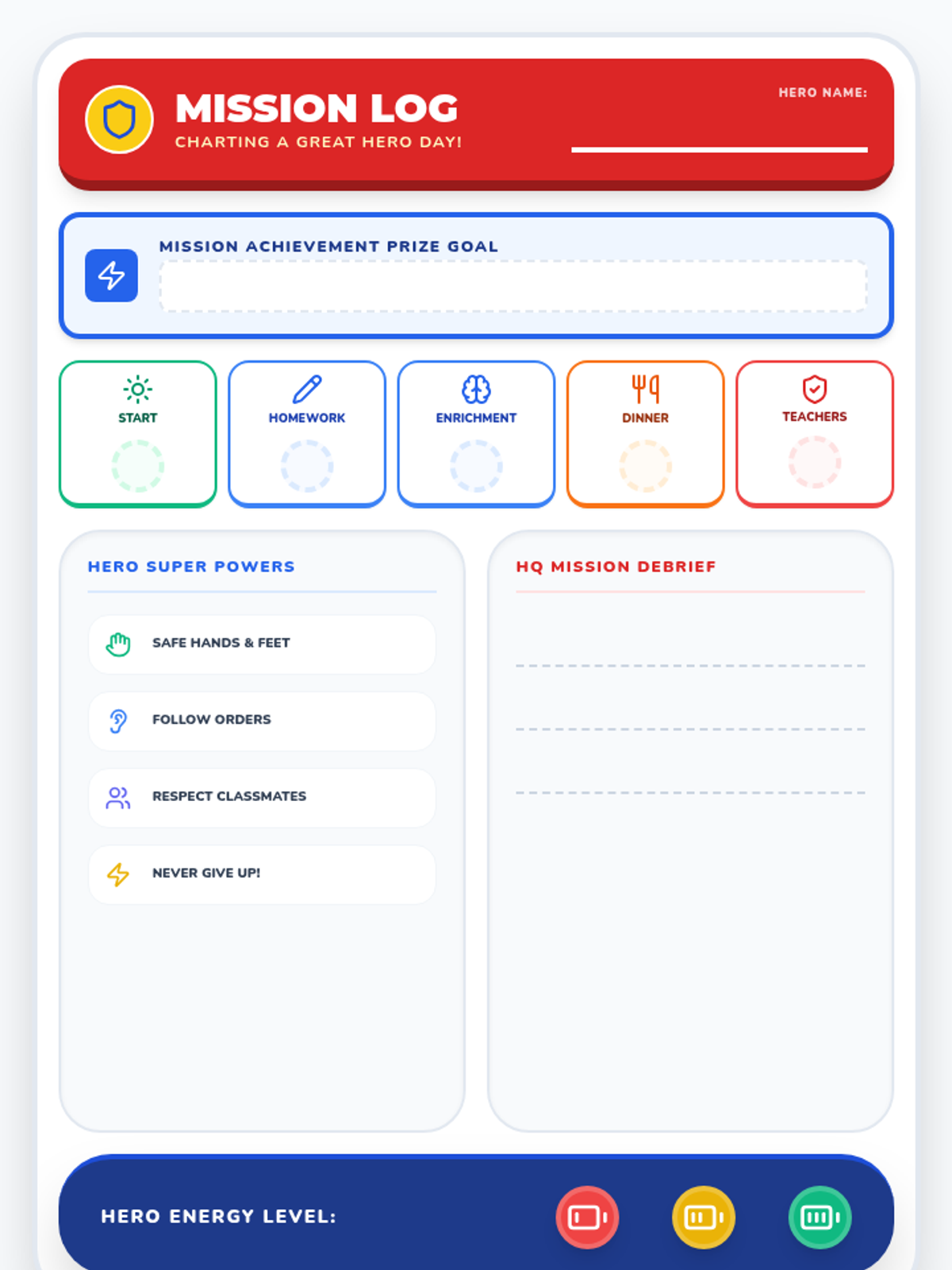
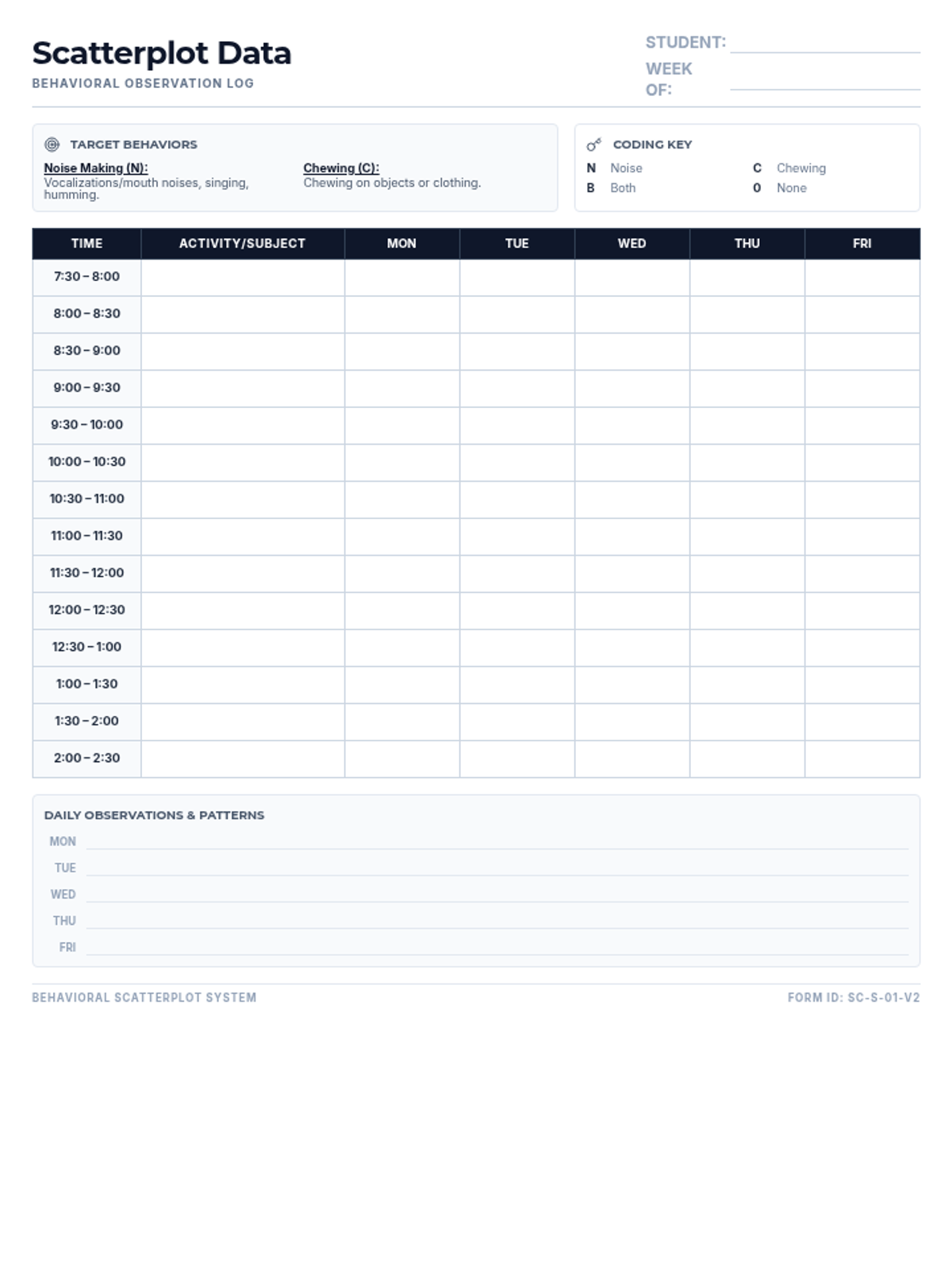
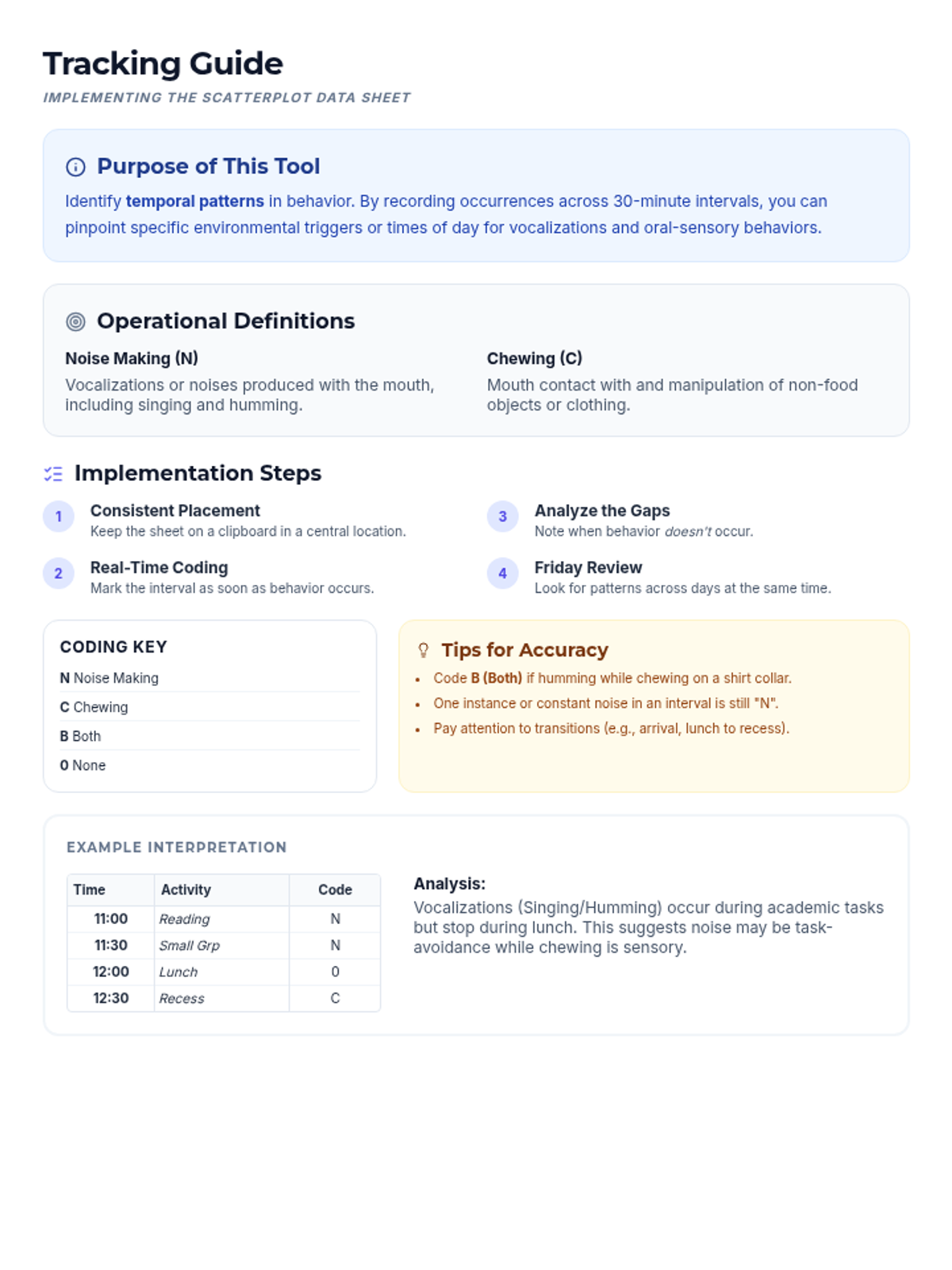
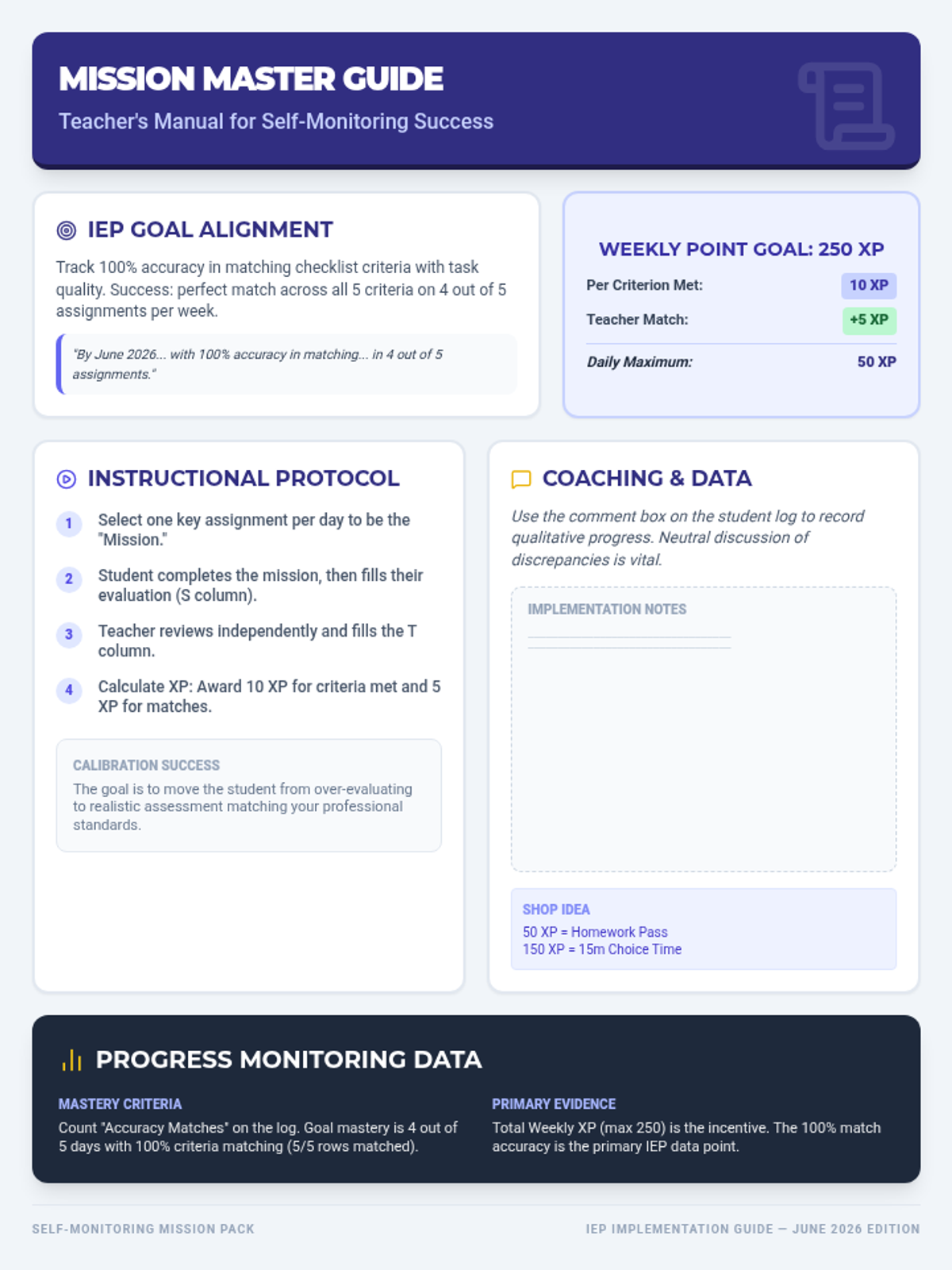
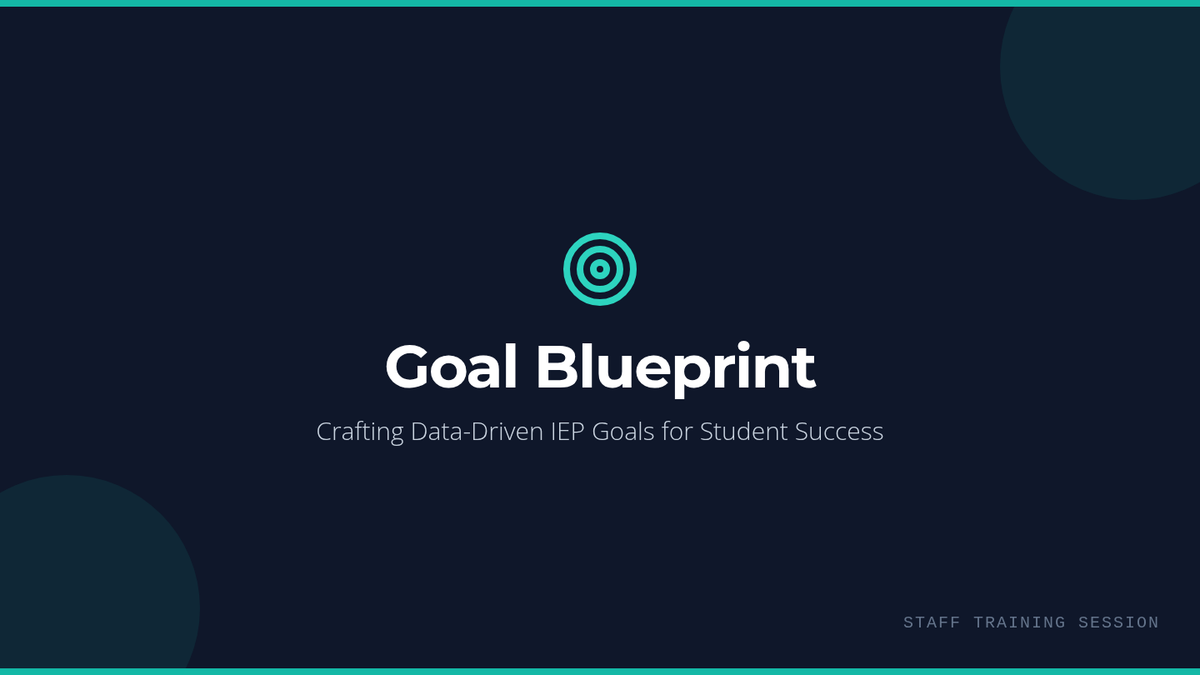
A comprehensive set of templates for special education teachers to track and document student progress toward IEP goals across academic, functional, and behavioral domains.
A simplified independent work packet about the myth of Orpheus and Eurydice, designed for middle school students at a second-grade reading level. The lesson explores the power of music, love, and the consequences of looking back through accessible texts and structured comprehension tasks.
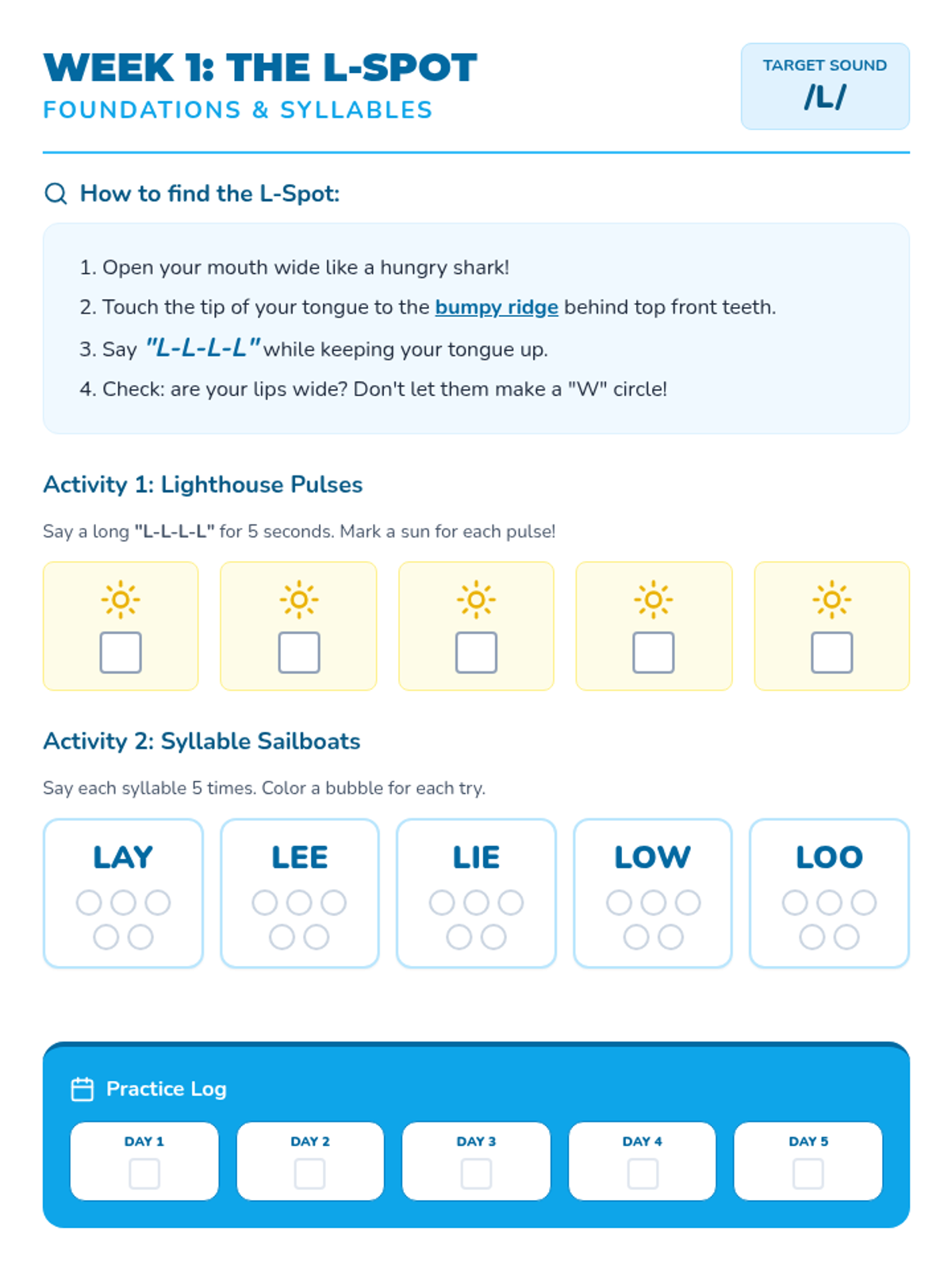
A collection of materials designed to practice the 'IRE' vocalic R sound in initial, medial, and final positions through visual aids, sentence construction, and narrative reading.
A comprehensive set of resources for middle school students to master the vocalic /IRE/ sound in all word positions and syllable lengths, featuring a word vault, flashcards, and interactive discussion prompts.
A series of high-interest, low-readability reading comprehension assignments targeting sequencing, main idea, and inference skills across three distinct levels.
Establishing a weekly planning routine and reflecting on personal executive function tools for long-term success.
Developing time estimation skills and learning how to break large projects into manageable chunks.
Transitioning to digital organization using Google Calendar, reminders, and managing digital clutter.
Mastering physical organization systems including binders, lockers, and study spaces using color-coding strategies.
Learning how to create actionable checklists and prioritize tasks effectively using the 'Brain Dump' method.
Introduction to the concept of executive function as the 'brain's boss' and the importance of planning for middle school success.
Students establish a recurring weekly routine to review their systems, celebrate wins, and prep for the week ahead.
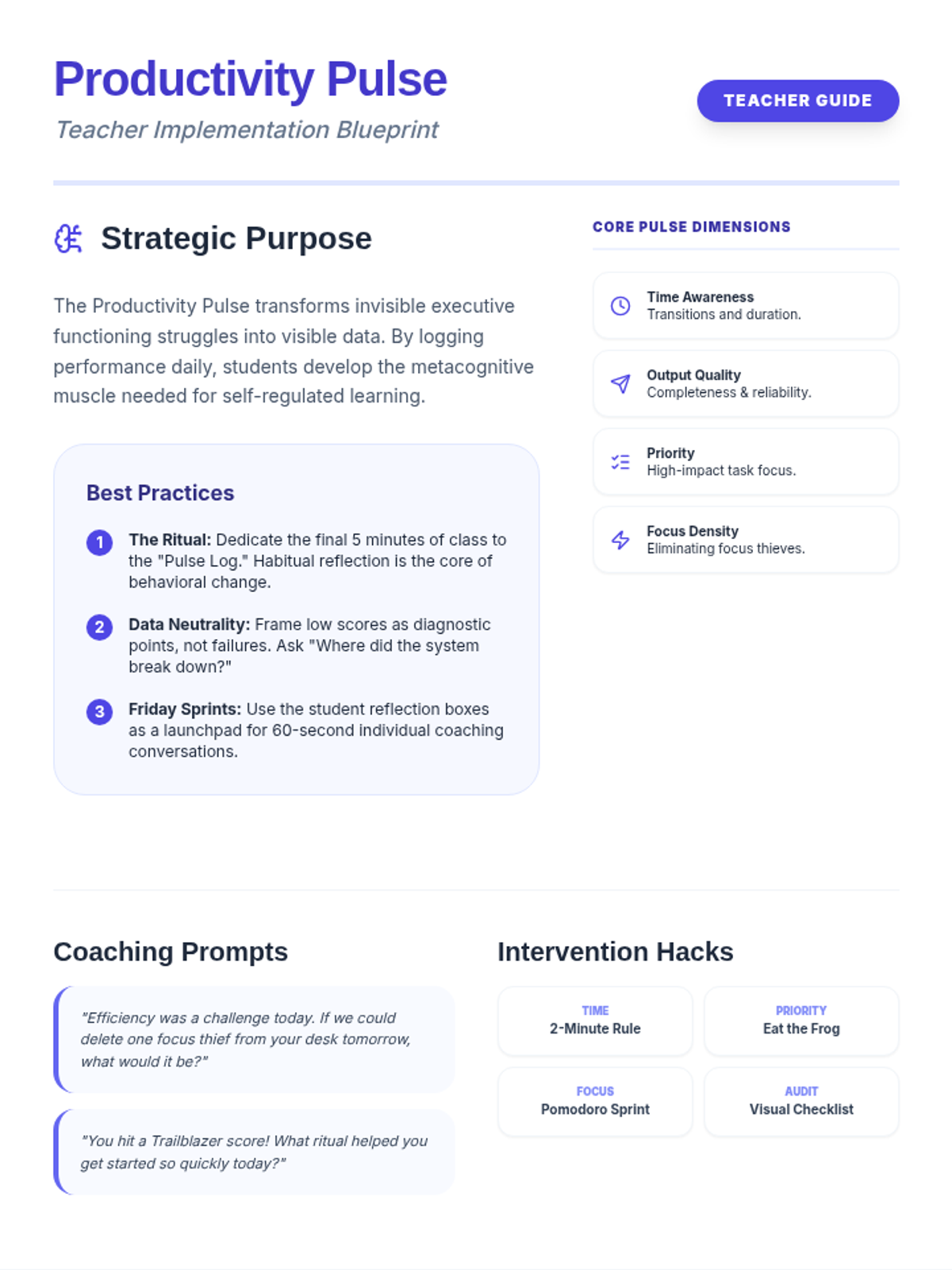
Students identify "focus thieve" and learn the Pomodoro technique for sustained task completion.
Students organize digital files and learn basic email management to prevent "digital overwhelm."
Students learn to categorize and clear physical clutter in lockers and backpacks to reduce transition stress.