Students assess their own comprehension after using TTS strategies and reflect on which tools and settings work best for their specific learning needs.
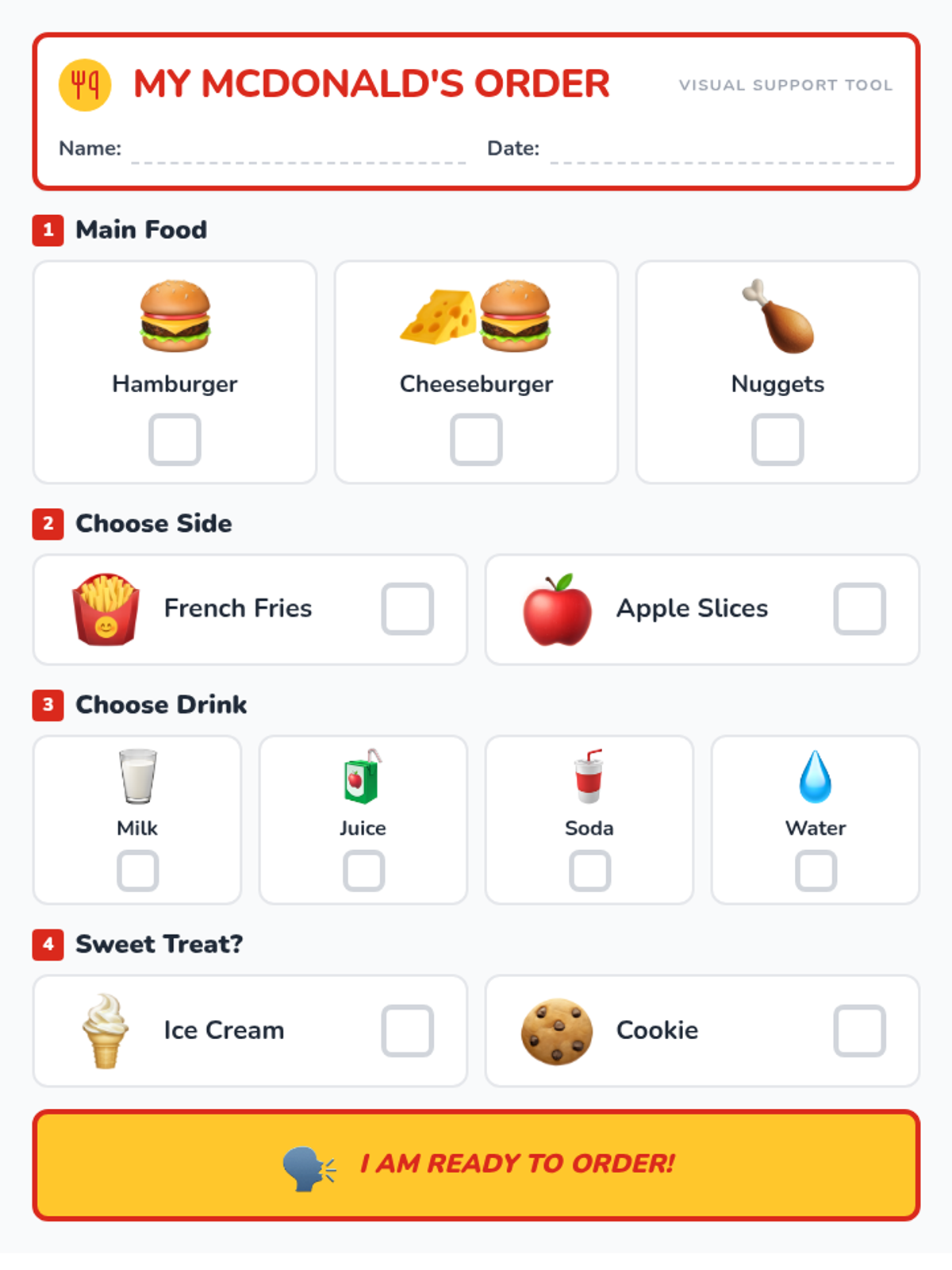
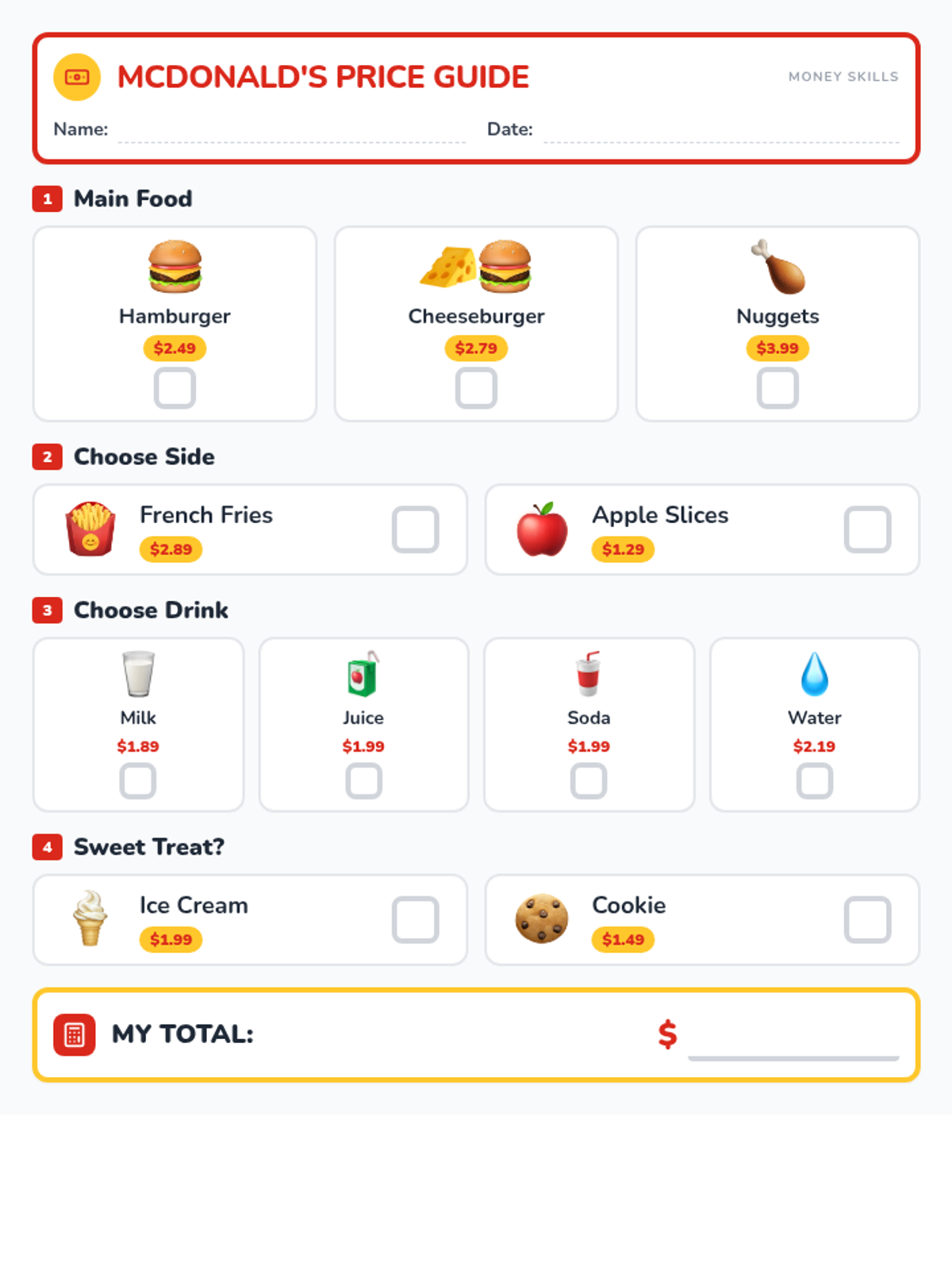
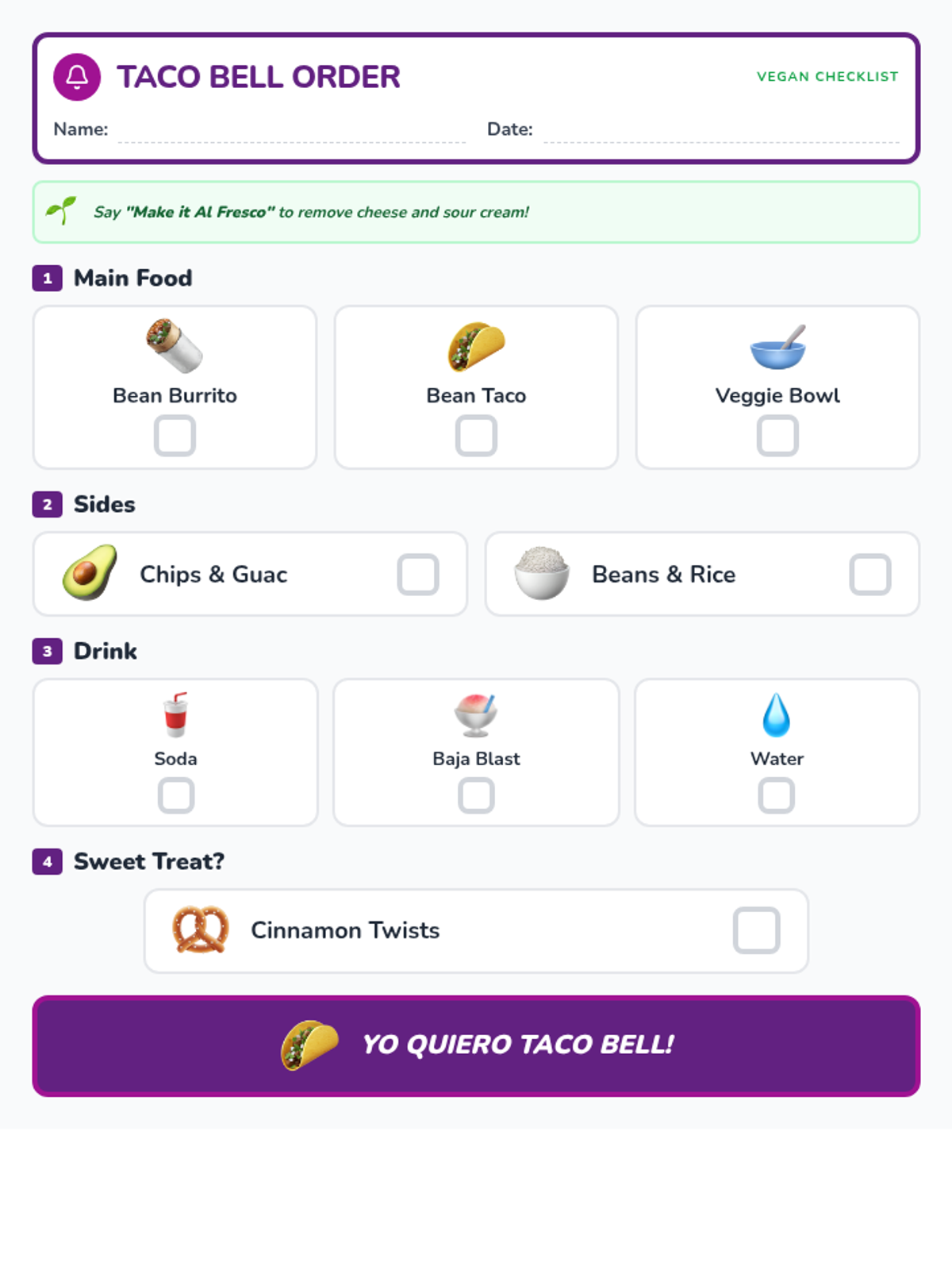
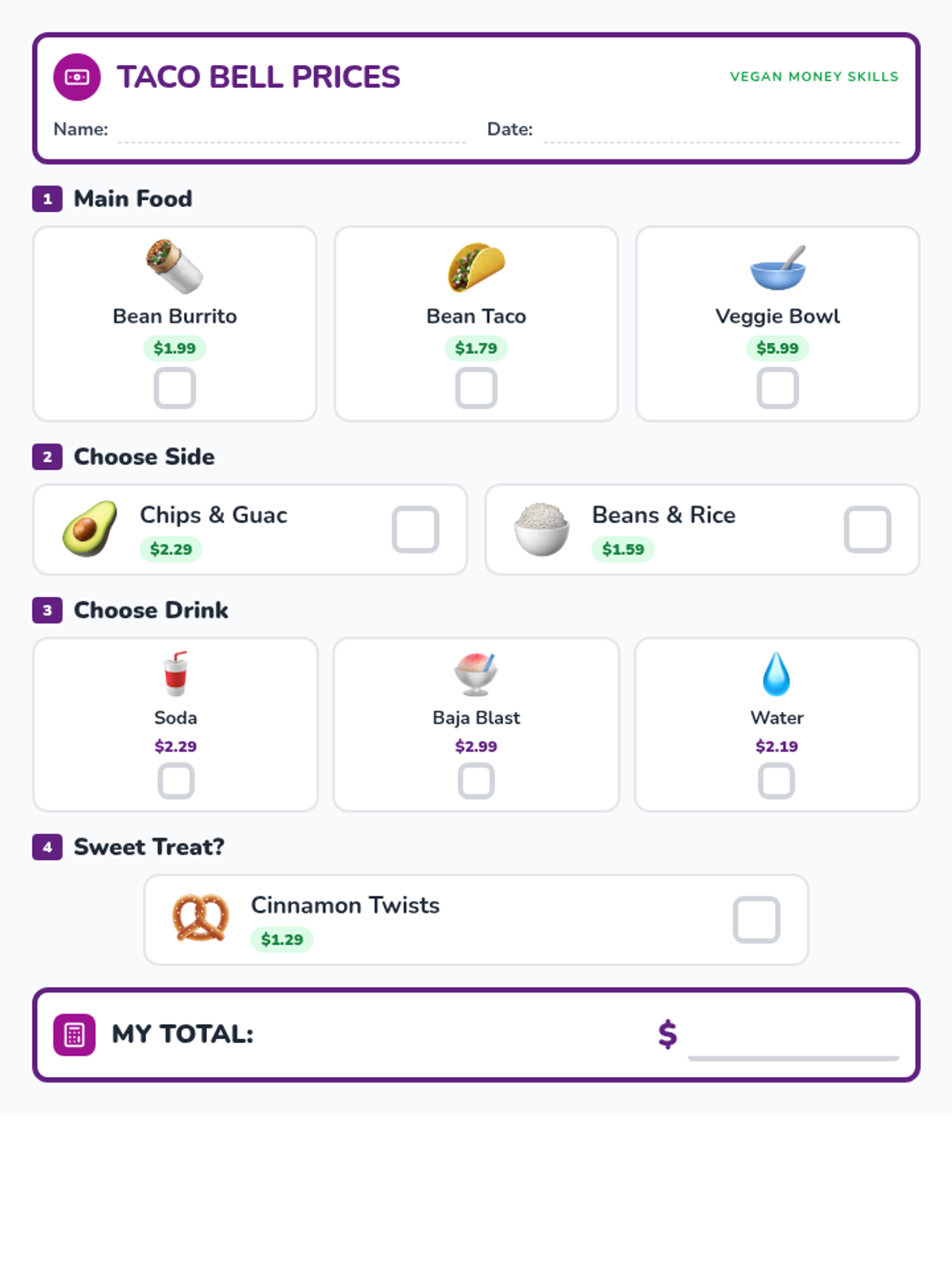
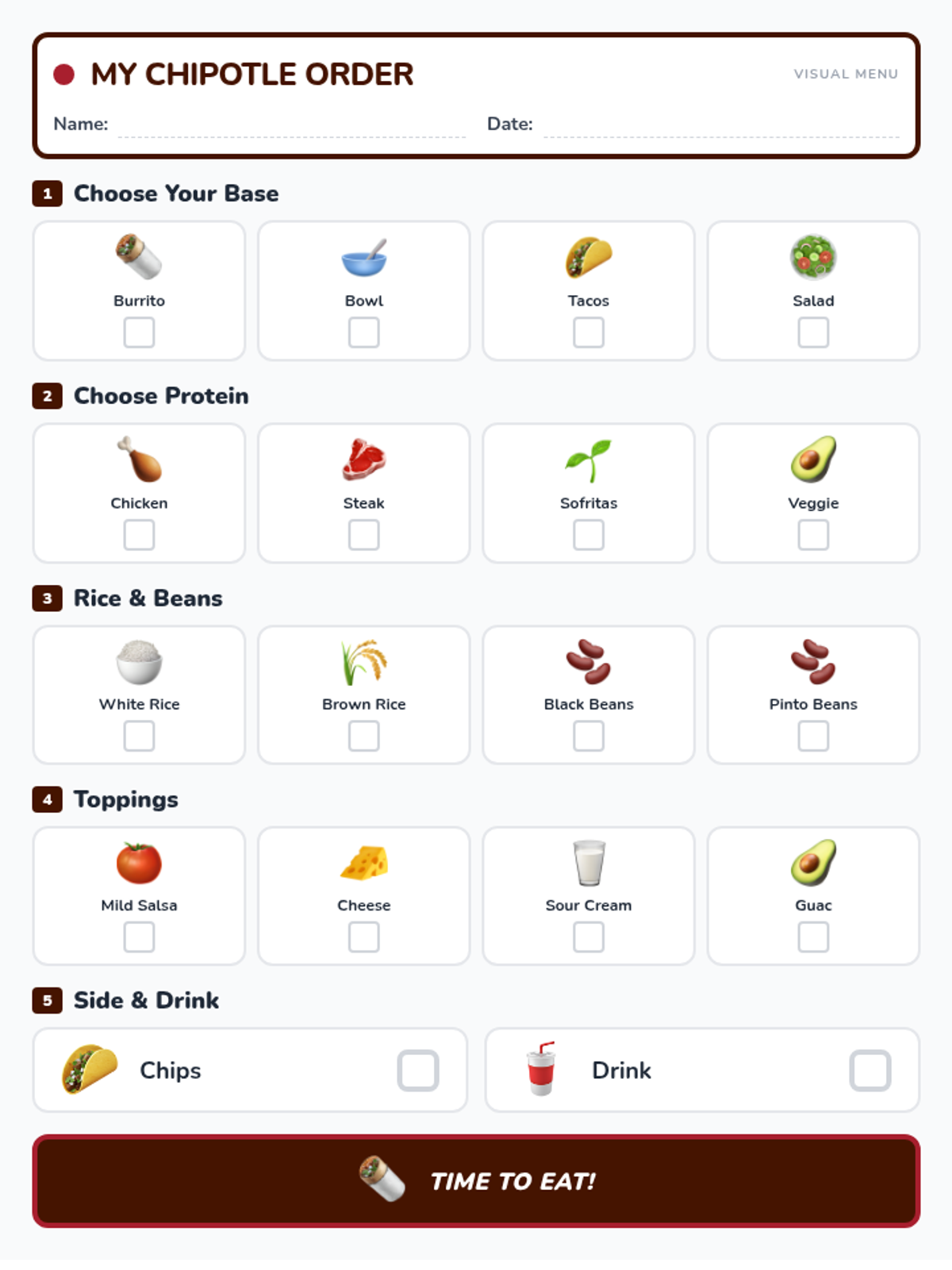
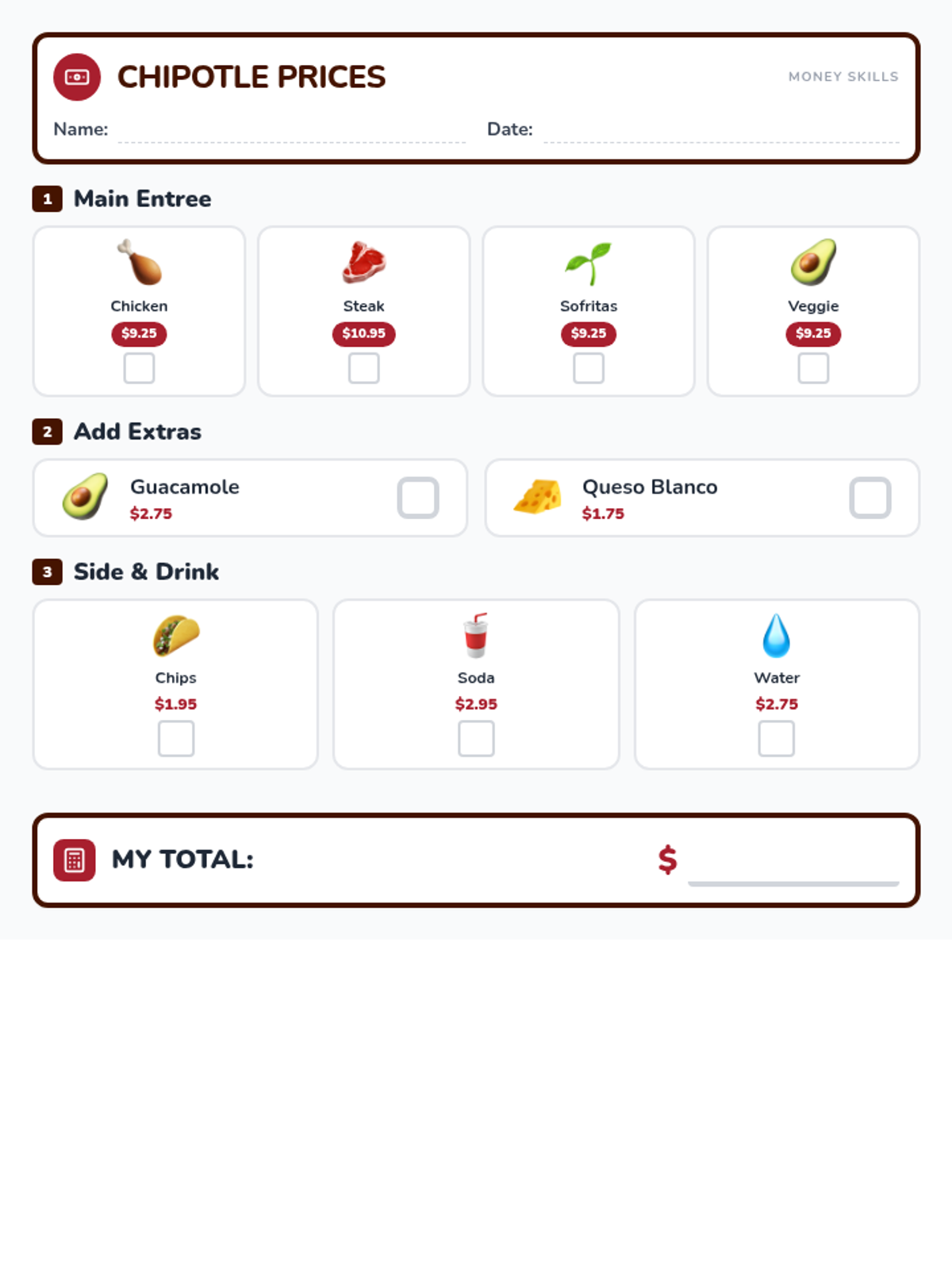
A set of visual supports to help students with special needs practice ordering and money skills at a fast food restaurant.
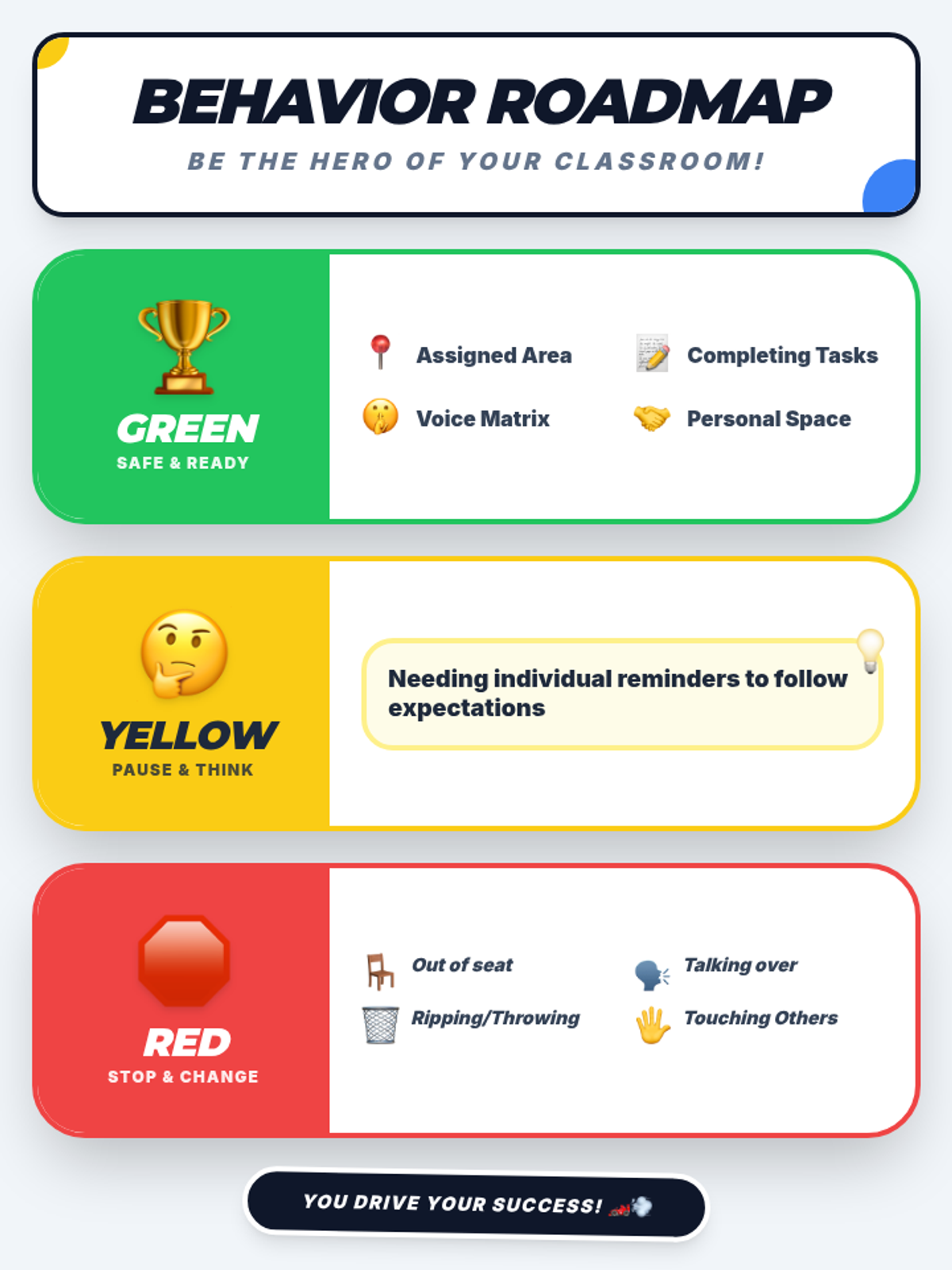
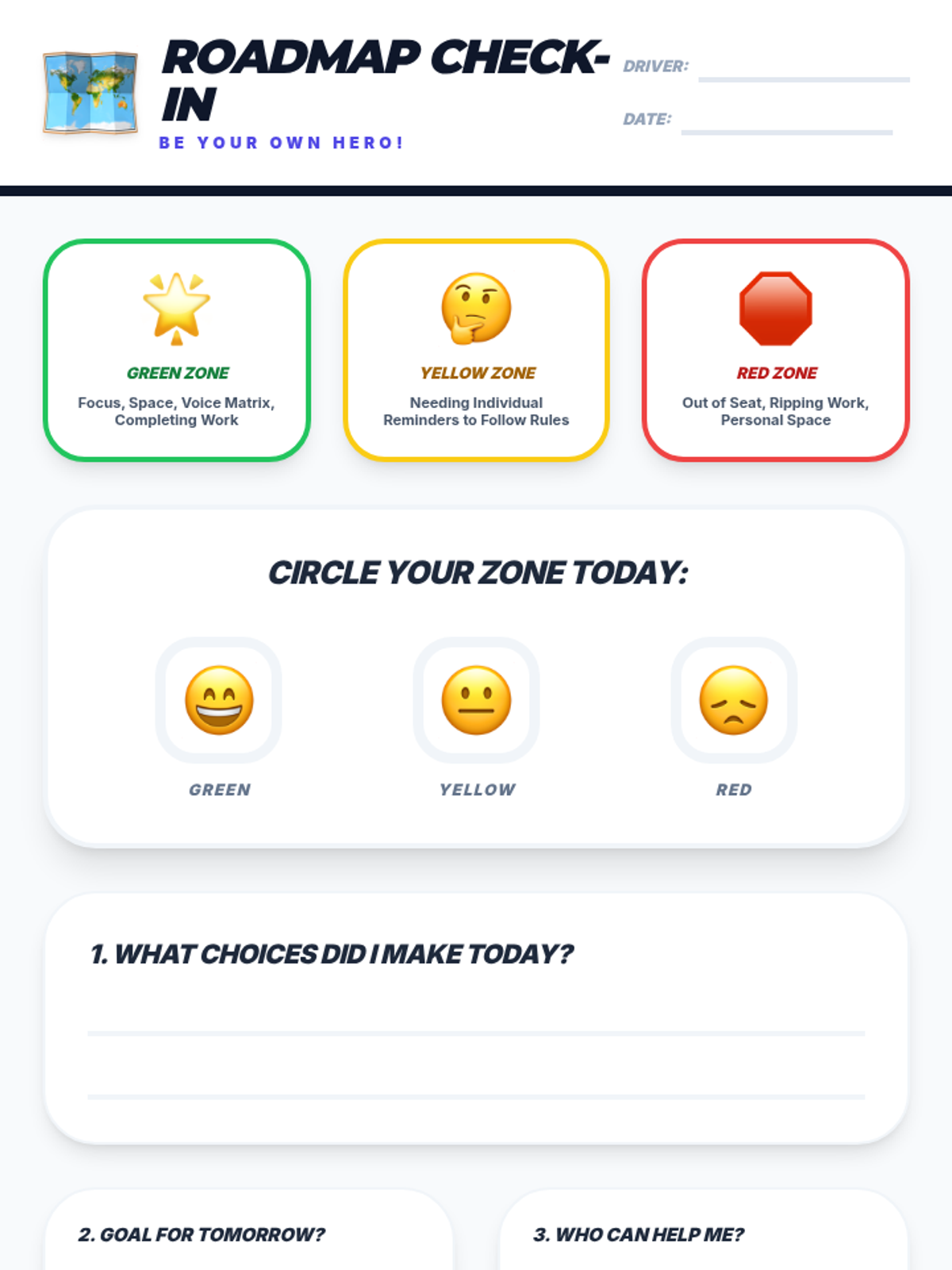
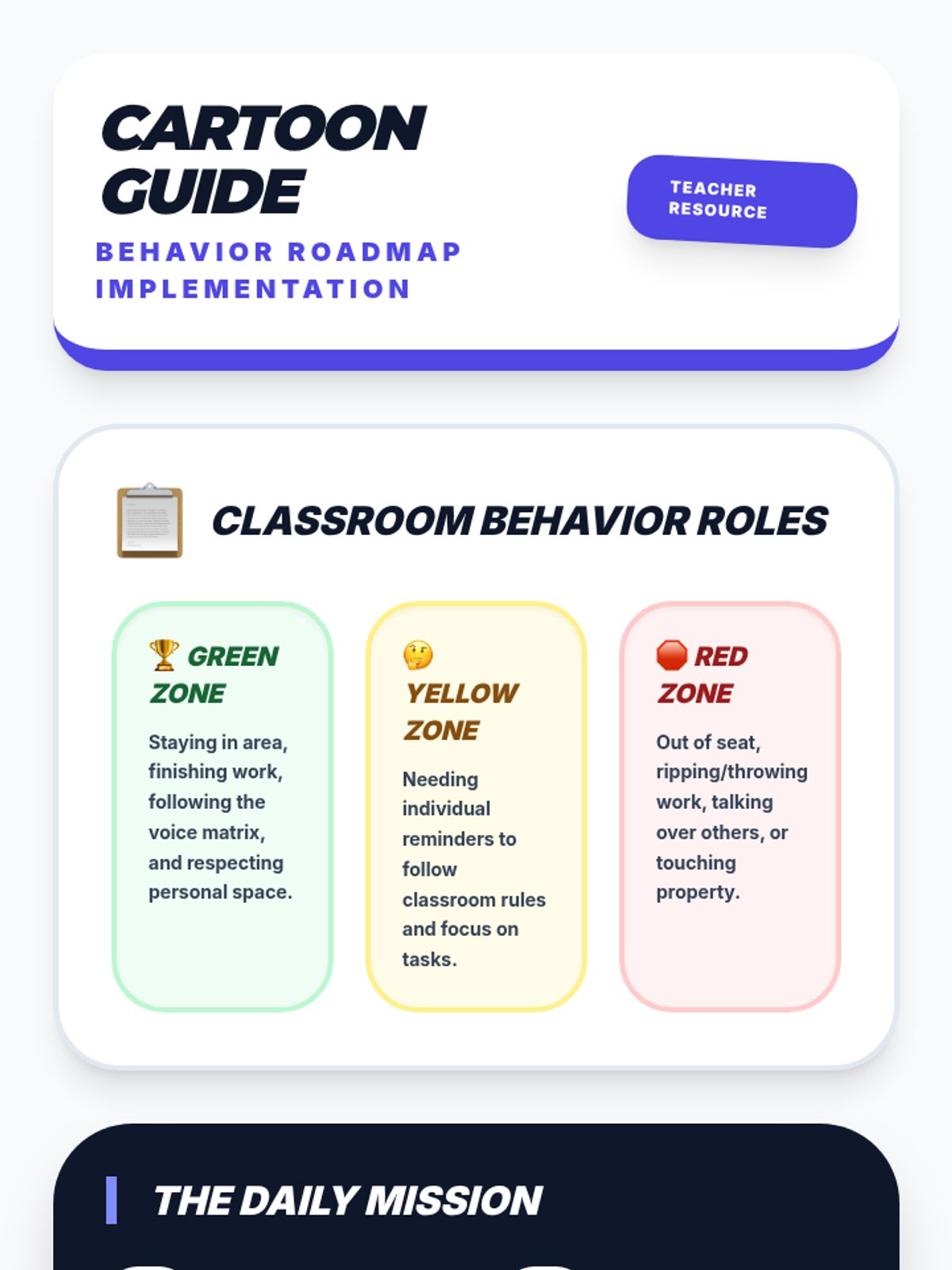
A comprehensive system for defining and maintaining a positive learning environment through a color-coded behavior framework. This lesson introduces students to green, yellow, and red behaviors with clear expectations and reflection tools.
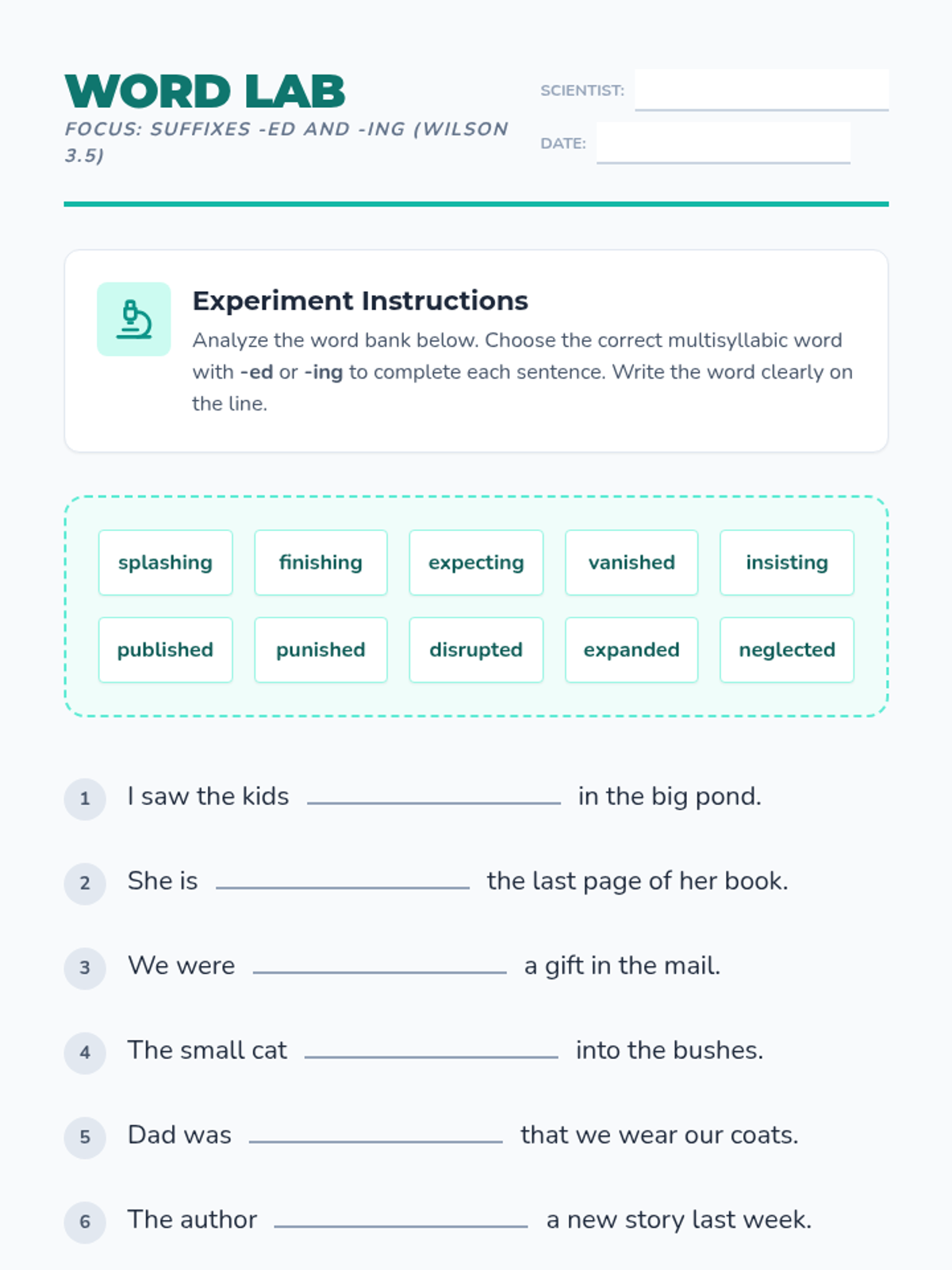
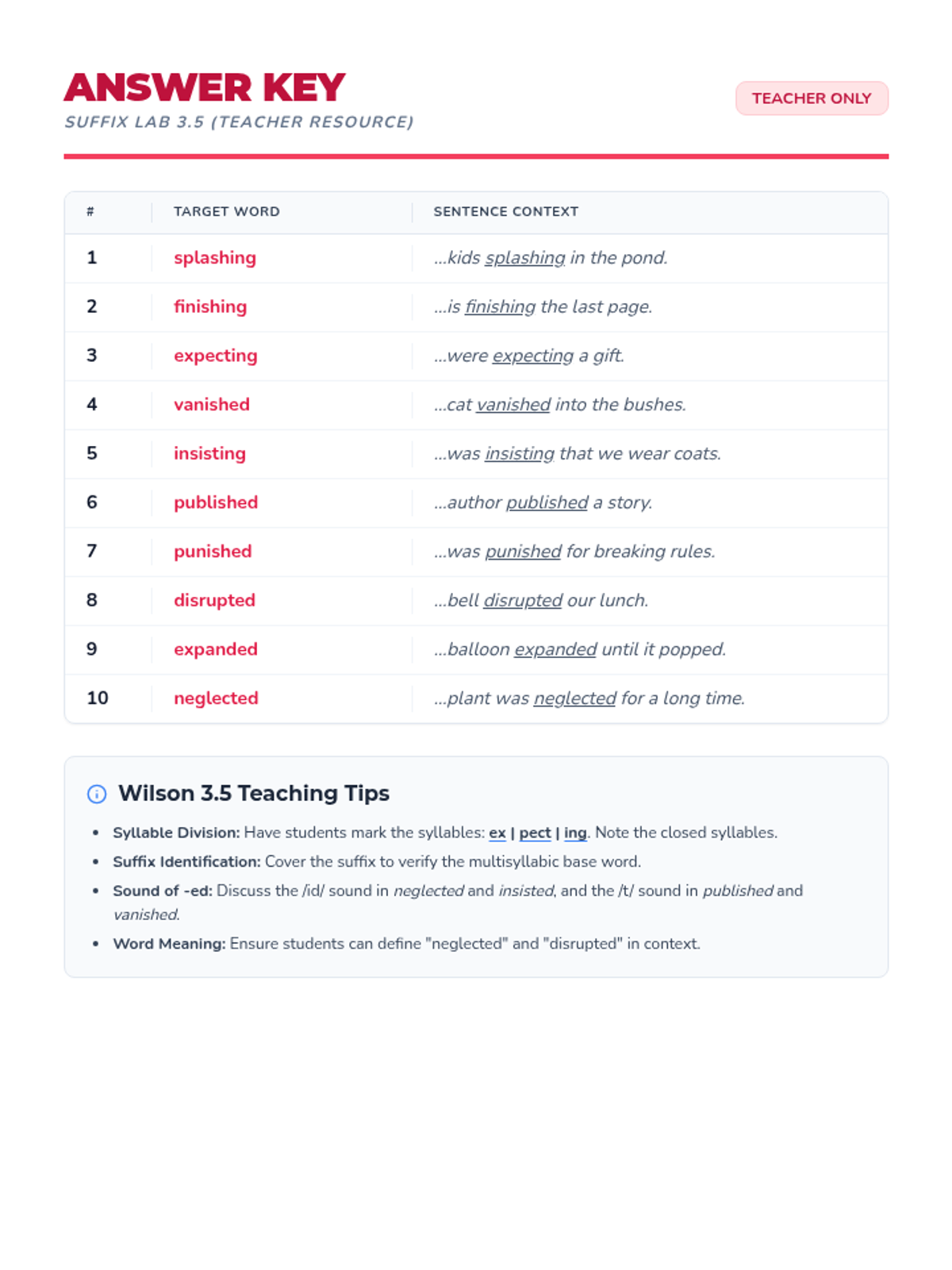
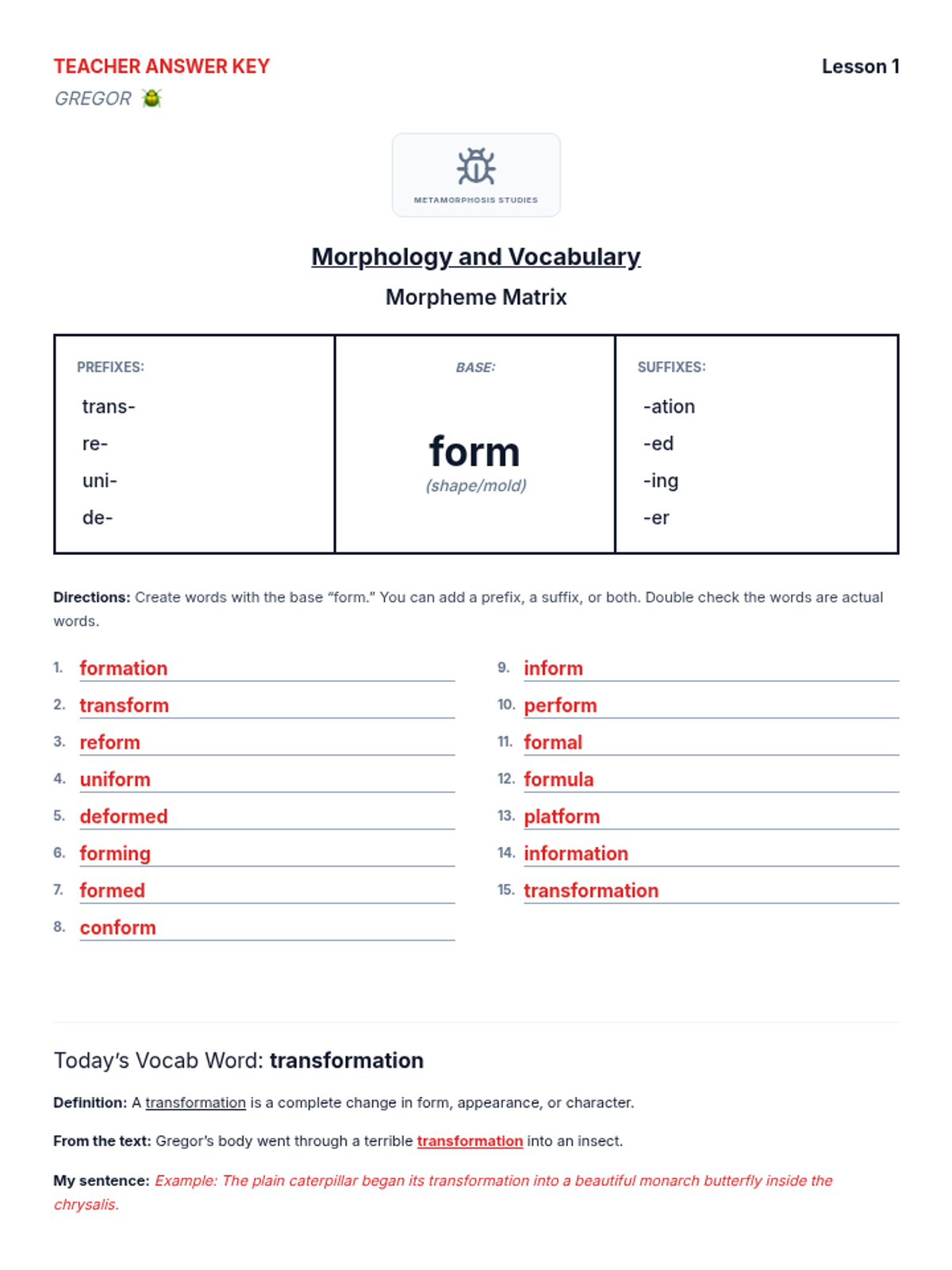
This lesson focuses on multisyllabic words with the suffixes -ed and -ing, specifically targeting the patterns found in Wilson Reading System program 3.5. Students will practice identifying and using these words in simple sentences.
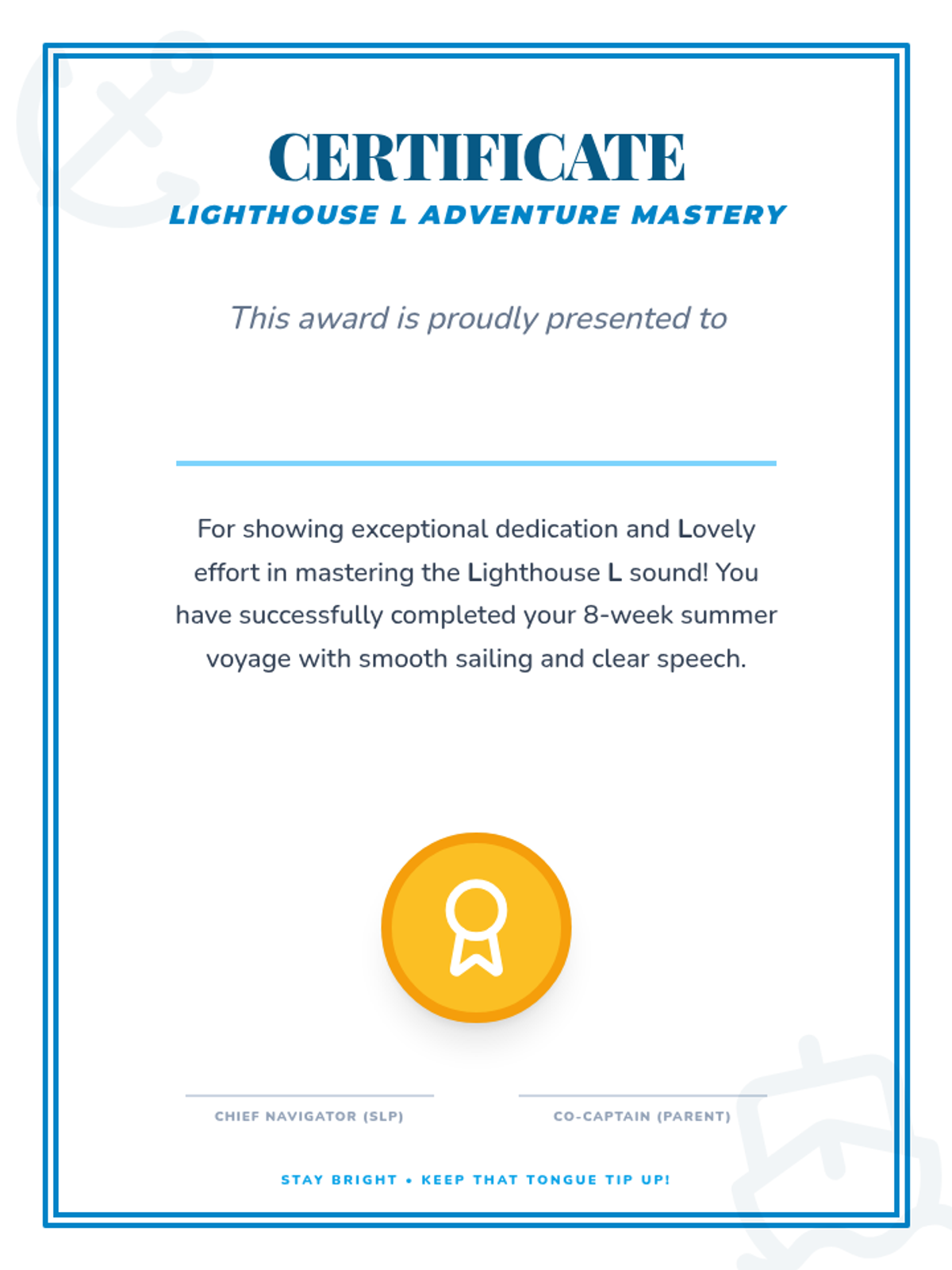
A review and celebration week where students demonstrate their progress and receive a certificate of completion.
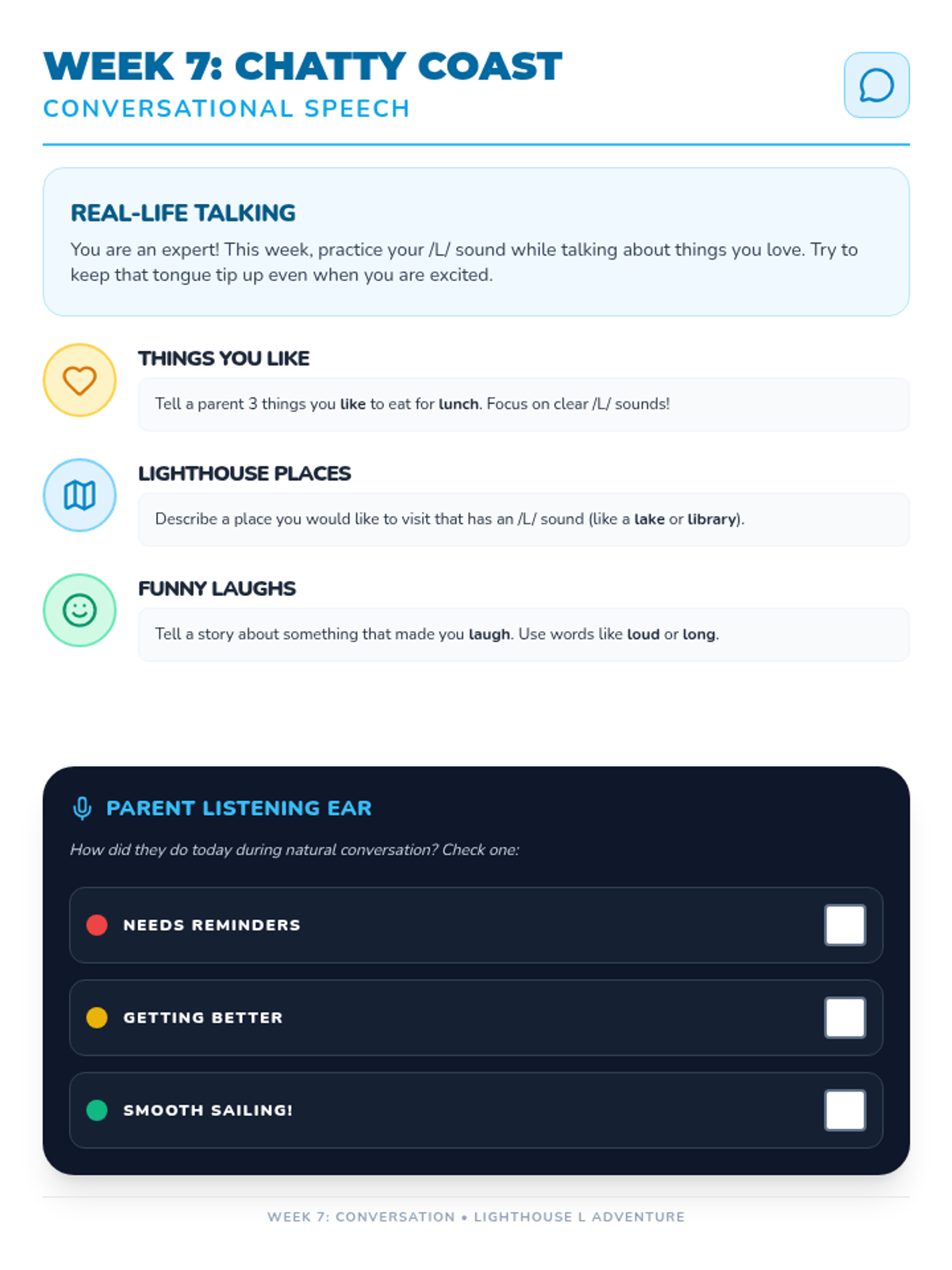
Prepares students for natural speech by using conversational prompts and open-ended questions targeting /l/ words.
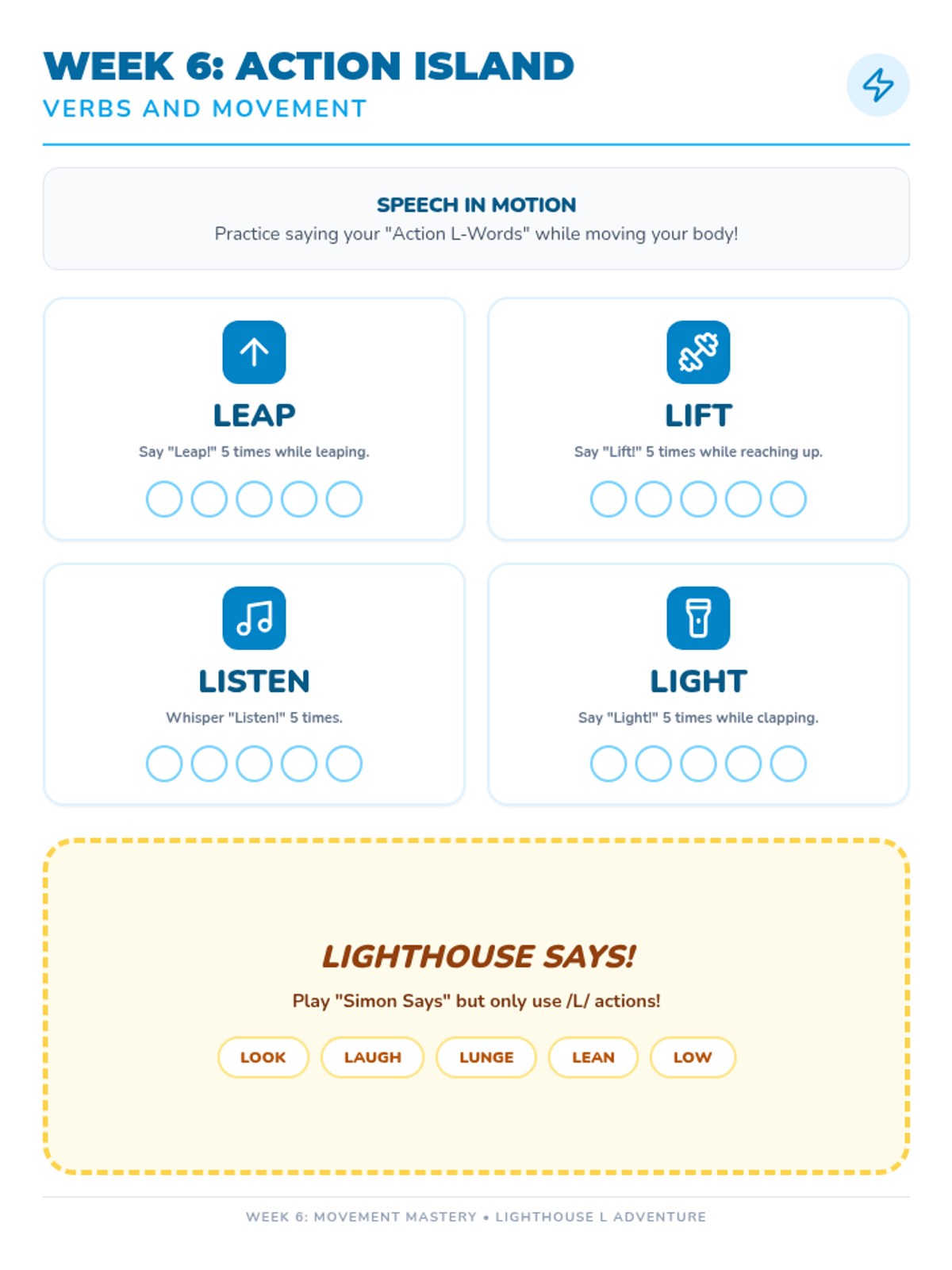
Focuses on 'action' words starting with /l/ (leap, lick, lift, etc.) to incorporate movement into speech practice.
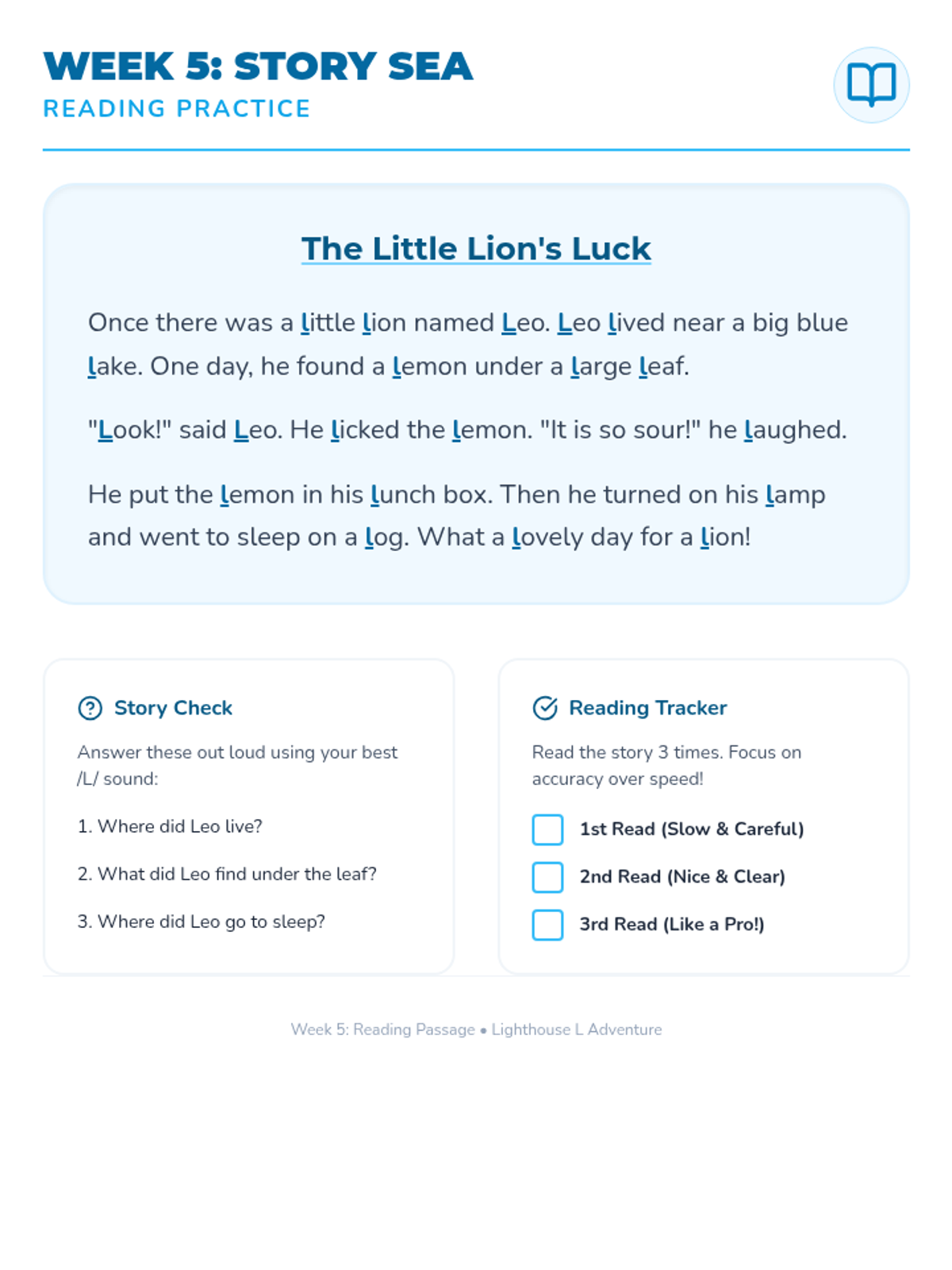
Using a short nautical-themed story, students practice their /l/ sound in a controlled reading context.
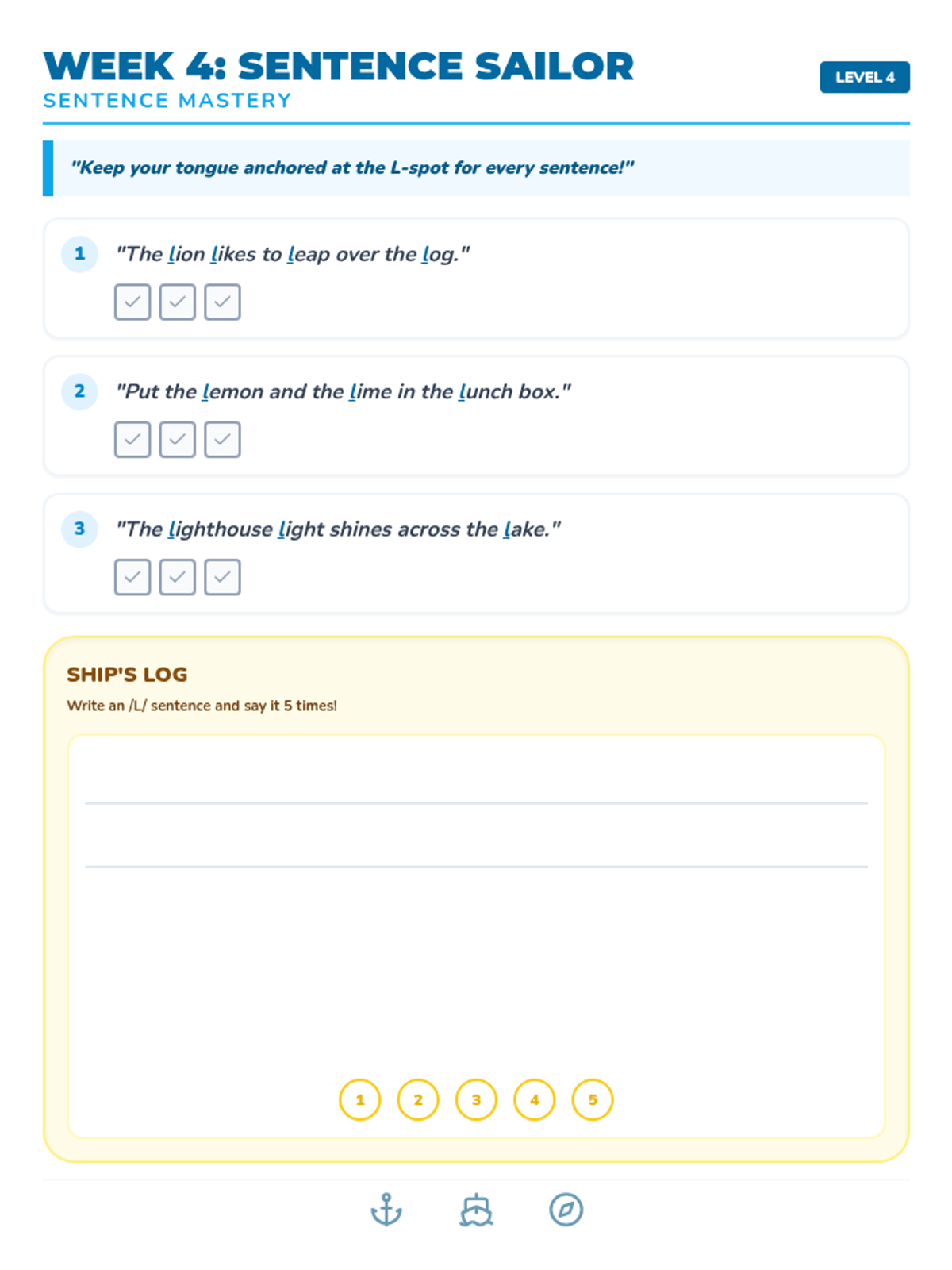
This week focuses on using /l/ words in full sentences, encouraging self-monitoring and clear production during longer utterances.
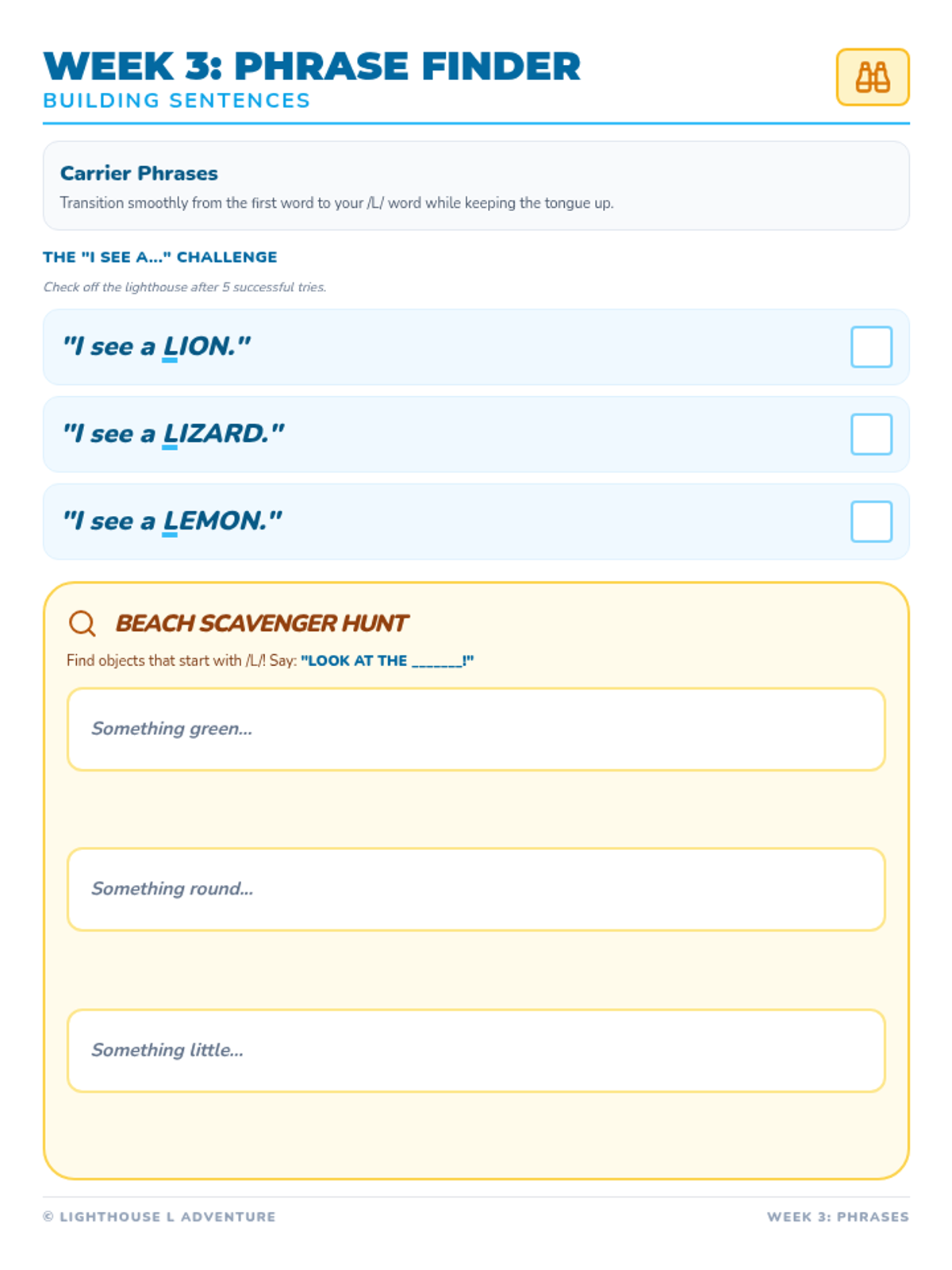
Students begin combining their target /l/ words with simple carrier phrases to build stamina and consistency.
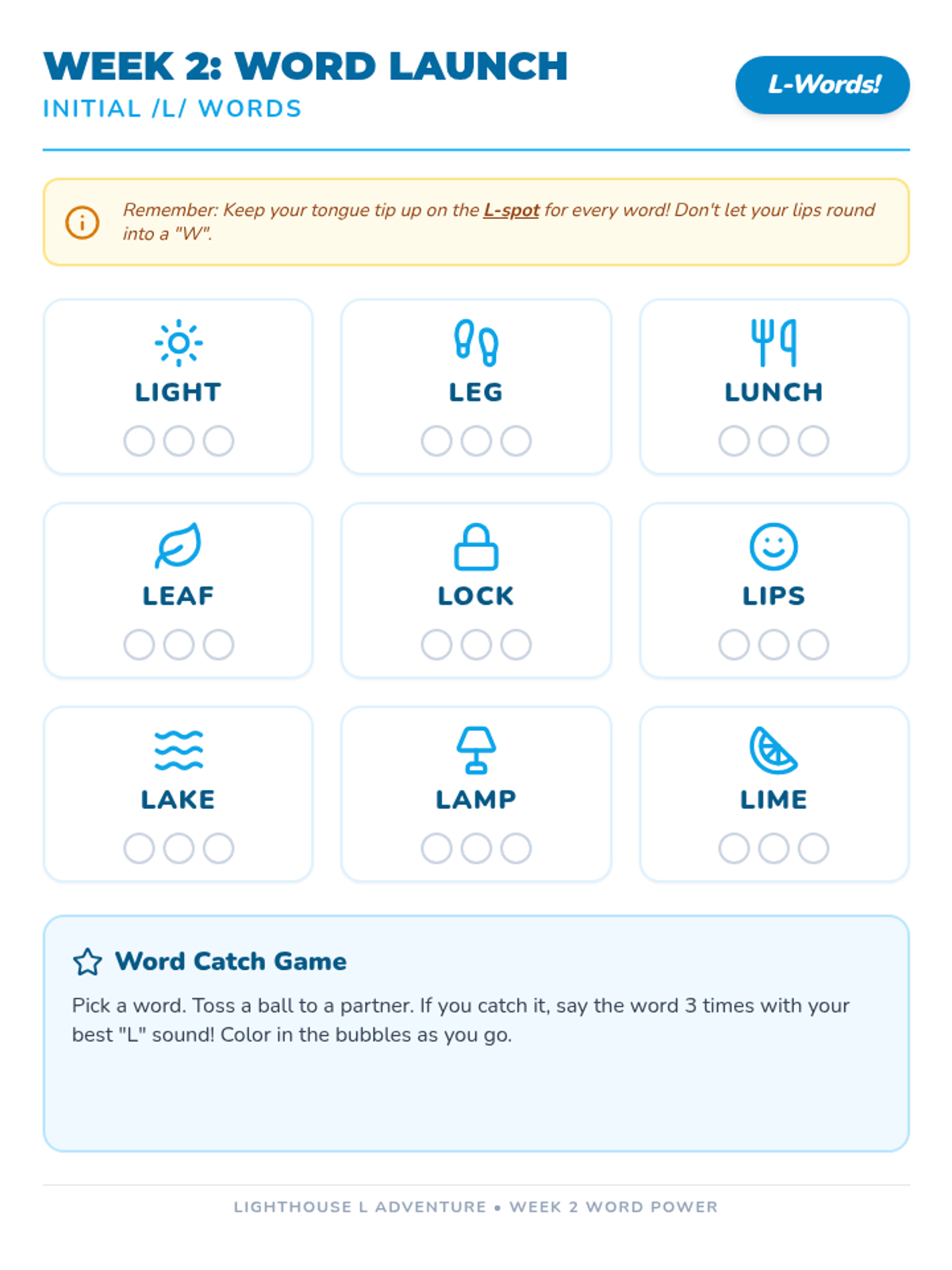
Moving from syllables to single words, this week focuses on high-frequency /l/ words using visual supports and a fun tracking sheet.
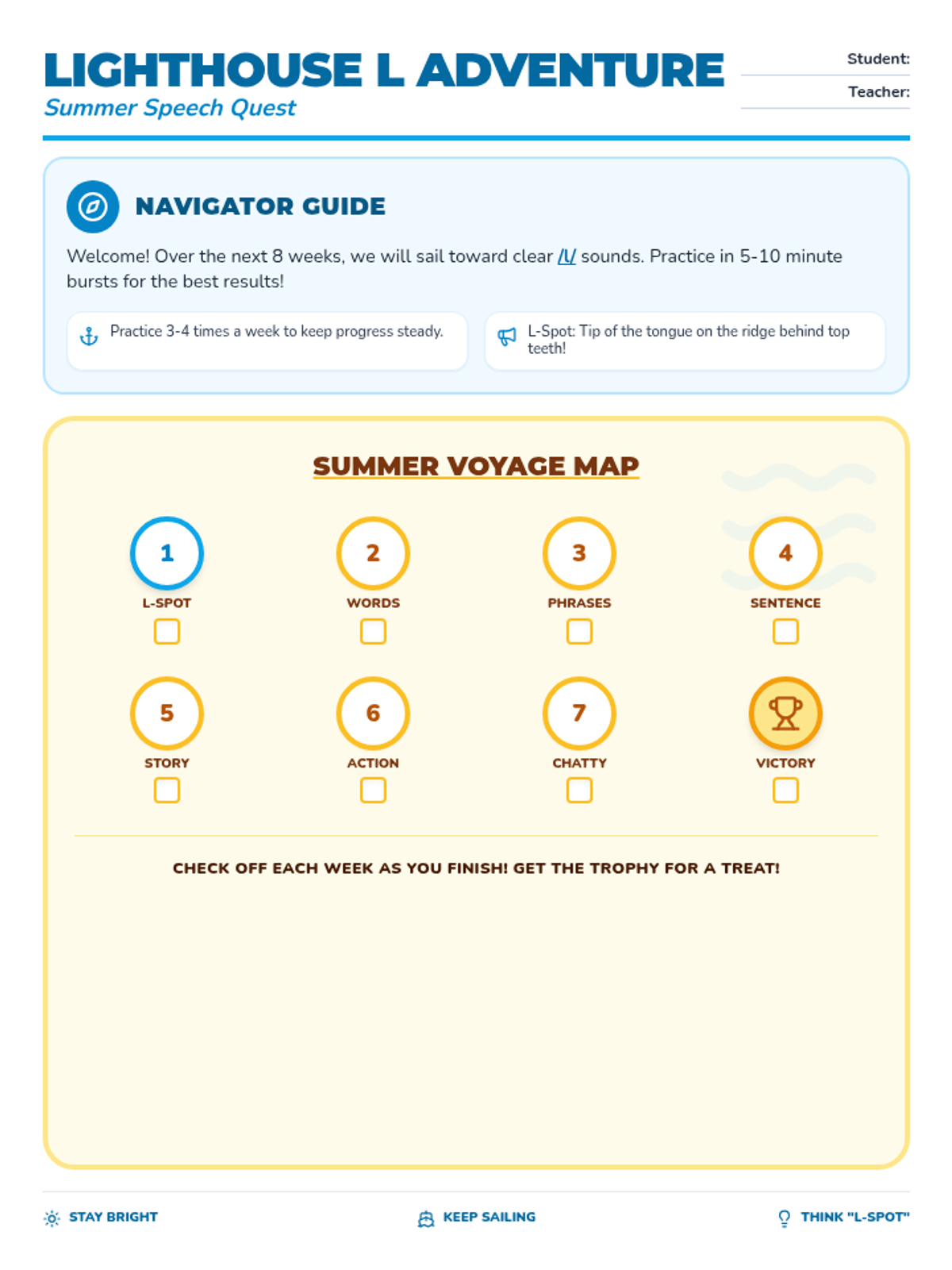
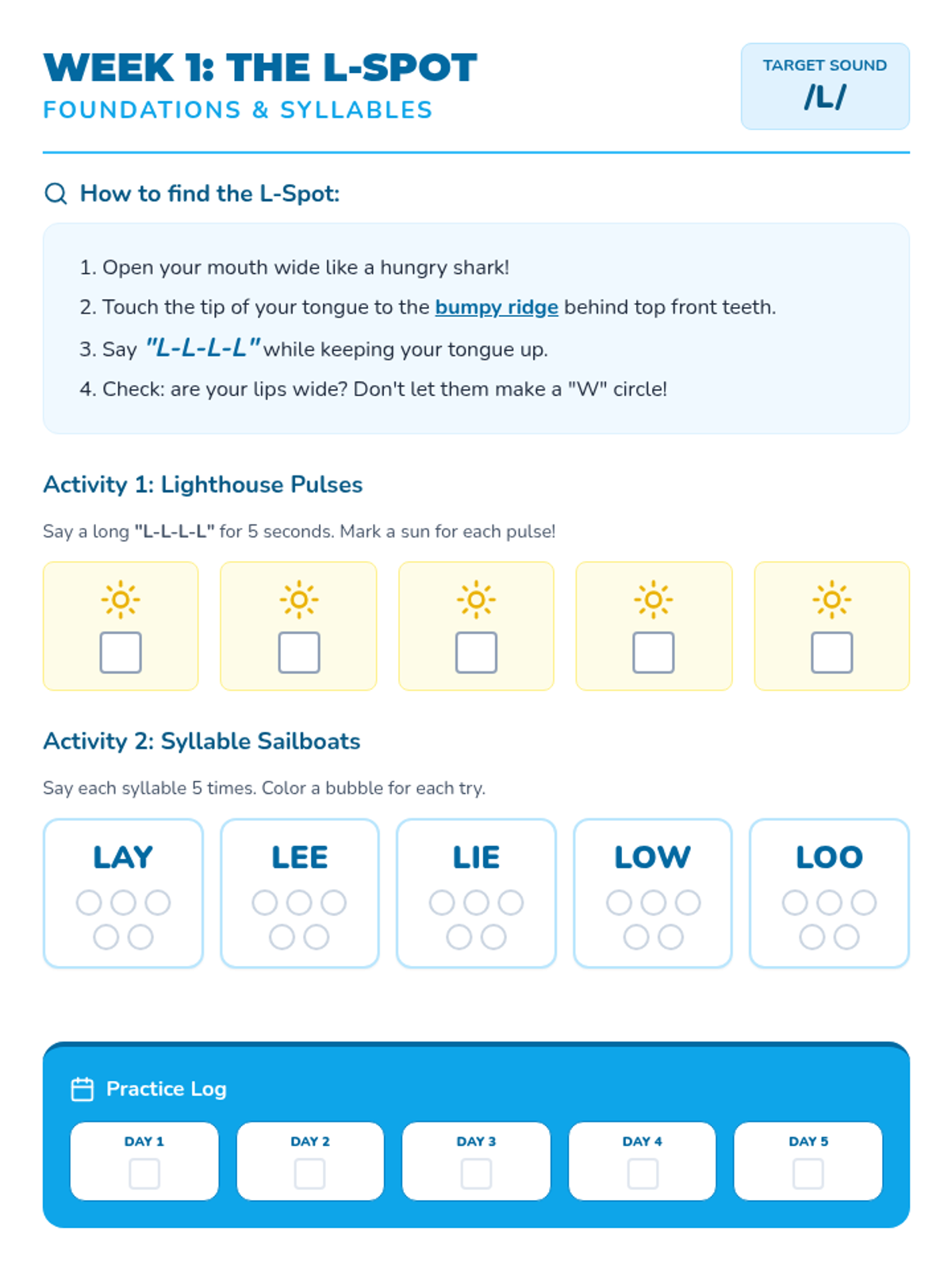
The foundational week focuses on establishing correct tongue placement (the 'L-spot') and producing the /l/ sound in isolation and simple syllables.
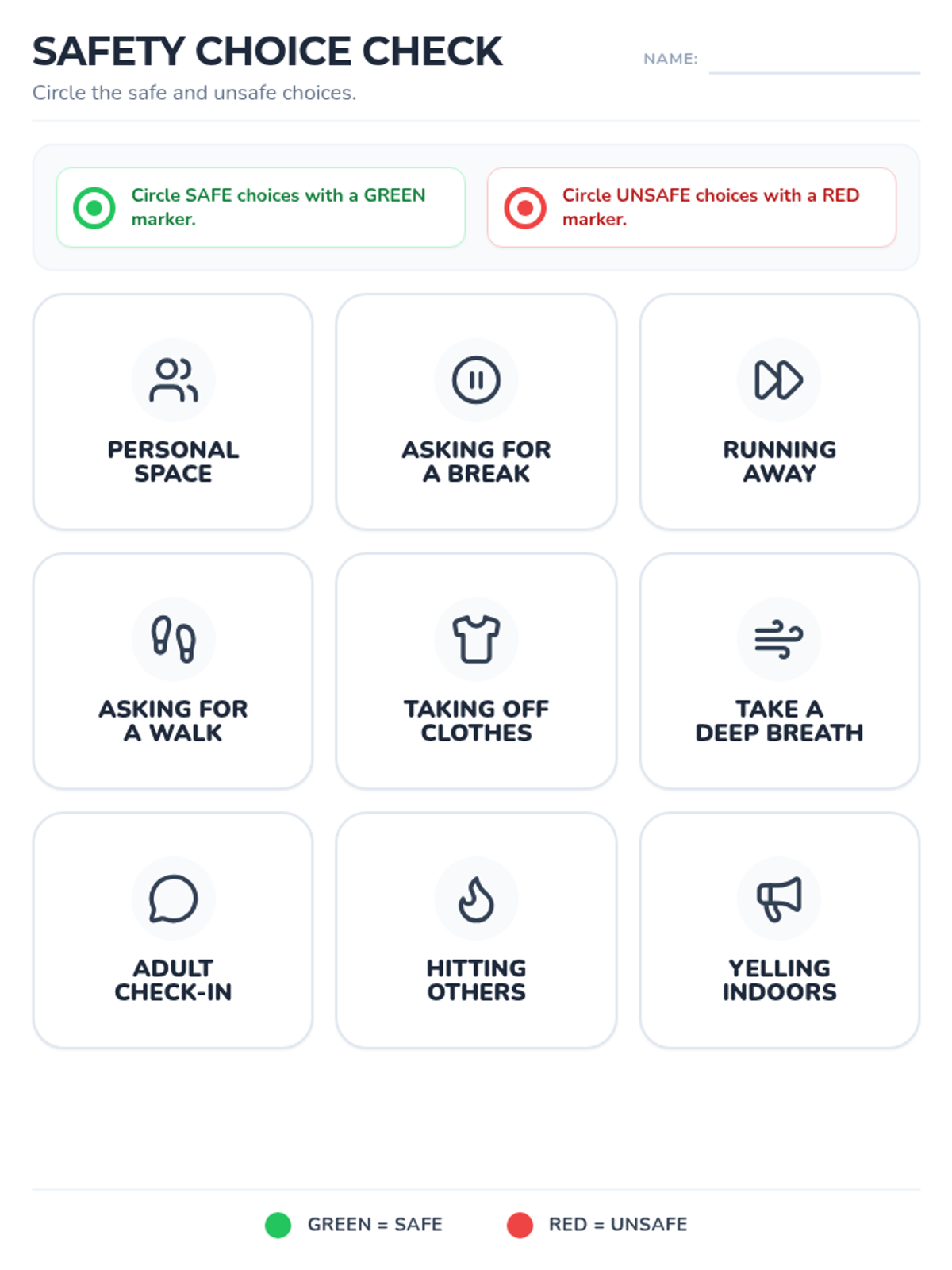
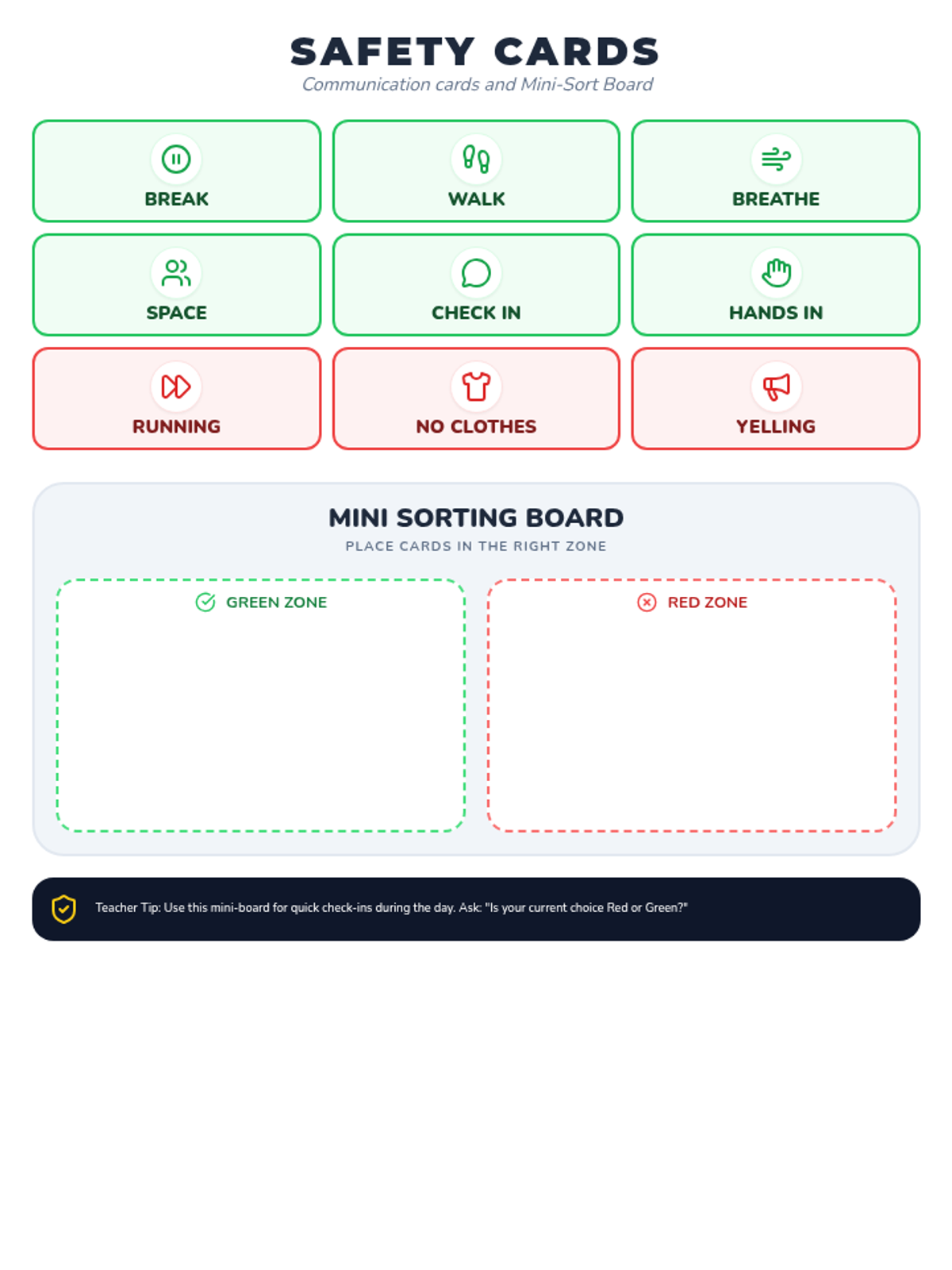
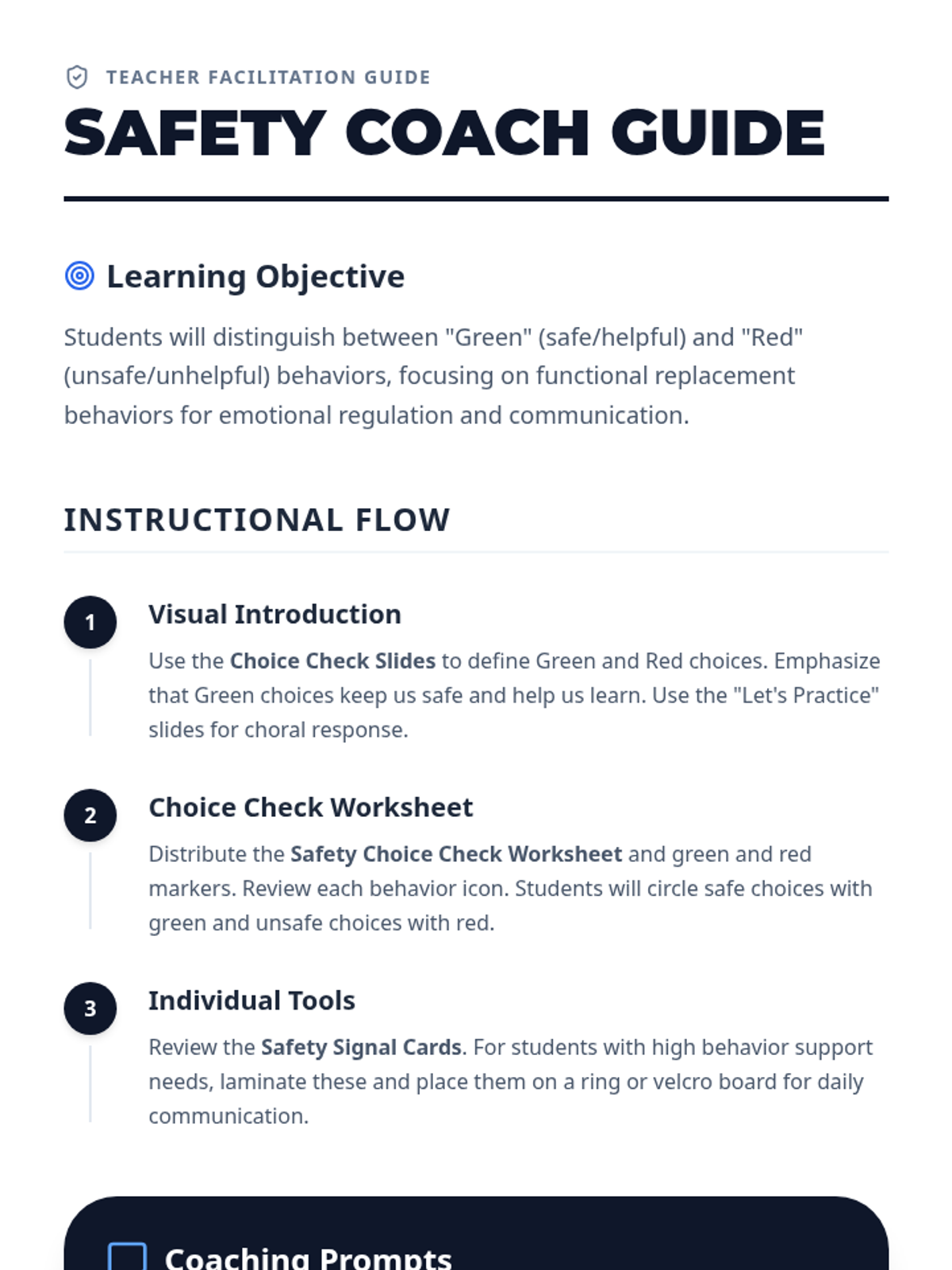
This lesson teaches students to distinguish between safe (Green) and unsafe (Red) behaviors through visual sorting and discussion. It focuses on functional communication and self-regulation skills like asking for breaks and maintaining personal space.
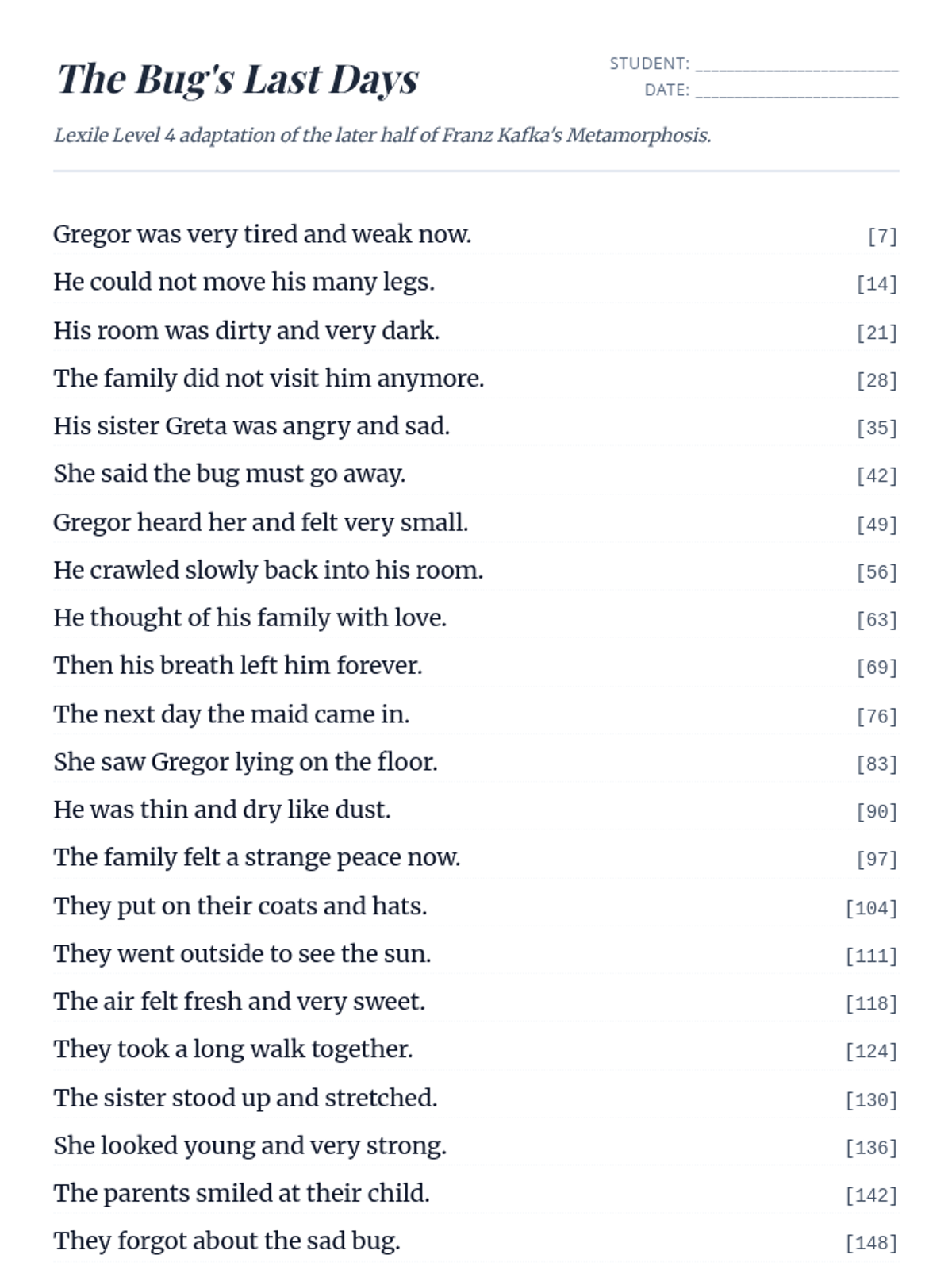
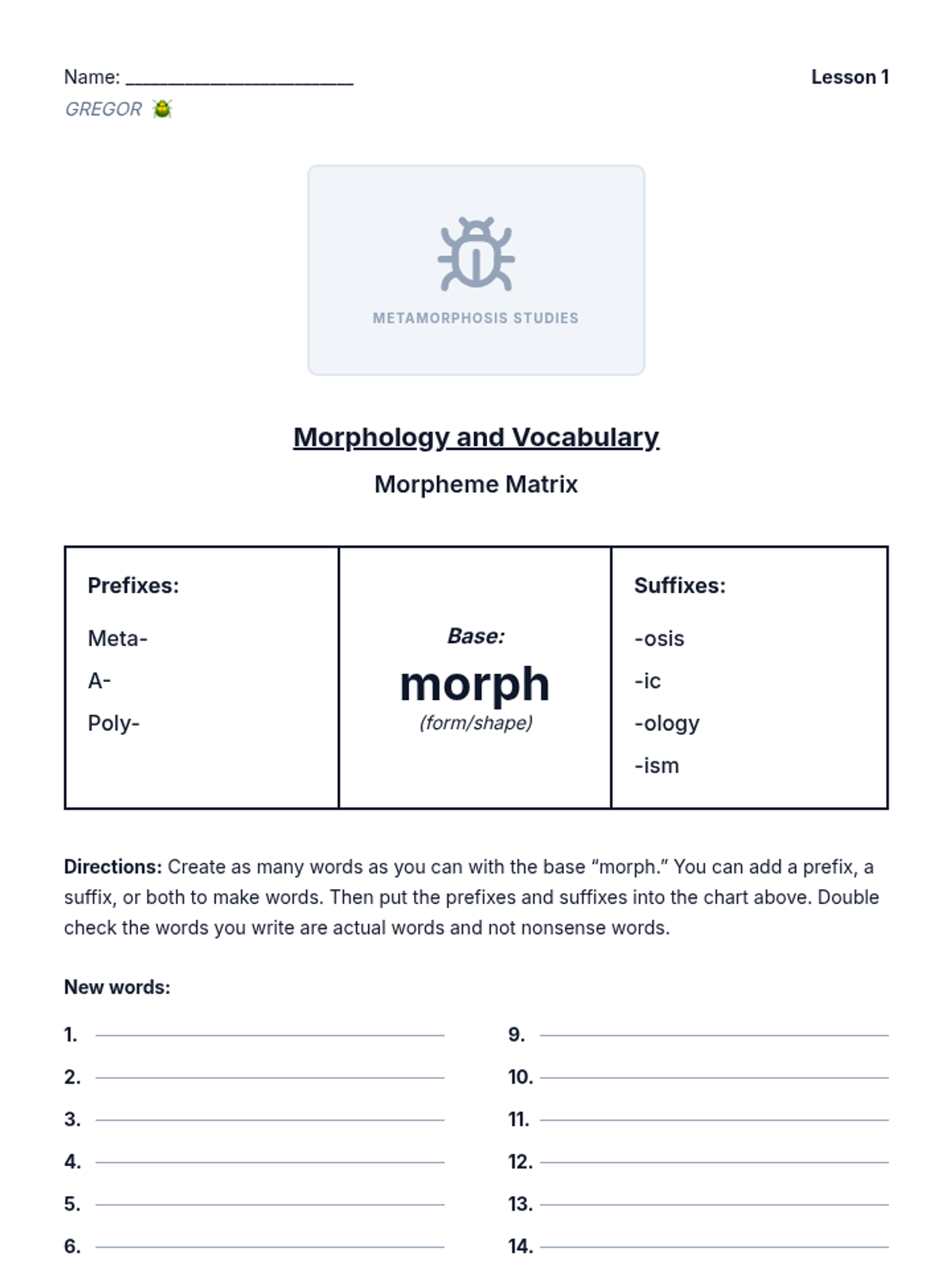
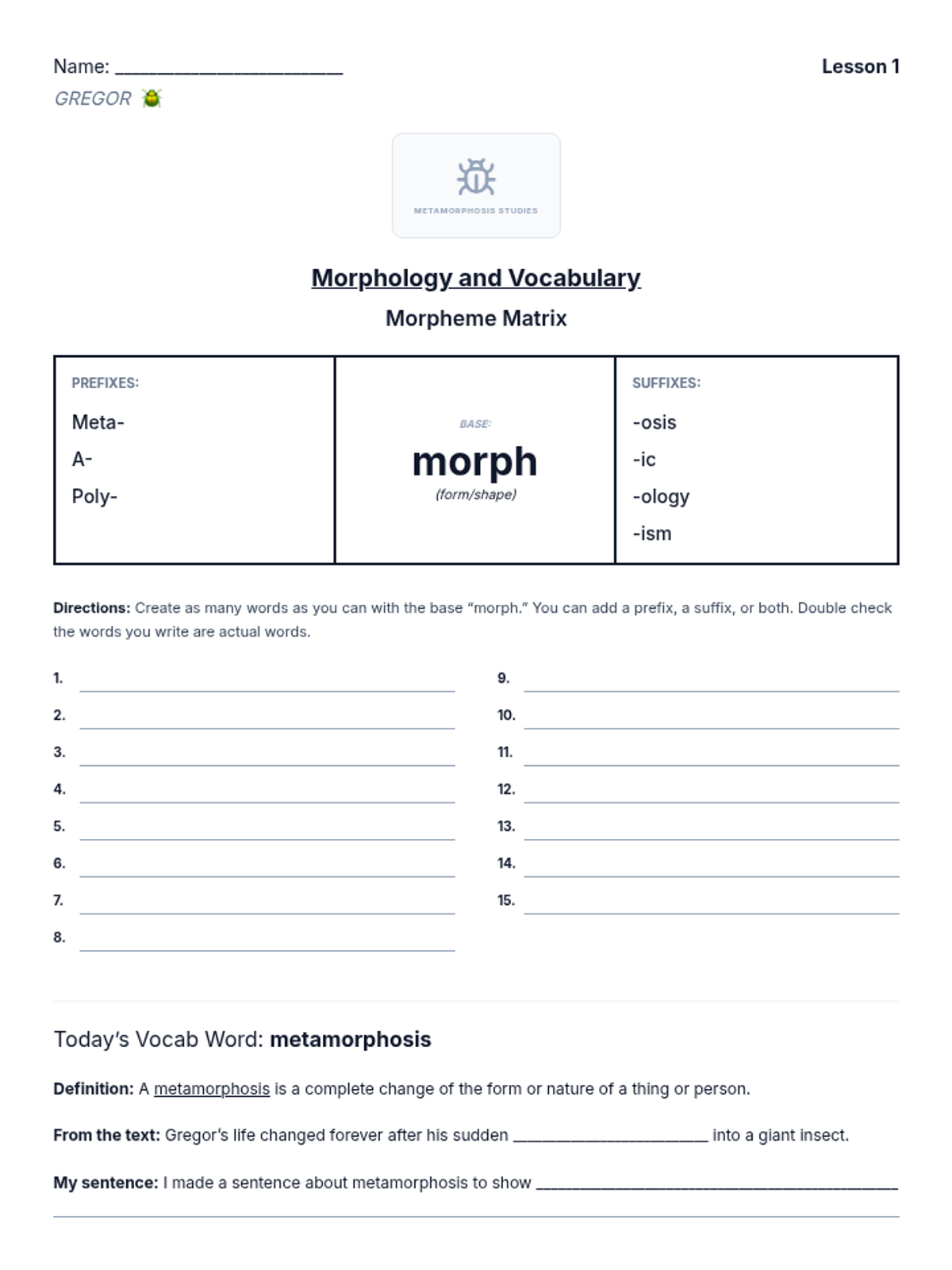
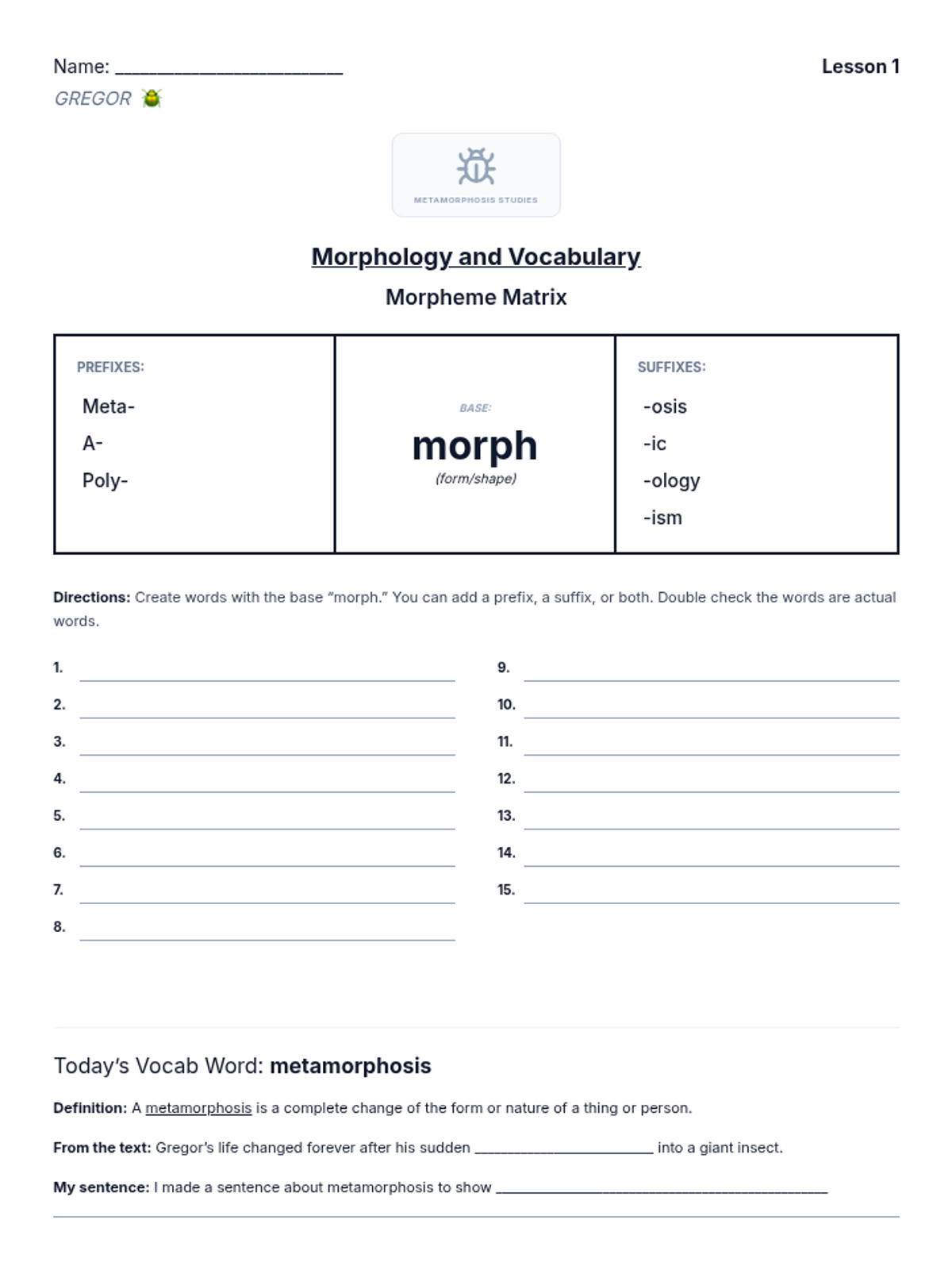
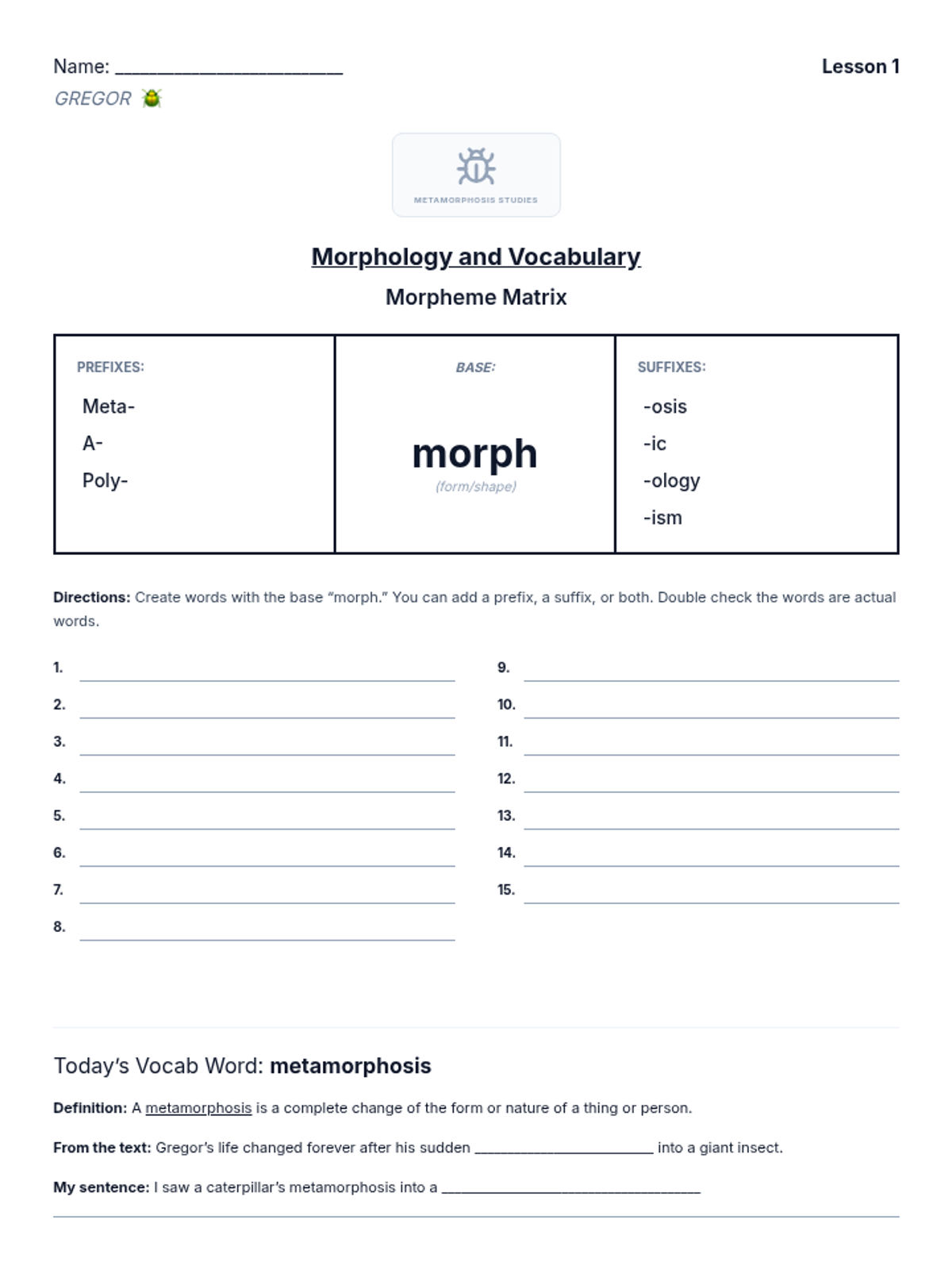
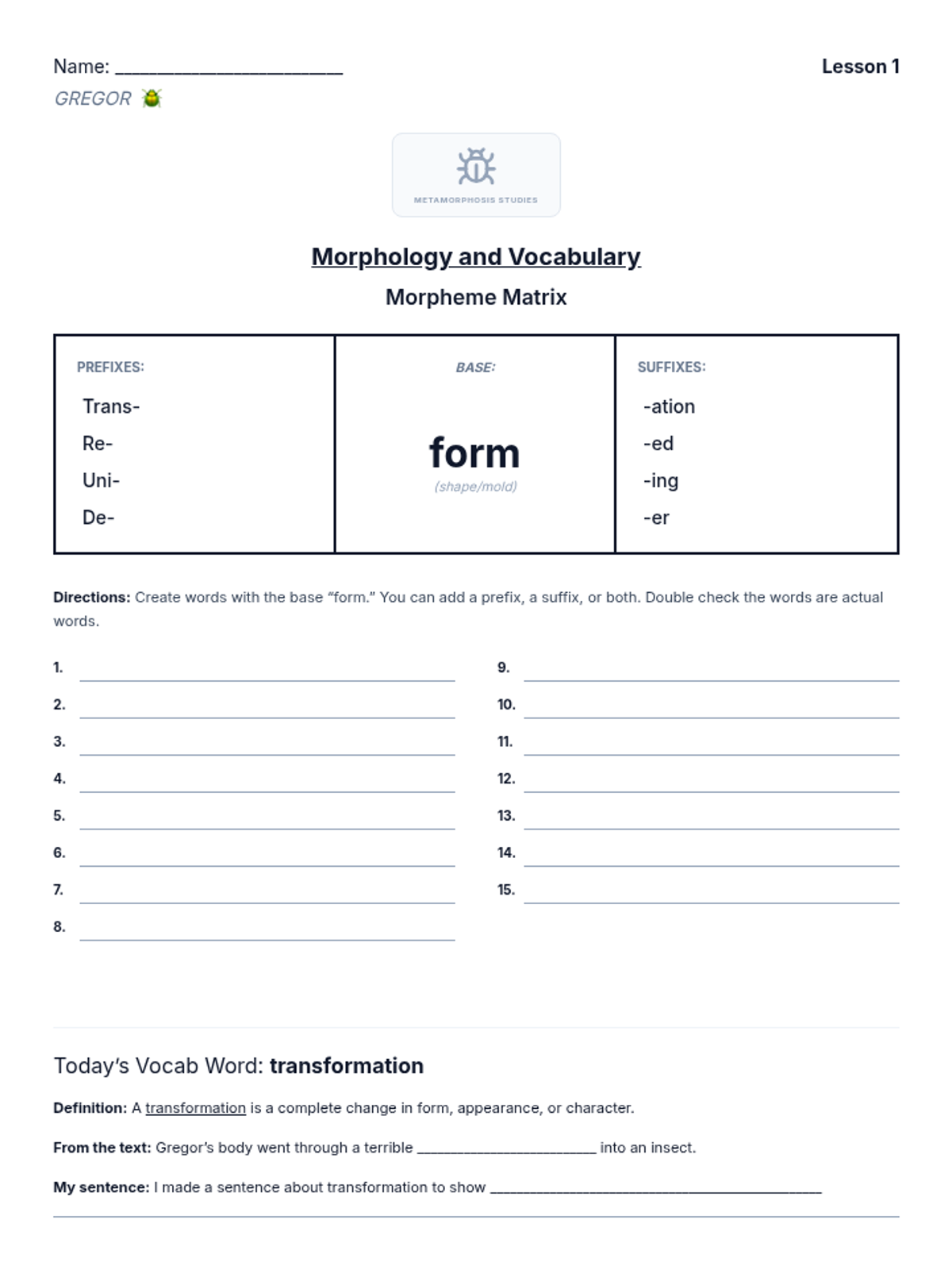
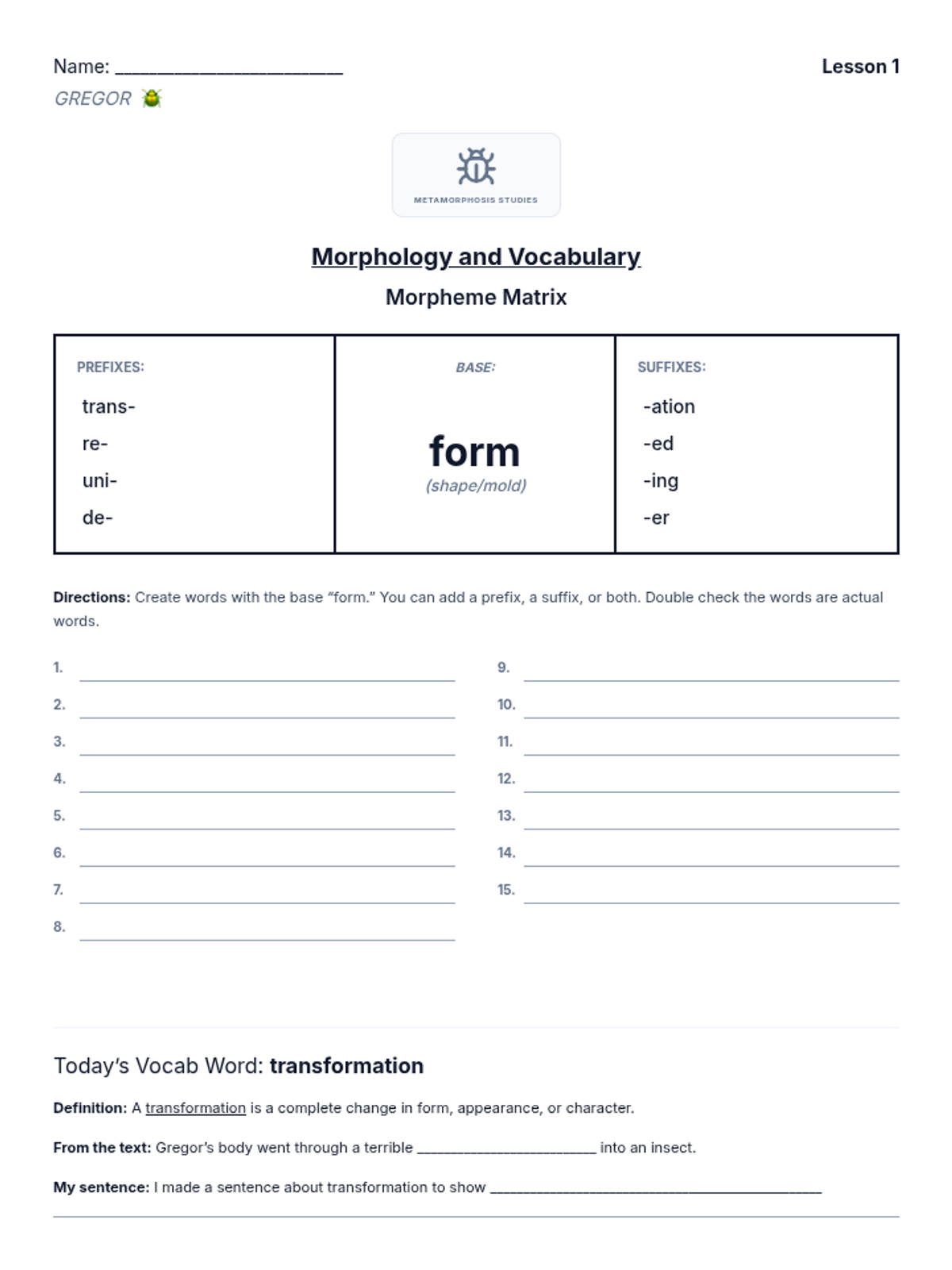
A simplified exploration of the later half of Franz Kafka's Metamorphosis, focusing on readability and text analysis for early intermediate readers.
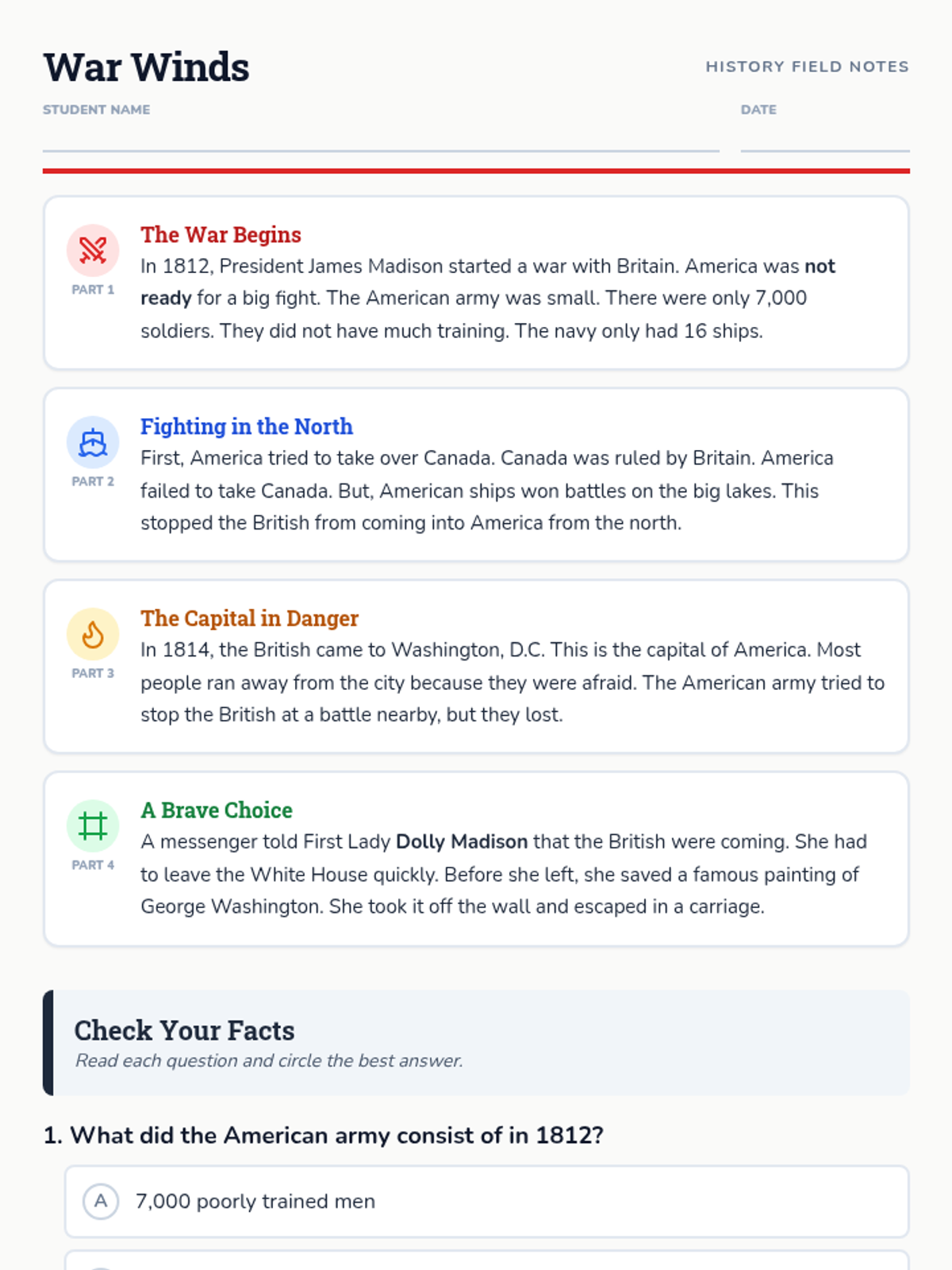
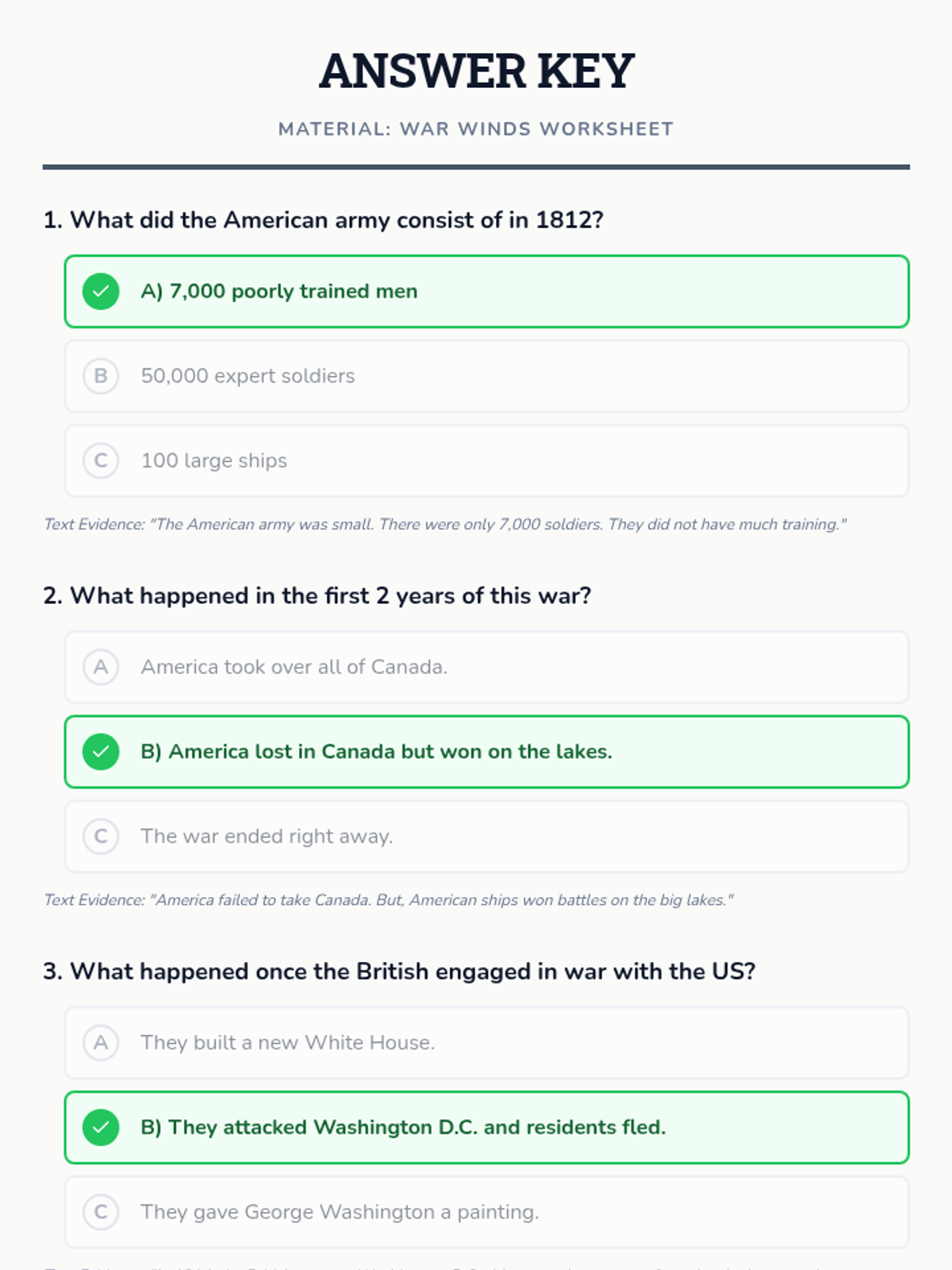
A modified history lesson focusing on the key events of the War of 1812, including the lack of American military readiness and the burning of Washington D.C., adapted for students with special needs at a 4th-5th grade reading level.
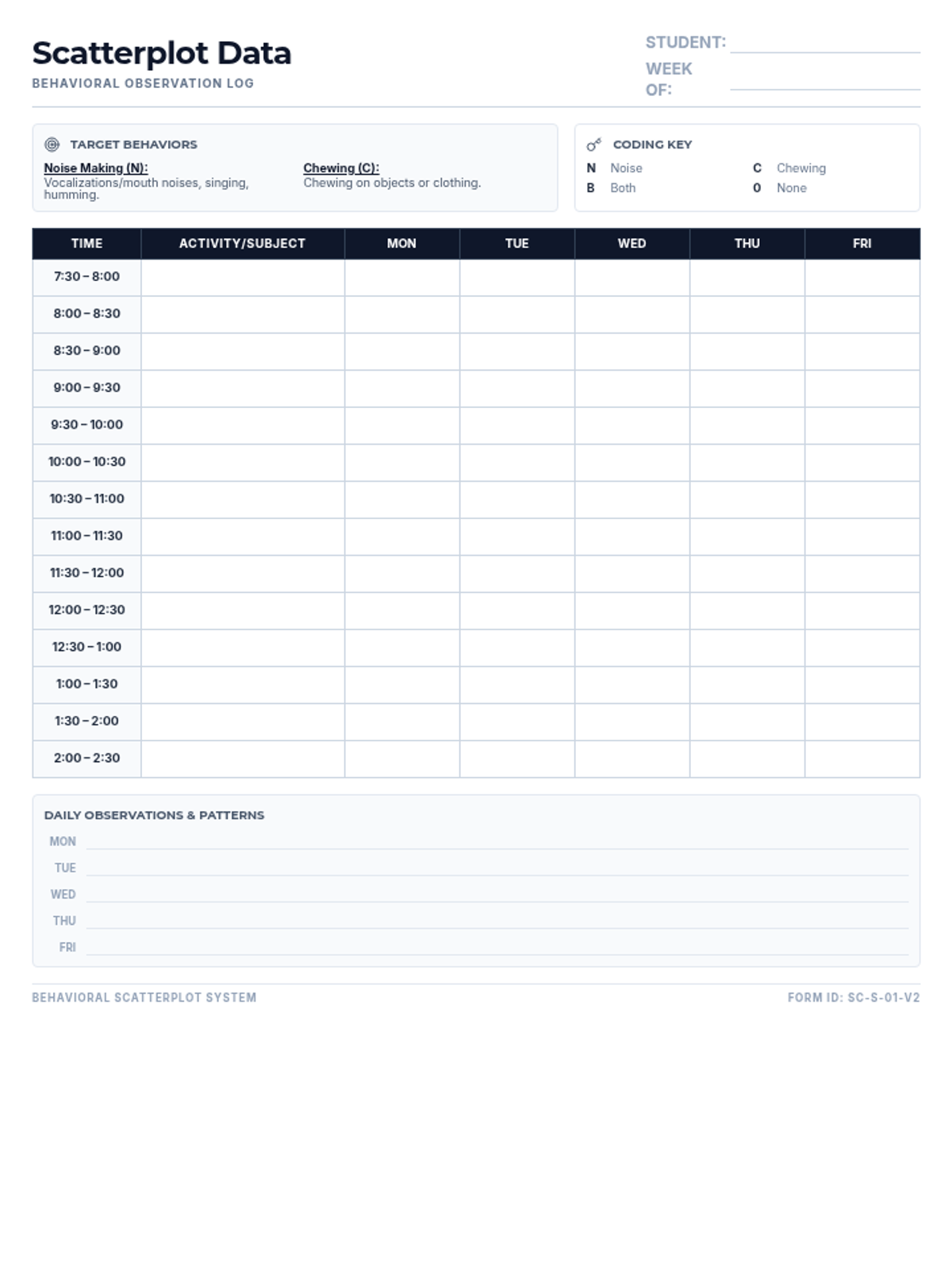
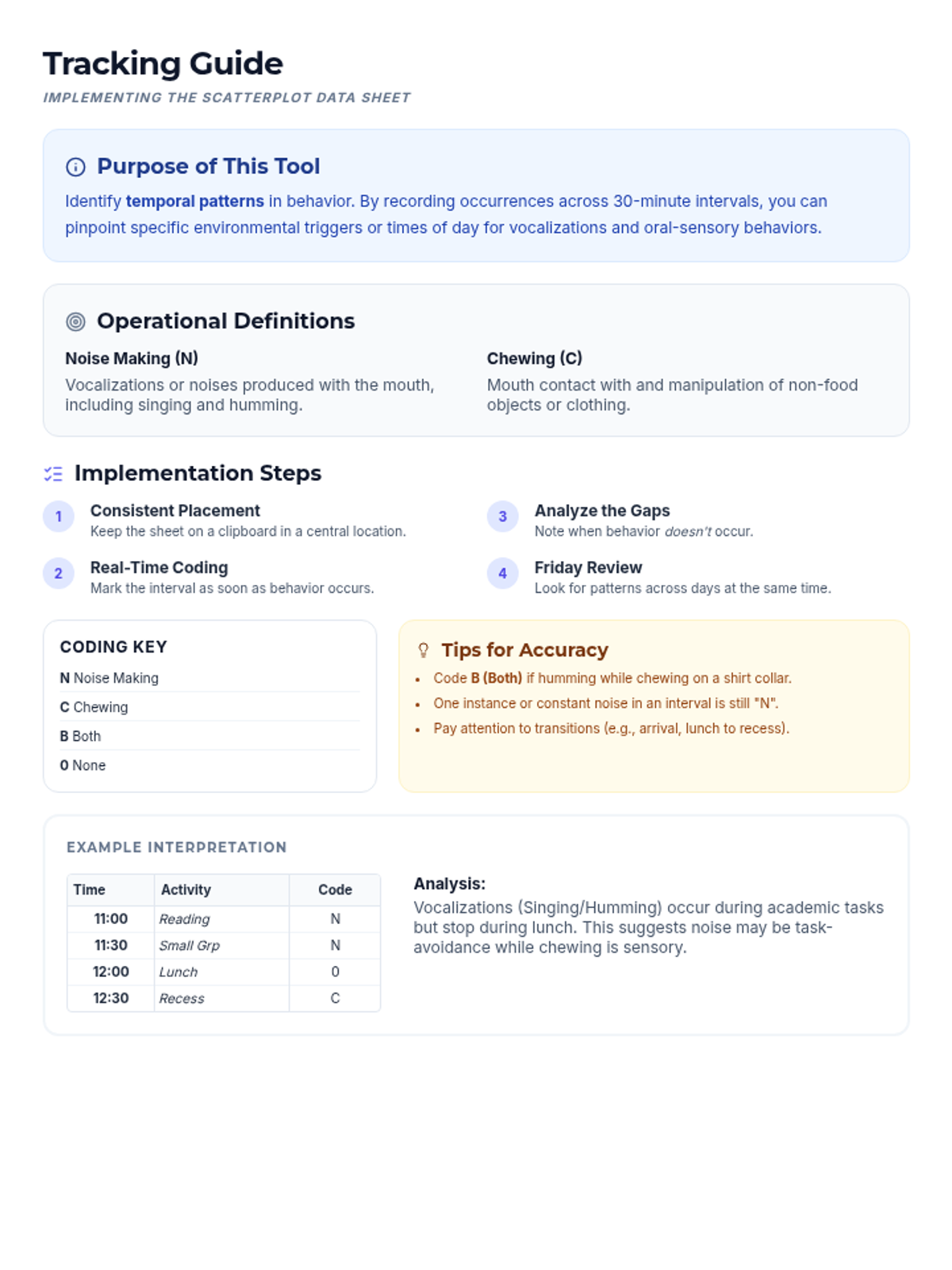
A collection of resources for tracking and analyzing noise-making and chewing behaviors in a classroom or clinical setting, featuring a structured scatterplot data sheet and implementation guide.
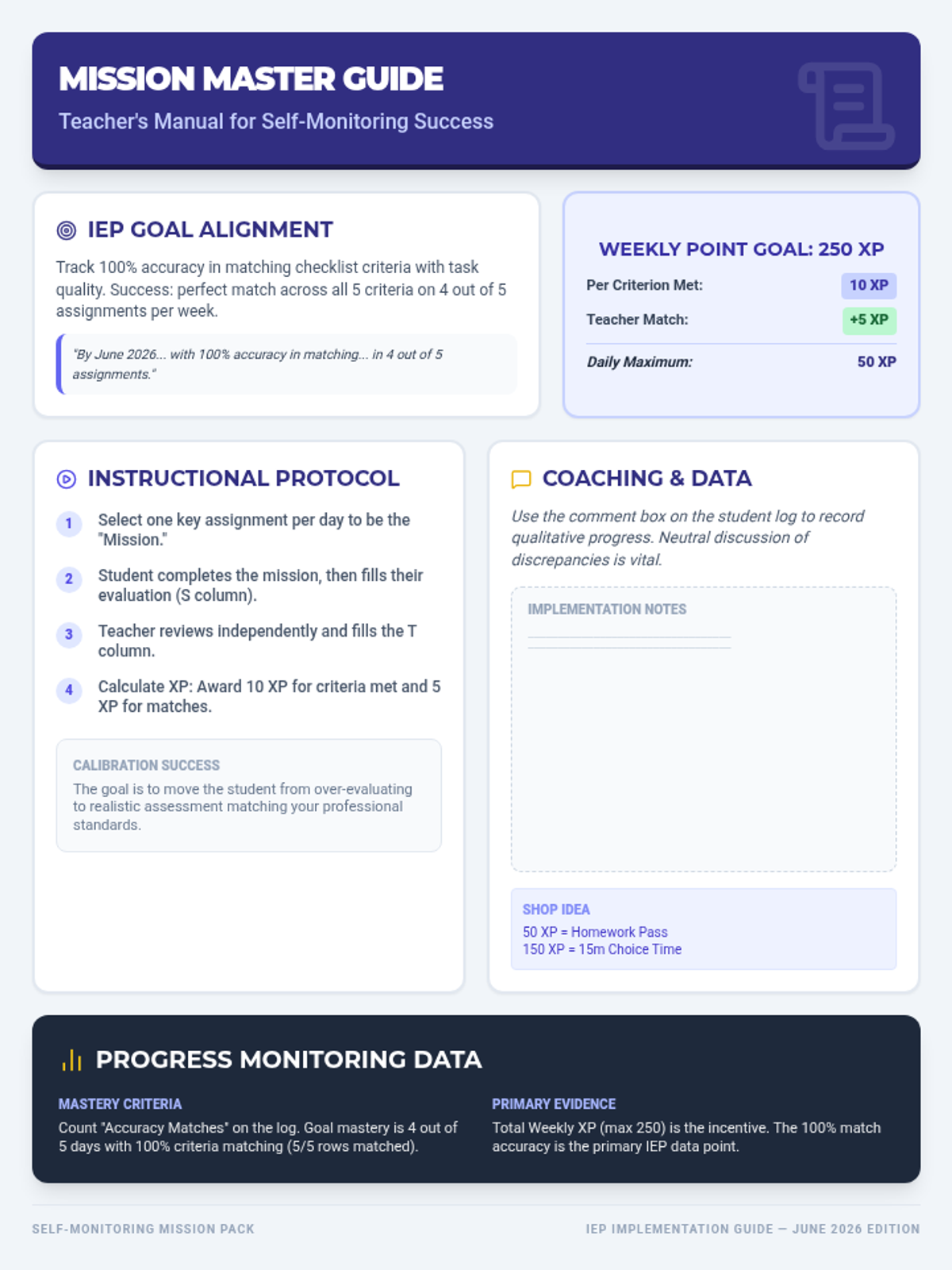
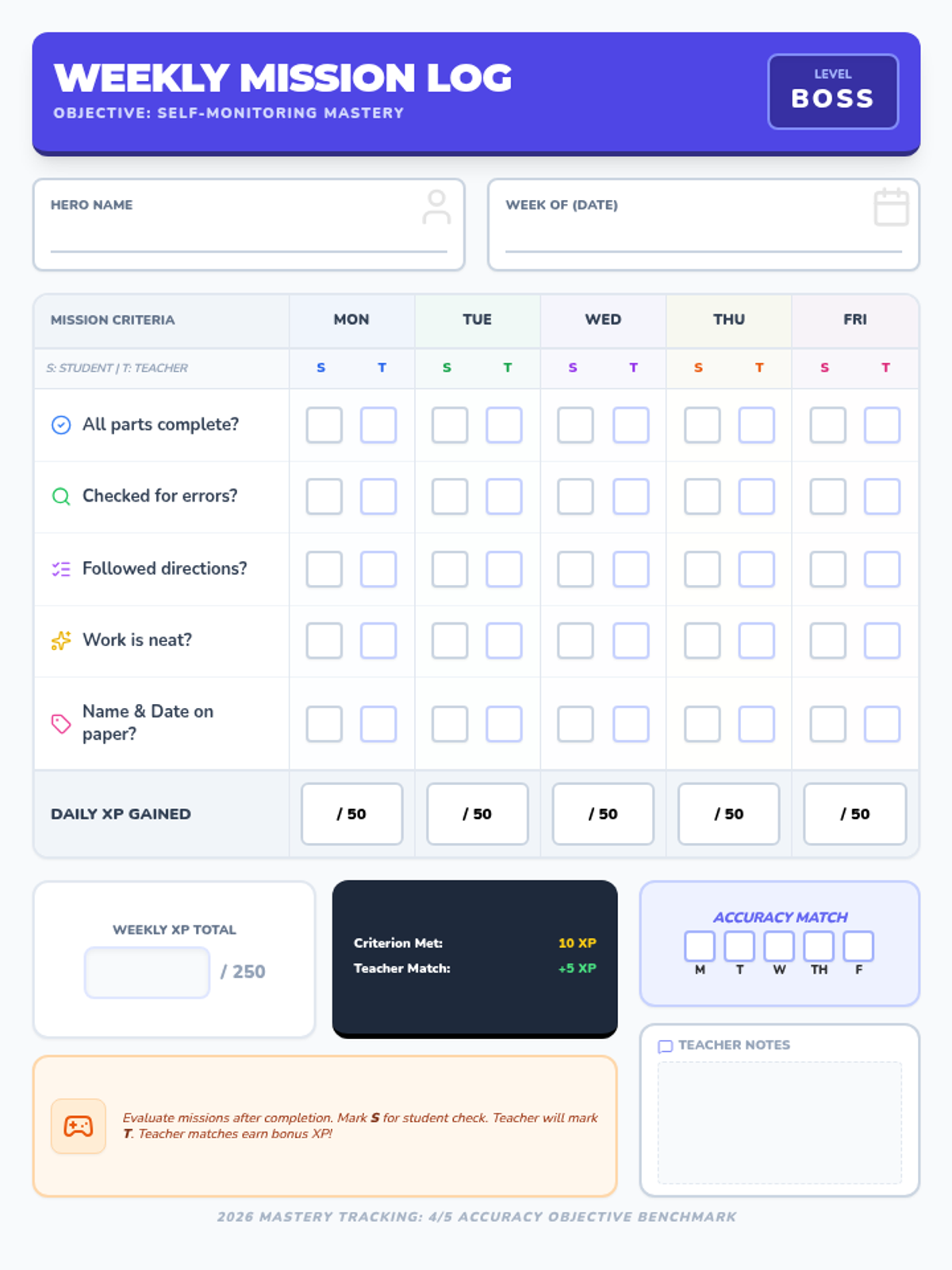
A lesson centered on developing self-monitoring skills for task completion and quality through a gamified weekly point system. Students learn to evaluate their own work against specific criteria and match their assessments with teacher feedback.
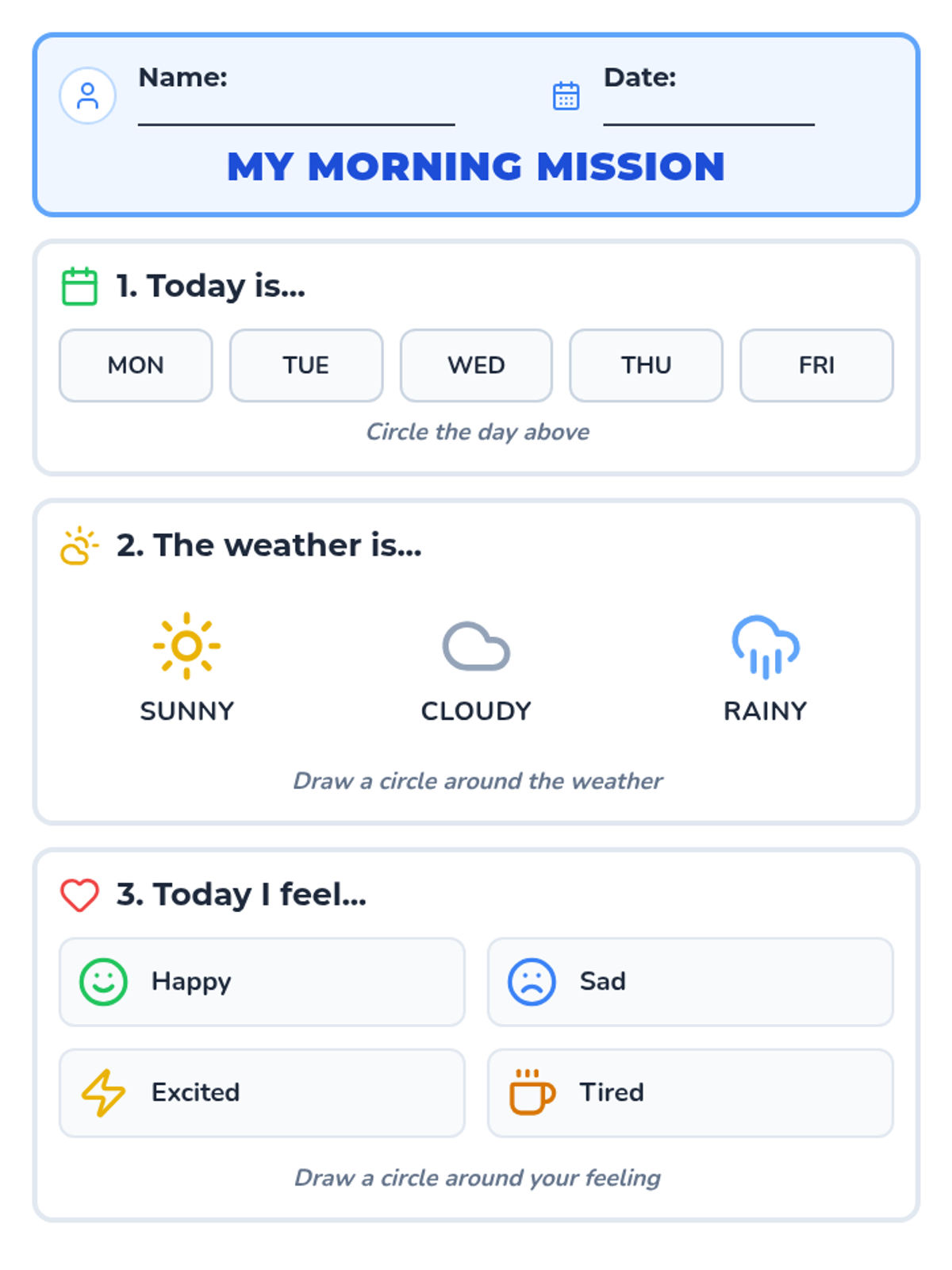
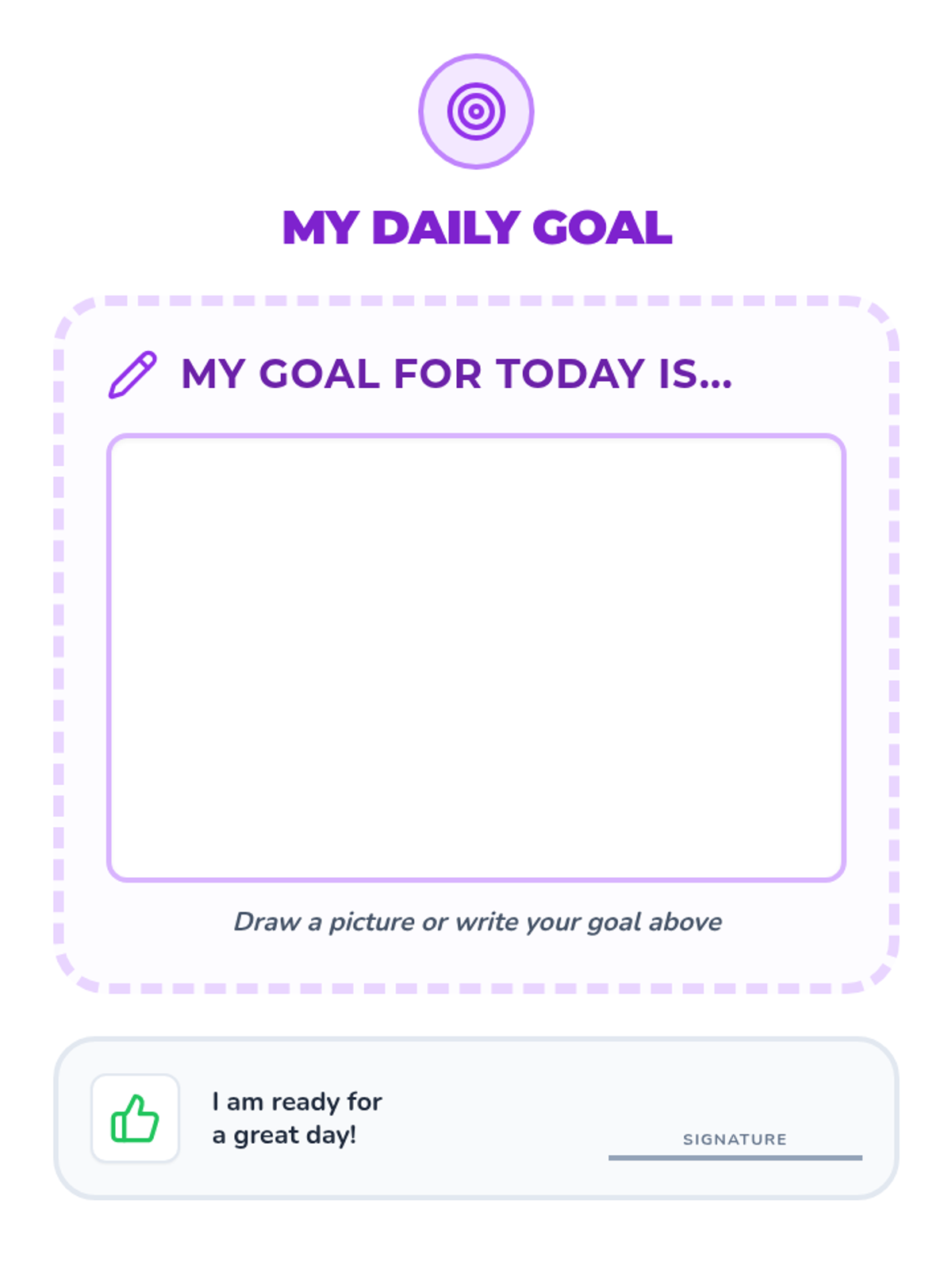
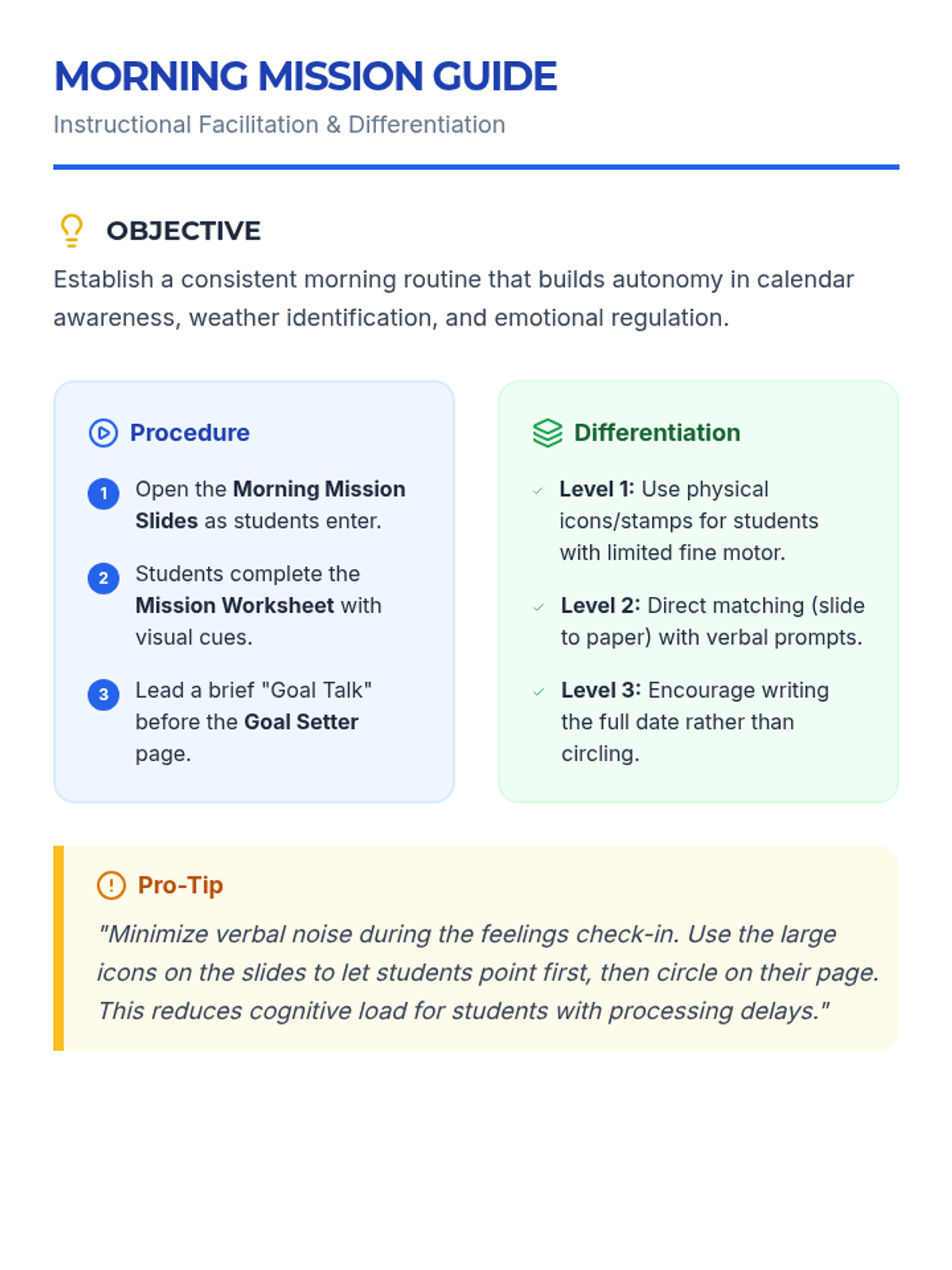
A structured morning routine lesson that guides students through checking the calendar, identifying feelings, and setting a positive goal for the day.