Visual slide deck defining sarcasm and outlining the two primary clues (voice and facial expressions) plus context clues for 8th grade students with ID.
A comprehensive 15-lesson social skills curriculum designed specifically for middle and high school students with intellectual disabilities. It uses highly structured, visual-heavy layouts to teach conversational skills, peer dynamics, self-advocacy, and community safety through concrete social scenarios.
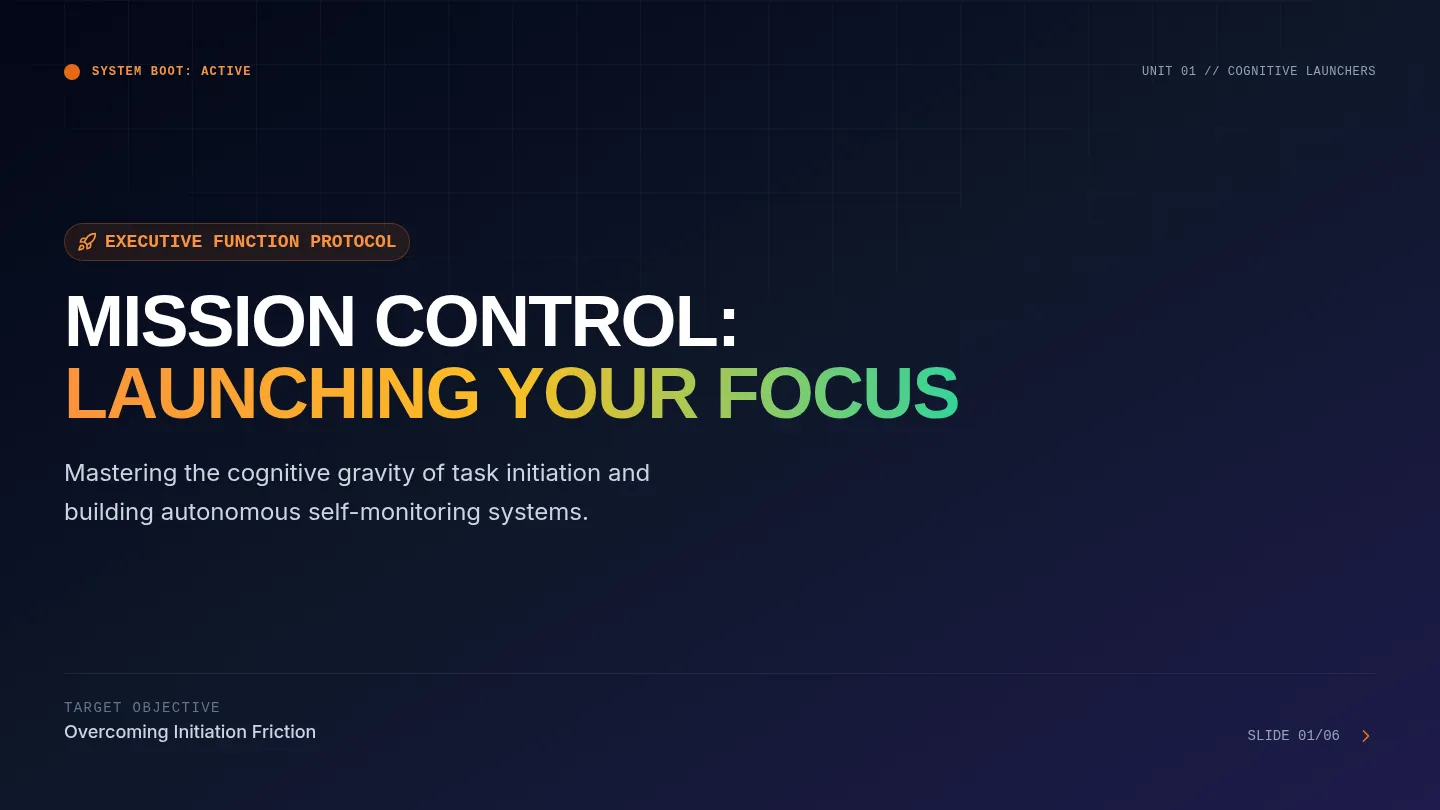
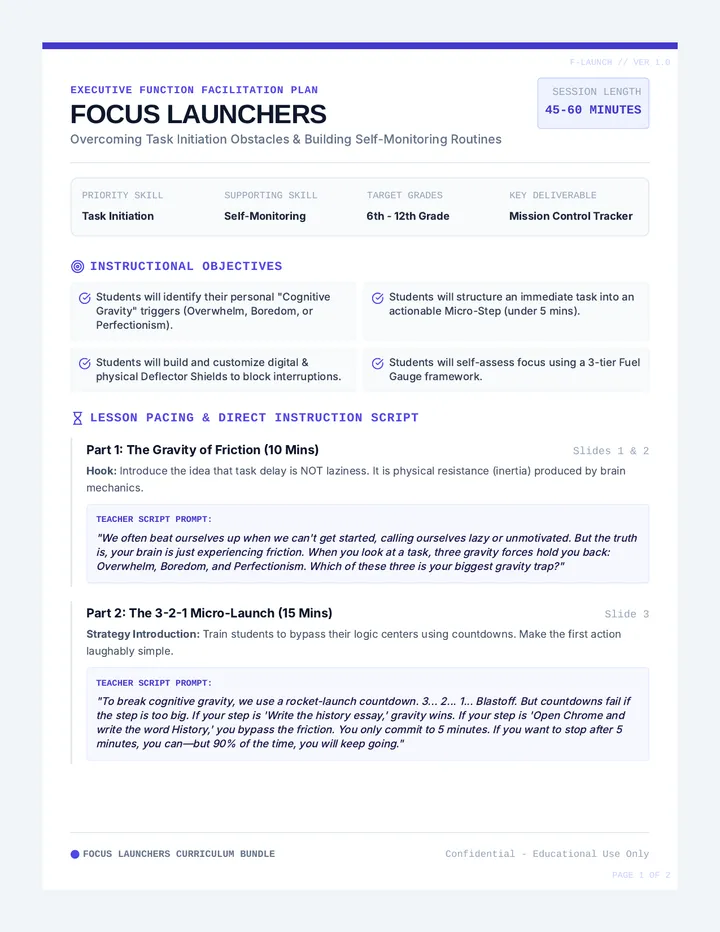
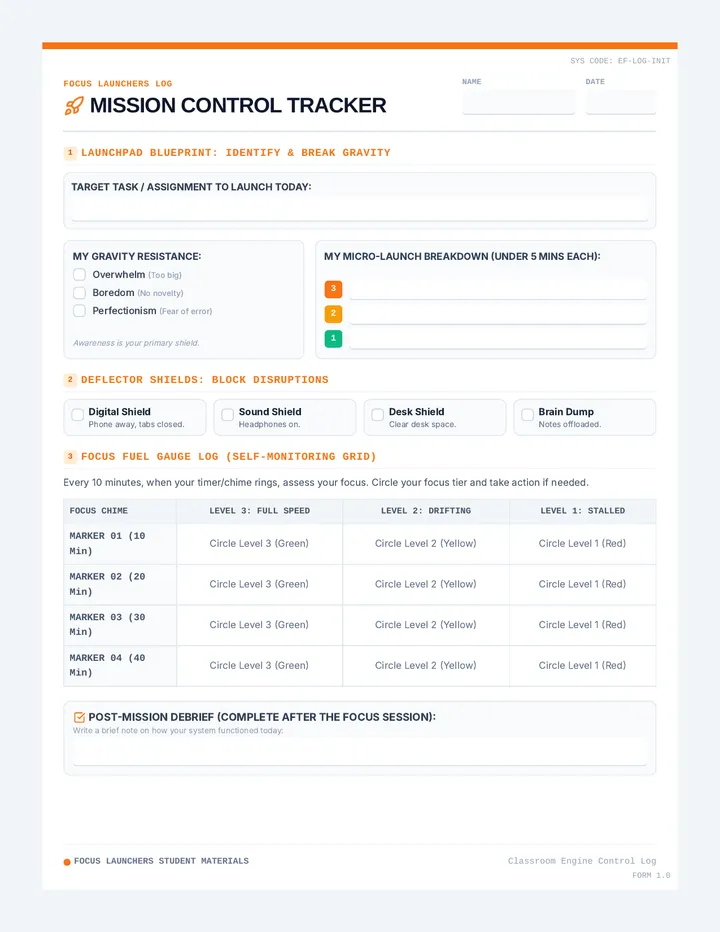
A comprehensive lesson package designed to teach students how to recognize initiation blocks, launch tasks using structured strategies, and self-monitor their focus independently. includes presentation slides, a teacher facilitation guide, and a student self-monitoring workbook.
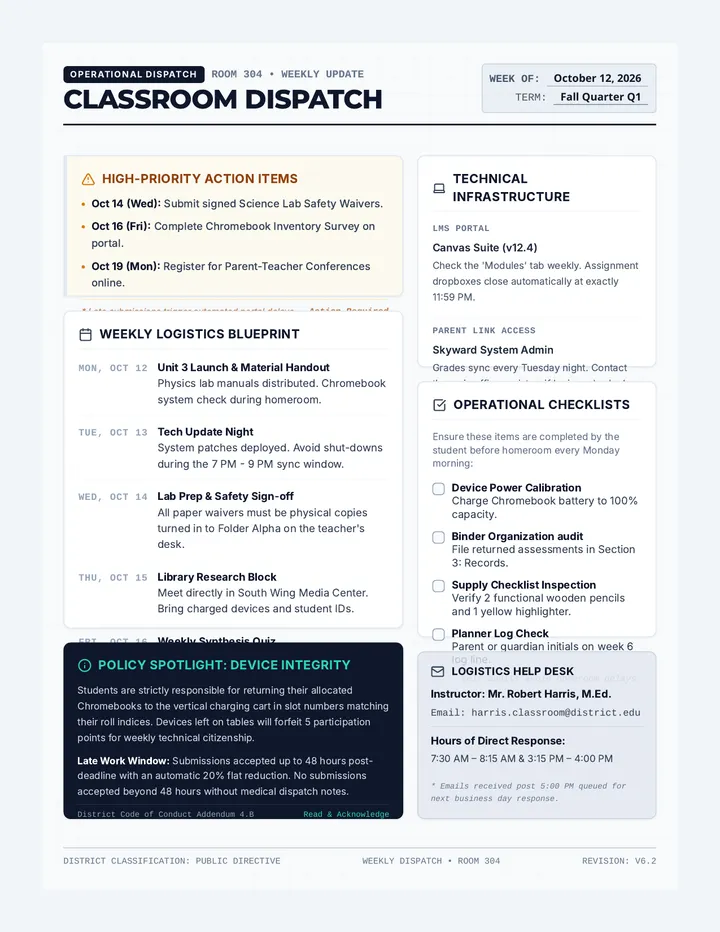
A clean, grid-based weekly classroom newsletter template designed for operational logistics, policy updates, scheduling, and technical procedures. It features structured grid blocks, a professional blueprint-slate aesthetic, and high-readability zones.
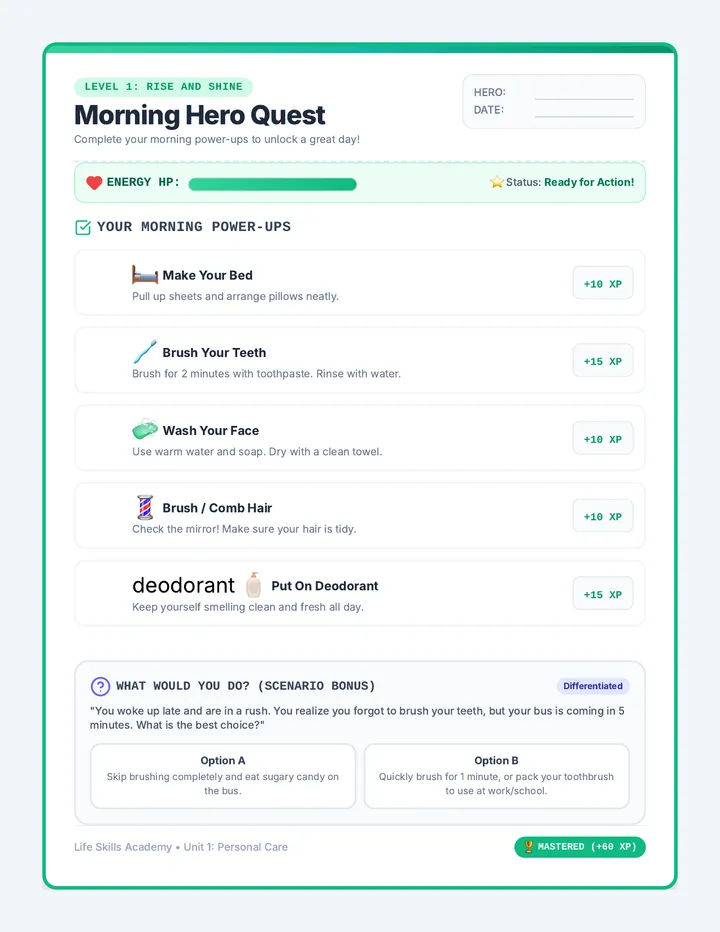
A comprehensive 15-lesson training sequence designed for students with intellectual disabilities to master independent living. Covers personal care, household management, functional budgeting, and workplace readiness through interactive scenarios and gamified board games.
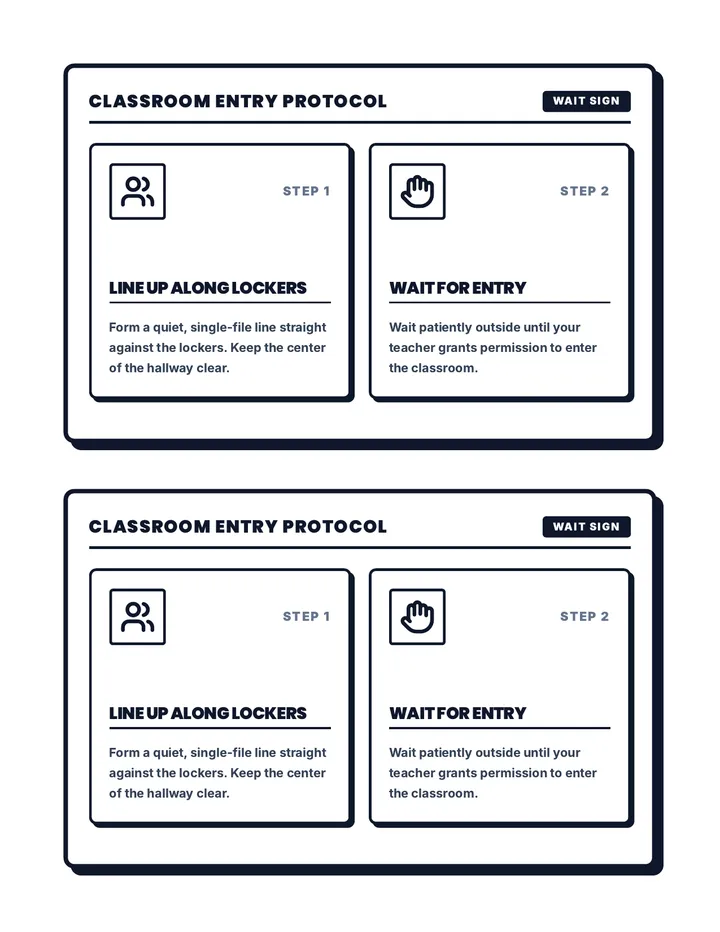
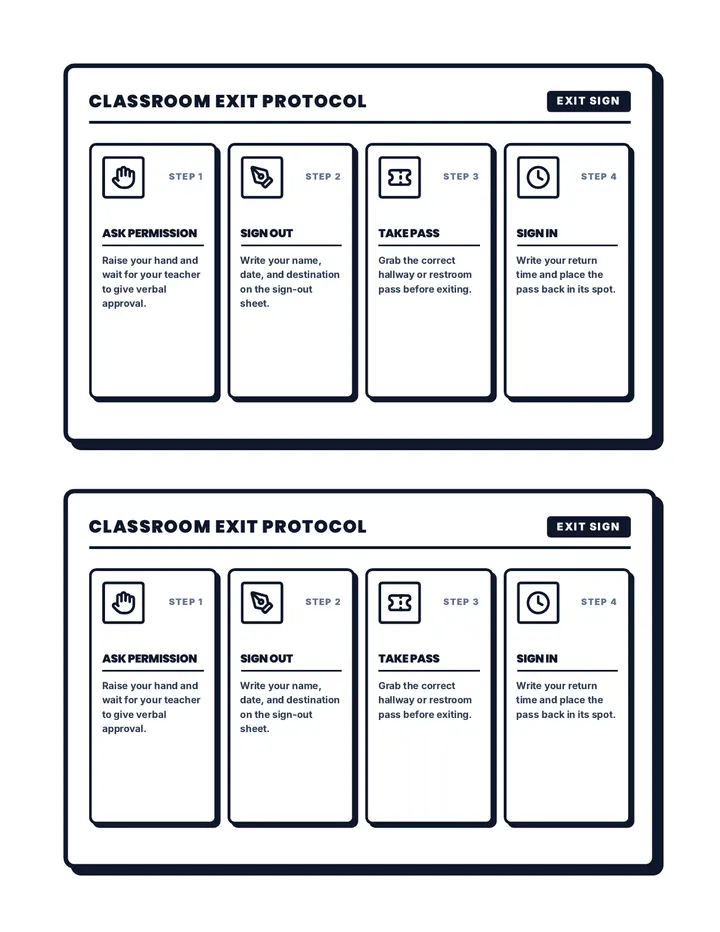
A collection of matching visual aids and signs to help manage classroom routines and expectations, including entry and exit procedures.
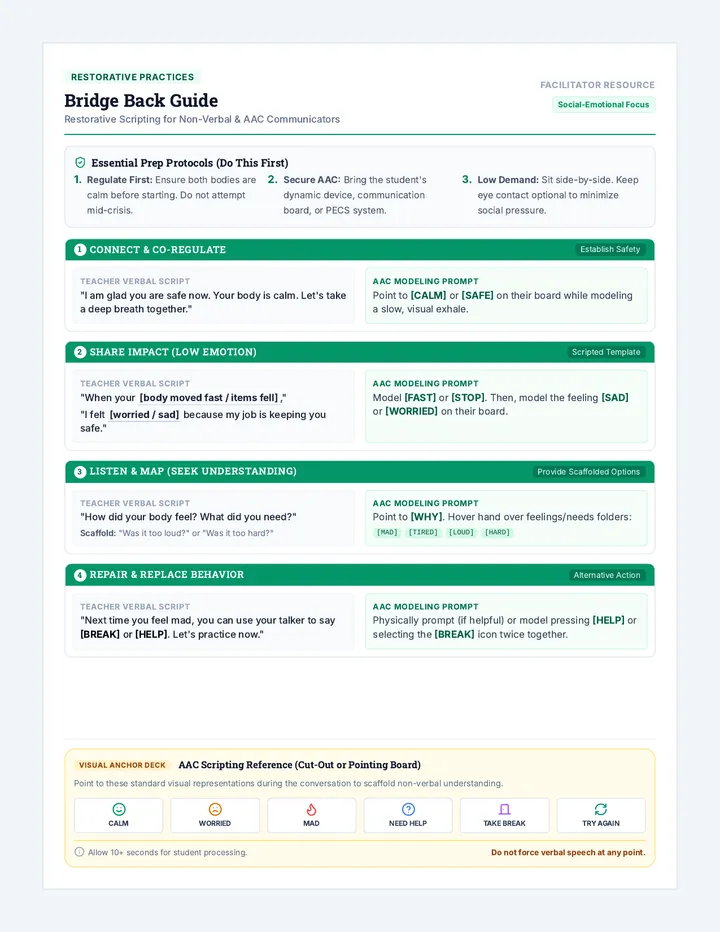
A single-page, print-ready restorative conversation guide designed specifically for teachers supporting non-verbal or AAC-using students. It features a structured, low-demand social-emotional script template ('When you did X, I felt Y') with explicit visual prompts and alternative behavior models.
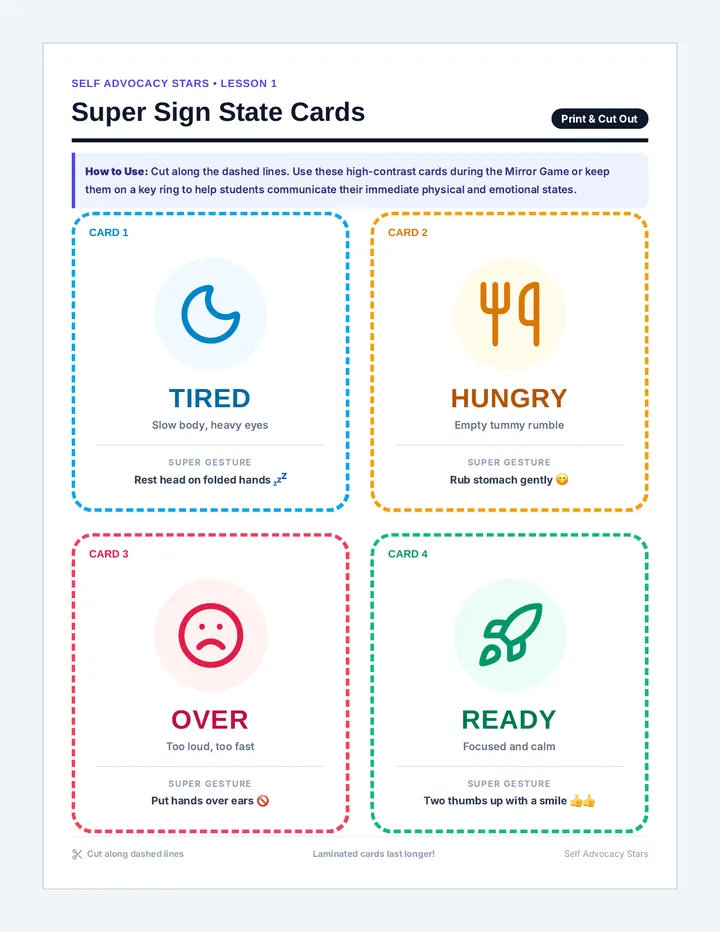
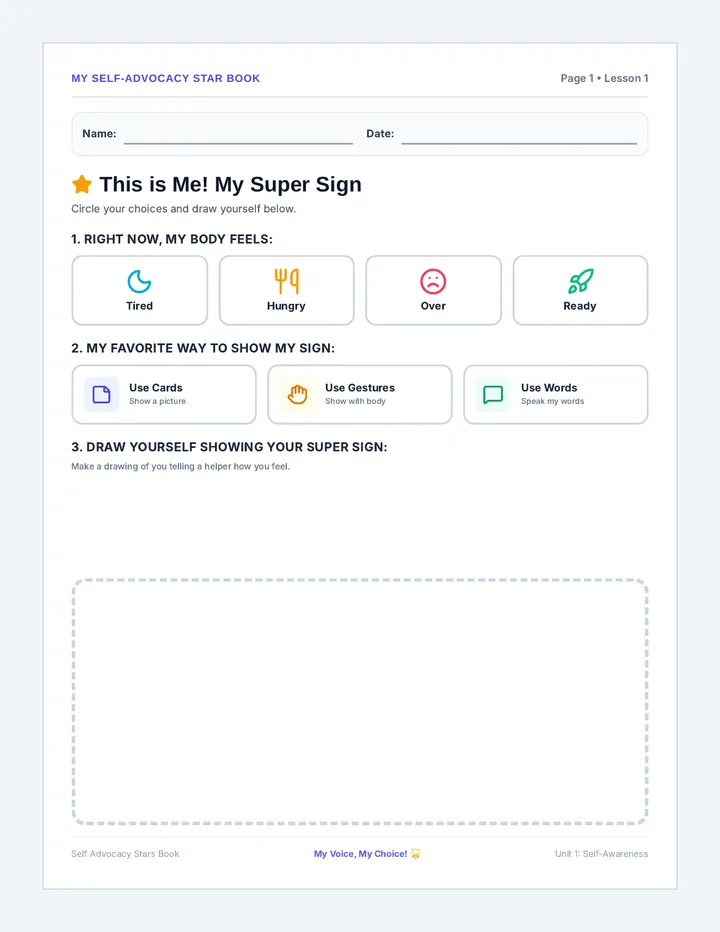
A visual and interactive self-advocacy curriculum designed specifically for students with intellectual disabilities and diverse communication styles. This foundational series empowers students to express feelings, request assistance, and make independent choices through highly structured group games, partner interactions, and individual visual communication books.
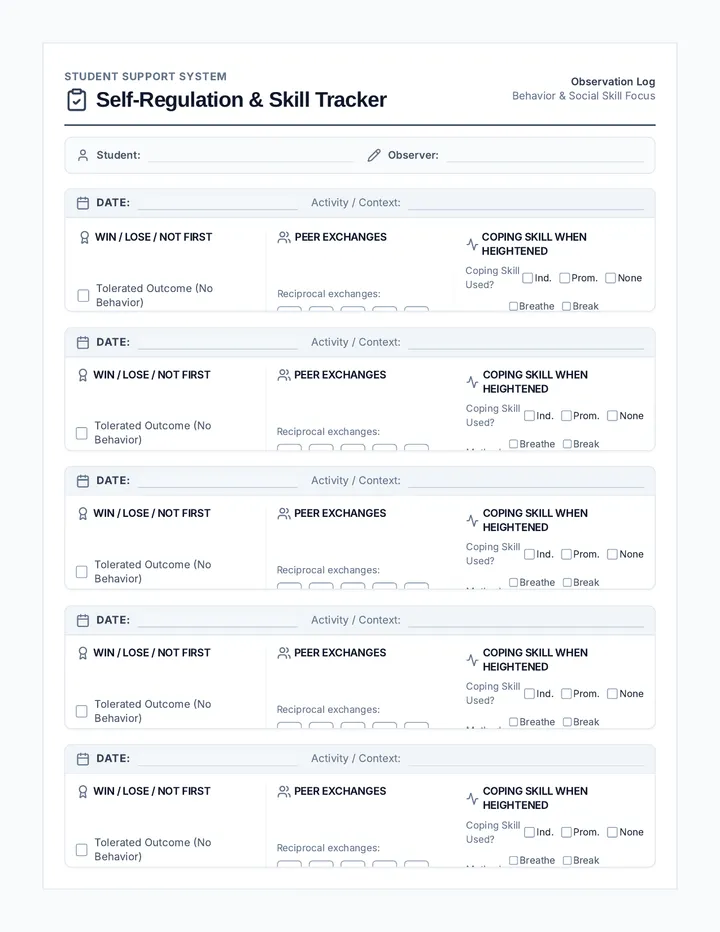
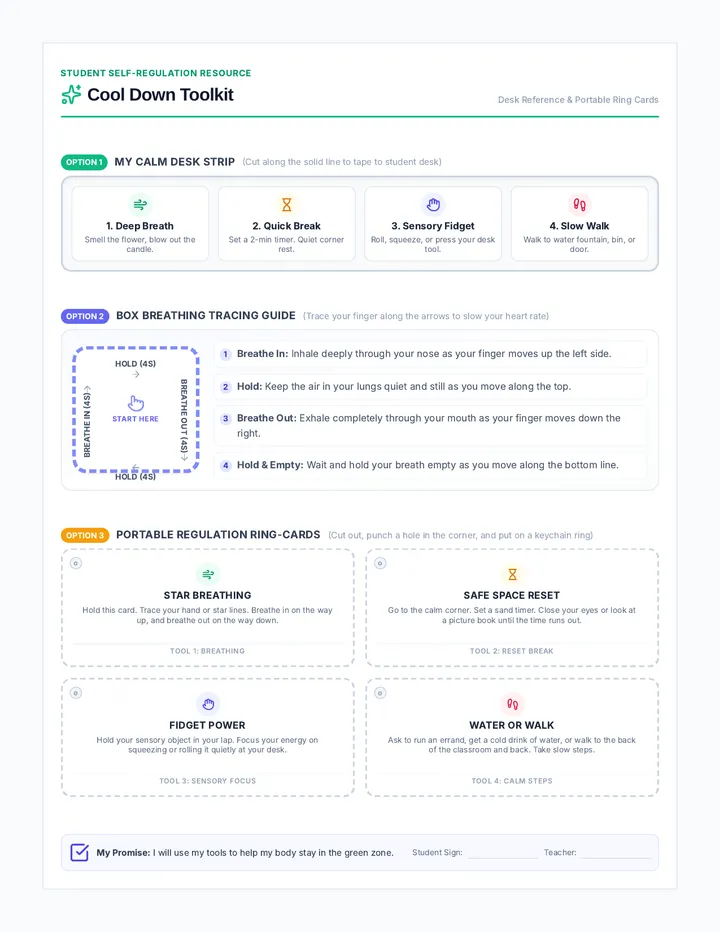
A comprehensive behavioral tracking and self-regulation kit focused on competitive grit, cooperative peer play, and calming strategies. This lesson contains a high-density daily data tracking sheet and a portable visual coping menu for desk-side student support.
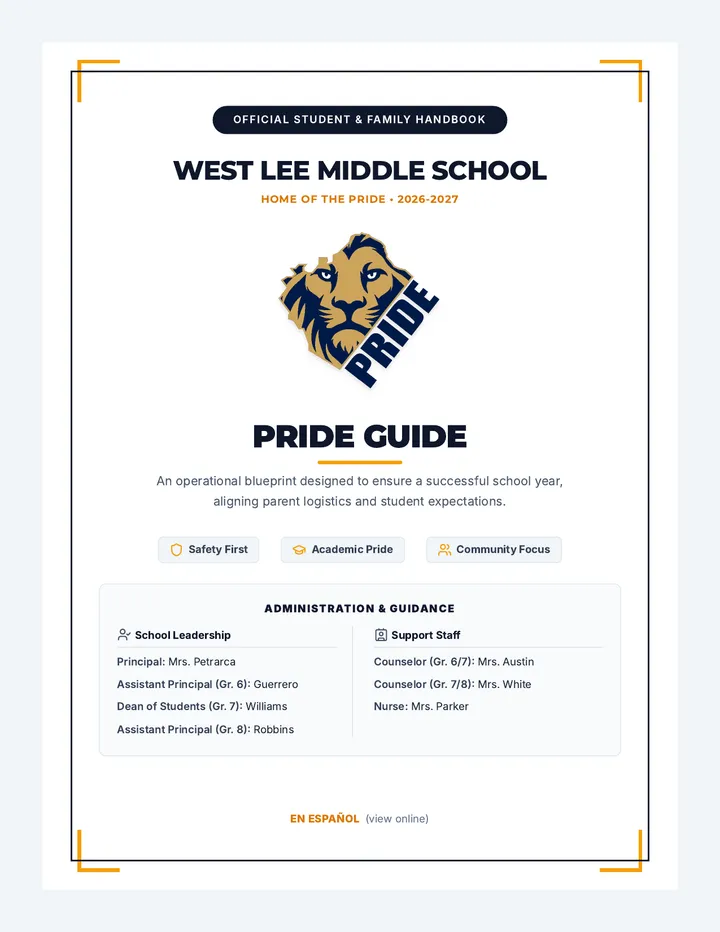
An optimized 11-page school handbook that combines Page 9 (Athletics Requirements) and Page 10 (Athletic Conduct & Spectators) into a single, content-dense Athletics Master Guide. It preserves all policy wording, checklists, seasons, and penalty ladders in a symmetrical 2x2 grid layout. It structures Page 6 into two distinct, horizontally stacked sections: Family Engagement & PTO at the top, and Cafeteria Information at the bottom, complete with parent visitation policies.
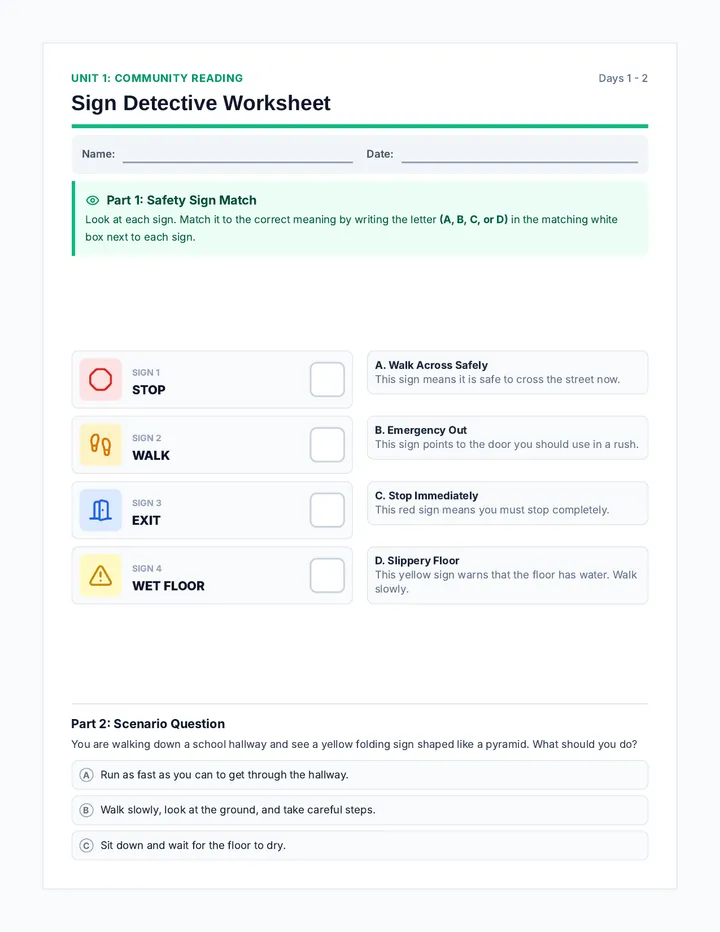
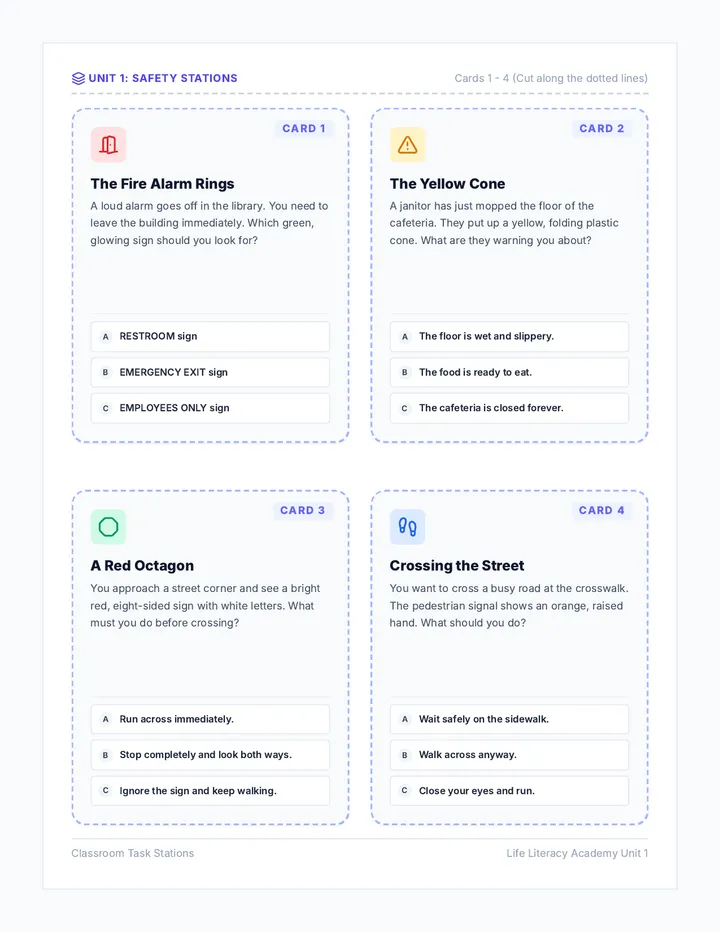
A comprehensive 15-day reading and functional life skills program designed for late elementary through high school students with intellectual disabilities. This unit integrates functional community texts (safety signs, schedules, menus, job applications) with core academic standards (WH questions, highlighting, inferencing, sequencing, and theme) through highly structured slides, worksheets, task cards, and assessment guides.
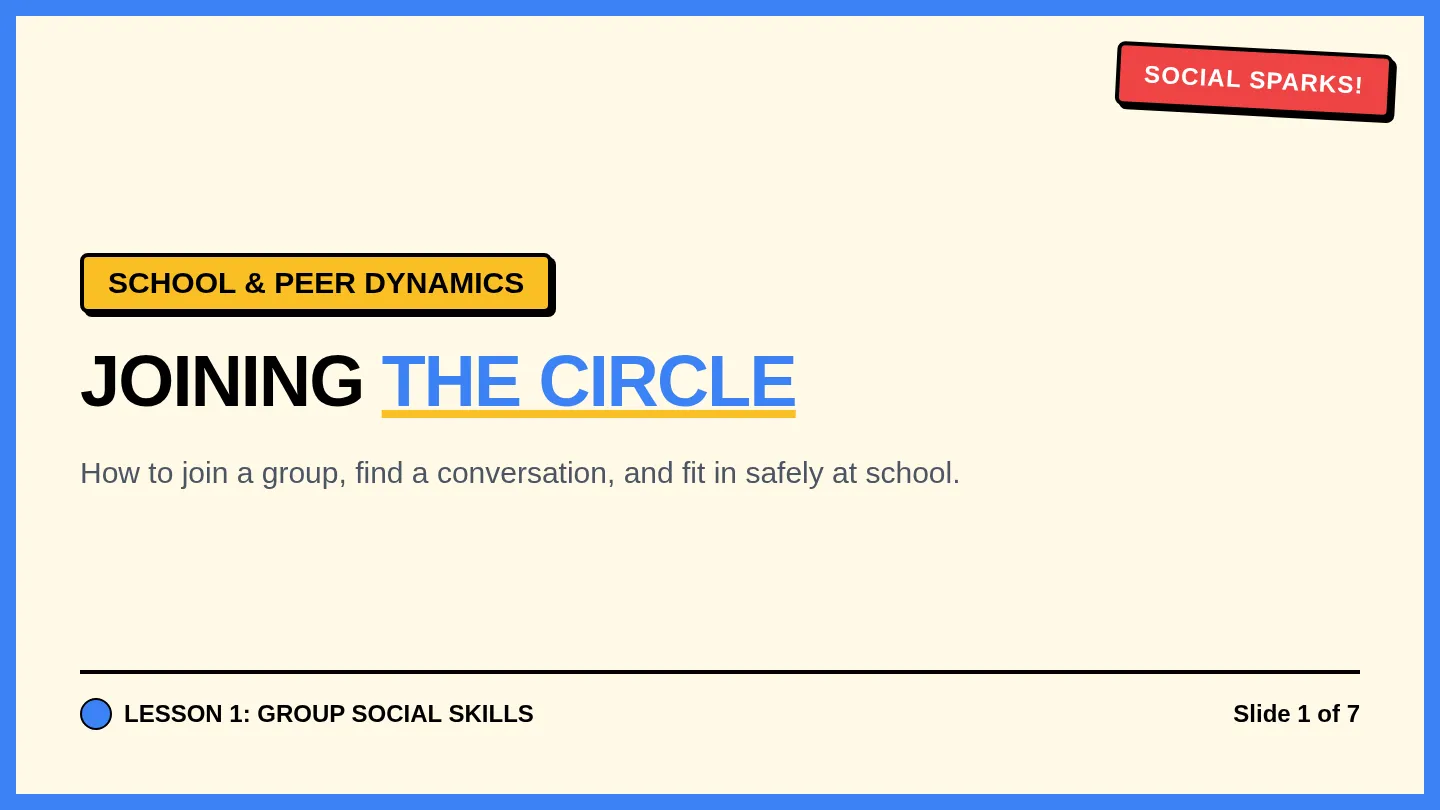
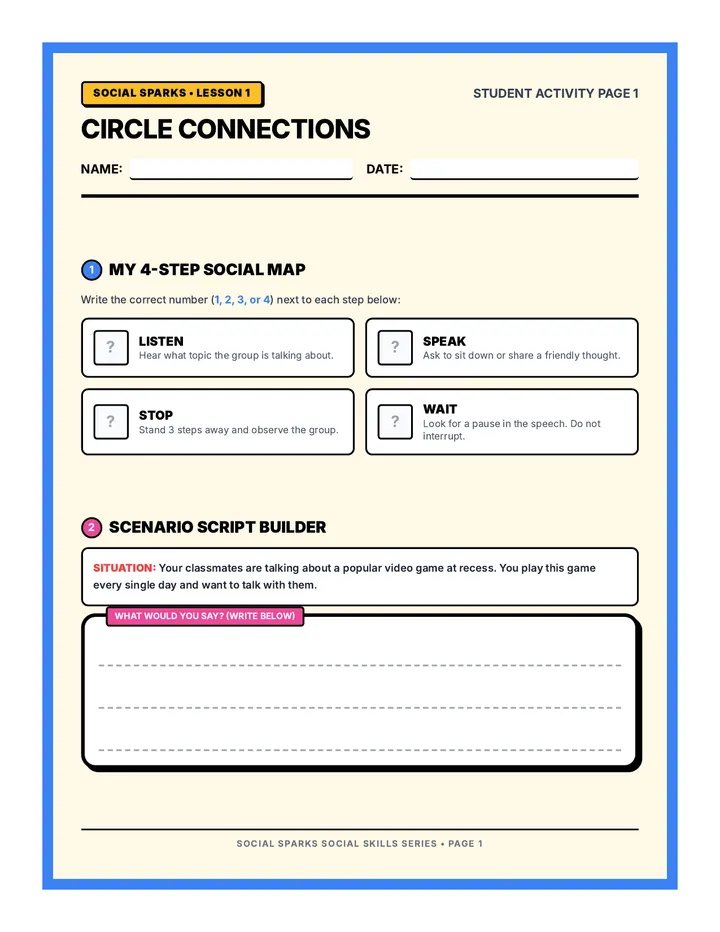
Teaches students how to join an ongoing peer conversation or group activity at school (e.g., at lunch or recess) using clear, structured visual steps. Includes an interactive slide deck and a visual reflection worksheet.
A stylized student worksheet modeled as a 'Mission Control Flight Log' to guide students in breaking down a hard task into micro-steps, preparing their distraction shields, and logging focus levels.