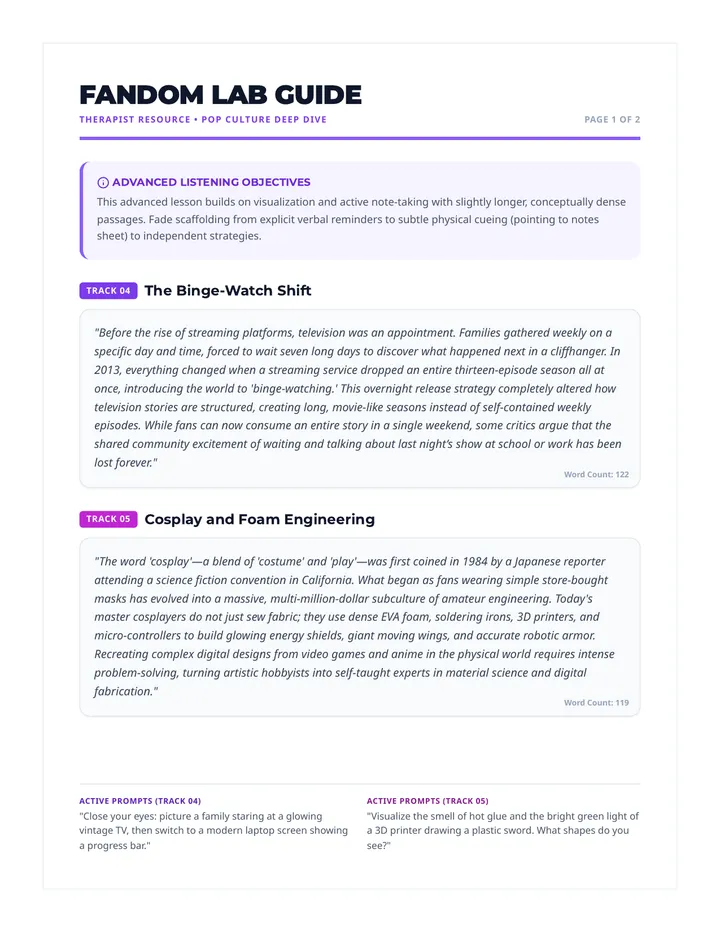
A technical and analytical sequence for 11th-grade students to master vocal volume and prosody through data-driven self-monitoring, waveform visualization, and digital audio production.
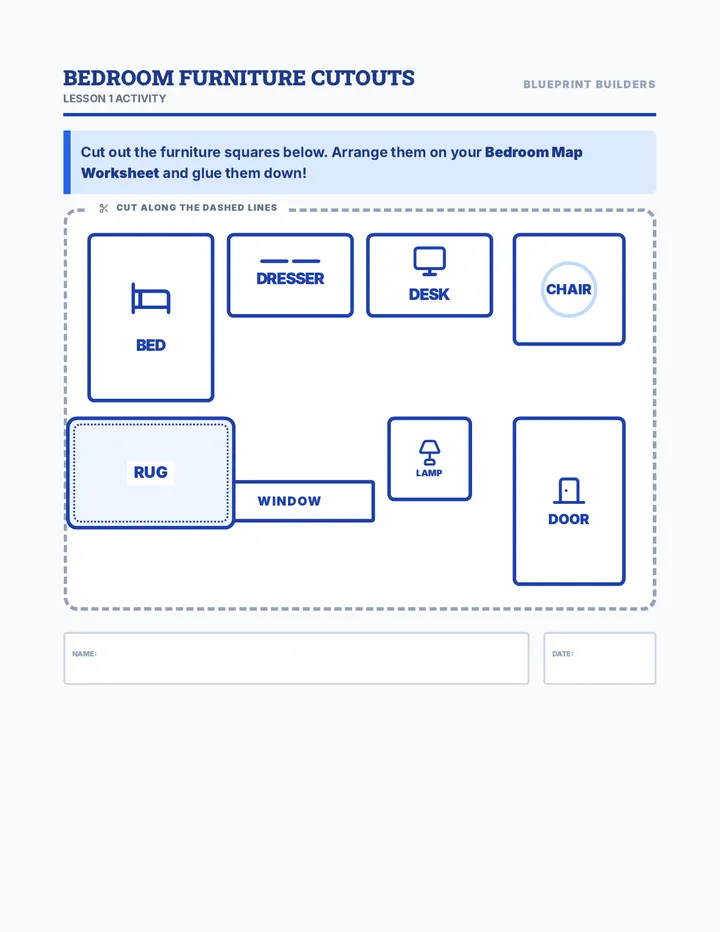
A sequence of lessons designed for young adults with cognitive disabilities to navigate social boundaries and consent. It transitions from foundational personal boundaries to complex professional and community-based interactions.
A series of lessons exploring the intersection of neuroscience and daily behavior, focusing on executive function and neurodivergence.
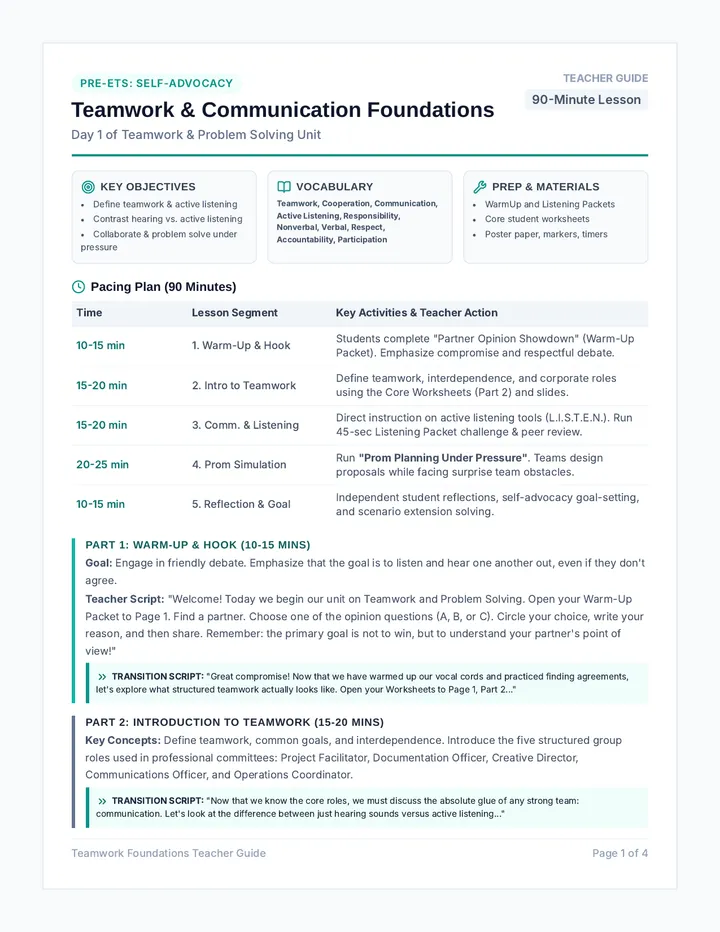
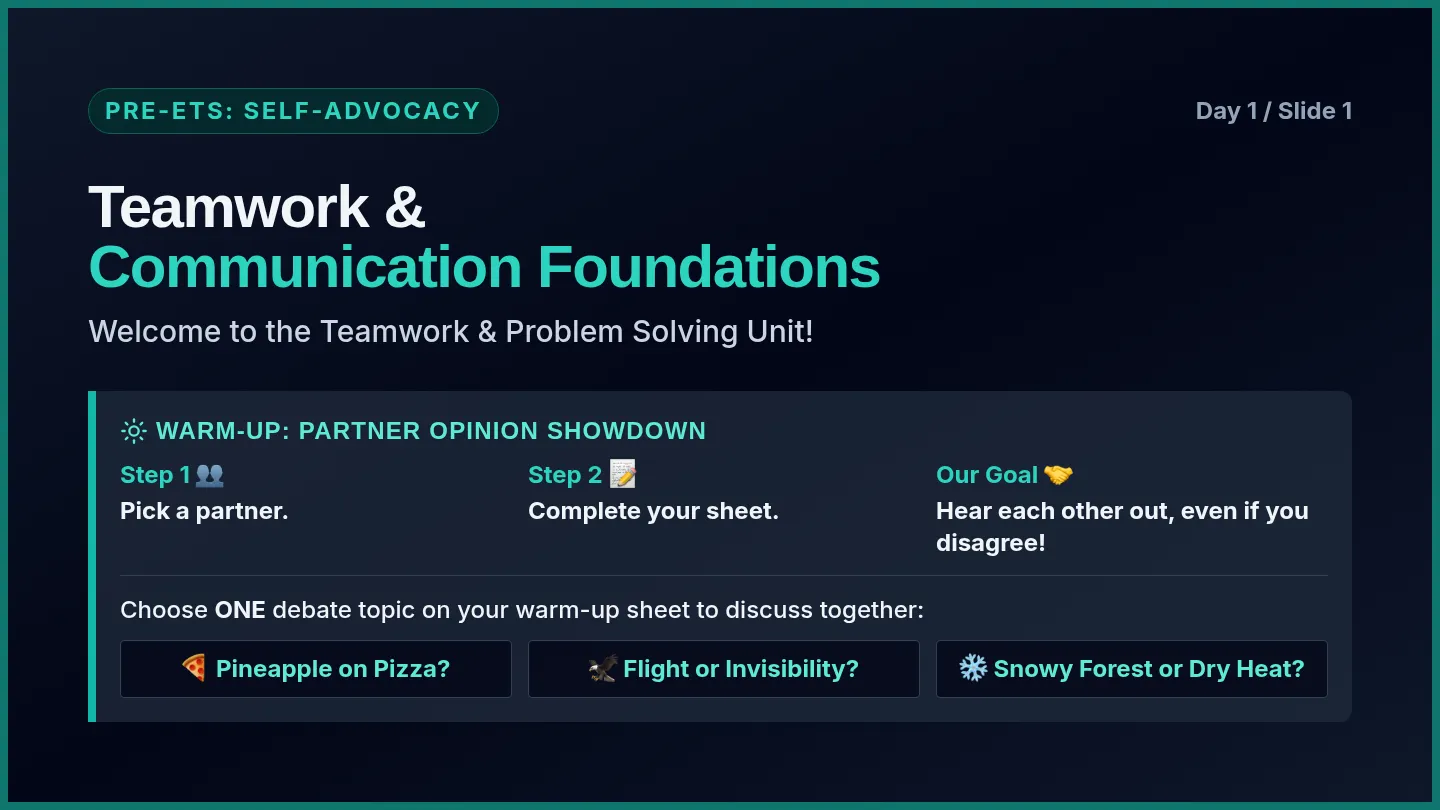
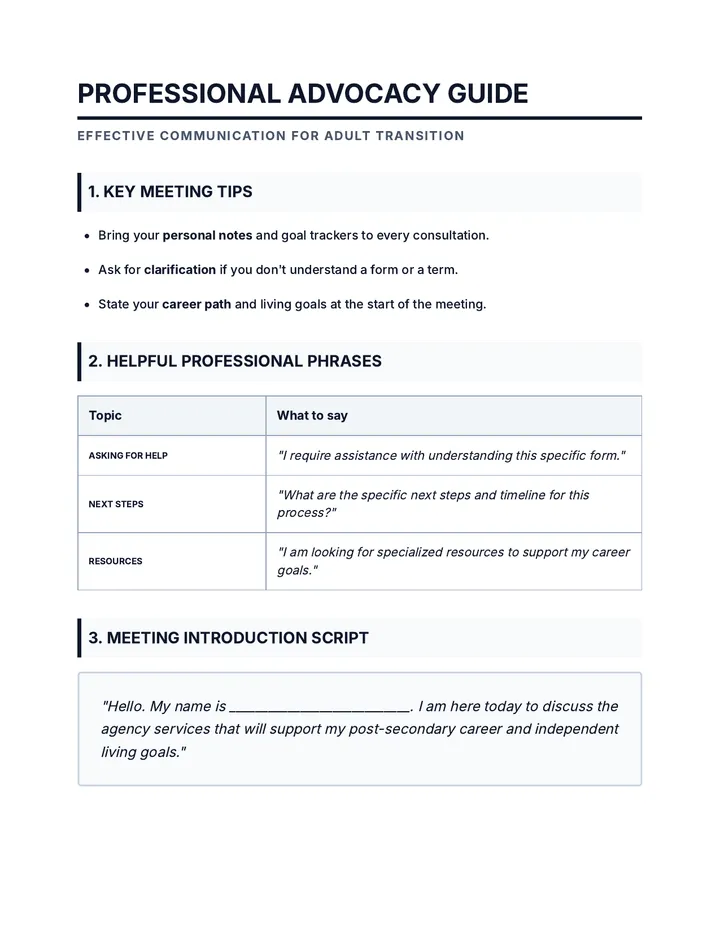
A comprehensive unit on self-advocacy and the ADA, helping students understand their rights in school, at home, and in the workplace. Students will learn how to navigate IEP accommodations, address non-compliance, and build independence.
A comprehensive 9-week instructional sequence designed for students with Blind and Low Vision needs, focusing on mastery of common Braille contractions through repetitive practice, tracing, and dictation.
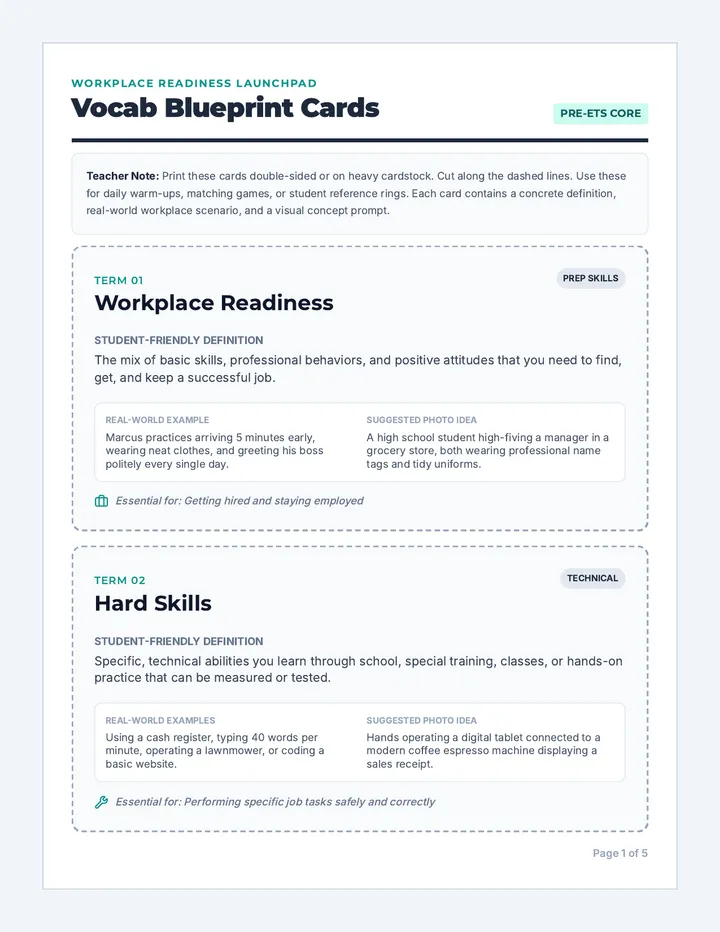
A comprehensive unit designed for high school life skills students with intellectual disabilities to distinguish between hard (technical) and soft (interpersonal) job skills through visual aids and interactive sorting activities.
Une formation immersive de 12 heures destinée aux professeurs-documentalistes pour maîtriser les codes de la littérature adolescente actuelle et concevoir des stratégies de médiation innovantes au CDI.
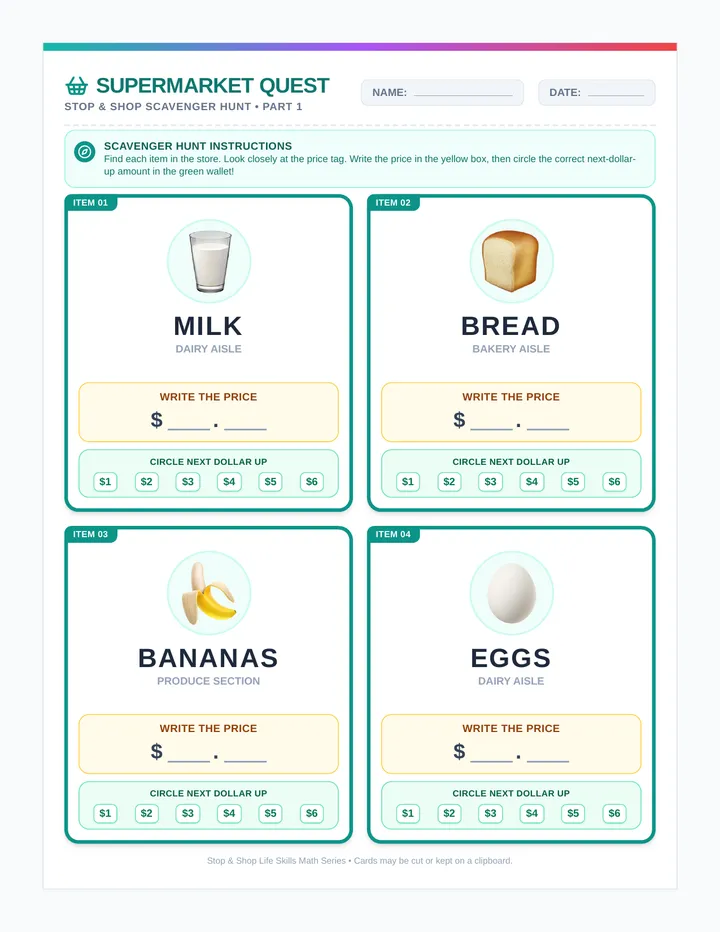
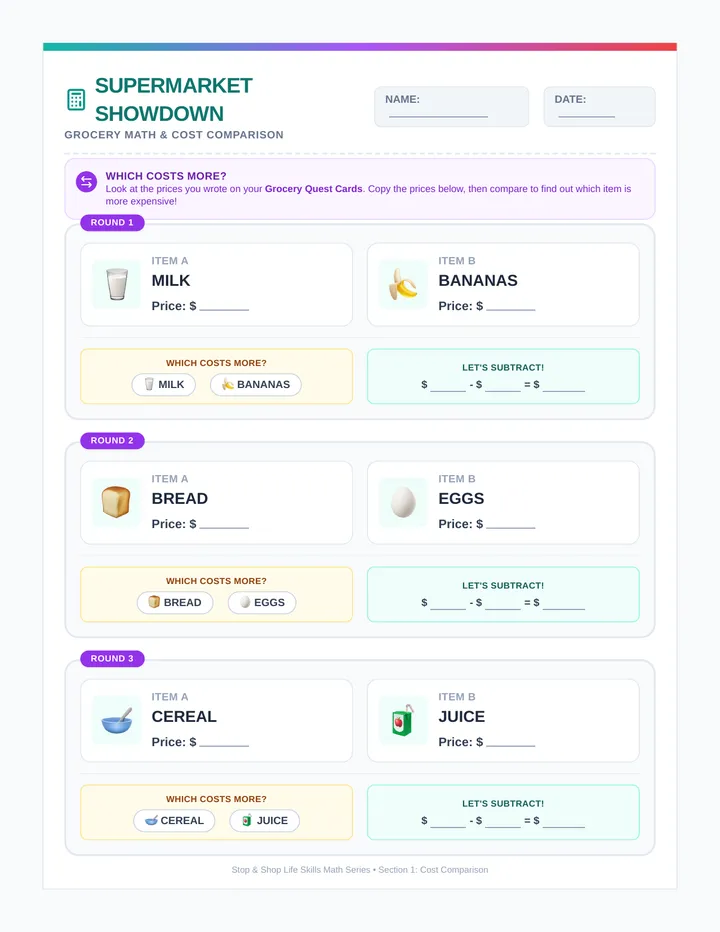
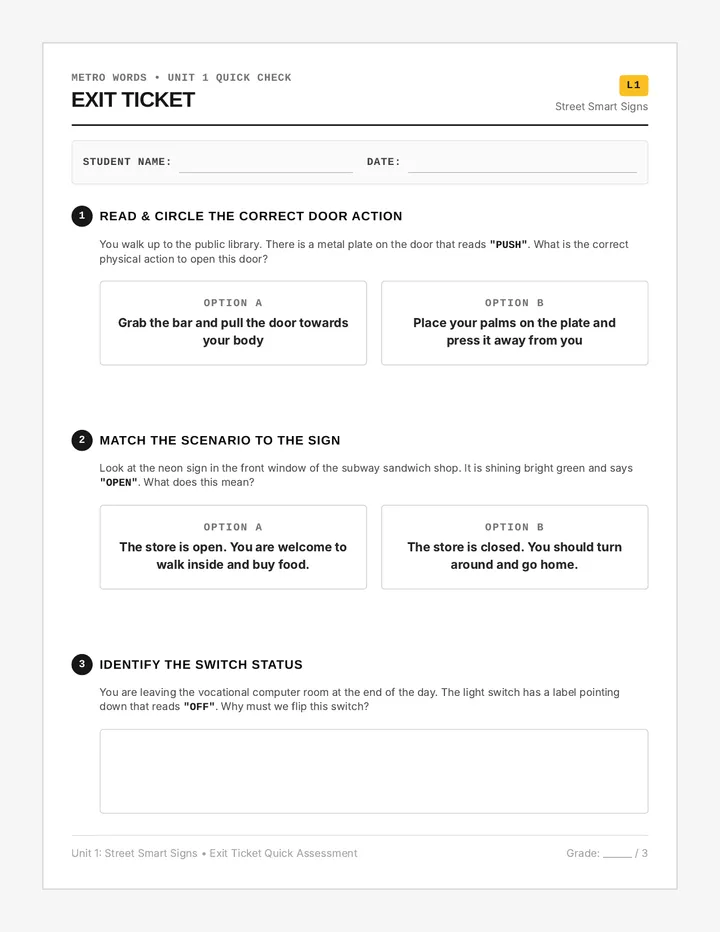
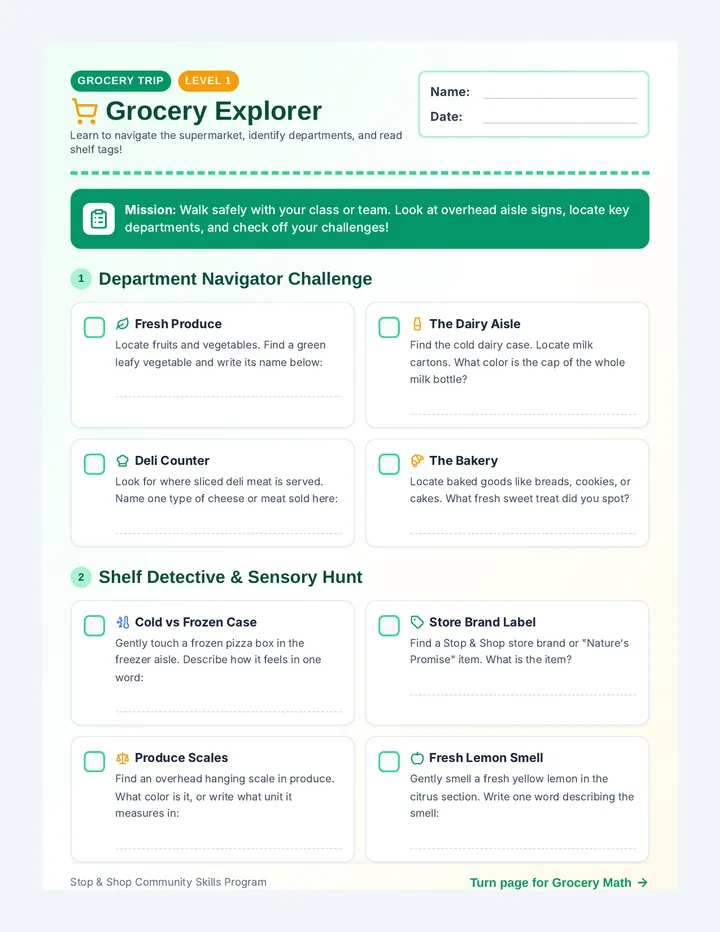
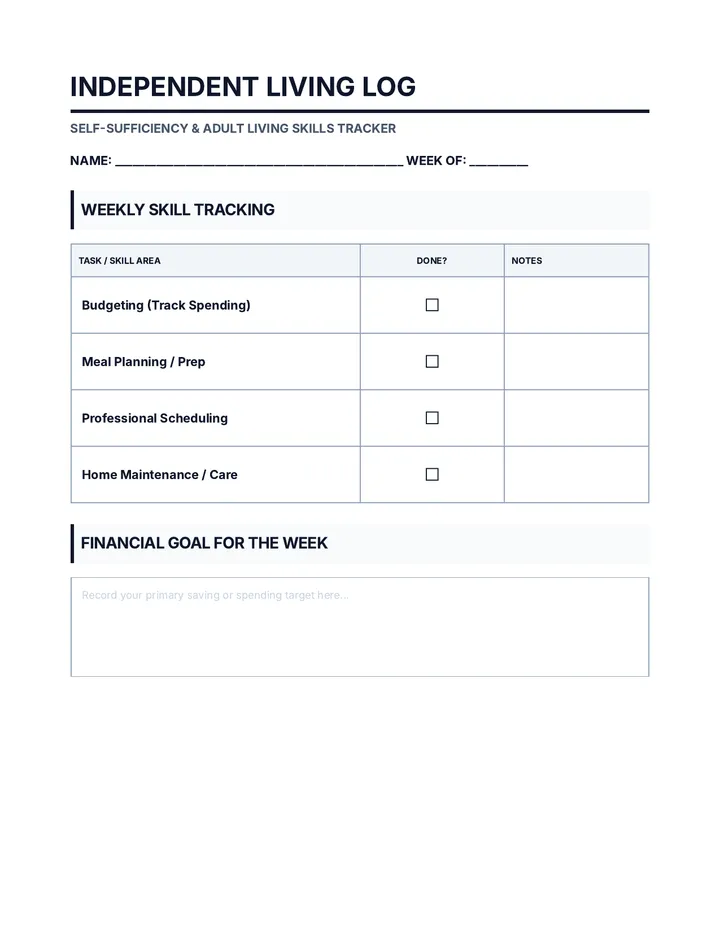
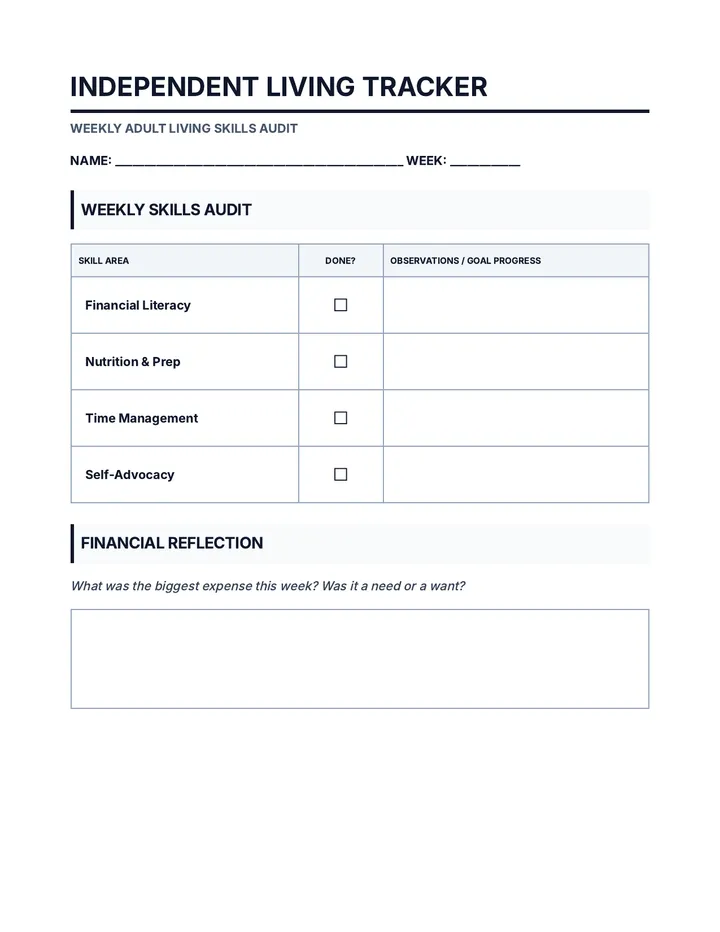
A comprehensive series of lessons designed to build community independence for students with intellectual disabilities, focusing on navigation, social interaction, and transactions in local spaces like CVS, the library, and cafes.
A 6-week life skills unit designed for high school students with low cognitive abilities, focusing on vocational readiness through visual resumes, on-campus job site visits, and simplified interview practice.
A comprehensive set of 10 evidence-ready work samples for the MCAS-Alt synonym identification strand, featuring consistent formatting for accuracy and independence tracking.
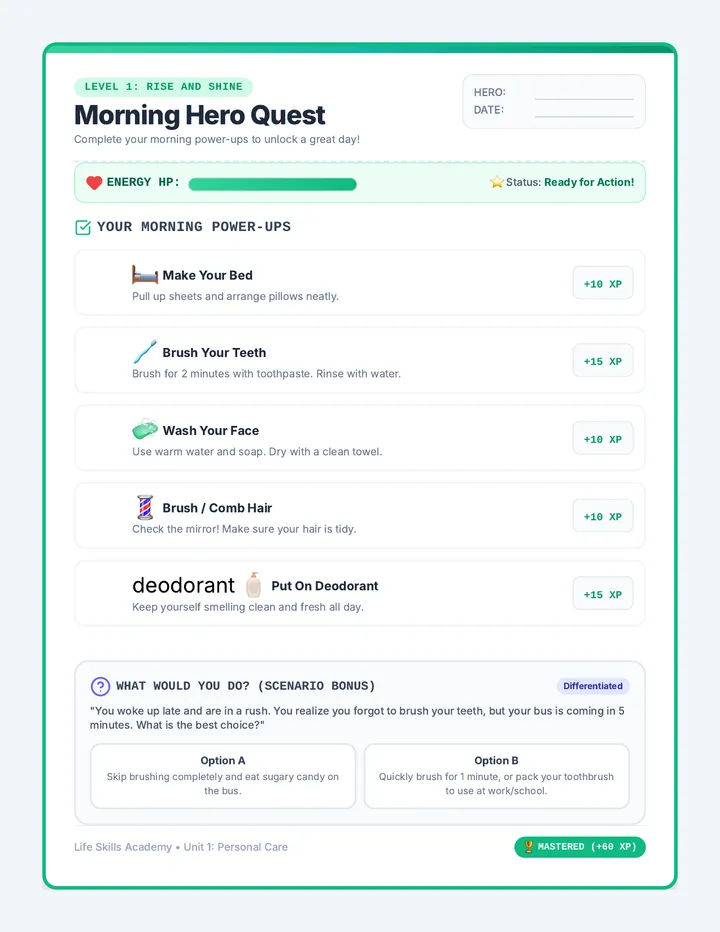
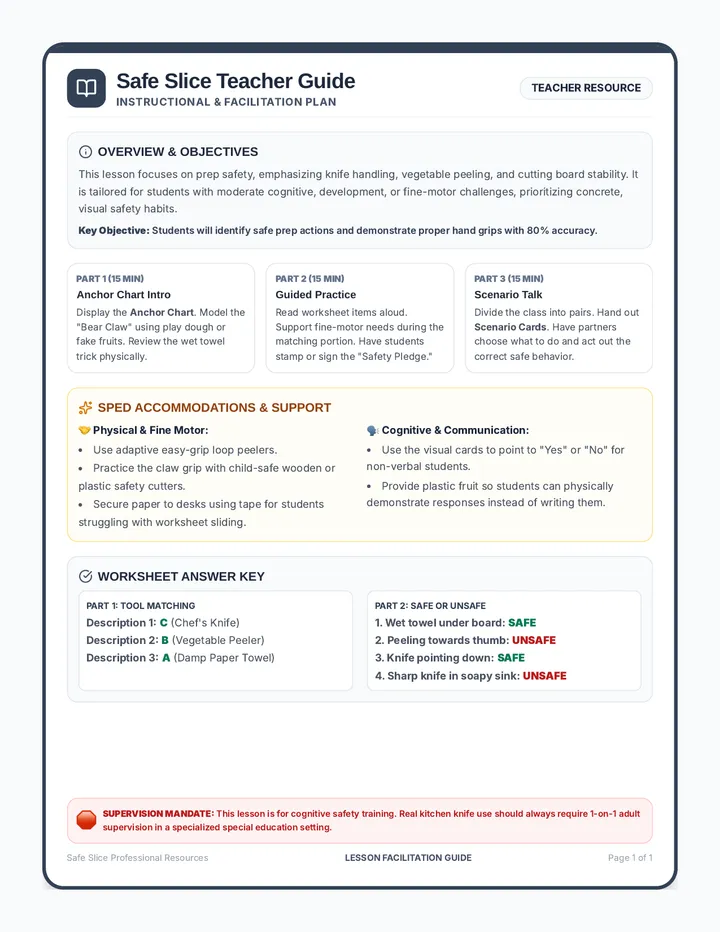
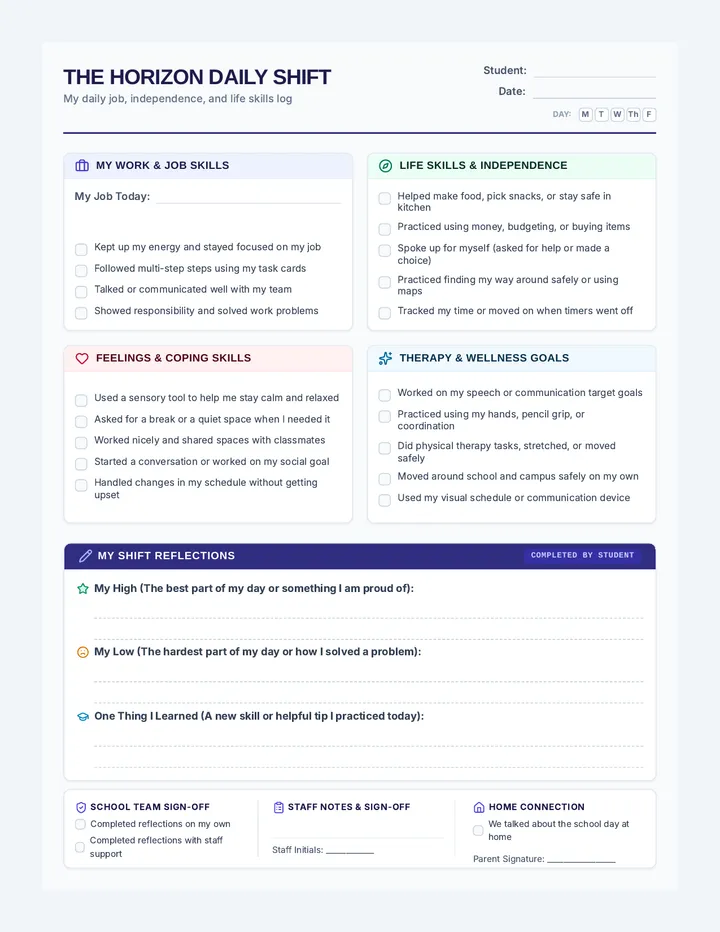
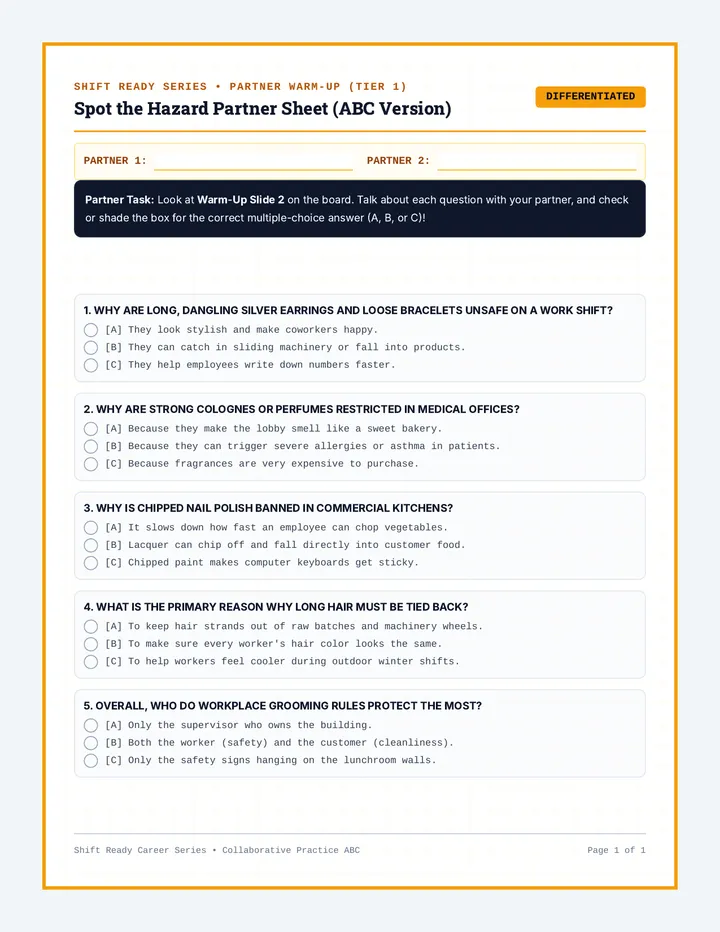
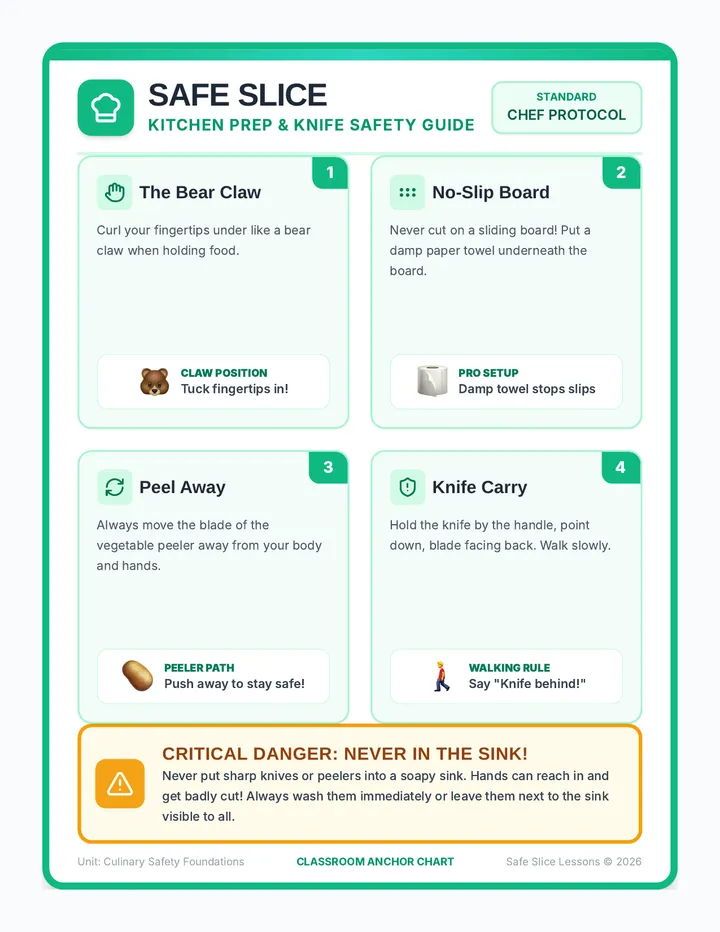
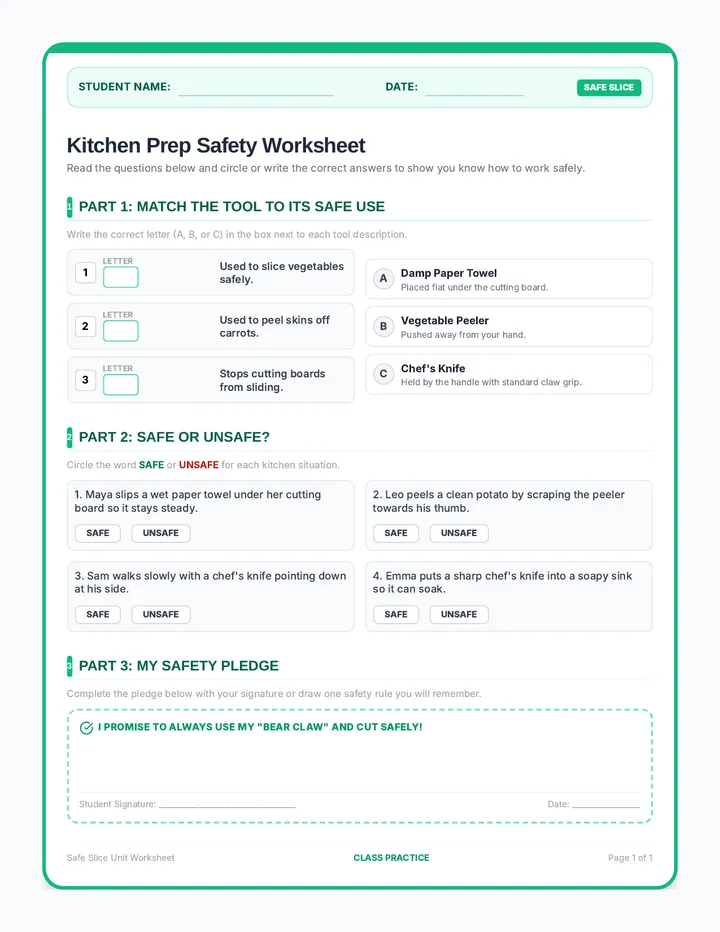
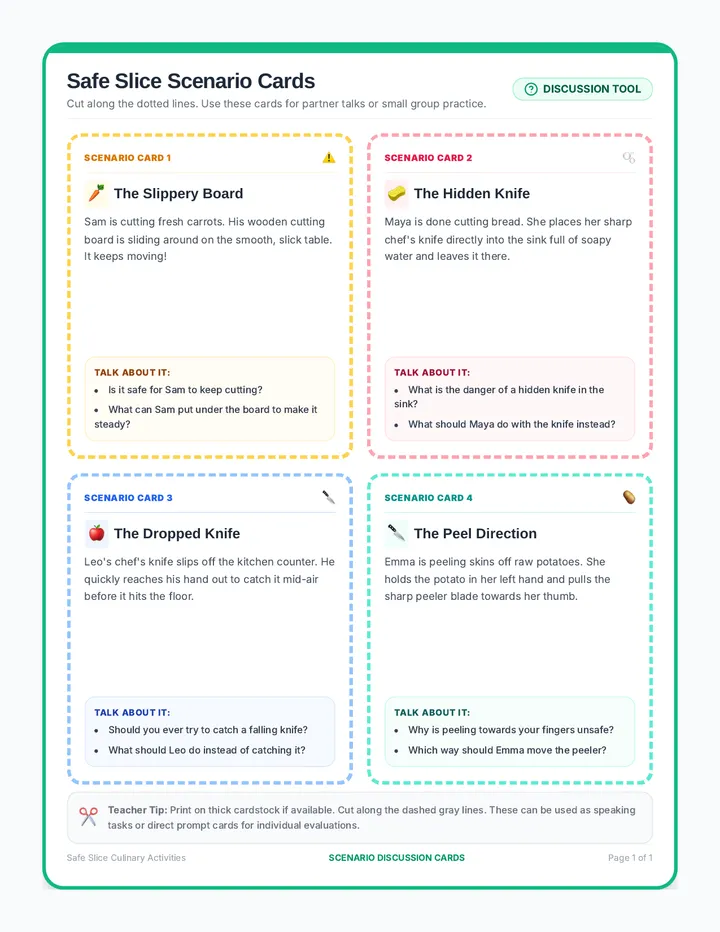
A 3-day life skills sequence for high school special education students to master the safe use of household tools and kitchen appliances through graphic organizers and project-based learning.
A series of mini-lessons designed to help students understand and optimize their working memory through environmental organization and cognitive strategies.
This life skills sequence for high schoolers with low cognitive abilities uses a traffic light model (Green, Yellow, Red) to teach digital safety. Students learn to navigate teen-relevant scenarios like social media requests, online shopping ads, and interacting with strangers in gaming or apps, focusing on the 'Pause and Ask' reflex.
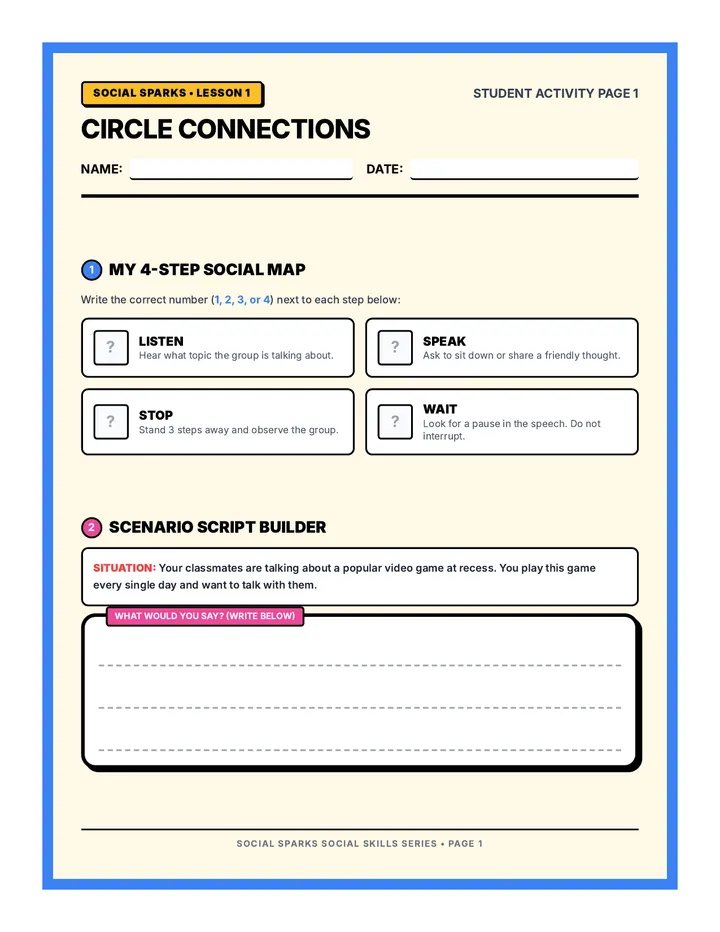
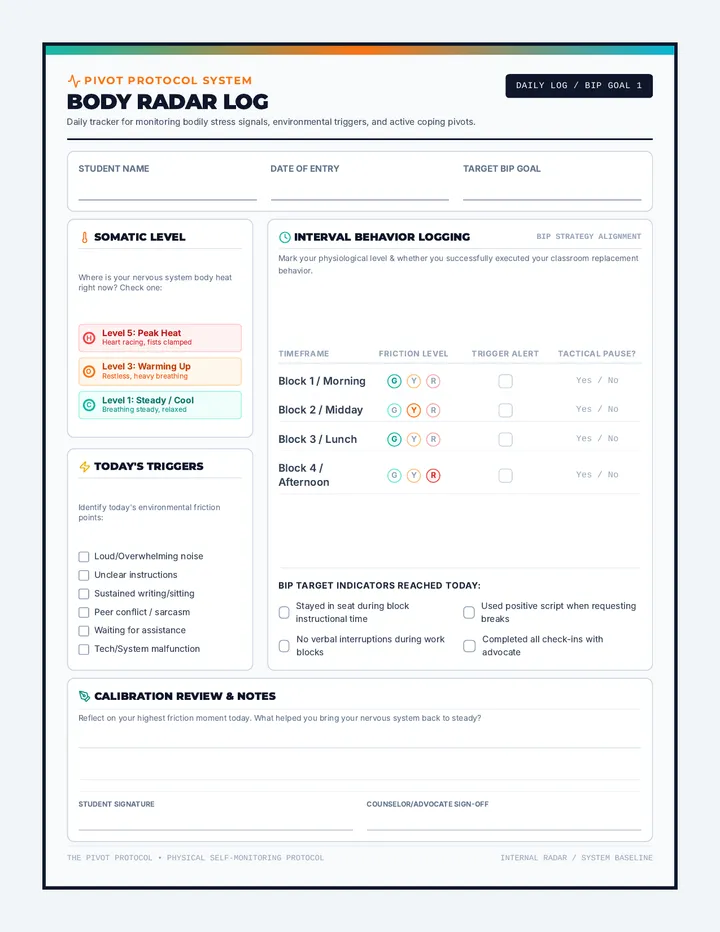
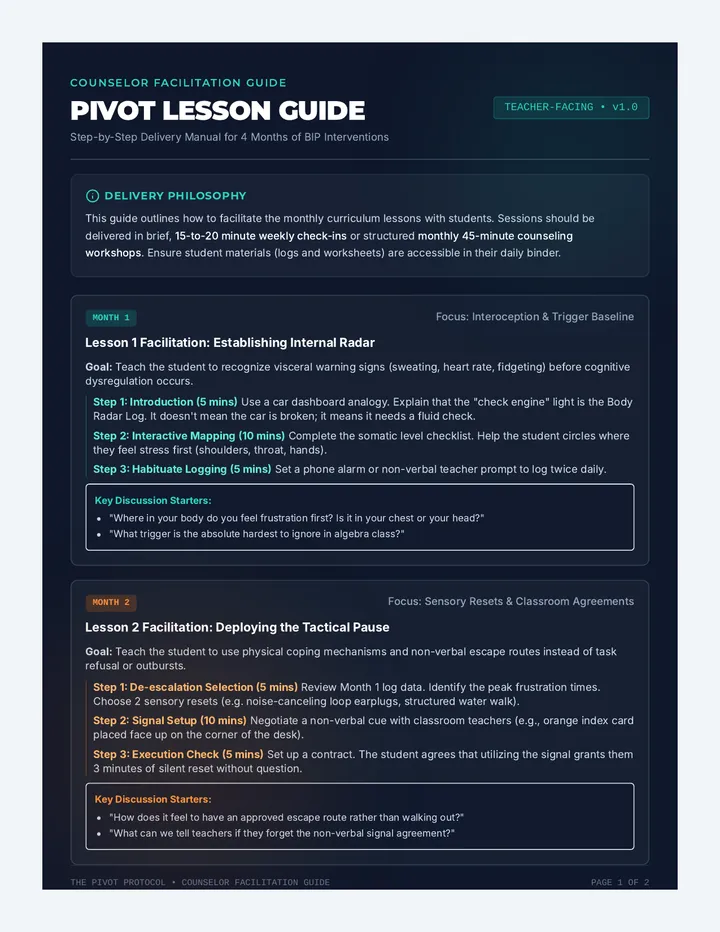
A specialized social skills sequence for high school students focusing on executive function, emotional regulation, and social boundaries. This sequence uses a modern, tech-inspired 'Social Navigator' theme to engage 9th-grade students in self-monitoring and problem-solving.
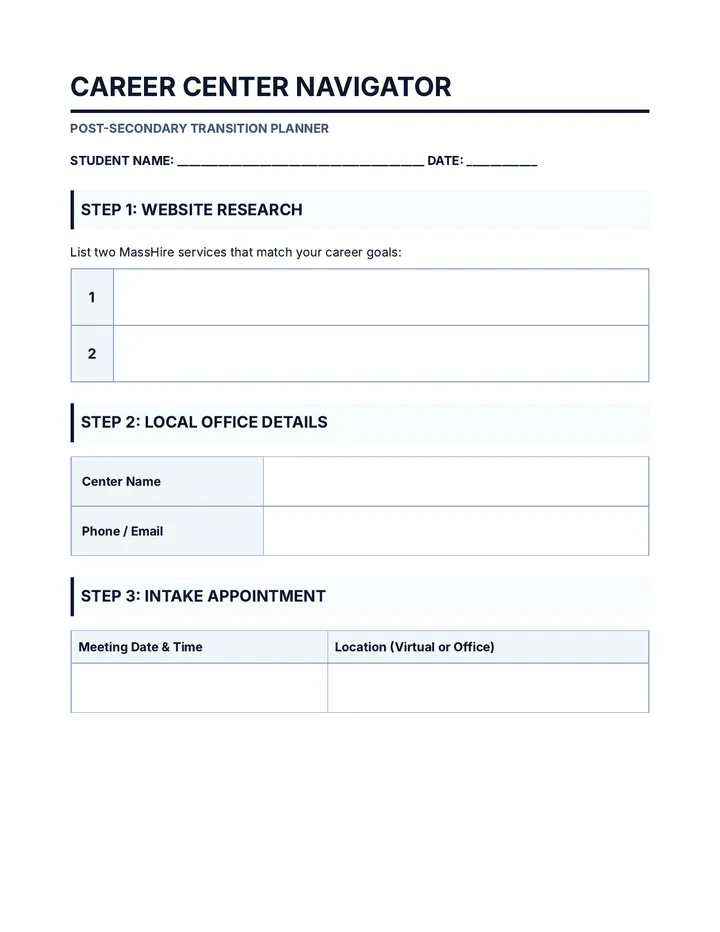
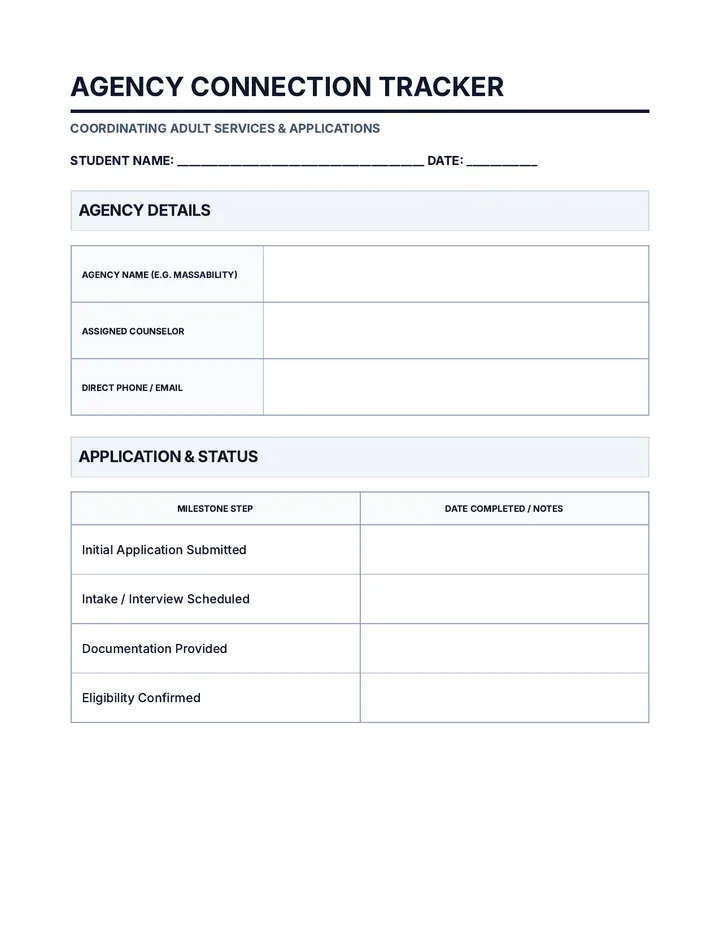
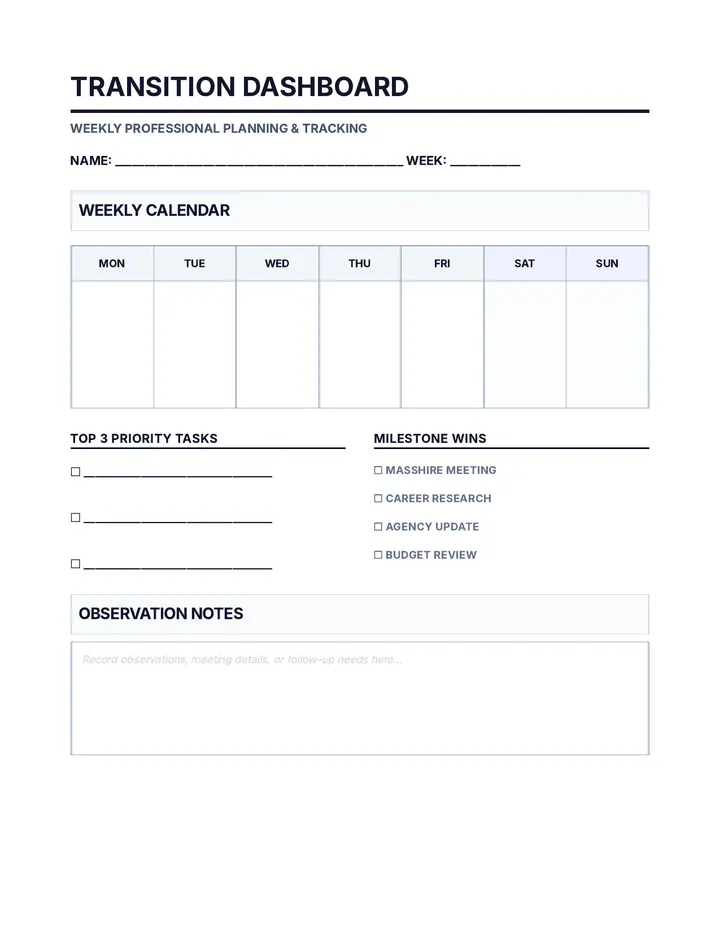
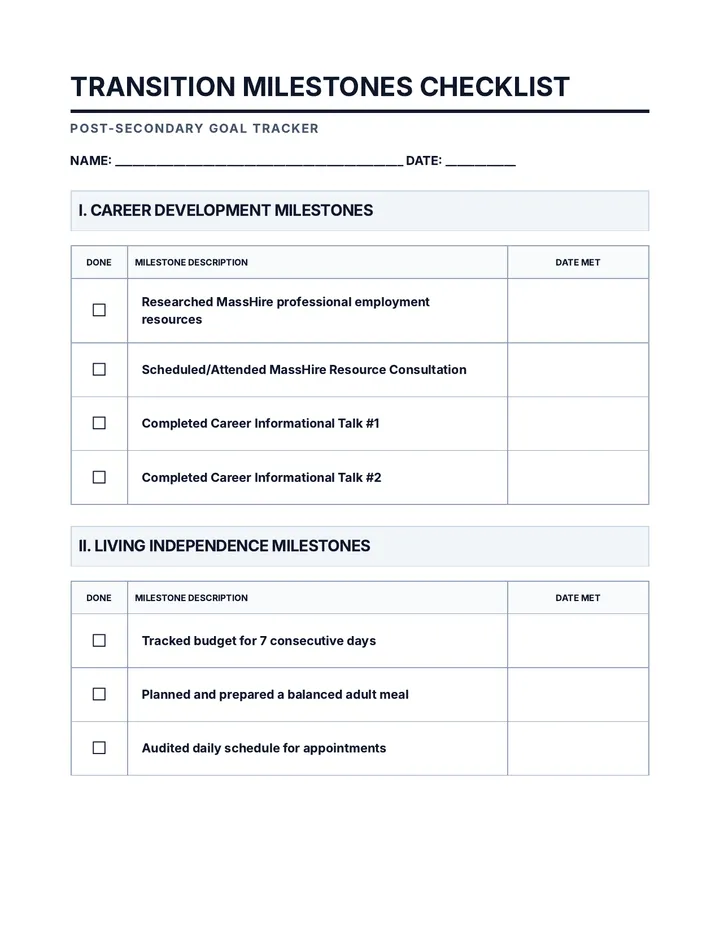
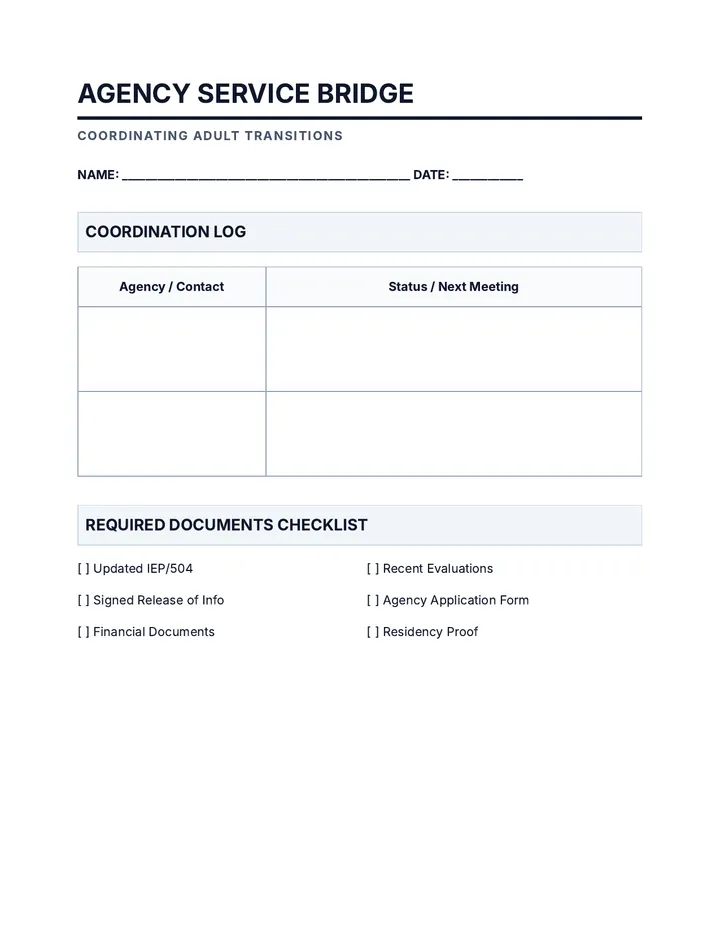
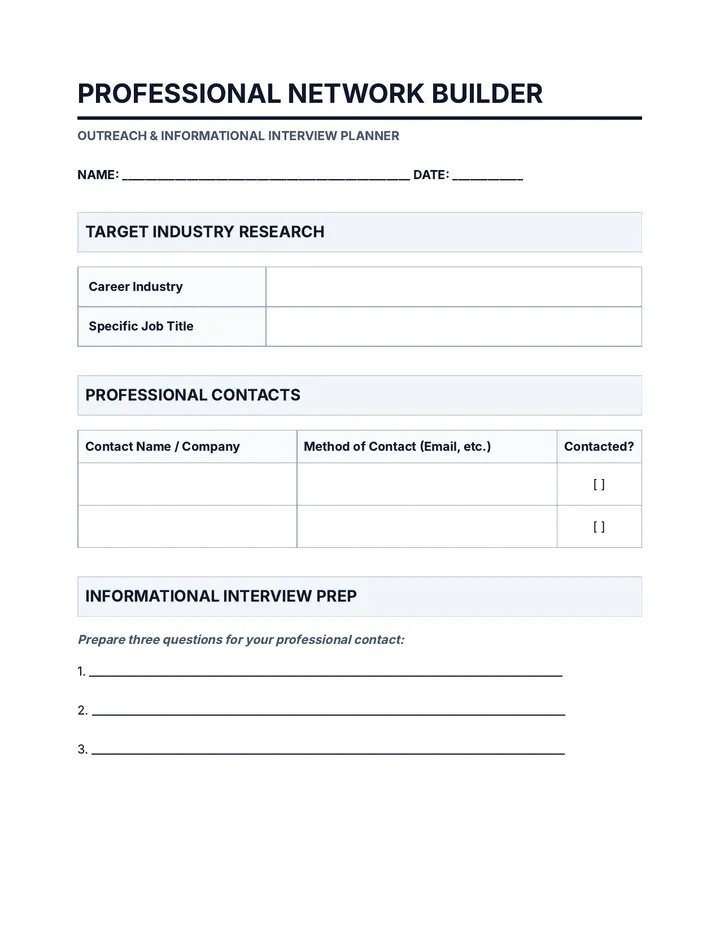
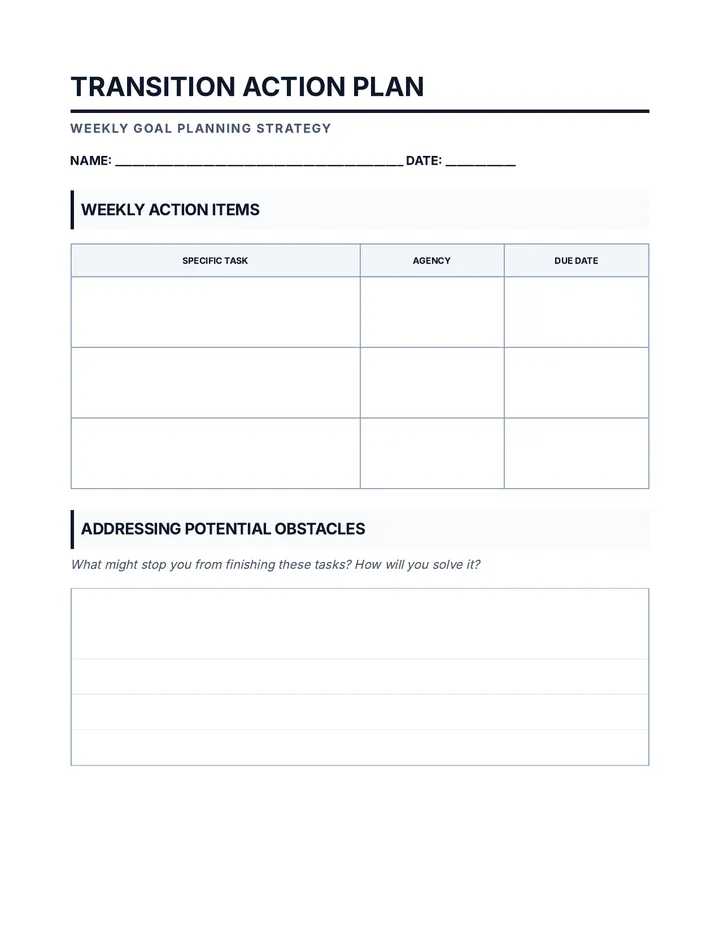
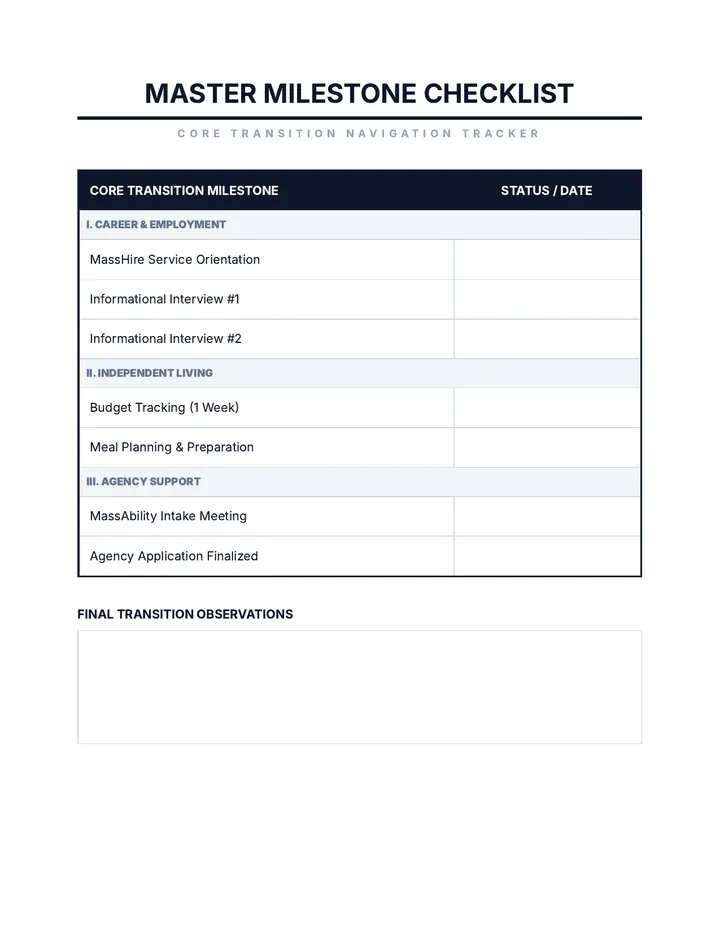
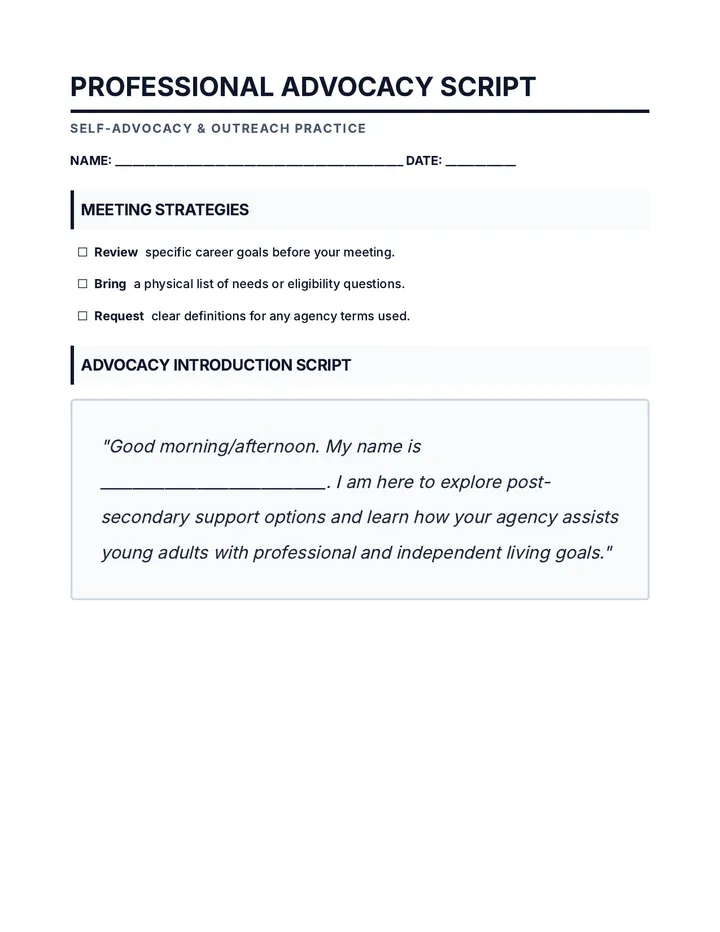
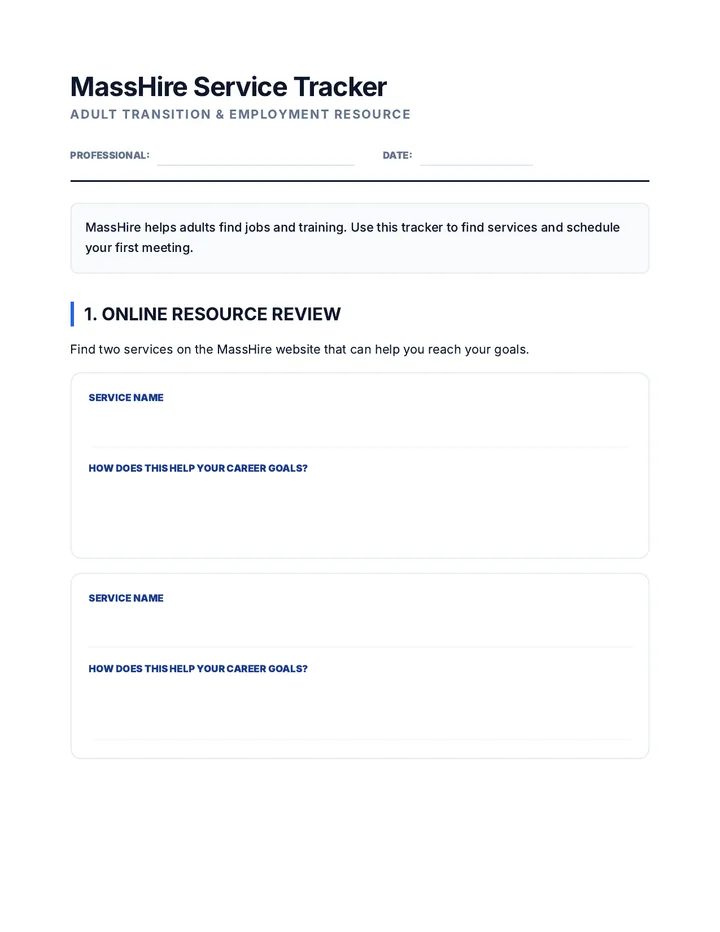
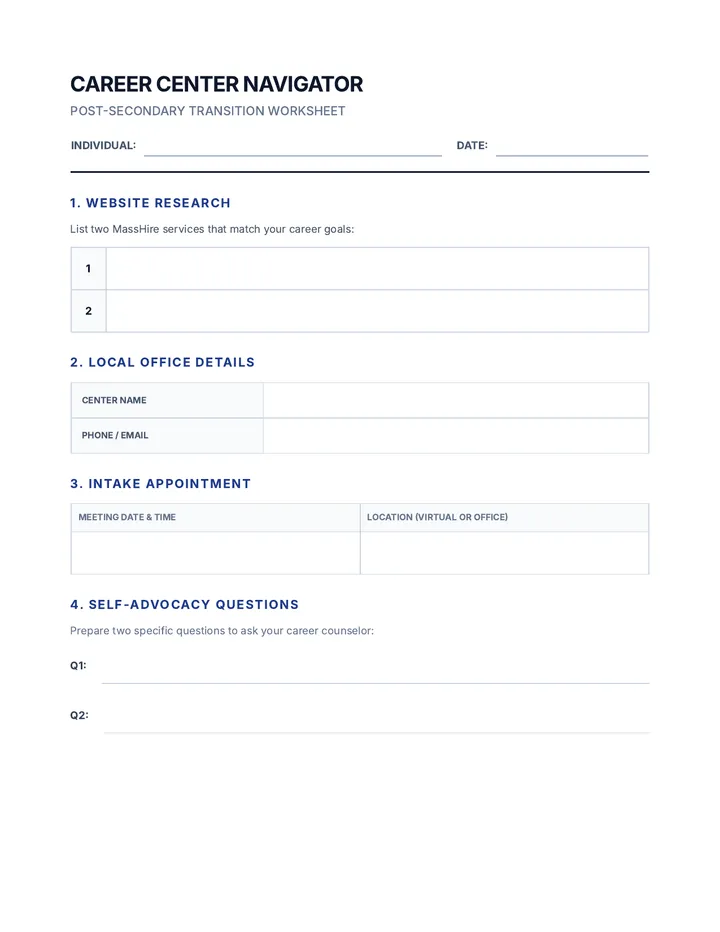
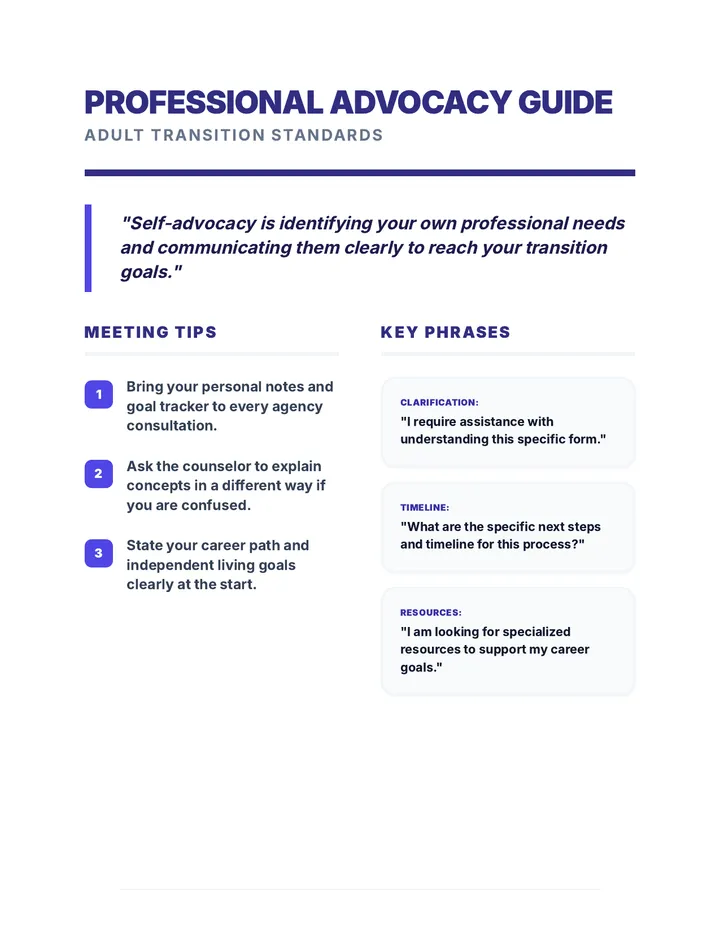
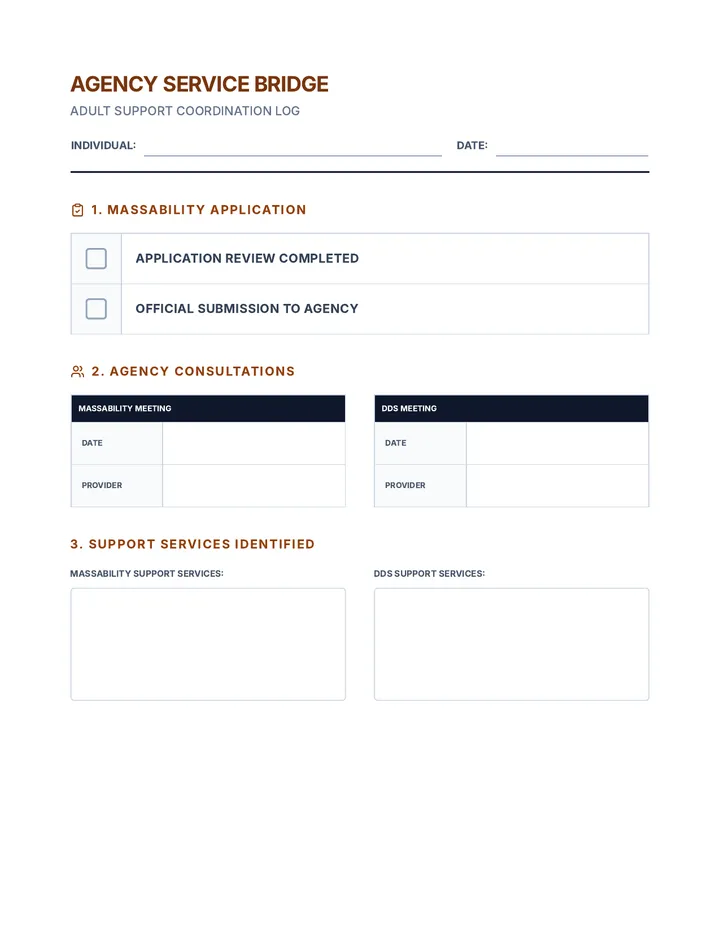
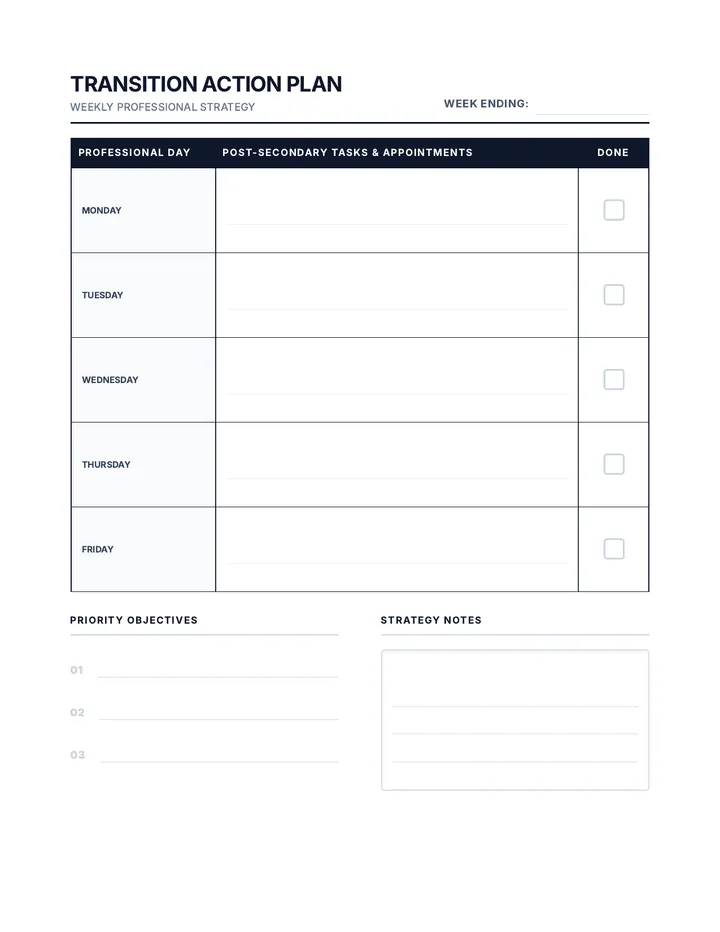
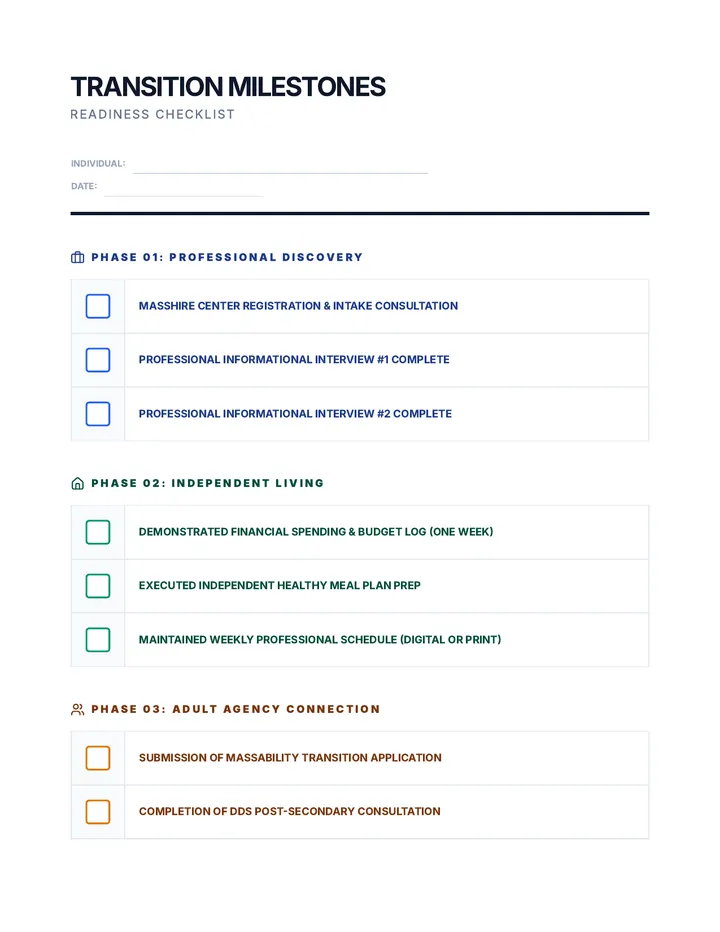
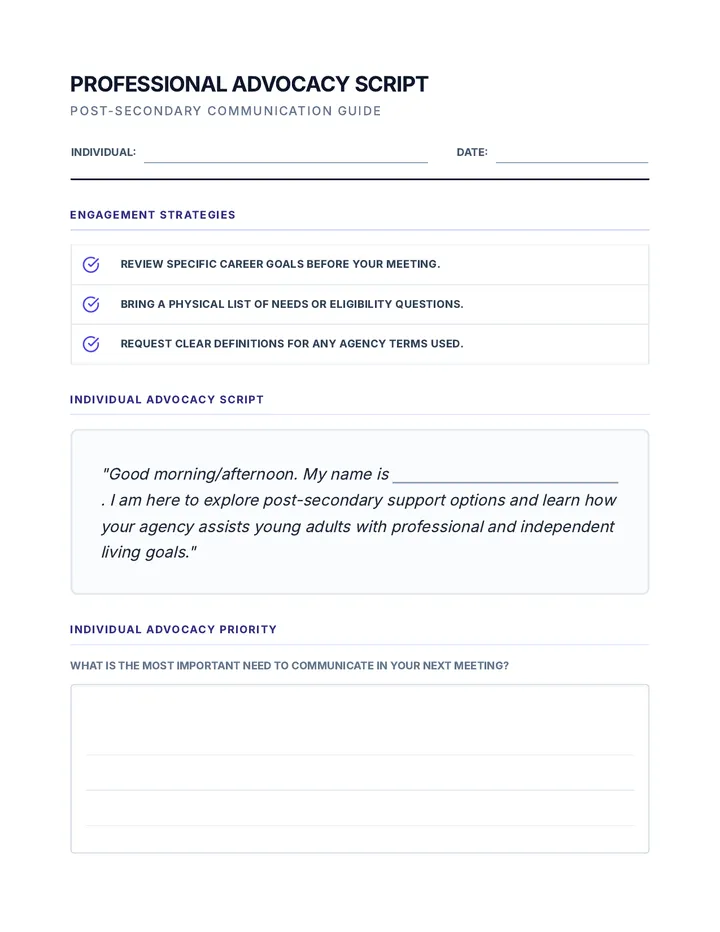
A comprehensive unit focused on preparing students with disabilities for the transition to post-secondary life, emphasizing self-advocacy, legal rights, and strategic disclosure.
A 10th-grade sequence focused on empowering students to manage their own IEP/504 timelines, accommodations, and administrative responsibilities through the lens of project management. Students transition from passive recipients of services to active managers of their educational milestones.
This sequence shifts the focus from assistive technology to the cognitive strategies required for auditory learning. Students engage in inquiry-based activities to distinguish between passive hearing and active listening, applying specific comprehension strategies while using text-to-speech (TTS) to access grade-level texts.
This sequence equips 12th-grade students with advanced technical skills in Text-to-Speech (TTS) technology. It moves beyond basic tool usage to professional-grade workflows, including auditory calibration, OCR conversion, immersion reading, mobile synchronization, and technical troubleshooting, preparing students for the heavy reading demands of post-secondary environments.
A comprehensive transition sequence for 12th-grade students focusing on the legal, professional, and practical aspects of using Text-to-Speech (TTS) and other assistive technologies in higher education and the workplace. Students learn to advocate for their rights under the ADA and Section 504 through role-play, professional writing, and portfolio building.
This sequence empowers 9th-grade students to integrate Text-to-Speech (TTS) into their high school workflows through self-advocacy and digital organization. Students move from identifying reading barriers in their schedules to creating a professional Access Plan for their teachers.
A technical sequence designed for high school students to master text-to-speech (TTS) tools. It covers tool selection, voice optimization, navigation shortcuts, troubleshooting inaccessible formats like PDFs, and ends with students creating a personal accessibility profile for independent academic success.
A comprehensive sequence designed to help 9th-grade students with executive function challenges develop, implement, and test personalized organizational systems. Students explore analog and digital tools, master calendar management, organize digital and physical spaces, and simulate real-world 'stress tests' to refine their chosen frameworks.
An advanced workshop sequence for high school seniors to transition from passive reading to active text analysis. Students develop personalized systems for color-coding, marginalia, and strategic filtering to navigate complex academic texts.
A comprehensive sequence for 11th-grade students to master Text-to-Speech (TTS) technology for high-level academic research. Students progress from software evaluation and auditory optimization to advanced annotation strategies and troubleshooting complex document formats.
A comprehensive sequence for 11th-grade students focusing on the systems and environmental designs necessary for effective Special Education caseload management. Students explore physical workspace optimization, digital workflow tools, paperwork automation, and legal confidentiality requirements to build a personalized organizational toolkit.
This sequence teaches 11th-grade students the essential skills of long-term project management through the lens of special education compliance. Students will master backwards planning, data collection scheduling, professional communication, and year-long calendar management to ensure legal deadlines are met without burnout.
A comprehensive sequence for 11th-grade students to master the logistical and strategic elements of building a Special Education master schedule. Students progress from identifying fixed school-wide constraints to managing personnel and grouping students for maximum instructional impact.
An inquiry-based exploration for 12th-grade students into the sustainability of the special education profession. Students investigate the causes of teacher burnout and develop strategic organization, delegation, and boundary-setting habits to ensure long-term career success and mental well-being.
This sequence introduces 12th-grade students to the complex workload management required in Special Education. Students will learn to categorize tasks into instruction, compliance, and assessment pillars, improve their time estimation skills, and apply productivity strategies like time-blocking and task-batching to create a functional weekly schedule.